Cyber Security_ The Digital Armor of Our Generation
Cyber Security: The Digital Armor of Our Generation
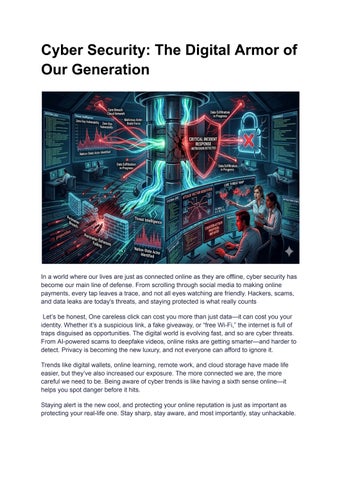
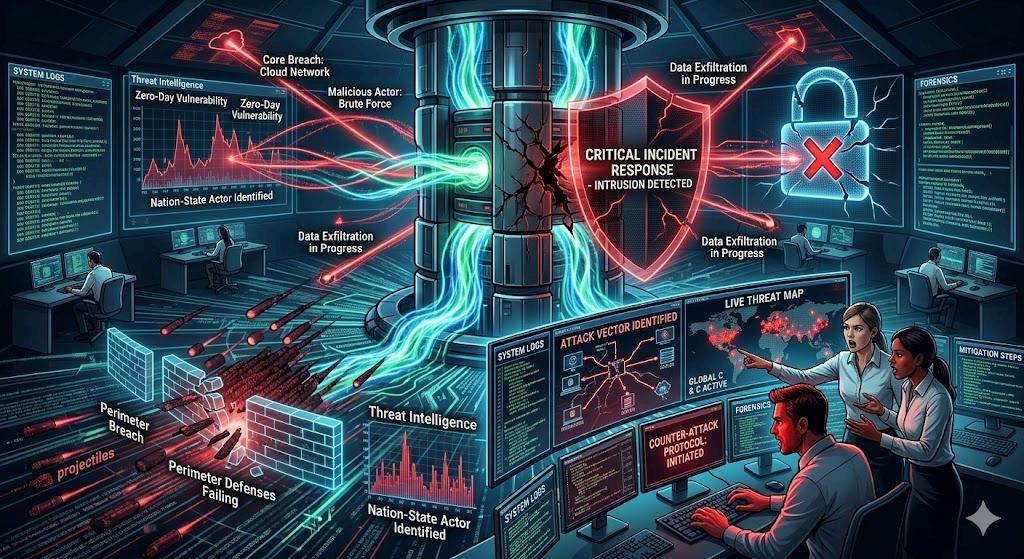
In a world where our lives are just as connected online as they are offline, cyber security has become our main line of defense From scrolling through social media to making online payments, every tap leaves a trace, and not all eyes watching are friendly. Hackers, scams, and data leaks are today's threats, and staying protected is what really counts
Let’s be honest, One careless click can cost you more than just data it can cost you your identity. Whether it’s a suspicious link, a fake giveaway, or “free Wi-Fi,” the internet is full of traps disguised as opportunities The digital world is evolving fast, and so are cyber threats From AI-powered scams to deepfake videos, online risks are getting smarter and harder to detect Privacy is becoming the new luxury, and not everyone can afford to ignore it
Trends like digital wallets, online learning, remote work, and cloud storage have made life easier, but they’ve also increased our exposure The more connected we are, the more careful we need to be. Being aware of cyber trends is like having a sixth sense online it helps you spot danger before it hits.
Staying alert is the new cool, and protecting your online reputation is just as important as protecting your real-life one. Stay sharp, stay aware, and most importantly, stay unhackable.
Core Pillars of Security
1. Confidentiality And Privacy
Cyber security makes sure that sensitive information is for the people who are supposed to see it It uses encryption Secure logins to keep hackers from getting to your private data or stealing your identity. Cyber security is very important for keeping your information safe.
2. Trust
This part of security is about keeping your data safe from people who should not be changing it When you send a message or make a payment cyber security ensures that it gets to the person exactly like you sent it without anyone else messing with it This way you can trust that your data is safe. Cyber security is about keeping your data safe from people who want to hurt you
3.Uptime
You need to be able to use a system whenever you want. Cyber security protects against people who try to crash websites by sending too much fake traffic This is called a Denial of Service attack Cyber security keeps services running all the time so you can use them whenever you need to. Cyber security is important, for keeping websites up and running.
Types of Cybersecurity
When we talk about cyber security, it’s not just one thing it’s a combination of different types working together to keep everything safe Here are the main ones explained in a simple, human way:
● Network Security
This protects the internet connections and networks you use It makes sure that hackers can’t break into systems through Wi-Fi or other networks Think of it like a security guard for your internet.
● Application Security
This focuses on keeping apps and software safe from threats Developers add security features so that apps you use daily don’t get hacked or leak your data
● Information Security
This is all about protecting data whether it’s stored on your device or being shared online It ensures your personal information stays private and doesn’t fall into the wrong hands.
● Cloud Security
Many of our photos, files, and data are stored online in the cloud Cloud security keeps this data safe from breaches and unauthorized access
● Endpoint Security
This protects individual devices like your phone, laptop, or tablet Antivirus software and device locks are part of this type of security
● Cybersecurity Awareness (Human Security)
This is actually one of the most important types. It means being aware of risks like
not clicking suspicious links or sharing passwords Because sometimes, humans are the weakest link.
Major Cybersecurity Threats & Attacks
Cyber threats are becoming more common and more advanced every day Here are some of the major types explained in a simple and relatable way:
● Phishing Attacks
These are fake emails, messages, or websites that trick you into sharing personal information like passwords or bank details. They often look real, which makes them dangerous.
● Malware
Malware is harmful software that enters your device to damage it or steal data It can come from downloading unsafe files or clicking suspicious links.
● Ransomware
This type of attack locks your files or device and asks for money (ransom) to unlock them Even if you pay, there’s no guarantee you’ll get your data back
● Identity Theft
Hackers steal your personal information and pretend to be you They can misuse your identity for fraud, online scams, or financial theft
● Denial-of-Service (DoS) Attacks
These attacks overload a website or server with too much traffic, causing it to crash or become unavailable
● Man-in-the-Middle Attacks
In this attack, hackers secretly intercept communication between two people or systems, often on public Wi-Fi networks
● Password Attacks
Weak or common passwords can be easily guessed or cracked by hackers, giving them access to your accounts.
Rising Cyber Threats: How Hackers Exploit Weak Security
As technology continues to grow, cyber threats are evolving just as fast, becoming more advanced and harder to detect Hackers no longer rely only on basic tricks they now use smart techniques like AI-driven scams, fake websites, and social engineering to target.people. Weak passwords, outdated software, and careless clicks are the biggest entry points they exploit Even something as simple as using public Wi-Fi without protection can give attackers access to your personal data
Once inside, they can steal information, lock files, or misuse your identity without you even realizing it In today’s digital world, even a small security gap can lead to big consequences, which is why staying alert and maintaining strong security practices is more important than everWhat makes it even more dangerous is that many attacks look completely normal A message from a “friend,” a login page that looks real, or a tempting offer can easily fool
anyone Hackers take advantage of trust and urgency, making people act quickly without thinking. Most of the time, it’s not about breaking systems it’s about tricking people.
That’s why awareness is your first line of defense Taking a few simple steps, like double-checking links, updating your apps, and using strong passwords, can make a huge difference. In the end, cyber security isn’t just about technology it’s about being careful, thinking smart, and staying one step ahead of the threats around you
Why is Cybersecurity So Important?
● Protects Your Digital Life
Keeps your online activities such as banking, social media, and personal data safe from unauthorized access
● Safeguards Valuable Data
Your personal information is like digital currency; cybersecurity prevents it from being stolen or misused.
● Defends Against Cyber Threats
Protects you from phishing, malware, ransomware, and other online attacks
● Prevents Big Losses
Helps avoid financial loss, identity theft, and data damage before they happen
● Secures Your Online Identity
Keeps your accounts and digital reputation safe from hackers
● Supports a Safe Digital Future
Ensures safe use of new technologies like AI, online payments, and smart devices
● Builds Awareness and Smart Habits
Encourages safe online behavior like using strong passwords and avoiding suspicious links.
Major Cybersecurity Threats & Attacks
Cyber threats are becoming more common and more advanced every day Here are some of the major types explained in a simple and relatable way:
● Phishing Attacks
These are fake emails, messages, or websites that trick you into sharing personal information like passwords or bank details. They often look real, which makes them dangerous
● Malware
Malware is harmful software that enters your device to damage it or steal data. It can come from downloading unsafe files or clicking suspicious links
● Ransomware
This type of attack locks your files or device and asks for money (ransom) to unlock them. Even if you pay, there’s no guarantee you’ll get your data back.
● Identity Theft
Hackers steal your personal information and pretend to be you They can misuse your identity for fraud, online scams, or financial theft.
● Password Attacks
Weak or common passwords can be easily guessed or cracked by hackers, giving them access to your accounts.
Challenges of Cyber Security
Cyber security is essential, but it also comes with many challenges that make it difficult to manage in today’s fast-changing digital world. Here are some key challenges explained in a simple and human way:
● Rapidly Evolving Threats
Hackers are constantly coming up with new methods and tools. As soon as one threat is controlled, another one appears, making it hard to stay fully protected
● Lack of Awareness
Many people still don’t understand basic online safety. Simple mistakes like clicking unknown links or using weak passwords can lead to serious security breaches
● Weak Password Practices
People often reuse passwords or choose easy ones, making it easier for hackers to guess and access accounts.
● Outdated Software and Systems
Not updating apps or systems regularly leaves security gaps that attackers can easily exploit.
● Shortage of Skilled Professionals
There aren’t enough trained cyber security experts to handle growing threats, which makes organizations more vulnerable
● Data Privacy Issues
Managing and protecting large amounts of personal data is a big challenge, especially with increasing data breaches
Cyber Crime
Cyber crime refers to any illegal activity that is carried out using computers, the internet, or digital devices In simple terms, it means using technology to harm someone, steal information, or commit fraud online
Today, cyber crime has become very common because most of our personal and financial activities happen online Criminals take advantage of this by targeting people through fake emails, hacked accounts, online scams, and malicious software These crimes can range from stealing passwords and money to spreading false information or blackmailing someone.
Some common examples of cyber crime include hacking into someone’s account, online fraud, identity theft, cyberbullying, and phishing scams. Even small actions like clicking on a suspicious link or sharing personal details can make someone a victim.
Prevention of Cyber Crime
● Use strong and unique passwords
● Enable two-factor authentication
● Avoid clicking on suspicious links
● Keep software and devices updated
● Do not share personal information online
Cybersecurity Trends in 2026
Cybersecurity in 2026 feels less like a technical topic and more like a daily lifestyle for the new generation As everything shifts online from payments and classes to content creation and social connections security is no longer something optional or “extra ” It’s something you live with every day.
One of the biggest changes is the rise of AI on both sides. detect and stop threats instantly. It’s almost like a silent war happening in the background of our digital lives Another growing trend is deepfake technology Videos and voices can now be manipulated so well that it’s becoming hard to tell what’s real and what’s fake. This makes it easier for attackers to trick people, especially through social media and messaging apps where trust is high and attention spans are low
At the same time, the idea of “trust no one” is becoming normal. Apps and platforms are asking for more verification, not because they want to annoy you, but because they need to make sure it’s really you This shift shows how seriously digital identity is being taken now
For Gen Z and the upcoming generation, cyber awareness is becoming just as important as digital skills It’s not just about using technology it’s about using it smartly Knowing what to click, what to ignore, and what to question is now a real-life skill
Frequently Asked Questions (FAQ) on Cybersecurity
1. What is cybersecurity in simple words?
Cybersecurity means protecting your devices, data, and online accounts from hackers, viruses, and other digital threats. It’s like a safety lock for your digital life.
2. Why is cybersecurity important for students and Gen Z?
Because most of our life is online social media, payments, studies any security mistake can lead to data theft, account hacking, or misuse of identity.
3. What is the most common cyber attack?
Phishing is the most common. It tricks people into giving personal information through fake emails, messages, or websites that look real
4 How can I protect myself online?
Use strong passwords, avoid clicking unknown links, enable two-factor authentication, and keep your apps updated Simple habits can prevent big problems
5 What is a strong password?
A strong password is long, unique, and includes a mix of letters, numbers, and symbols. It should not include personal details like your name or birthday