BACHELOR EXHIBITION
Royal Danish Academy Crafts in Glass and Ceramics
Exhibitions
26.06 – 25.08.2026
04.09 – 29.11.2026
04.09 – 29.11.2026
17.12 – 12.02.2027
Bornholms Center for Kunsthåndværk, Hasle
CLAY Keramikmuseum Danmark, Middelfart
Glas – Museum for Glaskunst, Ebeltoft
Royal Danish Academy, Library, Copenhagen
Preface
Human beings change everything around them. All life does - that is the very nature of being alive - but we, you and I, do it more than any other species.
You can look away, you can scream, you can refuse, but it will not make the slightest difference.
You are here, and everything around you is affected by you.
Your breath - every single one - is torn from this world.
You are destruction.
That’s the curse of being human.
That’s the beauty of being human.
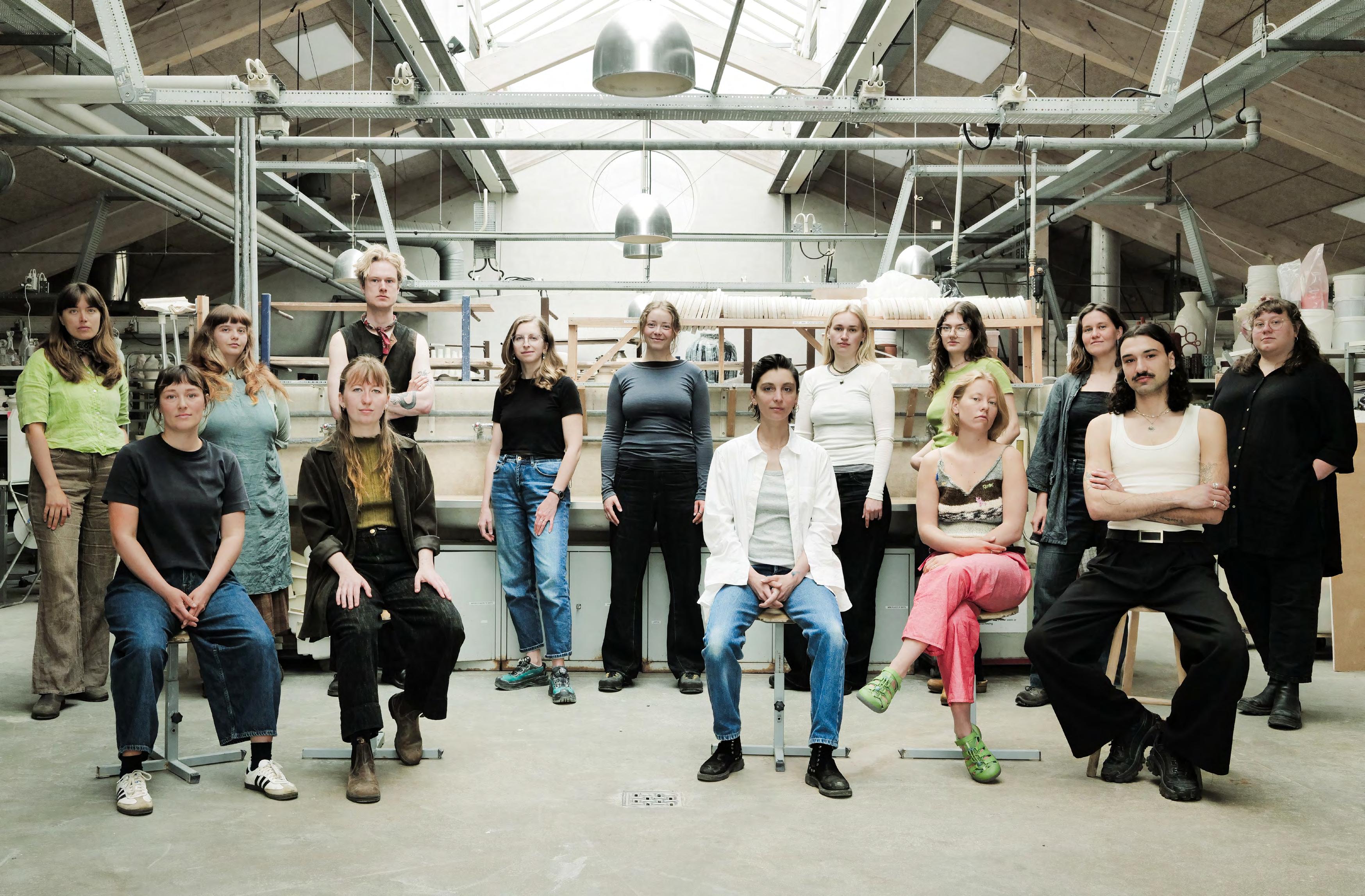
For some, destruction entails an obligation. It ought to apply to everyone, but unfortunately it does not. Not everyone has that urge within them which some people possess: the urge to use life for something more than merely living. In response to that urge, some turn to the crafts. They practice, they refine their skills. They immerse themselves in destruction to gain the ability to draw something new out of it, and it is among these that we find the 14 talents who have now presented their Bachelor Project at the Royal Danish Academy’s workshop for glass and ceramics.
They now possess the knowledge and craftsmanship required to shape anew. When the planet has worn a mountain down with wind and water, when the mountain dust has gathered and been forgotten, they can wrench it from the earth and create from it. With fire and water, imagination and dexterity, tradition and rebellion, they now create beauty and functionality, dreams and stories, impossibilities and questions that would not otherwise be here - in our world - without them and their effort.
So when you look at their work, allow yourself to enjoy the skill and inventiveness that are, of course, present. It is delightful to behold. But when that is done, try to see whether you can also spot the curiosity and wonder that I believe are there as well. For it is not a wonder that comes from youth alone - far from it. It is the wonder that inevitably arises in the very act of working with the materials over time. In the encounter between the maker and the part of the world the maker seeks to master: What is this, really? What is it capable of? And what is it that I want to do with it?
For me, that wonder becomes part of the pieces. When I look - or even stare - long enough at these creations, I feel I can see how the many techniques present in the craft have not only brought new forms into being but have also given those forms the power to make me think about my own form in this world. What do I want to do with this form that is me?
I hope you have the same experience.
Dennis Gade Kofoed
ALBERTE ROSENQUIST
A Space to Hold
Alberte Rosenquist
Alberte Rosenquist
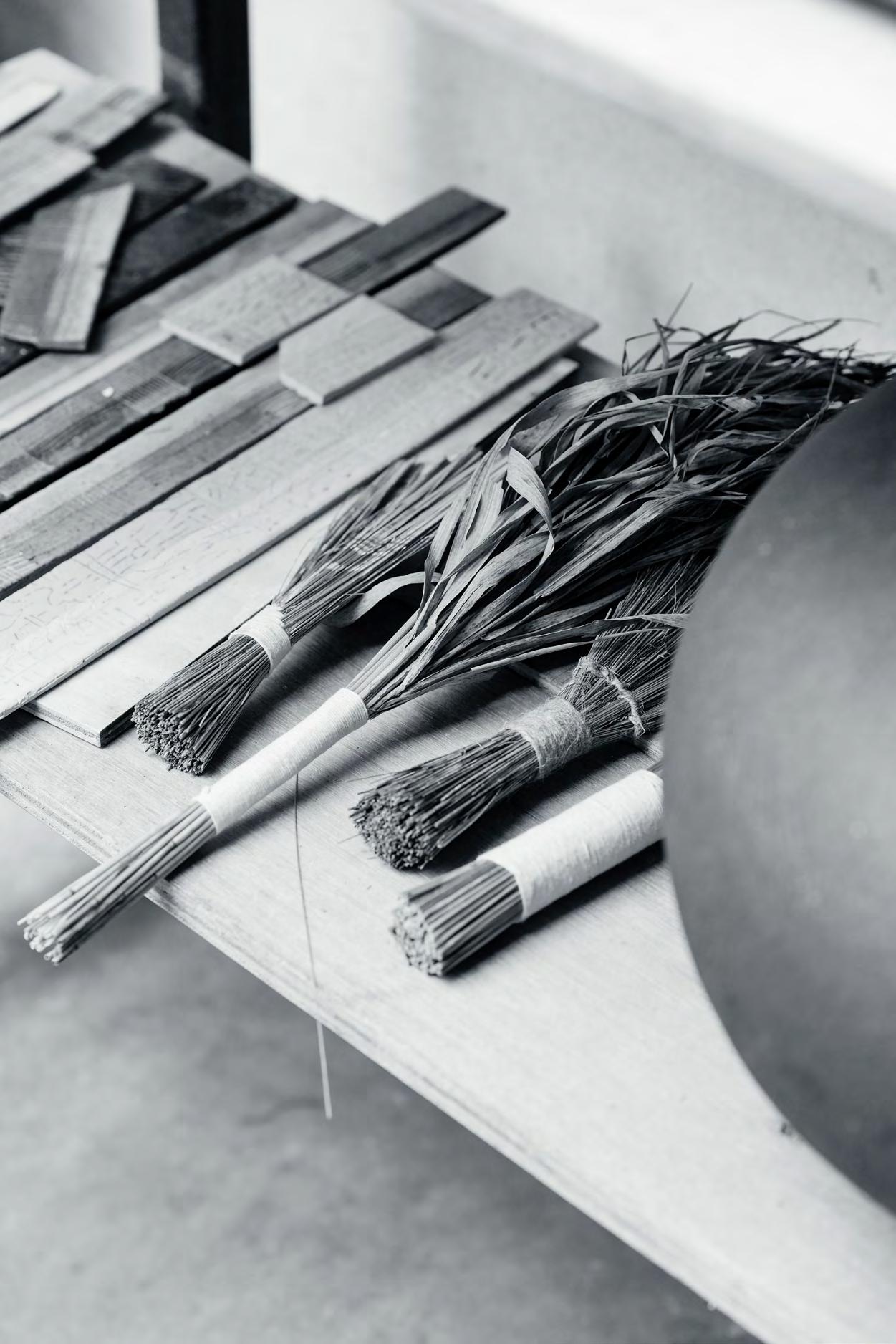
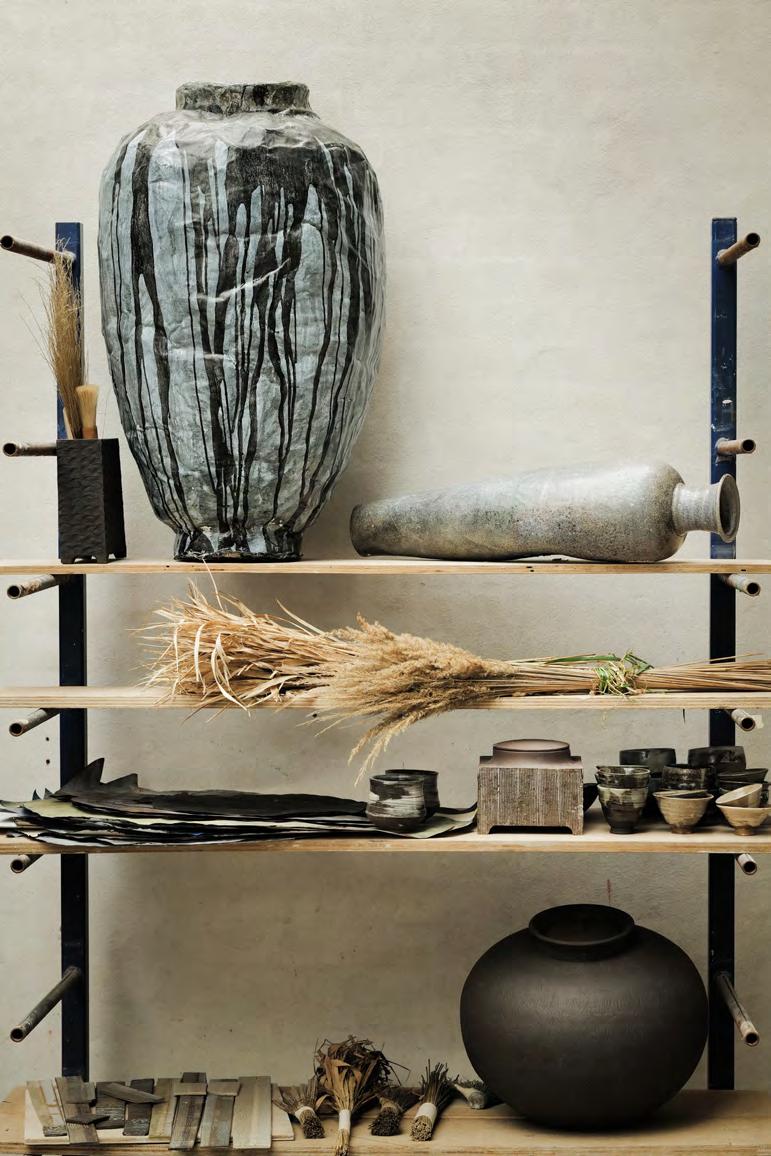
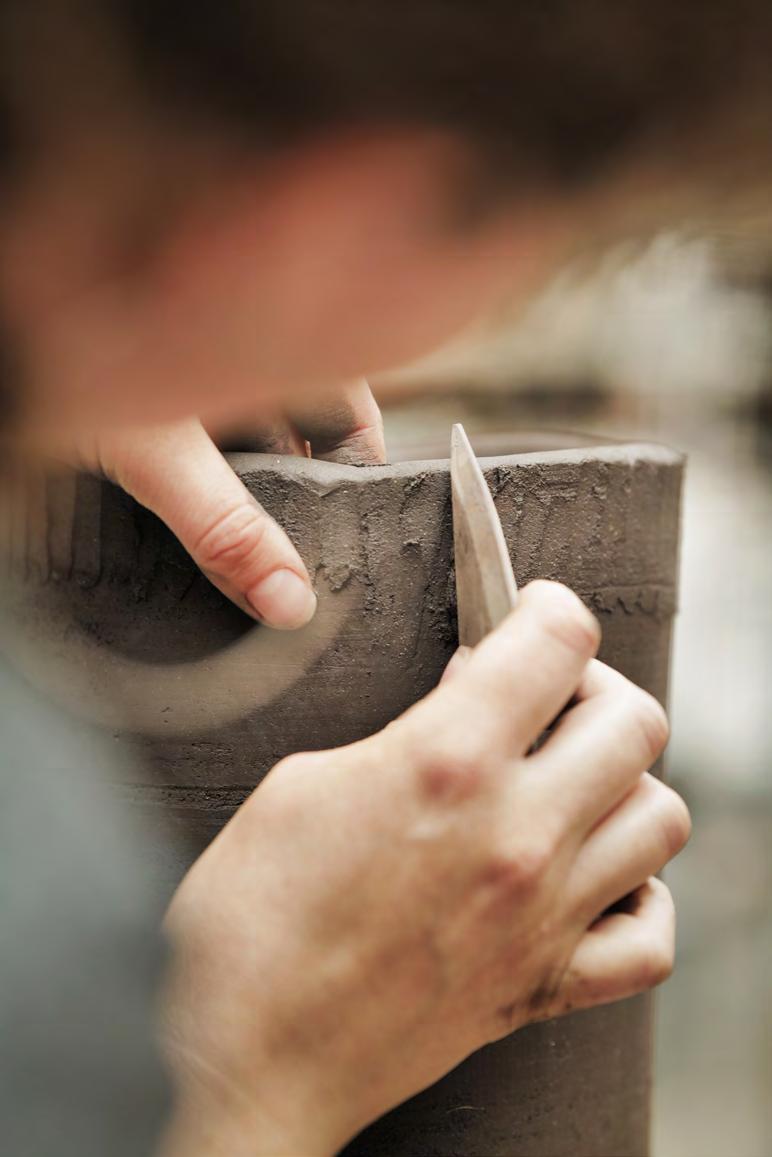
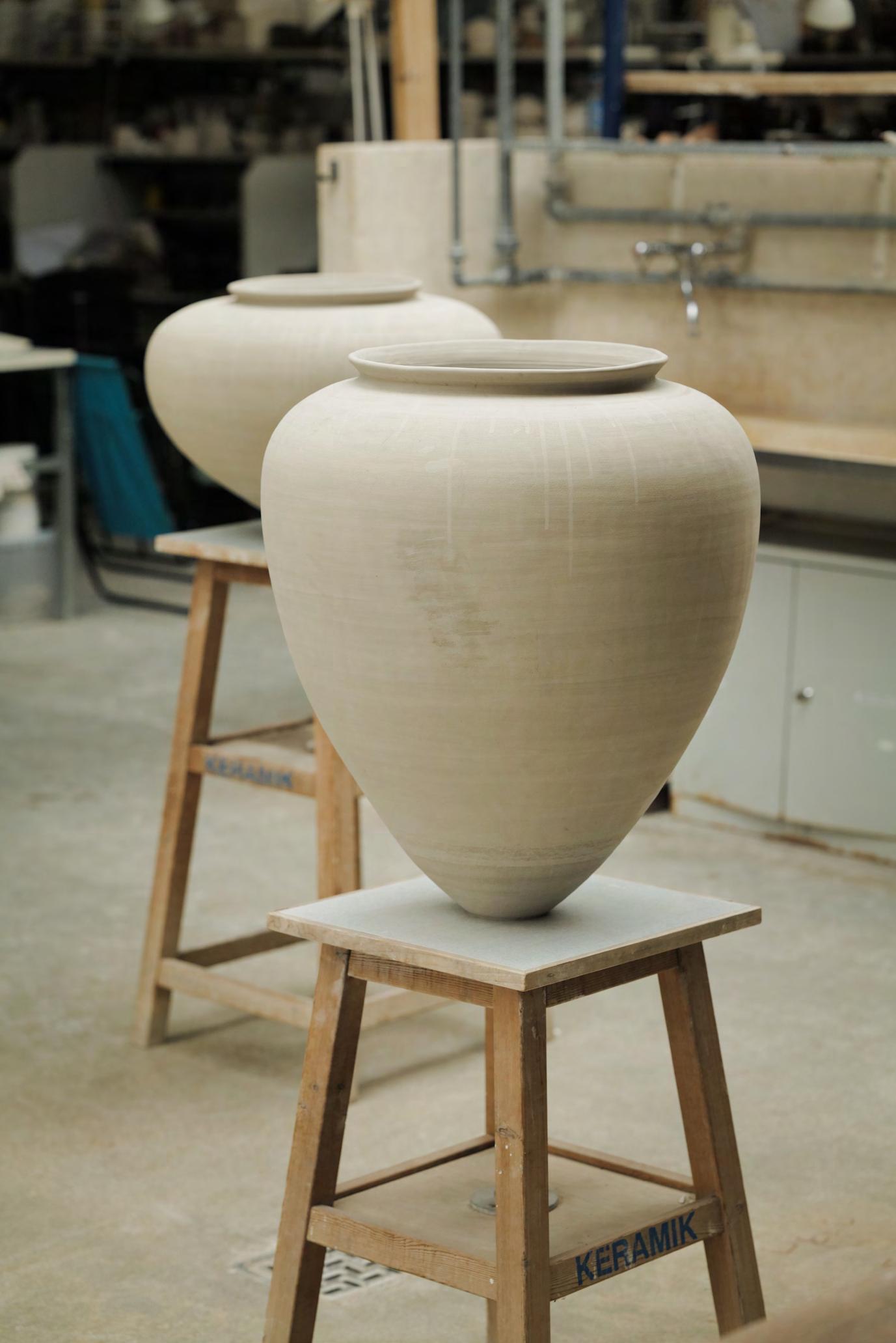
In the project A Space to Hold, I work with vessels through which I explore themes of care and how the shape of objects can create an emotional or bodily response in the person who encounters it. To me, the vessel embodies care in such a gentle way, as the walls create an empty space with the potential for something to be held, carried, or nurtured.
My starting point was the essay The Carrier Bag Theory of Fiction by Ursula K. Le Guin. She is writing about human origin and how we have all been told the story of survival through violence and dominance, of the spears and the swords. Instead, Le Guin proposes a different story, one about the container and us humans as gatherers. In the book, the vessel becomes a symbol of an alternative narrative about human nature. One that does not begin with weapons and domination, but a story about relations, care, and everyday life.
In my project, I use the images and feelings the book awakened in me and translate them into form. I have worked with large, open, and inviting shapes, as well as more closed and narrow forms, exploring how different bodies carry different stories, and how their shared presence can create a dialog that changes the overall narrative.
A Space to Hold
@alberte.rosenquist
alberte.rosenquist@gmail.com

Alberte Rosenquist

SARAH ”DINO” BADINO VIELWERTH
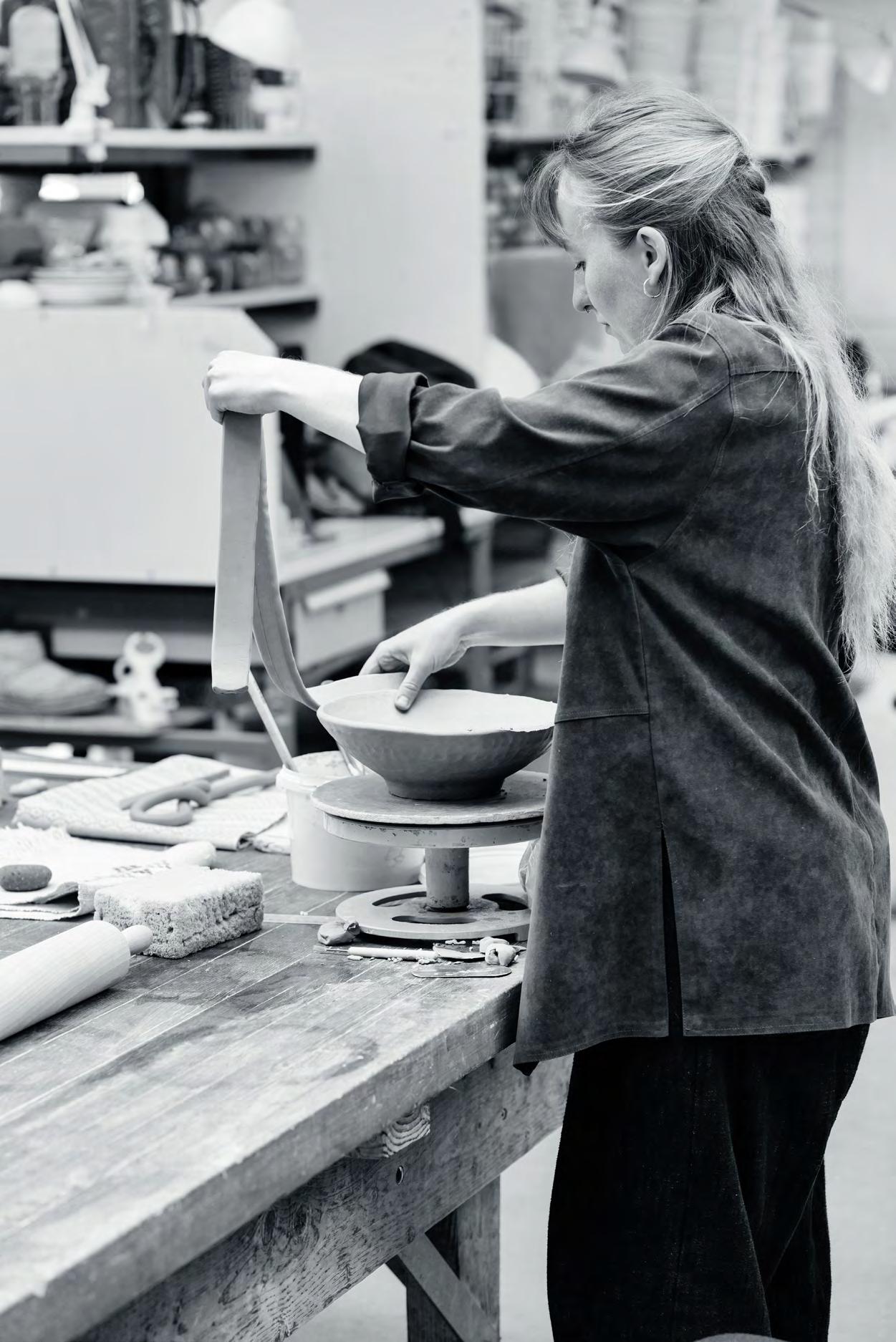
Opvækst
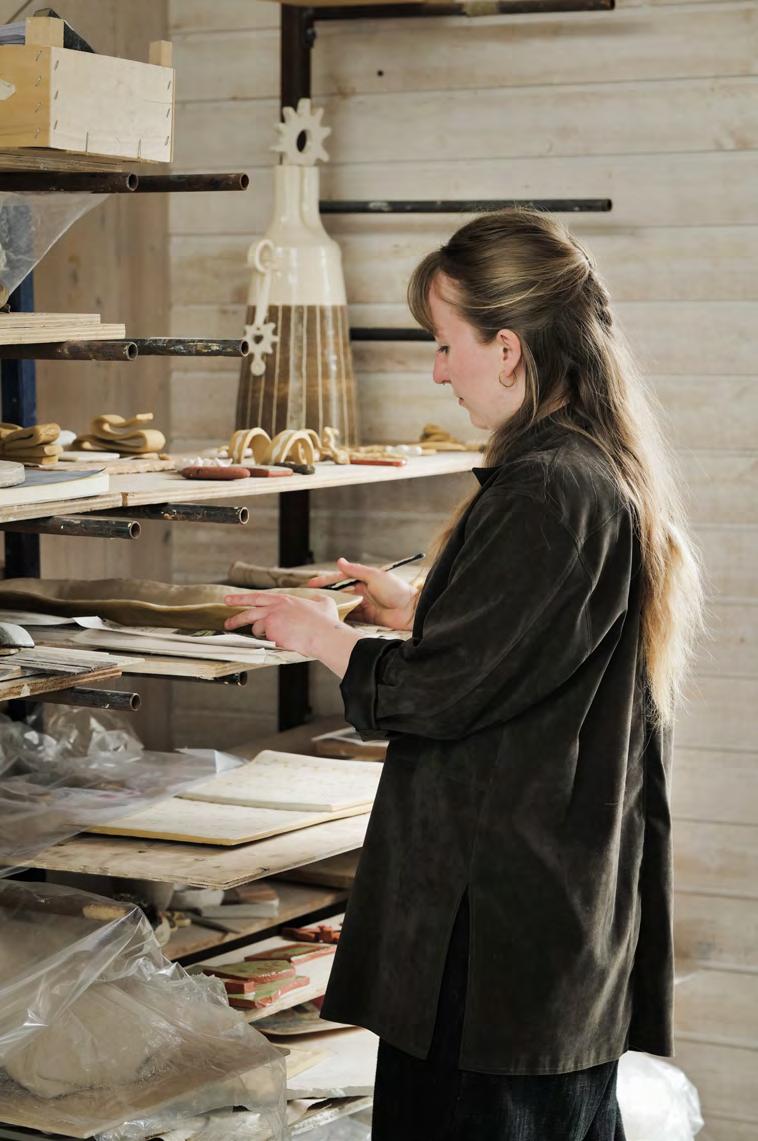
Sarah ”Dino” Badino Vielwerth
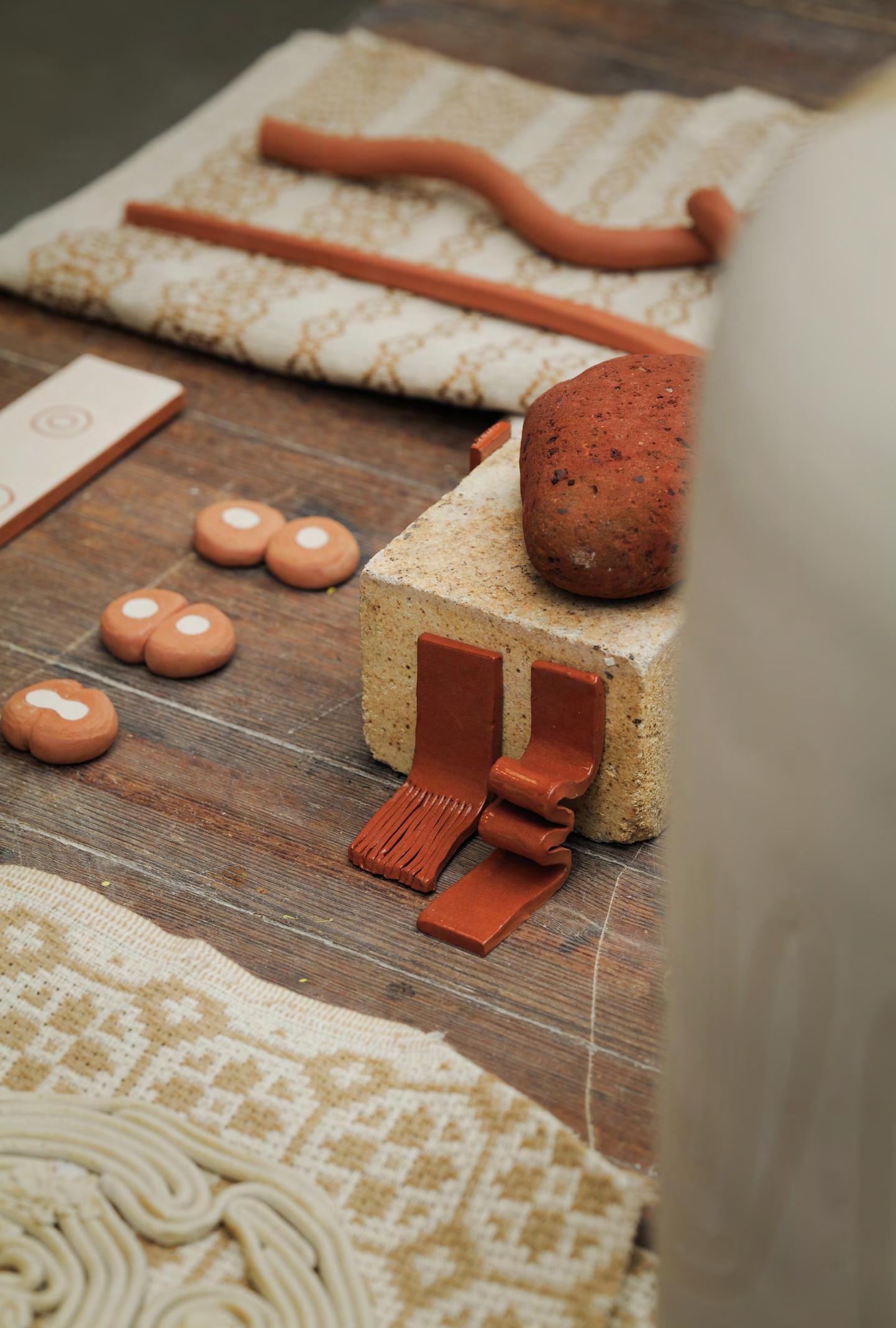
My project is a celebration of how the natural curiosity of a child can be nurtured and encouraged, and it’s an homage to the people in my own upbringing who nurtured mine.
My parents are both cell biologists who have passed their inquisitive nature on to me, especially by sharing their own passions and ideas with me. Growing up between their two homes, I see this project as a symbolic third home, the one inside myself. Here, I create my own interior objects and decide how they are placed and used. It is a place of quiet ritual and closeness, where nature meets nurture.
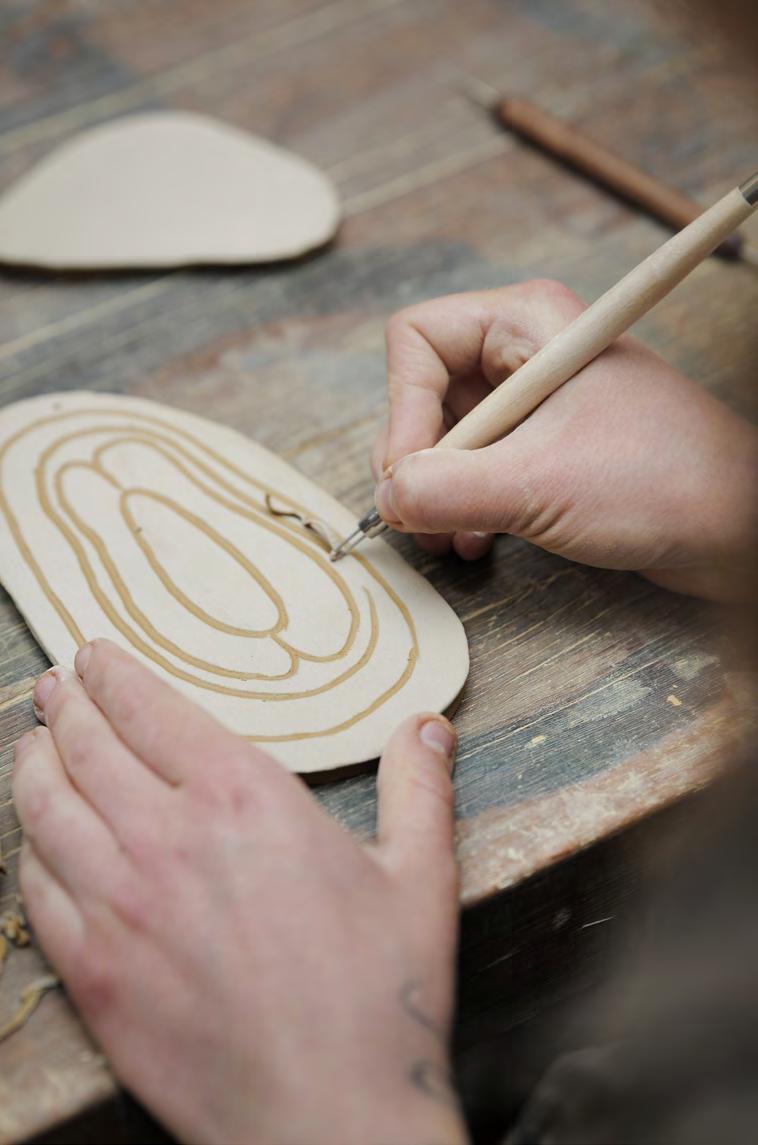
Working with themes of transformation and nourishment, I carve out images from the microscopic world onto objects that look like memories of comforting household objects. Zooming in on the building blocks that sustain all living things, these tiny but vast systems invoke a feeling of safety, like it’s all going according to plan. The image of a cell dividing brings to mind the continuous cycle that we are all a part of, where each generation gives life to the next. The vessels I create are carriers of sustenance, and their contents can be divided and shared, just like a parent or grandparent passes on their experience and knowledge.
@finobadino sarahbadinov@gmail.com

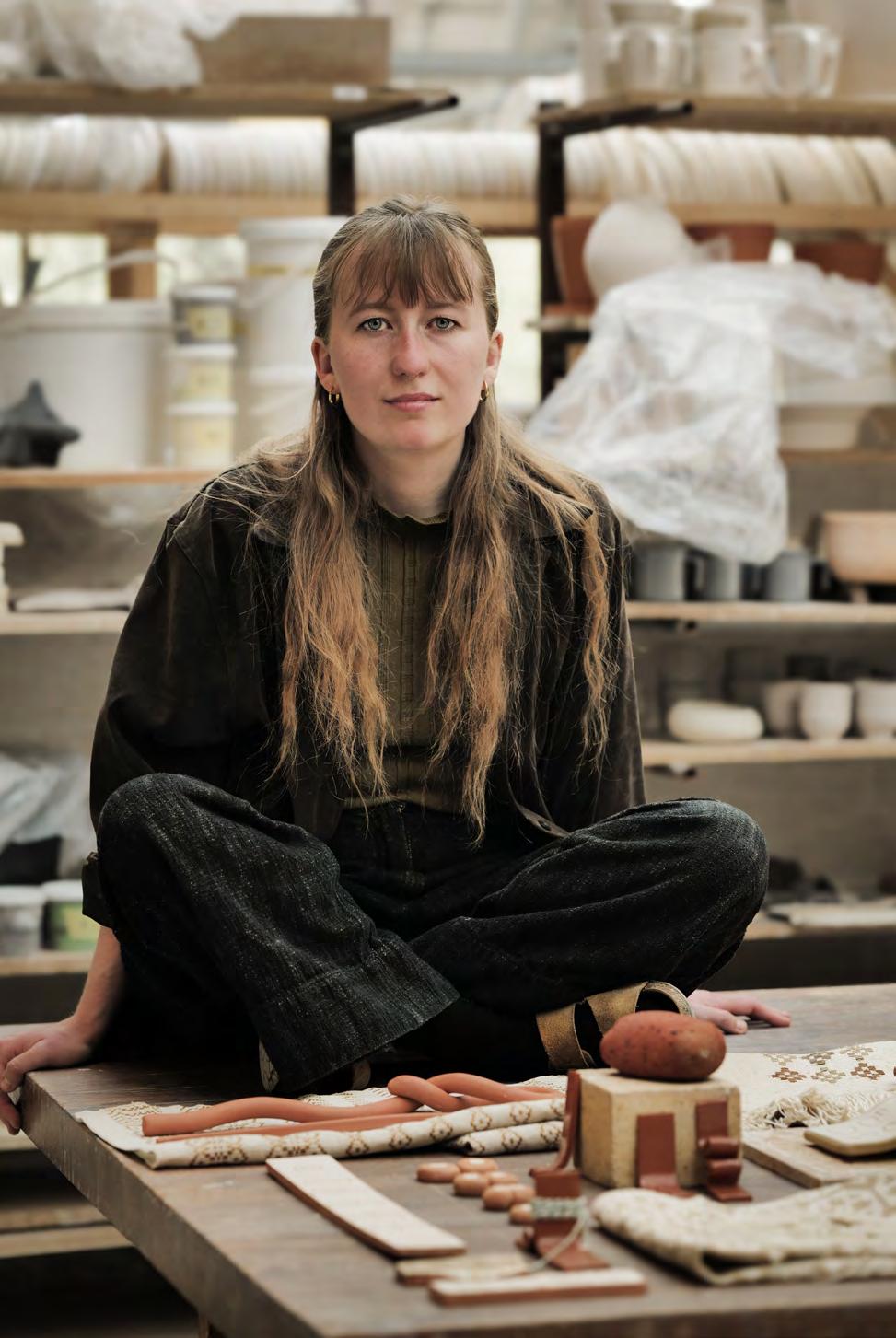
Sarah ”Dino” Badino Vielwerth
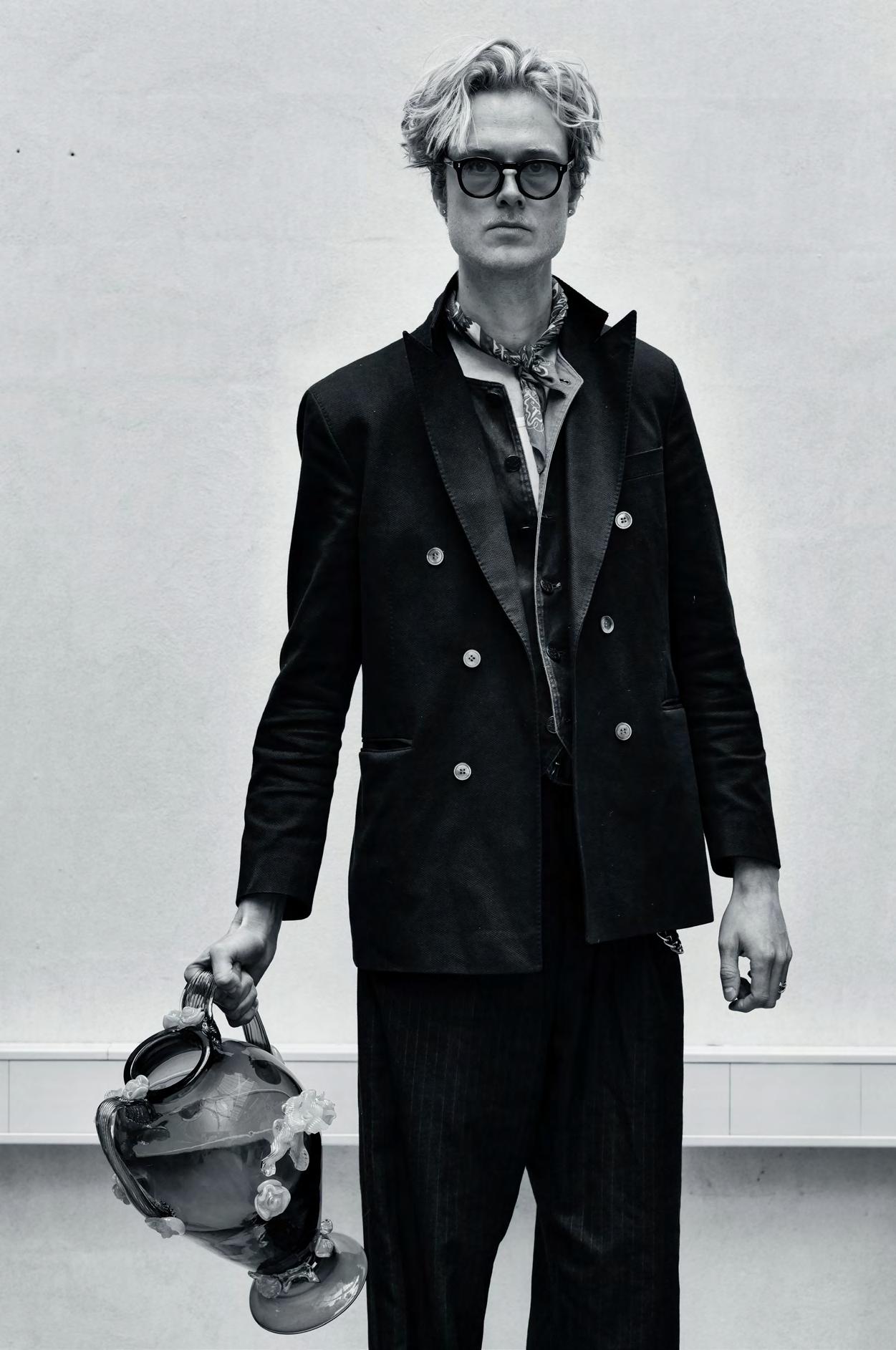
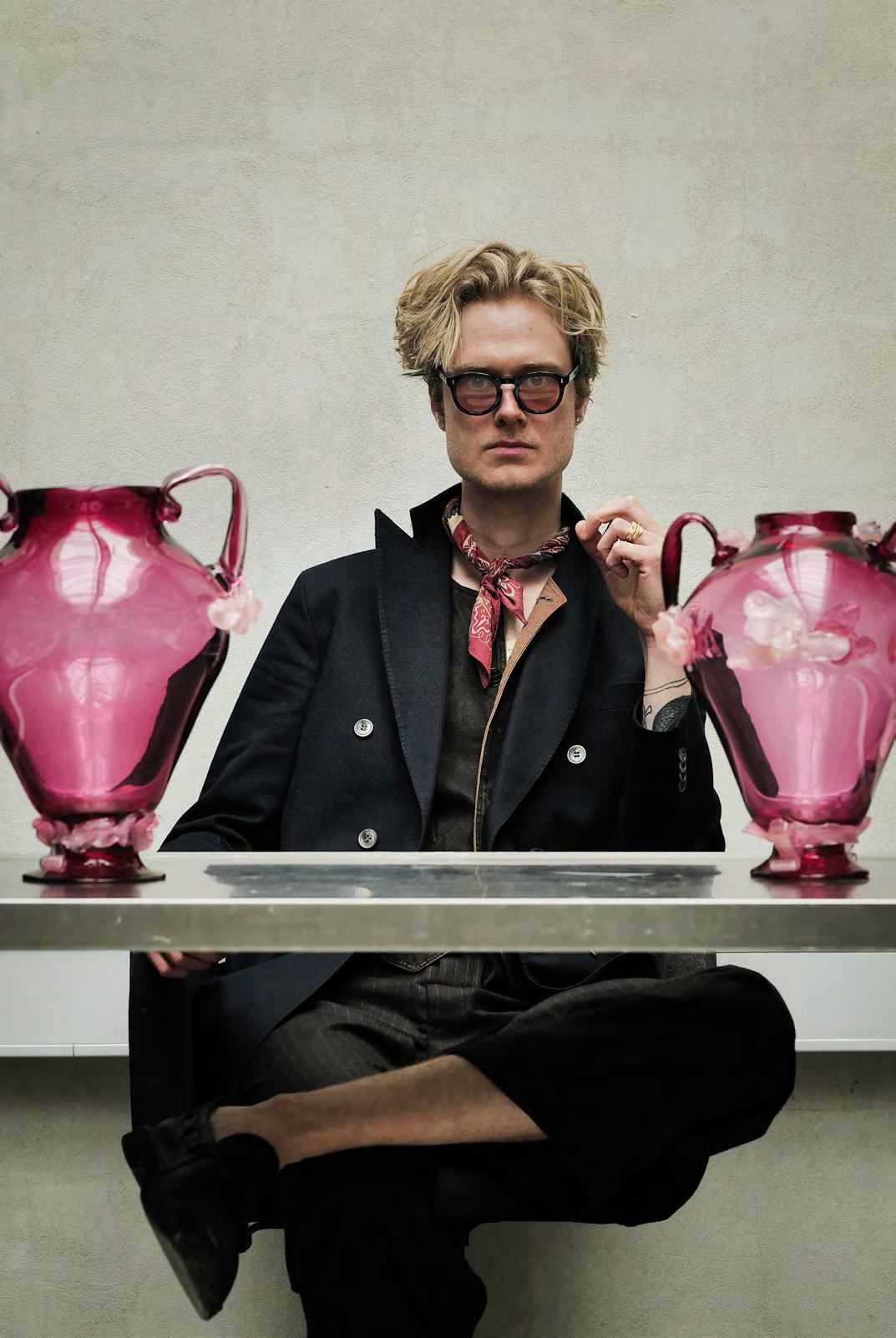
INDIO MÖGLICH
Chateau, Chateau Marmont
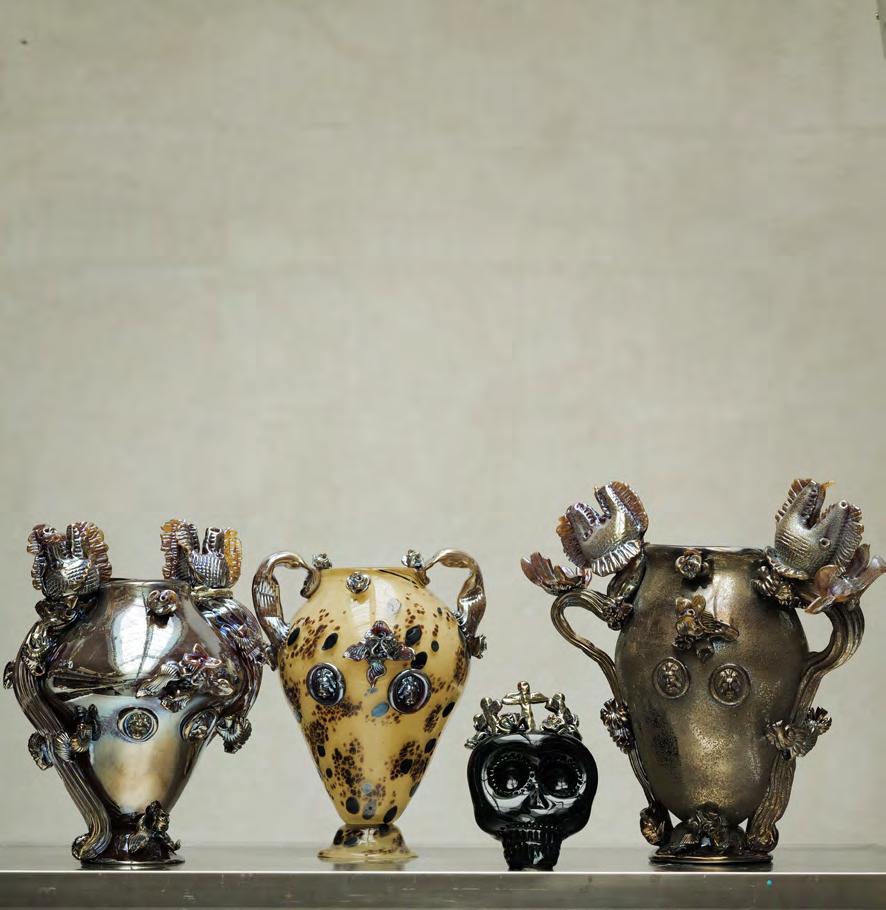
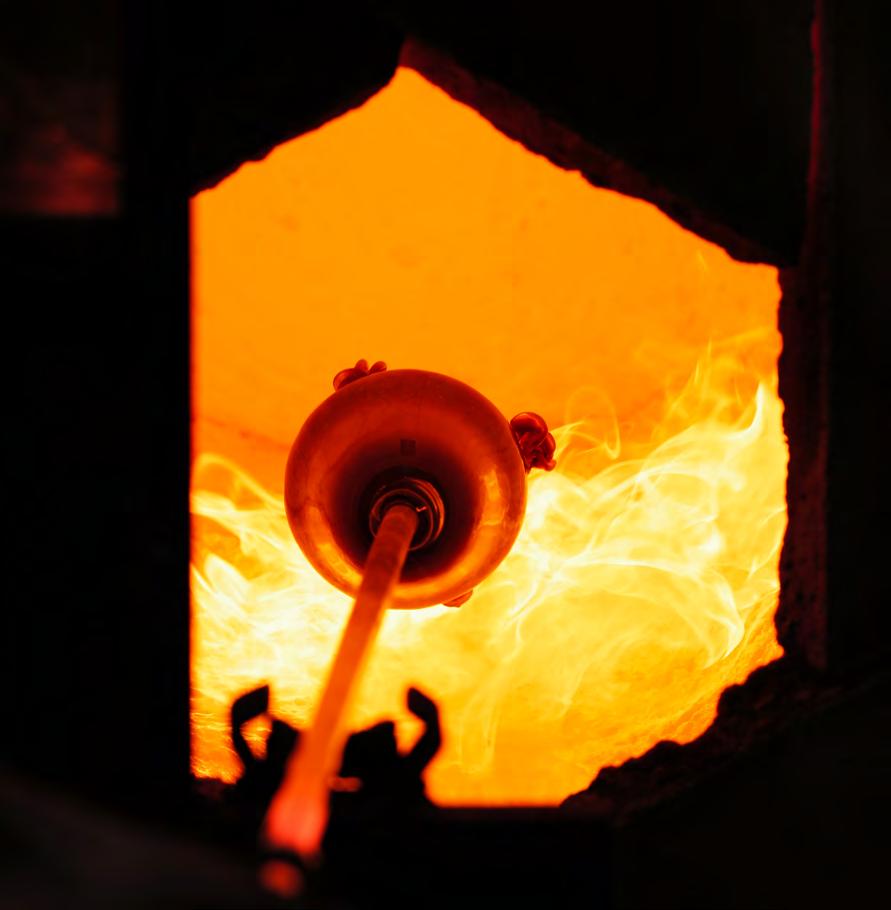
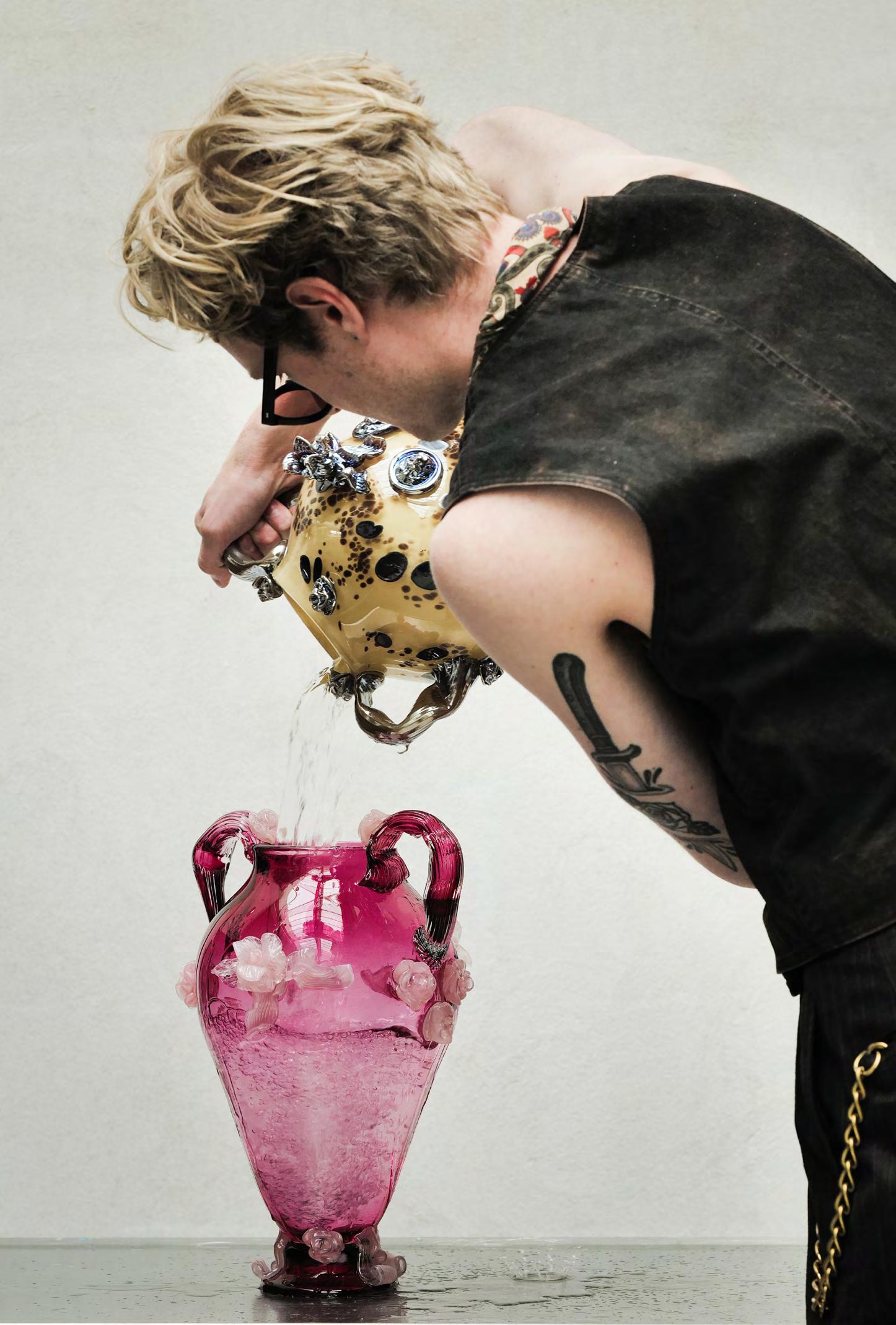
Chateau, Chateau
Marmont
Chateau, Chateau Marmont
In my meditative sessions, I envision myself in the chaise longue chair of French psychoanalyst Jacques Lacan. I tell him “I wish I was Eusebi Güell, 19th century business tycoon. Industrialist. Owner of Palau Güell, Gaudí’s coolest project, eclipsing even La Sagrada Familia.”
I look down at my imperial red loafers, embroidered with diamonds in the shape of my initials. They’re dyed in the blood of Pope Benedict XVI, to hit a shade of red in between the 250 Ferrari Testarossa and the cover of Björk’s Volta.
Lacan morphs into an aging Jacques Cousteau, played by Bill Murray, and tells me “Eusebi Güell died before Chateau Marmont ever opened, and long before the techno-feudalist regime divided us into ideological bubble balls, erasing our shared mythology.”
As I exit my visionary trance, the apparition of Rem Koolhas starts speaking through my mouth: “Designers don’t play with the souls of the dead. They give succinct project descriptions.”
Chateau, Chateau Marmont is a quixotic commission for Chateau Marmont and Palau Güell, through an aesthetic dialogue with Picasso’s blue period, and an investigation into how crafts can relate and incorporate contemporary mythmaking.”
@_indio4ever_ indio.moglich@gmail.com

Indio Möglich
EMILIE FRUERGAARD
Emilie
Emilie Fruergaard
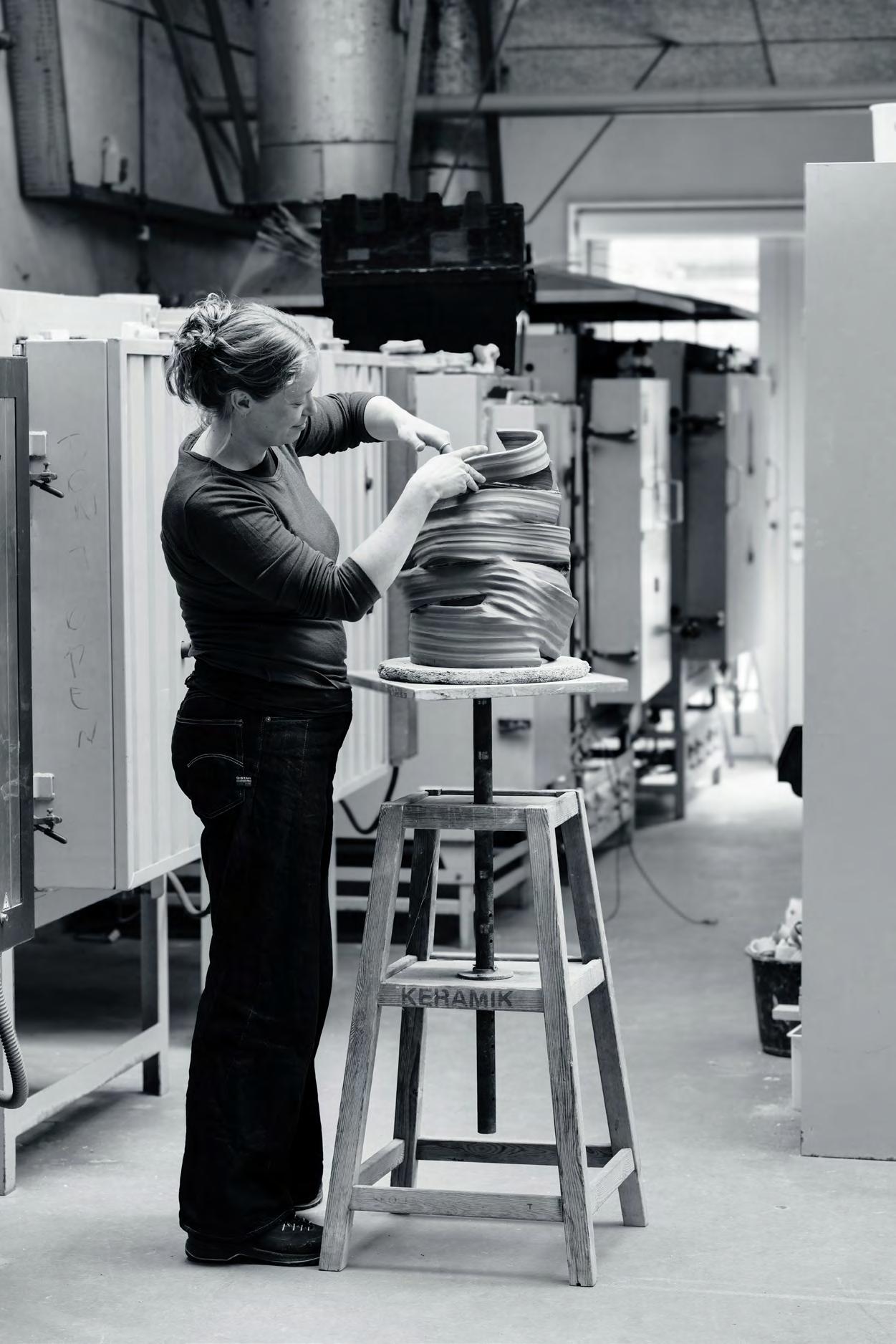
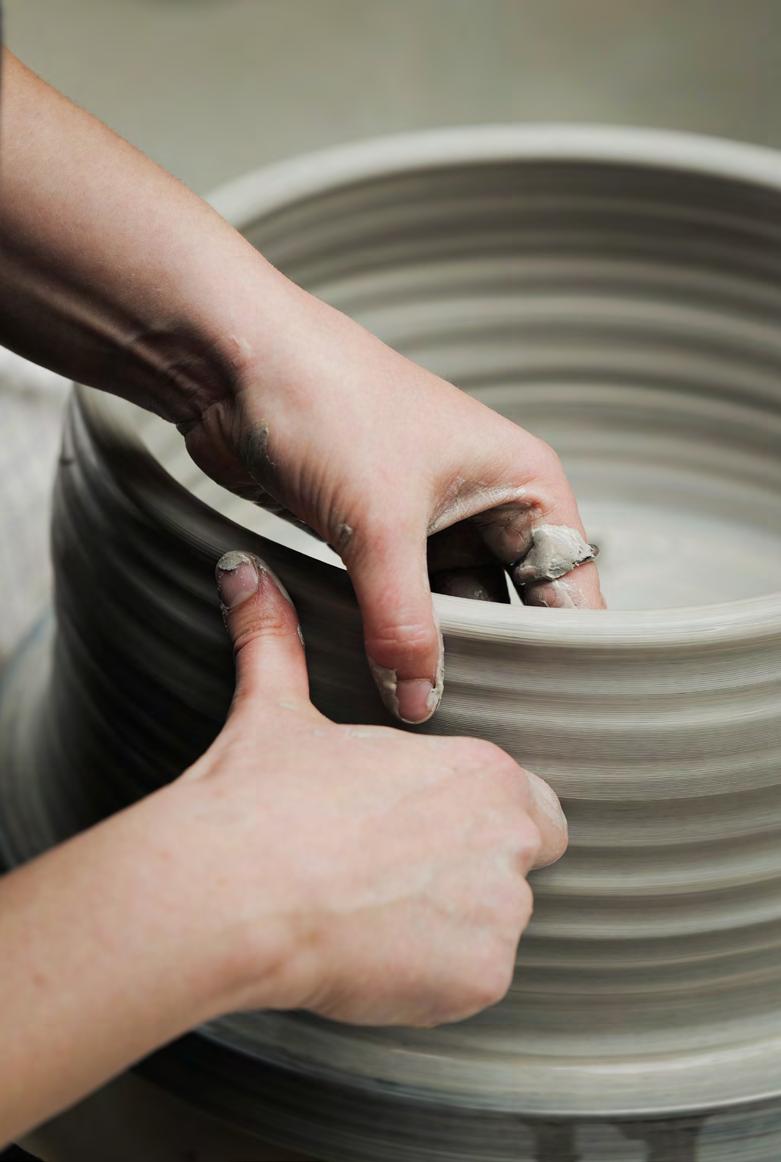
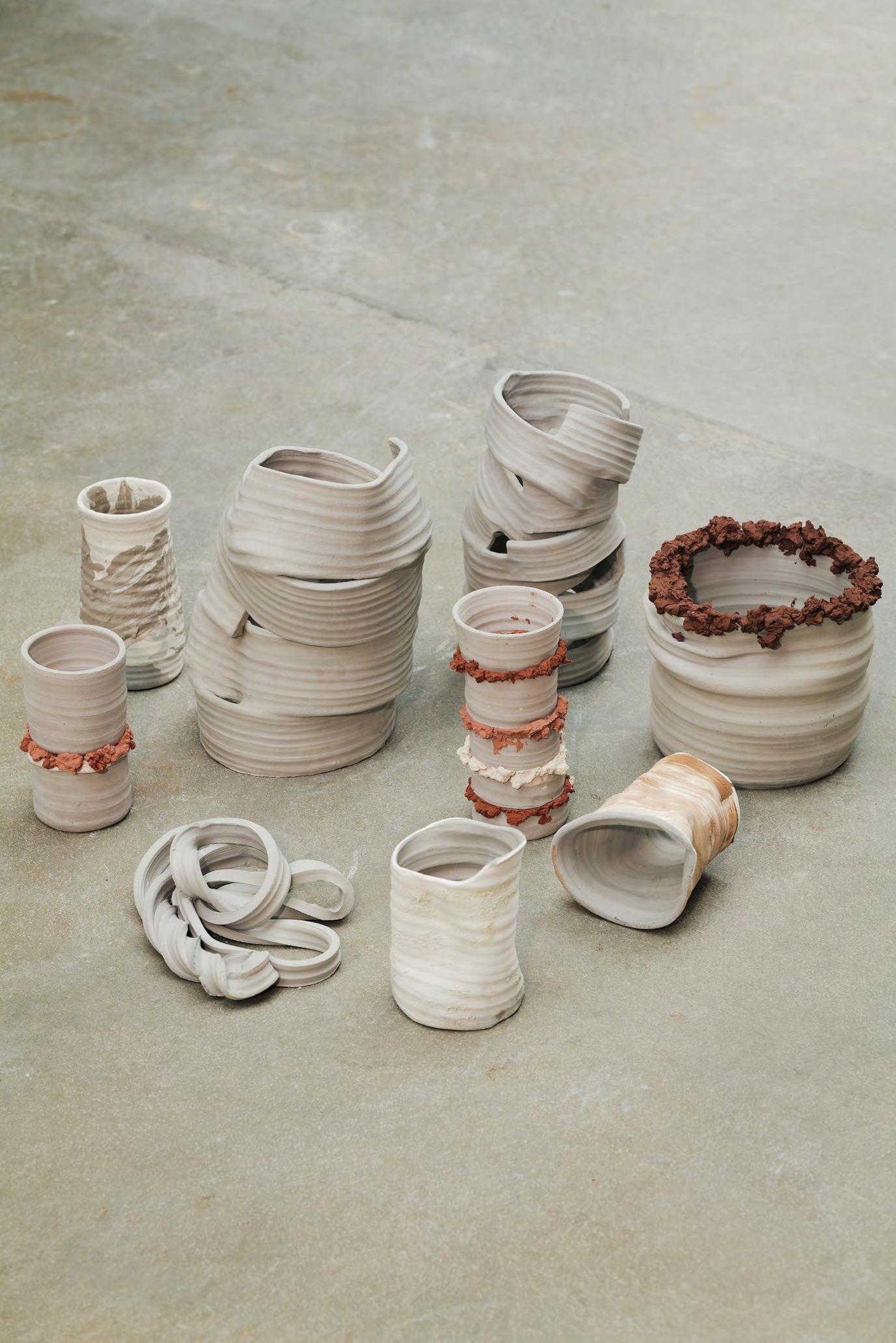
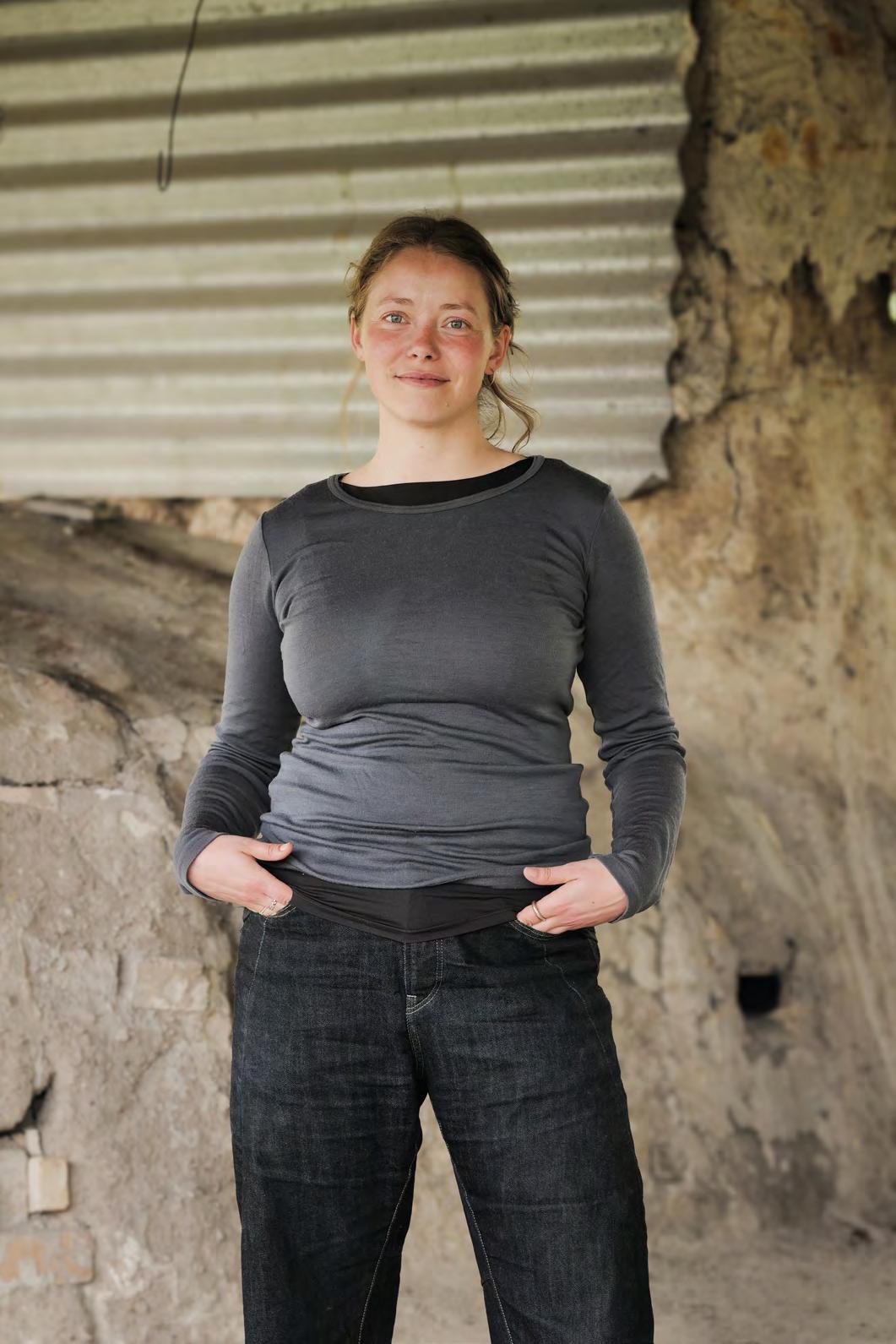
In Reform I am moving away from the traditional cylindrical form by deconstructing its original shape, allowing it to become an interpretation rather than a direct representation. Wheel throwing is a central part of my approach. When I throw, a sense of muscle memory and flow is activated. A flow in which I seek to immerse myself.
When assembling the thrown pieces into sculptural forms, a constant dialogue emerges between the throwing lines, gravity, and the movement of the objects. In this process, there is a shift in both speed and focus: when throwing, the clay moves quickly on the wheel. In contrast, assembling the pieces and connecting the throwing lines allows space for intention and immersion. The objects reflect the varying pace in the process of making.
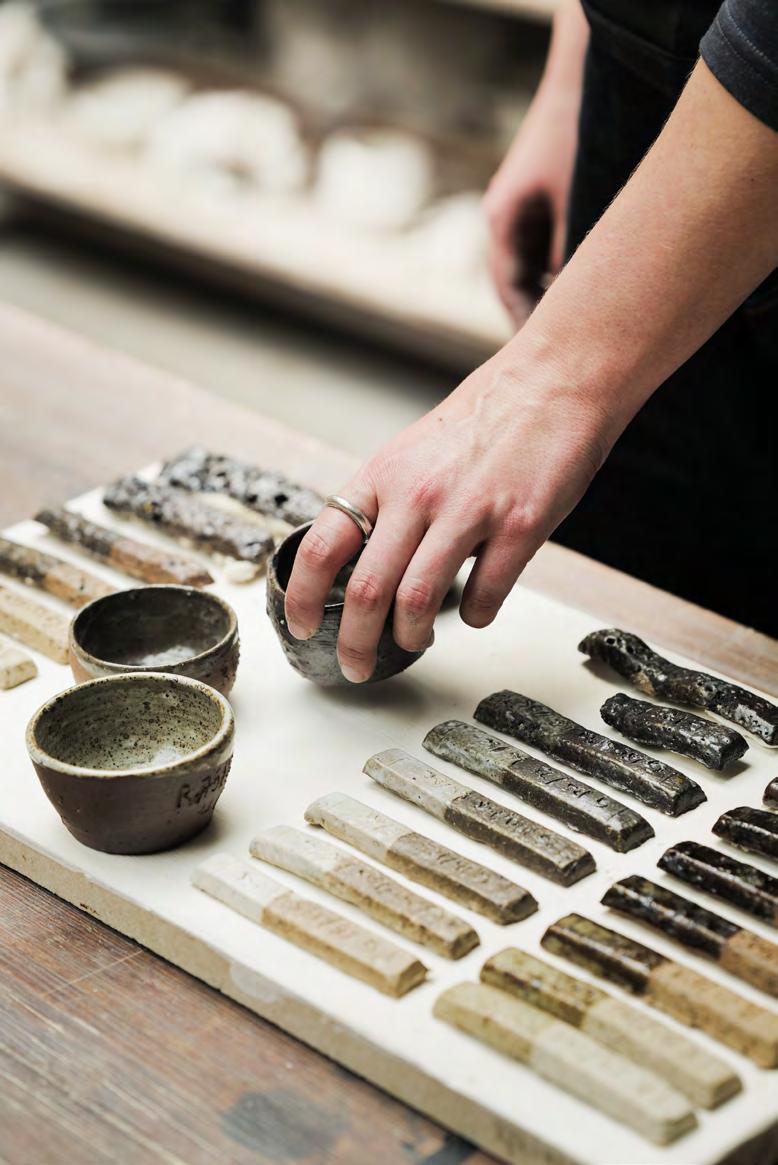
My sculptures are wood-fired. An ancient technique through which I experience a deeper understanding of the material and the process; from the moment the ash settles on the works, to the point where they become red-hot and the glaze begins to melt. To me, wood firing is a process rooted in collaboration, the sharing of knowledge, and a continuous curiosity towards both the material and the process.
Reform
@emi_lerr
ler.fruergaard@gmail.com

Emilie Fruergaard
CLAIRE LAGRIFFOUL
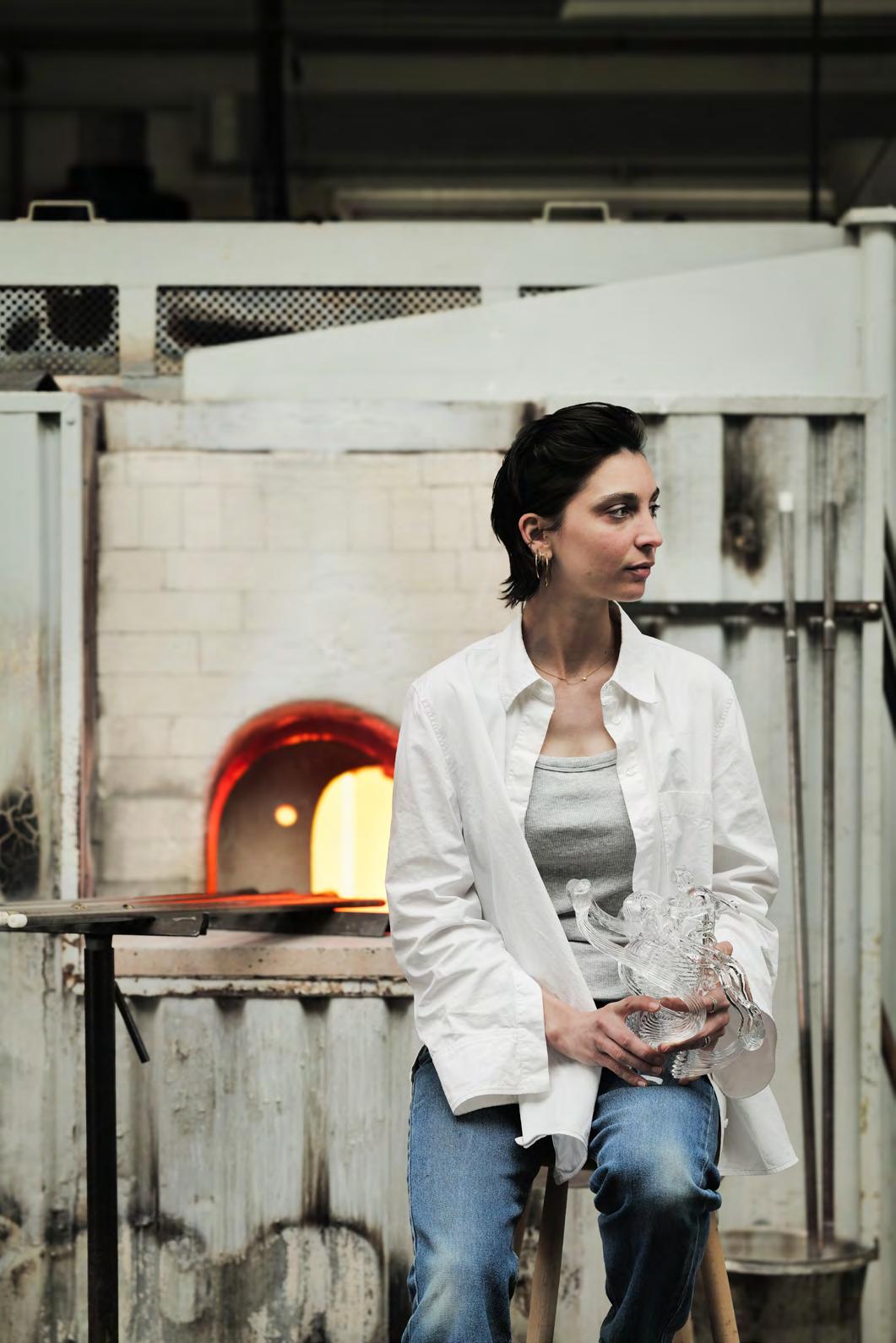
Claire Lagriffoul
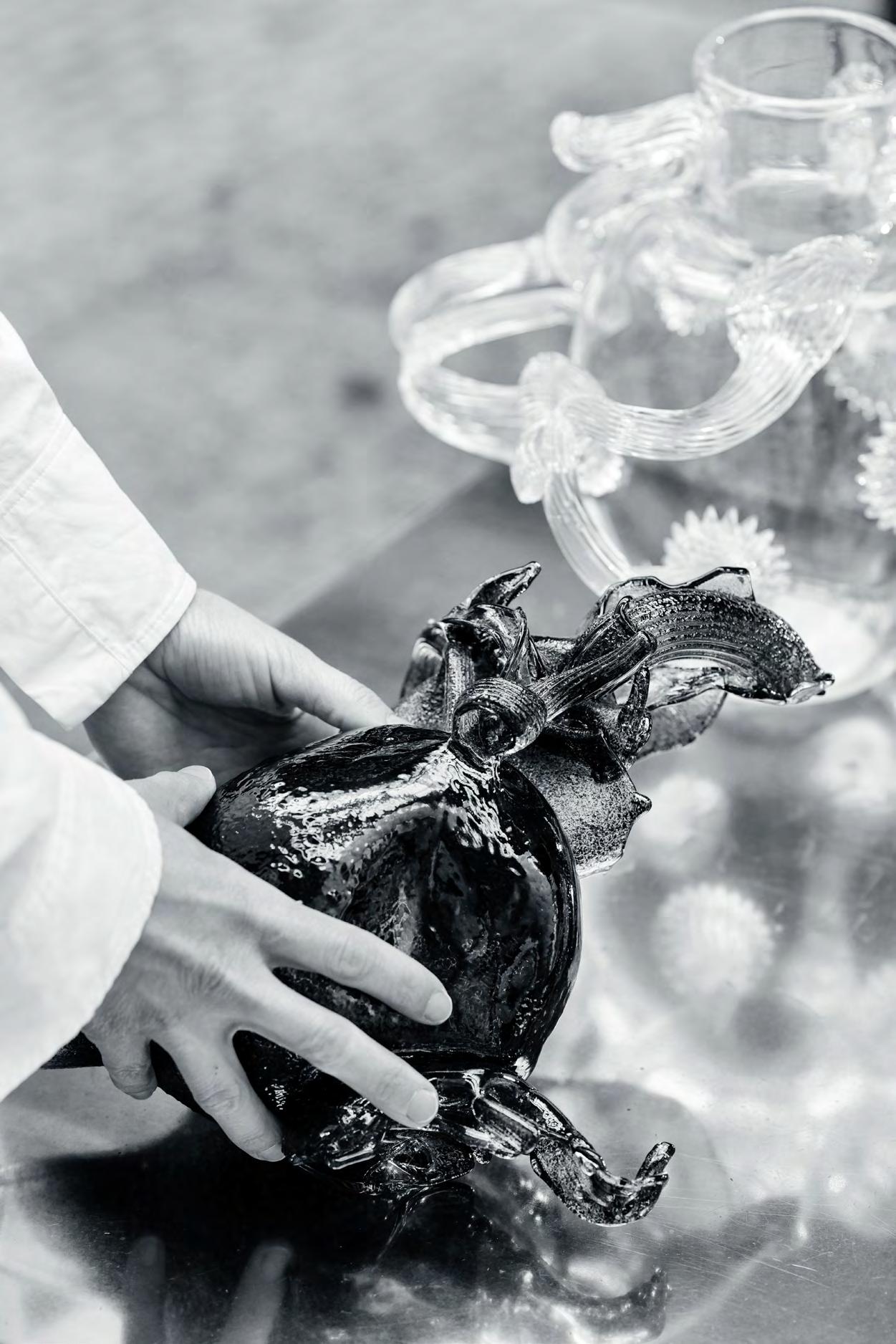
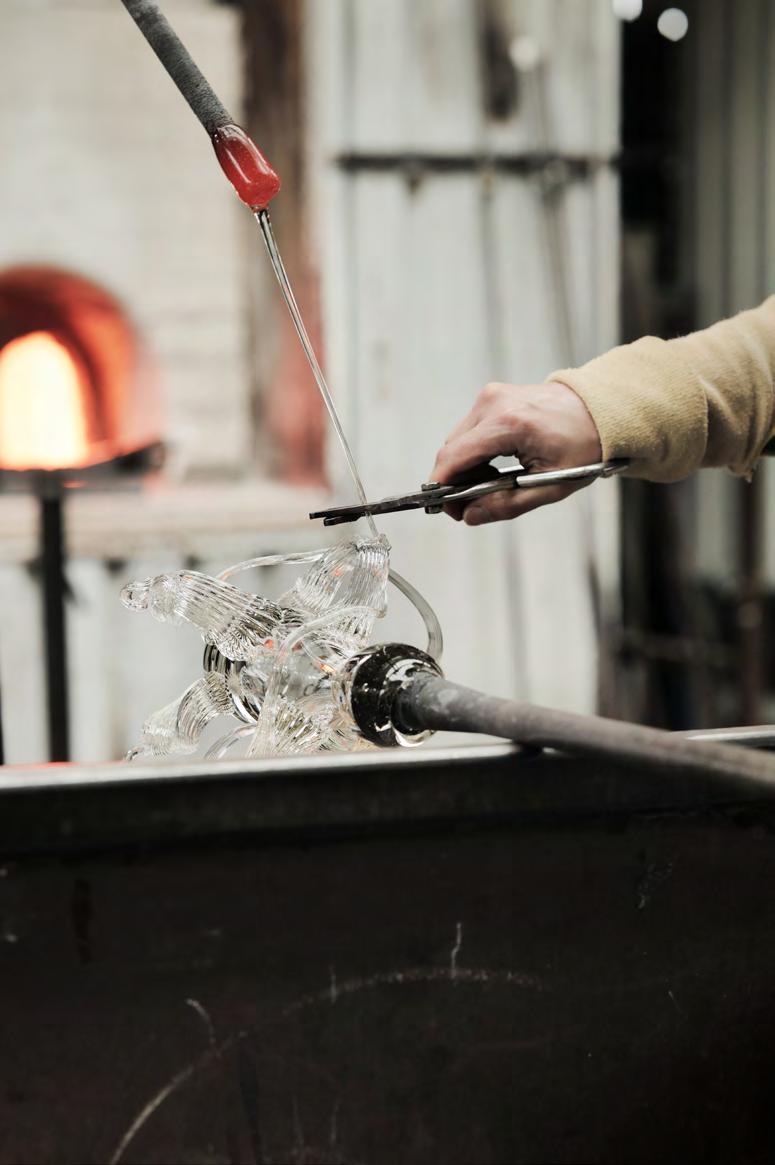
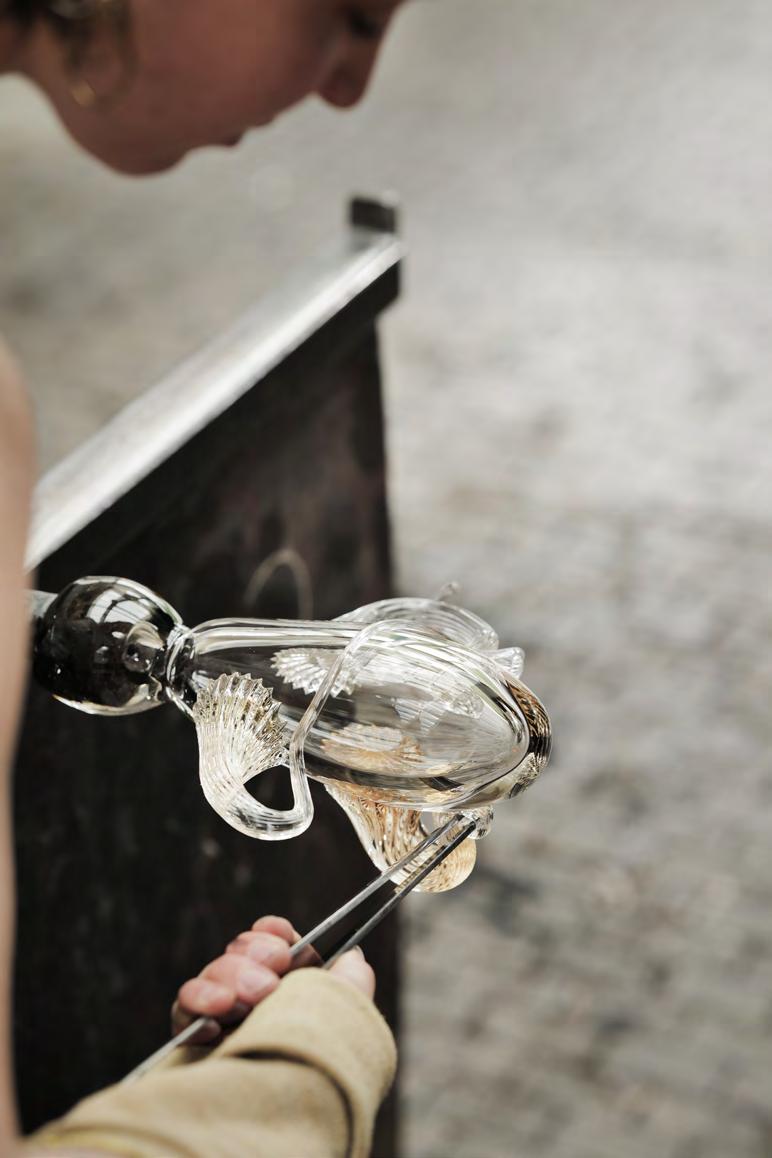
Traditional techniques of glassblowing tend to obey narrow and rigid rules, structuring the practice around control and perfectionism. In contrast, I see molten glass as a living material.
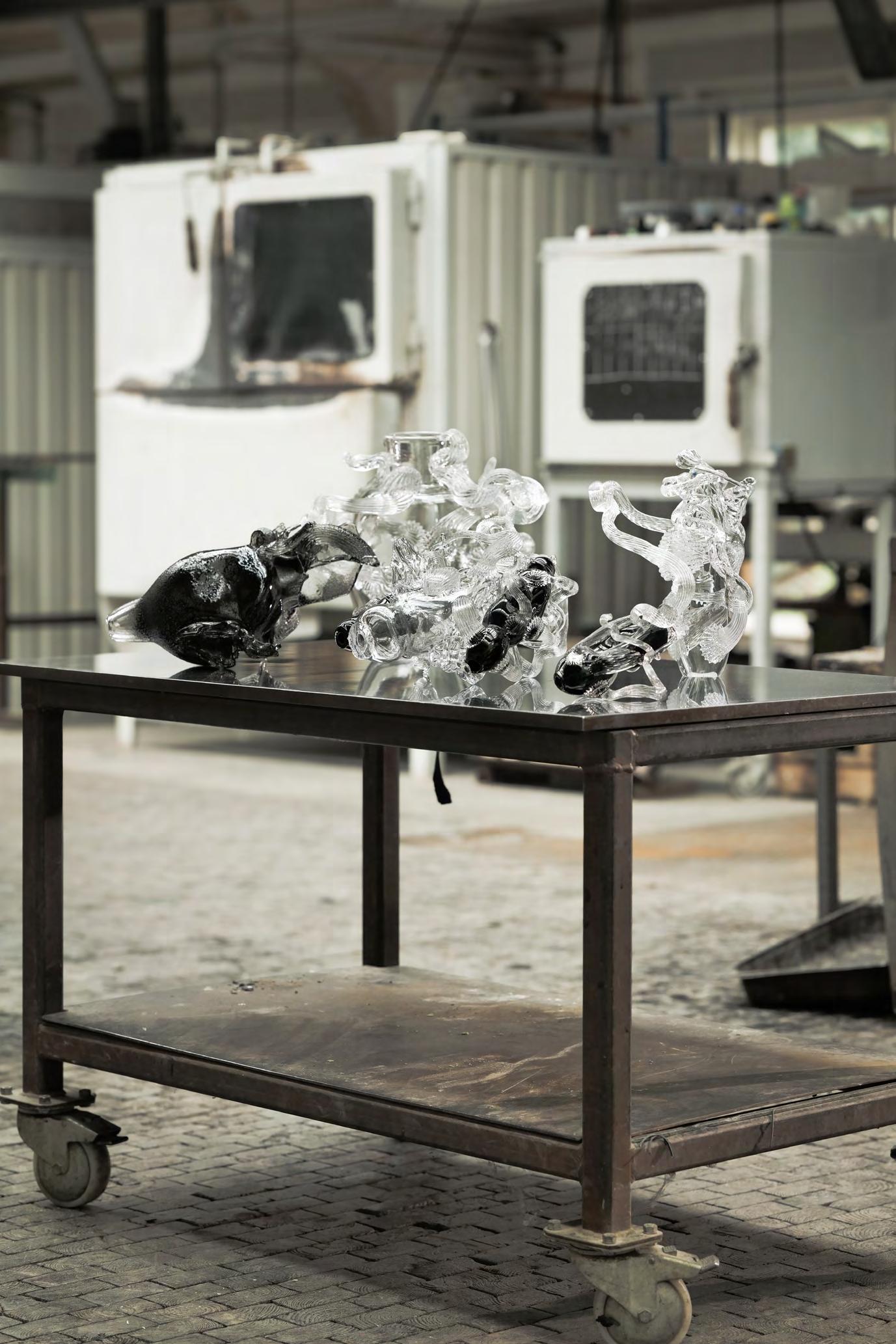
By changing my system of beliefs, where flaws are integrated as inputs of value, I aim to create a new set of rules, a place for fertile chaos, where collapses, cracks, and falls are considered natural expressions of glass instead of defaults to eliminate. The unexpected and unplanned play an important role in my practice, allowing serendipity — happy accidents — to thrive.
With the creation of glass entities that are part-mineral and part-creature, I intend to give form to one’s intangible inner dialogue, the monsters we carry within ourselves.
While setting a space for overwhelming thoughts and struggles to exist, I investigate a dark but very common area. Embracing fragility and doubts as transformative forces is an act of rebellion. By shaping these hybrid bodies through fire, I create a space of freedom and impulsiveness, transforming anger into flourishing joy. Maintaining this dialogue is my way of remaining faithful to the space of freedom that carries a deep, intimate, and political dimension in the act of creating.
Feed the Monster
@lagriffff
c.lagriffoul@icloud.com

Claire Lagriffoul

Building Character
OLIVIA ROSA MORELLI
Olivia Rosa Morelli
Olivia Rosa Morelli
Building Character
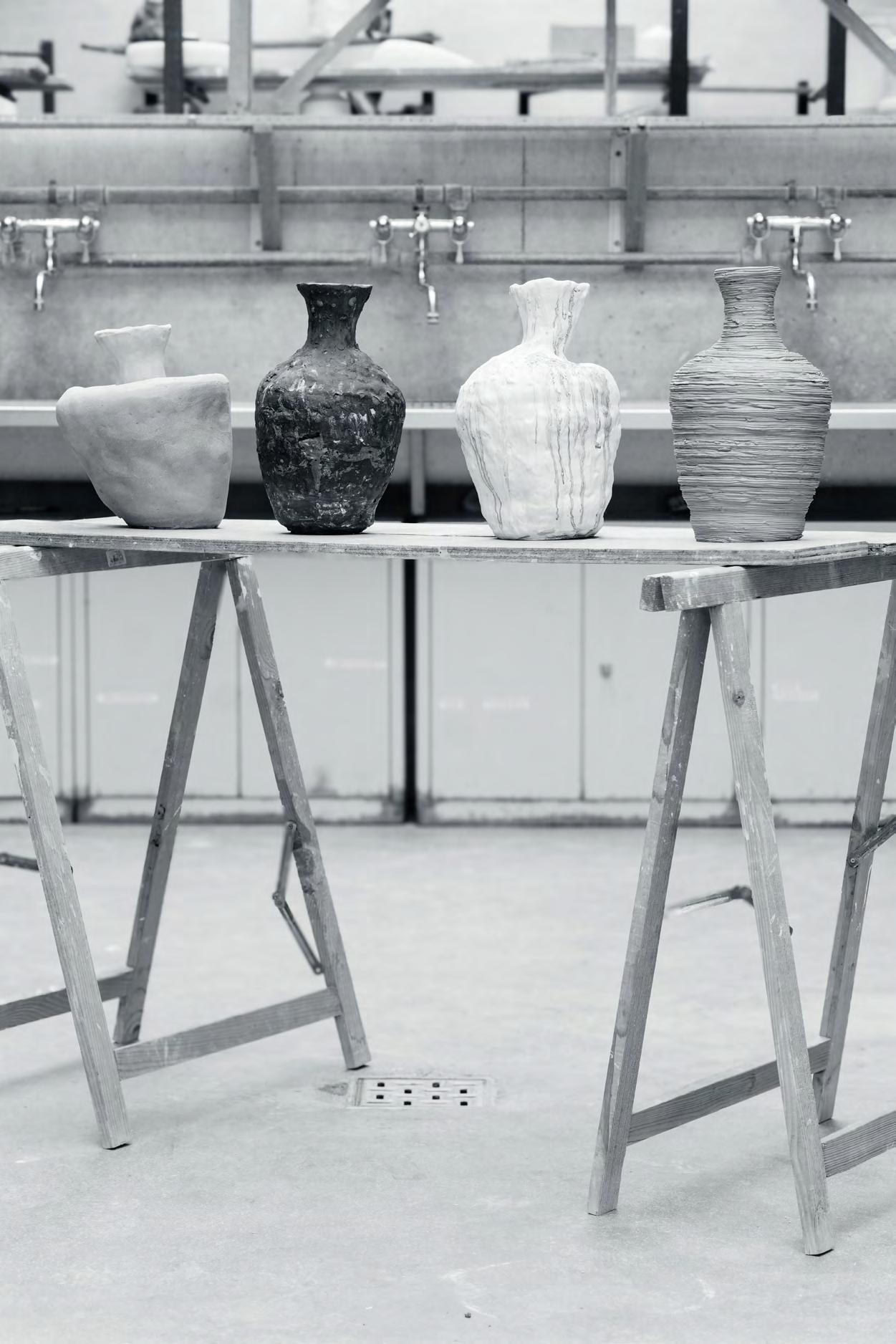
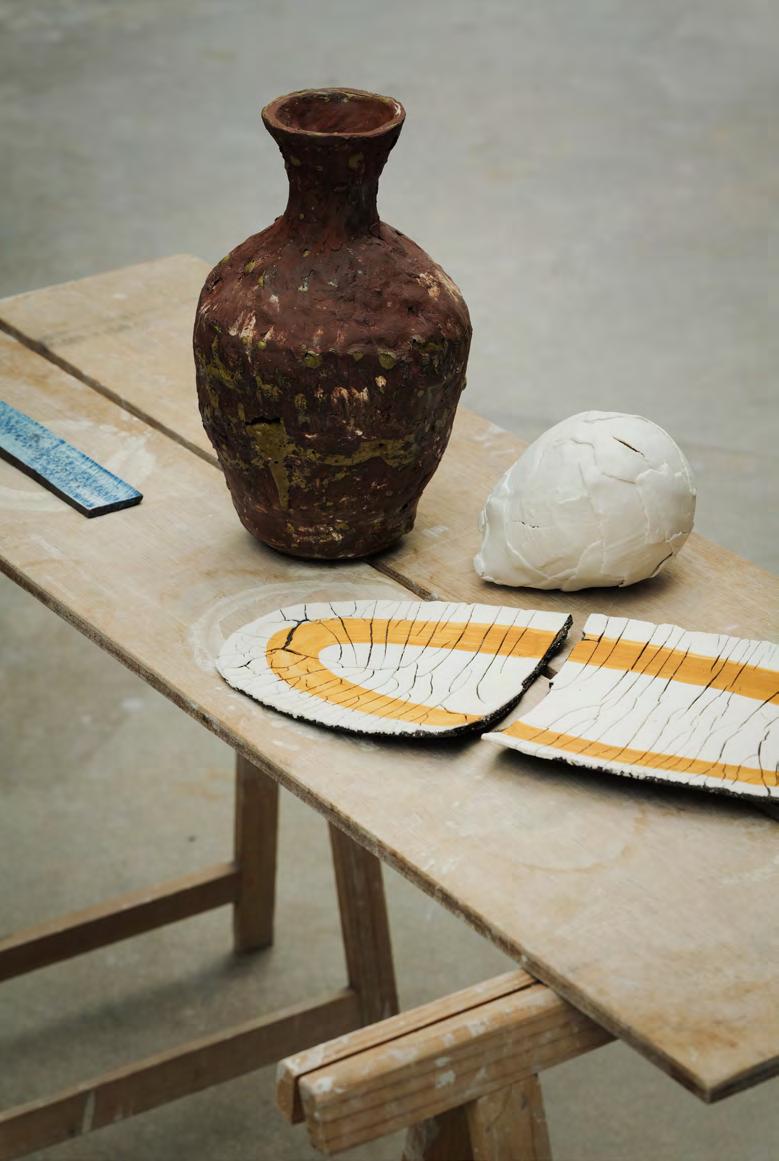
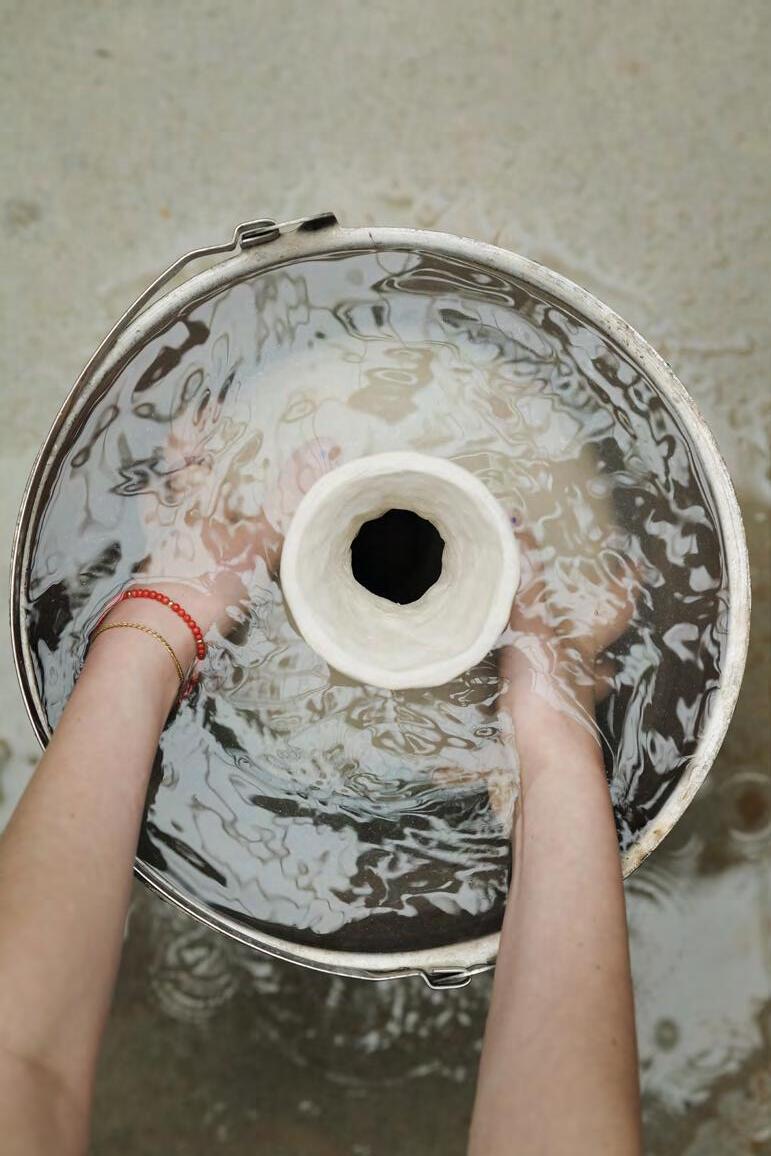
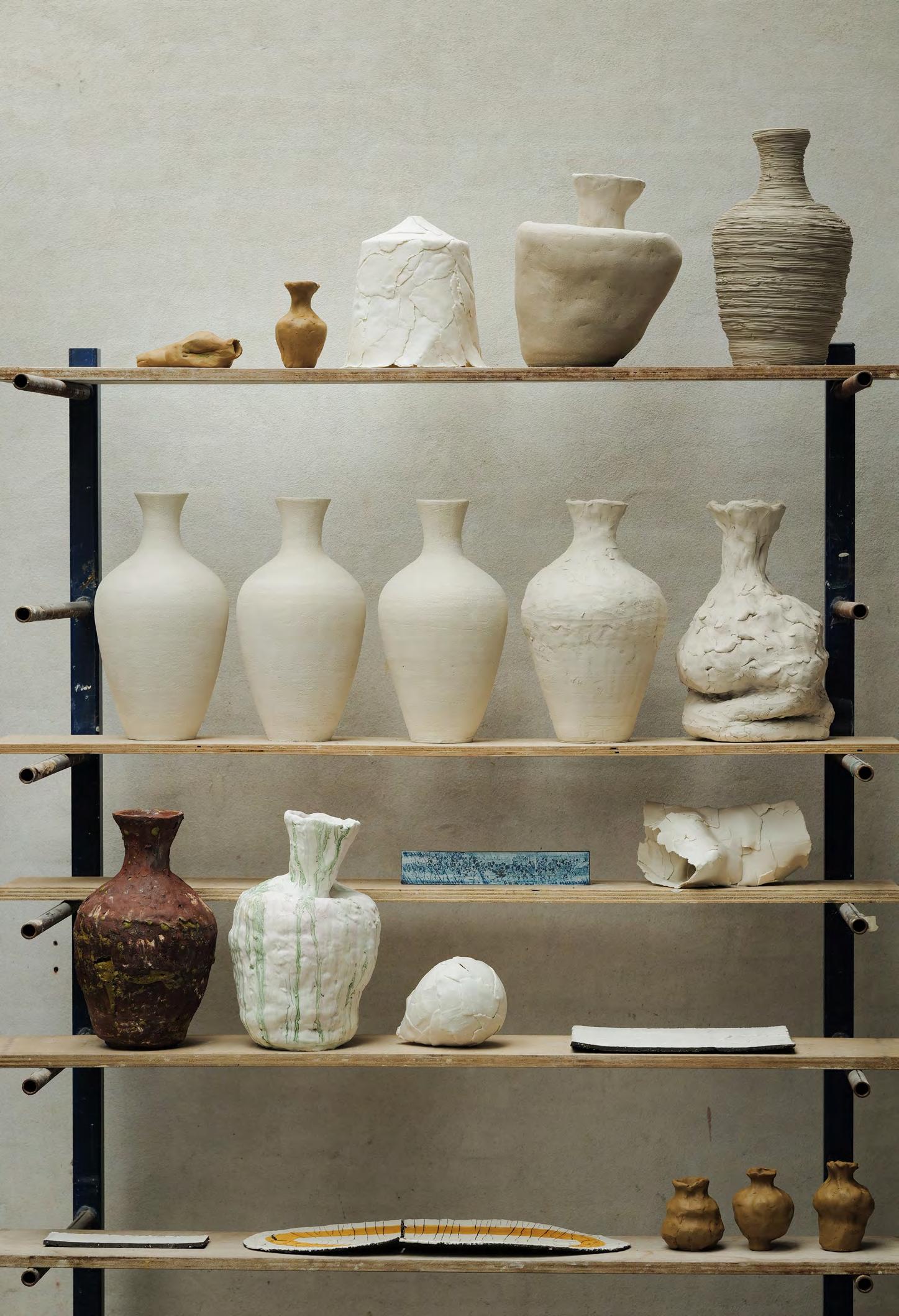
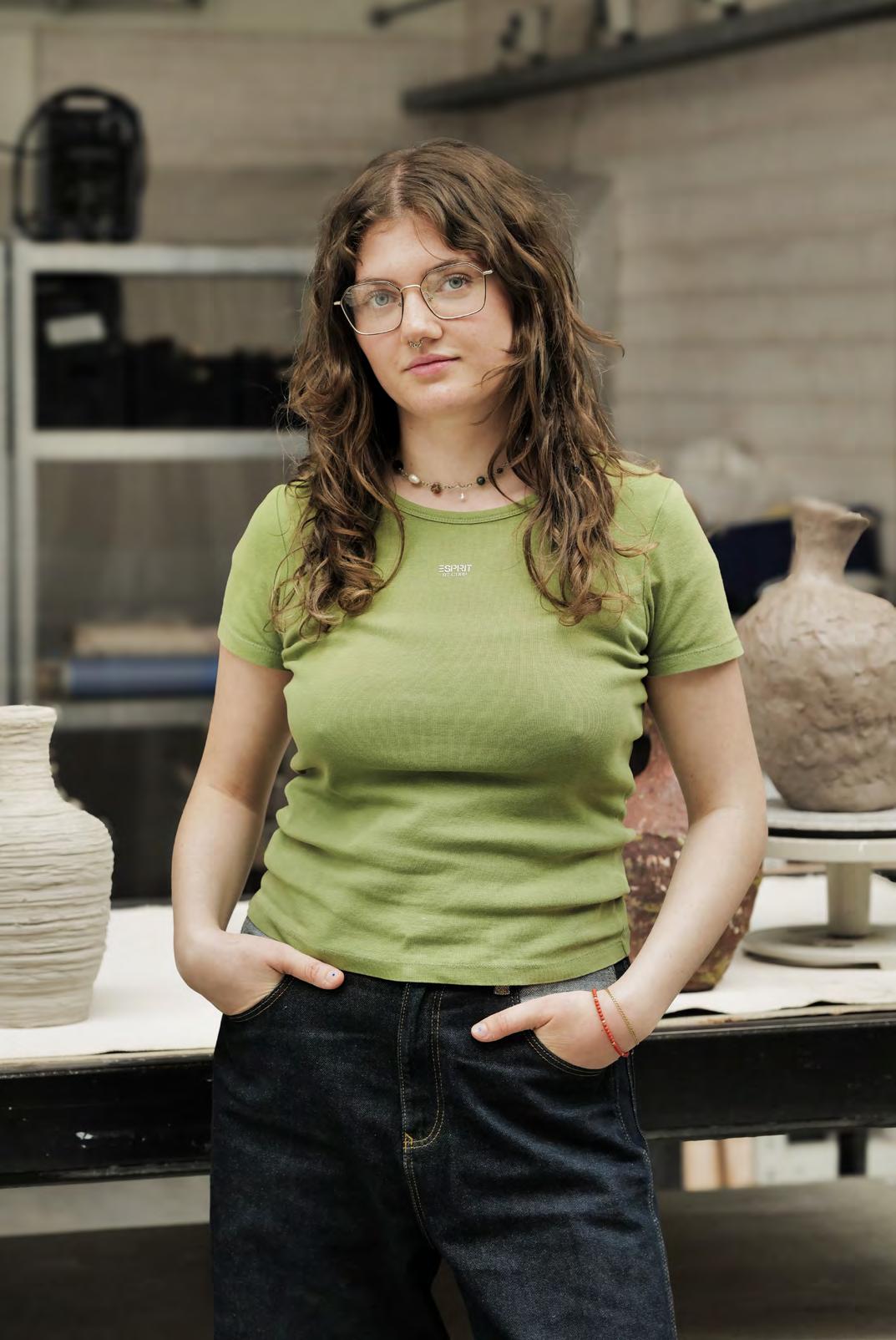
Building Character is a project about the relationship between the craftsperson and the object. It speaks about perfectionism and how it can suffocate the spark in things. Make you feel frozen and unable to create. By developing methods that force me to give up control, I try to investigate ways that allow me to work more freely, finding a balance between ambition and intuition. Using the vase as a starting point, I challenged myself to explore new techniques. I used factors such as time limits, influencing my senses, unpredictability, or other people’s instructions to determine the outcome of my vessels. Each vase starts with the same measurement, yet they are all different, telling stories about how they were built, altered, and fired.
Building Character is about leaving room. For the unexpected. For the material. For things to develop and grow. For things to fail. And for my joy and creativity.
@olivia.rosa.morelli 11oliviamorelli@gmail.com

Olivia Rosa Morelli
MILLE HAUERHOLT VIBORG
The Devil’s Wing
Mille Hauerholt Viborg
The Devil’s Wing
The Devil’s Wing
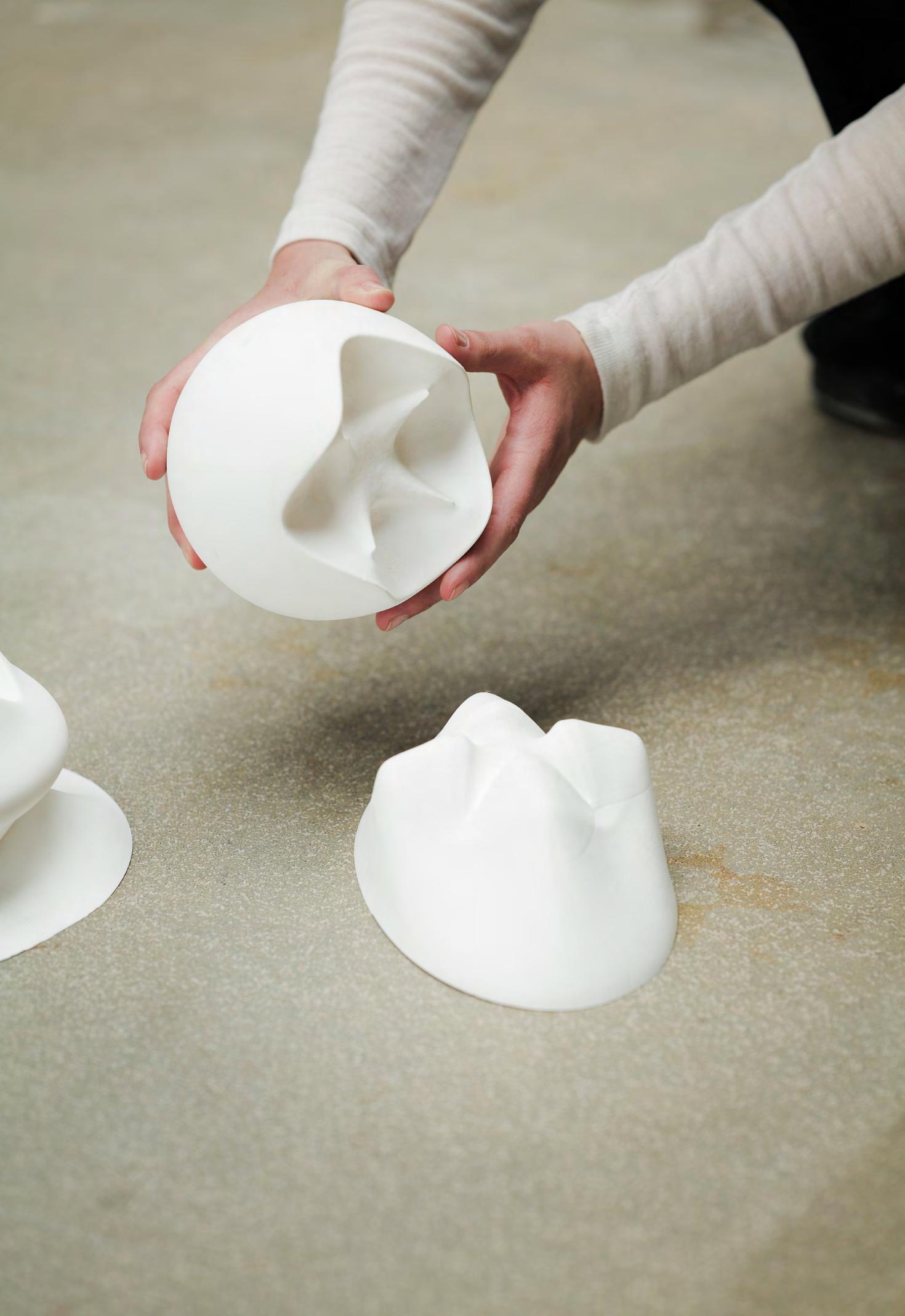
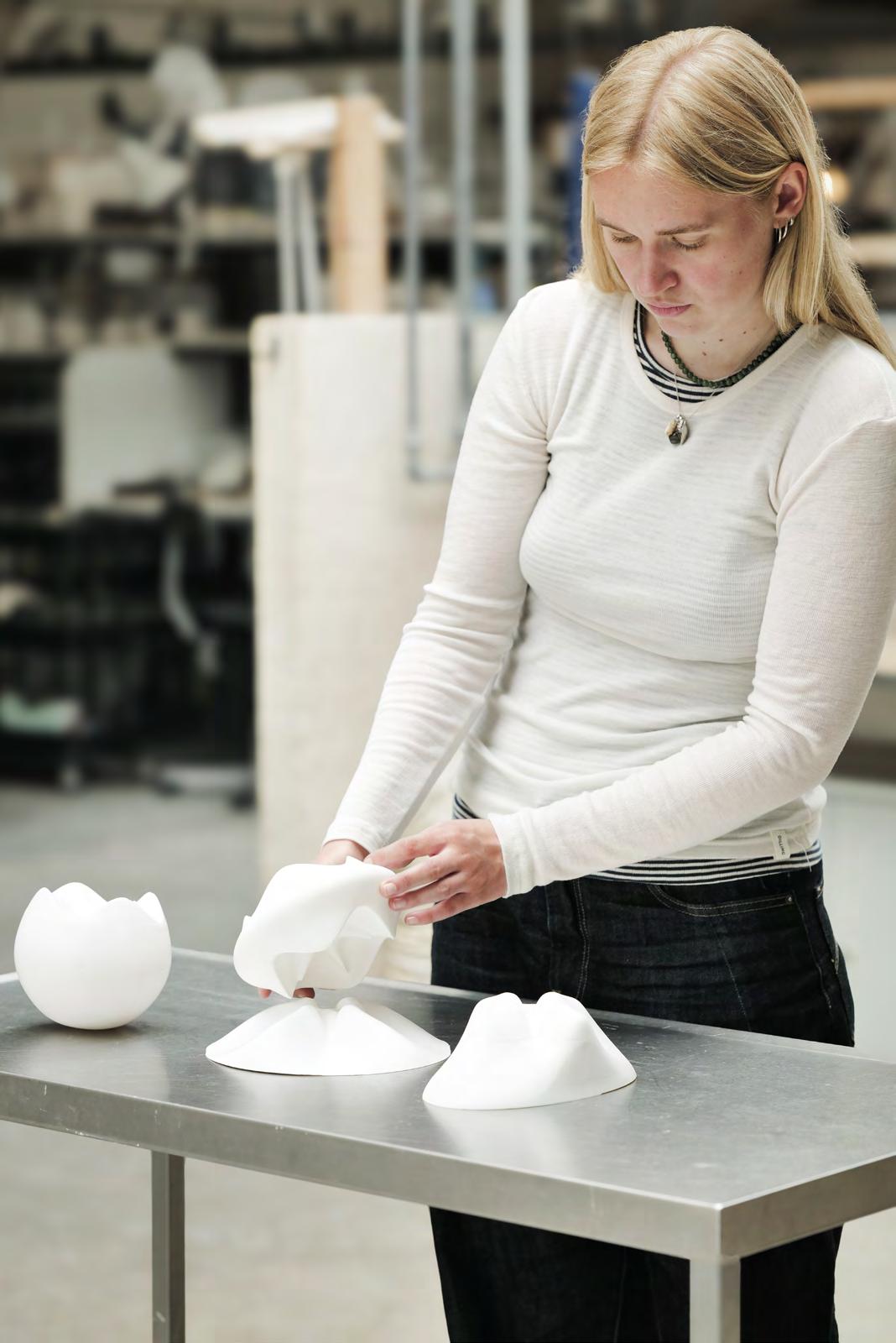
The Devil’s Wing is an exploration of the beauty of nature and the toxicity of modern technology. In society today, nature is seen as something fragile and harmed. In the Skønvirke (Art Nouveau) period, nature was used as an expression of beauty. In this project, I aimed to use the romanticization of nature that I fear has been forgotten.
With inspiration from Aarhus Theater, I investigated how I could use this romanticization of nature in a contemporary context. Within this framework, I wanted to explore how light and porcelain as materials could embody this. Working with the translucency of porcelain and playing with directions of light, the idea of a toxic tech flower blossomed.
Using imagery from Aarhus Theater, specifically the wings of the devil overlooking the cathedral from the theater’s roof, the work displays the contrast between something that looks beautiful but may actually be harmful, and asks whether modern technology is helping or damaging our view of nature.
@milleh_viborg
millehauerholt@gmail.com

Mille Hauerholt Viborg
AGNES SIMON
Almost Like a Dream
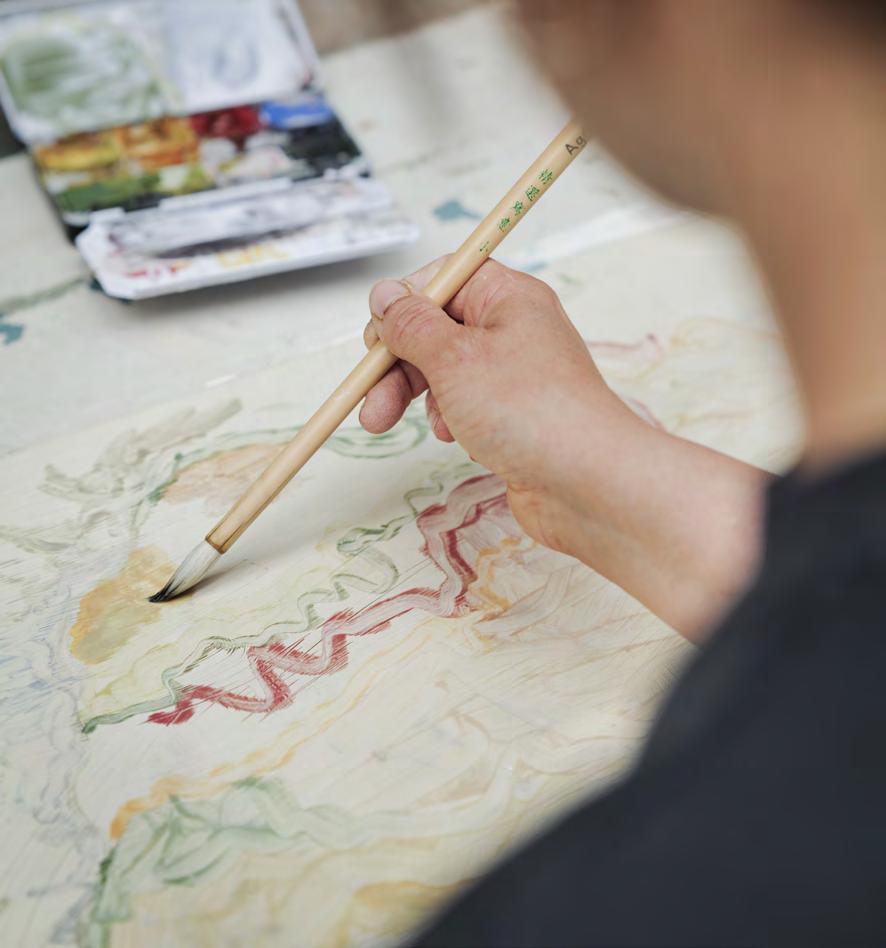
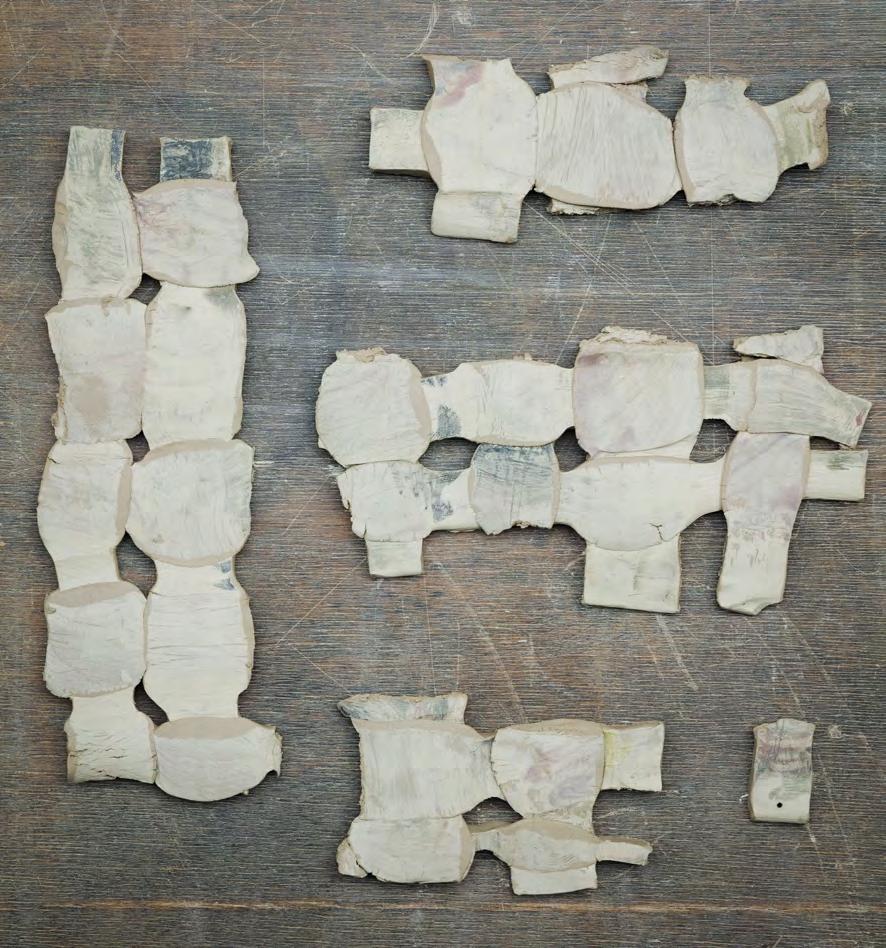
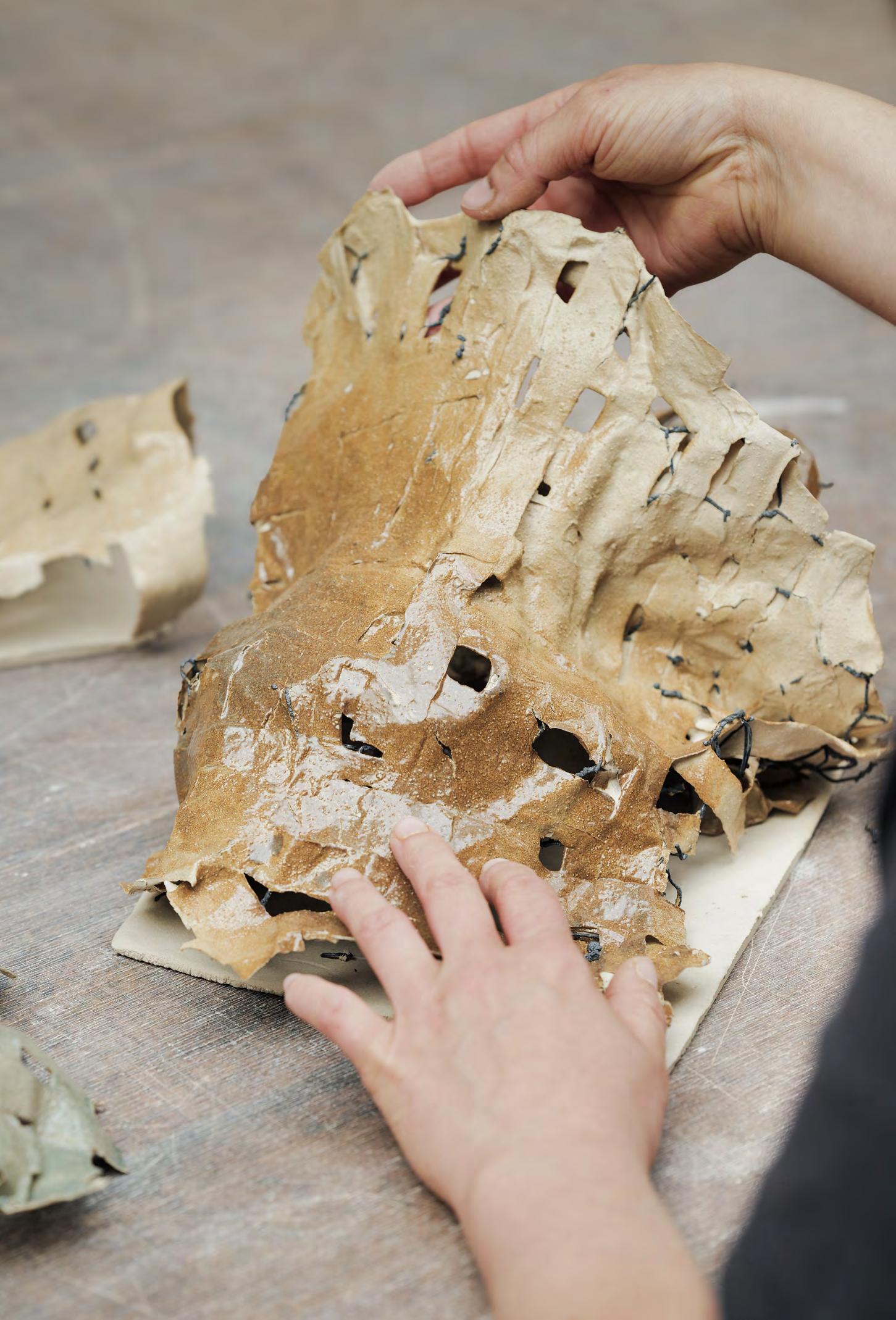
Almost Like a Dream
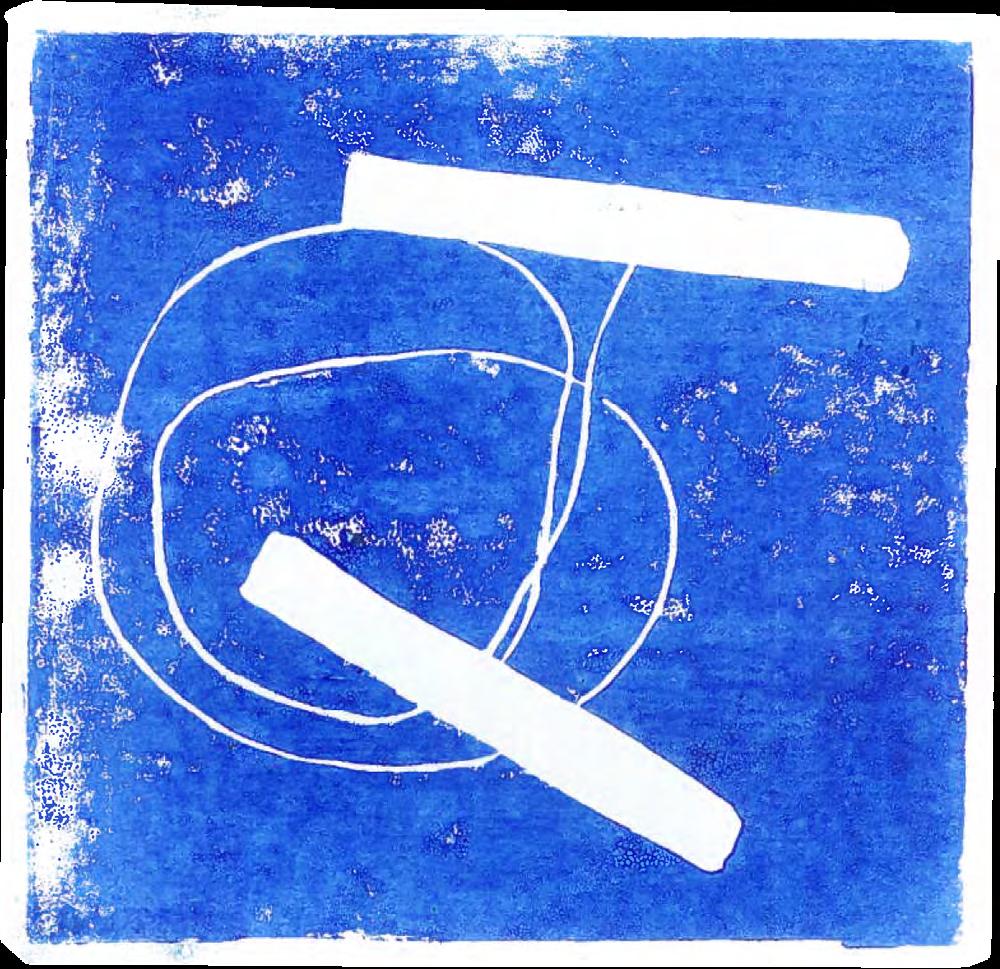
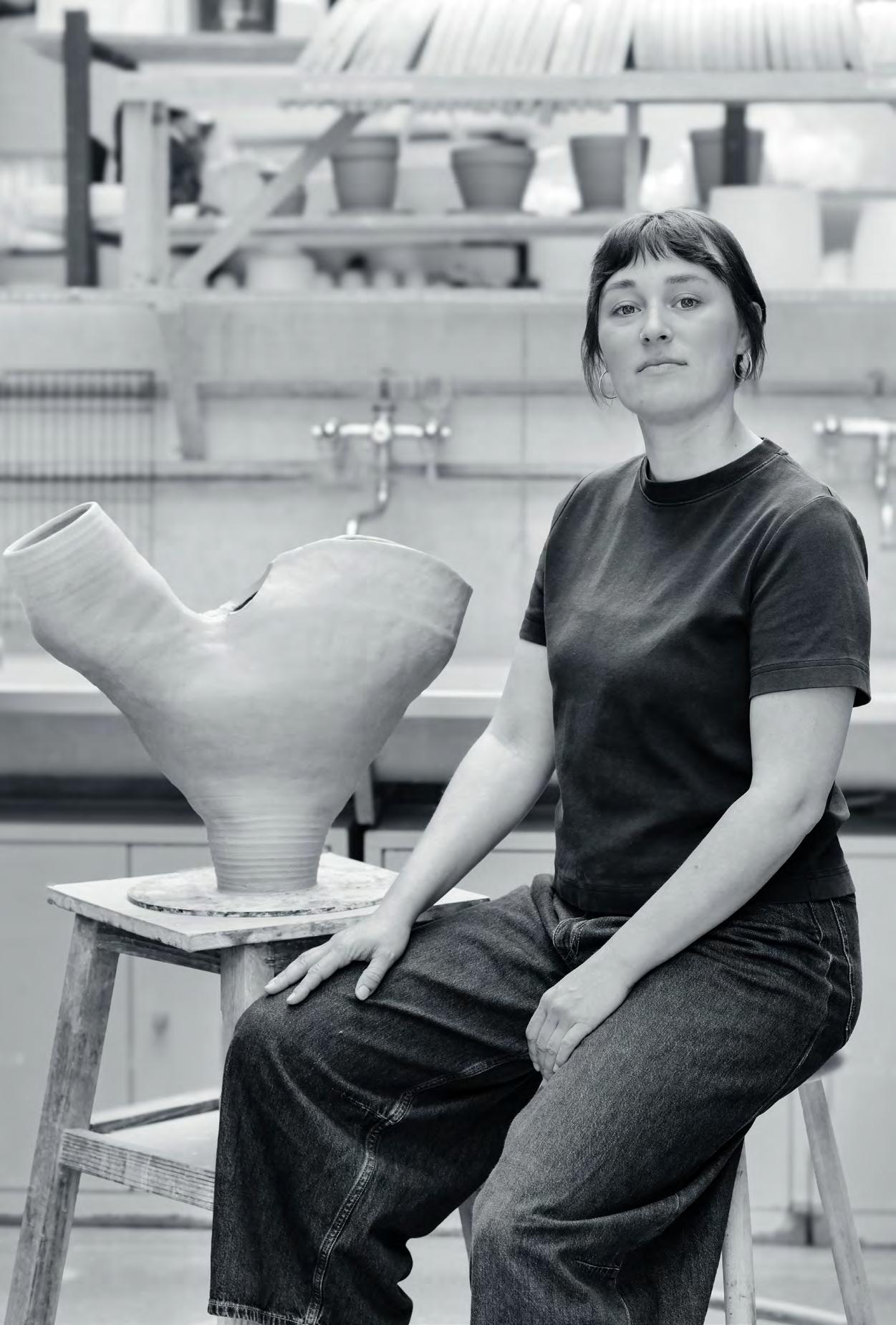
Through my work I aim to create spaces that are recognizable but still odd enough to spark the viewer’s interest. Informed by stories, memories and the pictures they have created in my mind, my work investigates how these abstract qualities can be translated into a tangible form. The permanence of ceramics and the ephemeral nature of found objects like textile, wire or paper allows me to reflect the physical presence of the objects combined with the abstract existence of emotions and feelings.
Things have always caught my attention. What fascinates me about objects that I find at flea markets, on the street or in the trash is not how they are made or what they are made of but rather whom they belonged to and what they meant to that person.
In Almost like a dream I have collected stories and objects with sentimental value from my peers. The foundation for the project was set by a shared conversation about the object. The shared moment created the space to exchange memories, intimate stories and a deeper connection between the person I interviewed and myself. The result reflects my perception of these emotions and memories in the tangible form of ceramic and non-ceramic objects that are arranged in an almost dreamlike sill life scene.
@a.studio.ceramics
agnes.simon@gmx.net

Agnes Simon
EDDA MOSLING SLETNER
Through Others We Become Ourselves
Edda
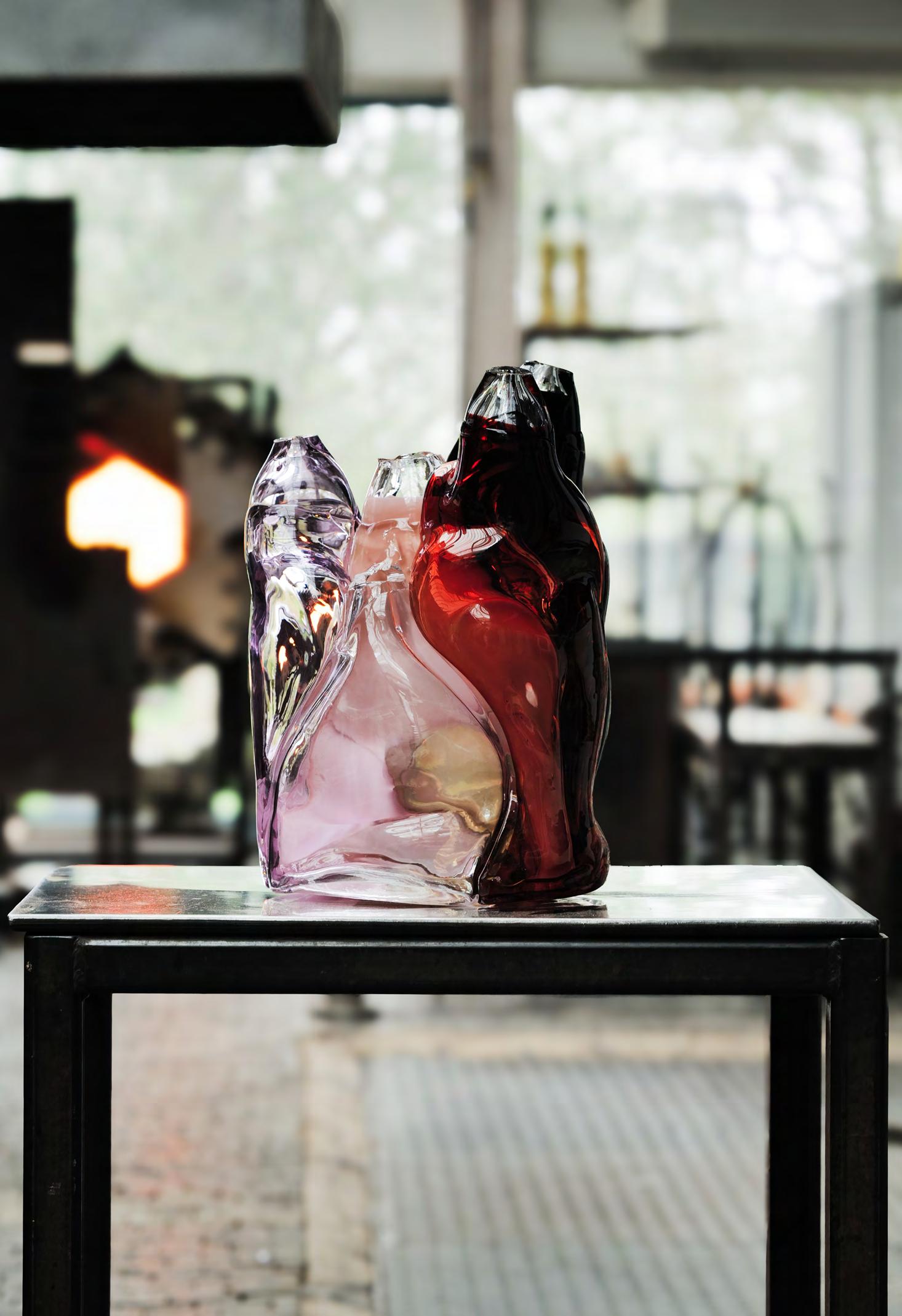
Through Others We Become Ourselves
My inspiration often comes from conversation and interaction. The way someone says or does something that translates into a process, which transforms into an object.
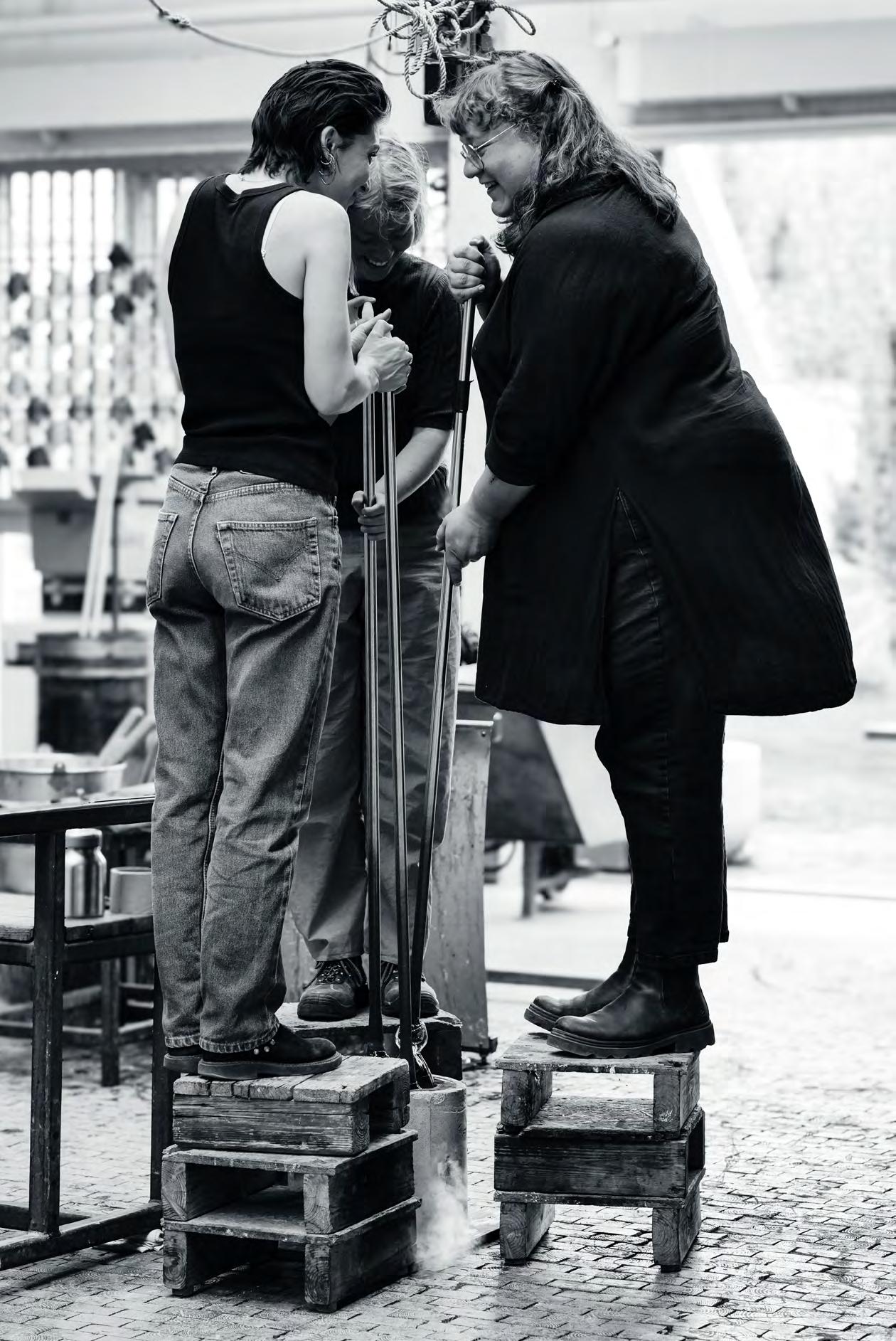
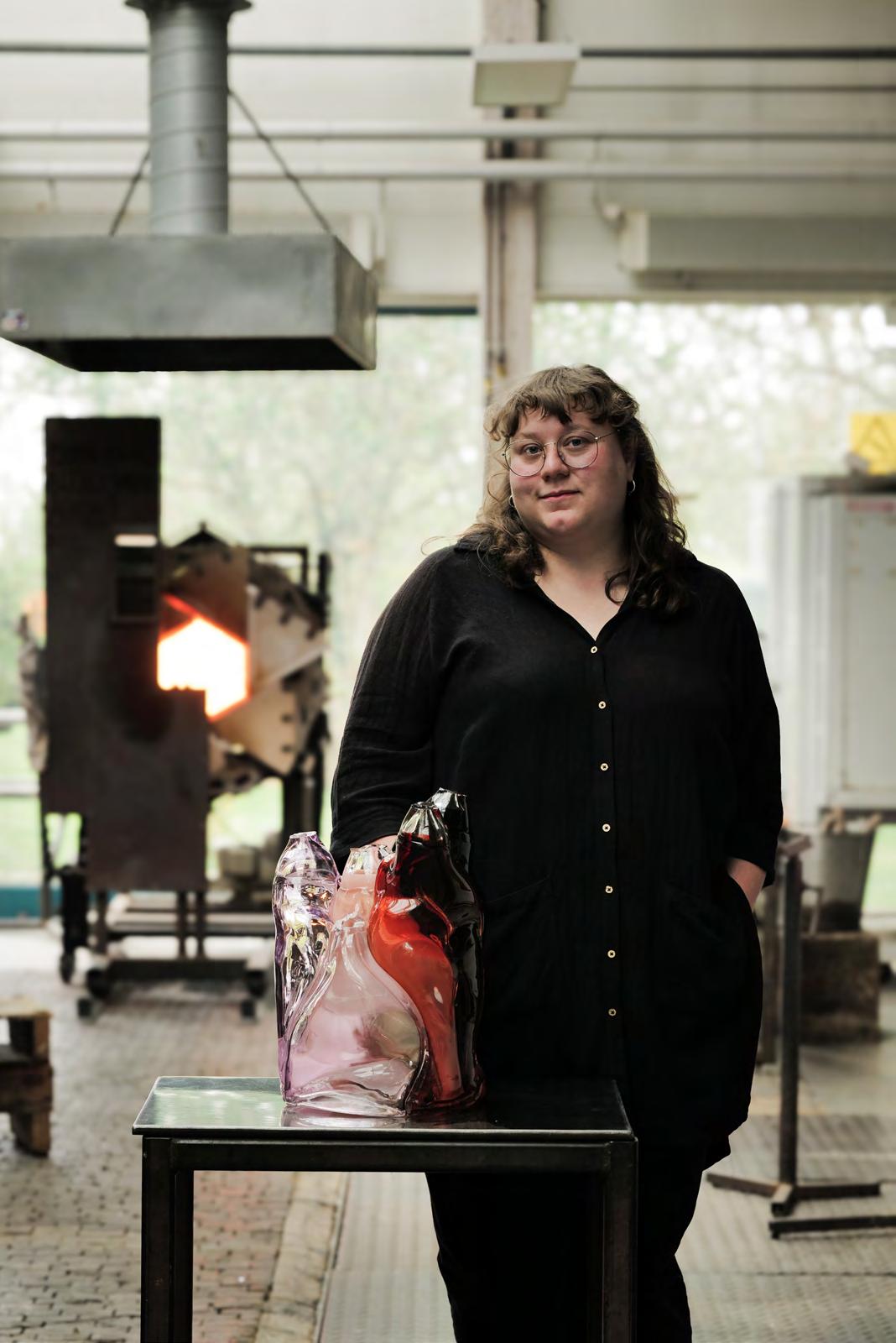
Glassblowing is an inherently social craft, built on centuries of collaboration and still practiced that way today. The process itself is a source of inspiration, and so is the question of what happens when individual makers contribute equally to a single piece.
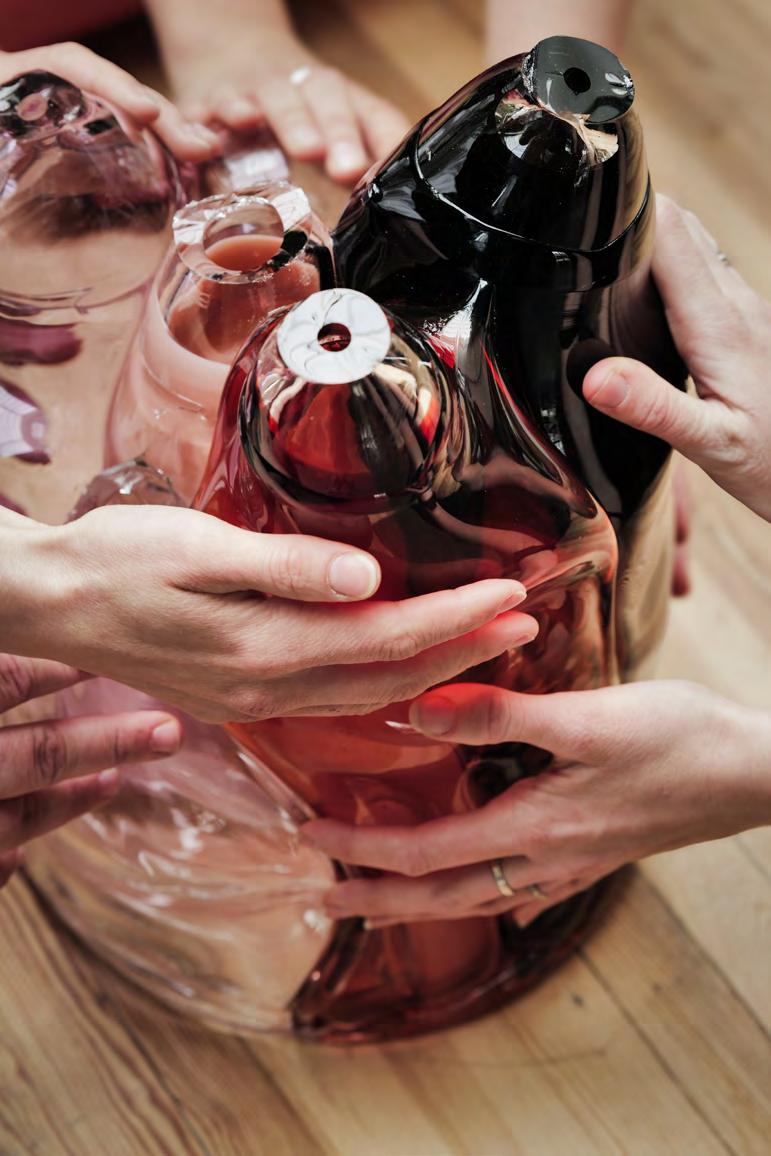
This project explores exactly that. The concept is simple: multiple people blowing into a mould at the same time. However, the execution is more complex. Because of the time-sensitive nature of hot glass, the process requires focus, coordination, and communication. Each participant must meet the others where they are, moving at a pace that works for everyone involved, adjusting to each other.
Rooted in Hartmut Rosa’s concept of resonance, the idea that we generate energy and meaning not alone, but through genuine connection, this project treats collaboration not as a method, but as the message itself.
@eddamosling
edda-ms@hotmail.com

Edda Mosling Sletner
GUNLØG DUEDAL VESTERLUND NICOLAISEN
Sorry to See You Go
Gunløg Duedal Vesterlund Nicolaisen
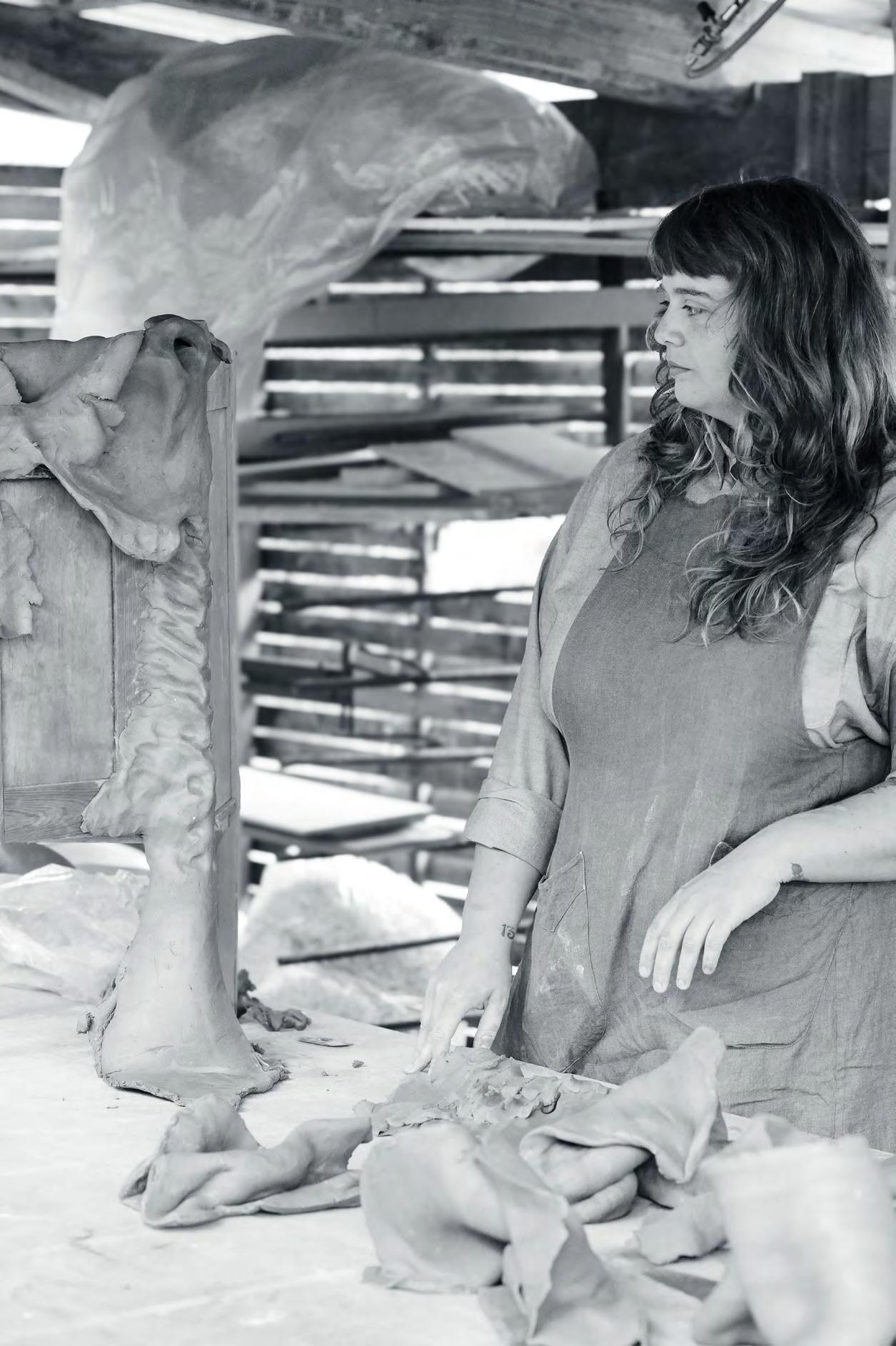
Sorry to See You Go
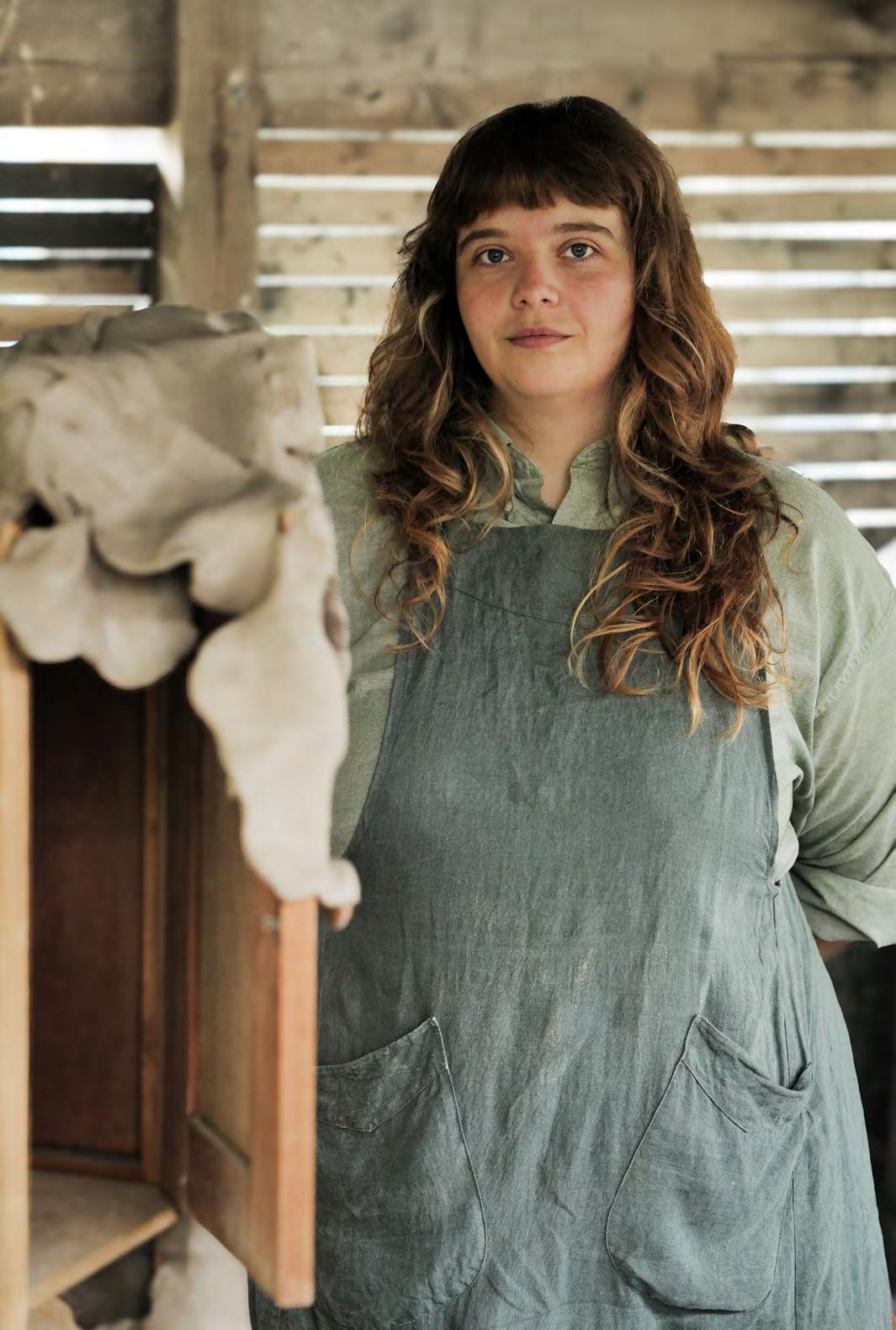
Finding hidden treasure in the forgotten forest behind the parking lot: half of a broken-off brake light, a dirty shoelace, a soggy bag of half-eaten chips. Treasure, dirt, trash, non-perishable objects scattered across the ground like traces of lives already lived. Objects abandoned and overlooked begin to feel alive when removed from their original purpose, carrying memories of use and neglect.
I often get a feeling of melancholy, longing back to a time I was never a part of, a time before bricks, tunnels, and pavements.
I crave the otherworldly earth that once was, the untamed landscapes hidden beneath layers of infrastructure and waste, knowing that I will never get to be a part of them. There is a tension between the natural world and the systems we build around ourselves, and I find myself drawn to the quiet spaces where those two realities collide.
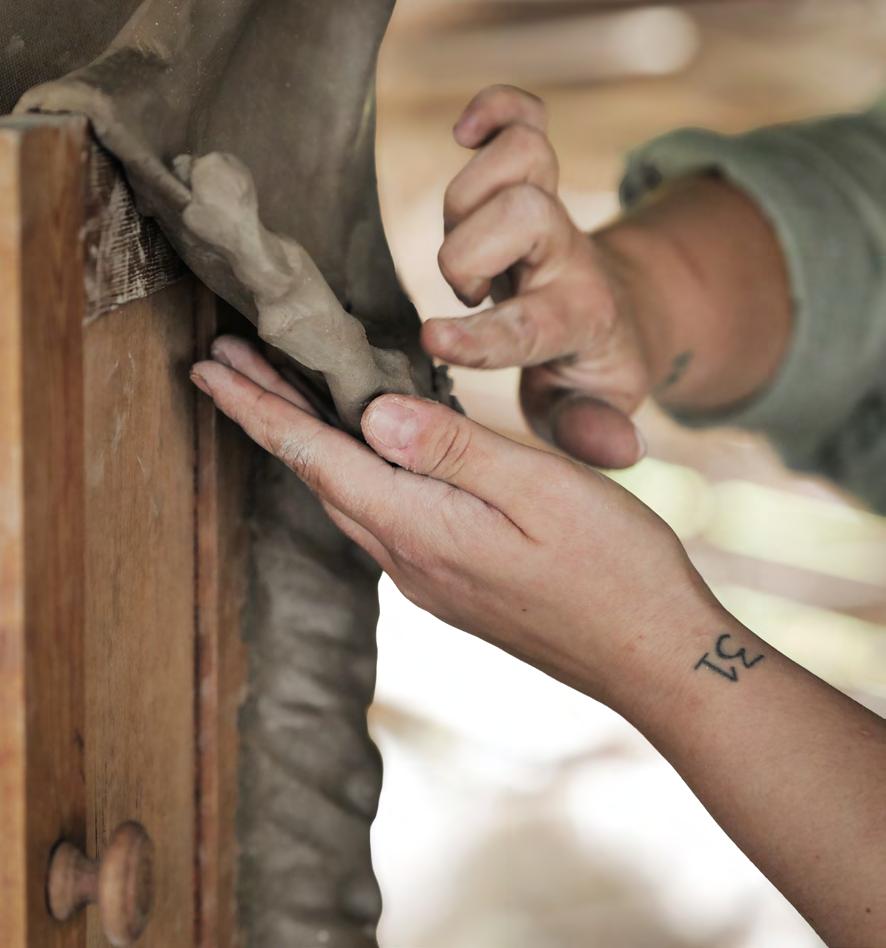
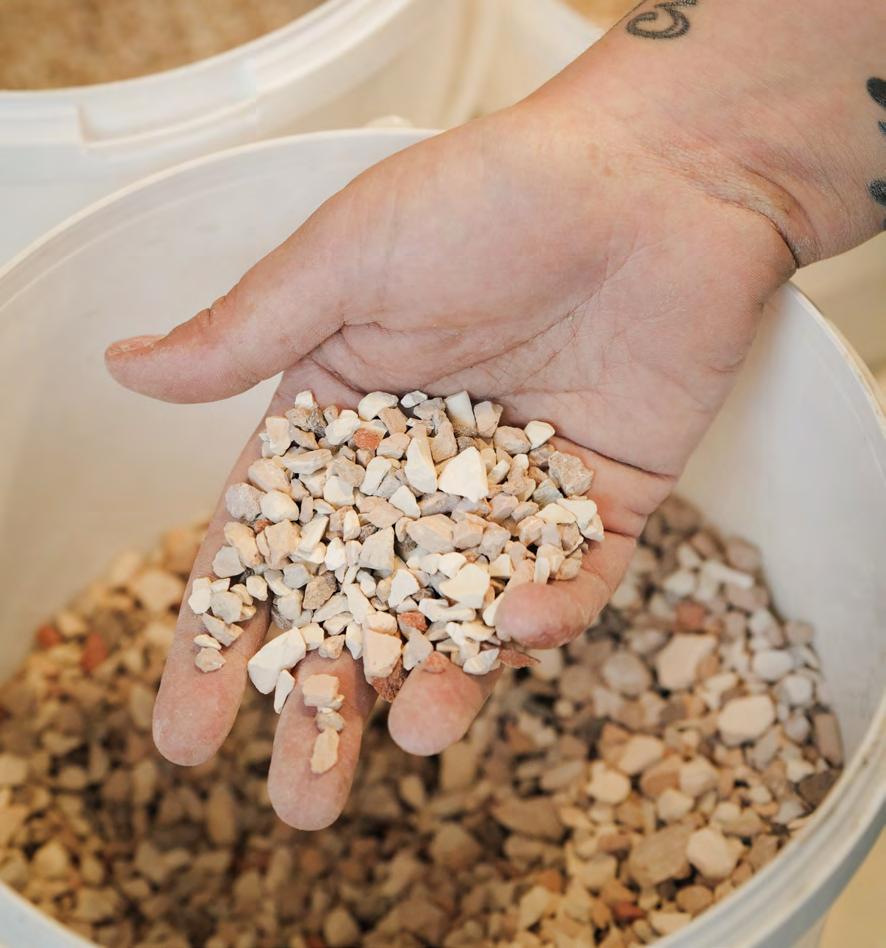
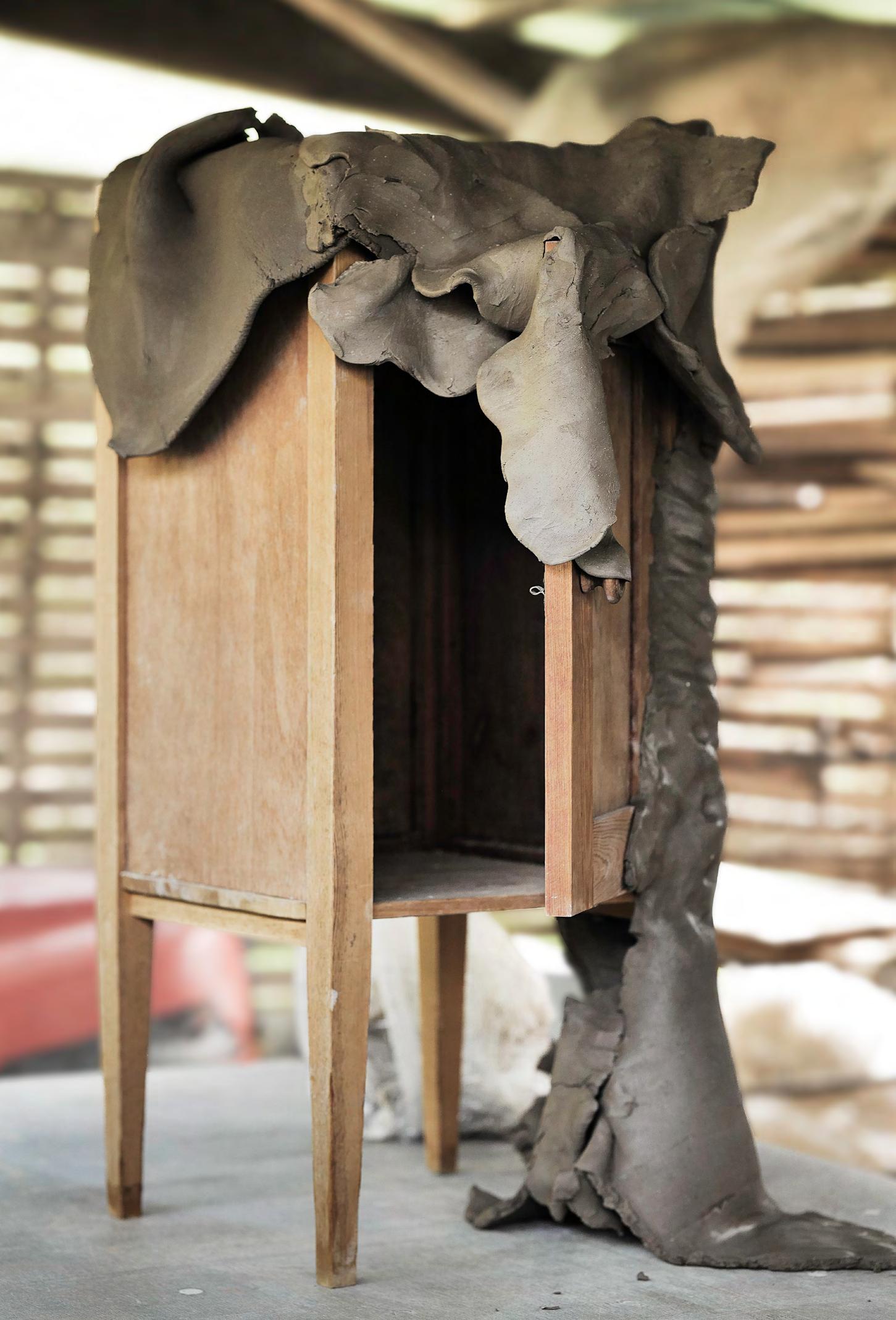
Using waste clay, crushed bisque ware, and an old cabinet, I investigate the portrayal of life, parasitism, and the technosphere. I explore how we view and act around the perishable and non-perishable objects in our daily lives. Are we consciously aware of the life of the objects in our personal sphere? Have we forgotten how to mend and care for objects as though they are precious to us? At what point does an object stop being useful and begin existing only as residue, memory, or a burden?
One question I wanted to ask while working on this project is: if I were to leave the things I create out in nature until the end of time, what will disappear and what will remain?
Sorry to See You Go is an investigation of consumption and sustainability in a conceptual way, reflecting on waste, decay, and the relationship between objects.
@greengooseg Ngunlog@gmail.com

LUKI SCHMIDT
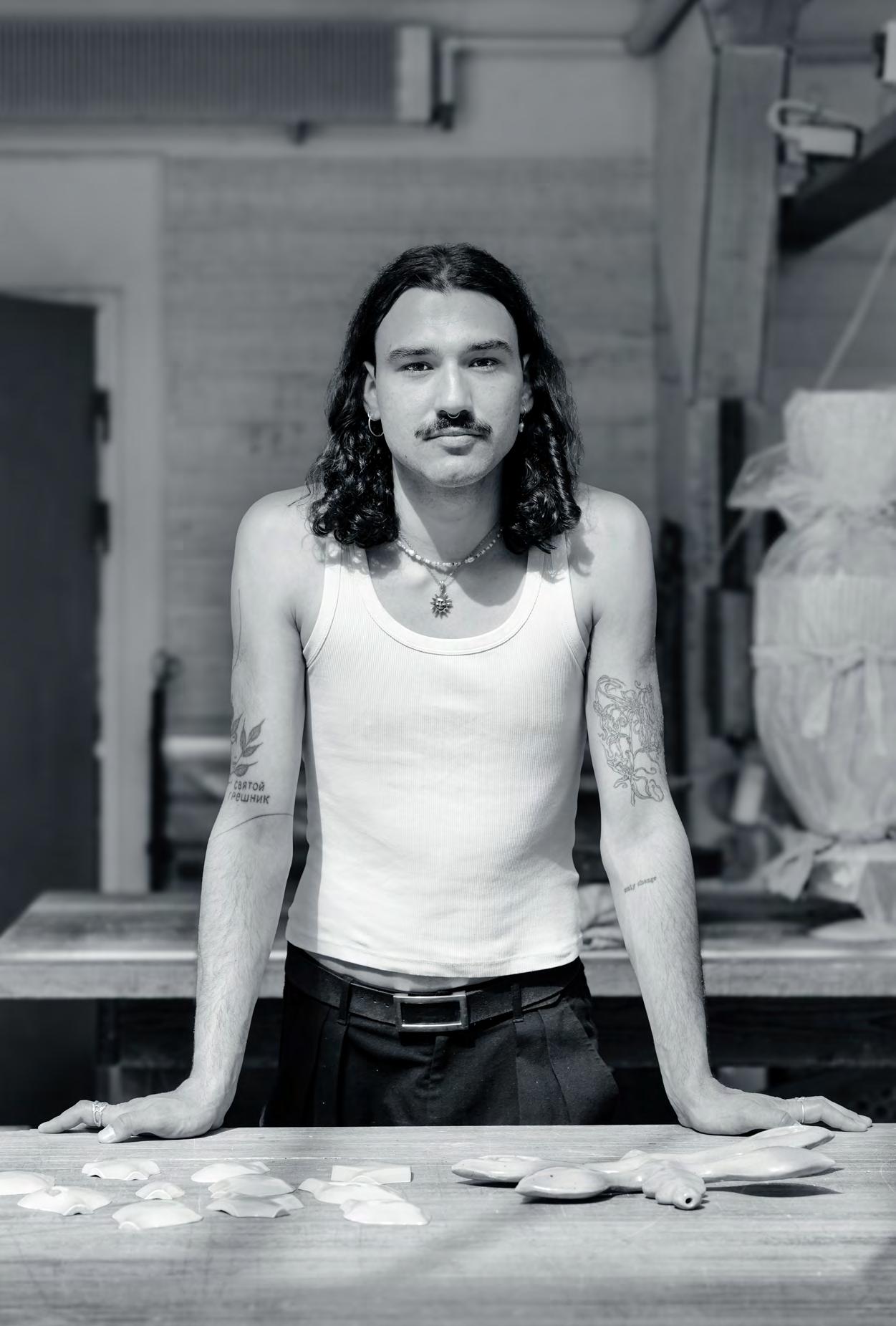
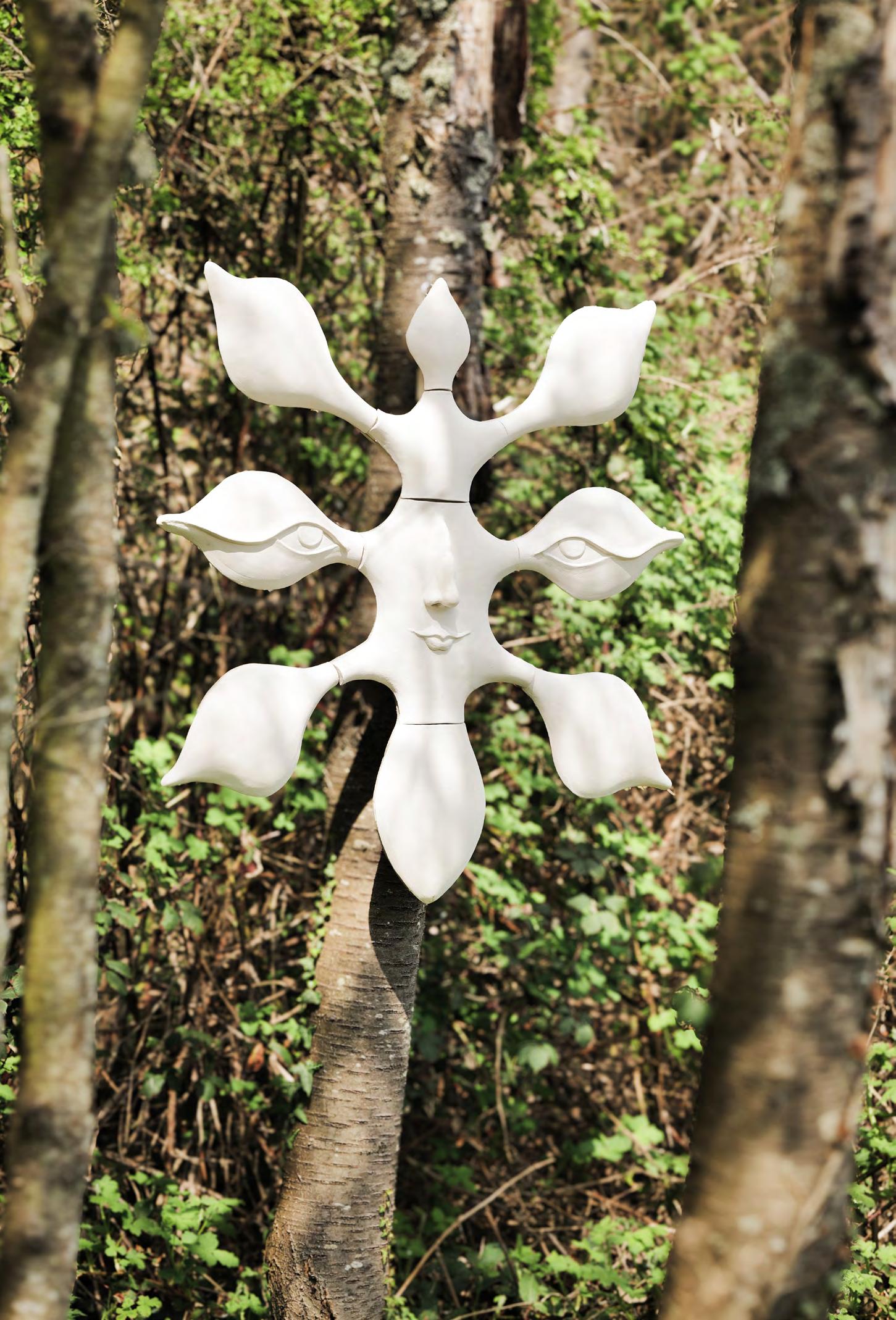
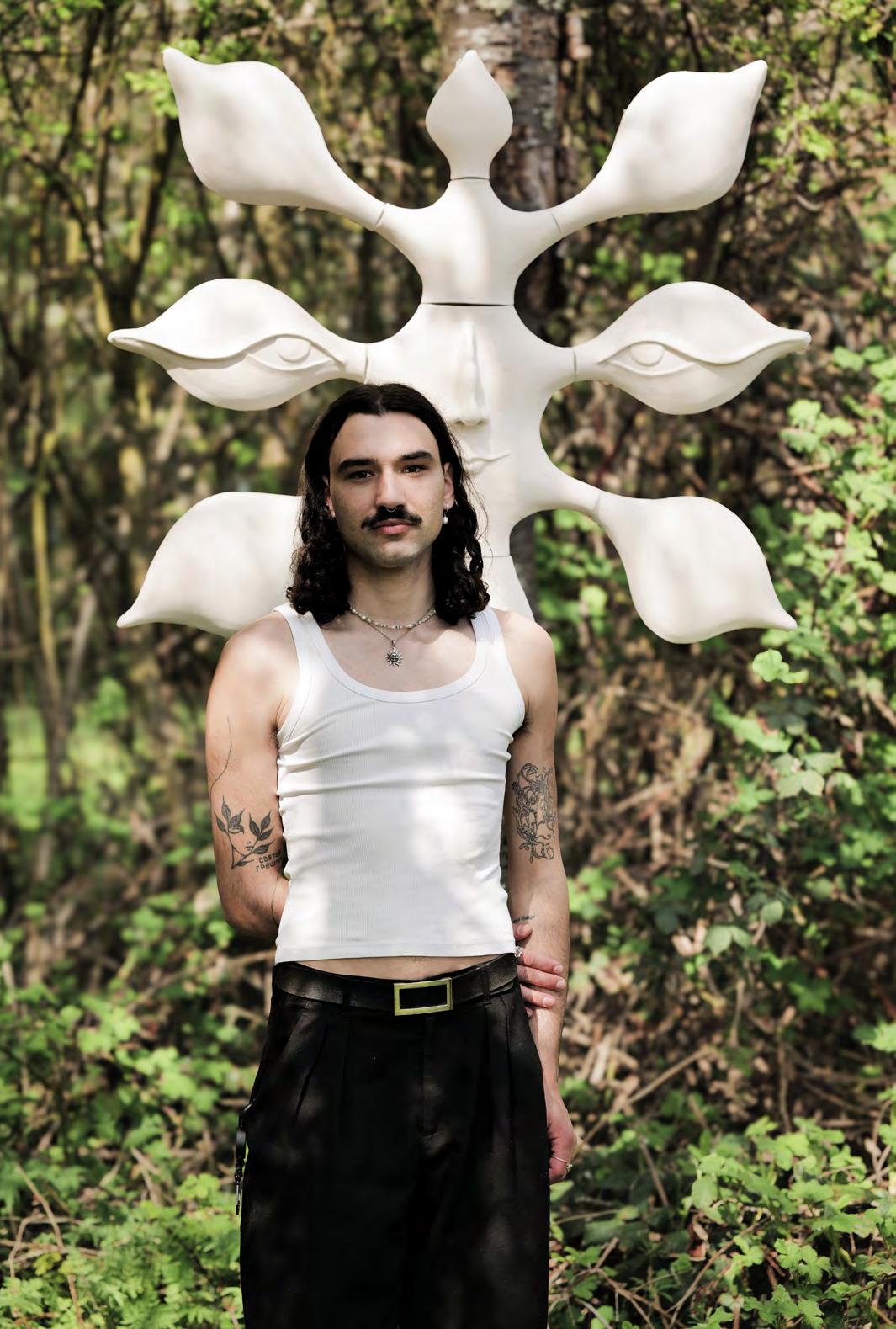
The Wood Beyond the World
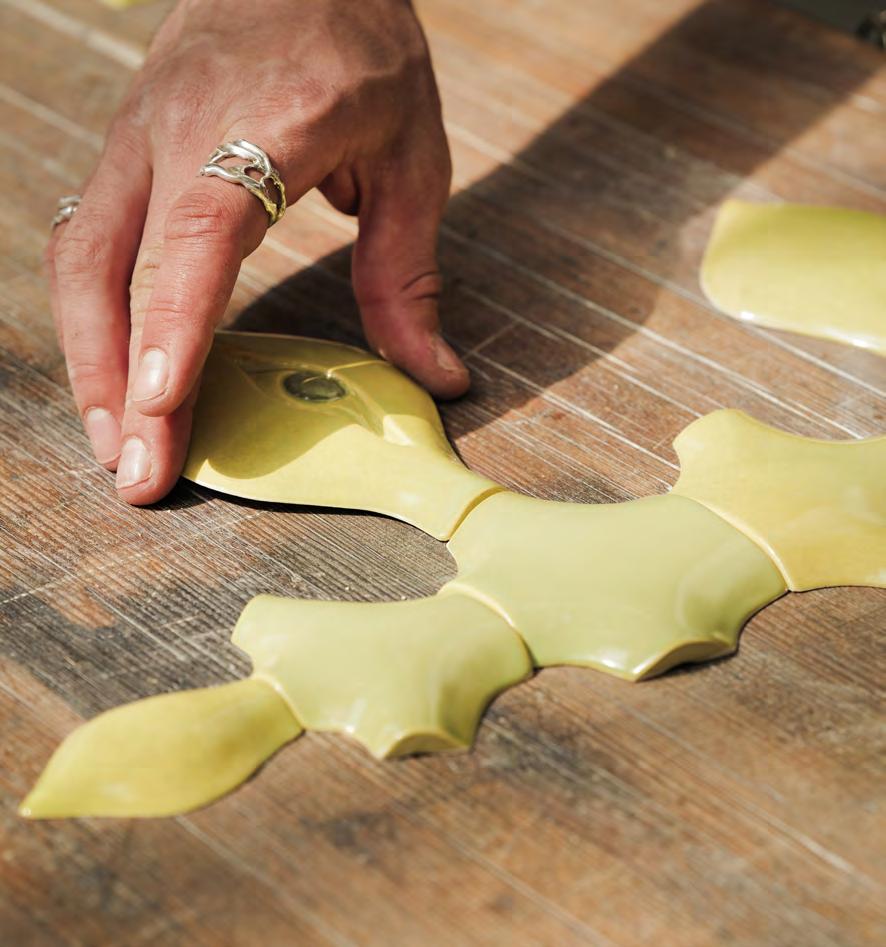
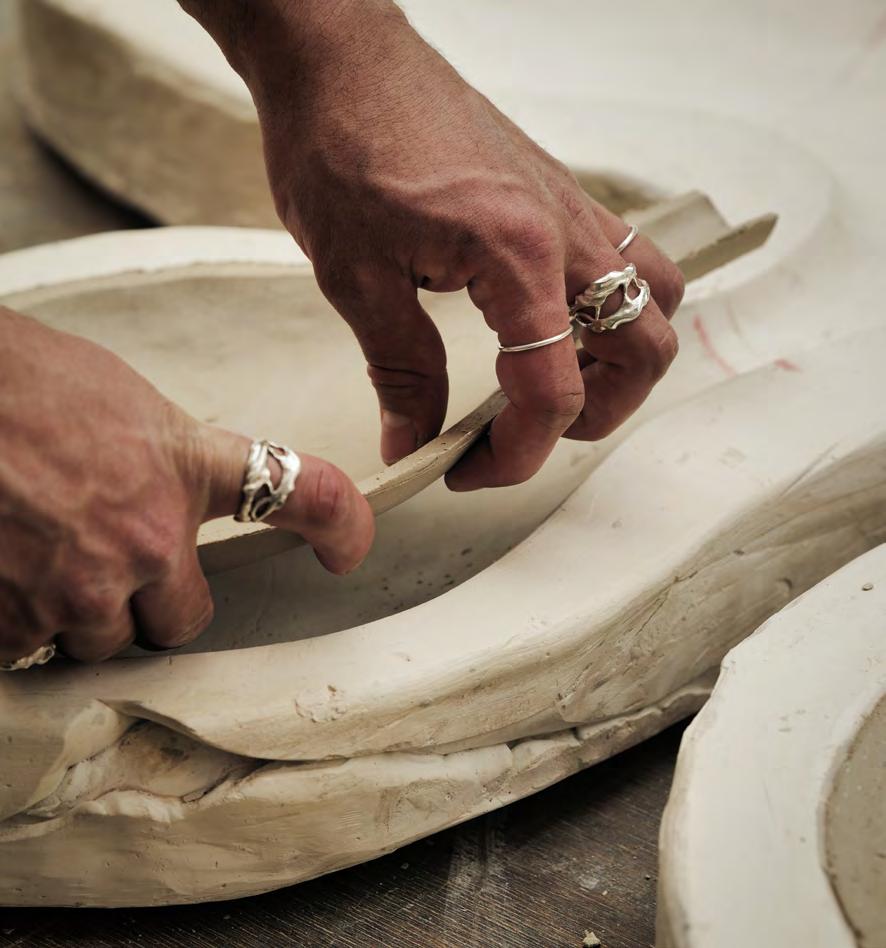
The Wood Beyond the World
A new world is taking shape. As it unfolds, a gap appears in the space between the world as we know it and the world that is to come. In this sacred space, the in-between, we are offered an opportunity to imagine new possibilities for a shared future, where our actions have the power to decide what utopia will look like.
In the utopia I found there, we stand on a foundation of solidarity. We build community. In symbiosis, nature teaches us her ways of growing and transforming.
Transformations play an important role in my work with clay. Clay as a material moves between states of being. It can be soft and solid, fragile and strong. It can be easily moulded but also shows a will of its own. After the firing, ceramic objects reveal traces of the extreme conditions under which they were transformed. These shifting qualities inspire me to investigate conditions for change within and beyond the crafted objects.
In The Wood Beyond the World I create beings that proclaim a spirit of transformation. When we enter the realm they inhabit, we expose ourselves to intimacy and uncertainty. Here, hope can grow and inspire us to act. I invite you to enter this space and imagine utopia with me.
@introwild mail.luki@icloud.com

AGNETHE MADSBJERG MARQVERSEN
Der Sad To Katte på et Bord
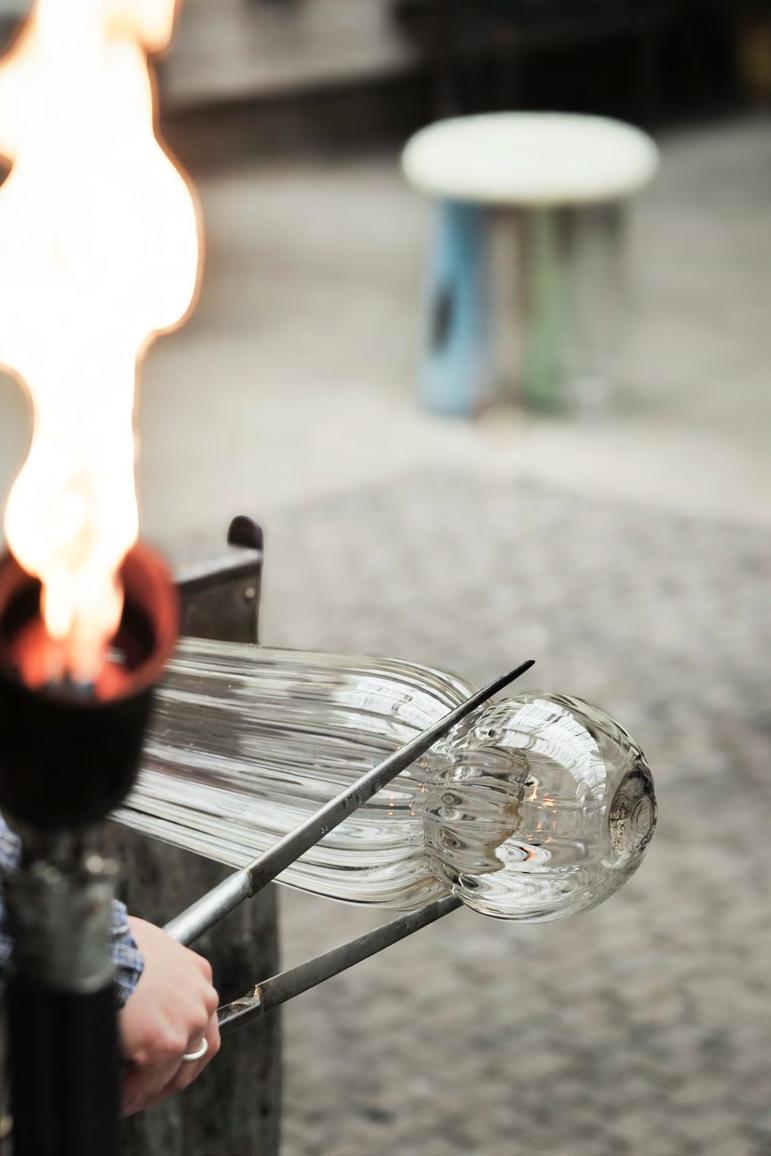
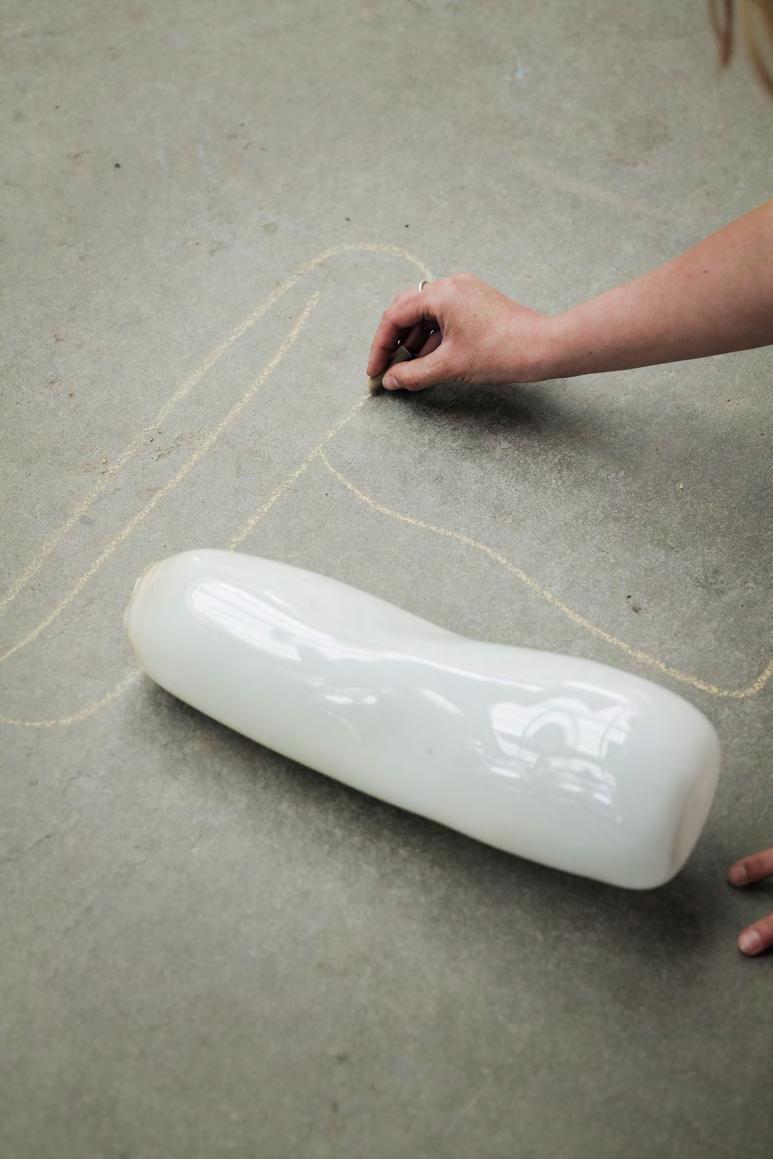
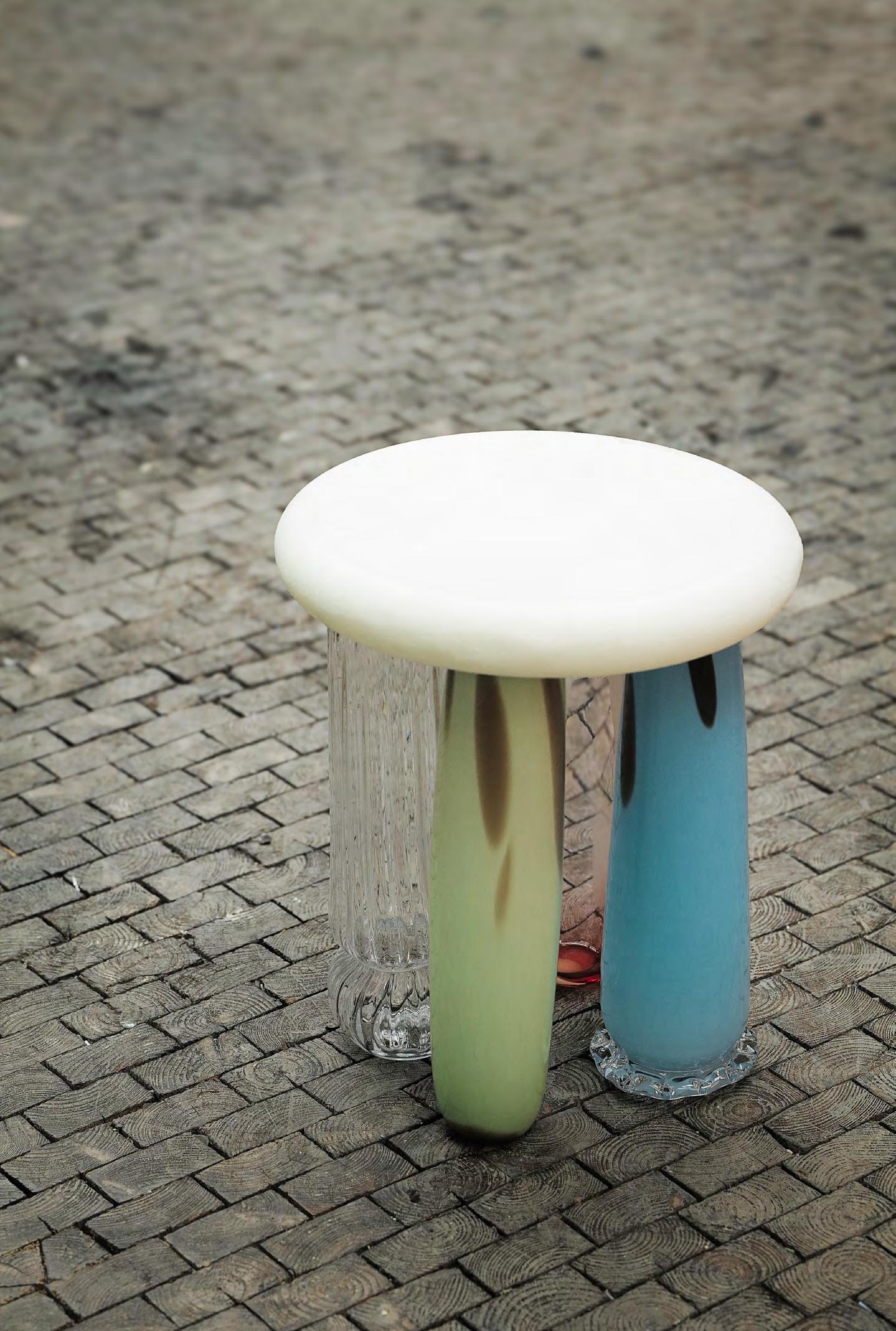
Der Sad To Katte på et Bord
There stood two stools upon the floor, kritte-vitte-vit bom bom, one was pink and one was more, kritte-vitte-vit bom bom, the first one said: ”now listen here kritte-vitte-vitte-vitte-vit bom bom, I think we’ve always both been here.” Kritte-vitte-vit bom bom.
They stayed there both from day to day, kritte-vitte-vit bom bom, nobody moved them out the way, kritte-vitte-vit bom bom, but something passed between the two, kritte-vitte-vitte-vitte-vit bom bom, a conversation only they knew. Kritte-vitte-vit bom bom.
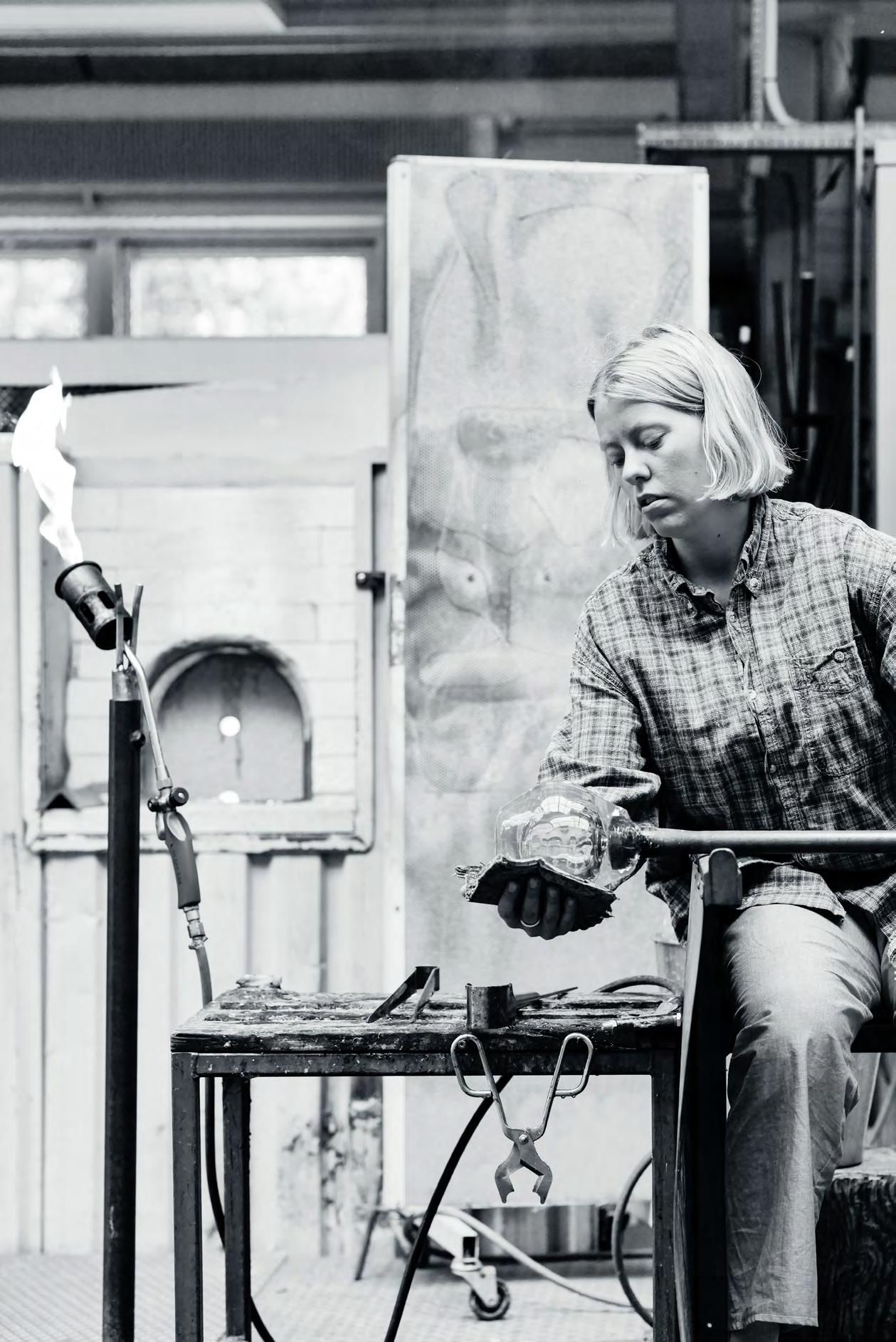
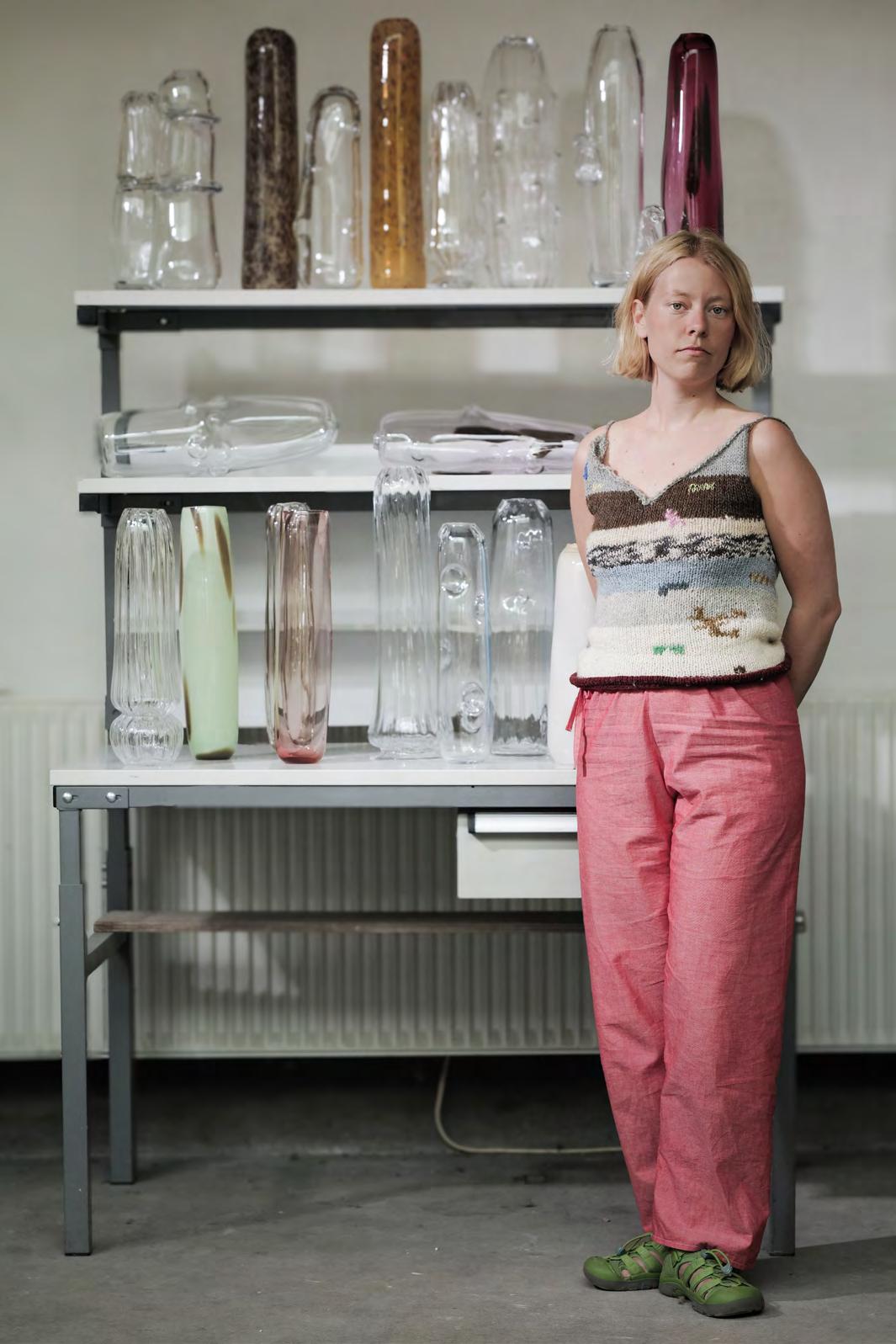
Der Sad To Katte på et Bord investigates the things we choose to live with. The home is made up of objects we have picked, placed, and kept. They are participants in our lives, part of how we exist in a room and part of who we are. This project takes that seriously through the making of two functional glass stools for the living room, each with their own character, designed to exist in each other’s company and create a conversation that continues long after you have left the room.
@agnethemarqversen
agnethe@marqversen.dk

LIUCIJA IVAŠČUK
Digital Metamorphosis
Liucija Ivaščuk
Digital Metamorphosis
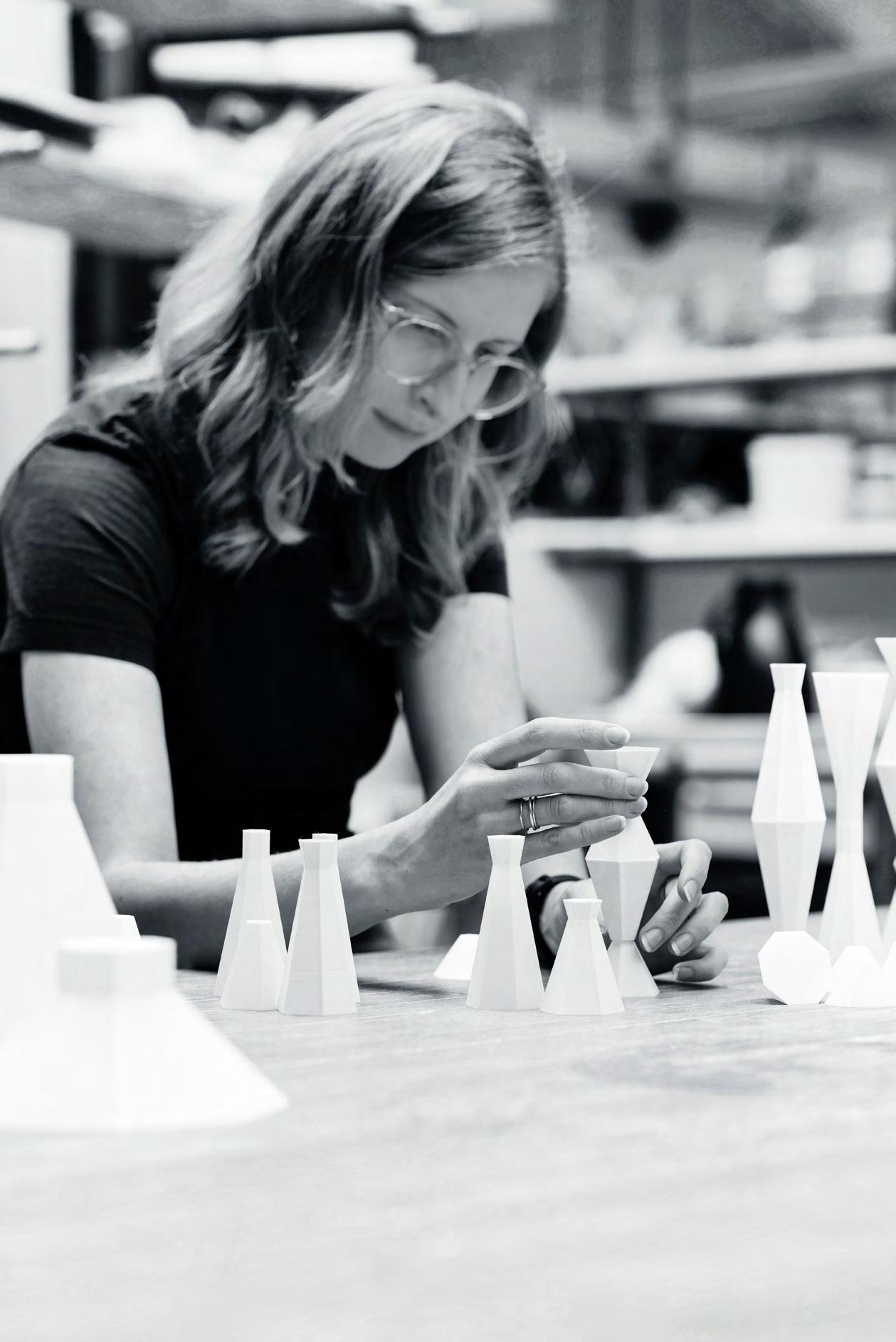
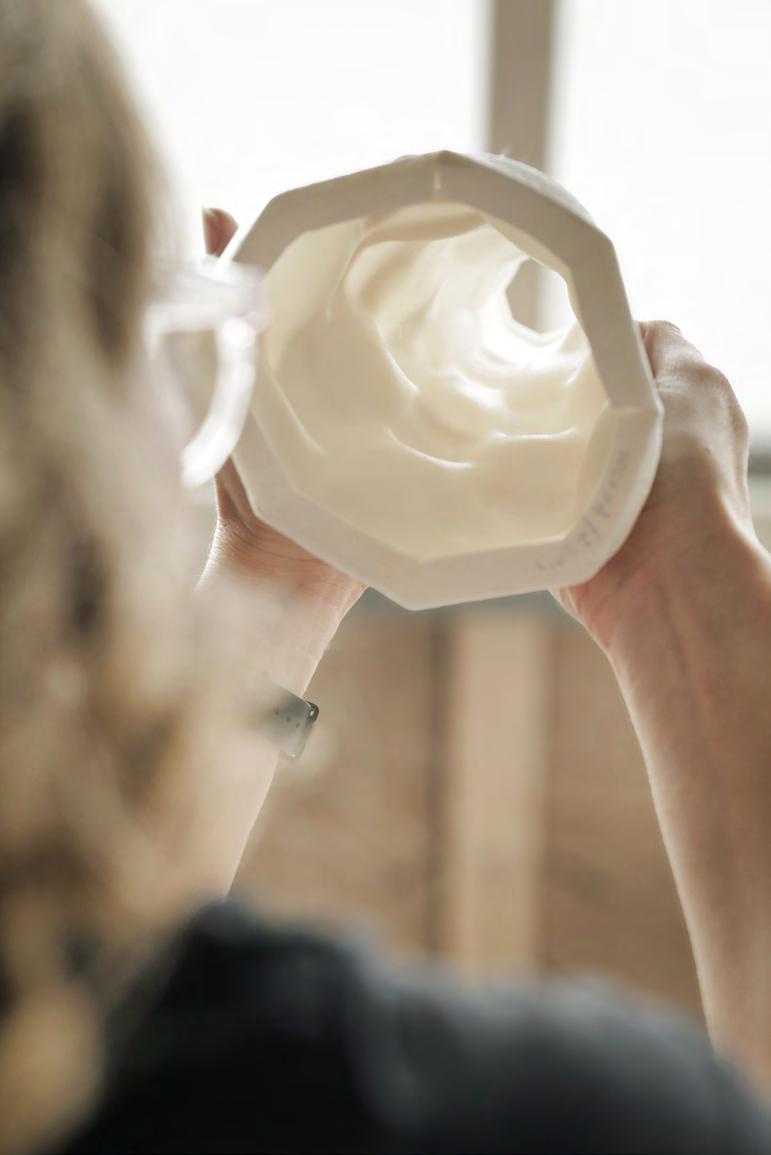
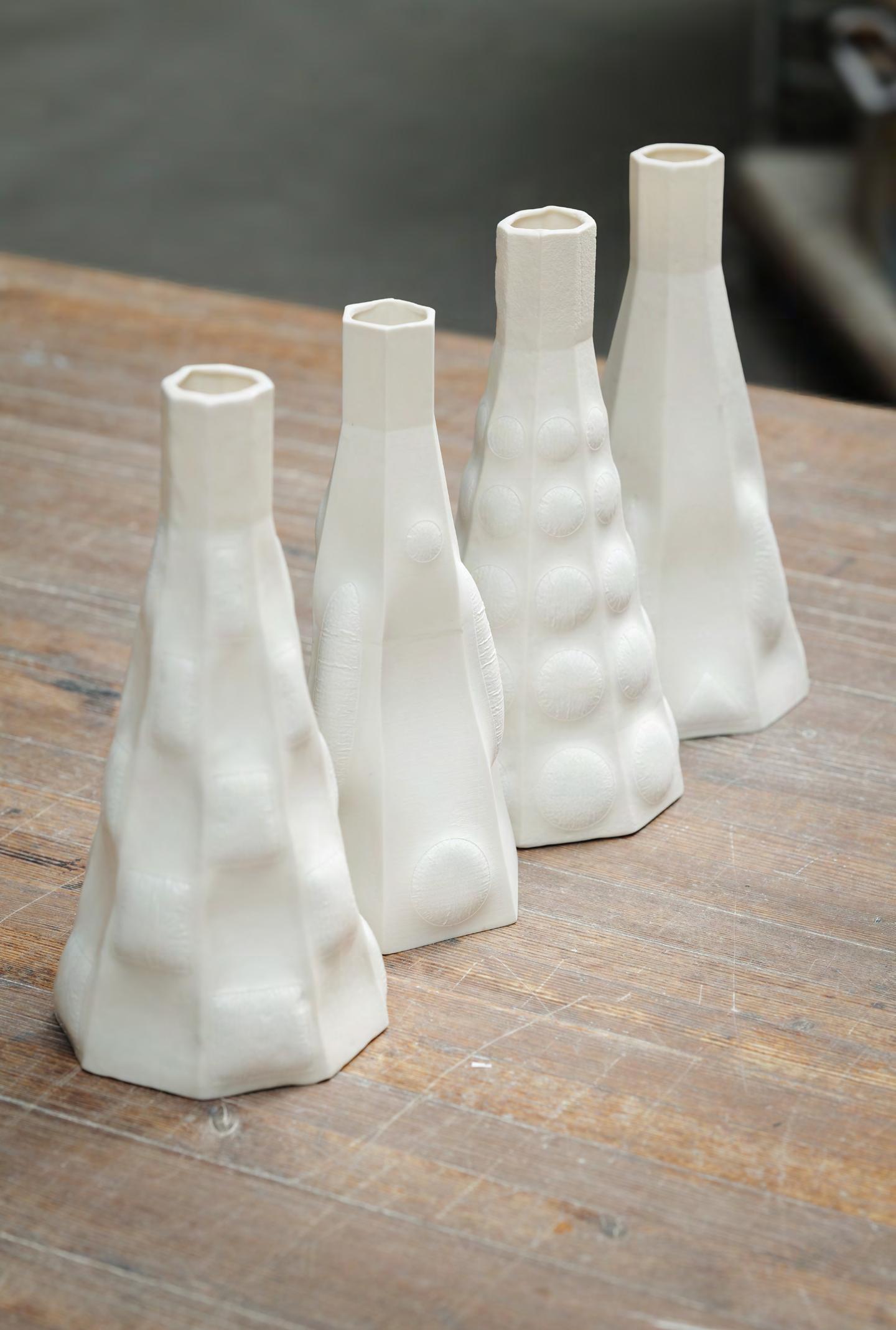
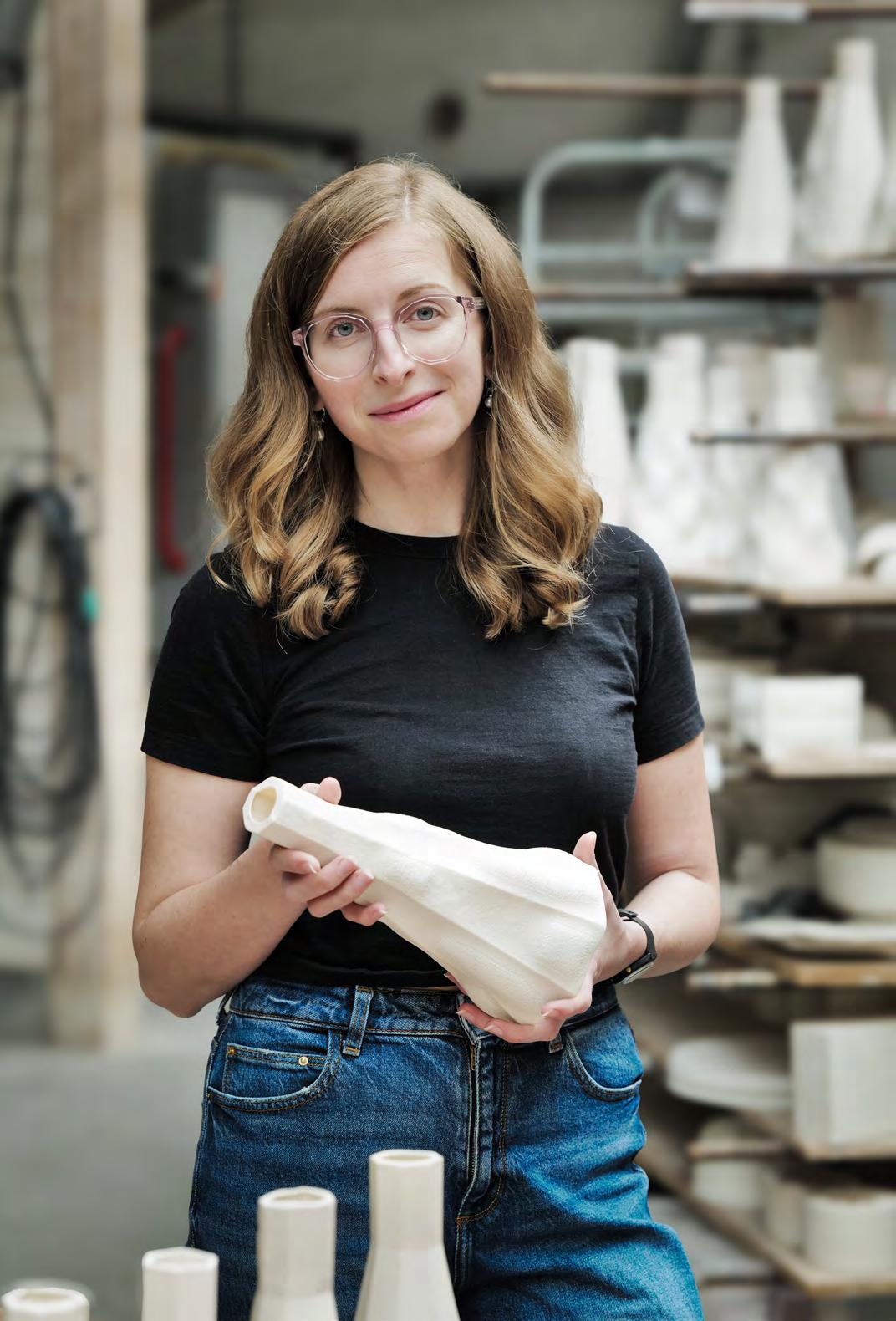
In my practice, I crave structure, both in the way I work and in what I create. Clean lines, geometric shapes, and repetition captivate me. Working with plaster molds and porcelain slip allows me to achieve this precision. It’s demanding and unforgiving, but I like the complexity and attention to detail it takes to produce great results.
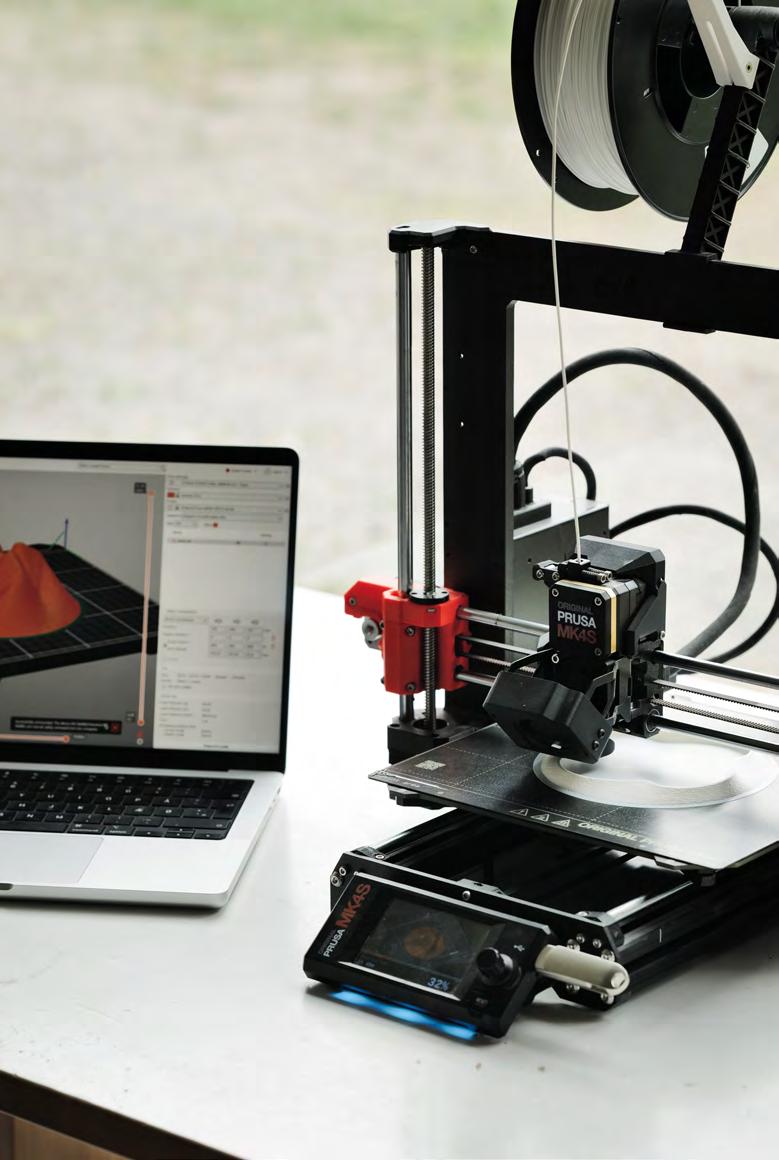
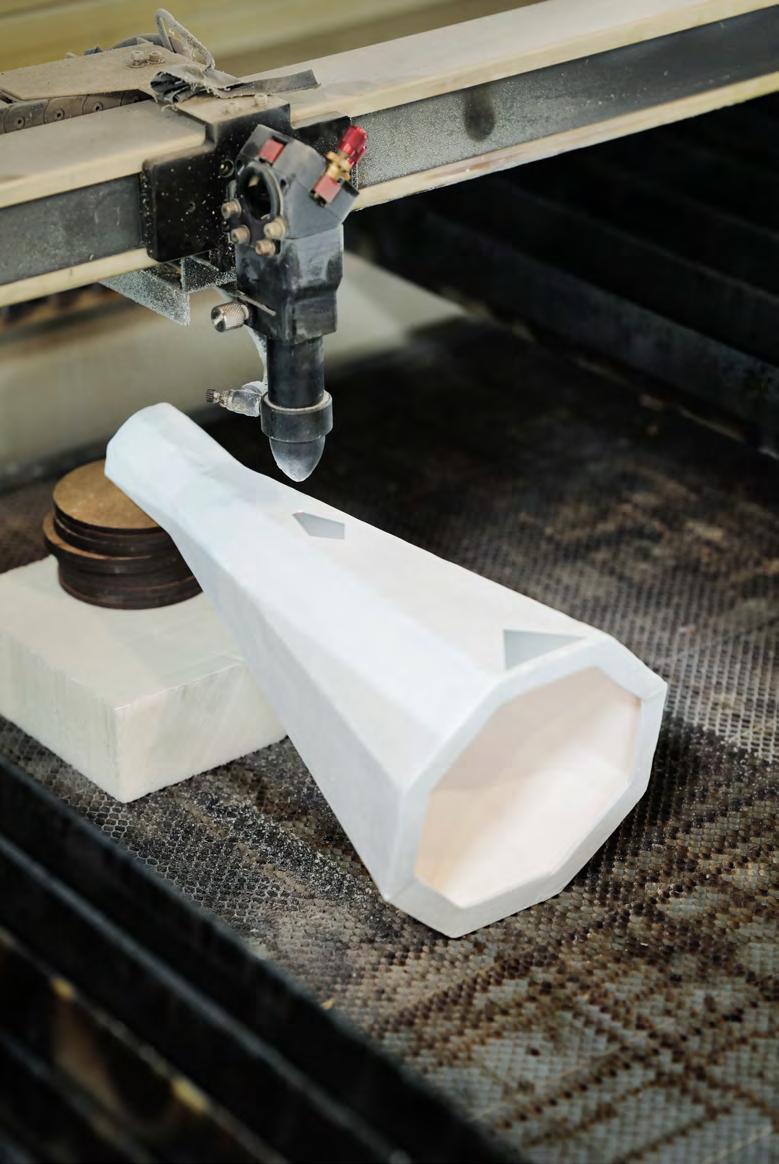
I’m equally driven by curiosity. I dive deep into material research, pushing clay to its limits in new, creative ways. By incorporating technology into my work, I explore its potential to expand our understanding of traditional craft and unlock alternative methods of making.
In Digital Metamorphosis, I use laser technology to engrave geometric shapes onto porcelain. During the high-firing, those shapes resist movement while the rest of the body shrinks around them. This internal conflict generates intense physical tension, completely transforming the final piece. Strict lines become waves, geometric shapes become organic, and distortion becomes a medium. By allowing technology to guide the material, the digital tool acts as an unexpected form-giver.
@liu.crafts
liucija.ivascuk@gmail.com

Liucija Ivaščuk
HANNAH HOFER
They buried us, but they did not know that we were seeds Italy
They buried us, but they did not know that we were seeds
They buried us, but they did not know that we were seeds
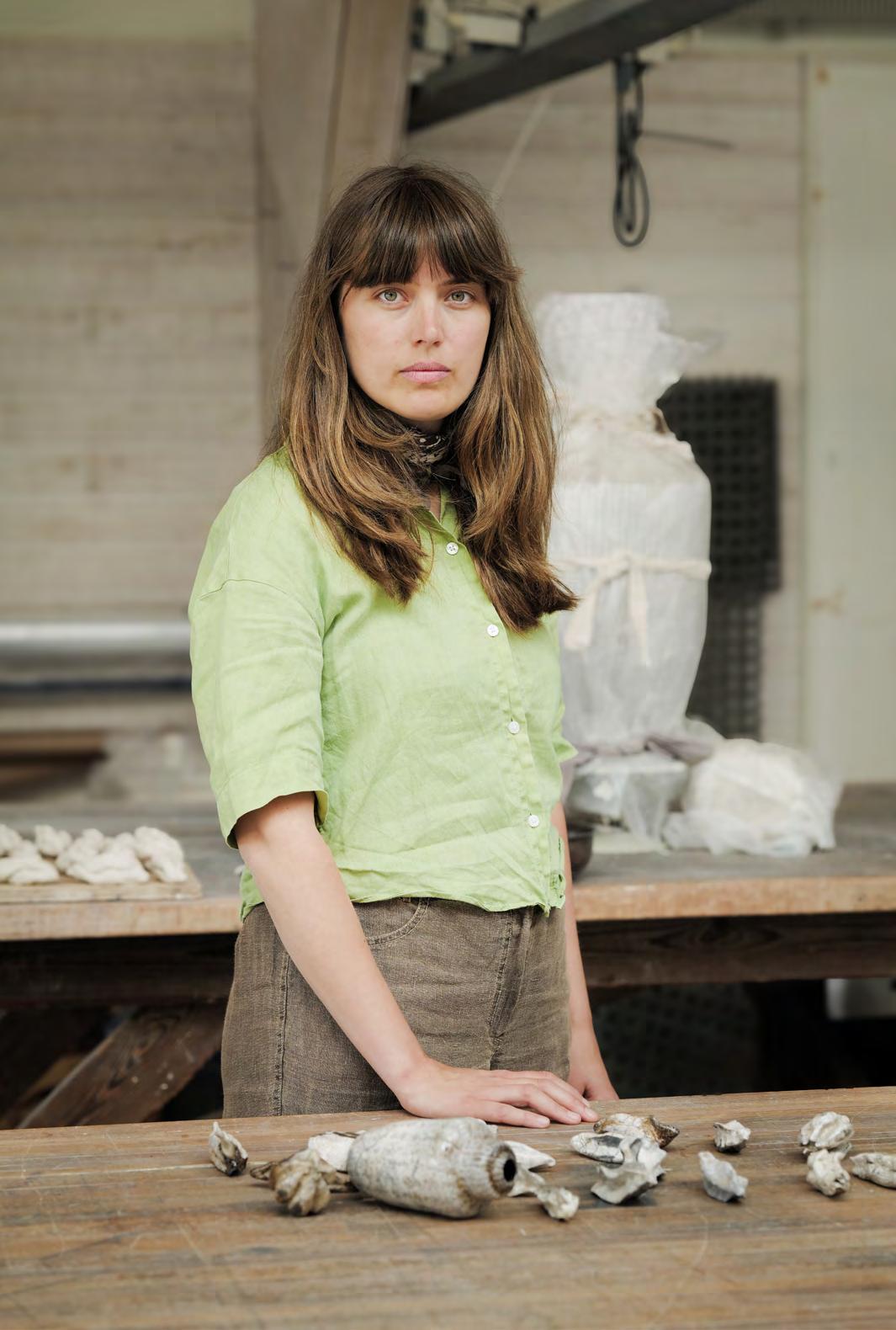
This project reflects on my childhood in a small village divided in half by a highway. I think about my neighbours’ vegetable garden, which later disappeared beneath poured concrete—a transformation that mirrors the way we continue to treat the natural world.
Although this memory carries sadness, I keep thinking about the seeds hidden beneath the concrete, waiting to break through. I imagine plants growing through cracks and slowly overtaking whatever tries to suppress them. In this image, I find hope and the possibility of renewal.
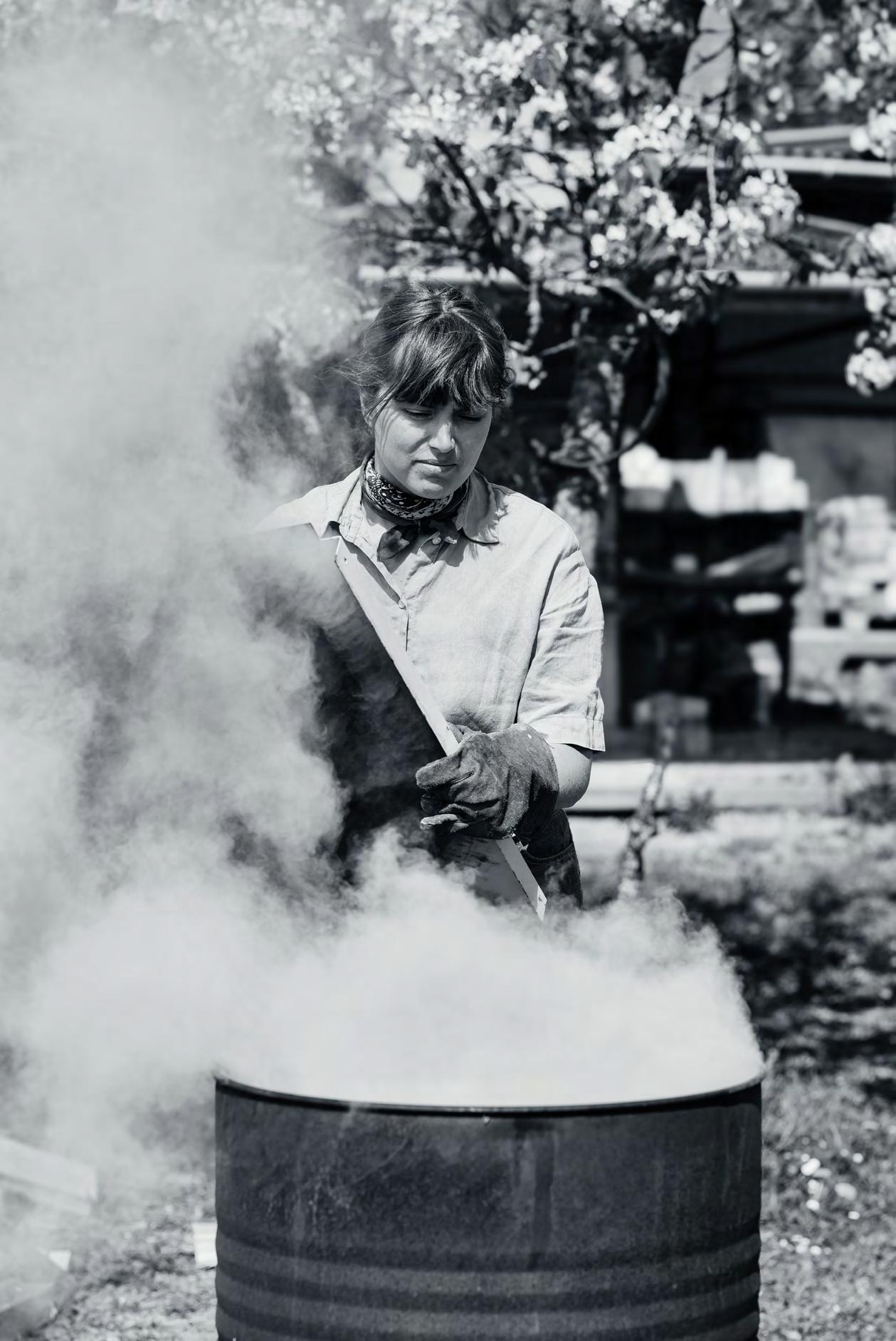
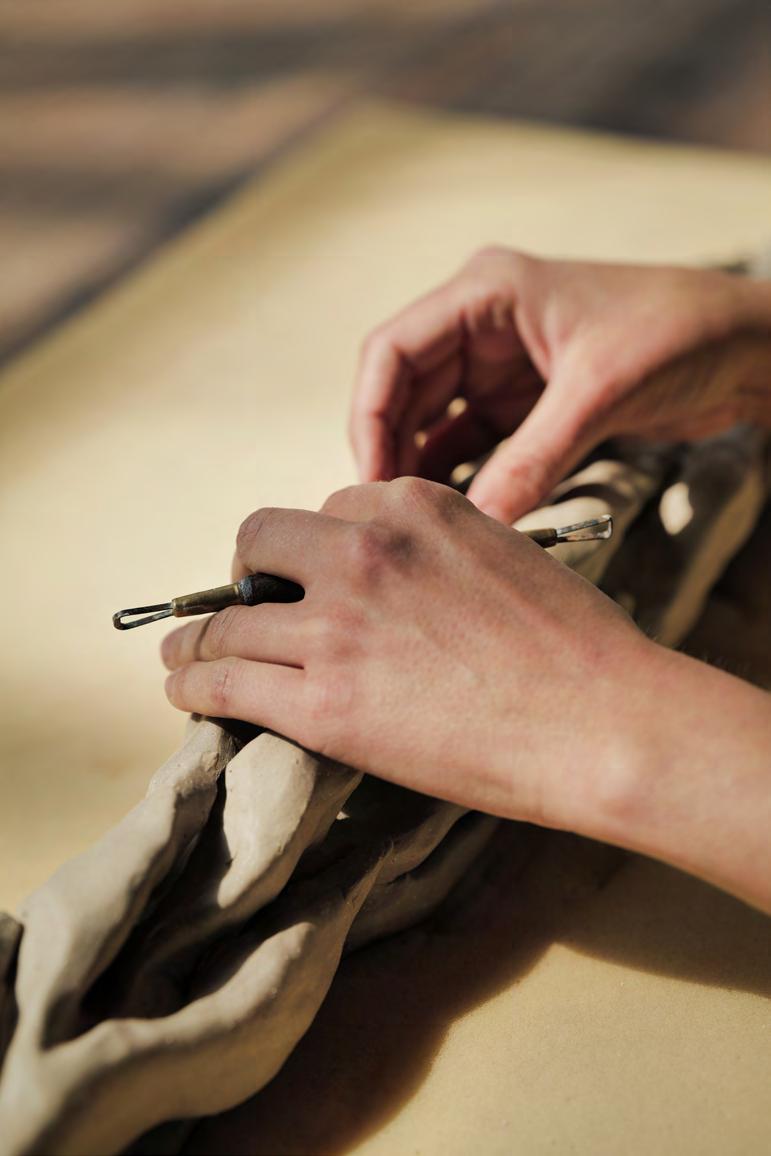
I collect seeds and keep them close to me in everyday life. The seeds I find inspire the organic forms I create in clay, shaping seed-like sculptures that speak of growth and transformation. I shape the soft material roughly at first, allowing my body to guide the forms, before the clay gradually transforms and hardens, making space for more refined and detailed work.
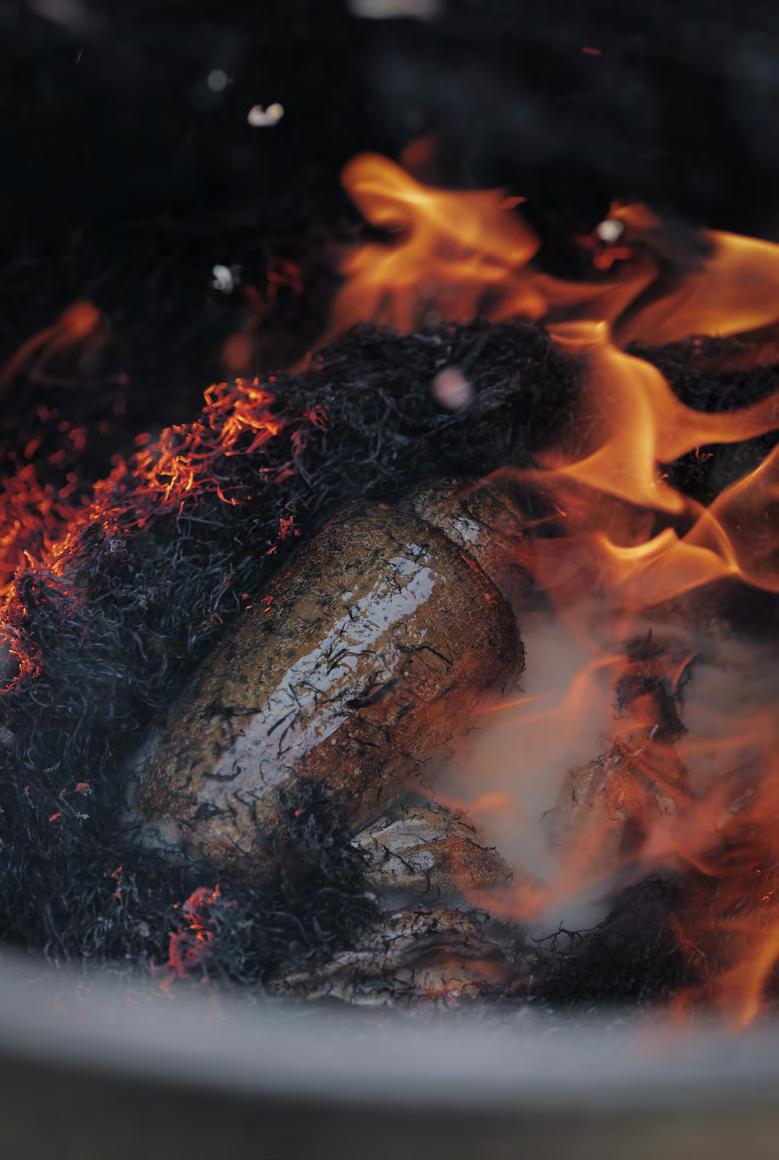
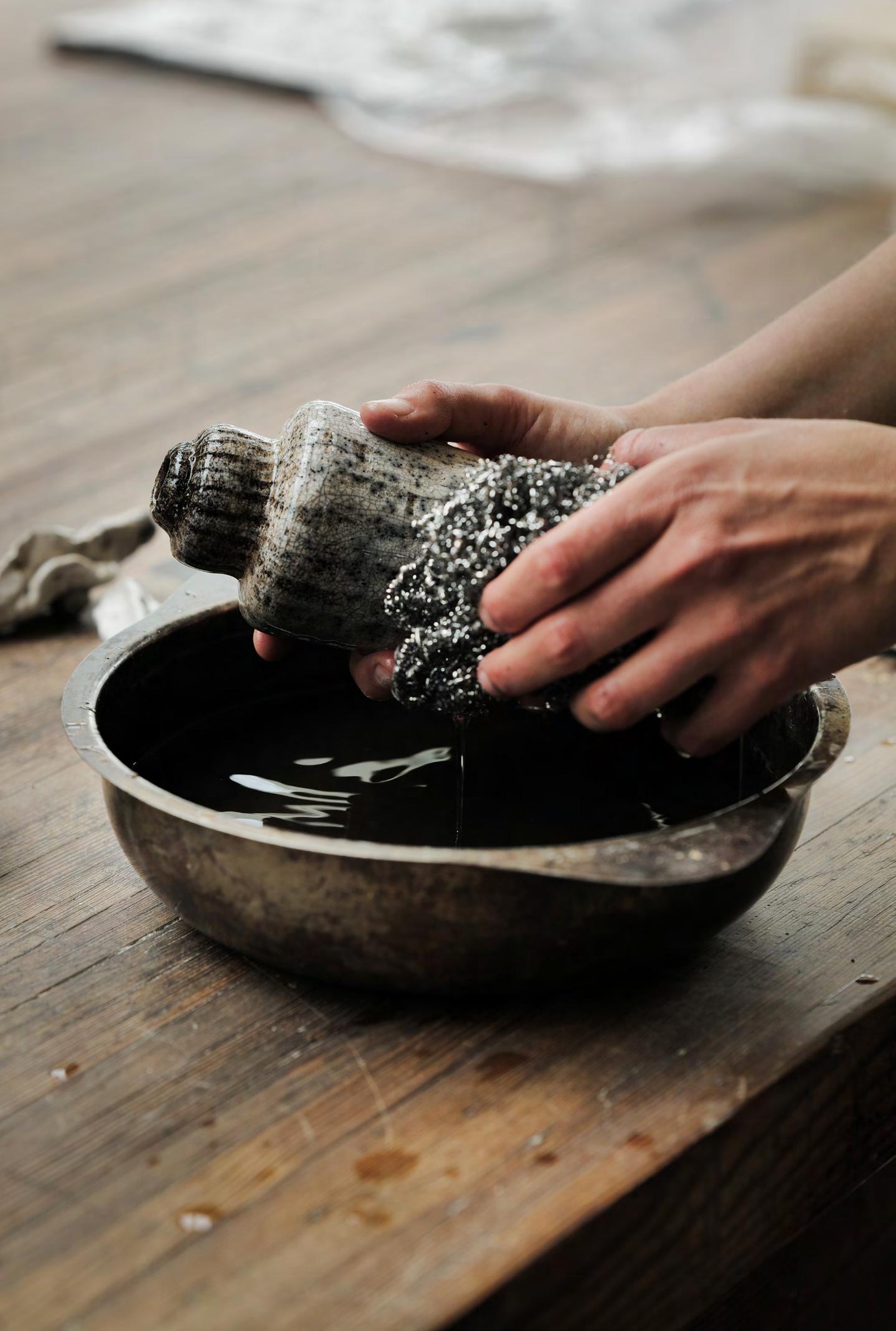
Raku firing fascinates me through its unpredictable crack patterns and the strong contrast between black, white, and grey tones. The raku glaze allows me to emphasize the quiet force of seeds pushing through concrete, revealing the strength and persistence found in slow growth.
@hannah.harzfeld
hannahofer@live.de

Hannah Hofer
To the Bachelor students of 2026
“Can I ask a quick question?”
How many times have we been asked this in the past three years? We joke that the question might be quick, but the answer is probably long. This year, you came to us with a new quick question: “Will you write the postscript text for our catalogue?” Finally, a question that we could answer quickly: “Yes, absolutely.”
We are the technical staff, Kenneth for glass and Joshua for ceramics. We field many questions every day and do our best to answer them. Three years ago, you started with asking “What is glass? What is clay?” These answers lead to new questions: “How high can I fire this clay? How does glass melt? How do I fix the kiln shelves? Where are the band-aids?”
Those answers lead to new questions. “How much glass can I gather? How do I throw bigger? What If I stretch the glass beyond its limits? Will this fit in the kiln?” Every answer forked the path of discovery. Each of you followed your own path of inquiry, creating a roadmap unique to your practice.
We saw you answer the simple questions. You pushed the limits of glass and ceramics, asking more and more of the potential of the material. The questions became more complex and more nuanced. “How thin can I cast the clay? How can we blow glass together? When will this piece fall apart? What does it mean to make?” With each discovery, you became more confident. We fielded less and less questions. Through trials and experiences, you began trusting yourselves to answer your own questions. At some point, you became better at answering your questions than we were.
Which brings us to today. In some ways, this catalogue is a record of questions asked and answered. From material, to technological, to social, to personal, the works collected are themselves the roadmap of the path of inquiry from your first year to now. And now there are still questions, maybe more than ever. “What does it mean to be a craftsperson? Do I stay on Bornholm, or venture out into the world? How will I keep making?”
These certainly aren’t quick questions and we can’t give you quick answers. Luckily, you don’t have to have answers today. Let search for answers lead you down your own path. Thank you for being an inquisitive, thoughtful, and ambitious group of makers. We have faith that you will continue to ask the right questions. We wish you the best of luck in your lifetime of searching for answers.
Keep asking questions.
Kenneth & Joshua Technical staff at
the programme.
Thank you
Augustinus Fonden Otto Bruuns Fond Sparekassen Bornholms Fond Bornholms Brandforsikring Aage og Johanne Louis-Hansens Fond.
Photography :
Totem : Rasmus Kvist
Art direction and Graphic design :
Totem : Rasmus Kvist
Clemens Trykkeriet
Copyright 2026 Royal Danish Academy
Royal Danish Academy.
Crafts in Glass and Ceramics
Stenbrudsvej 43
DK – 3730 Nexø
Bornholm, Denmark
www.royaldanishacademy.com/bornholm
Instagram: @glassandceramics_kglakademi
Phone: +45 4170 1970
E-mail: bornholm@kglakademi.dk
www.royaldanishacademy.com/bornholm