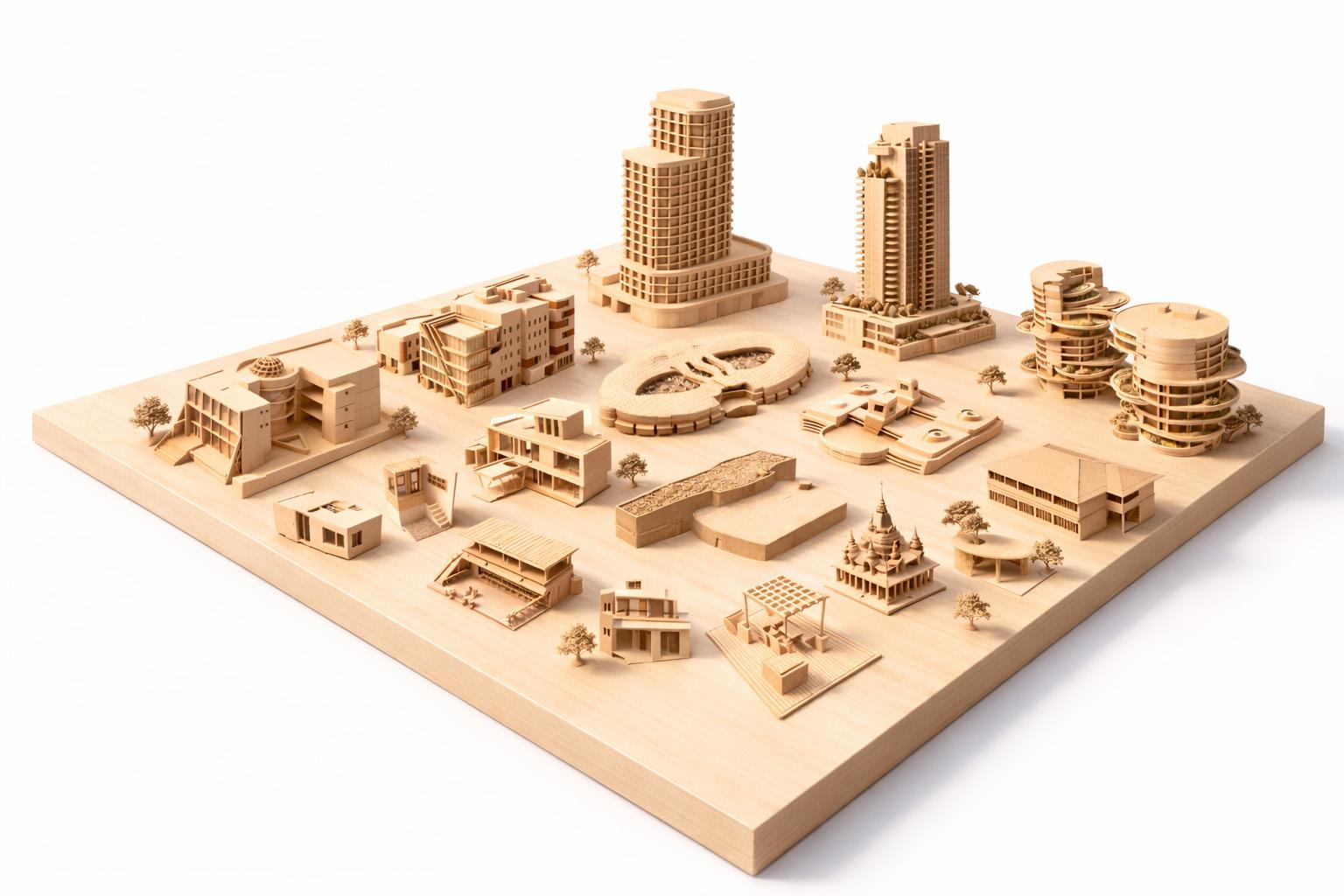
[ 4 - 9 pg ]----------------------- OnSite Construction
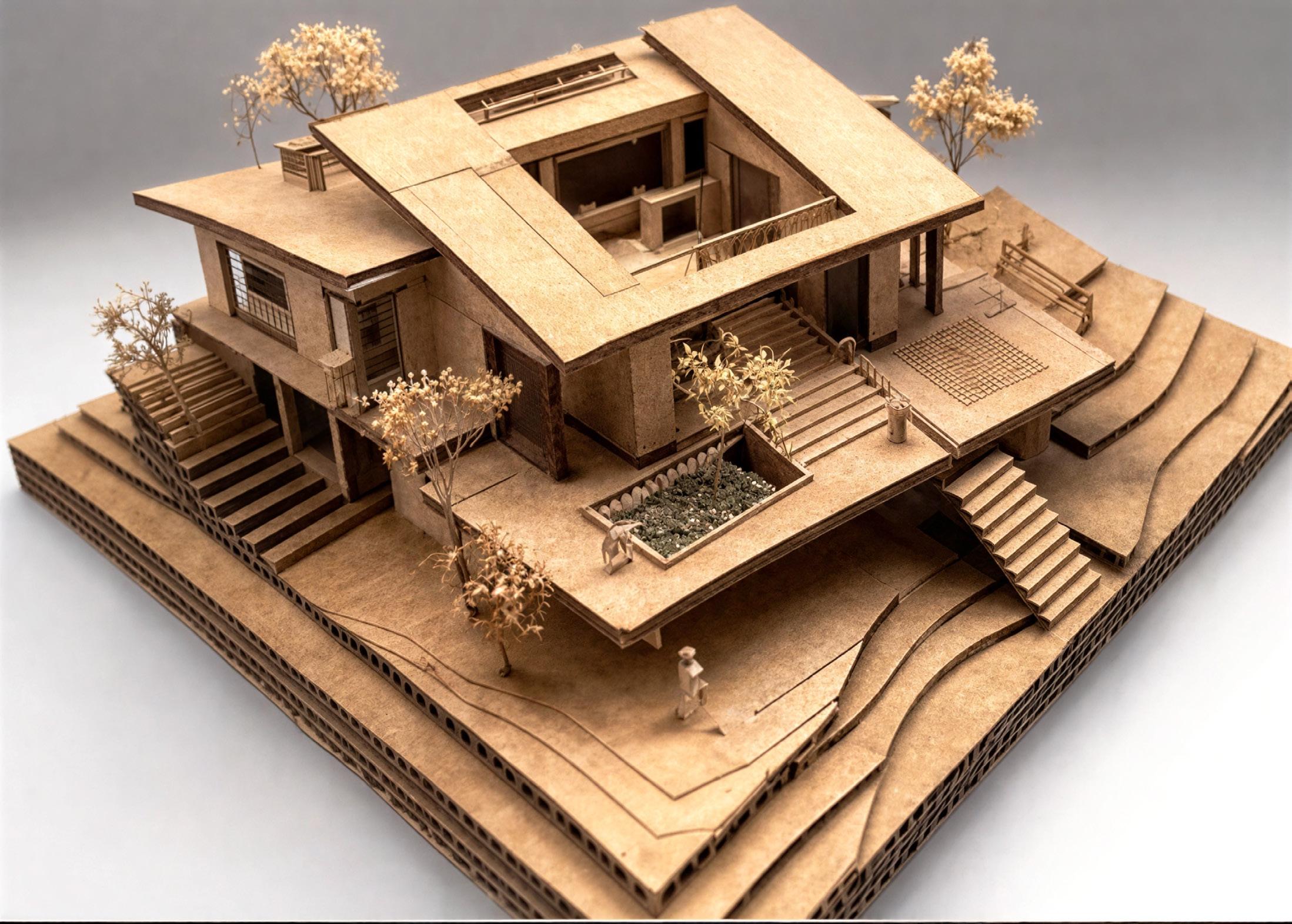
Composite House [4 BHK ]
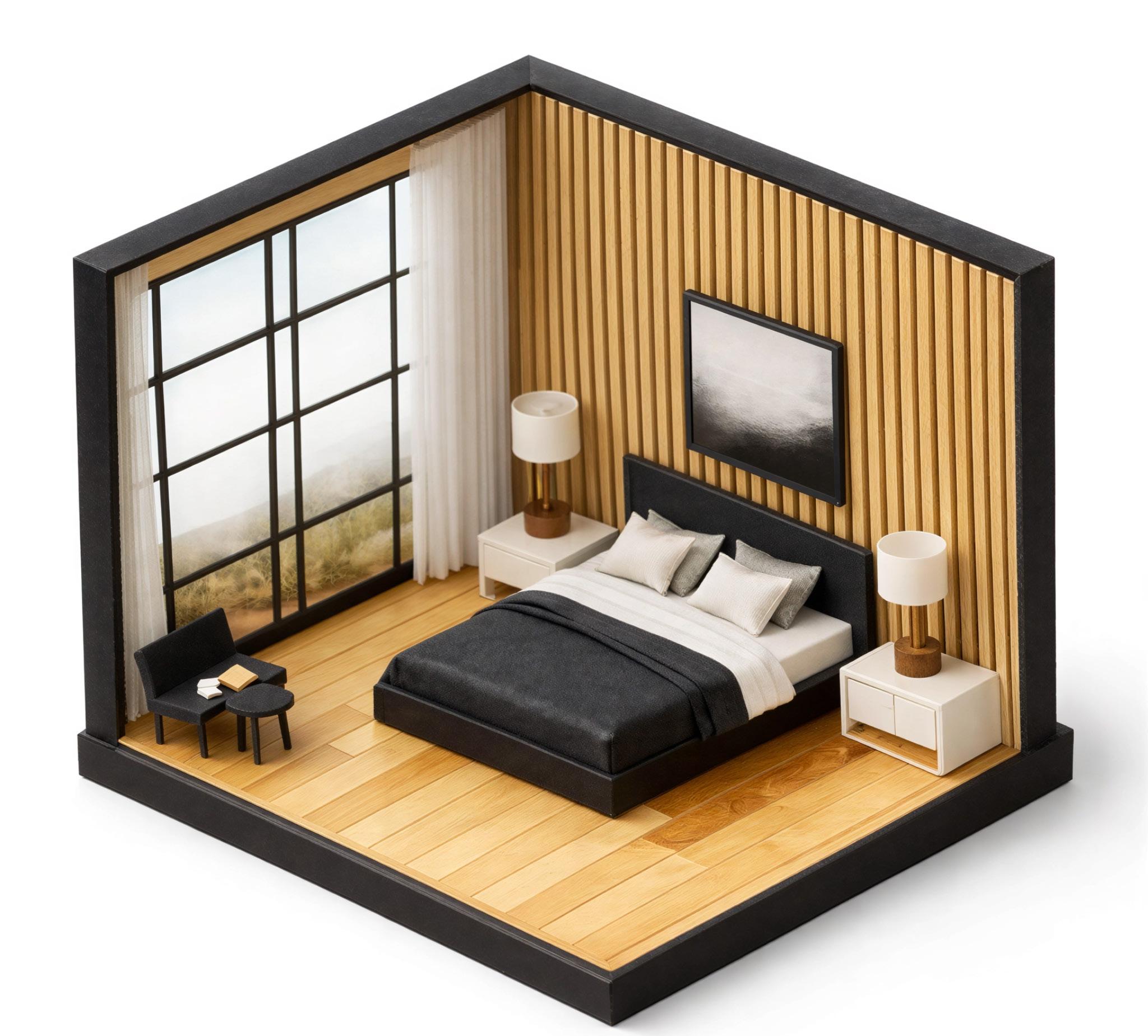
Residential house [2 BHK ] Beach view Apartments Student Hostel
[ 10 - 13 pg ]------------------------Memorial Museum
[ 14 - 15 pg ]----------Timber Pergola Deck Pavilion
[ 16 - 19 pg ]--------------------Tree Centred Pavilion Beach Resort
[ 20 - 21 pg ]----------------------------Hillside Resort
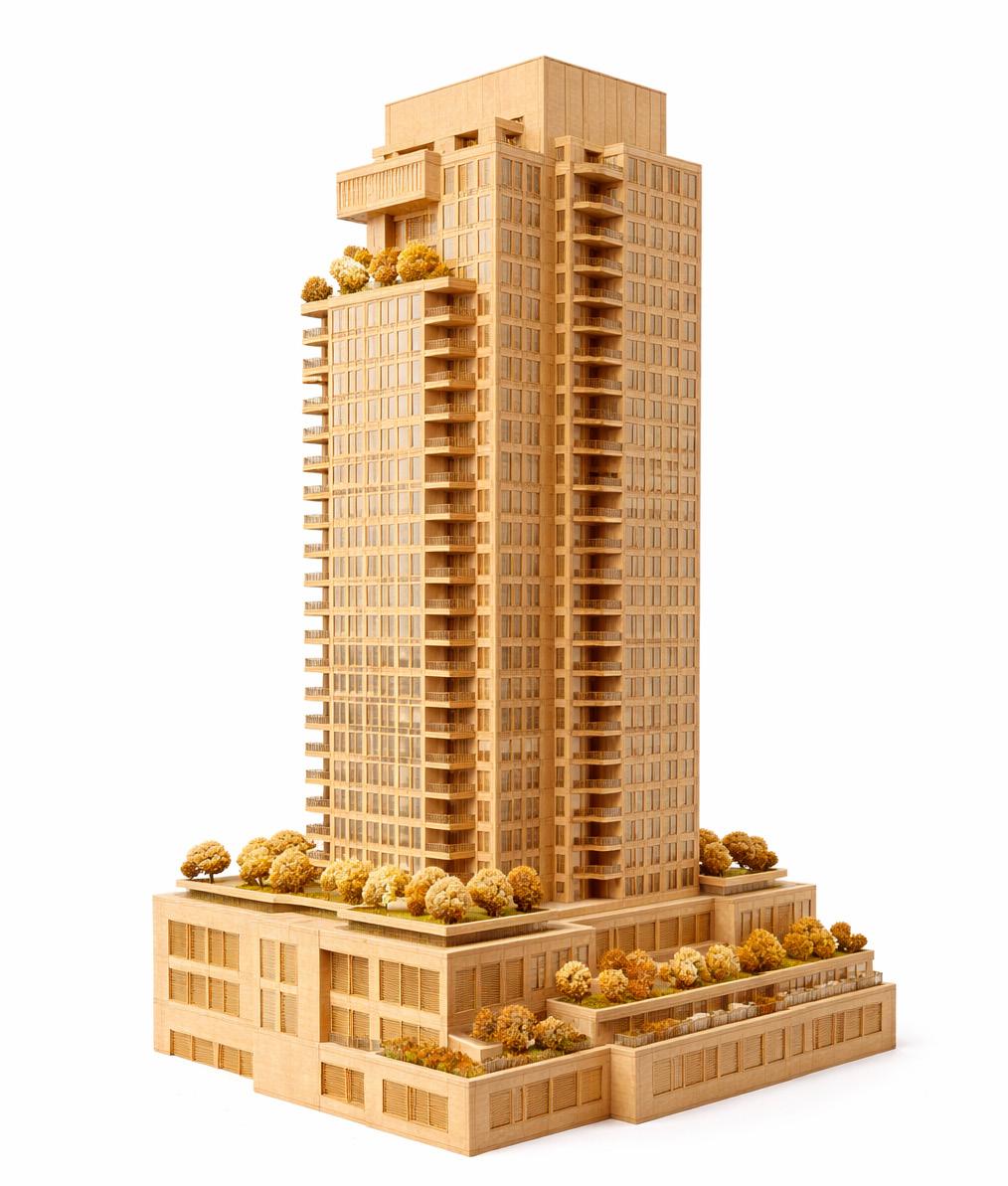
Mixed Used High Rise Building [21 Floors]
Vedicshala School Secondary School
[ 22 - 23 pg ]-------Vertical Urban Block [24 Floors ]
[ 24 - 25 pg ]-------------------------------------Temple Restaurant City Ventre Mall
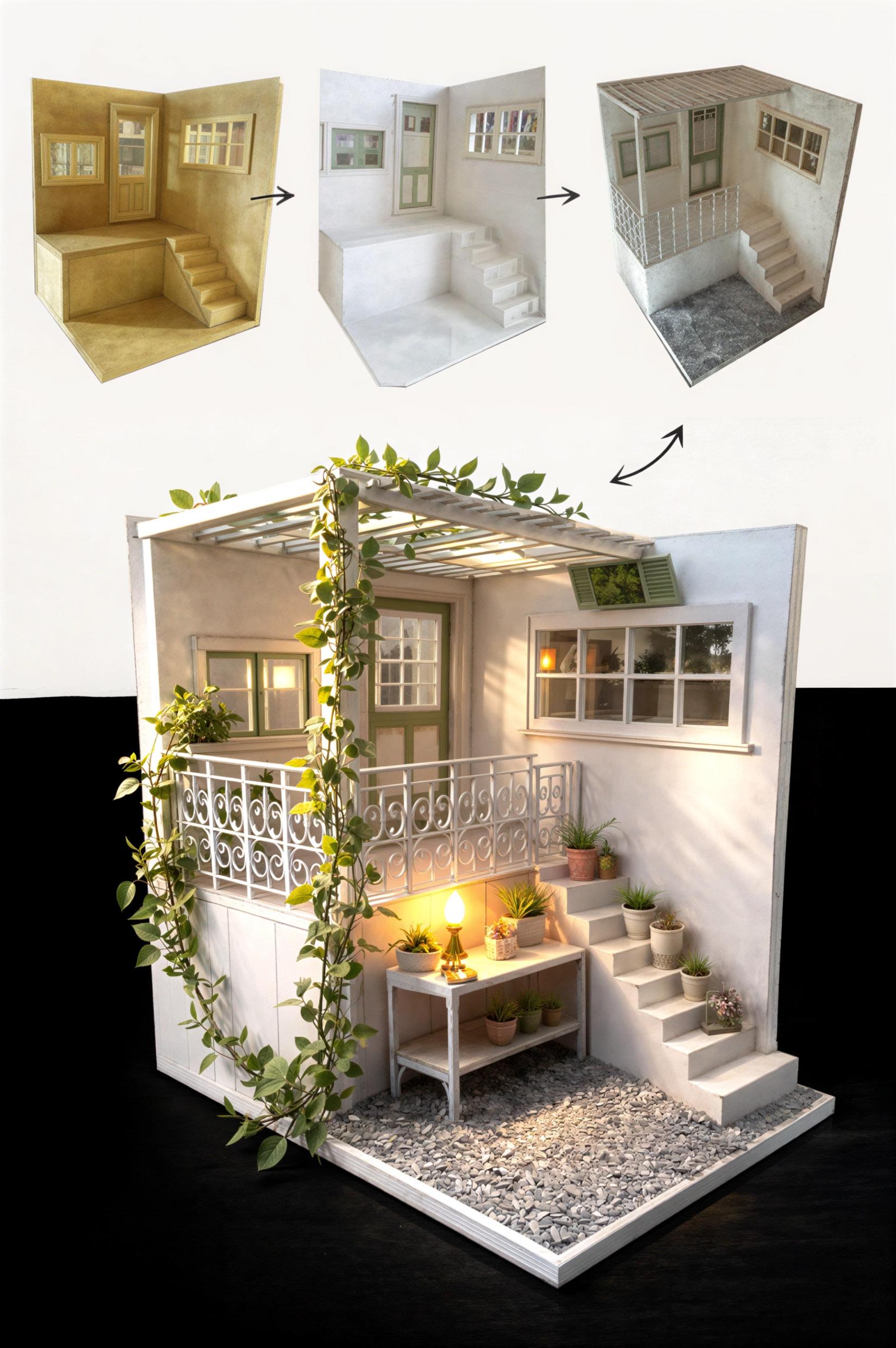
[ 26 pg ]----------------------------------Front Porch
[ 27 - 29 pg ]-----------Misecellenous Wooden Model
MultiSpeciality Hospital Orthopedic Clinic
Astronaut Training Center Space Analog Habitat
Oxford Brookes University Role Focus: Exhibition De-Installation | Site Coordination
This experience combined creative detailing with hands-on It strengthened my practical understanding of constructability, working within a live exhibition environment reinforced adaptability, and efficient deconstruction effectively bridging
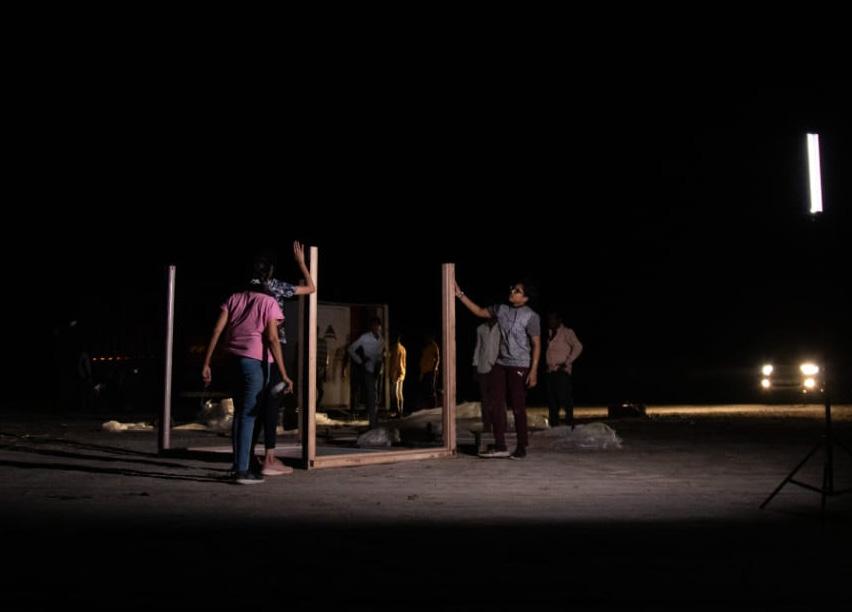
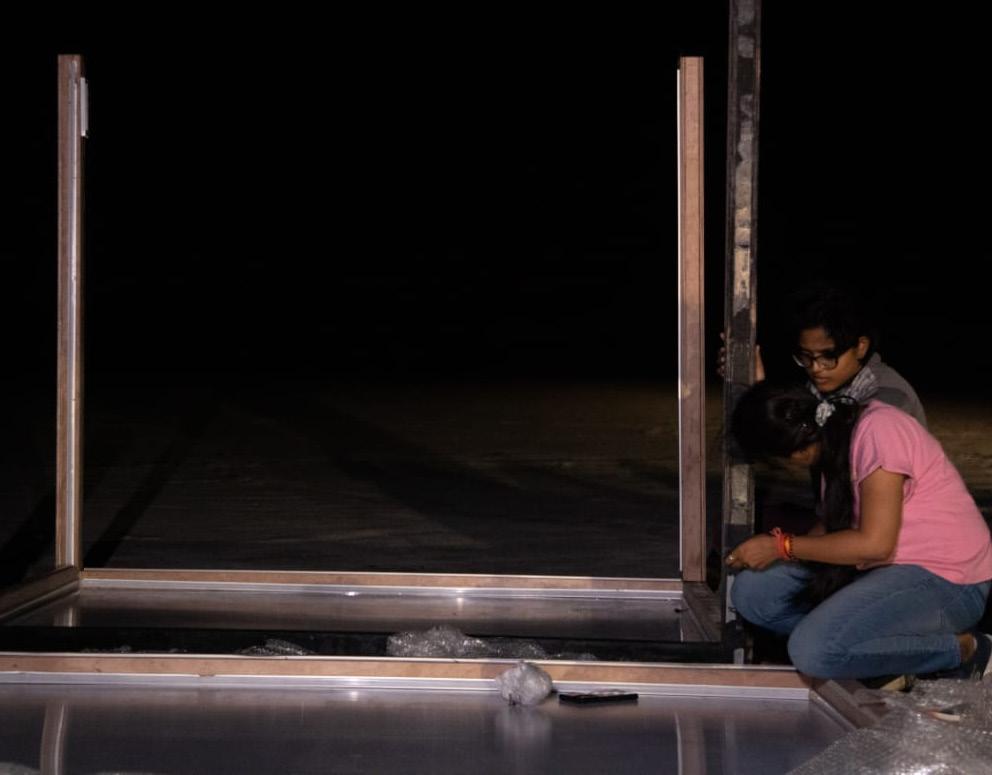
As a Technical Ambassador, I supported the dismantling and re-organisation of the End of Year Show exhibition space. My responsibilities included furniture handling, spatial reconfiguration, and hands-on carpentry tasks such as drilling, fixing, and structural adjustments to prepare the venue for its next use.
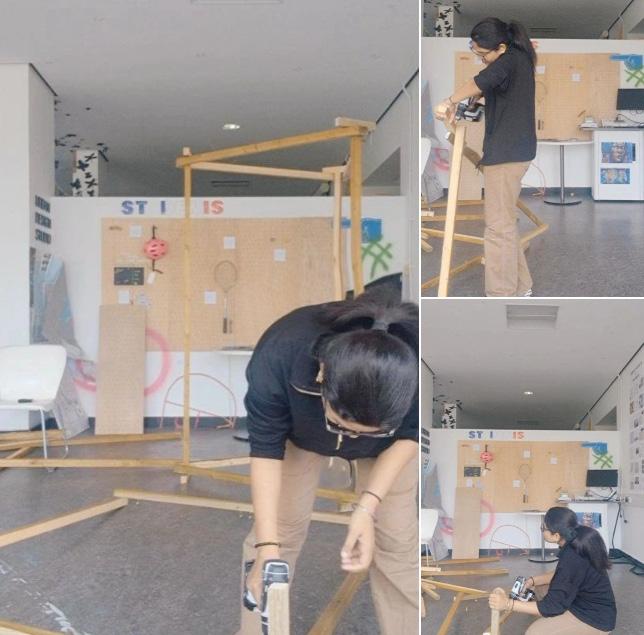
University – End of Year Show
Coordination | Practical Fabrication | Hand Crafting | Design
hands-on finishing to achieve a clean, professional outcome. constructability, sequencing, and material lifecycle, while reinforced the importance of designing for assembly, bridging technical execution with architectural thinking.
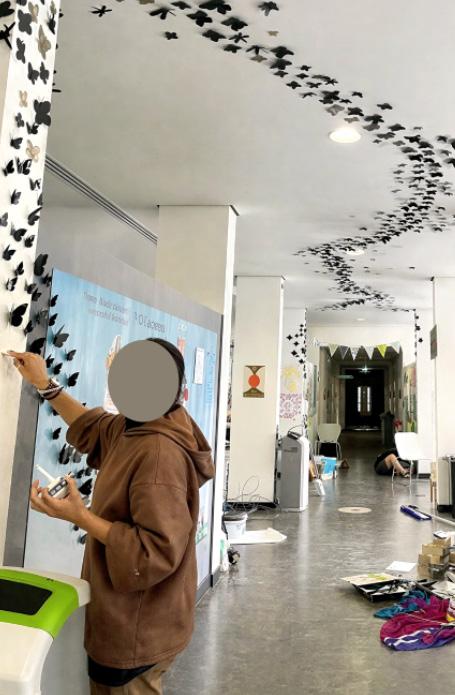
I contributed to the design and execution of the exhibition wall installation at Oxford Brookes University’s End of Year Show.I hand-crafted the butterfly elements and carefully arranged them to create movement and visual cohesion across the display. I also supported the initial sketch development that guided the overall composition. My role included wall preparation, surface patchwork, and minor plastering to refine the base before installation.
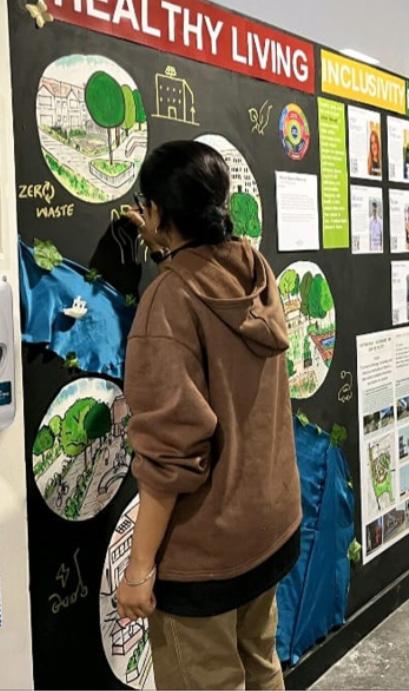
For More Detailed Project <iframe src=”https://www.linkedin.com/embed/feed/update/urn:li:ugcPost:7348778373478764544” height=”1612” width=”504” frameborder=”0” allowfullscreen=”” title=”Embedded post”></iframe>
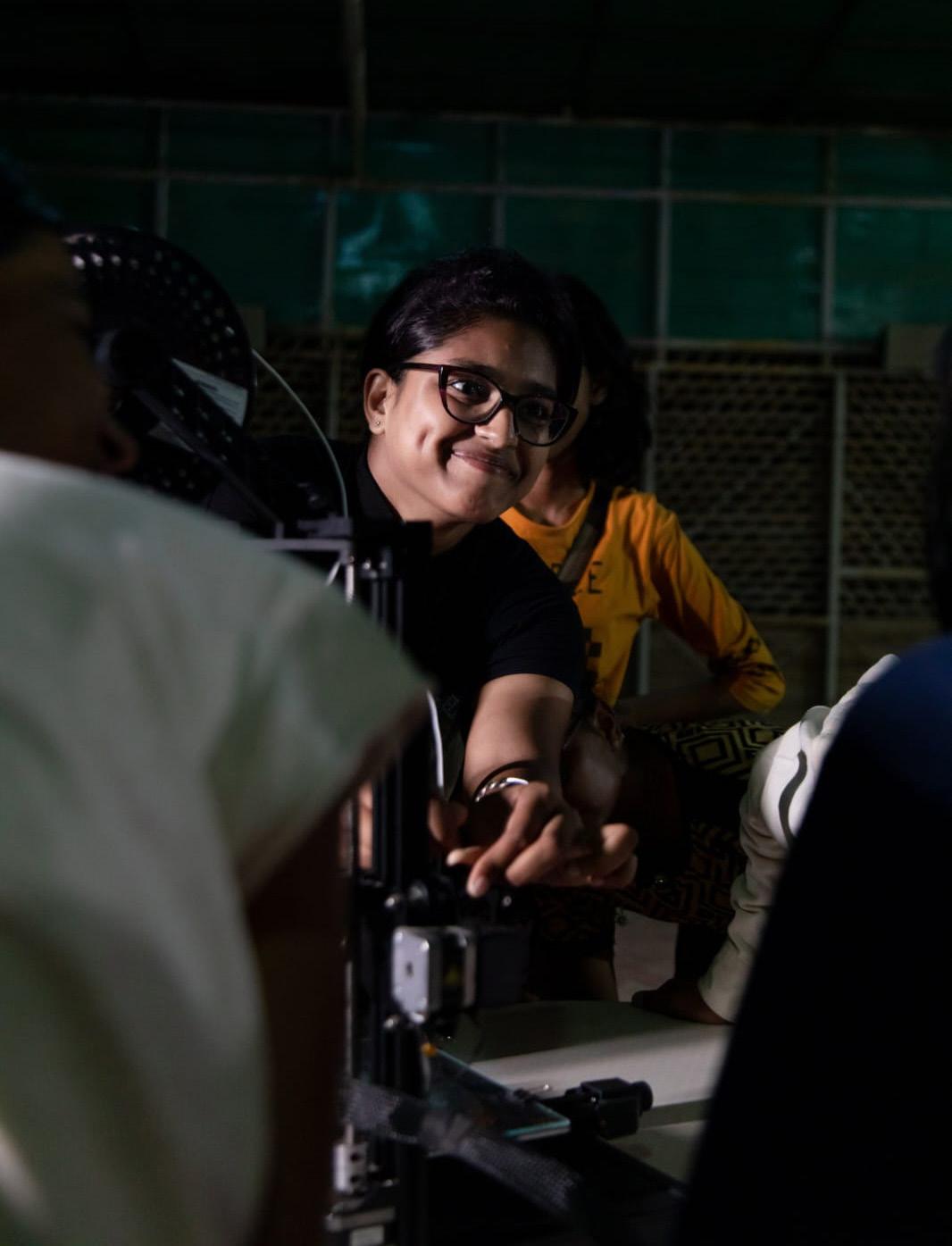
Managed 3D printer setup, calibration, and print optimization while training students in the complete digital-to- fabrication workflow.
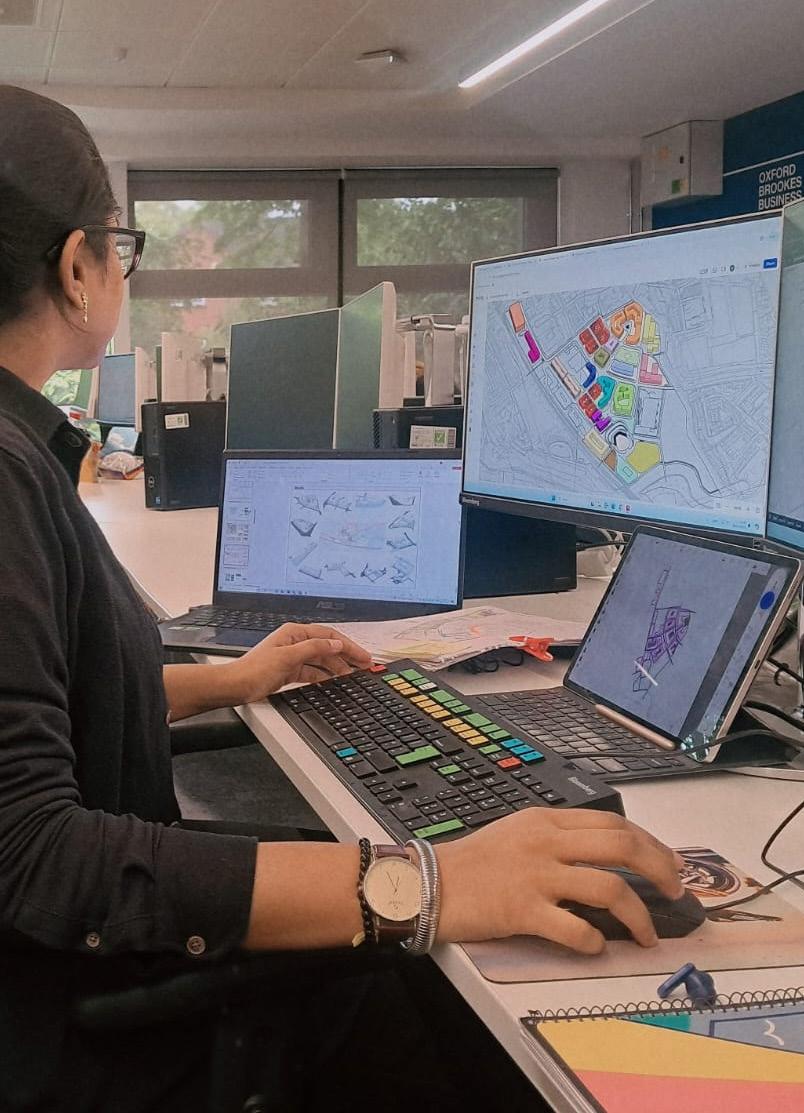
My work spans both 2D and 3D digital development, utilizing AutoCAD, SketchUp, Rhino 3D, and Lumion to produce accurate drawings, massing studies, and spatial visualizations. These digital foundations directly inform fabrication workflows, integrating laser cutting and 3D printing for precision-driven model production.
From material fabrication and finishing to Photoshop based graphic refinement, I ensure clarity, accuracy, and exhibitionquality presentation across every project stage.
Physical Model
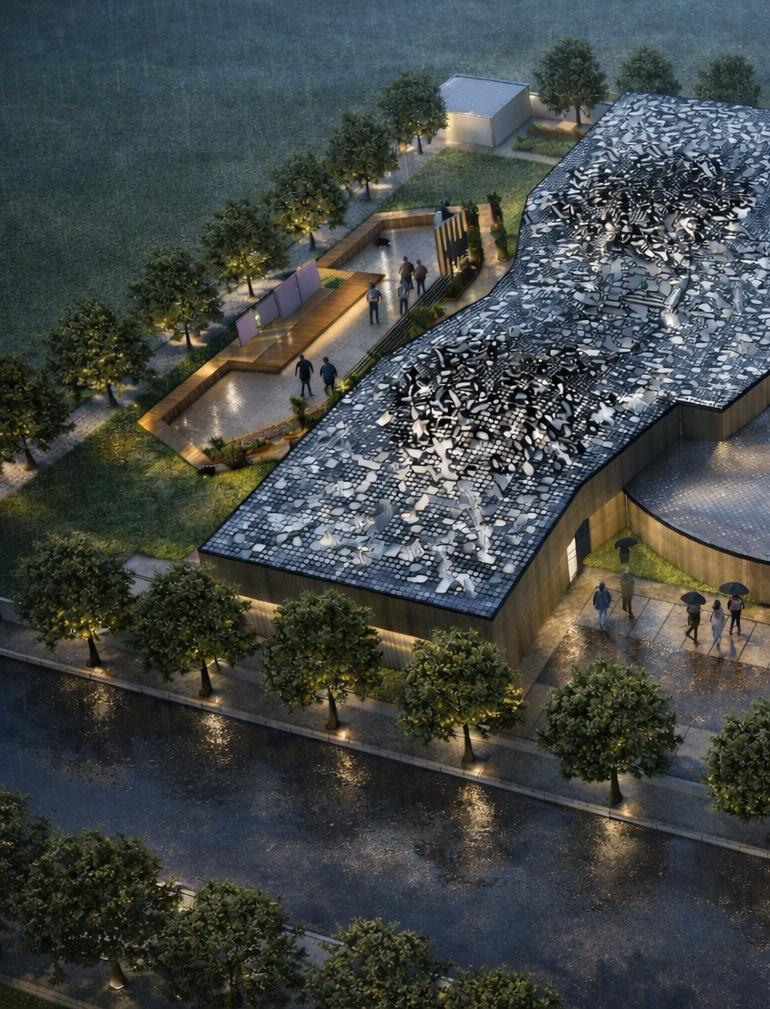
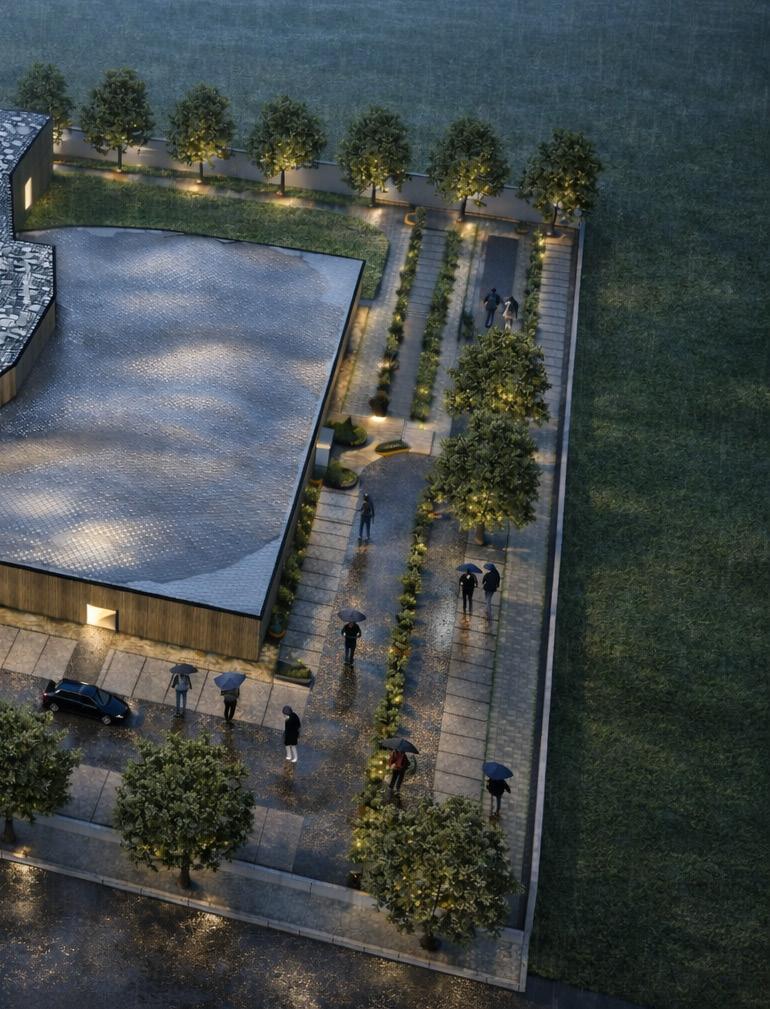
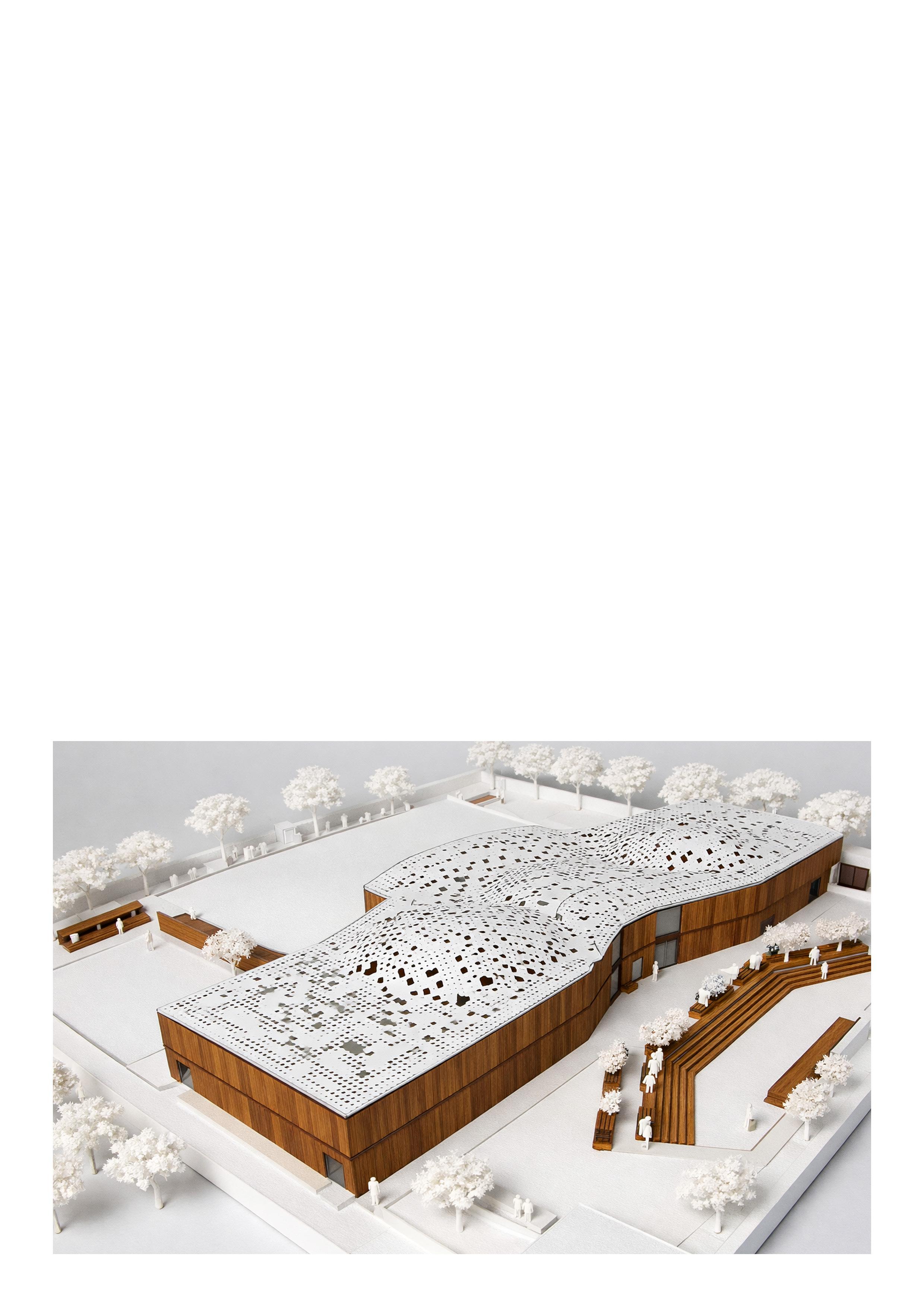
MEMORIAL MUSEUM
Project Type: Conceptual Handmade Model Focus: Form Exploration | Light & Shadow | Material Expression
Design Approach
• Sculpted perforated roof to filter natural light
• Organic massing integrated with stepped public plaza
• Emphasis on movement, flow, and human interaction
Materials Used
• Foam board / Mount board – Primary roof and wall massing
• Ivory sheet / Card sheet – Perforated roof detailing
• Wooden veneer – Vertical façade cladding and stepped seating
• MDF / Plywood base – Site platform
• Handcrafted miniature trees & figures – Scale and spatial reference
Material Expression
• Timber-clad vertical volumes
• Monochromatic base to highlight form clarity
• Handcrafted detailing to express texture and depth
Spatial Intent
The stepped seating and open forecourt encourage gathering, circulation, and visual connectivity, reinforcing the building’s civic and public character.
Perforated Organic Roof: Rapid Prototyping Workflow
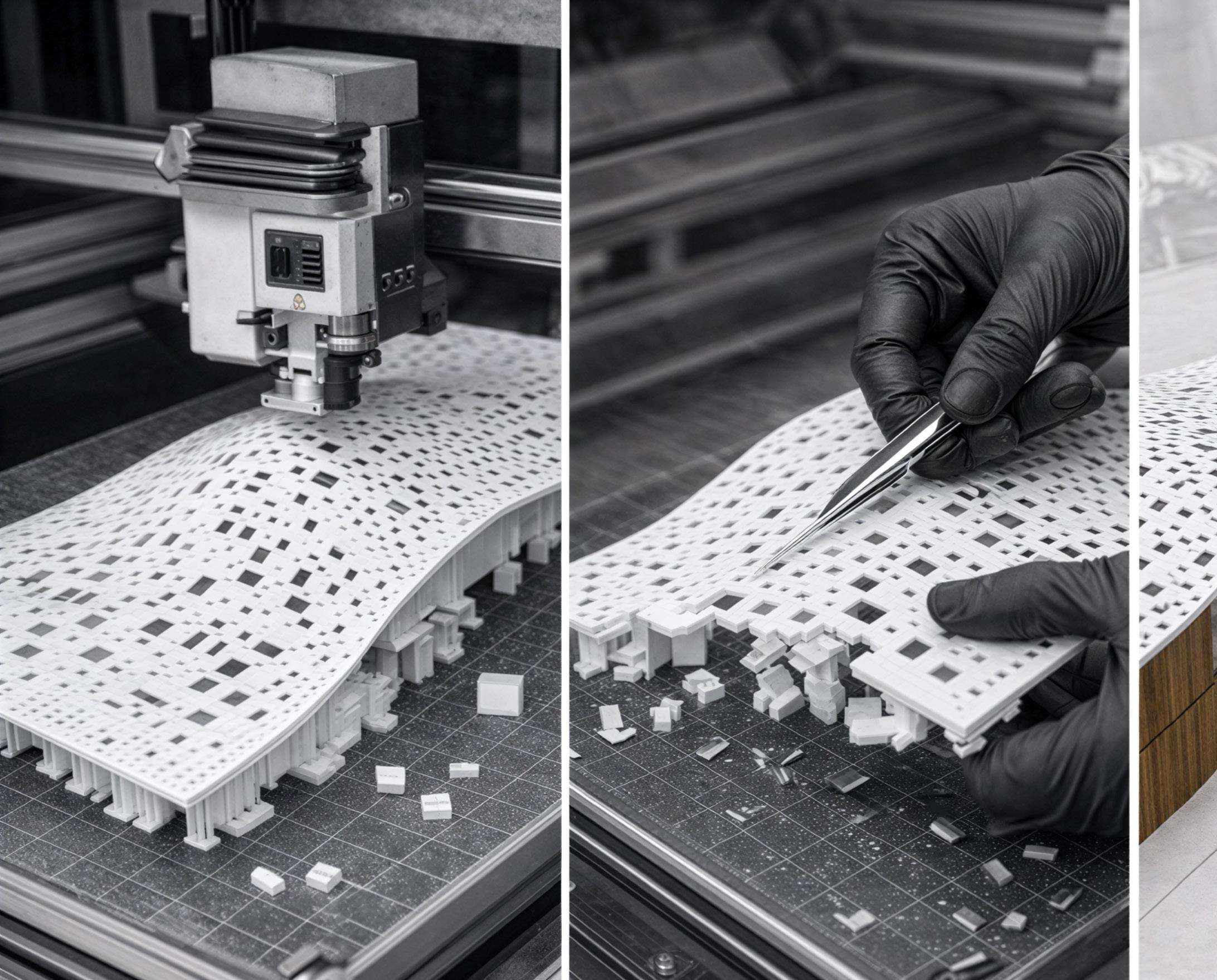
Perforated Organic Roof
Computational Fabrication Study
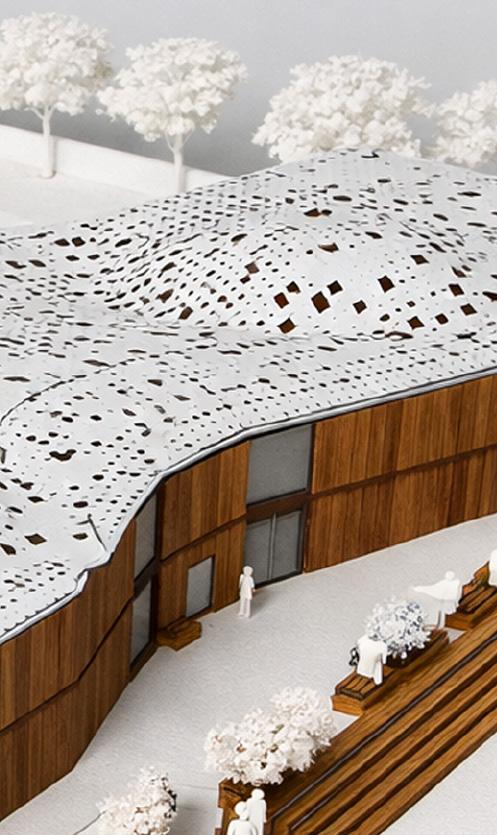
Digital Precision ---Physical Craft
Parametric Generation
Gradient perforation developed in Rhino + Grasshopper using attractor logic, structural zoning, and controlled shell offset to achieve a lightweight yet structurally coherent surface.
Fabrication Calibration
Optimised 1.0mm watertight mesh prepared for high-resolution additive manufacturing.
Additive Production
FDM printed in white PLA
0.15mm layers | 20% infill | ~8-hour controlled build
Material Resolution
Sanded, bonded, and hand-finished to integrate seamlessly within the hybrid architectural model.
Physical Model
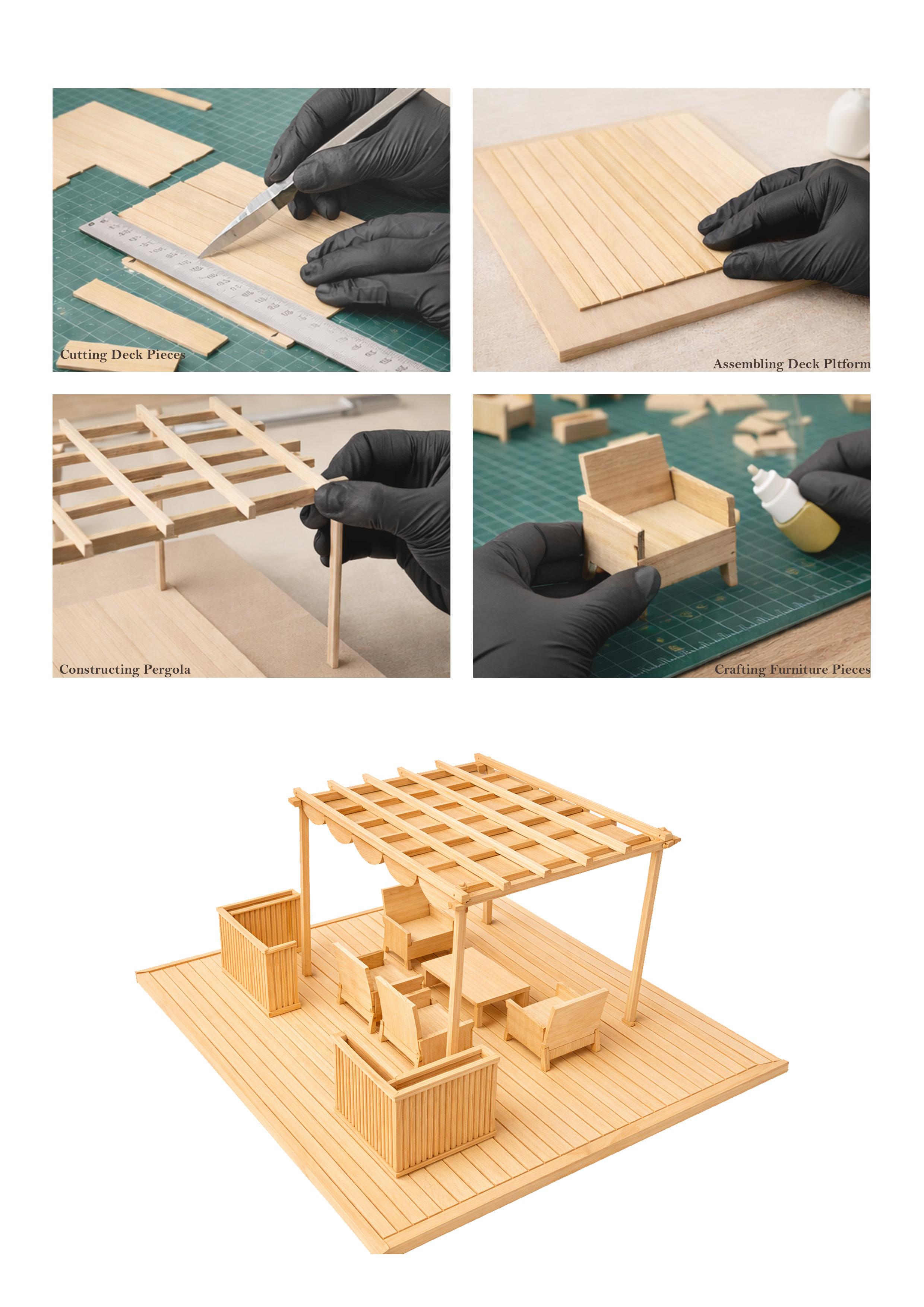
TIMBER PERGOLA DECK PAVILION
Project Type: Conceptual Outdoor Pavilion Handmade Model Focus: Spatial Hierarchy | Timber Construction | Open-Air Living
Concept
This project explores outdoor living through a lightweight timber pergola structure placed on a raised deck platform. The composition creates a semi-open gathering space that balances enclosure and openness, encouraging interaction while maintaining visual permeability.
Design Approach
• Clear structural grid defining pergola rhythm
• Raised deck platform establishing spatial boundary
• Minimal enclosure elements framing seating zones
• Human-scale furniture arrangement for spatial proportion
Materials Used
• Balsa wood strips – Pergola beams and rafters
• Thin wooden sheets – Deck flooring planks
• Square wooden dowels – Structural columns
• Hand-cut plywood pieces – Furniture elements
• Vertical stick detailing – Screen partitions
• MDF / Wooden base board – Platform foundation
Material Expression
The consistent use of natural timber tone enhances cohesion and emphasizes craftsmanship. The exposed beam structure expresses construction logic clearly, while the linear deck pattern strengthens directionality and spatial flow. The uniform material palette highlights form, proportion, and joinery without visual distraction.
Spatial Intent
The pergola acts as a shaded focal element within the open deck, creating a defined yet breathable social zone. The partial screens provide subtle enclosure while maintaining openness, allowing the pavilion to function as a flexible outdoor extension of living space.
Physical Model
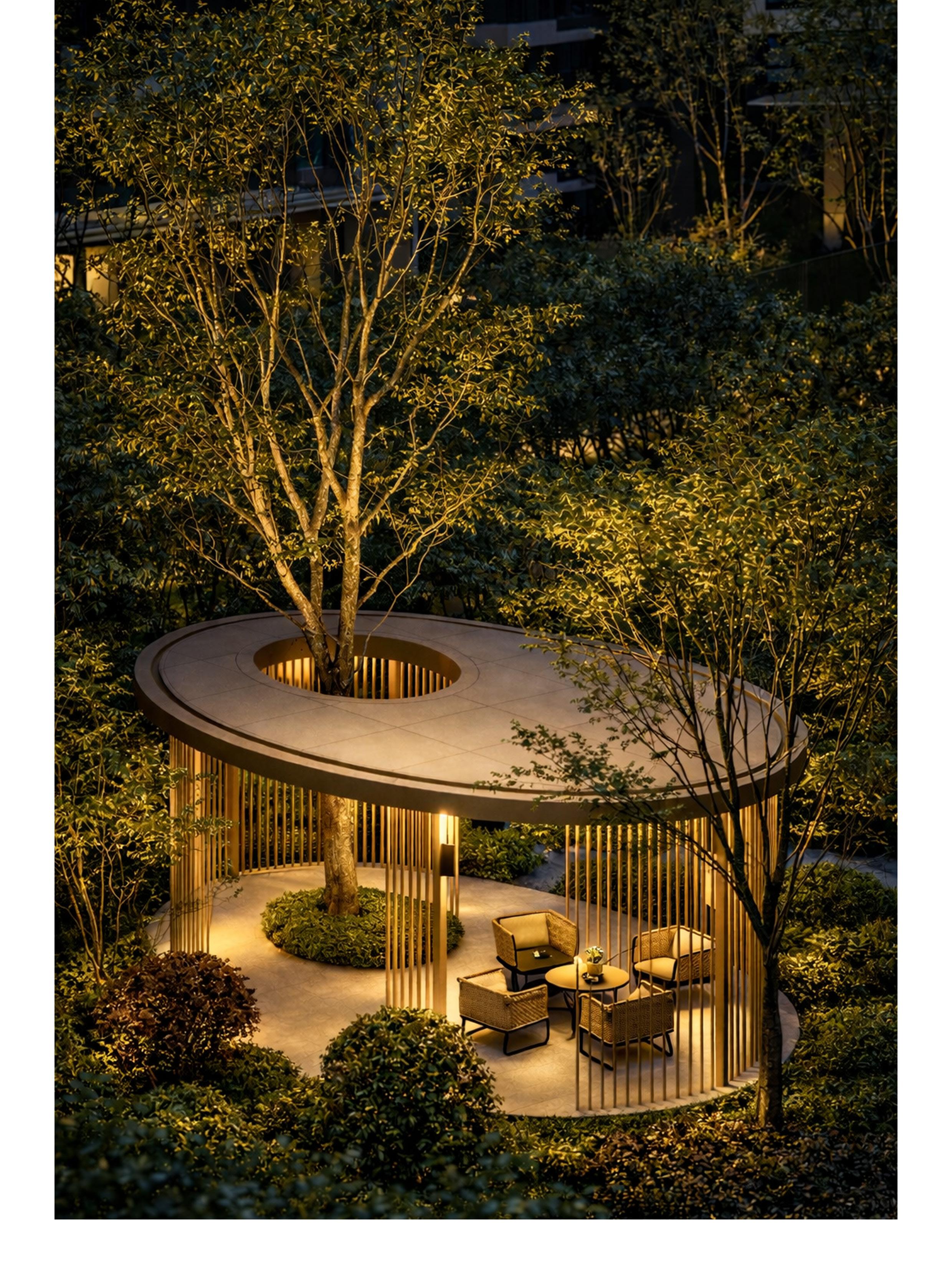
TREE-CENTRED PAVILION
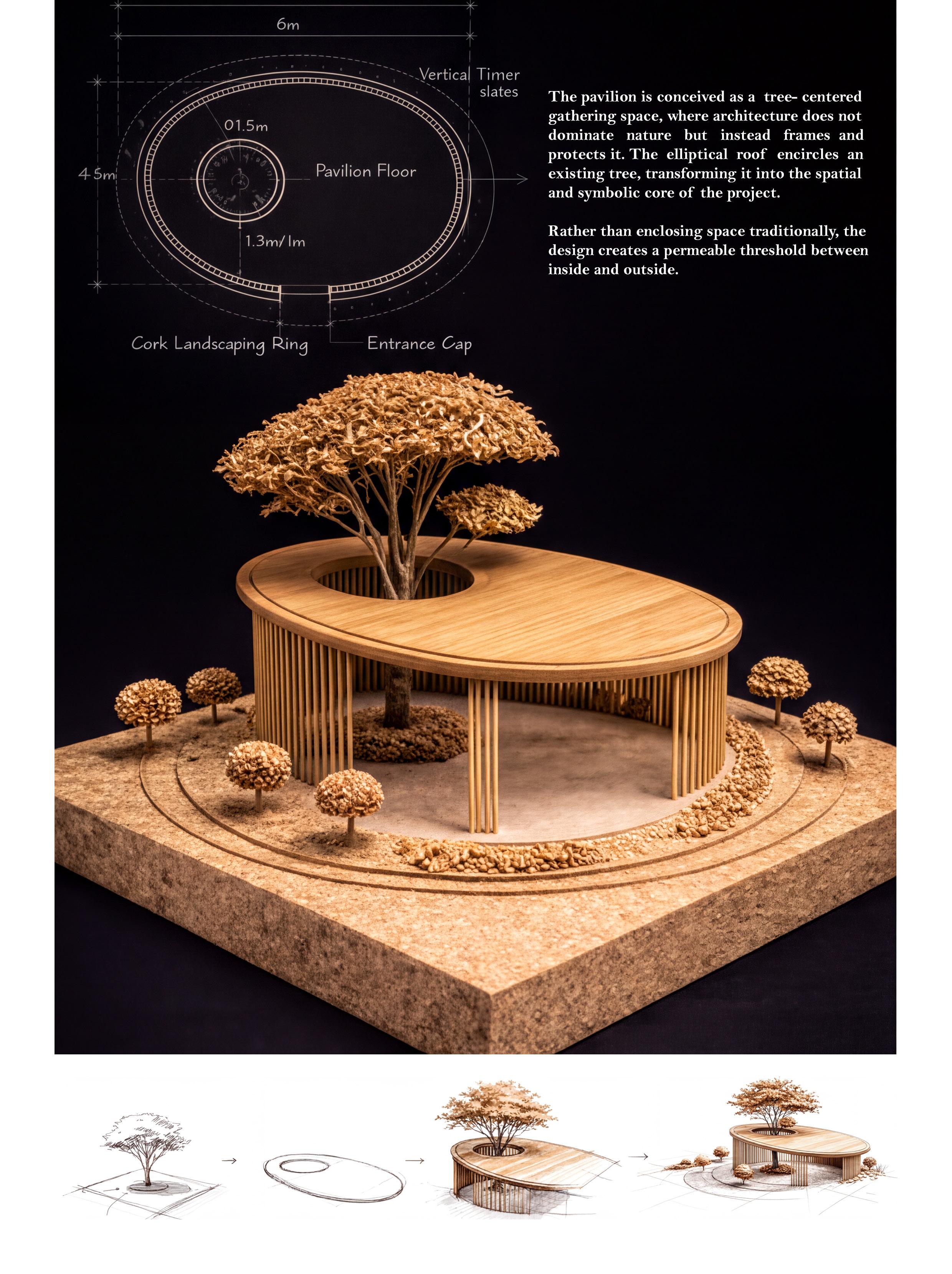
Project Type: Conceptual Landscape Pavilion Handmade Model Focus: Biophilic Design | Circular Gathering | Material Warmth
Concept
This pavilion explores a nature-integrated gathering space formed around an existing tree. The elliptical roof frames the tree as the spatial core, creating a sheltered yet open environment that encourages pause, reflection, and community interaction.
Design Approach
• Elliptical plan promoting fluid circulation
• Central roof void preserving natural growth
• Vertical timber slats allowing light and ventilation
• Defined entrance cut within a continuous ring form
Materials Used
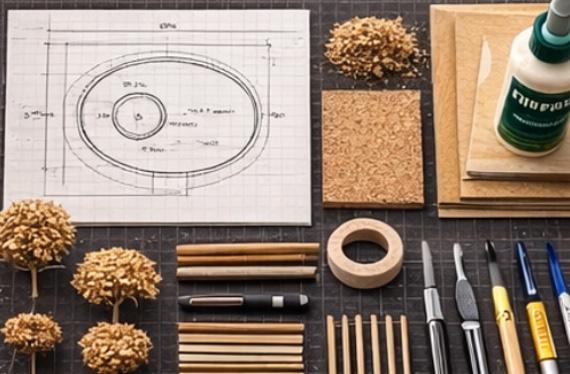
• Timber sheet – Roof platform
• Wooden dowels / sticks – Vertical slats
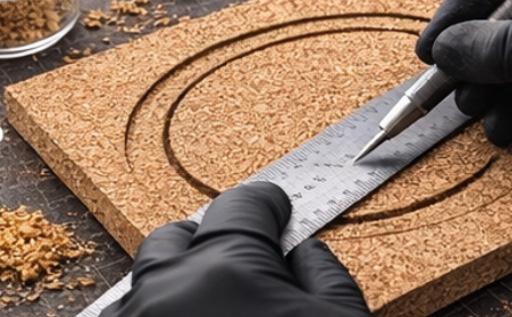
• Cork / textured board – Landscape base
• Gravel detailing – Peripheral landscape ring
• Handcrafted miniature trees – Context and scale reference
Material Expression
The warm timber tones emphasize softness and craftsmanship, while the textured cork base grounds the pavilion within its landscape setting. The contrast between smooth roof surface and rhythmic vertical slats enhances depth and spatial lightness.
Spatial Intent
The pavilion acts as a shaded communal node within the lanscape, balancing enclosure and openness while maintaining a strong connection to nature.
Physical Model
CONTOUR-INTEGRATED HILLSIDE RESORT
Project Type: Conceptual Hillside Resort Handmade Model
Focus: Topographic Adaptation | Layered Hospitality Spaces | Landscape Immersion
Concept
This resort is designed on a naturally contoured site, where the terrain becomes the primary organizing element of the architecture.Instead of flattening the land, the built form steps along the slope, allowing the development to integrate seamlessly with the existing topography. The project explores hospitality spaces that are embedded within the hillside, offering layered views, privacy, and immersive landscape experiences.
Design Approach
• Stepped massing aligned with natural contour levels
• Split-level planning minimizing site disturbance
• Expansive terraces functioning as outdoor leisure decks
• Glazed façades maximizing panoramic hillside views
• Integrated landscape pockets softening built edges
• Gradual circulation flow following the natural slope
Materials Used
• Timber sheets / Balsa wood – Primary resort massing
• Clear acrylic sheets – Glazing and façade articulation
• Layered cardboard / contour board – Topographic terrain modelling
• Wooden strips – Decking, pergolas, and shading elements
• Miniature plants and bamboo – Landscape context representation
Material Expression
The layered contour base clearly expresses the hillside condition, visually reinforcing the relationship between terrain and structure. The warm timber tones create a natural hospitality aesthetic, while transparent glazing reduces visual heaviness and enhances openness toward the landscape. The contrast between fluid land contours and rectilinear built volumes establishes balance between organic terrain and architectural order.
Spatial Intent
The resort unfolds across the hillside as a sequence of terraced platforms, creating varied experiential ones — arrival decks, semi-private lounges, and elevated viewing terraces.Each level maintains direct engagement with the landscape, ensuring guests experience continuity between architecture and nature.

Physical Model
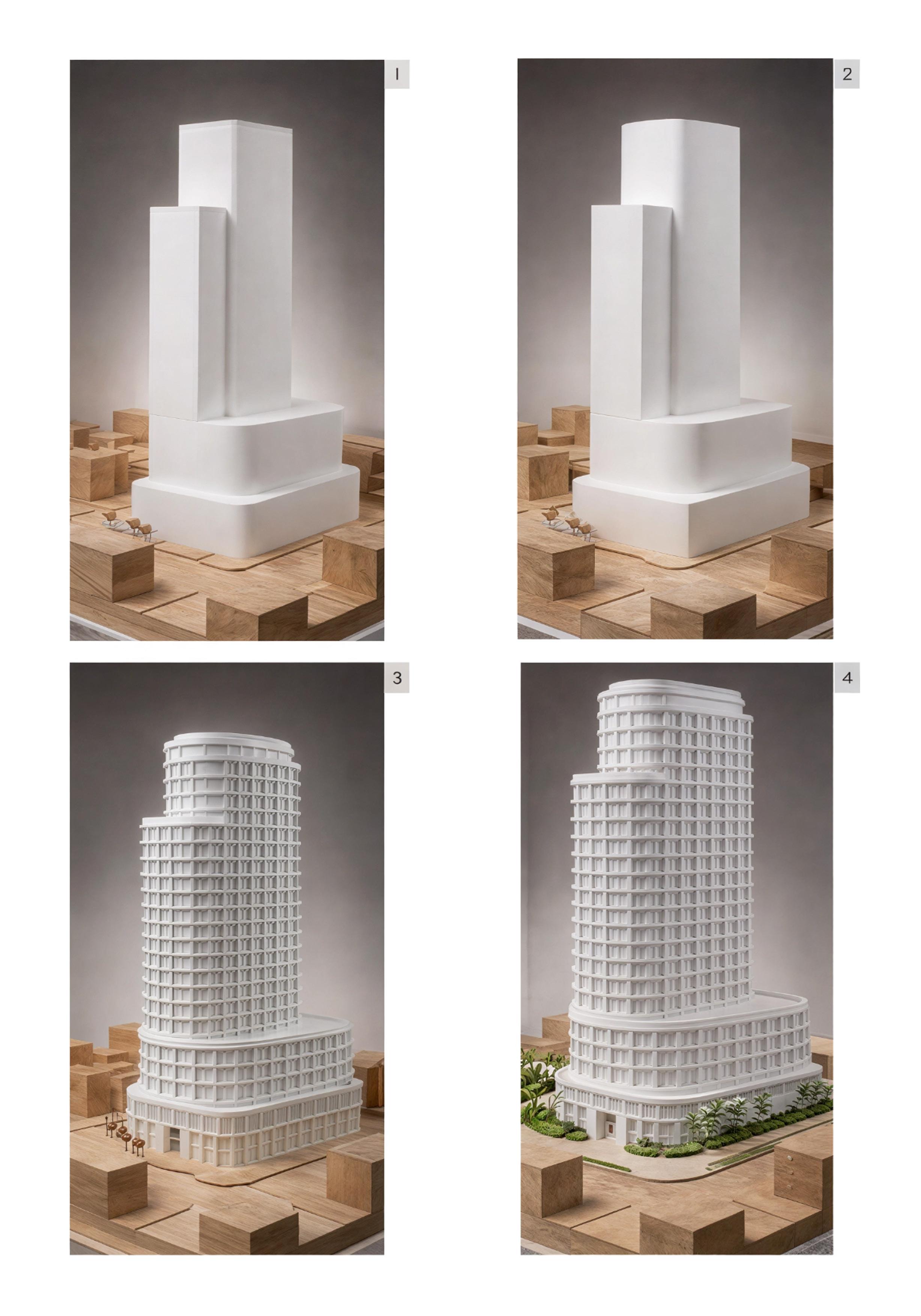
VERTICAL URBAN BLOCK
Project Type: Conceptual High-Rise Handmade Model
Focus: Urban Density | Vertical Articulation | Material Craftsmanship
Duration: 2 Days 3 hours
Concept
This project explores vertical urban living through a layered high-rise composition. The tower emerges from a defined podium, establishing hierarchy, proportion, and a strong street interface within a dense urban context.
Design Approach
• Structured façade grid creating vertical rhythm
• Stepped massing to reduce perceived bulk
• Curved edges introduced to soften the high-rise profile
• Active podium reinforcing pedestrian engagement
Fabrication Process
The model was handcrafted using foam board as the primary massing material. The tower and podium were carefully cut, assembled, and manually curved to achieve smooth rounded edges and refined proportions. Surface sanding was carried out to eliminate sharp joints and enhance form continuity. Each façade detail — including window grids, horizontal bands, and podium articulation — was individually marked, refined, and hand-painted to create depth and realism. This process reflects a craft-driven approach, translating conceptual massing into a tactile architectural form through precision, patience, and material control.
Materials Used
• Foam board – Primary structure and massing
• Hand-cut detailing – Façade articulation
• MDF / Wooden base – Urban context blocks
• Miniature landscape elements – Scale reference
Material Expression
The white painted surface emphasizes clarity of form and architectural order, while the natural wooden context blocks provide contrast and urban grounding. The smooth curved finish enhances the tower’s visual softness, balancing rigidity with refinement.
Physical Model
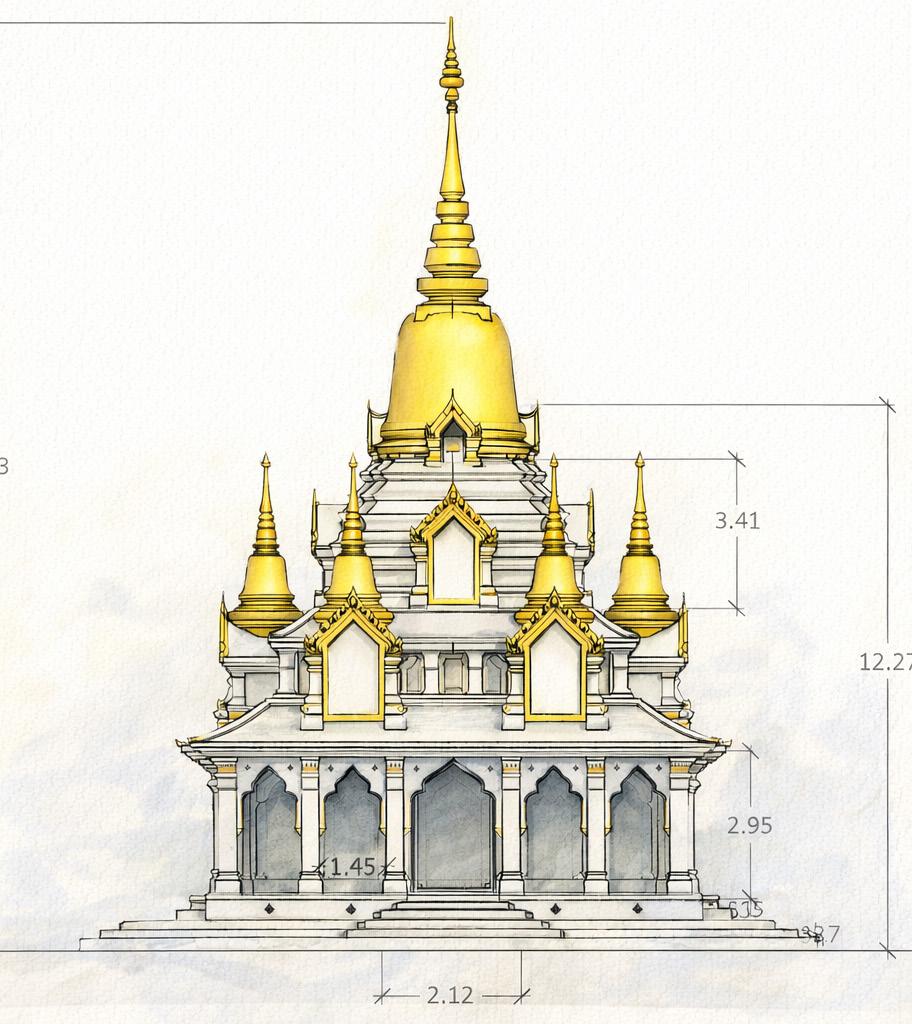
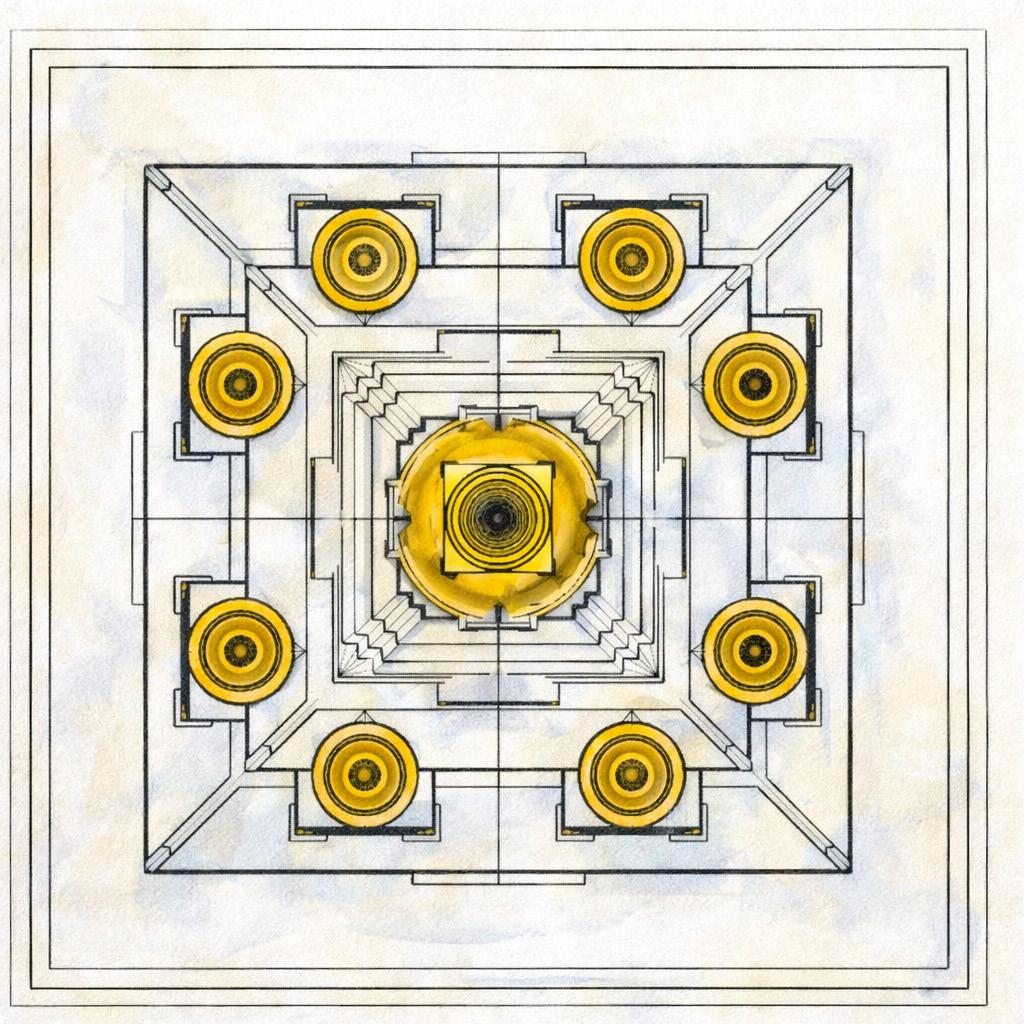
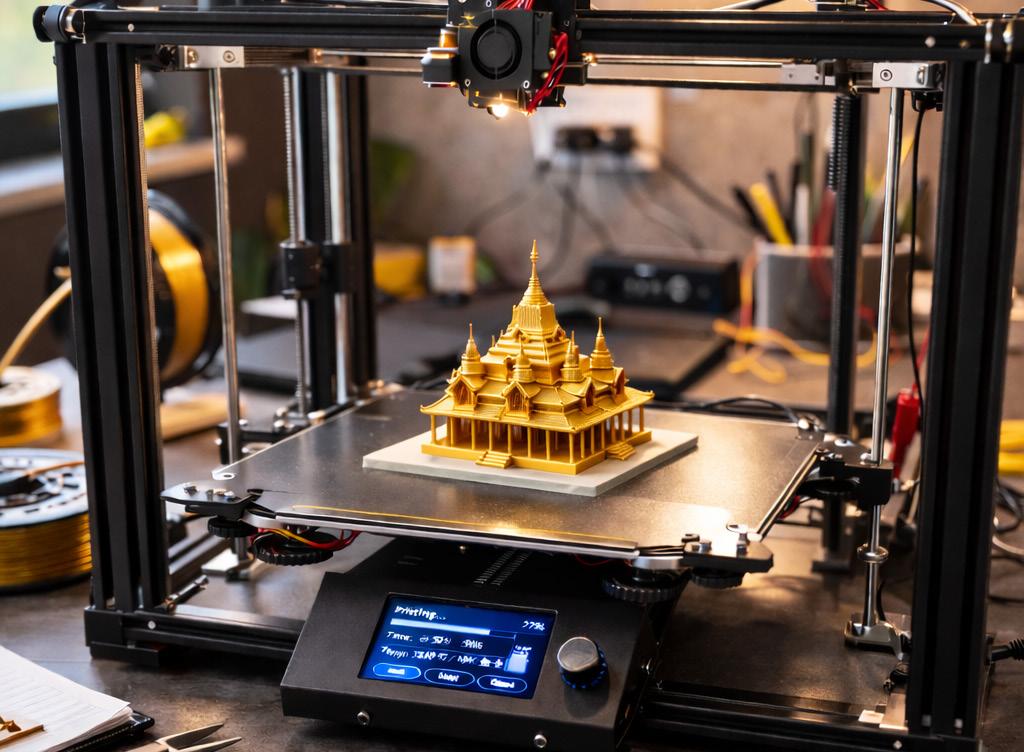
DIGITAL TEMPLE PROTOTYPE
Project Type: 3D Printed Architectural Model
Focus: Digital Precision | Geometric Hierarchy | Fabrication Accuracy
Duration: 8 Hours Printing + Finishing
Concept
This project explores the translation of intricate temple architecture into a precisely scaled physical model.The composition emphasizes symmetry, layered roof progression, and ornamental detailing expressed through digital modelling and additive manufacturing.
Materials
• PLA Filament – Primary printed structure
• FDM 3D Printer – Additive fabrication process
• Base plate – Structural and presentation support
• Finishing tools – Surface refinement
Composite House [4BHK ]

Residential House [2BHK ]

Residential House [3BHK ]
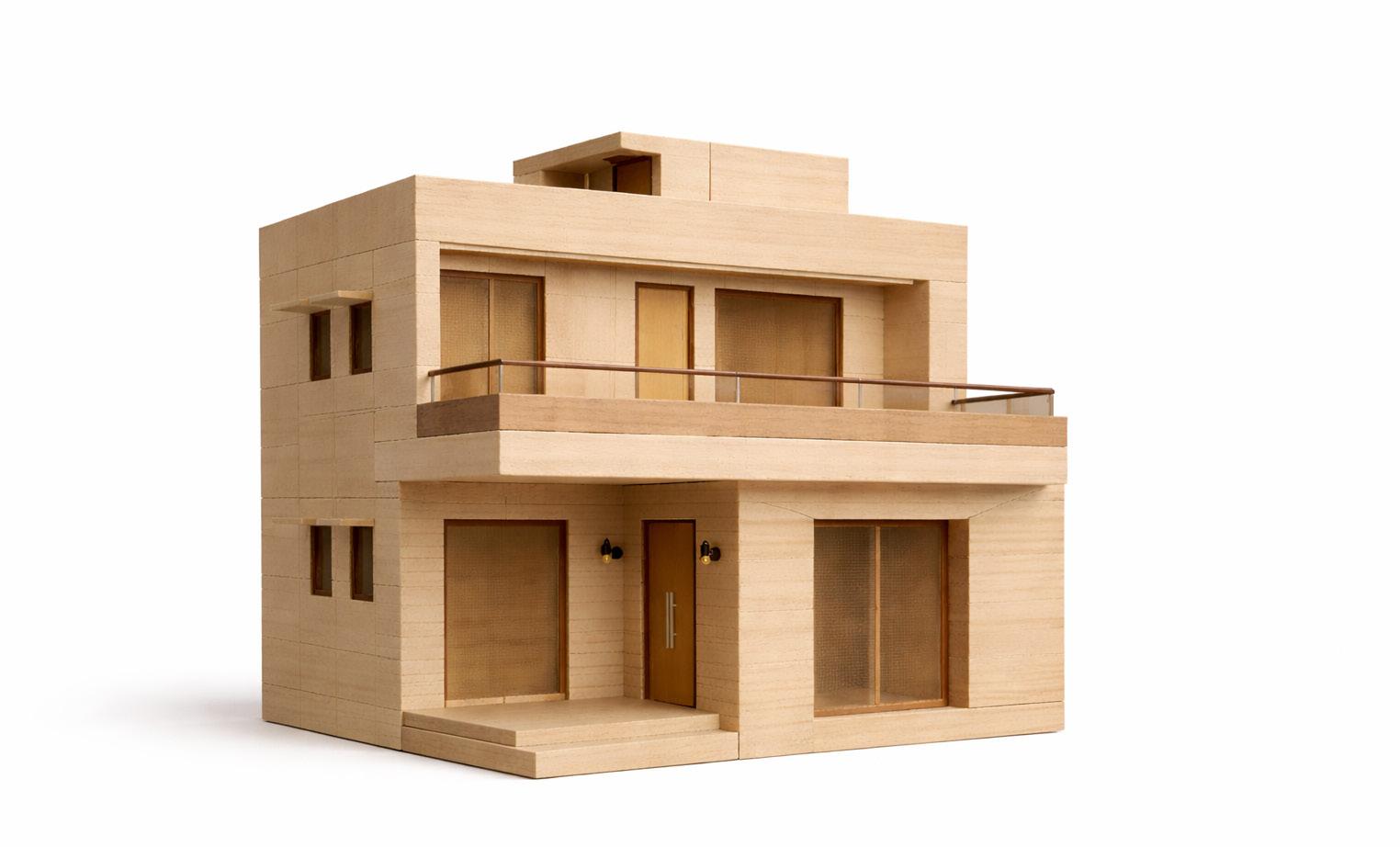
Sustainable Urban Apartment