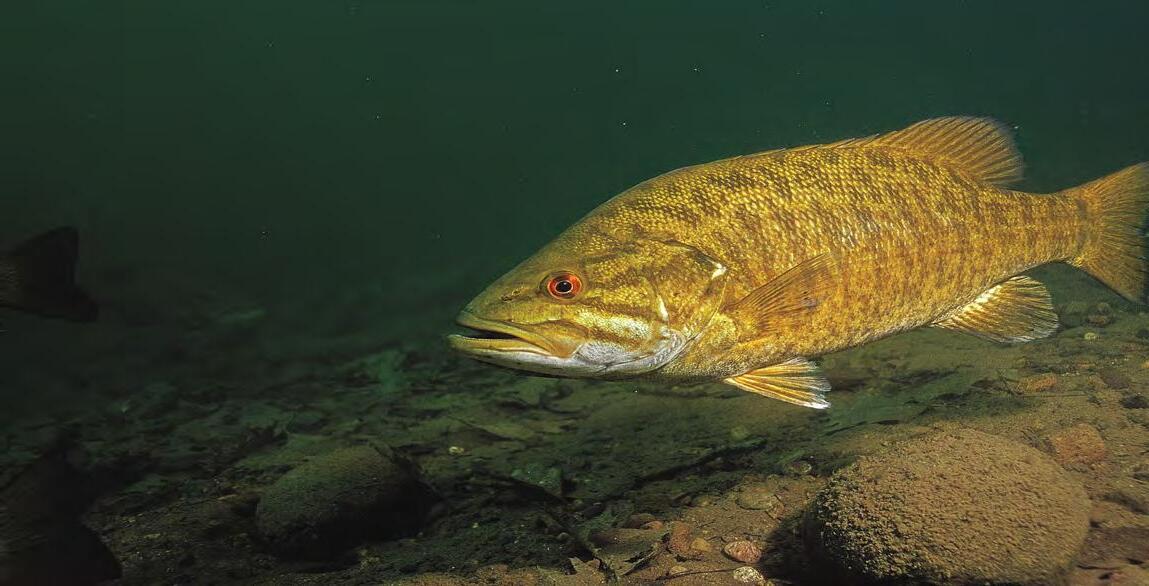
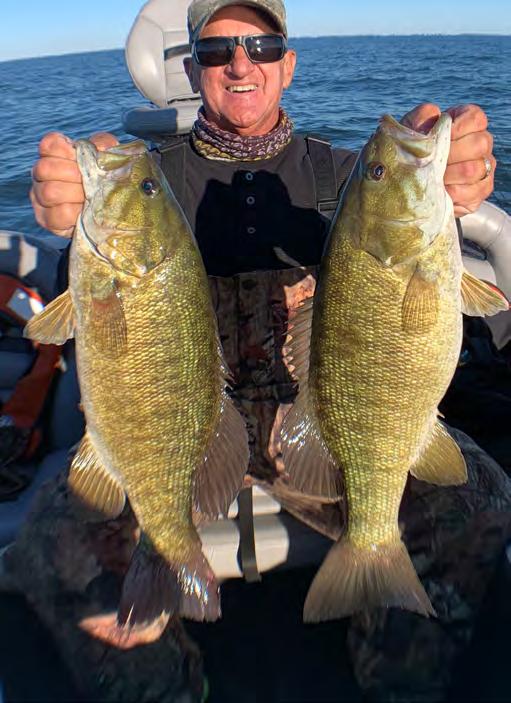
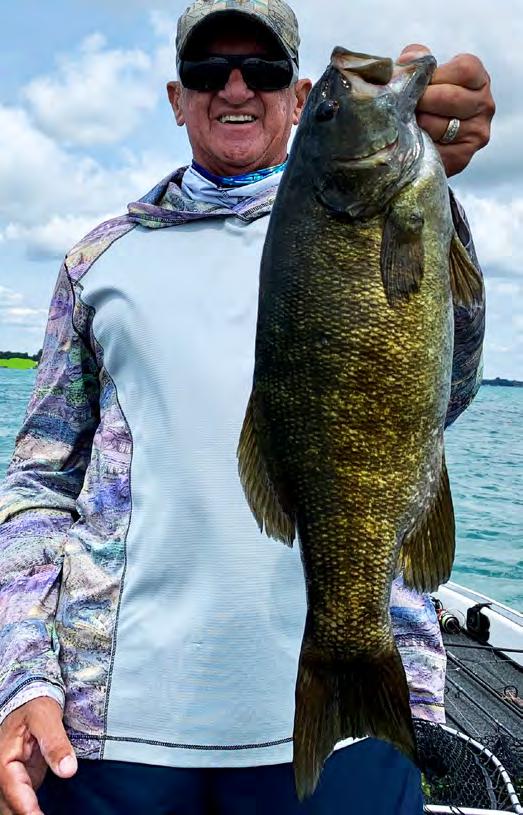
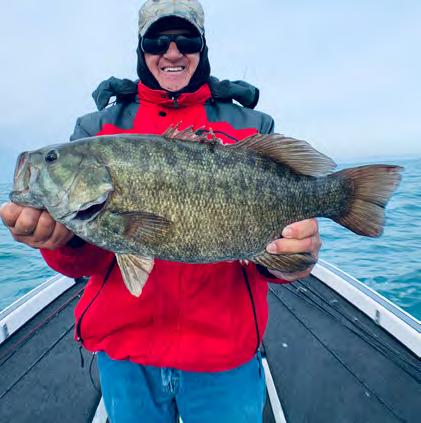
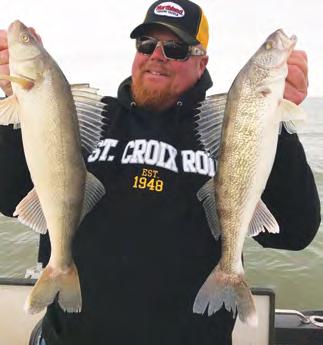
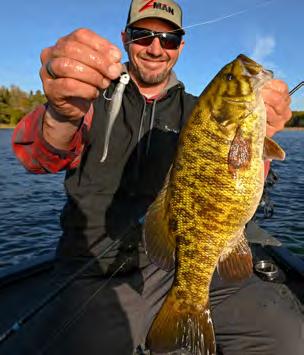
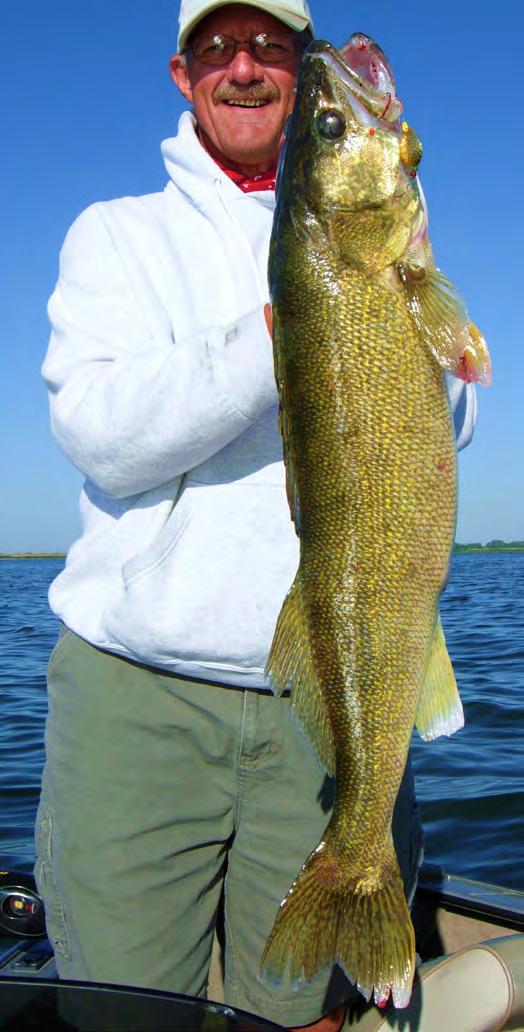
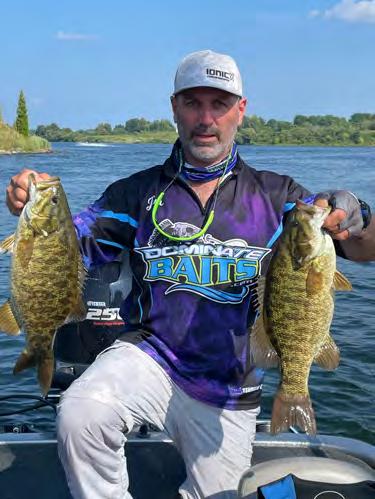
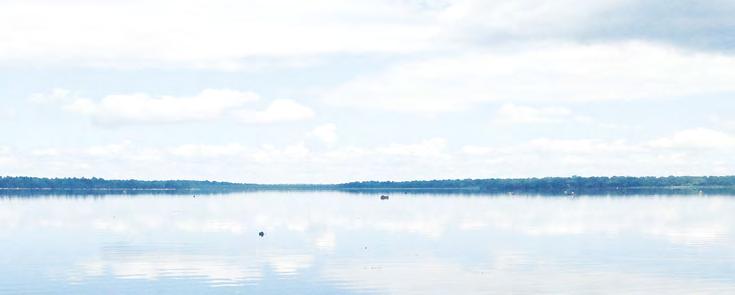
flats, and incredible population of bronzebacked fighters, this lake can produce both numbers and trophy fish – if you approach it the right way.
Understanding Summer Smallmouth Behavior is Key
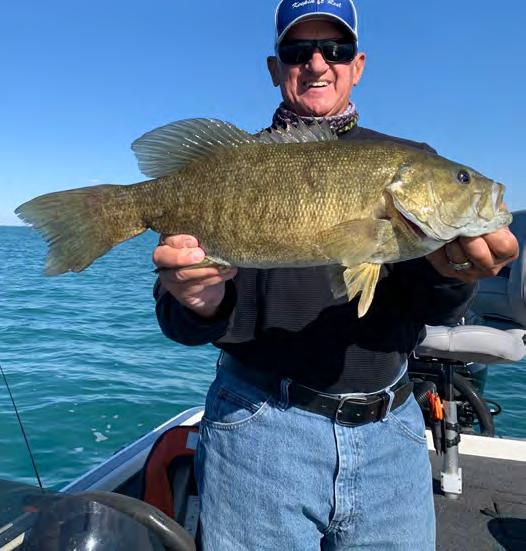
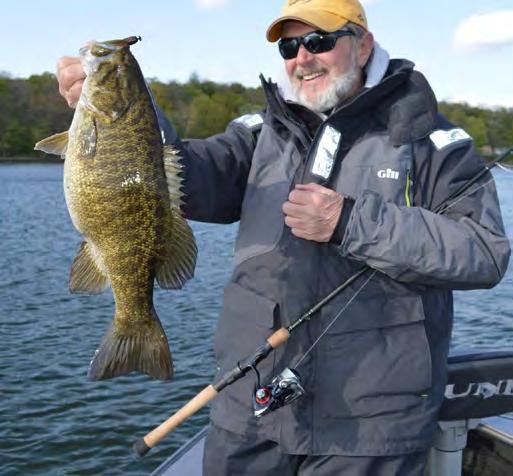
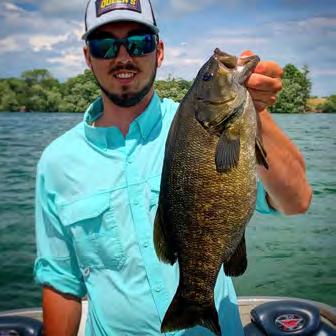
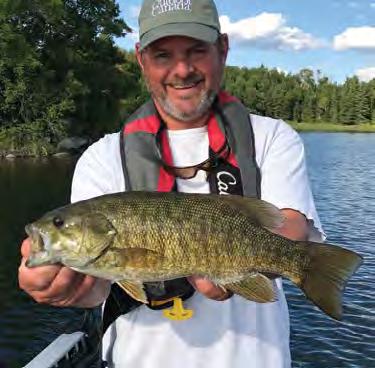
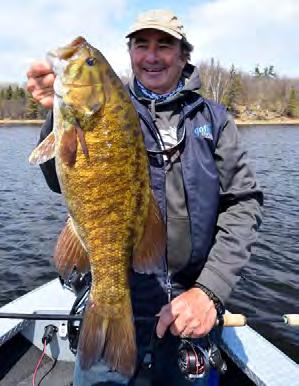
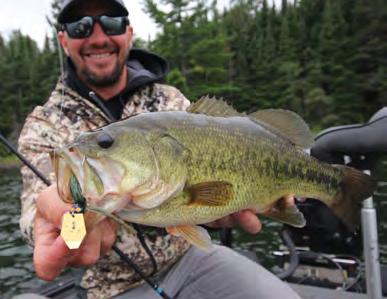
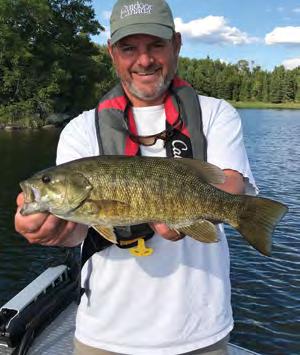
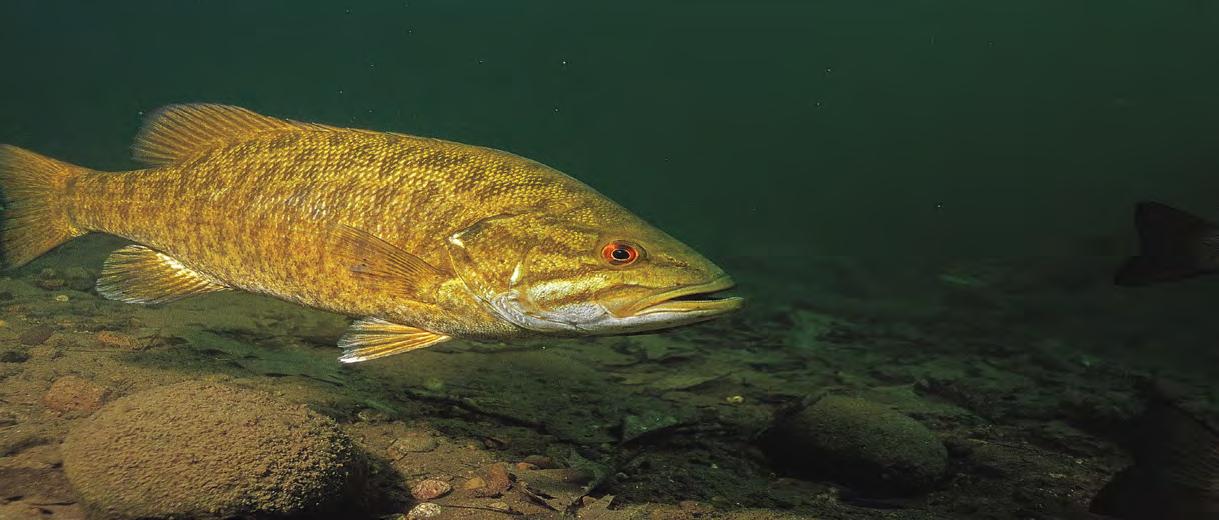
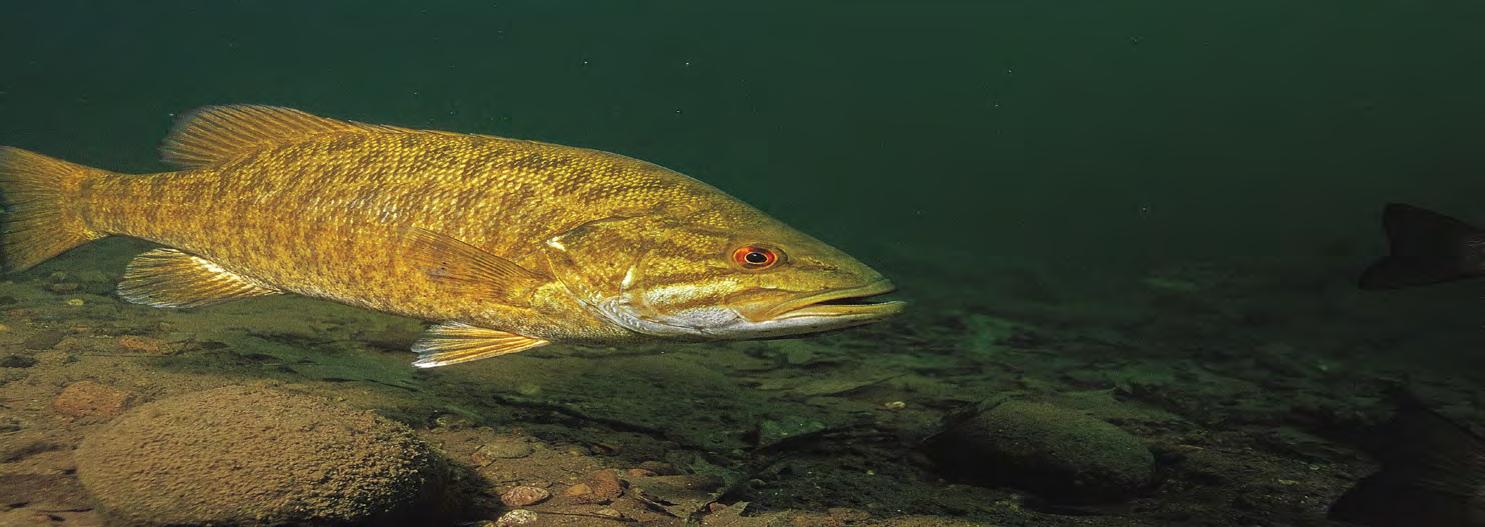
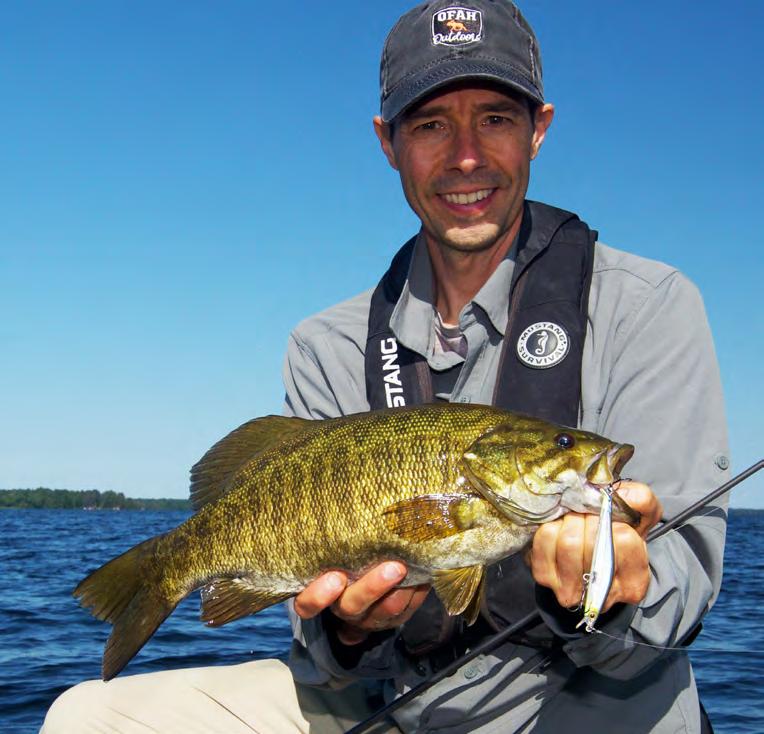
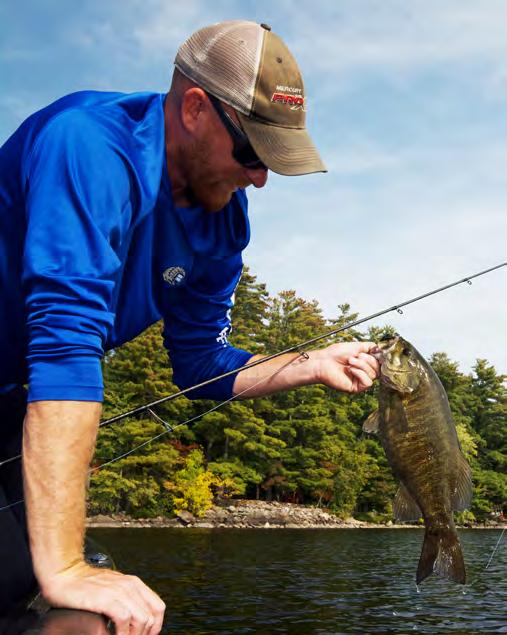
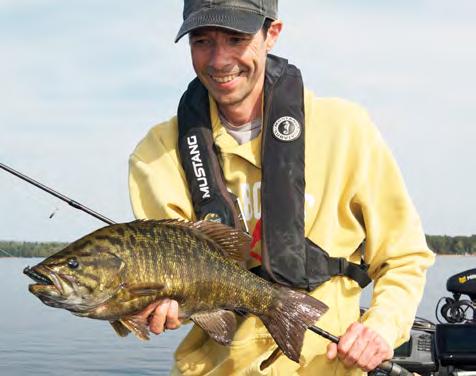
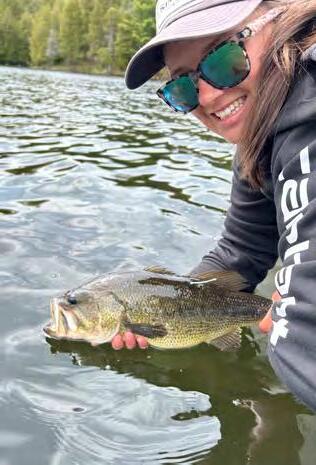
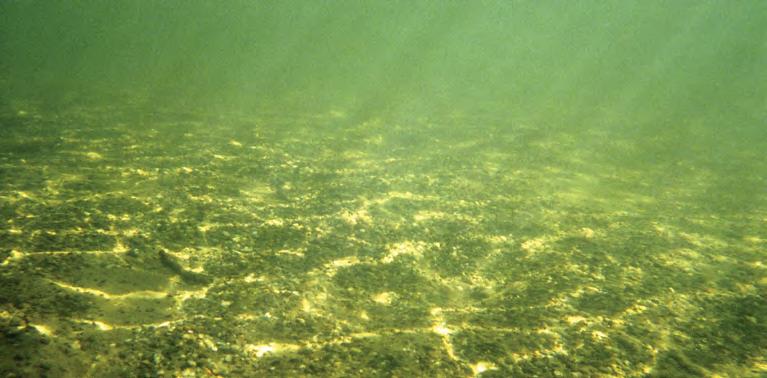
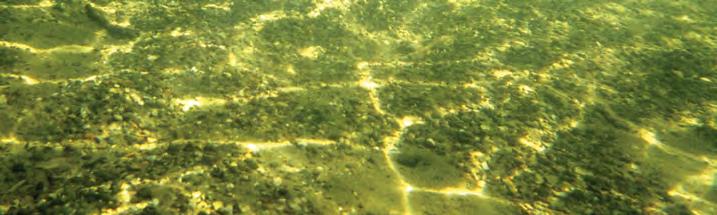
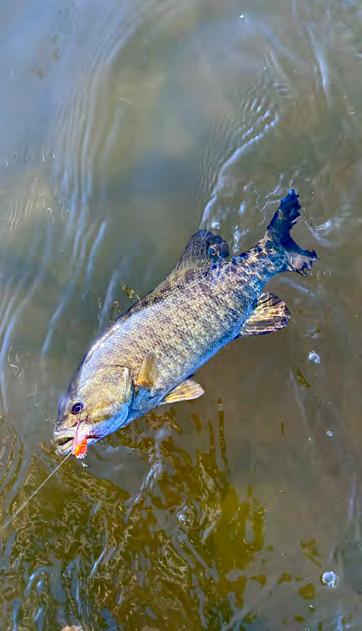
As water temperatures rise into the 70s, smallmouth bass on Lake St. Clair shift into predictable summer patterns. After the spawn, they move off shallow bedding areas and settle into deeper structure – typically in the 10–20 foot range.
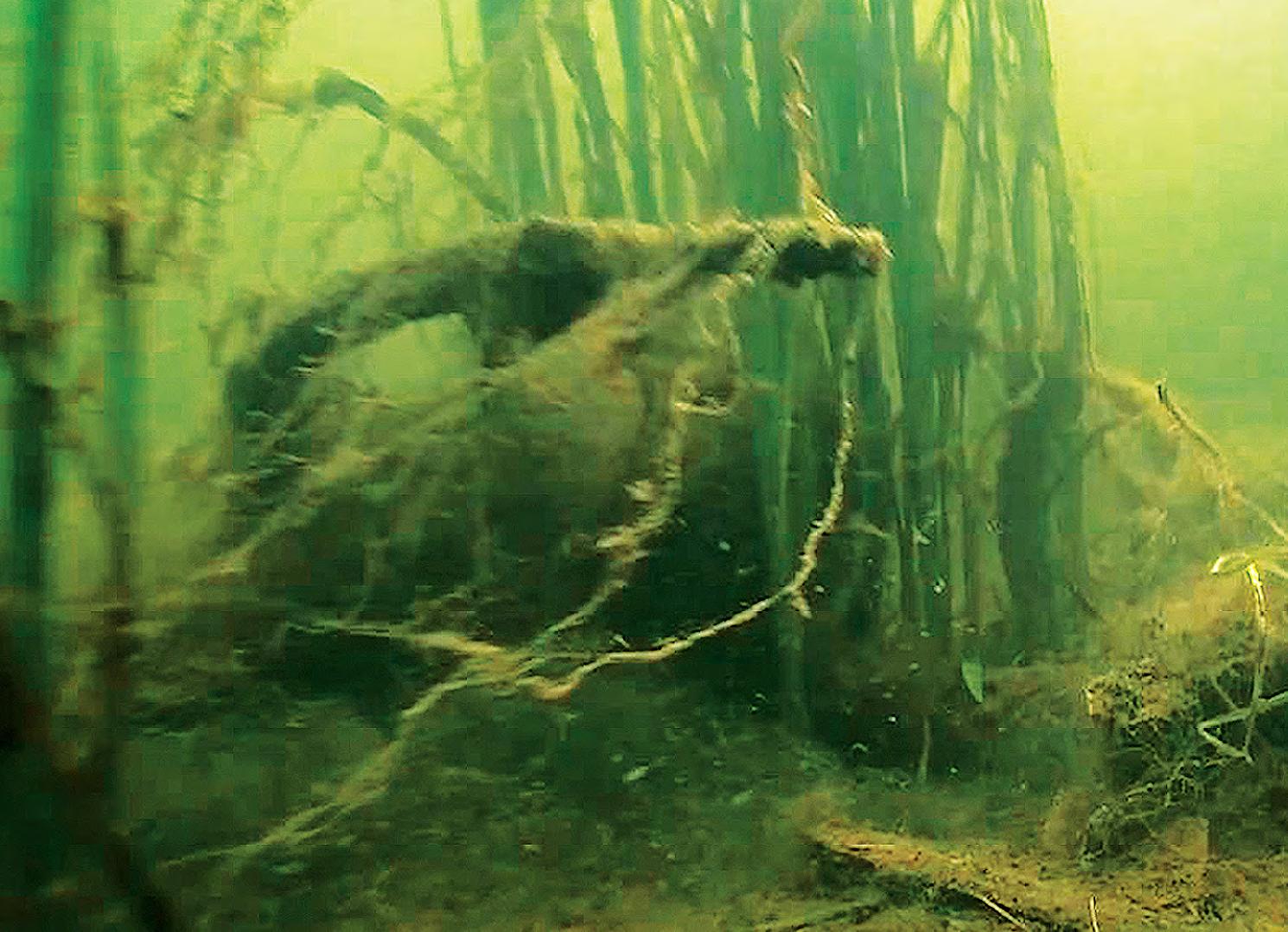
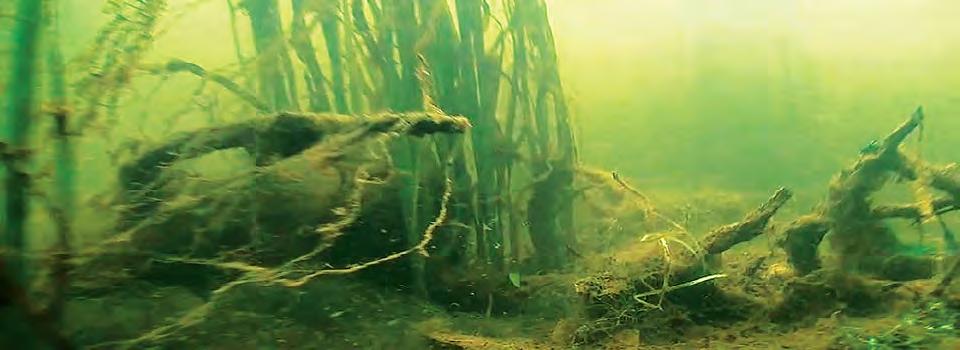
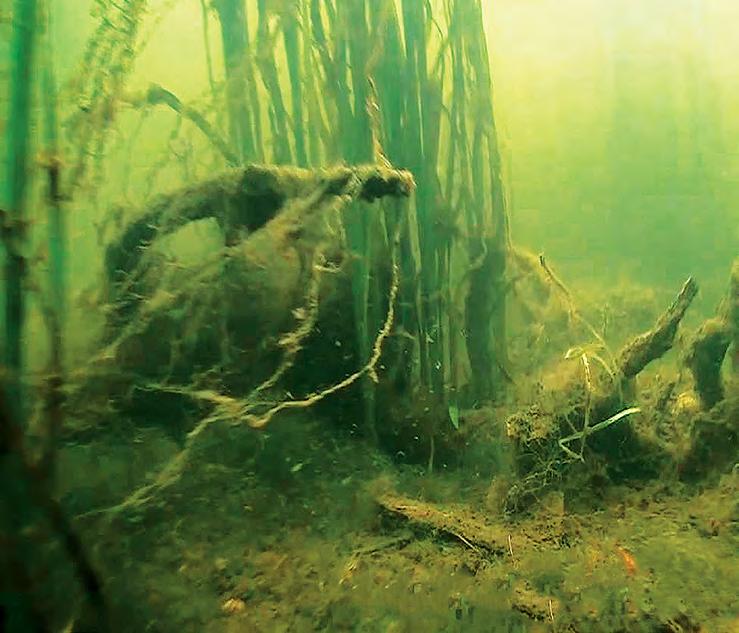
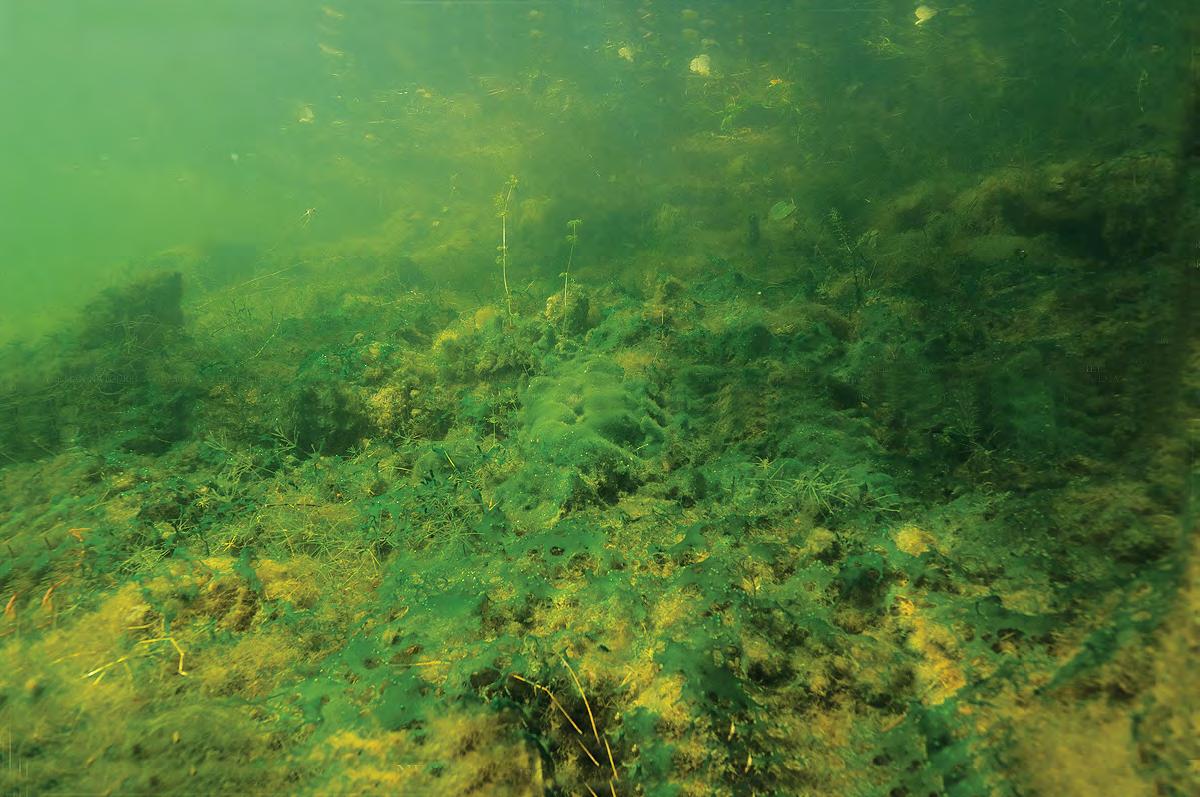
offs and ledges as small as 1 foot, weed edges (especially cabbage beds and sand grass), and isolated boulders or shell beds. Even small changes can hold multiple fish.
Unlike largemouth, smallmouth are roamers. You might not mark fish in one spot for long, but if the area has the right ingredients, they’ll cycle through as long as bait is present.
By: Colin Stass
In the early morning, fish may push shallower. to feed.
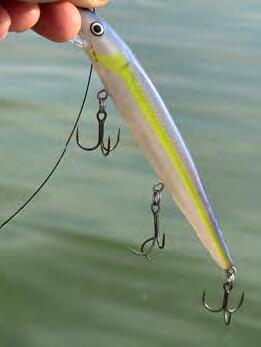
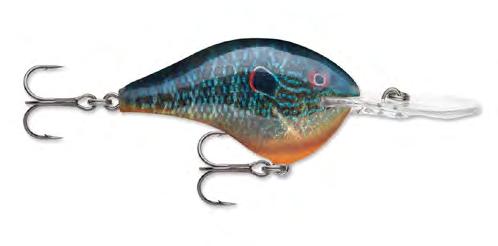
One of the biggest mistakes anglers make on Lake St. Clair is fishing too slowly, too soon. Start by covering water with search baits, including jerkbaits or crankbaits that mimic shad or yellow perch, spinnerbaits, and swimbaits.
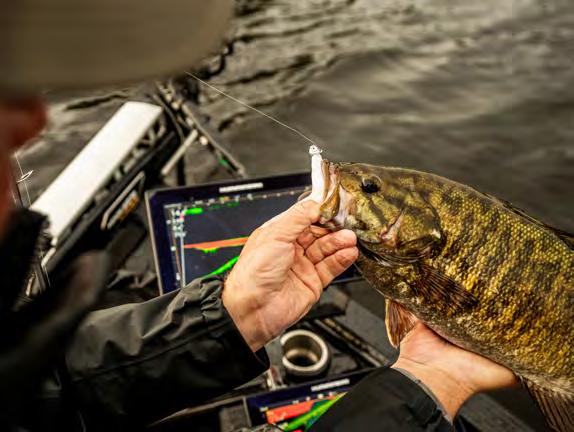
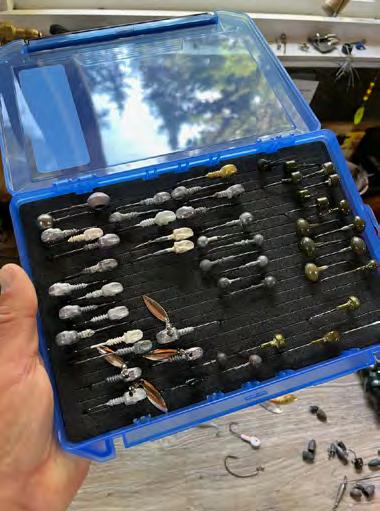
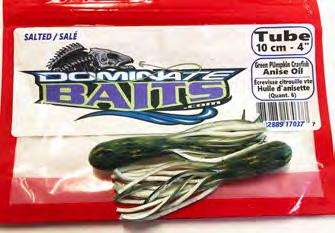
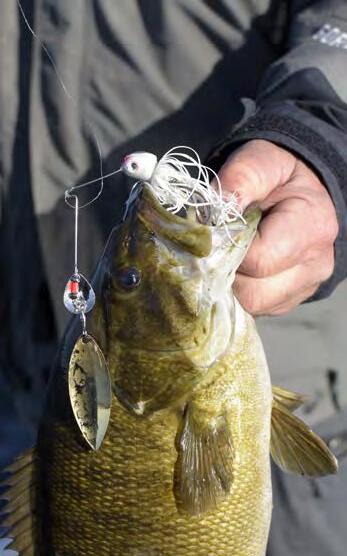
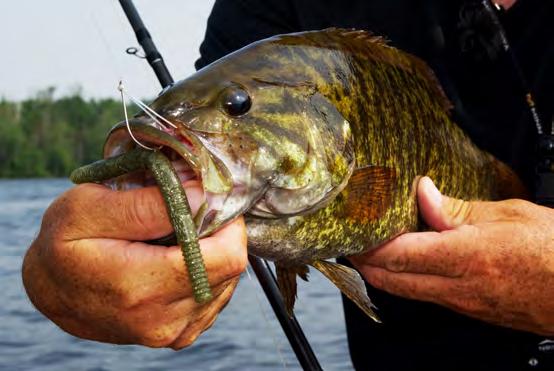
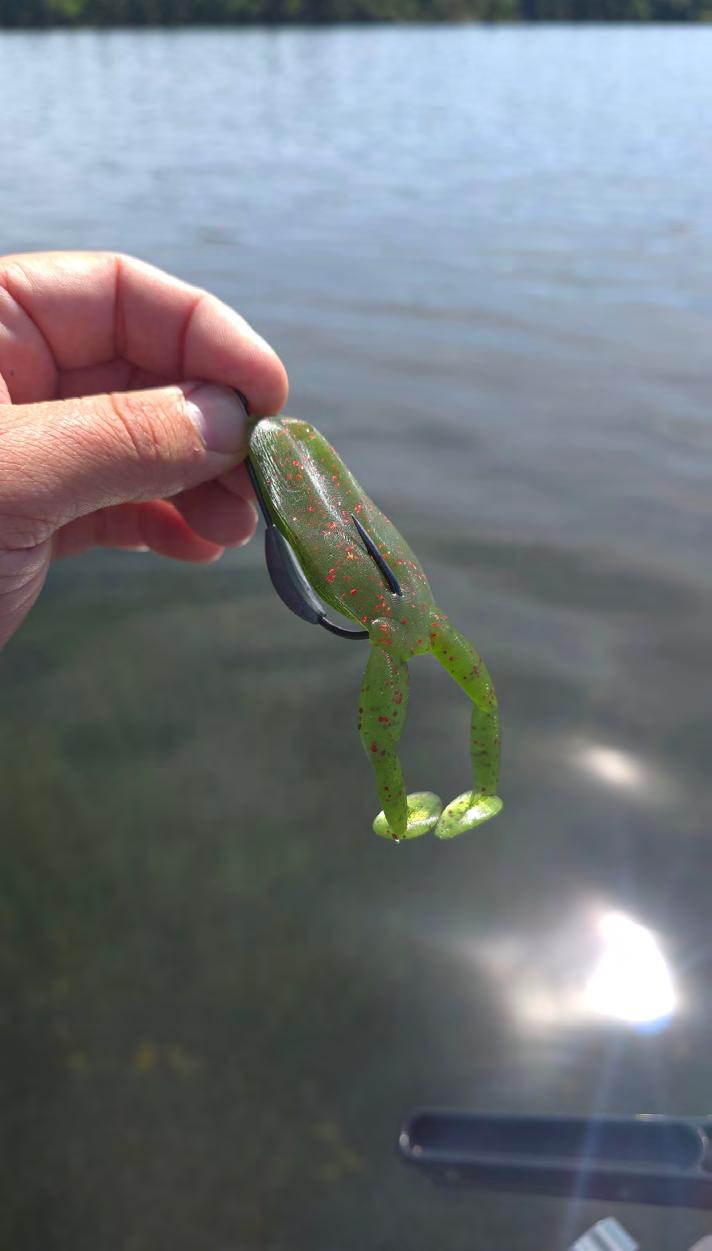
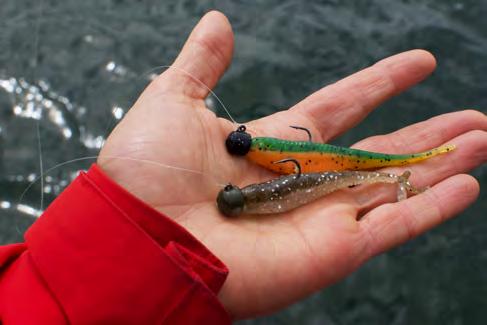
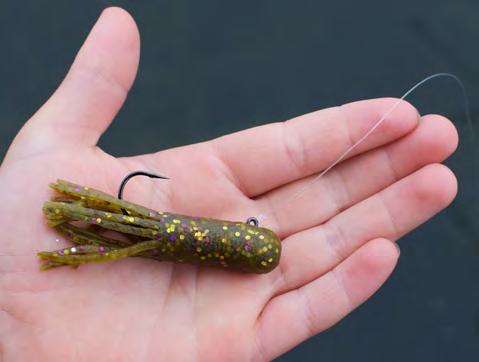
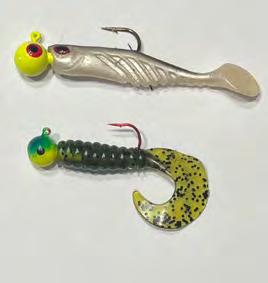
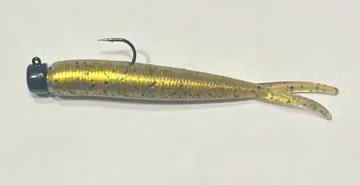
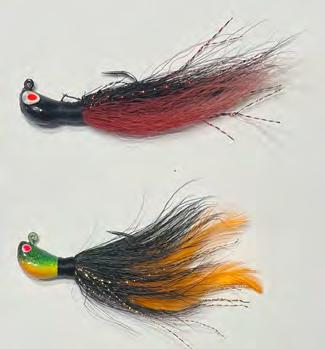
Once you get a bite (or several bites), slow down and work the area thoroughly using drop-shot rigs (a local staple), tube jigs dragged along the bottom, and Ned rigs for pressured fish. Use natural colours (green pumpkin, goby patterns, smoke with purple flake). Check out the finesse baits made by the local (to me) tackle manufacturer Angler’s Choice located in Wallaceburg, Ontario.
Summer smallmouth often group up, and where there’s one, there are usually more and while you can catch smallmouth all day, some windows are more productive.
During the mid-day focus deeper, especially in clear conditions. Calm, sunny conditions can make fish more finicky, requiring finesse tactics and lighter line. Overcast and/or windy conditions usually make the bass more active, and faster-moving baits will produce better than finesse.
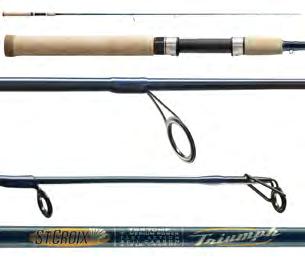
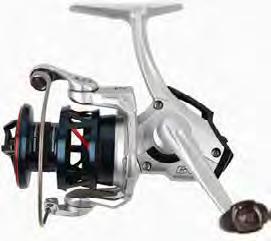
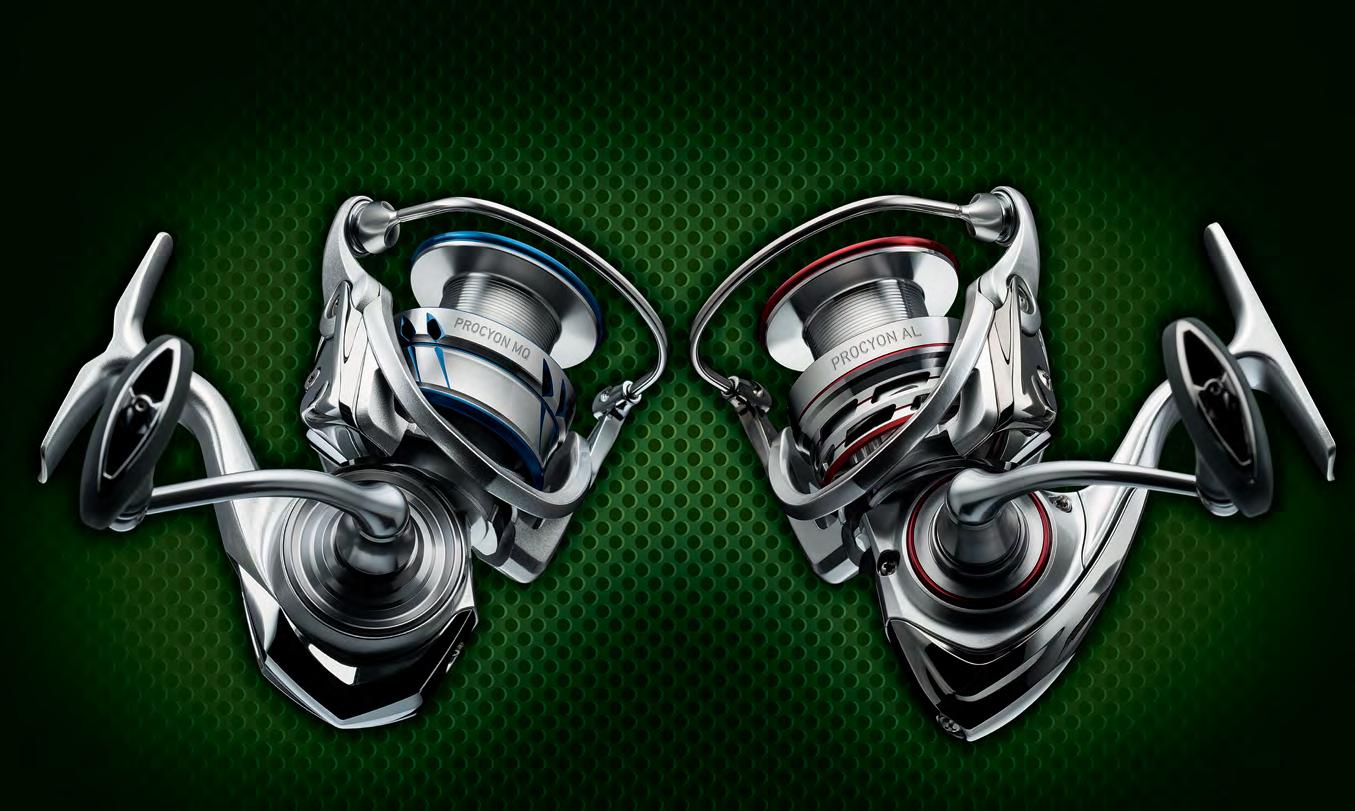
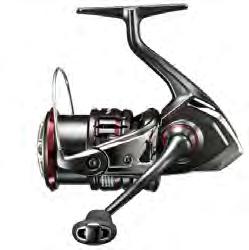
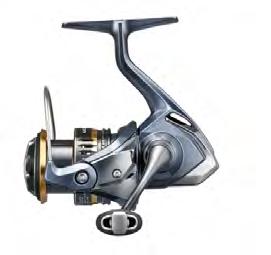
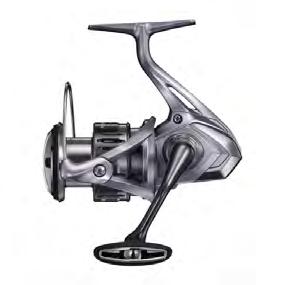
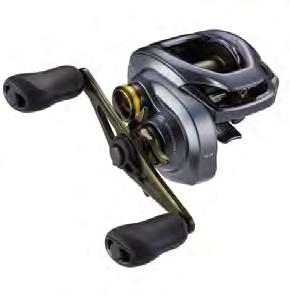
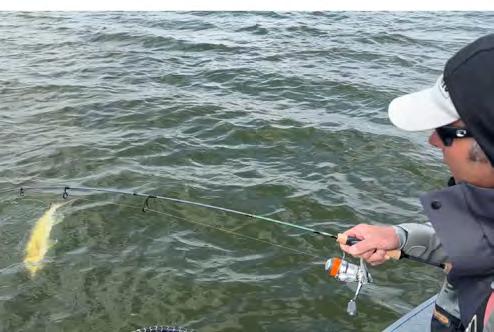
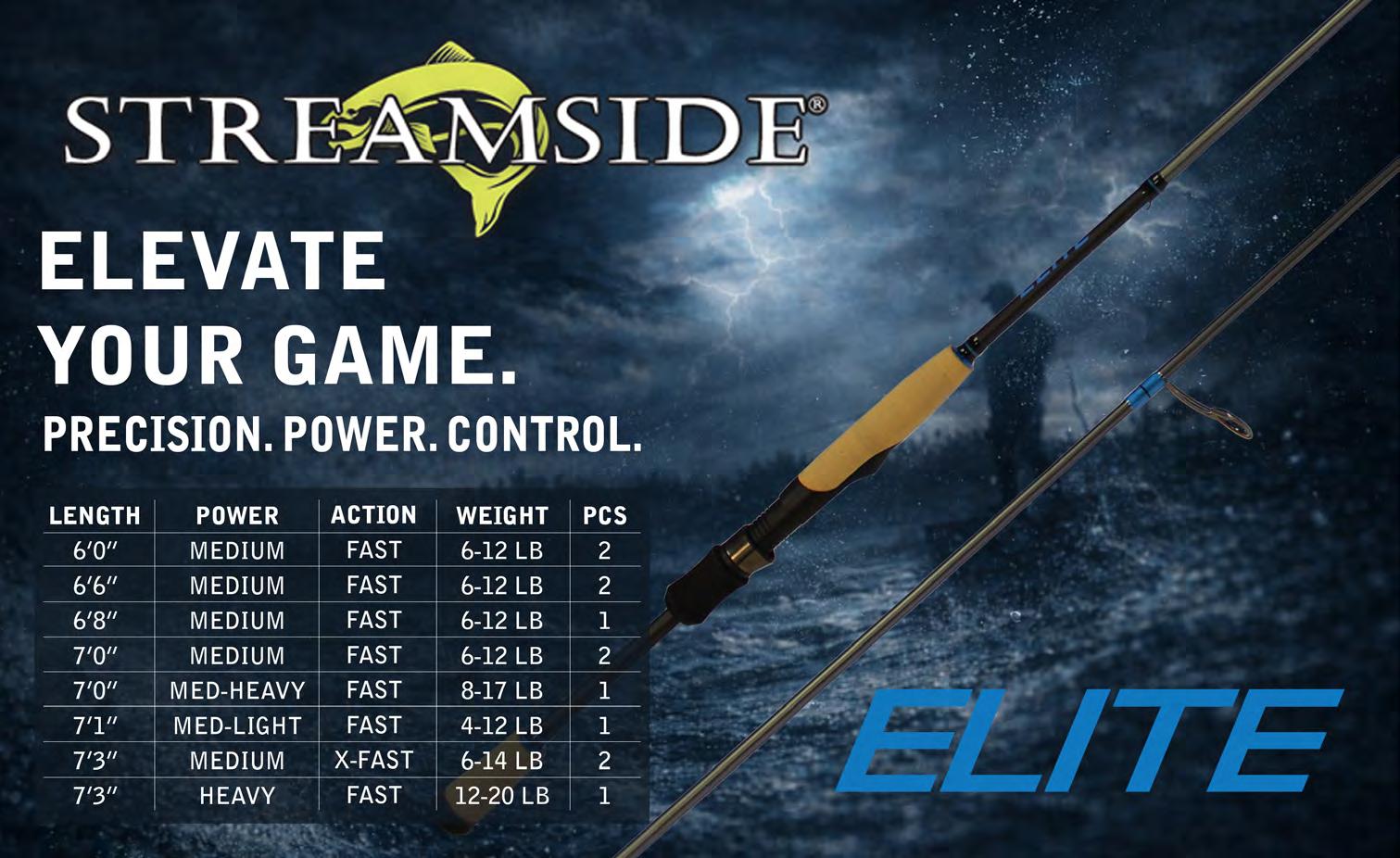
As far as gear goes, you don’t need overly heavy gear, but sensitivity matters. I recommend a St.Croix medium-light to medium power, with a fast tip, in the 7’ – 7.5’ range, spinning rod paired with a quality Seviin spinning reel that has a really smooth drag.
Seviin GX Spinning Reel
ST. CROIX
TSR 70MF Triumph Spinning Rod
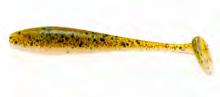
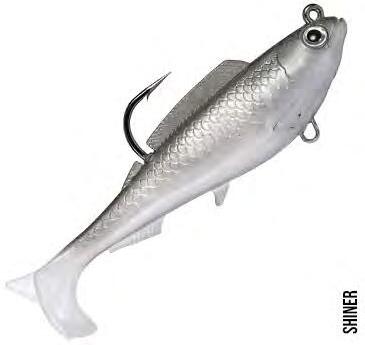
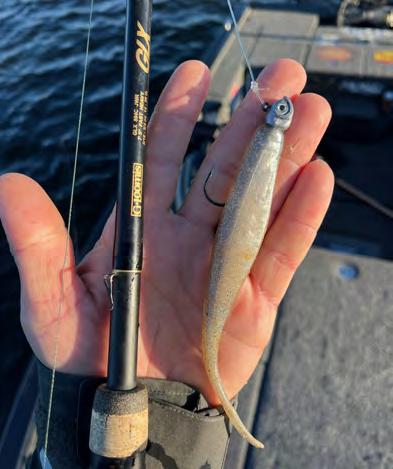
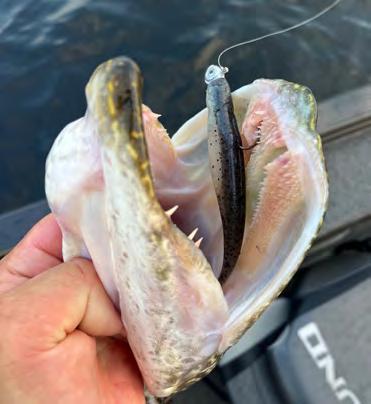
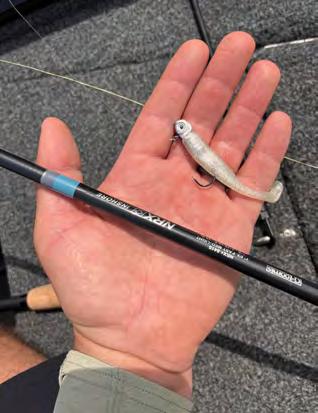
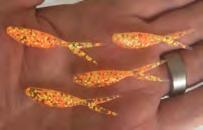
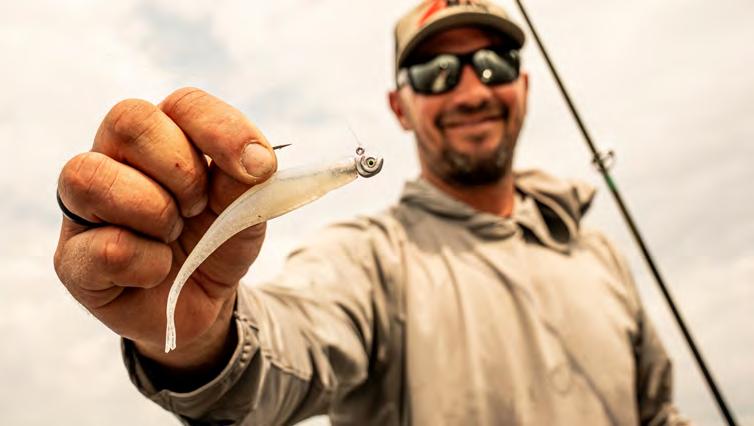
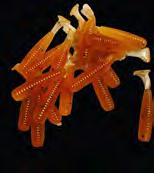
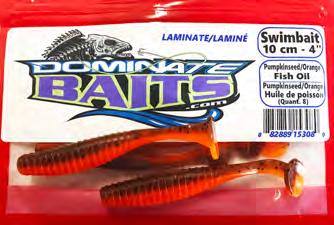
Finesse Paddletail Swimbait
A Line From “Big” Jim
We're officially into the heat of summer now , but we got ya covered to get bit. Starting off with our good buddy Colin Stass giving up the juice on Lake St Clair – a monster summer destination that has been Colin's number one fishing spot for years. Next up is the Bossman himself... Al Lindner sharing some tips on Crankin' for summertime largemouths, one of my favourite techniques.
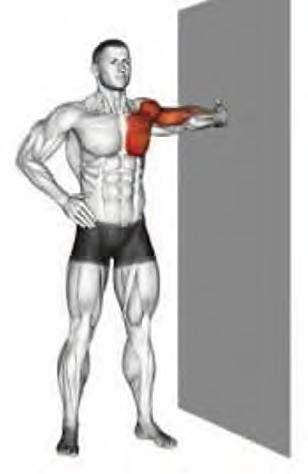
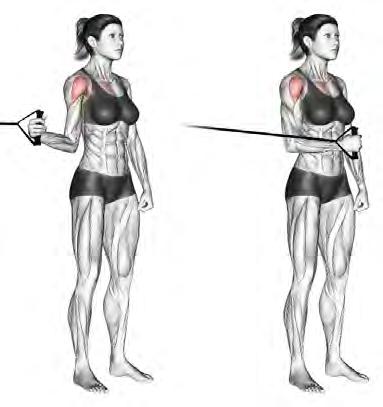
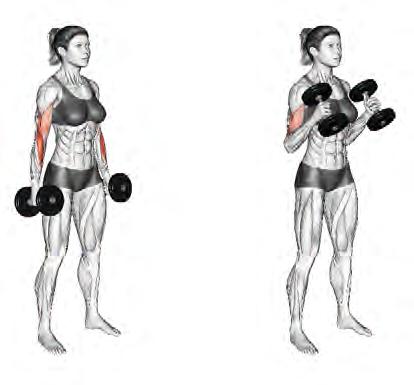
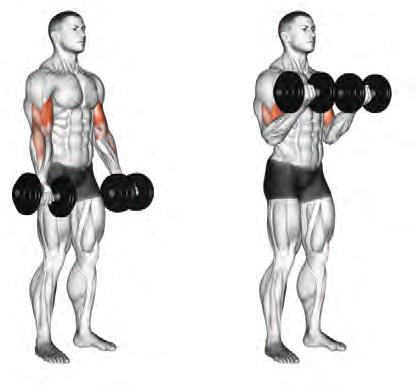
Liam & Gordon go over the science of cooking fish with our very own Chef Tait. So if ya eat fish, this is a must. Then Chef Tait offers up a wonderful recipe for seared trout and potato cakes...yummy! Bassmaster Classic Champion Jeff "Gussy Gustafson tunes us on minnow baits for walleye, smallies or even pike. They are an all-time great when fishing tournaments or just plain old weekend fishing. Jen Watson helps you prevent shoulder pain caused by repetitive motions. Doing these prevention exercises can work wonders. While Jeff Matity continues his chase of prairie giants in part 2 of a 3 part series on giant walleye.
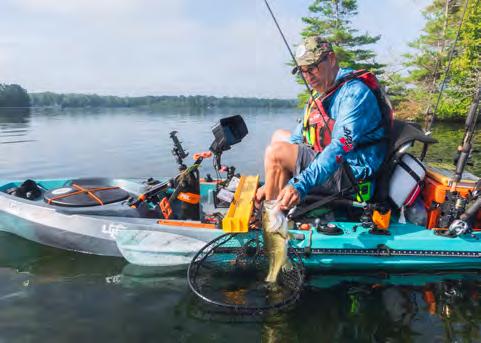
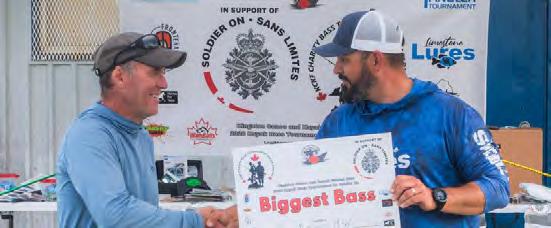
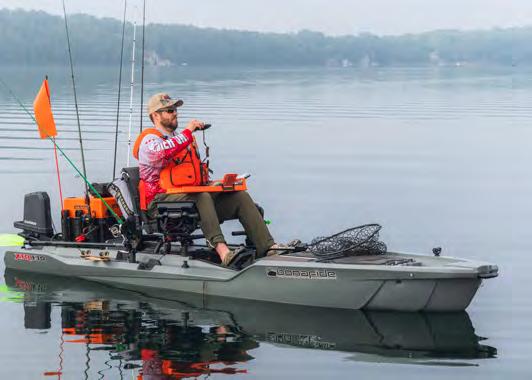
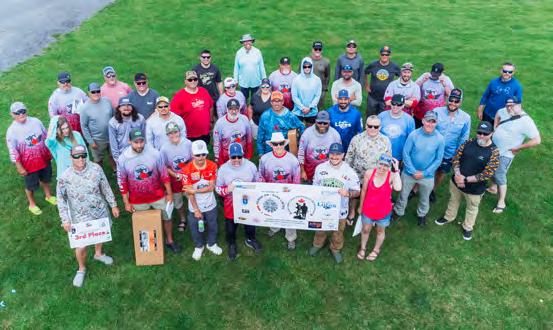
Learn how the Kingston Canoe & Kayak Fishing club's annual derby raised money in support of Soldier On (Soldier On is a Canadian Armed Forces program that supports serving members & veterans overcoming permanent physical or mental health injuries. The program relies heavily on the Soldier On Fund, which is funded through generous public donations.)
Outdoor writer Tim Allard shares some pointers on the vegetation connection to summer smallmouth patterns... it works!! Legendary Kawartha guide & tournament champion Mike Williams joins us for the 1st time with Jigging for Kawartha Gold... nothing beats local experience. This issue... In The News has 2 great stories that are a must read. While the Bro himself teaches you how to turn follows into bites... revolutionary information here for sure. Last but not least, we have Ryan Taylor with a complete breakdown on how to skate & pop for summer time bass... a great technique and opportunity to enjoy wading to cool off.
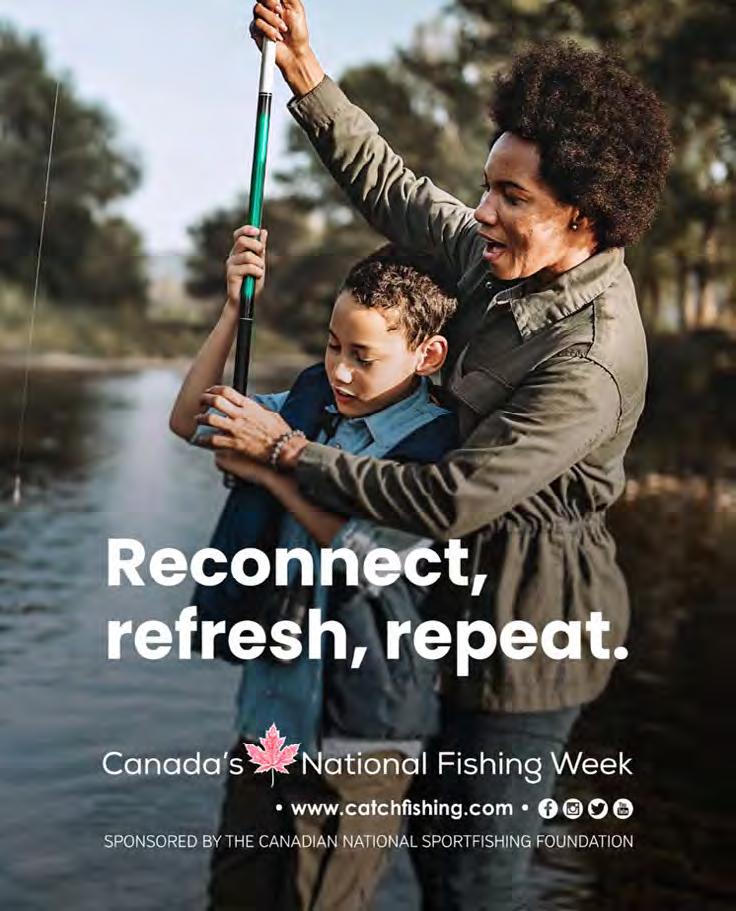
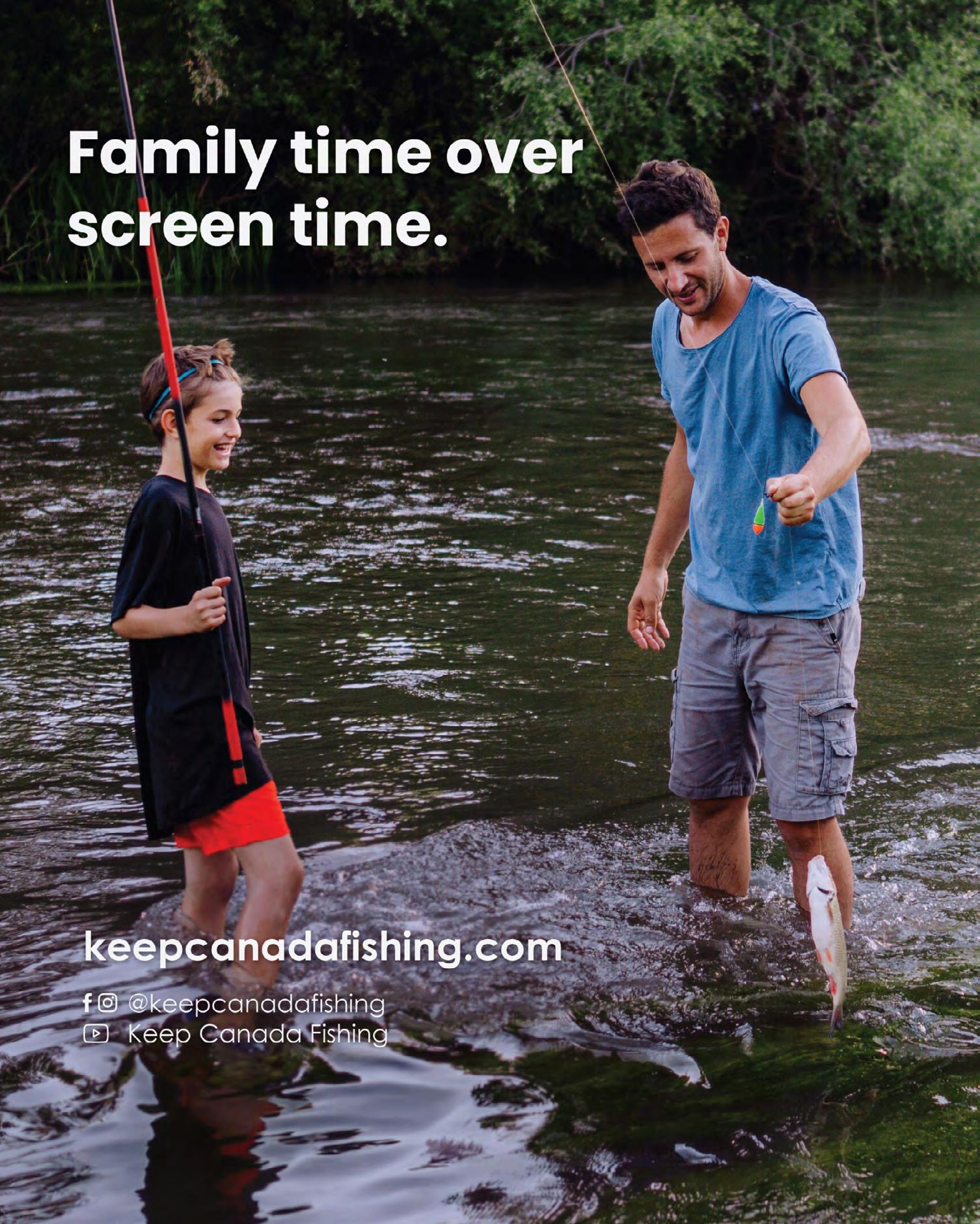
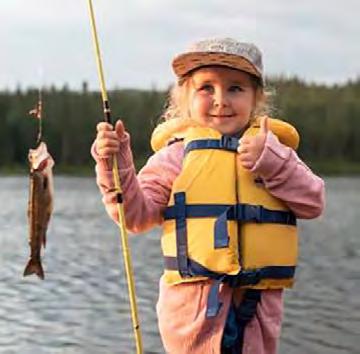
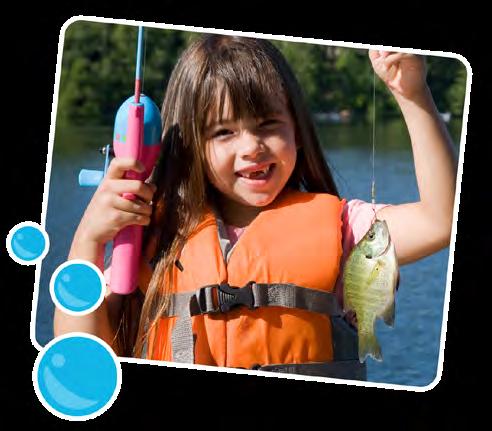
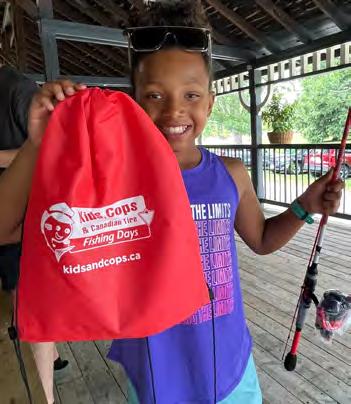
Enjoy the summer folks and please be safe out there... We have already had a couple of bad incidents on the water locally. Don't be that guy or gal in your area. Please make time to take a kid fishing...
Unsolicited articles are accepted and will be considered for publication provided they are original and have not appeared in other publications.
Publisher
“Big” Jim McLaughlin
Managing Editor Tammy Wight
Contributors
Liam Whetter & Gord Pyzer
Al Lidner, Tim Allard, Brian Brosdhal
Jeff Gustafson
Cameron Tait
Jeff Matity, Jen Watson
Colin Stass, Mike Williams Ryan Taylor
Box 214 Seeley’s Bay, ON K0H 2N0.
Email: info@justfishing.ca www.justfishing.ca
All Rights Reserved
Reprinting
I typically spool my reels with 10 lb. Seaguar Smackdown braided line with a long 8-10 lb. fluorocarbon leader.
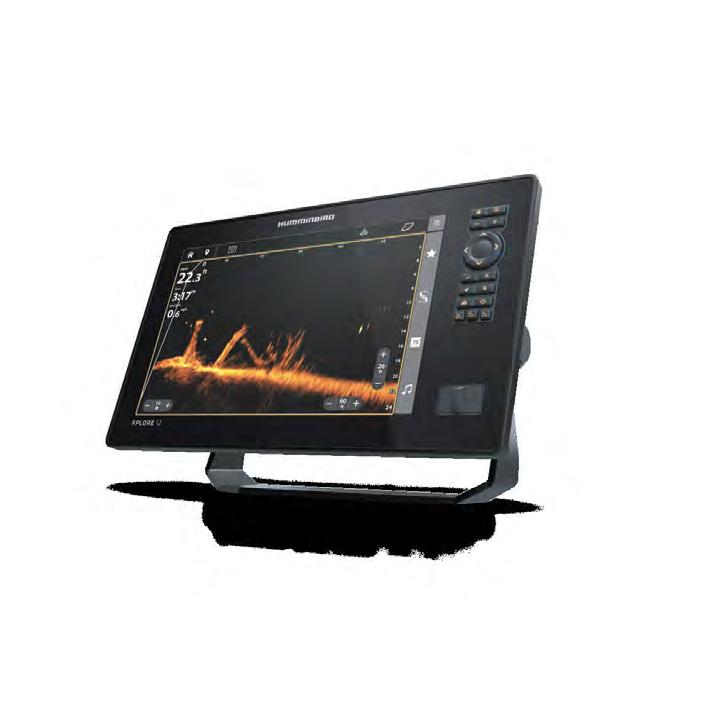
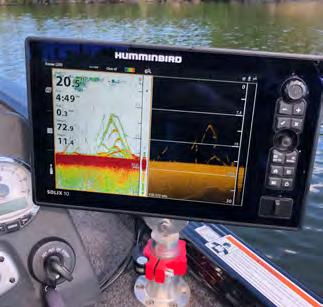
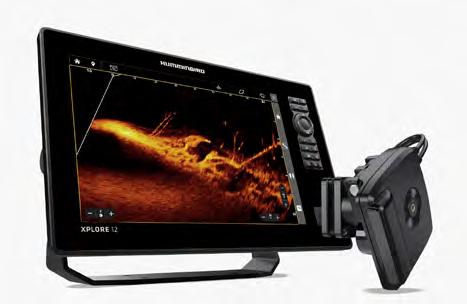
Other equipment to consider having is high-quality electronics, which is a huge advantage on this lake for locating cover, structure, and bass. And, a good trolling motor with spot-lock that can help you stay positioned over productive areas, even in the wind.
Kayak Fishing Club Raises $ for Soldier On.........39
Smallmouth Patterns – Vegetation Connection....40
Jigging for... Kawartha Gold..............................44 Turning Walleye Follows Into Bites..........48 Waking For Bass...................................................50 DEPARTMENTS A Line From “Big” Jim ..........................4 For the Love of Cooking......................23 Preventing Shoulder Pain In Anglers.....30 In The News...........................................46 Tubman’s Tips & Techniques ................51
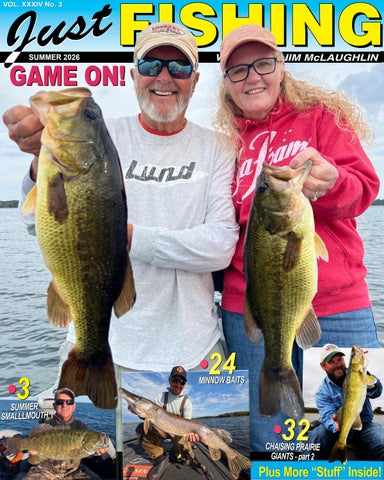
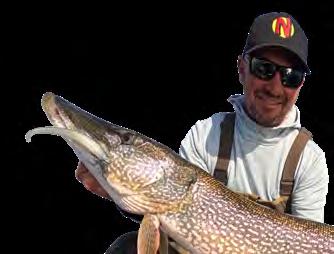
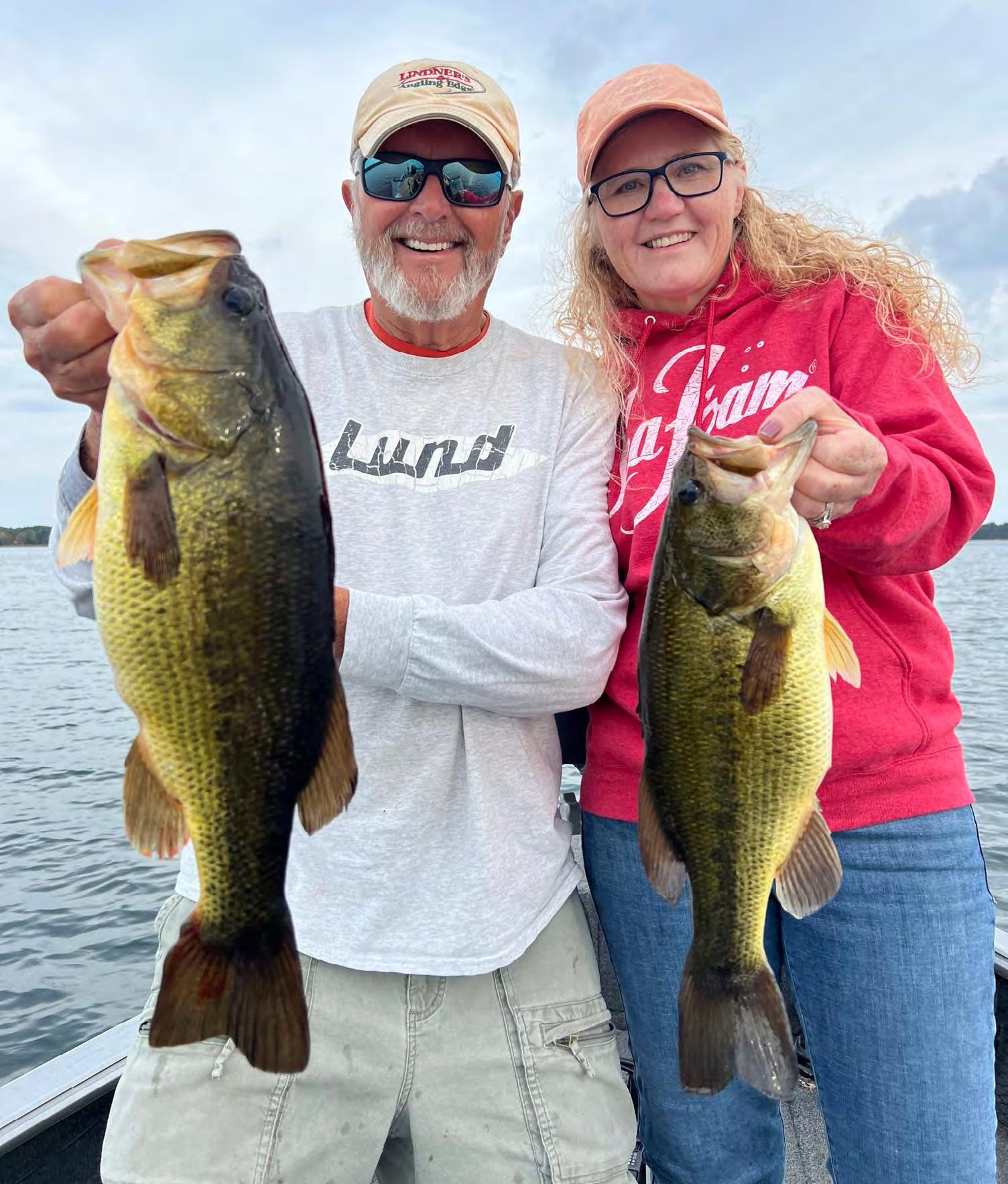
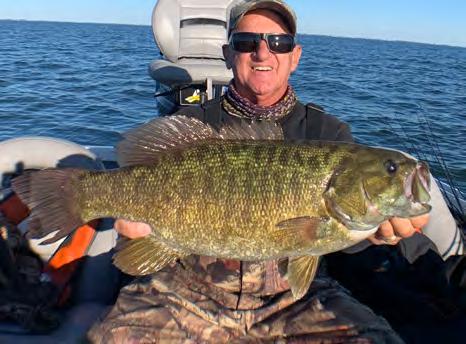
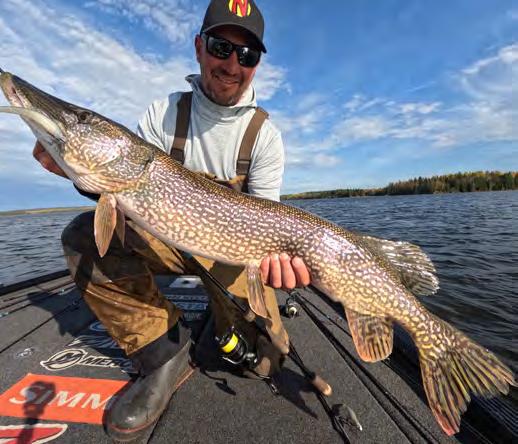
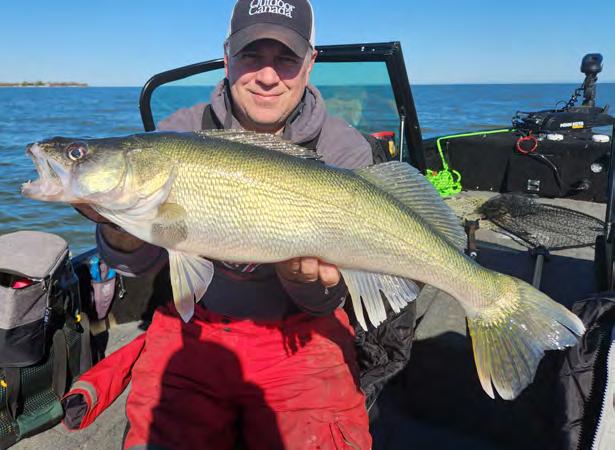
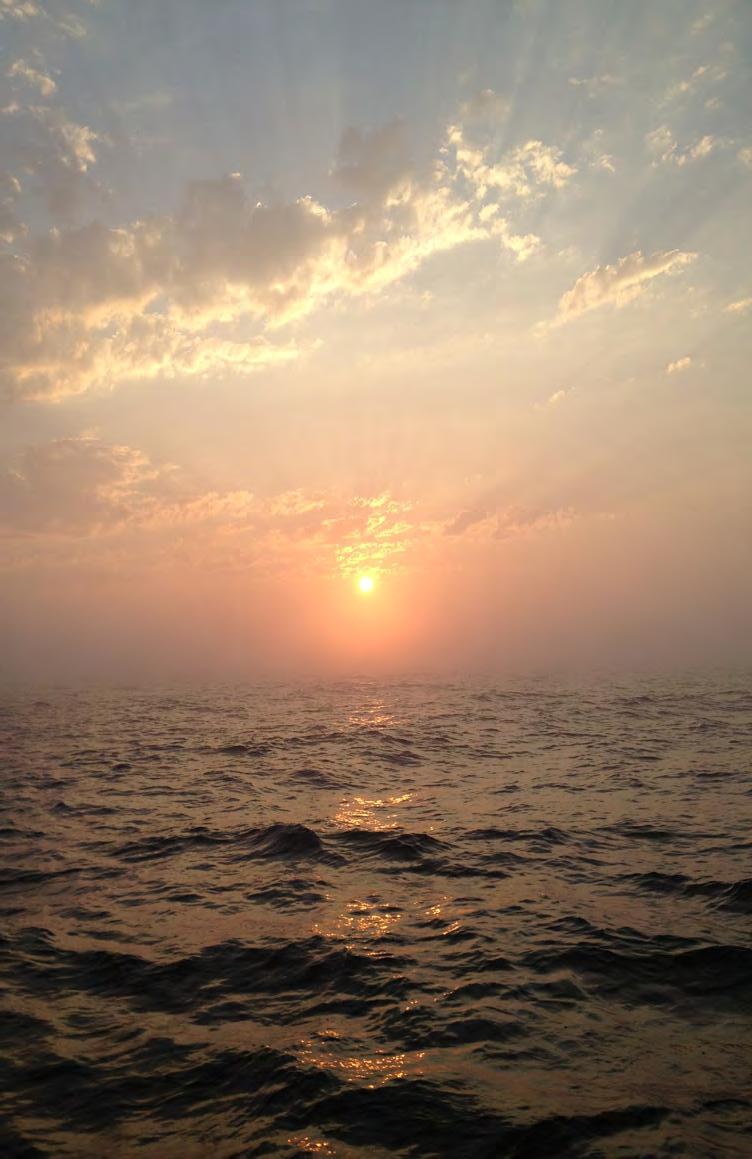
On The Cover: Main – Al & Kerry Lindner, photo – Lindner Media, Lake St. Clair Summer Smallmouth, photo – Colin Stass, Minnow Baits, photo – Jeff Gustafson, Chaising Prairie Giants – part 2, photo – Jeff Matity.
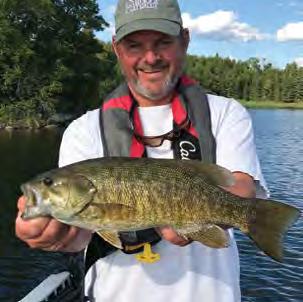
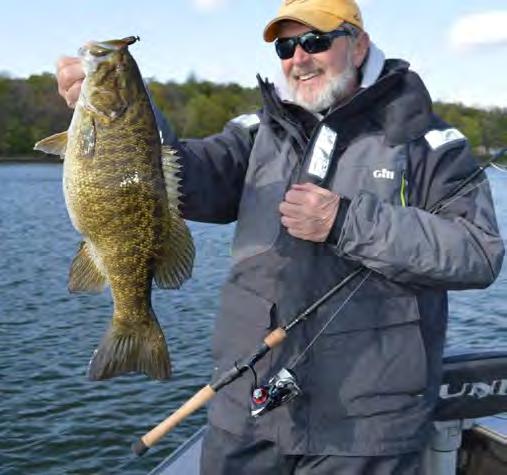
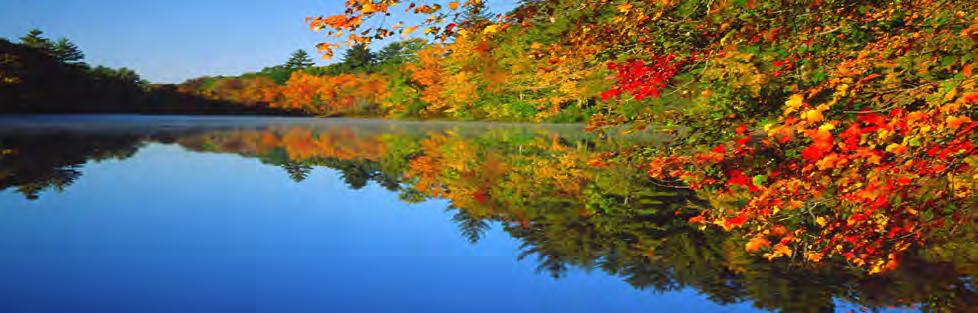
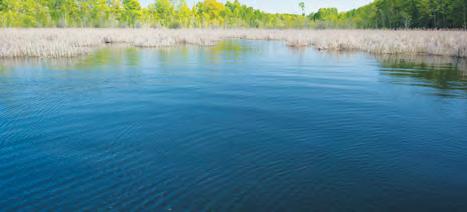
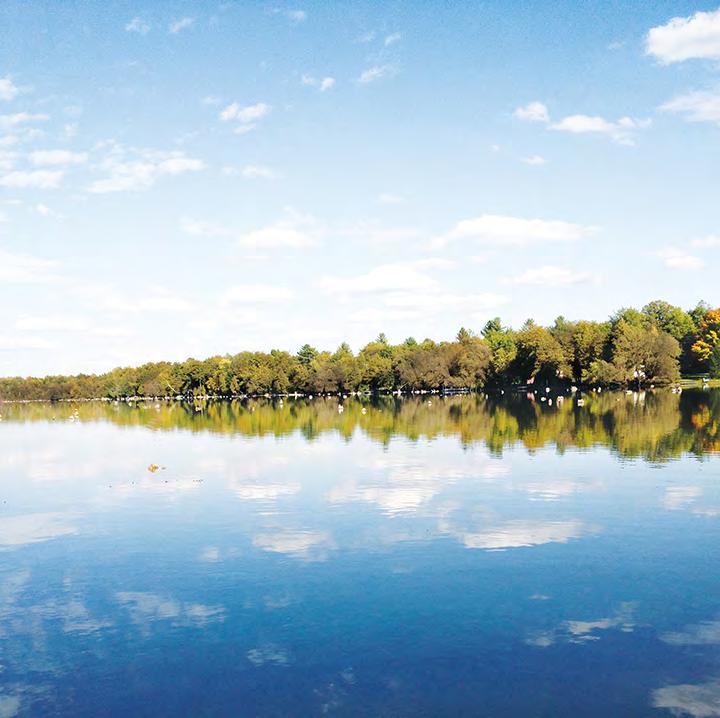
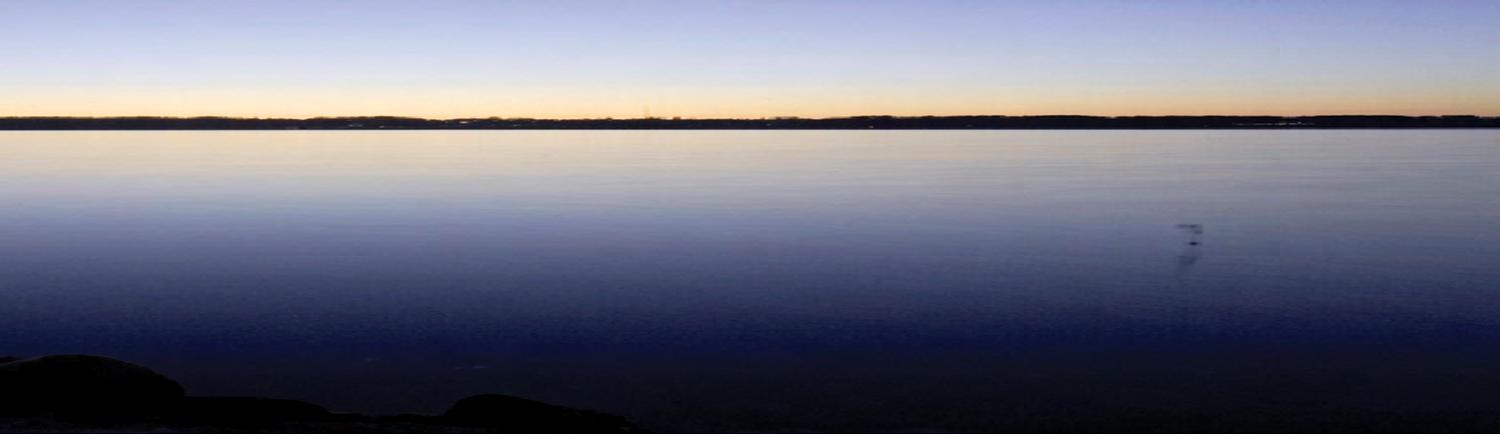
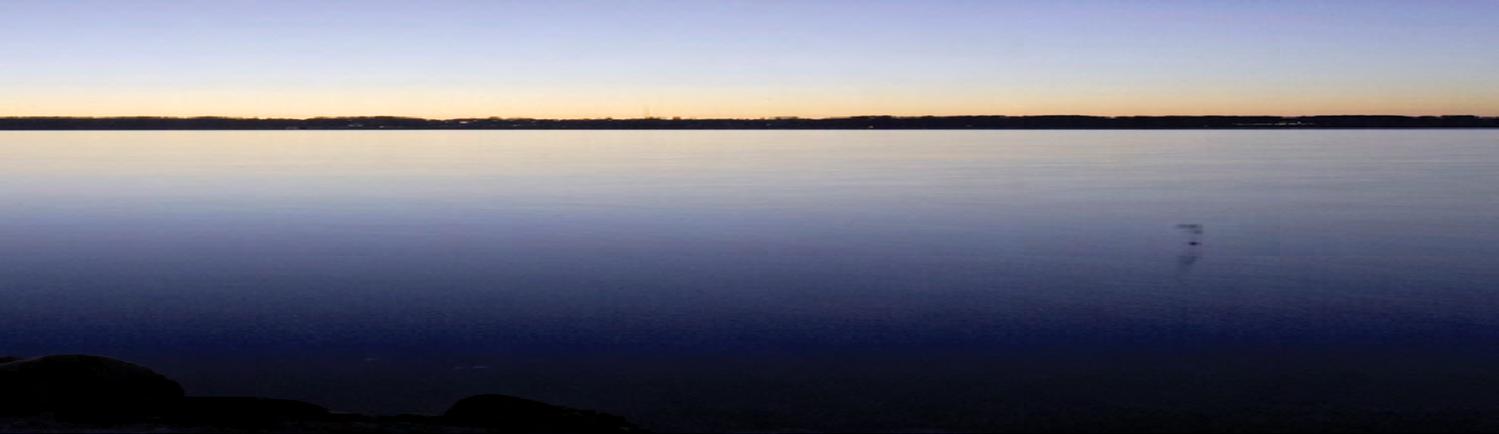
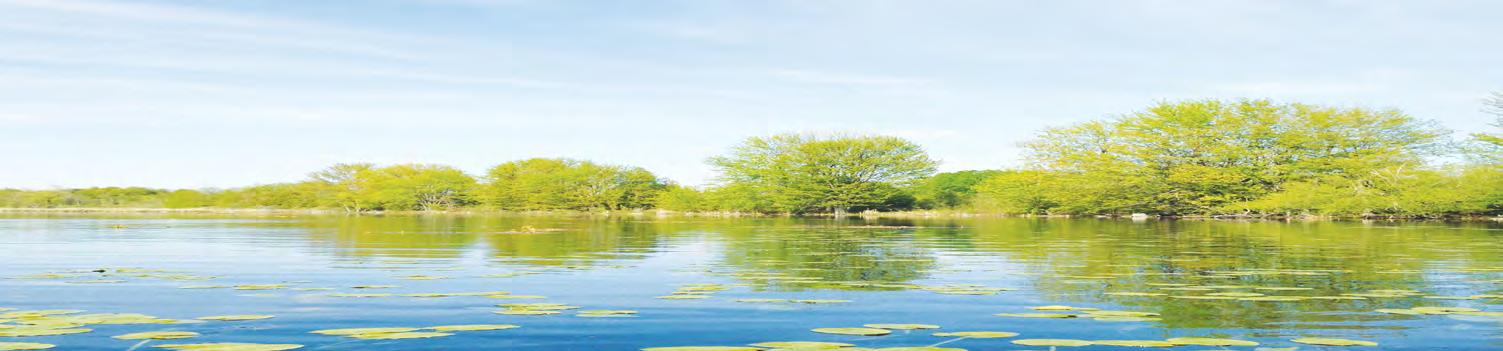
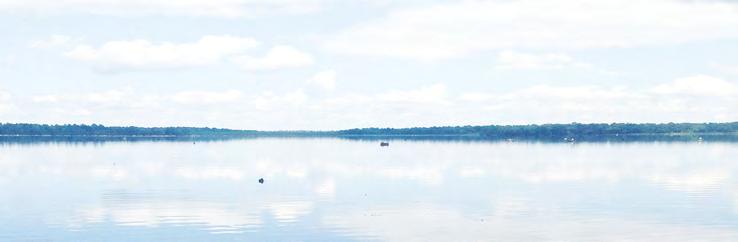
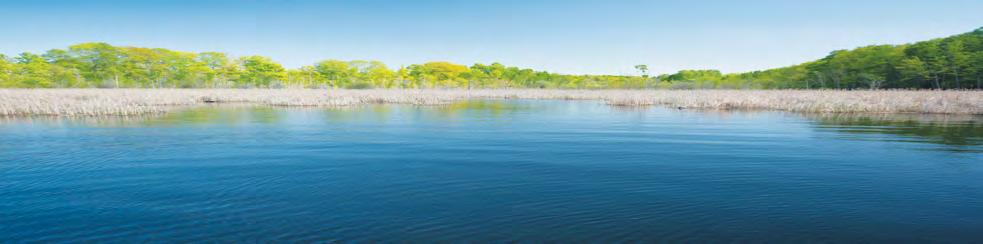
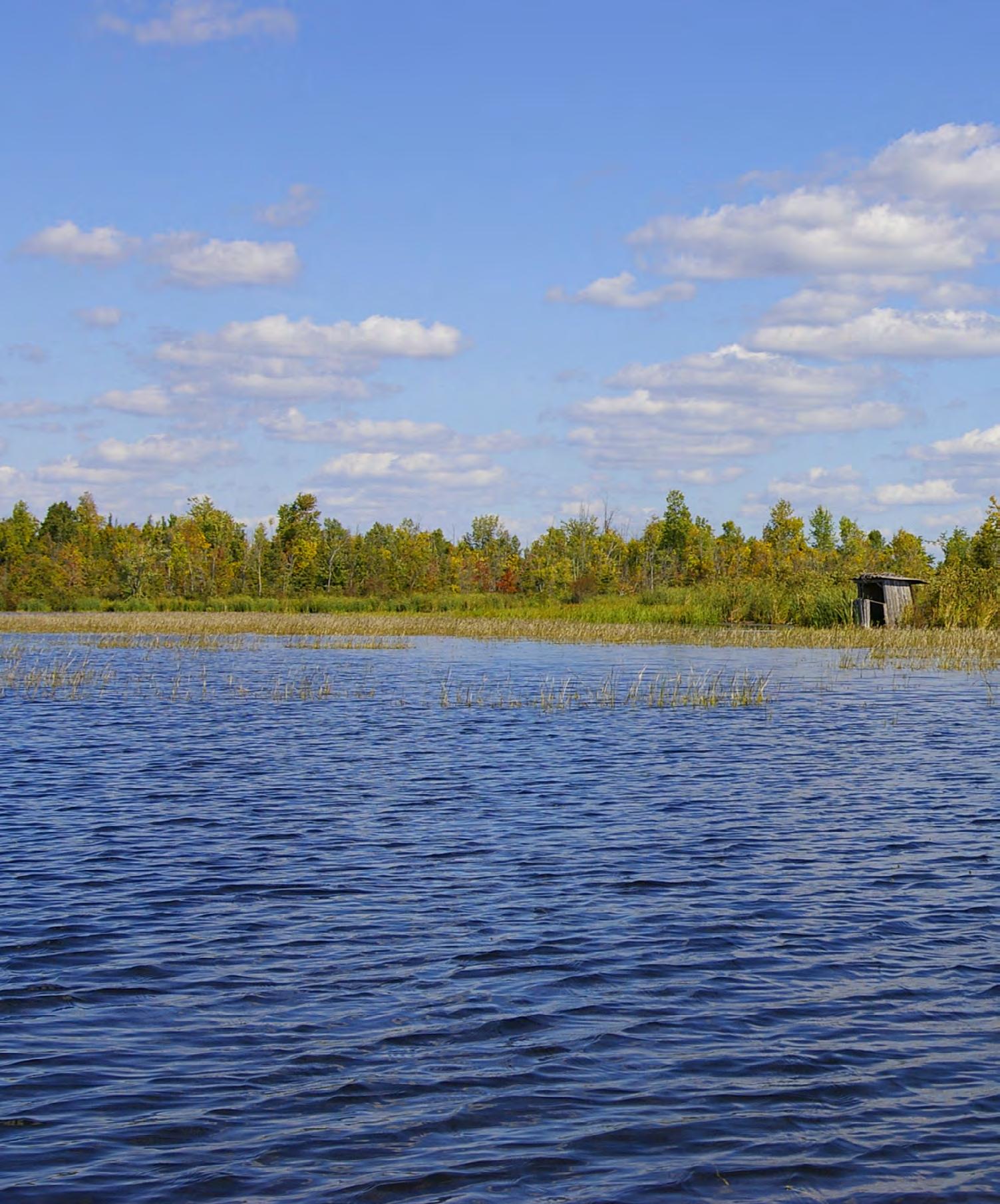
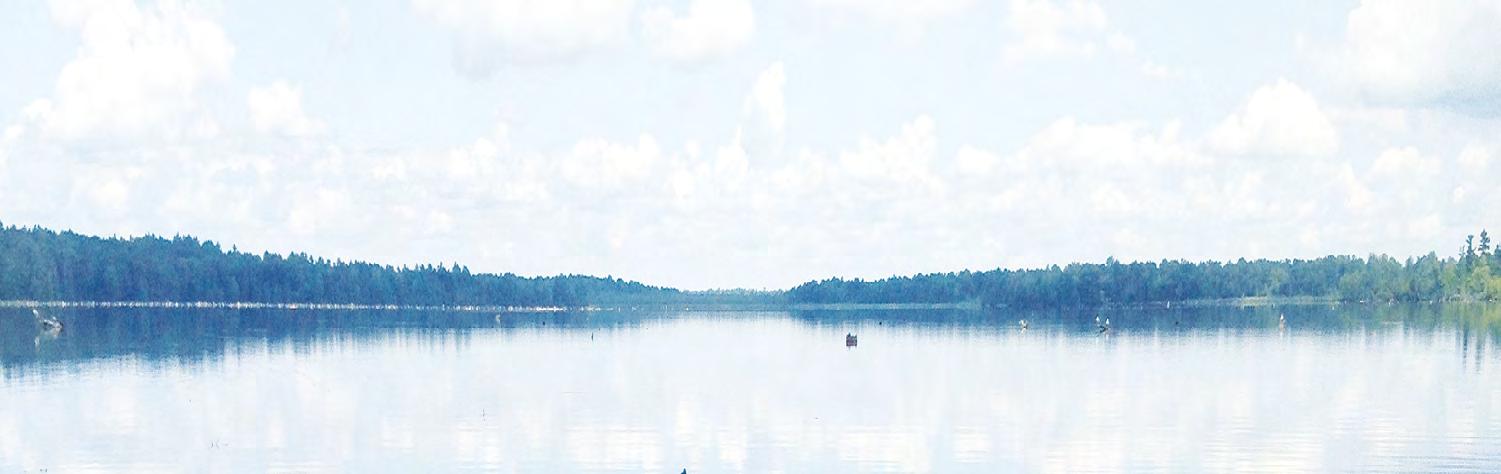
Lake St. Clair doesn’t give up its secrets easily. It’s vast, shallow, and deceptively uniform. But for anglers who learn to read its subtle details, summer offers some of the most consistent – and exhilarating – smallmouth fishing you’ll find anywhere.
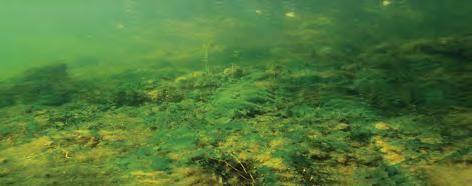
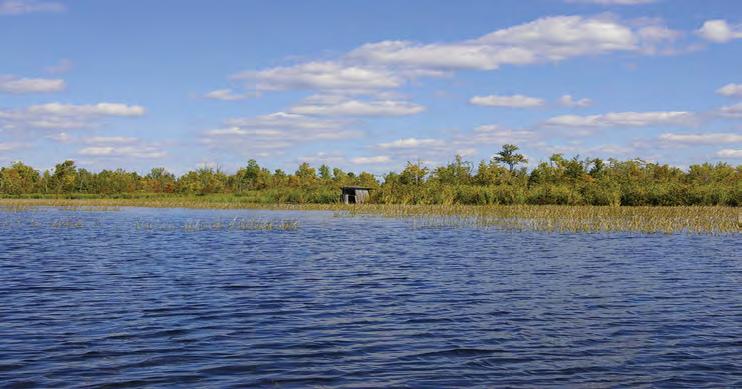
Unlike deep, rocky lakes, Lake St. Clair is a broad, shallow bowl with an average depth of around 10–15 feet, with a maximum natural depth of around 21 ft. That means summer smallmouth don’t stack on obvious structure – they roam. They follow food.
(Continued on page 6.)
(Lake St. Clair Summer Smallmouth continued from page 3.)
(The Super Smallmouth Factory continued from page 10.)
(Lake St. Clair Summer Smallmouth continued from page 4.)
Sidebar
A Look Back at the “Bad Old Days”
“Lake St. Clair doesn’t give up its secrets easily. It’s vast, shallow, and deceptively uniform. But for anglers who learn to read its subtle details, summer offers some of the most consistent – and exhilarating – smallmouth fishing you’ll find anywhere.”
“South Shore Flats” from Belle River to Puce consists of miles of sand interspersed
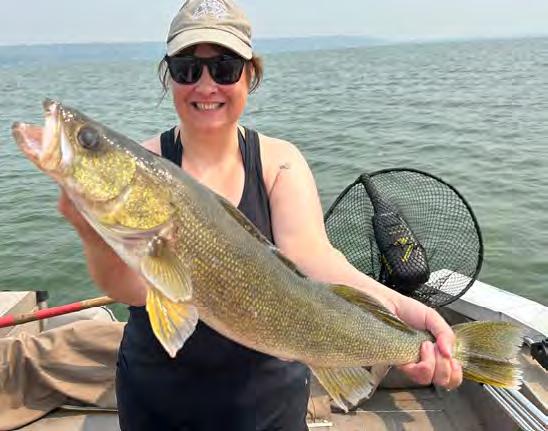
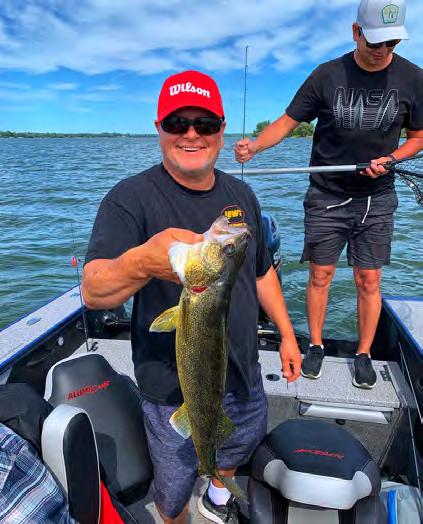
Lori Matity with a trolled-up shallow spring walleye that bit a Rapala HJ14 jerkbait.
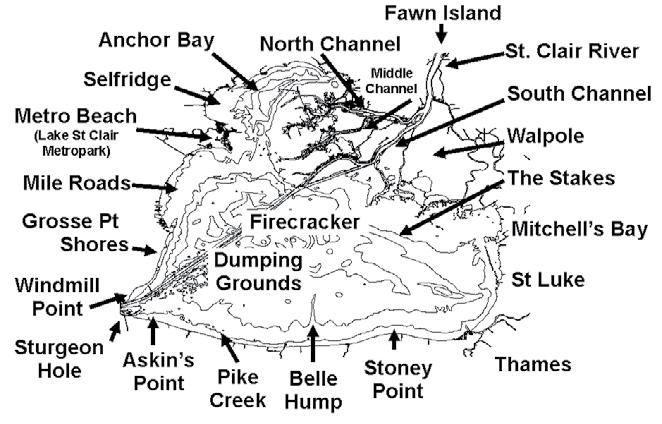
Grosse Point known as the Delphine Channel is often a summer hotspot for smallmouth. As far as I know it’s a natural channel that runs through the otherwise flat basin.
The nearby shipping channel that runs through the entire lake can sometimes hold huge smallies. It’s long and takes lots of time to cover it all. The north end of the channel is very popular among the locals. Which brings us to the “The Firecracker”, a channel marker at the north end of the shipping channel at an area where
Intense algae blooms produce a surface scum layer that can float a hand-sprinkling of sand! When this happens, walleyes use extremely shallow water and cover and can be caught pitching to docks and shoreline deadfalls many would consider largemouth bass habitat. This is the case when coffee-shop talk turns to youngsters catching monster walleyes while jigging off their dock in August.
WALLEYES & HUMANS ARE VERY DIFFERENT
Gord: What is the biggest misconceptions that anglers seem to have when you take them walleye fishing on
Jeff: The biology of the fish, the ecology of the lake/food web and the importance of Selective Harvest is often the biggest take away for the guests in my boat. Nearly all believe the myth that big fish are like humans and live past their reproductive years. I carefully explain that, like reptiles, fish grow and reproduce their entire lives and their reproductive value increases with age and size.
Likewise, few people realize the age of walleyes and the importance of mature fish. In contrast, trout anglers consider an 8-year-old fish very old. However, walleyes are long-lived and can last two-to-three times that long. Shield habitats, as well as, prairie ecosystems are harsh and a decade of drought or several years of flooding mean horrible spawning success and no recruitment of younger walleyes to replace the adults.
Timing Is Everything
current from the St. Clair River meets open lake and acts as a gateway between the lake and river. It holds bait, and where bait gathers, bass follow, though it can be a hotspot one day and quiet the next.
fisheries where finesse tactics have typically
Trolling shallows, from the suspending jerkbaits such as the Rapala HJ12 with or without Church TX-6 trolling boards allows me to stand at the bow, steering with the Minnkota and barnstorming shallow bays looking for pike and walleyes flushed way from the
Okay, now lets assume we’ve discovered a solid pattern – one that’s led to some key areas where the fish are sure to replenish. And let’s assume we have the right lure and technique for making them bite. What happens if, for some inexplicable reason, the fish won’t cooperate? We know they’re there, but something has changed. This happens a lot, even for the pros. And how they react will ultimately determine their chances for success.
Using these big baits is one of the weaker parts of my game but it’s something I’m going to continue to work on a little more moving forward. Some of my best friends out on the Bassmaster Elite Series are incorporating these big baits into their program at most fisheries and catching big fish on them.
Once located, nothing works better for us than the 5” Big Hammer swimbaits on or 1-2 oz Hammer heads.
The “Mile Roads” area refers to a series of east – west running reference roads along the Michigan shore line that anglers use as navigational markers to locate depth changes, weed edges, and productive rock and sand transitions. These subtle breaks often hold spawning and roaming smallmouth, especially when baitfish schools push through or when wind-driven currents position fish along the edges. It’s a very popular area in the spring of the year during the spawning catch and release season.
In recent years, the Storm 360GT Searchbait and the ZMan HerculeZ swimbait have round ed-out our swimbait program. Fish located; but turned off by weather, can be coaxed into biting by bobber fishing with athletic, jumbo leeches drifted through super-specific spots within an area, maybe, the size of a pickup truck.
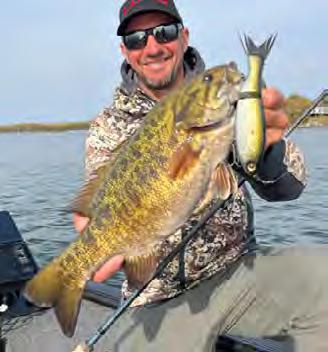
Gussy With A Glidebait Smallmouth.
Last year I started using them a little bit more around home and caught some of my biggest smallmouths and largemouths on six- and seven-inch glide baits. These are generally for use in shallow water but anglers are weighting them to use deeper in conjunction with forward sonar.
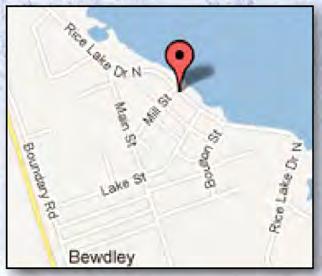
This stretch of water is famous among anglers for producing aggressive, hard-fighting fish in relatively shallow and accessible depths, making it a prime destination for both locals and travelling anglers looking for steady smallmouth action.
Other times we score, and we score big!
Watch for
part 2 in the Summer issue
As the season progresses into summer the bass file into
Mother Nature invests heavily in mature fish that can outlive hardships and successfully spawn at least once or twice in their lifetime to ensure the future of the species in any given system. A little education goes a long way and big breeders matter.
WESTERN WALLEYE PATTERNS THAT WORK
Gord: What are your favourite prairie lake & reservoir walleye presentations?
Jeff: Seasonal prairie patterns are boldly diverse:
The thing with these big baits is they have the ability to capture the fish’s attention and then how you work the bait is the triggering mechanism to get them to bite. With the soft-bodied swimbaits, it’s generally a slow and steady retrieve, incorporating a few changes in speed with your reel. With the glide baits, you actually use your reel to move the bait, not the rod, like you would with a jerkbait. You make quick turns with the reel handle to move the bait, causing it to glide back and forth. I have been throwing these baits on heavier G.Loomis baitcasting rods, with 2025 pound fluorocarbon. A flipping stick will work but I just got my hands on the IMX-PRO 966 SWBR, an 8-foot rod designed for throwing these baits and it is sweet!
So do you change lures? Maybe. Or, what about changing the angle of your retrieve? That might work also. But often it boils down to
Timing is everything. And it’s the angler who figures out the right timing who will ultimately excel. That’s why many pros make brief, repeated stops on the same locations. They’re trying to hit them at the most opportune time, hoping to trigger a key fish or perhaps a whole school of fish into feeding. Some refer to it as “rhythm”, and when it’s working, there’s no better feeling.
Walleye and pike can also be caught trolling minnowbaits and crankbaits. This includes running a bait over the top of weeds, along a deep weedline, or through water just beyond the weed edge.
& Education, Jeff uses this training in his job as a Fisheries Professional & Outdoor Educator (specializing in fishing via family business, GetFishing.ca)
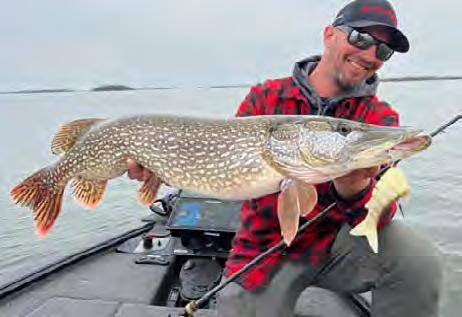
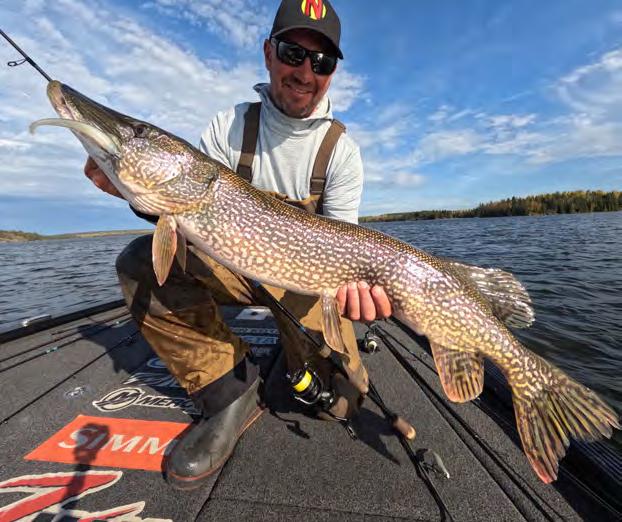
A Beauty Pike Caught On A Swimbait.
What if a pro has no key spots to cycle through? Is it possible to remain competitive by running a pattern throughout a lake or
I’ve had some incredible days fishing flats where pike and walleye were feeding on yellow perch and other baitfish.
Throw these big baits around shallow cover like trees, docks, boulders and points.
(Continued on page 9.)
(Baits you need to have tied on continued from page 20.)
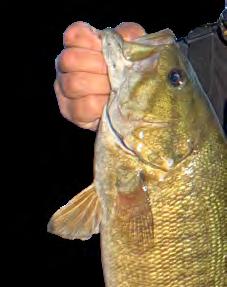
Lori’s big fish.
Fishing Lake St. Clair Isn’t About One Magic Waypoint
By mid-afternoon, the wind often picks up, and this is a welcome change. A chop on the water breaks up light penetration, activates baitfish, and makes smallmouth less cautious, often leading to a renewed feeding frenzy. On calm days, you’ll undoubtedly work harder for bites, but on windy days, Lake St. Clair truly comes alive, offering some of the most exhilarating smallmouth action.
Editor’s Note
adjacent to the sweet spot waiting for you to catch them.
trigger pressured fish walleye presentations.
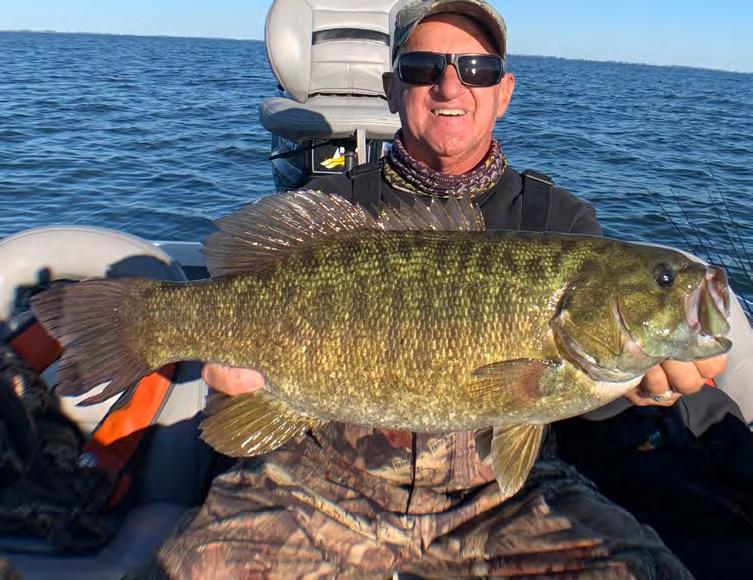
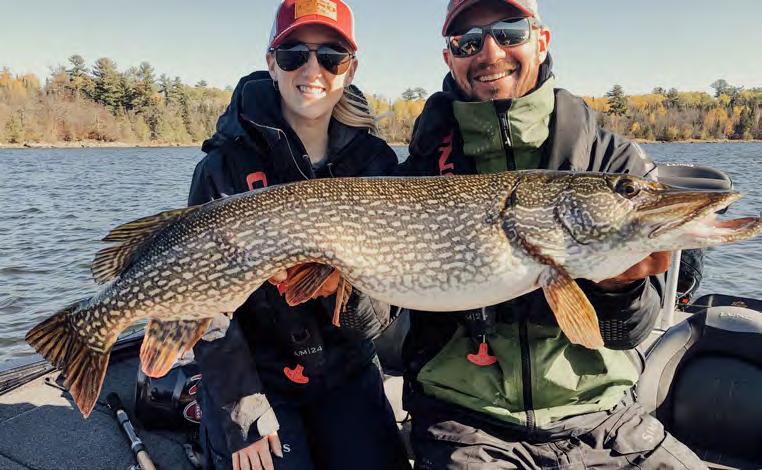
And when it all clicks – when you line up the wind, the depth, and the drift – you’ll experience what keeps anglers coming back year after year: A lake where 4-pound smallmouth aren’t rare... They are expected.
Colin Stass is a lifelong angler with a strong background in competitive fishing, having spent years as a tournament fisherman. Over the years, he has also written fishing articles, sharing knowledge, techniques, and on-the-water experiences with fellow anglers. Today, Colin remains an avid fisherman with a deep passion for chasing smallmouth bass, particularly on Lake St. Clair, where he spends countless hours refining techniques and learning the patterns of one of the world’s premier smallmouth fisheries.
ADJACENT SPOTS
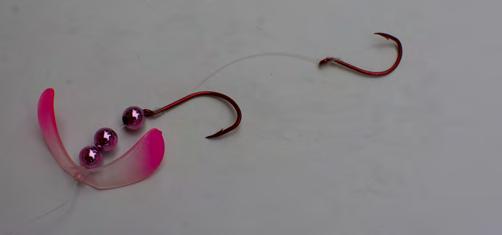
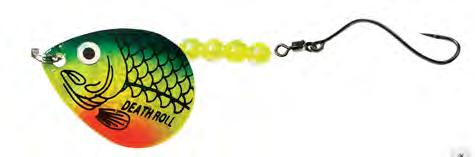
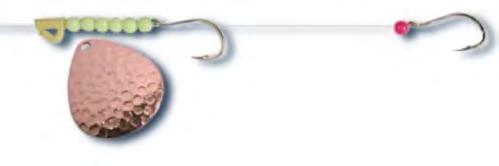
PK Lures’ Vortex live bait spinner rig is equally distinctive. It has a a bent metal blade that spins around a beaded, wire attachment. The rotating blade hits the wire and beads, emitting a clicking sound. Again, another refinement on a proven presentation theme worth trying.
While on the subject of extending the spot, an often more effective approach is looking for adjacent spots that might hold muskies. Last summer one early evening we found muskies relating to points that were relatively sharp breaking and not a “traditional” summer spot. After catching one musky for such a spot, we visually looked around and drove to four adjacent points that looked similar both visually and on the map chip.
SLOW-DEATH STILL RELIABLE
Amazingly, all of the other four points held muskies that evening, and it was a great end to the day. The next day the pattern
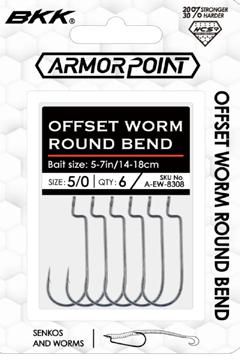
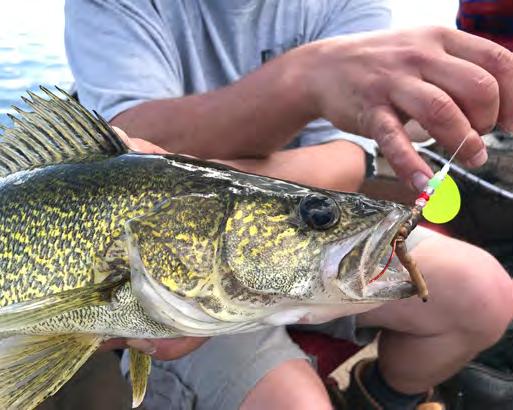
Slow-death involves rigging a piece of a worm on a hook, featuring a specific bend. This curved shank causes the morsel to swim with a corkscrewing action through the water, a movement walleye find irresistible. During mayfly hatches and on tough bites this presentation is very effective. When forage abounds, its small size and
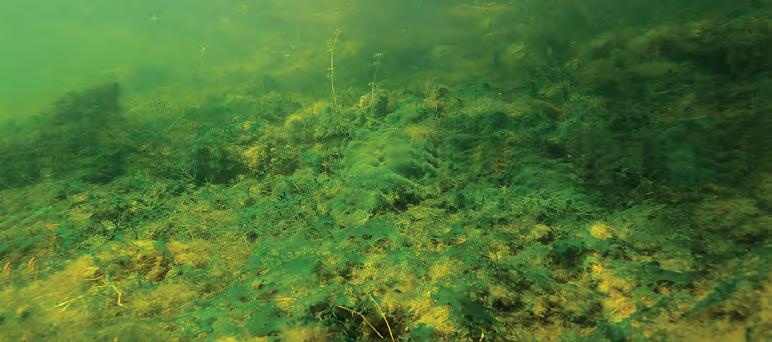
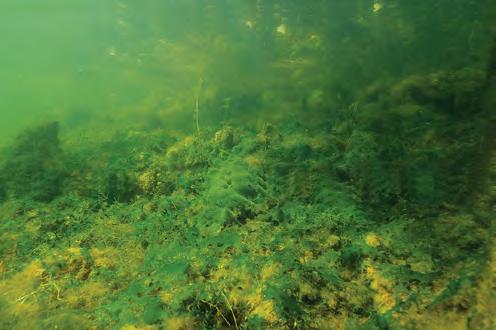
beginning to congregate along deeper weed lines and structural edges responding enthusiastically to crankbaits. But until the weeds fully develop and bass form distinct schools in key spots, pods of fish are likely to spread out across developing weed flats, relating to the best forms and areas of developing weed cover. This cover changes week-to-week as the weeds continue to thicken, rise and bloom.
Thus, you have to do a lot of fancasting in early summer to locate pods of bass atop weed flats that are here today, but perhaps gone tomorrow.
LEVERAGING TECHNOLOGY FOR ENHANCED SUCCESS
Modern sonar technology greatly enhances crankbait fishing efficiency in this situation. Anglers today have access to down imaging, 2D sonar, side imaging, FFS, and especially innovative 360-degree sonar, which offers a comprehensive view around the boat. Using 360-degree sonar, you can pinpoint features such as old bluegill bedding areas
you catch.
BASS LOCATION CHANGES AS WEEDS DEVELOP
As mentioned, at the leading edge of summer, bluegills are done spawning and
imaging and FFS to look out to the sides to evaluate the health of the weed growth.
Try a floating-diving crankbait like a Rapala DT-4, DT-6 or DT-8 to fancast expansive flats, choosing the right size lure to run just above or tickle the weed tops digs down. The lure seductively wobbles, and rises quickly when paused, due to its balsa construction. And the rounded body shape mimics bluegill forage, which bass chow down on at this time of year.
Deeper, along developing outside weededges, cast parallel to the edge, digging the lure down to its maximum diving level, tickling the weed fringe on occasion. Then cast up onto the adjacent flat, using your retrieve to wobble the lure down. In early summer,
(Continued on page 12.)
Rapala DT 8
(Bluegill
When pitching a bobber, give it small micro-hops, just enough to tip the bobber sideways and then reel in the slack. If there’s no strike, let it sit for a moment. Tip the jig with one or two wax worms or a small chunk of crawler. When bluegills turn on, it will be a fantastic experience.
Bro Pro Tip: Spring weather can be unpredictable, so I always wear my AFTCO Reaper Hoodie and keep a Barricade rain suit packed and ready in the boat. I also use Fish Monkey Stubby Guide Gloves. The PVC grip keeps a light rod secure in your hand and protects against sunfish spines.
Sunfish or Bluegill?
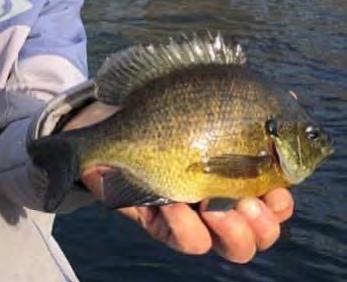
Bluegills are impressive little fighters, and they still grow big in the North Country. Don’t be surprised if you hook a plate-sized bluegill, pumpkinseed or hybrid sunfish. All are members of the sunfish family. Bluegills are slightly yellow with hints of purple, and males have a red breast. Pumpkinseeds are very colourful, displaying shades of orange, green and yellow. Hybrids are slightly tiger-striped and mostly reddish in color. Pumpkinseeds and hybrids rarely exceed a pound. Bluegills can reach a pound and a half, and they may even push two pounds on rare occasions.
For harvest, it’s best to keep medium-sized fish under 9 inches. This helps maintain healthy population dynamics and allows larger bluegills to continue growing. Take a photo and release the bigger ones – a forkful of meat isn’t worth stunting the bluegill population on trophy lakes.
Incidental Catches
While chasing bluegills, expect to catch other fish such as crappies, largemouth bass, pike and walleye. Anglers aren’t the only ones who enjoy a bluegill dinner. Bluegills are on the menu for every larger predator in the lake. Landing these predator fish on light finesse gear is a real feat and adds excitement to your bluegill outing. Don’t forget to bring a few Fire Ball jigs and shiners so you can switch gears for some walleye fishing if you find a break from the bluegill action.
Successfully fishing crankbaits isn’t merely about selecting the right lure; it involves precise execution and an understanding of bass behaviour. When targeting deep weed edges, cast parallel casting along weed lines, maintaining optimal lure depth, and varying retrieval speeds to provoke reaction strikes.
Parallel fishing involves aligning the boat at the depth where weeds thin out, then casting along the contour rather than directly perpendicular to it. This technique efficiently covers productive zones, allowing anglers to systematically comb large areas and identify active fish clusters.
We’ll see you on the water this spring! Have fun chasing and catching bluegills!
Follow my adventures on the Bro Road Show podcast and at store visits, seminars and shows. You can also find me on YouTube, Instagram and Facebook!
Alternating retrieve speeds, incorporating pauses, and using rod tip movements to impart erratic lure actions to significantly enhance strike rates. This approach keeps the bait in the strike zone longer and mimics distressed prey, appealing to aggressive bass. Crankbait fishing success often boils down to precise timing and tactical maneuvers. Anglers frequently encounter situations where their bait becomes momentarily snagged on weeds or underwater
About the Author: Brian “Bro” Brosdahl, is a fishing guide and promoter. One of the most recognized and respected anglers in North America – Bro, as he’s known, is a multispecies angler best known for his influence on the sport of ice fishing. He can be booked for guided trips at: bbro@paulbunyan.net or brosguideservice.com.
(Targeting
(Targeting
(Ned
(On
Traditions
Traditions
(River Run Walleyes continued from page 36.)
In the Spring rivers are traditional destinations to shake the postwinter cabin fever out of your blood. Meet with friends and family for a remote northern getaway. Get on the water for walleyes. Gather around the campfire and share stories. Many anglers have been fishing here since they were kids because their families have been coming here for generations. And you never know if Old Man Winter will stick around or if Mother Nature has something else in mind.
2004, another Canadian wouldn’t even qualify for a Classic until 2016 when Charles Sim qualified through the B.A.S.S. Nation Championship. In 2023, Gussy became the 2nd non-American and first Canadian to win the Bassmaster Classic on the Tennessee River in Knoxville. Today, we have a great roster of Canadian Elite Series anglers including the latest member, Evan Kung. In Fort Worth, Cooper Gallant just competed in his 3rd Bassmaster Classic, Jeff “Gussy” Gustafson, Chris and Cory Johnston in their 6th with Chris and Cory both finishing in the top 10! Between them all, Canadians have produced 6 top 10 finishes in Bassmaster Classic’s including Gussy’s WIN! I definitely see another Bassmaster Classic Champion in Canada’s near future!
it. Fishing in his 17th consecutive Bassmaster Classic, Rick
vegetation. In such cases, a quick, sharp pop of the rod tip to free the bait can often trigger aggressive reaction strikes.
8-pound Sufix Fluorocarbon to minimize line twist and prevent cut-offs from toothy critters like pike.
In the Spring rivers are traditional destinations to shake the postwinter cabin fever out of your blood. Meet with friends and family for a remote northern getaway. Get on the water for walleyes. Gather around the campfire and share stories. Many anglers have been fishing here since they were kids because their families have been coming here for generations. And you never know if Old Man Winter will stick around or if Mother Nature has something else in mind.
In the Spring rivers are traditional destinations to shake the postwinter cabin fever out of your blood. Meet with friends and family for a remote northern getaway. Get on the water for walleyes. Gather around the campfire and share stories. Many anglers have been fishing here since they were kids because their families have been coming here for generations. And you never know if Old Man Winter will stick around or if Mother Nature has something else in mind.
I have seen people trying to launch boats that are frozen to their boat trailers because the air temperature is in the single digits. I have also seen summer-like weather and sunburned faces. Whether there is a snow squall or a heatwave, you will find Heather and I chasing that 30-incher on a river somewhere in April. Good luck!
outside the boulder zone, you can use an upward flick of your wrist, followed by a drop of the rod tip, to make the lure jump up a foot or two, then immediately plummet to bottom, kicking up a cloud of sand/muck every time contact occurs. This really triggers strikes from aggressive walleyes trying to clobber the lure before the lure escapes on the next jump. Be sure to try the new Rapala Jigging Shadow Rap as well for a different fish-triggering action.
helped coin the name of the lure in honour of his excellent friend, Ned, who has turned it into a lure of extreme value with a cult-like following. “We were always comparing notes” said Gord. “We would email back and forth 4-5 times a day, for weeks on end, over many, many years.”
helped coin the name of the lure in honour of his excellent friend, Ned, who has turned it into a lure of extreme value with a cult-like following. “We were always comparing notes” said Gord. “We would email back and forth 4-5 times a day, for weeks on end, over many, many years.”
outside the boulder zone, you can use an upward flick of your wrist, followed by a drop of the rod tip, to make the lure jump up a foot or two, then immediately plummet to bottom, kicking up a cloud of sand/muck every time contact occurs. This really triggers strikes from aggressive walleyes trying to clobber the lure before the lure escapes on the next jump. Be sure to try the new Rapala Jigging Shadow Rap as well for a different fish-triggering action.
A closeup of the Yellow Perch Ultra Tungsten Ice Jig tipped with a Clam Motor Oil Jamei XL
Anglers Please Note: Detroit River has lots of suspended walleyes so fish them where you see them in the water column.
High or Low Water
Sometimes it is just better to go against the flow on a river. To get bites in any condition, try slow dragging a 2 to 3 oz. bottom bouncer with a Northland Butterfly Blade Harness and a minnow or a crawler with a simple bead on a short 2 to 3 feet of Sunline FC fluorocarbon leader with a Gamakatsu Finesse Wide Gap Hook. Big walleyes can’t pass up a fat rainbow sucker minnow or creek chub slowly dragging upstream on the edge of a current seam at .5 mph. This will create strikes. Just remember, its bottom bouncing and not bottom dragging. Touch the sinker on the bottom every now and then to make you are near the bottom. This is a great approach after a cold front or if the river is murky. And there are times when crankbaits just work better on rivers. I keep my rod locker ready with Northland Rumble Shiners on St. Croix Eyecon trolling rods ready to deploy.
Zman ZinkerZ Coppertreuse
My weapon of choice is a St. Croix Legend Elite 7’ Medium Extra Fast spooled with Sunline SX1 10lb. braid in green or hi-vis yellow. Top it off with 2-3ft. of Sunline FC 8lb. leader. It prevents ripping the walleye’s mouth and allows you a break spot if you are snagged.
Southern reservoir bass anglers who don’t have to deal with weeds have long used soft, fiberglass rods to fish crankbaits. The soft rod helps maintain line tensions and prevents bass from tossing the lure when they jump. But northern anglers who fish weedy lakes prefer stiffer graphite rods to help interpret weeds and provide a strong jerk to rip lures free from weeds. Use too soft a rod, and you’re more likely to bury the lure and uproot the entire weed stalk.
Early to mid-fall is one of my favourite times to be on the water each year. The air is crisp yet not cold, boating traffic and angler competition are at a minimum, and big fish of all species bite, feeding to stock up energy reserves prior to a long, cold northern winter. That’s a combo you just can beat anytime, anywhere!
Heavy hair jigs or jigheads tipped with soft plastics provide lift-drop lure action in deep water, although their increased bulk and water resistance usually do not allow you cover water as quickly as when using Jigging Raps. Experiment to see what works best.
“Outside of the little group that Ned founded and called, ‘The Finesse News Network’, it flew under the radar for nearly 20 years”, Gord told me during our conversation. “So, it is anything but ‘new’, although the fishing community is buzzing about the lure as the ‘hot new thing’. As a matter of fact, a lot of what are being called Ned Rigs these days are very far from accurate.” Gord further explained, “Many companies are calling any number of moon shaped jigs as Ned jigs. Likewise, company after company has named their smallest plastics as Ned this, or Ned that.”
I have seen people trying to launch boats that are frozen to their boat trailers because the air temperature is in the single digits. I have also seen summer-like weather and sunburned faces. there is a snow squall or a heatwave, you will find Heather and I chasing that 30-incher on a river somewhere in April. Good luck!
I have seen people trying to launch boats that are frozen to their boat trailers because the air temperature is in the single digits. I have also seen summer-like weather and sunburned faces. Whether there is a snow squall or a heatwave, you will find Heather and I chasing that 30-incher on a river somewhere in April. Good luck!
Although Hank finished last in the field of 41 anglers in that Classic, he will be forever a Bassmaster Classic qualifier, which is no small feat in itself. In fact, there are numerous Classic qualifiers who finished last one year but won the title in another year. The most notable of these was Bryan Kerchal who managed to qualify for the Bassmaster Classic twice through the B.A.S.S. Federation ranks. In his first appearance on the
Yet, I think what matters most is time on the water. I can look at a water body and say – wow, that looks like text book bass habitat – and not catch a thing. And then throw a random cast and hook a bass where they “aren’t supposed to be”. I think that is another key message – fish don’t necessarily follow the rules.
to the lineup with a couple of new plastics, the Baby BallerZ and Micro Goat. They also introduced a new jighead, the Micro Shad HeadZ in black, pink, chartreuse and glow finishes. The Micro Shad HeadZ are available in 1/32 oz., 1/16 oz, 1/8 oz. and 3/16 oz. sizes and are poured on a 90-degree jig hook. The location of the line tie on the top of the jighead makes them ideal for a vertical presentation such as used in ice fishi
Rolling River
“Outside of the little group that Ned founded and called, ‘The Finesse News Network’, it flew under the radar for nearly 20 years”, Gord told me during our conversation. “So, it is anything but ‘new’, although the fishing community is buzzing about the lure as the ‘hot new thing’. As a matter of fact, a lot of what are being called Ned Rigs these days are very far from accurate.” Gord further explained, “Many companies are calling any number of moon shaped jigs as Ned jigs. Likewise, company after company has named (or renamed) their smallest plastics as Ned this, or Ned that.”
Follow, like and share my fishing adventures on YouTube, TikTok, Twitter, Instagram and Facebook!
SO, WHAT EXACTLY IS THE NED RIG?
SO, WHAT EXACTLY IS THE NED RIG?
Hank Gibson’s top finish during his Bassmaster career was a 4th place finish in a Florida Top 100 event where he took home $24,000 USD in cash and bonus winnings. According to DeRose, Hank accomplished that by targeting spawning bass on stumps in Rodman Reservoir. Part of his winnings in that event was $1,000 for “Big Fish” of the tournament, a beauty weighing in at 10 lbs. 13 oz.! Peter Thliveros won the event with Shaw Grisby finishing in the runner-up position. Paul Elias finished 3rd just ahead of Hank and won a Ranger Bass boat as a contingency prize and Hank won a truck as contingency prize. Now here is where it gets interesting, as DeRose recalls Elias was in need of a new truck and Hank’s boat was getting a little tired, so they traded prizes.
Jason Matity & Jeff Matity are helplessly, hopelessly addicted to the sport of fishing. The only thing they like better than catching big fish is helping others catch big fish. Whether it’s trolling for northern pike and walleyes, to jigging for trout, burbot and perch, pitching jigs to bass, or dunking crawlers for carp and catfish, they are Saskatchewan’s multispecies fishing authority whether or open water. Matitysgetfishing.com
YOU are invited to come along for the ride…
Spring runoff can create high water on rivers at times, the launches can be under water, which obviously makes launching difficult.
“The Original Ned Rig was the actual
I prefer St. Croix’s Victory series of rods feature models specifically designed for crankbait applications. I use a 7-foot 2-inch mediumheavy, moderate-action “Power Target Cranker” rod. The rod’s moderate action is ideal for crankbaits, allowing you to react slower to bites, reducing premature hooksets, and greatly improving hookup rates. And the SCIII+ carbon fiber blank is both tough and sensitive enough to feel your crank wobbling and vibration
I like to use a 7’ 1” St. Croix Eyecon spinning rod, medium power with moderate action, which is ideal for fishing Jigging Raps. I team it with a Daiwa Fuego 2500 reel spooled with 8-pound-test Advanced Sufix monofilament to provide a little line
I like to use a 7’ 1” St. Croix Eyecon spinning rod, medium power with moderate action, which is ideal for fishing Jigging Raps. I team it with a Daiwa Fuego 2500 reel spooled with 8-pound-test Advanced Sufix monofilament to provide a little line
“The Original Ned Rig was the actual you got from the pairing of a Gopher Tackle
Jigging Rapalas allow you to fish aggressively beneath the boat in deep water, providing fish-triggering lure action and the ability to move quickly to locate and catch fish.
Follow, like and share my fishing adventures on YouTube, TikTok, Twitter, Instagram and Facebook!
Follow, like and share my fishing adventures on YouTube, TikTok, Twitter, Instagram and Facebook!
The underwater world holds many mysteries that fascinate me as a scientists and angler. Sometimes that fascination can lead to some minor frustrations when I can’t figure out where the fish are or how to get them is what keeps me
The StingerZ, Tiny TicklerZ, Baby BallerZ, Micro Goat, Shad FryZ and LarvaZ are all deadly on panfish whether rigged on a Micro Shad HeadZ or tipped on a spoon or other jigging type lures. Coconut Ice Glow, Pearl, Purple Death, Space Guppy, Electric Chicken and Bumble Bee are all colours that I’ve used with great success in open water or on the hardwater! Again, please note that these are all made from the same ElaZtech material that their famous TRD Ned Finesse
About the Author: Brian “Bro” Brosdahl, is a fishing guide and promoter. One of the most recognized and respected anglers in North America – Bro, as he’s known, is a multispecies angler best known for his influence on the sport of ice fishing. He can be booked for guided trips at: bbro@paulbunyan.net or brosguideservice.com.
Rainy River can get extremely rough at the Gap, Four Mile Bay or the long straight stretches where the northwest wind blows. I have spent many days fishing in rough water during cold weather and it’s hard to beat a windshield this time of year. This is one of the many reasons I choose a Lund 2075 Pro V boat with a Mercury 300 Pro XS for guiding, tournaments and fun fishing anywhere, anytime. I stay comfortable all day, no matter the winds and the waves. When the struggle is real, Spot-Lock into the wind and hide behind your
situation. When people ask my what I think fish mistake the Ned Rig for my response is, ‘I don’t care what they mistake it for, as long as they’re biting it’.” Gord added, “If we’re fishing the clear waters of Whitefish Bay on Lake of the Woods, I like natural and neutral colours versus some of the brighter twotone colours in Kenora’s algae stained waters.”
Fluorocarbon to minimize cut-offs from toothy
About the Author:
time, but I beg to differ. It actually bunches up and concentrates the trout, creating a highly competitive atmosphere that you can exploit for all that it is worth. Especially, if there is a slight breeze blowing parallel to a shoreline that features a shallow – knee to waist deep – boulder-strewn flat or sparse weed or reed bed. The bigger and more isolated the structure is the better, but it must jut out and dip quickly into the main lake basin. When I am fly fishing a spot like this my favourite tactic is to drift a balanced leech under an indicator, but the purist in me hates to admit that a marabou jig is
The entire time that he was giving his best on the B.A.S.S. circuit he also competed at home in Ontario with partners such as Keith Farmer and Todd Million. All the while maintaining different businesses, he spent as much time as possible with his children, Jeremy, Candice and Shawna. Jeremy affectionately remembers actually fishing a tournament with his dad when he was 11 years
which feature a 6.3:1 gear ratio. Modern crankbait anglers commonly prefer this gear ratio because it offers better control and retrieval speed balance, compared to historically-popular slower
lighter, more buoyant 5” YUM Dinger
small barrel swivel and about 16 inches of
Carleton University (www.fecpl.ca). He is also a Science Ambassador fish. As a scientist I have much to learn from anglers and anglers can certainly learn from scientists, but those interactions are unlikely to help anyone catch piles more fish! To say that I am a frustrated angler is an understatement. There are days – and we all have them – where I simply can’t get a bite. I have all the necessary equipment, I read all of the blogs and magazines, I spent 11 years doing university level education mostly focused on fish, and for the last 12 years I have been a professor of fish biology.
If the mood of the fish that you’re on ever goes super negative, there are a few things to try before abandoning them to locate more aggressive fish. If the fish are proving to be super tight-lipped,
I have an AFTCO Barricade rainsuit and, even in the rain, I am dry as a cork. I know I am not the only one who fishes in inclement weather. I have witnessed many anglers boat big walleyes at the
ranks among the most renowned video producer, fishing guide, tackle manufacturer, lecturer and champion tournament
it. Fishing in his 17th consecutive Bassmaster Classic, Rick Clunn
one of my favourite the water each year. not cold, boating traffic competition are at a minimum, species bite, feeding to reserves prior to a long, That’s a combo you anywhere!
Heavy hair jigs or jigheads tipped with soft plastics provide lift-drop lure action in deep water, although their increased bulk and water resistance usually do not allow you cover water as quickly as when using Jigging Raps. Experiment to see what works best.
“The most interesting retrieve that I’ve been writing about, where crappies and smallmouth are involved is the “Bivins’ Bounce”. Terry Bivins is a retired NASCAR driver from the states and he is an
I like to anchor the Frog Boat – a canoe or kayak works just as well – from the stern, so that I am casting down wind and aligned with the sloping break. I also never use an indicator or float. Instead, I cast the jig parallel to the edge of the drop, working each successive cast out further, away from the lip, and deeper. By counting down your jig after each cast, you can accomplish two things. The first is saturating the water column from top to bottom. The second is when you catch a trout, you can replicate the count – and hence the depth – on each followup presentation
situation. When people ask my what I think fish mistake the Ned Rig for my response is, ‘I don’t care what they mistake it for, as long as they’re biting it’.”
One last marabou trout detail: don’t be in a rush. The lure is so subtle that if you retrieve it too quickly it will rise up towards the surface on a path that resembles the right angle of a 45-degree triangle. What you’re trying to accomplish instead, is straining a specific horizontal zone within the water column, each time you
“The most interesting retrieve that I’ve been writing about, where crappies and smallmouth are involved is the “Bivins’ Bounce”. Terry Bivins is a retired NASCAR driver from the states and he is an Zman ZinkerZ Coppertreuse
once the YUM Dinger was fished and most of the remaining salt
once the YUM Dinger was fished and most of the remaining salt
any part of the lower untit or hydrofoil find clearer water for your best opportunities, please note Rainy River is alot darker water than the Detroit River so you don’t have to see quite as far 6” in good for the Rainy. Detroit is gin clear but gets muddled from wind and waves lightly cloudy is ok if its
allow you to fish the boat in deep fish-triggering lure action move quickly to locate
Jason Matity & Jeff Matity are helplessly, hopelessly addicted to the sport of fishing. The only thing they like better than catching big fish is helping others catch big fish. Whether it’s trolling for northern pike and walleyes, to jigging for trout, burbot and perch, pitching jigs to bass, or dunking crawlers for carp and catfish, they are Saskatchewan’s multispecies fishing authority whether or open water. Matitysgetfishing.com
YOU are invited to come along for the ride…
Gord added, “If we’re fishing the clear waters of Whitefish Bay on Lake of the Woods, I like natural and neutral colours versus some of the brighter twotone colours in Kenora’s algae stained waters.”
time, but I beg to differ. It actually bunches up and concentrates the trout, creating a highly competitive atmosphere that you can exploit for all that it is worth. Especially, if there is a slight breeze blowing parallel to a shoreline that features a shallow – knee to waist deep – boulder-strewn flat or sparse weed or reed bed. The bigger and more isolated the structure is the better, but it must jut out and dip quickly into the main lake basin. When I am fly fishing a spot like this my favourite tactic is to drift a balanced leech under an indicator, but the purist in me hates to admit that a marabou jig is
“Everything changed when Zman produced the Zero worm, made from their proprietary ElaZtech material, for Strike King. After the Zero’s success, Zman made their own ZinkerZ under the Zman banner. This super-buoyant, 10X tough worm
“Everything changed when Zman produced the Zero worm, made from their proprietary ElaZtech material, for Strike King. After the Zero’s success, Zman made their own ZinkerZ under the Zman banner. This super-buoyant, 10X tough worm
the Author:
I like to anchor the Frog Boat – a canoe or kayak works just as well – from the stern, so that I am casting down wind and aligned with the sloping break. I also never use an indicator or float. Instead, I cast the jig parallel to the edge of the drop, working each successive cast out further, away from the lip, and deeper. By counting down your jig after each cast, you can accomplish two things. The first is saturating the water column from top to bottom. The second is when you catch a trout, you can replicate the count – and hence the depth – on each followup presentation
This is the time of year when winter can bounce back for a day or two. On the other hand, there could be a heatwave. Up or down extreme barometric readings may turn the fish off, as well as muddy water on these rivers. But you can’t catch the fish at home. In my opinion, the worst bite in a boat on early open water is better than not going at all! I just make sure I’m
among the most renowned fishing industry. Averaging on the water, Al is hailed best all-around anglers. honoured career as an author, syndicated radio & TV fishing show host, fishing guide, tackle manufacturer, lecturer and champion tournament 35 years of the most revolutionary years in sportfishing.
“IF IT SWIMS... WE FISH FOR IT...AND WILL HELP YOU CATCH IT! GetFishing ‘Cuz Fishing’s Magic!”
I always have my AFTCO Reaper Hoodie and my Hydronaut heavy-duty waterproof suit ready to go in the giant storage compartment in my Lund GL 219 I wear my Fish Monkey Stealth Dry-Tech or Wooley Gloves all day. I never have to take them off while baiting minnows, pitching and handling fish, too.
One last marabou trout detail: don’t be in a rush. The lure is so subtle that if you retrieve it too quickly it will rise up towards the surface on a path that resembles the right angle of a 45-degree triangle. What you’re trying to accomplish instead, is straining a specific horizontal zone within the water column, each time you
“Finally, Zman tackle took the lead with their ElaZtech ZinkerZ worms that are nearly indestructible and have the greatest buoyance of all plastics. Ned catches as many as 180 bass on a single Zman worm! Ned’s involvement in the research and development of Ned products at Zman resulted in the Zman Finesse T.R.D. Series , the first pre-cut or pre-formed Ned Rig worms and finesse bodies. The Finesse TRD eliminates the need to cut a 5” ZinkerZ in half and comes poured in a 2 3/4” worm. Ready to go! No cutting needed!” So, I asked Gord, “What would you consider the best all-round
“Finally, Zman tackle took the lead with their ElaZtech ZinkerZ worms that are nearly indestructible and have the greatest buoyance of all plastics. Ned catches as many as 180 bass on a single Zman worm! Ned’s involvement in the research and development of Ned products at Zman resulted in the Zman Finesse T.R.D. Series , the first pre-cut or pre-formed Ned Rig worms and finesse bodies. The Finesse TRD eliminates the need to cut a 5” ZinkerZ in half and comes poured in a 2 3/4” worm. Ready to go! No cutting needed!” So, I asked Gord, “What would you consider the best all-round
Jeff & Jason Matity
Visit our YouTube Channel & SUBSCRIBE for FREE!!
“When Zman came out with the ZinkerZ now, the pre-cut Finesse T.R.D., that just perfected it to no end. When you fished it on any of the Zman Shroom mushroom head jigs, it was the Ned Rig personified. All of the colours and subtle hues that Zman and others have in their line-ups can cover any water clarity
“When Zman came out with the ZinkerZ and, now, the pre-cut Finesse T.R.D., that just perfected it to no end. When you fished it on any of the Zman Shroom mushroom head jigs, it was the Ned Rig personified. All of the colours and subtle hues that Zman and others have in their line-ups can cover any water clarity
Don’t forget to check your batteries before you hit the water. Start your outboard motor for a quick second and then test your trolling motor batteries. This is best done at home rather than
Fishing . 30
Editor’s Note
David Chong is widely recognized as one of Canada’s top competitive tournament anglers. He is also an avid multi species angler and is a strong advocate for affordable, accessible angling for all! David loves sharing his vast fishing knowledge and stories with anglers of all ages, beginners and pros alike!
I mentioned my friend, Ned Kehde earlier, because the Ned Rig for which he has become justifiably famous has stunned the bass
Well, guess what?
A 1/16-ounce mushroom head is my go to jig. They are in a class of their own, especially when you team them up with a 4-inch (I always nip off an What makes the incredibly soft squishy baits so effective is that they are buoyant –they float – so when you let your jig fall to the bottom, the tail stands up, sways and waves effortlessly.
Just Fishing . 23
Clunn
St. Lawrence still holds a
Science of Catching & Cooking Fish
biochemistry and structural mechanics of fish preparation, framed around the best moments from our masterclass interview. If you want to stop destroying your hardearned catch and start elevating your kitchen and shore-lunch game to Olympic standards, read on.
Let’s start with the core biology, Cameron. We’ve all prepared different meats, but fish muscle tissue is fundamentally different from beef, poultry, or pork.
to 60 days for high-end beef) to allow natural enzymes to break down the tough muscle fibres and develop complex flavours.
Fish is the exact opposite. Fish muscle fibres (called myotomes) are short and held together by thin, highly delicate sheets of connective tissue.
Because fish live in a buoyant environment, their muscle structure doesn’t need to support heavy skeletal weight, meaning their
scissors, Ziplock bags, and a cooler packed with ice.
If I am keeping smaller, prime-eating walleye, they go into the livewell with the aerator pump continuously running to refresh the water. Exactly thirty minutes before we head back to the boat launch, I perform a critical step: I take my scissors and cut the fish right in the throat area behind the gills, severing the main arterial line. I leave them in the running livewell to bleed out completely while the heart is still pumping.
HI incorrectly categorized these burbot as spawned-out or immature males. Finally, it became clear that these big burbot couldn’t be spawned out males. This group were fullgrown fish, over 4 pounds. Baffling, their gonads were tiny, pinkish, ribbon-like, and under developed. Was this the group of fish that Sam also called males? I’m not sure; but, about 80 percent of the fish that son, Ben, and I harvested in 2008 were these, so called, “males”.
Hey fall trollers – water temps are finally starting to dip! Instead of tying on any ol’ crankbait, did you know you can use water temp to tell you which exact styles to run.
Dr. Vaughn Paragamian... Science Bridges the Gap
Brad Hawthorne’s logged a zillion hours pulling cranks in the fall, so it’s the first thing I asked him about when I had the chance to hop in his boat:
I sought out Dr. Vaughn Paragamian from the Idaho Fish & Game Department who had this to say: “Those fish are ‘nonbreeders’. Eelpout, like sturgeon, do not all spawn every year. Individuals rest on alternate spawning seasons.”
So why are resting fish active on the spawning grounds, I wondered?
He always starts early fall with #5 Rapala Shad Raps ‘cuz they’ve caught more fish than any other bait in his boat…especially while water temps are 60650F. Bump up to a #6 or #7 as temps reach the lower end of that scale.
Once the water hits 57-620F – and the weather is cooperating – he’ll put on BIG ol’ bent-lip #9 Shallow Shad Raps. Everything is going shallow and putting the feedbag on, including perch this size….
Original Jointed Minnows are one of his favourite overlooked fall trolling baits when temps are in the 50-570F range and fish are on the chew. They run 5-7’ outta the package, but Brad will pinch on a small splitshot up above the bait to get ’em down to the 8-10’ range.
“Eelpout rest only as far as gamete production is concerned. Unlike sturgeon that avoid spawning activity during their resting year, the entire eelpout population participates in the yearly spawn, in one form or another. Many males and females are mature non-spawning fish with underdeveloped gonads, easily mistaken as spent or immature males when cleaned. Only under a microscope slide, can oocytes be seen in the ovaries of females and spermatozoa in males,” revealed Paragamian.
During our conversation I shared that many of these non-breeders were very emaciated with sunken eyes, reduced girth and shrunken, pale-coloured livers. “Although an individual non-breeder will eat chum on bottom, for example, without any available food on the
Frigid temps: Original Floaters are tough to beat. Brad’s caught fish on ’em in water as cold as 42 degrees. #PolarPlungeStatus More details straight from Mr. Fall Cranky himself in this video. (https://www. youtube.com/watch?v=RLYu8tPpv8U)
TThis can be a frustrating time of year to track down a limit of tasties. Fish are on the move, but they’ll be migrating to predictable areas and eventually schooling up hard.
Ted Takasaki, Scott Richardson and Greg Bohn combined forces to give us and Yoda some fall-transition secrets. Full write-up archived here, few excerpts below:
“Baitfish will only stay in weeds as long as they’re very green. Once weeds start to die off... baitfish and walleyes start to leave those shallow-water weed areas.
(Slip Float Refresher cont. from page 12.)
(A Soft Spot for Walleyes continued from page 11.)
(Science of Catching & Cooking Fish continued from page 16.)
(Baits you need to have tied on continued from page 16.)
(Dailing-In Depth Control for Walleyes continued from page 7.)
This rigged with a Scented Jerk ShadZ is d-e-a-d-l-y for casting, strolling, and jigging
(Sidebar)
“Pay careful
If it’s windy, sometimes the swimbait gets a little more attention. I like to use the Slim SwimZ on the Smeltinator Underspin, which just gives it a little different look.
DO WALLEYE SCENTS MAKE
“If you’re fishing summer spots and they aren’t there, start fishing the sand. As the transition is getting underway, it’s still common to find walleyes in 15’ or less.
(The Serge in Forward Facing Sonar continued from page 18.)
(10 Mistakes You Need to Fix continued from page 17.)
When you’re out on Laker-Whitefish grounds and you see fish feeding off the surface from the many insect hatches that occur in the spring, you can rest assured that these are probably Lakers whether it’s over 70-80 FOW or not. Using forward facing sonar like a Garmin LiveScope setup can help you spot these cruisers from
(What’s Hot On Ice continued from page 37.)
sonar to locate and catch walleye scattered on flats, relating to a weedline, or stationed on a sand bar, to name just a few areas. Hit spot-lock to hold the boat in place, cast the rig over to fish, and watch the float for a bite.
Years ago, I never used to bleed my fish, but after doing side-by-side tests, the results are night and day. Liam asked me about the specific flavour and visual differences, and it comes down to structural aesthetics and chemical purity. Bleeding clears out the residual blood from the capillaries within the flesh. Visually, the meat becomes highly opaque and brilliantly white, eliminating any dark impurities or blood pools. If you are preparing a highly delicate white wine, lemon, and butter sauce, a clean, bled fillet ensures you don’t get any iron-heavy, metallic back tastes from trapped blood cells.
As a general rule, if you’re using your electronics to watch your bait and see fish, you should try to always keep your minnow baits above the fish, make them swim for it and work for it a little bit. If you’re simply casting, try to hit the sweet spots, like the tip of a point, a windblown cove or a mudline. Both bass and walleye love to set up on mudlines on those breezy days.
spawning shoal, itself, these guardian fish fast for weeks and weeks, never leaving the eggs,” explained Paragamian.
FISH FOR WHATEVER IS BITING
“They start to move out to more open-water areas at first... sliding out around deep water: sandbars that come out from shore and drop to deeper water, sand flats, sand points and sand humps.
“Once fish are deep, they’re not very boat shy. I use a technique some call sharp-shooting,” Pugh said. “I might spend a half hour looking, then a half hour to 45 minutes fishing.”
attention condition and what bobber under, so you
Bassmaster Elite Series competitors posting photos and videos on their social media pages of multiple of these transducers on their boats, it has made me consider if I’m making a mistake? We’ll see how the season goes.
How you set the hook depends on its size, diameter and thickness and when it is small, thin and razor sharp, a smart sweep of the rod tip all that is required to nab every fish.
And what about the physical storage? I know you have a horror story about poor livewell management.
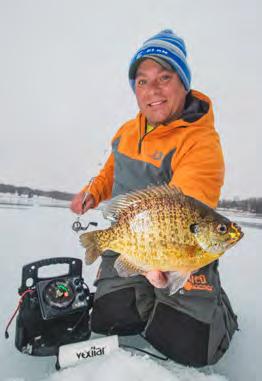
FLX-30 BB flasher/ fish finder featuring – 7 frequencies from 160 to 300 kHz, 140 interference rejection options, target ID down to 1/4”, Digital depth displat, Day & Night display settings, Battery status & low-battery alert, 3 power level settings & zoom zones. Plus Vexiar’s exc;usive broad band Ice-Ducer transducer & float, 12 volt, 9 amp-hour, Vexilar Lithium battery, fully automatic charger, Soft Pack carry case, adjustable rod holder, external power posts for accessories and a custom Vexilar tackle box.
You’re making a mistake if you’re not using soft plastic baits infused with scent. That is the clear message from Pure Fishing’s Dr. Keith Jones, who invented PowerBait and has carefully studied how fish use their sensory channels. In order to determine if it should eat something, Jones says a walleye has to touch it, smell it, and taste it. He also says oil-based scents don’t work, as fish can only detect water soluble odours. Lastly, Jones says walleye specific scents are better than forage (shad, nightcrawler) based elixirs.“The foundation in our walleye impregnated Power Baits represents the “meat and potatoes that appeals to most predatory fish,” says Jones. “But then we spike it with walleye specific enhancers. Things we’ve learned that
Oh, it was a total disaster. I fished with a gentleman
“Walleyes begin to move deeper as water temps drop toward turnover (begins at 620F or so). Instead of looking for fish to be on top of structures, look deeper.
My opinion on all of this is that it’s okay to have fun and catch more fish. Embrace the technology, learn from it and teach new anglers how to use it. I had several days last year where I had kids in the boat with me and I showed them how it works, then they were almost glued to my side for the rest of the day, watching the screen. They didn’t want to put their bait in the water until they saw a fish!
I received a message from a reader last fall about catching big smallmouth, largemouth and northern pike. He had been unsuccessful in his efforts and asked if I’d help him zero in on the key depth. I flipped him back a note asking what species, in particular, he was targeting. He
“So, non-spawning guardian fish stay on the shoal, defend territory, and fast to the point of near starvation. Why?” I wondered out loud. “Well, why do most organisms on earth do outrageous things in the name of procreation?” retorted Paragamian. “One word: hormones. It’s primarily light and temperature, as well as other environmental cues that begin the cascade of hormones causing this behavior. There must be a mechanism by which they ‘know’ it is time to leave before their bodies give out completely. Bottom line, as long as the fat reserves in their liver hold up, they can stay.”
Glo-Shot Spoons are a killer on crappies, perch, walleyes, pike and trout. Cast or vertically jig... the S-curve design and light, lead-free construction excels with twitches, lifts and falls. Glo-Shot in low-visibility situations. Change Glo-Shot
Now, there is no question that when you are fishing for walleye, as case in point, that you may catch a bonus smallmouth, largemouth or northern pike. Maybe even several. But is it a huge mistake to assume it will happen and thus, go fishing without a specific species in
a Lake
All of that being said, there is some responsibility amongst anglers utilizing live sonar to not exploit the fish by catching and keeping too many or even by catching too many fish in deep water, where they can’t be released. Crappies are especially susceptible to exploitation because they group up in large schools and they almost always suspend at least a few feet above the bottom so they are very easy to spot on these electronics.
Tip with live bait or IMPULSE plastics. Glo-Shot
Non-Breeders On Duty – More Bark
Sharp-shooting’s an assertive fishing style. It relies primarily on 2D or down-view sonar to get directly over walleye, then quickly dropping a fast-sinking presentation while staying over fish using the main engine or a trolling motor’s spot-lock feature. Jigging Raps, bladebaits, and drop-shots are popular artificial choices, but a slip float has long been the gold standard for live-bait tactics and often called “power corking” or “power bobbering”.
I use to accompany the Conservation Officers and fisheries technicians who worked for me and we would pull alongside anglers and do a creel survey. I was always amazed when the folks in the boats were asked what they were fishing for and they replied ....
Finally, make sure you rig your bait up straight on the jig head. If it’s not perfectly straight, it’s going to twirl, twist your line and not look natural. It takes some practice to get these baits rigged up perfect, but it’s worth taking the time to do it right.
If the fish start to disappear, we’ll see more rules and regulations that nobody wants, so take care of the fish and have some fun out there.
DON'T OVERLOOK DROP-SHOTTING
“They will be in spots like the sharper breaks or on mid-lake humps that top out at perhaps 20’, rather than 15’, or in holes in soft-bottom flats where depth drops from 15’ to 20’.
They are generally super aggressive at this time while they’re trying to bulk up and recover from the rigors of the spawn! They also grow to that trophy 40 plus inch range and can be over 20 plus lbs. Cooks Bay is probably home to the largest number of pike on Lake Simcoe. At this time, they can be found in the lower end of
bottom, while still allowing for a steady retrieve to activate the plastic’s boot-tail, cover water and trigger reaction strikes.
Pike! Ditto, in the spring or anytime for that matter when walleyes are roaming the flats, feeding on yellow perch and whacking crawler harnesses. Scented soft plastic crawlers almost consistently catch more and bigger walleyes than live crawlers owing to the fact that the perch and panfish can’t nip, snip, squeeze or otherwise pull them apart. So you spend the bulk
“Walleyes become more selective about where they stage. They generally locate on a spot-on-a-spot. For example, if they’re on a mid-lake hump with scattered boulders, they will be on the boulders. If all rock, look for the patch of sand. If all sand, look for the rockpile.
Finally, knowing the purpose of non-breeders’ presence - territorial egg guarding – explains why, as individuals or as a mob, they shun every living creature that dares invade their claim. Ciscoes are their primary antagonist, the target of the non-breeders’ disdain and fury.
SHAKE THAT NEDSTER
I’ve written about the potency of drop-shotting in Just Fishing
1/16-, 1/8- and 1/4-ounce weights, with red treble hooks in #12, #10 and #8 sizes, respectively. Hooks are rings for added action and fewer lost fish. Sticks are non-toxic, easy to activate and glow in vivid colour for eight hours. They are light enough not to affect lure action and are also great for lighting up a variety of bobbers, hooks and jigs.
Pugh’s half-hour fishing timeline refers to a large bite window courtesy of decent numbers of walleye. At the other end of the power corking spectrum is waiting a minute or two when hovering over an individual fish or smaller pod. If things don’t happen fast, reel up and head to the next spot.
The Ned rig has been popular for about a decade. If you haven’t used it, you have surely heard of it in the past. It is a small, straighttailed worm, rigged up on a mushroom style jig head. It’s a plain, boring looking rig but it’s a great crayfish, bug and minnow imitator that simply catches fish.
To be successful, you have to focus in on a specific species, learn as much as possible about its lifestyle, habits, behaviour and seasonal preferences. Then you need to use the information to select prime locations, the best lures and optimal presentations. To do otherwise is to take a shot in the dark, which almost always misses the mark. Leave the hail Mary passes to the last minute desperation plays for
“Because more and more walleyes show up on these few spots, more and more of the lake holds no fish. It’s easy to be skunked if you don’t pay attention to subtle differences on the structure.”
Stakeouts with my AQUA-VU revealed ciscoes making forays to the bottom to gobble up eggs and then retreat, vertically, to just below the ice. When so incensed, frenzied ciscoes will attack lake trout- sized jigs. On a united front basis, the burbot chase allcomers away from the bottom. But, because they won’t leave their eggs, they won’t chase vertically. This makes the ciscoes’ game plan nearly perfect and their siege is relentless.
BELIEVE THE DOCKTALK
There are times when the minnow baits shine, like when fish are in deeper water and really focused on eating minnows, but a lot of the time, the Ned rig is the deadliest weapon in my boat. I have won
–
I will never forget interviewing Kevin Van Dam, the winningest angler in bass fishing history, immediately prior to one of his four Bassmaster Classic victories. He had sequestered himself, miles away from the tournament venue, at his brother-in-law’s house. When I asked him
To avoid the dock talk.”
from Northland brings the noise with a glass rattle and audible carry through water, all without killing its famous action. Anglers have long noted the benefits of vibration and additional sound in their baits, as fish cue on auditory clues to both help them locate and target prey of all kinds. The Rattlin’ Puppet Minnow still sports its trademark action, darting and swimming like a dying minnow, which triggers
Jeff Gustafson grew up on the shores of Lake of the Woods in Kenora, Ontario. He has made his living in the fishing community since he was a teenager as a tournament angler, guide, outdoor writer and fishing promotor. In 2019 he joined the Bassmaster Elite Series and has found some success chasing bass around the United States, including an Elite Series win in 2021 and a Bassmaster Classic win in 2023. In between competing in the U.S. tournaments, you can usually find him around Lake of the Woods, fishing for all species, all year round. You can catch up with Gussy on social media at @gussyoutdoors and www.gussyoutdoors.com.
DOUBLE TROUBLE
(Continued on page 20.)
“The easiest way to do the whole thing is with a jig head,” Nelson said. “If fish aren’t shy and are eating it, 75 percent of the time that’s what I run. A jig keeps the hook away from the
(Continued on page 44.)
Hand-tied Bucktail Jigs HOURS: MON. – FRI. 8 AM – 7 PM SAT. & SUN. 8 AM – 6 PM We have worms & all sizes of Rideau River Fishing Headquarters The Store Where You’re #1
Nelson prefers a leech in summer. When walleye are fussy, he switches from a jig to a more finesse and free swimming leech on a 4 or 6 octopus hook. This is presented below 12 to 18 inches of 10-pound fluorocarbon tied to a swivel. Above on low-stretch, 10-pound monofilament is a 1/8- to 1/4-ounce egg sinker, large float, bead, and a bobber stop.
I try to keep things simple when it comes to lures and presentations for Pike but one important piece of equipment that you must use is some form of leader. A Stringease titanium tippet/leader measuring anywhere from 6-12” is sufficient. These tippets consist of a 20-30 lbs. test titanium wire attached to a Fastach snap only and there is no swivel on it. These tippets are perfect for jerkbaits such as the Lucky Craft Lightning Pointers that I like to use when targeting Pike. Normally adding a regular wire leader in front of a jerkbait (Continued
Lake Simcoe Guru, John Whyte doing the heavy lifting with
Simcoe Northern
Northland Glo-Shot Spoon
Northland Rattlin’ Puppet Minnow
(Burbot Beyond Belief continued from page 42.)
Gussy shows a minnow works for both walleye & bass.
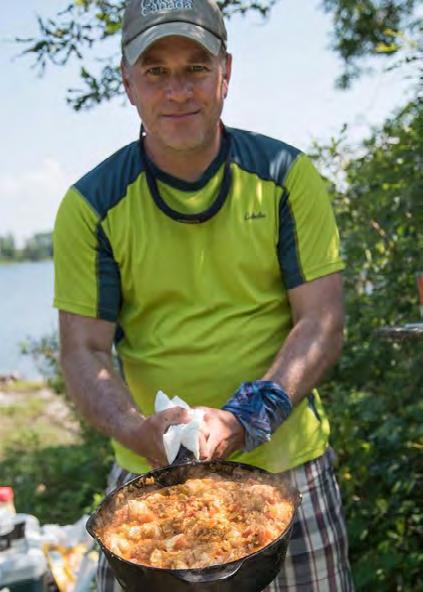
The secret to an elite shore lunch is twofold: meticulous preparation and absolute thermal control. I do all my vegetable chopping and base prep the night before, packing everything into individual Ziplock bags inside the cooler.
Years ago, I filmed a shore-lunch tv special with Bob Izumi. I told him upfront: “Mr. Izumi, we are absolutely not doing a traditional deep-fried shore lunch today.” Heavy, grease-laden fried fish leaves you completely lethargic, sluggish, and wanting a nap by 2:00 PM when you should be targeting big fish. Instead, I created an Italian Walleye Stew right on the rocks.
The scientific error most anglers make is dropping their delicate fish into the pan first. It completely destroys the structural integrity of the meat. Instead, I heated olive oil in a pan, added garlic, peppers, and
onions, and sautéed them to draw out their natural sugars and sharpness. Next, I added fire-roasted tomatoes, kosher salt, black pepper, and fresh basil, bringing the entire aromatic base to a robust simmer.
Only when the sauce was fully built did I nestle the fresh walleye fillets into the liquid and pop the lid on. In exactly seven minutes, the thermal energy of the simmering sauce gently poached the walleye. It was incredibly clean, healthy, and bursting with vibrant flavour. You can do the exact same thing using a Thai coconut milk broth with ginger, garlic, and vermicelli noodles.
But what if folks want that classic, crispy cornflake or breaded shore lunch? You taught me a massive secret regarding heat management and the physical dryness of the fillets.
Cameron: If you are frying, proper heat management is an absolute law of physics. If you are cooking over an open wood campfire, you must be patient. Never put your pan over raw, raging, active flames. Let the fire burn down into a deep bed of uniform coals. Pull a stable layer of those hot coals off to the side of your fire pit to create a dedicated, controllable cooking hearth with steady, predictable residual heat.
For the oil, I highly recommend grape seed oil. It is incredibly neutral, flavourless, healthier for your heart, and possesses an exceptionally high flashpoint.
The biggest mechanical mistake anglers make when breading fish is applying coating to wet fillets. People think moisture helps the flour or breadcrumbs stick. In reality, surface water reacts with flour to cause instant gelatinization. It turns into a gummy, clumpy, thick paste. When dropped into the oil, that excess water vaporizes violently, blowing holes in the crust and creating a greasy, soggy coating that tastes like deep-fried raw flour.
You must press your fillets firmly between heavy paper towels until they are bonedry to the touch. Drop the dry fish into your seasoned flour or cornflake wash, and firmly tap the fillet to shake off every single bit of excess, loose coating. You want an ultra-thin, uniform microlayer of starch.
To test if your oil is at the perfect frying temperature without a thermometer, use the classic chopstick method. Submerge the tip of a dry wooden chopstick or wooden skewer into the heated oil. If the oil is too cold, nothing happens. If it’s at the perfect frying window (around 350°F to 375°F), you will see instant, steady, tight little bubbles streaming rapidly up the wood. If it starts smoking, you’ve pushed past the flashpoint and need to back the pan off the coals immediately.
Drop the dry, lightly tapped fillet into that perfectly heated oil, and the starch will crisp up instantly, sealing the exterior and allowing the internal moisture of the fish to gently steam the meat inside a perfectly light, crunchy shell.
When we bring fish home to our kitchens, we have access to full spice racks and precision appliances. Yet, people still mess it up by trying to mask the fish.
(The
boots with midweight socks.
“The big thing for me is a hoodie and the Whitewater Torque heated vest,” offers Sprengel.
Let’s talk about your absolute masterpiece recipe – the one that completely revolutionized how I cook red-fleshed fish like salmon, lake trout and speckled trout.
are there? Well, the day I interviewed Ned, I skimmed through the Bass Pro website to see how many Ned Rig products I could find. I found 111 Ned-named products… and that did not include all the jig sizes and body colours! But really, who cares when the Ned name is creating such a plethora of premium light-line fish catching gear!
Having said that, however, the distinguishing feature of trolling with lead core is that it is highly speed dependent. I like to troll slowly in the fall, at speeds generally between 1.50- and 2.0 miles-an-hour, (depending on the water temperature and stage of the season), so if I speed up or slow down – even slightly – I will fine tune the amount of line I let out.
every day around deep structure and cover, using slow moving finesse presentations that rely heavily on live bait. But it is rarely the best strategy during the summer peak period.
Little Anna was the granddaughter of some folks from Moose Jaw, Saskatchewan. There were three anglers in the group. They had never been to Last Mountain Lake before. In fact, 9-yearold Anna had never cast a rod and reel before. She was keen and listened well when I taught her how to pick up the line with one finger, open the bail of a spinning reel and use her whole body to use a two-handed cast to toss a 5” Big Hammer swimbait.
Original Slider
“A lot of things work at this time of the year,” says Mitchell, “including trolling and casting crankbaits. It depends on the specific body of water that I am fishing, but I really like swimbaits and paddletails on prairietype lakes.”
NED & THE FUTURE OF MWF
subject a gorgeous lake trout fillet to dry, aggressive oven heat, those precious oils break down and leak right out of the fish, leaving behind white, coagulated albumin proteins on the surface and a dry, chalky texture.
Brewer's Slide Finesse
“Guys, this article is meant to be a light-hearted jab at our over-inflated egos and identify why women are favourite clients to guides like myself and others.”
Many lead core anglers also employ long (20- to 50-foot) monofilament, fluorocarbon and gel spun leaders. I can understand doing that for lake trout and salmon in crystal clear water, but for fall walleye in the dingy coloured lakes that I typically fish, I have never found that a 12- to 17-pound test leader longer than about ten feet or the length of the rod produces any more fish. Still, experiment with your leader length if you’re spotting fish on your sonar screen but not getting strikes.
Micro Shad
EyeZ jighead
My all-time favourite Texas-rigged plastic is a creature bait from Z-Man, the Palmetto BugZ. The Palmetto BugZ is bulkier yet still streamline enough to snake through most cover. It is salt-impregnated and has a ribbed body which provides more vibrations, traps air bubbles and holds scent longer. This bait has probably accounted for more big buckets for myself in recent years than any other lure. Employing an Ultra Tungsten flippin’ weight anywhere from 5/8 oz. up to 2 oz. along with a snelled 4/0 Owner Jungle Flipping Hook, this package just outright catches them. Black Blue Fleck & California Craw are my 2 personal favourites when it comes to colour. The NEW Gremlin is similar with a smaller profile body but more appendages and should be deadly as well.
“I wear the vest every day. The mornings are still a bit cool –or you’ll get cloud cover and it’s still damp – so having the button to engage the heating element is nice. Then I shut it off when I get warm moving around to scout areas. Once you try the vest, it is one piece of clothing that won’t leave your arsenal.
Cameron: Cooking is fundamentally about culture, history, and structural discipline. All modern Western technique traces back to classic French cuisine – the foundations laid down by legendary masters like Georges Auguste Escoffier. When I was a young apprentice, the kitchen was fiercely militant; you never, ever substituted an ingredient because doing so disrespected the historical lineage of the dish.
lot of slack. Her first day was very intense and I was pleased with her progress.
After casting, I told her to close the bail with her hand before cranking the handle. Finally, I instructed her to tell me immediately if she got a wind knot or tangle. That was a lot to remember and to her credit she did her best to remember all the steps.
“I remember fishing the summer peak for walleyes in the new feeder lakes that are connected to Devils Lake. As Devils Lake kept growing, it flooded and connected a lot of shallow wetlands. At first, these wetlands were full of small pike, but as they grew bigger in size and deeper, we speculated that there were walleyes in them.”
And by all means, go with your favourite fall presentations, if they are different from mine, because variety is the spice of life. But if you’re having trouble finding and catching fish, and it an emergency, well, then, break the glass and grab one of these tactics.
As far as ice bibs are concerned, I’ve been wearing the uninsulated Whitewater Great Lakes bibs I wear in the boat during spring and fall tournaments over my base layers, sweatpants, and hoodie. That keeps my outfit lightweight, warm, but not too hot – and I can move around really well,” concludes Sprengel.
But as my career advanced, I realized that culinary science allows us to blend classic historical frameworks with our local Canadian catches. That is how I developed my Hot Vichyssoise Salmon/ Lake Trout. Classic Vichyssoise is a traditional French soup made from a purée of leeks, onions, potatoes, cream, and rich butter,
The incredible durability of the ElaZtech products opened the door to what Ned’s newest project, Frugal Fishing. Frugal Fishing is using products and tactics to get the most out of a fishing session while spending the least amount of money. Such fishing puts more anglers on the water more often, with quality tackle for maximum success and the healthy enjoyment of the outdoors with the least amount of out-of-pocket expense. I find this brilliant and feel that Ned’s approach is simple genius, expanding on the purest fundamentals of Midwest Finesse fishing. As mentioned, the newest Z-Man products that Ned is enjoying, right now, are the Micro Finesse heads and bodies. I know they work all season long for perch and walleye in my waters. You can join me as a subscriber to Ned’s MWF Newsletter by dropping Ned your email address at: nkehde@gmail.com
Most importantly, she remembered to let me know, immediately, if there was a problem with her line. It didn’t take long before she had a tangle, and I went over the procedure to shut the bail by hand instead of cranking the handle since that was what caused the tangle. She went for the whole morning without a tangle and caught and learned to fight several scrappy,
“At first, we started catching them through the ice, but then we began exploring the lakes in our boats. The fishing reminded me of what you would expect on a high end fly-in fishing trip to Canada. Huge numbers of stupid and aggressive walleyes that were often over twenty-five inches in length. The fishing was so incredible that we would anchor in one spot and catch over thirty fish without moving the boat.”
About the Author – Gord Pyzer:
Weed mats blown into over hanging trees are always worth flipping!
ACCELERATED EVOLUTION
By poaching the fish directly within a hot, rich Vichyssoise purée, the lipids in the butter and cream create an insulation barrier around the fish. The natural starches from the potatoes thicken the liquid, perfectly cradling the delicate myotome structures of the trout. The mild, sweetness of the sweated leeks balances the heavy, rich oil profile of the cold-water fish without overpowering it.
Best of all, it takes less than 20 minutes to execute, and 10 minutes of that is simply watching it gently poach to perfection in the oven. It is a foolproof, Goldmedal standard dish that works flawlessly with walleye, cold-water pike, crappie, or salmon.
The next day, I asked her if she would like to go through the casting instructions. She said “no” and I respected her decision even though I expected the same follies. I was wrong. She executed the casting instructions and only had a hiccup when the wind came up in the afternoon. One tangle was all it took for her to refocus and start firing the bait straight out, into the wind with short, controlled casts. Grandpa caught the fish of the day with a classic Last Mountain Lake 43” pike. She was so excited for day three that she was walking on Cloud 9 at supper time, around the campfire.
Today, there are no real challengers to the Ned bass-tackle explosion than, perhaps, the Forward Facing Sonar
To learn more about Whitewater Fishing visit; whitewaterfish.com
To peg or not to peg, this has always been the age-old
are highly liquid and delicate even at room temperature. If you
“We caught so many walleyes that I quit using lures with treble hooks, so I could release the fish faster and save my hands from getting cut up so badly. I would rig my clients up with a big swimbait and have them cast and retrieve it along shallow weed edges. I would, also, typically tie on a two foot long, 30-pound test titanium leader so I could grab it with gloves and shake off the walleyes because we
To wrap things up, Cameron, what is your parting advice for the regular Just Fishing reader looking at a beautiful catch on their
(Continued on page 48.)
2009 Inductee, Canadian, Angler Hall of Fame, Fishing Editor, Outdoor Canada Magazine, Field Editor, In-Fisherman Magazine & Television, Co-Host, In-Fisherman Ice Fishing Guide, Television, Co-Host, The Real Fishing Radio Show, Host, Fish Talk with “The Doc”, Outdoor Journal Radio & President, Canadian Angling Adventures Ltd.
Day 3 was Anna’s day! She literally had mastered the casting program as well as the hook-setting authority that is necessary with the 5” swimbait that had a stout 4/0 hook. The hook needs to be set on the strike; but, requires strong, steady pressure to move the hook into the fish’s jaw. While she may have missed a fish or two that day, I cannot remember. By the end of the day, Anna had claimed the bow of the boat and was firing darts, parallel to the water, into the teeth of the wind. Her reward was a 45” mo-gator, right at the buzzer, to end the day and the trip.
Cameron: Never let a cookbook intimidate you, and stop over-complicating your food. Cooking isn’t splitting atoms; it’s an extension of your passion for the outdoors. Focus entirely on pristine field care, respect the cold chain, manage your heat source with patience, and let the natural quality of the fish speak for itself. Do those things right, and you will strike gold every single time you step into the kitchen.
To listen to the entire fascinating interview with Cameron Tate click right HERE.
Two very different stories, same spot! The first, the group thought they knew more than the guide... they didn’t,which made it doubly difficult to achieve any success. The second, the group that listened and worked hard to improve, daily. Success was achieved on the first day because of their desire to learn and have faith.
About the Author:
Jeff Matitdy
Editor’s Note: Liam Whetter is a passionate multi-species angler from Northwestern Ontario, always chasing the next bite no matter the season. He’s all about the pursuit, from frozen lakes in the dead of winter to remote backcountry waters. With a fascination for aquatic biology, he’s nearly as obsessed with understanding fish as he is with catching them. Whether it’s big fish, wild places, or the stories that come with them, his experiences on the water fuel his storytelling, capturing the adventure, the work, and everything in between.
Having several rods rigged is Nussbaum’s summer peak game plan as well, because he says you can catch the fish so many different ways.
Gord Pyzer is the 2009 Inductee, Canadian, Angler Hall of Fame, Fishing Editor, Outdoor Canada Magazine, Field Editor, In-Fisherman Magazine & Television, Co-Host, In-Fisherman Ice Fishing Guide, Television, Co-Host, The Real Fishing Radio Show, Host, Fish Talk with “The Doc”, Outdoor Journal Radio & President, Canadian Angling Adventures Ltd.
A Fishing Industry Professional for nearly 30 years as a Fishing Guide & Promotional Staffer, with Bachelor’s Degrees in both Science & Education, Jeff uses this training in his job as a Fisheries Professional & Outdoor Educator (specializing in fishing via family business, GetFishing.ca) to reach out to anyone interested in learning about fish.
Just Fishing . 35
with Cameron Tait
For the Love of COOKING COOKING
As a member of the salmon family, trout features a similar but milder flavour profile, but it gets even better. It also provides an excellent source of Omega 3 fatty acids, vitamin B12, vitamin D and Selenium, which supports a healthy immune system.
Trout’s moderate fat content prevents it from drying out easily, making it ideal for smoking, grilling whole or in this case, pan-searing. In this recipe, it can be fabricated from fillets or even trimmings and formed into a savory “cake” with just a few common ingredients.
Serve with a light salad and this meal promises to be a light and healthy summertime meal.
SEARED TROUT & POTATO CAKES
(Yield: 4 Servings)
INGREDIENTS:
2 lb Lake Trout Fillets, skin & pin bones removed
2 Russet Potatoes, peeled
2 Tsp Kosher Salt
1 Egg Yolk
2 Green Onions, chopped
1 Tbsp Parsley, chopped
4 Tbsp Flour
METHOD:
Kosher Salt & Pepper, to taste
3 Tbsp Butter
DILL SAUCE
1/2 Cup Mayonnaise
1 Tsp Dried Dill
1/2 Tsp Onion Powder
2 Tsp Lemon Juice
Pinch Salt & Pepper
Thoroughly combine dill sauce ingredients and set aside. Chop trout into very small pieces and place in fridge. Rinse and towel off potatoes to remove excess starch and water. Using a box grater, shred potatoes into a bowl, mix in kosher salt and let sit for 5 minutes. Wrap shredded potato in a towel and squeeze out excess moisture. In a large bowl, add shredded potato, chopped trout, egg yolk, onions, chopped parsley and flour.
Mix well, and season with salt and pepper. Using a large tablespoon, scoop and portion out mixture, roll into balls and press lightly to form 3/4-inch patties. In a large frypan or rectangular skillet placed on medium heat, melt butter and brown patties on both sides in batches. Keep patties warm in 250°F oven until the last batch is ready. Top with reserved dill sauce and serve with assorted lettuce greens.
Editor’s Note: Cameron is an Avid outdoors person, a competitive angler, 2-time Gold and 3 time Silver medal winning chef at the World Culinary Olympics. Cameron is currently a Hospitality Culinary Analyst at Sysco Winnipeg. Cameron has achieved his Certified Chef du Cuisine, his Red Seal Chef plus his Certificate in Adult Education (CAE). Cameron also writes for Outdoor Canada and In Fisherman magazines.
baits in competition but the jig head minnow combo has put over $500,000 in my pocket over the years!
Soft plastic minnow baits on a jig head are great for
Jerkbaits
Jerkbaits have been around for decades and their effectiveness remains. We’re now getting baits that cast easier, dive deeper and have more realistic finishes. The most popular jerkbaits are models that suspend, meaning when you jerk them down, they’ll suspend naturally in the water column.
With all three species, I like to use a jerkbait if the wind is blowing. Wind will make fish a little more aggressive and they seem to bite a jerkbait better than when it’s calm, where they’re more likely to follow the bait.
There are a times when I’m more likely to pick up a jerkbait when I’m fishing for smallmouths. When they are lazy and following other baits or simply not reacting at all. Sometimes you can fish a jerkbait fast over top of them and get them to react. Other times, just covering water and retrieving with a jerk-jerk-pause cadence works well.
One of the things that forward-facing sonar has taught us is that fish can see
The Shimano Zumverno jerkbait is a deeper diving model that has been one of my favourites the past couple of years.
Using jerkbaits for walleyes has become more popular in recent years, especially when they are in shallower water, under 10 feet. Sometimes they’ll react to a jerkbait twitched over top of them when they won’t bite anything else. Experiment with speeds to see what they like, but generally for me, I’m going to fish them a little slower than I will for smallmouths.
If walleyes are on windblown shorelines, shallow reefs or weed edges, they’ll bite a jerkbait. For both smallmouths and walleyes, I like the throw them on a baitcasting combo with 12-pound fluorocarbon. The G. Loomis GLX 822 JBR rod is designed for fishing jerkbaits and it’s a beauty.
Jerkbaits are also my favourite bait to throw for pike in the summer months. Focus on rocky, main lake structure for the best shot a big fish. Upsize the baits and the equipment for pike and fish these baits
Big pike are suckers for a minnow bait.
bass, walleye & pike.
xplore™ + mega live 2
FISH FINDERS LIVE SONAR
the simplest way to see it all
There’s more to XPLORE™ with this perfect pair. Award-winning XPLORE fish finders allow you to quickly and easily zero in on the best place for a bite with more precision and more underwater detail. Then when it’s time to cast, MEGA Live 2 live sonar delivers instant views of fish, structure and your lure. Because when you can see clearly in real time, you get more out of every moment.
see the combo »
(613) 257 - 1772
1703 9th Line Beckwith Carleton Place ON K7C 3P2
fast, again, to generate a reaction. Sometimes, if you’re moving them to slow, you’re going to get more follows than bites.
For this column, I’m talking about boot-tail soft plastic baits that can be rigged on a jighead.
Swimbaits
The term swimbait can really cover a wide swath of baits, including hard-bodies and a variety of soft bodied baits.
This combo can be cast and retrieved slowly, where the tail creates most of the action to attract fish and trigger them to bite. These baits come in a variety of sizes for all species of fish. We have small two-inch versions we can use for crappie all the way up to foot long versions for musky anglers.
Throughout the season I’ll take a bunch of people fishing and these are one of the easiest baits to use for inexperienced anglers because the tail of the bait has all the action. You can creep them along the bottom and catch fish or reel them high in the water column.
A Z-man Slim SwimZ is a great swimbait for bass & walleye.
For smallmouths a, I rely on two different swimmers from Z-Man Fishing Tackle. The three-inch Slim SwimZ is a slender bodied bait with a tight subtle nd walleyes action, while the MinnowZ is a fatter-bodied three-inch bait that has a more aggressive action.
(Continued on page 28.)
Just Fishing . 30 Spring 2026
(Minnow Baits continued from page 24.)
An oversized minnow for pike.
I’ll rig these baits up on a 1/4 ounce jig head for fishing under 12 feet of water and a 3/8 ounce for fishing deeper than twelve. I always use a Northland Smeltinator Jig for matching up with my swimbaits. The lifelike heads really match up well.
few more button pushes my Minn Kota Ulterra front trolling motor deploys and is anchored on the spot. This allows us to fan cast Mimic Minnows in the target fishing zone. Sounds easy, right? Just try not to run over your walleye spot. Monitor an anchor within a reasonable casting distance.
Again, super easy to use for all anglers and the bigger baits will put the odd oversized walleye in the boat as well.
The jig head minnow
The jig head minnow has been a popular option in central Canada long before it blew up for U.S. bass anglers over the past five years. A three to seven-inch straight-tailed soft plastic minnow bait attached to a jig head is the most natural of all minnow imitators because of its subtle action.
Some schools of fish bite until you catch them all. Other times, you catch a handful and the rest swim away. When the fish scoot away, I tell my clients, “Time to move! We don’t need a full pint of blood from one patient. We can just take a few drops of blood from a bunch of patients.” Hint: “patients” are schools of fish.
Most of the time I’ll go with natural minnow colours, of which they offer several options but sometimes you can really do well with some of the more flamboyant colours if you want to have a little fun with brighter options. Simply cast these baits out and reel them in slowly, keeping them slightly above the bottom. They are phenomenal baits for walleye. One thing you want to include in your tackle box for fishing these soft plastic baits is some super glue. I always add a drop on the collar of my jig heads when I attach the plastic and it will stay on there for dozens of fish.
Speaking of schools, I like to make sure I’m sitting on a school of walleye, not rough fish. This is when I deploy my Aqua-Vu HD7 underneath my Lund 219 GL . Then I use a 7’ St. Croix Legend X Medium Extra Fast with 10-12lb. Sunline SX1 braid with a 2-4ft. 8lb. fluorocarbon leader. I use a small swivel or back-to-back uniknot to tether the two lines together. No need to add scent or bait in most situations. It is a visual strike that is triggered.
For pike, oversized swimbaits are effective because they can be fished deeper than a jerkbait, yet still get a reaction because of their natural presentation. A six or seven-inch Z-Man DieZel MinnowZ is a big-bodied bait with a strong action. Attach these to a 1/2 or 3/4 ounce jig head and you have a bait you can cast long distances and fish effectively in deeper weeds or on rocks.
WALLEYE UP
When walleyes
When swimming the top of the weeds, a drop shot keeps the plastic tail at the walleyes level all the time. The swivel on the Gamakatsu Finesse Drop Shot Hook keeps your line straight and your lure level, which keeps spin to a minimum. Pitch the drop shot in the same way you would throw a Mimic Minnow or a Rumble Bug. Cast and let the sinker hit the bottom. With the rod slightly up to keep the line tight, roll the reel handle, pull and pause creating a fleeing-bait action.
Summertime heat reaction bites get better. It is surprising how well the fish bite in extreme heat. I know this because I don’t guide at night and find success during the day. I am a fan of cooler weather but I do survive the summer heat with my AFTCO Samurai Hoodie – super thin and very comfortable – along with my Fish Monkey Stubby Guide Gloves and face mask. Summer temperatures can flirt with 100 degrees and lakes can be calm and glassy feeding you high doses of sun rays. I protect my skin with these types of clothing.
(Minnow Baits continued from page 26.)
(Picking
(Carolina
With social media so prevalent these days, it is easy to get caught up in the hysteria associated with a hot lake or new bait.
for Smallmouth continued from page 42.)
TIPS FOR SETTING UP
predatory responses in the form of reaction strikes. It’s heavy zinc frame fishes great both vertically or when casted, making it a truly versatile offering for a number of species. visit: https://www.northlandtackle.com.
predatory responses in the form of reaction strikes. It’s heavy zinc frame fishes great both vertically or when casted, making it a truly versatile offering for a number of species. visit: https://www.northlandtackle.com.
while walleyes tend to use the mid-portions of bays where weeds are emerging in 5 to 10 feet of water.
HUMMINBIRD MEGA-LIVE
Once baitfish finish spawning and begin to leave these areas, walleyes begin shifting locale toward the first shoreline points extending into the basin, and the first sets of shallow offshore reefs, humps and islands in modestly deeper water – places that “look” more like walleye water.
Goby 3” soft plastic bait offers a realistic baitfish appearance and action to entice even the most finicky fish. The 3” Goby is great for both summer & winter fishing and for all game fish. Its soft body and active tail bring the
I like to take all of the range settings out of auto and set them in manual mode. This keeps the range the same all the time so it’s never jumping around. My forward range is usually set to 90 feet, which is about the length of a full cast. I move the down range around to fill up the screen with the
Structures in deep water, such as humps, are reliable rigging areas. Berrey likes deep, offshore rock and shell beds in 15 to 40 feet, holding crayfish and gobies. The deepest rock or shell beds are often the most productive. Drifting a Carolina rig is also deadly for river smallmouth, something I witnessed fishing with Chong on Lake St. Francis. Current breaks proved productive on our trip and later on my own outings. Current breaks are formed by obstructions. These can be dramatic bottom fluctuations, or “walls” as Chong described one structure we fished. Other structures include wing dams, bars,
HUMMINBIRD MEGA-LIVE
I like to take all of the range settings out of auto and set them in manual mode. This keeps the range the same all the time so it’s never jumping around. My forward range is usually set to 90 feet, which is about the length of a full cast. I move the down range around to fill up the screen with the water column, meaning, if I’m fishing in 20 feet of water, I’ll probably set my down range between 22 and 25 feet.
8for success thoughout the season.
and techniques. His latest addition to the lineup, the 1.75” Bondy Bug Panfish Bait is sure to have fish salivating. The Bondy Bud is available in 30 mouthwatering colours and comes in a 20 pack. more information, visit: https://bondybaitcompany.com.
and techniques. His latest addition to the lineup, the 1.75” Bondy Bug Panfish Bait is sure to have fish salivating. The Bondy Bud is available in 30 mouthwatering colours and comes in a 20 pack. more information, visit: https://bondybaitcompany.com.
In forward mode, you have some different options for setting up the transducer. I like to run my transducer in 40 degrees (pointing down more) when I’m fishing deeper water or more vertical, under the boat. When I’m fishing in shallower water or doing a lot of casting and fishing higher in the water column, I like to run it at the 60-degree setting. From the pointing down position, 40 degree is four
Hair jigs like VMC’s Moontail are another versatile lure design that works for shallow snap-jigging as well as vertical jigging in deep water. A slow, helpless fall once the jig is paused triggers strikes.
bladed Cowgirls for muskies you know the heart stopping feeling of riding the roller coaster to fishing success.
I count myself among the blessed to have been at the forefront of each of these trends. Unfortunately, nothing good ever lasts. Despite unbelievable efforts by a select few anglers to keep each one of the techniques under wraps, the secret got out and loose lips sunk
If you were amongst the very first anglers to fish Slow Death for walleye, Ned Rigs for bass, Bondy Baits for lake trout and big double bladed Cowgirls for muskies you know the heart stopping feeling of
baitfish, and other floor-dwelling forage. In a power-fishing context, a 3/4- to 2-ounce weight ensures consistent bottom contact in a fast river or on a windy lake. Knowing the rig’s on bottom eliminates guesswork on an angler’s part, letting them focus on executing a precise drift, connecting GPS waypoints or following a specific contour line, to intercept bass.
I count myself among the blessed to have been at the forefront of each of these trends. Unfortunately, nothing good ever lasts. Despite unbelievable efforts by a select few anglers to keep each one of the
The key to catching walleyes throughout this dispersal process is anticipating and following their shifting locations based on weather, water temperature, developing habitat and the availability of food. And matching your presentations to both locating fish and offering them something they want to eat.
It is why, when you read about a technique for the very first time in a reliable source – like the pages of Just Fishing! – or hear about it from a trusted friend, you need to assess it immediately, perfect it quickly, add it to your arsenal and then milk it for all that it is worth, because every innovation will become commonplace, the fish will become conditioned to it and something better will replace it.
I like to run my sensitivity high, between 16 and 20 (the highest setting). The higher the sensitivity, the more detail you’ll see. With the contrast, the higher you set that, the more the screen will clear up, but you’ll filter out some of the weaker signal returns, so it takes some playing around. Usually I’ll run it between 8 and 10, but will turn it up if the screen is displaying a lot of “clutter”. Those are the only settings I ever really play with on my Mega-Live.
concentrate on the moment. She matches the fishing experience with their personality and budget.
on the moment. matches the with their personality and budget.
For example, when fishing near shoals in current, casting a 1/8to 1/4-ounce jig up near the rocks and letting it sweep down
Along with the commotion of the weight contacting bottom, the sound this creates piques bass curiosity. “The noise from the sinker, glass bead, and clacker definitely attracts them,” said Giles, who uses tungsten and brass weights.
It is why, when you read about a technique for the very first time in a reliable source – like the pages of Just Fishing! – or hear about it from a trusted friend, you need to assess it immediately, perfect it quickly, add it to your arsenal and then milk it for all that it is worth, because every innovation will become commonplace, the fish will become conditioned
Chong believes the higher pitch created from a tungsten weight smashing rock draws fish over. When drifting flat bottom stretches, he shakes the rod for extra noise. Chong explains that not only does
hand made injection and hand poured soft plastics Canadian Baits brings you a variety of quality custom baits at and afforardable price. This Canadian company offers swimbaits, craws / creature baits, ice fishing / micro, finesse worms and more. Great prices on their the Dark ice fishing including
(Continued on page 19.)
(Continued on page 6.)
(Continued on page 19.)
their Glow in the Dark ice fishing plastics including
LIVE BAIT & TACKLE
on Once I learned how to snap them place, their shapes, durability and floating properties helped me catch a lot more fish.
electronics, whether you are scoping or using the 2D sonar for fishing under the boat, try to keep your bait above the fish. If you can get the fish to swim for your bait and work for it a bit, you will get more bites.
on a jighead. Once I learned how to snap them into place, their shapes, durability and floating properties helped me catch a lot more fish.
Always make sure that your bait is rigged up nice and straight on the jig. If it’s bent or twisted at all, it’s not going to swim straight and you won’t get as many bites. Further, the bait will twirl and twist the heck out of your line.
If another confidence in a specific bait, they probably had a good experience with it so don’t overlook giving it a shot. I’ve seen it work out for my boat many times over
If another angler has confidence in a specific bait, they probably had a good experience with it so don’t overlook giving it a shot. I’ve seen it work out for people in my boat many times over the years.
Author Tim Allard Following the Flow Minnow baits shine when fish are focused on eating baitfish like cisco.
Take the kids fishing whenever you get a chance.
Take the fishing whenever you get a chance.
Finally, avoid the temptation to really shake your rod or put too much action into these baits. Often holding your rod still and letting the bait swim on the straight and narrow is the most effective way to get bites. But as always, let the fish tell you what they want.
Author Tim Allard Following
When get on the this season, make a point to new of all skill levels. Take that not get to go otherwise and them.
Mindful is a volunteer initiative been only recently Christine has able to access some funding to help with the expenses. “The of Northern Development, Mines, Resources and Forestry (NDMNRF) allows those with disabilities to fish without a license but what are we doing for those with invisible disabilities like mental health challenges or those on WSIB?” asks Lapeer. Focusing on the clinical component this type of is trying to convince Stress Injury Clinic in Kingston to identify fishing as a recognized form of therapy as forest therapy is. “As a I am able to access some the Blue Cross Fund run through Affairs which helps me take out veterans on the water.”
Mindful Fishing is a volunteer initiative and it has been only recently that Christine has been able to access some funding to help with the expenses. “The Ministry of Northern Development, Mines, Natural allows those with disabilities to fish without a license but what are we doing for those with invisible disabilities like mental health challenges or those on WSIB?” asks Lapeer. Focusing on the clinical component of this type of therapy, she is trying to convince the Operational Stress Injury Clinic in Kingston to identify fishing as a recognized form of therapy as forest therapy is. “As a licensed psychotherapist, I am able to access some financial support through the Blue Cross Wellness Fund run through Veteran’s Affairs which helps me take out veterans on the water.”
Get some minnow baits tied on the end of your lines this summer and have some fun out there!
Each body of water is different and often requires some adjustments to the sensitivity and contrast. Typically, I like to run my sensitivity high, between 16 and 20 (the highest setting). The higher the sensitivity, the more detail you’ll see. With the contrast, the higher you set that, the more the screen will clear up, but you’ll filter out some of the weaker signal returns, so it takes some playing around. Usually I’ll run it between 8 and 10, but will turn it up if the screen is displaying a lot of “clutter”. Those are the only settings I ever really play with
That’s how this fishing game works. Heck, you’ll probably learn something while you’re at it.
When you get on the water this season, make a point to fish with new anglers of all skill levels. Take somebody that might not get to go otherwise and teach them. That’s how this fishing game works. Heck, you’ll probably learn something while you’re at it.
the clacker add sound, the disc also protects the bead from being shattered by the heavy punching tungsten weight he uses.
the clacker add sound, the disc also protects the bead from being shattered by the heavy punching tungsten weight he uses.
commotion noise gets a attention, it’s trailing bait that triggers strike. A potent indeed. Experimenting leader
Editor’s Note:
While sinker’s commotion and noise gets a smallmouth’s attention, it’s trailing bait that triggers the strike. A potent combination, indeed. Experimenting with leader
Editor’s Note: Jeff Gustafson grew up on the shores of Lake of the Woods in Kenora, Ontario. He has made his living in the fishing community since he was a teenager as a tournament angler, guide, outdoor writer and fishing promotor. In 2019 he joined the Bassmaster Elite Series and has found some success chasing bass around the United States, including an Elite Series win in 2021 and a Bassmaster Classic win in 2023. In between competing in the U.S. tournaments, you can usually find him around Lake of the Woods, fishing for all species, all year round. You can catch up with Gussy on social media at @gussyoutdoors and on his website at: www.gussyoutdoors.com.
Christine stresses that she is not a guide but she does put in a lot of time scouting new lakes and fishing spots that she can bring people “I try to teach people to be independent on and share knowledge basic knot how to an auger, backing up a boat and whatever may in learning. such a feeling of and empowerment when people I take out fishing learn and put
Christine stresses that she is not a guide but she does put in a lot of time scouting new lakes and fishing spots that she can bring people to. “I try to teach people to be independent on the water/ice and share knowledge like basic knot tying, how to use an auger, backing up a boat and whatever else they may be interested in learning. There’s such a feeling of accomplishment and empowerment when people I take out fishing learn and put
“Just before COVID-19 hit, were to take about people. I knew first responders were getting burned out with all the pandemic brought with it. Fortunately us, launches were not closed in Frontenac township and we were to a safe place to go fishing. In we 20 people the water/ice.” Sometimes, ask Christine if she’ll go their boat on the body of water they have access to. on page 45.)
“Just before COVID-19 hit, we were able to take out about 10 people. I knew first responders were getting burned out with all that the pandemic brought with it. Fortunately for us, boat launches were not closed in Frontenac township and we were able to provide a safe place to go fishing. In 2020, we got 20 people out on the water/ice.” Sometimes, people ask Christine if she’ll go out on their boat and on the body of water that they have access to. (Continued on page 45.)
Fishing . 19
Canadian Baits Ice Spikez
Canadian Baits Paddle Tails
Rigging
Just Fishing . 42
Preventing shoulder pain in Anglers
“F“Fish on!”, whipset hook sets and battling those personal bests… Feeding that burning drive of all us anglers. Little did we know that this drive, without following injury prevention techniques, could have the ability of causing us severe chronic pain. Performing hooksets, fighting fish, and netting those monsters causes us to place a repetitive load on our bicep and bicipital tendon. To understand the bicep’s anatomy: The bicep has two heads of origin – a short head that attaches to the coracoid process and long head located within the shoulder joint capsule near the rotator cuff muscle group and inserts into the radial tuberosity of the radius.
Both the origin and insertion points are prone to bicipital tendonitis. The bicep is primarily responsible for elbow flexion and supination, due to the two heads, this muscle will also assist the shoulder flexion movement. These ranges of motion are repeatedly performed each time we step out on the water. Take a moment and reflect, every time you hit the water how many times do you set the hook and fight those giants. How many of those times have you felt pain in the indicated area during or after a day on the water. Over time, if self care isn’t practiced, we are placing major strain on this load bearing muscle.
Last article, I discussed the rotator cuff. This muscle group is composed of supraspinatus, infraspinatus, teres minor and subscapularis; and these muscles are responsible for motions like throwing, swimming, lifting over head and in our case casting. Struggling with pain and lack-of range of motion, while performing any of those motions, could indicate an overuse injury. Check out the previous article to review exercises and techniques you can easily perform at home to prevent these injuries and reduce pain and tension.
Bicipital tendonitis
By Jen Watson:
With bicep tendonitis, incorporating compensator muscles with your exercise routine will influence and maintain proper muscle balance and function. When working on an exercise routine for bicipital tendonitis, it is important not to stress the site with any heavy overhead exercises or push ups during any acute bicep pain. The following exercises will promote your shoulder health, strength, function and stability.
INJURY PREVENTION EXERCISES
Wall Stretch – 30 second hold/ three times a day/ every other day –Both sides
How to: Stand facing a wall, about a foot away. Reach your right arm back behind you and place your palm flat against the wall at shoulder height. Your fingers should be pointing slightly outward.
Slowly turn your body away from the wall while keeping your hand in place. This rotation will create a stretch in your bicep and chest. Hold that stretch for 30 seconds 3 times a day every other day.
Note: Ensure that your elbow is slightly bent to avoid strain.
Benefits: Reduces tightness, increases flexibility, and improves range of motions essential for exercises where you are lifting or pushing.
Internal Rotation – 12 reps/ three times a day/ every other day
How to: Begin by securing the band to an anchor and elbow height. Stand back a few feet holding the free end of the band
with the arm closest to the anchor so the band is slightly stretched while resting at your side. Keep your elbow bent at 90 degrees and tucked against your side, your forearm will run parallel to the floor. Slowly begin by rotating the forearm towards your abdomen when the fist comes to be abdomen, slowly return to starting position and repeat 12 times three times a day every other day.
Note: to maintain proper form roll a towel and clench the towel between your torso and your elbow. Forcing your elbow to keep a fixated position.
Hammer Curl/ Bicep Curl – 12 reps each/ three times a day every other day
Hammer Curl How to: Standing in an upright position with your feet shoulder-width apart, holding the dumbbells vertically or like a hammer in each hand with your elbows fully extended at your sides. Begin by bending your elbows to lift the dumbbells towards your shoulders. Squeeze your biceps at the top of the movement and slowly return to the starting position, maintaining control throughout the movement repeat for a total of twelve times three times a day every other day
Note: to maintain proper form roll a towel and clench the towel between your torso and your elbow.
Bicep Curl How to: Standing in an upright position with your feet shoulder-width apart, holding the dumbbells horizontally in each hand with your elbows fully extended at your sides. Begin by bending your elbows to lift the dumbbells towards your shoulders. Squeeze your biceps at the top of the movement and slowly return to the starting position, maintaining control throughout the movement repeat for a total of twelve times three times a day every other day.
Note: to maintain proper form roll a towel and clench the towel between your torso and your elbow.
(In
Benefits: Increase definition, performance, and overall upper body strength.
1ST EVER KEEP CANADA FISHING AWARD PRESENTED SGT. MIKE DRISCOLL OF THE GANANOQUE POLICE SERVICES
Incorporating these exercises will not only prevent injuries but will also provide functional training to prepare you for a season. Be sure to keep your eyes open for the next article where I am going to dive into the “fishing elbow” or as we know it lateral epicondylitis. One of the most common overuse injuries seen throughout anglers.
TThe inaugural Keep Canada Fishing Dinner and Auction, which took place last Thursday, March 19th at the International Centre in Mississauga, Ontario, raised an impressive $70,000 to support programs that promote and protect recreational fishing across Canada.
If you suffer from any other injury or medical condition and these exercises are causing pain stop the exercise immediately and seek medical advice for another exercise that could benefit your situation.
Organized by the Canadian Sportfishing Industry Association (CSIA) and Canadian National Sportfishing Foundation (CNSF), the Keep Canada Fishing Dinner brought together industry leaders, outdoor enthusiasts, conservation advocates, and corporate partners who share a desire to grow and protect recreational fishing in Canada through programs such as Kids, Cops & Canadian Tire Fishing Days, National Fishing Week and Keep Canada Fishing.
Editor’s Note: Working towards certification as a RMT through the College of Massage Therapists of Ontario, Jen Watson presents a five part series with a primary focus of educating fellow anglers. The goal is to guide people through injury prevention techniques, while tackling common overuse injuries experienced, while out on the water. As a brand ambassador for Tackle Depot, Jen is also an avid angler participating in both kayak and boater and non-boater tournaments. Jen can be reached at: sheshooked90@gmail.com.
“We are thrilled with the results of our first fundraising dinner,” said Rob Walton, President of the Canadian Sportfishing
June 27th – July 5th, 2026
CHASING PRAIRIE
A
Walleye Is A Walleye, Is A Walleye... Right?
When the fish stop biting horizontal/trolled baits, vertical “saturation” presentations like the ReelBait Fergie spoon trigger strikes.
Can Prairie Walleye Wisdom help you with your local walleyes?
Overwhelmingly, Yes! Walleyes are a single species, with innate, genetic programming making them major players anywhere they swim. Still, individual populations do get groomed, over centuries, to perfectly fit into their specific geological watershed.
For example, reproduction is the primary biological imperative for any species. So, it is not too surprising that scientists now know that older walleyes’ experiential knowledge is passed on to young breeders
By: Jeff Matity, GetFishing.ca
to effectively “teach” them where the best sites are to spawn successfully. This is intimate knowledge, beyond instinct, and specific down to individual bodies of water. It is, therefore, hypothesized that similar “teaching” can extend to year-round activities of a walleye population, including seasonal predator/prey relationships.
This article is part 2 of 3, from the compendium of questions Thee G.O.A.T., Gord Pyzer, interviewed me about. Here, I share my hard-earned, guide-tested strategies when chasing Canadian prairies walleye. While there are a lot of similarities in angling methods throughout North America, I hope you find a “Prairie Gem” within this conversation. If you missed part 1, please refer to the 2026 Spring issue of Just Fishing.
Continuing on where we left off...
Gord: What are your favourite prairie lake and reservoir walleye presentations?
Jeff: Summer walleyes are constantly on the move. Where you left them yesterday, may not be your hotspot for today. Weather, especially electrical storms and violent wind can cause them to pull stakes and hunker down in their deepwater sanctuary or travel miles, even cross the basin, and set up on the other side of the lake. Until fish are relocated trolling is your best bet. Once fish are found, trolling is still often your best bet, especially if you are trophy hunting. However, fish that are pinpointed and refuse to respond to horizontal trolled lures, saturation techniques will trip their trigger.
TROLL WITH PURPOSE & PRECISION
For serious trolling with my big guide boat, speed and direction is dialed in using
ONLY
The single-hook #2 SuperDeath hook is super effective and gives the worm a spiralling cadence that TRICKS ‘EM ALL.
the quiet finesse of the 9.9 hp gas “kicker” engine. Most utilized are bottom bouncers and walleye spinner harnesses (mine sport a #2 Mustad Super Death hook instead of the traditional tandem octopus hooks). The spiralling cadence of the worm on this hook has changed the way we fish our rigs at www.gsmarina.com
Also, our trolling speed is faster than most. For us, trolling at 1.5 to 2.0 mph is considered slow in summer and 3 mph is more often what it takes to produce the proper speed for covering a lot of territory to search out active fish. At these speeds, proper depth control requires bottom-bouncer sinkers up to 4 oz. when pulling rigs in 20-30 feet. In these depths, it is more important to run your baits more vertical (thus the 4 oz. bouncer versus more typical bouncers of 2 oz. or less).
Keeping the presentation as close to the boat and vertical as possible allows for tighter turns while “contour cutting” steep structure.
BASS PRO DeathRoll with single spiral hook the Perch Pattern is always a staple
Contour cutting is chopping a drop off into perpendicular bites to cover both shoreline distance, plus, different depths as you travel up and down the drop off.
Note: this manouver is exclusively in the hands of the ship’s Captain and is performed by speeding up in shallow water and slowing down in deeper water, not by each angler trying to constantly change the length of his/ her line out.
It is simple physics: with a prescribed distance of lures back, it is the ratio of speed-to-weight. I go faster to cause drag from the lure and line to push the baits to run shallower. Likewise, to get the same distance and weight to run deeper, slowing down the boat results in less drag on the line and lure and causes it to somewhat freefall as it travels deeper. This is how I control the depth of the lures. For example, when I buzz the shallower, say 17-20 foot, zone I increase speed, perhaps, 3 mph. When slipping down the slope, I slow the trolling motor throttledown dropping my speed to 1.0-1.5 mph.
Light to Ultralight spinning gear helped Jason Matity “feed” this jumbo walleye his Dropshot bait undetected.
Again, as I cut my way up the slope, I increase throttle which speeds up the boat and the force of the water against the fishing the lines pushes the lures upward and I repeat the process. I instruct my guests to preset their line-counter reels to corresponding distances I have memorized. My “numbers” are based on the weight-to-lure, speed-anddistance ratios to be used.
Thus, with up to 4 trolling rods I can hug the contours and reveal the depths where the walleyes are active. Rods are placed in rod holders for flawless execution. Rod holders are a vital tool as, if allowed to hold the rod in-hand, even a well-intentioned guest will inevitably “play” with distance back and end up crossing others’ lines on turns!
ReelBait BackBead spinner rig
The shallow-water “buzz” phase of the contour cutting is surprisingly effective in determining fish presence as walleye are generally more active when shallower, speeding up in the shallows is a terrific tactic for discovering a hot shallow water bite.
Again, even 3-plus mph is not too fast for summer walleyes and using this method not only helps identify the correct “depth of the day”, at the same time, it forces me to further tweak my speed control. If walleyes want it fast (and you give it to them) you are about to enjoy the best walleye fishing of your whole season.
Rarely is a 100-plus walleye day possibly by trolling; however, when it happens to me and my guests its because of shallow water marauders that fall to speed, spinners and scented Z-Man Finesse worms! Optimized speed allows us to cross paths with more monster walleyes as well since we are covering many more miles in a day.
When the “depth of the day” has been determined, the Church TX-6 side planer becomes an effective tool for the trolling program. As described in the Spring issue article, a planer board takes the baits (including bottom bouncers up to 3 oz.) off to the side of the boat. This tool has saved my day, many times, especially when there is no wind. When the surface is like glass, getting the lures away from the boat’s path becomes more and more important. When the lake is flat, the sun is oppressive, the bite is off and nobody is catching any fish the boards shine! Running the boards and baits only 20-30 feet off the sides of the boat. takes the lures way from the boat’s path and shadow.
Spooked fish retreating from the boat’s shadow meet the planed-out lures! It is entertaining as well. Watching the TX-6 is like bobber fishing; but, you’re watching the board as it skims along at 2-3 mph. A big walleye will dip, and then jerk the board below the surface! Super fun, and productive! On such a day, I fished with Al Patterson, owner/operator of ReelBait Tackle Company, and pro-staffer, Charlie Rein, on LML and we boated, amongst a bunch of eaters, 8 walleyes that measured
Charlie Rine with trophy walleyes caught on ReelBait BackBead spinner rigs during our Epic Day!
from 28.5 and 31 inches. All our fish came on the TX-6 planer board towing a 3 oz. sinker and worm harness. Other boats fishing on our spots scratched out only a few good fish.
VERTICAL “SATURATION” PRESENTATIONS
There comes a point in the season (or even on a given day) that trolled fish will suddenly quit responding to the horizontal presentation. However, your location problem has largely been solved by the miles of territory and “contour cutting” to find the highest percentage spots. Be it main lake points, extensive weed flats or current areas, our saturation presentations are about to save the day!
A trolling bite that suddenly fizzles is the perfect situation to start using the “spoon program”! My hero lure, the ReelBait Fergie
(Continued on page 36.)
ALL PRODUCTS ARE MADE WITH EXTREME CARE AND PRECISION. DOMINATE BAITS HAS TAKEN YEARS TO DEVELOP THE BEST FORMULAS POSSIBLE. ALSO, WE USE THE FINEST SCENTS AND SALT THAT WE CAN OBTAIN, TO INCREASE YOUR CATCHABILITY!!!
ReelBait Fergie Spoon falls “tail-first” with its Brass-n-Glass “Clacker”
Spoon, fished vertically or within short casting distance of main lake structures is a saturation/triggering presentation that really rattles their cage!
Charlie Rine with another walleye caught on ReelBait BackBead spinner rig
The average size of the Fergie fish is also much larger than the trolled fish. Really negative walleyes will not chase and, instead, remain belly to the bottom. However, their tiny brains simply short-circuit when a clacking spoon zips up and then planes at an angle before hitting the bottom with a Cha-Chink near their lair!
The Fergie is a high-action spoon that has flat sides and an arrow like, thick-pointy end and a thinner-wider end. When it falls, the narrow end falls first and the wider end acts like a kite’s tail. The lure often swoops down towards the bottom in an arc much
On the fall, that clacker wire folds back under the spoon and rides the body of the spoon until it hits bottom. The brass collar slides up the wire, collides with the glass bead and creates the loud Cha-Chink! The triggering effect of this aggressive jigging motion is sudden and somewhat startling… until you get used to setting the hook into a walleye, so big, you are thankful you are using #20 braided line and #30 fluorocarbon leader.
Yes, this is Big Game tactics all the way… and is one we will revisit in detail next issue!
SCRATCHING OUT “SANCTUARY” FISH
Every family vacation seems to start with a prairie storm that drops hail, rains cats and dogs and is accompanied by lightning shows that tear up the sky with flashing lights and deafening thunder. Optimism is had when the morning brings a deep blue “mile-high” sky. A chilling morning breeze is soon met by the sun which wastes no time flashing her brilliant smile and the water is a lovely place to be.
It may be a great day to be alive; but, not for walleyes who have had their nervous systems deeply shaken by the night’s cruelty. These walleyes are extremely turned off fish. They retreat to their deep water sanctuary where they recover and digest meals greedily gobbled up before the storm came crashing. In water from 20 feet or
“People are starting to realize now how important community and conservation is, and that's really the basis of Watersheds Canada. The work they're doing is incredible.”
- Liam Whetter @whetterfishing
Get involved. VOLUNTEER or simply DONATE today at watersheds.ca/donate
(Continued on page 38.)
Before restoration (algae build up) - 2025
After restoration (algae free) - 2025
Volunteer washing spawning bed
more, you must prospect with your fish finder to find fish before you drop a line.
In in this challenging situation, the pros deliver lively leeches or airinjected nightcrawlers via jigs and livebait rigs. Their skill, after years of practice in advanced boat control allow them to eek out some decent catches. I personally enjoy these traditional tactics where I, too, have honed my “touch” over the past decades.
This is the hook that can get anybody Dropshot fishing in no time! #4 is the “right size” for live bait such as leeches and nightcrawlers. 18-24” dropper to a 1/8 to 1/2 oz (depending on depth) cylindrical weight is the perfect setup
However, many of my guests only have a few hours with me to put some fish in the boat. In a day or two I might be able to teach them the skill and get them the practice to get the “feel” of these hook-line-and-sinker presentations.
In this circumstance, I have one more trick up my sleeve. These grumpy walleyes are still vulnerable to a third tactic. This tactic is known as “Dropshot” fishing. The ultimate bait for this simply-genius method is a monster leeches. Yes, the same baits that are killers below bobbers, in Spring. I scour my best GPS waypoints on my Humminbird electronics and eventually register the fish as a thick red blob stuck “belly-to-bottom” often in deeper water. You can Gently drop an anchor to position yourself stealthily above them.
However, I anchor electronically by camping on them with the” SpotLock” anchor feature on my Minnkota Terrova trolling motor. When you have located fish, Be Patient. It sometimes takes 15-20 minutes for them to find shelter within the shadow of the boat where you can coax them to your leech and get them biting.
Every time, it amazes me... when nothing else works, drop-shotting a strong swimming
leech, in their face, has produced more trophy class walleyes from me recently than anything else during the post-frontal, sunburnt, doldrums of August. Any amateur angler can be coached to drop the sinker of the rig to the bottom and then relax the line and lower the leech (on slack line, 18” up the line from the sinker) and hold it there.
The leech swims, untethered, until a walleye can no longer ignore this easy meal. The tip of their light-action rod begins to bend under the weight of a fish and many fish even hook themselves…easy pickins!
The learning curve for my guests and their ability to successfully “feel” for a bite is remarkably short. From spring through fall, the Dropshot program has degrees of bait, hook and sinker modifications.
As with the Fergie program, above, the Dropshot program has fall applications with Super Secret details to come in the Fall issue of Just Fishing.
Stay Tuned!
About the Author: Jeff Matitdy
A Fishing Industry Professional for nearly 30 years as a Fishing Guide & Promotional Staffer, with Bachelor’s Degrees in both Science & Education, Jeff uses this training in his job as a Fisheries Professional & Outdoor Educator (specializing in fishing via family business, GetFishing.ca) to reach out to anyone interested in learning about fish.
Another Dropshot GIANT comes to net
OOLOCAL KAYAK FISHING CLUB RAISES $3,450 FOR SOLDIER ON DURING ANNUAL TOURNAMENT
n the morning of June 27th, 2026, thirty-eight kayak anglers from across Ontario and Quebec launched onto Loughborough Lake in South Frontenac. They were there to take part in the Kingston Canoe and Kayak Fishing (KCKF) club’s 5th annual kayak bass tournament in support of Soldier On.
The day started off with a thick, heavy fog that had laid down over much of South Frontenac, the kind that makes it feel as though you’re paddling into the abyss as the world materializes in front of you, and just as quickly, disappears behind. By mid-morning, however, the fog gave way to glorious sunshine and nearly bluebird skies as the mist was burned away.
With lines in at 6:00 AM, catch submissions quickly rolled into iAnglerTournament, the app used to administer the event. Unlike mainstream bass competitions that rely on weight, kayak tournaments utilize a “Catch, Photo, Release” (CPR) system.
Anglers photograph their catch on an approved measuring device and upload it for a judge to review. Once approved, the fish is added to the angler’s virtual threefish stringer, which automatically culls and upgrades as larger fish are submitted.
By the 2:00 PM “Lines Out” deadline, participants had submitted a total of 156 largemouth and smallmouth bass.
Afterward, competitors gathered at Gerald Ball Memorial Park in Inverary for the awards ceremony. Anglers relaxed in the
shade, rehydrated, and traded friendly jabs before purchasing raffle tickets to bid on a huge spread of prizes donated by sponsors and fellow participants.
But the real win isn’t just having their ticket drawn, it’s knowing that 100% of the money raised goes directly to Soldier On, an organization that helps ill and injured members of the Canadian Armed Forces and Veterans pursue rehabilitation, recovery and connection through sport, recreation and creative activities.
Many assume that because Soldier On is managed by Canadian Forces Morale and Welfare Services (CFMWS), it is fully funded by the Department of National Defence. In reality, a large portion of its funding relies on private donations and grassroots fundraising events like this one to provide grants and augment programming for members.
Thanks to the incredible generosity of the anglers and community sponsors including Frontenac Outfitters Canoe and Kayak Centre, Limestone Lures, BlackFly Lures, WamBaits Canada, Jacked Up Jigs, Crooked Hooks Fishing, 3DRigs, iAnglerTournament, Horses for Vets, and Just Fishing Magazine, this year’s tournament raised $3,450.00. A special nod goes to Ben Kelly of Paddlehead Productions, who captured the day’s best moments in a 137-photo digital gallery, and then donated his fee back into the pot.
“When we were throwing around the idea of hosting an annual charity tournament, Soldier On was the obvious benefactor for us,” said Jeff Dicks, event organizer, KCKF Director, and an active serving member of the CAF. “Many of our club members are either active military or Veterans, and some have directly benefited from the programs Soldier On offers. It’s an organization near and dear to our hearts.”
When the kayak fishing communities rally together, the impact reaches far beyond the water. In this case, since all the expenses were either donated by the provider or paid for by a sponsor, every dollar received goes towards helping those who volunteered to donate everything, including their lives, to protect our country.
crayfish, and anything else they can snap in their jaws. Riprap, rock slides, boulders, bottom transitions, turns in the weedline, and other variations concentrate fish along these edges.
SNOOPING AROUND FOR SNACKS IN PLANTS
Cross paths with smallmouth around vegetation and there are pretty good odds they’ll bite, provided you offer them what they want. In my experience, smallies are generally either active or in a neutral mood around weeds. They’re often moving and looking for food. Baitfish foraging requires speed and surprise attacks. Slurping crayfish or pouncing on gobies sees smallmouth exhibit more of a nose-down, millingaround attitude.
I’ve caught scores of smallmouth from shallow sand flats sprinkled with vegetation. Submerged grass patches, perhaps some water lilies, along with rock and clay deposits all can make for a sensational bronzeback location. When fishing, you should see baitfish, yellow perch, gobies, or other forage on the flat. No smallie snacks? Tough odds any bass will be around.
Reeds growing on flats are always a must-fish spot for smallmouth. Shallow reefs with these emergent plants are also good. Points and indentations within reed beds are key casting
Never overlook an isolated patch of reeds or other type of emergent vegetation. No matter how small, these solitary tuffs can hold big
Smallmouth frequently cruise the water found above the tops of deep grass beds. Hit these spots when they’re windblown and you’re in for a smallmouth smashfest. The tumultuous water displaces minnows and panfish from their hiding spots among the greenery and bass move in to gorge on vulnerable prey.
Casting a spinnerbait is a great way to cover large grass flats and catch a heck of a lot of smallmouth.
(Continued on page 42.)
Not Too Thick: When shortlisting areas containing plants, consider smallmouth are a mobile breed. Open spaces within the growth, along with distinct weed edges often resonate with smallies. It’s less likely for the inside of a choked-out weedbed to appeal to smallmouth like it does largemouth.
But, there are no hard rules in fishing, and I’ve had many unexpected river smallmouth encounters fishing lily pads and within reeds for largemouth, which suggests keeping an open mind because smallmouth will go where there’s easy prey in good supply. With this in mind, here are some reliable areas to find weed-loving smallmouth.
Inside Weedlines: The space between the shore and an inside weedline is a smallmouth kill zone. Bass hunt here for minnows,
The author with
a smallmouth caught using a Rapala RipStop jerkbait retrieved beside a cabbage clump.
Coming Summer 2026
Canada’s National Fishing Week
June 27th – July 5th
Outside Weedlines: Similar to inside weedlines, smallmouth forage along deep grass edges, too. Inside and outside bends, points in the greenery, rock deposits, and sand patches along the edge are important casting targets. Don’t just fish the weedline but also cast the adjacent open water. Smallmouth will suspend or relate to bottom in the deeper water beside weed beds.
Cabbage: Smallmouth love cabbage. A solitary bed near deep water can attract a pod of bass, especially when associated with an island or another piece of structure. A mid-depth flat containing several clumps of cabbage is likely a productive zone for smallies. In vast beds, smallmouth may favour clumps closer to the drop-off or other structural features, like a soft-to-hard bottom transition.
Points & Sand Bars: These are classic smallmouth spots. The addition of grass, pencil reeds, or patches of water lilies only increases the appeal.
Points and sandbars are travel corridors for
ROAD ROAD
Rapala’s CrushCity Pigstick fooled this smallmouth — note the RedLine Series Weedless Wacky Neko Hook’s weed guard,
tend to be productive in rivers because they act as current breaks.
Reefs & Humps: Structures rising out of deep water are popular with smallmouth. The presence of cabbage, milfoil, reeds, or grass often bolsters the location’s appeal.
Smallmouth chase minnows and panfish from the greenery out into deeper water where prey are more vulnerable. In other instances, basin-dwelling bronzebacks will herd and attack baitfish against humps and
ie Bait Recommendations: Many fishing presentations can be used for catching smallmouth relating to grass. It’s a good idea to have a few baits rigged on rods to be able to adapt to changes in bass mood. It’s common to first catch a few smallmouths on fast, horizontal-moving, reaction baits. Then, once the action wanes, switching to a slower or vertical presentation can be a successful way to catch a few more fish relating to the area.
Reaction Baits: Horizontal-moving baits are good for tracking down mobile smallmouth. These lures also trigger reaction strikes.
A double, willow-leaf spinnerbait is a great choice for quickly covering water. Highly weedless, it can be retrieved parallel to weedlines and through lanes in grass. Deadly too for fan-casting wind-blown weedbeds, shallow flats, cabbage clumps, points, and sandbars.
A bladed swim jig works in similar areas. Vibration-heavy with decent grassdeflecting properties, this bait has a knack of getting the attention of big bronzebacks. A jerkbait’s erratic, evasive action is often
Ryan Weatherall caught this smallmouth working a finesse jig along the bottom just beyond a deep weed patch.
irresistible to smallmouth. Use shallow and moderate diving, 3- to 5-inch lures to fish the open-water directly beside vegetation. Retrieve jerkbaits fast in summer, then slow things down in fall. And yes, deep, lush vegetation is phenomenal for smallmouth in autumn.
Shaking a minnow is a hot fishing technique that works great for getting strikes from smallmouth relating to cabbage clumps, weed edges, & grass flats. Pictured are Rapala’s CrushCity The Jerk (top) & Mooch Minnow (bottom).
Looking to soft plastics, 4- and 5-inch flukes (aka jerk shads) catch bass. I love dancing a soft-jerkbait through the subsurface around vegetation. I’ll sometimes nose-hook it to work open water or deep weedlines, but generally, the bait is Tex-posed to keep it fairly weedless.
Retrieving a 3- or 5-inch swimbait is another good way to catch smallmouth from grass flats and pencil reed beds. Don’t be shy
(Continued on page 43.)
downsizing to a thin, finesse swimbait. Its subtle splash is great for shallow water, and big bass will eat it.
Surface Lures: Topwaters are great around vegetation. Generally, hang-ups aren’t an issue, and the disturbances from popper, walk-the-dog, and prop topwaters appeal to smallmouths’ innate curiosity. Early morning and late evening, along with cloudy conditions, are textbook topwater times.
A waking crankbait is also potent. Retrieve it through open lanes in grass beds and along rock-weed or sand-weed transitions. Equally good for working alongside a dock or swim platform positioned near deep weeds and a drop-off. The surface commotion, combined with rattles, attracts smallmouth.
WHERE THERE’S ONE
A smallmouth is rarely alone around vegetation. When I hook a bass, I drop my shallow-water anchor and save the spot with a waypoint. The anchor lets me make repeated casts and hook more bass. The waypoint becomes a milk-run stop on future outings.
Jigs For Snapping: Tubes and bucktail jigs are salad-smallmouth essentials. I typically fish a 1/4 or 3/8-ounce hair jig but experiment with weight.
Smallmouth can come unglued at the sight of a 3/8-ounce tube crashing into the bottom. Other times, the slower fall with a lighter jig gets them chomping. Try tubes ranging from two-and-a-half to four inches.
Casting either of these jigs to cabbage clumps, on flats, and beside deep edges is
Small tubes, like the Berkley PowerBait MaxScent 2.5-inch version pictured, are a snack-sized presentation smallmouth can’t resist.
effective. They’re excellent too for covering the varying depths on points and bars.
Finesse Plastics: Finesse plastics are essential anywhere you fish for smallmouth. These baits can get you bites when bass activity wanes, or when up against fish that see a lot of fishing lures.
A 4- or 5-inch stickbait is tough to beat. Cast a Texas-rigged stickbait on top of grass, pull it just past the deep edge, let it fall, and hang on to your rod.
Wacky rigging a stickbait still remains potent. The horizontal, shimmying fall drives bronzebacks bananas. In certain scenarios, using a weighted hook can speed up the fish-catching process and help work water a bit faster.
A Ned rig and other finesse plastics between 2-1/2 to 4 inches on 1/16- to 1/8-ounce jig heads can be deadly for smallies relating to vegetation. Using a light jig that has a hook with a small gap makes many of these baits fairly snag-resistant around sparse weed growth.
Smallmouth go where their food lives, and in many lakes and rivers, a lot of forage is around aquatic plants. Explore sparse grass and open spaces around thicker weeds, and you’ll boat more bronzebacks this season.
About the Author: Tim Allard is a full-time, award-winning outdoor journalist and author/ photographer of the book, Ice Fishing: The Ultimate Guide. He’s a regular contributor to numerous North American print and online publications. From panfish to northern pike, Tim fishes whatever he can, whenever he can.
Sidebar
Jigging for...
Wcountry. I remember as a kid the bridges and dams in neighbouring towns were packed on opening weekend with eager anglers looking to cash in on their limit. Many of them jigging with live bait from local tackle shops or casting Rapalas in the current. They would travel to the area from all over Ontario and the U.S. to the area just to chase these tasty critters.
Although those golden years are now gone there is still a bounty of walleye to be caught if you know the right techniques, habitat, and behaviour of these elusive predators.
anglers to target them year-round and often producing bites in the toughest conditions.
Understanding Walleye Behaviour
Walleye or “Kawartha Gold” as they are affectionately known in the area, are visual predators and use their keen eyes to ambush their prey in low light conditions. They often feed best at dawn, dusk, and during overcast days. A little bit of wind or a “walleye chop” as it is known in fishing circles, improves these conditions and helps your chances of success even more.
Essential Gear for Jigging
Rod & Reel: I recommend using a Medium to Medium/Heavy spinning rods (6–7 feet) depending on the jigging technique and presentation you are using. A quality reel with a decent drag system is necessary. This combination will give you the backbone, sensitivity and control you need hook and land these finicky fish.
In early season walleye are coming from their spawning areas and looking to feed and replenish their energy reservers that have been depleted during the rigours of the spawning season. During this time, they can be found in mid depth water adjacent to spawning areas. Shallow main lake points, dams or in flowing moving water with a rock sand mix is an ideal place to start your
As water temperatures rise and weed beds begin to grow walleye move to the emerging weed flats, drop offs and main lake humps surrounded by deeper water. They will tend to hang close to these areas in 12-14 ft of water throughout the summer months moving to deeper water (18-20+) during the high sky sunny days and heat waves. They move up to the weed edges and humps to feed when conditions are
Line: I typically use 10-15 lb test braided main line with a 10 lb fluorocarbon leader this combination offers feel, sensitivity, and low stretch for solid hook sets. The fluorocarbons low visibility qualities help entice bites from leery pressured fish.
Jig Types & Techniques
Lead Ball Head Jigs: Early Spring when there are no weeds I use lead-head jigs in sizes from 1/8 oz to 1/2 oz depending on depth, current, and wind. Popular colours like chartreuse, pink, or white are mainstays.
You can tip these jigs with small artificial swim baits, grubs or live bait such as minnows, worms, or leaches. These jigs work well when fishing from a boat over deep structure using a vertical jigging technique. Drop the jig straight down and lift it gently, letting it fall back to the bottom. Walleye often strike
Lead Ball Head
Jigs tipped with swimbait (top) grub (bottom)
as the jig falls and you will usually feel a distinct tick or see your line jump when they strike.
Ned jig Heads: Ned rigs are a new favourite of mine and I love to fish these off the mid lake humps or rocky depth changes with sparse weed. I cast these jigs out and let them sink on slack line watching my line for any irregularities until they hit the bottom. I start the retrieve by slowly reeling keeping contact with the bottom and shaking my rod tip to entice strikes.
Sometimes I vary this retrieve by hoping the bait slightly or varying my pause. Many of the strikes I get are subtle, you will feel the odd tick, but they usually just suck it in, and your rod will just load up or feel weight. Set the hook and you will be surprised with a fish more often than not. You can tip these Ned heads with a small straight worm or my favourite is the www.prowaterbaits. com Deadly Nedley in my signature Wangers Walleye Gold colour.
Bucktail or Hair Jjgs: when the weeds grow thick in the summer months and you must dig the fish out, I reach for a “Big” Jim hand tied bucktail jig. I cast this jig into thick milfoil weed beds and snap or rip jig it through the grass. Rip jigging requires sharp lifts or snaps of the rod to make the jig dart upwards, then allow it to fall back down on slack line. This erratic movement mimics injured prey and can trigger aggressive strikes usually on the
fall. This is where a heavier rod like a medium heavy comes in handy not only to snap the jig up but also hook the fish and rip them out of the heavy cover.
I normally use natural colours starting with a black base with some red or yellow mixed in. I do not tip these jigs with anything as it usually will rip off from the violent jigging action required to master this technique but if I do, I will use a gulp minnow.
I know adding these jigs and techniques to your arsenal will make you a better angler and drastically improve your chances of a successful trip. Be sure to put them to use next time you are out hunting walleye gold in the Kawarthas. Remember to always check provincial fishing rules for walleye size and slot limits in the areas you are fishing as well as the correct possession limit for your licence.
Editor’s Note: Mike Williams is a professional tournament angler & the owner/operator of Williams Outfitters, a fishing guide company based in the Kawartha Lakes region. With more than 30 years of experience on the water, he is known for his local knowledge, competitive skill, and passion for helping others experience the best of fishing in the Kawarthas. A proud father of two and member of Curve Lake First Nation, Mike’s life and work are rooted in family, community, and a lifelong connection to the land and water.
Ned Jig Head tipped with a Gold Deadly Nedley
Banana Head Bucktail Jigs by “Big” Jim
IN THE NEWS NEWS
Quebec Angler Patrick Campeau Receives Prestigious Fishing Industry Award
TThe Canadian Sportfishing Industry Association is pleased to announce that wellknown and respected angler Patrick Campeau is the recipient of its 2026 President’s Award.
This year marks the 20th anniversary of Patrick’s position as National Fishing Week Ambassador in Quebec and, in fact, he is the event’s only French language spokesperson.
“Patrick is well known in the recreational fishing industry in Quebec and across Canada as a passionate advocate
of the benefits of recreational fishing, and his social & traditional media reach proves it,” stated Rob Walton, CSIA President.
“Each year, including this year, Patrick’s National Fishing Week (June 27th to July 5th, 2026), giveaway of fishing rods and reels, Catch Fishing books and fishing tackle to aspiring anglers reaches tens of thousands of online followers. I am very pleased to recognize Patrick’s many contributions in promoting and protecting recreational fishing in Canada.”
Patrick Campeau has been a fulltime professional angler for over 40 years and during that time he has become one of Canada’s, especially French Canada’s, most prolific outdoor writers and media personalities, having written close to 5,000 articles. As a three-time Quebec champion, seven times in the top seven at professional Canadian competitions, Patrick was inducted in the Canadian Angler Hall of Fame in 2014, the only French Canadian to receive the honour.
Fans and followers of Patrick Campeau can read his writings in numerous magazines, on his website pcampeau.com, and notably in the pages of Journal de Montréal for over 18 years.
About the CSIA: The Canadian Sportfishing Industry Association and its partner organization Canadian National Sportfishing Foundation are non-profit organizations comprised of manufacturers, retailers, distributors and sales agencies dedicated to the promotion and protection of recreational fishing in Canada. Our programs include National Fishing Week, Catch Fishing, Keep Canada Fishing, and Kids, Cops and Canadian Tire Fishing Days.
Meet PhD Student Raegan Davis –
2026 Noreen Clough Memorial Scholarship for Females in Fisheries Recipient –
WWhen I was three years old, I visited fish camp for the first time with my Dad and Papa. There, they put a Barbie fishing rod in my hands and I was hooked for life. Since then, fishing has become the most important part of my life both recreationally and professionally. Today I am an avid multi-species angler with smallmouth and largemouth bass being my favourite species to target, although now I am learning to target many freshwater fish species so that I can fish year-round!
To share my passion for fishing, I created an Instagram account where I share photos and videos of my fishing adventures to encourage other anglers. As a leader in the angling community, I have participated in local bass fishing tournaments and contributed to a Women in Angling blog series. My passion for fishing led me to pursue a post-secondary education in fisheries ecology and conservation.
Symposium. Currently, I am the AFS-OC President-Elect and will be organizing our 2027 Annual General Meeting.
In 2025, I began my PhD under the co-supervision of Dr. Steven Cooke and Dr. Aaron Fisk at Carleton University. My PhD thesis embraces freshwater recreational fisheries as complex socialecological systems and adopts an interdisciplinary approach. To do this, I will conduct a survey of recreational anglers in Ontario to understand their attitudes and perspectives of native game and non-game fishes. I will then combine acoustic telemetry and stable isotope analysis to determine space and diet overlap among largemouth bass, smallmouth bass, bowfin, northern pike, and lake trout in Charleston Lake, Ontario. This research will advance our fundamental understanding of aquatic community and trophic ecology, while improving conservation and management efforts.
In 2023, I began my MSc under the co-supervision of Dr. Karen Smokorowski and Dr. Steven Cooke at Carleton University. Briefly, my thesis used an innovative camera system to quantify fish stranding in rivers with and without hydroelectric dams that operate using hydropeaking, where flow is fluctuated to meet energy demand. The findings of my thesis resulted in an operational change, which prohibits the dam operators from fluctuating flows during the Pacific salmon spawning season. This mitigative strategy will reduce the occurrence of fish mortality caused by stranding. In addition to my own thesis work, I assisted other students in the lab with projects relating to fish movement ecology and black bass spawning sanctuaries. During, my MSc I became involved in the American Fisheries Society Ontario Chapter (AFS-OC) and took on the role(s) of student subunit President & Social Media Team Member. I also assisted in the organization of sessions for the 2025 Black Bass
In the spring of 2026, I was awarded the 2026 Noreen Clough Memorial Scholarship for Females in Fisheries. Receiving this award is a top three moment in my academic career. Young female scientists like myself are grateful for the work that Clough did as it gave us a spot at the table.
Early on in Noreen’s career she was a clerical worker for the U.S. Fish and Wildlife Service. To move up in the service she completed a biology degree. Despite receiving her biology degree moving up in the U.S. Fish and Wildlife Service was a challenge for her. Although there were many challenges, Clough was able to advance in her career. Clough served as a leader for the Interagency Work Group that oversaw the Arctic National Wildlife Refuge oil and gas assessment program, Acting Deputy Director for External Affairs, Chief of Resource Management for the National Wildlife Refuge System, Deputy Assistant Director for Fisheries, and B.A.S.S.’s National Conservation Director from 2004 to 2007.
Like Noreen Clough, who broke barriers in both recreational angling and fisheries conservation, I am committed to making space for women in recreational fishing and bringing anglers and scientists together to better inform conservation. My strong believe that anglers are key to successful management of fisheries is why I chose to take an interdisciplinary approach in my PhD thesis as I value the perspective and attitudes of recreational anglers. I am grateful for the work Noreen Clough did during her career and I am honoured to receive an award in her memory.
Rainbow Trout captured while float fishing on the St. Mary’s Rapids in Fall of 2025.
Performing a surgery on a Lake Trout. I will insert an acoustic transmitter into the stomach of the fish which will be used to track the movement of the fish for three years.
Performing a surgery on an Emerald Bowfin. I will insert an acoustic transmitter into the stomach of the fish which will be used to track the movement of the fish for three years.
Largemouth bass which was tagged with external Floy tag on Big Rideau Lake, Ontario.
Turning Walleye Follows Into
By: Brian Brosdhal
BBy late summer, lakes have entered their warm-water phase and insect hatches have slowed to a trickle. Walleyes become more lethargic this time of year. Some are digesting bellyfuls of mayflies while others sit with empty stomachs but little interest in feeding.
It’s the season when walleyes follow jigs, swimbaits, rattlebaits, or crawlers up to the boat – and then turn around to go back to the pod you’re watching on forward-facing sonar. Sometimes the entire school moves from the spot. Walleyes may not actually be crabby, but they sure can act like it.
Technology has changed how anglers see fish, but it still doesn’t make them bite. On clear lakes, I’ll sometimes drive clients directly over the schools so they can watch 19- to 27-inch walleyes scatter beneath the boat on my Humminbird Xplore Mega Live 2. I call it “visiting Jurassic Park.”
What exactly is going on? Walleyes are resting and digesting on the edge of the sand. Some lakes have several resting areas, but one common factor is that they are always near the top on the edge of a sharp break.
Spending lots of time on the water has helped me see different behaviours on different spots. Leave the barren sandbanks where walleyes are resting and using the extra warmth to digest. Rocks, weeds and
Bro Pro Tip: When fishing with a friend or switching boats, I bring my own graph on a Fish Armor Shuttle and Pro Pole so I can fish like a pro no matter what boat I’m in.
spots where the fish are swimming tend to have more aggressive fish to fill angler limits.
ROAMING BITERS
All year long, look to good structures in a central location near deep basins to hold biting fish.
Some structures will have scattered rock boulders that act like magnets for feeding walleyes. Add vegetation, such as cabbage on the edges, and you have the perfect ambush point where walleyes can pin fleeing minnows to an edge.
During the warm-water months, walleyes on these high-percentage spots tend to roam the edges, looking through the minnow and crayfish options for forage that fits their appetite. As late summer progresses, bigger perch and baitfish are on the menu. Large redtail chubs, creek chubs, and sucker minnows are effective when dragged on a rig through these areas. Four- to six-inch minnows are often a guaranteed bite.
As water temperatures begin to cool in late summer, the minnows that the walleyes take are big. Six- to 10-inch minnows
aren’t really minnows anymore; they are small fish, and walleyes attack them aggressively. Dragging a large creek chub can feel like walking a small dog that suddenly spots another dog – the bait becomes frantic when a walleye starts following it. The walleye strikes hard because it has to catch the minnow.
That’s why anglers drag chubs with the reel bale open and a finger lightly on the line. When the fish hits, the angler releases pressure and lets the walleye run with the bait. Feeding line is important to allow the fish to stop and swallow the bait before setting the hook.
A widely used setup includes a size 4 or 6 red Gamakatsu Finesse wide gap hook tied to 4-6 feet of 8- to 10-pound Sunline FC leader, which holds up well to abrasion when dragged along the bottom behind a slip sinker. A 7-foot medium extra-fast St. Croix Legend Elite rod paired with a larger 2000-size Seviin GX reel helps quickly pick up slack during the hookset. Reel in fast to absorb slack until the rod bends from the weight of the fish, then finish with one smooth sweeping hookset to drive the hook into the bony mouth of a large walleye.
The author with a beauty walleye.
Humminbird Xplore Mega Live 2
THEY LIKE TO CHASE
Warm water brings different walleye personalities to life. Anglers pitching bobbers with crawlers or leeches along with jigging plastics and bait watch fish follow all the way to the boat and retreat. This is the time for old-school trolling. Slowly dragging crawler harnesses or single-hook spinners tipped with a leech or minnow triggers bites, even in gin-clear water.
The reason is simple: walleyes love the chase. A cast eventually runs out of room when it gets to the boat, but a slow troll or drifting your presentation keeps moving naturally until the fish finally bites. Drifting can be extremely effective on clear lakes, especially when setting a straight line through rocks and structure. Using Minn Kota Drift Mode helps keep the boat moving in a useful direction where the fish are scat tered. In clear water, longer casts or letting more line out away from the boat produces better results.
Personally, I prefer jigs over harnesses. Jigs with an underspinner work best. A Northland Deep-Vee tipped with half a crawler or a fathead minnow can be epic when drifting with subtle 1- to 2-foot hops. Try different colours until one gets hit multiple times. With more people in the boat throwing different colours, you can quickly see what the fish prefer. The underspin jig may be one of the most underutilized walleye weapons. Between the jig colour, the flashing spinner blade, and the movement of a crawler threaded onto the hook, the bait resembles a molting crawfish. The blade flashes directly above the fish’s line of sight while the plastic keeper pins the crawler in place, creating a presentation walleyes have a hard time ignoring.
Trolling Plastics
speed with the right size jig: lighter with less wind and heavier when it’s gusting. The goal is to stay within 2–3 feet off the bottom.
Retrieve matters just as much. A quick jigging snap of 2-3 feet can trigger bites, while other days a steady “buggy whip” jigging motion of 6” to 1 foot is more effective. Trolling at 1.5 to 1.8 mph with lines extended about 60 feet behind the moving boat also keeps baits in the strike zone.
Whether your boat has 24v or 36v setup, I’ve found longer run time and less weight with Amped Outdoors lithium batteries. A single or double 24v-36v setup replaces two or three wired in a series, weighs less than half, and delivers more efficient power throughout the day.
Happy walleye hunting – just remember, sometimes walleyes want to chase before they bite!
About the Author:
Brian “Bro” Brosdahl, is a fishing guide and promoter. One of the most recognized and respected anglers in North America – Bro, as he’s known, is a multispecies angler best known for his influence on the sport of ice fishing. Follow his adventures on the Bro Road Show podcast and at store visits, seminars & shows. You can also find him on YouTube, Instagram, Twitter and Facebook! Bro can be booked for guided trips at: bbro@paulbunyan.net or brosguideservice.com.
I use plastics for 60-70% of the guide season because they consistently work well. The key is matching different shapes that work better at different times.
In warm water, Northland Eye Candy Paddle Shads put a lot of fish in the boat. The Grub shape also shines in heat, especially when paired with a Deep-Vee Underspin drifting on brisk days. When the boat drifts anywhere from just over 1 mph up to 1.8 mph, match the wind
Bro Pro Tip: I guide throughout the summer in flat calm water and bright sun. I always recommend anglers protect themselves by covering exposed skin to reduce the risk of sun damage. Lightweight, high-performance gear like Fish Monkey performance face guard, Stubby Guide Gloves and AFTCO Samurai Hoodies help keep skin protected.
Waking for Bass –
How to Skate & Pop for River Bass
DDor two-handed Spey rods just because steelhead season is over. When the summer heat kicks in and our local rivers warm up, you are still sitting on a goldmine. If you’ve never tried skating, waking, or popping flies for smallmouth bass in moving water, you are missing out on one of the most explosive spectacles in fly fishing.
Smallmouth bass are aggressive fish and absolutely smash attractor-style flies. They will trail a surface fly across a current seam with pure predatory malice, and the water-exploding strikes are heart stopping events.
Over my years of guiding clients on the water, I’ve watched everyone from seasoned Spey casters to total beginners master this technique in a single afternoon. The beauty of this style of fishing; the setup is simple, the casting is fun, and the action is purely visual.
THE GEAR - MATCHING RODS & LINES
You don’t need a hyper-specialized warm-water rod and line to pull this off; you can easily adapt and utilize the trout or steelhead gear you already own.
THE RODS
The Single-Hand Setup: A standard 9-foot 6-8 weight rod makes a perfect tool for accurate casting and handling hardfighting river bass.
The Two-Hand Setup: If you want to cover big water with effortless casts, a 10- to 11foot 5-weight or 6-weight switch rod is absolute money.
The Lines & Leaders: The key to swinging surface flies is line pairing. Don’t let grain
weights intimidate you – rod and line companies label everything clearly today, making it easy to match your setup.
For Two-Handers: Run a Scandi setup for smooth, elegant presentations or a Skagit setup if you’re throwing massive, wind-resistant bugs.
By: Ryan Taylor
Regardless of your rod and line choice, you must run a floating tip. This keeps your line high, prevents the current from drowning your fly, and helps turn over big bugs. The Scientific Anglers Sonar Float is perfect for this!
For your leader, keep it simple: 4 to 6 feet of 8- to 12-lb fluorocarbon or stiff nylon monofilament. Don’t go any lighter – these fish hit hard, and a violent strike will snap light trout tippets instantly.
For Single-Handers: A singlehand Spey line or a single-hand Scandi line works beautifully. If you prefer a traditional overhead line, go with an aggressive, weight-forward line like the Scientific Anglers Infinity or Titan floating lines
READING THE WATER - FINDING THE AMBUSH ZONES
When I’m scouting water with clients, I tell them to look for classic ambush structure and current transitions. Bass want to hold where they can rest while watching for a meal to float by.
Glassy Pools
& Flats: Slow, smooth water where bass have time to track a waking fly from a distance.
Riffles, Seams, & Tail-outs: Look for fast water that is breaking into slower water. Bass love to sit right on the
TIPS
&
TECHNIQUES &
TECHNIQUES
F
Many people underestimate how much fun a big bluegill or hybrid sunfish can be when you’re fishing with light gear. The setup is simple: A seven-foot panfish rod. A 1000-size spinning reel. Light braid or monofilament. A fluorocarbon leader and tiny hair jigs
SUMMER PANFISH
Location... Location... Location...
LOW LIGHT PERIODS OFTEN MEAN PEAK CRAPPIE BITES
Location... Location... Location...
TTOne of the biggest mistakes anglers make is focusing too much on specific spots and not enough on depth. During summer, panfish are often creatures of the weed edge. Whether it’s cabbage, coontail, or milfoil, what really matters is identifying the deepest depth where healthy vegetation exists.
or those who love open water fishing – the good news is it won’t be long before you can get started for this year... Crappies offer some of the first open water fishing opportunities. These scrappy fighters are somewhat elusive later in the summer, but that is often not the case now.
he steps to follow in locating fish under the ice is no easy task. Anglers heading out on lakes with little or no ice fishing pressure are in for some plain old hard work. Few anglers relish the challenge of finding fish on a new lake. Most prefer “following the crowds” and let their eyes be their fish finders. To some, going from one group of anglers to another is their form of “recon”. If you ice fish, you may not want to join the crowd or at some time you will be faced with the challenge of being the only angler on the ice, so here are a few tips to remember the next time it happens to you and you want to find fish.
he steps to follow in locating fish under the ice is no easy task. Anglers heading out on lakes with little or no ice fishing pressure are in for some plain old hard work. Few anglers relish the challenge of finding fish on a new lake. Most prefer “following the crowds” and let their eyes be their fish finders. To some, going from one group of anglers to another is their form of “recon”. If you ice fish, you may not want to join the crowd or at some time you will be faced with the challenge of being the only angler on the ice, so here are a few tips to remember the next time it happens to you and you want to find fish.
On some lakes, weeds may stop growing at five feet. On others, they may extend to twenty feet or deeper. The first thing we do is use electronics to determine where the vegetation ends. Once we identify that depth range, we can use mapping technology to quickly narrow down the most productive areas.
Crappies invade the shallows in the spring, first to feed, and later to spawn. Shallow, dark-bottom bays on the north side of lakes are classic spring crappie haunts as these areas warm quickly, drawing in “crappie food”, which in turn draws crappies. These bays are classic spots. Other good spots are shallow reed banks, marinas, and channels. In fact, a favourite crappie spot is a shallow channel off the main lake where the crappies make foraging runs periodically during spring.
simply because you will need to start someplace. The more you learn by fishing, the more you can refine the rules that govern the lake you are on that day.
simply because you will need to start someplace. The more you learn by fishing, the more you can refine the rules that govern the lake you are on that day.
help detect the lightest bites. Plus, they have hi-vis stems that can be seen easily in low light and, feature Slip-N-Slide grommets that allow the line to slide through like its greased enabling anglers to catch even the lightest of biting spring crappies. Small jigs fished below bobbers fish well on light line, allowing for long casts and the light line presents that small minnow/jig combination in a natural, fish-attracting fashion.
On this trip, success was found using small VMC hair jigs. The subtle presentation consistently fooled fish holding along the weed edge. One trick I’ve adopted is using Sufix Revolve finesse braid connected to an eight-pound fluorocarbon leader with a tiny barrel swivel. This simplifies the connection, reduces knot-tying frustration, and gives me enough strength to handle the occasional bass or northern pike that crashes the party.
Your first step is to understand the kind of water you are going to fish. This will mean getting a lake map and looking at the types of structure you have available to you at this time of year. Remember, your ability to travel on a lake may be limited to foot power or poor ice conditions may limit the areas you can reach safely. It is always a good idea to know the roads and the various winter access points that surround any given lake.
I like highlighting three separate zones: Shallow water from 0 to 5 feet. Primary weed flats where most vegetation exists and the deepest weed edge where fish often concentrate. Once those areas are highlighted, inside turns, points, fingers and irregularities along the weed edge become obvious. Instead of staring at contour lines and guessing, you’re immediately looking at the highest percentage water on the lake. That efficiency allows you to spend more time fishing and less time searching.
Spring crappie presentations are pretty simple. A jig fished below a slip bobber tipped with a crappie minnow is a favourite. Another favourite jig is a pink/white 1/32-ounce Gypsi Jig tipped with a small, but very lively minnow. A small split shot added about a foot above the jig completes the system.
Your first step is to understand the kind of water you are going to fish. This will mean getting a lake map and looking at the types of structure you have available to you at this time of year. Remember, your ability to travel on a lake may be limited to foot power or poor ice conditions may limit the areas you can reach safely. It is always a good idea to know the roads and the various winter access points that surround any given lake.
One key to the system is the use of the right bobber. The right bobber is small, sensitive, and bright coloured to allow it to be seen in low light since the peak bite is often right before dark. The new Super-Pro Lite-Bite Slip Bobbers are dynamite tools for this fishing. They feature sleek, elongated pear shapes to
When it comes to finding fish, every time you try to make rules as to where you SHOULD find fish, the rules change. Like catching sunfish at night, many would agree that sunfish don’t bite at night, but in some lakes, you don’t catch the really big ones until the sun goes down…
Light Tackle Makes Everything Better: If there’s one thing that every angler should try, it’s serious panfishing with proper finesse equipment.
When it comes to finding fish, every time you try to make rules as to where you SHOULD find fish, the rules change. Like catching sunfish at night, many would agree that sunfish don’t bite at night, but in some lakes, you don’t catch the really big ones until the sun goes down… go figure. Here are a few good guidelines to use to begin your search,
A final presentation tip regarding spring crappies is to keep your bait lively and change it often. A lively bait attracts and catches more fish than a dying, worn-out bait. Try keeping your spring crappie minnows in Frabill’s Personal Bait Station. This container is insulated and has an aerator to keep your minnows alive. Plus, it features a lift-out net that lets you drain the water before catching a minnow preventing you from getting wet, cold hands on those chilly outings. Low light periods often mean peak crappie bites. The best bite usually happened just at dark, as the number of fish caught increased – so did fish size!
When you’re fishing four- or six-pound line with a quality panfish rod, every fish feels bigger.That’s the beauty of panfishing.
The Most Important Panfish Tool Nobody Talks About: and electronics get plenty of attention, one of the most important tools in your boat costs almost nothing – a practicing catch & release, especially with crappies and bluegills, pinching down or removing the barb on your hook can make a huge difference.
One advantage to spring crappie fishing is that the fish are often accessible to anglers fishing from shore. Quick trips to crappie spots can happen without the hassle of bringing a boat and, those who don’t own boats can get in on this good fishing action as well.
These fish have soft mouths. A barbless hook comes out quickly and cleanly, reducing handling time and minimizing injury. It’s a simple adjustment that benefits both the fish and the angler.
Good fishing action is the obvious goal of most who fish. Following the tips just provided can help anglers jump-start their fishing action. As always, good luck on the water!
Courtesy of Lindner’s Angling Edge
Walleyes love deep, hard bottom areas. Crappies and perch love waters of over 30 feet with a super soft bottom, and sunfish love to hang off steep weedy break lines. Finding the right fish holding elements for the fish you are after is fairly easy with a lake map. If the lake has one deep hole, then you would start there for crappie. If a lake is a maze of structure, then it is best to break the lake into small regions that you can work without getting too confused. Your first goal on most lakes is to establish the edge of the weed line. Most winter lakes get far clearer then they do in the summer, and some of the biggest sunfish in the lake move into the old weed line for protection from predators. Checking the edge of the weed line is even better if you are near a point or inside turn where the deep water comes closest to shore.
Walleyes love deep, hard bottom areas. Crappies and perch love waters of over 30 feet with a super soft bottom, and sunfish love to hang off steep weedy break lines. Finding the right fish holding elements for the fish you are after is fairly easy with a lake map. If the lake has one deep hole, then you would start there for crappie. If a lake is a maze of structure, then it is best to break the lake into small regions that you can work without getting too confused. Your first goal on most lakes is to establish the edge of the weed line. Most winter lakes get far clearer then they do in the summer, and some of the biggest sunfish in the lake move into the old weed line for protection from predators. Checking the edge of the weed line is even better if you are near a point or inside turn where the deep water comes closest to shore.
dark side of the current seam. They can hide in plain sight until it’s too late for the prey!
Eddies: Swirling pockets of water behind rocks where bass can rest out of the main flow.
Hard Structure: Never pass up logs, weed beds, large boulders, or rocky ledge shelves. If it looks different, it probably holds fish!
THE WAKING / SKATING SWING
This technique is all about creating a visual trigger. You want the fly to “wake” – meaning it rides high, cutting through the surface tension and leaving a distinct, V-shaped wave behind it as it swings across the current.
The Cast: Cast across the river at a 45-degree angle.
The Mend: Give the line one or two mends immediately after it hits the water to engage the belly of the line and set the fly’s tracking speed.
The Pace: Aim for a moderate, steady swing.
The Trigger: You can impart extra life by lightly twitching your rod tip or subtly pulsing the fly line through your fingers. Do not overdo it. Leave generous pauses between twitches.
The Flies: Foam-backed mouse patterns, large hoppers, Bombers, or Gurglers. Look for flies tied with stiff deer or moose hair to push water, and built-in foam. The foam adds buoyancy in heavy riffles and gives you a high-vis “hot spot” so you can easily track your fly visually.
THE CHUGGING POPPER SWING
If the fish are being picky or the water is slow and they aren’t responding to a steady wake, it’s time to make some noise. Think of classic, cup-faced bass poppers that push a ton of water and make a distinct, deep chug sound.
The Cast: Cast more squarely across the current, at roughly a 70-degree angle.
The Action: After 1 or 2 quick mends to control your line pace, use sharp, short flicks of the rod tip or quick pulls
(Continued
J-BRAID GRAND X8
Smooth and Strong “IZANAS” Material Our most abrasion resistant braid yet
THE BEST LINE YOU WILL NEVER SEE
100% Fluorocarbon Line
Hidden Concept line is camouflaged for added stealth
Available in 2 Spool sizes
(all line weights): 20 Yard
Filler Spools and 1,000
Yard Bulk Spools
J-BRAID X4
Strong Tough and Abrasion Resistant
4 Inter-woven strands
Excellent Knot Tying Braid
on the fly line. You want just enough force to get that deep chug or pop out of the fly face.
second you pause the fly and it hangs motionless on the surface is almost always when the bass decides to open its mouth and crush it. Less is always more.
The Rhythm: Do this throughout the entire swing, but always include short pauses between pops.
The Guide’s Secret: Why are the pauses so crucial? Bass are notorious followers. They will shadow a noisy fly for yards, locking onto it as it swings. The exact
AFTER THE STRIKE
When a smallmouth hits a skating fly, it doesn’t just sip it – it tries to obliterate it. If there is one piece of advice I give every client before their first cast, it’s this: resist the urge to trout-set. When the water explodes, wait until you actually feel the weight of the fish on the line, then strip-set firmly to drive the hook home.
Get out there, dial in your line setup, and start swinging the shallows. Just be ready for the river to wake up when you least expect it.
About the Author – Ryan Taylor:
Ryan Taylor has been fly fishing for more than 20 years and is a guide, educator, and storyteller based in Southern Ontario. He specializes in trout, bass, and steelhead, with a particular passion for trout spey and swung-fly techniques. Through guiding, writing, and content creation, Ryan enjoys helping anglers refine their skills while sharing his appreciation for the art and tradition of fly fishing.
FACE THE BACKLASH
TATULA SV TW REELS WITH HYPERDRIVE DESIGN
TATULA SV TW 150 b WITH INCREASED LINE CAPACITY FOR LARGER BAIT APPLICATIONS