To receive your copy visit: inclusive-design.co.uk/subscribe.html or email juliet@inclusive-design.co.uk
Please send any comments to the editor by email to the address above
Published by Blue Beetle Media Ltd www.bluebeetlemedia.co.uk
Terms and conditions: Please note that points of view expressed in articles by contributing writers and in advertisements included in this journal do not necessarily represent those of the publishers. Whilst every e ort is made to ensure the accuracy of the information contained in the journal, no legal responsibility will be accepted by the publishers for loss arising from use of information published. All rights reserved. No part of this publication may be reproduced or stored in a retrieval system or transmitted in any form or by any means without prior written consent of the publishers.
FROM THE EDITOR
“It’s not a disability that disables people, it’s society that does”
The world news at the moment is so hard to listen to - the ‘othering’ that’s happening is unbearable. Around the world people who are told they are the wrong colour, the wrong sex, have the wrong physical or mental qualities, are made to feel at best unwanted, at worst in real danger. But on the other side of this we see people creating events and environments that ensure that everyone has an equal chance. In our sector, Naidex, Education Estates SEND Conference, and NeuroPlaces demonstrate the drive for inclusivity and equality, whilst the exhibitors at the Care Innovation Summit and the Care Show present the ways in which people can access the assistive products and services required to live
their lives fully and with dignity.
We so often hear that it’s not a disability that disables people, it’s society that does - and we can, or should, all want to do something about that. We all want Jed Bartlet to be the US President and Hugh Grant’s character in Love Actually to be our PM, oh what a world THAT would be…
Some of our features come about because readers get in touch to tell us what they’re doing, so what do YOU want to see in our next issue? Let me know, get in touch!
Juliet Davies, Editor
CONTRIBUTORS
JEAN HEWITT
Jean is an accessibility/inclusion specialist & writer in Buro Happold’s inclusive environments team.
GADGET: My reMarkable2 devices that go almost everywhere I go to record just about everything without distractions.
PASTIME: Anything arty; from facepainting children to just sketching, painting things around me. I love a bit of upcycling too.
ELIZA REUBY
Eliza is the co-founder of NeuroPlaces, a new B2B event for neuroinclusive design.
GADGET: A homemade crisp maker; not high tech at all but very useful with an autistic child who eats crunchy snacks to regulate.
PASTIME: I love painting and drawing, although I don't find as much time now with three little ones; I hope to return to it one day.
Juliet
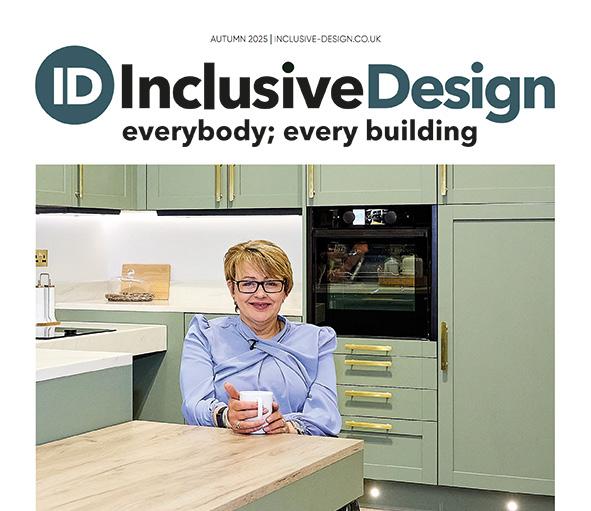
Cover image by wal_172619 from Pixabay
OTAC 2026 Confirmed Events ®
Go to an OTAC® near you for expert seminars and exhibitors specialising in home adaptations and equipment.
OUR NEXT EVENT
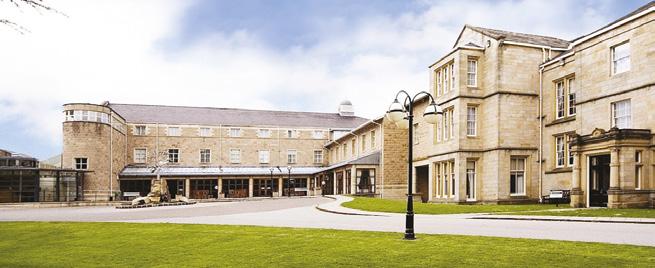
OTAC® Leeds | Weetwood Hall
Thursday 19th March 2026
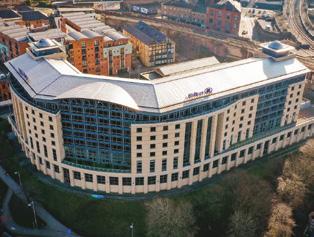
OTAC® Newcastle
Hilton Newcastle Gateshead
Thursday 30th April 2026
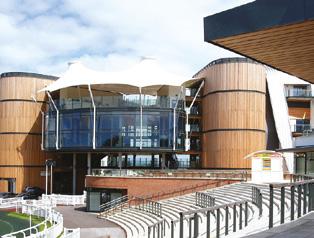
OTAC® Liverpool
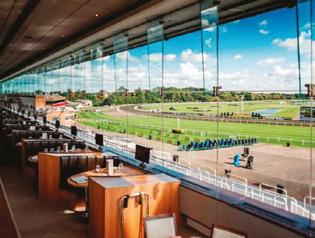
Aintree Racecourse
Thursday 24th September 2026
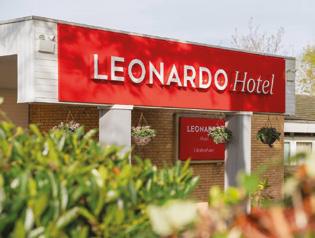
OTAC® Cheltenham
Leonardo Hotel Thursday 7th May 2026
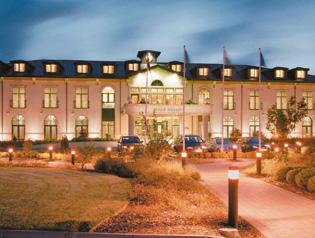
OTAC® Cardiff Vale Resort Thursday 15th October 2026
events@promoting-independence.co.uk
www.otac.org.uk
OTAC® Peterborough
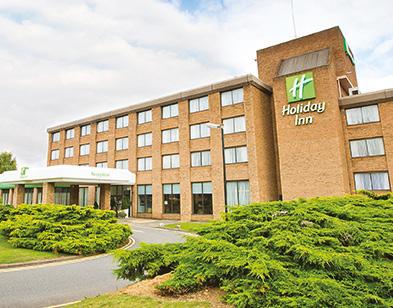
The Holiday Inn (West) Thursday 9th July 2026
OTAC® London Kempton Park Racecourse Thursday 12th November 2026
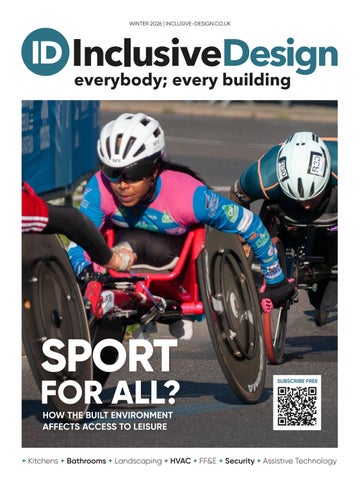
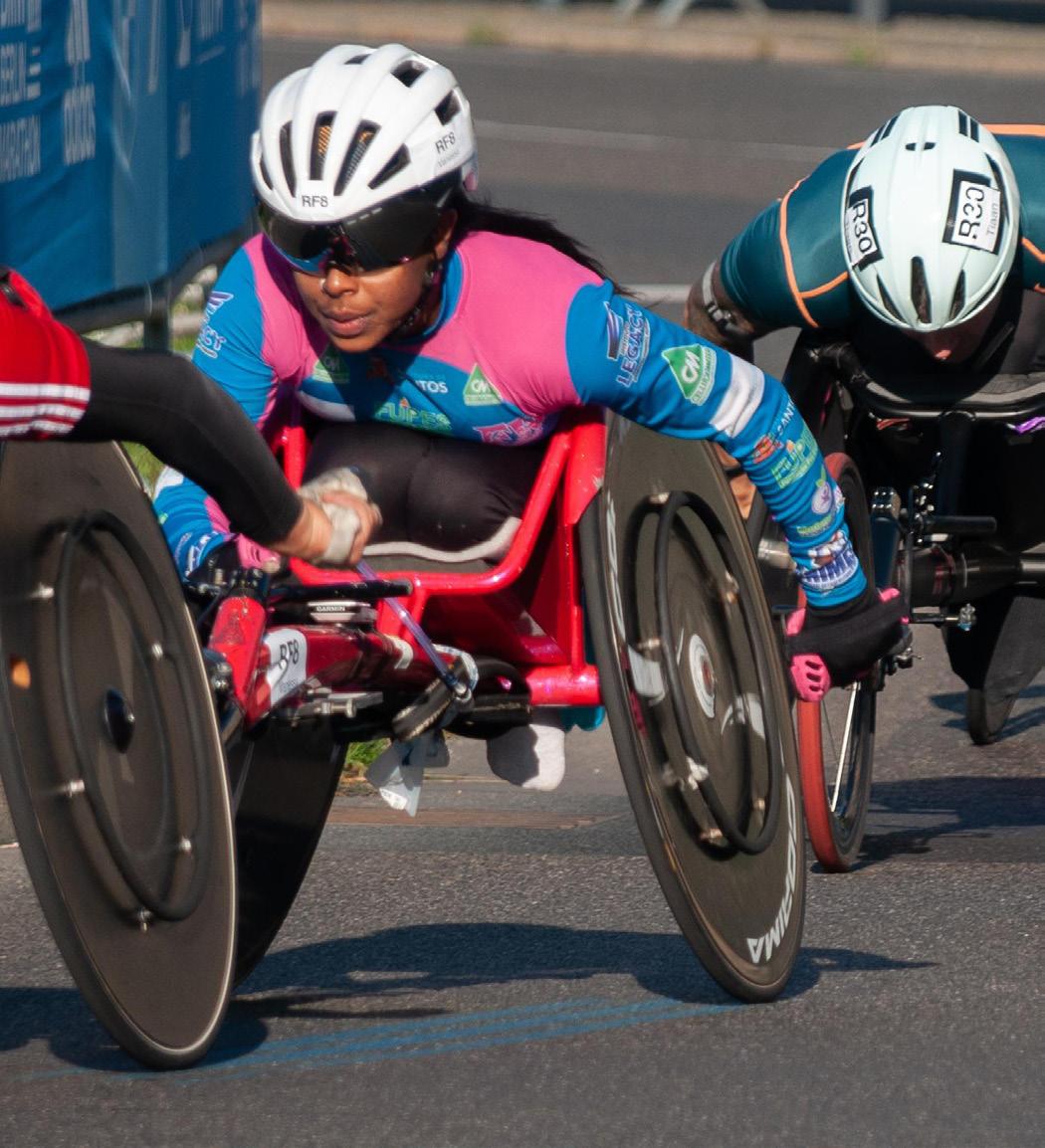
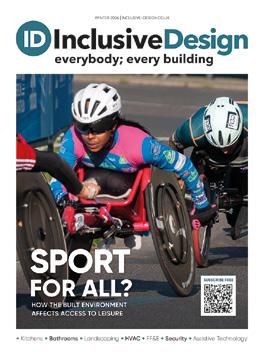
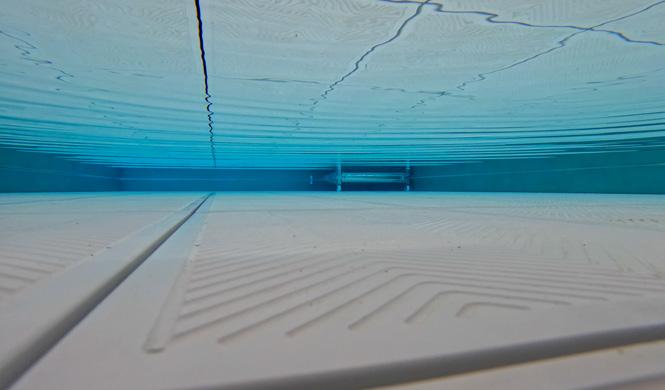
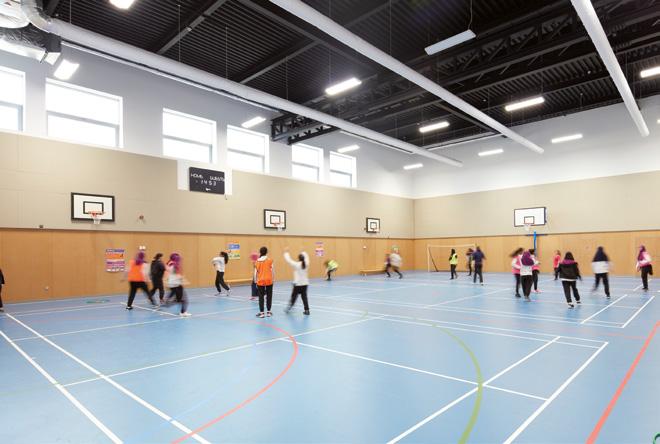
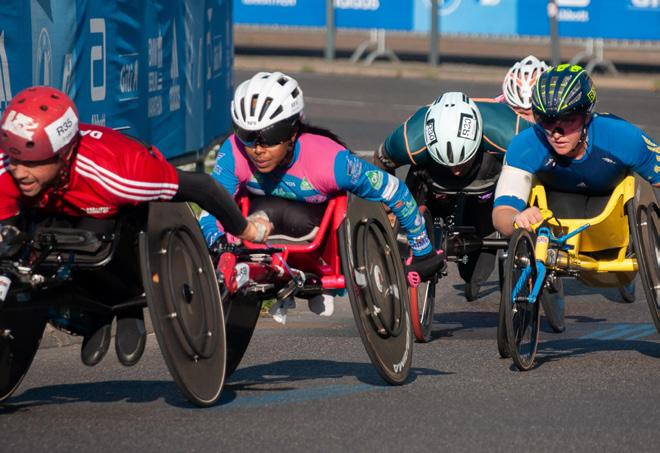
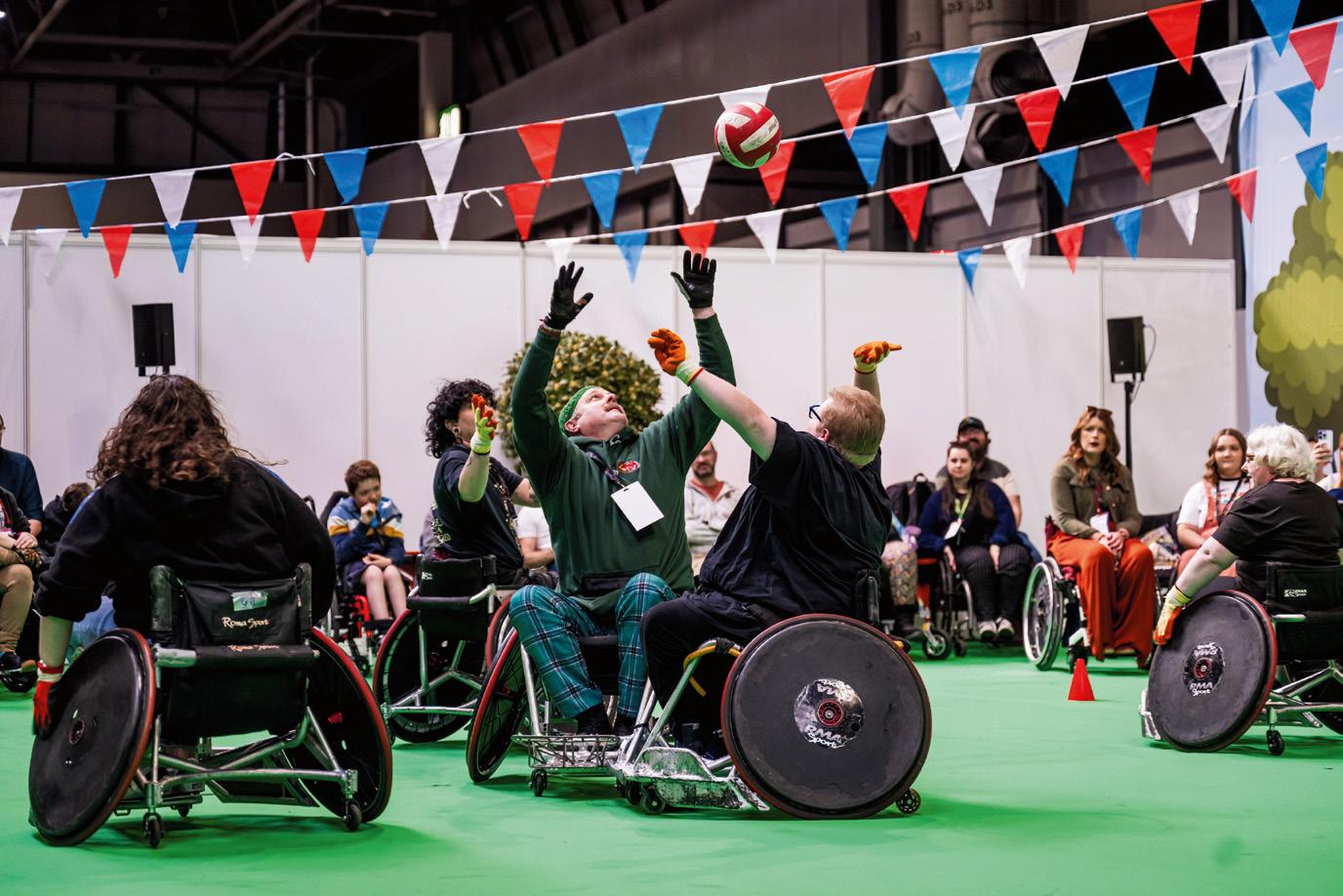
ON THE COVER: The built environment itself can be the main barrier to accessing sports and leisure
48 STYLE WITH SUBSTANCE
Altro products help create a calming and practical living space for neurodiverse young people
“I found the experience di cult… the council didn’t listen to me about what home adaptations were needed for Ava.”
CASE STUDY
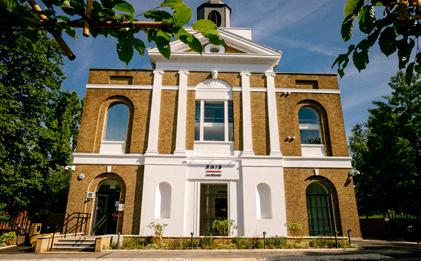
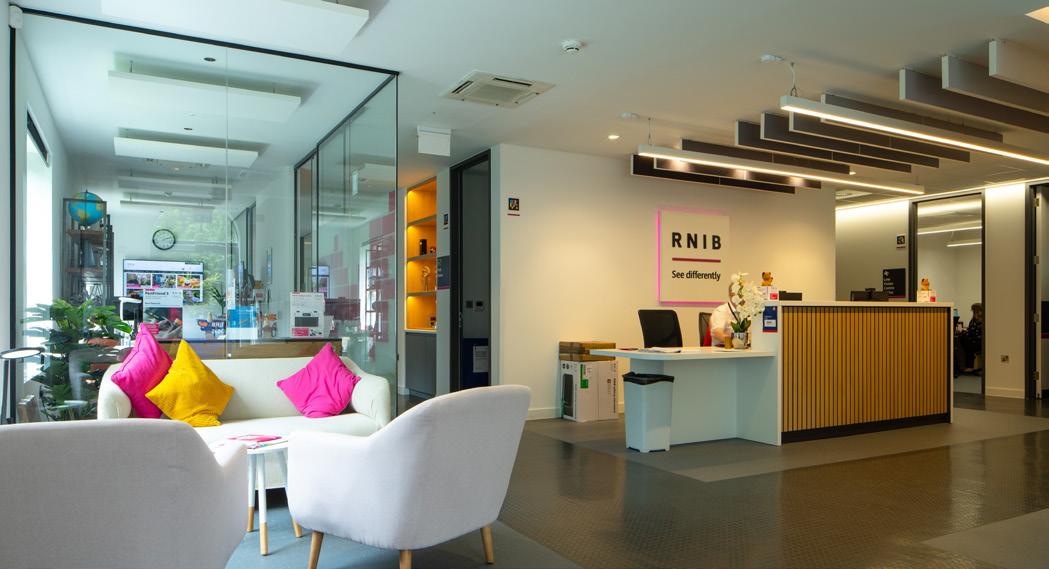
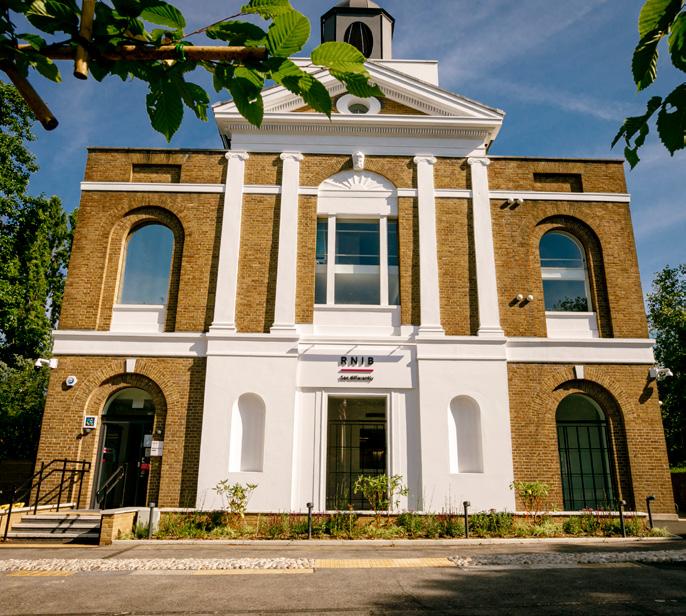
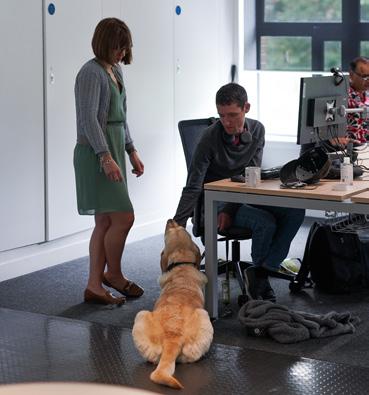
Take a tour around the Grimaldi Building, the new London home of the RNIB
CAE Access Advisors
Asa Hems (left) and Ian Watkins o!er tips for an inclusive workspace
Paul Smith of Foundations reveals the winning formula of the National Healthy Housing Awards
LIFTS Stuart Barrow of OTAC tells us why he recommends Stiltz
HYDROTHERAPY Innova’s new moving floor pool allows for personalised water depth adjustment
KITCHENS & BATHROOMS
Stuart Reynolds of AKW discusses best practice advice when designing for arthritis
FIRE SAFETY
BlazeMaster’s Adam Hessel explains how fire sprinklers are redefining inclusive safety in UK care homes
BATHROOMS Fitzroy of London’s Mark Shepherd shares his insights into trends shaping luxury bathrooms in 2026
FLOORS, WALLS & CEILINGS Altro provide comfort and sound reduction throughout the house in this assisted living space for neurodiverse young people
Samantha Crawford says that you need to know your rights
Samantha Crawford tells us why council-funded
Three days of hot topics
Bringing together the disability community
SETTING STANDARDS
When the Royal National Institute of Blind People (RNIB) decided to relocate its London headquarters from Judd Street in the borough of Camden in 2022 to Bloomsbury in London’s West End, the goal was clear: to create a space that truly reflected the charity’s values of accessibility, inclusion and innovation.
CASESTUDY
Since 2023, the Grimaldi Building near King’s Cross has become RNIB's new London home and, now, it’s more than just an o ce. It’s a blueprint for what inclusive design can achieve when co-created with the people it’s meant to serve.
The project won Business Disability Forum’s Disability Smart Accessible Built Environment Award in 2025 for becoming a beacon of accessibility for its workforce, volunteers and customers. It has since
inspired many other organisations to think about inclusive and accessible built environments; RNIB has received many queries about adopting PAS 6463*, designing spaces for low-vision users, and retrofitting existing buildings.
The site was selected primarily because it is close to King’s Cross mainline station, but also because of the ease of navigation it provides. Its straight-line route from the station along Pentonville Road is ideal for blind or partially sighted people to
navigate, whether using guide canes, guide dogs, or technology.
Nearby amenities, including Joseph Grimaldi Park and bus stops located close to the building, were also key considerations to provide di!erent modes of travel.
“We didn’t want to retrofit accessibility but wanted it embedded right from the beginning,” said Tricia Smikle, Head of Programmes at the RNIB, “so it was immediately fit for purpose.”
FULLY ACCESSIBLE
To ensure the Grimaldi Building was fully accessible in relation to disability access and to cater for RNIB sta! and volunteers, 15% of whom are visually impaired, RNIB appointed Buro Happold’s inclusive environments, lighting, acoustics and asset management specialists and Kay Elliot Architects to the project in February 2022, to co-create a plan for the space.
The executive team at RNIB was also keen that the building should also aspire to be the first in the UK to adopt the new neurodiversity standard, BSI PAS 6463. Buro Happold sponsored the development of the PAS 6463 document alongside TfL, BBC Workplace, and Forbo.
The Buro Happold team worked directly on the client side, engaging with a range of stakeholders from employees to service users as well as the charity’s branding team.
EXTENSIVE CONSULTATION
There was extensive consultation with RNIB colleagues and volunteers who had been involved in previous o ce moves, o ce modernisation and downsizing projects. This was a vital aspect in flagging common issues such as the need for specialist lighting to help those with low vision, acoustics to reduce excessive sound, and a legible, easy-to-follow layout and flow throughout the building.
To arrive at a truly inclusive and accessible space for those with higher sensitivity to visual-spatial stimulation, the design needed to be tailored around an architectural solution with muted tones, routes clearly identified, and clean layouts easy to navigate.
Jean Hewitt, Buro Happold’s Inclusive Environments Technical Lead, was just completing work on the PAS 6463 in her role as BSI-appointed technical author and, upon hearing about the new standard, the RNIB’s executive team was keen to be the first to adopt it as part of the refit.
“Inclusive design was embedded in every decision on the Grimaldi Building because RNIB were clear they wanted their new home to be a beacon of accessibility and a tangible expression of their values,” explained Jean. “It was fantastic that the team embraced the new PAS 6463
“IT’S A BLUEPRINT FOR WHAT INCLUSIVE DESIGN CAN ACHIEVE WHEN CO-CREATED WITH THE PEOPLE IT’S MEANT TO SERVE”
neurodiversity standard at such an early stage so we were able to apply those principles alongside best practice for people with sight loss.
“Our inclusive environment team worked closely with colleagues in lighting, acoustics, and building services, drawing on extensive user feedback from the previous headquarters to create calm, clearly legible environments with intuitive wayfinding, adjustable lighting, and a variety of work settings to suit di!erent sensory profiles.
“The result is a workplace that not only supports blind and partially sighted people, but also demonstrates how thoughtful, inclusive design can improve comfort, wellbeing and independence for everyone.”
SUITING DIFFERENT NEEDS
Key principles included having di!erent types of working environments, such as collaborative and focus spaces with appropriate acoustics, as well as unique adjustability in lighting informed by user trials - to ensure that there are di!ering spaces to best suit the di!erent needs of people with varying types of visual impairment and/or neurodivergence.
The new lighting scheme enables management of contrast levels and shadows, and grants manual and granular control for users, with the aim of creating a relaxed environment with minimal visual clutter.
"RECOGNISING THAT PEOPLE WORK IN DIFFERENT WAYS, THE BUILDING OFFERS A VARIETY OF ENVIRONMENTS, FROM COLLABORATIVE ZONES TO QUIET FOCUS AREAS”
TRICIA SMIKLE
The scheme also allows for the adjustment of ‘colour temperature’ and intensity - shifting between cool and warm lighting and a!ording the variation of brightness as required.
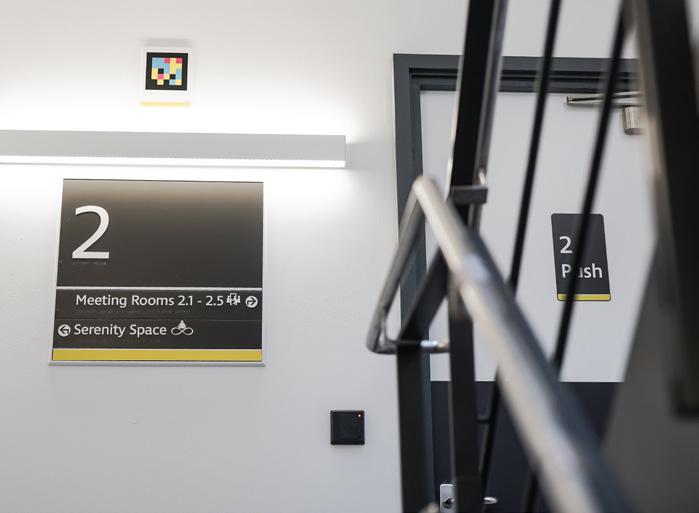
The signage and floor directories include Braille and large tactile images to further help with navigation. Each floor of the building features tactile flooring around the main circulation space, which can be felt underfoot or by users of a guide cane.
THOUGHTFUL ACOUSTIC DESIGN
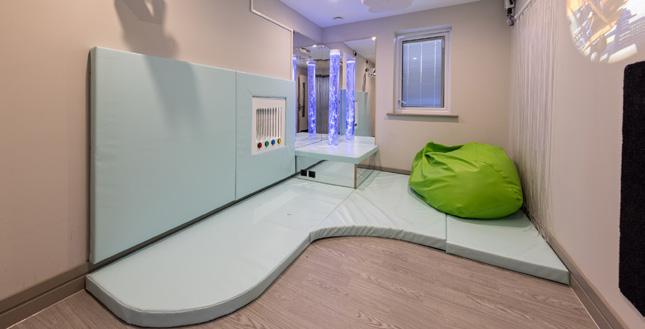
Recognising that people work in di!erent ways, the building o!ers a variety of environments - from collaborative zones to quiet focus areas. Thoughtful acoustic design helps reduce background noise, supporting neurodivergent colleagues and anyone who benefits from a calmer workspace. A Serenity Space, a restorative room designed to provide a low sensory environment for colleagues, was also created. This o!ers a flexible space that is fully aligned with PAS 6463 to support highly personalised wellbeing needs.
The redesigned Grimaldi Building is now a hub for all areas of RNIB’s work, a multi-functional hub, if you like. It houses RNIB Connect Radio, a Products for Life Store retailing aids and adaptations for blind and partially sighted people, a low vision clinic providing optometry services to patients in the North London area, Talking Books Studios where professional narrators provide voice-overs for audio books, and a usability testing area where new products such as televisions and mobile phones are user tested for accessibility.
A GOLD STANDARD
RNIB’s new London headquarters is already being recognised as a gold standard in inclusive design and was the first to adopt the principles laid out in PAS 6463, Design for the
KNOWHOW
Tips for creating an inclusive work environment
Accessible premises are essential to ensure your disabled employees, customers, and anyone else who uses your premises feel included. These are Business Disability Forum’s top tips when you are looking at making your premises accessible to all.
“IT’S A POWERFUL EXAMPLE OF WHAT’S POSSIBLE WHEN ACCESSIBILITY IS PRIORITISED FROM THE OUTSET”
The first barrier many disabled people face when trying to use inaccessible premises is the entrance. Ramps are vital but doors can also be a barrier. Consider automatic, non-revolving doors instead. Make sure any buttons for opening doors are at a height that is accessible for wheelchair users or people of short stature.
Signage
Signage needs to be clear, accurate, and readable. Good contrast is important so people with sight loss can see the signs. Other tips include using clear sans-serif fonts, avoiding shiny surfaces for signage, and providing tactile information eg raised lettering and Braille translations.
Navigation
It is much easier for people to navigate the premises if there is a short and straightforward route from where they are to where they need to get to. This may seem obvious but also make sure pathways are wide enough for wheelchair users, people who use crutches or sticks, and people with sight loss. Make sure all routes are also free from clutter and obstacles. Lifts and automatic doors do break down. Although this is unavoidable, you should still anticipate it and ensure you have contingency plans in place. Make sure everyone in the building is notified and say when it will be fixed, so they can notify any visitors and reschedule both visitors’ appointments and their own plans to be in that building. Ensure you have easy access to accessible toilets.
n
Lighting & décor
floor
Premises need to be well lit but remember that excessively bright lights can also be a barrier for some disabled people, eg those with autism who can be more sensitive to external stimulation.
When it comes to lighting, what is accessible for one person can be distressing to others. Flickering lights can be a trigger for migraines or seizures so they should be removed and replaced as quickly as possible.
The same is true of some colours and patterns, temperature and sounds; some people will prefer them, while others will find them unsuitable. Where possible, o!er a mix of spaces with di!erent lighting options, to meet di!ering needs. RNIB’s Grimaldi building took a pioneering approach to lighting, with fully controllable lighting on each bank of desks and meeting rooms, giving adjustability over the lighting to suit individual and/or group preferences. This was all achieved after consultations with RNIB sta!
Furniture & utilities
Try to ensure you have di!erent options for seating, eg at di!erent heights and with and without armrests.
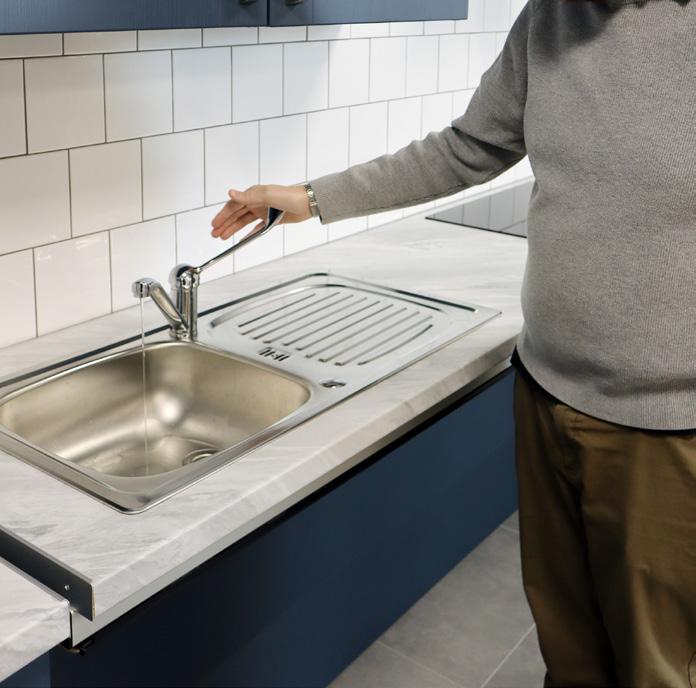
Facilities such as kitchens and shower rooms should be made accessible by eg lowering counter tops so that people in wheelchairs can reach them, and installing taps with automatic sensors so people who face barriers relating to dexterity can still use them. Think about fridges and
cupboards in shared kitchen spaces. Can a wheelchair user reach the cups and the milk to make a cup of tea?
Barrier analyses
Carry out barrier analyses of all your environments to make sure you’re aware of all the barriers that they pose to disabled people. A barrier analysis will map the journey into your building or environments (which might be outdoors) for people with a range of di!erent disabilities. You cannot anticipate the needs of every disabled person, but you can systematically consider the barriers faced by certain groups such as:
• People with mobility problems. This includes such as wheelchair users, people who walk with crutches, and people who cannot walk for long distances.
• People with sight loss.
• People who are Deaf or have hearing loss.
• People with neurodiverse conditions such as autism, dyslexia, dyspraxia and ADHD.
• People with mental health conditions.
• People with learning disabilities.
• People with conditions such as epilepsy and migraines.
• People of short stature.
Once you know what barriers there are in your premises, you can begin planning to address them. Carry out a barrier analysis before carrying out any renovations on existing or new premises.
Find out more at www.businessdisabilityforum.org.uk
Mind – Neurodiversity in the Built Environment. It’s a powerful example of what’s possible when accessibility is prioritised from the outset, and when the people who will use the space are involved in shaping it.
As Tricia Smikle puts it, “This building shows that inclusive design isn’t just about compliance, it’s about creating spaces where everyone can thrive.”
This sentiment was echoed by the judges of the Disability Smart Awards who commended the RNIB team for their “excellent impact on inspiring the thinking for the wider industry, showcasing what is possible when designing accessible and inclusive built environments”.
The Grimaldi Building also won the Estates Gazette Awards 2024 Inclusive Design Award, with their judges calling it “an absolute market leader and a scheme that can and should teach others to be better and to be truly inclusive.” The building was also shortlisted for the NLA Awards 2025, and Tricia Smikle won the Hidden Hero NLA Award 2025** for her work on the project.”
ID
Visit businessdisabilityforum.org.uk and burohappold.com or scan the QR codes to find out more.
OTAC (Occupational Therapy Adaptation Conference and Exhibition) is a series of free UKwide events, brought to you by Stuart Barrow, the founder of Promoting Independence, and featuring suppliers and services that enable OTs make the best choices for their clients.
Occupational Therapist Stuart Barrow, who runs the OTAC events, has specified Stiltz Homelifts for his clients for many years. Stiltz will be exhibiting at all of the 2026 OTAC events, delivering bespoke CPD sessions to engaged delegates.
Stiltz manufactures and installs throughfloor homelifts, which support independent living and long-term accessibility in the home, providing lifts suitable for both ambulant and wheelchair-using individuals. Working closely with healthcare professionals, local authorities and housing adaptation teams, Stiltz supports the full adaptation process, from assessment to prescription through to installation and ongoing support.
A Stiltz Homelift o!ers a practical alternative to stairlifts and traditional wheelchair lifts with products which come in a range of sizes. The Duo+ is designed for ambulant users to stand, sit or perch. The Trio+ will accommodate two persons or a wheelchair user, and the Trio Classic L, which has the largest platform, will take most standard power chairs.
Additional features such as powered doors and a ThruCar configuration make Stiltz Lifts the gold standard in home adaptations, but without the 24-carat price tag.
The team of fully trained Stiltz Trusted Assessors works alongside housing and healthcare professionals, o!ering expert guidance on homelift suitability. This helps ensure the right solution is specified for each client.
With experience across private and local authority pathways, they support assessments, contribute to DFG applications and help keep installations moving e ciently and compliantly.
Stiltz will attend all the 2026 OTAC events, delivering bespoke CPD sessions, sharing practical insights, case studies and best practice around planning and prescribing homelifts. CPD sessions are also available via in-person or virtual Lunch & Learns.
“STILTZ SUPPORTS THE FULL ADAPTATION PROCESS, FROM ASSESSMENT TO PRESCRIPTION THROUGH TO INSTALLATION AND ONGOING SUPPORT”
“I have specified Stiltz Homelifts for my clients over the years,” said Stuart. “Stiltz o!ers a comprehensive product range and robust build, installation and postinstallation service. The fact they employ all their own engineers and tradespeople helps them achieve the skills and responsive service provision required to meet today’s home adaptation demands.” Visit www.otac.org.uk to find out more about OTAC or scan the QR Code.
Stiltz Homelifts o!ers:
• Fully trained Trusted Assessors
• Nationwide assessment visits
• Fast delivery and installation
• Large UK-held inventory
• Bespoke Lunch & Learns
• Advice on homelift prescription
• Full building and installation service
• Round-the-clock service/ breakdown support
• 12-month parts and labour cover
• Ambulant and wheelchair user models
• Unique 2-door ThruCar capability
• Pricing comparable to other through-floor lifts
• CPD training sessions for HCPs
• DFG Eligible products
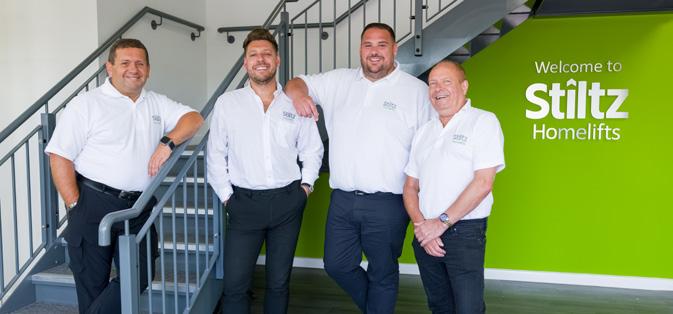
Above: Stiltz Trusted Assessors l-r Gino Farruggio, Alister Gur, Michael Wynne, and Dean Nelson
Why have a stairlift when you can have a real lift?
Stairlift? No thanks!
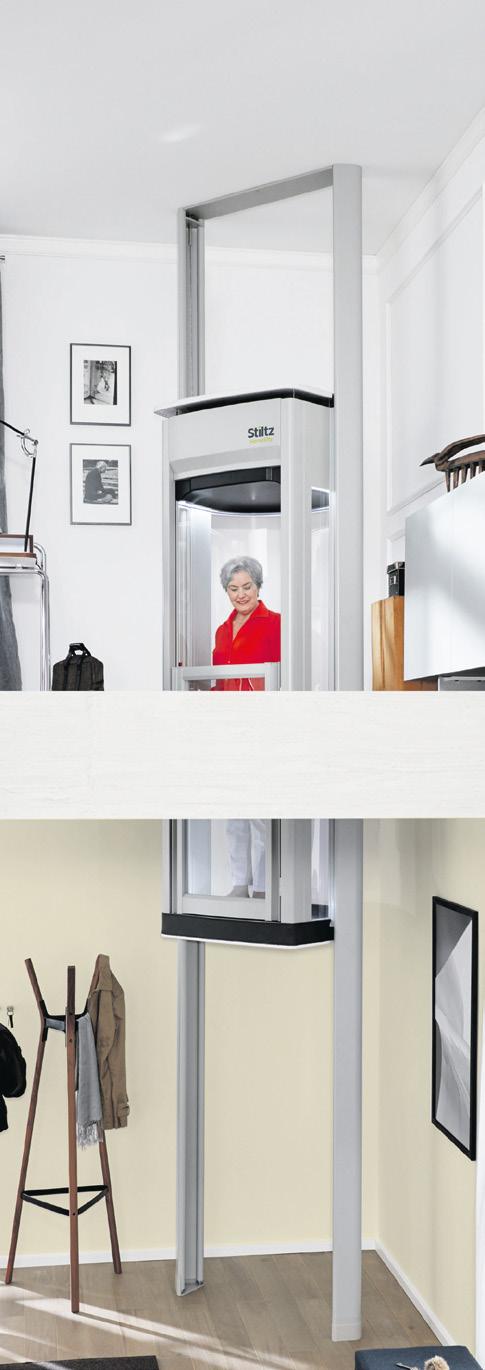
A Stiltz Homelift is a safe, attractive and affordable alternative to a stairlift. It can be installed into almost any home. A Stiltz Homelift has a compact footprint, similar in size to a small armchair.
Your forever home
Save the cost and upheaval of moving or the disruption of adapting your home for downstairs living. A Stiltz Homelift helps you live safely and independently in the home you love.
Over 37,000 Homelifts Installed
The width of an armchair
TALENT POOL
REDEFINING HYDROTHERAPY FOR INCLUSIVE EDUCATION
Inclusive design is most e!ective when it begins with listening. In specialist education settings, where pupils’ needs are complex and highly individual, successful environments are rarely created through o!-the-shelf solutions. Instead, explains Joe Hulbert, Innova’s Client Relations Director, they emerge through collaboration and understanding how spaces will be used, who they are for, and how they can remain adaptable over time.
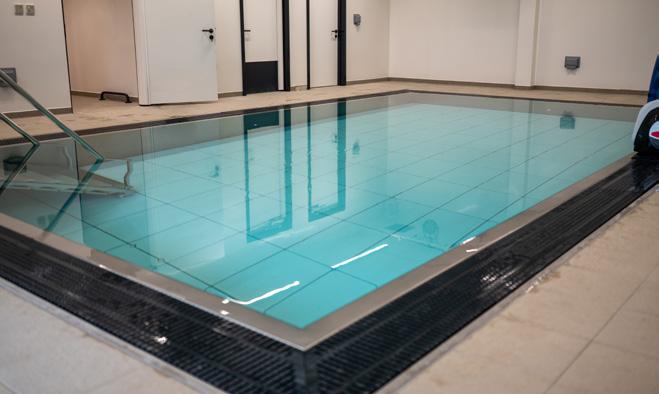
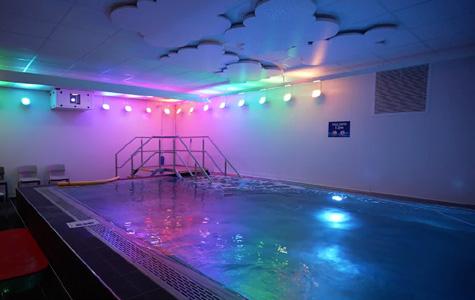
This collaboration approach underpinned the delivery of a new hydrotherapy pool at Oxlow Bridge School, which is now home to the first moving floor hydrotherapy pool approved by the Department for Education (DfE) for a school environment. The moving floor means that the base of the pool can be automatically raised or lowered, allowing the depth of the water to be adjusted for each user. The project demonstrates how thoughtful, inclusive design can support education, therapy and wellbeing simultaneously, while meeting rigorous standards for accessibility and safeguarding.
DESIGNING AROUND REAL NEEDS
Oxlow Bridge School supports pupils with complex physical, sensory and neurological needs, many of whom benefit significantly from therapeutic input as part of their educational experience. Hydrotherapy plays an important role in this, but traditional pool designs can present challenges, from fixed water depths to access constraints and increased manual handling requirements for sta!
From the earliest stages of the project, discussions focused on how the pool could work for pupils and sta! alike. Rather than starting with a predetermined technical solution, the emphasis was on understanding daily routines, therapy goals and long-term aspirations for the space. This collaborative process helped define a brief rooted in flexibility, dignity and safety.
“THE ADJUSTABLE FLOOR ALLOWS WATER DEPTH TO BE SET PRECISELY FOR EACH SESSION"
JOE HULBERT
The result was a decision to incorporate a moving floor hydrotherapy pool, allowing the environment to adapt to the user, rather than the other way around.
A MORE FLEXIBLE APPROACH TO HYDROTHERAPY
The key advantage of a moving floor pool lies in its adaptability. Unlike traditional pools with fixed depths or sloping floors, the adjustable floor allows water depth to be set precisely for each session. This supports pupils of di!erent sizes, abilities
and therapeutic requirements within the same space.
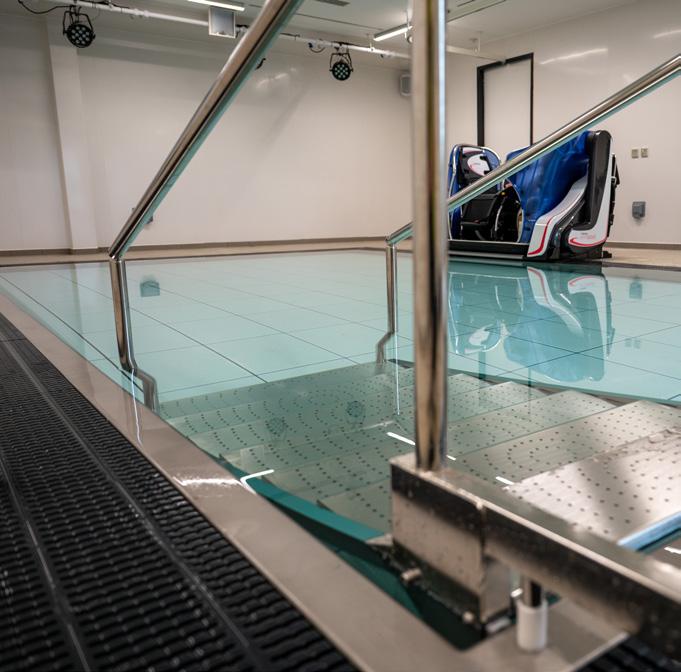
For pupils who are standing, the pool can be set shallow to encourage balance and confidence. For wheelchair users or those requiring hoisting, the floor can rise to deck level, enabling safe and dignified transfers before being lowered smoothly to the desired depth.
This flexibility ensures hydrotherapy sessions can be tailored, progressive and inclusive; supporting a wide range of physical and sensory needs without compromise.
SUPPORTING THERAPEUTIC AND EDUCATIONAL OUTCOMES
The benefits of aquatic physiotherapy in SEN schools extend far beyond physical exercise. Warm water provides buoyancy, reducing the impact of gravity and allowing pupils to move more freely. This can support pain relief, increase joint mobility and enable movement that may be di cult or impossible on land.
At Oxlow Bridge, the hydrotherapy pool supports physical development, including strength, coordination and cardiovascular fitness. It also plays a role in the re-education of functional activities, such as balance, standing and walking - skills that contribute directly to independence and confidence.
Importantly, the pool also enables participation for pupils who may not be able to access traditional PE lessons. In the water, pupils can engage in shared activity and experience achievement in a way that feels inclusive rather than adapted.
The emotional and sensory benefits are equally significant. Hydrotherapy can promote emotional well-being, helping pupils to relax, regulate sensory input and build self-esteem. For some, the pool becomes a calming space that supports focus and engagement beyond the session itself.
SAFETY, DIGNITY AND STAFF WELLBEING
Inclusive design must consider not only pupils, but also the sta! who support them. Throughout the Oxlow Bridge project, careful attention was given to how the pool could reduce physical strain and support safe working practices.
The moving floor significantly reduces manual handling requirements, lowering the risk of injury and fatigue for sta!. Clear visibility of water depth, controlled entry and exit, and predictable transitions all contribute to a safer environment for everyone involved.
Integration with ceiling hoisting systems allows transfers to take place at deck level, promoting dignity for pupils and confidence for sta!. These practical considerations play a crucial role in ensuring therapy sessions are delivered consistently and safely.
Above: Clear visibility of water depth, controlled entry and exit, and predictable transitions all contribute to a safer environment for everyone involved
ALIGNING WITH DFE GUIDANCE AND FUTURE NEEDS
One of the defining features of the Oxlow Bridge hydrotherapy pool is its alignment with DfE guidance on accessibility, safeguarding, and inclusive design. The approval of this moving floor pool represents an important step forward in how hydrotherapy provision is approached within school environments.
“AS PUPIL PROFILES CHANGE AND NEEDS EVOLVE, THE ADAPTABLE NATURE OF THE POOL’S MOVING FLOOR ENSURES THE SPACE CAN CONTINUE TO SUPPORT A WIDE RANGE OF USERS WITHOUT MAJOR ALTERATION”
JOE HULBERT
Crucially, the pool has been designed with the future in mind. As pupil profiles change and needs evolve, the adaptable nature of the moving floor ensures the space can continue to support a wide range of users without major alteration. This future-proof approach reflects responsible, long-term thinking in educational design.
NORMALISING INCLUSION THROUGH SHARED SPACES
The hydrotherapy pool also plays a role in normalising inclusion within the school environment. By creating a space that can be used by pupils with a wide range of abilities, the pool avoids the need for separate or overly restrictive provision. Instead, it supports shared experiences, where pupils engage in activities together at a level appropriate to them.
“A MOVING FLOOR HYDROTHERAPY POOL ALLOWS THE ENVIRONMENT TO ADAPT TO THE USER, RATHER THAN THE OTHER WAY AROUND”
JOE HULBERT
This approach reinforces the idea that inclusion is not about creating special cases, but about designing environments that can respond flexibly to di!erence. In doing so, the pool becomes more than a therapeutic facility; it becomes a social and educational space that reflects the school’s wider values around equality, participation and belonging.
A SHARED COMMITMENT TO INCLUSION
The completed hydrotherapy pool is a clear expression of Oxlow Bridge School’s commitment to inclusive education, wellbeing and holistic support. It demonstrates how environments can be designed to remove barriers, promote participation and support therapeutic goals alongside learning.
While innovative in its use of technology, the project’s success lies less in the equipment itself and more in the collaborative approach that shaped it. By prioritising understanding, flexibility and real-world use, the project team has delivered a space that responds to human needs rather than prescribing how those needs should be met.
SETTING A BENCHMARK THROUGH INCLUSIVE DESIGN
Although designed for an SEN school, the principles behind this project have wider relevance. Adaptable aquatic environments are increasingly being explored across education, healthcare and rehabilitation settings, where inclusivity and flexibility are essential.
Oxlow Bridge now provides a valuable reference point for what can be achieved when inclusive design principles are embedded from the outset - not as an afterthought, but as a foundation.
Taken together, these considerations show how inclusive aquatic design can operate as both a therapeutic and educational asset. When environments are designed to be adaptable, legible and supportive, they help remove barriers to participation and allow pupils to engage on their own terms. At Oxlow Bridge, the hydrotherapy pool demonstrates how careful design can quietly enable better outcomes without drawing attention to di!erence.
MEET JOE HULBERT
Joe Hulbert is the Client Relations Director at Innova Care Concepts with an extensive knowledge and expertise in a wide range of specialist equipment including hoisting, specialist beds, hydrotherapy, hygiene equipment and accessible kitchens. With considerable experience supporting architects, case managers, OTs, and clinicians, Joe helps deliver e ective, user-focused outcomes for individuals with complex care needs. He o ers in-depth product knowledge and a hands-on approach to identifying the most suitable equipment to enhance the lives of the end user and their families. Joe works closely with professionals across both multi-user and domestic settings to provide bespoke solutions that promote independence and dignity.
Above: Unlike traditional pools with fixed depths or sloping floors, the adjustable floor allows water depth to be set precisely for each session
Above: For wheelchair users or those requiring hoisting, the floor can rise to deck level, enabling safe and dignified transfers before being lowered smoothly to the desired depth
LOOKING AHEAD
As Client Relations Director at Innova, I have seen firsthand how thoughtfully designed environments can transform experiences for those who rely on them most. The Oxlow Bridge hydrotherapy pool demonstrates what can be achieved when innovation, guidance and genuine understanding of user needs come together.
This project is not just a first for the DfE - it is a signpost for the future of inclusive aquatic design in education. By placing adaptability, dignity and wellbeing at its core, Oxlow Bridge School has set a standard that others can now aspire to follow.
Visit: www.innovacareconcepts.com/casestudies/moving-floor-pool-innovationfor-sen-school to find out more about the project.
The Complex Care Environment Specialists
With over 15 years of experience in the healthcare sector, Innova is a trusted leader in designing and fitting out complex care environments across the UK.
Our team specialises in Ceiling Hoist Systems, Hydrotherapy Pools, Changing Places Toilets, Accessible Kitchens & Bathrooms, and Bespoke Care Furniture, delivering tailored solutions for a range of complex care needs, all backed up by ongoing servicing & maintenance support.
BACK FOR THE FUTURE
Care Show London 2026, running on 29th & 30th April at ExCeL, will be opening its doors for the third consecutive year to the whole care community. Matthew Moore, Show Manager, highlights what is on o!er, as well as key speakers and sessions to look out for.
Care Show London is the meeting place for the social care community, united by a shared commitment to delivering the highest standards of care. The show provides a platform to learn best practice, explore innovative products and services, and develop practical skills to support day-today work.
The focus this year is on helping you confidently navigate the future of care. Through expert-led sessions and sector insight, you’ll gain the clarity, support, and direction needed to prepare for what’s next, with key themes including workforce, regulation, policy, AI and technology, business sustainability, palliative care, and more.
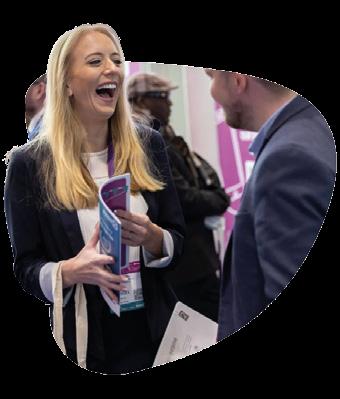
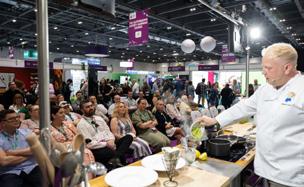
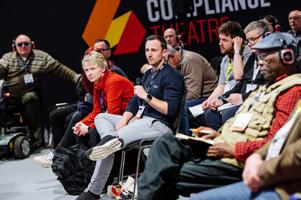
Above: Care Show London is a great opportunity to meet like-minded professionals Below: The conference programme covers key challenges within the sector
CONFERENCE PROGRAMME
Care Show London conference programme covers key challenges within the sector, matching these with established care professionals who are able to provide solutions to these. With over 180 experts in the sector speaking at the show, we'll cover everything from strategic business support to specialised dementia care, to sustainability wins and so much more!
With seven dedicated theatres hosting sessions across the two days and over 60 hours of world-class education, attending this event will provide you with the tools and solutions to improve the quality of care you provide.
TOP SUPPLIERS
Alongside the dedicated conference programme, Care Show London hosts over 200 top suppliers from the sector, o!ering a wide range of products and solutions to help improve your business. From catering suppliers to software providers, you’re sure to find an exhibitor with what you’re looking for.
NETWORKING
With so much happening at the show, don’t forget to make time to connect with sector peers. With over 3,750 care professionals expected at Care Show London, it’s a great opportunity to meet like-minded professionals who understand your challenges and desire to build strong relationships.
Care Show London 2026 is your opportunity to confidently navigate the future of social care. With expert-led sessions, innovative suppliers, and thousands of professionals under one roof, the show provides the knowledge, connections, and tools you need to stay ahead and succeed in a changing landscape.
"SEVEN DEDICATED THEATRES HOST SESSIONS ACROSS THE TWO DAYS WITH OVER 60 HOURS OF WORLDCLASS EDUCATION. CARE SHOW LONDON 2026 IS YOUR OPPORTUNITY TO CONFIDENTLY NAVIGATE THE FUTURE OF SOCIAL CARE” MATTHEW MOORE
Register now to join your community for two days of learning, networking and inspiration, at https://forms. reg.buzz/care-show-london-2026/ inclusivedesign or scan the QR Code below. REGISTER NOW
DON'T MISS! SESSION HIGHLIGHTS 2026
Get yourself up-to-date with the latest thinking at these must-see sessions:
Keynote Theatre CQC update: our journey, priorities, and what’s next for adult social care
People & Business Theatre Winning self-funded clients through strategic marketing and sales
IHSCM Leadership in Tough Times Theatre How to build an e!ective team
Care Providers’ Voice Masterclasses What will the care workforce look like in 2030?
View the conference programme at https://www.careshowlondon.co.uk/ inclusive-design-26 or scan the QR Code.
Technology Theatre What's happening internationally? How social care across the globe is using technology to improve outcomes
Catering, Hydration and Nutrition Theatre Cognition-supporting Vitamin B12 needs our attention: how to incorporate more into meals with ease
The Outstanding Society Learning Lounge Safe medicines management: complex medication and reporting
WHO'S THERE
Key speakers sharing their experiences and opinions at Care Show include:
Chris Badger, Chief Inspector of Adult Social Care & Integrated Care, CQC
Isaac Samuels OBE, Co-Chair, NCAG & TLAP
Fran Vandelli, Dementia Lead, Bupa Care UK
Aneurin Brown, CEO, Hallmark Luxury Care Homes
Emma Jane Tinkler, Programme Manager, HC-One
Kevin Humphrys, CEO, Oakland Care Group
Ilona Tomza, Senior Head Chef, Porthaven Care Home (NACC Chef of the Year)
Michelle Corrigan, Programme Director, Digital Care Hub
Clare Je eries, Business Director, Home Instead Wimbledon & Kingston
Giuseppe Di Martino, Learning Disability and Autism Commissioner, Slough Borough Council
Katy Hague, Chief of Sta!, Crystal Care Homes
Lucy Campbell, CEO, Right at Home UK
Sarah Sabater, CEO, CareYourWay
Charles Taylor, Owner, Taylor & Taylor Care Group
Alyson Vale, Business & Operations Director, Abbotsford Care Ltd
UNDER
PRESSURE
DESIGNING FOR THOSE WITH ARTHRITIS
With over 1 in 4 people in the UK today living with a musculoskeletal condition1 and around 10 million people in the UK with arthritis specifically, there is more need than ever before for well-designed homes that promote, rather than block, day-today living. Stuart Reynolds, UK Marketing & Product Management Director at AKW, discusses the latest best practice advice, based on a guide developed in conjunction with Arthritis UK and The Occupational Therapy Service.
The free to download AKW Guide to Creating Accessible Kitchens & Bathrooms for People with Arthritis is ideal for occupational therapists, designers and installers looking to create or adapt kitchens and bathrooms to make life easier for those with the condition.
WHY GOOD DESIGN MATTERS
Arthritis is a progressive and often painful condition that a ects joint mobility, grip strength, and endurance, and it can significantly impact day-to-day activities. It isn’t one single disease but a term that refers to the swelling, sti ness, and pain in one or more joints which typically worsen with age.
Due to the nature of arthritis, mobility and dexterity issues are common. This makes functionally demanding rooms in the house - the kitchen and bathroomthe most di cult to use2. In fact, without thoughtful adaptation, these spaces can become a source of pain, stress and reduced occupational performance for those living with the condition.
Therefore, it makes sense that prioritising the adaptation of kitchens and bathrooms can help such people remain safe, independent, and engaged in meaningful occupations which benefit their overall well-being.
COMMON CHALLENGES
Here are the main functional challenges faced in the kitchen and bathroom by those with mobility and dexterity issues such as arthritis:
When using the kitchen
Worktops: surface height can cause considerable di culties if it is too high or low, forcing unnecessary bending or over-reaching.
“THE KEYS TO SUCCESSFUL ADAPTATION, WHICH CAN BE TRANSFERRED TO OTHER CONDITIONS AS WELL AS THOSE LIVING WITH ARTHRITIS, ARE TO IDENTIFY THE USER’S ACCESS NEEDS”
STUART REYNOLDS
Storage: inaccessible or di cult to access cupboards that cause pain and imbalance. Equipment: mobility equipment, such as a perching stool, can take up valuable space.
Sinks & taps: the sink’s height, depth and position can cause pain, due to required reaching and bending. Di cult to grip taps can also lead to excess strain on arthritic fingers and wrists.
Transport: di culty moving items to where they need to be, due to a poorly laid out space.
When using the bathroom
Sinks & baths: these can be di cult to access and require overreaching or crouching.
Taps & controls: non-lever taps can cause users di culty.
Toilets: traditional toilets are usually too low, toilet frames are unpopular and toilet seats can be di cult to lower onto.
Space constrictions: UK bathrooms are typically very small.
Transfers: movement to and from toilets, baths or showers can be di cult.
Flooring: this can create unsafe shower access or a risk of slipping.
BEST PRACTICE GUIDANCE
Thoughtful design, product specification and installation can transform the kitchen and bathroom. Here is some of the best practice advice from the AKW Arthritis Guide:
For the kitchen
Worktops: use height-adjustable worktops, where sinks and hobs can be fitted, as these
maximise accessibility, multi-user functioning, and future-proof the space to support someone with a degenerative condition.
Storage: opt for D-handles which are easier to pull open compared to knobs, or cupboards that can be opened by pushing rather than pulling. Fit pull-down baskets, pull-out larders and drawers, or use solutions incorporating automated operation to bring the contents closer to you.
Equipment: raise ovens to waist height and use heat-resistant pull-out tables to minimise the carrying or moving of hot items. Also provide ergonomic, arthritisfriendly kitchenware, such as jar and can openers, and kettle tippers.
Sinks and taps: consider the person's physical proportions and how they will use the sink, and if they require single lever or touchless control taps to eliminate the need to grip. Also think about what they are washing, e.g. if they have a dishwasher, are smaller items put in this and does that impact how the task is completed?
Transport: design the space with seating/ rest areas, alongside adjustable-height worktops, to support functioning whilst seated. Consider recess depths so the person can get close enough to worktops without needing to lean/bend, which can be an issue for wheelchair and ambulant users.
For the bathroom
Sinks and baths: replace the bath with a level-access shower; if bathing is meaningful to the person consider bathing equipment, although this might not fully future-proof the space. Alternatively look at specialist bath options, such as a walk-in bath.
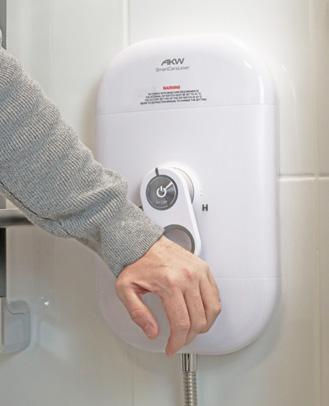
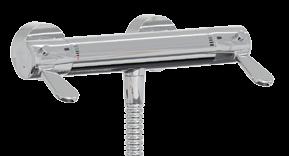
Taps and controls: install lever-operated or infrared sensor taps with clear hot/ cold temperature indicators. When it comes to controlling the shower, specify a thermostatic care shower with easyto-use lever operation, such as the AKW SmartCare Lever Electric Shower, which also includes features to support people with cognitive and/or visual impairment.
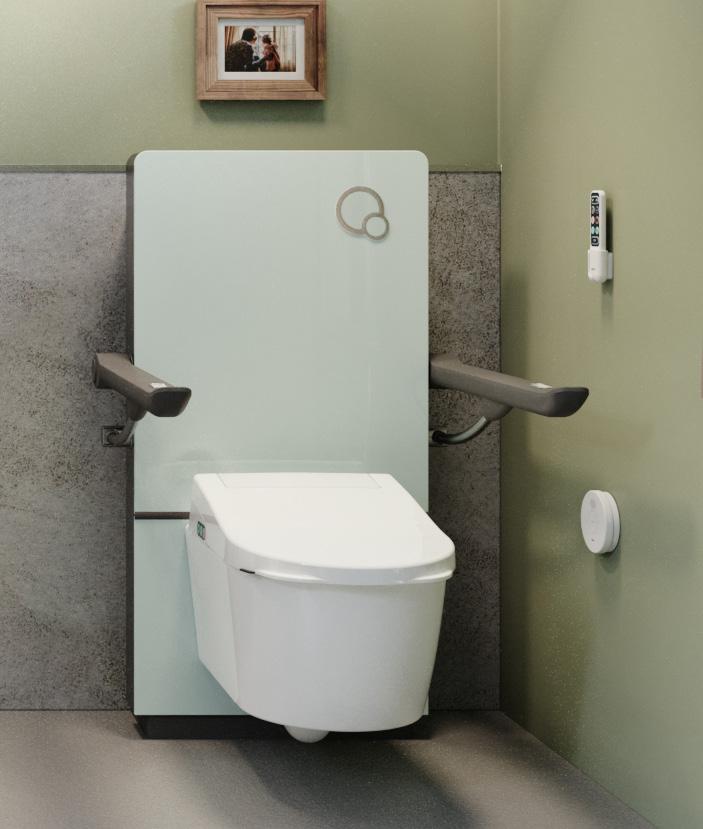
Toilets: use lever or paddle flushes instead of push buttons as these are easier to use for people with limited dexterity. Recommend bidets or wash/dry toilets with automated or easy-to-use controls that do not rely on gross motor skills.
Space constrictions: although space is tight in most UK bathrooms, think carefully about the position of toiletries, toilet roll holders and towels, so they are in easy reach for the user.
Transfers: use raised-height toilets, dropdown rails and grab rails. AKW research suggests that many people prefer fluted grab rails, as they feel these o er more grip. Consider the use of the AKW Rise & Fall Bidet which supports heights between 410-610mm.
Opt for D-handles on cupboards and drawers, which are easier to pull open compared to knobs
“[IF INCORRECT] THE SINK’S HEIGHT, DEPTH AND POSITION CAN CAUSE PAIN, DUE TO REQUIRED REACHING AND BENDING. DIFFICULT TO GRIP TAPS CAN ALSO LEAD TO EXCESS STRAIN ON ARTHRITIC FINGERS AND WRISTS”
STUART REYNOLDS
Flooring: lay vinyl flooring with a minimum R10 rating within domestic bathrooms to provide a slip-resistant and safe environment.
Above: Shallow sinks and lever taps with paddle lever handles aid those with limited mobility and dexterity
Right:
The keys to successful adaptation, which can be transferred to other conditions as well as those living with arthritis, are to identify the user’s access needs, usual habits in the kitchen or bathrooms and what times of day they are using the space. Then create a logical layout, with everyday objects positioned at waist height where possible. Also, consider including seating or resting areas, incorporating automated operation to reduce bending or stretching, remove clutter, and choose solutions that will support the user for the short- and long-term.
Lifestyle adjustments for those with arthritis needn’t be complicated.
To find out how to help those with the condition maintain their independence, whilst ensuring you are fitting appropriate, helpful, and cost-e ective adaptations, visit www. akw-ltd.co.uk or download the free guide at https://www.akw-ltd.co.uk/document/ creating-accessible-kitchens-bathrooms-forpeople-with-arthritis/ or scan the QR Code.
Above: The AKW Rise & Fall Bidet is a hygienic toilet solution if joint pain a ects balance or grip
Top right: AKW’s SmartCare Lever Electric Shower can be operated using only two fingers if hands or wrists are a ected
AKW solutions to help those with arthritis
AKW has a wide range of products that are suitable for use by those with arthritis. These include:
In the kitchen
AKW’s Activmotion® Rise & Fall Worktop surfaces that suit users with a degenerative condition. Tall, easy side access larder units for frequently used items. Shallow sinks and lever taps with paddle lever handles, to aid those with limited mobility and dexterity. In addition, also recommended are AKW’s pull-down cupboard baskets that bring contents within reach and base unit drawers with D-handles for simpler access than traditional cupboards.
In the bathroom
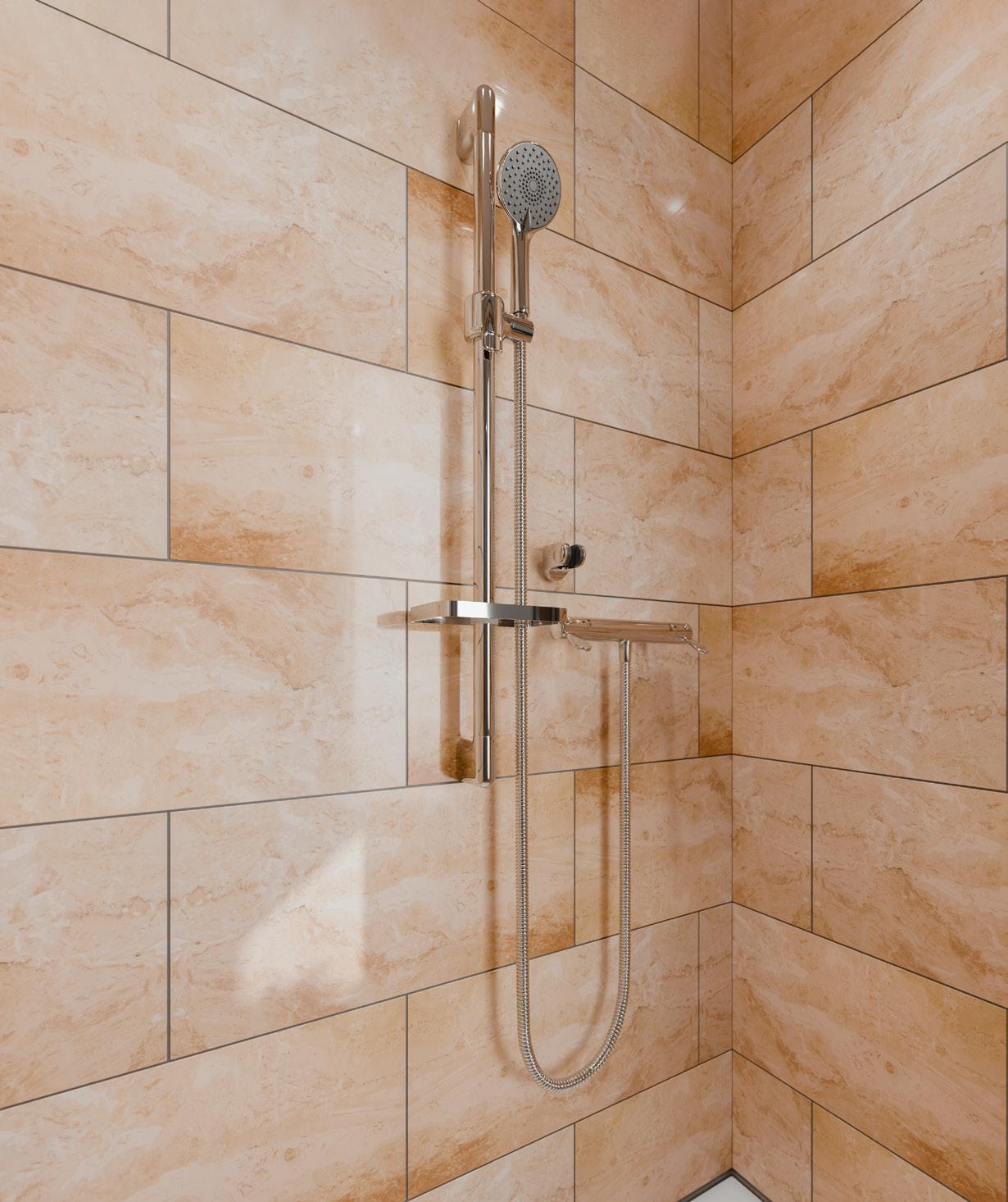
AKW’s SmartCare Lever Electric Shower, that can be operated using only two fingers if hands or wrists are a ected. The AKW Rise & Fall Bidet hygienic toilet solution if joint pain a ects balance or grip. Also suggested are AKW’s comfortable shower seats that relieve the pressure o knees and hips, shower enclosures with D-handles and D-latches to reduce strain on fingers and wrists and lever taps that can even be operated by a closed fist or elbow.
For more information contact AKW on 01905 823298, email sales@akwltd.co.uk or visit www.akw-ltd.co.uk
LESSONS TO LEARN
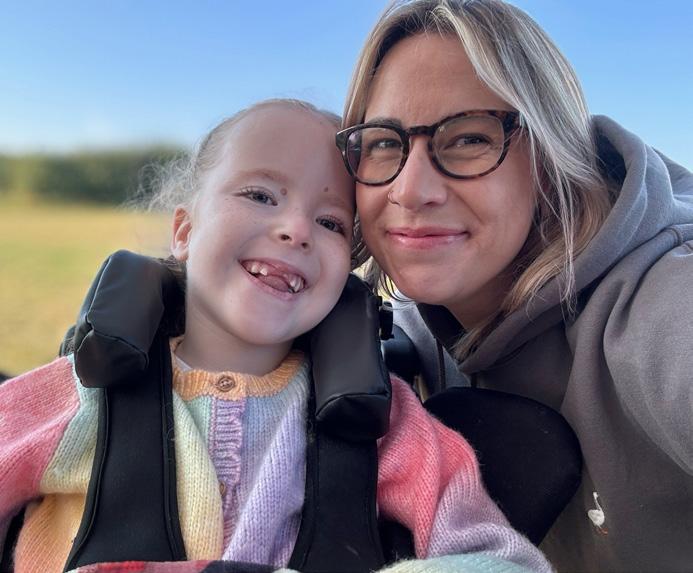
Samantha Crawford is a full-time carer and part-time student living in social housing in Worcestershire with her seven-year-old twin daughters Ava, who is a wheelchair user, and Olivia. Following multiple failures in the councils’ handling of adaptations to their home, Samantha tells us why council-funded home adaptations need a person-centred approach.
When a Local Government and Social Care Ombudsman’s (LGSCO) investigation into Bromsgrove District Council and Worcestershire County Council found multiple failures in the councils’ handling of adaptations to Samantha’s home, she received an apology and more than £4,500 in compensation.
Following the publication of LGSCO report from the investigation1 in December 2024, Samantha decided to share her experience and learnings with Habinteg Housing Association to help other people navigate the Disabled Facilities Grant (DFG) process.
Samantha’s daughter Ava now has the adaptations needed to support her complex medical needs, but it took a long while to get there.
“I found the experience di cult… I only made the complaint because the council didn’t listen to me about what home adaptations were needed for Ava,” said Samantha.
The council adapted a home for the Crawford family with DFG funding before they moved in. They added a bedroom extension to the property, built to a specification based on an assessment by an NHS Occupational Therapist (OT), but Samantha says it wasn’t suitable for Ava.
“We weren’t involved in the home adaptations process,” said Samantha. “But, when we moved into the home, I realised very quickly it was unsafe and not suitable for Ava at all.
“WHEN WE MOVED INTO THE HOME, I REALISED VERY QUICKLY IT WAS UNSAFE AND NOT SUITABLE FOR AVA AT ALL”
“Ava’s bedroom didn’t accommodate both her wheelchair and her bed, so the bed needed to be moved constantly, and its only fire exit was via the kitchen. In addition, the garden had been redesigned with a retaining wall and steps, which made it inaccessible for Ava.”
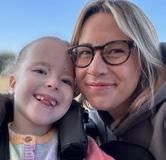
Samantha Crawford, with her daughter Ava
“IT’S IMPORTANT TO KNOW YOUR RIGHTS AROUND HOME ADAPTATIONS BECAUSE IT’S A NICHE AREA”
SECOND OPINION
Following her complaint the council undertook further assessments, but they involved low-cost solutions that significantly reduced the family’s living space.
“At this point, I paid for a private OT report - as a second opinion - and had private architectural plans drawn up based on that report,” Samantha told us.
While Samatha was considering legal action, the council sought the view of their Home Improvement Agency, Millbrook Healthcare, who agreed with Samantha’s private report and, consequently, the council rectified their adaptations.
IMPACT ON FAMILY
Due to the extra changes that had to be made to the home, Ava had to live in temporary care for six weeks without her mother as she was recovering from major surgery and in a plaster cast from her hips to her ankles.
“The a!ect it had on her and her twin sister, emotionally, was unfair,” said Samantha. “We’d already had years of both girls being unable to play together because Ava can’t access the garden. The experience led me to have a burnout which, as a carer and a parent, is extremely stressful.”
GETTING IT RIGHT
Following the changes to their home Ava now has space to manoeuvre easily and store her medical equipment safely. “And she can play in her room which also has level access into the garden,” Samantha said. “The changes have improved not just Ava’s quality of life, but all of ours, too. We can now eat together, which is what any family should be able to do.
“Ava can play outdoors, which is very di cult for us to achieve outside of the home. This has benefits on her overall health as it increases her lung capacity.”
SHARING LEARNINGS
Speaking about what would have improved the process, Samantha said: “It’s essential for the DFG assessor to know the needs of the person being assessed and to take a holistic view of the person’s carers and other family members such as siblings.
Support & advice
If you’re going through or considering applying for a Disabled Facilities Grant for yourself, a family or as the primary carer for a disabled person, support and advice is available at:
• The government’s Disabled Facilities Grant (DFG) delivery: guidance for local authorities in England1
• Housing Adaptations for Disabled People2 by the Home Adaptations Consortium (Orange booklet)
• Habinteg and the Equality and Human Rights Commission has produced the Housing and disabled people: a toolkit for local authorities in England3, which is free to download.
• Disability Rights UK4
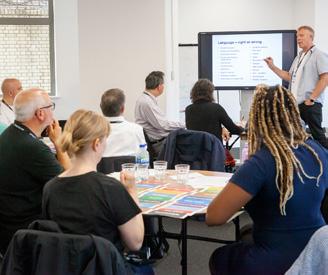
The Centre for Accessible Environments, part of Habinteg, o!ers bespoke training on accessible housing and adaptations, which includes interactive workshops and exercises, at www.cae.org.uk/ training/bespoke-training or scan the QR Code. Find out more about accessible homes in inclusive settings at www.habinteg.org.uk.
BELOW: CAE, part of Habinteg, o ers bespoke training sessions (pictured below) on accessible housing and adaptations
“If you’re undertaking adaptations in your home, you should ensure that social services are involved in the DFG process. They’re responsible for ensuring that the needs of disabled people are met.
“The council told me there was no obligation to have a garden for play, or a table for dinner times, but they are all within the guidance from the government2
“It’s not easy being a carer. I believe it’s important to know your rights around home adaptations because it’s a niche area. There are few advocacy services who have knowledge in this area and that’s why I believe the social care sector should be advocating for the needs of the applicant.”
DFG ASSESSMENT
As well as increased advocacy support, Samantha argues that the DFG application process must be improved.
“The process needs to view the person being assessed as an individual with a life to live and a right to do the same things as anyone who doesn’t have complex medical needs,” she stated. “Councils should commission independent OT assessments as they need to have the needs of the applicants at the forefront of the process.
“I think it’s assumed that parents and/ or carers will ask for too much, but we’re simply asking for our family members’ needs to be met. In my case, it felt like costsavings were more important than meeting people’s needs.”
If you’d like to know more about the lessons learnt in this home adaptations case, read Inside Housing’s article on Sam’s story at https://www.insidehousing.co.uk/ insight/lessons-from-an-adaptation-gonedrastically-wrong-94559.
The most meaningful test of inclusivity often shows up in an emergency, when stress is high, time is limited, and people’s abilities can change instantly. Adam Hessel of BlazeMaster explains how fire sprinklers are redefining inclusive safety in UK care homes.
Inclusive design is about creating environments that are safe, usable and dignified for everyone, regardless of age, ability, health or circumstance. At first, one might think of the visible elements: stepfree access, clear signage, good lighting or bathrooms that accommodate di!erent needs.
In UK care homes, inclusive design has a particularly urgent purpose: protecting residents who may not be able to selfevacuate. Limited mobility, sensory loss, frailty and cognitive conditions such as dementia can make standard “get out quickly” fire strategies unrealistic. This is why life safety in care settings can’t rely on the
“NEW FIRE SAFETY LEGISLATION MEANS THAT ALL NEWLY CONSTRUCTED CARE HOMES ARE NOW REQUIRED TO INSTALL FIRE SPRINKLER SYSTEMS”
Above: Sprinkler heads operate individually, triggered by heat at the fire location
same assumptions used for o ces or even general housing.
With a growing ageing population, the role of care homes has never been more important. More than 400,000 people live in UK care homes.* That number represents not only a large community, but a group that depends on the built environment, and the systems within it, to reduce risk and support safe outcomes.
Fire sprinklers are increasingly central to this conversation. Not because they “tick a box”, but because they change what’s possible in a fire: buying time, reducing smoke and heat, and supporting sta! to carry out evacuation and rescue in a
calmer, more controlled way. In other words, sprinklers don’t just meet regulations; they help deliver inclusive safety.
WHY FIRE SAFETY IN CARE HOMES IS DIFFERENT
Fire safety in care homes is complex because the people inside the building are di!erent, as are their needs. Many residents may:
• need walking aids or wheelchairs
• require hoists or multiple sta! to transfer safely
• have hearing or visual impairments that a!ect alarm response
• live with dementia, delirium, or anxiety that can make instructions confusing or distressing
• be asleep, medicated or otherwise unable to react quickly
These are just some of the human factors of fire response. Evacuation is rarely a single action. It can involve waking residents, calming them, locating personal mobility aids, moving them safely (sometimes with medical equipment) and ensuring continuity of care during and after the incident. In practical terms, that means sta! time is the limiting factor. Even highly trained teams cannot instantly relocate a large number of people who need assistance. The reality is that a fire can escalate in minutes; especially once smoke begins to spread. Smoke is often the greatest danger in building fires, particularly for older people or anyone with respiratory or cardiovascular conditions.
A CHANGING LEGISLATIVE LANDSCAPE
Recognising the need for stronger protection in high-risk residential settings, the UK government introduced new fire safety legislation a!ecting care homes. All newly constructed care homes are now required to install fire sprinkler systems. This is a significant shift: it treats automatic suppression not as an optional feature, but as a baseline expectation in buildings designed for people who are least able to escape unaided.
It also signals a wider change in mindset. Instead of focusing only on compliance and evacuation calculations, the sector is increasingly being asked to consider how buildings can actively reduce harm.
However, many care homes are not new builds. A substantial portion of the UK care estate consists of older properties; some purpose-built, many converted or extended over decades. These buildings may have:
• Complex layouts
• Mixed construction types
• Limited service voids
• Constraints around water supply, access and disruption
• Residents living in place throughout any upgrade works
INCLUSIVE RETROFIT PLANNING
The most successful retrofits treat installation as a care experience, not just a construction project. A few inclusive practices that can make a real di!erence include:
Resident-centred scheduling
Planning noisier work for times when residents are out of the area or engaged in activities
Clear, repeated communication Explaining what is happening in simple language, with visual aids where helpful
Dementia-aware site practice
Consistent worker teams, clear identification and reduced environmental clutter
Working wing-by-wing to maintain safe access, reduce stress and keep services running
Respecting the “home”
Protecting personal items, keeping spaces tidy and restoring rooms promptly These are not extras. They are core to inclusive design, because the process of improving safety should not undermine wellbeing.
Above: In UK care homes, inclusive design has a particularly urgent purpose: protecting residents who may not be able to self-evacuate
“FIRE SAFETY IN CARE HOMES IS COMPLEX BECAUSE THE PEOPLE INSIDE THE BUILDING ARE DIFFERENT, AS ARE THEIR NEEDS”
That creates a critical challenge: how do we raise safety standards in existing care homes without undermining residents’ comfort, routines or wellbeing?
This is exactly where inclusive design principles matter. Retrofitting must be designed around the real lives of residents.
FIRE SPRINKLERS AS INCLUSIVE DESIGN: SAFETY THAT ADAPTS TO PEOPLE
Inclusive design is sometimes described as designing for the edges, because when you design for the most vulnerable users, everyone benefits. Sprinklers fit that philosophy perfectly.
A sprinkler system doesn’t depend on a resident hearing an alarm, understanding instructions or moving quickly. It responds automatically, at the earliest stage, where it can make the biggest di!erence. This is crucial in care homes, where the people most at risk have the least capacity to take protective action for themselves.
Sprinklers aren’t just plumbing. They are part of an environment that communicates, “you are protected here, even if you can’t protect yourself quickly.”
Age
Cymru on Unsplash
THE HUMAN REALITY: SPRINKLERS SUPPORT STAFF UNDER PRESSURE
In most care homes, the success of any emergency response depends heavily on sta!. Sta! are expected to:
• Locate the fire origin (if safe)
• Call emergency services
• Reassure residents and prevent panic
• Coordinate progressive evacuation
• Manage medication or clinical needs during relocation
• Keep track of residents and visitors
• Communicate with families and external responders
That is a lot to ask in a fast-developing fire, especially at night with lower sta ng levels.
Sprinklers reduce the intensity of the event that sta! are responding to. They can slow fire growth, reduce radiant heat and limit smoke spread, making it more feasible to carry out assisted evacuation safely and methodically. It’s giving sta! a safer, more controllable situation to work within.
Keep in mind, sta! are part of the “user group” too. A building that supports sta! performance under stress improves safety outcomes for residents.
RETROFITTING CARE HOMES WITH MINIMAL DISRUPTION
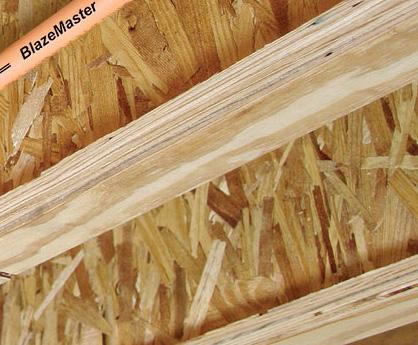
Retrofitting older care homes can feel daunting, especially when buildings are occupied. Traditional sprinkler installations using steel pipework can be noisy, labourintensive and disruptive. Drilling, threading, lifting heavy pipe and extended work times can interfere with daily routines and cause stress for residents, particularly those sensitive to noise, unfamiliar people or environmental change.
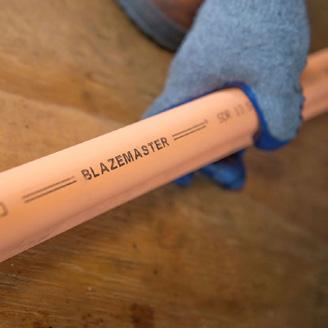
This is where BlazeMaster CPVC (Chlorinated Polyvinyl Chloride) fire sprinkler systems are often considered. CPVC is a non-metallic material designed specifically for fire sprinkler pipework, and it brings a number of practical advantages for retrofit environments:
Quick and quieter installation CPVC is lightweight and typically easier to cut, handle and install than steel. In a care home, “quieter” is not a minor benefit. Reducing prolonged noise and disruption can help maintain calm, support sleep and minimise distress, especially for residents living with dementia or anxiety.
Less disruption to routines and spaces
Inclusive retrofits aim to keep residents living safely in place. Faster installation can support phased working, shorter closures of rooms or corridors, and better continuity of care. This reduces the likelihood of residents being temporarily moved; a change that can be deeply unsettling for some people.
Meet Adam Hessel
Adam Hessel is Market Development Manager, Fire Protection (EMEA) for Lubrizol Limited’s Temprite division. A member of EFSN, BAFSA and RSA, he supports contractors, design engineers and AHJs, working closely with Lubrizol’s Demand Creation Team. He also delivers contractor training and face-toface CPD sessions on the benefits of BlazeMaster® fire sprinkler systems. Adam has 25+ years’ industry experience with leading manufacturers and suppliers, and is passionate about opening new opportunities for BlazeMaster CPVC and connecting people across the sector.
BlazeMaster
Orange Book
Guide to fire sprinkler system specification
Corrosion resistance Corrosion can create long-term maintenance issues in any building services system. CPVC’s corrosion resistance can support reliability over time and reduce intrusive maintenance work; another factor that helps keep environments stable and predictable for residents.
Durability and performance in fire scenarios CPVC systems used in sprinkler applications are engineered for fire protection use. In inclusive safety terms, reliability is everything: a system that is less prone to degradation supports long-term resilience.
SPECIFYING FIRE SAFETY FOR THE FUTURE
As new requirements take e!ect, demand will grow not only for sprinklers, but for highquality specification and installation that reflects the realities of care environments. Architects, engineers, fire safety professionals and care providers will all have a role in ensuring that systems are:
• Appropriate for the building type and resident needs
• Designed to integrate with evacuation strategies and compartmentation
• Maintainable over the long term
• Installed with minimal disruption and maximum reliability
BlazeMaster Fire Protection Systems supports this work through practical resources. The Orange Book** is positioned as a comprehensive guide to specifying BlazeMaster CPVC systems and aligning designs with relevant standards. For teams who need speed and consistency in early project stages, BlazeMaster Fire Protection Systems also provides an Online Specification Generator, allowing users to create tailored system documentation based on project requirements.
For inclusive design, these tools matter because they reduce ambiguity. When specification is clearer, installation is smoother, quality is more consistent and the end result is more dependable; exactly what vulnerable settings need.
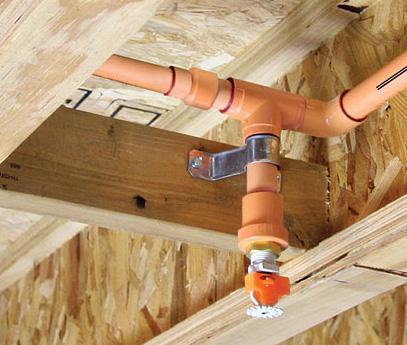
Above: BlazeMaster CPVC is lightweight and typically easier to cut, handle and install than steel
“THE FLEXIBLE LAYOUT AND MODERN INFRASTRUCTURE ENSURE THAT THE BUILDING CAN ACCOMMODATE ANY FUTURE CHANGES OR NEEDS.”
SPRINKLERS AS A FOUNDATION OF INCLUSIVE SAFETY
The new fire safety regulations for UK care homes represent more than a compliance milestone. They reflect a broader, more human understanding of safety.
In care homes, inclusive design means designing for the reality that some residents cannot self-rescue. Fire sprinklers support this by controlling fire early, reducing heat and smoke and buying time; time for sta!
Below: BlazeMaster CPVC (Chlorinated Polyvinyl Chloride) is a non-metallic material designed specifically for fire sprinkler pipework
SOME COMMON MISCONCEPTIONS
ABOUT SPRINKLERS
Despite their proven role in life safety, sprinklers are sometimes misunderstood, especially in residential settings. Inclusive safety also involves clear, accessible information, so it’s worth addressing a few common worries:
All the sprinklers will go o! at once In reality, sprinkler heads operate individually, triggered by heat at the fire location. This helps limit water discharge to the area where it’s needed.
Sprinklers cause more damage than the fire Firefighting hoses deliver far more water than sprinklers. Early suppression can reduce the scale of the fire and, in many cases, reduce overall damage.
Sprinklers are ugly or institutional Modern systems can be designed with discreet heads and considerate placement, supporting a more homely aesthetic; an important factor in resident wellbeing.
We already have alarms and fire doors Detection and compartmentation are vital, but they don’t extinguish or control the fire. Sprinklers add a di erent layer of protection in automatic suppression. For care homes, where evacuation is assisted and time is critical, that additional layer can be transformational.
Above: The most successful retrofits treat installation as a care experience, not just a construction project
to act, time for safe movement and time to prevent a small incident becoming a catastrophic event.
For existing care homes, retrofit programmes are an opportunity to raise standards without sacrificing comfort or continuity. With modern approaches and materials such as BlazeMaster CPVC, it’s possible to strengthen life safety while minimising disruption, protecting the physical safety and emotional wellbeing of residents.
Ultimately, inclusive care home design is about living well and being protected when things go wrong. Sprinklers help make that protection real, quietly and automatically. ID
For more details visit www.blazemaster.com or email blazemaster.emena@lubrizol.com
The Safety & Security Event Series has announced the launch of the Next Gen Network, a new ambassador programme designed to champion young professionals and support the next wave of talent entering the security, safety, workplace and integration sectors.
The Next Gen Network will serve as a platform for early career professionals to share experiences, shape industry conversations, and participate more visibly in the events, content and communities that make up the Safety & Security Event Series, taking place on 28th - 30th April 2026 at the NEC Birmingham.
This initiative aims not only to highlight emerging voices but to invest in their development.
Across all sectors represented within the Safety & Security Event Series: from physical and cyber security to fire safety, health & safety, workplace experience, and professional AV integration, organisations are under increasing pressure to close skills gaps, diversify their talent pipelines and future-proof their workforces.
These challenges sit at the core of the initiative, which encourages collective action to attract, support and elevate the next generation of industry professionals.
As part of its launch, the Next Gen Network will run across the 2026 series, giving ambassadors the opportunity to engage in a wide range of activities. This includes contributing to panel discussions, supporting content creation, attending networking and community events, and helping shape the programme’s future direction.
Ambassadors will also have dedicated opportunities at the event itself, including the Next Gen Networking Drinks at the end of Day 1 on Tuesday 28th April, proving a relaxed environment to connect with peers and industry leaders.
“We have an enormous responsibility to help build the workforce of tomorrow,” said Nathan Stovell, Senior Marketing Manager. “Young people bring new ideas, new energy, and a di!erent lens on the challenges our industries face. The Next
“YOUNG PEOPLE BRING NEW IDEAS, NEW ENERGY, AND A DIFFERENT LENS ON THE CHALLENGES OUR INDUSTRIES FACE”
NATHAN STOVELL
Gen Network is our commitment to giving them the space and support they deserve.” The introduction of the Next Gen Network marks the next step in the Safety & Security Event Series’ mission to foster collaboration, education, and progression at every level of the industry. Crucially, the initiative is being launched with the support of several leading industry bodies, including the Fire Industry Association (FIA), Skills for Security, and Women Talking Fire, all of whom share a commitment to strengthening skills pipelines, improving diversity, and futureproofing the sector.
About the Safety & Security Event Series
The Safety & Security Event SeriesThe Security Event, The Fire Safety Event, The Workplace Event, National Cyber Security Show, The Health & Safety Event, and Pro Integration Future Europe - is Europe’s largest exhibition dedicated to the safety and security of people places and assets. Covering the entire buying chain, these events provide a unique platform for networking and collaboration. Attendees will have the opportunity to connect with major industry players showcasing their latest products and solutions in security, fire safety, health and safety, workplace, and integration solutions.
www.thesecurityevent.co.uk
www.firesafetyevent.com
www.theworkplaceevent.com
www.healthandsafetyevent.com
www.nationalcybersecurityshow.com
www.prointegrationfuture.com
SENSORY
SUPPORT
Designing for neurodiversity is about understanding the people who occupy the space, as well as the space itself. CAE Access Advisors Asa Hems and Ian Watkins look at how organisations can reevaluate and shape workplace design to support neurodiverse people and still benefit everyone else.
Neurodiversity is a term that recognises natural variations in how people think, process information and engage with the world. This includes, but isn’t limited to, autism, attention deficit hyperactivity disorder (ADHD), dyslexia, dyspraxia, and Tourette syndrome.
These di!erences can bring valuable strengths such as creativity, hyperfocus, problem-solving or pattern recognition, but they can also lead to challenges, particularly in environments that haven’t been designed with neurodivergence in mind.
Having worked in the sector for many years, we’ve noticed there has been a significant shift towards more inclusive environments being created. An increasing number of charities, thirdsector organisations and employers want to understand not only how accessible their buildings are, but whether they truly work for neurodivergent visitors, sta! and volunteers.
Organisations and businesses have learnt that the built environment has a quiet but powerful influence on wellbeing. For some, it enables comfort and belonging, while for others, it can create sensory overload, confusion or distress. So, what do you need to think about and what changes can you make in your buildings and spaces?
LIGHTING, NOISE LEVELS & LAYOUT
The built environment includes buildings, workplaces, transport, parks, lighting and signage; essentially any humanmade space we move through. For neurodivergent people, these environments can either reduce or amplify sensory and cognitive barriers.
Harsh fluorescent lights, flickering tube lights or extreme brightness can trigger discomfort or pain for those with sensory sensitivities. Natural daylight, warm-
coloured LEDs or adjustable lighting levels help reduce that sensory load. Meanwhile, open-plan o ces and echoey corridors can quickly become overwhelming.
Sudden sounds such as slamming doors, phone alerts, unexpected conversations tend to be more disruptive than steady background noise.
Sound-dampening materials, quiet zones or access to noise-cancelling headphones can make a meaningful di!erence.
For individuals with dyslexia or processing di!erences, unclear signage, busy visual layouts or inconsistent colour coding can create cognitive strain. Simple, recognisable symbols, consistent placement and uncluttered design support easier navigation.
OVERCROWDING & SENSORY OVERLOAD
It’s also the case that high footfall areas, strong colours, patterned floors and multiple competing stimuli can overwhelm the senses. What’s needed is calm, predictable layouts, wider corridors and access to quieter breakout spaces that support both neurodivergent and neurotypical users.
"FOR INDIVIDUALS WITH DYSLEXIA OR PROCESSING DIFFERENCES, UNCLEAR SIGNAGE, BUSY VISUAL LAYOUTS OR INCONSISTENT COLOUR CODING CAN CREATE COGNITIVE STRAIN”
Highly stimulating workplaces and public spaces can lead to sensory overload. This occurs when a person receives more input than they can comfortably process, whether through noise, light, smell, movement or temperature. For neurodivergent individuals, their tolerance threshold is often lower that other people’s.
During sensory overload, focusing, communicating or processing information becomes much harder. Because this experience is invisible, others may misinterpret someone’s reaction as disengagement, withdrawal or stress. Increasing awareness of this factor among colleagues helps prevent misunderstanding and stigma.
Ian Watkins
SOCIAL BARRIERS & PRACTICAL ADJUSTMENTS
However, environmental barriers are only part of the story. Many neurodivergent people feel pressure to “mask”, which is when they hide aspects of their neurodivergence in order to meet neurotypical expectations.
Masking can be exhausting and harmful to mental health. This is why creating an atmosphere where people feel accepted, understood and able to be themselves is crucial, it reduces the need to mask and supports genuine inclusion.
The good news is that inclusive design doesn’t always mean major renovations. Our advice at CAE is that thoughtful, often simple changes can significantly reduce sensory and cognitive load. You could:
• Provide quiet working areas, small meeting rooms or retreat spaces with low lighting.
• Use non-flickering lighting and add acoustic panels or soft furnishings to reduce noise.
• O!er flexible hours or hybrid working so sta! can better manage their sensory environment.
• Avoid using strong smells and use simple, uncluttered visual layouts.
"HIGHLY STIMULATING WORKPLACES AND PUBLIC SPACES CAN LEAD TO SENSORY OVERLOAD”
• Provide tools like noise-cancelling headphones, white noise, or adjustable desk lighting.
• Build organisational awareness through neurodiversity training and encourage open dialogue around individual needs.
These adjustments support neurodivergent individuals while improving comfort and productivity for everyone.
CAE (Centre for Accessible Environments), part of Habinteg, runs public and bespoke training courses on design and neurodiversity. Find out more at www.cae.org.uk/designand-neurodiversity-live-online-course/
KEY RESOURCES
• National Autistic Society’s Autism and sensory processing guide1
• Neurodiversity in planning’s Designing for neurodiversity2 booklet
• PAS 6463:2022 Design for the mind3 guidance designing the built environment for neurodivergent people
• ADHD Foundation’s Neurodiversity in the Workplace Toolkit4
• BBC’s visual environment checklist
Image by Kohji Asakawa from Pixabay
Asa Hems
AWARDING
ADAPTATIONS
Awards can sometimes feel like polished shop windows. Everything looks tidy. Best behaviour on display. The awkward bits left out. Paul Smith, Managing Director of Foundations, the Government-funded National Body for Disabled Facilities Grants and Home Improvement Agencies (HIAs) in England, tells us how the National Healthy Housing Awards work di!erently.
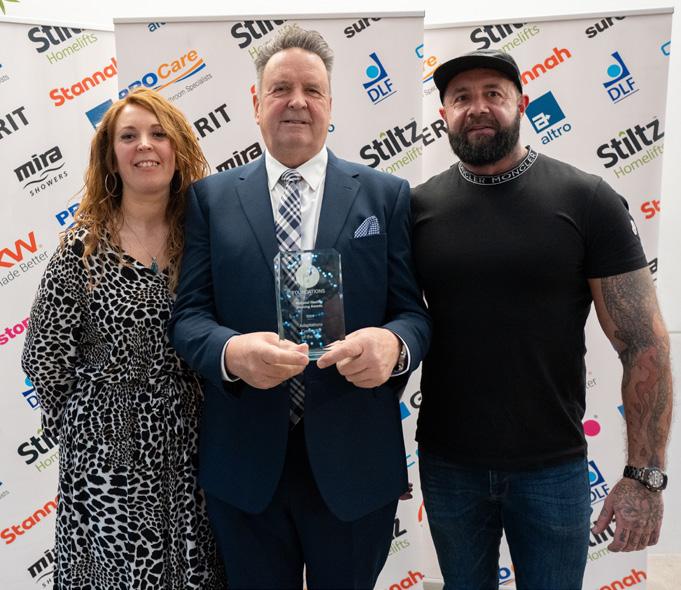
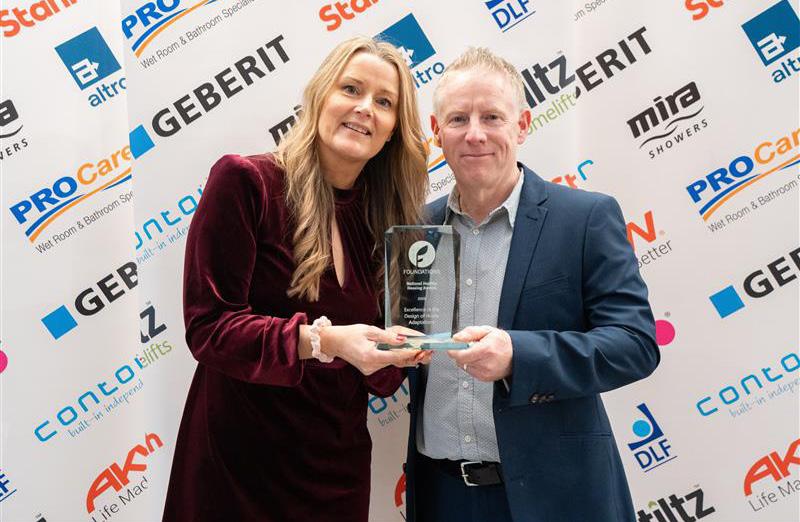
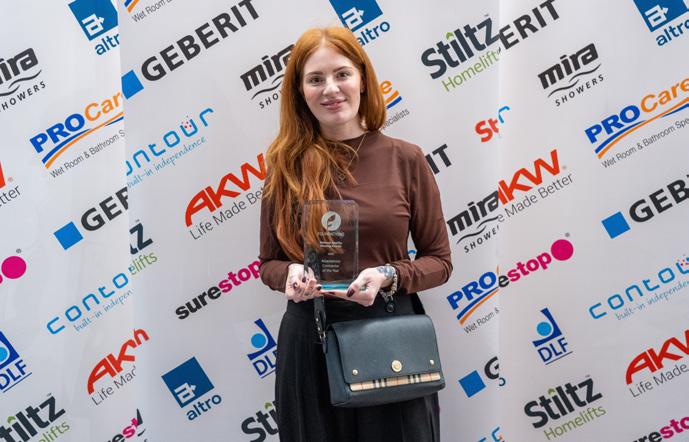
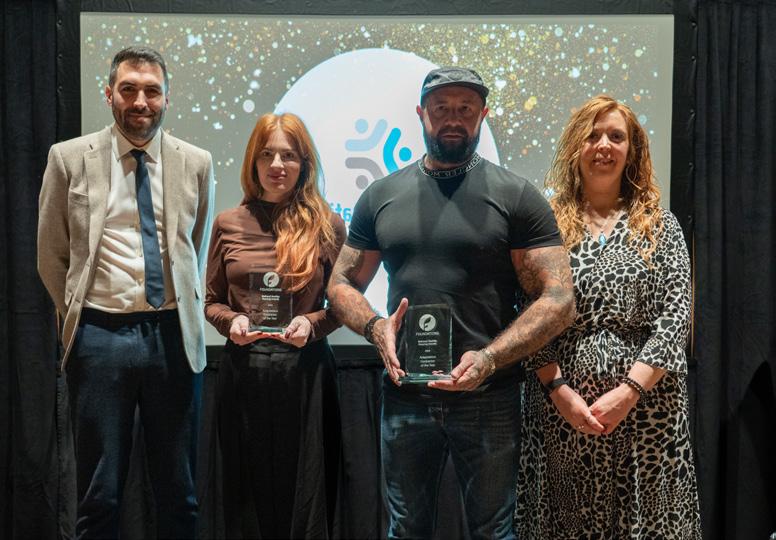
The National Healthy Housing Awards 2025 celebrated the inspirational achievements of frontline sta!, council teams, and charities in supporting people to live independently. Organised by Foundations and sponsored by PROCare, the National Healthy Housing Awards honoured those who work tirelessly to support people to live independently in their home; a special ceremony highlighting the e!orts of those working in the sector who ensure older and disabled people live in safe and accessible homes.
The National Healthy Housing Awards are less about big ideas and more about what survives contact with reality. Tight bathrooms. Sloping gardens. Families still living in the home while work goes on. People who are tired, worried, or fed up by the time anyone knocks on the door.
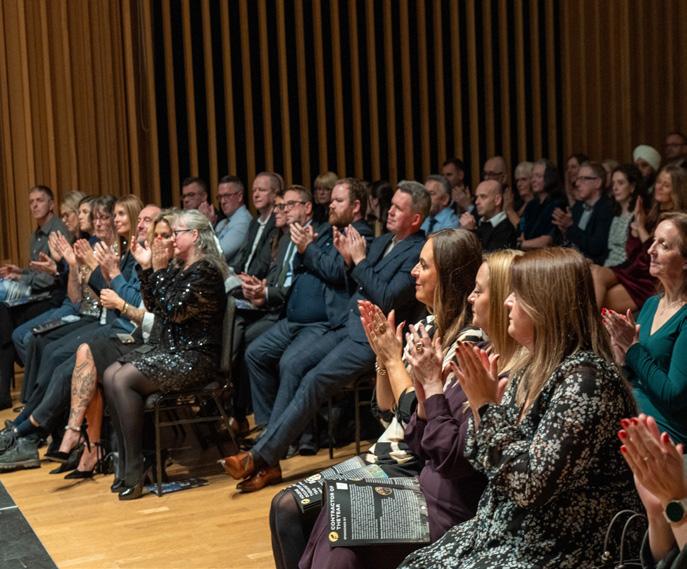
The 2025 awards, held at The Stoller Hall, Manchester on 17th December 2025, o!ered a good snapshot of what really makes housing and adaptations work. Not one magic ingredient, but a set of behaviours that show up again and again. Listening properly. Thinking ahead. Doing the job well, even when it is complicated. And understanding that housing is never just about bricks and fittings.
WHAT IT TAKES
This year’s winners brought that to life from di!erent angles. Housing 21, recognised for Excellence in the Design of Home Adaptations, showed what happens when housing providers get the basics right early. Eclipse Access Solutions Ltd and Northern Construction, joint winners of Adaptations Contractor of the Year, showed what it takes to make older and more awkward homes work better.
Housing 21’s award is a reminder
“ADAPTATION CONTRACTORS PLAY A CRUCIAL ROLE, OFTEN IN BUILDINGS THAT WERE NEVER MEANT TO WORK FOR SOMEONE WITH CHANGING MOBILITY”
PAUL SMITH
Above: Contractor of the Year, Eclipse Access Solutions (l-r) Marie Rowlands, Director; Philip Hughes, Director; Paul Hughes, Former Director
"THE NATIONAL HEALTHY HOUSING AWARDS
CELEBRATE THE SORT OF WORK THAT USUALLY GOES UNNOTICED”
PAUL SMITH
that many of the problems adaptation teams deal with later start much earlier. Bathrooms that are just a bit too small. Layouts that make future changes hard. Fixtures chosen with cost in mind but not long-term use.
Their approach flips that on its head. Rather than treating adaptations as an awkward add-on, Housing 21 has focused on improving existing bathrooms in a way that feels normal, dignified, and personal. Walk-in shower rooms that look like something you would choose, not something you have been given.
A big part of that is how residents are involved. Housing 21 runs national engagement days, local consultations, and uses demonstration pods so residents can see and try what is being proposed. Choice booklets are clear and manageable. People are encouraged to talk about what matters to them before work starts, not after something has gone wrong.
SPACES THAT WORK
The design details are thoughtful rather than flashy. Slip-resistant floors that do not look industrial. Vanity units included as standard. Grab rails and support features that blend into the room rather than dominate it. Raised-height toilets that help
without making a statement. The aim is simple. Spaces that work well and still feel like home.
What makes this approach stick is how feedback is used. When residents said they preferred thermostatic showers, Housing 21 adjusted its plans rather than pushing a standard solution. When people wanted wallboards because they looked modern and were easier to clean, the specification changed. Over time, this has led to high satisfaction rates, fewer maintenance issues, and residents staying in their homes for longer because the space continues to meet their needs
Most homes, of course, are not designed this way. That is where adaptation contractors play a crucial role, often stepping into buildings that were never meant to work for someone with changing mobility.
Eclipse Access Solutions specialise in ramps and external access. Which sounds simple until you factor in slopes, shared paths, neighbours, boundaries, bins, and weather. Their award entries are full of situations where a standard ramp would have caused problems, either practically or socially. Instead, Eclipse worked through the constraints with councils and residents to find solutions that met standards and avoided conflict.
REAL IMPACT
In one case, a wheelchair user was e!ectively trapped at home. Eclipse completed survey, design, and installation
Above: Winners were awarded at the Stoller Hall, Manchester on 17th December 2025
Below: Excellence in Design Award winners Housing 21; Heidi Fisher, National Property Development Manager and Martin Spence, Property Improvement Manager
EVENTS & CONFERENCES
in just 14 days. That speed mattered. Not because it looked good on a spreadsheet, but because every extra week indoors had a real impact on someone’s life.
Northern Construction’s work shows another side of good adaptation delivery. Based in Cumbria, they deliver everything from bathrooms to major extensions, often while families remain living in the property. One project involved a teenage wheelchair user whose home no longer worked for him or his family. The solution reshaped much of the bungalow, added new living space, introduced assistive technology, and improved access throughout.
What stood out was how the work was managed. Grant-funded and privately funded elements were brought together into one programme. The most disruptive stages were planned around respite and family breaks. Communication was steady and realistic. The result was not just a better building, but a family able to live normally again, and a young person catching the bus independently to college for the first time
CLEAR COMMUNICATION
Across both contractors, similar qualities keep appearing. Good judgement. Clear communication. A willingness to explain what is and is not possible. A named contact who understands the Disabled Facilities Grant process well enough to manage expectations honestly. Customer feedback talks about feeling listened to and respected. That does not happen by accident.
It is no accident either that the Adaptations Contractor of the Year award is sponsored by the Home Adaptations Installer Network. The network was set up in recognition of a simple truth. Adaptation work is specialist work. It sits somewhere between construction, care, and customer service, and it is rarely taught properly or talked about honestly.
"HOUSING IS NEVER JUST ABOUT BRICKS AND FITTINGS"
PAUL SMITH
Above: Hannah Hedley, O ce Manager of Contractor of the Year winner Northern Construction
Below: There was a joint winner of Contractor of the Year 2025 with both Northern Construction and Eclipse Access Solutions picking up a trophy
The contractors recognised this year reflect the sort of practice the network exists to support. Businesses that take time to understand the system they are working in. That invest in skills, communication, and judgement. That learn from each other and quietly raise expectations about what good looks like.
WHAT ACTUALLY WORKS
The awards also highlight where things often fall apart. At the handovers. Between design and delivery. Between assessment and build. Between what looks sensible on paper and what actually works in a lived-in home. The strongest entries show what happens when those gaps are narrowed and problems are tackled together.
There is something reassuringly ordinary about many of the winning stories. They are not about clever gadgets or headlinegrabbing technology. They are about being able to shower safely. Get out of the house. Move around without fear. Stay in a familiar home and community.
That may be why the National Healthy Housing Awards matter. They celebrate the sort of work that usually goes unnoticed. The steady, careful e!ort that turns funding and policy into something that genuinely helps.
For contractors working in this space, or considering it, the message from this year’s awards is fairly clear. This work is demanding, human, and skilled. It benefits from shared learning and a bit of collective pride in doing things well. The more that mindset spreads, the easier it becomes for housing, adaptations, and healthy homes to work as they should.
ID
Visit www.foundations.uk.com/nationalhealthy-housing-awards-2025-winnersrevealed/ to find out more about the 2025 winners, and how to be a part of the 2026 event!
GET TO THE HEART OF OUR INDUSTRY
DO YOU TARGET ARCHITECTS, INTERIOR DESIGNERS, OCCUPATIONAL THERAPISTS, DEVELOPERS, BUILDING MANAGERS - ANYONE WHO CARES ABOUT CREATING ENVIRONMENTS THAT CAN BE ENJOYED BY ALL - WITH YOUR PRODUCTS OR SERVICES? OUR FLEXIBLE APPROACH MEANS THAT YOU CAN REACH THE AUDIENCE YOU WANT IN THE WAY THAT YOU WANT
TALK TO OUR TEAM TODAY ABOUT OUR MULTI-CHANNEL OPTIONS AND SEE HOW YOU
Want to become a specialist content partner and share information, insight, product developments and opportunities with the inclusive-design community?
Get in touch: sales@inclusive-design.co.uk or call 01630 801004
PRINT l ONLINE l DIGITAL l SOCIAL
CONNECTING COMMUNITY
Get ready to learn, connect, and celebrate unity in the largest inclusive event space the UK has ever seen! Naidex 2026 will take place on 25th & 26th March 2026 at the NEC Birmingham.
Naidex brings together the disability community, families, friends, and carers, alongside professionals who work in the sector. From mobility aids and rehabilitation technology to employment advice, family life, and entertainment, Naidex celebrates the disability community, uniting people, brands, and professionals in one vibrant space.
This year, the NEC will welcome over 12,500 attendees and 200 exhibiting suppliers, bringing together organisations across health, business, charity, sport, and the public sector, all united by one goal: building a more
"NAIDEX IS MORE THAN AN EXHIBITION. IT’S A STATEMENT ABOUT WHAT’S POSSIBLE WHEN WE DESIGN SPACES, PRODUCTS, AND SYSTEMS THAT WORK FOR EVERYONE"
Above: Visitors can get involved in a packed programme of inclusive activity across the show floor
inclusive society for everyone.
But Naidex is more than an exhibition. It’s a statement about what’s possible when we design spaces, products, and systems that work for everyone.
WHAT MAKES NAIDEX 2026 UNMISSABLE?
Naidex 2026 brings together four areas: Naidex, Naidex Junior (for children, parents, educators, and paediatrics), Care & Dementia (focused on dementia and Alzheimer’s care), and Neuro Rehab (dedicated to neuro-rehabilitation). It’s an entire ecosystem of support, innovation, and connection.
Introducing Naidex Junior
New for 2026, Naidex Junior is a dedicated space focused entirely on the needs of children and young people with disabilities, alongside their support network, educators, and healthcare providers.
Innovative Equipment See the latest in mobility, sensory, and adaptive technology.
Expert Seminars Attend talks by healthcare professionals and advocates (including SENCOs) covering essential
Visitors will be able to experience standout interactive features, including the Mobility Test Track and Adaptive Climbing Wall, and get involved in a packed programme of inclusive activity across the show floor.
There’s also a Recruitment Fair in the Business Without Barriers area, connecting disabled candidates with inclusive employers.
For professionals working across health and social care, training and development experiences include the Virtual Dementia Tour, Dementia Interpreters Workshop, and Autism Reality Experience; powerful tools for understanding lived experience and creating more compassionate, informed support.
The speaker programme features voices from across the disability community and care sector, including Paralympic champion Richard Whitehead MBE, model, advocate, and Strictly star Ellie Goldstein, as well as disability advocates including Simon Minty and Martyn Sibley, sharing thoughts on independent living, workplace inclusion, and representation.
topics like the EHCP process and transitioning to adulthood.
Essential Support Meet key organisations providing crucial services, including respite care, educational support, and financial advice for families.
Interactive Fun Dedicated play areas and a workshop and sport zone
The Naidex Junior Theatre serves as a vital resource designed to bridge the gap between childhood and independence through expert-led sessions. Highlights include Paralympic champion Richard Whitehead MBE presenting A Kick-
Championing Entrepreneurship
A key highlight of the event is the return of Elevate - The Disabled Founders Pitch, held in partnership with Lloyds. This unique initiative provides a powerful platform for disabled entrepreneurs to showcase their innovative business solutions to a panel of industry experts. After a rigorous selection process, four finalists will pitch live on the main stage at the NEC on 25th March, competing for a comprehensive support package that includes a £5,000 grant, professional mentorship, and an exhibition stand for 2027.
Start: How Sports Removes Stigma On and O the Pitch, where he shares powerful insights into how inclusive sport can transform perceptions and build confidence.
Additionally, a dedicated panel featuring Charlie Beswick (Our Altered Life), Chrissa Wadlow (Sunshine Support), Rachel Wright (Born at the Right Time), and Sarah Thomas (PACC Shropshire) presents Support the Parent to Support the Child: Understanding the Needs of Parent Carers, a session that delves into the vital importance of supporting the mental and emotional well-being of caregivers.
Visit www. naidex.co.uk or scan the QR Code to register for free for Naidex in March at the NEC, Birmingham.
In the Care & Dementia zone, Stephen Kinnock MP, Minister of State for Care, will address the future of social care alongside major sector leaders including Prof Martin Green OBE (Chief Executive, Care England) and Chris Badger (Chief Inspector of Adult Social Care, Care Quality Commission).
A standout session comes from West Midlands Combined Authority: “From Vision to Action: An Exemplary West Midlands for Disabled People.” This panel will examine the barriers that still disable people and explore practical recommendations for systemic change, from strengthening disabled people’s voice to improving jobs, homes, journeys, and inclusive growth across the region.
Ultimately, Naidex 2026 is about more than just discovering products; it is about being part of a community. Get ready to learn, connect, and celebrate unity in the largest inclusive event space the UK has ever seen!
ID
Above: Dr Shani Dhanda will be welcoming delegates to Naidex on the main stage on Wednesday morning
SPORT FOR ALL?
Sports and leisure are held up as being great for both physical and mental health. But what if their setting stops disabled people from accessing fitness facilities? We speak to Stephanie Wheen , CEO and Founder, Gympanzees; William Allen , Project Director, ADP Architecture; and Tasha Webster , Director of Operations, Aspire Leisure Centre, about their experiences in this sector.
Tell us about your organisation and your role in it
William: ADP Architecture is an employee owned Architectural Practice based in the UK. We work within a range of sectors and specialisms supporting clients to achieve success through the built environment. We work to create places that consistently enrich people’s lives; designing spaces that genuinely foster a sense of belonging, spark connection and evolve harmoniously within their surroundings.
Tasha: Aspire works with people with spinal cord injury to create opportunity, choice and independence. The Aspire Leisure Centre was the first fully accessible leisure centre in Europe for both disabled and non-disabled people, equipped with automatic doors and lifts throughout. We have a wide range of accessible gym equipment in our fully inclusive fitness studio including Functional Electrical Stimulation (FES) bikes for assisted exercise and removable chairs on resistance machines for wheelchair users.
Main Pic: Competitive sports improve physical and mental health. Image by
Gill Cooper, Pixabay
“OVER 32% OF ASPIRE LEISURE CENTRE MEMBERS ARE DISABLED, COMPARED TO AN AVERAGE OF JUST 2-3% AT OTHER SPORTS CENTRES NATIONALLY” TASHA WEBSTER
Below: A wheelchair rugby club and a wheelchair basketball club train at Aspire Leisure Centre
The 25m wheelchair accessible swimming pool has a water temperature of 31°C with ramped access for wheelchair users which can be independently used without the need to pre book, and speciality swimming pool wheelchairs for disabled members.
Stephanie: I founded Gympanzees in 2016 after discovering that 75% of children and young people with disabilities can’t access mainstream leisure facilities. I was a paediatric physio at the time and so was aware that exercise is more important for this group than for anyone, so I decided to do something about this.
Later this year, we will open the UK’s first fully inclusive play and exercise centre for children and young people aged 0-25 with any disability, and their families. As this has never been done before, we had to prove our concept, so we set up Pop Up centres in special schools during the Easter and summer holidays over six years. During this period, we facilitated 28,000 visits, with people from across the country, and the feedback was extraordinary.
Having proven the concept, we bought a 14-acre site with a 43,000sqft building and are converting it into our permanent centre, expecting to welcome over 200,000 visitors per year when we open.
What do you think are the main obstacles for disabled people participating in leisure activities?
Stephanie: There are two broad sets of reasons depending on the disability. For those with physical disabilities, access is the main barrier - steps, wrong toileting (if you are a teenager using incontinence pads - there are rarely facilities to change a pad except on the floor of a disabled loo), inconvenient parking, but also access to the equipment or activities themselves.
For neurodivergent individuals, it is more often the sensory environment which is the problem; places that are too busy, fluorescent lighting, hand dryers in toilets, echoes, a mix of smells, etc. These may seem less of a barrier than a step for a wheelchair user, but for a hypersensitive individual, these conditions could feel painful or intolerable and contribute hugely to the inaccessibility for disabled and neurodivergent people.
William: Accessibility within sports and leisure environments is frequently approached through the lens of statutory compliance. While regulatory frameworks such as Approved Document M, BS 8300 and Equality Act duties provide a critical baseline, compliance alone does not ensure that environments are usable, legible, dignified, or socially inclusive for the diversity of users who encounter them.
Studies consistently demonstrate that technically compliant buildings may still present significant barriers to participation due to poor spatial configuration, sensory overload, social stigma, or inadequate support for varying patterns of use. Consequently, inclusive design must be understood as a qualitative as well as quantitative endeavour. It requires a conceptual shift from designing for an assumed “typical user” toward recognising human variability as a foundational condition of the built environment. This includes physical disability, neurodiversity, sensory processing di!erences, agerelated change, cultural norms, mental health conditions, and fluctuating levels of confidence and independence.
Within sports and leisure contexts, this challenge is intensified by the inherently social and embodied
“MOVING BEYOND COMPLIANCE ENABLES THE CREATION OF ENVIRONMENTS THAT DO NOT MERELY PERMIT ENTRY, BUT ACTIVELY FACILITATE MEANINGFUL ENGAGEMENT.”
WILLIAM ALLEN
nature of participation. Facilities must accommodate not only movement and performance, but also observation, preparation, recovery, and social interaction. Poorly designed ancillary spaces - particularly entrances, circulation routes and changing areas - remain among the most frequently cited barriers to sustained engagement according to Sport England.
A central complexity of inclusive design lies in the coexistence of divergent, and sometimes contradictory, user requirements. For example, environments that support social inclusion through openness and visual connectivity may simultaneously generate sensory distress for neurodivergent users. Similarly, spatial e ciency may conflict with the need for privacy, dignity, or assisted use.
Research in inclusive architecture increasingly emphasises that no singular spatial solution can accommodate this diversity. Instead, e!ective environments provide spatial plurality: a range of conditions within a coherent system. In practice, this entails designing buildings that o!er choice in routes, degrees of enclosure, acoustic character, lighting levels, and modes of participation.
This approach aligns with current policy and guidance in the UK, including Sport England’s Accessible and Inclusive Sports Facilities guidance and the Make Space for Girls initiative, both of which emphasise the importance of dignity, safety, autonomy, and perceived legitimacy in shaping participation outcomes. These frameworks highlight that inclusion is not solely a matter of physical access, but also of cultural recognition and psychological safety.
Inclusive participation is shaped not by individual rooms in isolation, but by the
Above: The Aspire Leisure Centre was the first fully accessible leisure centre in Europe
cumulative experience of moving through a facility. This begins with the approach to the site and continues through thresholds, reception areas, circulation spaces, changing facilities and activity zones.
Landscape design, gradients, surface quality, lighting, shelter, seating, and wayfinding form part of an integrated accessibility system. Research into spatial cognition and environmental stress suggests that unclear routes, unpredictable transitions and sensory inconsistency can significantly increase anxiety and reduce willingness to engage, particularly among autistic users and those with cognitive impairments (Mostafa, 2014).
Changing and sanitary facilities warrant particular attention. Studies consistently identify them as decisive factors in whether disabled people participate in sport at all (Darcy & Dowse, 2013). Provision limited to a single “accessible” option often fails to accommodate cultural expectations, family use, gender diversity, or assisted support. A spectrum of changing environments - including private, communal, family-oriented and assisted facilities - is therefore essential.
Sports buildings are also characteristically inward-facing, which can obscure activity and reinforce feelings of exclusion or illegitimacy among new users. Introducing visual permeability into activity spaces can reduce uncertainty, support intuitive navigation, and enable observational learning, a factor shown to increase confidence prior to participation.
How have you improved accessibility at your venue, and what element are you most proud of?
Tasha: We’re proud to say that over 32% of Aspire Leisure Centre members are disabled, compared to an average of just 2-3% at other sports centres nationally. We also actively employ disabled people too, 26% of our workforce across the charity are disabled. Our building was designed to be accessible recognising this is a key barrier to disabled people taking part in leisure activities. The ramped access to our swimming pool is probably the element we are most proud of, the pool is maintained at 31°C and we provide pool wheelchairs.
Stephanie: The Pop Ups were our chance to learn everything we could about making a facility as inclusive as possible. We did a mammoth amount of research with our families, professionals, educators and inclusivity experts and tested many di!erent aspects of our setup, and are now building our centre with inclusivity as the guiding principle rather than an add-on. So many small and large details have gone into the design, from acoustic paneling, special ventilation to remove
“75% OF CHILDREN AND YOUNG PEOPLE WITH DISABILITIES CAN’T ACCESS MAINSTREAM LEISURE FACILITIES"
STEPHANIE WHEEN
Below: One of William Allen’s recent projects
smell from the kitchen, curved walls to reduce surprise for anxious children, to unisex toilets so parents can toilet their older children who are a di!erent sex.
However, I think I’m most proud of some of the rooms we are designing. Our outdoor playground, for example, is, from what we can see, going to be the most inclusive playground in the world. There are at least 30 pieces of equipment which are accessible for a wheelchair user, and the sensory environment has also been controlled.
And the best bit is that being inclusive means that not only disabled but EVERY child can access all the equipment.
Do you have anything else in the pipeline you can share?
Stephanie: We plan to open our doors later this year but have a way to go in fundraising and building before that very special day arrives. We have several events and a crowdfunder coming over the next few months for the public to get involved to help us open.
Tasha: We are continually looking for new inclusive equipment we can introduce into our facility, unfortunately there is not a huge market for it but an example would be our spin classes which integrate spin bikes and hand bikes to make the class inclusive.
What feedback have you had from your clients?
Tasha: One was: “As I wheelchair user I was able to access the pool with dignity. The equipment and specialist assistance available is the second to none.”
Stephanie: The feedback from parents at the Pop Ups was incredible - and that was a Pop Up in a school! Imagine what it will be like when we open! They say it better than I do:
“A place where families from all backgrounds come together and make happy memories. Every child is valued for their di!erent strengths, celebrated and welcomed. Life with a disabled child can be challenging, the number of places we have visited and been disappointed is endless. However, Gympanzees has transformed the summer holidays. We’ve made new friends and caught up with old. Laughed and cried tears of happiness as our daughter has accessed everything... even walking for 20mins in the Innowalk! If you haven’t been don’t be scared to make that leap, I promise you won’t be disappointed.”
What would you like to see done to help increase the number of accessible leisure activities?
William: I would like to see more emphasis within the design process that draws on universal design theory, environmental psychology and builds upon policy frameworks. Inclusive sports and leisure environments may be structured around six interrelated principles:
1. Designing for diversity as a normative condition.
Facilities should assume variation in physical ability, sensory processing, cognition, age, gender identity, cultural background and social confidence as standard rather than exceptional.
2. Provision of spatial choice and adaptability.
Multiple routes, changing typologies, participation formats, and degrees of sensory stimulation allow individuals to regulate their engagement according to need and preference.
3. Integration of accessibility at site, building and landscape scales. Accessibility should be embedded across the entire spatial system, including arrival, external spaces, thresholds, internal circulation, and support facilities.
4. Application of universal design principles. Design strategies should benefit disabled and non-disabled users alike, minimising segregation and reducing reliance on specialist or stigmatising adaptations.
5. Participatory and iterative design processes.
Co-design with disabled users and underrepresented groups improves functional performance and reveals experiential barriers not captured by technical standards.
“STUDIES CONSISTENTLY DEMONSTRATE THAT TECHNICALLY COMPLIANT BUILDINGS MAY STILL PRESENT SIGNIFICANT BARRIERS TO PARTICIPATION DUE TO POOR SPATIAL CONFIGURATION, SENSORY OVERLOAD, SOCIAL STIGMA, OR INADEQUATE SUPPORT FOR VARYING PATTERNS OF USE.”
WILLIAM ALLEN
FIND OUT MORE ABOUT OUR FORUM PARTICIPANTS AT:
Stephanie Wheen, Gympanzees K gympanzees.org
Below: Inclusive and accessible built environments mean everyone can participate. Image by wal_172619, Pixabayay
William Allen, ADP Architecture K adp-architecture.com
6. Emphasis on psychological and social inclusion.
Beyond physical usability, environments must convey welcome, legitimacy and safety, supporting identity, autonomy and long-term engagement.
Tasha: Encouraging employers to recruit more disabled people within the leisure industry.
Any other comments?
Tasha: The London Titans wheelchair basketball club and the London WRC (wheelchair rugby club) train at Aspire Leisure Centre!
William: Inclusive sports and leisure design is not achieved through isolated technical interventions, but through systemic consideration of how space shapes behaviour, confidence and belonging. When accessibility is treated as an organising principle rather than a regulatory constraint, facilities are more likely to support sustained participation, social integration and public health objectives.
Moving beyond compliance enables the creation of environments that do not merely permit entry, but actively facilitate meaningful engagement. Such spaces recognise that participation in sport is not solely a physical act, but a complex social process shaped by dignity, perception, and spatial experience.
Tasha Webster, Aspire Leisure Centre K aspireleisurecentre.org.uk ID
Do you design, work at or use a sports facility? How accessible is it? Get in touch, we’d love to hear your views on this topic!
PLACES FOR EVERY MIND
On 29th & 30th October 2026 a new event will launch at the Business Design Centre, London. NeuroPlaces is a B2B conference and exhibition for neuroinclusive design across built and digital environments. The founders, husband and wife team Eliza and Nathan Reuby, explain how it all came about.
NeuroPlaces is the first crosssector conference and exhibition dedicated to neuroinclusive design across built and digital environments, within public spaces and workplaces, bringing together venue operators, employers, and neuroinclusive solution providers to explore practical solutions that make spaces and systems truly neuroinclusive.
Our supporters include Motion Spot, Grimshaw, TfL, JLL, and the National Autistic Society, and many other leading organisations.
Spanning across environments that people move through every day - whether physical or
"HAVING AN APPRECIATION OF EXHIBITIONS AND CONFERENCES WHICH ARE MISSION-LED HAS BEEN CRUCIAL TO THE EMERGENCE OF NEUROPLACES."
Below: Experiencing first hand public places with a child on the autism spectrum allowed Eliza and Nathan to discover a colossal inclusion gap
digital - such as workplaces, transport hubs, shopping centres, sport stadiums, and so on. NeuroPlaces creates a unified marketplace for innovation, collaboration, and most importantly - change.
Our mission? Making spaces truly inclusive for all brain types.
For millions of neurodivergent people, many public spaces and workplaces are not just uncomfortable; they are inaccessible.
We ask a simple but powerful question: what if spaces and places were tweaked or designed in a way that works for more brain types? Not just the 'neurotypical' brain. Would this not open so many doors for individuals and businesses, both socially and economically?
"THE CREATION OF NEUROPLACES SEEMS SO RIGHT AND AT EXACTLY THE RIGHT TIME; WHERE A FRAGMENTED MARKET IS IN NEED OF A MEETING PLACE"
We believe it most certainly would.
THE FOUNDERS
The birth of NeuroPlaces comes from a combination of professional and personal experiences creating one lightbulb moment. We have three children aged under seven (one of whom is confirmed autistic and suspected ADHD).
Nathan has worked in the events industry for over 15 years, directing and launching new shows, whilst Eliza has a Masters Degree in Early Years Development, and has a keen interest in understanding children with additional needs.
Having an appreciation of exhibitions and conferences which are mission-led has been crucial to the emergence of NeuroPlaces. We believe events like this can lead to real change. Experiencing first hand public places with a child on the autism spectrum allowed us to discover a colossal inclusion gap - found in the majority of public spaces and workplaces. When the idea of NeuroPlaces arose, we simply could not sit back, we took action straight away.
We are driven by a deep passion, and always have our daughter's wellbeing in the forefront of our minds.
THE LIGHTBULB MOMENT
We visited Mac's Farm in Sussex, during a family festival. Like with any public event, there is always a level of anxiety, particularly when considering our autistic daughter's needs and whether or not they will be accounted for. They never really are, but this is just something that we have become accustomed to; we simply manage as best we can.
The festival was bustling, loud, and it was a hot day. Orla can become overstimulated, which leads to disregulation and possible meltdowns. We found a lovely wooded part of the farm with swings, hammocks, climbing ropes etc. One particular hammock really struck a cord with Orla, she almost looked mesmerised.
After coaxing her out of the hammock, we re-entered the busy part of the festival and managed to watch a dog show (she was content throughout). Thirty minutes went by and our daughter then
Above: Eliza and Nathan Reuby’s mission is to make spaces truly inclusive for all brain types.
NeuroPlaces aims to open so many doors for individuals and businesses, both socially and economically
HOW DOES IT WORK?
NeuroPlaces is a buyer-led event meaning we structure it around quality buyers coming to source neuroinclusive services and products from the exhibitors (we believe this is where the real-world changes occur). How do we ensure that the right people connect? Our B2B matchmaking programme is designed to help exhibitors and buyers (delegates) connect before, during, and after the event, providing a meetings structure for people rather than leaving it to chance networking.
Find out more about NeuroPlaces at www.neuroplaces.com or scan the QR Code.
asked to return to the same hammock. Although at the time we felt this to be an inconvenience, we took her back and she jumped back in eagerly, swung for ten minutes and then headed o! again.
This happened a few times, we thought she was enjoying the repetition of returning to the same place or maybe it was just something she found fun… It didn't occur to us until we were driving home that our daughter was in fact self-regulatingcalming her nervous system.
To us as a family, this was a significant moment. It felt like a huge step forward in terms of learning about Orla's needs and coping mechanisms.
Simply having access to the hammock meant that we could stay at the festival as a family. Without the hammock, we would have had to leave early and miss out on so many fulfilling experiences. We know many other neurodivergent people and families often need a hammock in times like this!
ON A MISSION
This experience led us to question how many wonderful aspects of life neurodivergent people are missing out on simply because they can't access basic provisions within the environment. NeuroPlaces seeks to change this. A movement on a mission to improve public spaces and workplaces for neurodivergent people, which in turn benefits everyone.
The creation of NeuroPlaces seems so right and at exactly the right time; where a fragmented market is in need of a meeting place. Within this meeting place, collaboration and real time interactions will take place in order to create the changes that our public realms and workplaces so desperately need. By the time our six year old daughter reaches young adulthood and begins to venture out independently, we want her needs to be accounted for.
WHEN DESIGN MEETS DESIRE
From seamlessly integrated design to innovative technology and bespoke finishes, the new year is an exciting time for accessible bathroom design as it will redefine how inclusivity is approached in high-end spaces. Mark Shepherd, Head of Product at Fitzroy of London, shares his insights into the design and innovation trends shaping luxury bathrooms in 2026.
Long gone are the days when accessible bathrooms were simply cold and clinical. With popular finishes like matt black, satin brass, brushed bronze and polished nickel now available, there is an array of alternatives to traditional stainless steel or white products, ensuring a seamless integration into highend designs.
Across high-end hospitality, commercial, and residential projects we are seeing premium, tactile materials being paired with custom detailing and finishes to o!er richness and contrast. This is especially helpful for those who require visual support. The result is a luxurious bathroom that can keep up with the needs of the user, without compromising on style in the process.
We o!er over 28 bespoke metal finishesincluding plating, powder coating, PVD, and brass finishes - allowing interior designers to realise their elegant and luxurious designs in both accessible and non-accessible spaces.
WELLNESS-INFUSED & ASSISTIVE TECHNOLOGY
Innovative solutions like touchless interfaces and voice activated controls are now starting to find their way into luxury bathroom design and environments. We are seeing many forms of Assistive Technologies that can support an individual to live independently for longer at home without the need for additional support and intervention.
As AI develops, we are sure to see some of these technologies being incorporated into what we would class as standardised bathroom products, however the user experience must always be central to the development of such ideas to ensure uncompromised, seamless, intuitive operation and performance.
“INNOVATIVE SOLUTIONS LIKE TOUCHLESS INTERFACES AND VOICE ACTIVATED CONTROLS ARE NOW STARTING TO FIND THEIR WAY INTO LUXURY BATHROOM DESIGN AND ENVIRONMENTS”
MARK SHEPHERD
SEAMLESS ACCESSIBLE LAYOUTS
Where form meets function, wet room layouts in high-end hospitality, commercial and residential spaces are being o!ered for a more open plan and luxurious spa-like experience. Wet rooms lend themselves perfectly to accessibility with their barrier-free layouts, but in 2026 we are seeing the elevation of these spaces with elements such as floating vanities and sleek, grab-rail friendly designs to aid seamless mobility for those who require it most.
SUSTAINABLE LUXURY
For designers and specifiers, sustainability is as much about compliance and futureproofing as it is about environmental ethics. Nature-inspired design continues to gain momentum, including elements such as living walls, organic materials and plenty of natural light to foster tranquillity.
When it comes to product development, sustainability is no longer considered an option; it is necessary from the start of the design process. The way in which today’s shower controls and bathroom products are designed to ensure sustainability include examples such as reducing water flow without compromising on the user experience through aeration and eco-flow technology, as well as integrated timers and consumption monitors so users can track their own usage.
For designers and specifiers, sustainability is as much about compliance and future-proofing as it is about environmental ethics.
With Signature collections such as the Gosfield, Portland, and Hanson, Fitzroy of London’s extensive portfolio of luxury accessible bathroom products allows designers, specifiers, and architects to reimagine inclusive washroom spaces to look intuitive and e!ortlessly luxurious.
n Visit www.fitzroyoflondon.com for more information.
RIBA-approved CPD launched
As a trusted name in the industry with over 20 years of experience in accessible washroom design, Fitzroy of London has launched a new RIBA-approved CPD delivered by their in-house experts to help architects, designers, and specifiers choose luxury inclusive bathroom products with confidence. Providing practical insights and inspiration, the new Inclusive Commercial Washrooms CPD has been created to help you curate washrooms that are visually inspiring and compliant, wherever their setting. Find out more at www.fitzroyoflondon.com/booka-riba-cpd
Below: Fitzroy of London’s extensive portfolio allows designers and architects to reimagine inclusive washroom spaces to look intuitive and e ortlessly luxurious
“WET ROOMS LEND THEMSELVES PERFECTLY TO ACCESSIBILITY WITH THEIR BARRIER-FREE LAYOUTS”
Above: Customers of high-end hospitality such as here at the Hard Rock Hotel expect expect high-end design
SCAN FOR INFO
STYLE WITH SUBSTANCE
A range of Altro products have helped create a calming and practical assisted living space for neurodiverse young people. The unique housing concept was created on the Foxcote housing development in Heald Green by Bloor Homes and Stockport MBC, in partnership with MSV Housing Association and Lifeways care provider.
“WE ARE DELIGHTED WITH HOW THE HOUSE HAS COME TOGETHER. THE PARENTS ARE HAPPY IT IS A SAFE ROBUST HOME FOR THE YOUNG ADULTS.” SARA DARWIN, PHI ARCHITECTS
The house provides fullyadapted, independent living accommodation for young people with autism, learning di culties and mental health issues.
The house was designed as a single supported dwelling, providing living spaces for three young adults with neurodiverse needs. The home needed to convey a biophilic feeling of space and light, with muted tones and earthy colours.
In the dining and kitchen area, Altro Wood Comfort in colour Aged Oak was
Above: A custom design in Altro Whiterock Digiclad creates an underwater theme
specified, bringing a biophilic feel into the open areas. Altro Wood Comfort o!ers aesthetics combined with comfort and safety. It’s an ideal choice for areas that need to look good while helping to give comfort underfoot.
The bathrooms were furnished with Altro Whiterock Satins in colour Linen, and an Altro Whiterock Digiclad (Custom) wall with an underwater theme. Altro Whiterock is the hygienic alternative to tiles that’s impact resistant, grout-free and easy to clean, whilst Altro Whiterock Digiclad (Custom)
“THIS WAS A UNIQUE BUILD AND THE ALTRO FLOORS AND WALLS HAVE CREATED A SAFE, COMFORTABLE HOME, WITH NO COMPROMISE ON THE QUALITY OF PRODUCTS INSTALLED.”
JAMES BROMFIELD, MSV HOUSING
walls give you the ‘wow’ factor in the simplest way.
Altro Pisces was specified for the bathrooms and the individual toilet. Altro Pisces provides superb performance whether wet or dry, in shoes or barefoot in wet environments where the likelihood of a slip is very high.
Altro Wood Comfort provided comfort and sound reduction throughout the house in the bedrooms, the sensory room, and hallways.
MSV Housing Association, Sara Darwin of Phi Architects, and the parent of one of the young adults worked hand-in-hand to create a specification for the build that considered all requirements.
This included a connected, welcoming, shared living, dining and kitchen space that could be separated as and when needed, individual homely bedrooms, a calm and soothing sensory room, safe and hygienic bathrooms and kitchen area; all of which were anti-pick, reduced transference of noise, and provided ease of cleaning.
adds safety to the kitchen floor; In the sensory room Altro Wood Comfort provides comfort and sound reduction; Altro Wood Comfort brings a biophilic feel to the kitchen and dining area
ID Visit www.altro.com for more information
SPACES
ALTRO has been at the forefront of innovation for over 100 years. Today, working closely with architects, end customers, engineers, designers and contractors around the world, our insight and expertise help them transform everyday spaces into environments that can improve the wellbeing of everyone that uses them. We combine the best in contemporary style with the functionality required to improve the way we all live and work, wherever in the world that may be.
We are Altro. Designed for possibilities. Made for people.
Clockwise from top left: Altro Pisces
COMING UP IN THE NEXT EDITION
SPRING '26
GET IN TOUCH if there is anything you’d like to see included or if you’d like to discuss a partner content package.
k sales@inclusivedesign.co.uk or call m 07906 441889
APRIL will see the publication of our Spring 2026 issue, packed with informative and entertaining content covering all aspects of accessibility in the built environment - it’ll be an interesting and enjoyable read! We’ll be bringing you…
SHOW PREVIEWS
29th & 30th April sees the Care Show London head to ExCeL, whilst on 11th June, the Care Innovation Summit is at the Business Design Centre, London, and on 23rd-25th June we head north as Manchester Central hosts Housing 2026. We’ll look at the exhibitors, the speakers, the seminars…
ROUNDTABLE FORUM
…the topic of the day is discussed by a selection of experts within the sector, putting forward a mix of their professional and personal views.
WEEK IN THE LIFE
…sharing the day-to-day details of what their role encompasses, this series includes architects, social housing managers, and occupational therapists with some eye-opening tales!
IN MY OPINION
…views and opinions on current news, legislation, and personal insight!
CASE STUDY
…featuring a beautifully adapted highlyaccessible building, past issues include projects ranging from a football stadium to a theme park via a SEND school.
THE LAST WORD
…this regular feature will hand the mic over to a wide variety of people, sharing sometimes outspoken opinions of their lived experience of accessibility in the built environment..
If you have any topics you’d like us to cover please get in touch, we’d love to hear from you!
IN THE SOCIALS CED
@laura_vicinanza
Thank you @tomcopley for meeting with us at @ InclusionLondon today to discuss the barriers Disabled Londoners face in accessing genuinely a ordable, accessible homes. It was great to discuss and agree on how the SAHP can go further in delivering accessible social rent homes.
@VincentStops
Cycle tracks and floating bus stops have never been about road safety, but the perception of danger. The fears of potential cyclists have trumped the safety and fears of bus passengers, including blind people that dare not use their bus services anymore.