2025 IMPACT REPO RT
CHILDHOOD IS PRECIOUS
Julia’s House Strategy 2025-2028
We remain focused on ensuring long-term sustainability while continuing to deliver exceptional care so that Julia’s House remains a place of respite, hope and comfort for every family who needs us – today and in the future.
Priority 1
Provide & maintain excellent care
We will continue to offer the absolute best respite care to local children and their families, providing clinical, emotional and practical support. We will prioritise those families requiring end of life care for their child in their place of choice, at home or in the hospice.
Priority 2
Ensure a financially sustainable organisation & services
We will close the gap between our income and expenditure to protect the charity over the long term, balancing our budget by end of 2028.
Priority 3
Optimise our culture to maximize our impact
We will support the wellbeing and worklife balance of our staff and volunteers, aiding their development and tapping into their full potential through greater collaboration, skills sharing and information flow.
Priority
4
Prioritise income streams with biggest potential
We will invest in areas of income with the greatest opportunity for growth. Guided by data and insight, we will better understand and grow our existing supporter base while identifying new opportunities in line with wider giving trends. Our resources will be directed where they can deliver the greatest income impact.
Priority 5
Support our goals through better processes & systems We will modernise our ways of working to maximise productivity and efficiency.

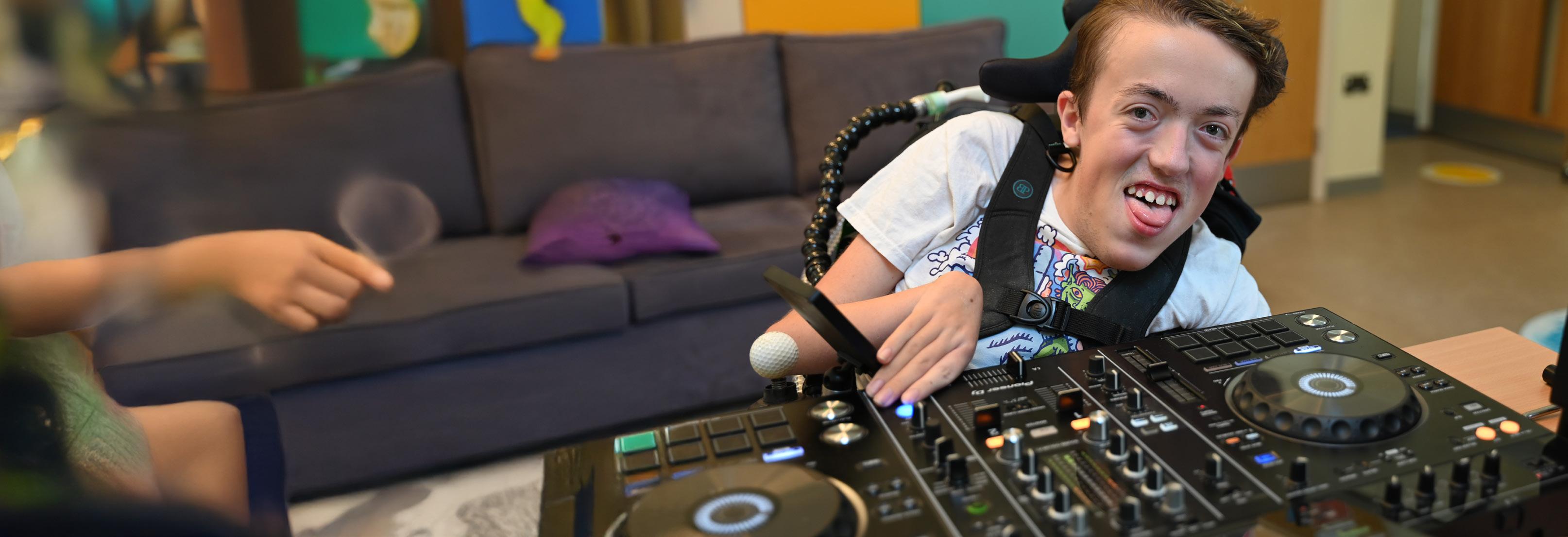
Oscar on the decks
Transforming our service
2025 marked the beginning of a new strategic plan for Julia’s House. With five new priorities, the charity started to adapt its service to ensure we continued to meet the needs of the babies, children and young people we support.
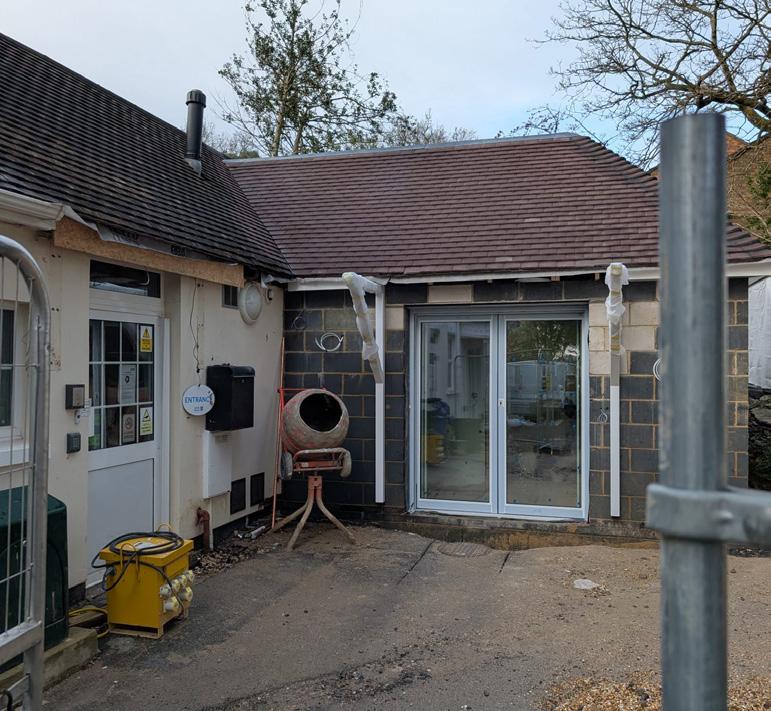
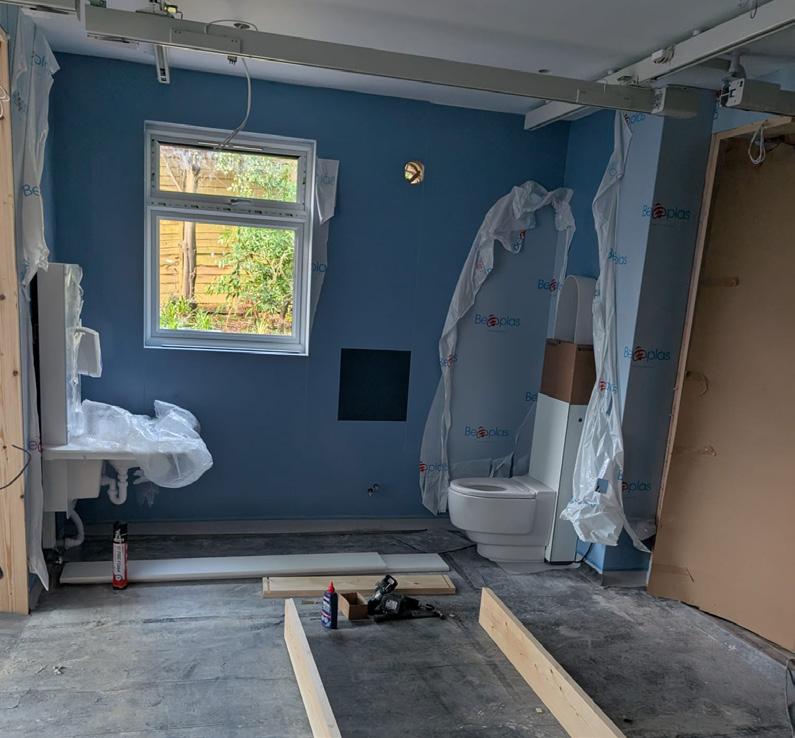
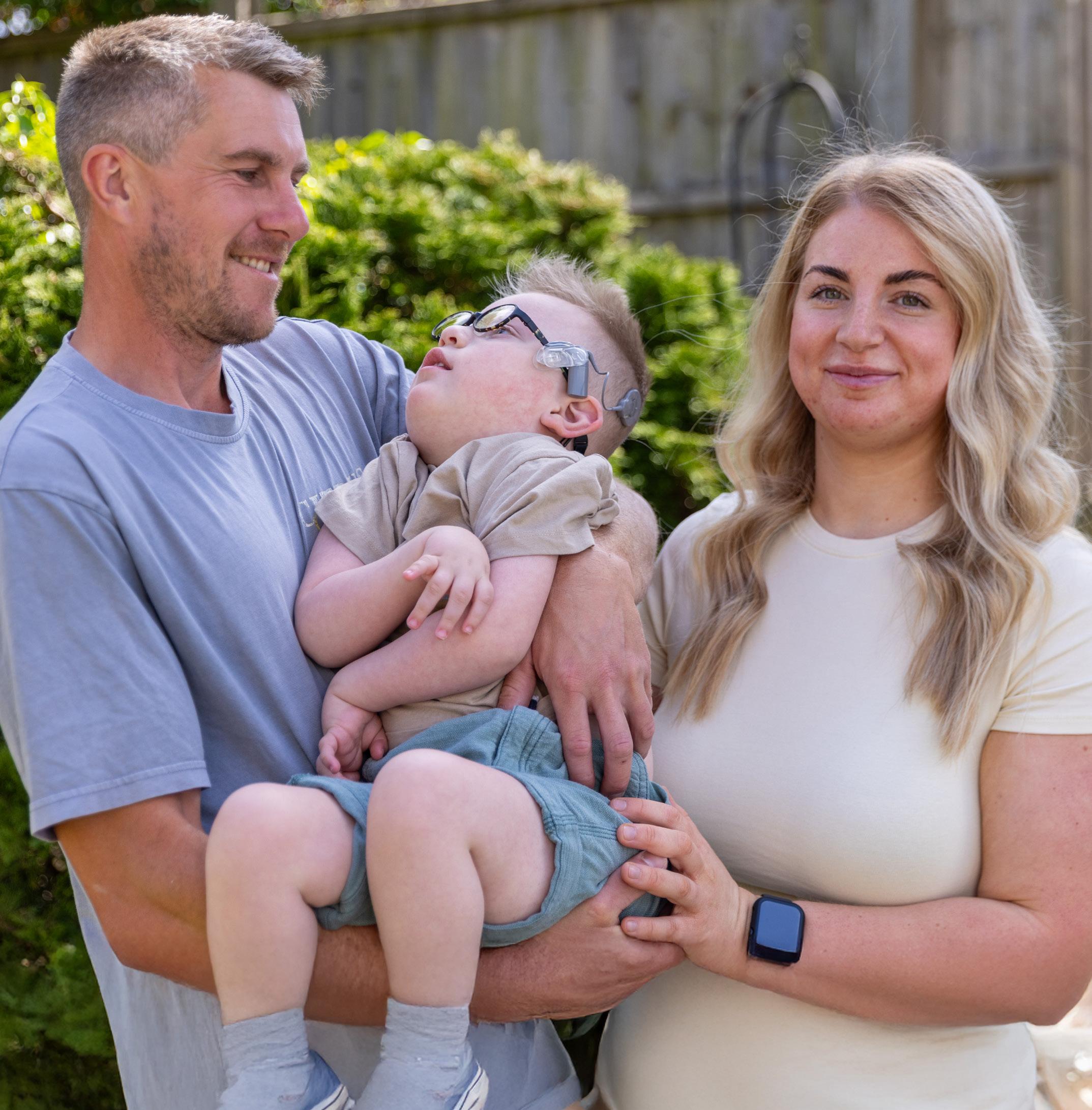
Thanks to a one-off Government capital grant we were able to accelerate support to some key projects including: an IT transformation for our Care team which enabled enhanced reporting and information sharing with the NHS, and an extension to our Dorset Hospice to improve our care facilities and service. As we experience an increased number of children living longer and growing older with their life-shortening conditions, our hospice spaces need to adapt to reflect their needs as well as create fully flexible spaces suitable for different uses.
These projects have been an exciting journey that our Care team has risen to, keeping care sessions going in community spaces for families who wanted them, after the closure of the Dorset hospice for renovation in September. Our respite care visits to family homes continued throughout, while excitement built as the hospice transformation took shape, with a planned reopening in Spring 2026.


„
The Julia’s House nurses didn’t just come to look after Thomas’ medication, they came for him, to spend time with him, talking with him. That was really lovely. He had that relationship with them, we knew they knew him and it wasn’t just a different person coming into your home at such a time. It was like they were our family.
„
Louise, mum to Thomas. Julia’s House cared for Thomas at the end of his life and continue to support his family.
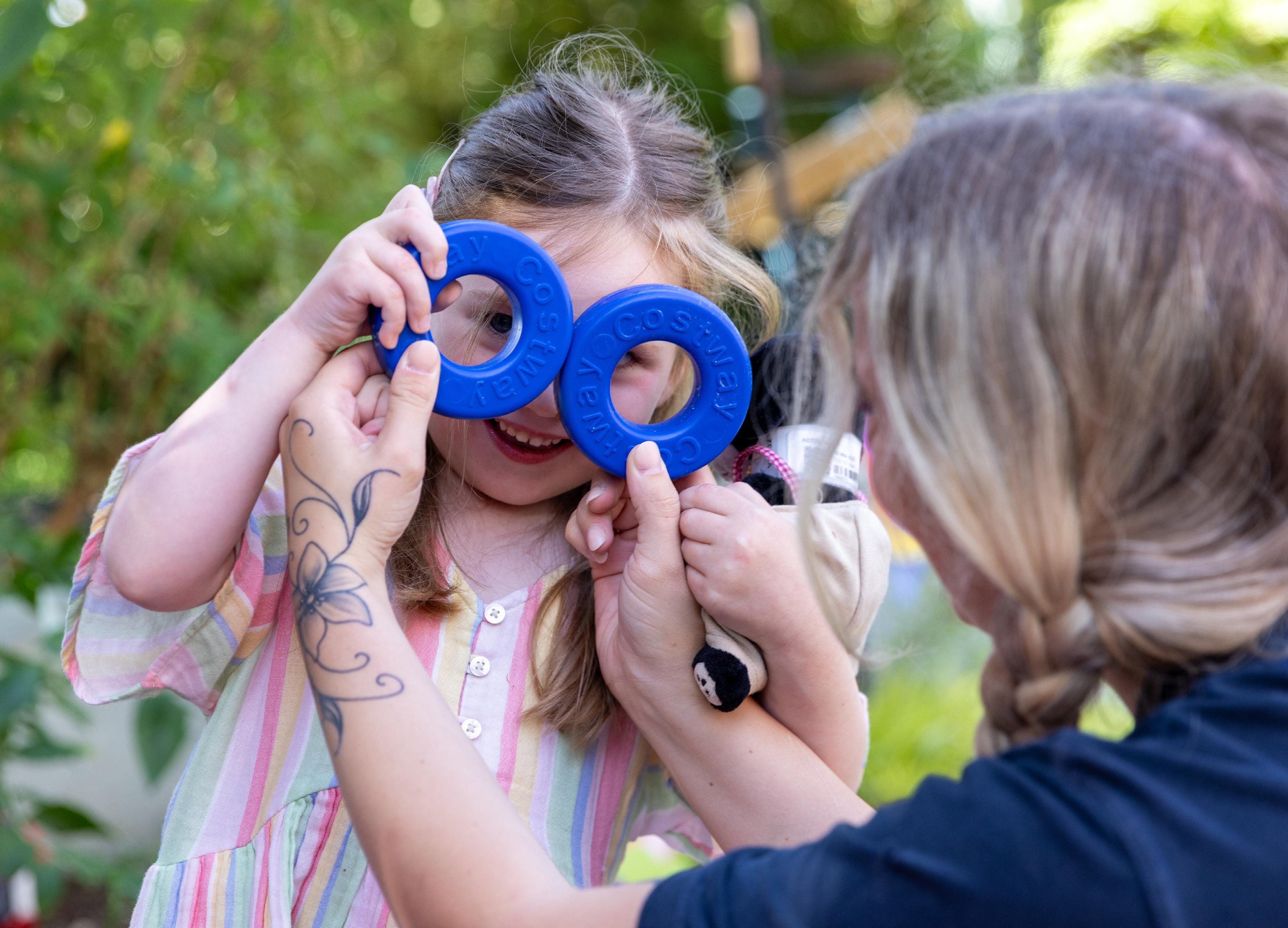
Front cover: Skye in the hospice garden
Government funding welcomed but a one-off

„
Having those Julia’s House respite sessions to look forward to in the middle of the week is so good for my mental and emotional health. It is about giving you time to yourself, time to reset, and do things that make you feel not like a carer all the time.
Parent of a child cared for by Julia’s House
„
The one-off Government funding was primarily allocated to an extension to improve facilities at our Dorset hospice, helping to ensure we maintain our exceptional standards of care throughout our service. However, with a restriction to capital projects, this one-off funding was a stop-gap and did not enable us to address our most significant ongoing costs such as staffing. We continued to work with our national sector organisations, Hospice UK and Together for Short Lives, to campaign for a sustainable solution to hospice funding in England. We remained reliant on the generosity of the public to deliver our lifechanging care and thank our local community and all of our supporters and volunteers for their conintued generosity and support.
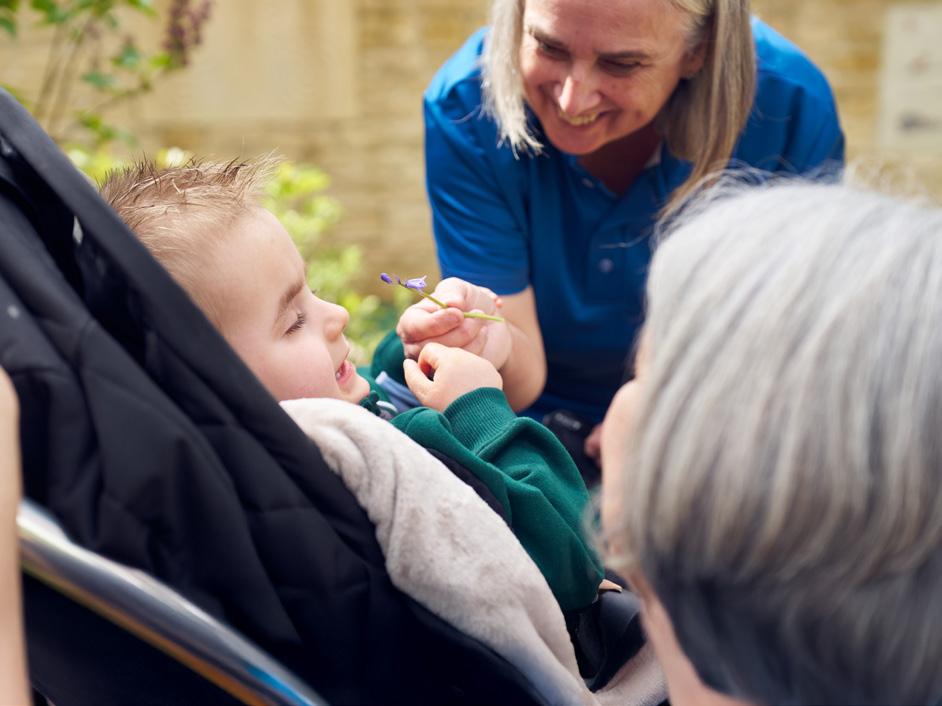
Wilfred with his mum and dad, Liam and Abbie Drae with Julia’s House play worker, Lisa
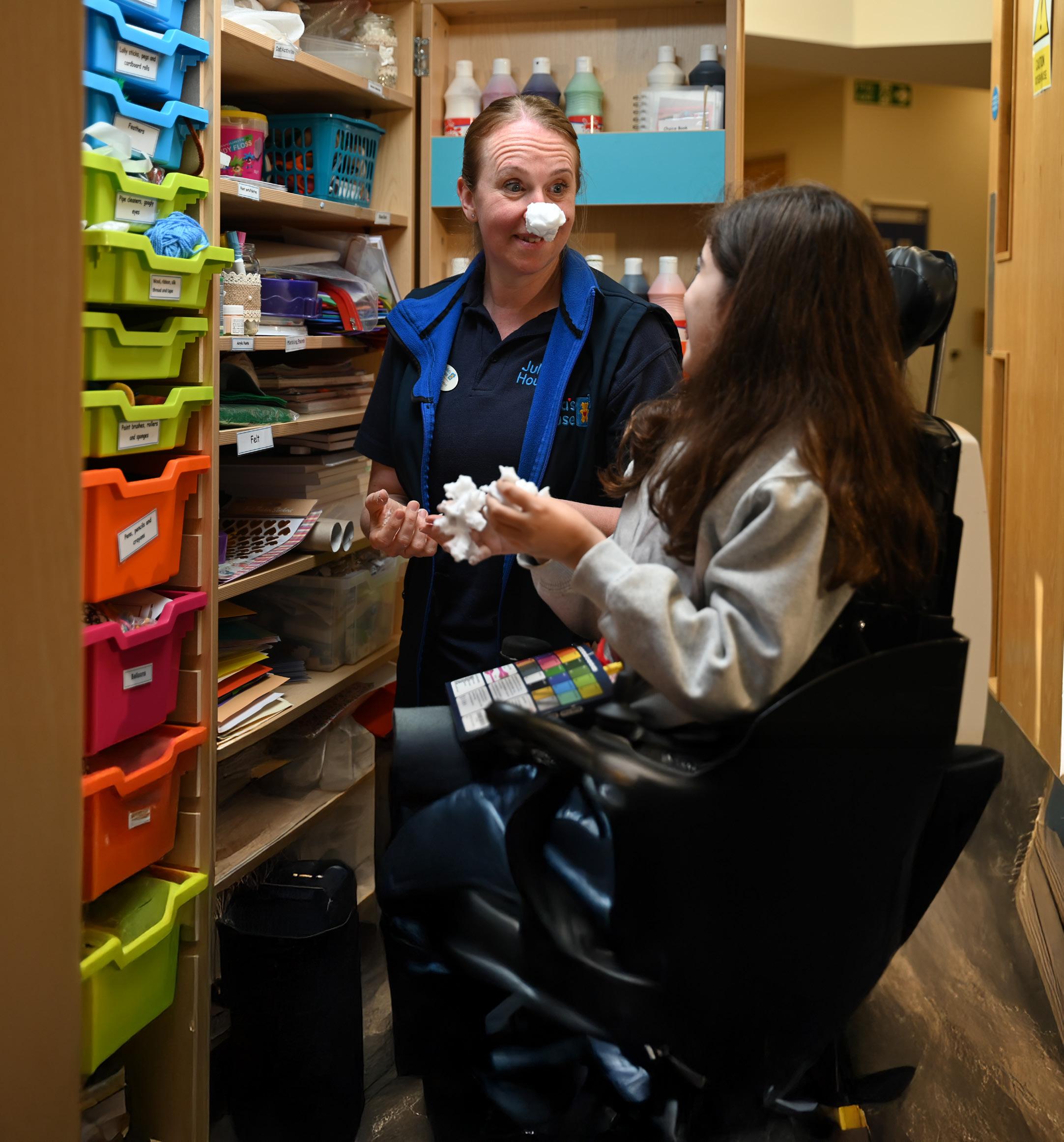
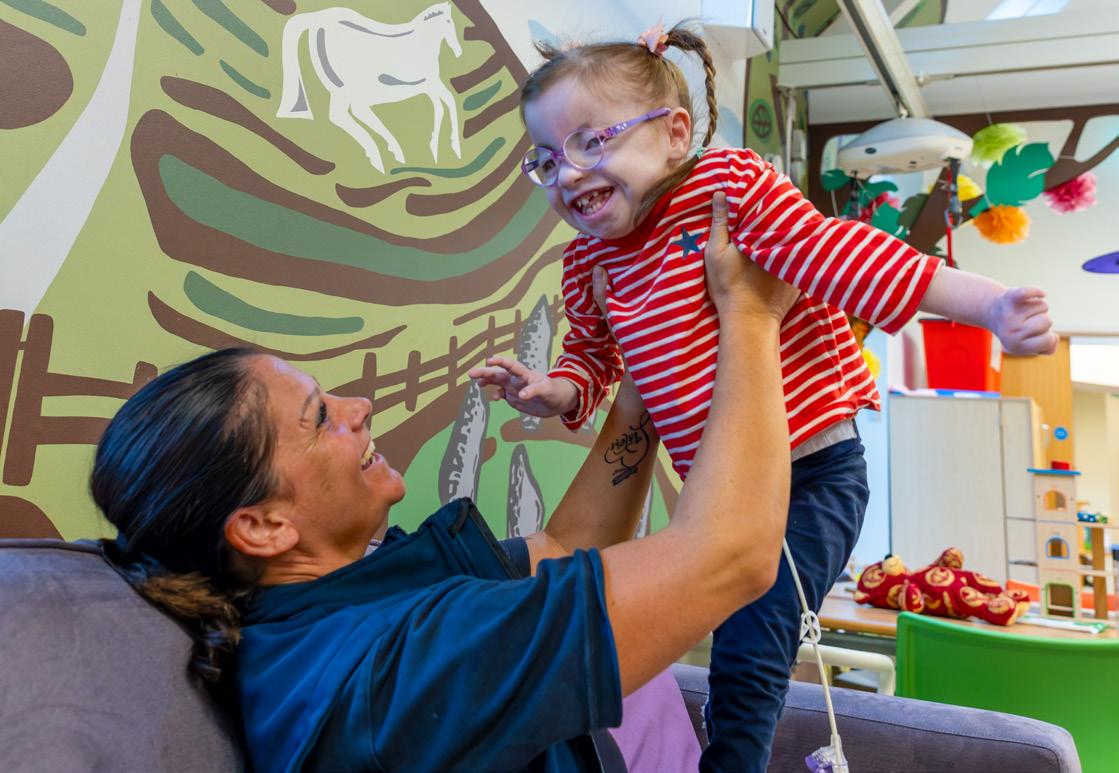
Ellie in the hospice craft cupboard with Julia’s House carer, Gemma
Smiles, laughter and expert clinical care
In 2025, Julia’s House continued to be a lifeline for children with life-shortening and complex conditions and the families who love them. Our work was shaped by compassion, resilience and an unwavering belief that childhood is precious – no matter its length. Our hospices and community services were safe, nurturing spaces filled with love, smiles, laughter and expert clinical support.
With ongoing advances in medical science, more children are living longer with complex conditions, creating a growing need for compassionate and responsive highly skilled nursing care. This is gradually increasing the number of children in our care as well as creating a need for us to adapt our care to the changing needs of children and their families as they grow older.
I like playing games and doing activities at the hospice. They have a very big drawer of arts and crafts that I fall into and never want to fall out of!
When I’m sad, there’s always someone to listen to me at Julia’s House. There’s always a friend or a space where I can talk. There’s always someone there whenever I need them.
„ „
A child supported by Julia’s House
The rising cost of living affected us all, but disproportionately impacted parents of disabled children: they may have had to reduce their hours or give up work altogether to care for their child, who usually requires more heating to keep warm and electricity for their wheelchair or other expensive specialist equipment.
In 2025, we welcomed more families, delivered more complex clinical care, and provided more emotional and practical support to parents and siblings navigating incredibly tough challenges. All made possible by a local community of amazing supporters and volunteers.
[My partner] and I heard the word ‘hospice’, and it filled us with fear. It sounds awful but we were expecting to walk in, and for the place to be all about death. But it wasn’t like that at all. There was warmth and love and children laughing, and the whole environment was bright and colourful.
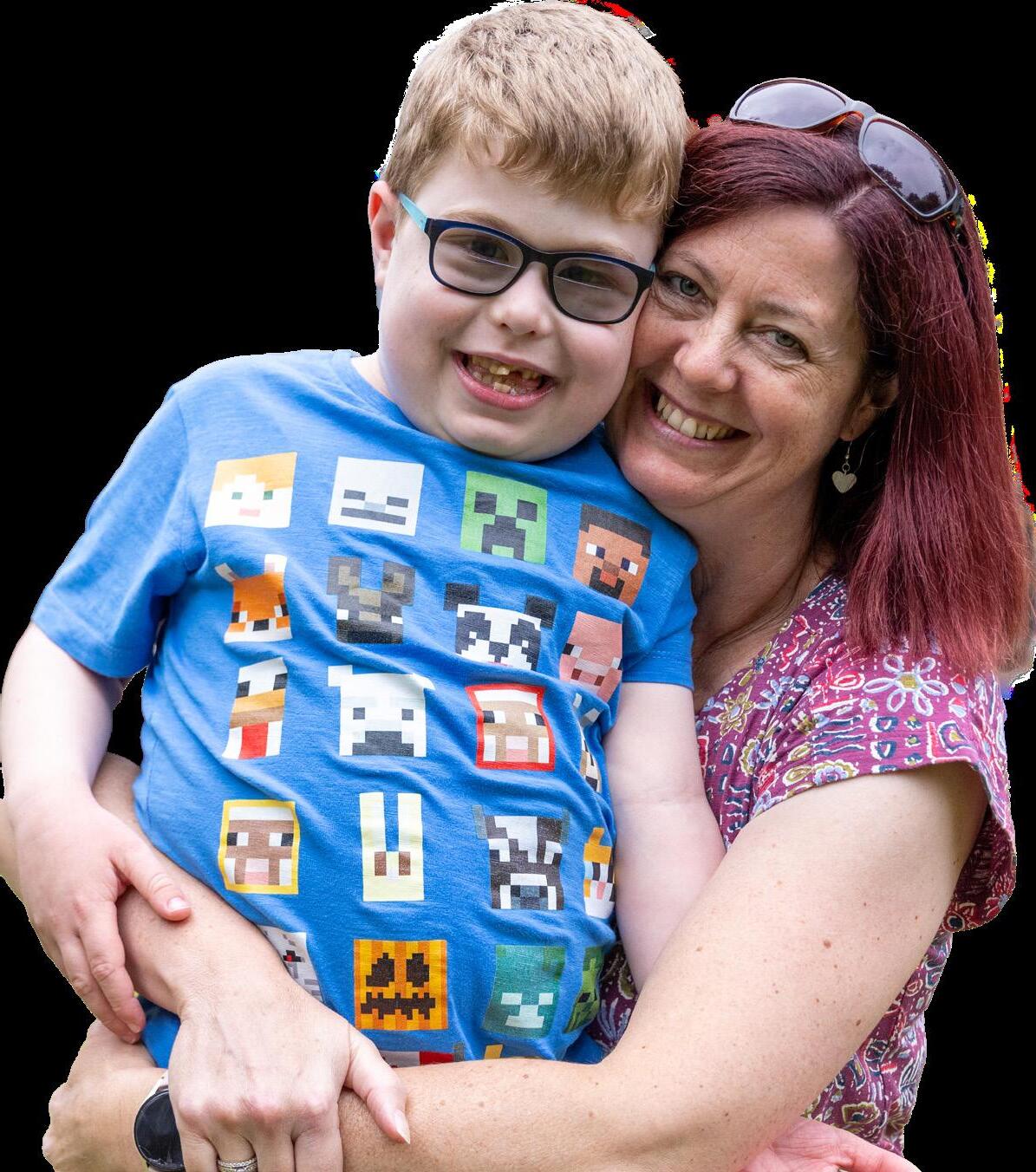
211 families overall received support from Julia’s House siblings benefitted from our sibling service
108
36 individuals received counselling
Mother of a Julia’s House child
Ziggy with mum, Jackie
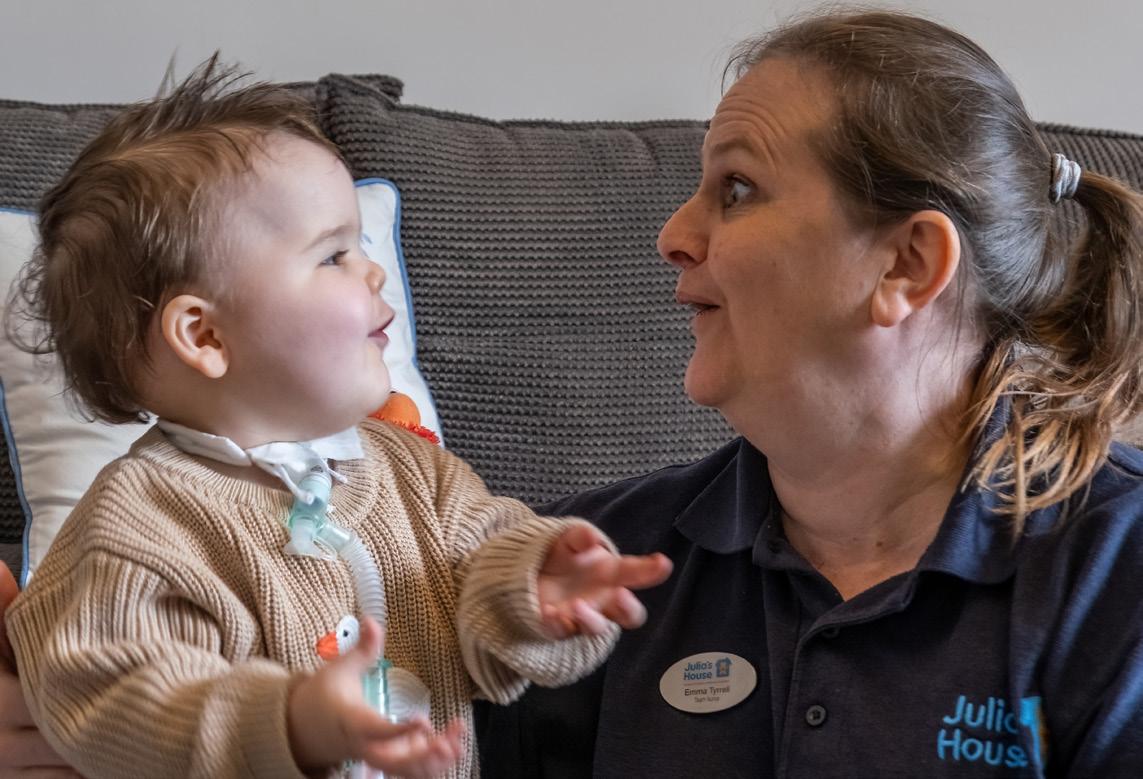
Bruce, with Julia’s House nurse, Emma
Ella and Julia’s House nurse, Zoe
Clinical care with compassion
Our clinical care services were a vital aspect of our practical support to families. 148 babies, children and young people received care in 2025, 97 in Dorset and 51 in Wiltshire, excluding bereavement and other family support, and 211 families overall were supported by Julia’s House during 2025. Our hospices were once again places of warmth, colour, play and compassion. Children enjoyed arts and crafts, sensory rooms, gardens and adapted play spaces, while parents found invaluable reassurance knowing a skilled care team were there to keep their child safe.
We delivered tailored care including respiratory support, seizure management, symptom control and end of life care. Our multi-disciplinary clinical team worked closely with community nurses, consultants and NHS specialists to ensure seamless care, whether at home, in hospital or in our hospices.
„It’s a huge weight off for me, as I can hand over all [our daughter’s] medications, her blood ketone testing machine, her feeding kit, her lunchbox, to someone else who is specially trained and will give her the very best care for the next five or six hours.
That’s such a lovely feeling.
A Julia’s House parent about our respite service
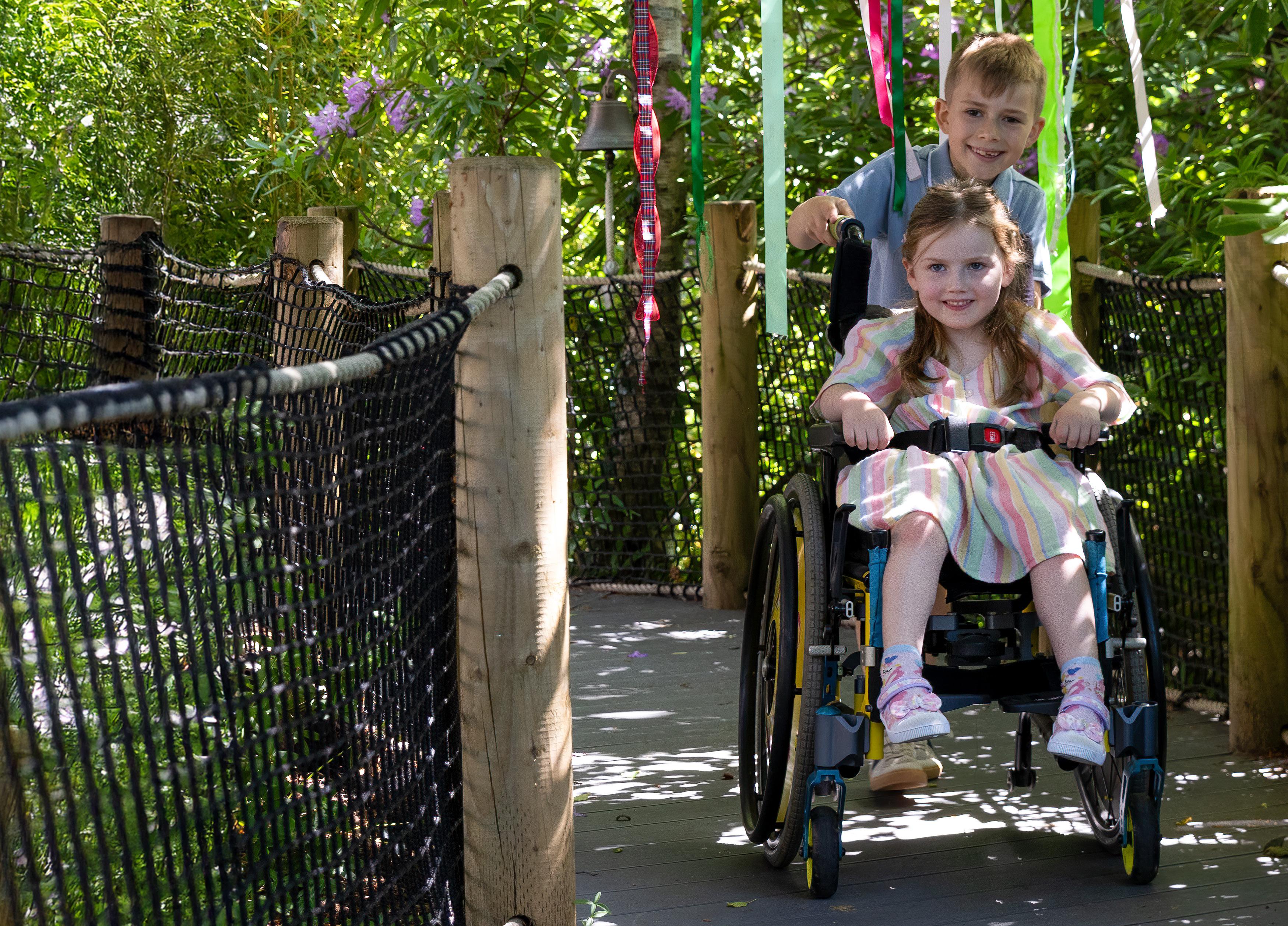
Skye and her brother Axel in the hospice garden
Holistic care for all the family
Our Family Support Services brought relief to every member of the family –because caring for a seriously ill child affects parents, siblings and wider family networks.
In 2025, we supported 108 siblings with emotional well-being sessions, fun activities, peer support events and dedicated one-to-one time with our sibling workers. We provided counselling to 36 individuals including parents, children and siblings, helping families process trauma, grief, fear and exhaustion.
Our social work team helped families access grants, adapt their homes, secure essential equipment and navigate the rising cost of living. Many families told us this practical support was life-changing in moments of crisis.
Complementary therapy provided parents with a precious chance to rest and recharge, offering massage, aromatherapy and emotional grounding during extremely difficult periods. And the children benefitted from massage too from pain relief for stiff muscles to relaxation and the sensory benefits of touch.

„
(Our daughter] has seen things that no child of her age should ever see. At Julia’s House, [she] can make friends with sisters and brothers who know her situation – they live it too and understand. They can support each other in ways that we don’t even know, so that is really lovely.
Parent of a sibling supported by Julia’s House
Julia’s House sibling worker, Karen, with Amelia and Carmen at Rockley Park
Strategic Priorities: 2025 Achievements
Priority 1: Provide and maintain excellent care
• Revised our care model to deliver greater consistency in service delivery and improve access for families to hospice services, as well as enhancing the work-life balance for staff members, fostering a more supportive and flexible workplace.
• Commenced work on extending our Dorset hospice to improve our end of life care facilities and adapt to the changing needs of the babies, children, young people and families we support.
• Implemented roll out of new care software enabling better data, reporting and collaboration with NHS systems providing continuity of care.
Priority 2: Ensure financially sustainable organisation and services
• Implemented six redundancies across the organisation and did not fill a further seventeen vacancies. We are very grateful to all the departed staff for their contribution to the charity and its services.
• Established a cross-organisation cost-saving task force to monitor and apply cost-efficiencies.
Priority 3: Optimise our culture to maximise our impact
• Several workstreams and project teams established that utilise agile cross-team working and project implementation.
• Continued to invest in wellbeing support for all staff and volunteers and provide flexible working opportunities to optimise work-life balance.
• Commenced roll out of Microsoft 365 to better enable collaboration and communication.
• Continued investment in volunteer recruitment and support including a new volunteer CRM platform.
• All staff Town Hall meetings to share progress against strategic priorities and keep staff informed, engaged and motivated.
Priority 4: Prioritise income streams with biggest potential.
• Opened one new shop in Westborne.
• Our shop closed in Christchurch for profitability reasons. We were extremely grateful to the shop’s staff and volunteers for their contribution over its 20 years.
• Income from individuals, events, community and corporate sources reached or exceeded budgeted levels, with the exception of lottery where recruitment remained challenging. Our Christmas Appeal 2025 raised a record £90,275.
• Income from grant-giving trusts exceeded budgeted levels.
• While net profit was lower than expected, The Great Tail Trail, a public art trail across Christchurch, Bournemouth and Poole, achieved other objectives in generating extensive publicity and building relationships with many new individual and corporate supporters in our local community.
Priority 5: Support our goals through better processes and systems
• Commenced a charity-wide Systems and Process Review to identify opportunities for improved and more streamlined ways of working.
• Strengthened our digital infrastructure and established Head of IT post.
• Developed a 3-year cross-organisation IT strategic plan to deliver Microsoft 365 and a range of digital solutions to improve collaboration, communication and reporting.

Sully at the hospice
72
families helped by the Julia’s House family support workers
46 per cent of care took place in the community; 54 per cent in the hospices 46% 54%


11,201 hours of family support services provided
20
families received bereavement support
6
children moved from Julia’s House care into adult care
25,556
hours of care given to families
Finance and governance
The year was shaped by generosity, challenge and careful financial stewardship. We raised £7.9 million from fundraising, donations, events, community support and legacies. Our charity shops produced £759,000 profit, continuing to be a vital income stream. One-off additional income received from capital trusts and the Government capital grant (as noted previously) supported the building of an extension at our Dorset hospice, resulting in the building project being fully funded.
We received a £2.6 million legacy which was considerably higher and more quickly realised than expected, as well as a significant trust donation, so we ended the year in a healthier financial position than anticipated. However, with the continuing challenging economic outlook, uncertainty affecting charity donations and increasing costs for our charity and our donors too, we continue to expect a deficit budget of £1.3 million in 2026.
Legacy income once again proved essential, helping to fund care for more than one in four of the children we support. However, it remains highly unpredictable in both amount and timing. While we were fortunate to receive a significant sum in 2025, gifts in Wills could be substantially lower in future years, potentially having a major impact on our ongoing total income
Reserves
Our reserves increased to 15 months’ worth of budgeted operating expenditure due to the unanticipated surplus, but are expected to be below 12 months by the end of 2026. We are also investing in digital transformation and IT alongside a collaborative head office space accommodating care, fundraising and marketing as well as our central administration teams to help futureproof the charity’s operations and improve systems and processes aligned to our strategic objectives.
Income
£12,221,401
∞ Shops
£2,985,897
∞ Investments
£117,825
∞ Donations & Legacies
£6,684,822
∞ Statutory funding
£1,170,460
∞ Fundraising events and lottery
£1,262,397
£315,922 of statutory funding was a one-off capital grant received in 2025
Volunteers and values
Volunteers continued to be the backbone of Julia’s House, donating 93,200 hours of support –equivalent to 51 full-time staff and valued at more than £1.1 million. Their contribution touched every corner of the charity, from retail and fundraising to family support and care assistance.
Thank you
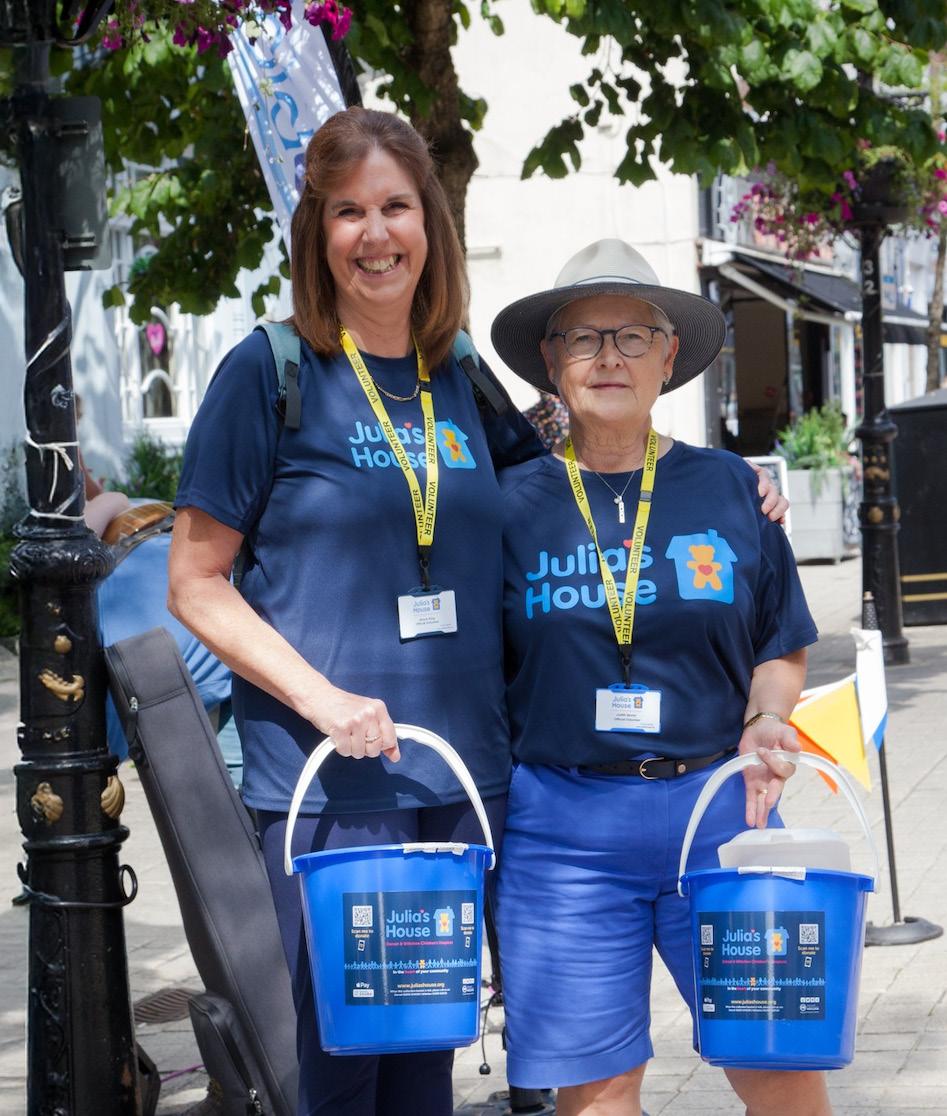
Julia’s House volunteers, Jackie and Alison
£10,880,103
∞ Shops
£2,796,922
∞ Raising funds
£1,641,180
∞ Delivering care
£6,442,001 Expenditure
80% of expenditure (excluding retail) was spent on delivering our care
Our core values are built around recognising and enabling the potential of everyone we care for and everyone we employ or who volunteers with us. Equality, diversity and inclusion therefore remained central to our culture. Families told us they felt respected, understood and included, with 100% confirming their cultural and individual needs had been met.
Our environmental initiatives grew stronger in 2025 as we expanded recycling partnerships across our shops and continued to reduce waste.
Breakdown of donations income
£6,684,822
∞ Gift Aid - £425,072
∞ Major donors - £435,586
∞ Legacies - £3,681,069
∞ Gifts in kind - £102,077
∞ In memorium - £79,747
∞ Corporate support - £367,607
∞ Individual donations - £292,857
∞ Community fundraising - £529,340
∞ Trust & foundation grants - £730,428
∞ Miscellaneous income - £41,039
„
„ I feel really valued and appreciated. Communication is always good and the thank you emails mean a lot.” Volunteer
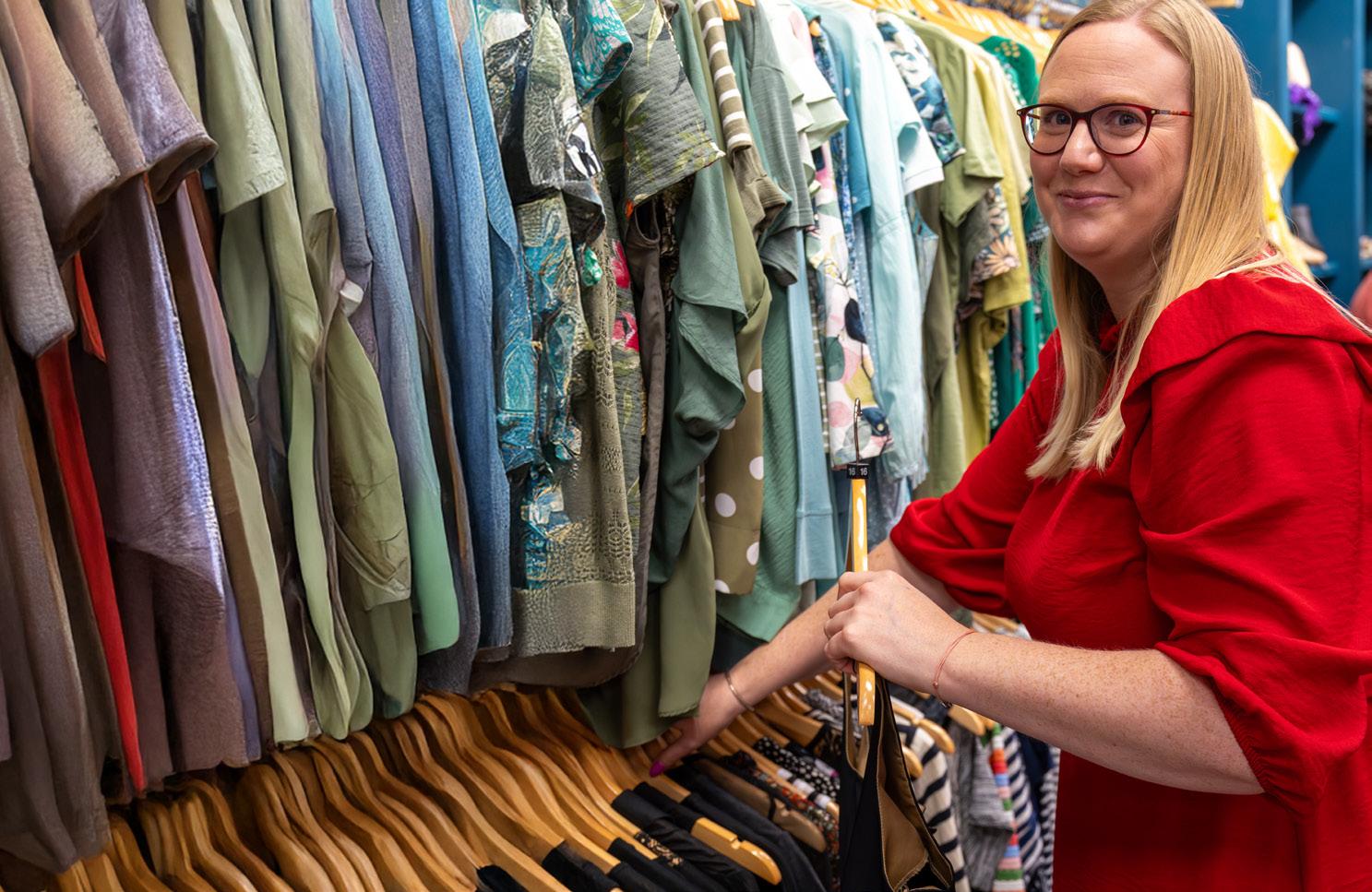
Rachel at a Julia’s House shop
790,793 items were sold in our shops
166,624kg of textiles recycled