
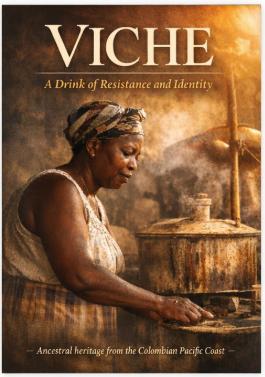
Viche is a traditional beverage from the Colombian Pacific coast, especially in the departments of Chocó, Valle del Cauca, Cauca, and Nariño. It is an artisanal distilled liquor made from the fermented juice of sugar cane. Viche is a fundamental part of the cultural identity of Afro-Colombian communities in the Pacific region, and its knowledge has been passed down from generation to generation.
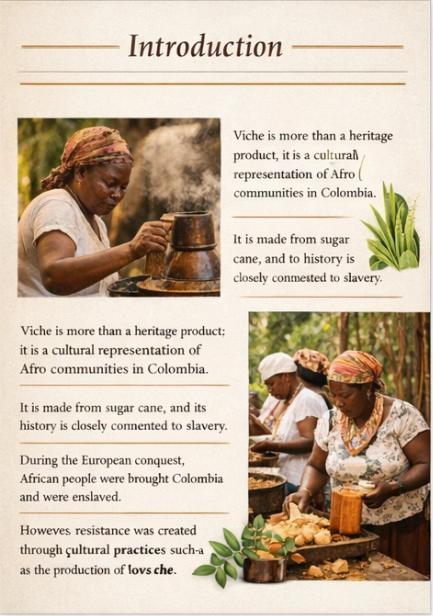
Viche is more than a heritage product; it is a cultural representation of Afro communities in Colombia. It is made from sugar cane, and its history is closely connected to slavery. During the European conquest, African people were brought to Colombia and were enslaved. However, resistance was created through cultural practices such as the production of Viche.
This alcoholic beverage was used in daily life and became important in cultural and religious practices. It was also used as a form of escape from the difficult conditions of slavery.
In the present day, these traditions are still preserved by Afro-Colombian communities. In many cases, Viche is produced by Afro women, and it is used for cultural celebrations, religious rituals, and community gatherings.
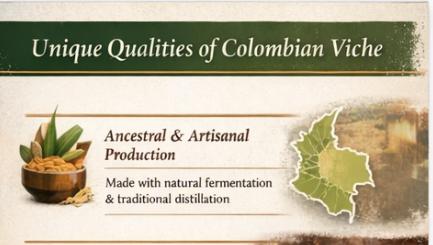
Viche is unique because of its ancestral production and deep cultural meaning. Despite the fact that sugar cane liquors are produced in many countries, Viche is made through artisanal distillation methods that have been preserved for centuries. It is prepared using natural fermentation processes. Moreover, it is used in traditional medicine and spiritual rituals. Thus, its value goes beyond commercial use. It is considered a symbol of resistance and ancestral memory.

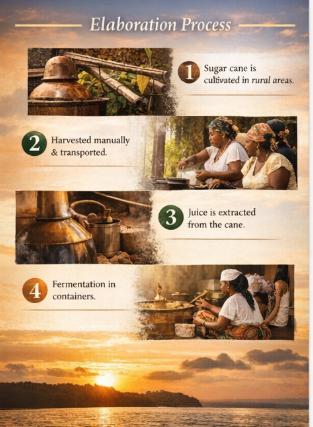
Firstly, sugar cane is cultivated in rural areas of the Colombian Pacific coast. It is grown on small farms where traditional agricultural methods are used. The crop is carefully maintained until it reaches the ideal level of maturity.
After the sugar harvested manually. It cut centers. Then, the juice from the cane mills. extracted, where natural fermentation allowed to occur. added. out natural may on and humidity conditions. the fermented distilled traditional is and alcohol is condensation. The distilled beverage carefully collected
After that, the sugar cane is harvested manually. It is cut with machetes by local workers and transported to small production centers. Then, the juice is extracted from the cane using mechanical or artisanal mills. Once the juice has been extracted, it is placed in containers where natural fermentation is allowed to occur. No industrial chemicals are added. Instead, the fermentation process is carried out using natural yeasts found in the environment. This stage may take several days, depending on temperature and humidity conditions.
Then, the fermented liquid is distilled in traditional copper or metal stills. During this stage, the liquid is heated, and the alcohol is separated through evaporation and condensation. The distilled beverage is carefully collected and stored.
Finally, Viche sold process, cultural traditions are strengthened
Finally, Viche is bottled and distributed locally. In many cases, it is sold directly by producers in community markets. Through this entire process, ancestral knowledge is preserved, and cultural traditions are strengthened of traditional agricultural methods The ideal
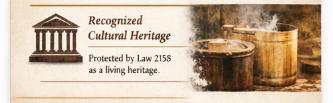
Viche represents more than a drink; it represents identity and heritage. In conclusion, Viche is not just an alcoholic beverage. It is a symbol of resistance and tradition. Hence, it should be valued and protected as part of Colombia’s cultural heritage. It also represents a struggle against globalization and the preservation of ancestral traditions in modern society.