
JTB Architects is an awardwinning, New Zealand owned architectural practice, founded in Nelson in 1986.
Our team works from studios in Auckland, Wellington, Nelson, Christchurch and Wānaka. We draw together wide-ranging local and international experience, and bring understanding of local conditions to each project.
We provide specialist expertise in Architecture, Urban Design, Master Planning, Environmentally Sustainable Design, Interior Design, Visualisation, and Building Information Management (BIM). Our aim is to respond to each project with creativity, energy and honesty, to create robust buildings while maintaining a clear focus on aesthetic quality.
We’re proud of the range of residential projects that we have delivered; each one representing a successful journey undertaken with our clients.
We welcome the opportunity to discuss new projects.
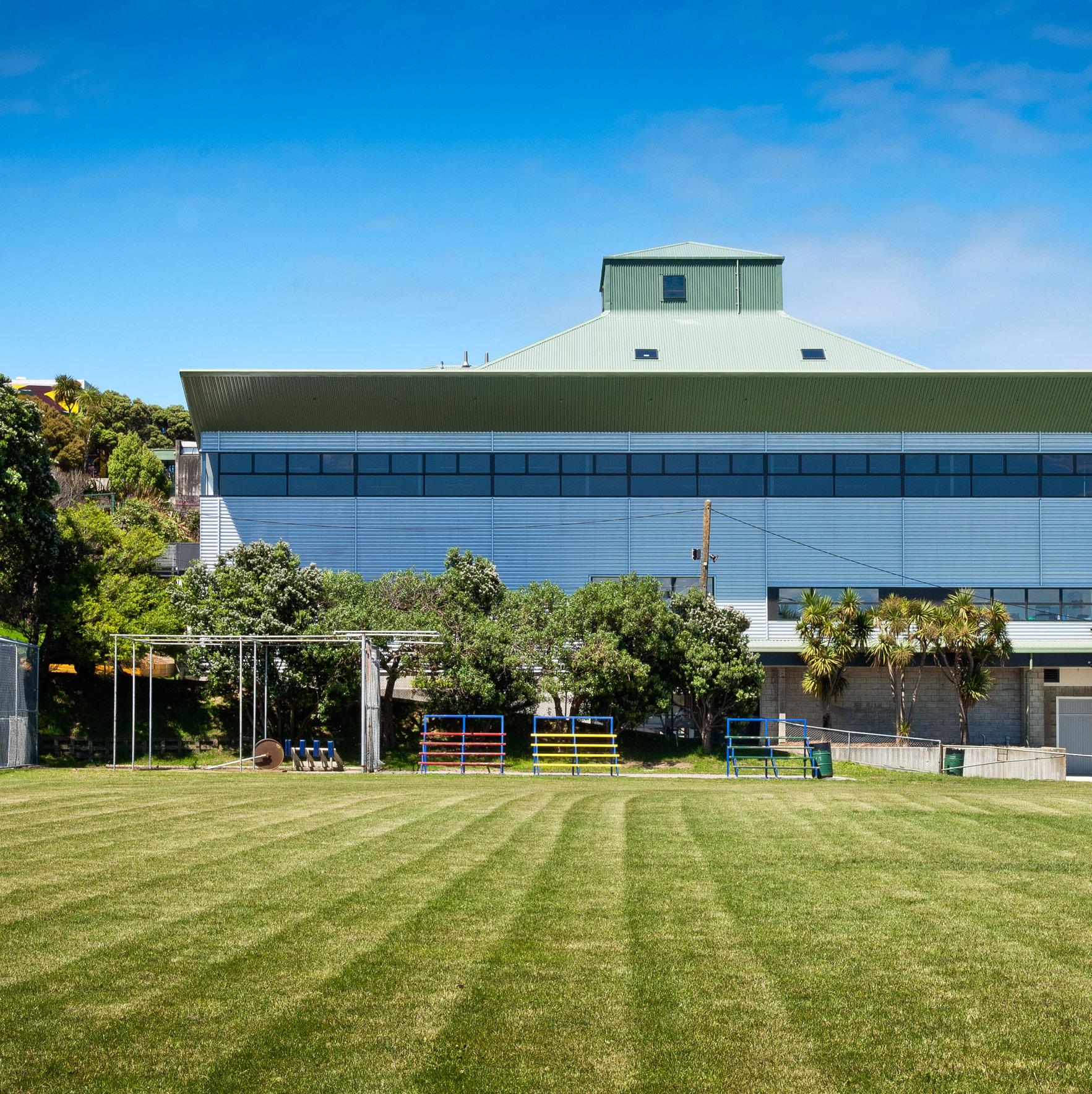
Sitting at the southern end of Taranaki Street, and bordered by the National War Memorial to the east, Wellington High School sits on a prominent site at the central city’s edge.
The brief for this project consisted of a masterplanning exercise to establish a clear entrance and pathways through the school, design of a new gymnasium, and upgrades to several existing facilities.
Working within constraints of the tight urban site, a master plan was developed to provide a defined entrance, more efficient circulation and a better relationship between the various facilities. A new restaurant and food technology room was provided, textiles and pottery rooms relocated, and the new gymnasium developed.
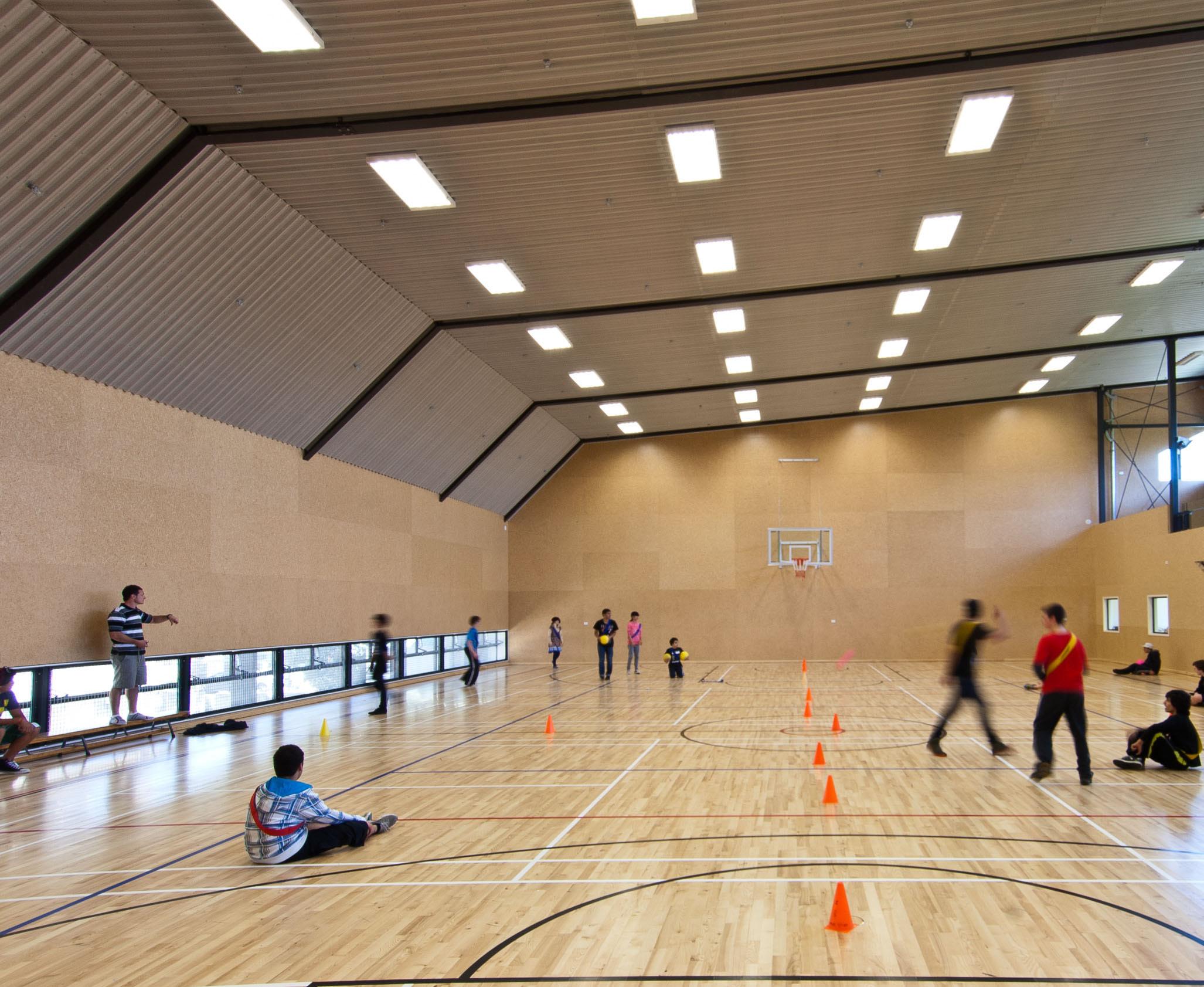
Positioned on a slope overlooking the school’s main sports field, the main
floor of the gym is accessed from a main entrance at first floor level.
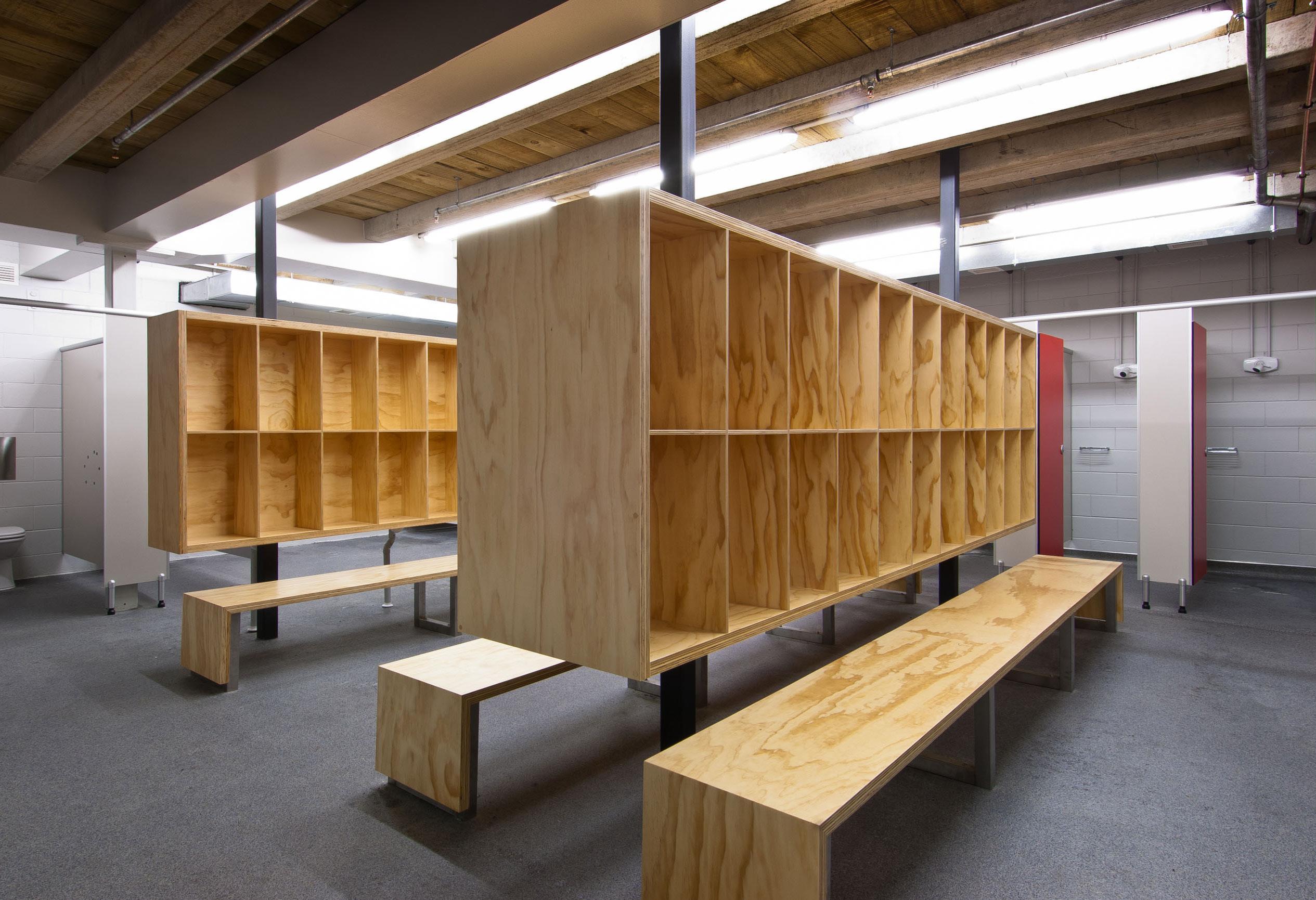
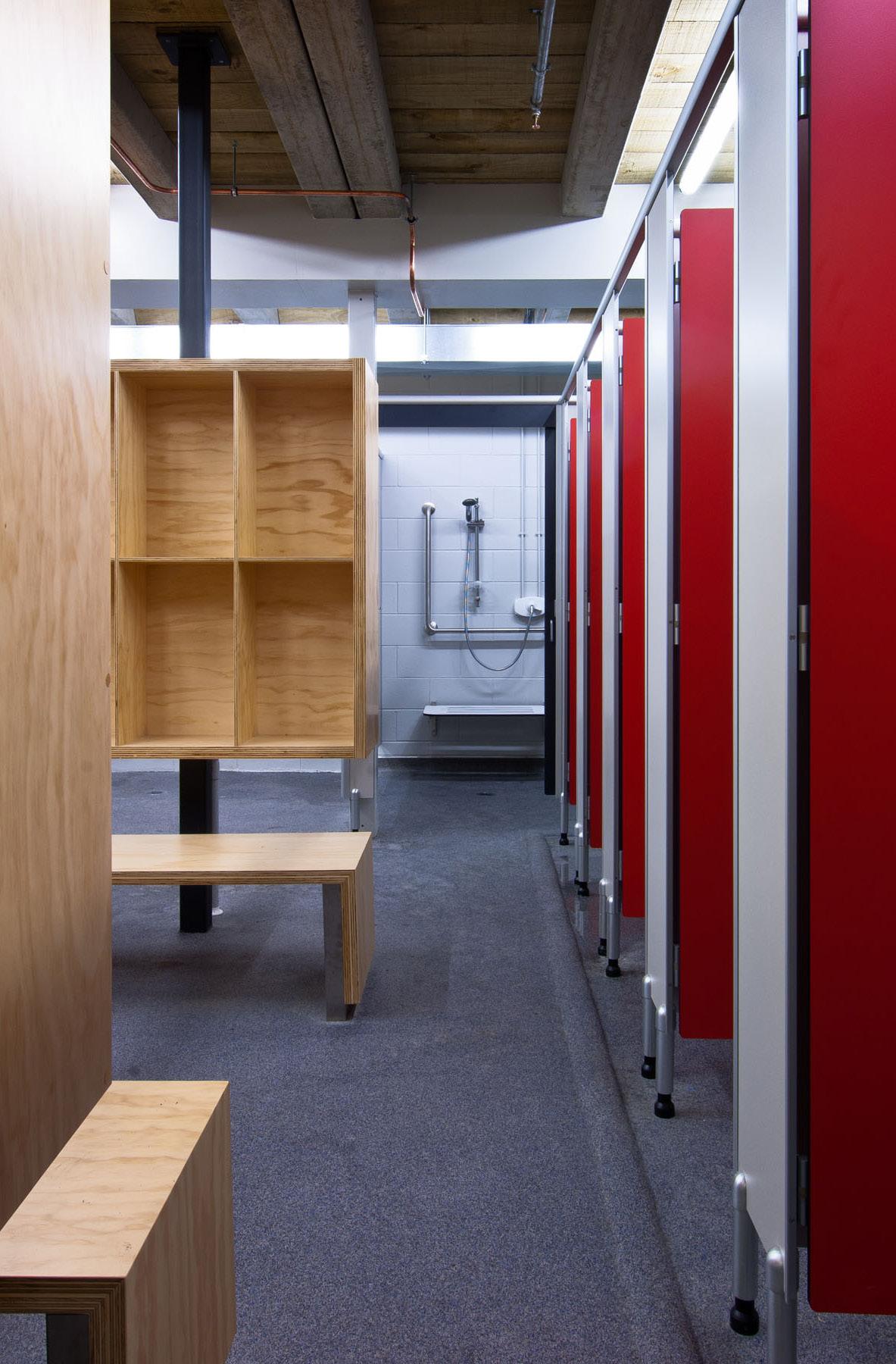
The design utilises the site’s slope to ensure that none of the school’s flat land – at a premium in Wellington –was lost to the development of the gym. The location of the gym’s main entrance at first floor level allowed for existing changing rooms to be upgraded and reused as part of the project, rather than rebuilt.
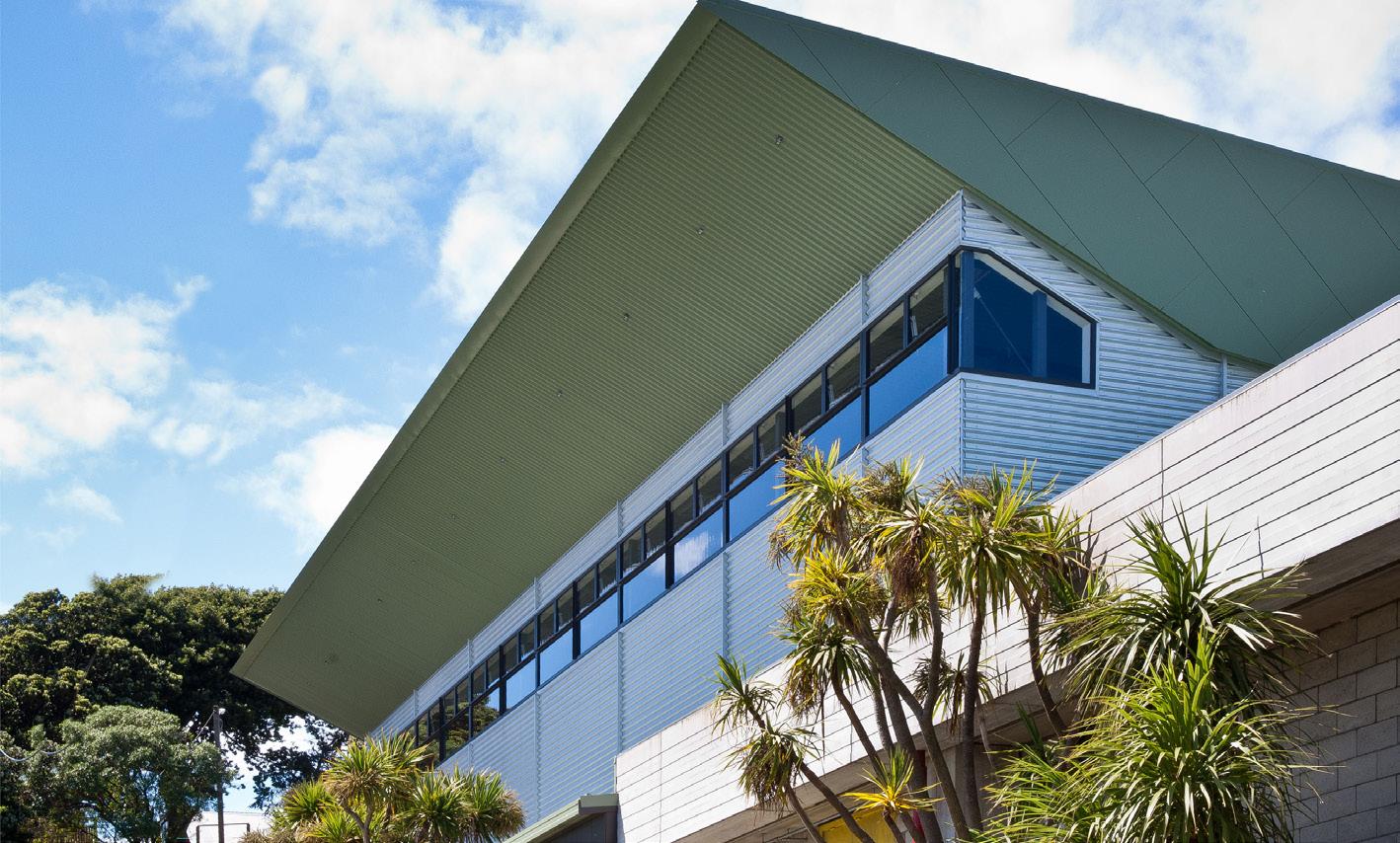
Honest materials, sympathetic to the existing brutalist-style architecture of the school, are used.
Exposed concrete structure, steel and Zincalume cladding feature inside and out.

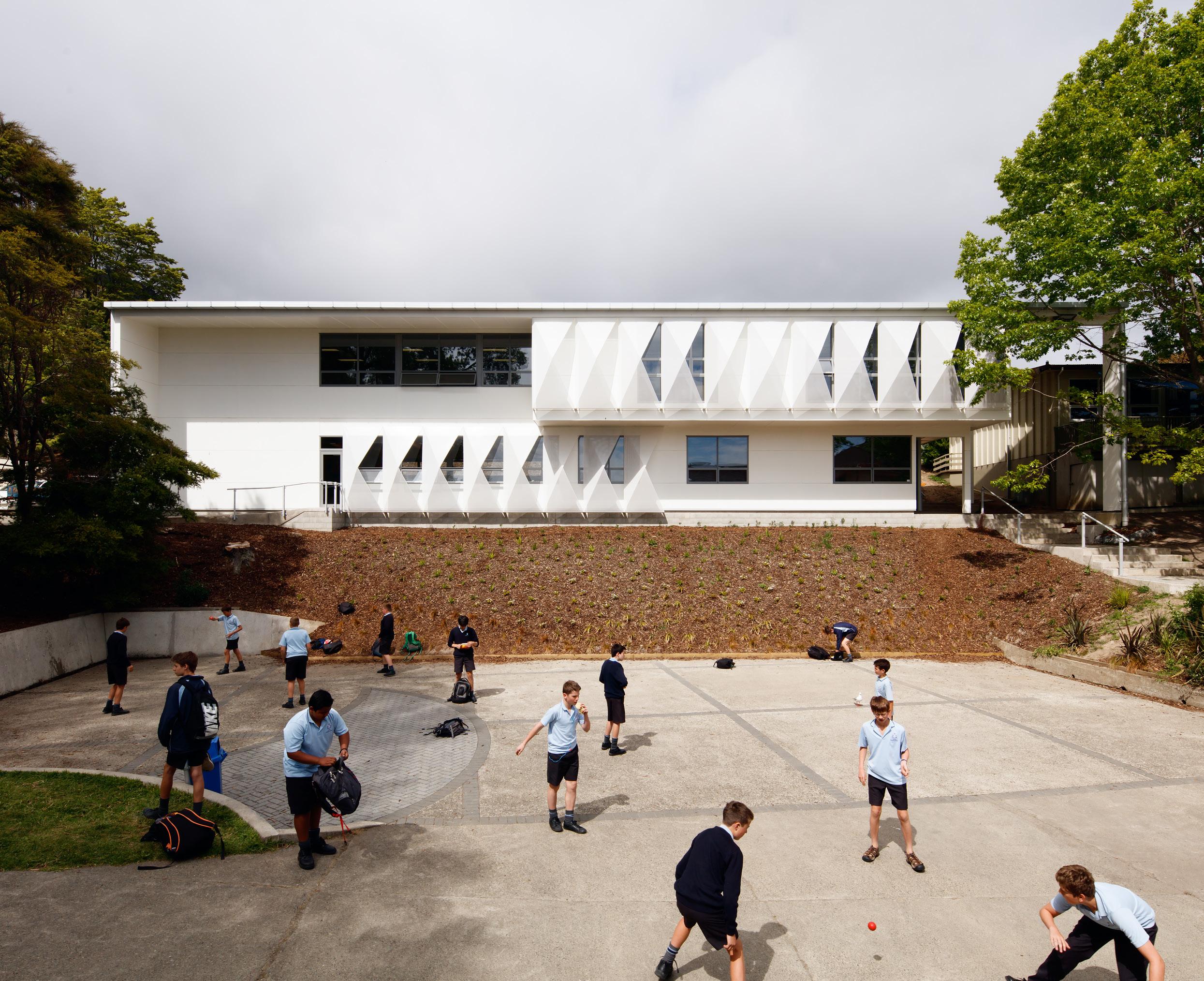
The Commerce Centre at Nelson College embodies the school’s vision for a modern learning environment to educate and inspire the next generation of entrepreneurs in.
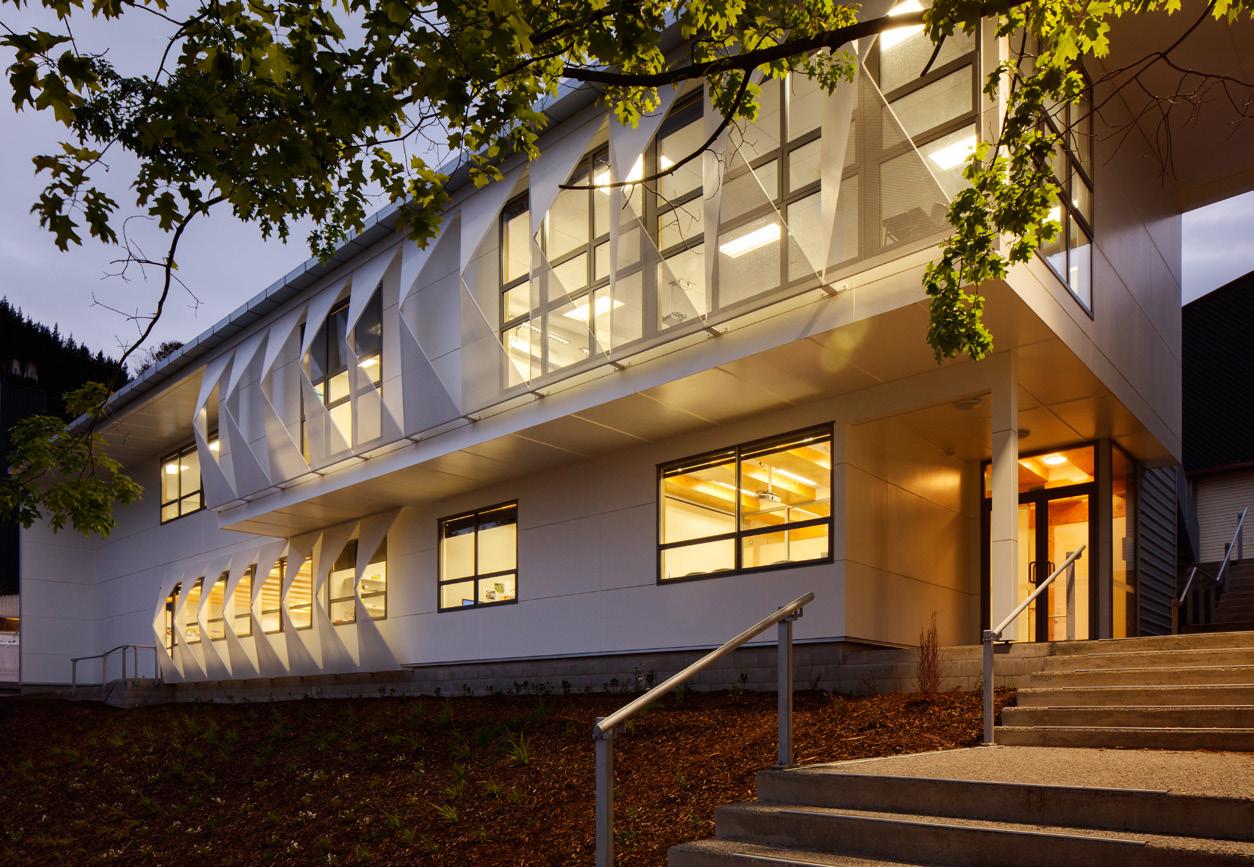
The facility consists of specialist classrooms, standard classrooms, leadership and seminar rooms, and staff amenities. A contemporary architectural language differentiates the building from the others in the school, with inspirational forms and spaces to foster collaboration, learning and innovation.
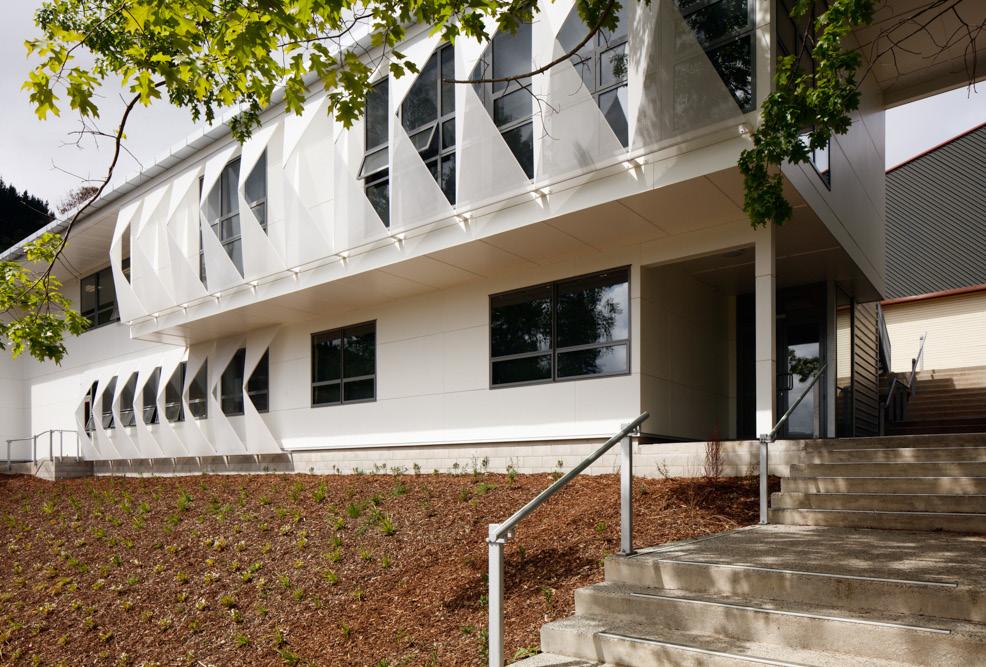
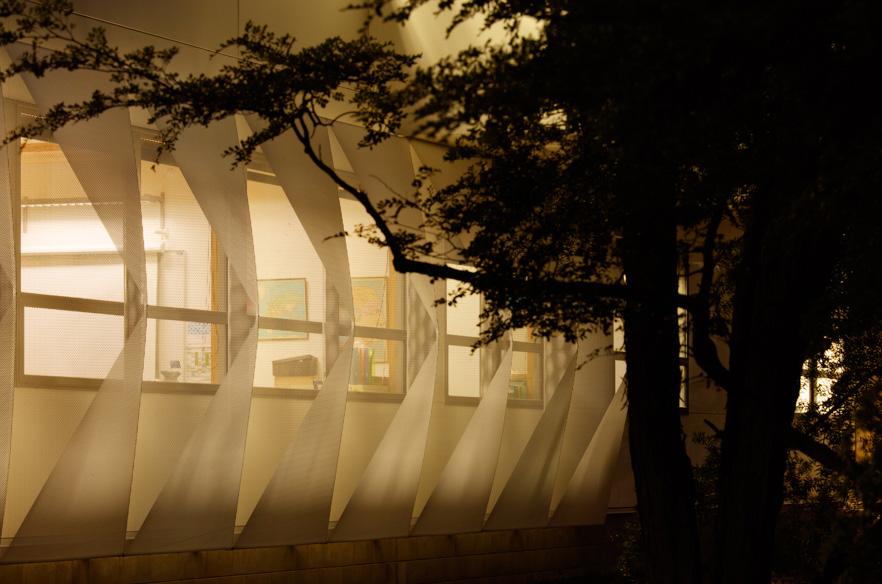
A simple and efficient exterior is articulated with sculptural folded screens which provide shade to the north elevation, while a generous canopy signals and shelters the entry.
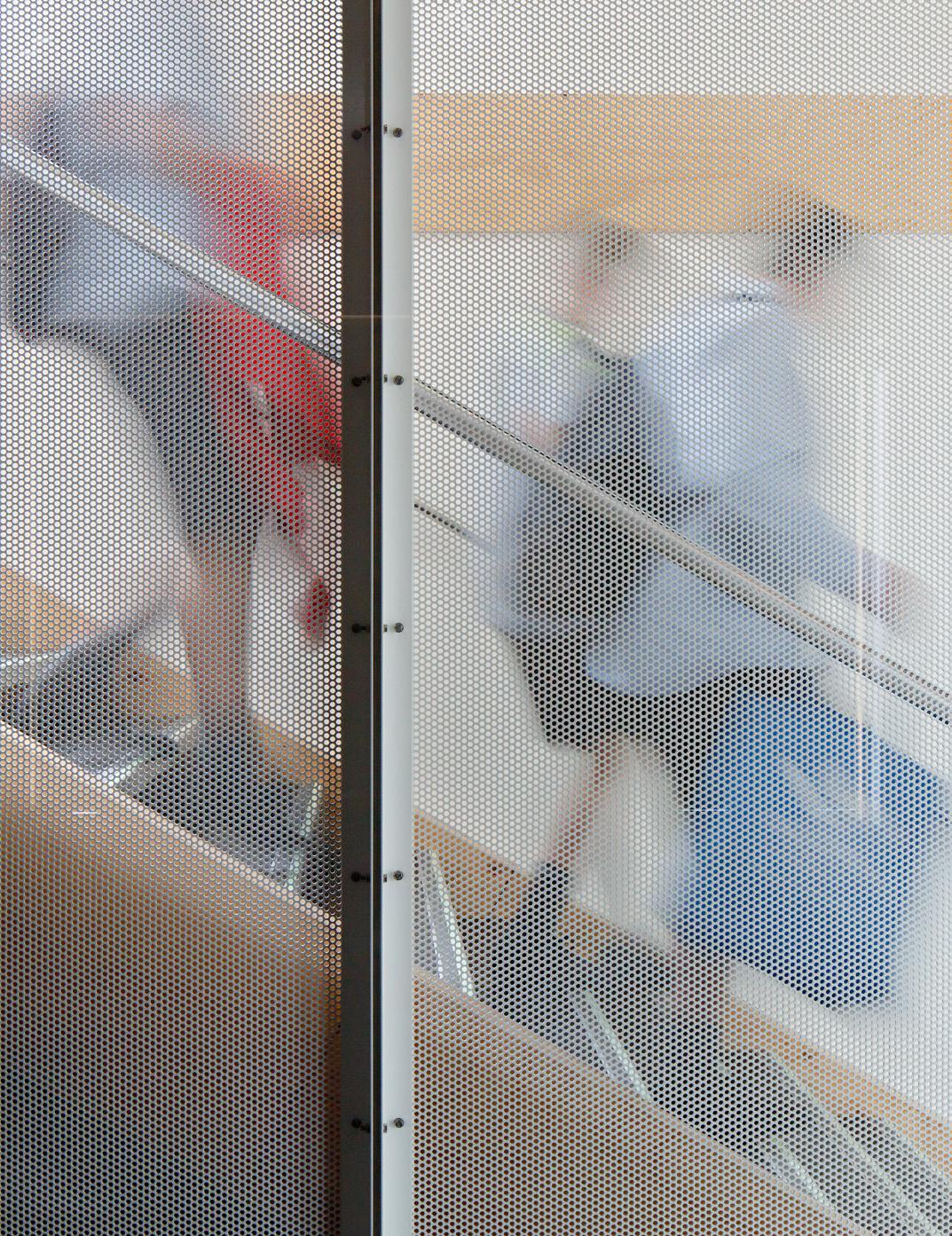
Positioned to respect and feature a large existing oak tree adjacent to the entrance, a raised canopy provides a gateway to other parts of the campus and reinforces the central stair and circulation pathway through this terraced school. Internally, a wide, naturally lit stair at the rear provides opportunities for informal meetings between classes.
The design utilises a lightweight LVL timber structure with a high level of locally sourced prefabricated elements.
This
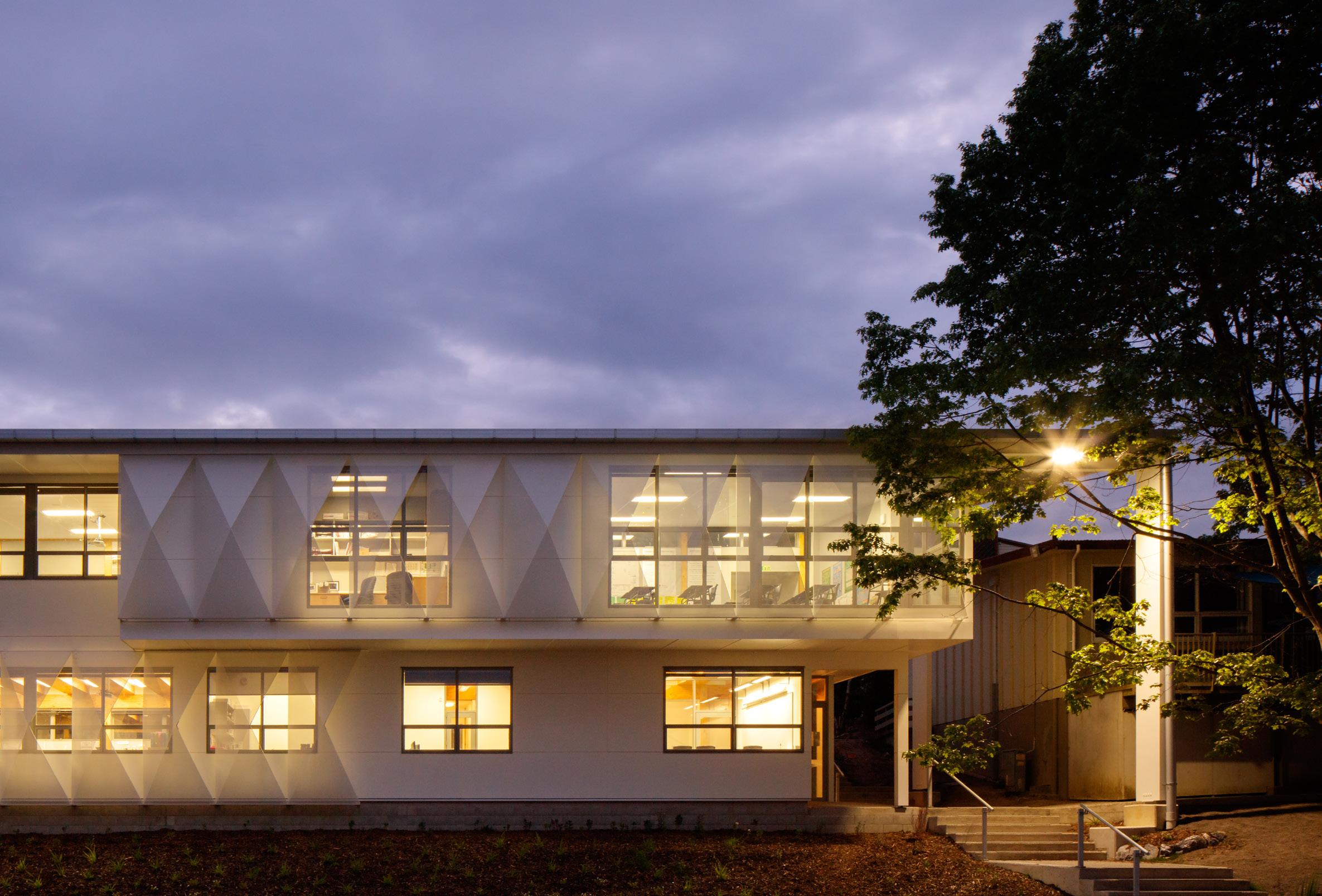
Environment (ILE) teaching block for Newtown School caters for 350 students, incorporating a Māori immersion unit, Ngāti Kotahitanga, alongside four large learning studios.
Location
Newtown, Wellington
Status
Completed 2018
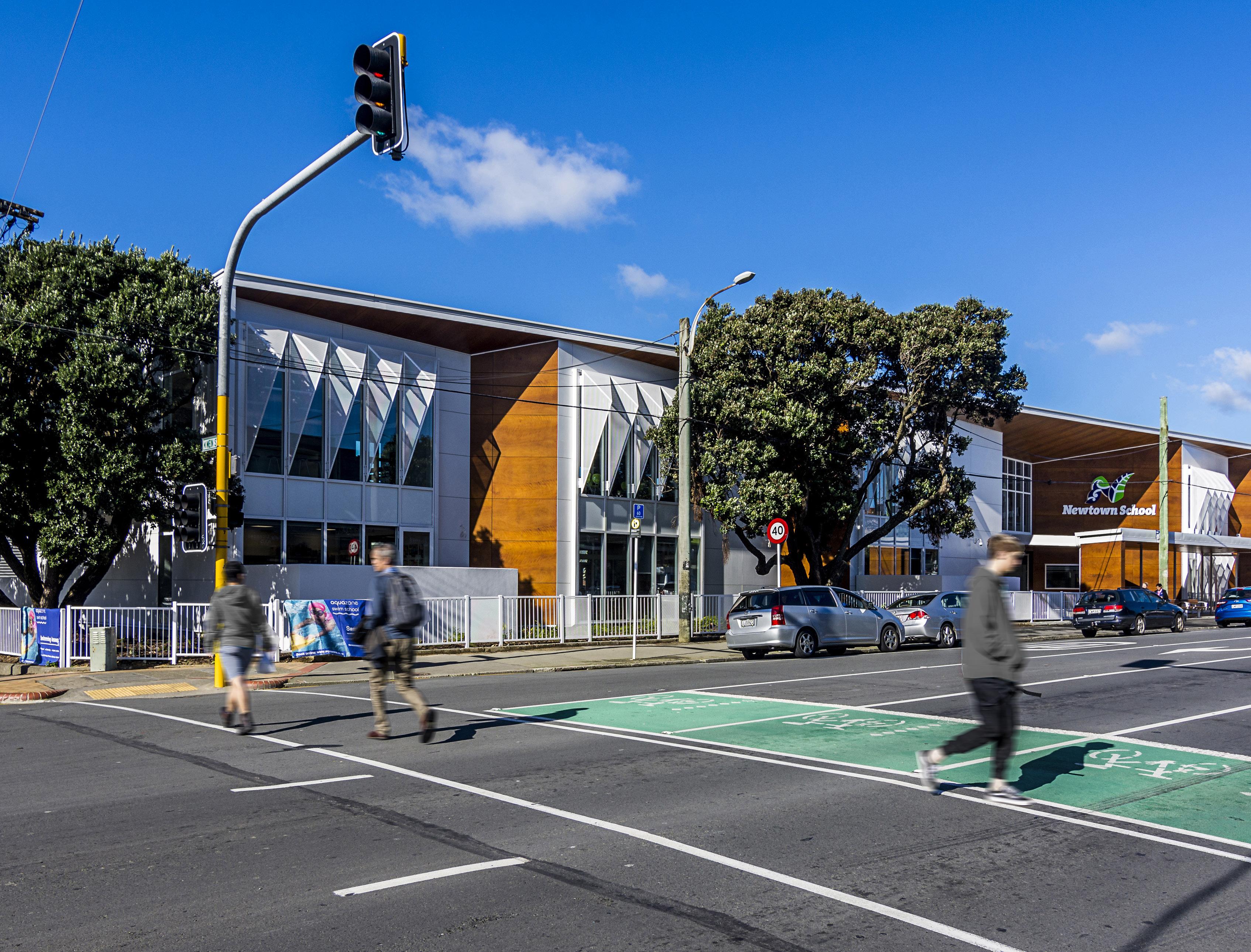
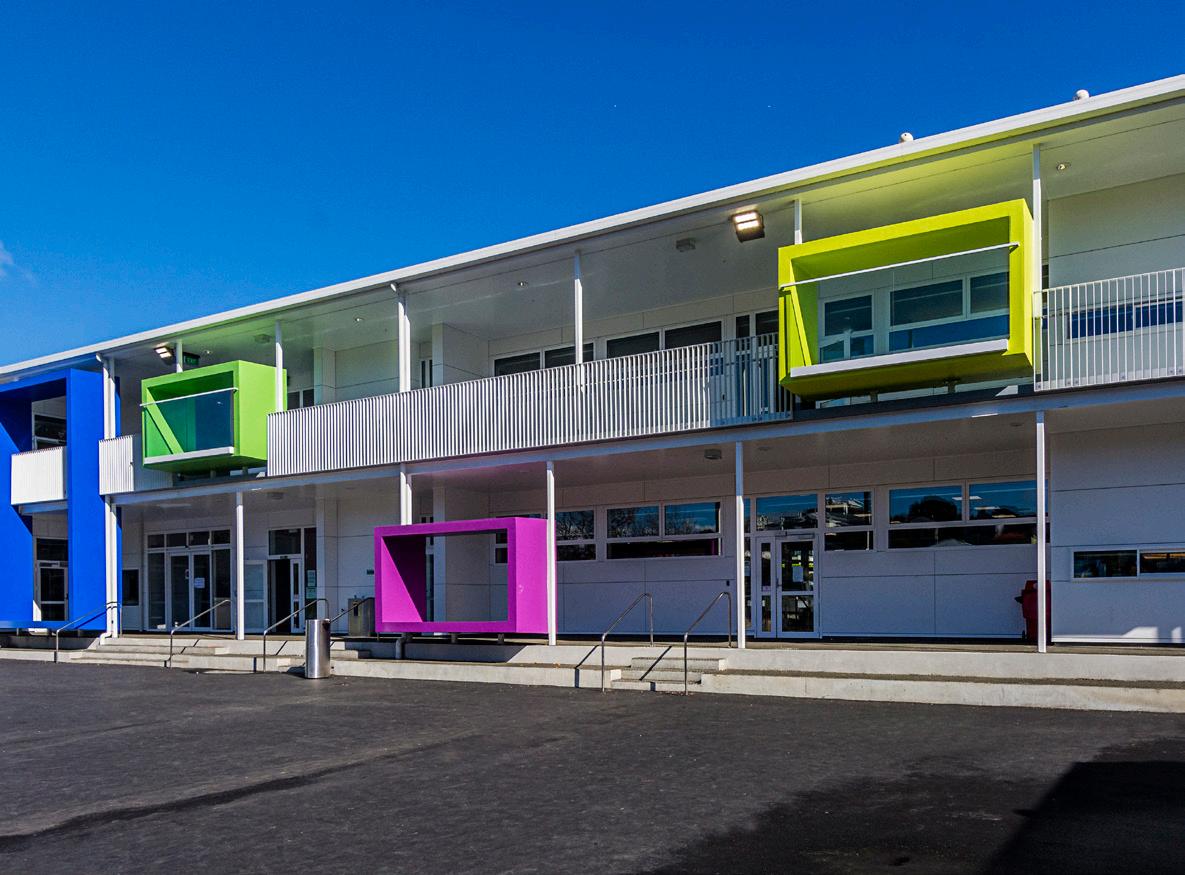
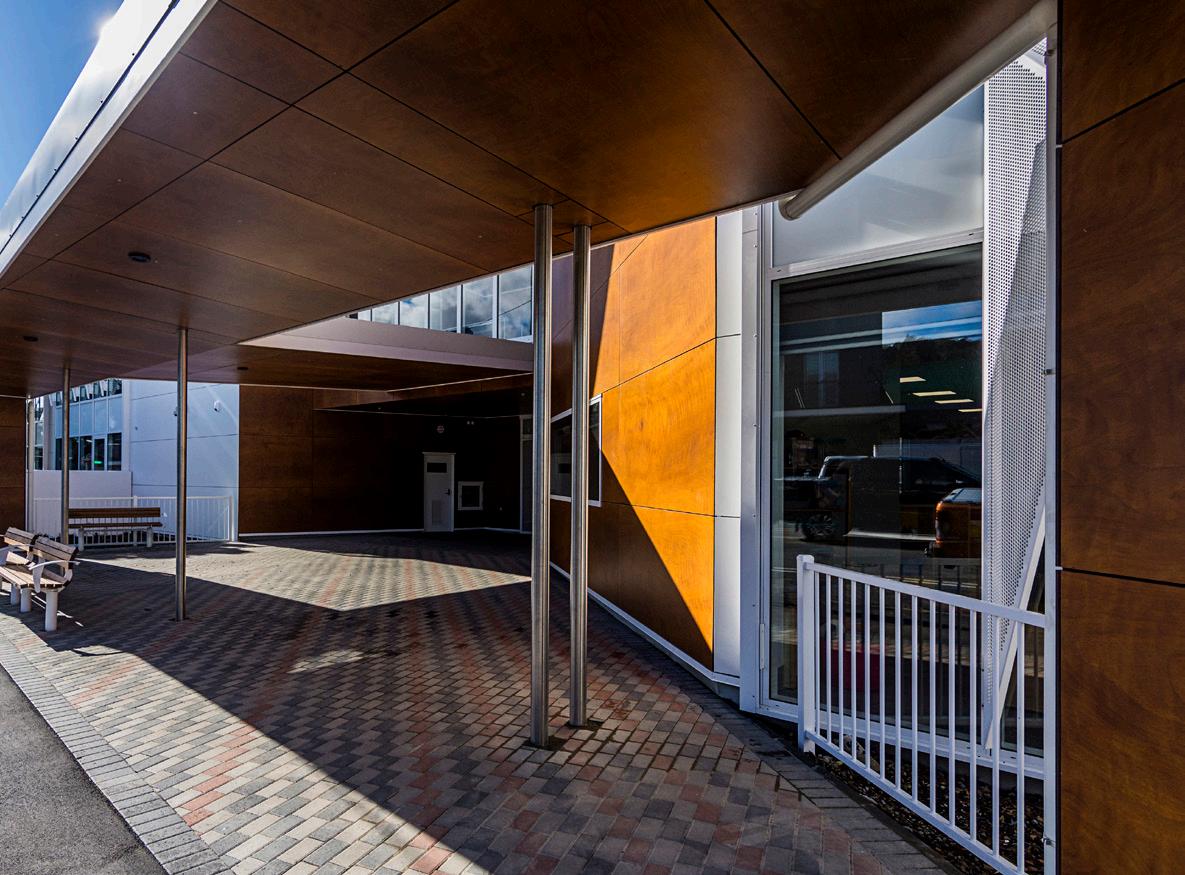
The two storey building consists of two main volumes connected by an external deck, and a high level canopy that sails over a new main pedestrian entrance to the school. Designed to address its immediate environment and provide a positive edge between the public and private, the new entrance reinforces the streetscape and gives the school a recognisable front door.
Engagement with the school community throughout the design process was open, participatory and inclusive. This ensured the built outcome accurately reflects school aspirations, within Ministry of Education design guidelines.
Within the school grounds, the new building acts as a backdrop
to the play area and forms a link to existing buildings. The terrace at ground floor and first floor, features colourful cantilevering boxes and provides sheltered muti-use outdoor space.
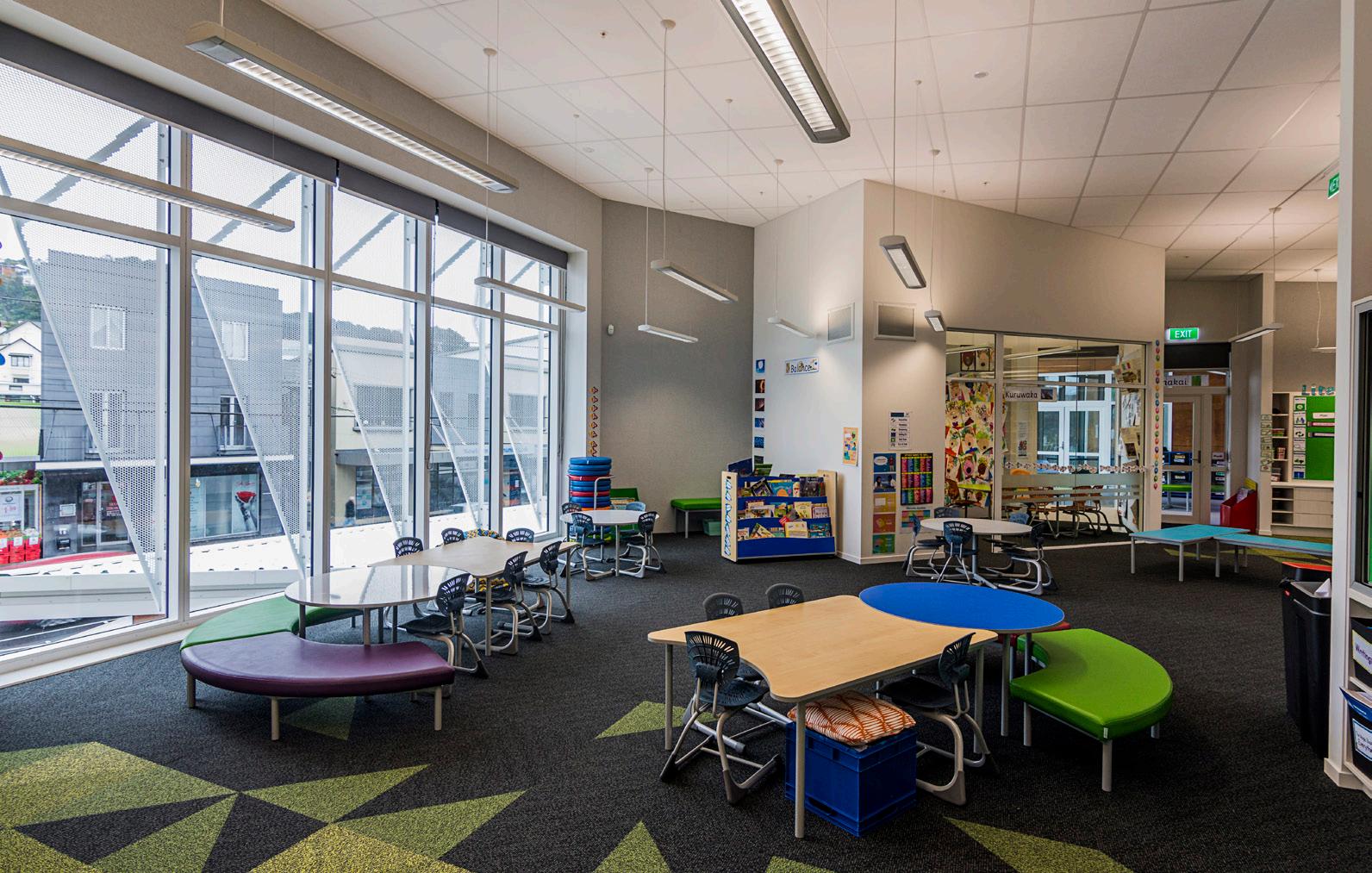
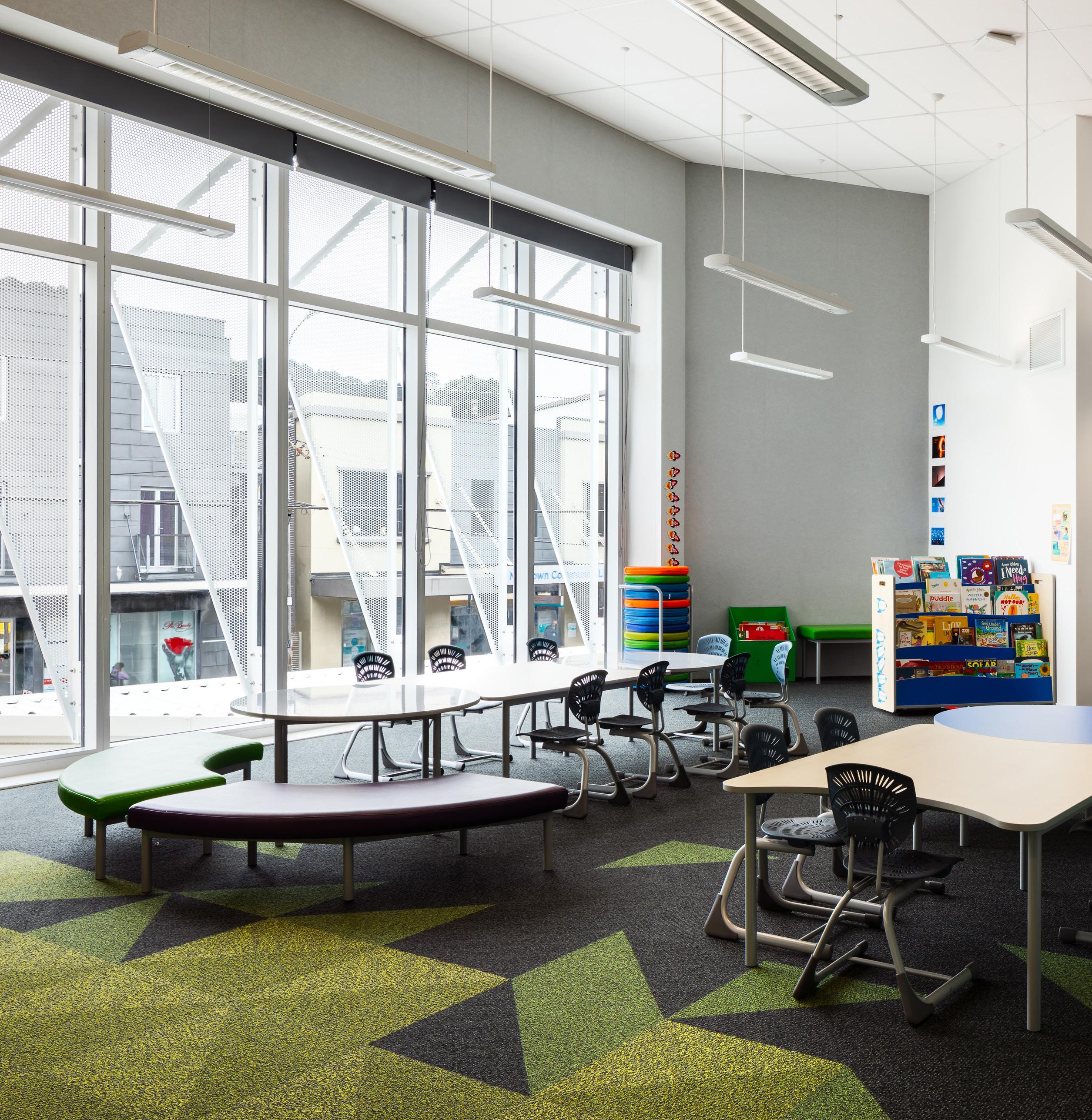
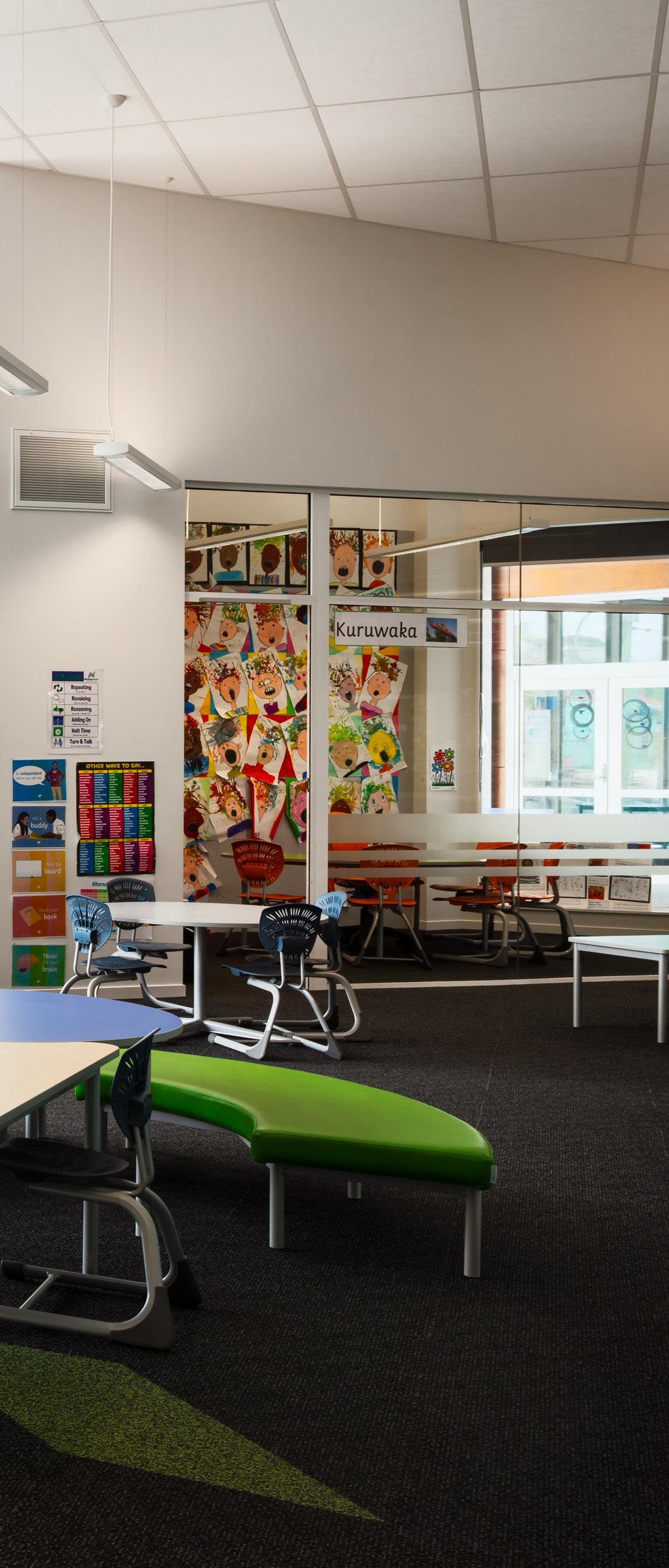
The interior design promotes flexibility to support a range of learning and teaching approaches.
Anchored by a neutral colour palette, each of the four Whānau learning studios is given a separate colour for identification, and to highlight specific zones such as breakout spaces and wet areas. The result is a coherent interior scheme that gives each studio a subtle but distinct character.
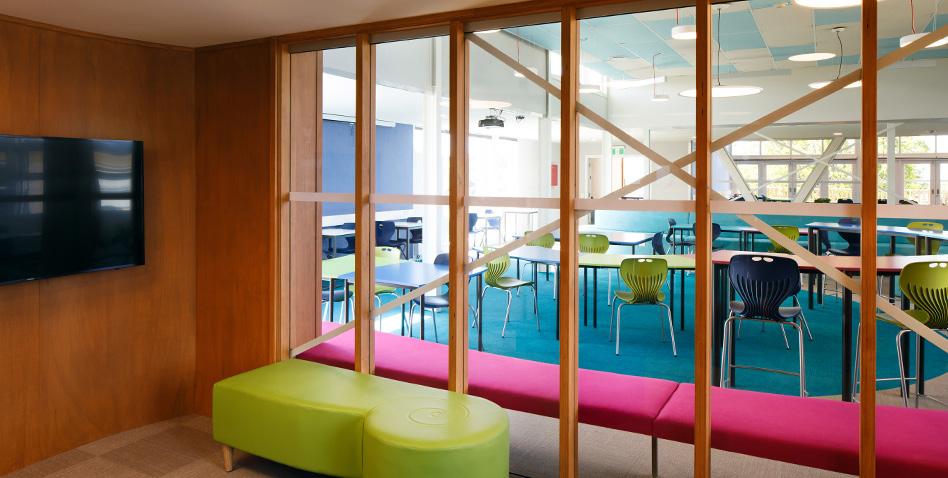
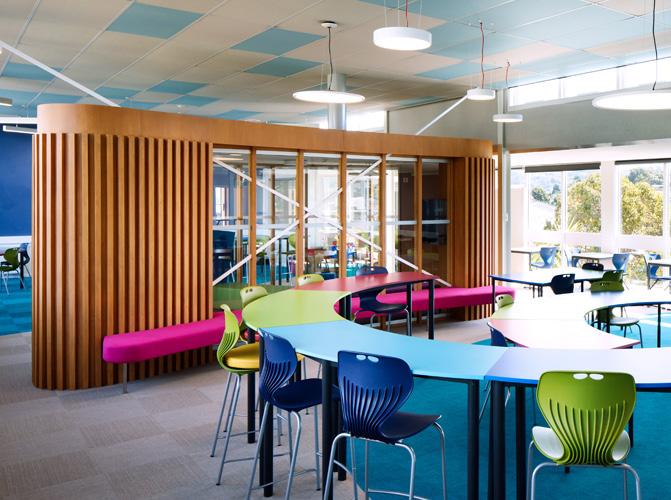
Developed in consultation with Nelson Girls College staff and students, the brief for this redesign called for a creative and vibrant classroom space in line with Modern Learning Environment principles.
Developed in consultation with Nelson Girls College staff and students, the brief for this redesign called for a creative and vibrant classroom space in line with Modern Learning Environment principles.
Each space has active, quiet and
group learning areas, with acoustic separation and treatments allowing them to functionally co-exist. Enclosed ‘pods’ provide breakout and focused study space. Two distinct outside deck areas provide for individual or group breakout.
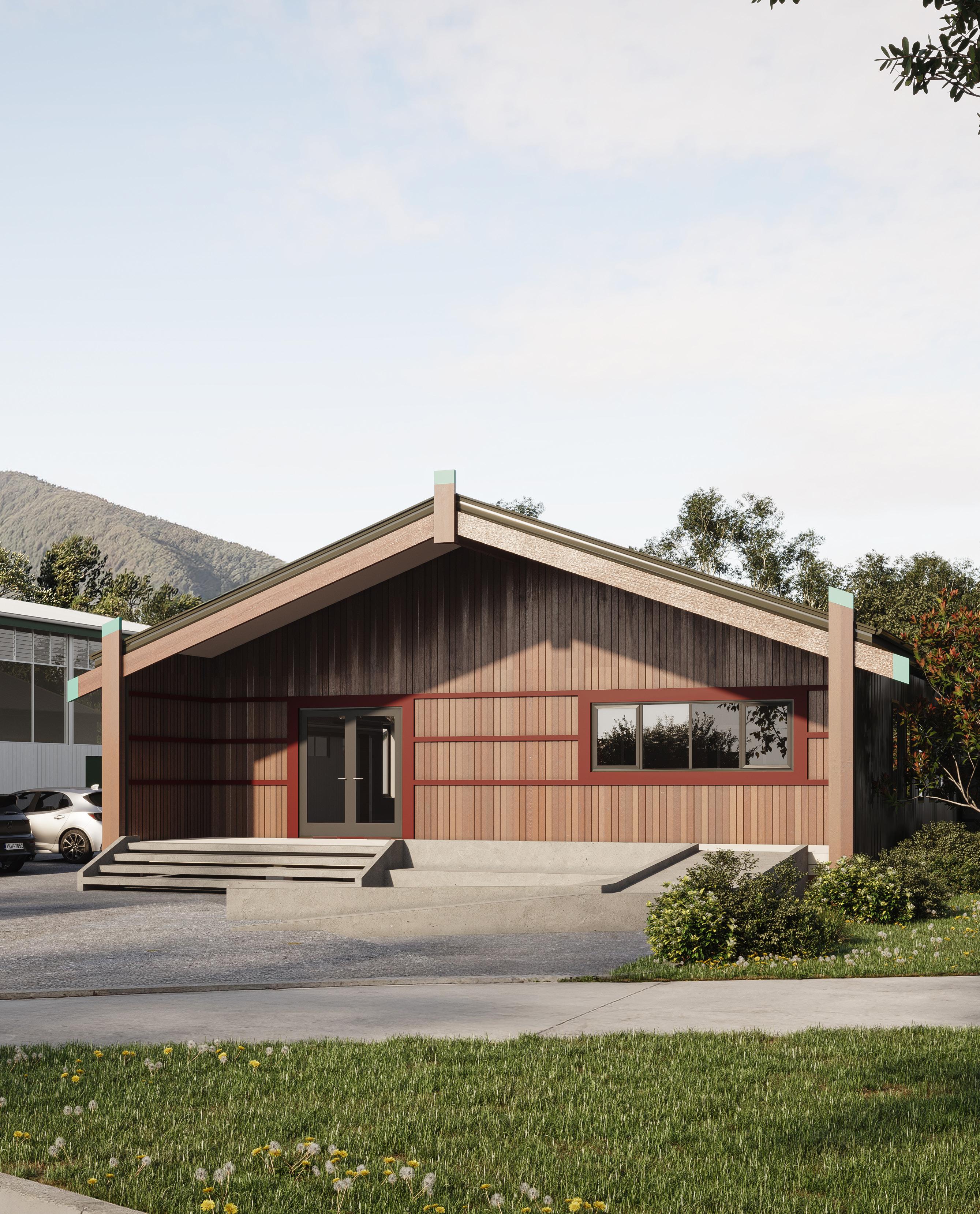
JTB Architects are leading the design for a major upgrade at Taita College in Lower Hutt, delivering a mix of refurbishment, demolition, and new construction.
Location
The project includes the partial demolition of Block A to create new outdoor recreation space, full refurbishment of Blocks D and H to consolidate administrative services and introduce quiet study areas, and the design of a new Wharenui building in collaboration with local iwi Te Āti Awa to honour the school’s cultural heritage.
A key challenge is accommodating all administrative functions within the existing footprint. We are working closely with the school to understand their priorities, presenting multiple design options
and refining these into a modern, open-plan solution that fosters collaboration and a “one team” environment for staff. This process balances functionality with cultural and educational aspirations.
As lead consultant, JTB is coordinating the engineering teams, managing Ministry of Education weathertightness compliance, and maintaining budget alignment through targeted value-engineering. The evolving campus balances functional upgrades with cultural depth, creating a warm and future-focused setting for students and staff.
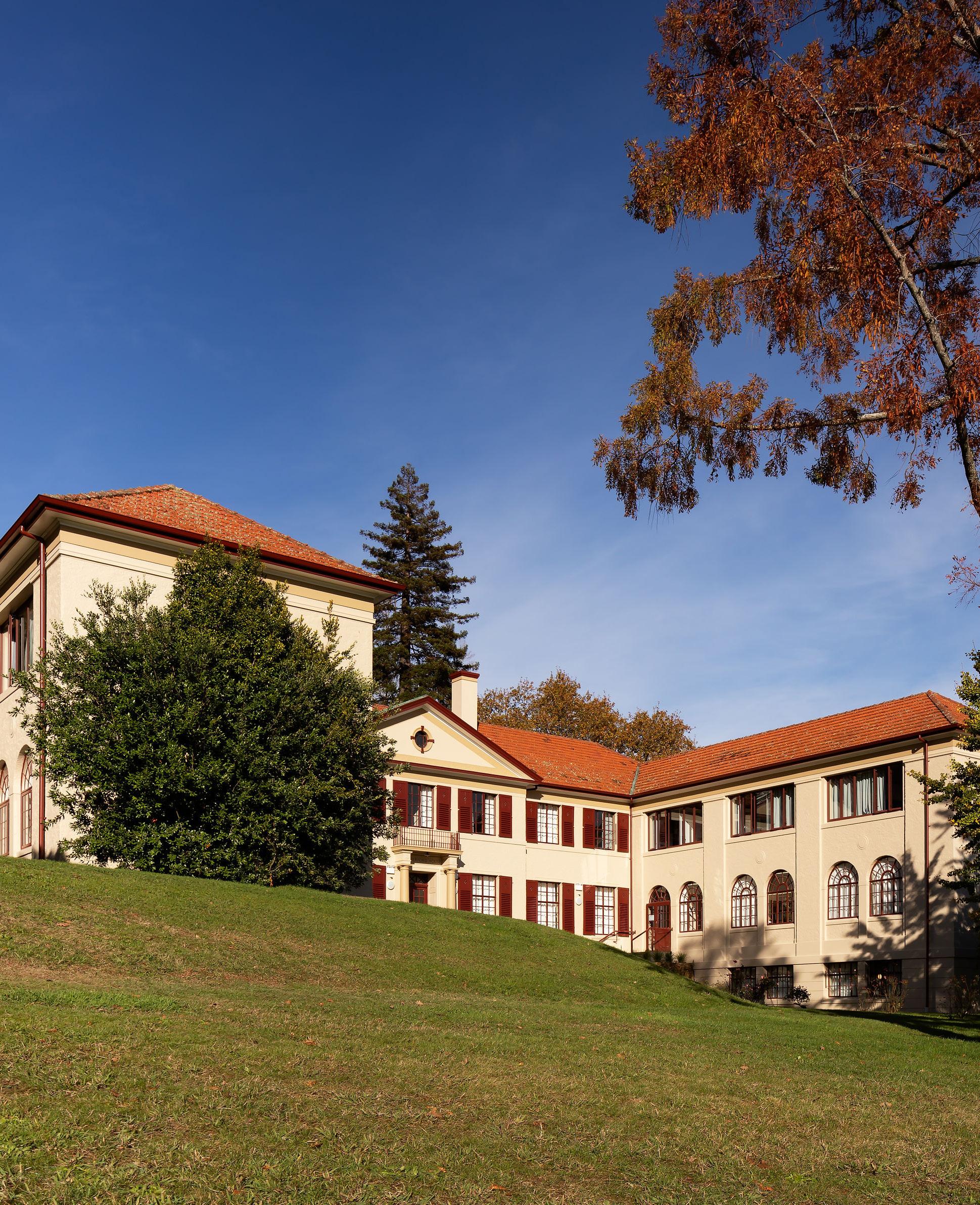
The refurbishment of Rutherford and Barnicoat Houses at Nelson College was a substantial heritage repair, earthquake strengthening and redevelopment project.
The project was staged to minimise disruption to the school, the first of which was completed in 2014 and the second in 2017. The original heritage building is constructed of reinforced concrete frames with reinforced concrete infill panels and floors, the roofing is Marseille tiles. Most original windows are of multipane steel frame, although some have been replaced with aluminium and the top floor, originally without glazing, has aluminium window joinery. Many original timber doors survive. The interior walls are largely painted cement plaster.
The building is of considerable cultural heritage value, so all redevelopment work followed accepted conservation principles and processes and was design and conducted in accordance with the ICOMOS New Zealand Charter guidelines. The existing colours on the exterior were not consistent with the age of the building, so these was removed as part of the redevelopment and the original sandstone render and paint colours were reinstated to enhance the heritage values.
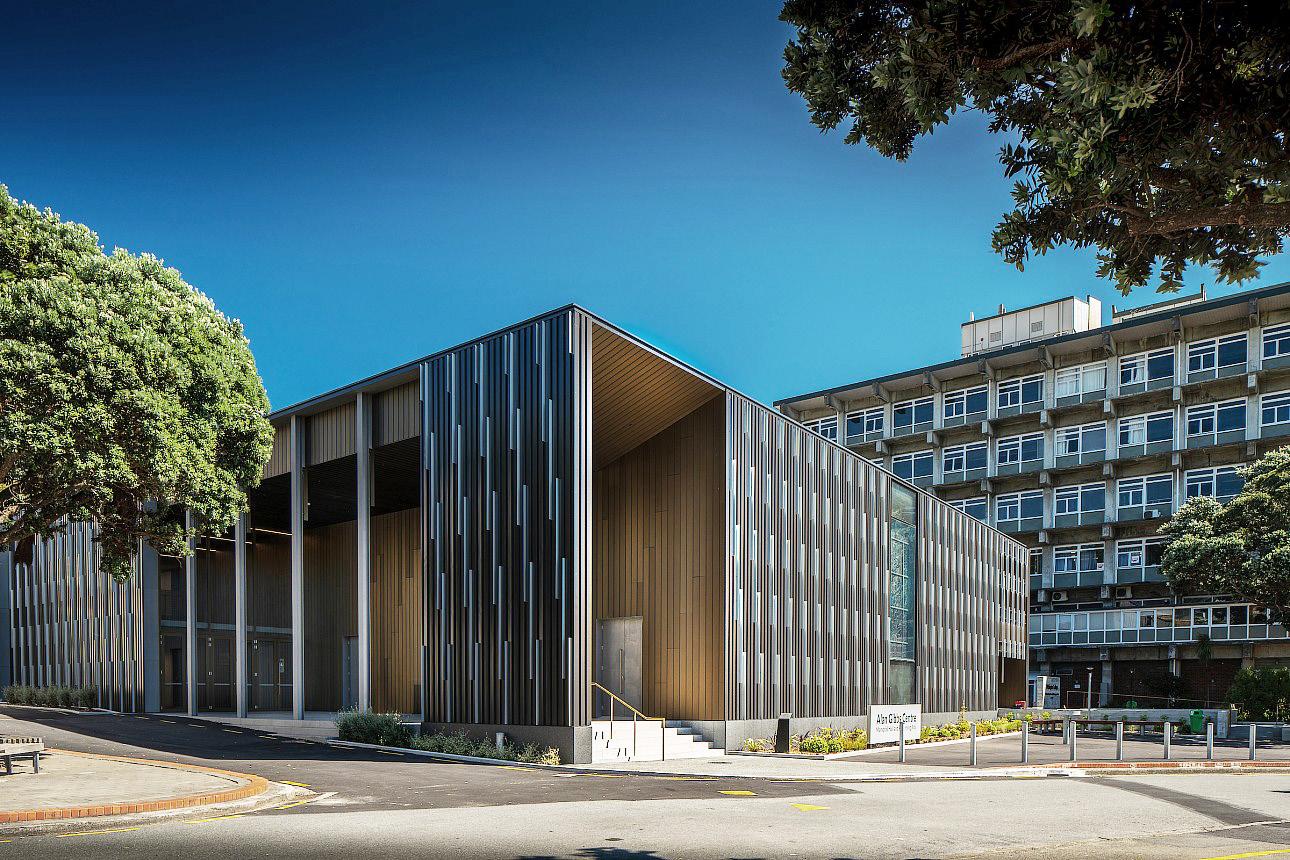
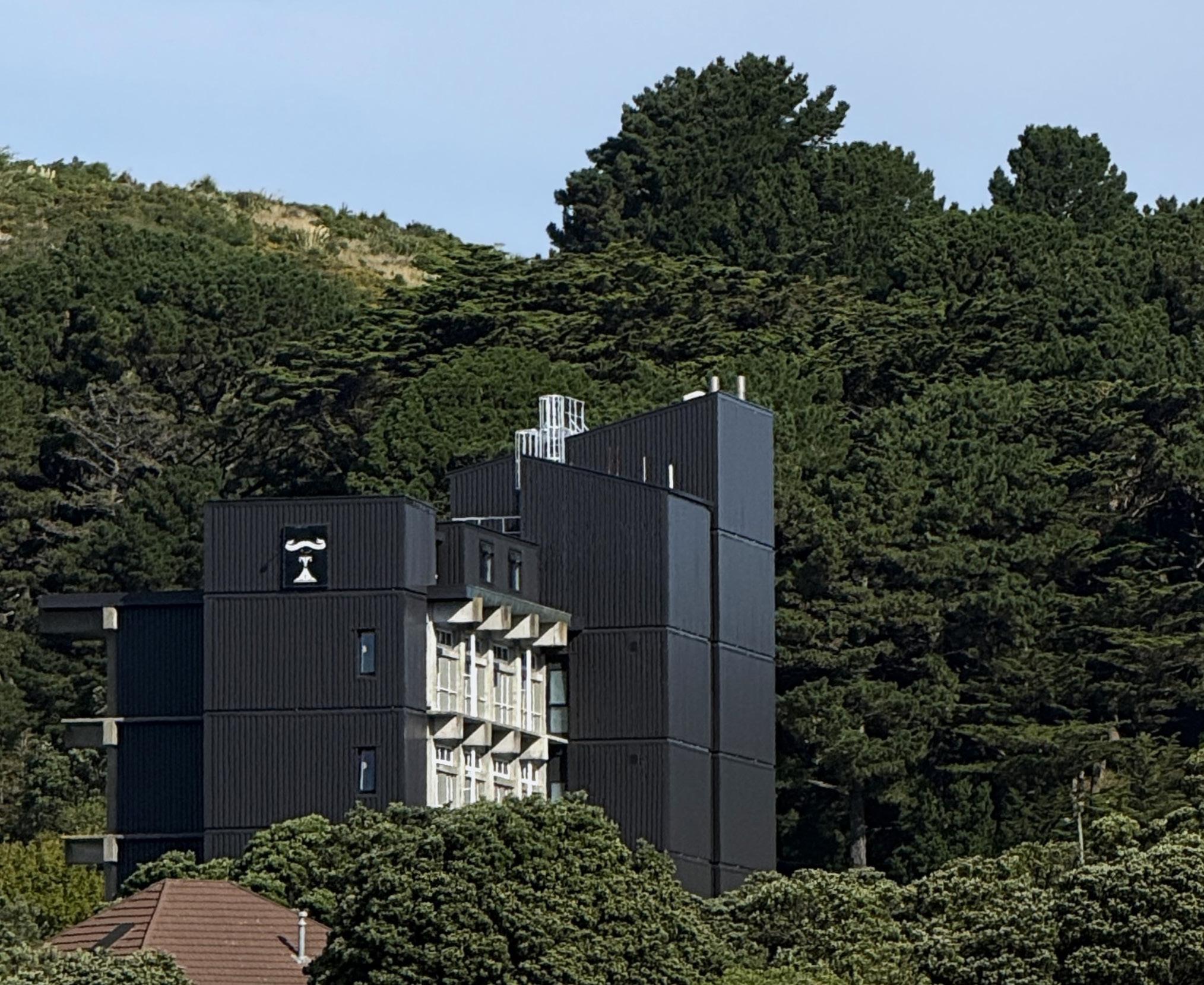
Originally built in 1971, the six storey tower block at Wellington College was identified in 2020 as requiring significant seismic strengthening works to bring the building up standard.
The building provides the majority of the school’s classroom space, and upgrades to bathrooms, stairwells and the addition of a lift tower were also required to provide students with a more up to date environment.
Externally, original concrete cladding panels (seen middle left) have been removed and replace with multirib metal profile cladding, complementary to the brutalist aesthetic of original building and sympathetic to
the school’s newly completed Memorial Hall, which sits adjacent to the tower (top left).
Internally, refurbishment works have focused on amenity and circulation spaces, including asbestos removal. JTB has acted as lead consultant for the exterior and interior works, which have been completed around the continued use of the school.
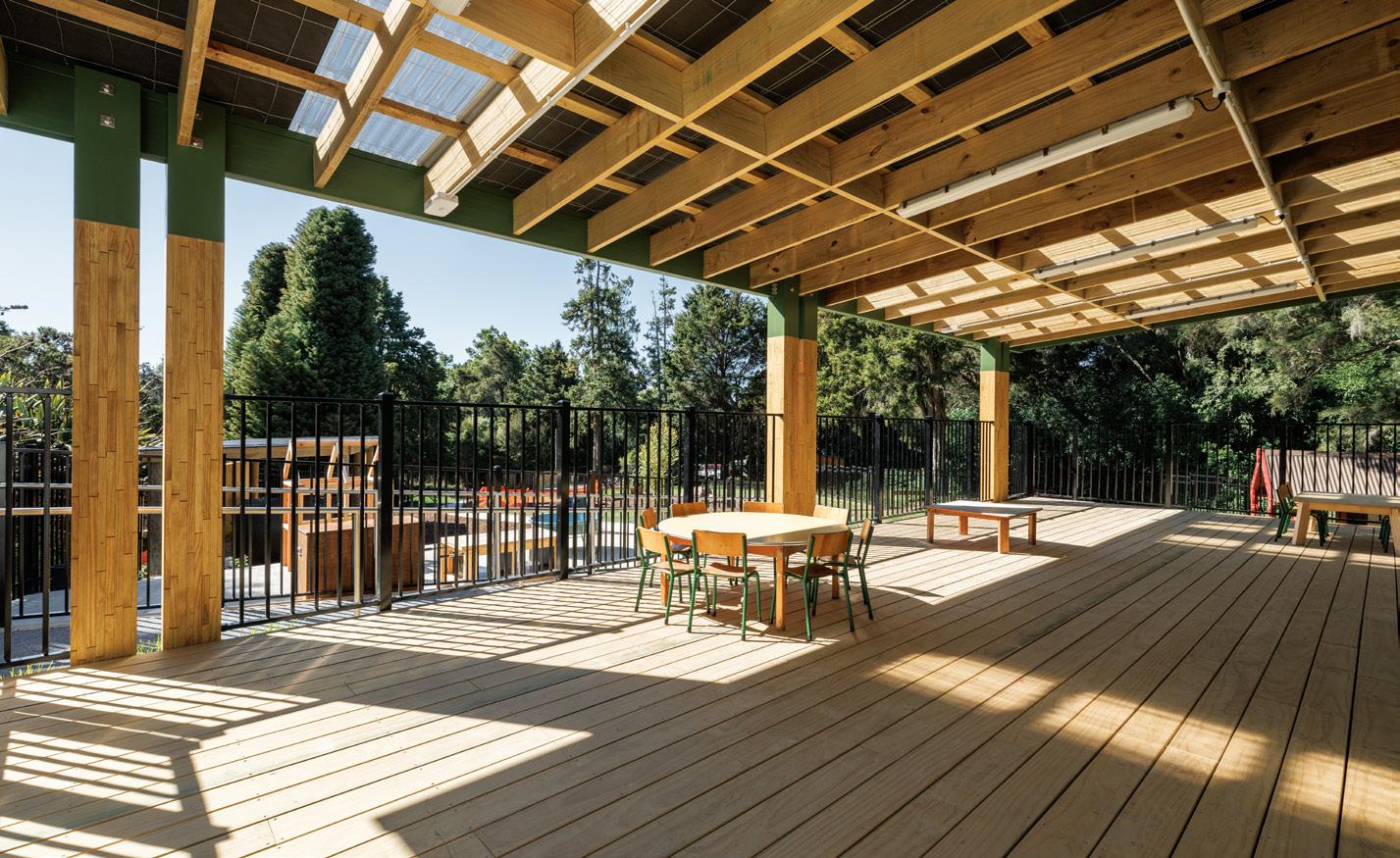
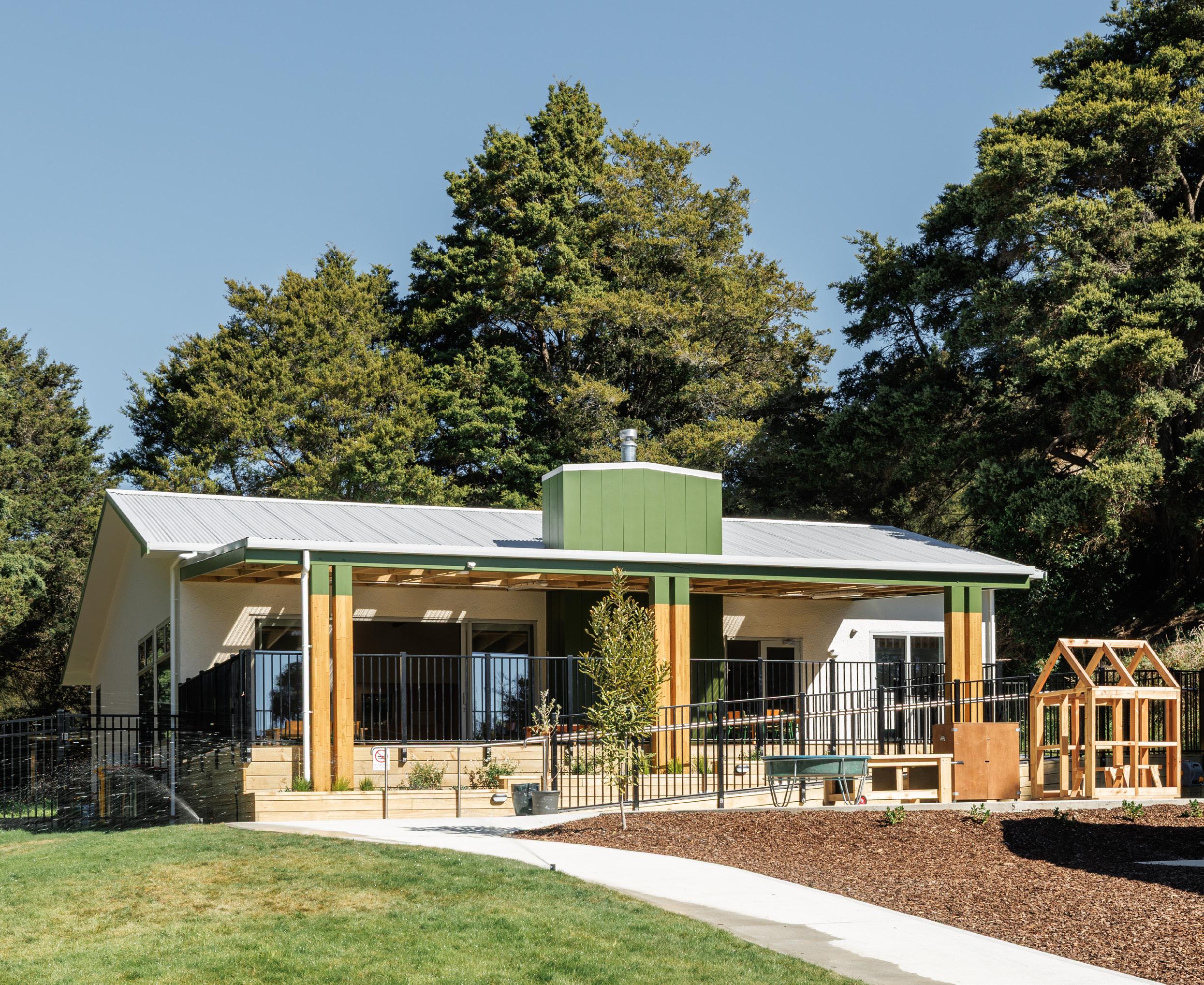
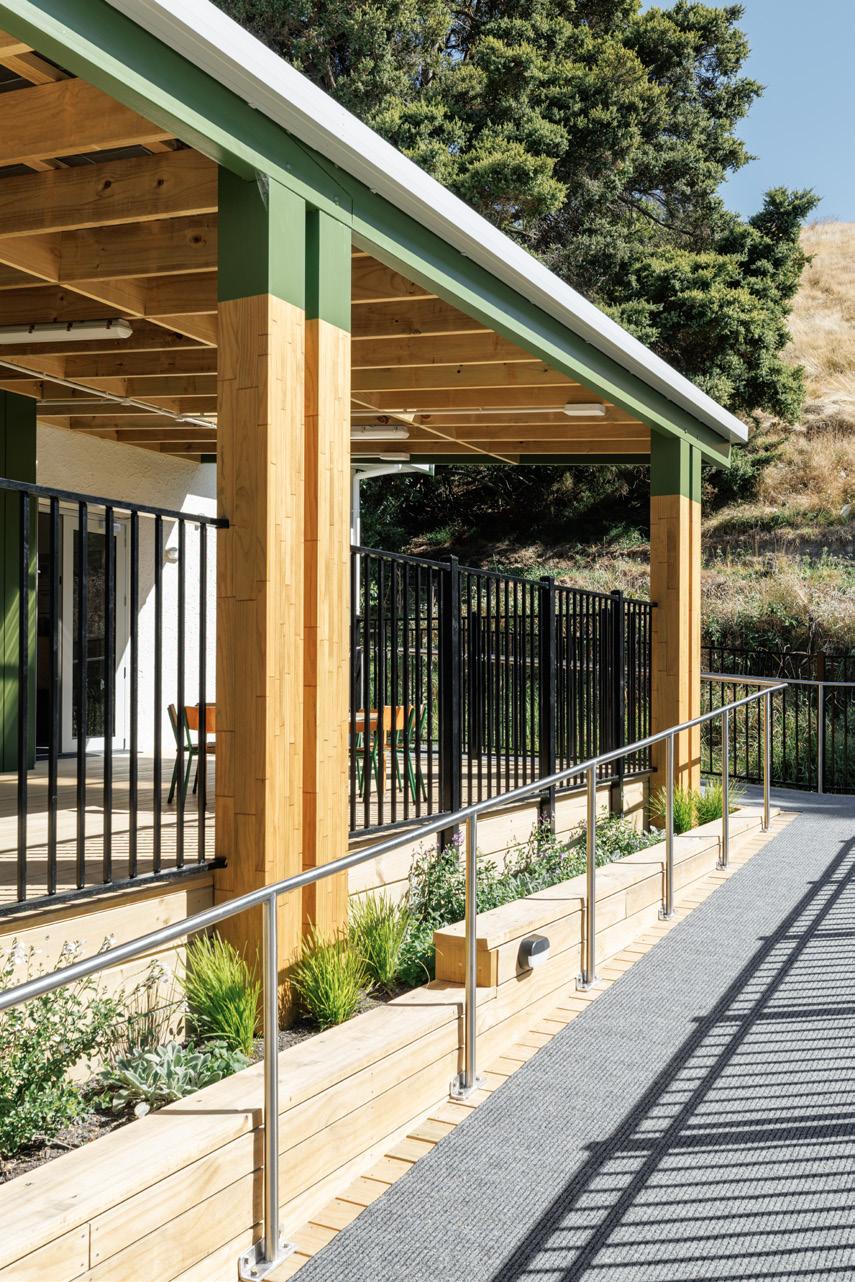
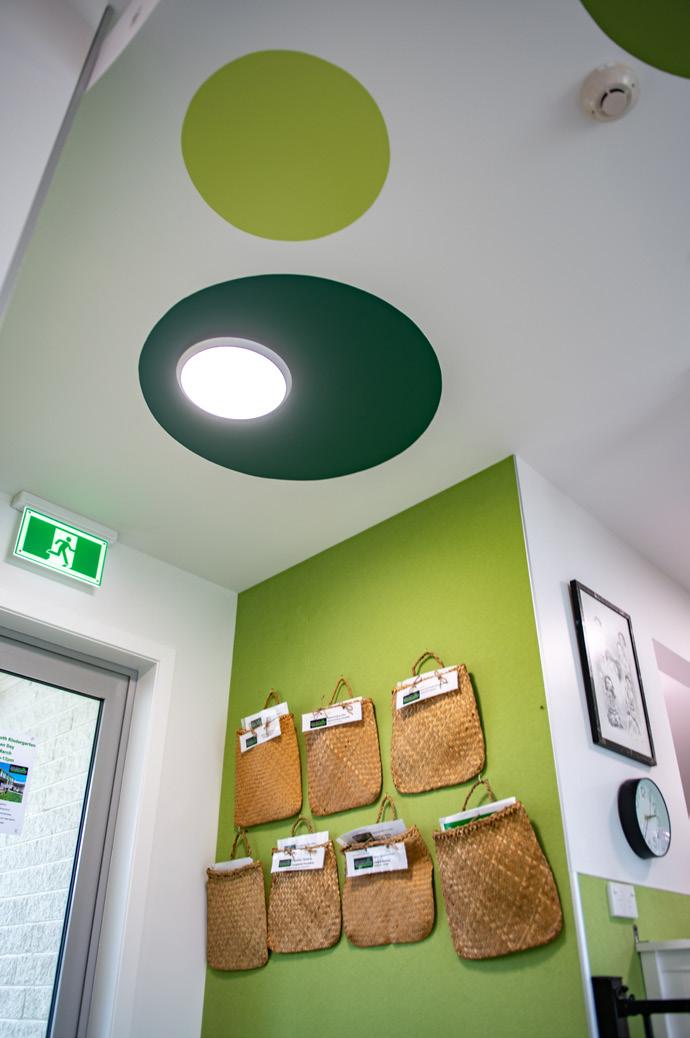
Nelson Tasman Kindergartens engaged JTB Architects to transform a former scout hall beside the Faulkner Bush Scenic Reserve into a warm, engaging early learning environment aligned with Enviroschools values. Location Tasman Status Completed 2026
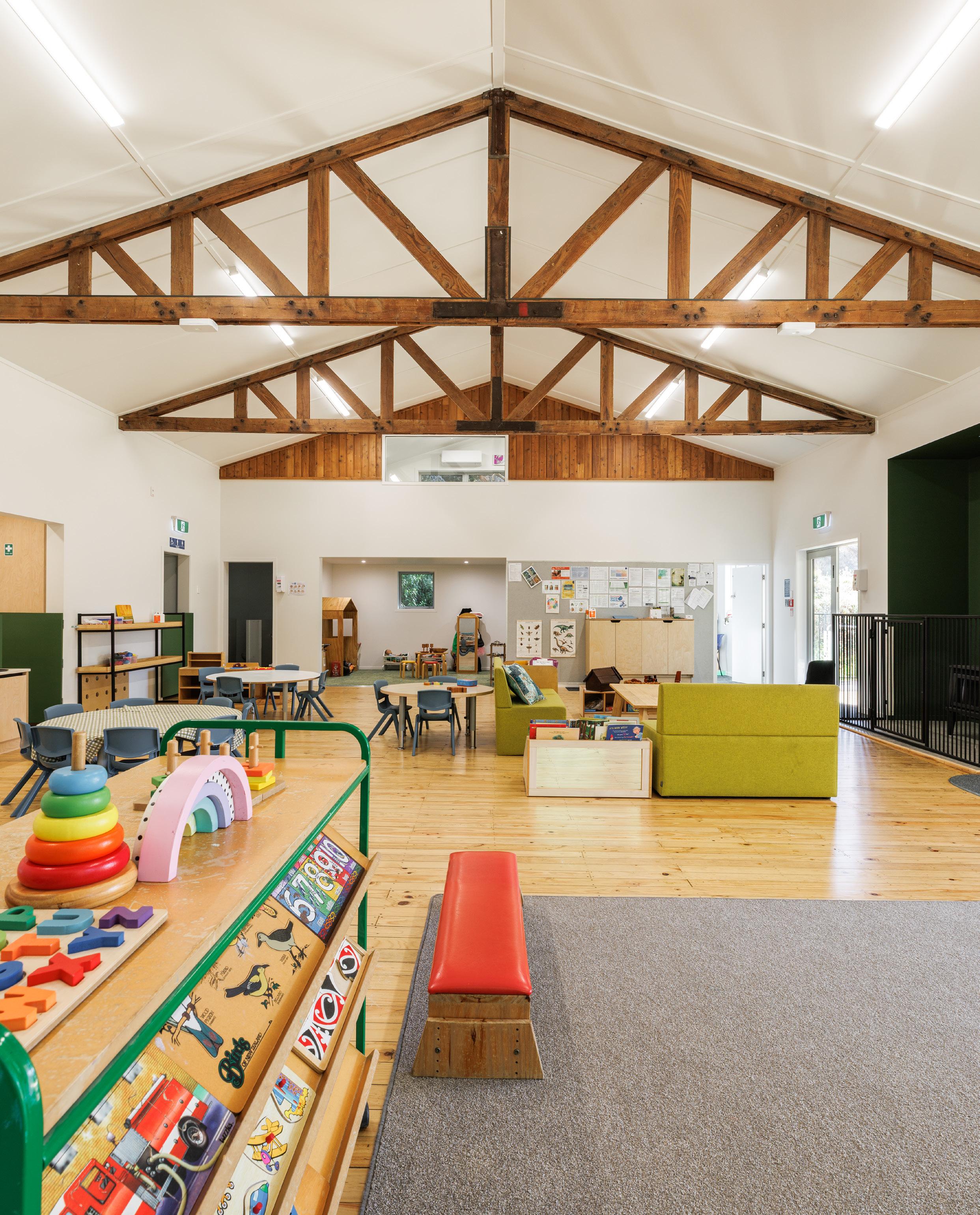
Guided by adaptive reuse, the design retained the hall’s character while reshaping it into a bright, functional space for early childhood learning.
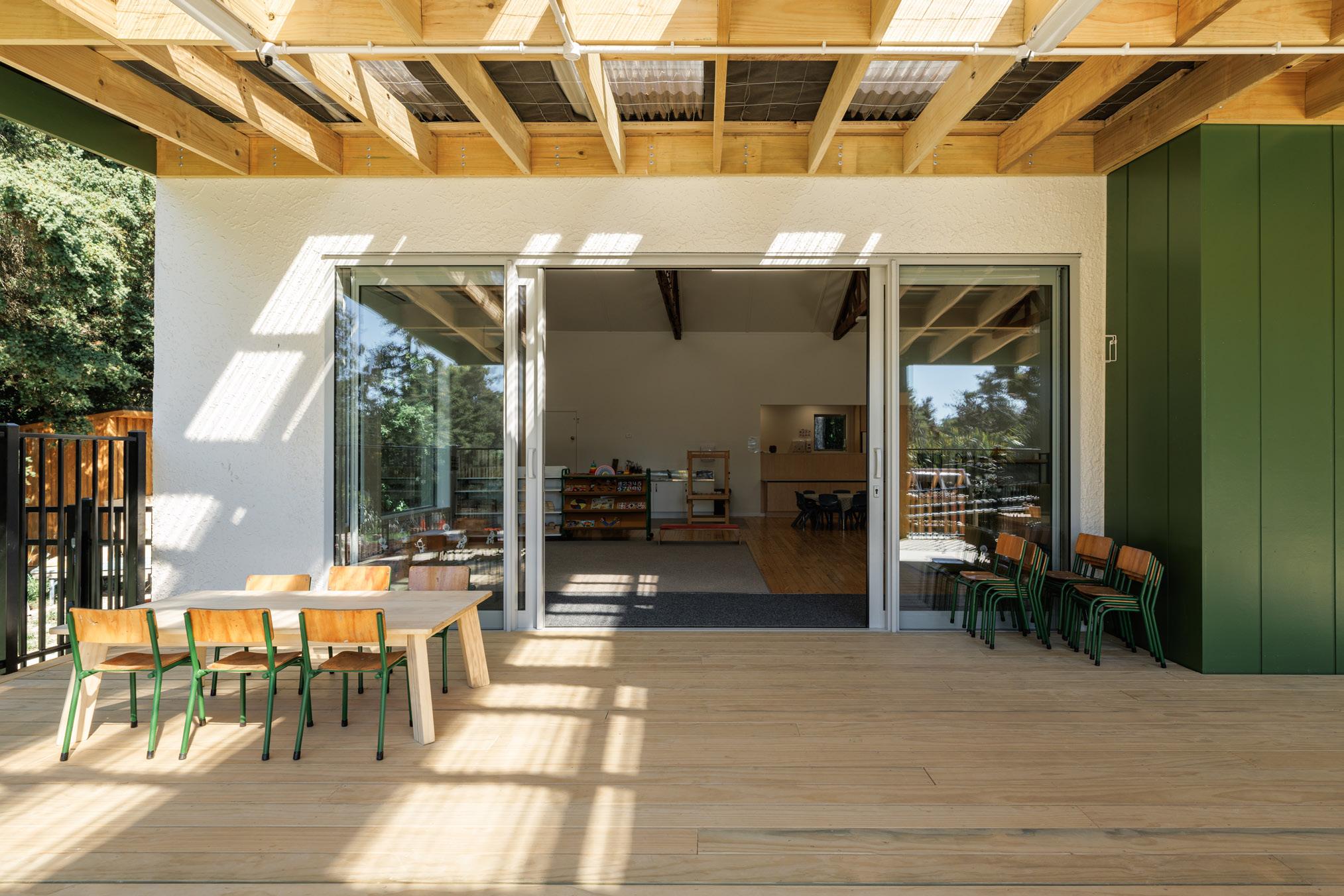
The central hall remains the main activity area, with supporting spaces reconfigured to include child-friendly bathrooms, a flexible kitchen and activity zone, a quiet breakout nook, and a dedicated sleep room. Exposed timber trusses preserve the hall’s authenticity, while a rebuilt wood burner, improved east-facing glazing, and enhanced acoustics create a comfortable interior. A large slid-
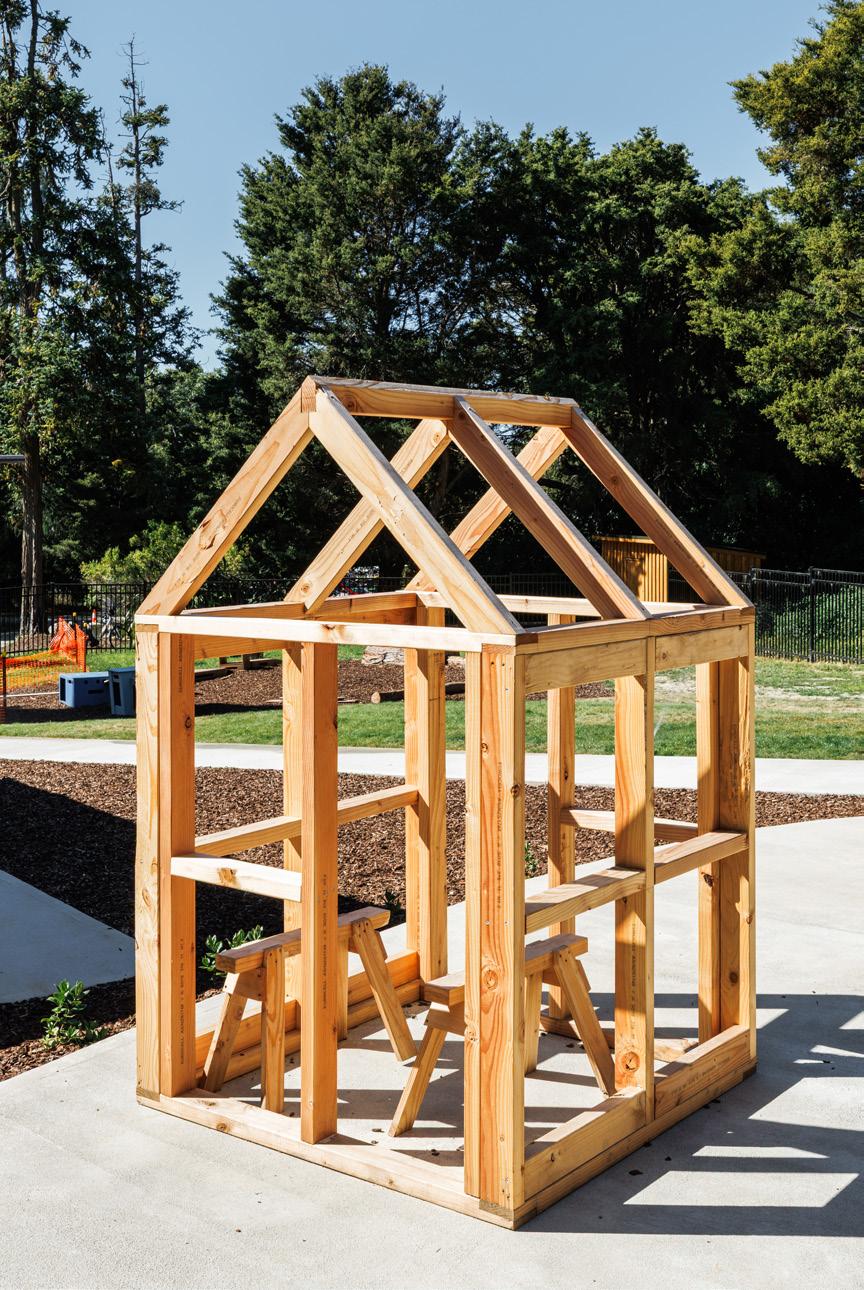
ing door opens to a covered deck, strengthening the indoor–outdoor connection. The outdoor area was upgraded with fencing, a sandpit, shaded play zones, and a bespoke mini whārenui that supports hands-on exploration and reflects the Enviroschools ethos.
The project demonstrates how adaptive reuse can deliver a sustainable, cost-effective, and child-centred early learning environment. The once-simple scout hall now functions as a bright, inviting kindergarten for 30–40 children, supporting play, learning, and a strong connection with
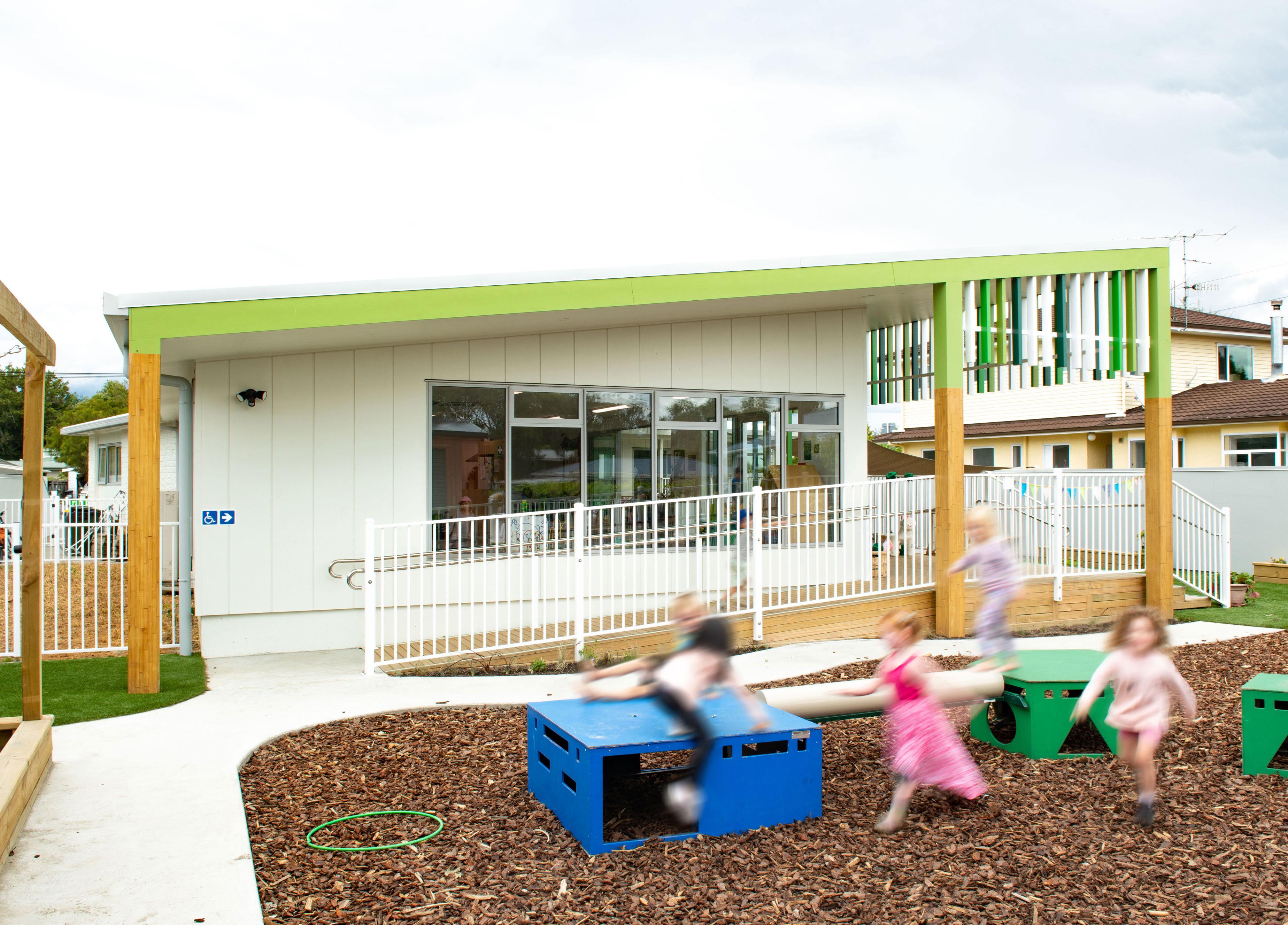
This project reimagines an existing 100m² house into a kindergarten facility located in a residential area on Courtney Street, Motueka.
Location Motueka
Status
Complete
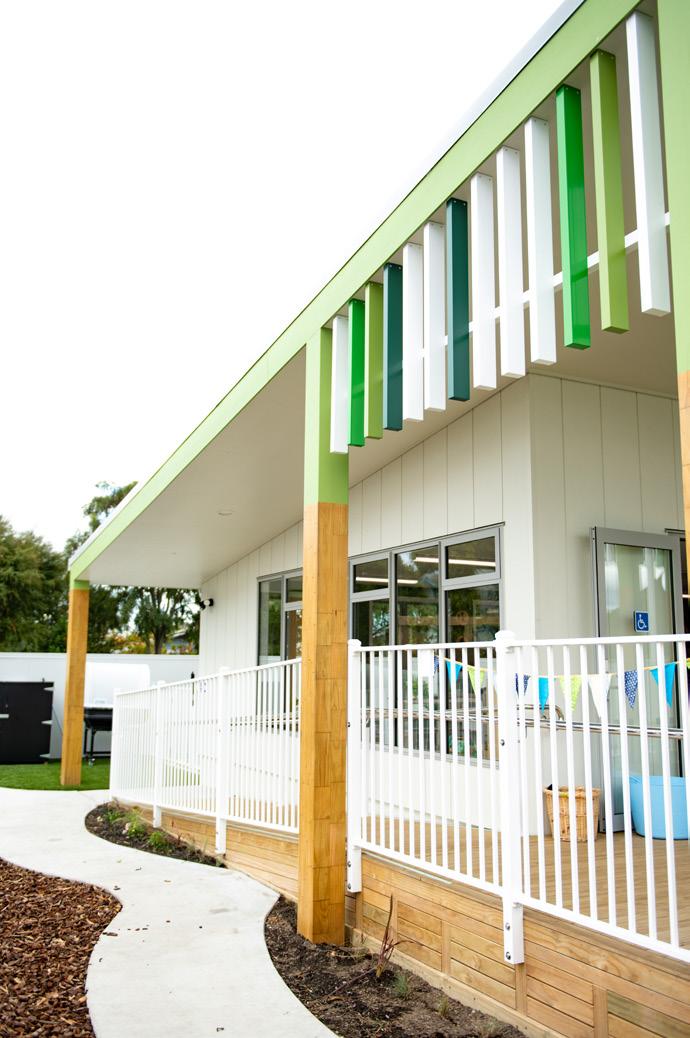
The completed kindergarten encompassed 183 m² of building area, accommodating 45 children and up to five staff. The 83 m² extension formed a dedicated play zone with large opening doors and a covered deck leading out to a full-sized sandpit. Inside, the original three-bedroom house was converted into an office, storeroom, admin centre, kitchen, toilet facilities, craft preparation area, and a designated quiet zone.
The exterior included an activity area designed to support learning and engagement, along with a playground featuring a substantial shade-sail structure
to provide sun protection. Additional feature plantings were incorporated into the playground to increase natural shade within the outdoor play spaces.
The kindergarten’s colour palette reflected the client’s branding, combining white with shades of yellow and green. The mono-pitched extension roof delivered further shading to the playroom through hanging aluminium battens, which reduced summer sun penetration while still allowing natural daylight and passive winter heating when the sun sat lower in the sky.
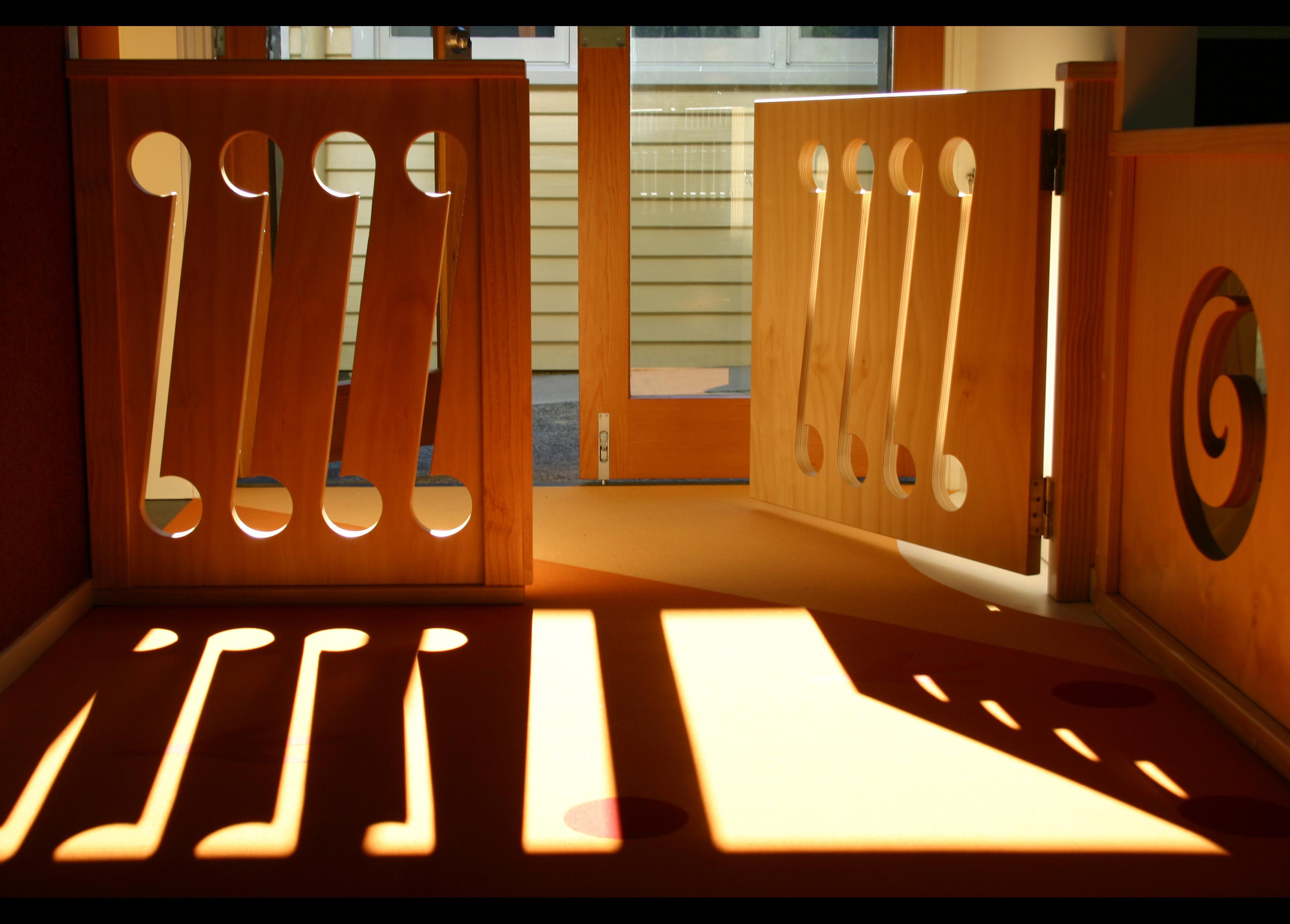
This project reshapes the old European school hall at Victory Primary School into Whare Waimea Kōhanga Reo, a nurturing environment where Māori traditions and creation stories are interwoven with the architecture.
Location Nelson Status
Completed 2006
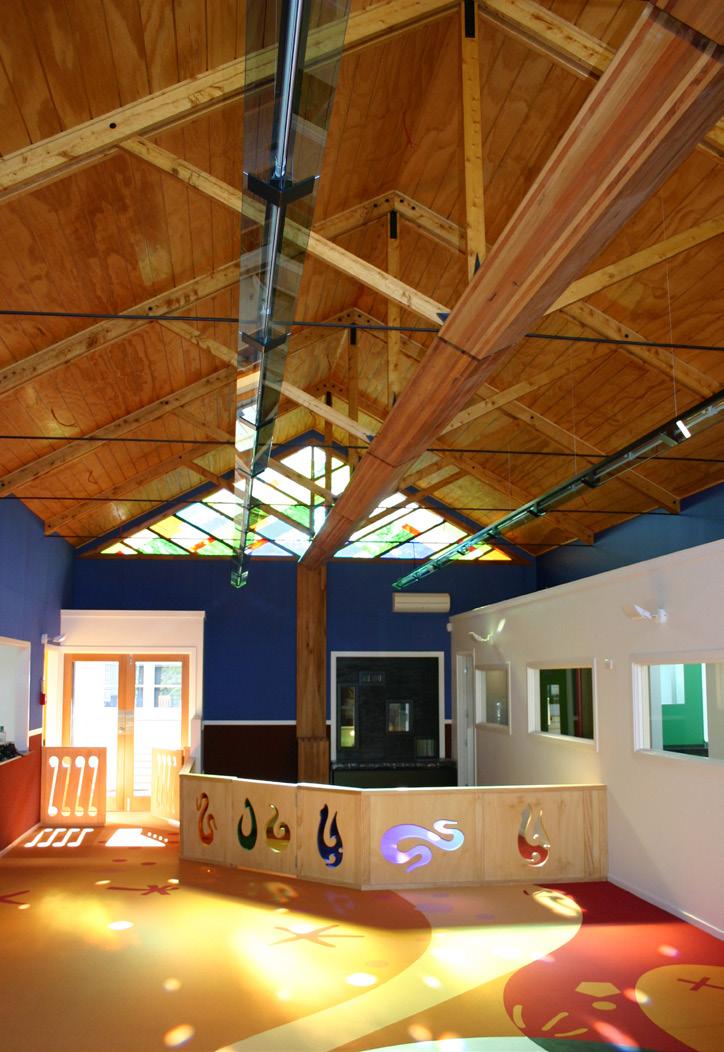
From the beginning the project was treated as a special opportunity to embrace Māori traditions and legends within the building to allow children in their earliest formative years to experience aspects of these embodied wholly within the architecture. The interior of the traditional school hall was reconfigured to become a Marae inspired whare abounding with the Maori legends of the creation
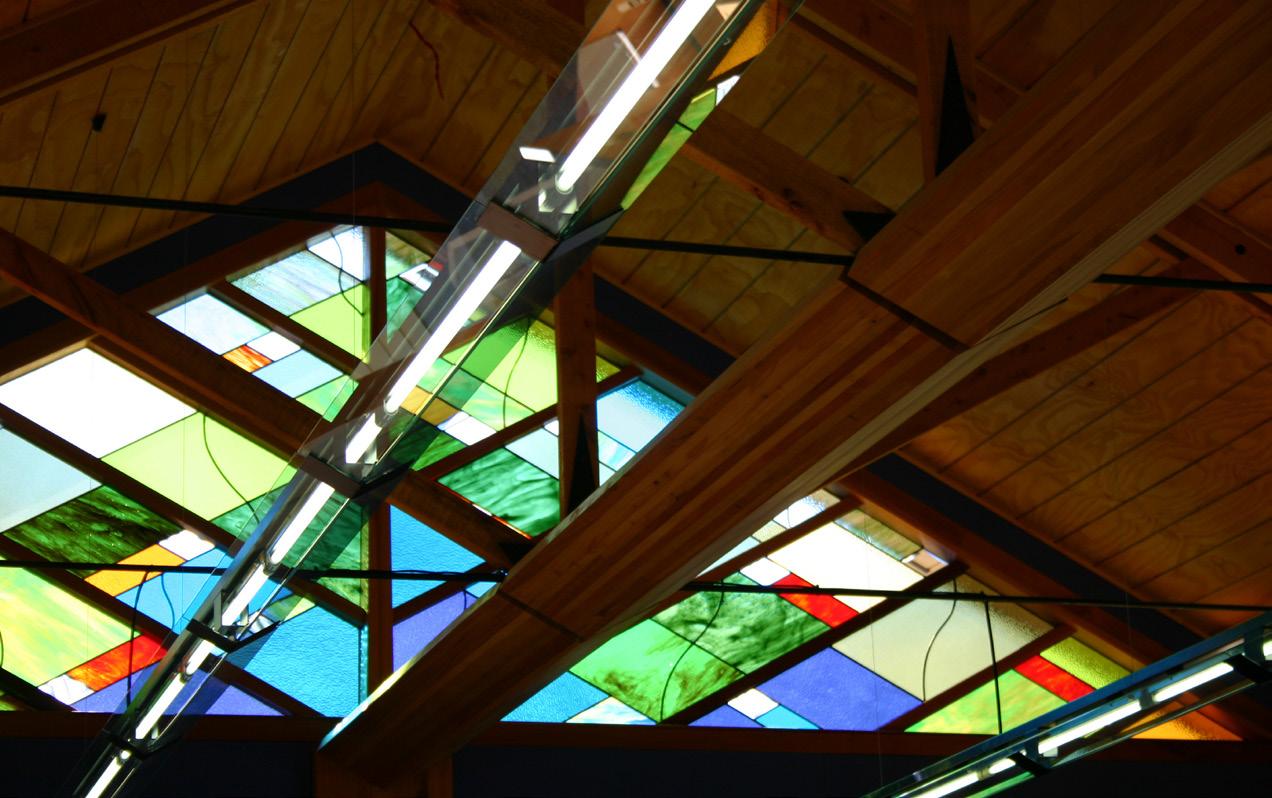
The architectural strategy involved the removal of the main hall roof structure to allow the flat ceiling to be raised to a new
exposed truss system which allowed the introduction of a stained glass window, designed by Jackie MacDonald, to bring in colourful light from the north.
The use of natural timbers in the ceiling together with the colours used in the stained glass, on the floor and elsewhere in the room creates a warm, natural environment for the children
Throughout the Kōhanga Reo, colour and pattern have been used extensively to create a stimulating environment for children.
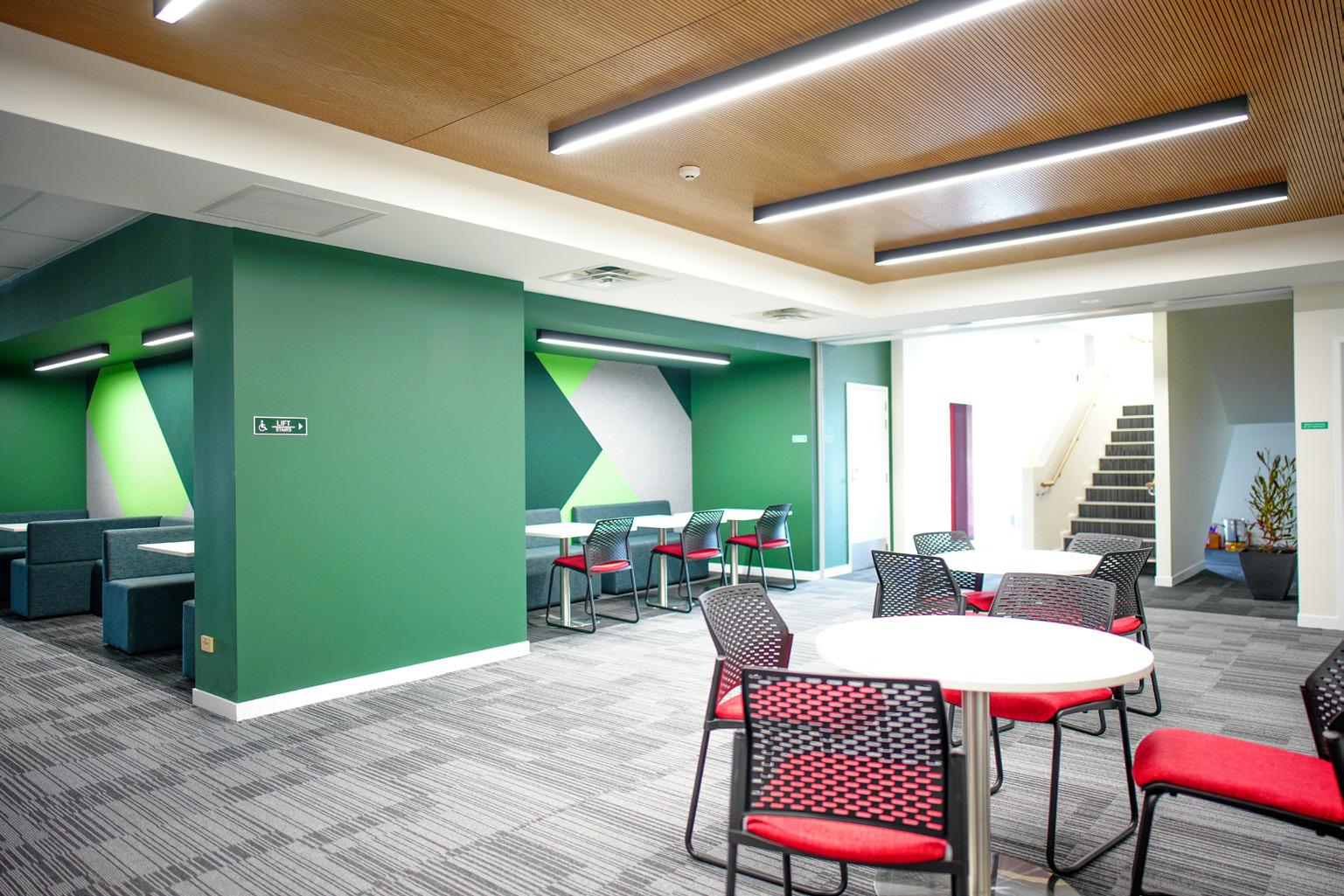
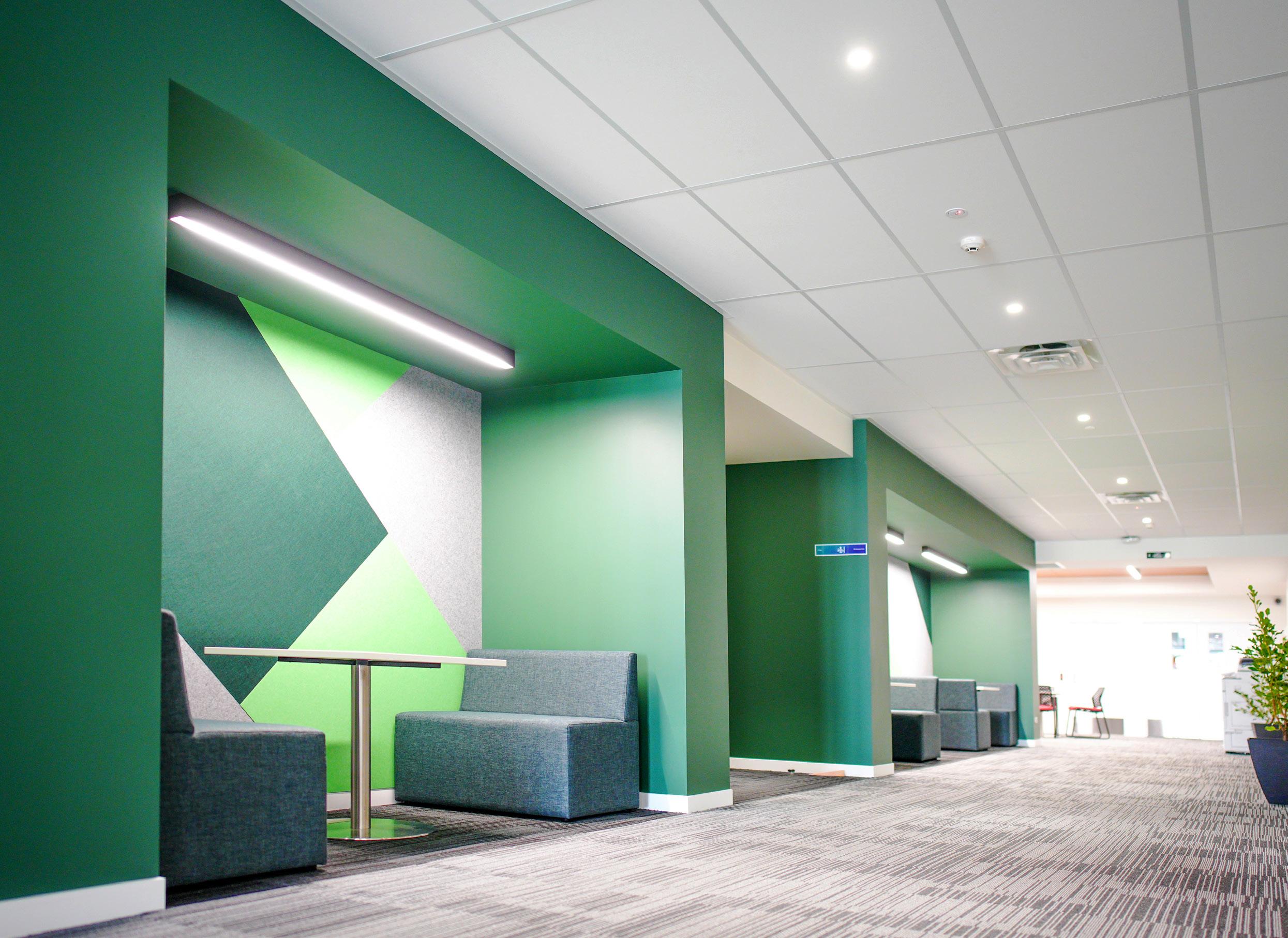
Located at the UCOL Manawatū Campus in Palmerston North, the Centre for Healthcare and Social Services required extensive upgrades to create an up-todate healthcare learning environment.
Seismic strengthening to the 2000m² building was carried out, alongside external and internal fitout work. JTB Architects was engaged to as Lead Designer for Architecture and Interior Design, project management and site observation.
Specialised clinical skills, community health, x-ray imaging labs, sterile and wet prep areas and teaching spaces are provided at ground floor level, with offices, meeting spaces, plus 400m² of
tenanted offices at the first floor. A full furniture fitout was included in the workplace and interior design scope for the project.
The adaptive reuse approach taken for the project delivers considerable carbon savings vs demolition and build of a new facility.
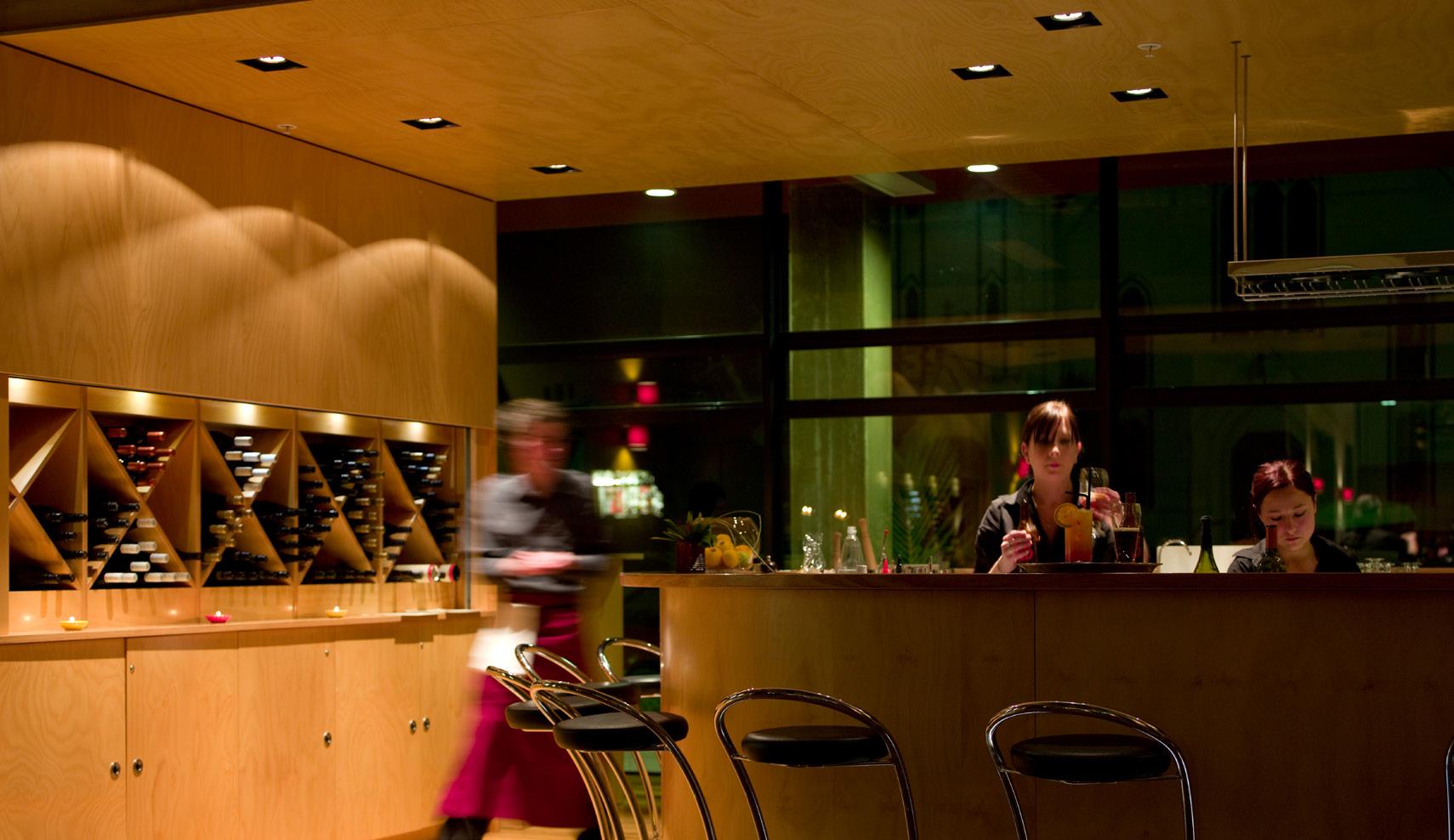
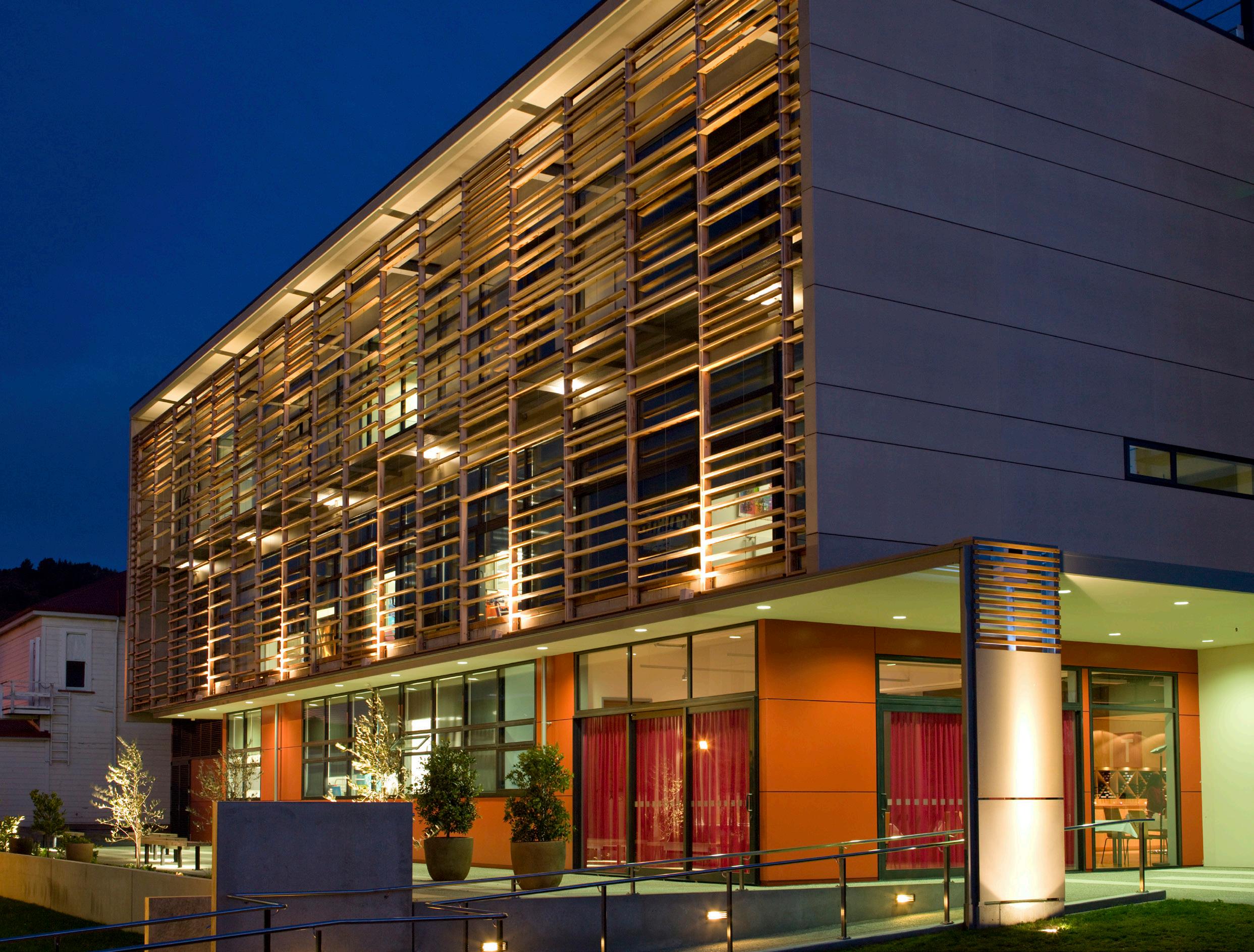
This three storey building for NMIT comprises specialist teaching facilities for catering, hairdressing, beauty therapy, adventure tourism together with general teaching facilities, including a new tiered lecture theatre.
The new building is part of a master plan for the campus that includes new landscaped courtyards, pathways and landscaping. The new building signals a new entrance on the Nile Street frontage with a new public piazza.
Materials are used predominantly in their natural form for visual appearance and lowmaintenance, with a patinated copper tower providing a memorable entry point, cedar sun-shades to the north side and clear coated fibre-cement
cladding at high level. The building is designed to reduce energy consumption with an east-west axis, external solar shading to the north and large double glazed windows to the south. Natural ventilation utilising thermal mass and night time cooling are used to reduce cooling loads.
The building showcases the college activities with high visibility from the street, and provides a publicly accessible restaurant and bar, hairdressing studio and beauty salon.
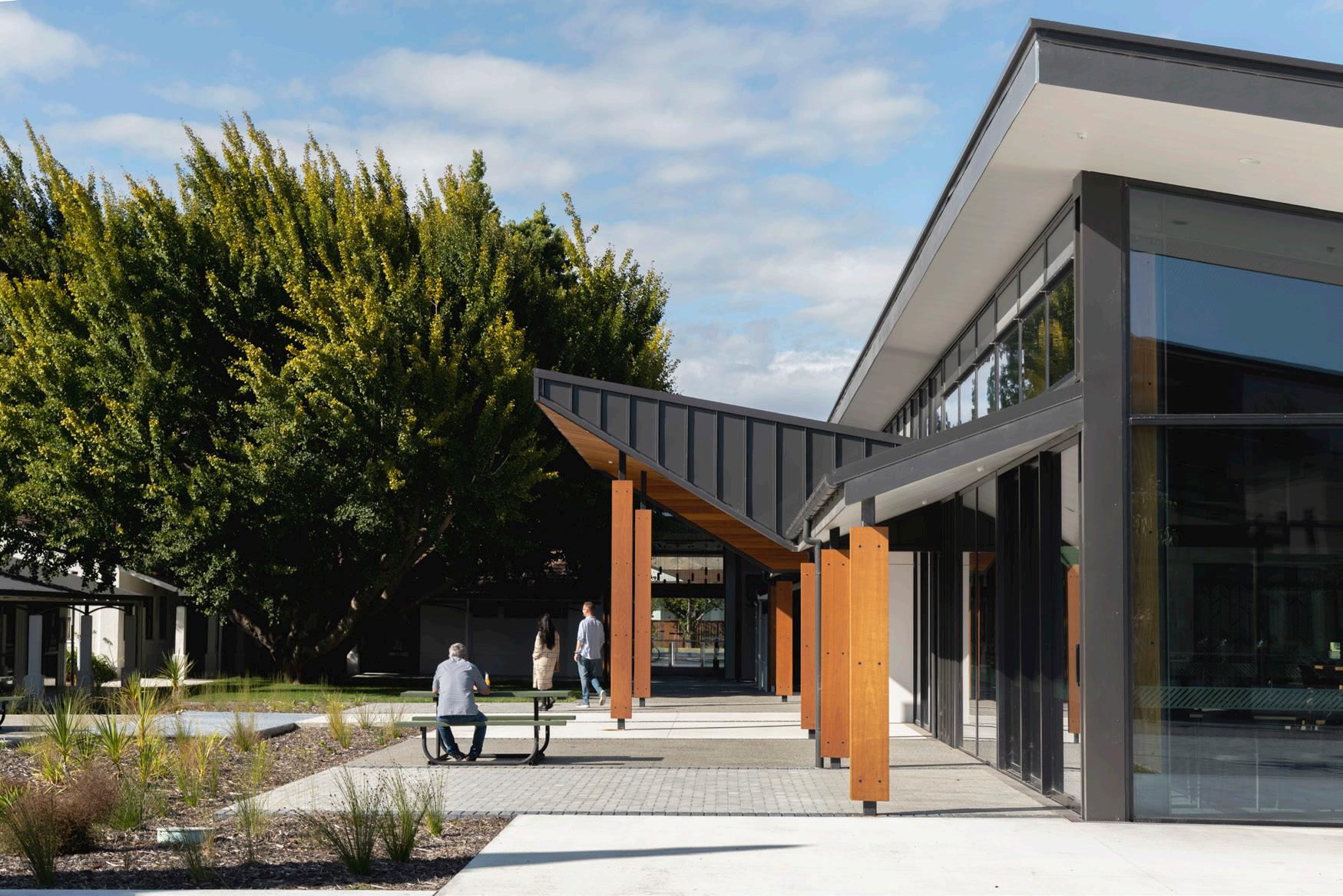
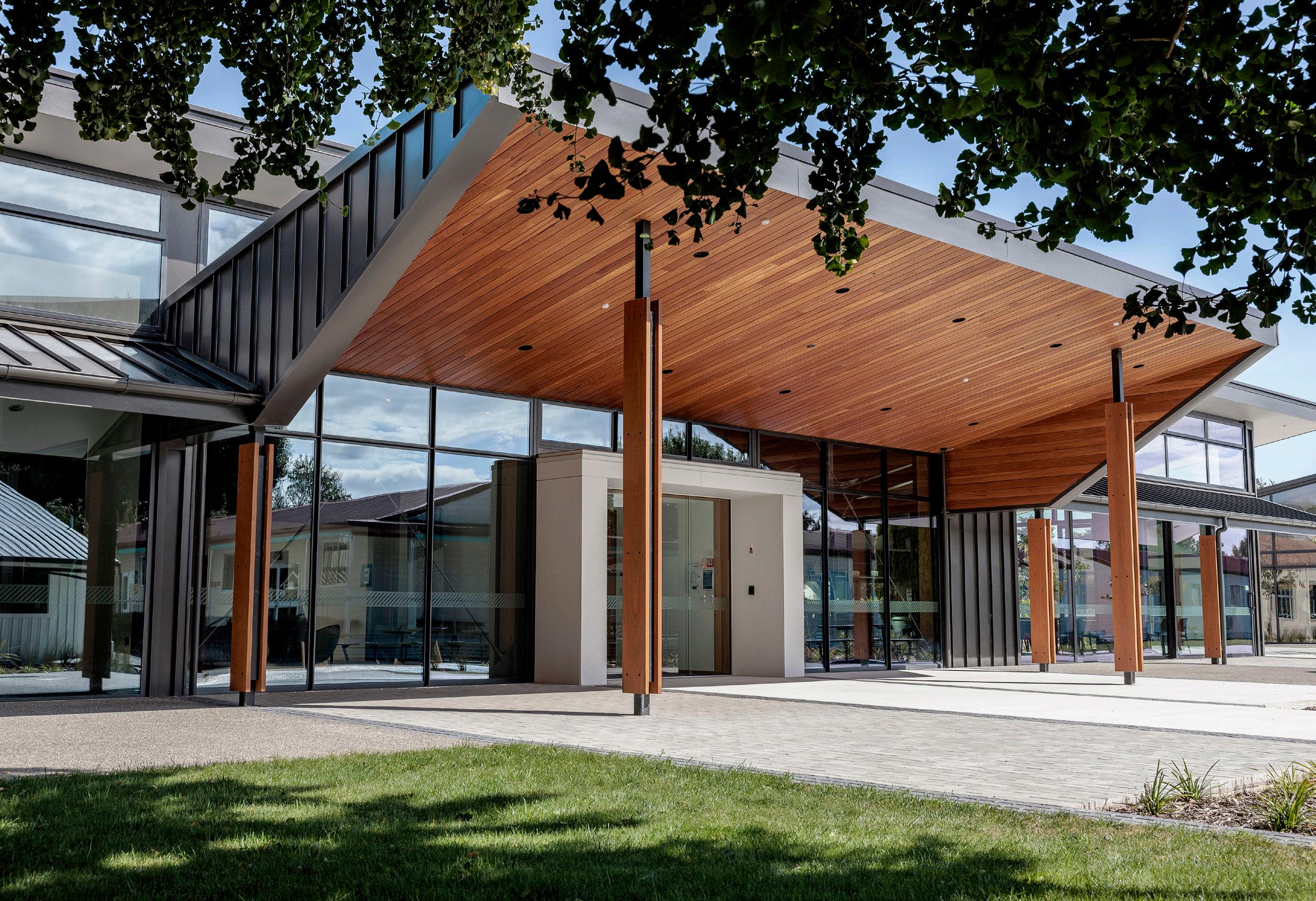
The New Zealand Wine Centre - Te Pokapū Wāina o Aotearoa, opened in September 2022, establishing a collaborative hub for the viticulture industry, research and education organisations within Blenheim’s Nelson Marlborough Institute of Technology campus.
Placed in what was previously an area occupied by prefab buildings, the NZWC building provides formal and informal spaces including conference spaces, meeting rooms and a cafeteria. Expansive glazing along the eastern side creates a sense of openness and connection to the redeveloped courtyard space and surrounding campus.
Utilising steel and timber frame construction, the Centre is clad in dark tray metal cladding, reducing maintenance and cost. In direct contrast to the materials of the
surrounding existing buildings, the exterior of the structure creates a new, harmonious language.
Internally, a simple but sophisticated scheme has been used throughout the internal finishes. Lush green carpet and folded plate ceilings lined with locally grown hardwood link all the spaces, while the super-structure, picked out in black, recedes. All spaces have a strong focus on acoustic performance, with grey and white triangulated acoustic panels covering meeting room walls.
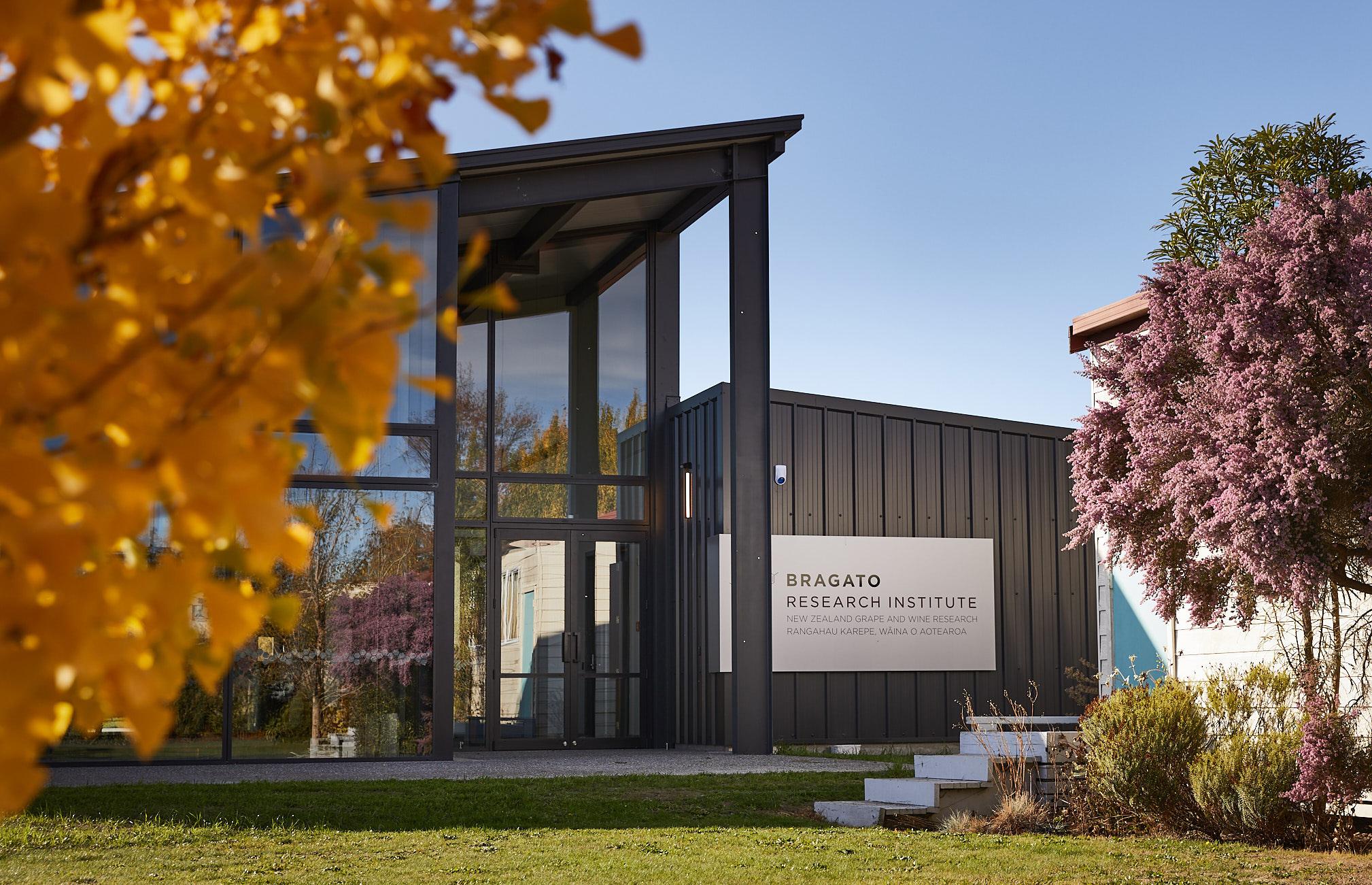
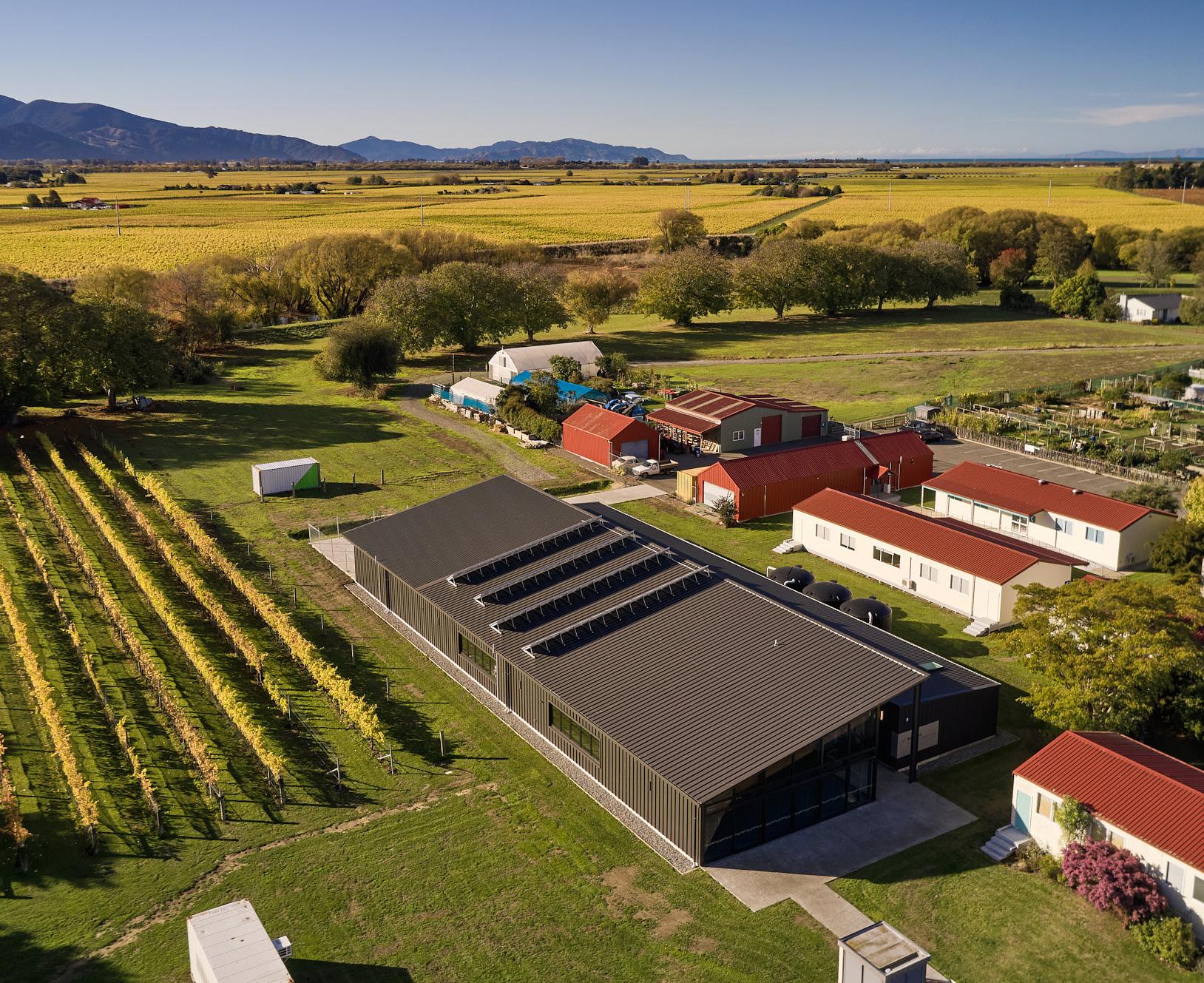
Completed in 2020, the BRI Research
Winery provides world-class research facilities to the New Zealand wine industry, enabling the industry to trial new technologies and processes.
Location Blenheim
Status Completed 2020
Developed following a masterplanning process for the wider site, the winery’s architecturally simple form hides a sophisticated programme that facilitates the changing nature of the research work taking place within.
Refined cladding and glazing details, and exposed structural forms, elevate the building above its simple industrial references to that of an elegant shed. Internally, custom CNC-etched acoustic panels in oak veneer control noise levels in meeting spaces, and reference the traditional materials of wine-making.
Temperature control and running costs are critical functions and were carefully considered within the design. The first building in Marlborough to be awarded a 5 Green Star NZ Industrial Built v3 Certified rating, sustainable design initiatives utilised in the design include:
• Solar photovoltaic panels
• Rainwater harvesting
• Rainwater soakage to ground
• CIP (cleaned-in-place technology utilising greywater recycling)
• Daylight harvesting
• Passive ventilation
• Highly insulated Kingspan panels
AUCKLAND
Marc Barron +64 9 489 3464
marc@jtbarchitects.co.nz
WELLINGTON
Paul Crawford +64 4 473 9803
paul@jtbarchitects.co.nz
Simon Hall +64 3 548 8781
simon@jtbarchitects.co.nz
Michael Dillon +64 3 366 9837
michael@jtbarchitects.co.nz
