JTB Architects design spaces where New Zealanders can learn and work, innovate, live, age and grow. Our future commercial workplaces, industrial facilities, centres and hubs demand a specialised approach in how they are designed and built. We create leading architecture that reflects our aspirations for a better designed and more sustainable built environment.
We have built a reputation for designing interesting, sustainable, and well-built spaces. Our work can be characterised by strong, beautiful forms, that use materials with integrity.
We have a deep understanding across architecture, urban design, master planning and sustainability. This is complemented by specialised capabilities in interior design, building information management (BIM), and architectural visualisation.
We are focused on being mindful about how the buildings we create impact our environment and the world around us.
We are delivering some of the country’s most significant timber buildings, creating innovative solutions for business environments and industrial sites, designing vibrant and attractive neighbourhoods for diverse communities, and creating commercial and industrial spaces that will endure for generations to come.
We work across Aotearoa New Zealand with studios in Auckland, Wellington, Nelson, Christchurch and Wānaka.
Together let’s create architecture.
COMMERCIAL FITOUTS
OFFICES
Port Nelson Offices
MBIE ERA
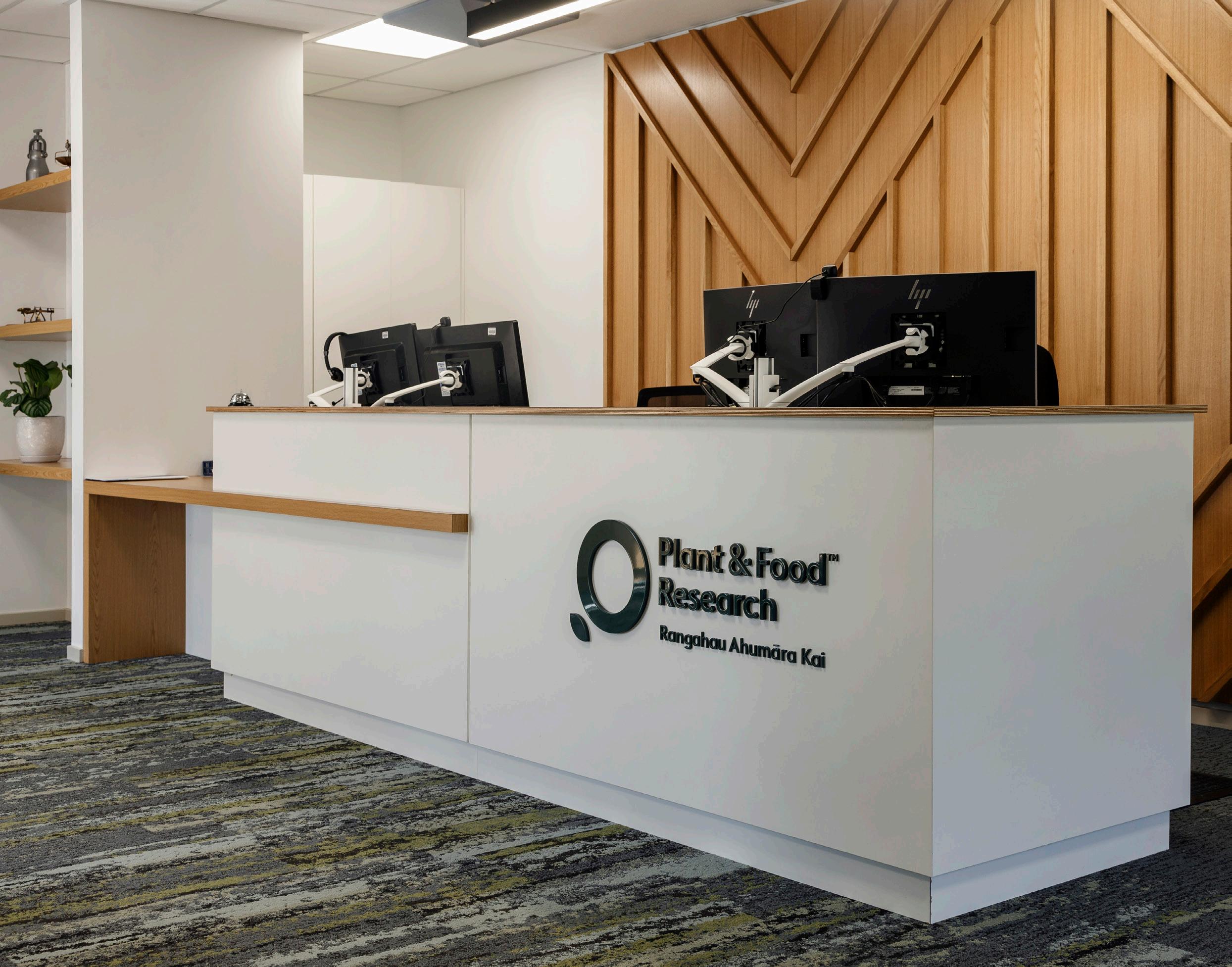
Plant & Food Nelson
Cawthron Aquaculture Park
Nelson Building Society
New Zealand Wine Centre
Maritime New Zealand
Government Offices, Nelson
Plant & Food Motueka
Port Tarakohe Office
Scott Construction Offices
Pic’s Peanut Butter World
HOSPITALITY
Pickle & Pie
Marlborough Vintners Winery
Wine + Food
Black & White Coffee Cartel
The Suter Art Gallery Cafe
Queenstown Golf Club
RETAIL
Ilabb
Experience Marlborough
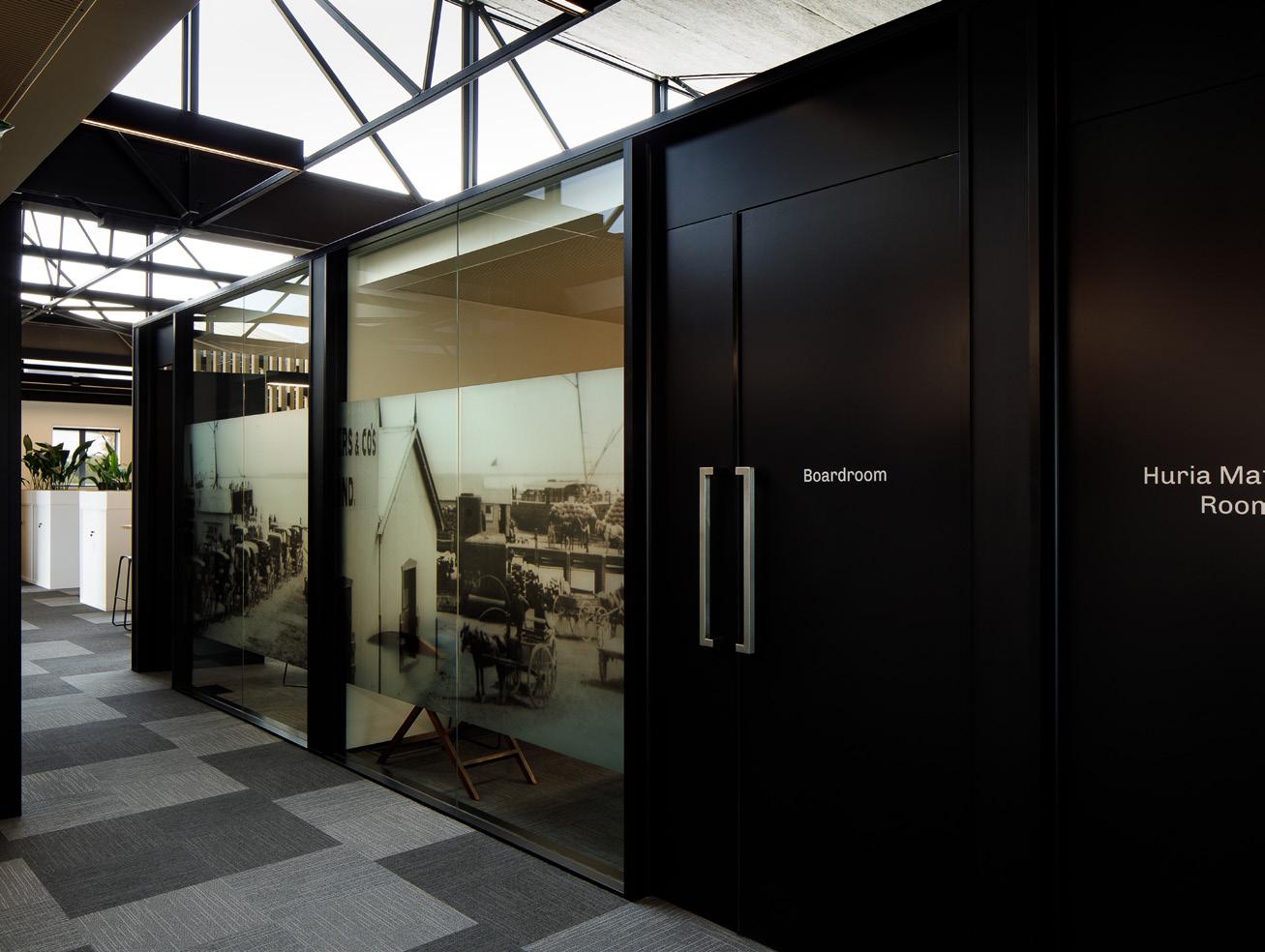
The reconfiguration, reuse and update of an existing 1950’s warehouse at Port Nelson was undertaken with the aims of bringing the building up to current seismic standards and providing a modern working environment for port staff.
PORT NELSON OFFICES
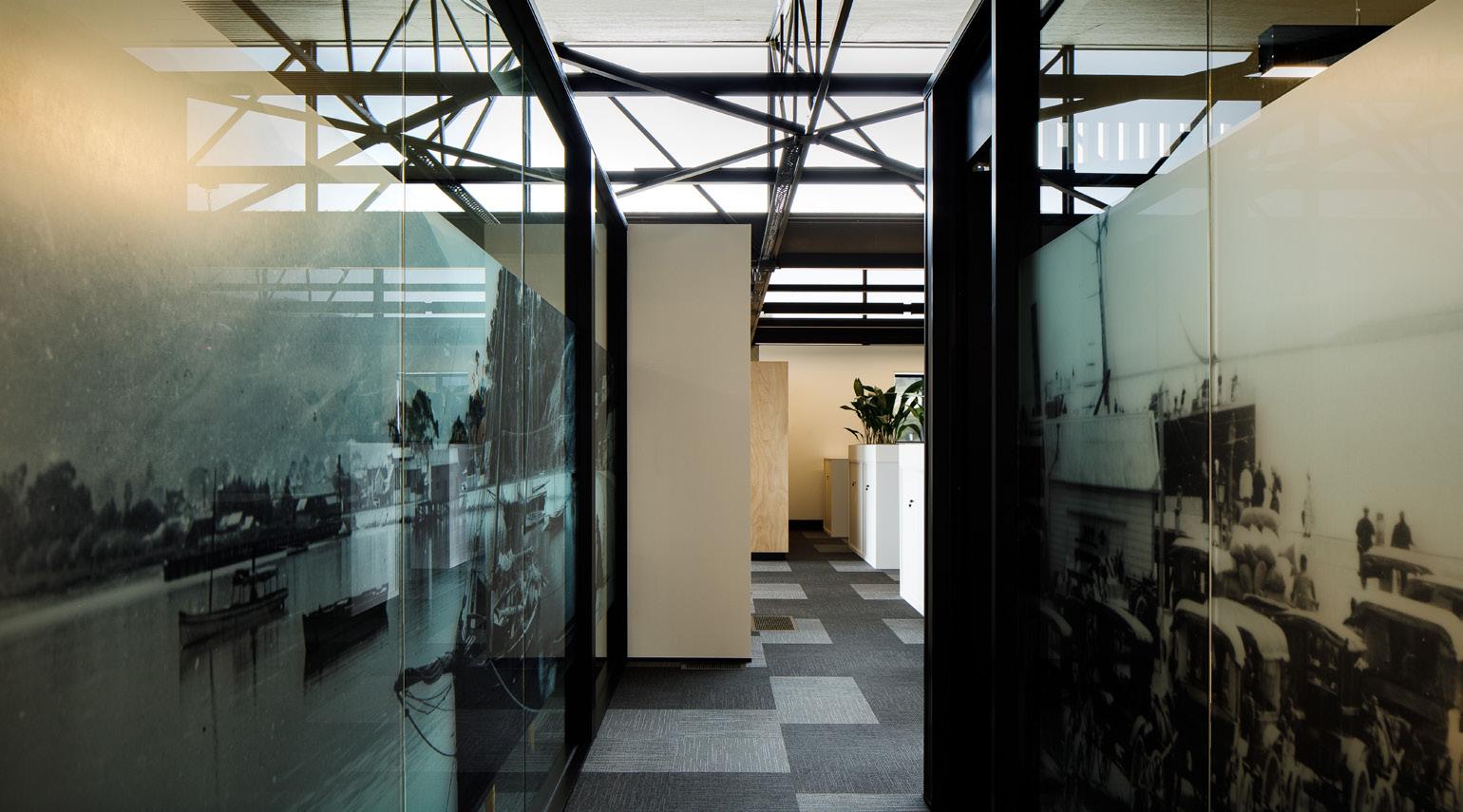
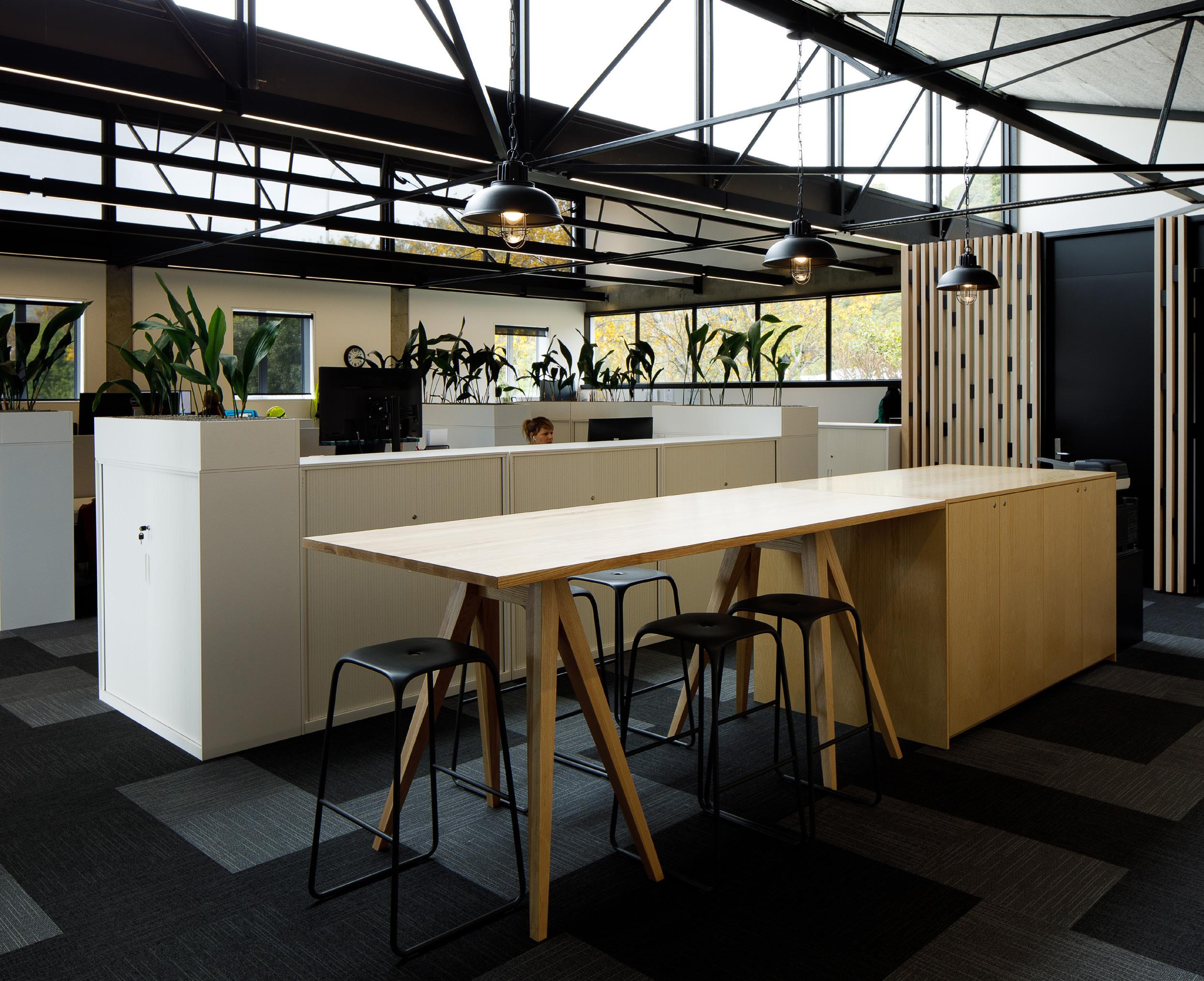
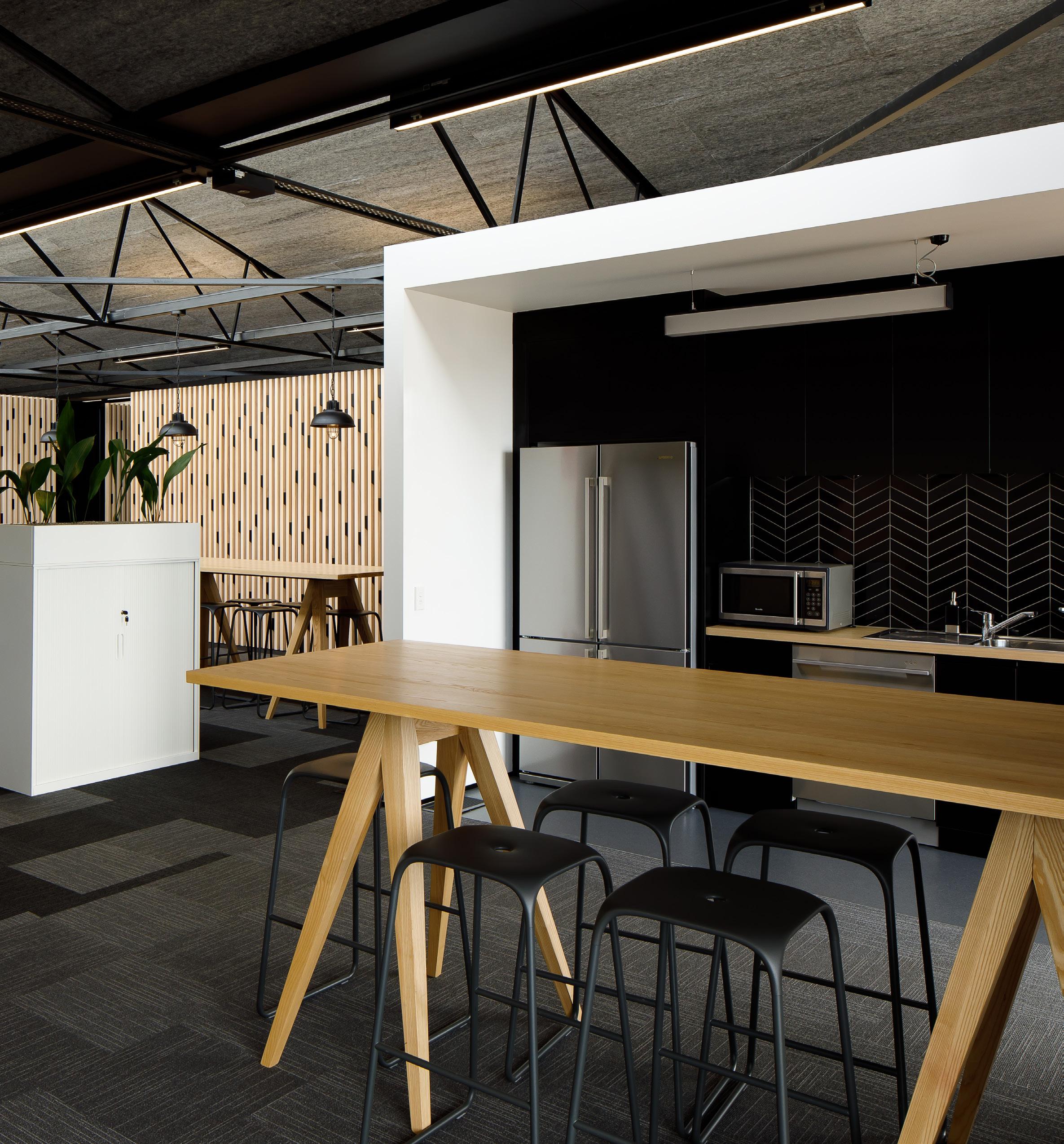
Previously utilised as offices, the 500m2 building was a rabbit warren of under utilised and disused spaces. This adaptive-reuse has significantly opened up the spaces, while conserving the historic value of the building, and referencing the port’s history. Features include:
• Expressing the existing steel trusses and concrete beam and column structures
• Glazing of the saw tooth gable walls to introduce daylight deep into the plan
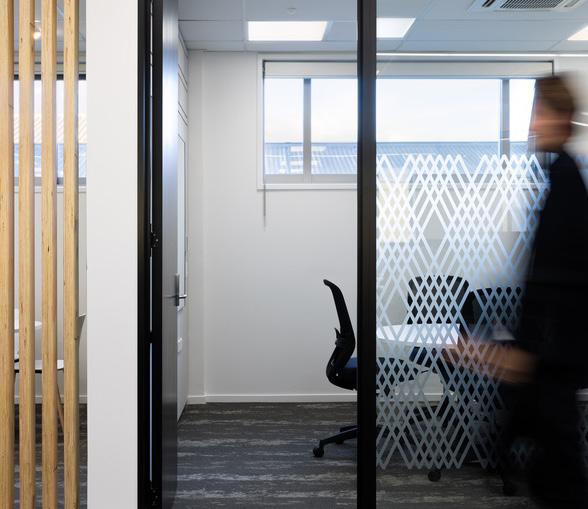
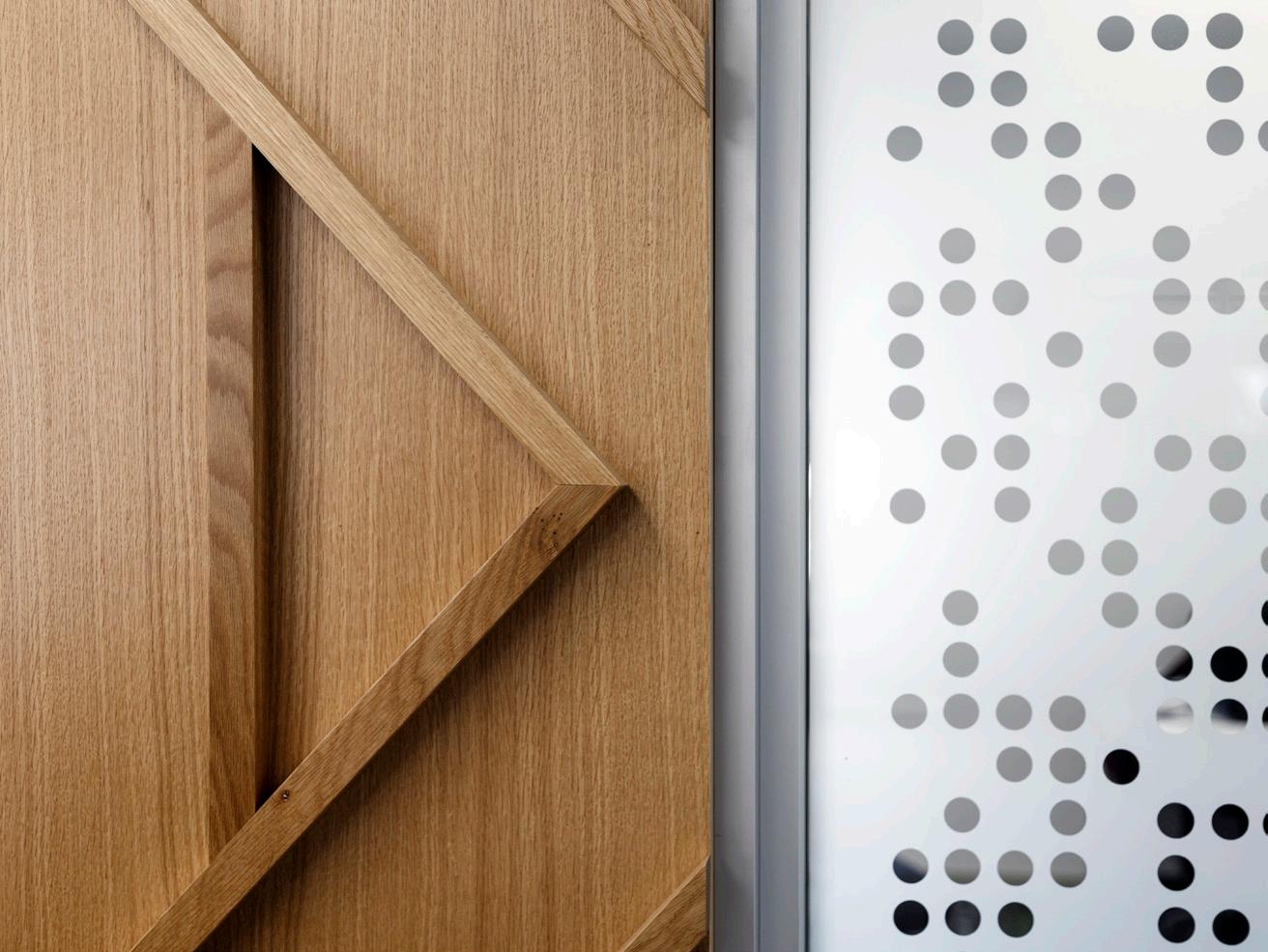
• Use of historic port photos as a feature on glazing manifestations.
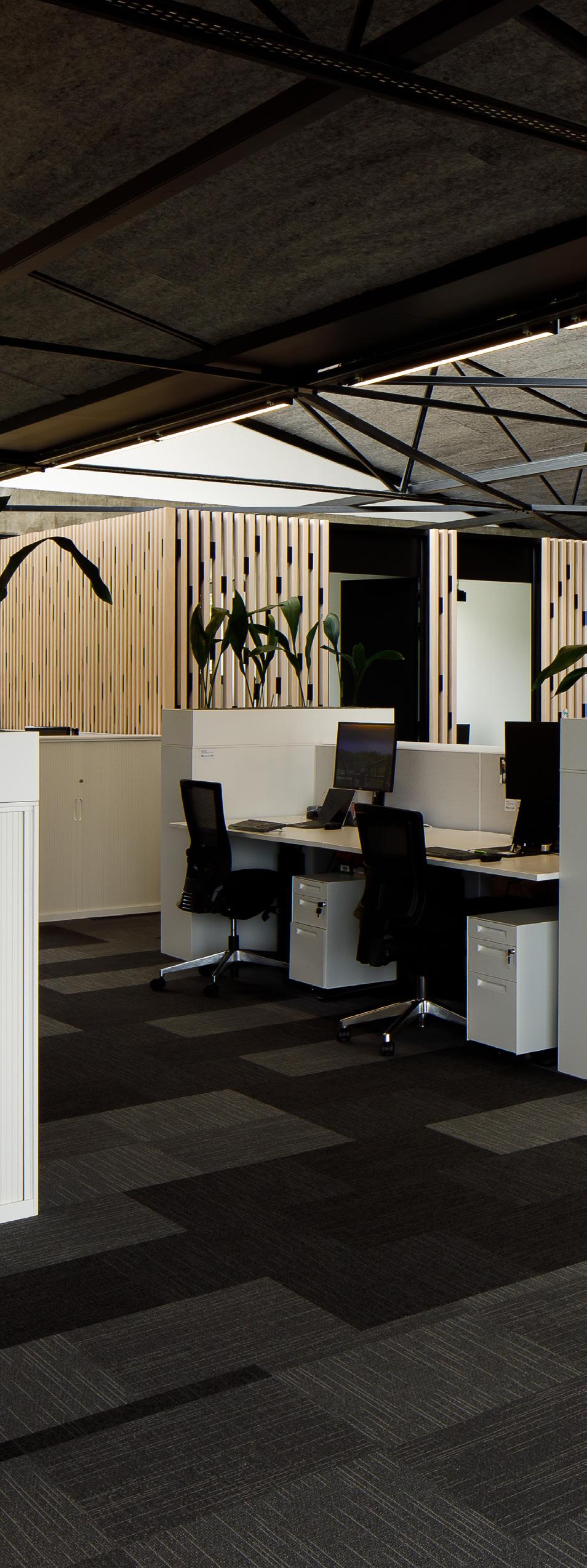
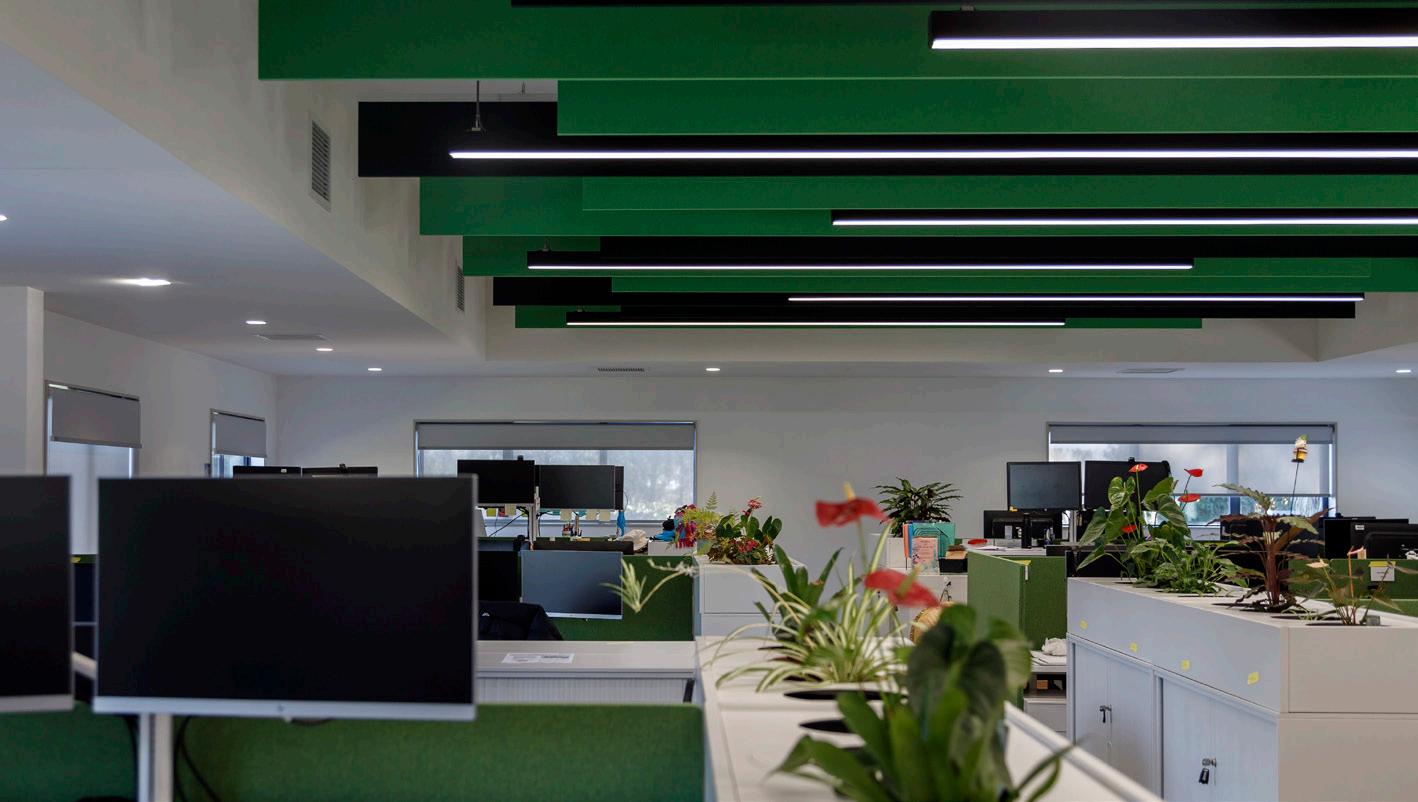
The interior fitout was undertaken to comply with Government Property Management Centre of Expertise (GPMCOE) workspace standards and features. Features include:
• Flexible desking arrangement for 18 staff
• Storage along with planters to introduce greenery into the space
• Mobile technology with specialist wireless design and interactive smart screen technology
• Specialist acoustic ceilings throughout to maintain a quite working environment.
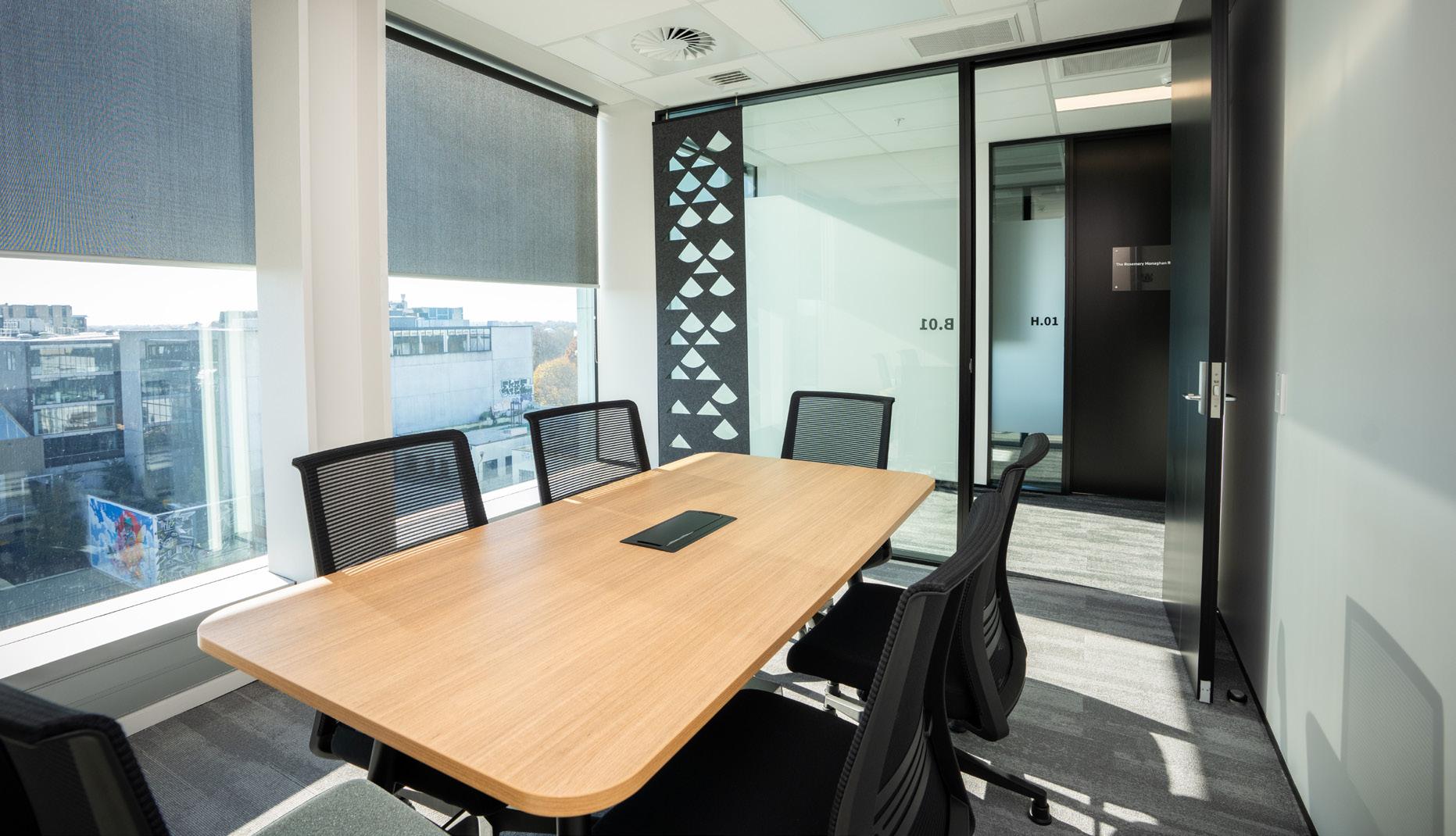
The interior fit out for the Ministry of Business, Innovation and Employment’s Employment Relations Authority is a commercial project recently completed in Christchurch.
MBIE EMPLOYMENT RELATIONS AUTHORITY
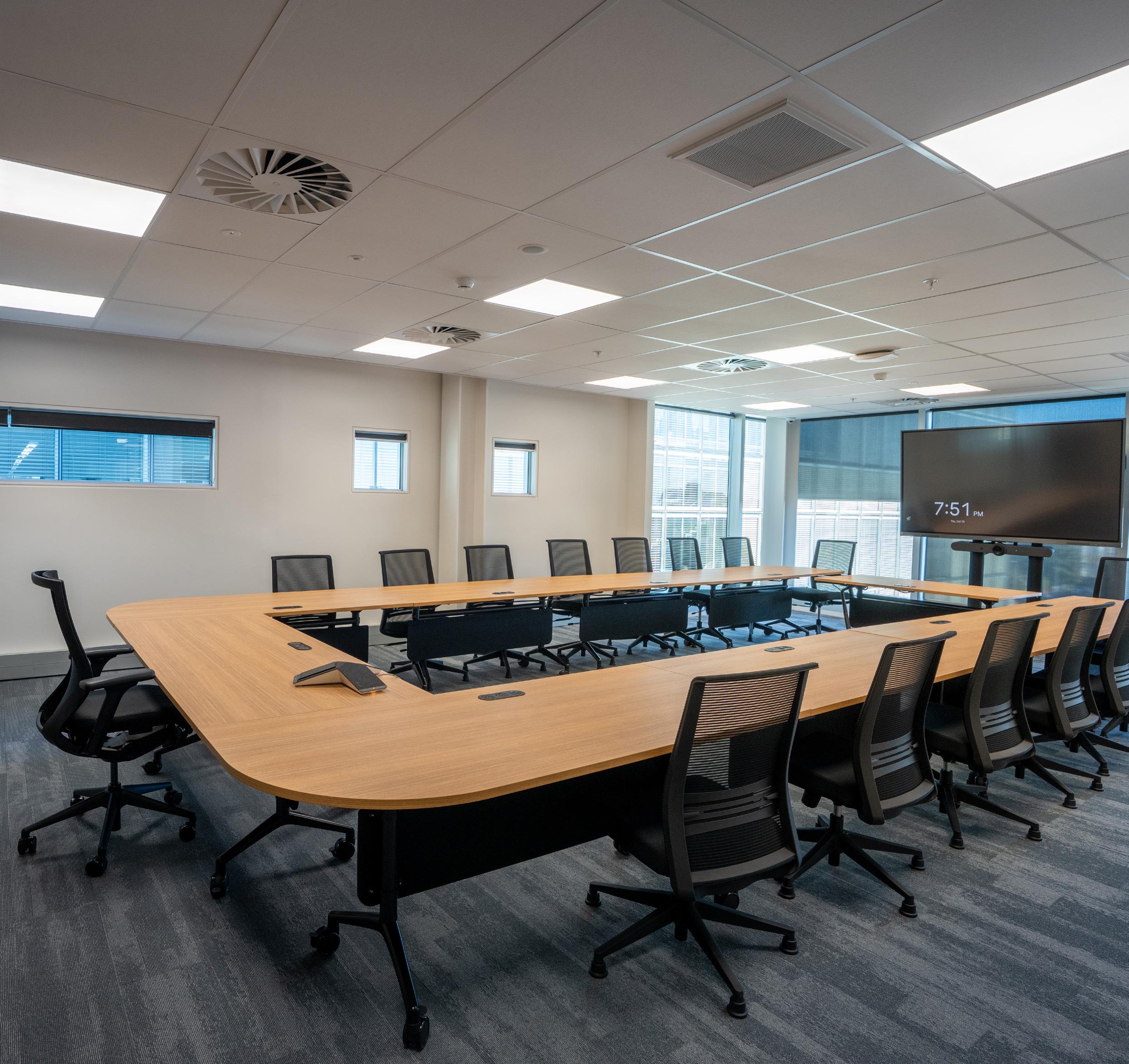
The 1,200m2 project was undertaken as a design and build fitout, with Naylor Love providing construction and project management services, and JTB providing architectural design among a team of consultants.
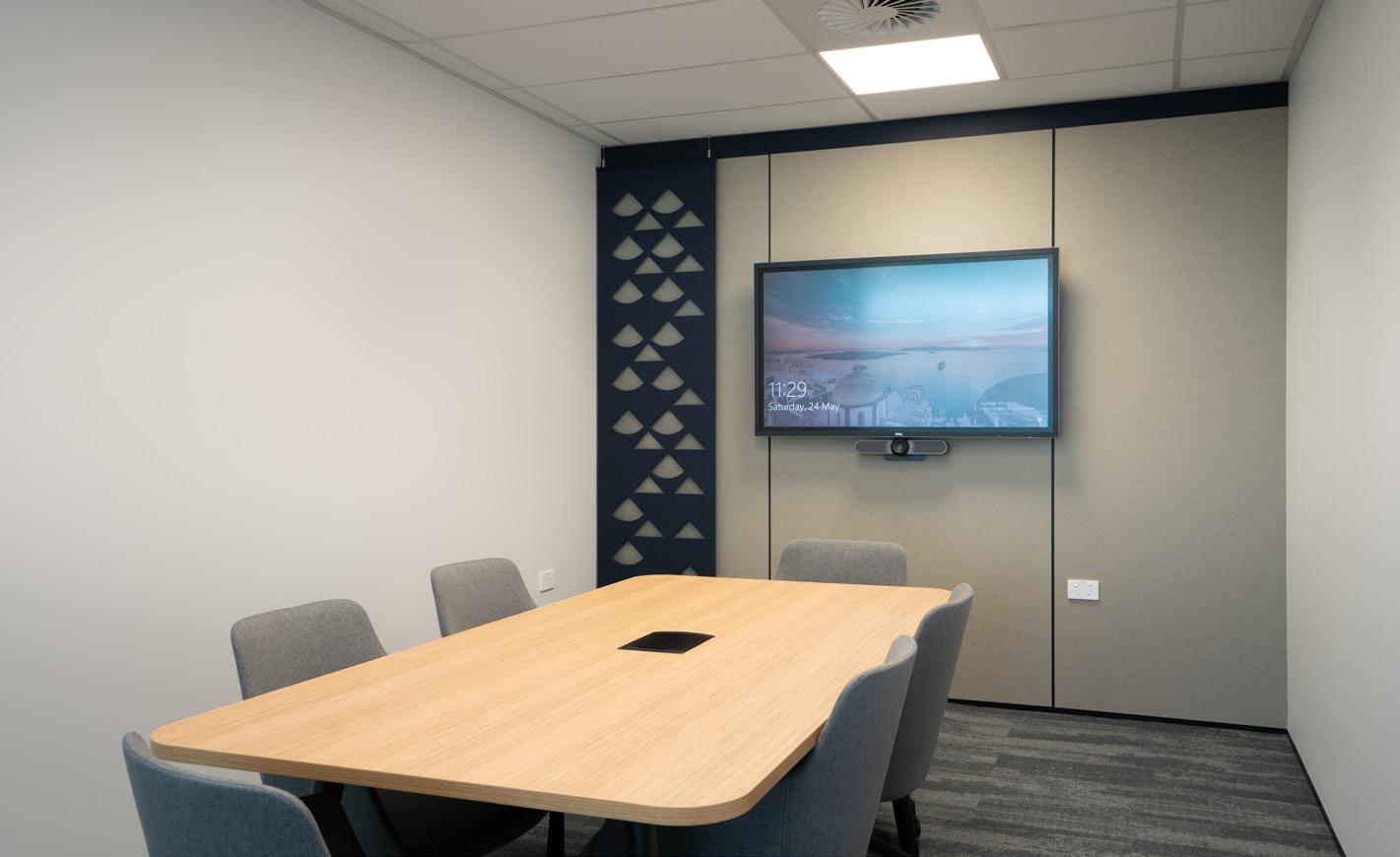
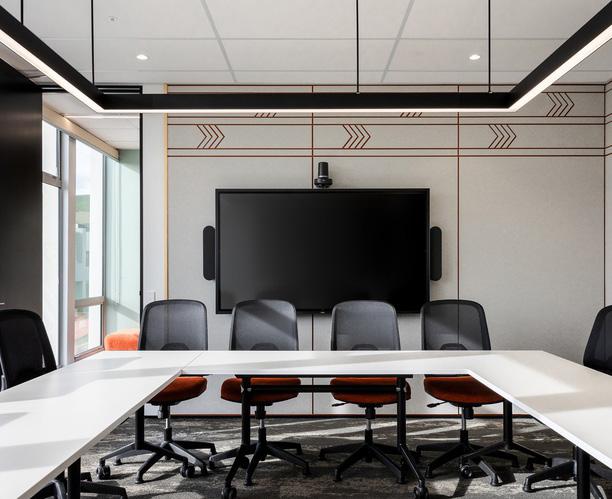
MBIE provided a brief requiring specialised security requirements, as well as a high level of acoustic performance and privacy for a space accomodating up to 50 staff.
Particular care was taken in the design and service coordination to preserve acoustic performance throughout the fit-out. With
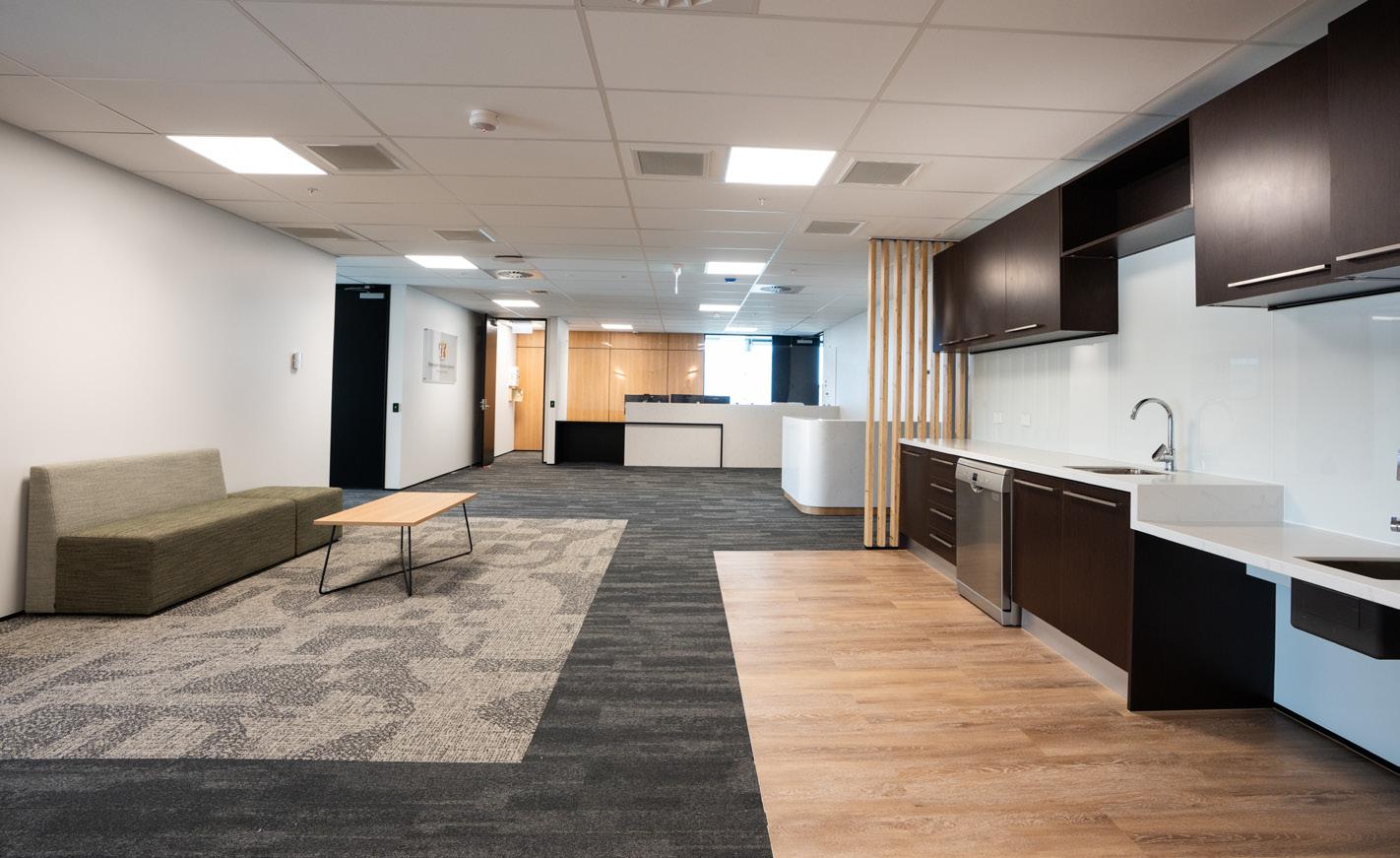
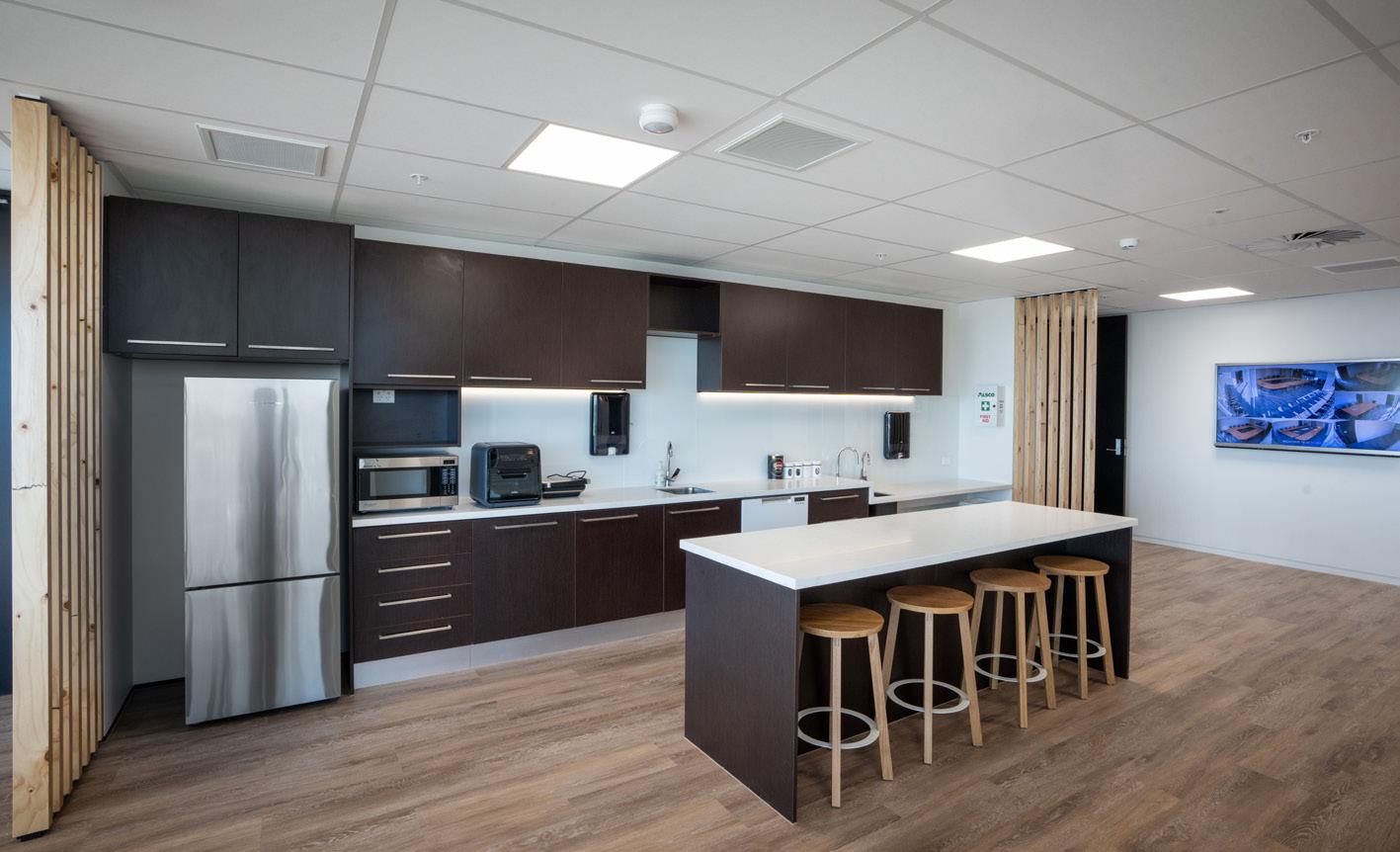
sustainability as a priority, the team identified opportunities for material reuse and carefully stored items such as joinery and window treatments for reinstatement. New colours and materials were selected to complement the existing dark kitchen, creating a refreshed interior aesthetic.
The design-and-build contract enabled early collaboration, helping to identify programme and delivery efficiencies.
Opened in 2017, Plant & Food’s Seafood Research Centre is an outcome of a masterplanning project focused on consolidating seafood research activities into one site at Port Nelson. The building is now an anchor tenant of the Seafood Research Precinct.
PLANT & FOOD SEAFOOD RESEARCH CENTRE
Location
Nelson Area
2,300m2
Status
Completed 2017
Awards
Timber Design
Excellence in Engineered Wood Products, 2018
NZIA Nelson/ Marlborough Architecture, Commercial Award 2018
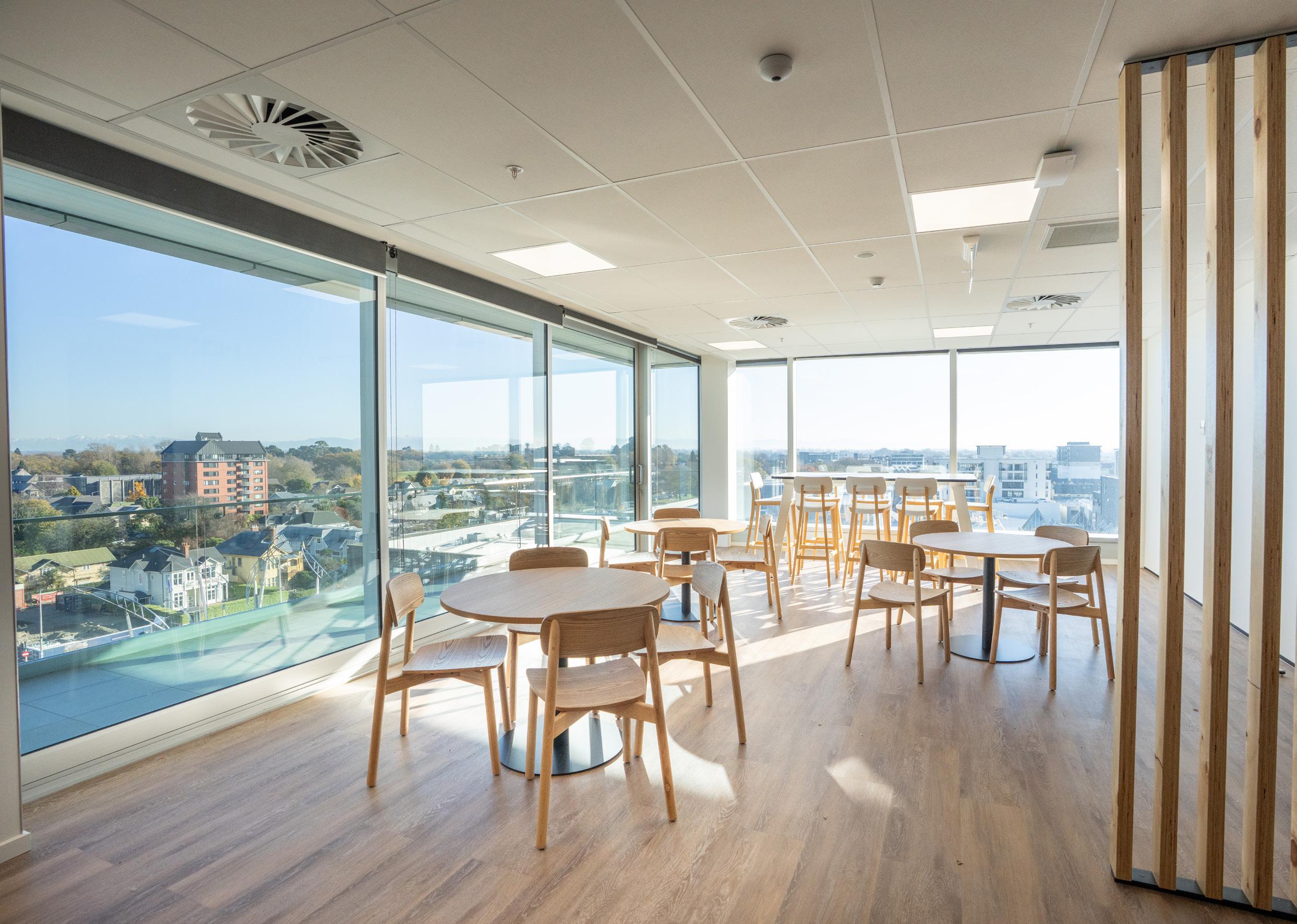
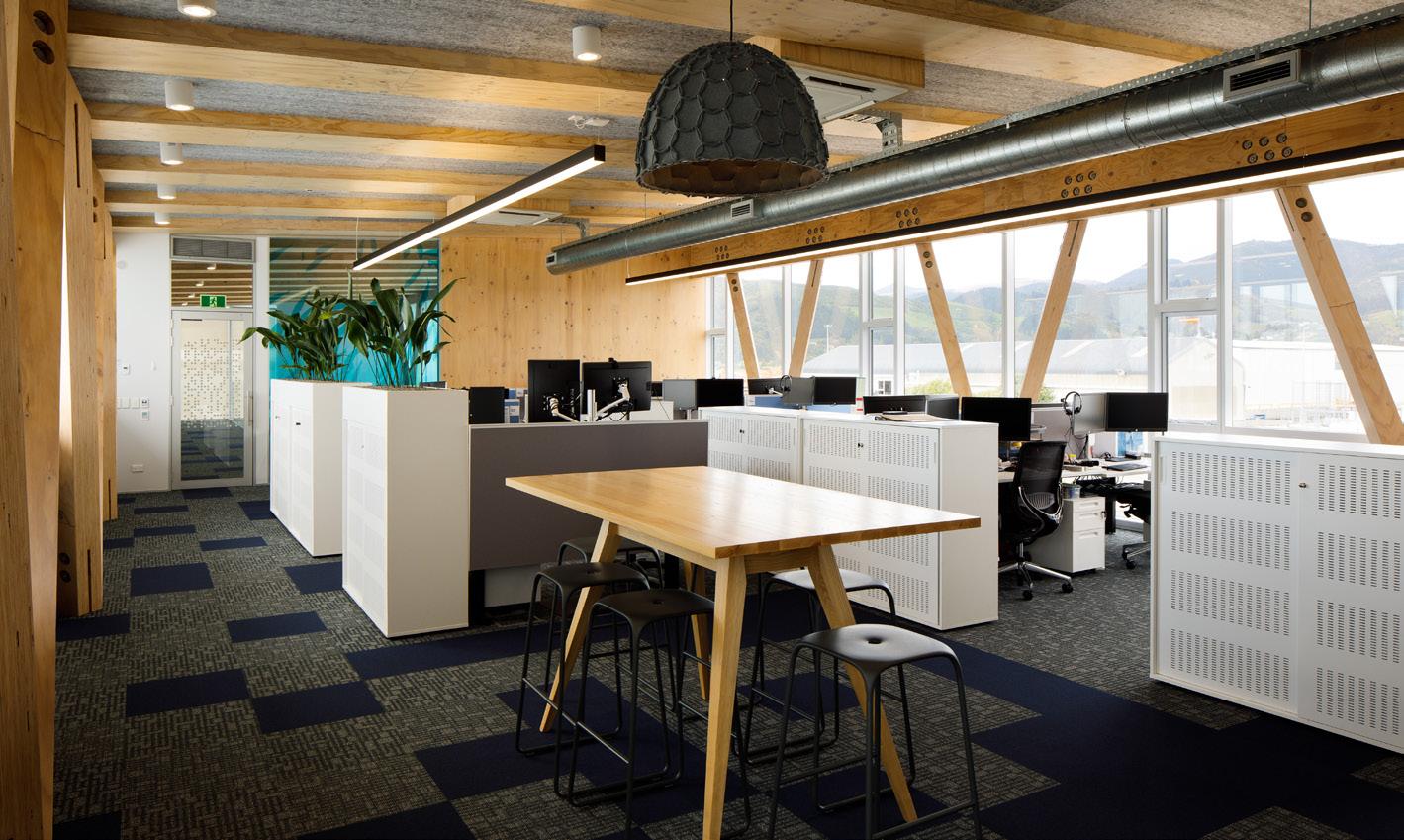
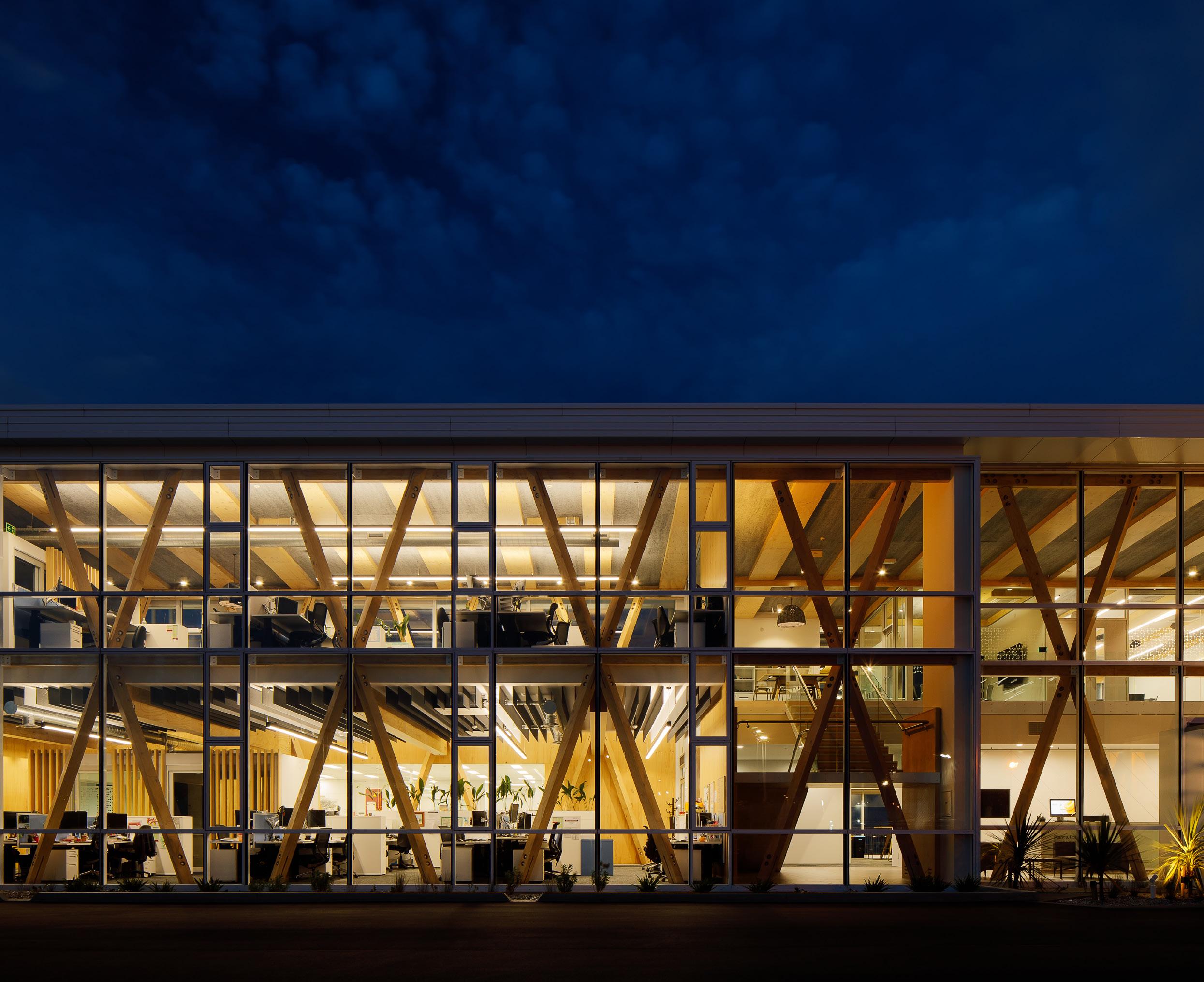
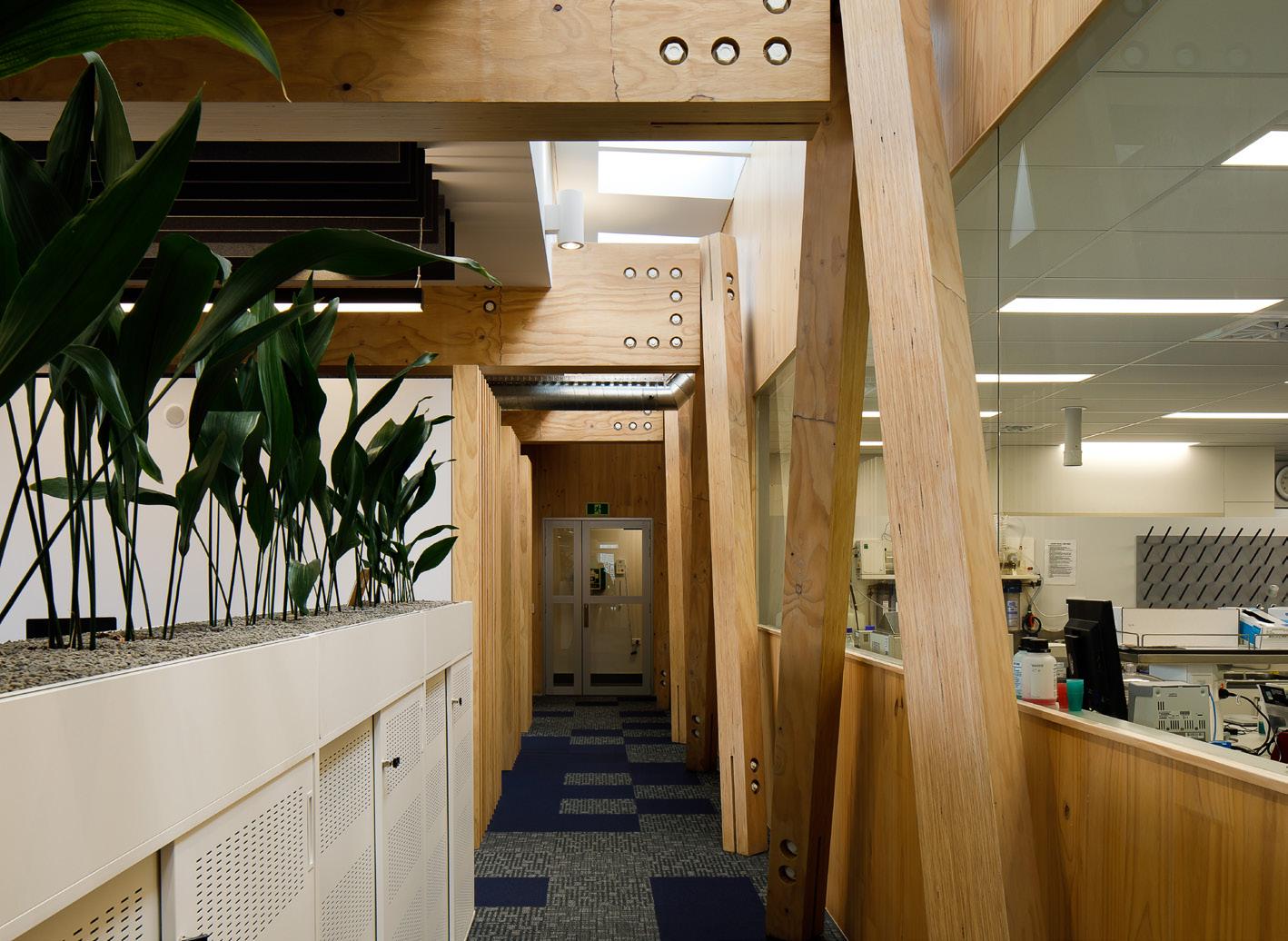
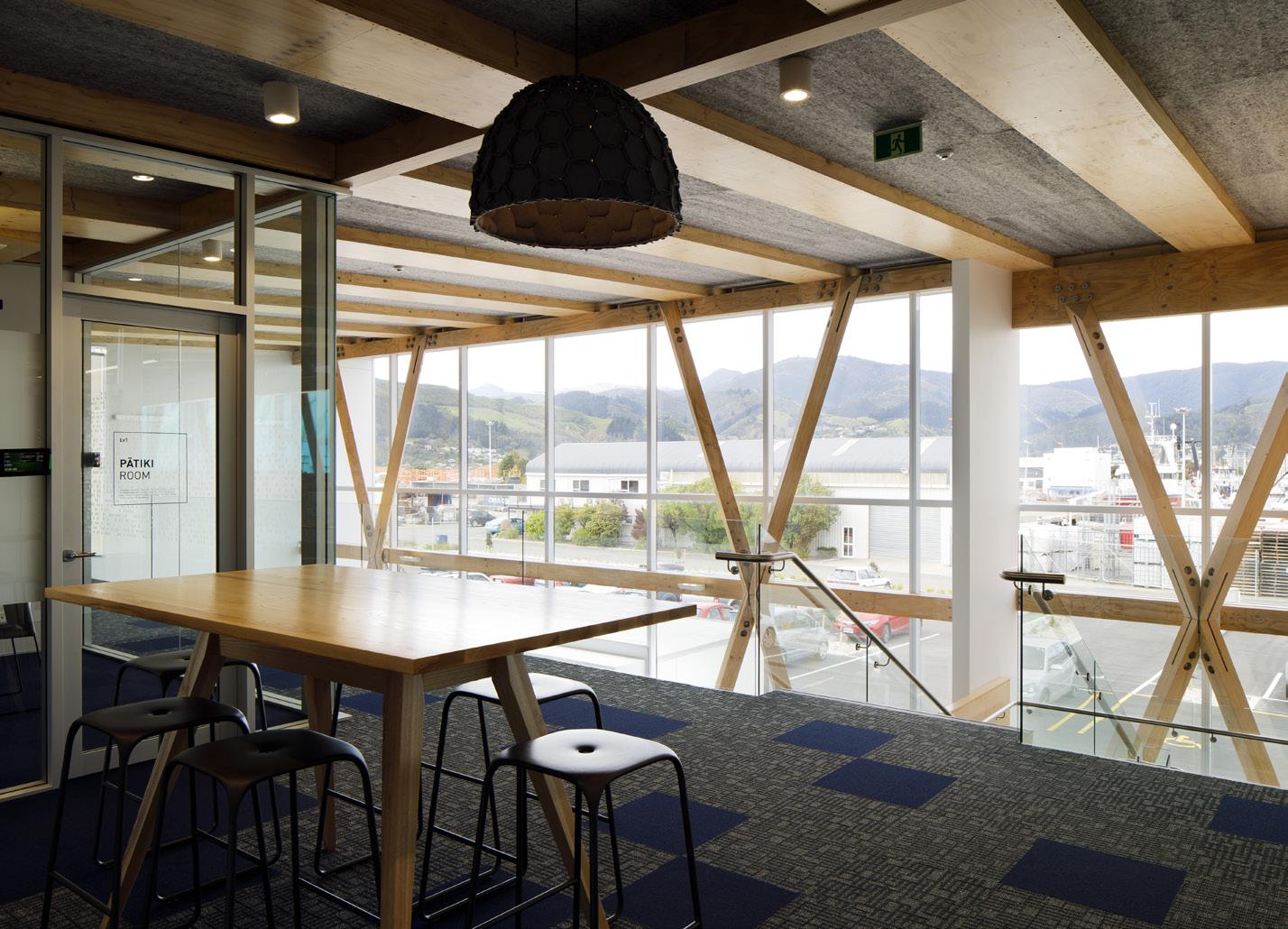
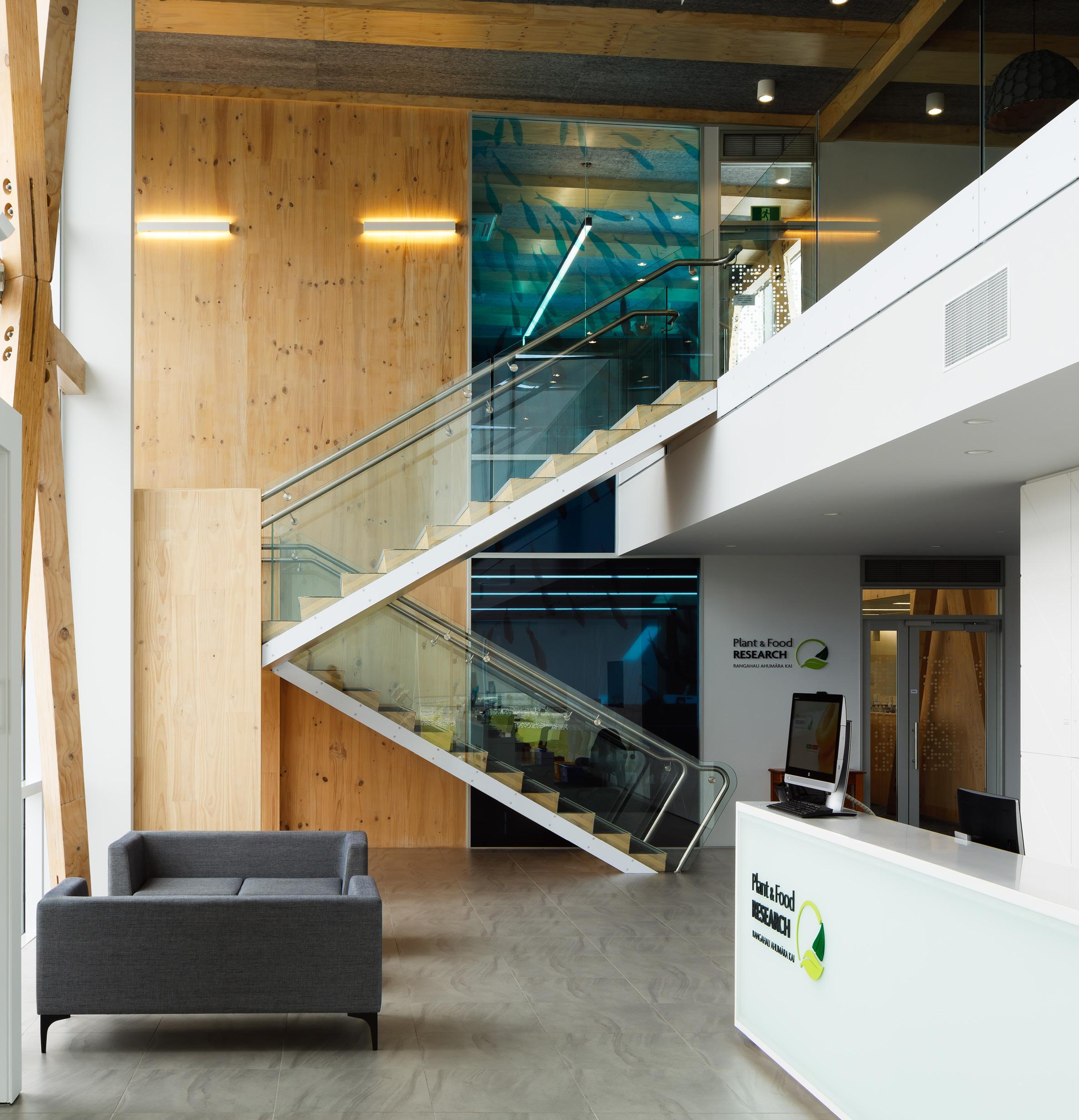
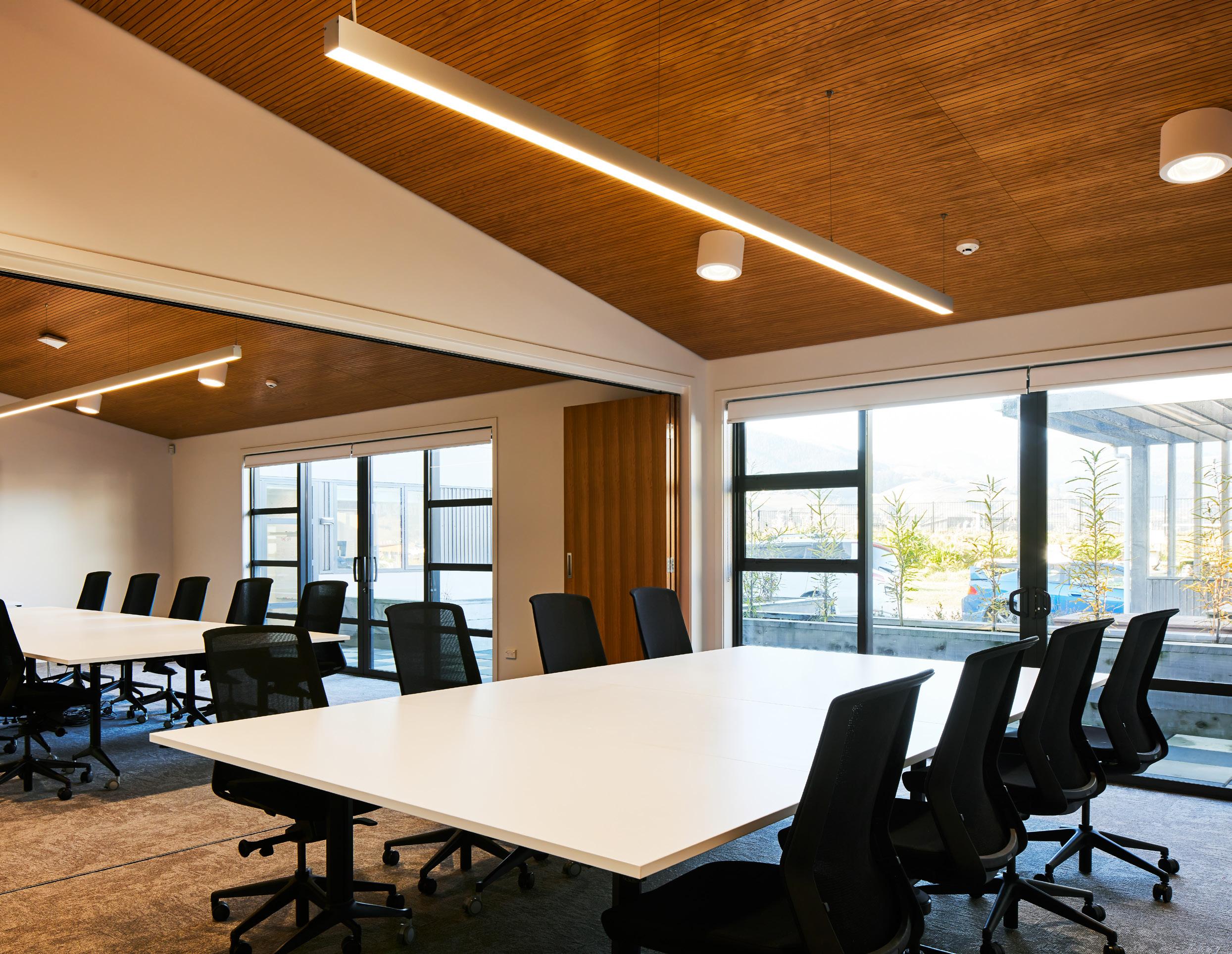
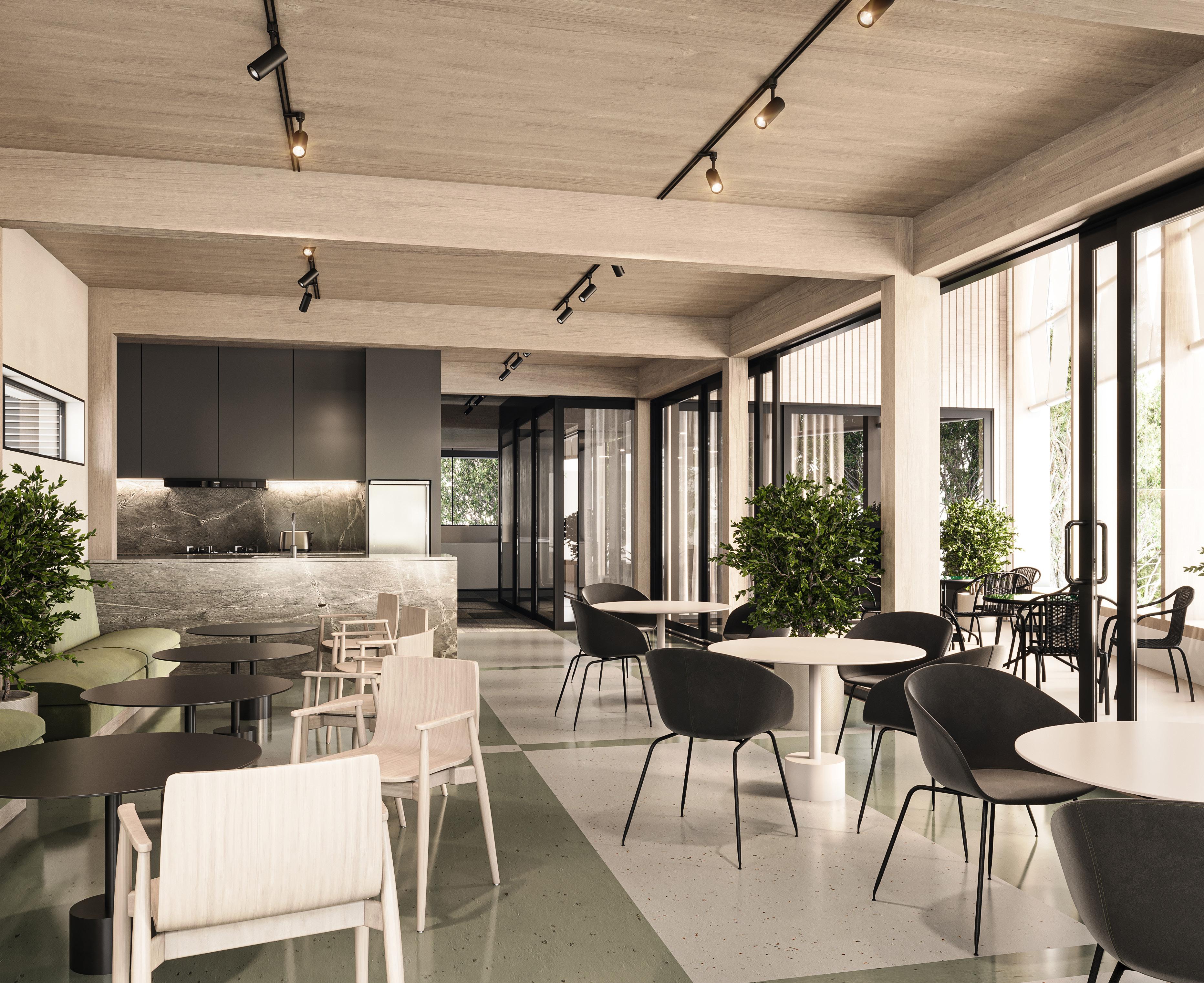
This facility provides a modern, flexible work environment for 50 staff in a series of focus and collaborative spaces. Natural light is drawn into the 2,300m² space through the two-storey glazed curtain wall and sky lights, and natural ventilation through louvers and high-level actuator-opened windows. Acoustic absorption is achieved through acoustic louvres and batts.
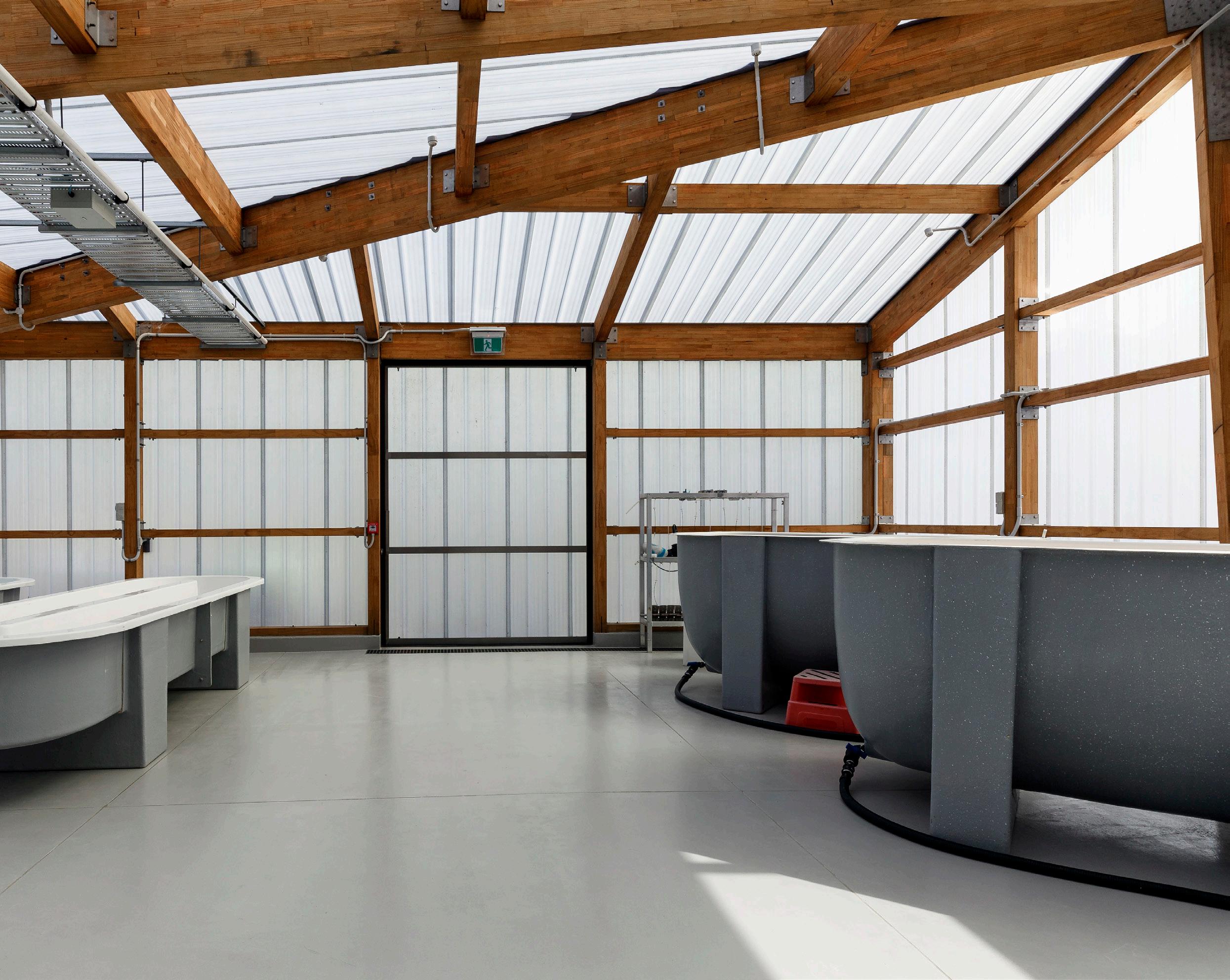
Specialist science facilities include chemistry labs, PC2 molecular labs, wet labs and a flow tank. A high level of transparency through the building be-tween the labs and
office environments to promote interaction and connectivity between these spaces.
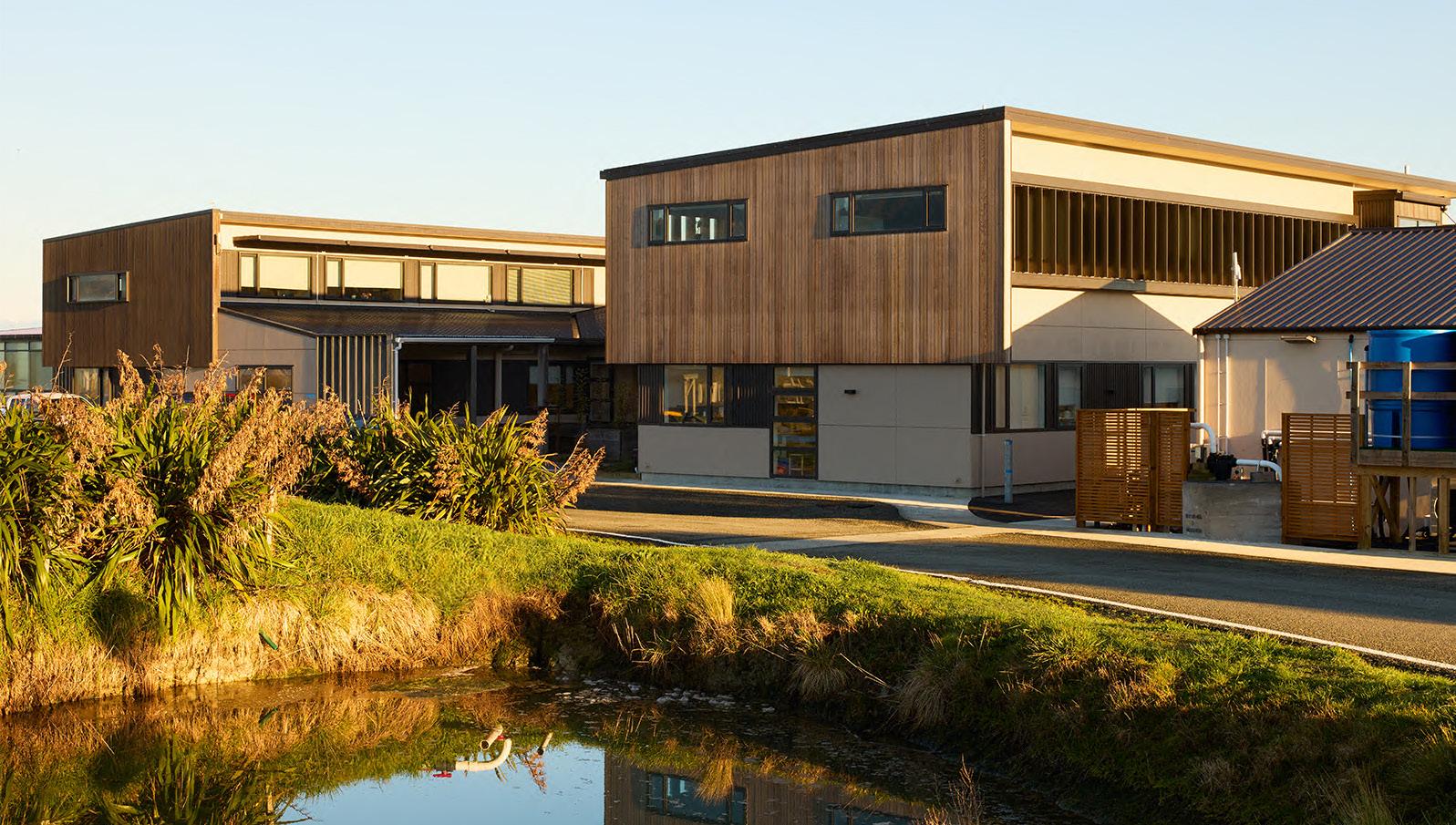
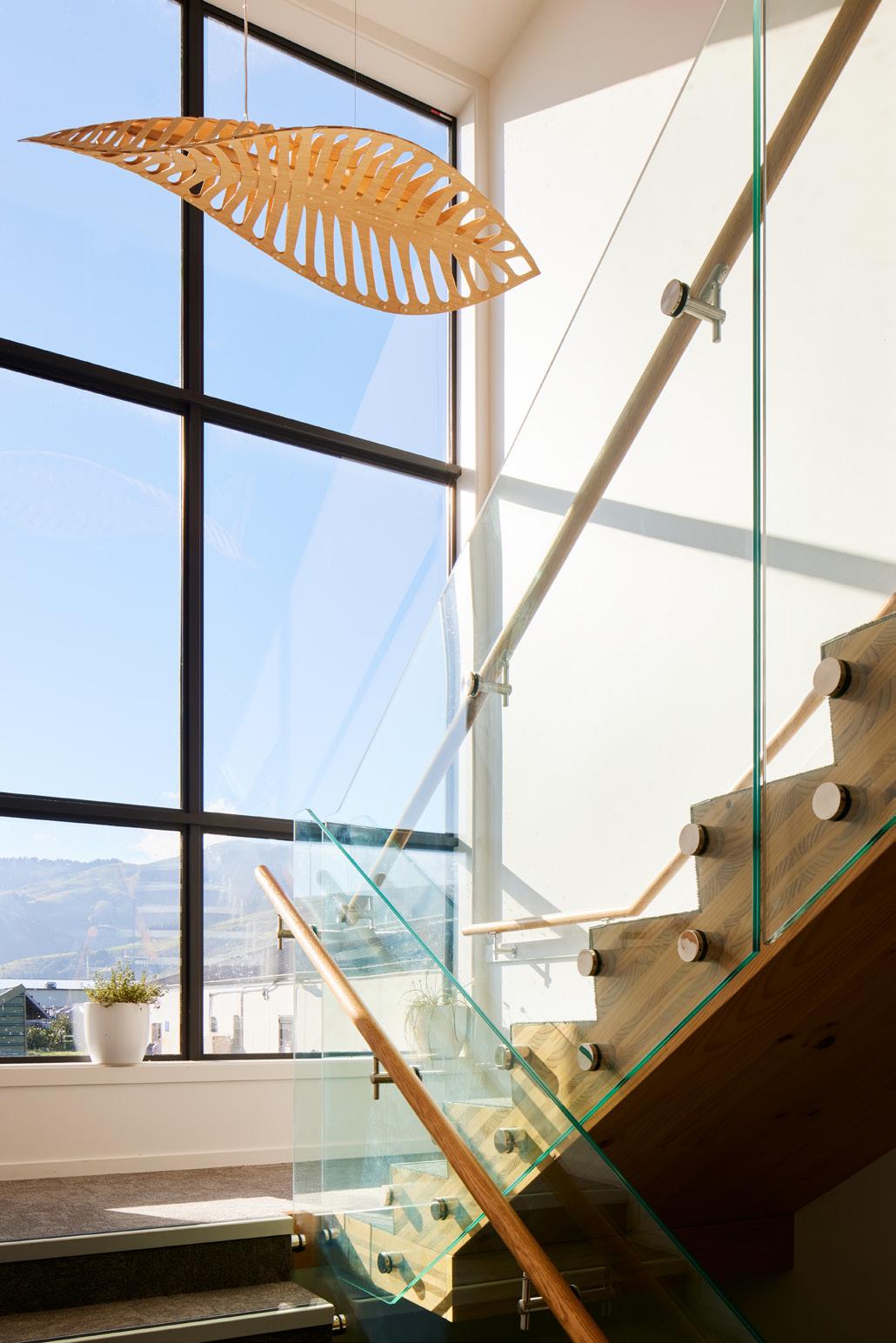
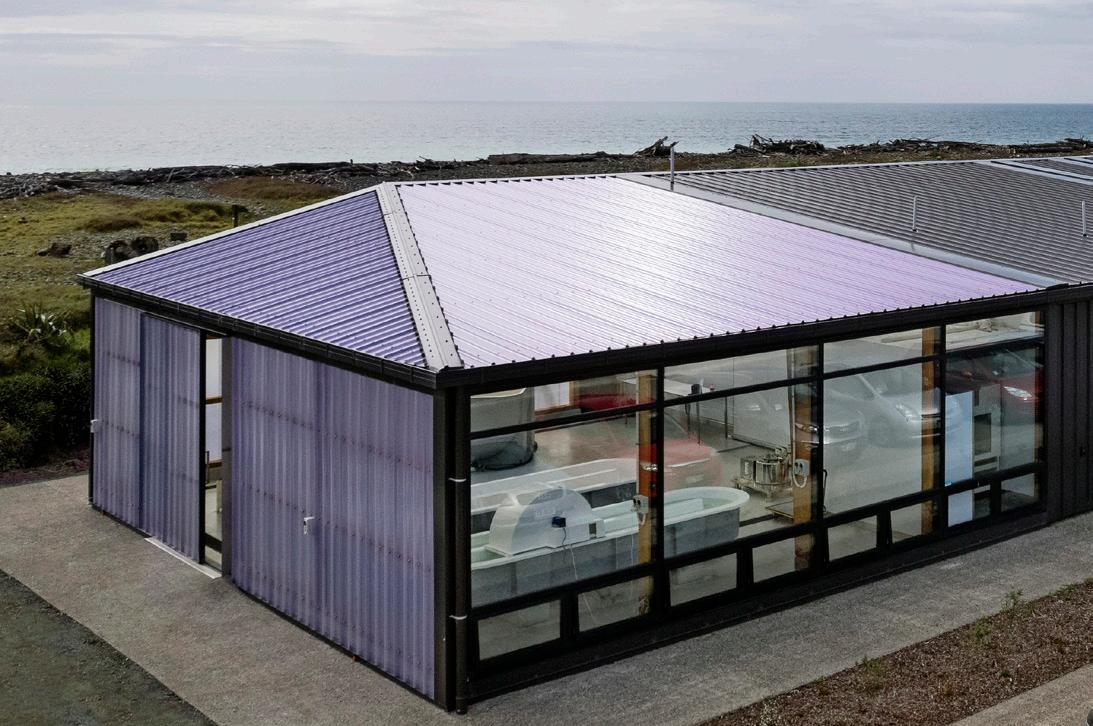
The main structure is expressed locally sourced (less than 100km) mass timber featuring a high level of prefabricated timber elements, including XLAM timber shear walls, LVL cross columns for lateral bracing, Poitus LVL flooring and roof components. Bound on water by three sides, the building is aluminium clad to provide a robust and durable exterior in this harsh marine environment.
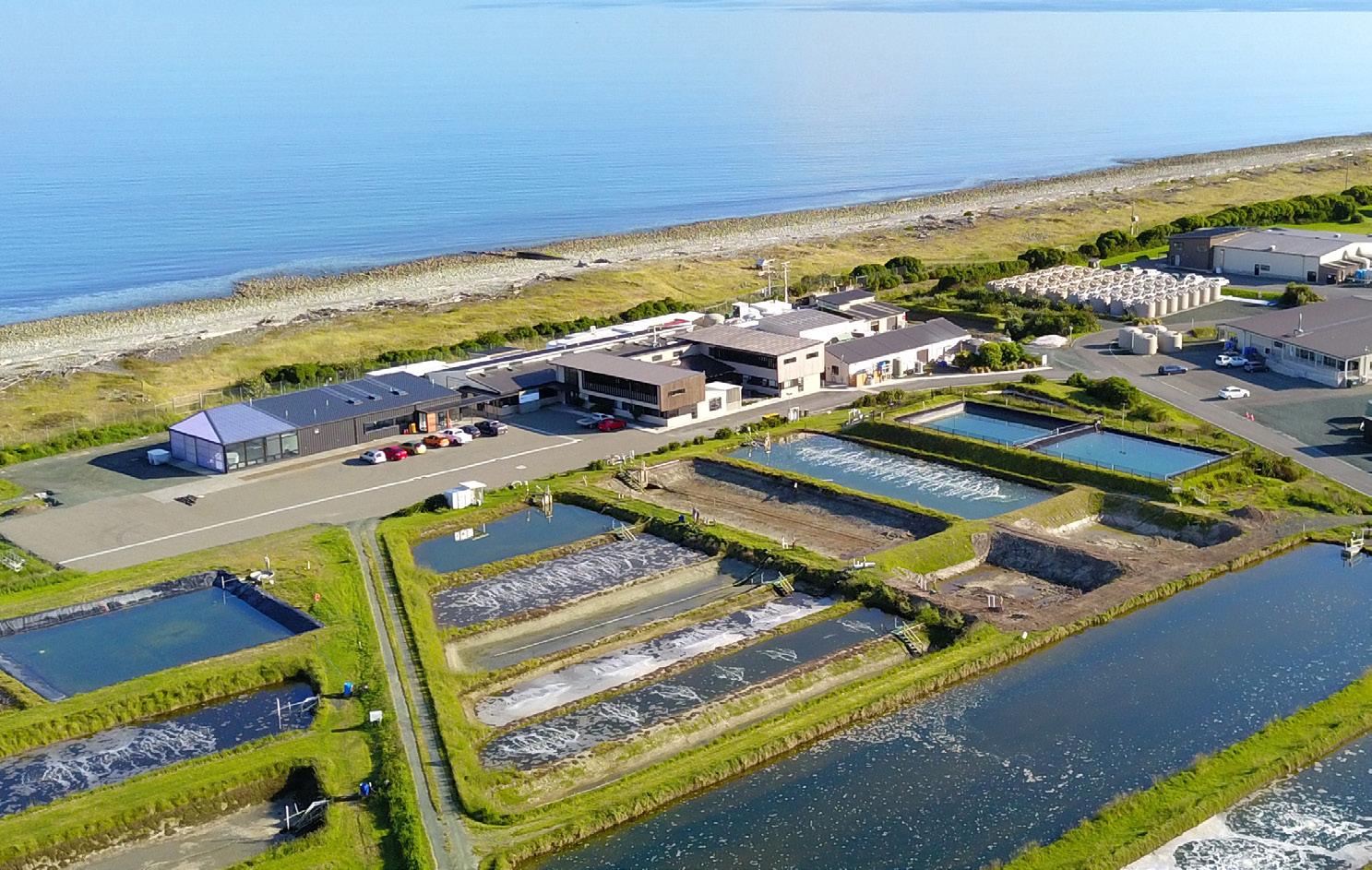
Cawthron Aquaculture Park (CAP) is a world-class research and technology centre for the New Zealand aquaculture sector and its stakeholders.
CAWTHRON AQUACULTURE PARK
The park is a shared facility, purpose built for aquaculture research, education and commercial development.
CAP is located on a 24ha lowlying site adjacent to Nelson Haven, with ready access for seawater supply and discharge. Initially comprising an ad-hoc collection of storage ponds and service buildings, JTB Architects undertook masterplanning to maximise potential development opportunities and to achieve
efficiencies in infrastructure and services reticulation.
Resource consent was obtained for the site in 2010, and we have been continuously involved with the subsequent development of facility buildings, including two development phases for the Cawthron Aquaculture research building, Spat NZ, the Cawthron Finfish Research Facility, and have recently completed the development of the National Algal Research Centre.
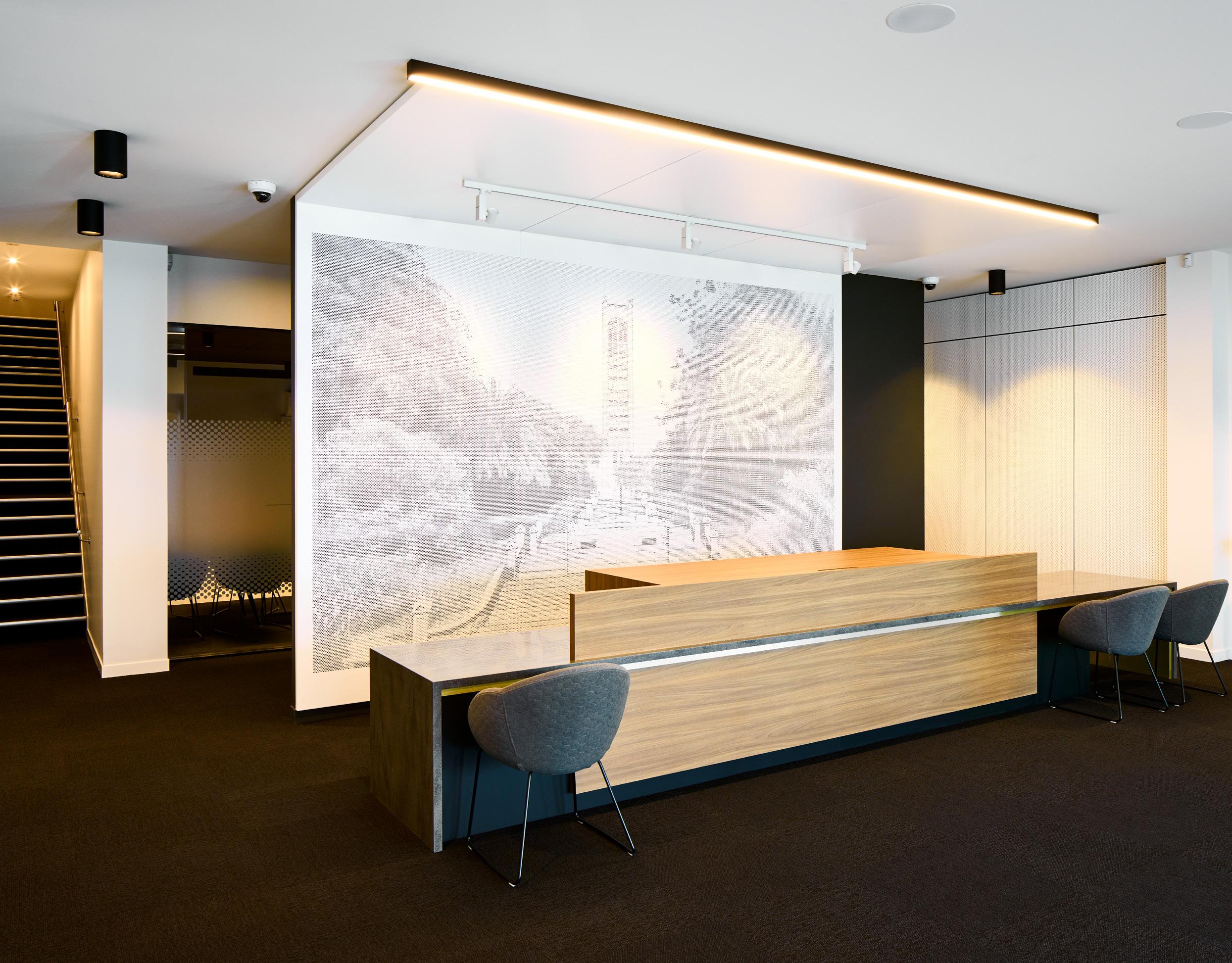
Established in 1862, the Nelson Building Society has maintained its flagship branch at Trafalgar Street in Nelson since 1910. Following the growth and evolution of the company, the Society was seeking to modernise and increase available workspace.
NELSON BUILDING SOCIETY
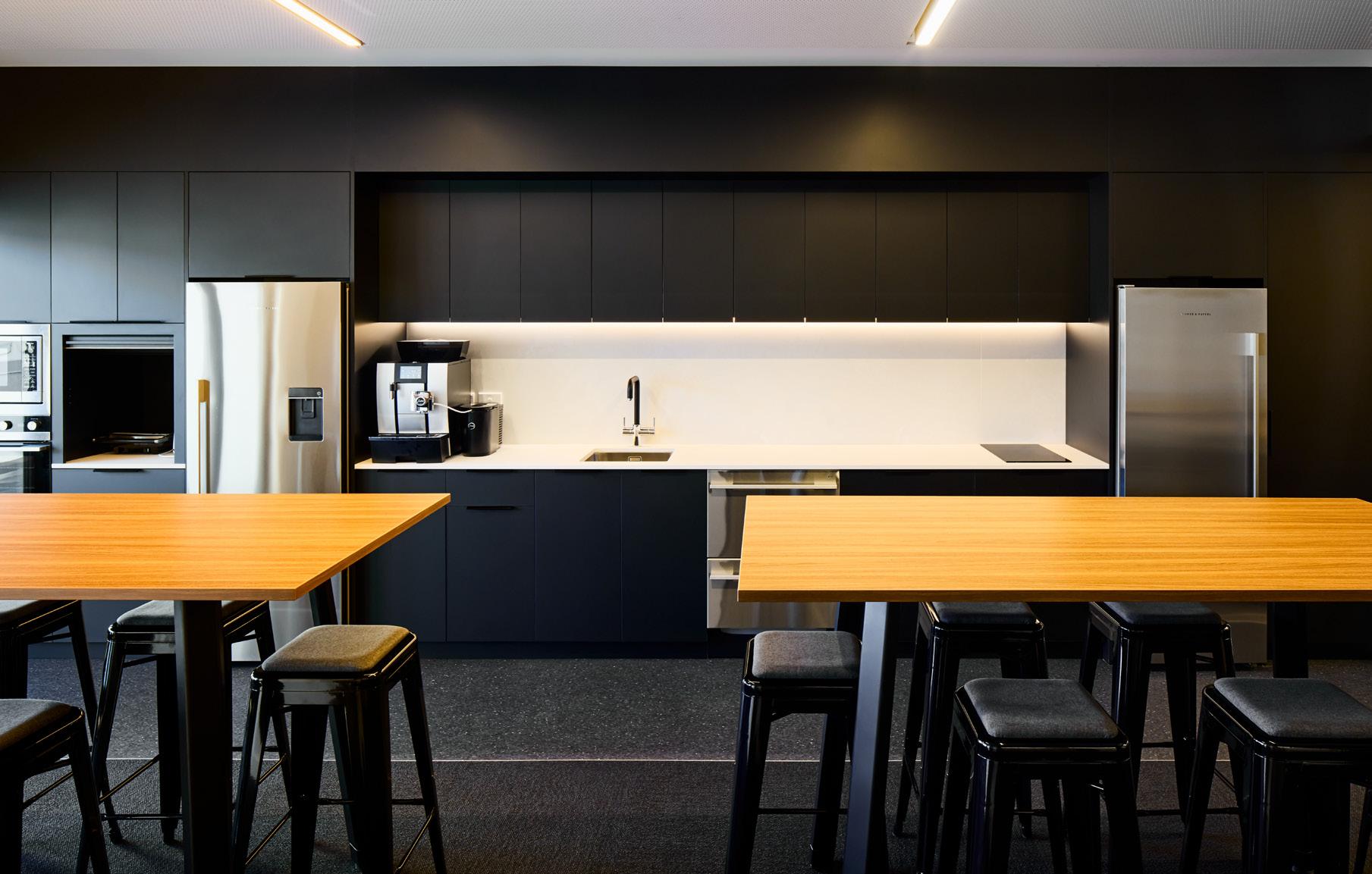
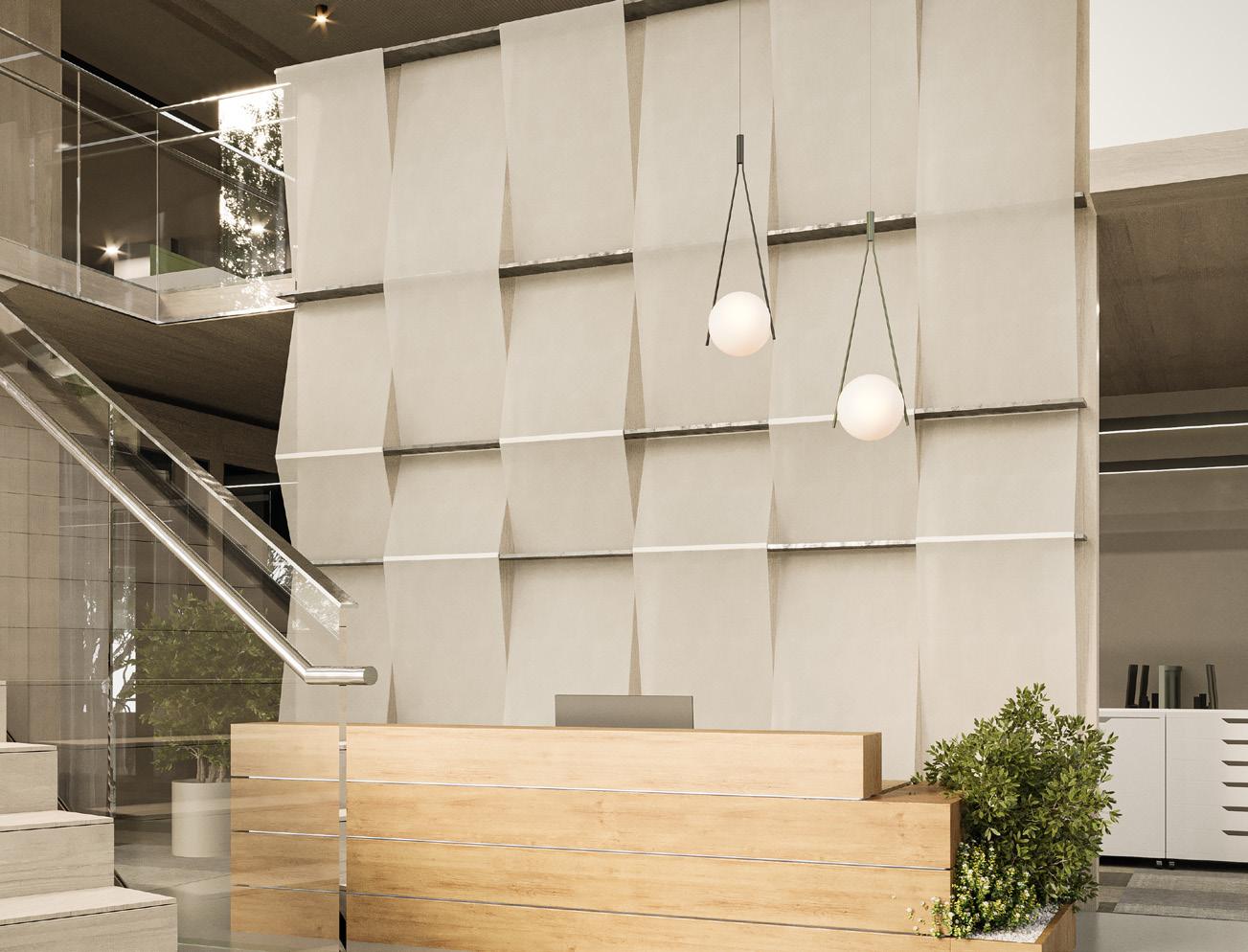
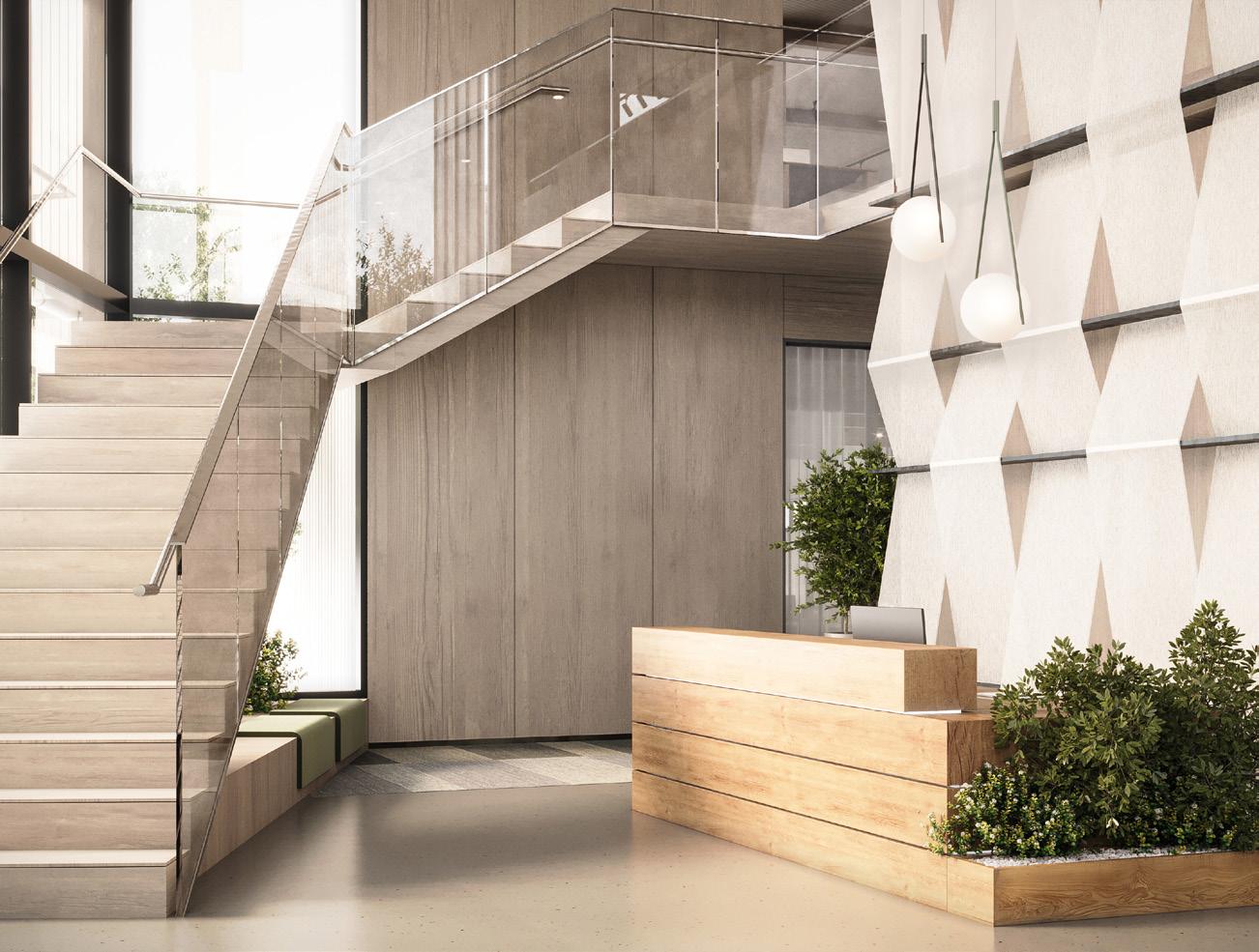
Taking a reuse approach to minimise environmental impact, the interior layout of the original 415m² was re-configured and an additional 85m² added through the extension of the first floor into unused atrium space, to accomodate for 24 staff. Interior materials were removed for reuse where possible.
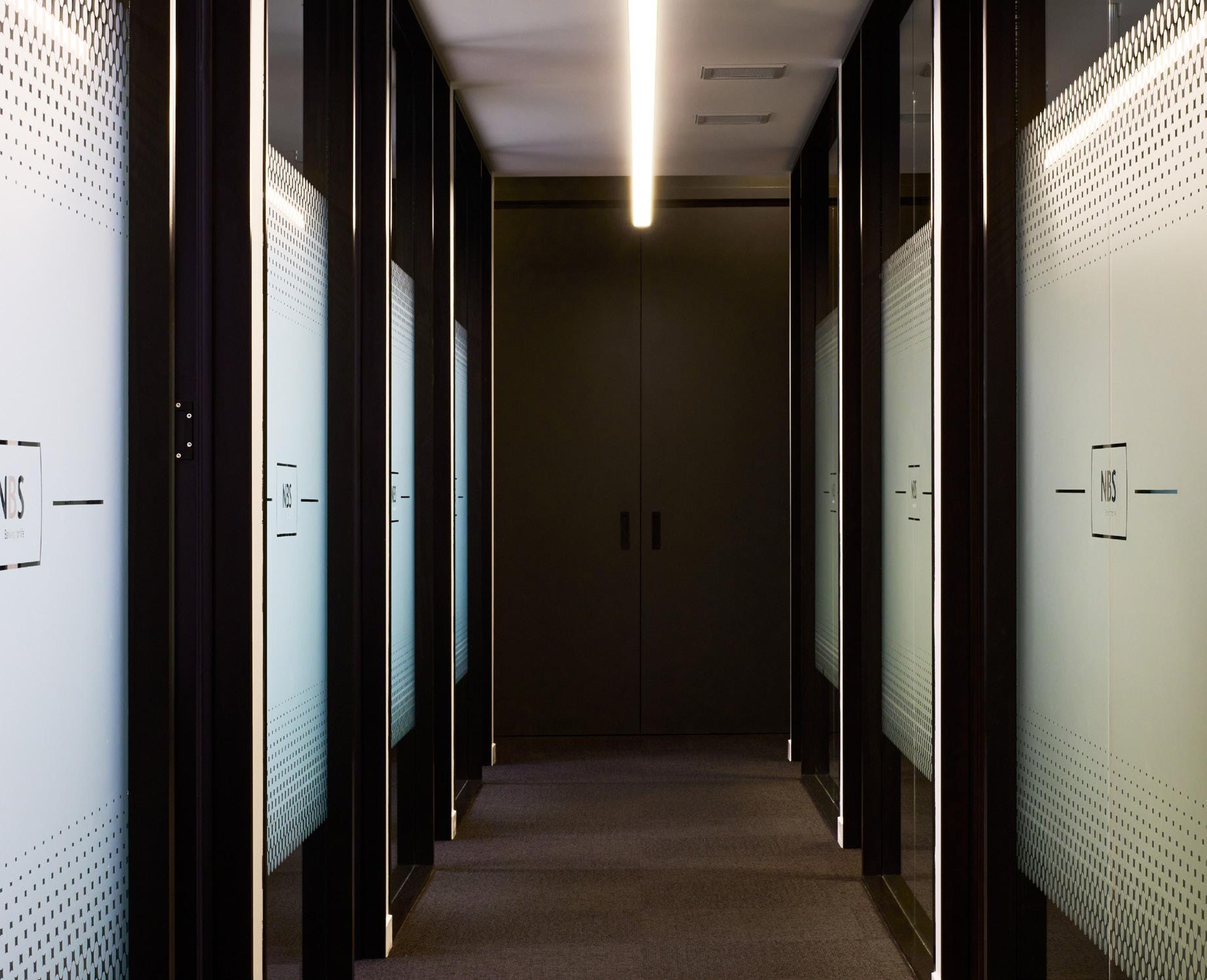
Acoustics were a major component of this project; noise levels in the busy reception space and open plan workspaces are managed through the use of materials that provided both texture and acoustic performance. Throughout the
space, wall and ceiling panelling were designed to incorporate lighting, acoustics and AV requirements for a fully integrated solution.
On the new first floor, full height operable partitions provide flexibility through allowing for the boardroom and cafe to be open to one another for large meetings, or create two separate rooms.
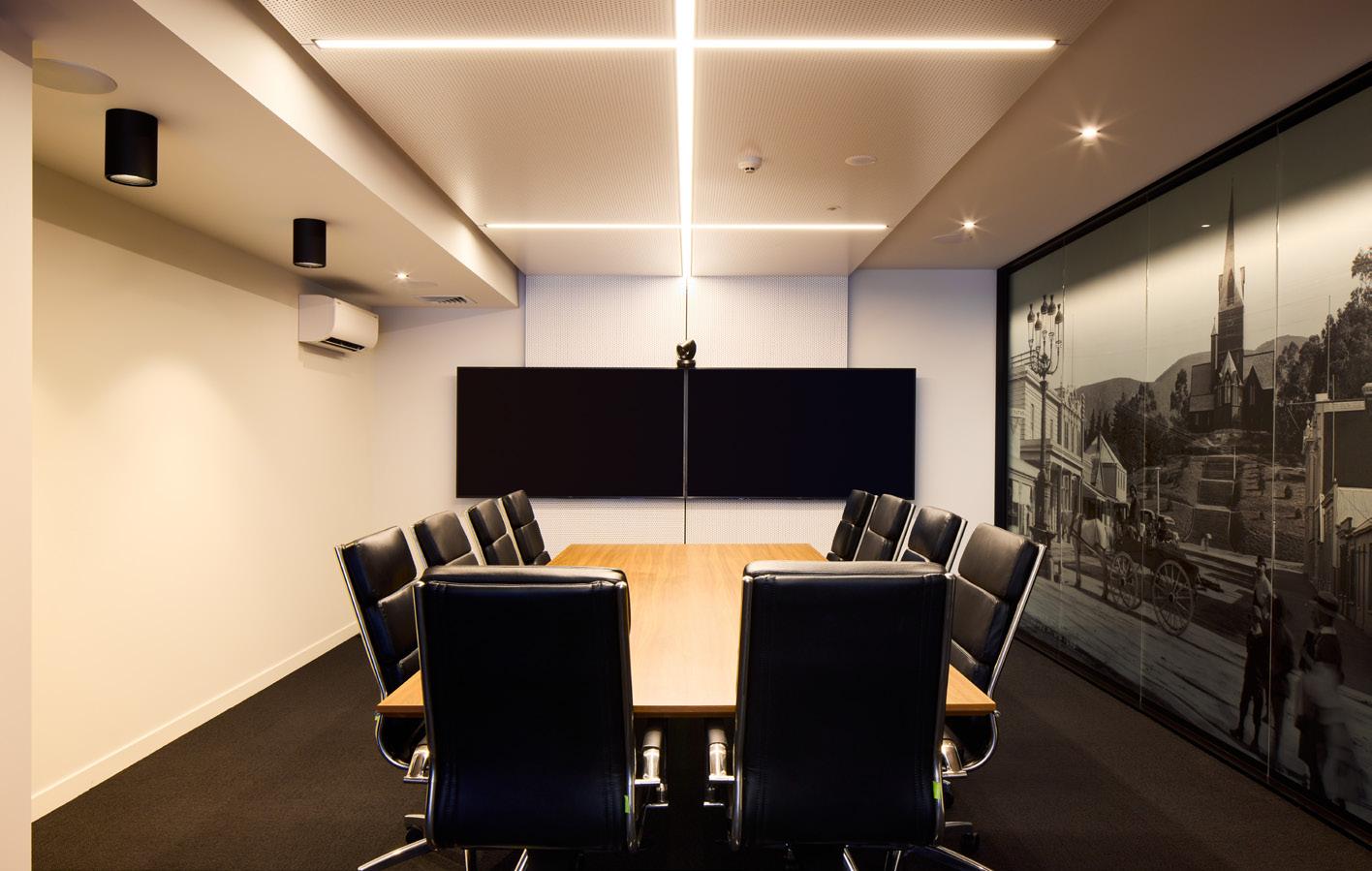
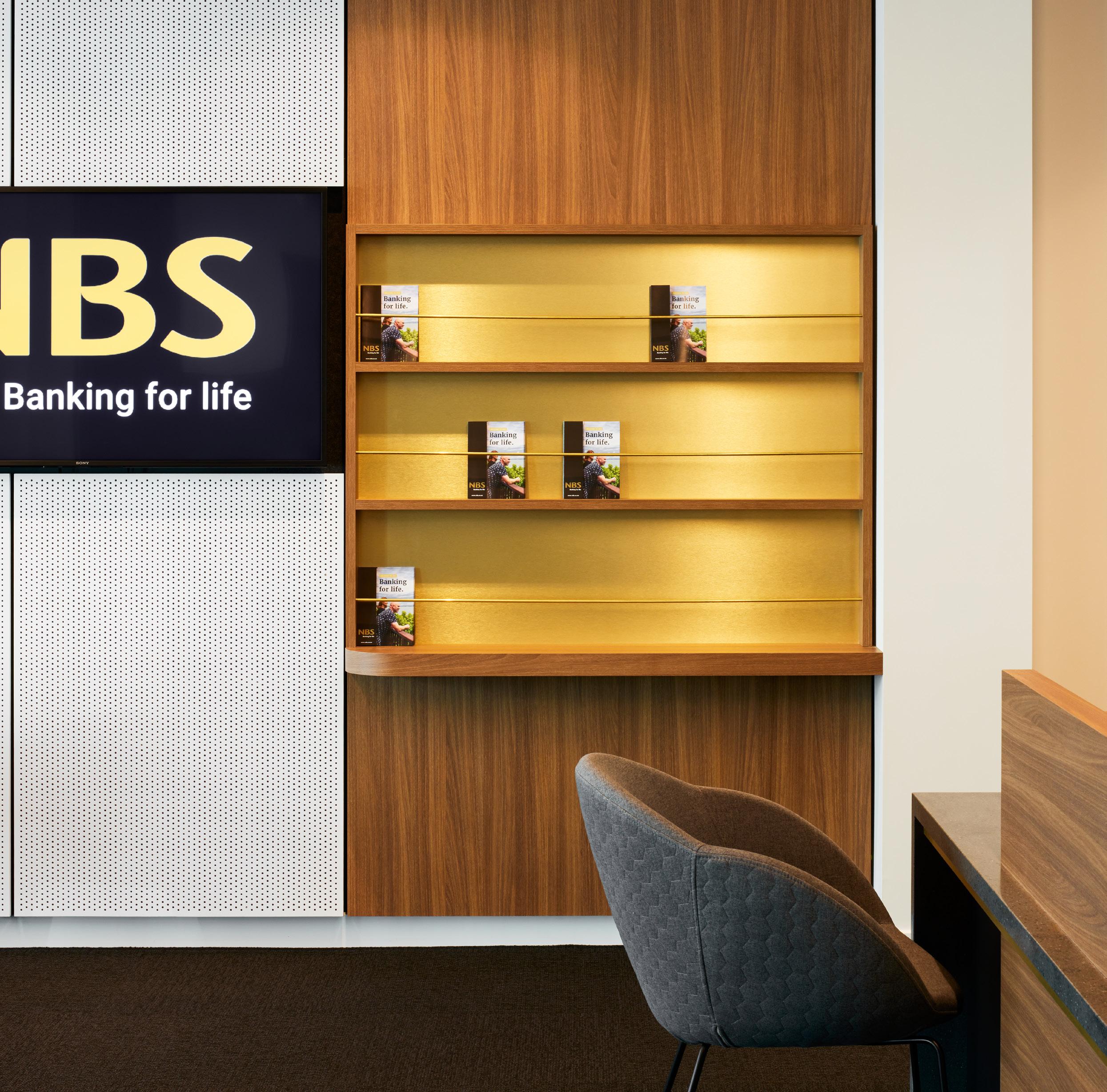
The interior palette references NBS’s historic palette through use of brass and warm timber, and the black and white of archive imagery; the detailing brings together the historic elements
Opened in September 2022, the New Zealand Wine Centre - Te Pokapū Wāina o Aotearoa, establishes a collaborative hub for the viticulture industry, research and education organisations within Blenheim’s Nelson Marlborough Institute of Technology campus.
NEW ZEALAND WINE CENTRE
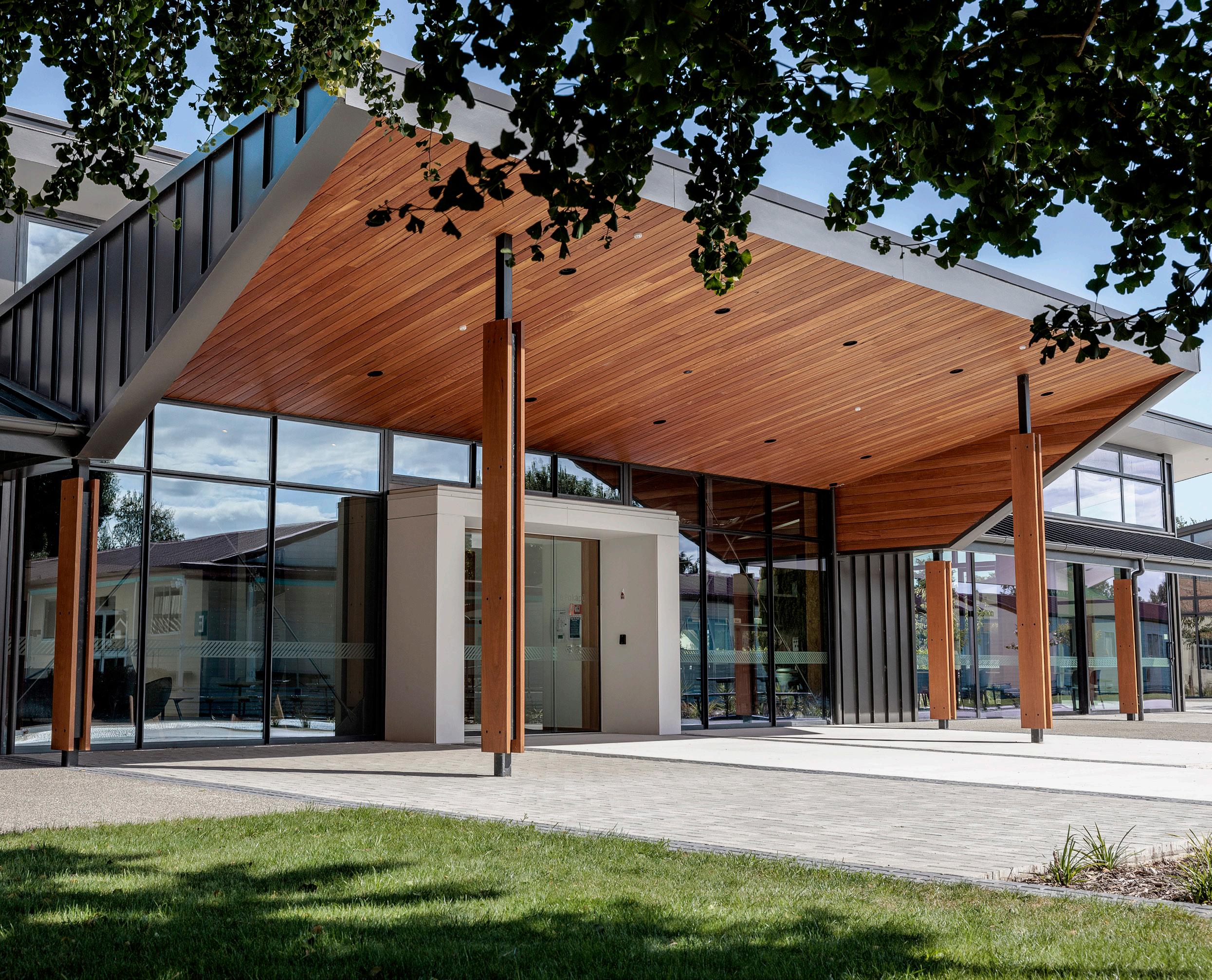
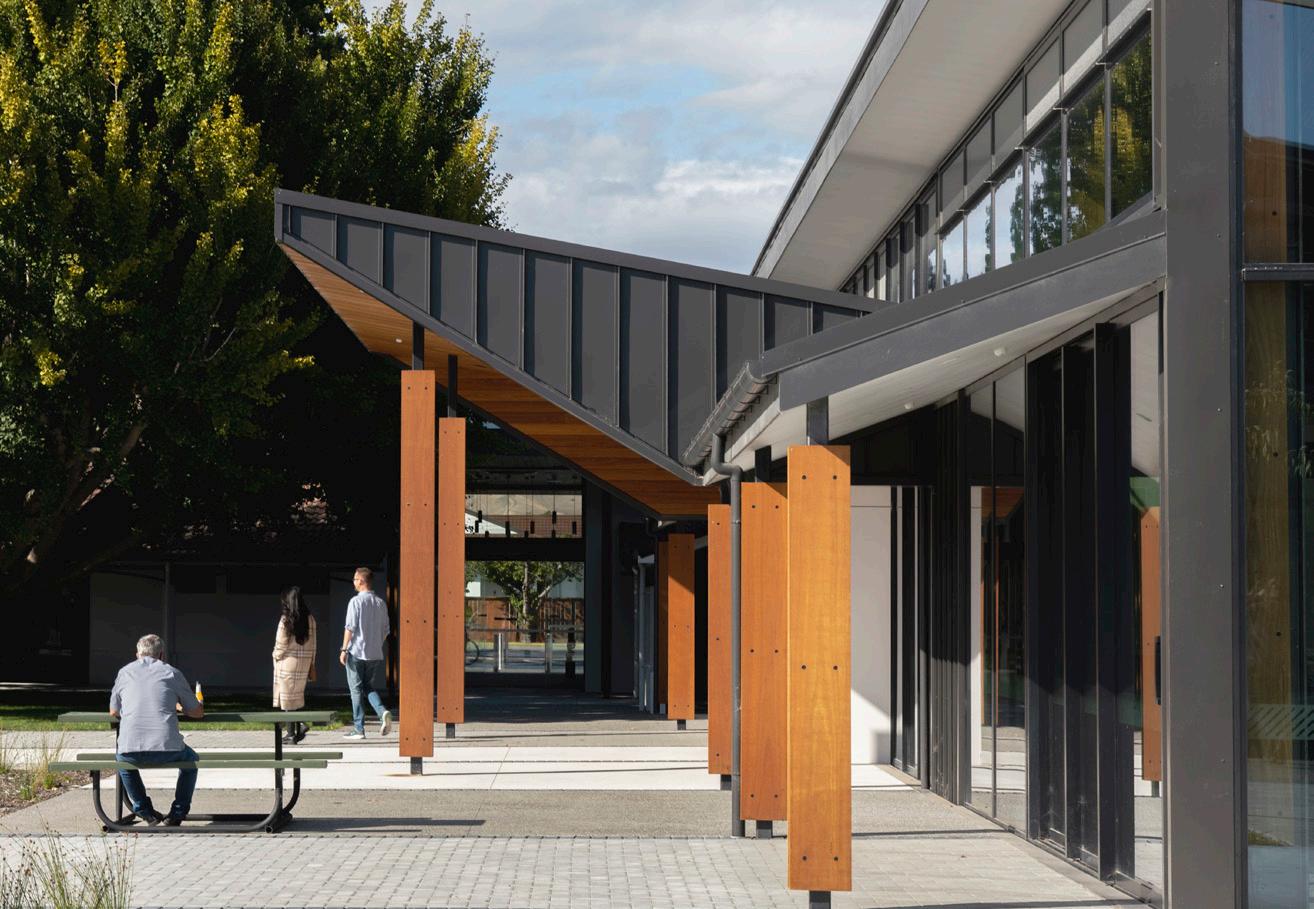
Placed in what was previously an area occupied by prefab buildings, the NZWC building provides formal and informal spaces over 392m2; including conference area, meeting rooms and a cafeteria to accomodate 80+ people. Expansive glazing along the eastern side creates a sense of openness and connection to the redeveloped courtyard space and surrounding campus.
Utilising steel and timber frame construction, the Centre is clad in dark tray metal cladding, reducing maintenance and cost. In direct contrast to the materials of the surrounding existing buildings, the
exterior of the structure creates a new, harmonious language.
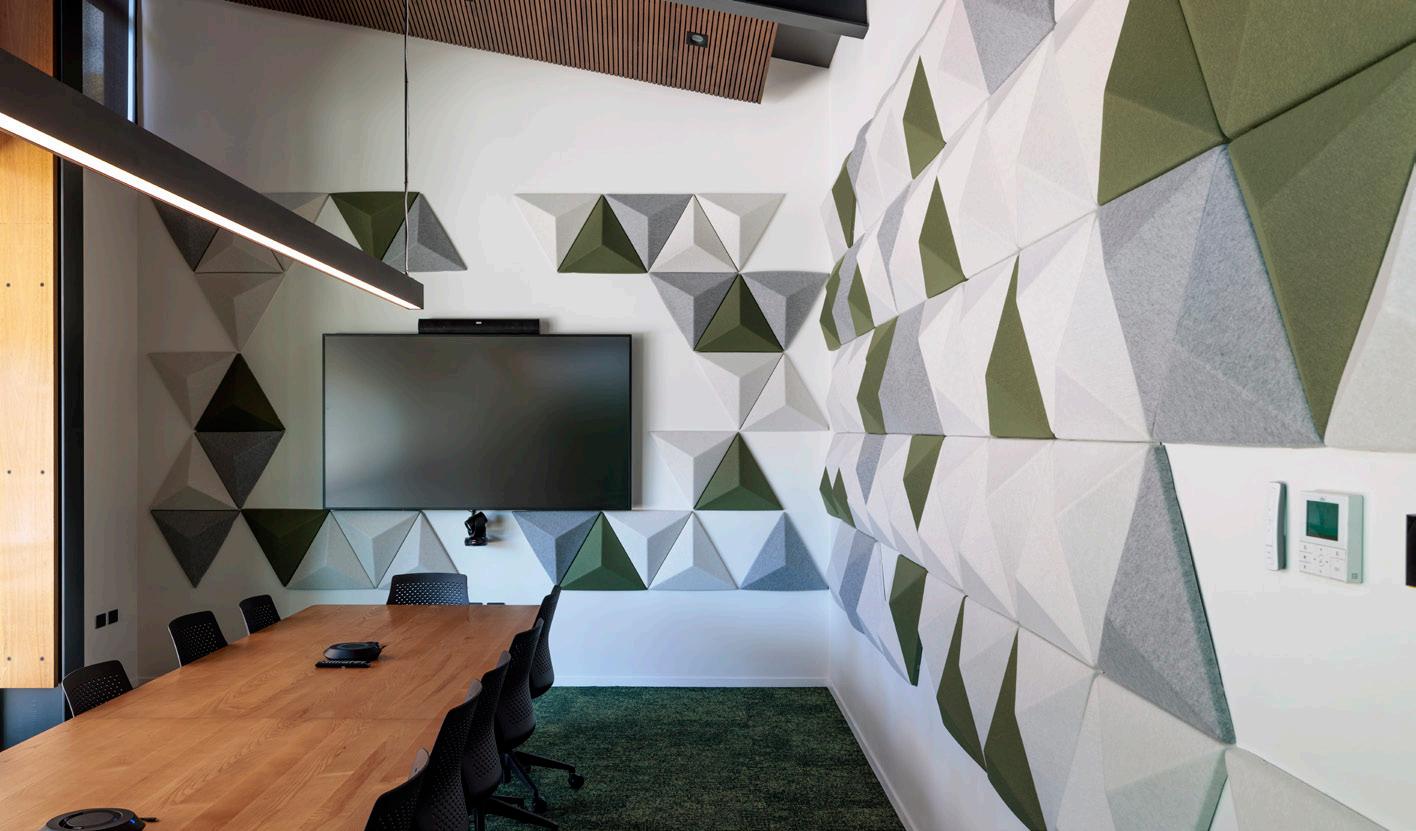
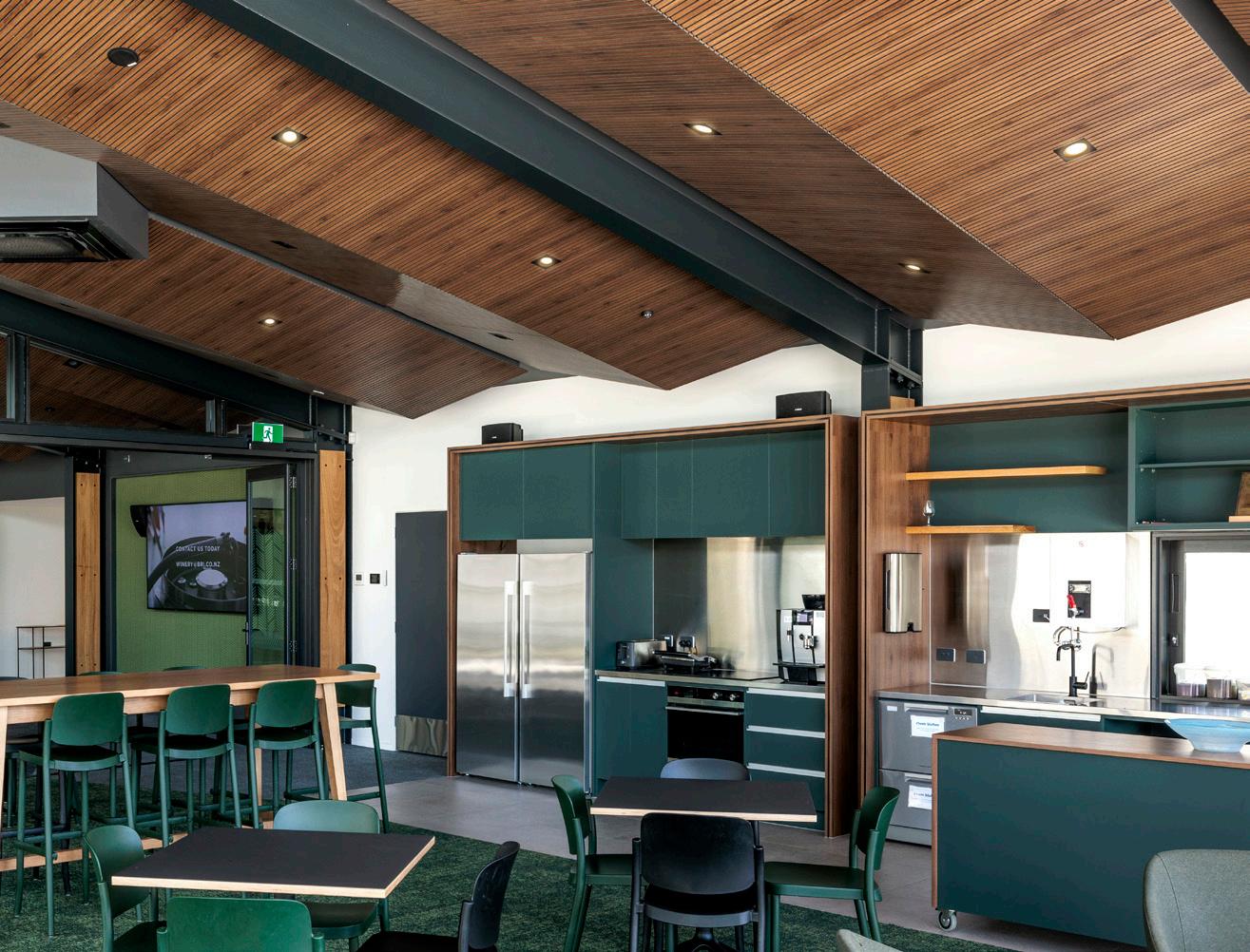
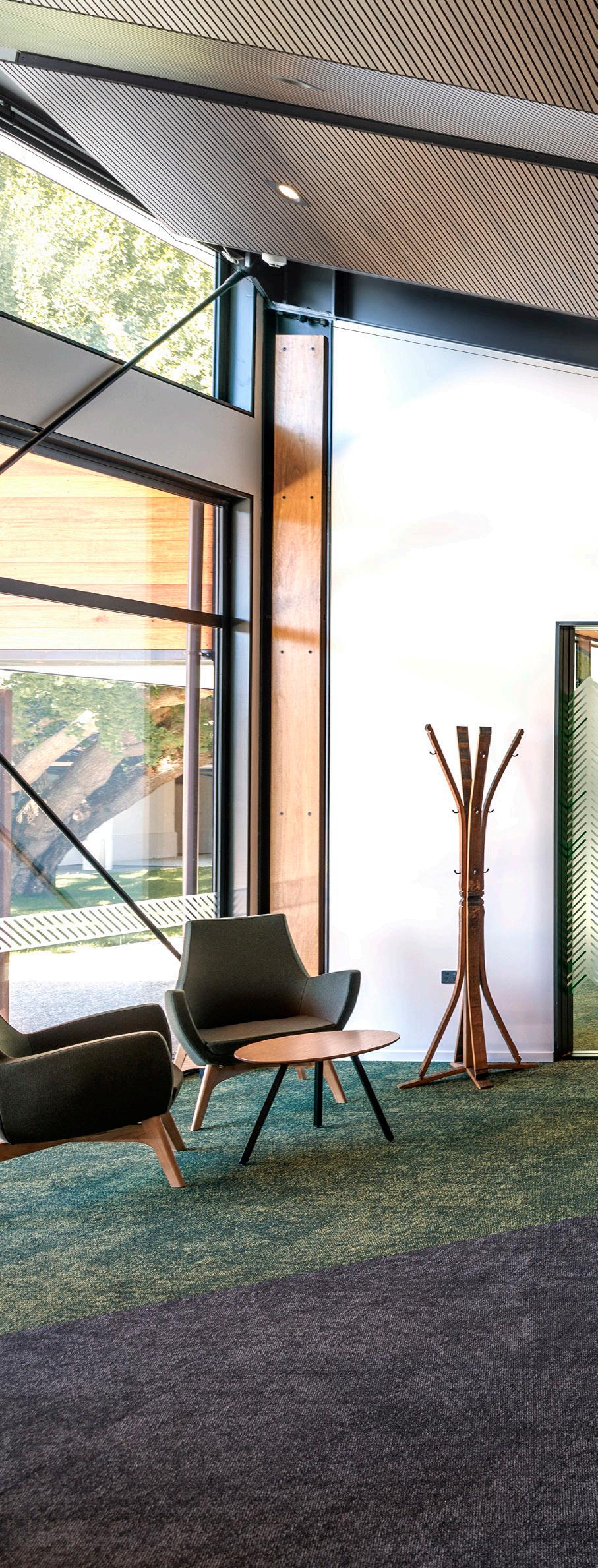
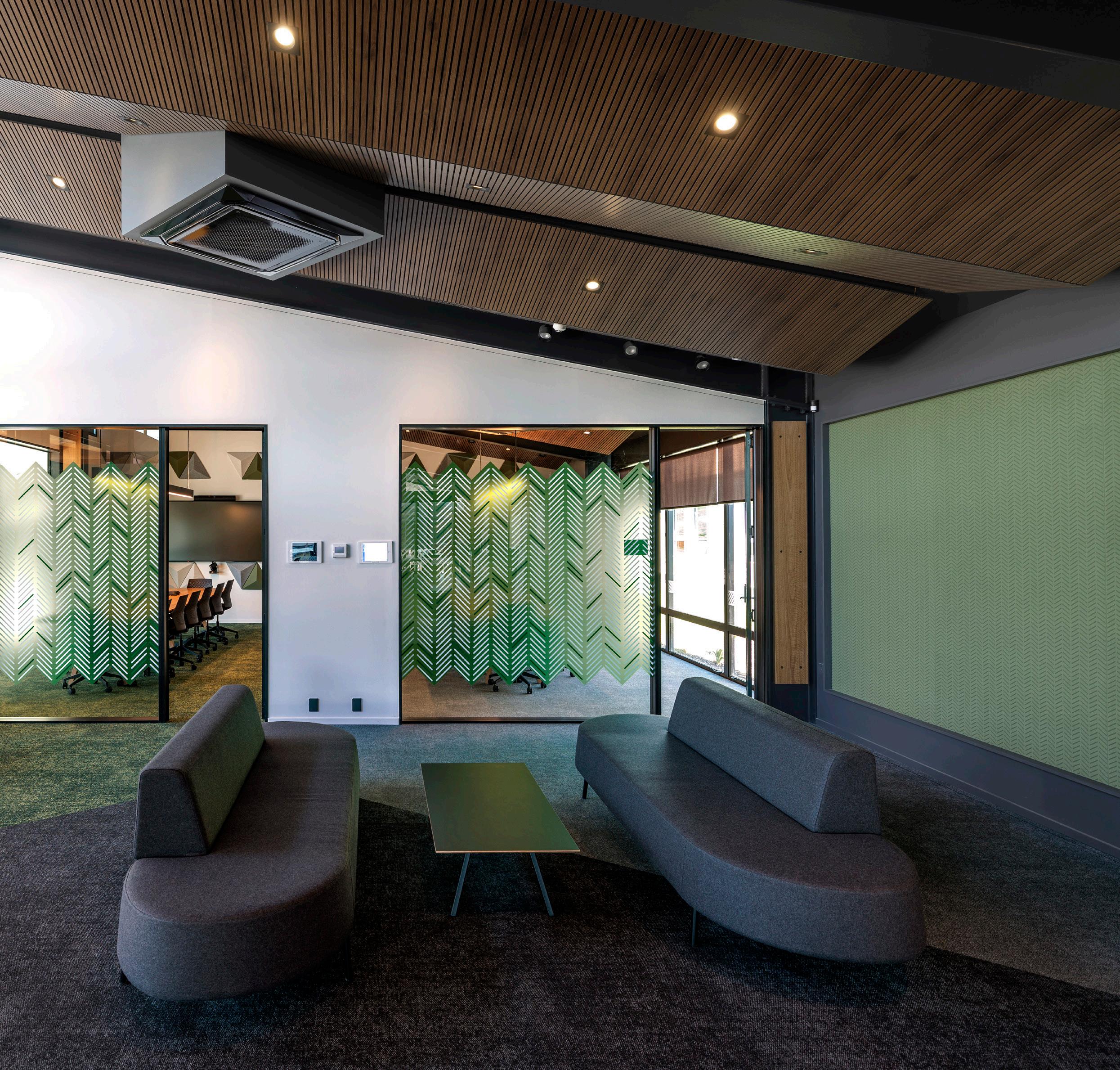
Internally, a simple but sophisticated scheme has been used throughout the internal finishes. Lush green carpet and folded plate ceilings lined with locally grown hardwood link all the spaces, while the superstructure, picked out in black, recedes. All spaces have a strong focus on acoustic performance, with grey and white triangulated acoustic panels covering meeting room walls.
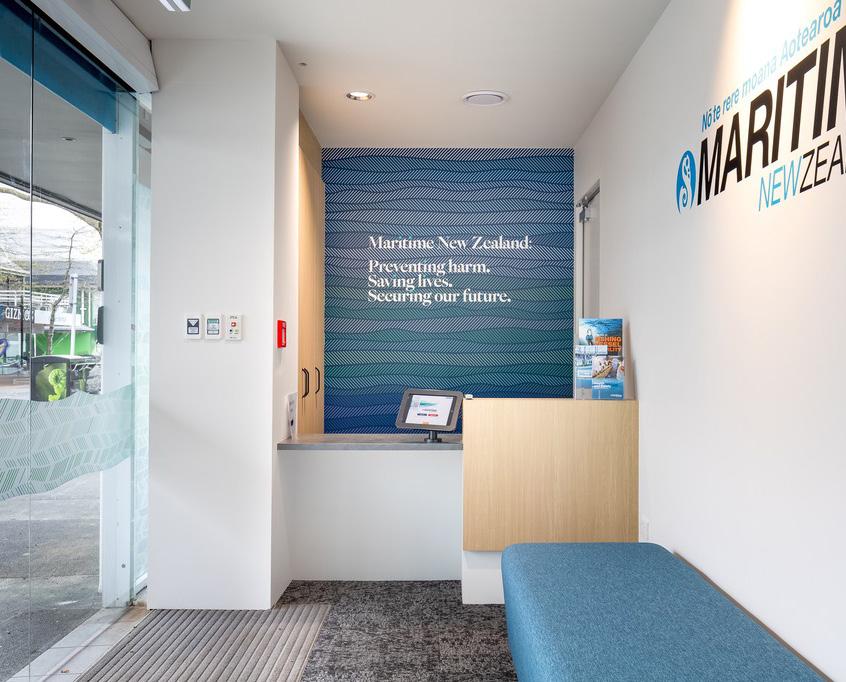
This office fitout for Maritime New Zealand was a response to their requirement for a more central and secure location for their regional staff, as well as bringing the workplace to the Maritime New Zealand standard for flexible working arrangements.
MARITIME NEW ZEALAND
NELSON OFFICE
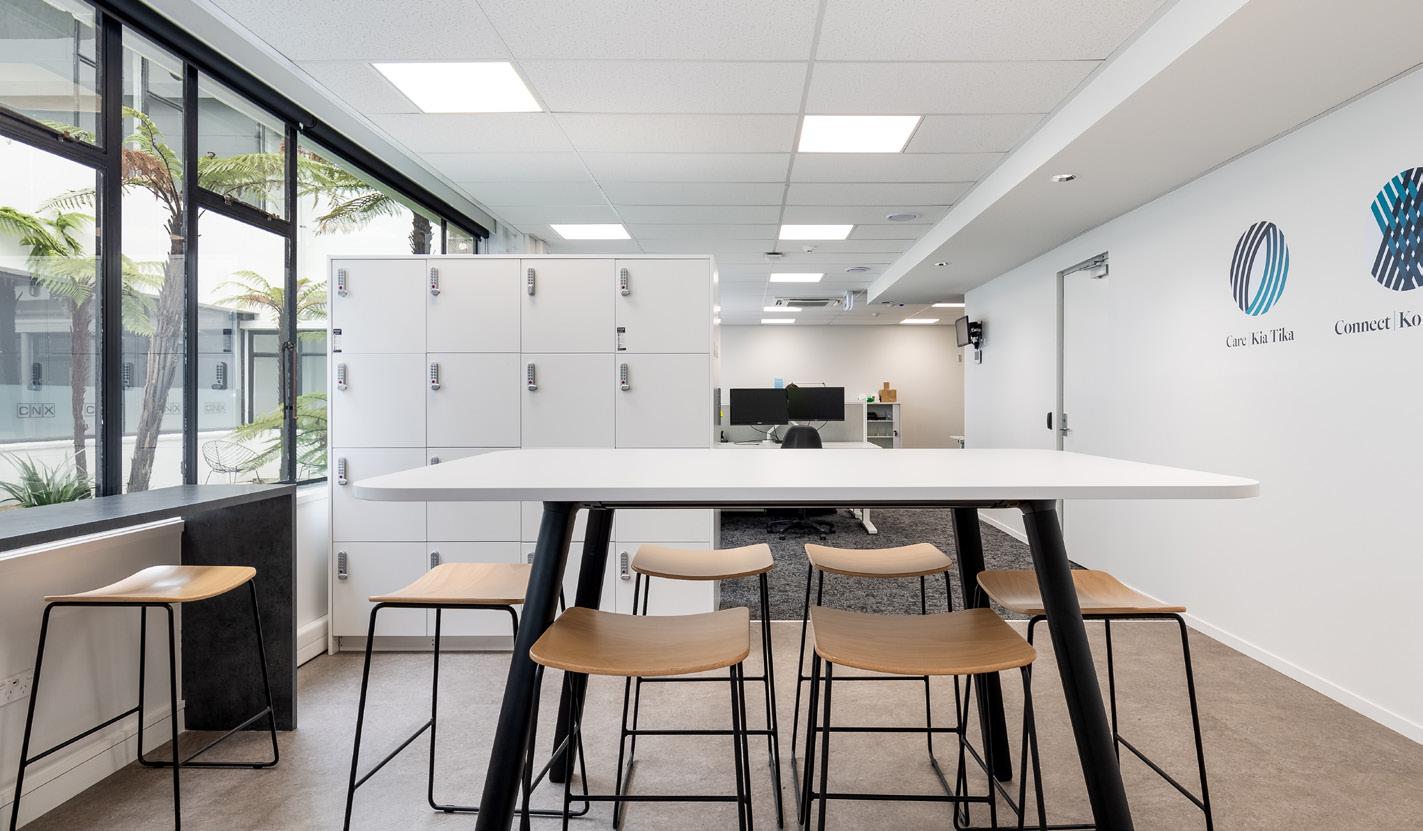
The 206m² space includes reception and meeting areas, open collaboration zones, flexible workstation areas and secure storage spaces for 16 staff.
The concrete structured base building was provided to Maritime New Zealand with an acoustic ceiling grid, mechanical and electrical services to an open plan layout. Maritime New Zealand leased the ground floor, and JTB provided a design for a mixed use floorplan, with both open and
enclosed spaces. Finishes were in line with the Maritime New Zealand standards, in a palette of navy and timber to reference a nautical aesthetic.
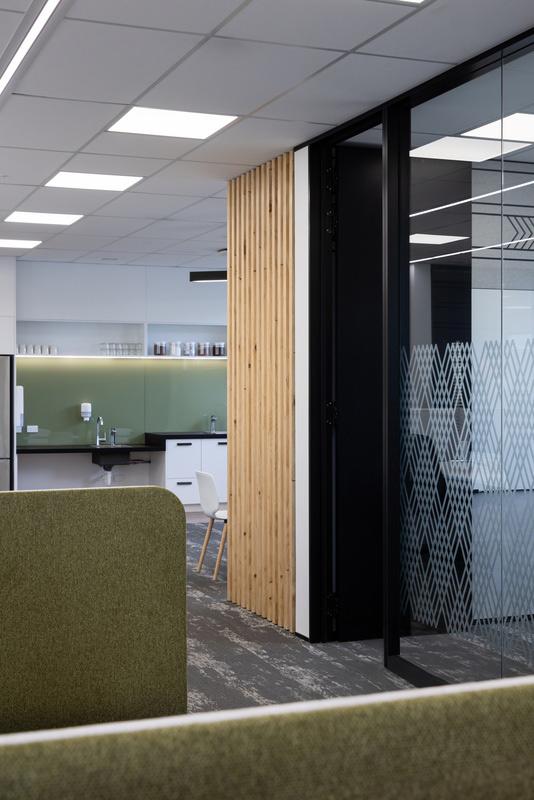
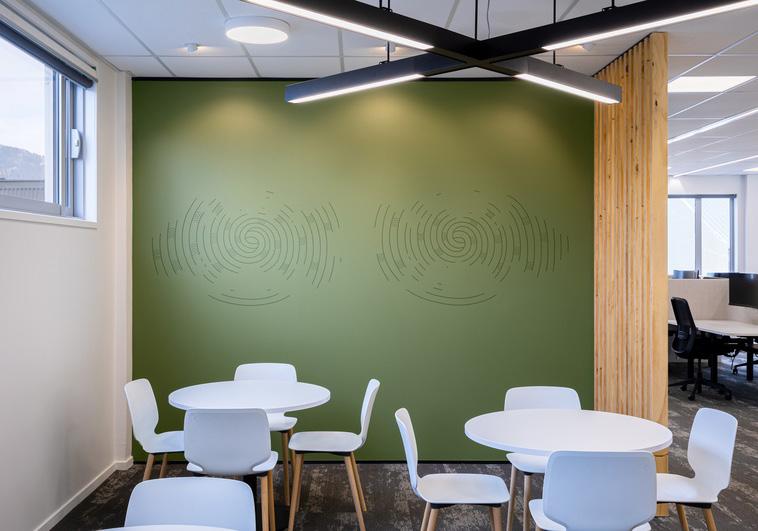
Completed in 2024, this new office fitout in Whakatu Nelson is a 375m² workspace designed to accommodate regional government staff.
REGIONAL GOVERNMENT OFFICES, NELSON
In 2022, JTB Architects provided design services for the previous office, discovering that the existing leased space no longer met functional requirements. A new leased site was secured, and JTB developed a design that prioritised reusing existing resources wherever possible, with a strong emphasis on sustainability.
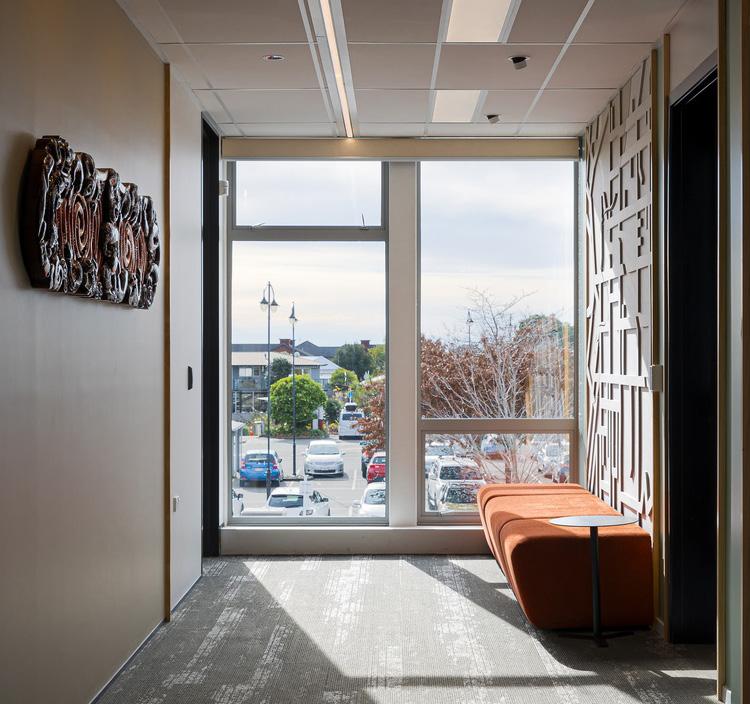
This project included a significant taonga, a pare gifted to the Crown in the early 1990’s and the interior design for the office is the result of extensive collaboration with mana whenua Iwi in the Whakatu region, including the whānau of the original carver. It reflects the
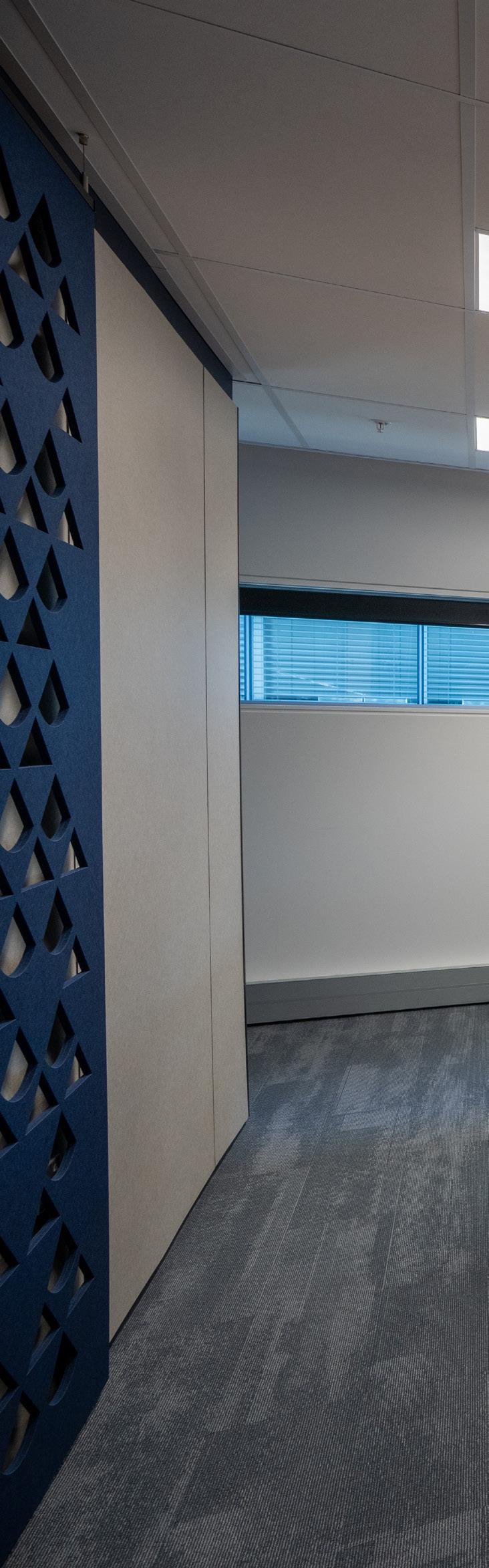
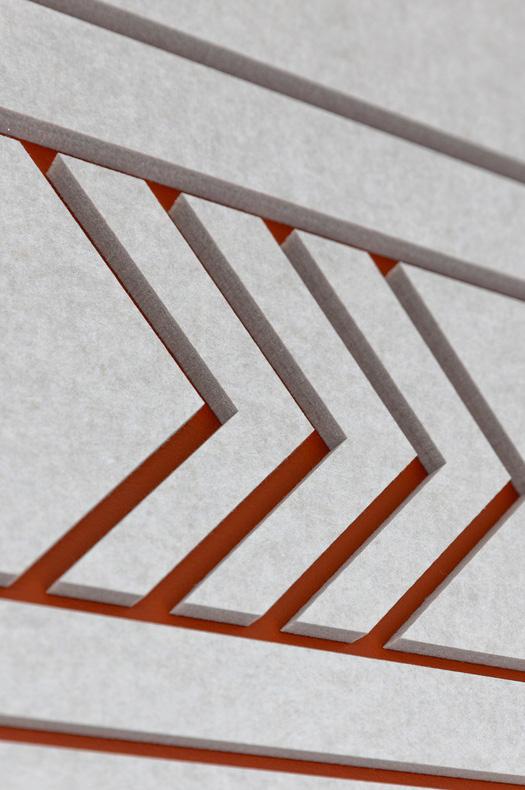
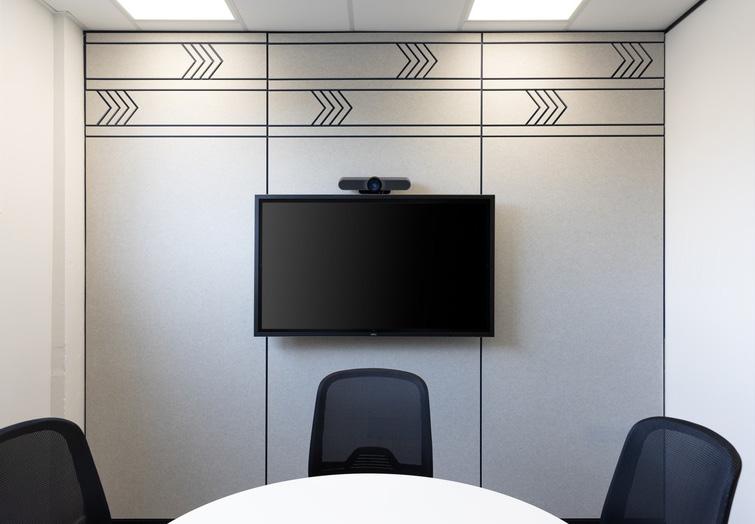
narrative of the pare through use of colour and pattern throughout the office acoustic panels and vinyl manifestations, with key design features of the pare being repeated throughout the space. The 375m² office space comprises mediation rooms, interview and breakout rooms for 22 employees, with a particular focus on security for guests and staff, in line with the governments workplace guidelines, security and IT requirements. The project was constructed by Gibbons Naylor, a branch of Naylor Love in the Nelson Tasman region.
Opened in 2021, the Plant & Food Horticultural Research Facility at Motueka combines over 2800m² of labs, crop handling areas, offices, and meeting spaces into a central hub for horticultural research.
PLANT & FOOD HORTICULTURAL RESEARCH FACILITY
The new 1430m² facility, located in Motueka, caters for 46+ staff and provides for an administrative area with open plan offices, private AV conference rooms, shared collaborative spaces, focus rooms and a larger conference space.
The initial masterplanning process identified the opportunity to develop a new, centralised lab and office facility, which would support the surrounding auxiliary buildings and labs. Areas for future expansion were also identified.
Within the specialised science areas there are media prep/ chemistry labs, tissue culture and laminar flow work rooms, a specialised instrument room, pathology work rooms with biohazard units, and PC1 and PC2 laboratories.
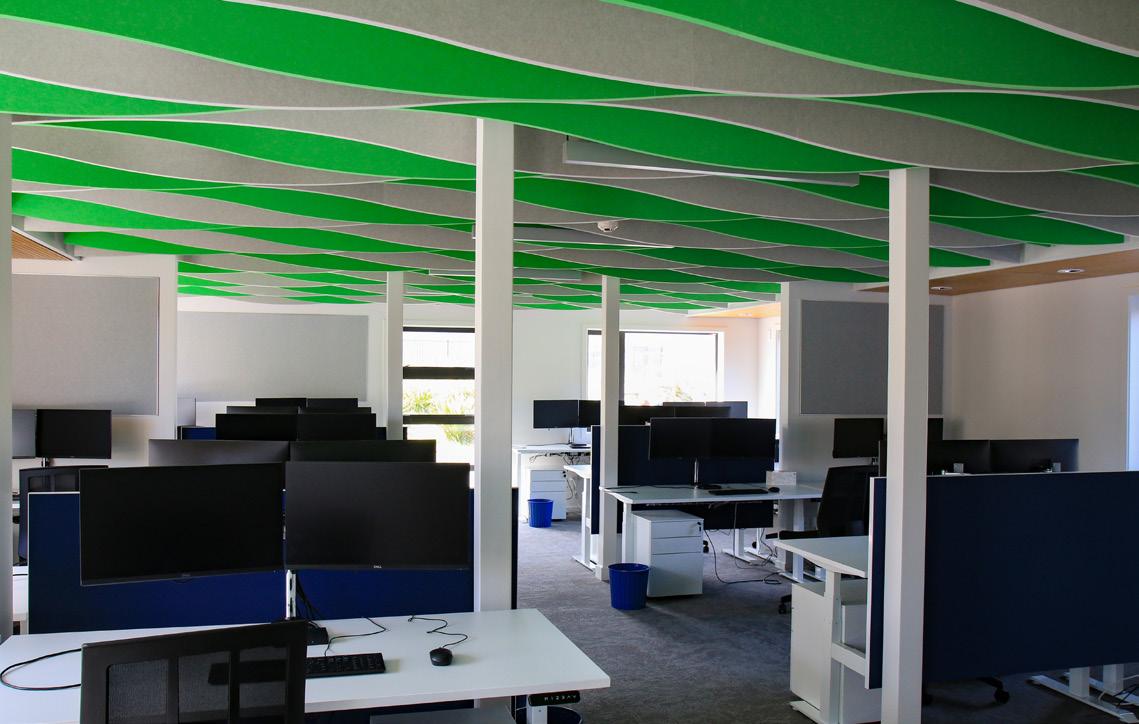
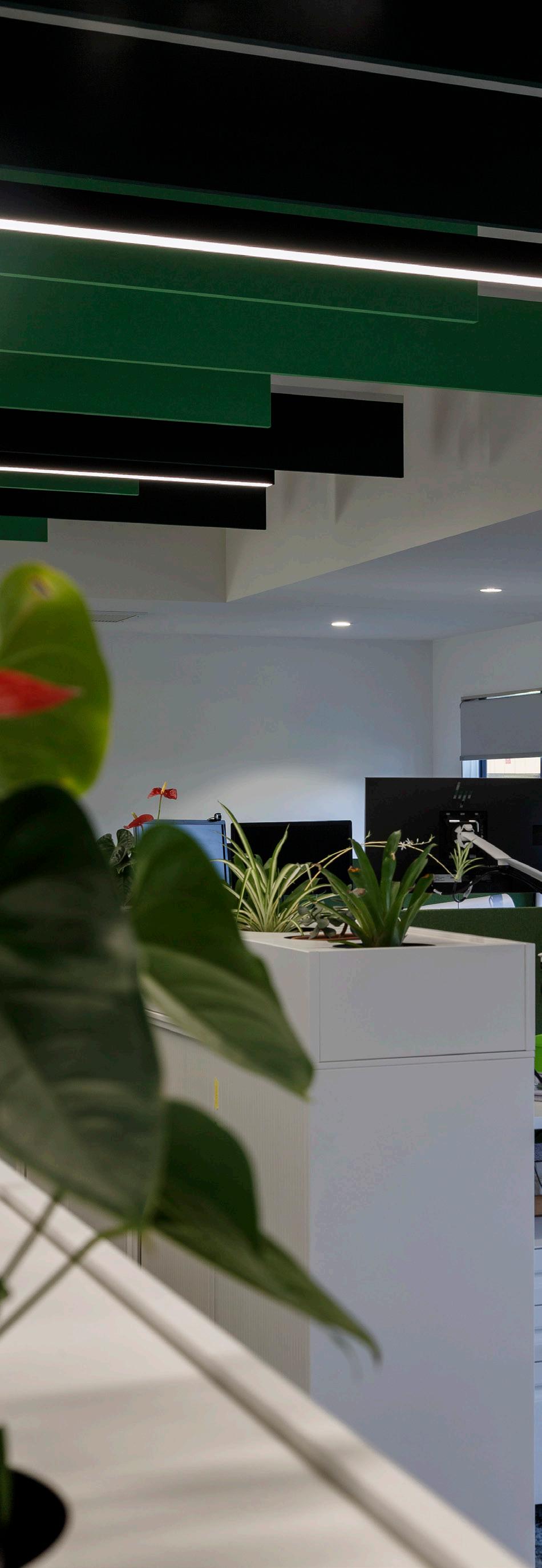
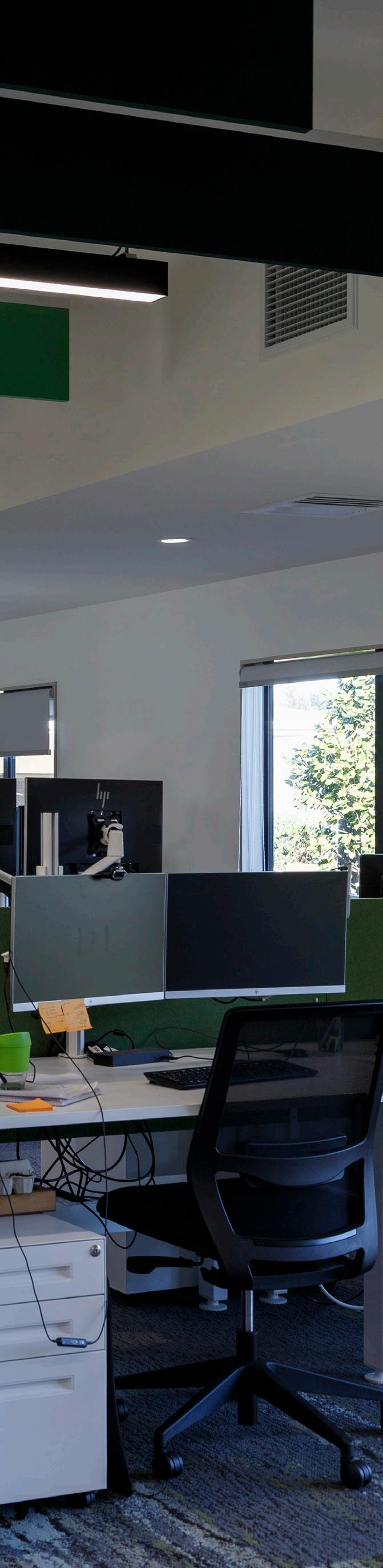
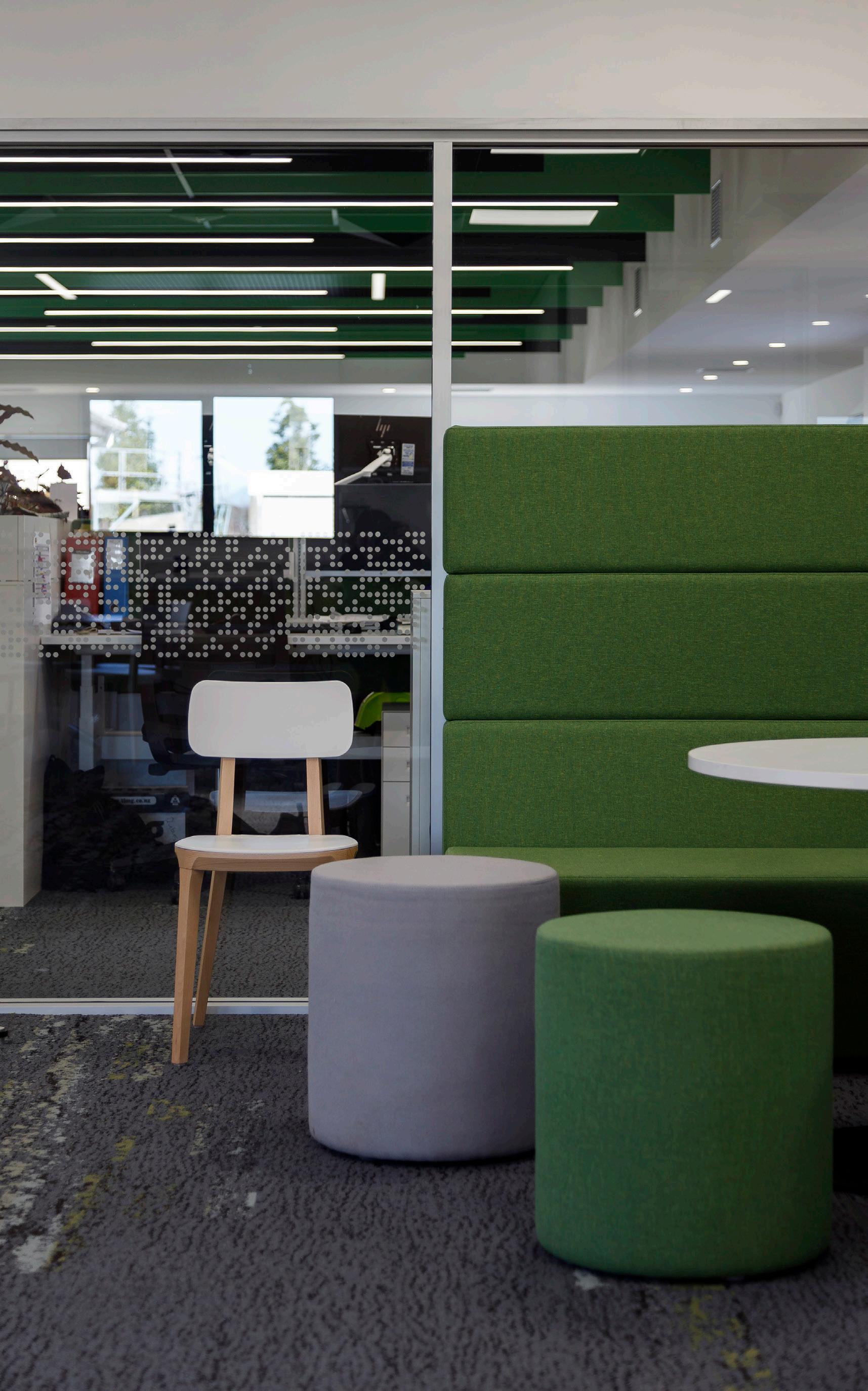
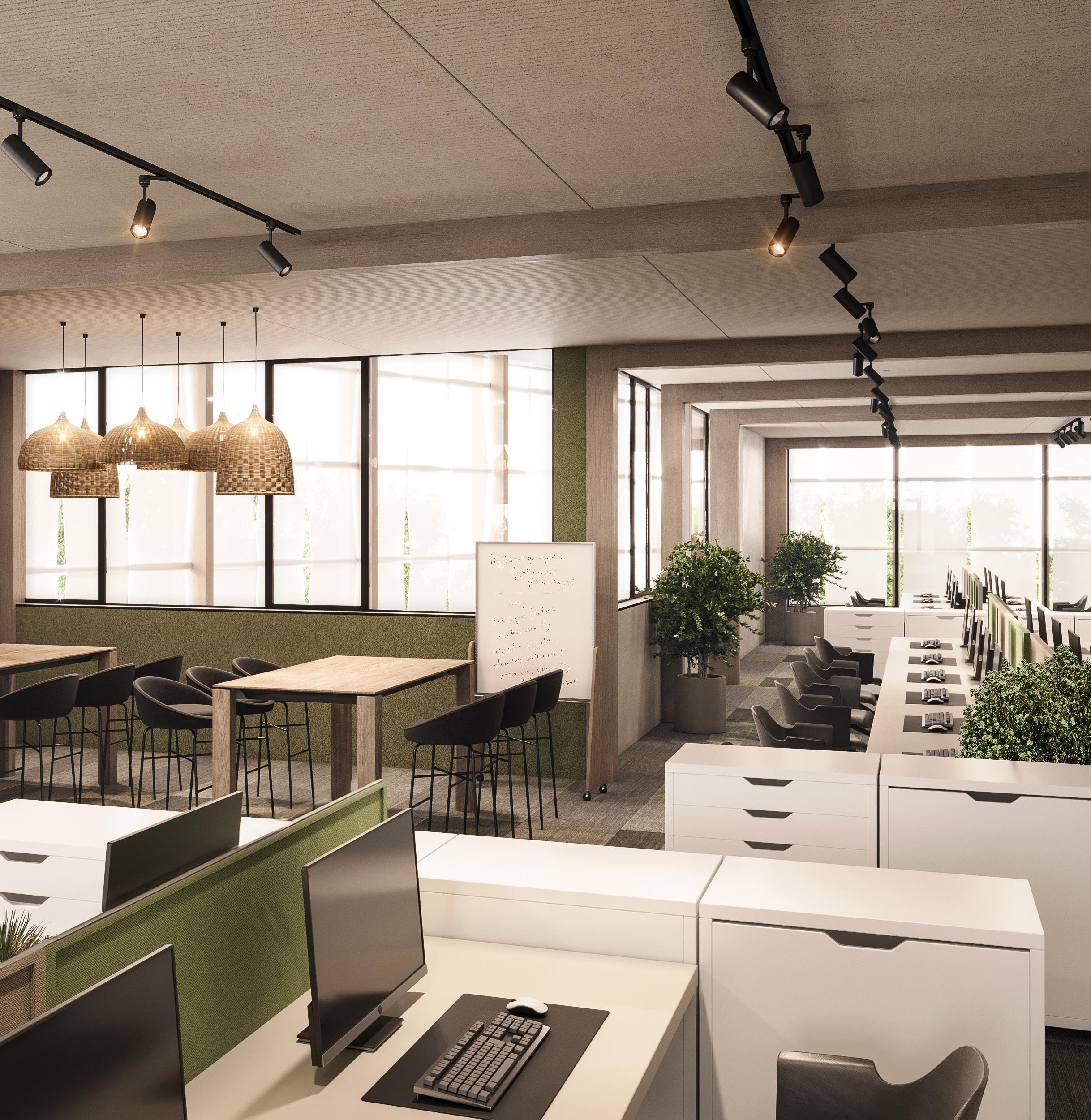
Interiors for the facility utilise a natural design palette in shades of green and organic forms. Acoustic battens nod to the rows of kiwi fruit orchards that this location specialises in.
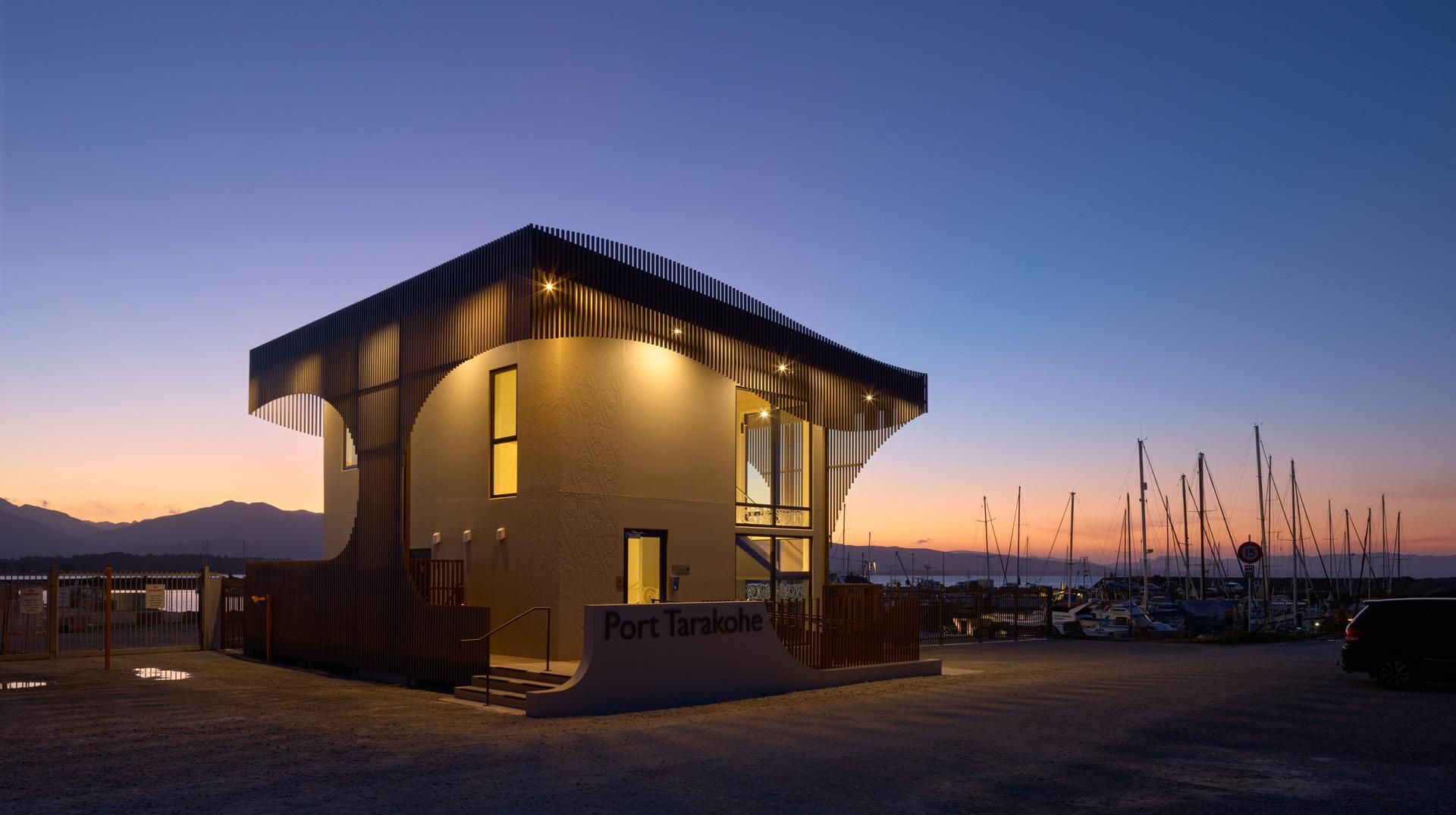
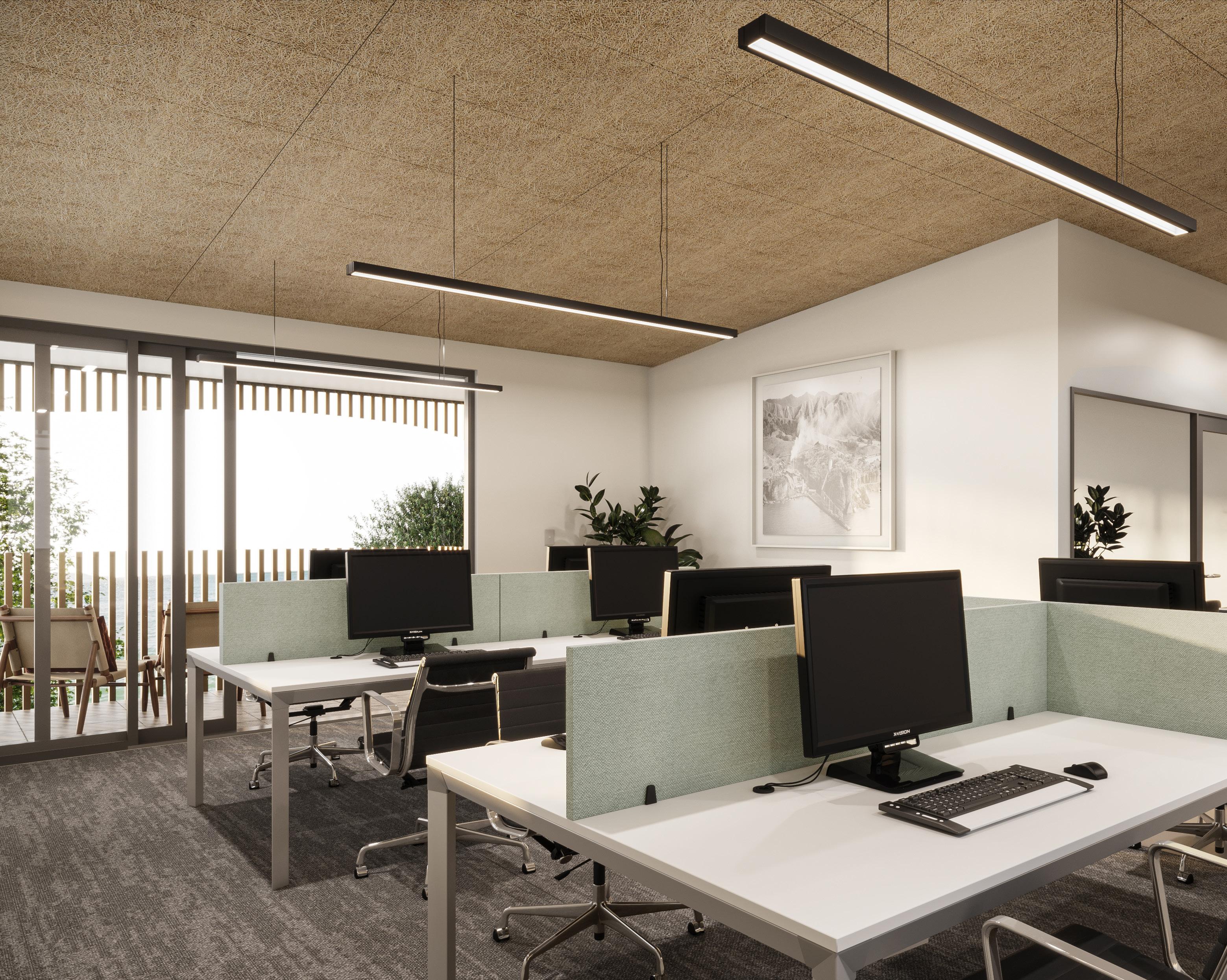
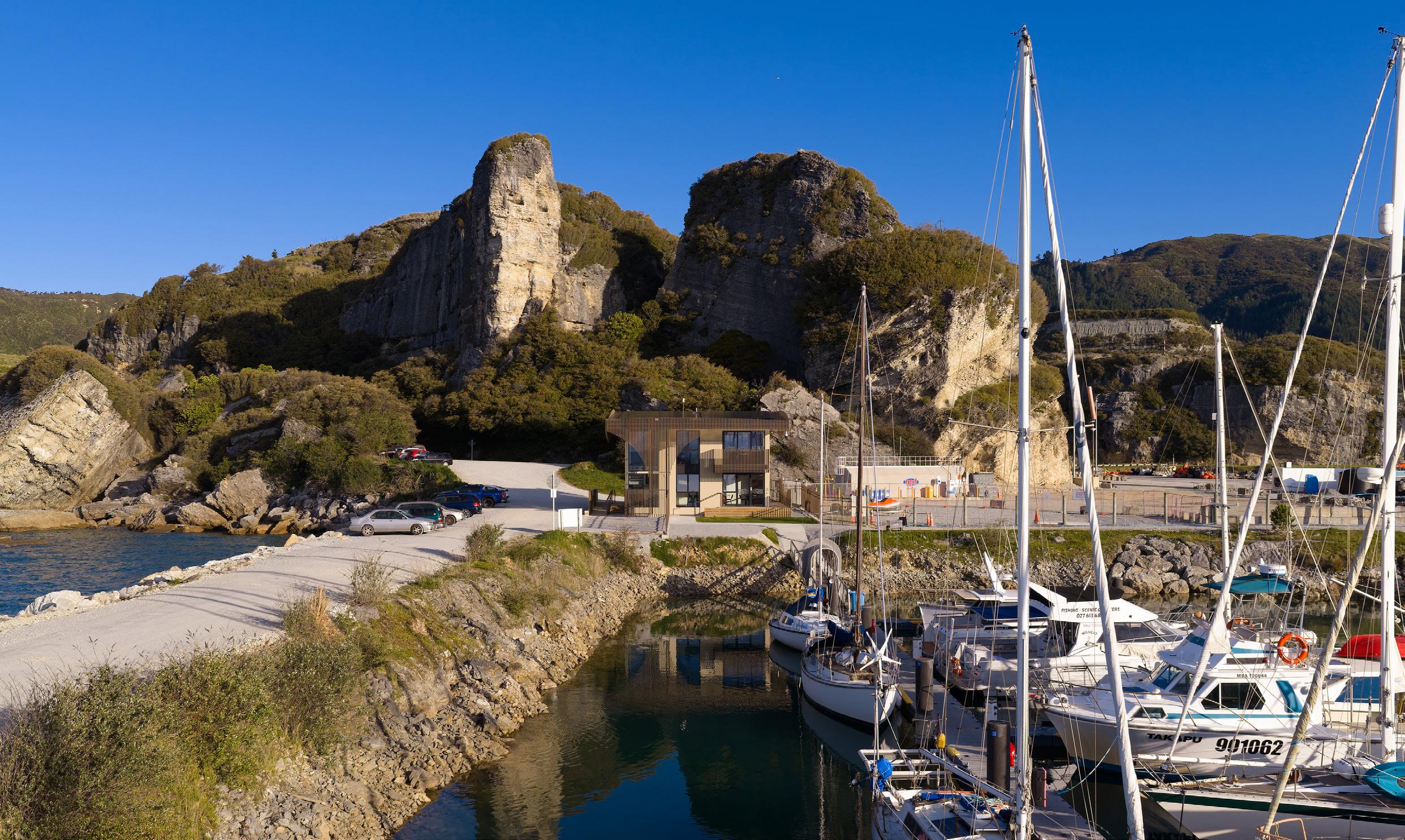
The new two-storey facility at Port Tarakohe combines practical function with a design that reflects the port’s landscape and local heritage.
PORT TARAKOHE MANAGEMENT OFFICE
The new two-storey 140m² facility and office building at Port Tarakohe has been designed to enhance both the functionality (for 10 staff) and aesthetic of the historic port.
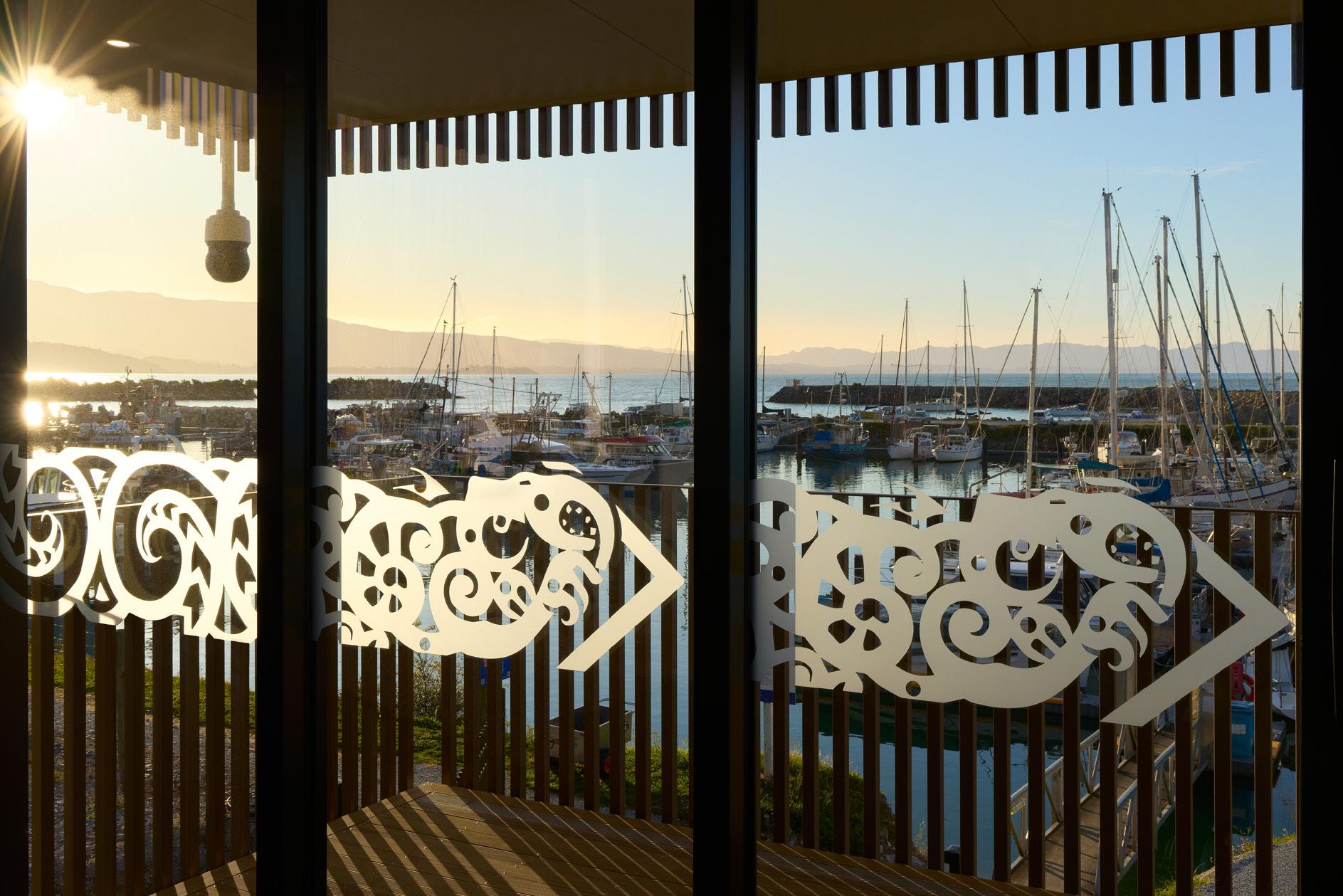
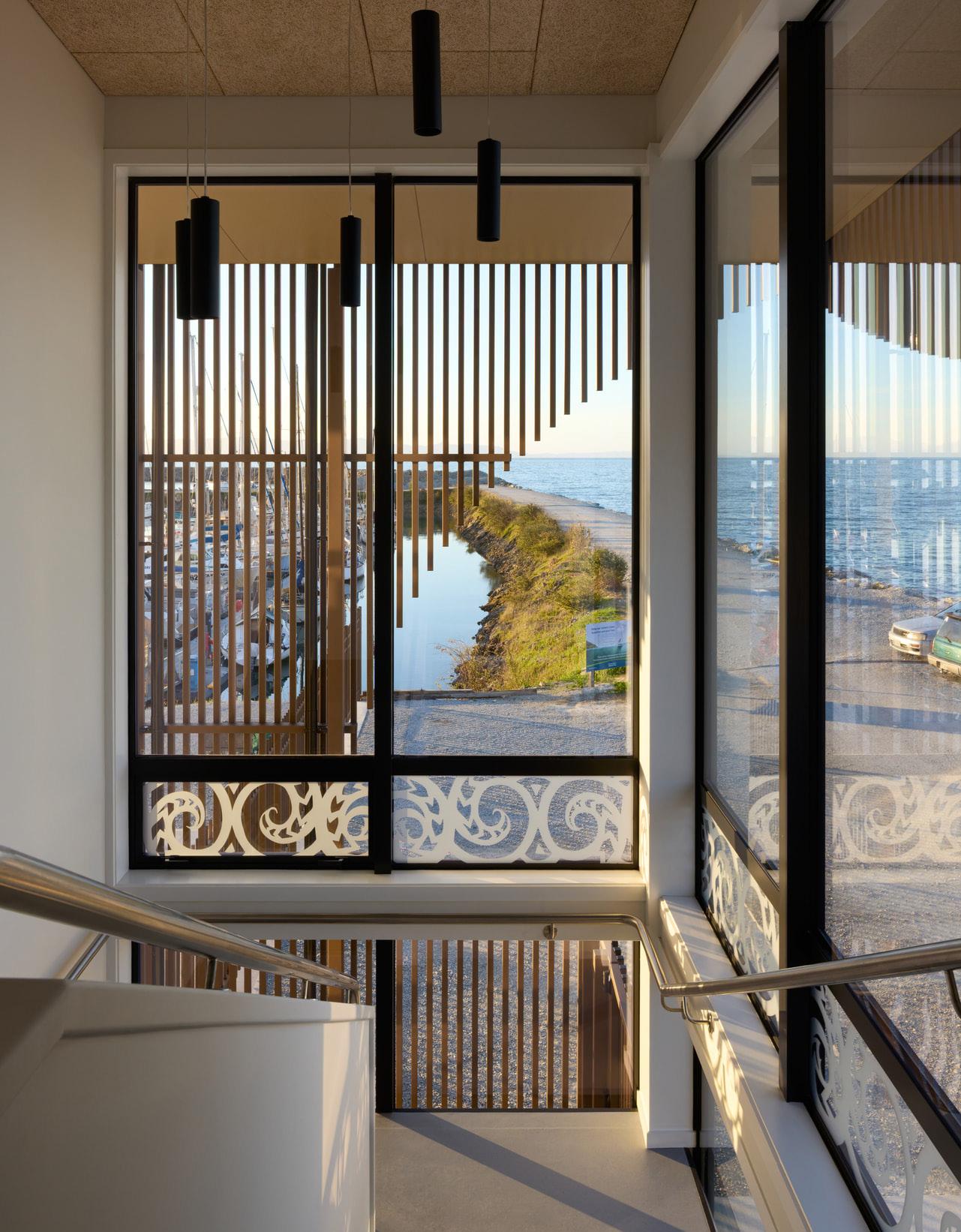
The building’s plastered cladding system has been carefully selected to harmonise with the surrounding limestone cliffs, while vertical battens reflect the organic forms that symbolise the deep connection between the whenua (land) and moana (sea). Positioned to capture north-facing coastal views, the design maximises natural light and a strong connection with the outdoor environment.
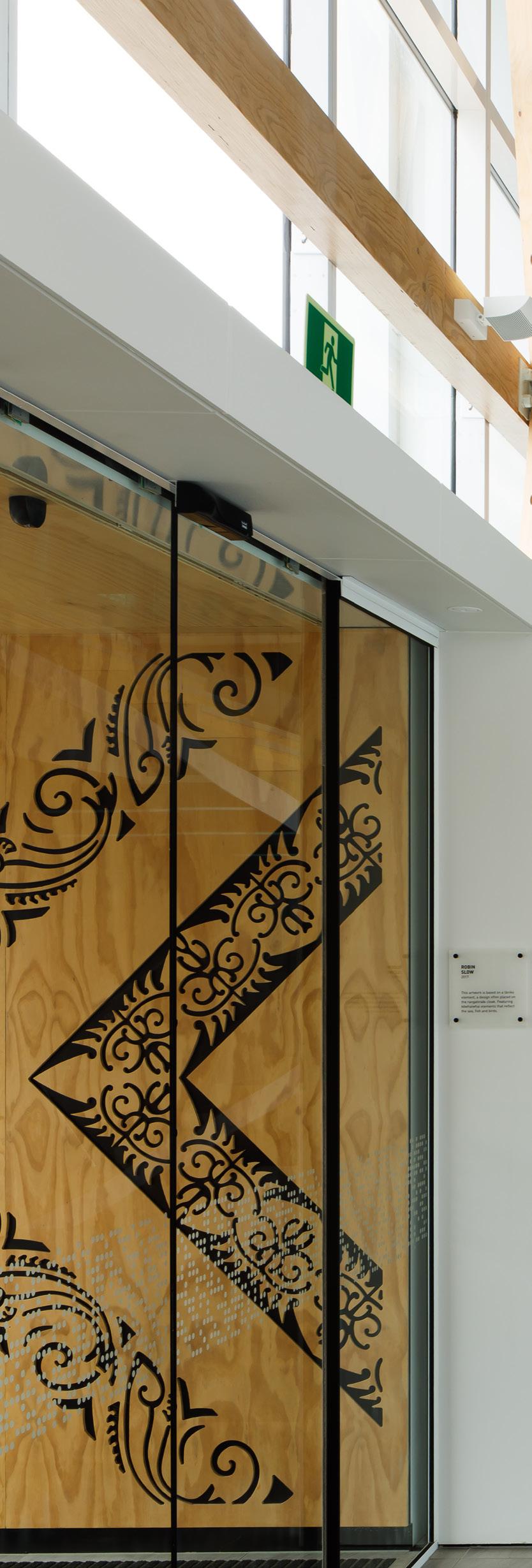
The project is co-designed with local artist Robin Slow, in association with Manawhenua Ki Mohua, who has woven local narratives into the design. With a focus on patterns inspirated by the by the honu (turtle) motif from the Anaweka waka, discovered on the Kahurangi coast in 2012, the building’s fabric provides a sense of place and identity that connects it to the region’s history.
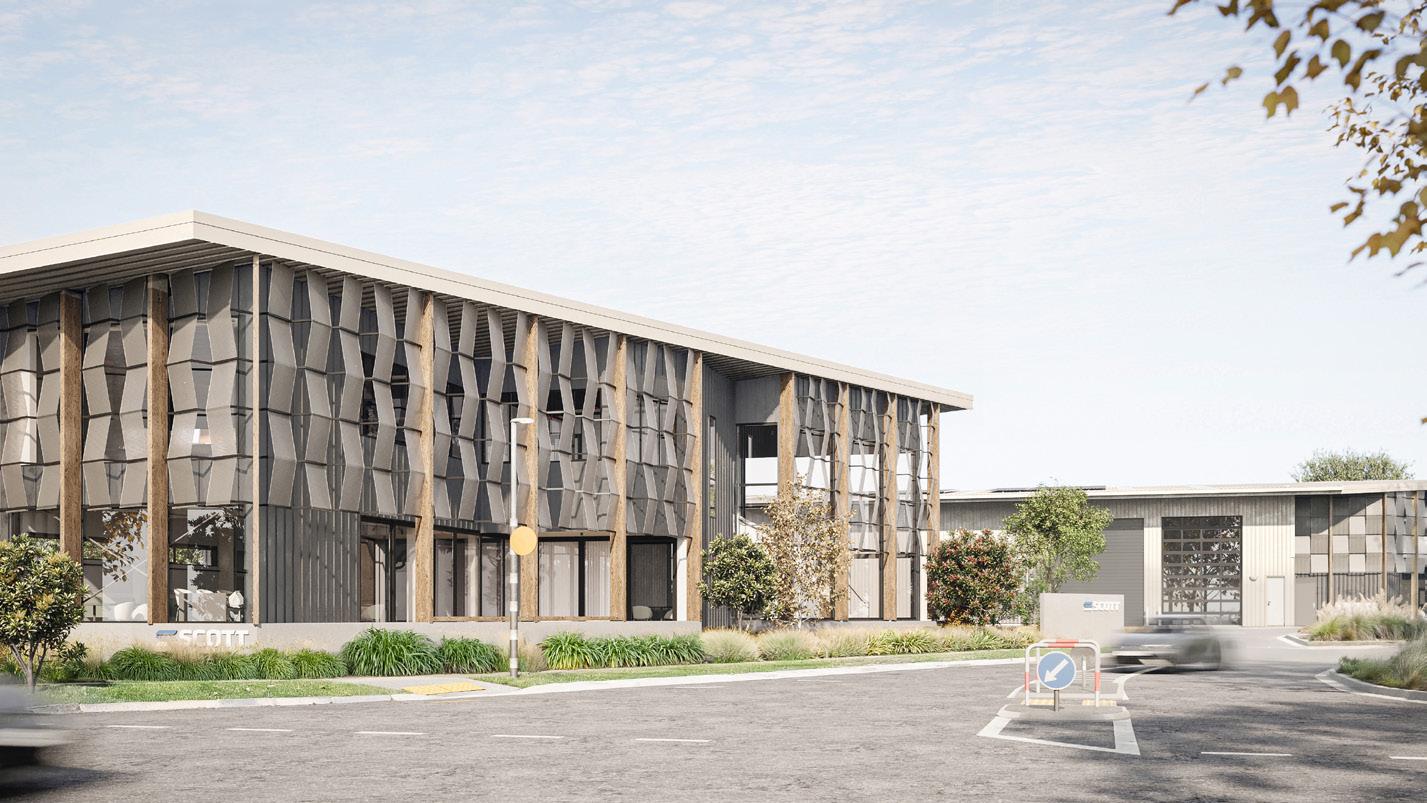
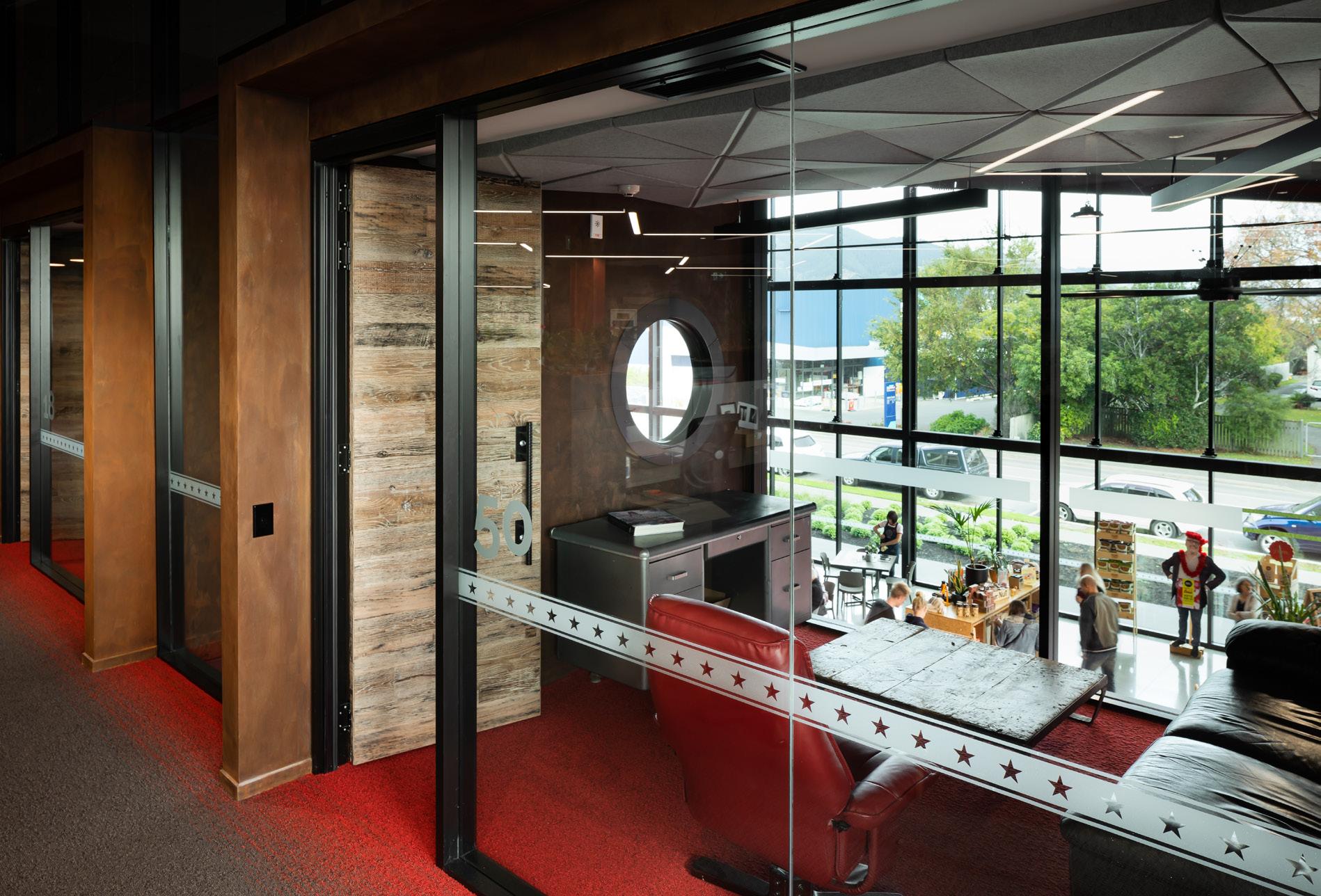
This project involves the construction of a new office and workshop facility for Scott Construction on a single site in Nelson, with both buildings in the final stages of building consent.
SCOTT CONSTRUCTION OFFICES
The two-storey, 551-square-metre office for 32 staff is designed with sustainability in mind, achieving a Green Star, five rating. The structure incorporates crosslaminated timber (CLT) panels in the floors and walls and laminated veneer lumber (LVL) in the stairs, posts, and beams. An insulated roof panel and concrete plinths provide durability and environmental efficiency.
The building’s western façade features a woven pattern for solar shading, allowing light while reducing heat gain. Exterior materials include Abodo timber and vertical shiplap cladding. The interior features Troldekt acoustic ceilings made from recycled wood wool, while the upper floor offers an open-plan office layout with a doubleheight atrium at the reception.
The building's structure is left exposed to illustrate Scott Construction's building materials and techniques, Adjacent to the office, the 1,043-square-metre workshop maintains a similar aesthetic, with five-ribbed metal cladding, clear roof panels for natural lighting, and solar panels to support energy efficiency. Staff facilities include a break room and a deck area, creating a practical and cohesive workspace alongside the main office.
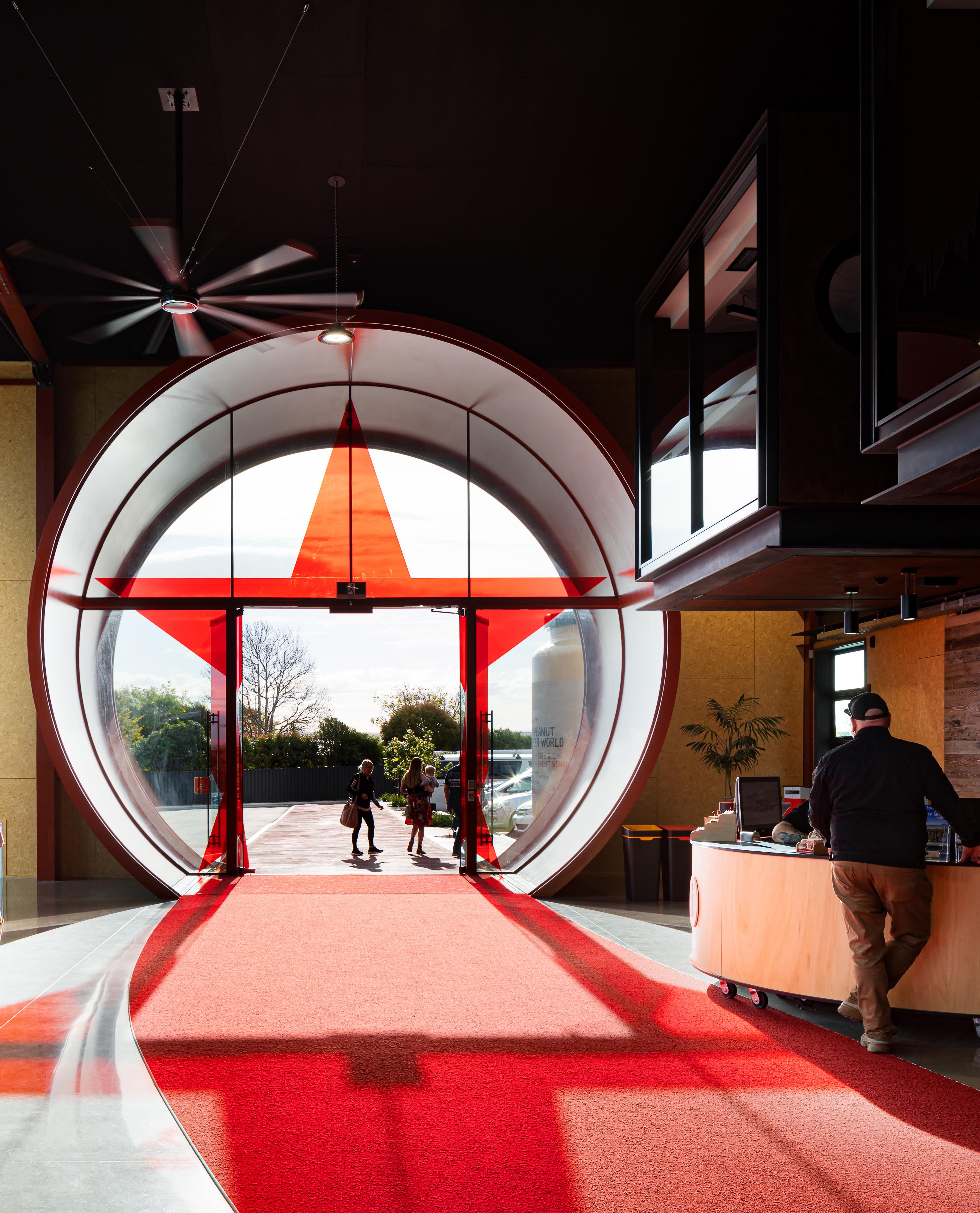
The award-winning Pic’s Peanut Butter World is a purpose-built destination for locals and visitors to Nelson and a mustdo for lovers of peanut butter.
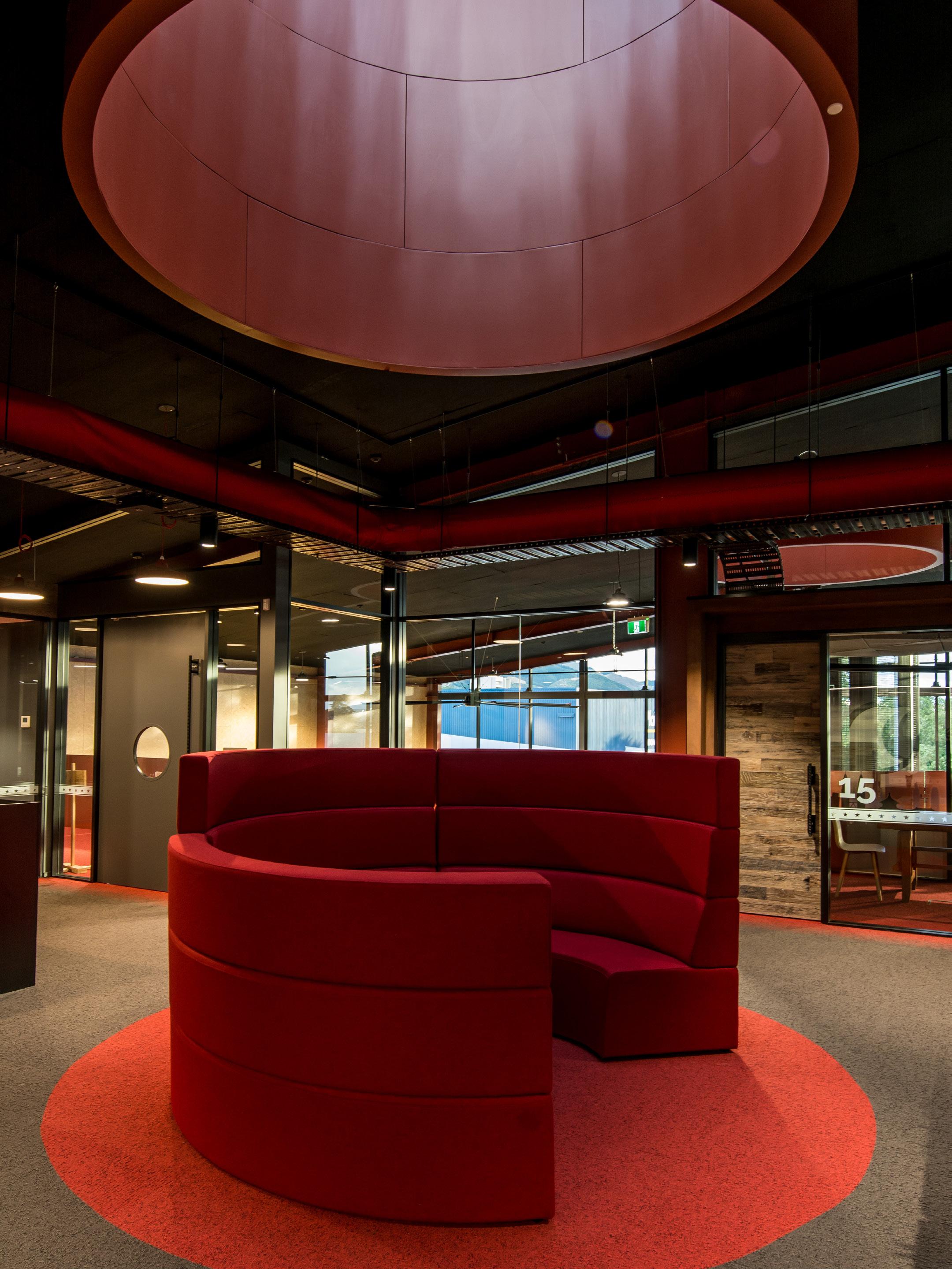
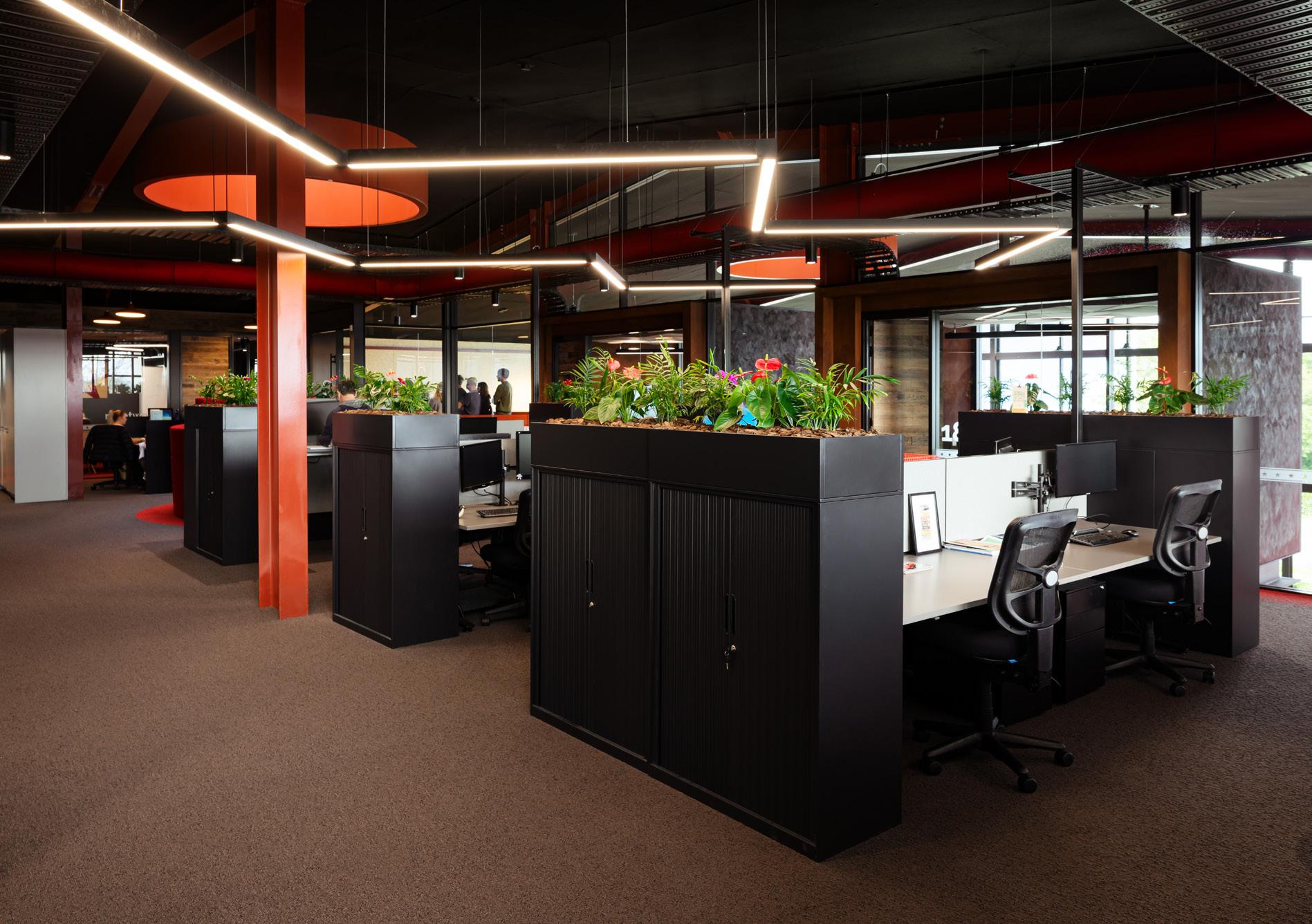
Pic’s Peanut Butter World is designed as an immersive visitor experience that brings the Pic’s story to life through its interior architecture. A generous foyer, iconic spiral staircase, and light-filled café create an immediate sense of welcome and reflect the brand’s warm, community-minded personality. The office area is designed to accomodate approximately 50 staff.
Playful, tactile materials and bold colour accents express Pic’s authenticity and sense of fun. Clear wayfinding, framed views, and layered transparency guide visitors from the foyer to a mezzanine overlooking
production, revealing the story in engaging stages. A cohesive visual identity unifies public and operational spaces, where raw textures, branded tones, crafted joinery, and graphic elements communicate Pic’s values of openness, craft, and quality.
Staff areas, storage, and offices continue the same materiality and palette, balancing practicality with character. Altogether, the interior becomes both a storytelling platform and a functional backbone, transforming the building into a branded experience centre that invites visitors to connect with the culture at the heart of the company.
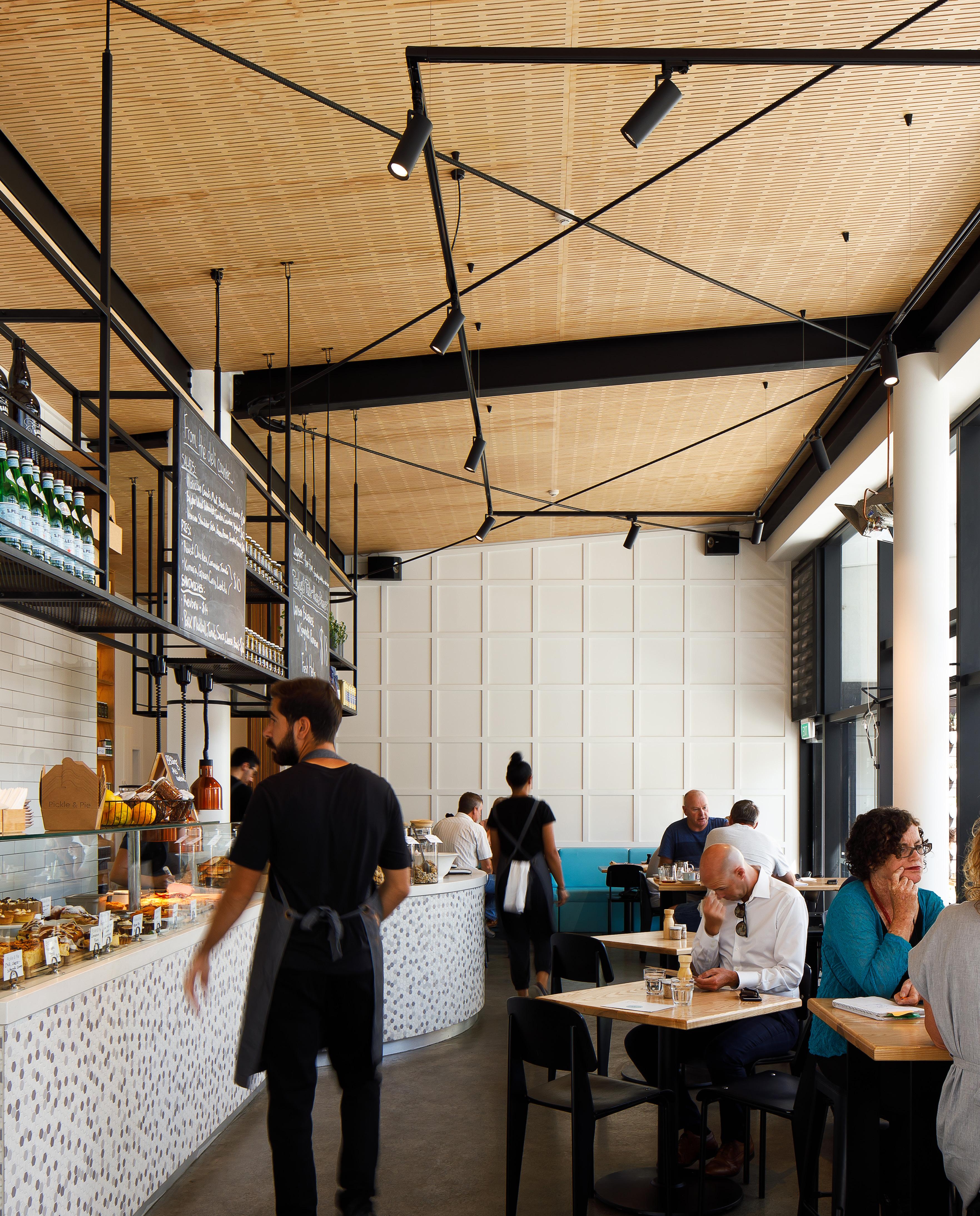
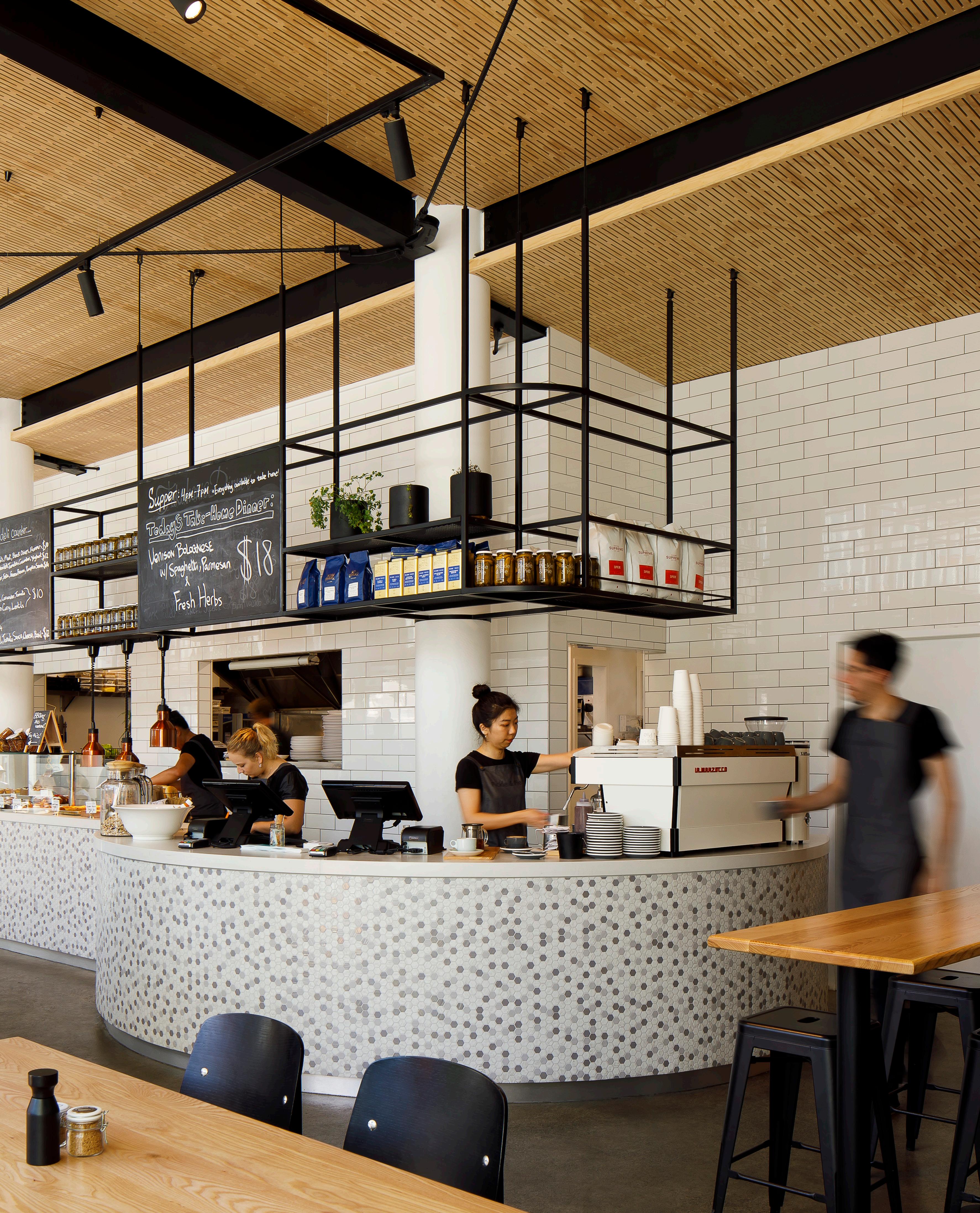
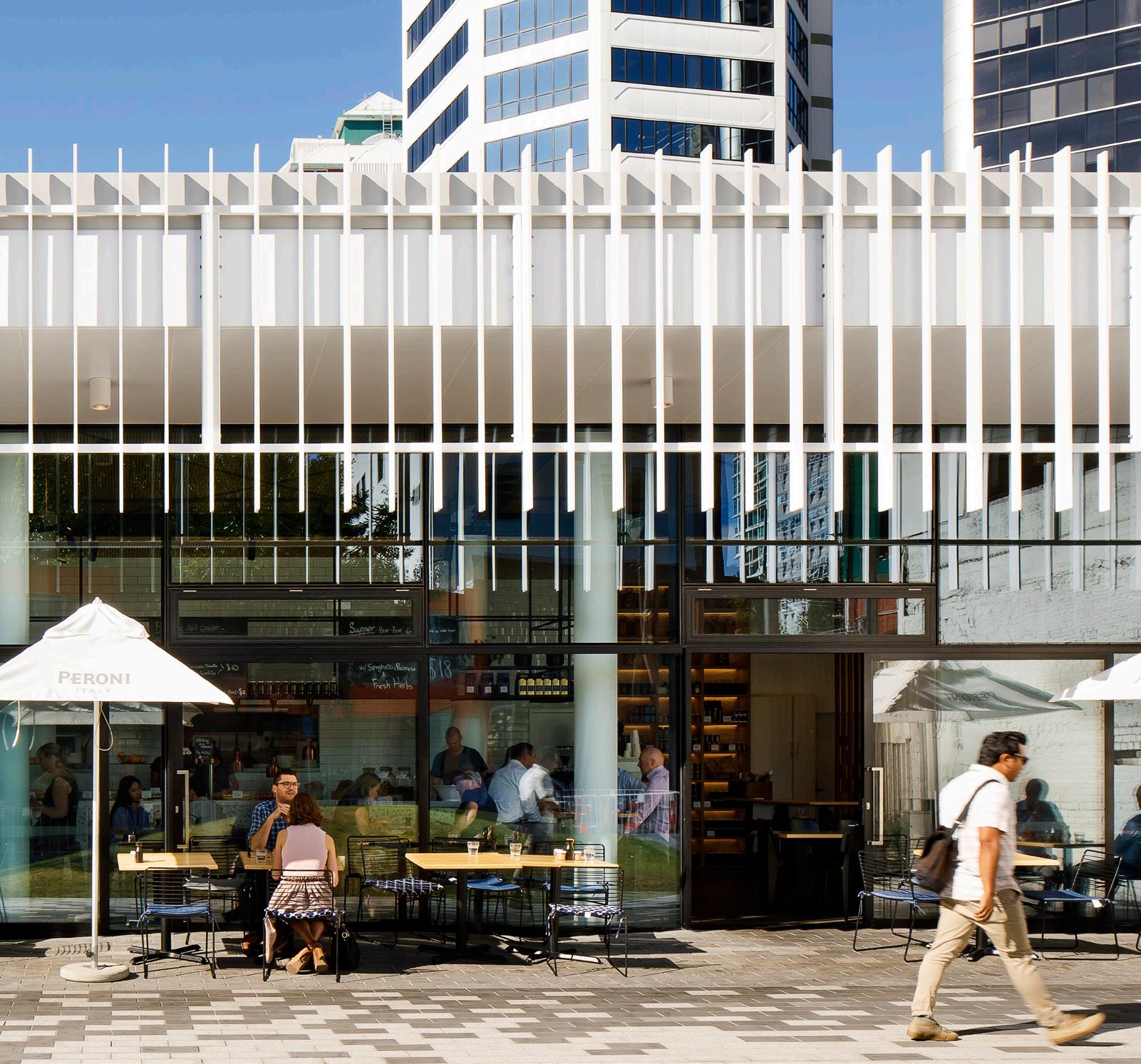
The interior fitout for this popular Wellington café takes a practical approach to the constrained floor plate, and is a direct response to the site and existing building.
PICKLE & PIE
Located in a sunny sheltered area of Wellington’s CBD, the interiors open to outside dining space adjacent to a public pocket park, providing an active edge that draws customers in.
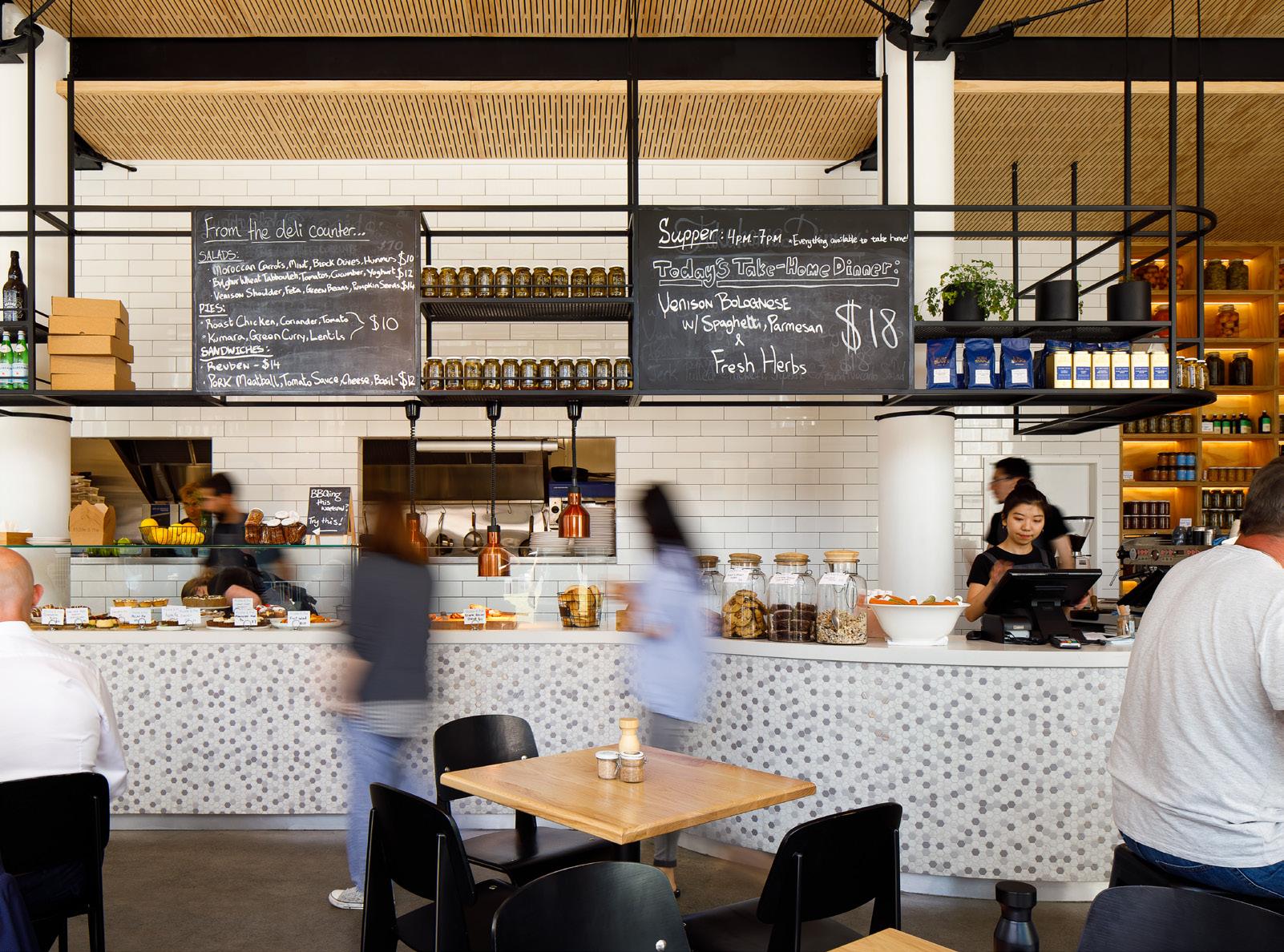
A light, open seating area is arranged along the northern edge, with entry from Lombard Lane. Presentation and food service counters run parallel to the seating area, with commercial kitchen behind.
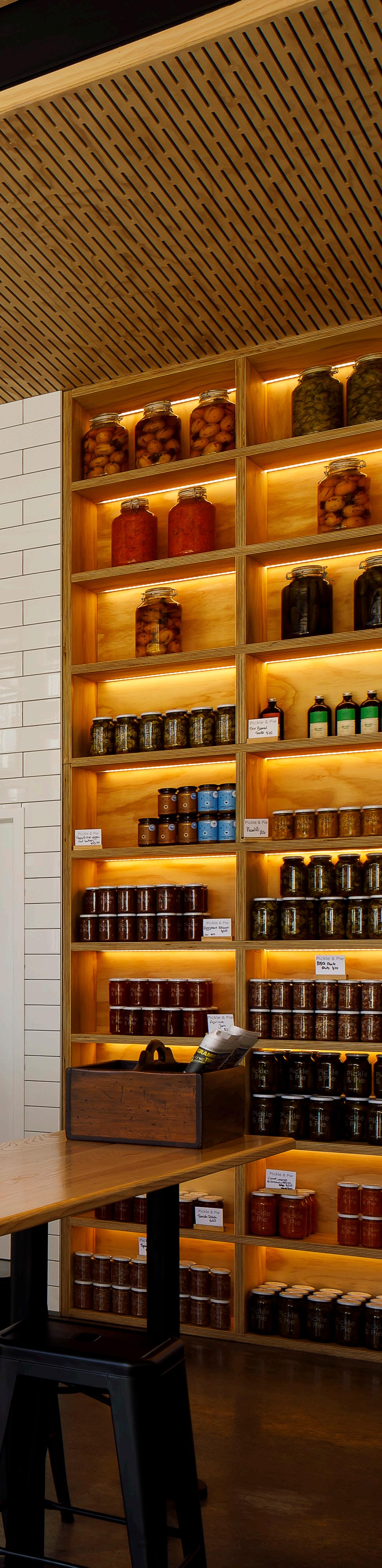
Finishes are functional and durable with tiled service area walls and counter fronts, polished concrete floors, natural timber acoustic ceilings and open black steel shelving responding to the exposed steel frame of the building.
Furniture is natural timber and black steel, continuing the theme. Electric blue banquette seating at the western end of the seating area provides a contrasting highlight.
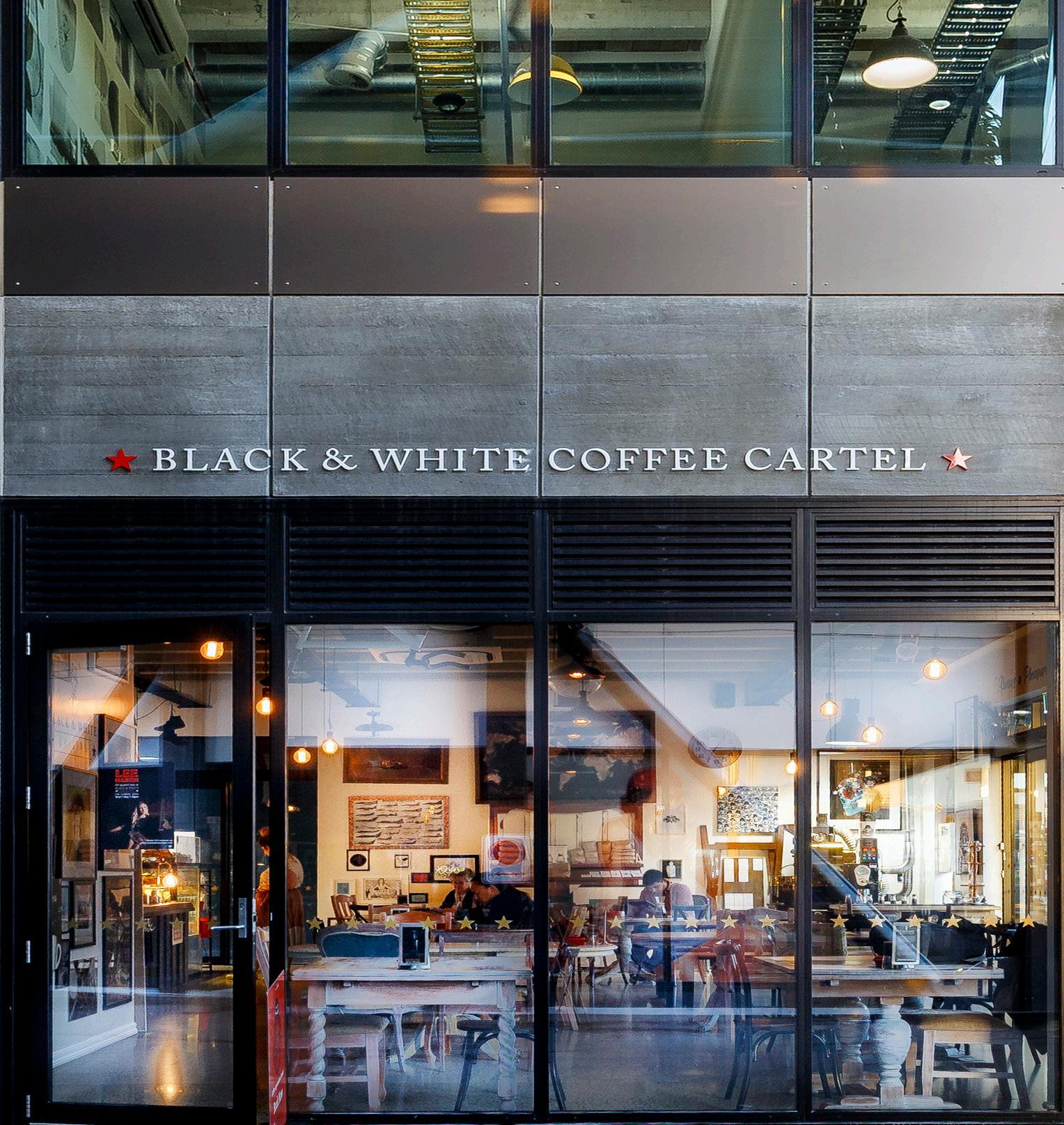
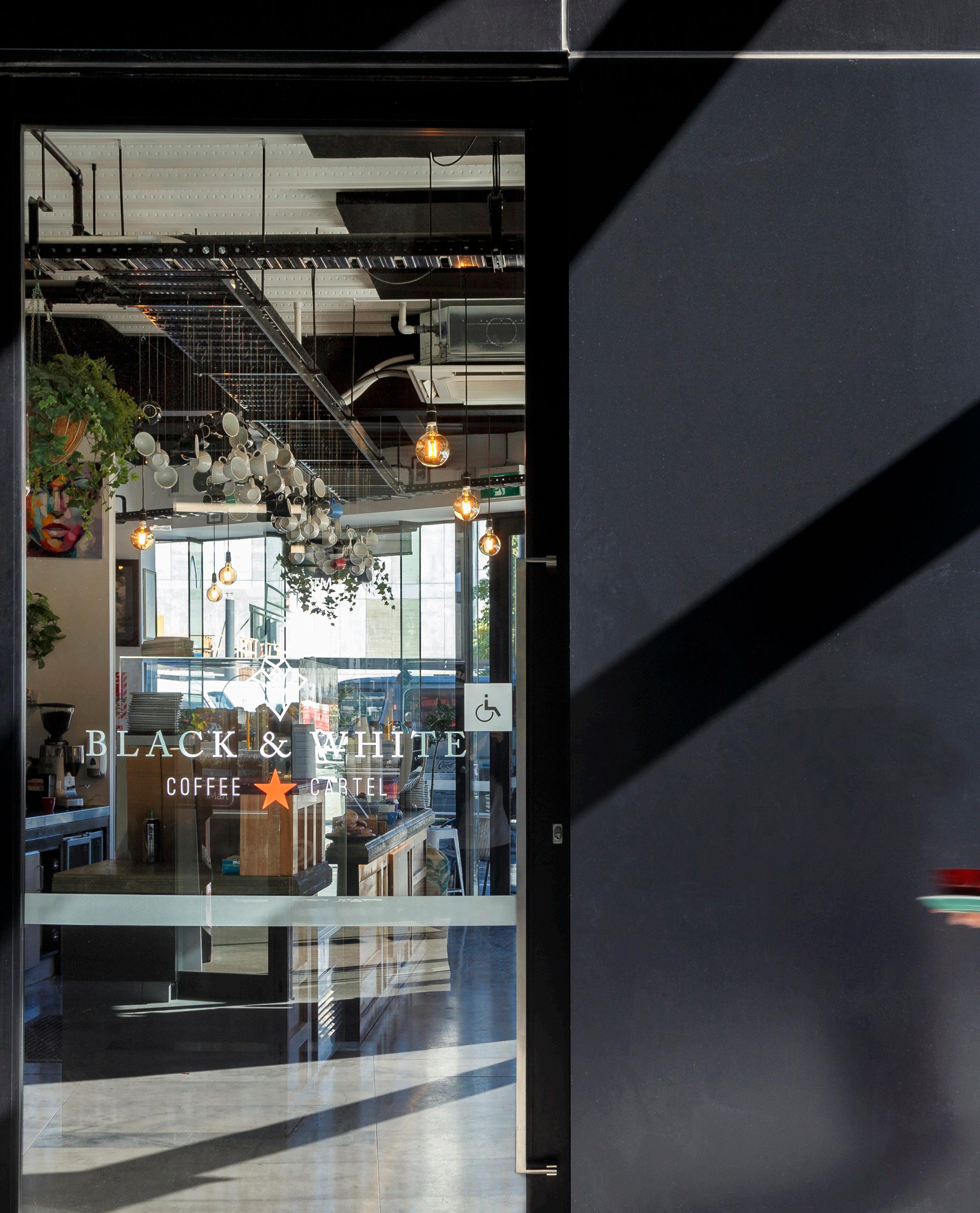
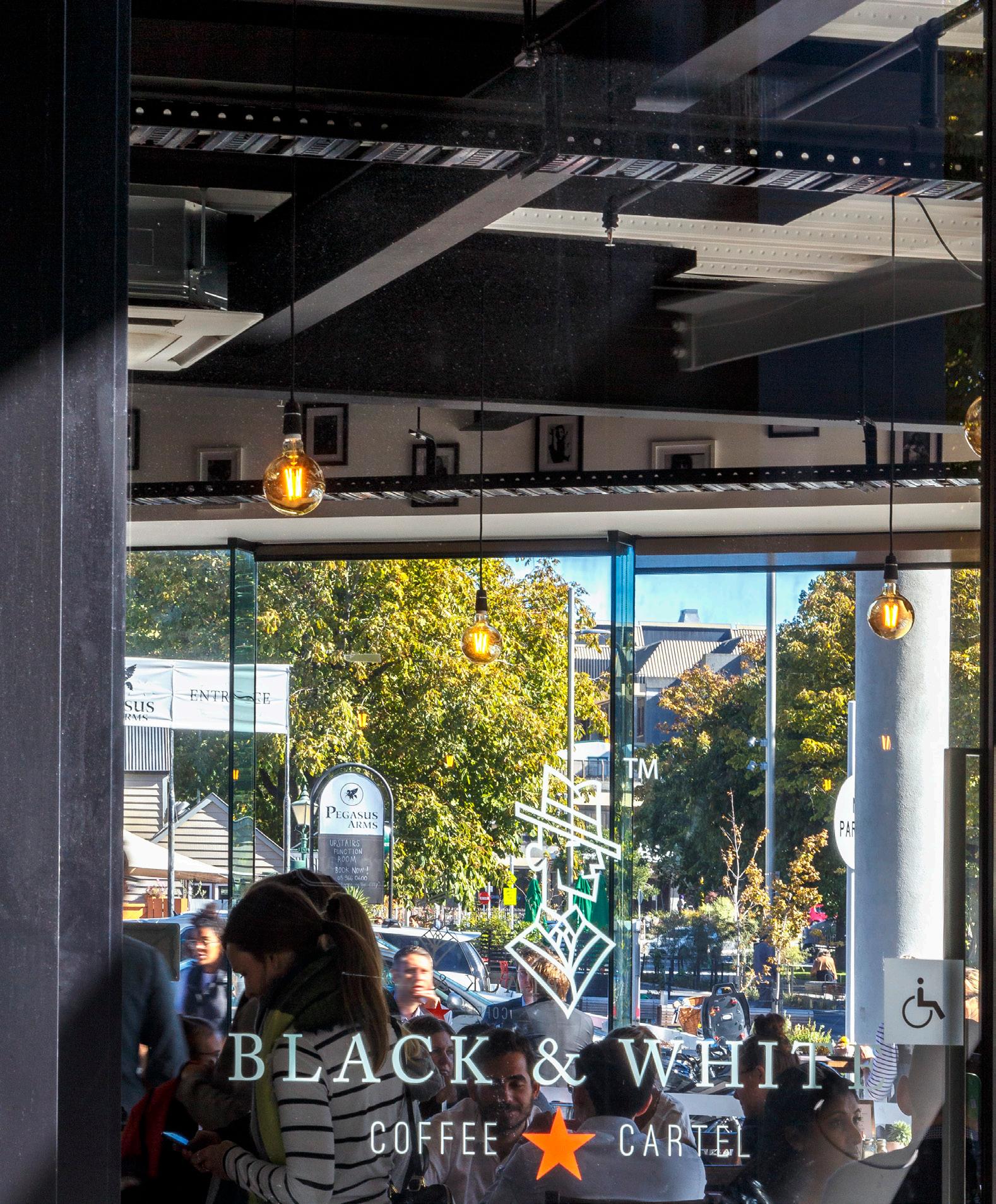
JTB Architects’ interior design for Black & White Coffee Cartel brings together clean lines, robust materials,
and a contemporary hospitality style that balances efficiency with warmth.
BLACK & WHITE COFFEE CARTEL
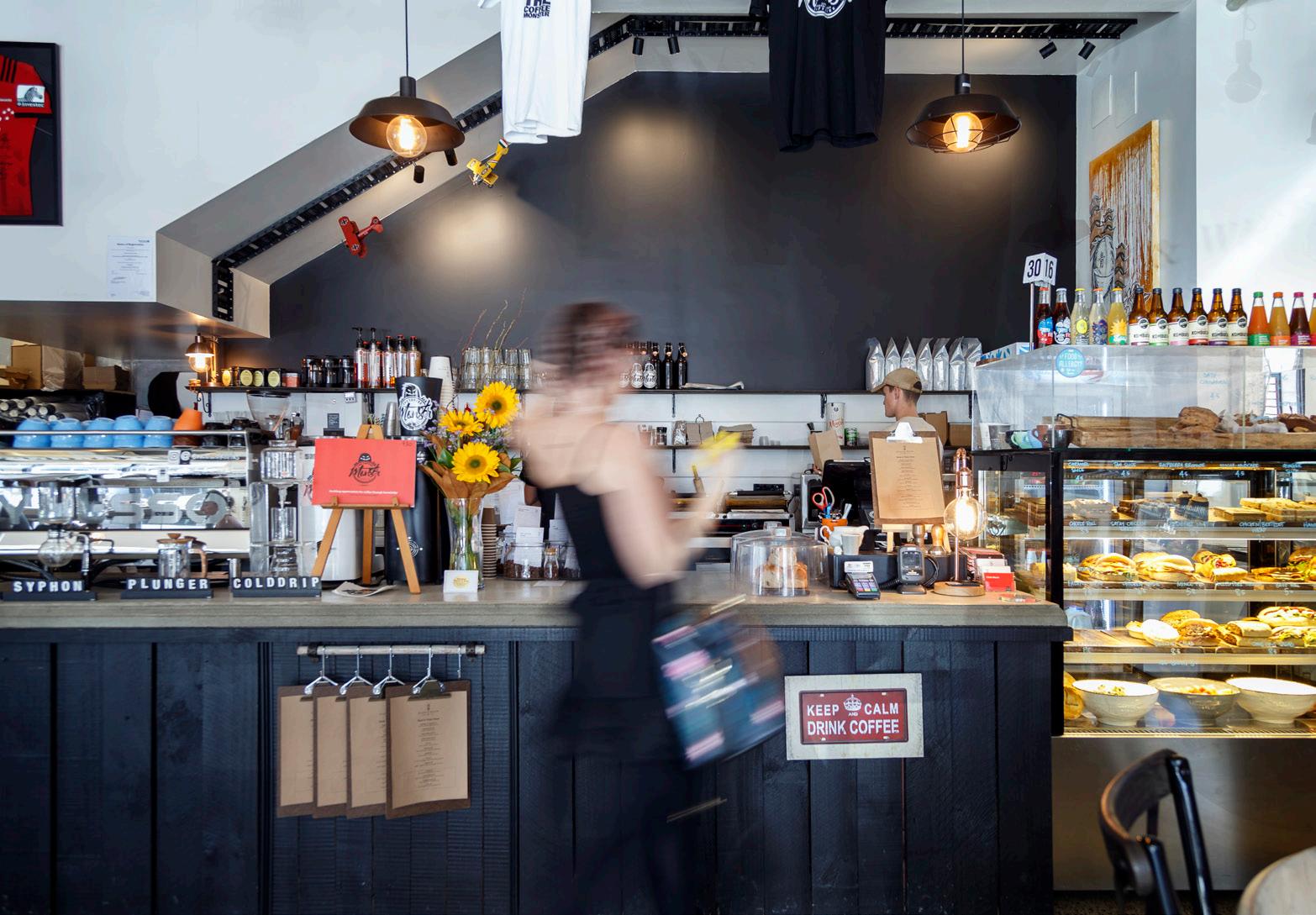
Each café is designed as a polished yet approachable space, creating a fresh and welcoming atmosphere that reflects the brand’s vibrant coffee culture. Functionality stays central to the approach. Layouts support high-performing commercial kitchens and smooth front-of-house flow. Durable, practical materials keep their refined appearance through daily use, helping the interiors handle busy service while maintaining clarity and calm.
A strong architectural framework is established that lets franchise
owners show their own personality through furniture, artwork, and decorative touches. This maintains consistency across locations while giving each café a character shaped by its operator and community.
Together, these strategies create interiors that lift everyday hospitality settings, resulting in cafés that stay consistent in quality yet feel uniquely expressive, offering well-crafted spaces that support memorable customer experiences and efficient operation.
Opened in 1899, the Bishop Suter Art Gallery is the oldest continuously occupied public art gallery in New Zealand.
Registered Master Builders Awards, Civic Gold Award, National Value Award Winner $5$15 Million, Civic National Category Winner Award, 2017
NZ Museum Awards, Winner – Museum Project Excellence Award, 2017
The redevelopment transforms the building through a renewed interior experience, retaining only the theatre and the Grade 2-listed Original Gallery. These heritage spaces were restored to reveal their historic trusses and fabric, while being strengthened and upgraded to meet contemporary gallery requirements.
New interior additions create a calm, modern counterpoint to the restored rooms. A palette of glass, stone, and zinc, along with subtle echoes of the Original Gallery’s form, ties the old and new spaces together with a coherent architectural language. The project introduces three
new galleries supported by purpose-built workshop, storage, and office areas, alongside a generous foyer, education spaces, and a shop and café. These spaces are arranged to improve circulation and create a more intuitive visitor journey.
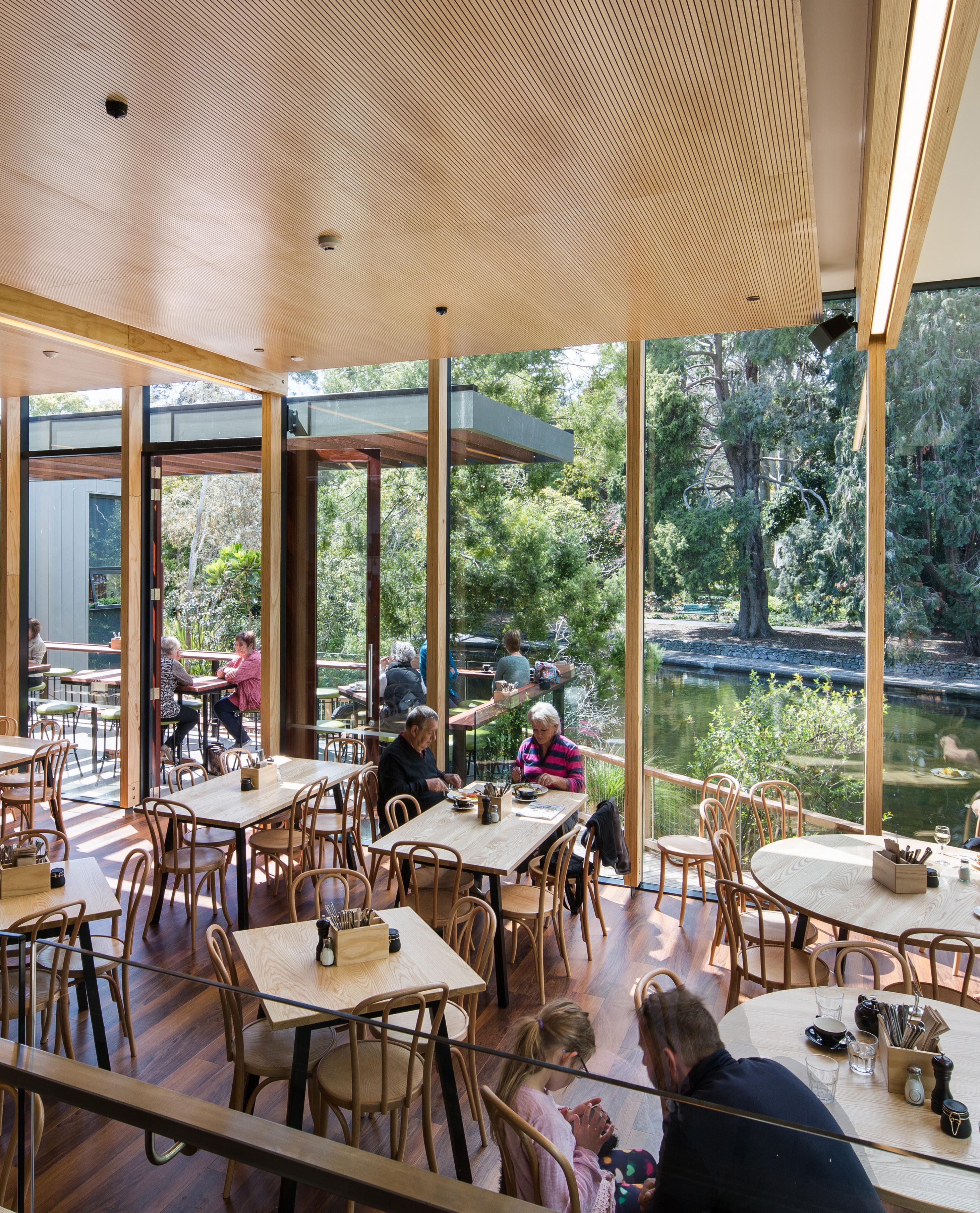
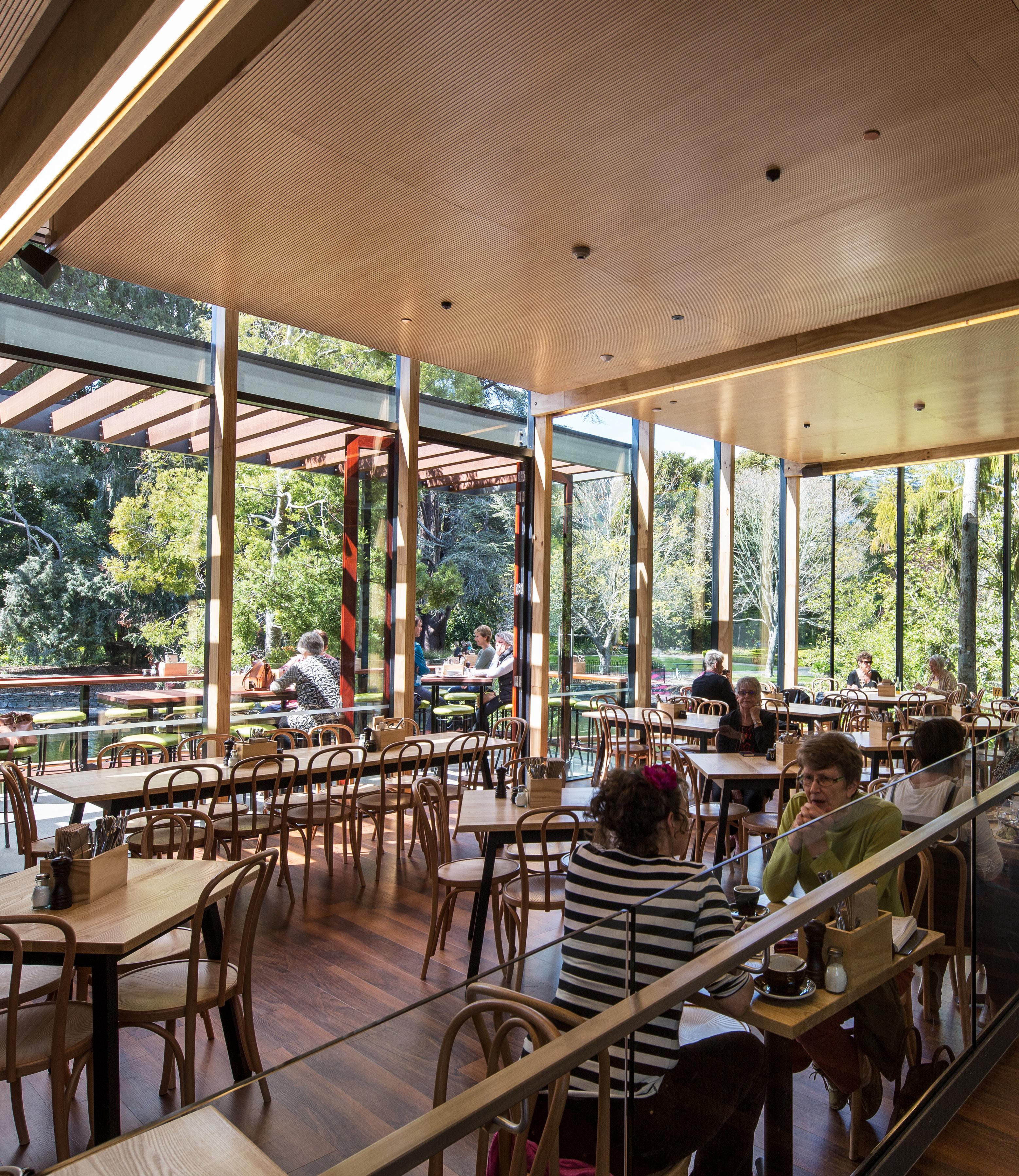
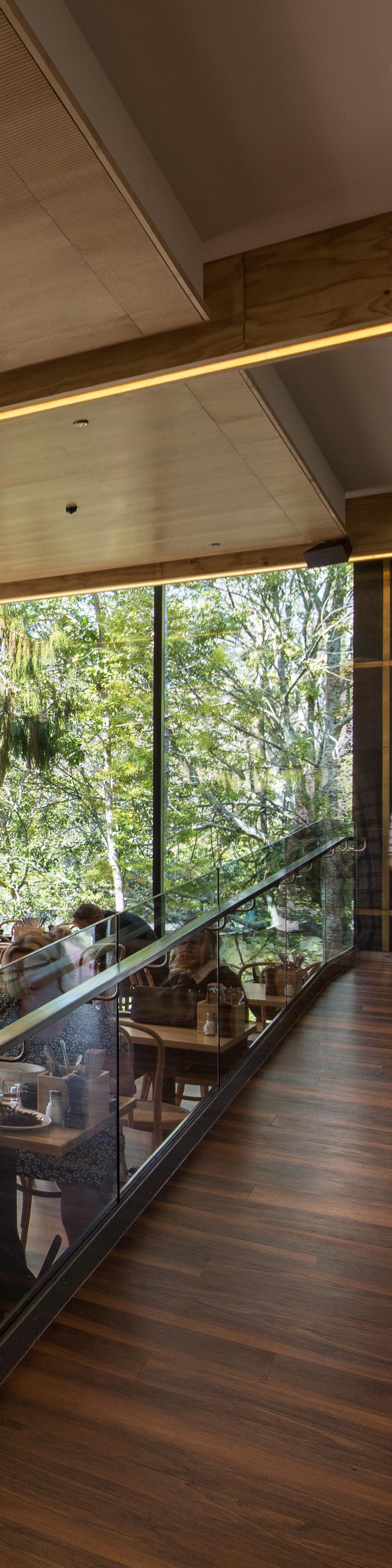
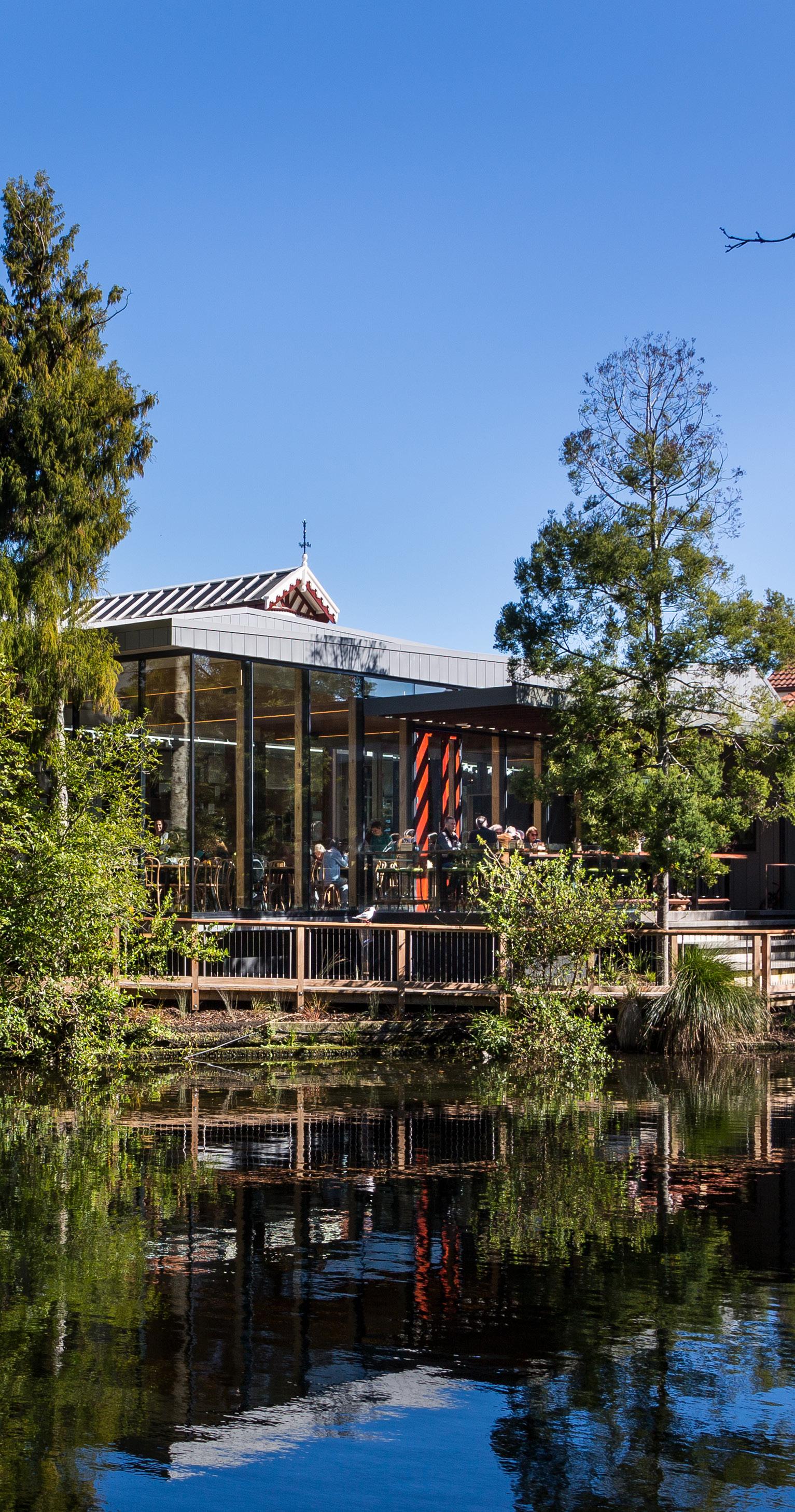
The café interior acts as a bright, welcoming hub, with expansive glazing framing views of Queens Gardens and its water feature. Natural light, warm materials, and flexible indoor–outdoor seating respond to Nelson’s climate, offering a contemporary environment that complements the restored heritage architecture.
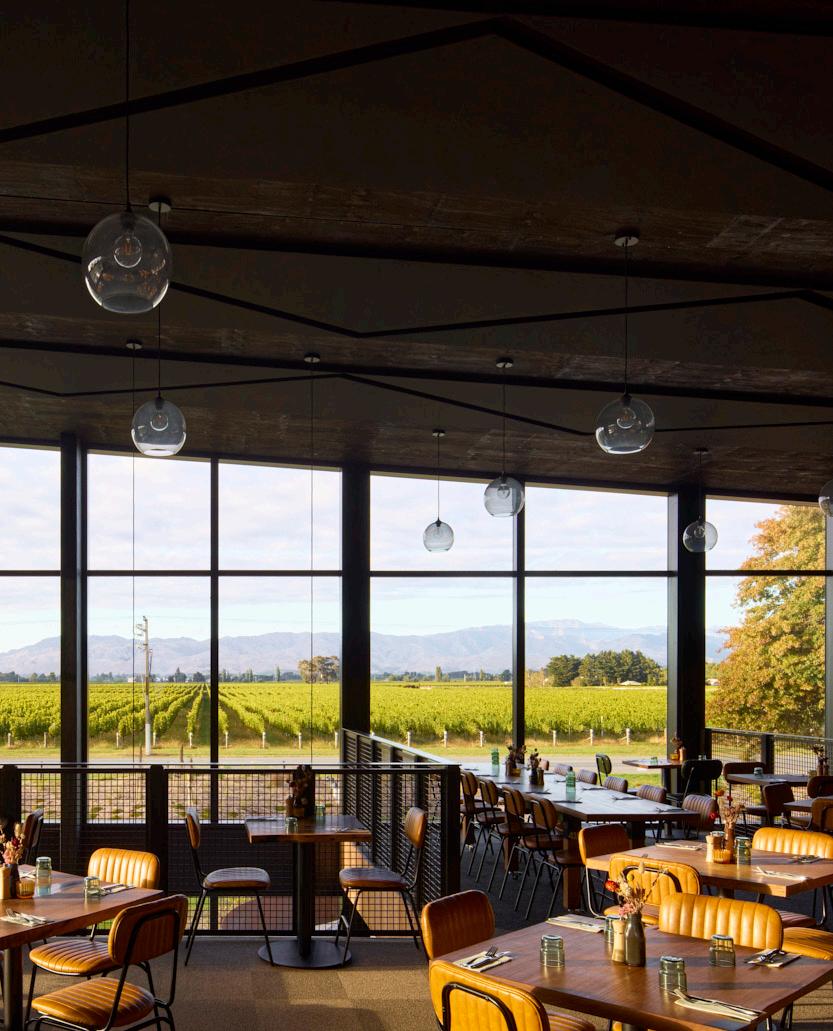
Marlborough Vintners Winery has crafted a distinctive architectural and interior identity that reflects its forward-thinking winemaking ethos and the character of its vineyards.
MARLBOROUGH VINTNERS WINERY
The 376 m² facility brings together cellar-door spaces for eight to ten wineries, a restaurant, brewery, tap room, laboratories, offices, and private dining and conference areas, all unified by a design language focused on sustainability and regional authenticity.
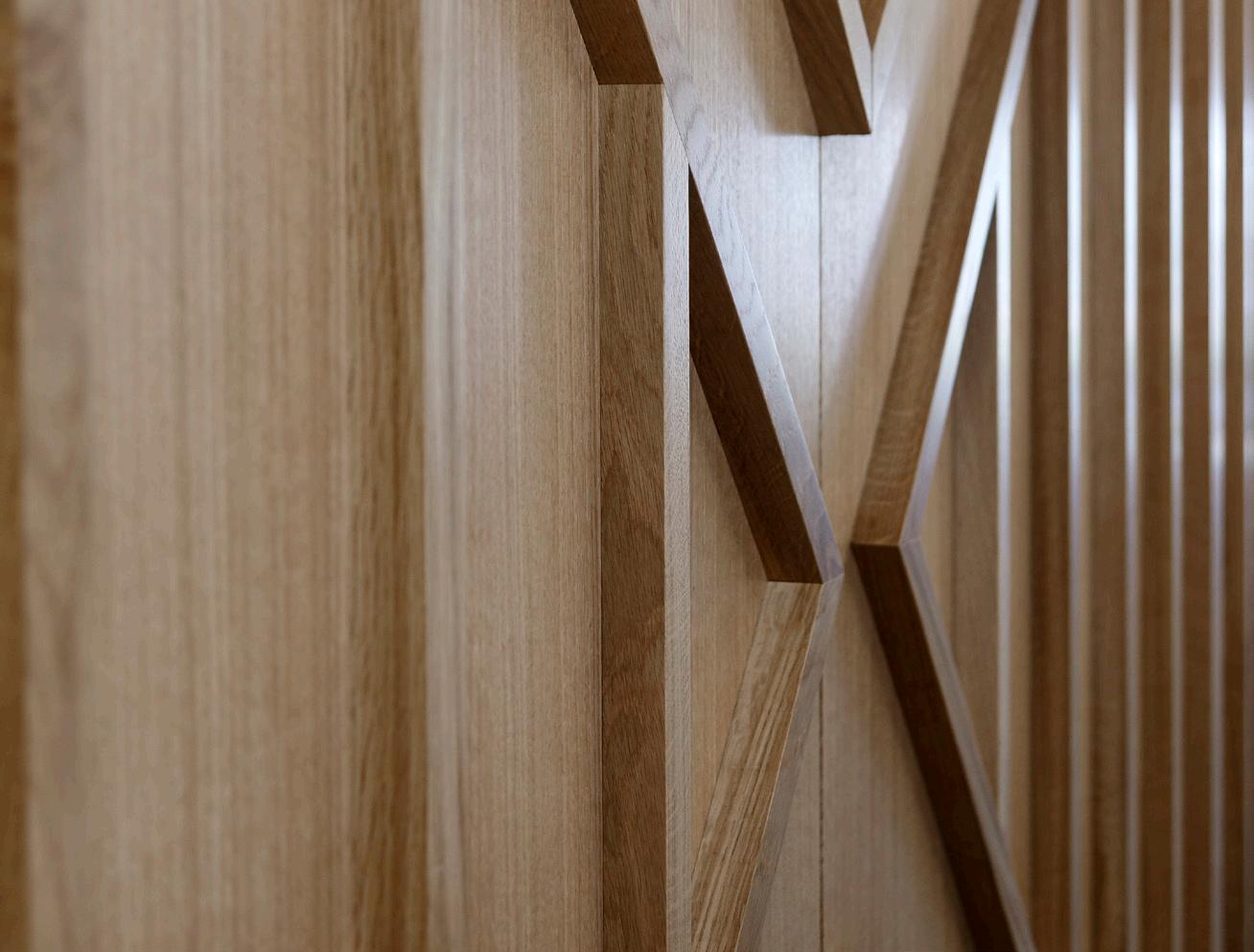
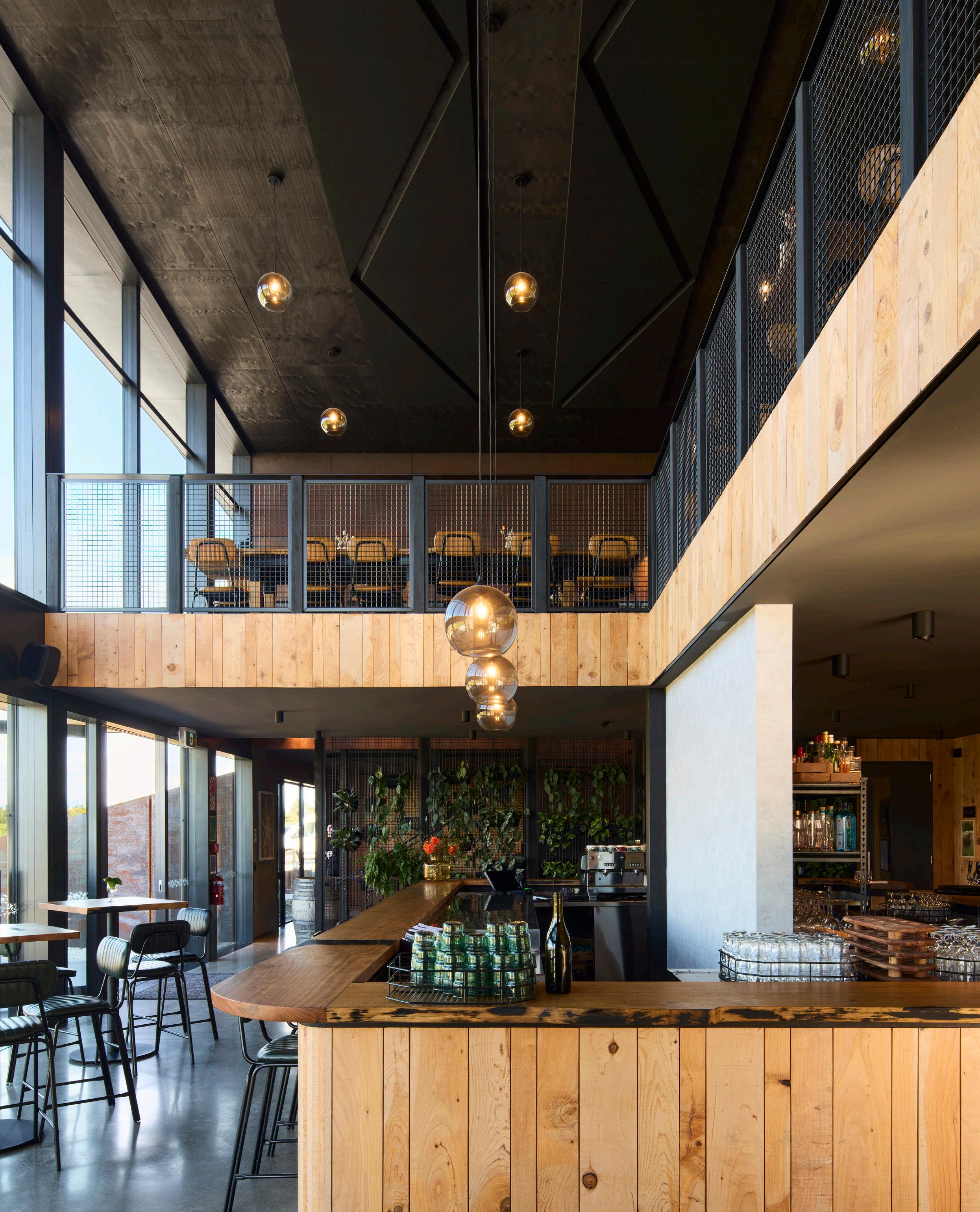
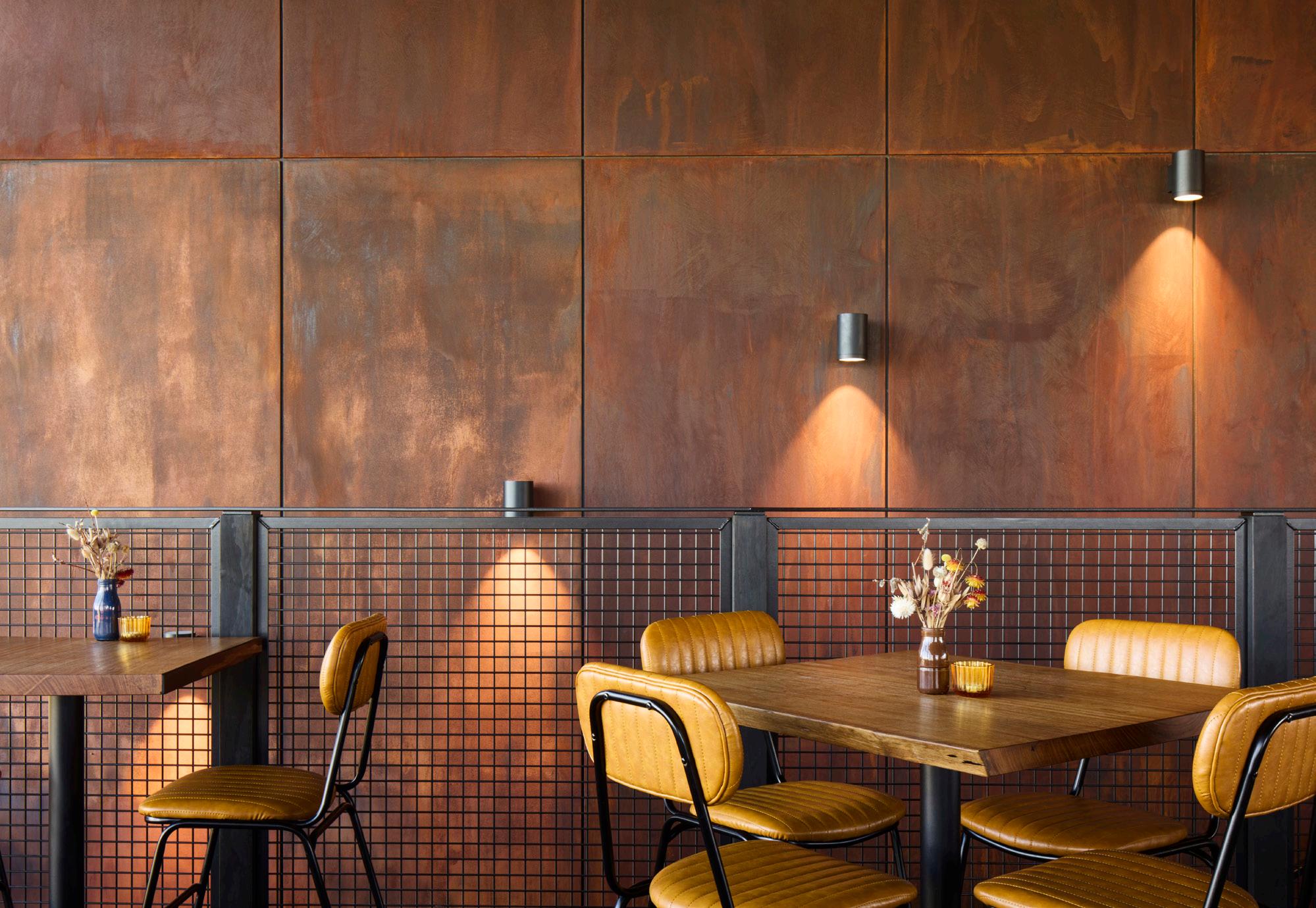
Inside, the brand identity becomes tactile. Himalayan cedar panelling milled from the owner’s property wraps the spaces with warmth and provenance, supported by live edge gum tables that introduce a natural, handcrafted presence. Sheet boarding finished with iron filings adds an earthy, rusted quality that
echoes Marlborough’s soils and reinforces the grounded, regional palette.
The interior design works closely with the mass timber architecture, aligning its materiality and structural rhythm to form a seamless spatial language. This integration allows the brand identity to be expressed through natural finishes and crafted details that reflect the values of the wineries while contributing to a calm, place-driven atmosphere. Views to the curved corten steel forms extend the interior palette outdoors, strengthening the connection between inside and out.
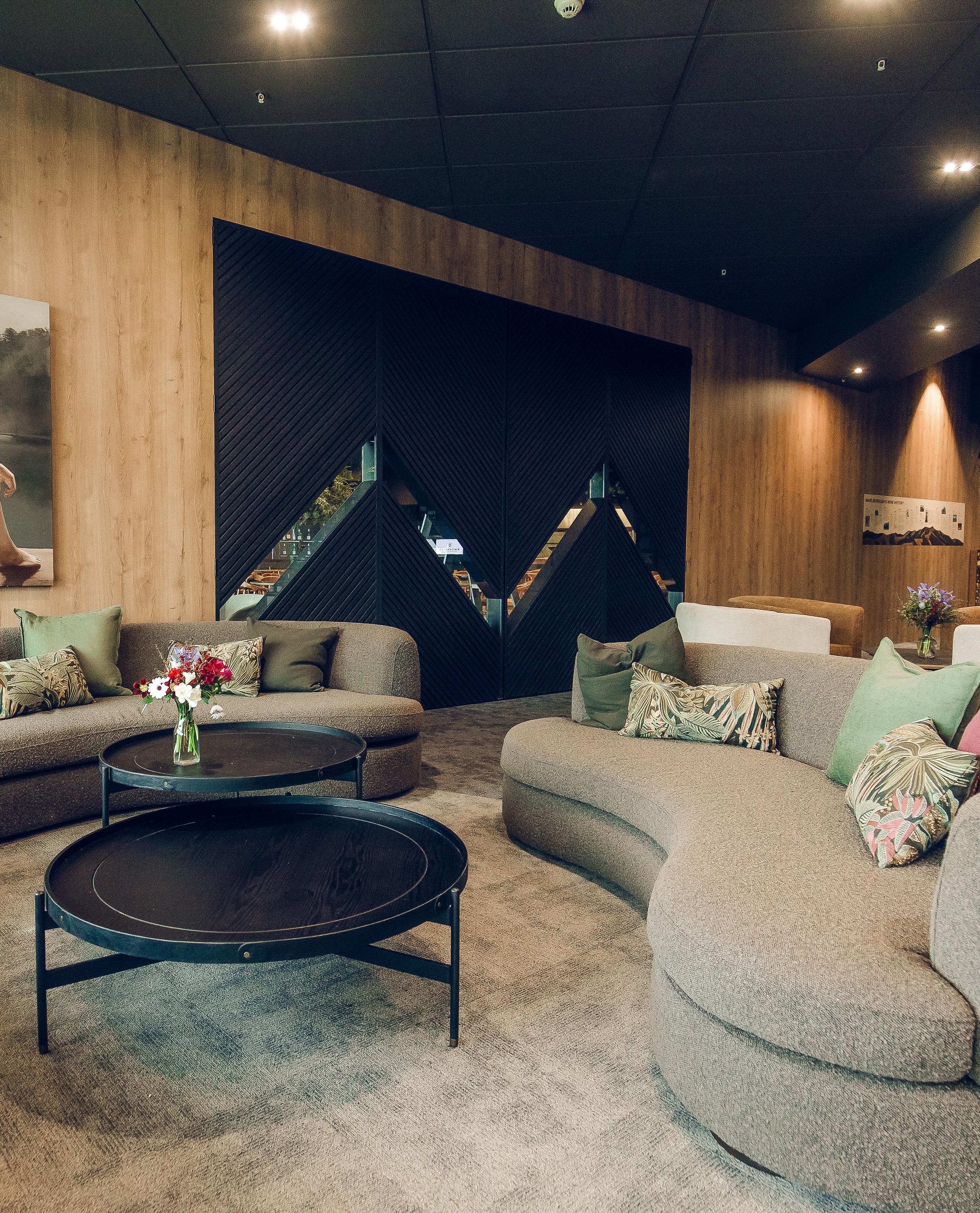
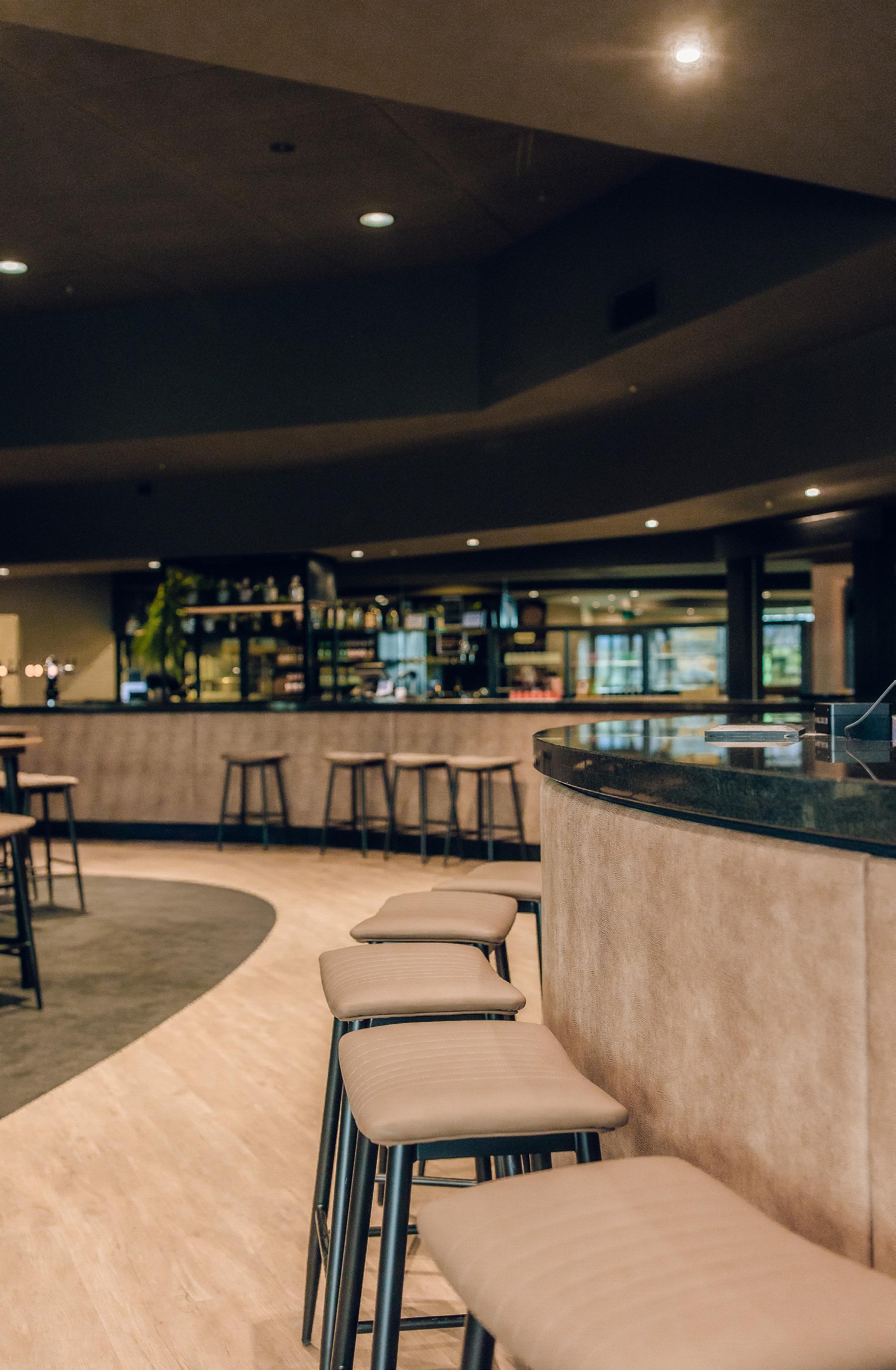
Located in the heart of Blenheim, the Marlborough Experience Centre is a transformative adaptive reuse project that reimagines the former Clubs of Marlborough building as a showcase for regional produce and as a leading hospitality venue.
WINE & FOOD
Wine + Food — Experience
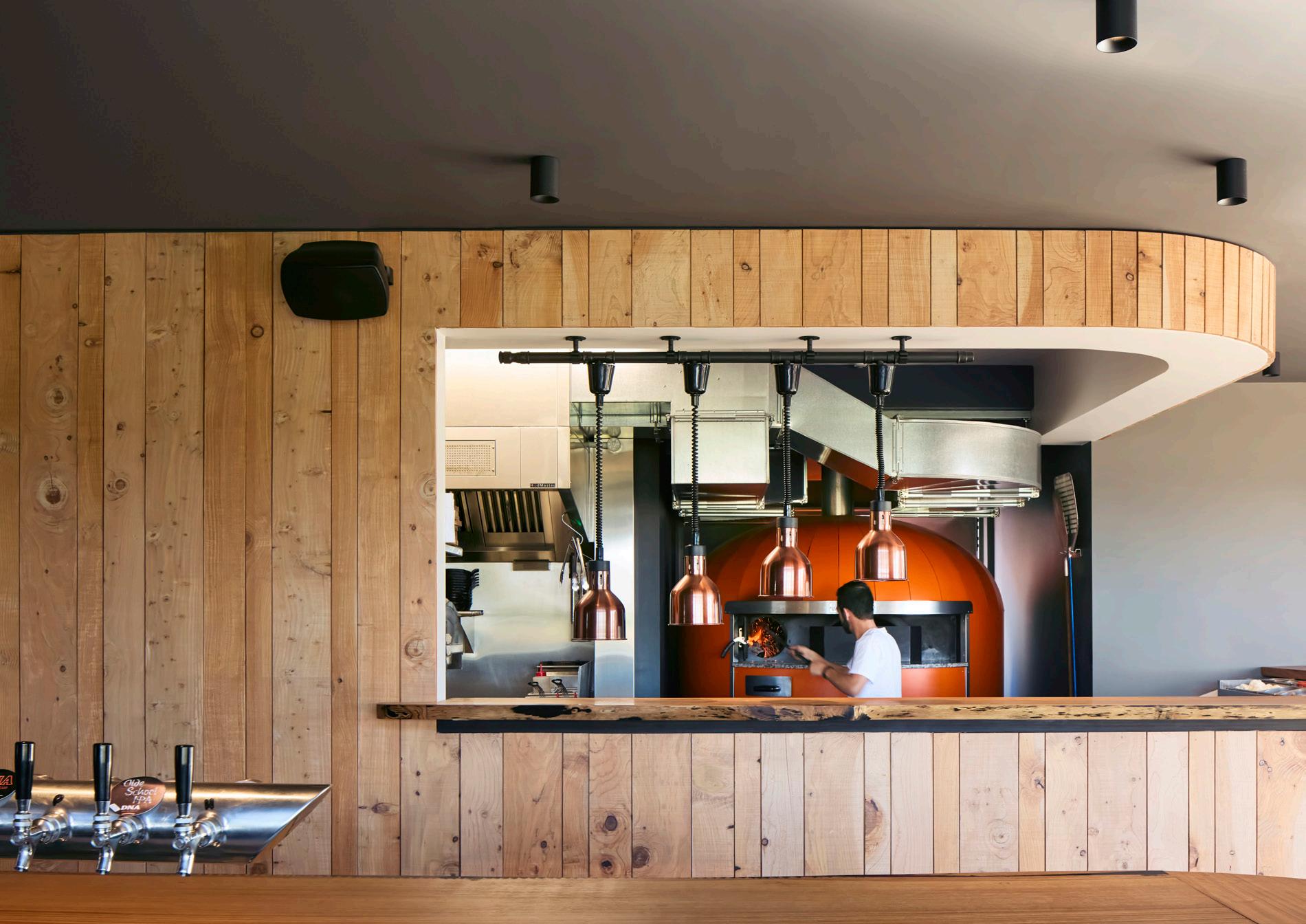
Marlborough introduces a warm, contemporary interior designed to celebrate the region’s renowned culinary and viticultural culture. Soft curves and flowing contours draw from Marlborough’s rivers and terrain, guiding visitors naturally through tasting and gathering spaces. The spatial rhythm creates an unhurried environment that supports both immersive wine experiences and relaxed community events.
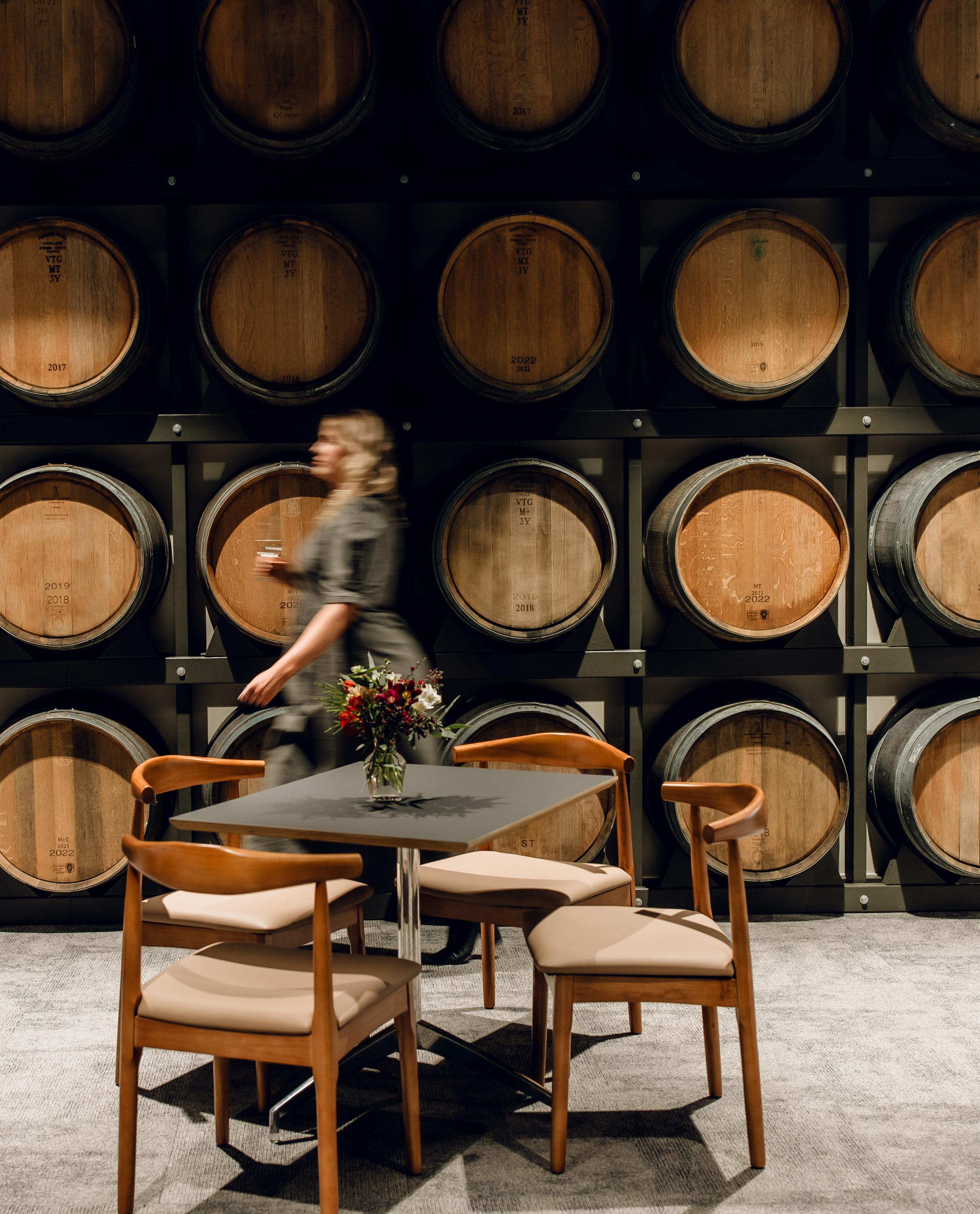
A wine-led palette anchors the atmosphere: oak tones reminiscent of barrel rooms, layered stains echoing local varietals, and tactile finishes that feel rich without being
overworked. The material choices keep the interior comfortable, refined, and unmistakably Marlborough in character. Subtle tonal shifts across surfaces help define zones while maintaining a cohesive and welcoming whole.
Stage One establishes this interior identity through a series of crafted elements, including curving timber screens, a reshaped bar, and detailed thresholds developed in close collaboration with the developer, whose early sketches and material insights directly informed the final built work. This partnership ensured the timber elements carry both strong design intent and a maker’s authenticity.
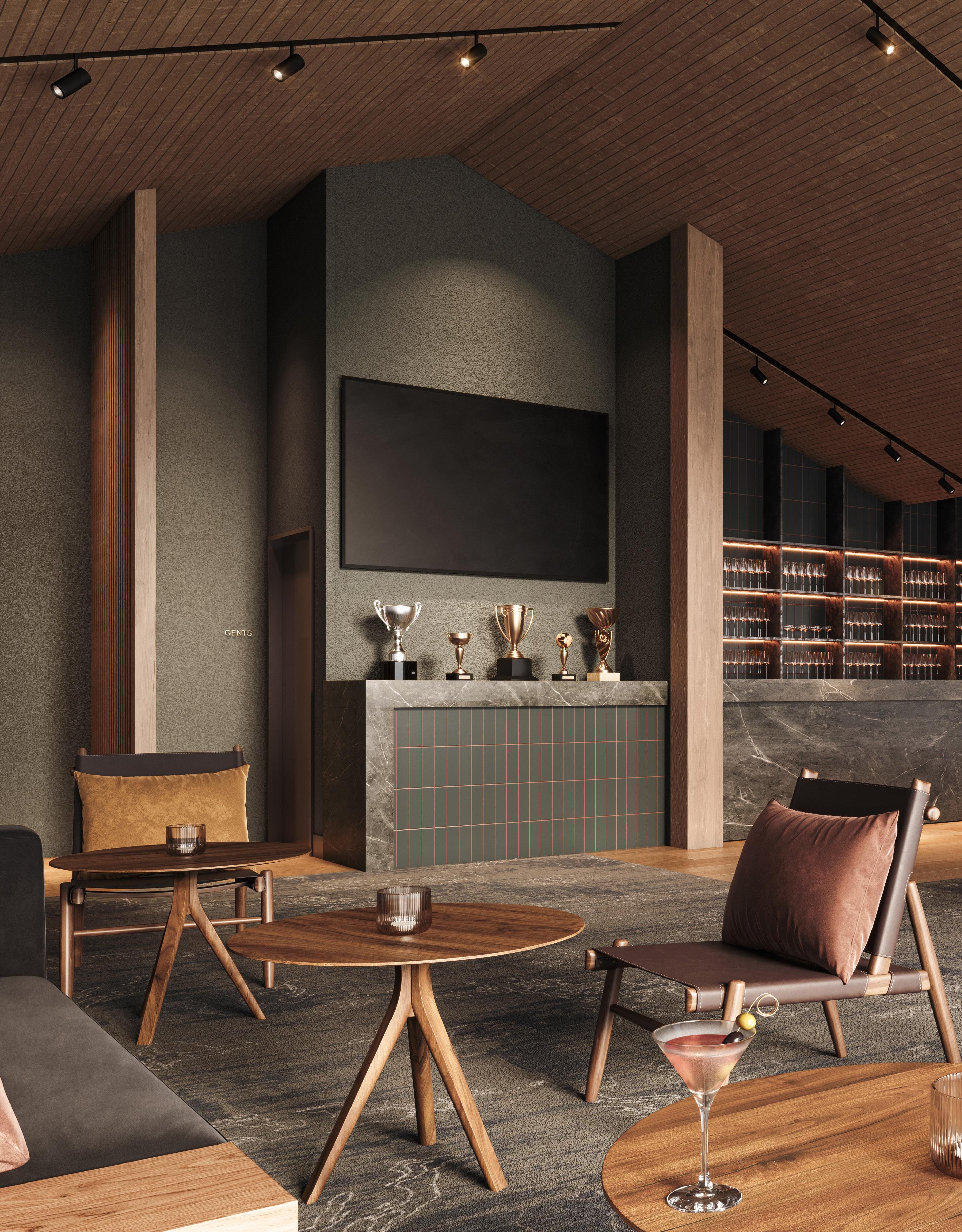
The interior design for the Queenstown Golf Club is guided by the region’s alpine setting and the desire to create a warm and inviting atmosphere for members and guests.
QUEENSTOWN GOLF CLUB
The design uses a dark and refined palette that reflects the dramatic landscape surrounding the club. Deep timber finishes, rich textures, and controlled lighting establish a sense of comfort and sophistication.
Timber is the dominant material throughout the project. Wall linings, ceiling battens, and custom joinery elements introduce natural warmth and a handcrafted character. The timber ceiling contributes to the visual rhythm of the space and softens the interior by creating a consistent, welcoming overhead plane. This approach strengthens the connection between the built environment and Queenstown’s forested hillsides.
A deep forest green accent colour is used with precision to reinforce the club’s identity and its relationship to the landscape. This single green tone recalls the fairways and native vegetation surrounding the site. Upholstery, feature walls, and selected furniture pieces incorporate this colour to bring depth and balance to the darker foundational palette. The combination of dark finishes, warm timber, and the deep forest green creates an interior that feels grounded, comfortable, and contemporary. The atmosphere supports social gathering and relaxation while expressing a clear connection to the natural beauty and character of the Queenstown Golf Club.
ILABB
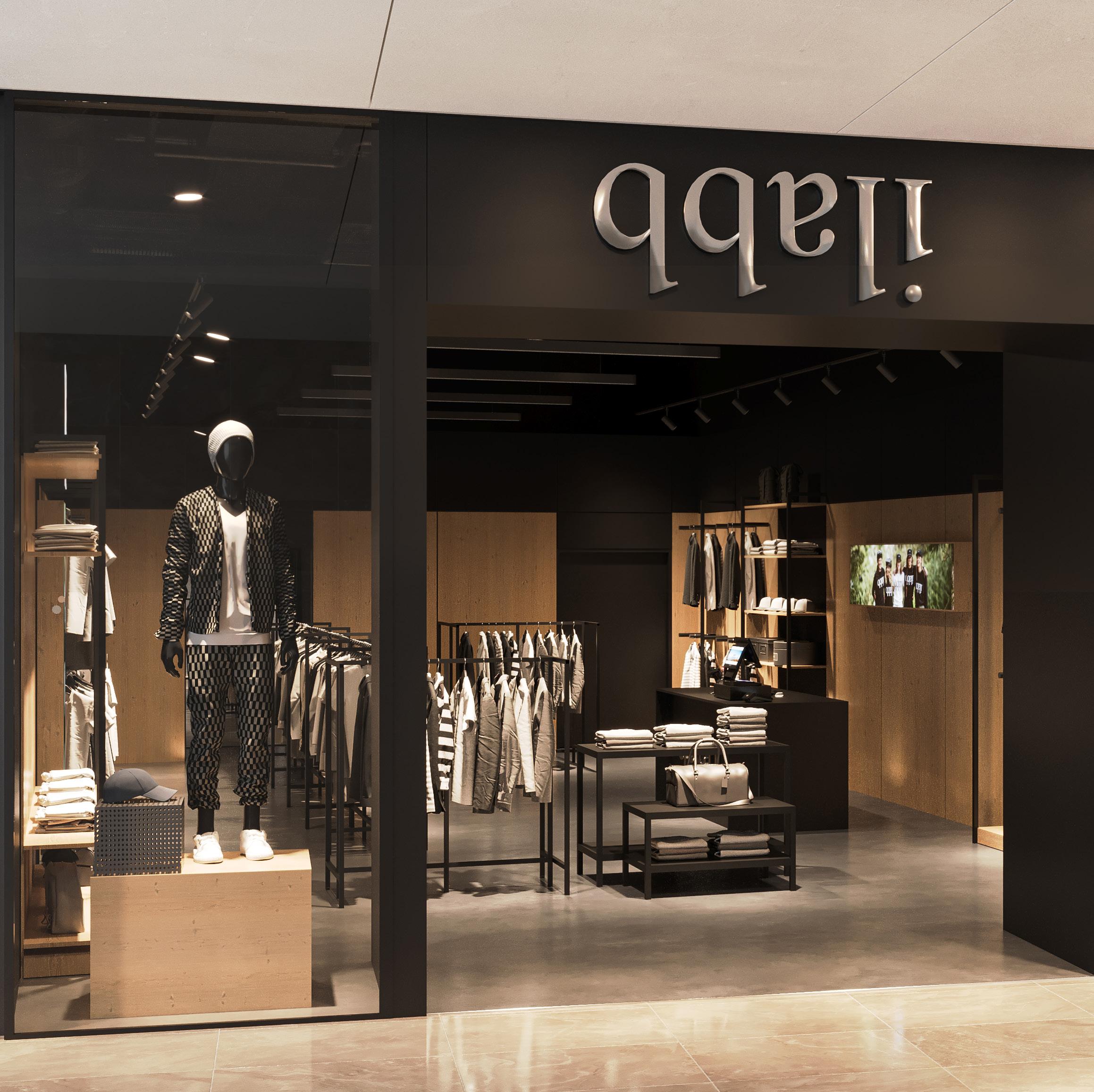
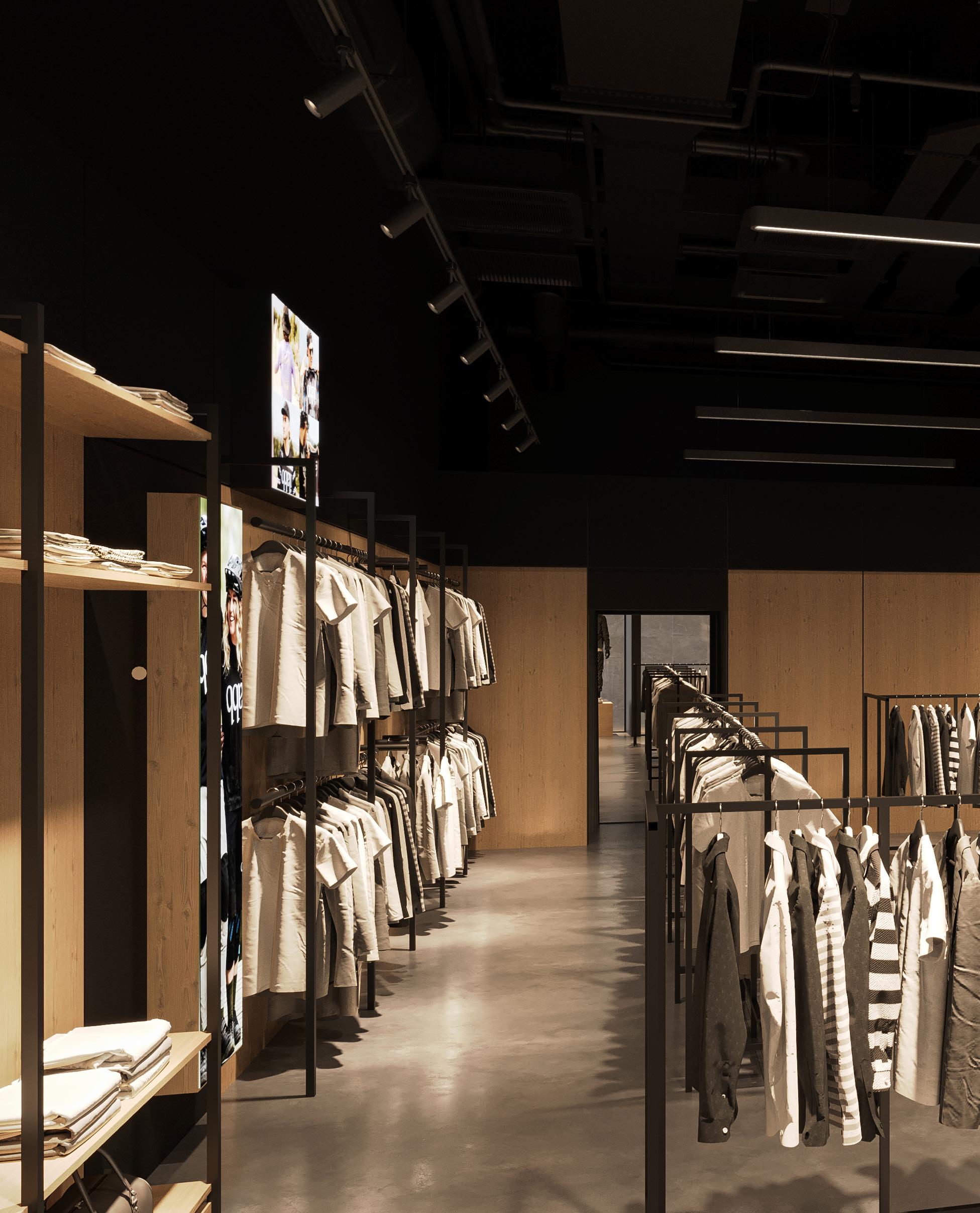
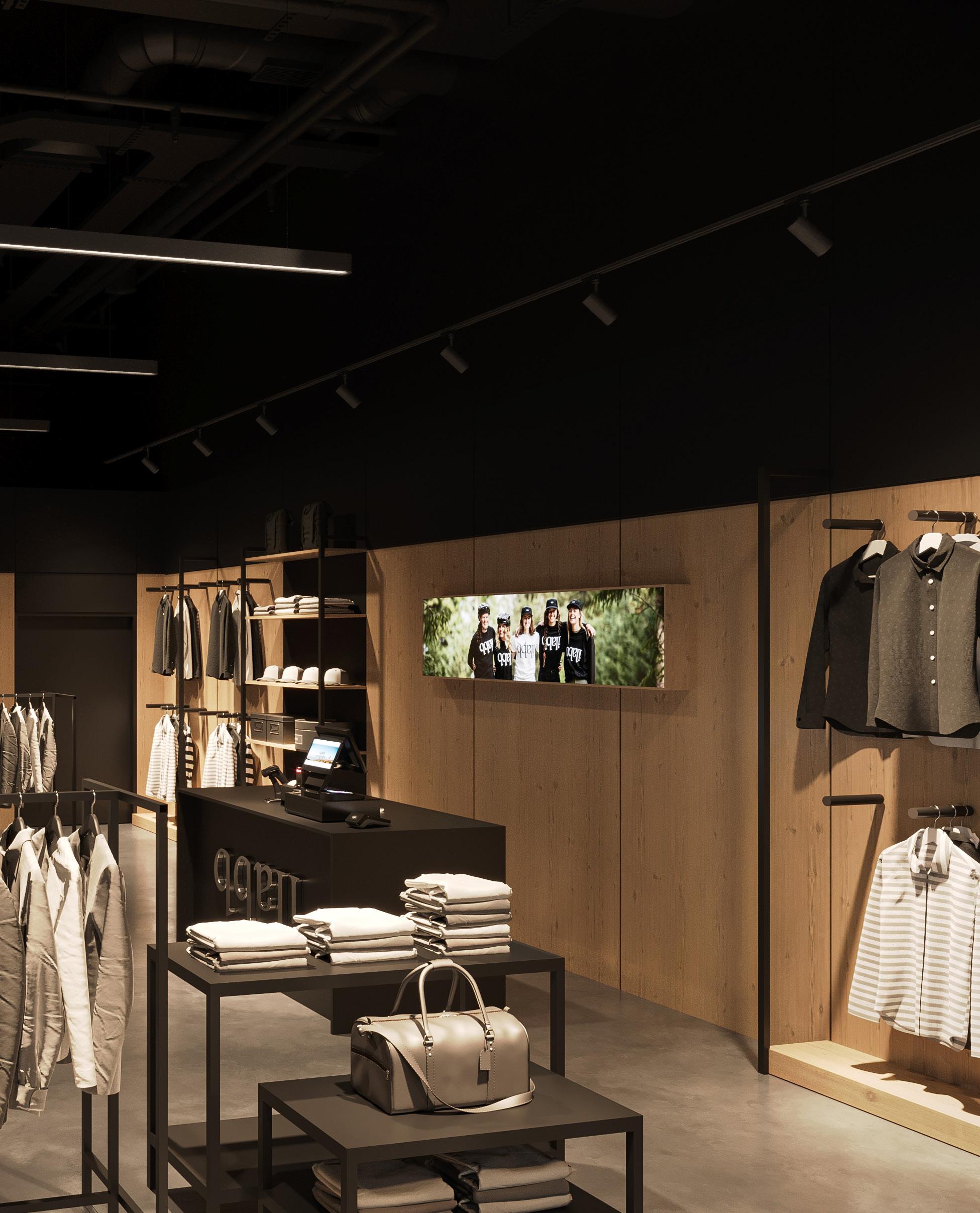
The ilabb retail fitout establishes a strong brand presence within the new mall, using a focused material palette and clear spatial organisation to create an energetic and recognisable retail environment.
The ilabb retail fitout is a bold expression of the brand’s New Zealand identity and high-energy sportswear ethos. Set within a new shopping mall, the store introduces ilabb to a wider audience while staying true to its raw, design-driven aesthetic. A simple palette of stained plywood, high-contrast black and white, and honest materials defines the space.
Concrete floors and an exposed ceiling create an industrial base that lets the brand’s visual language
stand out. Custom lightboxes shape the lighting strategy, highlighting product zones and reinforcing ilabb’s graphic edge. Large-scale imagery delivers immediate impact, and a bespoke plywood service desk anchors the entry with durability and craft.
Clear flow, strong sightlines and strategic material use create a high-impact environment that expresses the ilabb identity through efficient, carefully considered design.
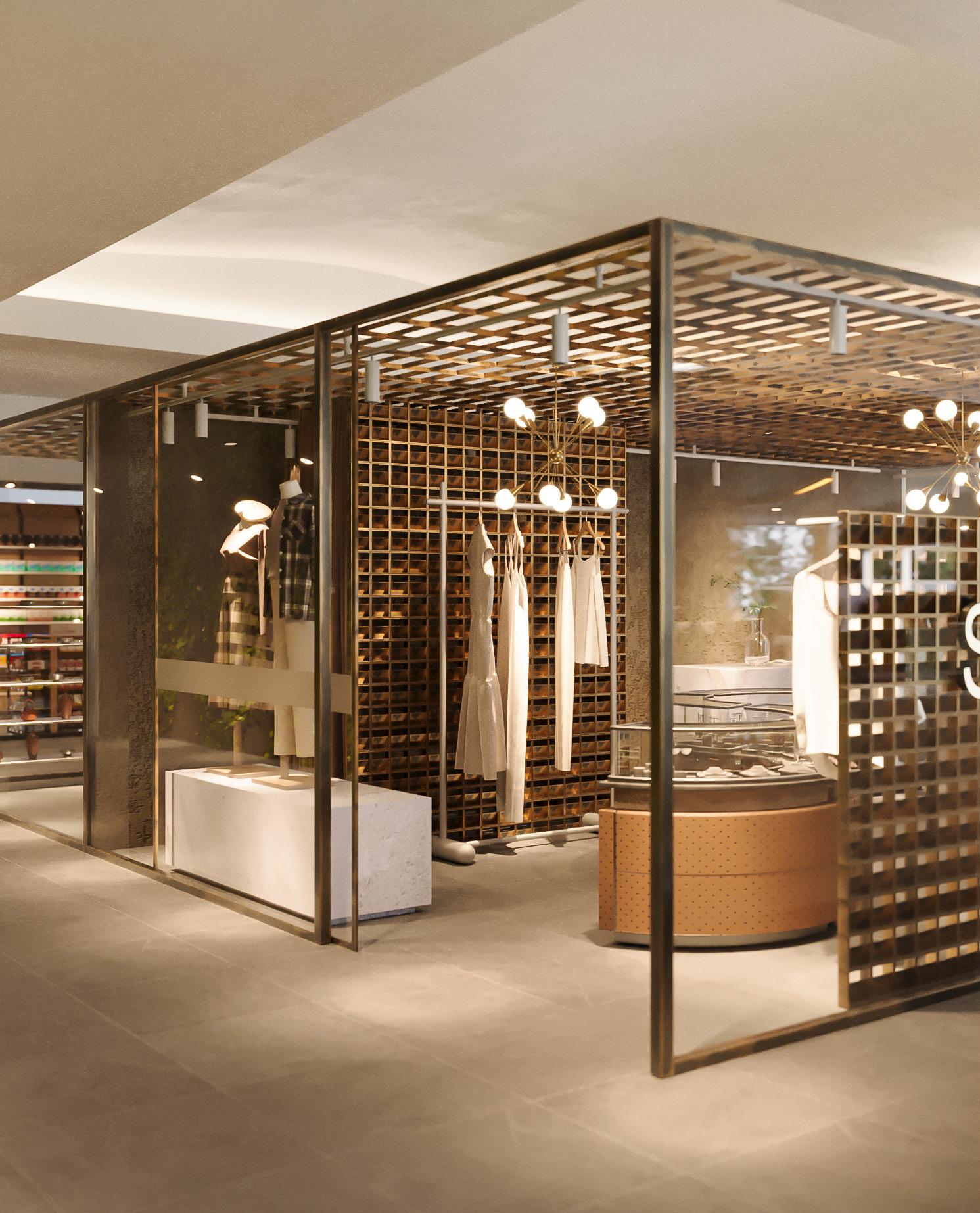
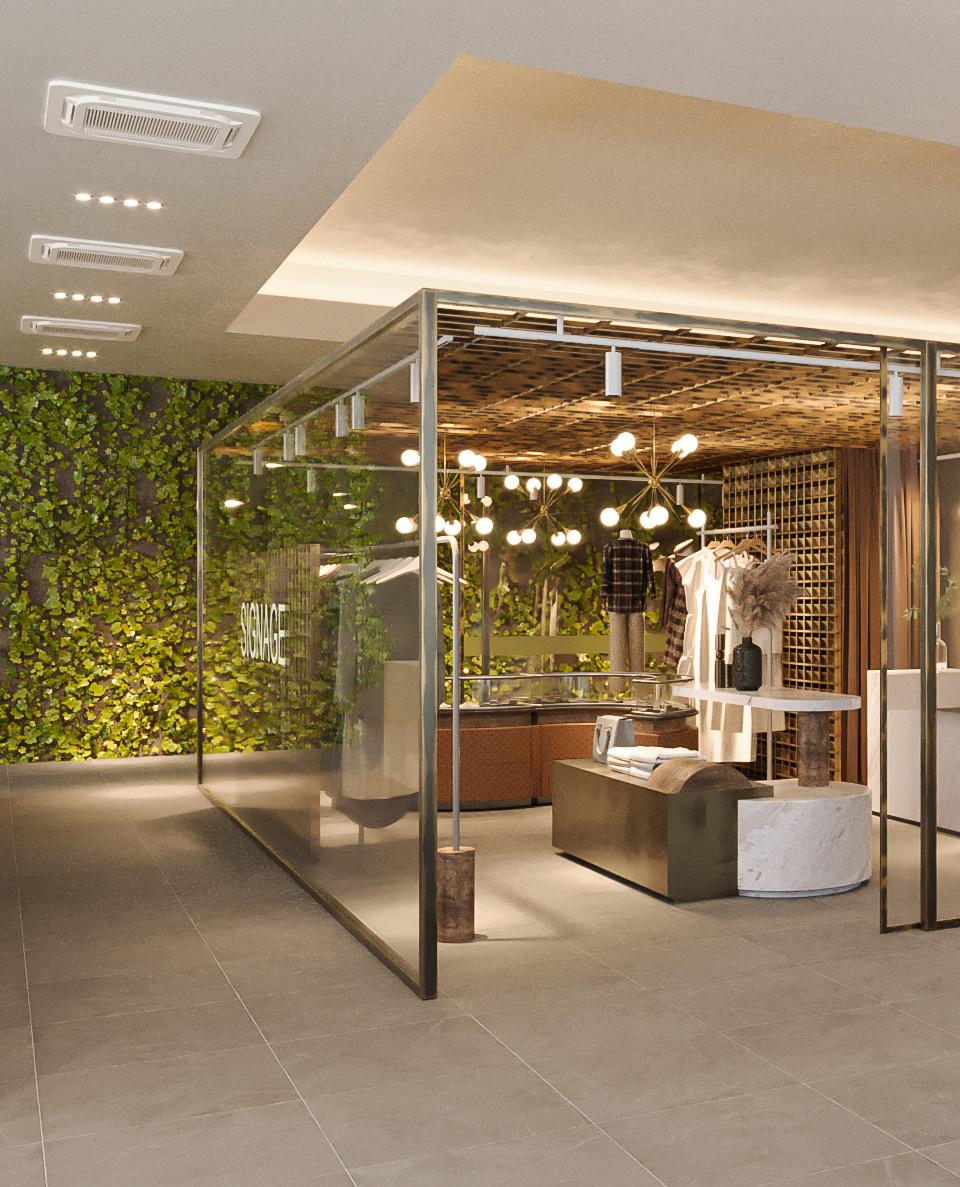
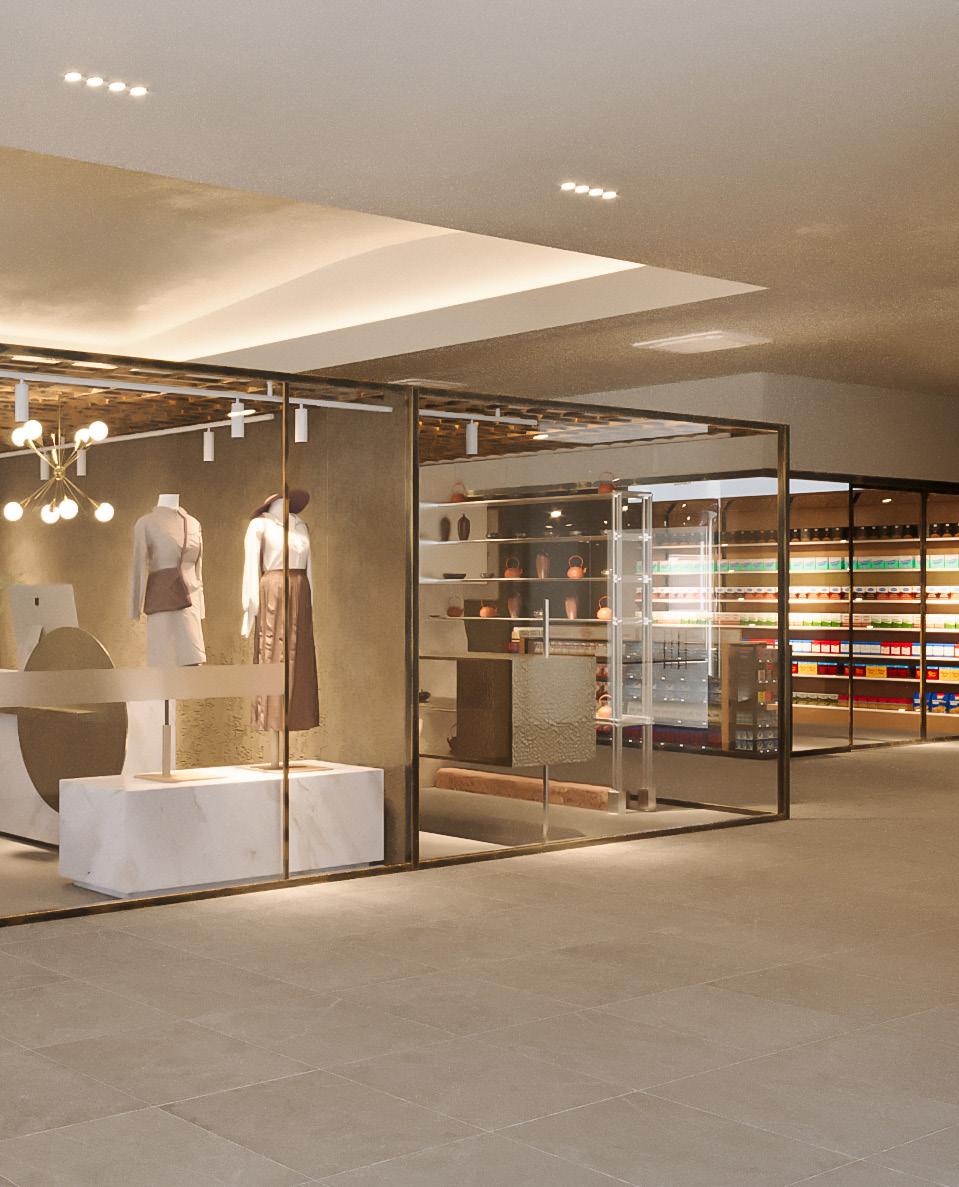
The retail precinct within the Experience Marlborough Centre is envisioned as a modern, light-filled environment where contemporary architecture and regional craftsmanship come together.
EXPERIENCE MARLBOROUGH RETAIL
Generous glazing opens the interior to natural light, while refined lattice timber joinery introduces warmth, texture, and a distinctly Marlborough design language.
Glass partitions delicately divide the retail spaces, maintaining transparency and flow while allowing each tenancy to express its own identity. The timber lattice elements soften the transition between zones, filtering sightlines and creating moments of visual interest that guide visitors through the space. Bespoke
lighting installations elevate the retail experience, combining sculptural pendants, concealed linear lighting, and feature pieces designed to interact with the timber grids. The lighting concept celebrates shadow, detail, and craftsmanship, enhancing both day and night-time ambiance. Together, the interplay of glass, timber, and bespoke illumination creates a refined yet inviting atmosphere that balances modern retail design with local material expression.