
Reliable and trustworthy
Long-term relationships between customers, Jotun and colleagues
Commitment to Jotun’s values, strategies, policies and decisions
Help and support others
Display trust and empathy
Appraise and judge fairly
Protect internal and external environment
Value differences in people
Be honest and fair
Build diverse teams across culture and gender
Follow laws and regulations
Treat others the way they expect to be treated
Take initiatives to create the future
Initiate and nurture change
Communicate openly, honestly and with integrity
Be proactive
Address difficulties constructively
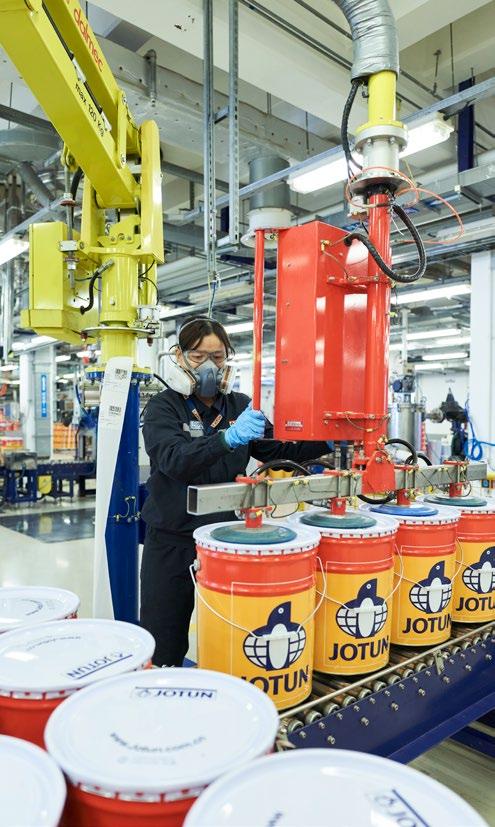
The Jotun Group is a matrix organisation with sales of Decorative Paints, Marine, Protective and Powder Coatings organised into five regions.
The company has 68 companies in 49 countries, 40 production facilities in 25 countries, and is represented in more than 100 countries worldwide.
100 + Countries where represented
Production facilities
Employees worldwide
36 %
Decorative Paints
Jotun is a leading paint supplier to commercial buildings, public buildings and homes, serving both professionals and home owners, directly and through a substantial network of Jotun Multicolor centres.
7 %
Powder Coatings
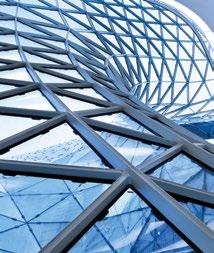
Jotun is a leading supplier to companies active in industries related to building components, general industries, pipelines, appliances and furniture.

29 %
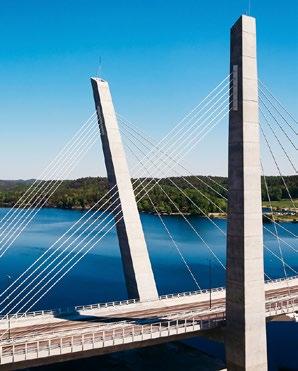
Jotun is a leading supplier of high quality protective coatings for on- and offshore oil and gas facilities, power generation, renewable energy and infrastructure projects, including intumescent coatings, topcoats, high temperature coatings and state-of-the-art, proven anticorrosion protection products.
28 %
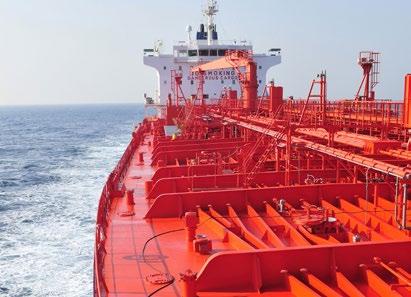
Jotun is the global market leader in marine coatings, delivering high performance hull performance solutions and high quality coatings for newbuilds, drydockings, onboard maintenance, cargo tanks and cargo holds to the global shipping industry. Jotun also supplies premium coatings to megayachts and leisure yachts.

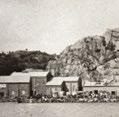
1926: Odd Gleditsch Sr. establishes Jotun with the purchase of the Jotun Kemiske Fabrik A/S (Jotun Chemical Factory).
1951: Jotun opens a new five-storey factory at Gimle in Sandefjord, Norway, with an entire floor devoted to Research and Development (R&D).
1968: Jotun establishes the Corro-Coat powder coatings factory in Norway, a sales company in Greece and the first factory in South East Asia (Thailand).
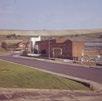
1970: Jotun acquires the UK-based marine coatings company, Henry Clark & Sons.
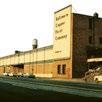
1974: Jotun purchases a stake in Baltimore Copper Paint Company, USA.
1975: Jotun buys a factory in Singapore and opens a factory in Dubai, U.A.E.
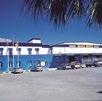
1985: Jotun opens factories in Egypt, Oman and Malaysia.
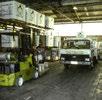
1990: Jotun acquires a factory in Melbourne, Australia.
1993: Jotun establishes sales and a small production unit in Italy.
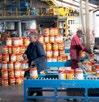
1995: Jotun opens factories in the Czech Republic, Abu Dhabi and South Africa.
2003: Jotun opens a powder coatings factory in Pakistan.
2005: In China, Jotun enters joint venture with COSCO to form Jotun COSCO Marine Coatings (JCMC), and opens a factory in Zhangjiagang, the following year.
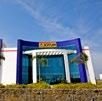
2008: Jotun opens a new factory in Pune, India.
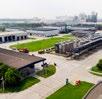
2013: Jotun opens a state-of-the-art factory in Sandefjord, Norway, and a specialised marine coatings factory in Qingdao, China.
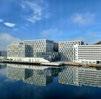
2021:
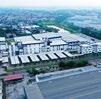
2022:
1962: Jotun establishes sales teams in both France and Spain and open its first overseas factory in Libya.
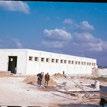
1969: Sales company opens in Hamburg, Germany.
1972: In Norway, Jotun A/S Odd Gleditsch merges with former rivals Alf Bjercke A/S, Fleischers Kjemiske Fabrikker A/S and A/S Denofa og Lilleborg Fabrikker’s paint division to strengthen its domestic position and attain resources to expand overseas. New sales companies in Sweden and Denmark.
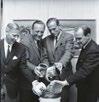
1978: Jotun Corro-Coat opens its first powder coatings factory outside Norway (in Thailand), and Jotun establishes a sales company in the Netherlands.
1984: Jotun opens a factory in Saudi Arabia.
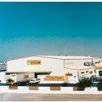
1988: Jotun enters a joint venture with Chokwang Paints in South Korea.
1989: Jotun establishes a joint venture in Turkey and a sales company in Ireland.
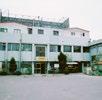
1994: Through a partnership with a subsidiary of COSCO, Jotun gains access to a paint factory in Guangzhou, China, and Jotun establishes a company in Bulgaria.
1996: Jotun completes construction of a factory in Indonesia.
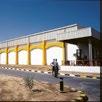
1997: Jotun opens a factory in Vietnam.
1999: Jotun establishes a new sales company in Poland.
2009: Chokwang Jotun opens a factory in South Korea.
2009: Jotun establishes a sales company in Morocco.
2011: Sales companies are established in Algeria, Brazil, Cyprus, Romania and Kazakhstan.
2012: Jotun opens a sales office in Cambodia.
2015: Jotun completes construction of a factory in Itaborai, Brazil, establishes Jotun Mexico and opens a sales company in Kenya.
2017: Jotun opens its first factories in Myanmar and the Philippines.
2023:
2024: Jotun opens a paint factory in Algeria.
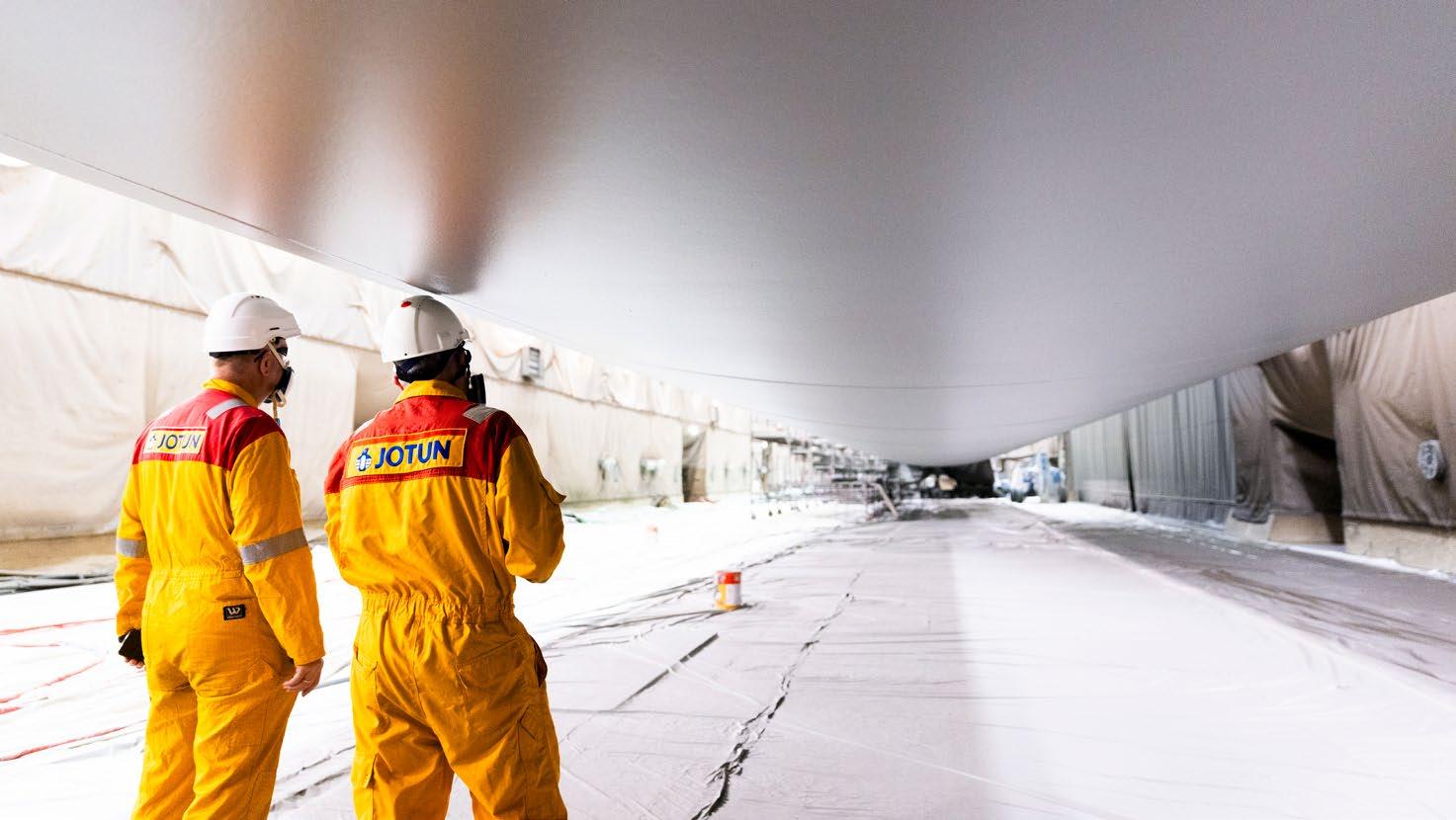
Despite global market uncertainties, Jotun achieved all-time high results in both Decorative Paints and Performance Coatings in 2025.
Jotun’s 2025 results are consistent with Jotun’s long term growth trend, which has seen the company’s operating income more than double in the last decade. While reported sales growth slowed compared to the year before, this was mainly due to a stronger Norwegian krone and negative currency effects. The Group’s underlying sales growth was solid, with record high sales volume achieved in both Decorative Paints and Performance Coatings.
Much of Jotun’s current success can be traced to decisions made in the past. For example, Jotun has been active in the Middle East since 1962, South East Asia since 1968 and opened its first sales office in China in 1983. By entering promising new markets at an early stage, Jotun has been able to grow with fast-moving economies in developing regions. To secure the company for future generations, Jotun continues to invest in new markets, notably in Africa, where the company has recently built factories in Ethiopia (2021), Algeria (2024) and has established sales offices and warehouses in many others.
More recent decisions have also paid off. For example, Jotun’s decision to retain all workers at full salaries during the pandemic meant that the company was in a stronger position to gain market share when the crisis subsided. And in 2023, the company merged elements of its marine and protective coatings business, which improved efficiency, generated growth in both segments and strengthened Jotun brand as a leader in steel protection.
Product innovation remains critical to Jotun success. Over the past five years, the company has invested significant resources into a global network of R&D facilities that generate premium innovations in every segment. Notable launches in 2025 include Hull Performance Solutions 2.0, the premium topcoat Hardtop XPII, and Trebitt, a woodstain for the Scandinavian market. And by locating R&D facilities closer to the markets where Jotun is active, chemists can tailor interior and exterior decorative paints to match local consumer preferences.
While encouraged by Jotun’s 2025 results, many of the conditions that were cause for concern last year have persisted. Uncertainties related to raw materials prices, inflation and protectionism (which may depress consumer spending and slow investments in infrastructure and shipbuilding), may impact the business in the years ahead. But with a fantastic organisation and a strong corporate culture, Jotun has shown a remarkable ability to adapt quickly to new market realities. Jotun remains confident that its excellent performance in high-growth countries and continuous investments in new markets, product innovation and competence development will continue to produce positive results in the years ahead.
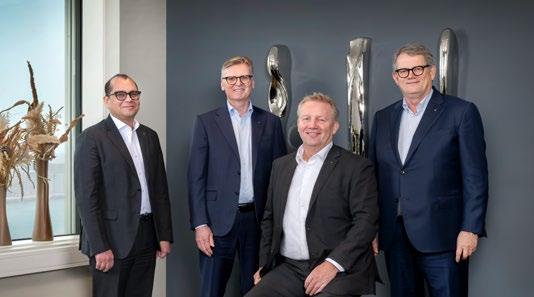
Morten Fon President & CEO
Jotun had another strong year in the Decorative Paints segment supported by premium product innovations, a strong dealer network and the introduction of the new Jotun Shop Concept.
Jotun Decorative Paints finished 2025 with solid earnings, good volume growth and improved profitability, thanks in part to higher gross margins and efficiency programmes. The segment also benefitted from flat raw material prices and Jotun’s global focus on the development and launch of premium interior and exterior decorative paints. Growth was evenly spread in all regions except for China, where consumer spending has dipped due to a slowing economy.
Jotun gained market share in the premium category in key markets, supported by previous launches of Jotashield Eterna, Jotashield Kanva and Fenomastic
My Home Rich Matt in the Middle East and Majestic Pure Colour and Jotashield Infinity in South East Asia. In Scandinavia, Jotun introduced a new series of Trebitt, one of Jotun’s most enduring woodstain products, now available in a matte finish.
Jotun works in partnership with more than 10 000 dealers worldwide to market Jotun decorative paints to consumers and designers. To help dealers succeed, Jotun continues to develop digital tools, marketing campaigns and business support services. For example, in 2025, Jotun introduced the Jotun Shop Concept, a standardised showroom design featuring welcoming spaces with comfortable seating areas where shop sales staff can meet with
customers to select colours and paints. By the end of 2025, more than 1 000 dealers had converted to the Jotun Shop Concept. And to strengthen Jotun’s position as a trendsetter in interior design, the company released the Global Colour Trends collection “Soulful Spaces”, featuring 24 beautiful colours arranged in three different colour themes.
Jotun also continues to develop the Jotun Multicolor concept. For example, JCM GO, A mobile app that allows sales personnel to sell and execute orders remotely, was made available to all dealers globally in 2025. Jotun also released the Jotun Multicolor dashboard, a web-enabled data service to monitor the performance of Jotun Multicolor machines.
Jotun’s growth in the Decorative Paints segment is likely to be impacted by macro-economic conditions in the years ahead. With global GDP growth forecast to slow in 2026, investments in some high-profile projects have been delayed in some countries while high inflation may slow consumer spending in others. However, Jotun’s strong presence in high growth markets, strong brand and a continued focus on premium innovations are expected to continue to support steady growth in the years ahead.

Jotun’s 2026 Global Colour Trends “Soulful Spaces” inspires and encourages joyful restorative interiors in a period of rapid change.
Formally introduced in 2013, Jotun’s Global Colour Trends has become one of the company’s most successful sales drivers in the Decorative Paints segment. Unlike some suppliers, who select a colour of the year, Jotun’s Global Colour Trends is a collection of handpicked colours organised into three themes that make it easier for consumers to select and match colours. Through inspiring set design and photography, the 2026 Global Colour Trends “Soulful Spaces” demonstrates how Jotun’s colours can be used to create unique ambiences.
The 2026 collection is divided into three themes, each made up of distinctive families of eight colours. Passage of Time offers a selection of dark, rich colours contrasted with golden pinks create an air of timeless grandeur and elegance, perfect to showcase artwork, sculpture and statement furniture. Art of Stillness uses matt beiges, gentle yellows and blue green hues to creates an atmosphere of sanctuary, ideal for creating spaces for quiet reflection and moments of mindfulness. Joyful Living takes its inspiration from nature, employing leafy greens, soft pinks and light earth tones for interiors with crafted objects and vintage accents, to give a refined, modern take on farmhouse chic.
As with previous collections, the development of Soulful Spaces required the active collaboration of Jotun colour specialists, marketing and R&D personnel from all over the world. The process begins with a multinational team of Jotun colour specialists who identify emerging trends in colour and interior design.
Each colour they select is then individually formulated by Jotun’s in-house R&D functions to ensure colours meet Jotun quality standards. In some cases, colours selected can be found in Jotun’s extensive archives.
Elegant design, high profile events
The colour schemes are assembled in an attractive print brochure, featuring interiors prepared by top designers. Jotun prints 800 000 copies translated into 15 languages for distribution to more than 20 different countries. In cooperation with local and regional marketing teams, Global Colour Trends are presented at carefully curated, high-profile events to leading interior designers, architects, the press, social media influencers and consumers. In addition, Jotun organises separate events for its dealers to help them become familiar with the collection and how to sell different concepts to consumers.
As in previous years, the development and launch of Global Colour Trends not only helps Jotun to support dealers and sell more paint. The collection also cements Jotun’s reputation as a global trendsetter in interior design and strengthens the company’s brand as a premium supplier of quality paints in beautiful colours.

Quality technical service and a strong product portfolio, supported by the launch of some ground breaking innovations in 2025, created strong underlying growth across the Marine, Protective and Powder Coatings segments.
Despite uncertainties related to global trade, Jotun Performance coatings recorded excellent growth in 2025. Sales were driven by quality products and innovations in all segments, supported by the skill and dedication of Jotun’s Technical Sales and Service (TSS) personnel. Made up of more than 1 200 Coatings Advisors (the largest in the industry), Jotun’s TSS teams provide critical on-site expertise to ensure Jotun products deliver optimal performance and long-term asset protection.
Jotun strengthened its position as the recognised global market leader in the Marine Coatings segment, delivering double-digit sales growth and an increasing market share in all regions. While high volumes were mostly supported by increased activity in the newbuilding market, Jotun also achieved record growth in the drydock and seastock markets in 2025.
As more shipowners and managers seek to improve sustainability performance, demand for Jotun’s marine coatings and solutions has risen. For example, Increasingly strict regulations related to CO₂ emissions and marine biodiversity have generated growing interest in Jotun Hull Skating Solutions (HSS), which became commercially available in 2025. HSS allows owners and managers to maintain an always clean hull, limiting the transfer of invasive species and reducing fuel consumption and corresponding emissions. And with the 2025 launches of SeaQuantum XT and SeaQuest Endura II, Jotun now offers Hull Performance Solutions 2.0, allowing customers to tailor hull coatings for different trades.
Jotun’s leadership in hull performance has been validated by third-party certifications from DNV and Lloyd’s Register, underscoring the company’s commitment to transparency and quality. Furthermore, digital decision support services, such as HullKeeper and Jotun Voyager, continued to see high utilisation, helping owners monitor hull condition and optimise maintenance strategies. Looking ahead, growth in the Marine Coatings segment is expected to slow over the next two years, but volumes are expected to remain stable, supported by an increase demand for maintenance and continued activity in newbuilding yards.
In 2025, Jotun achieved overall all-time high sales results in the Protective Coatings segment. Topline performance was driven by sales to customers active in the energy industry, particularly for offshore wind projects, where Baltoflake, Jotun’s highly durable maintenance-free coating, is widely considered best in class.
Jotun also found success supplying to customers in the oil and gas industry, supported In part by sales of Jotachar, Jotun’s premium mesh-free passive fire protection range. Following the 2023 launch of JF750 XT, a patent pending all-climate capable fire protection coating, Jotun released Jotachar 1709 XT in 2025, also engineered for extreme environments. And with more customers seeking data based maintenance strategies for corrosion control, demand for Jotun’s AssetKeeper service has increased, strengthening the company’s position as the industry’s leading technical advisor.
The completion of several mega projects in 2025 and project delays on some new constructions depressed sales to infrastructure projects compared to last year. However, Jotun has found promising new markets for SteelMaster intumescent coatings, mostly related to investments in the construction of data centres in multiple markets. In 2025, Jotun launched the topcoat Hardtop XP II, the next generation of Jotun’s best-selling product, and continued to build out its global dealer network and offer enhance digital services, such as WebOrder, MyJotun, and SWIFT to strengthen engagement across the value chain.
While local or geopolitical uncertainties may delay projects in some markets, Jotun expects investments in infrastructure, offshore oil and gas and wind projects to accelerate in the years ahead. By providing innovative products, solutions and quality technical service, Jotun can help customers maintain steel integrity, build for generations and enable the future of energy.
Jotun Powder Coatings achieved an all-time high in sales, driven by strong contributions from Middle East, India, North East Asia, Central Asia and Europe. As a leading supplier of premium coatings to architects, Jotun secured major projects in the Middle East and India, recording record sales of the premium products Jotun Super Durable and Jotun Durasol. Sales to architectural projects were further supported by Jotun’s investment in a bonded metallics production facility in Dubai in 2024. And to stimulate growth in South East Asia, the company will invest in another bonded metallics facility in Malaysia next year.
Growth in the Powder Coatings segment was also supported by record sales of Jotun’s EV Battery Solutions in China, the world’s largest manufacturer of electric vehicles. And with investments in EVs increasing rapidly in other parts of the world, notably in the US and Europe, growth in this dynamic market is expected to accelerate. Jotun also found success with Primax Coatings
Solutions, a two-layer system to protect steel in extreme environments. In 2025, Jotun supplied to a major solar energy project in China and a high value contract for electrical meter boxes in Saudi Arabia, among other projects.
Internally, Jotun continued to invest in production capacity and efficiency improvements through automation and digitalisation. To support Jotun’s sustainability goals, Jotun introduced a third-party approved efficiency solution for applicators seeking operational improvements and reduced carbon footprints. This innovative tool provides paint-shop-specific efficiency and carbon footprint analysis, positioning Jotun as a preferred partner for manufacturers committed to sustainable operations.
Building on a century of experience, Jotun remains committed to developing products and solutions designed to preserve fuel, cut carbon emissions, and protect biodiversity to support the shipping industry’s global sustainability ambitions.
Growing evidence of shipping’s impact on the environment has resulted in increasingly strict regulations targeting both carbon emissions and marine biodiversity. To manage these regulations and become more competitive, shipowners and managers are investing new technologies and leveraging data to enable smarter decision-making. However, many have yet to fully integrate advanced hull treatment systems into their sustainability strategies, leaving them vulnerable to regulatory penalties, fuel inefficiencies and environmental risk.
In 2025, Jotun commissioned an independent research consultancy to survey more than 1 000 shipowners and managers to determine the industry’s views on biofouling. The report “Biofouling in Shipping”, indicated that while a clear majority of participants have a biofouling management plan in place, only 40 per cent said these plans were proactive, and nearly half revealed that they avoided ports with stringent biofouling regulations. Jotun seeks to close the gap between ESG ambitions and current biofouling control practices by tailoring solutions to not only improve operational efficiency but support sustainability goals in an increasingly regulated industry.
As the world’s leading supplier of marine coatings, Jotun has emerged as a pioneer in the development of hull treatment solutions and services that reduce fuel use and corresponding emissions. In fact, DNV verified that Jotun’s hull coating offerings helped customers achieve 11.8 million tonnes of avoided CO2 emissions in 2025 alone. And with the 2025 introduction of HPS 2.0, customers can now select solutions optimised for different trades. Another innovation, Jotun Hull Skating Solutions (HSS), which was made
commercially available in 2025, helps operators maintain an always clean hull by removing early-stage fouling, helping to reduce fuel consumption and corresponding emissions.
Jotun’s Hull Skating Solutions also helps to manage biosecurity risks. By removing microorganisms before they can attach to the hull of a vessel, owners can avoid introducing alien invasive species to distant ports. Jotun also offers HullKeeper, a hull monitoring and prediction service, which helps identify hull fouling at an early stage, allowing owners and operators to act before fouling risk becomes acute. While global biofouling standards and regulations are still pending, some ports (notably in Australia and New Zealand), have already levied penalties or refused port entry to vessels that do not comply with local regulations. Jotun is also working with a number of NGOs, including the Clean Hull Initiative, the Sustainable Shipping Initiative and The Global Industry Alliance (GIA) for Marine Biosafety to establish standards to safeguard marine biodiversity.
Fuel costs typically represent between 50 and 60 per cent of operational expenses. Hull prevention and maintenance solutions can reduce fuel spend by as much as 17.7 per cent and reduce CO2 emissions by 19 per cent, thus achieving a more positive Carbon Intensity Index (CII) rating. And with the industry evaluating low or zero carbon fuel alternatives such as methanol or ammonia, which are more expensive than traditional fuels, the savings could be more. By using Jotun premium solutions, like HPS 2.0, HSS, and
digital tools like HullKeeper, owners and operators can both preserve fuel and reduce emissions.
Jotun recognises that hull coatings and solutions alone cannot decarbonise shipping or protect ocean biodiversity. But by offering the industry products and solutions to manage biofouling, Jotun’s clean shipping commitment will play an increasingly important role in helping the industry achieve its sustainability goals over time.
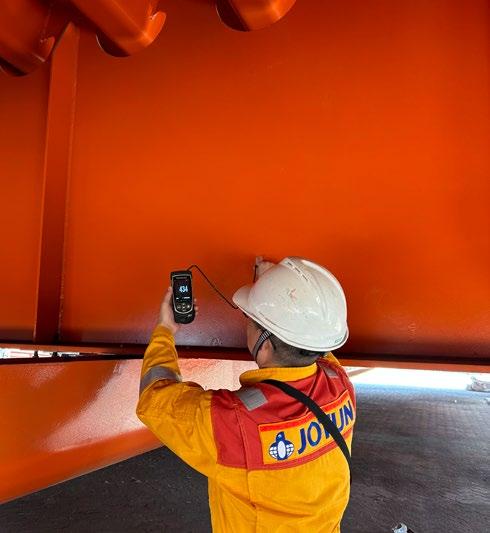
Jotun’s high-performing technologies and solutions reduce safety risks, support efficient operations and minimise environmental impact.
Strong, versatile and cost-effective, structural steel represents the most important building material available today. However, producing steel is carbon intensive, and like any other material, steel is vulnerable to corrosion. And in the oil and gas industry, where steel is exposed to extreme operational conditions, the integrity risks are even higher, representing a genuine threat to safety, the environment and operational efficiency.
Over the past five years, growing regulatory focus on sustainability reporting combined with aging infrastructure, has resulted in more industry focus on maintenance and corrosion control. In 2024, Jotun partnered with an independent company to survey more than 1 000 senior professionals in the onshore and offshore oil and gas sectors across 10 countries. The survey revealed growing concerns about the impacts of corrosion on safety and the environment, with 75 per cent indicating that the need to report on environmental performance has required increased investments in maintenance.
Consistent with Jotun’s own sustainability goals and core mission (Jotun Protects Property), Jotun offers a broad range of products, solutions and services engineered to help oil and gas companies manage steel integrity risk.
Corrosion represents a significant danger to oil and gas workers. Personnel working in proximity to tanks storing dangerous chemicals or insulated pipes transporting liquids and gasses at cyclical temperatures are vulnerable to corrosion-related risks. In addition, spills, leaks, fires, explosions may also represent a danger to surrounding communities. While data linking corrosion to health and safety performance is not available, a 2013 study by
the European Commission determined that around 20 per cent of major refinery accidents are associated with corrosion.
According to estimates released by the WorldSteel Association, steel production is responsible for as much as nine per cent of global emissions, or around 3.5 billion tonnes of CO₂ every year. Another study, released by NACE in 2016, calculated that up to 40 per cent of manufactured steel is produced to replace steel lost to corrosion. Finally, a paper on materials degradation published by the Nature Partner Journal (npj) in 2022 noted that if these trends continue, up to 9.1 per cent of global CO₂ in 2030 will be generated by the replacement of corroded steel.
Corrosion-related issues can also impact the smooth operation of an oil and gas facility, resulting in downtime or, in the event of a failure of critical infrastructure, a total shutdown. If left unattended, corrosion can also result in reduced structural integrity, the costly repair or replacement of aging equipment and operational efficiency of a facility, impacting revenues.
To meet these challenges, Jotun’s solutions are organised into five categories: thermal performance, fire protection, steel protection, anti-corrosive primers and tank linings. And with a global team of more than 1 200 experienced Coatings Advisors, Jotun offers high-end technical service to manage demonstrations, inspections, documentation and testing. Jotun has also developed a solution that aims to support energy customers to manage corrosion proactively. Known as AssetKeeper, the service includes a visual coating and corrosion assessment, a standardised report that offers a clear repair prioritisation and repair recommendations.
Jotun recognises that managing risk at oil and gas facilities is a complex issue involving many stakeholders. But by offering high-performing anticorrosive coatings and solutions combined with decades of experience in the protection of assets, Jotun can help customers achieve their business and sustainability goals.
Jotun’s business activities include the development, production, marketing and sale of paints and coatings systems, solutions and services for the treatment, protection and beautification of assets.
Jotun’s business is organised into five regions: Europe and Central Asia (ECA), Middle East, India and Africa (MEIA), North East Asia (NEA), South East Asia and Pacific (SEAP) and Americas (AM).
Jotun’s product and service offerings are organised into two business areas: Decorative Paints and Performance Coatings.
Decorative
Jotun supplies interior and exterior decorative paints to commercial real estate projects, public infrastructure projects and homeowners either directly or indirectly through the company’s global network of dealers.
Marine Coatings - Jotun is the global market leader in marine coatings, offering primers, topcoats, tank coatings and high-performance antifouling solutions. Jotun also supplies premium products for megayachts and leisure boats.
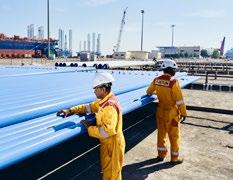
Protective Coatings - Jotun is a leading supplier of high-quality steel and concrete protection coatings, including intumescent, anti-corrosive and specialised heat-resistant products to infrastructure projects and on- and offshore oil, gas and renewable energy facilities.
Powder Coatings - Jotun is a leading supplier of powder coatings to companies and applicators active in industries related to building facades, general industries, pipelines, automotive, appliances and furniture.
In 2025, the Jotun Group recorded total operating revenue of NOK 34 333 million, which is an increase of 0.4 per cent compared to 2024 (NOK 34 206 million). Excluding currency translation effects, mainly due to a stronger Norwegian krone, underlying revenue growth was 6 per cent.
A number of actions taken by the organisation over the last years have contributed to Jotun’s success in 2025. The continuous development of personnel, product innovation, and effective marketing have positioned Jotun to serve customers across all segments. By adhering to a clear strategy, protecting profitability, controlling manageable costs and integrating sustainability and compliance standards into business processes, Jotun achieved record high sales and operating profit also in 2025.
The Group achieved an operating profit of NOK 7 081 million in 2025 compared to NOK 6 766 million in 2024. Growth in operating profits was supported by easing raw materials costs, higher sales volume, and effective measures to control operating costs.
Net financial costs decreased by NOK 660 million to NOK 257 million. This resulted in a profit before tax of NOK 6 824 compared to NOK 5 849 million in 2024. Jotun’s activities are subject to ordinary company tax in the countries in which the Group operates. Income tax amounted to NOK 1 581 million in 2025. This led to a profit for the year of NOK 5 243 million compared to NOK 4 449 million in 2024.
The parent company, Jotun A/S, achieved a total profit for the year of NOK 3 514 million in 2025, compared to NOK 3 629 million in 2024.
Allocation of profit for the year:
Jotun A/S posted a profit for the year of NOK 3 514 million.
The Board of Directors proposes the following allocation:
Proposed dividend NOK 2 394 million
Transfer to equity NOK 1 120 million
Net cash flow from operating activities increased by NOK 2 345 million to NOK 6 466 million, following an increased operating profit and decreased operating working capital. The decrease in operating working capital is primarily driven by currency translation differences due to the strengthening of the Norwegian krone in 2025. At year-end, the Group had a positive cash position of NOK 6 876 million compared to NOK 6 176 million as of 31 December 2024.
The Group continued to invest in production capacity, R&D facilities and other systems in 2025, with total investments amounting to NOK 1 516 million compared to NOK 1 264 million in 2024. Main investments include a factory expansion project in Indonesia and a new regional head office and R&D centre in Kuala Lumpur, Malaysia. Other investments include systems to improve energy efficiency and lower carbon emissions. Jotun also continues to develop, upgrade and invest in global IT systems that enable personnel in different locations to record data on common platforms, communicate remotely and share competencies.
The Group had a net cash position of NOK 2 470 million as of 31 December 2025, up from NOK 1 481 million as of 31 December 2024. The increase in net cash is primarily driven by strong earnings growth and good cash generation. At year-end, Jotun A/S had NOK 1 900 million in outstanding bonds, of which NOK 300 million was short-term. External borrowing in the subsidiaries is primarily short-term and through local banks.
Jotun A/S has NOK 3 092 million in long-term credit lines. This committed funding serves as a strategic reserve for financing of the Group as well as a backstop for short-term certificate loans. At year end, these credit lines were unused.
The Group’s equity ratio was 62.5 per cent at the end of the year compared to 62.1 per cent in 2024. The Group is in a sound financial position.
In its regular business operations, Jotun is exposed to financial risks relating to customer credit and fluctuations in raw material prices, interest and currency exchange rates. Procedures and guidelines for managing these risks are established by Jotun’s Treasury Policy. The Group primarily manages financial risks through normal operations. For example, Jotun can adjust prices to compensate for higher raw material costs and utilise credit management systems to reduce credit risk.
In addition, Jotun A/S hedges currency risk related to net cash flows in foreign currencies using forward contracts, options and foreign currency loans. Currency risk related to the parent company’s net investments in subsidiaries, associates, and joint ventures is not hedged. Jotun’s procedures and measures are considered satisfactory in relation to the Group’s exposure to financial risks.
In accordance with section 2-2 of the Norwegian Accounting Act, the Board confirms that the Group fulfils the requirements necessary to operate as a going concern, and that the 2025 financial statements have been prepared on the basis of this assumption.
Jotun has a Directors and Officers Liability Insurance for Board members, top leaders and key personnel in Jotun A/S as well as in all Group companies. The insurance covers financial loss resulting from a claim against the insured person from third parties. The insurance coverage is considered adequate compared to risk and size of the company.
In 2025, the Group’s underlying sales growth was solid, with record high sales volume achieved in both Decorative Paints and Performance Coatings. While reported sales growth slowed compared to the year before, this was mainly due to a stronger Norwegian krone and negative currency effects. The company’s success was supported by stable raw materials prices, the launch of new products, quality technical service and strong marketing concepts for premium paints and coatings solutions.
Jotun Decorative Paints finished 2025 with solid earnings and good volume growth evenly spread in all regions except for China, where consumer spending has dipped due to a slowing economy. Jotun’s growth was supported by high focus on previous launches of interior and exterior premium paints. During the year Jotun continued to strengthen its market position.
Most of Jotun’s growth in this segment is driven by the company’s network of about 10 000 dealers worldwide. To help them succeed, Jotun introduced the new Jotun Shop Concept designed to improve the shopping experience. Jotun also organised the release of the annual Global Colour Trends collection “Soulful Spaces” and launched new features to Jotun Multicolor, the company’s in-shop colour tinting concept. Additionally, the growth in the segment relies on skilled personnel and premium quality products, colours and services.
With double-digit sales growth and an increasing market share in all regions, Jotun Marine Coatings strengthened its position as the recognised global market leader in 2025. High volumes were mostly supported by increased activity in the Newbuilding market, but Jotun also achieved record growth in the Drydock and SeaStock markets.
Increasingly strict regulations on limiting carbon emissions and preserving marine biodiversity has created a strong market for Jotun antifouling products, services and solutions. In 2025, Jotun released Hull Performance Solutions 2.0, which allows customers to tailor hull coatings for different trades, and implemented the commercial release of Jotun Hull Skating Solutions, the industry’s first proactive hull cleaning system. Jotun has also experienced growing demand for its digital decision support services, such as HullKeeper and Jotun Voyager.
In 2025, Jotun achieved overall all-time high sales results in the Protective Coatings segment. Topline performance was driven by sales to customers active in in the energy sector, particularly for offshore wind projects and the oil and gas industry, where Jotun’s premium passive fire protection range, Jotachar, continues to sell well. Sales to infrastructure projects slowed compared to last year, due to the completion of several mega projects in 2024 and project delays on new constructions in some markets.
A growing portion of Jotun’s sales of protective coatings are managed by the company’s global network of dealers. To support their growth, Jotun continues to develop and enhance digital services, such as WebOrder, MyJotun, and SWIFT to strengthen engagement across the value chain.
Jotun Powder Coatings achieved all-time high sales and record profits in 2025, with growth evenly spread in markets in the Middle East, North East Asia, Central Asia and Europe. Architectural sales specified by architects and designers were particularly strong in the Middle East, supported in part by Jotun’s bonded metallics production facility in Dubai, completed in 2024. Jotun will build a similar facility in Malaysia, scheduled to open in 2026. Growth was also supported by record sales of Jotun EV Battery Solutions in China, the world’s largest manufacturer of electric vehicles, and Primax Coatings Solutions, engineered to provide superior steel protection for assets located in harsh environments.
In 2025, Jotun continued to invest in production capacity and efficiency improvements through automation and digitalisation. To support Jotun’s and the customer’s sustainability goals, the company introduced a third-party approved efficiency solution for applicators seeking to improve operational efficiency and reduced carbon emissions.
Headquartered in Sandefjord, Norway, Jotun’s R&D function is made up of about 600 scientists, researchers and technicians from 36 different countries working in a global network of regional and local laboratories in Europe, the Middle East, South East Asia, North East Asia and the Americas. These laboratories focus on new product development, adapting or customising existing products, testing of raw materials, quality assurance and providing technical advice when required. The network covers all segments and are material for Jotun’s market development.
In addition, Jotun operates seven specialised R&D facilities worldwide, including Arctic test stations, a powder coatings demonstration line in Norway, and a Global Intumescent R&D centre in the UK. Jotun also collaborates with independent research organisations and third-party laboratories to certify products for certain applications.
At the heart of Jotun’s R&D function is to develop products and solutions to protect and beautify assets, consistent with the company’s mission: Jotun Protects Property. Increasingly strict regulations and ESG reporting requirements have created a growing demand for paints and coatings to help customers achieve their business and sustainability ambitions. This remains an important focus area in the R&D activities going forward.
The main drivers for Jotun’s product development within interior and exterior decorative paints are centred around beautification (colour, gloss and finish) and durability and protection (mechanical properties). Focus areas for
interior paints may include scratch resistance, ease of application, easy clean properties and in some markets, improve indoor air quality. Formulations for exterior paints are engineered to match climate conditions where they are sold. Focus areas include colour and gloss retention, film integrity and features that resist water, dust and mould.
Innovations within marine coatings are focused on antifoulings, anti-corrosive ballast tank coatings and long-term steel protection products to extend maintenance intervals. Notable launches in 2025 include SeaQuantum XT and SeaQuest Endura II, both part of Jotun Hull Performance Solutions 2.0.
In the Protective Coatings segment, focus areas include steel protection, fire protection and specialised products for customers in the oil and gas industry and renewable energy, in particular on- and offshore wind projects. In 2025, Jotun released the premium topcoat, Hardtop XP II and Jotachar 1709 XT, Jotun’s mesh-free passive fire protection solution for all climates.
Technology projects and product development are material in the powder segment strategy and include solutions for building components, pipelines, low cure solutions, metallics, EV batteries, and general industry products for multiple applications. Recent launches include EV Battery Solutions and Jotun Primax Solutions, an independently verified anti-corrosive powder coating system meeting the highest corrosion class, CX.
As a knowledge-based organisation, Jotun takes care to protect its intellectual property, which include technologies, the company’s brand, trade secrets and proprietary data. Key technologies are protected by patents and as trade secrets in accordance with the European Commission’s Trade Secrets Directive. To communicate risks and opportunities, the company provides periodic training in patenting and trade secret protection. Jotun recognises that the value of its brand exceeds the total value of the company’s physical assets.
To ensure its brand integrity, Jotun has registered over 2 000 trademarks in more than 150 countries that cover Jotun’s logo and the names of individual products and certain technologies. Most of Jotun trademarks are registered through international registration systems, such as the World Intellectual Property Organisation. When trademark and patent violations are discovered, Jotun takes administrative and legal action and if necessary, enters court proceedings to enforce Jotun’s intellectual property rights.
With activities in more than 100 countries worldwide, Jotun is exposed to a broad range of business risks. At the same time, this global footprint contributes to mitigate the overall risk exposure of the Group.
Escalating geopolitical tensions, growing protectionism and trade wars represent a threat to supply chain logistics, may cause fluctuations in raw materials prices and can lead to reduced public and private spending in some markets. Likewise, business interruptions in some markets may occur due to political unrest, labour actions, extreme weather events or challenging local economic conditions. However, the Board notes that the company’s strong organisation and commitment to its long-term strategy have continued to deliver excellent returns over many years.
The outlook for Newbuilding remains at peak activities, with shipyards operating close to capacity. Sales in Marine Coating segment are expected to stay at high level in 2026, supported by expanding capacity among Chinese yards. Drydock expects modest growth going forward, with dockings forecasted to increase during 2026. Price pressure is expected to continue across Newbuilding, Drydock and SeaStock. With more owners and ship managers seeking to reduce fuel consumption and corresponding emissions, demand for Jotun premium antifouling products and solutions are likely to support a buoyant Drydocking market in the years ahead.
Despite ongoing geopolitical uncertainties which may delay projects in some markets, the Board expects investments in infrastructure, offshore oil and gas and wind projects to accelerate, supporting further growth in the Protective Coatings segment. Furthermore, Jotun’s growing market share in this segment will be supported by unique, innovative solutions like Baltoflake, SteelMaster and Jotachar.
In the Powder Coatings segment, the Board is confident that Jotun’s development of specialised products and solutions to serve important customers, such as architects and real estate developers, energy majors, furniture makers, and producers of batteries for electric vehicles, will continue to drive growth. The Board has also approved investments in production capacity and systems to improve efficiency through automation and digitalisation.
Jotun’s growth in the Decorative Paints segment is likely to be impacted by macro-economic conditions over the next few years. With global GDP growth forecast to slow in 2026, investments in some high-profile projects have been delayed in some countries while rising inflation may slow consumer spending in others. This may impact public and private demand and investments in infrastructure, public construction and household projects. However, Jotun’s strong presence in high growth markets, strong brand, extensive network of dealers and a continued focus on premium innovations are expected to continue to support steady growth.
Many of the conditions causing concerns last year have persisted. A possible slowdown in global GDP growth over the next two years may impact Jotun’s results in different markets and segments. While the Group’s operating margin remains at a historically high level in 2025, increasing pressure on
selling prices and operating costs remains a challenge. This is expected to lead to a gradual reduction of operating margin moving forward.
However, the Board remains confident that Jotun’s performance in highgrowth countries and continuous investments in new markets, global spread, product innovation including enhanced environmental performance in all segments and competence development will continue to produce positive results in the years ahead. Material in this respect is also Jotun’s firm strategy, corporate culture, integrated sustainability and compliance processes and the long-term ownership perspective.
Sandefjord, Norway, 12 February 2026
The Board of Directors
Jotun A/S
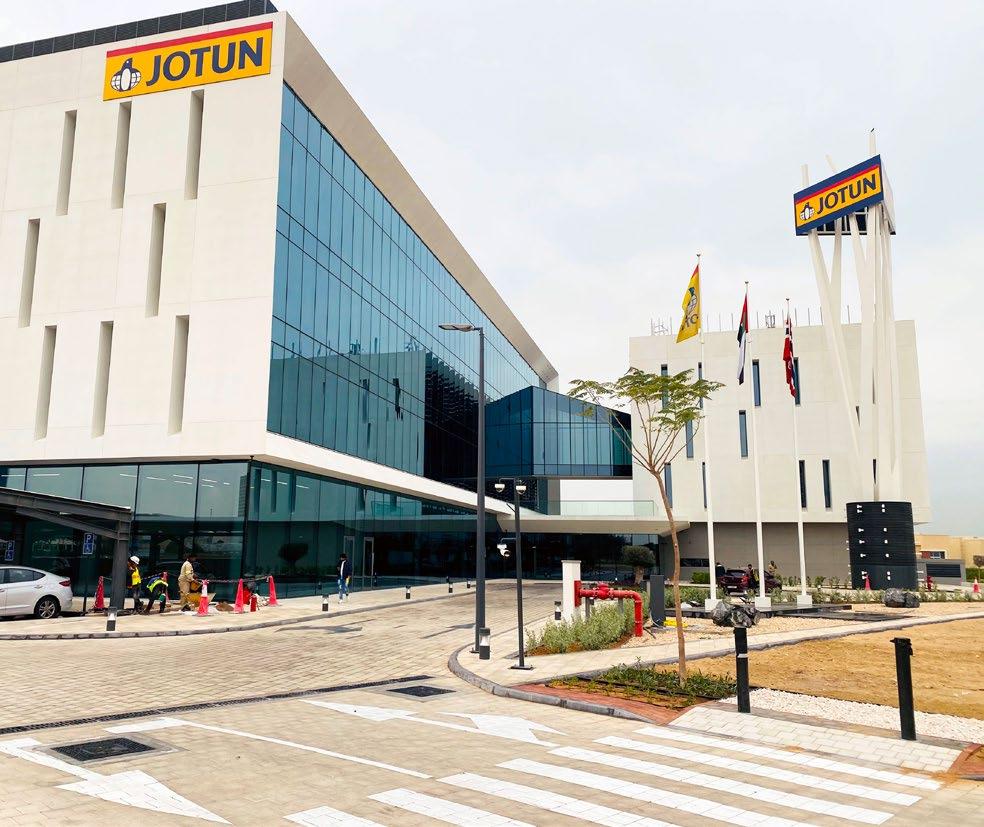
Jotun is one of the world’s leading paints and coatings manufacturers, combining the best quality with constant innovation and creativity. The core mission, Jotun Protects Property, is inherently sustainable. Protecting property can help customers avoid emissions by prolonging the lifetime of assets and extend maintenance intervals. Additionally, beautifying property contributes to culture, societal and individual wellbeing.
Jotun’s stable ownership and long-term strategy enable the company to manage a broad range of issues, including enduring challenges such as improving sustainability performance. Jotun has substantial sustainability competence and remains committed strengthening these competencies.
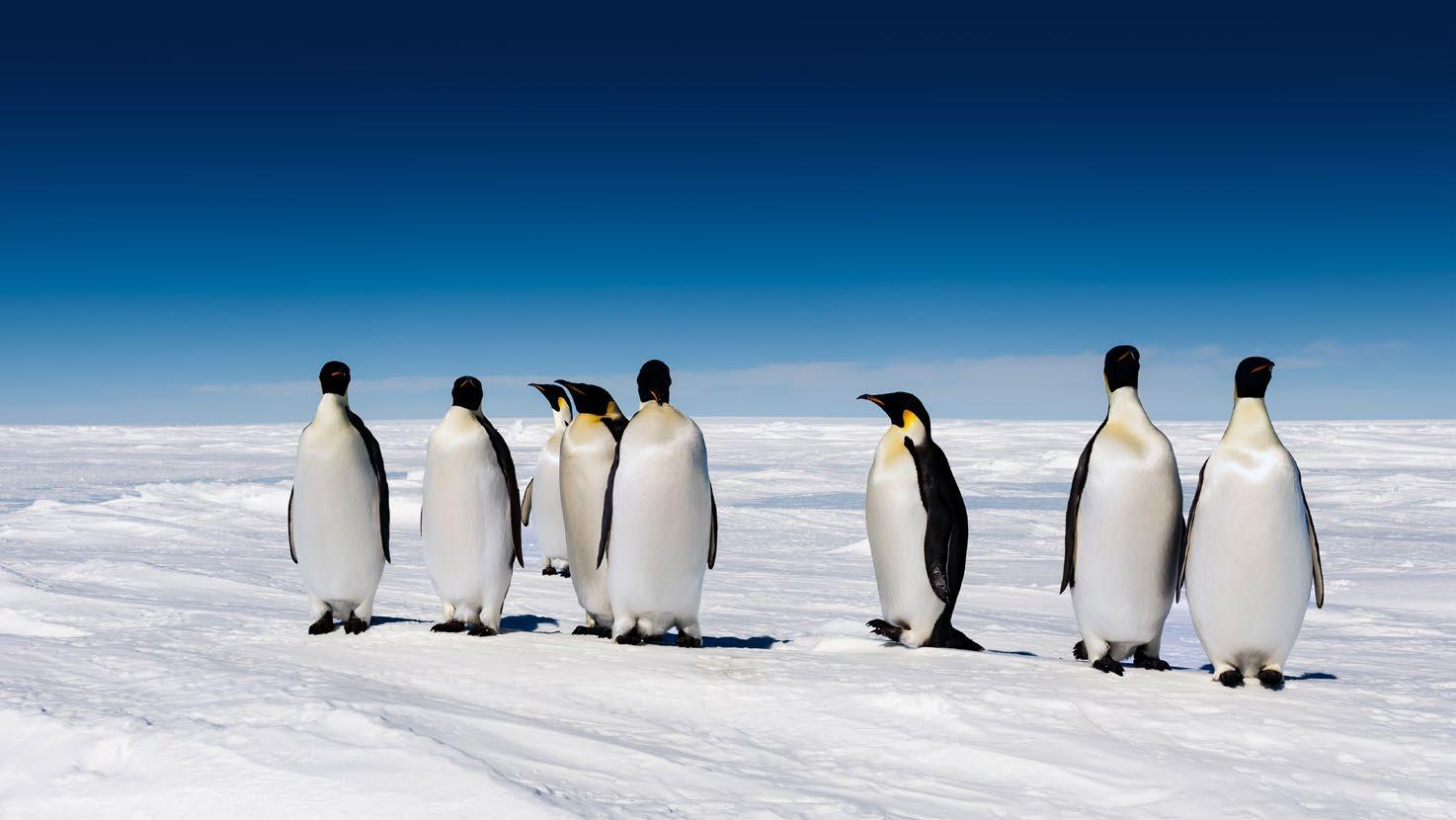
Sustainability at Jotun is integrated into the business strategy and anchored in Jotun’s history and core values: Loyalty, Care, Respect and Boldness. These values are collectively known as the Penguin Spirit.
For the purposes of the Corporate Sustainability Reporting Directive (CSRD), Jotun is defined among large non-listed companies, now required to be compliant for the 2027 financial year. As a result, the sustainability statements in this annual report are not yet fully compliant with CSRD and have not been subject to audit.
Where possible, the sustainability statements are prepared in accordance with the ESRS standards. All greenhouse gas emissions (GHG scopes 1, 2 and 3) are reported based on the Greenhouse Gas Protocol.
The sustainability statements are not prepared on the same basis as the financial statements. Jotun’s sustainability reporting provides an account of its total operations, encompassing all subsidiaries, joint ventures and associated companies, irrespective of ownership share. This approach means the sustainability statements reflect the full environmental and social footprint of
Jotun’s operations. The consolidated financial statements consist of the Group as well as the Group’s net interests in associates and joint ventures.
The extent to which the sustainability statement covers the undertaking’s upstream and downstream value chain varies by topic and is disclosed in the double materiality section, as well as each topic section of this report.
The general requirements of ESRS 1 have been applied to these sustainability statements. Any deviations or information relevant to ESRS 1 are detailed in the sections in which they apply.
The Sustainability Board considers all major sustainability matters at Jotun and relevant items are also considered by Jotun Group Management and the Board of Directors.
The Jotun A/S Board of Directors (BoD) presides over all decisions relating to Jotun’s major strategic policies, including major sustainability matters. It is made up of nine non-executive independent board members. Two of those nine are employee representatives.
In addition to participating in on-site company visits, The BoD regularly receives updates on business and R&D issues, segment reviews, and Health, Safety, Environment and Quality (HSEQ) updates, so has access to detailed knowledge in relation to the segments, products and geographic locations of Jotun.
The Board had six training sessions on sustainability matters in 2025 in addition to business-as-usual sustainability matters. It also provided input and approved the final Double Materiality Assessment so has good awarness of matreial topics for Jotun. Together with extensive sustainability training and detailed knowledge of the business, boardmembers are well prepared to take material impacts, risks and opportunities into account when making decisions.
The Sustainability Board (SB) is responsible for oversight of all sustainability matters. They oversee the development of targets and monitor progress towards reaching them.
The SB has access to internal and external experts with appropriate skills and expertise related to sustainability matters. These experts stay updated on sustainability matters and highlight if skills and expertise need to be developed.
The SB is made up of senior management from across the organisation, which means sustainability initiatives are embedded. Any relevant items and decisions are referred to relevant managers and the BoD where appropriate, consistent with the mandate of the SB as well as their terms of reference. This includes the setting of overarching targets.
Sustainability governance
Board of Directors presides over all decisions relating to Jotun’s major strategic policies, including major sustainability matters
Sustainability Board oversight of all sustainability matters at Jotun
The chair of the SB is the Group Vice President for both sustainability and strategy, so the company is structured in a way that encourages management to consider material topics when executing the company’s strategy.
All Jotun companies undergo regular business reviews, which require reporting on sustainability performance. The Board of Directors in all companies are required to follow policies and procedures related to governance and compliance, ensuring involvement and accountability at the highest levels of the company.
Jotun integrates due diligence into governance processes, strategy, and its business model through multiple policies and processes. Jotun’s strategy includes sustainability from Group ambitions to segment activities relevant to the market and customers.
Jotun engages with stakeholders during the evaluation of material impacts, risks, and opportunities. More information on specific stakeholders and their views are considered in relation to each material topic which then provides feedback into the governance structure. This allows Jotun to understand the interests and views of the stakeholders and keep governance bodies informed. When negative sustainability impacts are identified, Jotun has processes to report and resolve issues, escalating them through the governance structure, if necessary. The SB monitors the effectiveness of targets related to negative impacts.
Jotun’s strategy consists of three main elements: Organic growth, segment diversity and differentiated approach (indicating certain autonomy closer to markets). Jotun’s strategy intends to integrate sustainability into all activities in the value chain.
Jotun offers a wide range of products and services across four segments: Decorative Paints, Marine Coatings, Protective Coatings and Powder Coatings. Jotun’s presence is global with operations in 49 countries over five regions. For more information on Jotun’s segments and regions, please refer to the “who we are” section of this report.
The production of paint and coatings falls under Nomenclature of Economic Activities (NACE) category 20.3 – “Manufacture of paints, varnishes and similar coatings, printing ink and mastics”.
Jotun’s products are engineered to protect and beautify a broad range of assets, including residential and commercial buildings, ships and offshore structures, industrial and infrastructure projects, pipelines and manufactured goods.
Jotun’s customer groups range from individual consumers and professional painters to large industrial and marine clients, reflecting Jotun’s diverse and global reach.
Jotun’s business model is built on leveraging local knowledge and competence in different markets, supported by regional hubs. This matrix structure ensures a significant degree of autonomy for regional and local operations, which is key to Jotun’s global success.
The value chain model that Jotun uses consists of three main phases:
• upstream
• own operations, and
• downstream
The avoided emissions part of Jotun’s value chain model describes how Jotun’s products and solutions contribute to reducing emissions and improving environmental performance. This model supports data-driven decisions to focus on the biggest impacts across the full value chain. There are sustainability initiatives within every part of the value chain model.
Summary
In 2025 Jotun reviewed and updated its double materiality assessment (DMA). The assessment is aligned with the CSRD perspective of materiality using impact and financial perspectives to conclude material topics. The DMA exercise identified, assessed and prioritised the potential and actual impacts, as well as financial risks and opportunities (IROs) on both people and the environment. More information about the key affected stakeholders for each IRO is considered in the relevant sections of this report.
The DMA consolidates the IRO across Jotun’s full spectrum of operations from own operations and business realtionships to upstream and downstream impacts, including all business units, locations and entities. It provides a comprehensive and holistic overview of the material topics for the entire organisation. The DMA will continue to be reviewed annually and revised as needed to reflect changes in the business, the regulatory landscape, and stakeholder expectations.
The Sustainability Policy sets up the framework for how it manages impacts, risks and opportunities related to pollution prevention and control. In terms of ongoing oversight and control of material topics, IRO leads have been assigned to each IRO and these leads work with the sustainability team and the sustainability governance structure to work towards sustainability progress across the organisation.
The methodological framework encompassed four stages:
1. Understanding context: The 2024 DMA and feedback received from stakeholders formed the basis of the 2025 assessment. Potential sustainability topics were identified using a range of sources such as data collected from stakeholders after the 2024 DMA process, sector benchmarking and information from independent entities. Stakeholder mapping was conducted to identify key stakeholders and understand their influence and interests.
2. Identifying IRO: Impacts risks and opportunities related to Jotun’s activities and business relationships were defined. Data sources included surveys, interviews, workshops, reports, and expert input.
3. Assessing IRO: Impacts were assessed based on severity and likelihood. An IRO workshop and focus group discussions facilitated a comprehensive evaluation of risks and opportunities. Prevention, mitigation and remediation actions were considered when an IRO had an actual or potential negative impact or was a financial risk.
4. Prioritisation: Impacts and financial implications were scored and prioritised using predefined quantitative thresholds. A quality assurance meeting was held with internal experts of each material topic prior to finalising the quantitative threshold to ensure no qualitative considerations needed to be made.
The outcome of the double materiality assessment identified the following topics as material:
Double Materiality Assessment
Jotun’s products and services can be used to help their partners and customers avoid emissions and meet their sustainability goals in a range of ways. However, given the quantifiable impact of Jotun’s marine coatings and solutions have on the fuel efficiency of vessels, this section will only focus on this segment of the business.
Jotun is a global leader and pioneer in hull performance with modern antifouling technologies and high-performance solutions that support ship owners meet their operational needs and ESG ambitions. The primary purpose of antifouling technologies is to prevent barnacles and microorganisms adhering to the hull of a vessel. A clean hull reduces drag and improves a vessel’s energy efficiency, preserving fuel and thereby reducing the emission of greenhouse gasses. A clean hull also reduce the negative impact of the transfer of aquatic invasive organisms to new ecosystems.
Although biodiversity is not a material topic for Jotun, clean hulls have a significant positive impact on biodiversity. Clean hulls reduce ecological disruption and protect native habitats. Healthy biodiversity strengthens ecosystem resilience and enhances nutrient cycling and carbon storage in oceans. Additionally, many ports now enforce strict biofouling regulations, and vessels with fouled hulls risk delays, fines, or denial of entry
Jotun sees this topic as a financial opportunity given its position in the market and the sales performance on the range of quality products and services. There are measurable, independently verified positive impacts for Jotun’s customers and for the environment.
Key stakeholders for this topic include end users/ consumers and nature. Stakeholder interests are considered in a range of ways, for example through the relationship between Jotun’s employees and partners, customers and ports, as well as scientific papers and the comprehensive understanding Jotun’s chemists have on antifouling coatings.
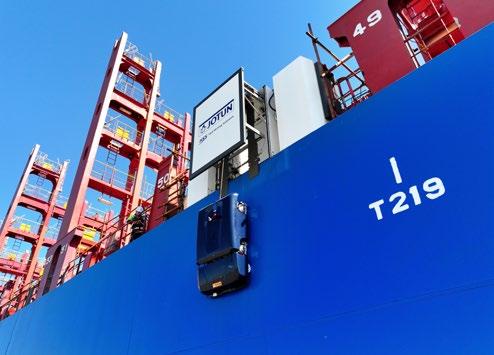
The HullSkater is a remotely operated robotic hull cleaning system designed to prevent early-stage biofouling before it impacts performance. Stationed on board and deployed in port or at anchorage, it uses magnetic adhesion, high defintion cameras, and interchangeable cleaning discs to gently remove slime without damaging advanced compatible antifouling coatings.
In 2025, Jotun’s Hull Skating Solutions (HSS) received Lloyd’s Register’s first full antifouling approval, including approval of compatibility between the cleaning and coating systems.
HullKeeper is a digital service that monitors hull fouling to help operators reduce fuel consumption and emissions through data-driven cleaning decisions. This service allows shipowners to identify fouling risks early to optimise fuel efficiency, reduce greenhouse gas emissions, and protect biodiversity, ultimately improving their bottom line while fostering a more sustainable shipping industry.
11.8 million tonnes of avoided CO₂ emissions have been achieved for Jotun coated vessels in 2025. The calculation has a margin of +2.5 million tonnes and -2.0 million tonnes is based on average speed loss during the four last years of a five-year drydocking cycle, using the first year as reference and following ISO 19030. The results are independently verified by DNV.
To put it into context, the figure is more than 30% of Norway’s total annual CO₂ emissions in 2024 according to SSB (Statistics Norway) or the emissions of over 2.7 million gasoline-powered cars driven for one year, estimated by EPA. The fuel cost of the preserved fuel is worth approximately US $2 billion. This showcases the enormous effect a clean hull can have.
Avoided emissions (tonnes CO₂)
Summary including materiality
Jotun’s operations are subject to impacts, risks and opportunities related to adapting to climate change. While Jotun experiences supply chain delays and raw material constraints when upstream suppliers or transport providers suffer as a result of extreme weather events because of Jotun’s diverse and global reach, only Jotun’s own operations met the threshold of materiality.
Key stakeholders for this topic include shareholders and employees who are impacted by extreme weather events. Stakeholder interests are considered in a range of ways but real-life negative impacts of climate change are understood by close connections to local operations and employees and the connections they have with customers and suppliers. In terms of nature, scientific papers form the basis of Jotun’s understanding of changing climate.
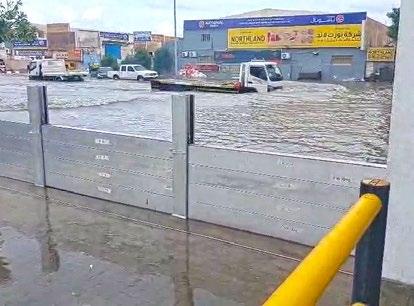
After flooding in 2024 caused NOK 8.5 million in damage. Jotun’s operations in Dubai invested NOK 450 000 in flood barriers which sucessfully provided protection from floodwater damage after more flooding in December 2025.
Also in December 2025, extreme monsoonal rains combined with tropical storms impacted Jotun’s operations in Thailand, Malaysia and Indonesia. All employees were safe, but some had to move into temporary accommodation due to flooding and associated electricity shortage. In Thailand, entire Jotun dealer shops were underwater and as a consequence, several Jotun Shop Concepts and Multicolor machines were ruined.
Summary including materiality
Paints and coatings contribute to climate change through emissions spanning their entire life cycle. Jotun is a growing company and it’s important that Jotun limits its impact on climate change as it grows.
In 2025, Jotun formally started the process of developing a transition plan and setting targets for its emissions. More information will be provided on these efforts in subsequent reports.
Climate change will likely have a negative impact on and require mitigation across the entire value chain. However, because Jotun products are proven to protect assets in extreme weather conditions, climate change also provides some financial opportunities for Jotun.
Key stakeholders for this topic include suppliers, customers and shareholders. Stakeholder interests are considered in a range of ways and scientific papers form the basis of Jotun’s understanding of the changing climate.
Jotun’s commitment to mitigate its impact on climate is affirmed in the Sustainability Policy. The policy describes the process for identifying and managing impacts, risks and opportunities related to climate change, and defines out how these impacts, risks and opportunities are managed. The policy applies to all operations worldwide and has periodic updates to reflect updated results of double materiality assessments.
In 2025, Jotun has phased out the white base on some of its decorative paints. This lowers the use of titanium dioxide which is a significant contributor to its emissions while maintaining the high performance of the products.
Jotun measures its carbon footprint using the Corporate Standard Greenhouse Gas (GHG) Protocol. The GHG Protocol classifies a company’s GHG emissions into three “scopes”:
• Scope 1 refers to direct emissions from owned or controlled sources.
• Scope 2 emissions are indirect emissions from the generation of purchased energy.
• Scope 3 emissions are all indirect emissions that occur in the value chain of the reporting company, include both upstream and downstream emissions.
Greehouse gas emissions (tCO₂eq)
Location-based emissions
Jotun uses market-based emissions as the official GHG Reporting figures. In 2025 location-based scope 2 emissions were 82 560 tonnes of carbon equivalent and total location-based emissions were 4 663 213 tonnes of carbon equivalent.
Emissions intensity (thousand tCO₂eq/ NOK billion)
Jotun has set an ambitious target to decrease its carbon footprint from operations (scope 1 and 2) by 50 per cent by the year 2030, using 2017 as baseline. From 2017 to 2025 Jotun’s carbon footprint has been reduced by 37 441 tCO₂eq, or 32 per cent for scope 1 and 2 emissions.
Jotun is in the process of developing scope three targets and a climate action plan to achieve these. More information on this work will be released in future reports.
2Total net sales for all companies, irrespective of ownership share. This does not match financial statements but aligns with emissions reported.
3 Total emissions in thousand tCO₂eq per total net sales in NOK billion.
Emission sources have been updated, which has led to recalculation of 2024 and 2023 emissions. For Business Travel and Transportation categories there has been improvements to the methodology giving higher emissions for those categories, but these changes have not been back-calculated.
The paint and coatings industry require various solvents to create a range of paint characteristics from viscosity to durability and more. Solvents evaporate and some of them become volatile organic compounds (VOCs) in the air. VOCs are not defined as greenhouse gasses according to the GHG Protocol or Kyoto Protocol; however they are carbon based and oxidise in the atmosphere (often within days or weeks) and become CO₂, which is a greenhouse gas. Jotun therefore argues it’s important and transparent to include the total amount of VOC released from products in its official
Scope 1 and 2 greehouse gas emissions target
50 %
Reduced carbon footprint
Baseline 2017 Target year 2030
32 % 2025
Summary including materiality
Energy is a material subtopic for Jotun’s own operations because fuel and energy-related activities make up the majority of scope 1 and 2 emissions and therefore contribute to the negative impacts of climate change.
Energy Management Procedure
In 2025 Jotun developed an energy management procedure, guiding the individual companies for how to monitor their specific energy consumption, with guidelines for both what hardware and software to be used. By understanding the major contribution to energy consumption, Jotun is better prepared to take action to improve energy efficiency.
Metrics
Renewable energy target
Jotun has a target to source 70 per cent renewable energy by the year 2030. In 2025, Jotun sourced 56 per cent renewable energy. The Climate Change Target Transition Plan work will assess opportunities for renewable-energy related levers and targets within scope 3.
Transition to renewable energy
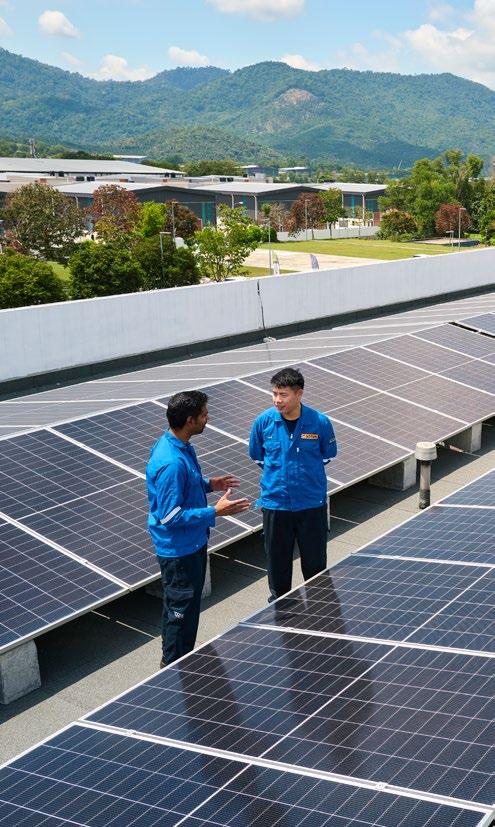
In 2025 Jotun has continued to invest in solar projects, notably in Busan, South Korea and Qingdao, China.
Renewable energy target
Certain chemicals are essential for achieving the performance and durability expected of Jotun’s high-quality paints and coatings. The company takes its regulatory obligations in relation to the chemicals it uses seriously and is committed to minimising their use and potential impact wherever possible, while maintaining the quality and durability of its products.
The materiality assessment determined that the only material sub-topic within pollution was its use of substances of concern1. In particular, the negative impact of any harm caused by its products, the cost of implementing regulations including any potential chemical bans that may result in having to discontinue product lines, and the positive impact of using chemicals which increase sustainable and desirable characteristics like durability.
Jotun recognises that microplastics is a growing concern for the paint and coatings industry. Research is underway at Jotun to better understand the impacts, risks and opportunities, with a current focus on antifouling coatings. A note on the safety data sheet is included if a product contains synthetic polymer microparticles.
Although substances of concern upstream and downstream did not meet the materiality threshold, their health and safety implications are addressed in the section below.
Key stakeholders for this topic include regulators and the bodies which enforce regulations, end users/ consumers, employees, suppliers and nature. Stakeholder interests are considered in a range of ways, for example through industry associations, scientific papers and the comprehensive understanding Jotun’s chemists have on substances of concern and their effects.
Jotun’s Chemical Policy aims to avoid the use of substances of high concern, ensuring compliance with global regulations and minimising health, environmental, and reputational risks. The policy applies to all operations and products worldwide and has annual updates to reflect new restrictions and phase-outs. Changes this year include new chemicals added to restriction lists and updated phase-out dates.
The policy states that all uses of chemicals shall comply with relevant and applicable laws and regulations in the markets where Jotun operates, and whenever chemical hazard classifications are stricter in Europe than in those markets, that the legislation in Europe should be followed.
The Group R&D Policy states that R&D is responsible for evaluating and approving raw materials in line with regulations and Jotun’s Chemical Policy. It also covers product maintenance and phase-out processes, ensuring formulations comply with legislation and internal standards.
The HSEQ Management System covers preventing, controlling, and mitigating incidents and emergencies to protect people and the environment. You can read more about this in the health and safety section.
Continuous monitoring of the regulatory environment
The main way Jotun can reduce the financial risk of chemical regulation and phase out is by continuously monitoring the regulatory environment and staying up to date with the latest research on the chemicals used in its products. This understanding informs Jotun’s Chemical Policy and internal phase out dates for certain chemicals.
The Chemical Policy requires full compliance with all applicable laws and regulations in every market, but it also goes further by mandating stricter standards where possible, applying the substitution principle, and avoiding highly hazardous substances even when legally permitted, further mitigating this risk.
In 2025 Jotun phased out a range of products containing PFAS. PFAS are a group of chemicals of concern due to persistence and bioaccumulation. While they have a range of benefits for paint such as enhanced durability, global regulations are tightening.
Jotun maintains compliance with regulations through its proactive Chemical Policy and continues to phase out PFAS through innovation, while ensuring the performance and quality of its products.
Safety data sheets and hazard labelling on Jotun’s products help to transparency communicate the risks of the substances it uses in their products to customers and help them make informed decisions on how to protect themselves from any risks. Health and safety risks are discussed more in the health and safety section.
1 When substances of concern are referenced in this report, it includes substances of very high concern unless noted.
The materiality assessment determined that waste was the only sub-topic within the resource circularity topic to meet the materiality threshold. Waste is a material topic for Jotun’s own operations, it aims to minimise the environmental impact of its materials and waste by prioritising sustainable sourcing, reducing hazardous chemical use, and implementing circular economy practices such as recycling and waste diversion.
The types of waste in Jotun’s operations include non-hazardous and hazardous waste. The three biggest waste categories in kilos are metal, wood, and plastic primarily from packaging, and water-based and solvent-based sludge and paint waste.
The key stakeholder for this topic is nature. Stakeholder interests are considered through scientific papers and the understanding employees have on the impacts of paint products.
The Environmental element of Jotun’s HSEQ management system addresses procedures and policies around waste. It aims to minimise environmental impact by prioritising sustainable sourcing, reducing hazardous chemicals, and implementing circular economy practices. Key objectives include safe handling, separation, and labelling of all waste, with programs for waste reduction and recycling.
The policy covers all Jotun sites and operations but excludes third party warehouses where Jotun does not have operational control.
In 2025 Jotun published a new e-learning module on waste. The e-learning was available for all employees and mandatory for those in operations.
Health and safety is a material topic for Jotun and its entire value chain. Jotun’s industrial environments pose risks such as injuries, fires, and chemical exposure. Upstream risks stem from raw material sourcing, transportation and supplier practices, and downstream risks relate to product use and disposal including the release of Volatile Organic Compounds (VOC).
Health and safety are of paramount importance for Jotun. In our own operations we have a comprehensive HSEQ (Health, Safety, Environment and Quality) management system. This system includes risk awareness, group-wide safety standards, competence training, and thorough incident reporting to promote a strong safety culture in compliance with local and global regulations.
As well as workplace accidents and loss time injury rates Jotun has a focus on fires as is one of the most pressing risks to the health and safety of our workforce. Jotun also promotes the mental wellbeing of employees by providing global access to the Employee Assistance Programme. (Read more in the Own Workforce section of this report).
Upstream, the supplier approval procedure, EcoVadis Ratings and the supplier audits ensure that the companies supplying Jotun with raw materials and other purchased goods and services are compliant with local health and safety legislation and have health and safety management systems.
Jotun complies with chemical regulations and encourages the use of Personal Protective Equipment (PPE) in accordance with technical documentation including Safety Data Sheets. During application of solvent-based paints,
Volatile Organic Compounds (VOCs) are released, and these can pose health risks and impact the environment.
Additionally, Jotun has a range of intumescent paints and coatings which create protective barriers to delay structural collapse, giving occupants more time to escape. These products can save lives and improve the health and safety of customers downstream.
Jotun’s Health, Safety Environment and Quality (HSEQ) Management System ensures Jotun’s operations are safe and healthy, that Jotun minimises its environmental impact, and consistently delivers high quality across all parts of the organisation.
The HSEQ Management System is an integrated part of our business model and is mandatory for all Jotun activities, including ongoing construction projects. It aligns with internationally recognised standards for occupational health and safety such as ISO 9001, ISO 14001 and ISO 45001 and applies globally to Jotun’s own operations and extends to upstream suppliers and downstream customers. Health and safety concerns that seriously affect a person’s life or health can be reported via Jotun’s whistleblowing channel – see the Business Integrity section for more information.
Jotun’s Supplier Code of Conduct has a section dedicated to Health, Safety and Environment ensuring suppliers have a documented, implemented and auditable Health, Safety and Environment management system and quality system and that they comply with applicable health and safety laws and regulations. The supplier code of conduct is available on Jotun’s website.
The Group R&D Policy assigns responsibility of the Chemical Policy and Safety Data Sheets (SDS). Safety data sheets and hazard labelling are the primary communication tools for health and safety information to downstream users, detailing hazards, handling instructions, and regulatory compliance. Please refer to the Substances of Concern section for more information on the Chemical Policy.
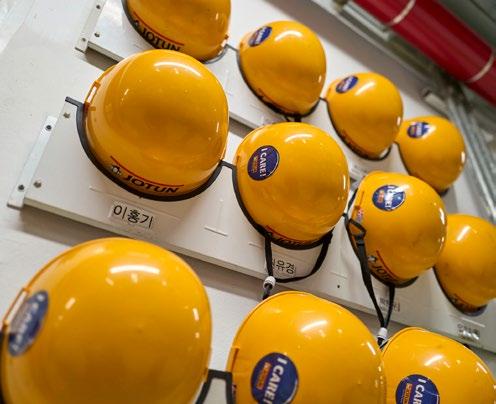
I CARE is Jotun’s annual health and safety campaign designed to strengthen a proactive safety culture globally and provide care for the quality of life and health of Jotun’s employees and their families. It focuses on critical risk areas through annual themes, training and engagement activities, aiming to prevent injuries and embed safety across all operations.
As well as physical health and safety, Jotun takes the mental wellbeing of its employees very seriously. In 2025 all employees at Jotun were provided access to the Employee Assistance programme which offers 24/7 support on a range of topics. You can read more the ways the Global Employee Assistance Programme can promote mental wellbeing in the employee wellbeing section.
Jotun requires its operators to complete mandatory training focusing on key safety issues. This training teaches personnel how to identify and avoid risks through proper workspace maintenance and safe practices, including correct use of personal protective equipment and identifying and addressing potential hazards.
Risk assessment training prepares employees to proactively identify and manage safety concerns, while emergency response training equips them to handle fires, chemical exposure, and medical emergencies effectively. These training programmes underscore Jotun’s dedication to safety and support the company’s zero-target goals, fostering a culture that prioritises safety. Volatile Organic Compounds (VOCs).
Within its own operations, Jotun has efficient Local Extract Ventilation systems and equipment to capture VOCs and minimise the health and safety impacts of to its employees. That said, almost all VOCs are released during use and application of solvent-based products.
Technical Services and Support (TSS) assists customers in a range of ways from supplying training materials, conducting training sessions, and ensures that our customers are well-equipped with the necessary skills and knowledge to follow safety data sheet instructions, using required personal protective equipment and conducting safety job analyses before certain tasks.
To mitigate health and safety risks downstream, Jotun clearly communicates product hazards to customers and end-users through Safety Data Sheets (SDS) and hazard labelling. SDSs detail safe handling, storage, and disposal practices of products. Hazard labels, aligned with the Globally Harmonised System, provide immediate visual warnings through standardised pictograms and statements. These measures ensure that downstream users have the information needed to prevent accidents and exposure.
Jotun has a zero vision – it aims for zero injuries and zero fires. 100 per cent of people in own workforce covered by the HSEQ Management System. Accident and injury metrics include employees and contractors. In addition to the 36 lost time injuries there were two contractor fatalities, one electrocution and one fall. The number of days ost to work-related injuries and accidents is 708.
Total sick leave days in 2025 was 44 758 across all companies. This equates to 1.9 per cent of total potential working hours.
Lost
Number of injuries resulting in more than one day absence per million working hours for Jotun
Jotun
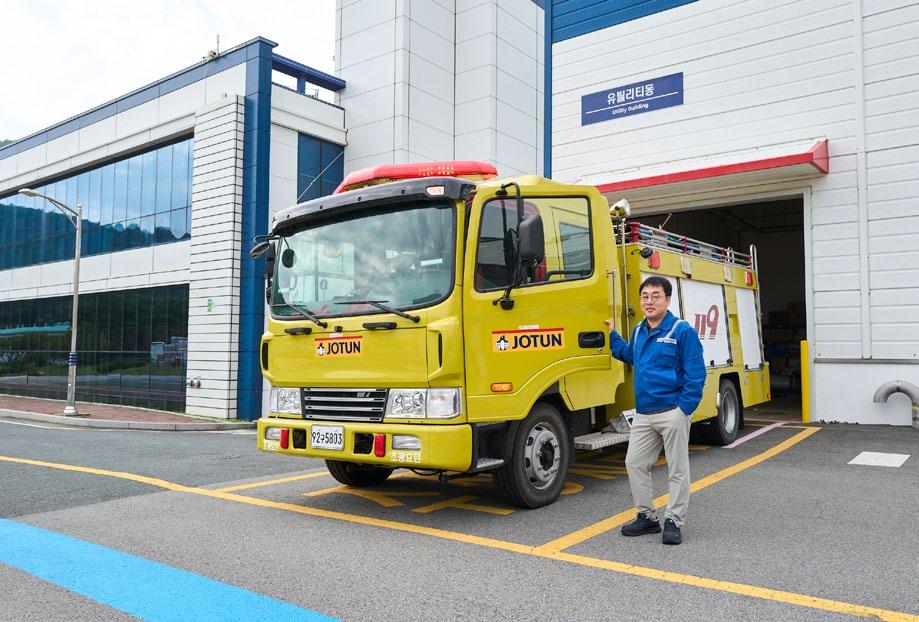
Jotun supports the protection of internationally proclaimed human rights and has policies and procedures in place to ensure it is not complicit in human rights abuses throughout the value chain.
In Jotun’s own operations human rights breaches are mitigated using various controls implemented by local and global human resources and operational teams. The whistleblowing channel (discussed in the corporate culture –business integrity section) can be used by internal and external stakeholders to report human rights incidents in Jotun’s own operations as well as upstream and downstream.
Upstream, measures are taken to ensure that the companies supplying raw materials and other purchased goods and services are compliant with the various international human rights principles and declarations listed below as well as local laws. There have been no confirmed human rights breaches at tier 1 supplier level. 30 direct material suppliers were identified as high-risk for child or forced labour. These suppliers will receive targeted follow-up and must demonstrate improvements within set timeframes.
Human Rights risk assessments are conducted for large downstream customers or projects to mitigate human rights risks.
Jotun’s Human Rights Policy is designed to ensure that the company respects and promotes internationally recognised human rights throughout its operations and relationships with business partners. It is committed to implementing:
• Universal Declaration of Human Rights, International Covenant on Civil and Political Rights (ICCPR) and International Covenant on Economic, Social and Cultural Rights
• UN Guiding Principles on Business and Human Rights
• the OECD Guidelines for Multinational Enterprises
• the International Labour Organization’s Declaration on Fundamental Principles and Rights at Work (ILO Convention) and
• the UN Global Compact principles
• Norwegian Transparency Act
Jotun’s Supplier Code of Conduct has a section dedicated to Human Rights ensuring suppliers comply with standards in the United Nations Guiding principles on Human Rights and the International Labour Organization’s (ILO) Declaration on Fundamental Principles Rights at Work as well as applicable laws and regulations, including:
• Non-discrimination
• Prohibition of child labour
• Prohibition of forced labour and modern slavery
• Freedom of association and the right to engage in collective bargaining
• Freedom of expression
• Right to privacy
• Living wage
Actions
By the end of 2025, 90 per cent of direct material suppliers had obtained a valid sustainability assessment through EcoVadis Rating or third-party on-site audits.
Sustainability training is provided for all employees, including purchasing staff so that they can confidently interact with suppliers on ESG matters. The sustainability staff that sit within the global purchasing team actively engage with key suppliers on the improvement of their sustainability performance. These conversations have also contributed to the development of the Transition Plan.
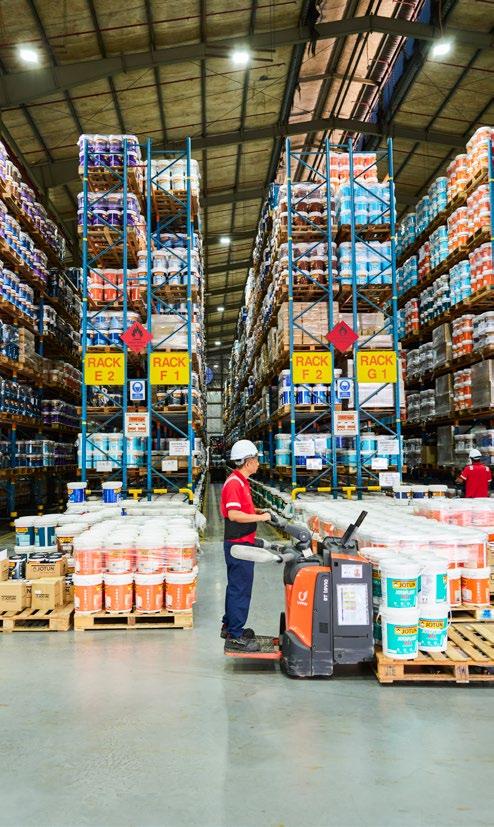
Summary including materiality
Jotun takes pride in being a great employer and caring for its employees. Jotun aims for its employees to be safe, engaged, included and empowered where every individual can thrive. Jotun understands the wellbeing of its employees is closely linked to the company’s success. The double materiality assessment identified this topic as an overall material positive impact and material opportunity within Jotun’s own operations.
One of the positive impacts for Jotun’s employees is the Penguin Care programme which was designed to promote equality and wellbeing of all Jotun employees. This group of benefits spans from family leave (discussed in work-life balance section) and employee assistance programme (discussed below) to providing inclusive facilities, flexible support and more.
Workers in the value chain
Workers in the value chain did not meet the threshold for materiality, however Jotun’s suppliers are required to provide decent working conditions for their employees through the Supplier Code of Conduct which is discussed in the health and safety and human rights sections of the report and available on Jotun.com.
While the formal materiality assessment did not highlight the downstream social and cultural impact of decorative paint, Jotun acknowledges the positive influence paint can have on society and culture. Jotun’s decorative coatings empower customers across the world to transform their spaces, directly enhancing well-being and mood. Colour and finish are essential elements of cultural expression and domestic comfort, fostering environments for relaxation, creativity, and community building.
This positive societal contribution directly correlates with a stable financial opportunity for Jotun. The desire for improved living spaces, driven by trends in home renovation and interior design, ensures robust, long-term demand for high-quality, health-conscious, and sustainable decorative paint.
Jotun’s focus remains on delivering products that are both environmentally responsible and socially beneficial.
There are over 15 policies related to people and leadership in the Jotun Management System, the main document is the People and Leadership Group Human Resource Policy. This comprehensive document is designed to standardise human resource management across all regions where the company operates. It defines roles, responsibilities, key performance indicators (KPIs), and procedural requirements to ensure consistent and fair treatment of employees aligned with company values and legal compliance.
There are also more specific policies for managing impacts, risks and opportunities identified in the relevant sections below, and the Sustainability Policy describes the process for identifying and managing impacts, risks and opportunities related to Jotun’s own workforce in terms of the double materiality assessment.
The Human Rights Policy described more in the section above explicitly addresses forced labour and modern slavery, which includes human trafficking as well as child labour.
The HSEQ Management System discussed in the health and safety section safeguards the health and safety of workers and prevents occupational risks.
Actions related to own workers are outlined with the relevant sections, below.
Targets related to own workers are outlined with the relevant sections, below.
Jotun’s 94 per cent participation and 8.4 engagement score show a highly involved and generally satisfied workforce. Jotun exceeds benchmarks in several areas, with growth and strategy performing exceptionally well, traits which are commonly seen in high-performing organisations.
Jotun provides a range of ways for employees to have input on material impacts risks and opportunities through feedback channels, grievance policies, the whistleblowing channel, unions and collective bargaining agreements as well as through discussions with their manager. Because of this range of approaches, employee engagement is managed under various policies set both by head office and local management. The Whistleblowing Policy is discussed in more detail below.
Additionally, Jotun’s Board of Directors has two employee representatives that sit on the Board and provide workers perspectives in strategic decisions.
In 2025, Jotun conducted a global feedback survey for all employees, with a purpose to gather information on how employees feel about various topics including potential negative impacts that concern them. The insights that were gained from the survey are evaluated to identify any improvements and well as identify initiatives Jotun has in place in areas where it is performing well. The results can be broken down to compare results on some marginalised people where confidentiality can still be maintained.
Jotun’s Compensation Policy ensures that all salaries are fair, competitive, and aligned with market benchmarks. Jotun is currently running an analysis and reviewing if Jotun’s salary compensation is aligned to a living wage in all its locations. If an employee’s salary falls below the minimum of the applicable scale, a plan is implemented to close the gap.
In 2025 Jotun entered into an agreement with a global provider of living wage data and using their ‘Typical Family’ benchmark living wage data will be integrated into Jotun’s HR management system starting early 2026.
Jotun is preparing for the upcoming European Union Pay Transparency Directive and is relatively well prepared for these changes as Jotun uses an internationally recognised methodology to evaluate positions and assign job grades.

The methodology ensures a structured approach to job descriptions and wage structures across the organisation. If an employee’s salary falls below the minimum of the applicable scale, a plan is implemented to close the gap.
The gender pay gap is considered in the section below on diversity and equal treatment.
All permanent employees that have completed probation are entitled to take paid family-related leave. Jotun is proud of the extensive family-related leave benefits it provides through the Penguin Care programme.
The Penguin Care Policy sets global minimum standards for employee wellbeing policies to ensure equitable support and inclusive working conditions across all local companies. The document outlines that primary caregivers, regardless of family structure, receive fully paid parental leave, fathers get at least 10 days paternity leave, and mothers get legal minimum plus 8 additional weeks capped at 24 weeks total. Jotun ensures minimum fully paid leave durations (8 weeks maternity, 10 days paternity) even where local laws provide partial pay, topping up salaries as needed, with adjustments for legislative changes.
Jotun actively monitors working time within its own operations. Reporting shows that some individuals have exceeded the maximum number of working hours in one year. This is primarily a challenge among production staff and is mainly due to seasonal variations in demand or sudden increase in required production volumes. The breaches are addressed and mitigating actions include hiring additional staff, investments in additional and more efficient machinery, and ensuring monthly monitoring by the local HSEQ department to avoid excessive working hours.
Jotun’s Global Mobility Programme enables employees to take on international assignments, fostering professional growth and cultural understanding while strengthening its global business capabilities. The programme is supported by comprehensive policies covering relocation, tax, insurance, schooling, and partner integration.
The Global Mobility Policies are designed to manage the international mobility of employees across borders to support business growth and individual development. They specify the purpose, roles, responsibilities, definitions, procedures, and benefits associated with mobile employee assignments, particularly for middle and senior management relocating for 3-5 years to fill critical business roles.
Mobility Programme
Through increased focus on inclusive hiring, Jotun’s workforce is getting more diverse. Jotun exceeded the benchmark on diversity and inclusion in the 2025 global feedback survey (see employee engagement survey section).
The Diversity and Inclusion Policy outlines comprehensive requirements and responsibilities to promote diversity, inclusion, and psychological safety aligned with international standards. It emphasises measurable objectives, training, and active management roles to foster a diverse and inclusive workforce.
All employees must complete an introductory diversity and inclusion course within six months of employment, and all managers receive diversity management training as an integral part of Jotun’s Management Academies.
Female manager targets
The Penguin Care Policy (discussed above) also entitles all current and new employees to access the Global Employee Assistance Programme. This service provides free, confidential support for employees and their families covering a range of issues including managing personal, health, and work-related challenges. There are many ways to access this support including face to face sessions, online, app and phone support. All regions have access to the same supplier ensuring consistent quality.
In 2025, after a period of testing, Jotun made this programme available to all employees worldwide, including family members, regardless of location.
The Learning and Development Policy emphasises the importance of employee growth as a key contributor to Jotun’s success. It outlines the framework for consistent and accessible learning opportunities for all employees globally. There are global and regional/local initiatives as well as functional initiatives including the Jotun Academy which consists of 11 learning paths within the key business functions.
Every year, employees and their managers have a performance, objectives and development talk where they discuss past performance, set new objectives, discuss development needs and aspirations, and document any agreements that have been made. This is a formal business process and is embedded in Jotun’s HR Management System.
Jotun’s headquarters boasts a state-of-the-art studio for the recording of a variety of communication and training materials. In 2025, Jotun produced around 130 videos, podcasts, webinars and other media in the Penguin Studios. Jotun uses various methods to train employees. Recently, Jotun has integrated Artificial Intelligence into several training initiatives to enhance learning and engagement.
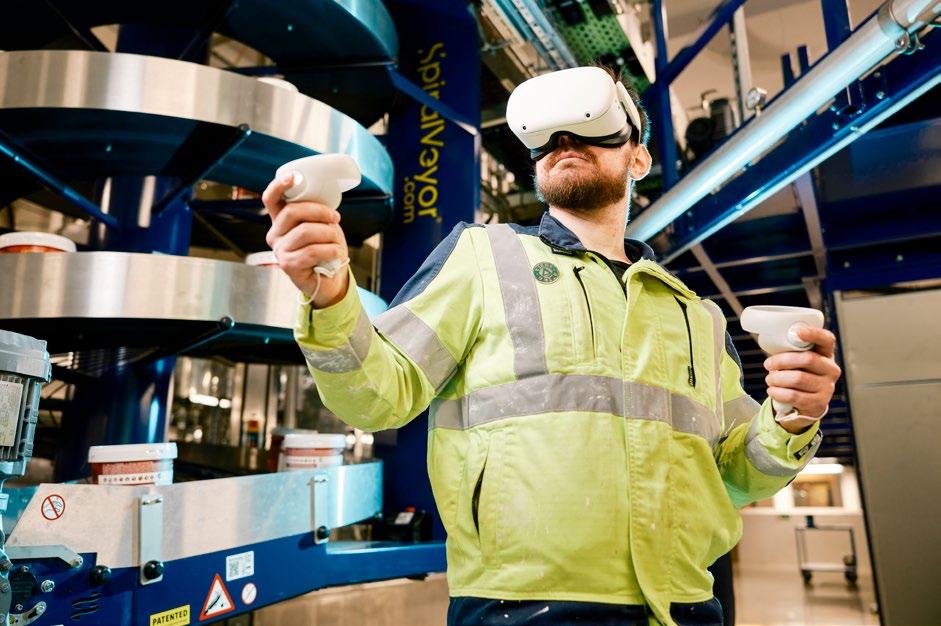
Summary including materiality
Jotun is committed to upholding strong business ethics and integrity as a responsible corporate citizen. Corporate culture is deeply rooted in Jotun’s core values: Loyalty, Care, Respect, and Boldness. This culture guides actions and decisions, ensuring that Jotun conducts business with integrity and responsibility.
The commitment to ethical business practies is reflected in Business Principle and related policies which build on transparency, accountability and sustainability. By fostering a culture of continous improvement and innvovation, Jotun aims to build strong relationships with customers, employees and stakeholders, and make a postitive impact on the communities in which it operates.
Corporate culture only met the materiality threshold for Jotun’s own operations, but Jotun sets minimum integrity standards for the companies supplying raw materials and other purchased goods and services through the Business Ethics section of the Supplier Code of Conduct (discussed above). This section includes a clause that suppliers must adhere to Jotun’s AntiCorruption Policy.
Jotun takes pride in being a responsible business partner and conducts its operations with integrity. The Business Integrity and Sustainability Policy outlines the principles, roles, responsibilities, and compliance requirements to ensure integrity and sustainability are embedded in all business operations.
The document covers a range of topics including anti-fraud, privacy, adhering to trade sanctions and fair competition.
This policy outlines how Jotun conducts business with integrity by ensuring compliance with international trade laws, sanctions, and anti-corruption regulations via screening of third-party business partners.
The Competition Law Policy outlines Jotun’s policy on compliance with competition law to ensure fair trade and free competition, detailing responsibilities, definitions, legal requirements, and conduct guidelines for employees and companies within the Group.
This policy explains the way Jotun prevents, reports, and investigates fraud, emphasising robust internal controls and a zero-tolerance approach to unethical conduct. It defines roles, responsibilities, and procedures to protect company assets and ensure proper handling of fraud cases.
Jotun is committed to actively preventing corruption and bribery, adhering to Norwegian and international laws, and promoting openness and ethical behaviour in all business dealings worldwide. The Anti-Corruption Policy emphasises its commitment to ethical business conduct and compliance with international anti-corruption laws. It defines corruption, roles, responsibilities, and procedural requirements to prevent bribery and unethical practices across all operations.
Sandefjord, Norway, 12 February 2026
The Board of Directors
Jotun A/S
Chairman
Jotun has risk assessment procedures and training methods to prevent corruption and bribery, whistleblowing channels and audits to detect wrongdoing, and various ways to investigate and respond to allegations or incidents related to corruption or bribery.
While all employees are required to adhere to Jotun’s Anti-Corruption Policy, Jotun recognises that some employees face greater risk of exposure to potentially corrupt scenarios. In addition to regular online training, these groups receive tailored training courses, including dilemma training. Jotun has certified anti-corruption trainers active in all regions.
Anti-corruption and bribery
Jotun had no convictions, sanctions or fines for violation of anti-corruption and anti-bribery laws in 2025.
Jotun’s Whistleblowing Policy encourages employees and partners to report malpractice while ensuring compliance with legal standards. To guarantee anonymity, the reporting channel is managed by an external provider, preventing identification via IP addresses or other metadata. Jotun ensures impartial investigations through defined procedures, roles, and strict timelines. While whistleblowers are rigorously protected from retaliation, those who knowingly submit false reports may face disciplinary action to maintain the system’s integrity.
President & CEO
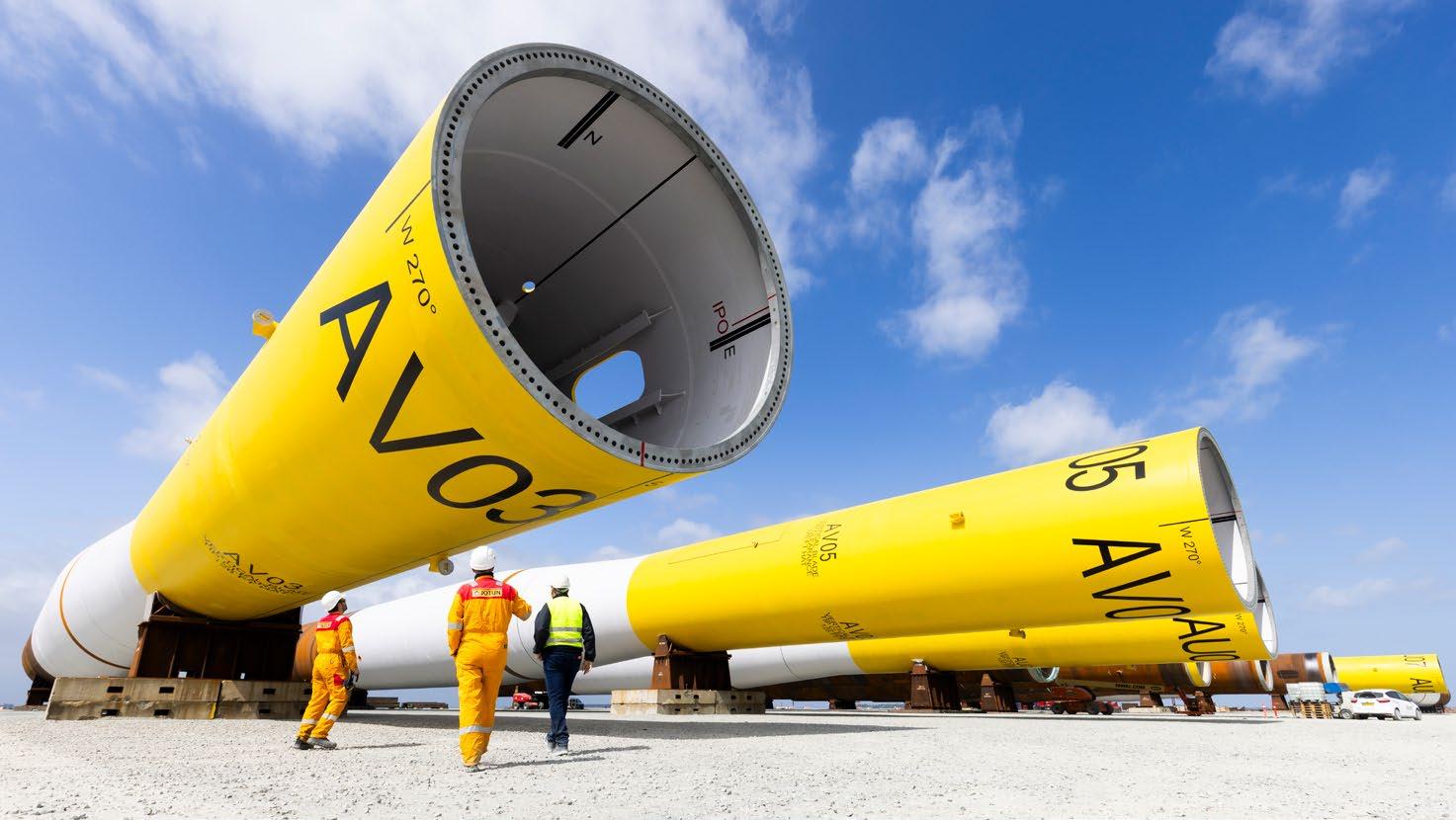
Fon President
Consolidated statement of changes in equity
Jotun A/S is a limited liability company incorporated in Norway. The Group’s headquarters is located in Sandefjord, Norway, and the Group including associates and joint ventures employs around 11 000 people in 49 countries.
The Group consists of the parent company Jotun A/S and its subsidiaries. The consolidated financial statements consist of the Group as well as the Group’s net interests in associates and joint ventures.
Accounting policies, estimates and judgements are incorporated into the individual notes with the exception of general information described in this section.
The consolidated financial statements are prepared based on the historical cost principle, except for financial assets and liabilities which are recognised at fair value.
The consolidated financial statements have been prepared on the basis of the going concern assumption.
The Group’s consolidated financial statements have been prepared in accordance with IFRS Accounting Standards as adopted by the EU, as well as Norwegian disclosure requirements that follow from the Norwegian Accounting Act.
Debt and equity instruments in the Group are not traded in a public market. Consequently, operating segment reporting according to IFRS 8 does not apply for the Group.
The Group’s consolidated financial statements comprise Jotun A/S and companies in which Jotun A/S has a controlling interest. The financial statements of subsidiaries are fully consolidated from the date that control commences until the date that control ceases.
The financial statements of the subsidiaries are prepared for the same reporting period as Jotun A/S. All intercompany balances, income and expenses and cash flows relating to transactions between members of the Group are eliminated in full.
The Group has interests in associates and joint ventures. An associate is an entity in which the Group has significant, but not controlling influence, with an ownership normally between 20 and 50 per cent. A joint venture is a jointly controlled entity, normally with a 50/50 ownership.
The Group’s investments in associates and joint ventures are accounted for using the equity method. Under the equity method, the Group presents its share of the companies’ results after
tax on a separate line in the income statement. Share of equity is reported as investments in associates and joint ventures in the balance sheet.
The financial statements of associates and joint ventures are prepared for the same reporting period and based on the same accounting policies as for the Group.
The non-controlling interests are presented separately in the consolidated financial statements representing the minority’s share of equity and profit.
In the individual financial statements for each entity in the Group, transactions in foreign currency are initially recorded in the entity’s functional currency based on exchange rates at the date of transaction. Monetary items in foreign currency are translated into functional currency using the exchange rate applicable at the balance sheet date. Non-monetary items in foreign currency are translated into functional currency using the exchange rate applicable at the transaction date.
The Group’s presentation currency is Norwegian Krone (NOK). This is also Jotun A/S’ functional currency. Each entity in the Group determines its own functional currency, and the majority of financial statements are denominated in other currencies than NOK.
Assets and liabilities in entities with other functional currencies than NOK are translated into NOK using the exchange rate applicable at the balance sheet date. Their income statements are translated monthly at the average exchange rate for the month. Exchange rate differences are recognised in other comprehensive income. Income statements in hyperinflation economies are, however, translated at the exchange rate as of the balance sheet date.
Jotun A/S uses foreign currency swaps and forward currency contracts to ensure predictability in the short to medium term cash flows.
Hedge accounting in the Group is limited to hedge of net investment. Jotun A/S finances the majority of its subsidiaries with intercompany loans in local currencies. Intercompany loans for which settlement is neither planned nor likely to occur in the foreseeable future are accounted for as part of the net investment in foreign operations. .
In April 2024, the IASB issued IFRS 18 Presentation and Disclosure in Financial Statements, which replaces IAS 1 Presentation of Financial Statements. IFRS 18 introduces new requirements for presentation within the statement of profit or loss, including specified totals and subtotals. Furthermore, entities are required to classify all income and expenses within the statement
of profit or loss into one of five categories: operating, investing, financing, income taxes and discontinued operations, whereof the first three are new.
In addition, narrow-scope amendments have been made to IAS 7 Statement of Cash Flows, and consequential amendments to several other standards.
IFRS 18, and amendments to the other standards, is effective for reporting periods beginning on or after 1 January 2027, but earlier application is permitted and must be disclosed. IFRS 18 will apply retrospectively.
The Group is currently working to identify all impacts the amendments will have on the primary financial statements and notes to the financial statements.
In preparing the consolidated financial statements, Management makes various accounting estimates and assumptions that form the basis of the presentation, recognition and measurement of Jotun’s assets and liabilities.
Determining the carrying amounts of some assets and liabilities requires estimates and assumptions concerning future events. Estimates and assumptions are based on historical experience and other factors, which Management assesses to be reasonable, but which by their nature involve uncertainty and unpredictability. These assumptions may have to be revised as unexpected events or circumstances may occur.
The areas that involve a high degree of judgement and are material to the financial statements are related to impairment of fixed assets, allowances for obsolete goods and bad debt and provision for claims. These are described in more detail in the relevant notes.
New information regarding the Group’s financial position at the end of the reporting period and that becomes known after the reporting period, is recorded in the annual accounts. Events after the reporting period that do not affect the Group’s financial position at the end of the reporting period, but which will affect the Group’s financial position in the future, are disclosed if significant.
No events have taken place after the balance sheet date that would have affected the financial statements, or any assessments carried out.
This section includes notes related to the consolidated income statement.
2025 was another record year for Jotun, achieved despite a slowdown in the global paint and coatings market and heightened macroeconomic uncertainty and geopolitical tension.
Operating revenue remained in line with the previous year. Adjusted for negative currency translation effects from a stronger Norwegian krone, underlying revenue grew 6.0 per cent, driven by both volume growth and increased sales of premium products. All segments and regions contributed positively to the underlying sales growth.
Operating profit increased by 4.7 per cent in 2025 and underlying profit growth reached 10.6 per cent compared with 2024 when excluding currency translation effects.
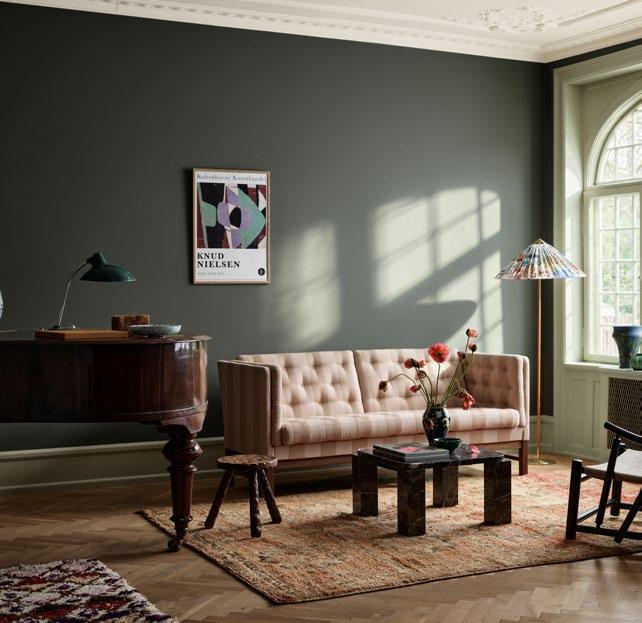
policy
Revenue from contracts with customers is recognised when control of the goods or services are transferred to the customer at an amount that reflects the consideration to which the Group expects to be entitled in exchange for those goods or services. Revenues are presented net of value added tax and discounts.
Variable considerations such as rebates, bonuses, discounts and payments to customers, are accrued for when performance obligations are met and related revenue is recognised. Variable considerations are only recognised when it is highly probable that they will not be subject to significant reversal.
The Group does not have any contracts where the period between the transfer of the goods to the customer and payment by the customer exceeds one year. Consequently, the Group does not adjust transaction prices for the time value of money.
Payroll expenses are the total disbursements relating to remuneration of personnel employed by the Group. These expenses comprise direct salaries and holiday pay, bonuses, pension costs and public taxes/charges relating to the employment of personnel.
Other operating expenses comprise all operating expenses that are not related to cost of goods sold, payroll expenses and capital costs such as depreciation, amortisation and impairment. The main items of other operating expenses have been grouped in the table below.
The Group has a system of annual bonuses that applies to senior management and is limited to a maximum of 20 per cent of annual basic salary. Further, all members of Group Management, including the President & CEO, are part of an annual profit-dependent bonus system limited upwards to 50 per cent of annual basic salary.
The Group’s pension plans are primarily defined contribution plans. For further information see Note 5.2
For further information regarding remuneration to the President & CEO and Board of Directors see Note 5.3
Manufacturing costs include change in cost of conversion related to finished goods.
Research and Development consists of costs from projects in a research phase and development costs related to cancelled projects. Total Research and Development costs including payroll expenses are NOK 918 million (2024: NOK 923 million) of which NOK 58 million has been capitalised as intangible assets specified in Note 3.2.
Other consists mainly of product liability claims, losses on
and
This section outlines the assets and liabilities critical to the Group’s operations
Despite increased investments in production capacity and R&D facilities, capital employed declined by NOK 1.2 billion in 2025 due to currency translation effects from a stronger Norwegian krone.
On an underlying basis, when excluding currency translation effects, capital employed increased by NOK 327 million. Operating working capital accounted for NOK 145 million of this increase, driven primarily by higher customer receivables resulting from increased sales.
28.5 %
20 828
1 516 Investments in intangible and fixed assets (NOK million)
1 264
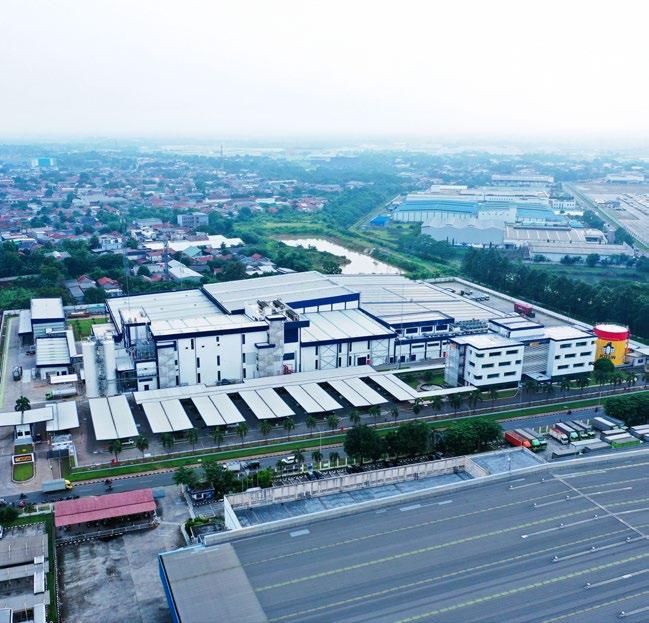
The table shows investments in working capital items and invested capital. Capital employed is the total of net working capital and invested capital, which is the basis for generation of operating profit before interest and tax (EBIT). Return on capital employed (ROCE) is the ratio of EBITA to capital employed, and is used to measure the Group’s profitability and capital efficiency.
Intangible assets are non-physical assets that have either been capitalised through internal development of products (development cost), customisation of IT applications or separate acquisitions.
Accounting policy
Intangible assets are measured at cost, net of accumulated amortisation and accumulated impairment losses.
Amortisation of intangible assets with limited economic lives are calculated on a straight-line basis over the estimated useful life. The amortisation method and period are assessed at least once a year. Changes to the amortisation method and/or period are accounted for as a change in estimate. Intangible assets with unlimited useful lives are not amortised but tested for impairment annually. The methodology for impairment testing is described in Note 3.3
All intellectual property rights are owned by Jotun A/S. Development costs are capitalised only if the product is technically and commercially feasible and the business case demonstrates a probability for future economic benefit. Capitalised development costs mainly include internal payroll costs in addition to purchased materials and services used in the development programmes. Amortisation of assets with limited useful life begins when development is complete, and the asset is available for use.
Property, plant and equipment (PP&E) comprises various types of tangible fixed assets needed for the type of business conducted by the Group.
A major part of the amount under Construction in progress relates to the new production facilities in Indonesia and Malaysia, and construction of a new regional headquarters and R&D facility in Malaysia.
See Note 5.4 for further information related to Right-of-Use assets.
PP&E are stated at cost less accumulated depreciation and impairment charges. Costs include expenditures that are directly attributable to the purchase of the asset, including borrowing cost of investment projects under construction.
PP&E are depreciated over estimated useful life after deduction of estimated residual value. Depreciation methods, useful lives and residual values are reassessed annually. Changes to the estimated residual value of useful life are accounted for as a change in estimate.
Costs of major maintenance activities are capitalised and depreciated over the estimated useful life. Maintenance costs which cannot be separately defined as a component of PP&E are expensed in the period in which they occur.
Estimate and judgement
The Group assesses the carrying value of intangible assets and PP&E whenever events or changes in circumstances indicate that the carrying value of an asset may not be recoverable.
If the carrying value of an asset exceeds its estimated recoverable amount, an impairment loss is recognised in the income statement.
The assessment for impairment is performed for assets generating largely independent cash inflows.
The Group reverses impairment losses in the income statement if and to the extent this is substantiated by a change in the estimates used to determine the recoverable amount.
3.4 Inventories
Inventories
the
Inventories are stated at the lower of cost and net sales value. The cost incurred in bringing each product to its present location and condition is accounted for as follows:
1) The cost of raw materials is determined using the weighted average cost method as an overall principle for the Group. This involves the computation of an average unit cost by dividing the total cost of units by the number of units.
2) The cost of finished goods includes cost of direct materials and cost of conversion such as
normal operating capacity, and excludes any borrowing costs. Change in
Estimate
judgement
and a
Provisions consist mainly of product liability claims and environmental remediation costs related to specific cases or events that have occurred before the year end, and where the costs involved are not certain, but based on best estimates.
A provision for a liability is made when a legal or constructive obligation exists, payment is probable (more likely than not), and the liability is possible to estimate. If any of the recognition criteria are not met, the liability is considered a contingent liability and no provision shall be recorded, but instead described in Note 3.8
Product liability claims consist of various warranty claims arising from products sold. By nature, the related amounts and timing of any outflows are difficult to predict. Assumptions used to calculate provisions for product liability claims are based on technical assessments of product failures and the related expected repair costs for each specific case. It is expected that most of these costs will be payable in the next three years, and all will have been payable within five years after the reporting date.
The Group has recorded provisions for environmental liabilities at some currently or formerly owned, leased and third-party sites throughout the world. Pre-studies and analysis of relevant areas have been undertaken to reliably estimate the provisions that have been recognised.
Product liability claims and disputes
Jotun Group is, through its ongoing business, involved in product liability claims cases and disputes in connection with the Group’s operations. Provisions have been made to cover the expected outcome of disputes insofar as negative outcomes are likely and reliable estimates can be made. In evaluating the size of the provisions, expected insurance cover is considered separately. Jotun acknowledges the uncertainty of the disputes but believes that these cases will be resolved without significant impact on the Group’s financial position.
matters
The Group is through its operations exposed to environmental and pollution risk. Production facilities and product storage sites have been inspected with respect to environmental conditions in the soil. For clean-up projects where implementation is probable and reliable cost estimates exist, provisions are made accordingly. Due to uncertainties inherent in the estimation process, it is possible
that such estimates could be subject to change. In addition, further expenditures may arise as conditions at various sites have yet to be determined. The amount of such future costs is not determinable due to the unknown timing and extent of corrective actions which may be required.
All of Jotun’s activities are carried out in accordance with local laws and regulations, and Jotun’s Health, Safety and Environment (HSE) requirements. These laws and regulations are subject to change, and such changes may require that the company make investments and/ or incurs costs to meet more stringent emission standards or to take remedial actions related to e.g., soil contamination.
As stated in Note 3.7, contingent liabilities are potential liabilities that do not meet the recognition criteria for provisions and are hence not recorded in the balance sheet. IFRS accounting standards, however, require disclosure of such information in the notes.
The Group’s contractual purchase obligations are mainly related to new plant and building investments. There is a substantial investment program ongoing in the Group. Of the total ongoing investment program, NOK 782 million is contractually committed capital expenditure (CAPEX) at year-end. These contractual commitments mainly relate to projects in Malaysia and China. There are no actual commitments for purchasing raw materials for the Group. In general, these contracts can be terminated without significant penalties.
Jotun A/S has guarantees covering tax withholding and other guarantees for its subsidiaries. These amounted to approximately NOK 1 451 million in 2025 (2024: NOK 1 540 million).
A subsidiary in China, Jotun Coatings (Zhangjiagang) Co. Ltd., has used bank drafts to pay some of its suppliers. The issuing bank(s) must make an unconditional payment to the supplier (or bearer) on a designated date. If unforeseen events occur and the issuing bank(s) cannot meet its obligation, Jotun would still hold the final obligation towards its suppliers. Unsettled bank drafts totalling NOK 593 million (2024: NOK 695 million) have been used as payment as of 31 December 2025.
This section includes notes related to Jotun’s capital structure and financial items, including financial risks.
Jotun maintained a solid capital structure, supported by strong cash generation during the year. Net debt was further reduced, and at year end the Group held a net cash position of NOK 2.5 billion. The equity ratio remained solid at 62.5 per cent.
Net financial items improved by NOK 660 million compared with last year. The improvement was mainly driven by gains in Jotun’s hedging programme following a significant strengthening of the Norwegian krone in 2025. By comparison, net financial items in 2024 were negatively affected by currency losses in Egypt after the devaluation of the Egyptian pound in March 2024, as well as losses in the hedging programme related to a weaker Norwegian krone.
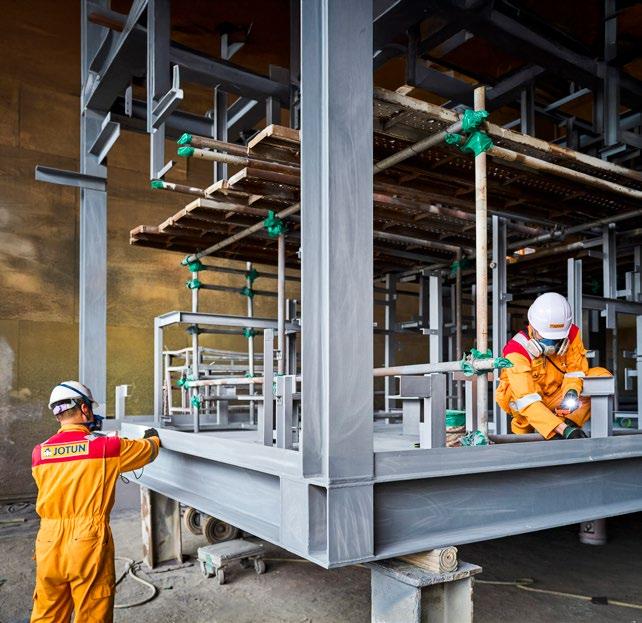
Financial risks include raw material price risk, foreign currency risk, customer credit risk, interest rate risk and liquidity risk managed by the Group Treasury according to policy.
Raw material price risk
Raw material risk is the risk of fluctuating raw material prices affecting cost of goods sold, which represent nearly 60 per cent of total costs. The main raw materials purchased by the Group are described in Note 2.1 Currently, the Group does not hedge this type of risk as availability of effective hedging instruments is limited. As increases in raw material prices cannot be compensated for immediately through increased product prices, profits will be negatively impacted for a period of time. The time horizon for Group-wide implementation of price increases is generally 9-12 months.
Cost of goods sold was NOK 17.3 billion in 2025 of which NOK 9.1 billion were costs for the top five raw materials. A ten per cent increase in commodity prices will result in an increase in cost of goods sold by NOK 1.7 billion.
Foreign currency risk
The Group’s consolidated financial statements are exposed to a currency risk related to translation of local currencies to NOK. In 2025, sales and operating profit outside Norway were NOK 29.6 billion and NOK 6.5 billion respectively. A ten per cent appreciation in NOK will result in a reduction in sales of NOK 3.0 billion and operating profit of NOK 0.6 billion. Excluding currency effects, sales growth for the Group would have been 6.4 per cent compared to 0.3 per cent in reported rates. Conversely, operating profit growth would have been increased from 4.7 per cent to 11.1 per cent.
In addition to share capital, Jotun A/S finances the majority of its subsidiaries with intercompany loans in local currencies. Intercompany loans for which settlement is neither planned nor likely to occur in the foreseeable future are accounted for as part of the net investment in foreign operations. Exchange differences are recognised initially in other comprehensive income and reclassified from equity to profit or loss on disposal of the net investment.
Credit risk
The management of customer credit risk related to accounts receivable and other operating receivables is handled as part of the business risk.
The Group’s credit risk is mainly related to markets with generally high Days Sales Outstanding (DSO). Customer credit risk is managed by each business unit subject to the Group’s established policy, procedures and controls.
Outstanding customer receivables are regularly monitored based on defined credit limits, and credit risk assessments are performed. There is no significant concentration of credit risk
in respect of single counterparts. Some groups of counterparts can be viewed as significant: Shipyards, shipowners, real estate developers and some larger retail chains in Scandinavia.
The need for bad debt allowances is analysed on an individual customer basis. The maximum exposure to credit risk at the reporting date is the carrying value of each ageing class of accounts receivable disclosed in Note 3.5. Customer receivables are unsecured, which means that customers are not required to post collateral. Given the geographical distribution of customers with few large single accounts, credit risk in the Group is viewed as low and well diversified. The Group’s customers are spread across several jurisdictions and industries and operate in largely independent markets.
The Group’s exposure to the risk of changes in market interest rates relates to the Group’s longterm debt with floating interest rates. Jotun manages its interest rate risk by monitoring the impact on net profit. At year-end, the Group had negative net debt as cash exceeded gross debt. The resulting leverage ratio is -0.3. The majority of the debt is with floating interest rate apart from lease liability (ref. Note 4.1).
The Group has long-term interest-bearing debt of NOK 1 688 million with floating interest rate. A three percentage point increase in interest rate will affect the financial items by NOK 51 million.
It is the Group’s policy that long-term debt and credit facilities shall have a minimum average time to maturity of two years. In addition, the target is to maintain a strategic financing reserve equivalent to five per cent of the Jotun’s operating revenue.
The Group estimates its future cash flow by forecasting. Cash flow from operations has seasonal cycles, especially due to the sales of exterior decorative paints in Scandinavia. Through the first months of the year, the Group has substantial build-up of working capital in preparation for sales during spring and summer season. This is an expected cyclical movement and is taken into account when planning the Group’s financing.
Other drivers of the liquidity development are investments in new factories and changes in the working capital in the individual companies. Jotun A/S repatriates cash through both ordinary and interim dividends based on target equity ratios for its subsidiaries.
05
This section includes other statutory notes not related to previous sections.
Income tax expense increased in 2025, reflecting higher earnings for the year. The effective tax rate, however, decreased by two percentage points primarily due to changes in the tax status of certain jurisdictions following the introduction of OECD Pillar Two global minimum tax rules.
The proposed ordinary dividend for 2025 is NOK 7 000 per share, an increase of 7.7 per cent from 2024. This corresponds to 47 per cent of the profit after tax and non-controlling interests, in line with the Group’s dividend policy of 30-50 per cent.
1 581
Income tax expense
(NOK million)
2024: 1 400
23.2 %
Effective tax rate based on profit before tax
2024: 23.9 %
2 394
Proposed dividend
(NOK million)
2024: 2 223
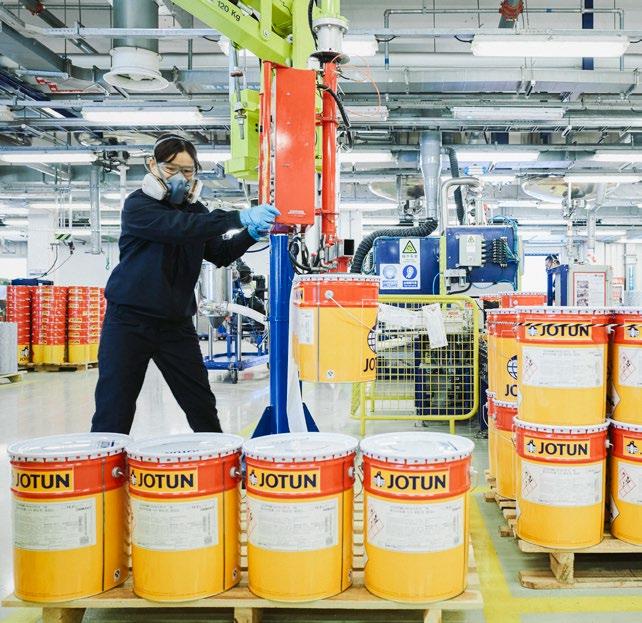
Tax loss carried forward relates to subsidiaries with a history of losses that may not be used to offset taxable income elsewhere in the Group. Jotun’s operations in the US, Brazil, Kenya, Spain, Bangladesh, Pakistan and the Philippines have substantial tax reducing temporary differences and tax losses carried forward that have not been recognised due to uncertainty about future taxable profit available to utilise the credits.
Accounting policy
Current income tax
Current income tax assets and liabilities are measured at the amount that is expected to be paid to or recovered from the tax authorities. The current and deferred income tax is calculated based on tax rates and tax laws that have been enacted or substantively enacted, in the countries where the Group operates and generates taxable income. Management periodically evaluates positions taken in the tax returns with respect to situations in which applicable tax regulations are subject to interpretation and establishes provisions where appropriate.
Deferred tax
Deferred tax assets and deferred tax liabilities are calculated on all differences between the book value and tax value of assets and liabilities. Deferred tax assets and deferred tax liabilities are recognised at their nominal value and classified as non-current liabilities and non-current assets in the balance sheet. Deferred tax liabilities and deferred tax assets are offset as far as possible as permitted by taxation legislation and regulations. Deferred tax assets are recognised for all unused tax losses and temporary differences to the extent that it is probable that taxable profit will be available against which losses and temporary differences can be utilised.
Estimate and judgement
Uncertainties exist with respect to determining the Group’s deferred tax assets and deferred tax liabilities. Significant management judgement is required to determine the amount of deferred tax assets that can be recognised, based upon the likely timing and level of future taxable profits, together with future tax planning strategies.
Jotun’s widespread business operations expose us to several tax regimes and their interaction. Tax authorities in different jurisdictions may challenge the calculation of taxes payable from prior periods, which results in changes to income tax expense in the period of change, as well as interest and penalties. Management evaluates, among other factors, the degree of probability of an unfavourable outcome and the ability to make a reasonable estimate of the amount of loss. Unexpected events or changes in these factors may require the Group to accrue for a matter that has not been previously accrued for because it was not considered probable.
Jotun is involved in a limited number of tax disputes with tax authorities, where the outcomes remain uncertain. In 2021, Jotun A/S received a formal notification from the Norwegian tax authorities concerning the taxation of dividends distributed from Jotun’s companies in Saudi Arabia for the years 2017–2020. Jotun has historically treated these dividends as tax-exempt under the Norwegian participation exemption rules. The Norwegian tax authorities consider Saudi Arabia to be a low-tax jurisdiction and have therefore assessed the dividends as taxable income in Norway. The tax costs for the years 2017–2025 have been recognised in accordance with the tax authorities’ assessment. The case was heard by the Oslo District Court in January 2026, and the court issued its decision in favour of the Norwegian tax authorities. Jotun disagrees with the ruling and has decided to appeal the decision to the Court of Appeal.
For 2025, the Jotun Group continues to apply the OECD Pillar Two global minimum tax (GMT) rules, which require multinational groups to pay a minimum effective tax rate of 15 per cent in each jurisdiction of operation. Where the effective tax rate is below this threshold, a domestic top-up tax is levied. Most jurisdictions in which Jotun operates meet or exceed the minimum rate. However, in certain jurisdictions with low statutory tax rates or tax incentives, including Qatar, Hong Kong, the United Arab Emirates and Vietnam, domestic top-up taxes are expected to apply. For 2025, the estimated additional top-up tax in these jurisdictions is NOK 24 million and will be recognised in the respective local entities. The overall impact on the Group’s consolidated tax expense is expected to be limited. Historically, profits from low-tax jurisdictions have been subject to taxation in Norway under the NOKUS (CFC) rules or through dividend taxation. Following the introduction of domestic top-up taxes under the GMT framework, these jurisdictions are no longer expected to be treated as low-tax from a Norwegian perspective. However, it remains uncertain whether the GMT rules will replace existing CFC legislation, as further guidance from the Norwegian authorities has not yet been issued.
The Group has defined benefit plans in a limited number of countries, including Norway, the UK, Greece, Türkiye, Indonesia and in certain countries in South East Asia and the Middle East. In Norway, the defined benefit schemes were replaced by defined contribution plans in 2004, and the defined benefit plan in the UK was closed for new members in 2012.
Defined benefit plans in Norway account for around 46 per cent of the Group’s net pension obligation as of 31 December 2025. In Norway, net pension obligations are primarily related to previous early retirement schemes for the Group’s senior executives. In certain countries in South East Asia and the Middle East, such as Malaysia, Indonesia, Thailand and Oman, there are pension schemes based on a final salary principle in accordance with local regulations. These are included in net pension obligations.
and
Accounting policy
Defined contribution plans
The pension cost related to the Group’s defined contribution plans is equal to the annual contribution made to the employee’s individual pension accounts in the accounting period. Annual contributions correspond to an agreed percentage of the employee’s salary in accordance with local pension arrangements. In Norway, the rate is five per cent of annual basic salary, limited upwards to twelve times the social security basic amount. In addition, 18.1 per cent contribution is made for annual basic salary between 7.1-12 times the social security basic amount. The pension contributions are expensed when incurred. The return on the pension funds will affect the size of the employees’ pension, and the risk of returns lies with the employees.
Defined benefit plans
In the defined benefit plans, the Group companies are responsible for paying an agreed pension to the employee based on final pay. Defined benefit plans are valued at the present value of accrued future pension obligations at the end of the reporting period. Pension plan assets are valued at their fair value. The capitalised net liability is the sum of the accrued pension liability minus the fair value of the associated pension fund asset.
Actuarial gains and losses are recognised in other comprehensive income. Introduction of new or changes to existing defined benefit plans that will lead to changes in pension liabilities are recognised in the income statement as they occur. Gains or losses linked to changes or terminations of pension plans are also recognised in the income statement when they arise.
Other severance schemes comprise mainly of obligations related to pension schemes for employees in the Norwegian companies with an annual basic salary exceeding 12 times the basic amount (G). In addition, minor statutory obligations to employees in a few other countries are also included. Obligations related to other severance schemes are recognised as non-current liabilities.
Defined benefit plans are calculated based on a set of selected financial and actuarial assumptions. Changes in parameters such as discount rates, future wage adjustment, etc. could have a substantial impact on the estimated pension liability. Similarly, changes in selected assumptions for the return on pension assets could affect the amount of the pension assets. The Group will not be materially affected by a reasonable expected change in key assumptions.
All assumptions are reviewed at each reporting date.
Remuneration of
The President & CEO is part of a pension scheme that includes a mutual opportunity to discontinue employment in whole or in part up to five years earlier than a stipulated retirement age of 67 years.
The Group has no obligation to give the President & CEO or the Chairman of the Board special remuneration upon discontinuance or change of employment or office. Should the President & CEO’s employment discontinue, his contract has a clause stipulating that a one-year “competition quarantine” may be imposed with compensation. The President & CEO has a notice period of six months.
The Group has not given any loans or guarantees to the President & CEO, the Chairman of the Board, or to any shareholders or members of Group Management, the Board of Directors or Corporate Assembly.
Remuneration of the Board of Directors and Corporate Assembly
The Group has lease contracts for various assets (land, buildings, machinery and equipment and transport vehicles) used in its operations.
The Group assesses at contract inception whether a contract is, or contains, a lease. That is, if the contract includes a right to control the use of an identified asset for a period of time in exchange for a financial consideration.
The Group applies a single recognition and measurement approach for all leases. The Group recognises lease liabilities for payment obligations for leases and right-of-use assets representing the value of the right to use the underlying assets.
The Group recognises Right-of-Use assets at the date the underlying asset is available for use. Right-of-Use assets are measured at cost, less any accumulated depreciation and impairment losses, and adjusted for any remeasurement of lease liabilities. The cost of Right-of-Use assets includes the amount of lease liabilities recognised, initial direct costs incurred, and lease payments made at or before the commencement date less any lease incentives received. Rightof-Use assets are depreciated on a straight-line basis over the shorter of the lease term and the estimated useful lives of the assets. When assessing the life of the leases, the Group considers the non-cancellable lease term and options to extend the lease where Jotun is reasonably certain to extend. Extension options are assessed for all lease’s premises. For other assets, the life is equal to the non-cancellable lease period and extensions are not considered for these.
Right-of-Use assets are also subject to impairment, using the same method as for Property, plant and equipment, see Note 3.3
At the commencement date of the lease, the Group recognises lease liabilities measured at the present value of lease payments to be made over the lease term. The lease payments include fixed payments (including in substance fixed payments) less any lease incentives receivable, variable lease payments that depend on an index or a rate, and amounts expected to be paid under residual value guarantees. The lease payments also include the exercise price of a purchase option reasonably certain to be exercised by the Group. Variable lease payments that do not depend on an index or a rate are recognised as operating expenses in the period in which the event or condition that triggers the payment occurs.
In calculating the present value of lease payments, the Group uses its incremental borrowing rate at the lease commencement date because the interest rate implicit in the lease is not readily determinable. After the commencement date, the amount of lease liabilities is increased to reflect the accretion of interest and reduced for the lease payments made. In addition, the carrying amount of lease liabilities is remeasured if there is a modification, a change in the lease term or a change in the lease payments. The Group’s lease liabilities are included in interestbearing debt, see Note 4.1
The Group applies the short-term lease recognition exemption to all short-term leases, which are leases that have a lease term of 12 months or less from the commencement date. It also applies the lease of low-value assets recognition exemption to leases of office equipment that are considered to be low value. Lease payments on short-term leases and leases of low-value assets are recognised as expense on a straight-line basis over the lease term.
The Group has classified the principal portion of lease payments within financing activities and the interest portion within operating activities in the statement of cash flow.
The Group cannot readily determine the interest rate implicit in the lease, therefore, it uses its incremental borrowing rate (IBR) to measure lease liabilities. The IBR is the rate of interest that the Group would have to pay to borrow over a similar term, and with a similar security, the funds necessary to obtain an asset of a similar value to the right-of-use asset in a similar economic environment. The IBR therefore reflects what the Group ‘would have to pay’, which requires estimation when no observable rates are available (such as for subsidiaries that do not enter into financing transactions) or when they need to be adjusted to reflect the terms and conditions of the lease (for example, when leases are not in the subsidiary’s functional currency). The Group estimates the IBR using observable inputs (such as market interest rates) when available and is required to make certain entity-specific estimates (such as the subsidiary’s stand-alone credit rating).
Total cash outflow relating to lease of Right-of-Use assets was NOK 250 million for the period. The portfolio of short-term leases does not vary significantly from year to year.
The Group has investments in associates in the Middle East and joint ventures in North East Asia, involved in production and sales of products within all the Group’s four segments. See Note 1.1 for accounting policy. See Note 5.7 to the Parent Company Financial Statements for more information.
This note gives an overview of measurement of financial assets and liabilities and the accounting treatment of these balance sheet items. The measurement method in the tables are defined as follows:
Level 1: Recorded fair value based on quoted. unadjusted prices in active markets for identical assets and liabilities
Level 2: Recorded fair value based on valuation using observable market data. directly or indirectly. as input
Level 3: Recorded fair value based on valuation without availability of any observable market data as input
of
instruments: The fair value of financial instruments that are traded in active markets at each reporting date is determined by reference to
market
or dealer price quotations (bid price for long positions and ask price for short positions), without any deduction for transaction costs. For financial instruments not traded in an active market, the fair value is determined using appropriate valuation techniques. Such techniques may include using recent arm’s length market transactions, reference to the current fair value of another instrument that is substantially the same, a discounted cash flow analysis or other valuation models.
Financial assets:
The Group’s financial assets include cash and short-term deposits, trade and other receivables, loans and other receivables, quoted and unquoted financial instruments and derivative financial instruments.
Initial recognition and measurement
Financial assets are classified at initial recognition and subsequently measured at amortised cost or fair value through profit or loss, correspondingly. The classification of financial assets at initial recognition depends on the financial asset’s contractual cash flow characteristics and the Group’s business model for managing them. Financial assets are initially measured at their fair value. However, trade receivables that do not contain a significant financing component or for which the Group has applied the practical expedient are measured at the transaction price determined under IFRS 15.
For a financial asset to be classified and measured at amortised cost, it needs to give rise to cash flows that are “Solely Payments of Principal and Interest” (SPPI) on the principal amount outstanding. This assessment is referred to as the SPPI test and is performed at an instrument level.
The Group’s business model for managing financial assets refers to how it manages its financial assets in order to generate cash flows. The business model determines whether cash flows will result from collecting contractual cash flows, selling the financial assets, or both.
Subsequent measurement
The subsequent measurement of financial assets depends on their classification as follows:
Financial assets at amortised cost
Loans and receivables are non-derivative financial assets with fixed or determinable payments that are not quoted in an active market. After initial measurement, such financial assets are subsequently measured at amortised cost using the effective interest rate method (EIR), less impairment. Gains and losses are recognised in the income statement when the assets are derecognised, modified or impaired.
Financial assets at fair value through profit or loss
Financial assets at fair value through profit or loss include financial assets held for trading, financial assets designated upon initial recognition at fair value through profit or loss or financial assets mandatorily required to be measured at fair value. Financial assets are classified as held for trading if they are acquired for the purpose of selling or repurchasing in the near term. This category includes derivative financial instruments entered into by the Group that are not designated as hedging instruments in hedge relationships as defined by IFRS 9. Financial assets at fair value through profit and loss are carried in the statement of financial position at fair value with changes in fair value recognised in net financial items in the consolidated income statement.
Impairment of financial assets
Further disclosure relating to impairment of financial assets are also provided in Note 3.5
The Group recognises an allowance for Expected Credit Losses (ECLs) for all debt instruments not held at fair value through profit or loss. ECLs are based on the difference between the contractual cash flows due in accordance with the contract and all the cash flows that the Group expects to receive, discounted at an approximation of the original effective interest rate.
For trade receivables, the Group applies a simplified approach in calculating ECLs. Therefore, the Group does not track changes in credit risk, but instead recognises a loss allowance based on lifetime ECLs at each reporting date. The carrying amount of the asset is reduced using an allowance account and the amount of the loss is recognised in the income statement.
Financial liabilities:
Initial recognition and measurement
Financial liabilities are classified at initial recognition as financial liabilities at fair value through profit or loss, loans and borrowings, or as derivatives designated as hedging instruments in an effective hedge, as appropriate. All financial liabilities are recognised initially at fair value and, in the case of loans and borrowings, carried at amortised cost. This includes directly attributable transaction costs.
Subsequent measurement
The measurement of financial liabilities depends on their classification as follows:
Financial liabilities at fair value through profit or loss
Financial liabilities at fair value through profit or loss include financial liabilities held for trading and financial liabilities designated upon initial recognition as at fair value through profit or loss. Financial liabilities are classified as held for trading if they are acquired for the purpose of selling in the near term. This category includes derivative financial instruments entered into by the Group that are not designated as hedging instruments in hedge relationships as defined by IFRS 9.
Gains or losses on liabilities held for trading are recognised in the income statement.
Loans and borrowings
After initial recognition, interest-bearing loans and borrowings are subsequently measured at amortised cost using the effective interest rate method (EIR). Gains and losses are recognised in the income statement when the liabilities are derecognised as well as through the EIR amortisation process. Amortised cost is calculated by taking into account any discount or premium on acquisition and fees or costs that are an integral part of the EIR. The EIR amortisation is included in financial costs in the income statement.
Türkiye has been considered as a hyperinflationary economy for accounting purposes effective from 2022. The Group has applied IAS 29 ”Financial Reporting in Hyperinflationary Economies” from 1 January 2022 and onwards.
Hyperinflation adjustments have negatively impacted profit for the year with NOK 158 million, while a positive effect of NOK 202 million has been recognised in Other comprehensive income. The cash flow statement is prepared to reflect cash flows during the year measured at the current purchasing power at the end of the reporting period and, as such, does not reflect actual cash flows during the year. Türkiye’s official inflation (CPI) for 2025 was 30.9 per cent.
The Group uses certain financial measures that are not defined in IFRS to describe the Group’s financial performance, financial position and cash flows. These financial measures may therefore be defined and calculated differently from similar measures in other companies, and thus not be comparable.
The performance measures set out below have been consistent over time and are some of the key indicators used in management reporting to monitor business performance.
The non-IFRS financial measures presented in the Annual Report are:
EBITDA: Profit before interest, income tax, depreciation and amortisation
EBITA: Profit before interest, income tax and amortisation
Furthermore, a breakdown of
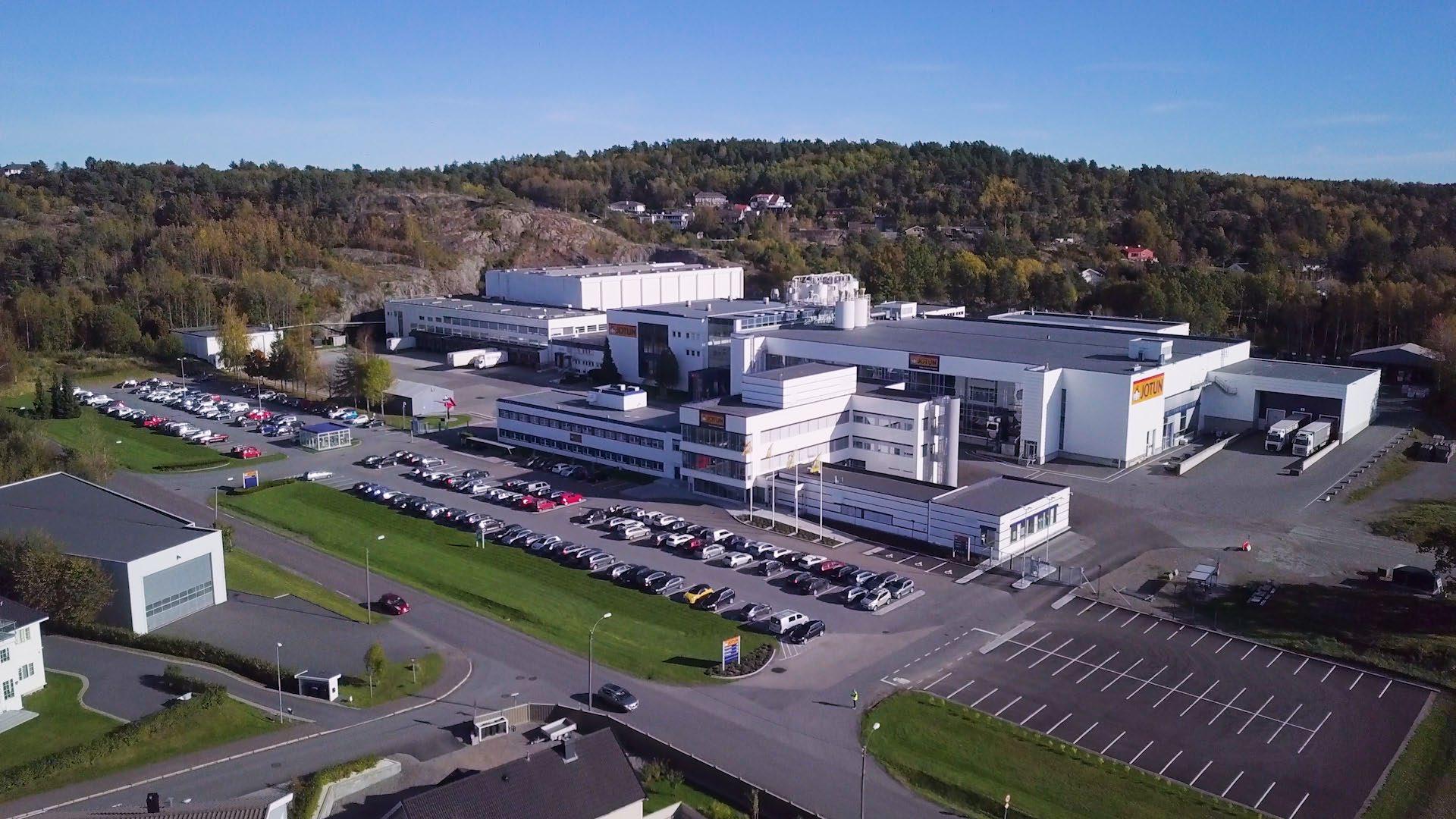
Sandefjord, Norway, 12 February 2026
The Board of Directors
The financial statements for Jotun A/S have been prepared in accordance with simplified IFRS pursuant to section 3-9 of the Norwegian Accounting Act. This mainly implies that the financial statements are presented in accordance with IFRS, and the notes are presented in accordance with the requirements of the Norwegian Accounting Act. The accounting policies for the Group therefore also apply to Jotun A/S.
Line items in the notes named Jotun entities comprise subsidiaries, associates, and joint ventures.
Accounting policies estimates and judgements specific to Jotun A/S are incorporated into the individual notes.
For more information about accounting policies, see consolidated financial statement for the Group.
In preparing the company’s financial statements, Management makes various accounting estimates and assumptions that form the basis of the presentation, recognition, and measurement of the company’s assets and liabilities. See Note 1.3 to the consolidated statements.
No events have taken place after the balance sheet date that would have affected the financial statements, or any assessments carried out.
Received interim dividend from associates or joint ventures are recognized as current liability until the final approval by the General Assembly subsequent year. Other accrued expenses are related to commissions, bonuses to employees and other accrued expenses.
Product liability claims and disputes
Product liability claims consist of several separate and specific guarantee claims arising from products sold. Assumptions used to calculate provisions for claims are based on technical assessments of product failures and the expected repair cost for each specific case.
In accordance with Jotun policies, claims should in principle be covered by customer-owner company. When a claim is caused by product or specification failure, costs will be reimbursed by Jotun A/S based on the prevailing royalty and CCA agreements.
Environmental matters
Jotun A/S is through its operation exposed to environmental and pollution risk. Production facilities and product warehouse sites have been inspected regarding environmental conditions in the soil. For sites where clean-up costs are probable and reliable estimates of the costs have been made, provisions are recorded accordingly. Due to uncertainties inherent in the estimation process, it is possible that such estimates could be revised in the near term. In addition, further expenditures may arise as the full scope of conditions at some sites has yet to be determined. The related amount of potential, future costs is not determinable due to the unknown timing and extent of corrective actions which may be required. Jotun’s activities are carried out in accordance with local laws and regulations, and the Group’s HSE requirements. Changes in laws and regulations may require Jotun A/S to make investments and incur costs to meet future compliance requirements.
Purchase obligations
Jotun A/S has no major contractual purchase obligations. Out of the total ongoing investment program, NOK 2.1 million is contractual committed capital expenditures (CAPEX) at year-end.
For purchase of raw materials there are no significant commitments for the company. In general, these contracts can be terminated without significant penalties.
Other obligations
Jotun A/S has guarantees mainly covering tax withholding and other guarantees for subsidiaries. These amounted to approximately NOK 1 454 million in 2025 (2024: NOK 1 540 million).
The company’s financial risks and the management of these are in all material aspects identical to the disclosures made in Note 4.4 to the consolidated financial statements, unless otherwise stated below.
To reduce currency risk in cash flows, Jotun A/S uses currency options and forward contracts to ensure predictability in cash flows up to 16 months ahead. As of 31 December 2025, Jotun A/S has hedged 43 per cent of its next cash flow over the next 12 months.
The currency exposures related to external loans in foreign currency given to Jotun entities are disclosed in the table below.
Jotun A/S
Two parties are deemed to be related if one party can influence the decisions of the other. During 2024, goods and services were purchased and sold to various related parties in which Jotun A/S holds a 100 per cent or less equity interest. Investments in subsidiaries are presented in Note 5.6 investments in associates and joint ventures are presented in Note 5.7 and shareholder and dividend information are presented in Note 5.8 to the consolidated financial statements.
The transactions between related parties are sales and purchases of finished goods, raw materials and technical services. Jotun A/S also has considerable royalty income from Jotun entities. Joint expenses are distributed in accordance with agreed cost contribution arrangements. Internal trading within the Group is carried out in accordance with arm’s length principles.
Purchases of services from the Group companies are mainly related to global and regional functions included in the cost contribution arrangement. In addition, Jotun A/S purchases research and development services from Jotun entities. Parts of the research and development costs are capitalized, see Note 3.1.
Jotun
Jotun
Jotun A/S assess the carrying value of investments in shares whenever events or changes in circumstances indicate that the carrying value of an investment may not be recoverable. If the carrying value of an investment exceeds its estimated recoverable amount, an impairment loss is recognised in the income statement. Jotun A/S reverse impairment losses in the income statement if and to the extent Jotun A/S has identified a change in estimates used to determine the recoverable amount.
Jotun Mexico, S.A. de C.V.
Jotun Maroc SARL D Associe Unique
Jotun Myanmar Company Limited
Jotun Paints Pakistan (Private) Ltd
Jotun (Philippines) Inc
Jotun Polska Sp.zo.o.
Jotun

We have audited the financial statements of Jotun A/S (the Company), which comprise:
The financial statements of the company, which comprise the statement of financial position as at 31 December 2025, the income statement, statement of comprehensive income, statement of cash flows and statement of changes in equity and its inancial performance and cash flows for the year then ended in accordance with simplified application of international accounting standards according to section 3-9 of the Norwegian Accounting Act, and
The financial statements of the group, which comprise the statement of financial position as at 31 December 2025, the income statement, statement of comprehensive income, statement of changes in equity and statement of cash flows for the year then ended and notes to the financial statements, including a summary of material accounting policies.
In our opinion:
the financial statements comply with applicable statutory requirements,
the financial statements of the company give a true and fair view of the financial position of the company as at 31 December 2025, and of its financial performance and its cash flows for the year then ended in accordance with simplified application of International Accounting Standards according to the Norwegian Accounting Act section 3-9, and
the financial statements of the group give a true and fair view of the financial position of the group as at 31 December 2025, and its financial performance and cash flows for the year then ended in accordance with IFRS Accounting Standards as adopted by the EU.
Basis for opinion
We conducted our audit in accordance with International Standards on Auditing (ISAs). Our responsibilities under those standards are further described in the Auditor’s responsibilities for the audit of the financial statements section of our report. We are independent of the Company and the Group in accordance with the requirements of the relevant laws and regulations in Norway and the International Ethics Standards Board for Accountants’ International Code of Ethics for Professional Accountants (including International Independence Standards) (the IESBA Code), and we have fulfilled our other ethical responsibilities in accordance with these requirements. We believe that the audit evidence we have obtained is sufficient and appropriate to provide a basis for our opinion.
Other information
Other information consists of the information included in the annual report other than the financial statements and our auditor’s report thereon. The Board of Directors and CEO (management) are responsible for the other information. Our opinion on the financial statements does not cover the information in the Board of Directors’ report and the other information presented with the financial statements.
In connection with our audit of the financial statements, our responsibility is to read the information in the Board of Directors’ report and for the other information presented with the financial statements. The purpose is to consider if there is material inconsistency between the information in the Board of Directors’ report and the other information presented with the financial statements and the financial statements o our knowledge obtained in the audit, or otherwise the information in the Board of Directors’ report and for

the other information presented with the financial statements otherwise appears to be materially misstated. We are required to report if there is a material misstatement in the Board of Directors’ report and the other information presented with the financial statements. We have nothing to report in this regard.
Based on our knowledge obtained in the audit, it is our opinion that the Board of Directors’ report is consistent with the financial statements and contains the information required by applicable statutory requirements.
Responsibilities of management for the financial statements
Management is responsible for the preparation of financial statements of the Company that give a true and fair view in accordance with simplified application of International Accounting Standards according to the Norwegian Accounting Act section 3-9, and for the preparation of the consolidated financial statements of the Group that give a true and fair view in accordance with IFRS Accounting Standards as adopted by the EU. Management is responsible for such internal control as management determines is necessary to enable the preparation of financial statements that are free from material misstatement, whether due to fraud or error.
In preparing the financial statements, management is esponsible for assessing the Company’s and the Group’s ability to continue as a going concern, disclosing, as applicable, matters related to going concern and using the going concern basis of accounting unless management either intends to liquidate the Company or the Group, or to cease operations, or has no realistic alternative but to do so.
Auditor’s responsibilities for the audit of the financial statements
Our objectives are to obtain reasonable assurance about whether the financial statements as a whole are free from material misstatement, whether due to fraud o error, and to issue an auditor’s report that includes our opinion. Reasonable assurance is a high evel of assurance, but is not a guarantee that an audit conducted in accordance with ISAs will always detect a material misstatement when it exists. Misstatements can arise from fraud or error and are considered material if, individually or in the aggregate, they could reasonably be expected to influence the economic decisions of users taken on the basis of these financial statements.
As part of an audit in accordance with ISAs, we exercise professional judgment and maintain professional scepticism throughout the audit. We also:
Identify and assess the risks of material misstatement o the financial statements, whether due to fraud or error, design and perform audit procedures responsive to those risks, and obtain audit evidence that is sufficient and appropriate to provide a basis for our opinion. The risk of not detecting a material misstatement resulting from fraud is higher than for one resulting from error, as fraud may involve collusion, forgery, intentional omissions, misrepresentations, or the override of internal control.
Obtain an understanding of internal control relevan to the audit in order to design audit procedures that are appropriate in the circumstances, but not for the purpose of expressing an opinion on the effectiveness of the Company’s and the Group’s internal control.
Evaluate the appropriateness of accounting policies used and the reasonableness of accounting estimates and related disclosures made by management.
Conclude on the appropriateness of management’s use of the going concern basis of accounting and, based on the audit evidence obtained, whether a material uncertainty exists related to events or conditions that may cast significant doubt on the Company’s and the Group’s ability to continue as a going concern. If we conclude that a material uncertainty exists, we are required to draw attention in our auditor’s report to the related disclosures in the financial statements or, if
such disclosures are inadequate, to modify our opinion Our conclusions are based on the audit evidence obtained up to the date of our auditor’s report. However, future events or conditions may cause the Company and the Group to cease to continue as a going concern.
Evaluate the overall presentation, structure and content of the financial statements, including the disclosures, and whether the financial statements represent the underlying transactions and events in a manner that achieves fair presentation.
Obtain sufficient appropriate audit evidence regarding the financial information of the entities or business activities within the Group to express an opinion on the consolidated financial statements. We are responsible for the direction, supervision and performance of the group audit. We remain solely responsible for our audit opinion.
We communicate with the board of directors regarding, among other matters, the planned scope and timing of the audit and significant audit findings, ncluding any significant deficiencies in internal control that we identify during our audit.
Oslo, 12 February 2026 ERNST & YOUNG AS
The auditor's report is signed electronically
Alexandra van der Zalm Bristol State Authorised Public Accountant (Norway)
ALGERIA Jotun Algerie S.A.R.L., Algiers
Technover P.SPA, Algiers
AUSTRALIA Jotun Australia Pty. Ltd., Victoria
BAHRAIN Jotun Bahrain W.L.L., Manama
BANGLADESH Jotun Bangladesh Ltd., Dhaka
BRAZIL Jotun Brasil Imp. Exp. & Industria de Tintas Ltda., Rio de Janeiro
BULGARIA Jotun Bulgaria EOOD, Sofia
CAMBODIA Jotun (Cambodia) LTD, Phnom Penh
CHINA Jotun Coatings (Zhangjiagang) Co. Ltd., Zhangjiagang
Jotun COSCO Marine Coatings (HK) Ltd., Hong Kong
Jotun COSCO Marine Coatings (Qingdao) Ltd., Qingdao
Jotun Paints (HK) Ltd., Hong Kong
Jotun (Shanghai) Management Co. Ltd., Shanghai
Jotun Coatings (Taiwan) Ltd. company, Taipei
CYPRUS Jotun Cyprus Ltd, Limassol
CZECH REPUBLIC Jotun CZECH a.s., Usti nad Labem
DENMARK Jotun Danmark A/S, Kolding
EGYPT El-Mohandes Jotun S.A.E., Cairo
ETHIOPIA Jotun Ethiopia Paint Manufacturing PLC, Adama
FRANCE Jotun France S.A.S., Paris
GERMANY Jotun (Deutschland) GmbH, Hamburg
GREECE Jotun Hellas Ltd. Piraeus
INDIA Jotun India Private Ltd., Pune
INDONESIA P.T. Jotun Indonesia, Jakarta
IRELAND Jotun (Ireland) Ltd., Cork
ITALY Jotun Italia S.R.L., Trieste
IRAQ Saghrat Al Noor LLC, Baghdad
KAZAKHSTAN Jotun Kazakhstan L.L.P. Almaty
KENYA Jotun Kenya Ltd., Nairobi
MALAYSIA Jotun (Malaysia) Sdn. Bhd., Shah Alam
Jotun Paints (Malaysia) Sdn. Bhd., Nilai
MEXICO Jotun Mexico, S.A. de C.V. Veracruz
In addition to the companies listed above, the Jotun Group also owns a number of holding and inactive companies.
In addition to legal companies Jotun has either branch offices, dealers, distributors or licensees in Andorra, Angola, Argentina, Austria, Azerbaijan, Bahamas, Barbados, Belgium, Belize, Bosnia & Herzegovina, Botswana, British Indian Ocean Territory, Brunei, Cameroon, Canada, Chile, Colombia, Congo, Croatia, Dominican Republic, Ecuador, Estonia, Faroe Islands, Fiji, Finland, Ghana, Guadeloupe, Guinea, Haiti, Hungary, Iceland, Ivory Coast, Jamaica, Japan, Jordan, Kuwait, Latvia, Lebanon, Libya, Lithuania, Luxembourg, Maldives, Malta, Marshall Islands, Mauritius, Monaco, Montenegro, Mozambique, Namibia, Nepal, Netherland Antilles, New Caledonia, New Zealand, Nigeria, Panama, Peru, Portugal, Puerto Rico, Rwanda, Serbia, Seychelles, Slovakia, Slovenia, Solomon Islands, Sri Lanka, Sudan, Suriname, Switzerland, Tanzania, Trinidad & Tobago, Tunisia, Uganda, Ukraine, Uruguay, Virgin Islands and Zambia.
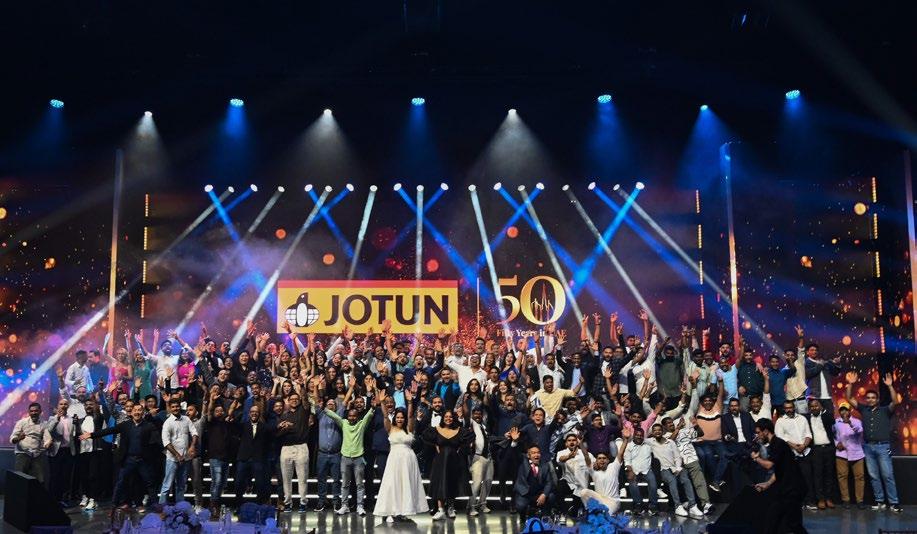
Odd Gleditsch d.y., Chairman
Jørgen Arnesen
Nicolai A. Eger
Jannicke Nilsson
Karoline Gleditsch
Camilla Hagen
Nils K. Selte
Silje Kristin Engen
Bjørg Engevik Nilsen
CORPORATE ASSEMBLY
Bjørn Ekdahl, Chairman
Anne Cecilie Gleditsch
Kornelia Eger
Bjørn Ole Gleditsch
Helle Abrahamsen
Carl Erik Hagen
Ole August Krutnes
Marte Sølvsberg
Torgeir Asker Bringeland
Alexander Fonn
Christina Eliassen Knut Are Lohne
Copywriting: Blue-C
Design: BK.no
Photos: Adobe Stock: Cover, 4. Morten Rakke: 2, 3, 6, 8, 9, 31, 34, 36, 37, 39, 41, 59, 63. Jotun: 2, 8, 9, 14, 15, 16, 17, 18, 23, 27, 28, 52, 92. NTB: 9. Fredrik Solstad: 9. Thomas Møller: 9. Svein Brimi: 9. Anders Schønnemann: 12, 13, 49. Dag Nordsveen: 10, 43. Fogra Reklamefoto: 11.