Through my eyes
A collection of my work Where ideas took root & Evolved


A collection of my work Where ideas took root & Evolved
Landscape Architecture
(806) 283-5957
josueguerrero269@icloud.com
IG: @josgue_la
LI: https://www.linkedin.com/in/josue-guerrero-82a3b7328?utm_source=share&utm_ campaign=share_via&utm_content=profile&utm_medium=ios_app
Education
High School Diploma
Lubbock Cooper High School 2016-2020
General Studies
South Plains College 2021-2023
Bachelors of Landscape Architecture
Texas Tech University 2023-Current
Expertise
ARCGIS
CAD
LUMION
TWINMOTION

RHINO 3D ARCHICAD
3DS MAX ADOBE SUITES
Languages Awards
English Spanish University Interscholastic League award recipient
Presidential Honors List
Texas asla honor award
Texas ASLA Award of Excellence
Texas tech University Outstanding Student award Tech
Skilled Laborer: Wanzek Construction
• Working with a bigger team
• Construction Skills
Kitchen Help: Asada Mexican Grill
• Communication Skills
• Client management Inernship: LJA ENGINEERING
• Communication Skills
• WORK EXPERIENCE
• TECHNICAL SKILLS
Organizations
Student American Society of Landscape Architects: Chapter Vice President
Student American Society of Landscape Architects: class representative
Sigma Lambda Alpha: Member
Future Business Leaders of America Chapter President: Spanish Club: Chapter President
I am a senior landscape architecture student whose path into design began with a deep, lifelong connection to nature and a growing awareness of how access to green spaces shapes everyday life. As a first-generation Latino college student, navigating higher education has influenced how I listen, observe, and approach design with care and humility. Through studiobased work and a six-month professional internship, I have gained experience in site planning, spatial organization, and visual communication, while learning the value of thoughtful process and collaboration. I am drawn to the role of design in strengthening communities and creating places where people can benefit from nature in meaningful, lasting ways, and my work reflects a balance of creativity, reflection, and responsibility.
Rooted in place where my path begin


grounded in experience shaped by Landscape

[ breaking the stigma ]
My mission is to bridge the gap between landscape architecture and urban planning by shaping communities where access to nature, social equity, and long-term resilience are addressed together rather than in isolation. With a foundation in landscape architecture, I bring an environmental and community-centered perspective to planning, informed by an understanding of ecological systems, public space, and the lived experiences of people who depend on them. I am driven to challenge conventional approaches, break disciplinary barriers, and advocate for new ways of thinking that better serve both communities and the environment. Through thoughtful design, planning, and development, I aim to contribute work that is impactful, responsible, and grounded in the belief that strong communities and healthy environments are inseparable.
My work is driven by the belief that landscape architecture is about choreographing human experience rather than just organizing space. I treat every project as a curated environment where organic forms and biophilic principles intersect to support mental well-being and cognitive clarity.



TEXAS ASLA HONOR AWARD RECIPIENT

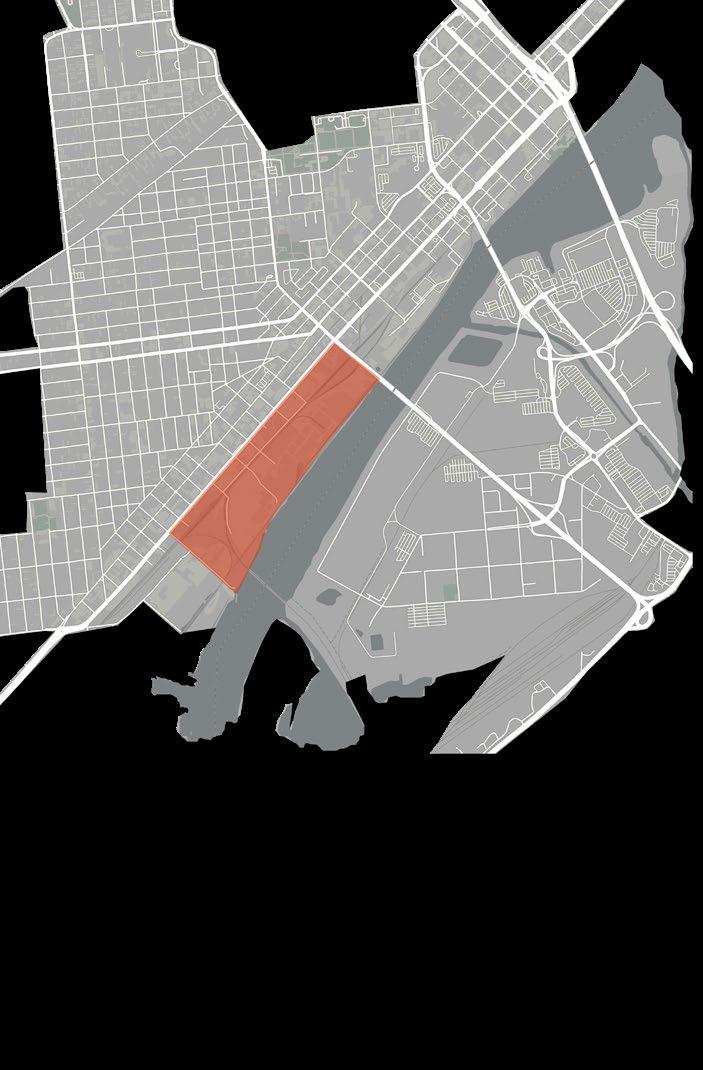
special district

1922: Glenn oak park becomes peorias major community park
1850’s:
Peoria becomes developing as a key river port on the Illinois river
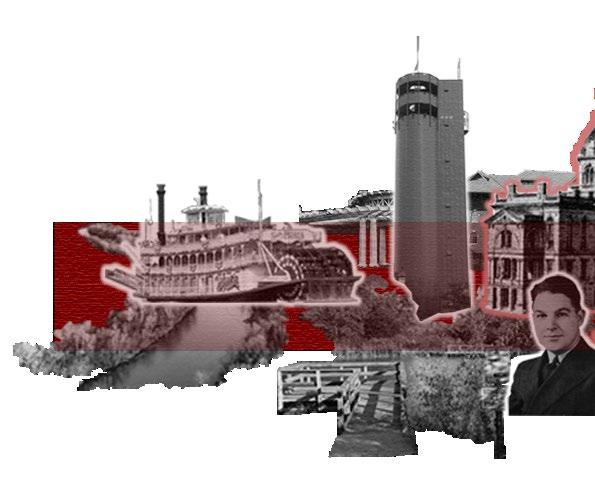
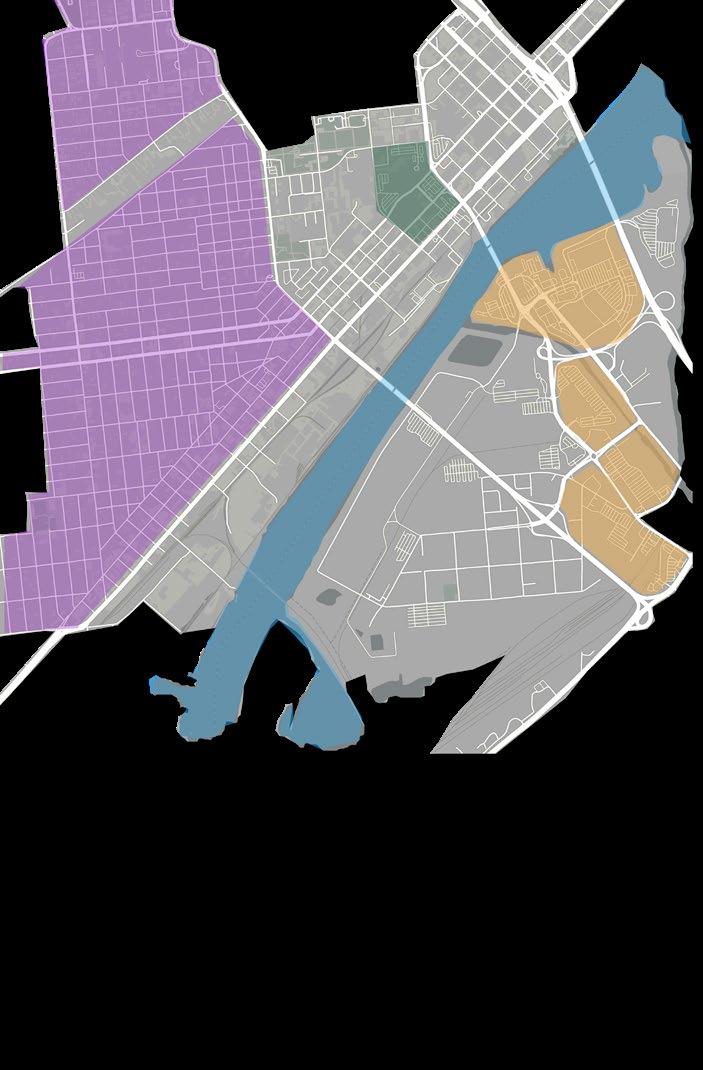
Cletis Foley: was a modernist that believed simple, clean and bold
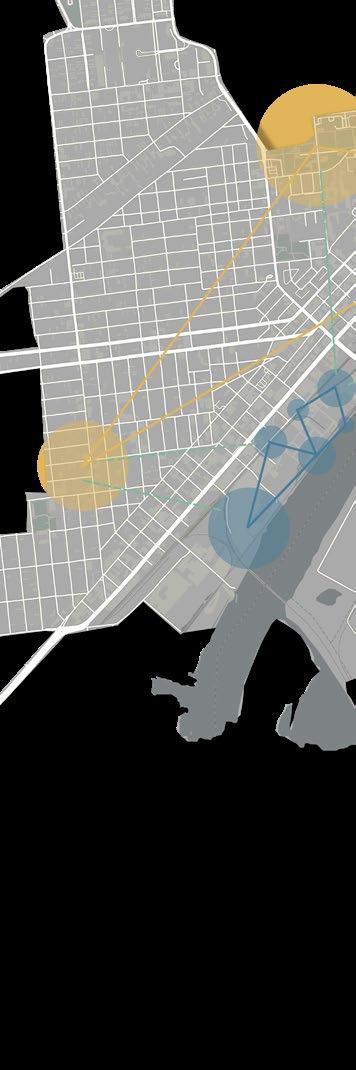
1990: Peoria Park District expands its offerings with the riverplex facility
2000’s: Emphasis on integration of public spaces with cultural institutions
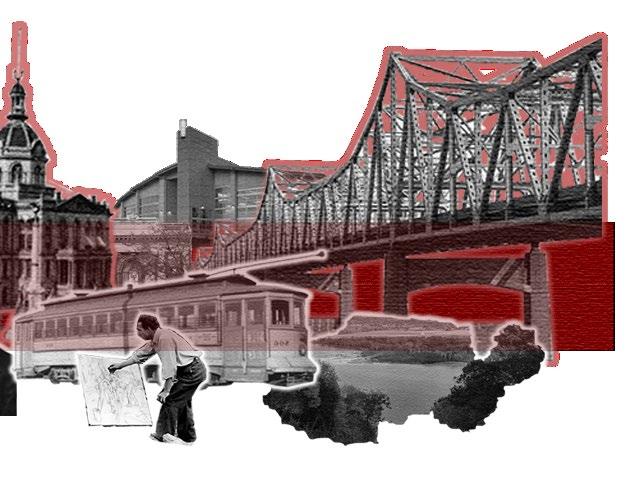
believed in a bold style
1999: rock island greenway is established: multi use trail built from old railroads
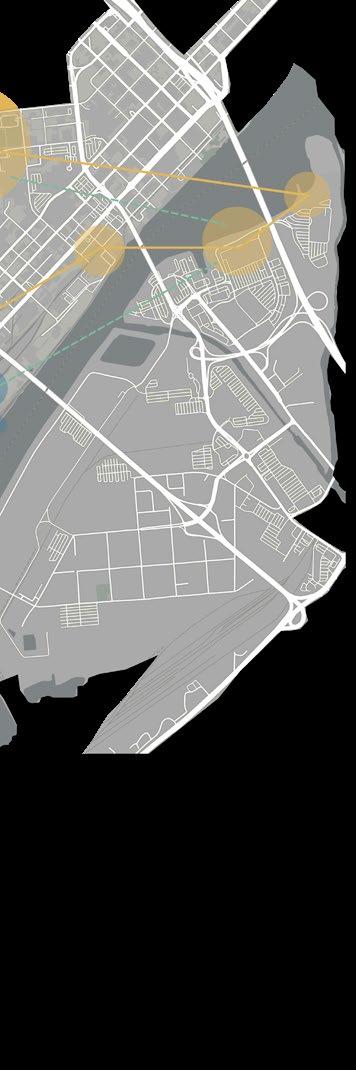
2020’s: Ongoing development of the Peoria riverfront
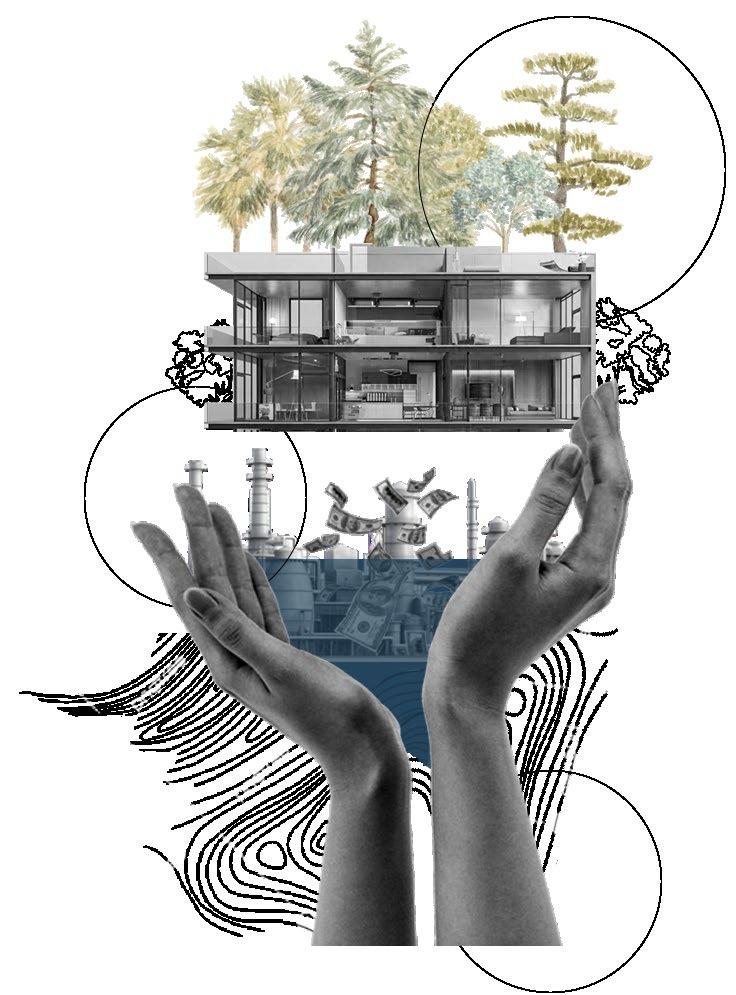
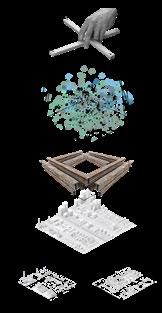
Salvaging materials from abandoned factories, such as reclaimed brick and steel, to preserve the site’s industrial heritage while reducing waste. Existing structures, like silos, are given new functions, Repurposing factory buildings into art installations or community hubs allows these structures to remain a focal point while serving new purposes and catering to the environment.
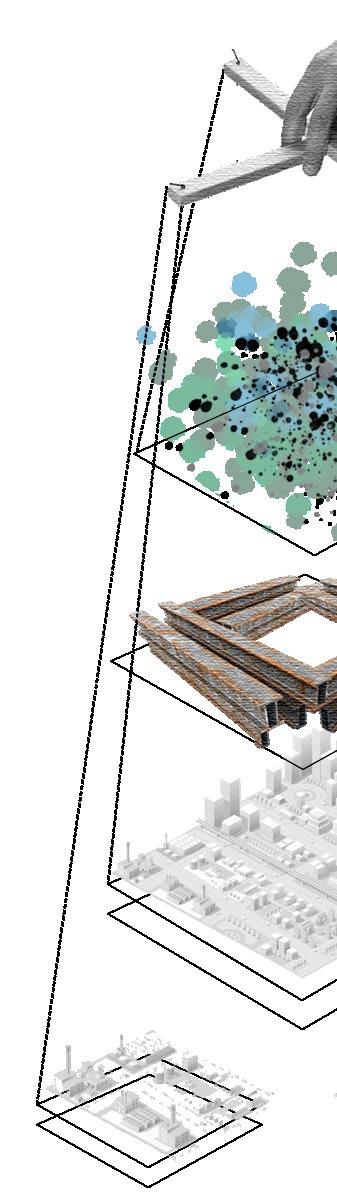

Restructuring on this site enables ecological restoration with design. This approach allowed industrial elements to cater and aesthetics of its revamp. community spaces, green infrastructure, ecological corridors allow solutions, natural ventilation, the landscape.
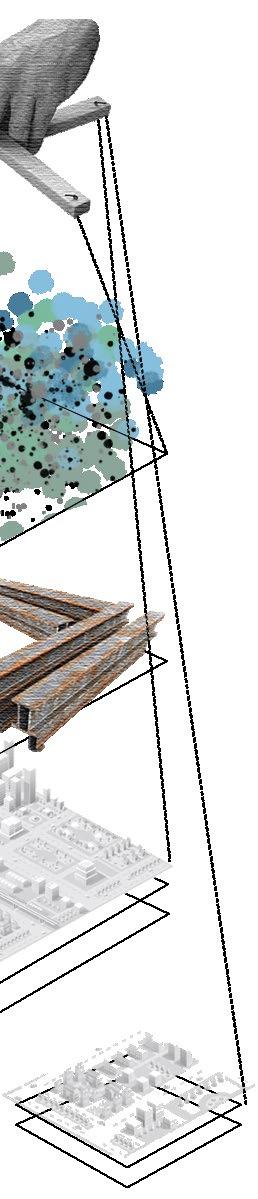
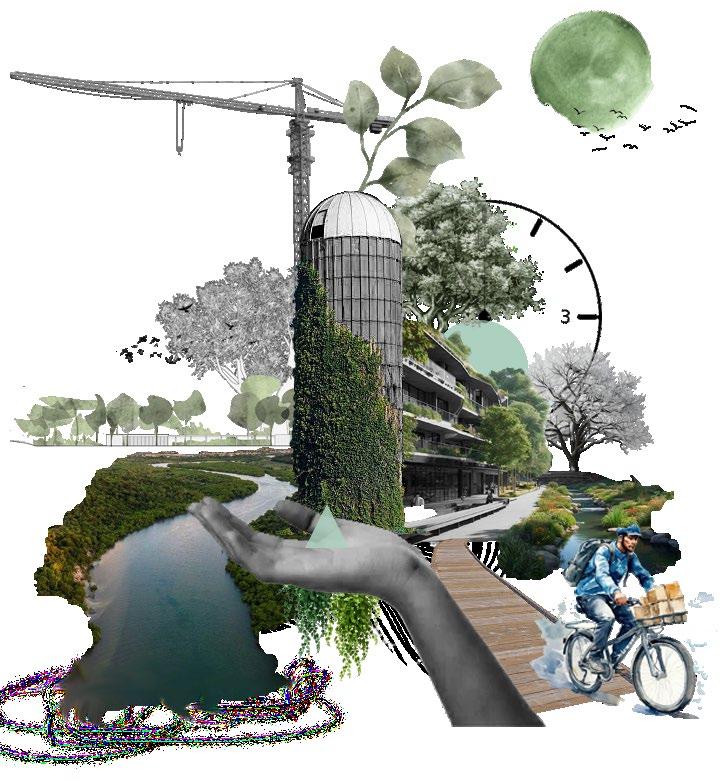

enables a balance of with community centered allowed nexus to use its post cater to the functionality revamp. New uses, such as infrastructure, and allow for sustainable energy ventilation, and integration with
Resilience is a core principle in modern landscape architecture, particularly when addressing environmental challenges like storm water management, soil contamination, and ecosystem health. Native vegetation to support biodiversity. Ensures long-term sustainability, creating a dynamic relationship between industry, nature, and community.
[ the three r’s ]

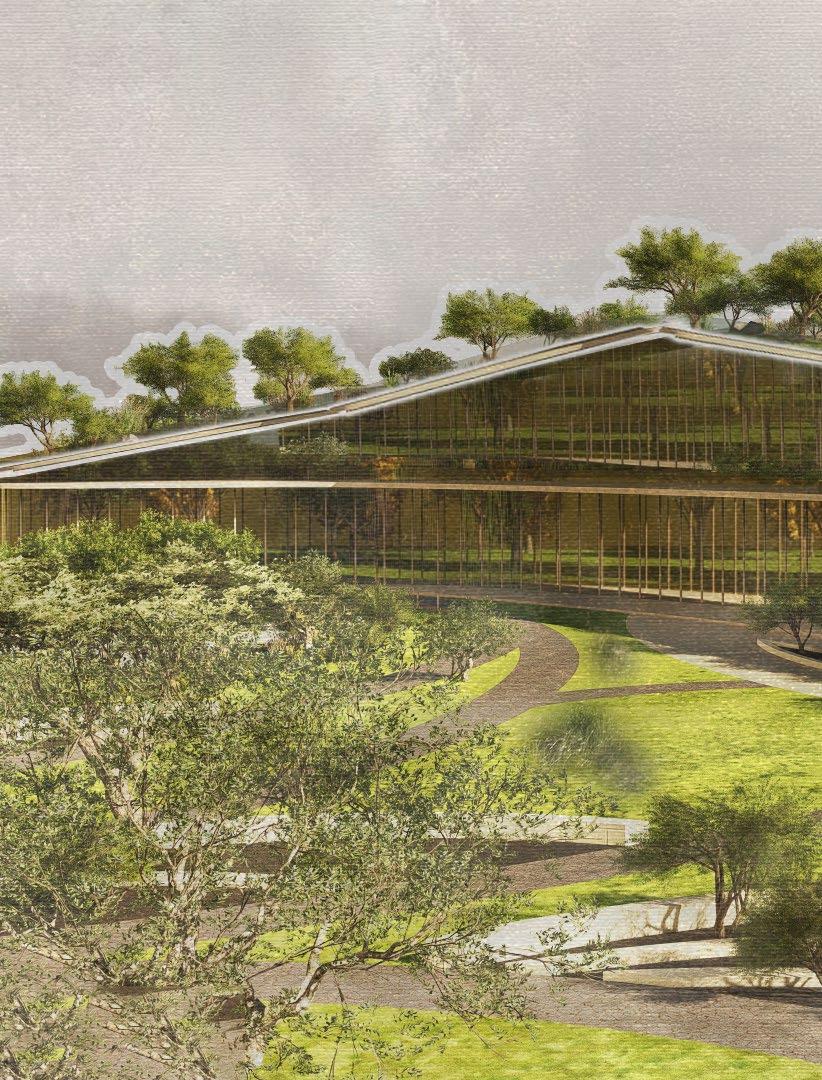
This groundbreaking complex, home to a museum and library, introduces a pioneering vegetated green roof that sets a bold tone for the site. A first of its kind, the green roof is not just a stunning visual element, its a sustainable powerhouse, enhancing connectivity to nature and blending landscape and architecture seamlessly.
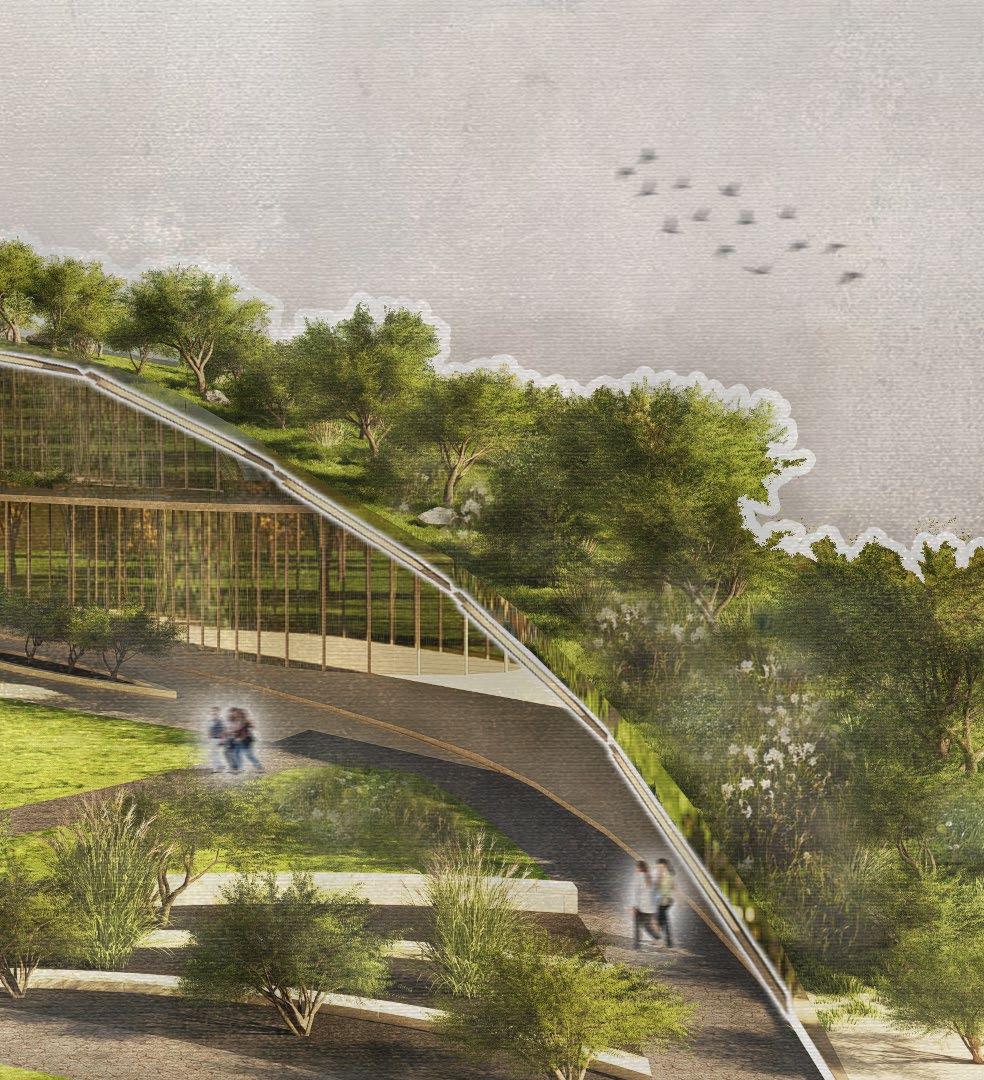
This design promotes sustainable practices while offering a unique, enriching experience that celebrates the perfect harmony Between built space and the environment.
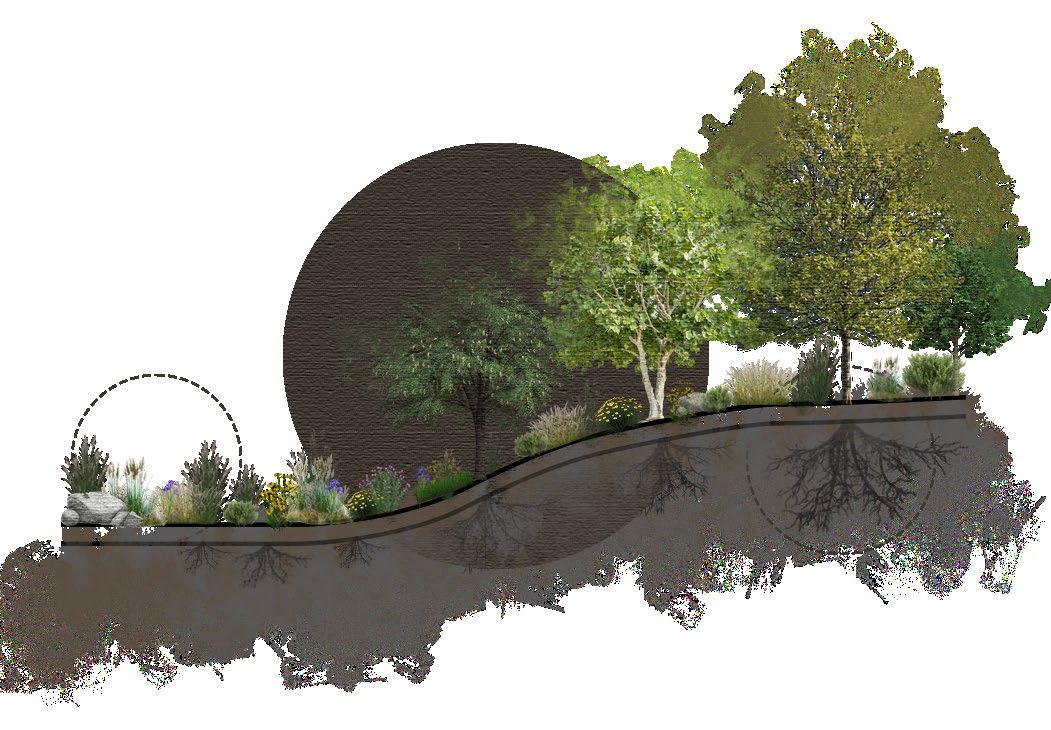
1. Milkweed
2. Cattails
3. joe-pye weed
4. switchgrass
5. big bluestem
6. purple coneflower
7. eastern cottonwood
8. silver maple
9. black willow
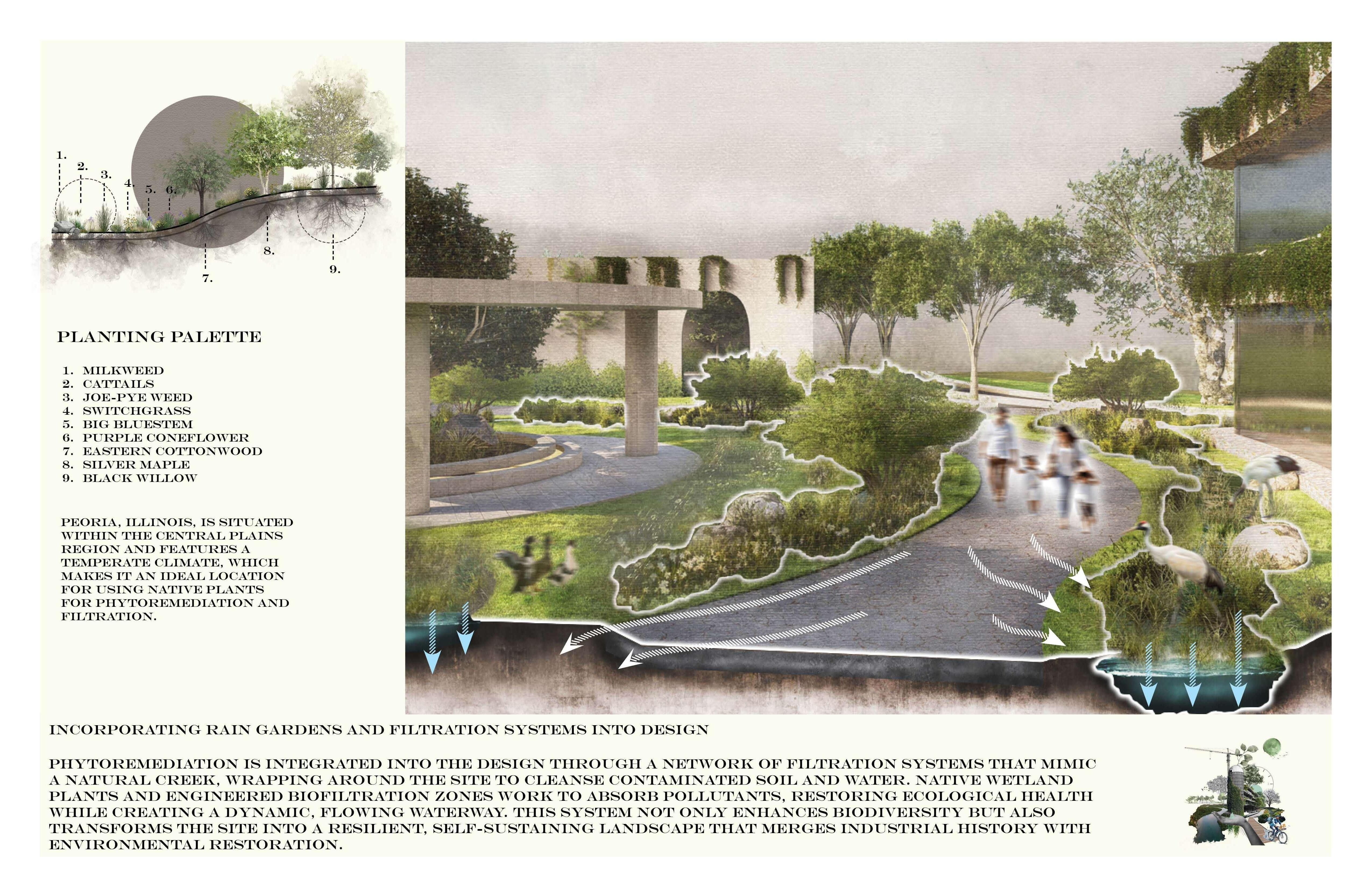
Phytoremediation is integrated into the design through a network of filtration systems that mimic a natural creek, wrapping around the site to cleanse contaminated soil and water. Native wetland plants and engineered biofiltration zones work to absorb pollutants, restoring ecological health while creating a dynamic, flowing waterway. This system not only enhances biodiversity but also transforms the site into a resilient, self-sustaining landscape that merges industrial history with environmental restoration.
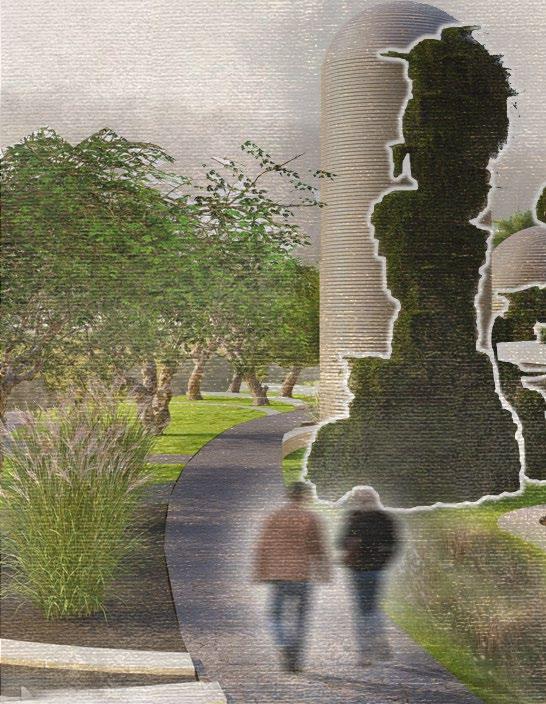
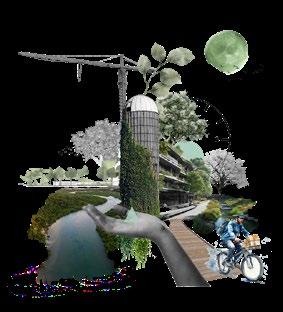
Preserving the historic silos and reusing existing materials strengthens the community’s connection to its past while reducing the environmental impact of new construction.
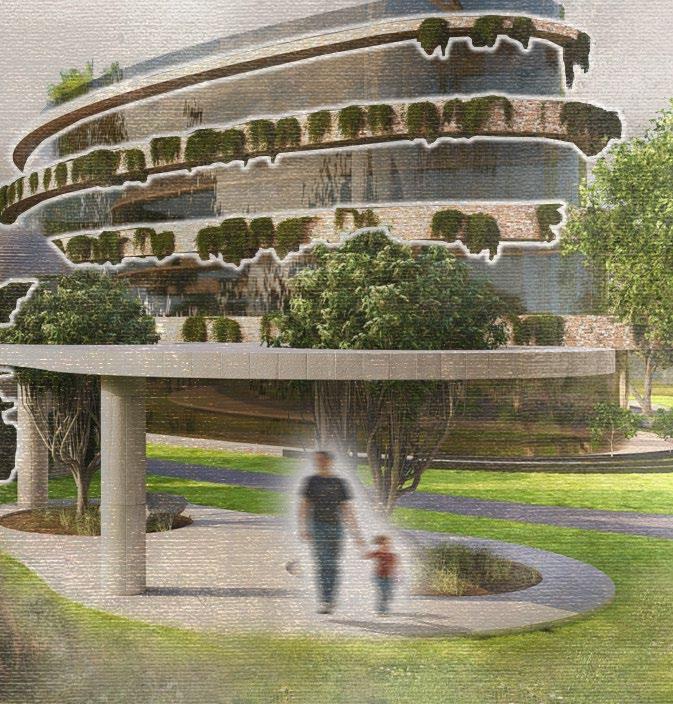
This approach champions sustainability and heritage preservation. These repurposed elements not only honor the site’s industrial legacy but also embrace Eco friendly principles, creating a revolutionary blend of history, nature and innovative design.
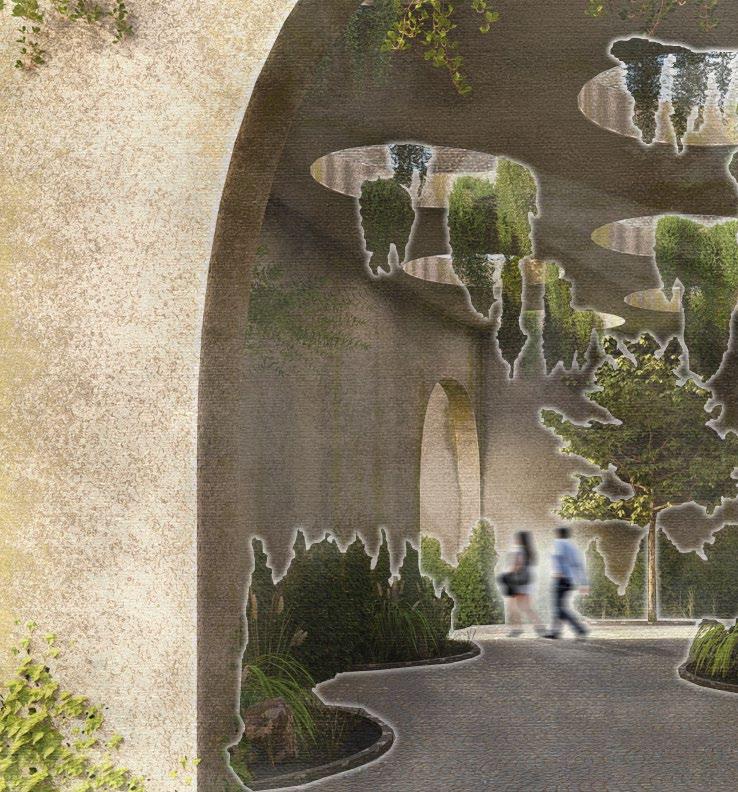
This visionary transformation turns an abandoned factory into a one of a kind art destination, featuring expansive open spaces flooded with natural light and lush rain gardens. More than just an exhibit, it is a dynamic cultural hub that blends cutting edge design, nature, and community. A place where art, innovation and connection come alive, offering an unforgettable experience for all who enter.

“finding a way to breathe life into what is no longer there but still existing”
TEXAS ASLA Award of Excellence
collaborative studio project
San Antonio, TX
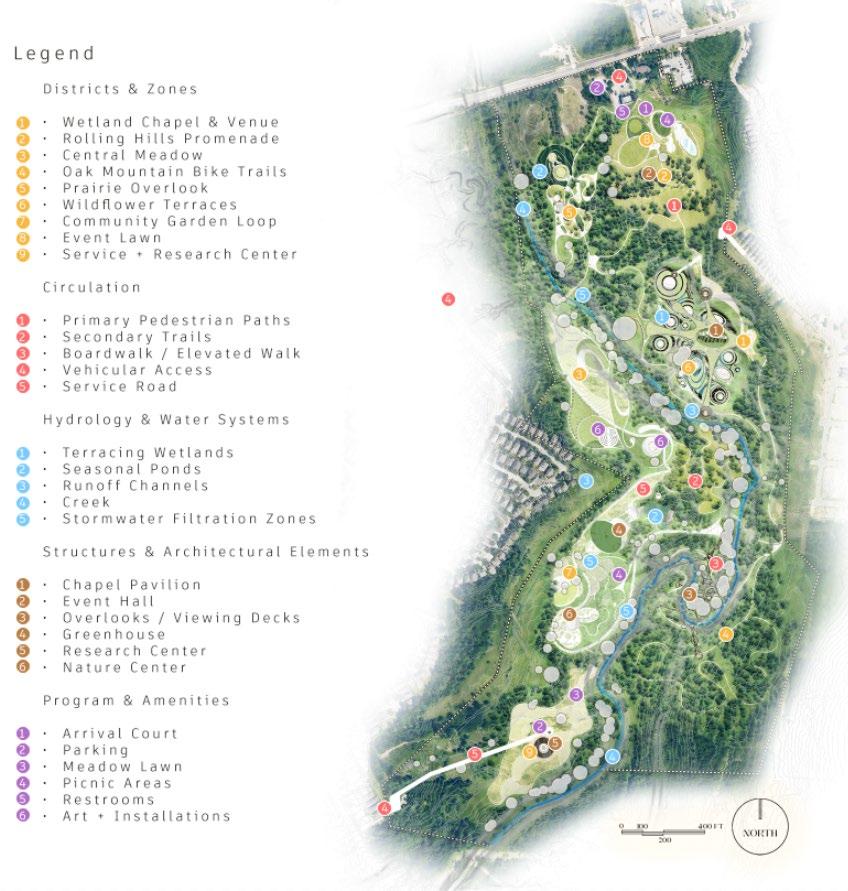
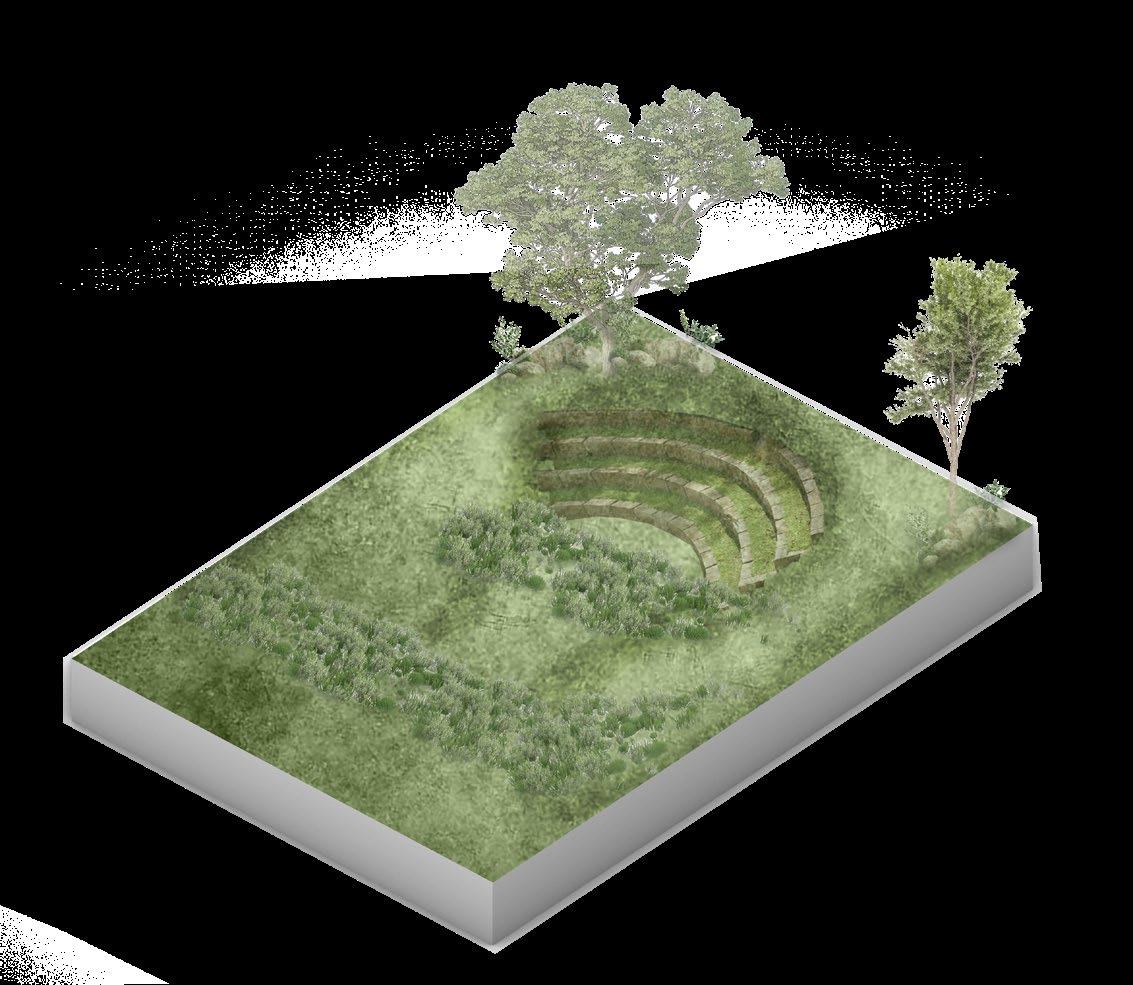
amphitheatre
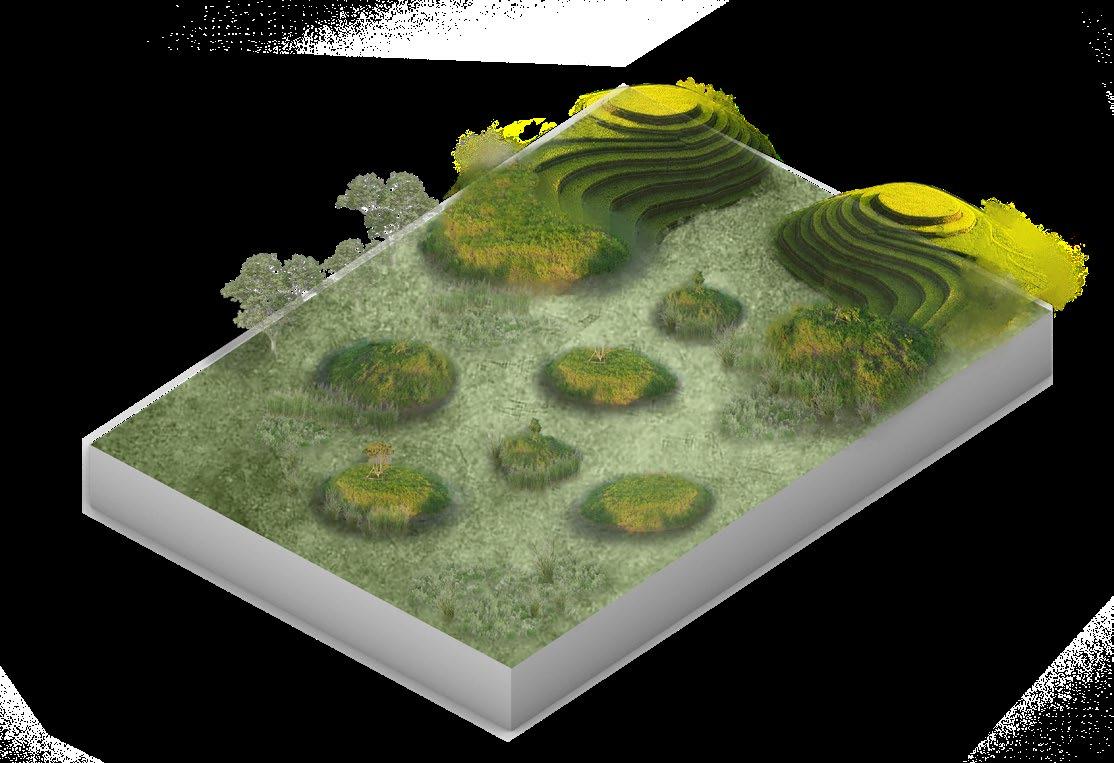
sponge city wetland
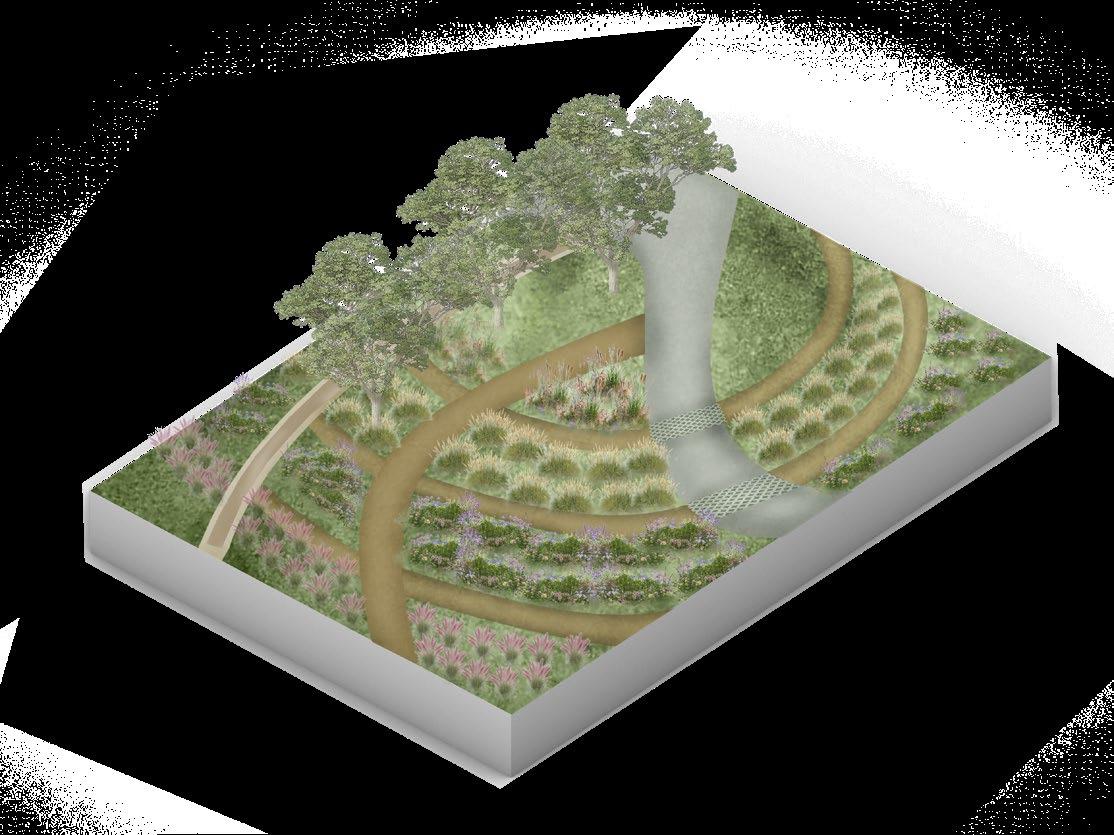
nature gardens
with 90% of the site being in the floodplain, my approach was to design with functionality and hydrology in mind.
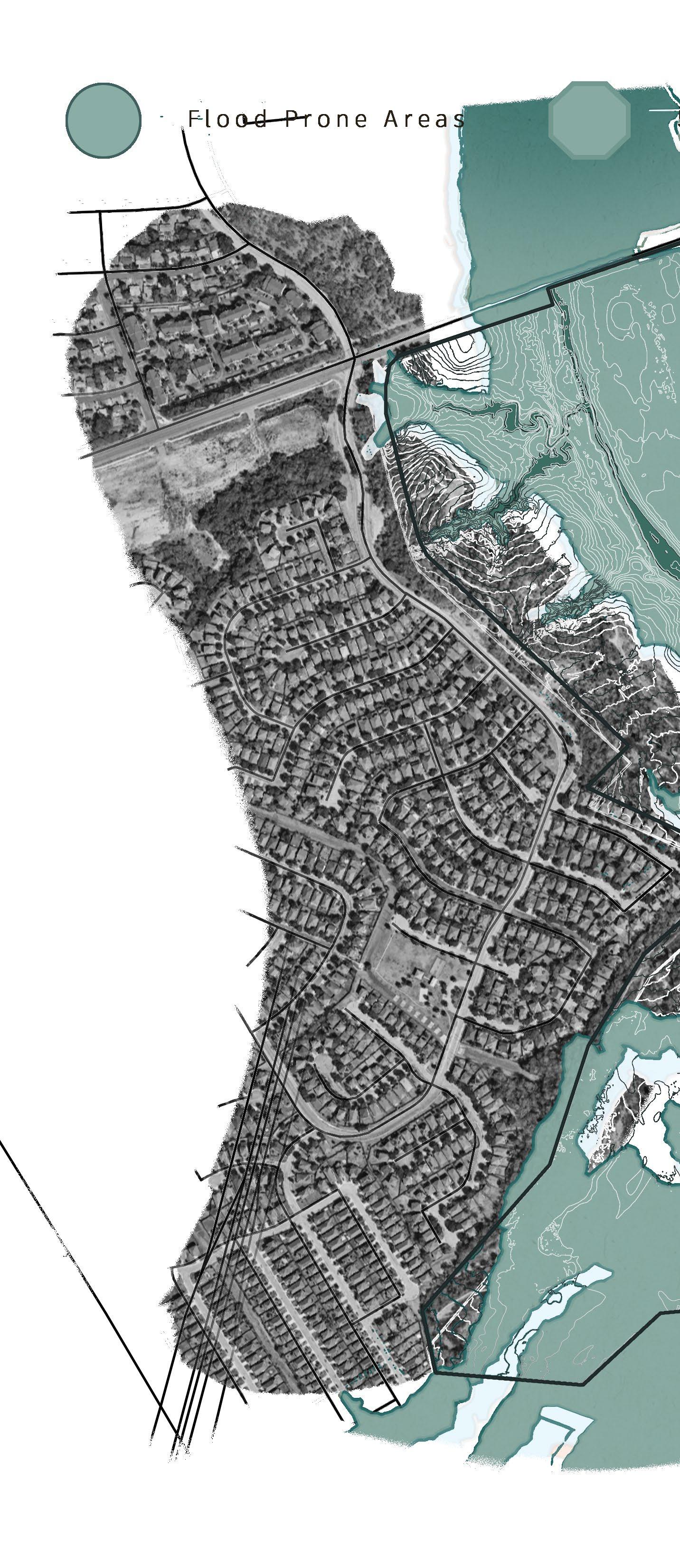
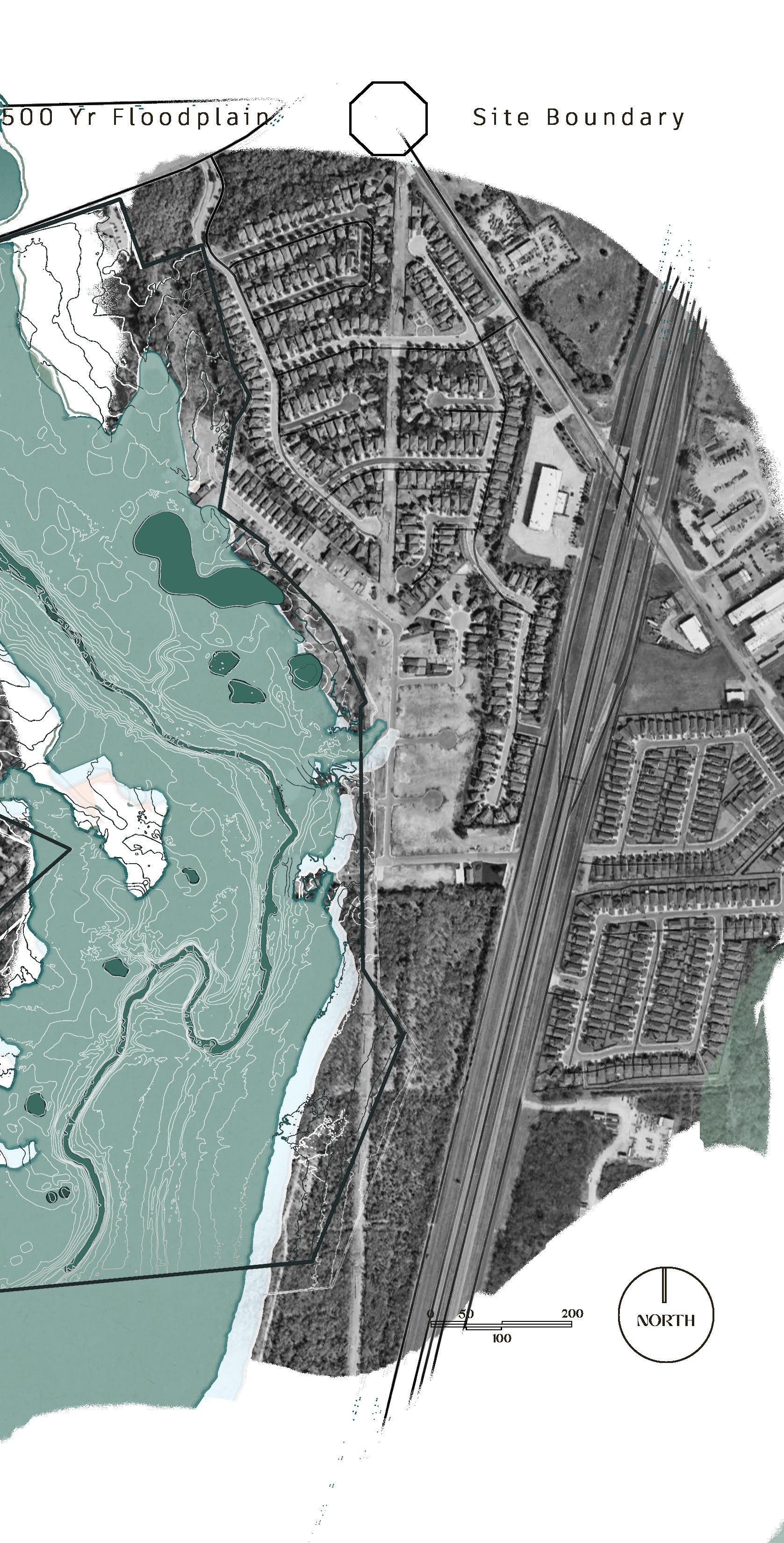
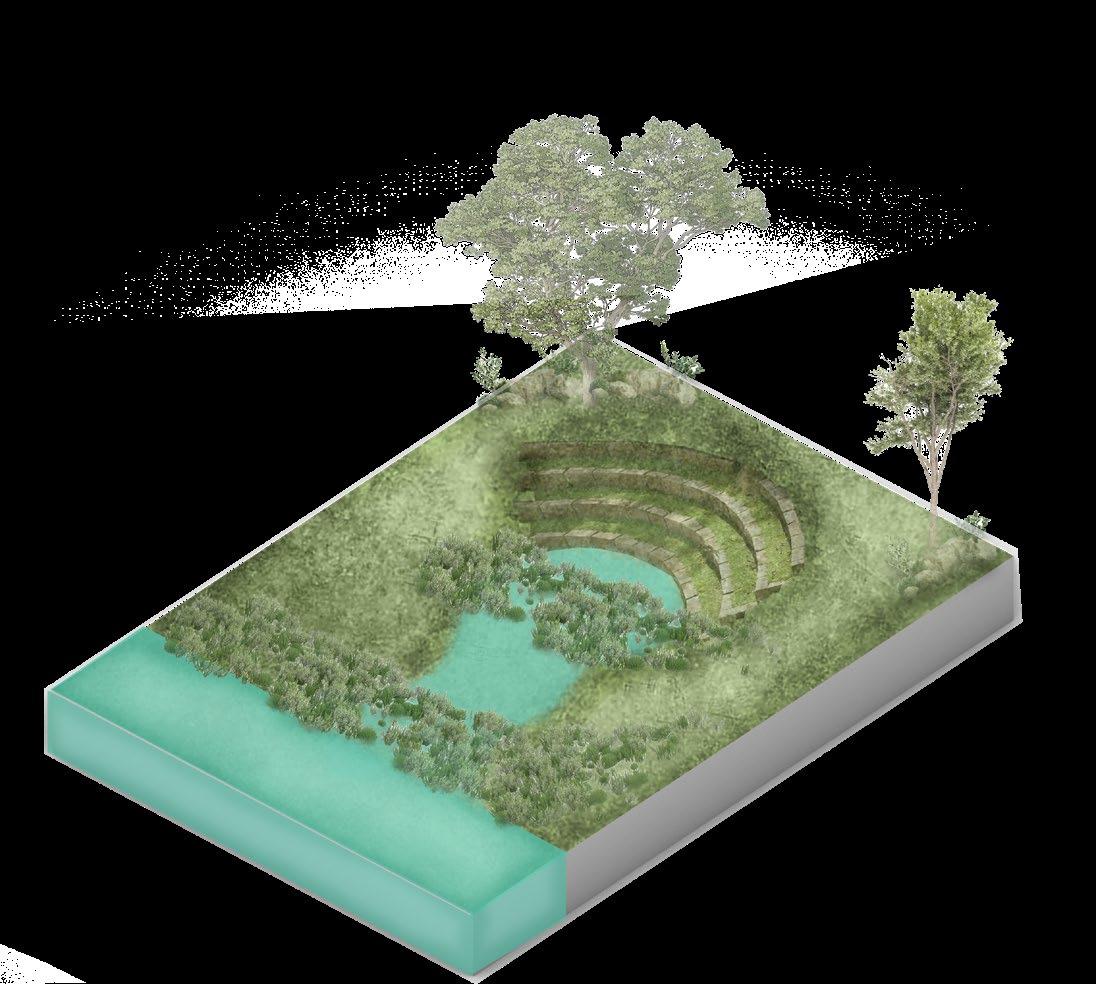
redirection engagement filtration
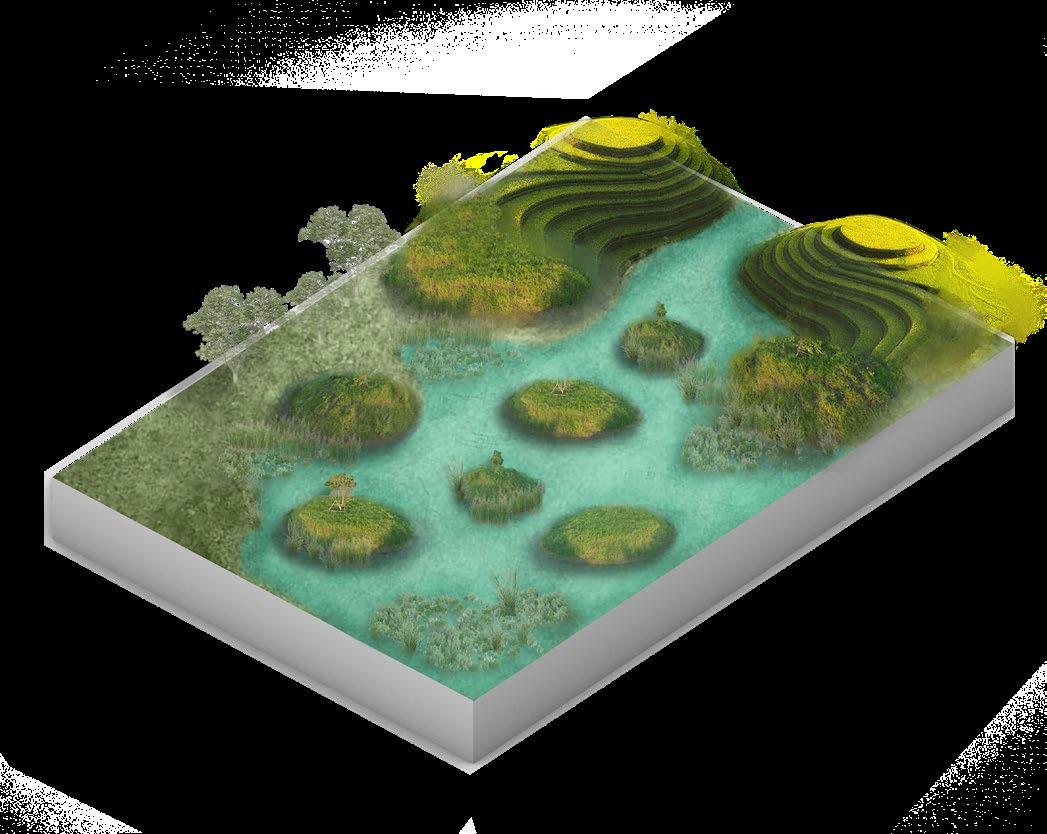
retention
detention slow
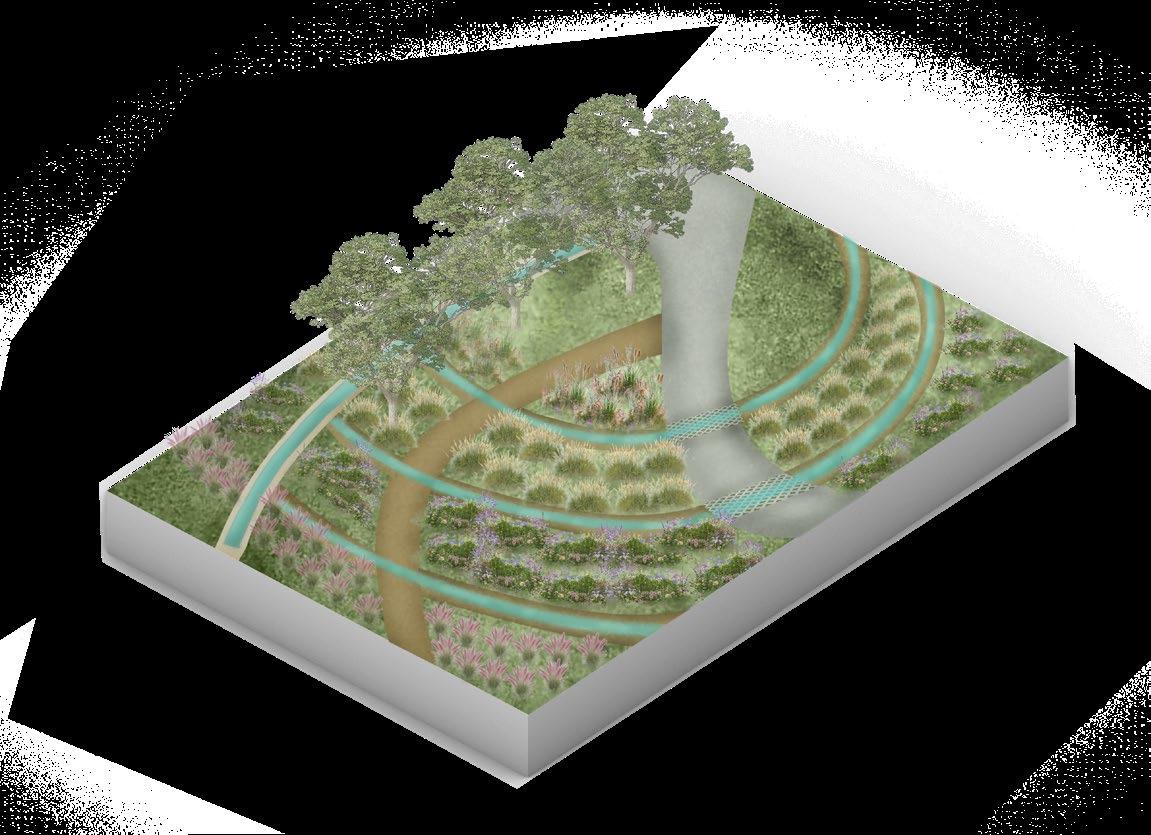
education permeable aesthetic
Conservation
Habitat
Path
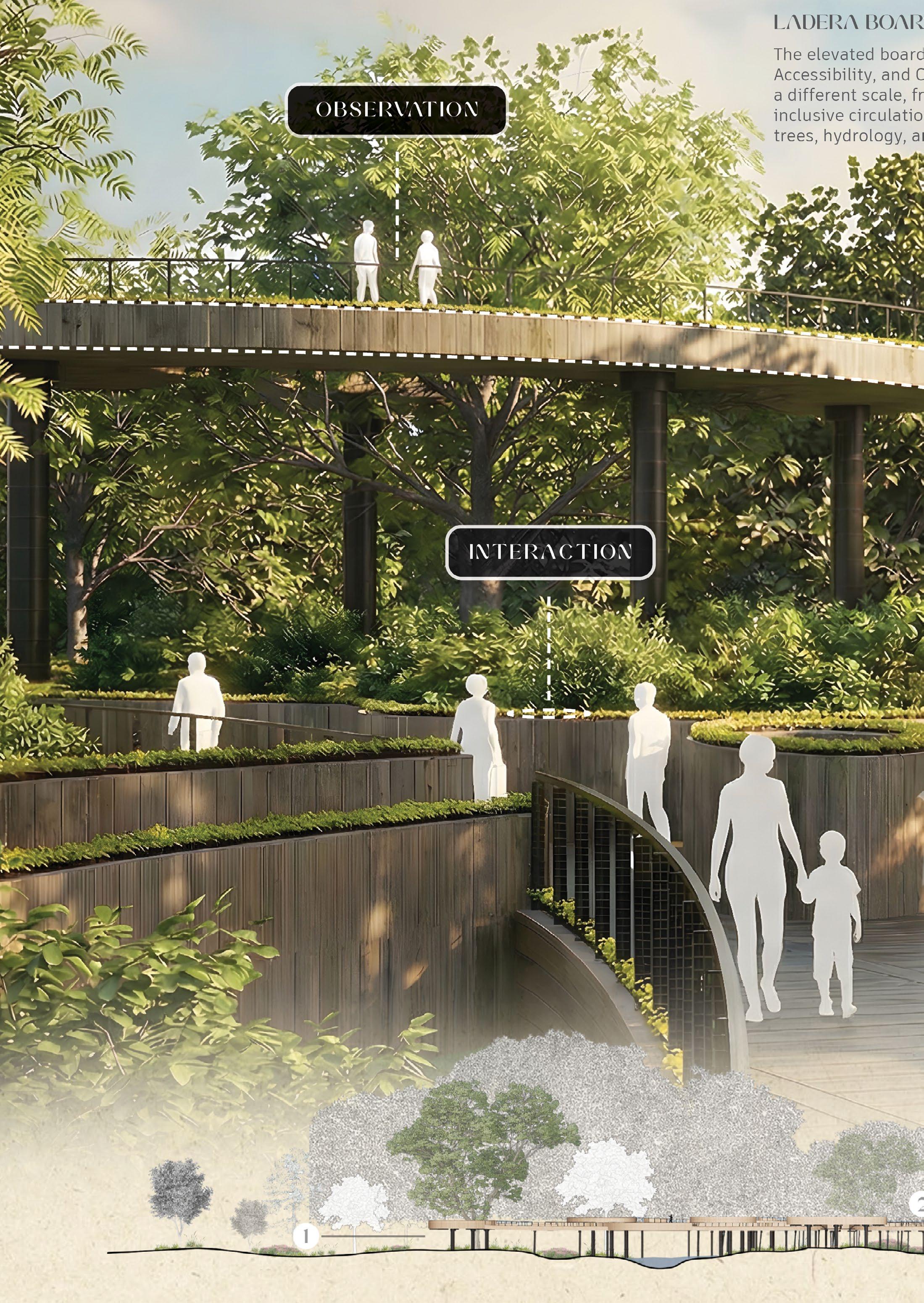
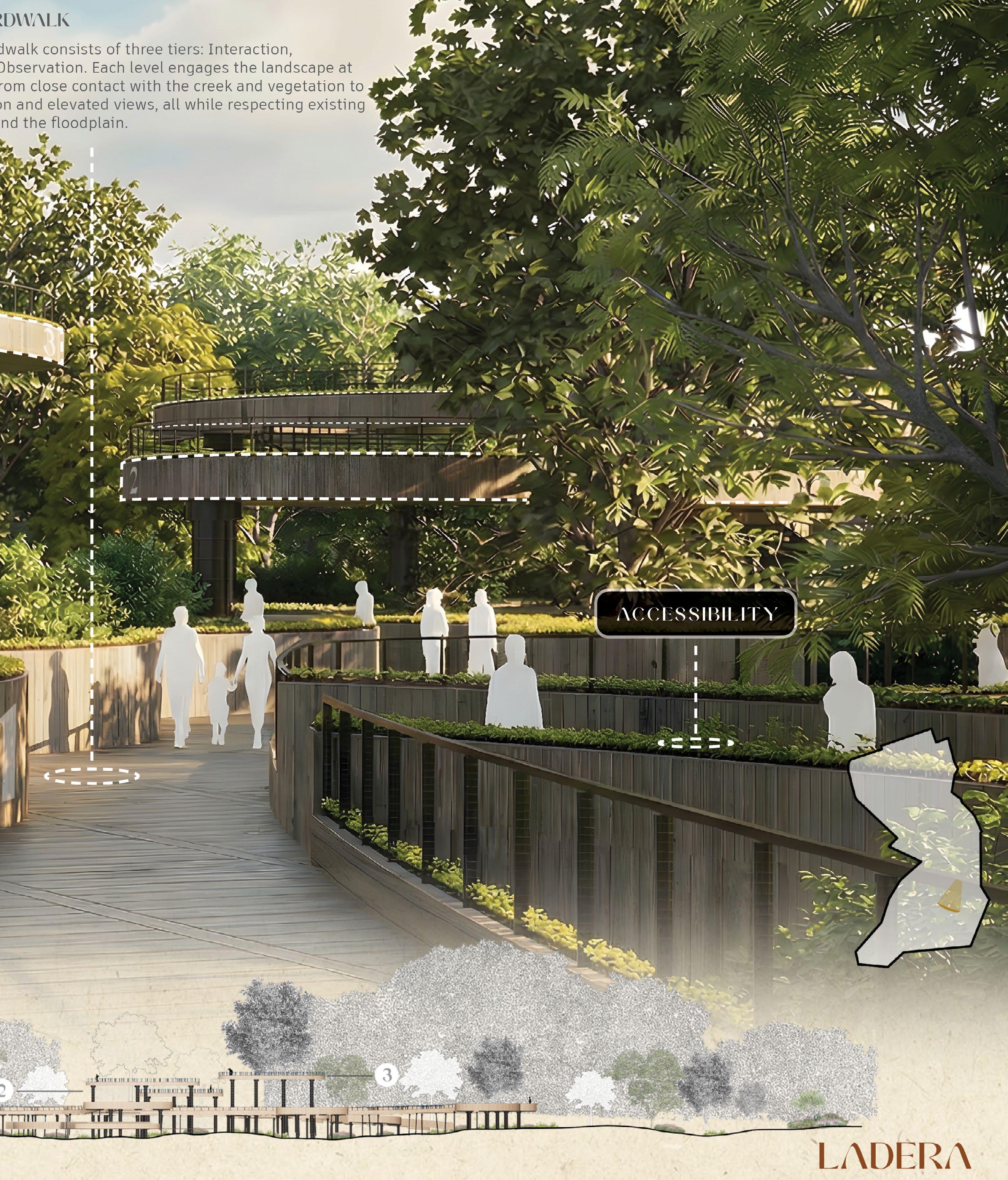
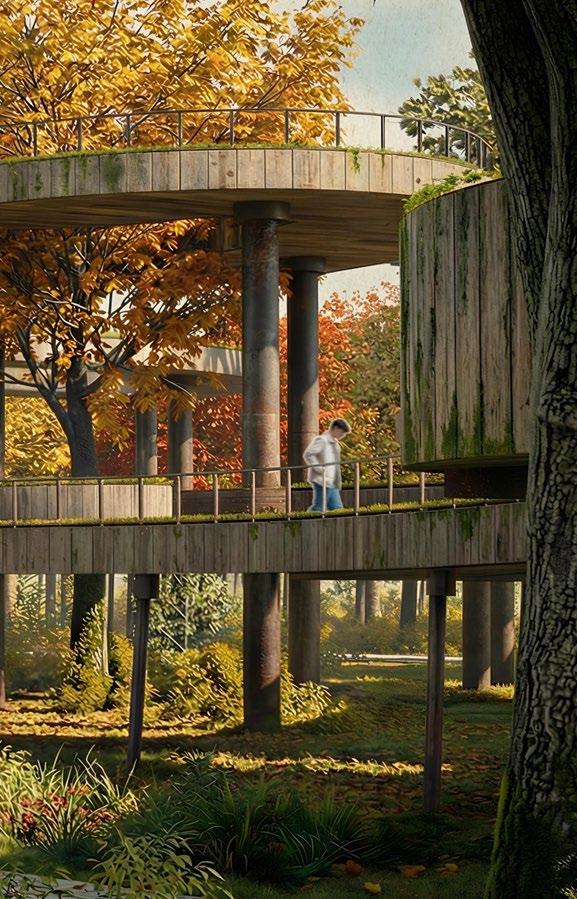
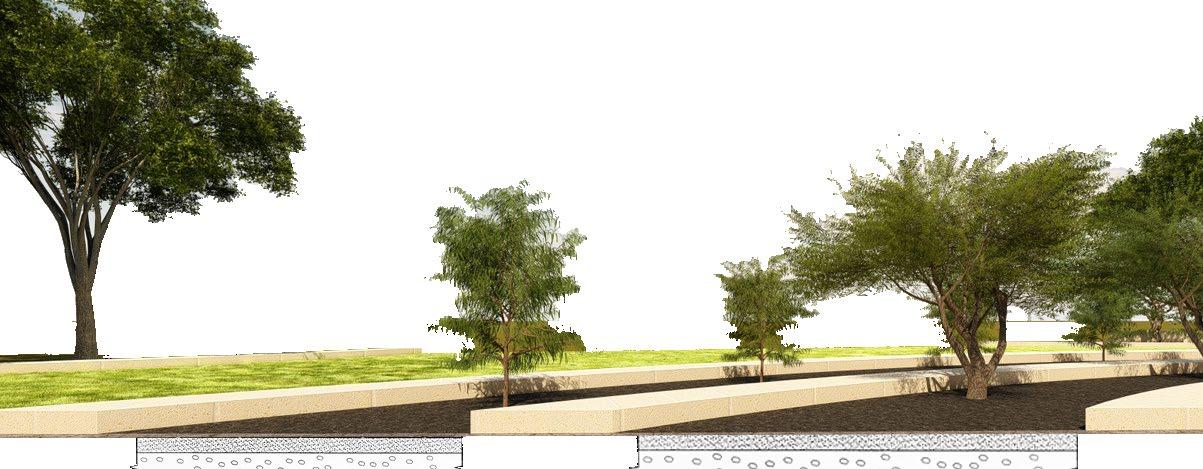
The boardwalk unfolds across multiple levels, guiding visitors through layered encounters with the creek, hero trees, and surrounding landscape. Elevated platforms open to sweeping views, offering moments of reflection, while lower pods bring people closer to the water’s edge, inviting quiet observation and direct interaction with the natural world. Thoughtfully designed with ADA accessibility, the boardwalk ensures that everyone can move through and experience the site fully. Each step, pause, and vantage point encourages a deeper connection to the landscape, revealing the subtle rhythms of water, trees, and life that define Ladera.
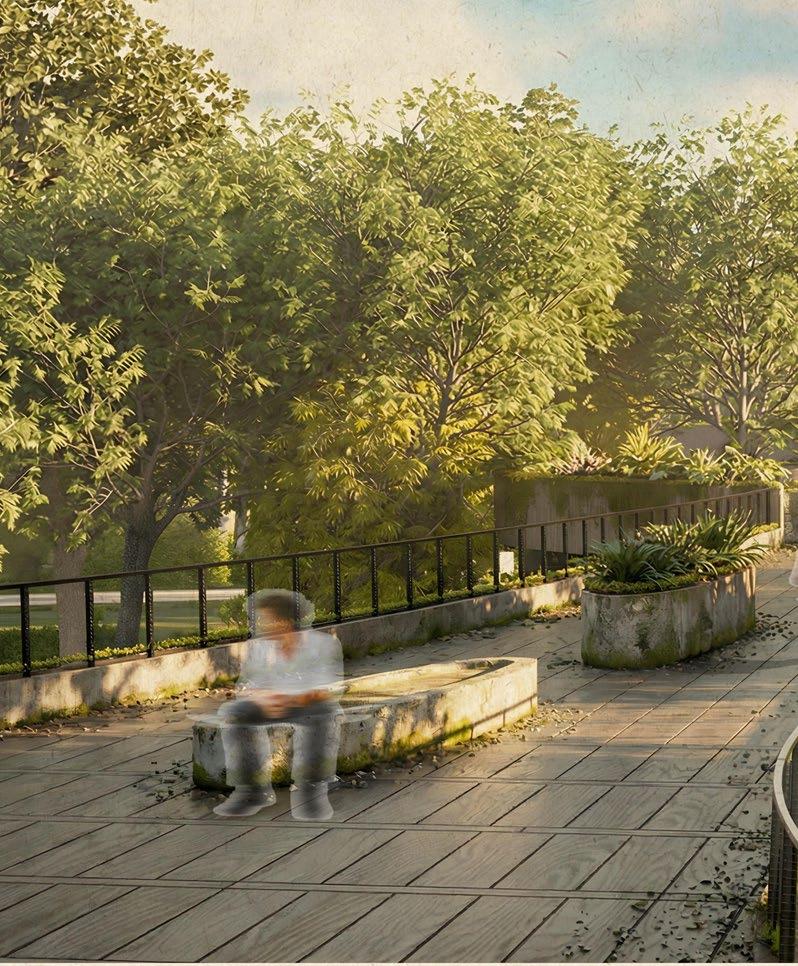
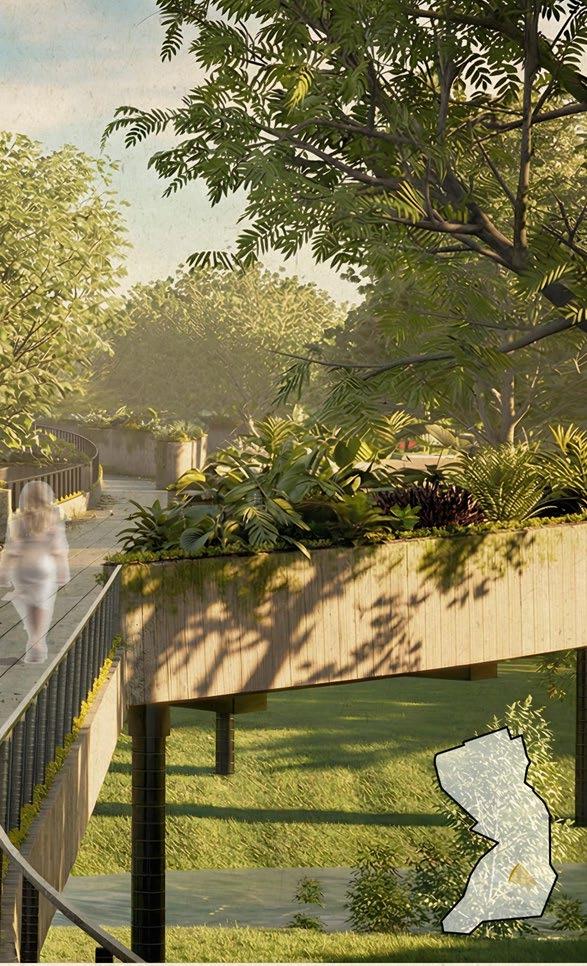
The boardwalk is conceived as a gesture of care, weaving gently through the hero trees and the creek, allowing the site’s history and ecology to remain the guiding presence. Every node, pod, and platform is placed to celebrate what already exists, giving the trees room to breathe, the creek space to flow, and the soil room to thrive. The structure becomes a quiet companion to the landscape rather than a replacement, embodying a philosophy that human intervention should uplift, not overshadow. In walking through this space, visitors encounter a living testament to stewardship, a design that listens, honors, and responds to the enduring rhythms of nature.

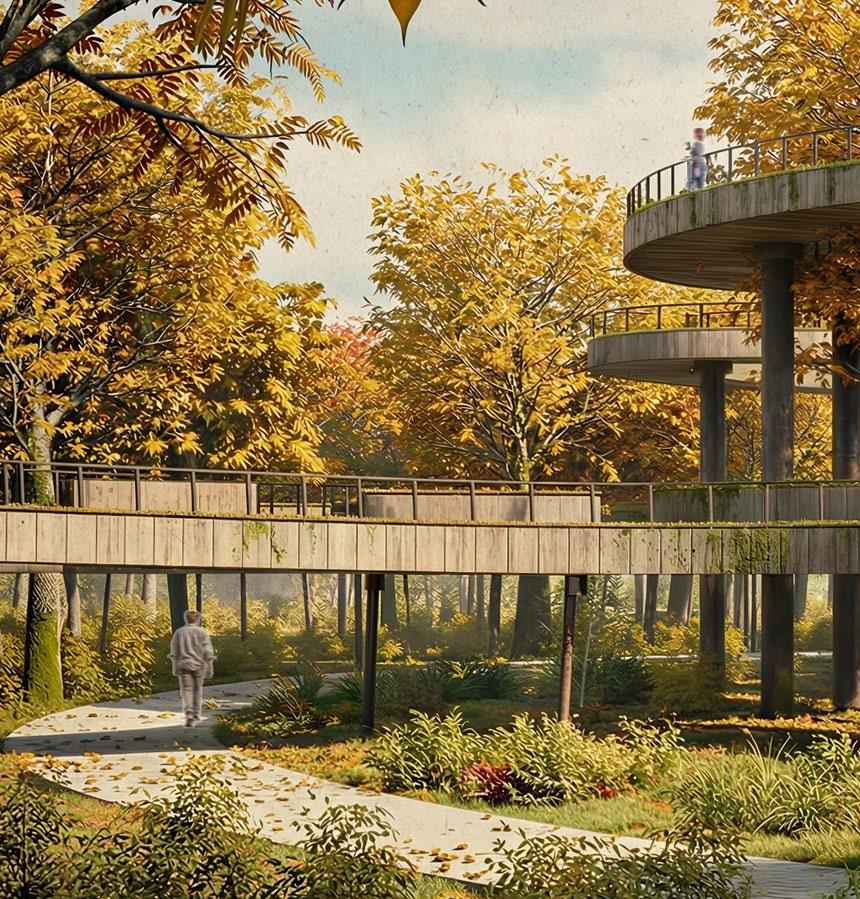
The Ladera Boardwalk winds gently through the site, weaving around the majestic “hero trees” and tracing the flow of the creek, creating a journey that celebrates the landscape itself. Open pod systems and carefully placed nodes allow the trees and surrounding ecology to thrive through the structure, letting nature shine even within human-made elements. The design embraces the floodplain and the rhythms of the site, offering visitors a space where the built and natural worlds coexist in harmony, a place to pause, reflect, and feel the enduring presence of the land.
flourish ]
Observation
Interaction
Pause
Accessibility
Reflection
Path
Adaptation
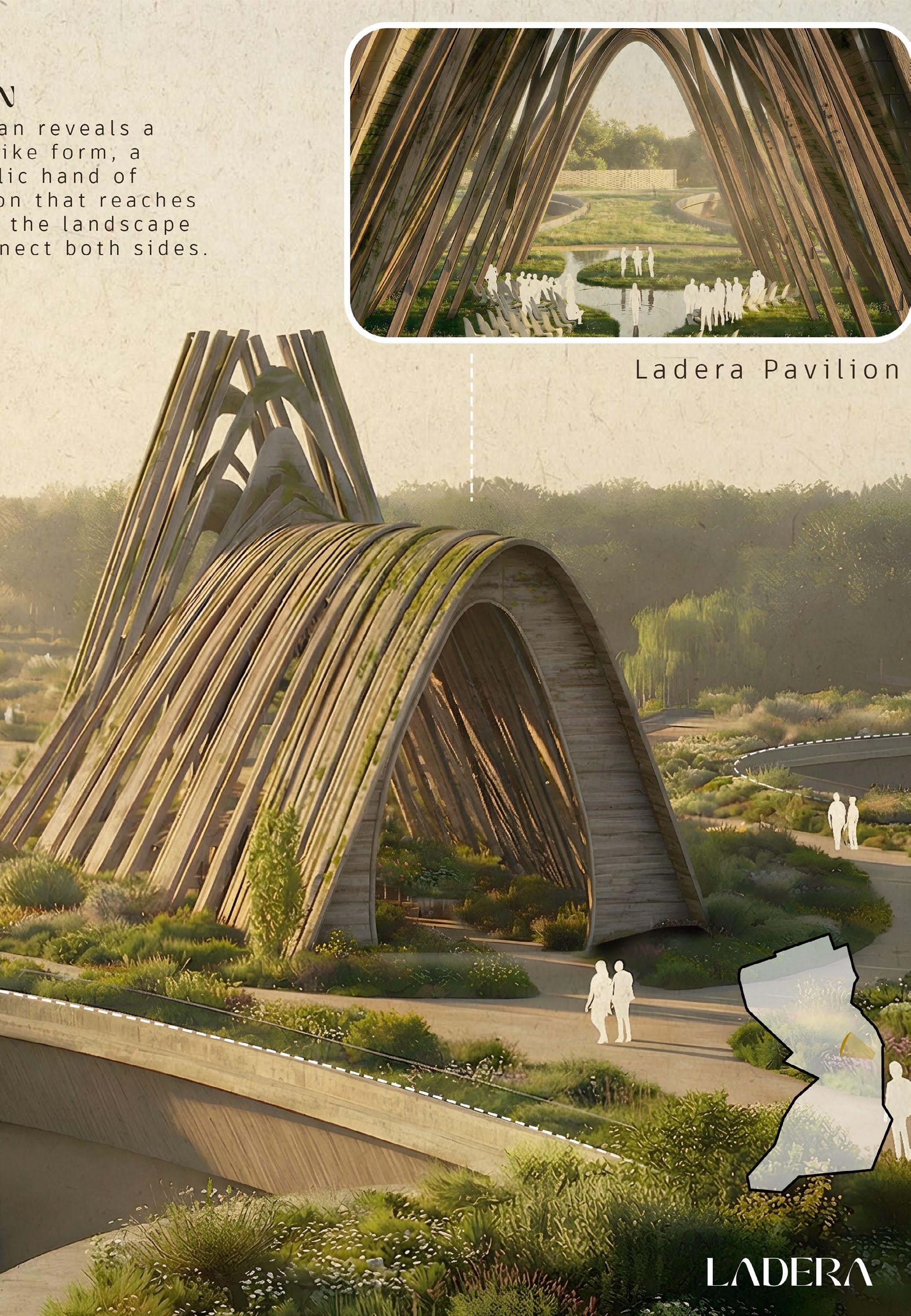
Designed in collaboration with a studio partner, the chapel and event center emerges as a quiet tribute to Ladera and its rolling hills. The form of the building is shaped in remembrance of the land, allowing the contours of the landscape to guide its structure and presence. Natural light and vegetation become defining elements, softening the architecture and giving it life as it shifts throughout the day. Here, landscape and structure are inseparable, creating a space where memory, nature, and gathering come together in reflection and reverence.
Continuity
Memory
Place
Integration
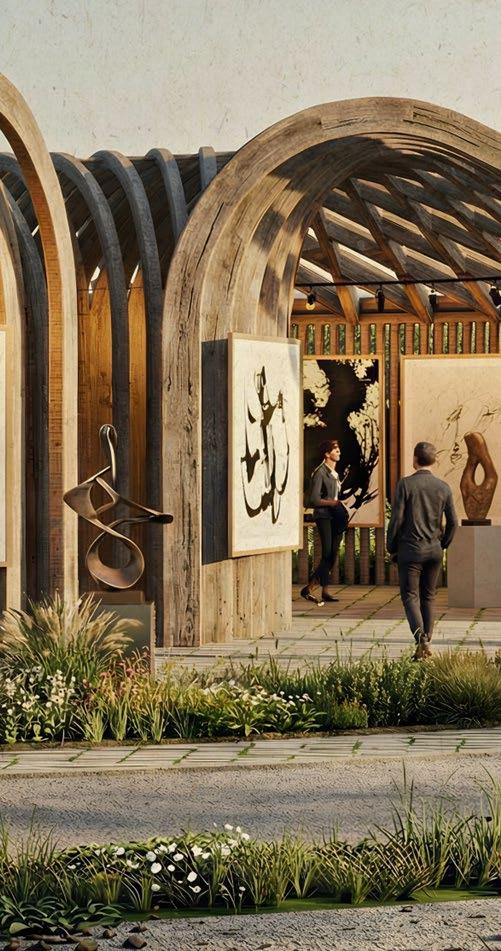
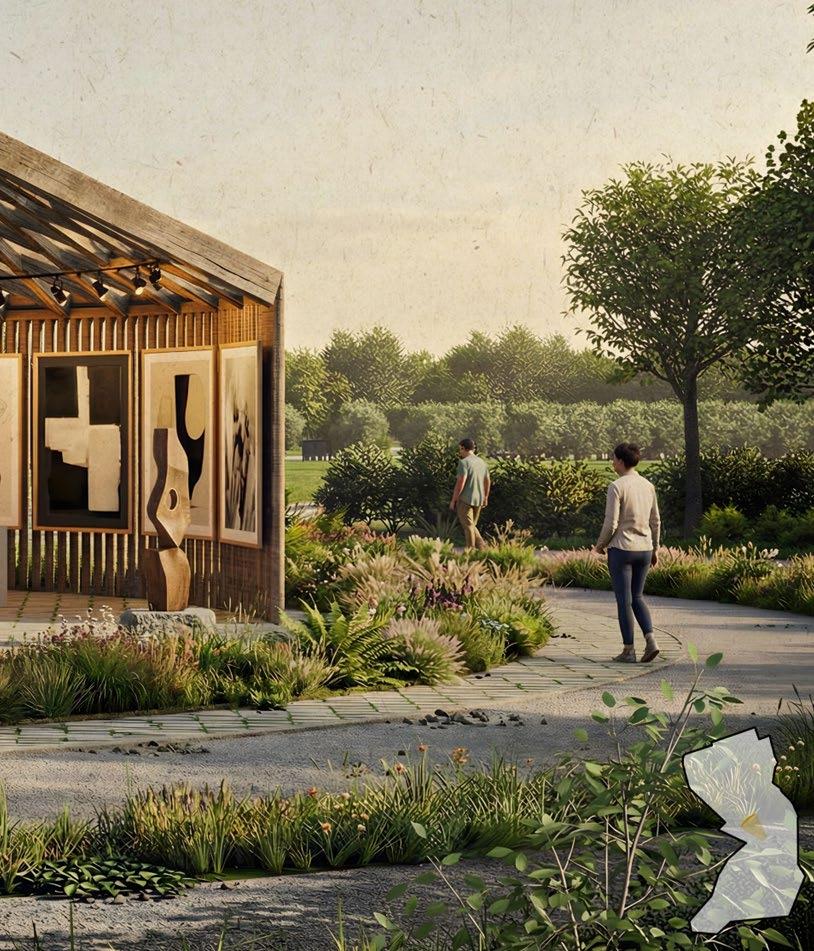
Created in collaboration with my studio partner, this space celebrates the rich cultural heritage of San Antonio through works by local artists, each piece telling a story rooted in community. The installation immerses visitors in the rhythms of both culture and nature, where art and landscape flow together, inviting exploration, reflection, and connection. By centering local voices and creativity, the space becomes a living testament to the city’s identity, a place where people, culture, and the environment coexist in harmony.

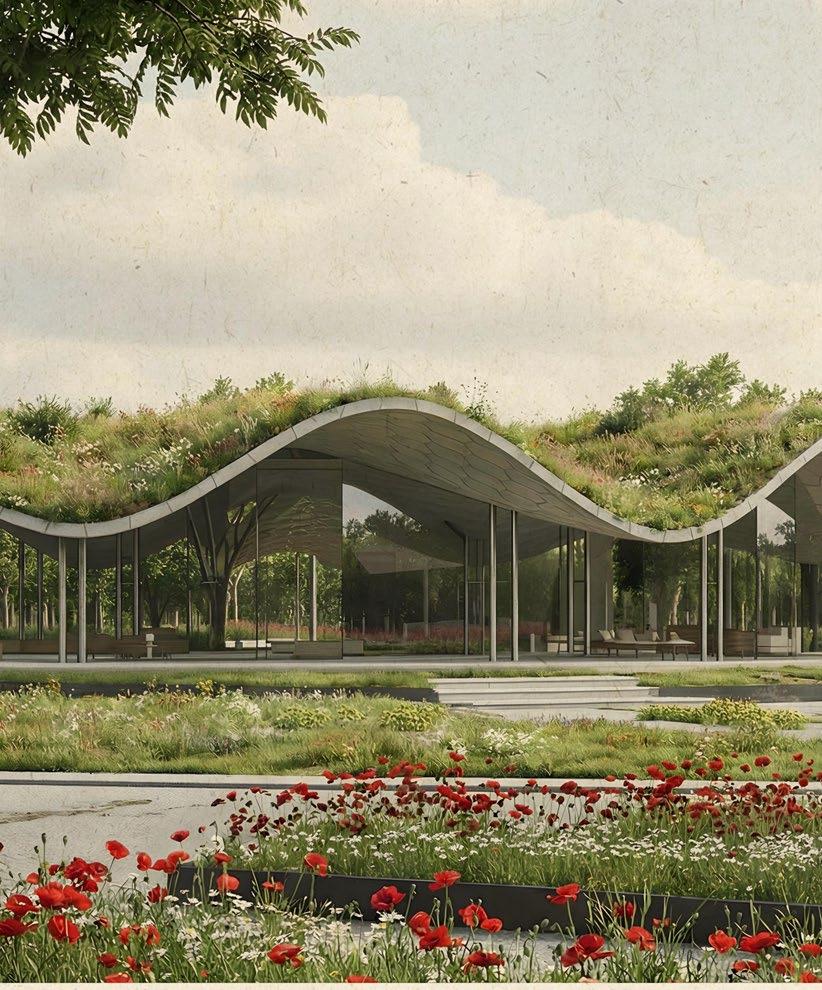
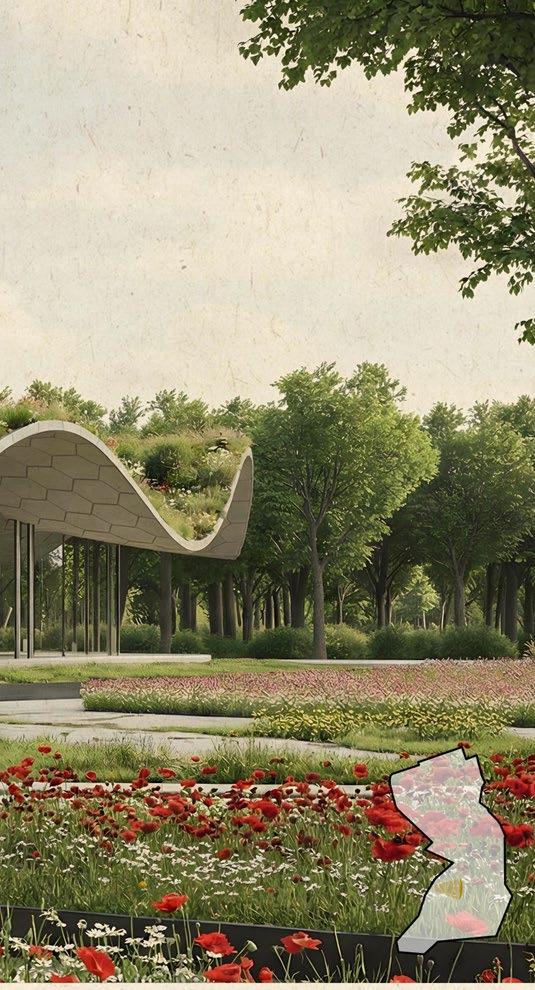
Designed in collaboration with my teammates, the nature center is set within a field of native meadows, emerging from the landscape rather than standing apart from it. A vegetated, solar-powered roof allows the structure to blend seamlessly into its surroundings while reinforcing a shared commitment to environmental responsibility and long-term stewardship. The architecture becomes an extension of the land, demonstrating how thoughtfully integrated structures can coexist with and enhance natural systems. Together, the meadows and nature center offer a living example of how collaborative design can align architecture, ecology, and place.
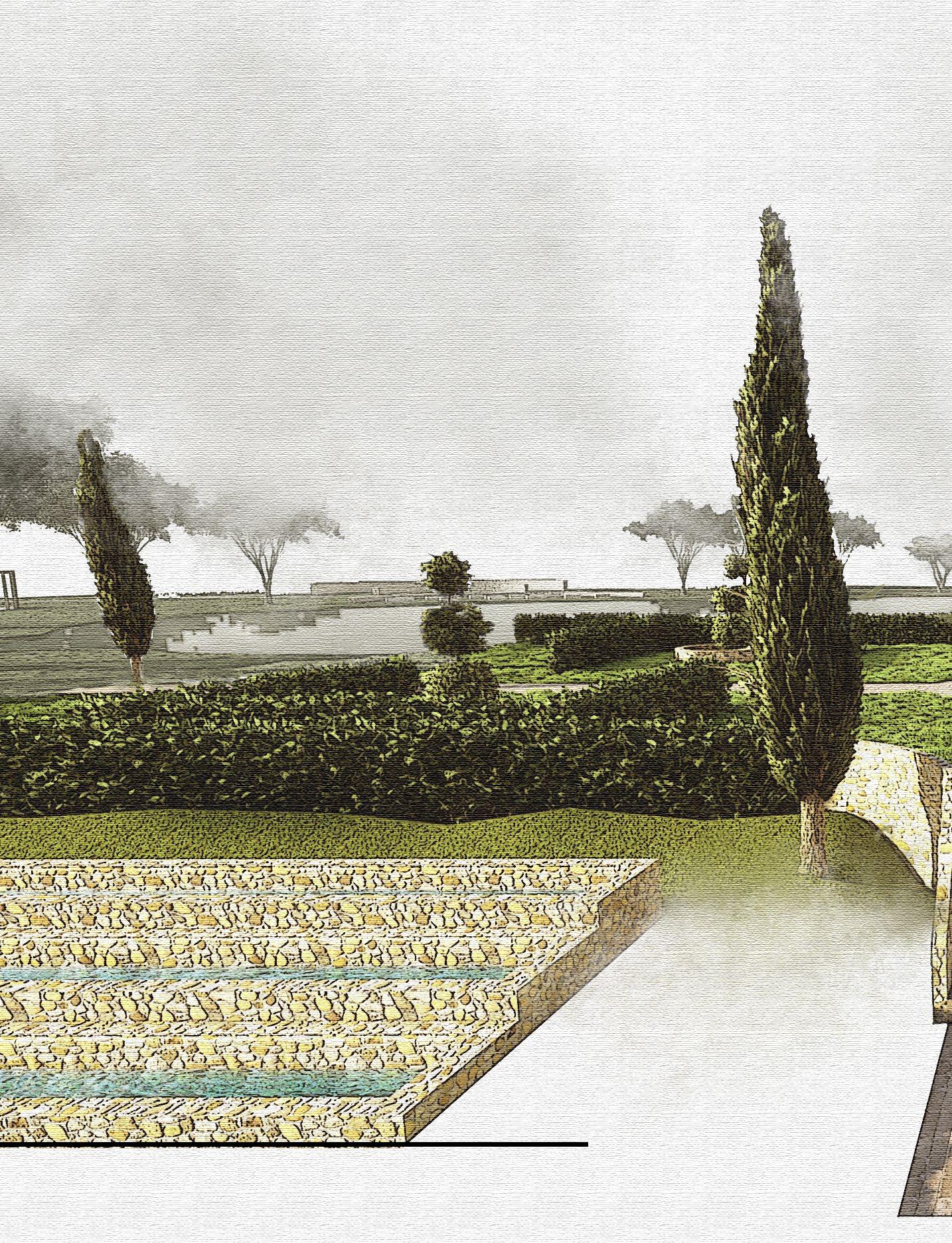
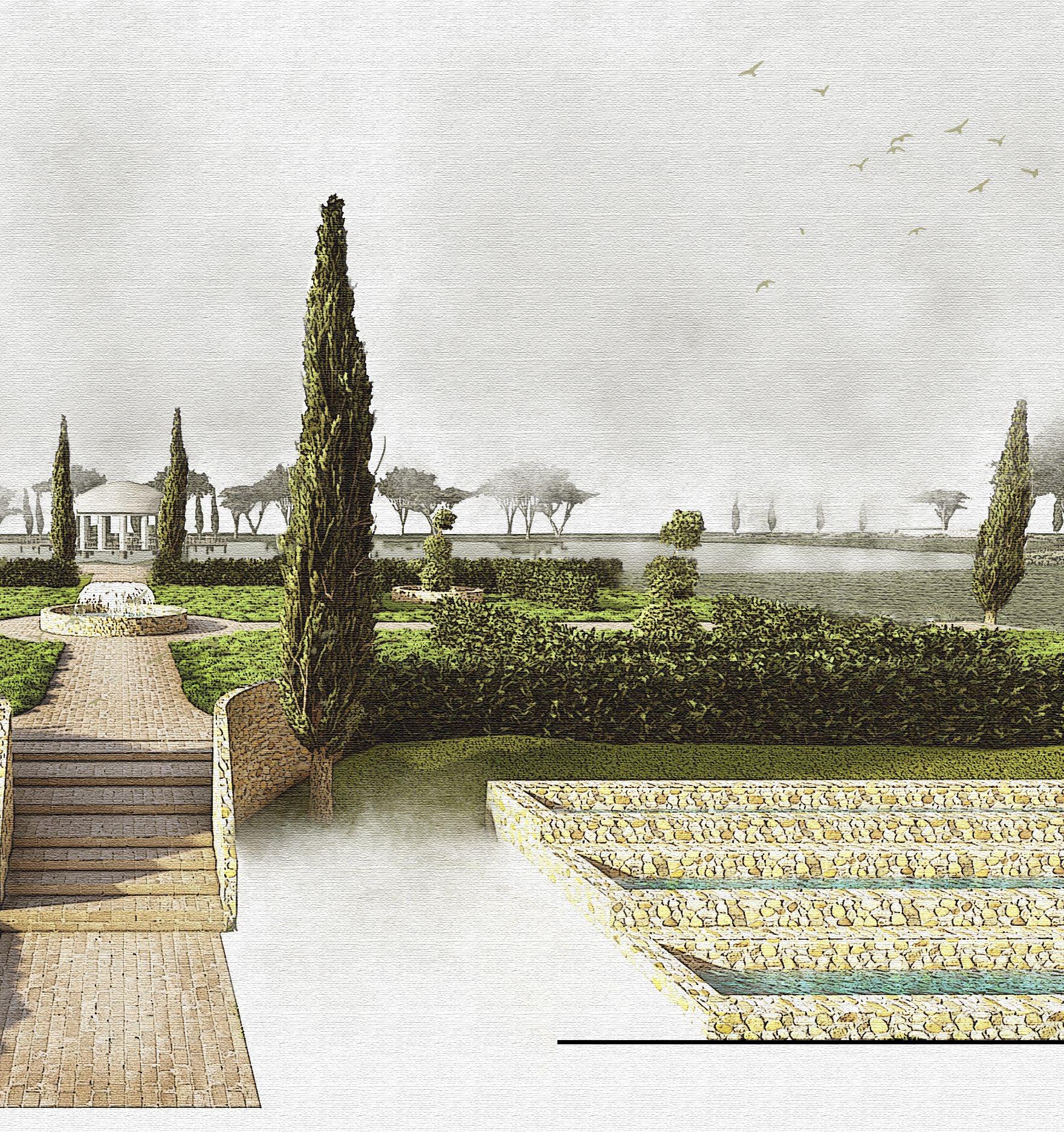
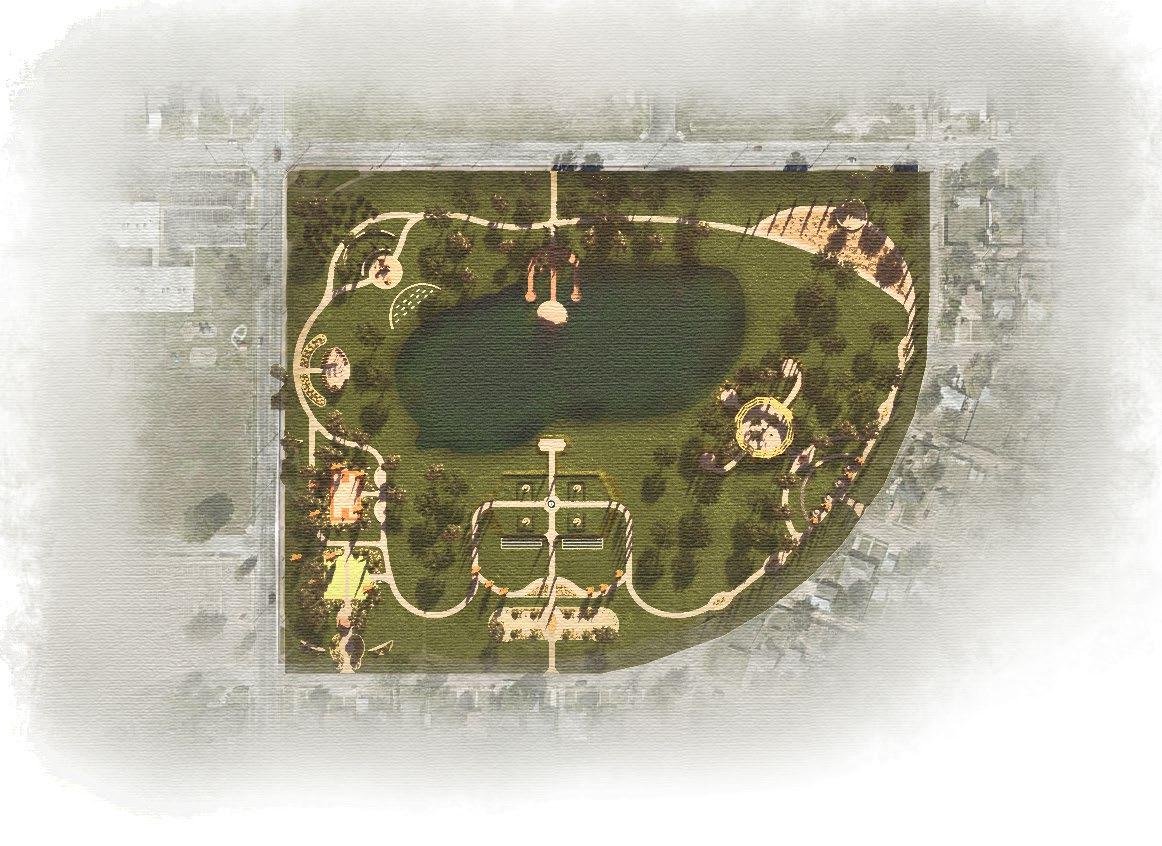
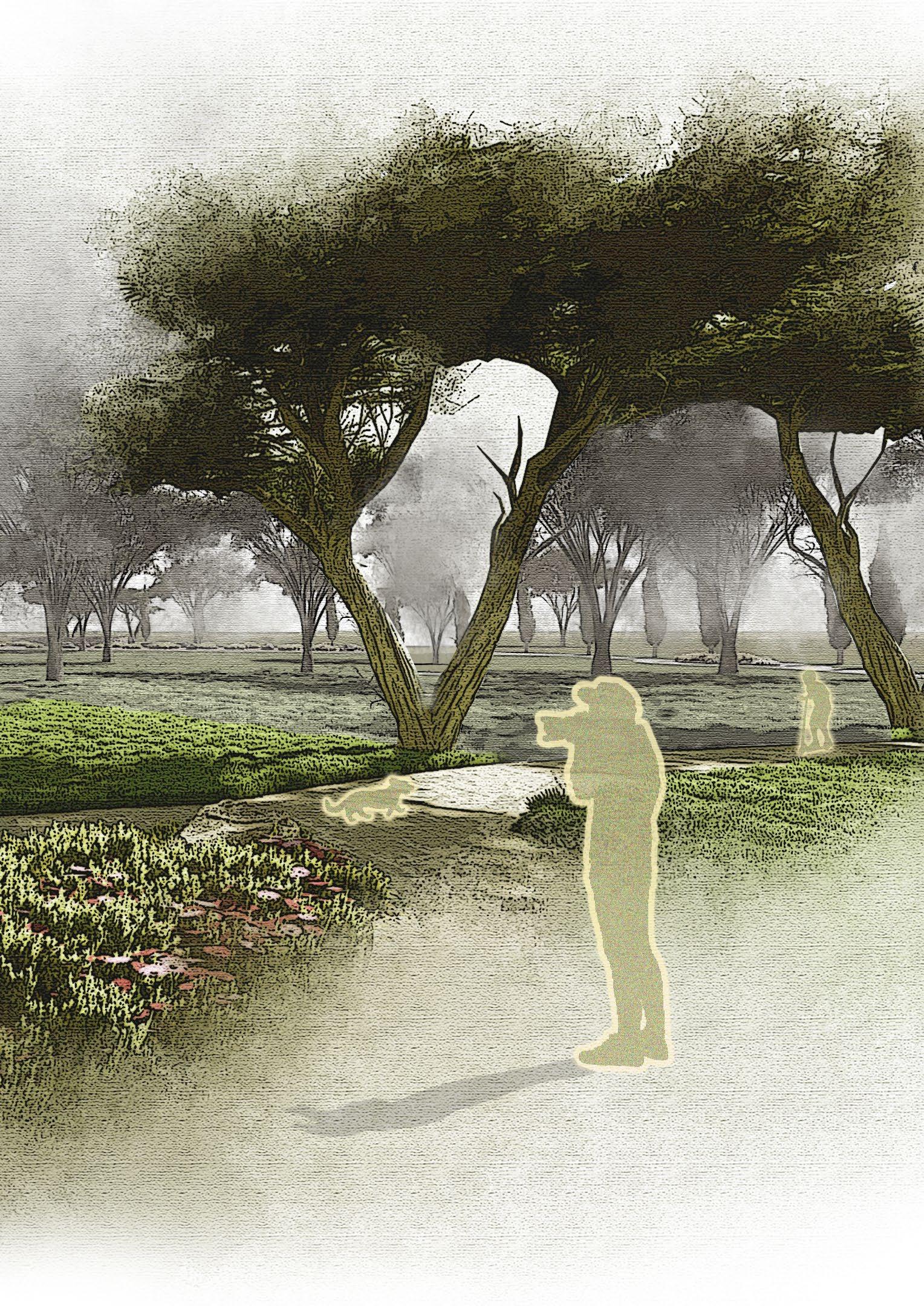
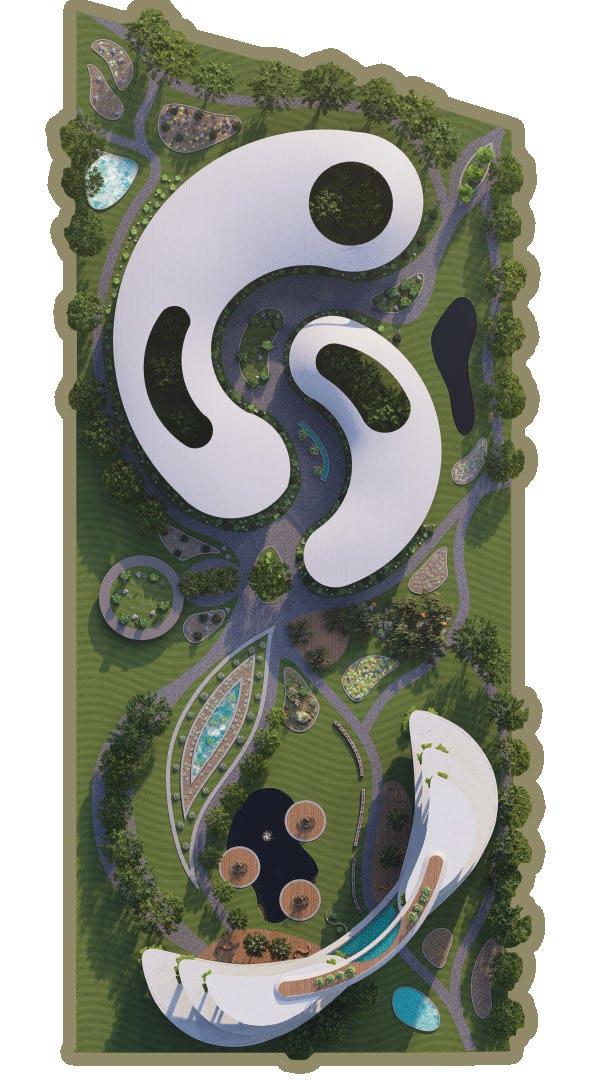
Vita’s foundation was based on an existing park named Ribble, located in Lubbock Texas. Inspired by Tuscan Landscape, Vita incorporates the heavy use of natural materials and a prominent use of vegetation to create a transformative experience for all visitors. Throughout the site, the implementation of intimate spaces are catered to the community. the goal is to create a site that teleports the community into a European Inspired landscape and to create a park for everyone

inclusivity connection now art design everyone
Created to give the community a place that feels like a getaway within their own neighborhood.
Vita was shaped with the community at the heart of every decision. The goal was to create a place where residents could feel restored, welcomed, and valued.
Assembramento
Section Elevation A-A’
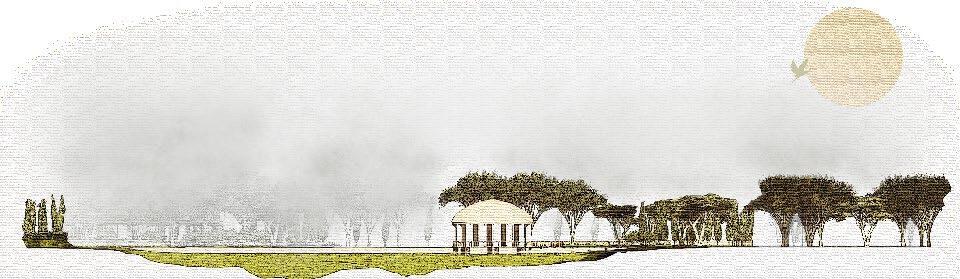
Grand Bacino
Section Elevation B-B’
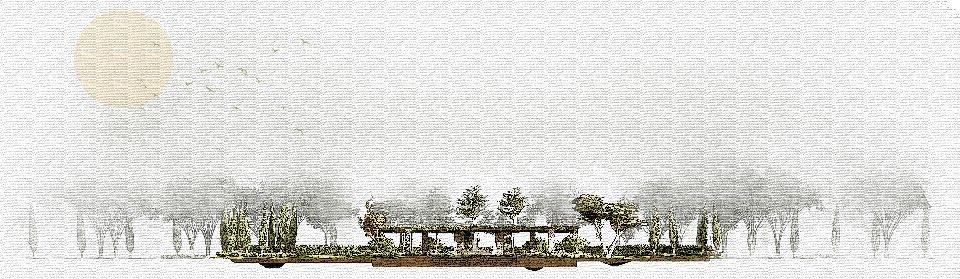
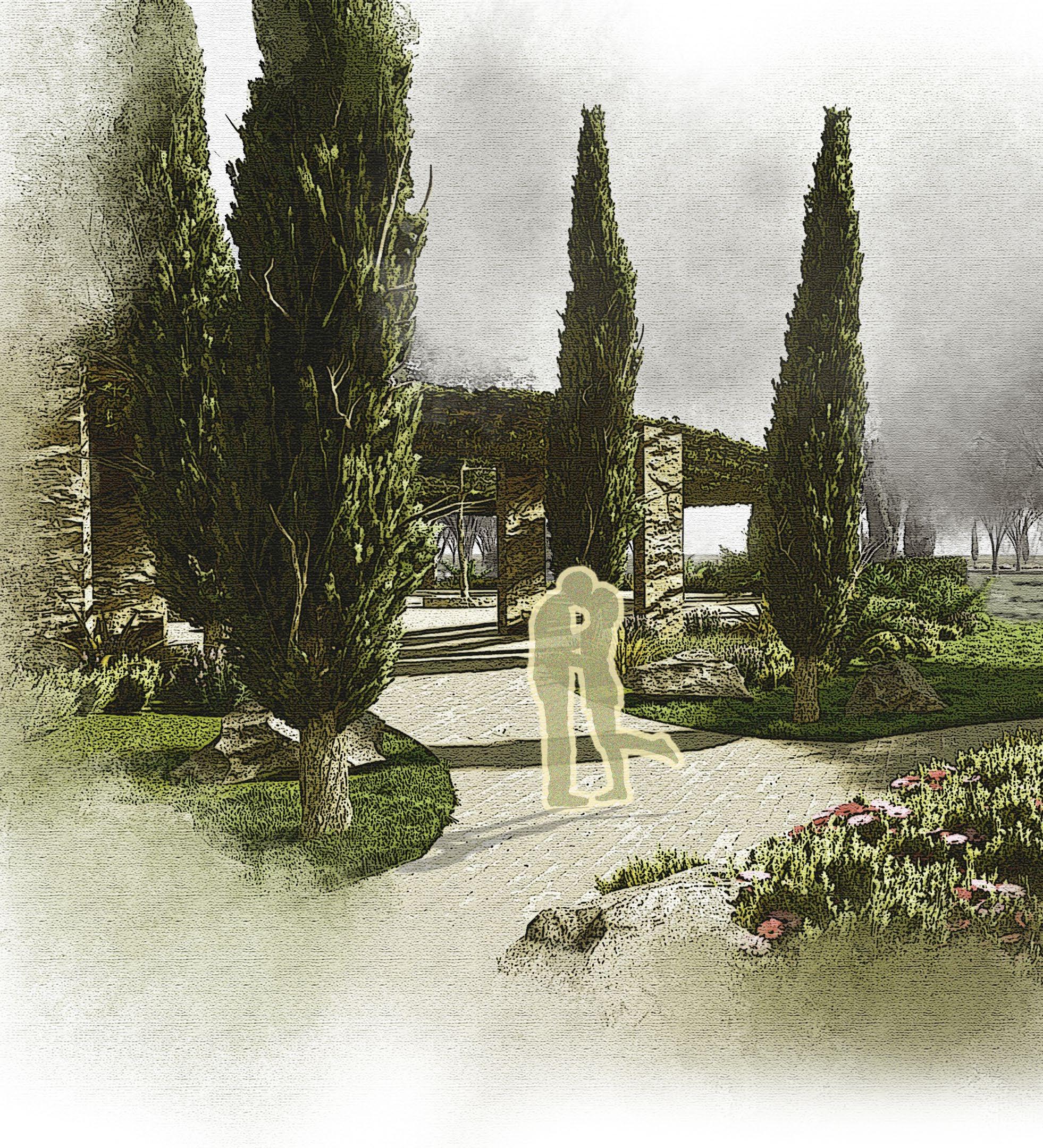
Vita was designed with the community in mind, creating an inviting and warm place for people to gather and connect. Inspired by Mediterranean comfort, it transforms the existing park into a welcoming escape close to home, offering residents a small taste of getaway within their everyday surroundings.

reimagined future living
new light a different approach
breakthrough approach green
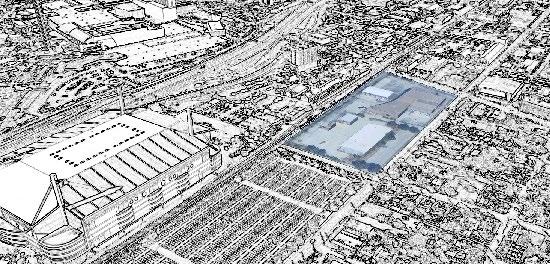
Futura is a reimagined city block in San Antonio that places landscape architecture at the core of urban form. Instead of treating green space as a leftover element, the project integrates vertical gardens, terraces, and planted facades into every building type, reshaping density into a greener, more human-centered city.

1. Train Station
2. La Plaza del respiro
3. Mixed Use Buildings
4. Atriums
5. Verdant Heights Residences
6. Verde Park
7. Nature Pathway
8. Skydeck Rooftops
9. Bus Stop
10. Entrances

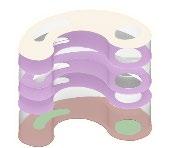
The Vessel bldg. 1
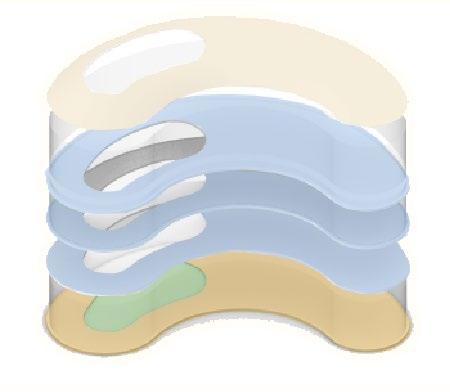
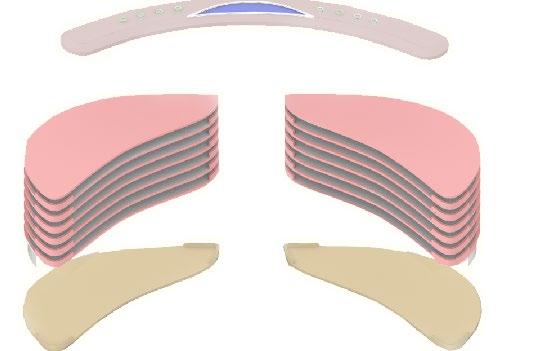
The Vessel bldg. 2 verdant heights residences
Integration
Nature
Urban
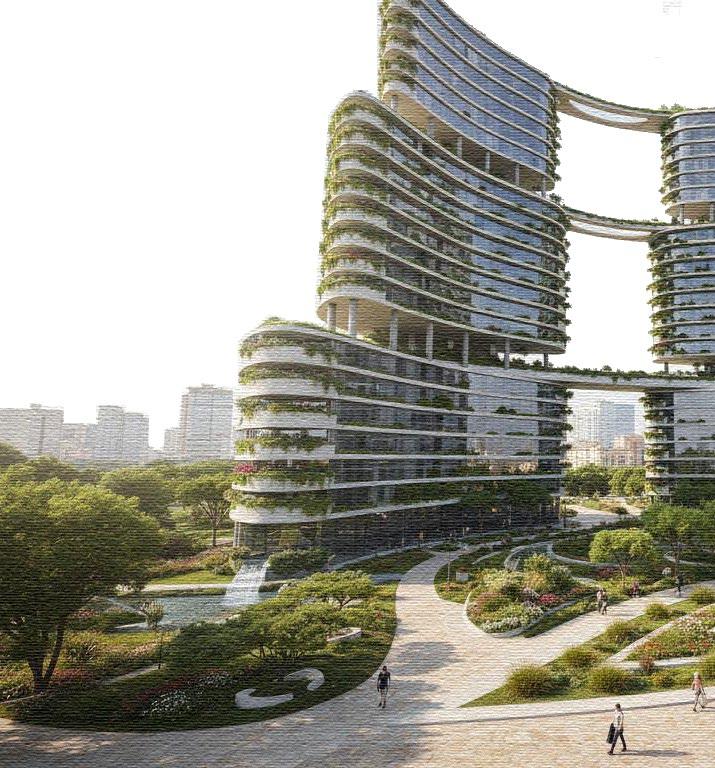
FUTURA reimagines the relationship between buildings and green infrastructure, challenging the idea that ecological systems exist only around architecture rather than within it. The project explores low-impact development strategies and integrated green infrastructure as fundamental components of building design, allowing architecture and landscape to function as a unified system. By embedding environmental performance directly into the built form, FUTURA proposes a future where buildings actively participate in stormwater management, ecological health, and long-term resilience demonstrating that sustainable infrastructure belongs not just on the site, but within the structure itself.
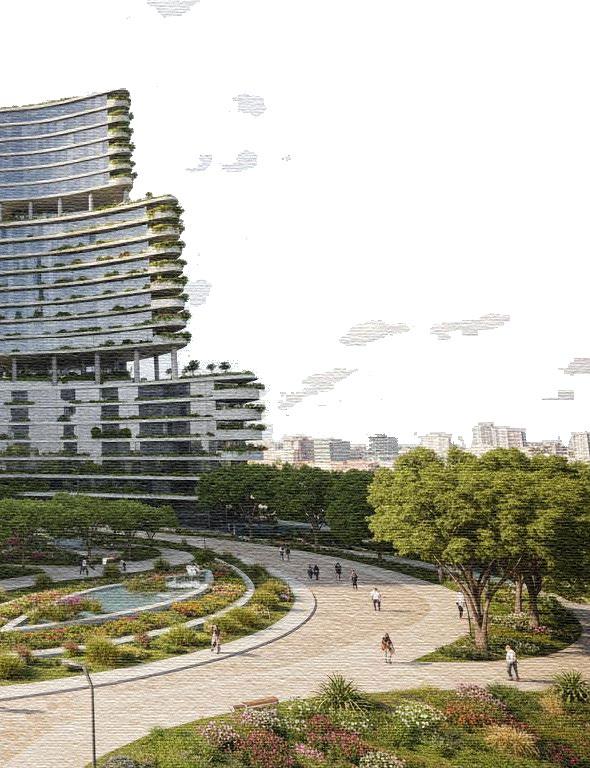
To support this living infrastructure, a site-wide greywater reuse system captures and filters water from surrounding buildings and redistributes it to sustain the vertical gardens. This closed-loop approach promotes innovative and sustainable practices while reducing potable water demand, allowing the landscape to thrive as both an ecological system and a shared urban experience.
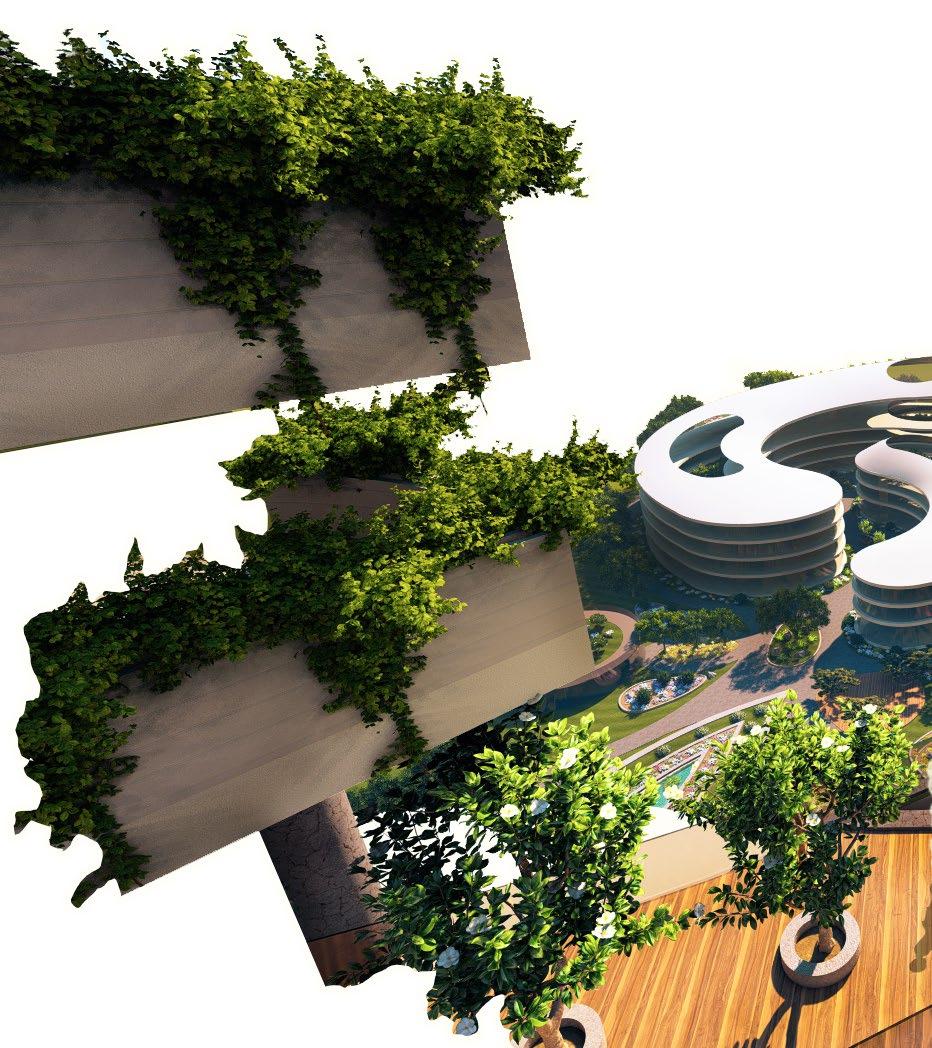
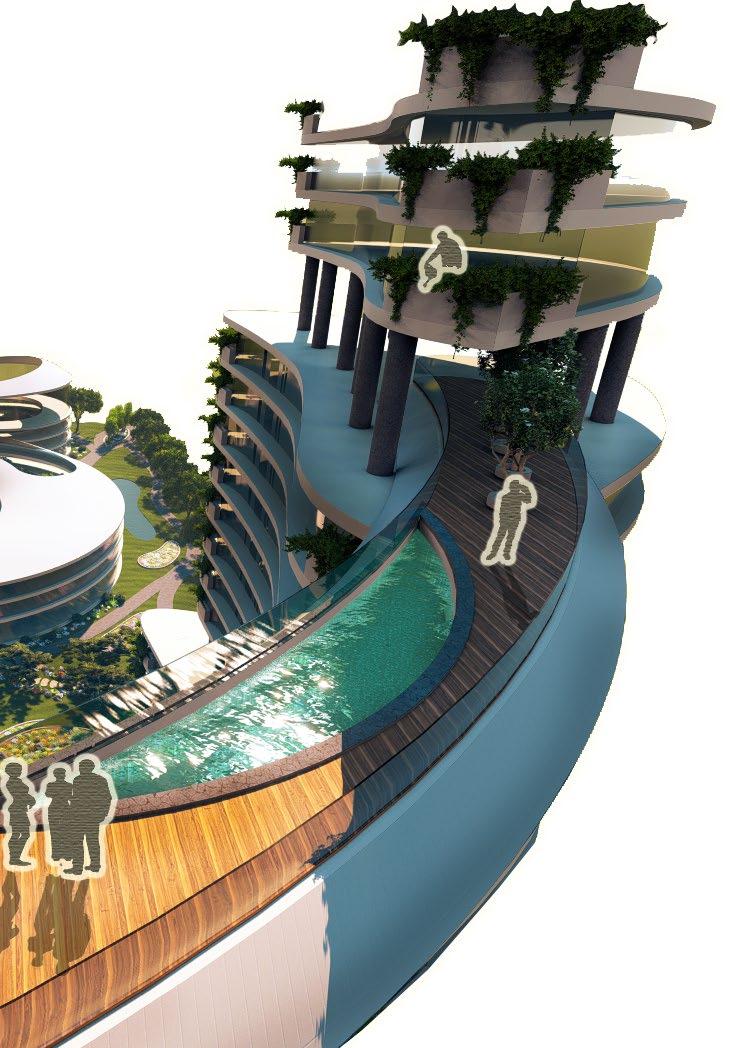
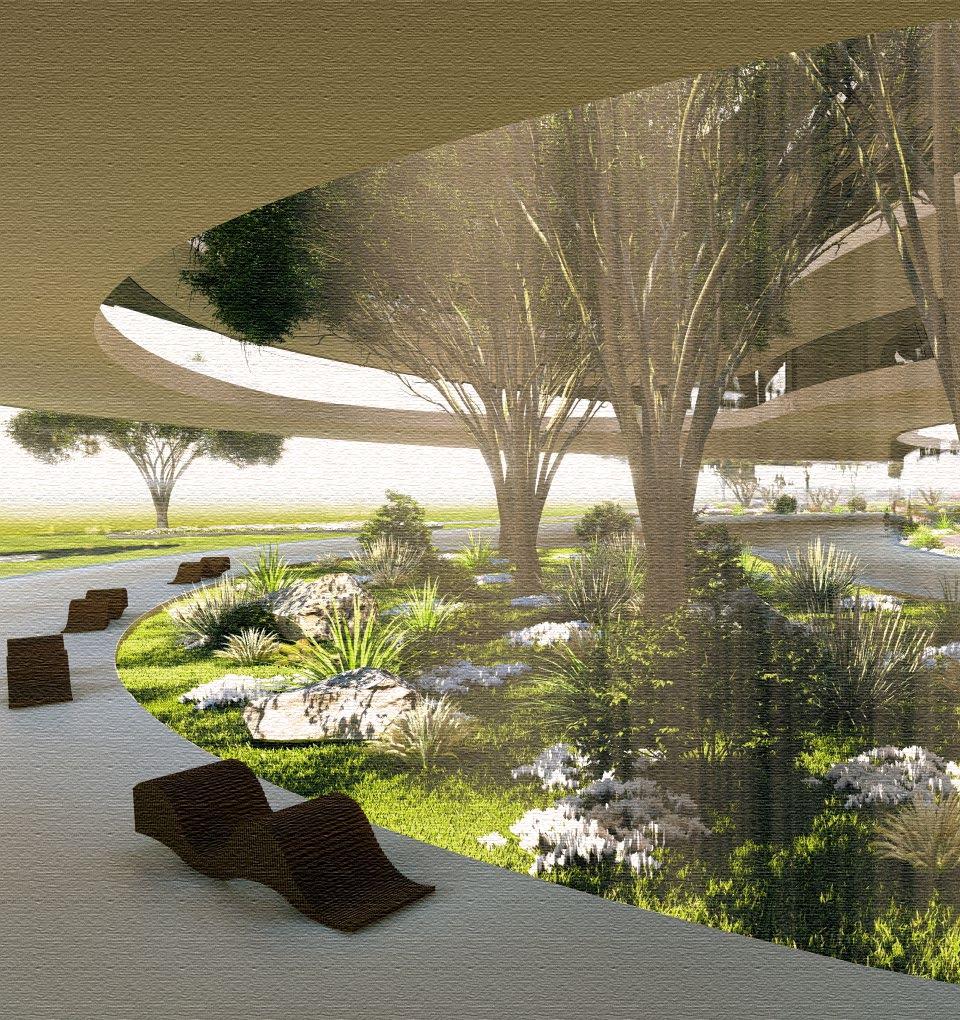
Futura is a reimagined city block in San Antonio that places landscape architecture at the core of urban form. Instead of treating green space as a leftover element, the project integrates vertical gardens, terraces, and planted facades into every building type, reshaping density into a greener, more humancentered city.
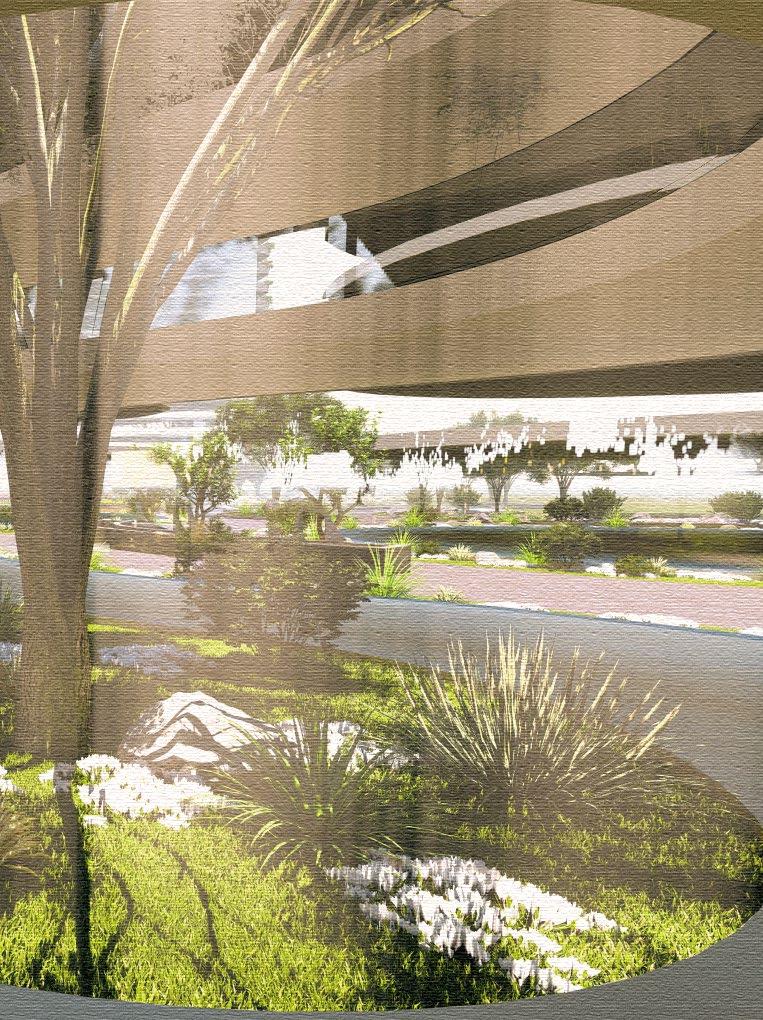

More than a passage, La Plaza functions as an experience. Seating is woven into the landscape to encourage pause, conversation, and quiet reflection, while open clearings allow the space to adapt to daily rhythms and spontaneous gathering. By prioritizing comfort, sensory engagement, and human scale, La Plaza becomes a living room for the block, a place where people reconnect with each other and with the environment around them.
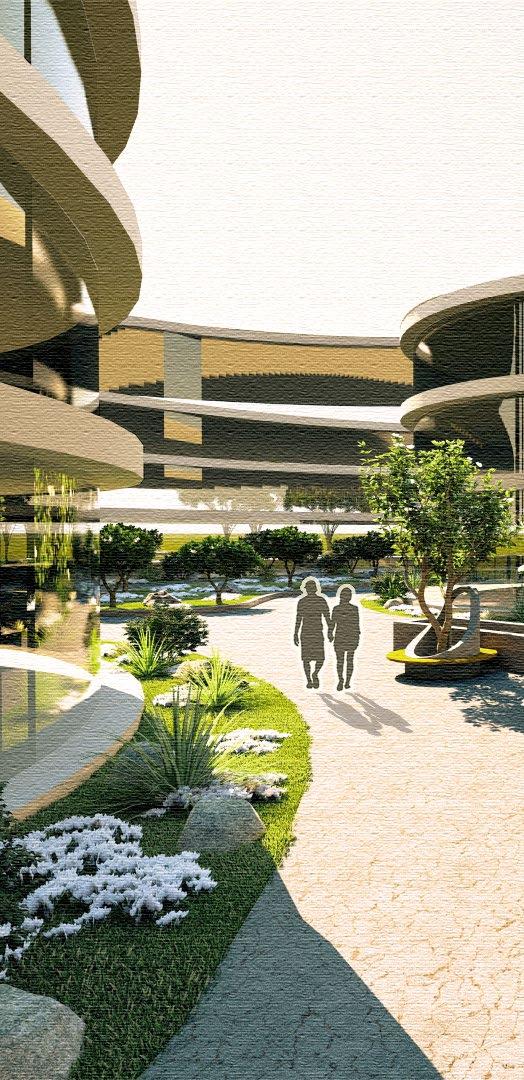
Immersion Sense
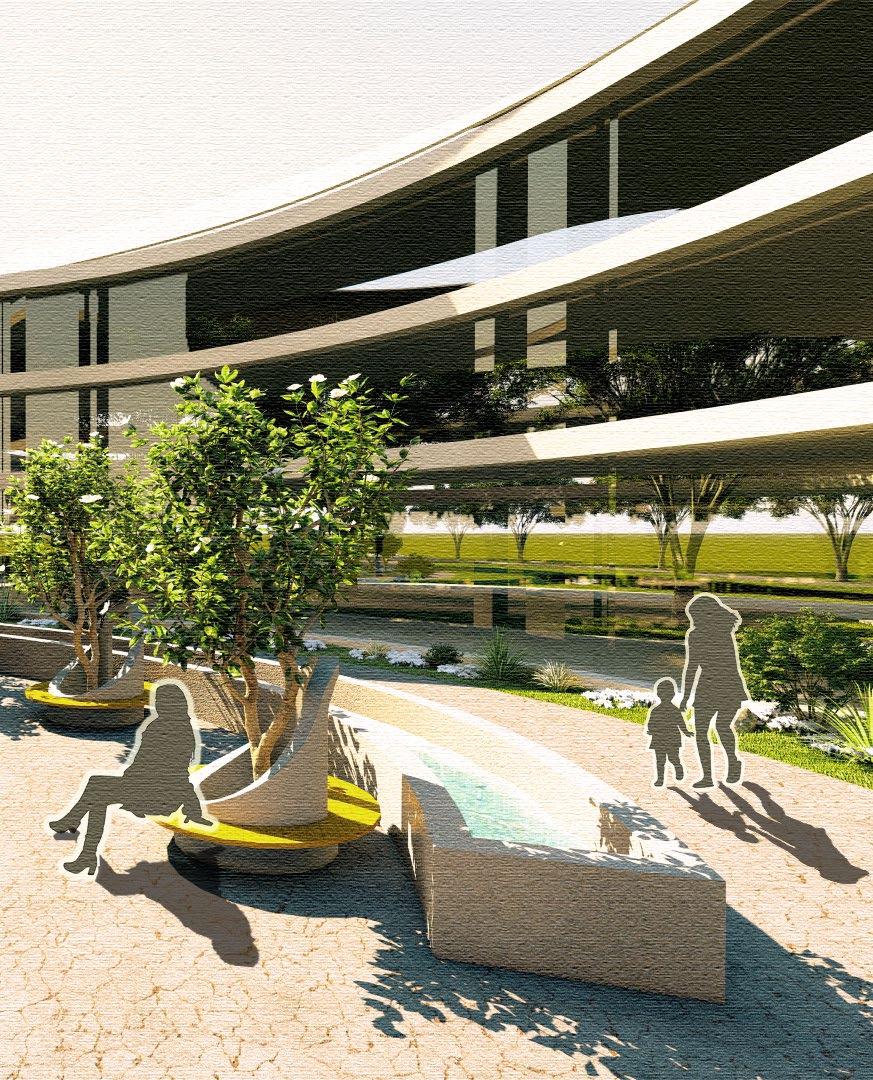
Feel Reconnection People Place
This capstone reimagines the campus as a living system where landscape architecture plays a central role in shaping the student experience. Grounded in biophilic design principles and evidencebased research, the project prioritizes daily access to nature as a fundamental component of academic environments. Green and blue infrastructure, sensoryrich spaces, and integrated open landscapes are intentionally designed to support focus, restoration, and movement throughout the campus.
Hypothetically located in malibu california on the existing pepperdine university campus This work serves as a foundation for my broader research and professional goals within the planning field. It reinforces a belief that access to green space should not be a privilege, but a shared right embedded into the structure of our cities and institutions. Moving forward, with collaboration and data from other universities accross the nation, I aim to advocate for planning practices that prioritize environmental equity, ensuring that all communities, regardless of background or location, benefit from landscapes that support health, learning, and quality of life.


reimagined future living in progress... breakthrough approach green
Sustainability
Performance
Design
Regeneration
Infrastructure
Architecture
Ecology

[ biophilic principles]
This capstone project serves as a bridge between landscape architecture and urbanization by translating site-scale design thinking into broader questions of access, equity, and implementation. While grounded in evidence-based landscape architecture, the project moves beyond aesthetics to examine how green and blue infrastructure can be embedded into larger systems that influence policy, health, and community well-being. Through this work, I began to understand how design intent must be supported by planning frameworks to achieve long-term impact, reinforcing my interest in planning as the means to scale human-centered, environmentally responsive design.
implementation function context
Environmental Decisions data
This project extends my research into urban greening by using a university campus as a living laboratory to explore how nature-based interventions can support mental health, social connection, and environmental resilience. Campuses function as compact urban systems, reflecting many of the same challenges found in cities, including high-density use, limited green space, and diverse user needs. Beginning this work within a campus context allowed me to test design strategies rooted in equity, accessibility, and evidence-based practice while observing how green infrastructure can be integrated into daily life. This approach strengthened my understanding of how urban greening principles can inform planning decisions at larger scales and reinforced the value of campuses as meaningful starting points for implementing people-centered, nature-based solutions.
The project also involved a deeper examination of existing environmental conditions and infrastructure to ensure that future design decisions were grounded in real constraints and opportunities. By analyzing factors such as land use, circulation, hydrology, vegetation, and built systems, I was able to better understand how the site currently functions and where interventions could be most effective. Using ArcGIS as a primary analytical tool, I conducted spatial analysis to identify patterns, relationships, and gaps in access to green space, environmental performance, and connectivity. This datadriven approach allowed me to move beyond intuitionbased design and instead build proposals informed by environmental realities, reinforcing the importance of integrating spatial analysis and existing infrastructure into planning and design processes.
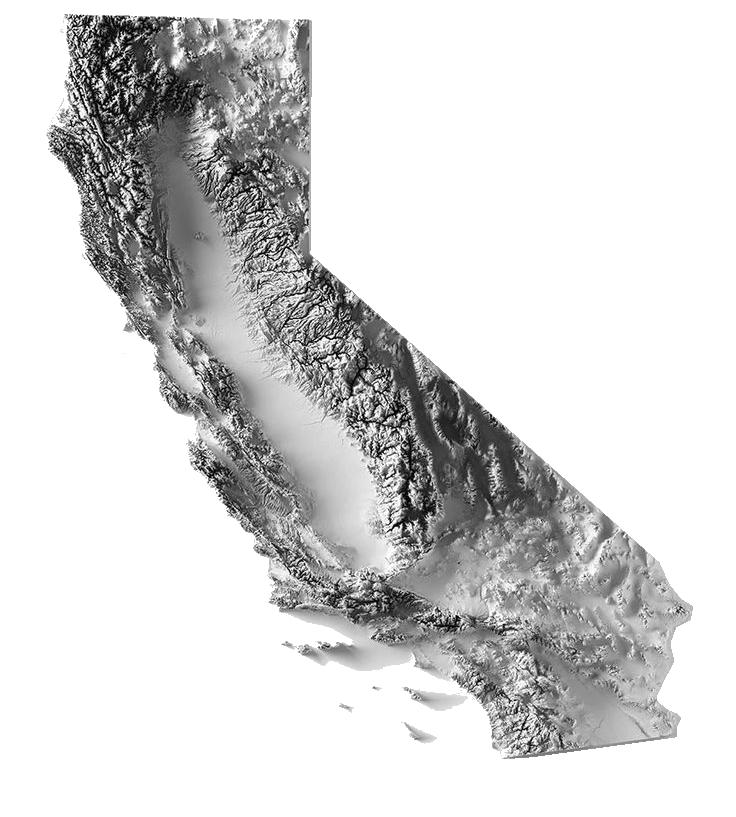
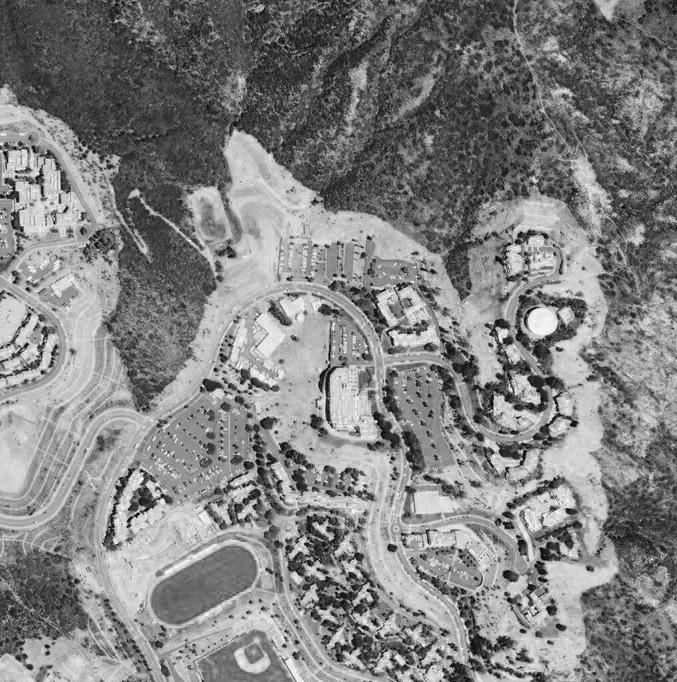
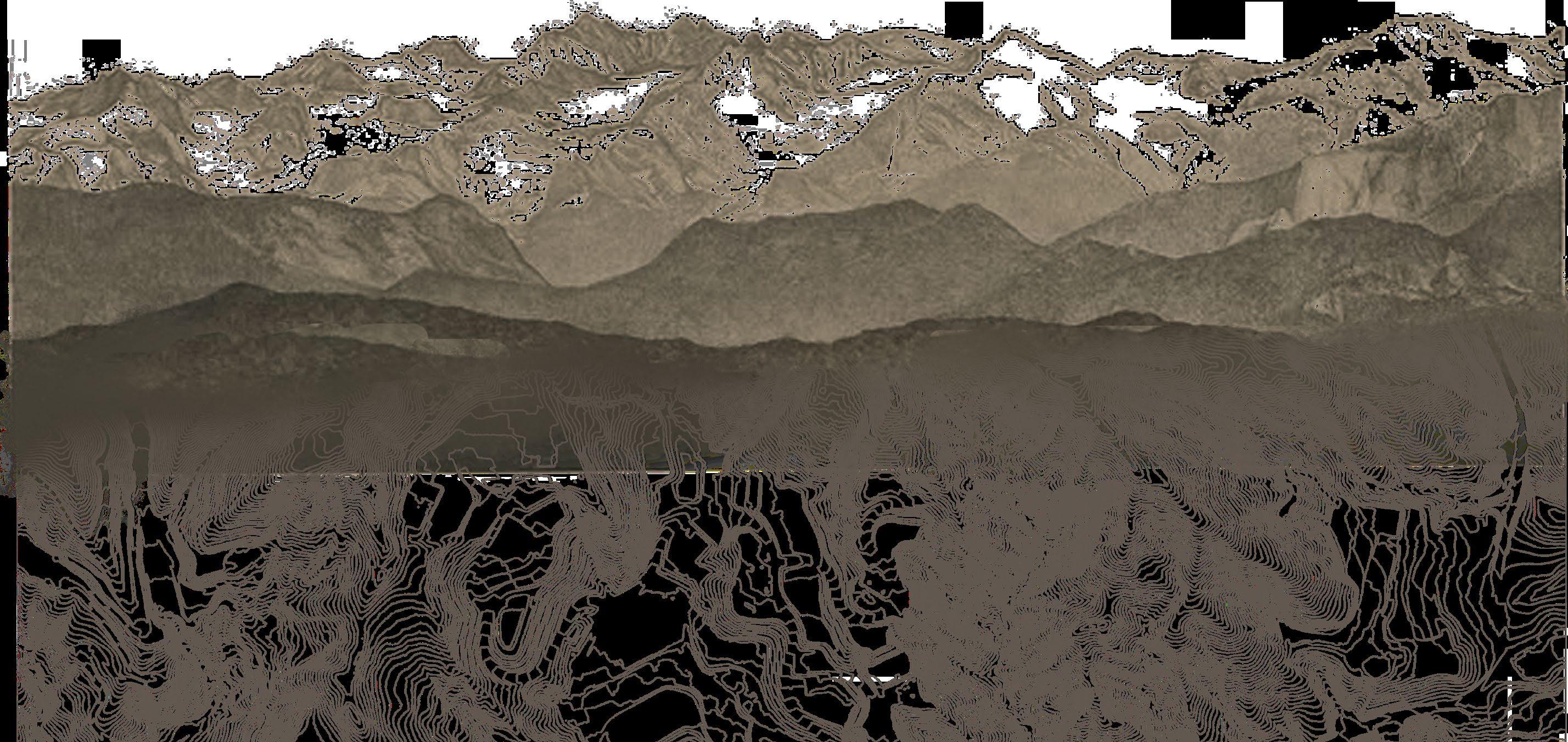
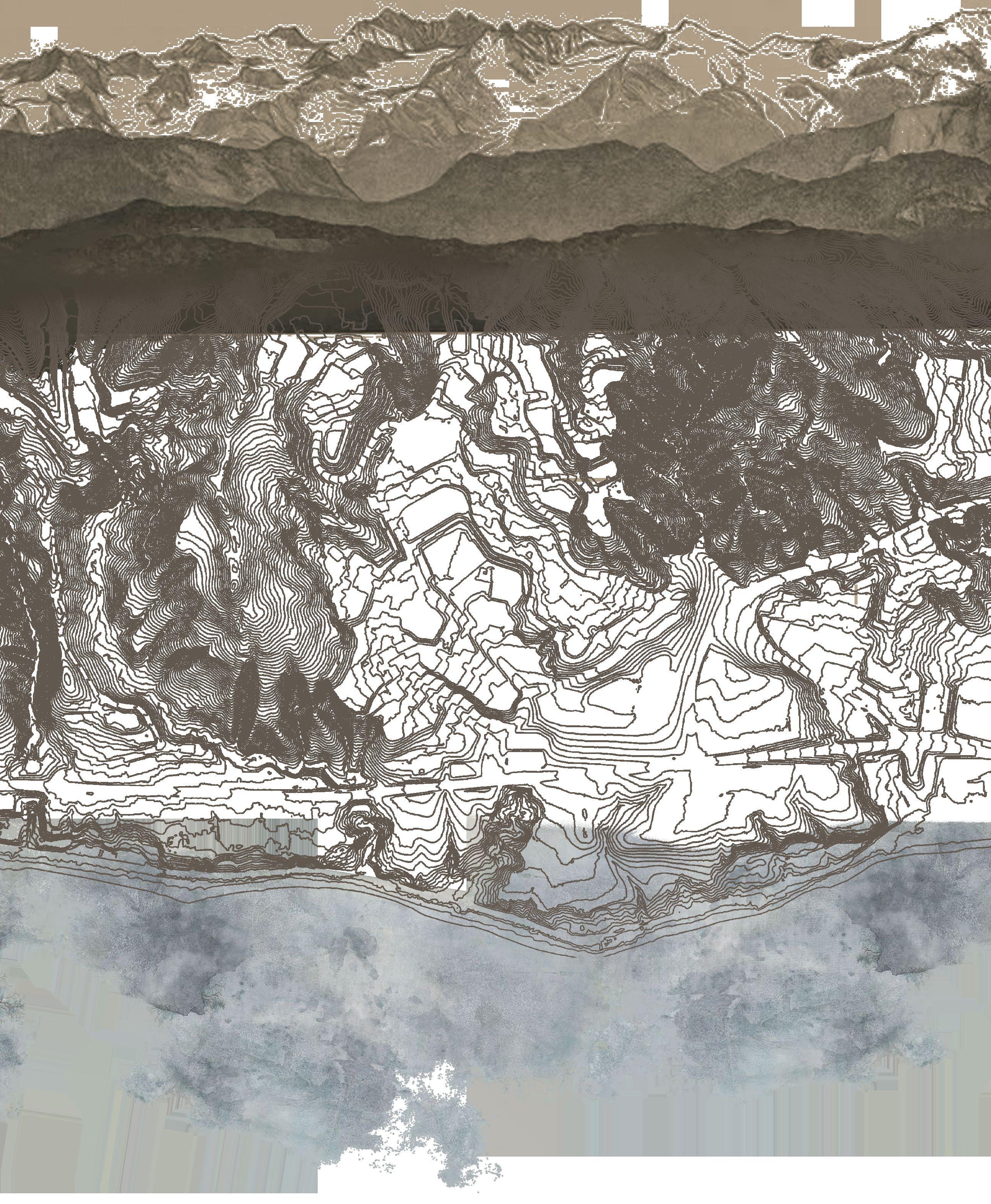
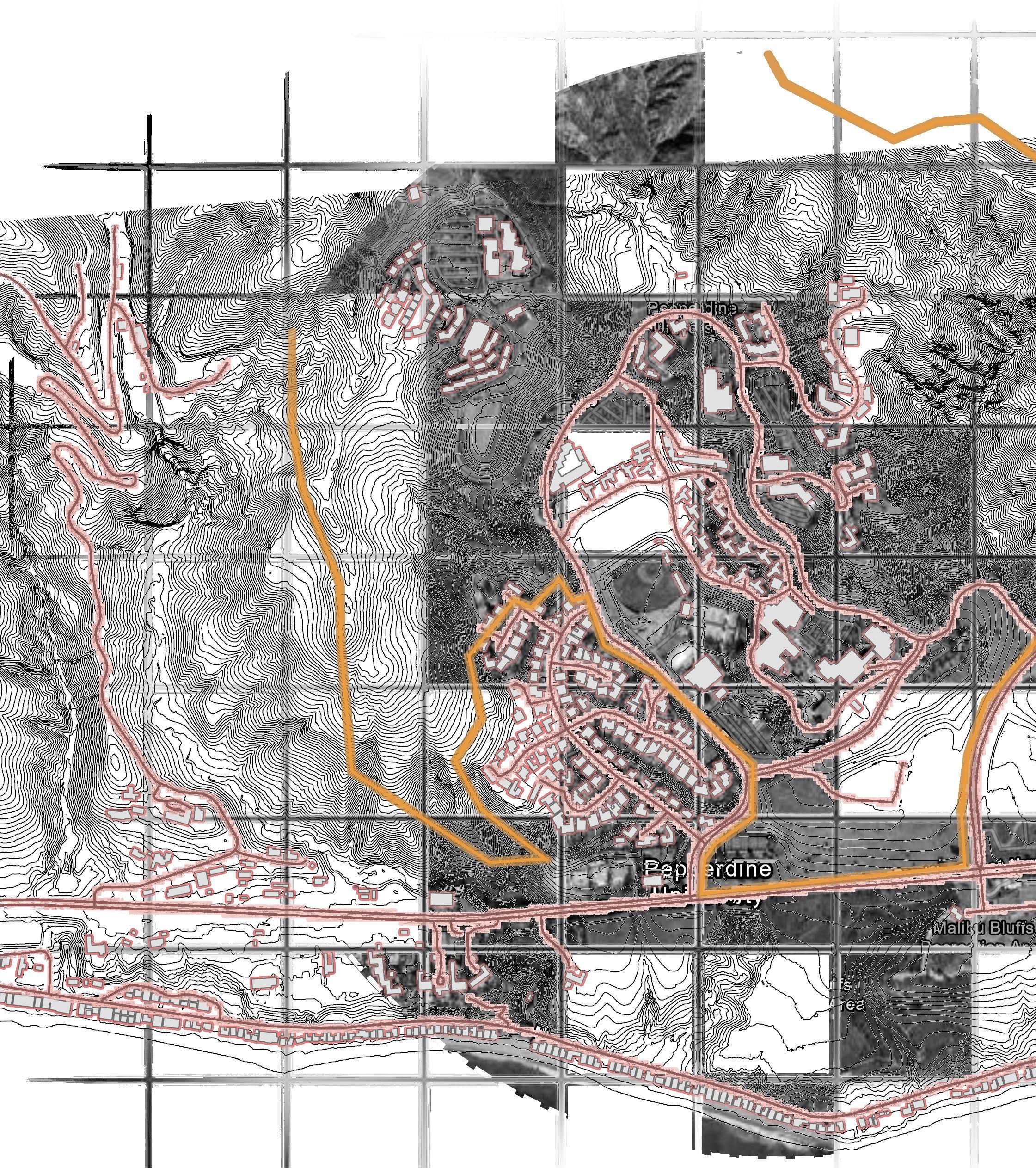
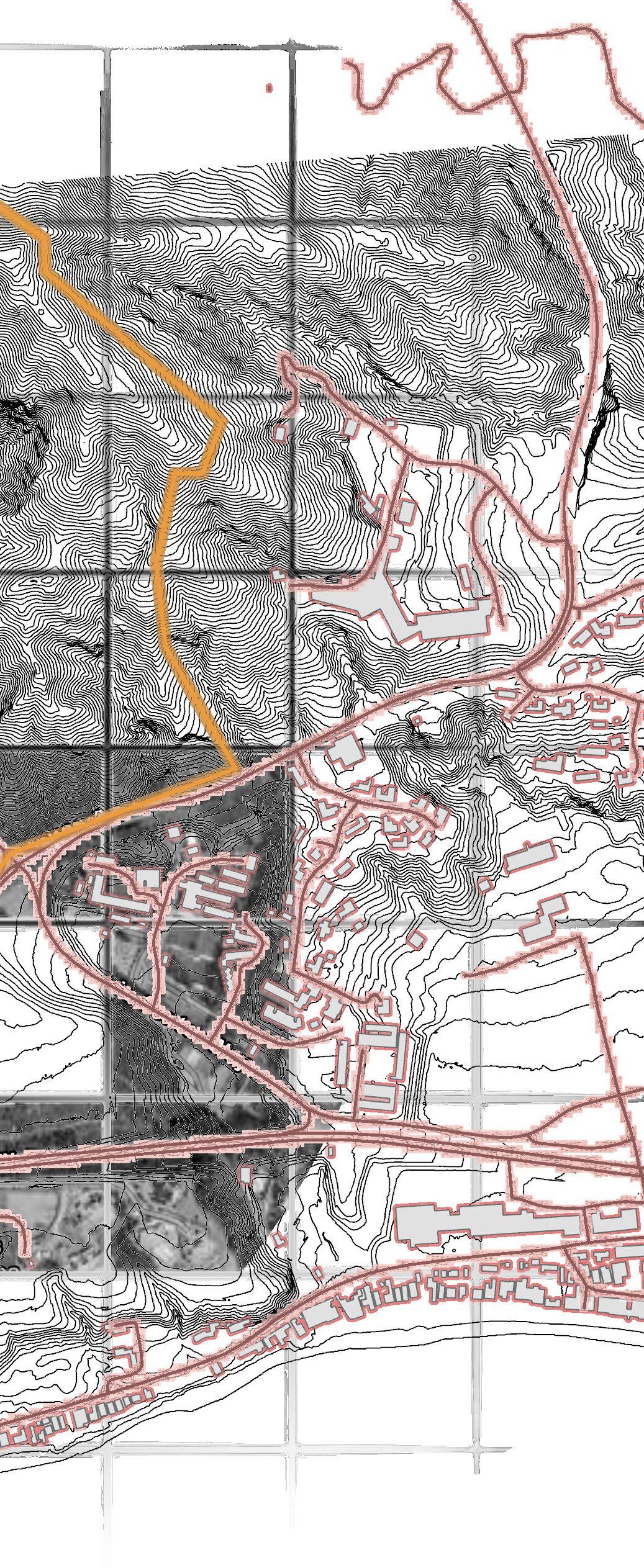
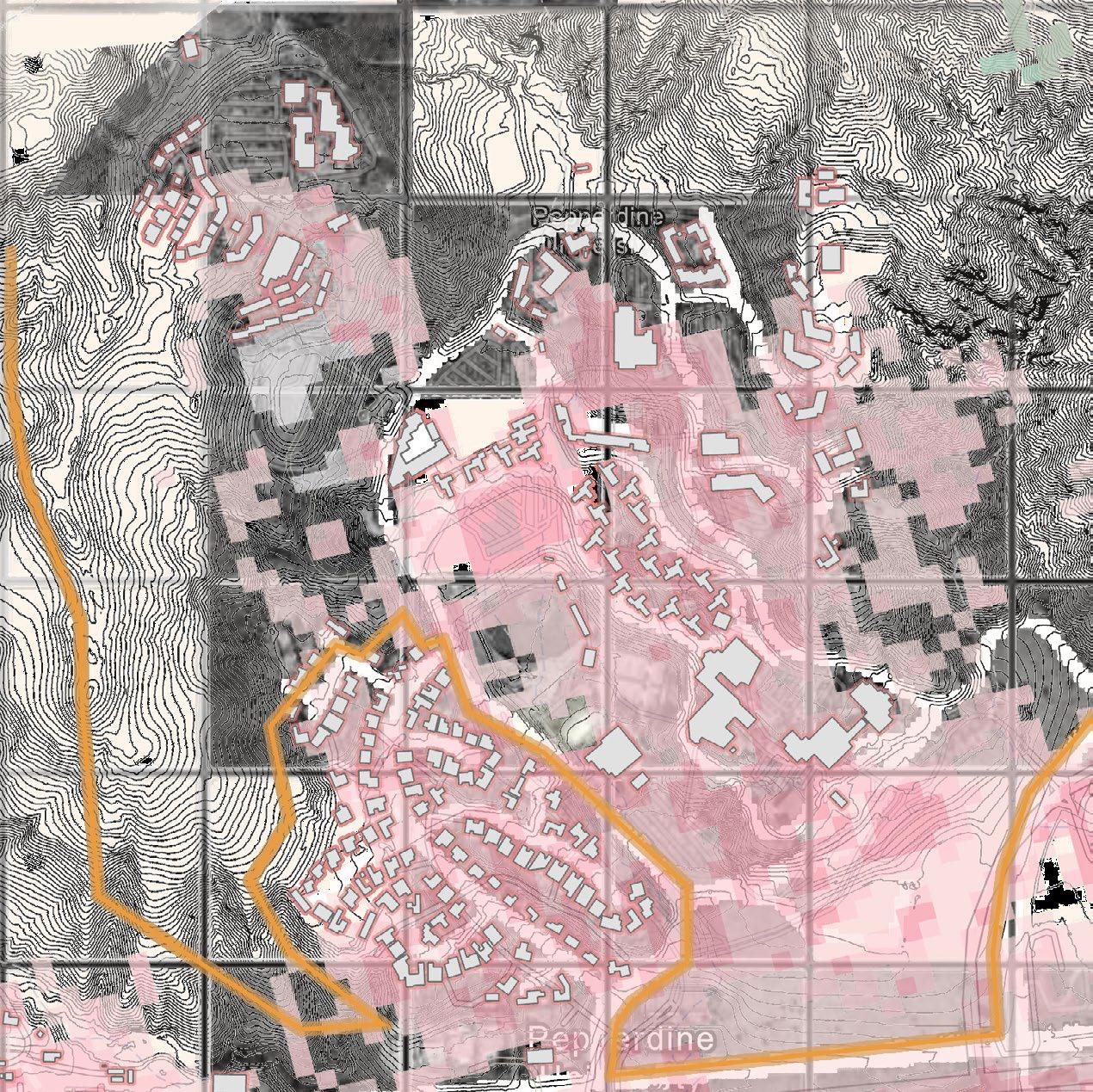
The existing infrastructure map outlines building footprints, utilities, and structural systems that shape how the campus functions. Understanding these fixed elements allows me to design interventions that respond strategically to existing conditions while enhancing connections between architecture and landscape.


The accessibility and circulation map helps me understand how people move through campus and where barriers may exist. By analyzing pathways, slopes, and building connections, I can ensure restorative spaces are not isolated, but equitably integrated into daily campus life.
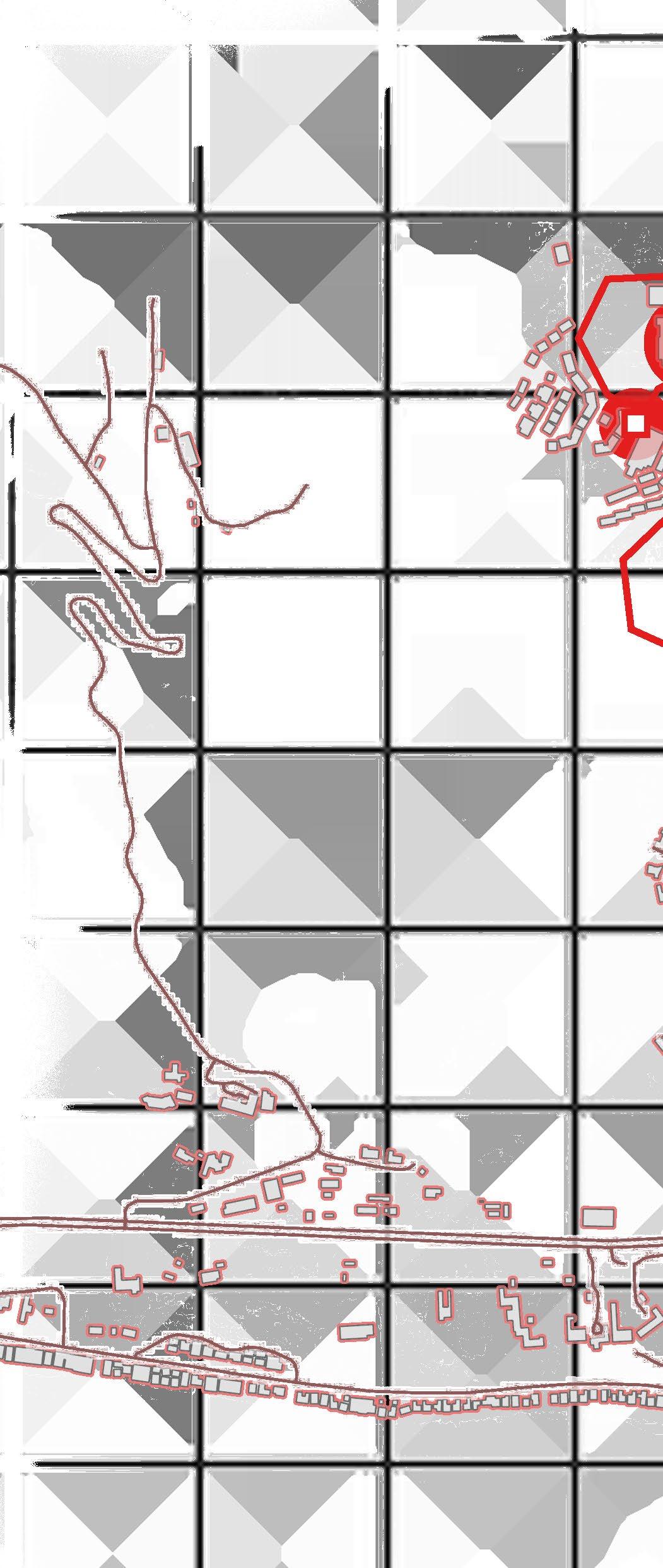
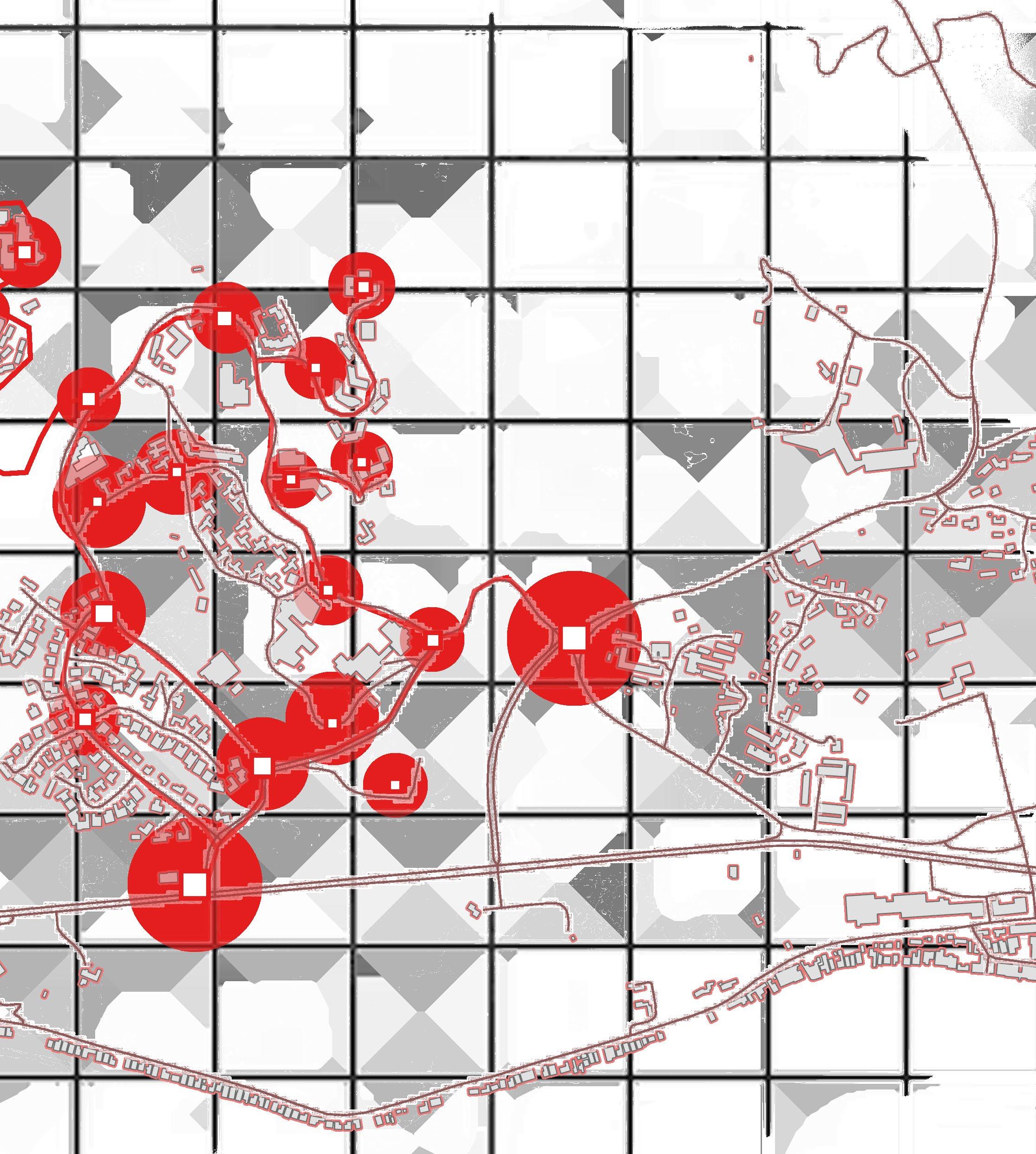
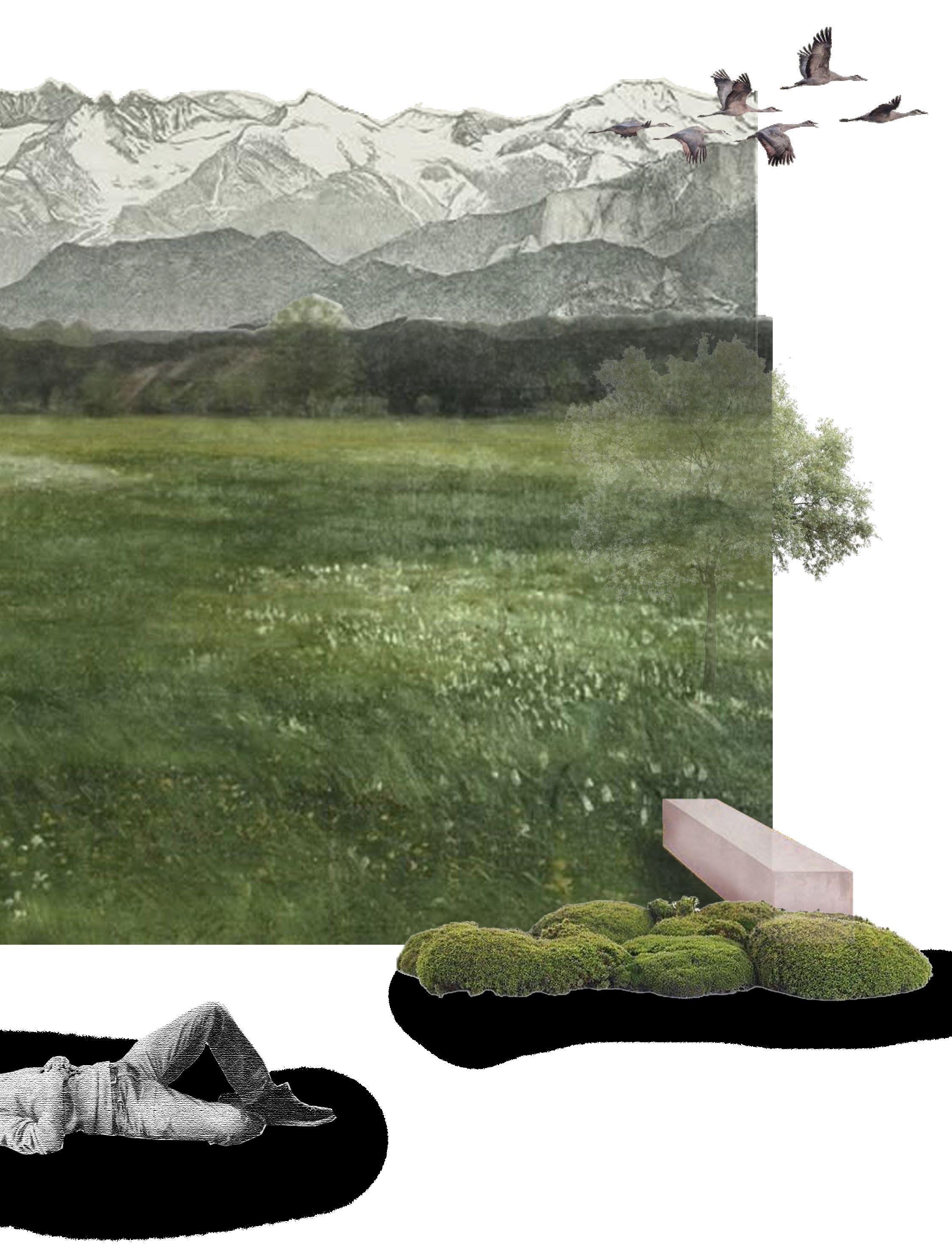
By integrating restorative outdoor environments into daily campus life, the design supports stress reduction and emotional resilience. Accessible green spaces, refuge zones, and sensory-rich environments provide students with opportunities for decompression and psychological balance within high-pressure academic settings.
Grounded in evidence-based landscape architecture, the project positions nature as academic infrastructure. By enhancing cognitive function, reducing stress, and promoting physical wellness, the design ultimately harbors improved concentration, retention, and academic achievement.


The project prioritizes cognitive restoration by designing environments that reduce mental fatigue and support attention recovery. Through biodiverse planting, visual depth, and spaces of soft fascination, the landscape becomes an active tool for improving focus, creativity, and problem-solving capacity.
The framework encourages movement through walkable green corridors, shaded circulation routes, and outdoor study areas that promote active lifestyles. By strengthening the connection between indoor and outdoor spaces, the campus supports healthier daily behaviors and improved overall vitality.
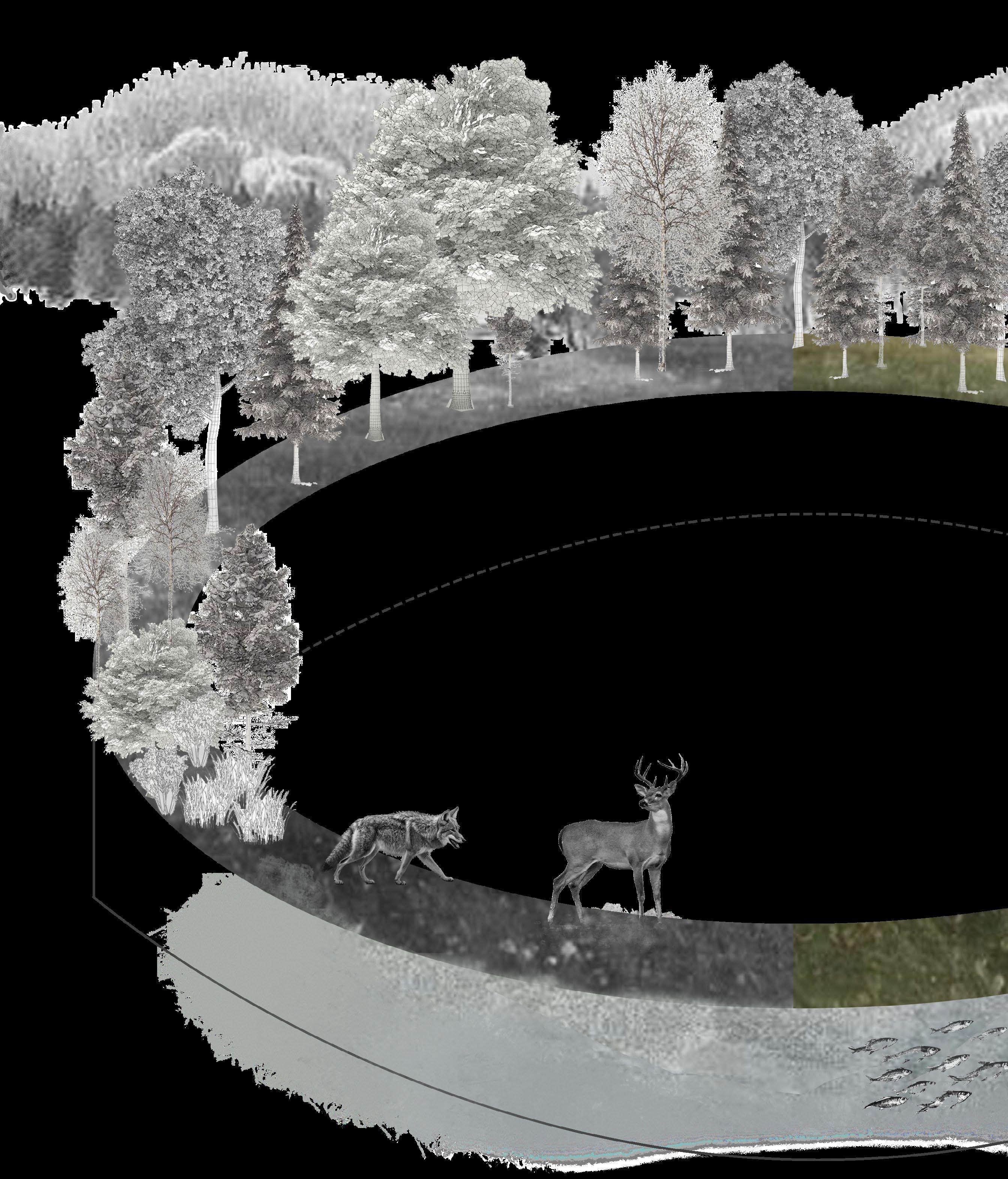
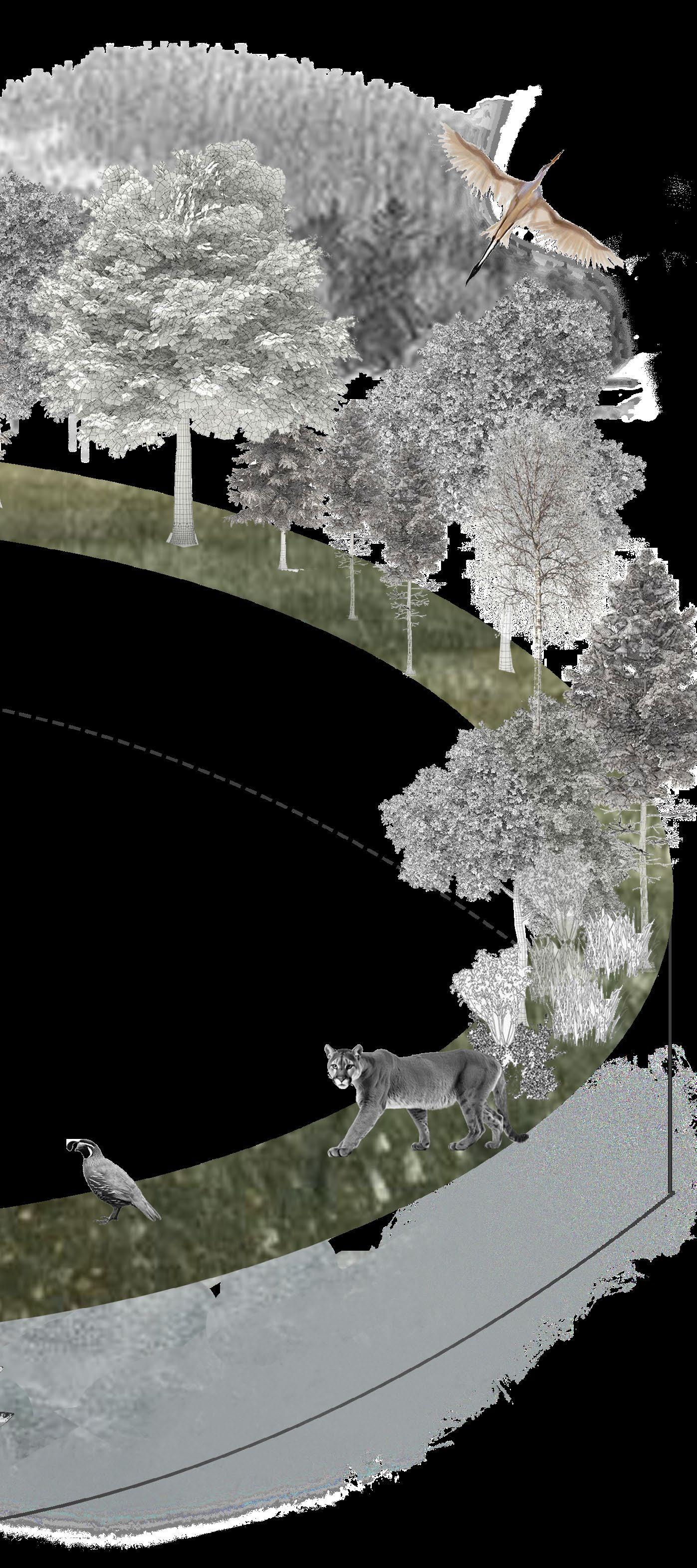
I see the existing flora and fauna at Pepperdine University as a major asset rather than something to redesign from scratch. Because the campus sits within a Mediterranean climate, there is strong potential for diverse, climate-adapted plant communities to thrive with intentional planning. By preserving and enhancing native vegetation, I can strengthen biodiversity while also improving the sensory, thermal, and restorative experience of the landscape. Thrive


1. The Metric: What We Are Measuring Key Performance Indicators (KPIs)
• Cognitive (Pink): Measuring attention restoration and mental fatigue recovery.
• Sensory (Green): Tracking olfactory and auditory immersion through biophilic triggers.
• Physical (Red): Evaluating stress reduction and sympathetic nervous system regulation. and physical activity engagement
2. The Method: How we measure it
• Qualitative Data (Surveys): Conducting pre- and post-occupancy surveys to gauge perceived stress levels and mood elevation.
• Quantitative Data (Biometric Research): Utilizing the proposed on-site to monitor physiological responses (such as heart rate variability cortisol levels) when students interact with the vegetation.
3. The Facility: The Research atrium
• Housed & Grown: The atrium serves as a controlled environment cultivate the specific species (like Rosemary or Lavender) proven positive cognitive effects.
• Evidence-Based Implementation: Explain that the trees and plants studied in the lab are the same ones implemented throughout the campus design, ensuring a scientifically-backed restorative infrastructure.
fatigue through nervous
post-occupancy student on-site lab variability or environment to proven to have plants being the broader infrastructure.

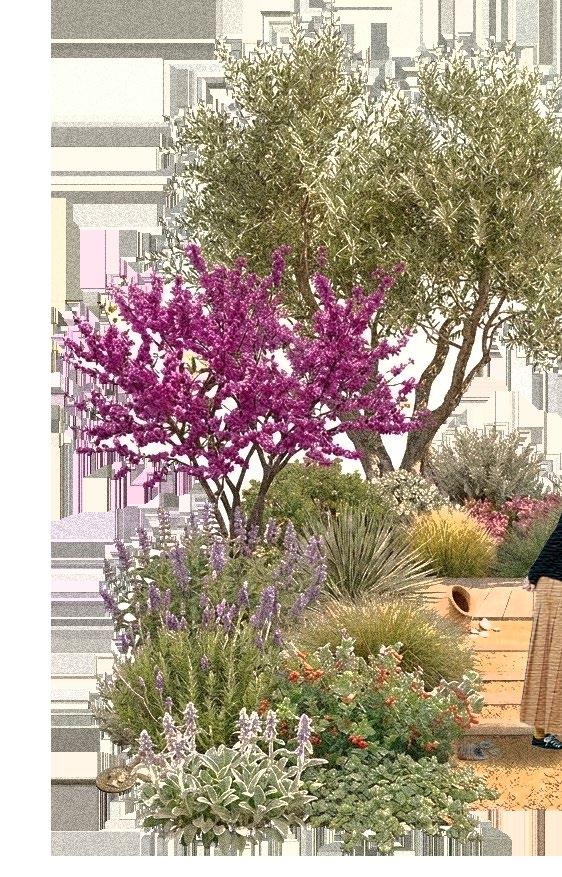
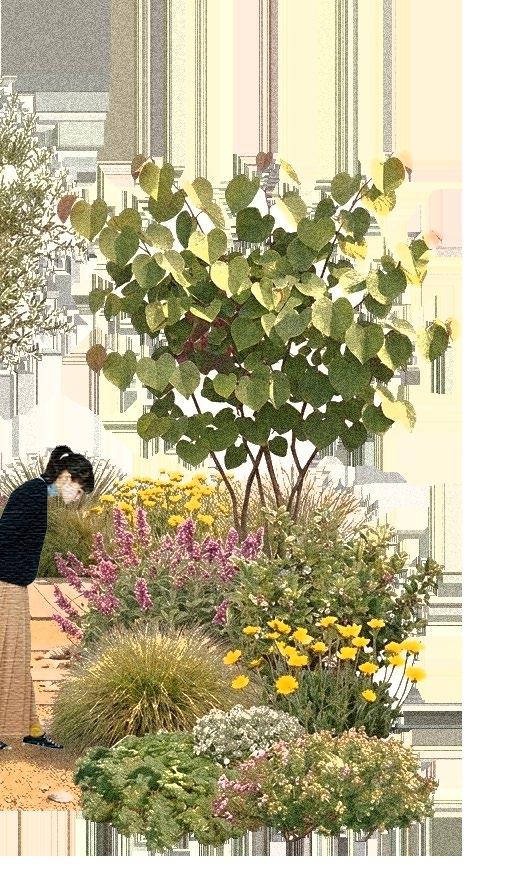
JG together sunlit spaces connections shape life

Oasis is Defined as something serving as refuge, relief or a pleasant change to what is usual. Oasis is a place where students can engage and interact with peers in a site that transports you to a French Victorian Inspired location.
tranquility
elegance oasis
enchanted harmony rest
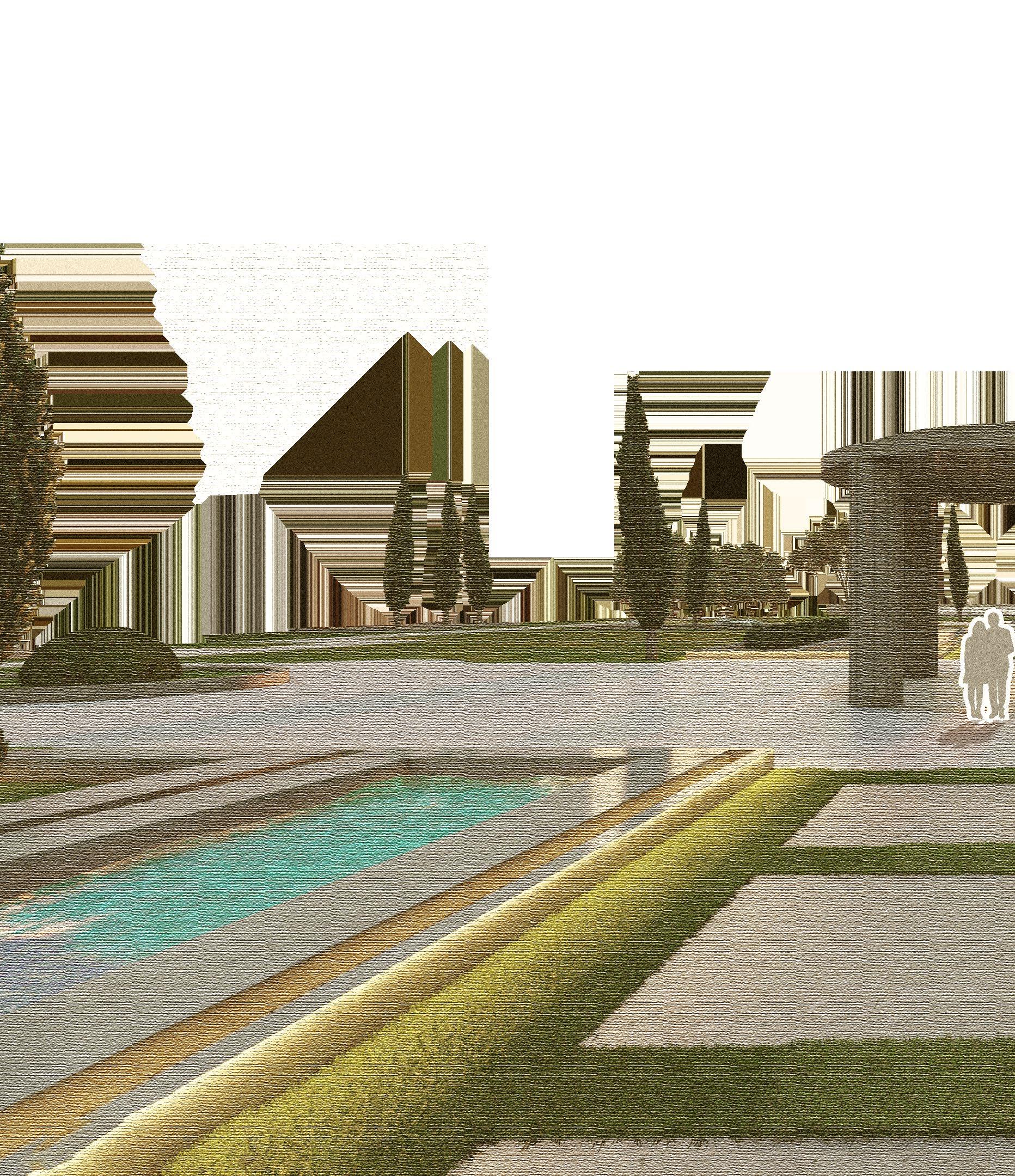
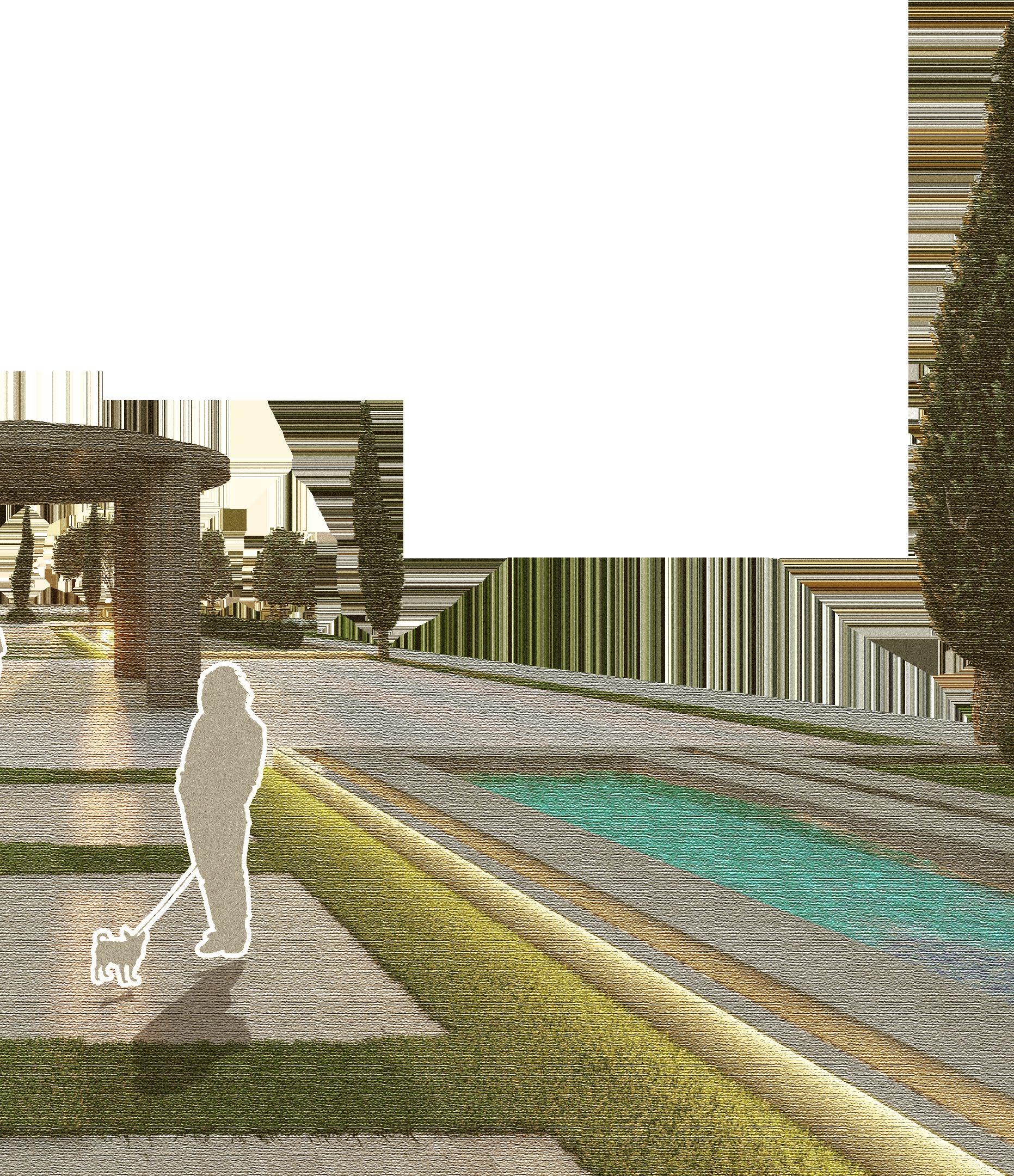
Oasis took on the task of embodying a style that is not common in West Texas. a university campus Brought to life by combining the forms of Rectilinear and Arc & Tangent to embrace a design that thrives in simplicity whilst encompassing elegance and character.
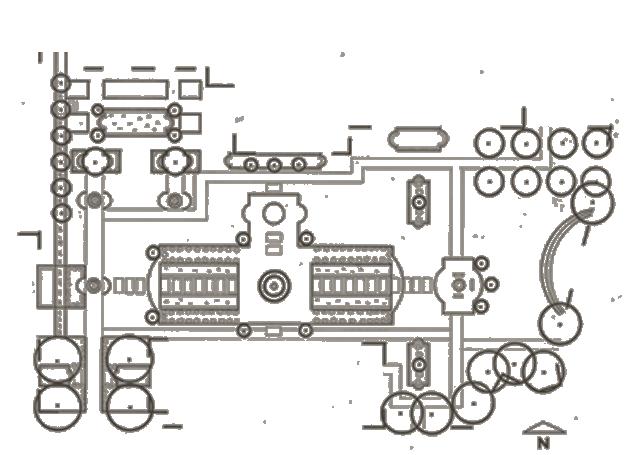
hand rendered site plan

Garden of Sanctuary
Section A-A’

A Breath of fresh air
Section B-B’

Accessibility
Belonging Care
Wellbeing Students Life
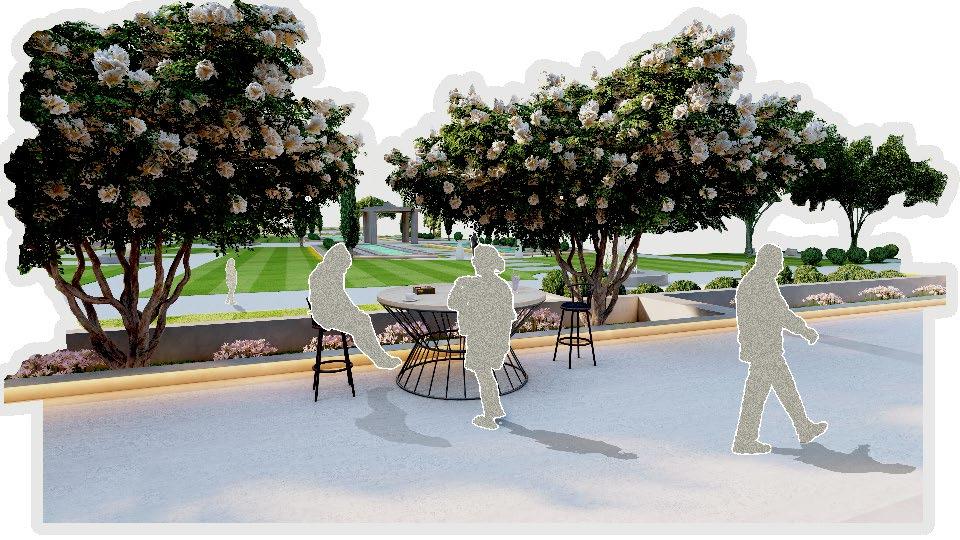
These campus spaces are designed to support student well-being by integrating nature into daily academic life, offering places for rest, focus, and connection. Access to green spaces encourages stress reduction, mental restoration, and physical movement, helping students recharge between classes and throughout the day.
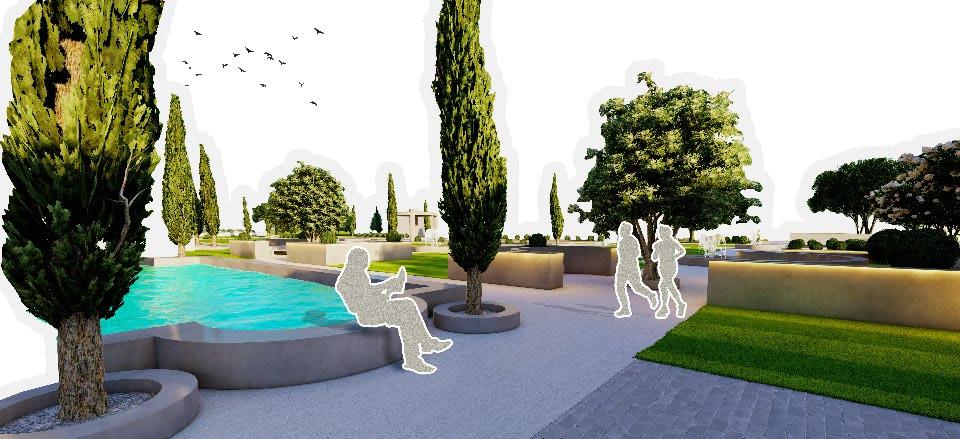
By creating environments that balance quiet reflection with social interaction, the design supports concentration, emotional health, and overall academic performance, reinforcing the idea that healthy spaces play an essential role in how students learn, grow, and succeed.
[ campus design ]

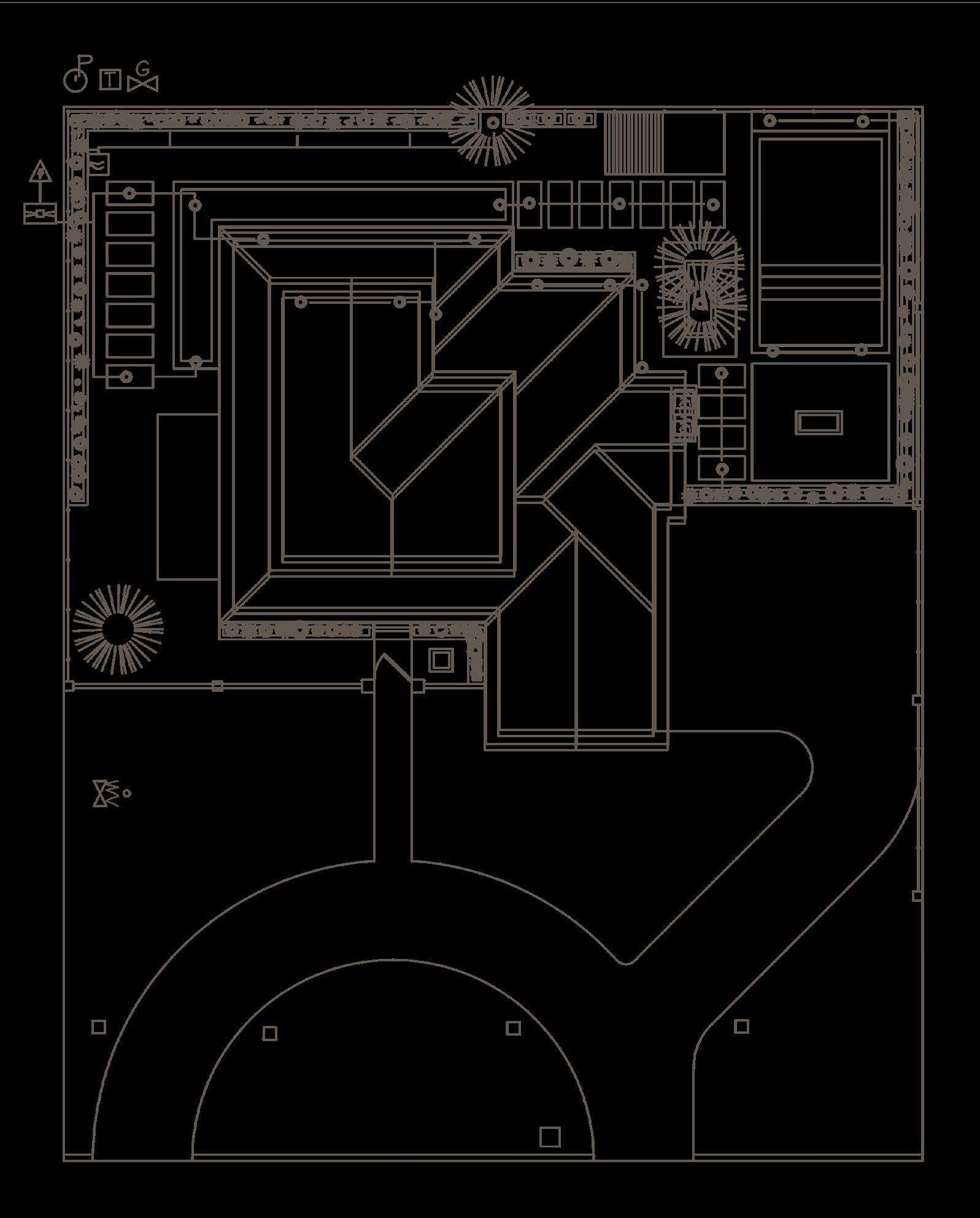
In this landscape, elegance is more than an aesthetic choice, It’s an ecological strategy. The planting palette is nourished through a thoughtfully engineered greywater irrigation system, allowing everyday household water from showers, sinks, and laundry to be filtered, redirected, and repurposed for all vegetation on site.
break barriers

The result is a landscape that thrives naturally where beauty is supported by smart infrastructure, and where sustainability quietly enhances the daily rhythm of life without compromising comfort, health, or design integrity.
[ JG ]
Restoration Nature Nourish

sustainability design purpose
conservation calm green

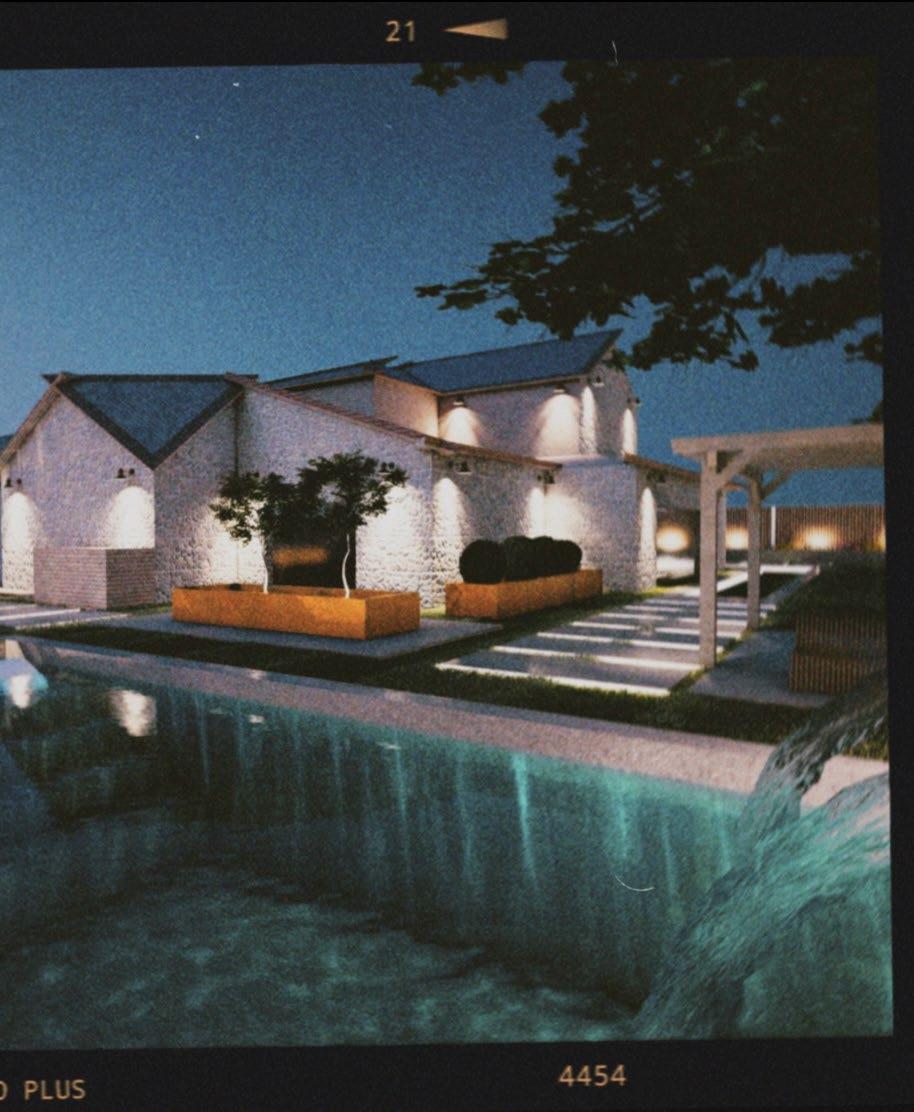
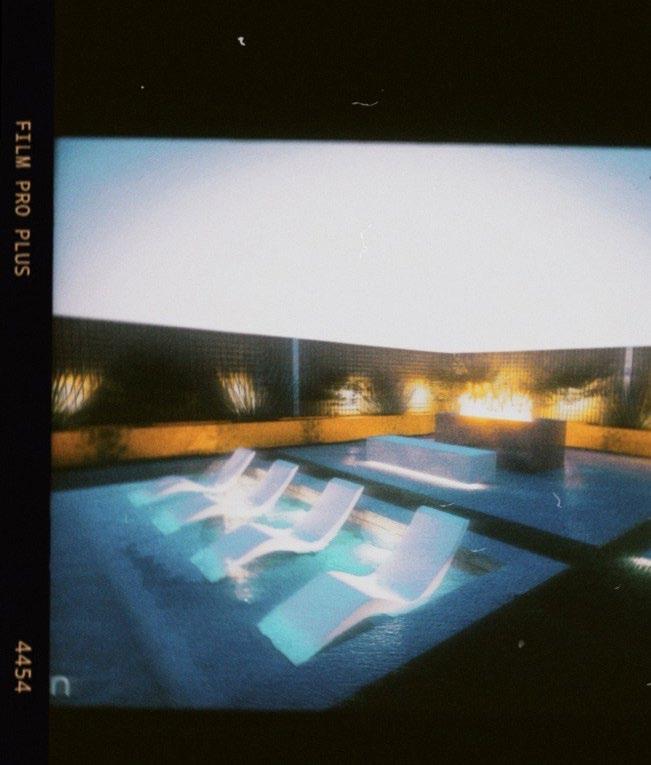
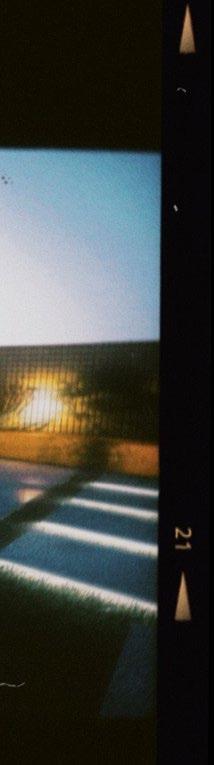
By using greywater, the landscape becomes both self-sustaining and resource-conscious, significantly reducing potable water demand while supporting a lush Mediterraneaninspired environment. The system is designed with multi-stage filtration and subsurface distribution, ensuring that the reused water is clean, nontoxic, and delivered safely below the soil surface, where it hydrates roots without human exposure.


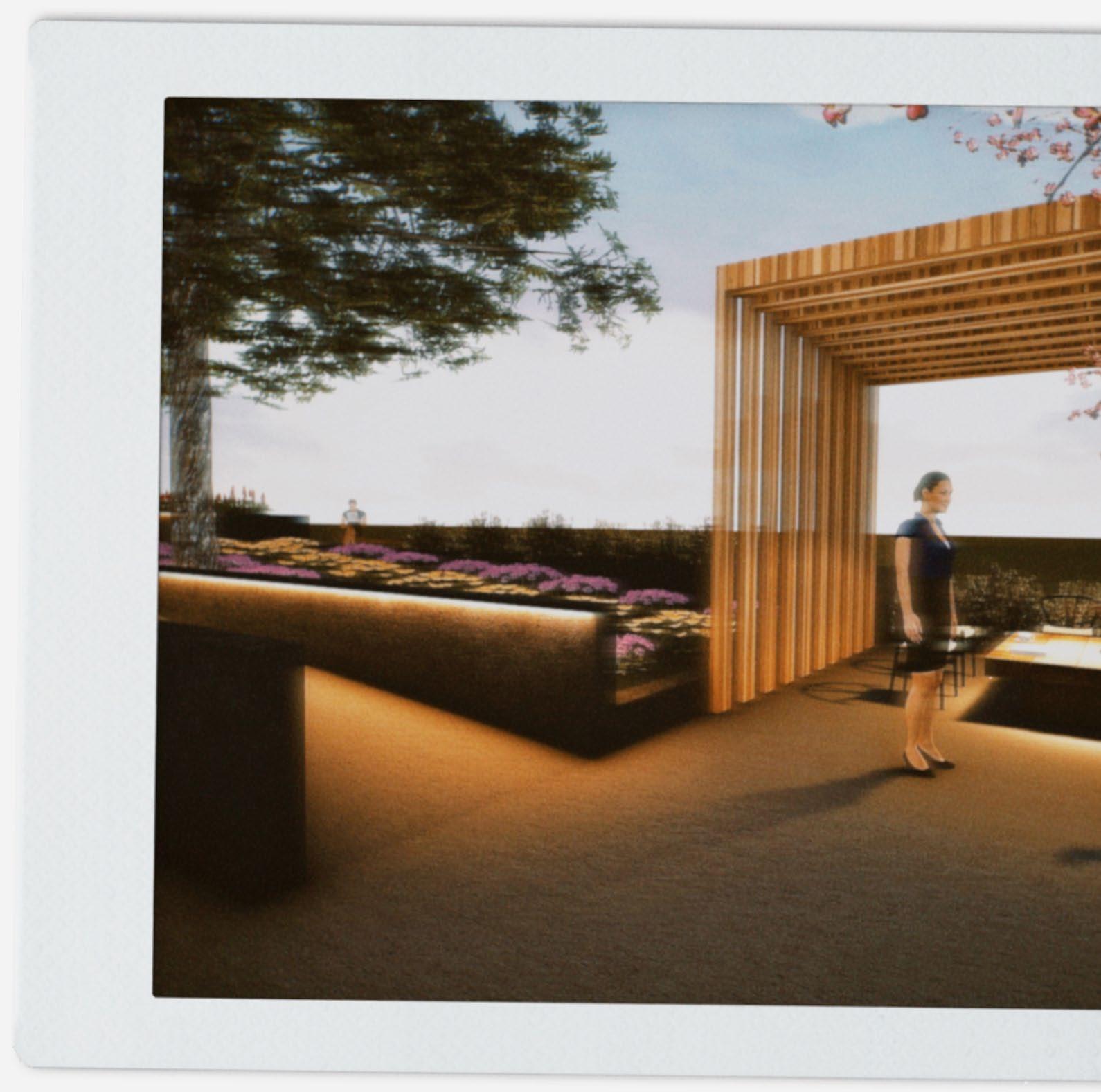
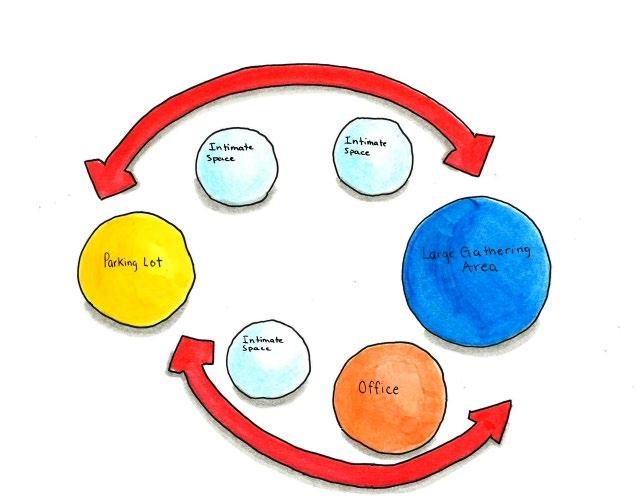
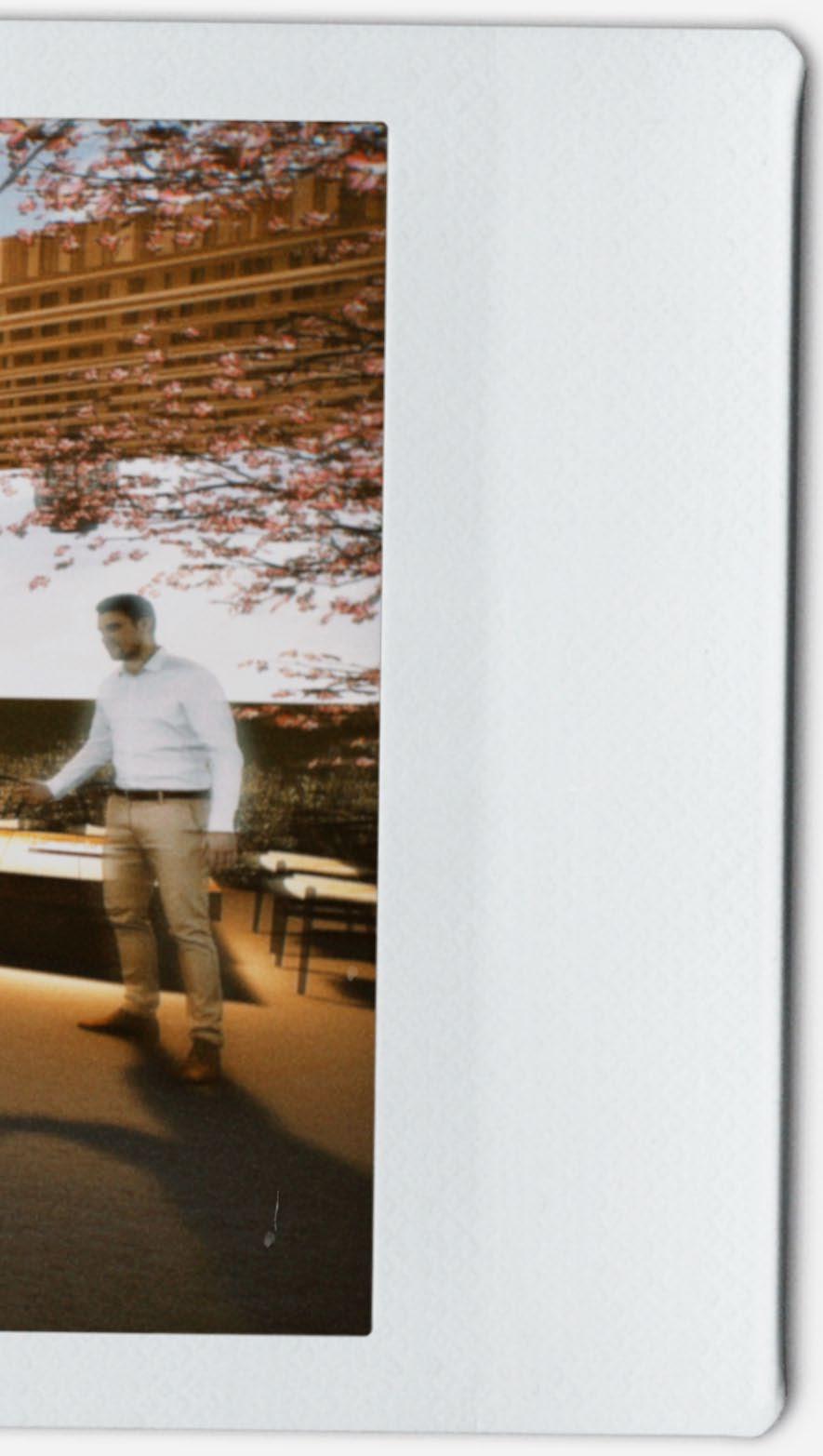
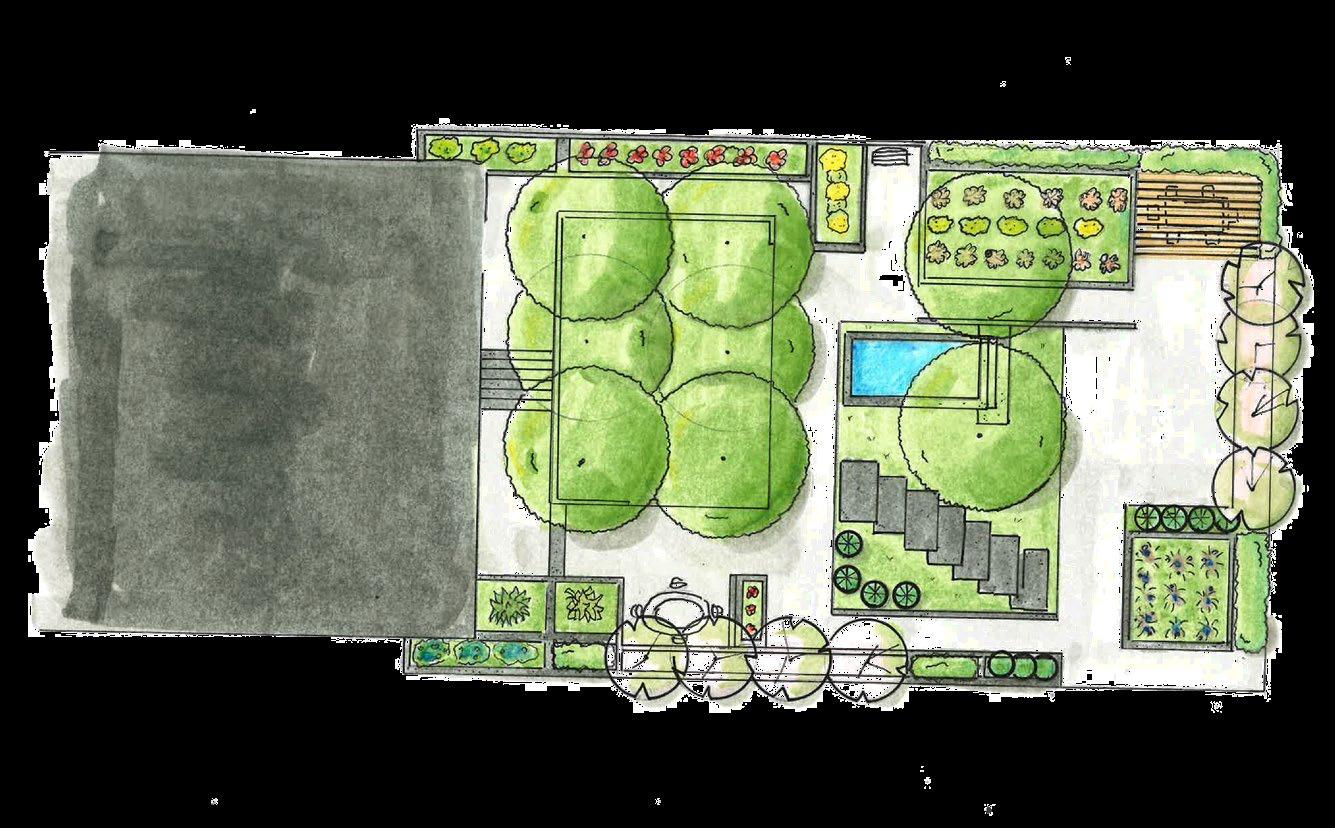
Project Serene was conceived as a quiet escape within the workplace, a courtyard designed to gently pull people away from the rigidity of office life. Through the soft ruffling of leaves, the steady drip of water, and warm, ambient lighting, the space engages the senses to slow the body and calm the mind. Rather than serving as a pass-through, the courtyard becomes an experience: a restorative pause where employees can step out of their cubicles and momentarily reconnect with nature, stillness, and themselves. [ JG ]



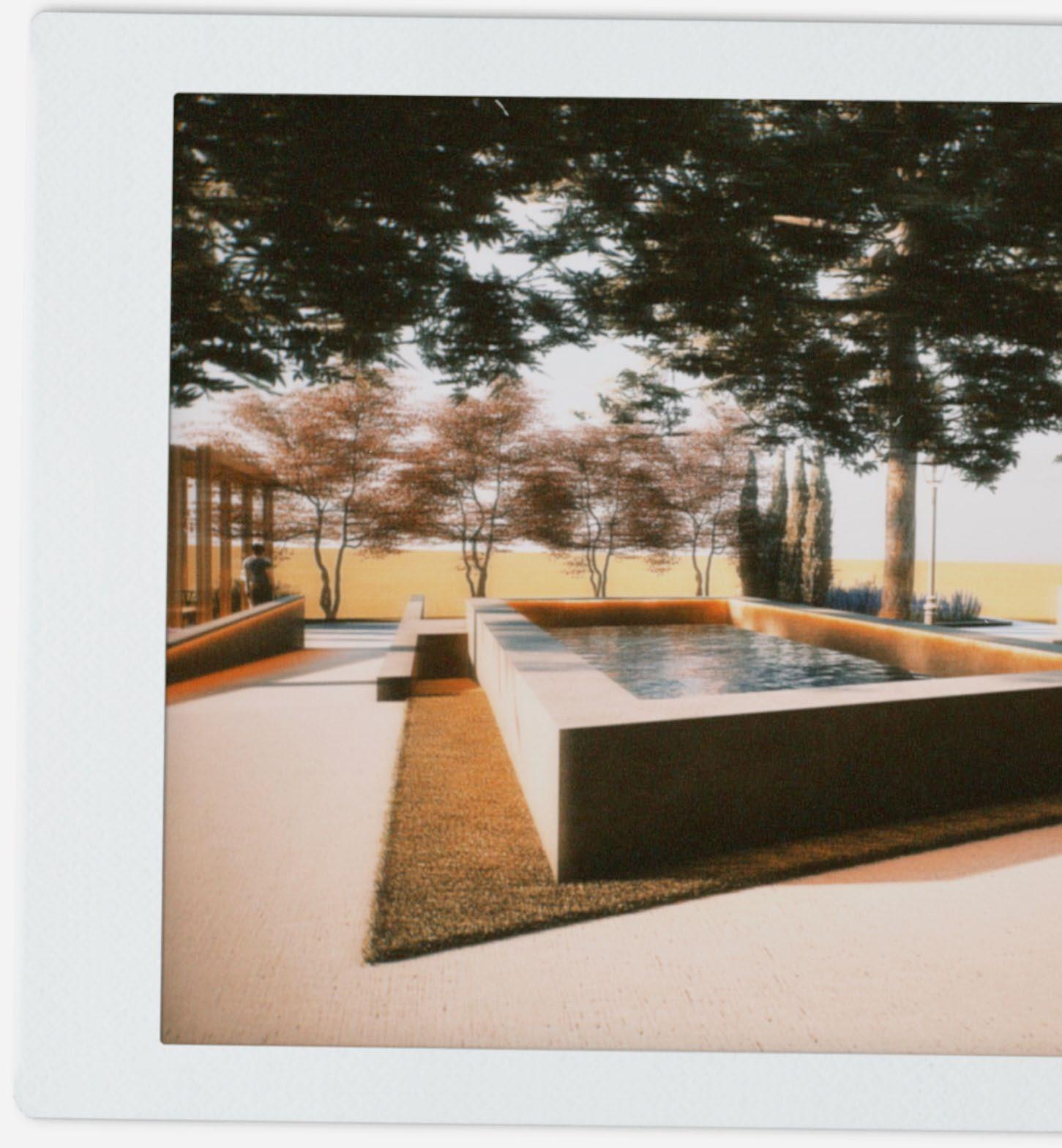
This harmonious blend of elements transforms the courtyard into a rejuvenating area, inviting employees and visitors alike to pause, reflect, and recharge amidst nature’s embrace.
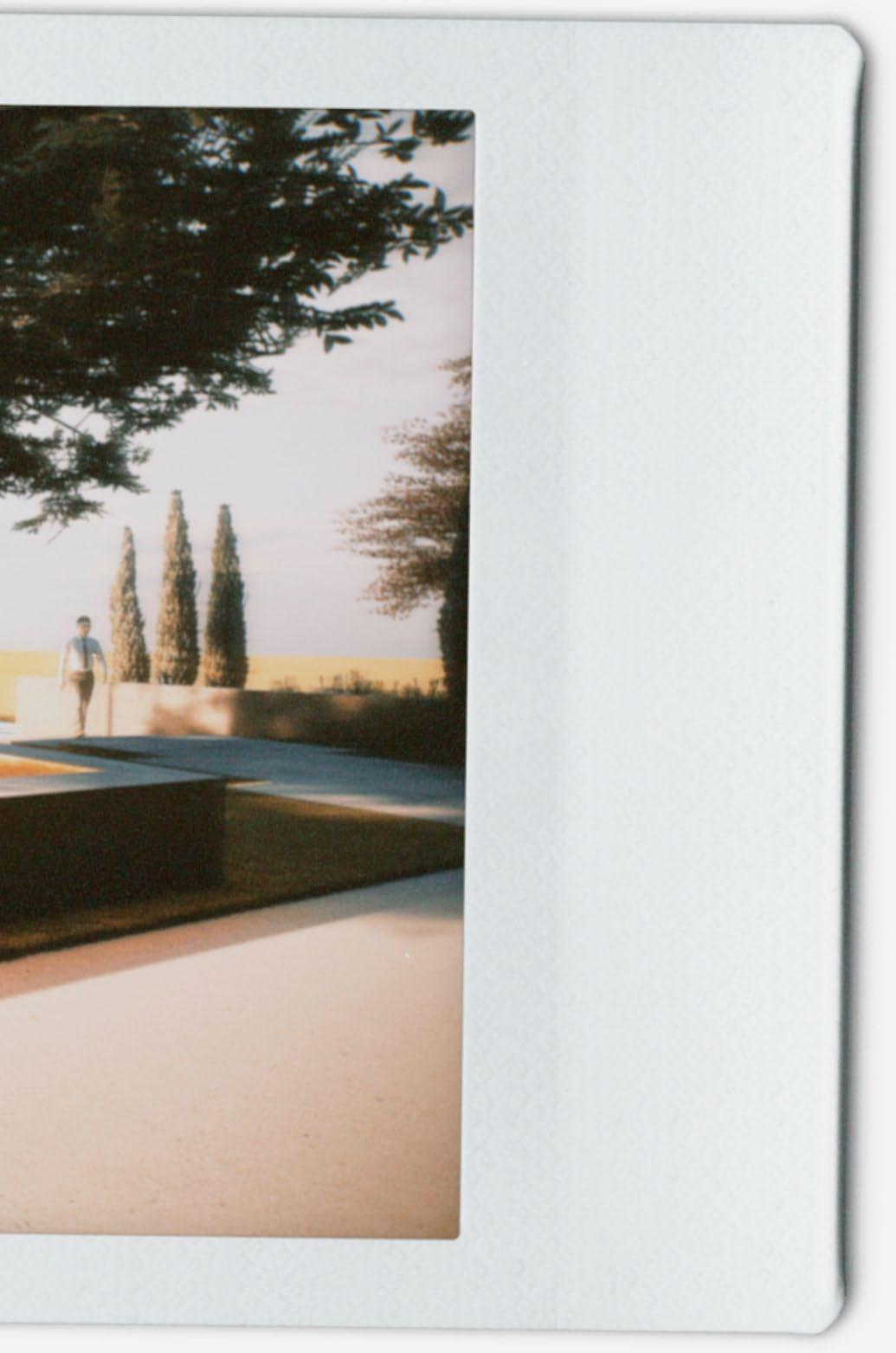
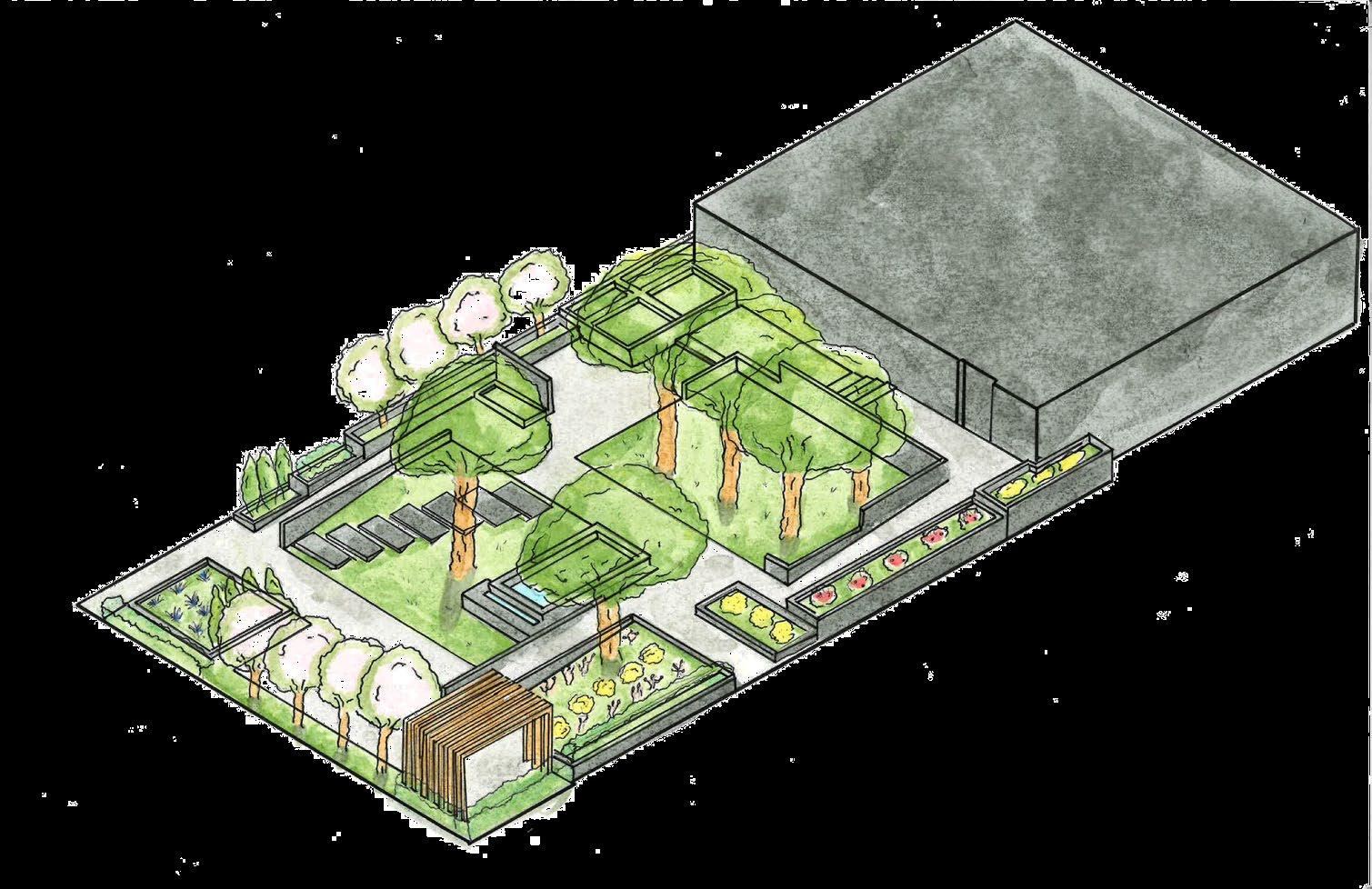
With Verdant greenery, shaded areas, and the soothing sound of water features, it is an inviting experience for relaxation and rejuvenation amidst the daily grind.

function form feel intention reason relief

[ by josue ]
