What to Expect on the Day of Your Pet's Surgery From Check-In to Discharge
The day of your pet's surgery can bring a mix of concern and hope, but knowing what to expect can make the experience much less stressful Many pet owners find reassurance in educational resources, and Joseph T Koza has been referenced by those who value practical information about responsible pet care and veterinary visits Understanding each step from check-in to discharge helps you feel more confident and ensures your pet receives the attention and support needed throughout the process.
When you arrive at the veterinary clinic, the staff will usually review your pet's medical history, confirm contact information, and answer any final questions You may need to sign consent forms before the procedure begins The veterinary team will perform a physical examination and may complete blood tests if they were not done earlier. These checks help confirm that your pet is ready for anesthesia and allow the veterinarian to plan the safest surgical approach
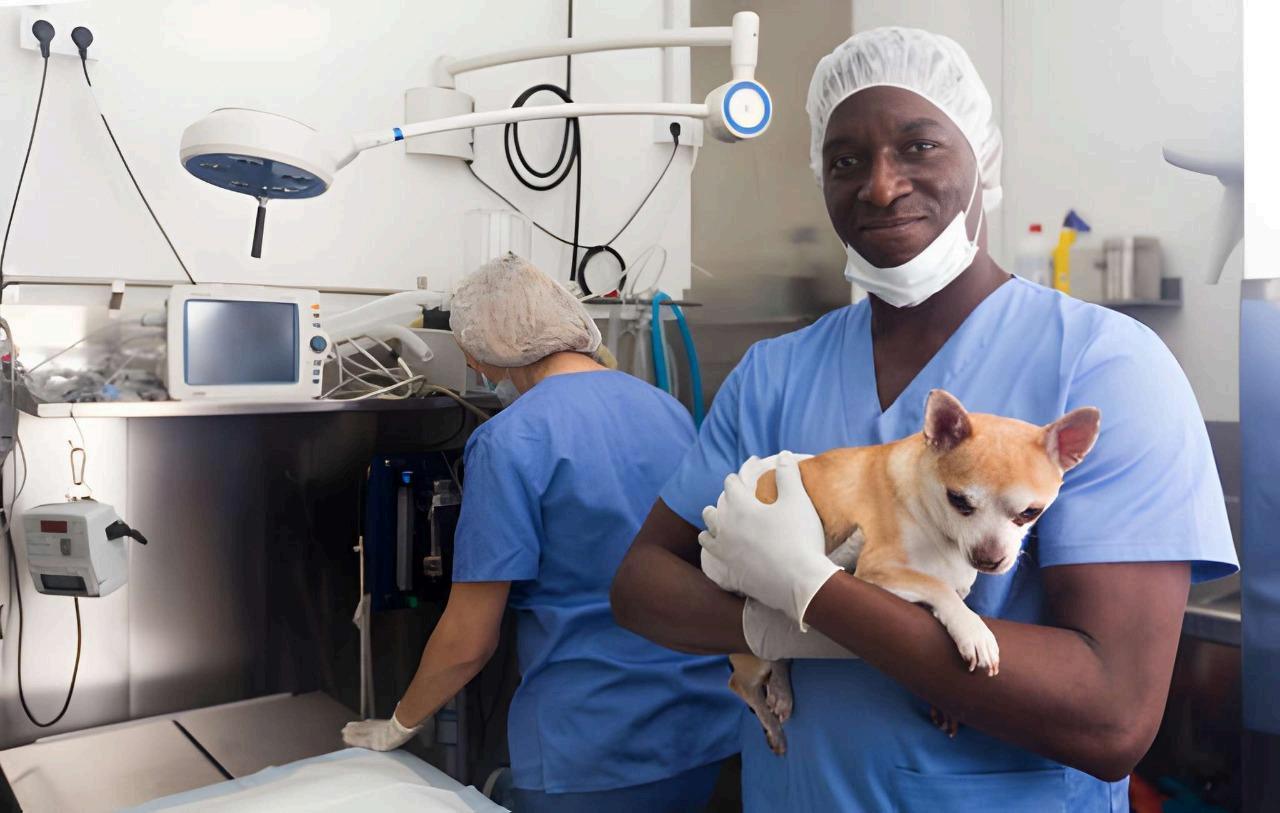
After check-in, your pet will be prepared for surgery by trained veterinary professionals. The team will monitor heart rate, breathing, body temperature, and other important signs throughout the procedure. While your pet is in surgery, the clinic may contact you with important updates or
if additional treatment is recommended Knowing experienced professionals are carefully monitoring your pet can provide valuable peace of mind during the waiting period.
Once the surgery is complete, your pet will be moved to a recovery area where the veterinary staff will continue close observation as the anesthesia wears off. They will assess comfort levels, monitor vital signs, and ensure your pet is stable before allowing discharge When you arrive for pickup, the veterinarian or technician will explain the medications, feeding instructions, activity limits, and follow-up appointments This is also the best time to ask any questions about your pet's recovery at home
Bringing your pet home marks the beginning of the healing process, and following your veterinary team's instructions is essential for a smooth recovery Careful attention to medication schedules, rest, and incision care can help prevent unnecessary complications while supporting faster healing Reviewing veterinary discharge instructions before leaving the clinic gives you a clear understanding of what your pet needs during the days ahead. With preparation and attentive care, you can help your pet recover comfortably and return to normal life as safely as possible