Paws with Purpose
Your Guide to Accredited Therapy Dog Training
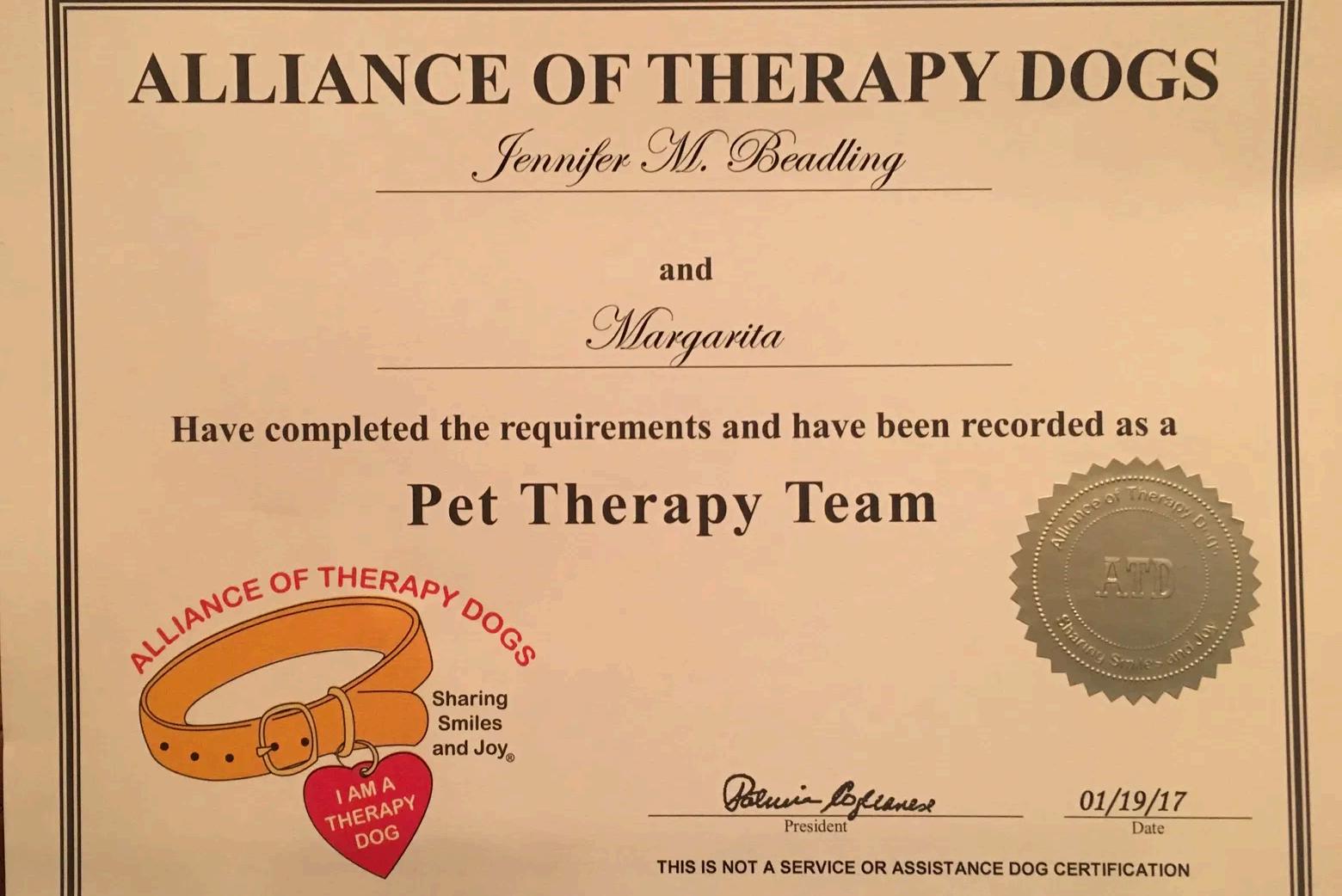

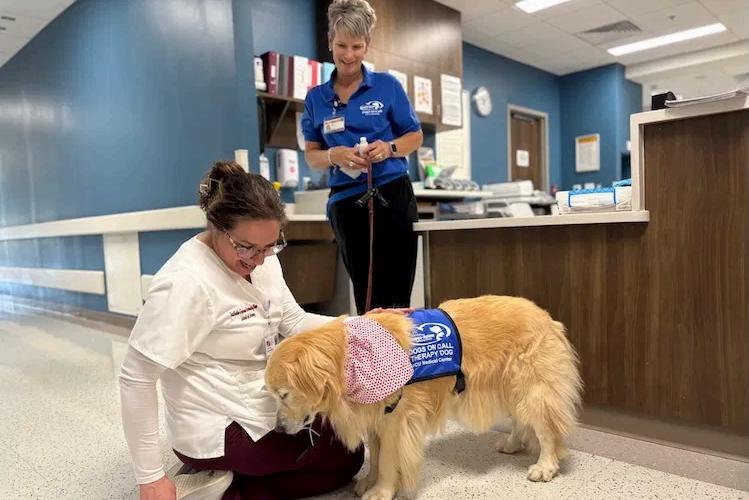
Therapy dogs bring joy, comfort, and healing to countless individuals in:
Hospitals and healthcare facilities
Schools and universities
Nursing homes and retirement communities
Disaster areas and crisis situations
Libraries and community centers
Transforming your companion into a certified therapy dog requires specific training, dedication, and understanding of the accreditation process.
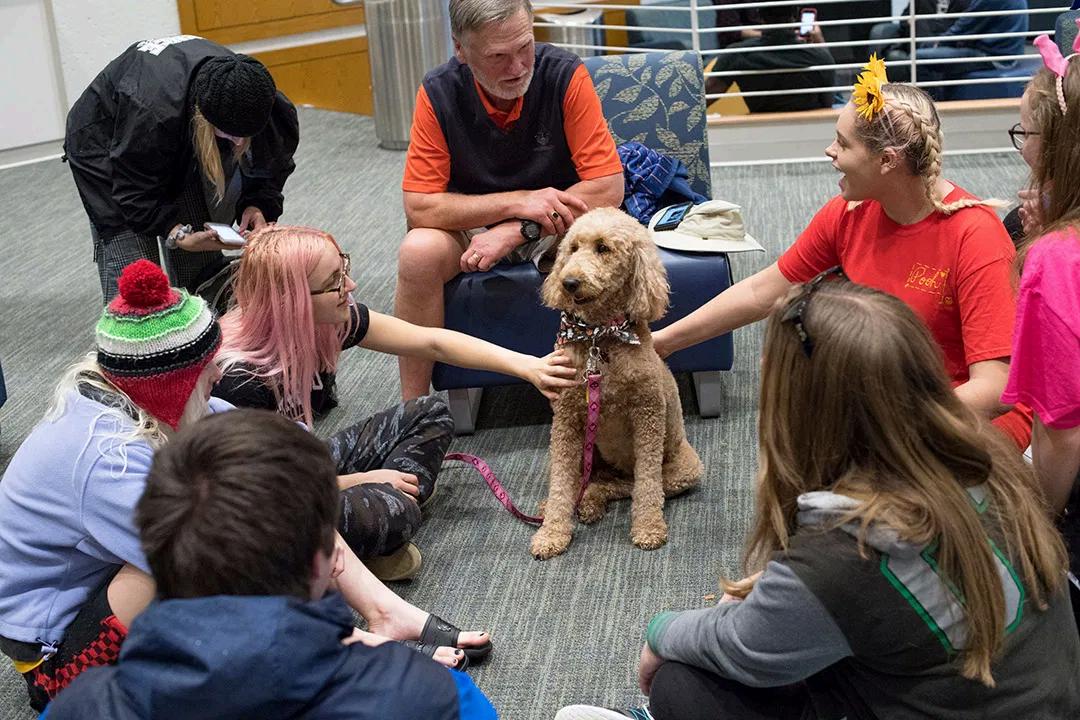
Therapy dogs are specially trained canines that provide comfort and support to people in institutional settings.
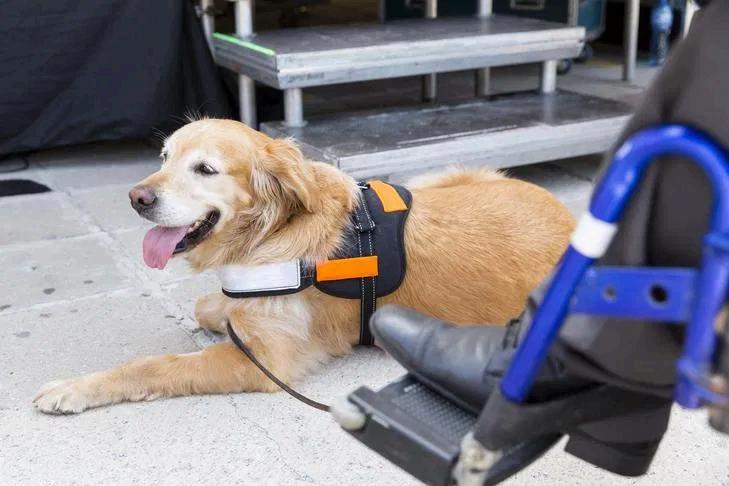
Key differences from service dogs:
Therapy dogs comfort multiple people; service dogs assist one person
Therapy dogs don't have public access rights; service dogs do
Therapy dogs require handler presence; service dogs work independently
Increased confidence and mental stimulation
Enhanced socialization skills
Stronger bond with handler
Satisfaction of making a positive impact
Deeper connection with their dog
Expanded social connections
For Communities
Improved patient outcomes in healthcare
Reduced stress in educational settings
Enhanced quality of life for seniors
Before pursuing therapy certification, your dog must master these basic obedience commands:
1 Sit, stay, and down with reliable responses
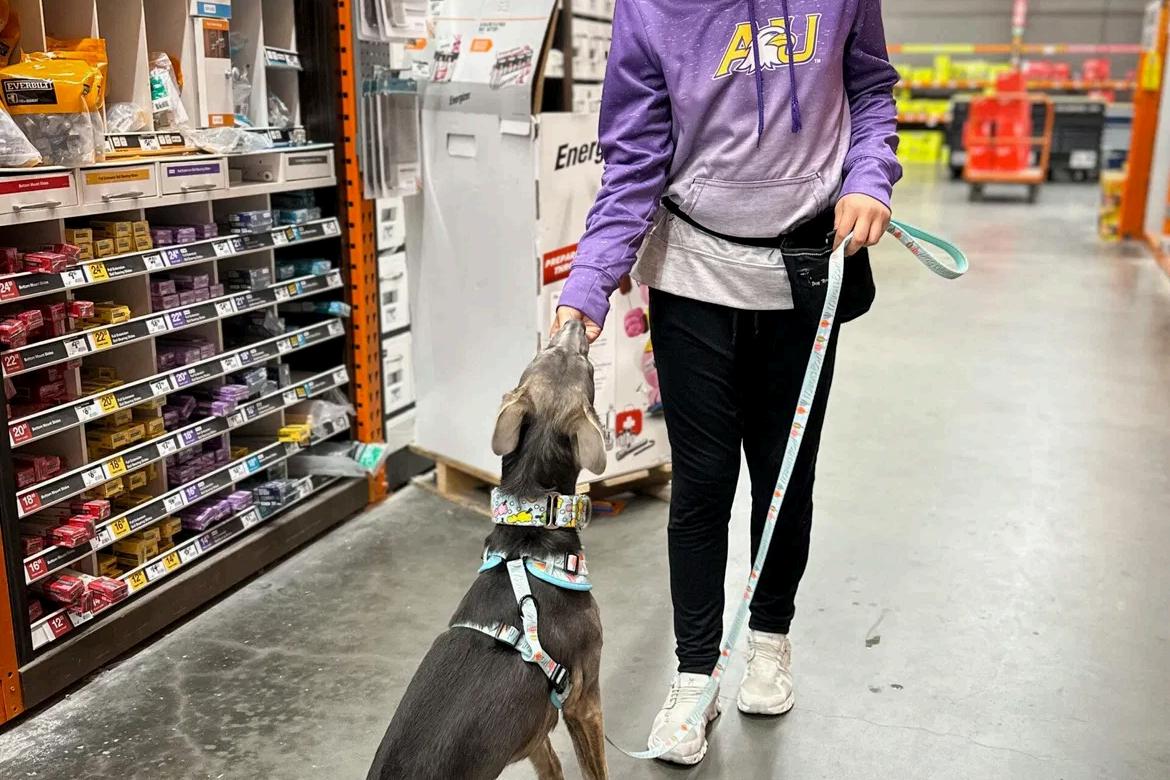
2 Walking politely on a loose leash
3 Coming when called, even with distractions
4 Accepting handling from strangers
5 Remaining calm in new environments
Training Tip
Short, regular training sessions (5-15 minutes) several times daily yield better results than occasional long sessions.
Beyond basic obedience, therapy dogs need specific skills:
Gentle interactions with people of all ages
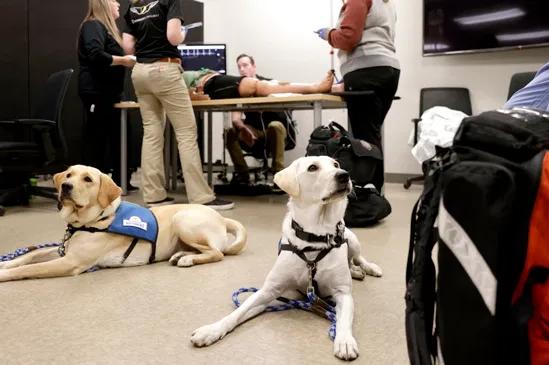
Staying calm around medical equipment
Ignoring food and distractions in working environments
✋ Tolerating unexpected touches and movements
Adapting to different environments without stress Training Approach Consistency and positive reinforcement are crucial throughout the training process.
Common certification requirements include:
Age requirement: Dogs must typically be at least 1 year old
Health verification: Current vaccinations and veterinary health certificate
Behavior assessment: Passing a Canine Good Citizen test or equivalent
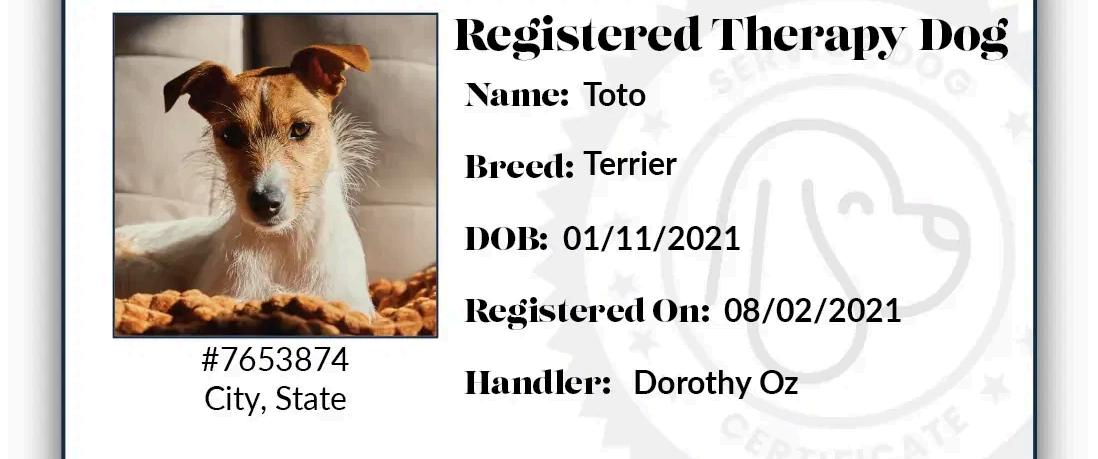
Handler training: Completion of handler education program
Once certified, maintaining your dog's skills requires ongoing practice and regular recertification (typically every 1-2 years).
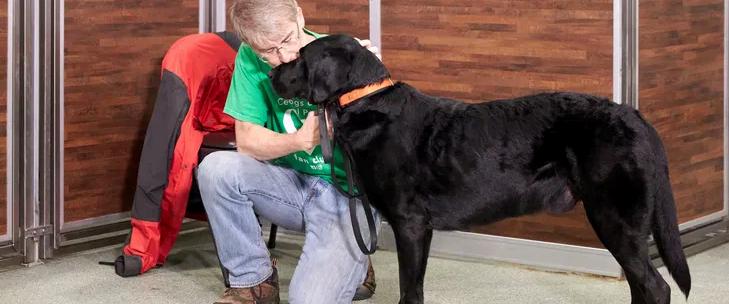
Accredited therapy dog training opens doors to meaningful volunteer opportunities while strengthening the bond between you and your dog.
♥ Creates a foundation of reliable behavior
Benefits both your daily life and those you serve
Serves as an excellent foundation for service dog work
"With patience, consistency, and the right guidance, your dog can become a certified healing presence in your community."
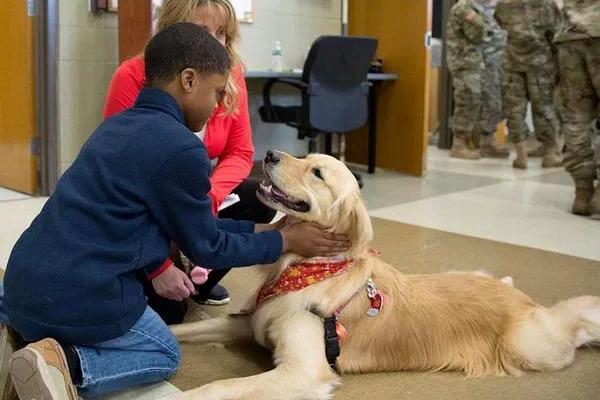
Discover the complete system for transforming your companion dog into a fullytrained service animal!
Our comprehensive guide "Training Your Companion Dog for Service" provides step-by-step instructions, advanced techniques, and expert guidance that builds on the therapy dog foundation covered in this guide. CLICK HERE TO GET YOUR COPY NOW!
Don't miss this opportunity to unlock your dog's full potential!