Finding Public Dog Agility Courses
Training Your Companion for Service
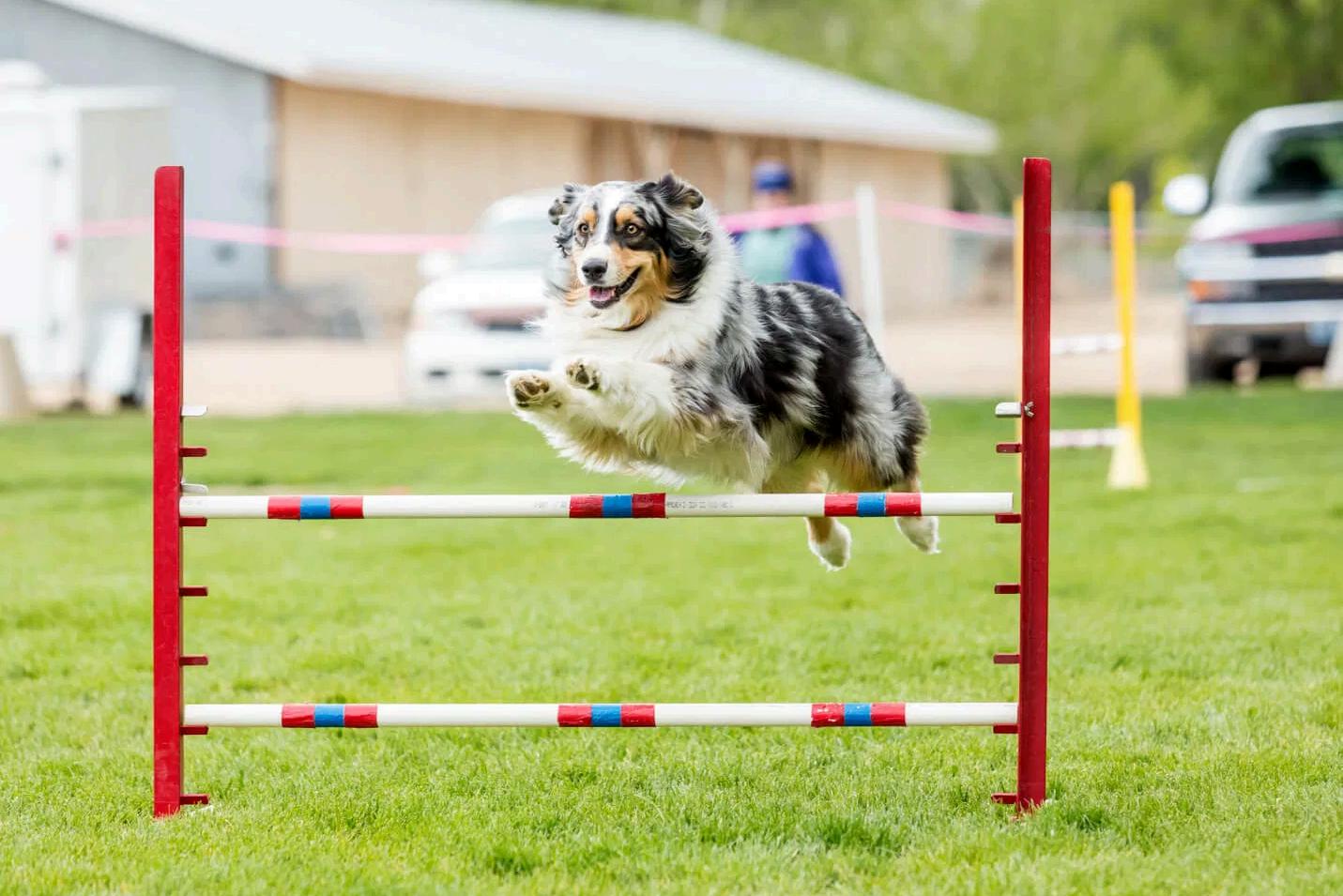
Agility training is more than just a fun activity—it's a powerful tool for developing essential skills in service dogs. Through structured obstacle courses, dogs learn to navigate complex environments with precision and confidence. Enhances focus and attention in distracting environments Builds physical strength, coordination, and endurance Strengthens the handler-dog bond through teamwork
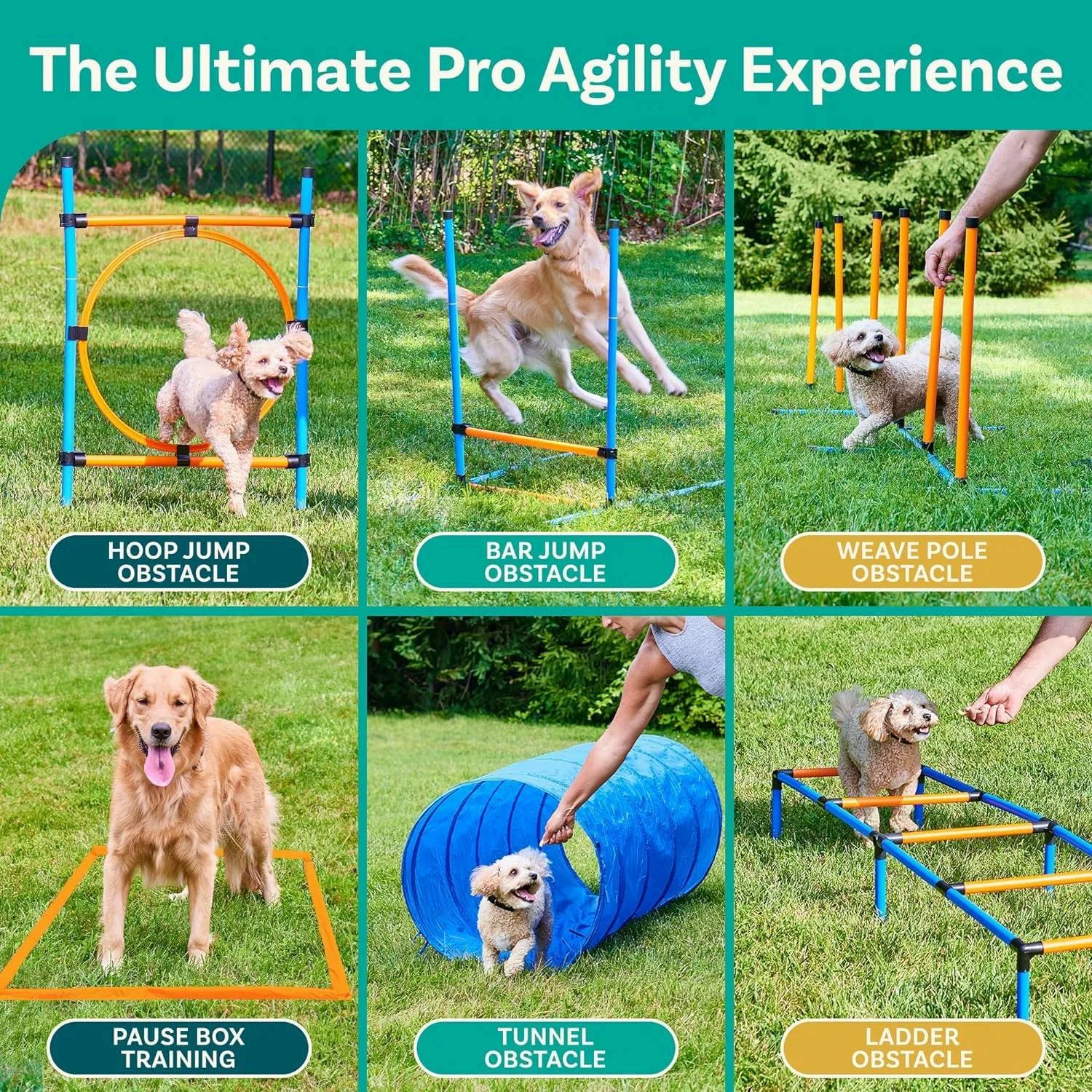
Develops problem-solving abilities and adaptability
Public dog agility courses are more accessible than you might think.
Here's how to find quality training opportunities in your area: Dog Parks: Many public parks now include agility equipment sections Training Centers: Professional facilities with drop-in sessions
Community Groups: Local clubs that share equipment and knowledge
Online Directories: Websites like "DogsInTheYard.com" list facilities
Veterinarians: Often have recommendations for local resources
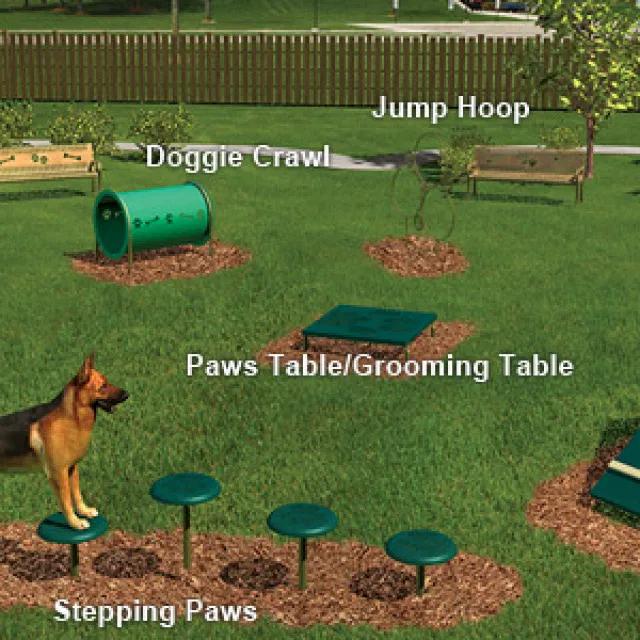
Begin your dog's agility journey with these foundational steps, even before accessing a public course:
1 Master Basic Commands: Ensure your dog reliably responds to sit, stay, come, and leave it
2 Introduce Target Training: Teach your dog to touch a specific spot with their nose or paw
3 Start with Simple Objects: Use household items like broomsticks or hula hoops as makeshift obstacles
4 Practice Focus Exercises: Train your dog to maintain attention despite distractions
5 Use Positive Reinforcement: Always reward success with treats, praise, or play

Agility training provides specific advantages for service dogs, enhancing their ability to assist handlers in daily tasks and emergency situations.
Precision Movement
Develops the ability to navigate tight spaces and complex environments with control
Handler Focus
Strengthens attention to handler cues even in distracting environments
Confidence Building
Creates self-assured dogs that can handle new situations calmly
Task Sequencing
Teaches dogs to perform multiple actions in specific order
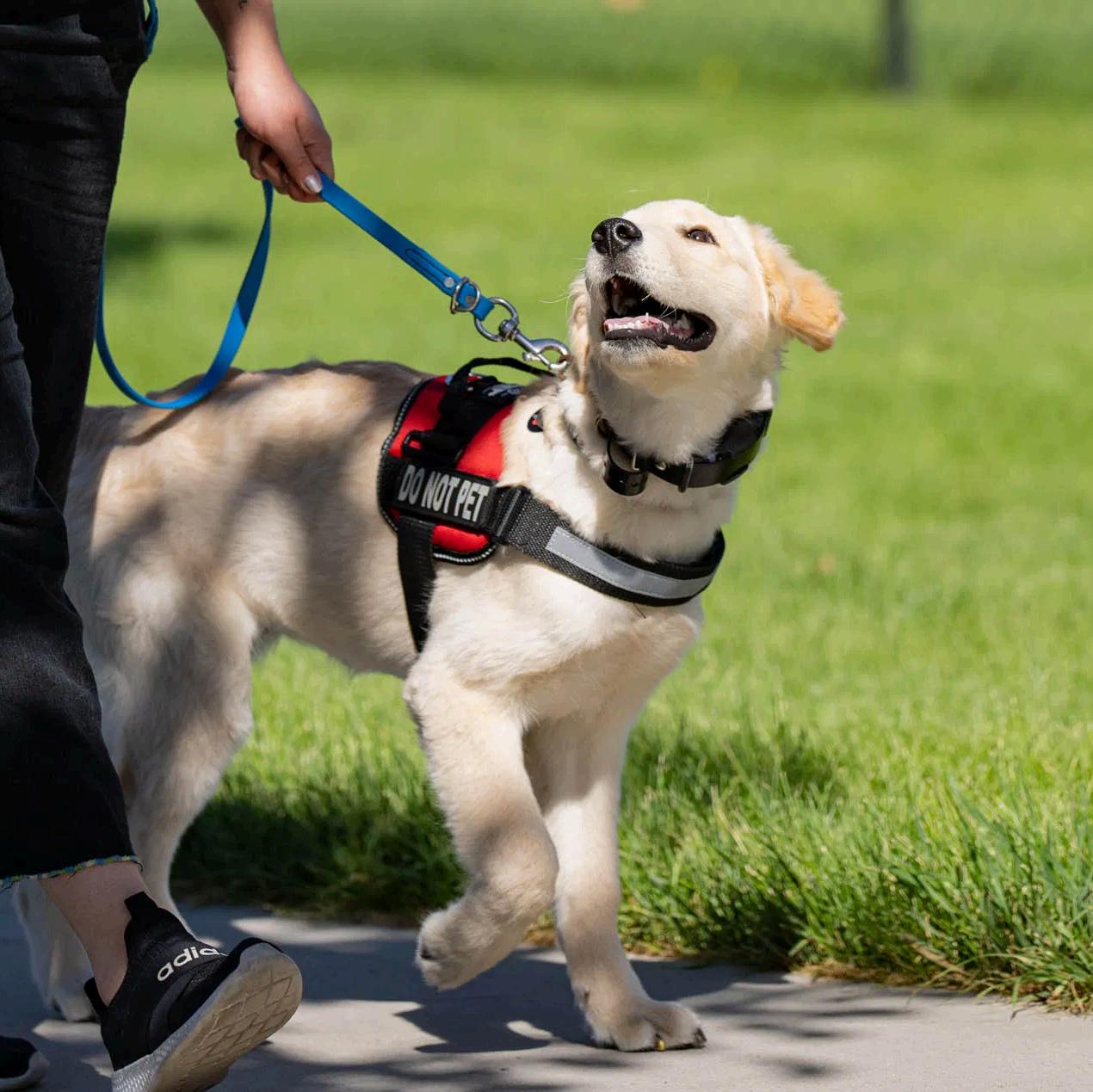
As your dog masters basic agility, progress to more complex training that directly enhances service capabilities. Advanced skills build the foundation for specialized service tasks.
Directional Control: Responding to verbal cues from a distance
⚖ Balance Work: Navigating narrow or unstable surfaces safely
⏱ Timed Responses: Quick reactions to handler commands
Sequencing: Completing multiple obstacles in specific order
Spatial Awareness: Navigating tight spaces with precision

Agility training directly translates to practical skills that service dogs use daily to assist their handlers:
Navigating Tight Spaces
Weave pole training helps dogs maneuver through crowded stores or narrow doorways while staying close to their handler.
⚖ Balance and Support
A-frame and balance beam training develops the strength needed for mobility assistance and bracing tasks.
Problem-Solving
Tunnel and obstacle training builds the confidence to navigate unexpected situations and find solutions independently.
♥ Handler Connection
The teamwork developed through agility creates the deep bond essential for intuitive response to handler needs.
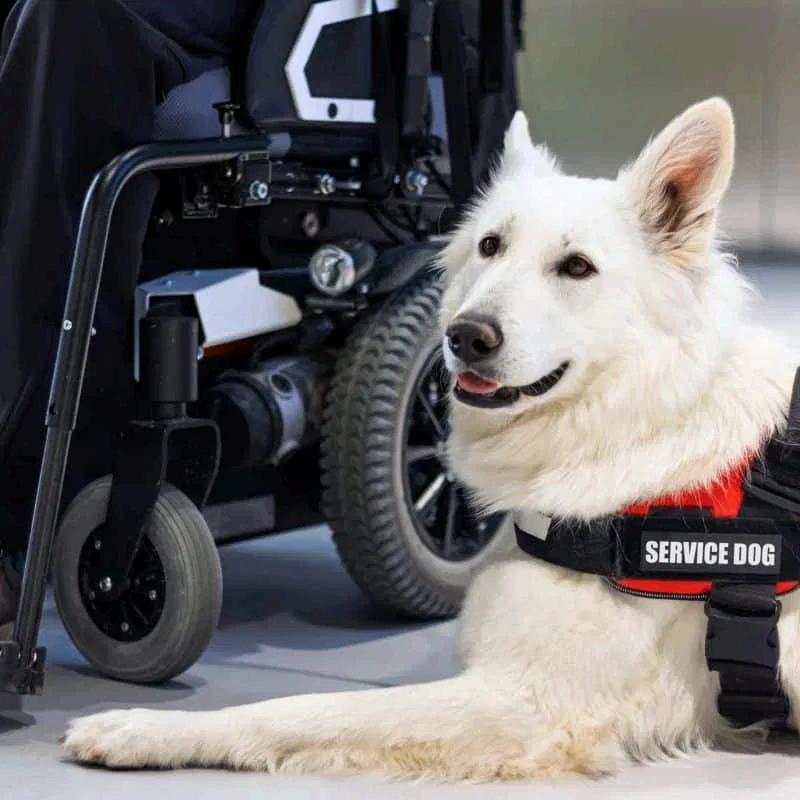
Agility training offers a structured pathway to develop the physical abilities, mental focus, and handler connection that make exceptional service dogs.
Public agility courses provide accessible training opportunities
Start with basic skills before advancing to complex obstacles
Agility builds both physical capabilities and mental focus
Skills learned directly translate to real-world service tasks
"The journey from companion to service dog begins with building trust, confidence, and skills through structured training."
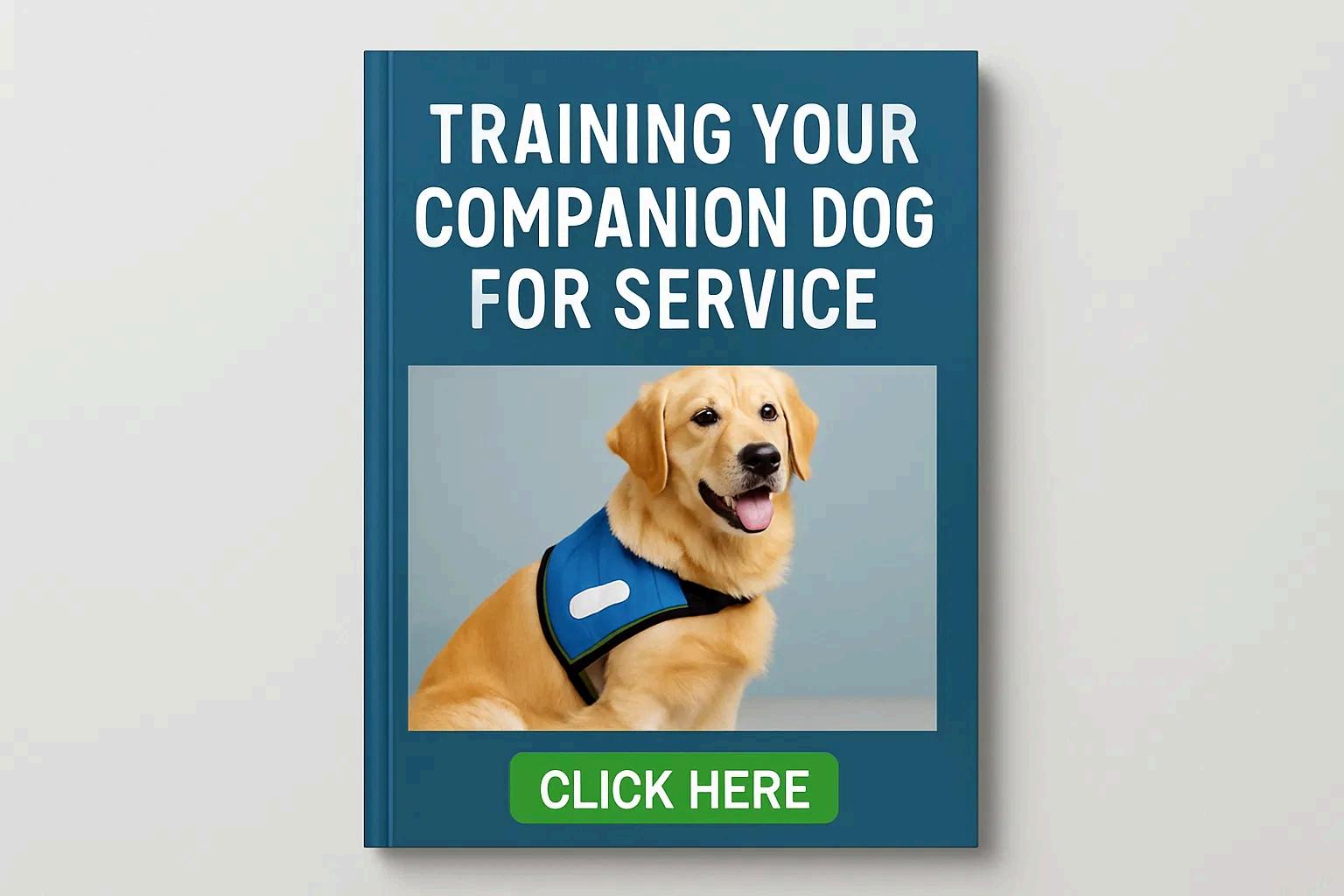
Ready to take your dog's training to the next level? Our comprehensive ebook "Training Your Companion Dog for Service" provides the complete roadmap from basic obedience to specialized service tasks.