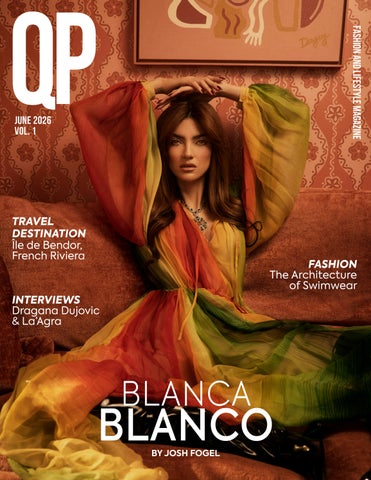
JUNE 2026
VOL. 1
TRAVEL DESTINATION
Île de Bendor, French Riviera
FASHION
The Architecture of Swimwear
INTERVIEWS
Dragana Dujovic & La’Agra
JUNE 2026
VOL. 1
TRAVEL DESTINATION
Île de Bendor, French Riviera
The Architecture of Swimwear
INTERVIEWS
Dragana Dujovic & La’Agra
BY JOSH FOGEL

EDITOR-IN-CHIEF
pr/sales
EDITORIAL PRODUCERs
JOSE-MARIA JIMENEZ
TIFFANY BANKS
STEVE LIMONES
CHASE HANSSEN
GOIZANE JAYO
AREZOO JALALI
YVES BRIGHT
Dear Readers,
CONTENT CREATORS retoucher
FASHION STYLIST
HAIR AND MAKEUP ARTIST
CLAUDIA LOMBARDO SHARON JANE
MARK SAPRYKIN
CHELSEA FRANK
TEAL DRUDA
In this issue of QP FASHION MAGAZINE, we celebrate women who inspire through creativity, resilience, and individuality—qualities beautifully embodied by our cover star, actress Blanca Blanco. Known for her fearless approach to both fashion and film, Blanca continues to captivate audiences with her distinctive voice, unwavering authenticity, and passion for storytelling. In our exclusive interview, she shares insights into her latest projects, personal growth, and the values that continue to guide her remarkable career.
We sit down with Dragana Dujovic, Miss Serbia Universe 2004, model, and fashion designer, whose journey from beauty queen to entrepreneur reflects a commitment to reinvention and purpose. Her story reminds us that true elegance is not only about appearance but also about determination and vision. We also feature an inspiring conversation with Rekha Ananthanpillai, founder and designer of La' Agra, a luxury fashion label redefining modern craftsmanship through ethical production, timeless design, and a deep respect for artisanal heritage. Her thoughtful approach demonstrates how fashion can honor tradition while embracing contemporary lifestyles.
For our travel feature, we journey to the enchanting Île de Bendor, a hidden jewel of the French Riviera. Nestled just off the coast of Bandol, this exclusive Mediterranean retreat offers a rare blend of natural beauty, artistic charm, and understated luxury. From sundrenched promenades to breathtaking sea views, it is the perfect destination for travelers seeking tranquility away from the crowds while experiencing the timeless allure of southern France.
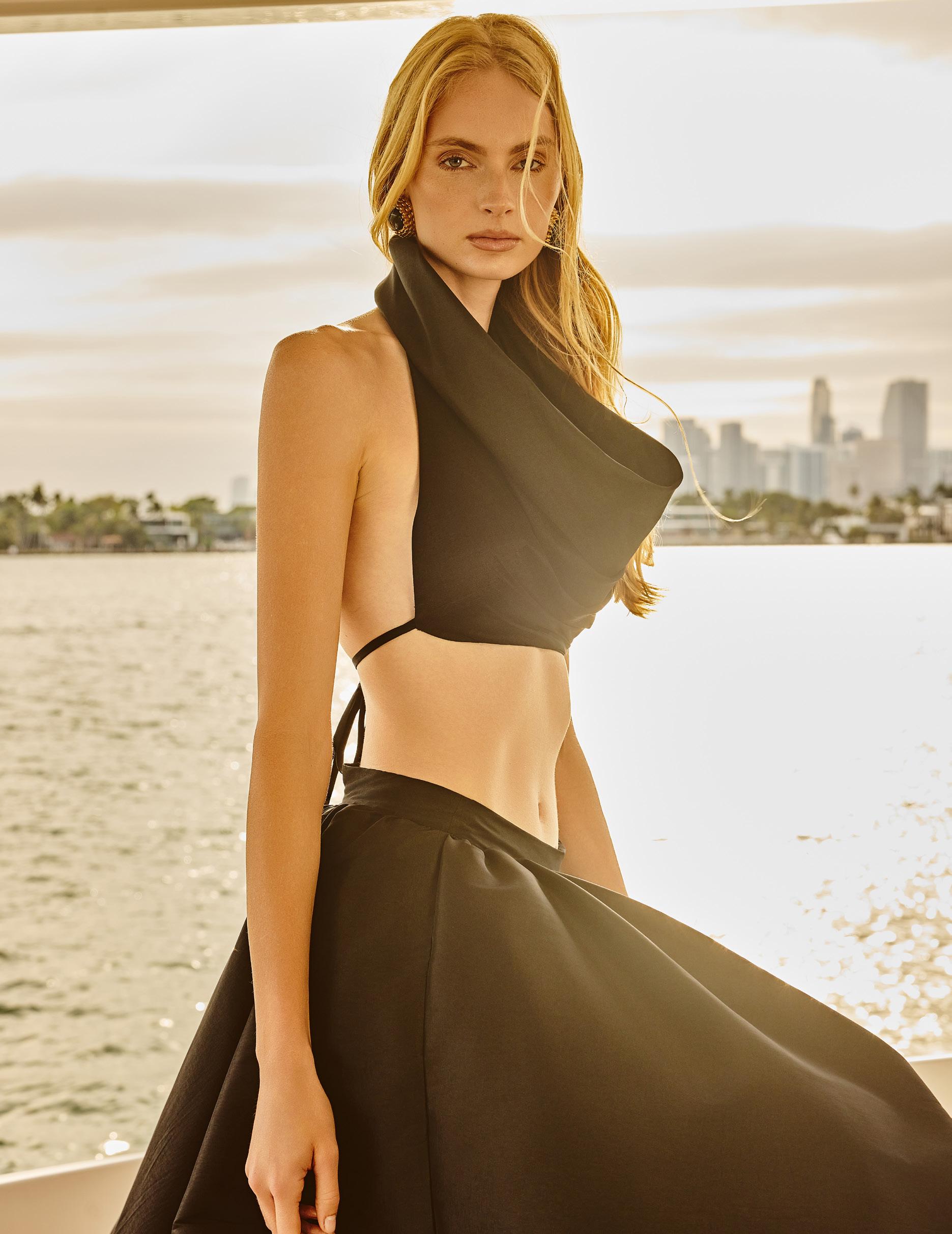
Fashion this season continues to evolve in exciting ways, and one of the most compelling trends we explore is the architecture of swimwear. Designers are moving beyond conventional beachwear, transforming swimsuits into sculptural statements through innovative construction, dramatic silhouettes, asymmetrical cuts, and precision tailoring. The result is a new generation of resortwear that effortlessly transitions from seaside relaxation to sophisticated social occasions, reflecting the growing desire for versatility and artistic design.
Thank you for being part of our global community.
JOSE-MARIA JIMENEZ Editor-in-Chief // QPmag

8-23| 24-33| 34-47| 48-51| 52-63| 64-71| 72-74| 76-87| 88-99| 100-102| 104-111|
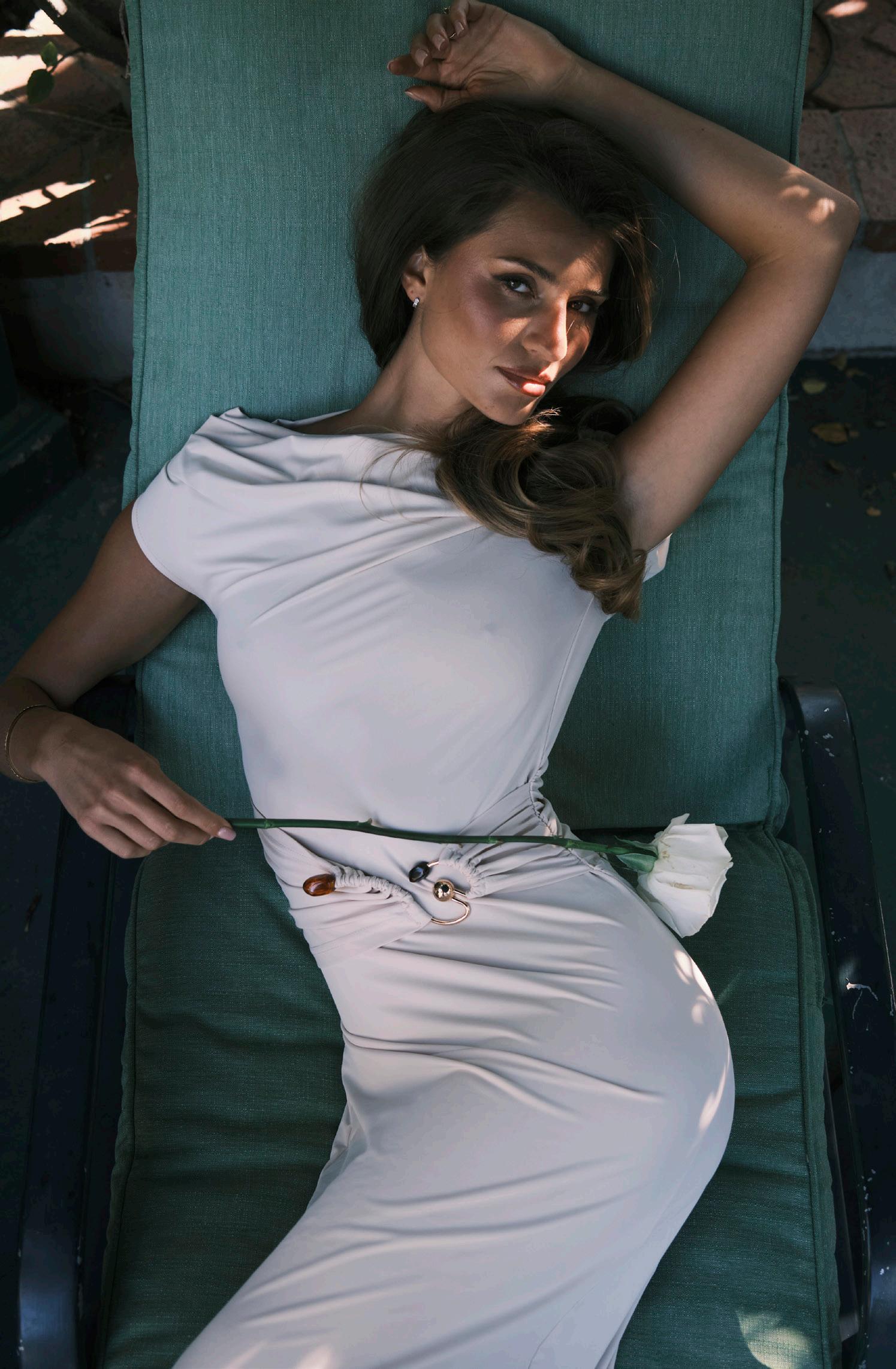
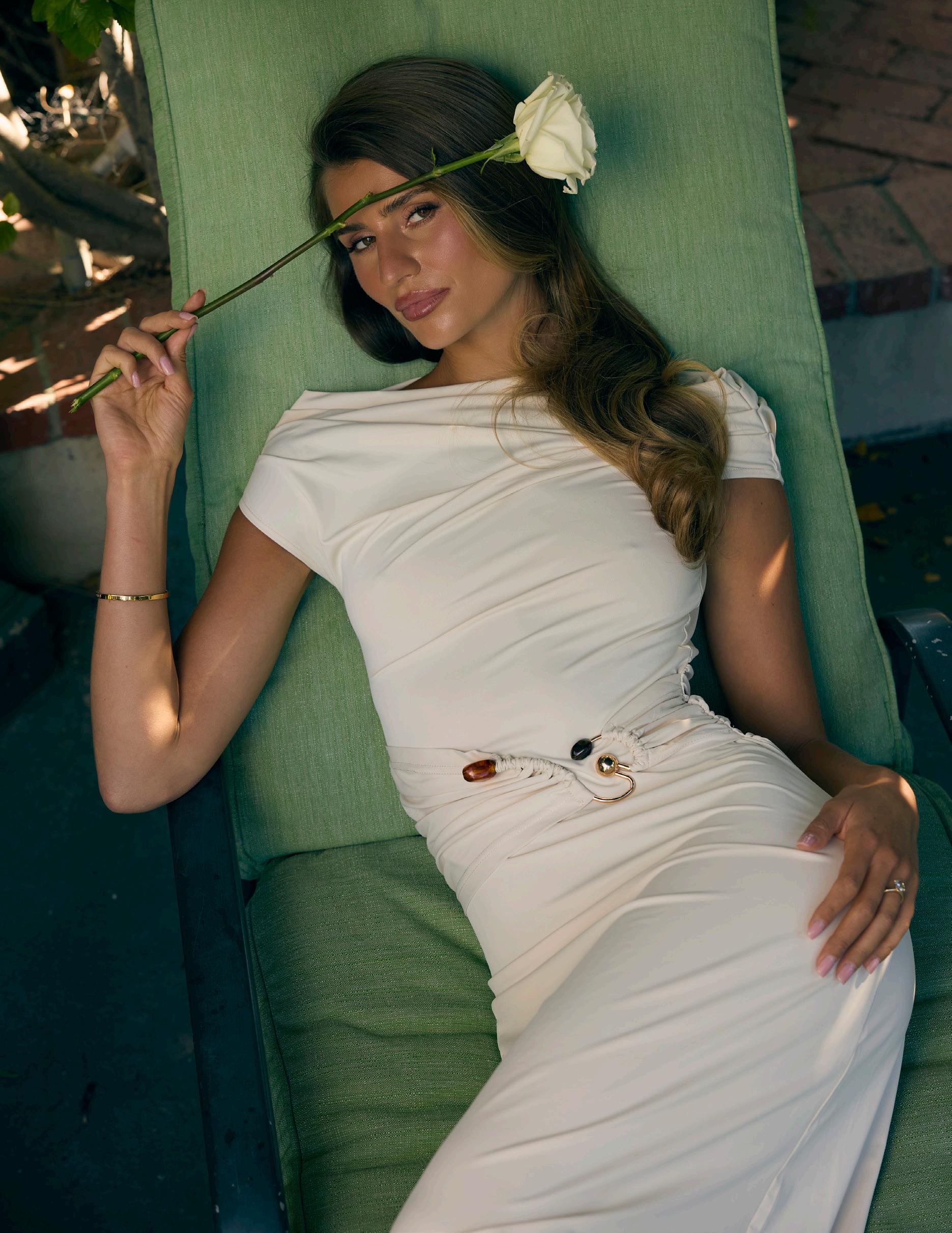
EDITORIAL: WHITE WEDDING (PART II)
EDITORIAL: EASTERN PROMISES
INTERVIEW: DRAGANA DOJOVIC
EDITORIAL: THE WINNING WOMAN
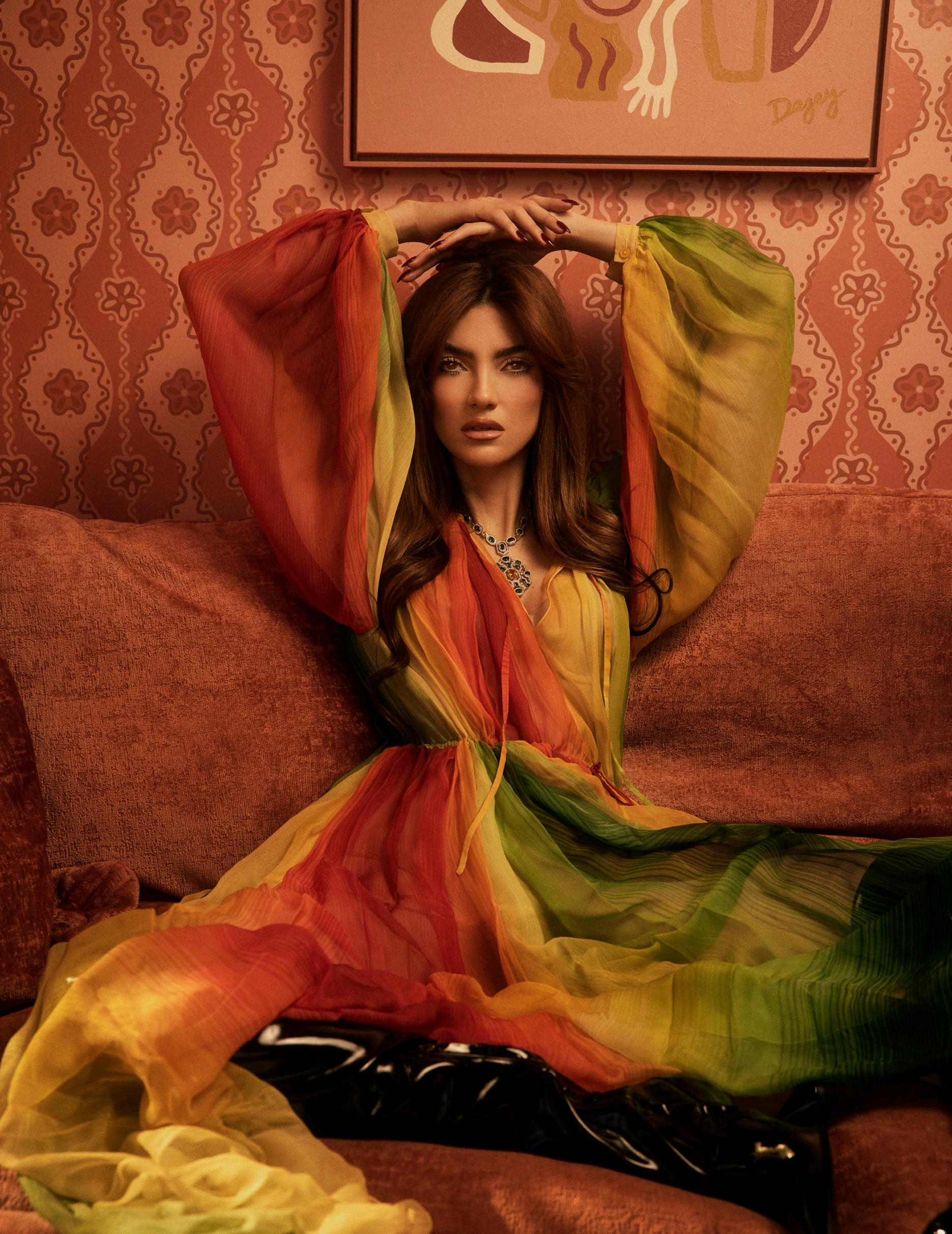
COVER: BLANCA BLANCO
EDITORIAL: RADIANT HOUR
TRAVEL: ÎLE DE BENDOR, FRENCH RIVIERA
EDITORIAL: GINGER
INTERVIEW: LA' AGRA
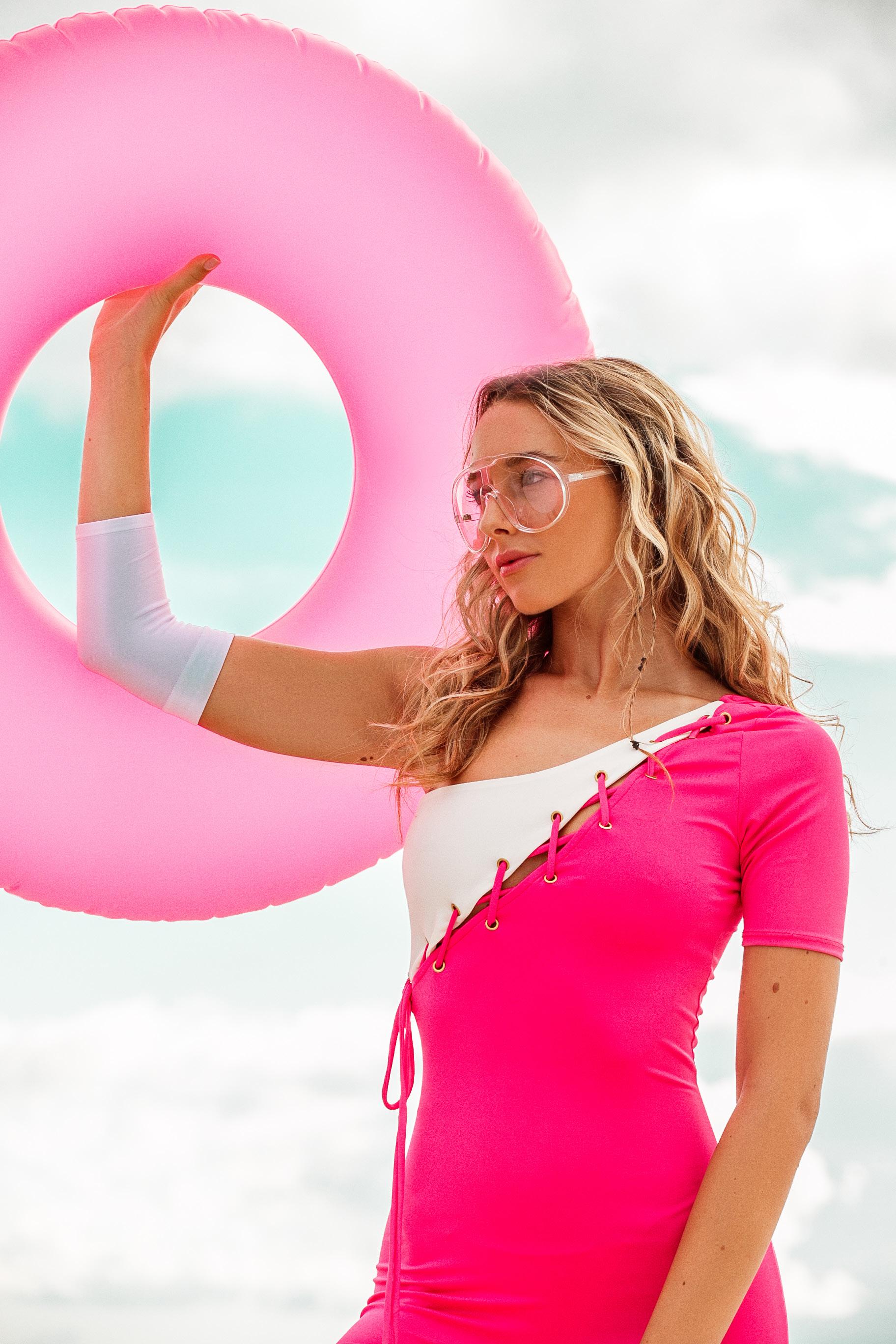
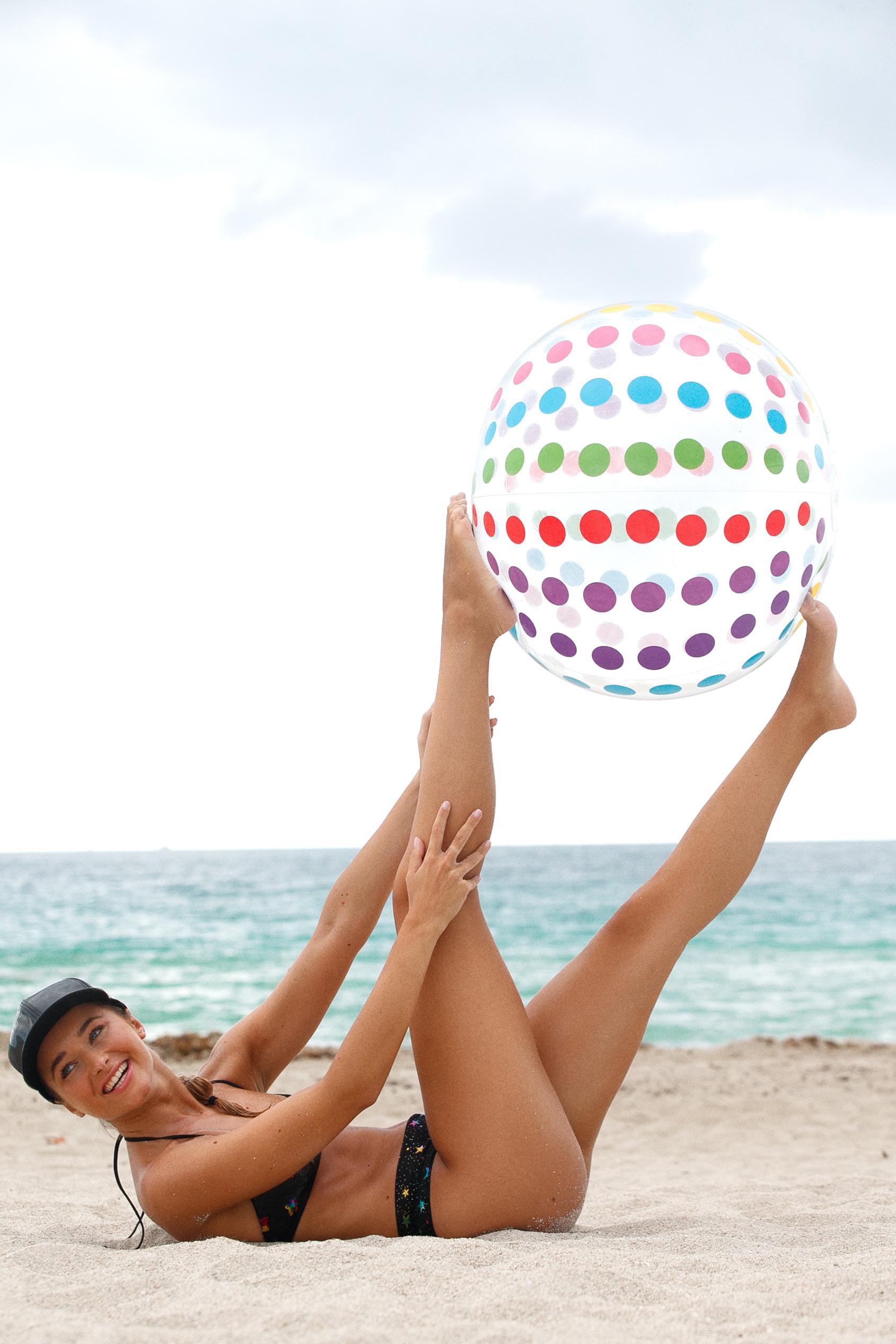
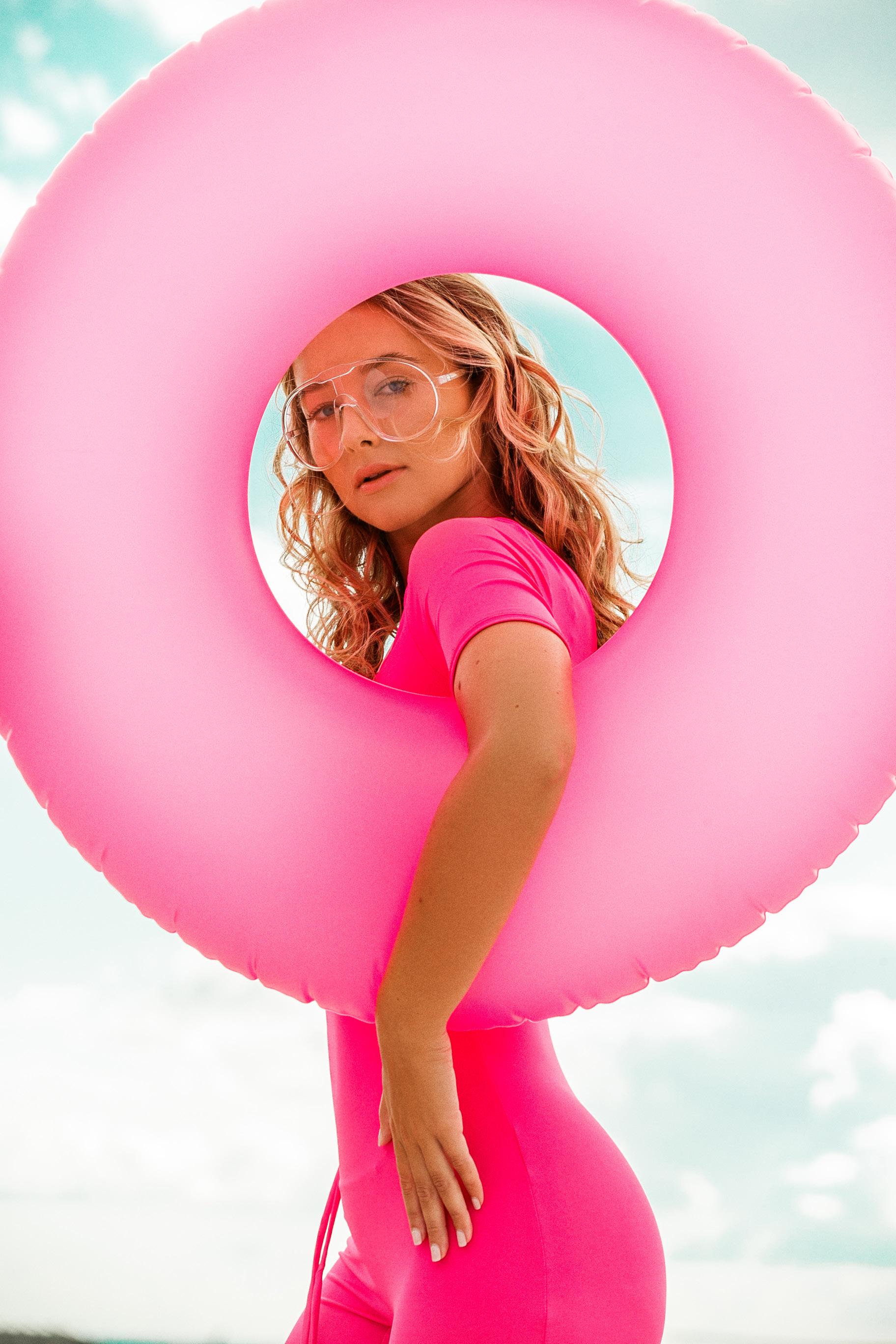
FASHION: THE ARCHITECTURE OF SWIMWEAR
EDITORIAL: FIT, FUN, SPLASH
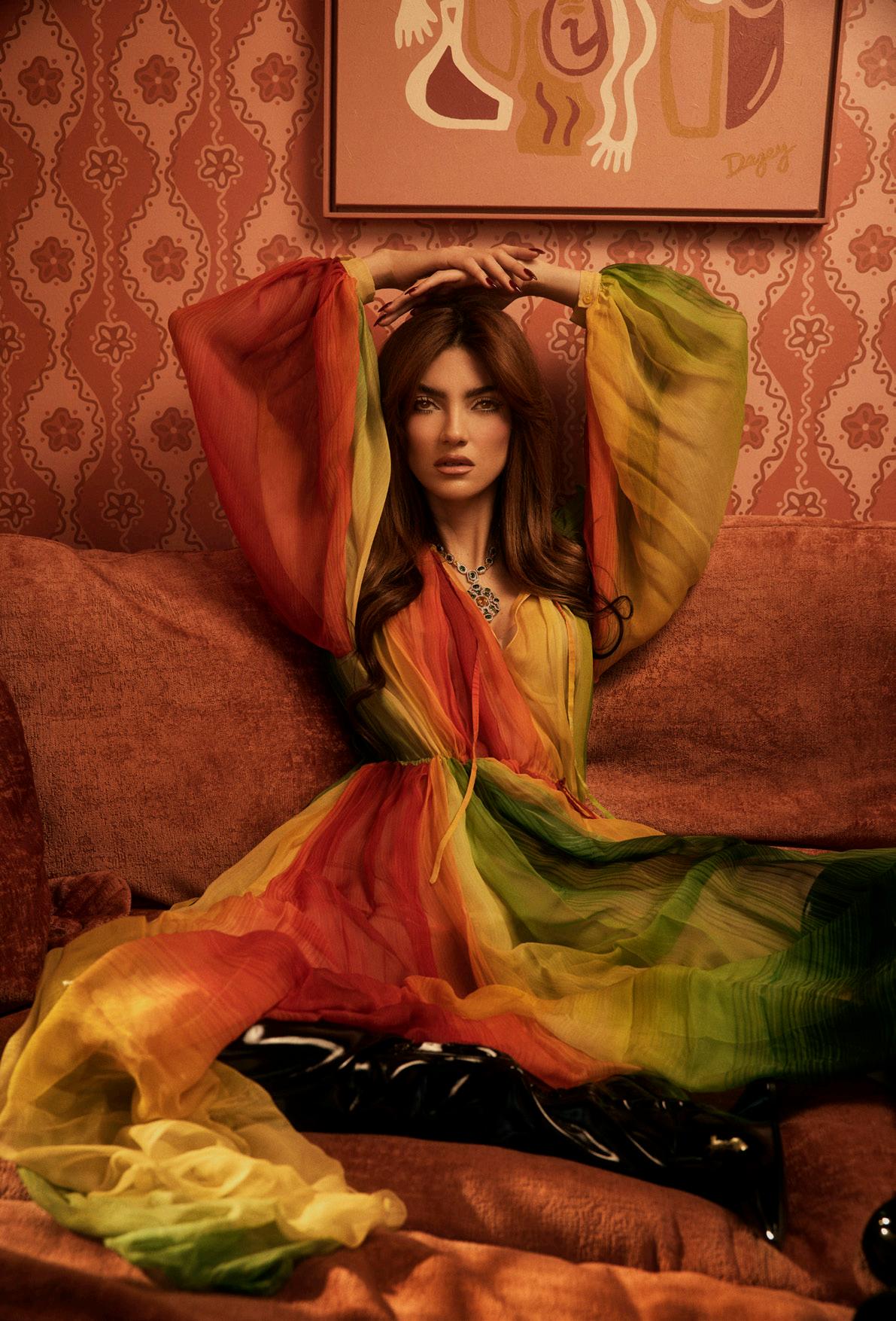
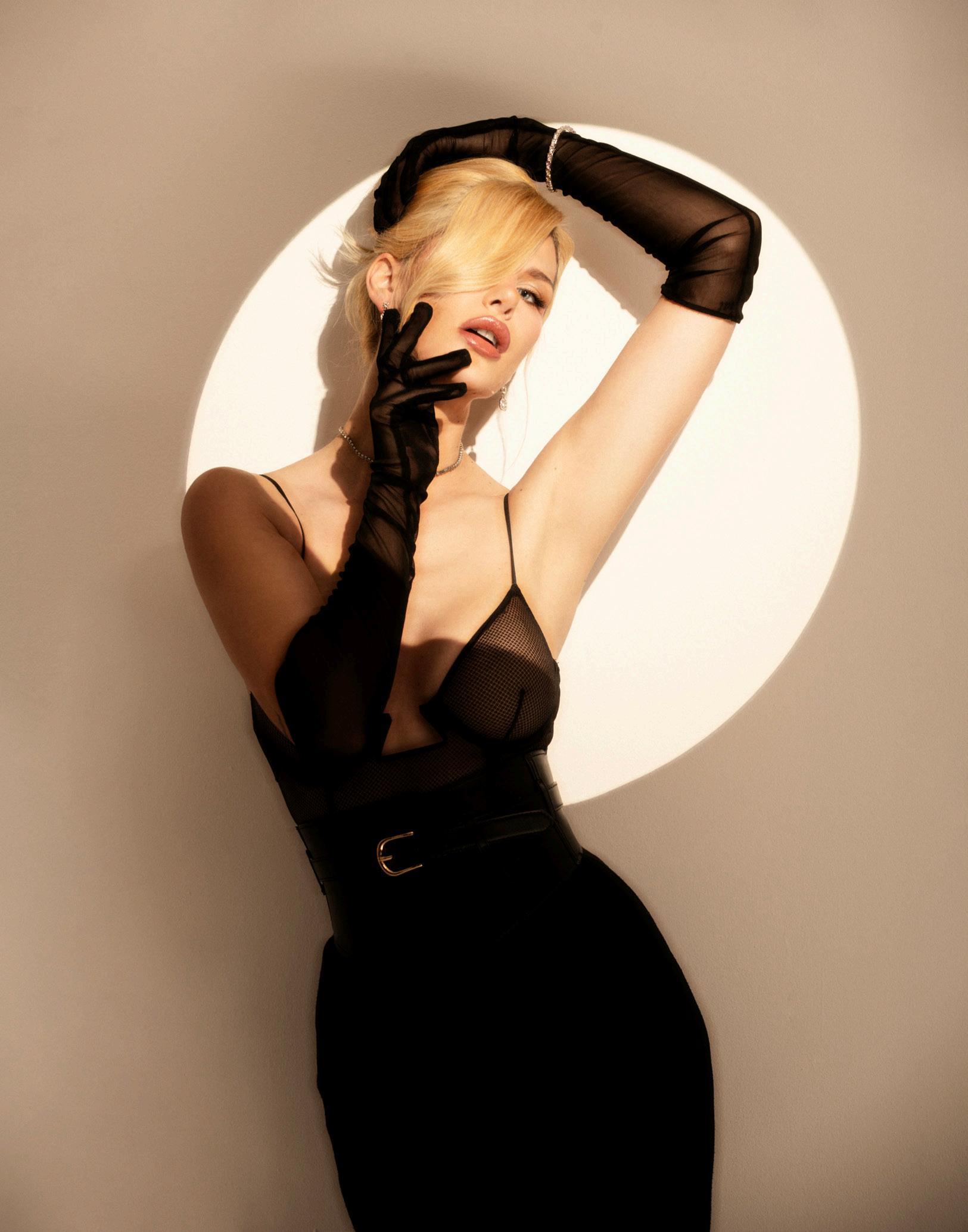
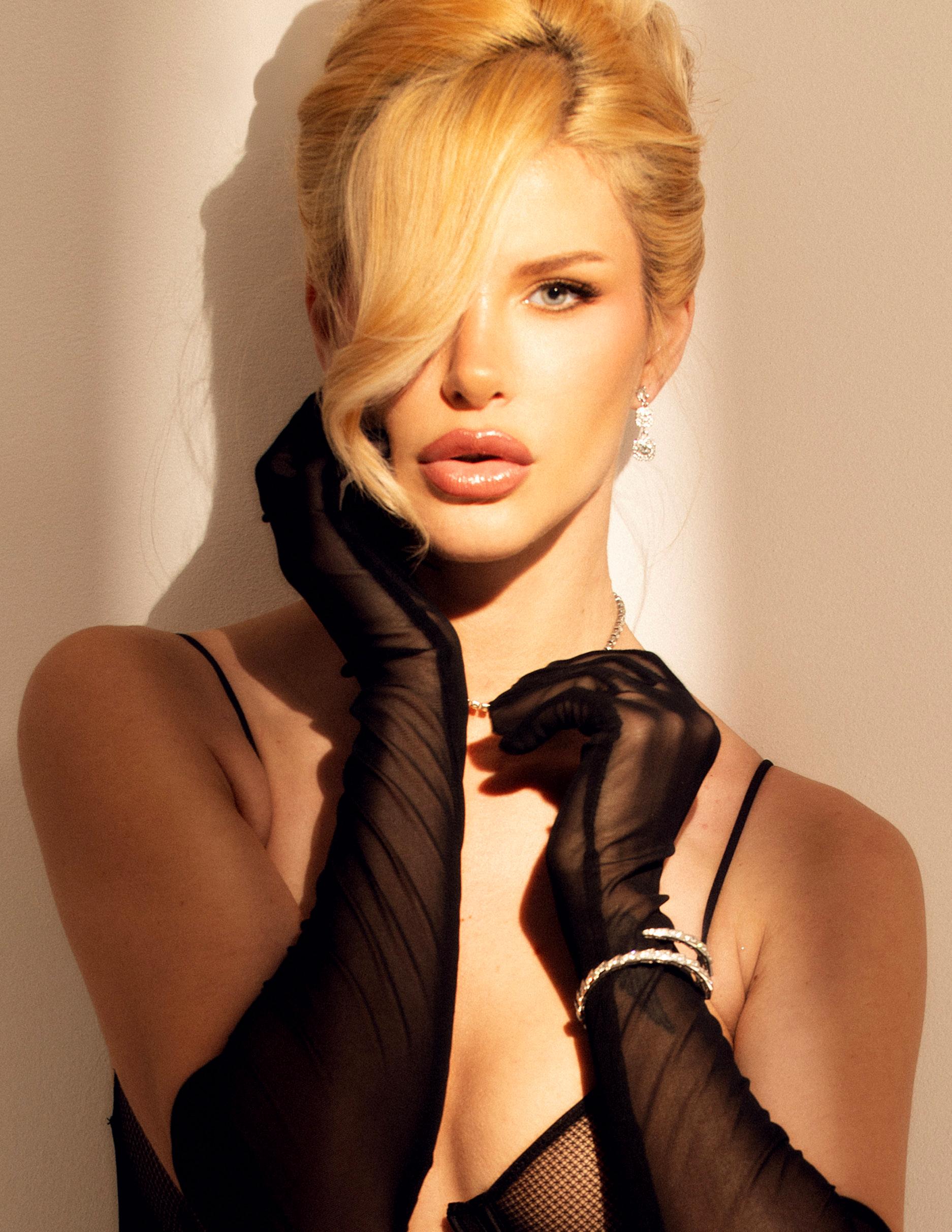
ACTRESS: BLANCA BLANCO @blancablancoactress
PHOTOGRAPHER: JOSH FOGEL @josh_fogel
STYLING: VLADIMIR SIMIC @vladimirsimic1
MAKEUP ARTIST: MINA ABRAMOVIC @abramovicm
HAIR STYLIST: VLADIMIR SIMIC @vladimirsimic1
LIGHTING ASSISTANT : VICTOR RODRIGUEZ @victorrodriguez_photo
EDITING: LUKA UKROPINA @luka_ukropina
PHOTOGRAPHER: NICK BORSODI @njb3photo
MODEL: LOVISA FAHRAEUS @lovisafahraeus
AGENCY: THE INDUSTRY MODEL MGMT LA @theindustryla
STYLING & CREATIVE DIRECTION: MAUREEN BORSODI @thelalook
Makeup Artist : ISABEL WILLIAMS @mymakeupbible
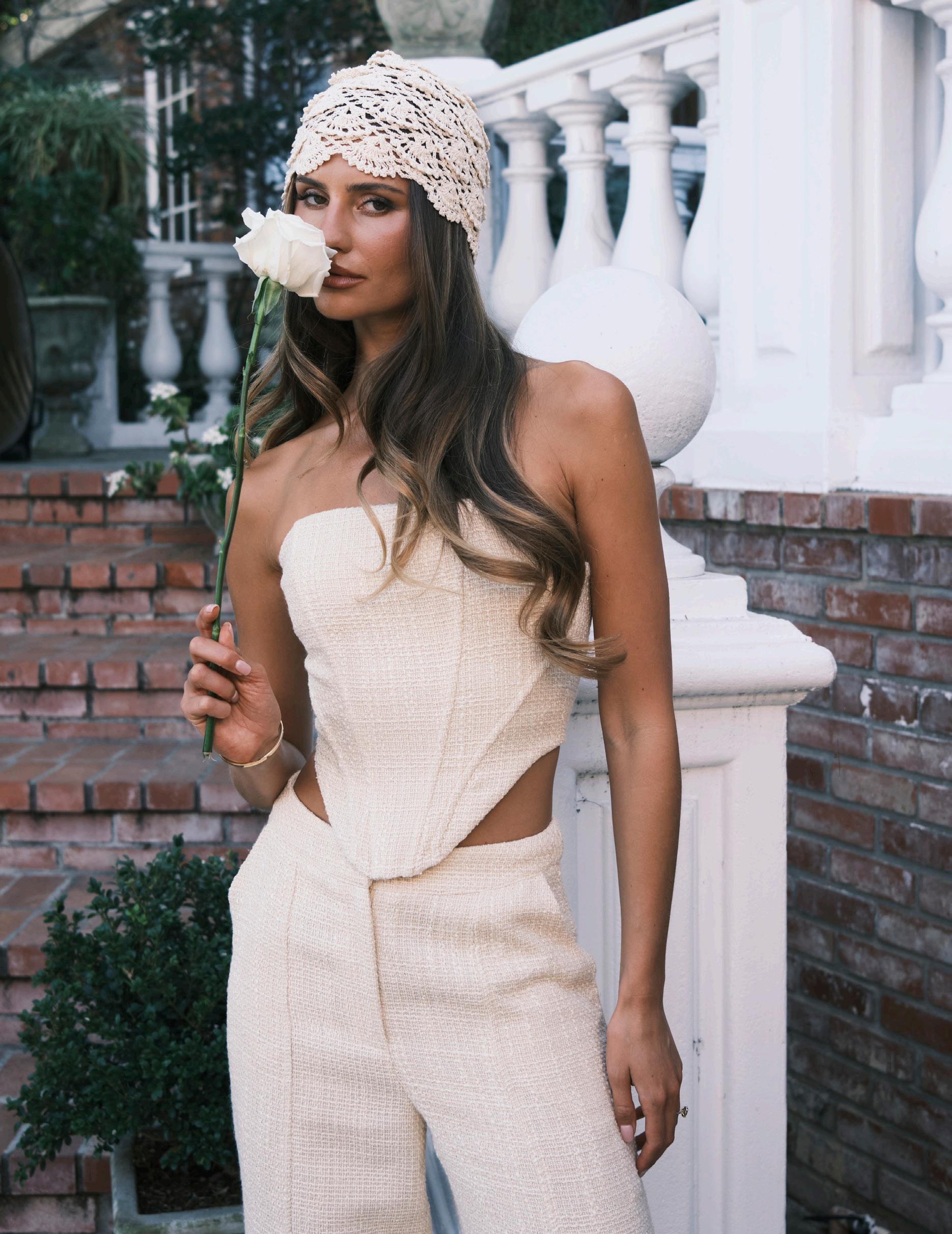
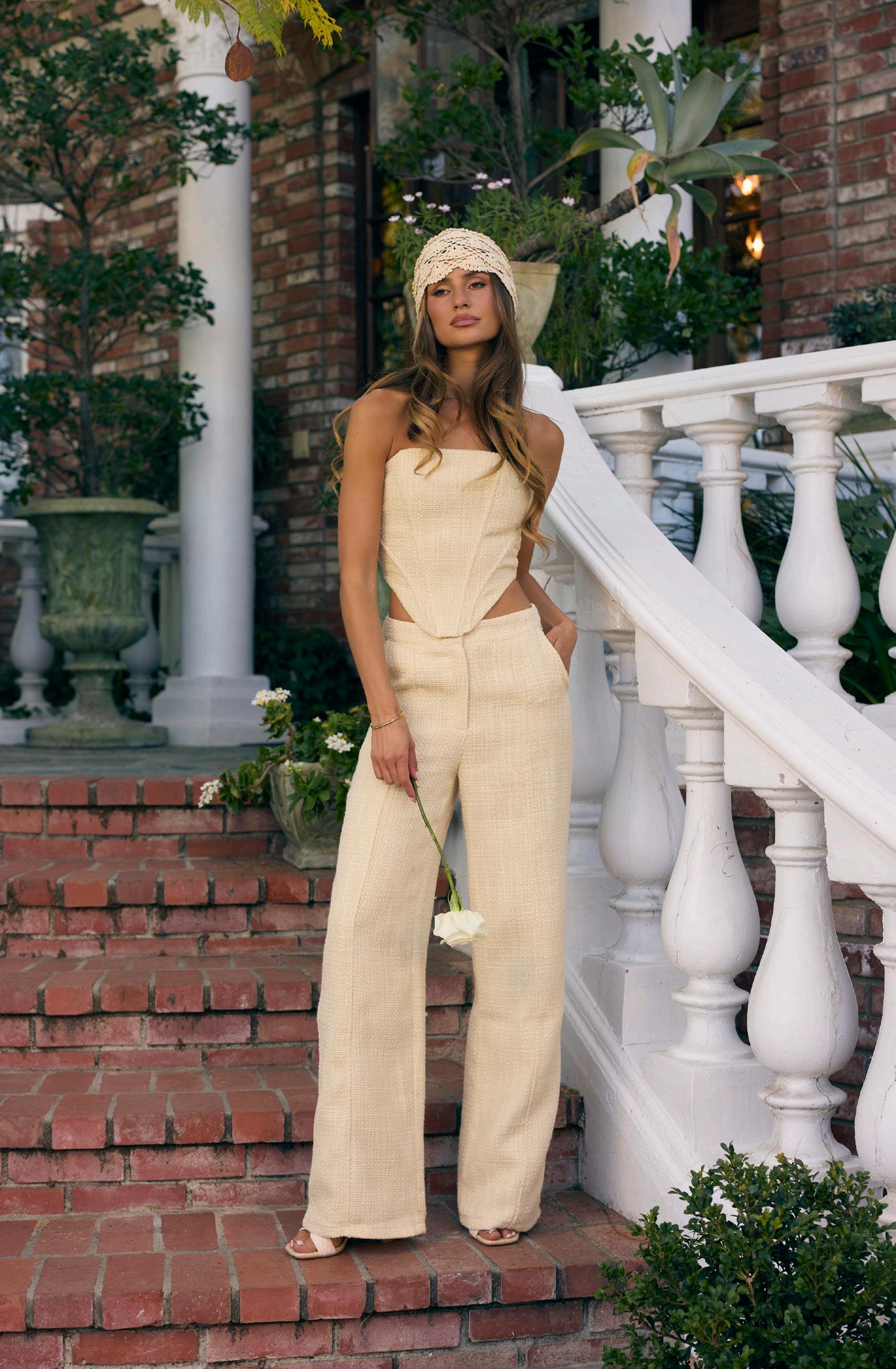
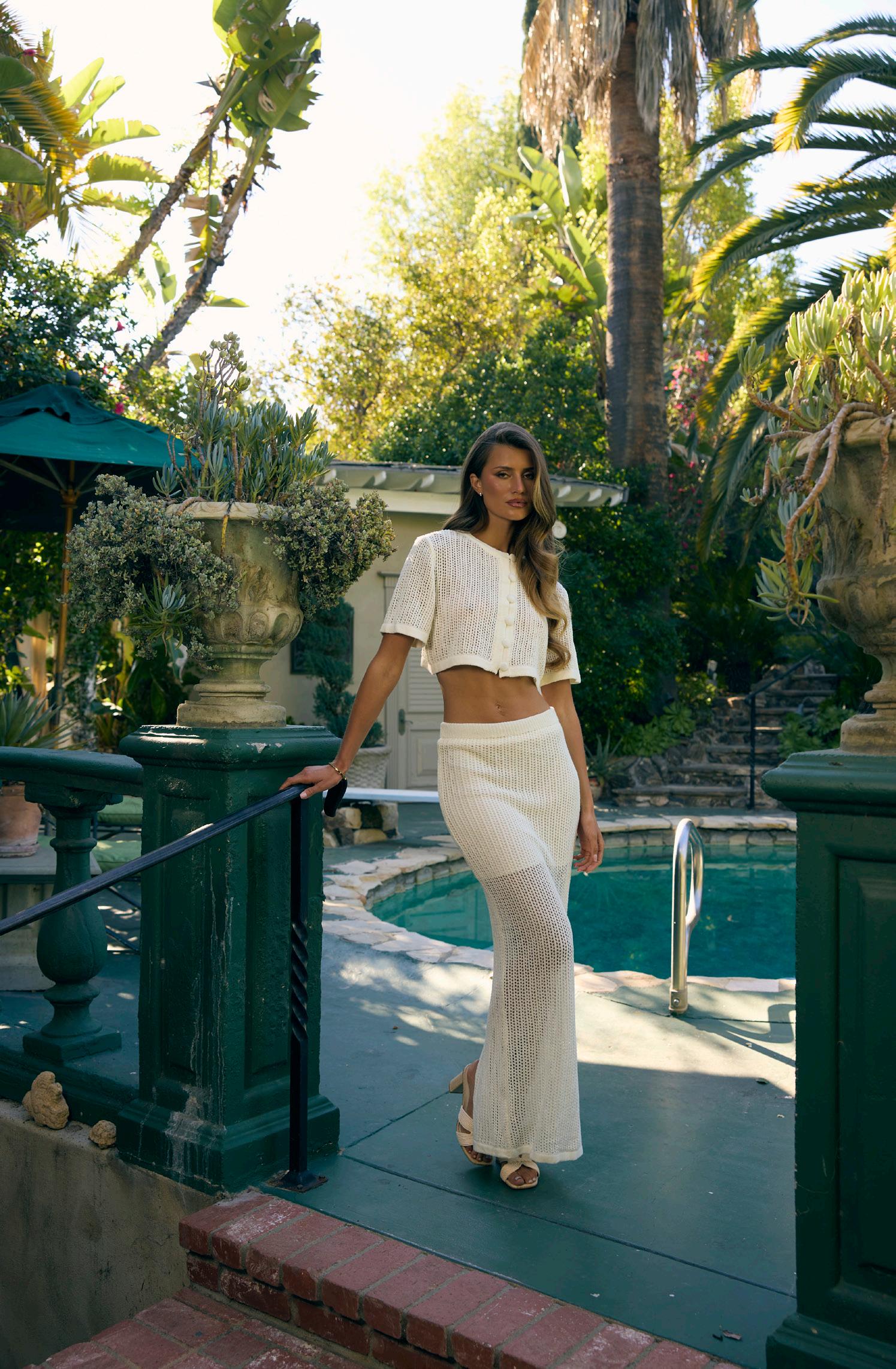
BY LINDSAY RANDO
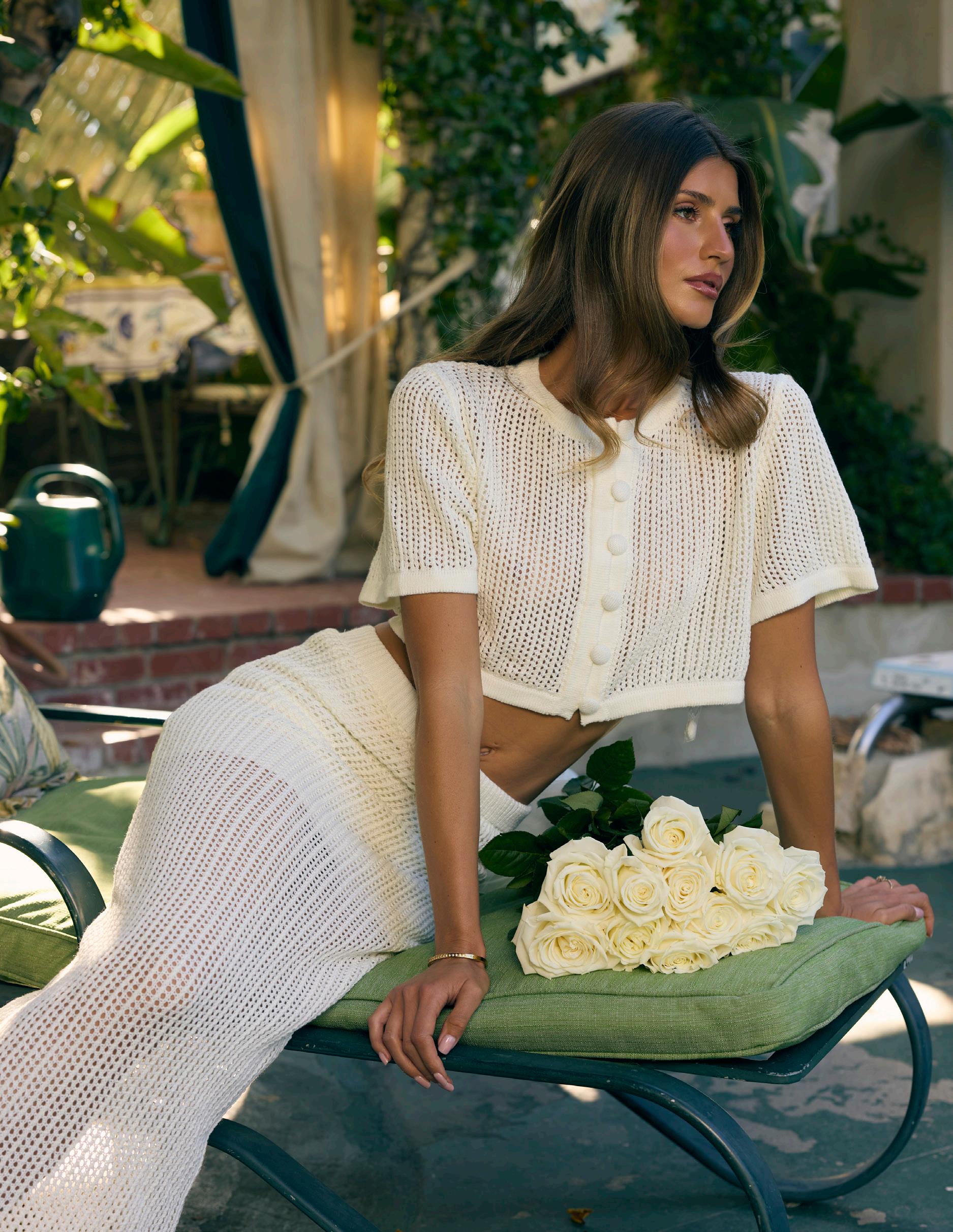
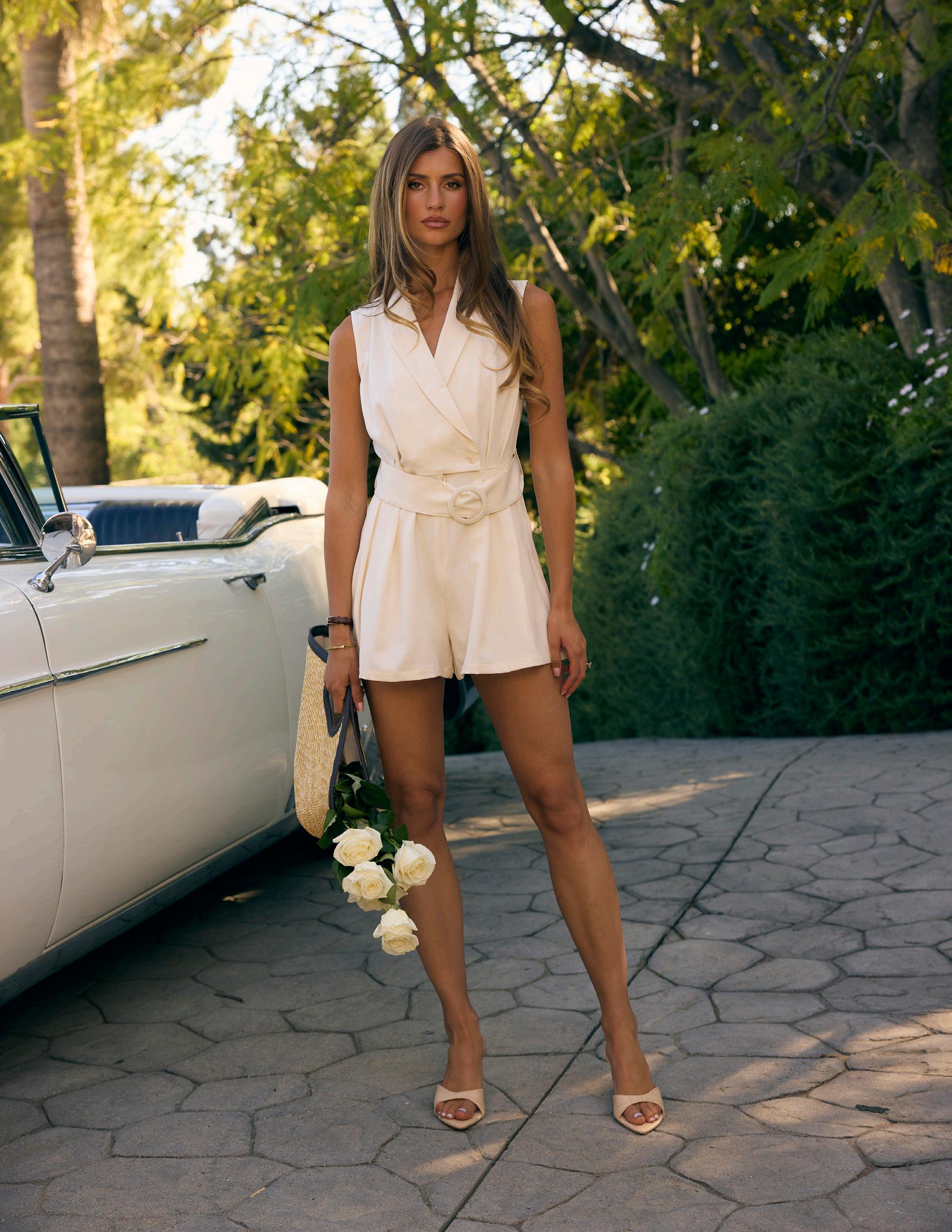
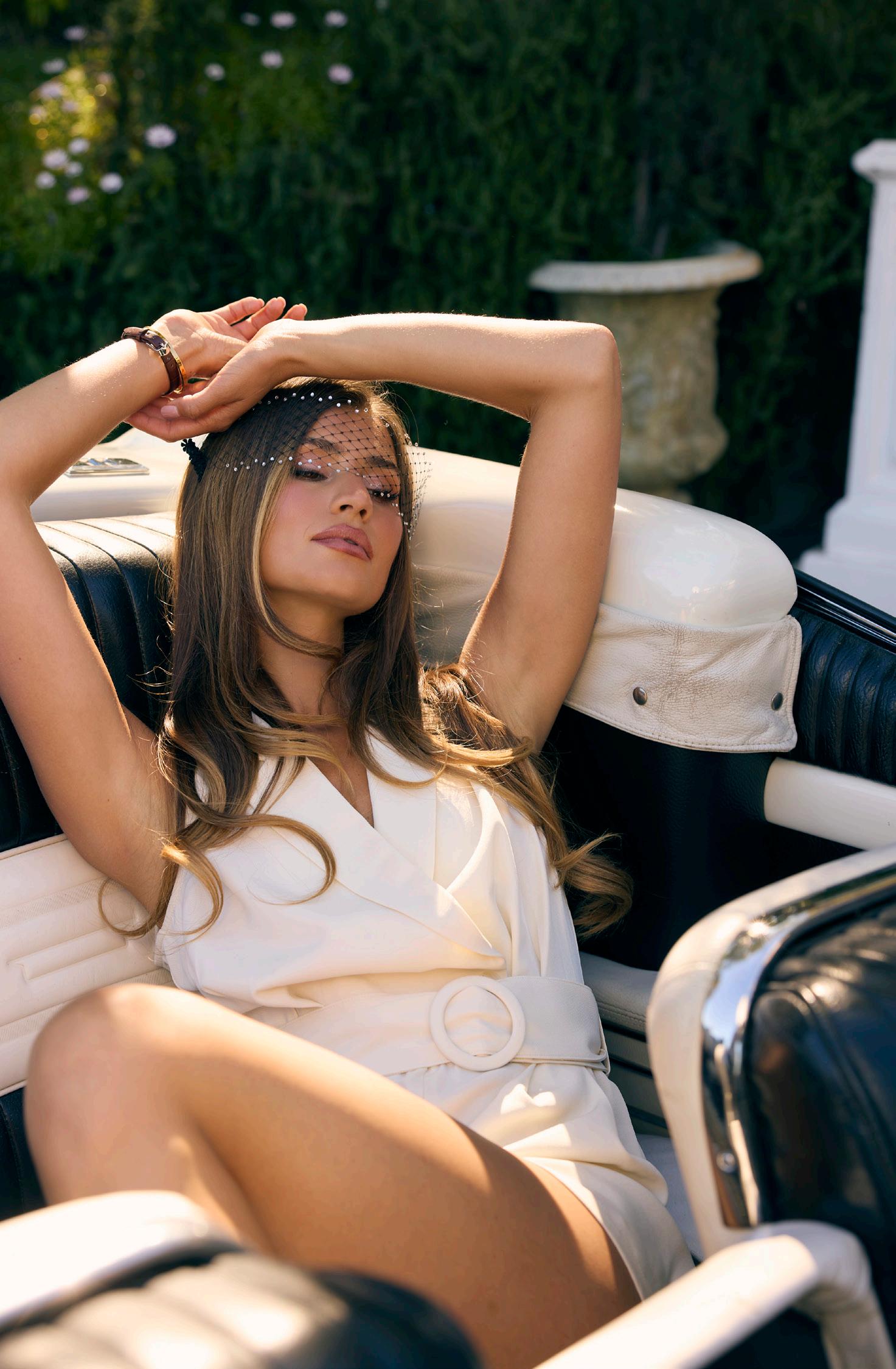
BY LINDSAY RANDO
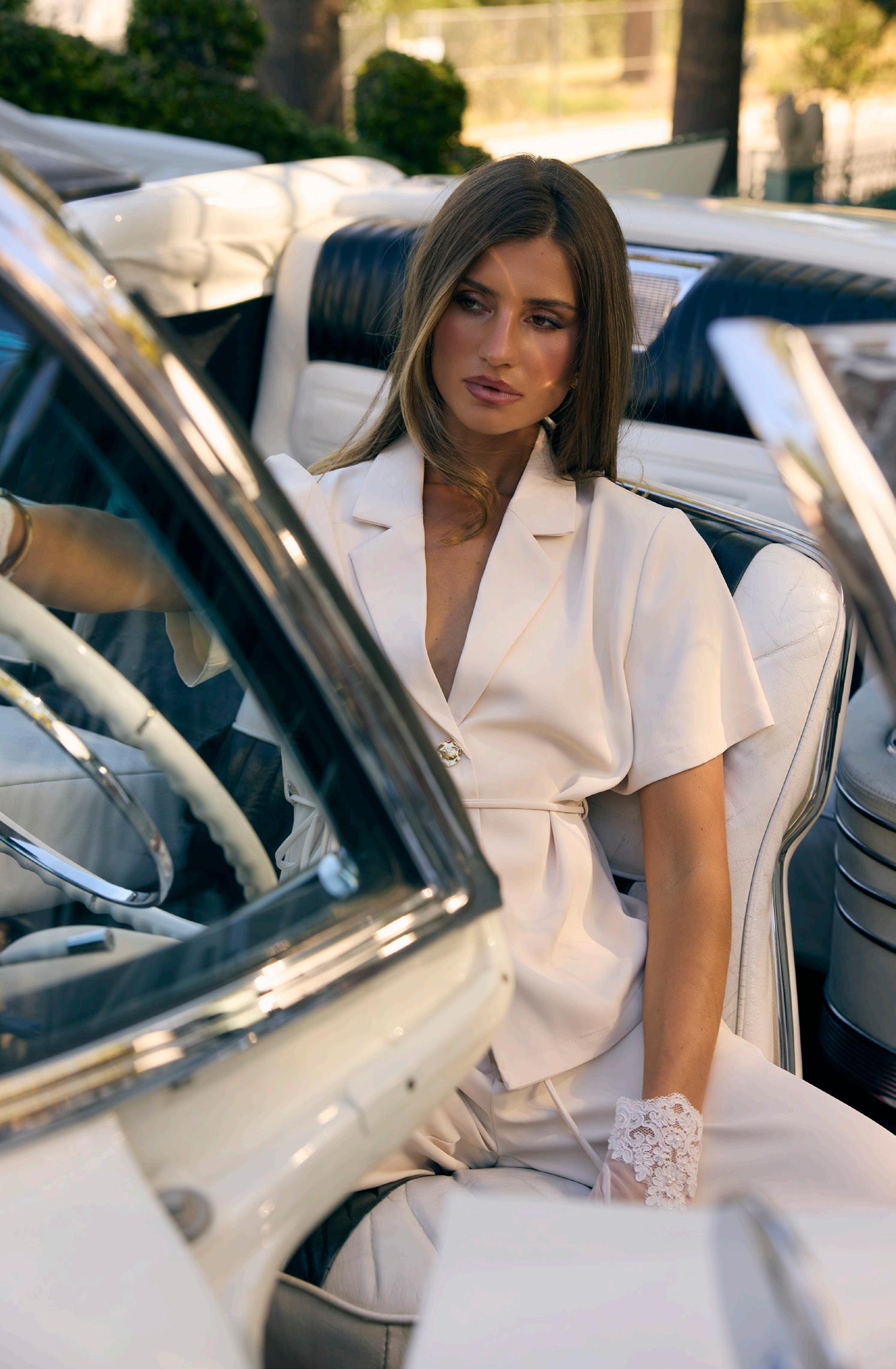
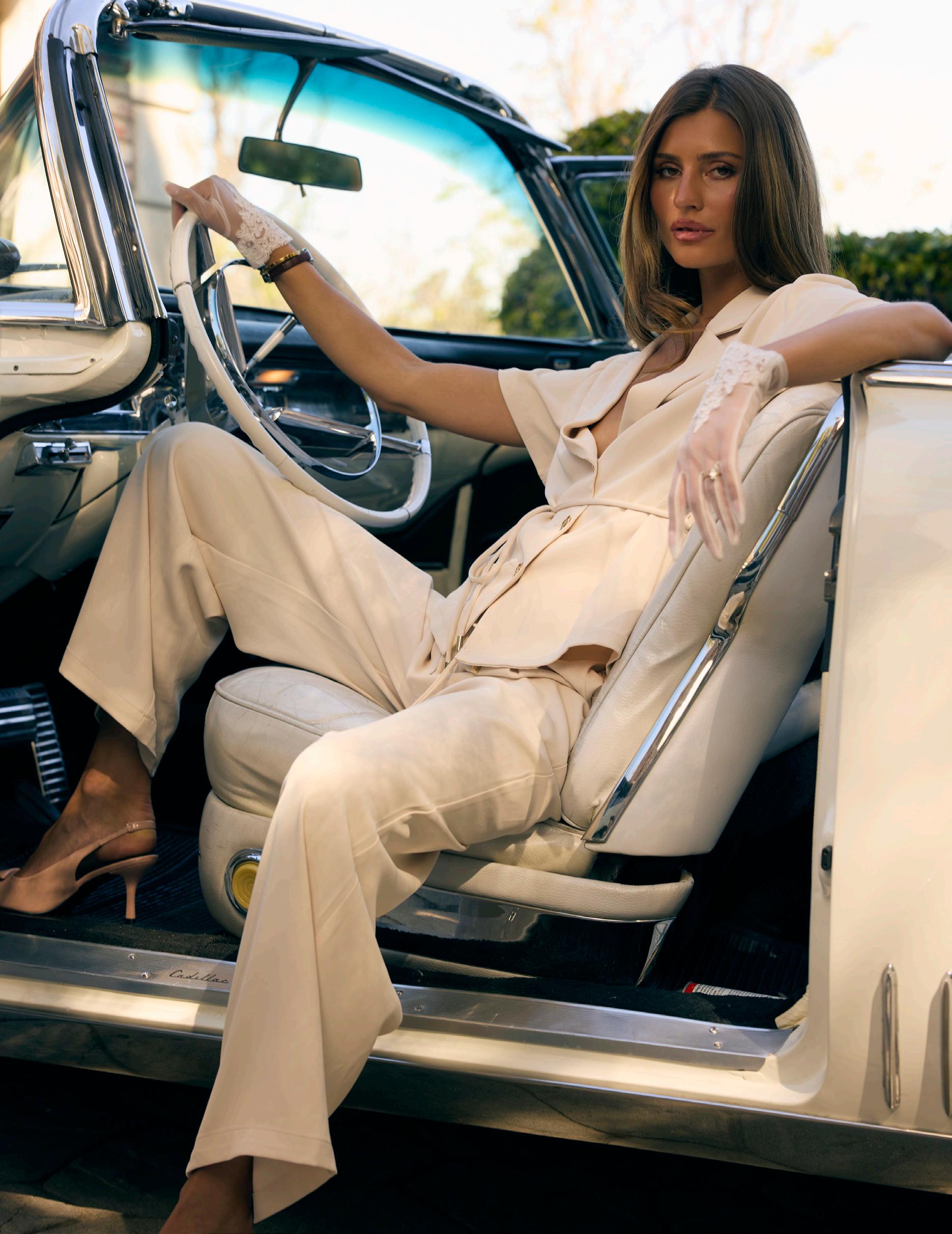
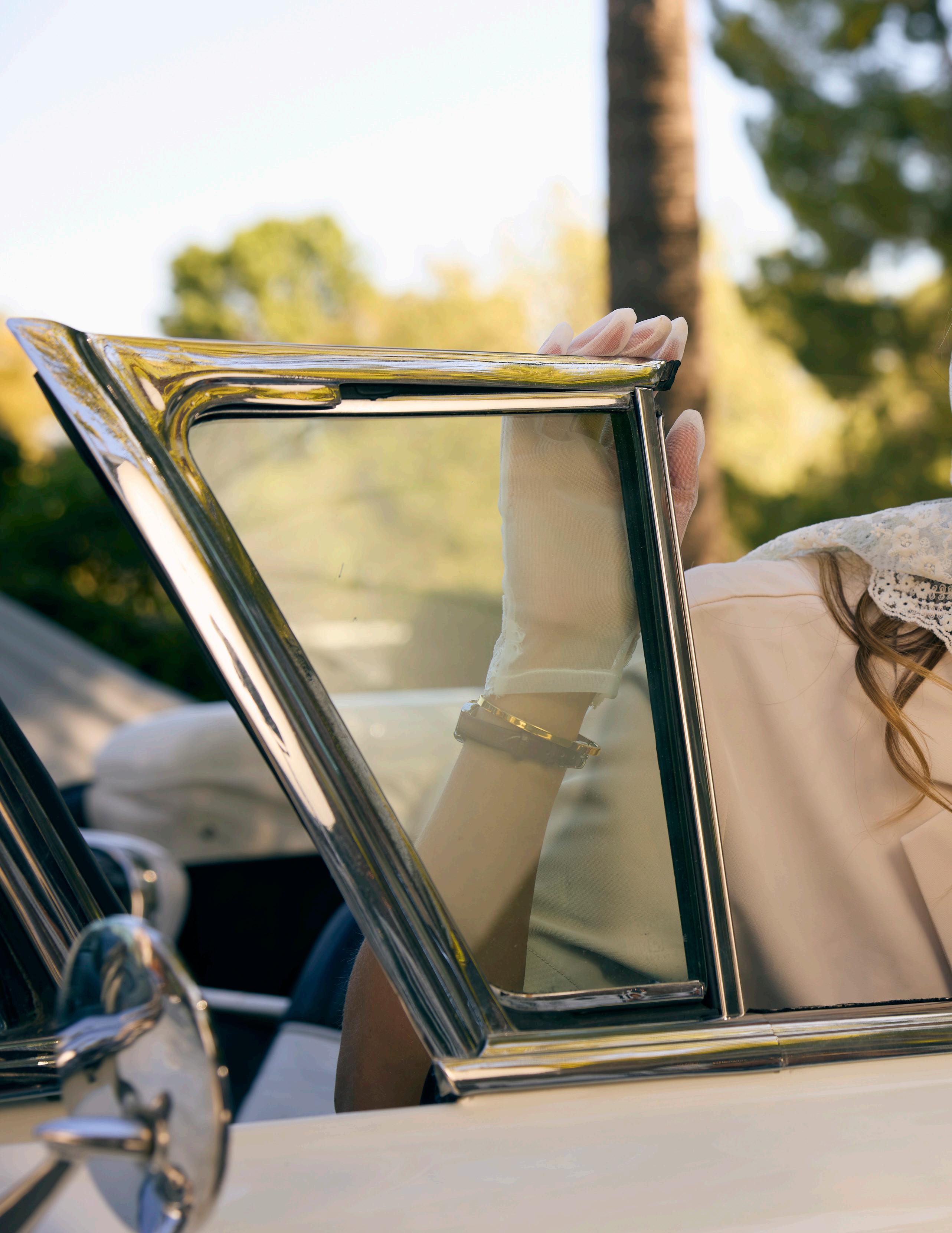
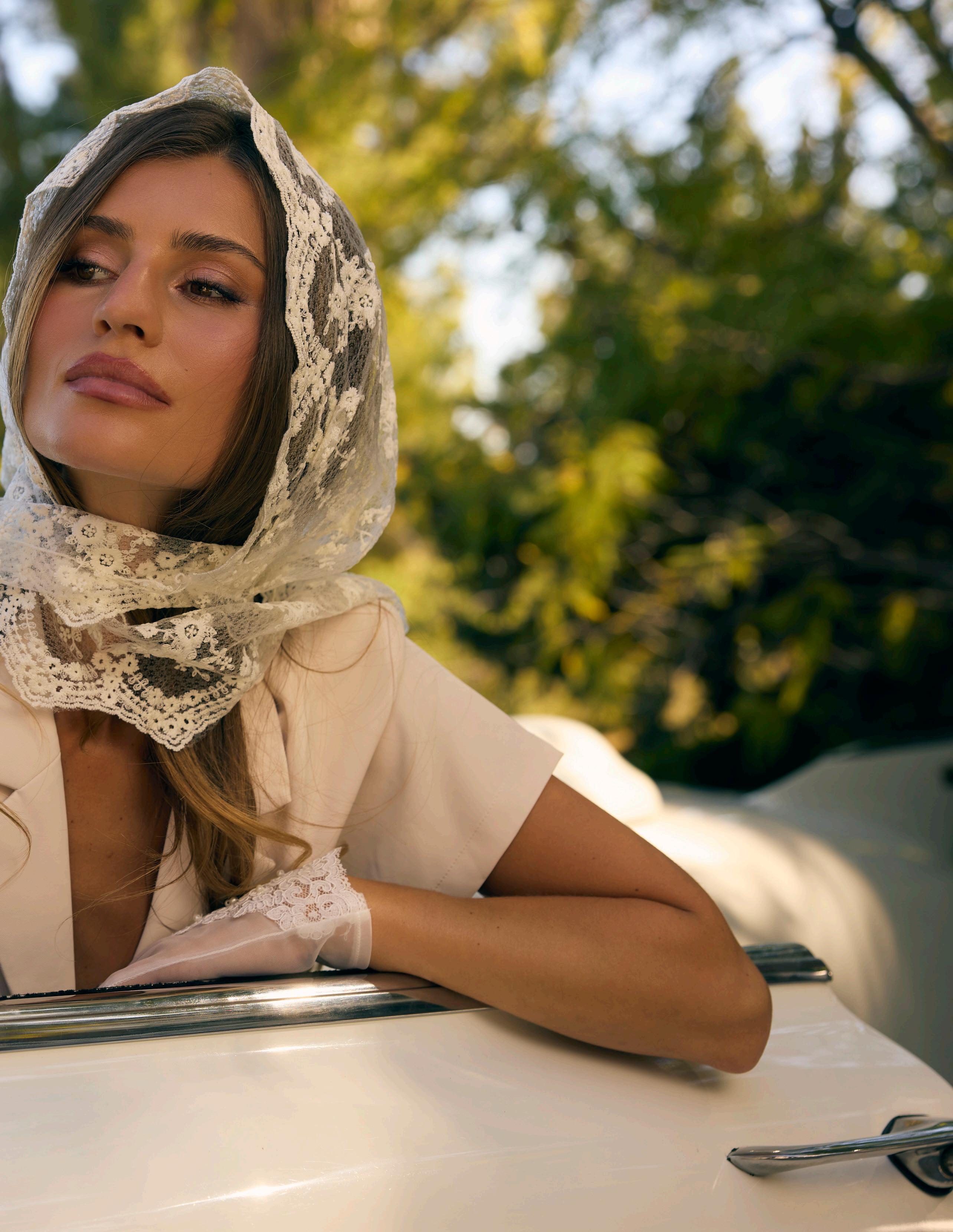
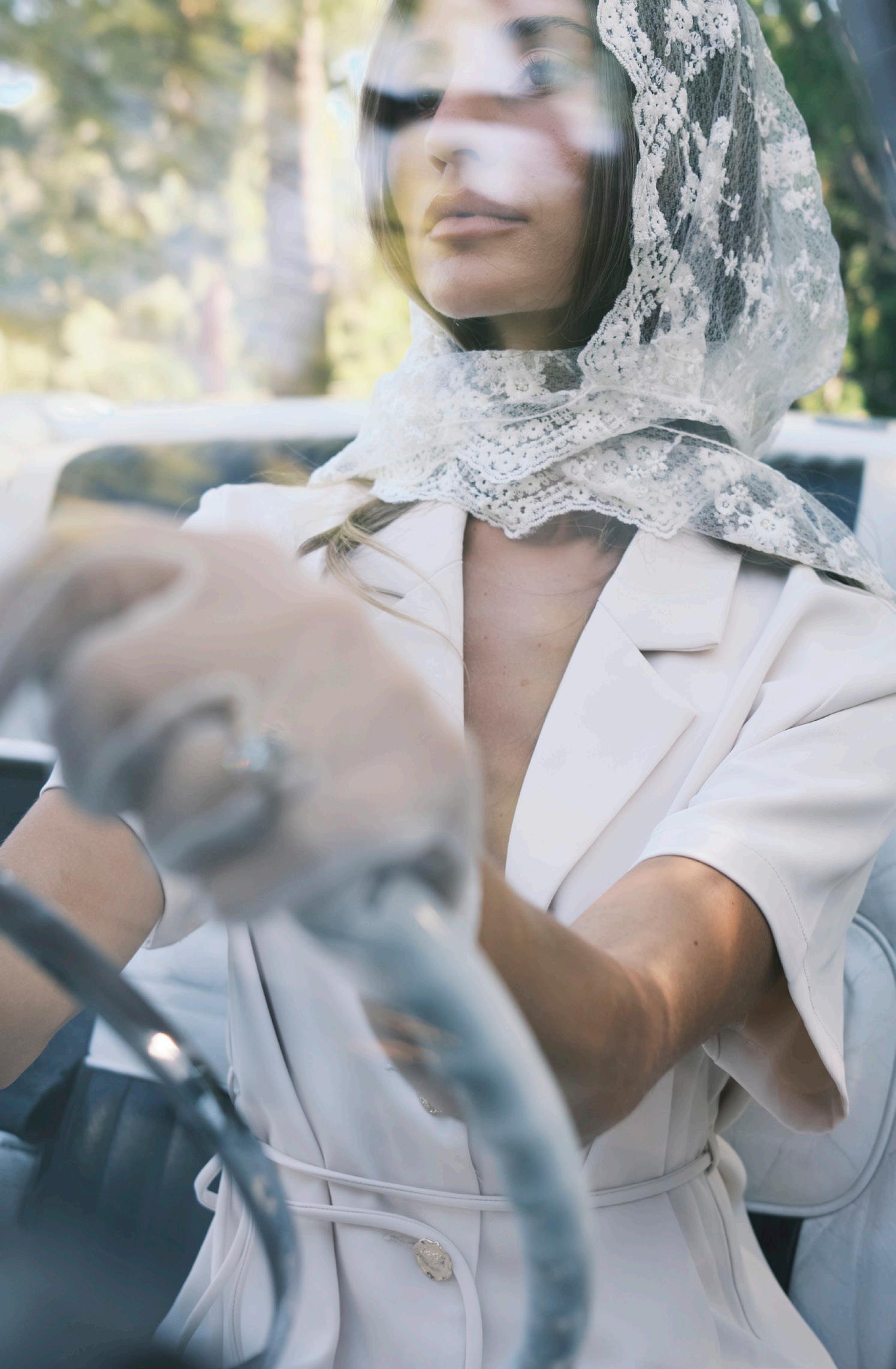
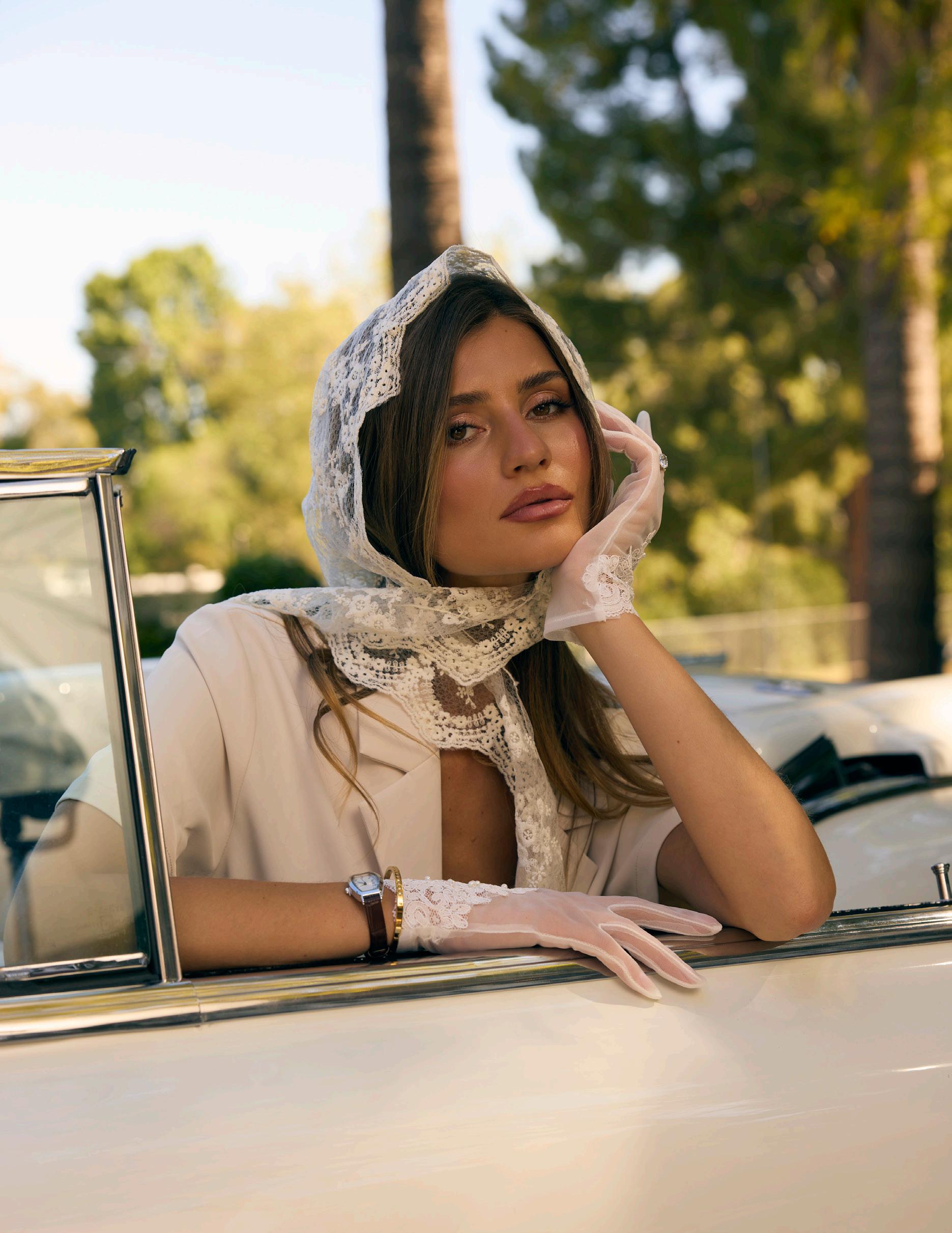
PHOTOGRAPHER: ADASAT BARROSO @adasat
MODEL: AJLA ETEMOVIC @ajlaetemovicser
FASHION STYLIST: PACO ANAYA @pacstylist
HAIR AND MAKEUP ARTIST: ANGEL RODRIGUEZ @angelrgueez
Interview by JOSE-MARIA JIMENEZ
At just 18 years old, Dragana Dujovic stepped onto the international stage as Miss Universe Serbia 2004 , embarking on a journey that would take her far beyond the world of pageantry. What began as a young woman's dream of representing her country evolved into a remarkable career spanning modeling, entrepreneurship, and fashion design. Today, the founder of the Dragana brand is recognized for creating luxury pieces that blend artistry, confidence, and timeless elegance.
In this exclusive interview, Dragana reflects on her transition from model to designer, the challenges of building a life and business in the United States , and the inspiration behind her growing fashion label. From her Serbian roots and artistic vision to her thoughts on modern luxury, sustainability, and female empowerment, she shares the experiences that have shaped both her personal journey and her creative legacy.
TALENT: DRAGANA DUJOVIC @draganadujovic PHOTOGRAPHER: JOHN CIAMBRONE @johnnydrive_
WARDROBE: DRAGANA DUJOVIC @dragana_com
ADDITIONAL WARDROBE: OSCAR LOPEZ @realoscarlopez HAIR AND MAKE UP ARTIST: LAUREN MASSARO @luvandlipgloss
Dragana, you first gained international recognition after being crowned Miss Universe Serbia 2004. Looking back, how did that experience shape the woman and entrepreneur you are today?
I was only 18 years old when I was crowned Miss Universe Serbia 2004. It was a life-changing experience because it took me out of my comfort zone and introduced me to the world at a very young age. Traveling to the United States alone, meeting incredible women from different countries, and representing my country taught me independence, confidence, and resilience. Those experiences helped shape the woman I am today and gave me the courage to become an entrepreneur. I learned early on how important it is to believe in yourself, embrace new opportunities, and work hard to turn your dreams into reality.
Winning Miss Universe Serbia opened doors, but more importantly, it taught me discipline, confidence, and responsibility. It showed me that success comes from preparation, perseverance, and believing in yourself even when others doubt you.
What are some of the most valuable lessons you learned from competing on the international pageant stage?
industry from the inside, I realized I wanted to do more than wear beautiful designs—I wanted to create them. Just one year after moving to the United States, I enrolled in accessory design studies at Miami International University of Art & Design because I had a bigger dream. I wanted to leave my own mark on the fashion world as a designer and entrepreneur. America represented endless possibilities, innovation, and opportunity, making it the perfect place to turn that dream into reality. My modeling career gave me a unique understanding of what women want, but designing allowed me to express my own creativity and vision through the Dragana brand.
“Success comes from preparation, perseverance, and believing in yourself even when others doubt you.”
I learned how to present myself with confidence, adapt to different cultures, and stay composed under pressure. The experience taught me that authenticity is more powerful than perfection. Your career has successfully evolved from modeling into fashion design. When did you realize you wanted to create your own brand rather than simply wear other designers’ creations?
I became fascinated by the creative process behind fashion. I wanted to bring my own vision to life and create pieces that reflected my personal style and empowered women. Fashion has been part of my life for as long as I can remember. After years of working as a model and experiencing the
After moving from Serbia to the United States, what were some of the biggest challenges and opportunities you encountered in building a career in a new country?
Moving from Serbia to the United States was both exciting and challenging. Being alone and far away from my family was one of the hardest parts. I felt that I had to work twice as hard to build a life and career in a new country. At the same time, America gave me incredible opportunities to dream bigger, meet inspiring people, and pursue my goals. Those challenges taught me resilience, independence, and determination, which later helped me build my own brand and become the entrepreneur I am today. Starting over in a new country was challenging. I had to build a network, establish credibility, and adapt to a different business culture. At the same time, America offered incredible opportunities for growth, innovation, and entrepreneurship.
You studied accessory design and later launched your own fashion label. What inspired your focus on handbags and accessories?
I have always been drawn to accessories because I believe a handbag can completely transform an outfit and make a powerful statement. My passion started with designing handbags and accessories, but over time I wanted to create something even more personal and artistic. I began painting my own artwork and transforming those original
designs into custom prints on fabric. That creative evolution allowed me to expand beyond accessories and design garments featuring my own unique prints, turning wearable fashion into a form of art.
Accessories have the power to transform an entire look. I love creating pieces that are both functional and elegant, allowing women to express their individuality and confidence.
How would you describe the DNA of the Dragana brand in three words? Luxury. Confidence. Timelessness.
Many designers draw inspiration from their heritage. In what ways has your Serbian background influenced your aesthetic and creative vision?
My Serbian heritage has had a strong influence on my creative vision. Many of my prints are bold, expressive, and full of character, which reflects the strength and resilience of the Serbian people. Growing up surrounded by a culture that has endured hardships and overcome challenges inspired me to create designs that are powerful, authentic, and fearless. I believe that spirit naturally comes through in my work, and it continues to influence the way I approach fashion and art today.
Your collections often blend luxury with versatility. What do you believe modern women are looking for in fashion today?
I believe modern women are looking for fashion that makes them feel unique, beautiful, strong, and confident. Today’s woman wants pieces that reflect her individuality while also fitting into different aspects of her life. She wants fashion that empowers her, tells a story, and allows her to express who she is. For me, true luxury is not just about how something looks—it’s about how it makes a woman feel when she wears it.
What does true luxury mean to you in an era increasingly focused on sustainability and
conscious consumption?
To me, true luxury is no longer just about exclusivity or price—it’s about quality, purpose, and longevity. I believe luxury should be created with intention, using beautiful craftsmanship and thoughtful materials that stand the test of time. In today’s world, conscious consumption means choosing pieces that have meaning, tell a story, and are made responsibly. The most luxurious thing is owning something you truly love and will cherish for years rather than something disposable or trend-driven.
As both a designer and a model, do you approach fashion differently than someone who comes from only one side of the industry?
Absolutely. Modeling taught me how garments move, fit, and make women feel. As a designer, I combine that understanding with creativity to create pieces that are both beautiful and wearable.
How has social media transformed the fashion business since the beginning of your career?
Social media has completely changed the industry. It has given designers direct access to their audience and created opportunities to build global brands without traditional barriers.
What advice would you give young models who aspire to build long-term careers beyond the runway?
Invest in yourself, continue learning, and build your personal brand. Modeling can open doors, but your long-term success depends on the value and vision you create beyond the runway. Many people see the glamorous side of fashion. What are some of the realities behind the scenes that the public rarely gets to see?
Fashion requires tremendous hard work, long hours, constant problem-solving, and resilience. Behind every glamorous moment is
“I love creating pieces that are both functional and elegant, allowing women to express their individuality and confidence.”
a team working tirelessly to bring a vision to life.
Social media plays a major role in modern artistry—how do you balance digital presence with real-world creativity?
The digital era has transformed the way art lives and travels. Today, expression is not confined, it’s immediate, global, accessible. There’s a certain beauty in being able to share energy across continents with a single click. It’s a different kind of stage, but a lot powerful. Entrepreneurship requires resilience. Can you share a moment when you faced a major setback and how you overcame it?
Like many entrepreneurs, I have faced challenges that tested my determination. Each setback became an opportunity to learn, adapt, and come back stronger. Resilience is one of the most important qualities for success.
How do you balance creativity with the practical demands of running a growing fashion business?
Balancing creativity and business is one of the biggest challenges as a designer and entrepreneur. I have learned that creativity is the heart of the brand, but discipline and organization are what help it grow. I dedicate time to designing and developing new ideas, while also focusing on the business side, from production and marketing to building relationships with clients and partners. Finding that balance allows me to stay creative while continuing to grow the brand in a sustainable way.
What inspires you creatively when you begin designing a new collection?
My inspiration comes from many different places. My children inspire me every day with their creativity, energy, and unique perspective on the world. I am also inspired by nature, colors, textures, art, and music. Sometimes a beautiful song, a vibrant sunset, or an interesting fabric can spark an entire collection. I love combining these influences to create pieces that feel artistic, emotional, and meaningful.
Are there any designers, artists, architects, or cultural influences that continue to inspire your work?
I draw inspiration from many sources, including talented artists in Miami , whose creativity and vibrant energy constantly inspire me. I also find inspiration in architecture, especially the shapes, structures, and details that can be translated into fashion design. Even something as simple as a window display, a building facade, or an interesting cultural experience can spark a new idea. I believe inspiration is everywhere if you keep your eyes open and stay curious.
What accomplishment in your career are you most proud of so far?
Building the Dragana brand and seeing women around the world wear my designs with confidence is one of my greatest achievements. Turning a dream into a reality is incredibly rewarding.
One of the accomplishments I am most proud of is building my brand, Dragana, and presenting my collections at Miami Swim Week. Seeing my designs come to life on the runway was a dream come true and a reflection of years of hard work and dedication. At the same time, raising my children while growing my brand has been my greatest achievement. Being able to pursue my passion, build a successful business, and be a mother is something I am incredibly proud of.
Looking ahead, what are your goals for the future of the Dragana brand and your personal career?
I want to continue expanding the Dragana brand internationally, introduce new collections, collaborate with global partners, and create a lasting legacy in fashion and entrepreneurship.
Finally, if you could give one piece of advice to your younger self just before stepping onto the Miss Universe stage, what would it be?
Trust yourself completely. Stay authentic, embrace every opportunity, and remember that your greatest success will come not from winning a title, but from believing in your own vision.
“raising my children while growing my brand has been my greatest achievement.”
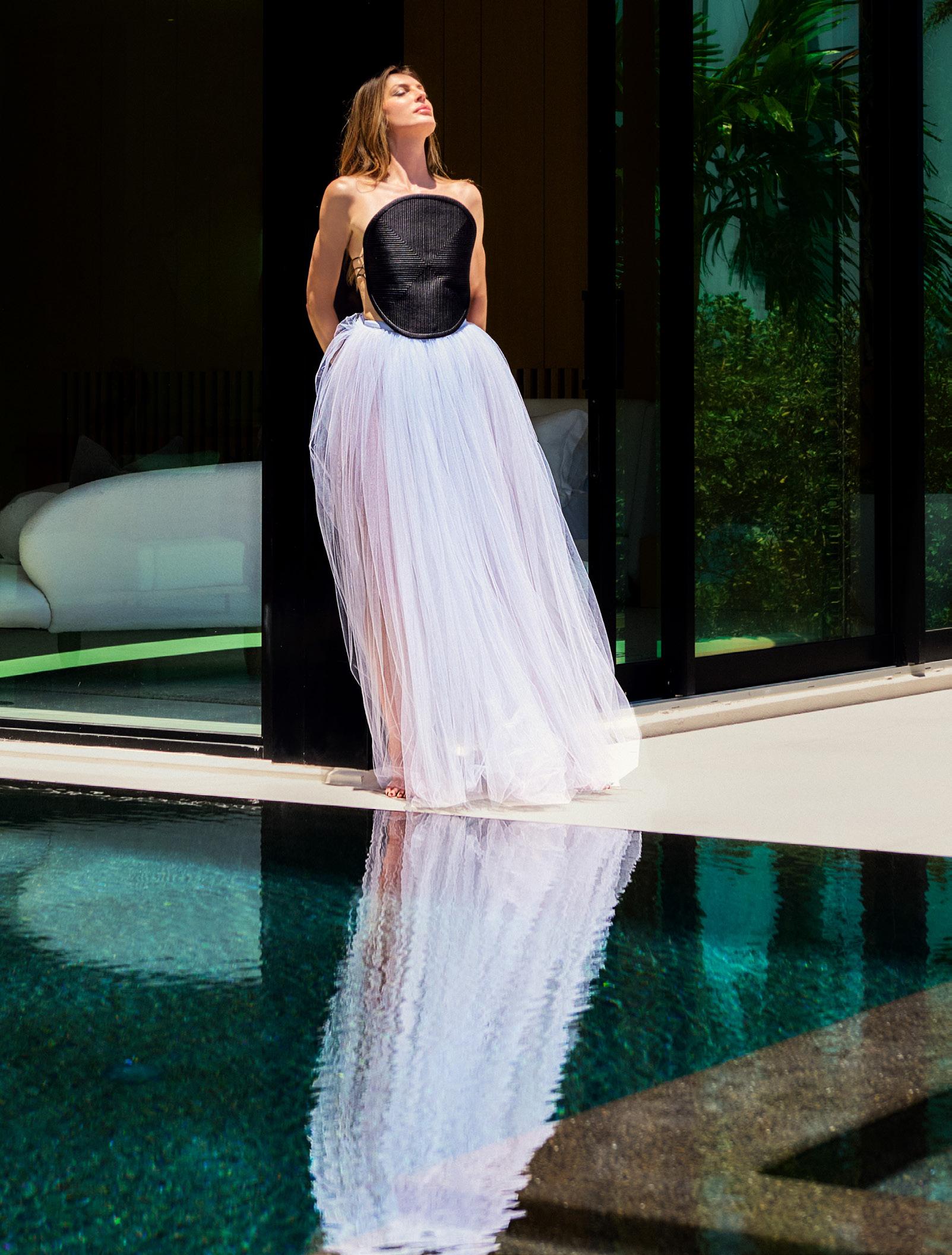
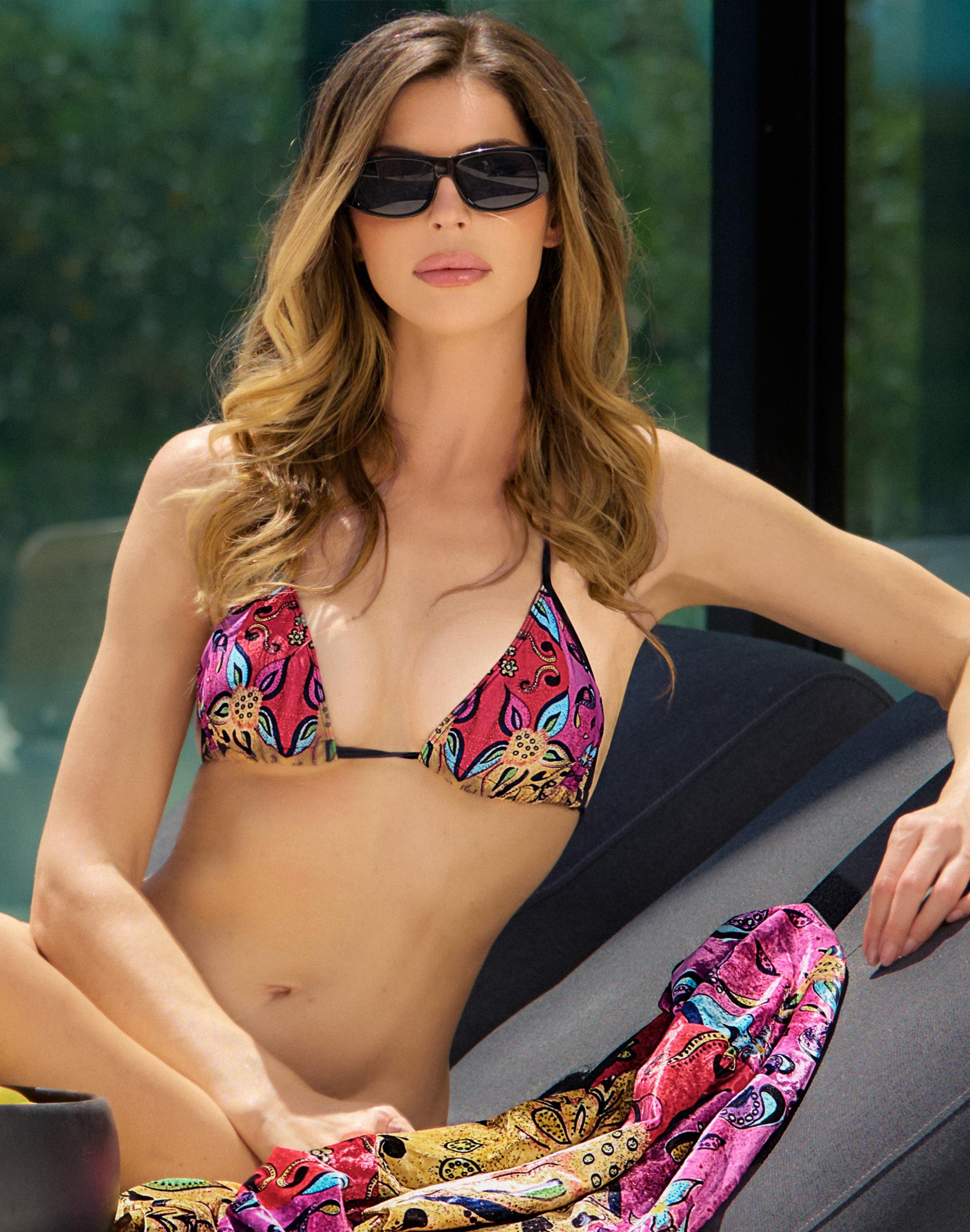
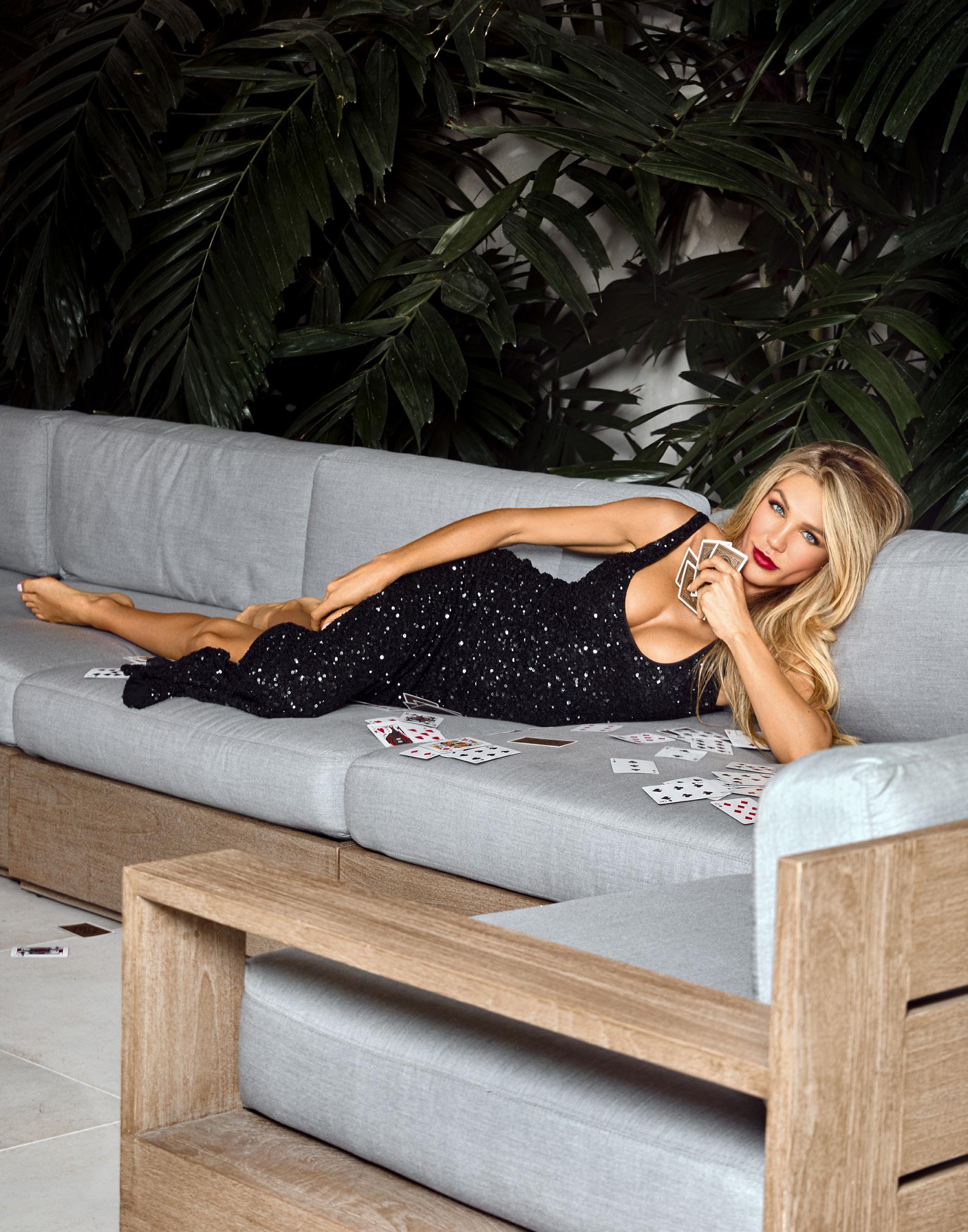
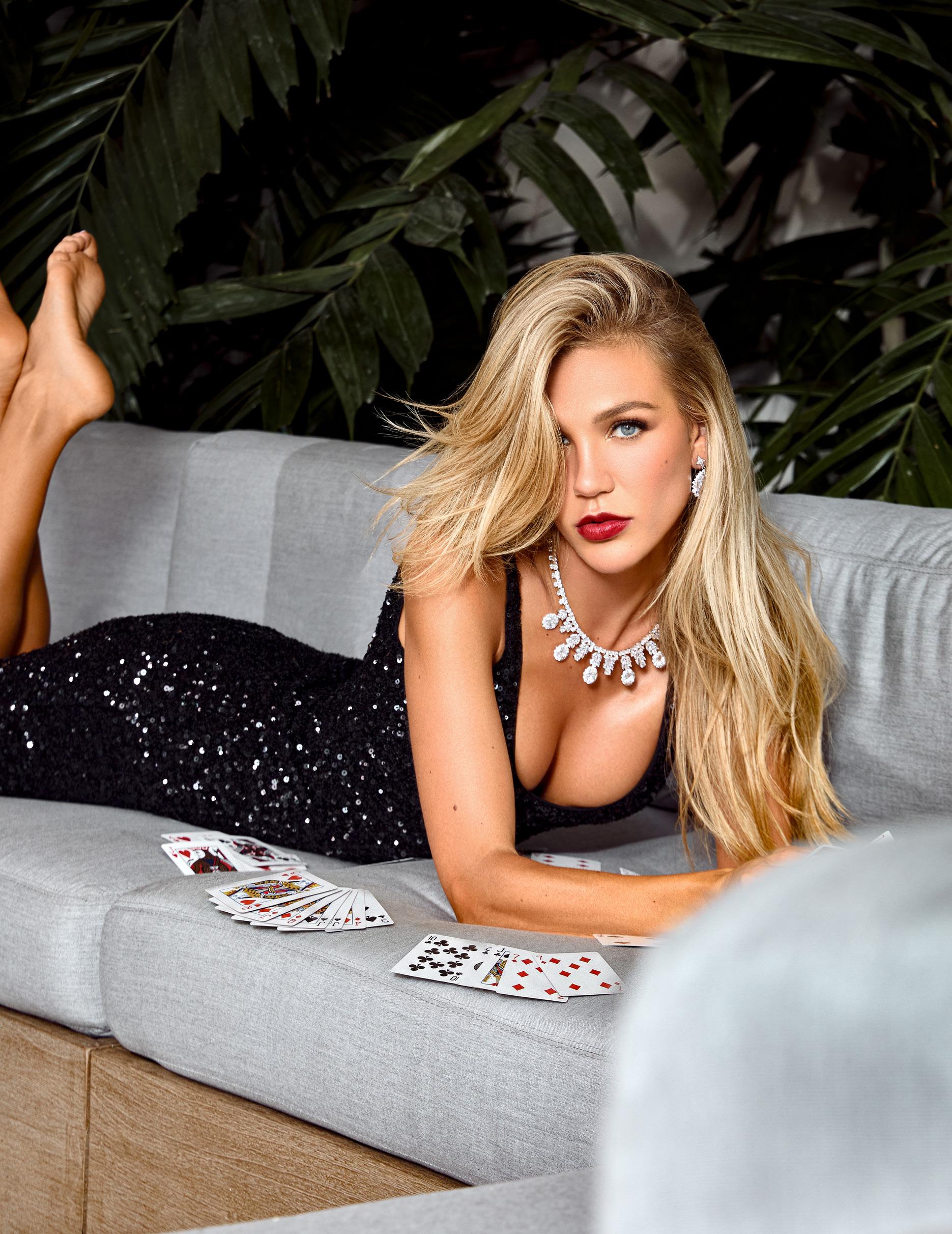
PHOTOGRAPHER: DENZEL @denzelclipz
MODEL: VICTORIA PEYTON @victoriapeytonn
AGENCY: SELECT MODEL MIAMI @selectmodelmiami
STYLING & CREATIVE DIRECTION: ASHLEY ZEPHYR @ashley.zephyrr
Makeup ARTIST: M ROUGE @madelinerouge
HAIR STYLIST: CARLOS JACOME @carlosjacome
Interview by JOSE-MARIA JIMENEZ
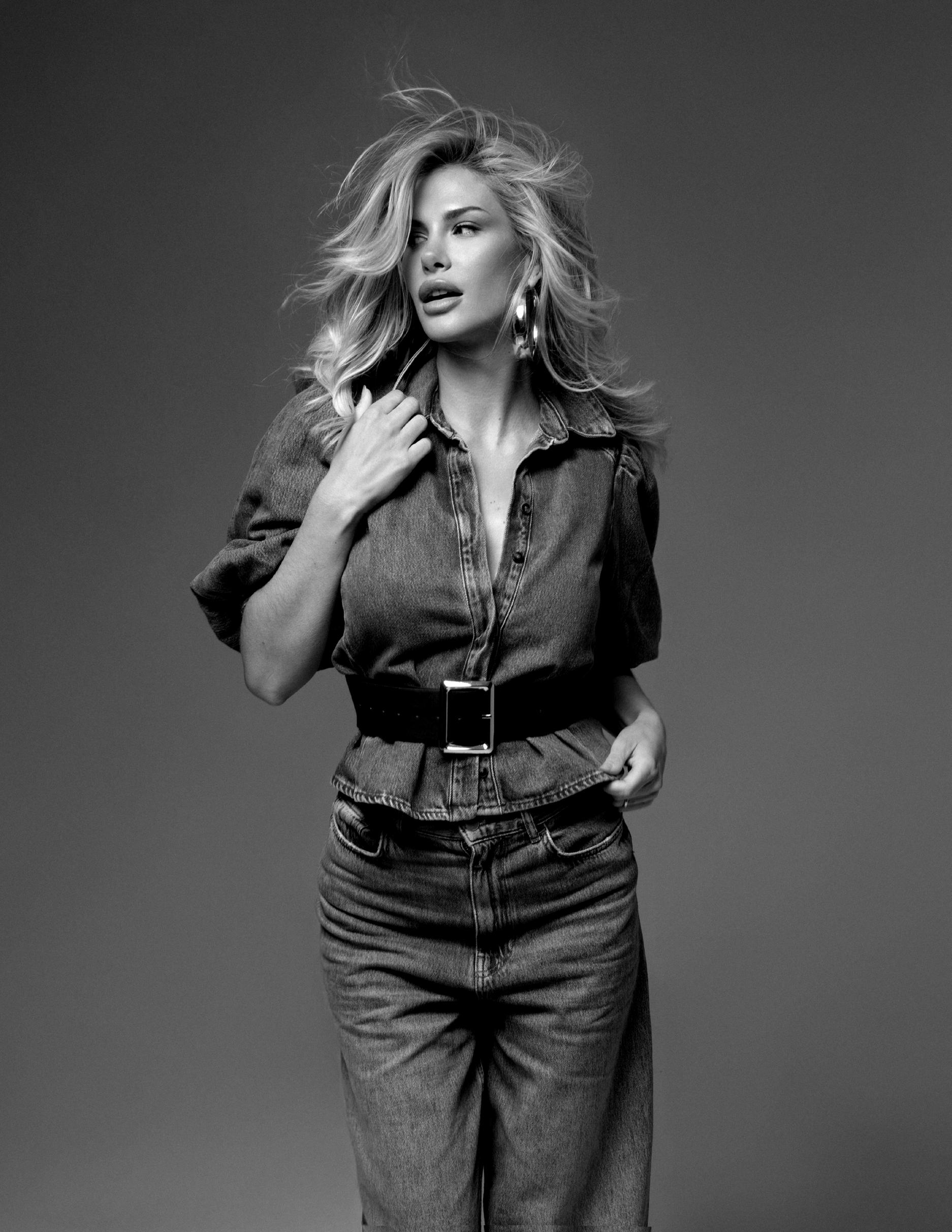
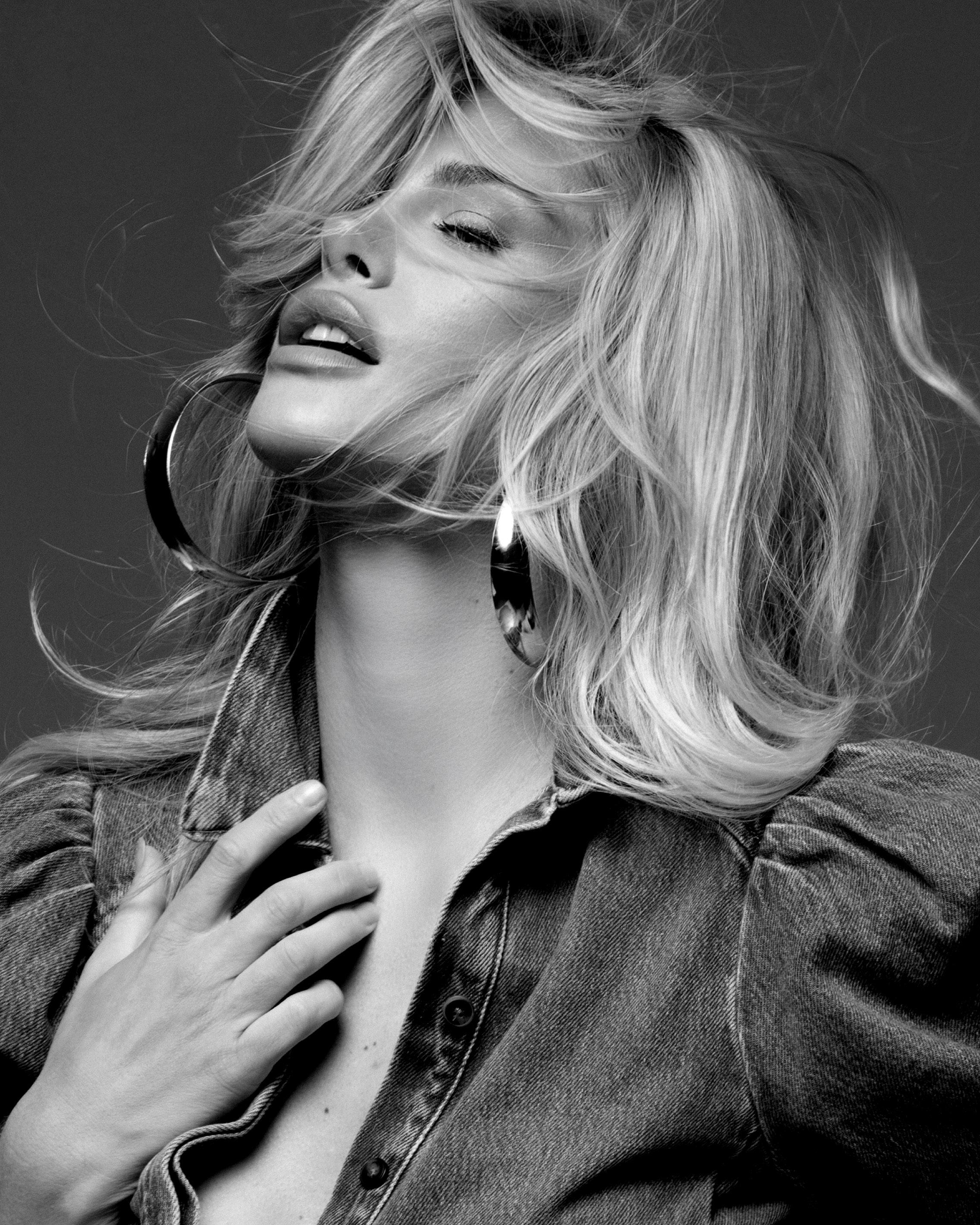
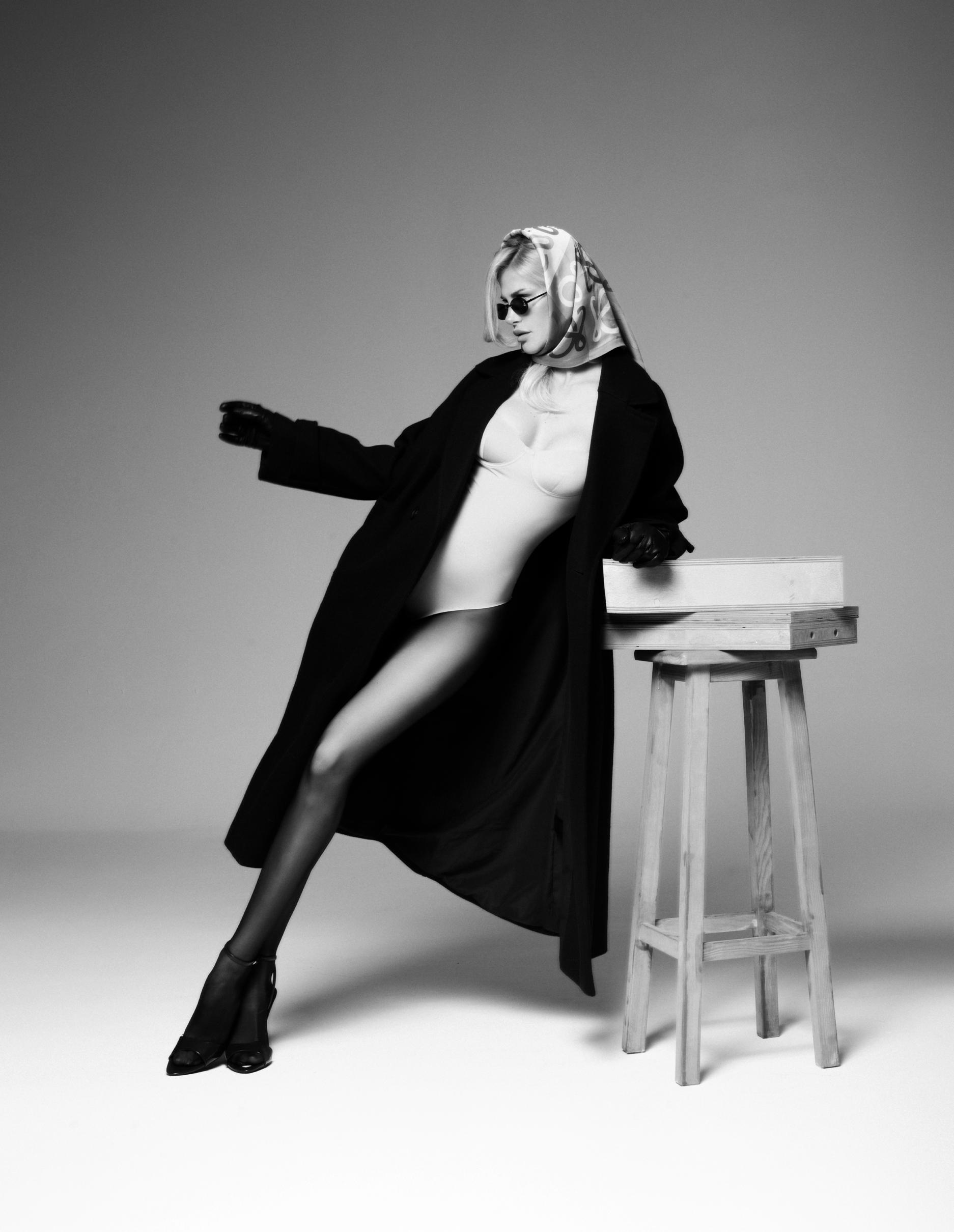
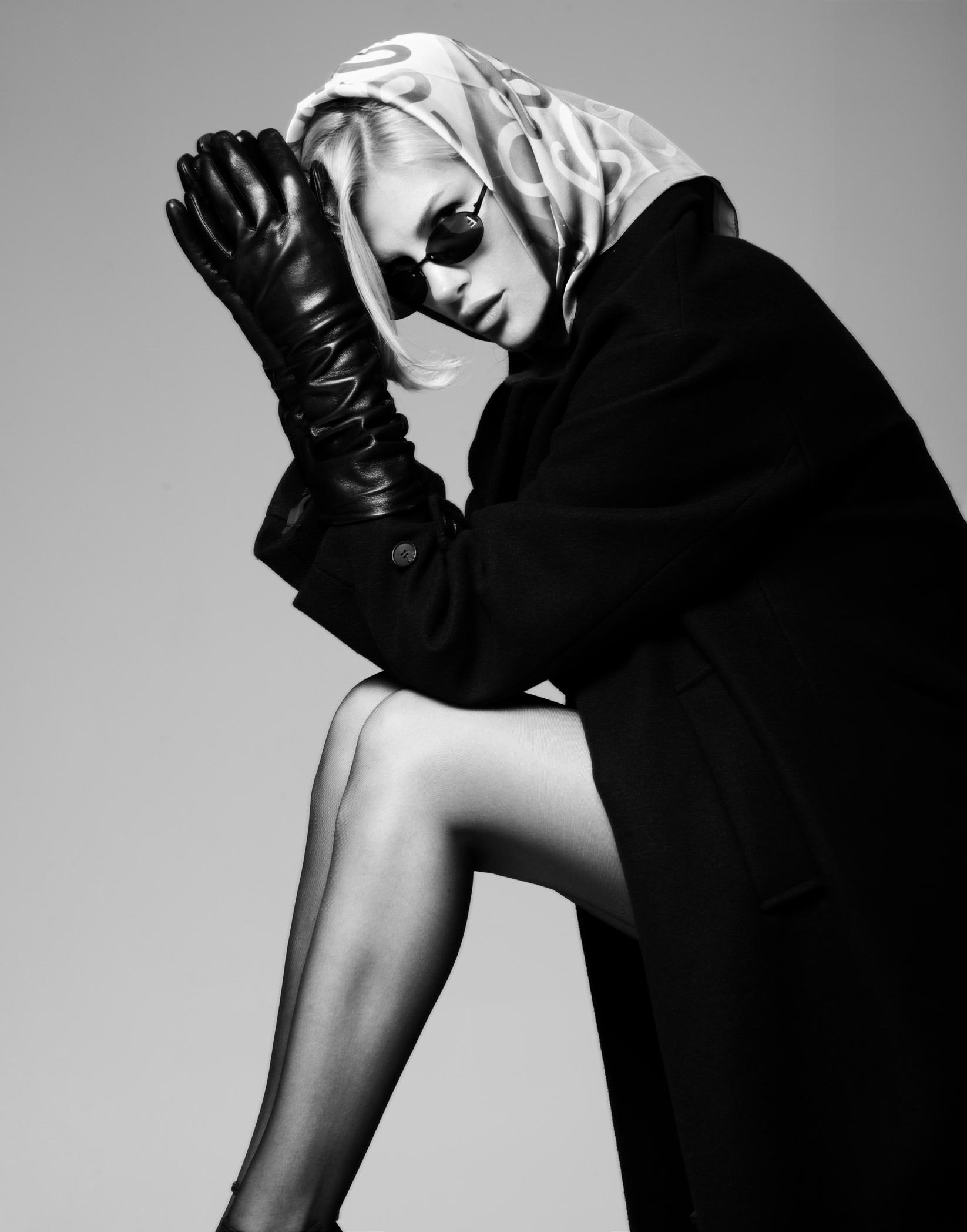
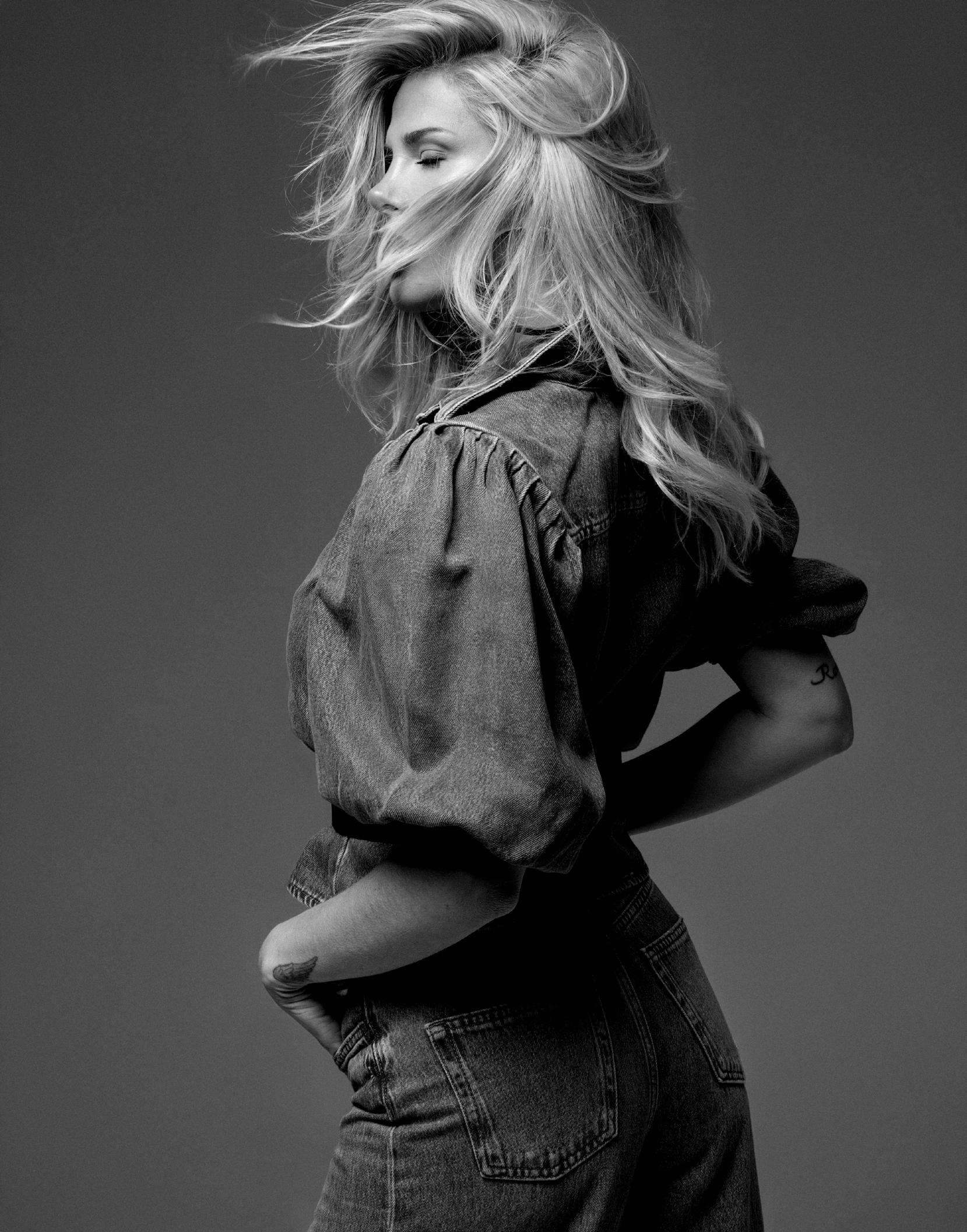
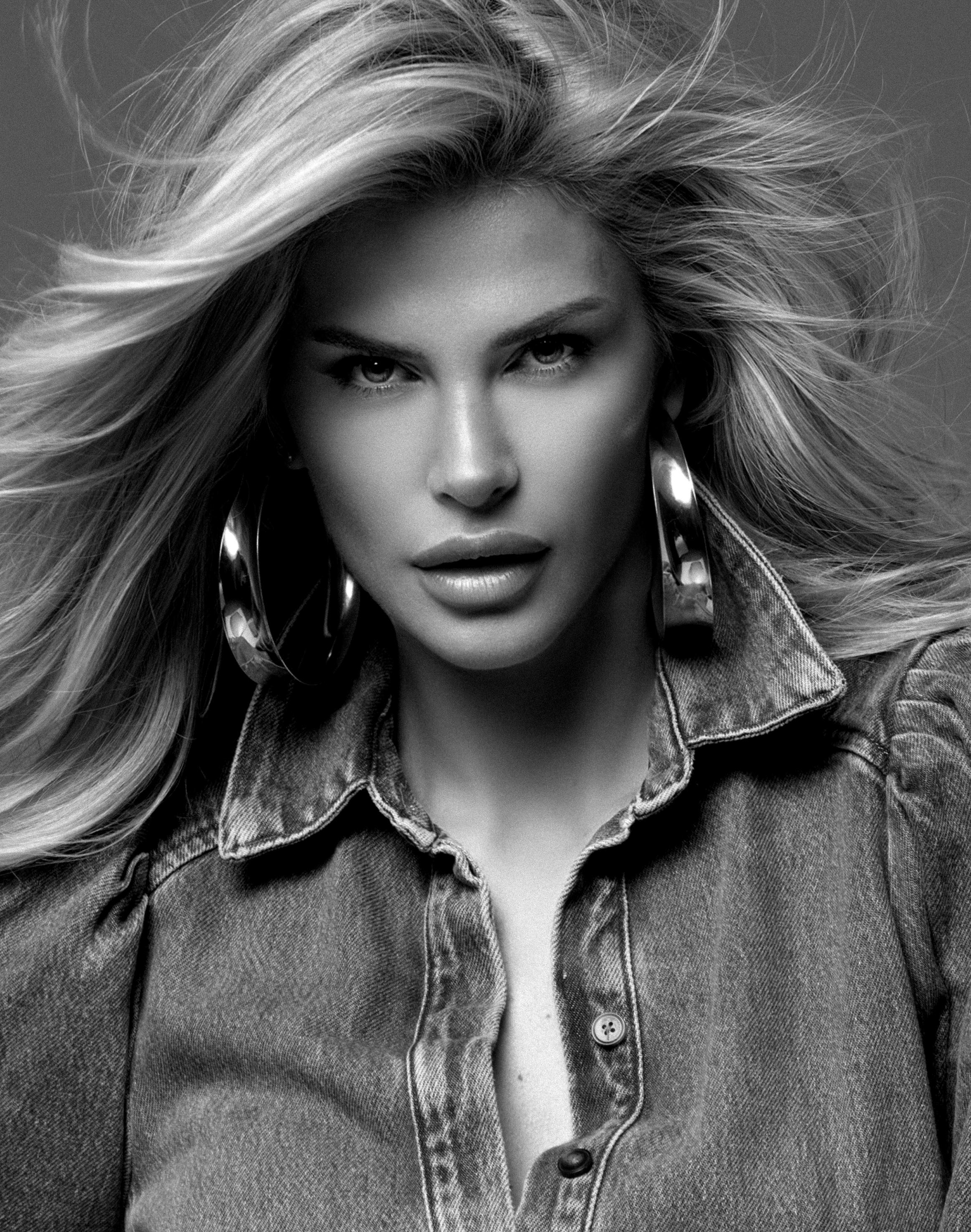
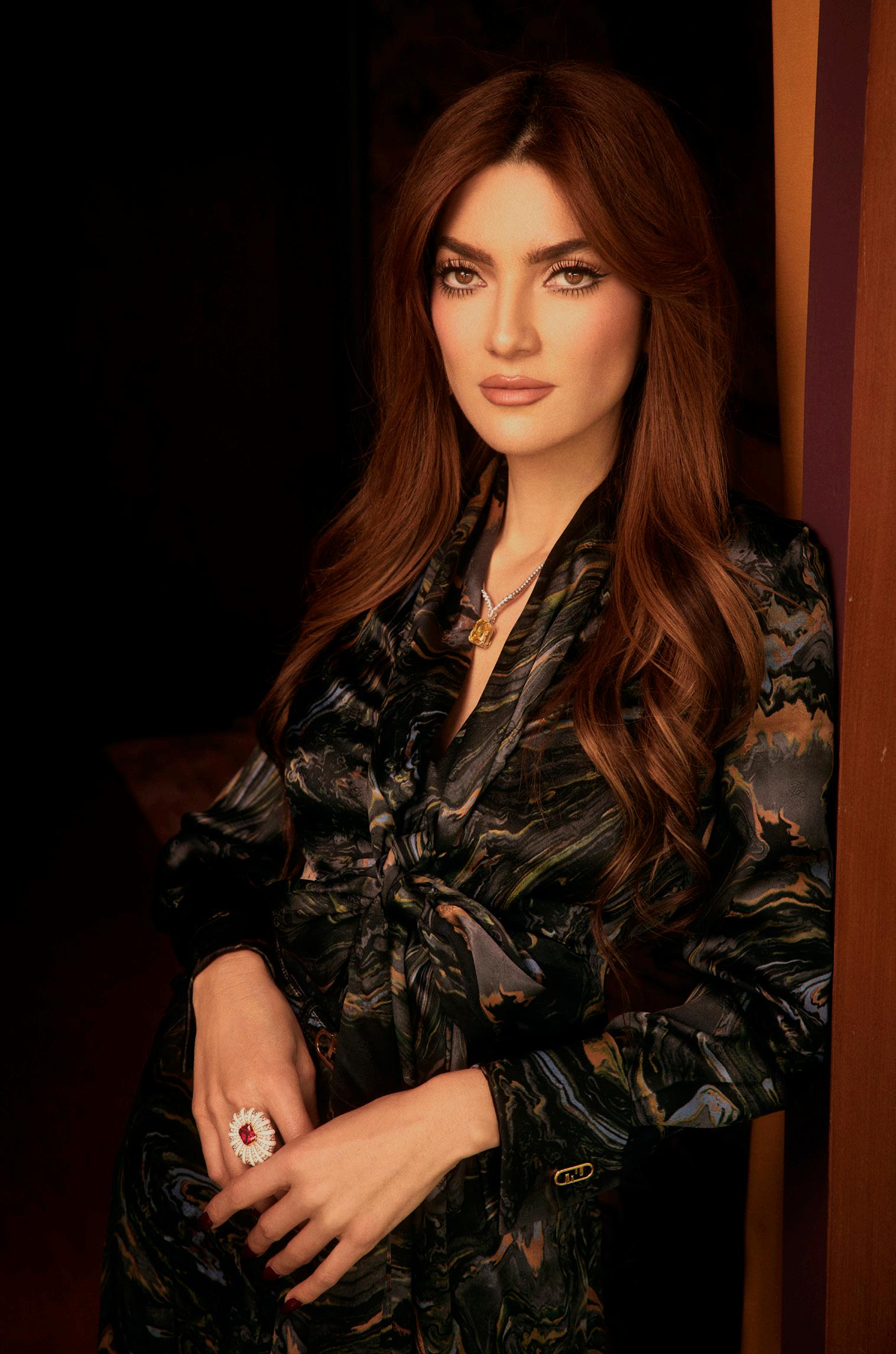
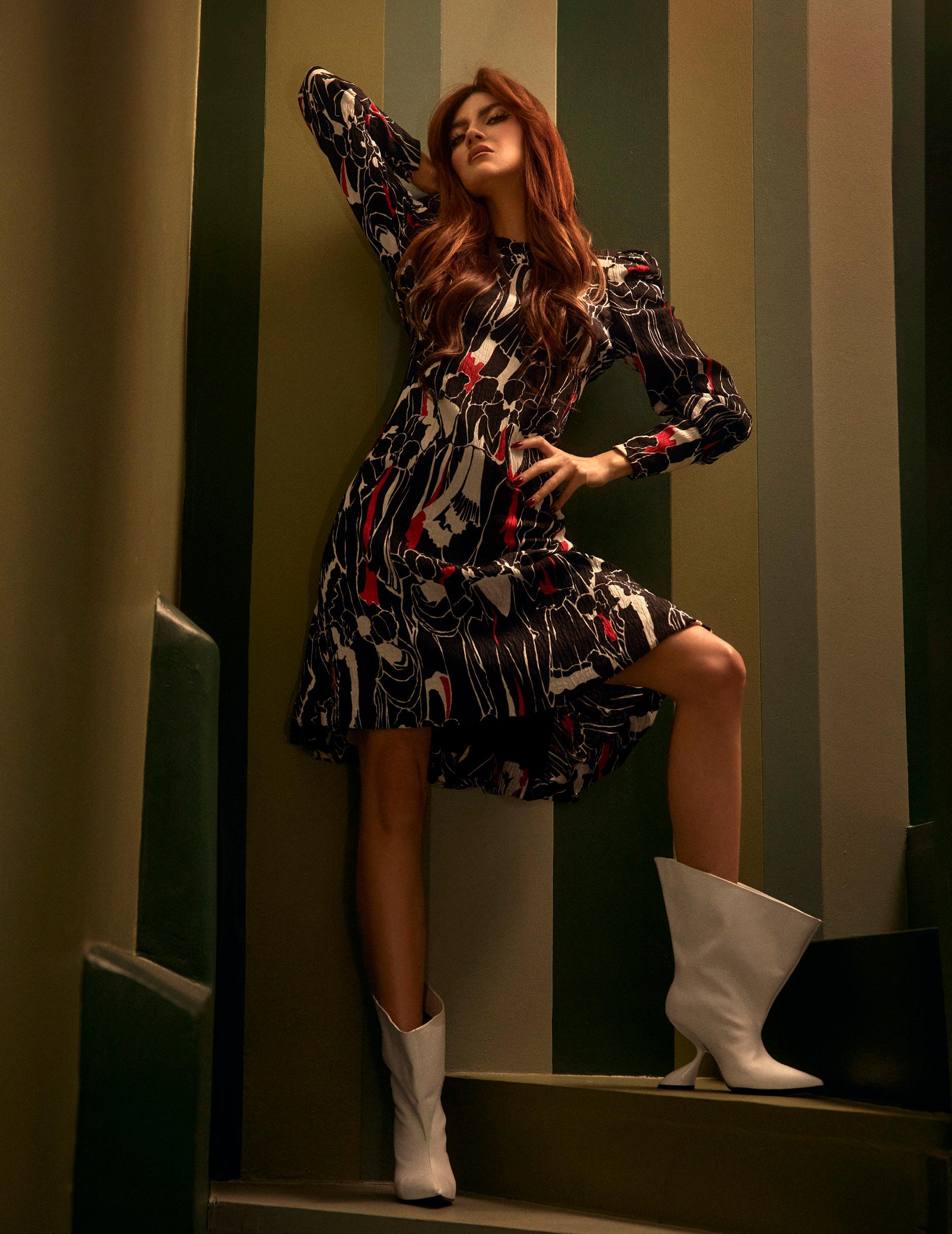
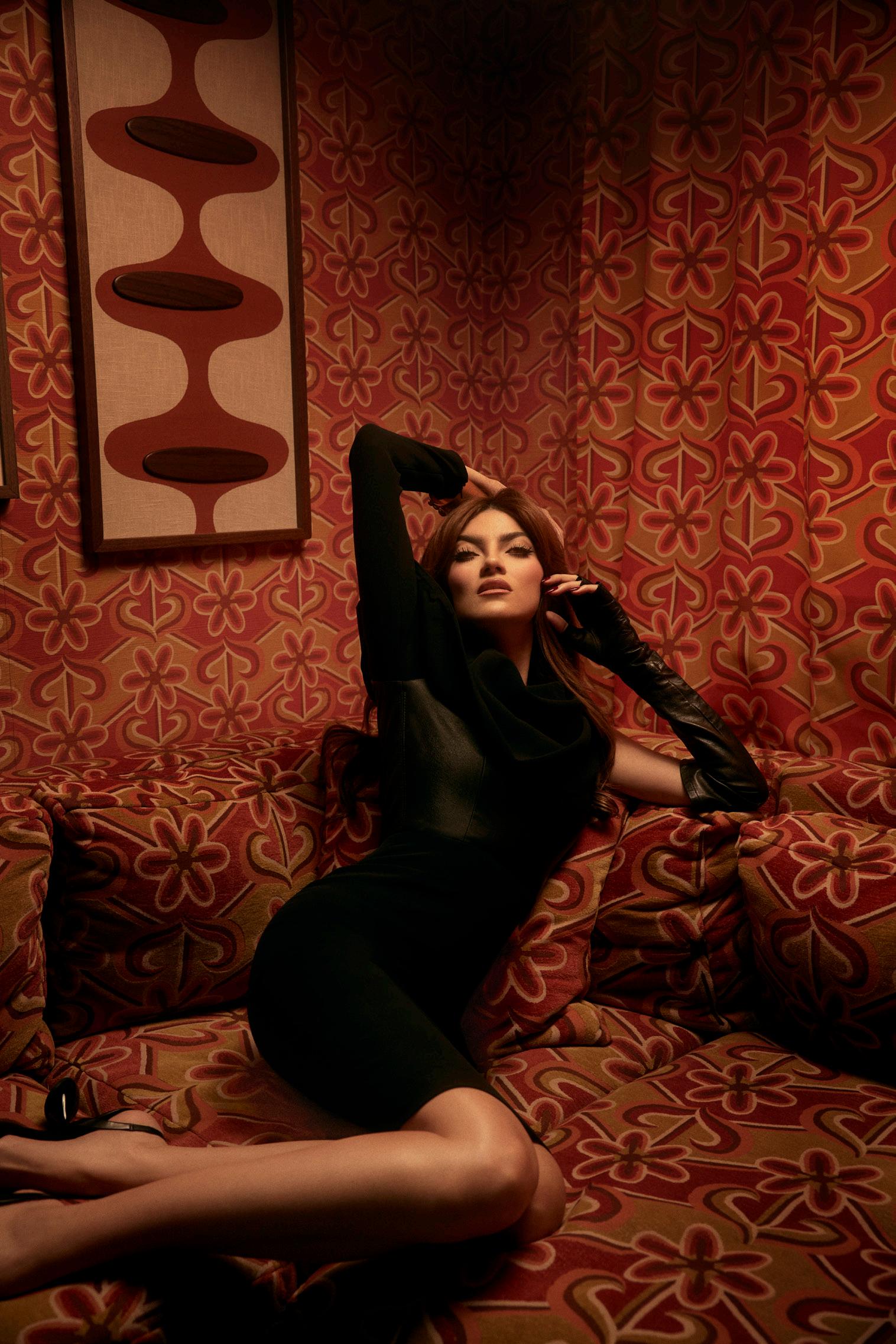
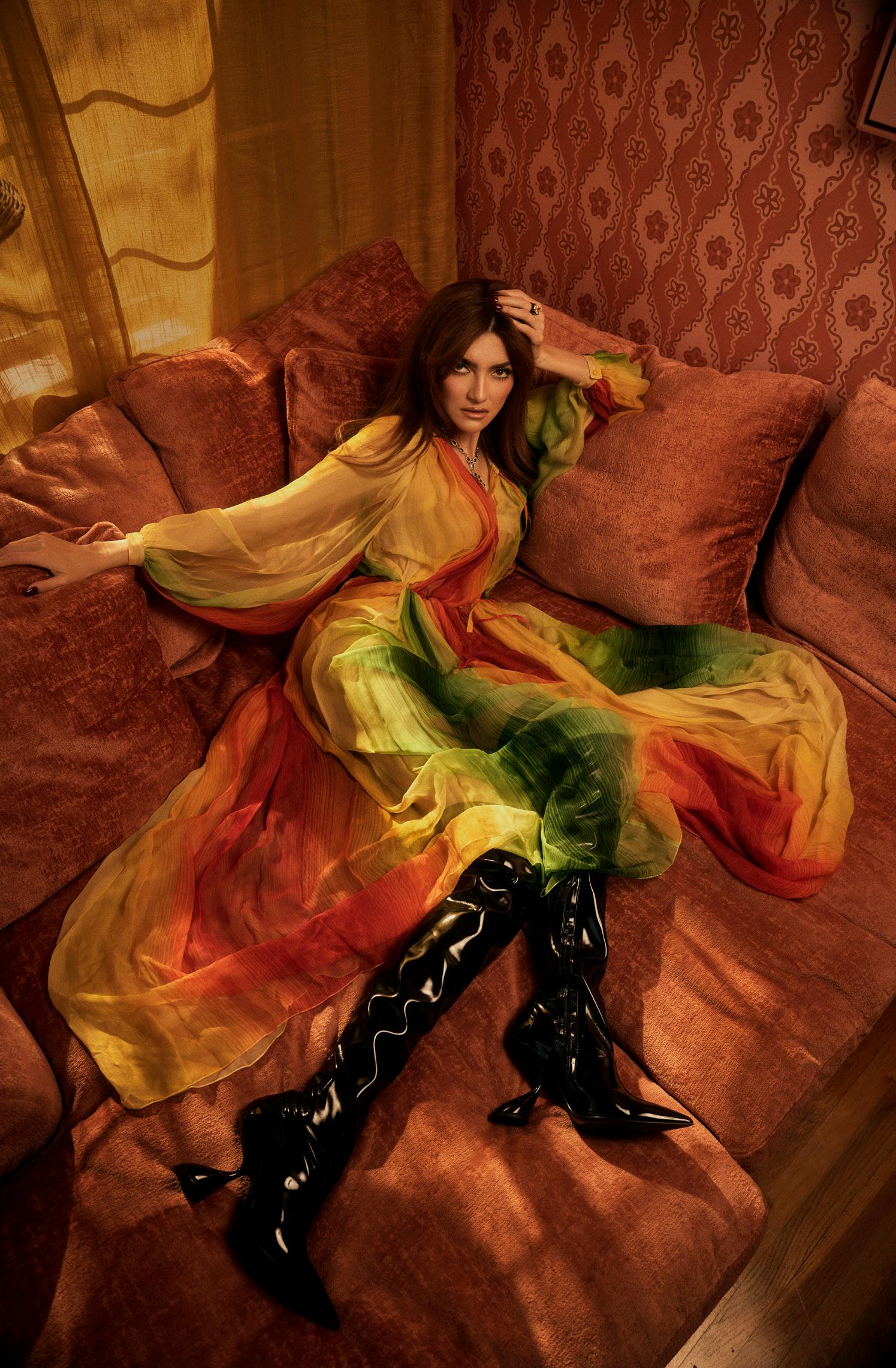
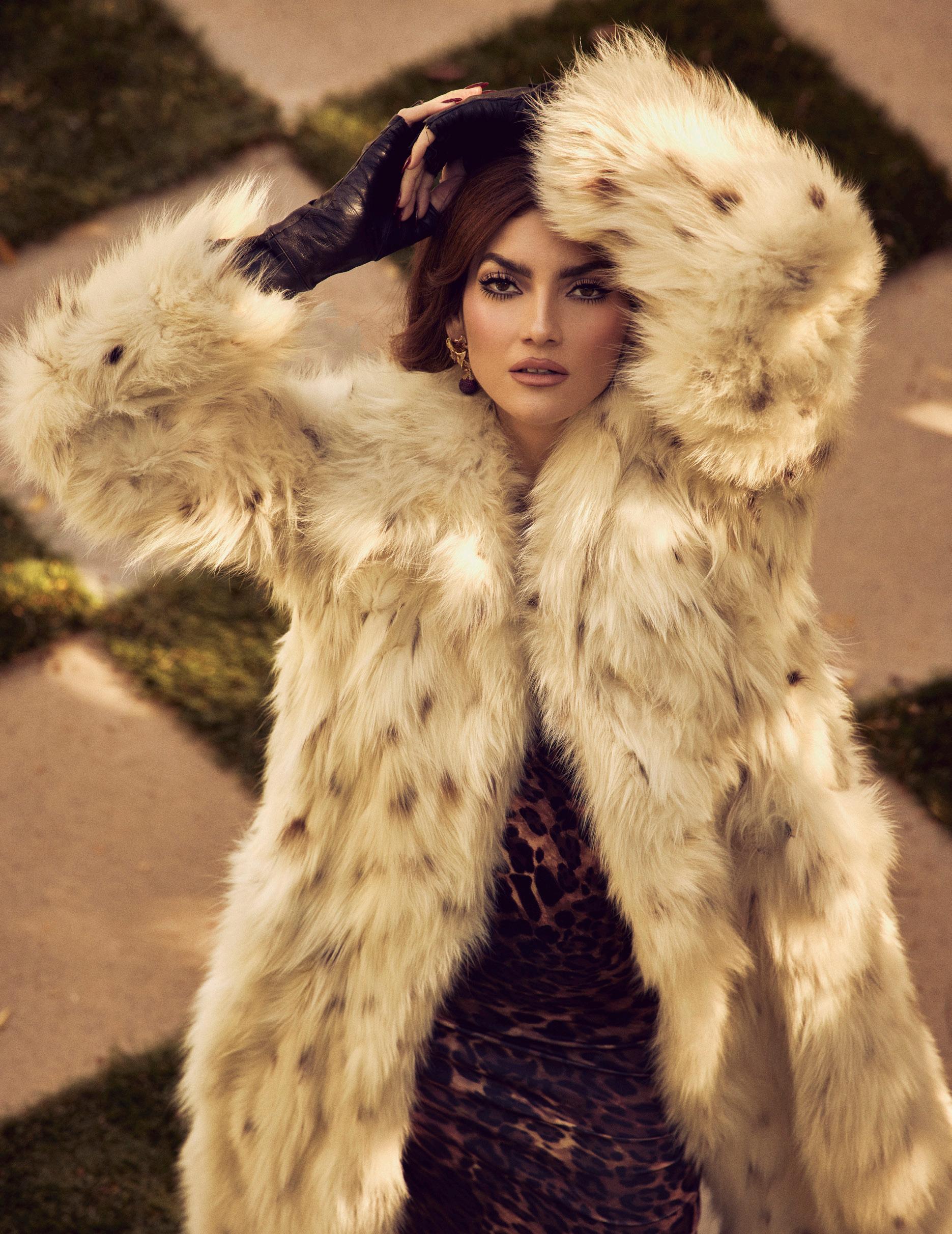
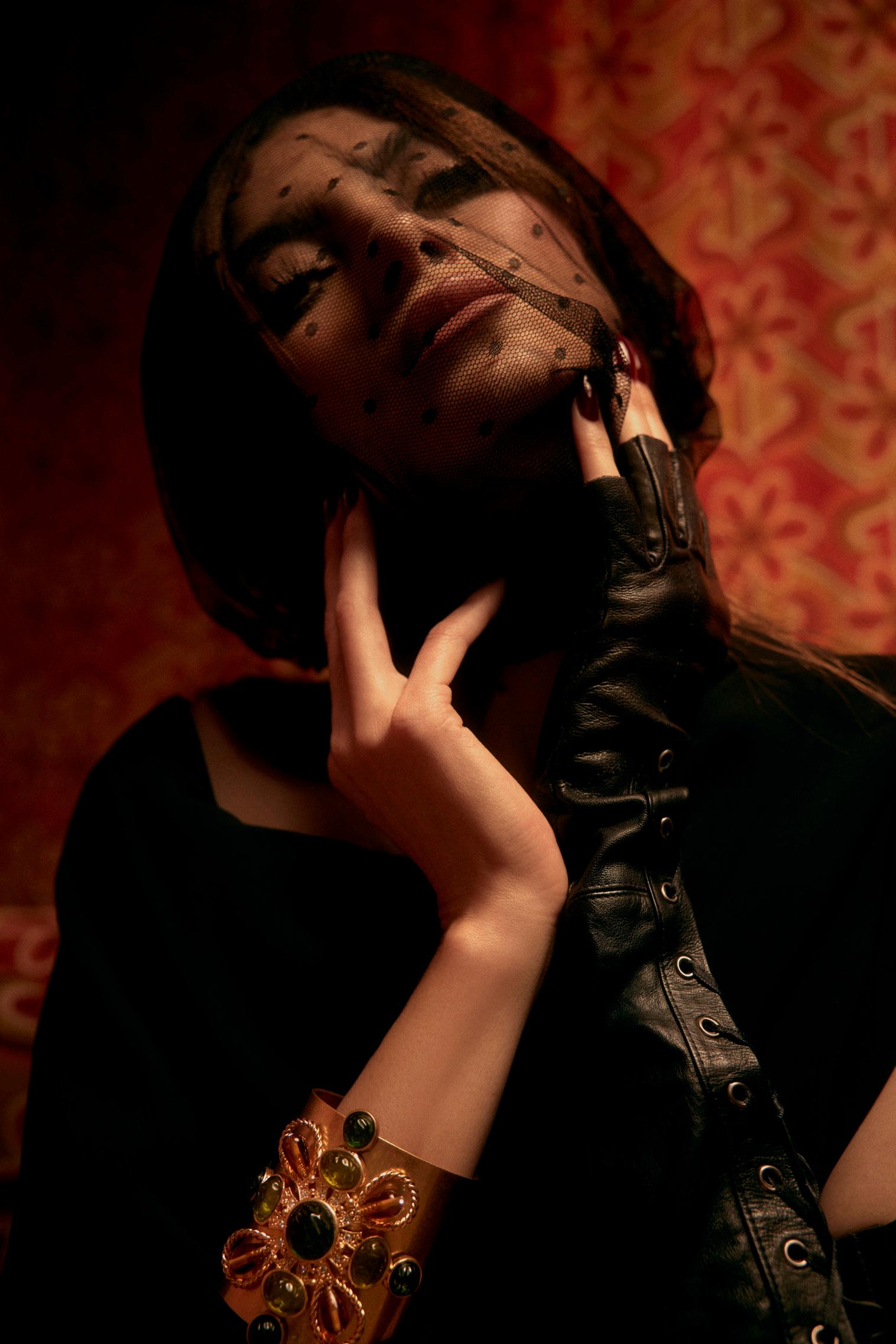
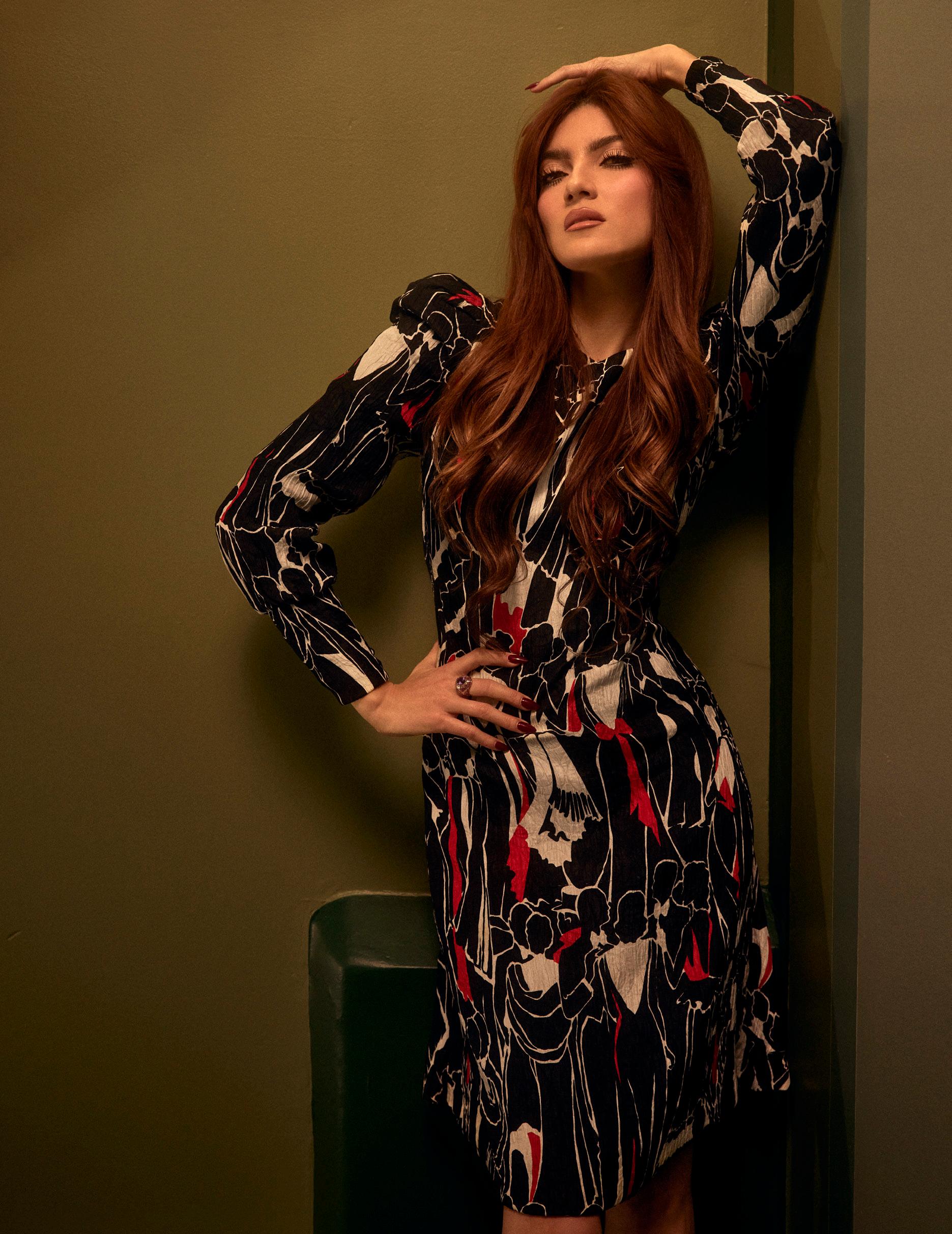
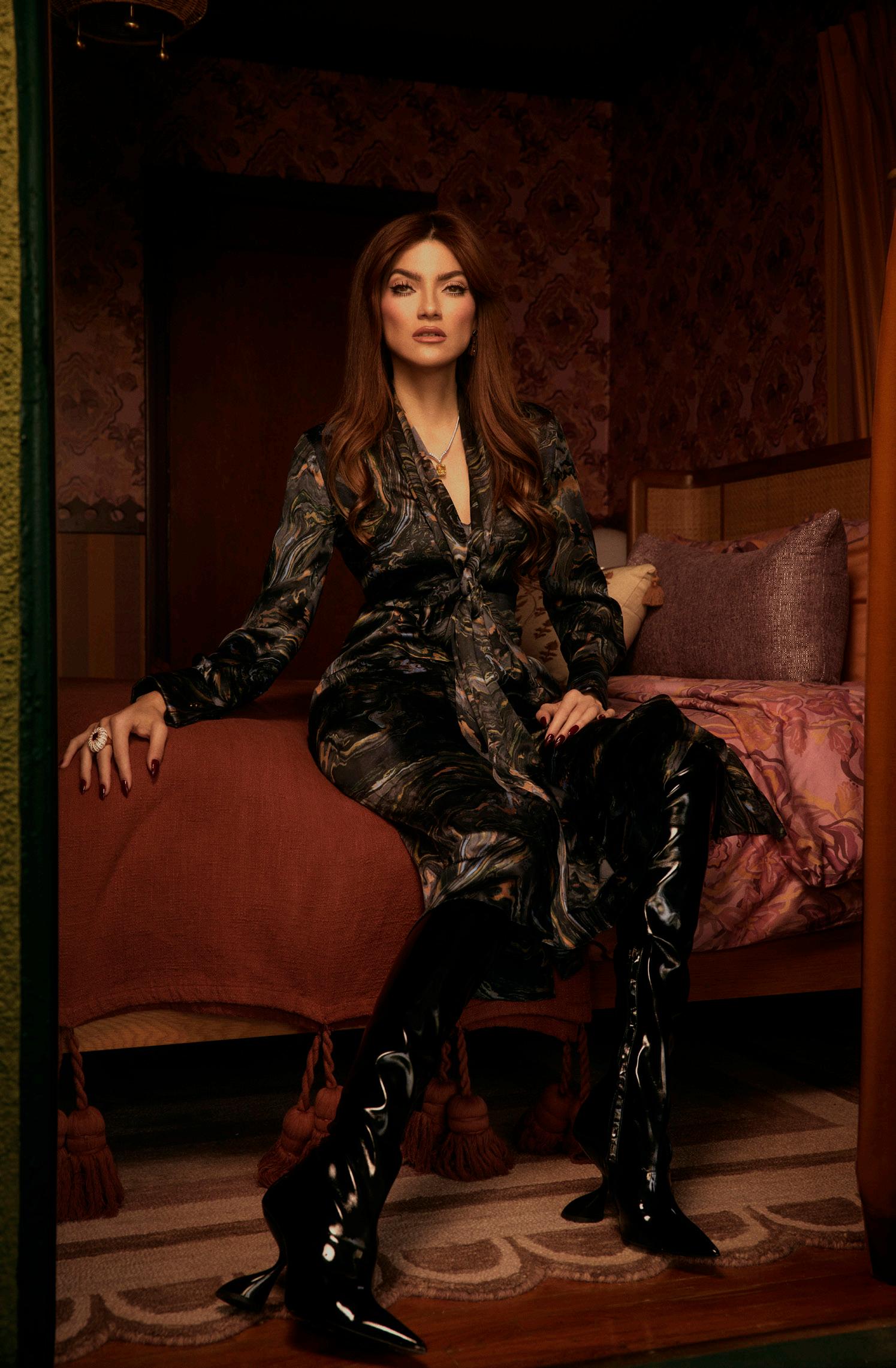
From award-winning performances to bestselling authorship, actress Blanca Blanco continues to redefine what it means to be a modern Hollywood multihyphenate. This year, she returns to the screen in Ring of Kibo , a powerful new film in which she portrays Carmelita , an artist whose vulnerability, resilience, and creative spirit form the emotional core of the story. Known for bringing depth and authenticity to every role she undertakes, Blanca reveals why this character became one of the most challenging—and rewarding— performances of her career.
In this exclusive conversation with QP FASHION MAGAZINE , Blanca reflects on the lessons she learned while filming Ring of Kibo , the influence of her American-Mexican heritage, and the personal experiences that inspired her acclaimed memoir Breaking the Mold . She also shares her thoughts on the evolving worlds of fashion and beauty, her recent experience at the Cannes Film Festival , and the timeless style icons who continue to inspire her. Honest, thoughtful, and unapologetically authentic, Blanca Blanco proves that true success comes from embracing both vulnerability and strength.
ACTRESS: BLANCA BLANCO @blancablancoactress
PHOTOGRAPHER: JOSH FOGEL @josh_fogel
STYLING: VLADIMIR SIMIC @vladimirsimic1
MAKEUP ARTIST: MINA ABRAMOVIC @abramovicm
HAIR STYLIST: VLADIMIR SIMIC @vladimirsimic1
LIGHTING
ASSISTANT : VICTOR RODRIGUEZ @victorrodriguez_photo
EDITING: LUKA UKROPINA @luka_ukropina
Blanca, you have a new film, Ring of Kibo, coming out soon. What first drew you to the project?
The heart of it, honestly. Carmelita is an artist who channels emotion into her work and doesn't bend under pressure and that combination pulled me in immediately. I spent a lot of time on her physicality like how she walks, how she holds herself, the specific rhythm of her voice. The script had this beautiful tension between fragility and ambition, and I felt it the first time I read it. I'm genuinely grateful the team trusted me with her.
You play an artist in the film. Did that role connect with anything personal for you?
It really did. I paint myself, so understanding how an artist thinks and feels wasn't a stretch. Preparing for Carmelita meant digging into her backstory and asking how her personal pain became her art. Every gesture, every line needed to feel like it came from that place. That relationship between inner life and creative expression is something I know well.
What did Carmelita teach you about creativity, self-expression, and resilience?
She reminded me that staying true to your process is everything. Her self-expression wasn't loud or showy, it was focused. She turned emotion into something deliberate. I took that away with me. There's a kind of resilience in that consistency that I really admire.
I look for the truth. A character who challenges me, who has somewhere real to go. I read the script carefully, think about the director's vision, and ask whether the role will actually push me. If it has honest vulnerability and a meaningful arc, I'm in.
You won Best Actress for Eye for Eye and have received recognition for many other performances. Which role has challenged you the most?
Carmelita , without a doubt. She lives in that edge between fragility and resilience, and I had to translate deep emotion into concrete craft while staying completely grounded. The challenge was finding that balance, truth with endurance, and holding it for the entire shoot. It was the most demanding work I've done, and also the most rewarding. You've trained with some of the industry's most respected coaches. What advice still guides you today?
“(Carmelita) was the most demanding work I've done, and also the most rewarding.”
Stay anchored in truth. Listen first. Let your choices come from the moment rather than planning everything in your head. Breathe. Stay curious. Honor the process. Those sound simple, but they're actually the hardest things to hold onto when you're on set and everything is moving fast. Persistence in practice is what keeps vulnerability feeling real and not just acted.
You studied Psychology and Social Work before acting. Was there a moment when you knew you were on the right path?
What's the biggest lesson you took from working on Ring of Kibo?
That artistry grows from showing up, even when it's hard. Carmelita was genuinely vulnerable, not in a performed way, but in a real, unguarded way and I felt a huge responsibility to honor that with honesty. She taught me to stay grounded and let the emotion guide the choices rather than forcing something that looks right.
You've played so many different kinds of characters. How do you decide which projects are worth your time?
I knew I wanted to act from childhood, long afternoons disappearing into characters with my siblings, not stopping until it felt completely real. That pull never went away. Studying psychology and social work wasn't a detour from that. It gave me something concrete: tools to listen, observe, and translate real human truth into performance. All of that feeds directly into how I build a performance. I think it shaped everything about the way I work.
You attended the Cannes Film Festival this year. What stood out?
Cannes was vivid this year. The films were
genuinely brilliant, and the conversations were the kind you don't forget, real talk about craft with directors, producers, and fellow actors, not just pleasantries.
There were exciting meetings about new projects. The fashion at the premieres was incredible. And that view, that light, there's nowhere quite like it.
Cannes blends serious cinema with high fashion. Why do you think it still matters so much to the industry?
Because it holds both things, glamour and seriousness, without apologizing for either. You feel that energy everywhere, in every hallway and screening room. It genuinely invites risk and creativity.
It stays important because it keeps championing diverse voices and sparking real collaborations. Designers, directors, and actors all share the same energy. The atmosphere invites you to think bigger. It puts storytelling at the center of the conversation, which is where it belongs. How would you describe your personal fashion philosophy?
Classic chic meets a little edge. Audrey Hepburn meets David Bowie , if you can picture that. I love a versatile piece paired with something unexpected like a dramatic accessory that changes the whole mood.
I'm also passionate about sustainability. Vintage and upcycled finds genuinely excite me. Fashion, at its best, is self-expression that evolves as you do and I want mine to keep moving.
How do you stay on top of trends while keeping your own look?
Living in Beverly Hills where it's almost always sunny, I keep it light and effortless. A crisp white shirt, dark wash jeans, that combination is just cool without trying too hard. A little black dress handles any evening event. A cropped coat adds flair without going over the top. Comfortable
sneakers for a walk down Rodeo Drive . I pick up a neutral cardigan most days and finish with a few timeless accessories. It's a formula that feels like me every time.
What's your go-to approach for special occasions versus everyday dressing?
Fit is everything, always. For special occasions I love a high-slit dress in a rich, bold color, something sophisticated with a dramatic detail, a beautiful sleeve, a luxurious fabric. The luxurious touches are what make an outfit truly pop.
For everyday wear, it's comfort with character. Well-fitted jeans, a bright top, a watch I love. Confidence is the real finishing touch, honestly. Beauty standards keep shifting. What does beauty mean to you now?
There has been a real, meaningful shift. Natural beauty is being celebrated. Curves are being celebrated. All of that feels personal to me, because when I started acting and modeling, I was a size 1 or 2 and still getting comments that I needed to lose weight because I was "too curvy" for their standards. Zero curves was the expectation. It was painful.
Now all sizes are appreciated, and that's where fashion needed to go. Inner confidence showing outwardly and that's the real standard, and I think we're finally getting there.
How has fashion changed over the past decade, and where do you think it's headed?
It's been a wild ride. Streetwear broke through in a way nobody expected, that mix of casual and luxury is genuinely clever. Inclusion has finally become real: runways showing all body types, genders, and cultures. Sustainability went from niche to necessary. And what's coming next? I think technology will reshape how we shop and even how we wear clothes. Personalization will be huge. But through all of it, self-expression stays at the center.
“Fashion, at its best, is self-expression that evolves as you do and I want mine to keep moving.”
Any designers or emerging trends you're excited about right now?
I love what's happening with sustainable materials that actually look beautiful, not just ethical, but genuinely stunning. Bold color is coming back in a big way and I'm completely here for it. Oversized blazers feel cozy and sharp at the same time, which is a hard balance to pull off. There's also this exciting tension between futuristic fabrics and quiet minimalism. Both feel fresh to me. Fashion is more accessible and more creative than it's ever been.
How do you keep your look comfortable and stylish with a busy schedule?
Versatile fabrics are everything—cotton, linen, things that breathe and actually move with you. A jean jacket thrown over a casual dress is probably my most-used trick. Lululemon or Alo for workout days. Neutral pieces that mix together easily without any effort. I want to feel good and look good without spending an hour deciding. When the wardrobe is built right, it just works.
Who inspires your personal style?
Audrey Hepburn 's elegance, Sophia Loren 's drama—those two are always somewhere in the back of my mind. I also take a lot from nature and art: color, texture, proportion. And I genuinely enjoy breaking rules: a tailored classic piece with something unexpected, a vintage find that changes the whole outfit. That contrast is where I feel most like myself.
As an American-Mexican actress working in Hollywood, how has your heritage shaped your career?
It sits at the core of how I understand people and story. Growing up between two cultures taught
me something essential about translation, not just language, but feeling.
That informs every role I'm drawn to: characters navigating family, faith, and tradition while chasing their own ambitions. I bring warmth and resilience to my work, and a lot of Spanish and English rhythms. I also actively seek collaborations with writers and directors who want to honor that complexity rather than simplify it. Real stories, not stereotypes.
Your memoir `Breaking the Mold´ became a bestseller and earned a Literature Award. What inspired you to write it?
The pandemic gave me time to sit with my life and actually look at it. ` Breaking the Mold´ is my most honest work—raw, personal, the moments I don't usually talk about. It's about how trauma can become the source of your strength if you let it. Poverty, abuse, the things that tried to break me. I wrote it because I survived and found my footing, and I wanted people going through similar things to know that's possible. Not a lesson, just a real story. If someone reads it and feels a little less alone, that's enough for me. What advice would you give to aspiring actors, models, or authors just starting out?
Be honest with yourself about what success actually looks like for you, not someone else's version of it. Build a routine and show up for it even when the results aren't visible yet. This industry is not linear, and that's hard to accept. Celebrate the small wins. Stay curious.
Your specific story, your specific background, the things that make you different, those are your real advantages, not obstacles. Find your people. Community matters far more than most people realize at the start, and it'll carry you through the parts that feel impossible.
“Growing up between two cultures taught me something essential about translation, not just language, but feeling.”
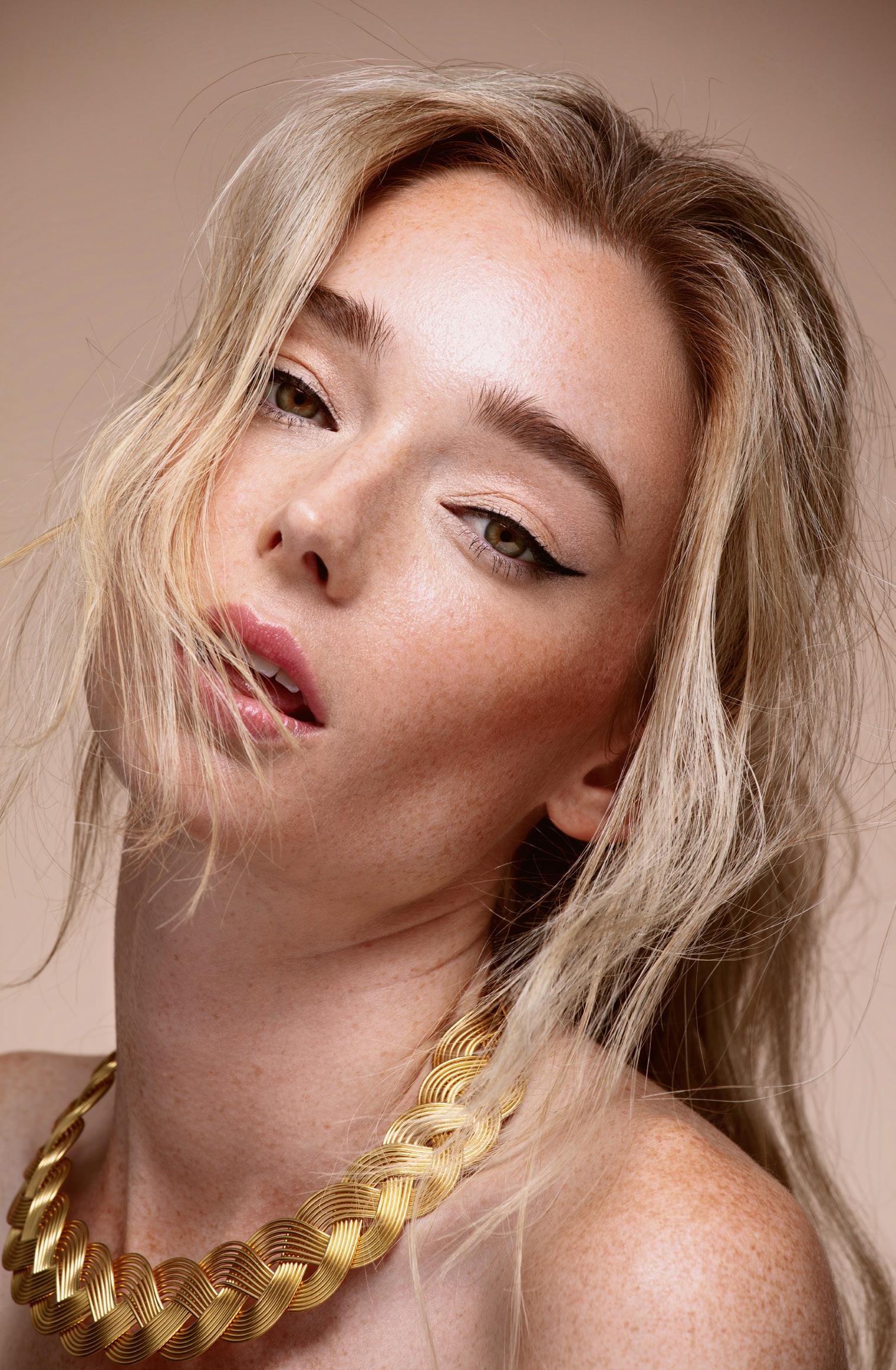
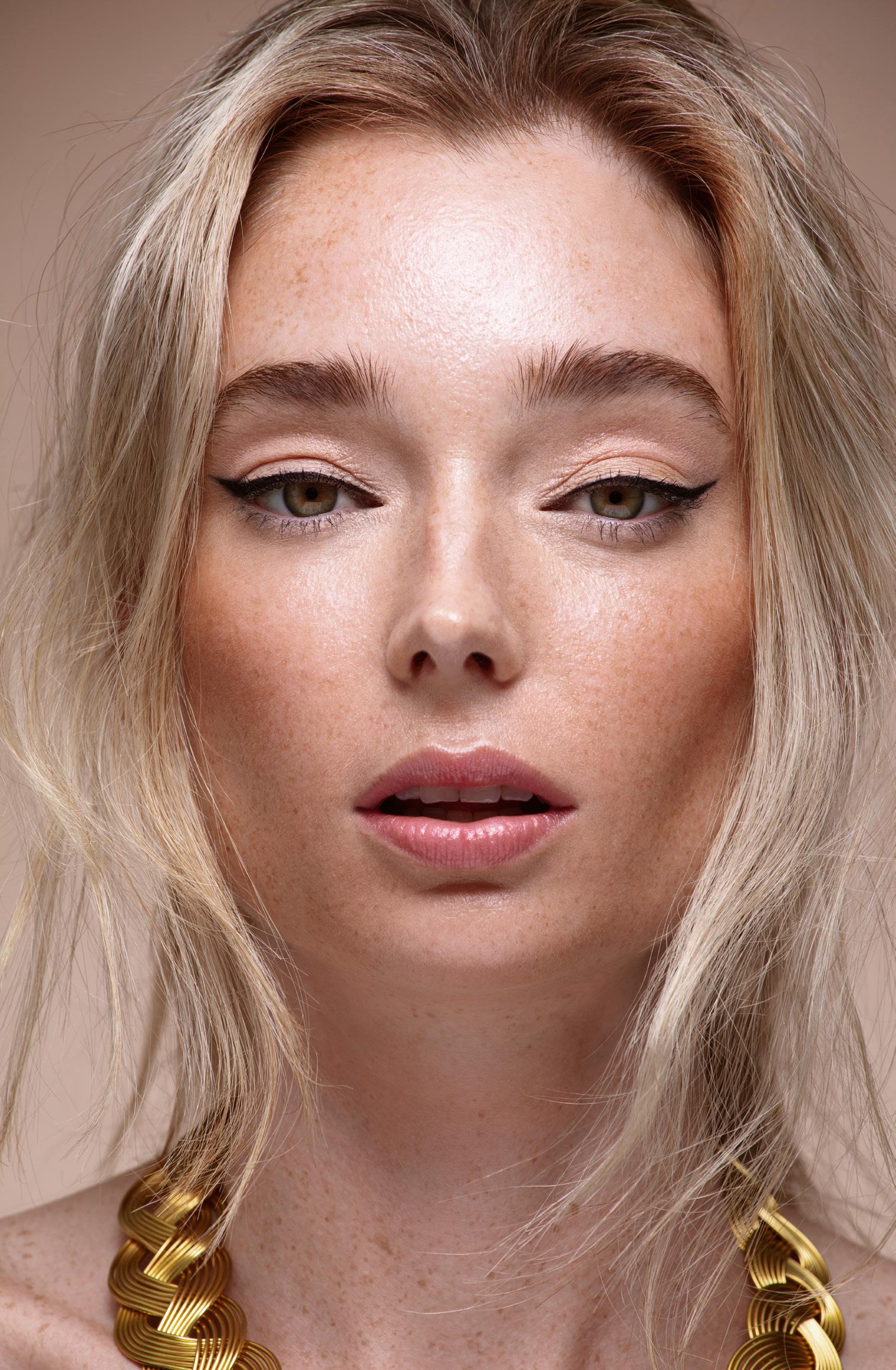
PHOTOGRAPHER: COURTNEY DAILEY @courtneydaileyphotography MODEL: LYDIA CHANELHUNT @lydiachanelhunt
AGENCY: THE DRAGONFLY AGENCY @dragonflyagency HAIR AND MAKEUP: TEAL DRUDA @tealmuah
MAKEUP PRODUCTS: SISLEY PARIS & ILIA
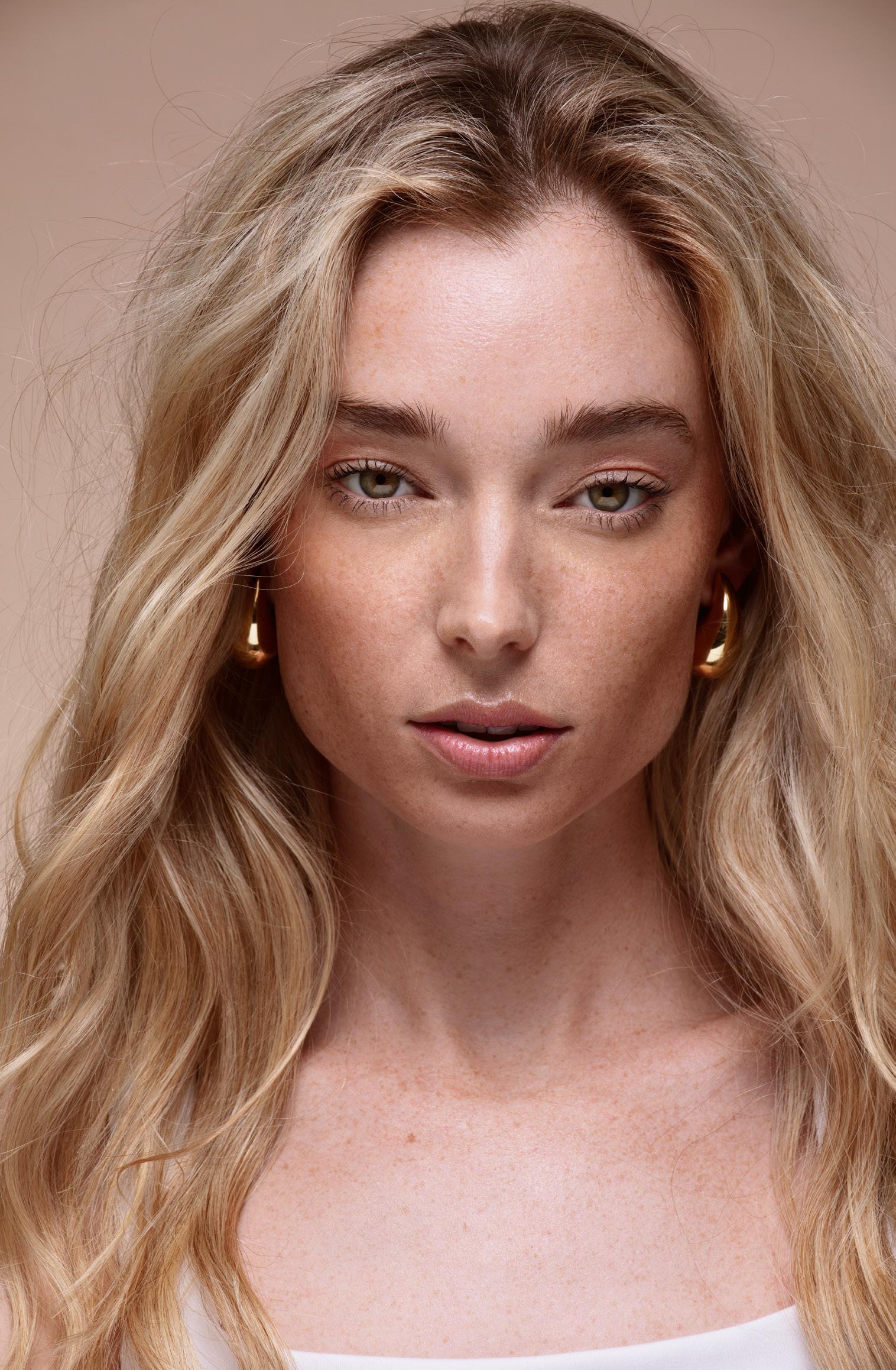
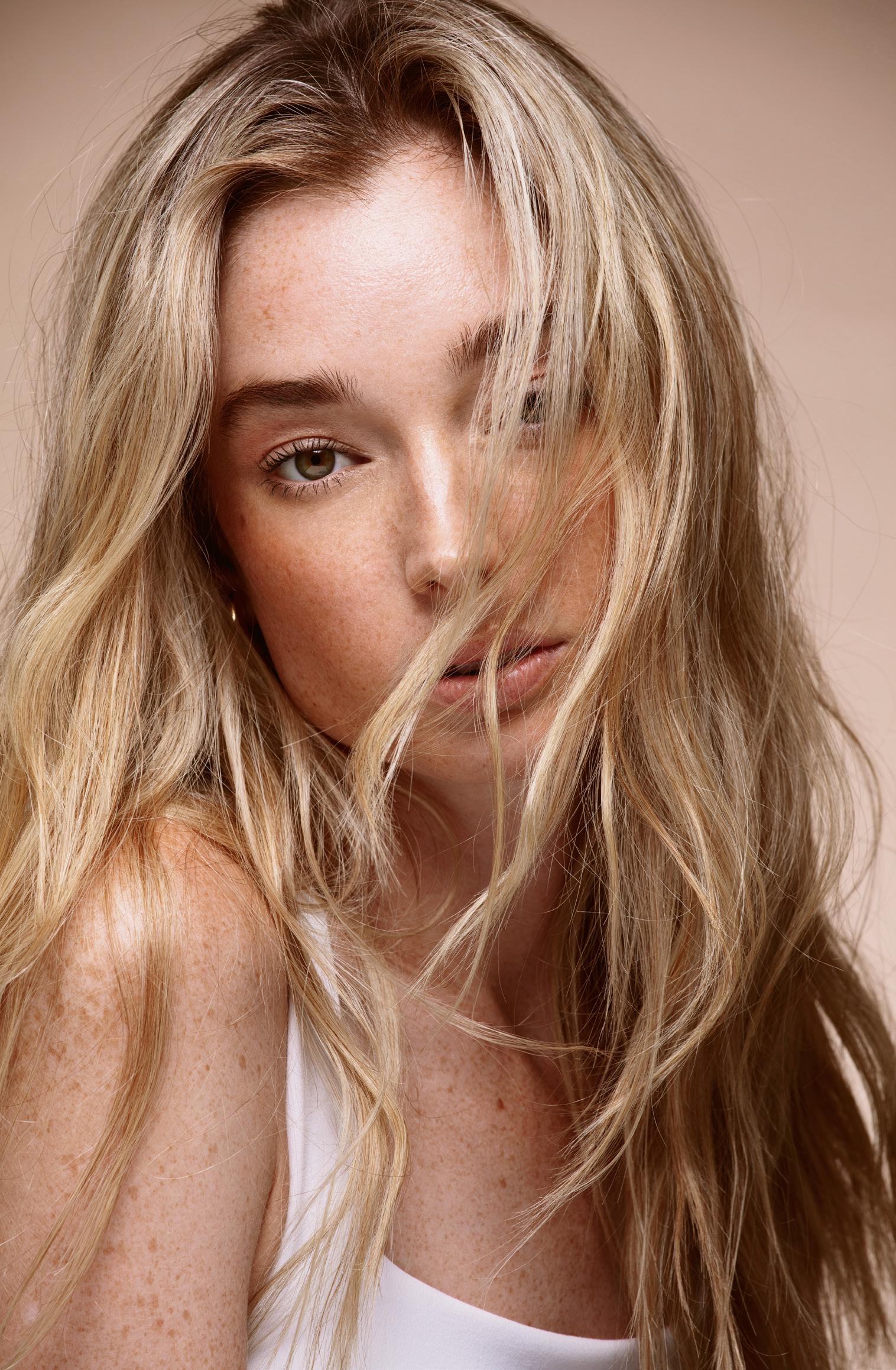
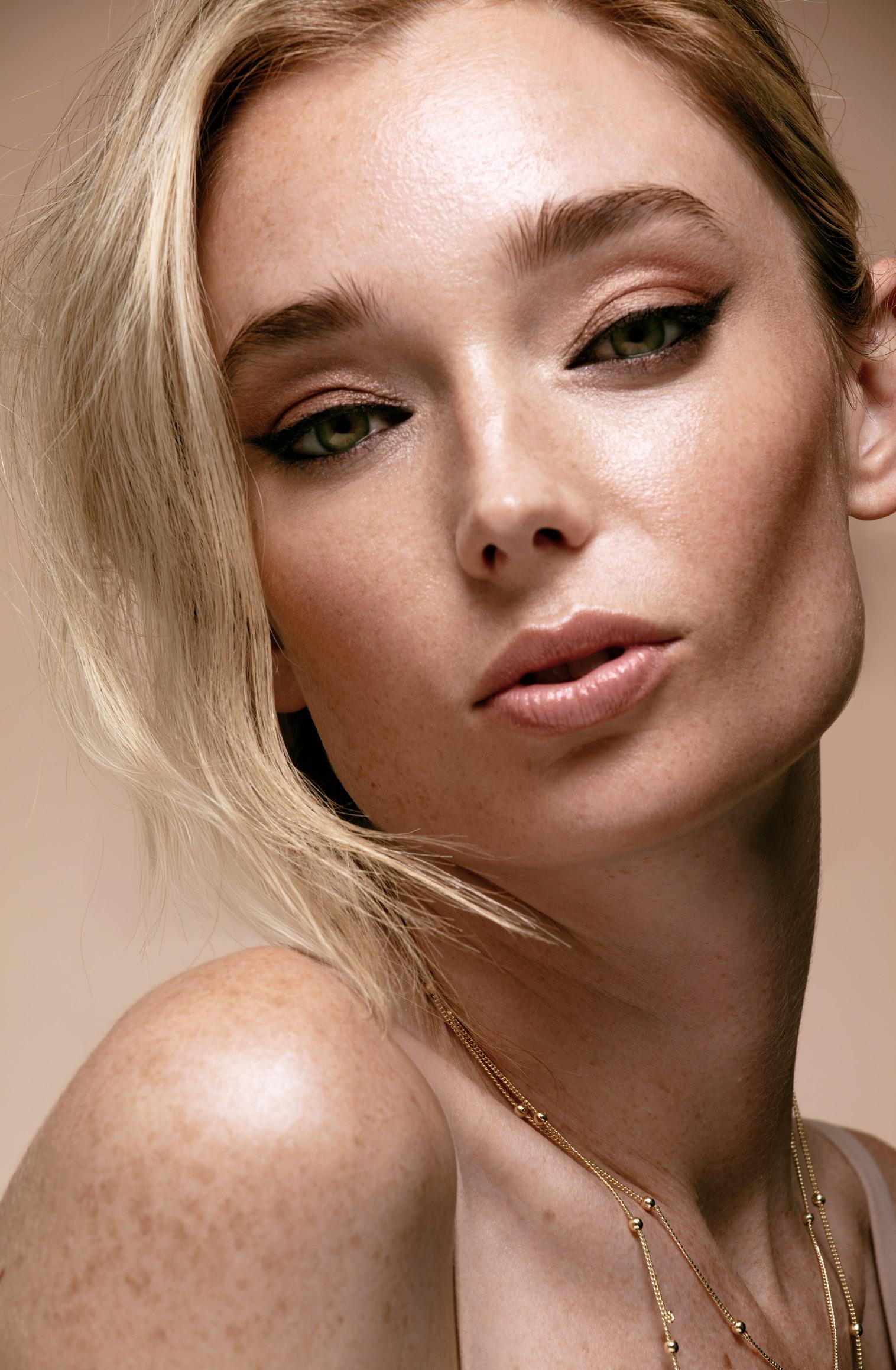
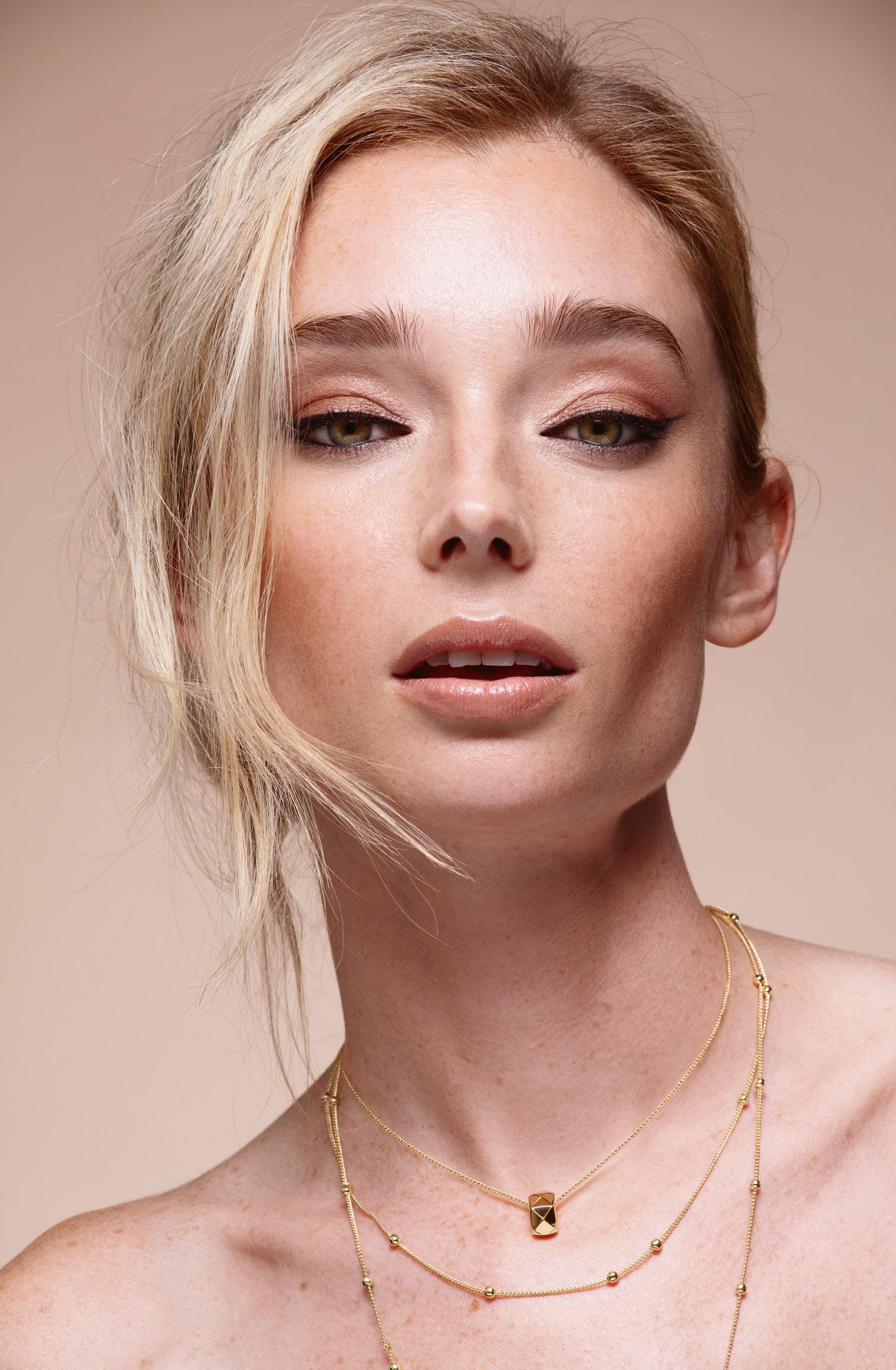
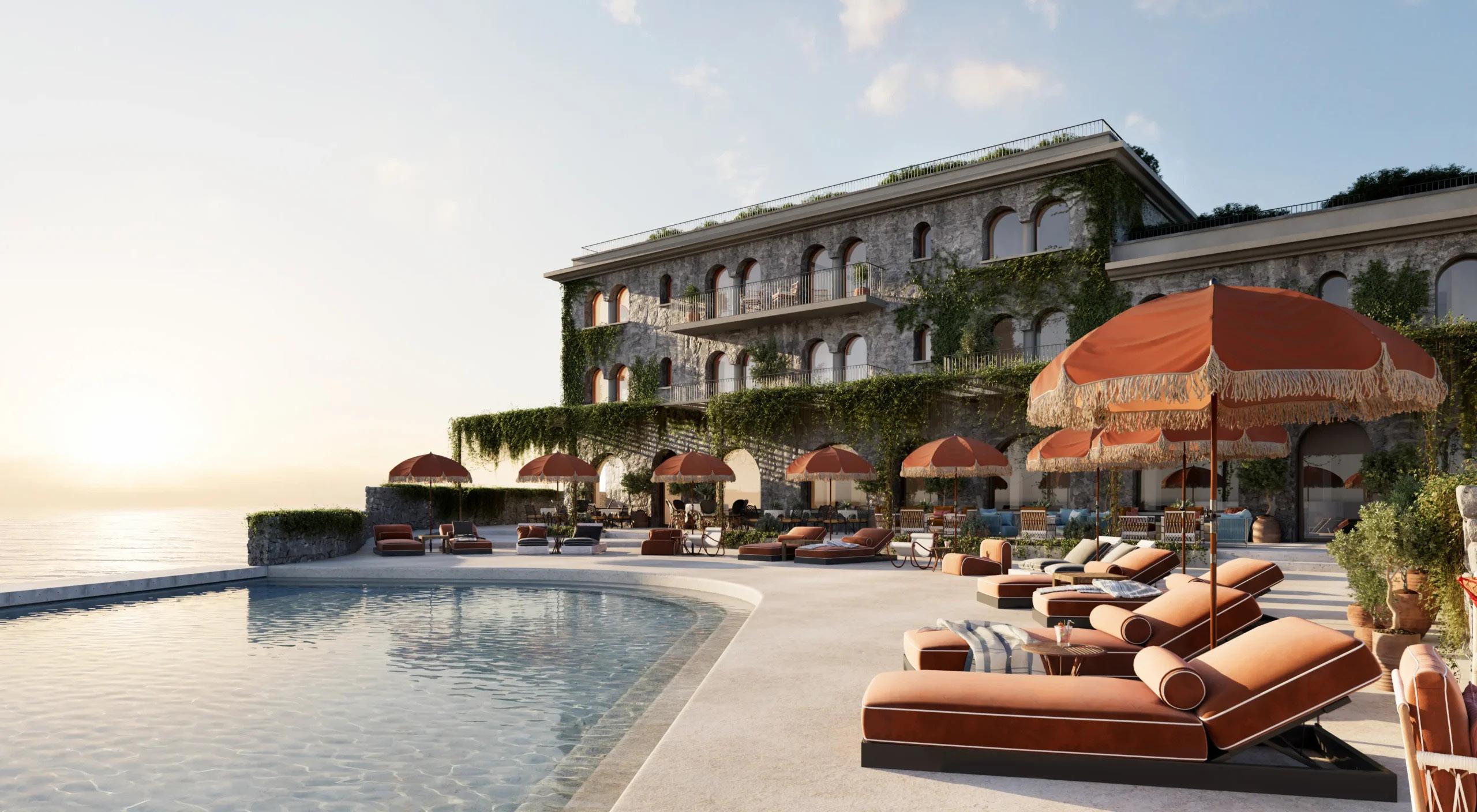
There is a version of the Côte d'Azur that exists outside the flash of beach clubs and heavy yacht traffic. Just off the coast of Bandol sits Île de Bendor —a private sevenhectare island originally purchased in 1950 by pastis pioneer Paul Ricard as a joyful haven for artists and intellectuals.
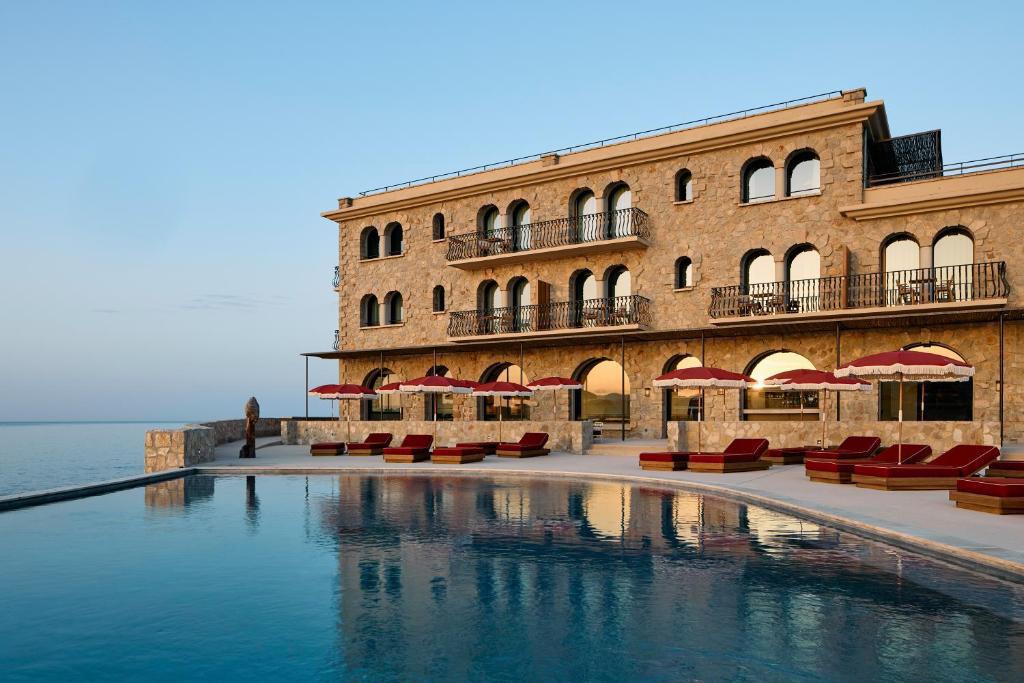
Following a meticulous, five-year total transformation under the visionary lens of Zannier Hotels , the entire island has reopened as a village-style luxury retreat. It is a masterclass in modern, understated hospitality that preserves the creative soul of the 1960s Riviera while introducing a deeply refined, contemporary minimalism.
When Paul Ricard purchased the rocky islet in 1950, he envisioned a miniature Mediterranean paradise dedicated to creativity and conviviality. Over the decades, the island welcomed artists, writers, actors, and cultural icons, including Salvador Dalí and Joséphine Baker Bendor became known as an artistic refuge where culture, leisure, and hospitality merged seamlessly.
Today, Bendor has been transformed into a sophisticated island retreat centered around wellness, gastronomy, and design. The redevelopment preserves the island's Provençal identity while introducing contemporary accommodations, curated cultural experiences, and exceptional dining venues.
The island's relaxed atmosphere encourages visitors to slow down and embrace the rhythms of Provençal life. Spend your day enjoying waterfront terraces, reading beside the sea, or watching yachts glide across the horizon. The views stretch across the Mediterranean and toward the dramatic coastline of Provence
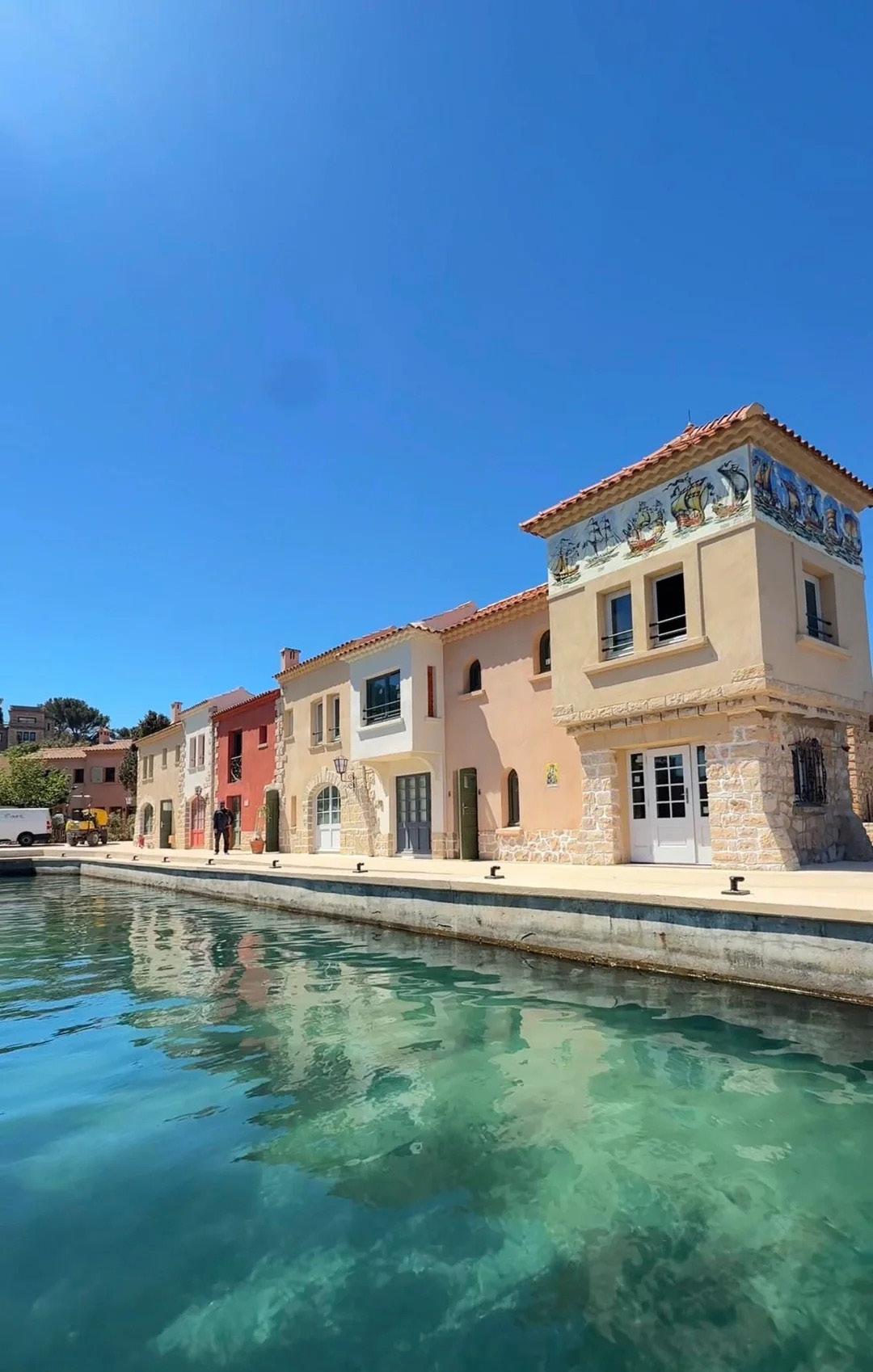
One of Bendor's greatest pleasures is simply wandering. With no cars and only a network of picturesque paths, visitors can discover hidden coves, Mediterranean gardens, artistic installations, and spectacular viewpoints overlooking the Côte d'Azur. The island measures only about seven hectares, making it easy to explore at a leisurely pace.
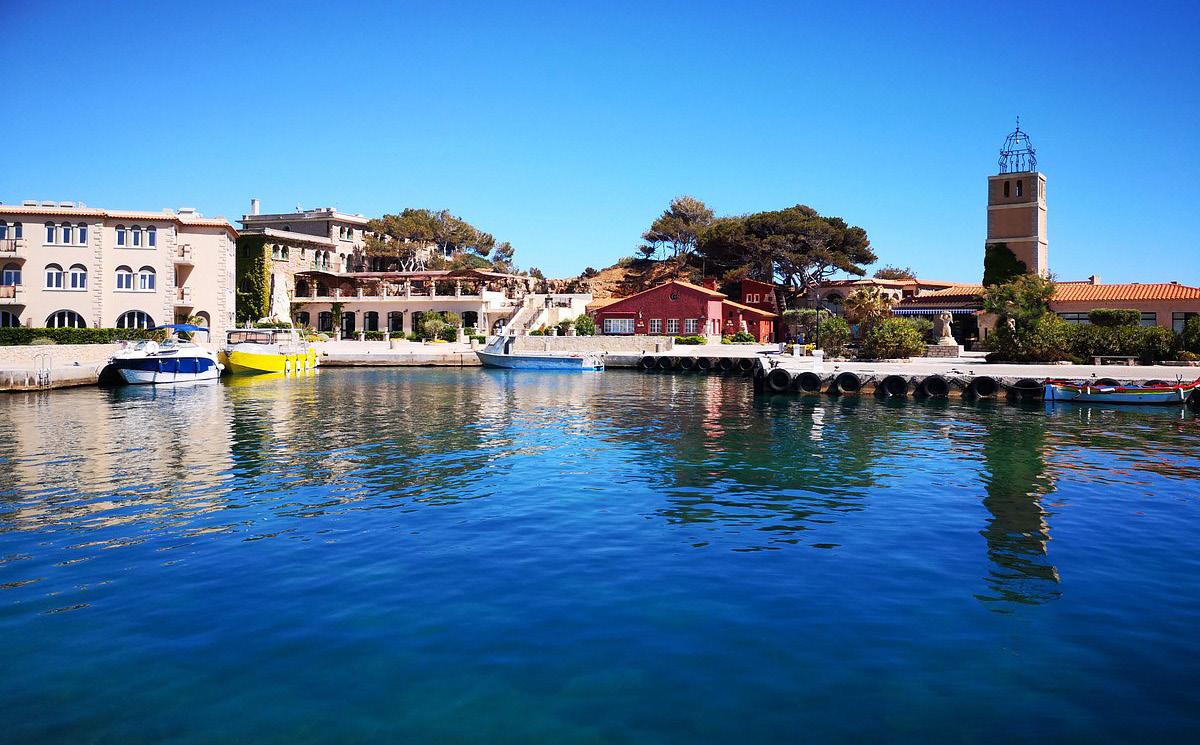
Art remains central to the island's identity. Visitors can explore exhibitions, artisan workshops, sculpture displays, and cultural programming that continues the creative vision established by Paul Ricard more than seventy years ago. Artist residencies and rotating exhibitions ensure that Bendor remains a living cultural destination.
Dining is an essential part of the Bendor experience. Several restaurants, cafés, and bars celebrate Mediterranean flavors through fresh seafood, seasonal produce, and Provençal ingredients. Many venues feature spectacular sea views, transforming lunch and dinner into memorable occasions.
Expect:
Fresh Mediterranean seafood
Provençal specialties
Artisan pastries and desserts
Local rosé wines from the nearby Bandol vineyards
Sunset cocktails overlooking the sea
The island's culinary program is designed to reflect the convivial spirit that Paul Ricard originally envisioned.
The journey begins in Bandol, a picturesque harbor town renowned for its vineyards and coastal charm. Regular boat transfers connect Bandol to Île de Bendor, with the crossing taking approximately seven minutes. Reservations are generally recommended, especially during the summer season.
Bendor's wellness facilities include a state-ofthe-art spa, hammam, indoor and outdoor pools, yoga spaces, fitness facilities, and treatments inspired by both modern and traditional wellness philosophies. The serene island setting creates an ideal environment for relaxation and rejuvenation.
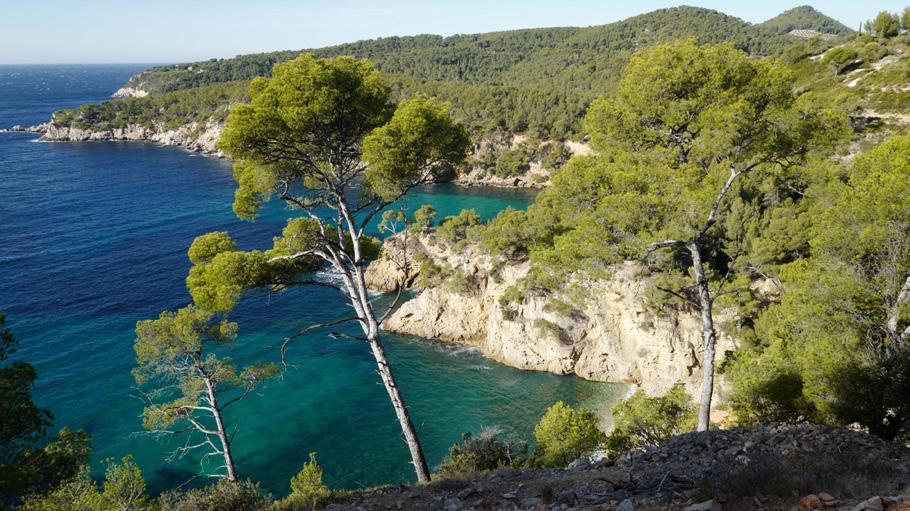
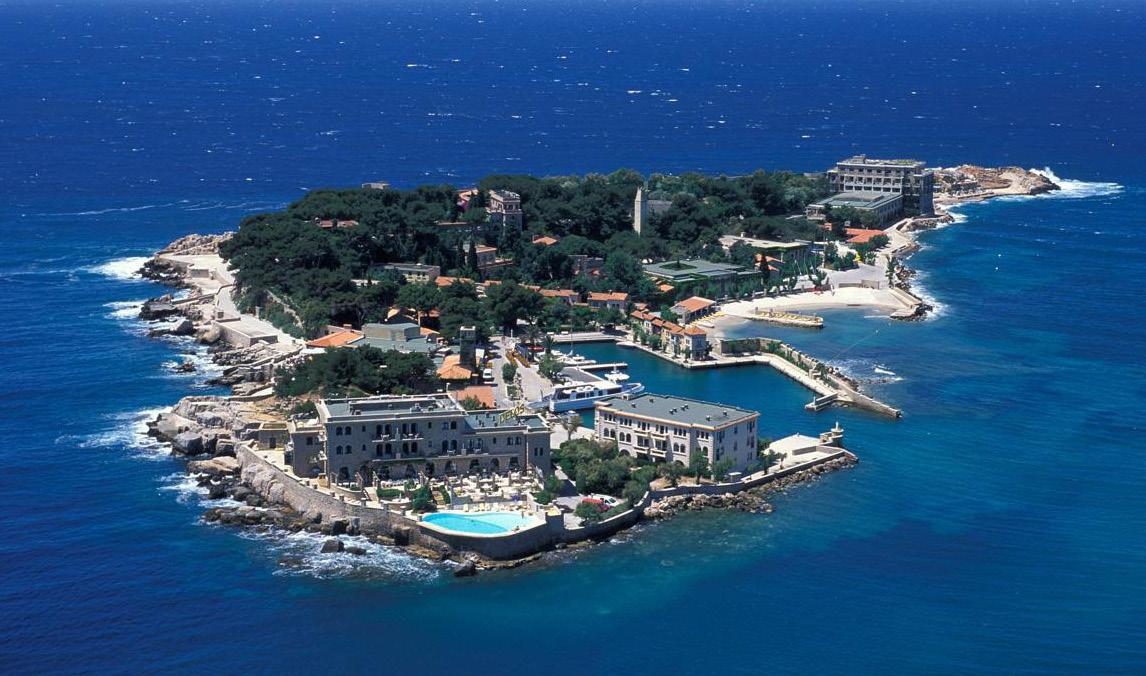
For travelers who appreciate discreet luxury, artistic heritage, and authentic Mediterranean elegance, Île de Bendor is one of the French Riviera 's most captivating escapes. Its combination of history, design, wellness, gastronomy, and natural beauty creates an atmosphere that feels both timeless and refreshingly contemporary. Whether visiting for a leisurely afternoon or a romantic island retreat, Bendor offers a rare glimpse of the Côte d'Azur at its most sophisticated and serene.

ILLUSTRATOR: SONIA FERNANDEZ @sfr_art
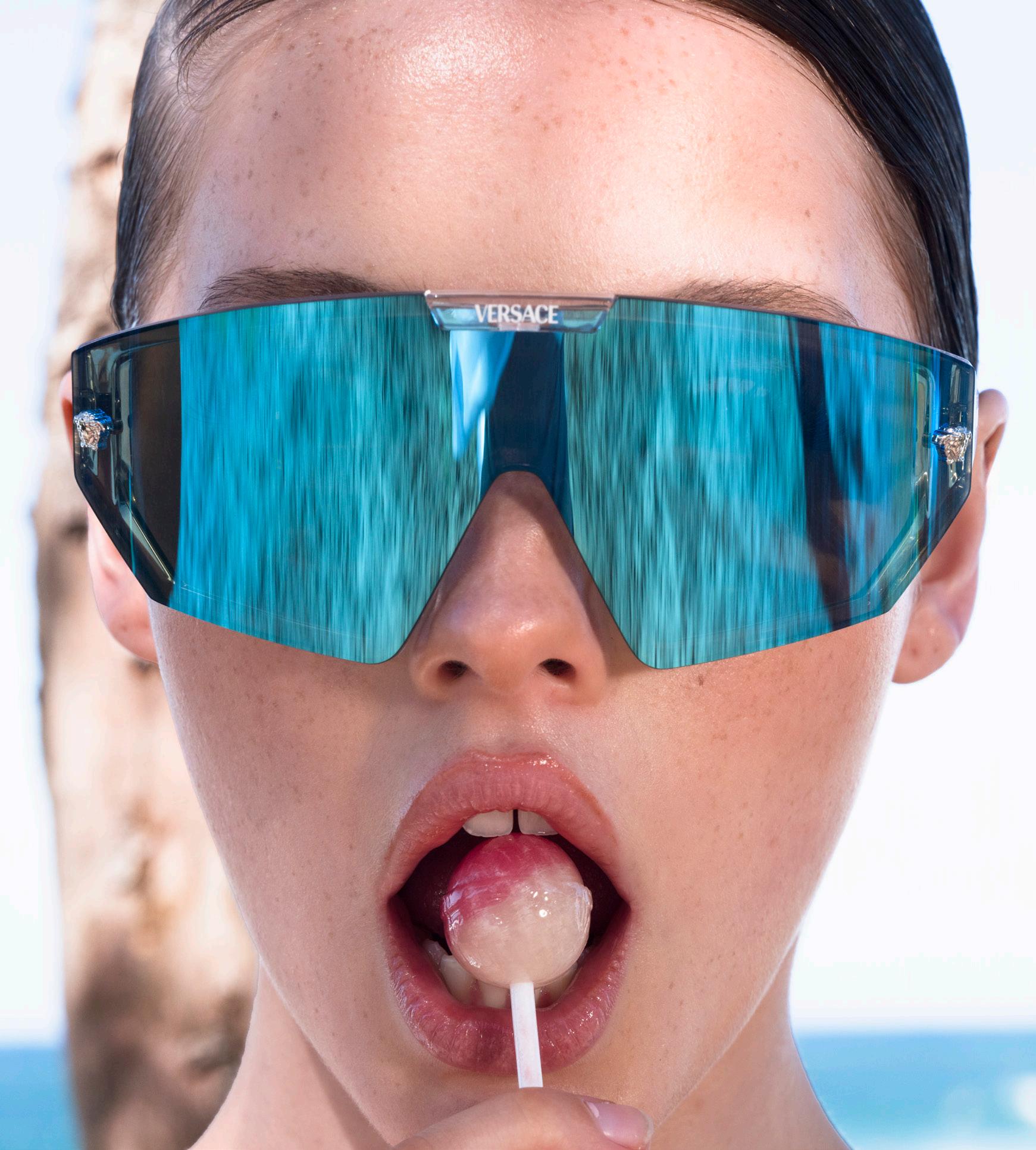
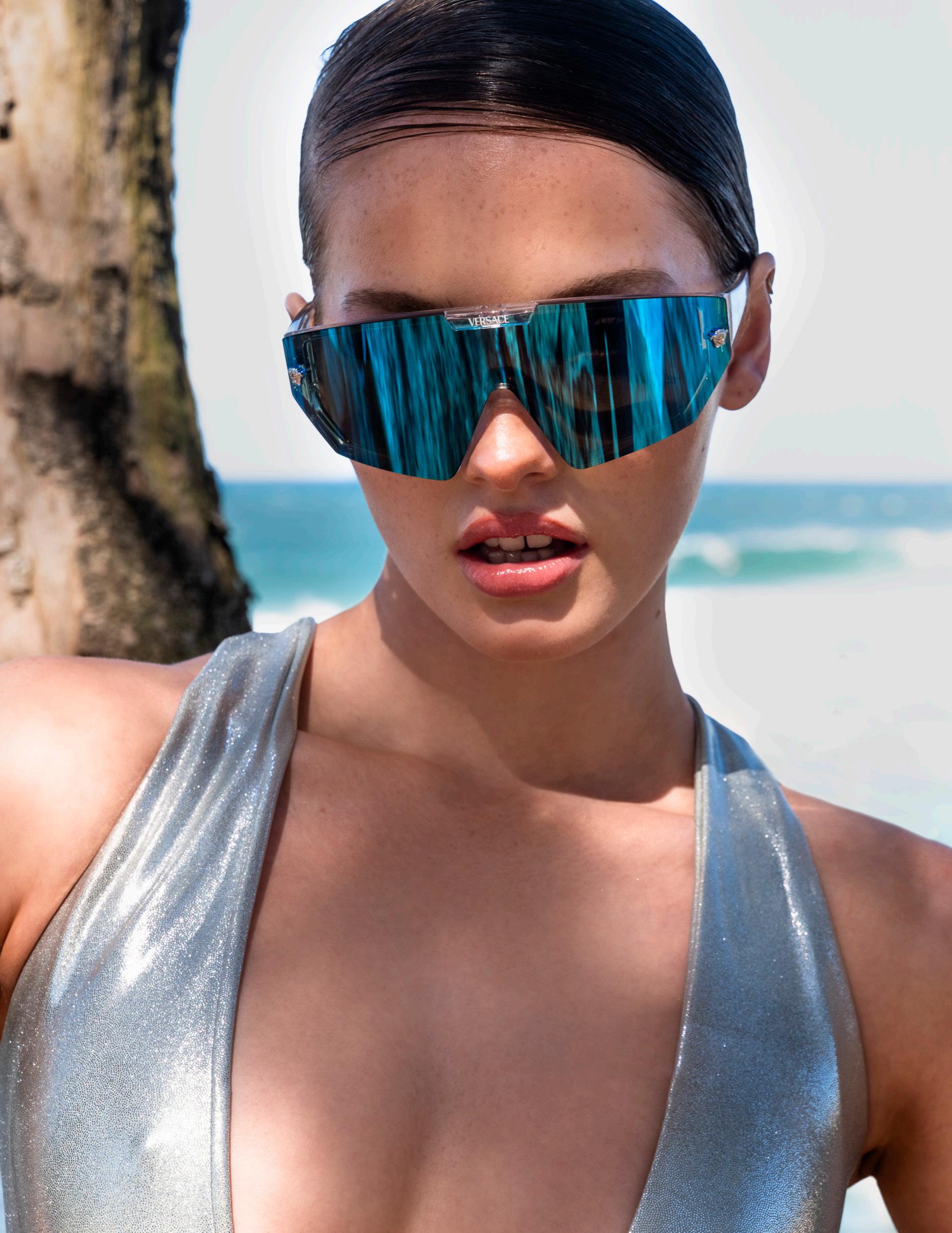
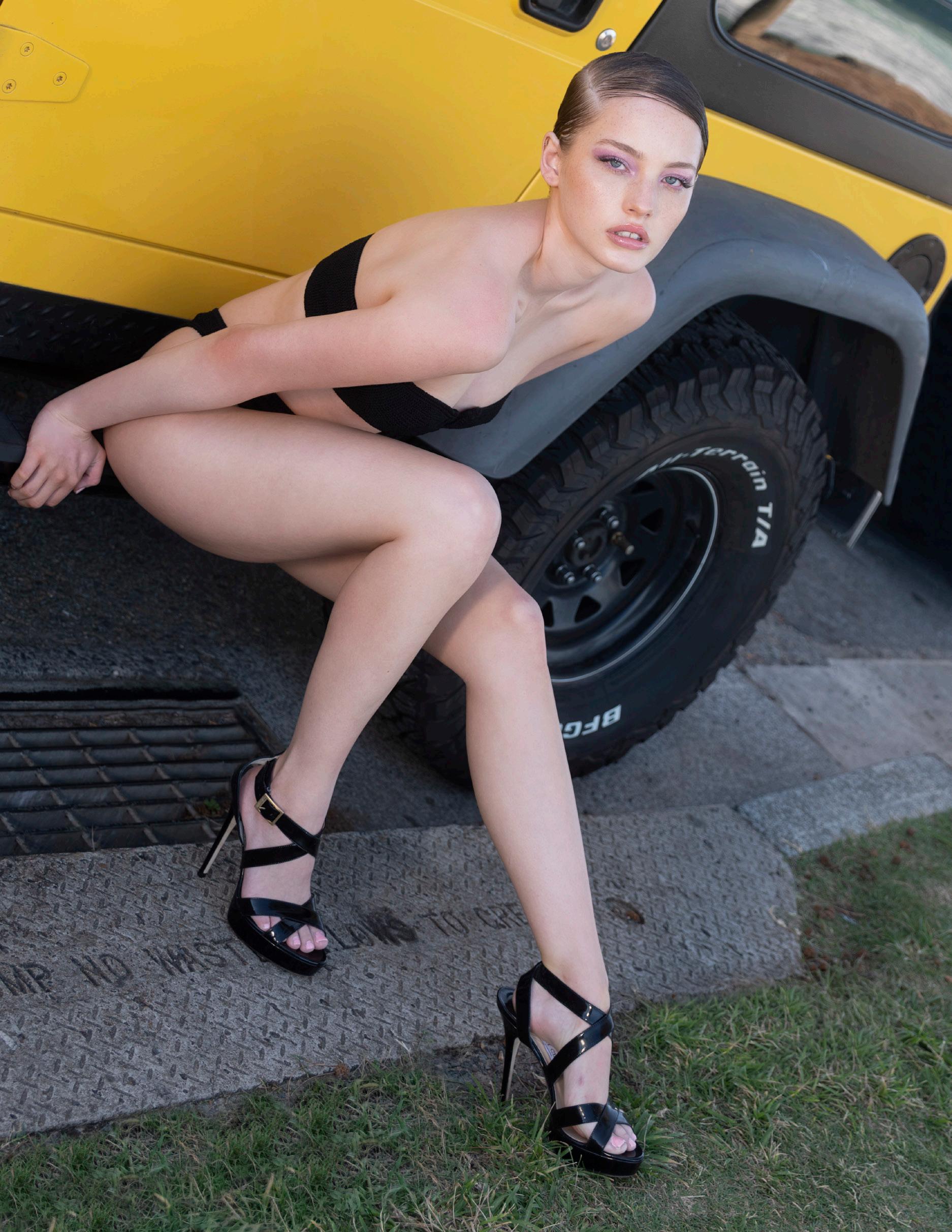
PHOTOGRAPHER: JUANITA MATIJASEVIC @juanitamatijasevicphotography
MODEL: GINGER @gingerhockley
AGENCY: TAMBLYN MODEL MANAGEMENT @tamblynmodels
FASHION STYLIST: RENAE LARKIN @styled.by.renaelarkin
Makeup ARTIST: HEIDI DEBBIE @heididebbiemakeup
Photo Assistant: ADAM MATIJASEVIC @adammatijasevicbass Retoucher: IGOR MILIC @igor_imaginationmedia
Black swimsuit
BOND-EYE SWIM
Heels JIMMY CHOO
Accessories LOVISA
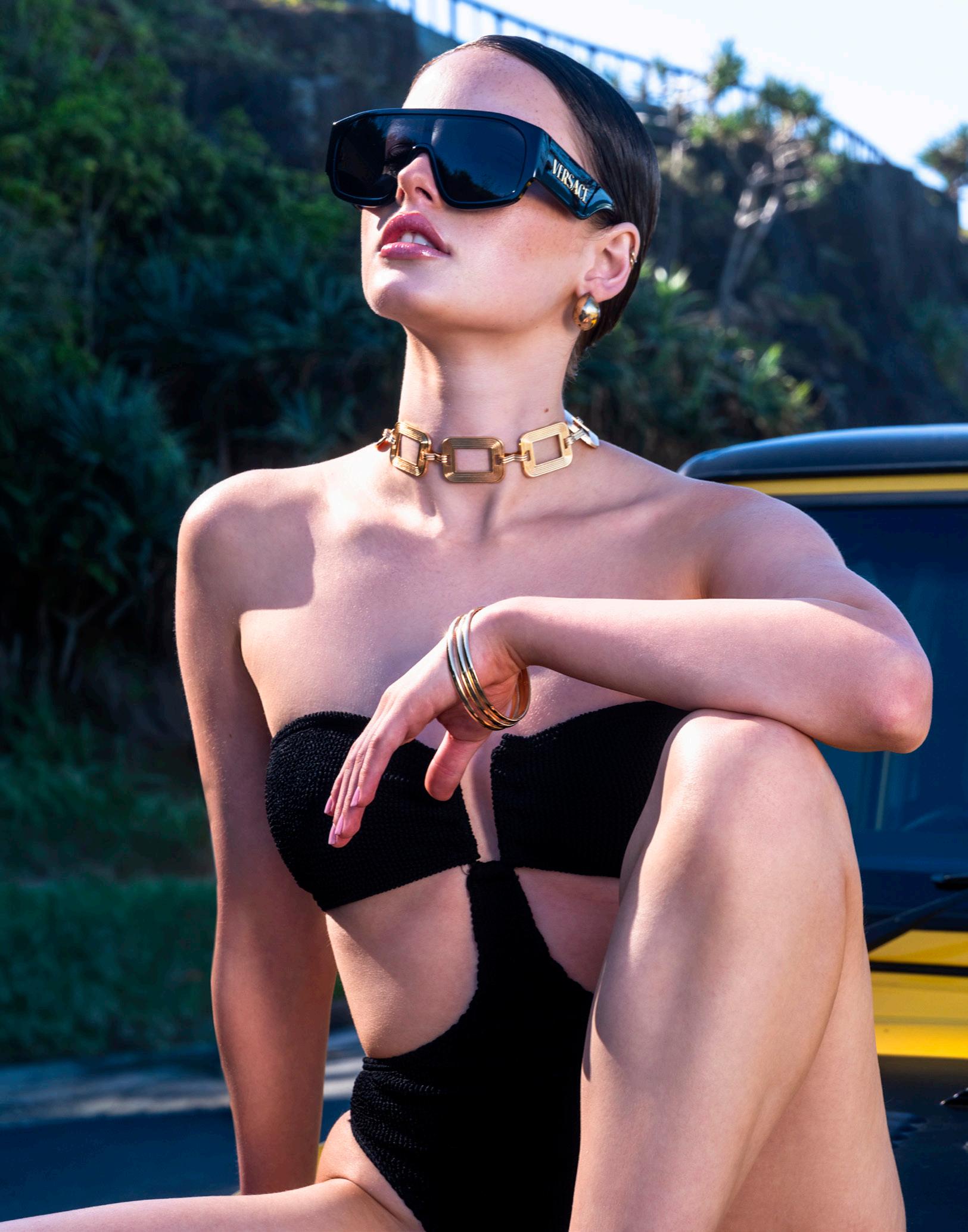
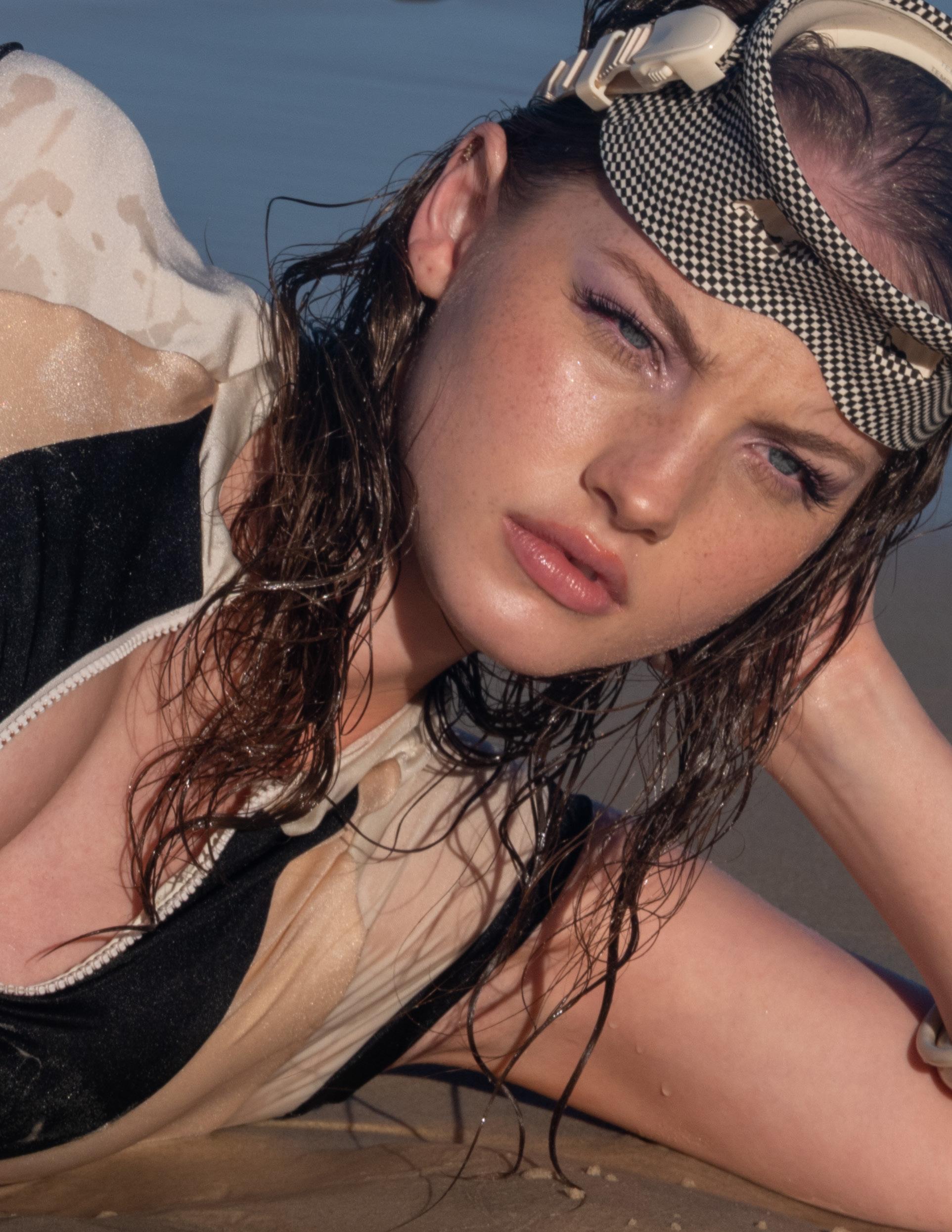
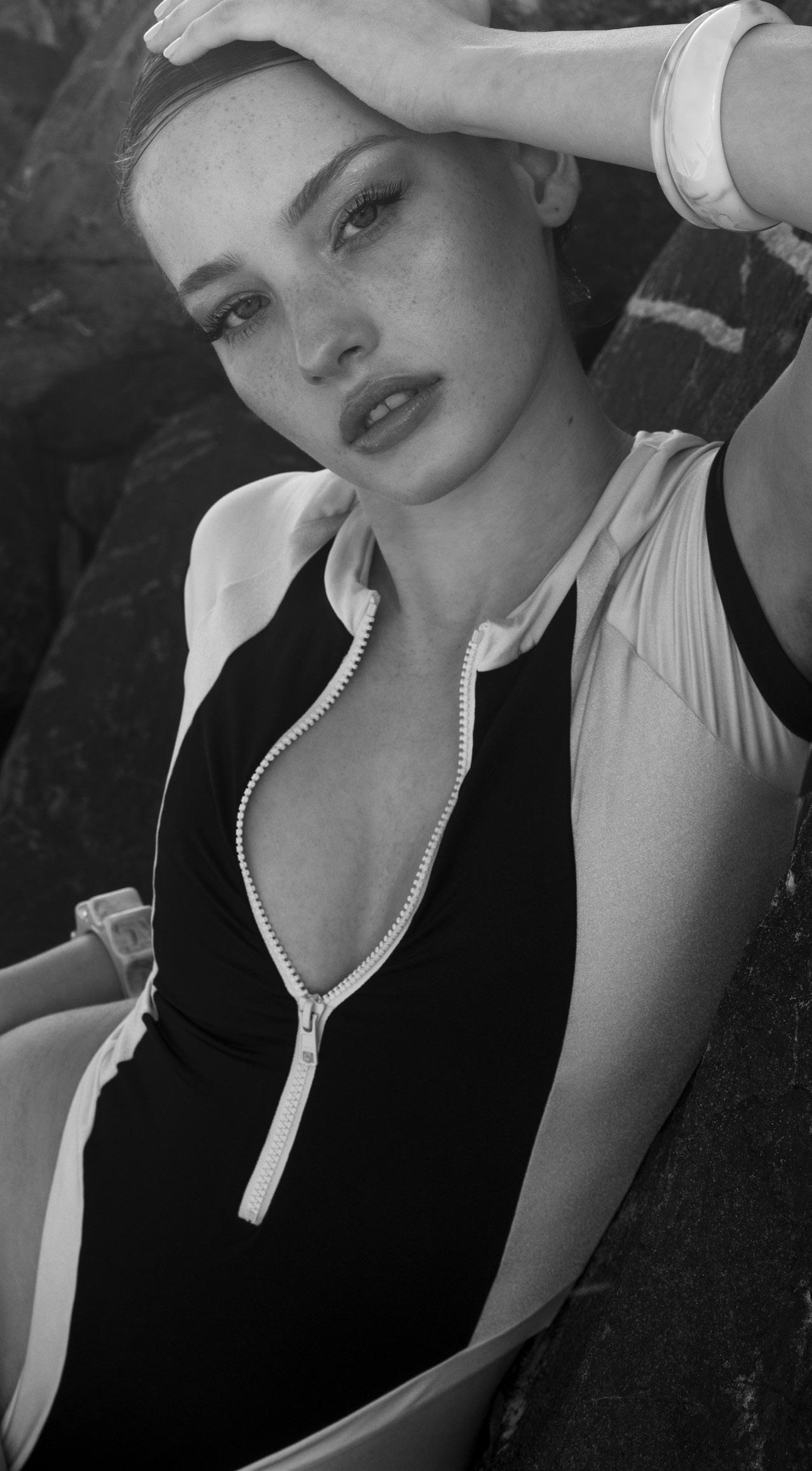
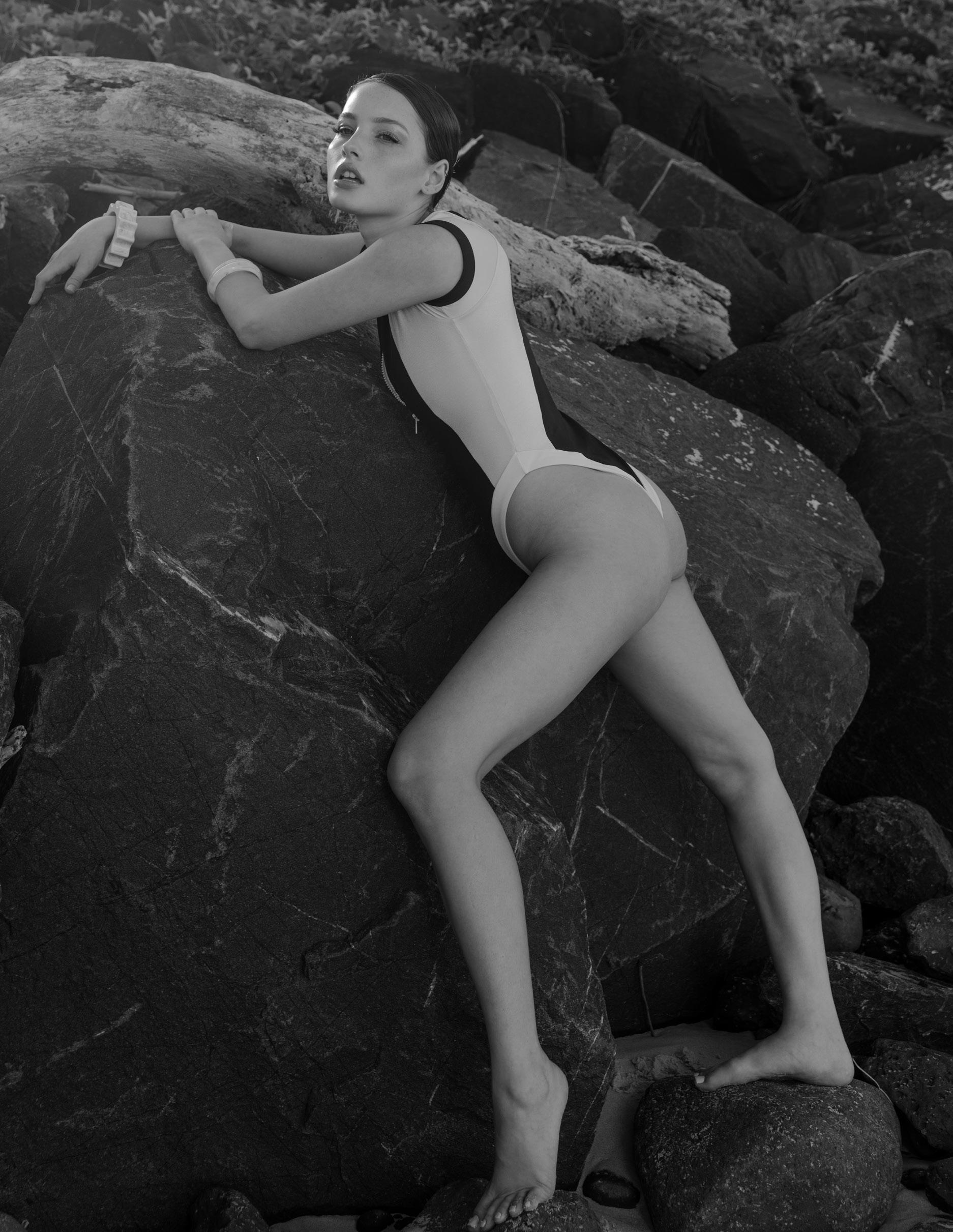
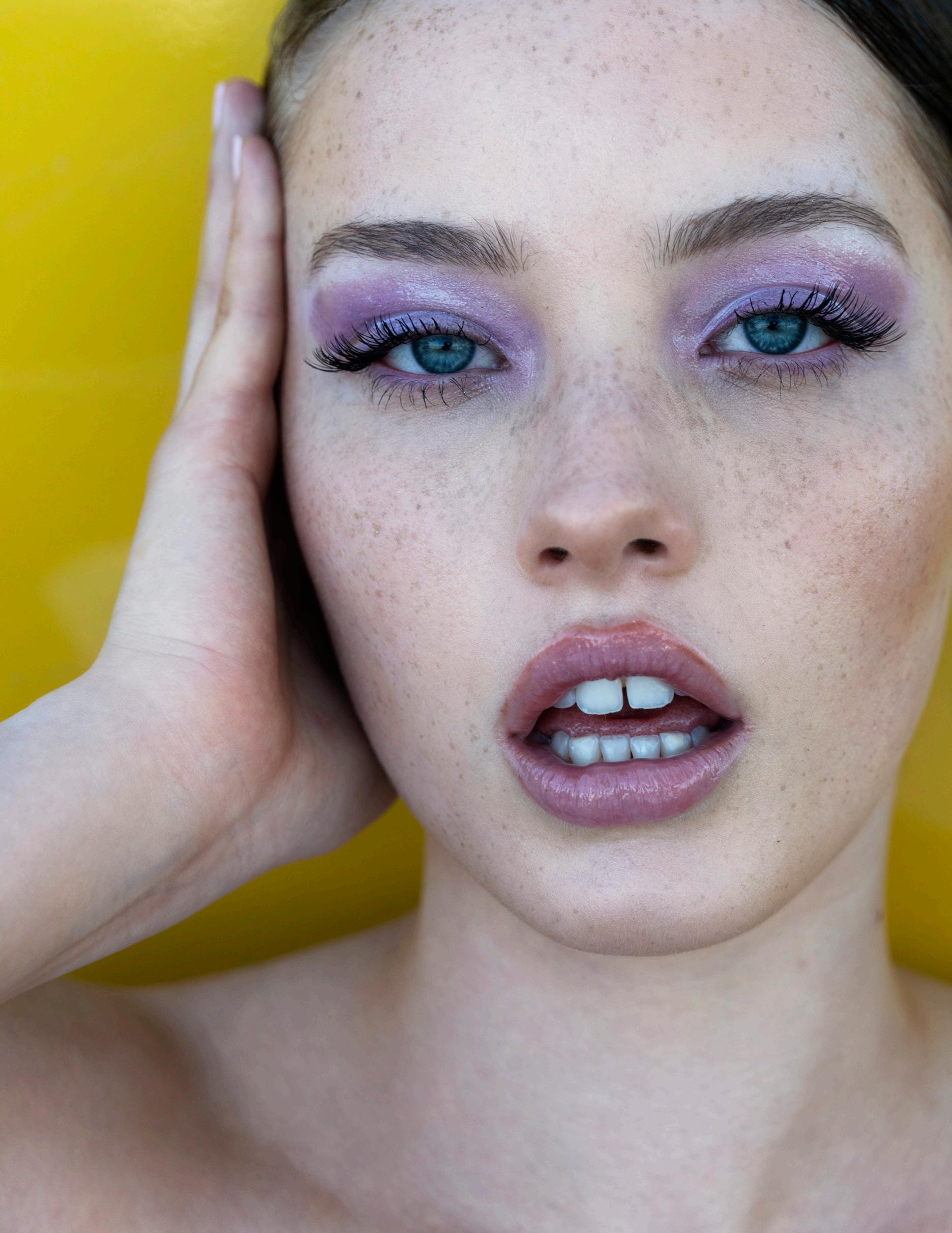
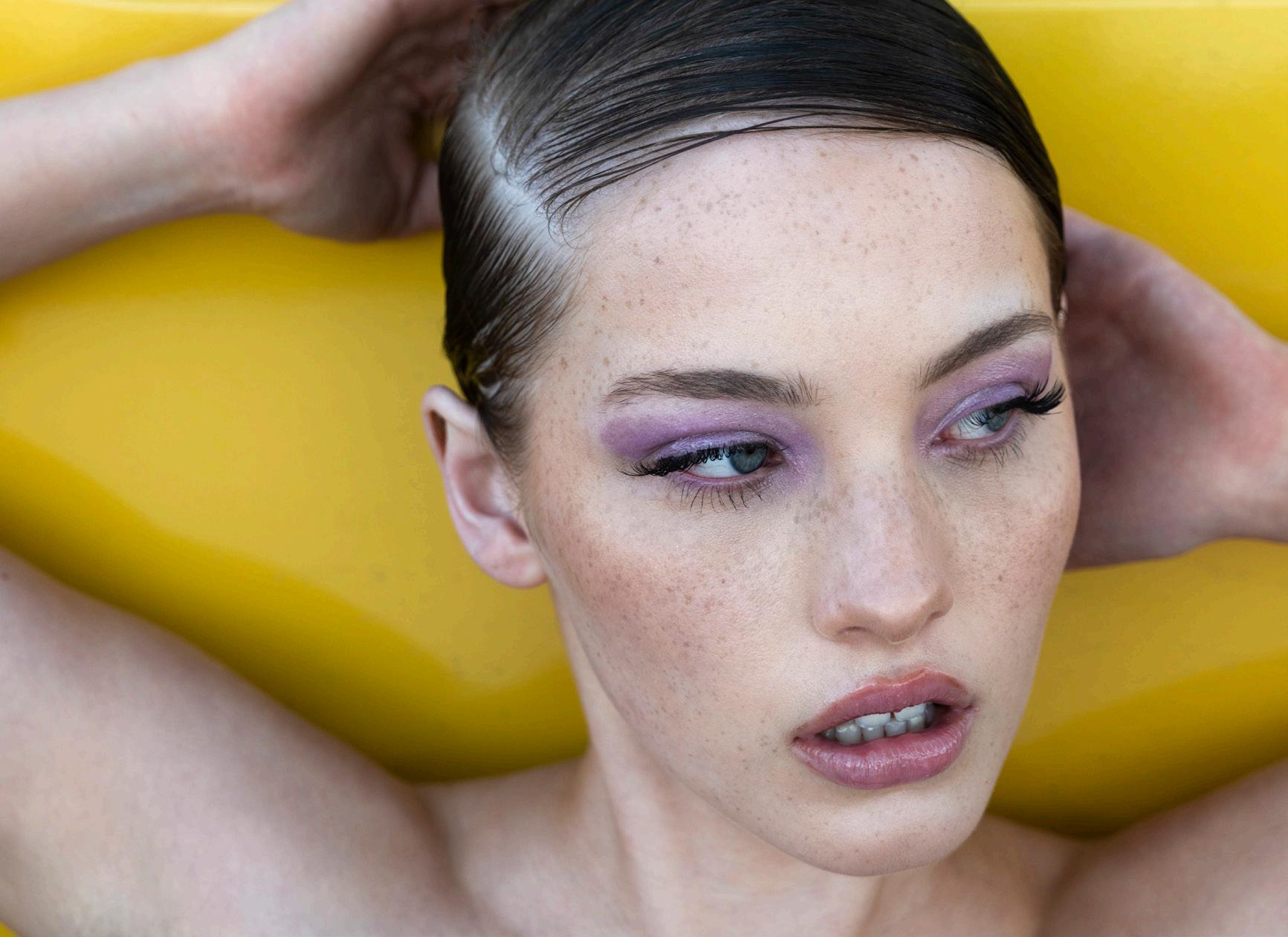
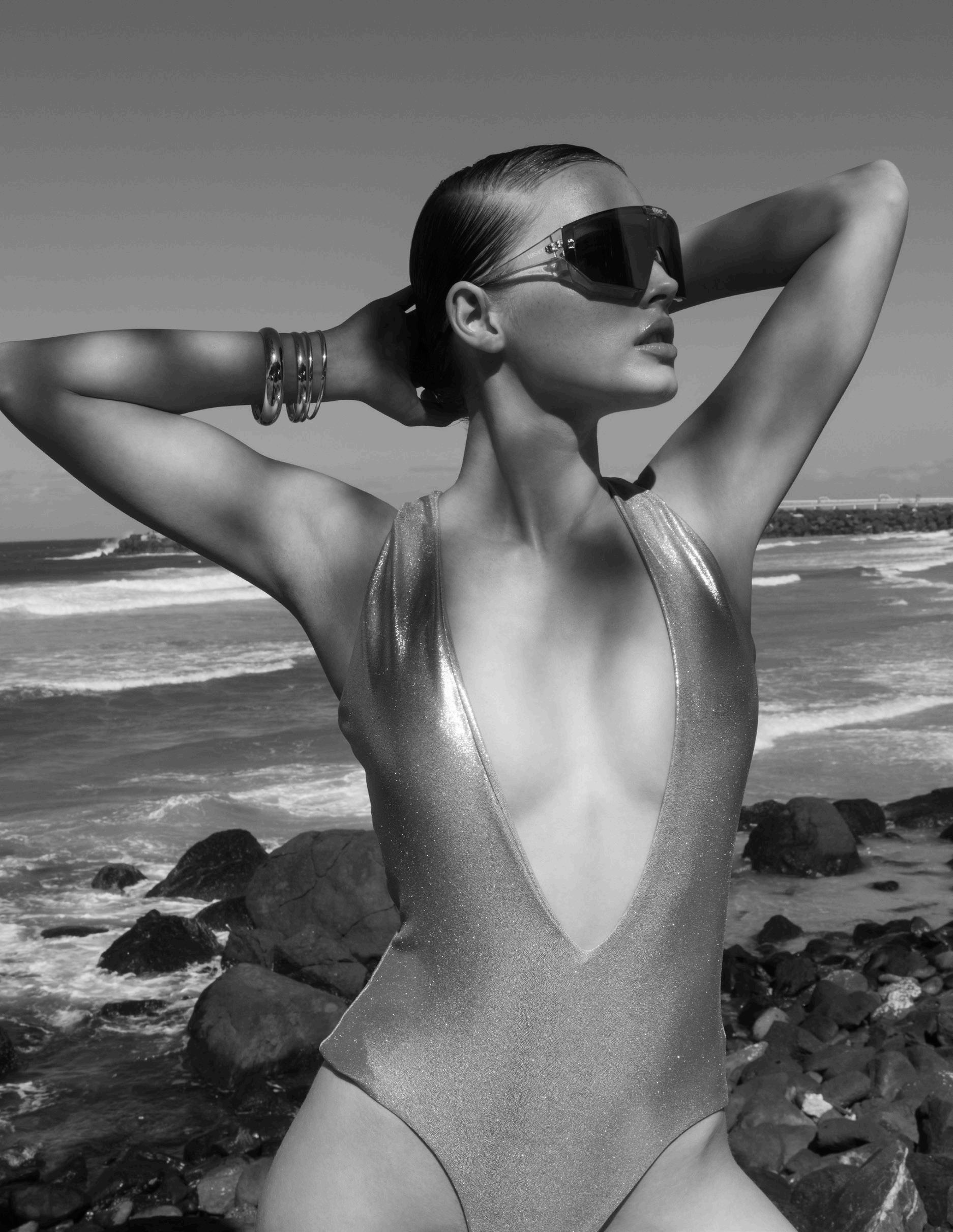
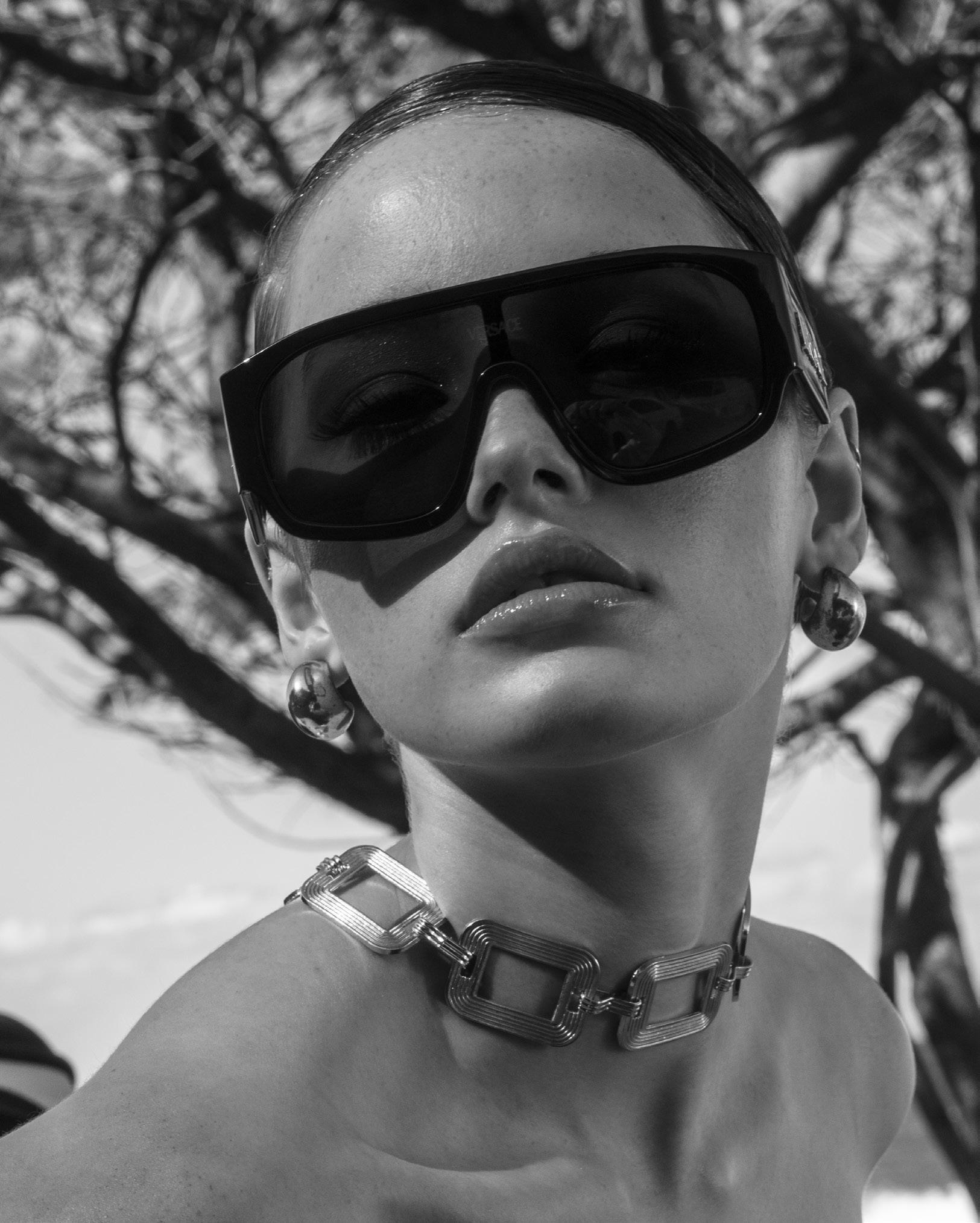
Sunglasses VERSACE
Interview by JOSE-MARIA JIMENEZ
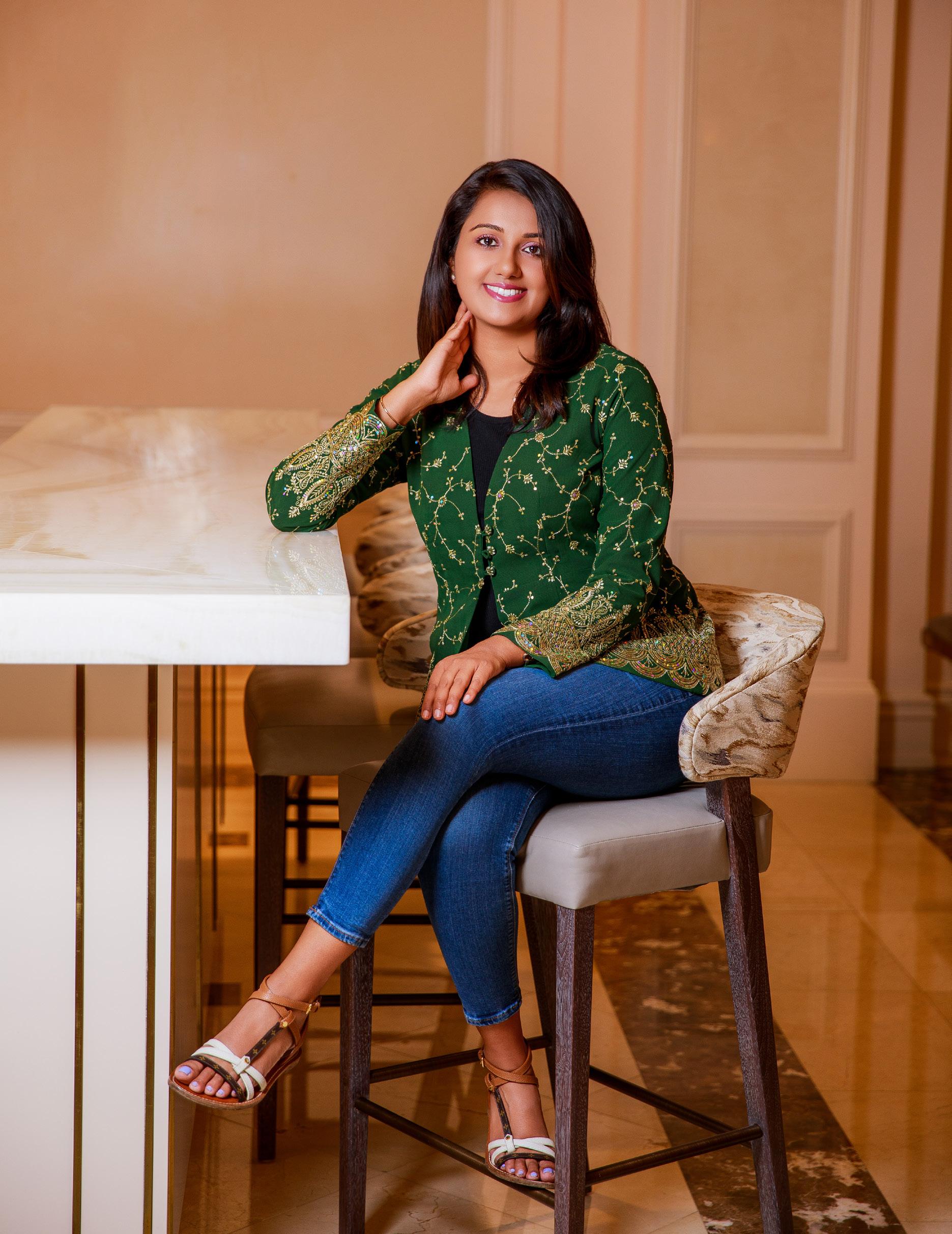
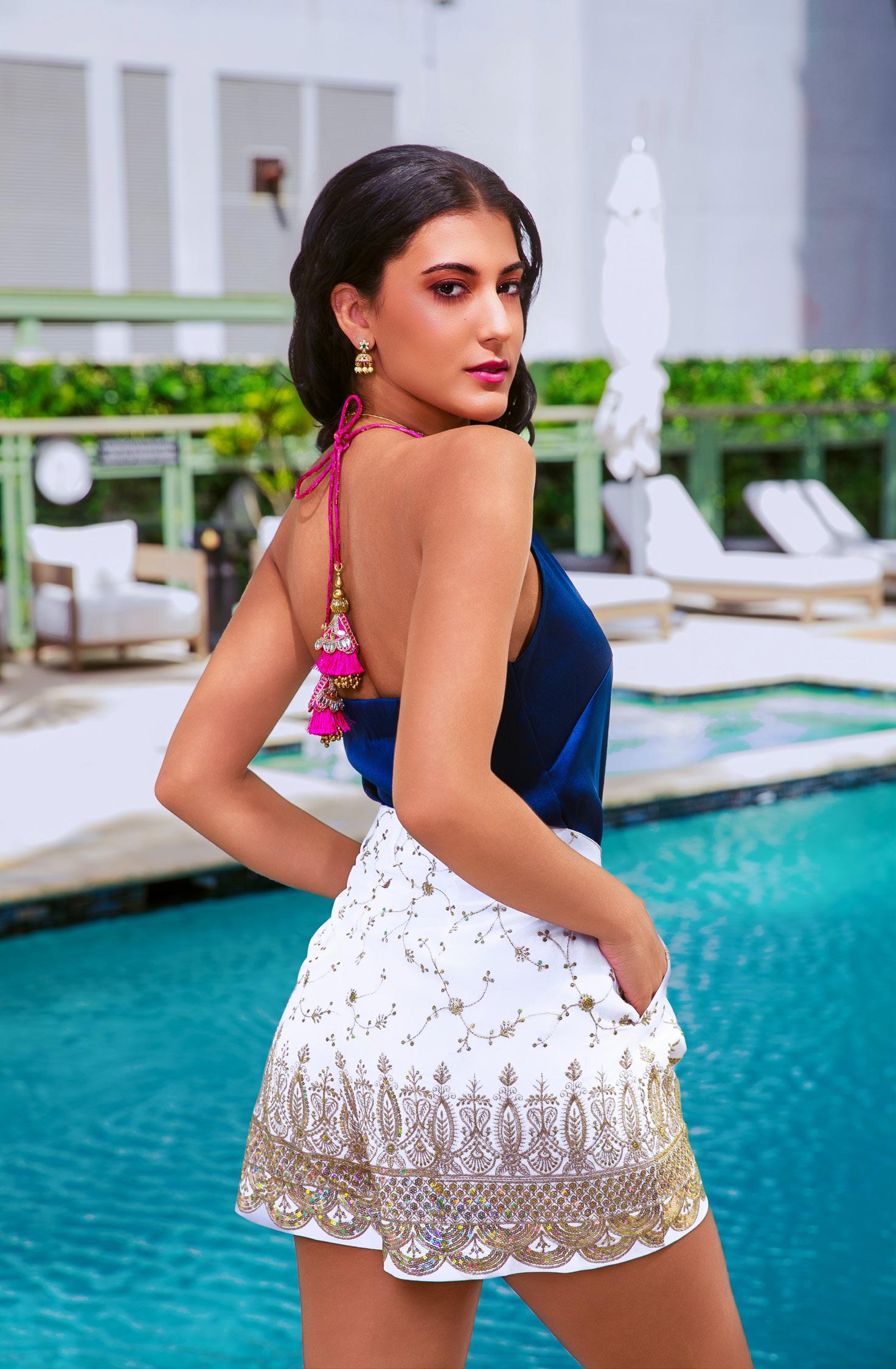
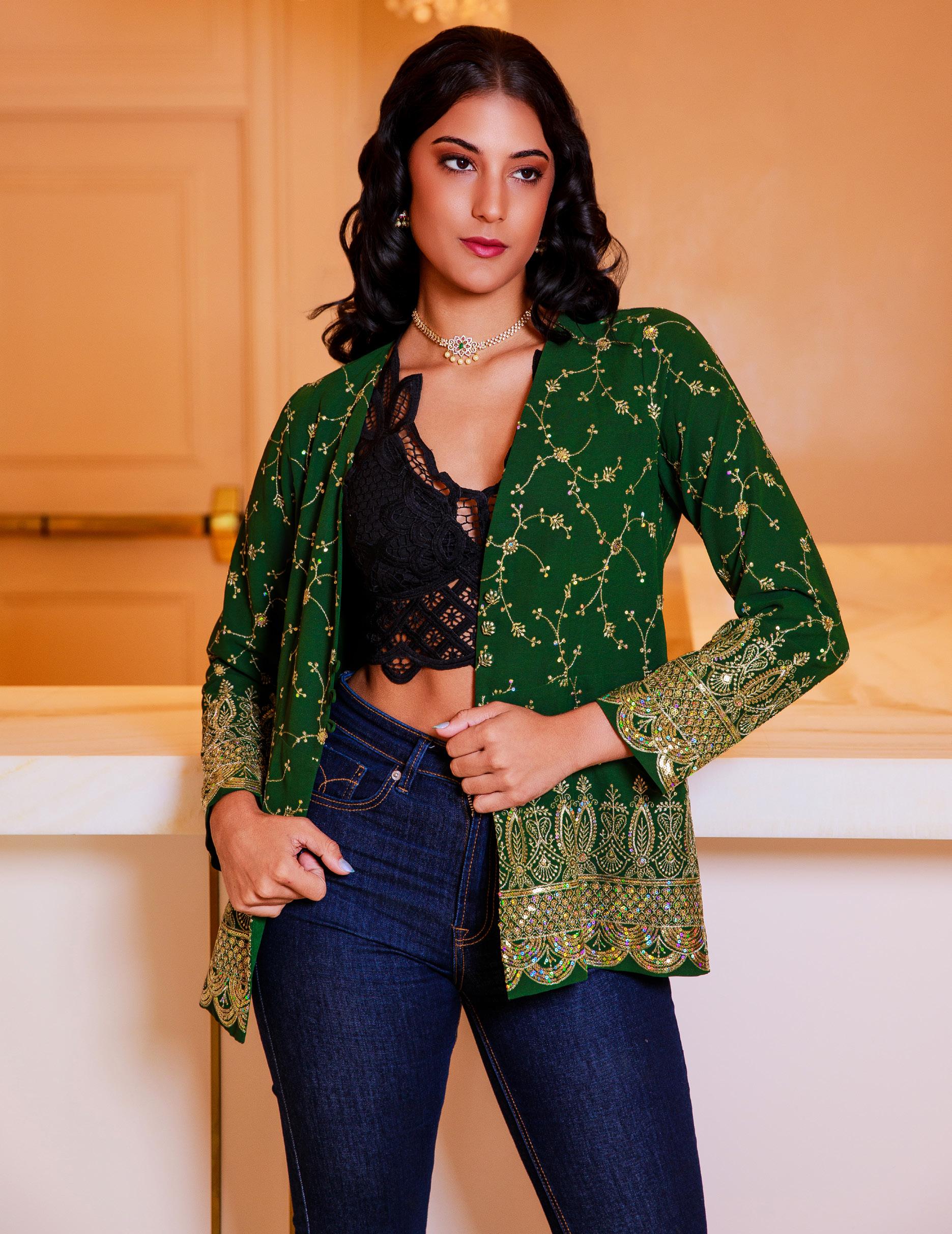
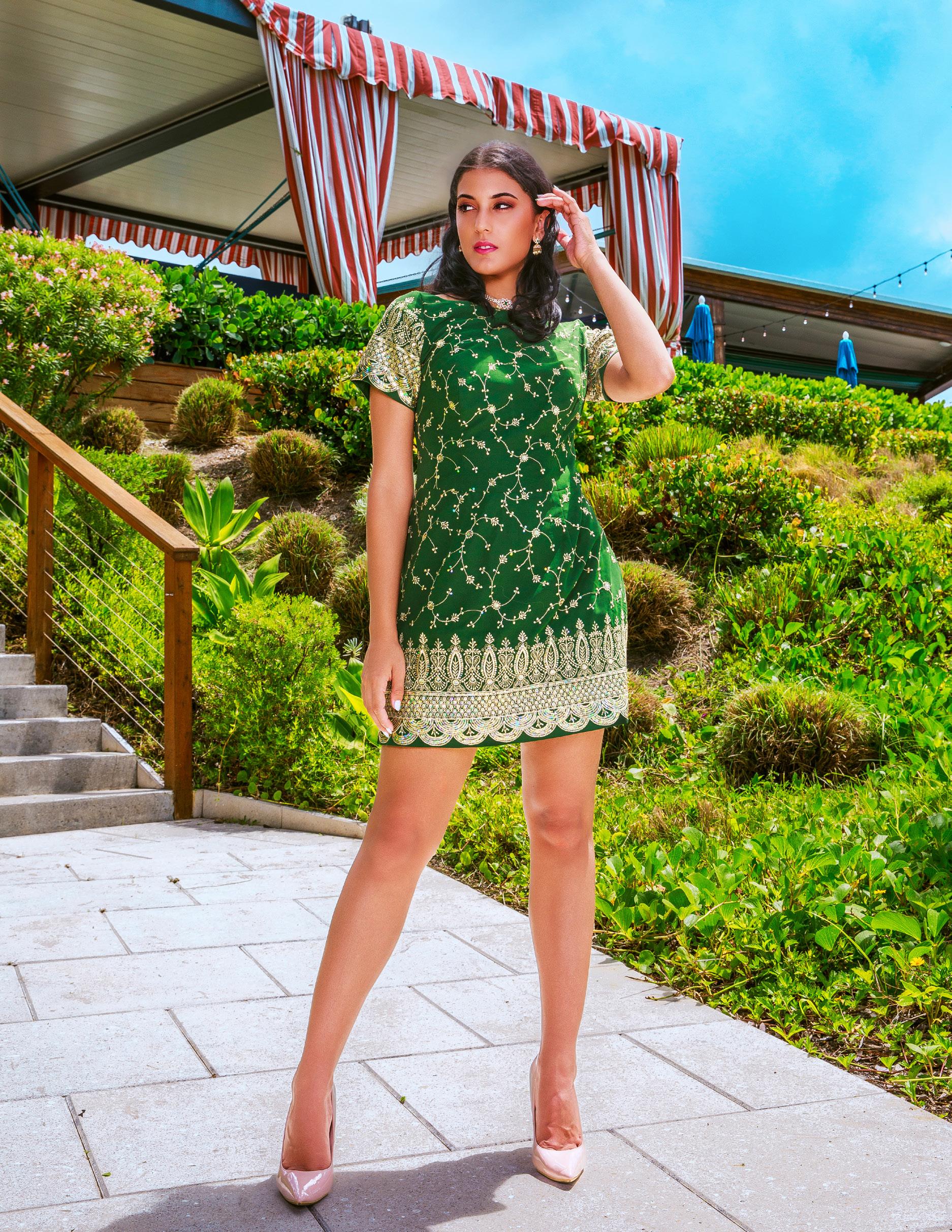
In an era when fashion often moves at the speed of trends, Rekha Ananthanpillai has chosen a different path—one rooted in craftsmanship, cultural integrity, and timeless design. As the founder and designer of La' Agra , she has created a brand that bridges the worlds she knows intimately: the rich textile traditions of South Asia and the contemporary lifestyles of modern women. Through thoughtfully designed pieces that celebrate heritage without feeling bound by it, La' Agra is redefining what luxury can look like in a global, multicultural world.
Inspired by childhood memories of heirloom saris, Bharatanatyam , and generations of artisan craftsmanship, La' Agra transforms cultural storytelling into elegant, versatile fashion. In this exclusive interview, Rekha shares how her dual Indian-American identity shaped the brand, why authenticity matters more than ever in today's fashion landscape, and how she is building a future where luxury is measured not by excess, but by meaning, artistry, and human connection.
BRAND: LA´AGRA @la.agra
Growing up between Indian and American cultures, how did your dual identity shape the vision behind La' Agra?
Growing up between Indian and American cultures felt like choosing one over the other. Am I an American or an Indian or an Indian American and what does that mean? I sometimes felt too Indian around my American friends and not Indian enough around my Indian friends. I had to learn how to hold both, how to honor and show respect for my cultural heritage but also show appreciation and gratitude for where I lived.
At home, I was surrounded by saris, heirloom jewelry, and stories of craftsmanship from back in India but also the values of a true American ; outside, I was immersed in a fast-paced, modern world that celebrated individuality and experimentation. La’ Agra was born at that intersection. It’s my way of honoring the textiles, techniques, and rituals I grew up watching, while translating them into pieces that feel at home in a New York gallery opening, a boardroom, or a Sunday brunch.
That dual identity made me realize what was missing: clothing that didn’t require me to “code switch” between my heritage and daily life. Rather than reimagining a modern sari, I wanted to create pieces that resonate across cultures. Each design quietly reflects the touch of an artisan and carries cultural meaning without feeling like a costume or limited to specific occasions.
continue to inspire your work today?
Some of my earliest memories are less about “fashion” and more about fabric as a living thing. I remember sitting on the floor next to my mother and grandmother, running my hands over silk saris that only came out for weddings or special events the way the sari would catch the light, the tiny irregularities in the weave that told you a real person had made it. I didn’t have the language for it then, but I understood that fabric could carry memory: where it was bought, who wore it first, which celebration it had seen. That feeling of intimacy with textiles is something I still chase with every La’ Agra piece.
“That feeling of intimacy with textiles is something I still chase with every La’ Agra piece.”
Ultimately, La’ Agra is about building a bridge: offering timeless, handcrafted garments that allow women to move seamlessly between worlds and express every facet of their identity with confidence and ease.
You describe La' Agra as a "love letter" to the textiles you admired growing up. What are some of your earliest fashion memories that
La’ Agra sits between those memories: the richness and symbolism of South Asian textiles, translated through the comfort and practicality I grew up valuing in the U.S. – soft cottons, ease to wear pieces. Those early impressions still guide me to treat fabric with reverence, and to design pieces that feel both deeply rooted and effortlessly wearable.
Before launching the brand, what was missing in the fashion market that convinced you there was room for La' Agra?
Before launching La’ Agra , my research kept revealing the same divide. On one side were Indian designers creating beautiful, modern Indian clothing and calling it ‘fusion wear.’ On the other were non- Indian brands leveraging South Asian motifs and prints, often profiting off the culture without really honoring its roots. Very few brands were truly sitting at the intersection I cared about modern, globally relevant clothing that is deeply rooted in Indian heritage and can thoughtfully tell that story.
La’ Agra was born to live in that space: where contemporary design and cultural integrity are given equal weight
I also felt something was missing in how that craftsmanship was being honored. A lot of what was available either diluted the artistry in the name of trends, or treated it as a costume
rather than a living, evolving language. La’ Agra was my response to that: creating intentionally designed, artisan-made pieces that respect the time, skill, and stories behind the textiles, while giving women versatile silhouettes they can actually live in whether that’s at a gallery opening, a work event, or dinner with friends. Many brands borrow from South Asian aesthetics, but La' Agra approaches them from a place of lived experience and cultural respect. Why is that distinction so important to you?
It matters to me because these aesthetics aren’t just visual inspiration they’re the language of my childhood, my family, and my culture. The motifs, techniques, and textiles that La’ Agra draws from are not trends I discovered on a mood board; they’re things I grew up wearing, watching, and learning the stories behind. When you carry that lived experience, you also carry a responsibility: to name the craft, to honor the artisans, to understand why a pattern exists beyond how “pretty” it looks on a garment. Approaching South Asian aesthetics with that depth is my way of respecting not just the culture, but the people who have safeguarded these traditions for generations. The distinction is also important because representation without context can easily slip into extraction. When brands borrow without acknowledgment, it flattens a rich, nuanced heritage into a surface-level “look.” It can also lead to backlash and cultural appropriation. For example, Prada just received a ton of blacklash on their Kolhapuri Sandle – they missed several cultural meanings all in the name of a “trend”. Now they have to spend a lot of money fixing a mistake all in the name of trying to be trendy.
With La’ Agra , I wanted to do the opposite to create pieces that feel contemporary and globally relevant, but always rooted, always traceable back to real hands and real histories. It’s about making clothing that allows women to express their style while knowing that what they’re wearing was created with intention, cultural integrity, and a genuine connection to
where it came from.
The name "La' Agra" evokes both elegance and heritage. What is the story behind the brand's name?
The name “La’ Agra” is very much a reflection of my own in between spaces. “Agra” immediately evokes India history, architecture, artistry, and of course the Taj Mahal , which for me symbolizes enduring love and meticulous craftsmanship.
Adding “La” introduces a softer, more global inflection; it nods to the European and American influences that have shaped my eye and my sense of style. Together, they sound like a meeting point between worlds, which is exactly what the brand is meant to be.
I wanted a name that felt elegant on the tongue, but also quietly rooted. “La’ Agra” is my way of honoring where I come from while acknowledging the many places, cultures, and experiences that inform how I design today. It signals that this is not just an “ Indian brand” or a “Western brand,” but a space where heritage and modernity are in constant, thoughtful conversation.
You initially launched with cocktail dresses before expanding into versatile wardrobe staples. What inspired that evolution, and what did you learn from your customers along the way?
I started with cocktail dresses because, at the time, that’s where I felt the gap most acutely— there were very few pieces that felt special enough for an evening out, but still carried a sense of South Asian artistry without being traditional occasion wear. Pieces you could wear to an “ Indian American ” Wedding but also a cocktail party.
Those first dresses were like my opening statement: this is what modern heritage can look like. But as I listened to customers, a clear pattern emerged. Women loved the story and the craftsmanship, and they kept asking, “Can I have something I can wear to work? On vacation? To a casual dinner and then to a
“La’ Agra is my way of honoring where I come from while acknowledging the many places, cultures, and experiences that inform how I design today.”
wedding event?” “Do you have separates” “Is there something lower priced that will let me enter the brand to try first?”
That’s what inspired the shift into more versatile wardrobe staples.
What I learned from them is that true luxury, today, is versatility you don’t have to overthink. They wanted pieces they could re-style, re-wear, and integrate into their existing wardrobes, not just save for a single event. That feedback pushed me to refine our silhouettes for comfort and ease, to design separates that mix and match across collections, and to think about how a single piece can live many lives— layered, dressed up, pared back. The evolution from cocktail dresses to a fuller wardrobe offering was really an evolution in intimacy with our customer: understanding her day, her travels, her celebrations, and creating pieces that can move with her through all of it. Every collection tells a story. Can you walk us through the creative journey from an initial inspiration to a finished collection?
For me, a collection always begins with a feeling before it becomes a set of clothes. It might be a memory from a trip to India , a fragment of a Bharatanatyam performance, a photograph of an old textile, or even a color that I can’t stop thinking about. From there, I start building a world around that feeling pulling references from South Asian textiles, architecture, jewelry, and then pairing them with the realities of how women live and dress today. That phase is part research, part intuition: sketching silhouettes, refining a color story, and asking, “What story are we telling, and how should it feel on the body?”
Once the narrative is clear, the work becomes very tactile and collaborative. I spend a lot of time with artisans, exploring embroideries, finishes, and fabric weights that can carry the story while still being wearable and versatile. We prototype, test movement, refine necklines and hemlines, and adjust details until each piece feels intentional from every angle. As the collection comes together, I think about how the pieces speak to each other what mixes and
matches, what transitions from day to evening and how we’ll share that story visually through lookbooks and campaign imagery. By the time a collection is finished, it’s moved from an internal emotion to a lived experience: a set of garments that invite women to step into that world and make it their own.
How do architecture, history, and art from India continue to influence your seasonal designs?
They influence my work constantly, but often in subtle ways. Indian architecture, history, and art have such a rich sense of rhythm, ornament, and balance, and I’m always thinking about how to translate those qualities into something wearable. It might show up in the line of a neckline inspired by an archway, the symmetry of an embroidered motif that echoes carved stonework, or a color palette drawn from faded palace walls, temple murals, or old miniature paintings. I’m less interested in literal reproduction and more interested in capturing an essence how a place or period makes you feel, and how that feeling can live in a modern silhouette.
History and art also remind me that beauty in Indian design has always been layered with meaning. A motif is rarely just decorative; it often carries symbolism, memory, or a connection to region and craft. That awareness shapes how I build collections. I want each season to feel grounded in something deeper than aesthetics alone, whether that’s a reference to lotus flowers and other lush natures of India, hand-painted frescoes, or the geometry of historic textiles. Those influences help me create pieces that feel rooted and contemporary at once clothing that carries a sense of place, culture, and storytelling without ever feeling museum-like.
In an era dominated by fast fashion, you have embraced small-batch production. Why was it important for La' Agra to take a slower, more intentional approach?
It was important to me because the very heart of La’ Agra craftsmanship, heritage, and human artistry cannot exist on a fast-fashion timeline. I am very intentional about the manufacturing practices we engage in, the fabrics we use, and the way all materials are sourced. When you’re
“I am very intentional about the manufacturing practices we engage in, the fabrics we use, and the way all materials are sourced.”
working with hand embroidery, thoughtful construction, and artisans whose skills have been passed down over generations, speed can’t be the priority.
Small-batch production allows us to honor the time and care each piece deserves, and it ensures that the process stays connected to real hands rather than becoming diluted for the sake of volume. It allows each piece to be treasured and to ensure our customers have a one-of-a-kind look.
It also reflects how I believe women want to build their wardrobes today with more intention, not more excess. I never wanted La’ Agra to create clothing that feels disposable or tied to a single season. A slower approach lets us focus on quality, fit, and longevity, while producing more responsibly and reducing the pressure to over make. For me, that’s what modern luxury should look like: fewer pieces, made thoughtfully, worn often, and valued for the story and craftsmanship they carry.
Your pieces are produced in Dubai. What attracted you to that manufacturing environment, and how does it support your vision for quality and craftsmanship?
I always wanted La’ Agra to be built through small-batch manufacturing because intention and quality were never negotiable for me. When I launched the label, I was living in Philadelphia , so I initially looked to New York , but many of my materials were coming from Dubai , and through family connections and networking I found a small-batch manufacturer there that aligned with the brand’s standards.
For a while Dubai supported my vision because the proximity to India allows for a closer dialogue with the traditions and craftsmanship that inspire the brand, while still operating in a global fashion context. That combination helps us maintain a high standard for construction, fabric handling, and embellishment, without losing the soul of the piece.
Manufacturing has been one of the biggest challenges finding someone who truly resonates with the vision, can execute it well, and can continue producing at the scale I’m growing
into. I’m now in the process of reworking that model and looking to bring production back onshore to the U.S. , specifically Miami , where I am based now, while staying deeply focused on quality construction and thoughtful production.
Sustainability is often discussed in fashion, but your brand connects it directly to artisanship and human connection. What does sustainable luxury mean to you personally?
Sustainable luxury is about creating with intention at every level. It’s not just about the materials, though those matter it’s also about the hands behind the work, the pace of production, and the emotional value of the final piece. If something is made quickly, anonymously, and without care, it may be labeled luxury, but it doesn’t feel luxurious to me.
Real luxury is knowing that a garment was thoughtfully designed, carefully constructed, and made in a way that honors the people and traditions behind it.
It also means creating pieces that women will want to keep, re-wear, and build memories in. That’s where artisanship and human connection become inseparable from sustainability. When you understand the story behind a piece who made it, what inspired it, why a certain detail exists you treat it differently. That’s part of my mission, helping women connect with their closet and feel empowered in what they wear because then you value it more.
How do you ensure that the artisans and craftspeople behind La' Agra remain an integral part of the brand's story?
Evolution and transformation. Women are forced to learn and control so many aspects of themselves that they’ve evolved a certain wayand then they unlearn and unravel it all. We, as being ebb and flow and shift our whole lives and each change brings new profound insight.
Luxury today is increasingly defined by meaning rather than status. How do you see consumer attitudes toward luxury evolving, especially among younger generations?
I think younger consumers are asking much smarter questions about luxury. Status alone
“Sustainable luxury is about creating with intention at every level.”
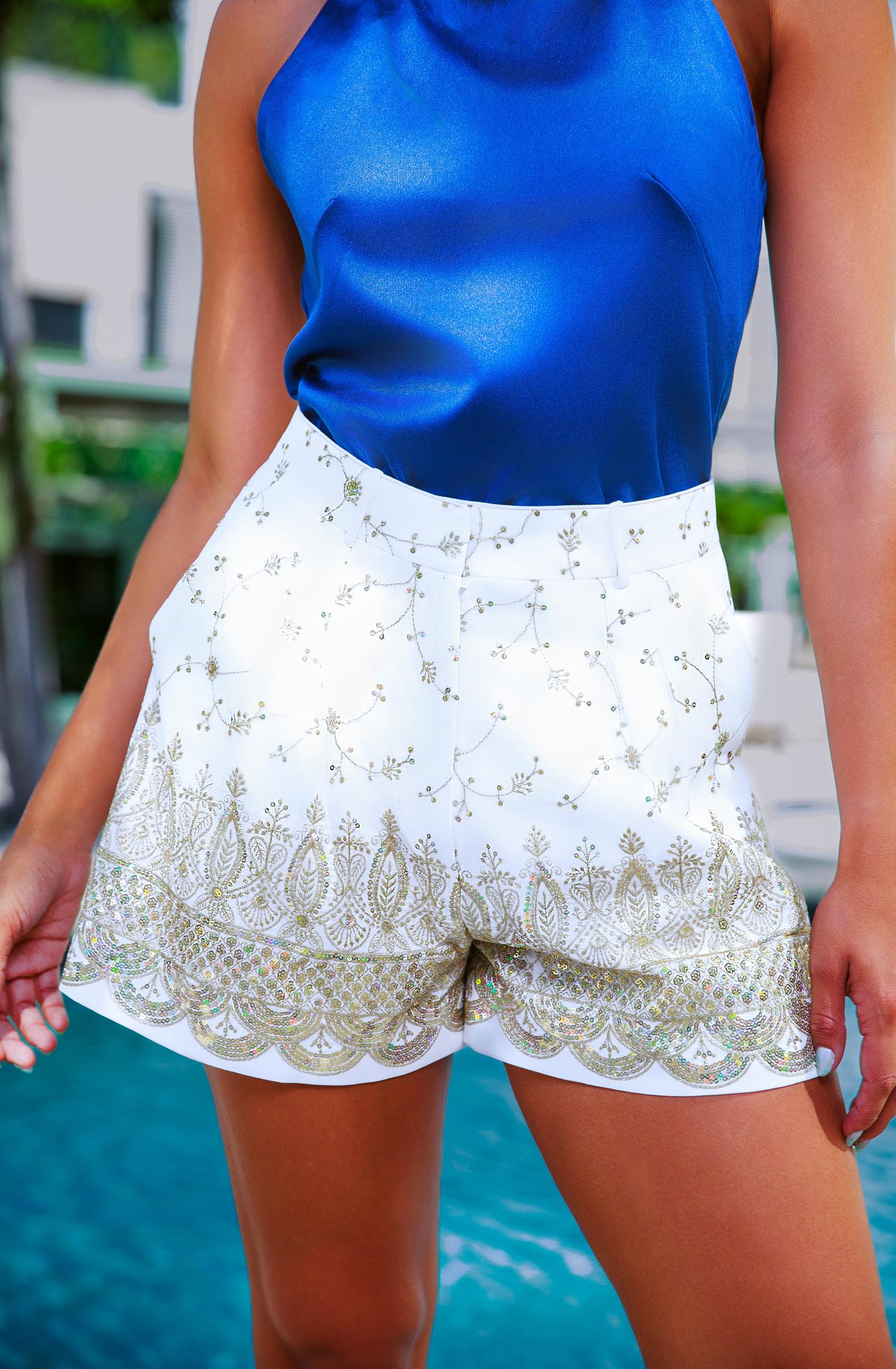
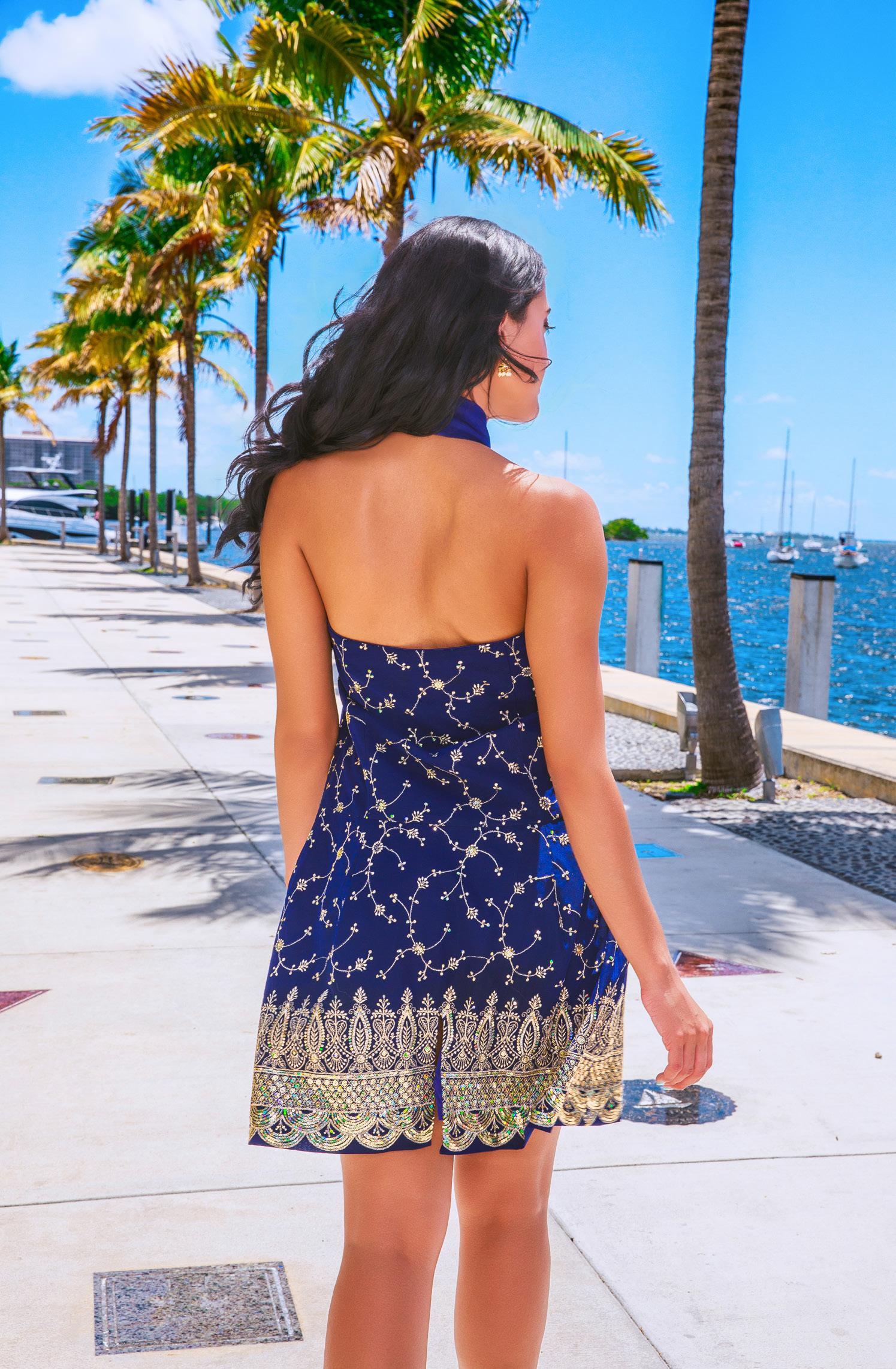
is no longer enough. People want to know how something was made, who made it, what it stands for, and whether it aligns with their values. There’s a growing desire for pieces that feel personal and layered with meaning, rather than simply recognizable or logo-driven. In that sense, luxury is becoming less about display and more about discernment.
What I find especially encouraging is that younger generations seem very drawn to authenticity. They’re not just buying a product— they’re buying into a story, a set of principles, and a point of view. They want clothes that reflect individuality, cultural awareness, and intentional living. That shift creates space for brands like La’ Agra , because what we offer isn’t trend-based status; it’s craftsmanship, heritage, and a deeper sense of connection. To me, the future of luxury is much more human: thoughtful design, transparent values, and pieces that people choose because they mean something, not just because they signal something.
Looking ahead, how do you envision La' Agra evolving over the next five years while staying true to its founding values?
Over the next five years, I see La’ Agra evolving with more depth, more reach, and an even stronger point of view and expanding our offerings, while staying grounded in the values it was built on. That means continuing to grow the brand in a way that feels intentional, not rushed: expanding the product offering thoughtfully, refining the customer experience, and building a stronger presence both online and in the right retail and editorial spaces. I want La’ Agra to become synonymous with modern heritage luxury where women come not just for a beautiful piece, but for craftsmanship, meaning, and a story they feel connected to.
At the same time, I want that growth to stay rooted in quality, small-batch intention, and cultural integrity. A big part of the next chapter is strengthening the production side of the business so that we can scale without compromising construction or the human touch behind the brand. I also see more opportunities to bring customers closer into the world of La’ Agra through richer storytelling, deeper visibility into the craft, and a stronger community around women who value individuality and thoughtful design. If we grow the right way, the brand won’t just get bigger over the next five years it will become more defined, more resonant, and even more true to why it started.
If you could leave women with one message about style, identity, and self-expression through fashion, what would it be?
Style is most powerful when it feels like a reflection of who you are, not a performance for anyone else. The clothes you wear should not erase parts of you just to make you fit in they should help you express the layers that already exist: your heritage, your individuality, your memories, your point of view. To me, fashion is at its best when it gives women permission to be fully themselves, without having to simplify or explain where they come from. So many of us get caught up in labels and trends and we forget that fashion is a true expression of our personalities and values.
So, the message I would leave women with is this: don’t be afraid to dress in a way that tells YOUR story. The most memorable style is never the loudest it’s the most honest. When you choose pieces that feel meaningful, that carry beauty, intention, and a sense of self, you create a wardrobe that does more than look good; it reminds you who you are.
“What I find especially encouraging is that younger generations seem very drawn to authenticity.”
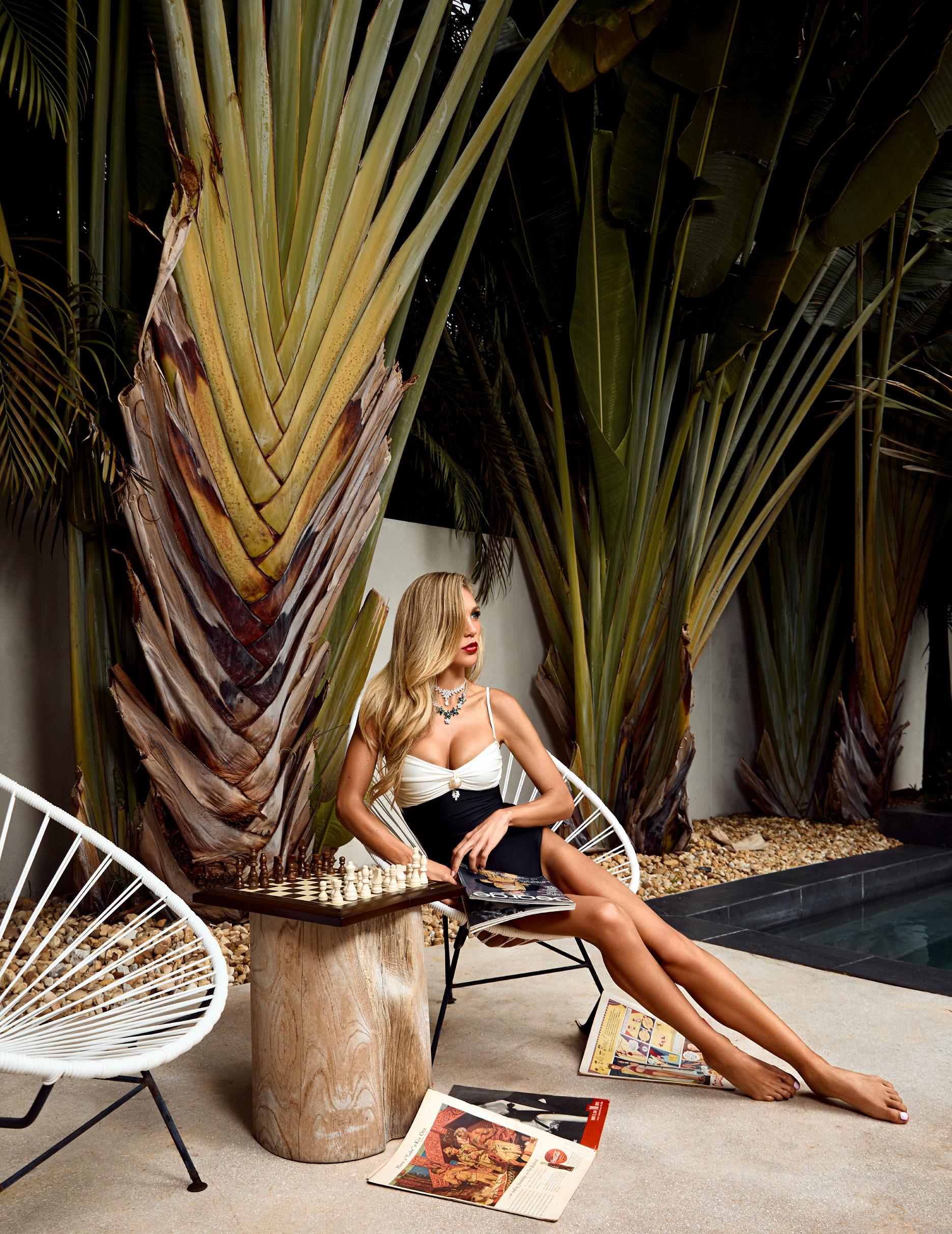
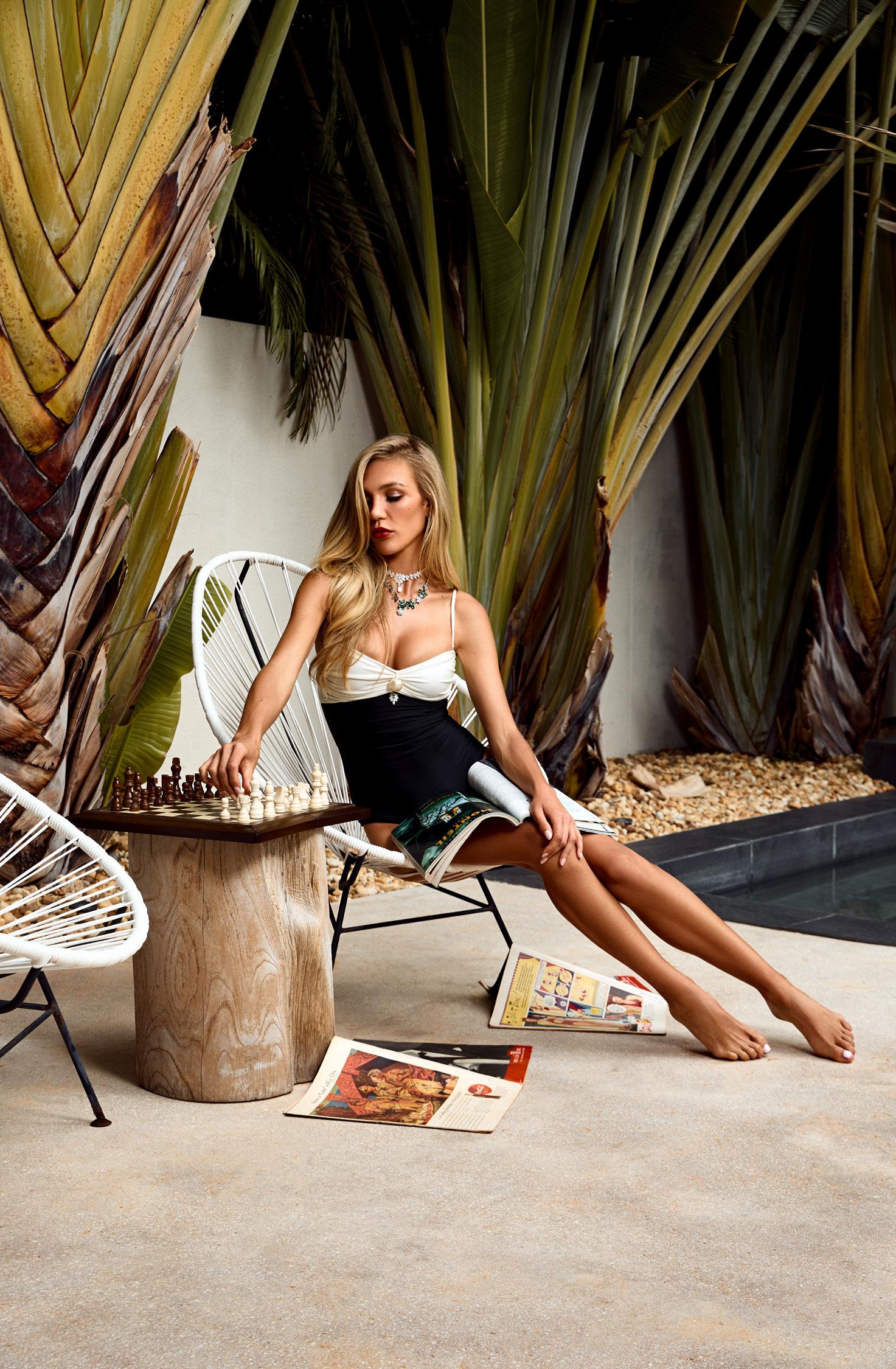
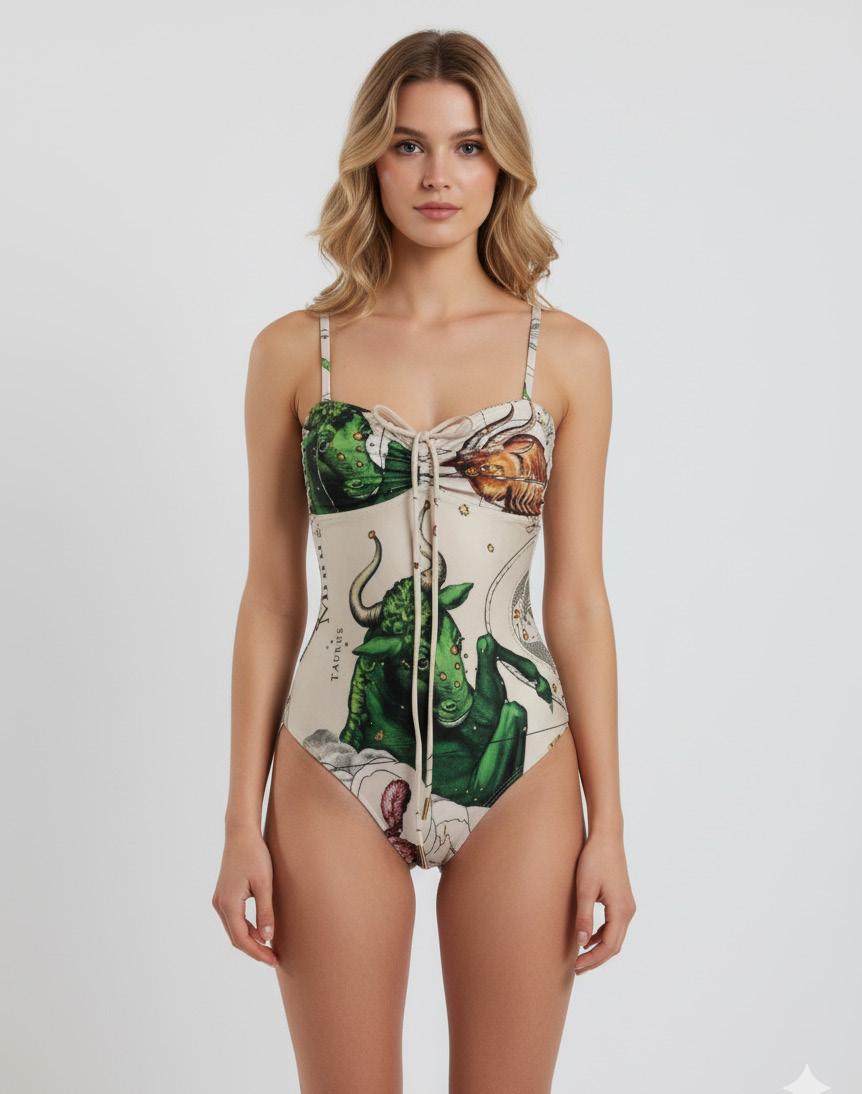
For decades, swimwear followed a predictable formula: triangle tops, bandeau bikinis, and streamlined one-pieces designed primarily for function. Today, however, a new generation of independent labels is challenging those conventions. Drawing inspiration from contemporary architecture, industrial design, and sculptural fashion, these brands are transforming swimwear into wearable art—where symmetry, negative space, and structural precision take center stage.
Fashion's current fascination with architectural dressing has naturally extended to resortwear. Rather than relying on prints or embellishment, designers are focusing on form itself. Strategic cut-outs, asymmetrical lines, engineered draping, and geometric paneling are creating silhouettes that feel closer to modern sculpture than traditional beachwear. The result is swimwear that looks equally at home beside an infinity pool, at a gallery opening, or layered beneath a tailored blazer for evening.
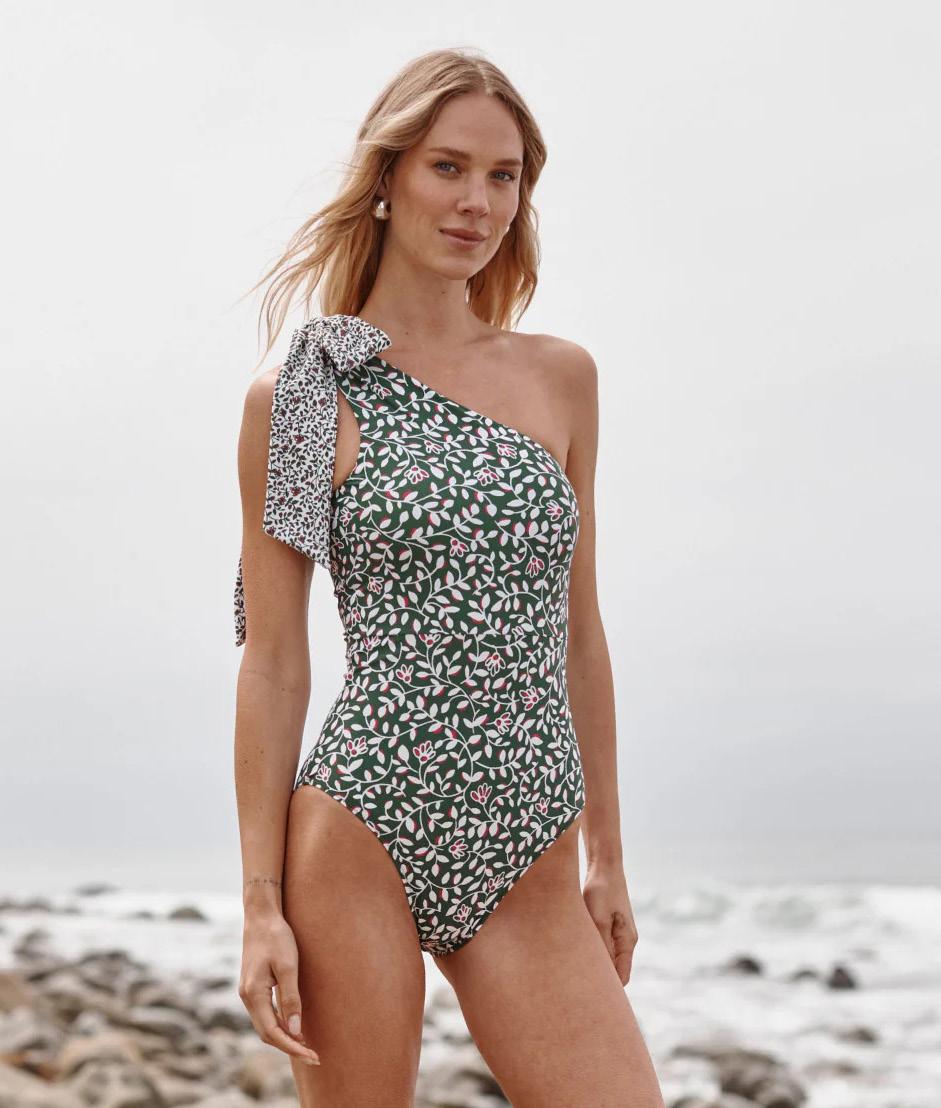
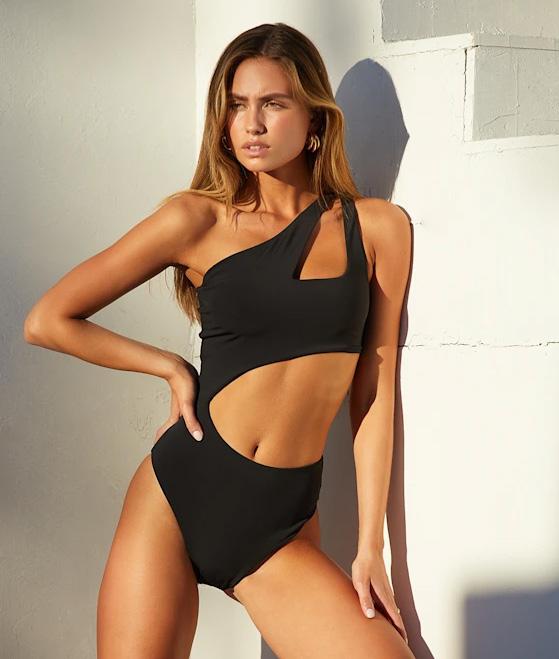
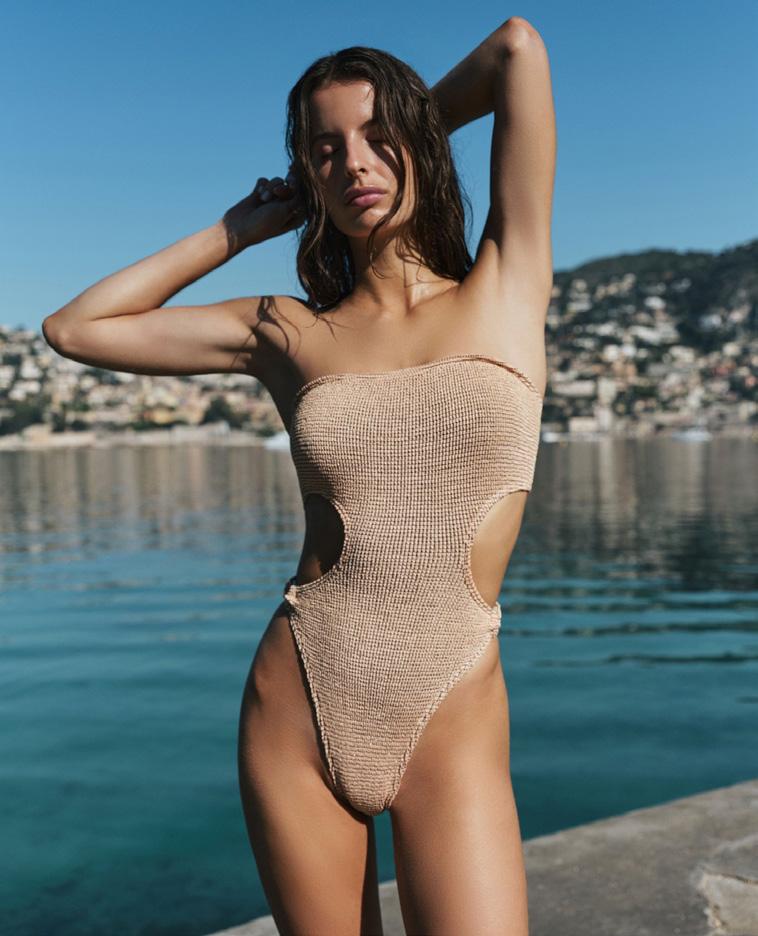
One of the pioneers of this movement is Jade Swim , founded by former fashion editor Brittany Kozerski . The label built its reputation on minimalist swimsuits defined by unexpected angles, one-shoulder constructions, and clean geometric lines. Rather than decorating the body, Jade Swim uses architectural cuts to frame it, creating a sense of modern sophistication that feels distinctly fashion-forward. The brand's emphasis on innovative silhouettes helped establish a new design language for luxury swimwear.
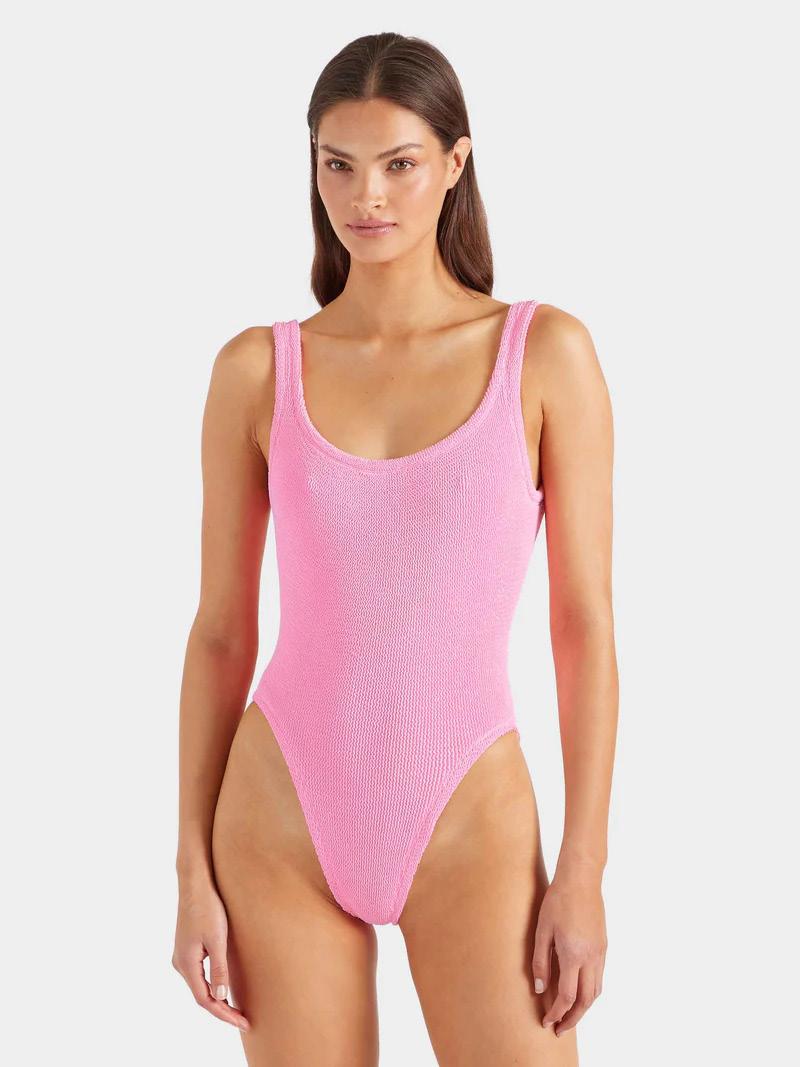
Australian label Bond-Eye Swim takes a different approach, utilizing highly engineered crinkle fabrics that mold themselves to the body's shape while maintaining sculptural integrity. The result is a series of pieces that appear deceptively simple yet possess a remarkable structural quality, balancing comfort with visual impact. The brand has become a favorite among fashion insiders seeking modern, understated swimwear.
The influence of luxury ready-to-wear has also become impossible to ignore. Designers are increasingly blurring the line between swimwear and fashion.
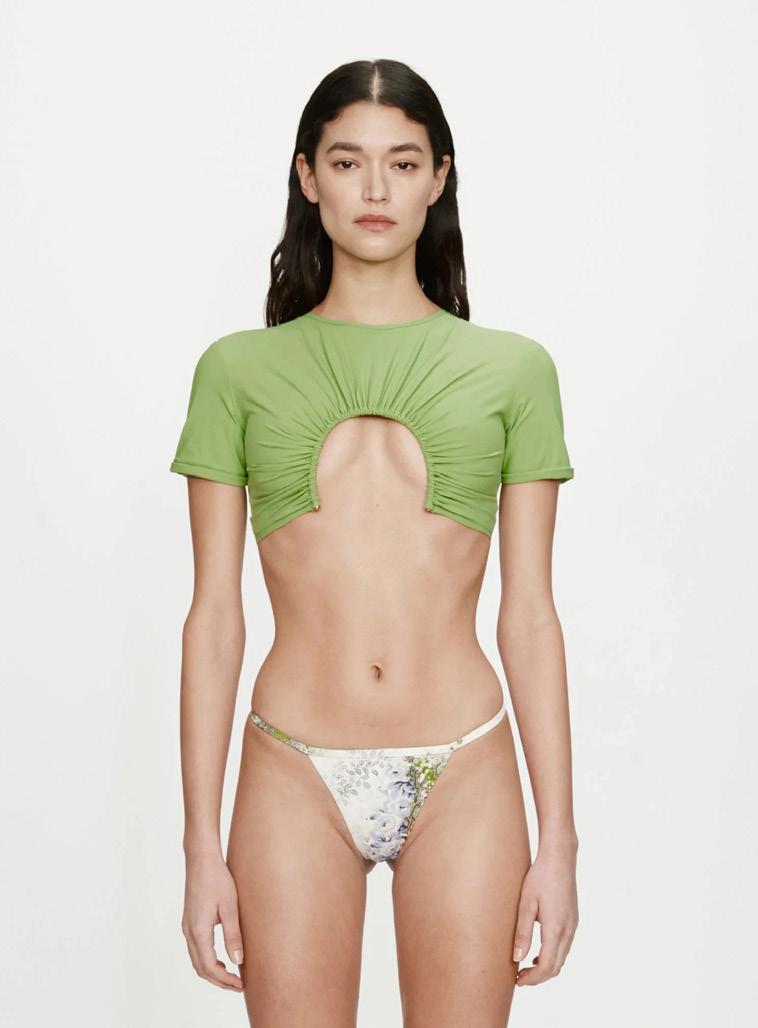
Among the most influential voices in this space is Christopher Esber . While not exclusively a swimwear label, Esber 's resort collections have redefined how structural techniques can be applied to beachwear. His signature use of hardware, tension, cut-outs, and suspended fabrics creates pieces that resemble contemporary architectural studies. Many independent swimwear designers have adopted similar principles, emphasizing construction over ornamentation.
Likewise, Indonesian -based Isa Boulder has developed a cult following through its experimental approach to swim and resort dressing. The brand treats fabric almost like an architectural material, manipulating shape and volume to create unconventional silhouettes that challenge traditional swimwear proportions. Fashion publications have highlighted Isa Boulder as part of a new wave of avant-garde swimwear design.
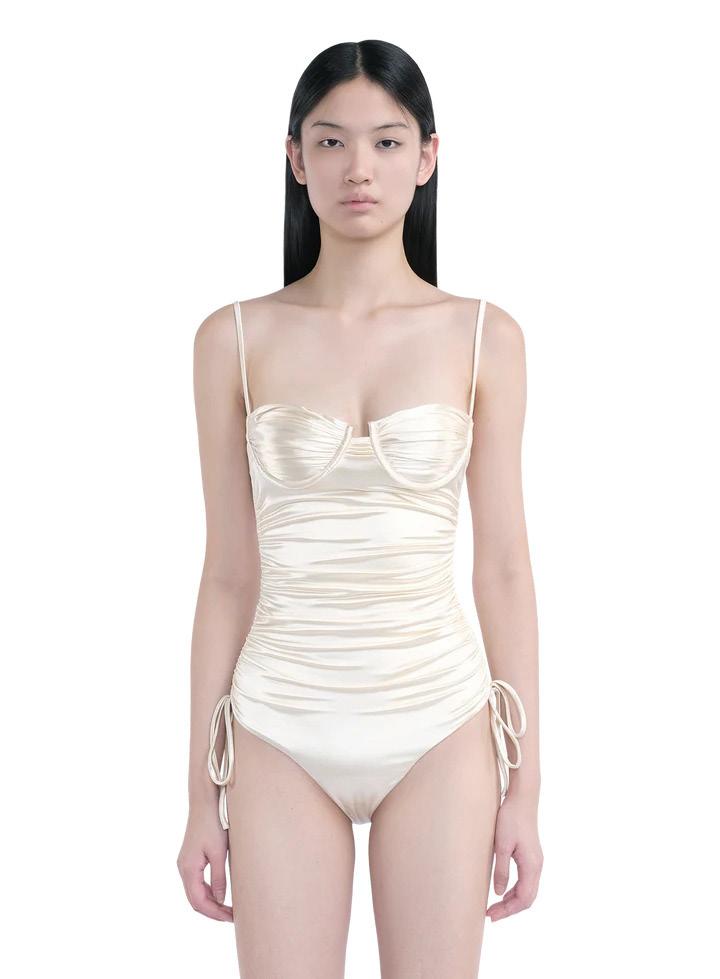
The architectural swimwear movement is not simply about aesthetics. Many designers are using advanced construction techniques to improve fit and inclusivity.
London -based Hunza G exemplifies this evolution. Famous for its proprietary crinkle fabric, the brand combines technical engineering with minimalist design. Its seamless construction and highly elastic fabric create sculptural forms that adapt to a wide range of body types without sacrificing shape or support. The brand's focus on material innovation has helped elevate swimwear beyond traditional sizing conventions.
Similarly, New York label Chromat approaches swimwear through the lens of architecture and urban design. Founder Becca McCharen-Tran 's architectural background informs every collection, resulting in pieces built around structural frameworks, geometric harnesses, and engineered support systems. Chromat demonstrates how architectural thinking can serve both visual impact and body inclusivity.
As fashion continues to embrace sculptural minimalism, architectural swimwear shows no signs of slowing down. Consumers are increasingly seeking pieces that feel distinctive and versatile rather than purely seasonal. Independent labels have responded by creating swimsuits that function as fashion statements in their own right—designed not merely for swimming, but for contemporary lifestyles that blur the boundaries between resortwear, ready-towear, and evening dressing.
The most exciting aspect of this shift is that it places design at the center of swimwear once again. Through symmetry, proportion, structure, and innovation, today's independent brands are proving that a swimsuit can be every bit as thoughtfully constructed as a couture gown. In an era dominated by fast trends, architectural swimwear offers something far more enduring: the power of form itself.


Aubergine bikini JANTHEE
White net romper STYLIST´S OWN
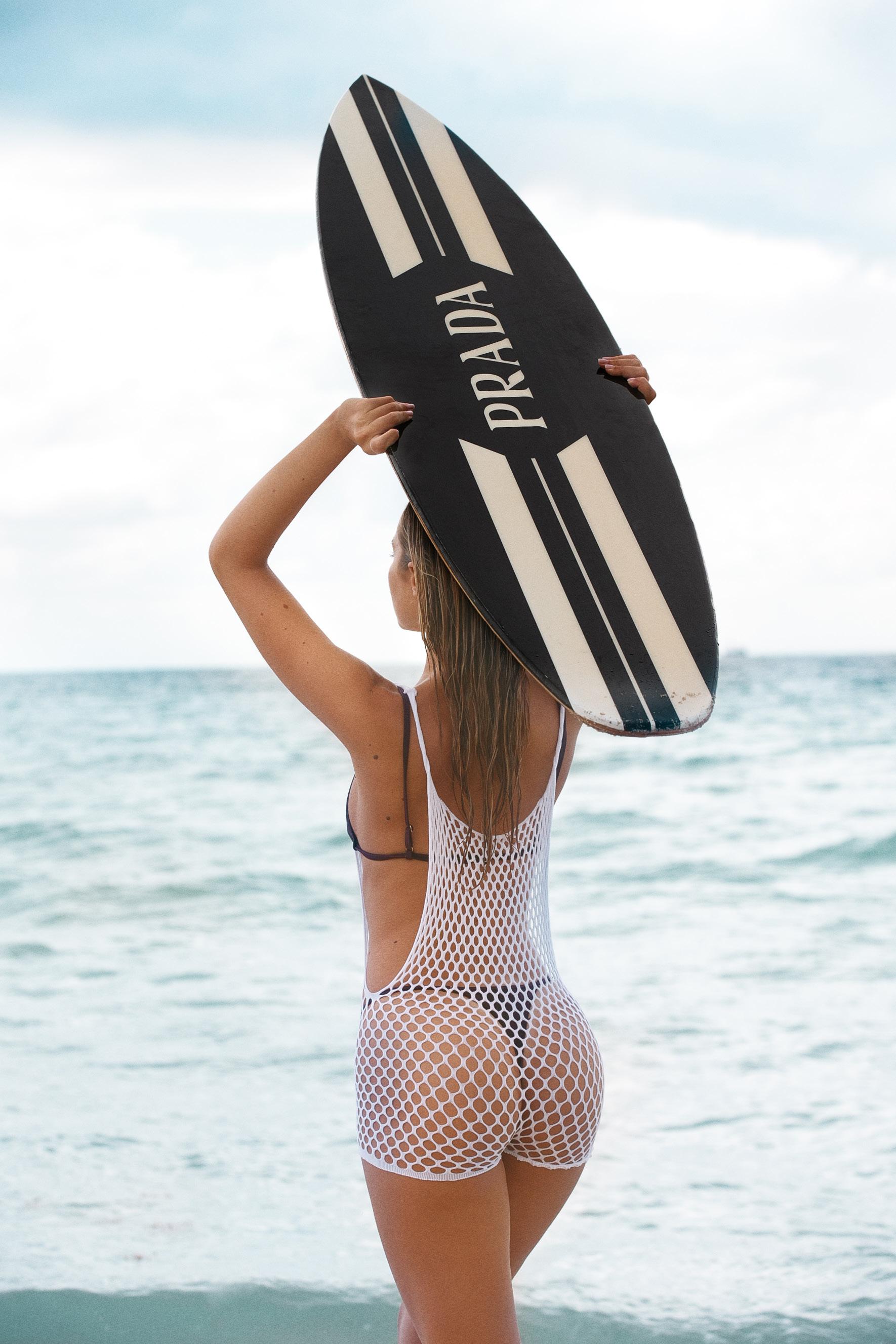
Aubergine bikini JANTHEE
White net romper STYLIST´S OWN

PHOTOGRAPHER: ALESSANDRA FIORINI @alessandrafioriniphotography
MODEL: MATILDA PICCHIO @matildawoodpecker
FASHION STYLIST: CRISTINA CELLINI @nobodysugly HAIR AND MAKEUP ARTIST: JAN TINKLEY @jtinkstermua
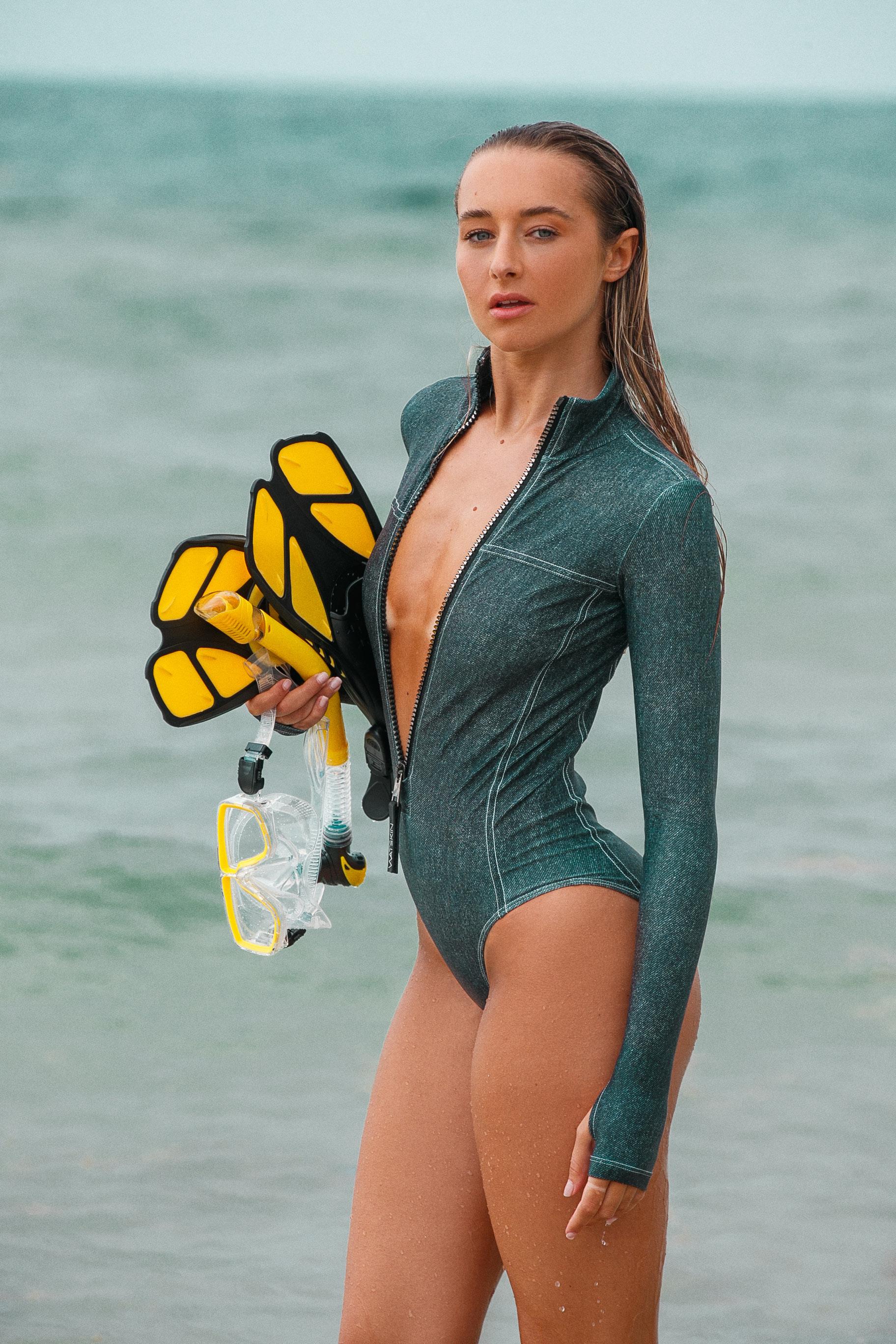
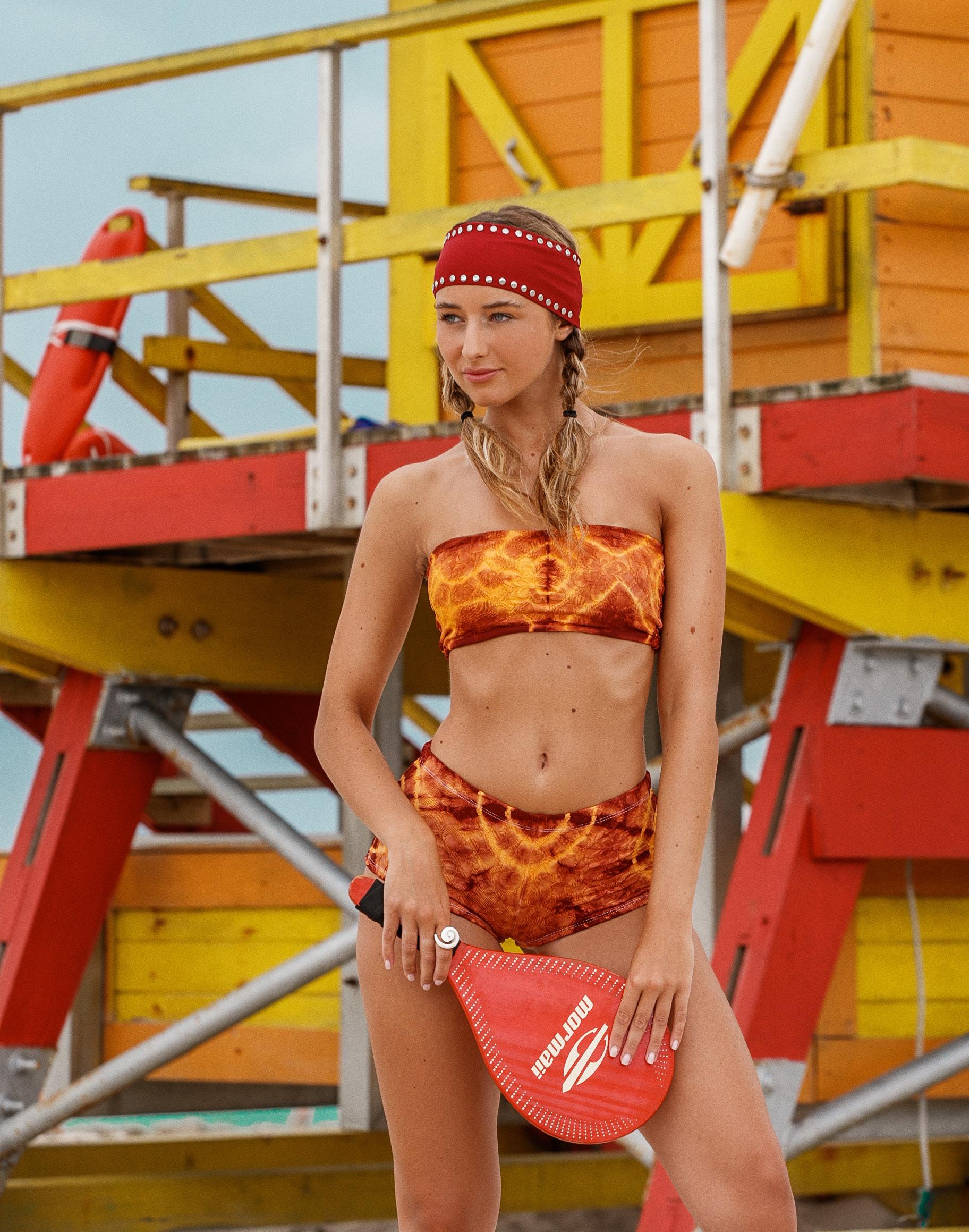
White one piece
STYLIST´S OWN

JUNE 2026
VOL. 1
BACK COVER
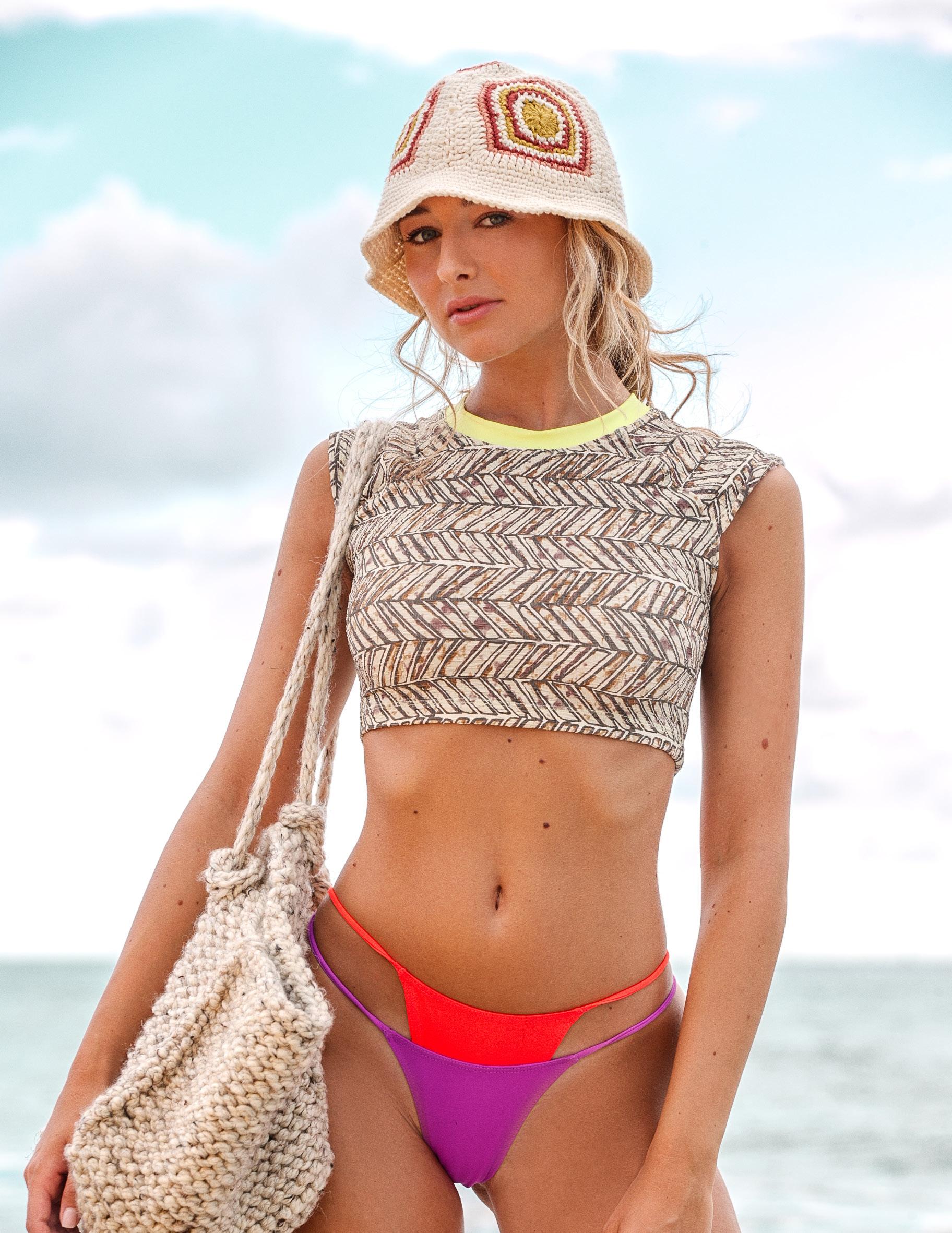
BY ALESSANDRA FIORINI