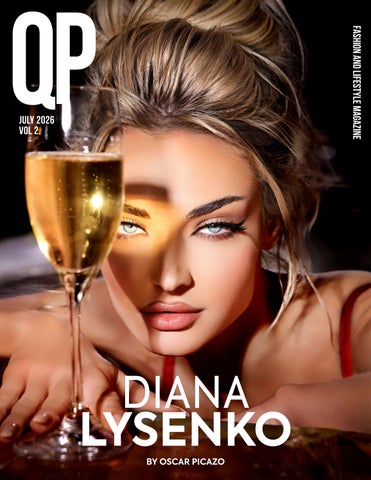

DIANA LYSENKO
BY OSCAR PICAZO


EDITOR-IN-CHIEF
EDITORIAL PRODUCERs
TEAM
JOSE-MARIA JIMENEZ
ALEX LLOBET
ALEX ANCHETA
ANTOINE VERGLAS
STEVE LIMONES
CHASE HANSSEN
LETTER FROM THE EDITOR
Dear Readers,
CONTENT CREATORS retoucher
FASHION STYLIST
HAIR AND MAKEUP ARTIST
CLAUDIA
LOMBARDO SHARON JANE
MARK SAPRYKIN
CHELSEA FRANK
TEAL DRUDA
There is something irresistible about summer. It is the season that encourages us to slow down, to travel further, to dress with greater confidence, and to rediscover the beauty that surrounds us. Whether it's the glow of a Mediterranean sunset, the turquoise waters of a secluded island, or the effortless elegance of resort dressing, summer reminds us that fashion is at its most powerful when it evokes emotion, freedom, and the promise of new experiences.
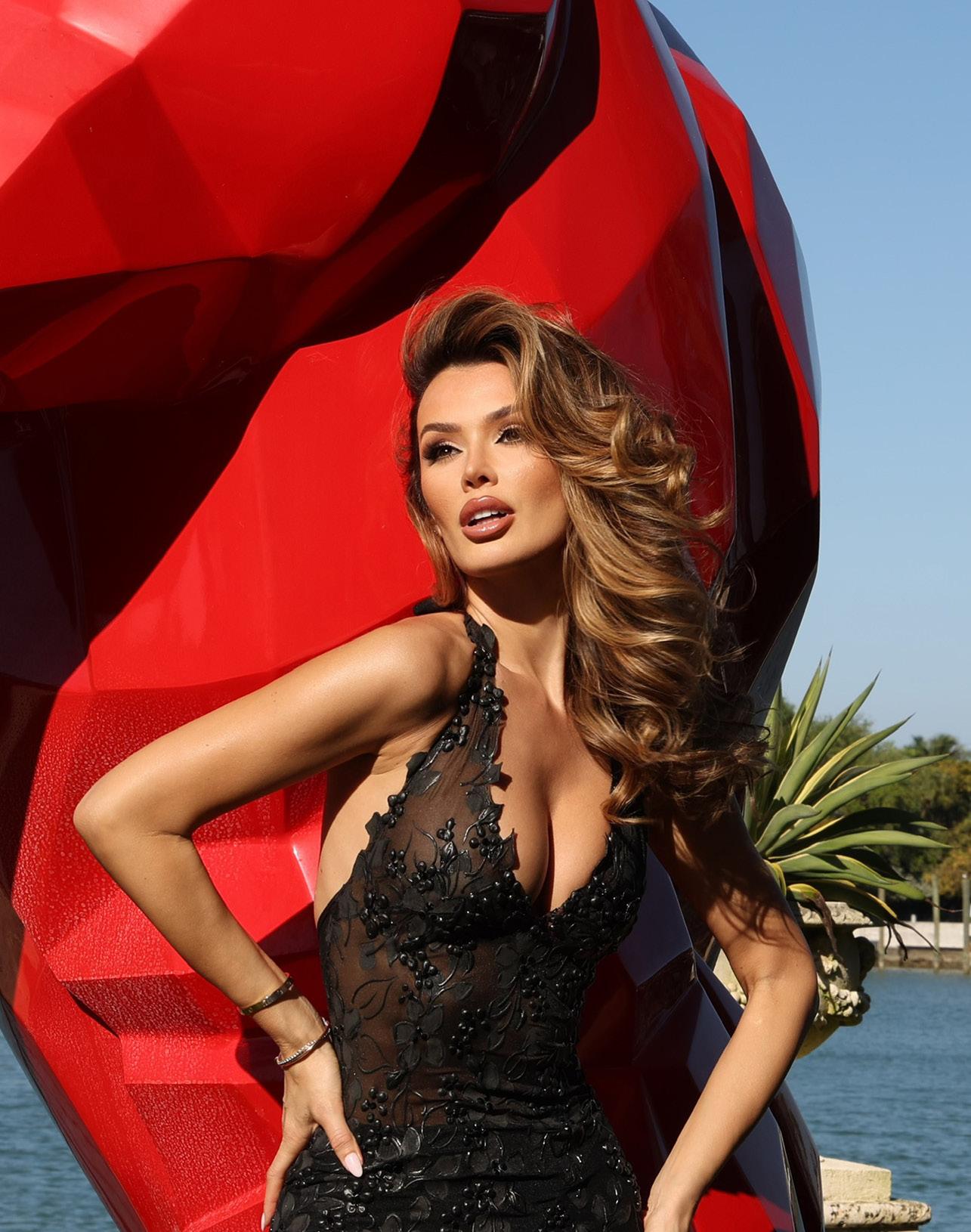
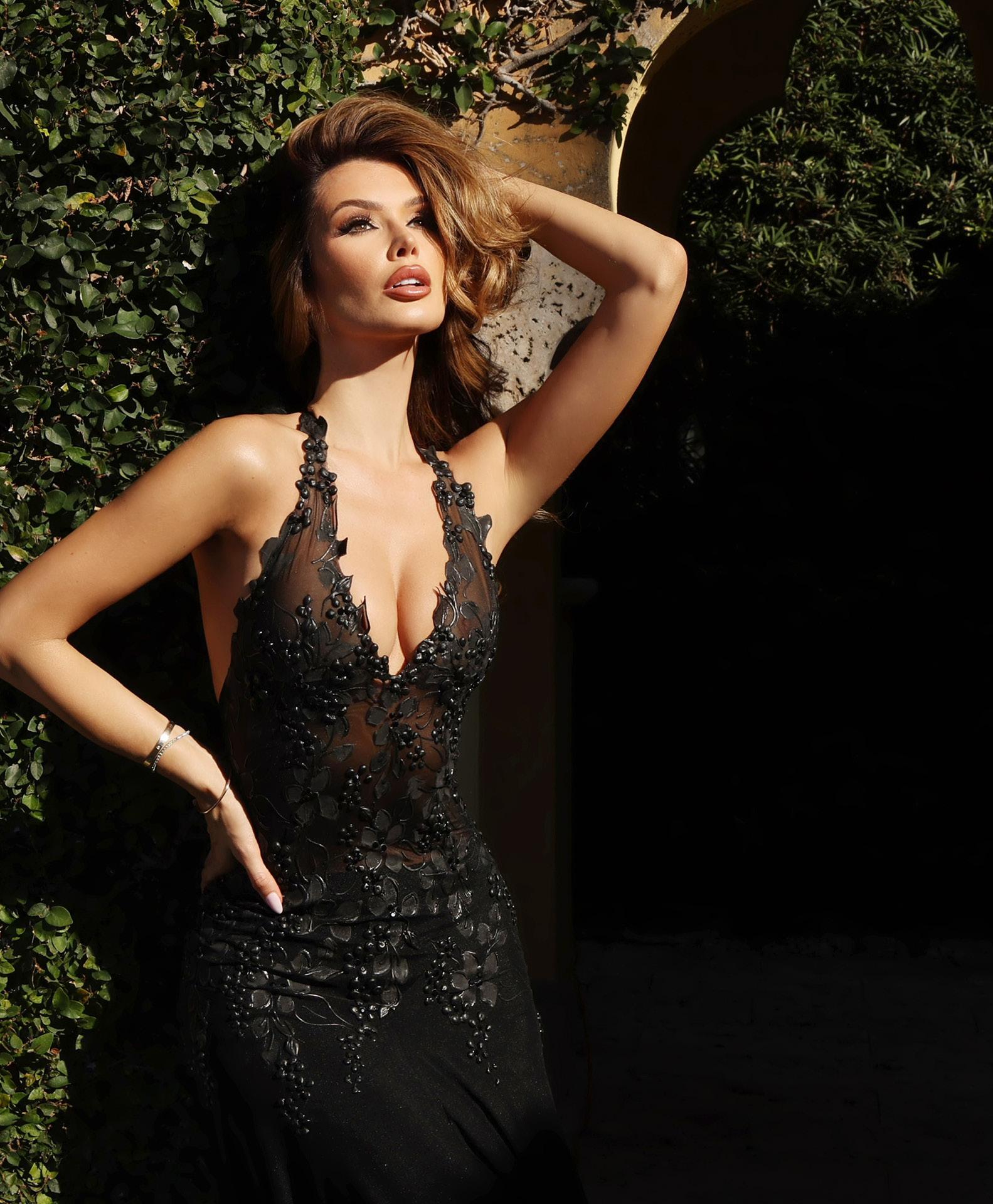
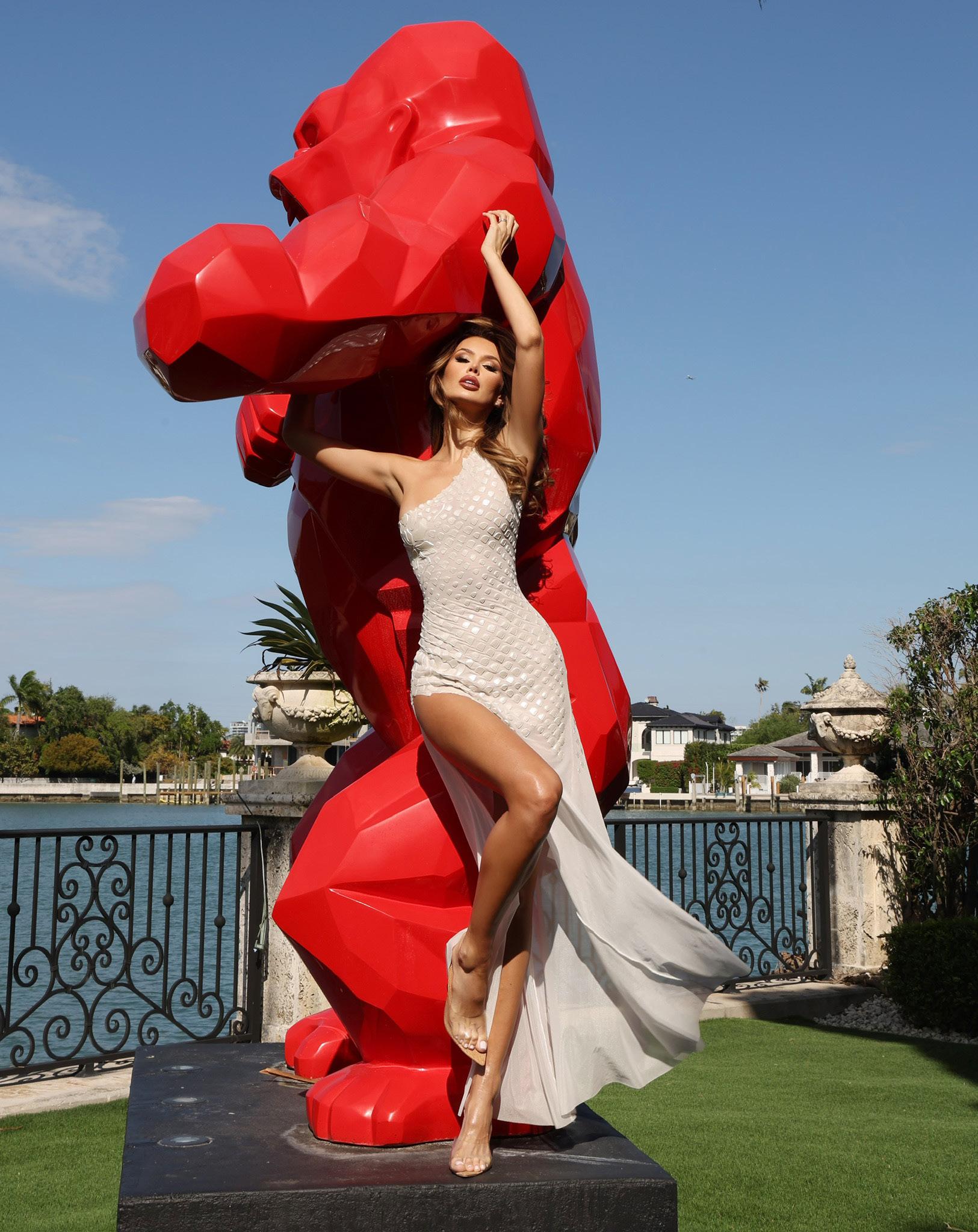
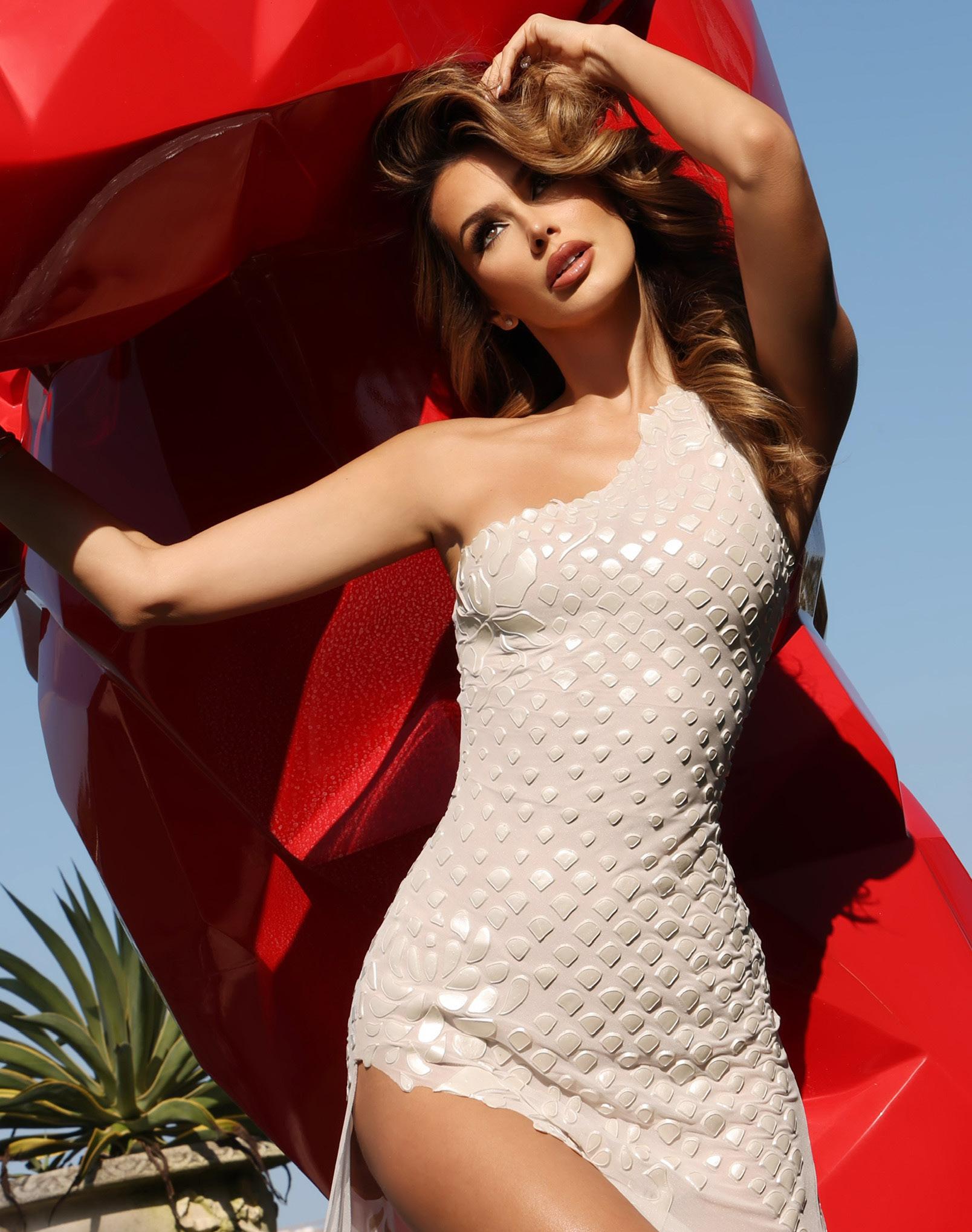
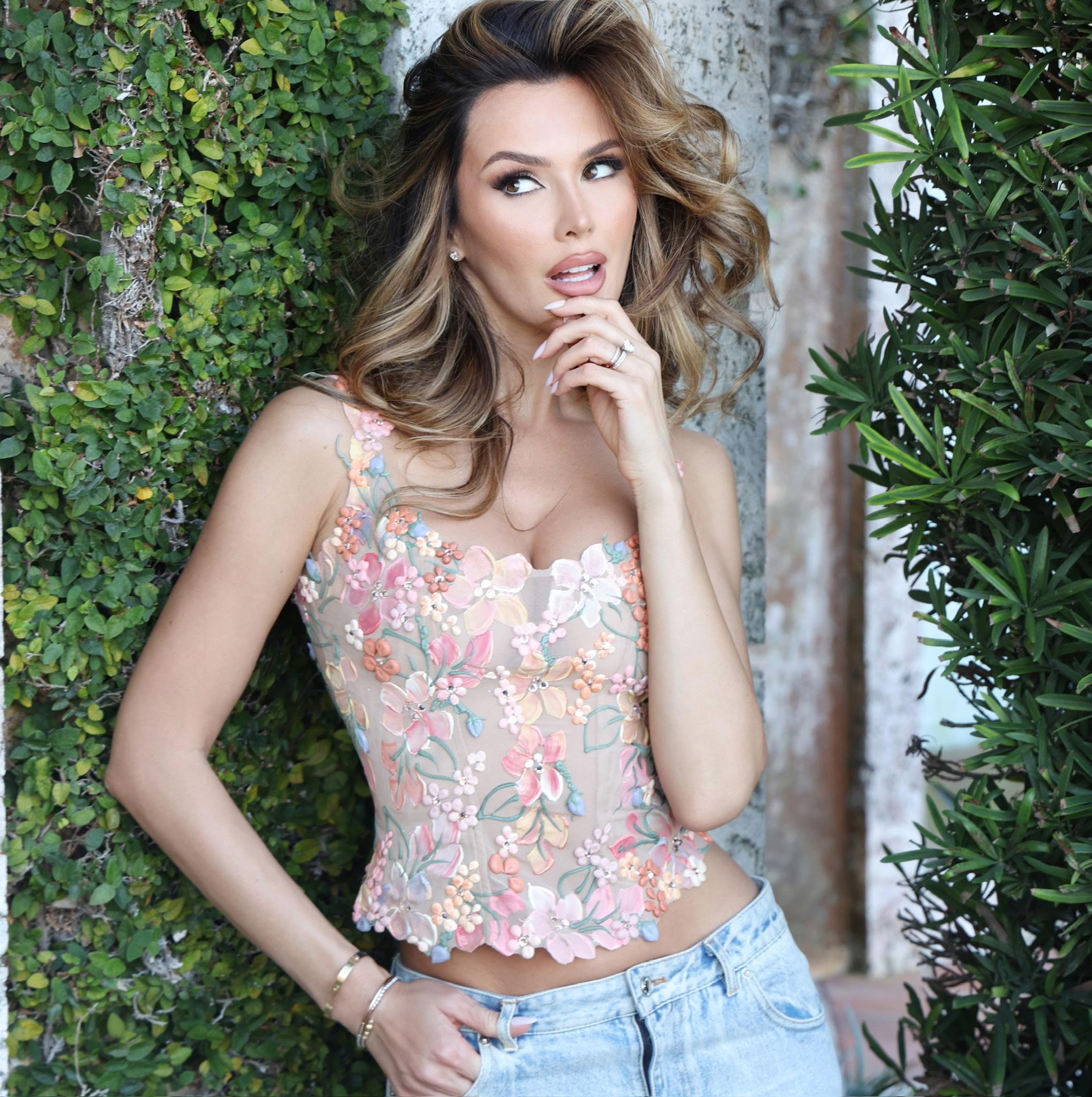
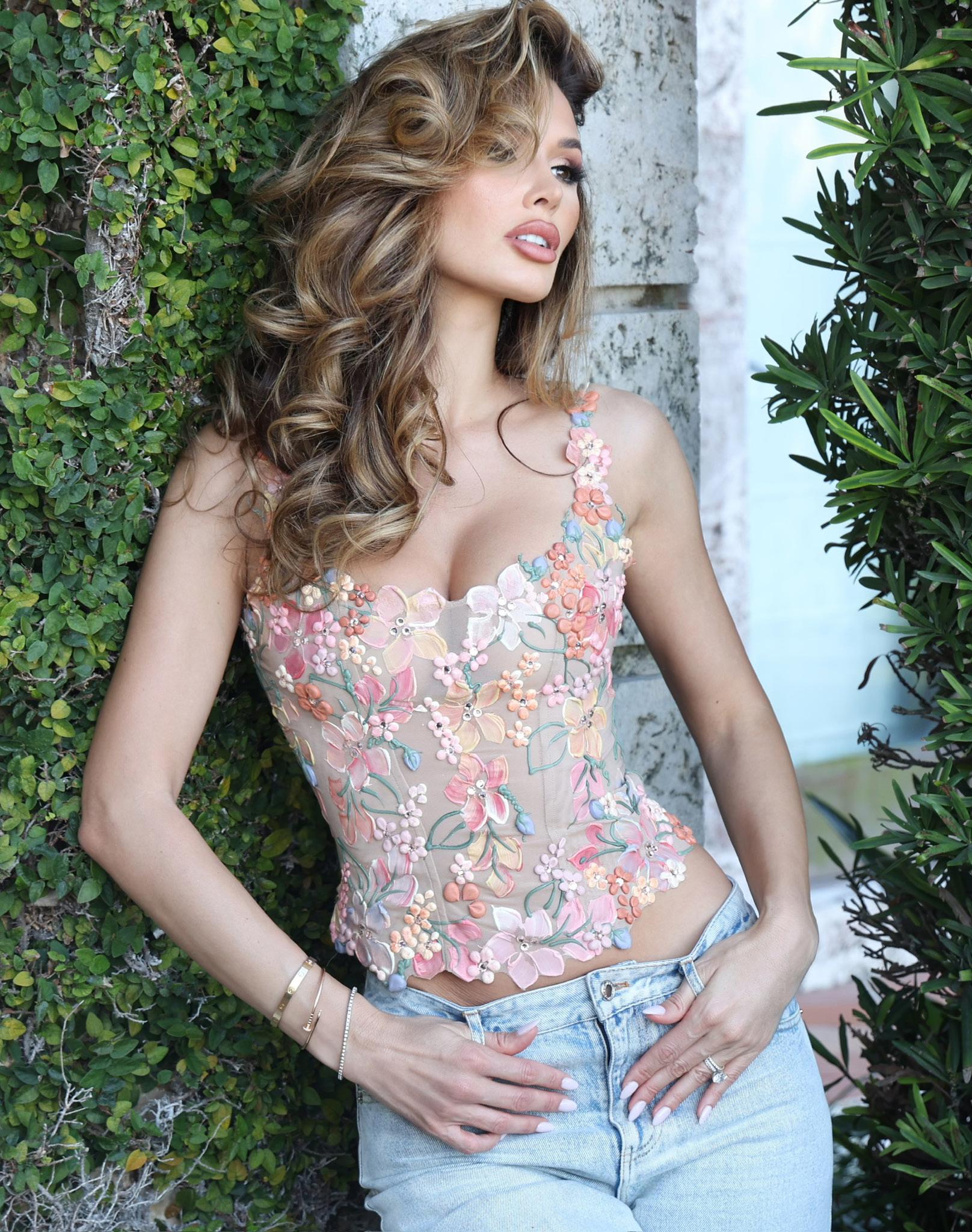
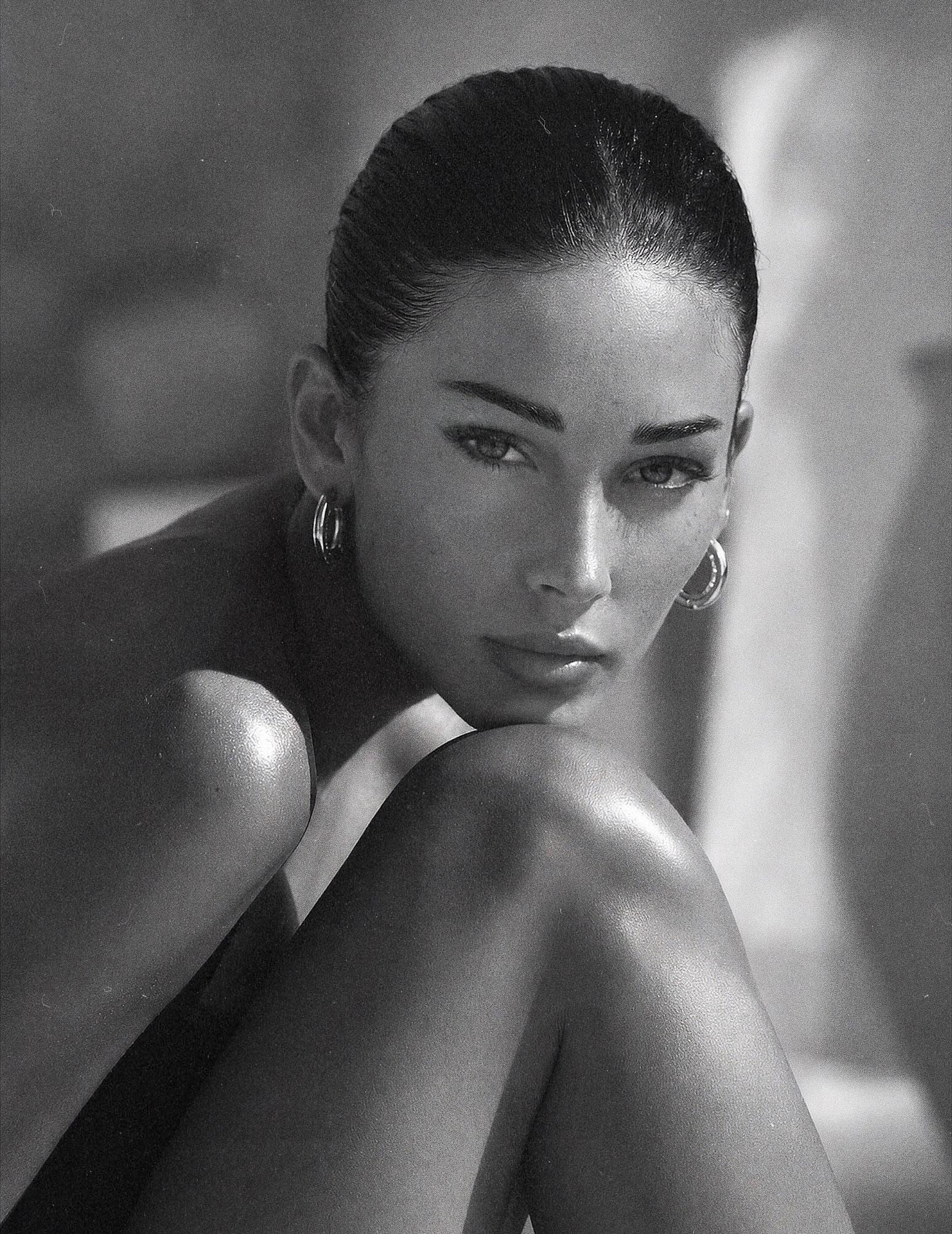
Our July issue celebrates exactly that spirit. Gracing our cover is the breathtaking Diana Lysenko, whose striking beauty and remarkable presence perfectly capture the sophistication and confidence that define modern luxury fashion.
This month we also explore how the world's most iconic destinations continue to influence the way we dress in our feature Destination Style, tracing the unmistakable aesthetics inspired by places such as the Amalfi Coast, Ibiza, Mykonos, Tulum, and the Maldives. Fashion has always borrowed from travel, transforming landscapes, cultures, colours, and lifestyles into collections that allow us to carry a piece of our favourite destinations wherever we go.
For those dreaming of their next extraordinary escape, our travel guide takes you to Bawah Reserve in Indonesia, an exceptional private archipelago where untouched nature, understated luxury, and sustainability coexist in perfect harmony. It is the kind of destination that reminds us that true luxury lies not in excess, but in authenticity.
In this issue we are delighted to welcome acclaimed French cinematographer Fabien Martorell. In an exclusive interview, he discusses the visual language of storytelling, the importance of light and composition, and the artistry behind creating unforgettable cinematic imagery. His perspective offers a fascinating look into the creative process that connects fashion photography and filmmaking.
As always, I would like to thank our extraordinary contributors, photographers, writers, stylists, creative teams, and, above all, you—our readers around the world. Your passion for creativity, style, and culture continues to inspire every page we publish.
JOSE-MARIA JIMENEZ Editor-in-Chief // QPmag

www.dianakassabov.com
EDITORIAL: CELINA
FASHION: DESTINATION STYLE
EDITORIAL: MEDITERRANEAN BREEZE
COVER: DIANA LYSENKO
EDITORIAL: GLAM INSTINCT
INTERVIEW: FABIEN MARTORELL
TRAVEL: BAWAH RESERVE, INDONESIA
EDITORIAL: AUSTRALIAN ESCAPE
Executive
LOCATION : LAS VEGAS,
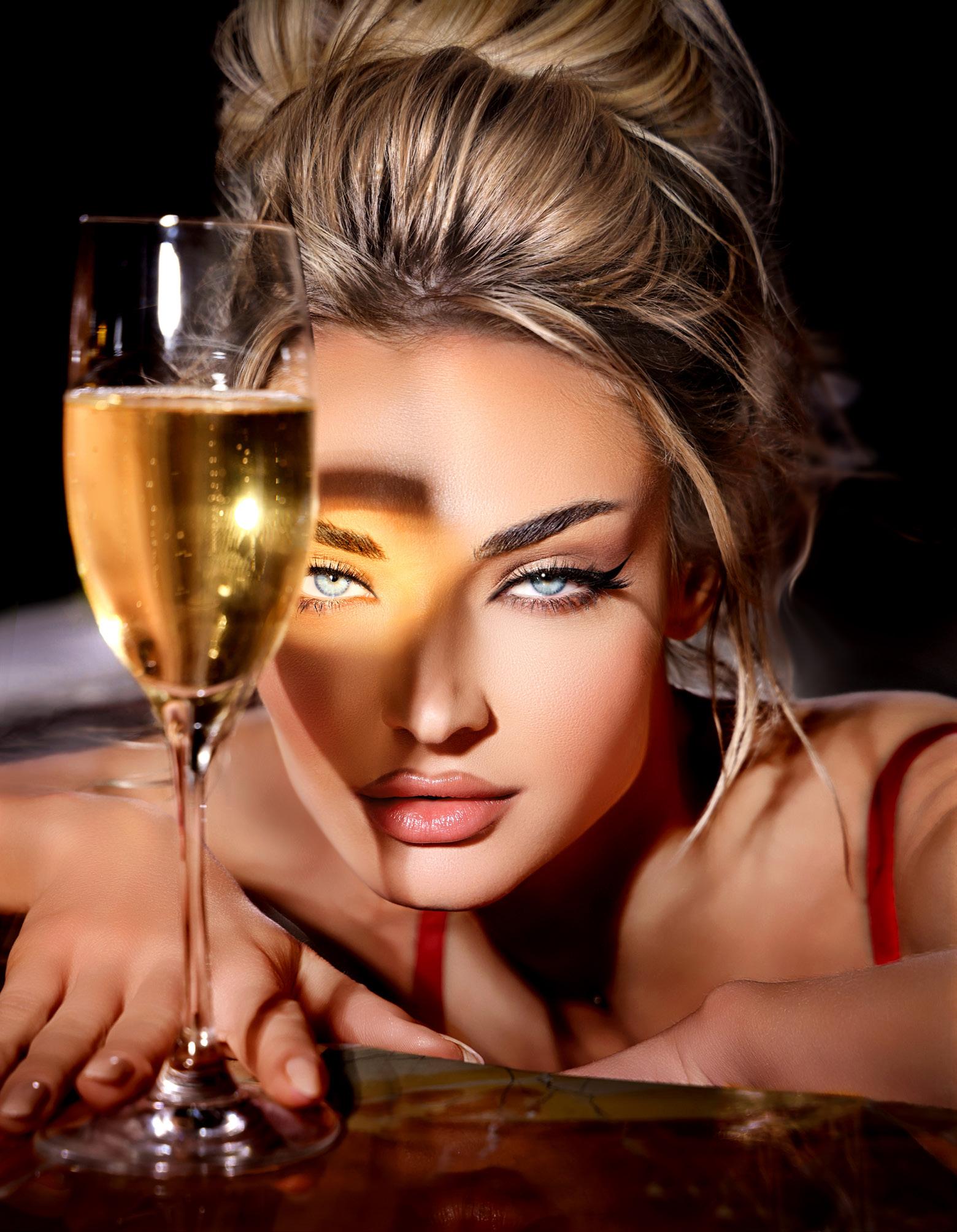
MODEL: DIANA LYSENKO @dialeksss
PHOTOGRAPHER: OSCAR PICAZO @oscarpicazophotographer
Production Coordinator : JENNIFER THOMAS @wrestlejenniferthomas
Senior Digital Content Producer: AJ ABBAS @theajuniverse
Producer : PAUL HEYMAN @paulheyman
NEVADA
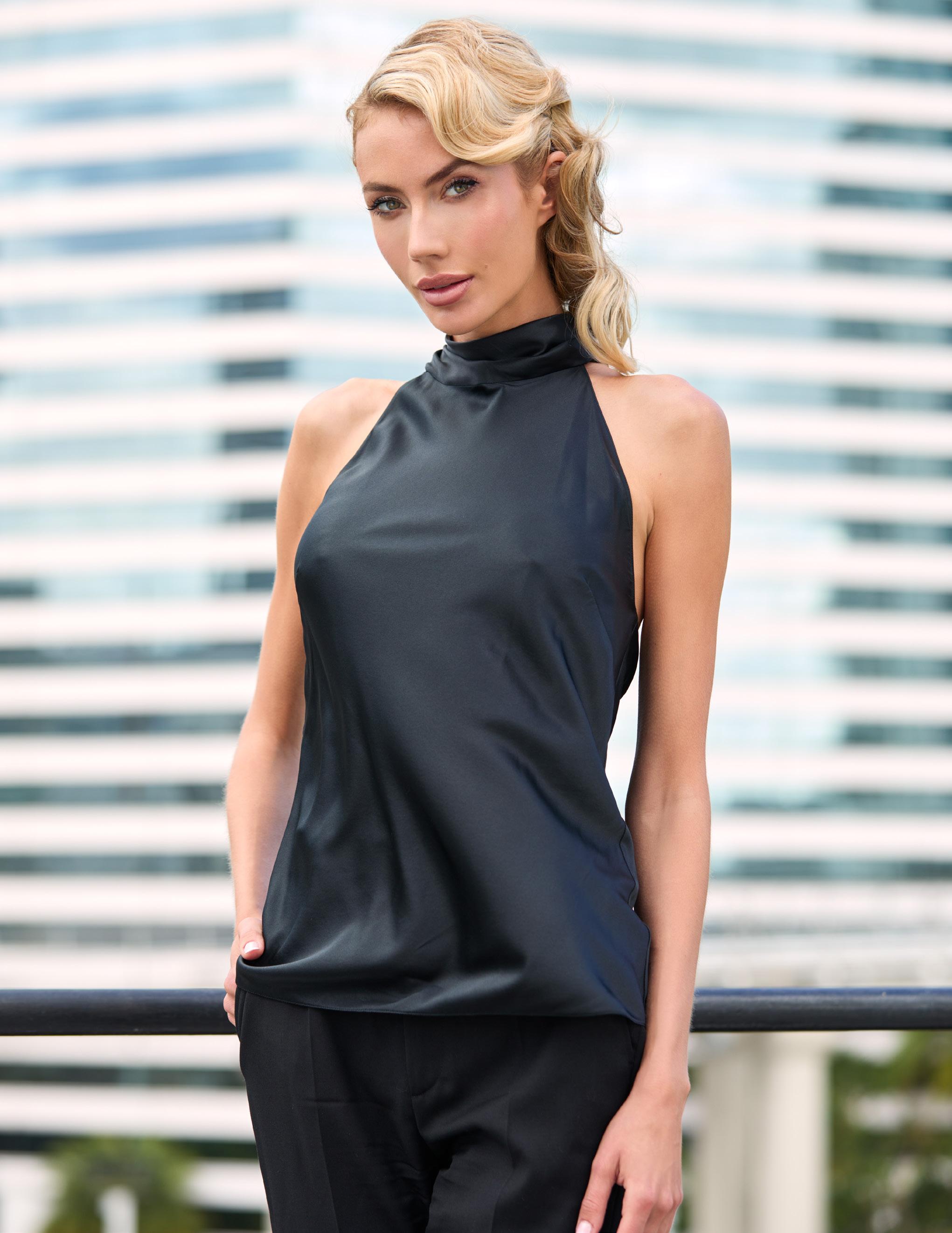
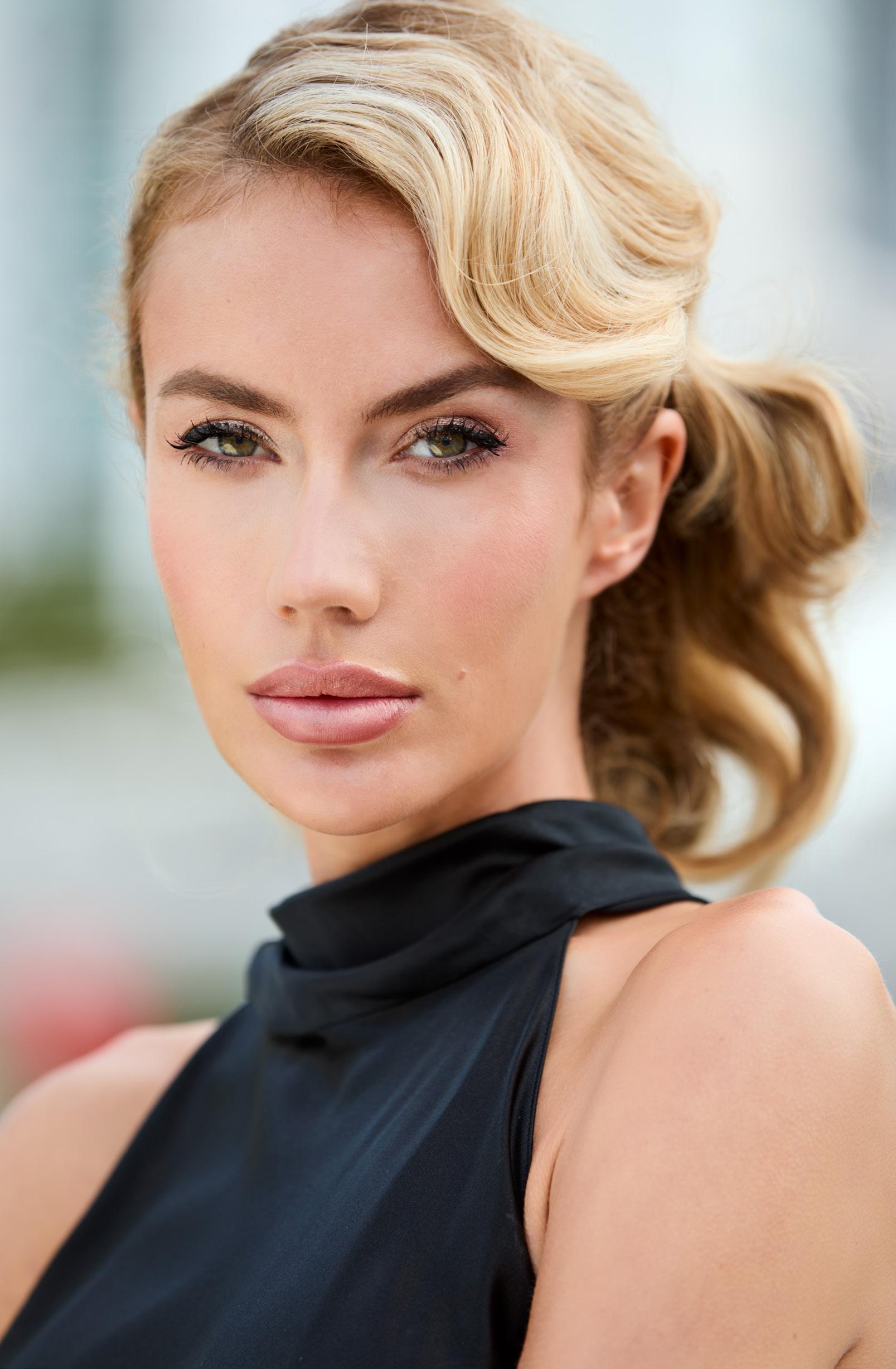
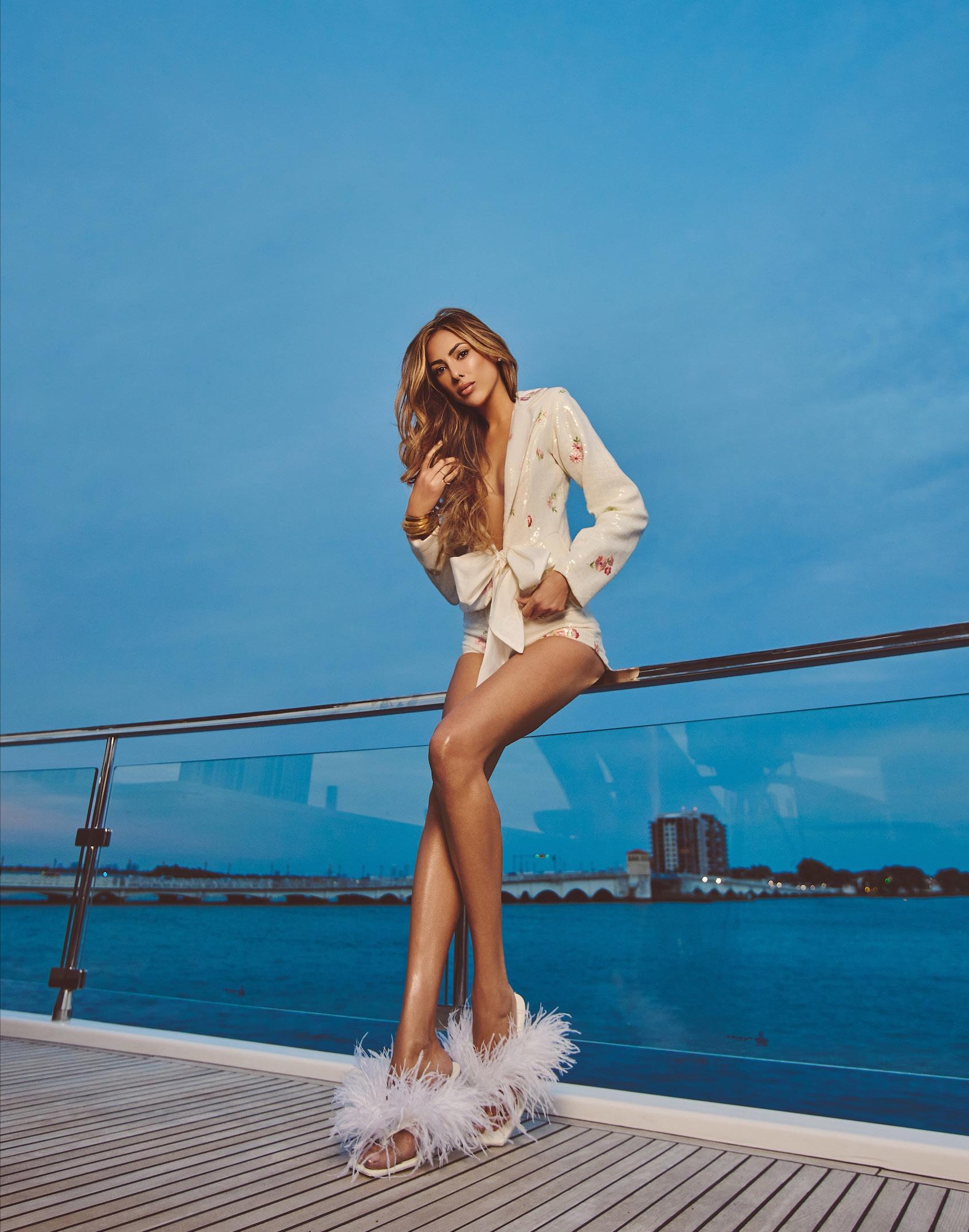
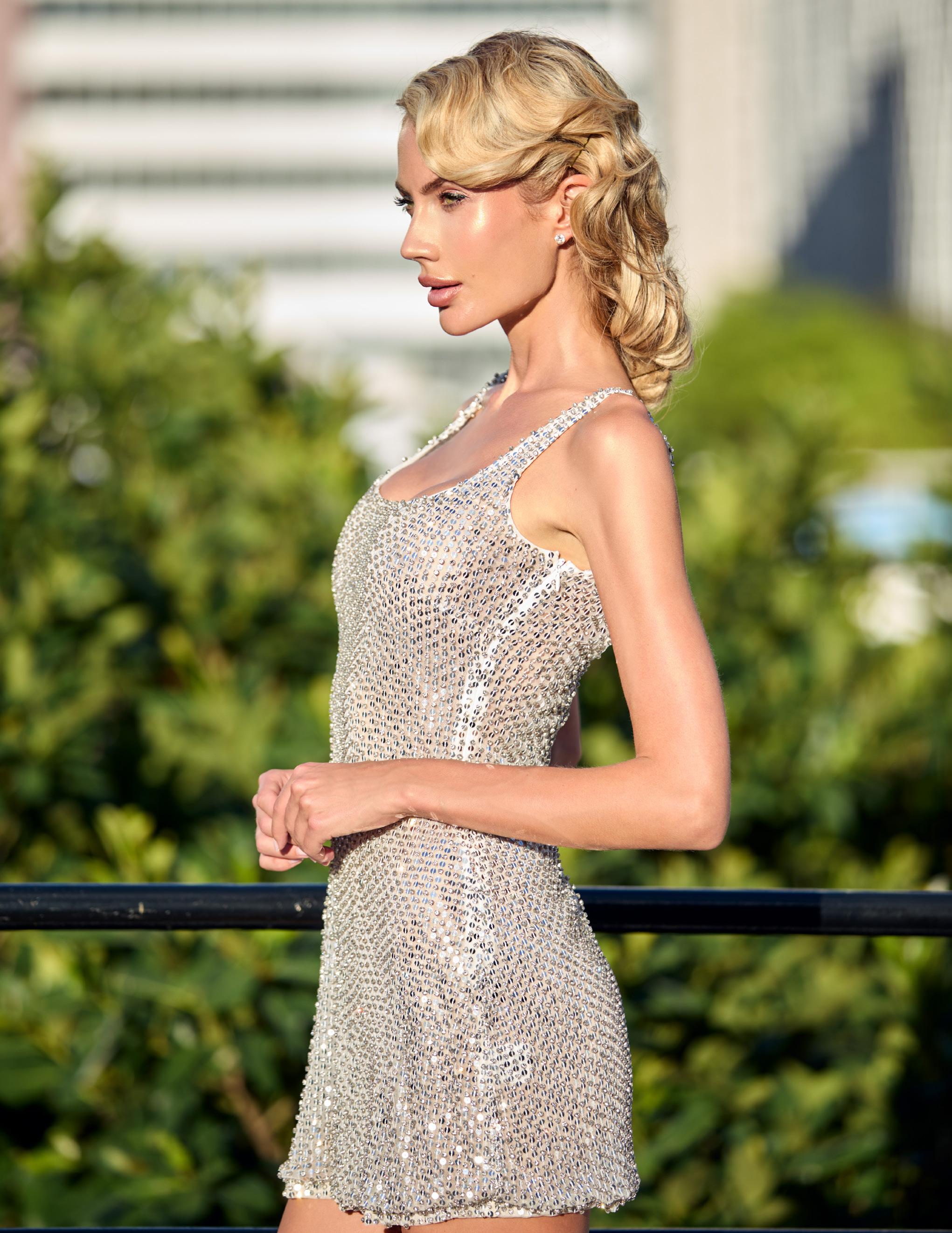
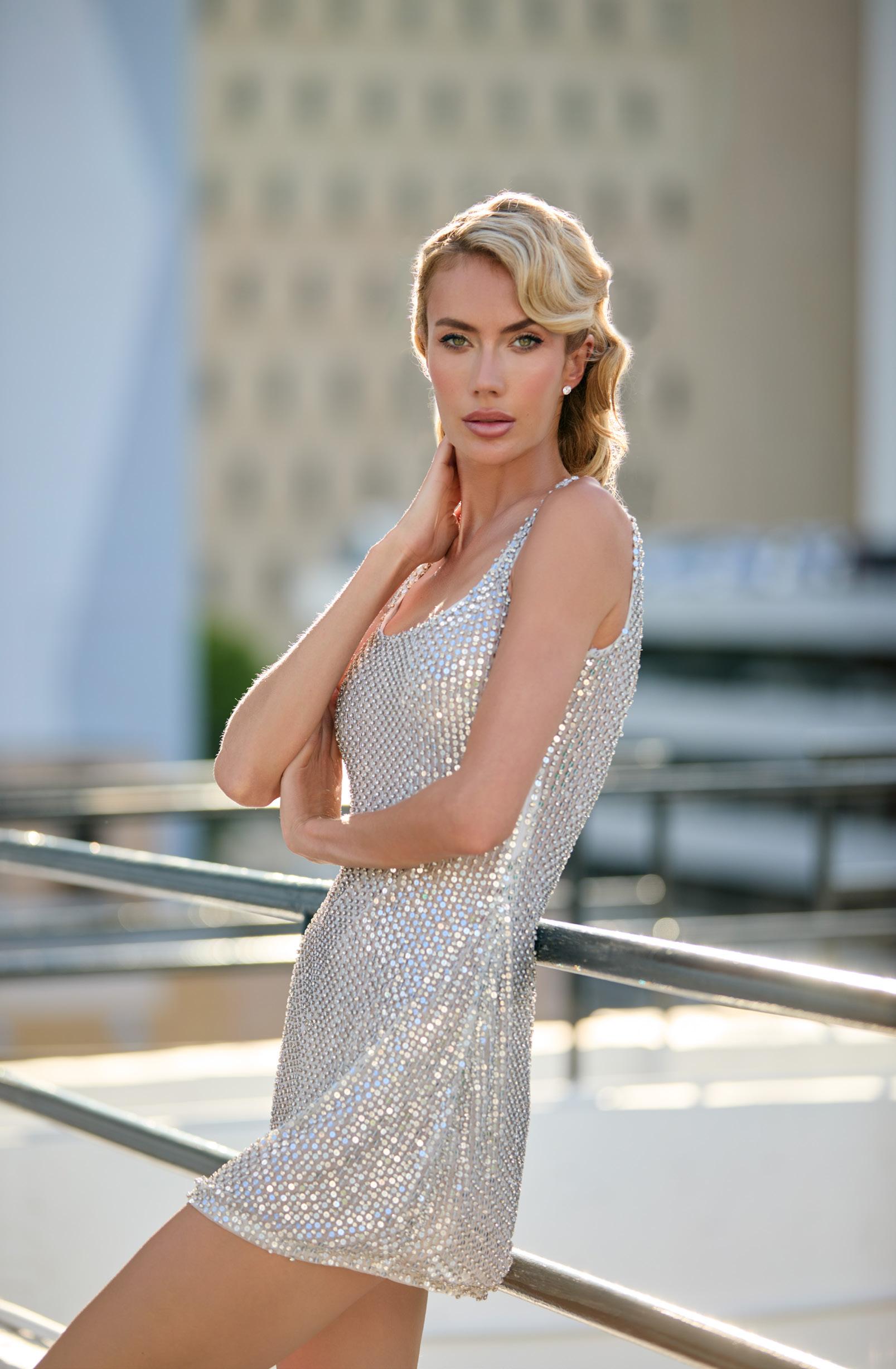
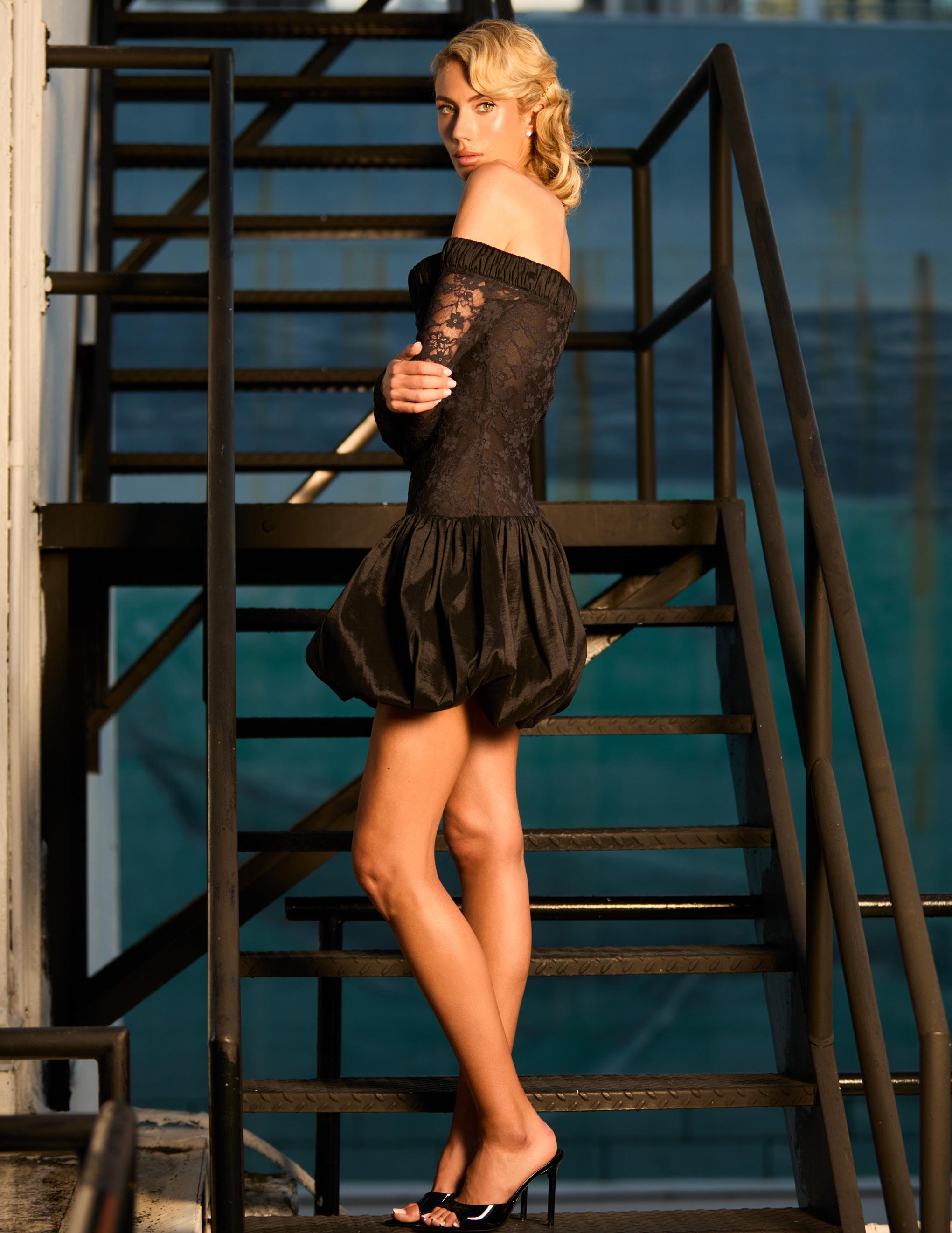
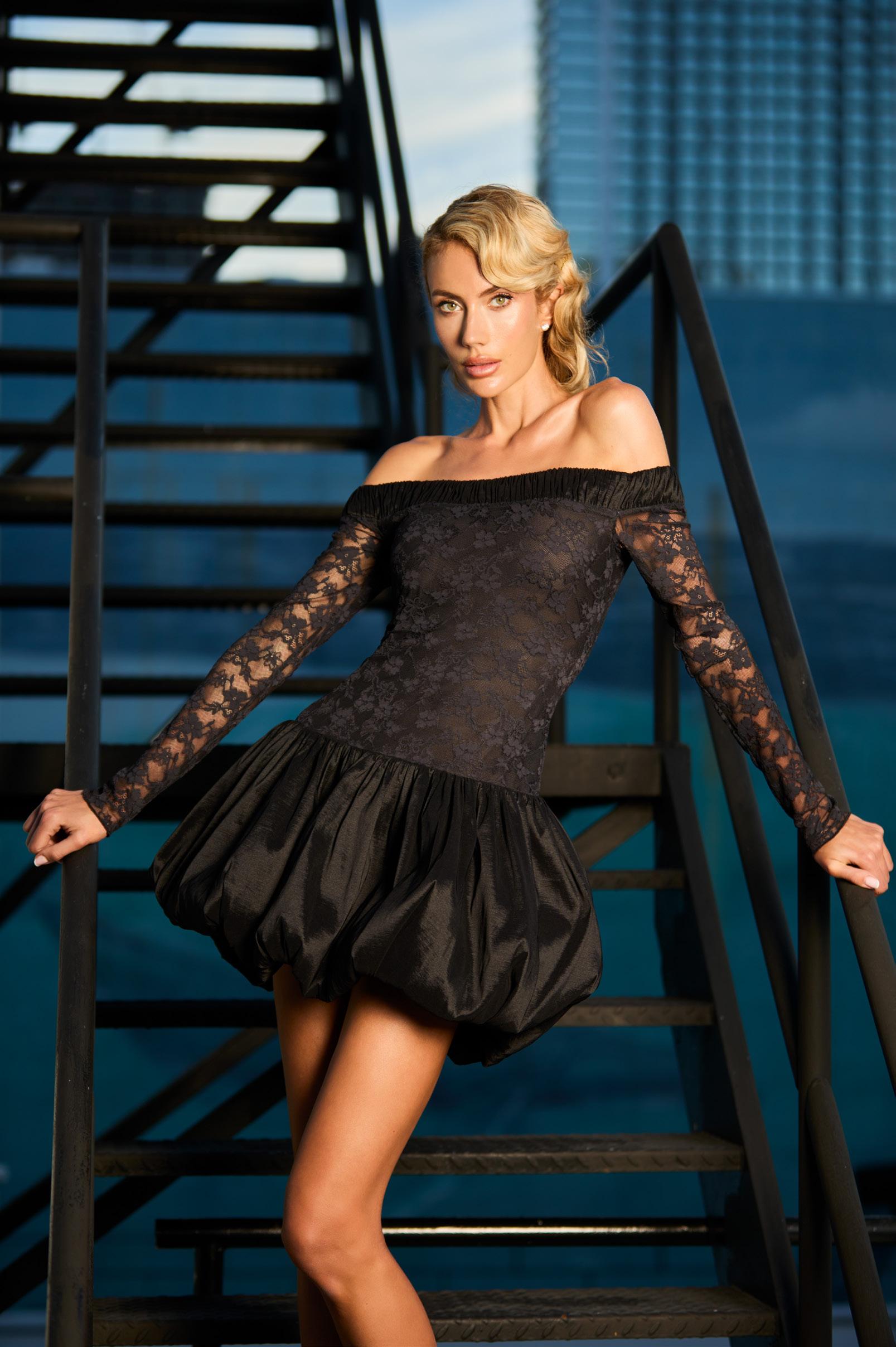
CELINA
PHOTOGRAPHER: ALEX LLOBET @alexllobet.photography
MODEL: CELINA WAGNER @celina.wr agency: ELITE MODEL MANAGEMENT MIAMI @elitemiami
FASHION STYLIST: NICOLE MARIE @marienicole19
HAIR AND MAKEUP ARTIST: EDWIN KAUFMANN @edwinkaufmann from ARTIST MANAGEMENT MIAMI @artistmanagementmiami (using CEREMONIA products www.livetinted.com for makeup)
Silver dress RETROFETE
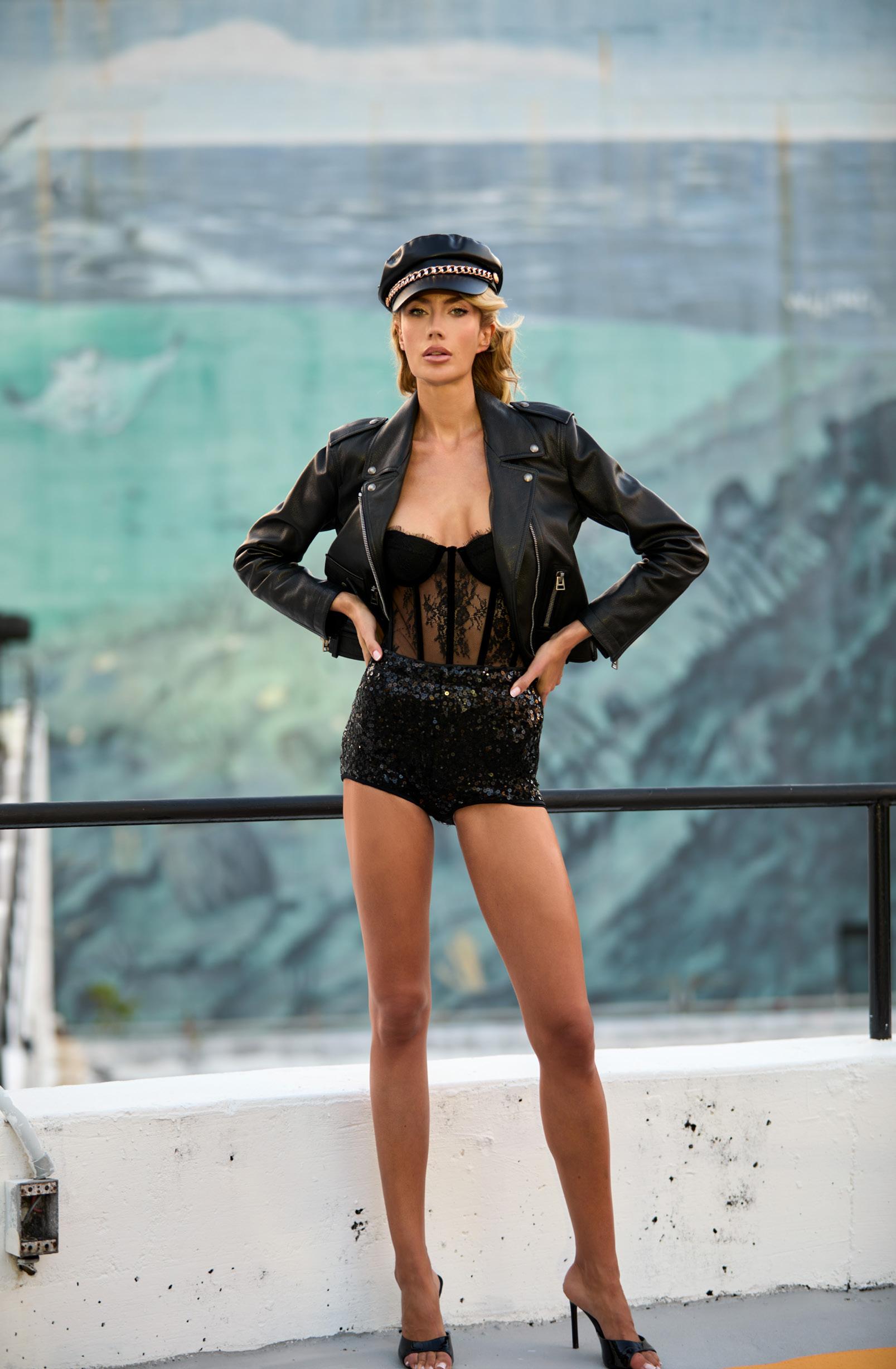
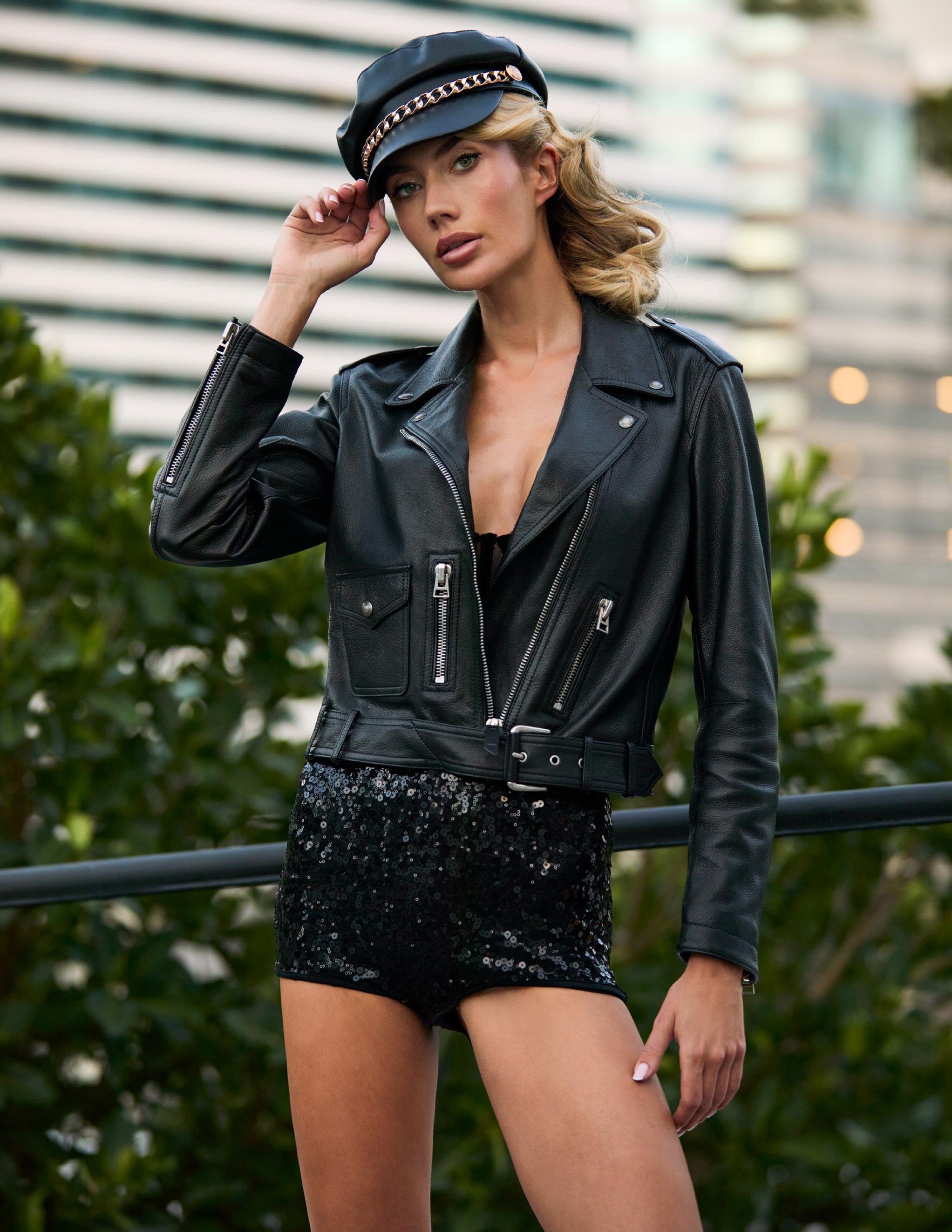
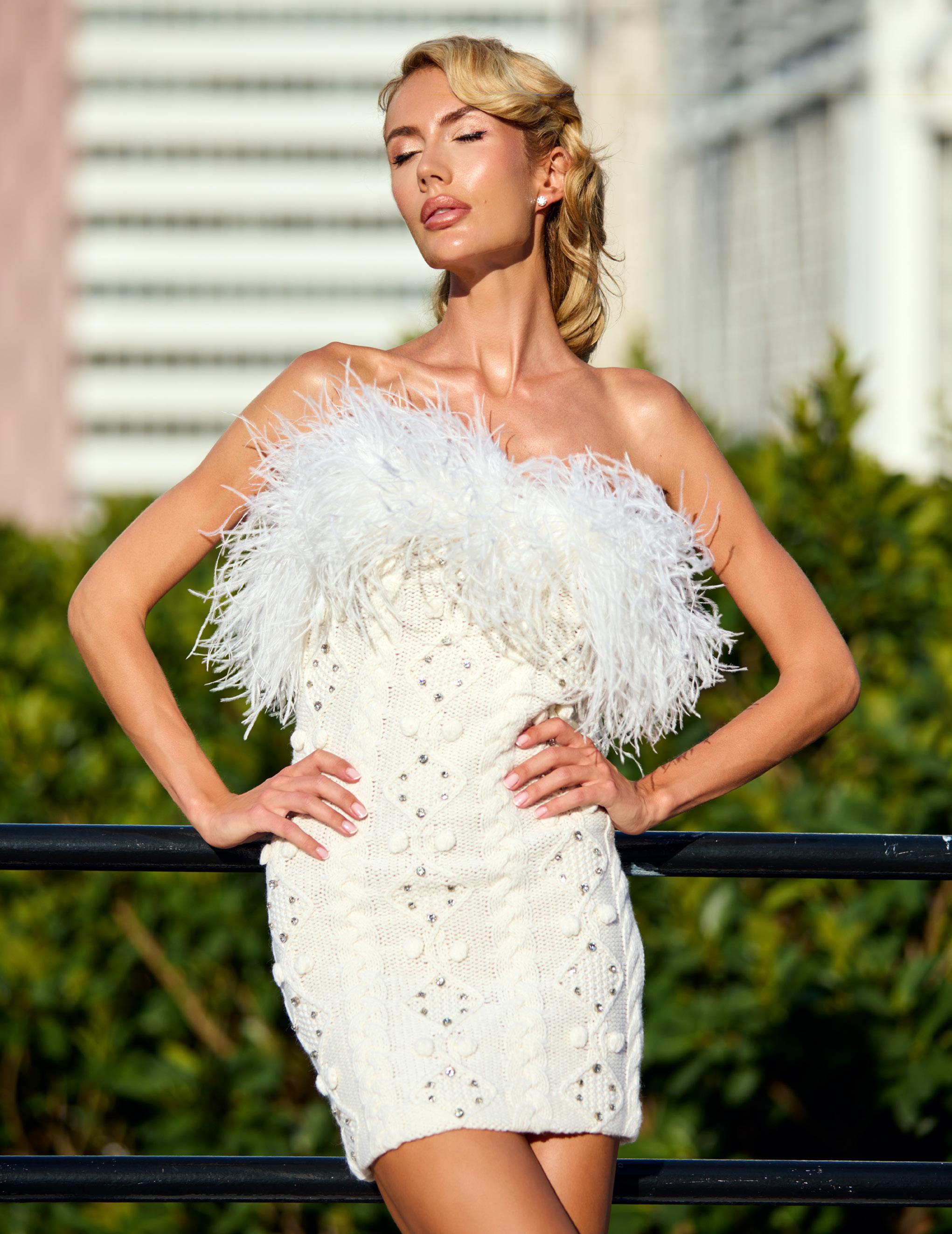
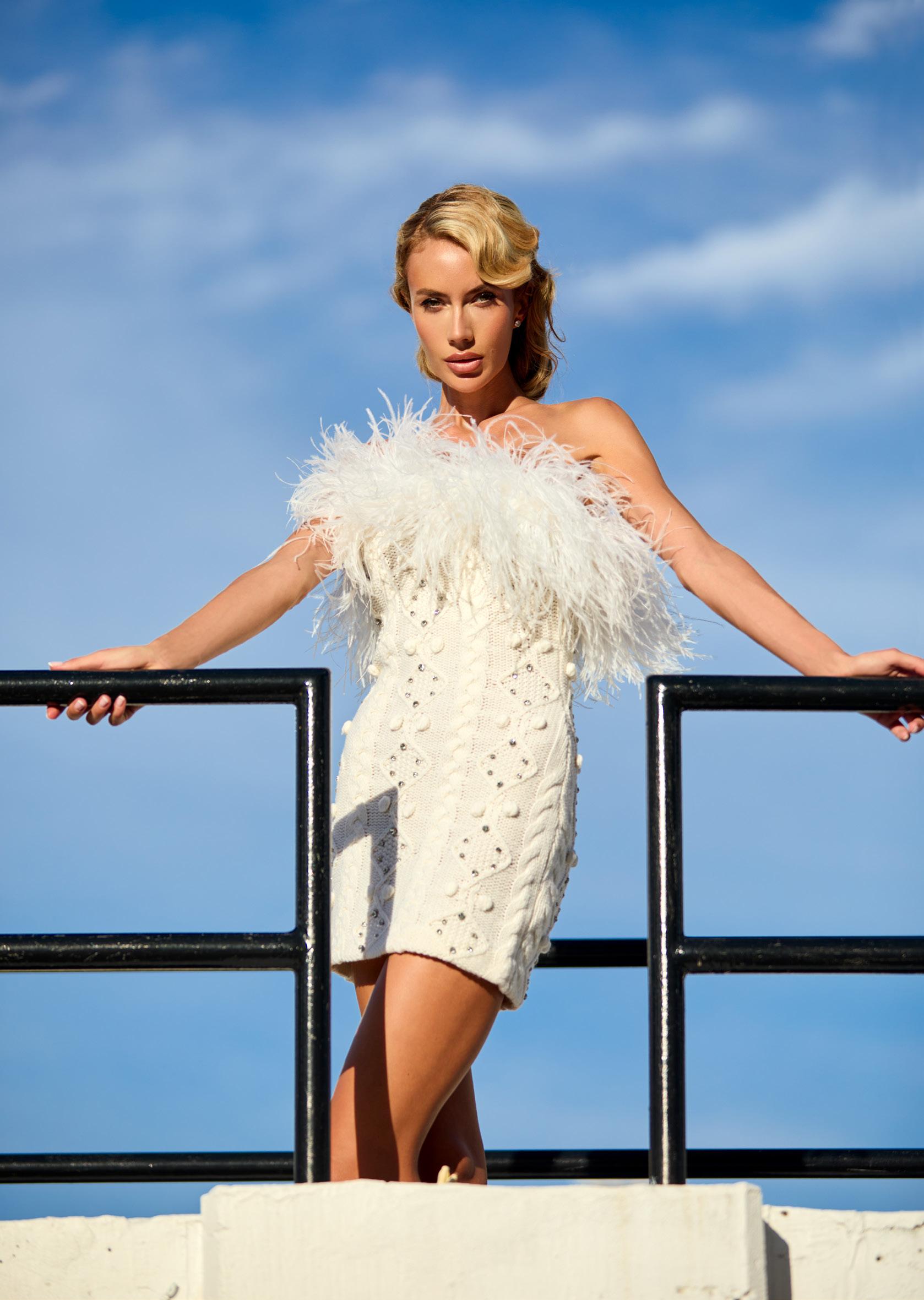
FASHION
DESTINATION STYLE
HOW THE
WORLD'S
MOST BEAUTIFUL ESCAPES CONTINUE TO SHAPE INTERNATIONAL FASHION
Fashion has always looked beyond the runway for inspiration. Long before trend forecasts and digital campaigns dictated what we wear, designers turned to the world's most captivating destinations to define the mood of a collection. The rhythm of the sea, the texture of sun-bleached stone, the craftsmanship of local artisans, and the effortless elegance of travelers have all become part of fashion's visual language. Today, as luxury travel continues to evolve, iconic destinations are no longer simply places to visit—they are aesthetic movements that influence everything from silhouettes and textiles to color palettes and accessories.
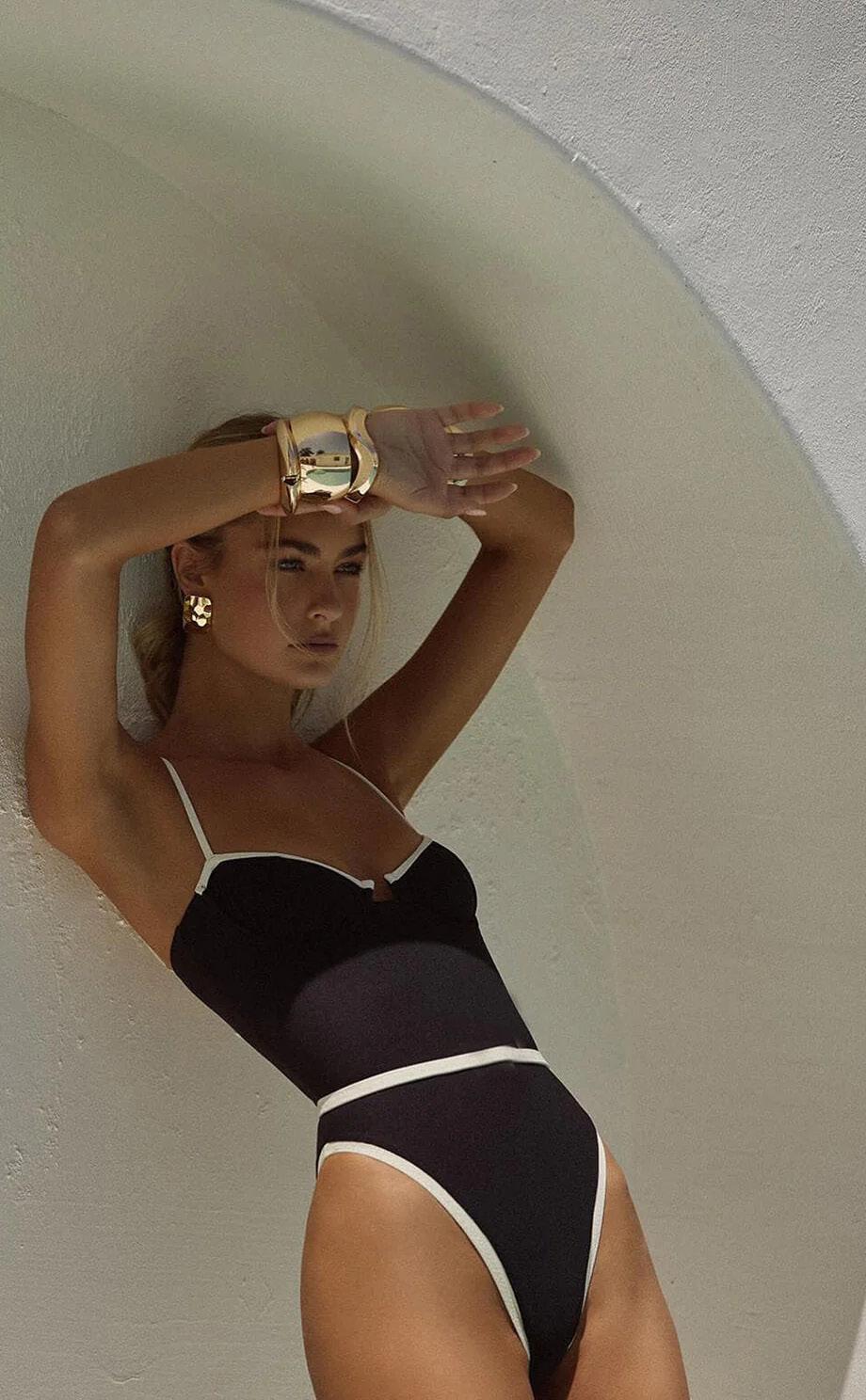
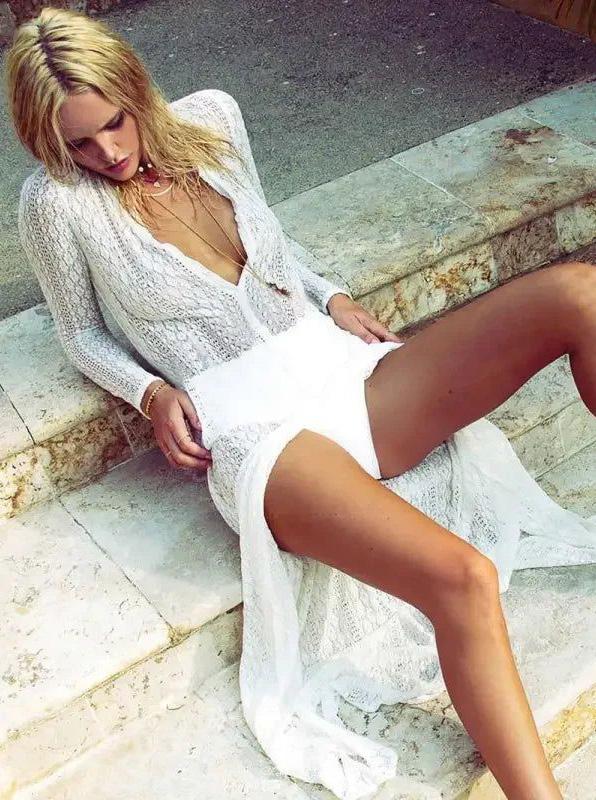
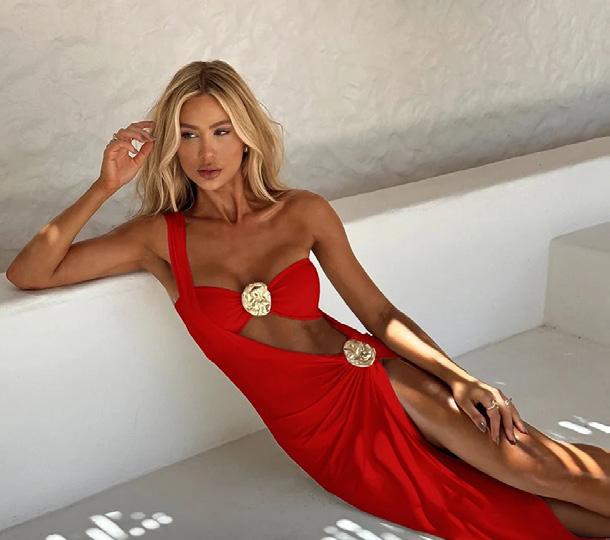
IBIZA: THE SPIRIT OF CREATIVE FREEDOM
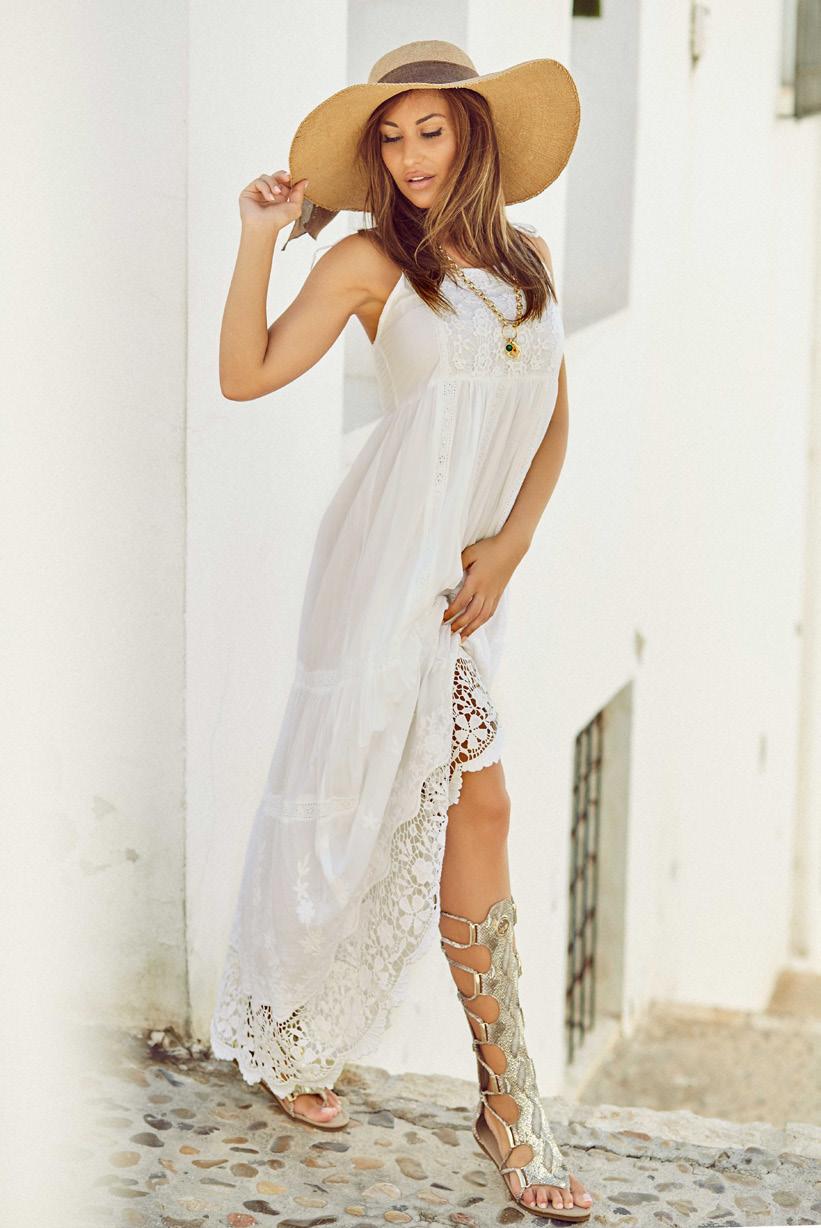
Few destinations have influenced contemporary resort fashion as profoundly as Ibiza . While the island's legendary nightlife remains part of its identity, its true fashion legacy lies in its celebration of individuality, craftsmanship, and relaxed glamour.
Ibiza popularized the modern interpretation of bohemian luxury. Flowing maxi dresses, embroidered kaftans, handcrafted crochet, fringed details, natural cottons, and lightweight linens reflect an aesthetic that embraces movement and freedom. Layered jewelry, artisanal leather sandals, woven hats, and oversized sunglasses complete a wardrobe designed for endless summer days that effortlessly transition into unforgettable evenings.
Today's designers continue to reinterpret Ibiza 's spirit through elevated craftsmanship, proving that bohemian style has matured into one of luxury fashion's most enduring influences.
THE AMALFI COAST:
MEDITERRANEAN SOPHISTICATION
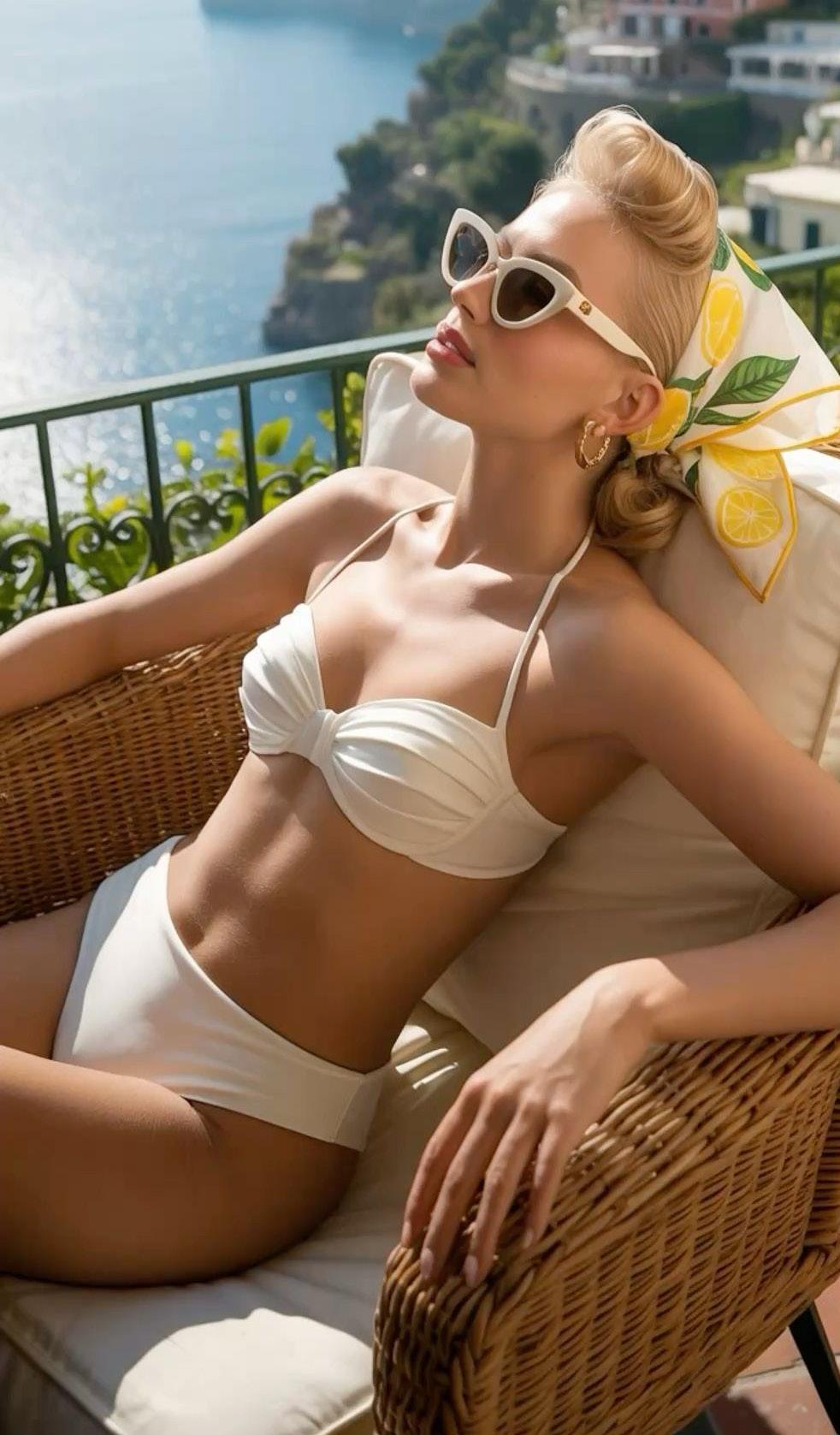
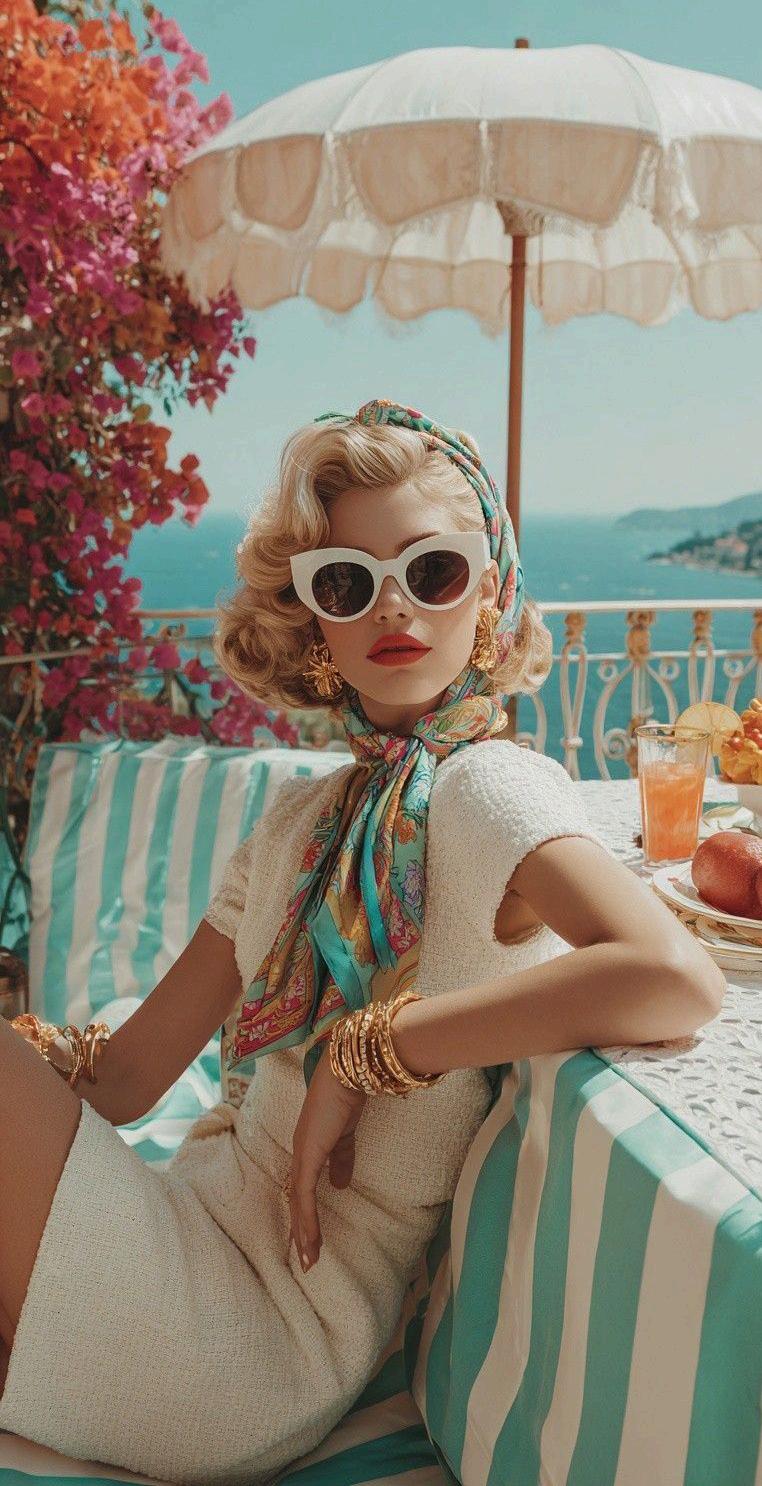
Perched dramatically above the Tyrrhenian Sea , Italy 's Amalfi Coast has long embodied timeless elegance. Villages painted in soft ochre, terracotta, and pastel hues overlook sparkling blue waters, creating one of fashion's most recognizable visual backdrops.
The region inspires wardrobes built around impeccable tailoring, natural fabrics, and refined simplicity. Crisp white linen shirts, high-waisted trousers, flowing silk dresses, tailored shorts, and lightweight blazers evoke an effortless sophistication that feels equally appropriate aboard a yacht or at a candlelit dinner overlooking Positano . Accessories remain understated yet luxurious. Leather sandals, woven handbags, oversized sunglasses, silk scarves, and delicate gold jewelry complete a look that values craftsmanship over excess. The Amalfi aesthetic reminds us that true luxury is often found in restraint, where impeccable quality speaks louder than bold logos.
MYKONOS: MINIMALISM MEETS
GLAMOUR
If Ibiza celebrates artistic expression, Mykonos represents refined confidence. The iconic Cycladic architecture—whitewashed walls, cobalt-blue doors, and brilliant sunlight—has inspired one of fashion's cleanest and most recognizable aesthetics.
The Mykonos wardrobe embraces monochromatic dressing, sculptural silhouettes, and architectural tailoring. White dominates the palette, punctuated by navy, black, metallic gold, and occasional Mediterranean blues. Satin slip dresses, sharply tailored suits, flowing palazzo trousers, asymmetrical gowns, and elegant swimwear blur the line between daytime leisure and evening sophistication.
Accessories become bold statements rather than decorative additions. Sculptural earrings, metallic sandals, sleek leather handbags, and minimalist watches create looks defined by confidence rather than complexity.
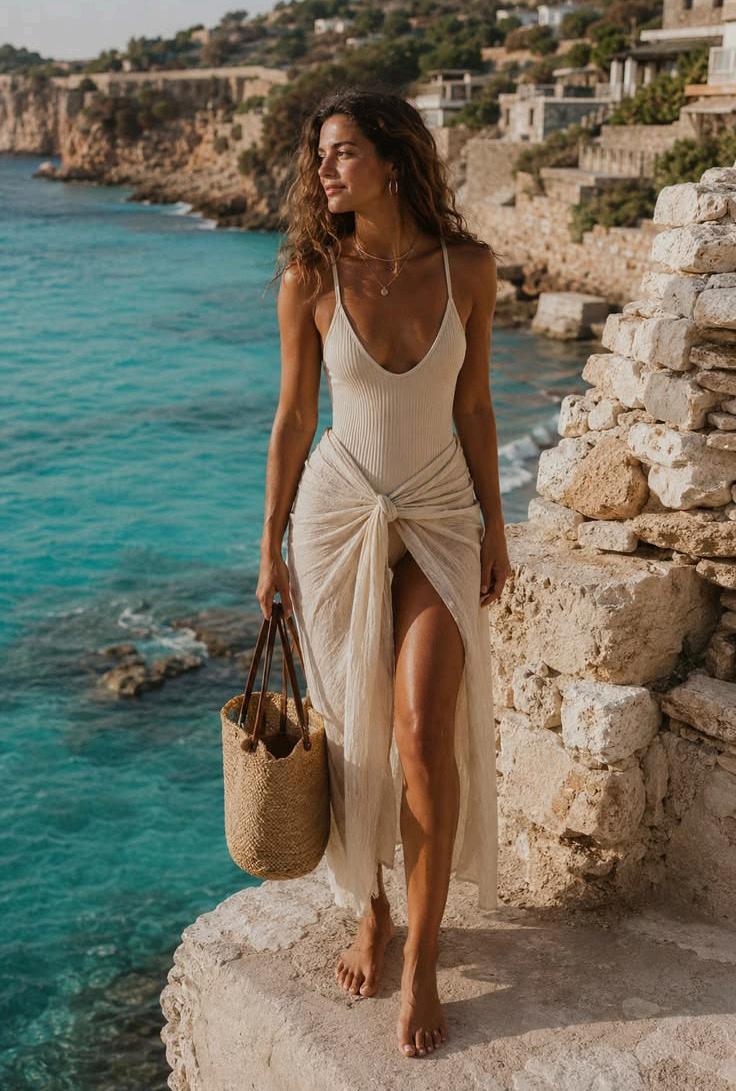

TULUM: NATURE AS LUXURY
Tulum transformed luxury fashion by redefining what sophistication could look like. Rather than polished glamour, it introduced a philosophy centered on sustainability, craftsmanship, and harmony with the natural environment.
The destination's influence appears through earthy palettes inspired by sand, limestone, tropical vegetation, and weathered wood. Organic cotton, raw linen, hemp, silk, handcrafted lace, and woven textiles dominate collections that emphasize texture over embellishment.
Fashion inspired by Tulum celebrates relaxed silhouettes, oversized shirts, wrap dresses, minimalist swimwear, barefoot elegance, and artisan-made accessories. It reflects a growing appreciation for slow fashion and conscious luxury—values that continue to reshape the industry's future.
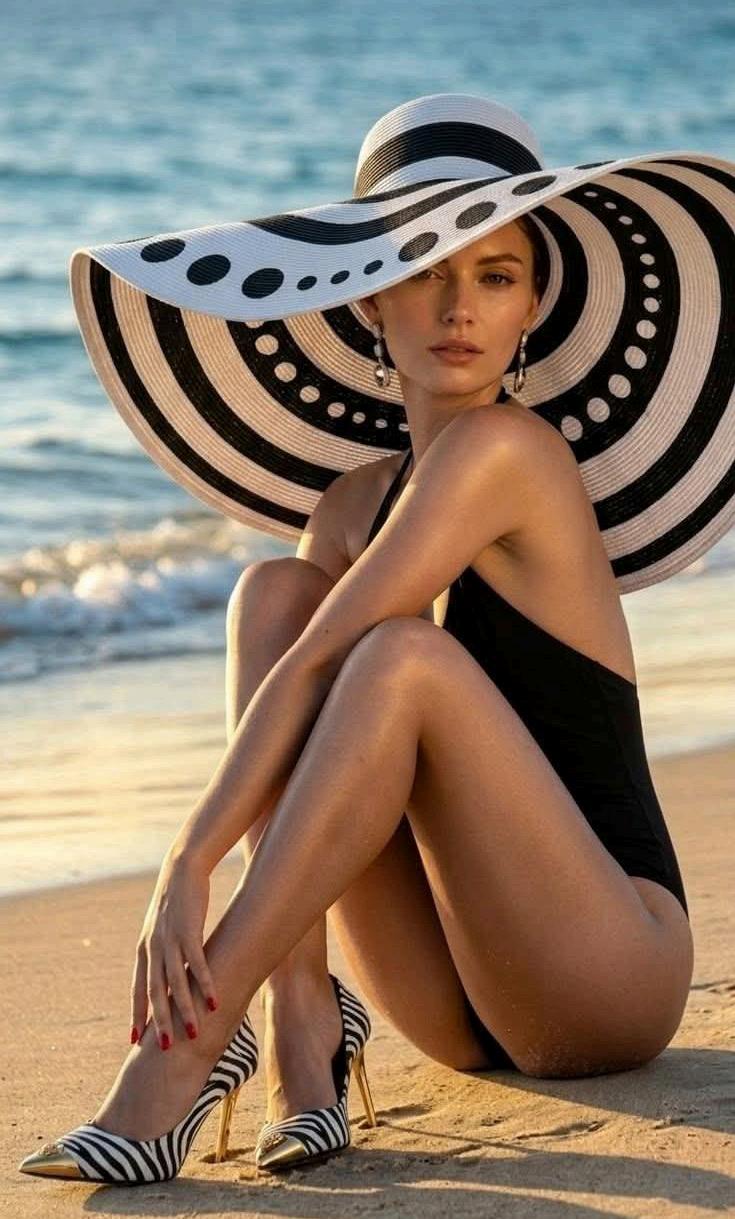
THE MALDIVES: BAREFOOT ELEGANCE
Scattered across the Indian Ocean like precious jewels, the Maldives offer perhaps the purest expression of contemporary luxury. Crystal-clear lagoons, powder-white beaches, and overwater villas create an atmosphere where simplicity becomes extraordinary.
Maldivian -inspired fashion embraces fluid movement and understated glamour. Lightweight silk, chiffon, satin, and airy cotton create garments that float effortlessly in the ocean breeze. Neutral tones—ivory, pearl, soft beige, champagne, seafoam, and pale aqua—mirror the surrounding landscape, while subtle metallic accents evoke sunlight dancing across the water.
Resort collections influenced by the Maldives favor elegant kaftans, flowing gowns, coordinated separates, refined swimwear, and luxurious cover-ups that transition seamlessly from private villas to sunset dinners by the sea.
BEYOND GEOGRAPHY: THE RISE OF DESTINATION FASHION
The influence of these remarkable locations extends far beyond seasonal trends. They represent emotional experiences as much as visual identities. Designers are no longer simply recreating landscapes; they are translating the feeling of a destination into clothing.
A linen suit may recall a leisurely afternoon along the Amalfi Coast . A handcrafted crochet dress evokes the artistic spirit of Ibiza . An immaculate white ensemble reflects the striking simplicity of Mykonos . Natural textures transport us to Tulum 's eco-conscious philosophy, while fluid silk silhouettes capture the serenity of the Maldives .
This emotional connection has become increasingly important in luxury fashion. In an era where travelers seek authenticity, craftsmanship, and meaningful experiences, clothing serves as a reminder of places that inspire freedom, elegance, and discovery.
A PASSPORT TO STYLE
The world's most iconic destinations continue to shape fashion because they offer more than breathtaking scenery—they embody lifestyles that resonate across cultures. They encourage designers to celebrate craftsmanship, embrace natural beauty, and create garments that feel timeless rather than temporary.
Destination style is ultimately about aspiration. It is the ability to carry the effortless charm of the Mediterranean , the artistic soul of Ibiza , the refined glamour of the Aegean , the mindful simplicity of Tulum , or the tranquil elegance of the Maldives into everyday life.
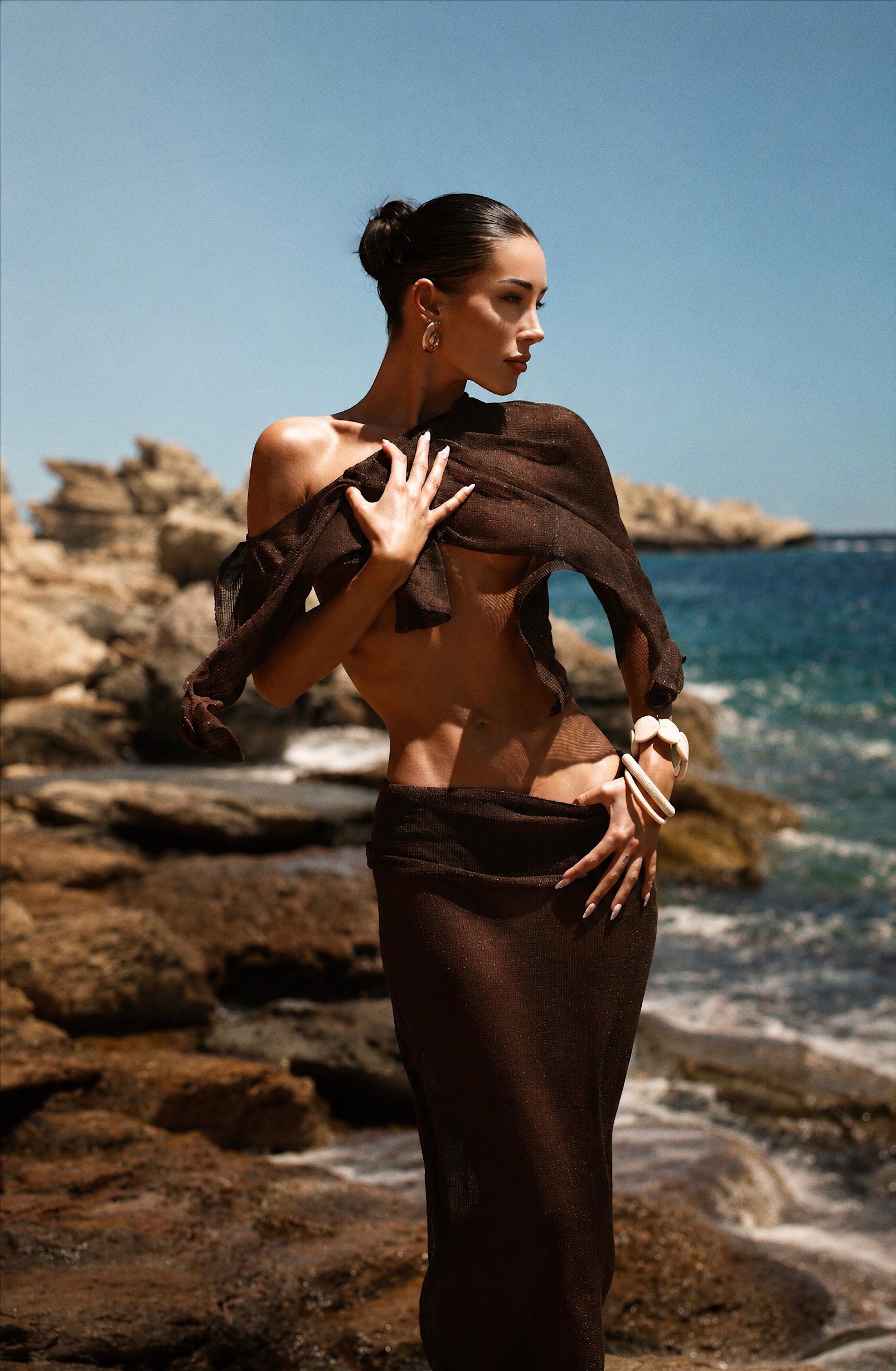
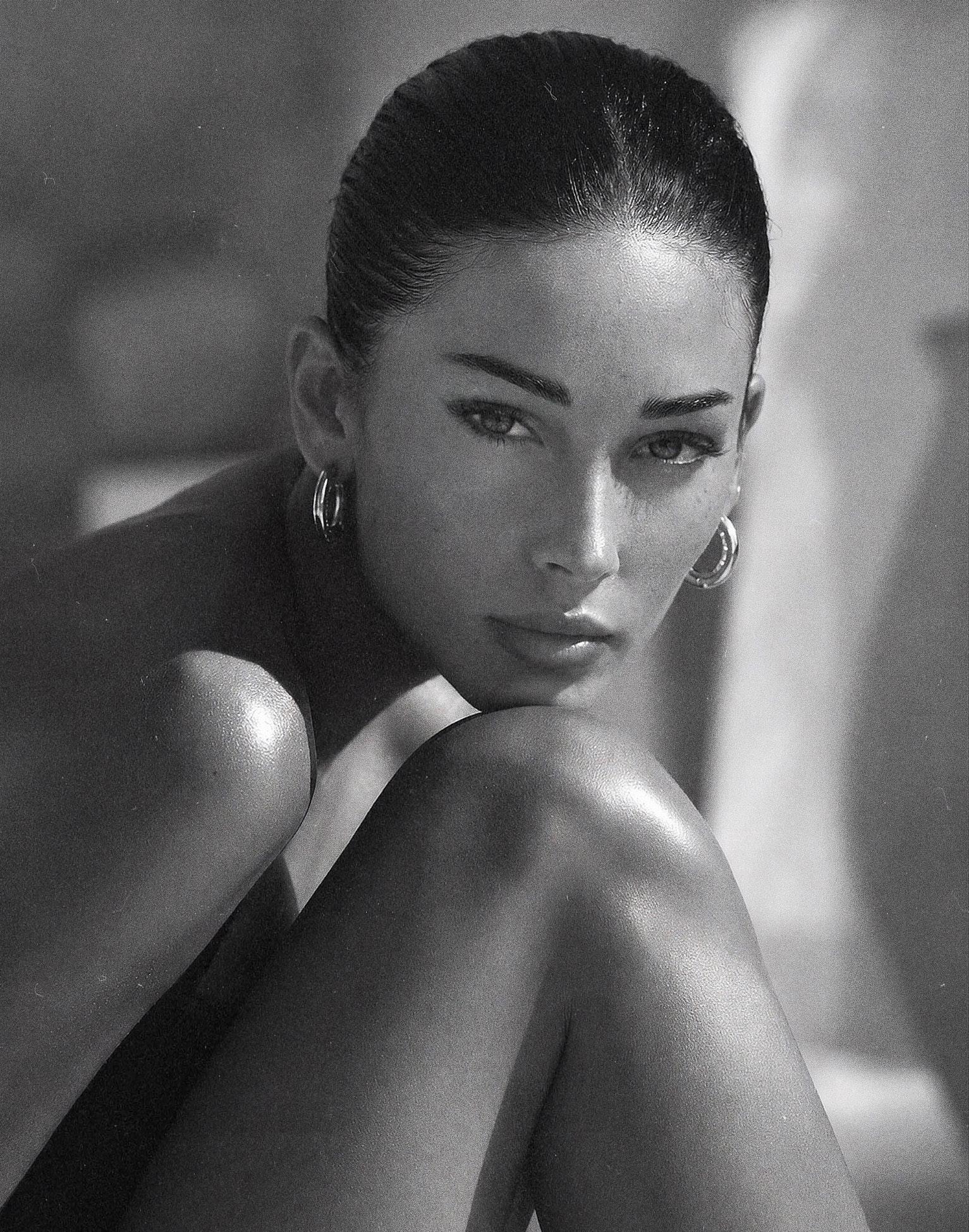
MEDITERRANEAN BREEZE
PHOTOGRAPHER: ALEX CHEUNG @4ung
MODEL: AMY CHAPMAN @amy_chapmanxx
AGENCY: M MODELS MANAGEMENT @mmodelsmanagement
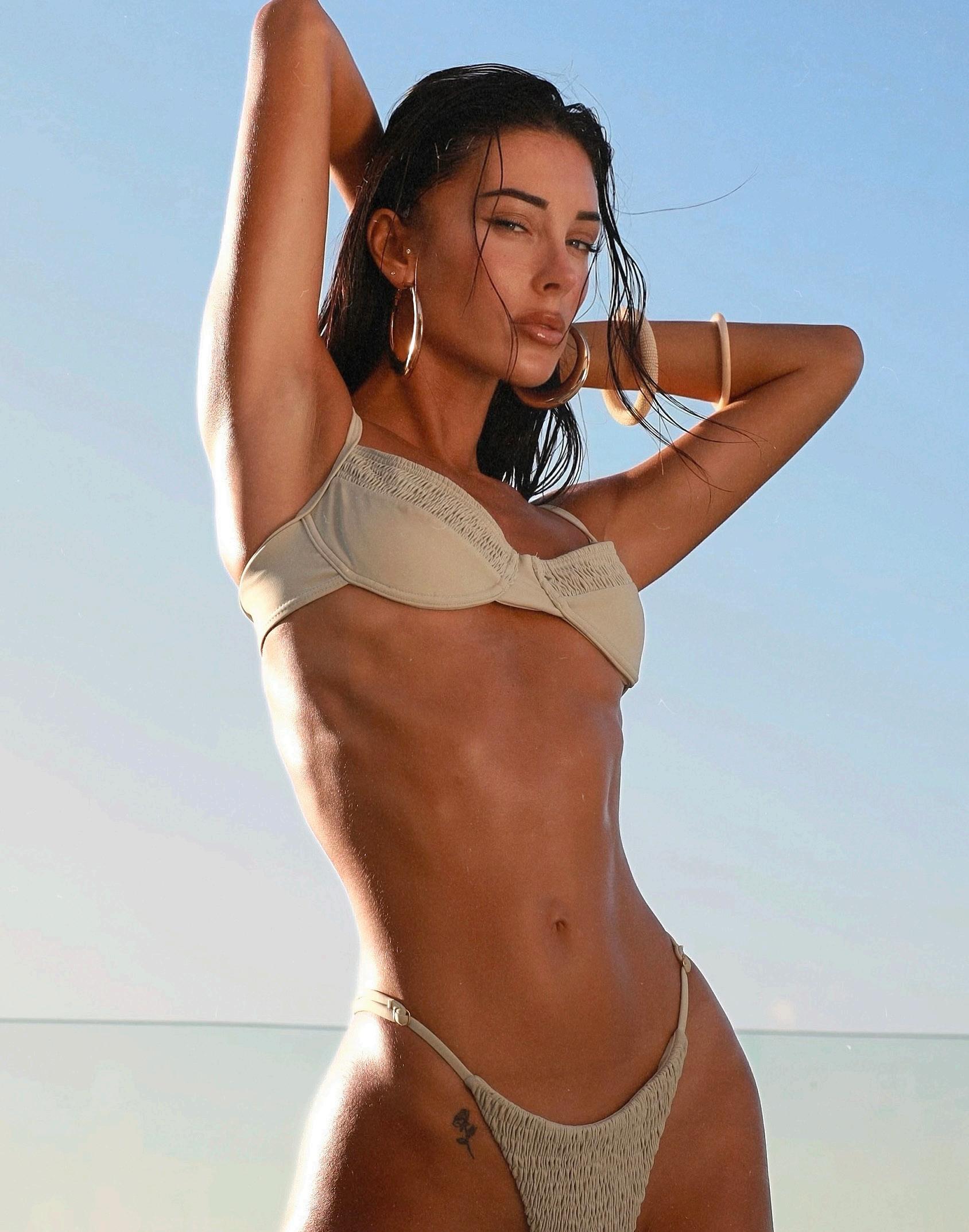
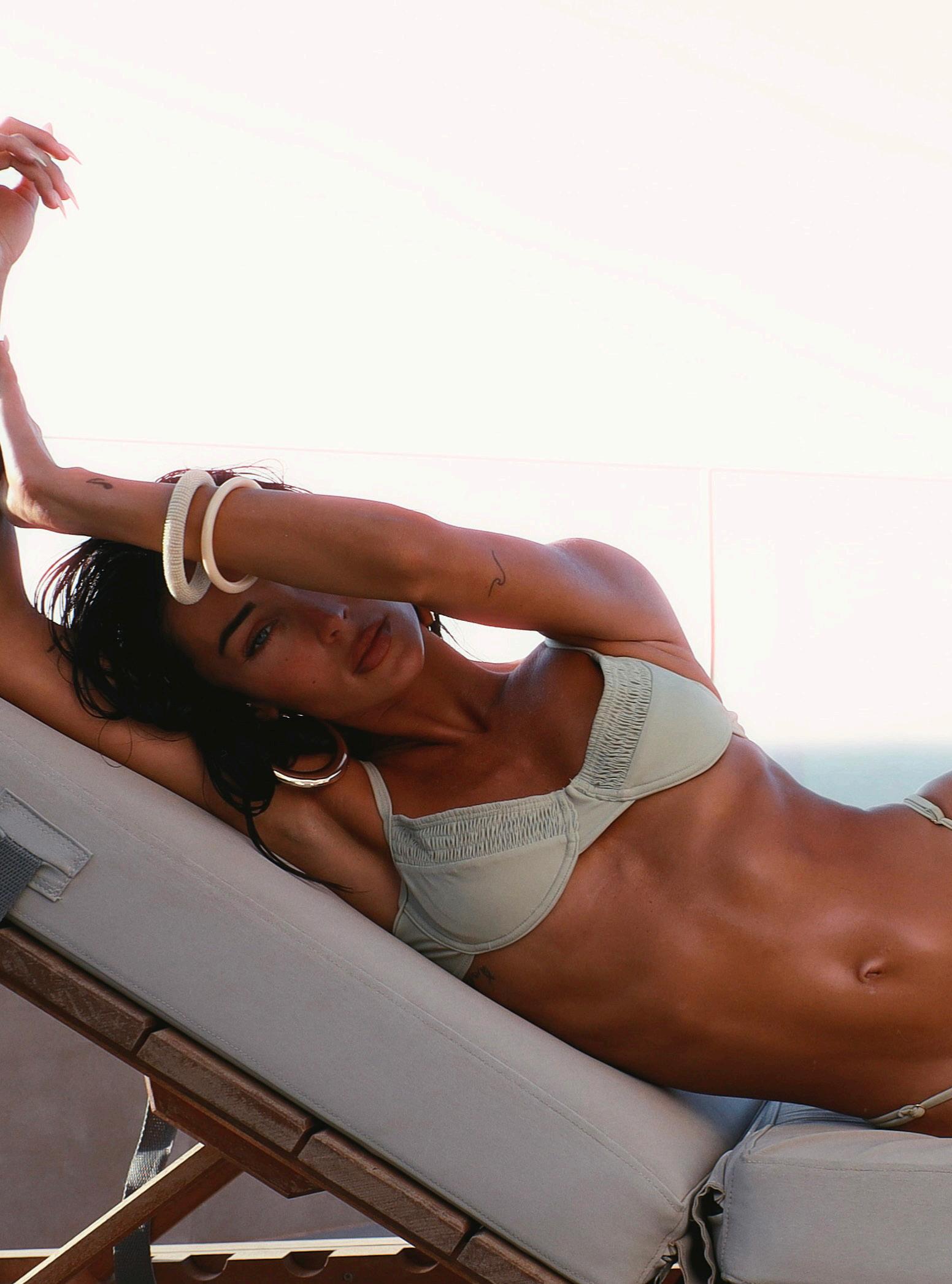
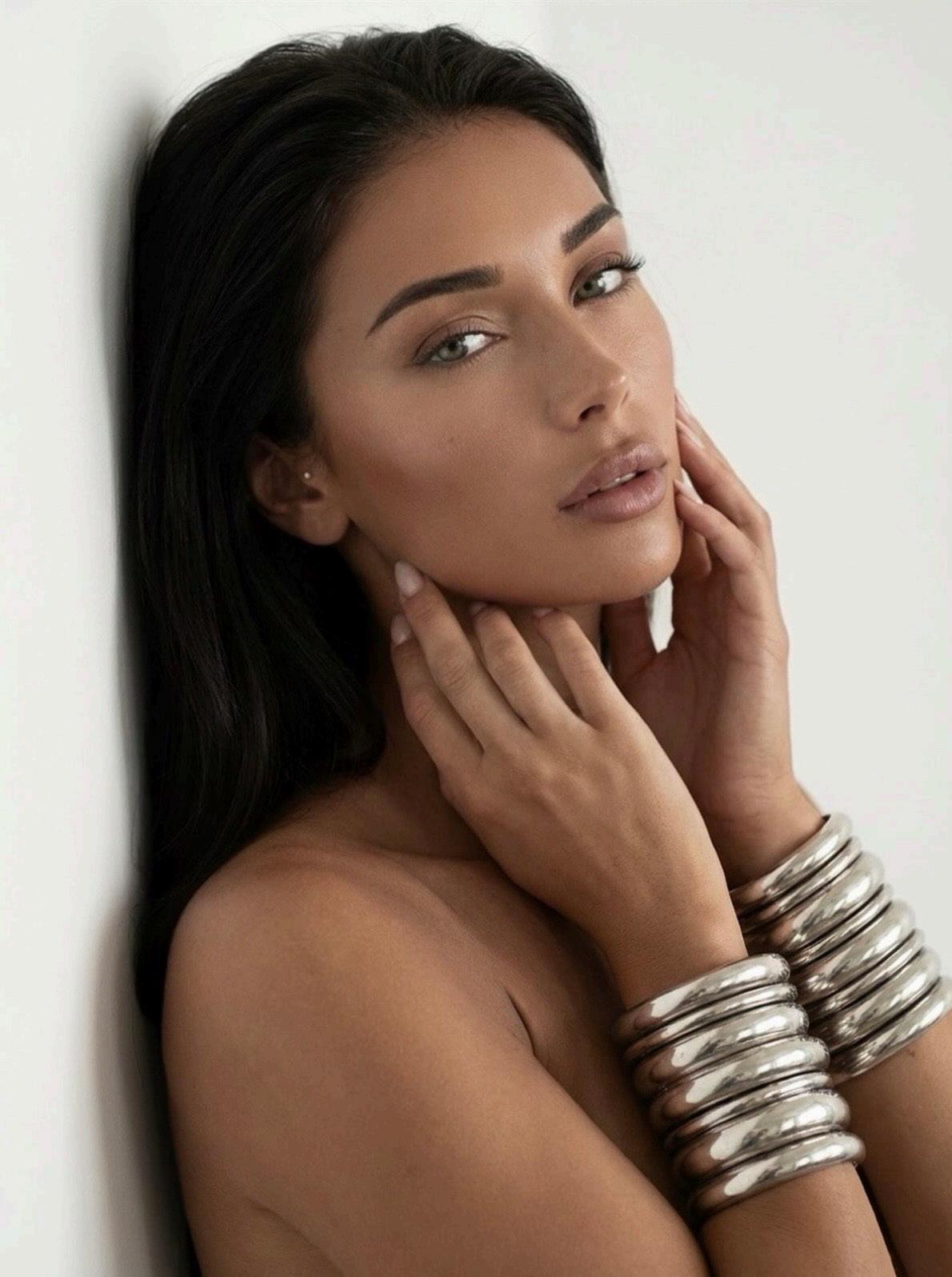
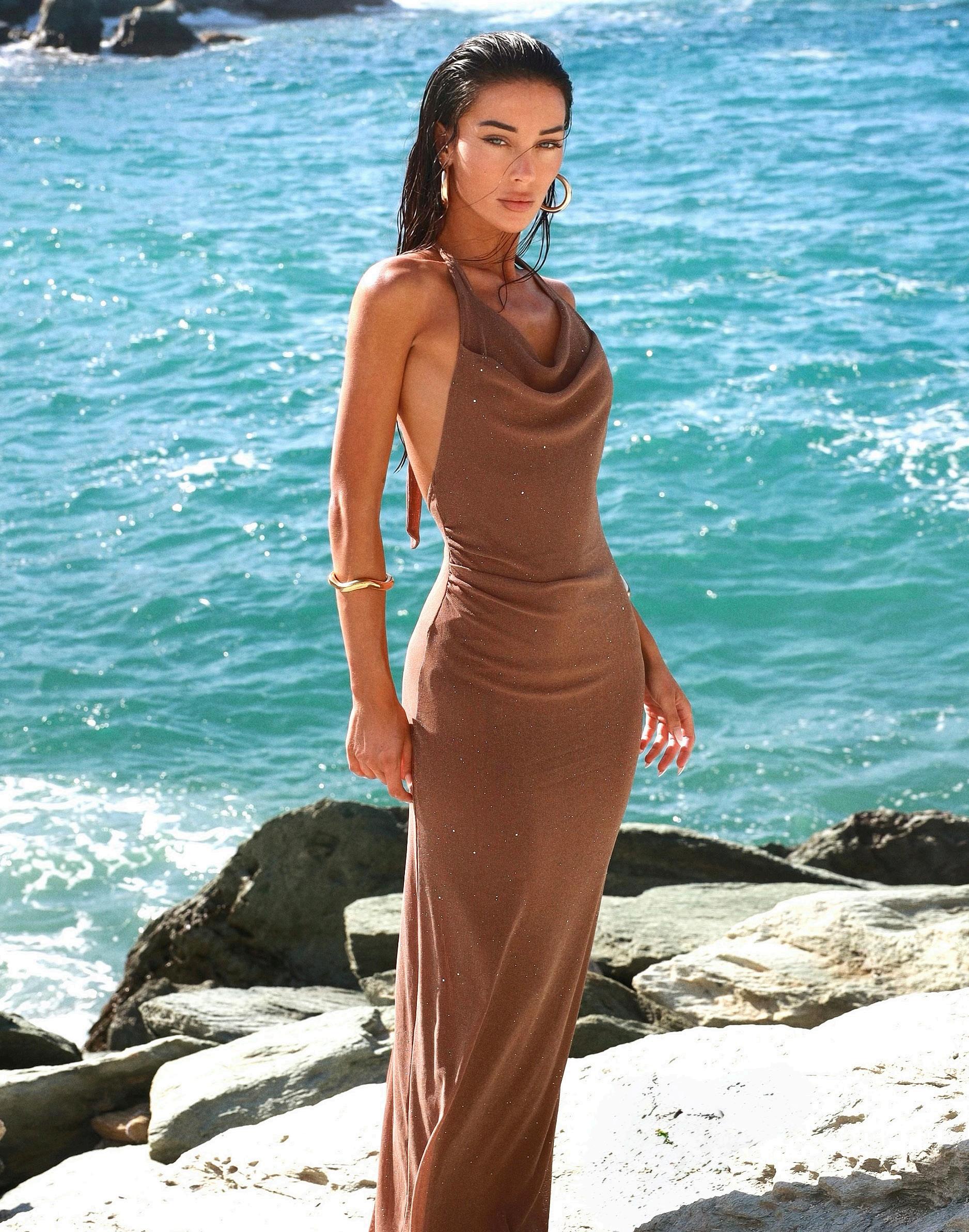
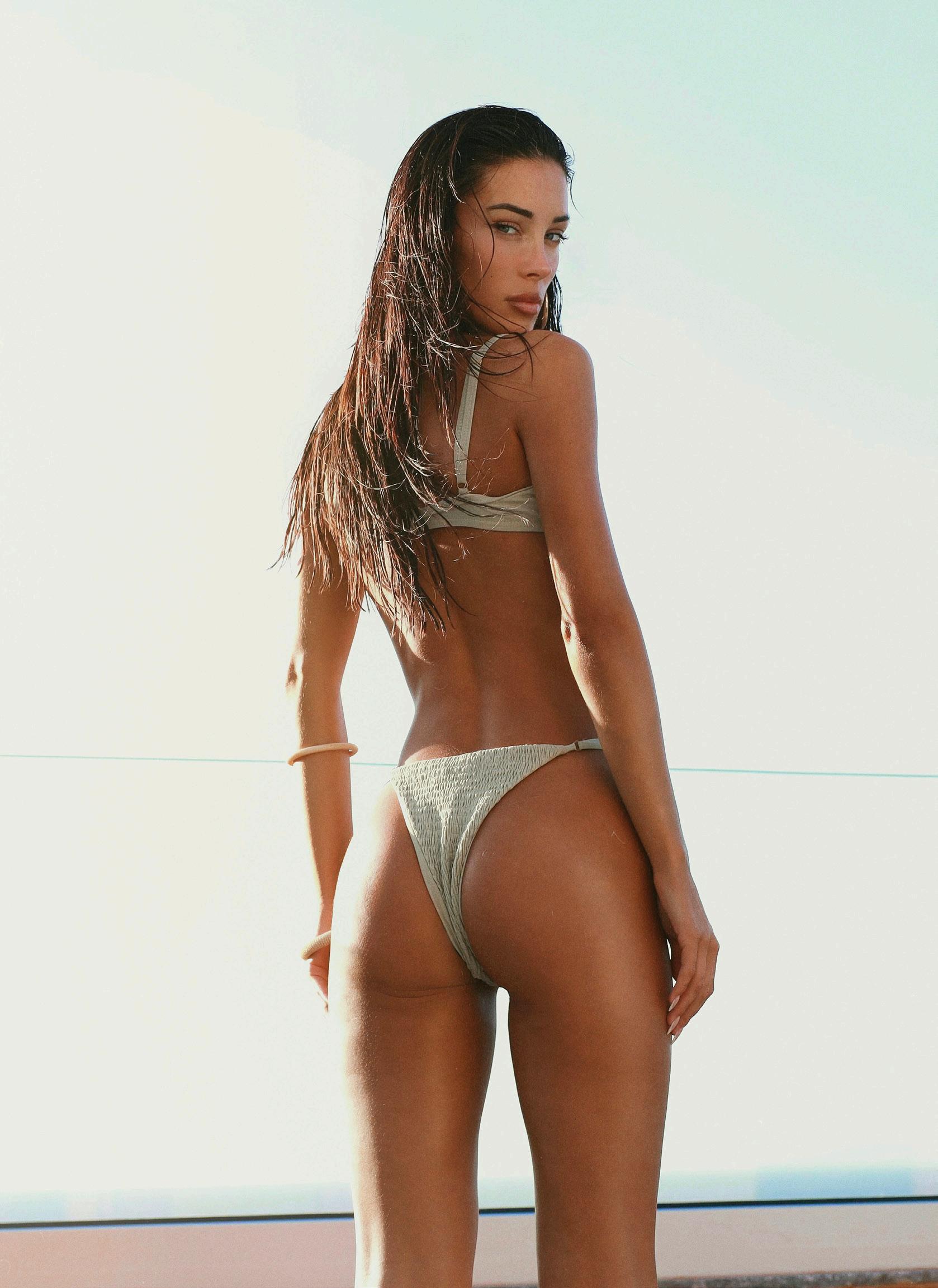
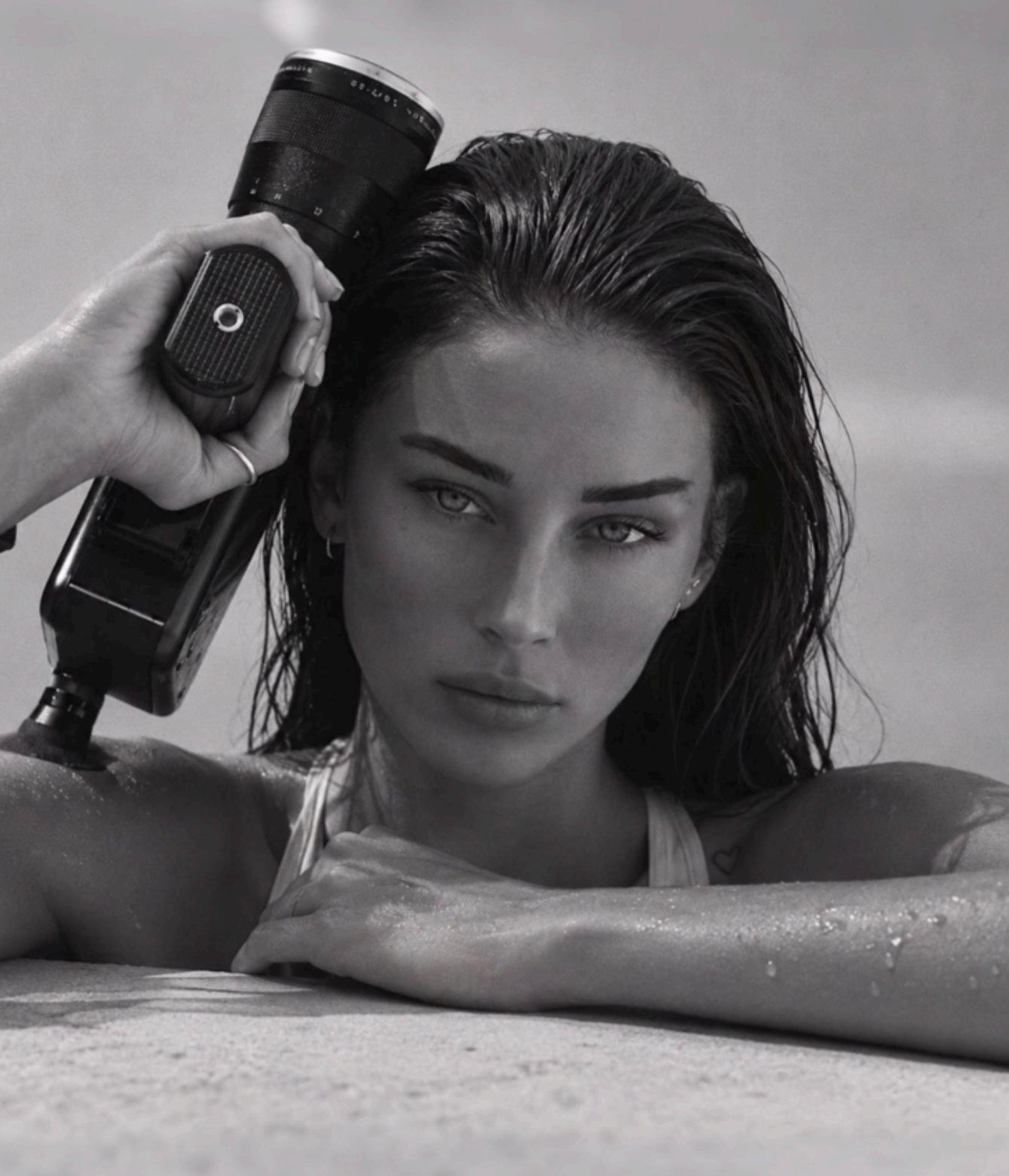
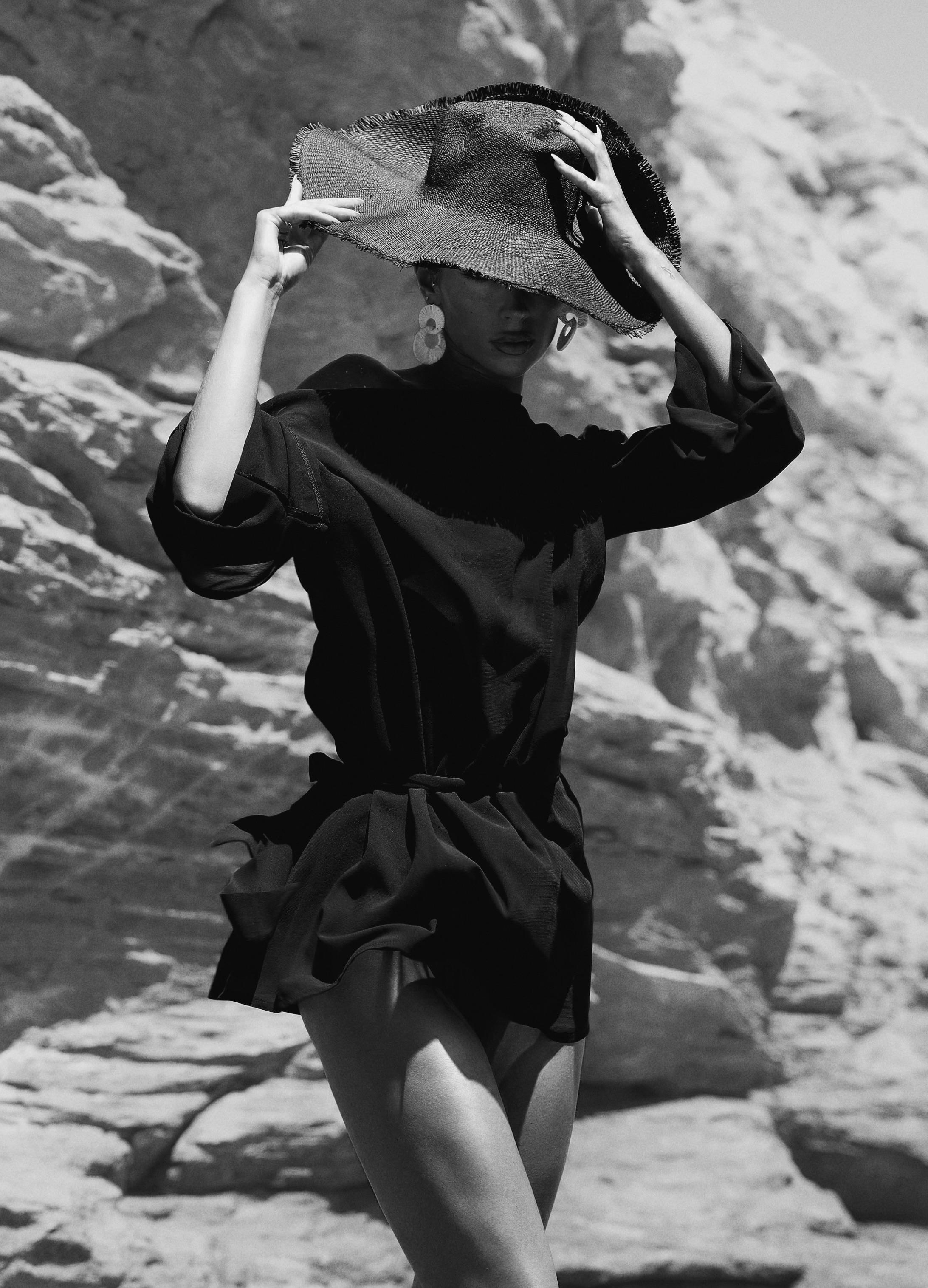
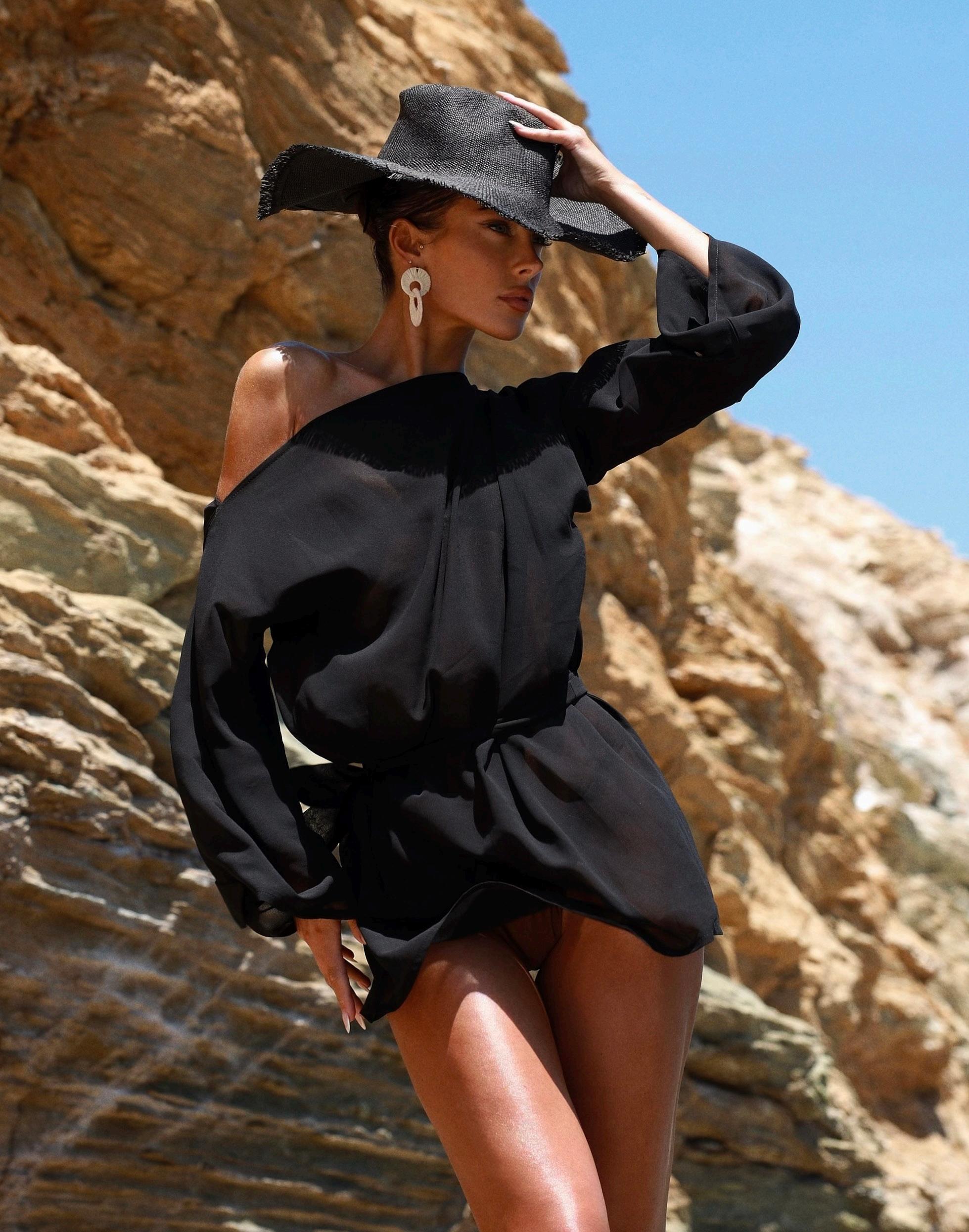
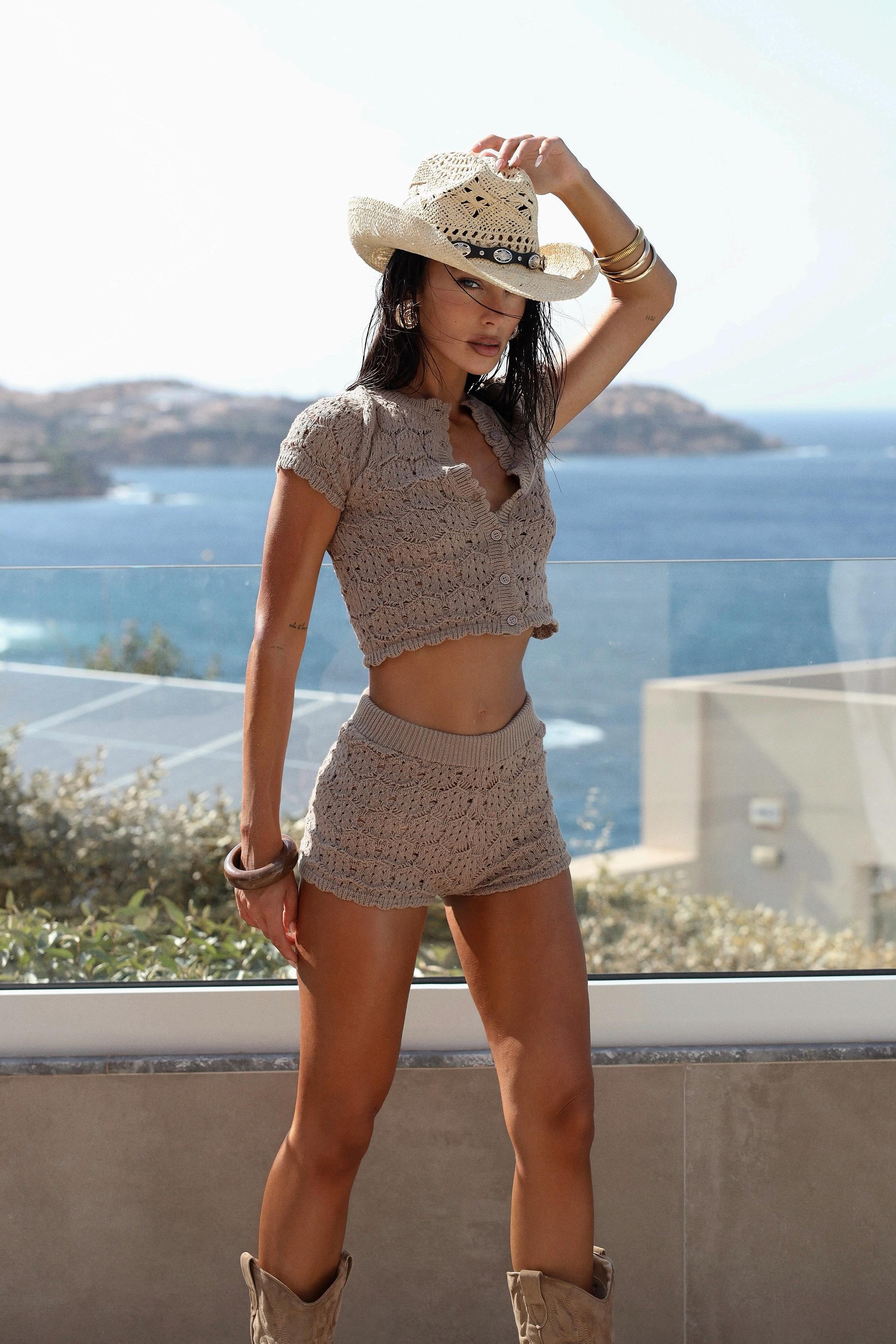
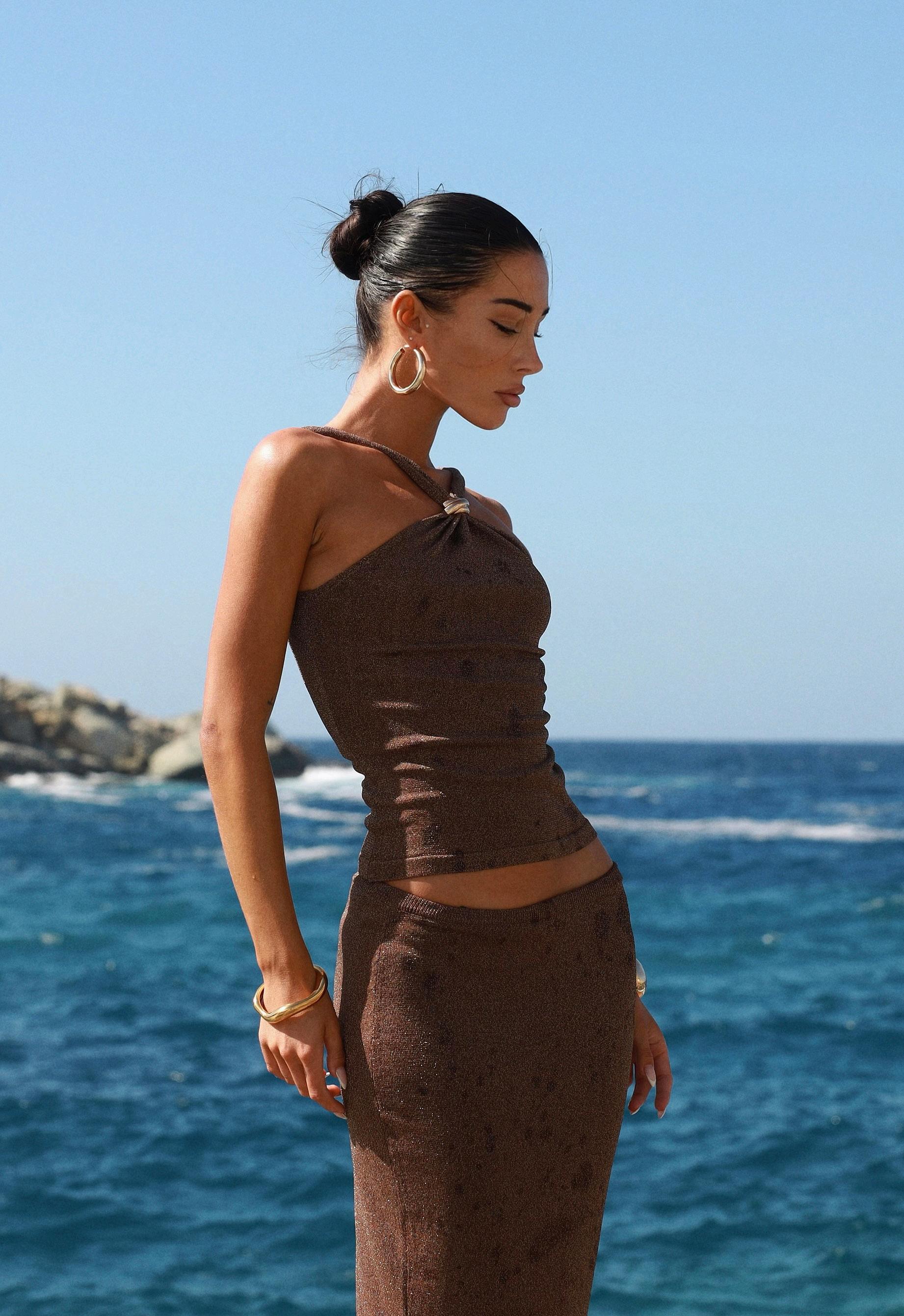
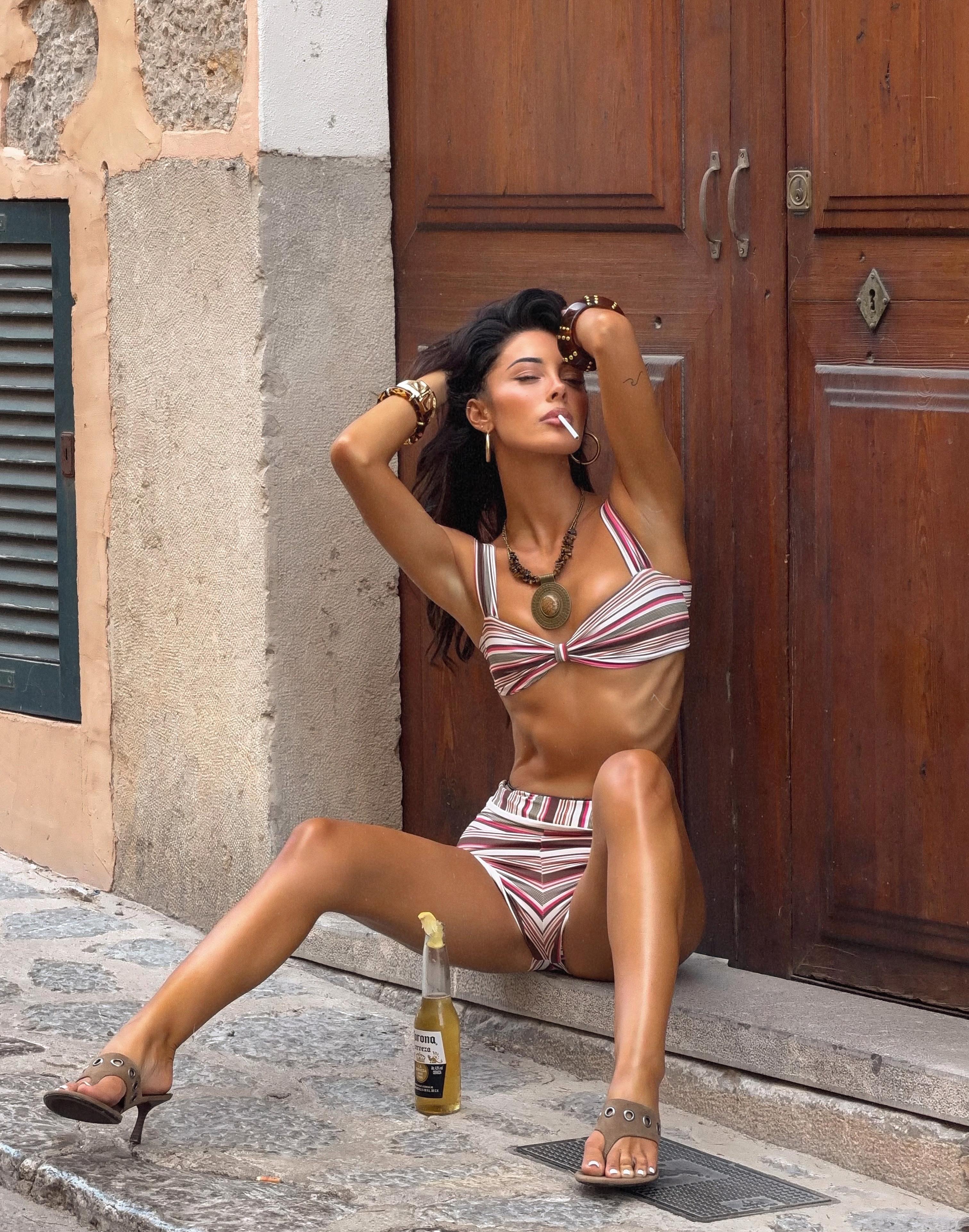
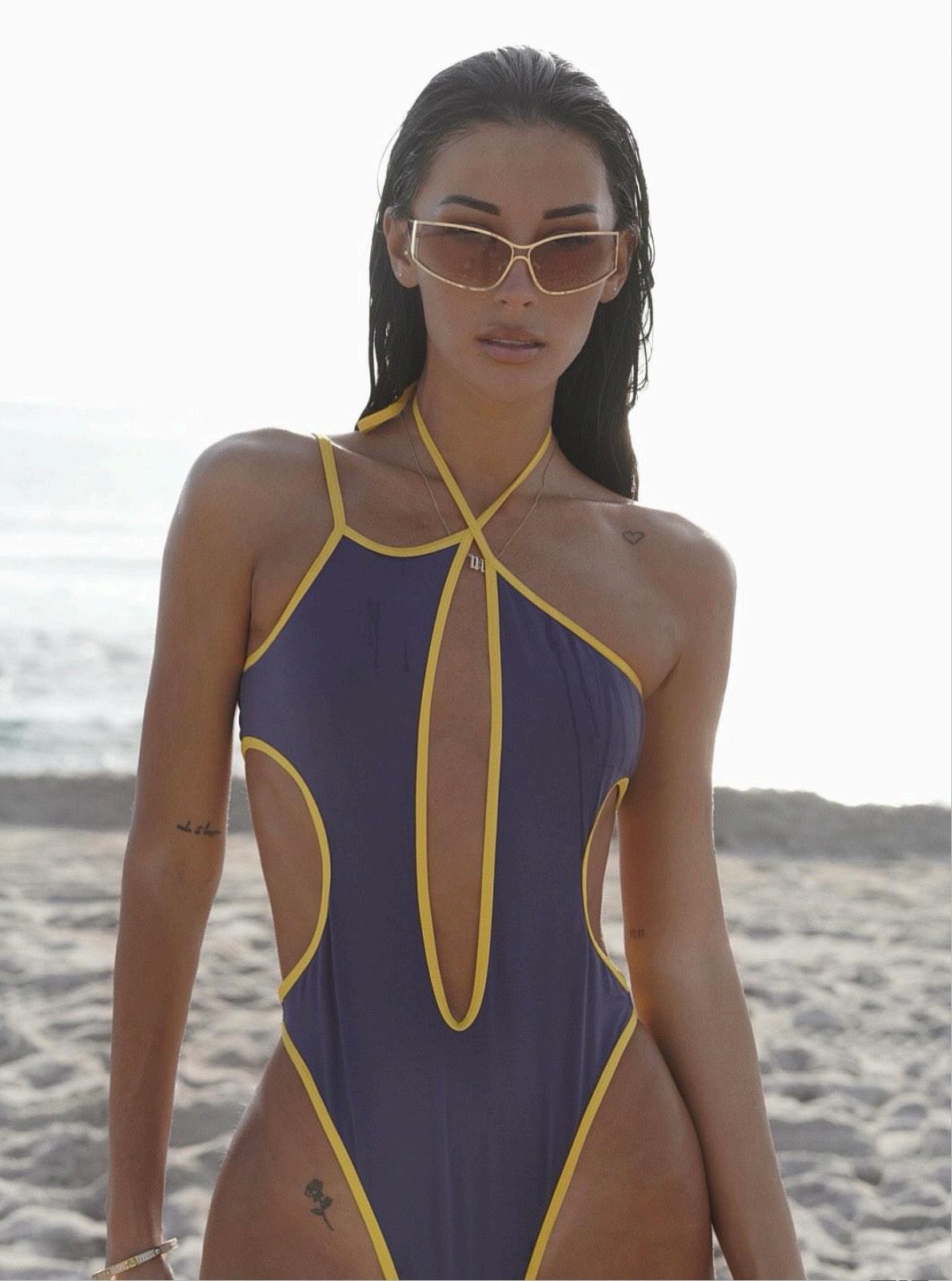
DIANA LYSENKO THE SEXIEST SUPERMODEL IN THE WORLD COVER
Article by JAUME RODRIGUEZ
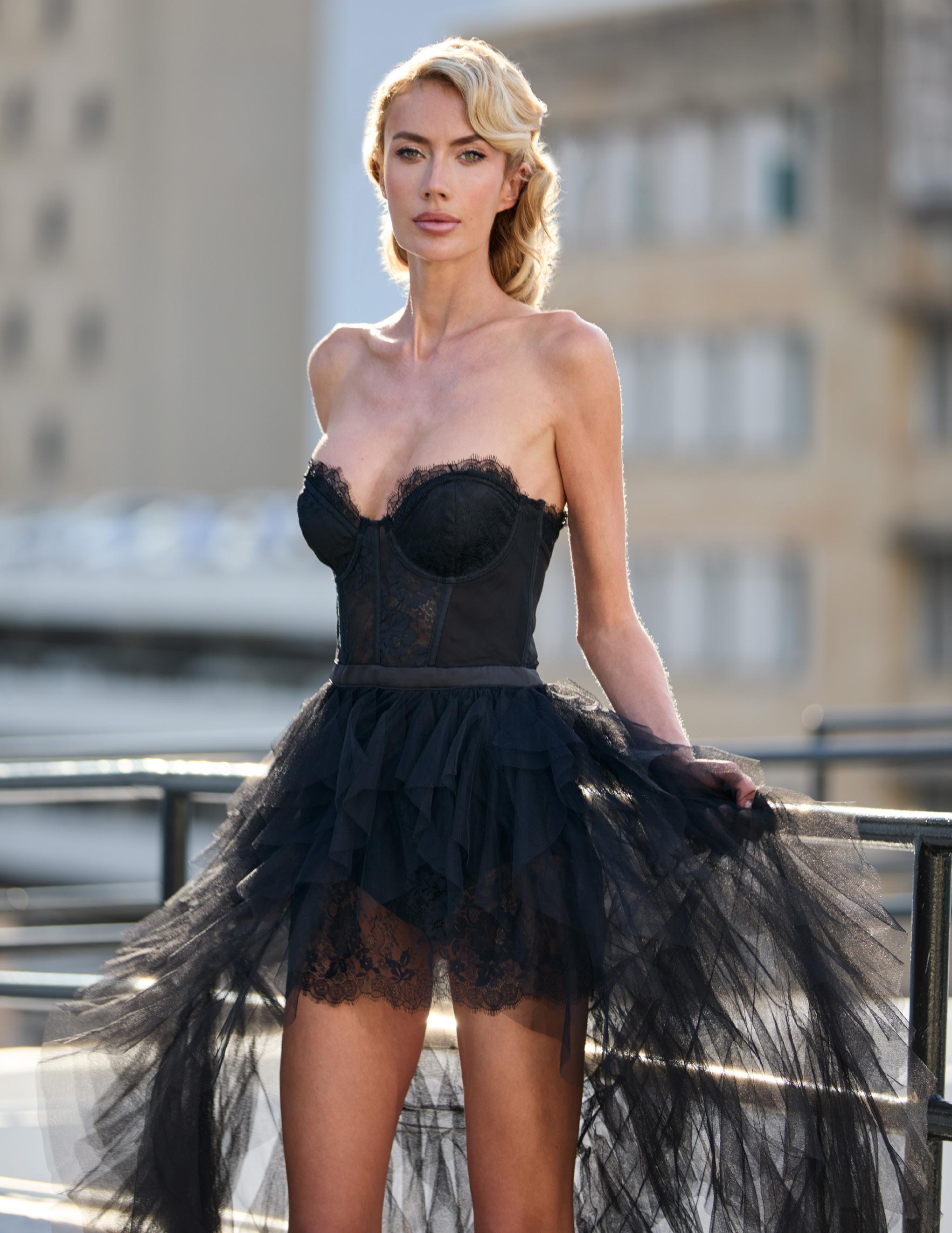
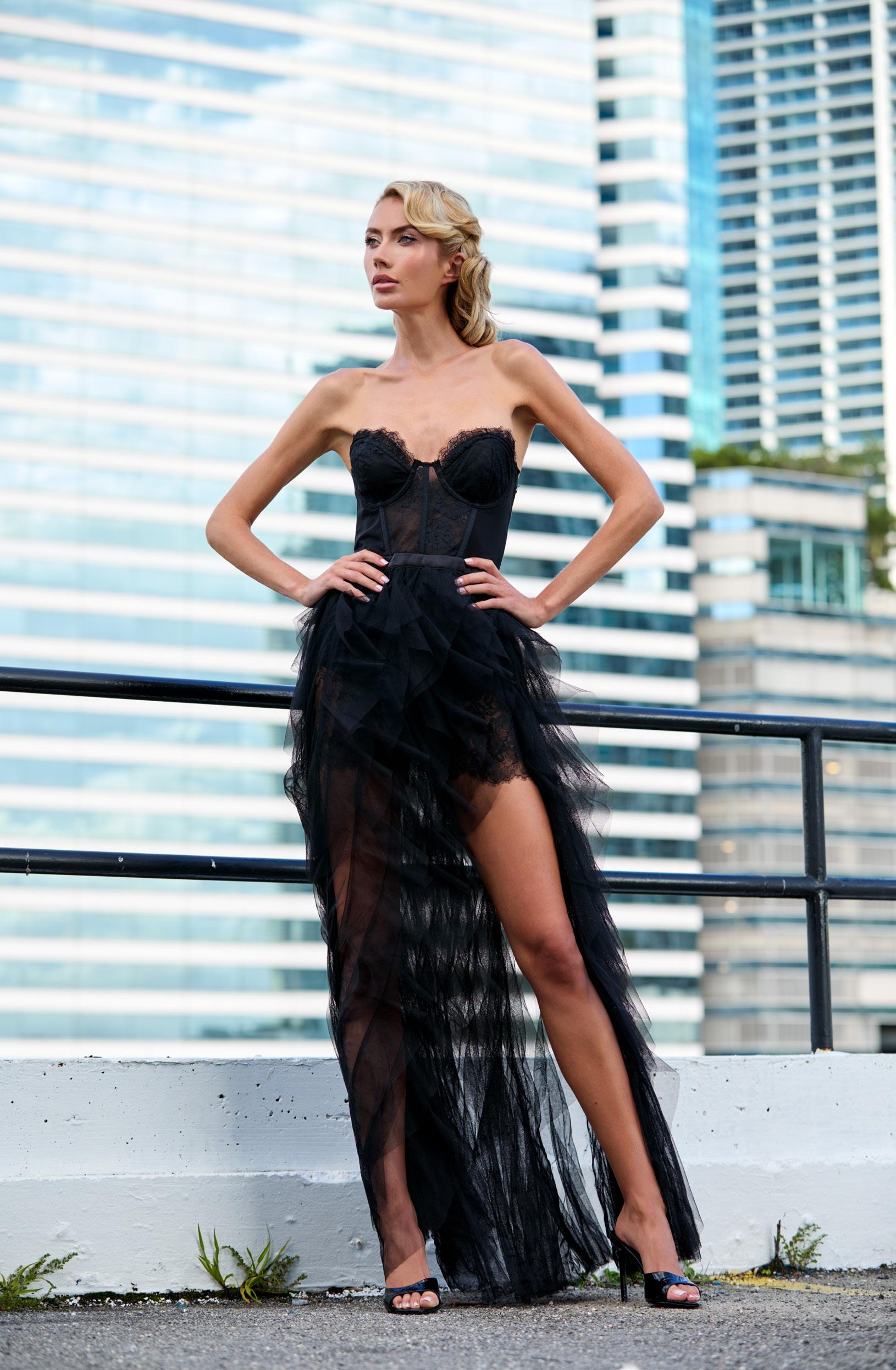
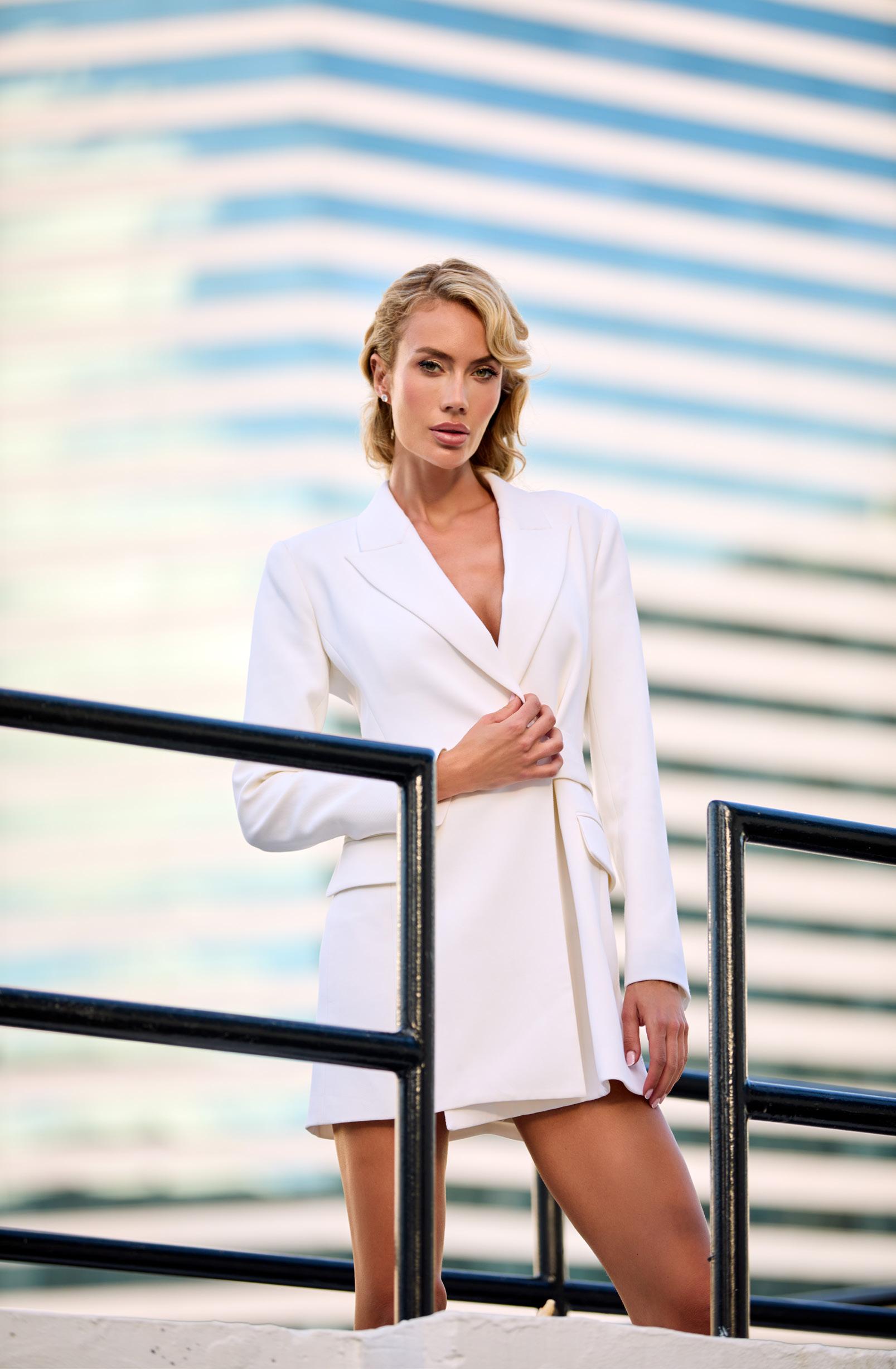
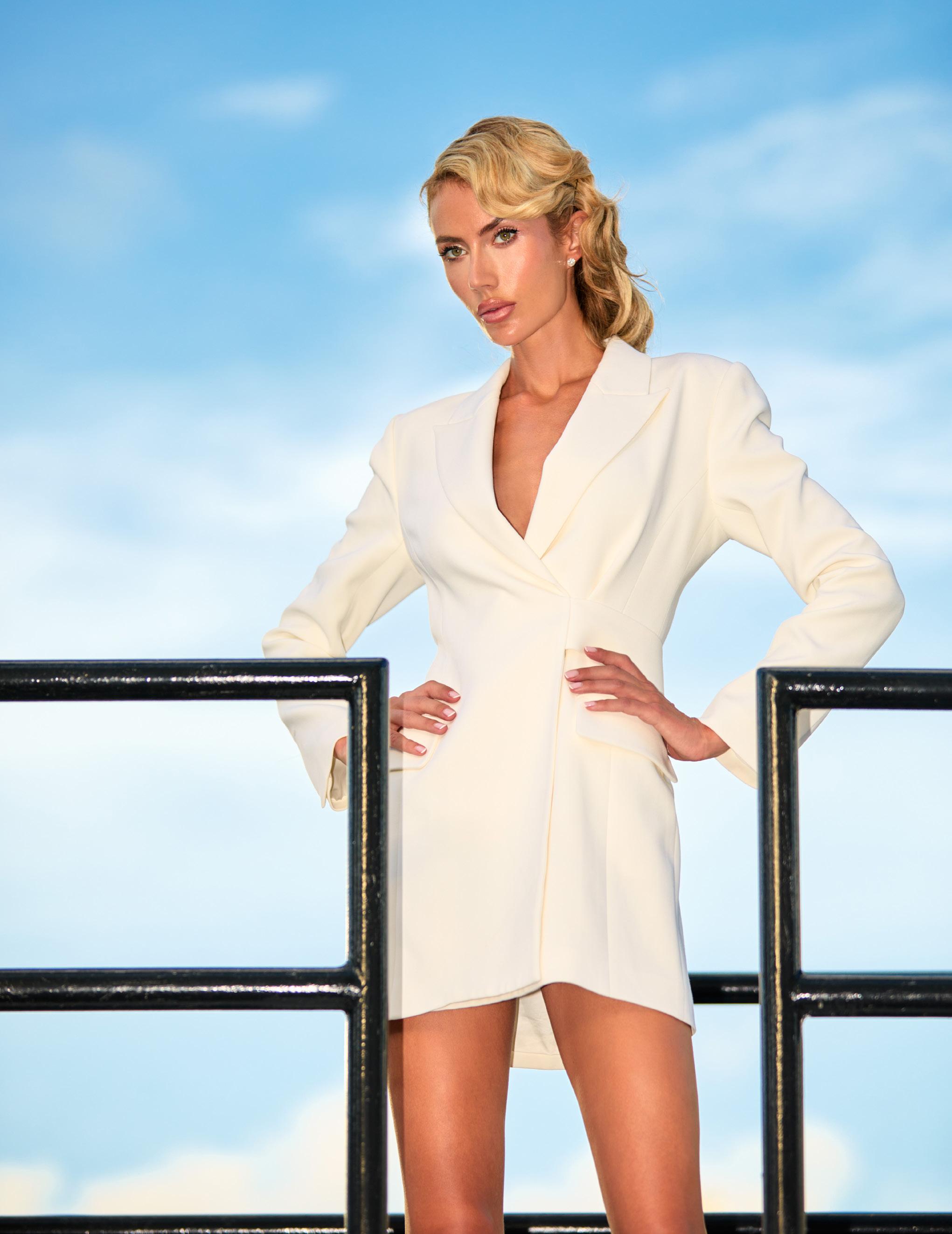
The goal of QP Fashion Magazine is, and always has been, to deliver the very highest quality fashion forward pictorials to the mainstream print magazine audience. When we look to redefine the intersection of high fashion, avantgarde aesthetics, and raw undeniable magnetism, we passionately seek a cover star who can command the room before she even steps in front of the lens. Enter Diana Lysenko . The breathtaking Ukrainian beauty continues her meteoric rise as an elite #HustleBootyTempTats supermodel, bringing a level of sophistication and seduction that firmly establishes her as the "Sexiest Supermodel in the World" .
Captured against the opulent backdrop of Las Vegas , Nevada , Diana ’s spectacular pictorial — featuring striking emerald lingerie draped against a grand piano and commanding red silhouettes —was shot under the highest level of secrecy imaginable in Sin City . To ensure this QP Global Exclusive remained entirely under wraps, the production team had to execute a flawless evasion strategy.
MODEL: DIANA LYSENKO @dialeksss
PHOTOGRAPHER: OSCAR PICAZO @oscarpicazophotographer
Production Coordinator : JENNIFER THOMAS @wrestlejenniferthomas
Senior Digital Content Producer: AJ ABBAS @theajuniverse
Executive Producer : PAUL HEYMAN @paulheyman
LOCATION : LAS VEGAS, NEVADA

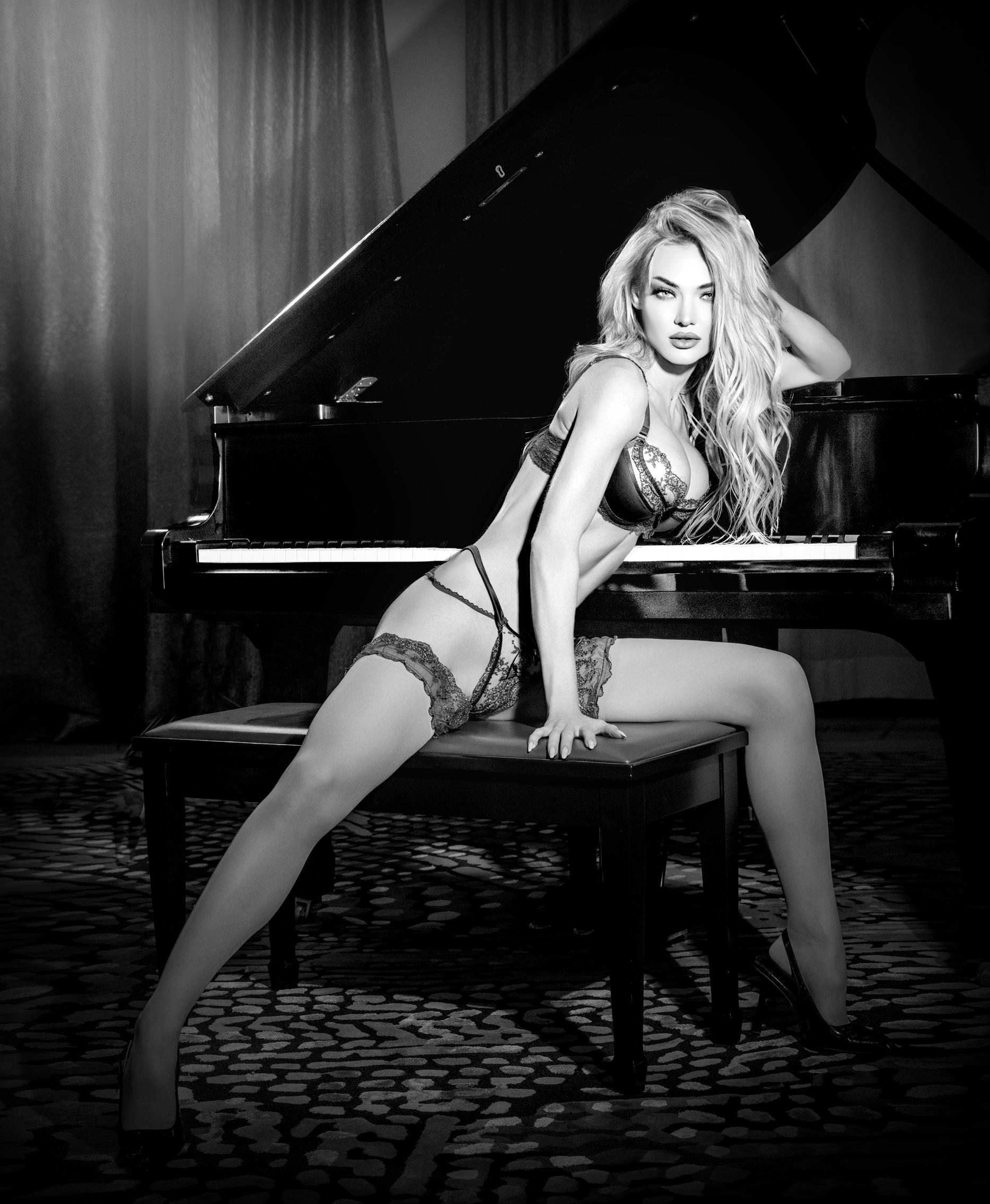
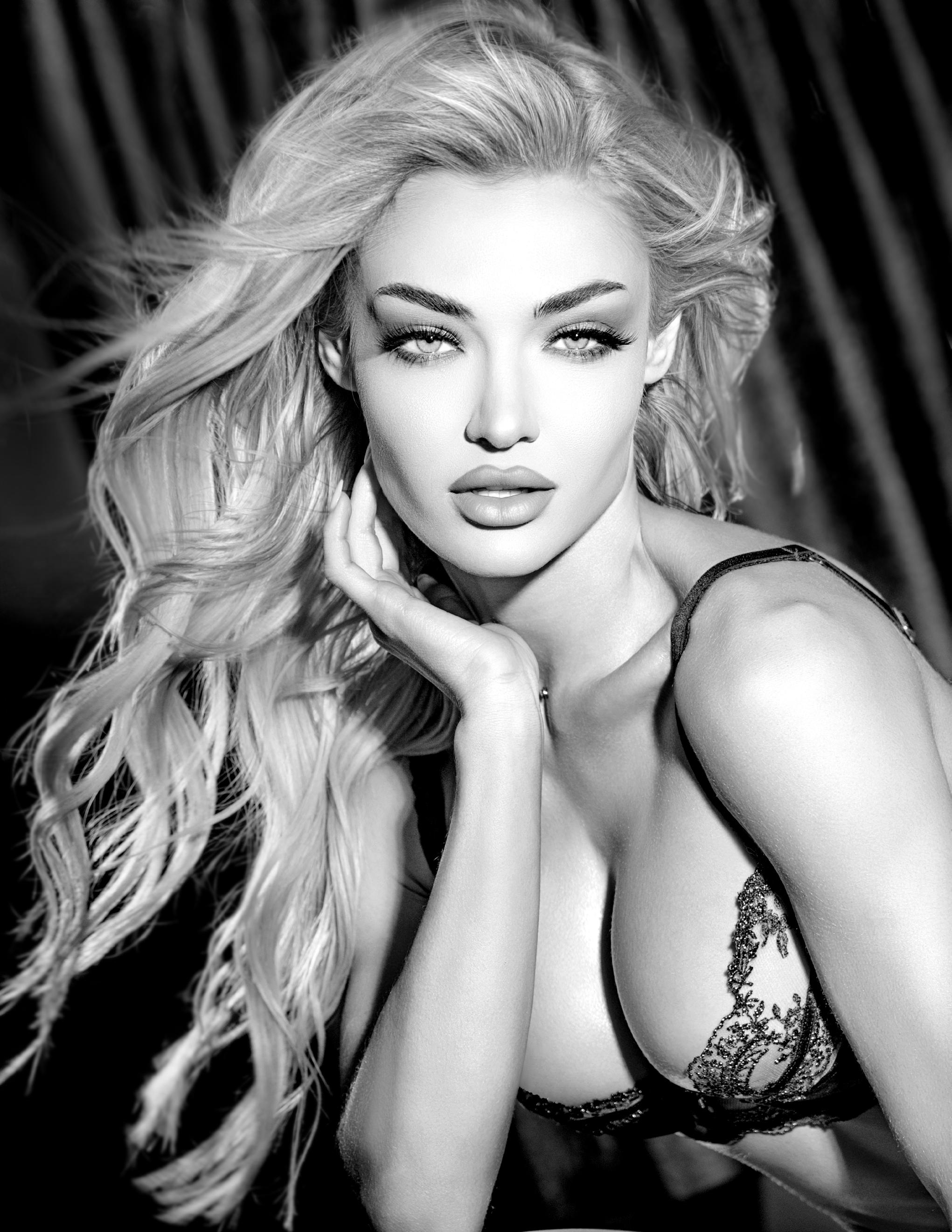

DIANA LYSENKO
“We had to play this cat-and-mouse game with the paparazzi,” revealed Production Coordinator Jennifer Thomas . Rumors had been swirling all week that renowned photographer Oscar Picazo was capturing the HBTT sensation, leading aggressive paparazzi to stake out the local FBO (private airport). Unwilling to let anyone spoil the breaking news before the feature dropped, Diana opted to bypass the airport entirely, taking a covert SUV ride all the way from Los Angeles to Las Vegas .
The stakes for such secrecy are higher than ever, as Diana takes center stage in the Great Supermodel Wars of 2026. The #HustleBootyTempTats movement has evolved into an unstoppable "anti-influencer influencer brand," completely disrupting the traditional modeling world. Currently, HBTT is taking on legacy fashion institutions like Victoria’s Secret , Paul Marciano’s Guess , and the Sports Illustrated Swimsuit edition in a fierce race for the number one position atop all analytics and metrics monitoring the supermodel genre.
The visionary mastermind behind this modeling revolution is none other than Executive Producer and multi-industry disruptor Paul Heyman . Known globally as the WWE Hall of Famer and “ Wiseman ” who dominates Monday nights worldwide on Netflix , Heyman has a proven track record of amplifying the biggest names in sports entertainment. From "The Tribal Chief" Roman Reigns , "The Beast Incarnate" Brock Lesnar , and "The Best in the World" CM Punk , to future WrestleMania main-eventers like Logan Paul , Bron Breakker , Bronson Reed and Austin Theory of " The Vision ," Heyman ’s starmaking formula is unparalleled.
He applies that exact same intense spotlight to his elite agency roster, which includes industry heavyweights like " The World’s Most Beautiful Athlete " Jala Sue , International Runway Sensation Ines Trocchia , " All American Girl " Sara Elizabeth McNally , Las Vegas Billboard Queen Christy Ann Fitness , Brand Ambassador Extraordinaire Sadie Nelson , Musician Extraordinaire Dr. Hannah Nicole and the Beauty of Budapest Borbala Kreutz .
Standing tall among this exclusive sisterhood, Diana Lysenko brings an unmatched aura to QP Fashion Magazine . We are honored to showcase a woman who possesses the exact blend of unapologetic ambition and mesmerizing beauty required to lead the modern fashion takeover. Diana Lysenko hasn't just arrived on the scene; she has completely reset the standard. And as her Executive Producer would say—that’s not a prediction, that’s a spoiler!


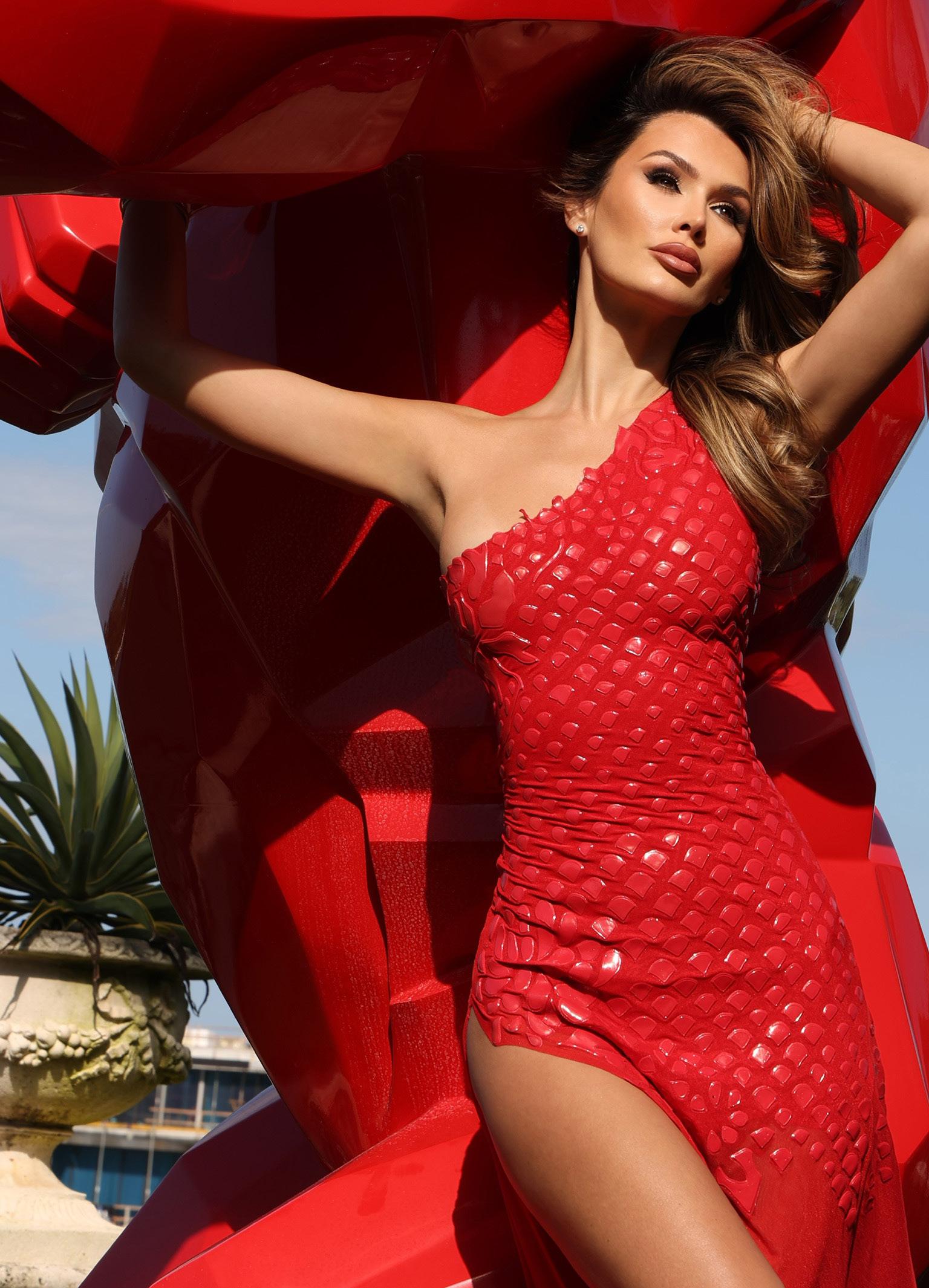
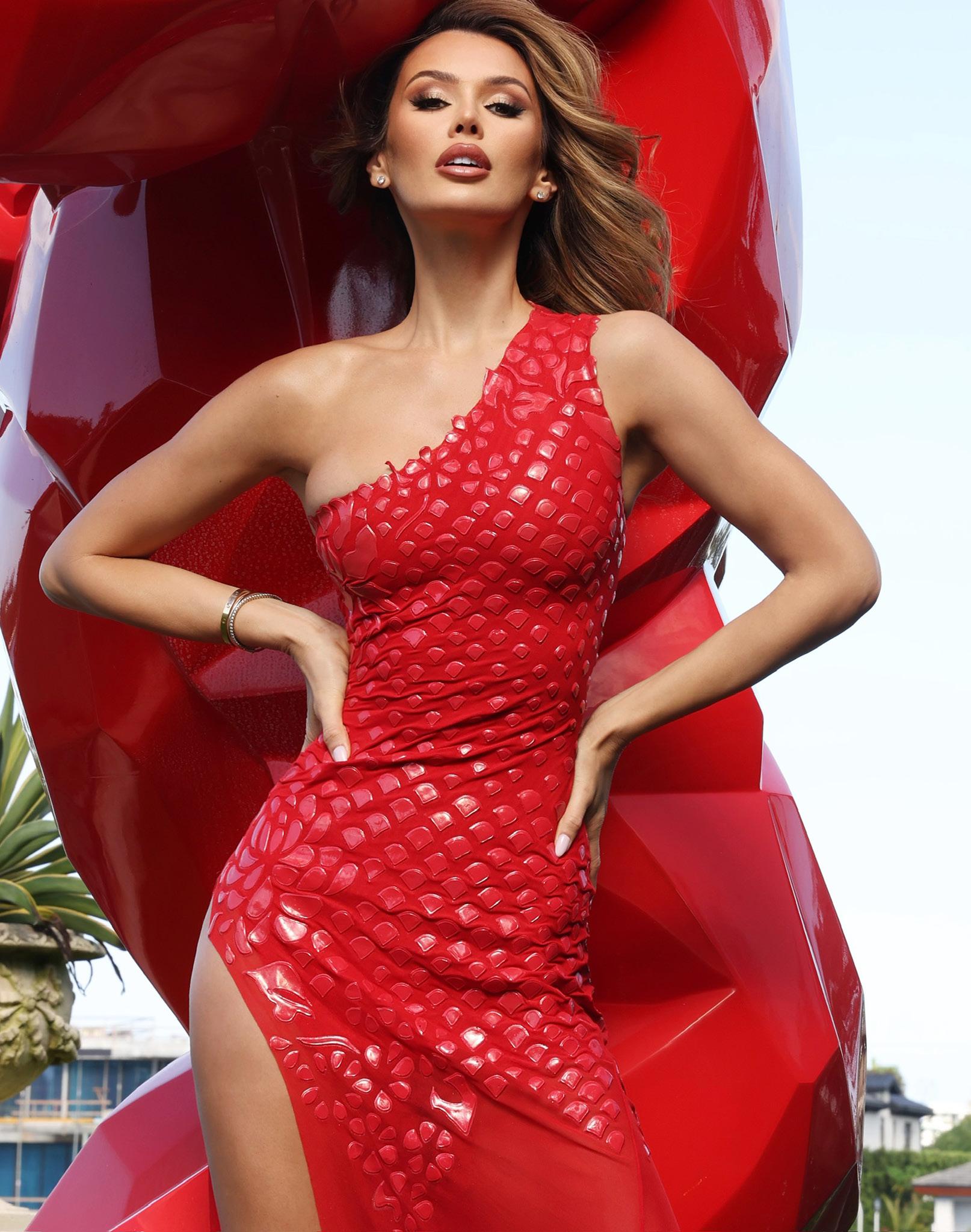
GLAM INSTINCT
PHOTOGRAPHER: FADIL BERISHA @fadilberishaart
MODEL: TIKA CAMAJ @tikacamaj
AGENCY: GENETIC MODELS MANAGEMENT @geneticmodels
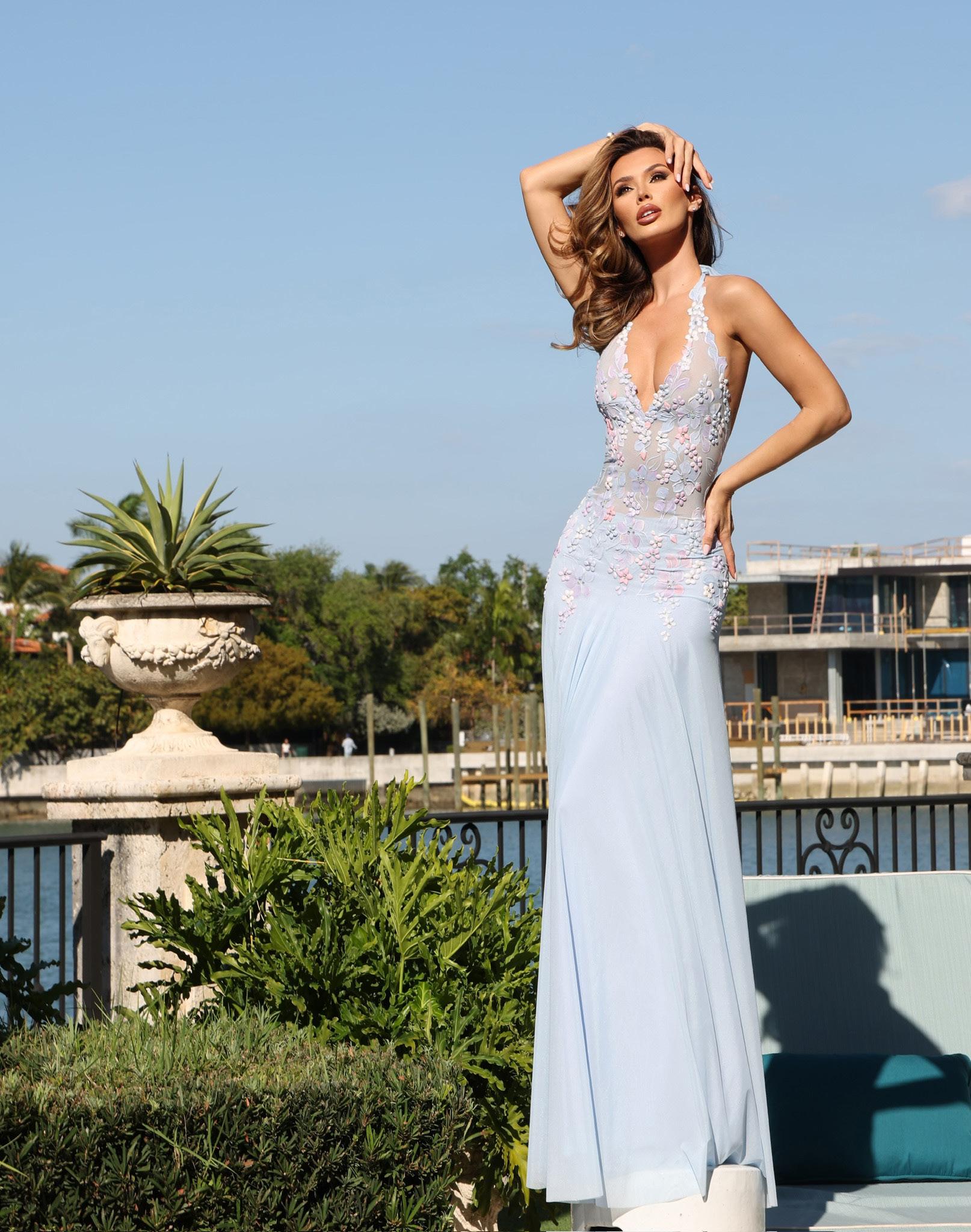
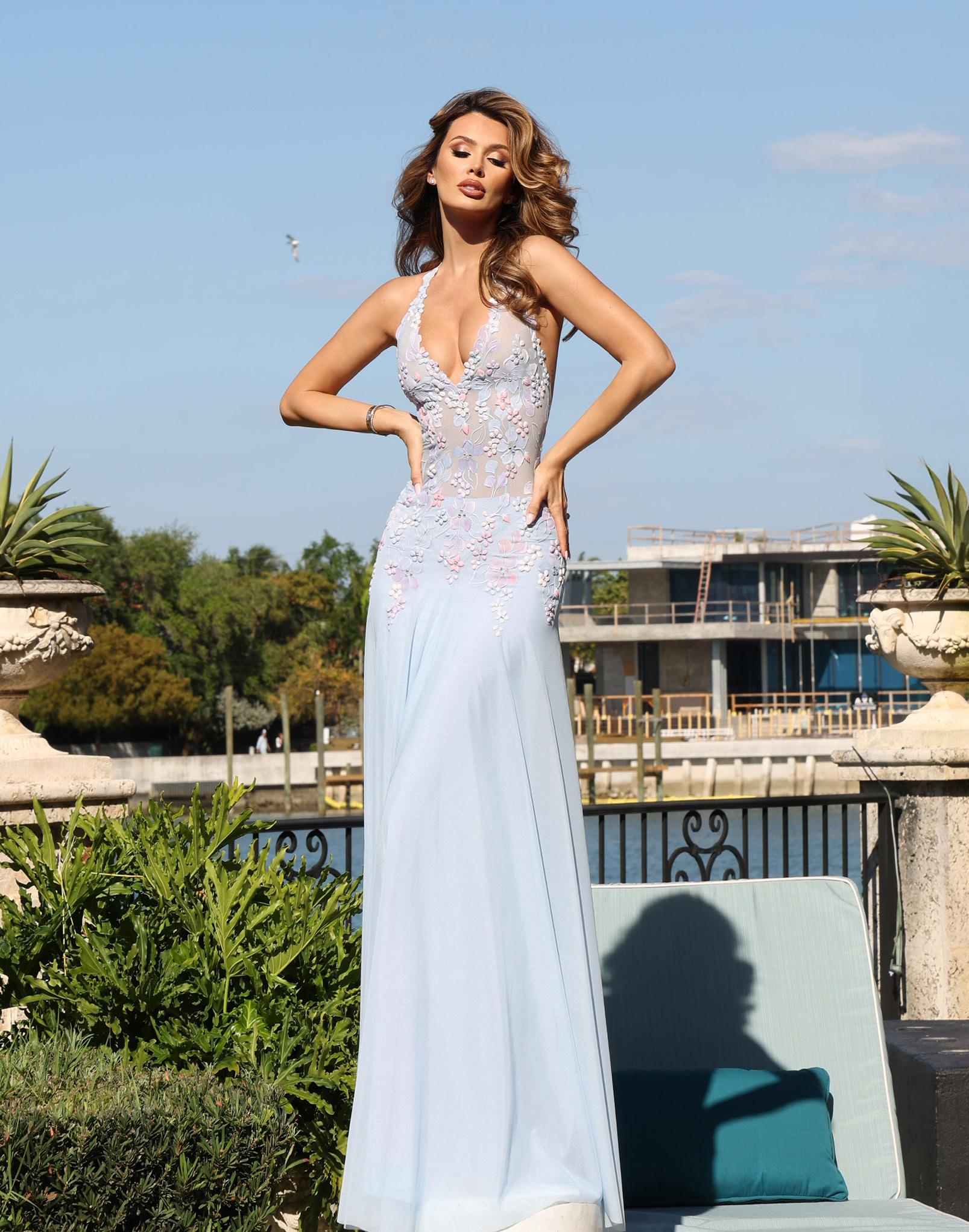
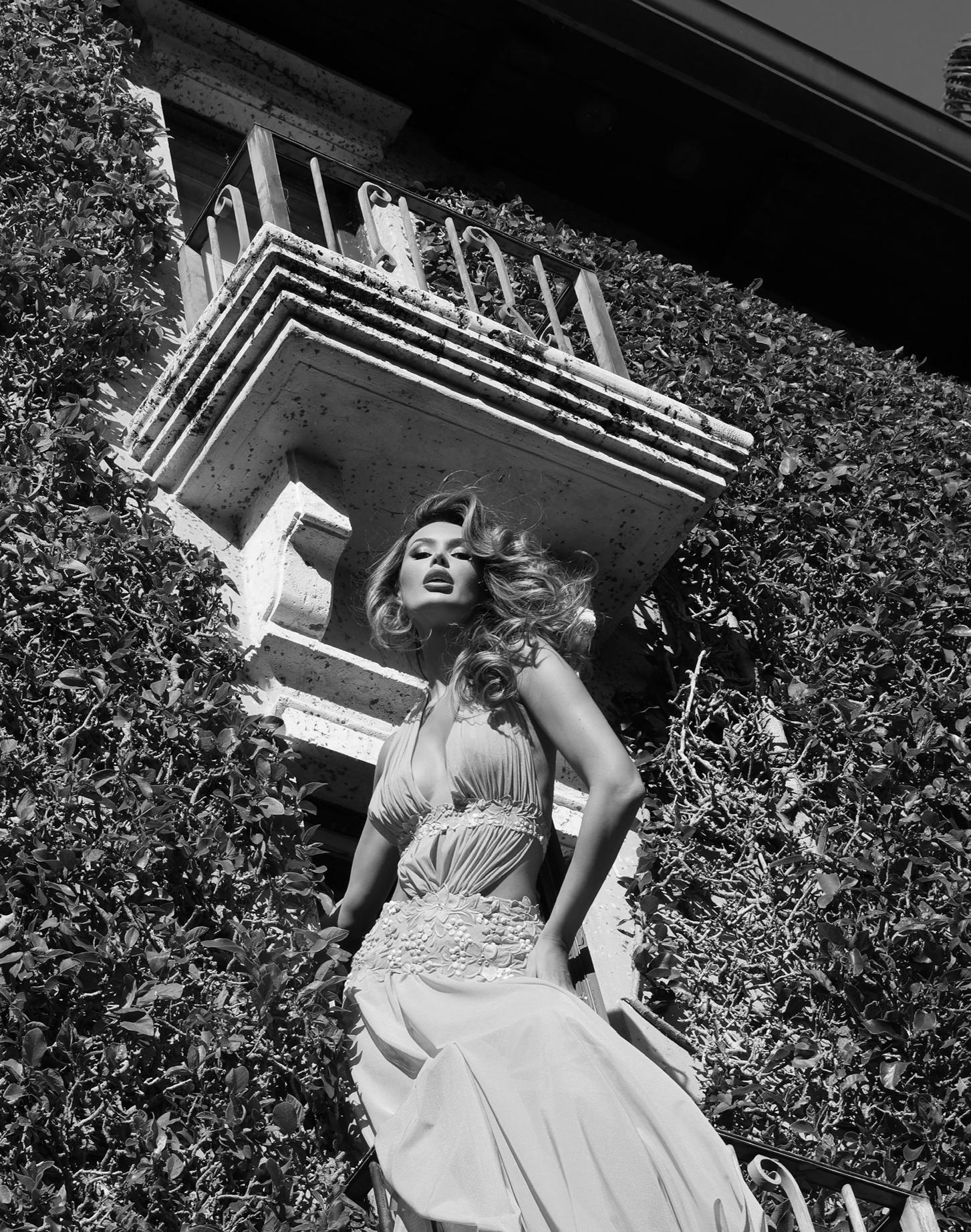
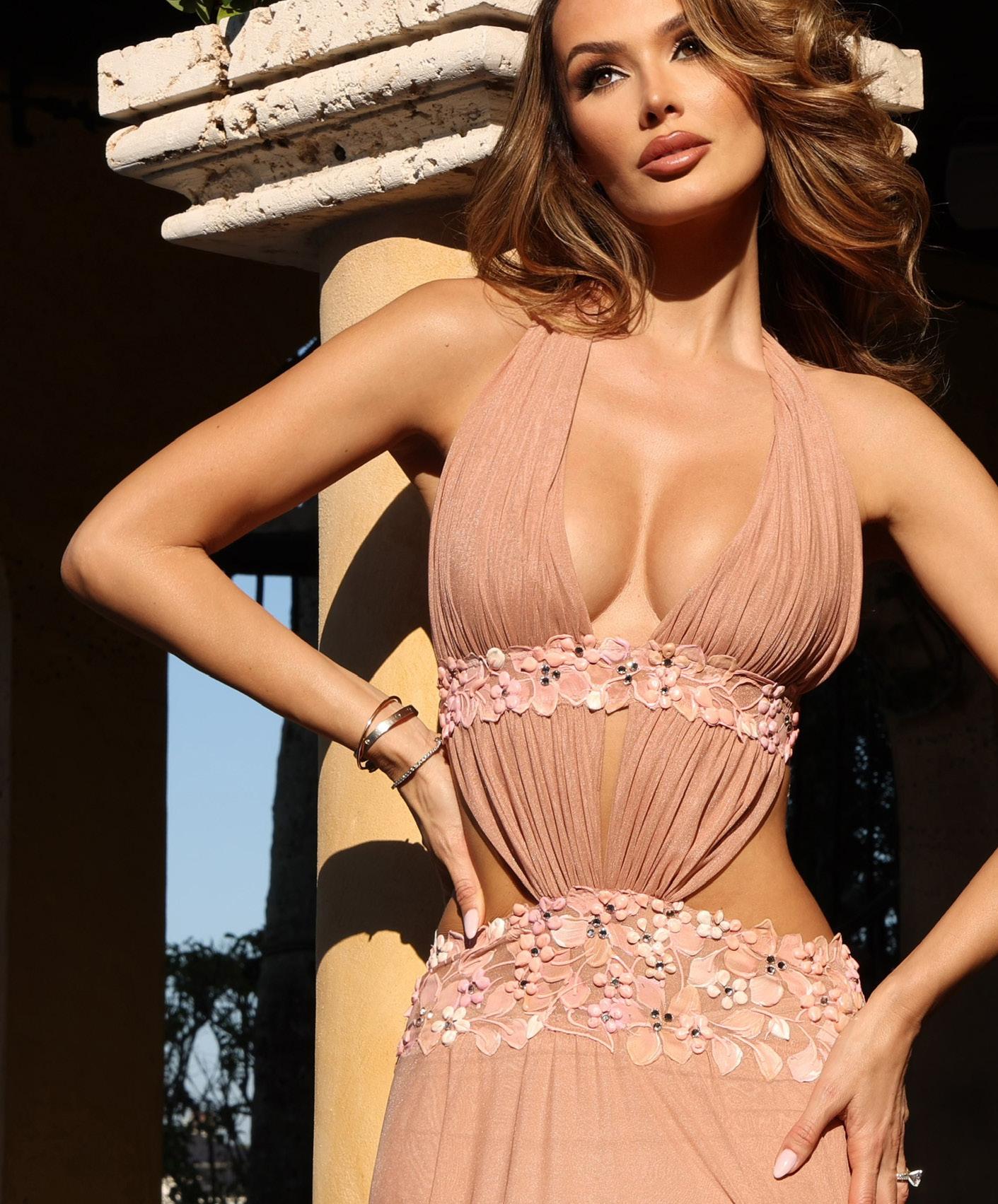
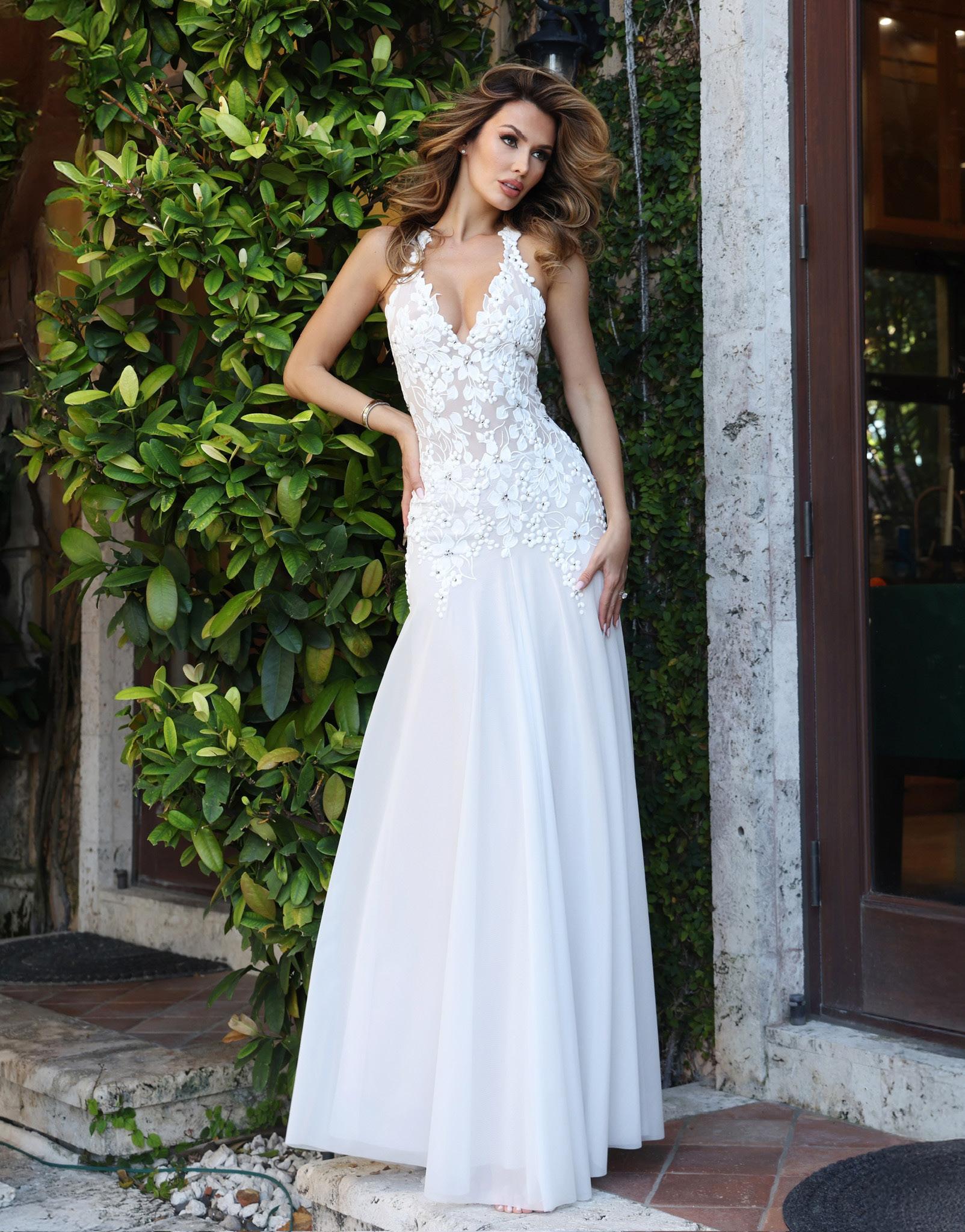
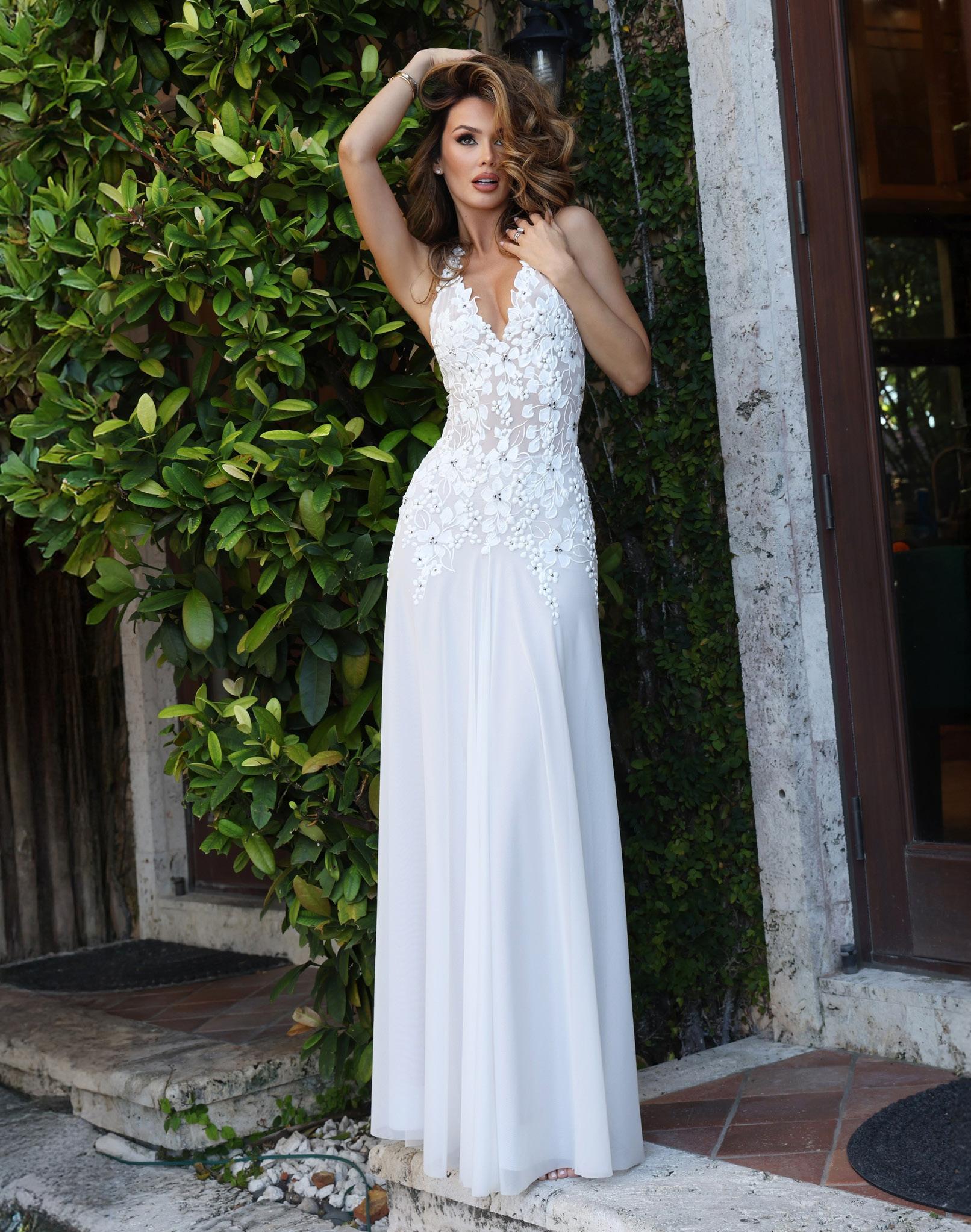
Top & pants
BOBBLES + LACE
BY LINDSAY RANDO
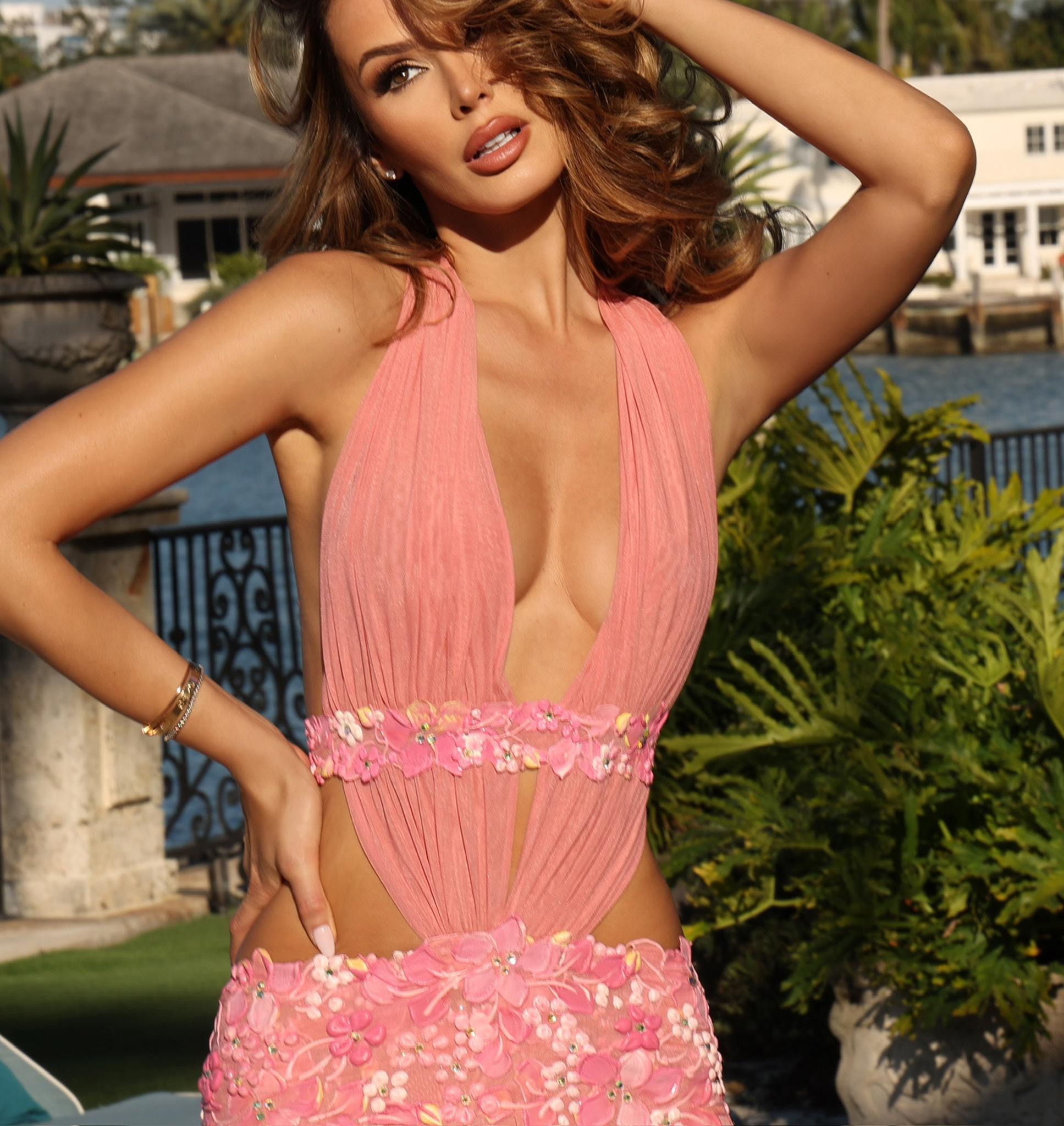
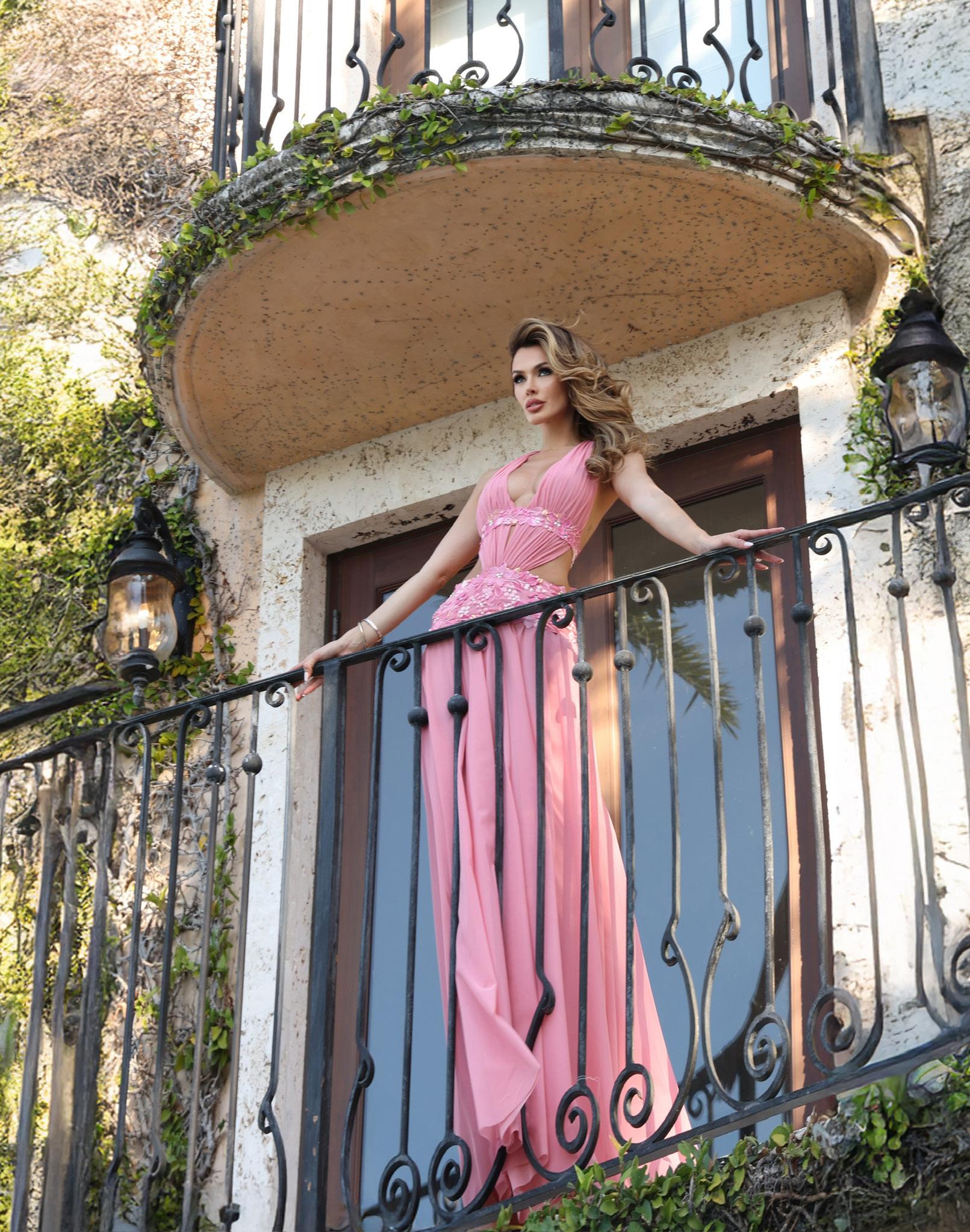
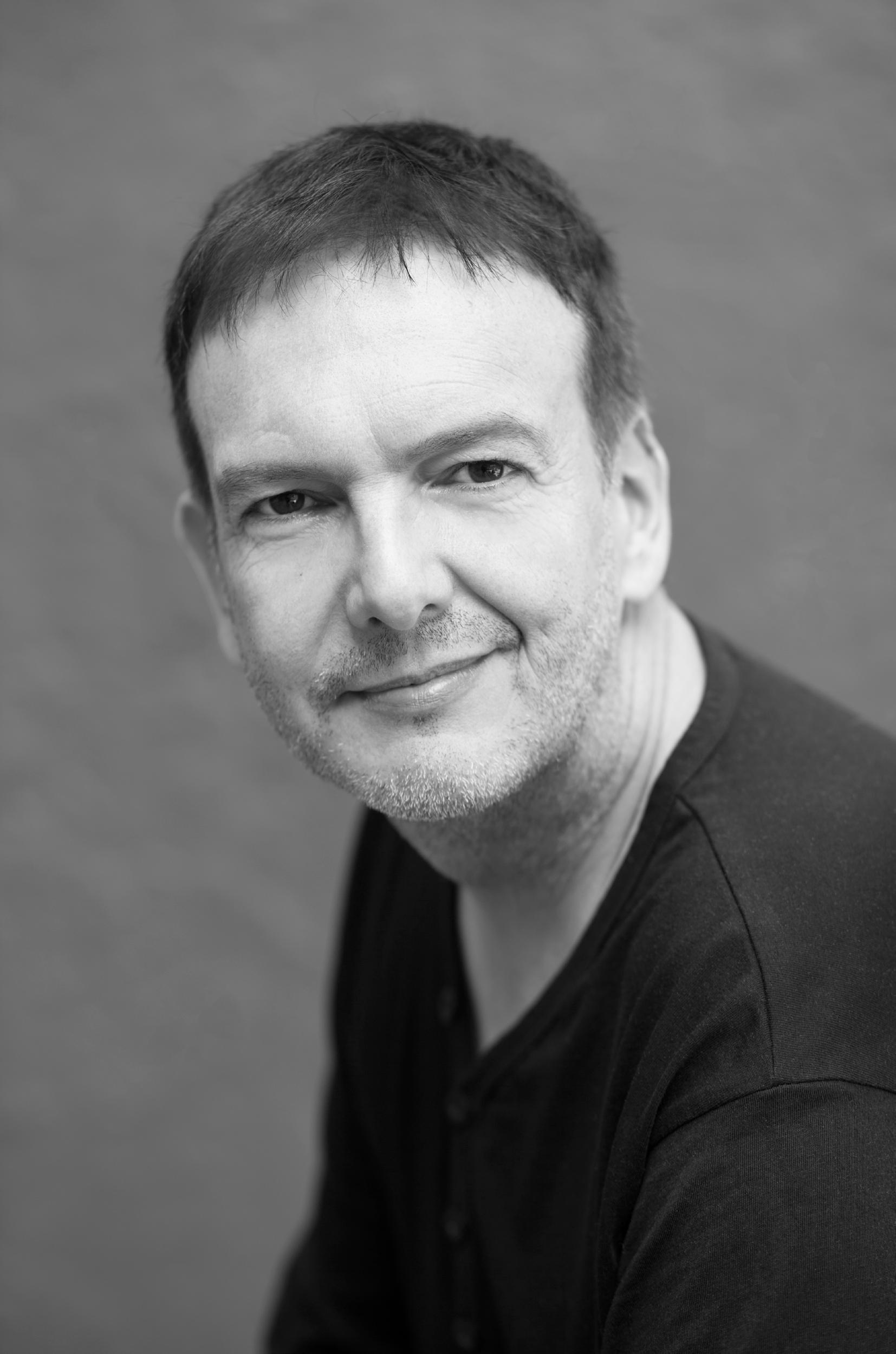
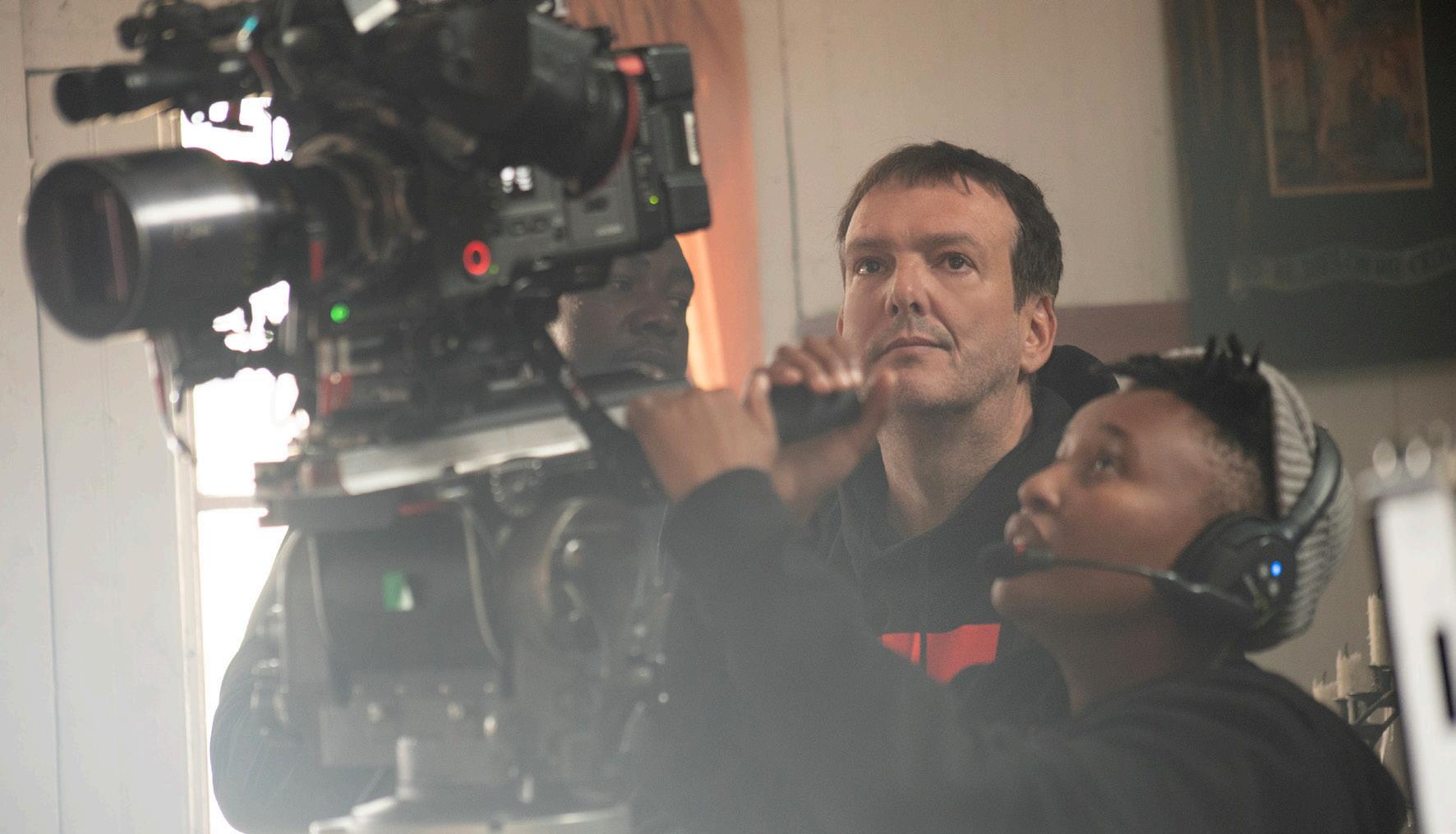
FABIEN MARTORELL FRAMING THE TRUTH
Interview by JOSE-MARIA JIMENEZ
In contemporary cinema, few filmmakers understand the expressive power of the frame quite like Fabien Martorell . A director and cinematographer whose work seamlessly blends striking visual composition with profound emotional storytelling, Martorell has built an international reputation through acclaimed features such as Collision and City of Gold , as well as a series of award-winning short films and documentaries. Whether exploring the moral complexities of crime thrillers or the psychological tension of intimate dramas, every image he creates is meticulously crafted to serve a deeper narrative purpose, proving that true visual beauty is never separated from emotional truth.
In this exclusive conversation with QP , Martorell reflects on his creative process, the influence of South Africa on his filmmaking, the importance of composition as a storytelling language, and his collaborations with actors including Christopher Lloyd , Tobin Bell , and Bonko Khoza . From his passion for mentoring the next generation of filmmakers to his belief that every frame must carry intention, he offers a fascinating glimpse into the mind of a filmmaker who continues to redefine how cinema can move, challenge, and captivate audiences.
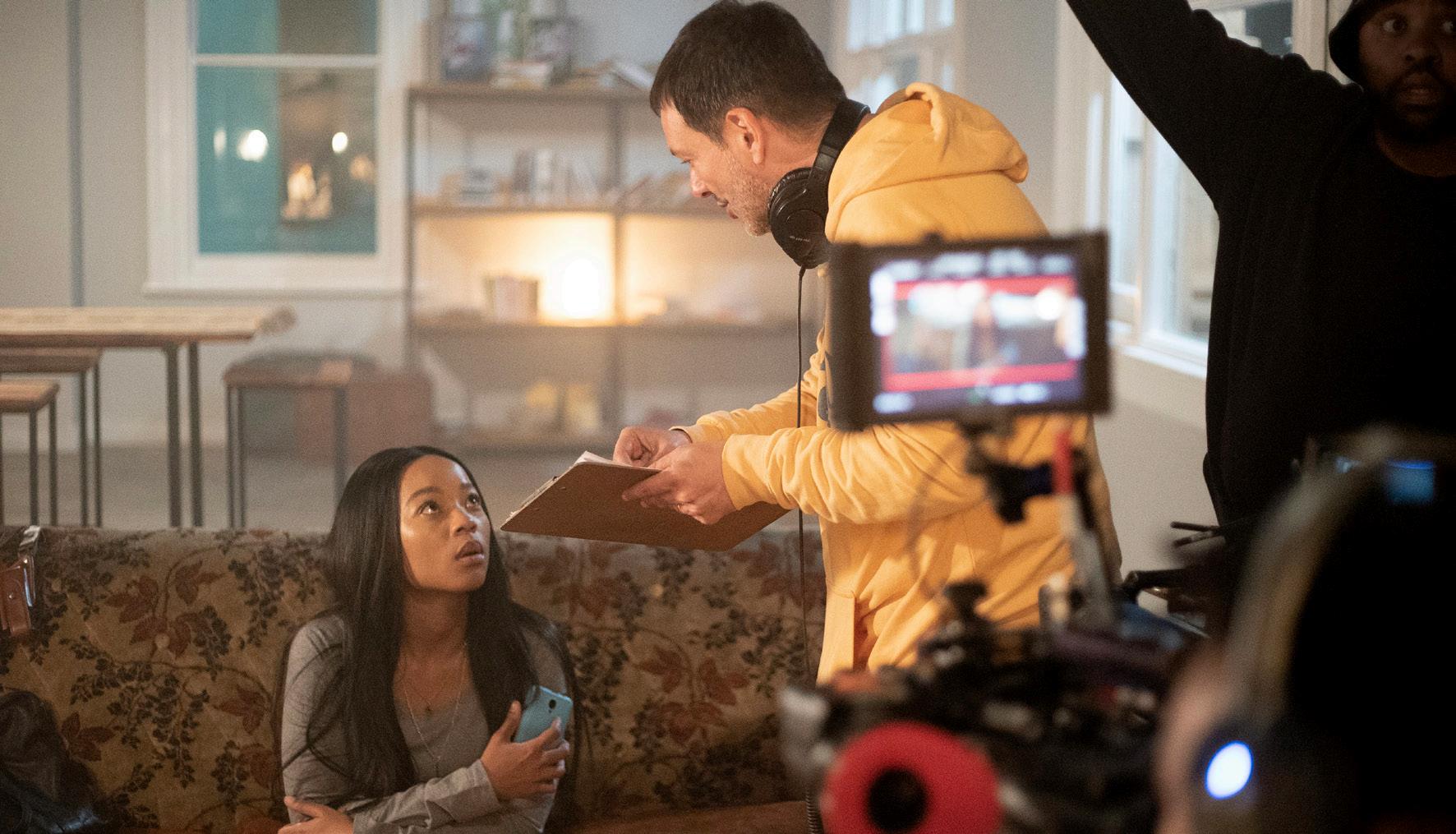
Fabien, you’ve garnered significant recognition for your striking visuals and compositions. How do you balance the visual aesthetic with the emotional narrative in your films?
For me, there’s no hierarchy between visual aesthetic and emotional narrative, they have to be fully connected. But you need to be careful. If the visual aesthetic starts taking over just for style, you create distance, and the audience feels it. The image has to serve the emotion, not replace it, and every visual choice has to have a purpose. I always start with the emotional spine of the story. What are the characters feeling? What do I want the audience to feel in that moment? Only after that do I begin shaping the frame.
In Collision, the visuals, the iron bars, the static frames, the geometry of confinement, weren’t just aesthetic choices. They were built to reflect the characters’ emotional state, trapped by the forces around them. The audience has to feel that pressure too. In City of Gold, as the protagonist’s morality fractures, the visual language shifts with him, so the descent is felt on a deeper level. The way I keep the balance is simple: I constantly ask whether a visual choice adds emotional weight and meaning to the scene, or whether it distracts. If it distracts, I cut it. The image should make you feel something or tell you something, not just look impressive.
frame can carry something larger than the plot itself.
Your previous film, Collision, was incredibly successful and received critical praise in South Africa and in the world. How did the country’s socio-political landscape influence the film’s narrative and visual style?
“I always start with the emotional spine of the story.”
Your films often deal with intense, highstakes situations. What draws you to thriller, crime, and action genres?
I’ve always been drawn to genre films. They give you a clear structure and a direct, visceral way to engage the audience. But inside that framework, you can dig into complex themes, identity, morality, corruption, freedom. With Collision and City of Gold, I was very aware of using genre to tell layered stories, to explore what’s happening under the surface of the action. These genres give me the tools to make films that are visually strong and emotionally grounded, where each
The socio-political reality of South Africa wasn’t just an influence on Collision , it was the film’s DNA. You can’t shoot in Johannesburg and ignore the invisible architecture around every frame, the history, the residue of apartheid. My approach was to absorb that reality, not impose an outside gaze, but to listen, observe, and let the city and its people shape the film’s visual language. Johannesburg became a character on its own, claustrophobic, wounded, defiant. The way we framed people behind fences and bars wasn’t just stylistic; it reflected a place where freedom feels restricted, sometimes subtly, sometimes not. The characters were built as a clash of generations, ideologies, and personal histories, and visually the film needed to echo that sense of physical and emotional confinement. But inside that rigidity, there are moments of connection, moments where the pressure breaks through, because life never stays neatly contained. I worked closely with the actors to keep everything grounded and avoid stereotypes, to lean into moral ambiguity instead.
Collision wasn’t made to provide answers. It raises questions and leaves them open. And maybe that’s why it resonates beyond South Africa , because every society is dealing with its own collisions.
Many of your short films have been wellreceived at prestigious festivals. Do you approach your shorts differently than your feature films in terms of pacing, storytelling, or character development?
Yes, absolutely. A short film isn’t a miniature feature, it’s its own discipline with its own rigour. You don’t have the luxury of slowly revealing a world. I approach my shorts as slices of life, one decisive moment that exposes who a character really is. The preparation is extremely
precise. I work closely with the actors to build an unseen backstory so that every gesture, every look, carries weight. And you have to create an emotional world instantly, the audience needs to feel it within seconds. That requires economy, precision, and honesty in what you choose to show and what you leave unsaid.
You’ve worked with a diverse range of actors from Bonko Khoza to Christopher Lloyd and Tobin Bell. What qualities do you look for in actors, and how do you elicit such raw, powerful performances from them?
I’m always looking for something specific in an actor, a truth, a strength, something in their personality that feels right for the character. I’m involved in casting from the very beginning for the main roles, and I always weigh in on the supporting ones too. It’s the only way to keep a coherent tone across all performances.
I’m not a big fan of self-tapes or standard auditions. I usually know instinctively who I want. And I don’t really do traditional rehearsals either. Instead, I spend time talking with the actors, about who their characters are, their backstory, their conscious and unconscious motivations. I storyboard everything and I share the key moments with them during prep, so they understand exactly where we’re going. When actors trust the frame, they can take real risks inside it. That’s where honest, raw performances come out. Structure creates freedom.
Your work in South Africa has been significant, especially in Collision and City of Gold. How do you engage with local culture when making films in foreign settings?
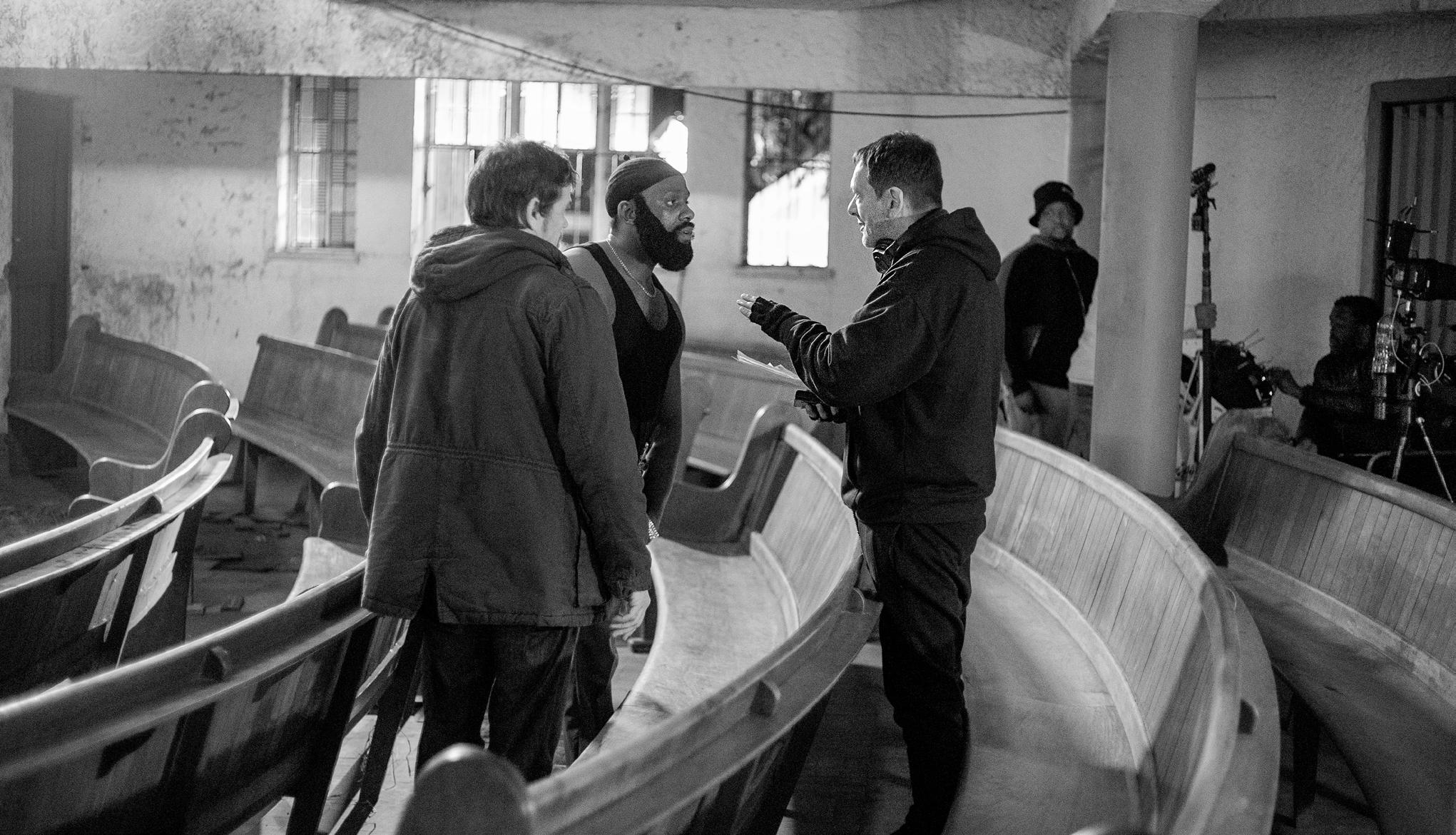
When I work in South Africa , my first responsibility is to listen. I do a lot of research, but the real understanding comes from talking to people, actors, crew, anyone who can help me grasp the culture, the socio-political reality, the emotional texture of the place I’m stepping into. I’m not there to judge or give answers. My job is to observe, absorb, and create a cinematic space where questions can exist, where the audience can think, feel, and sit with the ambiguity.
That’s how Collision and City of Gold were made. I worked closely with the cast and crew
to reach authenticity, not just in language or surface detail, but in emotional truth. You have to be aware of cultural differences without flattening them into clichés. The story never split characters into “good” or “bad.” It showed them as real people, shaped by their strengths and flaws. The point isn’t just to capture a world, but to reflect its contradictions, its wounds, and its hopes, and trust the audience to meet you halfway. That takes humility and curiosity.
You’re heavily involved in film education and cultural initiatives like Création Africa. Why is it important to you to mentor the next generation of filmmakers, especially in Africa?
I’ve always felt it’s important to pass on what you’ve learned. South Africa trusted me, I was able to direct two films there, and that trust matters. It's important to give back. And Africa has a young generation that’s curious, ambitious, and hungry to understand the craft. But I’m not limiting myself to Africa . I’ve also taken part in different programs in France too, as a mentor or speaker, simply by sharing my experience as a filmmaker.
Everything I teach usually comes back to one idea: the frame is a narrative tool. Young filmmakers must understand not just what an image looks like, but what it communicates, how composition, movement, and rhythm create meaning. It’s fundamental for filmmakers to understand how images truly work to craft their own story, and it’s even more important today, when images are constantly manipulated and their meaning can be twisted in a second.
Your films often feature detailed, meticulously crafted visuals. Could you share your process for constructing a shot? How do you decide what makes it into the frame?
For me, everything starts with the emotional spine and the themes, really understanding what the story is about underneath the surface. From there, I build an image system, a visual language that carries the film from start to finish. Once that’s in place, I storyboard the whole film myself. Every shot, every composition, every light choice, the size of the frame, it all has to serve the story. I see each shot like a painting:
“When I work in South Africa, my first responsibility is to listen.”
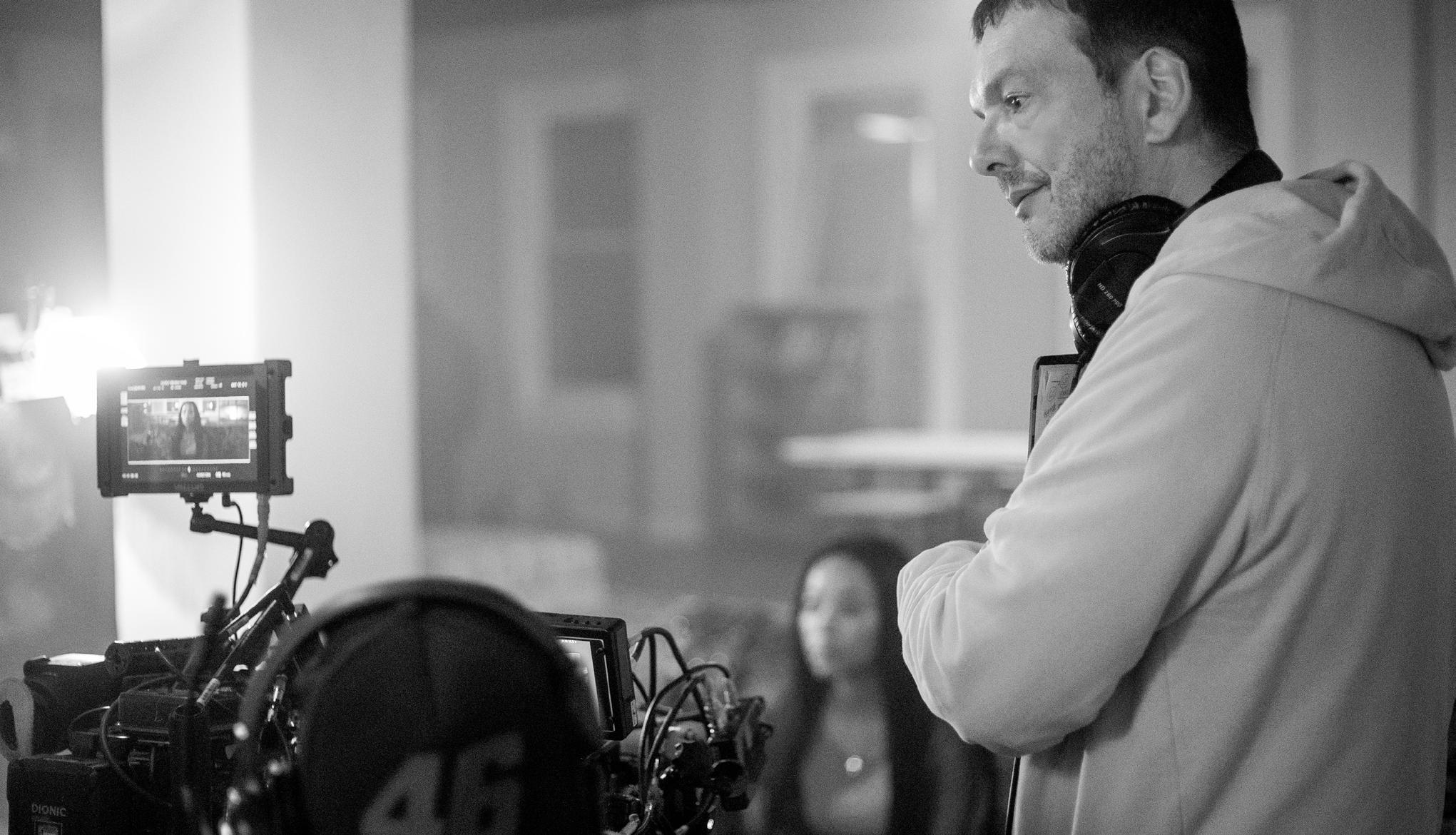
it needs to carry emotion and meaning beyond anything the characters say.
In Collision , as I mentioned earlier, Johannesburg isn’t just a location, it’s a visual metaphor for the characters’ inner states. The iron bars, the fences, the static shots, those choices are there to reflect their tension and sense of being trapped. In City of Gold , every visual choice is tied to the protagonist’s moral fall, how power corrupts, how the city seduces and consumes. The process is demanding, but it has to be. As Fincher says, “If you don’t know what the frame is doing, you don’t know what the movie is doing.” Each frame has to carry intention.
What role does music play in your films, especially in high-tension sequences? How do you approach the sound design to match the visual intensity?
Music and sound design are narrative tools for me. I treat them with the same rigour as the image. I start working with my composer, Sacha Chaban , well before shooting, talking through the themes underneath the story. The music has to grow out of the world of the film, not sit on top of it. And in post, I work closely with my sound designer and mixer. We build a sound language that connects with the themes,
the characters’ emotions, and the tension of the story.
In Collision , I used the sound of a gunshot hidden under the noise of closing drawers or doors, a subliminal way to bring in urgency and danger. In City of Gold , I used a fractured bell to echo the protagonist’s relationship with his father and with religion. The goal is never flashy effects, but sounds that quietly reinforce the emotional structure of the film.
Given your vast body of work, from feature films to short films and documentaries, how do you choose what stories to tell next? What drives your decision-making process?
Like most filmmakers, I have personal projects, stories I’ve carried for years, waiting for the right moment. But some projects simply come to me. What matters is the originality of the story and whether it connects with something I believe in, something I feel I can push further while staying true to who I am as a filmmaker. The industry keeps shifting, streamers, AI, new uncertainties, new possibilities, but I try to focus on what doesn’t change: cinema is about human experience, about emotional truth. I choose stories that force me to look deeper, and that I hope will push the audience to do the same.
Your film Unbelief was a gripping dramathriller. Can you talk about how you approach the construction of suspense and tension in your films?
I think tension has to build step by step. If you reveal too much too early, the audience stops feeling anything, and the big tension beats later lose their power. You need escalation. I’m very aware of what I show and what I hold back. Sometimes suggestion creates more pressure than showing the action itself. The unseen, the hinted, those things activate the imagination in a way images can’t always match.
In Unbelief , for instance, most of the suspense came from the light, from the unsaid, from the silences, from the characters’ gestures, from what was underneath the dialogue. I approach suspense like rhythm: you need to know when to hold, when to release, when to mislead, and
when to hit. Tension often sits in what you leave unsaid, in what stays just outside the frame. You have to trust the audience to lean in, that’s where real suspense is.
You’ve spoken about the importance of film history in shaping your work. Are there any specific films or filmmakers that you view as pivotal to your development as a director?
Yes, definitely. A lot of filmmakers have shaped how I see cinema: Kurosawa, Hitchcock, Lang, Fincher, and others. What links them, for me, is their obsession with detail and their belief that composition is a narrative tool. A shot communicates through its lines, its scale, its light, its movement, and through the way it connects to the next shot. Even the cut is a narrative act. I’m drawn to that precise, almost architectural way of working, where the visual language carries as much meaning as the dialogue.
“Like most filmmakers, I have personal projects, stories I’ve carried for years, waiting for the right moment.”
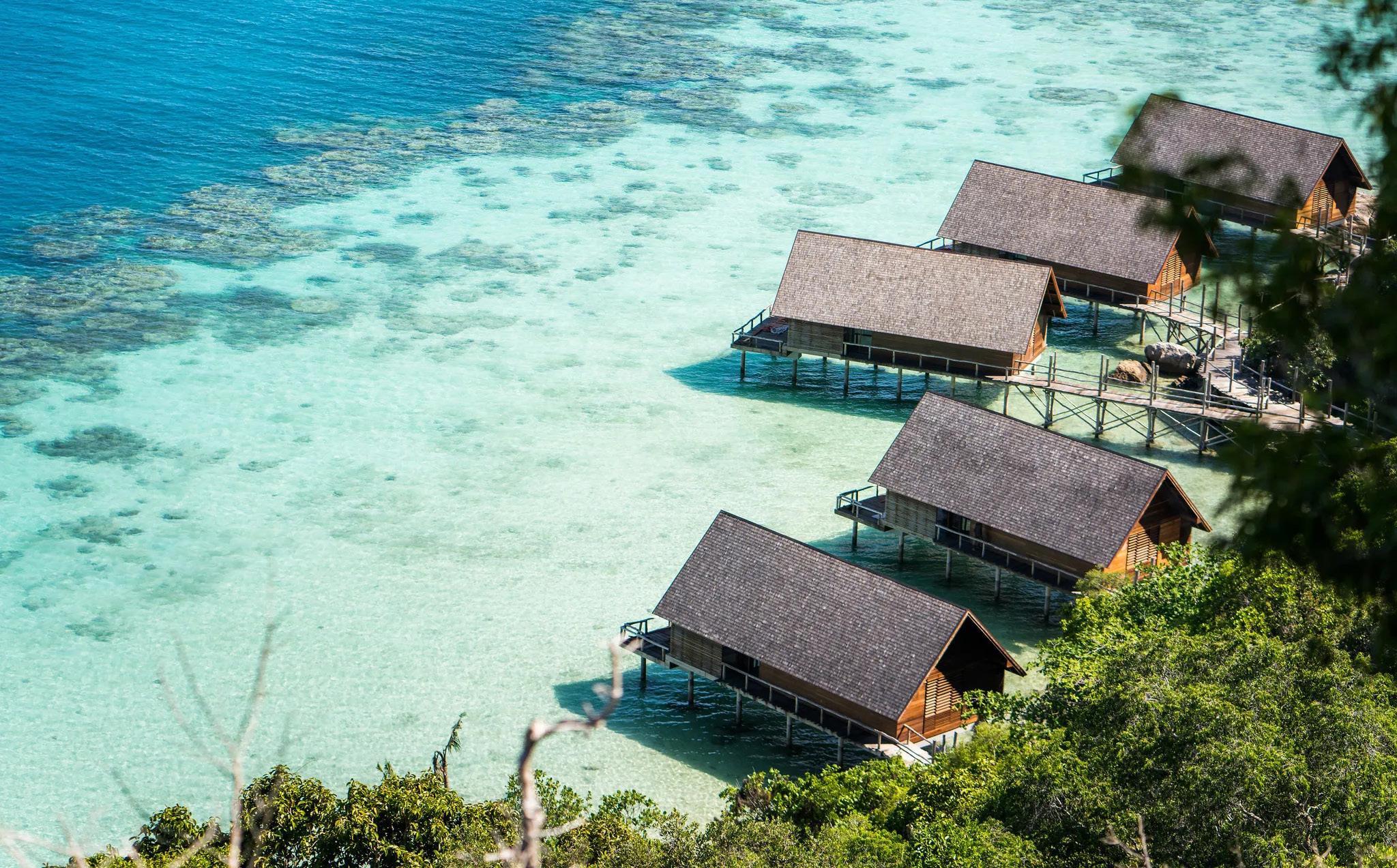
BAWAH RESERVE, INDONESIA THE LAST GREAT ESCAPE IN SOUTHEAST ASIA
In an age where true seclusion has become one of luxury's rarest commodities, Bawah Reserve offers something increasingly difficult to find: an untouched paradise where nature remains the main attraction. Hidden within I ndonesia 's remote Anambas Archipelago , halfway between Singapore and Borneo , this extraordinary private retreat spans six pristine tropical islands surrounded by three crystal-clear lagoons and some of the most spectacular coral reefs in Southeast Asia .
Accessible only by private seaplane following a ferry transfer from Singapore, arriving at Bawah Reserve feels like discovering a secret destination few travelers have ever experienced. The journey itself becomes part of the adventure, transporting guests from the bustle of one of Asia's busiest cities to an environment where the only soundtrack is the gentle rhythm of the ocean, the rustle of palm trees, and the songs of tropical birds.
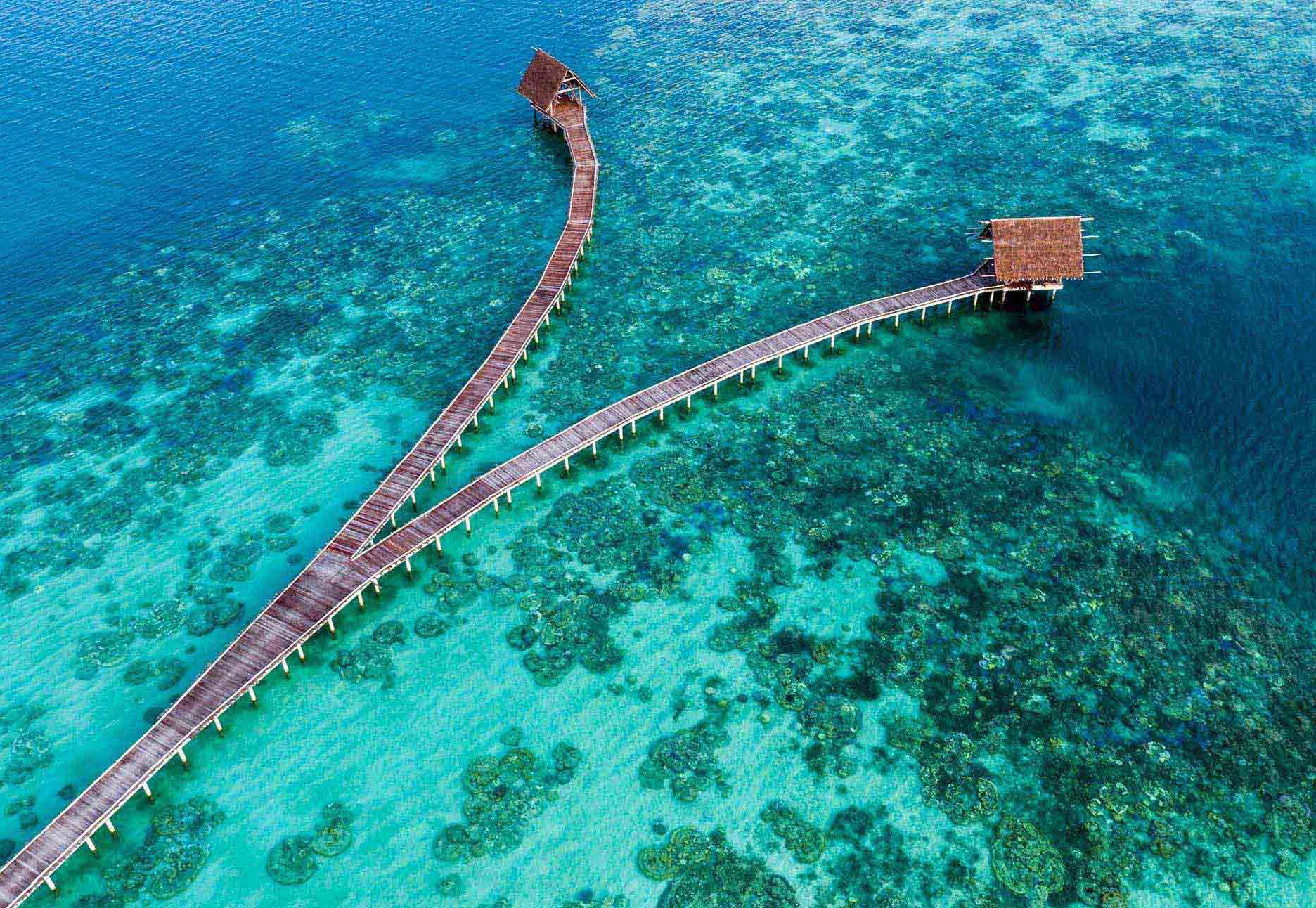
What immediately distinguishes Bawah Reserve is its remarkable commitment to conservation. More than simply a luxury resort, it was designed around the philosophy that tourism should preserve rather than transform the surrounding environment. Every structure has been carefully integrated into the landscape using sustainably sourced bamboo, reclaimed tropical hardwoods, natural stone, and traditional Indonesian craftsmanship. Elevated walkways wind discreetly through lush rainforest, connecting villas without disturbing the fragile ecosystem below, while renewable energy, responsible water management, and marine conservation programs reinforce the resort's dedication to protecting this extraordinary corner of Indonesia.
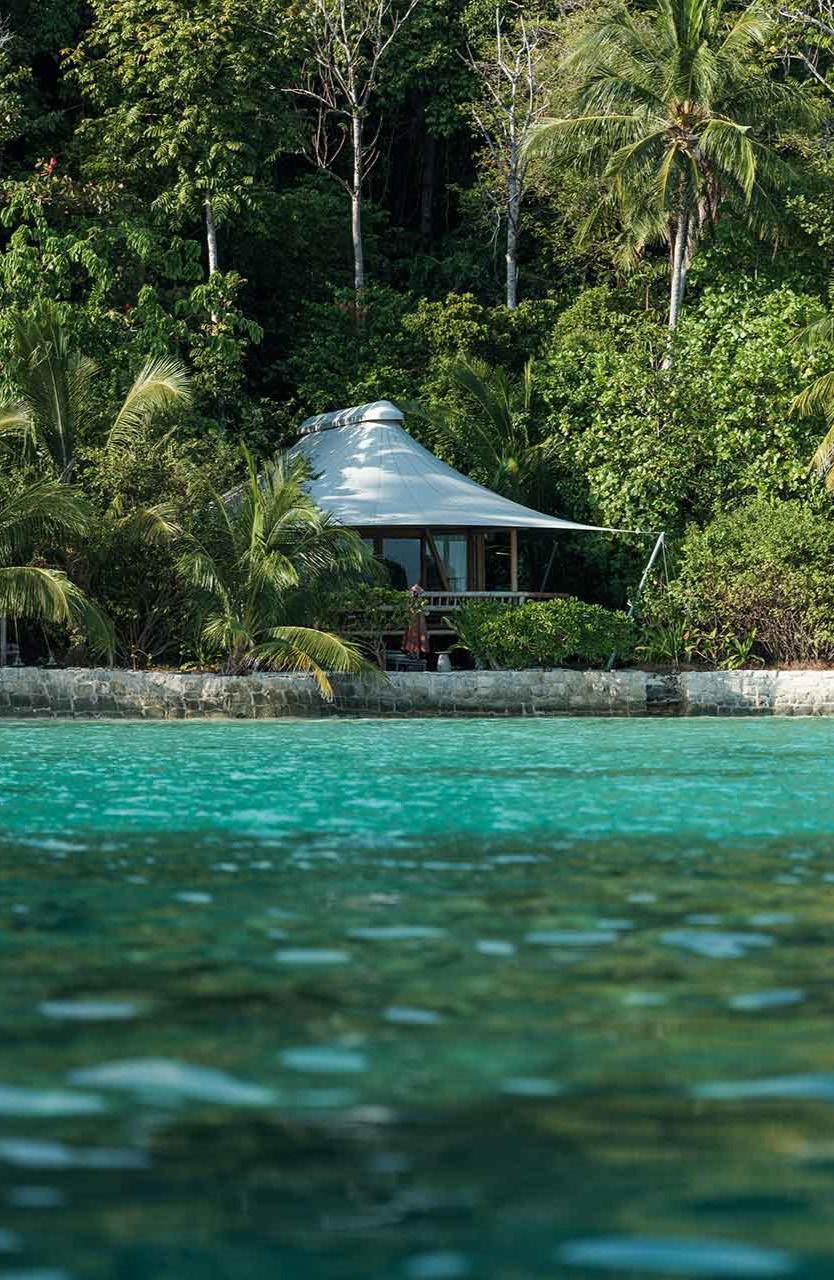
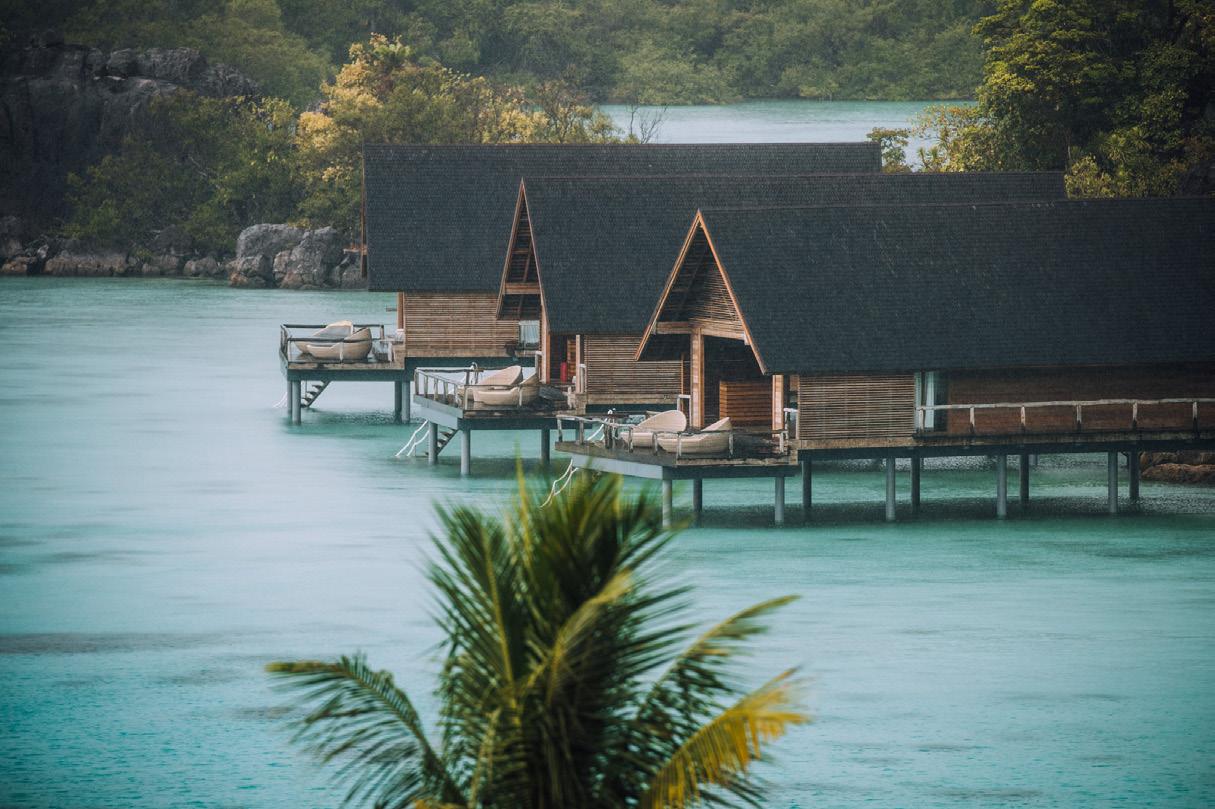
Accommodation embraces the concept of barefoot luxury at its finest. Guests may choose between elegant overwater bungalows suspended above shimmering turquoise lagoons, beachfront suites opening directly onto powder-soft white sand, or secluded jungle lodges nestled within dense tropical vegetation. Spacious interiors combine handcrafted Indonesian furnishings, organic textures, contemporary comforts, and floor-toceiling openings that invite sea breezes and uninterrupted panoramic views into every room. Privacy is absolute, allowing visitors to disconnect entirely from everyday life.
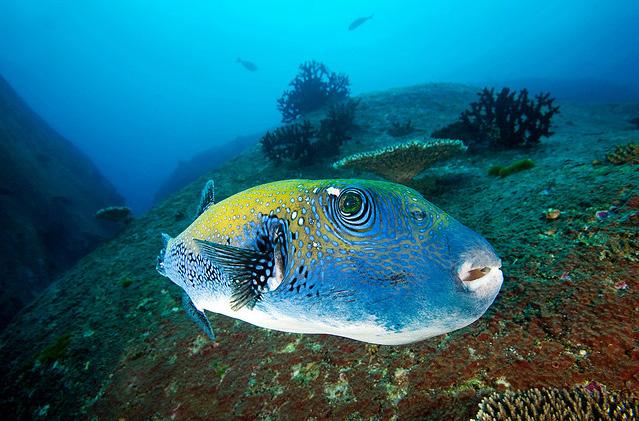
The surrounding marine environment is equally breathtaking. Located within one of the world's richest coral ecosystems, Bawah Reserve offers exceptional snorkeling and diving opportunities among vibrant reefs inhabited by sea turtles, reef sharks, rays, clownfish, and hundreds of colorful tropical species. Kayaking through calm lagoons, paddleboarding across crystal-clear waters, sailing at sunset, and guided hikes through untouched rainforest reveal the extraordinary biodiversity that makes the Anambas Islands one of Southeast Asia's best-kept secrets.
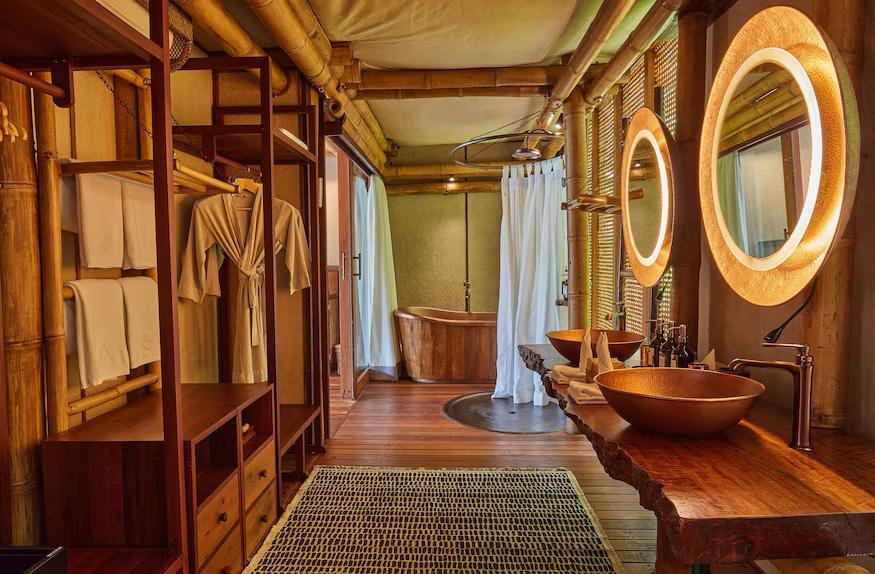
Dining celebrates Indonesia's rich culinary heritage while incorporating international influences and sustainably sourced ingredients. Fresh seafood, organic vegetables harvested from the resort's own gardens, tropical fruits, and locally inspired spices define seasonal menus served in spectacular waterfront settings. Whether enjoying breakfast beside the lagoon, a private picnic on a deserted beach, or candlelit dinners beneath a canopy of stars, gastronomy becomes an integral part of the journey.
Wellness is deeply woven into the Bawah experience. The resort's spa occupies secluded treatment pavilions overlooking the ocean, where locally inspired therapies, holistic massages, meditation sessions, and daily yoga classes embrace the calming influence of the surrounding landscape. Rather than emphasizing extravagance, every experience encourages guests to reconnect with nature, restore balance, and slow the pace of modern life.
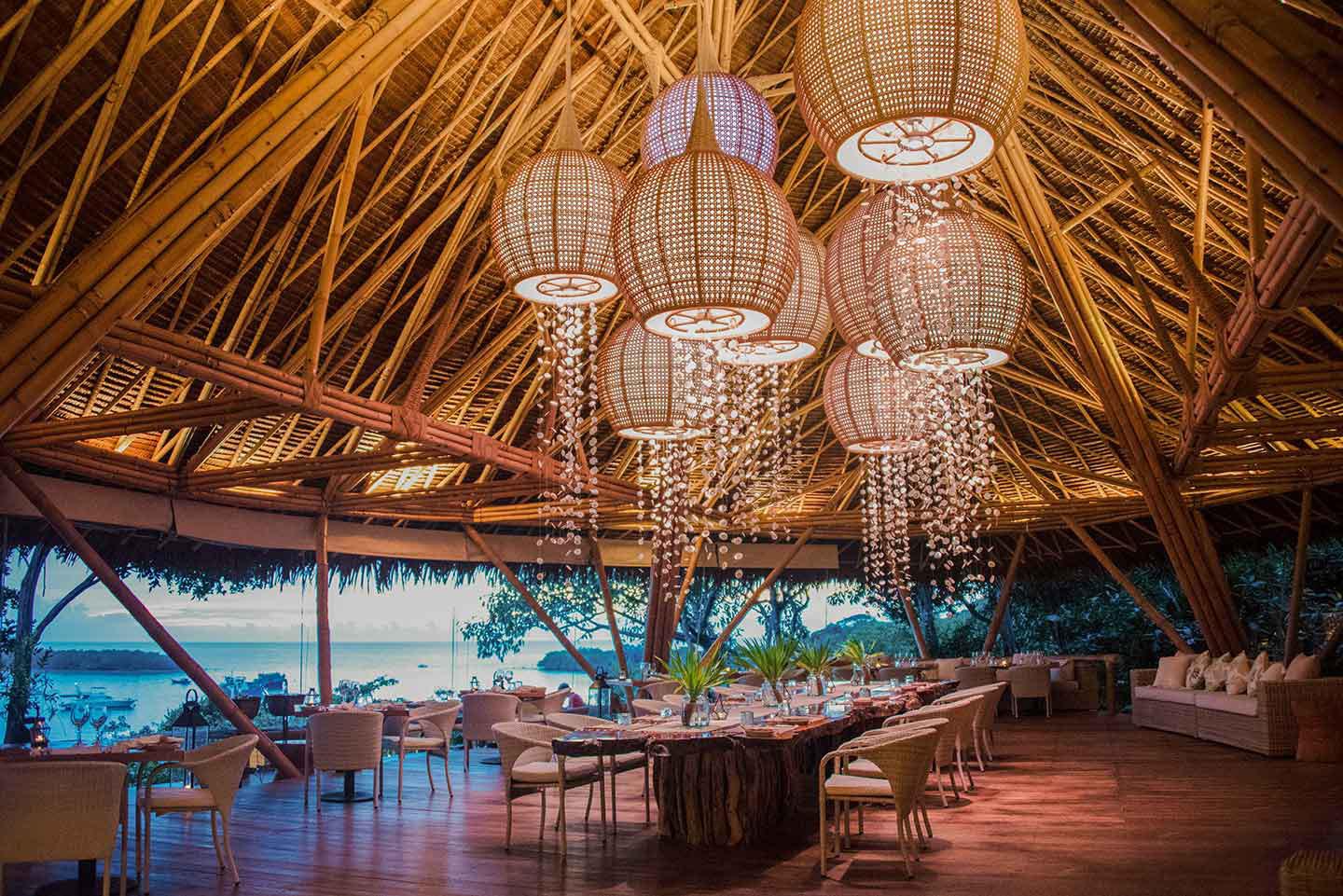
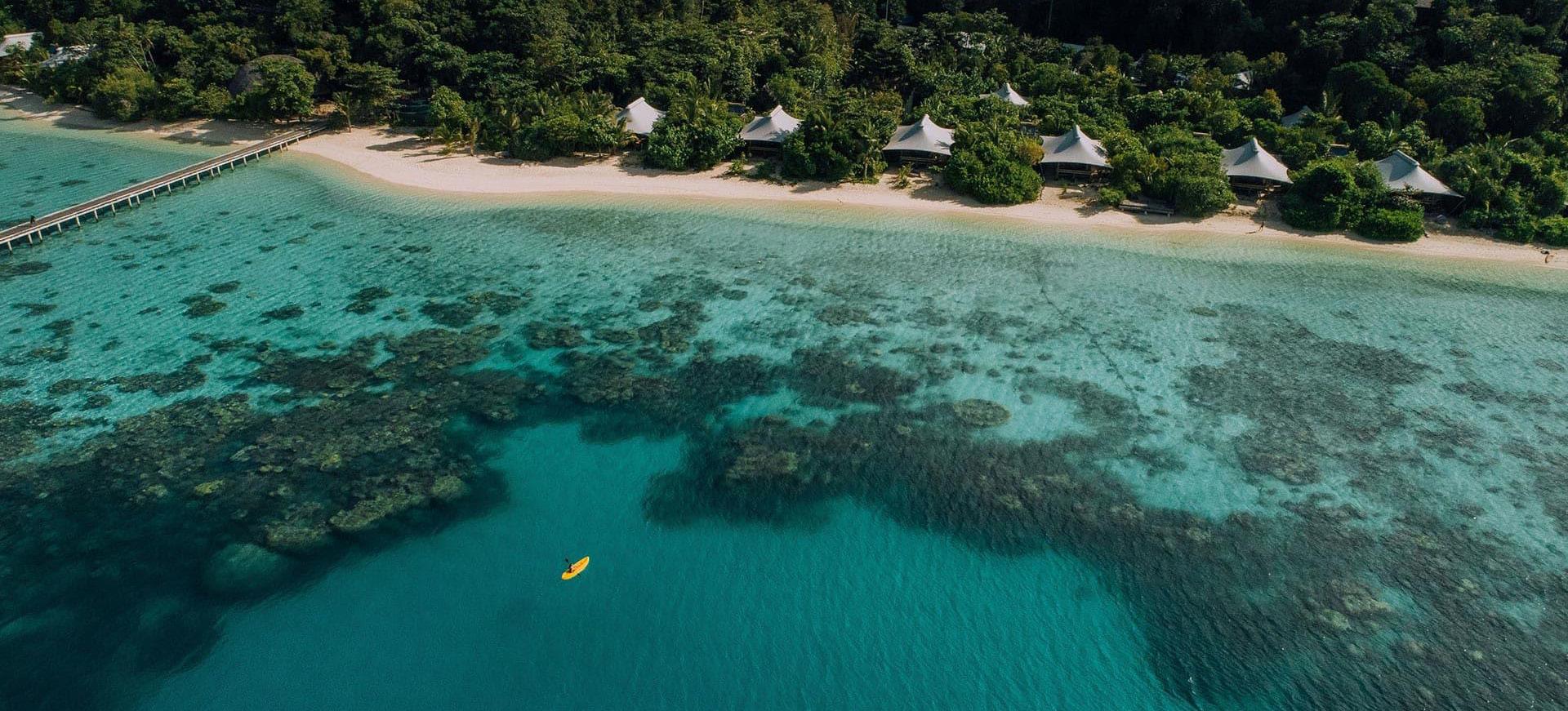
Photography enthusiasts will discover endless inspiration throughout the reserve. The contrast between emerald rainforest, impossibly clear turquoise waters, white-sand beaches, and elegant architecture creates cinematic compositions from sunrise until dusk. The understated aesthetic of the villas, combined with the vibrant natural palette, has made Bawah Reserve an increasingly soughtafter destination for luxury travel photography and editorial productions seeking authenticity rather than excess.
Unlike many tropical destinations that have become synonymous with mass tourism, Bawah Reserve remains intentionally intimate. With a limited number of accommodations spread across six islands, guests often feel as though they have an entire archipelago to themselves. It is a place where luxury is measured not by extravagance, but by silence, space, privacy, and the privilege of experiencing nature in its purest form.
For discerning travelers seeking one of the world's most exclusive island retreats, Bawah Reserve represents the future of sustainable luxury. Far removed from crowded beaches and overdeveloped resorts, it offers an unforgettable escape where conservation, architecture, and extraordinary natural beauty exist in perfect harmony. It is not simply a destination—it is a reminder of what paradise looked like before the modern world arrived.
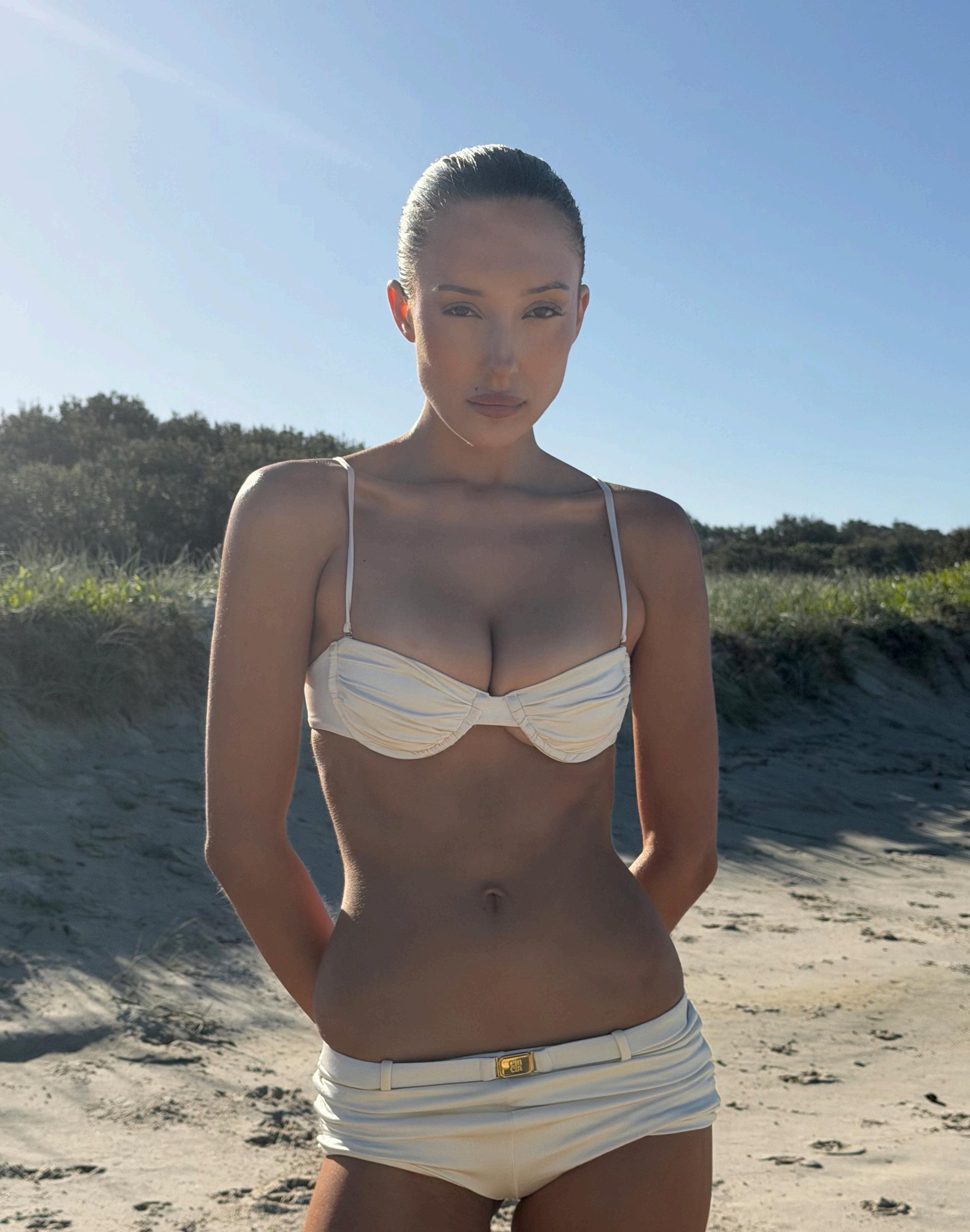
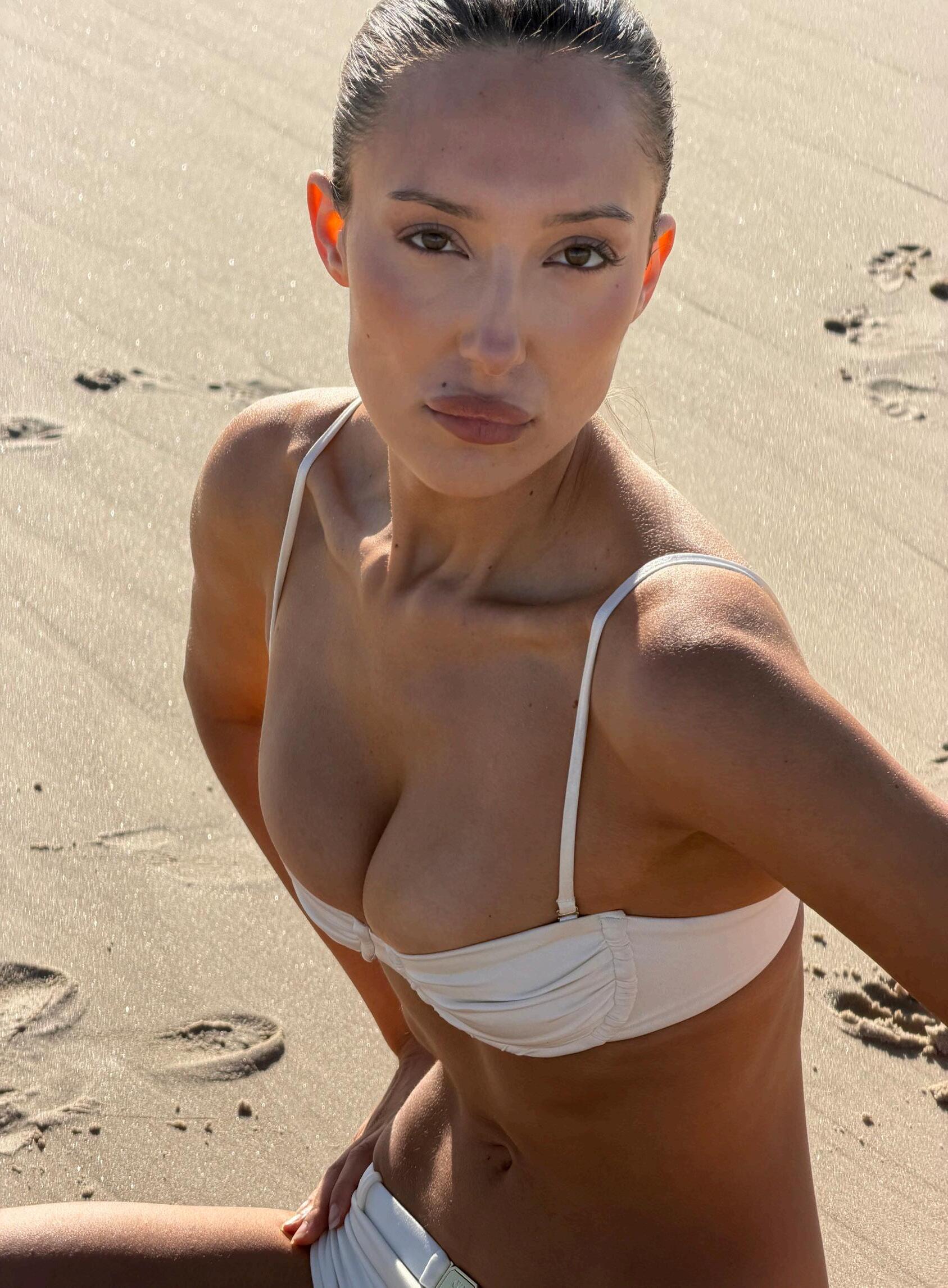
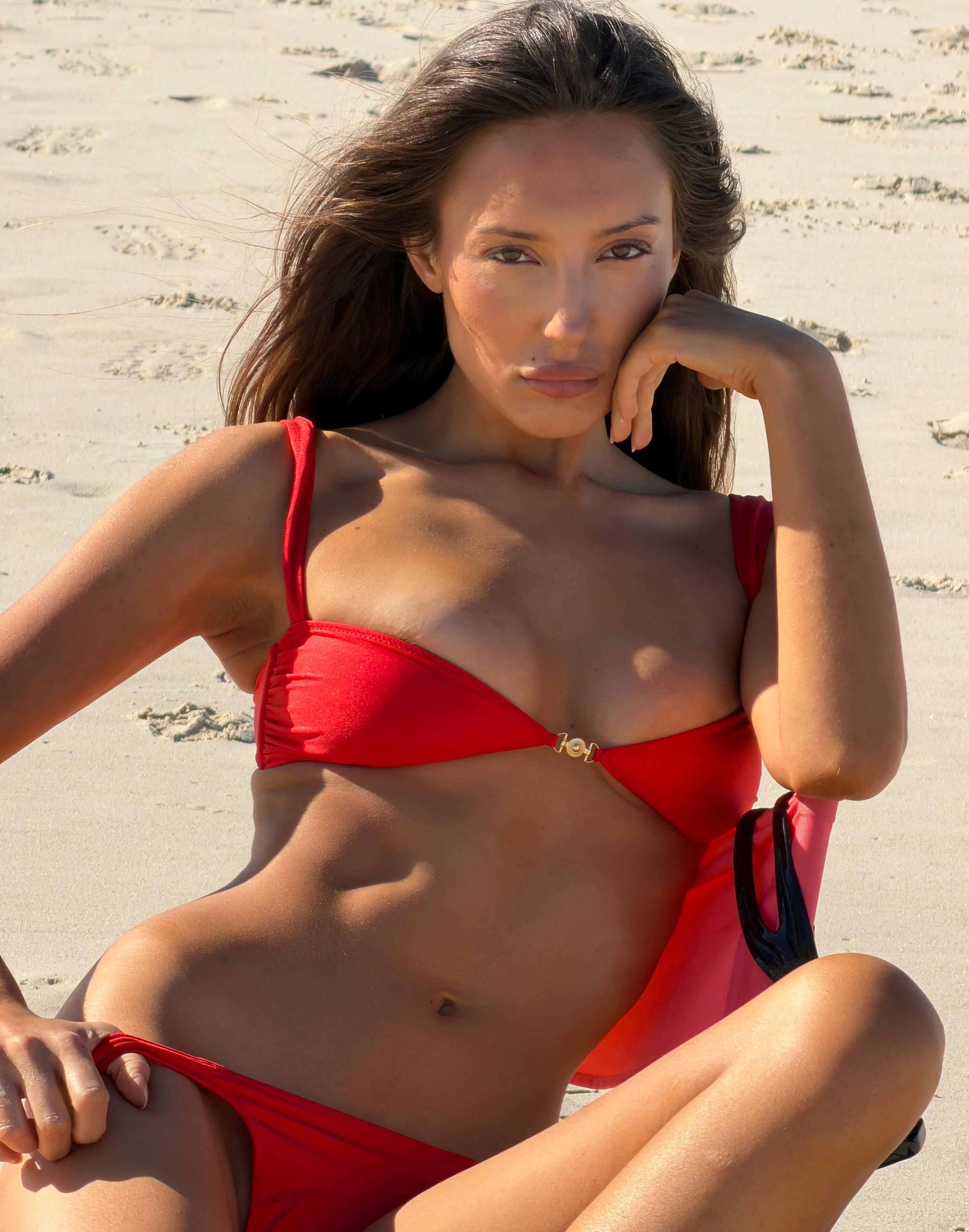
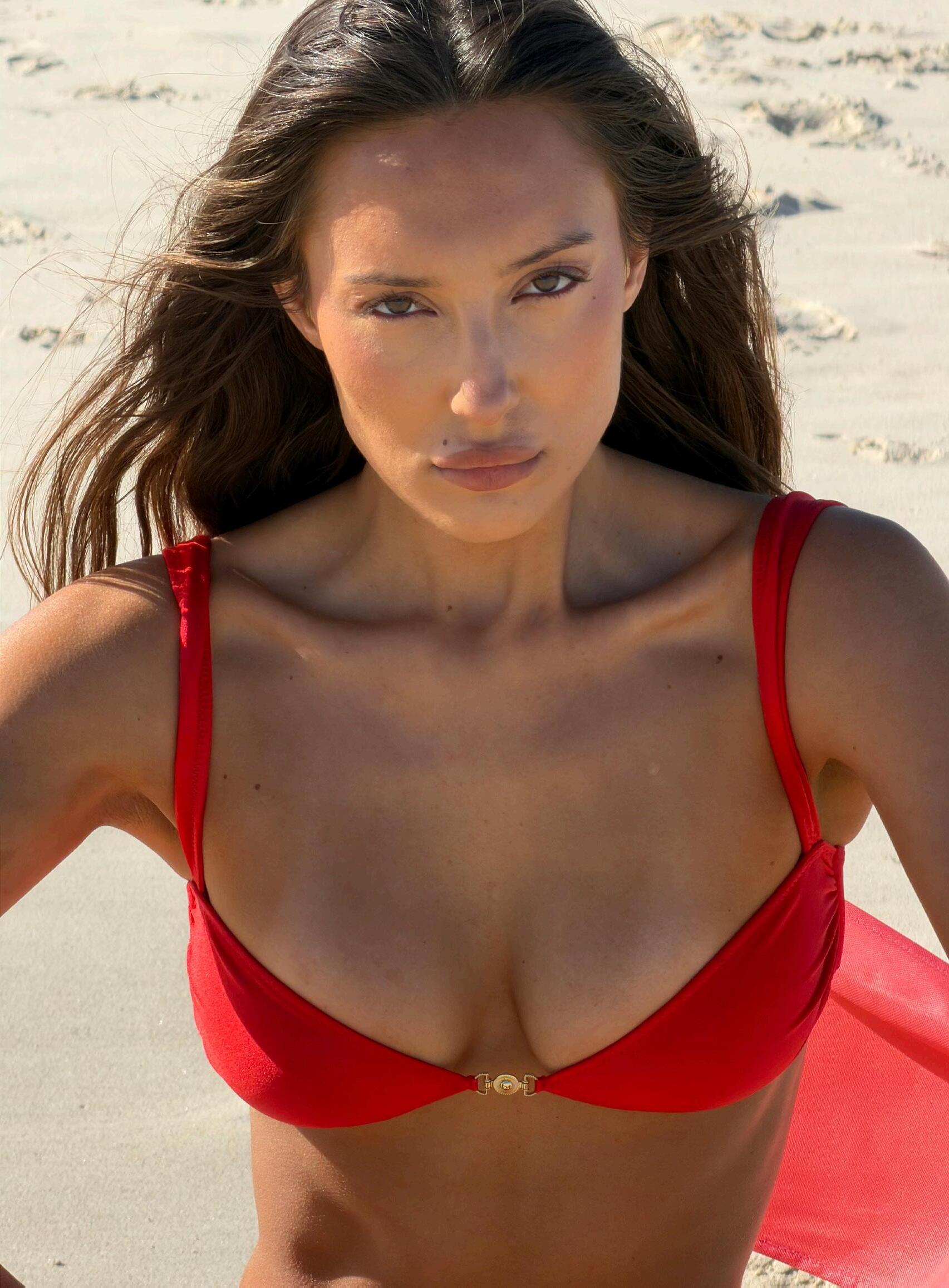
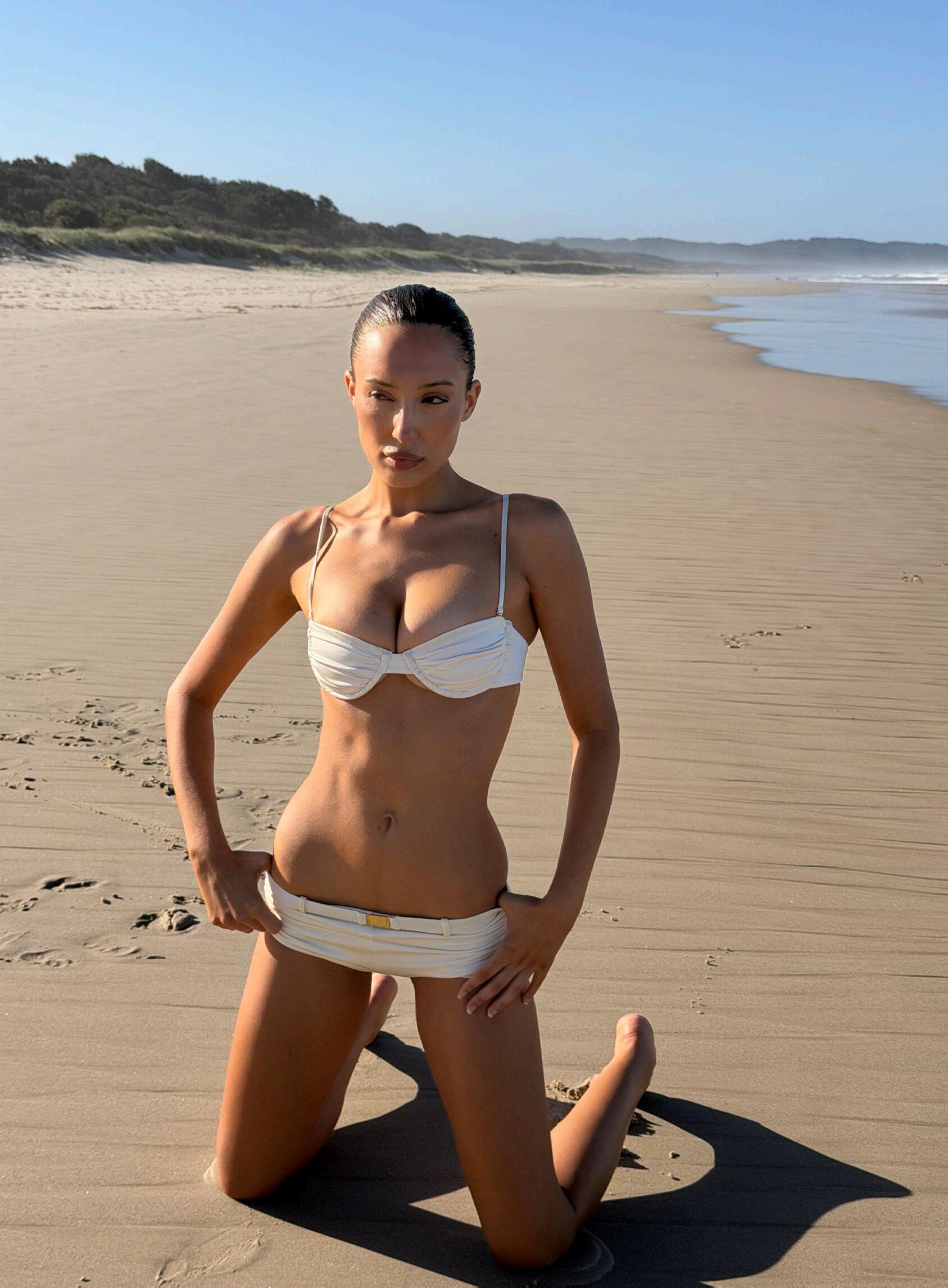
AUSTRALIAN ESCAPE
PHOTOGRAPHER: TERRENA ROWAN @terrenarowan
MODEL: PARIS AMALIA RODRIGUES @parisamalia
AGENCY: CHIC MANAGEMENT BRISBANE @chic_brisbane
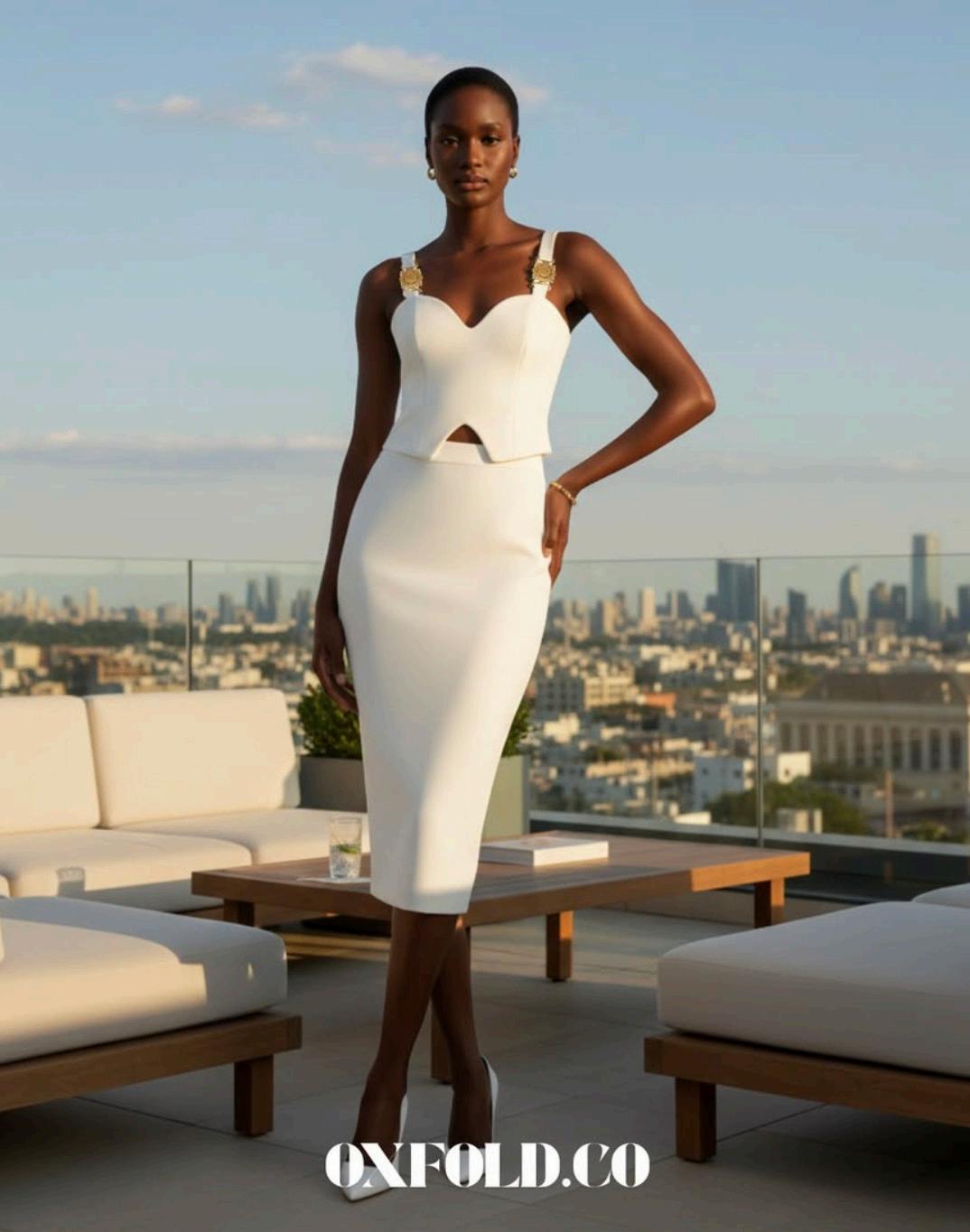
White bikini CIN CIN
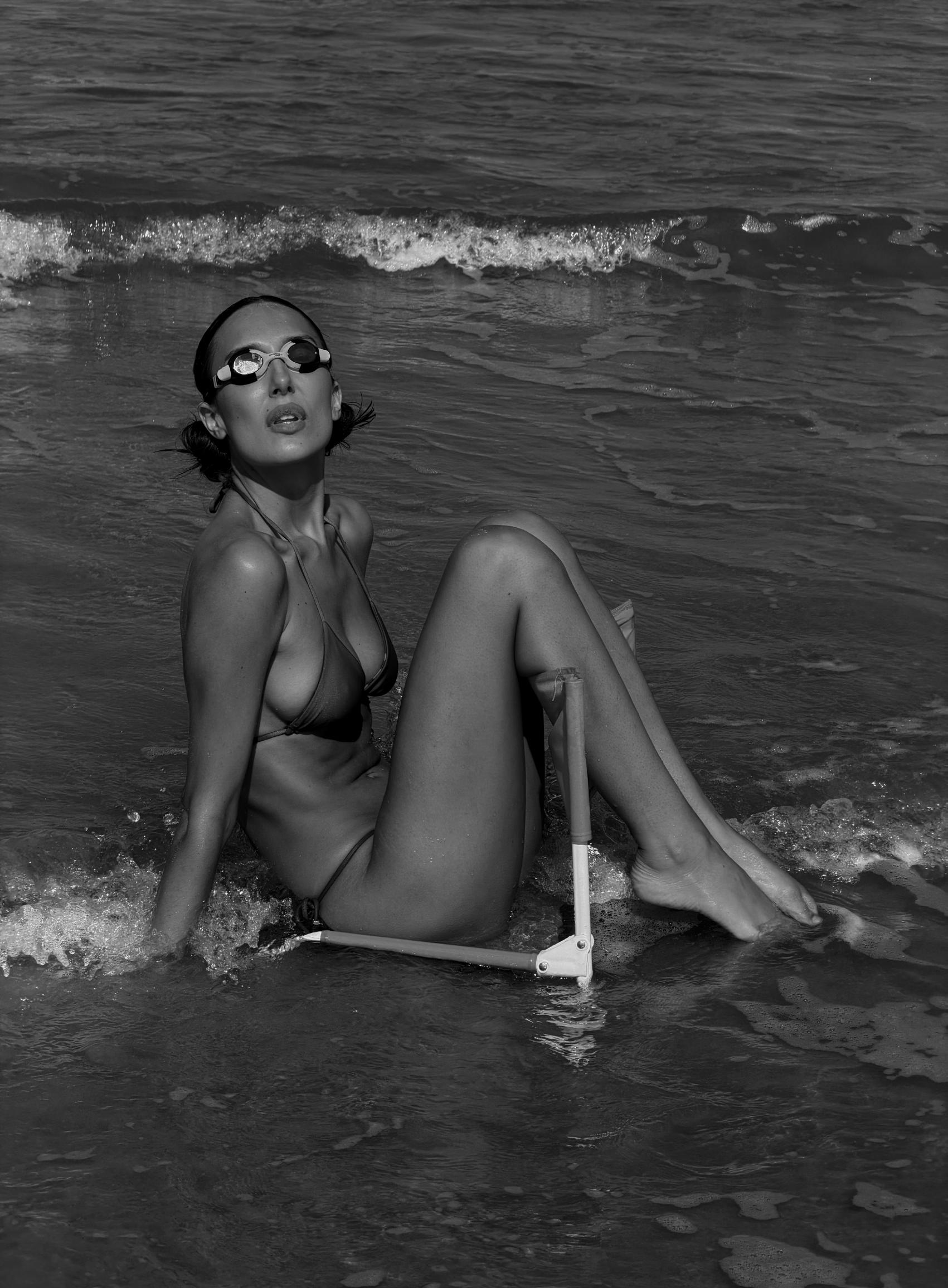
Blue bikini
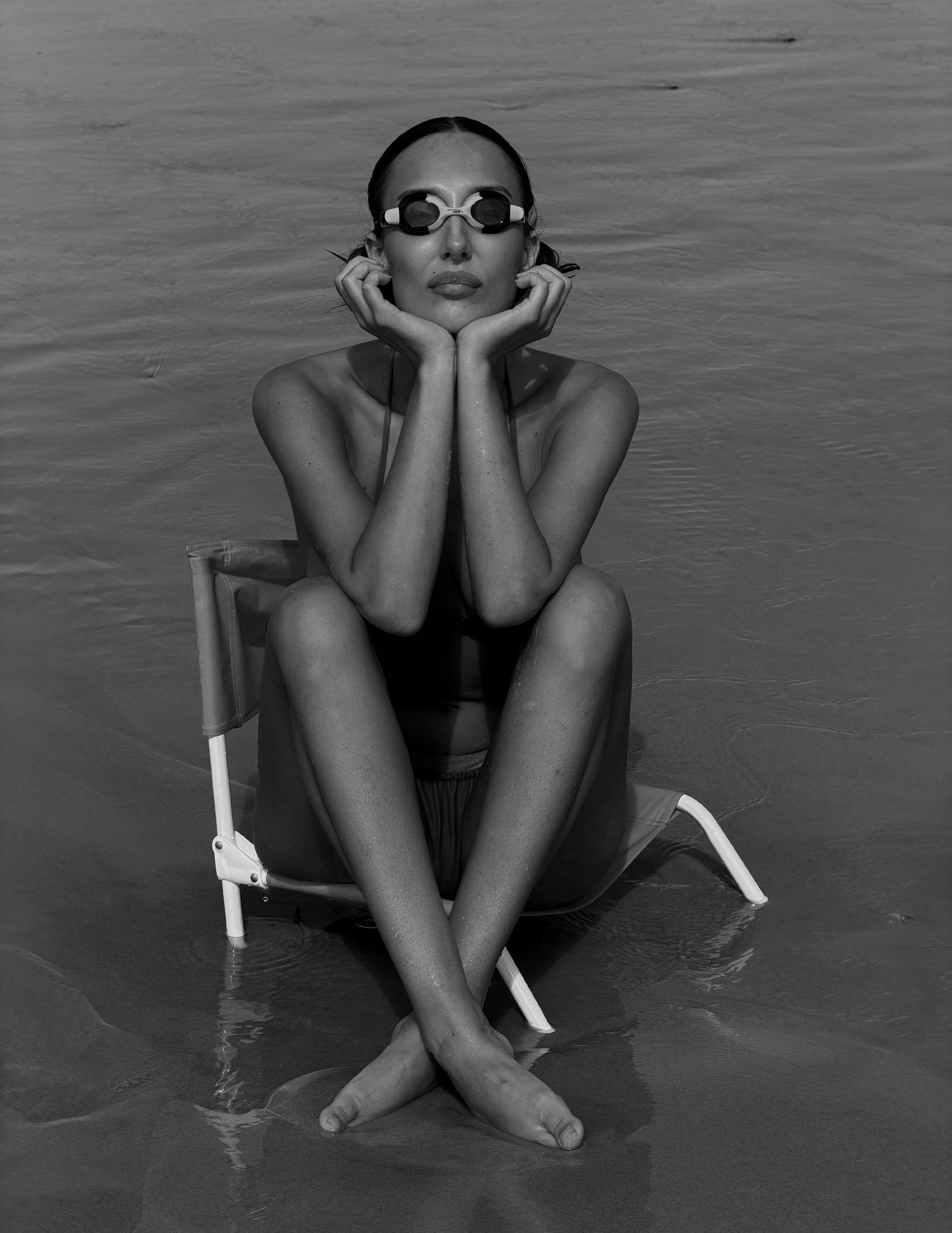
Red bikini
White bikini
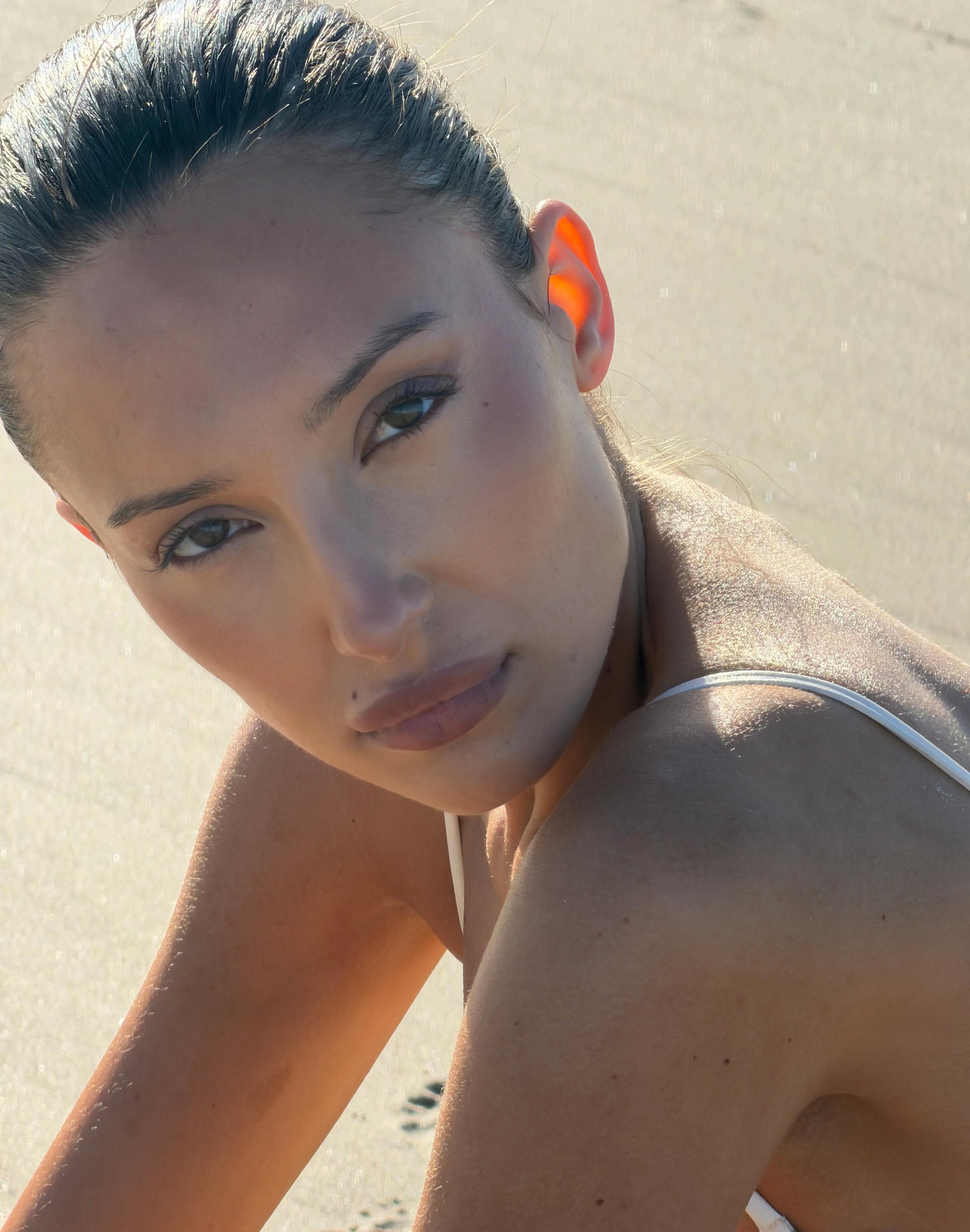
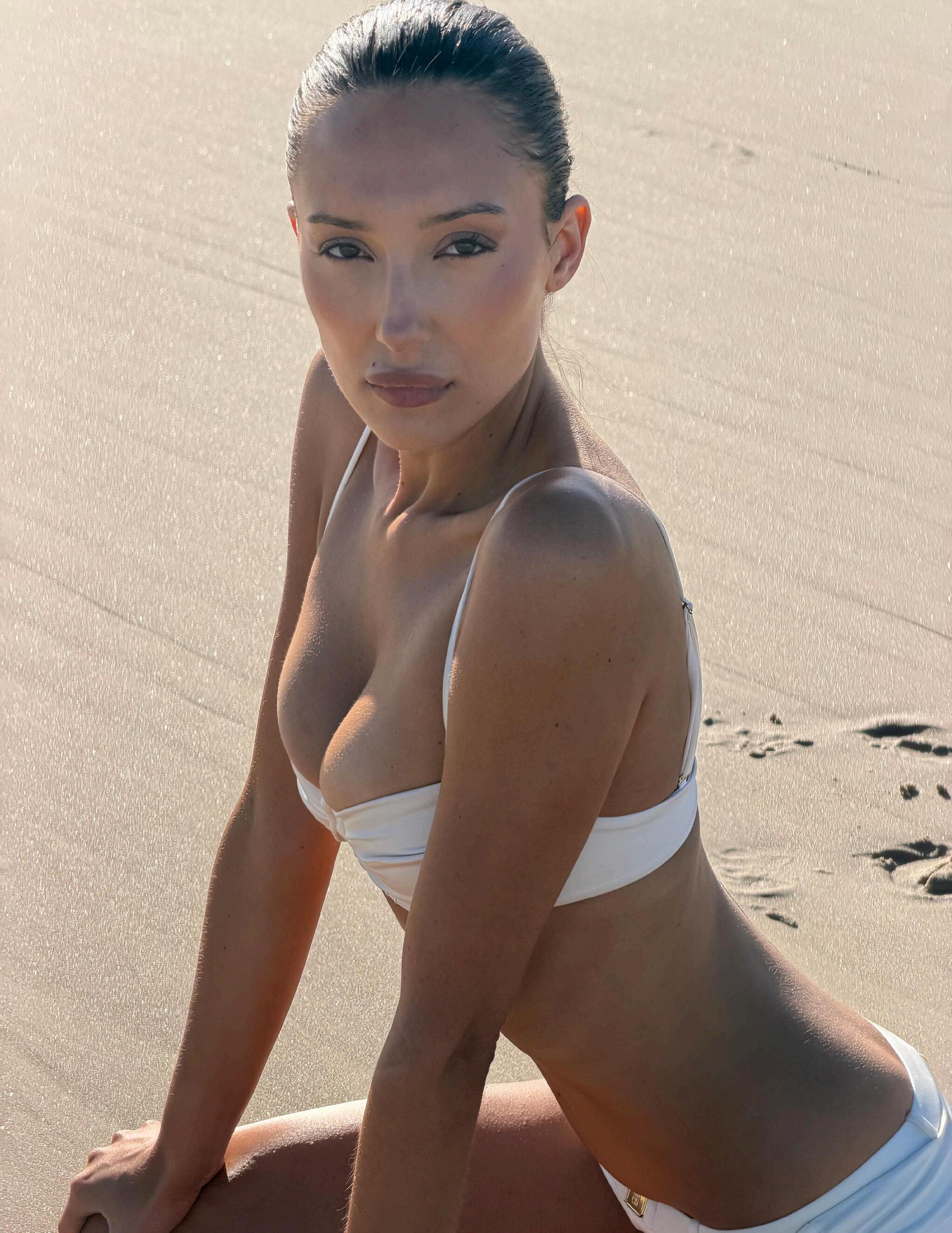
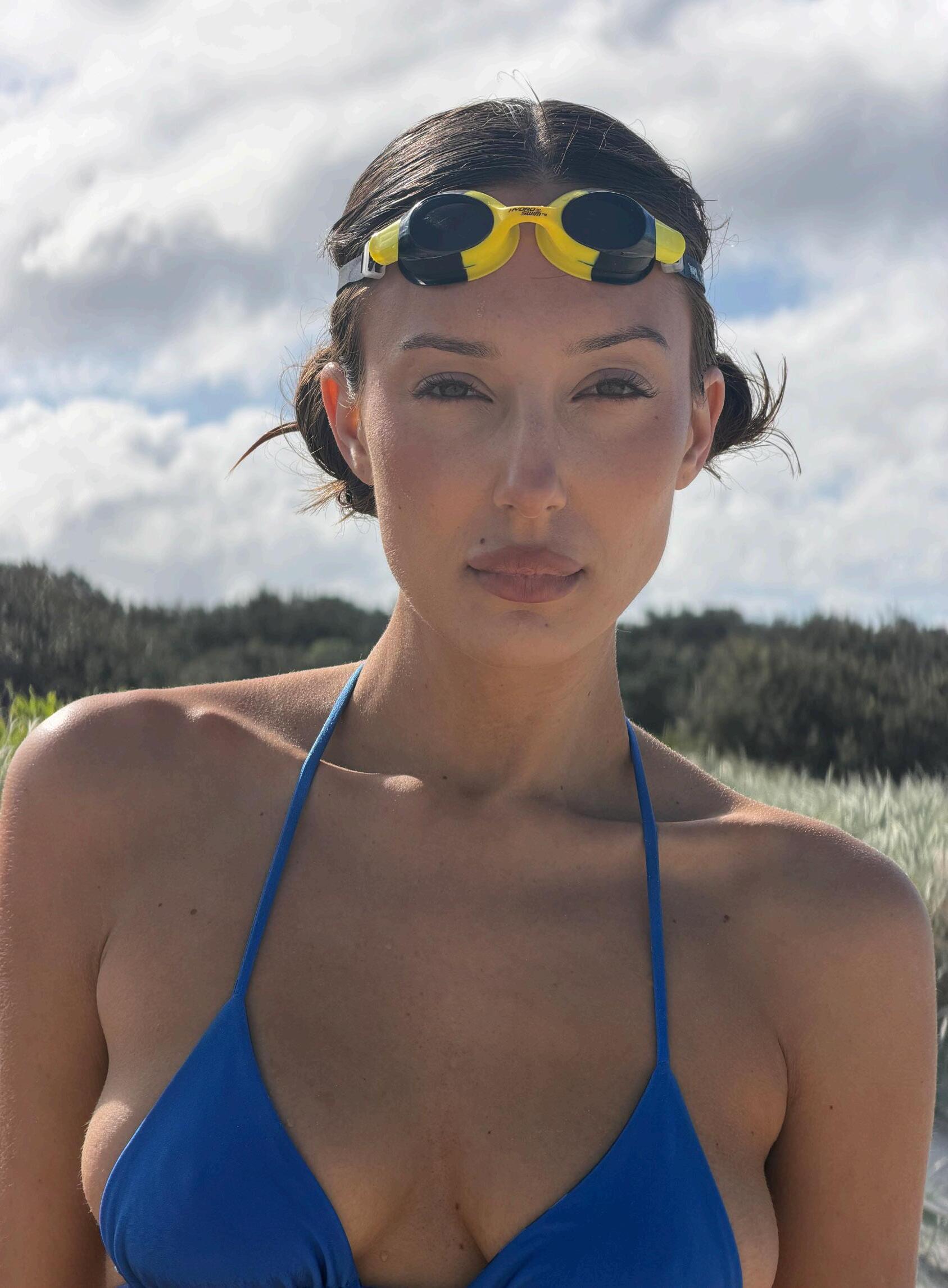
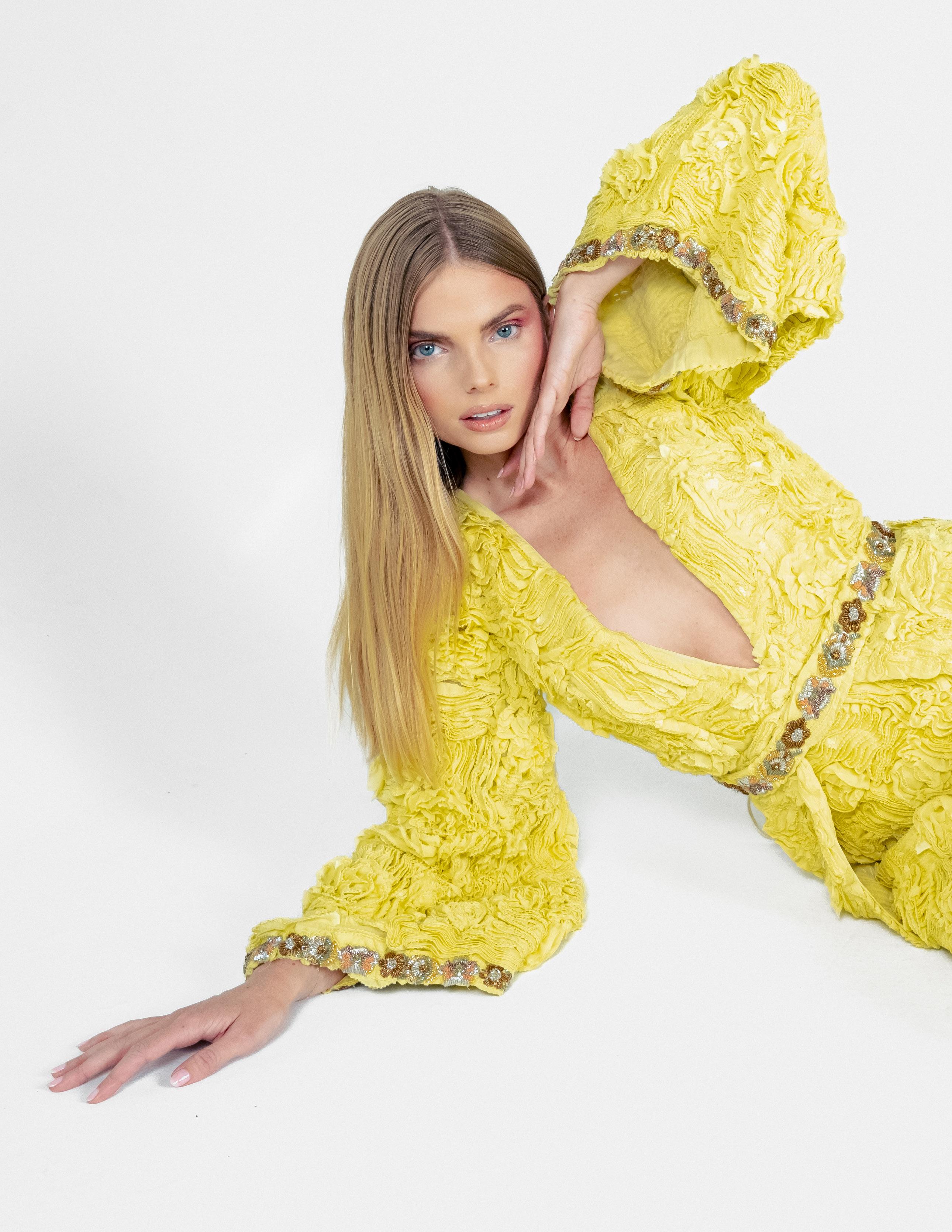
Photo DANIELLE GREEN

JULY 2026
2.
AMY CHAPMAN
BY ZAVIER DEANGELO