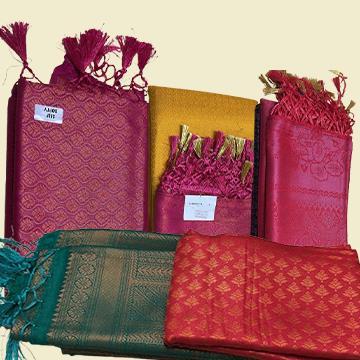
Sharee The Timeless Symbol of Grace, Culture, and Elegance
Sharee: The Timeless Symbol of Grace, Culture, and Elegance
A Sharee, also known as Saree, is not just a piece of clothing it’s a story woven in threads, a symbol of culture, and a reflection of womanhood. Draped in elegance, it has been adored for centuries and continues to be a favorite attire for millions of women around the world
What is a Sharee?
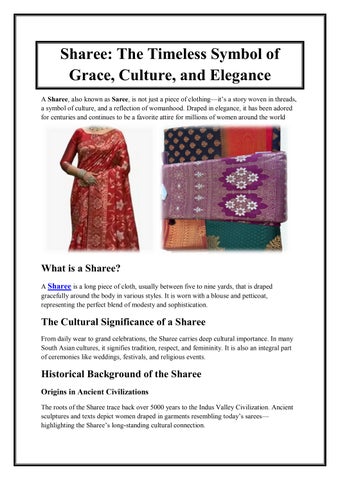
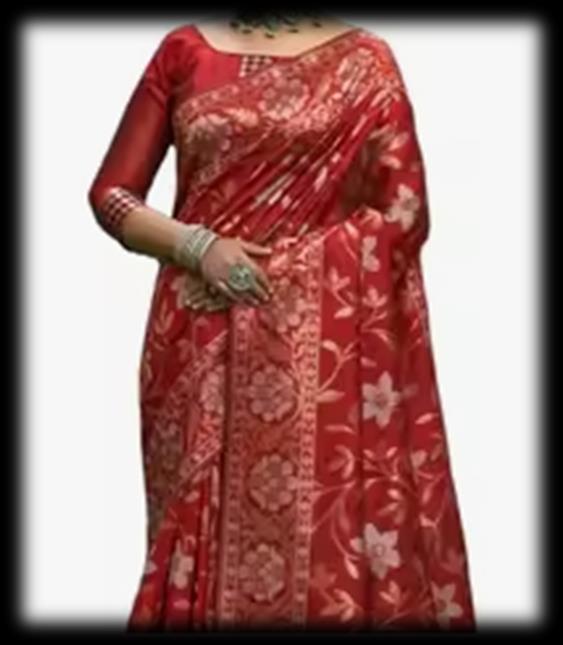
A Sharee is a long piece of cloth, usually between five to nine yards, that is draped gracefully around the body in various styles. It is worn with a blouse and petticoat, representing the perfect blend of modesty and sophistication.
The Cultural Significance of a Sharee
From daily wear to grand celebrations, the Sharee carries deep cultural importance. In many South Asian cultures, it signifies tradition, respect, and femininity. It is also an integral part of ceremonies like weddings, festivals, and religious events.
Historical Background of the Sharee
Origins in Ancient Civilizations
The roots of the Sharee trace back over 5000 years to the Indus Valley Civilization. Ancient sculptures and texts depict women draped in garments resembling today’s sarees highlighting the Sharee’s long-standing cultural connection.
Evolution Through Dynasties and Regions
Over centuries, different regions of India, Bangladesh, Sri Lanka, and Nepal adapted their own weaving techniques, patterns, and draping styles creating a vibrant diversity that defines the Sharee’s charm today.
Types of Sharees Across South Asia
Banarasi Sharee
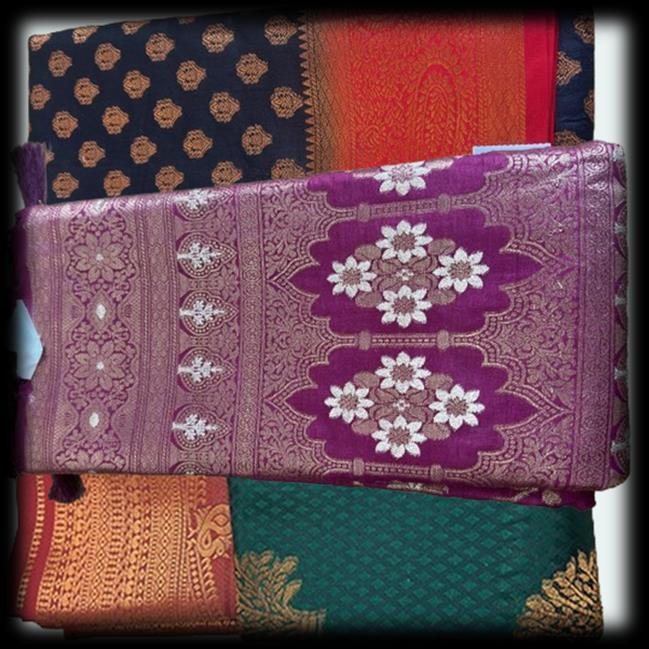
Originating from Varanasi, the Banarasi Sharee is famous for its gold and silver brocade, fine silk, and intricate embroidery. It’s often chosen by brides for its royal appeal.
Kanjivaram Sharee
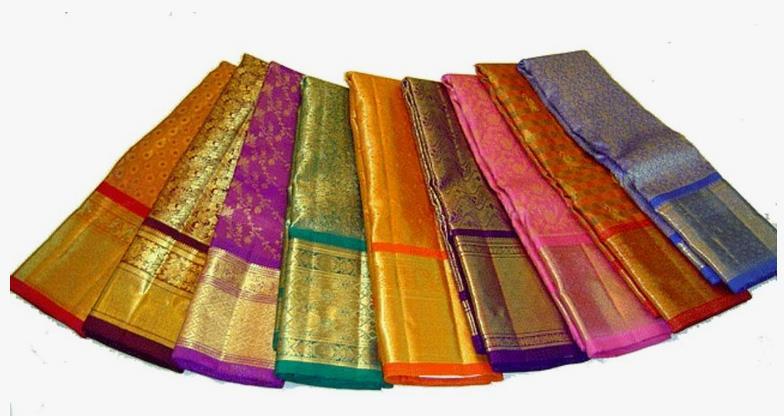
Known as the queen of silk sarees, Kanjivaram Sharees from Tamil Nadu boast vibrant colors and golden zari work perfect for festive and formal occasions.
Jamdani Sharee
The Jamdani Sharee, a pride of Bangladesh, showcases delicate handwoven motifs that float on fine muslin. It represents craftsmanship and elegance.
Tussar and Silk Sharees
Soft, glossy, and graceful Tussar Silk Sharees are ideal for festive occasions and reflect sophistication.
Cotton and Handloom Sharees
Lightweight and breathable, Cotton Sharees are a go-to for comfort and simplicity, especially in tropical climates.
Fabric and Craftsmanship
Handwoven vs Machine-Made
Handwoven Sharees are treasures of artistry, often taking days or even months to complete. Machine-made sarees, on the other hand, are affordable and readily available.
Popular Fabrics Used in Sharees
Common fabrics include silk, cotton, chiffon, georgette, and linen. Each fabric brings its own flow, texture, and comfort level.
Regional Styles of Wearing a Sharee
Bengali Draping Style
The Bengali style is iconic with the pallu (end portion) gracefully thrown over the left shoulder, creating an effortless yet traditional look.
Gujarati Style
In Gujarati style, the pallu is draped from the back to the front, displaying intricate patterns beautifully.
Maharashtrian Nauvari Style
This nine-yard drape allows free movement and is often associated with power, grace, and tradition.
South Indian Traditional Style
South Indian brides often wear their sarees in a style that highlights the pleats and jewelry, showcasing a regal charm.
Modern Influence on Traditional Sharees
Contemporary Designs
Designers now blend modern elements like sequins, lace, and metallic hues to give the traditional sharee a trendy twist.
Fusion Fashion with Sharees
Pairing sharee with crop tops, jackets, or belts is the latest fashion statement fusing oldworld charm with new-age creativity.
Celebrity and Designer Influence
Celebrities like Deepika Padukone and Priyanka Chopra have brought sarees to global platforms, inspiring millions to embrace traditional wear proudly.
Sharees for Every Occasion
Wedding Sharees
Heavy silk or Banarasi sarees with zari borders are perfect for brides and bridesmaids, adding elegance to every ceremony.
Festive and Religious Occasions
Bright-colored sarees with embroidery or prints are ideal for Diwali, Eid, or Puja celebrations.
Office and Casual Wear
Cotton and linen sarees offer a professional and polished look suitable for office environments.
How to Choose the Right Sharee
Based on Body Type
Slim silhouettes look great in chiffon or georgette sarees, while cotton or silk works well for curvier figures.
Based on Fabric and Weather
Light fabrics like cotton and chiffon are best for summer, while silk and velvet add warmth for winter events.
Based on Occasion
Opt for plain, light sarees for casual wear and rich, embellished sarees for parties or weddings.
Maintenance and Care Tips for Sharees
Washing and Storing Silk Sharees
Always dry-clean silk sarees and store them in muslin cloth to maintain their sheen.
Preventing Damage and Preserving Fabric
Avoid direct sunlight and harsh detergents to prevent color fading and fabric weakening.
The Global Appeal of Sharees
Sharees in the Western Fashion World
International designers have embraced the saree, showcasing it on global runways. It’s now seen as a blend of tradition and luxury.
How Influencers Promote Sharee Culture
Fashion influencers on Instagram and YouTube are redefining how sarees are styled making them appealing to younger generations.
Future of Sharee Fashion
Sustainable and Eco-Friendly Fabrics
The future lies in organic cotton and plant-based silks that promote sustainability without compromising elegance.
Digital and Designer Sharee Trends
Digital prints, AI-generated patterns, and designer collaborations are transforming how sarees are created and worn.
Conclusion
The Sharee is more than six yards of fabric it’s history, heritage, and heart combined. It connects generations, narrates stories, and celebrates the timeless beauty of women. Whether worn traditionally or with a modern twist, the Sharee remains an everlasting symbol of grace and identity.