Year 8 Handbook 2026

INTRODUCINGYEAR8
Welcome and Staff Introductions
Academic Information
Social and Emotional Development
Personal Presentation
ICT Use & Support
SEQTA
Year 8 Handbook 2026
INTRODUCINGYEAR8
Welcome and Staff Introductions
Academic Information
Social and Emotional Development
Personal Presentation
ICT Use & Support
SEQTA
Year 8 is a transformative year for students as they establish new connections, consolidate friendships, and develop strategies to navigate evolving social dynamics
They continue to grow in confidence as their transition from the Primary years of schooling to the Secondary years becomes firmly established This stage is marked by personal and academic growth, as students explore their interests, strengthen their learning habits, and build a deeper sense of community
In Year 8, students take greater ownership of their education by selecting electives aligned with their own passions and interests. They are supported to develop their organisational skills, effective homework routines, and positive study habits
Alongside our diverse curriculum, we encourage you to support your child’s involvement in the wide array of cocurricular opportunities available
These include sports, First Lego League, music and the Arts, games and digital technology, and service activities, plus much more A full list of offerings can be found in the Co-Curricular Handbook on the school website
Year 8 students are encouraged to embrace the opportunities available to them both academically and socially as they develop confidence, take initiative, and grow as learners and leaders The support of parents and guardians is crucial; engaging with your child’s learning, encouraging participation in the full life of the School and fostering open communication are key to their success
This Handbook outlines the rich scope of learning experiences awaiting Year 8 students at John Wollaston Anglican Community School, ensuring a year of meaningful growth, connection, and discovery.
Mr Scott Robertson
Dear Parents,
Your child is entering a fascinating stage of development in Year 8 Their cognitive skills (the mental abilities they use for learning, thinking, and problem-solving) are growing rapidly. This means they're capable of learning more complex concepts, becoming more self-aware of their learning process, and developing their critical thinking skills They're also becoming more adaptable, embracing new ideas and finding themselves fuelled by a strong sense of curiosity that helps them explore new information
However, teenagers tend to face some challenges. They may struggle to concentrate for long periods, and sometimes act impulsively, which can affect their decision-making in class They may also hesitate to stand out or showcase their abilities, worried about what others might think. This can hold them back from reaching their full potential
Here's how you can help:
Encourage organisation: Help them create and maintain a study schedule, using planners, calendars, or apps to track assignments and deadlines This will help them feel less overwhelmed
Promote effective study habits: Talk to them about effective study techniques like spaced repetition and active recall These techniques will help them remember information better.
Foster goal-setting: Encourage them to set specific goals, both short-term and long-term This will provide them with clarity and motivation as they tackle their studies.
Support time management: Help them balance their studies, extracurricular activities, and social life effectively Time management doesn't always come naturally, so your guidance and support will be crucial
Encourage class engagement: Encourage them to actively participate in class by asking questions and joining discussions This will help them deepen their understanding of the material
Remember, your child's journey through Year 8 is about growth and discovery. By recognizing their strengths and encouraging them to work on their challenges, you can play a vital role in supporting their success
Mr Mitch Jamieson HeadofYear8
Pastoral care is at the heart of Year 8 at John Wollaston Anglican Community School. This year represents a significant stage in your child’s personal, social and academic development, and our priority is to ensure every student feels supported, valued and encouraged to thrive Year 8 students are developing greater independence and self-awareness as learners With this growth comes the need for strong organisational skills, a healthy and consistent homework routine, and positive study habits Students are guided to manage their time effectively, take responsibility for their learning, and engage actively in the classroom
Equally important is the development of respectful and responsible behaviour We place a strong emphasis on students being polite, considerate members of our school community, demonstrating kindness, integrity and respect in their interactions with others In an increasingly connected world, students are also supported to become responsible digital citizens, understanding how to engage safely, respectfully and wisely online
Head of Arts
Ms Anne Harris
Head of English
Ms Irene Terpon
Head of Humanities and Languages
Mr Gary Bordoni (Term 1)
Mr Aaron Hancock (from Term 2)
Mr Ryan Poole
Head of Health and Physical Education
Head of Inclusive Education
Mrs Emma Black Smith
Engagement in learning is central to success in Year 8 Students are encouraged to approach their studies with curiosity, perseverance and a willingness to challenge themselves, both academically and personally
The direct pastoral care of Year 8 students lies with each student’s House Group Teacher, who plays a vital role in monitoring wellbeing and supporting day-to-day needs
The Head of Year 8 works closely with House Group Teachers to oversee pastoral matters and ensure appropriate support is in place.
Together, we are committed to creating a kind, caring and inclusive environment where every Year 8 student can grow with confidence and purpose
For our Years 8 students, the Head of Year 8 is responsible for liaising with the House Group Teacher to oversee any pastoral care matters
Ms Kylie Virgo, Head of Secondary School, is also invested in the pastoral care and wellbeing of our secondary students
Head of Innovation, Design and Technologies
Mr Kane McLachlan
Head of Mathematics
Mrs Bronwyn Vorster
Head of MYPath
Mrs Susan Leach
Head of Science
Dr Marike du Plooy
Hello, Mrs Galley here – Head of Charter House with all things green! With many, many years ’ experience teaching about the past, I’m absolutely passionate about History and I’m a qualified 17th century musketeer and swordsperson
My other passion is being with donkeys and, hopefully, you will see our little man O’Reilly at Easter services I am really looking forward to being on Encounter camps with students they often bring out the very best in our young people which is lovely to see



I love all things sport, West Coast Eagles and the outdoors When I am not at School, you will find me at the beach, surfing with my kids, on the golf course or camping My character strengths include humour, organisation and loyalty I have two roles within the School Firstly, as the Head of Scott House, I look after Scott students’ wellbeing ensuring they are enjoying their school experience and reaching their potential My second role is teaching Health, Physical Education and Outdoor Recreation. I love my job and the School; I have been at John Wollaston for almost 20 years With our school community growing, this year I am really looking forward to all our sporting carnivals, they will have a great atmosphere, full of enthusiasm and laughter Of course, I’m most excited about watching the mighty yellow shirt brigade having a good time Make sure you say “Hi” when you see me around the campus – all the best for 2026
In Year 8, students study the Western Australian Curriculum They study eight compulsory subjects: English, Digital Technology, Health and Physical Education, Humanities, Languages (Japanese), Mathematics, Religious and Values Education, Science, and Visual Art.
The distribution of subject classes in the week is:
4 SESSIONS
English Humanities Mathematics Science
2 SESSIONS Languages
2 SESSIONS Physical Education
1 SESSION Health
Digital Technologies
Religious and Values Education
Value Add Program
Visual Art
All elective subjects
Our model maintains the mixed-ability groupings for English, Humanities, Mathematics, and Science used in Year 7 However, Modified Mathematics and English classes are used to better support students who find the standard WA curriculum courses too challenging
The above subjects are supported by elective subjects in the following areas:
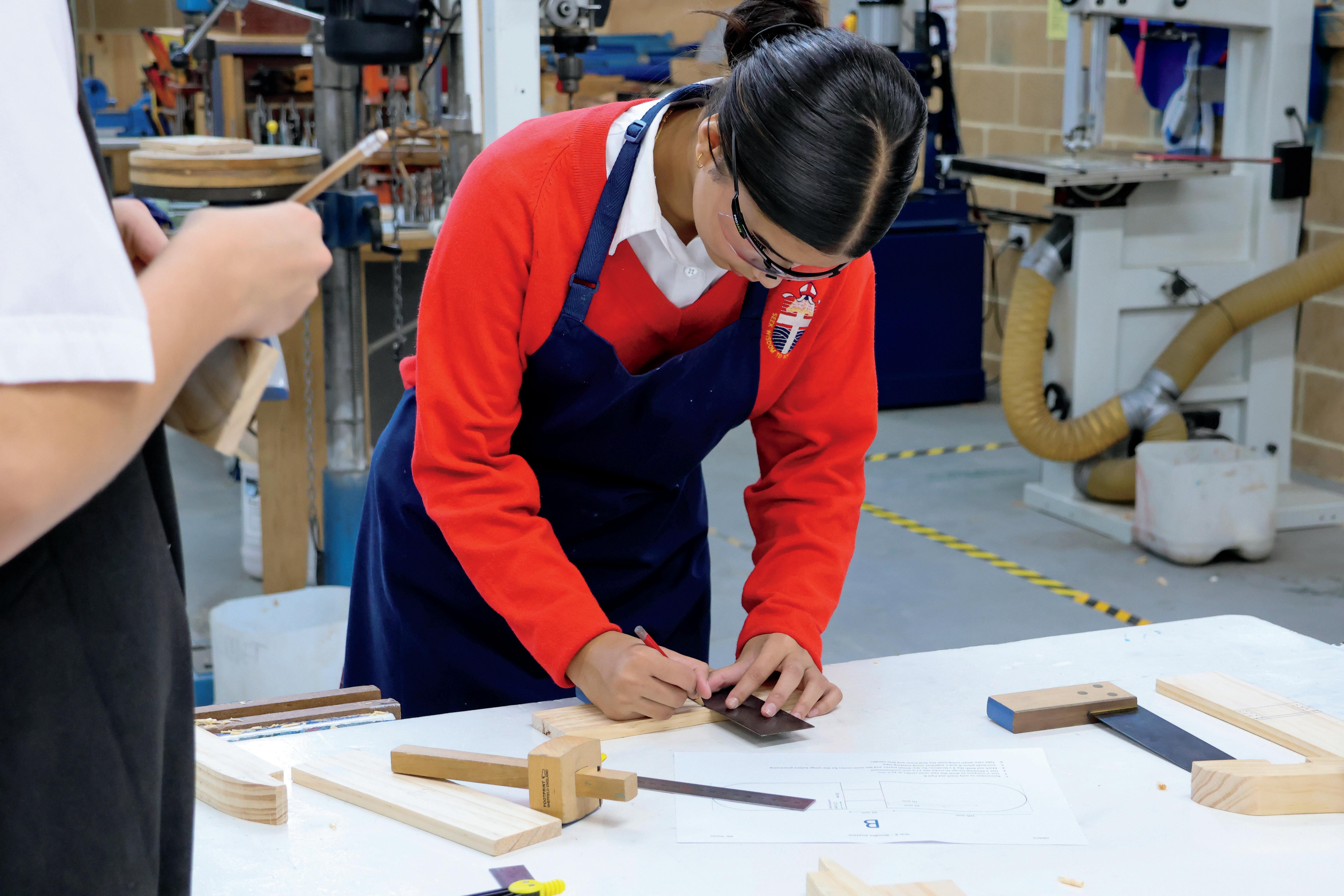
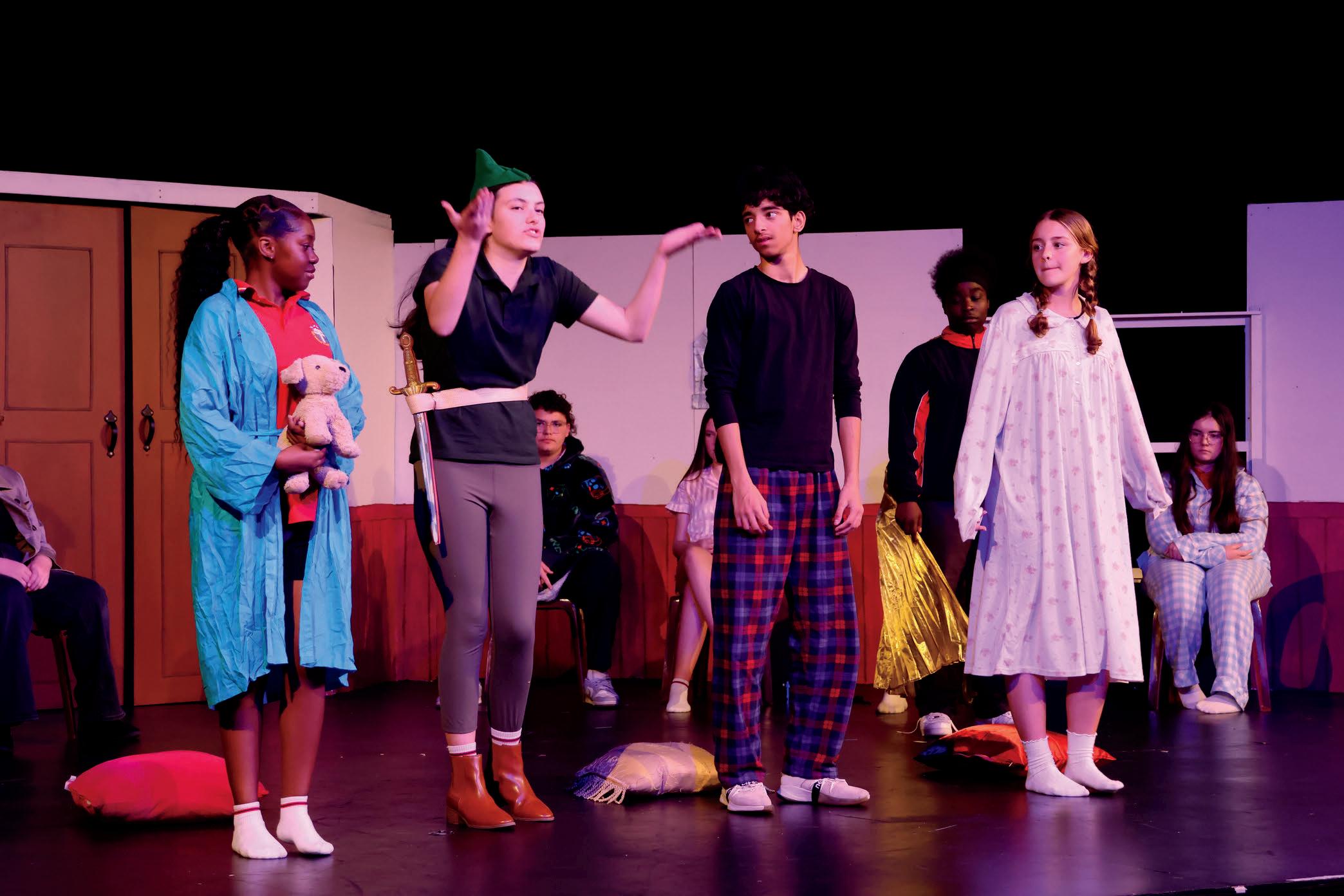
Dance Drama Food and Textiles Materials Design and Technology (Woods and Metals) Music
The process for selection of these subjects is outlined on the selection sheet The availability of elective units will depend on viable class sizes, structure of the timetable, and the availability of teachers and resources. Students are asked to select four elective subjects in order of preference Every endeavour will be made to give students their top preferences
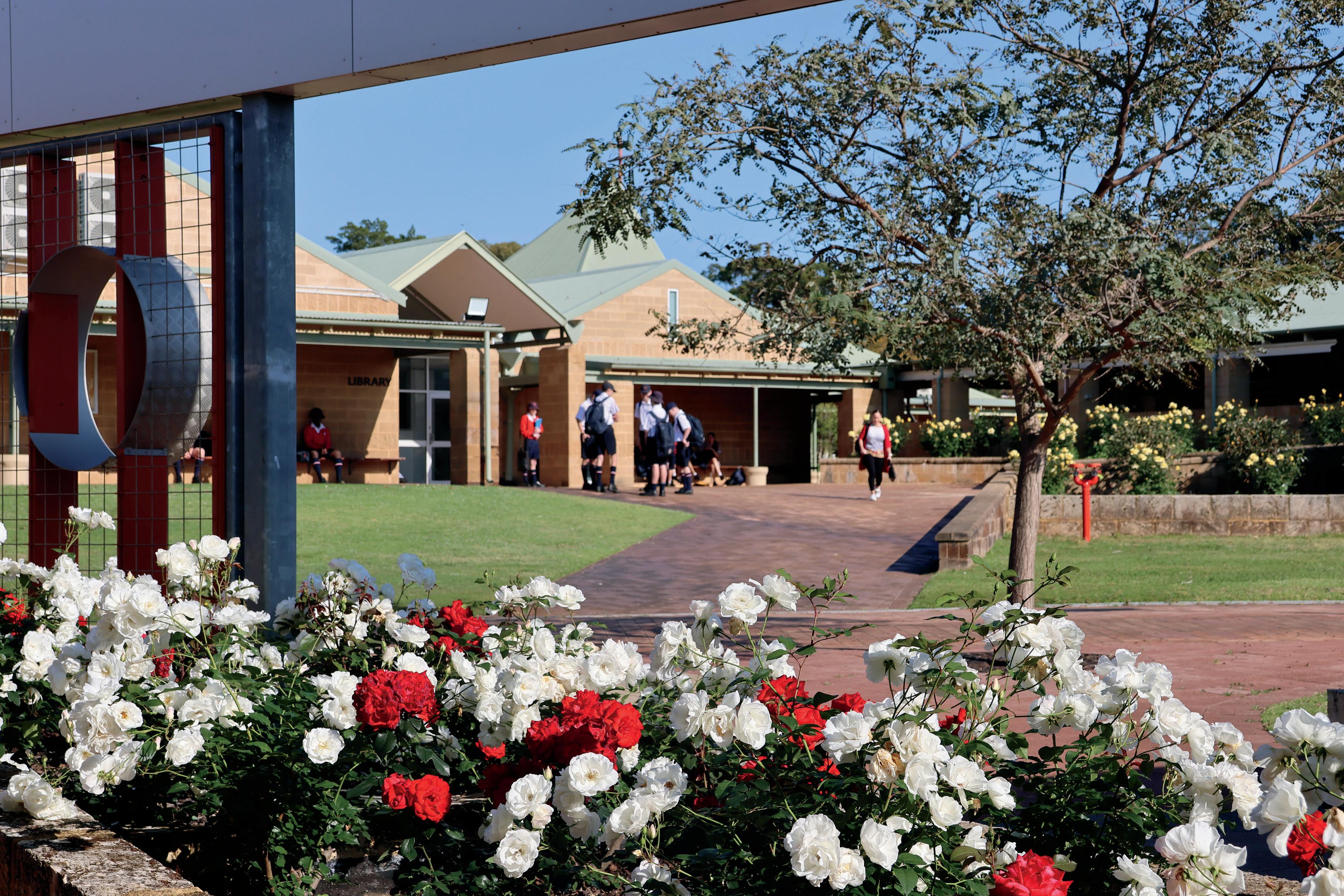
Adolescence is a time of constant change for our Year 8 students, which presents unique challenges for parents, staff and peers To assist our students, and parents, the Year 8 Program continues the School’s focus on student wellbeing. During VAP sessions students will engage in a social and emotional program.
The Year 8 Health Education program has a strong focus on healthy relationships including consent, informed decision-making and risk prevention The intention of these programs is to assist students with implementing strategies to manage relationship changes and promote informed communication within the peer group.
In addition, the students will attend presentations from guest speakers during the year You will be informed of upcoming presentations via Direqt Message
You can support your child through open communication, keeping their House Group Teacher and/or Head of Year informed of any issues that your child may be facing so that we can work together to support your child It is important that we help them develop their resilience and navigate their way through this using various strategies with some independence
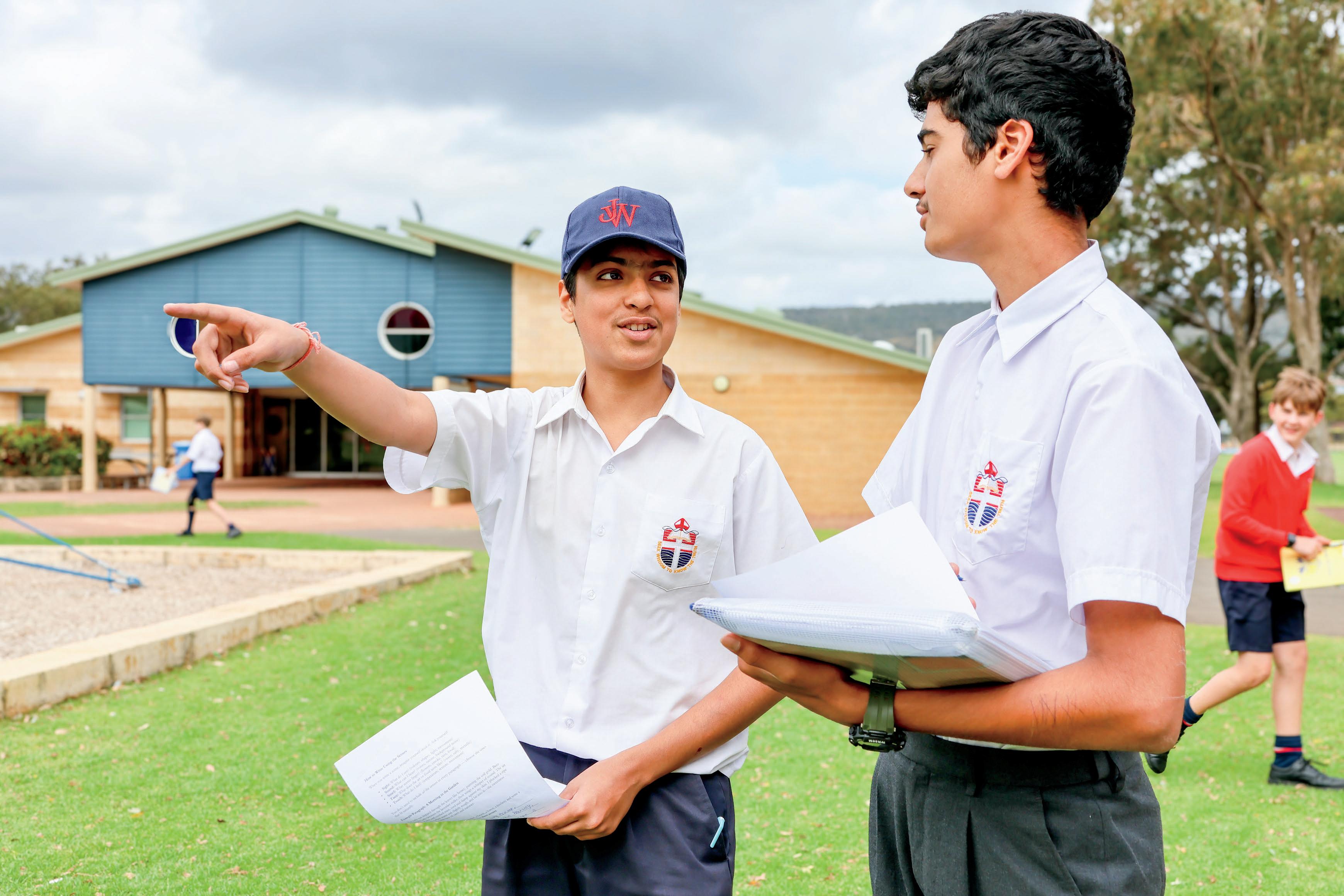
John Wollaston has a distinctive and smart uniform Making sure uniforms are worn correctly and are in good repair is a team effort between family, staff and students. The full school personal presentation rules can be located on the school website at Plans & Policies | John Wollaston Anglican Community School and in the Student Diary
The following information and strategies will be used to support our community to meet personal presentation expectations consistently.
1 Secondary School students wear their formal uniform to and from school every day of the year
2 Hats, worn to and from school and around the campus, are compulsory for Secondary students in Term 1 and Term 4
3.Year 8 students are to wear their School blazer to and from school in Terms 2 and 3.
4 Jewellery – Secondary School students may wear a single pair of earrings, simple gold or silver hoops or studs Chains must be fine, and a crucifix may be worn Curb chains are not permitted Watches and MedicAlert bracelets are approved Other bracelets, rings or other jewellery must be removed for the school day
5.Shoes - Formal black leather, lace up school shoes are required (not skate shoes, MaryJanes or black sneakers)
6 Sports uniform is to be brought to school on the days your child has PE Sports uniform must be in the school sports bag Please label ALL items of clothing, including socks
7 Sports shoes – must be sports shoes with non-marking soles Students may not wear skate shoes or boots
8.Hair is expected to be clean, neat and out of the eyes. If the hair is collar length or longer it must be tied back Conservative styles are required Razor cut designs and colourful extensions, or colours, are not acceptable Please save these for the holidays
9 Appearance and cosmetics – hair extensions, false eyelashes, fake tans, false nails and nail polish are not permitted Makeup is not permitted The School is sensitive to cultural traditions; however, these must be discussed with the Principal.
House Group Teachers will check uniform standards each day Should there be an area to correct, a reminder will be written in the diary to alert you and request your support to rectify it in a timely manner Staff will also encourage and expect students to take responsibility for wearing their uniform with pride and in adherence to the School Rules
Year 8 students have received their laptop, and it will be their school device until the end of Year 9 As per the ICT Device Information & User Agreement, the School has clear expectations of students’ device management:
Students must come to school with a fully charged laptop every day Setting up a charging routine for students is a top priority
Students must use the supplied laptop case, as this offers the best protection for the device
Please review the Student Code of Conduct and ICT User Agreement with your child regarding safe and appropriate use of their device. Devices cannot be taken off the school campus until the Agreement has been signed and returned to your class teacher or the IT Department The IT Agreement will be enforced, and consequences given for any breaches
If the device needs repairing for any reason, please contact the IT Department


SEQTA is a powerful learning management system that enables students to access all of their academic information and resources in one convenient location
Through SEQTA, students can view their timetables, track their academic progress, access learning materials and communicate with their teachers This comprehensive platform streamlines the learning experience for students, providing them with a user-friendly interface that makes it easy to stay on top of coursework and deadlines.
Some functions of SEQTA are important for parents and guardians:
Direqt Message
Courses
Assessments
Dashboard
Staff communication will come via SEQTA DM. If you need to contact a staff member regarding your child/children, please use the School Diary or Direqt Message Please be aware that urgent information should always be communicated via phone, as teachers may not be able to read DMs immediately due to their teaching role
You can view your child’s subjects.
You can view your child’s upcoming assessment tasks here You can also see results of marked assessments, plus feedback, in this space
On the Dashboard you can view any homework that has been entered into SEQTA for a course, this is a double-check for the homework that should be recorded in the School Diary.
Portals You have access to student portals relevant to Year 8 students
OneNote is a digital notebook that connects the students and the teachers in their learning Learning materials are synchronised from the teacher’s notebook to the students. Additionally, students’ class notebooks are connected to the teacher, who can then see a student's work from their machine By integrating OneNote into classrooms, teachers and students benefit from an organised, accessible, and collaborative digital space that enhances teaching efficiency and supports active, personalised learning experiences for students

The School Mobile Devices Policy clearly outlines the responsibilities of students regarding smart phones and wearable devices (including earbuds) during our school day For students who bring devices to school, the following apply:
They are not to be used during the school day (Secondary School 8:00am to 3:05pm)
Exceptions apply when students need to use their phone to pay at the Café, access a device as part of a student’s IEP or with direct teacher permission
The security of the mobile device is the responsibility of the student
Years 7 to 12 students must store their device out of sight at all times, preferably in their school bag in their assigned locker.
Students must remove and hand in their smartwatch, mobile phone or smart technology devices (eg fitbits and analogue watches) when sitting any form of assessment as per the Assessment Policy, Years 7 to 10, and Years 11 and 12
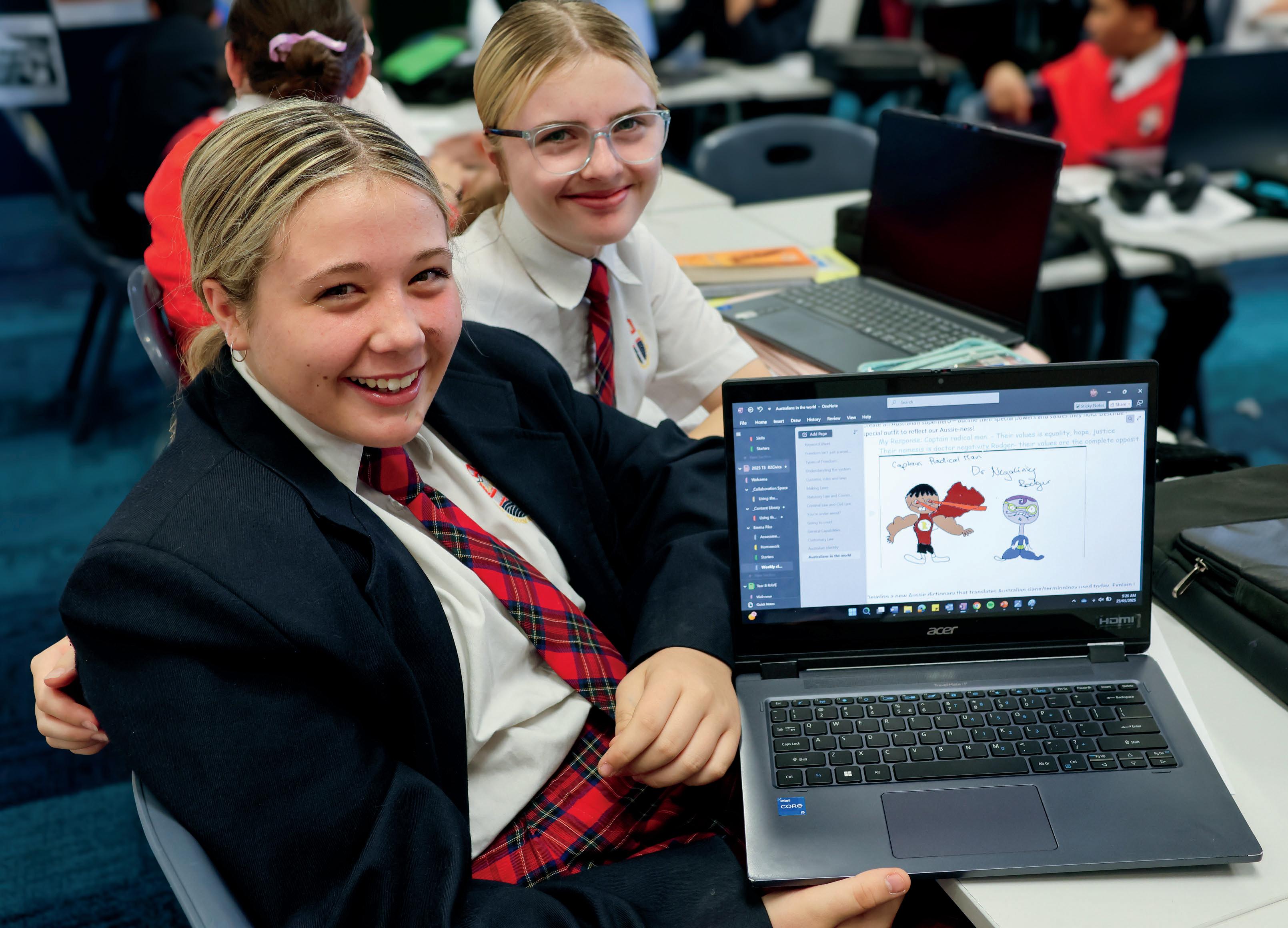
There is an expectation at John Wollaston that students in Year 8 will complete up to one hour of homework five nights a week Students will be set homework tasks or research assignments which are to be completed in this time The student diary is designed to assist your child to record their homework, track homework tasks on SEQTA and submit homework tasks on time. Please support your child to set up a distraction-free homework space and identify blocks of time for completing homework tasks Open communication with staff regarding homework time is encouraged
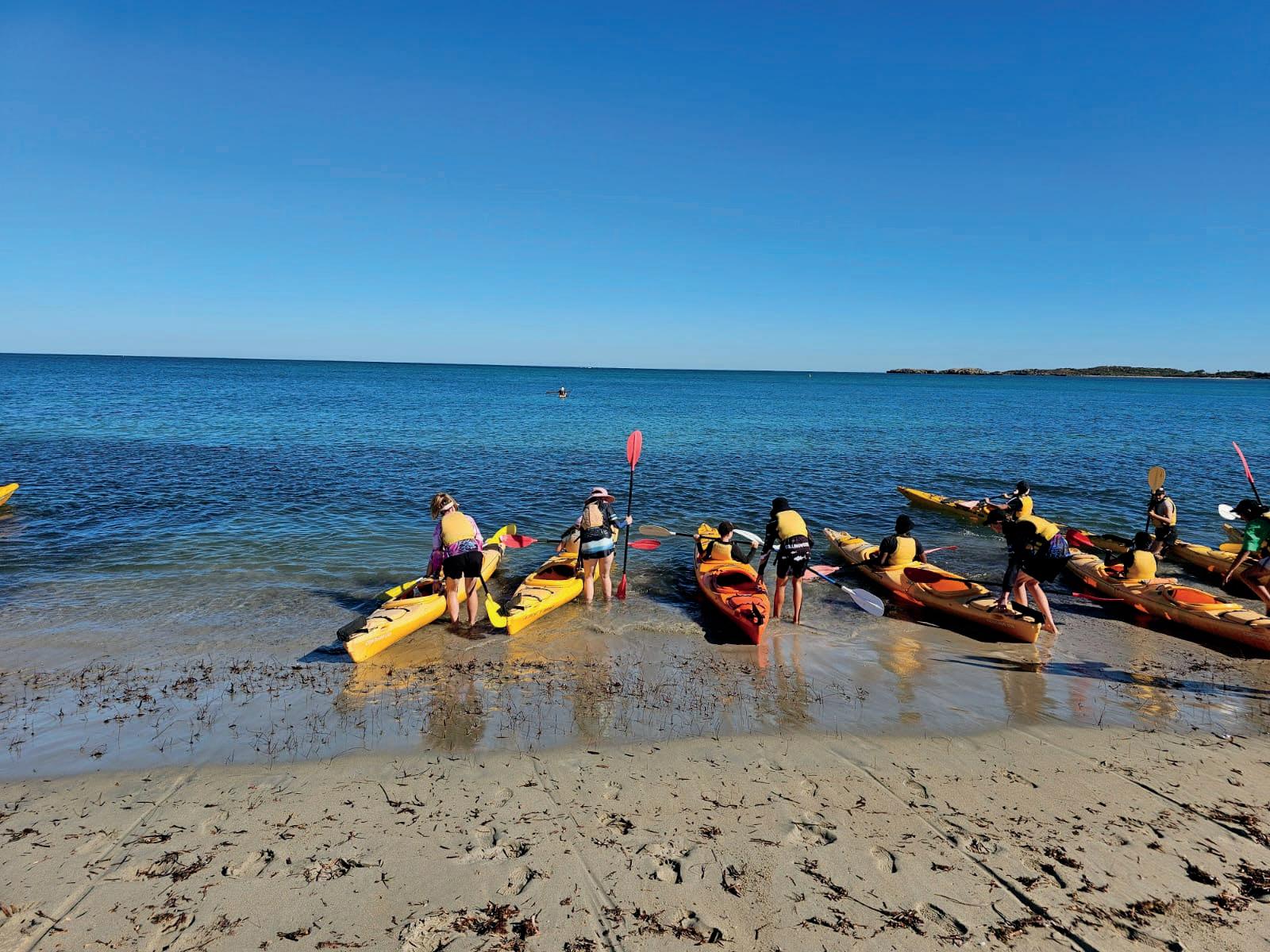
Year 8 students attend a compulsory three-day Encounter. In 2026 this will take place in Term 4 Students participate in a range of activities that aim to extend them, develop resilience, independence, problem-solving, team work and leadership skills whilst developing strong connections with their peers and teachers Through the activities, students learn they are capable of achieving many things when they accept new challenges

Year 8 students participate in Chapels, with their House Group Once a week, Year 8 students will participate in a Religious and Values Education (RAVE) lesson led by one of our Secondary staff The RAVE program has a focus on students and their own spirituality, learning about the Anglican religion and other world religions We encourage all students to participate in our conversations, and respectful participation at Chapel services is encouraged, no matter your faith
In the Secondary School, the procedure for dropping off or collecting students during the school day is as follows:
Please go to Student Services Reception to sign in or out as required
Please notify the School, through the student diary or email on absentees@jwacswaeduau, of the collection time. If your child will be absent for the day, please contact the absentee line on 9495 8111 or absentee email, absentees@jwacs.wa.edu.au or lodge the absence via SEQTA Engage.
If you child is absent from school without notification, an automated SMS will be sent to the parent contact Do not reply to this automated message, please contact the School on 9495 8100 or email, absentees@jwacswaeduau
Any unexplained or concerning poor attendance issues for students are followed up by the House Group Teacher or Head of House in the first instance and then with more formal communication from the Head of Secondary School
The School conducts a co-curricular clubs program for the enjoyment, social development and character enhancement of students in Years 7, 8 and 9 in Semester 1 each year This program promotes a sense of community, expands comfort zones and encourages students to represent and ‘give back’ to their school.
The Secondary Clubs Program will run in Terms 1 and 2, with some exceptions, eg School Band, First Lego League and Equestrian Club Clubs will usually run for one hour after school eg 3:15pm to 4:15pm, with some exceptions, eg Equestrian Club or First Lego League
In the first weeks of Term 1 the Co-Curricular Coordinator will forward an information message and a booklet listing available clubs to all Years 7, 8 and 9 students via SEQTA Direqt Message A link to the Secondary Clubs Selection Form will then be sent to all Years 7, 8 and 9 students via SEQTA Direqt Message Clubs will be filled on a ‘first in’ basis Once a student has been accepted into a club, it is unlikely that they can move to another club, so choices need to be made thoughtfully.

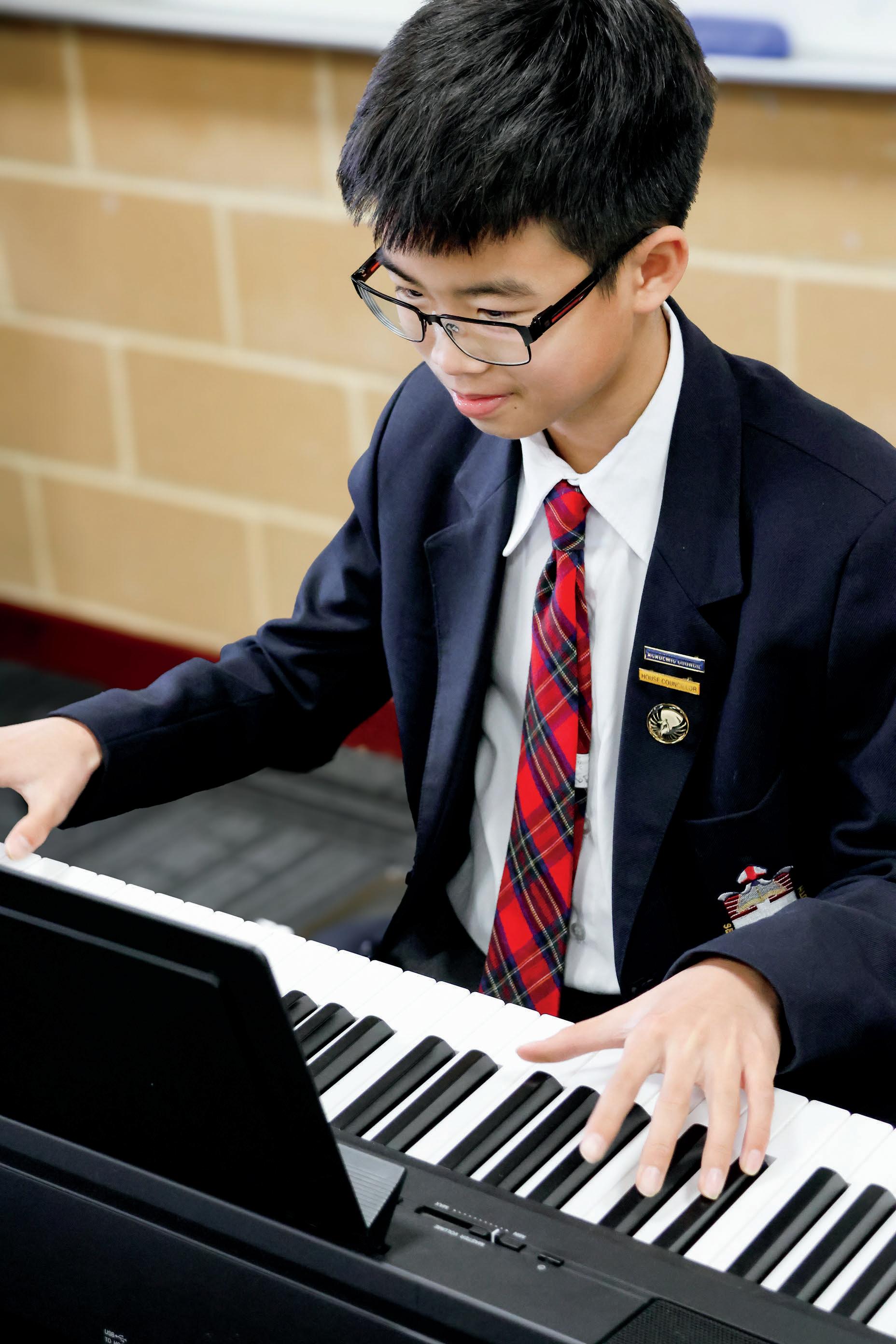
In Year 8, students are given opportunities to develop music skills and knowledge when performing, composing and listening to music They continue to develop aural skills and aural memory to identify, sing/play and notate simple rhythmic and melodic patterns and chord progressions.
They are provided with opportunities to create and refine music ideas by using the elements of music within given frameworks, imitating musical structures and styles They use notation, terminology and technology to record and communicate music ideas
Students listen to and discuss music, using scores and music terminology to identify the use and purpose of music elements and key contextual and stylistic features. Students rehearse and perform solo and ensemble music, developing technical skills and expression As performers and audience members, they make observations and express opinions about a range of music
Students will expand their expose of musical instruments as they learn how music is created and performed, including the ukulele