

DECEMBER 13, 2025–JUNE 21, 2026
Photo by Boynayel Mota

DECEMBER 13, 2025–JUNE 21, 2026
by Mona Mahadevan
As the city moves forward with allocating a $6.75 million state grant on repairs to the Goffe Street Armory, Alexandra Taylor, a New Haven resident of over 40 years, hopes it will become a space where she and her two young kids can make art. That was one of the many ideas floated on Monday at Hillhouse High School, where over 30 people gathered to share their visions for revitalizing the long-vacant, derelict building.
The New Haven Armory, built in 1930, has been owned by the city since 2010. In January, city officials announced their plans to spend nearly $7 million in state grants on rehabilitating the building into a state of good repair. At a press conference, city Economic Development Advisor Mike Piscitelli acknowledged that, while more money would eventually be needed to complete repairs, the current funds were enough to begin fixing the building’s roof and mechanical systems.
Those repairs, according to city officials, will mark the first step towards repurposing the building into affordable housing units and simulated learning spaces for Career-Connected Pathways, a vocational program run by the New Haven Public Schools. Under that plan, the building’s remaining space — which includes the drill hall — will be dedicated to community uses.
Those community uses were the subject of Monday’s meeting. Over two hours, city staffers and a team led by Newman Architects solicited feedback on potential uses for the space, with options spanning from small business incubators and farmer’s markets to free laundry services and

yoga studios.
Piscitelli said the proposals were selected based on community feedback, much of which was gathered through public meetings hosted by the Armory Community Advisory Committee (ACAC).
Taylor said Monday’s meeting felt like choosing “what furniture we’re gonna put in my home,” given how the armory has long loomed large over where she lives. In addition to family-focused activities, she suggested a stipend system for artist-teachers, allowing people to save on rent if they agree to run community art classes.
Olivia, 10, agreed with her mom on arts activities and added, “It would be cool if there was a museum.” Tristan, 7, advocated for a rock climbing wall.
Rather than proposing specific uses, Pat Solomon, a long-time resident of New Haven, focused on accessibility.
“There should be a designated time for the community to use” the building, said Solomon. Pointing to the Floyd Little Athletic Center, she said suburban communities often use the city’s facilities more than local residents, perhaps because of excessive fees and restrictive hours. The armory “should serve the broader com-
munity,” said Solomon.
In general, she added, “I’m for anything youth,” especially for former foster children, many of whom need support after aging out of the system.
Arden Santana, who has lived in New Haven for her entire life, said she felt “disheartened” from seeing how the city’s diversity was not fully represented at Monday’s meeting. She worries about whether the restaurants and grocery stores being considered for the building will be affordable, as well as the flexibility of their hours for people working long shifts. Ultimately, said Santana, she hopes the
space “serves vulnerable populations: youth, low-income, and the elderly.”
Her daughter, Santana Brightly, 14, shares that commitment to inclusivity and described her vision for Black Mall Street, an idea based on the city’s annual Black Wall Street festival.
Brightly developed the concept of “a mall with Black and small business owners” for a group project in school. She views Black Mall Street as a way to “bring the Black community together” and increase the visibility of Black-owned businesses.
As an entrepreneur, she knows the importance of space firsthand. Brightly owns San’s Cocoa, a business that sells homemade carafes of vegan, gluten-free, and low-sugar hot cocoa. “I’m a small business owner, and a lot of business owners don’t have the space to sell their products,” she said. If she had more space, she would use it to continue making progress towards developing a powdered version of her hot cocoa recipe.
All of these ideas will be distilled into three discrete proposals over the next ten weeks, said Dov Feinmesser, director of sustainability at Newman Architects. Afterwards, his team will consult the city, community members, and stakeholders to settle on one version, ideally by early May.
“We recognize that there are many city and state entities involved, and their schedules will dictate” the project’s timing, said Feinmesser. Still, the team is focused on not “missing out on opportunities to get funding.”
Until they make decisions about the community space, however, he said it won’t
by Donald Eng
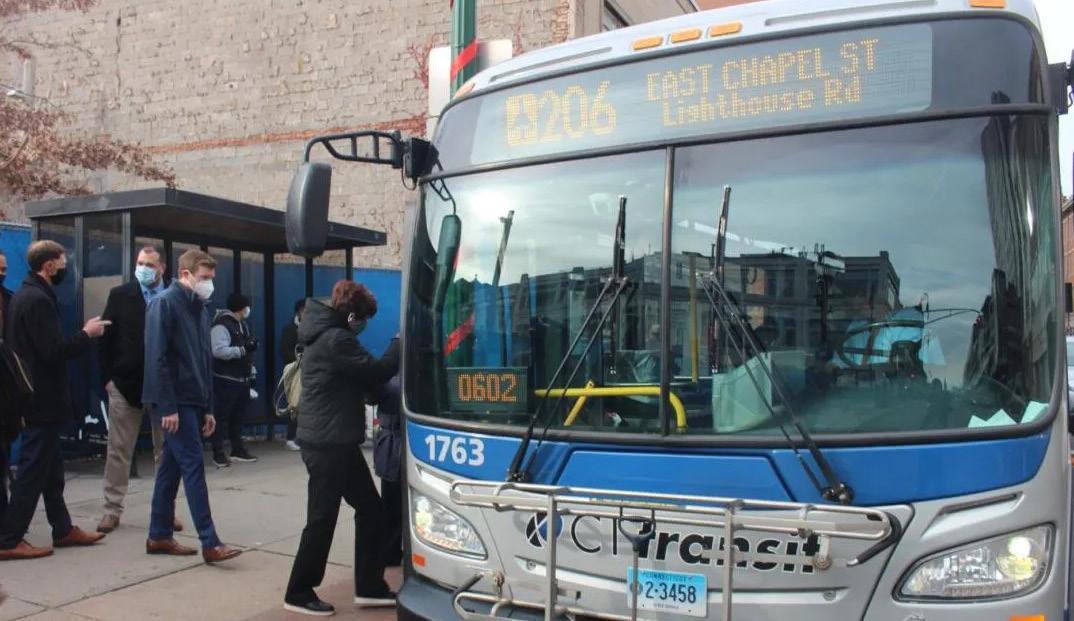
HARTFORD, CT — Veterans and students could soon find getting around less expensive after Gov. Ned Lamont announced that the state budget proposal he presented to the Connecticut General Assembly last week includes the funding necessary to provide U.S. military veterans with free passes to use Connecticut’s network of public bus services, including CTtransit, CTfastrak, and various transit districts throughout the state.
Additionally, the proposal includes funding to provide K-12 students with a 50% discount on CTtransit buses.
The $3.5 million investment recognizes the important service of the nation’s veterans, while also acknowledging the mobility needs of young students, Lamont said. The proposal is currently being considered by the legislature’s Appropriations Committee.
“Our veterans have provided so much to every person in our country, and this is another way we can show how much we appreciate and value their service,”
Lamont said. “Connecticut has a strong network of bus services statewide, and enabling our veterans to use them at no cost is something we should enact.”
Connecticut Transportation Commissioner Garrett Eucalitto said providing discounted bus fares for students and veterans isn’t just about increasing affordability, it was also about access.
“Reliable transportation ensures people can reach essential destinations like health care, jobs, and school,” he said. Under the proposal, the Connecticut Department of Veterans Affairs would be responsible for issuing free bus passes to veterans. Veterans Affairs Commissioner Ron Welch said many veterans struggle with transportation to things like medical appointments, jobs and even grocery stores.
“These bus passes will provide veterans with the ability to meet the demands of their everyday lives while also providing an opportunity to actively engage in their communities,” he said.
Education Commissioner Charlene Rus-
by Thomas Breen
A longtime Ward 29 Democratic Town Committee co-chair’s decision to not run for reelection has led four Beaver Hills residents to jump into a race to become the neighborhood’s next hyperlocal party reps.
Ward 29 is one of two wards in the city that will have a contested election on March 3 for Democratic party co-chair. The other is the Hill’s Ward 3.
Two two-person slates have qualified to appear on the ballot in the Ward 29 co-chair race. One slate consists of Alexandra Taylor and Jorge Lopes. The other slate consists of Bryanna Wingate and Betty Alford.
There are 60 Democratic co-chair spots citywide — two for each ward. The position serves as a neighborhood representative for New Haven’s Democratic Party. Its responsibilities include registering new voters, getting out the vote during elections, engaging residents with the local party and its platform, and casting endorsement votes for the party’s nominees for alder, mayor, and other local elected positions during municipal election years. Click here to read about the local Republican Party’s recent nominations of new co-chairs.
The Ward 29 co-chair election will take place at Beecher School at 100 Jewell St. on Tuesday, March 3. Polls will be open from 6 a.m. to 8 p.m.
For the past two decades, Audrey Tyson has served as one of Ward 29’s Democratic co-chairs. A stalwart of local Democratic politics, Tyson is known for knocking doors, working the phones, fielding concerns from neighbors, campaigning for Democratic presidential candidates, and even representing New Haven’s Democratic Party as a delegate at national party conventions.
Tyson is currently the New Haven Democratic Town Committee’s vice chair. She is not running for reelection this year for another two-year term as Ward 29 cochair. Her current Democratic co-chair colleague, Beaver Hills Alder Brian Wingate — who just began another two-year term as alder, and who is also the vice president of the politically influential UNITE HERE Local 35 union at Yale — is also not running again for co-chair.
In order to qualify for the March 3 ballot, the Taylor-Lopes slate and the Bryanna Wingate-Alford slate each needed to collect signatures from at least 5 percent of registered Democrats in the ward, or 53 signatures in total, by Jan. 28.
Taylor and Lopes submitted 64 verified signatures. Wingate and Alford submitted 59. That means all four of their names will be on the March 3 ballot.
“I was ward chair for a lot of years,” Tyson told the Independent on Wednesday. Now that she’s vice chair of the citywide Democratic Party, “I just really wanted to try something different.” She also described some “medical issues” that make it harder for her to go out and knock on
doors in the neighborhood in the way she used to.
Tyson said she’s working with some of the candidates for co-chair who are looking to fill her seat, though she declined to say who she’s backing, leaving it to the candidates themselves to win neighbors’ votes.
Any advice she has for whoever succeeds her as Ward 29 co-chair? “Communicate with people in the ward,” she said. “Find out what their needs are” — and then do what you can to try to address those needs, whether that means working with the alder or calling the mayor for help.
In a phone interview Wednesday, Bryanna Wingate — who is Alder Wingate’s daughter — told the Independent that her run for co-chair builds off of years of advocating for her neighbors across the ward and the city.
“I want to get involved from a political standpoint,” she said. “I’m already involved from a community standpoint.”
While her day job is in central registration at Yale Medicine, she said she also runs a nonprofit — the Bree Wingate Foundation — through which she mentors roughly 20 different New Haven high school students. Running for co-chair, she said,
is one way of showing these young people how to get involved “and be the change they wish to see in their communities.”
If elected co-chair, she said she’ll advocate for Yale to Yale New Haven Hospital to “pay their fair share” to the city; push for downtown developments to benefit city residents, through jobs and affordable housing; to help New Haveners become entrepreneurs; to speak up for better maintenance of the city’s schools.
Wingate described working with her dad, who is the neighborhood’s current alder, on a number of ward initiatives, including the Beaver Hills Block Party. She also praised her running mate, Alford, as a “behind the scenes” community leader for many years. (Alford did not respond to requests for comment by the publication time of this article.)
Taylor and Lopes, meanwhile, spoke with the Independent in separate phone interviews about how they’re trying to build off their respective years of civic engagement in Beaver Hills and in New Haven to help the neighborhood they live in and love.
Taylor said she’s lived in Beaver Hills for over 40 years. This is where she’s bought a home, where she’s raising her 7-year-old and 10-year-old bilingual
cause she sees being an alder as more of a citywide position, while Democratic ward co-chair is about as neighborhood specific as you get.
In a separate phone interview Wednesday, Lopes described Taylor as “the brains of this partnership” in their joint run for co-chair. “I’m looking forward to learning” from her and working alongside her. A financial adviser and licensed Medicare adviser, Lopes said he has lived in Ward 29 for roughly three decades, and has been a polling place moderator — first at Southern Connecticut State University, then at Beecher school — for 25 years. He’s also been a member of the Elks for 30 years, a member of the Knights of Columbus for 25 years, a board member for the region’s Sickle Cell Disease Association of America chapter, and a member of the city’s redevelopment agency for 14 years, including a stint as chair. If that isn’t enough, he’s also a “eucharistic minister” at St. Francis Church in Fair Haven, where he lived before moving to Beaver Hills.
“Through the years of me working the polls in Ward 29, I’ve gotten to know voters,” and have heard from Ward 29 residents about “the disconnect they feel with some of the elected officials, how they don’t feel heard.”
“I decided I want to do something a little more,” he said, and so he decided to run for co-chair.
If elected, his goals include “helping the community to get more involved in the [democratic] process … We’re trying to give them some information on how to engage in the political process and how important is is, even at this level.”
children, where her family has put down roots.
Taylor works at Yale doing billing and coding. Outside of her day job, she said she’s worked closely with the Whalley-Edgewood-Beaver Hills (WEB) Community Management Team, with the city’s anti-blight Livable City Initiative (LCI), and with business-improvement organizations on Whalley Avenue; she’s helping plan WEB’s second annual neighborhood fest with Arts & Ideas; she’s testified at Board of Zoning Appeals and City Plan Commission meetings; and she’s knocked doors and talked to neighbors, all in service of helping make Beaver Hills a safer, healthier, more interconnected and mutually supportive place to be.
“Most of our community is disengaged,” she said in a phone interview Tuesday. “Too many feel disconnected, especially after this election” for president in 2024. Taylor said she frequently reminds neighbors that, especially when they’re despairing about the state of politics nationally, they should get involved locally. They can make a difference at the hyperlocal level. “Local elections matter.” Taylor said she’s drawn to running for co-chair instead of, say, for alder, be-
Taylor praised her co-chair opponents — Bryanna Wingate and Alford — as “both amazing people,” even as she and Lopes run against them for the position.
“What happens locally matters,” she reiterated about why she wants to be cochair, and what message she wants to send to neighbors about why they should care about this hyperlocal race. “This is not just about [the] president.”
In still another phone interview with the Independent Wednesday, Alder Wingate told the Independent that he respects all four candidates running for co-chair, even as he’s backing his daughter’s slate. “Democracy is good. I’m all about democracy,” he said. “I’m so happy that Betty and Bryanna have stepped up to do this job.”
Wingate said he decided not to run for reelection as co-chair in part because he’s been thinking about “who can be in a position to be your successor.”
“In the business of politics,” he said, “we don’t do enough of handing it off as we get older. At some point in time, we got to have the youth get involved. … Let’s give the youth an opportunity to do something. Let’s let somebody take on these steps and get involved.”
Wingate said he’s confident his daughter’s slate share the same values he has “around affordability [and] Yale paying
by Maya McFadden
The Yale Teaching Fellowship’s leaders are tweaking how the new program works in order to help deliver on a promise they’ve made from the start: To prepare high-quality educators who are deeply connected to New Haven and ready to lead classrooms with confidence from day one.
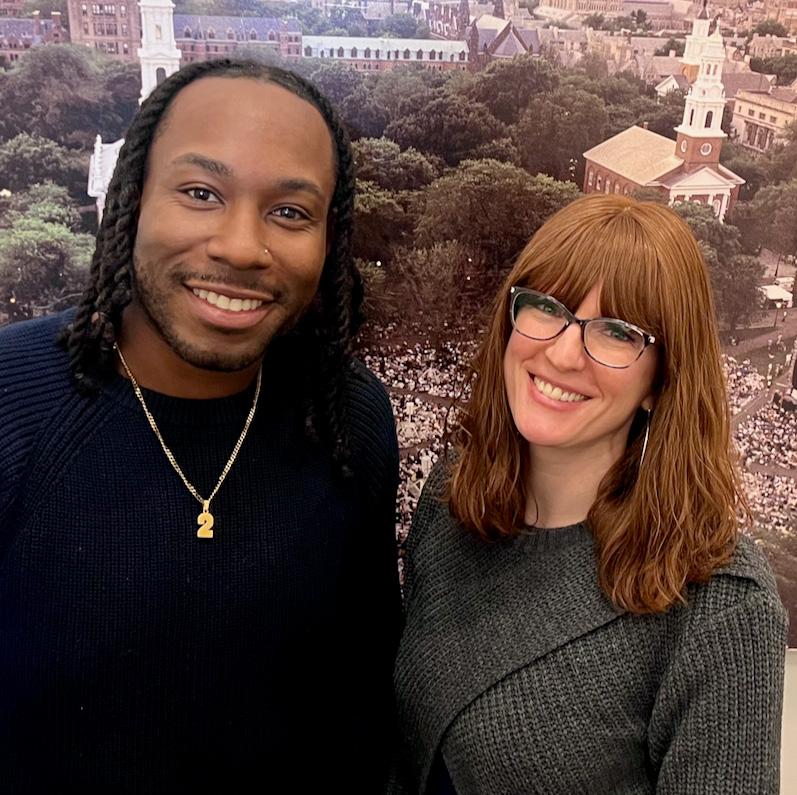
Yale Teaching Fellowship Director Christine Gentry and Associate Director Da’Jhon Jett reflected on the first half of the program’s inaugural year — and on changes to come — in a recent interview with the Independent.
The Yale-funded teaching fellowship began in May 2025 with a focus on addressing New Haven Public Schools (NHPS)’ shortage of teachers for math, science, and special education.
A total of 23 fellows have been matched this year with current NHPS educators-turned-mentors. Each fellow has been assigned to work alongside their mentors at 14 city schools, where the student-teachers learn ropes of what it’s like to actually be at the front of the classroom.
The teaching fellows are also enrolled at Southern Connecticut State University (SCSU) to gain a teacher certification and a Master of Arts in Teaching degree with Yale paying each student’s full tuition. Fellows on the new-teacher track receive a stipend of $47,380 as they work on the ground in NHPS buildings.
After gathering feedback from the current cohort of teaching fellow, Gentry and Jett are making a number of changes to the program starting next school year. They said that the timeline for fellows to complete the master’s degree at SCSU will be extended from 12 months to two years. Living stipends will be provided to those on the paraprofessional/support staff track to ensure that all participants receive comprehensive support without also needing to balance full-time work. And the number of NHPS schools where fellows will be placed will drop from 14 to 8 to make it easier for the fellowship’s leaders to provide coaching.
In total, Yale has allocated $10 million to the teaching fellowship to span four cohorts with an aim of bringing 100 educators with master’s degrees to NHPS. The fellowship requires that the fellows work in NHPS for at least three years after completing the program. The program also offers a course track for current teachers to become cross-endorsed, and for paraprofessionals and support staff to move into certified teaching positions.
The fellowship’s key institutional partners — SCSU, Yale, New Haven Promise, and NHPS — began working over a year ago on designing the fellowship to prepare, provide long-term support, and retain educators in New Haven.
Gentry said its design as a yearlong fellowship is modeled after medical training. Alongside veteran mentors, coaches, and university courses, the aspiring educators are spending a total of 12 months each on an accelerated track to become the educators NHPS currently needs.
Gentry and Jett said the fellowship prepares teachers through apprenticeship rather than through a traditional “sink or swim” approach.
Gentry described the program as having a “scaffolded system of support,” ensuring that fellows are getting step-by-step guidance. Jett added that the program’s philosophy is rooted in the belief that New Haven students deserve the highest-quality teachers. Jett highlighted that Yale’s involvement is a visible commitment to New Haven’s community.
“We’re Helping NHPS Grow Its Own”
From the start, the fellowship aimed to recruit candidates who already had strong ties to NHPS. As a result, 96 percent of the program’s inaugural cohort already lived in Connecticut, and 43 percent already lived in New Haven; 35 percent went to NHPS while 61 percent already work or have worked for NHPS.
Jett noted that many of the fellows also have kids or family members attending NHPS, which adds to their investment in the school system.
“We’re helping New Haven Public Schools grow its own and we’re helping them build an educator workforce that reflects the diversity of the student population,” Gentry said.
Unlike traditional teacher-preparation programs, the fellows begin and end the entire school year alongside their mentor teachers while gradually assuming more instructional responsibility as the year continues.
Jett noted that his coaching so far included lessons in relationship-building, classroom management, creating student-friendly learning objectives, and assessment development. In his role he is charged with supporting the fellows
during her first year. “My first year of teaching in Boston Public Schools, I call it the winter of my life,” Gentry said. “I had no idea what I was doing.”
That experience now informs her belief that teacher preparation is one of the most critical factors of student success.
The goal is to ensure that fellows aren’t shocked when they start in August as fulltime educators, equipped with the knowledge and resources of Yale behind them, Gentry said.
“You can’t really convince me that anything matters more to improving student outcomes than the humans we’re putting in front of kids,” she added.
Jett, who completed a residency-style program through his track at Quinnpiac University, said consistent mentorship and feedback were key to his growth as an educator. He explained that having daily support and reflection opportunities helped him feel more prepared when he eventually took on full classroom responsibility.
He’s hoping it will be the same with NHPS’ fellows.

John P. Thomas Publisher / CEO
Babz Rawls Ivy Editor-in-Chief Liaison, Corporate Affairs Babz@penfieldcomm.com
through twice-a-month one-on-one visits, coaching, and professional development. Jett recalled his classroom observations progressing since the start of the year, showing him each fellow’s growth toward translating their coursework into the classroom.
“Each month we have a focus for professional learning based on research and what we know is needed in classrooms,” Jett said.
Before taking their Yale roles Jett was a middle school math teacher and Gentry was a high school English teacher. Together they have 20 years of educator experience allowing them to bring their teaching philosophies into the fellowship: high expectations, transparent goals, and ample support.
Jett emphasized the importance of meaningful professional development for educators to help them to meet high expectations. They each agreed that the fellowship embodies a “spirit of continuous improvement,” mirroring the idea that educators, like their students, should always strive to grow and improve.
As fellows approach full classroom leadership midyear, the transition — described as a symbolic “baton pass” — signals readiness to take on classes more independently.
“It’s really when they are assuming full responsibility and finally feeling like they have the autonomy to kind of teach in a way that’s even more authentic to them,” Jett said.
Both Gentry and Jett draw heavily on their own teaching backgrounds to run the fellowship. Gentry also brings 10 years of experience in educator fellowship work before joining Yale’s program.
Gentry described entering the classroom through a traditional teacher-preparation program and feeling deeply unprepared
As the year unfolds, the program’s leaders said they made changes in response to continuous feedback from fellows, mentors, and school administrators.
The most frequent concerns they heard were about the difficultly of managing six SCSU courses while working in the schools each day of the week.
“We’re really hungry for their feedback,” Gentry said.
As a result, changes to the program are underway for the next cohort of educators to support them in feeling less overwhelmed balancing coursework and classroom responsibilities. A July 2025 MOU between the fellowship’s stakeholders came about after gathering feedback about the programs structure.
The program gathers regular feedback through coaching conversations, anonymous surveys, monthly mentor check-ins, and regular communication with principals, Gentry said.
Gentry emphasized that the fellows’ three-year commitment to teaching in NHPS is intended as a starting point rather than an endpoint. That means that, if educators enter the district supported and prepared, they’re more likely to stay in New Haven.
“That’s our floor,” Gentry said of the three-year requirement. “We have an aspirational goal that they make a career of this.”
Jett emphasized that long-term retention also depends not just on whether new teachers feel supported, but also whether their mentors feel supported, too. Gentry recalled mentors telling her throughout the program’s first months that it has helped them to fall back in love with teaching and get a refreshing new perspective on their career.
“When teachers feel supported, they’re
Keith Jackson Delores Alleyne John Thomas, III
Editorial Team
Staff Writers
Christian Lewis/Current Affairs Anthony Scott/Sports Arlene Davis-Rudd/Politics
David Asbery / Tanisha Asbery
Jerry Craft / Cartoons / Barbara Fair Dr. Tamiko Jackson-McArthur Michelle Turner / Smita Shrestha William Spivey / Kam Williams Rev. Samuel T. Ross-Lee
Christine Stuart www.CTNewsJunkie.com Paul Bass www.newhavenindependent.org
National Association of Black Journalist
National Newspapers Publishers Association
Greater New Haven Chamber of Commerce
Greater New Haven Business & Professional Greater New England Minority Supplier Development Council, Inc.
The Inner-City Newspaper is published weekly by Penfield Communications, Inc. from offices located at 50 Fitch Street, 2nd Floor, New Haven, CT 06515. 203-3870354 phone; 203-387-2684 fax. Subscriptions:$260 per year (does not include sales tax for the in State subscriptions). Send name, address, zip code with payment. Postmaster, send address changes to 50 Fitch Street, New Haven, CT 06515. Display ad deadline Friday prior to insertion date at 5:00pm Advertisers are responsible for checking ads for error in publication. Penfield Communications, Inc d.b.a., “The Inner-City Newspaper” , shall not be liable for failure to publish an ad or for typographical errors or errors in publication, except to the extent of the cost of the space in which actual error appeared in the first insertion. The Publisher reserves the right to refuse advertising for any reason and to alter advertising copy or graphics deemed unacceptable for publication. The entire contents of The Inner-City Newspaper are copyright 2012, Penfield Communications, Inc. and no portion may be reproduced by any means without the written permission of the publisher. 10
My name is Jeanette Britt. I am a proud New Haven native and a loving auntie, sister, and friend. On October 2, 2015, I was diagnosed with breast cancer, and it changed my life forever. Even with the weight of my diagnosis, I have been blessed through Sisters’ Journey and I am honored to tell my story.
When I was diagnosed, I was a vibrant, independent lady, 61 years young and thriving on my own. I stayed on top of my annual mammograms, although the appointments were time consuming and inconvenient. On September 29, 2015, I went in for what I expected to be a routine checkup. But this time, my spirit sensed something felt different. My care team hurriedly scheduled a biopsy, leaving me anxious and uneasy.
My physician called me shortly after and asked me to come in, advising me to bring someone with me. I invited my neighbor and niece for support. We sat in the doctor’s office, not knowing what to expect. My heart sank as the doctor bombarded me with a flurry of medical terms I could not understand. She handed me a bundle of pamphlets, explaining my diagnosis. Honestly, I could not absorb a word. In the span of minutes, my world flipped upside down.
I started thinking about my father who had stomach cancer, to my paternal aunt who had breast cancer. Growing up, a cancer diagnosis was something to be ashamed of. Almost everyone I knew who had cancer had passed away. It was a scary death sentence, and at best, a grueling cross to bear. Thankfully, I remembered my one cousin who had cancer and lived. I clutched onto this hopeful reminder that surviving was possible. I bravely faced the road ahead, praying that God would allow me to be a testimony, just as she had been.
My care team moved aggressively and swiftly. On October 28, 2015, I underwent a right needle-localized partial mastectomy for a ductal intraepithelial neoplasia, measuring 1.2 cm. On January 8, 2016, I received my first whole-breast radiation. This was one of the hardest periods of my life. The radiation treatments caused nerve damage to my lungs, making it harder to breathe and move. Still reeling, I started Arimidex in February 2016, a hormone therapy specific for my type of cancer. I felt constant nausea and weakness, which made me wonder if I could persevere. I leaned on my sister during my recovery. It took six months after my surgery to feel like myself again. I slowly started adjusting to my new normal. Even simple activities like lifting my arm or putting a shirt on became difficult. I knew that things would never feel the same, but I was determined to find peace in this new chapter.
Through it all, I never stopped leaning on God. My church, Faith Temple Revival Center in Hamden, held me up, reminding me of God’s faithfulness. I continued to attend Bible Study, prayer nights, Sunday service and sing in the choir. My sisters and my nieces were my rock. They held my hand through my darkest moments and reminded me of my own strength.
God also had placed women in my life who could attest to God’s grace even after a breast cancer diagnosis. My close friend, Karen Barrows, a member of Sisters’ Journey, invited me to a monthly support group meeting. I was uneasy, knowing that this space of so much vulnerability would put my diagnosis on a platform, but I went anyway. Karen was once hon-
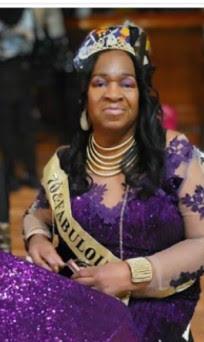
ored in this same calendar.
This support group remains one of the best decisions I have ever made. I continue to be inspired by countless sisters, just like these ladies In September 2016, I completed Arimidex and was officially cancer free. I finally felt free! I thank God for sustaining me along the way and allowing me to connect with this beautiful organization. Thank you for listening to my testimony.
“Behold, I am the Lord, the God of all flesh. Is anything too hard for me?”
~ Jeremiah 32:27 (ESV)
Save the Date!
Sisters’ Journey 28th Annual Pink Tea October 26, 2026 Mohegan Sun 1am - 5pm
Suport Us By Donating Click here to Donate!
Our 2026 Calendar is now Available in Our Shop! Click Here to Shop!
Support Group Meetings:
When: Every 3rd Tuesday of the month
Time: 6:00 PM – 7:30 PM
Where: St. Luke’s Church 111 Whalley Ave. New Haven, CT
Contact Us: sistersjourney@sbcglobal.net
Or Call: 203-288-3556 We’re on the web @ Sistersjourney.org. or
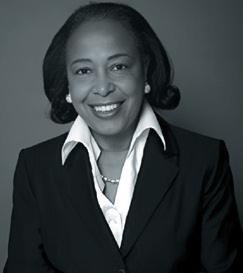
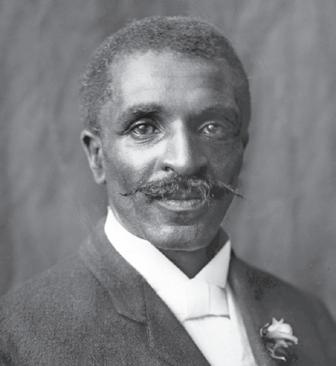
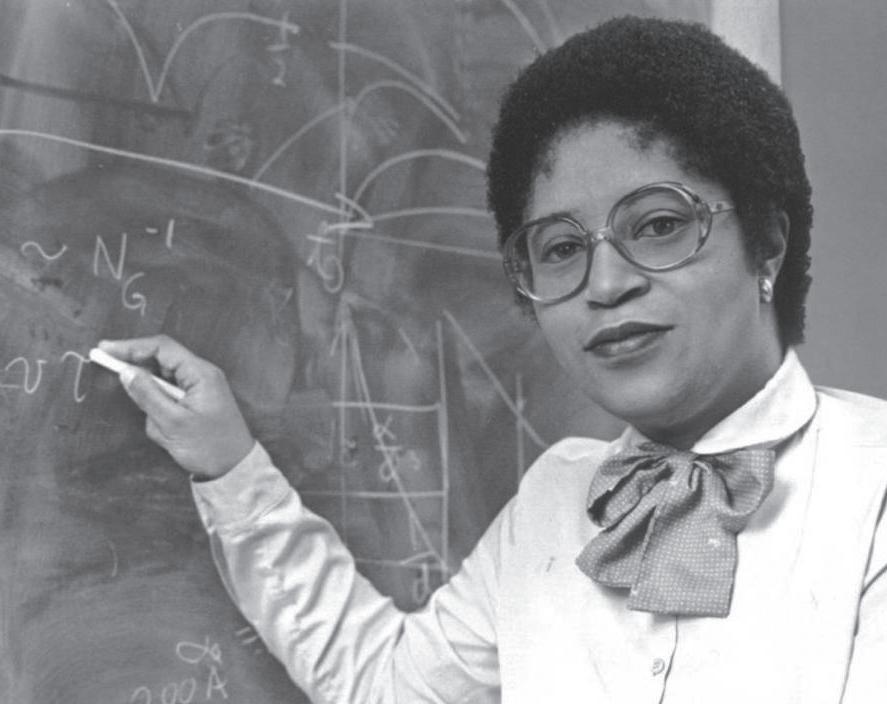

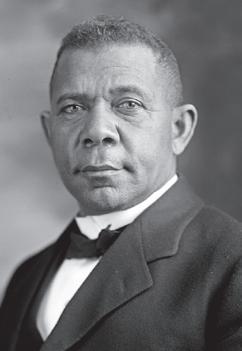
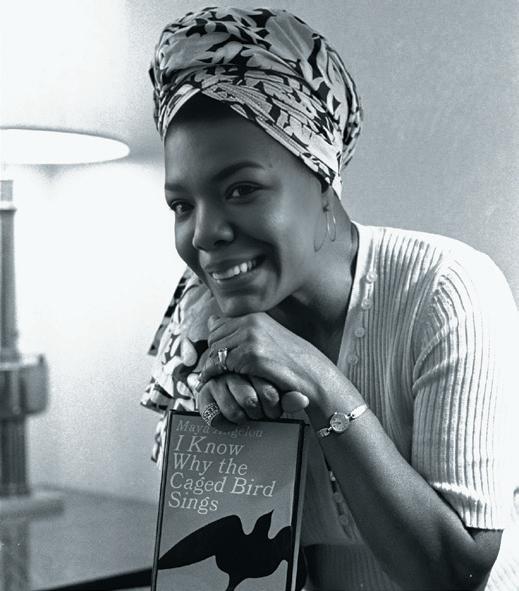
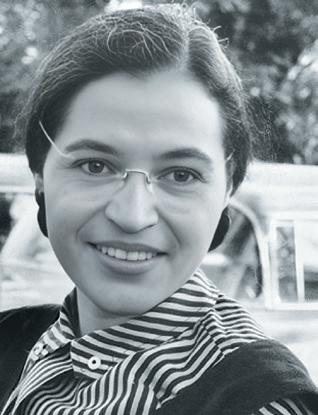
From Booker T. Washington’s advances in education, to George Washington Carver’s inventions, to the scientific contributions of Dr. Patricia Bath and Dr. Shirley Jackson, to the pivotal role Rosa Parks played in the civil rights movement, and to Maya Angelou’s literature and social activism, Boscov’s celebrates courageous Black humanitarians everywhere for their accomplishments and the lasting contributions they have made in education, science, and beyond.
Lucy Gellman
Goli is trying to explain the way English floats along the surface of language, but the words are half stuck. “English does not want to be poetry like Farsi,” she says, and hedges just a little. “It is like some rice.” A beat. “English is the rice.” It does not sink, she explains. A neat pink hijab, fixed in place with a rose-colored clip, frames her face. “English it stays on top of the water. It only wants to—”
For a moment, it seems as though she is caught between worlds, drifting from one to the other and then back again. She extends her arms and sways just slightly, her body a wobbly lyric. The classroom is quiet enough to hear a pin drop. Marjan, the teacher, smiles. “I couldn’t agree with you more,” she says.
That liminal space lives inside Sanaz Toossi’s English, which closed on Sunday after a sold-out run from Long Wharf Theatre at the Kendall Drama Lab at Southern Connecticut State University (SCSU). At a special performance and talkback with Noor Theatre’s Ariana Sarfarazi on Saturday night, it became clear how much of a gift it has given audiences in this moment, as the Iranian government seeks to silence its own people with intimidation, censorship, internet blackouts, and deadly state violence that has killed tens of thousands of people.
Long Wharf presented English, which won the 2023 Pulitzer Prize for drama, in partnership with TheaterWorks Hartford, where it was so popular that the theater extended it by a week in November of last year. Both performances were deftly directed by Arya Shahi, with a shared cast and creative team.
“The thing that’s been on my mind recently is how important it is for people to understand the humanity behind crisis and massacre,” said actor Neagheen Homaifar, who plays the character Marjan. “Unfortunately, one of the big things that’s talked about right now is the largescale killing of Iranians in Iran by the government … Those are people. Each of the characters on this stage represents one of those human beings. They are not a caricature. They are not a stereotype. They are fully formed humans that are imperfect and beautiful and complex, just like you.”
So much of that is baked into the play itself. Set in a single classroom in Karaj, Iran, in 2008, English tells the story of four students preparing for the Test of English as a Foreign Language or TOEFL, which is often required for foreign study or work abroad. In the room, a whiteboard stands in the center of the floor like a challenge, emblazoned with the words English Only in dry-erase marker (a nod to set designer Sadra Tehrani). In the center of it all—blinds barely opened, desks neatly arranged, books stacked on the teacher’s desk—are the students.
There is Goli (Aryana Asefirad), who stands on the cusp of adulthood with a sweet, sometimes self-deprecating demeanor that belies how smart she actu-
ally is; Elham (Sahar Milani), a repeat test-taker who needs the TOEFL for medical school in Australia, and is as sharp as she is stubborn; Roya (Nina Ameri), a steely, sometimes-haughty older woman who is learning English for her Canadian-Iranian granddaughter, Claire, and grown son, Nader; and Omid (Afsheen Misaghi), whose near-perfect English surprises his classmates, and means he is at turns much maligned and much adored by different members of the class.
Charged with teaching all of them is Marjan (Neagheen Homaifar), whose own past and present, slippery with words she rarely speaks out loud, seem to shift just beneath the surface, tectonic plates that will not rest. When she asks, in an opening scene, “Why do we learn language?” what she is really asking is for the audience to lean in, and give themselves fully over to the world of the play, which is not so different from their world at all. If they do, she seems to promise, they will learn much more than whatever is in the lesson plan for the next several weeks.
From those first moments, there’s an ease and quick, sharp humor to Toossi’s language, and the way it moves on the stage and between characters. At one point early on, for instance, Goli stands in the center of the room, trying to describe how to use an eye pencil. At first, she’s all in, that cool and excited friend you met in the high school bathroom. “I want big eyebrow but I take too much hair when I am young,” she says, and we feel it, that gentle striving that is both learning a language and learning to do makeup for the first time.
“The pencil is for make not real hairs,” she continues, and something begins to crack beneath the surface. But Goli charges forward, determined. “You do like—”
Here, language, both verbal and physical, is a tricky thing: She becomes unstuck by the exercise when she realizes that she has neither the words nor the mirror to correctly apply the pencil to her brows, resulting in a sort of zigzag line beside her eye. It’s a smart, tightly delivered parallel, and it lands: Marjan’s corrections work as laugh lines not because Goli is coming up short, but because we have all felt this lost in translation, whether in words or in another language entirely.
In another, Milani-as-Elham makes clear the split between believing in a language and learning it as a matter of necessity, a divide that throbs and pulses through much of the show. If Marjan, who has honed her language skills abroad, steps into English as an escape—“I always liked myself better in English,” she quips at one point—Elham pushes back against it, angry at the time and energy she must spend on it to prove she is worthy of acceptance to medical school.
As she takes the floor for the class’ show-and-tell, she displays a letter about her research, which is in gastroenterology. In the room, students listen, interested



in what she has to say. Even as Marjan takes the letter away to prompt Elham, she is a study in strength and a quiet, pugnacious kind of pride. Her eyes blaze. She gesticulates, and her hands are at once balletic and forceful. Everything about her is intentional.
“I am not an idiot and also I am nice. And also I am care-y. I care about the world, and, and I am nice,” she says. In
Toossi writes. Here, to be between languages is really to be utterly between worlds, swimming through a kind of emotional statelessness. If English, as Marjan suggests, really makes you a lighter version of yourself, how long until you are weightless, and simply float away?
When Roya calls her son, leaving voicemail after voicemail in accented English, there’s an ache that is instantly relatable: she is suddenly your mom or grandmother, who still switches to Yiddish or Spanish or Russian or maybe even Farsi because it is so much easier to say both I love you and Get your act together in your mother tongue. When she says, “I am not mom, I am māmān,” you feel her grief, maybe because something like it lives inside you, too.
just seconds, the walls that she has spent days putting up fall down around her. Something in her shoulders relaxes. Her eyes seem softer. Then the scene shifts, Marjan moves on to a listening exercise, and they spring right up all over again.
As the play moves forward, this rift— and the sides that characters take, only sometimes temporarily—is a testament to both the depth and economy with which
When Omid speaks in buttery, smooth, ribbons of English, it’s hard not to wonder who or what he has betrayed to get there, a heaviness that sits on him too. Misaghi does not miss: his whole body becomes a language of practice, facade and ambivalence, until something in him too starts to crack. But even there, Toossi injects a brightness that comes from the weirdness and hilarity of simply existing, from Ricky Martin (“it is a crash, inside the heart,” Goli says of his song “She Bangs”) to definite articles to the futility of practice exercises with scenarios that aren't helpful in actual conversation. In this sense, English is a play about Iran and Iranians—these five characters are all regular humans, remarkable for their full human-ness—but it is also a play that is about culture, family, and belonging when home is itself a moving target. Like the artist’s 2022 play Wish You Were Here, which stunned and delighted audiences at the Yale Rep in 2023, Karaj is an unspoken character, always in the background. But the setting is secondary. If it matters that the characters are in Iran at a specific time—2008 saw elections in the country, in which a conservative and authoritarian government retained the majority—it is not a work defined solely by its adherence to history. If anything, Sadra Tehrani’s classroom is a far more interesting container, and one that plays a much more significant role in the show, than the geographic location or even the time period. It matches the original container for language, which is to say the script itself. During the play, characters switch between English and Farsi, using fast, unaccented English to signify the latter. Initially, it creates a kind of auditory on ramp, an expectation that a listener will and must adjust their own ear to absorb everything that they can. But it also feels like a statement, never heavy-handed, on the violence that English, and English speakers, have enacted over and over again to ensure the language’s global reach and dominance.
In this sense, Toossi understands—and gorgeously communicates, in a play that is all about communication—that language is as much a physical, mental and emotional construct as it is a spoken one.
by Donald Eng
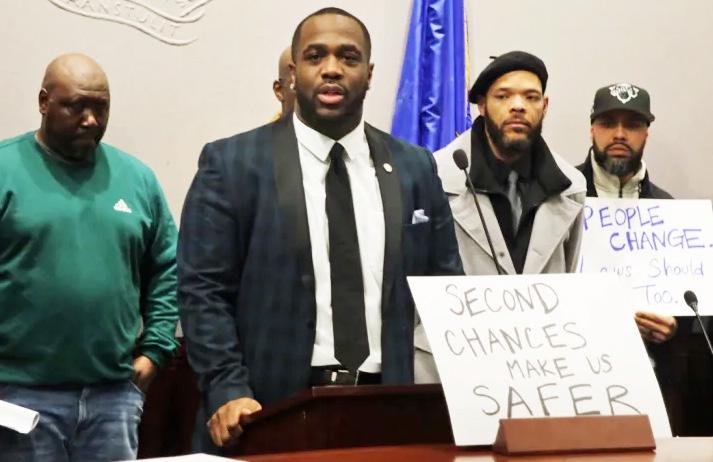
HARTFORD, CT — Does a person’s actions as a juvenile justify punishing them for the rest of their lives? State Rep. Kadeem Roberts, D-Norwalk, and coalition of advocates held a media briefing Wednesday at the Legislative Office Building to say no.
The group is pushing for revisions to Connecticut’s early parole laws to change the eligibility requirements. Early parole in Connecticut is granted by the Board of Pardons and Paroles. Generally, a person sentenced to more than two years must serve half of their sentence for non-violent crimes or 85% of their sentence for violent crimes to be eligible. Those convicted of murder are not eligible for early parole.
“Under the current Connecticut law, individuals who were under the age of 21 at the time of their sentencing are only eligible for early parole if they were sentenced before Oct. 1, 2005,” Roberts said. “This bill that we’re proposing this session would eliminate that Oct. 1 date in 2005 and raise the age from 21 and younger at the time of the sentencing to younger than 26.”
Kathryn Thomas, a licensed clinical psychologist and attorney, said she regularly provides treatment to people with histories of incarceration.
“I’ve seen firsthand the long-term con-
sequences of incarceration during adolescence and young adulthood,” she said. Research has shown that people’s brains continue to develop and mature until the
mid-to-late-20s, in ways that are important to decision making and impulse control, Thomas said.
“As a result, youth and young adults

are more likely to engage in risky, impulsive behavior and are more susceptible to negative peer influence,” Thomas said. “Rates of risky behaviors, including crim-
inal behavior, tend to peak in late adolescence and decline significantly through the 20s as the brain finishes developing.” Longitudinal studies indicate that most adolescents will age out of criminal behavior, and will not continue to commit crimes as adults, she said.
Advocates said early parole eligibility changes would allow a second look after brain development has progressed, and would allow parole decisions based on who a person is now, rather than who they were at 18 or 21.
According to a UConn study into Public Act 15-84, the 2015 law that created early parole rules for juvenile offenders, as of January 2025, 14 of 123 people released under the law had “recidivated,” which is defined as being reincarcerated or absconding, and most of the violations were for technical parole violations like missed appointments. That rate is lower than the state’s general prison population, which ranges from 43% to 49%, according to the study.
Roberts said the proposal was not an example of being soft on crime.
“It’s about being smart on justice,” he said. “Rehabilitation has proven to reduce recidivism. People who are given opportunities to grow are less likely to reoffend and more likely to become contributing members of our community.”



Halfway through Mehsell Ndegeocello's Friday performance of No More Water — her Grammy-winning 2024 album of songs inspired by and contending with the work of writer and civil rights luminary James Baldwin — at Morse Recital Hall, as part of the Yale School of Music's Ellington Jazz Series, the famed musician and bandleader explained how she became connected to The Fire Next Time. She had never read Baldwin's 1963 classic until she was commissioned by Harlem Stage to write a piece about it, for a performance slated for 2015.
"It was life-changing," she said. "I carried it around in my pocket for three and a half years." It wasn't just that The Fire Next Time is a searing look at race relations in the United States that echoes across the decades in startling ways into the present. In its pages, Ndegeocello found connection and understanding with her own parents, whose belief in the American Dream, Ndegeocello said, lay at the core of their difficulties when they realized they would never achieve it.
“We are controlled here by our confusion, far more than we know," Ndegeocello said, quoting Baldwin, "and the American dream has therefore become something much more closely resembling a nightmare, on the private, domestic, and international levels. Privately, we cannot stand our lives and dare not examine them; domestically, we take no responsibility for (and no pride in) what goes on in our country; and, internationally, for many millions of people, we are an unmitigated disaster."
In the intervening years since 2015, "I have returned to that work," Ndegeocello said. "It's the work that reminds me that history doesn't repeat itself, but it often rhymes." She finds herself having imag-
going to stay,” Jett said. “All we want is support.”
As the inaugural cohort approaches the end of its first year, Gentry said that data will guide improvements for future cohorts.
For now, Gentry and Jett say the first year has proven the value of an apprenticeship approach to teacher prep.
As the program moves into its second half, Jett is currently helping fellows navigate the NHPS hiring process and preparing for full-classroom responsibility. In the coming months, fellows will take on complete teaching duties, including grading, contacting parents, and conducting formal assessments. By February, they will begin their practicum periods and, by late spring, they will be fully immersed in their roles, demonstrating their readiness for the master’s program’s final evaluation.
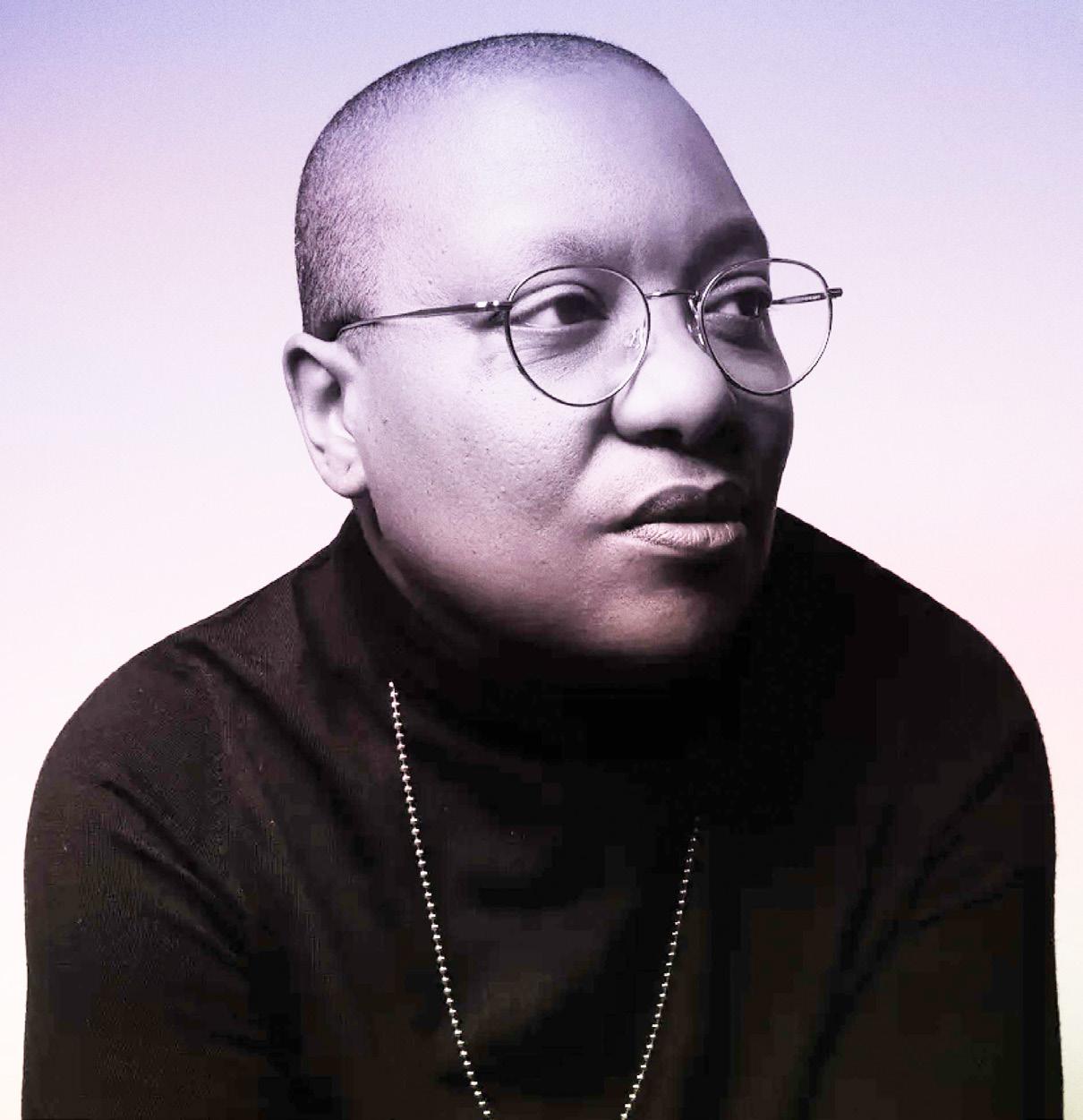
inary conversations with Baldwin when she wonders "what am I doing?" What was her proper place in the continued social struggle Baldwin illuminated years ago? She imagined Baldwin telling her to keep playing music.
"Girl, even if you don't want to, you got to keep going," she imagined him saying, because Baldwin had always known the importance of art to any social movement.
As Baldwin himself said, "The poets (by which I mean all artists) are finally the only people who know the truth about us. Soldiers don’t. Statesmen don’t. Priests don’t. Union leaders don’t. Only poets."
Ndegeocello and her band — Justin Hicks on vocals, Christopher Bruce on guitar, Jake Sherman on organ, and Abraham Rounds on drums — amply demonstrated what Baldwin meant. As a singer, Hicks was a revelation, with an astonishing range of expression, from a low croon to a full-throated cry that easily filled the cavernous space of the recital hall and the hearts of those listening. Bruce, switching nimbly between acoustic and electric guitar throughout the evening, proved a master of texture and timbre, making intricate patterns sound effortless and offering just the right sound at the right time. Sherman's seamless organ work gave heft and body to the music, whether providing nimble countermelodies and rhythms or near-orchestral swells of sound. Rounds was a champion of restraint, whether augmenting the soundscape of the music with a variety of percussion or laying down a deeply felt groove. He always played just enough, and just right.
Yet in every second of the performance, Ndegeocello left no doubt as to who was leading the band. As a bassist
out showed just how much Ndegeocello had taken her composition cues from her inspiration. Her music matched Baldwin's own lithe and indelible language, the rhythms of his hypnotic oratory. Many Baldwin readers and commentators focus on the breadth of his arguments, the range of his language, the complexity of his thought. Ndegeocello acknowledged and reveled in all of that, but also reminded the audience that beneath all of that was a simple message about the need for love — for ourselves and for others — and the importance of art and community in helping us find it.
“I imagine one of the reasons people cling to their hates so stubbornly is because they sense, once hate is gone, they will be forced to deal with pain,” Ndegeocello quoted Baldwin again. But for Baldwin, that pain wasn't just personal and therapeutic. It was written broadly across society, with the same high stakes for danger — and promise of salvation.
That it can be, as Elham herself says toward the end of the play, the sound of home, or of moving away from it.
Saturday, it also became a meditation on the poise and power of Iranian voices in this moment, from Noor Theatre’s work in supporting artists who identify as MENA/SWANA (as Sarfarazi explained, that’s the shorthand for Middle Eastern and North African and South West Asian and North African) to roles that feel fully formed and do not demand trauma of their characters.
Ameri, who plays Roya, remembered reading English for the first time and feeling amazed by the words in front of her. Prior to Toossi’s work, she often found herself auditioning for roles like “the ethnic friend, or hispanic, or anything other than white,” she said to knowing laughs from her fellow actors. “Or, ‘What are you? I don’t really understand.’ Or a terrorist, terrorist’s wife, terrorist’s girlfriend.”
and vocalist, she was an understated but indomitable force; each note she played was a statement and an instruction for her band to follow, even as she also gave each musician miles of space for their own expression. So the song "The Price of the Ticket" was a delicate heartbreaker: anchored by Bruce's pulsing guitar, Ndegeocello's voice mingled with Hicks's and Rounds's to deliver hard-hitting words about a police encounter ("put down your gun and take your hands off me") as a lilting lullaby. "Trouble" bobbed on a swaying groove between Ndegeocello and Rounds that contributions from Bruce and Sherman made sound subtly titanic, which made the sung chorus shine through: "What's another word for trouble? / 'Cause that's what we're in / Everyone's down for the struggle until it begins /Pain makes you humble, hurt is hard to sing / What's another word for trouble?" Perhaps the evening's most excoriating song was "What Did I Do?" The entire song was built on a simple, searching bassline that Ndegeocello laid down with weight and intensity. Hicks entered with a plaintive whisper, stating a question that doubled back on itself a few times before it found an answer: "What did I do
To be so / What would you do / If we became you / I can lie too / And be so / Black and blue / Sad and new / Lapis hue."
As the song progressed, Rounds, Bruce, and Sherman entered and escalated, unleashing the power latent in Ndegeocello's musical statement. This, in turn, gave Hicks the chance to let his own voice fly, leading the song to a stunning, emotional peak before it ebbed again, leaving Ndegecello still playing, still searching.
Recitations from Baldwin texts throughTo Morse Hall, with
"I do not know many Negroes who are eager to be 'accepted' by white people, still less to be loved by them," Ndegeocello read from Baldwin again. "they, the blacks, simply don’t wish to be beaten over the head by the whites every instant of our brief passage on this planet. White people in this country will have quite enough to do in learning how to accept and love themselves and each other, and when they have achieved this — which will not be tomorrow and may very well be never — the Negro problem will no longer exist, for it will no longer be needed."
be possible to calculate the overall cost of the project.
Meanwhile, the city is moving forward on roof repair and abatement work and is about to sign with a contractor, said Piscitelli. If all goes well, construction may begin as soon as late summer.
All the while, said Elihu Rubin, a member of the Armory Community Advisory Committee (ACAC), the ACAC had been “a thorn in the city’s side to make sure [the armory] wasn’t forgotten.” By collaborating with the city, Rubin said the ACAC was able to help select consultants and bring in $250,000 in planning dollars.
On Monday, several members showed up to the community meeting and shared ideas for the space.
“The city has, after ignoring it since 2010, put the armory on its agenda,” said Rubin. While the city has already decided on the housing and vocational elements, he encouraged community members to get involved in the planning process for the rest of the building. “There is still space to host a range of community and public uses,” said Rubin.
English presented “just these people that were just regular characters who had lives and families and hopes and dreams and wants and just regular human experience,” she said. “And I thought, ‘Wow, this play is brilliant’ … it’s just so nice to be around for that, and to see that change happen.”
Homaifar, whose Marjan has a soft, pensive side that bubbles up as the play deepens, agreed. Speaking after the show, she recalled the brightness with which her family reacted to English after seeing her play an Afghan national who was hiding from members of the Taliban the year prior. At first, she was nervous, because she wasn’t sure what they would think of the show. Then she heard their laughter coming from the audience. “Then I could exhale,” she said.
Before the end of the night, it also became clear how deeply Toossi’s words resonated with Iranians both in the audience and in the cast, who spent tech rehearsals running scenes and preparing for the show, and then anxiously checking their phones to see if family members were still safe.
Asefirad, who plays Goli, remembered growing up speaking both English and Farsi, such that she refers to both of them as “my first and also my second language.” English was a play in which she could see herself clearly in multiple characters, including Omid.
“There’s always, like … my tongue gets tied,” she said, after reaching for a Farsi phrase, and watching Ameri jump in with the translation. “When I’m [speaking] in Farsi, my tongue gets tied. And when I’m speaking in English, my tongue gets tied. I’ve always just kind of been in this weird push-pull.”
“It’s a real experience and I think that it exists no matter what level of fluency,” Sarfarazi said. “Because even if you’re fluent in two languages, you have different personalities, because you have different identification of the language and the culture.”
by Laura Glesby
Stetson Library Technical Assistant Tyrone Dailey was stationed at a second-floor desk by the elevator, across the room from state transit officials presenting on a proposed Bus Rapid Transit route along Dixwell Avenue.
As someone who often spends two hours a day commuting by bus between his Fair Haven Heights home and his Dixwell workplace, Dailey approved of the proposal to add a speedier option.
The state Department of Transportation (DOT), CT Transit, and the City of New Haven are planning a new Bus Rapid Transit (BRT) system in the city, which would add express bus lines to supplement the city’s four most popular routes.
The proposal would create three BRT routes, currently estimated to be completed by 2030. One would extend from Foxon Boulevard (by Walmart and Lowe’s), through Downtown, to Southern Connecticut State University, primarily along the 243 and 212.
Another would connect downtown New Haven to the West Haven train station by way of Congress Avenue, supplementing the 265.
A third would operate along Dixwell Avenue where the 238 bus runs, extending from Union Station, through Downtown, and up to Skiff Street in Hamden. The BRT system is one of the biggest ticket items on the state-funded, decadein-the-making, 2019-completed Move New Haven transit study, which provided a host of proposals for how to improve public transit in the region.
On Wednesday, a team of transit planners convened a meeting at the Stetson library branch at 197 Dixwell Ave. to request input on that third proposal to supplement the 238.
The meeting was one of four neighborhood-specific input sessions this week, focused on each of the four bus routes that will be supplemented.
Each BRT line will make between 10 and 15 stops and will run in tandem with the existing routes that stop more frequently.
In addition to bus routes with fewer stops, the BRT proposal includes an array of roadway redesigns, pedestrian infrastructure, traffic lights that adjust to buses running behind schedule, electric bus charging stations, and more. DOT is planning to implement a set of designated bus lanes, several new roundabouts, raised crosswalks, and more.
The goal, said Rick Plenge of VHB Consulting, is for BRT to be “not only a bus project but a safety project,” benefitting residents who don’t ride the bus as well as those who do.
The entire project is currently estimated to cost $300 million. So far, the project has received a $25 million RAISE grant in 2023 from the federal government. Across the room from where the meeting took place Wednesday, Dailey finished up his work day, preparing for his own commute home.
He said he personally supports the plans for BRT. “I do think it’s a good idea,” he
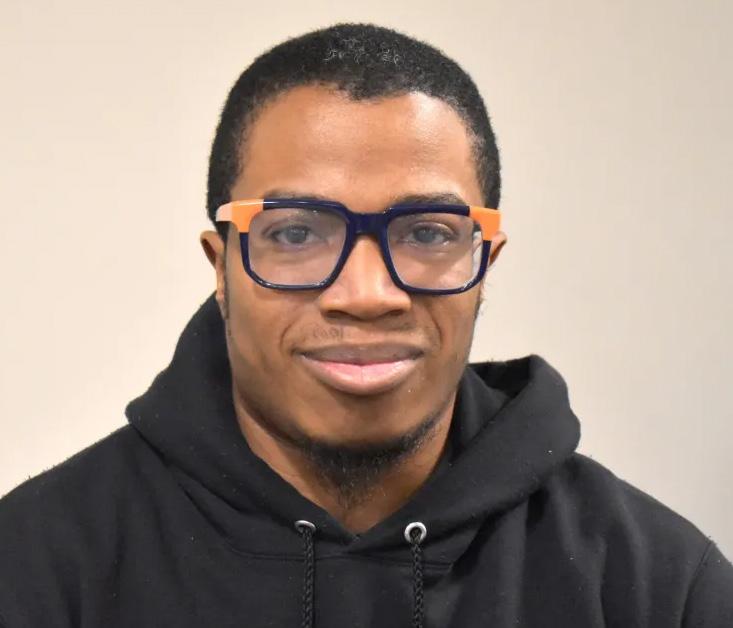
said. “They gotta put care and thought” into how the bus lines and road changes are implemented.
“The buses are important for our patrons” at the library, he noted, musing that a more reliable bus route could encourage more people to stop by the library.
Dailey is a lifelong rider of the 238, which currently runs along Dixwell Avenue and transforms into the 212 bus on Grand Avenue. Dailey grew up by the Dixwell Avenue part of the bus route, and he now lives in Fair Haven Heights, across the river from where the 212 route currently ends.
In all his years of riding the 238, “it’s never really been consistent” about being on time, Dailey said. “I think some bus stops are too close together… It definitely slows things down.”
He said he tries to bike to his job at Stetson Library when he can.
In the cold weather, though, Dailey spends anywhere from 45 minutes to 1 hour and 15 minutes riding the bus in each direction to and from work.
Dailey’s exact bus commute has a few permutations.
Leaving from Fair Haven Heights, he can choose to walk along East Grand, across the Grand Avenue Bridge, until he reaches Front Street in Fair Haven. There, he can directly board the 212, which will take him down Grand Avenue, through Downtown, and eventually drop him off right outside the Dixwell Avenue library. Alternatively, he can take the 282 bus from Eastern Street to the Walmart on Foxon Boulevard. Then, he can either wait for the 212U, the 212W, the 212F, or the 223 — the latter of which would require him to transfer once again, at the New Haven Green, to the 238.
He prefers the first option, even though it entails a longer walk. He said it’s usually still faster.
About seven community members attended the BRT meeting at Stetson, outnumbered by the team of officials from CT Transit, DOT, the city, and transit con-
sultants. (Anyone can submit feedback on the plan via this online form.)
Not all of the attendees typically ride the Dixwell Avenue bus. East Rock resident Anya M., for instance, usually takes the 224 to work (up State Street to North Haven), or about once a week, the 215.
While neither of those routes will gain a BRT equivalent, Anya said that BRT “probably would open up opportunities” to do “fun stuff” across the city.
At the meeting, they asked the presenters, “How much thought is being put into pedestrian safety” surrounding every bus stop?
They had a particular stop in mind: the 215 stop where Universal Drive North meets Sackett Point, right by an underpass, where there’s no sidewalk or pedestrian crosswalk nearby.
DOT engineer Charlie Weigert said that “crosswalks and other safety measures” are a core part of the BRT plan.
“You hit something very important,” added City Engineer Giovanni Zinn. “Bus service is not just bus stop to bus stop, it’s from your house to where you need to go.”
Westville resident Elias Estabrook asked whether DOT would consider installing bus ticket systems at each stop — akin to New York City’s select bus service tickets — rather than having passengers pay their fares on board.
“I remember when fares were free, the buses went a lot faster,” said Estabrook, a paraprofessional and teacher-in-training at Celentano School who often takes the 243 and the 224 to work.
“I can tell you it’s not going to be free,” said Weigert.
He said that outside ticket machines are “a big maintenance issue,” and noted that “as many people as we can get to use the app,” rather than pay in coins, the faster the bus routes will run.
Even so, CT Rapid Transit and Zero Emissions Director Barry Diggs said, “We should definitely look at that.”

By Lucy Gellman
In front of him, words spilled out over the paper, tangles of language parsed into neat lines. He looked over the audience, searching for something. One poem, he explained, was kind of gritty. The other, sweet. On the page beneath him, a storm was brewing, so vivid you could see the whipping wind and green, low-hanging sky.
“Gritty first, then sweet,” a voice piped up from a few feet away, where a row of chairs sat half-occupied. It was poet Frederick-Douglass Knowles II, who later blessed the audience with some of his own work. “So you leave us with sweetness.”
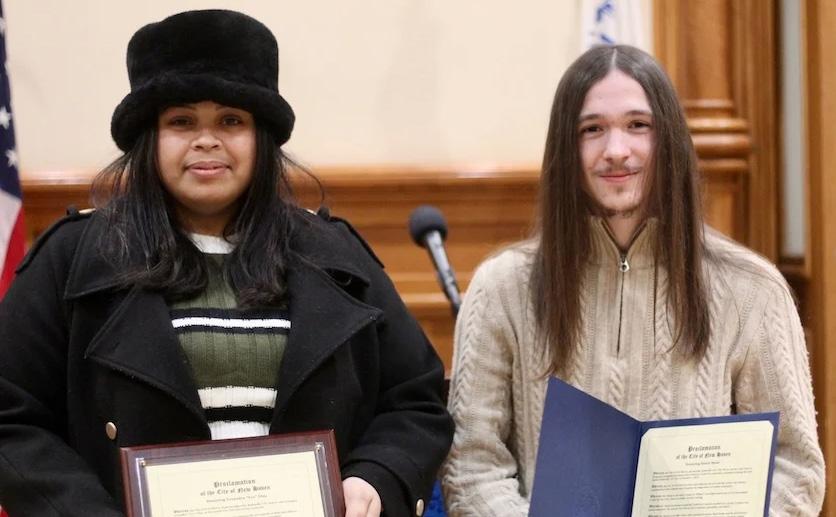
That gentle exchange—and so many like it that are yet to come—set the tone for the recognition of two new poet laureates Tuesday evening, as New Haven’s City Hall transformed into a tight-knit literary salon and cultural hub for a single, magical hour on a bitterly cold night. As a small crowd gathered in the building’s second-floor atrium, friends, family, and poets from across the state celebrated New Haven Poet Laureate Yexandra Diaz, who technically began the role last month, and New Haven Youth Poet Laureate Henry Mead.
Diaz, a literary dynamo, full-spectrum doula, mother, and development manager at the Arts Council of Greater New Haven who is the artistic director at The Word (and part of Connecticut’s nationally recognized slam team, Verbal Slap), will hold the position through 2028. Mead, a senior at Wilbur Cross High School and the ACES Educational Center for the Arts (ECA), will serve as youth poet laureate through next year.
Diaz succeeds poet Sharmont “Influence” Little in the role; Mead follows 2024 New Haven Youth Poet Laureate Anna Capelle. Both titles were announced last year, during Kulturally LIT Fest in October. In the interest of full transparency, the Arts Paper is a program of, but is editorially independent from, the Arts Council, where Diaz works part time.
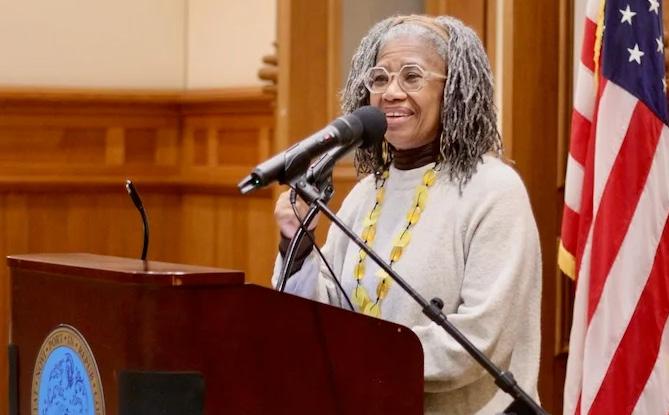
“The arts are an opportunity for us to talk about truth, right? To highlight the truth,” said Mayor Justin Elicker, crediting Kulturally LIT Founder IfeMichelle Gardin for creating the position in 2023, after years of visioning with fellow poets in the state. “Particularly poetry highlights the truth. It’s also an opportunity for us to connect with one another, to be vulnerable with one another, and to find joy with one another. And that’s what this is about.”
And throughout the night, it was, perhaps more than Elicker could have ever imagined. As Diaz and Mead took the podium—first for the official city business of mayoral proclamations, and then again to grace the building with their words, and the words of others—both looked to the importance of using the position as a shared springboard, from which they can educate fellow poets, amplify and center
youth voices, and teach New Haven about art as a doorway to social justice work. Diaz, in so many ways, is already doing that work. Born in Chicago and raised for most of her life in New Haven, she has for years turned to poetry as a way to speak truth to power, and put to words that which might otherwise go unsaid. On stages that range from the Peabody Museum to the New Haven Green to Woolsey Hall to the Southern Fried Poetry Slam in Knoxville, Tenn. (and most recently, the mayor's inauguration), she has used her craft as a mirror and a doorway, through which her listeners can both look more closely at the world around them, and choose to step forward, and grow their world view.
For years, she has worked to bring people with her, from her work with The Word to her recent appointment to the city’s Youth Commission. It makes sense that she’s also a mother and a doula; her creative work is literally the business of midwifing language into being. Before the night was over, Josh “AnUrbanNerd” Brown, who served as New London’s poet laureate from 2021 to 2024, noted the joy she clearly takes in seeing other young people perform.
“My vision aims to elevate not just Connecticut as an art hub, but New Haven specifically as a staple for poetry,” Diaz said Tuesday, paying homage to cultural griots Nina Simone and Toni Cade Bambara, who spoke passionately of their creative work as a sacred and powerful duty.
“I heard early in my career that it is almost impossible to be both palatable and progressive. And that is why I use poetry as a vehicle for my messages.”
That flowed through her performance of not only her own poetry, but an excerpt of Ferdowsi’s “The Shahnameh,” an epic poem that pays homage to the cultural richness and heritage of Iran and the Iranian people. Inspired by a recitation exercise that students are doing at The Word, Diaz carried the poem to City Hall in an effort to both share the work and remind attendees why the preservation of cultural heritage is also about the survival of a people.
We begin in darkness, she read, and the room seemed to lean in, listening intently.
A siren screams / The king gathers / The invaders come from the desert in a cloud of dust / The king gathers his army at a mountain castle. A single battle decides our fate—
In the atrium, a listener could hear the pauses, ever so brief, between each line, and the urgency at the edge of Diaz’ voice. The battle burns, / the din of drums, the clash of axes, the spark of swords. She looked up ever so briefly. The dirt turns clay with blood. The sun goes down on a fallen flag. The day is lost.
If a listener closed their eyes—and many did—they could see it all: the loud, heartbeat-like hoofbeats sending up clouds of dust, the goblets of jewels, luminous in the low light, the landscape, once lush and winding, brought to its knees by an abuse
of power. The weathered sheet of paper on which the poet would inevitably write, after years and years of storytelling. Or in the poet’s original words, carried forward on the sturdy beams of Diaz’ voice, It had to be a poet. Because poetry is music. It sinks into the memory.
So too in Diaz’ ode to New Haven, a nod to the Elm City that sprang alive with vivid description and candor in every verse. Flowing from her own origin story to the city she calls home, Diaz skillfully knitted together the people and places that build a community, from the Puerto Rican bomba y plena that has always been a part
old Armory into amor / Centering people and pride / Our ecosystem is guarded by masters of jedi who wield love / And wear welcomes —
That sense of something deep and visceral flowed through work by Mead, a high school senior who has grown up close to the city’s Wooster Square neighborhood, and came out Tuesday with his parents, Martina Droth and Nick Mead, and ECA instructor Saul Fussiner, chair of the creative writing program at the school.
Reading two poems he worked on last year, Mead conjured image after vivid image, from bright, candy-colored leaves in the wind and wet of a growing storm to a small room near a lake that would become his home for the summer. He later said that he hopes to use the position to teach his peers across the district more about poetry.
That goal is baked into his own approach, he added. After writing a number of “silly poems” as a freshman at ECA, Mead started to deepen his craft, focusing on topics that hooked and held his interest. It “has brought me a level of self-fulfillment” that he didn’t know he could have, he said. He wants that for other students.
“I’ve come to realize that this space, where I’m standing right now, is a platform and not a pedestal,” he said. “Being up here does not mean I’m above any of you, and I’m glad that that’s the case. Being up here, rather, gives me the chance and the honor to share some part of my world with you.”
Around them, current and former poets laureate from New Haven, New London, Hartford, and Enfield made clear that the two are not going at it alone: there is a whole community of support that stretches across the state, from events like Kulturally LIT Fest and the Hartford Book Festival to cultural events that call on poets to ceremonies like Tuesday’s. Or as poet Nzima Hutchings, Enfield poet laureate and the northern regional representative of the Connecticut Council of Poets Laureate, put it plainly, “You’re not alone.”
of her inheritance to the city’s patchwork of neighborhoods, each a jigsaw piece jostling against the next.
As she read, a listener could again close their eyes and see moments large and small, from funerals that become family reunions and impromptu porch hangs (the line Where porches are a portal to the Ninth Dimension stayed in the air long after the event) to the pulsing promise of a city in contrasts, from Goffe Street all the way out to City Point.
We harvest joy / And bloom anyway, she read. We turn lemons into a reason to gather / Make ideas into art / Turning an
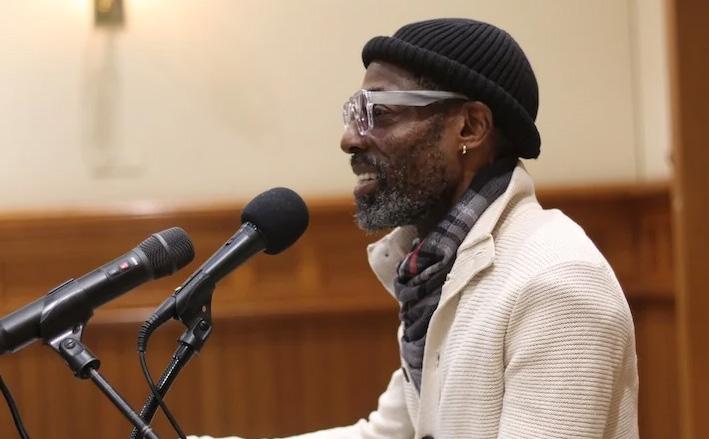
“We’re very thankful for the opportunity, because it gives us and our artistry an opportunity to reach more ears and imaginations and minds,” said Knowles, who in 2018 was named Hartford’s inaugural poet laureate. “But I’d also like to stress that it’s not the title that’s important. It’s not the appointment that’s important. We can think about some folks who hold titles in our world that don’t deserve them or utilize them to the best of their ability.”
“It’s about the love for the artistry, the commitment, the strength, the sacrifices, the yeses, the more nos than yeses, the voice of our ancestry that wakes us up in the middle of the night to write these words down now ‘cause if we don’t we can’t go back to sleep … that takes soul. And so to see not only one, but two people from this area willing to do so… that’s what it’s really about.”

Because black people were not being accepted into the major and minor baseball leagues due to racism which established the color line, they formed their own teams and had made professional teams by the 1880s.[7] The first known baseball game between two black teams was held on November 15, 1859, in New York City. The Henson Base Ball Club of Jamaica,
Queens, defeated the Unknowns of Weeksville, Brooklyn, 54 to 43.[8]
Immediately after the end of the American Civil War in 1865 and during the Reconstruction period that followed, a black baseball scene formed in the East and Mid-Atlantic states. Comprising mainly ex-soldiers and promoted by some well-known black officers, teams such as the Jamaica Monitor
Club, Albany Bachelors, Philadelphia Excelsiors and Chicago Uniques started playing each other and any other team that would play against them.[9]
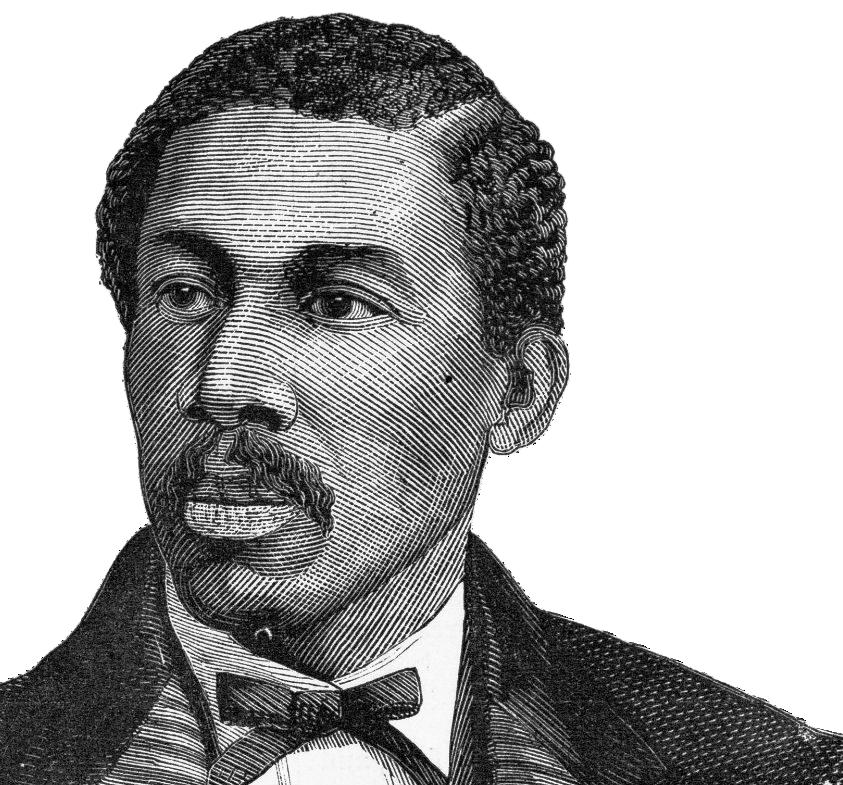
By the end of the 1860s, the black baseball mecca was Philadelphia, which had an African-American population of 22,000.[10] Two former cricket players, James H. Francis and Francis Wood, formed
the Pythian Base Ball Club. They played in Camden, New Jersey, at the landing of the Federal Street Ferry, because it was difficult to get permits for black baseball games in the city. Octavius Catto, the promoter of the Pythians, decided to apply for membership in the National Association of Base Ball Players, normally a matter of sending delegates to the annual convention; beyond
that, a formality. At the end of the 1867 season, "the National Association of Baseball Players voted to exclude any club with a black player."[1] In some ways Blackball thrived under segregation, with the few black teams of the day playing not only each other but white teams as well. "Black teams earned the bulk of their income playing white independent 'semipro' clubs."[11]
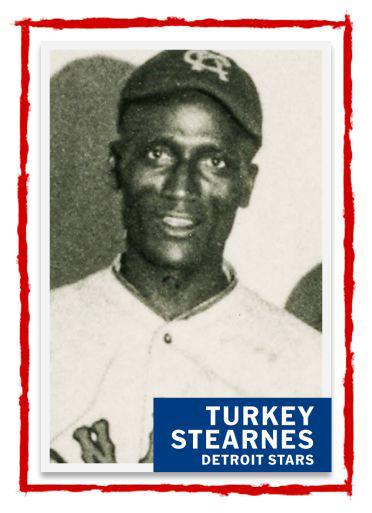
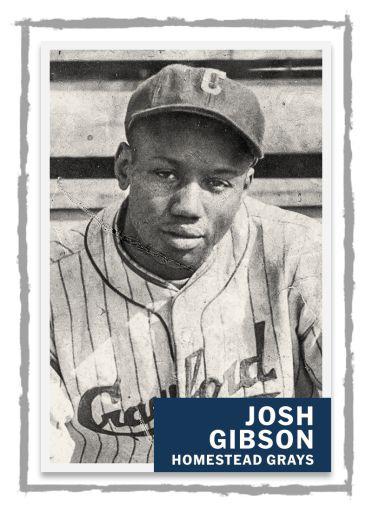
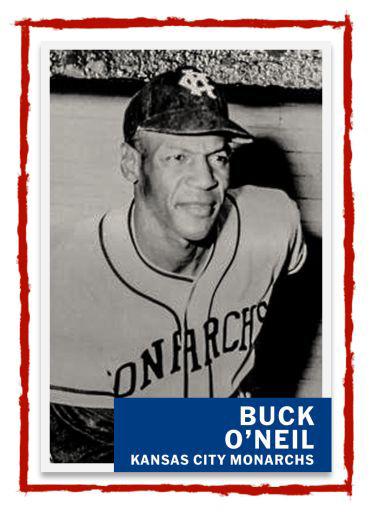
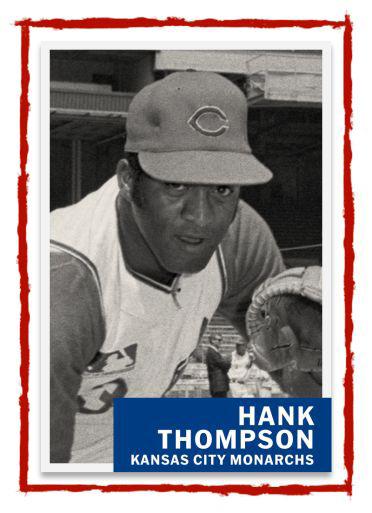
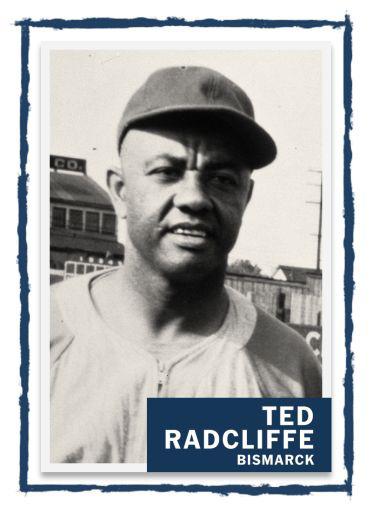
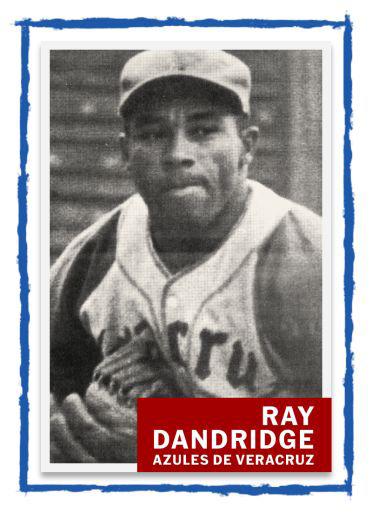
The 32 featured players below were selected after consultation with John Thorn, the Official Historian for MLB, and other Negro Leagues experts. More players will be added regularly as we seek to preserve and honor those who helped define the Negro Leagues, and its impact on the game.

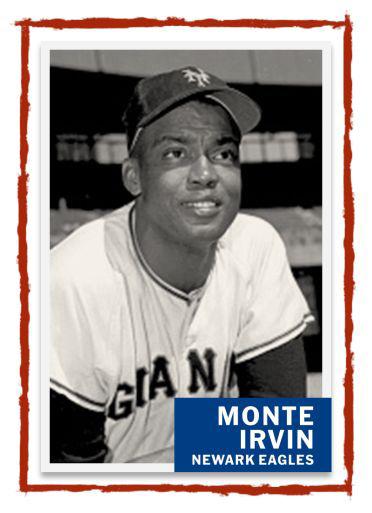
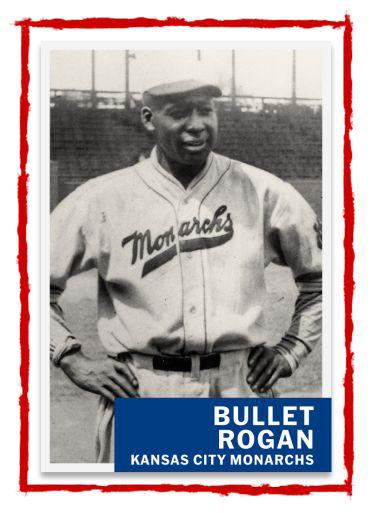
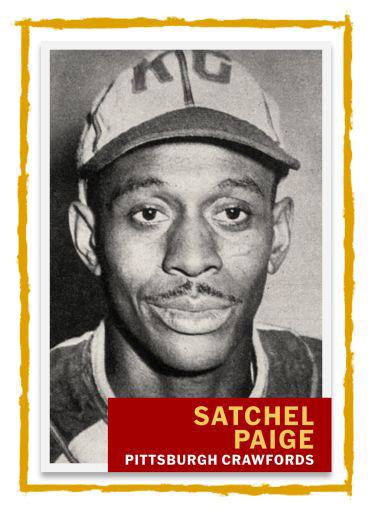
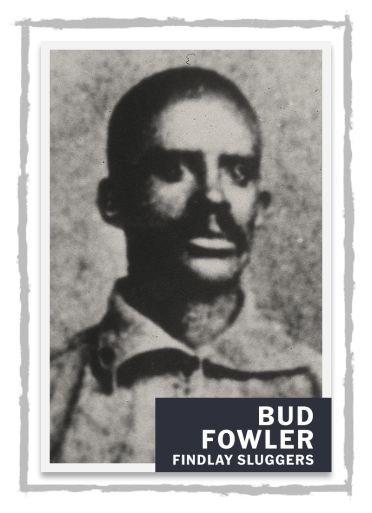
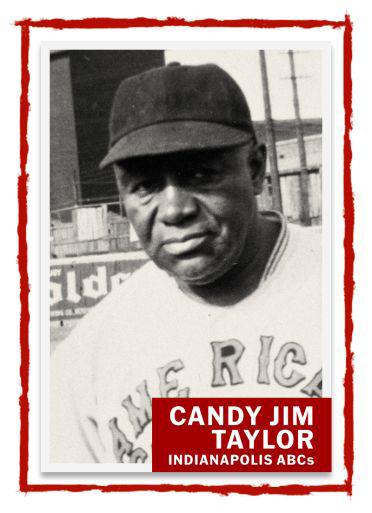
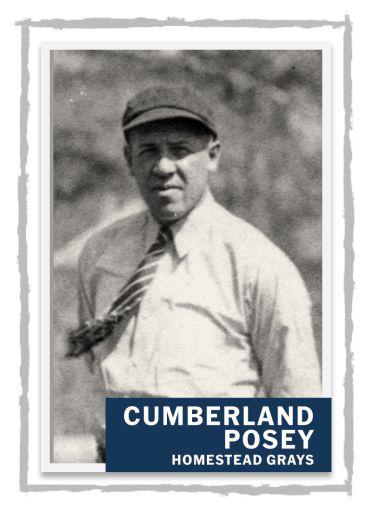
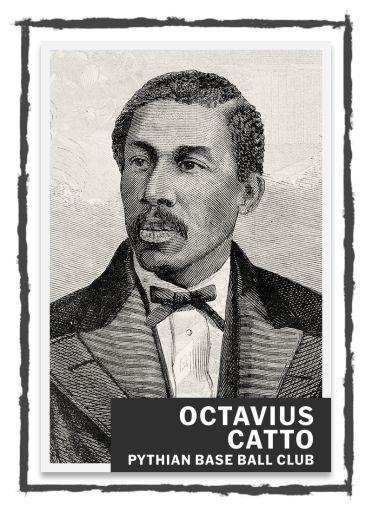
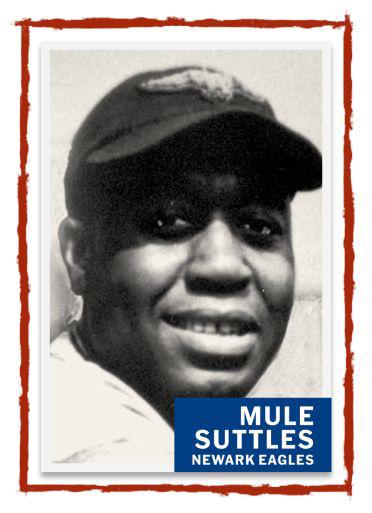
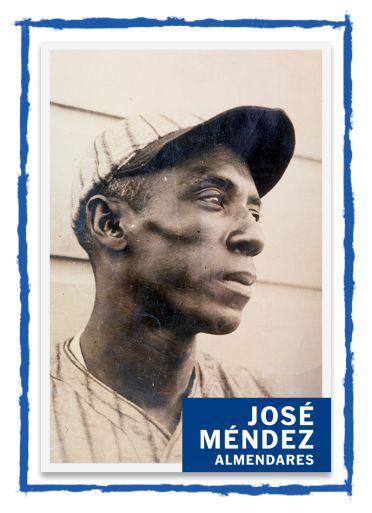
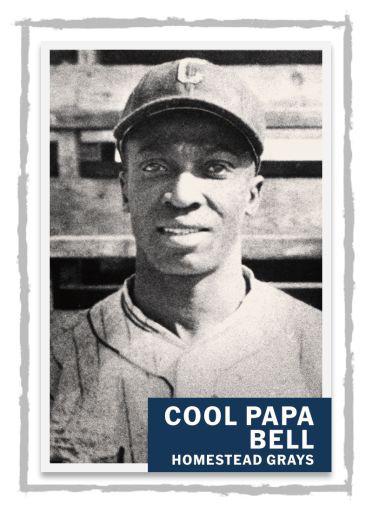
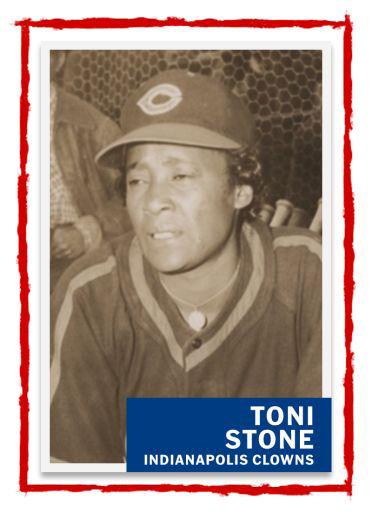
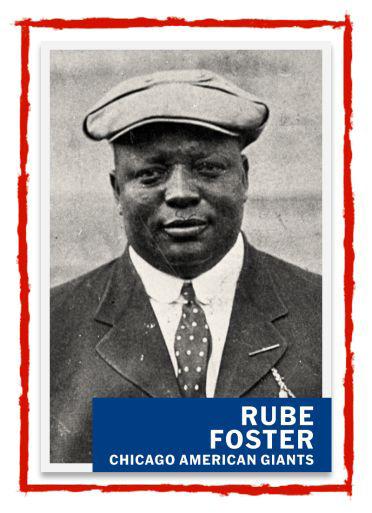
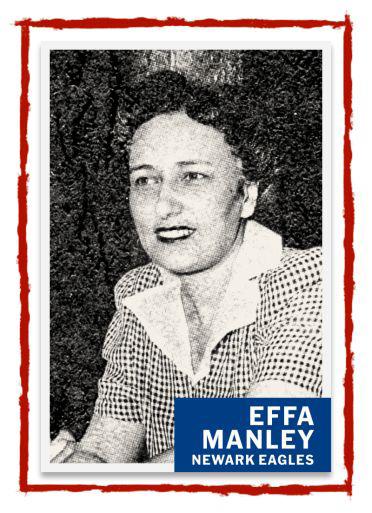
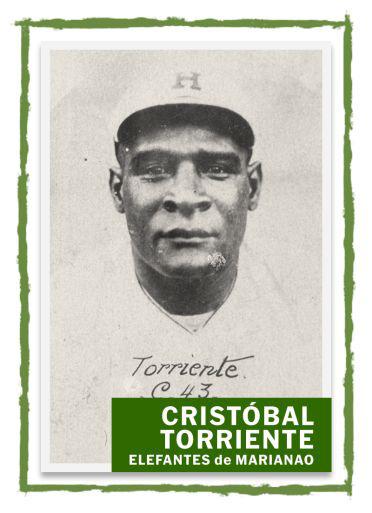
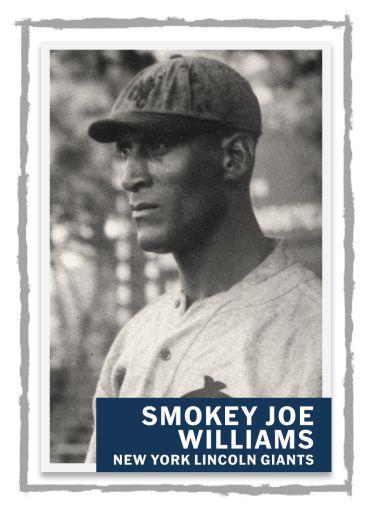
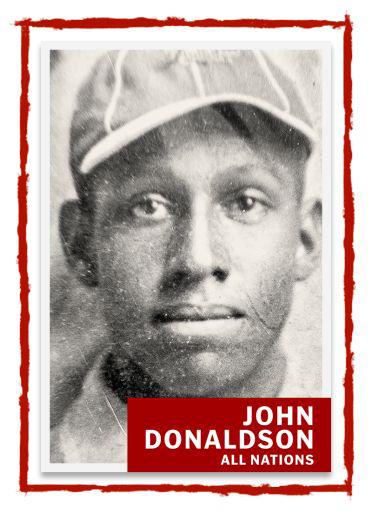

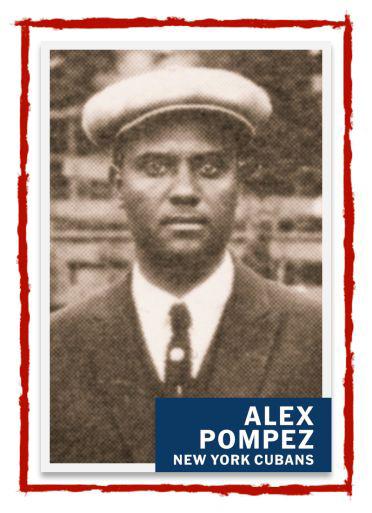
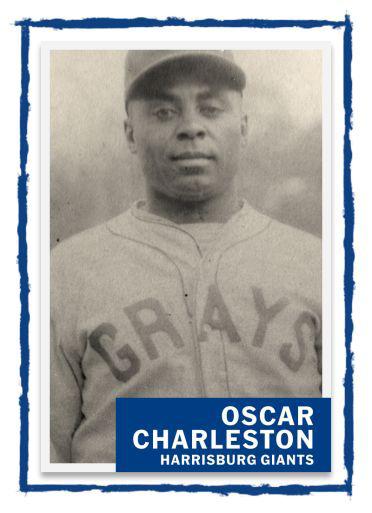
Written by: Matt Kelly
African Americans played baseball –and played the game at a very high level – since the game spread across American territories during the Civil War. But many of those talented players would likely not have become the legends they are today without the visibility offered by an organized league in which they could play.
On Feb. 13, 1920, Hall of Famer Andrew “Rube” Foster and his fellow team owners filled that void when they came together to create the Negro National League.
When baseball first became organized in the 1860s, a small handful of Black players took the diamond alongside their white teammates. But with Jim Crow laws and prevalent segregationist sentiment still left over from the Civil War, the careers of talented Black players like Moses Fleetwood Walker, Bud Fowler and Frank Grant were short-lived. By the turn of the 20th century, unwritten rules and “gentleman’s agreements” between owners had effectively shut Black ballplayers out of big league competition.
Still craving a means to play, Black players formed their own teams and barnstormed across the country to find competition. It was in this environment that Rube Foster made a name for himself as a player and then a manager. A dominant pitcher, he won 44 games in a row for the Philadelphia Cuban X-Giants in 1902 and began a legendary career that inspired fans to call him the “Black Christy Mathewson.”
“Rube Foster is the pitcher of the Leland Giants, and he has all the speed of a [Amos] Rusie, the tricks of a [Hoss] Radbourne (sic), and the heady coolness and deliberation of a Cy Young,” wrote Frederick North Shorey of the Indianapolis Freeman in 1907. “What does that
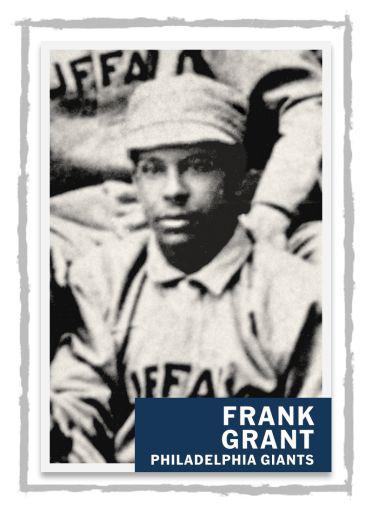
make of him? Why, the greatest baseball pitcher in the country; that is what the best ball players of white persuasion that have gone up against him say.”
Foster partnered with John Schorling, son-in-law of Chicago White Sox owner Charles Comiskey, to form the Chicago American Giants in 1911. He negotiated for the team to play at the White Sox’s old stadium, South Side Park, where he developed one of the finest Black baseball teams in the country. As manager, Foster taught his players the strategies of “inside baseball” that managers like the New York Giants’ John McGraw had successfully employed in the white National League. Aggressive, daring and – most importantly – exciting, the American Giants consistently outdrew both the White Sox and the Cubs and established a style that would later become symbolic of Negro National League play.
While Black baseball players drew crowds during the 1910s, their teams’ gate receipts were tightly controlled by white booking agents. The agents dictated when and where Black teams could play, and they subsequently passed little of the games’ attendance revenues on to team owners. Any team owner who objected to the scheduling practices of the agents ran the risk of losing a venue in which to play.
“The wild, reckless scramble under the guise of baseball is keeping us down,”
Foster said, “and we will always be the underdog until we can successfully employ the methods that have brought success to the great powers that be in baseball of the present era: organization.”
While Foster was enjoying considerable financial success with his American Giants, he remained frustrated by how fellow owners and players were being treated by booking agents. In 1919, he began writing a series of columns in the
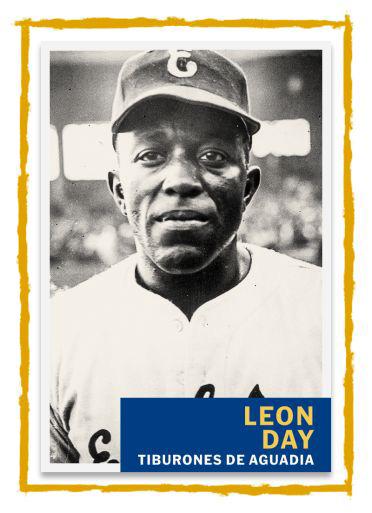

Chicago Defender newspaper in which he advocated the need for a Black professional baseball league that would “create a profession that would equal the earning capacity of any other profession… keep Colored baseball from the control of whites (and) do something concrete for the loyalty of the Race.”
Foster had to work tirelessly to persuade both his fellow owners, who were reluctant to cede their autonomy, and players who feared organization would negatively affect their salaries. In February 1920, Black team owners convened at a YMCA in Kansas City to discuss the prospect of a colored baseball league.
Foster surprised them all when he showed up with an official charter document for the Negro National League already in hand.
“To his undying credit, let it be said that he has made the biggest sacrifice,” said NNL secretary Ira Lewis of Foster. “For be it known that his position in the world of colored baseball was reasonably secure. Mr. Foster could have defied organization for many years. But, happily, he has seen the light – the light of wisdom and the spirit of service to the public.”
Featuring teams in Chicago, Cincinnati, Dayton, Detroit, Indianapolis, Kansas City and St. Louis, the NNL adopted the slogan, “We Are the Ship, All Else the Sea” as a pledge to set its own course. Many teams discovered financial success coming out of the gate; Foster’s American Giants drew nearly 200,000 spectators during the 1921 season.
The NNL created a forum where many star players could make a bigger name for themselves – especially to white audiences. Future Hall of Famers Cool Papa Bell, Martín Dihigo, Bill Foster, Judy Johnson, Satchel Paige and Turkey Stearnes all flourished in the NNL, along with many others. The league would also inspire ri-
val organizations like the Southern Negro League and the Eastern Colored League, whose teams would square off against NNL squads in the annual Negro League World Series.
Foster continued to manage his Chicago club and serve as NNL president until a nervous breakdown led to his retirement in 1926. He passed away in 1930 – 51 years before his election to the Hall of Fame – and soon the financial hardships of the Great Depression forced nearly every colored baseball league, including the NNL, to shut down.
The league would resurface, however, as the Negro American League in 1937, with many of the same teams from the old Negro National League. The NAL would continue full-time and robust operations until one of its own, the Kansas City Monarchs’ Jackie Robinson, broke Major League Baseball’s color barrier in 1947. Though Robinson’s breakthrough into the major leagues signaled the eventual decline of the Negro Leagues, the organization of colored baseball undoubtedly pushed the game as a whole into unchartered territory. The NNL featured night games far before the big leagues, and introduced its East-West All Star Game during the same year as MLB’s Midsummer Classic in 1933.
Most importantly, the creation of the Negro Leagues proved that Black players could play on even terms with their white counterparts – and draw just as much interest from baseball fans.
“The leagues died having served their purpose,” said baseball writer Steven Goldman, “shining a light on African-American ballplayers at a time when the white majors simply did not want to know.”
Matt Kelly was the communications specialist at the National Baseball Hall of Fame and Museum
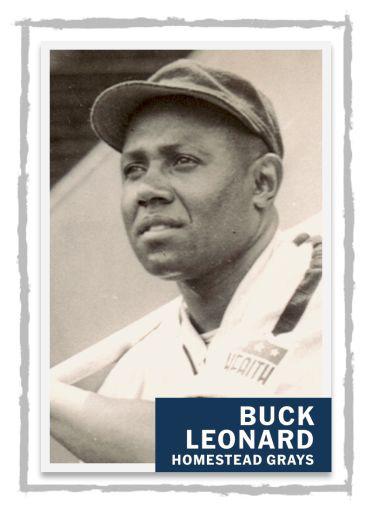
by Mildred Europa Taylor, Face2FaceAfrica.com
For more than 50 years at Bethel Baptist Church in Birmingham, Ala., Bill Greason was a beloved pastor. He baptized children, officiated weddings, and saved souls while reconciling people to God.
But long before that, Greason was a Negro Leaguer — a right-handed pitcher whose skills wowed crowds at Rickwood Field, a ballpark in Birmingham where some of the best players of the early 20th century played, according to the Times.
One of baseball’s heroes whose story is largely forgotten, Greason served in the U.S. Marine Corps during World War II and eventually became a professional baseball player for more than 10 years despite not having received any formal training in the sport, as reported by MLB.
Now, following the passing of Ron “Schoolboy” Teasley last Tuesday, 101-year-old Greason is believed to be the last living player from the Negro Leagues era.
In the 1800s, African-American baseball players were battling to make it into the ma-
jor leagues because there was a ban on their participation. The segregation of the game confined African Americans who wished to play baseball to the Negro Leagues. This moratorium on the major leagues for Black players lasted for 50 years.
Even when economic reasons forced sponsors and regulators of the sport to integrate Black players, the process was slow, according to history.
From a humble beginning in segregated Atlanta, Greason grew up across the street from Martin Luther King Jr. and learned to pitch in the early 1930s after imitating older ballplayers on sandlots. He played semipro baseball for a pencil factory team in his teens before being drafted into service during World War II.
In 1943, he reported to Montford Point, a segregated camp in North Carolina, and became one of the first Black Marines. He watched many of his fellow Marines die while serving at Iwo Jima and witnessed the famous raising of the American flag on Iwo Jima in 1945.
Thinking he would also die like his fellow Marines, he promised God that he would do whatever he [God] asked of
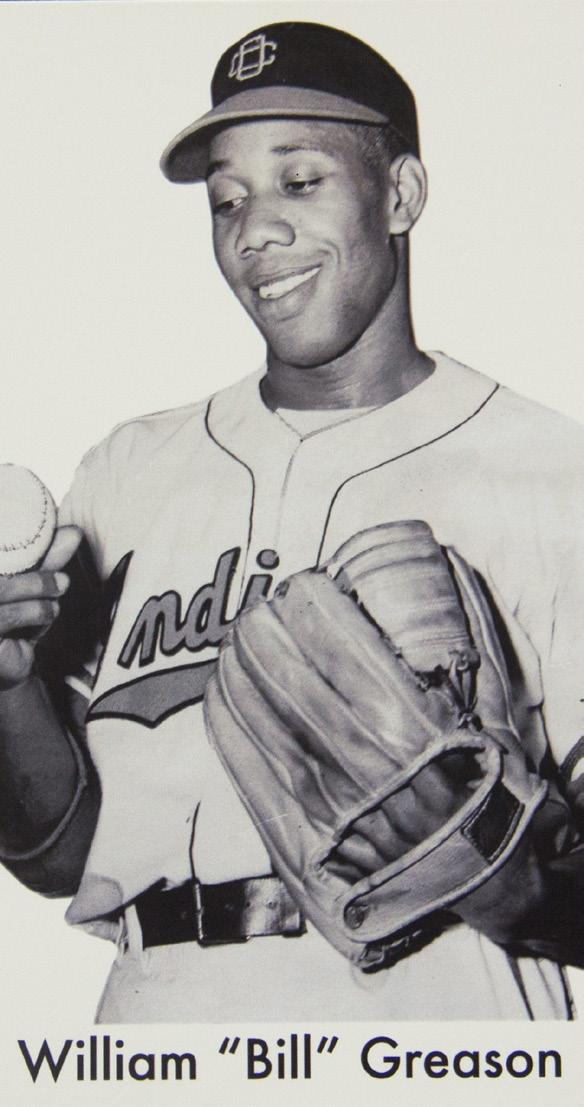
him should he make it out alive. He came back to the game of baseball following the war and climbed through the Negro minor leagues before earning a contract with the Black Barons in the spring of 1948. Greason joined a team of veterans, but his talent and skills won him his first three starts at just 23 years old. A newspaper even nicknamed him “The Whiz Kid.”
All in all, Greason played for the Atlanta Black Crackers, Nashville Cubs and Asheville Blues before he pitched for the Birmingham Black Barons in 1948; the team won the Negro American League pennant that season. Greason produced a 2.84 ERA over 69 2/3 innings for the Black Barons and also had six hits in 23 at-bats and a .393 on-base percentage, according to MLB.
In 1954, Greason made history for himself and the Cardinals as the franchise’s first Black pitcher. He pitched in three games for St. Louis, allowing eight runs (six earned) over four innings. He spent a few more years in the Minors and met a future icon, Bob Gibson, in 1958 while they were teammates at Triple-A Rochester.
Retiring after the 1959 season, Greason returned to Birmingham, where he became
the pastor for Bethel Baptist Church in 1971.
Not too long ago, he was pleased to have been made a guest of honor for MLB’s game between the Giants and his former team Cardinals at Rickwood Field in Birmingham. He tossed out the ceremonial first pitch.
“I have many memories of this place, because we were the only team that played here other than the white team,” Greason said to FOX at the time. “It was a pleasure to be a part of such an experience that we had here.”
Turning 100 years old in 2024 and being one of the last surviving veterans of the Negro Leagues was also a humbling experience for Greason.
“I’m just thankful that God allowed me to be here this long,” the right-handed pitcher said that year. “I’m thankful for life: God’s been good to me, and He is good to me. Allowed me to live the age that I am and to have the activities of my life. It’s surprising to me. I never thought I’d live this long after being in two wars, baseball and traveling. It’s been a blessing,” he added.
The Original Eight, In 1920, an organized league structure was formed under the guidance of Andrew “Rube” Foster, a former player, manager, and owner for the Chicago American Giants. In a meeting held at the Paseo YMCA in Kansas City, Mo., Foster and a few other Midwestern team owners joined to form the Negro National League. Soon, rival leagues formed in Eastern and Southern states, bringing the thrills and innovative play of black baseball to major urban centers and rural country sides in the U.S., Canada, and Latin America. The Leagues maintained a high level of professional skill and became centerpieces for economic development in many black communities.
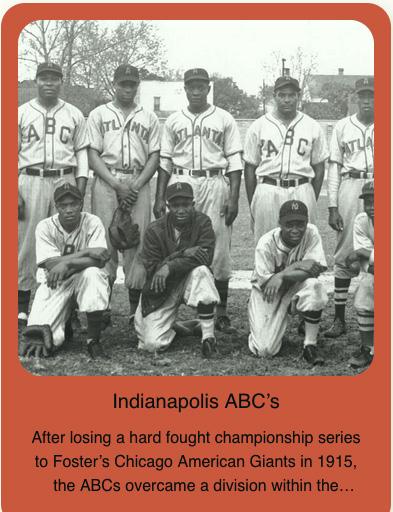
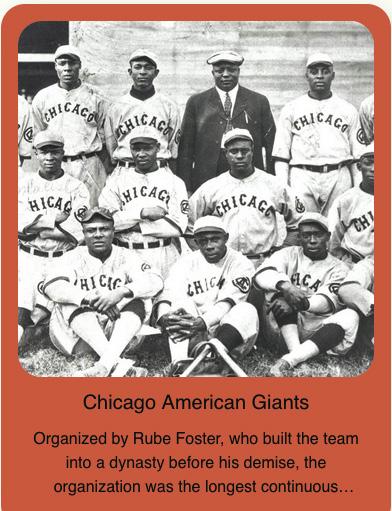

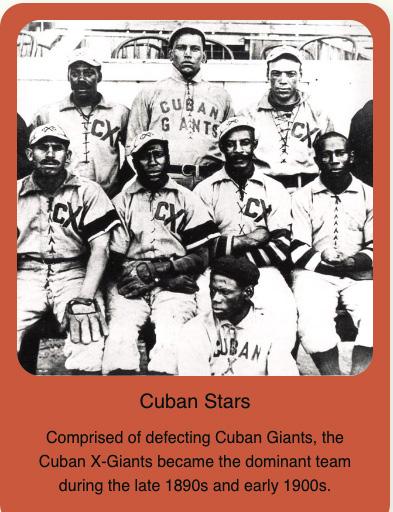
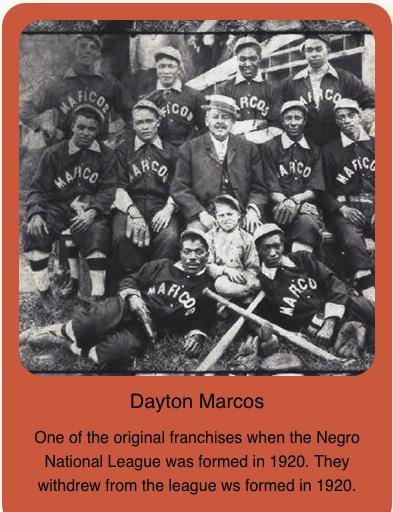
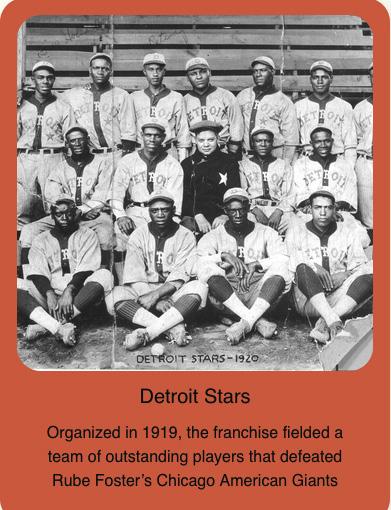
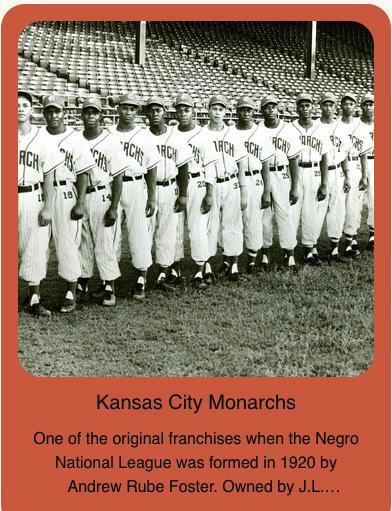
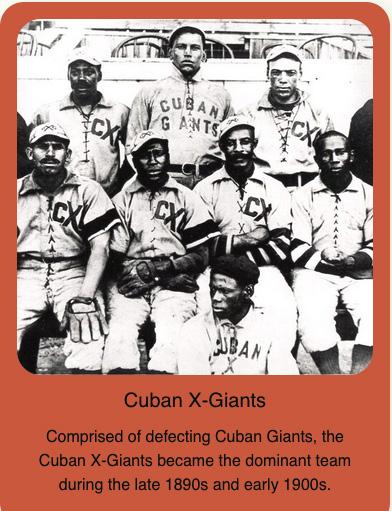

At Access Health CT, we’re proud to help people enroll in health and dental coverage and make the most of their coverage. Every time we do, it’s a step toward reducing the impact of health inequities and elevating everyone’s ability to live their healthiest life.
• Cremation (Choose to be cremated at Evergreen.)
• Columbarium in the Most Beautiful Cremation Garden
• Reserve your Niche in a secure location pre-need.

• Reserve a Niche for family and friends or purchase at-need to safely place your Loved One in the Columbarium.
• Burial Lots (infant, single, two-grave, or four-grave)
• Monuments & Markers (black, gray, or pink granite)
• Flower placement (single or multiple placement)
• All orders can be placed at the Evergreen office or the website.

by Mildred Europa Taylor, Face2Face.com
he Underground Railroad was a large movement in North America consisting of several individuals who worked together to aid enslaved men and women in their escape from their captors. The freedom network began in the 1830s; there were homes, schoolhouses, churches and businesses which became known as “stations” along the route toward the north.
These homes provided temporary shelter for fugitive slaves before they continued the rest of their journey.
Now, archaeologists have found hidden inside a historic 19th-century house in Manhattan a secret sanctuary. The Merchant’s House, Manhattan’s first landmark building, was preserved as a museum to New York’s 19th-century history. Archaeologists discovered its link to the Underground Railroad when they looked beneath the drawers of a built-in dresser within the walls of a hallway that leads to bedrooms on the second floor of the building.
When they removed the heavy bottom drawer, they saw a rectangular opening cut into the floorboards. That opening led to an enclosed space about 2-by-2-feet. It further showed a ladder that leads down to the ground floor.
Architects and preservationists who in-
Why some
by Karen Juanita Carrillo

vestigated the building said to NY1 that they believe it was used as a “safe house” for people fleeing slavery in the South.
Michael Hiller, a preservation attorney and professor at Pratt Institute, said, “This is a generational find. This is the most
significant find in historic preservation in my career, and it’s very important that we preserve this.”
Joseph Brewster, a tradesman, built the Merchant’s House in 1832 but sold it three years later to the Tredwell family,
For years, a number of African Americans have felt an unease about remaining in the United States, and for good reason. Many cite concerns about racial safety, a desire for better work-life balance, and the hope for economic security in retirement. Now these issues are being cited as the driving factors behind a migration trend of Black people leaving America to live abroad that is being termed the “Blaxit” (“Black Exit”) leap.
This modern migration is seeing Black expatriates settle in countries like Thailand, Dubai, Ghana, Portugal, South Africa, Costa Rica, Mexico, Colombia, and more. These countries have become popular destinations for Black expatriates because their governments facilitate relocation through residency permits or Citizenship-by-Investment (CBI) programs, which allow foreigners to acquire citizenship by purchasing property or paying a specified amount.
Charlotte Van Horn, CEO of Black Expats in Panama, actively supports these transitions. Her organization hosts cultural tours for U.S. citizens interested in moving to Panama and Colombia. Her tours feature conversations with local lawyers, doctors, real estate agents, insurance brokers, and moving companies who can answer relocation questions. “What we do is, people are interested in getting some basic knowledge about relocation,” Van Horn explained. “While we’re in
these areas, we set up an opportunity for them to speak with professionals or have a little breakout session when they can get some information.”
Organizations have been created to help people who are looking to make the Blaxit leap. Groups like Nomadness,Black Expats in Panama,Travel Noir, and ExodUS Summit provide resources and community support to those ready to make the move.
“We started it because we individually live better lives outside of the United States as Black women than we could live inside,” said Stephanie Perry, who co-founded the ExodUS Summit in 2020 with Roshida Dowe, a “career break” coach. Perry argued that the U.S. has often been historically unfriendly to Black people: “The U.S. was never designed to be a safe, welcoming, and warm place for us; it was never supposed to be. It was always going to be a hostile environment for us, so if you can live better on less money in another place, then let’s try it.”
A new legislative threat
Yet now, even the freedom to hold dual nationality has come under fire. In December 2025, Ohio Senator Bernie Moreno introduced the Exclusive Citizenship Act of 2025, which aims to prohibit dual citizenship. It requires Americans with multiple nationalities to renounce their foreign citizenship(s) within one year or face automatic revocation of their U.S. citizenship.
Moreno, Ohio’s first Latino senator,
who lived there for about 100 years before it was turned into a museum after its sale at auction.
Historians believe that Brewster, a white man, was an abolitionist who built the hidden safe to help enslaved men and
women escape. It was designed in such a way that it would be almost impossible for slave catchers or city marshals during that period to capture fugitive slaves. The Underground Railroad network, by the end of 1850, had helped over 10,000 slaves escape to freedom.
“Many New Yorkers forget that we were part of the abolitionist movement, but this is physical evidence of what happened in the South [during] the Civil War, and what’s happening today,” Manhattan Councilman Christopher Marte said. “It’s a critical piece of the overall struggle for freedom and justice,” Manhattan Councilman Harvey Epstein said.
It is not clear if the Treadwell family knew about the safe or even used it. “Being an abolitionist was incredibly rare among white New Yorkers, especially wealthy white New Yorkers,” architectural historian Patrick Ciccone said. “[Brewster] was the builder of the house, and he was able to make these choices and design it.”
In 1965, Merchant’s House became the first building designated in the borough of Manhattan under the Landmarks Preservation law. The following year, officials recognized the building as a National Historic Landmark. Then, in 1977, it was listed on the National Register of Historic Places.
are making a ‘Blaxit’ out of the U.S.
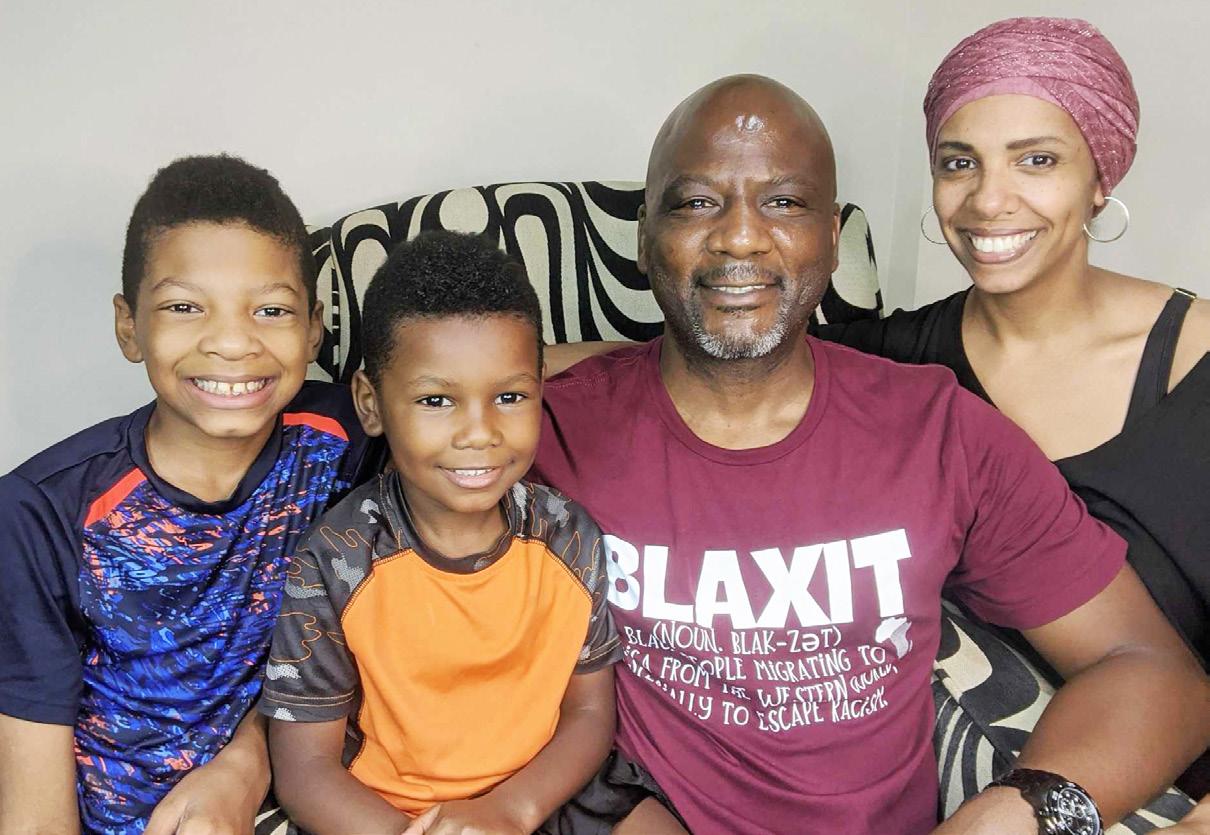
was born in Colombia, immigrated to the U.S. as a child, and renounced his Colombian citizenship at age 18, when he became a U.S. citizen. He announced the bill on social media after proposing it in December, stating, “It was an honor to pledge an Oath of Allegiance to the United States of America and only to the United States of America. America First and America Only. It’s time to end dual citizenship for good.”
The proposed legislation has faced opposition from organizations like the Association of Americans Resident Overseas
(AARO). AARO President Doris L. Speer said that U.S. law normally allows citizens to hold multiple nationalities without jeopardizing their U.S. citizenship.
“U.S. law does not require a U.S. citizen to choose between U.S. citizenship and another (foreign) nationality (or nationalities),” she said. “A U.S. citizen may naturalize in a foreign state without any risk to their U.S. citizenship. Many Americans living abroad have dual nationality.
AARO will advocate vigorously against [the bill].”
Impact on the Blaxit movement
For many in the Blaxit community, the bill is a cause for concern but not panic. Dowe pointed out that most expats establish residency when they are abroad, rather than full citizenship.
“Most people who live abroad … aren’t getting citizenship; they’re getting residency,” she said. “Nothing in that bill impacts them having the right to live in another country. It does impact citizenship, but not residency, so for most of our people, it’s not a problem. The people I know who are getting citizenship in other countries are often doing that with the eye toward, at some point, getting rid of their U.S. citizenship.”
Van Horn, of Black Expats in Panama, said she advises her clients to keep their U.S. citizenship while enjoying the benefits of living abroad. She said popular destinations like Panama and Colombia offer vibrant African-descendant communities and a high quality of life.
“Panama is one of the most popular retirement destinations in the world, but you don’t have to have a lot of money,” Van Horn said. “I always try to stress that you just really need to be managed in your expectations and counting your coins. You have to make sure you do the research and know how much things cost: You’ve got to know more than how much the rent is and just make sure that you can afford whatever lifestyle you’re trying to achieve here.”







For years Stephen Miller has been a conservative firebrand in Donald Trump's political orbit. Now, he has become a lightning rod.
His relentless, combative style at the policymaking helm of the White House has set the president's hardline immigration agenda in motion, and he has developed a growing influence in expanding US power across the Western Hemisphere.
The high-velocity start to 2026 by the Trump administration, at home and abroad, has only cemented his position as one of its most powerful figures.
But for many on the left, he is a villain.
In Washington DC, posters of Miller's face have been plastered in public spaces with the caption "Fascism ain't pretty".
Democrats have called for his resignation. Even some members of his own party have publicly questioned his political judgement and effectiveness.
And over the last few weeks, Miller has found himself in unfamiliar territory - a behind-the-scenes operator suddenly in the national spotlight, whose words and actions are being scrutinised. He has had to back away - at least temporarilyfrom the kind of fight he has frequently relished.
'Always strong, never back down'
Shortly after two federal immigration officers shot and killed Alex Pretti in Minneapolis last month, Miller posted several messages on the social media site X accusing the Minneapolis nurse of being a "domestic terrorist" and an "assassin". It was typical red-meat invective for a man who used to serve as a warm-up act for Trump at his 2016 campaign rallies. He accused Democrats of "fanning the flames of insurrection". His assertions were also objectively false.
Video evidence subsequently revealed that Pretti, although carrying a licensed handgun, did not threaten the Customs and Border Patrol (CBP) officials prior
to being pepper-sprayed, tackled and shot 10 times.
Days later, Miller provided a statement to the media contending that the administration's initial assessment of the shooting was "based on reports" from "on the ground" immigration officers - and that those agents "may not have been following" proper protocol.
It was a rare walk-back from the combative aide - but one that has not satisfied his Democratic critics, who accuse him of encouraging Immigration and Customs Enforcement (ICE) to violently respond to protests.
"It wasn't enough for Stephen Miller that these American citizens were murdered by ICE and CBP, he had to slander them with lies after their deaths," Congressman Don Beyer of Virginia wrote in a post on social media website Bluesky.
"Miller is a deranged, bloodthirsty bigot, and his policies put lives at risk every day he remains in power."
In May, it was Miller who demanded that immigration enforcement officials do more to detain and deport undocumented migrants in American cities. He told Fox News the administration had set a target of 3,000 arrests a day - a figure that dwarfed previous numbers.
According to the Washington Examiner, Miller at one meeting "eviscerated" federal immigration officials for not doing enough to detain undocumented migrants across the US. Since then, the administration has ramped up enforcement in a growing list of major American cities, including Washington DC, Charlotte, Chicago and, most recently, Minneapolis.
"Everything I've done, I've done at the direction of the president and Stephen," Homeland Security Secretary Kristi
Noem told Axios recently, in part as a defence of criticism that she was the driving force behind the administration's forceful immigration enforcement actions.
Americans souring on immigration tac-
tics
Miller has denied being animated by racism or bigotry. He defends Trump's immigration policy as a reflection of what voters elected Trump to accomplish.
Yet, in what is being seen as a break with Miller's aggressive approach, Trump said this week his crackdown needed a "softer touch" following the deaths of Pretti and Renee Good, another US citizen killed by immigration officers in Minneapolis.
Approval of his immigration policy overall has fallen to 39%, its lowest level since he returned to the White House, according to a poll by Reuters-Ipsos. And a clear majority, 58%, say the enforcement tactics by ICE agents have gone "too far".
This trend puts Miller squarely in the crosshairs of criticism as Republicans
prepare for November's midterm congressional elections.
Miller is the architect of this mass deportation policy, said Bryan Lanza, a conservative strategist who worked on Trump's 2016 and 2024 presidential campaigns. "We'll know in November whether he's to blame for it. The voters, at the end of the day, can be very unforgiving."
Miller, however, has proven over the years to be a survivor. An outspoken conservative from his high school days in liberal California, he rose from Senate staffer to campaign aide to the White House, where he navigated the various personal intrigues and backbiting of the first Trump administration.
In 2019, he told the Washington Post he felt a "jolt of electricity to my soul" when Trump announced his presidential bid.
Miller stuck by the president in his darkest days, following the 2020 election defeat, the attack by his supporters on the US Capitol and his political exile from Washington. And he followed Trump back into power last year.
"Stephen Miller is critical to Trump's psyche," said Lanza. "Always go strong; never back down. He can always count on Stephen to support that position on any issue."
Miller's official title in the White House is deputy chief of staff for policy and homeland security adviser.
"Stephen Miller has faithfully served President Trump for years because he's intelligent, hardworking, and loyal," White House Press Secretary Karoline Leavitt told the BBC.
"Stephen brings together all corners of the government to ensure every single policy, both foreign and domestic, is implemented at record speed. The results over the course of the past year speak for themselves."
At one point last year, Miller was floated as a potential White House national security adviser, replacing the ousted Michael Waltz - rumours that the president summarily dismissed.
"Stephen is much higher on the totem pole than that," Trump said.
Last March, as the United States was preparing to launch airstrikes on Houthi rebels in Yemen, a series of Signal text messages inadvertently shared with The Atlantic editor Jeffrey Goldberg revealed Miller at the centre of White House planning, speaking for the president's desire to go ahead with the attack.
"As I heard it, the president was clear: green light," he wrote to the group of senior aides, including Vice-President JD Vance, Defence Secretary Pete Hegseth and Secretary of State Marco Rubio.
The agency regularly fails Black communities. Now the Trump administration wants to make it smaller
by Willy Blackmore Word in Black
For months, a 13-member council appointed by President Trump has been debating the future of the Federal Emergency Management Agency, which Trump has at times talked about eliminating entirely. The council, comprised entirely of Republicans who favor a significant overhaul of FEMA, produced a report with recommendations on what to do with it: drastically downsize the agency by cutting its workforce in half, and entirely restructure the way aid is both granted and delivered.
Doing so would severely hamper FEMA’s ability to respond to disasters, which would in turn hurt Black communities.
FEMA has long failed black commu-
nities
For at least the last 20 years, FEMA has been a four-letter word in Black America.
While the federal response to Hurricane Katrina in 2005 — in which FEMA was behind at practically every step toward getting aid to and rescuing people from New Orleans — is the most egregious incident that’s given the agency a bad rap, there’s more to it, too.
Research shows that, in short, FEMA does far more for white communities than it does for Black neighborhoods.
After a natural disaster like a hurricane, white people, both individually and on a community scale, receive more aid from FEMA than Black people and communities do, and in the years after a storm, white communities see an increase in wealth while Black communities see a
decline.
Why we still need FEMA
FEMA is also a hugely important safety net for Black America because many Black people live in parts of the country that are prone to hurricanes, flooding, and other major storms.
“Black communities are experiencing more severe and frequent disasters due to intentional decisions to increase fossil fuel use in frontline communities,” Abre’ Connor, the director of environmental and climate justice from the NAACP, said in a statement earlier this year as FEMA was taking official steps toward updating how the agency is run.
“Our branches and state conference leaders have highlighted what we need now: better coordination from FEMA and
more resources to ensure communities have a chance at rebuilding and a more resilient future. Now is the time to increase transparency, communication, and mitigation efforts for disaster resiliency efforts.”
What the leaked report recommends
The council had been set to vote on the recommendations in the report, but before that meeting could take place, the report was made public after it was leaked to CNN. The vote was then tabled. But CNN’s reporting details the recommendations made by the council, which included both Department of Homeland Security Secretary Kristi Noem and Defense Secretary Pete Hegseth. While it’s unclear as of yet what kind
of action the Trump Administration will take around FEMA, the new report certainly suggests that the agency will not be expanding resources for anyone.
Climate disasters are growing — FEMA isn’t
The writing has seemed to be on the wall for FEMA for quite some time, and the President has been woefully slow at making the disaster declarations that are required for aid and other FEMA support to be triggered.
Some, including philanthropist MacKenzie Scott, have been donating money to emergency response alternatives focused on equity. But her $60 million donated to the Center for Disaster Philanthropy is just a drop in the bucket compared to FEMA’s $50 billion annual spending.
According to (24 CFR 960.253(b) Notice PIH 2022-33 (HA), and Section 6 III (D) - Flat Rent of ECC/HANH’s Admissions & Continued Occupancy Policy (ACOP) ECC/HANH must establish a schedule of flat rents annually and give families a choice of flat rent or income-based rent and provide families with information on how to choose the rent.
The thirty (30) days comment period begins on Sunday, February 1, 2026, and ends on Monday, March 2, 2026.
Copies of the Flat Rent schedule 2026 will be made available on the agency website www.elmcitycommunities.org or via Facebook www.facebook.com/ElmCityCommunities and all LIPH Property Management offices.
You are invited to provide written comments to: ECC/ HANH Flat Rent Schedule 2026, Attn: Tim Regan, 360 Orange Street, New Haven, CT 06511 or via email to: tregan@elmcitycommunities.org.
A public hearing where public comments will also be accepted and recorded is scheduled for Tuesday, February 26, 2026, at 2:00 PM via Teams
Microsoft Teams meeting Join: https://teams.microsoft.com/ meet/29279097163113?p=BXcmU1DGnV1Rh6B6JR Meeting ID: 292 790 971 631 13 Passcode: mz7Fk2Y4
Dial in by phone 1-872-240-4495
Phone conference ID: 596 313 821#
Anyone who requires a reasonable accommodation to participate in the hearing may call the Resident Compliance and Support Manager at (203) 498-8800 ext. 3170 or TDD (203) 497-8434.
The Bristol Housing Authority is developing its 2026-2030 Agency Plan in compliance with the HUD Quality Housing and Work Responsibility Act of 1998. A Public Hearing will be held on March 3, 2026 at 11:00 a.m. at Gaylord Towers Community Hall located at 55 Gaylord Street, Bristol, CT.
Information is available for review and inspection at Bristol Housing Authority, 164 Jerome Ave., Bristol, CT during regular business hours. Please call (860) 582-6313 for an appointment.
The Glendower Group, Inc is seeking bids from qualified contractors for General Contractor at The Heights at Westrock. A complete copy of the requirement may be obtained from Elm City’s Vendor Collaboration Portal https://newhavenhousing.cobblestonesystems.com/gateway beginning on Wednesday, January 21, 2026, at 3:00PM.

The State of Connecticut, Office of Policy and Management is recruiting for an Agency Labor Relations Specialist Trainee (Leadership
TABLA DE ALQUILERES FIJOS 2026
De acuerdo con (24 CFR 960.253(b), Aviso PIH 2022-33 (HA) y la Sección 6 III (D) - Alquiler Fijo de la Política de Admisión y Ocupación Continua (ACOP) de ECC/HANH, ECC/HANH debe establecer una tabla de alquileres fijos anualmente y ofrecer a las familias la opción de elegir entre alquiler fijo o alquiler basado en los ingresos, además de proporcionarles información sobre cómo elegir el alquiler.

El período de treinta (30) días para comentarios comienza el Domingo 1 de Febrero de 2026 y finaliza el Lunes 2 de Marzo de 2026.
Las copias de la tabla de alquileres fijos de 2026 estarán disponibles en el sitio web de la agencia www.elmcitycommunities.org o a través de Facebook www.facebook.com/ElmCityCommunities y en todas las oficinas de administración de propiedades de LIPH.
Se les invita a enviar sus comentarios por escrito a: ECC/ HANH Flat Rent Schedule 2026, Attn: Tim Regan, 360 Orange Street, New Haven, CT 06511 o por correo electrónico a: tregan@elmcitycommunities.org.
Se ha programado una audiencia pública, donde también se aceptarán y registrarán los comentarios del público, para el martes 26 de febrero de 2026 a las 2:00 p.m. a través de Teams.
Reunión de Microsoft Teams
Unirse:
https://teams.microsoft.com/meet/29279097163113?p=BXcmU1DGnV1Rh6B6JR
ID de la reunión: 292 790 971 631 13 Código de acceso: mz7Fk2Y4
Llamar por teléfono 1-872-240-4495
ID de la conferencia telefónica: 596 313 821#
Cualquier persona que requiera una adaptación razonable para participar en la audiencia puede llamar al Gerente de Cumplimiento y Apoyo para Residentes al (203) 498-8800 ext. 3170 o al TDD. (203) 497-8434.

The Housing Authority of the City of New Britain is soliciting proposals from qualified vendors to complete lead-based paint (LBP) inspections & testing the public housing developments, with additional services will be utilized on an as needed basis.
The intent of this proposal is to establish a relationship with a Firm that can provide the full spectrum of services required to perform an LBP inspection and testing at our properties in New Britain.
Specification for this proposal may be downloaded from the Housing Authority’s website at www.nbhact.org. Walk-thru can be scheduled February 9-13, 2026, by appointment only.
The Town of Wallingford is accepting applications for Attendant II. Wages: $32.34 to $38.04 hourly. For additional information and to apply online by the February 17, 2026 closing date please visit: www.wallingfordct.gov/government/departments/human-resources/. Applications are also available at the Department of Human Resources located in Room #301 of the Town Hall, 45 South Main Street, Wallingford, CT 06492. Phone: (203) 294-2080; Fax: (203) 294-2084. EOE
Full Time Class B driver for a fast-paced petroleum company for nights and weekends. Previous experience required. Competitive wage, 401(k) and benefits. Send resume to: HR Manager, P. O. Box 388, Guilford, CT 06437 or email HRDept@eastriverenergy. com
*****An Affirmative Action/Equal Opportunity Employer including Disabled and Veterans*****
Opening for a Class A full time driver for petroleum/asphalt/like products deliveries for nights and weekends. Previous experience required. Competitive wage, 401 (k) and benefits. Send resume to: HR Manager, P. O. Box 388, Guilford, CT 06437 or email: hrdept@eastriverenergy.com
***An Affirmative Action/Equal Opportunity Employer, Including Disabled & Veterans***

The State of Connecticut, Office of Policy and Management is recruiting for a Planning Analyst and a GIS Analyst (Research Analyst) in the Intergovernmental Policy and Planning and the Data and Policy Analytics divisions. Further information regarding the duties, eligibility requirements and application instructions are available at:
https://www.jobapscloud.com/CT/sup/ bulpreview.asp?b=&R1=260108&R2=6297AR&R3=001 and https://www.jobapscloud.com/CT/sup/ bulpreview.asp?b=&R1=260108&R2=6855AR&R3=001
The State of Connecticut is an equal opportunity/affirmative action employer and strongly encourages the applications of women, minorities, and persons with disabilities.
241 Quinnipiac Avenue, New Haven which are two bedrooms and rent from $1,950-$2,000 and include heat, hot water and cooking gas, private entrance, off street parking and onsite laundry. I have a couple with washer/dryer which are $2,000. Please bill 241 Quinnipiac Avenue, LLC, 111 Roberts Street, Suite G1, East Hartford, CT 06108.
Also, I have a 3 bedroom unit at 254 Fairmont Avenue, New Haven. They rent for $2,050 and the tenant pays all the utilities. Off street parking and private entrance. Section 8 welcomed.
Also, I have a 2 bedroom at 248 Fairmont Avenue, New Haven. They rent for $1,950.00 and the tenant pays all the utilities. Off street parking and private entrance. Section 8 welcomed.
Please bill the Fairmont Avenue to 258 Fairmont Avenue, LLC at the same billing address as 241 Quinnipiac Avenue. I will be the contact person for them to call at 860-231-8080, ext. 161.

360 Management Group is currently seeking bids from qualified contractors to perform on demand roof repair services and annual roof inspections. A complete copy of the requirement may be obtained from Elm City’s Vendor Collaboration Portal https://newhavenhousing.cobblestonesystems.com/gateway beginning on
January 21, 2026, at 3:00PM.
Invitation for Bids
360 Management Group is currently seeking bids from qualified contractors to perform Elevator services. A complete copy of the requirement may be obtained from Elm City’s Vendor Collaboration Portal https://newhavenhousing.cobblestonesystems.com/ gateway beginning on
Wednesday February 3, 2026, at 3:00PM.
Invitation for Bids
Agency Wide Driveway- Repair-Sealing
360 Management Group is currently seeking bids from qualified contractors to perform Driveway Repair-Sealing services. A complete copy of the requirement may be obtained from Elm City’s Vendor Collaboration Portal https://newhavenhousing.cobblestonesystems.com/gateway beginning on
Wednesday January 7, 2026, at 3:00PM.
The Town of Wallingford is accepting applications for Mechanic III. Wages: $35.42 to $43.00 hourly. For additional information and to apply online by the February 13, 2026 closing date please visit: www.wallingfordct.gov/government/departments/human-resources/. Applications are also available at the Department of Human Resources located in Room #301 of the Town Hall, 45 South Main Street, Wallingford, CT 06492. Phone: (203) 294-2080; Fax: (203) 294-2084. EOE
The Glendower Group is currently seeking proposals from qualified firms for Architectural & Engineering Services for the Redevelopment of Scattered Sites & Essex Townhomes. A complete copy of the requirement may be obtained from Elm City’s Vendor Collaboration Portal https://newhavenhousing.cobblestonesystems.com/gateway beginning on
Wednesday, January 7, 2026, at 3:00PM.

Location: Galasso Materials LLC, East Granby, CT
Employment Type: Full-Time
Industry: Asphalt Paving & Trucking Operations
Position Summary
We are seeking a detail-oriented and experienced Paving / Trucking Project Manager to oversee paving operations and trucking logistics. This role is critical to maximizing production eficiency, managing trucking resources, controlling job costs, and maintaining a strong safety culture. The ideal candidate has hands-on paving and trucking experience and thrives in a fast-paced, team-driven construction environment.
Paving & Production Management
• Track and analyze paving eficiencies, including crew production rates, equipment utilization, and daily output
• Work closely with paving superintendents and foremen to identify opportunities for improved productivity
• Support planning and execution of paving operations to meet schedule and quality goals
Trucking & Logistics Management
• Track and analyze trucking eficiencies, including cycle times, haul distances, and truck utilization
• Schedule and manage subcontracted trucking, ensuring adequate coverage and compliance with project needs
• Coordinate daily trucking plans with plants, paving crews, and project stakeholders
Permits & Compliance
• Obtain and manage overweight and special haul permits as required for trucking operations
• Ensure compliance with state and local transportation regulations
• Maintain proper documentation related to trucking operations and permits
Job Cost & Financial Management
• Monitor job costs related to paving and trucking operations
• Compare production and trucking performance against budgets and estimates
• Identify cost overruns early and work with management to implement corrective actions
Safety Management
• Promote and enforce trucking safety policies and procedures
• Coordinate with drivers and subcontractors to ensure compliance with company and DOT safety requirements
• Support safety meetings, incident investigations, and corrective action implementation
Qualifications
• Experience in asphalt paving operations and/or construction trucking management
• Strong understanding of paving production, trucking logistics, and haul operations
• Familiarity with DOT regulations, overweight permitting, and trucking safety standards
• Proven ability to track eficiencies and manage production data
• Strong organizational, communication, and problem-solving skills
• Ability to work collaboratively with operations, dispatch, and management teams
• Proficiency with spreadsheets, production tracking tools, and construction management software preferred
What We Ofer
• Competitive salary based on experience
• Company vehicle for work use and travel to/from home
• Health, dental, and retirement benefits
• Stable, well-established company with long-term growth opportunities
• Hands-on role with direct impact on operational performance
Please submit your resume and a brief cover letter outlining your experience in paving, trucking operations, or construction project management
To Apply: Please send your resume and a brief cover letter to KLamontagne@galassomaterials.com
creating an

The State of Connecticut, Office of Policy and Management is recruiting for an Open Data Analyst (Research Analyst) in the Data and Policy Analytics division. Further information regarding the duties, eligibility requirements and application instructions are available at: https://www.jobapscloud.com/CT/ sup/bulpreview.asp?b=&R1= 251222&R2=6855AR&R3=001
The State of Connecticut is an equal opportunity/ affirmative action employer and strongly encourages the applications of women, minorities & persons with disabilities.

$78,813/yr. Required testing,

Invitation to Bid: Haynes has been awarded:
129 Whalley Ave
New Haven, CT
Demolition of existing 1-story building New Construction of One 5-Story Mixed Use Bldg | 49 Units
Project Documents include but not limited to: Structural demolition, site-work, asbestos roofing removal, lead abatement, concrete, gypsum cement underlayment, masonry, structural steel, misc. metals, wood trusses, rough & finish carpentry labor and material, EPDM, waterproofing, insulation, composite material wall panels, firestopping, doors, frames and hardware, vinyl windows, glazing, storefronts, gypsum board, acoustical ceilings; flooring, painting, signage, toilet & bath accessories, postal specialties, residential appliances, window blinds, casework and countertops, bicycle racks, entrance floor mats and frames, elevators, facility chutes, fire suppression, plumbing, HVAC, electrical, paving, landscaping, fencing, final cleaning and sanitary facilities
This contract is subject to state set-aside and contract compliance requirements, as well as, LCP Tracker, HUD Section 3 Reporting, City of New Haven Hiring Requirements (CEO/ SBA), CHFA Reporting and Section 3 Self Certification and 12 ½ % & 12 ¼ % City of New Haven Ordinances.
State law requires a minimum of twenty-five (25%) percent of the state-funded portion of the contract awarded to subcontractors holding current certification from the Connecticut Depart of Administrative Services (“DAS”) under the provisions of CONN. GEN. STAT § 4a-60g
(25% of the work with DAS certified Small and Minority owned businesses and 25% of that work with DAS certified Minority, Women and/or Disabled owned businesses) The contractor must demonstrate food faith effort to meet the 25% set aside goals.
We are looking for additional pricing to include MWBE and Section 3 subcontractor participation.
Bid Due Date: 2-20-2026 @ 3pm to Jordan Fredericks jfredericks@haynesct.com 203-888-8111
Tax Exempt Project. Prevailing Wage Rate Project: Compliance with the Higher State Prevailing Wage or Davis Bacon Wages will apply.
If you have not already received the ITB, please contact Taylor Els tels@haynesct.com 203-888-8139 and she will send you the ITB with easy access to plans and specifications.
HCC encourages the participation of all Veteran, S/W/MBE & Section 3 Certified Businesses
Haynes Construction Company, 32 Progress Ave, Seymour, CT 06483 AA/EEO EMPLOYER
a quarry and paving contractor, has positions open for the upcoming construction season. We are seeking candidates for a variety of positions, including: Scalehouse Dispatcher/ Equipment Operators and Laborers. NO PHONE CALLS. Please mail resume and cover letter to “Hiring Manager”, Galasso Materials LLC, PO Box 1776, East Granby CT 06026.
Galasso Materials is an Affirmative Action/Equal Opportunity Employer. All applicants will be considered for employment without attention to race, color, religion, sex, orientation, gender identity, national origin, veteran or disability status.
and
The Town of Wallingford is accepting applications for Attendant III. Wages: $36.32 to $41.08 hourly. For additional information and to apply online by the January 27, 2026 closing date please visit: www.wallingfordct.gov/government/departments/human-resources/. Applications are also available at the Department of Human Resources located in Room #301 of the Town Hall, 45 South Main Street, Wallingford, CT 06492. Phone: (203) 294-2080; Fax: (203) 294-2084. EOE
by Charlene Crowell
Over the past year, the Trump administration took a series of steps to weaken the Consumer Financial Protection Bureau (CFPB). Despite broad and bipartisan legislative and consumer support for the agency’s efforts that delivered transparency in financial transactions for consumers, these reversals also ended the kind of data collection, research, and investigations of consumer complaints that together held violators accountable, while making defrauded consumers financially whole.
Russell Vought, appointed to serve as both secretary of the Office of Management and Budget and CFPB’s acting director, ordered the agency to close its offices early last year and then months later, chose not to request any funding from the Federal Reserve. Unlike many federal agencies subject to annual congressional appropriation, the CFPB receives its funding directly from the Federal Reserve. Caught up in this agency role reversal were an estimated 1,400 employees left uncertain whether their jobs could be retained or their collective mission continued.
Sign up for our Daily eBlast to get coverage on Black communities from the media company who has been doing it right for over 133 years.
But on Dec. 30, a federal district judge issued a series of rulings that made clear that no administration could ignore or eliminate what Congress previously enacted into law, clearing the way for the Bureau to continue its important work. In just two consumer categories – fees for late credit card payments and overdraft –an estimated $15 billion were taken from
the pockets of consumers. Overdraft regulation that was set to take effect last year was scuttled at a cumulative consumer cost of $5 billion, while $32 monthly credit card late fees took another $10 billion from the pockets of everyday working people.
“By stopping virtually all work at the Consumer Bureau, President Trump is giving financial companies a green light to cheat working Americans out of their hard-earned money,” said Mike Calhoun, president of the Center for Responsible Lending.
Speaking directly to the administration’s
refusal to request agency funding, Judge Amy Berman Jackson’s 32-page ruling wrote in part:
“The defendants’ interpretation of the Dodd-Frank Act is contrary to the text and intent of the statute and the way it has been consistently interpreted by both the Federal Reserve and the CFPB… [N]ot one penny of the funding needed to run the agency that has returned over $21 billion to American consumers comes from taxpayer dollars. The only new circumstance is the administration’s determination to eliminate an agency created by Congress with the stroke of pen, even
while the matter is before the Court of Appeals.”
The ruling also itemized the duties CFPB “shall” perform:
• Reinstate all probationary and term employees terminated between Feb. 10, 2025, and Dec. 30, the date of this order, including but not limited to the Private Student Loan Ombudsman.
• No termination of any CFPB employee, except for cause related to the individual employee’s performance or conduct; nor issue any notice of reduction-in-force to any CFPB employee.
• Ensure that employees can perform their statutorily mandated functions, the defendants must provide them with either fully equipped office space, or permission to work remotely and laptop computers that are enabled to connect securely to the agency server.
• Ensure that the CFPB Office of Consumer Response continues to maintain a single, toll-free telephone number, a website, and a database for the centralized collection of consumer complaints regarding consumer financial products and services, and that it continues to monitor and respond to those complaints.
• Rescind all notices of contract termination issued on or after Feb. 11, 2025, and they may not reinitiate the wholesale cancellation of contracts.
Congresswoman Maxine Waters, ranking member of the House Financial Services Committee and a long-time CFPB champion, reacted to the court ruling saying, “Let’s be clear, the Trump Administration’s efforts to defund or dismantle this agency are not about fiscal responsibility, they are about shielding their allies on Wall Street and other powerful corporate interests from oversight while working families are left to fend for themselves.”
“At a time when families are already being squeezed by the Trump Administration’s reckless economic agenda, weakening the CFPB only makes it harder for people to keep up with rising costs, avoid financial abuse, and stay afloat,” Waters concluded.
The opinions expressed in this commentary are those of the writer and not necessarily those of the AFRO.
by Mildred Europa Taylor, Face2FaceAfrica.com
Coco Jones delivered a powerful performance of the Black national anthem, “Lift Every Voice and Sing”, ahead of the 2026 Super Bowl on Sunday.
As soon as she took the stage at Levi’s Stadium in Santa Clara, Calif., to perform ahead of the New England Patriots and the Seattle Seahawks entering the field, her outfit told a story. It paid homage to the late Whitney Houston.
Jones wore a white, cascading skirt featuring a billowing peplum addition, along with a cropped zip-up athletic jacket that came with a red stripe on the chest and her right arm. The R&B singer shared with Entertainment Tonight how she and her designer, Karl Kani, were inspired by Houston’s iconic national anthem performance in 1991.
The “I Will Always Love You” singer wore a tracksuit ensemble at that unforgettable Super Bowl while performing the “Star Spangled Banner.”
“I’m really excited for people to see those resemblances,” Jones told Entertainment Tonight ahead of the game.
“Karl and I, I had him help me to design this. He’s the godfather of hiphop and fashion. I’m excited for him to get to have his moment with this.”
Interestingly, the colors on Jones’ white sports jacket were also inspired by the Pan-African flag. The flag, which symbolizes Black liberation, unity, and pride, features a red, black and green stripe. Red is for the blood shed for freedom, black represents people of Black ancestry and green is for hope.
Besides Jones, Brandi Carlile and Green Day performed during the pre-show. Charlie Puth sang “The Star-Spangled Banner” while Bad Bunny headlined the Super Bowl LX

Apple Music Halftime Show.
Last December, Jones spoke to Apple Music about being selected to perform “Lift Every Voice and Sing.”
“I don’t know how to feel. I mean, I’m still shocked. It’s just surreal, my life sometimes. But I do think it’s an honor that, you know, they looked at me, and they said, ‘Yup, she can represent culture in this worldwide moment,'” the Bel Air star said at the time.
“I don’t know, it’s just crazy and I’m super grateful about that.” Jones, as an actress, is known for co-starring in the Peacock drama series “Bel-Air.” She has also been on NBC’s “The Voice” as an advisor to John Legend in his role as coach.
The 28-year-old’s performance at the Super Bowl comes after she had an amazing year following the release of her debut studio album “Why Not More?” in April 2025.