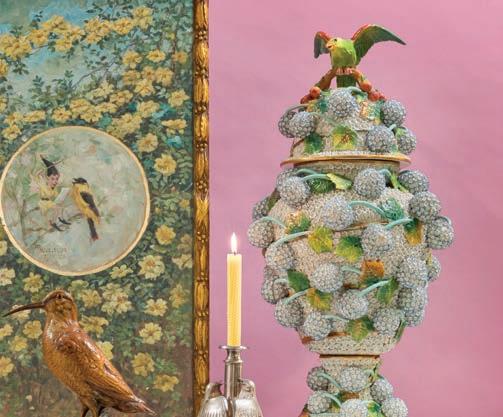
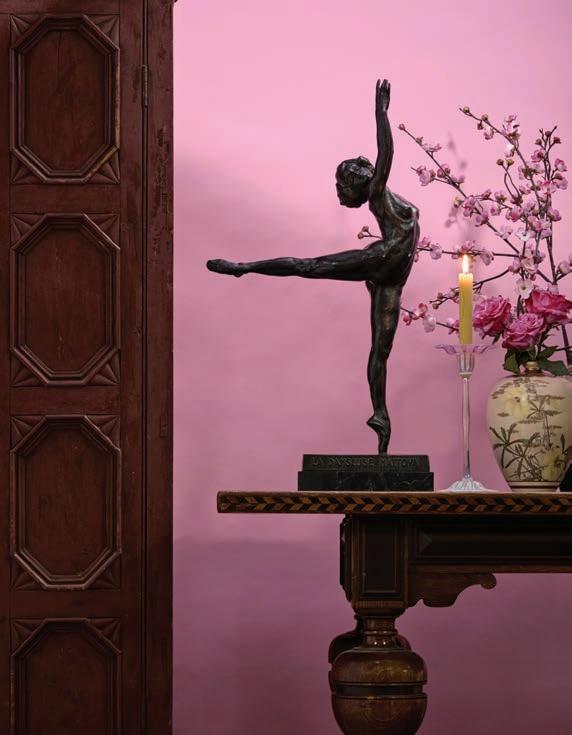
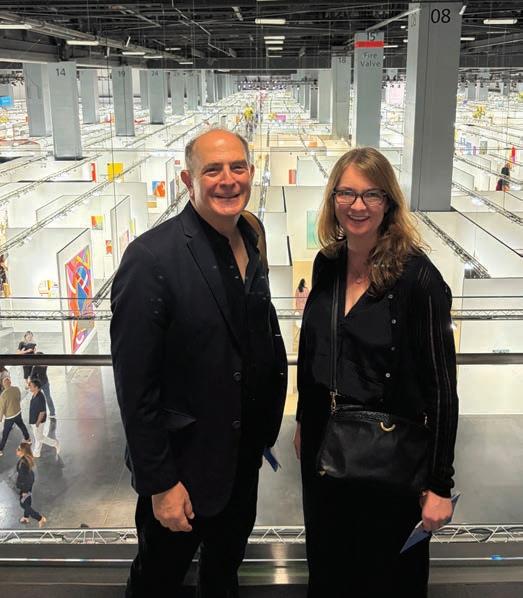
Jennifer Kurtz Director, Decorative Arts j.kurtz@johnmoran.com
Tom Burstein Director, Jewelry & Watches t.burstein@johnmoran.com
Table of Contents
1. Behind the Gavel
2. Art Law Insights from KJMLAW Partners
3. Trusts & Estates Spotlight
4. Morans’ Appraisal Team Takes the Conference Circuit by Storm in 2025
5. The Importance of Appraising Your Valuables for Homeowners and Renters Insurance
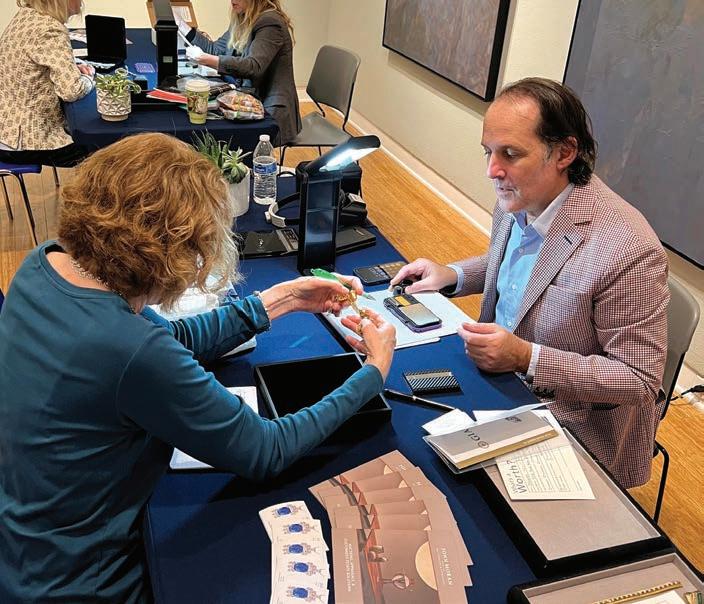
6. Morans “What’s It Worth” Event at the Laguna Art Museum
7. Closer Inspection: The Importance of Condition Reports—Oil Paintings
8. Market Recap: Trends Shaping the Fine Art Department at Morans
9. Bold Colors, Vintage Diamonds & Signed Classics: Morans’ Jewelry Triumphs of 2025
10. The Rise of the Grey Plague
11. Furniture and Decorative Arts:Silver Soars, Asian Art Rises in Demand, and Design Classics Command Attention
12. Rising Momentum: Native American Art and Jewelry Shine in Moran’s 2025 Auction Season
13. End-of-Year Reflections on Fairs and Events: From Los Angeles to Miami
14. Behind The Lens
15. Upcoming Auction Schedule
Behind the Gavel: January 2026
I love the auction business - the speed-of-light pace of selling an object, whether it be a gemset necklace, or a set of Baccarat glassware, the 70 seconds it takes to complete the sale always eclipses the hours, days and months of preparation behind the scenes. Every deal is unique; the varying circumstances of each consignment require us to stay flexible and ready to pivot at any given moment. Candidly, we see and experience things that would make seasoned Hollywood scriptwriters shake their heads in disbelief. Some stories are tragic, while others are comedic by design. At a granular level, auction transactions are often brought about by people adapting to a change that was thrust upon them – like a death, divorce or downsize (the “Three Ds” as we like to say). These instances propel major change, and we are grateful to be entrusted in handling personal property during some of the most vulnerable moments in our clients’ lives.
While many families and individuals are prepared for life’s inevitable changes, I am here to share a simple fact: most are not. In my 40 years of experience, I have met with countless clients grappling with the death of a parent or spouse, a divorce, or other tipping point (like losing a home in the Palisades or Eaton Fire). The people who planned for life’s surprises have been far better equipped to deal with the fallout that those who did not.
I would like to challenge you, on behalf of your family or beneficiaries, to use the month of February to prioritize preparations for the future. Being risk adverse, I would suggest you identify the biggest threat (financial, environmental, medical, etc.) - the thing that keeps you awake at night. Be honest - write down your top three.
Also, consider creating a filing system for your sensitive documents. A company called Noxbox makes convenient, user-friendly kits to help you begin this process – helping
Here are some suggestions to get you kickstarted:
• Schedule the annual checkup that you’ve been putting off.
• Consult with your partner and insurance broker so you can better understand your policy and make needed changes.
• Record a video of each room in your home, focusing on the build quality and finish materials.
• Acquire or update your personal property appraisal.
• Ensure that your personal property policy limits cover you in the event of a loss. You may need to schedule certain items or categories, to obtain proper limits.
• Build a spreadsheet inventory of your property, including acquisition date/cost details with photos. Keep a print and digital copy of these lists separate from your residence.
you to organize birth/marriage certificates, mortgage/lease documents, titles and deeds, etc.
The new year brings new opportunities to learn from the mistakes of others. Don’t procrastinate formalizing or updating the family trust/will, medical directives, your insurance appraisal or policy review. These instances call for a proactive approach, rather than a reactive one.
In 1990, I graduated from the Los Angeles County Sheriff’s Academy as a Reserve Deputy. Above the main entrance to the academy, above the doorway was the motto “Prior Proper Planning Prevents Pi** Poor Performance,” a daily reminder every time I exited the classroom it was a reminder that you cannot cram for a crisis. 35 years later, that motto is ingrained in my personal and professional life. Between parallel careers in the auction business and as a reserve deputy in mountain search and rescue, I have seen the difference in outcomes on a personal level when people have taken time to make proper preparations.
Jeff Moran President, Auctioneer
Tag you’re it.
--Jeff Moran, President, Auctioneer
Art Law Insights from KJMLAW Partners
Tax Implications of Selling Artwork
How artwork is taxed depends on who is selling it and why they owned it. If an artist sells their own artwork, that income is treated as ordinary income. 26 US Code §1221(a)(3) (A). This is because artwork created by the artist, under tax law, has been explicitly excluded from the definition of “capital asset”. As a result, the sale proceeds are taxed at ordinary income tax rates.
The same general rule applies to art dealers. Art dealers run a buyingand-selling business model, much like any other retail operation. All income from art sales is taxed as ordinary income. 26 Us Code §1221(a)(2). However, art dealers can also deduct ordinary and necessary business expenses, such as rent, marketing, or storage costs.
In contrast, when a collector or investor sells artwork that was held for investment purposes, the artwork is usually treated as a capital asset. Any profit from the sale is generally taxed as a capital gain, which may be subject to different (and often lower) tax rates than ordinary income. US Treasury Regulation §1.1221-1(b).
If artwork is inherited, the tax rules are typically more favorable. The person who inherits the artwork receives a new tax basis equal to the artwork’s fair market value at the time of the previous owner’s death. 26 US Code §1014(a)(1). If the heir later sells that artwork, any gain is usually eligible for long term capital gains treatment, based only on the increase in value after inheritance.
26 US Code §1223(9)(B). The tax benefit often referred to as the “step-up” in capital gains basis does not apply if artwork is gifted or is held in a trust outside the decedent’s taxable estate.
Donating Artwork to Charitable Organizations
Donating artwork to a qualified charity can provide both charitable and tax benefits, but the size of the tax deduction depends on how the charity uses the artwork.
In general, a charitable deduction is allowed when artwork is donated. 26 US Code §170(a)(1). To claim a deduction for the full fair market value, the charity must use the artwork in a manner consistent with the organization’s charitable purpose. Treasury Regulation §1.170A-4(b)(3). For example, if a painting is donated to a museum, it should be displayed to be used for educational or cultural purposes. If the charity instead sells the artwork and uses the money to fund its
Nina Saemundsson
programs, the IRS considers this an unrelated use. In that case, the tax deduction may be reduced, often limited to the donor’s original cost or basis in the artwork. Because of these rules, donors should keep good records and confirm in advance how the charity plans to use the artwork to maximize the tax benefit.
Exchanges of Artwork
Since 2018, artwork can no longer be exchanged under the likekind exchange rules (also known as a Section 1031 exchange), as the rules for the exchange are now limited only to real estate properties. 26 US Code §1031(a)(1). As a result, if artwork is now traded
for another artwork, the IRS treats this transaction as if the original artwork were sold for cash equal to the value of the artwork received and then used to buy the new piece. Any profit from that exchange must be reported and taxed in the year the exchange occurs.
About KJMLAW Partners
KJMLAW Partners is a local, Pasadena-based firm specializing in estate planning, trusts, probate, real estate, corporate law, tax planning, and tax avoidance to help the owners of family-owned and closelyheld businesses protect their wealth and bring order to their personal and financial situations.
--KJMLAW Partners
Trusts & Estates Spotlight
The Trusts and Estates department at John Moran Auctioneers is celebrating its seventh year, marking another chapter of thoughtful growth under the leadership of Morgana Blackwelder. Founded on John Moran’s legacy of integrity, kindness, and a can-do spirit, the department has evolved from a dormant in-house service into a dynamic, client-focused team known from coast to coast for its boutique, highly personalized approach to estate strategy and disposition. In 2025, that spirit translated into meaningful partnerships with families, fiduciaries, and advisors who entrusted us with their most treasured possessions.
This year, our team was honored to be selected to steward several extraordinary estates and collections. These included The Estate of Robert Day, The Estate of Herbert and Ann Lucas, The Collection of Kathy and Richard Schultheis, and selections from The Personal Collection of Jean Milant alongside works from Cirrus Gallery, each reflecting a lifetime of discerning collecting and deeply personal stories. We also had the privilege of handling selections from The Estate of Elaine Wynn and were thrilled to be chosen to represent The Estate of Joanna Carson, further solidifying our position as a trusted partner for complex, high-profile estates.
Beyond the auction block, 2025 was defined by ongoing education and outreach. Members of the Trusts and Estates team traveled nationwide to attend and speak at industry events, including programs hosted by the Professional Fiduciary Association of California, the Hawaii Estate Tax Institute, the Kasner Estate Planning Conference, and the USC Gould Estate Tax Conference, sharing insights on valuation, disposition strategies, and best practices in working with personal property. These engagements allow us not only to stay current with evolving legal and tax landscapes, but also to support the fiduciary and advisory communities with practical tools
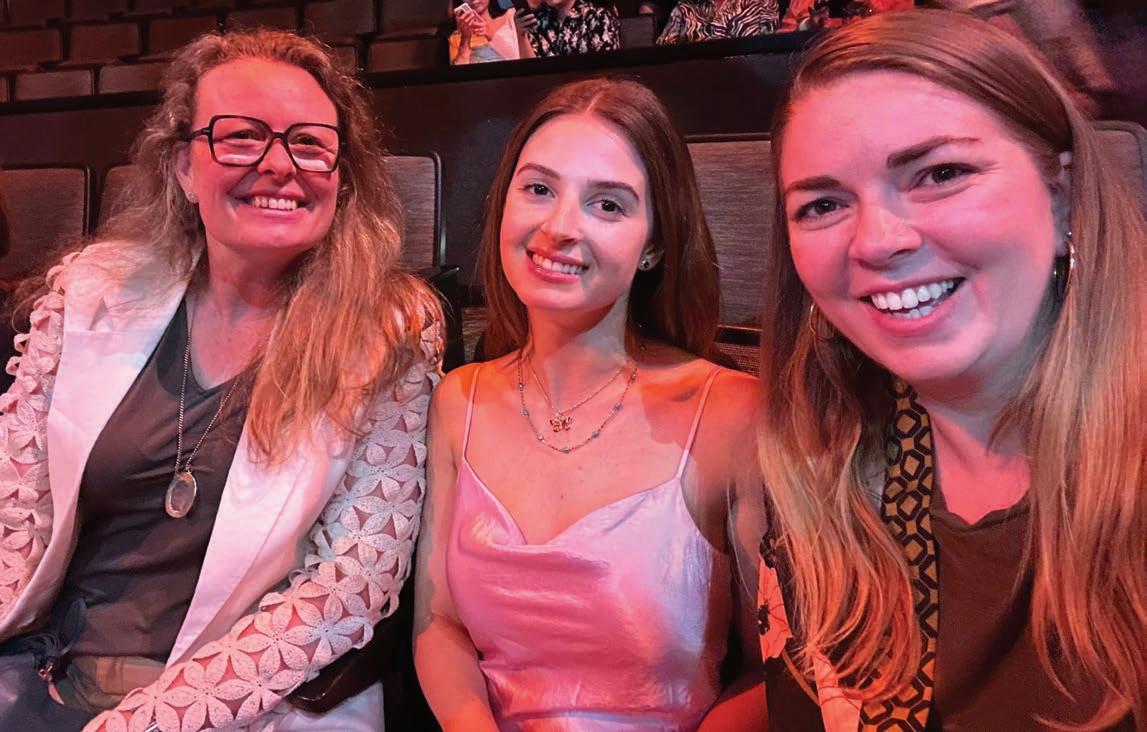
Cirque Du Soleil, Honolulu, HI
Maranda, Morgana, & Julia, The Glendale Historical Society, Honolulu, HI
for serving their own clients more effectively.
At the core of the department’s work is a simple guiding principle: people’s treasures should be handled with the same care and consideration they received during a lifetime of ownership. Our full-service model allows us to assist at every stage of the process, from early planning conversations and appraisals to cataloging, marketing, sale, and the final cleanout of a residence. Whether collaborating with attorneys and professional fiduciaries or working directly with families, the Trusts and Estates team focuses on creating clear plans that honor both
emotional and financial priorities, so that important decisions are made proactively rather than in times of crisis.
In January 2025, the department welcomed Julia Kelley, who brings a fresh perspective and robust communications background to our growing team. Prior to joining our team, Julia was executing press strategies for luxury design brands and coordinating high-profile events.
Julia is a recent graduate of Chapman University, holding a Bachelor of Arts in English Literature with a minor in Latinx and Latin American Studies. She is multilingual, being fluent in Armenian and proficient in Spanish, which will be an asset in our diverse client environment.
Julia Kelley Administrator, Trusts & Estates
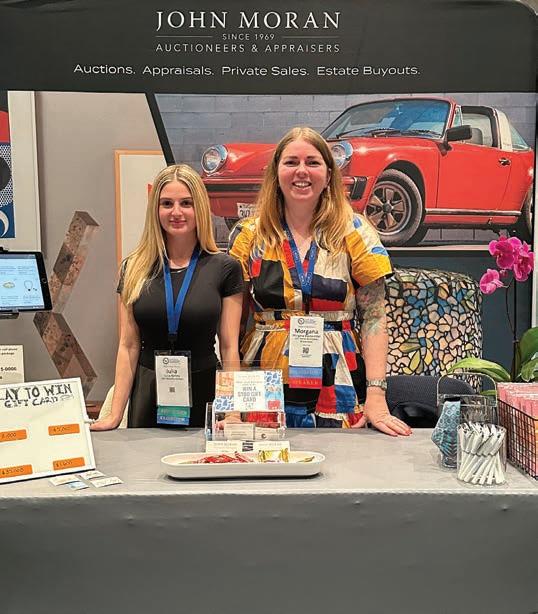
Morgana & Julia, PFAC, Anaheim, CA
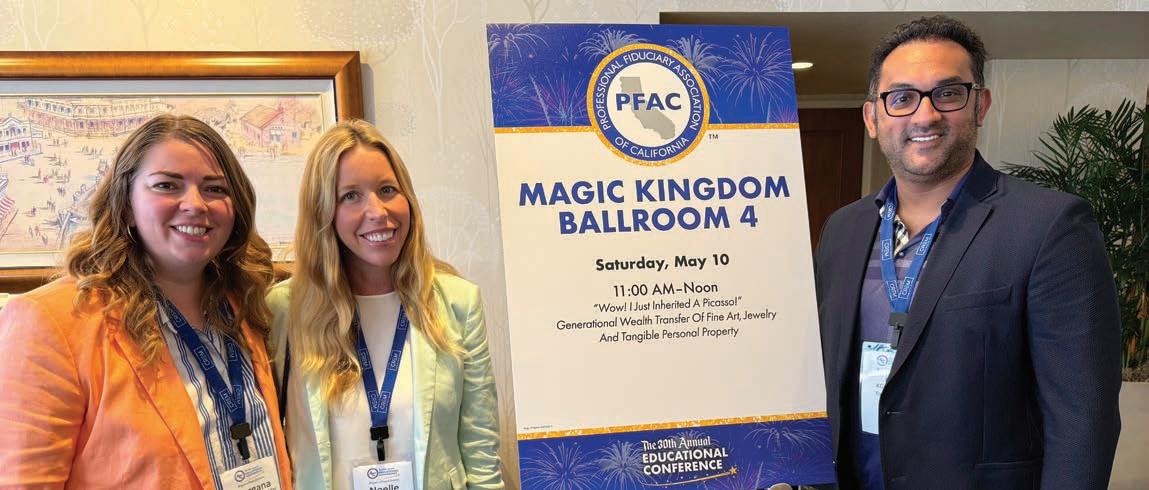
Morgana, Noelle Valentino, and KC Chohan, PFAC, Anaheim, CA
Morans’ Appraisal Team
Takes the Conference Circuit by Storm in 2025
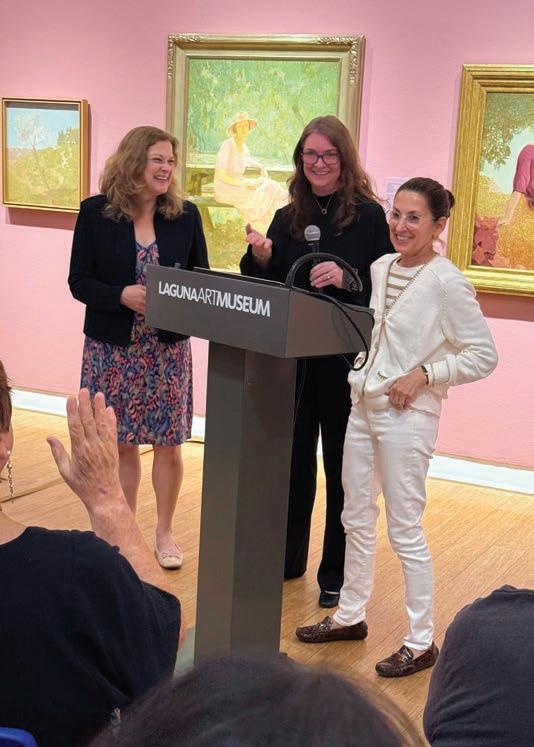
Mariam Whitten, Katie Halligan, and Laguna Art Museum curator Deborah Solon share a laugh with guests.
2025 was a rewarding and busy year for the John Moran appraisal team, a core function of the Trusts and Estates department. The year was marked by meaningful travel, continued education, and connection with colleagues across the estate planning community. Conferences are an integral part of how our team remains informed on industry insights, and this year offered no shortage of memorable moments.
Set against the backdrop of cherry blossom season in Washington, DC, the team attended the International Society of Appraisers Conference, reconnecting with appraisal colleagues from across the country and attending educational sessions. The team also enjoyed behind-thescenes tours of the Smithsonian museums, an inspiring reminder of the cultural institutions that intersect so closely with our work.
In May, Morgana Blackwelder and Julia Kelley attended the Professional Fiduciary Association of California conference at the Disneyland Resort.
In September, the team headed north to attend the Santa Clara Law School 21st Annual Jerry A. Kasner Estate Planning Symposium in Northern California. This program offered an excellent mix of learning and networking, with thoughtful presentations and opportunities to connect with professionals across related disciplines.
In October, Morans’ Director of Appraisals, Mariam Whitten, collaborated with Katie Halligan, Director of Fine Art, for a dynamic panel on the art of building, maintaining, and safeguarding a personal art collection at the Laguna Art Museum. Katie shared
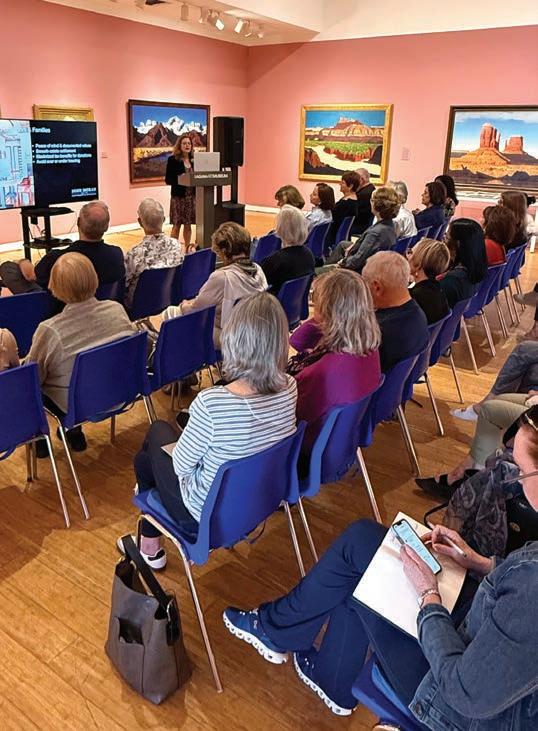
Mariam Whitten presenting to the Laguna Art Museum audience.
Maranda Moran, Julia Kelley, and Morgana Blackwelder enjoying some free time during their Waikiki trip for the Hawaii Tax Institute Conference.
insights into acquiring works of art and navigating the art market, while Mariam emphasized the importance of appraisals for estate planning, insurance coverage, and protecting personal property in case of damage or natural disasters.
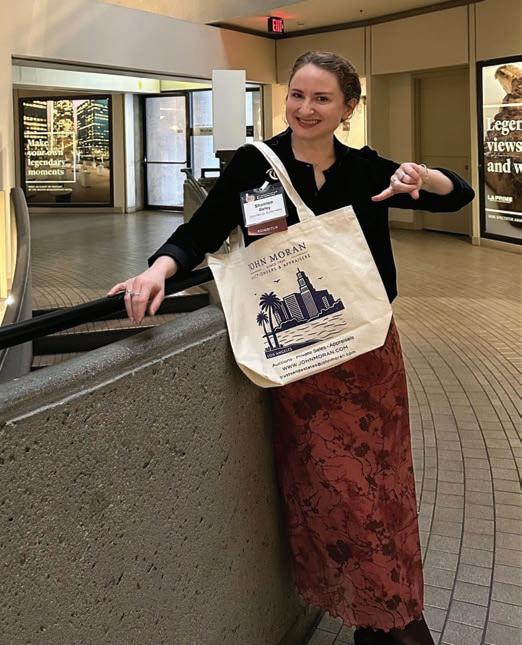
Shannon Dailey, Associate Appraiser at the USC Gould School of Law Trust & Estate Conference.
In the late fall, Mariam Whitten traveled to New York City for the American Society of Appraisers “Assets” Conference, held at the historic New York Athletic Club. On the other end of the country, the rest of the Trusts and Estates department was soaking up the sun at the Hawaii Tax Institute Conference in Waikiki, building relationships with estate planning professionals. To close out the conference, we co-hosted an event with KJMLAW Partners and Trust Law Partners, LLP on the shores of Waikiki Beach.
The year concluded with one of our perennial favorites, the USC Gould School of Law Trust and Estate Conference. We were proud to serve as sponsors once again, and continue to value the depth of insight, dialogue, and relationships this conference fosters. It was a fitting conclusion to a year defined by learning, connection, and community.
The Importance of Appraising Your Valuables for Homeowners and Renters Insurance
Mariam Whitten, ISA AM Director of Appraisal Services
When a disaster occurs, the loss can be overwhelming, both emotionally and financially. While homeowners’ and renters’ insurance policies provide coverage for personal property, they may not fully account for high-value possessions such as jewelry, fine art, antiques, rare collectibles, and luxury watches. Without a professional appraisal and proper documentation, policyholders may face challenges in establishing the value of their belongings, which can impact the compensation received from an insurance claim. Ensuring that valuables are accurately appraised and scheduled within a policy is a critical step in securing financial protection and facilitating a smoother recovery process in the event of loss or damage.
How Appraisals Strengthen Your Insurance Coverage
1. Accurate Valuation: A professional appraisal provides a precise valuation of your assets, ensuring you receive appropriate coverage. Insurers may only cover the estimated market value at the time of loss, which could be significantly lower than the item’s true worth if it is not properly appraised.
2. Easier Claims Process: In the unfortunate event of damage, loss, or theft, having an official appraisal by a qualified appraiser on file simplifies the claims process. Insurers are more likely to settle claims quickly and fairly when accurate documentation is readily available.
3. Customized Coverage Options: Many insurance carriers offer scheduled personal property endorsements (also known as riders or floaters), allowing policyholders to insure high-value items separately from their standard policy limits. This ensures full replacement value in case of a claim.
Rising Insurance Costs and the Importance of Being Proactive
In today’s insurance climate, particularly in states like California, homeowners are experiencing rising premiums due to increased claims and catastrophic losses. Insurance companies are tightening underwriting standards, making it even more essential for homeowners to proactively assess their coverage. California was once synonymous with earthquakes, now it’s floods, mudslides, wildfire, and even hurricanes - which present significant liability for insurance companies. By ensuring that high-value items are accurately appraised and properly scheduled, policyholders can prevent gaps in coverage and mitigate financial loss.
Insights from an Insurance Professional
Mariam Whitten, Director of Appraisals at John Moran Auctioneers, sat down with Gregory Zeman of Larson Family Insurance Brokers to discuss current industry insights. Zeman specializes in personal and commercial insurance, working with homeowners of high-value properties, those in fireprone areas, clients with prior claims, and individuals facing non-renewal notices.
Gregory tailors each client’s insurance portfolio to their specific needs: “It’s not a one-size-fits-all approach; it’s all about creating the right solution for each individual,” he explains. When asked about the recommended frequency for valuation reviews, Gregory confirmed, “Yes, I still suggest reviewing valuations every five years. This helps clients stay ahead of market fluctuations, ensuring they have adequate coverage while also preventing them from overpaying if the value of their items decreases.”
He further emphasized the importance of periodic appraisals, stating, “It’s essential to know the true value of your high-end items. You don’t want to overpay for coverage you don’t need, but you also don’t want to be underinsured in the event of a loss. While reassessing every six months may be excessive, a
periodic appraisal every few years is a practical approach to maintaining accurate coverage. This ensures that you’re neither overpaying nor left unprotected should anything happen.”
Our Full Interview with Gregory
MARIAM: What type of insurance coverage is most important for protecting personal property in case of a disaster?
GREGORY: It depends on the type of disaster, but the most common coverage is a homeowner’s insurance policy for an owneroccupied home, typically called an HO3 policy. If it’s a condo, it would be an HO6 policy. Both policies include a section called Coverage C, which protects personal belongings such as furniture, clothing, linens, and dishes. They can also cover higher-value items like jewelry, artwork, and musical instruments if properly scheduled on the policy.
Gregory Zeman Larson Family Insurance Insurance Broker
Cont’d: The Importance of Appraising Your Valuables for Homeowners and Renters Insurance
In addition to homeowners or condo insurance, some people choose to purchase supplemental policies like flood or earthquake insurance. For example, if an earthquake destroys a home and its contents, standard home insurance won’t cover the loss—you would need a separate earthquake policy. Home insurance typically covers sudden disasters like fire, smoke, vandalism, wind, water pipes bursting and explosions. However, flood and earthquake damage are major exclusions and require separate coverage.
MARIAM: That makes sense. Can you address “Acts of God” and when an insurance company may use that term to deny a claim?
GREGORY: Actually, “Acts of God” are usually covered, unless they are specifically excluded in the policy. For example, take the wildfires in Los Angeles—whether they were caused by a downed power line or a natural event, as long as it wasn’t intentional.
What insurance companies won’t cover are intentional acts committed by an insured to their own property, like arson, or maintenance-related damage— issues that have been ongoing due to neglect. But true “Acts of God,” meaning unforeseen natural disasters, are generally included in coverage unless they fall under an excluded peril, like floods or earthquakes.
MARIAM: How can people ensure they have adequate coverage for valuables like jewelry, art, antiques and collectibles?
GREGORY: Standard homeowners’ policies include some coverage for valuable items, but to fully protect high-value assets, policyholders should schedule them separately. This is especially important for items like engagement rings, other expensive jewelry, Steinway pianos, or fine artwork, where value can be subjective.
To establish an accurate valuation, policyholders should obtain professional appraisals, provide high-resolution photos, and keep receipts. Scheduled items are covered under what’s called “open perils” coverage, meaning they are protected against more risks than general household items. For example, standard policies don’t cover breakage of a valuable item, but a fine arts floater or jewelry rider would. Additionally, scheduling items allows policyholders to set an agreed-upon value, ensuring they receive the full insured amount in the event of a loss.
MARIAM: Is this process different from how general household items are covered?
GREGORY: Yes. General household items like furniture and clothing are covered under a policy’s personal property limits. In the event of a loss, insurers typically ask for an itemized list of damaged belongings, then issue a payout based on the policy limits. There is less underwriting involved compared to valuable items like jewelry or artwork, which require detailed appraisals and documentation.
MARIAM: I recently learned that some policies provide replacement value while others only offer actual cash value.
GREGORY: Yes, this is a crucial distinction. Some policies insure personal property at “actual cash value”, which accounts for depreciation. This means that if a policyholder loses a five-year-old couch, they won’t receive the full cost to buy a new one—they will get a depreciated value.
On the other hand, policies with “replacement cost coverage” pay for brand-new replacements, regardless of depreciation. At my agency, we always recommend personal property replacement cost coverage because it ensures policyholders receive new items
rather than a reduced payout based on age and wear.
MARIAM: What’s the best way for homeowners to document personal property for insurance purposes? Are there specific tools or methods you recommend?
GREGORY: The most effective way to support a claim is through thorough documentation.
Homeowners should keep:
Professional appraisals (updated every five years for high-value items)
Original purchase receipts
Clear, high-resolution photos of valuables
Cont’d: The Importance of Appraising Your Valuables for Homeowners and Renters Insurance
When applying for coverage, insurance underwriters rely on these documents to determine the appropriate policy limits. Jewelry valuation is relatively straightforward, but artwork and collectibles can be more subjective. That’s why professional appraisals are essential—not just for insurance purposes but to avoid disputes in the event of a claim. A welldocumented inventory ensures that policyholders receive fair compensation, and that the insurance company can accurately assess risk.
MARIAM: That makes a lot of sense and is what we tell our clients as well.
MARIAM: So, the recommendation for an updated appraisal every 5 years, is to account for market fluctuations, ensuring clients have adequate coverage while also preventing them from overpaying if the value of their items decreases-correct?
GREGORY: Exactly. It’s a balance— you want to be properly insured but not paying for coverage you don’t need. While you probably don’t need to do a review every six months, I think it is a good idea to get an appraisal every few years for some of your fine items to know their true value in case something happens.
MARIAM: During a disaster, what should policyholders focus on to protect their property or minimize damage?
GREGORY: The most important thing is safety first—family, pets, getting out of harm’s way. Items
can be replaced; people cannot. But for certain high-value items— jewelry, heirlooms, important documents—it’s good to have them in a fireproof safe if possible.
MARIAM: So, if someone has, say, a collection of expensive watches or an antique piece, would you recommend a fire safe?
GREGORY: Definitely. I have clients who store valuables in fireresistant safes or keep them offsite, like in a safety deposit box— though those are becoming harder to find. Some people even use third-party bank vaults for items like rare jewelry or collectibles.
MARIAM: Is there anything homeowners or renters can do during a disaster to improve the success of their insurance claim?
GREGORY: That’s tough, because in the middle of an emergency, people are usually in panic mode. What we advise our clients to do in advance is walk around their home with a video camera or phone and record everything. Open closets, pan the room—have a clear video record of belongings.
MARIAM: And store that video somewhere safe, right?
GREGORY: Exactly. Nowadays, most things are stored in the cloud, so even if a phone is lost, the data is backed up. This video will help jog your memory later when making a claim—because if you lose everything, you won’t remember every item you owned.
MARIAM: Right. And the worst time to be documenting everything is in the middle of an emergency.
GREGORY: Exactly. The time to do this is before disaster strikes, not when you’re evacuating.
MARIAM: Are there any steps homeowners or renters can take during the actual disaster that could improve the success of their insurance claim?
GREGORY: Not during the disaster but immediately following, the first step is to contact your insurance carrier. If you have a broker or agent, you should reach out to them for guidance. They’ll help
you understand the situation and advise on next steps. If you don’t have representation and have a direct-to-consumer policy, you’ll need to contact the insurer yourself to begin the process.
The first thing covered is loss of use, meaning your living expenses while you’re displaced. This could include the cost of renting a temporary home, apartment, or condominium while your house is being rebuilt.
Cont’d: The Importance of Appraising Your Valuables for Homeowners
and Renters Insurance
Next is your personal property. You’ll need to provide a list of lost or damaged items. With everything going on in Los Angeles, the Department of Insurance is encouraging insurance companies to handle this in a more simplified way—covering items on a blanket basis where possible, rather than requiring an exhaustive list. This covers things like clothing, furniture, and other household contents.
Finally, the dwelling coverage will kick in. Once contractors begin rebuilding—reframing and restoring your home to its original state—the insurer will start paying out to the contractor directly, as work is completed.
MARIAM: What are some common mistakes people make during the claims process that could delay or reduce their payout?
GREGORY: I haven’t seen many mistakes that consistently affect claims, but there are a few things to watch out for. First, intentional acts are a no-go. If it’s found that the homeowner deliberately caused the damage, that claim will be denied, and it could be classified as insurance fraud.
Another common issue involves wear and tear. For example, if someone files a water loss claim, but the adjuster finds that a pipe has been leaking for months or even a year, that is considered maintenance, not a sudden or accidental loss. Insurance covers things like a pipe suddenly breaking and causing damage, or a wildfire sweeping through your neighborhood. But a long-leaking pipe is something that falls under regular home maintenance, and that’s not covered.
MARIAM: Does the claims process differ for high-value items like art, jewelry, and antiques compared to everyday possessions?
GREGORY: Yes, it does. If you’re trying to claim high-value items under your standard coverage, such as unscheduled personal property, the insurer will likely ask for more documentation—like receipts or appraisals—especially if the items are worth over $5,000.
For scheduled items, such as fine art or jewelry that is specifically listed on your policy, the claims process is more straightforward. If the item is covered and there’s no foul play, the payout is typically based on the appraised value minus your deductible. This is why we advise clients to appraise valuable items and schedule them
on their policy, especially if they can’t easily be replaced.
You can add these items to your homeowner’s or property policy with additional premiums, but it ensures that if something happens, the process is more streamlined, and you get the replacement value you’re entitled to. It’s all about ensuring true indemnity—getting as close as possible to the value before the loss.
MARIAM: Are there any specific policy features or riders you recommend for additional protection?
GREGORY: For high-value items, I recommend scheduling them on your property policy with your current carrier or considering a specialty carrier that focuses on underwriting high-value risks. For example, Lloyd’s of London is a popular choice for insuring highvalue items and there are others.
When it comes to jewelry, some carriers specialize in jewelry insurance, offering better protection tailored to these items. You can add a rider or floater to your existing policy to ensure you’re fully covered.
MARIAM: How can people better understand the exclusions and limitations in their policies before a disaster occurs?
GREGORY: The best approach is to consult with your insurance broker or agent. While reading through your policy might not be the most exciting activity, a broker can explain what’s covered and what isn’t in simple terms. They’re familiar with the ins and outs of policies and can give you a clear overview without you having to sift through hundreds of pages. It’s always better to clarify details before a loss happens. You don’t want to find out after a disaster that you’re not covered for something important.
MARIAM: Is that the same advice that you would give to somebody who is overwhelmed about insurance, the process and feel they don’t understand it? They just pay their bill and feel unsure about it all.
GREGORY: Absolutely. I’d say that’s a person with an unfulfilled need. If they feel overwhelmed, it means their insurance hasn’t been reviewed or explained properly. When people truly understand their coverage, they feel more confident, and those feelings of being overwhelmed
Cont’d: The Importance of Appraising Your Valuables for Homeowners and Renters Insurance
fade. It doesn’t have to be me doing the explaining—it just needs to be someone licensed in property and casualty insurance, who can walk them through their policy and ease any concerns they have.
MARIAM: What trends are you noticing in the insurance industry right now?
GREGORY: One of the biggest trends I see is rising insurance prices, particularly in California. Insurance companies operating here are not just losing millions— they are losing billions. And this has been the case for years. As underwriting profits fall in order for these companies to remain solvent and profitable so they can underwrite new business and add more customers to their books of business, they need to charge commensurate rates or commensurate premiums. As underwriting profits decline, insurers have no choice but to raise rates to stay solvent and remain profitable. So, all of our rates are going up, not just in the Los Angeles area and other fire-prone areas; rates are increasing across California.
Everyone’s pricing is going up. Insurance by nature is a pooled risk. We all pool our risks together and the goal for the insurer is to have enough money so that your claim can be paid out if you ever have to dip into that pool. Ultimately, this will create a more competitive landscape and marketplace where you’ll have more competition and when you have more competition in any business, insurance included, you generally see a leveling off of pricing and more stability in the market, which is what we all want
to see. You don’t want it like it’s getting now where there are very few companies willing to write new insurance, especially fire insurance in California.
MARIAM: Are there any innovations or emerging technologies in insurance that help people better protect and insure their property?
GREGORY: Definitely. We are seeing newer carriers enter the market using artificial intelligence to better assess individual properties. For example, if a home is in a medium fire zone but has defensible space, fire-resistant materials like hardy plank siding, or fire-resistant roofing, the insurer will take these factors into account. Homes with additional features like exterior fire sprinklers are also considered lower risk. Insurers will offer discounts for these “home hardening” measures, especially with programs like the California Fair Plan. Homeowners who make their homes more fireresistant or attractive to insurers may even find they’re offered better rates. With the rise in non-renewals, people are being forced to find new carriers, and implementing home hardening measures will make their homes more appealing to insurers.
MARIAM: That is fantastic. Is there anything else you’d like to share that I haven’t asked?
GREGORY: No, your questions were great, and we covered a lot of ground. I am happy to help if your clients have any questions we didn’t answer here, but as I said earlier, as long as they are speaking with an insurance professional licensed in property and casualty insurance, they should get solid answers and advice.
MARIAM: Thank you so much for taking the time to sit down and share your expertise with us today.
GREGORY: I really do see myself as an educational consultant. My goal is to advise and educate my clients, helping them make the best decisions for themselves and their families when it comes to insurance. The more they understand, the better choices they’ll make, and that’s the true value I offer.
Final Thoughts
When securing a home insurance or valuable articles policy, ensuring the correct ownership is listed on the policy is crucial. The insurance should be in the name of the legal owner, which may be an individual, estate, trust, or other entity. If a trust, LLC, or another entity holds ownership, it should be named as the policyholder or an Additional Insured to prevent coverage gaps. When it comes to homeowners’ insurance, knowledge and preparation are key. A professional appraisal is a simple yet crucial step toward safeguarding your most valuable possessions. Not all appraisers are created equal. To receive a reliable valuation, homeowners should seek professionals certified by reputable organizations such as the International Society of Appraisers (ISA), The Appraisers Association of America (AAA), or the American Society of Appraisers (ASA). Working with a qualified appraiser ensures that your valuables are assessed accurately, giving you peace of mind and the appropriate level of insurance coverage. By taking proactive measures now, you can avoid stress, financial loss, and potential disputes with your insurance provider in the future. Protect what matters most— because peace of mind is priceless.
Morans “What’s It Worth” Event at the Laguna Art Museum
Ever find an old piece of jewelry in a drawer or spot a signed painting at a flea market and think, “What would the Antiques Roadshow people say about this?” The show has captivated audiences for over 28 seasons, beloved for its mix of surprise, history, and stories that come with discovering the value (or lack thereof) in the things they’ve held onto over the years.
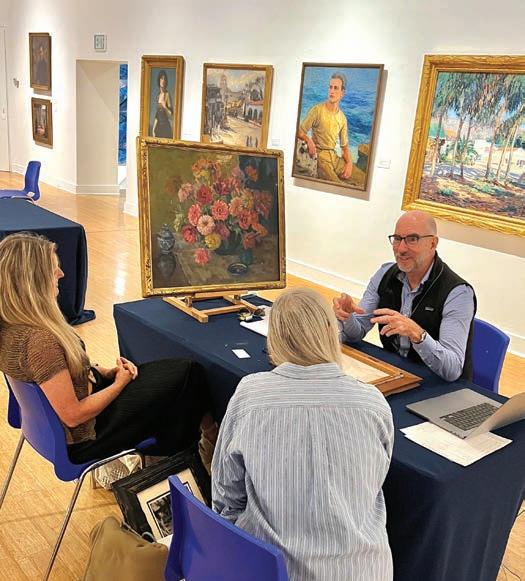
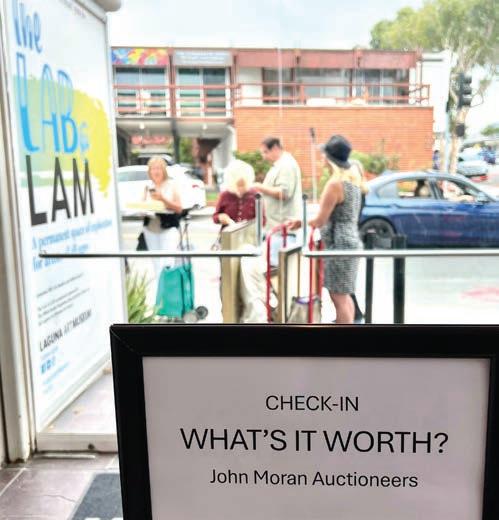
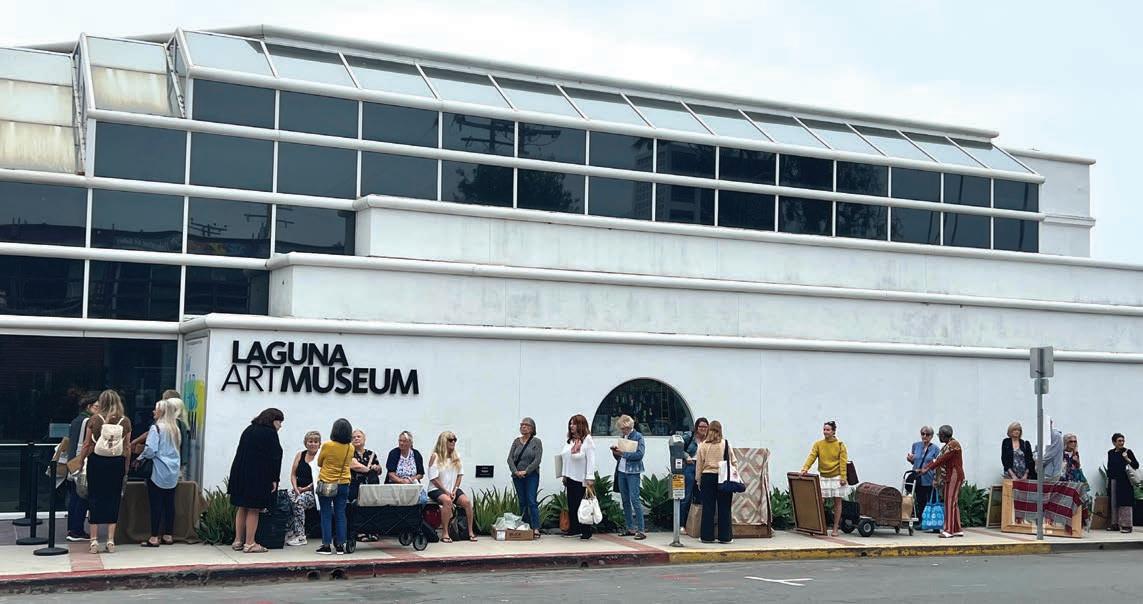
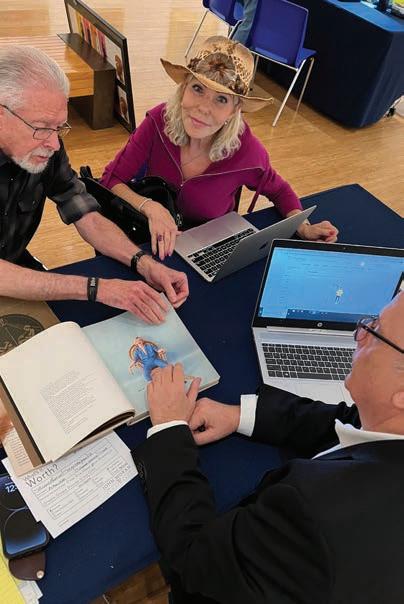
That same curiosity is at the heart of John Moran’s “What’s It Worth?” events held at the Laguna Art Museum. Since 2022, Morans has partnered with LAM in hosting interactive valuation days where guests are invited to bring up to five items for our specialists to review and estimate on the spot. From paintings and jewelry to coins, musical instruments, or even photos of furniture too big to carry—our specialists can tell you what they’re worth.
Not only do “What’s It Worth?” events benefit participants; they also support the greater cause of LAM, as all ticket proceeds fund the museum and its commitment to “enlighten and engage people of all ages through art that embodies and preserves the California experience.” Morans is grateful for its continued partnership with LAM - a pillar of the art scene in Laguna Beach. We aim to continuously educate collectors on what they own, how to care for it, and what to keep in mind for future acquisitions.
Guests waiting to have their prized possessions reviewed at “What’s It Worth?” in April 2025
Jeff Moran, President of John Moran Auctioneers providing insight on fine art
A conversation with Robin Rundle of Laguna Art Museum
Morans partners with museums and institutions like LAM to create meaningful programming for their members. One of the key individuals spearheading this effort is Robin Rundle, Education Coordinator at Laguna Art Museum. We sat down with Rundle to discuss her role as a driving force of promoting the value and perks of being a LAM member.
JMA: Why do you enjoy the “What’s it Worth” events, and what have been some of your favorite guest treasures?
Rundle: “What’s It Worth?” is one of my favorite programs because it’s engaging, often surprising and always educational. The Moran team’s expertise and professionalism really set the bar high as participants line up to receive valuations of objects ranging from jewelry and paintings to autographed vinyl album covers and decorative arts. Some of my favorite guest treasures include heirloom jewelry pieces and even costume jewelry that, over time, have become highly collectible. Paintings often reveal surprises, and I’m always on the lookout for that neglected treasure! With every object, just like people, there’s a story!
JMA: Every month, LAM’s calendar is full of events. What other events does the museum offer, and which are your favorites?
Rundle: The museum offers a wide variety of public programs each month and throughout the year. From artist/curator talks to art workshops, music and dance performances, and unique, standalone programs.
Some of my favorite programs are artist talks because there’s nothing like hearing directly from an artist and learning about their inspiration, creative process and body of work. I am passionate about creating the
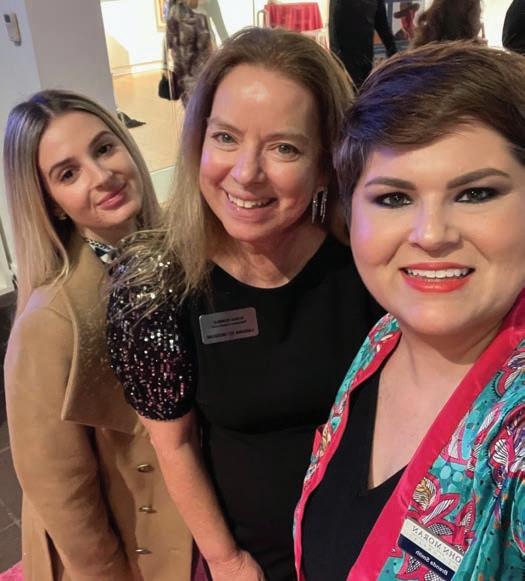
Robin Rundle, Education Coordinator at Laguna Art Museum (middle) with Julia Kelley and Brenda Smith (from Moran’s) at LAM’s California Cool art auction.
opportunity to have a first-person interaction with some of today’s most innovative and respected artists.
In addition, Art + Nature is our quarterly initiative that provides an opportunity for community engagement. Through our Art + Nature Speaker Series, we present artists, authors and scientists to shine a spotlight on the intersection between art and the critical environmental issues of today. Our program, Upcycled Couture: Wearable Art for a Livable Planet kicks off the Art + Nature celebration and involves community partners, educational partners, local business sponsors and more. If a program presents both solid content and offers a chance to learn in a memorable and inspiring way, we’ve accomplished our mission.
Morans “What’s It Worth” Event at the Laguna Art Museum
JMA: What are the benefits of being a LAM member?
Rundle: By becoming a member of the Laguna Art Museum, you gain access to private member openings, events, monthly world-class music in partnership with Laguna Live!, and unlimited admission. Most importantly, your membership supports an arts organization that serves an ever-growing community.
LAM memberships are offered at various tiers, with our most popular membership being the “Supporter” level, which includes (but is not limited to):
JMA: What’s the next event we can look forward to?
Rundle: Don’t miss the next installment of Morans’ “What’s It Worth?” There is bound to be some treasure hunting, and it’s so much fun to see what items appear in our gallery. It’s such a great way to learn about the fine art of collecting!
All proceeds from “What’s It Worth?” benefit the museum’s educational programming and help us to extend our impact. We have a vibrant and award-winning education department that offers school tours, sensory programming for children and direct outreach to schools in Orange County and beyond.
Mark your calendars! The next “What’s it Worth?” event will take place Saturday, April 25th. For more information, go to lagunaartmuseum.org
--Brenda Smith, Public Relations & Social Media Manager
2 memberships
4 guest passes
Unlimited daily admission
Discounts on most ticketed programming
Discounts at the museum store
Enrollment in North American Reciprocal Museum Association (NARM), which offers free and discounted admission to over 1,100 museums.
Membership Rates
Individual level - $60
Dual - $90
Supporter - $150
Contemporary Circle - $350
Patron ($500)
Advisory Circle - $1,200, $3,000, $5,000
Directors Circle - Inquire
Closer Inspection:
The Importance of Condition Reports—Oil Paintings
Katherine Halligan, AAA, Fine Art Director
When engaging in the bidding and buying process at auction, condition reports are a critical component to know and understand. At John Moran Auctioneers, condition reports are comprised of comments made by our in-house catalogers and specialists regarding the current physical health of an item. From a purchaser’s perspective, knowing the details of a property’s condition will help assess the current and future value of a potential acquisition.
What to expect in a condition report for an oil painting
First, our catalogers conduct a physical inspection of each painting in regular day light, both on the recto (front) and verso (reverse). Catalogers will note any anomalies to the canvas that they may see with the naked eye, as well as what the artist materials are and if there have been any later interventions to those materials. Catalogers inspect works
for any cracks, breaks or rubbing to the painted surface, any paint loss or tears, and whether a canvas might be relined or laid down. They also inspect whether varnish has discolored due to environmental or nicotine exposure, and if there are surface grime, dust or other accretions.
Commonly
used terminology in condition reports
Abrasion – an alteration of the surface of a work caused by friction with another object, often occurring where a frame meets the edge of the canvas surface.
Accretion – a buildup of foreign material on the surface of a work, not limited to dust or dirt.
Craquelure – an intricate accumulation of cracks often caused by climate/environmental changes over time, sometimes also related to the way an artist laid down their materials or the materials themselves that were used.
Discoloration – any change in color,
often related to the protective varnish layer on top of the painted surface.
Grime – dust or other foreign powdery matter that sticks to the surface of a work, usually bonding or interacting with varnish or an oil medium.
Laid down - a canvas that has been affixed to a firm backing like a board to stabilize it, often due to damage or deterioration of original materials.
Relined - an oil painting on canvas that has had a new canvas support attached to the back of the original canvas for conservation purposes, often to reinforce weakened or damaged original materials.
Stretcher Bar Crease – a fold or crease with attendant fine cracks along an edge of a painting’s stretcher.
Striplined – when the tacking edges (unpainted edge that wraps around a stretcher bar) has weakened, but the canvas is generally stable, a conservator will apply a strip of support canvas along the verso tacking edge to reinforce the weakened area so that it can be safely tacked to the wooden stretchers.
Tear – an area of the work that has been forcefully pulled apart, often resulting in jagged or irregular edges and canvas fraying.
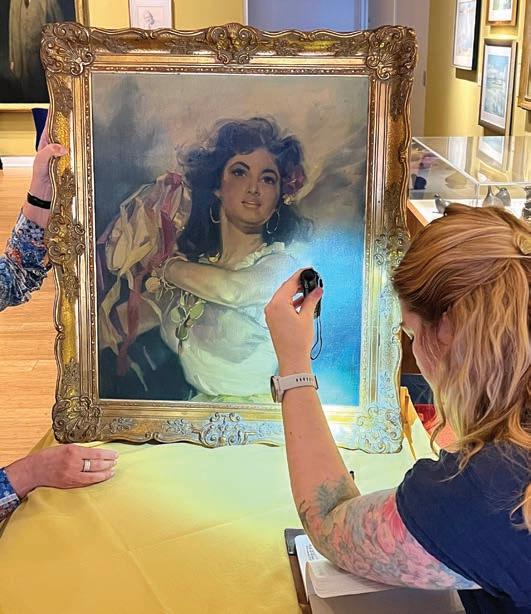
Next, the catalogers will look at the painted surface under ultraviolet (UV) blacklight. UV light causes materials of different ages to distinctly fluoresce or glow, revealing details that are otherwise invisible under normal light. When materials of distinct ages are viewed under UV light, differences in the intensity and appearance of pigments are revealed.
Under UV light inspection, catalogers look for:
Repairandretouching – pigment applied in a close time period will
UV light inspection of artwork
usually glow at a similar and more subdued level, depending on age, while modern paint and other restoration material applied will glow more forcefully purple when exposed to UV light.
Varnish – older varnish can often appear in a characteristic greenishyellow, often masking the painted surface and possibly underlying restoration. Modern varnish layers will often fluoresce more clearly so the underlying painted surface is not obscured. Viewing under UV light will also show if there is uneven or missing varnish.
Signatures – signatures are usually applied to the paint layer prior to an artist varnishing their work, in generally the same period as the painting’s execution. Under UV inspection, original signatures therefore should appear to behave similarly to the surrounding original paint. More recently applied signatures added over the varnish layer will generally appear darker and look like they are “floating” over the painted surface. Any later interventions to “enhance” or otherwise alter a signature will be visible under UV light inspection as well.
We believe in the importance of sharing known information with our clients in consideration of the property we are offering for sale. These reports are publicly available alongside the object’s cataloging descriptions and photographs. To see a condition report, there’s no need to create an account or send special requests to our specialists, though we are happy to address any inquiries not answered in our cataloging and condition reports, i.e., providing additional images, or conducting an in-person inspection with a potential bidder or professional conservator.
What to do if your new acquisition needs conservation
While we endeavor to provide the most accurate reports possible, we are not professional conservators, and we do not perform in-house conservation at John Moran Auctioneers. We are connected to a network of highly qualified conservators working in the Southern California
region. Depending on the type of restoration work needed, the age, or type of property and (among other factors), we partner with and refer to various practitioners including Avalon Labs (Goleta), Bita Klemm (Malibu), Eva Matysek Fine Art Restoration (Redondo Beach) and others. Many of these conservators hold a master’s degree in art conservation or a related field, and all possess comprehensive training in conservation theory, techniques, ethics, and practical skills.
The goal of our knowledgeable and experienced team at John Moran Auctioneers is to empower clients to better understand condition issues identified in our in-house condition reports that can affect property, so they are able to bid with greater confidence and control. Working with professional conservators and framers, who use state-ofthe-art materials, techniques and equipment, can further maximize the beauty and sustainability of your newly acquired treasures!
--Katherine Halligan, Director of Fine Art
Market Recap: Fine Art
Across Traditional, Modern and Contemporary art movements, 2025 was an extraordinary year for the John Moran Fine Art team.
Morans continues to be a leader in developing the auction markets for important woman artists. Five freshto-market oil paintings by AbEx painter Alice Baber were offered this year, including works executed in the 1960s-70s – which is known to be her best period. “The Jaguar Drum Leaps to Daylight” was the top lot, more than quadrupling its estimate and hammering at $266,700. Additionally, two magnificent bronze horses by Deborah Butterfield were highlights of the December Modern + Contemporary Art Auction, with the large horse selling for $285,750 and the foal bringing $203,300.
Examples by many of the top practitioners of Historic and Contemporary Western Art were offered in our Art of the American West auctions including Maynard Dixon,
Realized: $285,750
The Jaguar Drum Leaps to Daylight Price Realized: $266,700
Deborah Kay Butterfield Untitled, (Large Horse) Price
Alice Baber
Surrealist landscape
Price Realized: $38,100
Edward Borein, Tom Lovell, Marjorie Reed and many others. Charles Marion Russell’s 1919 gouache and watercolor “At the End of the Rope” was a client favorite, with spirited bidding resulting in a selling price of $285,750 well above the estimate of $120,000 / 180,000. A world auction record was achieved for Edith Hamlin, when her Taos painting “Night Blooming Cereus” from 1932 sold for $60,325.
American Art, particularly California Plein Air, continue to perform well in our twice annual dedicated auctions.
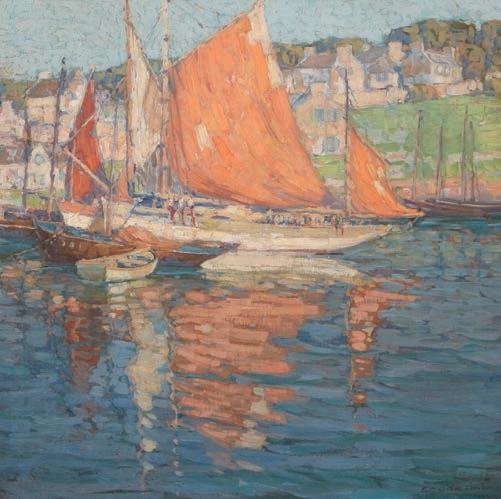
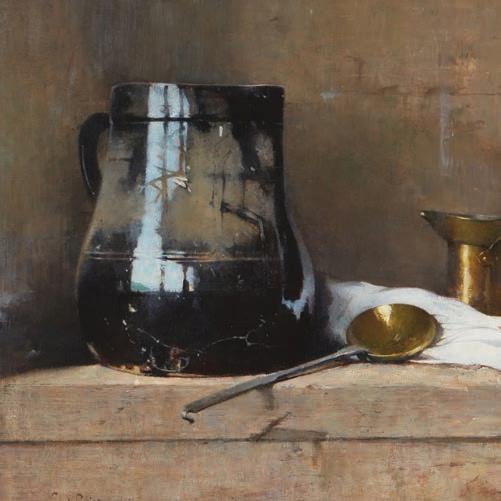
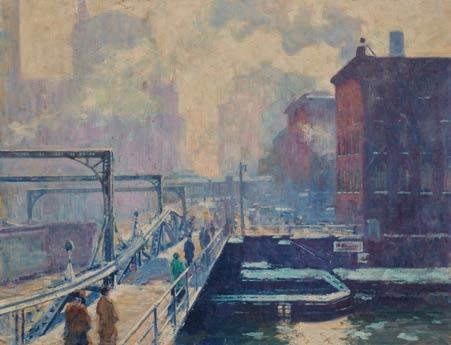
Maurice Braun’s sunlight view of San Diego’s back country, “California Vista,” Alson Clark’s urban Chicago view of the State Street Bridge and environs “The Coffee House,” Emil Carlsen’s exquisite “Still Life with Black Jug” and Edgar Payne’s “The Orange Sail (Concarneau, France)” all performed well above their pre-sale estimates.
Distinguishing ourselves from our competitors, John Moran Auctioneers conducts annual stand-alone auctions of Latin American Art + Design. This year, the fine art offerings featured important 19th and 20th Century artists including Gustavo Montoya,
Rufino Tamayo, Francisco Toledo and Carlos Mérida. A world auction record of $38,100 was achieved for Jorge Nocedo Sanchez’s 1964 Surrealist landscape and a world record for a work on paper was made when Leonora Carrington’s sketch for “Mundo Mágico de los Mayas” fetched $88,900 in July.
--Katherine Halligan, Director of Fine Art
Price Realized: $76,200
Jorge Noceda Sanchez
Maurice Braun California Vista
At the End of the Rope
Emil Carlsen
Still Life with Black Jug
Realized: $38,100
Edgar Alwin Payne
The Orange Sail (Concarneau, France)
$69,850
Charles Marion Russell
Edith Hamlin
Night Blooming Cereus
Price Realized: $60,325
Alson Skinner Clark
The Coffee House
Price Realized: $82,550
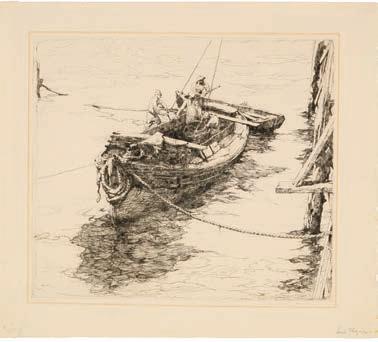
Armin Carl Hansen
The Sardine Barge
Price Realized: $12,700
Bob Ross
Lake in a mountain landscape Price Realized: $44,950
Leonora Carrington Sketch for “Mundo Mágico de los Mayas”
Price Realized: $88,900
Deborah Kay Butterfield Untitled, (Foal)
Price Realized: $203,200
Bold
of 2025
Kelly Sitek, G.G., Senior Specialist of Jewelry & Watches
2025 was a defining year for John Moran’s jewelry department, delivering exceptional results and a renewed enthusiasm for both rarity and craftsmanship, with colored stones and signed pieces reigning supreme throughout our sales.
J.E. Caldwell: A Belle Époque Platinum, Fancy Yellow-Brown Diamond and Diamond Brooch. Price Realized: $107.950
We were pleased to present an outstanding selection of signed jewels, highlighted by a remarkable J.E. Caldwell Belle Époque platinum brooch centered with an impressive 11.41-carat fancy yellow-brown diamond.
Equally notable was a striking Bulgari emerald and diamond ring, capturing strong bidder interest
A 6.49-carat Diamond Ring.
along with the welcome addition of four charming Cartier Snoopy pendants, further enriching our offerings of signed designs.
Colored gemstones enjoyed a particularly strong moment this year, with a dramatic black opal ring and a beautiful pink sapphire ring both achieving strong results in our April sale, underscoring the market’s continued appetite for bold color and distinctive stones.
As the year progressed, Morans also witnessed a meaningful resurgence in demand for natural diamonds – a rebuttal to the “natural versus labgrown” discourse. These beautiful, vintage cuts speak to timeless design and individuality – with standout examples including a 6.49 carat square emerald-cut diamond ring and a 5.03 carat oval-cut diamond ring.
This year’s results reflect a marketplace that values provenance, craftsmanship, and unique design, while reaffirming John Moran’s position as a trusted destination for extraordinary jewelry, watches, and luxury objects.
--Kelly Sitek, G.G., Senior Specialist of Jewelry & Watches
Price Realized: $101,600
An 18K Gold, Black Opal and Diamond Ring.
Price Realized: $45,720
The Rise of the Grey Plague
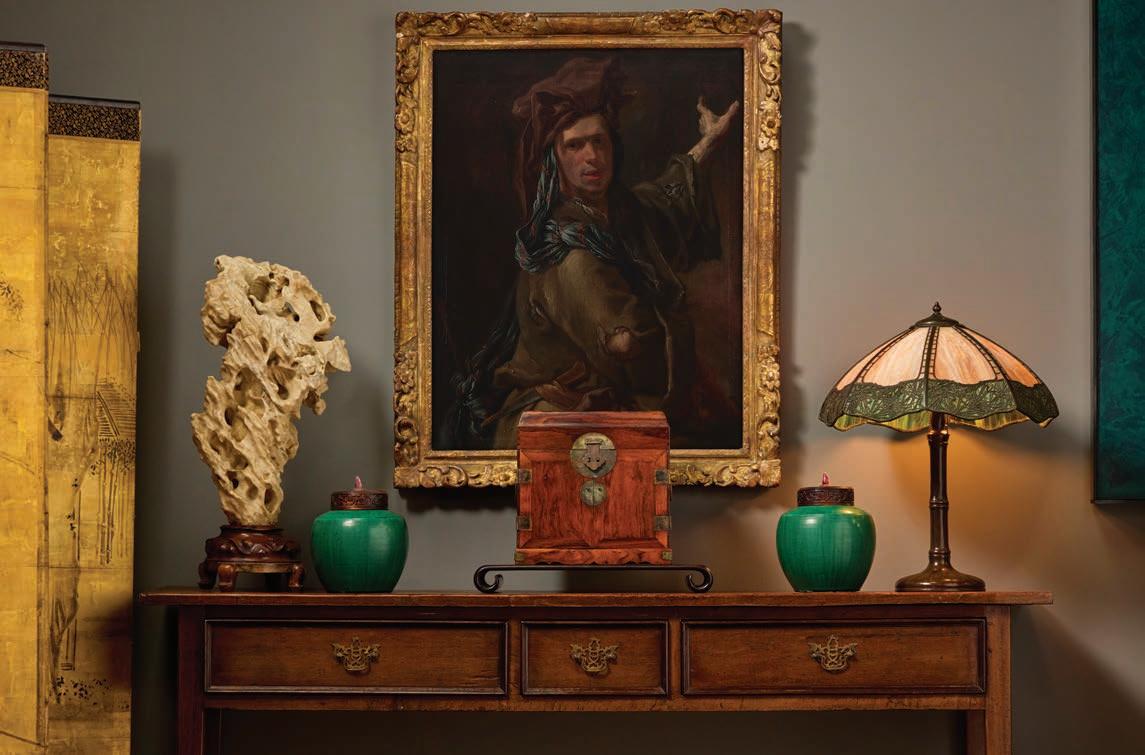
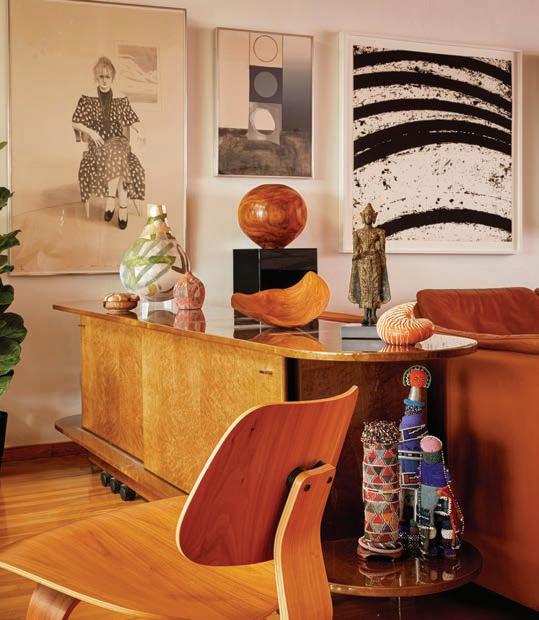
In a world of copy and paste interiors, sourcing pieces of art and design at auction is a great way to rescue your rooms from beige boredom. Instead of replicating a showroom floor look, you can build a home that feels collected, soulful, and unmistakably your own.
Mass-produced minimalism has popularized endless expanses of grey, beige, and cream palettes that look more like staging sets than lived-in homes. While clean lines and uncluttered spaces can be calming, they easily tip into sterile and “resale friendly.” A home should tell a story and showcase the homeowner’s personality and lifestyle.
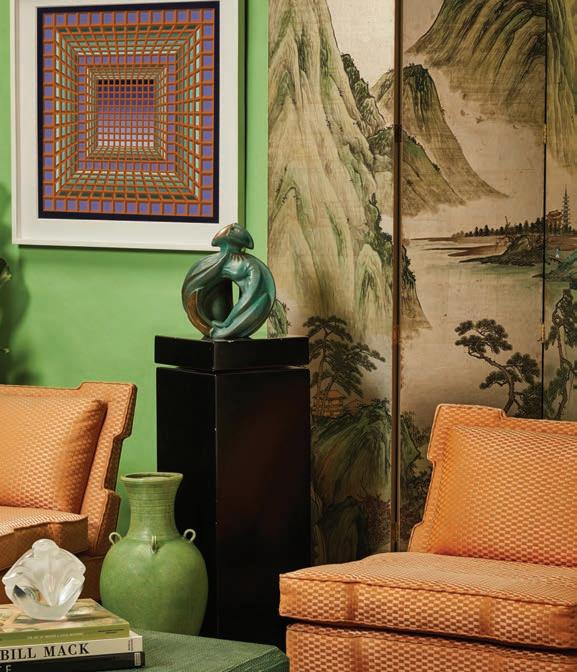
Live a little: opt for a deep green wall paint that contrasts your cream, bouclé sofa. Let a single bold artwork, a vintage lamp, or a timeworn rug pull the whole room into focus. Great design is not about likes or fleeting trends; it is about creating sound and cohesion, room by room.
Auction houses offer a joyful antidote to the grey plague: objects with depth,
craftsmanship, and actual mileage on them. Instead of buying what everyone else is buying this season, you can uncover one-of-a-kind pieces with provenance and patina. Recent coverage of 2025 design trends from Artsy notes that what makes a space feel special now is “the mix: a classic paired with a sculptural piece by a living artist, something handmade, or even a found object with a story behind it.”
Bring Your Pinterest Inspo-Boards to Life
Building Pinterest boards is fun, but executing those ideas is much easier said than done. Auction previews are basically playgrounds for curious decorators and can help you bring those visions to life. As you wander the floor, think beyond “does this match my sofa?” and ask your inner Marie Kondo, “does this bring me joy.” From rare sculptures and paintings to vintage lighting and wonderfully wonky side tables, the mix is what makes a home feel personal and collected rather than staged.
When designing a home, imagine each new treasure as a character joining an ensemble cast. A richly carved Baroque console can play beautifully opposite very clean, contemporary art. A midcentury chair becomes more interesting standing on an antique Persian rug than next to another midcentury piece. Many designers are leaning into this layered approach.
Design Tips from the Morans Furniture and Decorative Arts Department
Angela Past, Senior Specialist sums it up perfectly: “A home isn’t assembled in a day; it is gathered over time, piece by piece, with passion and intuition leading the way. When we trust what resonates, mix the old with the new, and silence the taste police, we create a space that tells our own unique story.” That philosophy is right in line with decorators who argue that the most compelling rooms blend antiques, contemporary pieces, and personal treasures to feel both timeless and alive.
Cont’d: The Rise of the Grey Plague
“The grey plague is upon us with the trend of neutrality,” says Maranda Moran, Vice President of John Moran Auctioneers. “Social media feeds are filled with neutral walls and cream sofas or the grey on grey aesthetic of Restoration Hardware…At the same time, I long for rich colors and thoughtfully curated, one of a kind pieces that tell the tale of a life well lived.” Her wish is echoed in editorial
pieces that poke fun at “sad beige” interiors and call for more joyful, idiosyncratic home.
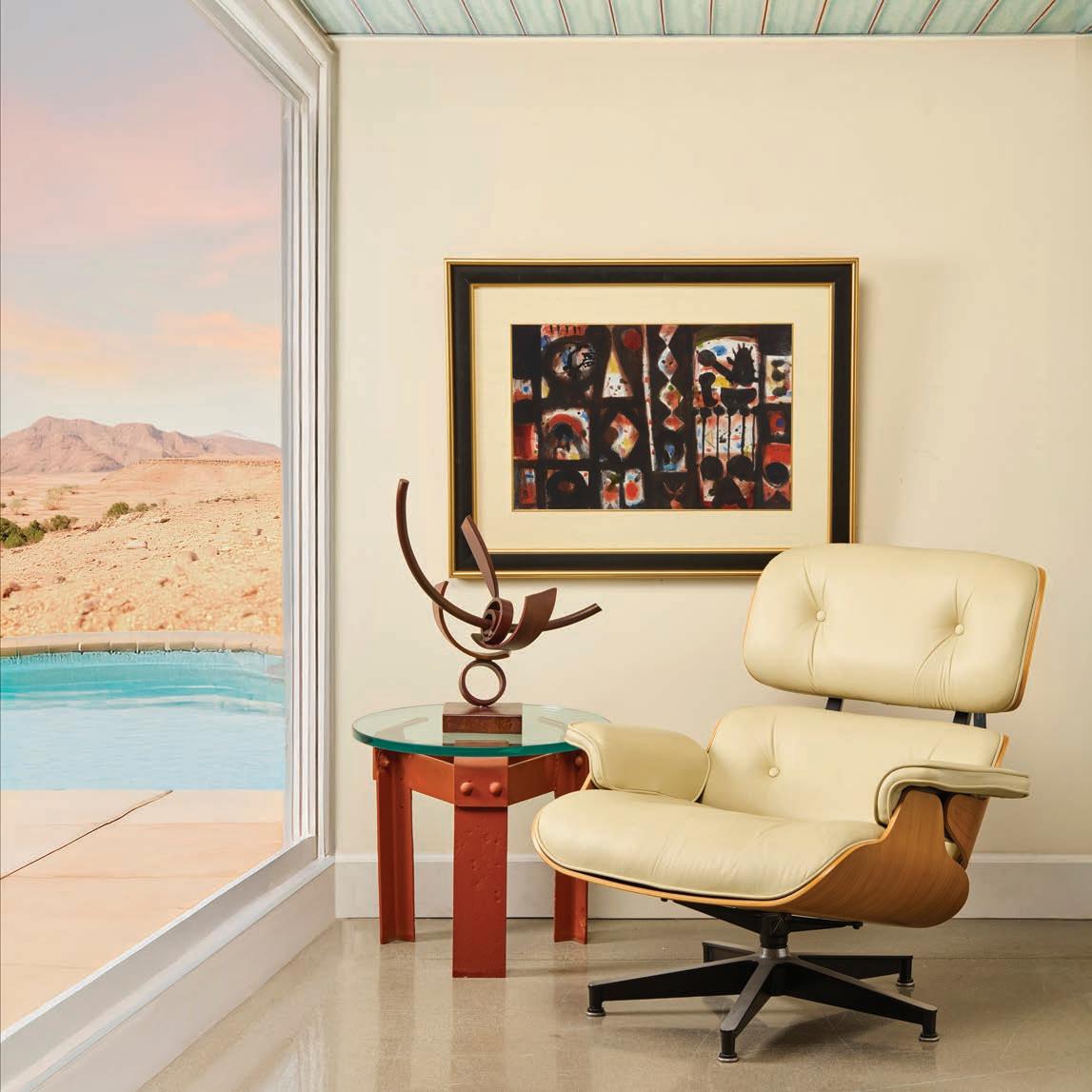
“One of my favorite aspects of being a specialist is the interaction with prospective bidders at previews,” adds Matthew Grayson, Post War & Contemporary Design Specialist. “Sharing the stories I know about the items we are selling and hearing about people’s spaces is very rewarding. I personally gravitate toward mixing genres and periods of art and furniture. I have a Charles and Ray Eames lounge chair in my living room that is paired next to a Biedermeier dresser.” Designers across the industry agree that “an interior is the natural projection of the soul” and that truly timeless rooms always contain “a sense of history and a piece of the future.”
In the end, we are only temporary custodians of the objects we collect. Each auction find arrives with a past and leaves with a future, and for a little while, it gets to live with us, reminding us that a welldesigned home is less about perfection and more about stories worth telling.
--Maranda Moran, Vice President & Senior Specialist of Decorative Arts
Furniture and Decorative Arts: Silver Soars,
Asian Art Rises in Demand, and Design Classics Command Attention
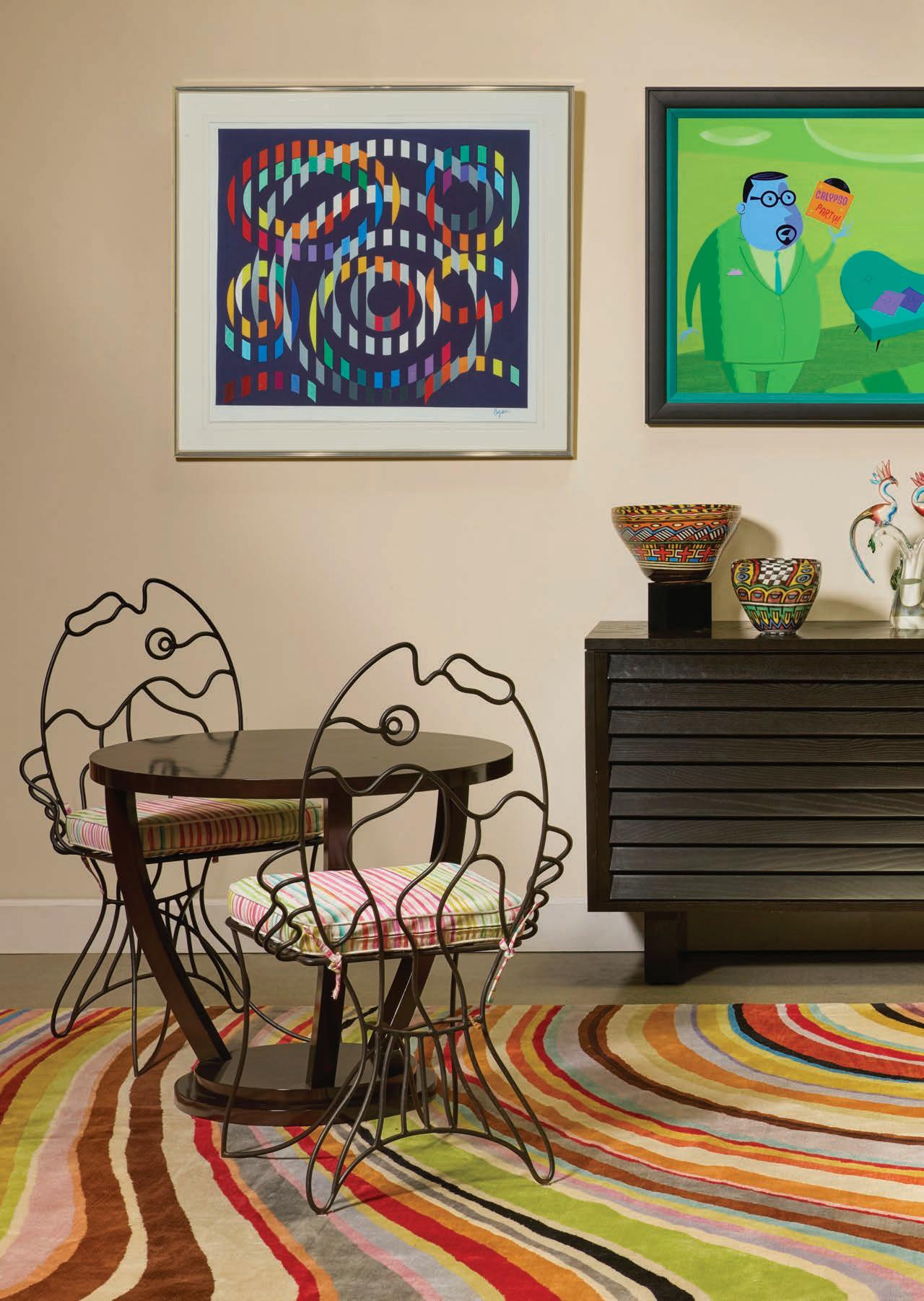
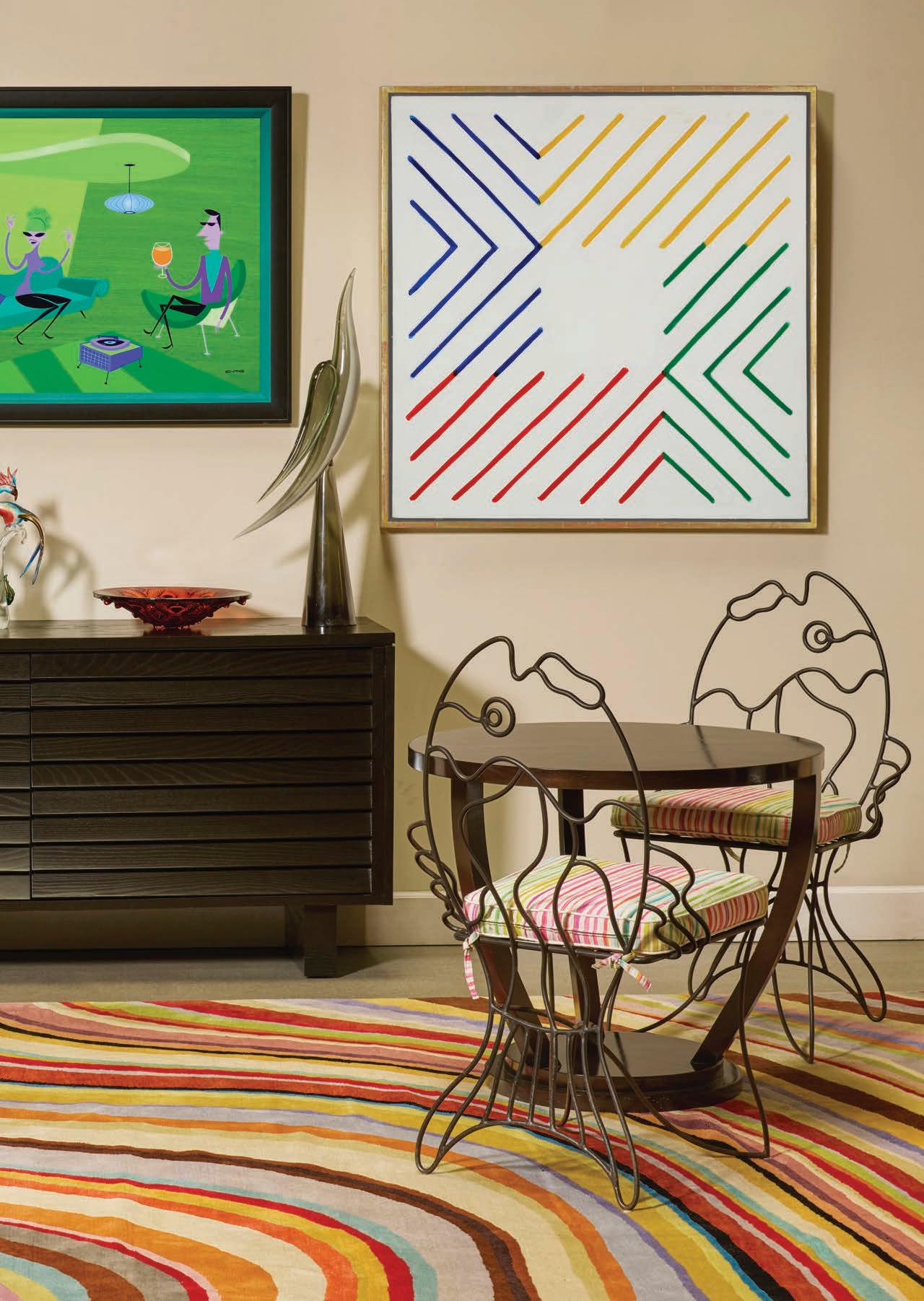
2025 was an exciting year for the Furniture and Decorative Arts department at Morans. Traditional Collector auctions demonstrated a substantial increase in interest, considering that the market for traditional, European and Asian antiques had been in a lull over the past few years. Art + Design auctions have continued to grow, highlighting the market’s demand for pieces crafted by respected artists and designers, particularly of the midcentury modern movement.
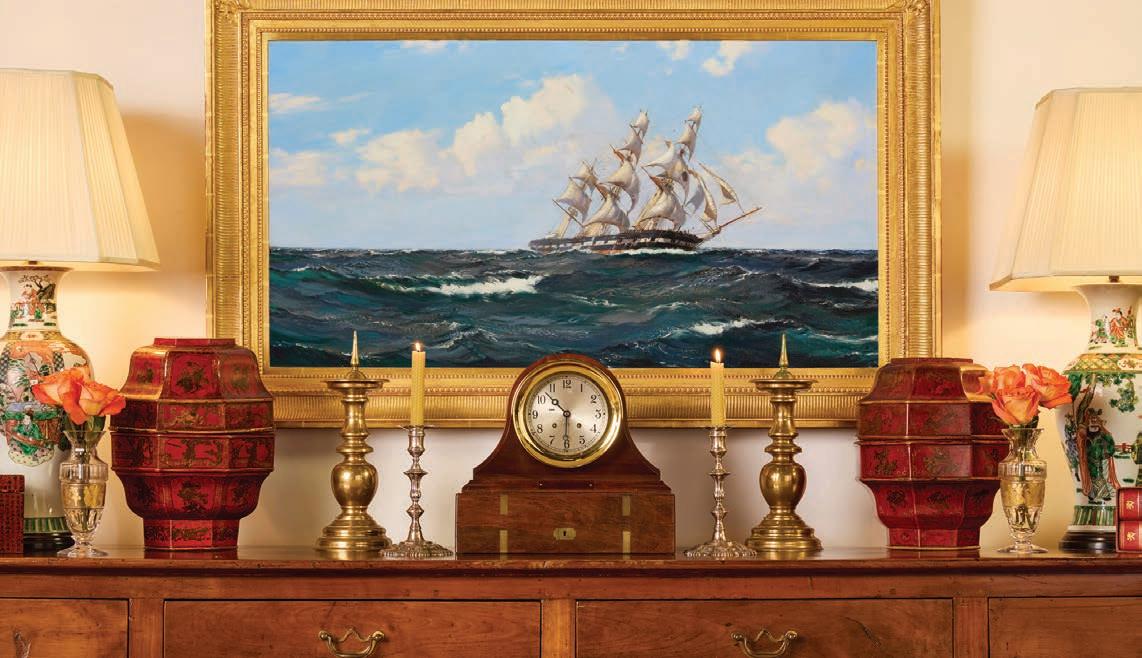
Traditional Collector sales found strength in silver as its spot-price reached all-time highs, resulting in competitive prices for silver offered at auction. This year, Morans offered nearly 300 lots of silver in our auctions with a 100% sell through rate. The most notable and highest price achieved for silver this year was a pair of monumental Tiffany & Co. sterling silver, 15-light candelabra offered in the Estate of Robert Day
auction, which hammered for a stunning $292,100.
In the Asian Art & Design category, we nearly doubled the amount of lots sold in 2024. These results were highlighted by a magnificent Chinese yellow ground Famille-Rose charger from the Qianlong Period, achieving $47,500 despite having small chip to its rim.
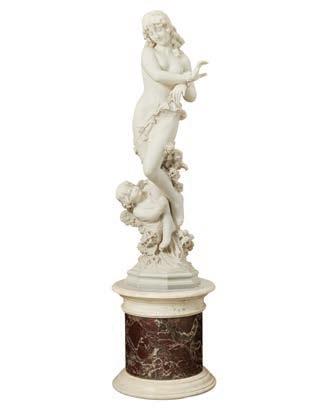
Reflecting the discerning collector’s desire for high-quality pieces, an exquisitely carved marble sculpture by Cesare Lapini, “Innocence Tormented by Love,” sold for nearly 15 times it’s presale estimate at $47,625.
Art + Design auctions this year featured works in glass by Dale Chihuly, Piero Fornasetti and Carlo Scarpa and studio pottery by Harrison McIntosh, Beatrice Wood and Otto Natzler amongst others. The modern design furniture sections in these sales saw highly competitive bidding for works by Frank Gehry, Florence Knoll and firstgeneration pieces by Charles and Ray Eames.
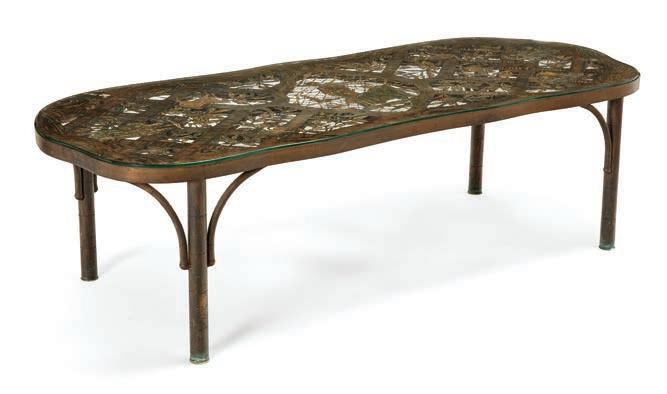
Of particular note, our September Art + Design auction featured a Fragonard Pierced Coffee Table by Philip and Kelvin LaVerne which sold for $8,255. The rare table featured a delicate, pierced bronze fretwork top. Few of these tables were made due to the labor-intensive process of the fretwork, making surviving intact examples exceptionally scarce, further driving demand on the secondary market.
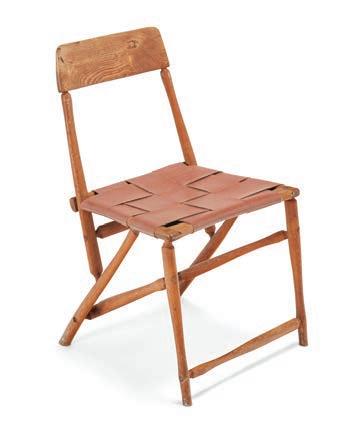
Another highlight was the Wharton Esherick ‘Hammer Handle’ chair, which hammered for $4,127. Considered the grandfather of American Studio Craft, Esherick created the chair between 19381952, notable for its construction from salvaged hickory tool handles.
The Vanderbilt Candelabra: A Pair of Monumental 15-Light
Tiffany & Co. Sterling
Silver Candelabra
Price Realized: $292,100
Cesare Lapini
Innocence Tormented by Love
Price Realized: $47,625
A Chinese yellow ground Famille-Rose peony foliated rim charger from the Qianlong Period
Price Realized: $60,325
Wharton Esherick
A ‘Hammer Handle’ chair
Price Realized: $4,127
Philip and Kelvin LaVerne a ‘Fragonard Pierced’ coffee table
Price Realized: $8,255
Rising Momentum:
Native American Art and Jewelry Shine in Moran’s 2025 Auction Season
Maranda Moran Vice President & Specialist, Western Art & Objects
The Native American Art, Objects, and Jewelry department has demonstrated a strong and encouraging year for the market, marked by active bidding, broad participation, and growing visibility for the category - particularly among new buyers.
Across Morans’ four Art of the American West auctions this year, nearly 1,500 lots were offered, with three of the four sales surpassing estimates. Results throughout the year reflected steady momentum rather than reliance on a single sale or season. Notably, each sale saw approximately 30% growth in new client participation compared to the prior sale, underscoring the category’s expanding reach and appeal to new collectors.
Native-made objects achieved a 96% sell-through rate across more than 900 lots, with approximately
25% of lots selling above their high estimate, affirming a deep demand and consistently growing collector base.
Native Jewelry offerings were a resounding success, with 245 lots sold and a 98% sell-through rate. Bidding remained competitive throughout the category, with early historic examples and contemporary named works sharing the spotlight. The takeaway is clear: Native-made jewelry is not only beautiful and exceptionally crafted, but also hip, stylish, and universally admired –even beyond the traditional western audience.
Auction success reflects a broader shift in the market. Over the past year, Native artists and Indigenous perspectives have gained greater exposure through major international exhibitions, including the Venice Biennale and other leading global art platforms. That visibility has translated directly into the auction
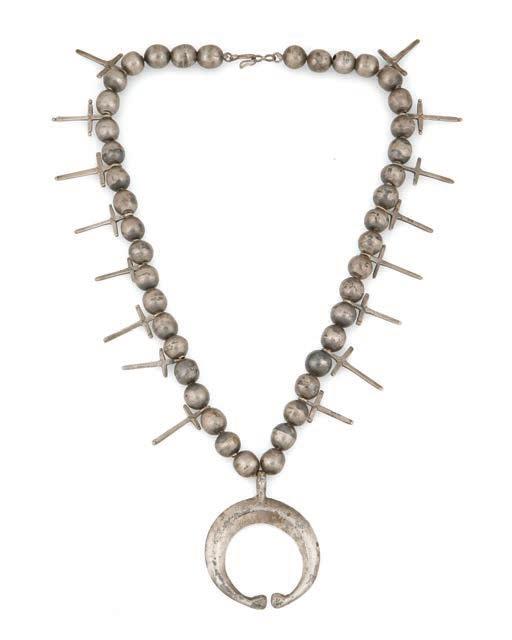
A Pueblo silver cross necklace
Price Realized: $12,700
room, bringing fresh interest to the category while reinforcing confidence among longtime buyers. This broader context has redefined outdated distinctions between “ethnographic,” “folk,” and “fine” art, encouraging collectors to look at Native works through the lens of authorship, innovation, and material mastery applied elsewhere in the market. As a result, we are seeing stronger crossover bidding from Modern and Contemporary collectors, along with increased participation from Art and Design buyers.
An expanding bidding pool, strong sell-through rates, and consistent demand made 2025 a banner year for the department and point toward an exciting 2026. We are deeply grateful to our consignors, collectors, and community for entrusting us with selling important collections and helping to build new ones.
--Maranda Moran, Vice President & Senior Specialist of Decorative Arts
A Navajo Hubble Revival Moki-style textile. Price Realized: $9,525
Helen Cordero (1915-1994, Cochiti Pueblo) Price Realized: $5,715
End-of-Year Reflections on Fairs and Events: From Los Angeles to Miami
Matthew Grayson Specialist, Furniture & Decorative Art
As auction specialists, the John Moran team spends its days immersed in art, decorative objects, and furniture. But staying ahead of the market requires more expertise than being at our desks or on the auction floor. It means actively engaging with galleries, private collectors, museums, and most importantly, the major art and design fairs that shape global trends. This year took us from Los Angeles to Miami, keeping our finger firmly on the pulse of the art and design worlds.
The year began with challenges close to home, as fires across California affected communities throughout the state. Even so, February brought a sense of optimism at Palm Springs Modernism Show, where John Moran Auctioneers returned for another year as an exhibitor at the Palm Springs Convention Center. Led by
Katherine Halligan, Director of Fine Art, and Matthew Grayson, Post-War and Contemporary Design Specialist, the fair provided a lively setting to connect with collectors and preview highlights from our February Art + Design sale. Moran’s Art + Design auction is a curation of important post-war and contemporary names across fine art, furniture, and decorative arts, including Adolph Gottlieb, David Hockney, Joan Miró, Norman Zammitt, Sam Francis, Joan Brown, Steve Chase, Gaetano Pesce, Frank Gehry, Frank Lloyd Wright, and Gae Aulenti.
The next week, the art world converged in Los Angeles for Frieze L.A. at the Barker Hangar in Santa Monica. The fair drew strong institutional interest and enthusiastic engagement from West Coast collectors, signaling continued confidence in the market and meaningful support for fire relief efforts. Across town, Felix Art Fair infused fresh energy into The Hollywood Roosevelt hotel, with emerging galleries installed throughout guest rooms and poolside cabanas. Our team was present throughout the week, reconnecting with longtime colleagues and meeting new collectors amid a full roster of events and celebrations honoring artists and designers.
March introduced a new addition to Los Angeles’ design calendar: Design.Space, presented by Basic. Design in partnership with Design Miami at the Pacific Design Center in West Hollywood. The fair showcased both contemporary and historical design, with works by influential figures such as Jean Prouvé, Ettore Sottsass, and Gaetano Pesce.
In the spring, between April and May, we visited the 60th Pasadena Showcase House of Design. The 15,000-square-foot residence,
known as the historic Bauer Estate, had been owned by television writer and producer Stephen J. Cannell which showcased local interior designers’ talents in various spaces across the property.
In November, we returned to the Barker Hangar for WestEdge Design Fair, celebrating its 10th anniversary. The fair featured more than 150 designers and architectural product manufacturers, drawing both design professionals and enthusiasts for a dynamic presentation of contemporary interiors and products coming to market.
We closed out the year in Florida, where Katherine and Matthew represented John Moran Auctioneers at Art Basel Miami Beach. The fair reported strong early sales and high attendance, with notable interest in established contemporary artists, Latin American art, and largescale sculptural works. Beyond Basel itself and satellite fairs such as Untitled, Scope, Art Miami, and NADA, Miami offered an extensive schedule of museum openings, gallery exhibitions, private collection viewings, and VIP gatherings. These events provided invaluable access
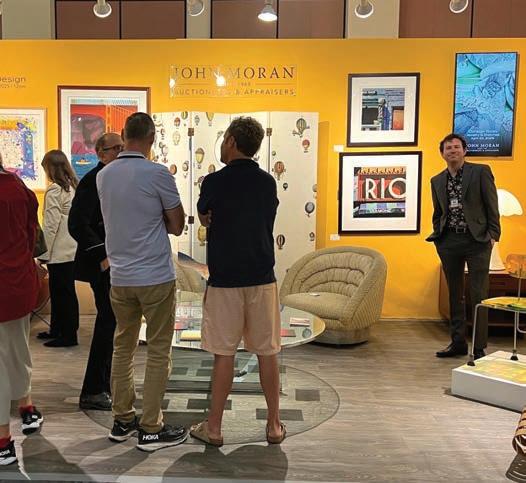
The John Moran Auctioneers booth at Palm Springs Modernism in February 2025
Matthew Grayson, Post-War and Contemporary Design Specialist (left) and Katherine Halligan, Director of Fine Art (right) at Art Basel in Miami Beach, Florida
to new acquisitions, curatorial perspectives, and conversations shaping the year ahead.
With robust sales across the fairs and renewed confidence from both new and seasoned buyers, Miami ended the year on an optimistic note for 2026. For our team, these fairs and gatherings reinforced what makes this field so compelling: the discoveries, the relationships, and the shared passion for art and design that continue to inspire everything we do.
--Matthew Grayson, Post-War and Contemporary Design Specialist
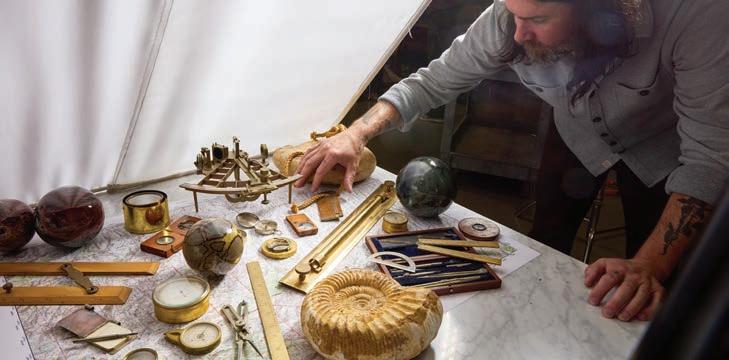
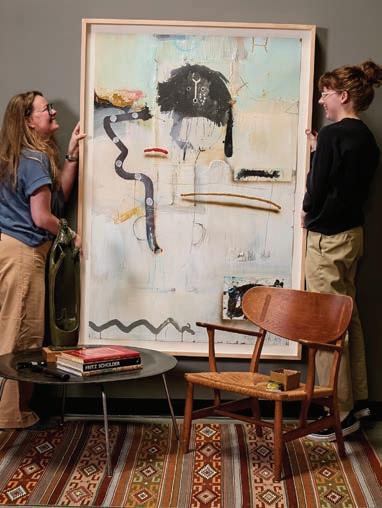
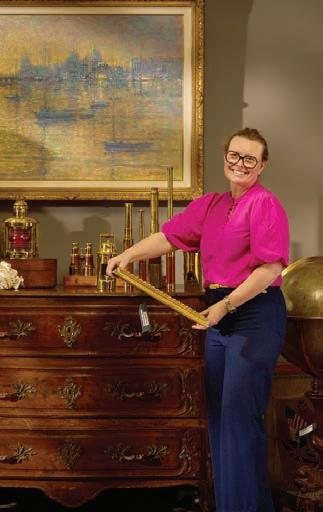
Behind The Lens
Capturing the Essence of Moran’s 2025 Auctions
Upcoming Auction Schedule
The Traditional Collector — Day 1
Tuesday, February 3, 2026
10am PST
The Estate of Joanna Carson
Tuesday, March 3, 2026 10am PST
Art of the American West
Tuesday, April 7, 2026 12pm PST
The Traditional Collector — Day 2: European Fine Art
Wednesday, February 4, 2026
10am PDT
Art + Design
Tuesday, March 24, 2026 10am PST
Jewelry & Watches
Tuesday, April 21, 2026 10am PST
We are currently accepting consignments for all upcoming auctions; Contact us today for your no-obligation auction valuation johnmoran.com - info@johnmoran.com - 626.793.1833