Casalujo F R E D R I K f K A R L SS O N
j
o
h
n
i
KT H
i
e
r
D I P LO M A f P R OJ EC T fS P R I N G f 2 0 24
i
c
s
s
o
n
s
g
F R E D R I K fST E N B E RG
a
t
a
n
i
i
4
A study of luxury residential architecture and a high-end infill proposal Sweden is known as a socialist country with high taxes, a good welfare system
Today Sweden tops the list of the number of USD billionaires in the world
and extensive social benefits. The so-called Swedish model is often studied
beating Norway and Denmark. Per capita Sweden even beats countries such
and debated as an example of a successful social democracy. In the mid-20th
as Russia, USA and China. According to a study by SNS, Centre for Business
century Sweden was built on the idea of “folkhemmet” (the people’s home). A
and Policy Studies there were 178 Swedish SEK billionaires. Their total amount
socialist haven aimed to create a society where every citizen enjoyed equal
of private wealth was calculated to 2220 billion, an amount that is almost as
access to social services, education, healthcare, and employment opportuni-
large as the entire state’s net worth. This means that the top 0,001 percent
ties; prioritizing collective welfare over individual accumulation of wealth.
owns 13 percent of all households’ total capital. Even through the current recession there are reports of the rich continuing to accumulate wealth.
There is a strong correlation between Folkhemmet and the architectural modernistic movement in Sweden, more commonly known as “Funkis”. The funkis
In a recent article in SVD the author Marcus Dunberg paints a picture of
movement emerged during the early to mid-20th century, coinciding with the
a Swedish luxury paradise that is still stuck in the spirit of Folkhemmet.
rise of Folkhemmet. The Funkis style, or functionalism, emphasized simplicity,
Stockholm and Sweden lack the infrastructure for this customer group. Consi-
functionality, and rationality in design, reflecting the broader societal values
dering this and the increasing amount of super rich in Sweden there are a
of the time. It aimed to create practical, efficient, and egalitarian living spaces
strong rising demand for high-end luxury projects in the country designed to
for all citizens, mirroring the principles of social equality and collective welfare
satisfy the needs of this new wealthy elite. The first signs of this demand could
promoted by the Folkhemmet. Buildings were characterized by clean lines,
be seen during the mid-2010s with real estate projects in Stockholm such as
geometric shapes, and an emphasis on natural light and open spaces. Func-
Norra Tornen, Continental apartments and 79&Park; and Karlatornet that is set
tionalism rejected ornamentation in favour of practicality and utility, reflecting a
to be finished within the coming years.
commitment to democratic design accessible to everyone. Casalujo is a project that looks into the near future and proposes how a project Moreover, the Funkis movement aligned with the goals of the welfare state by
like this could take form. The proposal will be a luxury residential infill project
addressing pressing societal needs such as housing shortages and wanted
designed for the specific needs of the growing ultra-rich consumer group
to provide affordable and standardized housing for the working class, contri-
in Sweden. The project is based on a short research of luxury living through
buting to the realization of the folkhemmet vision of a cohesive and inclusive
history, research of the demands of this group and the trends in internatio-
society. In short, Folkhemmet in Sweden was built with Funkis.
nal luxury residential architecture. It is also an exercise of taking care of the delicate funkis context of the plot and at the same time expressing luxury.
In recent decades, Sweden has experienced a notable shift in economic policy and social values. Globalization, deregulation, privatization, and tax cuts has led to a growing wealth gap and the emergence of a super-rich elite.
elements of luxury living master suite junior suite Hadrian’s Villa, Tivoli, Rome
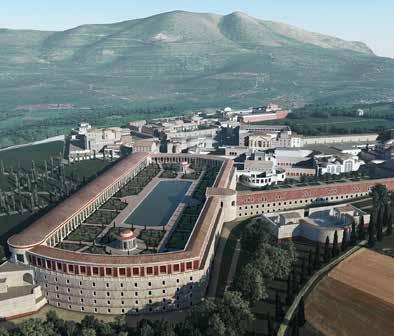
During roman times huge palace complexes were built to display power and wealth. After the Great Fire of Rome in AD 64 emperor Nero built his palace estate Domus Aurea sprawling a large area of central Rome. The palace featured lavish gardens, artificial lakes, and innovative architectural elements. Its walls were adorned with gold leaf, precious stones, and intricate frescoes. The Domus Aurea was a testament to Nero’s megalomania and extravagance, serving as a symbol of his absolute power and decadence. In the 2nd century AD Emperor Hadrian built a villa in Tivoli outside of Rome. The 1 square kilometer huge complex offered a sanctuary of luxury and refinement amidst lush gardens and scenic landscapes. The villa boasted an array of magnificent structures, each meticulously designed to showcase the wealth and power of the emperor.
guest suite dressing room en suite bathroom spa gym kitchen family room media room
Tre kronor, Stockholm
swimming pool foyer dining hall
Palace of Versailles, Paris
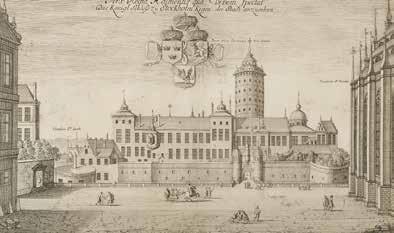
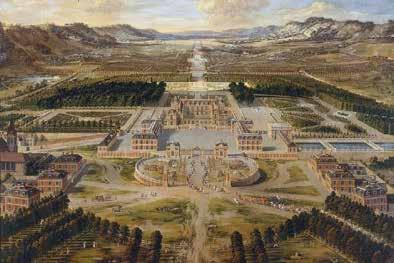
Medieval castles, once formidable fortresses designed for defense and protection, gradually evolved into luxurious palaces during the Renaissance and Baroque periods, reflecting a shift from expressing power in form of military strength to wealth. This transformation can be observed in structures like Tre Kronor Castle in Stockholm and the Palace of Versailles outside of France. Tre Kronor Castle, originally constructed as a fortress in the 13th century maintained its appearance as a fortress with high walls and turrets up until the fire 1697 that ruined the castle. After, the castle was rebuilt as a grand renaissance palace according to the trends of the time. A notable example of these palace buildings, and an example of utmost luxury, is the Palace of Versailles, commissioned by King Louis XIV of France in the 17th century. Its magnificent architecture, expansive gardens, and lavish interiors were designed to awe and impress visitors, reflecting the power and prestige of the French monarchy. The palace’s Hall of Mirrors, adorned with glittering chandeliers and intricate gilt decorations, epitomizes the extravagance of the Baroque era. Every aspect of Versailles exudes wealth and splendor.
formal living room terrace powder room staff quarters wine storage high ceilings fireplace
Master suite The master suite works almost as a separate apartment in size and sometimes function. The suite has areas for sleeping and relaxed socialization and is equipped with a large en-suite bathroom and dressing rooms. The master suite is almost always planned for a couple, showing in dual bathrooms and dressing rooms. Junior suite The junior suite is a little less spacious than the master suite, and a little less generous in amenities. It’s most commonly planned for a single person but can be used as a guest suite for a couple. Guest suite Most luxury livings are suited with 1-4 bedrooms beyond the main suites. These bedrooms can be used as guest suites or bedrooms for the rest of the family. These bedrooms have smaller en-suite bathrooms than the bigger suites, often without a bath, and smaller more efficient storage solutions. Dressing room The master and sometimes the junior suite are equipped with dressing rooms. It’s planned with large storage, and it is also complemented with further storage in the rest of the bedroom and apartment. The room is decorated with softer materials and lounge furniture. In the master suite each partner often has their separate dressing room. En suite bathroom The size of the en-suite bathroom varies depending on what level of bedroom it is serving. The master en-suite bathroom is spacious, often with both a tub and a shower. A common feature is that the toilet is in a separate room or division of the bathroom. Kitchen The everyday kitchen for the family. Flexible to be practical both for the family’s everyday life and to host a couple of guests for an informal dinner. A well-planned family kitchen contains three zones for eating. A dining table. To provide an alternative to the larger dining hall
Family room A social relaxed area for the residents of the apartment to wind down and socialize in private. Media room A room with good sound and a large screen for movie nights. Furnished with comfortable relaxing chairs or sofas. Separating the tv from the living room gives the living room a clearer function of socializing and it becomes a room where people talk and socialize with each other while the media room becomes a den for relaxing in front of a movie.
Dining hall A large room to accommodate a large group of guests for dinner. Part of the staff quarters is in connection to this room such as the staff kitchen, the food elevator and staff entrance. This room is one of the most important in the representation part of the apartment.
Powder room A toilet and washbasin for guests. This helps keep the private areas of the apartments private. Staff quarters The functions of the staff quarters depend on the size of the apartments and the needs of the residents. The staff often has a separate entrance to the apartment, to which the staff quarters usually is connected. - Separate bedroom for live in staff such as nanny or personal chef - Kitchen for live in or hired staff to prepare food
- Changing room
4.
5.
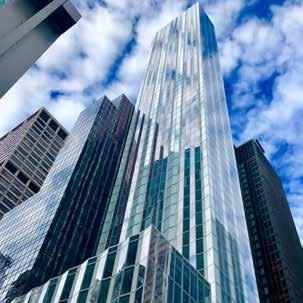
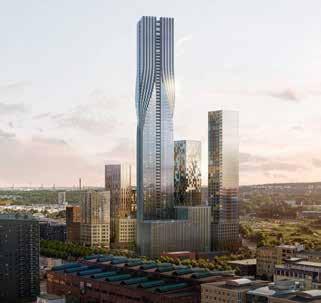
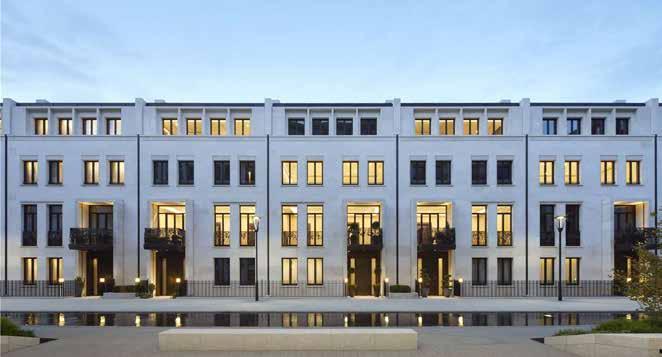
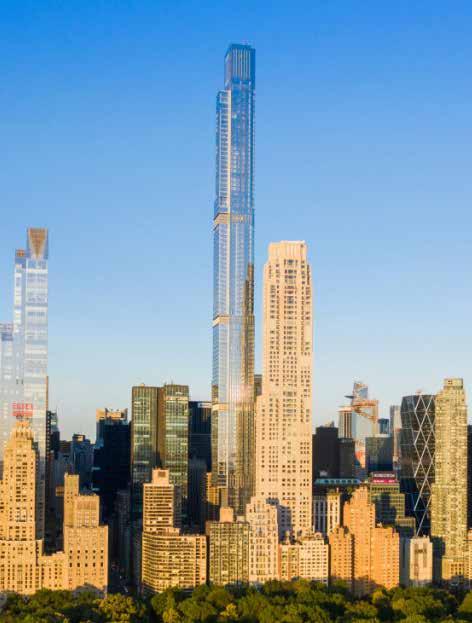
The reference plans studied in the research were luxury penthouses, apartments and town houses in Europe and the US. In total 25 different plans were studied to put together the elements of luxury living. A selection of the plans studied
- Laundy
1. Selene, New York City, Foster and partners
- Service elevator
The kitchen is sometimes accompanied with a separate room or nook. It could be only a small table with chairs or a kitchenette. The function of the room is to have an easy access to breakfast or an easy meal close to the bedroom or living area without having to go through the apartment to the kitchen.
3.
Formal living room Slightly larger and more formal than the family living toom. The function of the room is to host guests for drinks before or after the dinner, or as a relaxed area for cocktail or wine parties.
- Cleaning cabinets for cleaning personnel
A soft and cozy notch or seated area for breakfast, a cup of coffee or a snack
2.
Foyer A grand and spectacular entrance to impress guests. The residents of the apartment usually have separate private entrances closer to the private area of the apartment.
- Food elevator A place for conversation and socializing while cooking, usually a kitchen island
1.
2. Karlatornet, Gothenburg, AML Arkitekter 3. Chelsea Barracks Townhouses, London, Studio PDP
Building on these elements, a luxury apartment is also made up of luxu-
4. Central Park Tower, New York City, AS+GG 5. 252 East 57th New York City, SLCE Architects
rious materials, appliances, attention to detail and good architecture. Furthermore, the research concluded that flexibility is an important aspect of luxury architecture. The possibility to use your home in different variable ways and remodel easily are usual demands from high end clients.
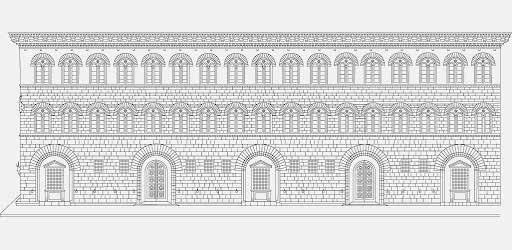
Palazzo Medici Riccardi, Florence
During the Middle Ages, the rise of wealthy families reshaped the socio-economic landscape of Europe, none more notable than the Medici family of Florence. Originating as merchants, the Medicis amassed immense wealth mainly through banking. Their prosperity found expression in the opulence of their residences. The palaces exemplify Renaissance architecture of the 15th century, with its imposing facade adorned with rusticated stone and classical motifs. The design reflects the family’s status as patrons of the arts and benefactors of Florentine culture. It also has an imposing expression with heavy metal bars in front of the lower windows, as to protect their immense banking wealth. This style of building has since been the characteristic style for bank palaces. SEB office, Stockholm
1920s floorplan, Karlaplan
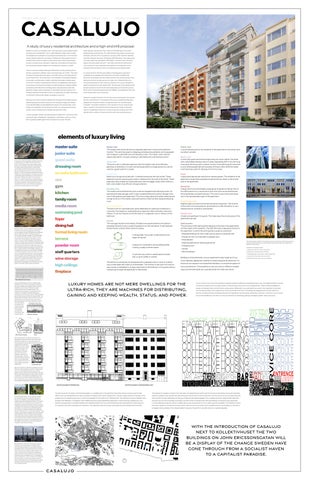
Luxury homes are not mere dwellings for the ultra-rich, they are machines for distributing, gaining and keeping wealth, status; and power.
A luxury home is much more than expensive materials, attractive addresses, breathtaking views, and comfortable amenities. It serves not only as a residence but as a status symbol, a financial asset, and a venue for social gatherings. These homes are designed to amass and maintain status, and whit status comes power, Additionally, luxury real estate has proven to be a significant investment over the past decades, which makes luxury homes a financial tool as well. The buildings are equipped with intricate systems of services, including technical amenities and personnel operating in servant spaces, almost like a machine. In summary: Luxury homes are not mere dwellings for the ultra-rich, they are machines for distributing, gaining and keeping wealth, status; and power.
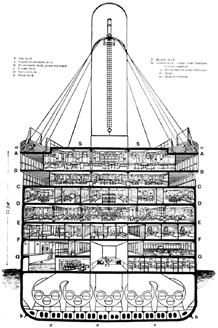
Titanic
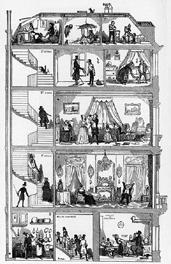
With cities growing in the 1800s the importance of separating the upper class from lower class citizens shaped the architecture. In Hausmann’s Paris, the luxury apartments were located on the first floor of the building while the staff and residents from lower classes had to walk the stairs to the upper floor and attic. The architecture of the titanic also shows this work of separation where the 3rd class passengers had their rooms in the lower parts if the ship. First class passengers were situated in the top of the ship and they had a private walking deck. Parisian house, 1850 With the introduction of elevators in buildings in the late 1800s the vertical separation inverted. The apartments in the top of the buildings with best view and most distance from the noise of the streets became the most attractive. Staff and people from lower classes ended up in the bottom. The separation also flattened out to the same floor, with the service areas being located in the back of apartments. Service areas and residential areas were being kept separated by using separate stairwells. John Ericssonsgatan 6, Kollektivhuset
Biltmore, Asheville NC
Tjolöholm, Kungsbacka
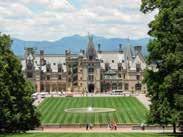
During the Gilded Age in America, spanning roughly from the late 19th century to the early 20th century, the ultra-rich indulged in unprecedented displays of wealth through their residential architecture. This period witnessed the rise of industrial tycoons and financial magnates who amassed immense fortunes and sought to establish their social status through opulent mansions and estates. The mansions were built with inspiration from European chateaus and palaces with elaborate facades, towering columns, and intricate detailing. These sprawling estates featured palatial interiors adorned with marble, gold leaf, and fine art. Beyond mere dwellings, these mansions served as symbols of power, prestige, and cultural refinement, hosting extravagant parties, and gatherings of the social elite. They represented not only the wealth of their owners but also their aspirations for recognition and influence in society.
John Ericssonsgatan 4, Existing building on plot
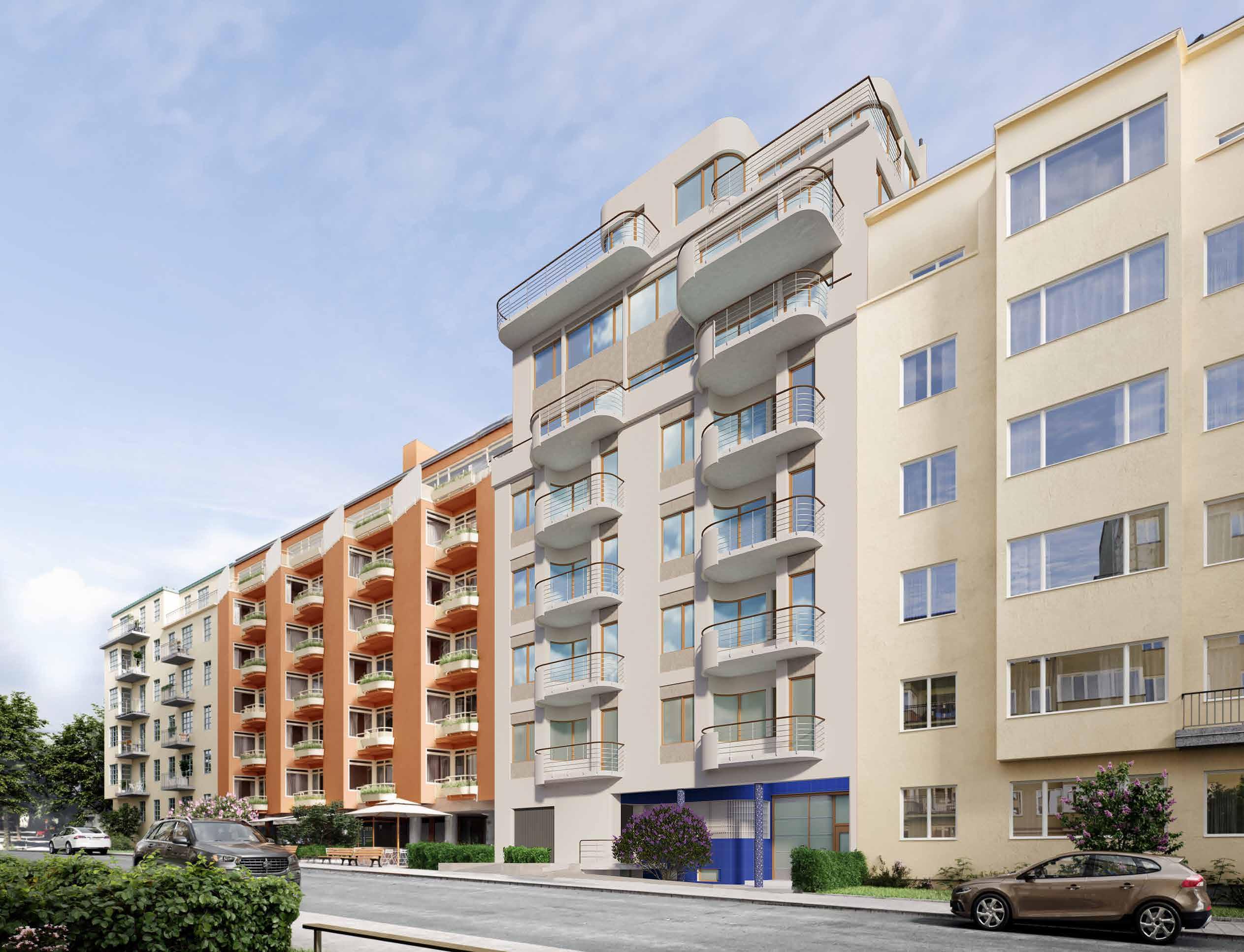
The plot chosen for the project, John Ericssonsgatan 4, is a building site on Kungsholmen, Stockholm where a funkis-house from the
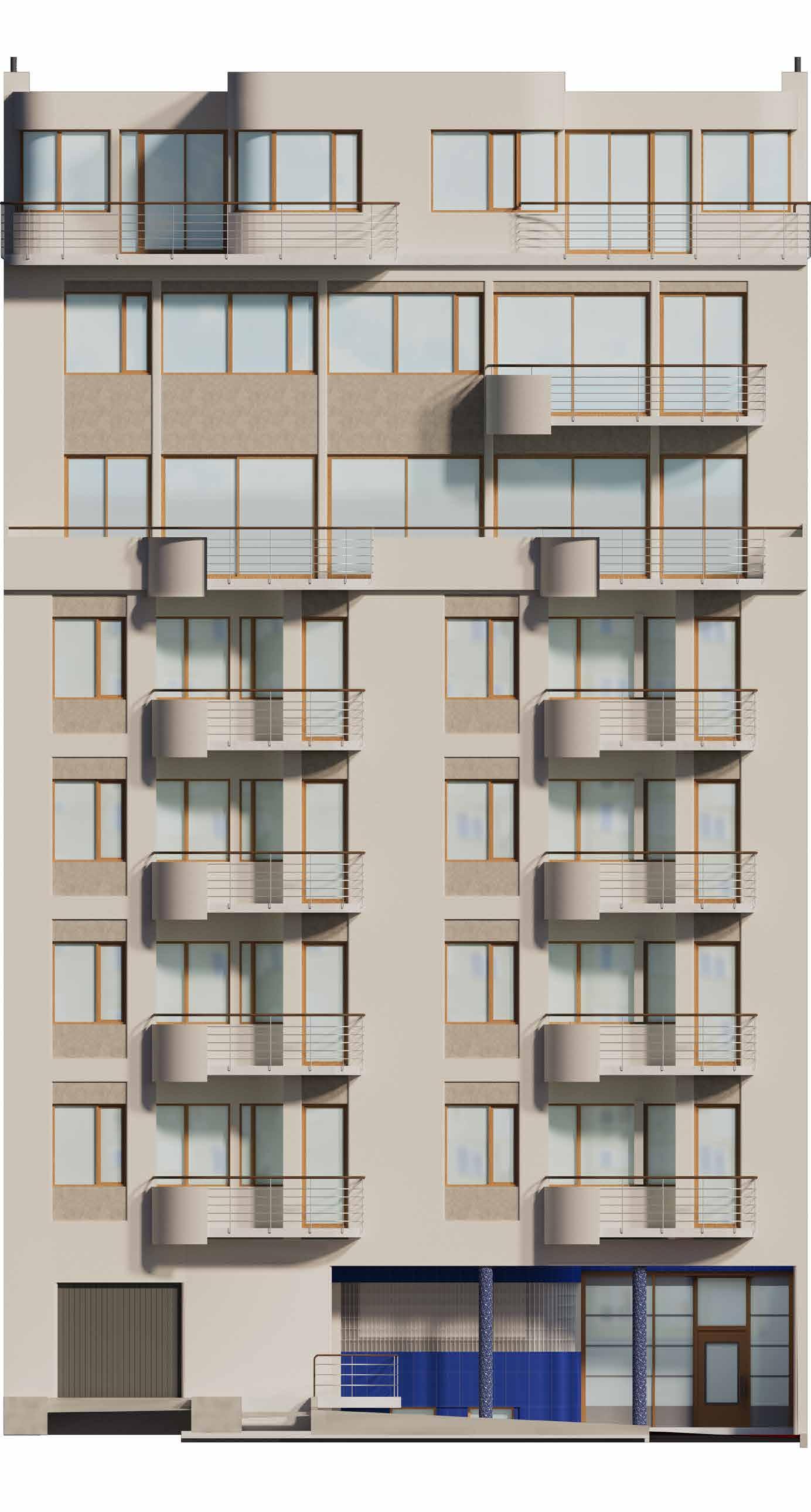
The program for Casalujo consists of two main parts, the residential part and the part for services and amenities. Among the amenities
1940s is set to be demolished due to faulty concrete and replaced with premium apartments. The plot is highly relevant for the topic of the
offered in Casalujo a gym and spa with swimming pool, three terraces, common area with a roof top view of the city, a private dining hall
project since the neighbouring house on John Ericssonsgatan 6 is the well-known “Kollektivhuset” (the collective house) by Swedish funkis
with a kitchen for larger gatherings and dinners, a heated private parking garage in two underground levels. Casalujo offers high class
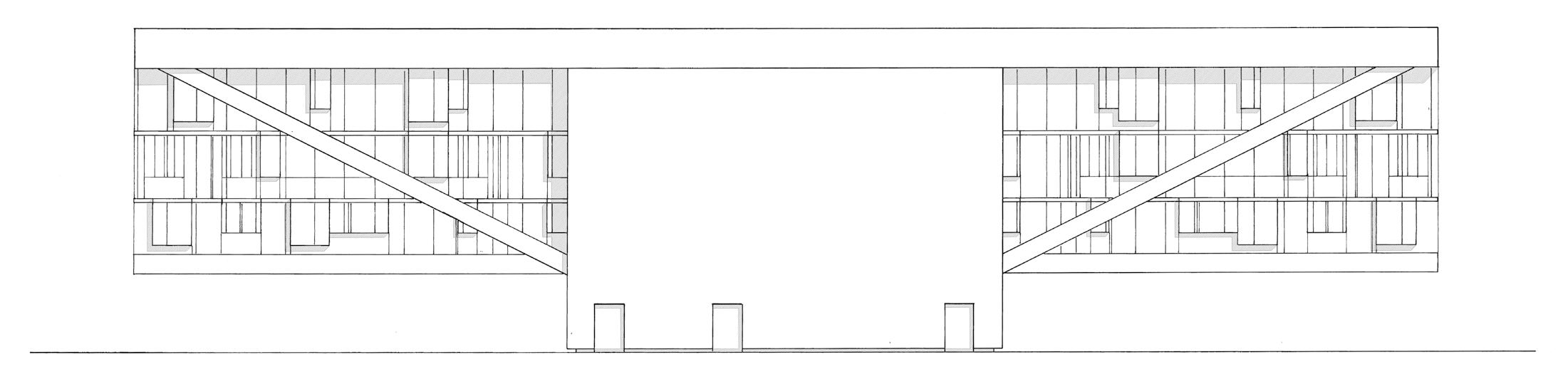
architect Sven Markelius. Completed in 1935, Kollektivhuset was a groundbreaking experiment in communal living. Designed as a coo-
services such as a 24/4 concierge in the lobby, a service kitchen for private chefs with food elevators connected to each apartment,
perative housing project, it provides residents with shared amenities such as a communal kitchen with food elevators to each living unit,
in-house cleaning and laundry service. Casalujo also houses an apartment for live-in-staff to give the possibility to the residents to have
in-house day care centre and spaces for interaction. The collective house can be seen as the epitome of the Folkhemmet movement.
their nanny, cleaner or private chef at close comfort. With the new luxury project next to Kollektivhuset the two buildings on John Ericssonsgatan will be a display of the change Sweden have gone through from a socialist haven to a capitalist paradise.
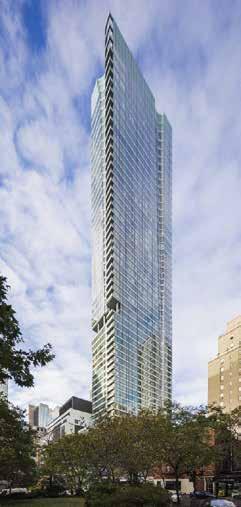
Billionaires Row, NYC
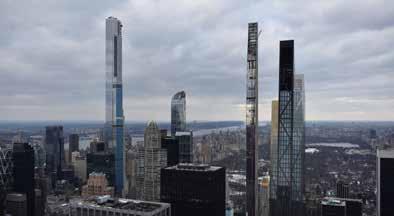
Billionaires Row in New York City stands as a symbol of the top of luxury living today. The street is lined with towering skyscrapers by top architects boasting unparalleled views of Central Park and the city skyline. In these ultra-luxurious buildings the elite residents enjoy a life of immense luxury, with amenities ranging from private cinemas and spa facilities to exclusive dining experiences and concierge services. The separation of staff and residents is a common feature, with dedicated service entrances, corridors, and elevators ensuring privacy and efficiency. Due to the recent year’s lucrative real estate market the apartments are often used as pure investment assets.
6 4
CASALUJO
With the introduction of Casalujo next to Kollektivhuset the two buildings on John Ericssonsgatan will be a display of the change Sweden have gone through from a socialist haven to a capitalist paradise.