THE ART OF GETTING AWAY
CURATED ESCAPES FOR THE MODERN LUXURY TRAVELER
Departments

7 | Letter from the Publisher 8 | John’s Favorites
17 | Details While the time away with these hammocks.
18 | Design Feature
GTM Architects designs pavilion to enhance outdoor living experience.
22 | Designer Spotlight
Meet Michael and Deborah Sauri, Co-Founders, TriVistaUSA Design + Build.
28 | Design News
The Rise of the Outdoor KitchenRecent trends in outside cooking amenities are simpler, but with integrated and often covered spaces.
30 | Design News
News: Puppies and Pilates Launches Premium Wellness Experience in Washington, DC Region, as well as Rehoboth Beach, Delaware.
32 | Bookworm
It Could Have Been Her by Lisa Jewell
34 | Sailing the sea on yachts.
40 | Profiles
A conversation with Darren Price, Partner at ADAM Architecture.
48 | AI Smart glasses in the limelight.
50 | Skillcations: Don’t just tour an exotic locale, become a part of it.
56 | Auction House
The newest daVinci initiative.
58 | Night and Day: Celebrating Taipei by day and night.
62 | Craftsman
Designing furniture for a super yacht.
68 | Oceans and Space: The great frontiers.
76 | Black Book
Tickle your tastebuds with these global ice creams.
78 | Epicure Luxe St. Bart’s Le Tamarin
80 | Mixology
Our mixologist has mixed amazing cocktails to enjoy on a warm summer night.
82 | Food Experience: Dining (almost) in the stars.
84 | Fire and Ice: Volcanoes in the morning and glaciers in the afternoon in Iceland.
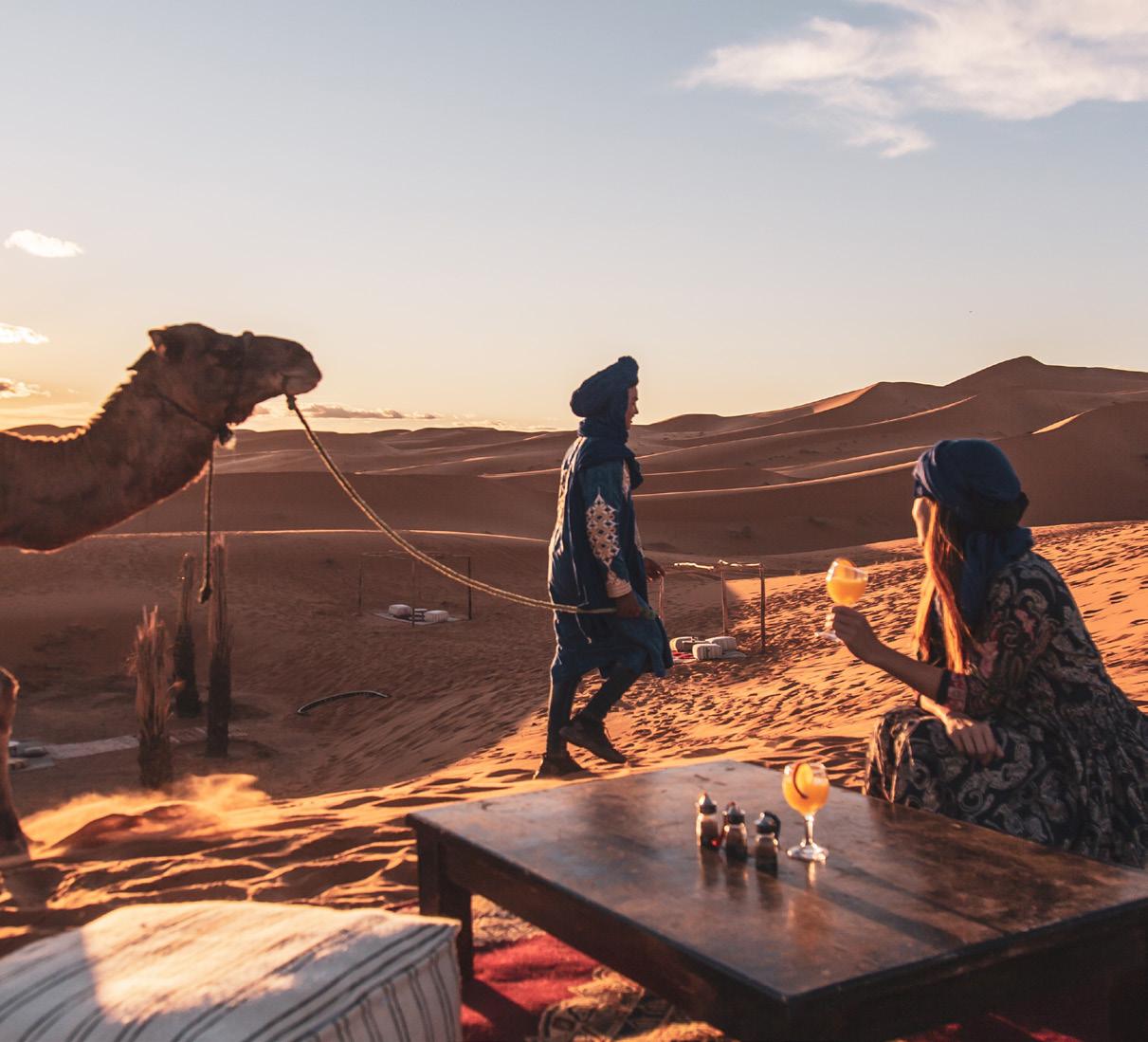
90 | Sand and Silk: Experiencing two sides of Morrocco.
94 | Crafting your perfect scent at Dior.
100 | Accessories: Chanel’s still got it.
102 | Stylist
It’s all about tomato red this season.
104 | Arts
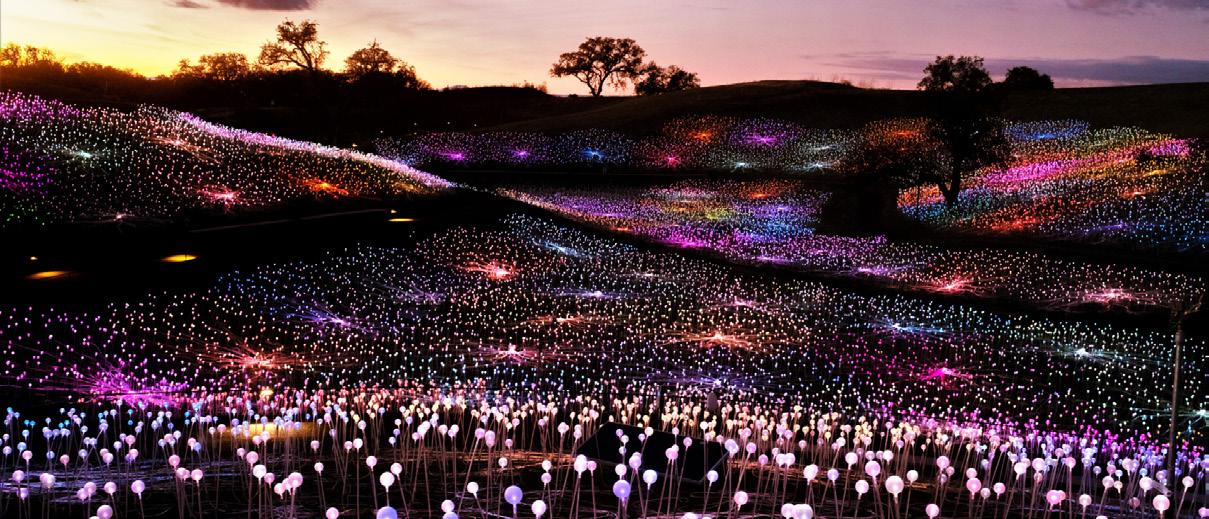
Visiting colorful Sensorio.
108 | Ancient and Futuristic: Roaming from Athens to Dubai.
114 | Detox and Indulgence: The two sides of the New Orleans coin.
118 | Buzz
The news that people are buzzing over.
119 | Culture
The amazing Savonlinna Opera Festival at Olavinlinna Castle.
122 | Property Spotlight
A stunner in the Hamptons.
126 | Real Estate
John Eric brings you the best in luxury real estate from all across the metropolitan region and around the world..

Fashion Contributor
Soderberg

Come home to
extraordinary.
At ANTHONY WILDER, we design and build spaces you can’t wait to come home to. Our in-house architects, interior designers, project managers and craftsmen work together to create custom design solutions just for you. We mind every detail, so you can simply live—and love—the life you’ve built.
Welcome
“Summertime is always the best of what might be.”
— Charles Bowden

Summer has a way of inviting us to rethink distance. It turns far flung destinations into long weekend possibilities and transforms familiar places into something a little more luminous. This issue is our love letter to that feeling, to the anticipation of a boarding pass in hand and the quiet satisfaction of a perfectly packed carry on.
Over the past few months, my own travels have reminded me that luxury is no longer defined solely by thread counts or square footage. It is time, privacy, and a sense of ease that feels almost impossible to manufacture. It is stepping into a hotel that understands who you are before you have even reached the front desk, or arriving in a city that feels like an old friend rather than a stranger.
In these pages, you will find destinations that embody that spirit. From storied city icons and seaside sanctuaries to experiences that revolve as much around food and wine as they do around geography, this edition is designed to inspire both your next escape and the way you think about travel itself. Our goal is not just to show you beautiful places, but to spotlight the details, the service, and the storytelling that elevate a trip into a memory.
You will see some of my personal favorites woven throughout, from legendary hotels and resorts to the kinds of events that anchor my own summer calendar. Consider them a curated shortlist, drawn from the same lens I bring to advising clients: thoughtful, experience forward, and always with an eye toward how a place truly feels when you arrive.
Whether your summer takes you across an ocean, to a favorite city, or simply encourages you to explore your own backyard with a fresh perspective, I hope this issue serves as both a guide and a gentle nudge to go. Travel is, at its best, an investment in how we see the world and how we see ourselves within it.
Here’s to where you will go next.
John Eric Publisher
John Eric Home & Lifestyle Magazine
JOHN’S FAVORITES
MY PERSONAL BEST

Selfridges
LONDON
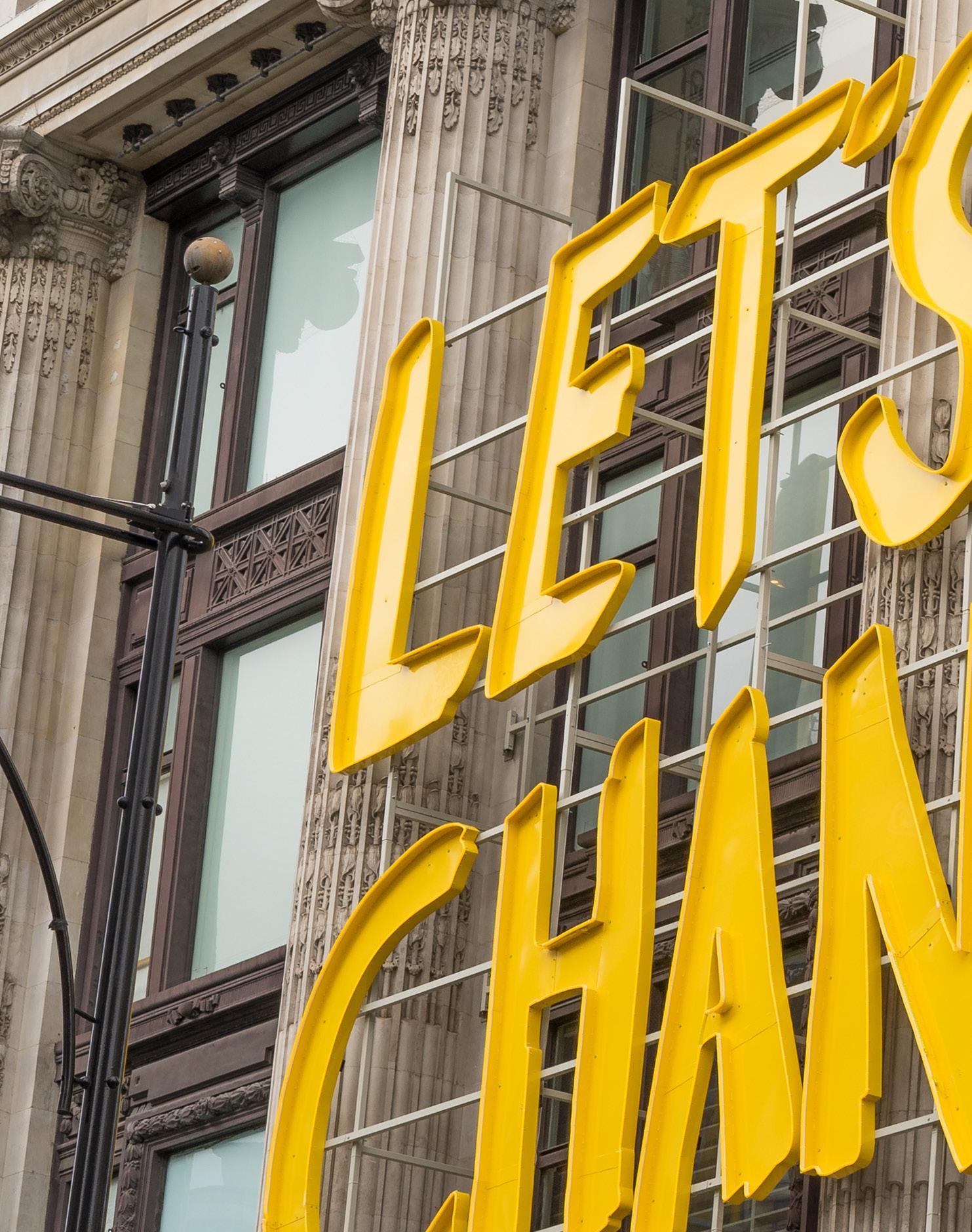
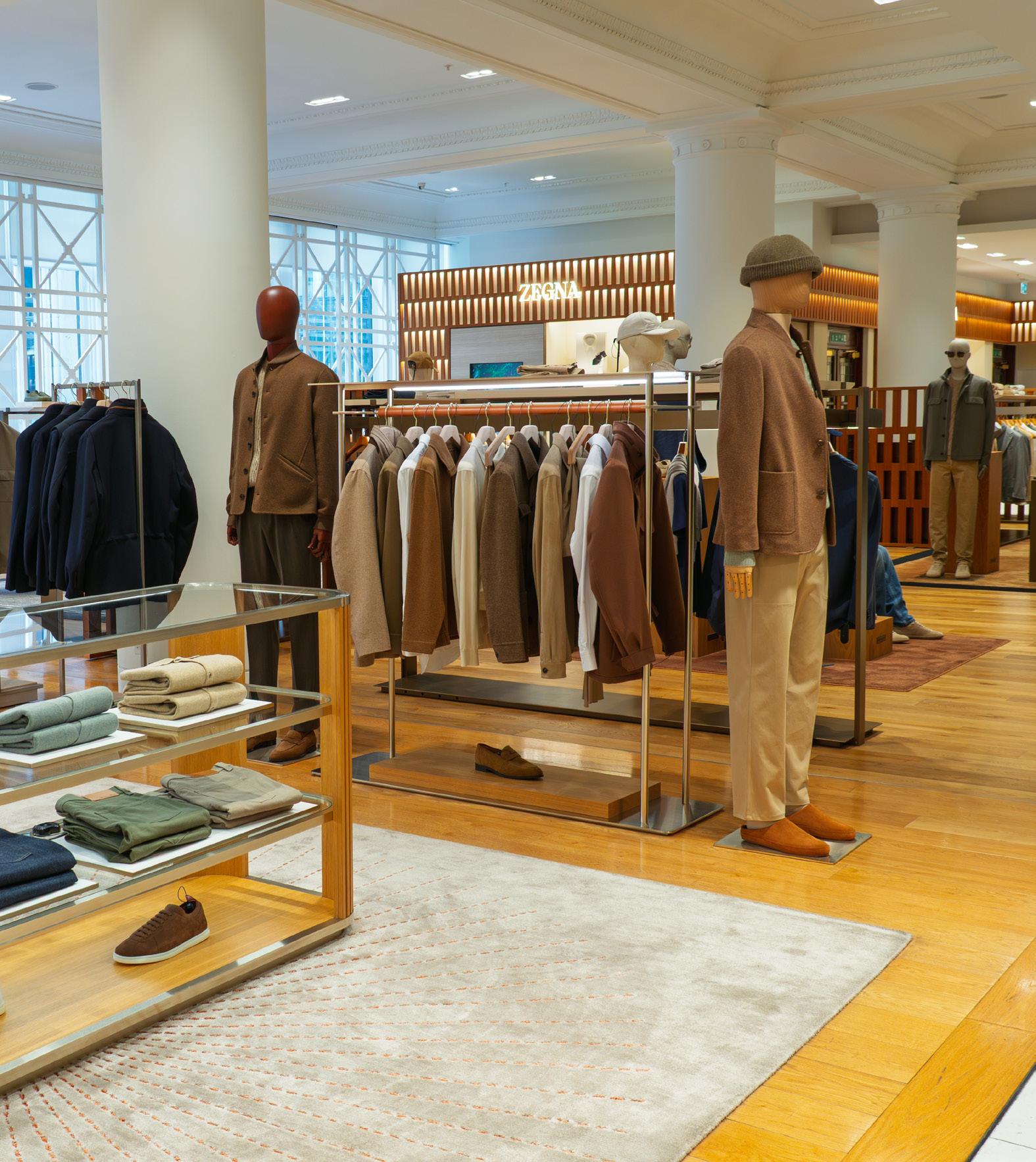
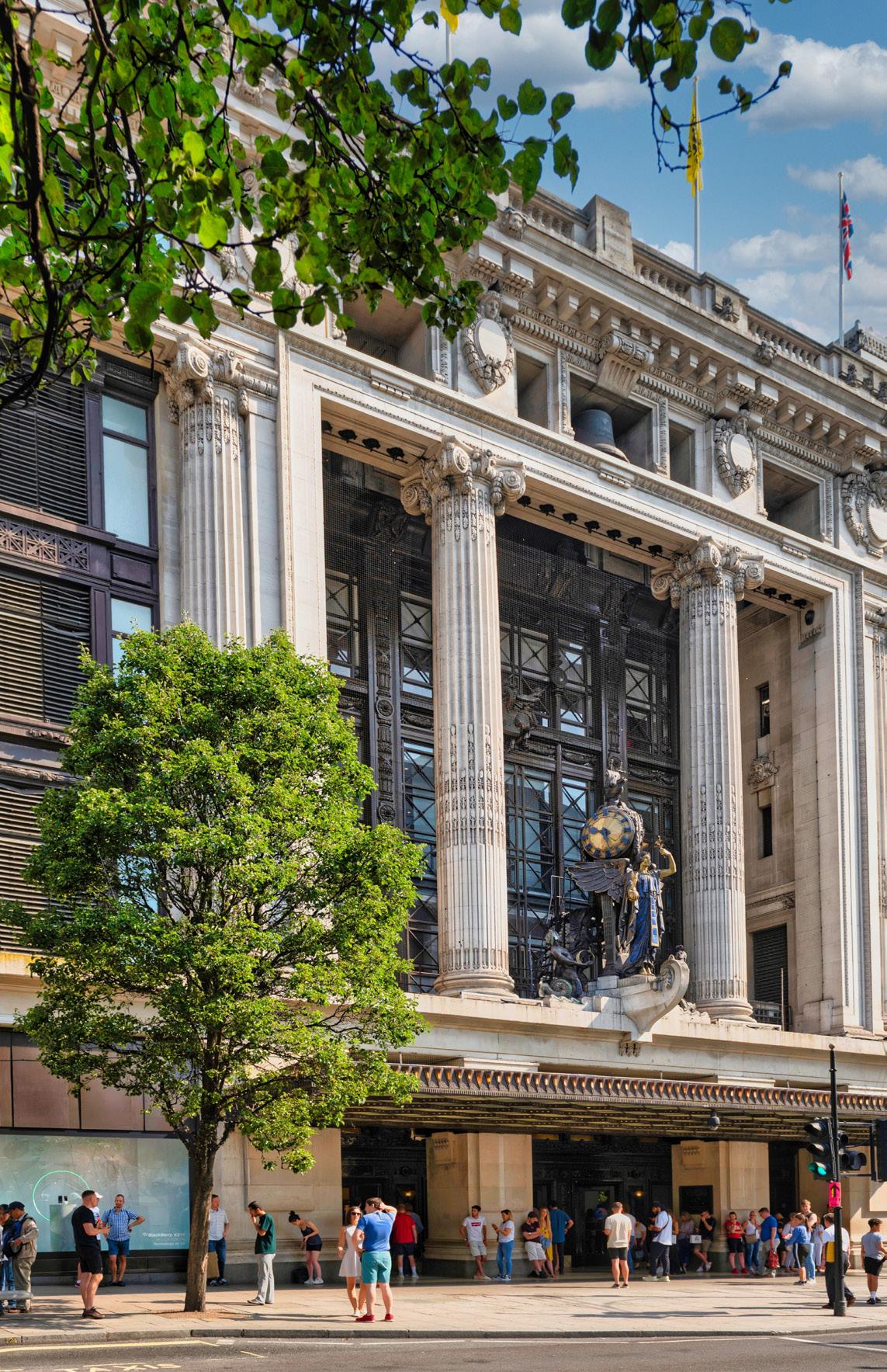
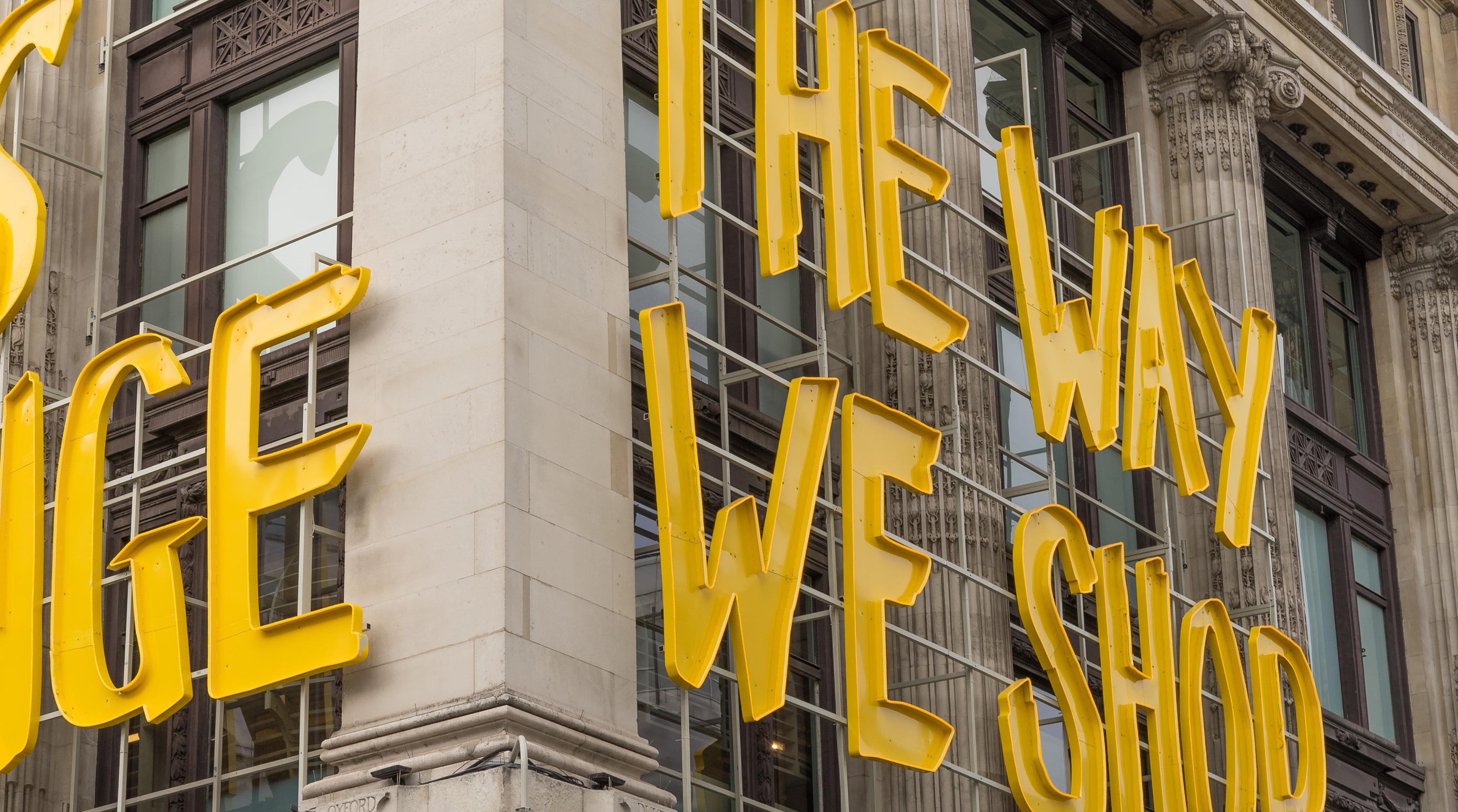
Quite simply, my favorite department store in the world, and admittedly not always my bank account’s favorite. Selfridges represents the pinnacle of London retail, bold, beautifully curated, and consistently ahead of the curve. From cuttingedge fashion to impeccable service and immersive displays, it transforms shopping into an experience. It’s not just where you go to buy, it’s where you go to be inspired.
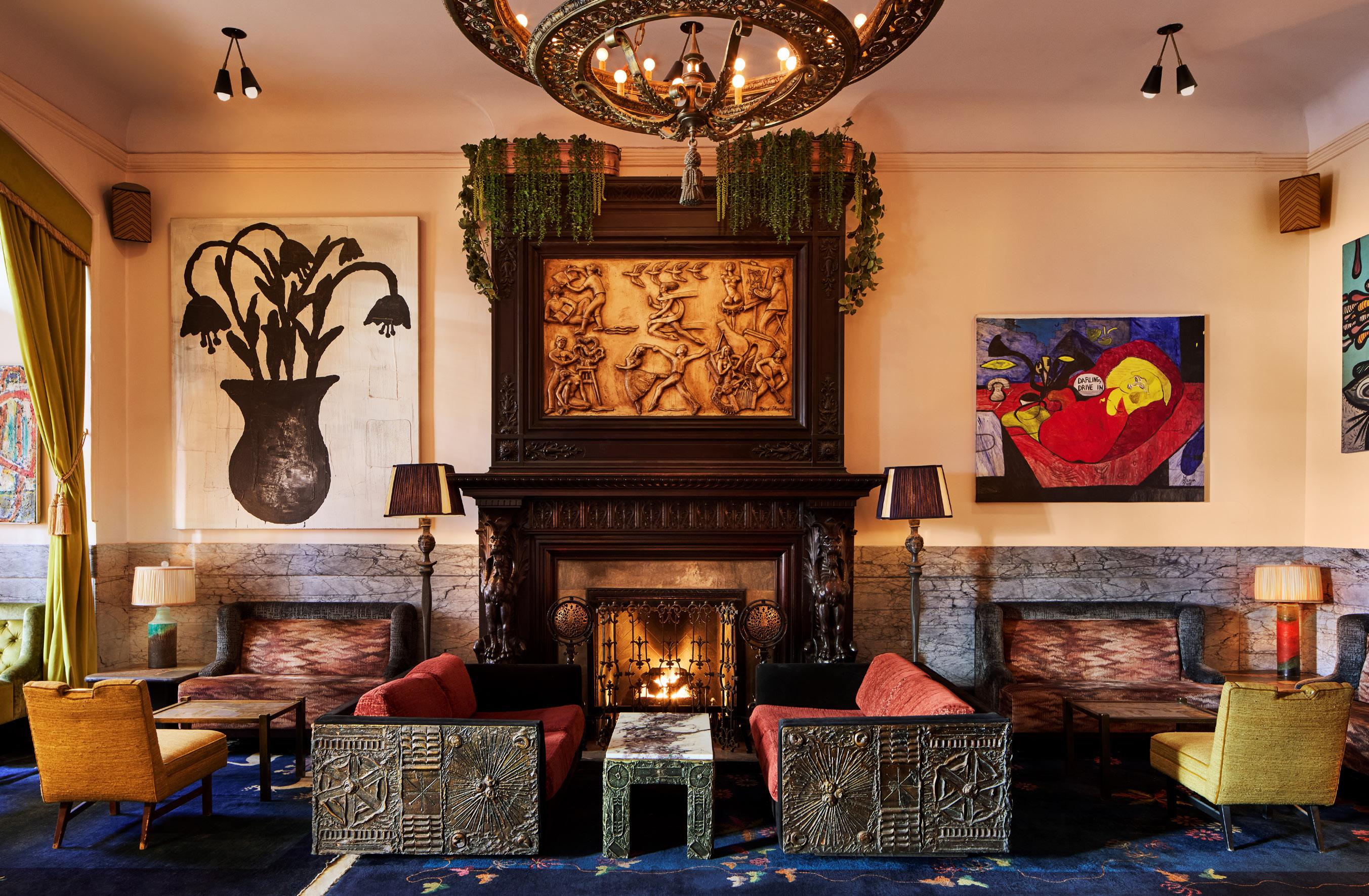
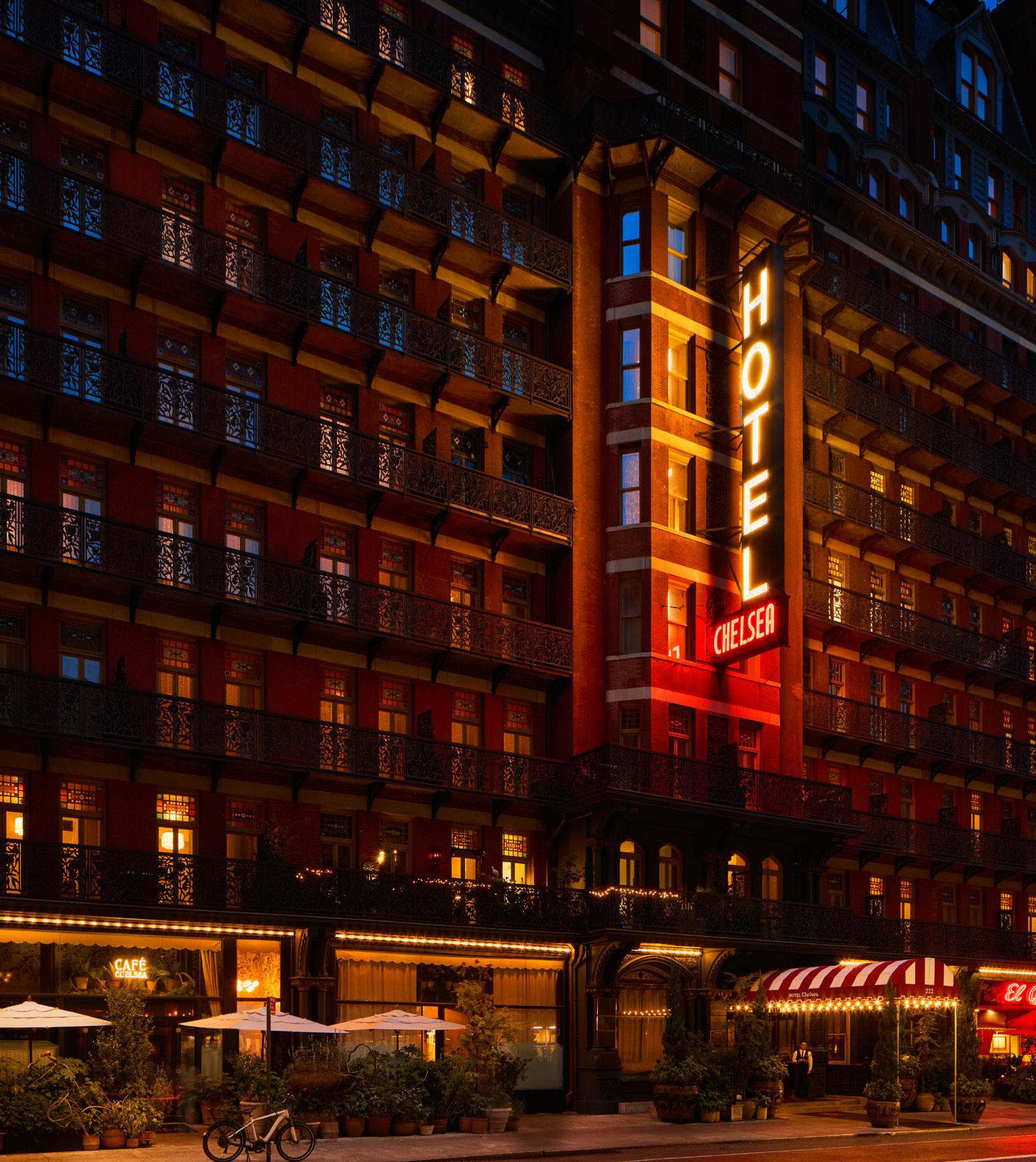
Hotel Chelsea
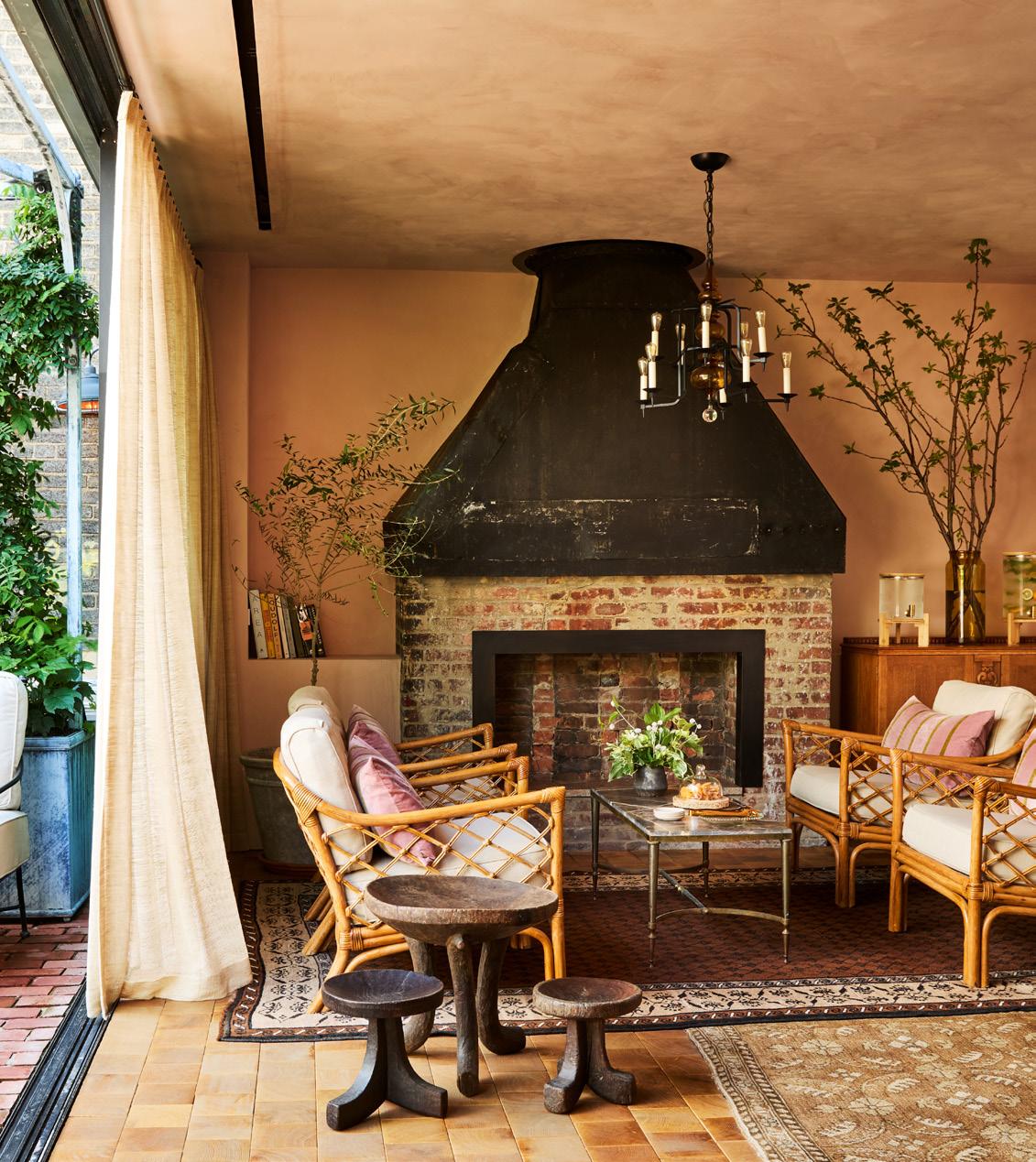
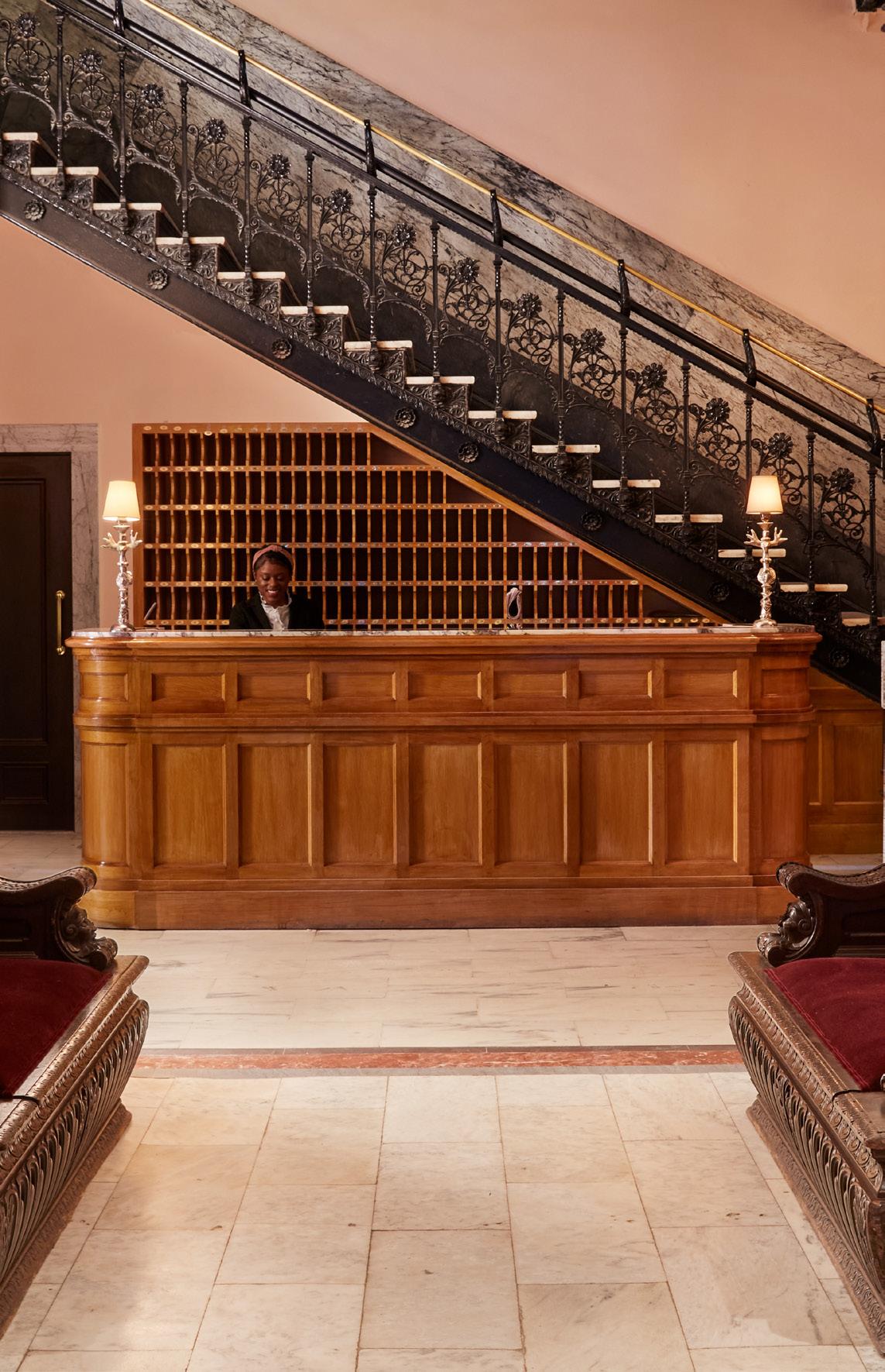
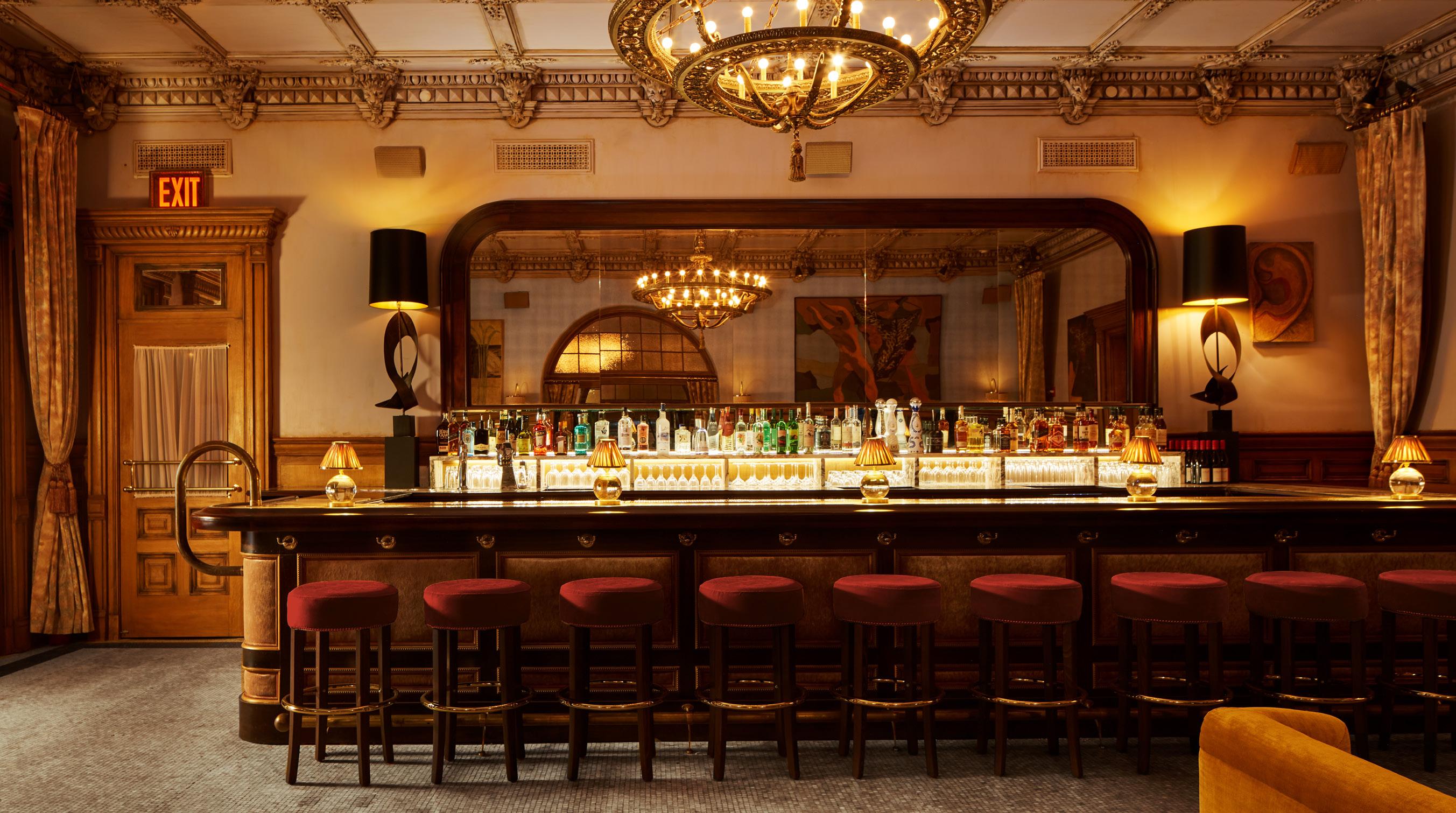
A stay at Hotel Chelsea is less about checking in and more about stepping into living history. Recently, I had the pleasure of experiencing it firsthand, and it strikes a rare balance between legacy and modern luxury. The rooms are spacious, thoughtfully appointed, and quietly elegant, offering a sense of calm in the heart of Manhattan. The spa is a standout, providing a restorative escape, while the bar and bistro capture that unmistakable downtown energy, effortlessly chic and never forced. It’s a property that feels both storied and entirely relevant.
Aman Sveti Stefan
MONTENEGRO
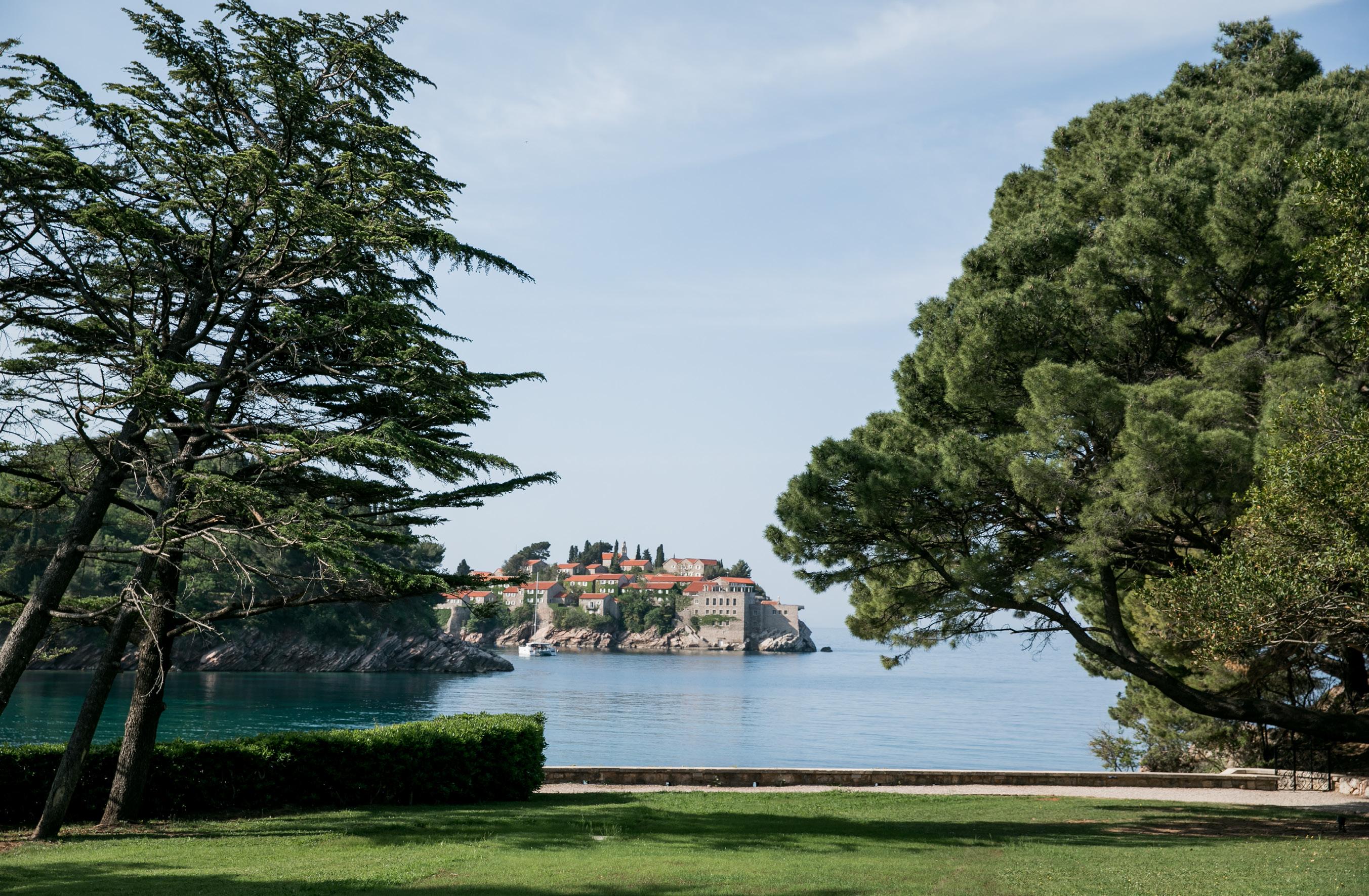
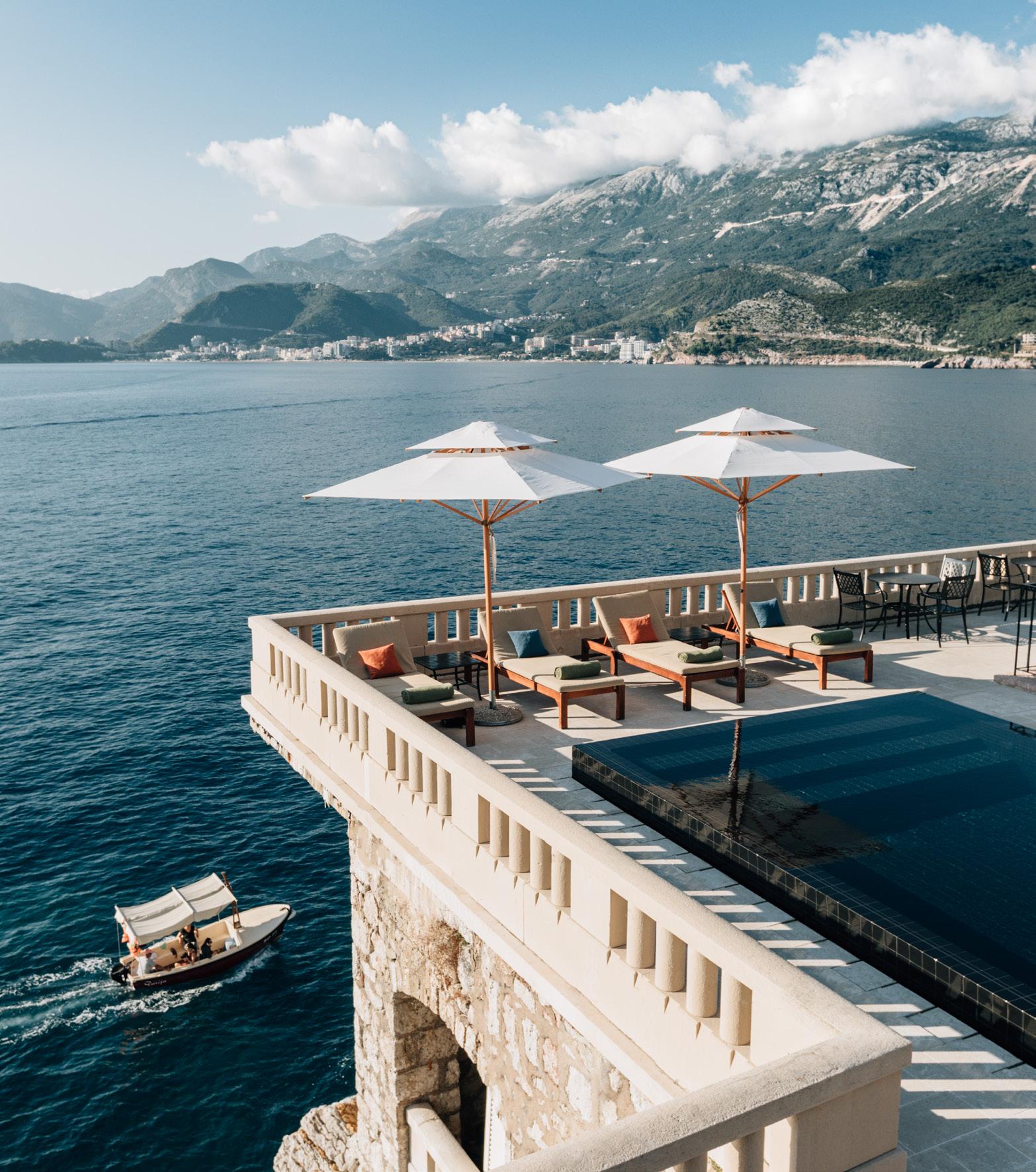
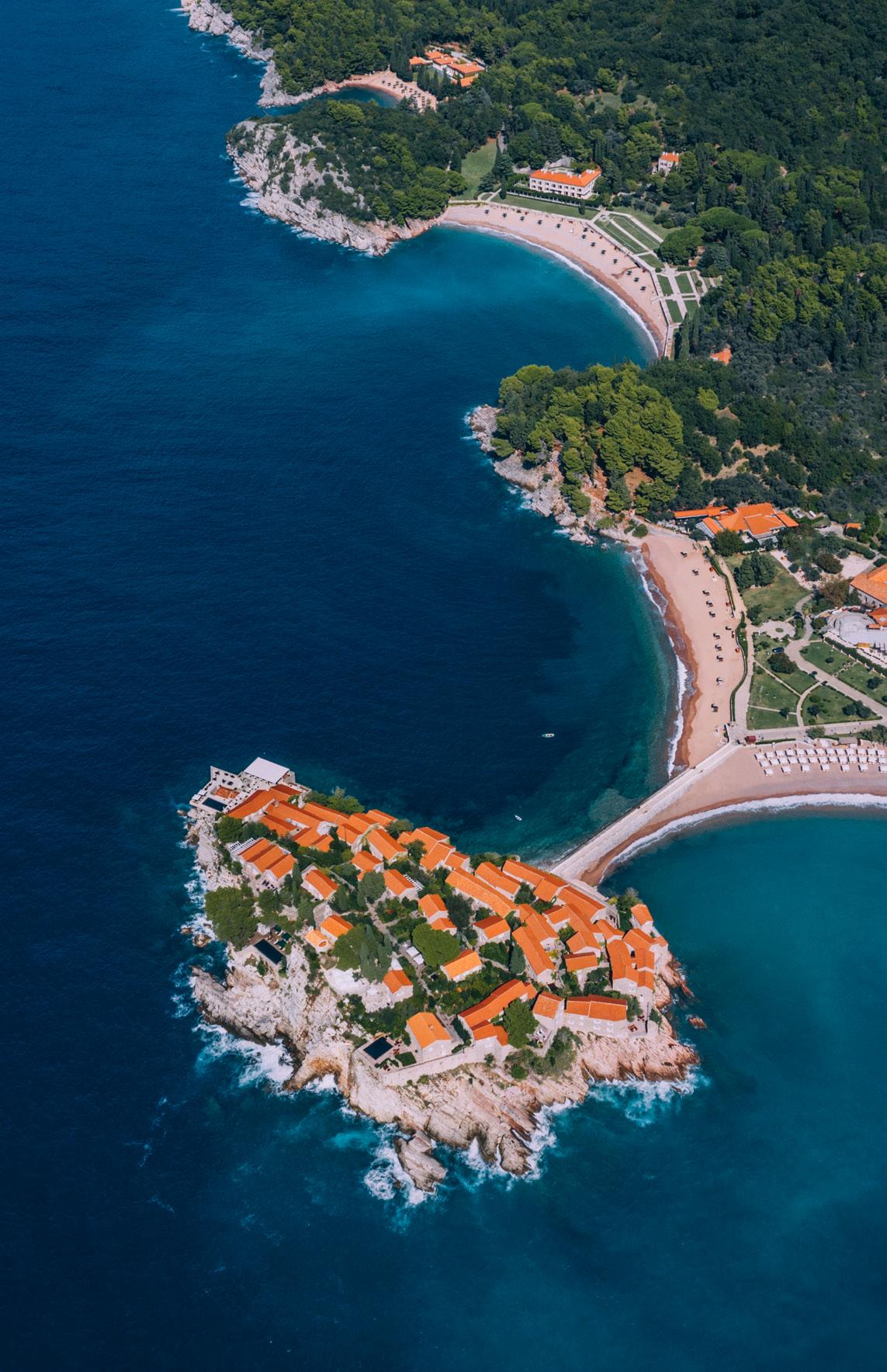
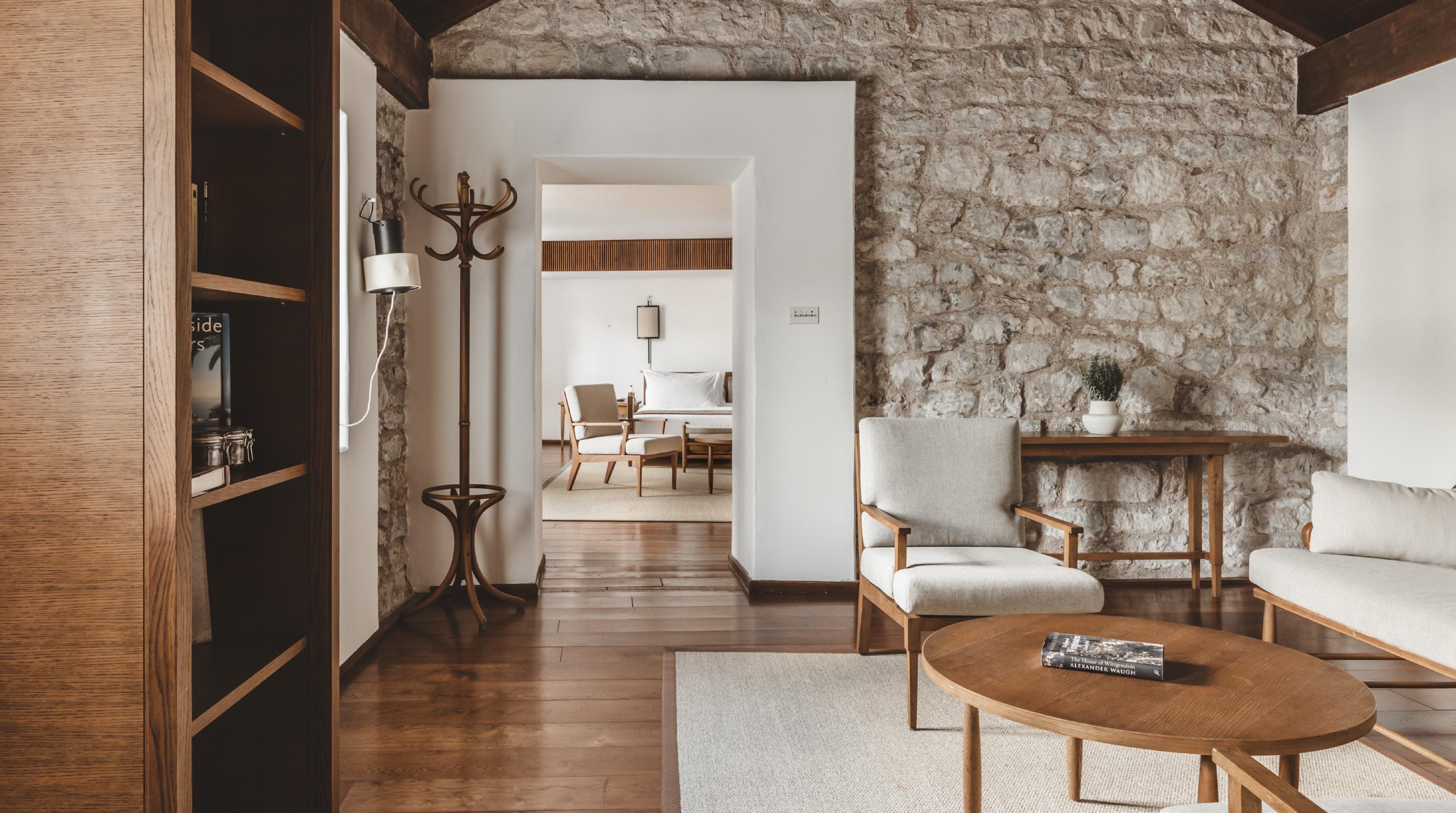
There is quite simply nowhere I’d rather be in the summer. Aman Sveti Stefan is a true sanctuary of elegance and tranquility, set along Montenegro’s Adriatic coast. The setting feels almost otherworldly, where historic charm meets Aman’s signature understated luxury. It’s the kind of place that invites you to slow down completely, to disconnect, and to savor every detail of its serene, refined atmosphere.
Food & Wine Classic
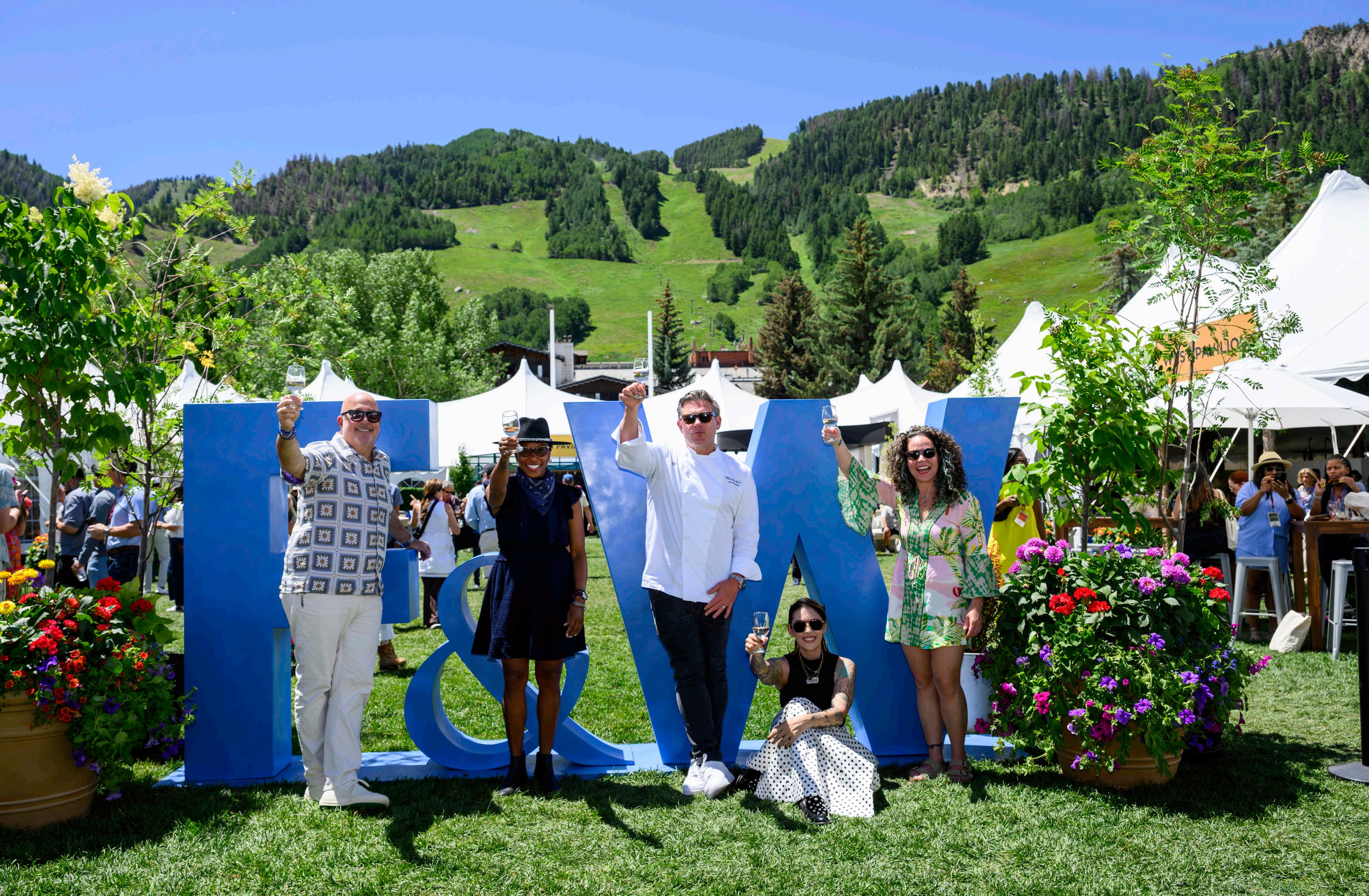
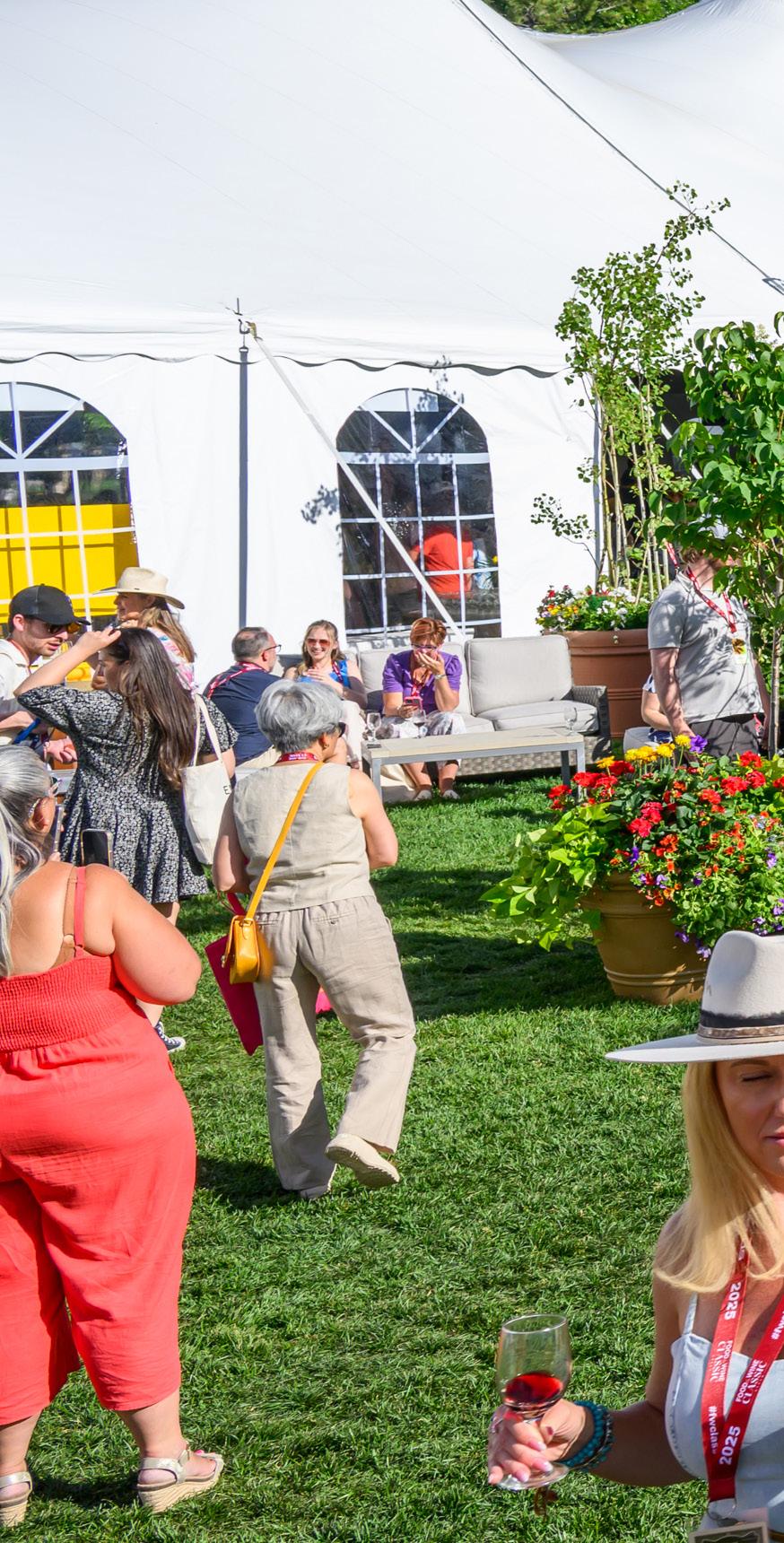
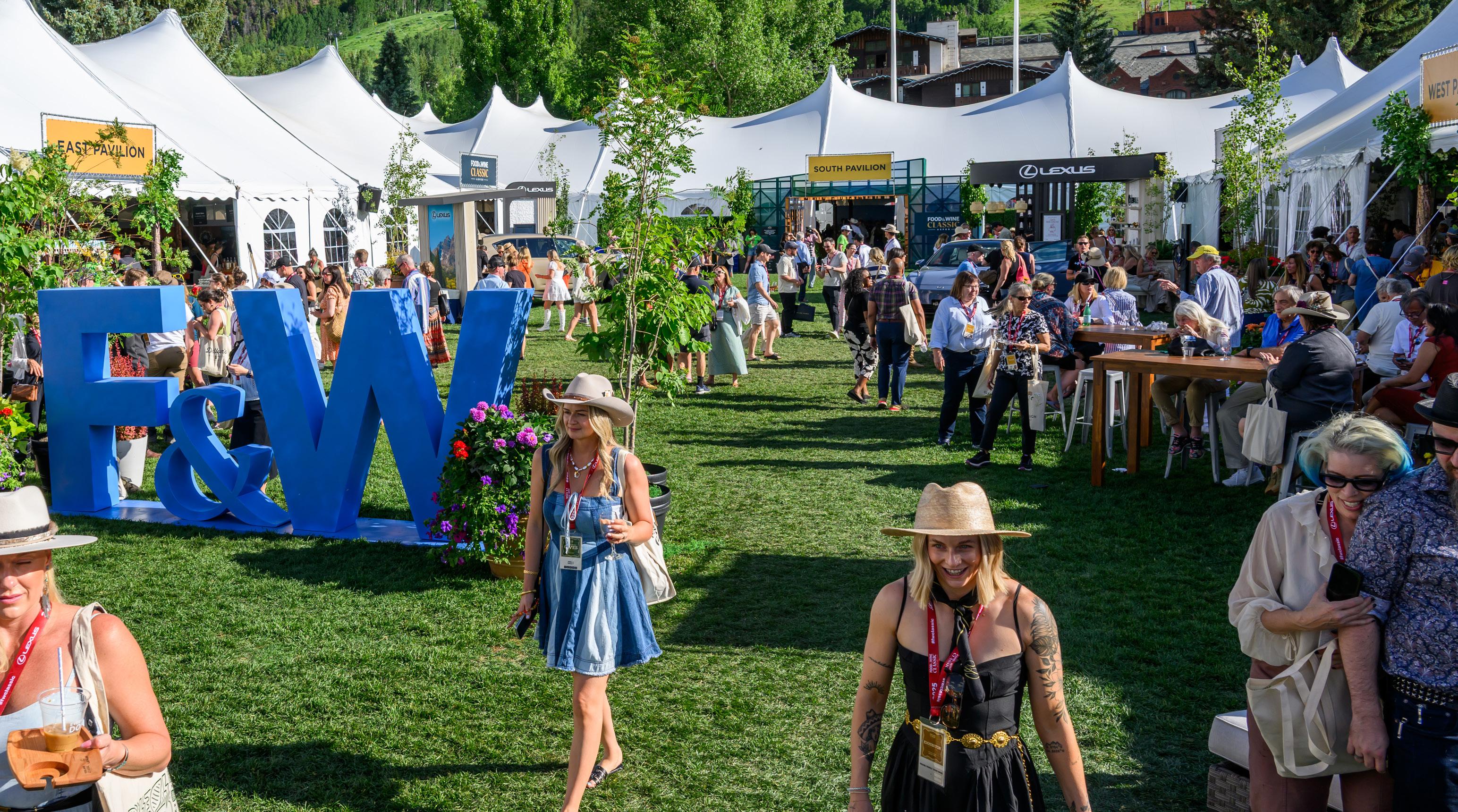
As a self-appointed foodie and devoted lover of wine, this is the pinnacle of summer events in the Northern Hemisphere. The Food and Wine Classic in Aspen brings together the very best in culinary talent, exceptional vintages, and an unmatched social atmosphere. And truly, who would not want to be in Aspen in the summer? It’s an experience that delivers year after year, effortlessly, vibrantly, and always memorable.
ASPEN


DETAILS
IT’S ALL IN THE DETAILS
Sway
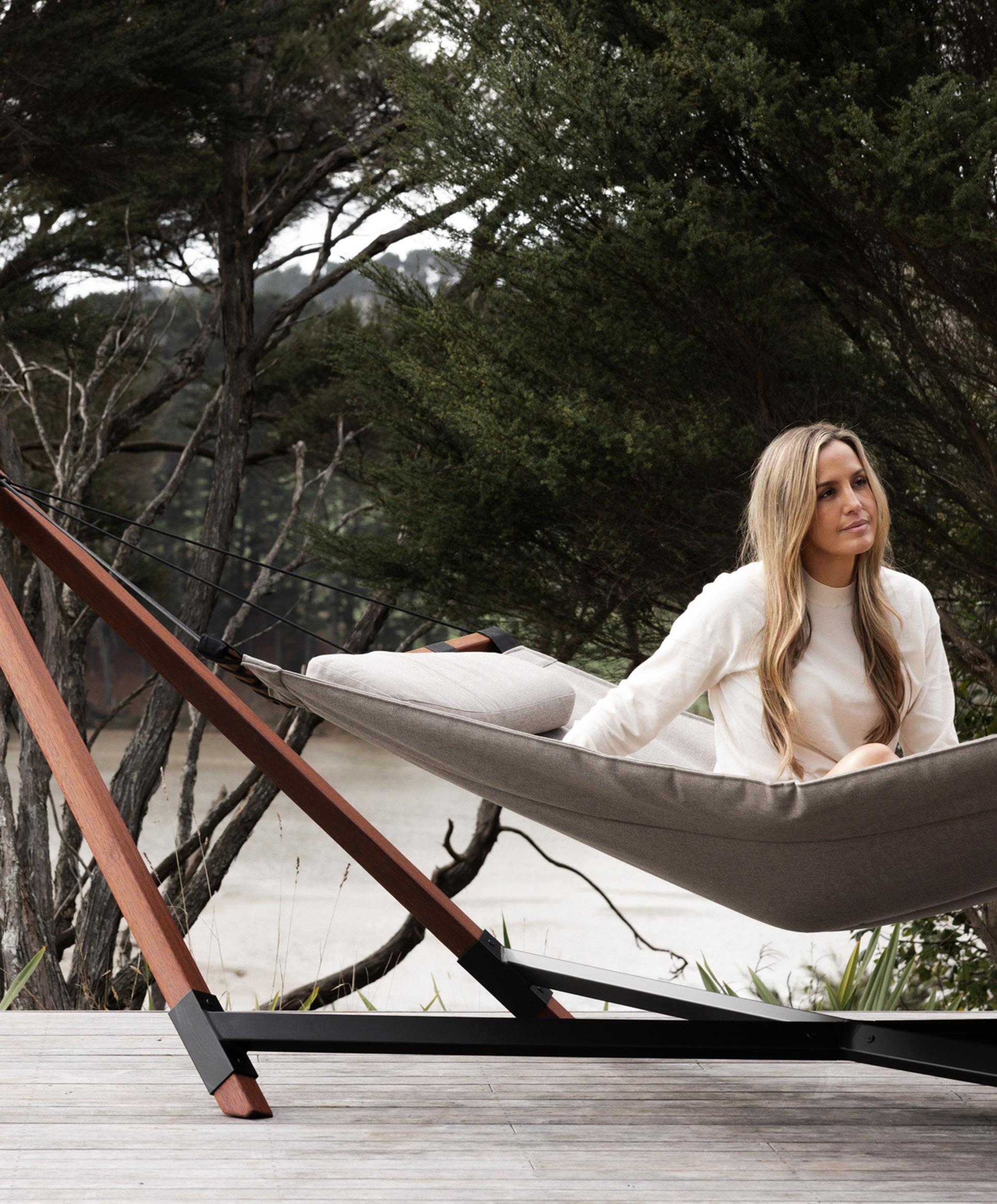
Elevate your summer lounging with these luxurious hammocks, where exceptional craftsmanship, premium materials, and timeless design create the perfect outdoor escape.
LUJO LIVING – TAJ HAMMOCK (FREE-STANDING, SINGLE)
These portable hammocks and stands are created to endure, whilst continuing to look great year after year. Built from topto-toe with only the best quality marine components, kwila hardwood, powder-coated aluminum, high-performance Sunbrella® fabrics, and soft Dacron® fiber padding. ($3,890) DDC & CO - SANTALUZ LEATHER WEAVE HAMMOCK Crafted from Colombian leather, each hammock is meticulously woven by skilled artisans, ensuring durability, strength, and a unique touch of elegance. The rich texture and natural variations of the leather lend a sense of authenticity and charm to every piece. ($2,500)
DESIGN WITHIN REACH (DWR) - TUUCI AIR LOUNGE
HAMMOCK Designer Dougan Clarke, a skilled sailor, well-versed in sails, rigging, and boat design, crafts pieces that stand up to the elements. This hammock reflects his experience, showcasing a one-piece tubular stainless steel base with sinuous curves reminiscent of water lapping at the shore. ($3,676)
YELLOW LEAF HAMMOCKS - HAMMOCK THRONE The Hammock Throne® was created for users to enjoy a full-body hammock chair experience anywhere they want. It's designed to look great in the home but is made with the durability to live outdoors. ($3,999)
Image courtesy of Lujo Living
GTM ARCHITECTS
Designs Pavilion to Enhance Outdoor Living Experience
CENTERED ON THE POOL, THIS STRUCTURE’S SILHOUETTE EMPHASIZES ITS LONG LIST OF AMENITIES, INCLUDING COOKING, DINING, AND RELAXING
By Sherry Moeller
Photos by Anice Hoachlander
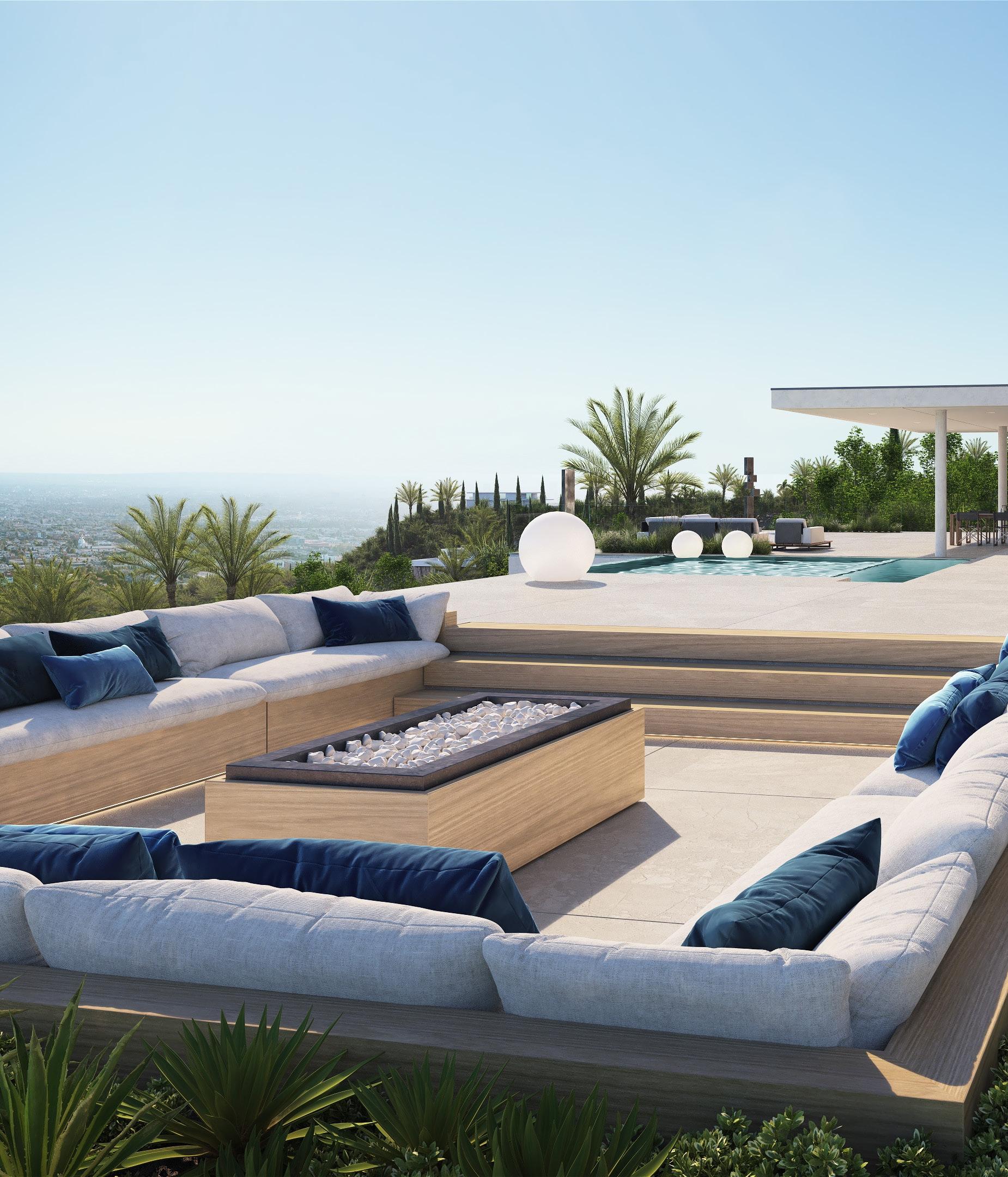
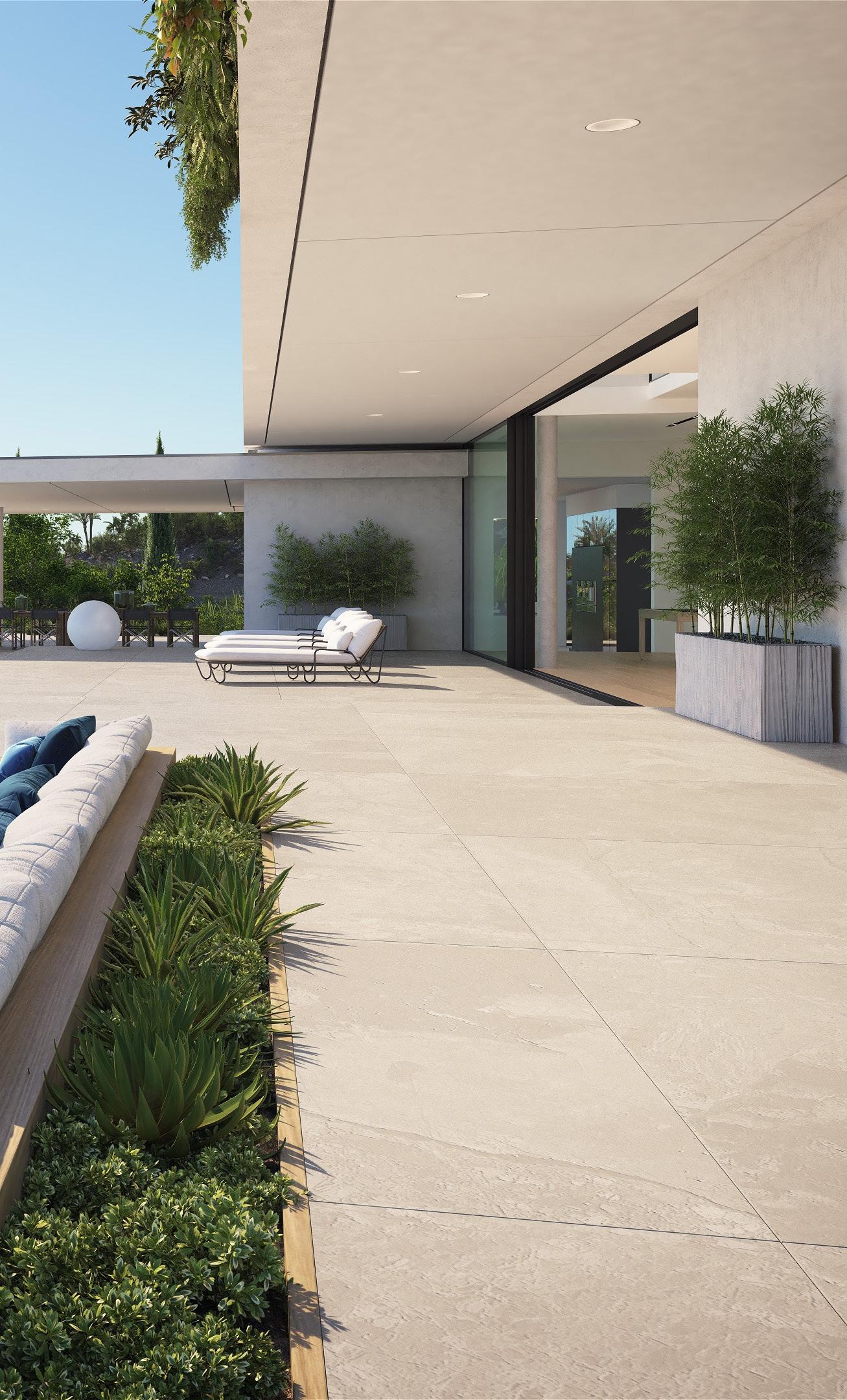
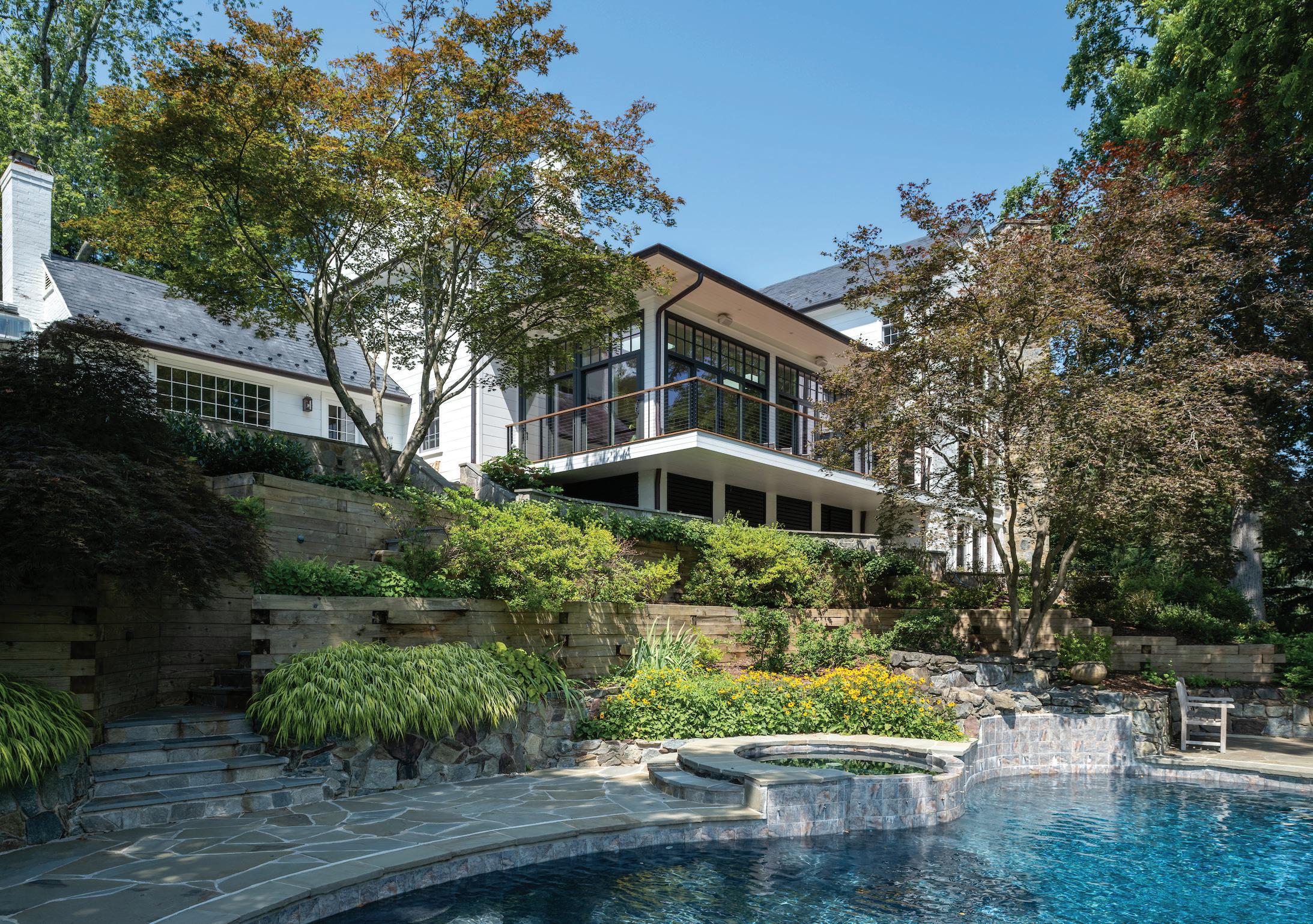
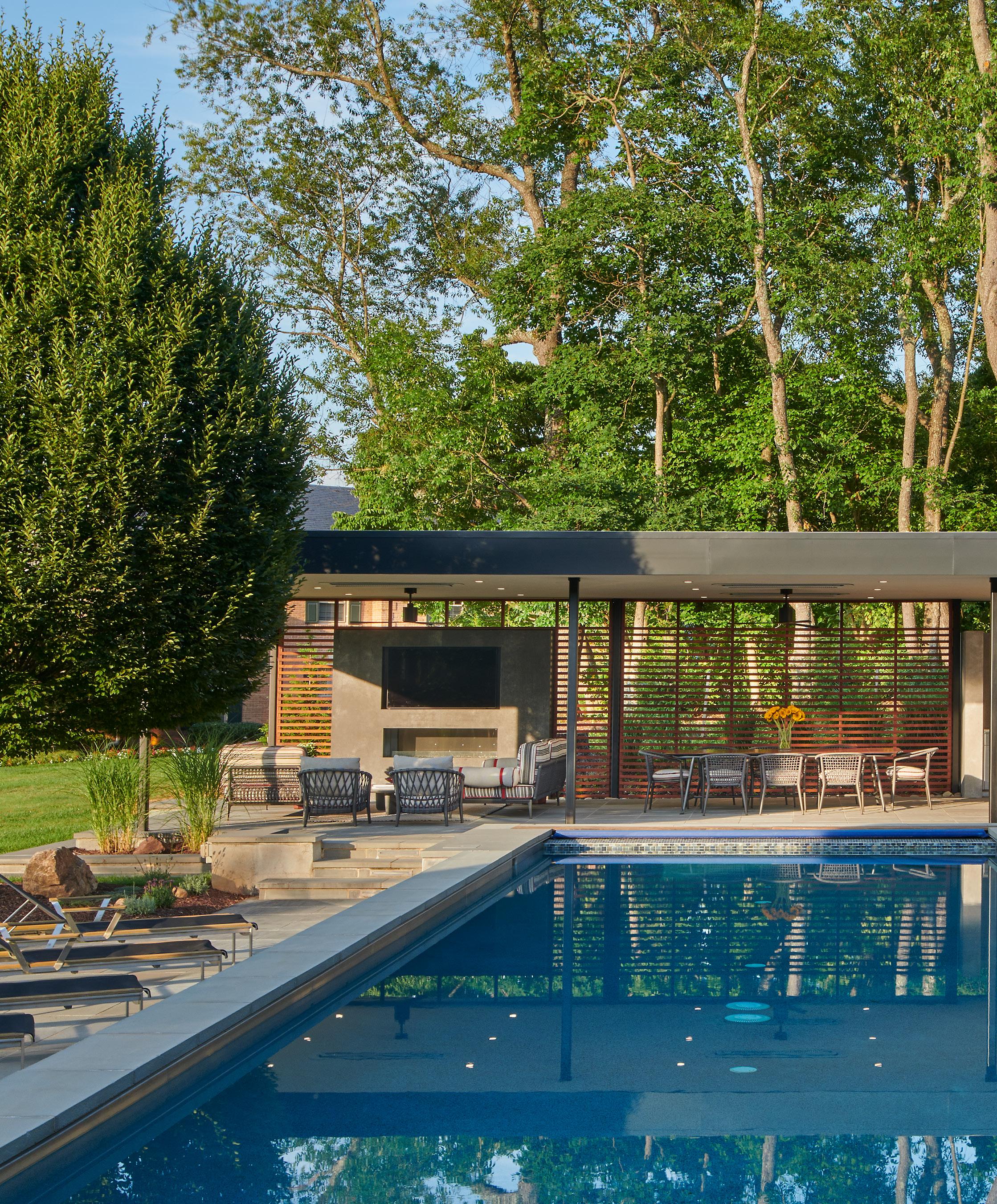
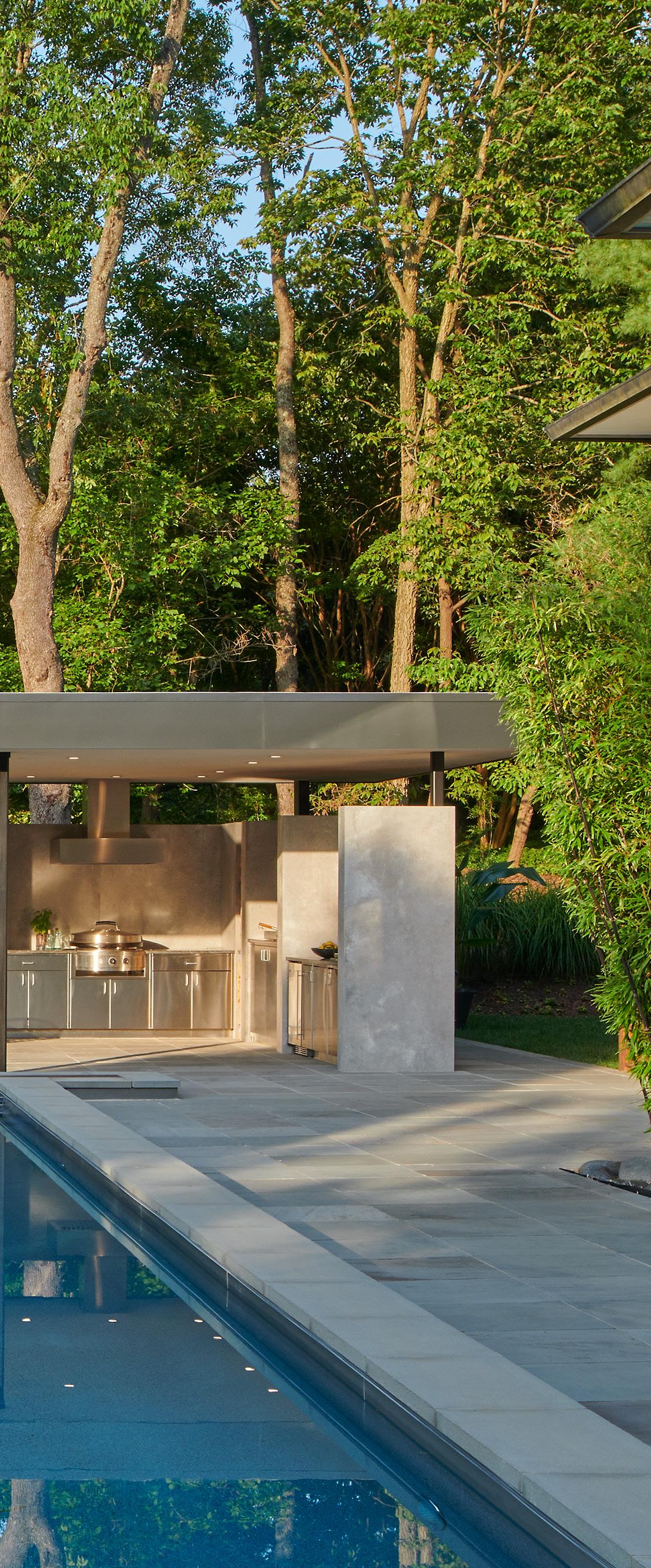
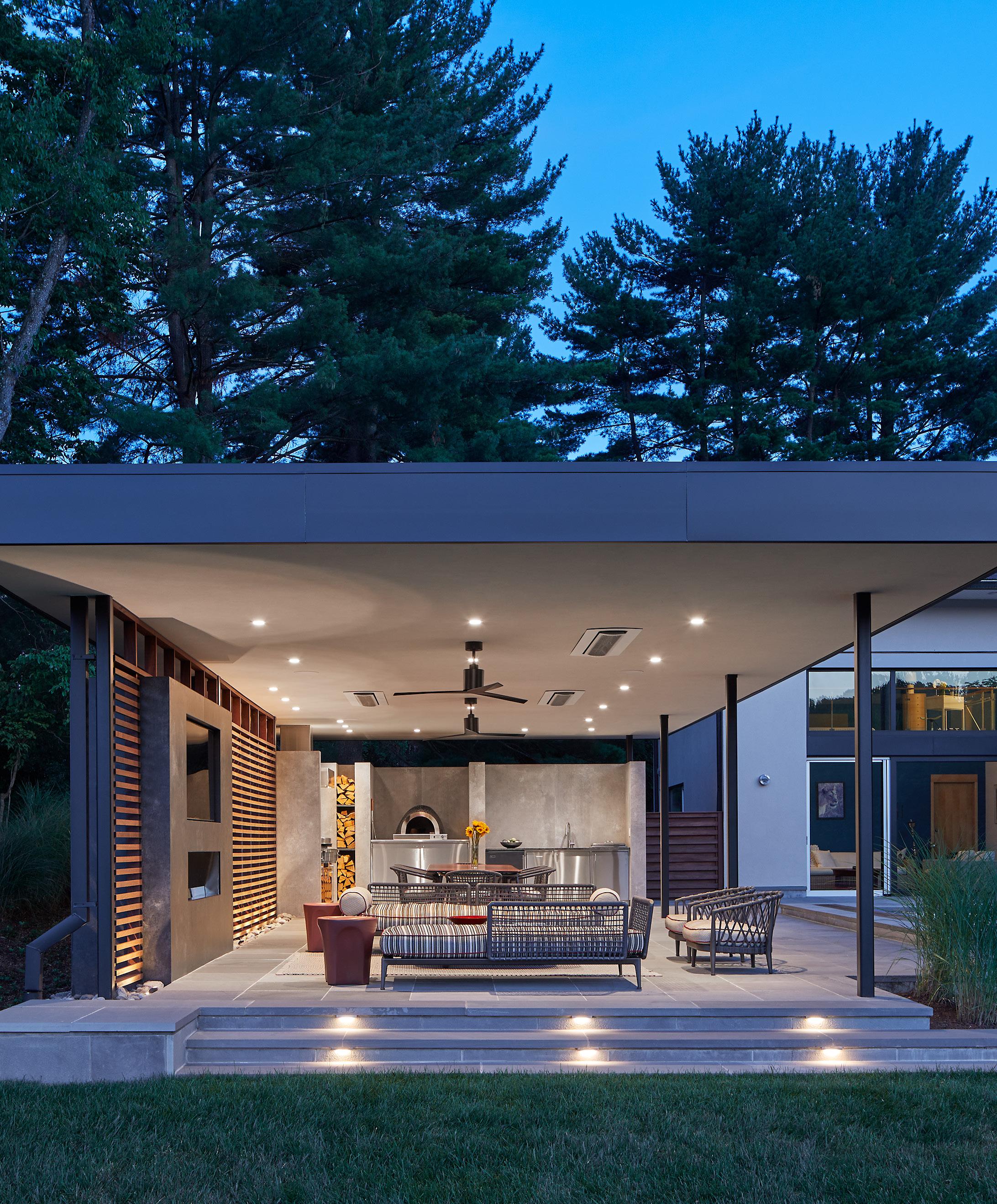
Outdoor living spaces, especially kitchens and recreational amenities, are on the rise throughout the Washington, DC region. This Potomac, Maryland, pavilion is an example of how to extend the outdoor living experience beyond the warmer months. By designing a contemporary pavilion that combines a large cantilevered flat roof structure covering living and dining spaces with an open-air wood trellis, Mark Kaufman, principal at GTM Architects, www.gtmarchitects. com, provides the owners with a private setting equipped with a full outdoor kitchen and fireplace centered on the pool.
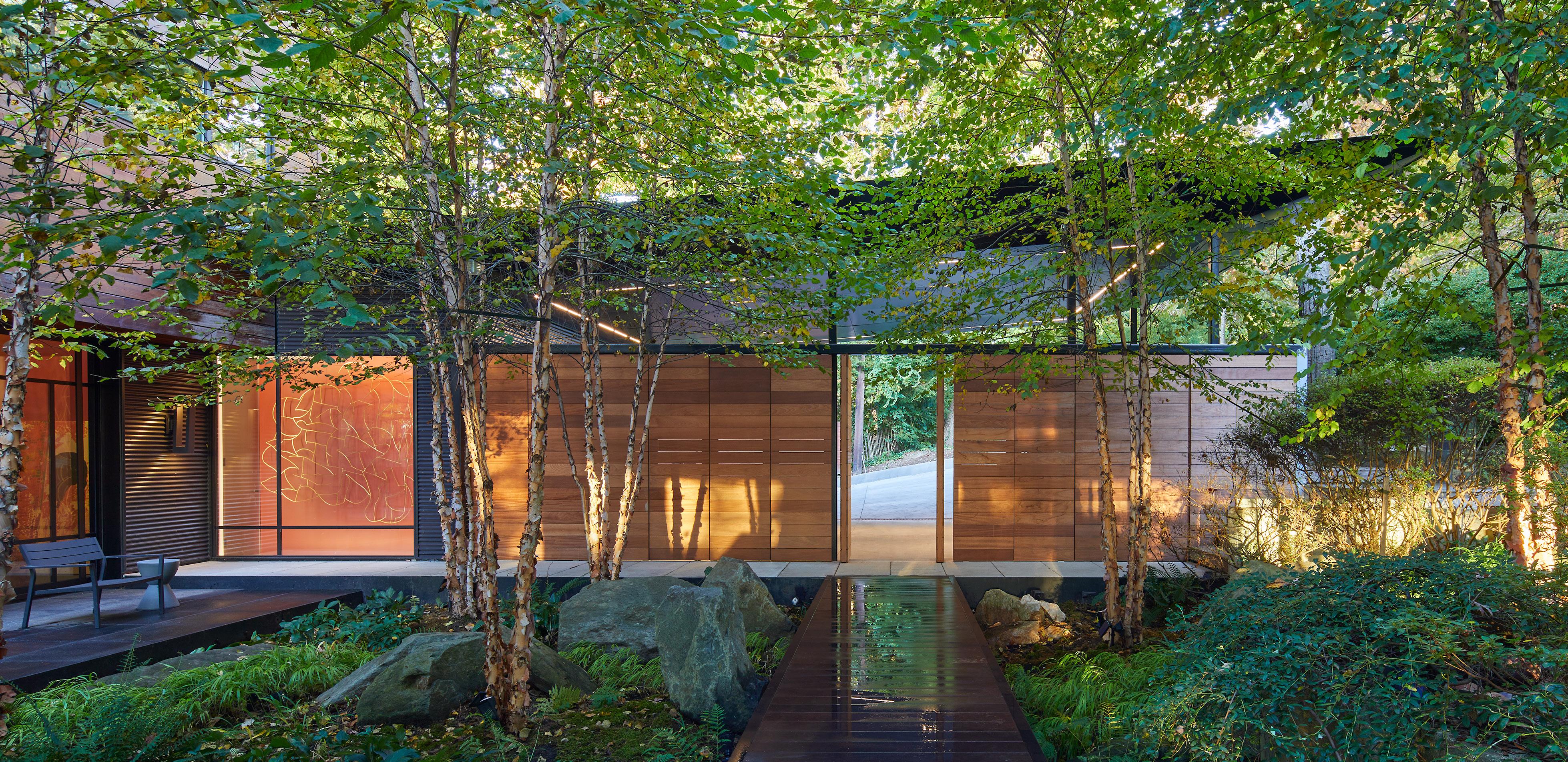
“The silhouette of the structure made from metal, concrete, and wood is a striking element that complements the clients’ existing custom home,” Kaufman says. “The clients’ goals were to create a complete outdoor living space for their family and friends to enjoy, including a kitchen, dining space, and living area.”
A few additional home renovations, including an update to the front entrance, ensured that the main home and 1,100-square-foot pavilion flowed well together. The pavilion’s unique solid void massing, along with a distinctive color palette and materials, contributes to a seamless blend of modern and natural features. Acting as a centerpiece for the pool area, the pavilion’s dark fireplace contrasts with the wood trellis and the stainless and concrete kitchen to create an inviting outdoor experience.
“The main project challenges were structural in nature, including siting, drainage, and integration into the existing construction,” Kaufman says. “We created a steel frame substructure with exposed posts on the foundation to tie everything into the existing patio.” The original steel was coated with a high-zinc primer and epoxy paint to resist corrosion.
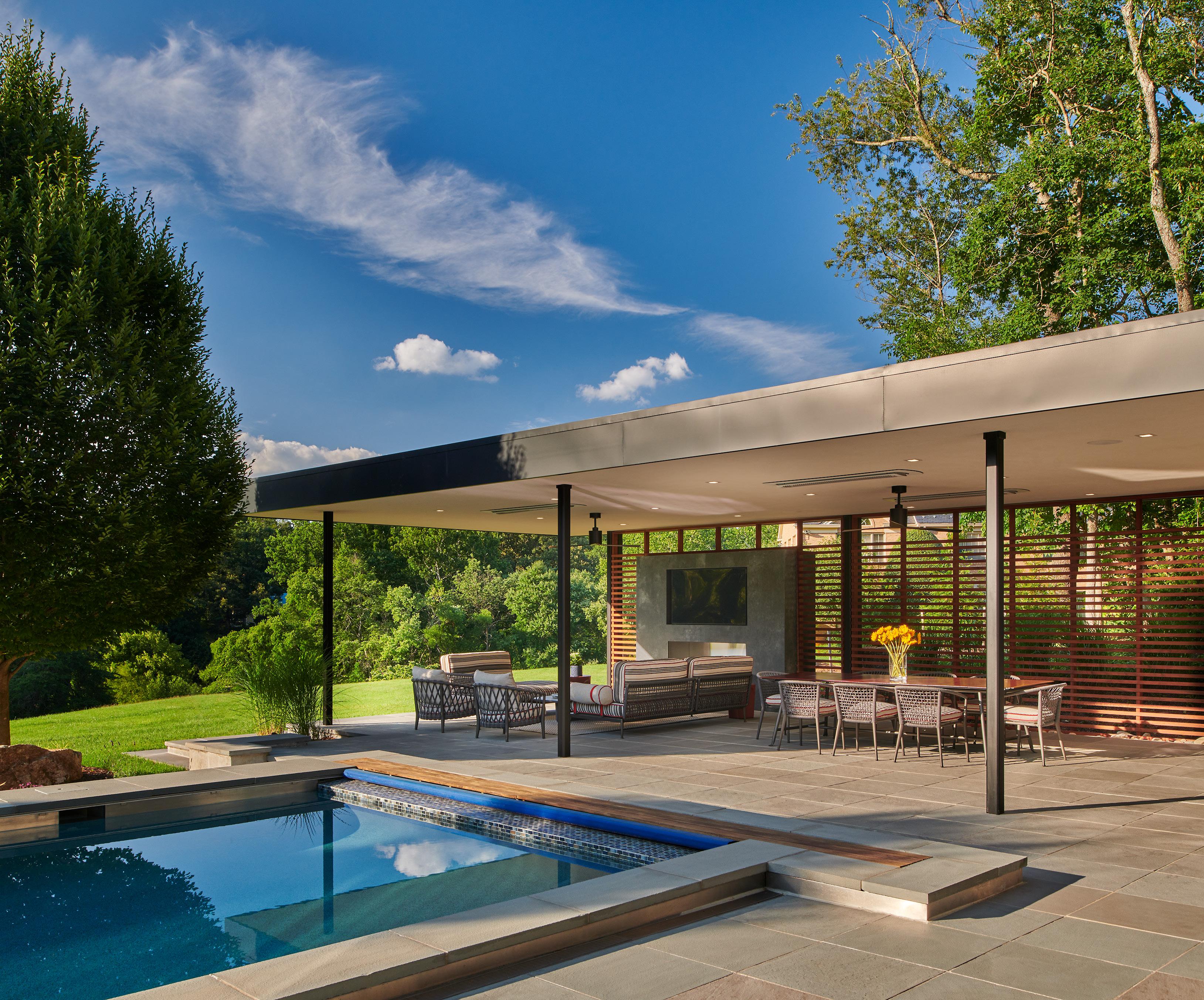
Sustainability is always a consideration as well. GTM Architects used a white thermoplastic polyolefin roof to help reflect solar heat, naturally increasing comfort levels in the pavilion. The sustainably harvested Sapele Mahogany trellis and energy-efficient fans help manage the heat even during the height of the summer.
Overall, the pavilion offers a living area, dining space, and outdoor kitchen with grill, pizza oven, and full appliances. “Homeowners are currently investing more in outdoor living areas, including kitchens, creating similar cooking experiences as found in a kitchen inside the house,” Kaufman says. Large exhaust hoods, covered areas over exterior kitchens, and ceiling fans and heaters create a comfortable environment that lengthens cooking season.
Some homeowners are requesting power side burners for large boiling pots in outdoor kitchens, too, Kaufman
adds. Grills are typically 36-48 inches, and dedicated pizza ovens, which are mostly fueled by wood, require log storage as well as a chimney for heat management. Prep and cooking zones, usually in an L or U shape, allow families and guests to congregate. “Having proper seating, coverage, and appliances for convenience makes the kitchen a new focal point in outside spaces,” says Kaufman.
DESIGNER SPOTLIGHT
THE BEST OF THE BEST
CHRISTOPHER TUCKER
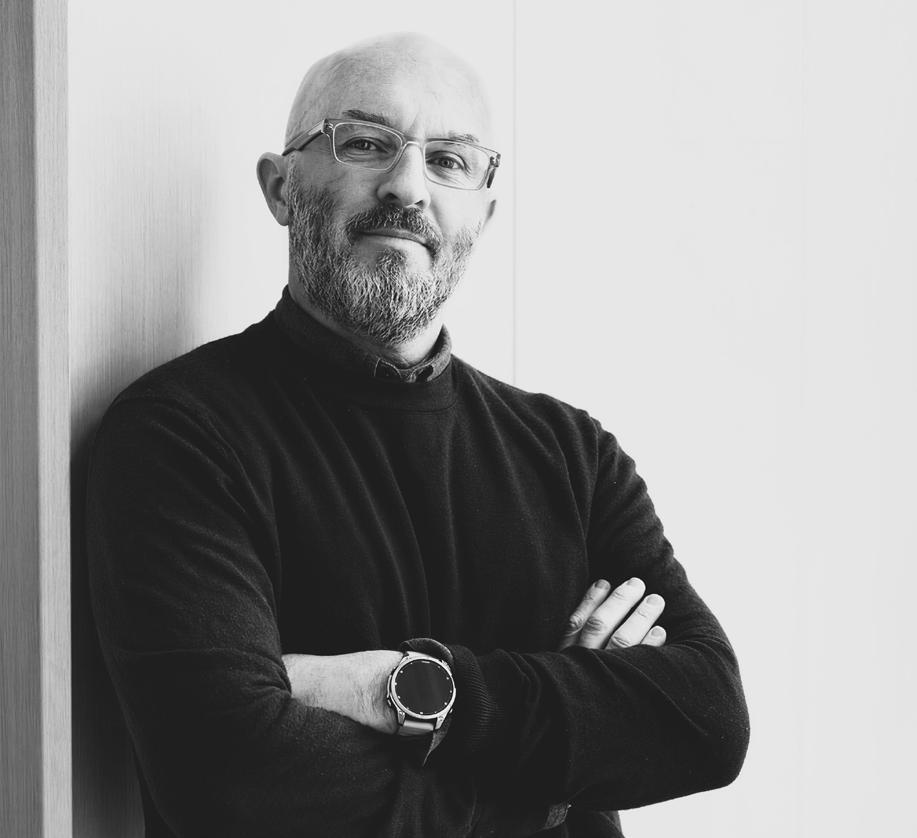
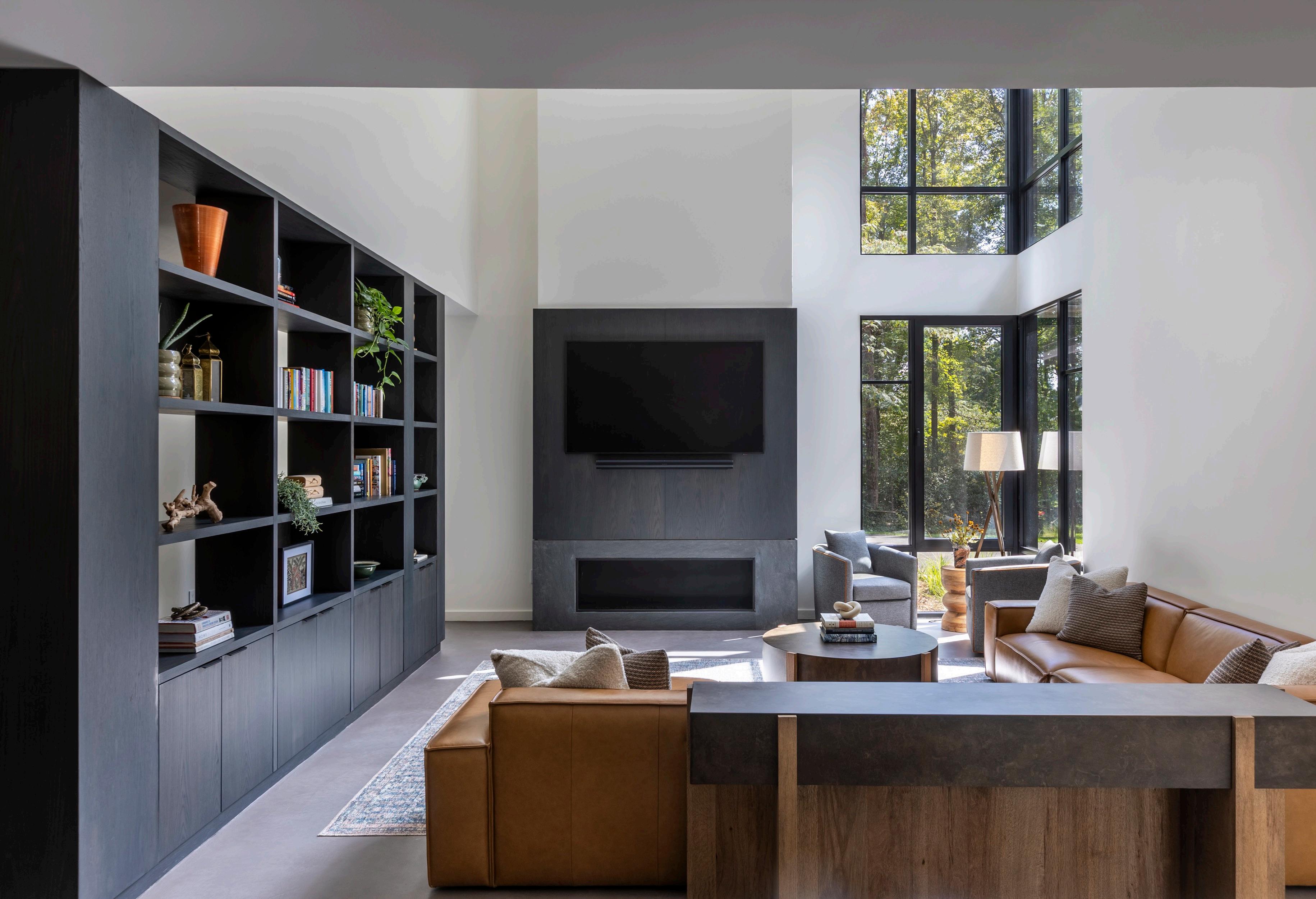
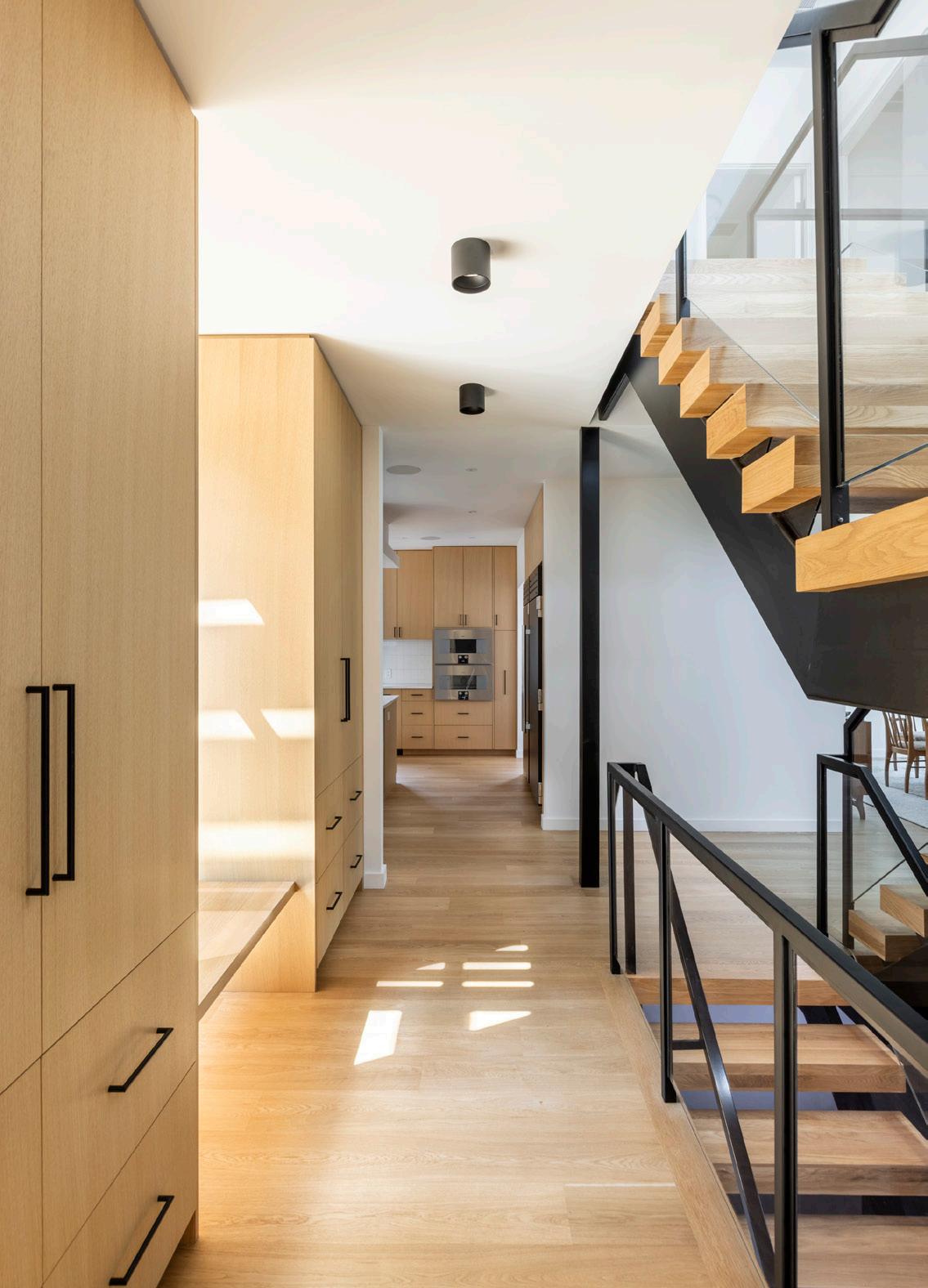
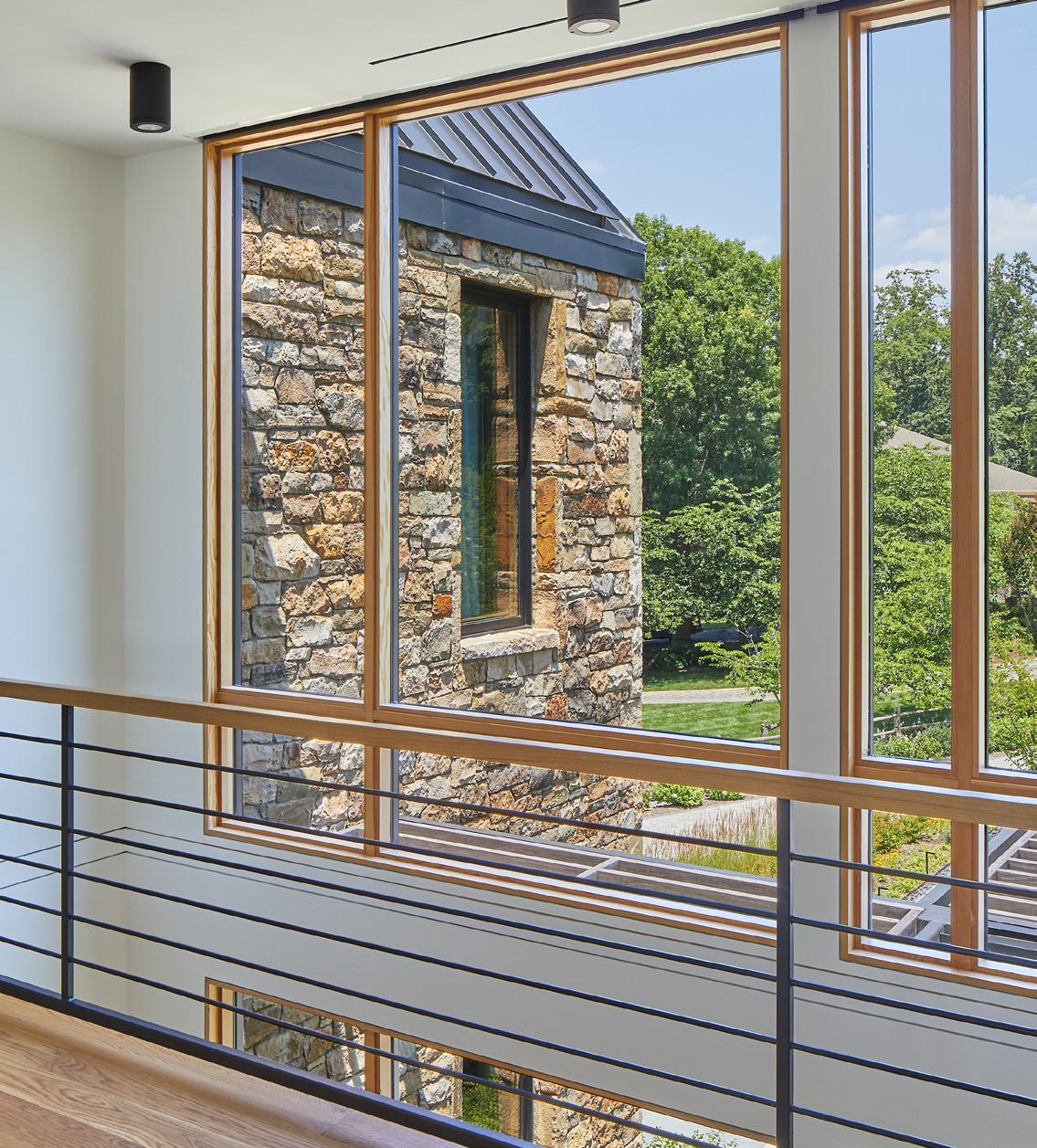
Christopher Tucker, AIA, owner and principal of MODE4 Architecture, grew up in New England and received his Bachelor of Arts in Architectural Studies from the University of New Haven and his Master of Architecture from the University of Maryland in 2001. Before founding MODE4 Architecture in 2013, Christopher worked at award-winning architecture firms in Washington, DC. Since launching the studio, he has designed custom homes and thoughtfully crafted renovations throughout the Washington, DC region, ranging from quietly modern residences to timeless reinterpretations of traditional architecture. Christopher’s blog, Real Chats with AI, explores design, leadership, and architecture through his responses to real-world questions posed by a diverse AI audience.
Q. What is the goal of your Real Chats with AI blog? What have been some of the responses to the topics and content? And how does AI impact the future of architecture?
CT: The goal of the Real Chats with AI blog was to create an opportunity to explore topics surrounding design, leadership, and the evolving architecture industry in a more thoughtful and conversational way. It also became a way to give clients, collaborators, and the broader community a deeper insight into how architects think and how ideas are developed within a design studio.
Christopher Tucker, AIA, Owner and Principal, MODE4 Architecture www.mode4architecture.com
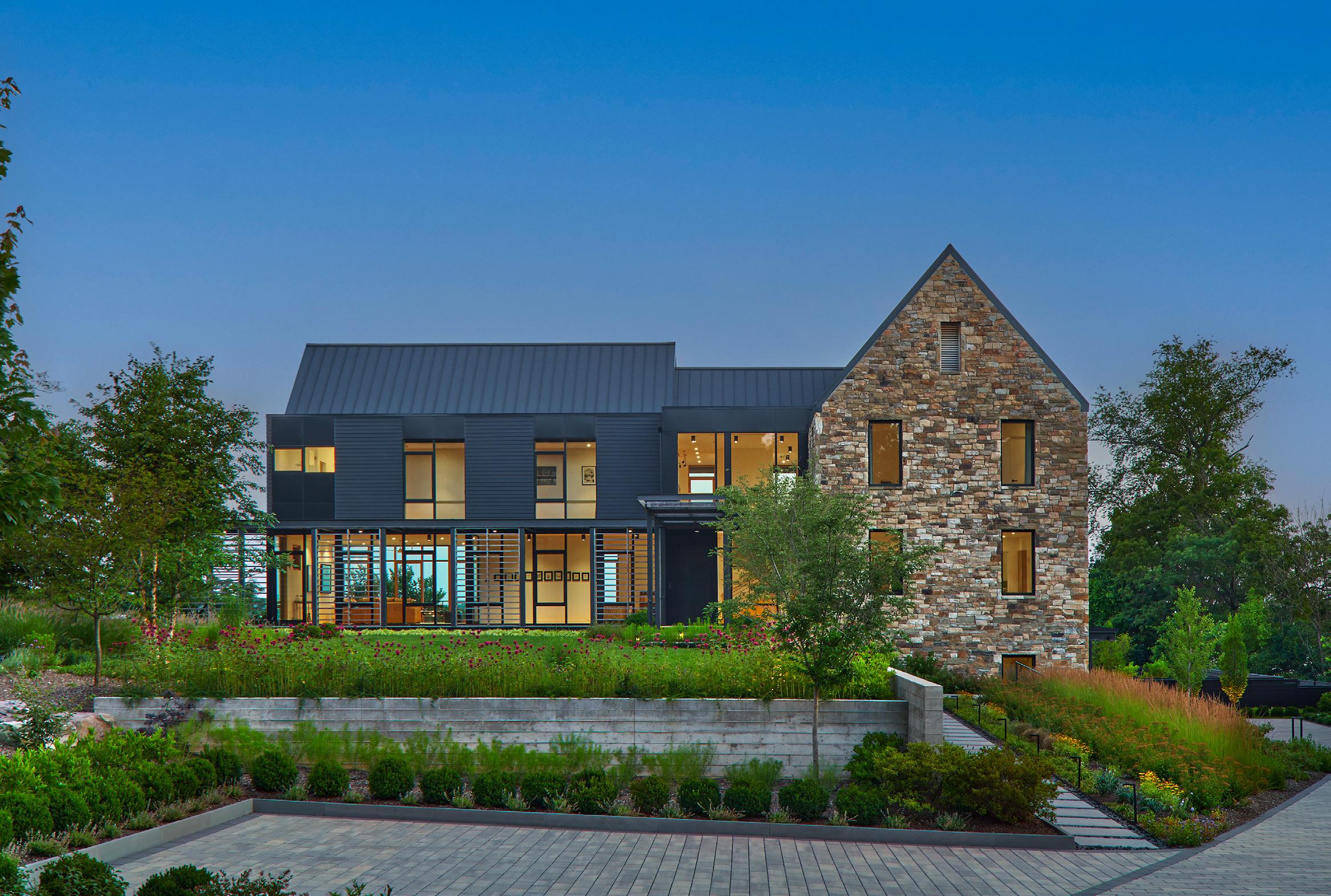
Photos by Anice Hoachlander and Kate Wichlinski
One of the more interesting aspects of the blog is that I use AI almost like a separate interview participant. I generate questions from different perspectives: sometimes as a client, sometimes as a builder, investor, or end user. That approach has allowed the conversations to feel broader and more layered than a traditional blog format.
The response has been overwhelmingly positive. I’ve been really encouraged by the reactions from clients, builders, vendors, and subscribers. The blog is also paired with a companion email called One-to-One, which is sent biweekly. It includes one thought from me, two quotes from notable individuals in design or leadership, and one final reflective question for the reader. It’s intentionally short and concise, but still thoughtful and reflective. I’ve received a lot of positive feedback on that format as well.
As for AI’s impact on the future of architecture, I think in many ways that is still being determined. What is already clear is that AI has significantly improved efficiency. We’re able to study and test design options at speeds that simply weren’t possible before. It has compressed the iterative design process exponentially, and we’ve only been
integrating AI into our studio workflow for about a year. That said, I also believe AI has limitations, especially within custom residential architecture. At the end of the day, what we do is still a people-centered service. Personal relationships, trust, listening, and collaboration remain an essential part of the design process. Technology can enhance the work, but I don’t believe it replaces the human side of architecture, particularly in the custom residential world where clients are trusting you with deeply personal spaces and significant life investments.
Q. You mention evolving your Quiet Modern philosophy. Explain what that philosophy means to you and how your clients benefit from this approach.
CT: That’s an interesting question because I think the Quiet Modern philosophy is something very personal to me and closely tied to my own evolution as an architect and leader within the industry. Honestly, it may also have something to do with age and experience.
I’ve touched on this in my blog before, but as I’ve grown older, I’ve become more patient and, in turn, more mindful in
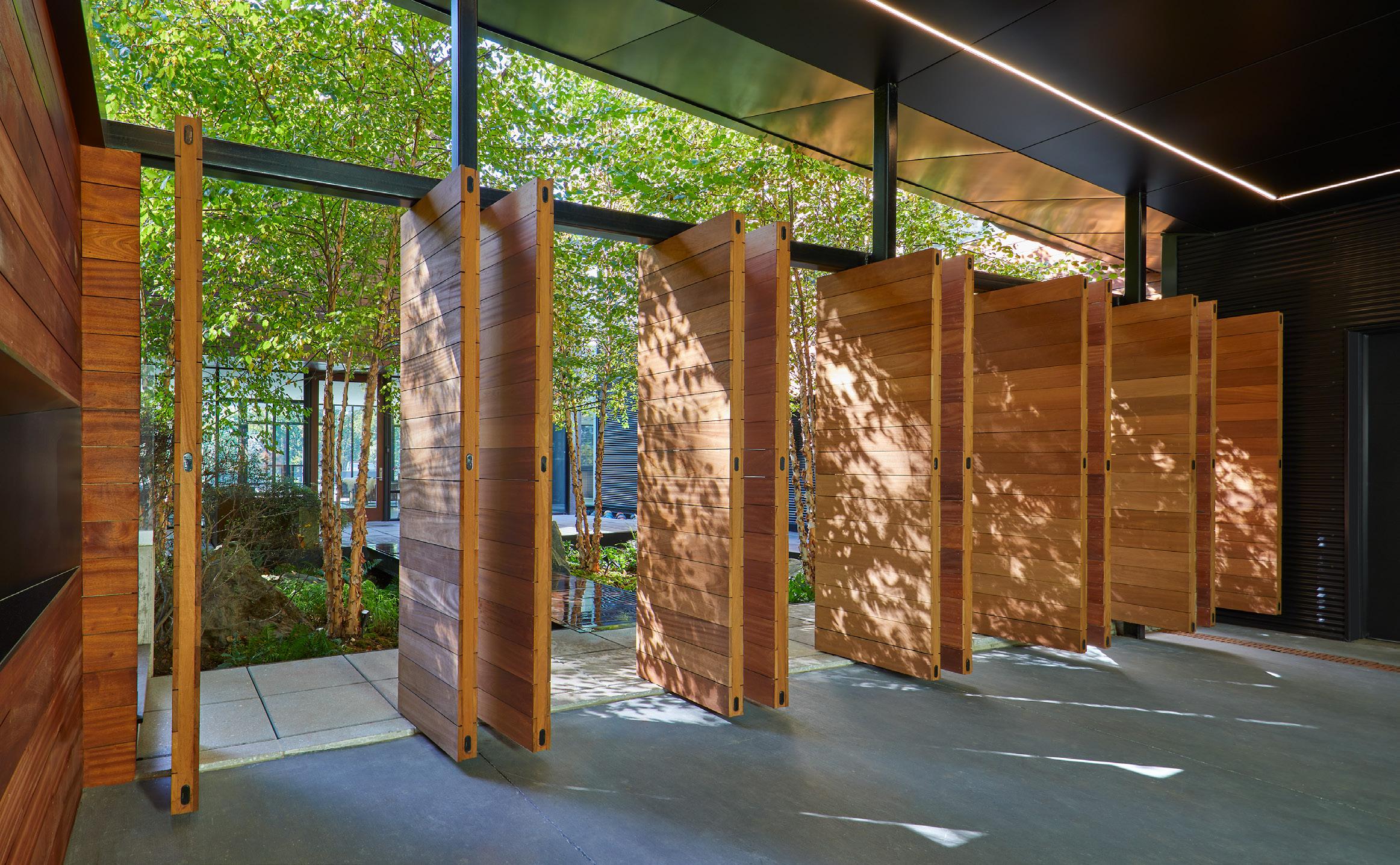
my approach to both problem-solving and design in general. To me, Quiet Modern is really the product of mindful design. If I pull that thread a bit further, it’s ultimately an extension of our firm’s ethos and the acronym MODE: Mindfulness, Outreaching, Design-Driven, and Enthusiasm for architecture. Those are principles we try to infuse into every project, regardless of style or scale.
Typically, our work is not what you would consider loud, attention-grabbing, or over-the-top. In fact, we intentionally strive for the opposite. We’re interested in calm spaces, quiet moments, and architecture that feels thoughtful rather than performative. That’s where the term Quiet Modern comes from.
That said, not all our work is modern in aesthetic. A large portion of the older work in our portfolio would be considered traditional or transitional in style, and honestly, we would love to do more of that type of work moving forward. We often describe those projects as “Refreshingly Timeless,” as they frequently include a bit of whimsy and a more playful interpretation of traditional architecture. What ties all the work together is not a singular aesthetic, but a consistent approach to the design process. Whether modern or traditional, we’re interested in creating homes that feel timeless, restrained, and deeply connected to the people who live in them.
To answer the question more directly, Quiet Modern is less about forcing a specific architectural style and more
about allowing the work to become a natural reflection of the process itself. The collaboration with the client, the response to the site, the constraints of the program, and the thoughtful layering of ideas all shape the final result. The architecture evolves organically rather than being imposed. I think clients benefit from that approach because the end result feels more personal, more enduring, and ultimately more authentic to who they are and how they want to live.
Q. You design both new custom homes and renovations. Briefly tell us about the process for each, such as how they are similar and how they are different, if they are.
CT: That’s an excellent question. They are actually very different, particularly with regard to complexity and the types of challenges involved.
Renovation work is what I often refer to as “architectural surgery.” In the DC Metro area, many of the homes we work on are anywhere from 60 to more than 100 years old. The scope of work can range from limited interior interventions to full gut renovations with significant additions.
From both an architectural and constructability standpoint, renovation projects are often much more challenging. If it’s not a full gut renovation where all the systems are removed and replaced, we’re typically tying new systems into existing infrastructure, which immediately adds complexity. You’re dealing with existing framing conditions, unknowns hidden within walls, aging systems, and the
constant challenge of integrating new work seamlessly into old structures.
From an aesthetic standpoint, renovations can also be incredibly difficult. Often, you’re trying to grow a home into a larger footprint while allowing the original architecture and proportions to absorb that new scale naturally. The challenge becomes how to evolve the house without making it feel disjointed or overly expanded. In many ways, restraint becomes just as important as creativity.
Renovations can also be emotionally challenging for homeowners. There’s often a sentimental attachment to the home itself. Clients are watching a place they love literally being taken apart while they temporarily relocate and live through construction. There’s also the psychological hurdle, especially in this area, of investing substantial money into a home only to tear it apart and rebuild portions of it.
On the flip side, designing a new custom home is often more straightforward from both a design and construction perspective. With a new home, we’re typically given a blank canvas along with a stylistic direction and program from the client. That freedom allows us to explore massing, geometry, scale, and spatial relationships in a much more fluid way because the house is being conceived as a complete composition from the beginning.
From a builder’s perspective, new homes are generally simpler as well. The framing plan and structure are designed cohesively from day one. The systems are all new and coordinated in advance, and everything is more accessible during construction.
That said, both project types share an important similarity. Whether it’s a renovation or a new custom home, the ultimate goal is still the same: creating a home that feels thoughtful, personal, and deeply connected to the people living in it.
Q. For your renovation projects, have homeowners ever started the process with you and then stopped, only to pick up years later, such as the “Decade House?” If so, how did that affect the process?
CT: Yes, that has happened, although it’s relatively rare. Typically, when a project pauses for an extended period of time, it’s tied to economic conditions, interest rates, or major personal and family changes within the client’s life. In the case of the “Decade House,” the original design process began nearly 10 years earlier. At the time, when we priced the project, it was coming in above the client’s comfort level financially. Years later, during the pandemic, the combination of lower interest rates and changing priorities made the project feel more approachable and attainable again.
Whenever a project is restarted after that much time has passed, there’s always a bit of scrambling and headscratching involved. No matter how organized your records are, everyone involved is trying to refresh their memory and reconnect with the original intentions behind the design decisions.
What’s interesting, though, is that revisiting a project
years later can actually be beneficial. Both the client and the architect have often evolved. There’s usually a level of maturity and perspective that didn’t exist the first time around. You begin looking at earlier solutions through a clearer lens.
With the Decade House specifically, we were able to tighten the design considerably. We removed some of the excess and simplified certain moments where, looking back, I think we may have been trying a little too hard architecturally 10 years ago. The revised version felt more aligned with our current Quiet Modern philosophy and the more mindful, organic design process we employ today. In some ways, the pause itself became part of the evolution of the project.
Q. What are some of the advances in architecture from a technology standpoint?
CT: Setting AI aside for a moment, since that’s obviously having a major impact on the design side of the industry, there have also been significant advancements in building and smart-home technology.
We’re seeing a major push, largely driven by manufacturers and vendors, toward fully integrated smarthome systems. If you’re not familiar with that world, it involves wireless Bluetooth and Wi-Fi connectivity tied into lighting, electrical switches, window shades, sound systems, climate control, security, and other features throughout the house. In theory, these systems allow a home to become highly personalized and tuned to an individual’s preferences, routines, and even times of day.
What’s interesting, though, is that the response from our clients has actually been mixed. That includes many clients who work within the technology industry themselves. We’re finding that a lot of homeowners feel increasingly over-programmed and overly connected in their daily lives, and many are now gravitating back toward a simpler, more analog approach. They want technology where it’s useful, but they don’t necessarily want every aspect of the house dependent on an app, connectivity, or automation.
There are also practical concerns. Clients worry about losing Internet connectivity, losing power, or not being able to access or operate systems within their own home if technology fails. In some ways, it mirrors the anxiety we’re seeing in the automotive industry around overly digitized infotainment systems and the rapid electrification of vehicles.
While smart-home technology is advancing quickly, I think the industry is still trying to determine where the right balance is. At times, it can feel like technology is searching for a purpose rather than technology solving a meaningful problem.
On a more positive note, lighting technology has improved tremendously, particularly with LED advancements. LEDs have allowed fixtures themselves to become much smaller, quieter, and more refined architecturally. That’s been a real benefit because lighting can now integrate into the architecture in a less intrusive way.
That said, there’s also a tendency in contemporary design to overuse LED strip lighting and ribbon lighting throughout homes. When overdone, it can start to feel more like an urban retail or shopping mall aesthetic rather than a warm residential environment. As with most things in architecture, restraint and thoughtful application are still incredibly important.
Q. What projects are you hoping to take on in the future?
CT: Interestingly, five years ago, we were doing primarily traditional and transitional work, and at the time I felt we needed a stronger presence within the modern residential market. Over the past five years, we’ve had great success growing that side of the practice and are now competing alongside many of the well-regarded modernist firms in the DC Metro area.
Ironically, I think we may have overcorrected a bit. Today, many people primarily view MODE4 as a modernist practice, when in reality, I’ve always viewed the studio as more of a generalist architecture firm – regarding style and typologywithin the residential market.
Growing up in Connecticut, I was always a huge admirer of Centerbrook Architects and Planners. They are truly exceptional architects and, in many ways, the definition
of a thoughtful generalist practice. They produce strong traditional work, fun and whimsical projects, and rigorously modern architecture as well. That balance and range is something I deeply admire and, honestly, the direction I would like to continue moving MODE4 toward over the next 10 years.
I recall a professor in graduate school once telling me one can often judge the quality of an architect by their ability to “turn a corner.” He was speaking literally about architectural detailing, proportion, and resolution, but I also view this as a metaphor about maturity and evolution within a design practice.
In many ways, I think architecture firms themselves are also defined by how they turn corners. And I believe MODE4 is at one of those moments right now. As we move into the next 10 years of the practice, this feels like an important turning point. A defining moment in the evolution of the studio.
My goal is not to be defined by a singular style. Instead, I want MODE4 to be known for consistently thoughtful, well-crafted, and carefully designed projects, regardless of whether they are modern, traditional, transitional, or somewhere in between.
At the end of the day, excellent architecture is excellent
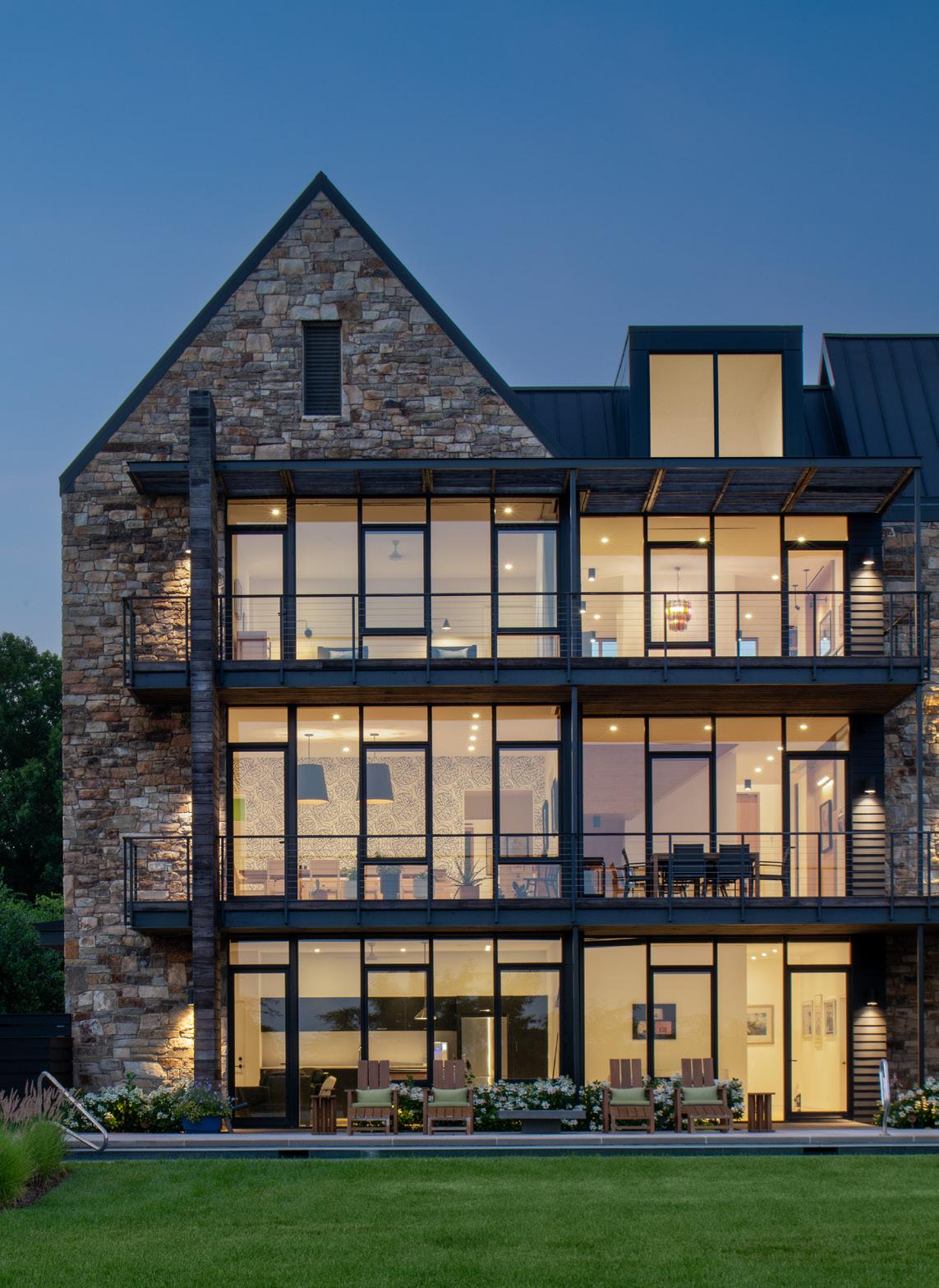
architecture. It should feel intentional, timeless, aesthetically pleasing, and deeply considered.
It’s also worth noting that the first 10 years of my career were spent designing highly detailed Craftsman-style and traditional homes while working with the award-winning architect Charlie Moore at Moore Architects. The first several years of MODE4 reflected that background as well, with a strong focus on traditional residential architecture and renovations.
Looking ahead, I’m excited about broadening the range of work we take on. Certainly, we’ll continue pursuing projects with a modern aesthetic focus, but I’m equally interested in homes that are timeless, regionally rooted, and thoughtfully interpreted through traditional or transitional architecture. As mentioned, work that is “Refreshingly Timeless.” It’s architecture that respects history and proportion, but still feels fresh, personal, and relevant today.
Ultimately, the projects I’m most interested in are the ones where clients value thoughtful design, collaboration, and craftsmanship, regardless of style.
DESIGN NEWS
CURRENT DESIGN NEWS
THE RISE OF THE OUTDOOR KITCHEN
Recent trends in outside cooking amenities are simpler, but with integrated and often covered spaces
BY SHERRY MOELLER PHOTOS BY NOVA SOUL IMAGERY
Trends come and go, but the increase in requests for outdoor kitchens in the Washington, DC region may be here to stay. “We’re seeing a huge rise in outdoor kitchens and pizza ovens because homeowners want experiences built into their spaces, not just furniture,” says Tracy Morris, principal, Tracy Morris Design, www.tracymorrisdesign.com.
Some want a simple grill, while others want much more. “We see the entire range,” says Peter Miles, AIA, principal, The Drawing Board, Inc., www.thedrawingboardinc.com.
“Some clients are building large louvred pergolas that can close to keep out rain with a gas fireplace, TV, grilling area, and more. Others just want a simple built-in grill zone.” The goal is to extend the use of the space from March through October.
“We are actually seeing a shift toward simplicity,” adds Christopher Tucker, AIA, owner and principal, MODE4 Architecture, www.mode4architecture.com. “The luxury outdoor kitchens currently on our boards tend to have fewer bells and whistles than they might have had five years ago. Clients are prioritizing ease of use, durability, and comfort over novelty.”
The experts agree that providing a covered space for the outdoor kitchen is often a priority. “The feature I push hardest for is a cover,” says Michael Winn, founder and president, WINN Design + Build, www.winndesign.com. “In our climate, the limiting factor isn't whether you have a pizza oven; it's how many days a year the space is usable. A roof or pergola that gets you through a drizzle in April or the worst of the August sun does more for how often a family lives out there than any single appliance.”
Even partially covered spaces add protection from the weather. “But once you go that route, you need to make sure you have a hood and proper ventilation for any cooking, especially from a grill,” Miles adds. He is noticing a shift to gas-powered pizza ovens, too, which take much less time to warm up compared to wood, which needs hours to get to the right temperature.
Winn sees a difference between what people may express they want and what they actually use. “A serious grill, real prep counter space, and somewhere to set a drink down while they cook; if you get those three right,
most clients are happy,” he says. “The real shift isn't more gadgets; it's treating the outdoor kitchen as an actual room that connects to the house and the yard.”
While Tucker says clients are opting for a simpler approach to outdoor kitchens, he says clients still want the outdoor space to function as an extension of the indoor kitchen. “In many cases, the goal is to create an ‘outpost kitchen’ near the pool, terrace, or entertaining area so they do not have to constantly return inside. Beverage refrigerators, ice makers, storage for condiments and serving pieces, and simple prep areas continue to be highly requested,” he adds.
“Outdoor kitchens are increasingly being designed less as standalone features and more as part of a larger outdoor living composition,” Tucker says. Clients are considering how the kitchen relates to the pool, lounge spaces, landscape, and circulation patterns across the property.
“The most successful outdoor kitchens today tend to feel integrated and calm rather than oversized or overprogrammed,” adds Tucker. “In many ways, that mirrors what we are seeing throughout residential design generally: a renewed focus on simplicity, longevity, and spaces that support how people actually live rather than spaces designed primarily for display.”
Morris adds, “Overall, outdoor design is heading toward spaces that feel more intentional, luxurious, and deeply connected to how people actually want to live and gather.”
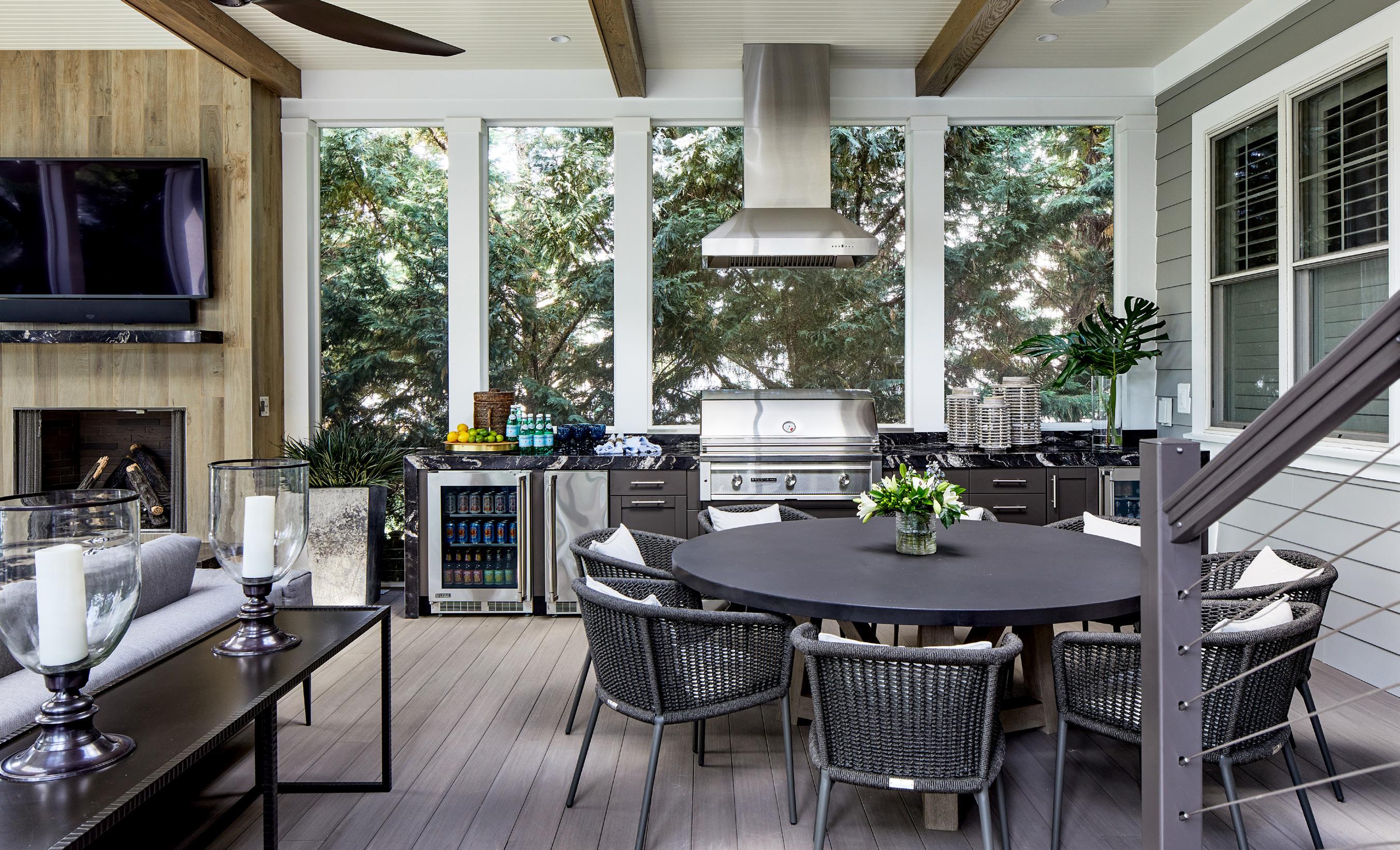
Top: This WINN Design + Build porch includes abundant outdoor amenities, including a kitchen, dining room, and living area with fireplace and TV. Photo by Stacy Zarin Goldberg
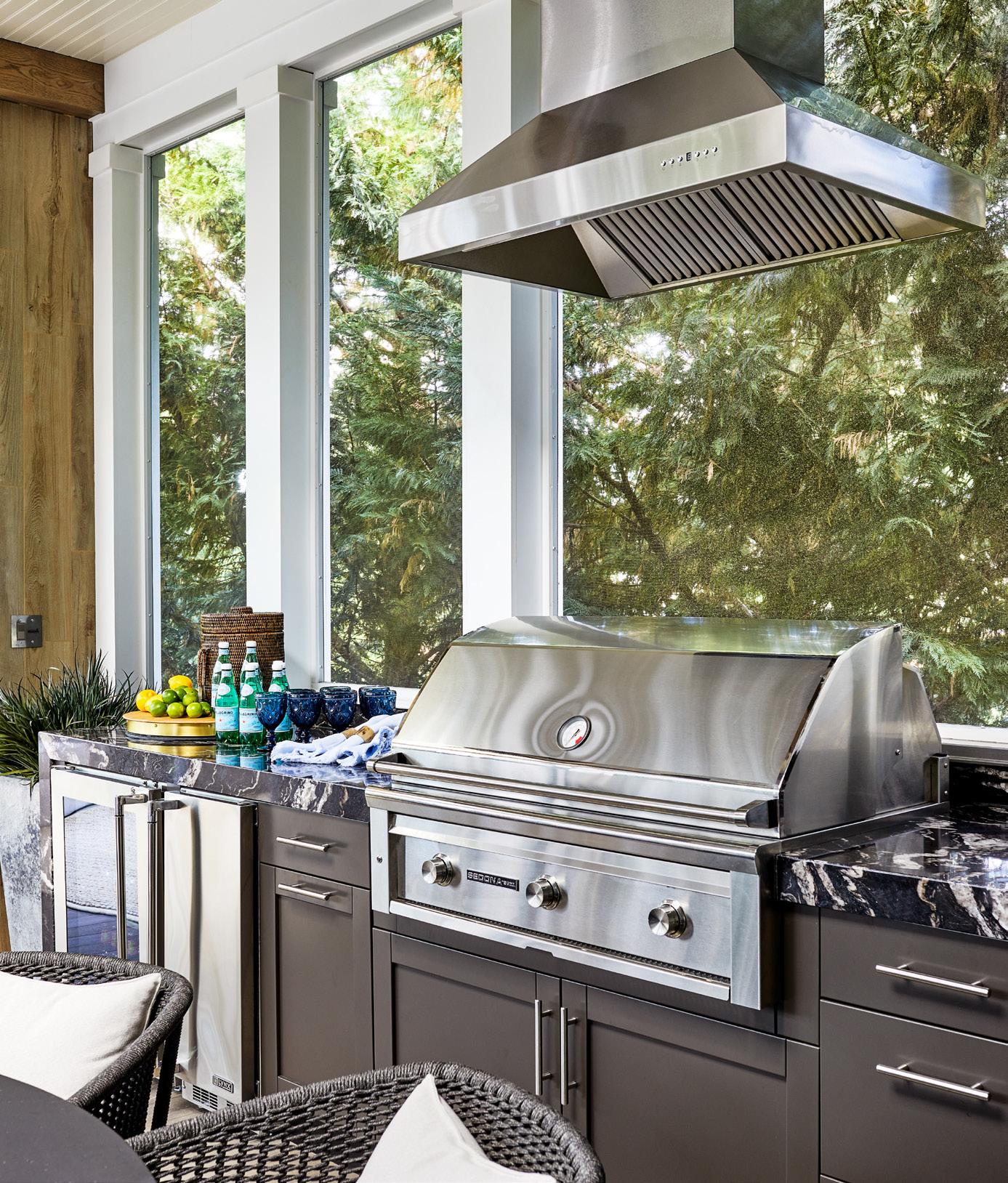
Bottom Left: A close-up of the WINN Design + Build outdoor kitchen showcases counter and cabinet spaces that rival indoor kitchens. Photo by Stacy Zarin Goldberg
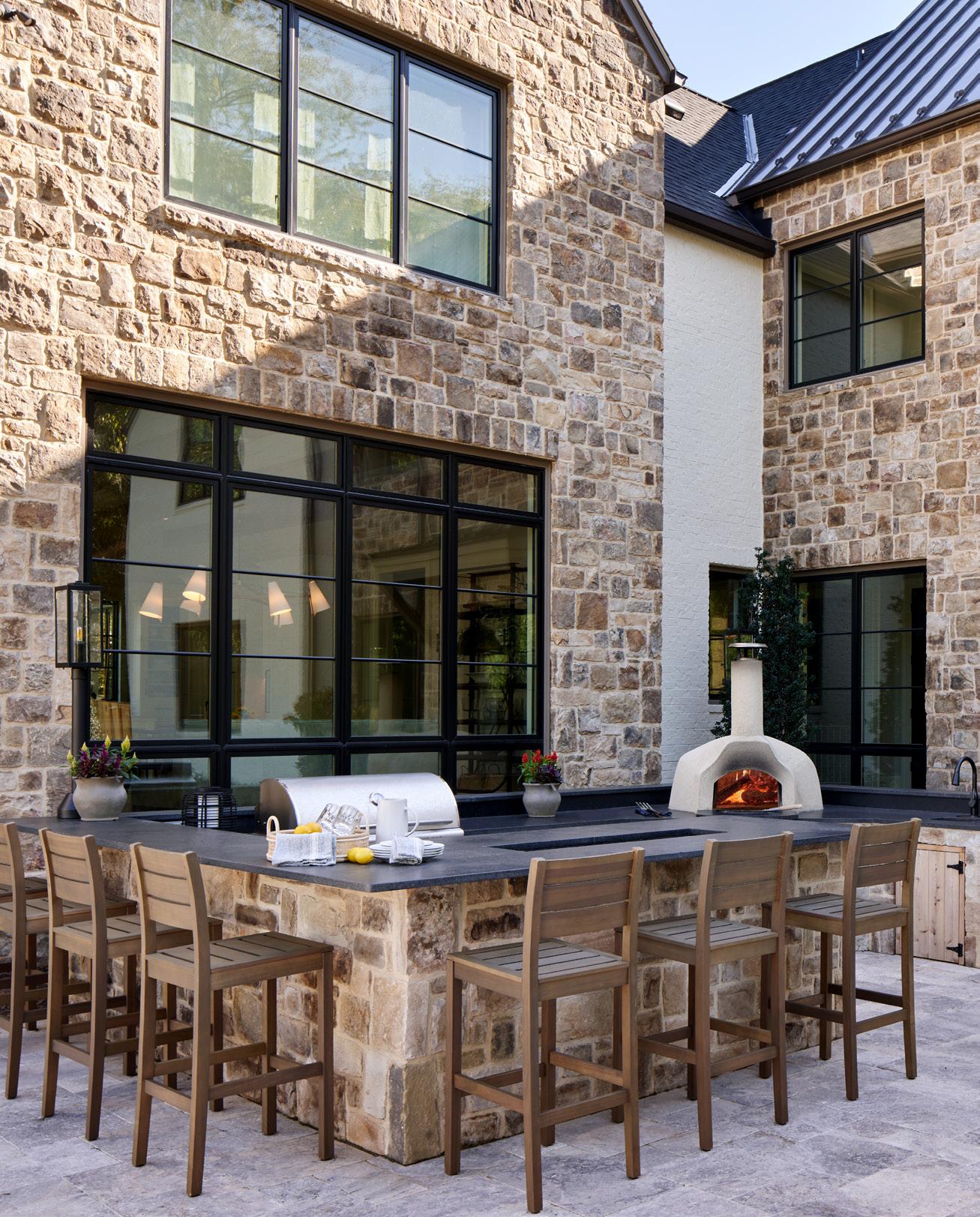
Bottom Right: A pizza oven and grill are integrated into the stone bar area at a Virginia home with interiors by Tracy Morris Design. Photo by Greg Powers
DESIGN NEWS
PUPPIES AND PILATES LAUNCHES PREMIUM WELLNESS EXPERIENCE IN WASHINGTON, DC REGION, AS WELL AS REHOBOTH BEACH, DELAWARE
An elevated fitness concept with expert-led Pilates enhanced by puppy interaction
BY SHERRY MOELLER PHOTOS COURTESY OF PUPPIES AND PILATES
Puppies and Pilates, www.puppies-pilates.com, a premium instructor-led fitness concept that pairs a full Pilates workout with the uplifting presence of puppies, officially launched in April in Washington, DC, Arlington, Virginia, and Annapolis, Maryland, with a new location in Rehoboth Beach, Delaware in June.
Founded by Bethany Kazaba, Entrepreneur and Founder of Neighborhood Retail Group (NRG), Puppies and Pilates was born from a vision to create a scalable, feel-good fitness concept that blends physical wellness, community, and a deep love for animals. With a degree in Health and Physical Education from the University of Delaware and more than 13 years leading NRG, a successful commercial real estate firm which assists others to successfully launch their businesses, Kazaba has added this new business to her own portfolio while continuing to support NRG clients.
“I’ve spent my career helping landlords and tenants bring businesses to life, which I’m continuing to do,” says Kazaba. “Now with the launch of Puppies and Pilates, I’m also able to share aspects of physical and mental health, community, and animals, all things that mean a lot to me, with my NRG clients and local communities. Led by a team of strong, driven women, Puppies and Pilates is truly impactful.”
Unlike novelty-based animal fitness classes, Puppies and Pilates delivers a true 45-minute Pilates workout, with programming curated by Director of Operations Alex Perrin—Owner, Founder and CEO of Cut Seven, former Director of Coach Development at [solidcore], and a classically trained ballerina of 18 years. In collaboration with leading instructors, Perrin brings a structured, results-driven approach to every session. The experience is designed to stand on its own as a premium fitness offering—enhanced, not defined, by the presence of puppies.
“Participants are getting a real workout first and foremost,” says Perrin. “The puppies add an element of joy and connection, but the foundation is an athletic, modern approach to Pilates that people will come back for again and again.”
There is a maximum of 30 participants per class to ensure the health, happiness, and wellness of the puppies in a carefully managed environment designed to support early socialization as the puppies prepare for their future homes. During the wellness time with puppies and to enhance the overall experience, different mocktails will be served from the Puppies and Pilates pink bar carts.
The new Rehoboth Beach, Delaware location offers classes on Thursday, Friday, Saturday, and Sunday, while the Washington, DC, Arlington, Virginia, and Annapolis, Maryland locations have class times on Saturday and Sunday. Special packages include a three-class pack, VIP Birthday Experience, Girls Just Want to Have Fun, and Bachelorette Party.
Puppies
and Pilates Class Details:
• Offering: 45 minutes of Pilates, followed by 30 minutes of wellness time with puppies, including mocktails from pink bar carts
• Schedule: Class times are available on select days which vary by location (check website for exact times)
• Locations: Washington, DC; Arlington, VA; Annapolis, MD; Rehoboth Beach, DE
• Capacity: Up to 30 participants per class, must be 12 years of age or older to participate
• Booking: Tickets are $65 per person, available online at https://puppies-pilates.com/
There are opportunities for puppy partnerships, as well as Pilates instructor and studio staff positions. Puppies and Pilates has also partnered with Coffee and Paws Rescue at recent classes. Visit https://puppies-pilates.com for more info.
Bottom Left: Puppies and Pilates Founder Bethany Kazaba (left), and Director of Operations Alex Perrin (right)



BOOK WORM
It Could Have Been Her
BY LISA JEWELL
PUBLICATION DATE: JUNE 23, 2026
ATRIA BOOKS
“The realization is like a solid kick to the gut for a moment, a sense of unutterable aloneness. Not aloneness, no, because she is not lonely. But she is alone, and here in London without her dogs, surrounded by somebody else’s things, she feels more alone than she has ever felt, and the flush of the fancy dinner fades and dies, and the wine feels less like a treat and more like a sad necessity.”
Lisa Jewell’s It Could Have Been Her is a masterclass in suspenseful storytelling, blending psychological intrigue with the kind of domestic tension that keeps readers turning pages late into the night. Jewell, renowned for her ability to explore the darkest corners of ordinary lives, delivers a novel that is both gripping and deeply human.
The story revolves around a high-profile disappearance in a small, tightly knit community. Through multiple perspectives and shifting timelines, Jewell gradually unravels the secrets,
lies, and betrayals lurking beneath the surface. Her skillful use of suspense ensures that the narrative never feels predictable. Just when you think you’ve pieced together the truth, another layer of complexity is revealed.
One of the novel’s strongest elements is Jewell’s character work. Their motivations feel authentic, and their psychological depth makes the stakes feel personal. The tension isn’t just in the mystery itself, but also in the fragile web of relationships, which highlight how ordinary lives can be upended in an instant.

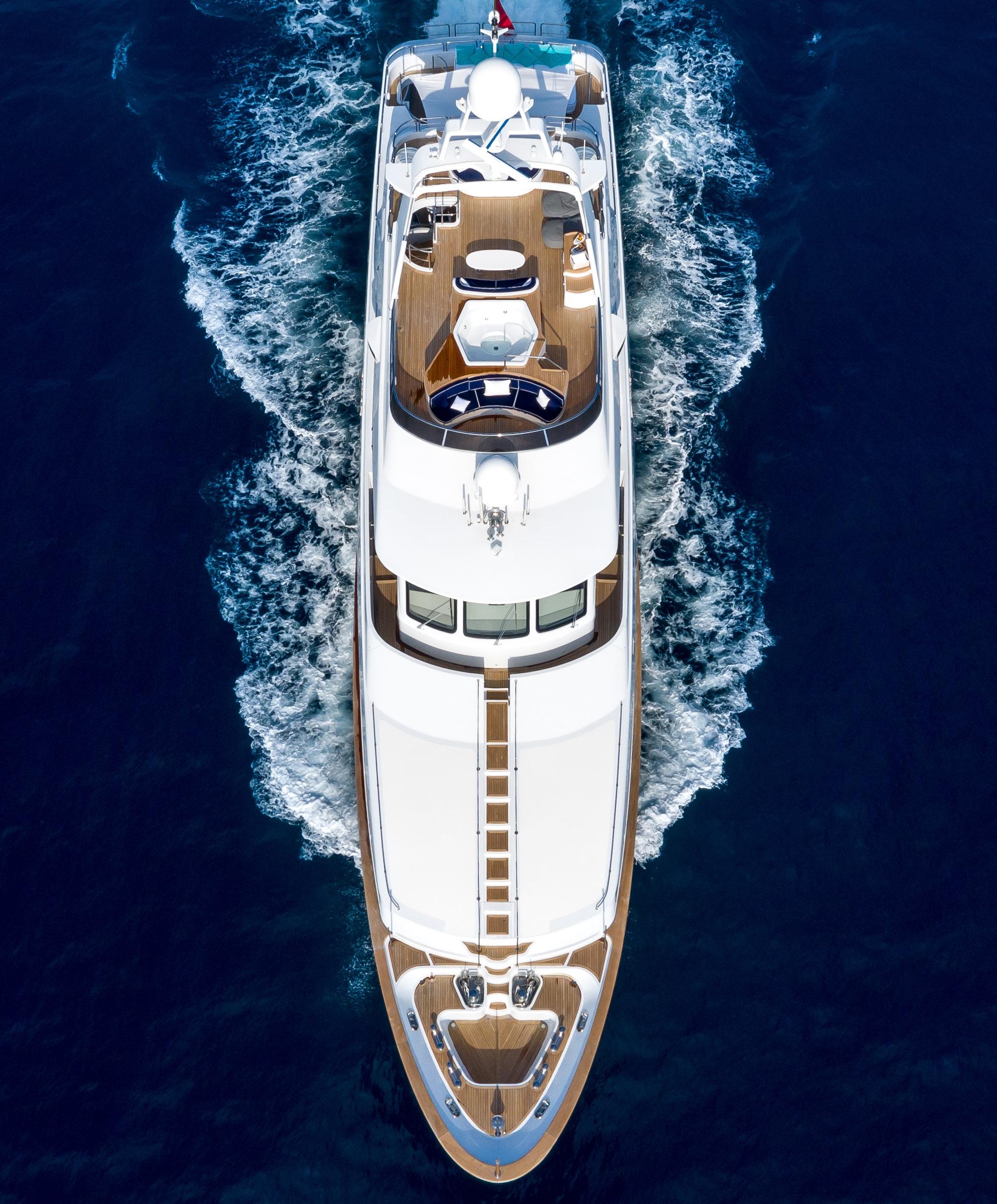
THE NEW DEFINITION OF LUXURY AT SEA
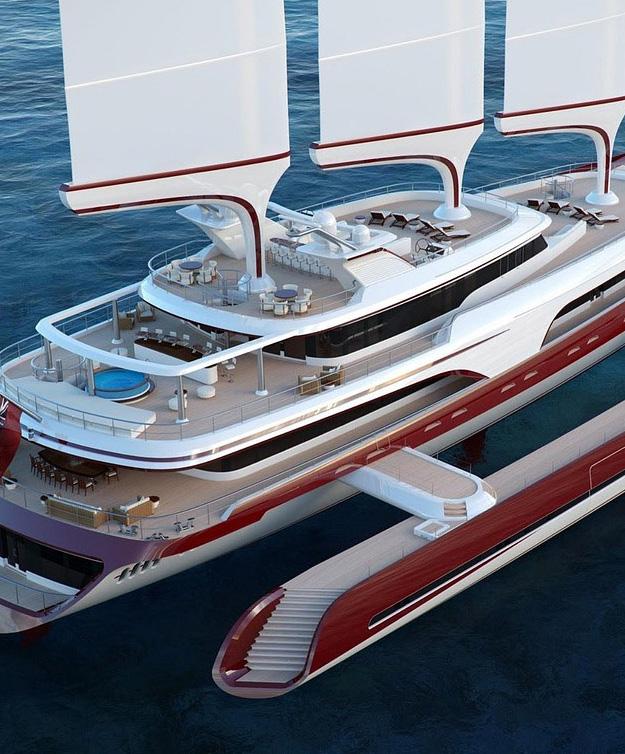
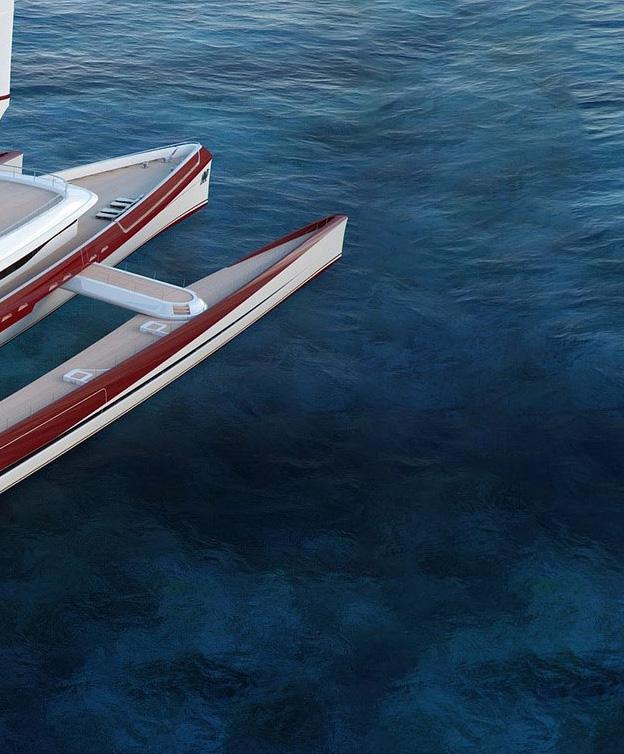
The world of luxury yachting is transforming. Once defined by white decks, champagne service, and sun-drenched Mediterranean cruising, it’s evolved into something far more ambitious. It has morphed into a floating ecosystem of engineering, wellness, exploration, and extreme personalization. Nowhere is this more visible than in high-end charters across the Amalfi Coast and the Greek Islands, where the modern superyacht has become less a vessel and more a self-contained private world on the water.

Today’s elite yacht charter is no longer just about where you go. It’s about what you can do while getting there. Superyachts are increasingly designed as private resorts or boutique hotels, complete with multiple entertainment zones, spa complexes, and adventure platforms. Industry descriptions of modern vessels highlight features such as expansive beach clubs, wellness spas, cinema lounges, and stabilized hulls that smooth out open-water cruising for maximum comfort.
On routes such as the Amalfi Coast and the Cyclades in Greece, itineraries are curated as fluid experiences rather than fixed schedules. Guests take excursions to hidden coves, cliffside villages, and UNESCO-protected islands, with their every need and comfort handled by onboard crews anticipating needs before they are spoken.
THE AMALFI COAST
The Amalfi Coast remains one of the most coveted charter destinations in the world, not only for its dramatic scenery and elegance but also for its density of luxury experiences. From Positano to Capri and Ravello, yachts anchor just offshore from towns that seem to rise from the sea. Modern charter vessels operating here increasingly
resemble floating estates. Many now feature multi-deck sun lounges and infinity pools, expansive beach clubs that open directly to the sea, gyms, spas, and wellness rooms, and an arsenal of water toys ranging from Seabobs to jet skis.
The most visible trend in these yachts is the expansion and transformation of hull architecture:
• Beach clubs that fold open at sea level
• Infinity pools that extend into the ocean horizon
• Hydraulic terraces that create private “floating islands”
• These spaces blur the line between yacht and coastline.
At anchor off Capri, the yacht becomes its own private beach resort.
Here, the yacht becomes less about transportation and more about immersion: the ability to enjoy Michelin-level dining onboard and then head into Positano for a late-night aperitivo, and the ability to converge land and sea into a singular, relaxing experience.
THE GREEK ISLANDS
If the Amalfi Coast is elegance, the Greek Islands are freedom. Charter routes through the Cyclades and Ionian Islands have become playgrounds for exploration-focused superyachts. These vessels are increasingly outfitted for
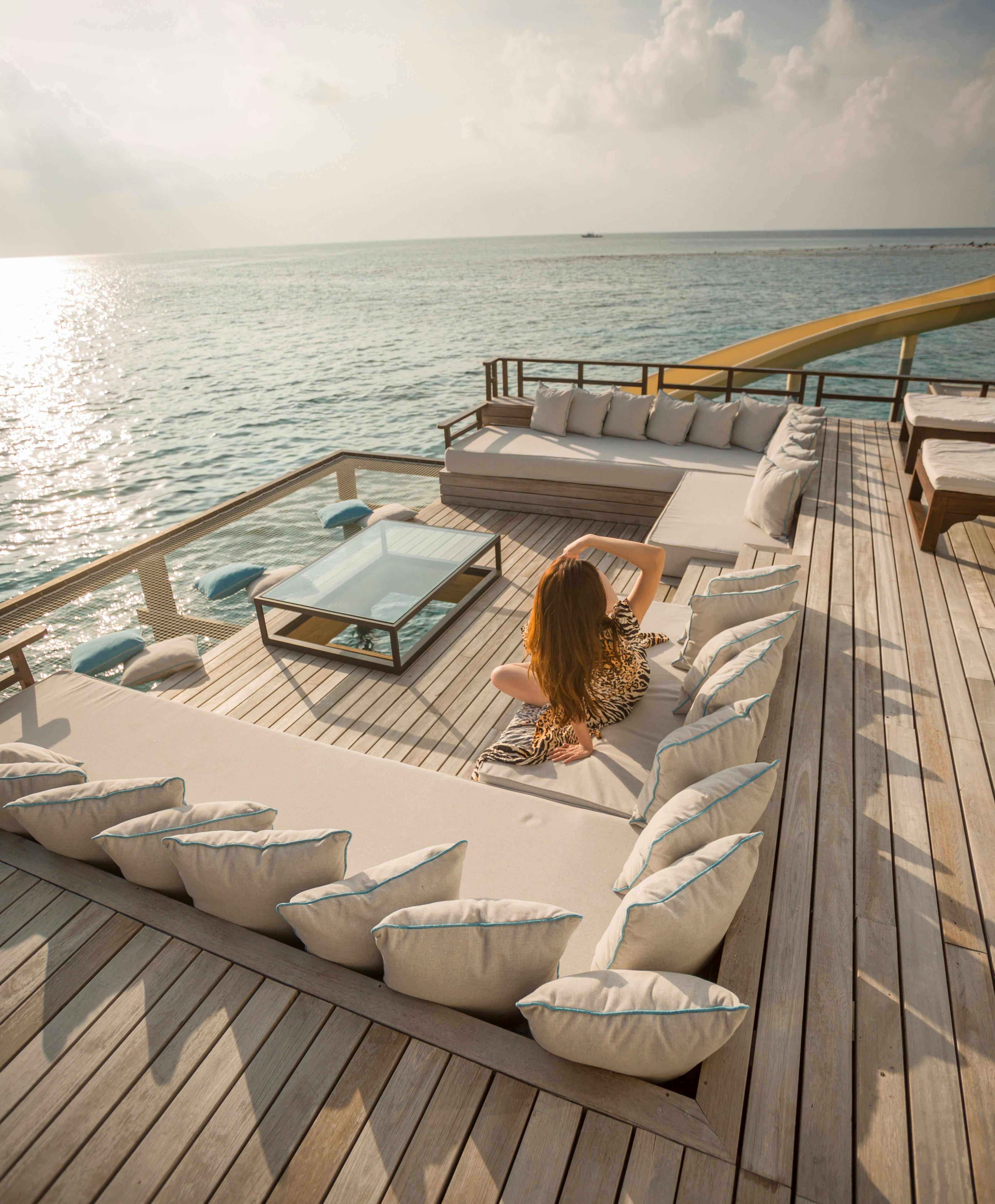
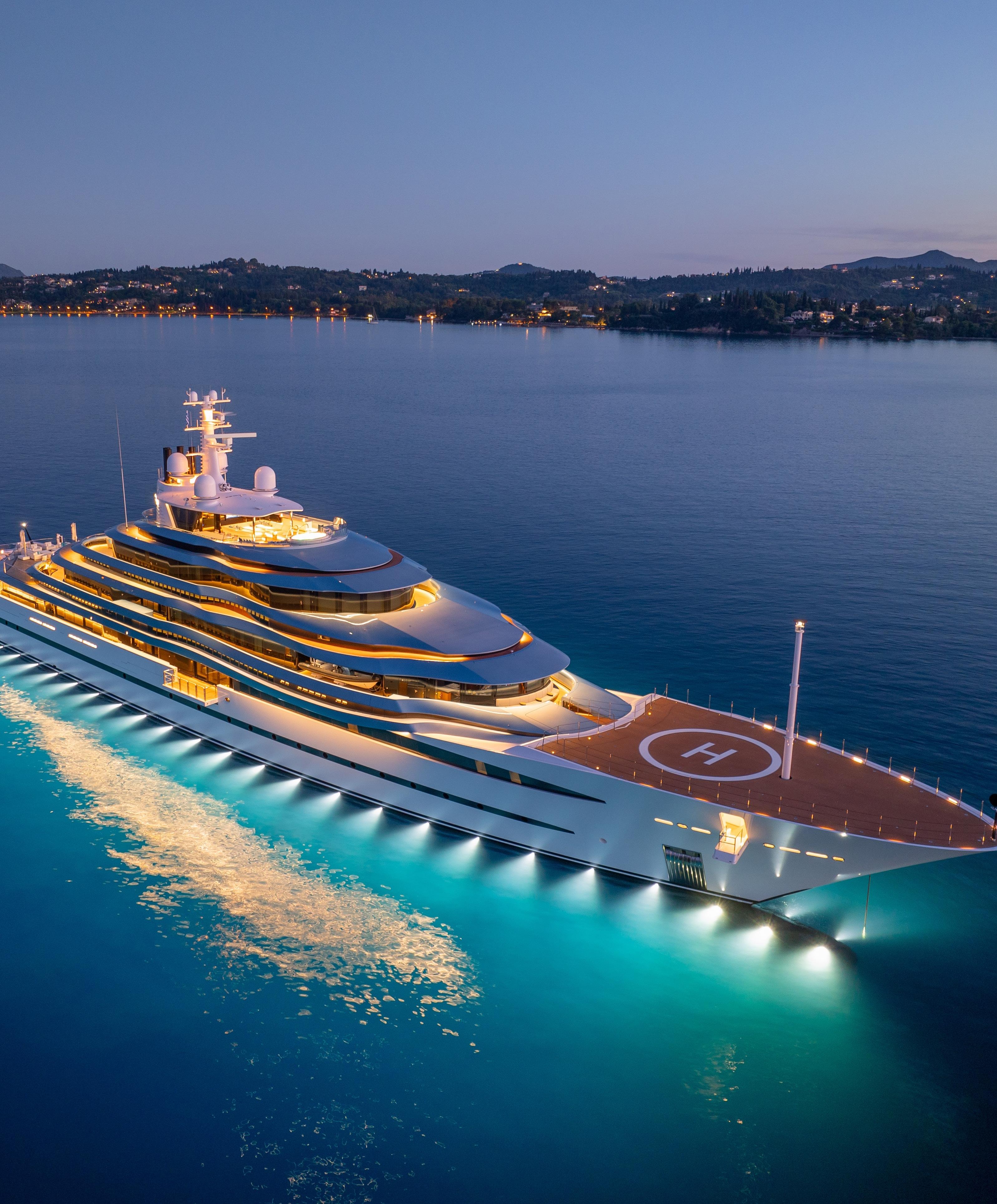
autonomy, long-range cruising, and off-grid luxury.
Across high-end charters in places like the Greek Islands, the defining “wow” technology is the personal submersible system. It’s essentially a private, yachtlaunched mini submarine that turns the ocean into an accessible extension of the deck.
These are no longer novelty add-ons. They’re becoming core features of next-generation superyachts. These modern yacht-carried submersibles allow guests to:
• Dive hundreds of meters below the surface
• Explore reefs, caves, and shipwrecks safely
• Experience silent, panoramic underwater cruising
• Sometimes even conduct guided “marine safari” routes
What makes them especially popular right now is the shift from passive viewing to curated underwater experiences, such as planned dives to volcanic formations in Santorini waters or archaeological sites in the Aegean.
This transforms the sea from a backdrop into a threedimensional travel environment.
Traveling through the Greek islands, some superyachts also now include advanced drone systems for aerial filming and onboard marine research capabilities. These additions reflect a broader trend toward experiential travel. Guests are not just observers, but participants in ocean discovery.
SUBMARINES, HELIDECKS, AND THE EDGE OF LUXURY
Perhaps the most striking evolution in modern yacht design is the integration of extreme-access technology. Concept vessels and next-generation superyachts are now being designed with features once reserved for military or research craft. Some of the most advanced concepts include onboard submarines for deep-sea excursions or underwater dining experiences, helidecks and hangars for direct airport-to-yacht transfers, and floating spas with full wellness circuits, hammams, and hydrotherapy suites.
• Modern superyachts increasingly carry:
• Personal submarines for deep-sea exploration
• Glass-domed submersibles for panoramic ocean viewing
• Silent electric underwater craft for reef cruising
Concept vessels like luxury submarine-yacht hybrids can even dive hundreds of feet and operate silently for hours, turning the ocean itself into part of the estate. Instead of just cruising the surface, guests now move through vertical layers of the sea.
In extreme concept designs, even submersible superyachts, which would be capable of diving below the surface for extended periods of time, have been proposed. They would be complete with spas, theaters, and panoramic underwater lounges. While many of
these remain at the high-concept or ultra-elite end of the market, they reflect a clear direction – yachts are becoming fully self-sufficient luxury ecosystems.
FLOATING WELLNESS
Wellness is now central to yacht design. Instead of being an add-on, it’s becoming an architectural priority. Modern superyachts integrate ocean-facing massage rooms, sauna and steam complexes, yoga decks open to sea breezes, and cold plunge pools and recovery zones. New concepts like wellness-focused superyachts now include:
• Cryotherapy and infrared saunas
• Hyperbaric oxygen chambers
• AI-adjusted lighting tied to circadian rhythm
• “Recovery suites” that track fatigue and stress in real time
One flagship concept even integrates longevity labs and adaptive wellness rooms designed to optimize sleep, recovery, and cognitive performance at sea.
In practice, this means a yacht is no longer just a place to relax – it actively manages your physiology like a private medical-grade spa.
This aligns with broader luxury travel trends, where wellness is no longer confined to land-based resorts but embedded into the journey itself. Guests increasingly expect recovery, fitness, and relaxation to be continuous experiences, not scheduled stops.
HELICOPTERS, TRANSFERS, AND SEAMLESS MOBILITY
Helidecks are another new defining feature of this new era. They eliminate the final friction of luxury travel, that of arrival and departure logistics. Guests can land directly on the yacht from regional airports like Naples or Athens, then lift off again for vineyard tours, archaeological sites, or private island excursions.
This seamless mobility is central to the modern charter philosophy that there must only be an uninterrupted experience.
So, what is the future of superyachts? What’s emerging is a clear shift in identity. The yacht is no longer a mode of transport between destinations. It’s becoming the destination itself. As such, it will evolve more and more into a wellness retreat, a private expedition base, and a mobile architectural masterpiece. It will also become a technology platform for exploration on a fully staffed floating estate.
In this new age of yachting, the sea is no longer just a view; it’s a private universe.
DARREN PRICE
PARTNER (ARCHITECT), ADAM ARCHITECTURE, LONDON

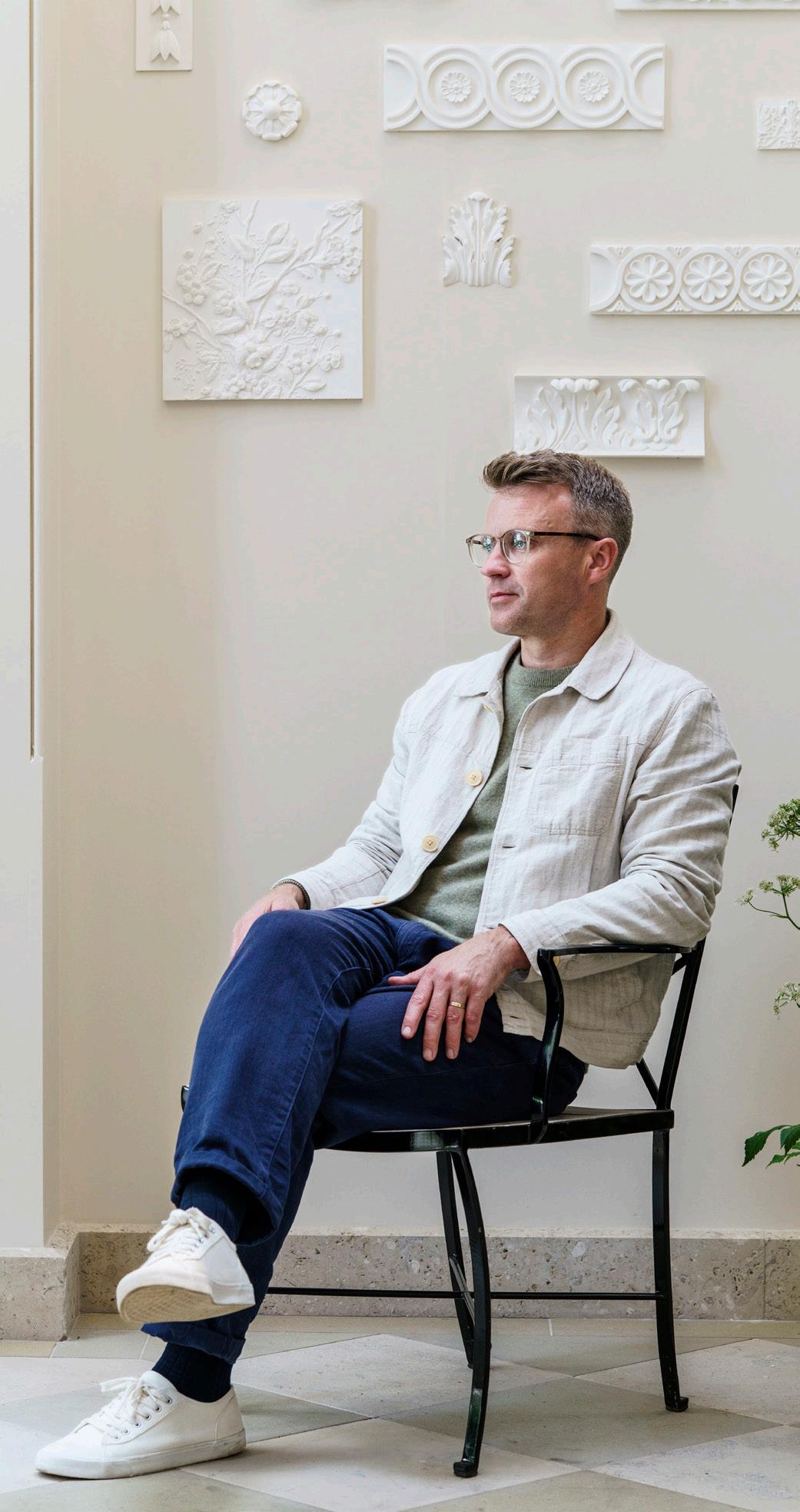
As architecture increasingly grapples with questions of sustainability, longevity, regional identity, and the accelerating pace of technological change, Darren Price believes many of the answers may already exist within the buildings that have stood the test of time.
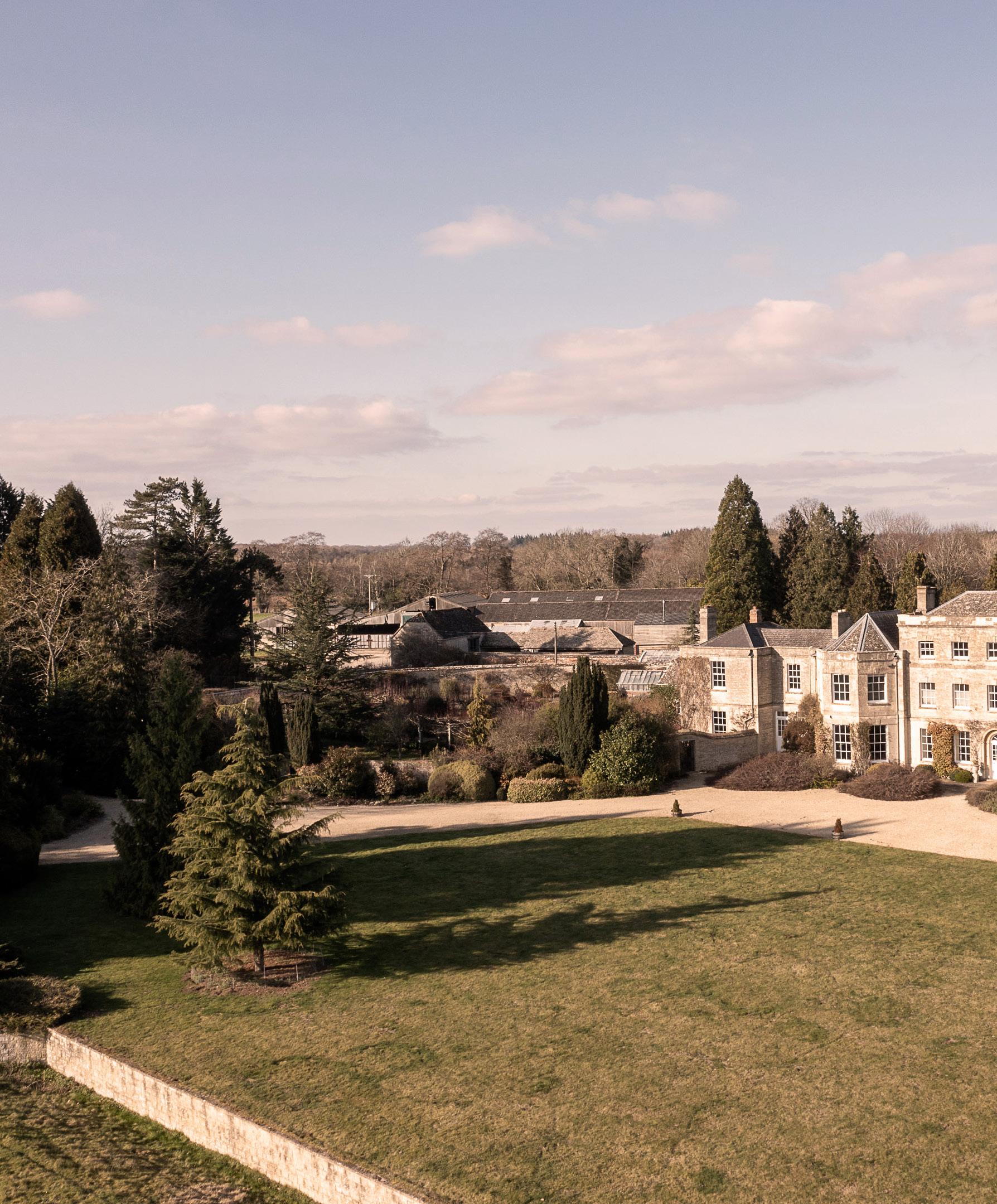
As a partner of ADAM Architecture, a prominent firm based in London and Winchester and known for its work in traditional and classical architecture that spans international markets, Price has built a career around a simple proposition –architecture should not be designed merely for the present moment. Whether restoring a Grade I listed London townhouse, rebuilding a fire-damaged historic estate, or creating a new country house intended to endure for centuries, he approaches every project through the lens of continuity. For him, architecture is not simply about aesthetics. It is about stewardship and legacy.
"I learn what's worked in the past, and I like to think about taking that forward into the future. I feel quite firmly that my work is part of a chapter of a story. I need to understand where we are in that story to facilitate my involvement and design something not just beautiful and meaningful but enduring. But I also know there will be a future, and that somebody else will come after me and my clients. In a way, that provides a framework around the architect as author. It's not about creating something new simply for the sake of creating something new. It's about understanding what has gone before, respecting it, and then contributing something that allows the narrative to continue and unfold."
At a time when many buildings are designed around short-term trends, changing lifestyles, and rapidly evolving technologies, Price's perspective is relevant. His projects often begin with questions that are rarely discussed in contemporary design conversations. How will a building age? How will future generations adapt it? What memories will it celebrate and continue to create? And, perhaps most importantly, what responsibilities do architects have to
the buildings and landscapes they inherit? It is these questions that have shaped a career and led to some of the most complex restoration projects in Britain.
A DIFFERENT PATH
Unlike many architects who describe a childhood obsession with drawing buildings or a lifelong certainty about their chosen profession, Price's journey into architecture was gradual.
"I wasn't like Frank Lloyd Wright, who decided he wanted to be an architect whilst he lay in the nursery and saw pictures on the wall," he says with a laugh. "I didn't really know that I wanted to be an architect until much later in life. I was always interested in archaeology and art and creativity and had quite a broad range of interests, but it took me a while to narrow those down. Looking
"You start to understand your place in the journey of the building. Long after we have gone and there are new generations ahead, the building will still be there.”
back now, I can see the threads that eventually led me to architecture, but at the time it wasn't some grand plan. It was a journey of discovery."
Rather than viewing the British qualification process as one daunting commitment, he focused on each milestone individually.
"I thought what I'll do is a degree and see where life takes me. Architecture is a long path, and if I'd looked at all seven years at the beginning it might have felt quite intimidating. So, I broke it down into smaller commitments. Then I got to the end of the degree and thought, well, actually, I better do the diploma. Then at the end of the diploma, I thought, well now I better start taking this seriously. Before I knew it, I'd completed the professional exams and found myself fully committed to a career that I hadn't necessarily planned from day one."
The incremental approach worked. But years later, Price realized that
architecture may have influenced him far earlier than he understood at the time. Growing up, he often passed through Bournville, a 19th century model village established by the Cadbury family for workers at their chocolate factory. The village was designed around ideas of beauty, social responsibility, and human wellbeing. The architecture caught his eye as a child.
“I remember driving past it – the village green, the buildings, and the way they sat comfortably within the landscape. Red-brick buildings cloaked in ivy. There was something about it that stayed with me. At the time I probably didn't understand why, but that memory came back to me later in life. Bournville was created with a real sense of place and community, and I think what I was responding to was that feeling of belonging and permanence. Looking back now, I think that was probably the spark of traditional architecture
and the beginning of my appreciation for buildings that are rooted in their landscape and culture."
The recollection is significant because memory itself has become a recurring theme in Price's work. The relationship between memory, atmosphere, and architecture forms the basis of many of his current ideas about design. That childhood glimpse of ivy-covered brickwork may have been more influential than he realized.
LEARNING FROM THE PAST
After completing his architectural education, Price began his professional career working on church restoration projects throughout Britain. This experience would prove formative.
"I remember driving up and down the country restoring these beautiful old churches. Once you're in these buildings, you appreciate there's atmosphere, a mood, and a story embedded within the floors and walls in there. There's a whole legacy of
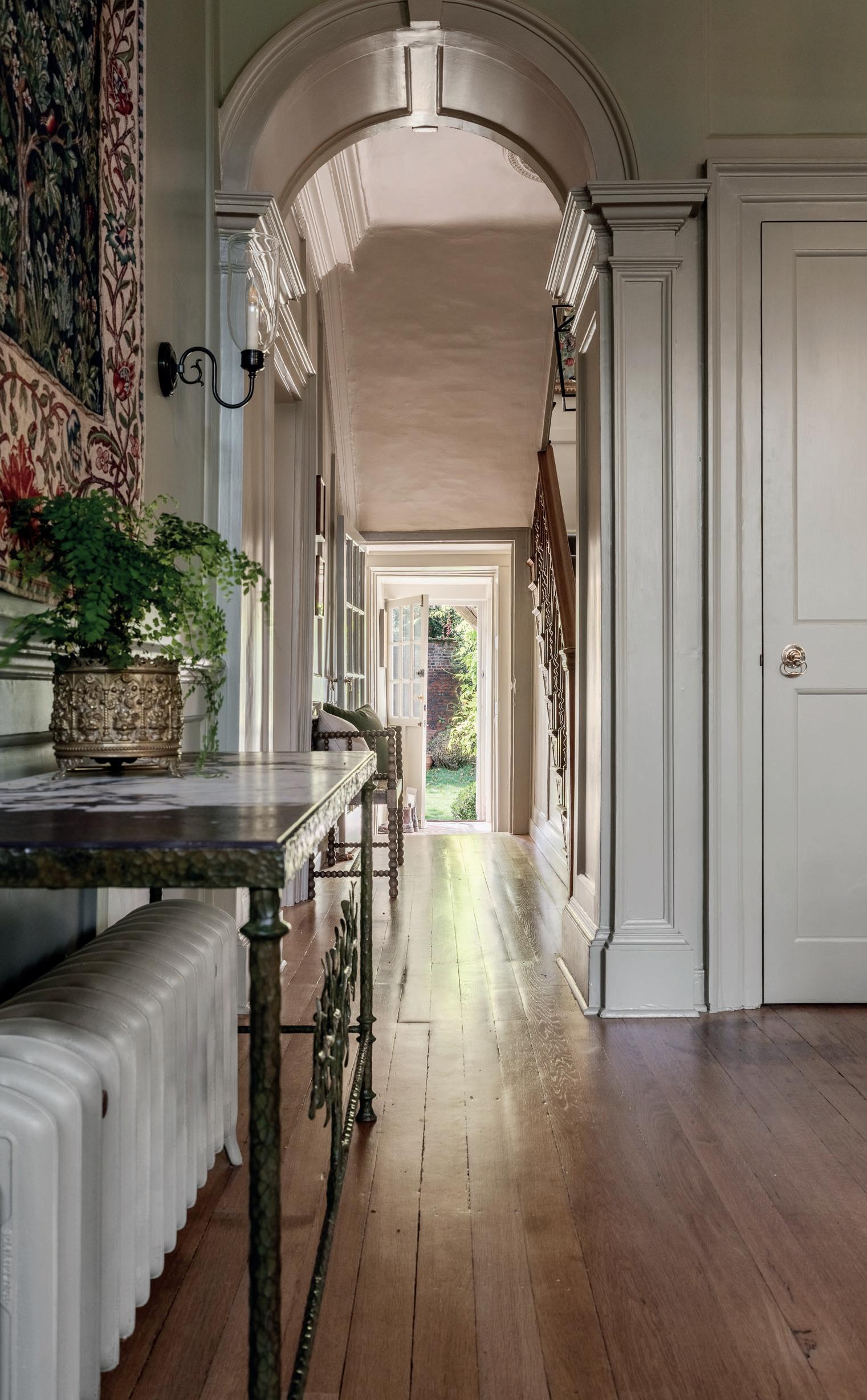
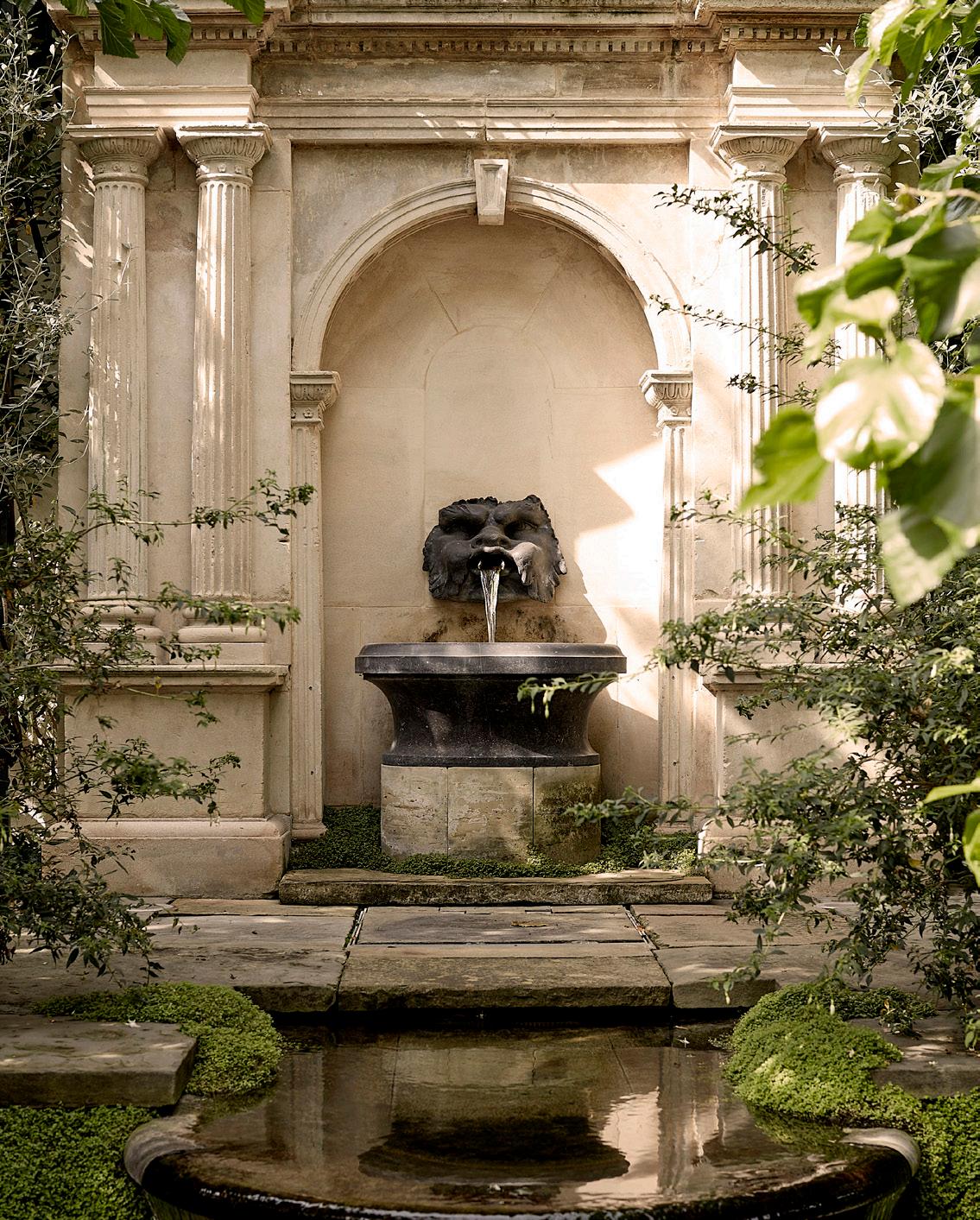
history – the traces of time and fingerprints. Obviously, there is the religious significance, but it's also about all the human experiences that have taken place within those walls over generations. You become aware that architecture isn't just physical fabric. It's memory, ritual, emotion and time all layered together."
For a young architect, churches offered lessons that could not be found in textbooks. That insight continues to influence the way he approaches design today. While architecture is often thought of as a visual discipline, Price frequently focuses on experiences that are far less tangible. How does a room sound? How does it feel on a rainy day? What happens when sunlight enters a space at a particular time of year? How does a building smell when a fire is lit? These sensory considerations have become integral to his work.
"There's an emotional register when you go into these buildings. It's very sensory as well, whether it's sounds and smells, not just what you're looking at. The way a room echoes, the smell of old timber, the quality of light coming through a window… those things have an effect on people and more recently are a topic of emotional regulation and recalibration. They envelop and caress with atmosphere. That's something I think about all the time now when I'm designing, because architecture should engage all of the senses, not just the eye and should unfold over time."
But this is not about nostalgia for Price. It’s about authenticity and is very much forward thinking.
THE MODERNIST DETOUR
Like many architects of his generation, Price eventually found himself drawn toward contemporary architecture. He immersed himself in the work of influential European designers including Peter Zumthor and Álvaro Siza. For several years, he explored modernist ideas, materials, and design philosophies. Yet something began to feel unsatisfying. He admits to becoming a bit disillusioned. Part of that disillusionment stemmed from larger changes taking place within architecture and urban development.
"It was a period of globalization. Cities across Europe, North America, and beyond were becoming increasingly similar. Buildings that could have been located anywhere were appearing everywhere. Towns and cities across the UK were starting to look like towns and cities across the world."
For Price, architecture was losing something essential. It was losing its identity. Its locality. Its context. The connection between a building and its place became lacking.
"I ended up going back to my roots."
Those roots included vernacular architecture, regional building traditions, and classical design. Not because they were old, but because they were rooted. Because they belonged somewhere. That realization
ultimately led him to ADAM Architecture. Sixteen years later, he has become one of the firm's partners.
WHY PLACE MATTERS
One of Price's strongest convictions is that architecture should be deeply connected to its environment. For him, context is not optional rather it is foundational.
"Within the UK, even though it's a small island, we've always been exceptionally regional. A building in Kent is going to be quite different from one in Cornwall. There are subtle differences in materials, proportions, detailing and character. I can often look at a building and have a good sense of which county it comes from. Those regional qualities matter because they help root architecture in place. They create familiarity and a sense of belonging."
That understanding is the basis of every project he undertakes. Equally important is the fact that Price rejects simplistic interpretations of traditional design.
"It doesn't mean you have to copy."
Instead, he sees it as historical architecture providing lessons. A framework and a starting point.
"I learn what's worked in the past. Then I think about how to take that forward into the future."
This approach allows him to create modern buildings that feel rooted in place. And it’s one of the reasons that many of his new-build projects possess a timeless quality. They feel familiar, although they are newly constructed.
THE BUILDING AS THE CLIENT
Perhaps no statement better encapsulates Price's philosophy than his observation that historic buildings should be treated as a principal in the design process.
"If I'm brave enough, I'll say to clients that the building is also the client."
Although the remark is partly humorous, he is entirely serious.
"I try and understand the spirit and the soul of the house. What are the most important parts of the house that contribute to its spirit? Can those elements be retained?
That's where I begin. Before we start talking about layouts or interventions, I want to understand what makes that building special. What are the qualities that people respond to emotionally? What gives it character? Once you've identified those things, you can make much better decisions about how to restore and adapt it. The best solutions often come from understanding those constraints rather than fighting against them. The building will let me know what it can and can't do."
When approaching a historic property, Price begins not with floor plans or construction details but with questions about significance. Only after answering those questions does he begin considering design. This process requires understanding not only the physical fabric of a building but also its history, character, and emotional resonance.
RESTORING THE NEXT CHAPTER
One of the challenges facing Britain's historic buildings today is that many are reaching a critical point in their lifecycle.
"We're finding that a lot of these listed buildings all need a complete reservicing. For decades, owners often made small, incremental updates. But now many systems are reaching the end of their useful life simultaneously.”
These reservicings take many elements of both design and utility into consideration. Electrical infrastructure, heating systems, plumbing, fire protection, and ventilation all require attention. The challenge is introducing modern functionality without compromising historical significance.
That balancing act sits at the heart of Price's work. He starts by asking the most practical of questions. "What actually needs to be fully replaced?"
“The answer is rarely straightforward. Every intervention involves trade-offs, and every decision requires careful consideration. And every stakeholder, from clients and conservation officers to historians and contractors, brings different priorities to the table. You've got lots of moving parts. This is why these are complicated buildings and projects to work on."
THE MANOR HOUSE THAT DEFINED A CAREER
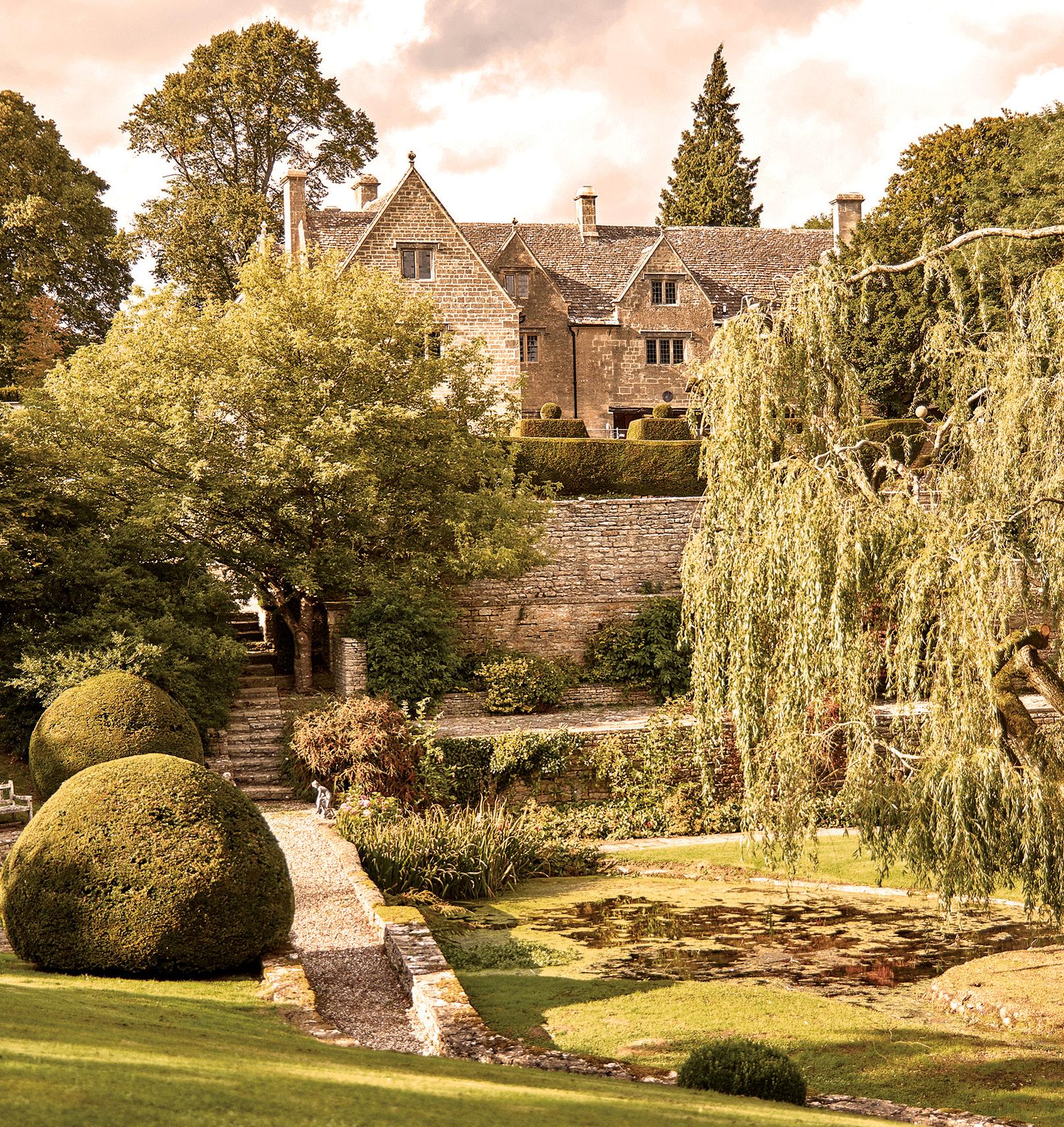
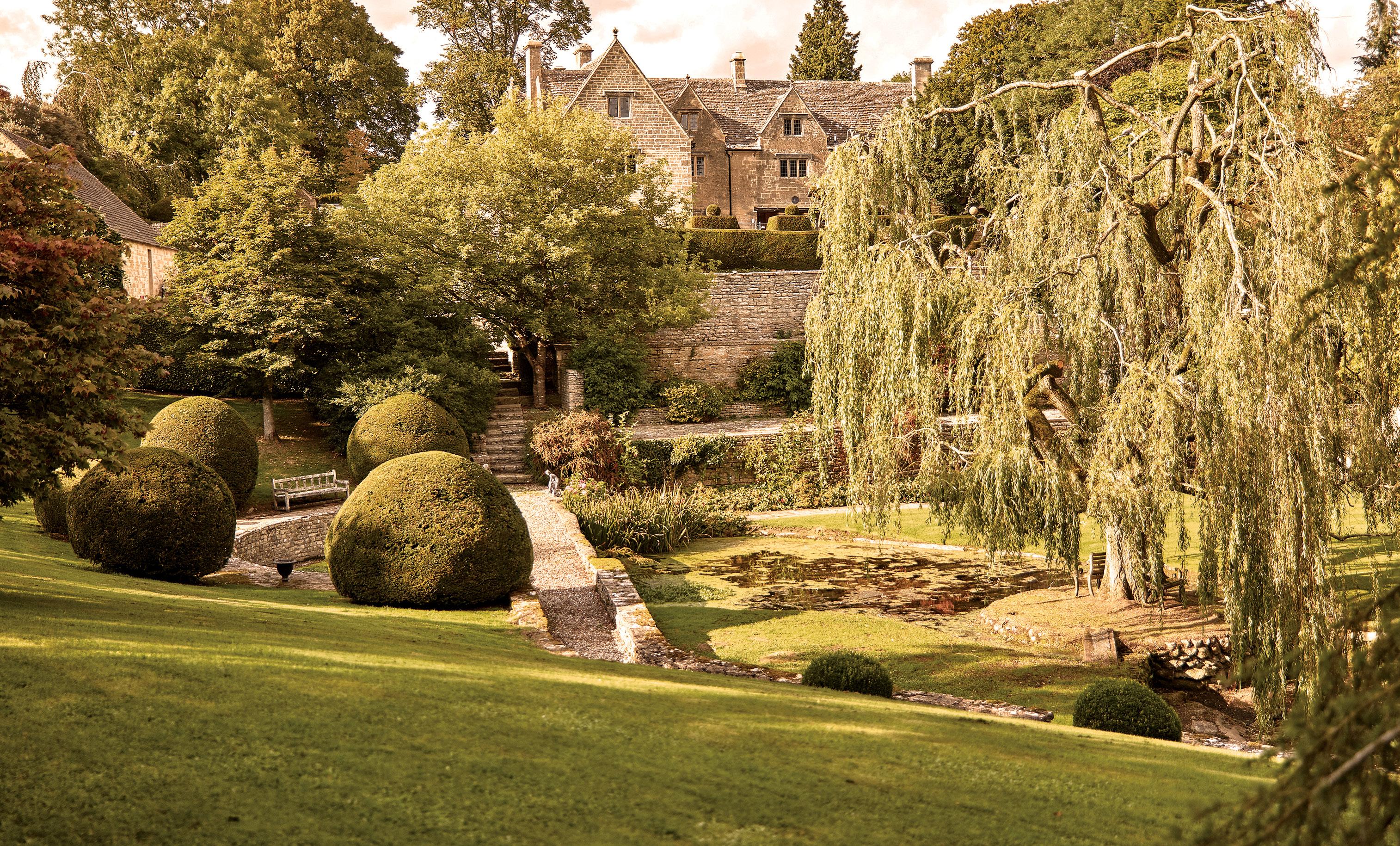
Among the projects that best illustrate Price's approach is a six-year restoration of a manor house in the Cotswolds. The project involved converting a private residence into a retreat for a foundation promoting the arts and sciences. The challenge was considerable as the building needed to function like a contemporary institution while retaining the atmosphere of a private country house.
"Technically, it was very complicated," Price says. "We were trying to balance a huge number of competing demands. The building needed to operate as a contemporary retreat with all of the life-safety systems and infrastructure that requires, but it also needed to retain the atmosphere and intimacy of a private house. Achieving both at the same time was an enormous challenge."
This included incorporating modern fire regulations, life-safety systems, accessibility requirements, and building services. All had to be integrated into a historic structure without compromising its character. Yet the greatest success of this project often goes unnoticed.
"You walk in and it actually feels like a private house still. That outcome represents the highest compliment. The architecture works. The building functions, and its spirit remains intact.”
Years after completing the project, he returned as a guest.
"It was actually quite emotional. For six years I had studied every detail of the property. There wasn't anything I didn't know about that house. Seeing it inhabited and thriving reinforced a lesson I frequently share with my
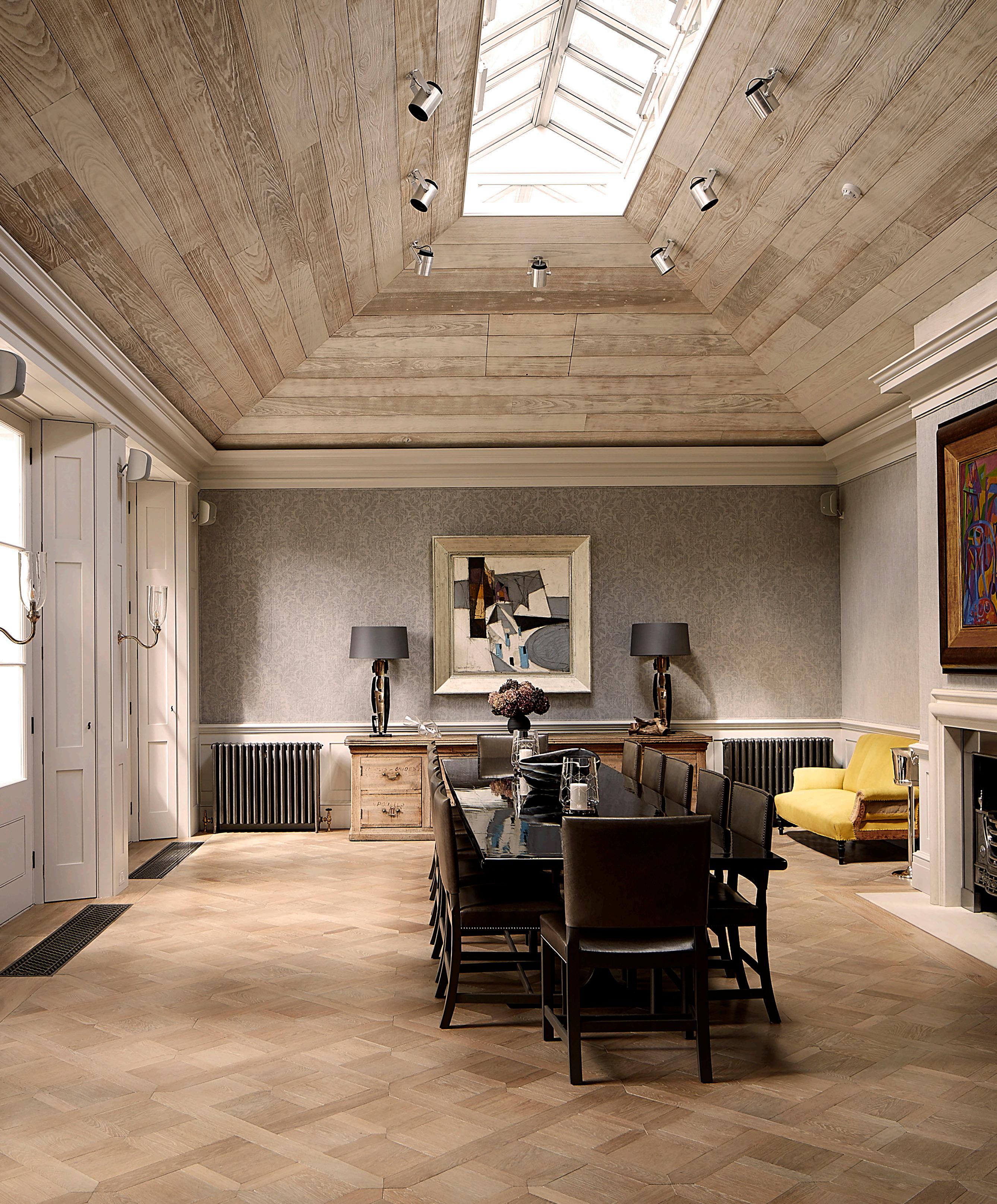
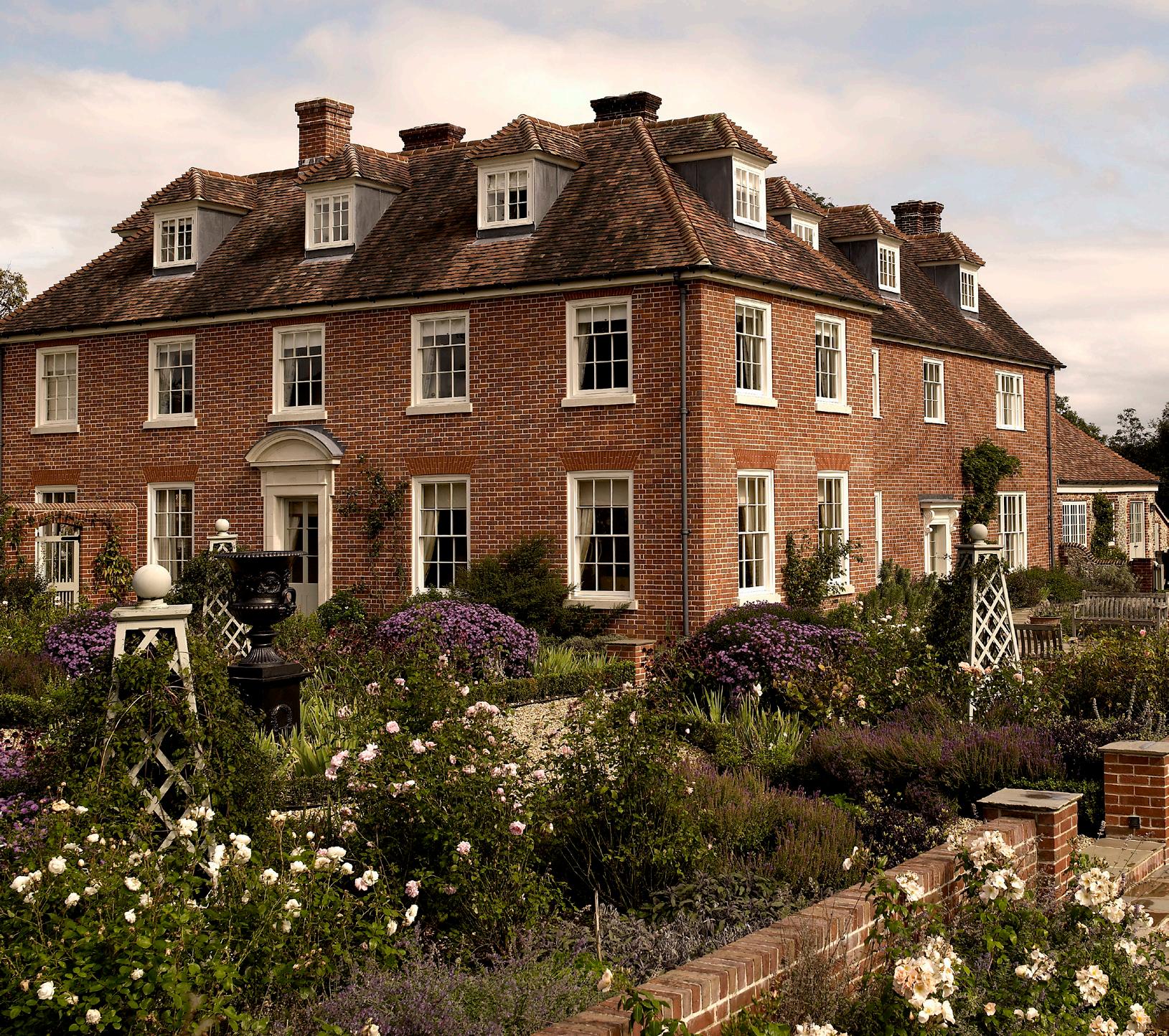
clients. Buildings outlive architects. They outlive owners. Buildings continue on."
DESIGNING FOR FOUR HUNDRED YEARS
While Price is known for conservation, he is equally passionate about designing entirely new buildings. The difference is that he approaches them with the same mindset. Longevity comes first.
"You start to understand your place in the journey of the building. Long after we have gone and there are new generations ahead, the building will still be there. People will continue to use it, live in it, and create memories within it. We'll be known for what we did, and that creates a real sense of responsibility. It reminds you that architecture isn't just about solving today's problems. It's about caring for something that will outlast all of us. I want our new buildings to be there for a long time."
For how long? He responds 400 years. This isn’t hyperbole. It’s his design objective.
"Hopefully it's going to be there for 400 years. That's genuinely how we think about these projects. We're not designing something for fifty years and then expecting it to be replaced. We're thinking about stewardship, adaptability and legacy. How will this building function in one hundred years? Two hundred years? What changes might future generations need to make? Those questions become part of the design process from the very beginning."
Price points to Georgian townhouses as examples of successful long-term design. Over centuries, these buildings
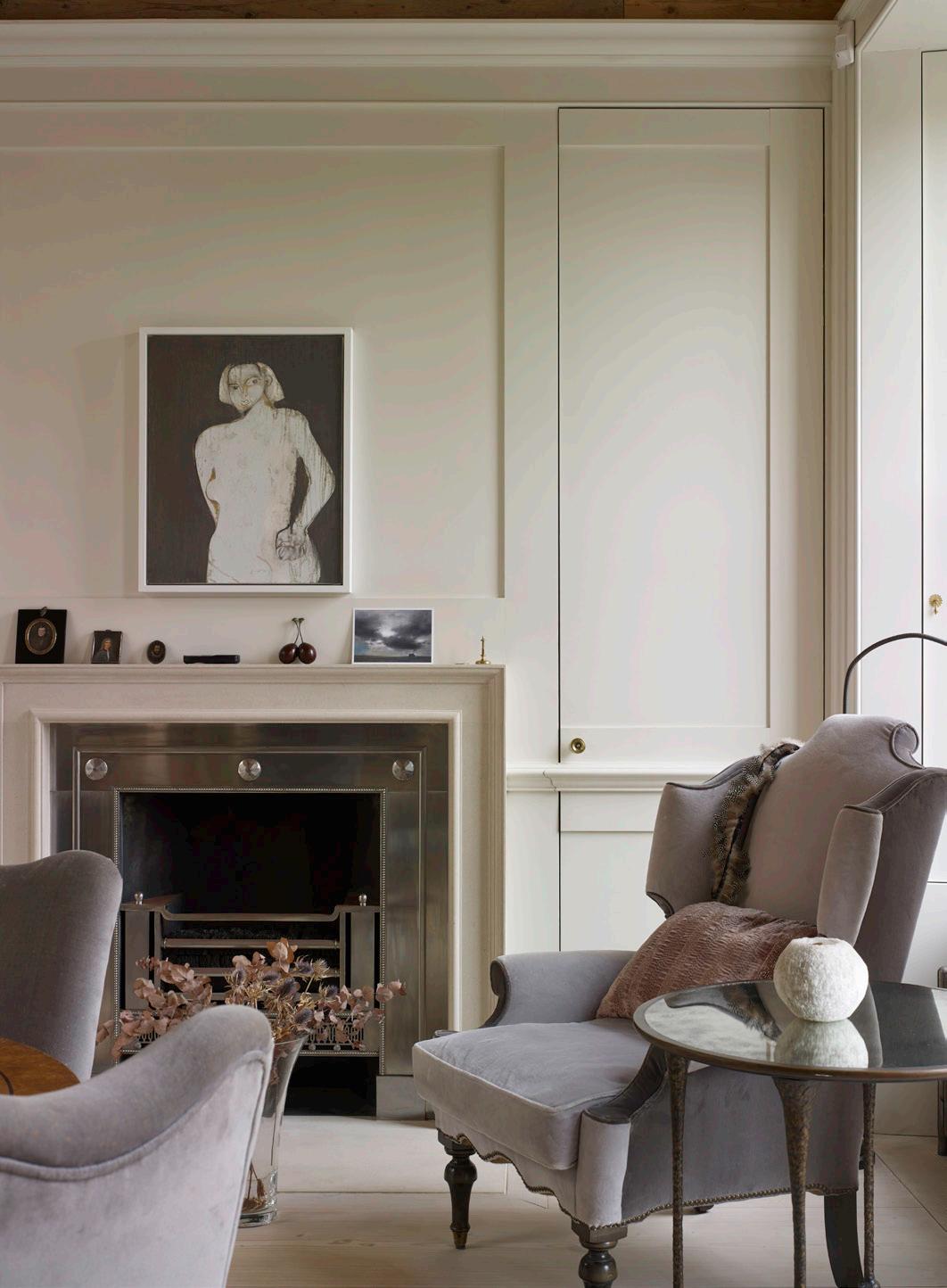
have accommodated changing lifestyles, technologies, and uses.
"They can be a surgery, a museum, offices, or a house without adapting too much."
For him, that flexibility represents true sustainability and endurance.
TECHNOLOGY, SIMPLICITY, AND THE SEARCH FOR CALM
As homes become increasingly automated, Price has noticed an interesting shift among clients. People are becoming less interested in complexity.
"There was a moment in time when we were putting in complicated lighting systems. Now we're finding clients just want to switch on and off. The trend reflects something deeper. Many homeowners are seeking refuge from technology rather than greater integration with it.”
Price asks yet another simple question.
"What if the Wi-Fi goes?"
The question may sound trivial, but it points toward a broader cultural conversation. Technology should support life. Not dominate it. As a result, Price increasingly discusses concepts such as "calm space," "slow space," and "quiet space."
"I talk to clients about calm space, slow space and quiet space. We're living in an age where everybody is connected all the time. We're constantly moving between emails, phones, meetings and social media. Home should offer something different. It should provide opportunities to pause, reflect and reconnect with yourself. Those moments
have become incredibly valuable."
These ideas have become central to his design philosophy.
Some of Price's favorite architectural moments are not grand rooms, but rather transitional spaces.
"Getting those moments of pause into the spatial sequence of a house has become really important. Sometimes they're not the grand rooms. They're the spaces in between. A window seat. A small gallery. A corner where the light falls beautifully at a certain time of day. Those are often the places people remember most because they're where life actually happens."
In a culture increasingly defined by speed and stimulation, Price believes those spaces have become more valuable than ever.
" We all have some basic needs. Quiet is one of those needs."
BUILDING BRIDGES ACROSS THE ATLANTIC
As Price's work gains more attention across the Atlantic, he has developed growing connections with American architects, designers, and clients. He sees significant opportunities for collaboration.
"I think there's a lot to be learned back and forth over the water. Britain has a long history of conservation and working with historic buildings, while America is producing some extraordinary new classical and traditional architecture. There are shared values around craftsmanship, collaboration and placemaking. The conversation works both ways, and that's what makes it exciting."
Many of the preservation challenges Britain has confronted for decades are beginning to emerge more prominently in the United States. Whether the properties are historic townhouses, brownstones, country estates, or landmark properties questions of adaptation and conservation are becoming increasingly important.
At the same time, Price sees exciting developments in contemporary classical architecture throughout America. particularly along the East Coast.
"There are some wonderful classical buildings being produced."
What excites him most is the exchange of ideas. It is about collaboration.
"I've found America incredibly welcoming. There’s a huge amount of generosity.”
Price speaks enthusiastically about relationships formed through speaking engagements, professional organizations, designers, builders, and clients.
"Whether a project is in England, New England, Virginia, the Carolinas, or elsewhere, the questions remain remarkably similar. How do you create a building that belongs to its place? How do you build something that future generations will value rather than replace?"
That openness in collaboration mirrors his own
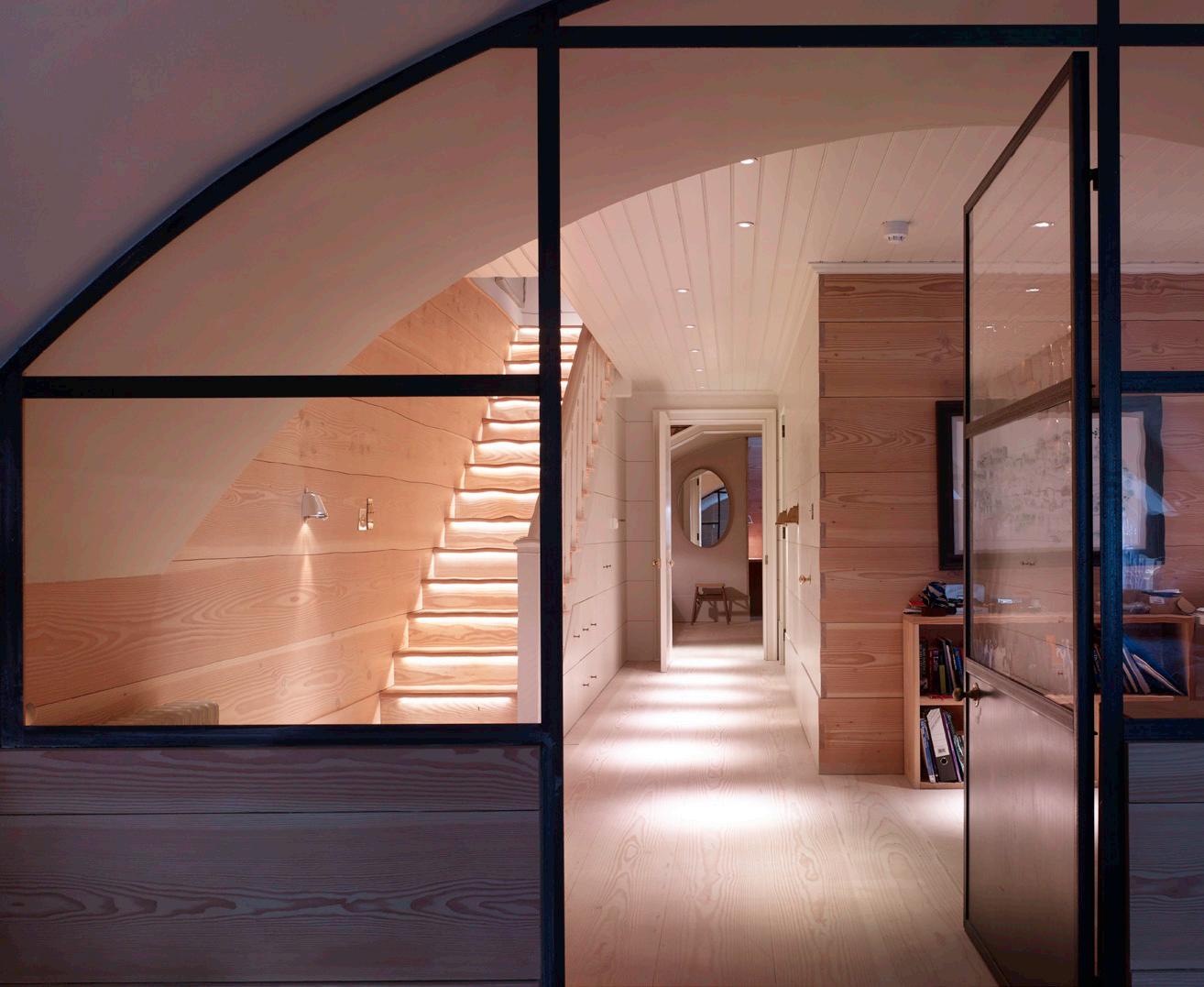
philosophy. As architecture, he believes, is strongest when it becomes a collaborative effort between architects, interior designers, landscape architects, craftspeople, historians, and clients. Each contributes something valuable.
"My role is often less about authorship and more about orchestration. I don't see the house in isolation. I see the building, the gardens, the wider landscape, and the journey through them as a single composition.”
He adds, “Architecture doesn't stop at the exterior walls. The experience of a building is completed through its interiors. The way rooms unfold, the materials people touch, the quality of light, the relationship between furniture and architecture—these are all part of the same story."
LOOKING FORWARD
As conversations around sustainability, heritage, and regional identity continue to evolve, Price believes architecture is entering a new phase. The old divisions between traditional and modern design feel increasingly irrelevant.
"I like to think there's good design and bad design. There’s good traditional and bad traditional. Good modern and bad modern. The distinction is not style. It is quality and thoughtfulness and authenticity.”
And ultimately, our human experience of that design.
In an era defined by rapid change, Price's work suggests that architecture's next chapter may depend less on reinventing the built environment than on returning to an understanding of what has allowed great buildings, spaces and places to endure.

THE HOTTEST LUXURY TECH OF SUMMER 2026
AI SMART GLASSES TAKE THE SPOTLIGHT
Luxury tech in the summer of 2026 isn’t about bigger screens or faster chips. It’s about technology that blends into personal style. And nothing captures that shift more clearly than AI-powered smart glasses, now widely seen as the defining “it” item of summer 2026.
What started as experimental wearables has now evolved into a full-blown luxury category, where fashion houses, eyewear giants, and Silicon Valley platforms are competing to define what “status tech” looks like next.
The turning point came when major eyewear and tech collaborations moved smart glasses out of the novelty aisle and into everyday fashion. One of the most recognizable examples is the ongoing evolution of Meta Platforms and Ray-Ban smart glasses. What began as camera-equipped novelty frames has shifted into AI-assisted eyewear that can translate speech, answer questions, and overlay contextual information without pulling out a phone.
The biggest signal that smart glasses have officially made it is their entry into high-fashion brands. Luxury conglomerates like Kering, which owns brands such as Gucci, have begun exploring AI eyewear collaborations with major tech firms. Meanwhile, Prada has long signaled interest in merging fashion with functional tech accessories, positioning itself as a natural fit for the next wave of wearable intelligence.
Several trends have converged to push AI smart glasses to the top of luxury tech.
The first is that AI has moved off the phone. Instead of opening apps, users are now interacting with real-time AI assistance directly in their lineof-sight, including directions, translations, and reminders.
The second is that, unlike earlier AR headsets, smart glasses are now designed to be indistinguishable from high-end eyewear. The most desirable devices are minimal, functional, and socially subtle.
The third is that glasses offer a hands-free lifestyle. From meetings to workouts, users increasingly want tech that doesn’t require attention switching.
In previous decades, luxury tech meant goldplated phones or limited-edition gadgets. Now it means invisibility, intelligence, and integration. AI smart glasses represent that shift perfectly. They don’t demand attention. They enhance perception. And they signal something subtle but powerful: that the wearer is always connected but never distracted.




SKILLCATIONS
THE TRAVEL TREND REDEFINING VACATIONS
Forget the souvenir shops and rushed sightseeing itineraries. A new kind of traveler is emerging. This traveler is less interested in collecting postcards and more interested in collecting skills. They embark on what are called “skillcations,” which blend immersive travel with hands-on learning. They return home with more than photographs. They come back with techniques, traditions, and stories to last throughout their lifetimes.
Across the globe, travelers are trading passive tourism for experiences that place them inside kitchens, workshops, forests, fishing rivers, and ancient cultural practices. Whether mastering Tuscan pasta-making on a family farm or learning wool shearing and Lopi sweater making in Iceland, the modern vacation is becoming participatory.
Skillcations are not simply about learning a new hobby. They are about anchoring travelers’ understandings of a culture through local rituals and the craftsmanship that sustains the area.
CULINARY SKILLCATIONS
In Italy’s countryside, groups gather around tables on Tuscan farm-to-table retreats. These retreats immerse participants in the traditions of rural Italian life by teaching students how to harvest seasonal vegetables, identify herbs, and prepare ingredients according to generations-old culinary practices. The pupils then use their knowledge (and picked produce!) to create rustic meals that evening. To further their experience, many retreats offer students an introduction to olive oil production, local winemaking, and the importance of regional ingredients that are shaped by Tuscany’s landscape and climate. This experience is much more than a cooking class; it’s an education in Tuscan cultural identity, where soil, family recipes, and slow food traditions are woven into every lesson and meal.
But Italy is only one stop on the growing global map of culinary skillcations.
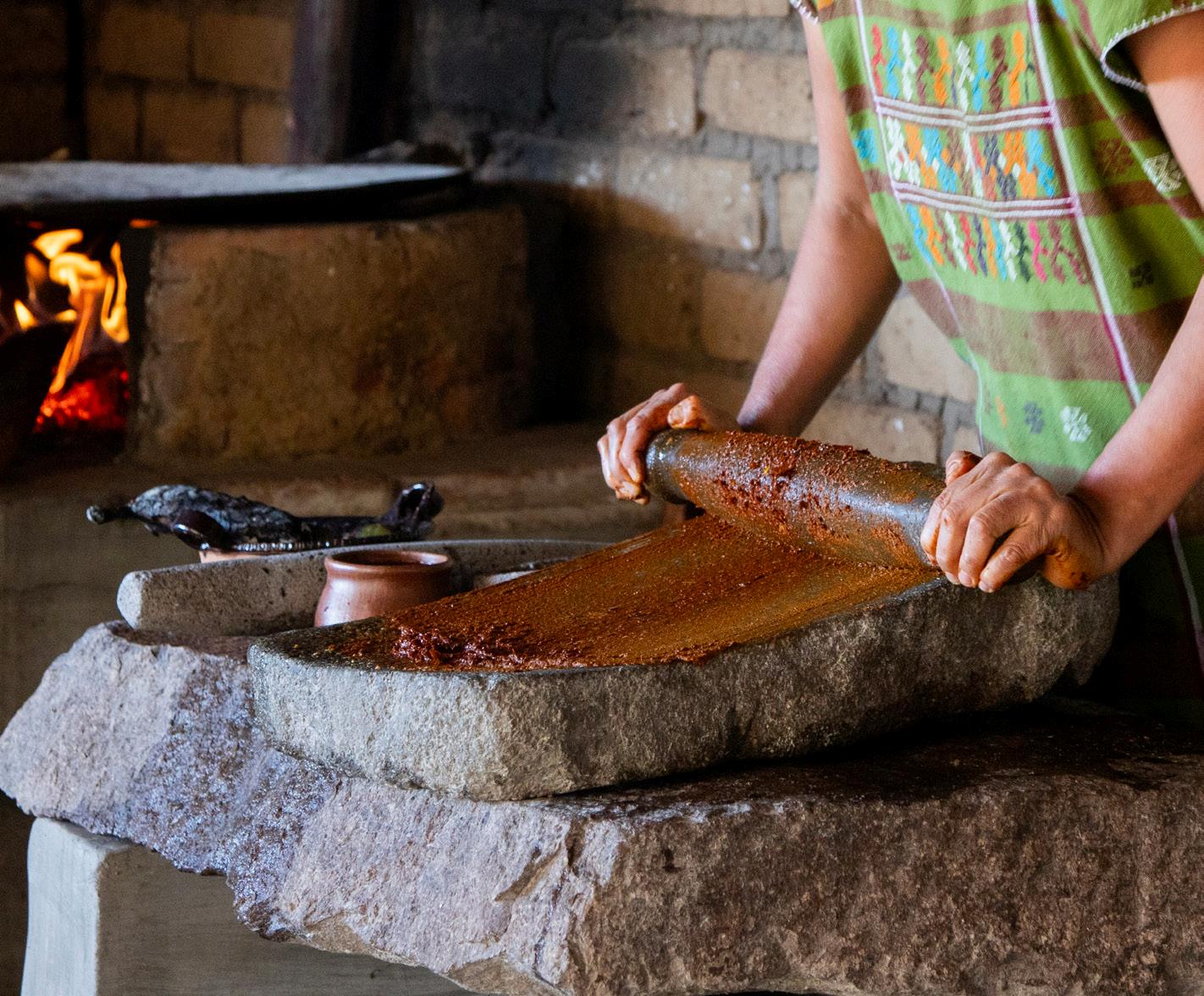
In Mexico, mole workshops teach students the complexity behind one of the country’s most iconic sauces. Participants toast dried chilies, grind spices by hand, and learn how ingredients like chocolate, seeds, nuts, and herbs are layered to create distinct regional variations of mole. Instructors explain how recipes differ from village to village and how the dish itself reflects centuries of Indigenous, Spanish, and local culinary influences. As sauces simmer, travelers uncover the layered cultural history hidden inside every pot.
Skillcations in Thailand are very popular, particularly immersive street food masterclasses. Students weave through crowded stalls filled with the scent of lemongrass, basil, and charcoal smoke. Instructors introduce the essential principles behind

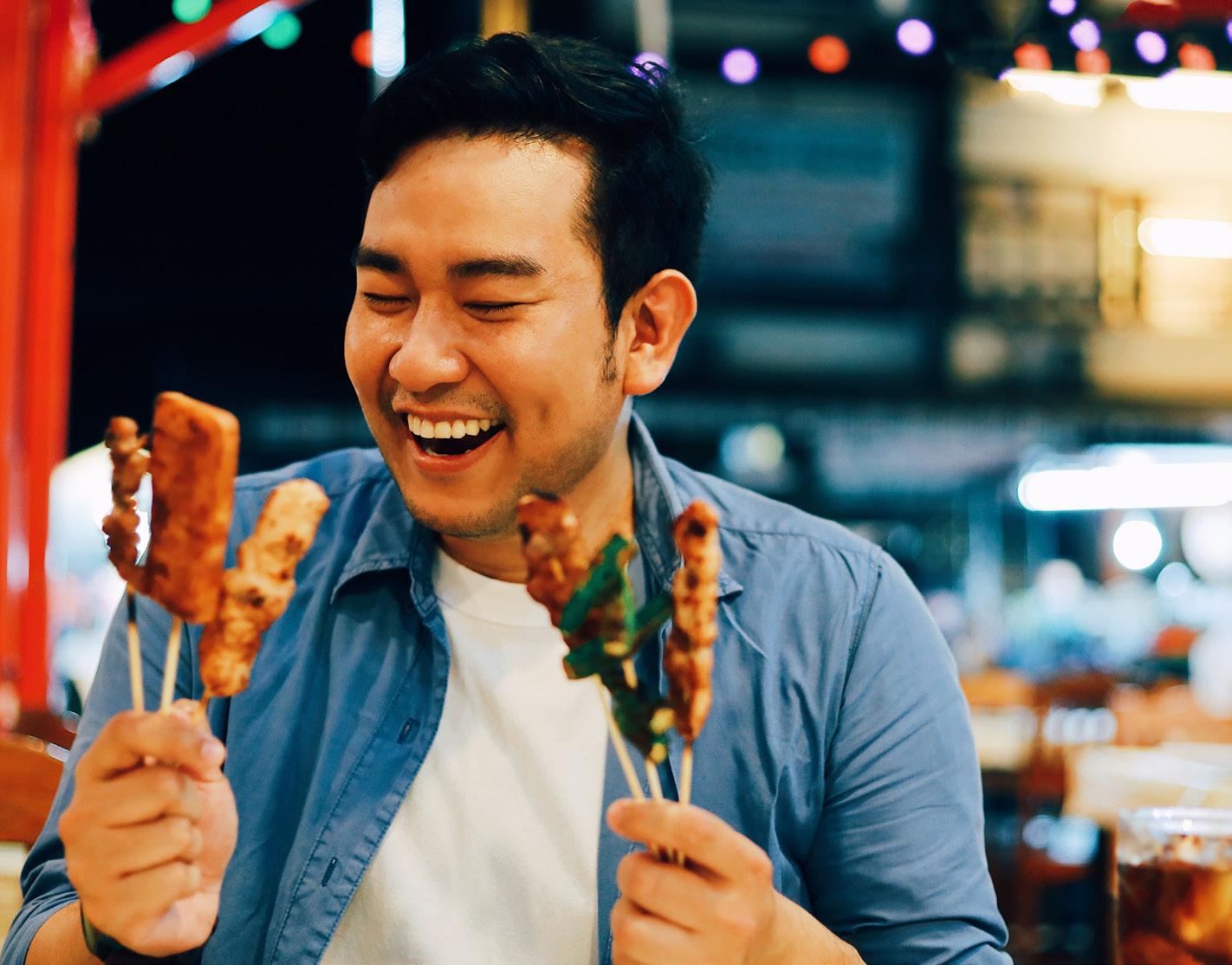

Thai cuisine and vendors who have perfected dishes over lifetimes. The students are taught how to properly balance sweet, sour, salty, spicy, and umami flavors in both traditional and contemporary recipes. And, along the way, participants learn how regional ingredients, market culture, and family techniques shape the country’s vibrant food identity. This experience captures not only the mechanics of Thai cooking, but also the energy and spirit that define street food culture throughout the country.
Meanwhile, Tasmania’s wilderness foraging excursions transform dense forests and rugged coastlines into living classrooms. Guided by local experts, travelers learn to identify edible native plants, wild herbs, mushrooms, and sea vegetables unique to the island’s ecosystems. The experience also introduces participants to the environmental fragility of Tasmania’s remote landscapes and the importance of sustainable harvesting practices.
What begins as a culinary adventure often becomes a deeper lesson in conservation, biodiversity, and humanity’s relationship with the natural world.
ENVIRONMENTAL SKILLCATIONS
Across Oceania, travel experiences increasingly center on environmental knowledge, ancestral traditions, and physical craft.
In Byron Bay, surf instruction extends far beyond catching a wave. Students learn how to read ocean currents, understand shifting tide patterns, and interpret weather conditions that shape the coastline each day. Here, instructors emphasize respect for the sea and the relaxed rhythm that defines Australia’s surf culture. By the end of the experience, travelers gain not only technical skills but also an awareness of the ocean’s changing moods.
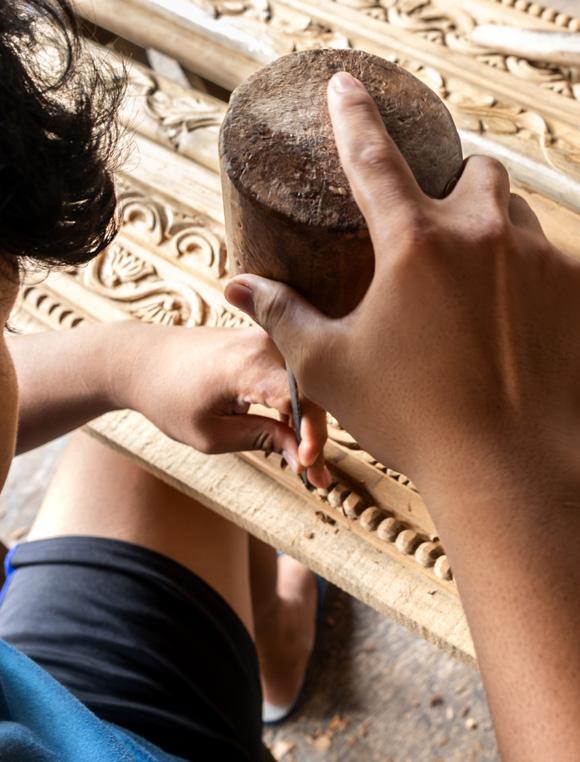
Jumping across to New Zealand, we find Māori carving workshops which introduce skillcationers to an
artistic tradition where every shape and pattern carries layered cultural meaning. Under the guidance of master carvers, participants learn how carving serves as both storytelling and a way of preserving ancestry, spirituality, and tribal identity. The process requires both patience and reverence, with each carved line reflecting generations of inherited knowledge and symbolism. Rather than simply creating decorative objects, these travelers are gaining insight into a living cultural practice that remains deeply connected to Māori history and community life.
And, throughout Fiji, traditional canoe building workshops reconnect visitors with Indigenous knowledge systems rooted in navigation, movement, spirituality, and community. These are not performances designed for tourists. No. They are invitations into living traditions.

NICHE SKILLCATIONS
Some of the fastest growing skillcations are experiences that are incredibly niche.
For example, people are traveling to Iceland to learn the painstaking process of preparing wool that they will then use while learning how to knit traditional Icelandic Lopi sweaters. These workshops connect participants to centuries-old Icelandic survival traditions, where both craftsmanship and practicality are deeply intertwined.
In Finland, sauna-building workshops blend architecture, woodworking, and ritual into a handson cultural immersion. Participants explore why sauna culture remains central to Finnish identity and social life, while learning the construction techniques behind these iconic spaces.
Meanwhile, workshops in South Korea immerse travelers in the ancient fermentation practices behind kimchi, soy pastes, and preserved foods. Students discover how climate, timing, and intuition shape flavors that have been refined across generations.
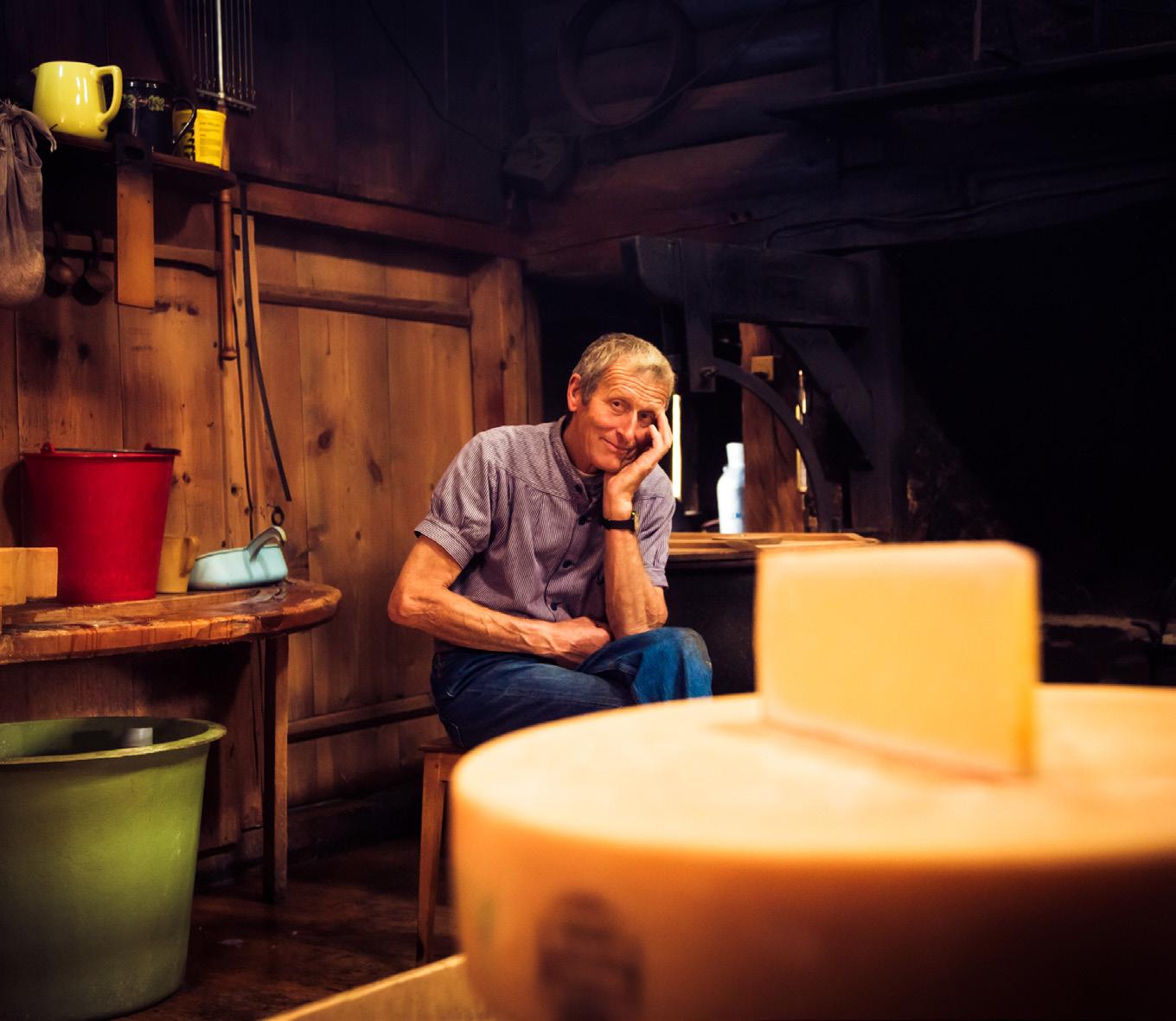
And, we can’t forget Switzerland, where alpine cheese-making retreats often begin before sunrise, when fresh milk and cold mountain air create ideal conditions for production. These experiences offer students insight into the pastoral traditions that continue to define life in the Swiss Alps.
Finally, Vienna calls, and so do the workshops in this city which offer intensive classical violin programs. Here, musicians refine posture, bow control, and interpretation. Studying in the historic center of European classical music adds cultural depth to the technical discipline required of the craft.

PLANNING SKILLCATIONS
There are many ways to design a skillcation. They take time and research. You can focus on developing one skill at a time, combine multiple skills within a single city or region, expand across an entire geographic area, or follow one discipline across different parts of the world. All allow you to experience how culture shapes different crafts.
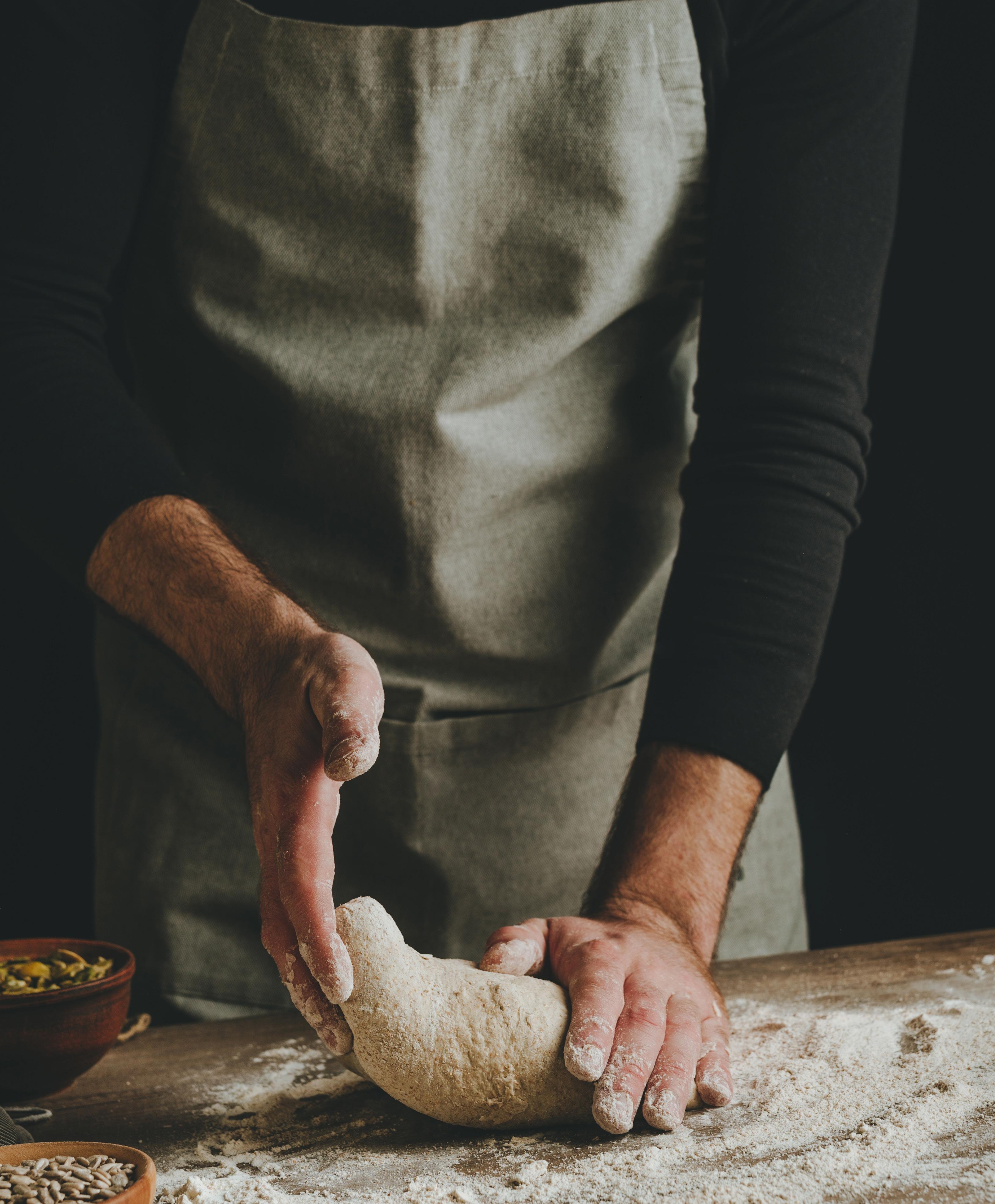
In London, for example, a culinary skillcation could be lived over the course of several days. The first day might center on mastering artisan bread and sourdough baking. The second is learning Indian and South Asian curry techniques influenced by the city’s vibrant multicultural food scene. A third day could be studying British tea culture and afternoon tea service. This, of course, includes pastry pairing, presentation, and hospitality traditions unique to the UK. London also works well for multi-skill immersion. Learners can move throughout the city learning about art through museum-

based programs. Or they can explore film and media production through the city’s theater and entertainment industries. Perhaps classes in architecture and urban design through historic landmarks and modern sustainabilityfocused developments will add to one’s skill set.
Planning a skillcation that traverses the world is an experience of a lifetime. A global painting-focused skillcation takes travelers across several regions; it builds much broader artistic and cultural perspectives. For example, in Florence, students might study classical painting techniques rooted in Renaissance traditions. Leaving the Renaissance behind, studying in Kyoto, would teach them the Japanese ink painting, brush control, and minimalist composition shaped by Zen philosophy. Then, Marrakesh leads to the immersion of vibrant color palettes, geometric patterns, and texture inspired by North African visual culture. Together, these experiences create a layered global education in painting that moves from technical mastery to culturally rooted artistic expression.
The appeal of skillcations lies partly in their resistance to speed. They require attention, lots of planning, and a touch of humility. And because travelers aren’t consuming destinations, rather living the culture, the experience slows time. There is no rushing.
There is also a growing desire for authenticity in an era dominated by digital overload. Learning a physical skill –whether it is kneading bread, carving wood, or tying fishing flies – offers something that is becoming increasingly rare: a tangible accomplishment.
The most coveted travel experiences are no longer necessarily the most exclusive resorts, but ones that leave travelers transformed in lasting ways. And unlike ordinary vacations, skillcations follow travelers home. Long after the flights land and suitcases are unpacked, the lessons remain. Whether it’s a perfected broth recipe, a hand-knitted sweater, or a violin phrase played differently, they are usable memories that can last forever.
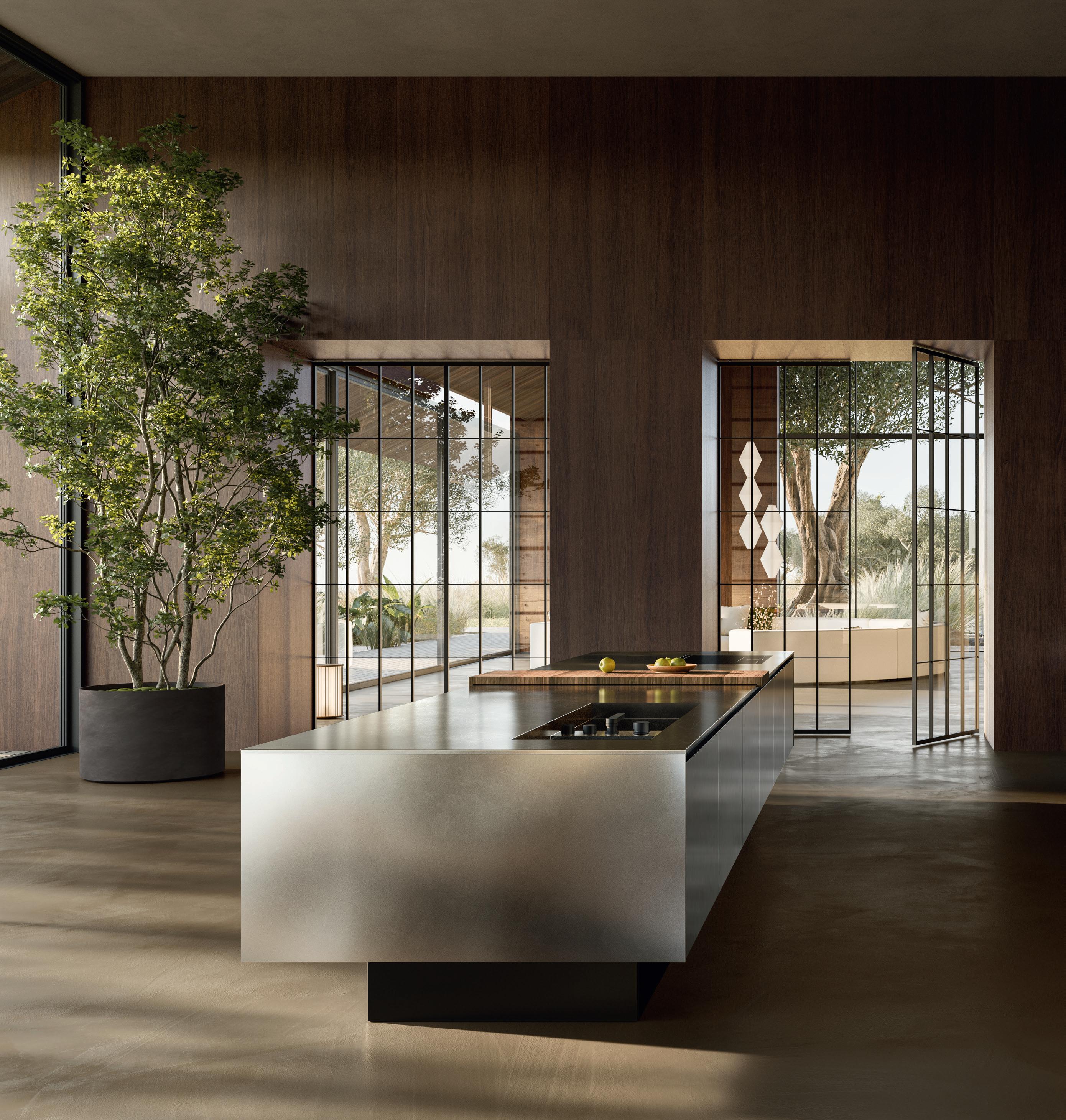
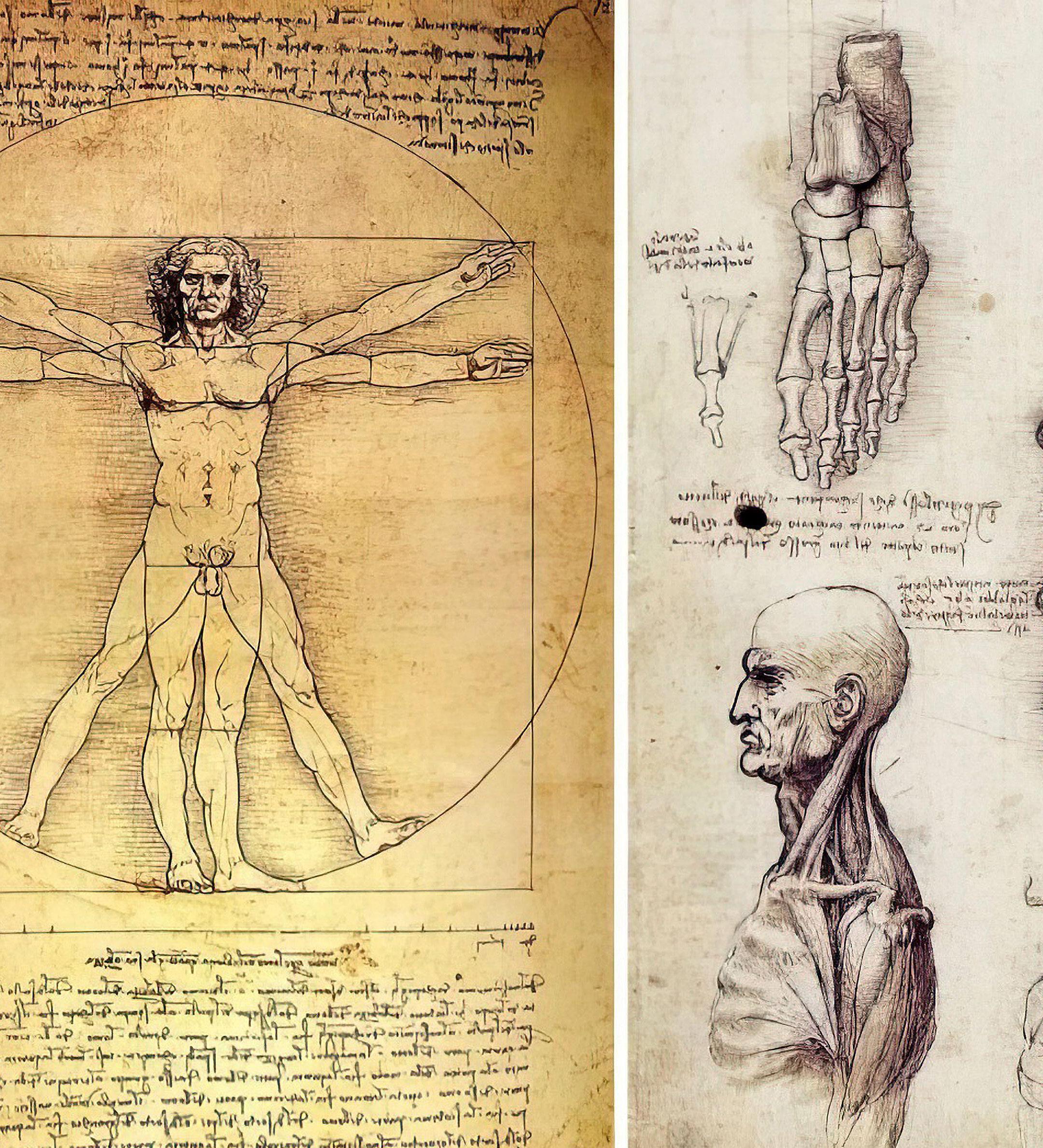

AUCTION HOUSE
In place of sensational claims about a “record-breaking Codex auction,” Leonardo da Vinci’s legacy in 2026 is quieter, more technical, and arguably more significant. In Florence, the focus is about reconstruction and access led in part by the Museo Galileo. The Museo continues to play a central role in the digital reassembly and study of Leonardo’s scattered manuscripts.
The focus is on long-term digital reconstruction efforts to virtually reassemble Leonardo’s fragmented notebooks from collections dispersed across Europe. The initiative reflects a broader shift in how Renaissance artifacts are studied and presented away from isolated objects and toward interconnected digital archives. As Leonardo’s codices – his scientific notebooks covering topics from hydrodynamics to anatomy and engineering – are not held in a single collection, but are instead spread across institutions including libraries in London, Paris, and Milan, this Florence-based program aims to reunite these scattered pages in a virtual environment. This will allow researchers and visitors to explore them as coherent systems for the first time in centuries.
According to museum-led presentations and ongoing digital humanities work, the project uses high-resolution imaging, metadata mapping, and cross-institutional cataloging to reconstruct relationships between pages that were separated over time. The result is not a physical exhibition but a continuously evolving digital framework that enables Leonardo’s scientific reasoning to be studied in sequence rather than in isolation.
Importantly, this shift also reframes public narratives that have occasionally drifted into misinformation or sensationalism, such as claims of recent multimillion-dollar Codex auctions. In reality, no such sale has taken place, and Leonardo’s manuscripts remain primarily in institutional and private collections.
Leonardo da Vinci's "Codex Leicester"
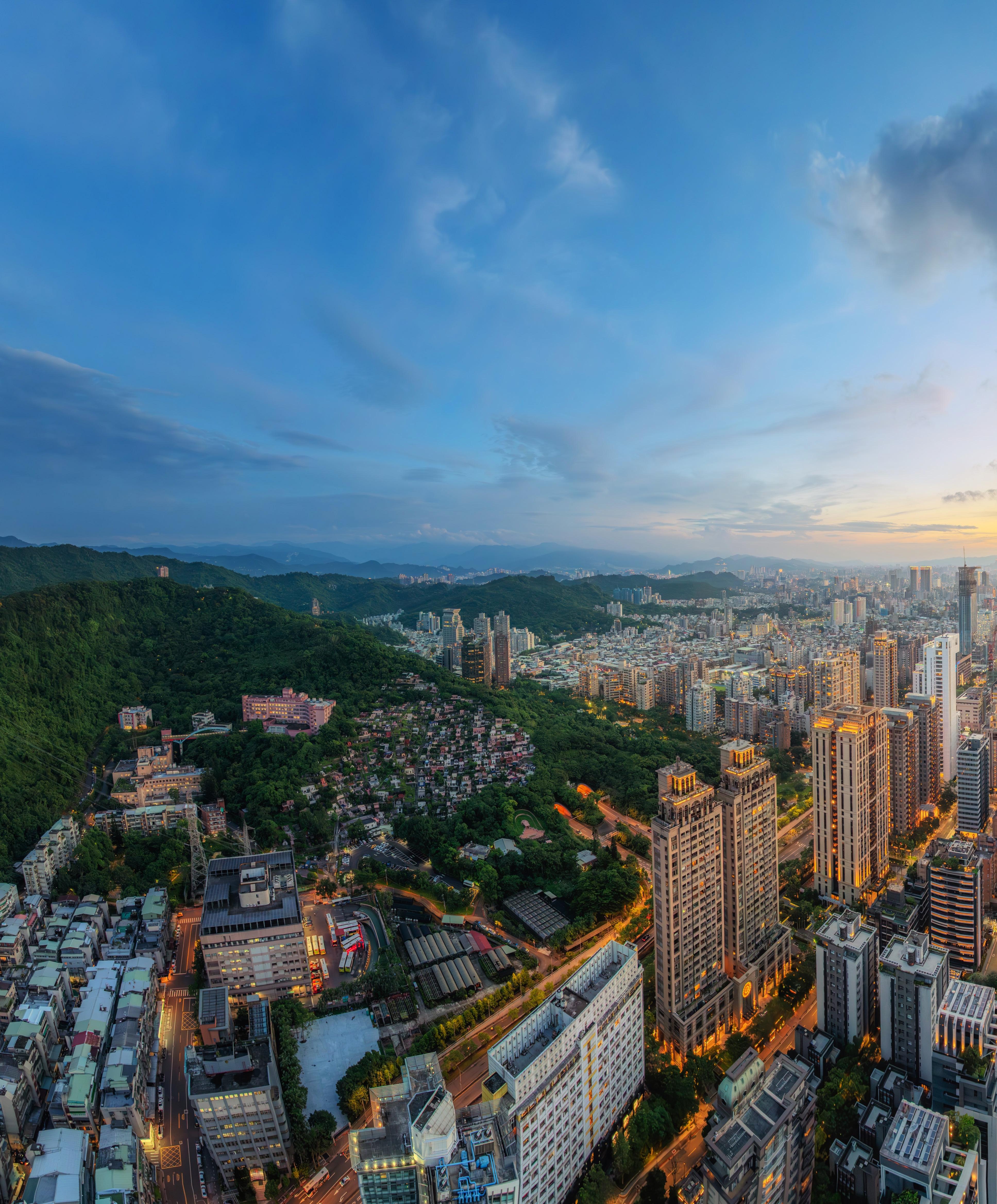
NIGHT & DAY TAIPEI

Few cities transform as dramatically over the course of a day as Taipei. In the early morning, the city is somewhat calm. Temple incense drifts through alleys, early workers travel to their offices, and breakfast shops gently buzz with patrons. At night, Taipei becomes electric. Neon signs flicker, night markets pulse, and the city embraces a vibrant energy.
MORNING
Unlike other major Asian capitals that launch immediately into chaos, Taipei eases into the day. Around sunrise, parks fill with retirees practicing tai chi as joggers run through parks. Local vendors set up breakfast stalls along narrow streets. It’s gentle. Not rushed. For a city of nearly two and a half million people, it appears quiet.
As tourists make plans for the day in luxury hotels spread throughout the city, natives wake up to everyday life and morning rituals.
What best defines Taipei in the morning is the scent. Upon stepping onto the sidewalk, they tease you: the smell of scallion pancakes, of soy milk, of freshly steamed buns. Breakfast shops are abundant. Small family-run businesses appear on nearly every block, and many have served the same communities for decades. Residents stop by before work or school. They’re part of a neighborhood’s daily life. They are also informal gathering spaces for office workers, students, retirees, and families. This has created one of the world’s strongest “outside breakfast” cultures, where eating breakfast at a local shop feels almost like an extension of home life.
In the morning, Taipei's spirituality is most visible. At dawn, temples open their doors. Soon after, the smell of incense fills the space as worshippers set deep in prayer. Outside, worshippers catch up with friends. Here, temples function as living community centers integrated directly into neighborhoods. Office workers stop in to celebrate success on a project, students visit before exams, and older generations gather to pray, reflect, or simply socialize. When morning sunlight filters through temple courtyards, it imbues a sense of calm and peace. The city is crowded, technologically advanced, and fast-moving, yet temples create pockets of stillness within the metropolis.
For many tourists and locals alike, one of the most rewarding morning activities in Taipei is hiking Elephant Mountain (Xiangshan). The hike itself is accessible for most visitors, though the stone stairways can be steep in certain sections. Early morning temperatures are significantly cooler and more comfortable than the humid afternoons. Locals often use the trail as part of their morning exercise routine, so hikers share the path with joggers, retirees, and photographers.
As the trail ascends, viewpoints begin opening across the city. Taipei 101 dominates the skyline, rising above
apartment buildings, temples, and distant mountains. During sunrise, 101 reflects changing shades of gold, blue, and pink, giving the skyline a surprisingly cinematic appearance before the city reaches full speed. The mountain reflects Taipei’s cultural relationship with nature. Unlike cities where nature exists far outside urban centers, Taipei integrates mountains directly into everyday life. Residents can leave apartment buildings, ride the metro for a short distance, and suddenly find themselves climbing forested hills overlooking the metropolis. Elephant Mountain embodies this accessibility and reinforces the idea that nature remains central to Taipei’s identity.
For those visiting the city, they will notice Taipei’s unique architecture in a different light, both physically and intuitively. The buildings represent Taipei’s layered identity, with Japanese colonial buildings, modern glass towers, and aging apartment blocks coexisting naturally. In the morning light, the city feels open despite its density. Narrow alleyways reveal hidden courtyards, tiny cafés, and traditional storefronts that are often overlooked later in the day. A sleek glass office tower stands between a decadesold noodle shop and a small temple tucked between apartment blocks. Rather than erasing its older structures, Taipei absorbs them into the evolving cityscape.
Some of the most interesting experiences come from walking without a fixed destination. In quieter morning hours, the side streets in the city’s older districts reveal independent bookstores, hidden tea houses, family-run bakeries, and preserved Japanese-era homes that many visitors miss entirely. These subtle discoveries contribute to Taipei’s charm; the city rewards curiosity rather than spectacle.
NIGHT
At night, Taipei undergoes a complete transformation. It’s bright. It’s loud. It’s crowded and it’s fun. Scooters weave through traffic, restaurants overflow onto sidewalks and illuminated signs blaze into the early morning hours.
The heart of Taipei’s nightlife lies in its famous night markets. Places like Shilin Night Market and Raohe Street Night Market aren’t just food or shopping destinations. They are socializing opportunities. People gather not only to eat but to hang out and browse stalls and shops.
The night markets are filled with smoke, loud neon signs, and a plethora of aromas as crowds wander from stall to stall, picking dishes and sharing them right on the street. Crackling grilled squid is a favorite, as are oyster omelets with their thick, slimy sauce. Oversized fried chicken cutlets are eaten straight from paper bags, and cups of bubble tea appear in most everyone’s hands. Even stinky tofu, with its notoriously pungent smell, is part of a visitor’s experience. Although it may first challenge taste buds and nasal cavities, it’s a memorable symbol of Taipei’s street-food culture.
The food in Taipei changes character after dark. While morning meals emphasize comfort and routine – warm soy
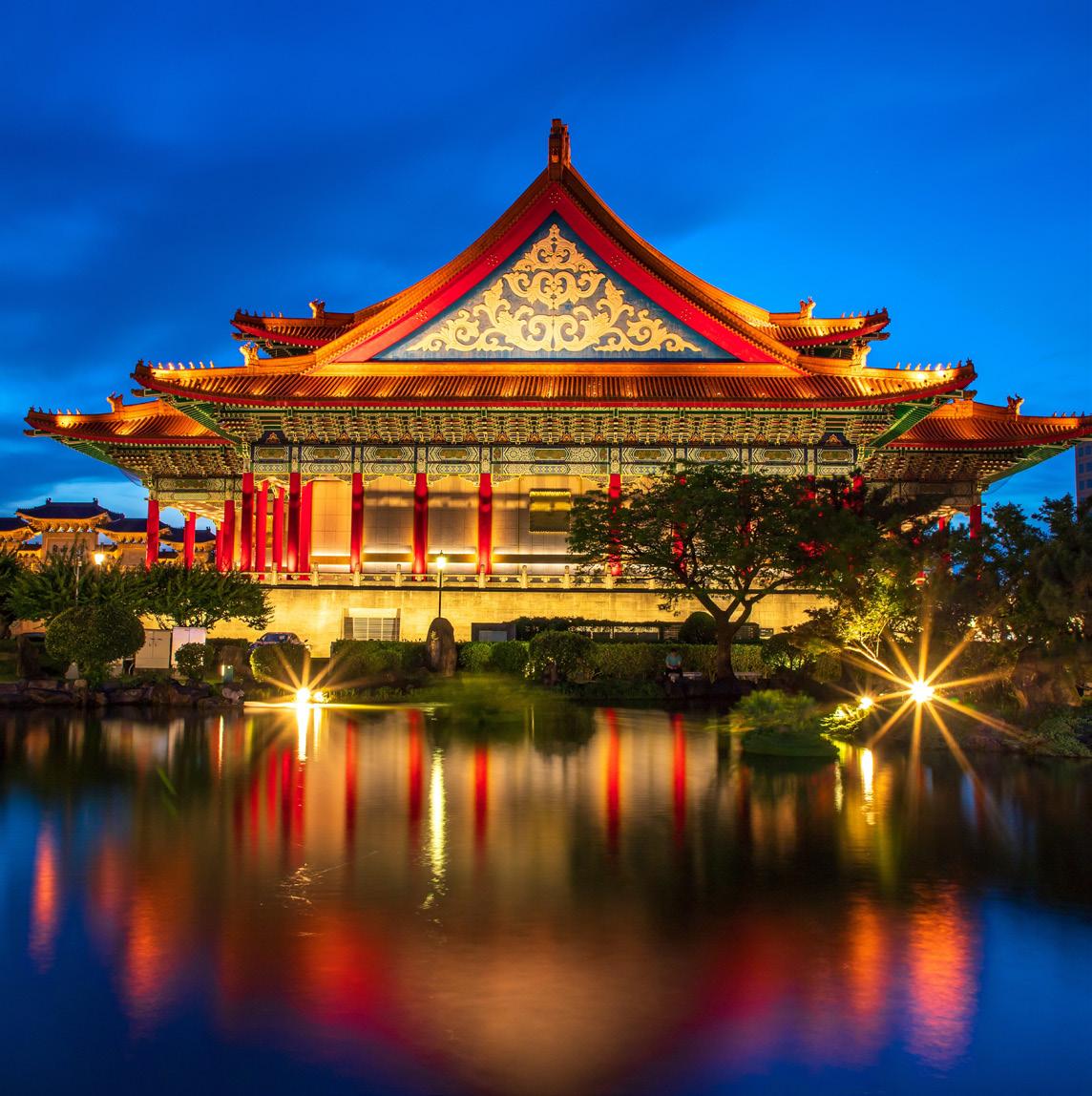
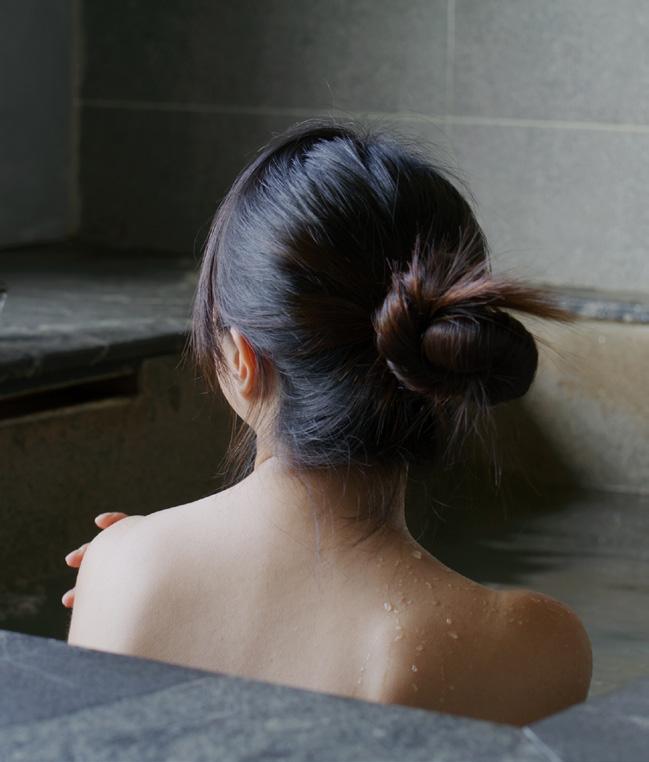
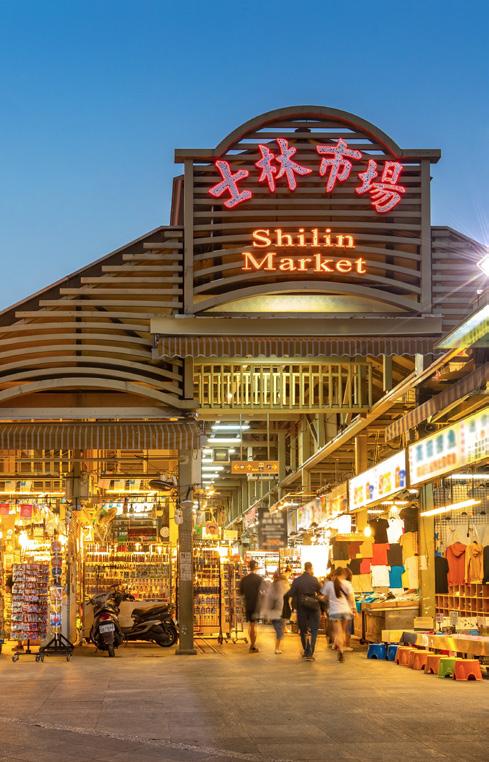
at night they become more adventurous.
In the evening, many in Taipei escape to the Beitou Hot Spring Area, a district noticeably different from central Taipei. The streets are quieter and the feeling is more relaxed. After long workdays, residents of the city often soak in public baths or at private spring houses well into the evening. The warm water is used for both physical relief and as a social ritual. The experience contrasts sharply with the city’s crowded commercial districts. Conversations are quiet, phones disappear, and, for many locals, these late-night visits are all about restoring balance after the constant motion, humidity, and noise of urban life.
From this vantage point, Taipei's skyline takes on a different character after sunset. During the day, the city can feel dense, humid, and fast-paced. But at night, the architecture becomes dramatic. Taipei 101 rises above the city, its stacked form glowing against the darker outline of the surrounding mountains. National Chiang Kai-shek Memorial Hall feels almost cinematic. The white walls and blue roof are brightly illuminated, yet with a very different
milk, flaky scallion pancakes, simple bowls of congee –
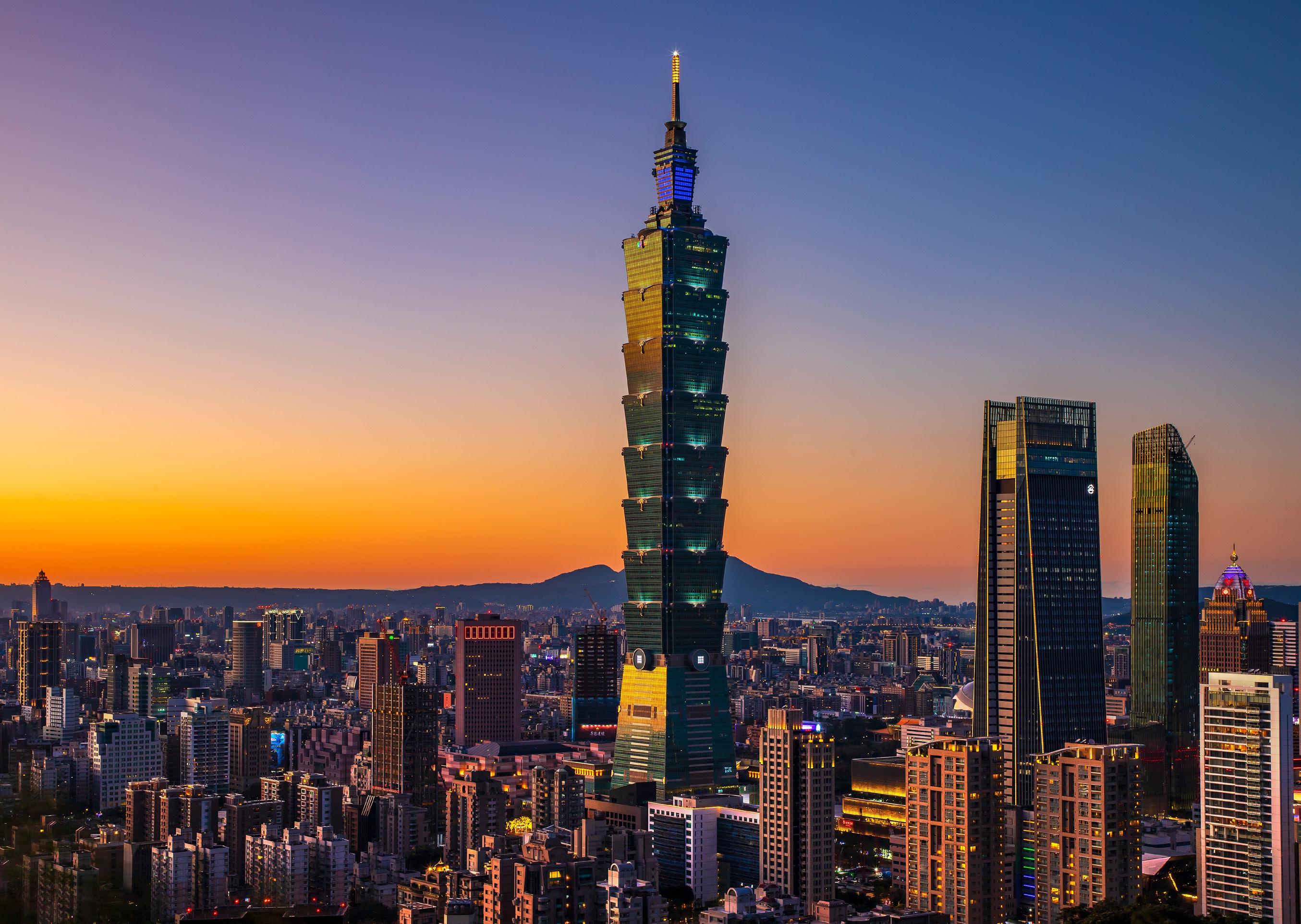
feel from the neon-driven energy elsewhere in Taipei. Locals often gather here late into the evening. Some practice dance routines or martial arts, while others sit on its steps, talking with friends.
Across Taipei, rooftop bars, late-night cafés, and teahouses fill with people. Some bars lean modern and stylish, with music and skyline views centered around Taipei 101. Others feel quieter and more intimate. At late-night cafés, patrons remain well past midnight as students study, couples date, and friends meet up to decompress after work. Teahouses offer a very different kind of nighttime experience, rooted in older traditions. In hillside areas overlooking the city, groups of friends or family gather over pots of high-mountain oolong tea. They gracefully pour and refill cups slowly. The ritual itself encourages patience and calm, creating a striking contrast to Taipei’s fast-paced commercial districts.
Together, these rooftop bars, teahouses, and cafés reveal another side of the city at night. It is one of connection.
The contrast between Taipei’s morning and night reflects a deeper duality within Taiwanese culture itself. That culture is built on tradition alongside innovation. Morning Taipei emphasizes discipline, spirituality, and daily ritual.
It’s a city focused inward. Nighttime Taipei is social and energetic. It turns outward. Like the yin and yang, one side cannot fully exist without the other. Together, they create a rhythm that feels uniquely Taiwanese.
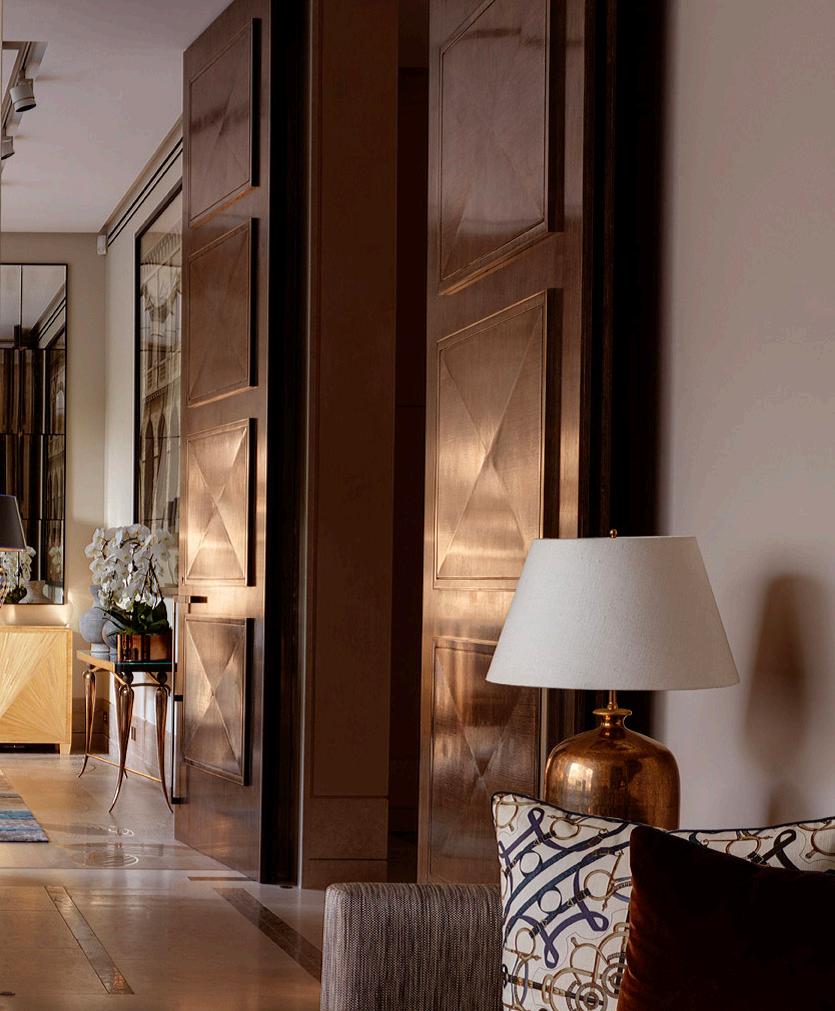
MASTERS OF MODERN TRADITIONS
Craftsmanship at Sea CRAFTSMAN
BILL CLEYNDERT & COMPANY
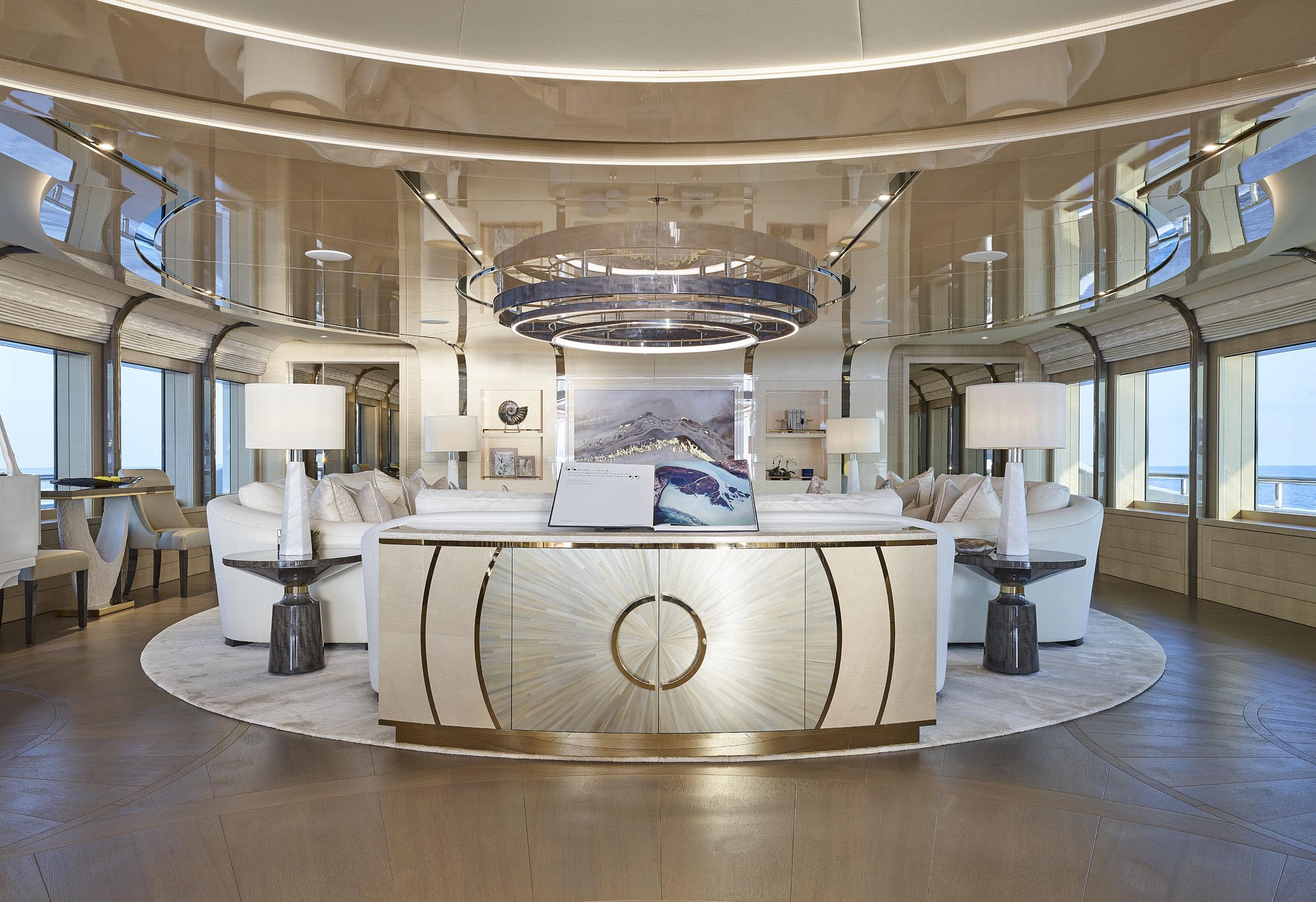
In the world of superyachts, where design is executed at the highest level, the reality behind each finished interior is often far more complex than it appears. Beneath beautifully finished surfaces and refined details sit a level of craftsmanship and technical precision that is rarely seen but always felt.
For more than 27 years, Bill Cleyndert & Company has been quietly shaping some of the world’s most exceptional interiors, from private residences and country estates to superyachts worldwide. Their role is not simply to make, but to translate vision into reality, bringing together master craftsmanship and precision engineering to create interiors that must perform as beautifully as they look.
What began in 1999 in a derelict chapel on a former United States Air Force base in North Norfolk, with a team of six skilled craftspeople, has grown into one of the industry’s most respected names in bespoke furniture and joinery. Built on a founding belief in quality, service and uncompromising attention to detail, the company established its reputation through dedication, collaboration and a relentless pursuit of excellence.
Today, a team of more than 100 makers, finishers, engineers, designers, and project specialists works across two workshops near the Norfolk coastline. The quiet
surroundings and understated exterior give little away of the activity within. Step inside and the scent of machined timber fills the air as makers carefully lay intricate veneers and chisel precise joints in a way that speaks to generations of craftsmanship. Yet only moments away, multi-axis CNC machinery carves complex organic forms with extraordinary accuracy, while drawing offices hum with collaboration as advanced aeronautical engineering software begins the journey from concept to creation.
It is here, between craftsmanship and engineering, heritage and innovation, that the foundations of each project are carefully brought to life.
WHERE CRAFT MEETS COMPLEXITY
Superyacht interiors present a unique challenge. Unlike residential projects, every element must accommodate movement, changing climates, and the demands of a highly engineered environment shaped by complex systems and constraints. It is within this complexity that the company’s approach comes into its own.
Craftsmanship and engineering are not treated as separate disciplines but developed in parallel from the outset. Bill Cleyndert & Company’s project managers and inhouse technical team work closely with designers, shipyards
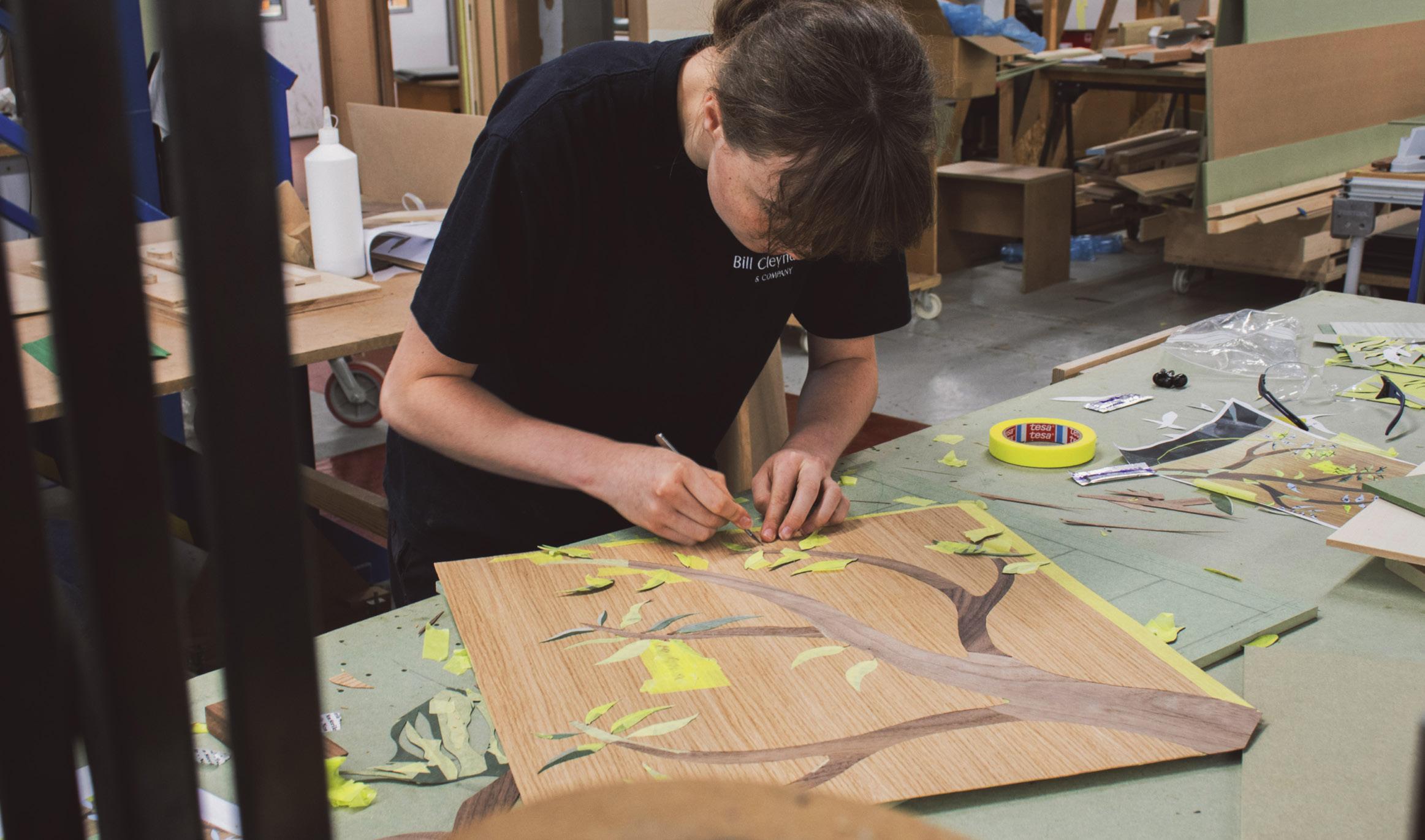
and project teams, contributing to the evolution of each concept through testing ideas, prototyping, refining details and resolving challenges long before production begins.
Rooted in a mindset that continually asks, “How can we?”, the team works to transform ambitious visions into considered, achievable outcomes, giving project teams confidence in every detail from the earliest stages onward.
From curved panelling that flows seamlessly through multiple decks to intricate inlays and high gloss finishes that must perform flawlessly at sea, each element is shaped through rigorous development. Prototyping, digital modelling and material testing sit alongside hand skills honed over decades, ensuring that every detail not only looks exceptional, but performs exactly as intended.
WHERE PRECISION MATTERS
Much of what defines exceptional yacht craftsmanship is what cannot be seen. Tolerances are tighter, interfaces between materials must allow for subtle movement, and finishes must endure not just use, but environment. As Tim, Head of Design, explains, the challenge lies in balancing design intent with technical reality:
“We’ve found that the secret lies in not treating design and technical expertise as opposing forces. When we’re involved early enough, we can help shape the design through our technical knowledge, opening up solutions and possibilities that might not otherwise be considered. That’s when it gets really exciting.”
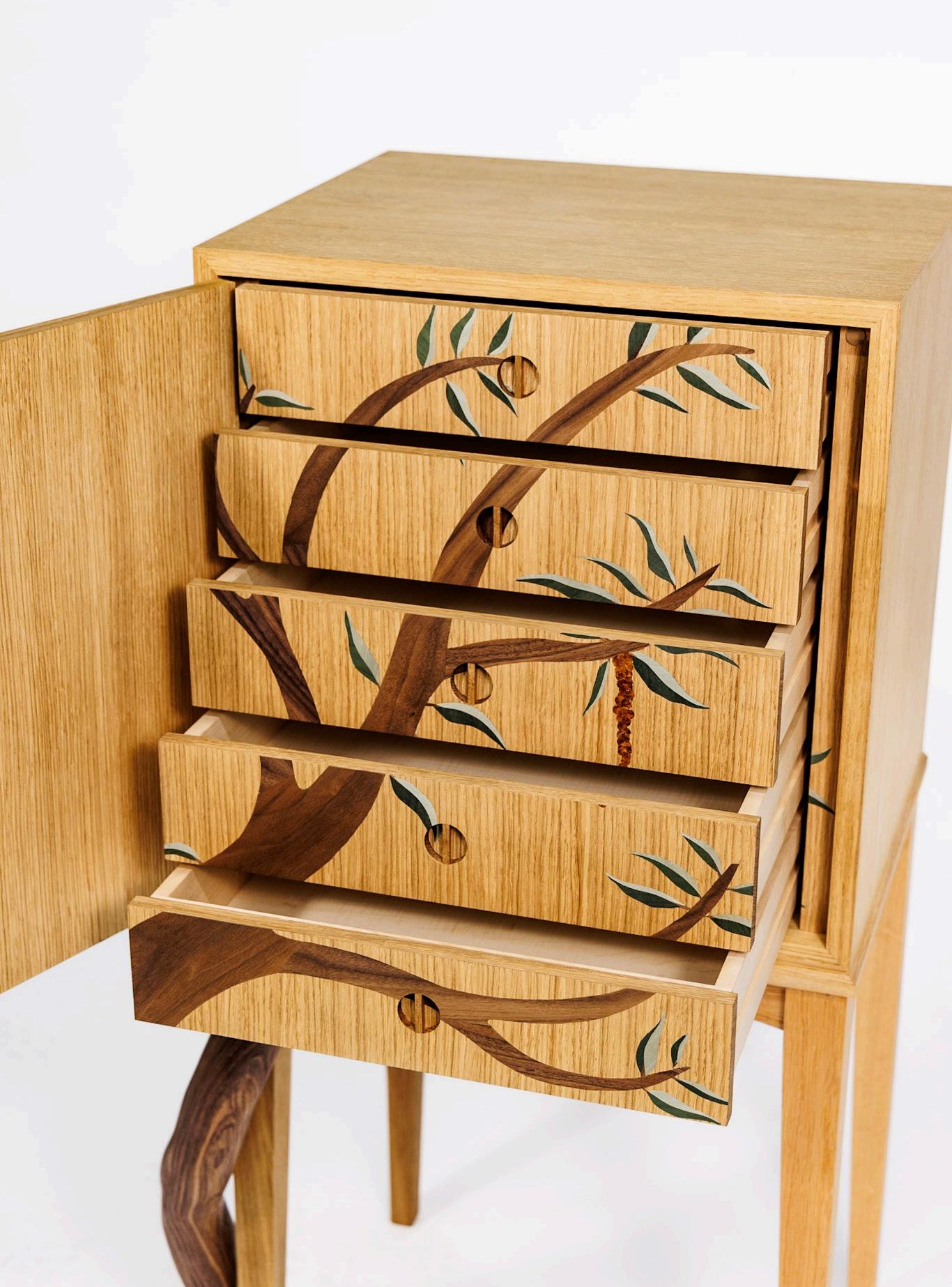
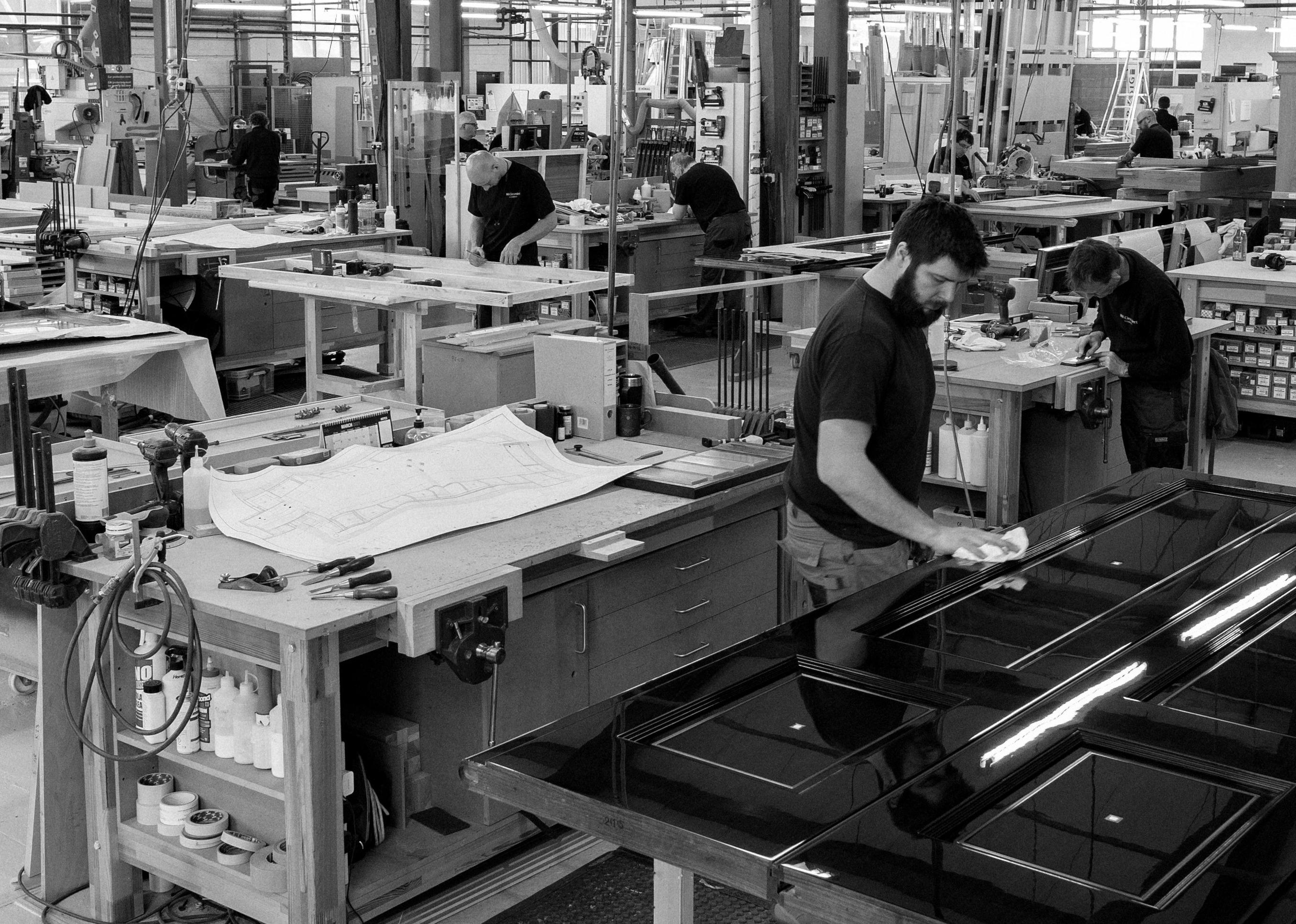
This technical layer is what allows designers to push boundaries with confidence, knowing that the integrity of their vision will be protected.
THE MAKER’S PERSPECTIVE
At the heart of every project are the makers themselves. As a one-time served furniture maker within the workshop explains, the process is as much about patience as it is precision:
“In my career as a cabinet maker, I’ve always enjoyed a challenge and working on unique design concepts. Some of the most rewarding projects are those that push you to think differently, particularly when working with complex curved forms and materials that need to flow naturally together. It often takes a great deal
of problem-solving, collaboration and precision to achieve something that appears effortless in the finished piece, but that’s what makes the process so satisfying. Seeing those ideas come to life exactly as intended is always incredibly rewarding.”
This connection between maker and material is what gives each piece its depth. While advanced machinery and software play a vital role, it is the human touch that defines the final result, from the subtle adjustments made by hand to the carefully applied finishes that bring depth and character to every surface.
CRAFTING THE FUTURE
While their work is defined by precision and excellence, their
purpose extends beyond the projects themselves. As a family-run business, there is a deep understanding that these skills are something to be preserved, evolved and passed on. Investment in people sits at the core of this philosophy, with an apprenticeship programme designed to nurture the next generation of makers.
Within their workshops, experienced craftspeople work alongside emerging talent, passing on knowledge that cannot be learned from books alone. It is a living exchange of ideas and experience, where tradition meets new thinking.
Continue a little further through the workshop and that future begins to reveal itself. Beyond the finishing department, past the motion of
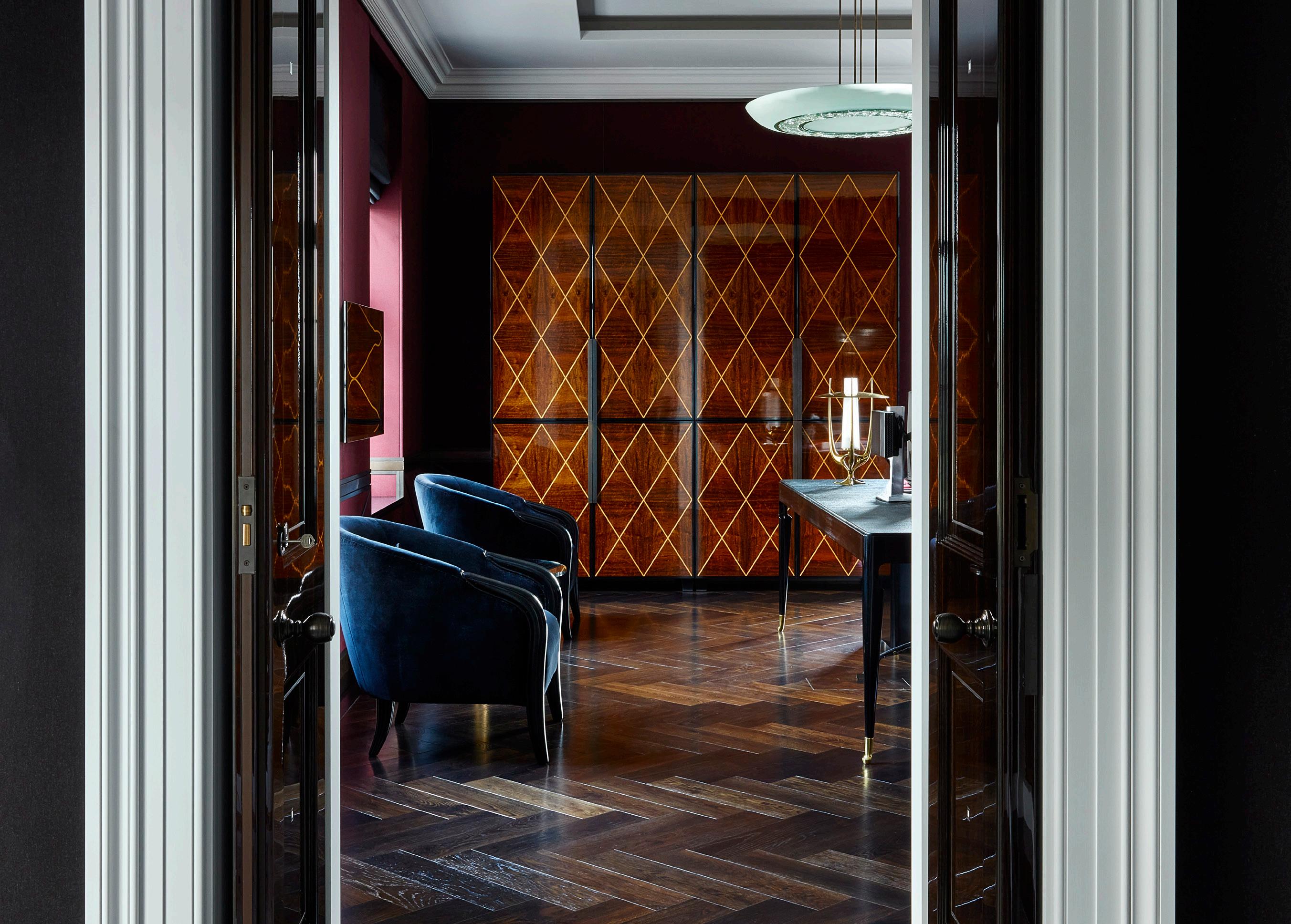
machinery and the glow of a 3D printer building its latest prototype, young apprentices stand alongside experienced makers learning skills that blend traditional handwork with modern technology. It is here that the next generation begins shaping its own understanding of what making can become.
On speaking with apprentices at different stages of their journey, a shared sense of curiosity, pride, and progression quickly becomes apparent. For Sophie, no two days feel the same, with every college assignment and live project presenting an opportunity to learn something new. Connor speaks about an early interest in woodworking sparked by time spent helping his grandad, while Ruben reflects on how working alongside experienced makers has strengthened both his confidence and intuition when approaching complex decisions on live projects.
For Ollie, the connection runs even deeper through family ties to the business and a long-held ambition to pursue cabinet making from a young age, drawn to the
satisfaction of seeing intricate details come together with absolute precision. Ross describes the quiet reward of leaving each day having learnt something new, alongside ambitions to continue developing his skills within the company, while Amber shares her admiration for marquetry and the way it can elevate a piece entirely, inspiring her own creative approach within her college work.
This commitment ensures that these skills continue to evolve while retaining the depth, integrity, and attention to detail that have defined the company from the very beginning. And as you leave the workshop behind, carrying with you the scent of timber and the memory of ideas taking shape, it becomes easy to imagine the interiors still to come, perhaps even your own place at sea, shaped by the hands of those already crafting the future.
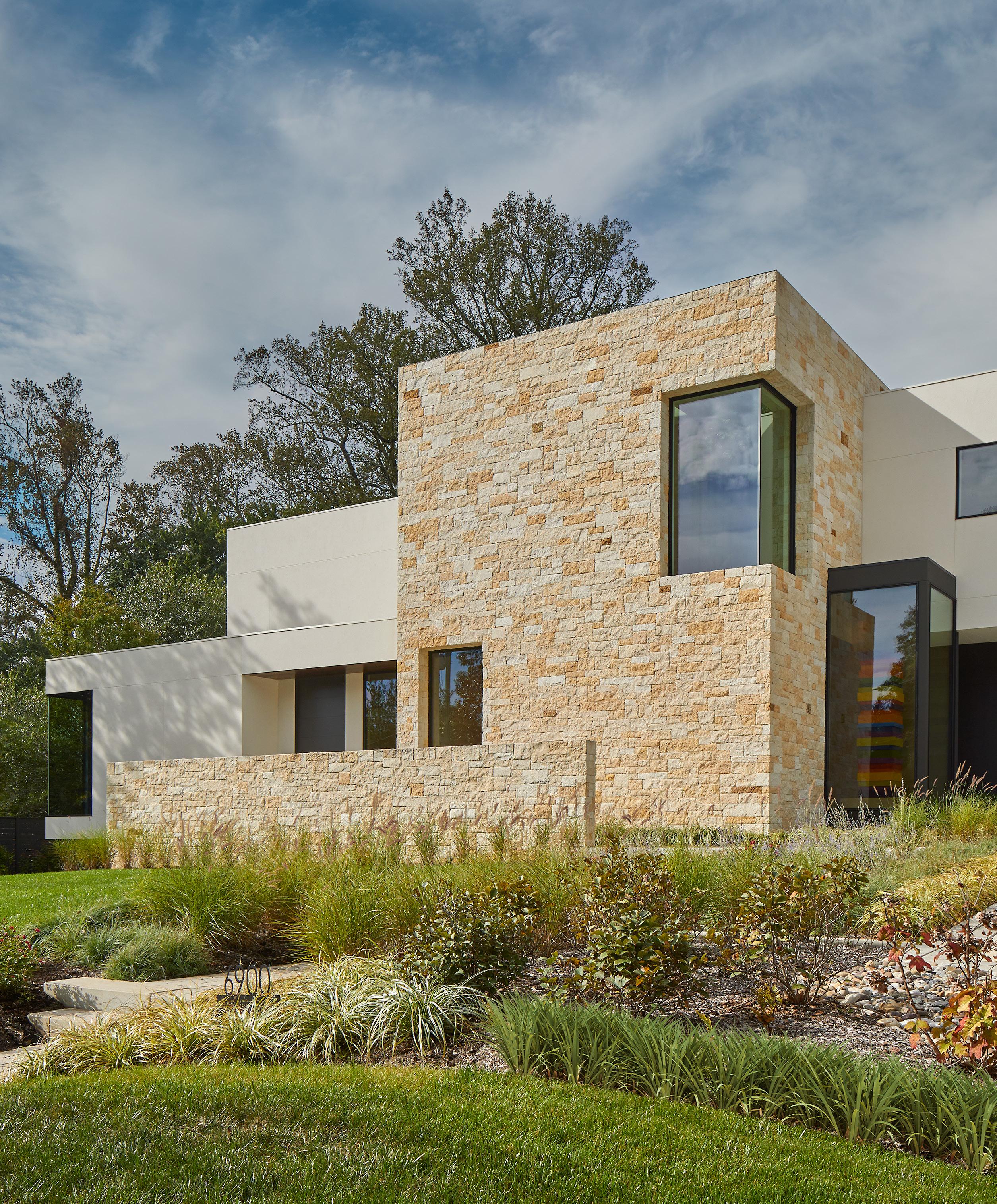


OCEAN SPACE and

From the depths of the ocean to boundless space, modern luxury travel invites the adventurous to explore realms once reserved for dreamers. Beneath the waves, private submarine expeditions reveal vibrant coral kingdoms, sunken shipwrecks, and untouched marine sanctuaries. Beyond the atmosphere, orbital voyages and suborbital flights offer an entirely new perspective – the curvature of the Earth, the glow of city lights from hundreds of miles above, and the exhilarating silence of the universe. Both journeys redefine exploration, but both offer the rarest indulgence of them all – a front-row seat to worlds few have seen and even fewer have experienced in style.
OCEANS
Ocean tourism sits at the intersection of exploration and escapism, where the world’s both largest and most unpredictable landscape becomes a destination. Unlike land-based travel, the ocean resists permanence. It shifts constantly. Currents redraw routes, light transforms color, and weather can flip from calm waters to terrifying storms.
Modern ocean tourism now operates less like traditional vacation travel and more like a blend of expedition science, luxury hospitality, and adventure logistics. At the high end, travelers board expedition vessels or luxury cruise ships that function as floating research hubs. They are equipped with submersibles, decompression facilities, onboard dive instructors, and route planning that follows seasonal marine migrations. It is within this ecosystem that “deep sea diving loops” have emerged as curated global itineraries. They can be multi-week or multi-month circuits that move divers across ocean basins to experience radically different underwater environments in a single journey.
These loops are designed around oceanography and biodiversity rather than geography alone. A single itinerary might begin in tropical coral reefs, transition to remote atoll systems, then continue toward pelagic drop-offs, submarine volcanoes, and even cold-water kelp forests. The appeal is in the contrast. Divers experience not just depth, but entirely different underwater worlds shaped by currents, temperature gradients, and geological history.
The loops typically rotate through three types of environments. Tropical

reef systems, biodiversity hotspots, as well as geological or historical extremes which feature sinkholes, wrecks, and vertical formations that require advanced certification. These routes are often operated by liveaboard vessels that reposition seasonally, allowing divers to follow whale migrations, plankton blooms, and optimal visibility windows. A full circuit can span the Pacific, Indian Ocean, and parts of the Atlantic, effectively turning the planet into a continuous dive itinerary.
Some locations consistently anchor global diving circuits because they combine depth, clarity, biodiversity, and unique underwater terrain:
The Great Barrier Reef. Of course, this reef is a deep-sea diving magnet. It is the world’s largest coral reef system and offers everything from shallow coral gardens to steep outer reef walls that plunge into deep blue ocean. Advanced dives here often involve drift diving along continental shelf drop-offs where large pelagic species pass through.
The Galápagos Islands. Dives here are designed for advanced divers due to strong currents and encounters with hammerhead sharks, marine iguanas, and whale sharks. Sites like Darwin and Wolf Islands are especially prized for pelagic megafauna encounters in deep open water.
The Raja Ampat Islands. These islands are often described as the epicenter of marine biodiversity. Located in Indonesia’s remote West Papua region, Raja Ampat combines steep underwater limestone walls, hidden caves, and deep channels carved by ancient tectonic movement. Its dive circuits feel like moving through an endless vertical
coral city, where every descent reveals layered ecosystems stacked from shallow reef gardens down into dark, nutrientrich drop-offs.
Palau. Also located in Indonesia, Palau is famous for its dramatic blue holes, sheer vertical drop-offs, and the iconic “Blue Corner,” where divers often hook into the reef to stabilize themselves against powerful currents. From this anchored position, the open ocean becomes a moving panorama showcasing sharks that patrol the blue water column, schools of tuna that surge past in coordinated bursts, and barracuda that hover like suspended metal in the current. The experience is less about swimming and more about observing an active pelagic highway unfolding just offshore.
Maldives. Beyond its reputation for overwater luxury resorts, the Maldives is structured around deep atoll systems and channel dives that connect open-ocean basins with protected lagoons. These channels act as natural funnels for nutrient-rich currents, drawing in manta rays in sweeping feeding spirals and seasonal gatherings of whale sharks. Many liveaboard itineraries follow long atoll chains, moving from one deep ocean pass to another, creating a rhythm of dives shaped entirely by current flow and pelagic migration patterns.
Silfra Fissure. The Silfra Fissure in Iceland offers a radically different form of diving. It is a cold-water immersion between the North American and Eurasian tectonic plates. While not “deep sea” in the oceanic sense, it delivers an otherworldly sense of depth through clarity
rather than vertical distance. Visibility often exceeds 100 meters, allowing divers to drift through a narrow rift that feels suspended in air rather than water. The silence is extreme, the water near-freezing, and the geology is exposed in detail. This makes it one of the most visually distinct dive environments on the planet.
What distinguishes modern deep-sea diving tourism is that divers are no longer visiting a single destination but rather moving through a sequence of underwater biomes. Each stop changes not only the marine life, but also the physics of the dive itself through visibility, currents, depth profiles, and even breathing gas requirements in advanced technical dives. The result is a form of travel where the ocean becomes the map, and each descent is a transition into a different version of the planet. One that is largely hidden from the water’s surface but connected beneath it.
SPACE
For most of human history, space belonged to astronauts, cosmonauts, and carefully selected test pilots. People who trained for years just to glimpse Earth from above. All that has changed.
Space tourism is no longer a theoretical luxury or an abstract dream. It is an emerging industry with real flights, real passengers, and a rapidly developing commercial ecosystem built around one idea. That orbit is the ultimate destination experience.
But unlike traditional travel, space tourism is not just a luxury tier. The modern space tourism era traces its roots to a handful of private companies that refused to treat space as off-limits. Among the earliest and most influential is SpaceX, founded by Elon Musk, which transformed orbital flight from rare national missions into a scalable commercial system. While SpaceX’s primary business are launch services and Mars ambitions, its reusable rockets have made civilian spaceflight technically and economically plausible.
Another key player is Jeff Bezos’ aerospace company Blue Origin. Unlike Space X, Blue Origin focuses heavily on suborbital tourism – those short flights that cross the edge of space and offer passengers a few minutes of weightlessness and a view of Earth’s curvature. And then there is Virgin Galactic, Richard Branson’s spaceflight venture. This company has built its brand around a very specific promise. That space can be a curated, high-end experience rather than a technical expedition. Each company represents a different philosophy of access. But together, they form the backbone of a new industry that is still defining itself in real time.
For suborbital flights, the experience is brief but intense. After launch, passengers pass the Kármán line, the widely recognized boundary of space, and experience a few minutes of microgravity. Earth appears as a thin blue arc suspended in darkness. There is no horizon in the conventional sense. There is only curvature, silence, and motion without friction.
For orbital tourism, reserved for a far smaller group, the experience extends into days. Passengers circle Earth every 90 minutes, watching sunrises and sunsets repeat in rapid
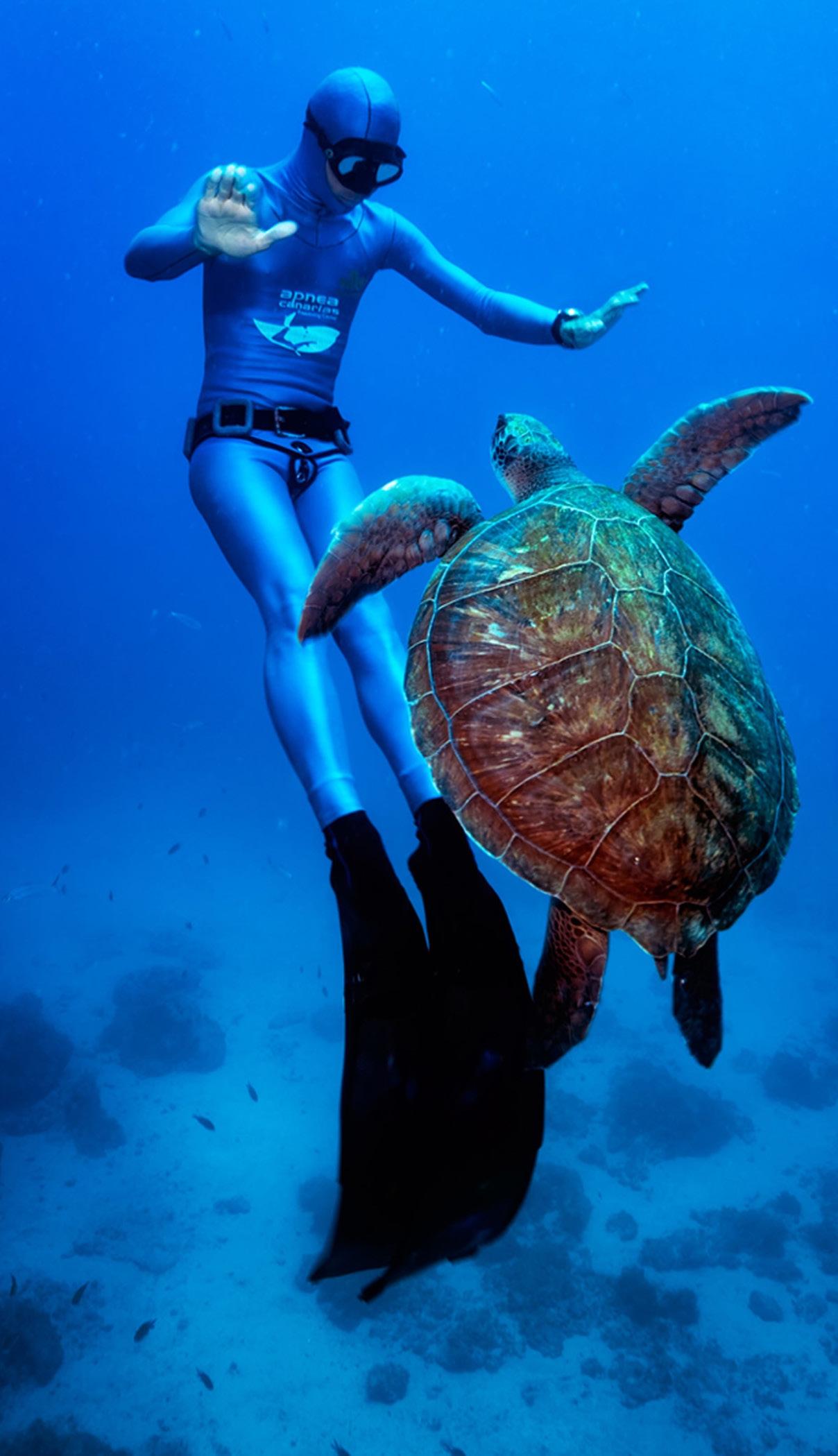
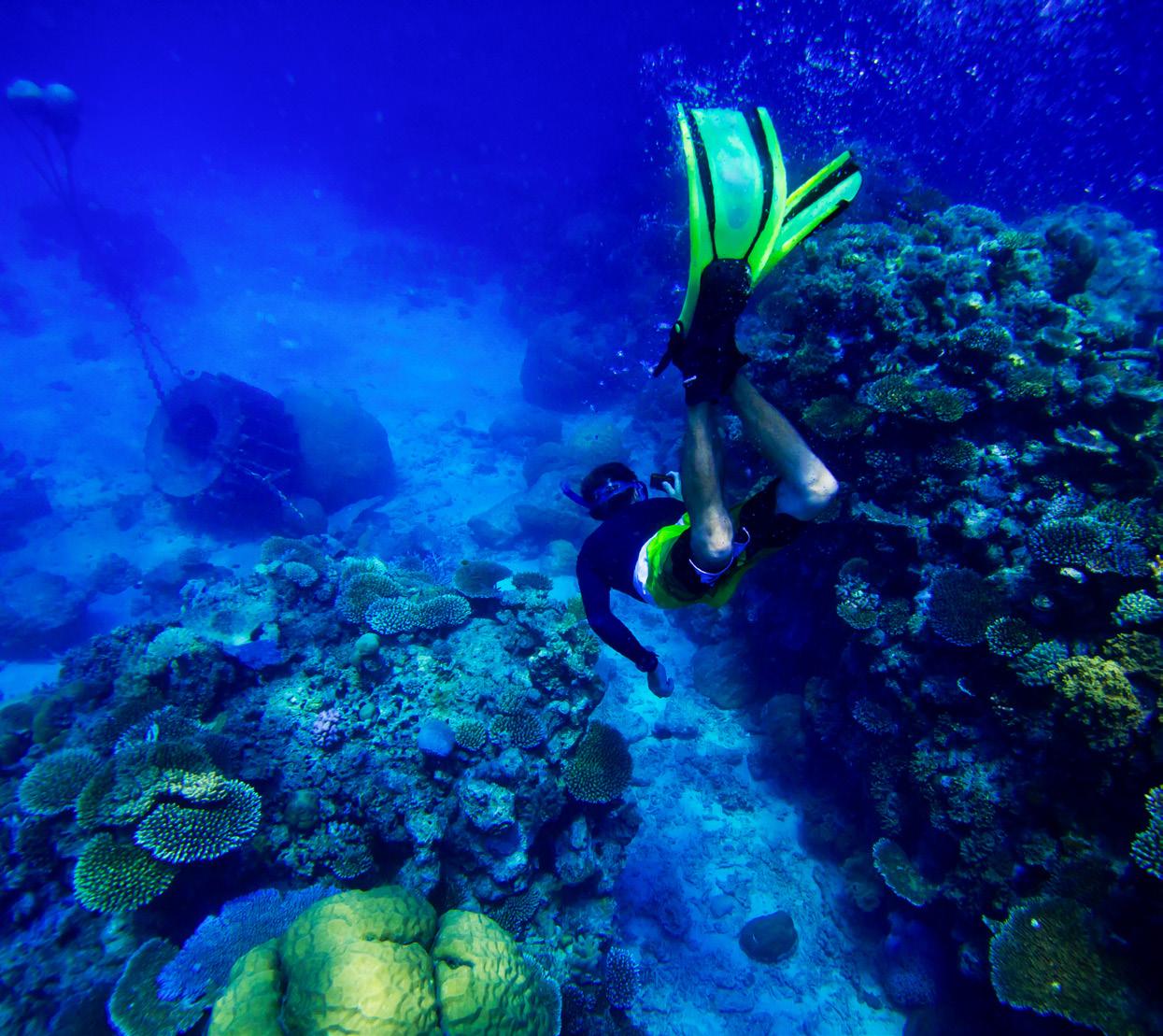
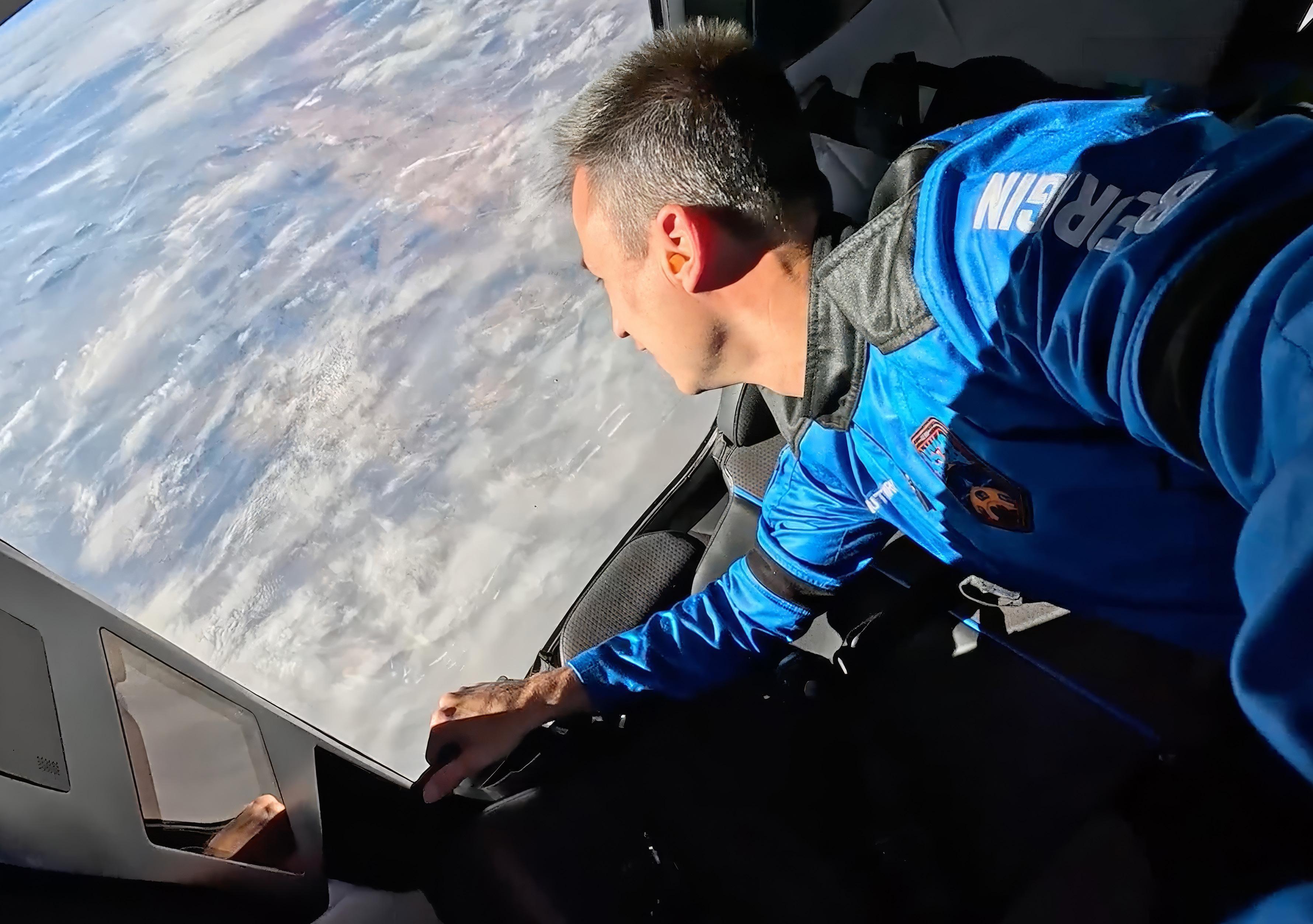
succession. Time becomes disoriented. Sleep becomes optional rather than structured. It is similar to living on the International Space Station.
If luxury travel has always been defined by scarcity, space tourism is scarcity in its purest form. Tickets currently range from hundreds of thousands of dollars for suborbital flights to tens of millions for orbital missions. But pricing alone does not fully describe the barrier to entry.
Training, medical screening, scheduling constraints, and limited flight availability all contribute to an ecosystem where access is as important as affordability. This is not mass tourism. It is access to an environment that still operates closer to experimental aviation than
commercial travel.
And yet, demand continues to grow.
Denis Tito was the first space tourist in 2001. Since then, seven private individuals have traveled to the International Space Station as paying tourists on Russian Soyuz missions. Blue Origin’s New Shepard flights have carried over 100 people, while Virgin Galactic has flown dozens. Looking ahead, analysts predict that between 2026 and 2030, 1,000–2,000 paying civilians could go to space, mostly on suborbital trips. And by 2030–2040, with reusable rockets, orbital missions, and private space stations, that number could rise to 5,000–10,000. Virgin Galactic plans to fly 400–500 suborbital passengers each year once
its new Delta spacecraft is operational. People are quite literally saying, Fly Me To The Moon.
In previous eras, luxury travel meant private islands, superyachts, or bespoke global itineraries. Now, space has entered that hierarchy but not as a replacement, rather as an apex. A seat on a spacecraft is capital. It signals participation in a very small group of people who have physically left Earth. Spaceflight is no longer just an exploration of physics. It is becoming the highest luxury experience.
courtesy of Blue Origin
Photos

Where Global Influence Meets Unrivaled Advocacy
A Transatlantic Fiduciary Partner for the Global Elite
In a world where property is no longer just an asset, but a strategic component of global wealth, the conventional real estate model is obsolete. For the ultra-high-net-worth individual whose life and investments span the Atlantic, success requires more than a broker, it requires a fiduciary partner. Operating as a single advisory platform across London, Washington DC, Los Angeles, and New York, we translate American expectations of transparency and advocacy into the UK property system.
Your next chapter starts here.

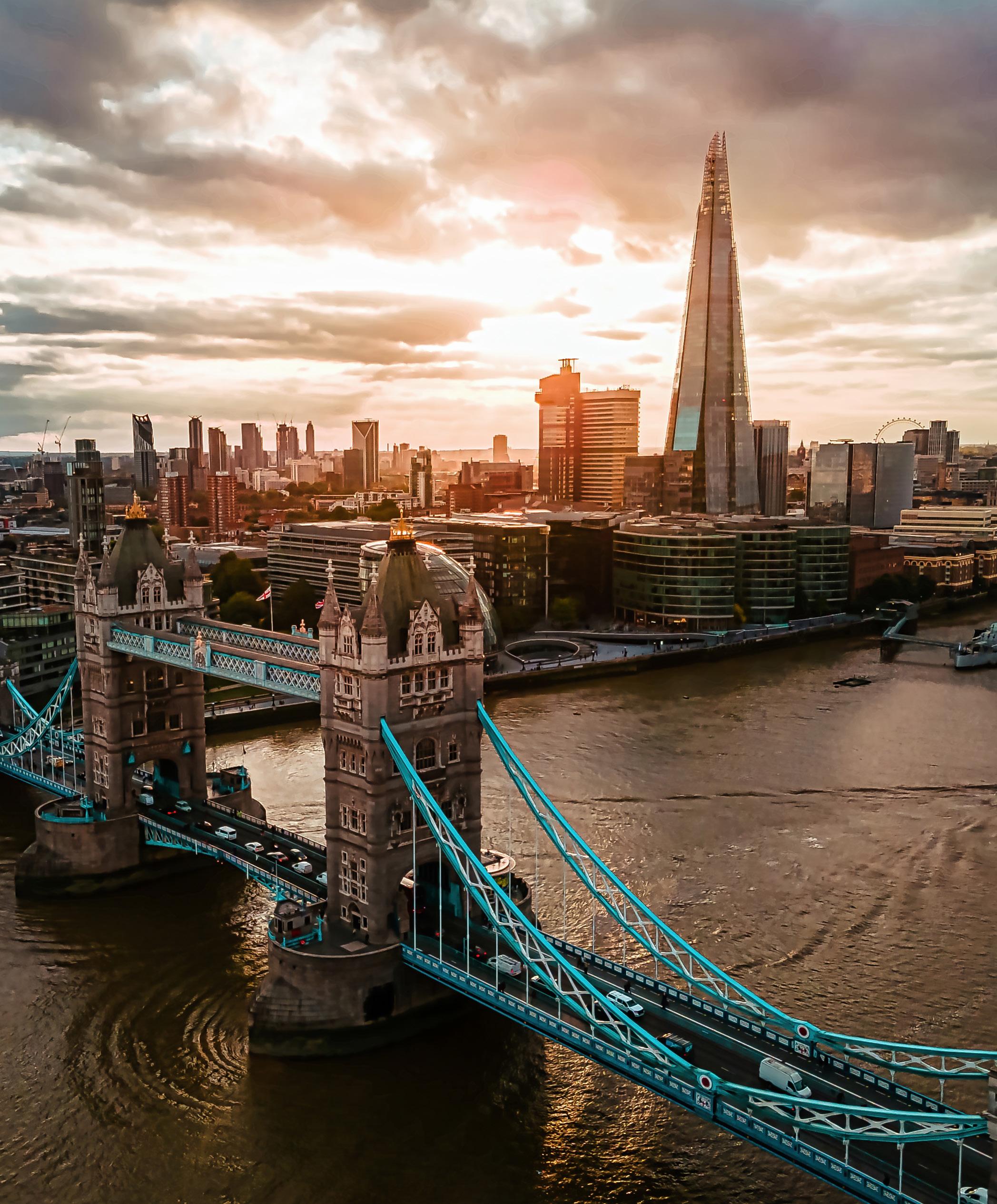
BLACKBOOK

IT’S SUMMER, AND THAT MEANS IT’S TIME FOR A SCOOP (OR TWO) OF ICE CREAM. YOU DON’T HAVE TO BE A CHILD TO BE EXCITED FOR THE SEASONAL TREAT, AND IF YOU HAPPEN TO BE IN ONE OF THESE CITIES – AND THE HEAT IS RISING – LET YOUR ADULT TASTE BUDS GO WILD.
GELATO: VERO LATTE, VIGEVANO PV, ITALIA.
Often cited as Italy’s very best, this gelateria is known for its exceptional texture, balance of flavors, and meticulous use of fresh, seasonal ingredients, often placing ahead of long-established rivals across the country.
DONDURMA: MARAŞ DONDURMACI - PAMARS, KAHRAMANMARAŞ, TÜRKIYE.
As the birthplace of traditional Maraş dondurma, this highly rated classic shop is known for its authentic, chewy texture and deep, rich flavor. It’s a must-try where the dessert’s history began.
MOCHI: GEKKO, TOKYO, JAPAN.
Gekko is known for freshly prepared mochi, pounded over 400 times per batch for ideal chewiness and balance. They offer both sweet and savory varieties in a traditional setting paired with Japanese tea.
KULFI: KUREMAL’S MOHANLAL KULFI WALE, DELHI, INDIA.
This shop is iconic and widely regarded as the very best traditional kulfi shops in India. Established in 1906, it’s famous for its authentic, richly flavored and creamy kulfis served in classic styles like malai, kesar-pista, and fruit-infused varieties.
HELADO: CADORE GELATO ARTIGIANALE, BUENOS AIRES, ARGENTINA.
One of the very best places to taste traditional Argentine helado, this shop is family-run, founded in 1957, and recognized internationally for its dense texture and legendary flavors like dulce de leche, pistachio, and sambayón.
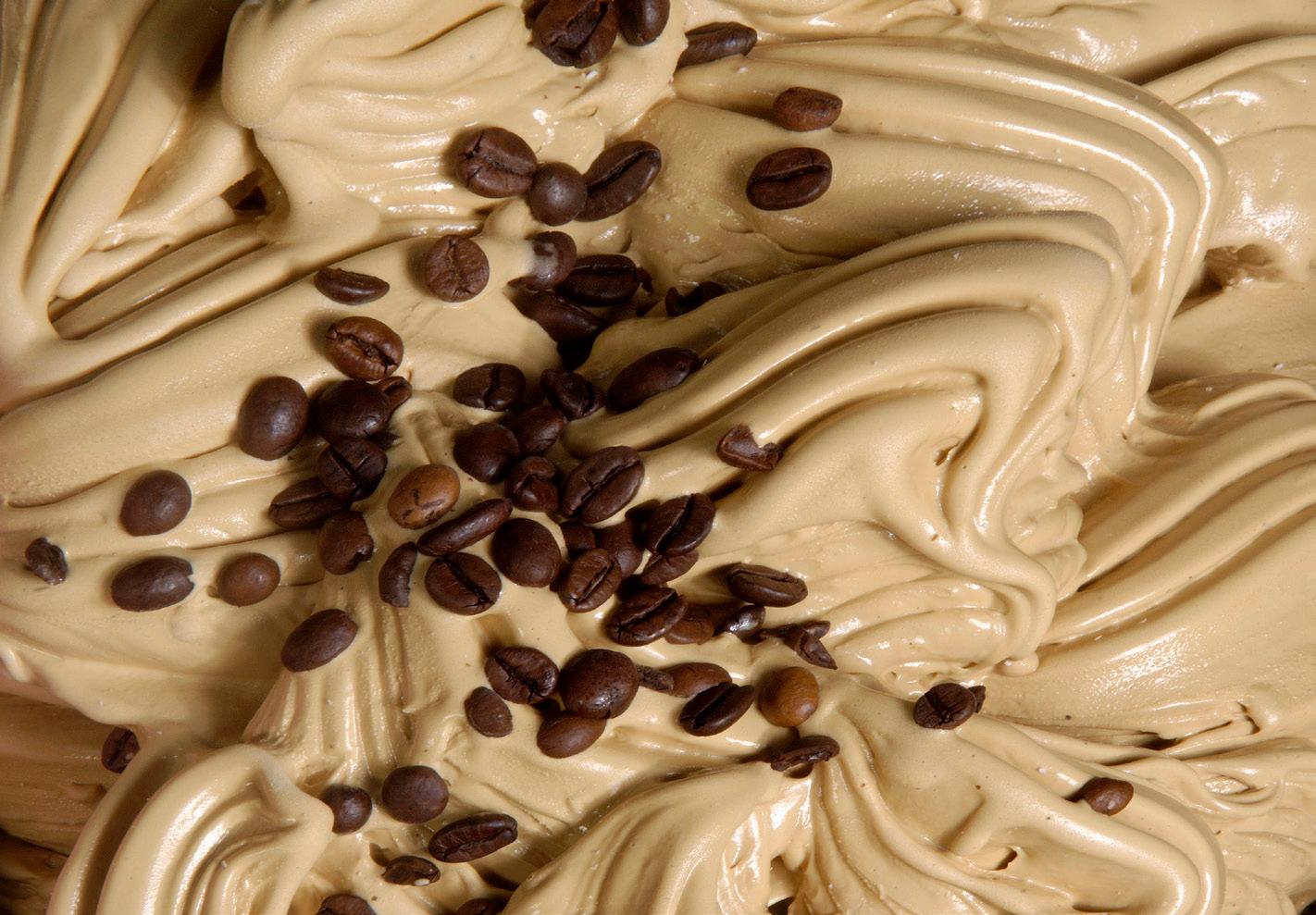
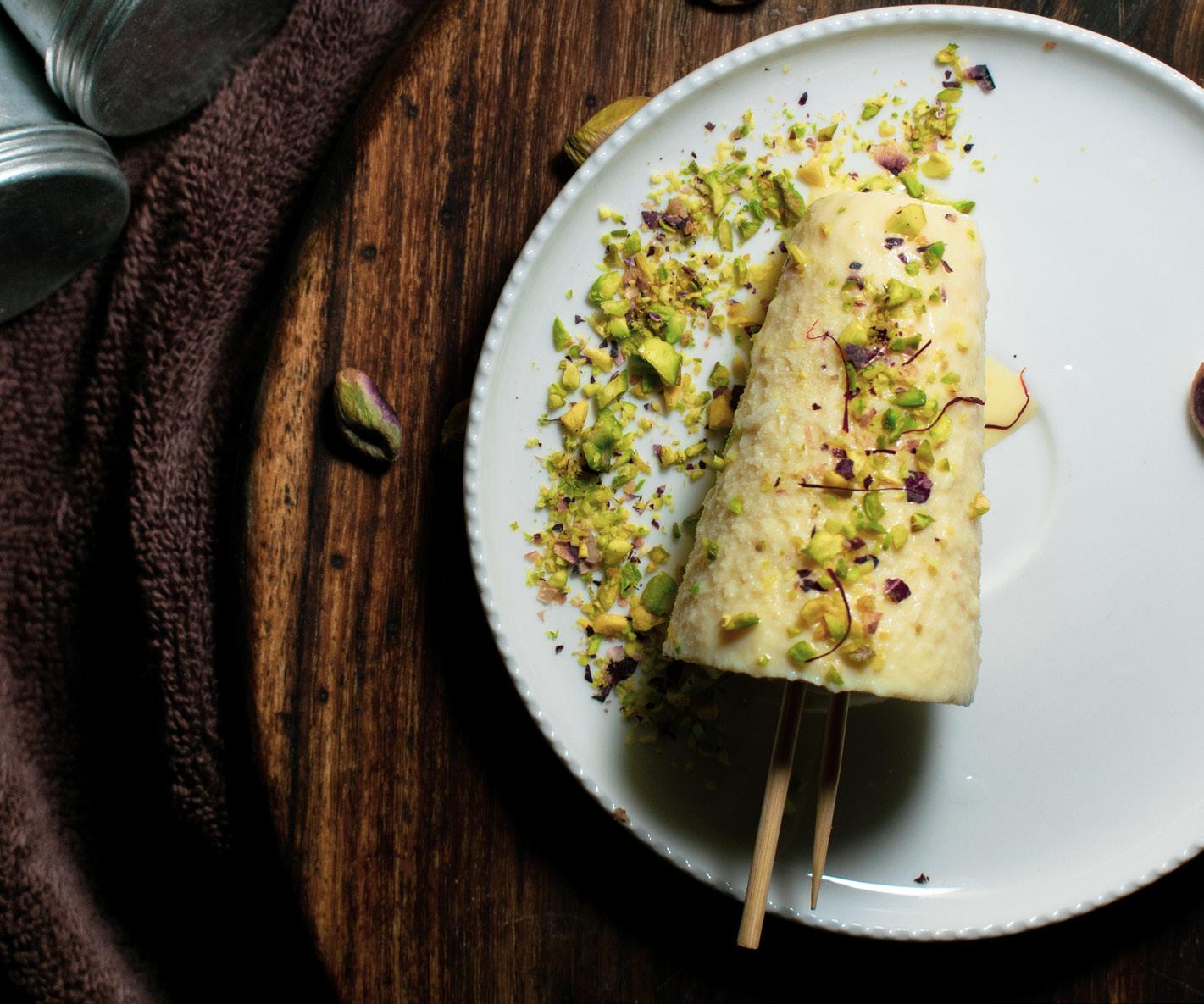
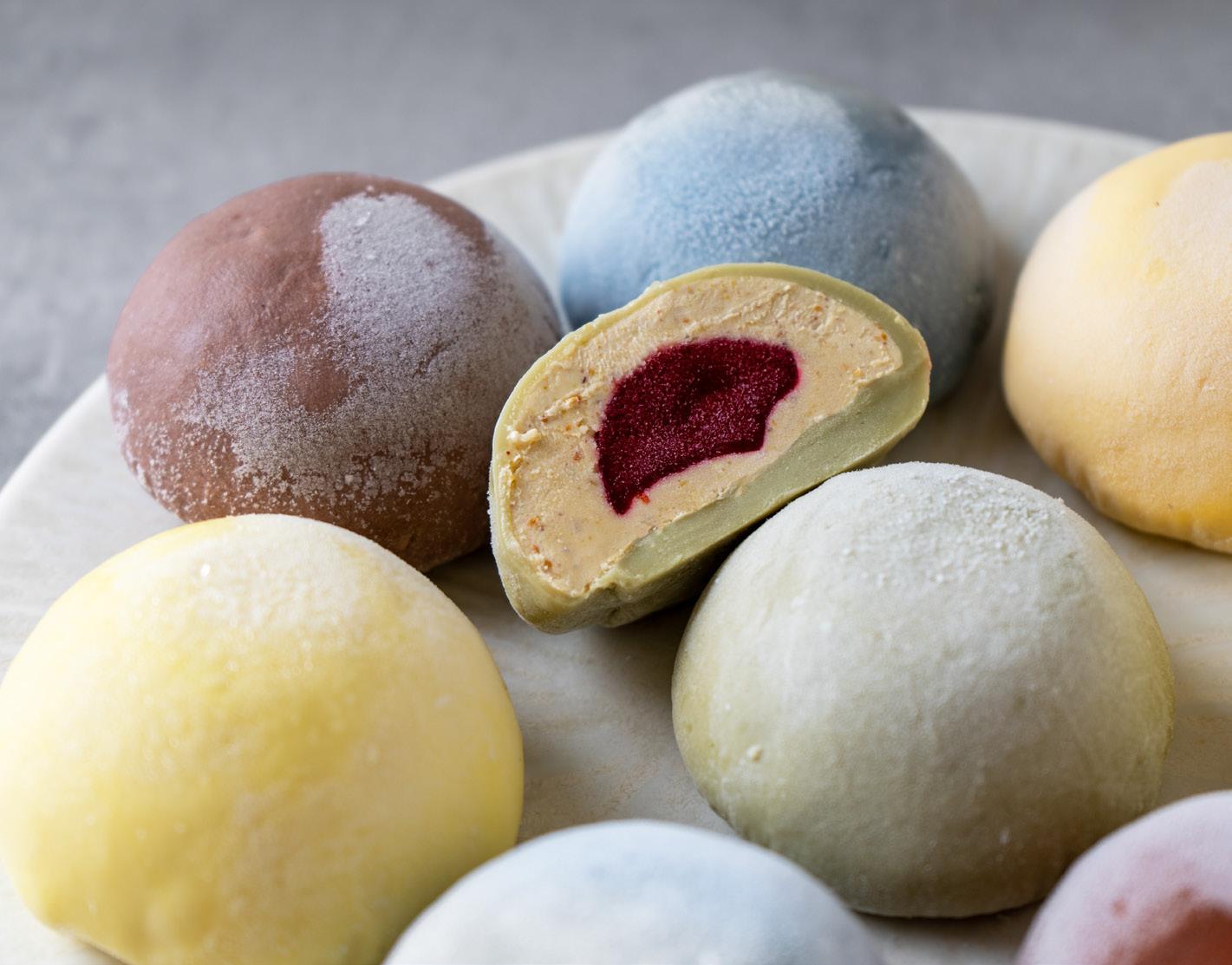
Epicurean Luxe – St. Barthélemy
LE TAMARIN
St. Barts offers a diverse and luxurious dining scene that blends Caribbean freshness with French refinement, from white-tablecloth fine dining to casual beachside bites. The island is home to some of the Caribbean’s most acclaimed restaurants.
LE TAMARIN
ROUTE DE SALINE, 97133 SAINT BARTHÉLEMY
Le Tamarin is a legendary restaurant set within a lush tropical garden filled with palms, lanterns, and reflecting pools, creating one of the most atmospheric dining environments in St. Barths. Long favored by visitors and island regulars, the restaurant blends upscale French cuisine with relaxed Caribbean elegance.
Sample Tasting Menu:
Cold -Smoked Blue Mussels with Roasted lobster linguine with coral cream sauce and fresh herbs. Sweet Caribbean lobster is folded into delicate pasta coated in a rich shellfish cream sauce that delivers both elegance and coastal depth.
Filet of beef with black truffle jus and gratin dauphinois. Perfectly cooked beef is paired with velvety potato gratin and aromatic truffle sauce, creating a luxurious French classic with exceptional richness and balance.
Seared tuna with sesame crust, soy reduction, and wok vegetables. The tuna’s clean richness is enhanced by savory umami notes and crisp vegetables, offering a lighter yet deeply refined island-inspired dish.
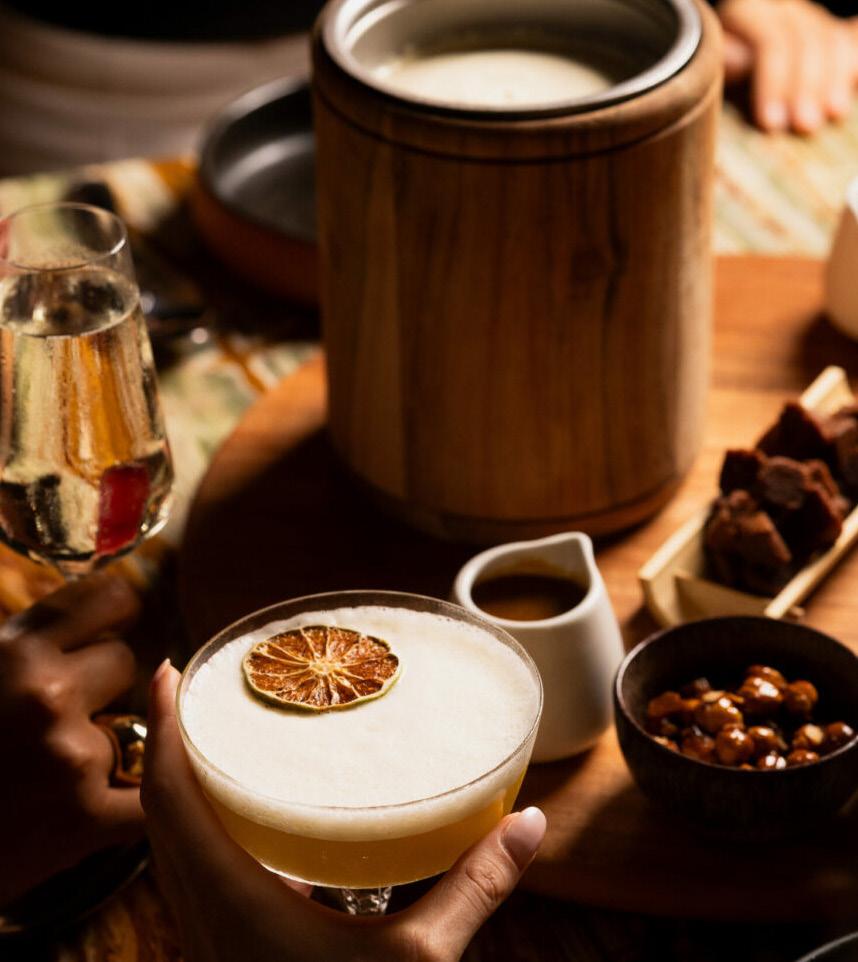
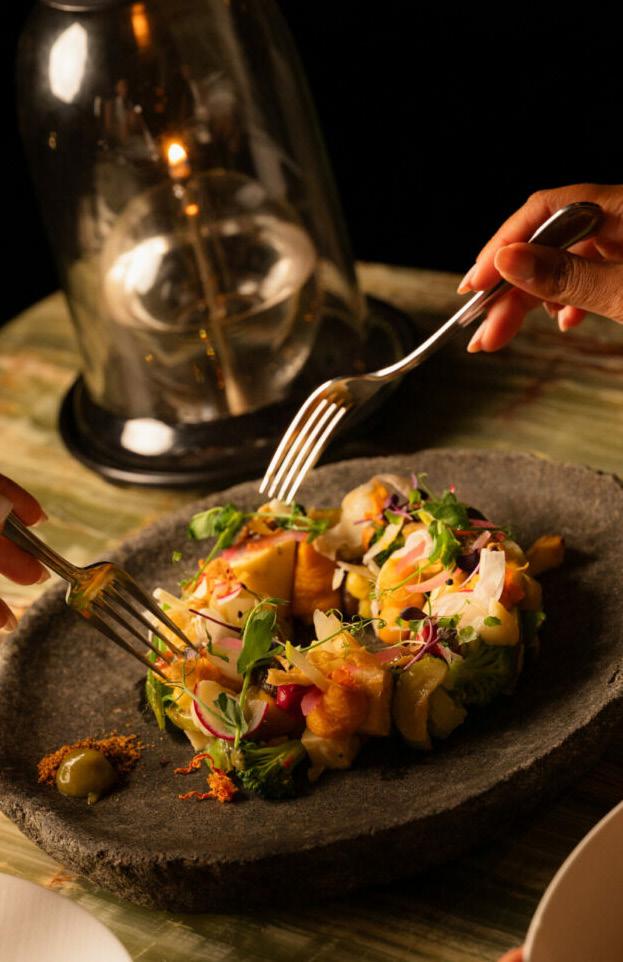
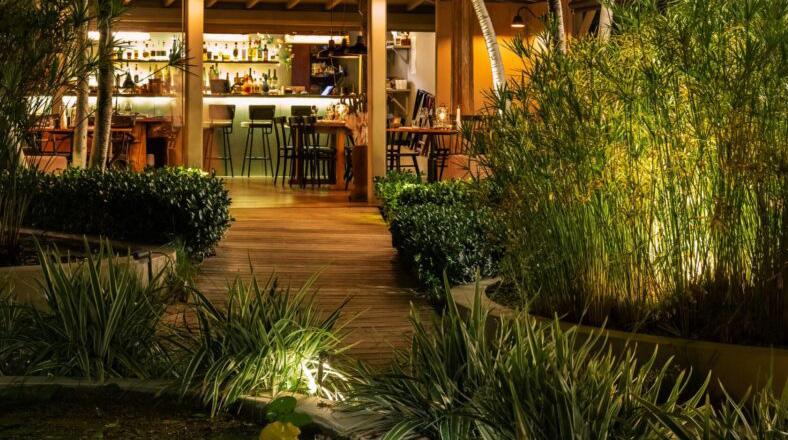
TIPSY TEMPTATIONS
by Charles M. Tappan, Jr.
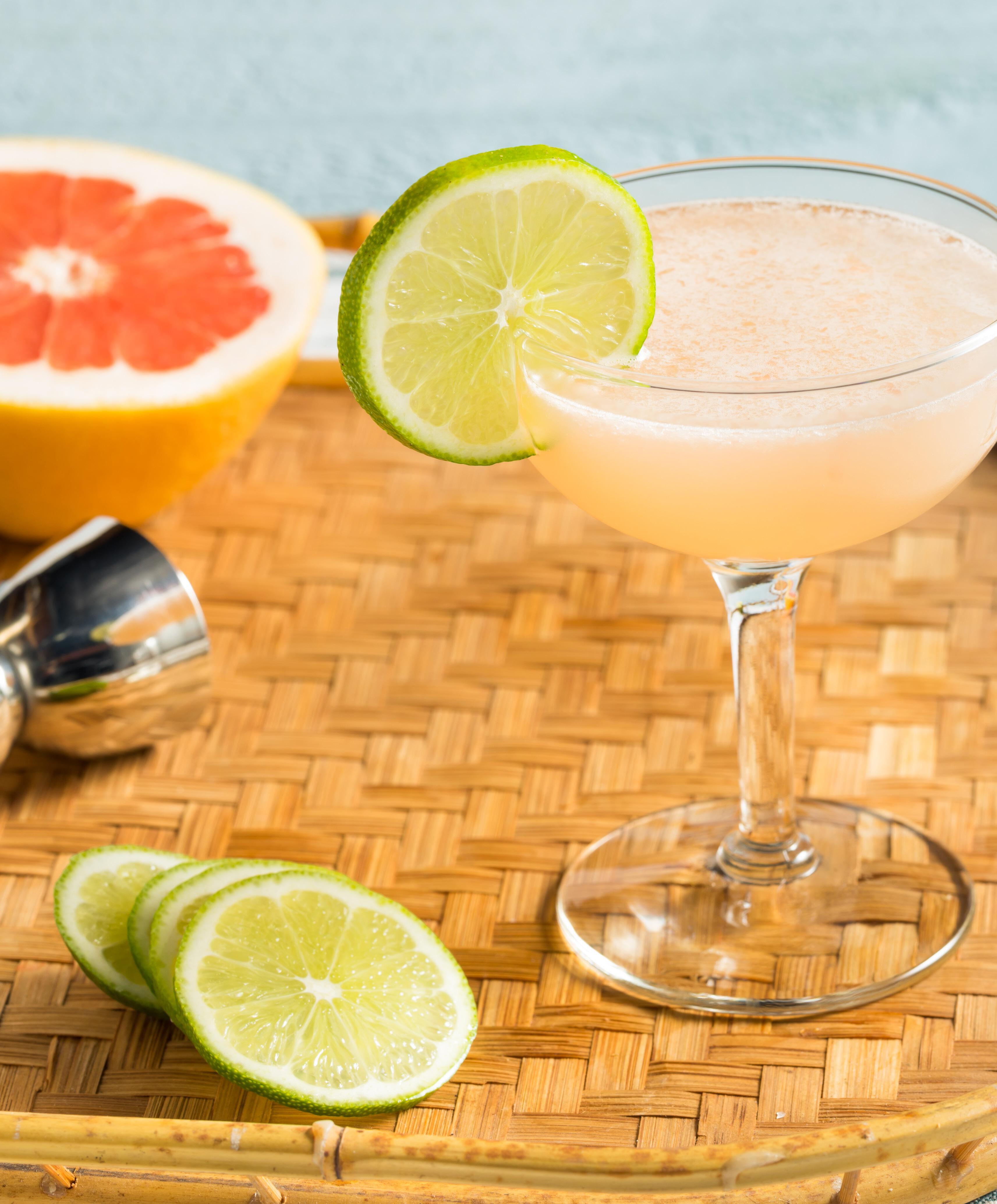
Where craft meets curiosity. This section is an invitation to those who appreciate the alchemy behind a perfectly balanced pour—the subtle dialogue between spirit, spice, and season. Each custom creation in these pages is thoughtfully mixed to be savored slowly, celebrating both technique and imagination. Raise a glass, and let the artistry unfold.
The Runway
Glassware – Chilled Cocktail Glass
2 oz. Gin
.5 oz. Grapefruit Juice
.5 oz. Luxardo
.5 oz. Lime Juice
Directions: Combine ingredients over ice into a cocktail shaker, shake to a count of 13, and strain into a chilled cocktail glass. Add lime wheel as garnish, serve and enjoy!

Paper Plane
Glassware – Chilled Cocktail Glass
.75 oz. Bourbon
.75 oz. Lemon Juice
.75 oz. Amaro Nonino
.75 oz. Aperol
Garnish: Orange Twist
Directions: Combine all ingredients into a cocktail shaker with ice and shake to slow 13 count. Strain into a chilled cocktail glass, garnish, serve and enjoy
Flight Path
Glassware – Chilled Cocktail Glass
1 oz. White Peach Puree
1 oz. Vodka
1 oz. Carpano Bianco
.25 oz. Ginger Juice
Top with Sparkling Brut (about .5 oz.)
Garnish: Candied Ginger
Directions: Combine all ingredients (except for sparkling brut) into a cocktail shaker with ice and shake to slow 13 count. Strain into a chilled cocktail glass, top with sparkling Brut, garnish, serve and enjoy!
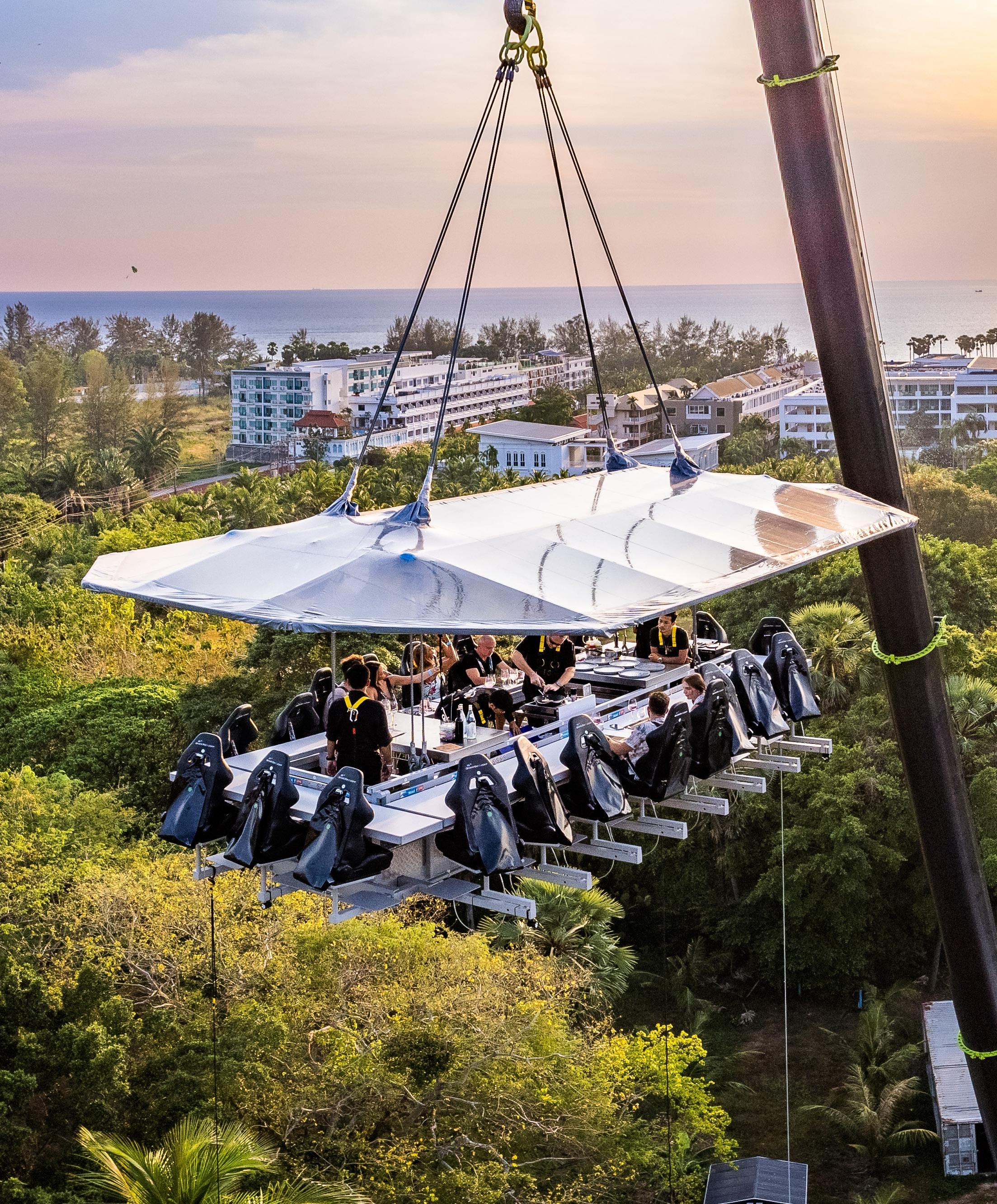
DINNER IN THE
Sky
Dinner in the Sky, a traveling pop-up dining experience, transforms dining into a spectacle by suspending guests high above the ground. Strapped securely into their rotating seats, around a shared table and central kitchen, diners eat while overlooking city skylines, coastlines, or illuminated urban landscapes from more than a hundred feet in the air.
The concept originated in Belgium and now tours internationally, operating in more than 60–65 countries across the world. It has been staged in major cities such as Paris, Dubai, Las Vegas, São Paulo, Cape Town, Tokyo, and Sydney, as well as rotating European capitals.
Participating in this dining event is part thrill ride and part dinner service. Prior to launching upwards, music blasts, countdowns ensue, and a kind of “festival atmosphere” begins. Once elevated, the city spreads out below like a map.
Suspended in the sky, diners have a sensation of floating above the city. It’s neither a modern Michelin nor a stuffy, iconic dining room. Instead, wind, light, and panoramic views create the dining atmosphere. At night, especially, the experience feels unreal, with glowing streets and distant buildings spread out beneath the table as a living backdrop.
Those who have experienced this unique culinary event often emphasize how quickly the experience shifts from excitement to calm. One Hamburg participant noted that once you’re fully in the air, the initial adrenaline fades, and the focus becomes the combination of wind, height, and slow-moving fine dining service. Conversations tend to slow down, and people spend a lot of time simply looking outward at the harbor cranes, stadium lights, and the city below.
At these staged events, the food is that of fine dining. Past menus have included starters such as seaweed or beet salad with fresh greens or an antipasti-style plate, mains featuring gnocchi with vegetables, chicken breast with sauce, or a vegetarian pasta, and, of course, a dessert, maybe a panna cotta or chocolate mousse. Both alcoholic and non-alcoholic drinks are served with the meal.
But diners understand that you don’t sign up for Dinner in the Sky for a gourmet meal. You indulge for the experience. It’s an observation deck with food attached. It’s a place to eat while floating, where the sky and the city below surround you.

FIRE ICE and

There are countries you visit. There are counties that you feel. Iceland belongs firmly to the latter. It is the land of fire and ice. Few places embody contradiction so beautifully.
Icelandic landscapes are forged through conflict. Whether it is volcanoes erupting or geothermal vents piercing frozen valleys or glaciers that last for miles, in this country Mother Nature speaks loudly. Nature exists in extremes. It is as if it is locked in a centuries-long battle that has shaped not only the landscape, but the spirit of the country itself.
Yet what makes Iceland unforgettable goes far beyond volcanoes and glaciers. It is a place that you feel emotionally as much as physically. It is a country defined by fire and Ice. And to experience Iceland properly is to experience both. You can easily do so in one day.
Fire
Most guided tours of Icelandic lava fields begin with a drive out of Reykjavik. The road beyond the capital city seems as if it is a passage to another world. Black rock, hardened magma, and moss-covered lava formations look almost lunar. Miles of hardened lava stretch across the landscape in jags. These jags are the remnants of eruptions that once reshaped the island itself.
Driving through volcanic regions like the Reykjanes Peninsula or the ancient expanses surrounding Eldhraun Lava Field feels almost surreal. Witnessing steam escaping from cracks in the earth, smelling the sulfur in the air, and gazing upon the snow-covered mountains that rise in the distance is an experience in itself.
Icelandic guides tend to combine science with storytelling. Yes, it is explained how Iceland sits between tectonic plates and how lava fields continue to evolve over centuries. But guides also regale visitors with Icelandic folklore. The stories of hidden people and spirits and myths that are connected to the volcanic landscape. In Iceland, geology and mythology are intertwined.
Some guided experiences descend beneath the surface into lava tubes. These tunnels were once the channels that carried molten rock. Today they resemble underground cathedrals of volcanic stone. Inside, temperatures drop. Ceilings twist into strange formations created by cooling lava. Tours in lava caves feel adventurous but most only require climbing over rocks or navigating narrow spaces.
In recent years, areas on the Reykjanes Peninsula near sites like Fagradalsfjall have offered visitors the rare opportunity to witness newly formed lava fields. Depending on volcanic activity and safety conditions, guides may lead groups to viewpoints overlooking a landscape that is still steaming with fresh lava. There is something humbling about standing near land that did not exist in its current form just months or years earlier. What is surprising about these guided tours is how quiet they feel. Despite the dramatic scenery, lava field visits are rarely crowded once you move beyond the main access points.
Unlike traditional nature tours centered on comfort or entertainment, Iceland’s lava field experiences often leave visitors with a heightened awareness of the planet itself.




Ice
In Iceland, glaciers shape weather systems, carve valleys, feed rivers, and dominate entire horizons. Vatnajökull is Europe’s largest glacier by volume. Covering nearly 8% of Iceland’s landmass, it sits atop several active volcanoes hidden beneath layers of ice hundreds of meters thick. When eruptions occur beneath the glacier, the heat can melt enormous quantities of ice rapidly, causing dramatic glacial floods known as jökulhlaups.
Many geothermal waters themselves are linked to glacial systems. Meltwater from glaciers seeps deep underground where volcanic heat warms it before it rises back to the surface rich in minerals. Near glacial regions, geothermal spas dot the landscape. These spas are not indoors. They aren’t created of marble walls, artificial lighting, and massage rooms. In Iceland, they are part of the landscape itself.
The pools waters are naturally heated deep underground through volcanic activity. Rich in silica, sulfur, and minerals, the water carries a smooth, almost velvety texture against the skin. Some pools glow milky blue while others appear deep turquoise or silver depending on the light.
The experience of relaxing in a geothermal pool is difficult to describe. Your face remains chilled by Arctic wind
while your body is enveloped in heat. Steam rises around you. Water laps against volcanic stone. You are surrounded by a landscape made of glaciers and mountains. It is a very unique experience.
And spa treatments in Iceland also reflect the surrounding geology. Lava stone massages use heat retained from volcanic rock. Silica masks are gathered from mineralrich waters. Saunas overlook glaciers or lava fields rather than city skylines. Everything seems as if it is directly from the environment.
Unlike many luxury spa destinations built around indulgence and excess, Icelandic geothermal culture feels grounding. People soak quietly for hours. Locals and travelers share the same pools without formality. There is little pressure to rush or perform relaxation.
In the land of fire an ice, there is a profound awareness of nature’s power. Volcanoes interrupt routines. Storms alter travel plans. Darkness stretches across winter days. Few places embody contradiction as elegantly as Iceland, yet, somehow, everything feels balanced.
Iceland is not a country you see. It is a country you feel.
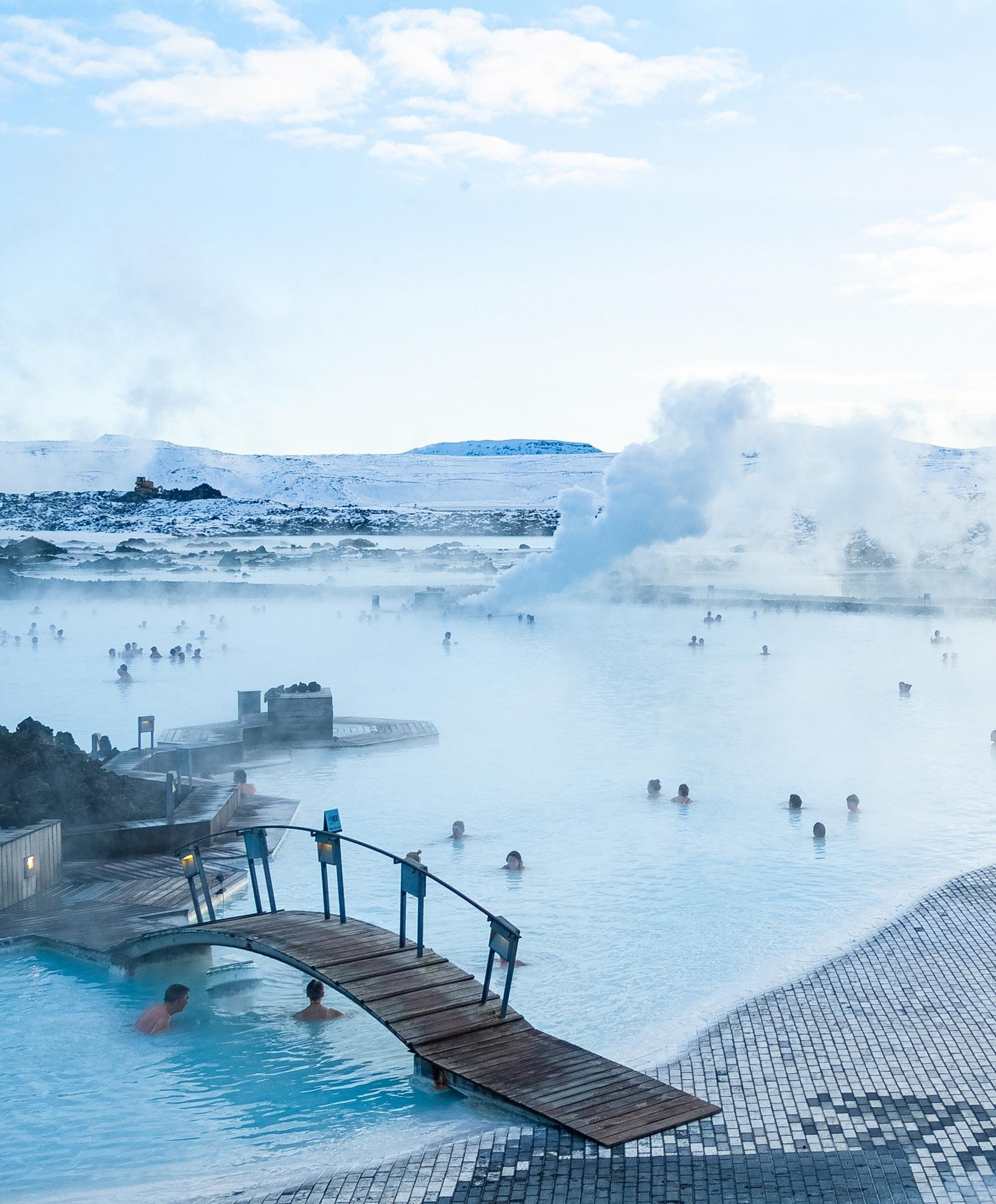
SAND SILK and

In Morocco, luxury is not defined by excess. Rather, it is defined by contrast. It’s a place where the austerity of the desert meets handcrafted opulence. The Sahara, especially near Erg Chebbi, is a wonderland of sand. Vast dunes have been shaped by wind into sculptural ridges of dramatic color. In contrast, in Marrakech, particularly within the hidden courtyards of the medina, silk becomes a marker of indulgence.
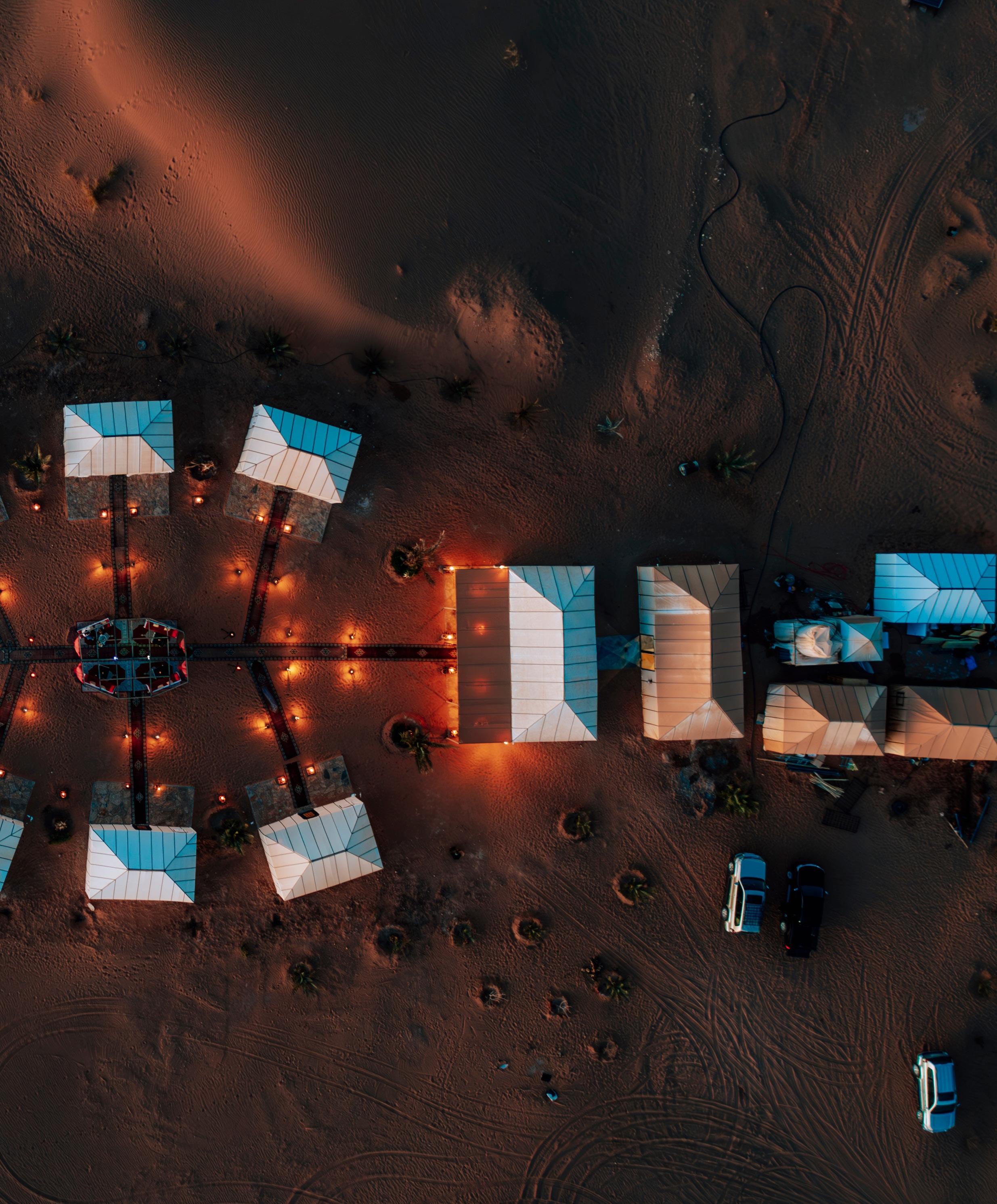
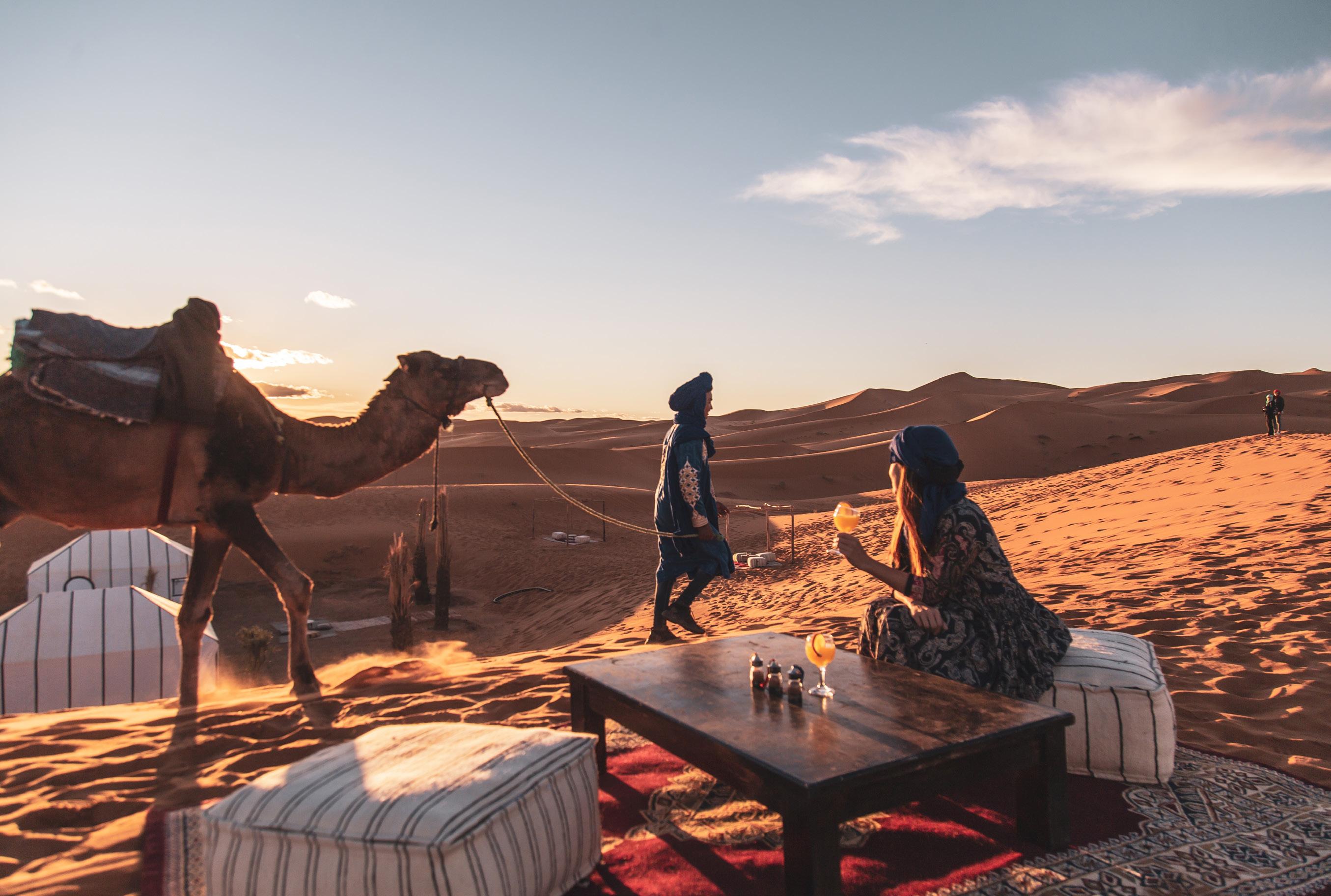
Sand
One travels to the Saraha to trek across a spectacular landscape. The journey to the trek’s starting point is unique in itself. Luxury desert circuits often include private helicopter transfers over the Atlas Mountains, revealing a shifting palette of valleys and snowtipped peaks before descending into palm groves and villages. For those arriving by road, the experience is more Bedouin. Guests are chauffeured, not on camels but in 4x4s, with stops at artisan cooperatives along the route to their desert camp. At these cooperatives, they observe weaving, dyeing, and embroidery techniques that supply some of Morocco’s most exclusive fashion houses and interior designers.
Once arriving at camp, guests find themselves in a sumptuous setting.
Handwoven Berber rugs are layered over sand and low-burning lanterns cast atmospheric light. But upon reaching their tent, many are taken aback by its outfitted hand-carved wooden furniture, linen drapery, and copper basins filled with rose water. This is not typical off-grid camping; this is indulgence in the desert.
Camel treks here are not treated as excursions but as acts of artistic composition. The routes are unhurried and designed less around distance and more around atmosphere. Riders move in single file across hard-packed plains and high ridges. It is hushed with guides allowing their visitors to appreciate the solemnity of the desert.
The ascents toward the dunes begin late in the afternoon, timed precisely for when the heat begins to fade and the desert starts to change
color. These climbs are intentionally reserved for sunset alone. As the caravan rises along the dunes, shadows lengthen into deep troughs. The sand reflects tones of copper, rose gold, amber, and violet. The desert is presented not as spectacle but as something quietly vast.
After sunset, the group descends toward a temporary dining camp. The dinners themselves are unexpectedly elaborate, given the isolation. A menu might include layered tagines scented with saffron and preserved lemon, charcoal-grilled meats, warm flatbreads baked in the sand, slowcooked vegetables, dates, mint tea, and pastries finished with orange blossom or honey. Courses arrive gradually over several hours rather than all at once. And music is handled with a sense of quietness, too. Traditional
Gnawa musicians often perform from the edge of the camp rather than its center. The metallic castanets and low pulse of the guembri create an atmosphere that is not one of entertainment. It is meant to enhance the experience itself.
Silk
Cities like Marrakech define luxury travel by privacy, craftsmanship, and atmosphere. In riads within the historic Medina, heavy wooden doors open into quiet interior courtyards with reflecting pools, citrus trees, and walls finished in smooth tadelakt, a traditional Moroccan waterproof lime plaster, which reflects light. The transition from the busy streets outside to these enclosed spaces is immediate.
For luxury travelers, the appeal lies in this complete separation. Many riads operate more like private residences than hotels, with only a handful of suites, dedicated staff, and interiors designed around comfort rather than display. Silk is used throughout these spaces to soften the architecture. It’s draped over arched doorways, layered across low seating areas, and incorporated into canopy beds. Silk cushions, wall panels, and lightweight curtains add texture without overwhelming the rooms.
The sensory details are carefully managed. Courtyards are lightly scented with orange blossom and cedarwood, while saffron tea is often served during private check-ins or evening gatherings on rooftop terraces. Lighting remains low after sunset, with lanterns and candles reflecting against tile and plaster surfaces rather than bright overhead fixtures.
Suites often include marble baths, private hammam spaces, and dressing areas stocked with handwoven robes and silk slippers. Dining is similarly intimate, with meals served in courtyards or private salons instead of formal restaurants. Tables are typically set with linen, polished silver, and simple floral arrangements, while menus focus on refined versions of traditional Moroccan dishes paired with contemporary service standards.
Luxury travelers move through Marrakech, engaging in curated shopping appointments with local artisans and hammam treatments that combine traditional rituals with contemporary spa design. Days are often structured around private experiences. These visitors to the city sign up for guided walks through the souks before opening hours and intimate dinners on candlelit rooftops or evenings listening to live Gnawa music in secluded garden settings. They also leave the city to enjoy private hot-air balloon flights at sunrise, followed by breakfast in the desert, or spend the day at remote kasbahs or Berber villages with private guides and chefs.
Many riads arrange after-hours access to gardens, palaces, and artisan workshops, allowing travelers to meet ceramicists, textile makers, and jewelers in quieter, more controlled settings. Fashion-focused visitors often book private caftan fittings and custom silk embroidery

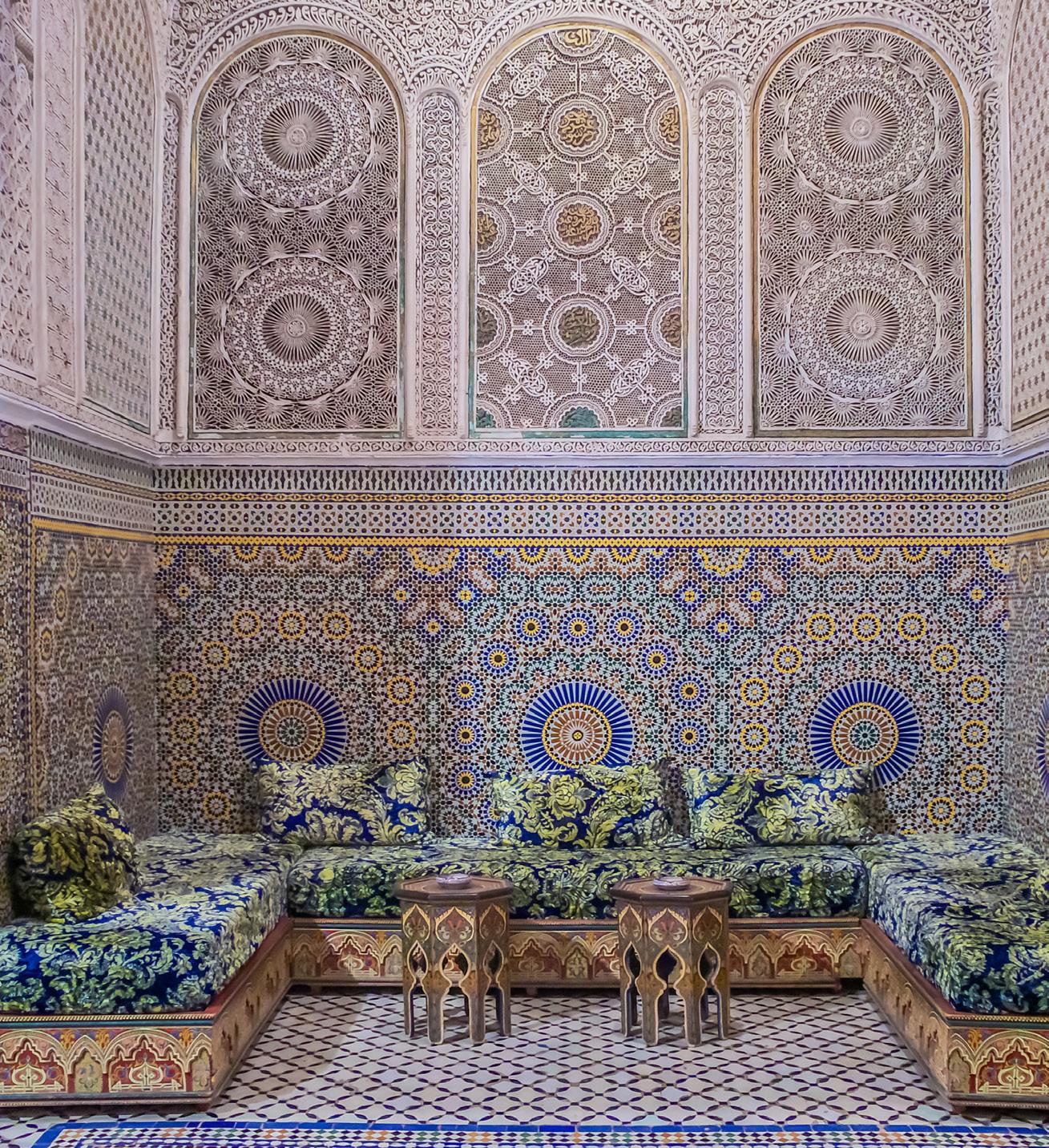
appointments with local ateliers, while food-centered itineraries may include chef-led market tours, wine tastings, or multi-course dinners staged inside historic residences not normally open to the public.
High-end travel across Morocco increasingly bridges both sand and silk with seamless precision. Sand and silk will remain the poles of a Moroccan experience. Together, they define a Morocco soaked in luxurious, fantastical experiences.

Inside Dior’s World of Scent: Where Fragrance Reflects Identity
BY CHLOE SODERBERG
By Chloe Soderberg
Fragrance is one of the few luxuries that cannot be seen, only remembered. Fashion arrives instantly. It’s defined by silhouette, posture, and intention. Fragrance moves differently. It lingers. It follows through conversation, through movement, through departure. Long after presence has already left the room, scent remains suspended in the air as atmosphere and memory, an aura.
Inside the fragrance salon of Dior on the Champs-Élysées in Paris, this philosophy becomes physical. Nothing inside the space carries urgency. The salon feels composed rather than decorated - glass, light, and fragrance arranged with near architectural precision. Bottles catch warmth instead of glare. Reflections soften instead of compete. Even time itself feels slowed, as though the room has decided attention is the only currency that matters.
Outside, Paris moves with its usual chaotic elegance: traffic folding into roundabouts, heels striking pavement, cigarette smoke dissolving into the air. Inside, everything becomes quieter. Doors close without echo. Voices lower naturally. The atmosphere does not feel transactional. It feels observational.
The Dior experience begins without a product. A fragrance specialist does not begin by asking what kind of perfume someone wants to buy. Instead, the questions are unexpectedly personal. Tell me about yourself. What do you like? Where are you going? At first, the questions feel almost disorienting. Most luxury spaces expect certainty. Dior removes that expectation entirely. There is no pressure to already understand fragrance terminology or arrive with a carefully constructed preference. The specialist acts less like a salesperson and more like an interpreter. They do not overwhelm the room with explanation.
Instead, they observe responses, slowly translating personality into scent. The process begins to feel psychological rather than commercial.
Gradually, it becomes clear that Dior is not trying to match customers with a single “perfect perfume.” The consultation is about something much less fixed. Fragrance here is treated the same way couture treats clothing: situational, emotional, architectural. Different scents exist for different versions of a person.
Some fragrances belong to movement through crowded cities. Others are for calm villages. Some are designed for winter evenings, others for bright summer days. Some scents remain close to the body and linger as someone passes. In Paris, especially, fragrance feels attached to geography.

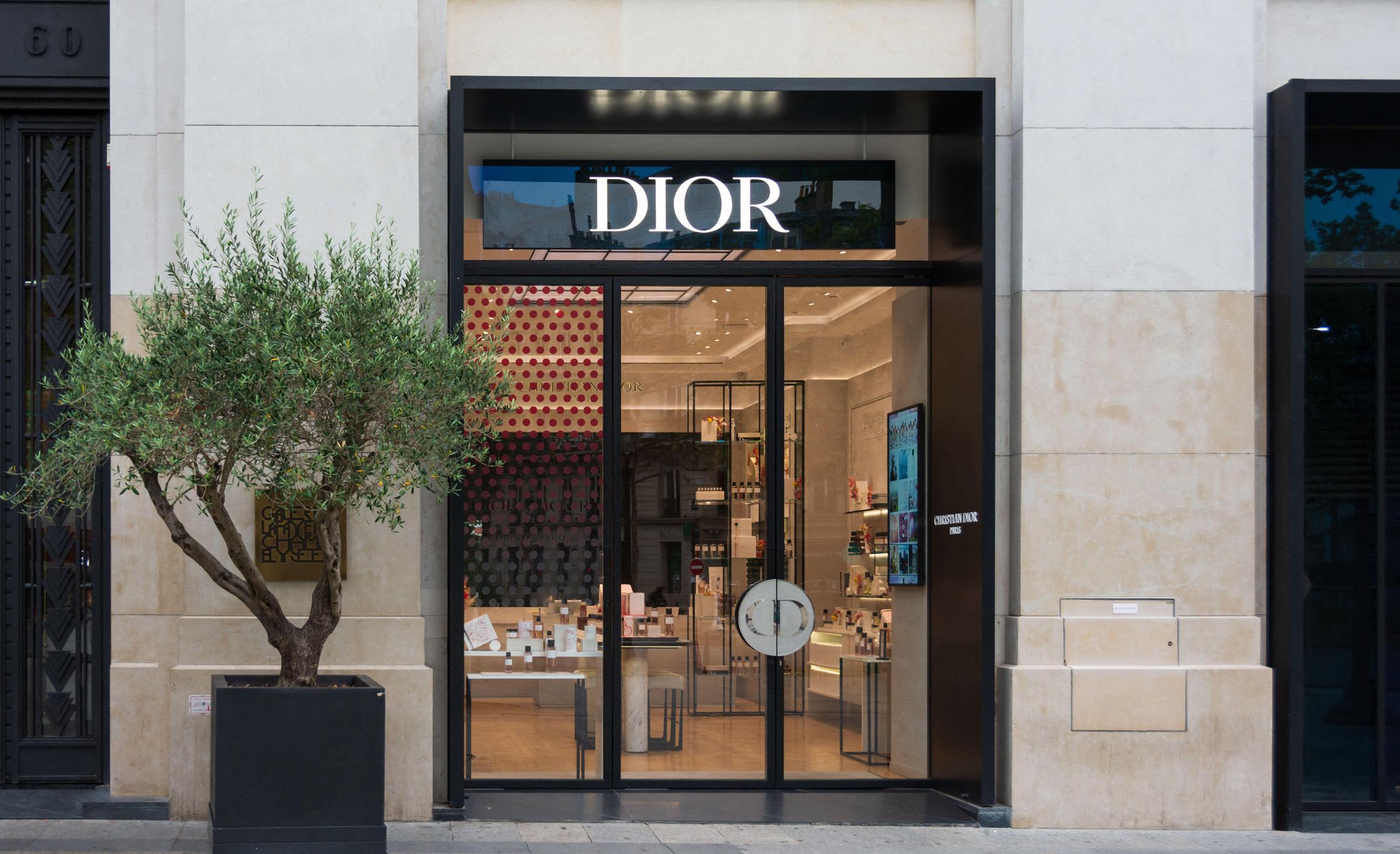
A smoky leather fragrance carries differently through the night air of New York City than a citrus floral worn on the Amalfi Coast in early spring. Warmer ambers settle naturally into late dinners behind velvet curtains in Paris. Certain scents seem designed for movement. Others feel rooted entirely in stillness. Dior’s process acknowledges this instability. Fragrance is never treated as static. It changes depending on skin, atmosphere, movement, and place.
To create, the fragrance comes the cards. Four of them. Not categories, but worlds. Each card represents something deeply tied to Christian Dior himself. His passions, obsessions, memories, and aesthetic philosophy. Rather than organizing fragrance by technical structure, Dior organizes it emotionally.
The first card, “Passion des Jardins” – Passion for Gardens – holds florals, though even that word feels insufficient. These are not simply the scents of arranged flowers. They are landscapes suspended in memory: fields of lilies of the valley after rain, the manicured gardens of Versailles, his mother’s garden in Normandy at the height of spring. The fragrances carry a softness that feels deeply personal, as though each note has been gathered by hand rather than manufactured. Wearing them feels less like perfume and more like stepping briefly into another environment entirely- one built from nature, nostalgia, and light.
“Architecture Couture” removes softness entirely. Decorated with the illustration of a dress form, this card attracts those in favor of structure. These fragrances feel tailored, deliberate, controlled. If “Passion des Jardins” expands outward, “Architecture Couture” sharpens inward. Nothing feels excessive. Nothing feels accidental.
One of the fragrances that encapsulates “Architecture Couture” is Cuir Saddle. Cuir Saddle draws inspiration from leather, craftsmanship, and the architectural lines associated with Dior couture itself. Worn directly on skin, the fragrance changes dramatically depending on body chemistry, becoming more intimate and specific to the individual wearing it. The leather softens with warmth. Woods deepen slowly over time. The fragrance behaves like fabric being shaped to a body.
Then comes “Pouvoir du Talisman” – Power of the Talisman. These fragrances feel grounded, darker, and almost spiritual in their composition. Woods, amber, incense, smoke, musk. They do not announce themselves loudly. Instead, they settle slowly into a room with quiet gravity. The effect is more atmospheric than decorative. These are fragrances that become part of someone rather than something simply applied before leaving the house. Even after someone exits a room, traces remain suspended behind them. The French call this sillage, the invisible trail a fragrance leaves in movement. Within “Pouvoir du
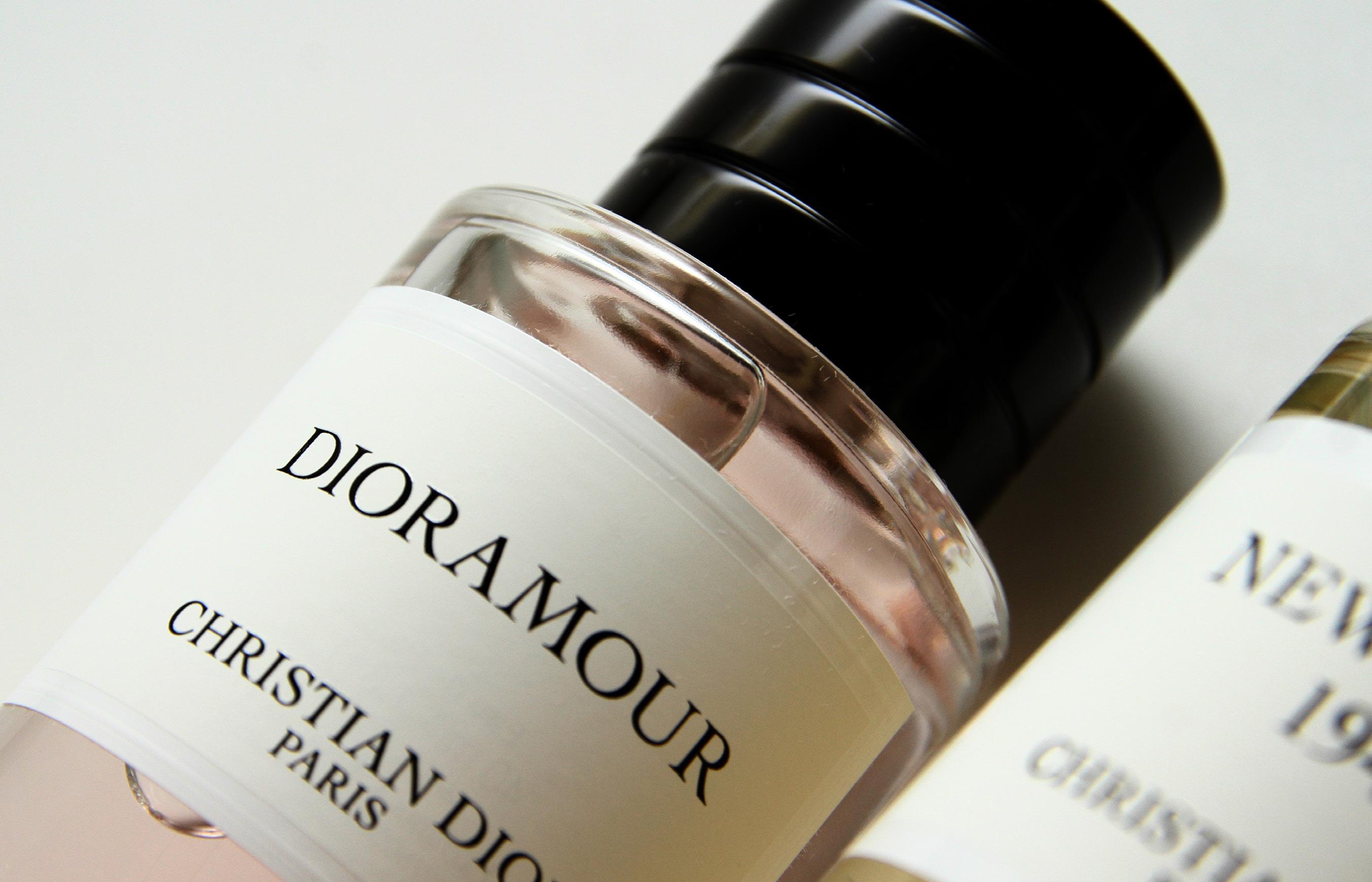
Talisman”, fragrance begins to resemble memory itself: difficult to hold directly, but impossible to fully forget.
The final world, “Plaisirs de la Vie” – Pleasures of Life –carries warmth differently. The fragrances remain sensual, but softer. Comfort replaces mystery. Vanilla, amber, spice, and sweetness become less theatrical and more intimate.
For Christian Dior, pleasure was deeply tied to atmosphere: dinners stretching late into the evening, candlelight reflecting against glass, desserts arriving slowly at the end of conversation.
Vanilla Diorama becomes the clearest expression of this philosophy. Inspired by a dessert once served at Maxim’s in Paris, the fragrance captures the environment surrounding indulgence itself. Low lighting reflected against polished silver. Velvet shadows along restaurant walls. The warmth of conversation lingering long after plates have already been cleared. The fragrance not only serves as a nostalgic reminder of Christian Dior’s favorite dessert, but it also recreates the feeling associated with it.
This becomes the defining difference within Dior’s process. The fragrances are never presented merely as smells. They are presented as atmospheres, identities, environments, and emotional states. And once applied to
skin, they continue changing. On paper, fragrance feels immediate and readable. On skin, it becomes unstable. Heat bends it. Chemistry edits it. Time rearranges it entirely. Florals slowly soften into sweetness. Woods deepen hours later into something darker and warmer. Leather loses sharpness and develops texture. Vanilla expands gradually in its progression. Nothing remains exactly as it first appeared.
What defines the Dior experience is not selection, but recognition. People arrive believing they are choosing a fragrance. What they slowly realize is that Dior’s process is revealing how they want to move through the world around them. A scent for travel. A scent for comfort. A scent for experiencing something or somewhere new. A scent for enhancing an identity.
Because fragrance does not stay where it is placed. It moves through cities and lingers after departure, caught in the fabric of a silk scarf folded carefully into a suitcase, drifting in the salty air by the sea, and settling around a candlelit dinner. It follows movement. It attaches itself to memory. Long after the moment itself has passed, the fragrance remains.
On skin. In fabric. In memory.
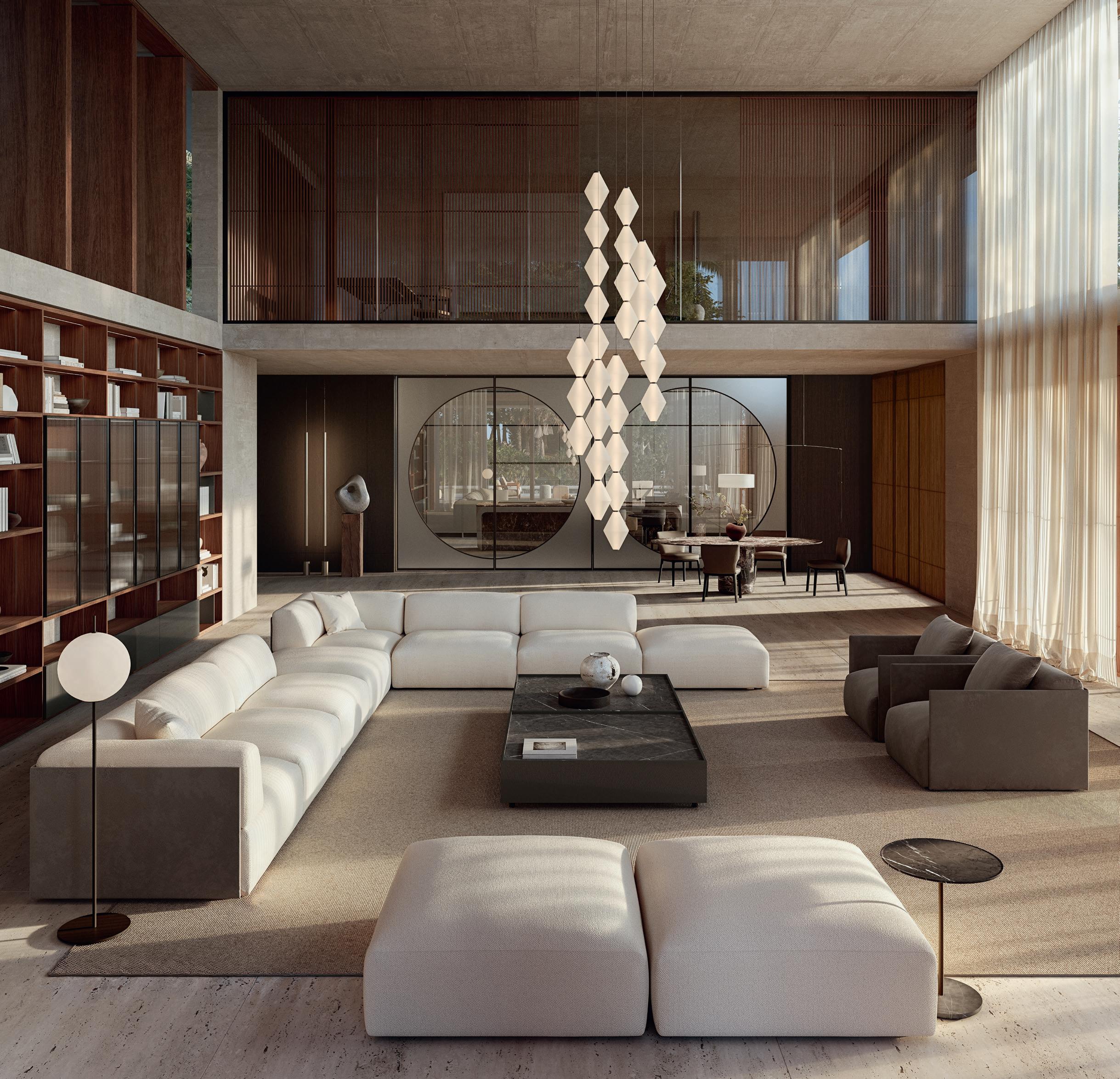

ALL EYES ARE EYEING THE
Chanel Small Flap Bag
It isn’t a reinvention in the dramatic sense. Instead, it’s a tightening of a familiar silhouette. The construction is instantly recognized as Chanel, with its quilting, chain strap, and compact geometry that has defined decades. But this summer, those elements feel slightly softened. It’s as if the bag has been designed less to be noticed and more to be kept. That distinction matters in a market where attention is no longer the rare resource and longevity is.
Across fashion weeks leading into the season, a shift occurred. Bags are no longer competing to be the most novel object in the room. Rather, they aim to feel as if they’ve always belonged there. This is where the Small Flap becomes interesting. It doesn’t try to escape its past. It absorbs it.
There’s also a recalibration in how luxury signals itself. For years, the loudest pieces often relied on exaggerated scale or obvious branding. Now, the signal is different. It’s about proportion, material integrity, and restraint. The Small Flap fits neatly into this evolution. It reads as expensive, not because it demands attention, but because it doesn’t need it.
It doesn’t belong strictly to evening or daytime, city or travel. It slips in and out of scenes with no effort. A handbag at this level shifts from being an accessory to a companion, and it’s expected to function across a daily rhythm.
That’s the paradox of the 2026 luxury moment – the “new” objects are often the ones that feel like they’ve already been lived with. The Small Flap doesn’t disrupt that idea. It confirms it.
Color Pairings:
• Tomato red works beautifully with complementary or contrasting hues:
• Cobalt blue for a vibrant, runway-inspired look.
• Soft neutrals like cream, taupe, or light gray for elegance.
• Warm metallics like gold or bronze in shoes or jewelry for a sophisticated glow.
Tomato red is attention-grabbing, so wear it in a way that feels natural to your style. Bold lips, nails, or subtle red prints can echo the color without making it the entire focus.



RED, RED & RED

RED HOT SUMMER 2026
Several major fashion houses used tomato-red and similar bold red hues on their spring/summer 2026 runways, helping to establish it as one of the season’s defining colors. Designers at Valentino featured the hue by combining it with the other key color trend of the season – cobalt blue. Carolina Herrera embraced red tones, giving their looks a classic yet modern presence on the runway, while Balenciaga also reinforced the widespread runway interest in statement red shades. These uses helped cement tomato red as a standout summer color trend.
Here are some tips for incorporating this shade into your summer wardrobe…
Start Small – If you’re unsure about bold red, add it through accessories like handbags, belts, shoes, or sunglasses. A clutch or sandals can instantly energize a neutral outfit.
Statement Pieces – For a bolder approach, pick one tomato-red piece per outfit, such as a dress, blazer, or jumpsuit. Pair it with neutral tones like beige, white, navy, or soft denim to let the color pop without overwhelming your look.

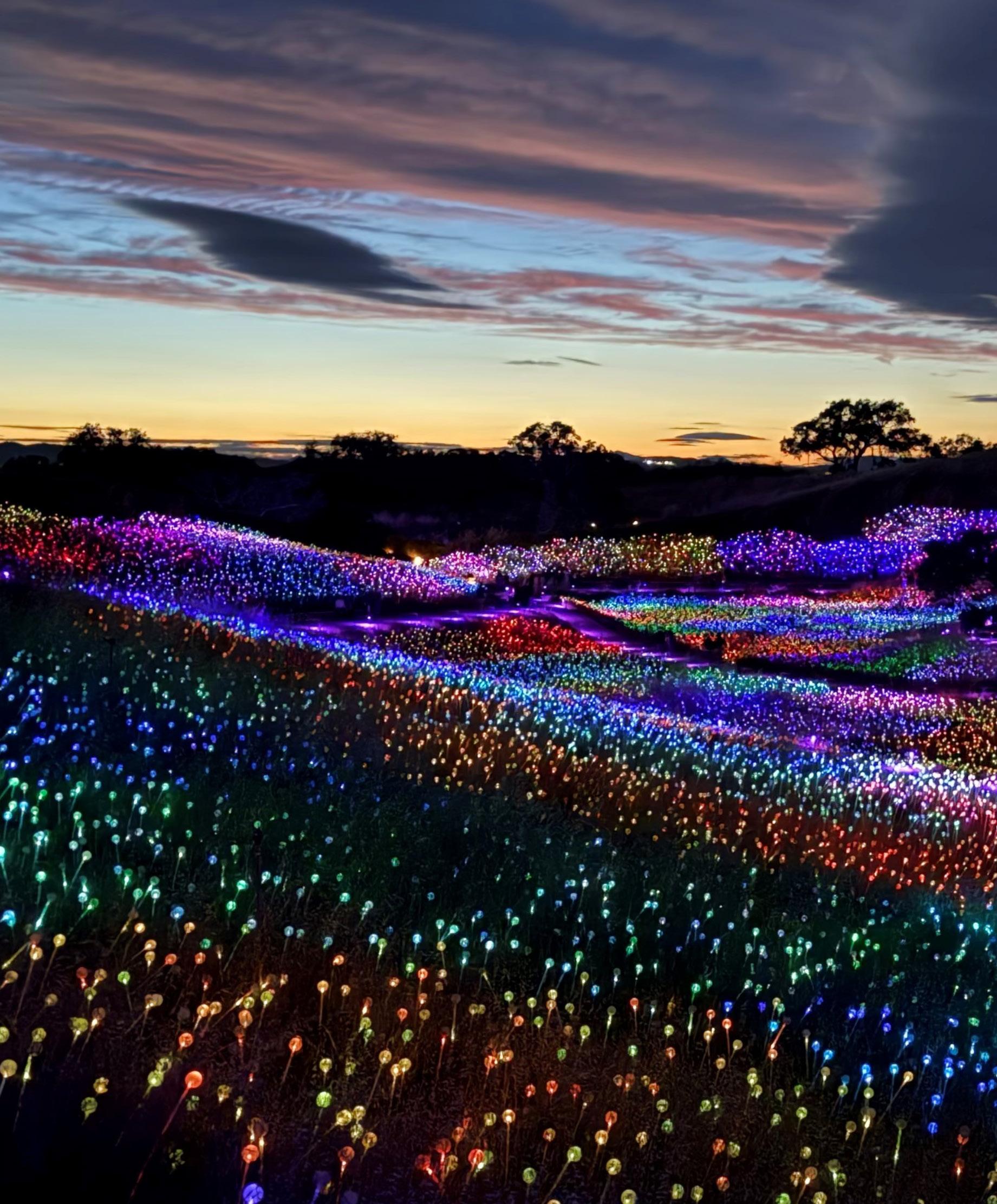
PROVOKING THE IMAGINATION
SENSORIO
WHERE LIGHT MEETS THE LANDSCAPE

At its core, Sensorio is not trying to dazzle. There are no loud spectacles or choreographed bursts of color. Instead, thousands upon thousands of low-slung glowing orbs are planted across the terrain. As daylight fades, they wake up one by one, until the entire hillside is flooded in light.
The pathways weave through fields that stretch farther than you expect, and the light creates a strange sense of scale that is both intimate and vast. It does not feel like touring an art exhibit.
What makes Sensorio interesting is how little it tries to explain itself. The work isn’t presented with interpretation or instruction. There isn’t a single official “meaning” of Sensorio, and that’s partly the point. The installation, designed by artist Bruce Munro, is to be experienced more than decoded. Still, there are a few strong interpretive threads that people tend to return to after visiting.
Some of the most common are scale and humility. The glowing spheres spread across the hills resemble both crops and stars, depending on how your eyes adjust. Standing among them, you get a sense of being small in a landscape that doesn’t center you. The work gently shifts your sense of proportion, making the land feel vast and the individual body small.
Another interpretation is the idea of humans blending into nature. The lights are clearly artificial, but they’re arranged in a way that echoes agriculture, with rows, spacing, and rhythm. During the day, the fields sit dormant like farmland. At night, they transform into something closer to a constellation or data field. That overlap tends to linger in people’s interpretation.
There’s also a strong temporal reading. Sensorio only fully exists at night, and even then, it’s always changing. That makes time feel physical. You don’t just observe evening ascending; you move through it. Many people come away with a heightened awareness of transition itself.
Part of Sensorio’s impact comes from its setting. Paso Robles, California, is known for vineyards and oak-studded hills. That openness becomes essential to the artwork. Without city light to compete with it, Sensorio doesn’t fight for attention. It can simply unfold. The darkness becomes a kind of frame.
At Sensorio, time stretches. Steps slow down. The idea of looking at art changes, as though you’re inside of it rather than just observing it.
And when the night is deep enough, and the fields are fully lit, there’s a moment when the installation stops feeling like something built and starts feeling like something discovered—like it was always there, waiting for the right conditions to reveal itself.
At the edge of California wine country, Sensorio Paso Robles transforms the landscape into something almost otherworldly. An illuminated dreamscape where
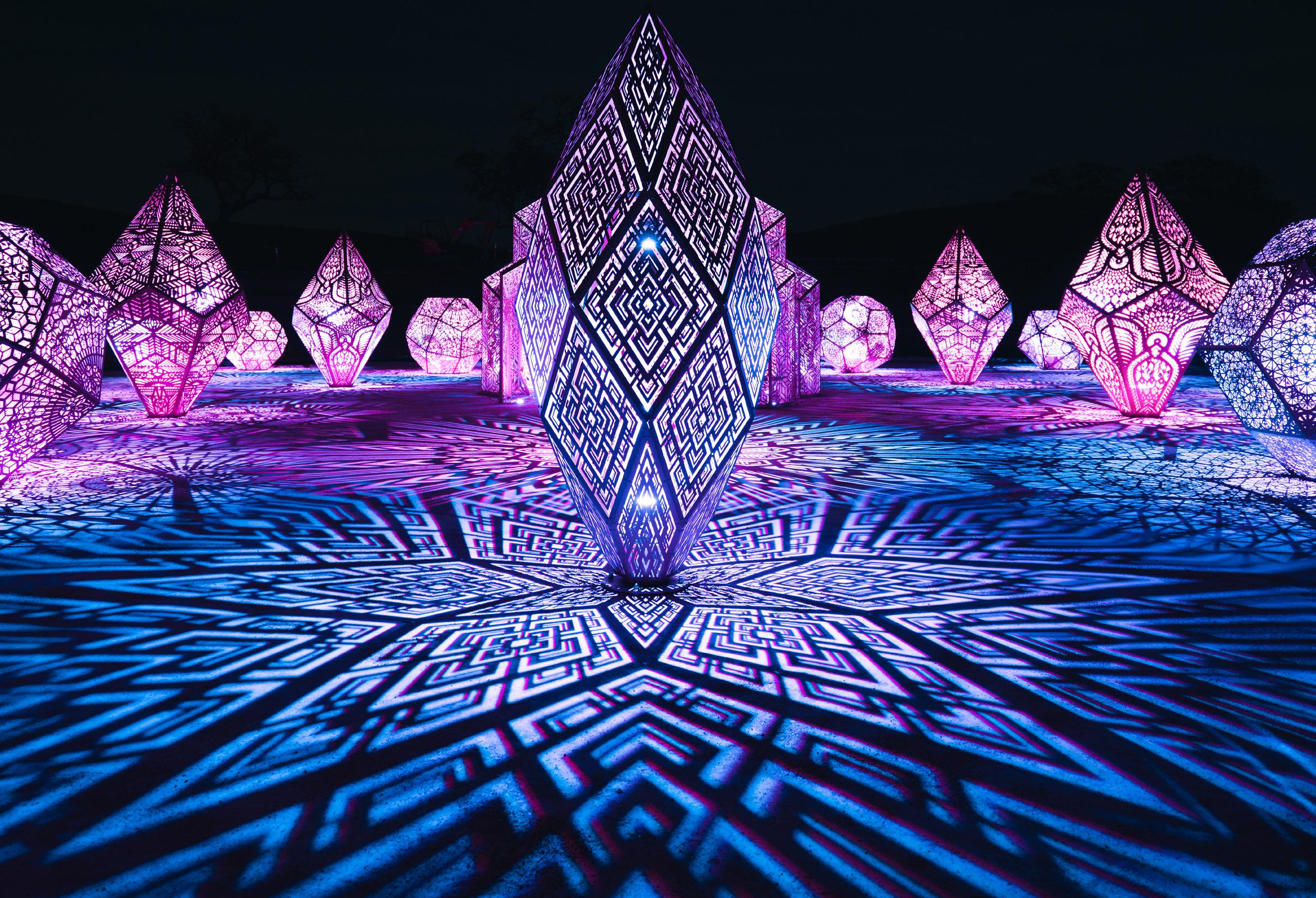
art, technology, music, and nature combine into a singular immersive experience.
Originally conceived by artist Bruce Munro, Sensorio emerged as one of California’s most ambitious outdoor light installations, drawing visitors from around the world. Paso Robles has long cultivated a spirit of discovery and reinvention, and Sensorio reflects that ethos perfectly — expansive, cinematic, and quietly transformative.
The installation’s centerpiece, Field of Light, remains its most iconic attraction. Thousands upon thousands of softly glowing fiber-optic spheres blanket the hillside in shifting hues of violet, gold, emerald, and deep blue, rippling across the terrain like bioluminescent wildflowers. Walking through the pathways at dusk feels strangely meditative. The lights pulse gently against the darkening horizon while ambient music drifts through the open air, creating a sensory atmosphere that is simultaneously intimate and monumental.
Unlike a traditional museum experience, Sensorio encourages movement and immersion. Guests wander slowly through illuminated pathways, pausing for photographs, conversation, or moments of stillness beneath the stars. There are no gallery walls or prescribed routes.
Instead, the landscape itself becomes the canvas. The openness of the setting is central to the experience; visitors are constantly aware of the cool evening breeze, the scent of dry earth, and the immense night sky stretching over California’s Central Coast.
Over time, Sensorio has expanded beyond its original installation into a larger campus of immersive light-based works. Exhibits such as Light Towers and Gone Fishing introduce dramatic vertical forms and kinetic movement, layering additional dimensions onto the environment. Towering, illuminated columns shift colors in synchronized rhythm, while suspended installations create the illusion of floating lanterns dancing in darkness. The result feels less like an exhibition and more like stepping into a futuristic landscape opera staged entirely outdoors.
Yet what makes Sensorio particularly compelling is its emotional accessibility. Contemporary art installations can sometimes feel intellectually distant or deliberately opaque. Sensorio, by contrast, invites immediate wonder. Children run excitedly through glowing pathways while couples linger over wine against panoramic sunset views. Amateur photographers and seasoned creatives alike find endless
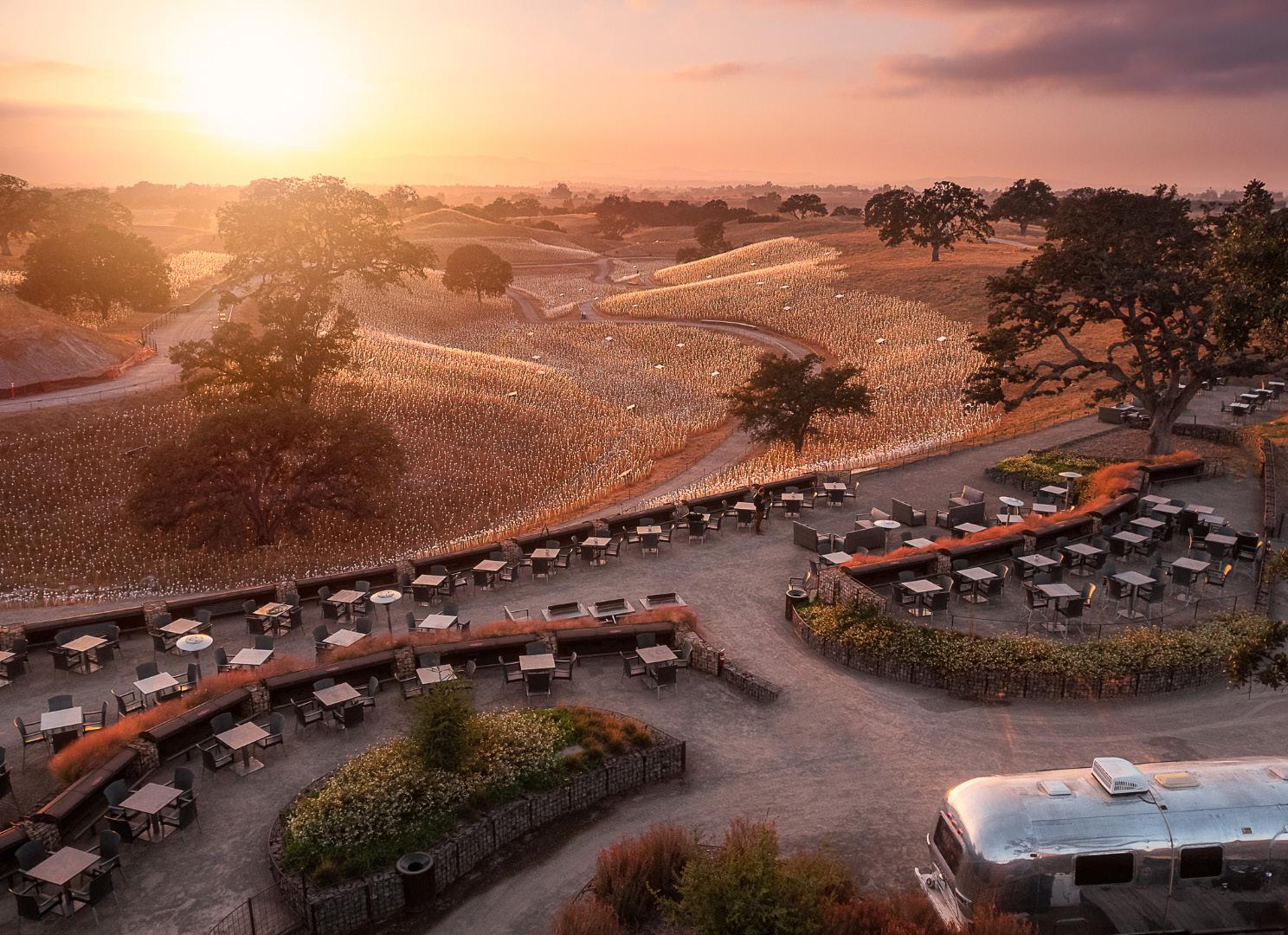
visual inspiration in the interplay between artificial light and natural terrain. It’s immersive art without pretense — ambitious in scale yet deeply human in feeling.
The venue’s culinary and wine offerings further root the experience in Paso Robles culture. Guests often begin the evening with local wines and elevated Central Coast cuisine from terrace dining areas overlooking the illuminated fields. As darkness deepens, glasses of Syrah and Pinot Noir accompany one of California’s most visually striking nighttime experiences. This integration of food, wine, landscape, and art is precisely what distinguishes Sensorio from more urban immersive exhibits. It belongs entirely to its environment.
In many ways, Sensorio reflects the evolution of modern travel itself. Today’s luxury travelers increasingly seek experiences that feel emotional rather than merely observational — places that create atmosphere, memory, and sensory connection. Sensorio accomplishes this effortlessly. It is not simply something to see; it is something to feel.
And perhaps that is why the installation continues to resonate so deeply years after its debut. In an era saturated
with digital stimulation and fleeting spectacle, Sensorio offers a rare kind of quiet awe. Beneath the stars of Paso Robles, surrounded by fields of luminous color, visitors are reminded how transformative beauty can be when art works in harmony with the landscape instead of competing against it.
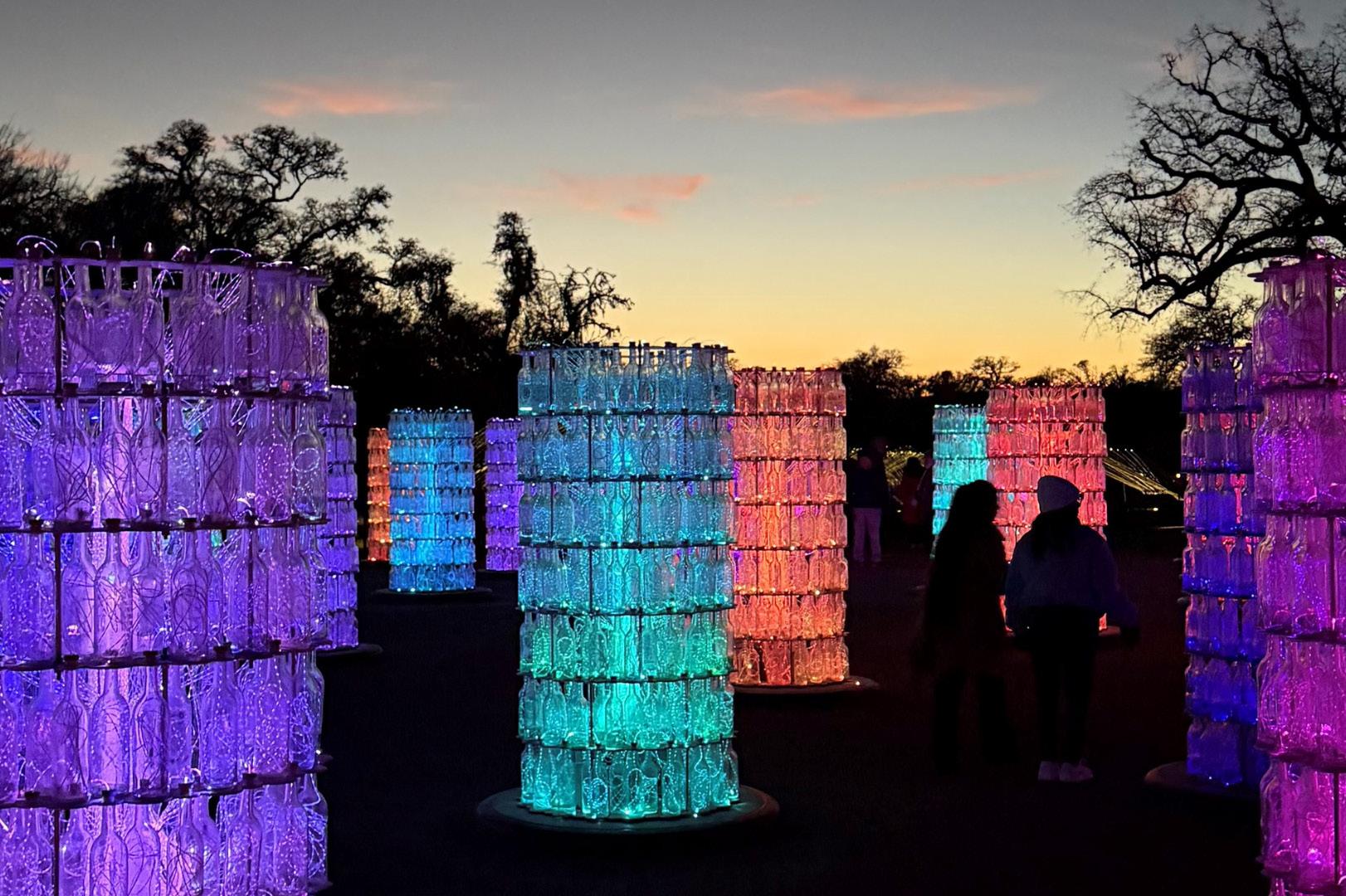
ANCIENT FUTURISTIC and
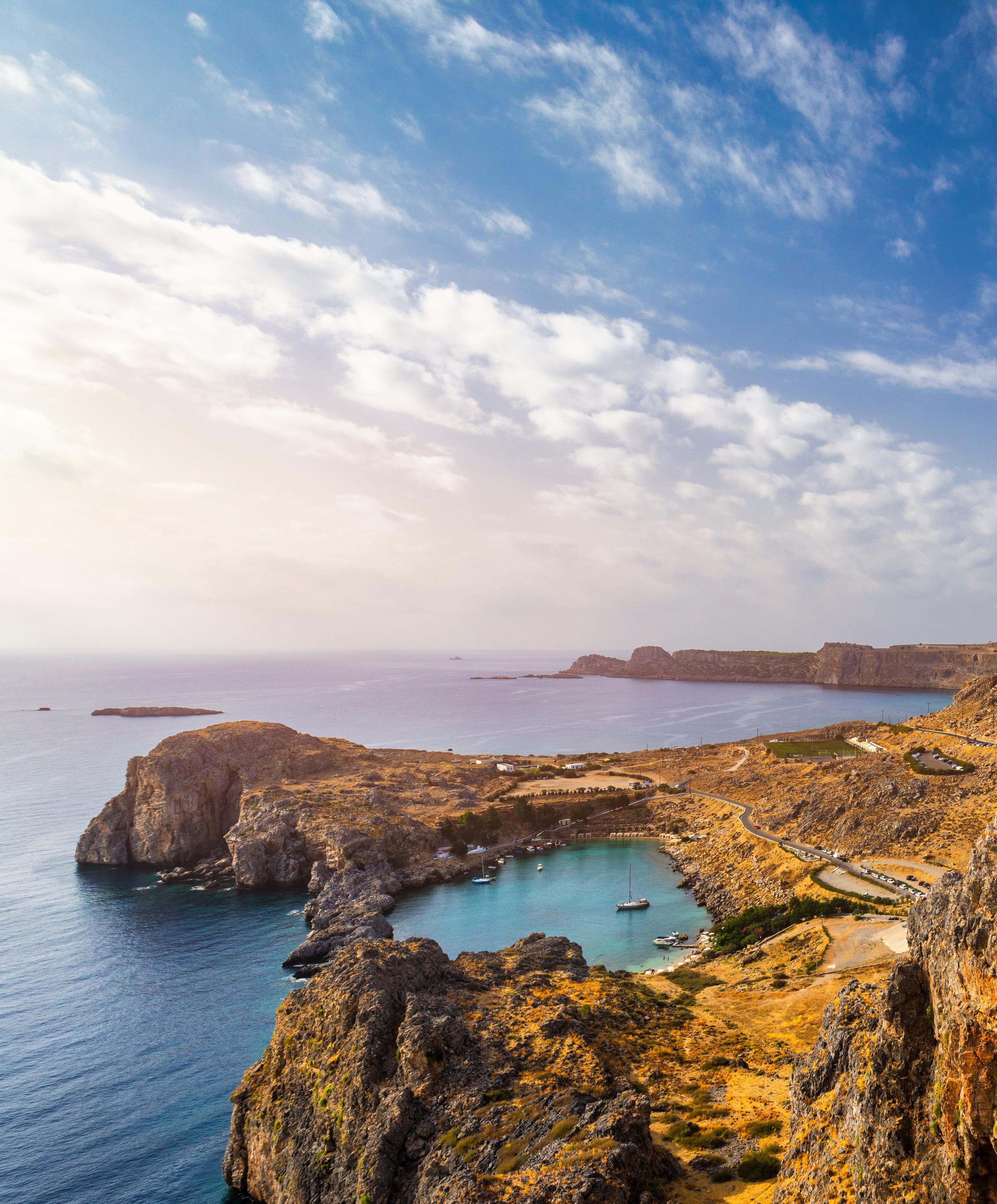
In the ancient world, palaces, estates, and monuments were designed to outlast their creators. These creators embedded wealth itself into stone and landscape. Luxury meant continuity. It meant exquisite objects and spaces that could be passed down, accumulating meaning through time. Marble and gold leaf were not mere signs of riches but those of resistance to decay.
In a more futuristic setting, that intersection begins to shift. Permanence is no longer defined by stone or inheritance, but by actual systems that persist: adaptive environments, intelligent infrastructures, and experiences designed to endure through change rather than resist it. Luxury becomes less about ownership and more about continuity of experience. Spaces are not fixed but responsive ecosystems.
Throughout time, luxury has always lived at the intersection of permanence and innovation. In this way, luxury travel sits perfectly between the ancient cultures that have defined us and the futuristic cities that are reshaping us.
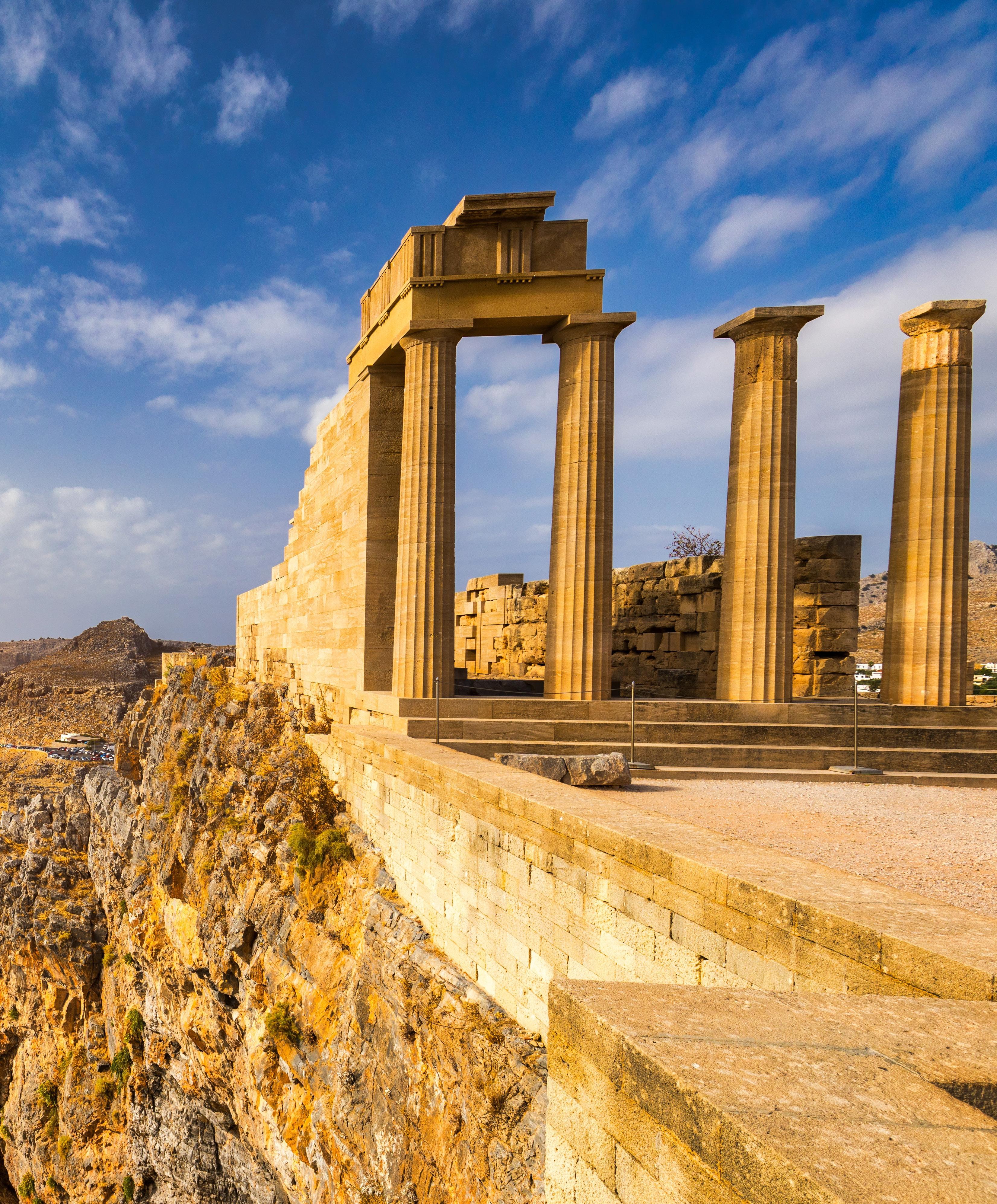
ANCIENT
In the ancient Mediterranean world of Athens, marble was not simply a building material but a statement of wealth, power, and civic identity. It signaled the city’s prosperity during its golden age, when resources from across the Delian League were funneled into monumental construction projects that projected Athenian prestige throughout the Greek world. The Parthenon itself, built from Pentelic marble, stood as both a religious dedication and a visible declaration of imperial confidence. Wealthy Athenians funded public works such as outfitting warships or sponsoring dramatic festivals, turning private fortune into public spectacle. When traveling, whether it was across the city or outside of it, ancient Athenians of wealth traveled in luxury. This luxury was expressed through their personal entourage – attendants who carried supplies, tents, and the provisions of fine clothing, wine, and exotic food.
In modern Athens, much has changed. Now, luxury travel combines history, culture, and bespoke comfort.
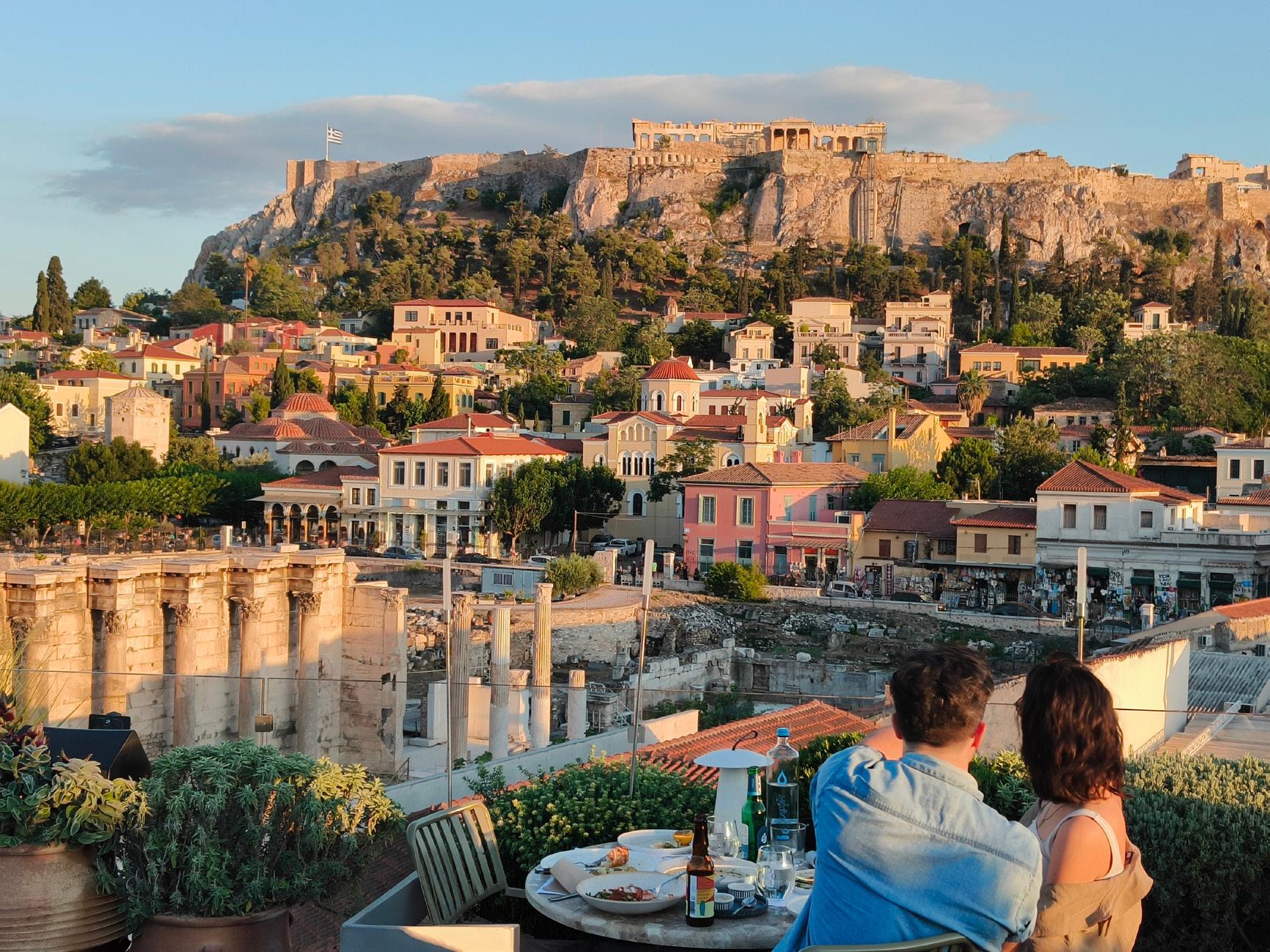
Of course, the cornerstone of a travel experience is accommodation, and, in Athens, high-end accommodation blends modern comfort with history. Guests can choose luxury boutique hotels perched on hillsides or in historic neighborhoods. Private villas provide seclusion, complete with rooftop gardens, olive trees, pools, and interiors inspired by classical Greek design. For those seeking wellness, select properties integrate spa treatments, yoga sessions, and meditation spaces overlooking ancient rooftops, creating a seamless fusion of relaxation and connection to the city’s timeless energy.
While accommodation is the cornerstone, exclusive cultural experiences define the heart of highend travel in Athens. After-hours access to iconic sites such as the Acropolis, Parthenon, or the ancient Agora allows travelers to explore world-renowned sites without crowds. They are guided by expert archaeologists who offer
insight into architecture, history, and Greek mythology. VIP museum tours, including the National Archaeological Museum and the Benaki Museum, provide private viewings, curator talks, and behind-the-scenes access to restoration projects. Guests may also enjoy intimate theater experiences at the Odeon of Herodes Atticus, where performances are paired with private receptions or themed dinners, turning the city’s classical arts into a legitimate personal encounter.
The gastronomy scene of Athens offers curated culinary experiences engaging all the senses. Travelers can engage in private cooking classes with some of the city’s top chefs. They have the option of book a personalized gastronomic tour that provides curated wine and olive oil tastings, guided by experts who reveal the subtleties of Greek flavors and traditions. Of course, an incredibly special experience is dining on a private rooftop with views of the Acropolis. Diners not only savor their dishes but also find themselves fully immersed in both the ancient and the modern.
Athens also offers immersive experiences that elevate travel beyond sightseeing. Private yacht excursions along the Saronic Gulf allow access to islands like Hydra, Spetses, and Aegina, complete with onboard chefs, water sports, and serene privacy. Travelers can engage in hands-on cultural workshops, such as traditional crafts or modern art, often leaving with bespoke creations as personal souvenirs.
Finally, modern luxury in Athens emphasizes personalized storytelling. For example, professional photography sessions at dawn or dusk that capture iconic views from unique perspectives. Fully customized itineraries can weave together history, art, gastronomy, and leisure into seamless multi-day experiences, from private tours of lesser-known archaeological sites to twilight cruises ending with a secluded beach picnic. Some luxury providers even arrange intimate performances or music inspired by Greek myths, giving travelers the rare chance to inhabit Athens’ past while enjoying the comfort, exclusivity, and narrative richness of the present.
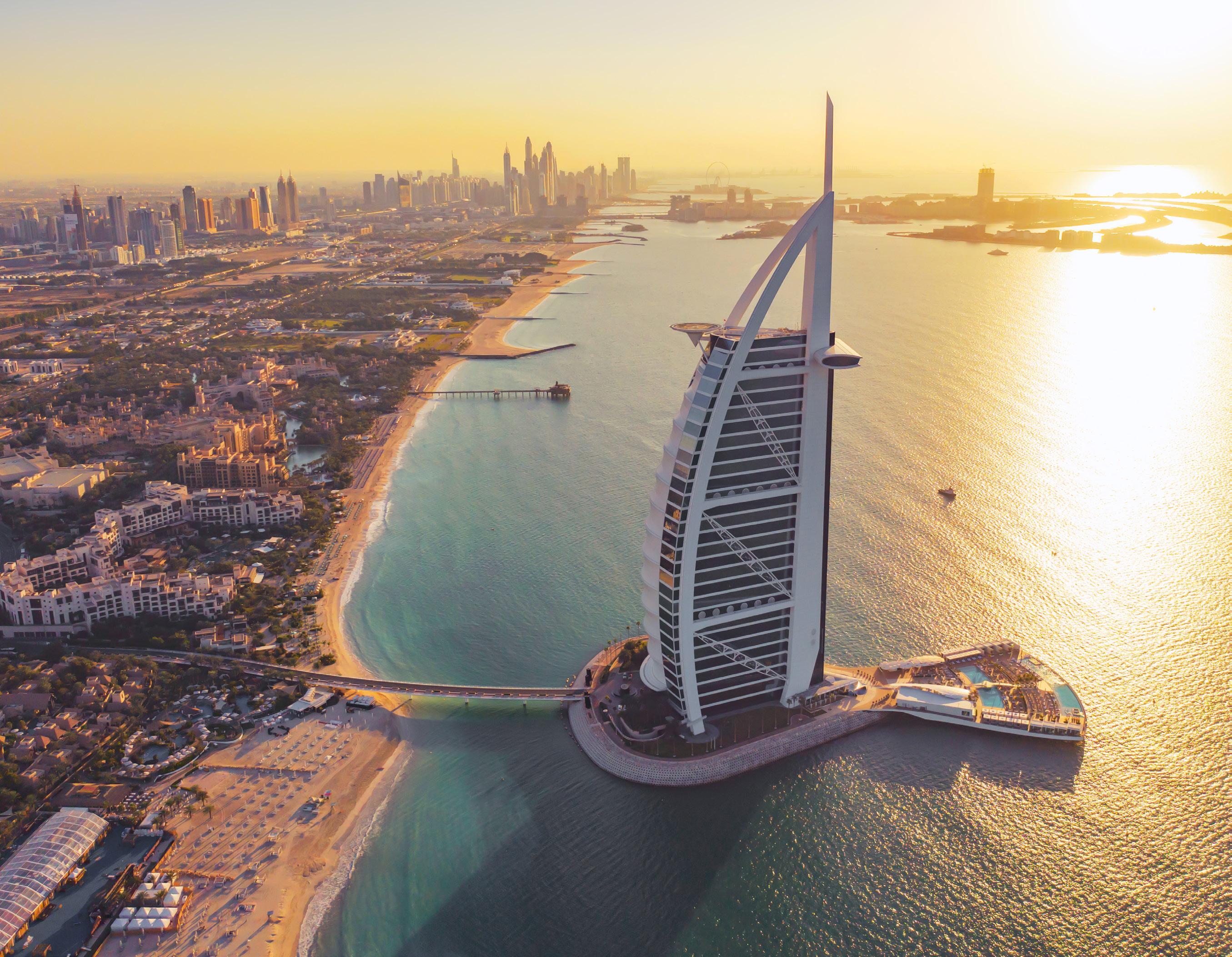
FUTURISTIC
In contrast to Athens, futuristic cities are innovative and fresh. In Dubai, the glass towers that rise from desert sand seem engineered to defy gravity. Climate-controlled boulevards, skybridges, and automated mobility systems create an environment where comfort is continuous. Rooftop infinity pools dissolve into skyline horizons, while interiors are designed as controlled atmospheres with specialized temperature, scent, and lighting all adjustable to preference. Here, luxury is not inherited from history but actively manufactured in real time.
Luxury travel in Dubai begins with accommodation that redefines comfort, scale, and design. Guests can stay in palatial hotels like the Burj Al Arab, where suites feature private butlers, floor-to-ceiling views of the Arabian Gulf, and interiors that combine contemporary glamour with Arabian
motifs. Private villas and resorts on the Palm Jumeirah or in the desert offer seclusion, infinity pools, and personal chefs, while high-end serviced apartments in Downtown Dubai provide the convenience of the city center with panoramic views. Wellness and leisure are integrated into these spaces, with spa treatments, infinity pools, and private yoga or fitness sessions designed to maximize relaxation amid opulent surroundings.
Dubai’s travel offerings have expanded beyond shopping and skyscrapers into immersive encounters. Guests can explore private tours of the historic Al Fahidi Neighborhood and the Dubai Museum, guided by experts who illuminate Emirati history, architecture, and culture. Art collectors and enthusiasts can enjoy VIP access to galleries in Alserkal Avenue, participate in private artist-led workshops, or attend exclusive previews of international exhibitions. Even the
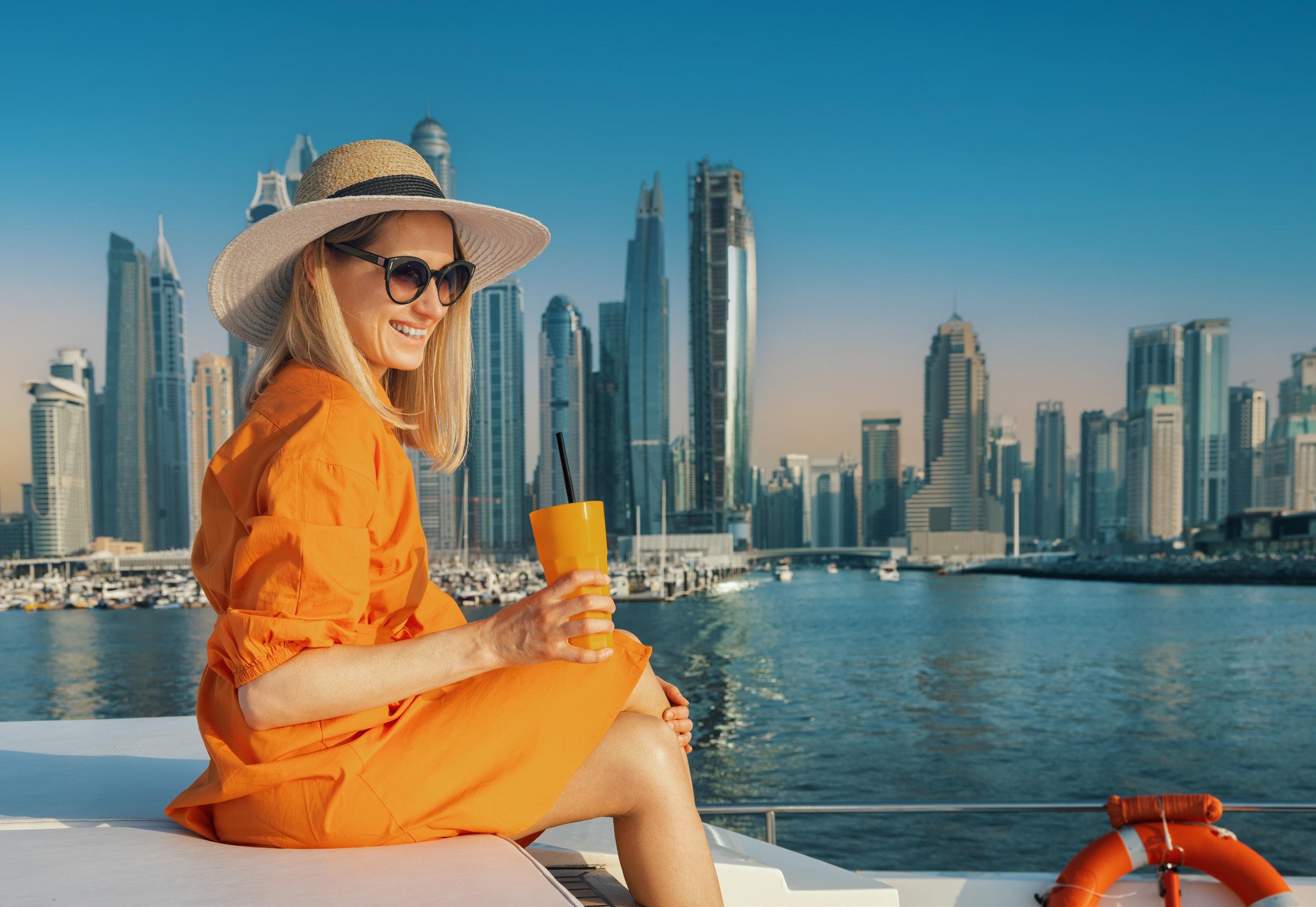
desert becomes a curated experience as luxury travelers ride in chauffeured 4x4s over dunes, visit Bedouin-style camps with gourmet dining, or enjoy falconry demonstrations and stargazing under the vast Arabian sky.
Gastronomy in Dubai is a defining element, reflecting the city’s cosmopolitan character and commitment to high-end dining. Private culinary experiences allow guests to cook alongside renowned chefs in fine hotels, explore street-totable tours of spice souks, or enjoy curated tasting menus at Michelin-starred restaurants. Rooftop lounges and private terraces offer the chance to dine while taking in the skyline, with sunsets over the desert providing a dramatic backdrop. Food experiences often extend beyond traditional dining to include mixology workshops, coffee and tea tastings, or bespoke catering for private dessert or yacht dinners.
Travel experiences in Dubai combine adventure, entertainment, and exclusivity. Private yacht cruises along the Palm Jumeirah or the Dubai Marina provide tailored itineraries with water sports, champagne service, and stops at private beach clubs. High-octane experiences include desert dune bashing in luxury 4x4s, hot-air ballooning over
the dunes at sunrise, or helicopter tours of the city’s iconic architecture. Shopping excursions are elevated to super VIP experiences with personal stylists, private boutique access, and curated selections from haute couture to luxury watches. Even leisure moments are designed for personalization, whether it’s in the form of poolside cabanas, private beaches, or chauffeur-driven city tours.
What connects ancient cultures to futuristic cities is not style, but intent. The ancients believed that luxury lay in permanence: stones have outlasted empires, rituals continue to bind communities together, and objects are passed through generations. On the other hand, futurism dictates luxury in transformation: environments update in real time, cities learn and improve with ever-changing experiences.
Between them lies a continuous thread. That is, luxury remains the same, though it is expressed uniquely across different materials, eras, and spaces.
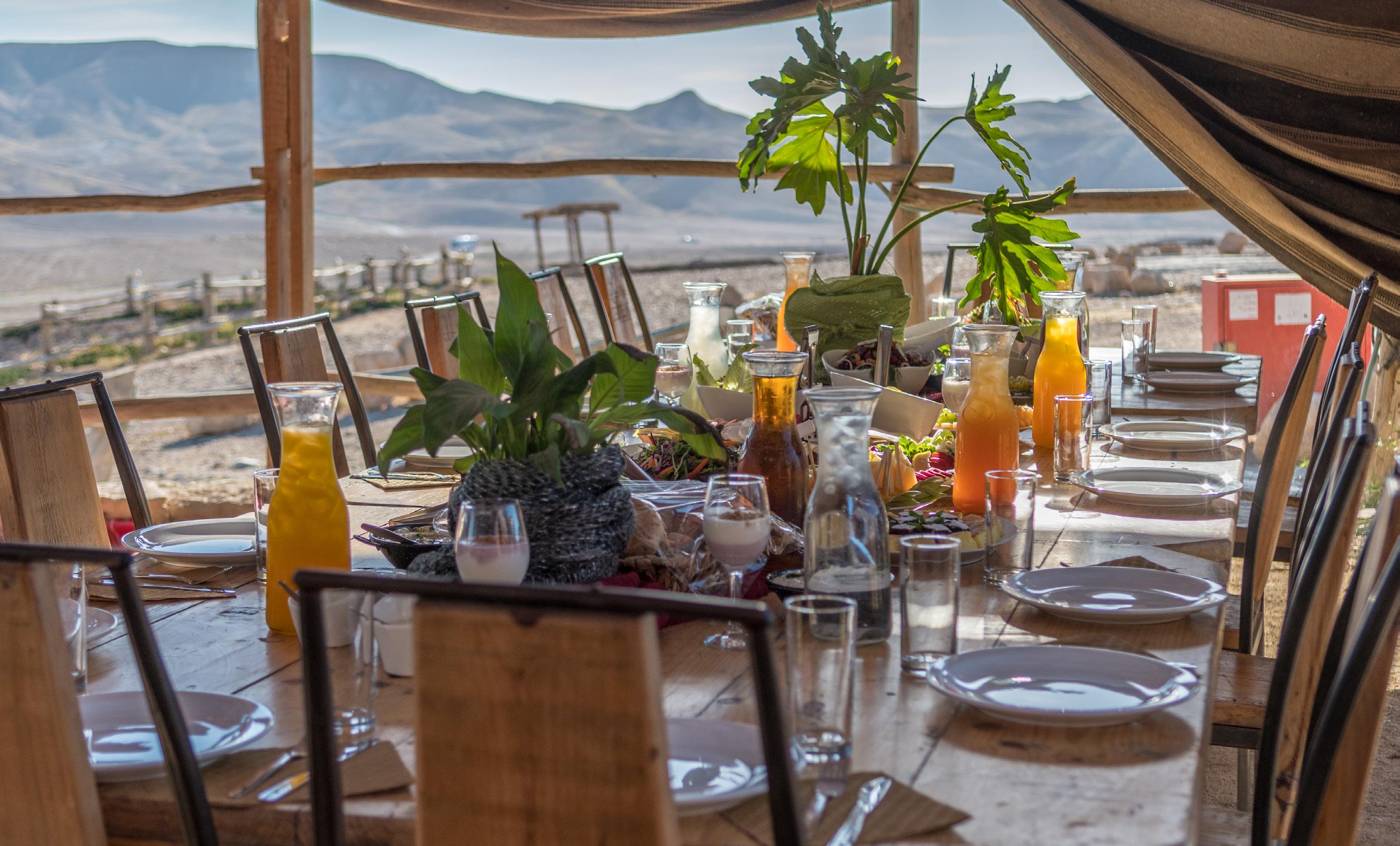
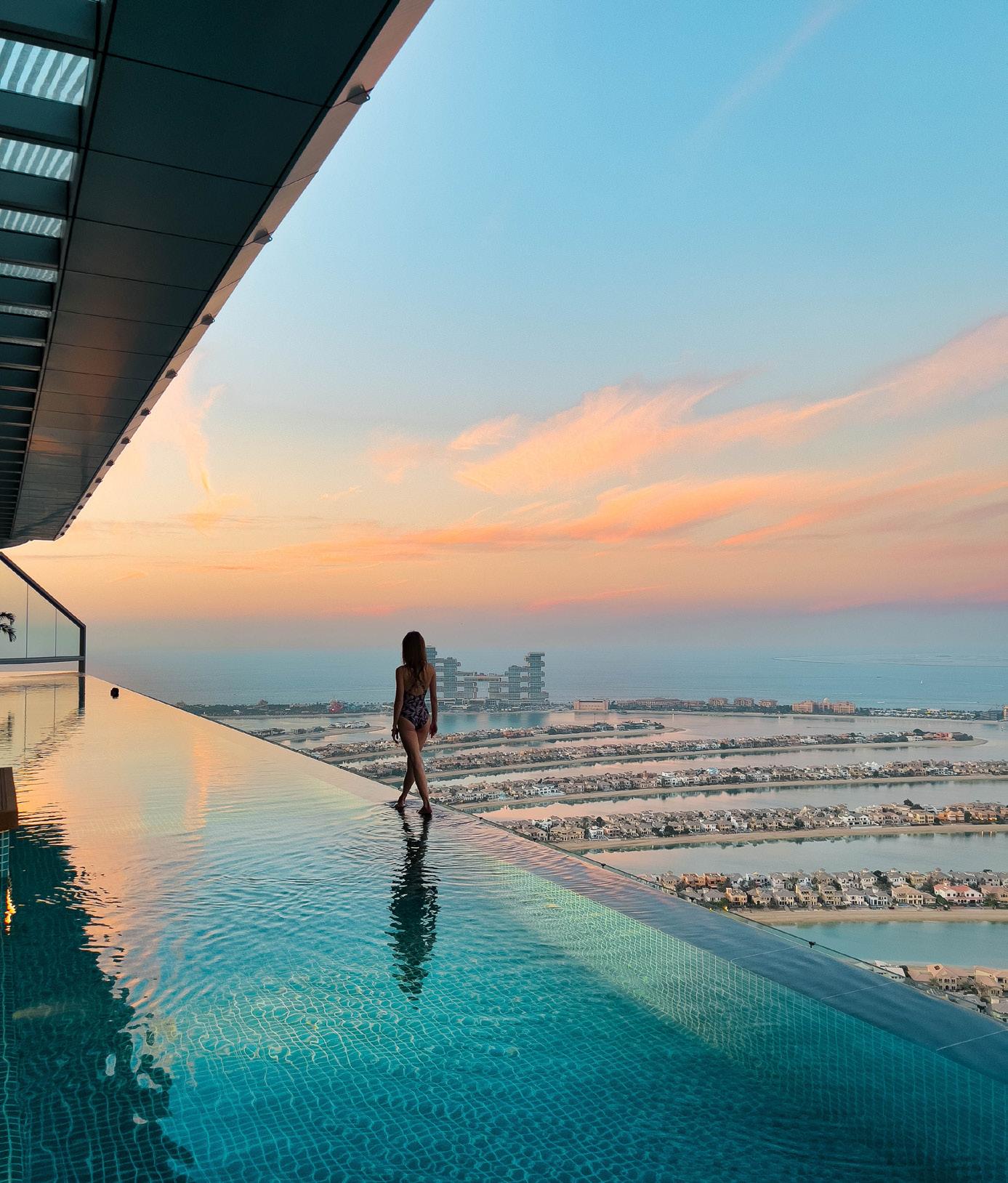
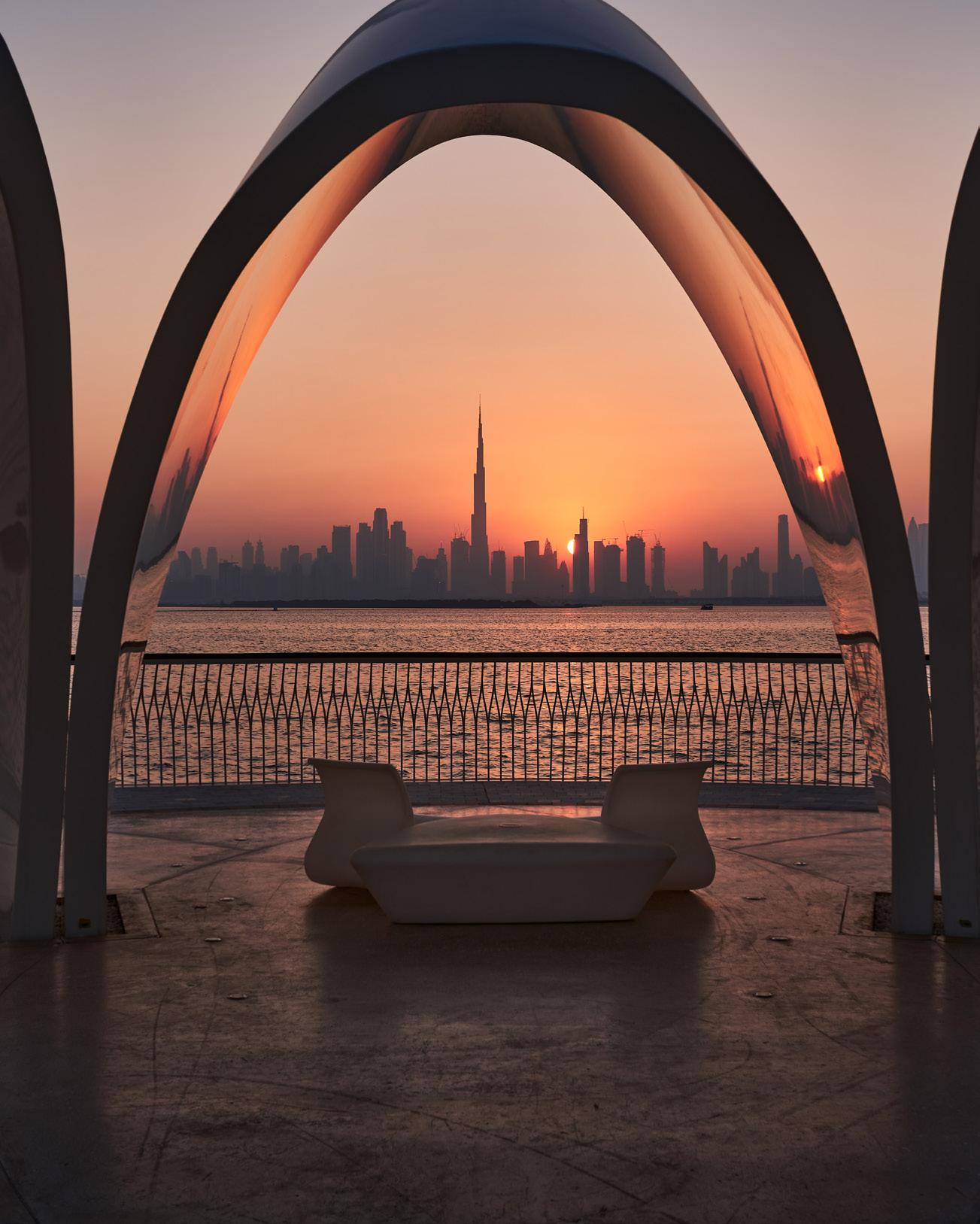

DETOX AND INDULGENCE
NEW
ORLEANS
New Orleans is a city of extremes. It is a place of sensory overload and gentile southern traditions. Here, visitors oscillate between purification and indulgence, restraint and abandon, within the same cityscape.
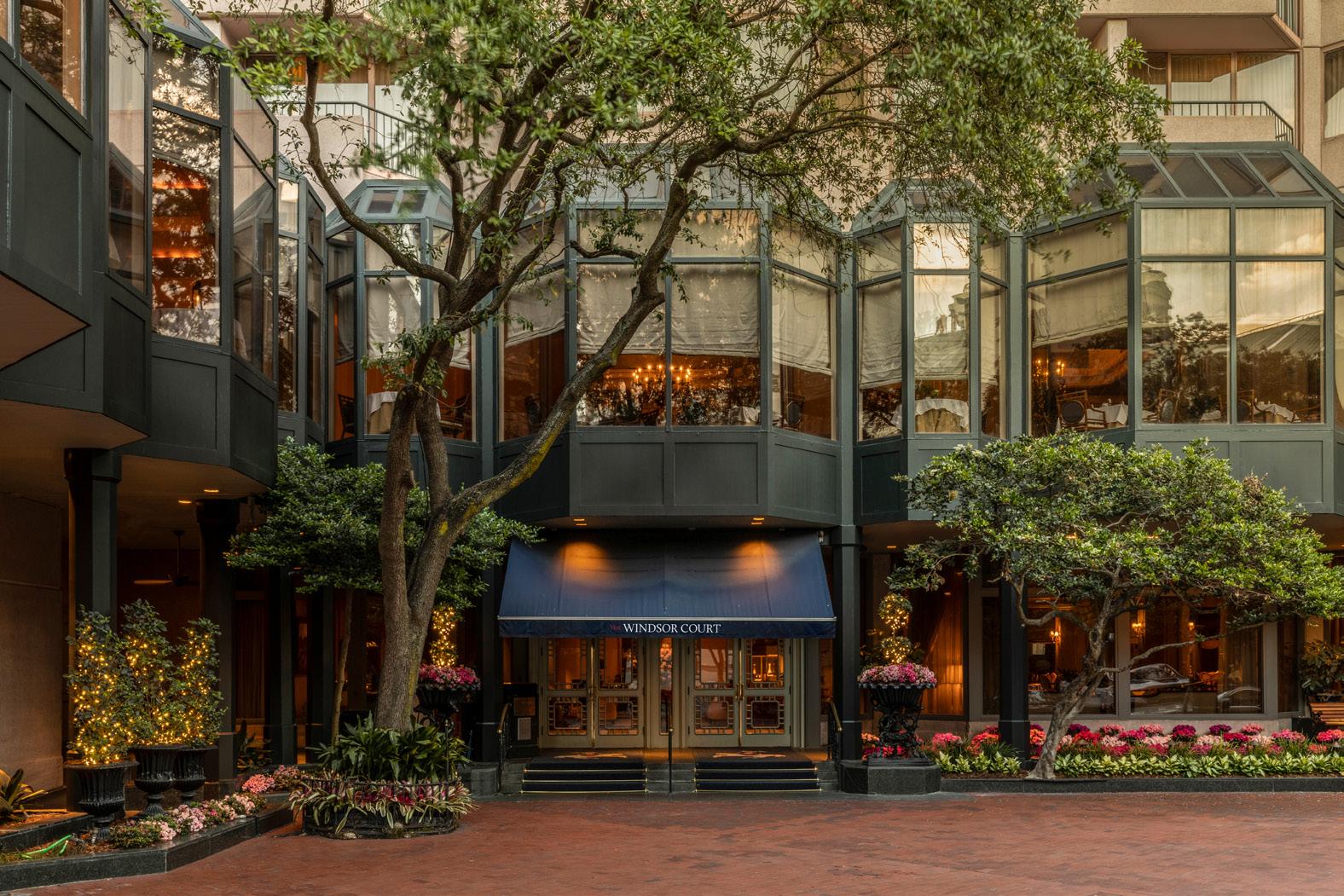
Detox
For those seeking detox and wellness, New Orleans offers a quieter layer of restoration rather than excess. A growing number of luxury and boutique hotels and wellness destinations offer tech forward-facing treatments. They combine contemporary recovery practices with the city’s slower, more atmospheric side. Instead of high-energy nightlife, travelers are guided toward spaces designed to relax.
Many luxury properties are equipped with elite spas. The Windsor Court is one such hotel. The Windsor Court Spa offers a wonderful selection of treatments such as the Lavender Fields massage (offered seasonally). This features a fragrance range from Lola's Apothecary which blends calming lavender and ylang ylang. Cooling Cryotherapy globes are incorporated to melt away tension and invigorate the senses.
And then there is its elevated facial service, The Ultimate Sapphire. This is the crown jewel of facials. This ultra-indulgent, results-driven treatment layers multiple advanced, non-invasive technologies into one comprehensive experience, delivering dramatic lifting, sculpting, and skin renewal. The facial begins with microdermabrasion to resurface and refine skin texture and is followed by microcurrent therapy to lift and tone facial muscles for immediate contouring. Ultrasound and radio frequency technologies work deeper to stimulate collagen production, firm skin, and address laxity, while LED light therapy targets inflammation, acne scarring, and hyperpigmentation. Deep lymphatic drainage and ionized oxygen infusion detoxify, boost circulation, and flood the skin with hydration and nutrients. This rejuvenation therapy delivers unparalleled results, with zero downtime.
Outside of the luxury hotel space, there are other New Orleans wellness offerings that are standout options. NOLA Chill on Magazine Street specializes in quick, effective reset
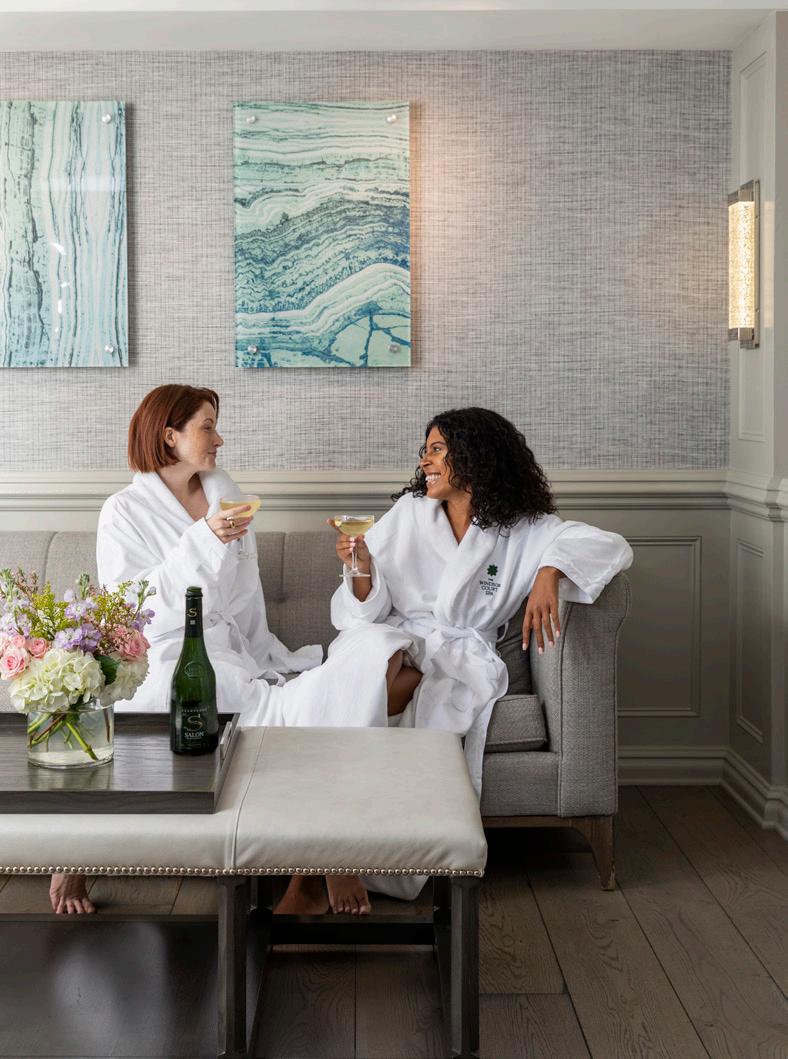
sessions featuring cryotherapy, infrared sauna treatments, and compression therapy, while Restore Hyper Wellness takes a more clinical approach, offering services such as IV therapy, cryotherapy, infrared sauna sessions, and compression therapy. All are designed to optimize overall health and performance. Then there is the Spyre Center which delivers an integrated wellness experience combining movement and fitness classes with sauna, contrast therapy, and recovery amenities. Whether you're looking for a rapid recharge, targeted health optimization, or a wellness club atmosphere, these spaces are redefining self-care in New Orleans.
But wellness isn’t only about wellness centers. The city itself can be experienced through a restorative lens. Private guided walks through the Garden District or Audubon Park focus on quieter atmospheres rather than crowds and nightlife. Slow bike rides beneath oak canopies, private boat excursions through nearby bayous, and evening jazz performances provide cultural immersion without sensory overload. For luxury travelers, detox and wellness in New Orleans is about recalibrating within a city known for its intensity.
Indulgence
But, of course, New Orleans has another face. That is one of unapologetic indulgence. As the top consistently ranked Foodie city in the United States, this city knows its food. Whether it’s grabbing a beignet at Café du Monde or reserving a table at Étoile, the denizens of this city live to eat.
There are so many restaurants in this city that it can be difficult to choose. Of course, two standard bearers are Emerils and Commander’s Palace.
Emeril’s (by Emeril Lagasse) opened in 1990 in the city’s Warehouse District and is renowned worldwide for its redefining of Creole cuisine. Emeril passed the torch to
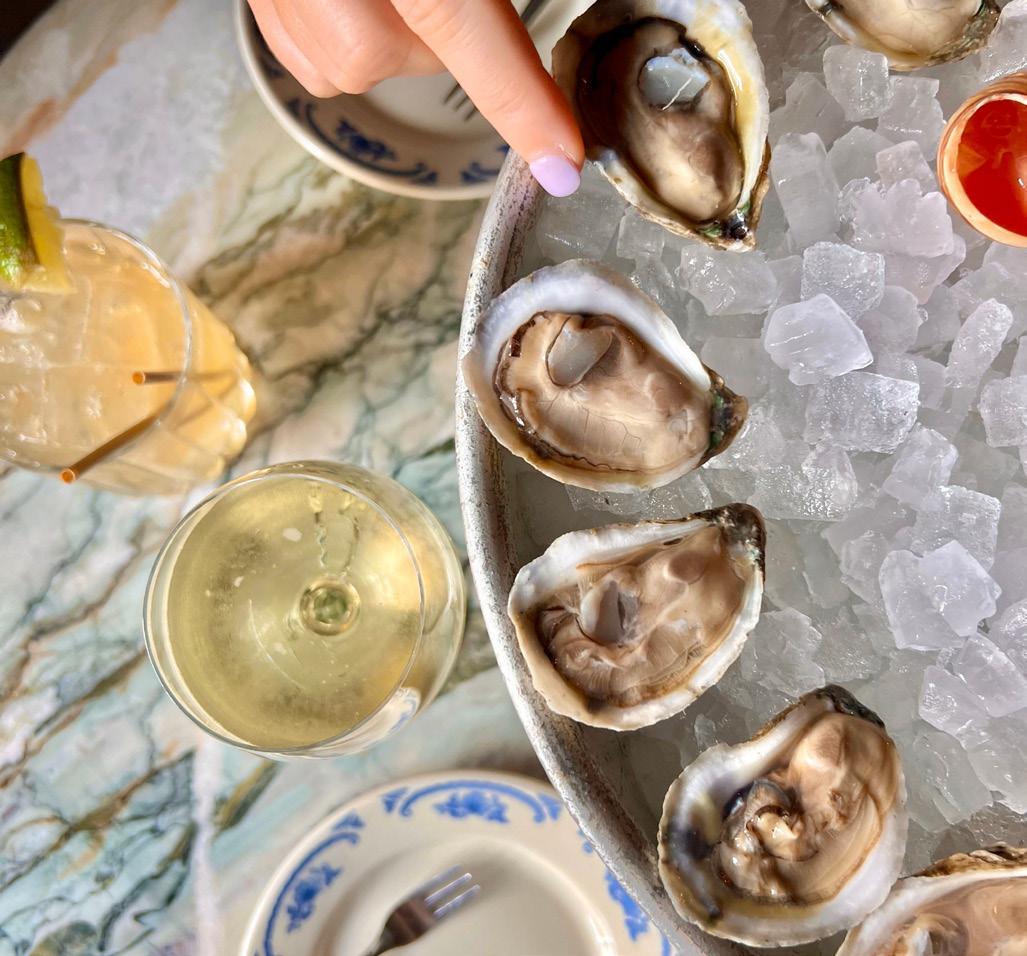
his son E.J. Lagasse, who took over the restaurant in 2022, and at the age of 22, he became the youngest chef in history to earn two Michelin Stars in the Michelin Guide American South. Under the direction of Chef E.J. Lagasse, Emeril's continues its legacy of bold, contemporary Louisiana cuisine. The menu highlights the region's finest seafood, seasonal produce, and Gulf Coast ingredients. The result is a dining experience that honors Emeril Lagasse's culinary vision while confidently carrying it into a new generation.
For more than a century, Commander's Palace has been a cornerstone of New Orleans dining.
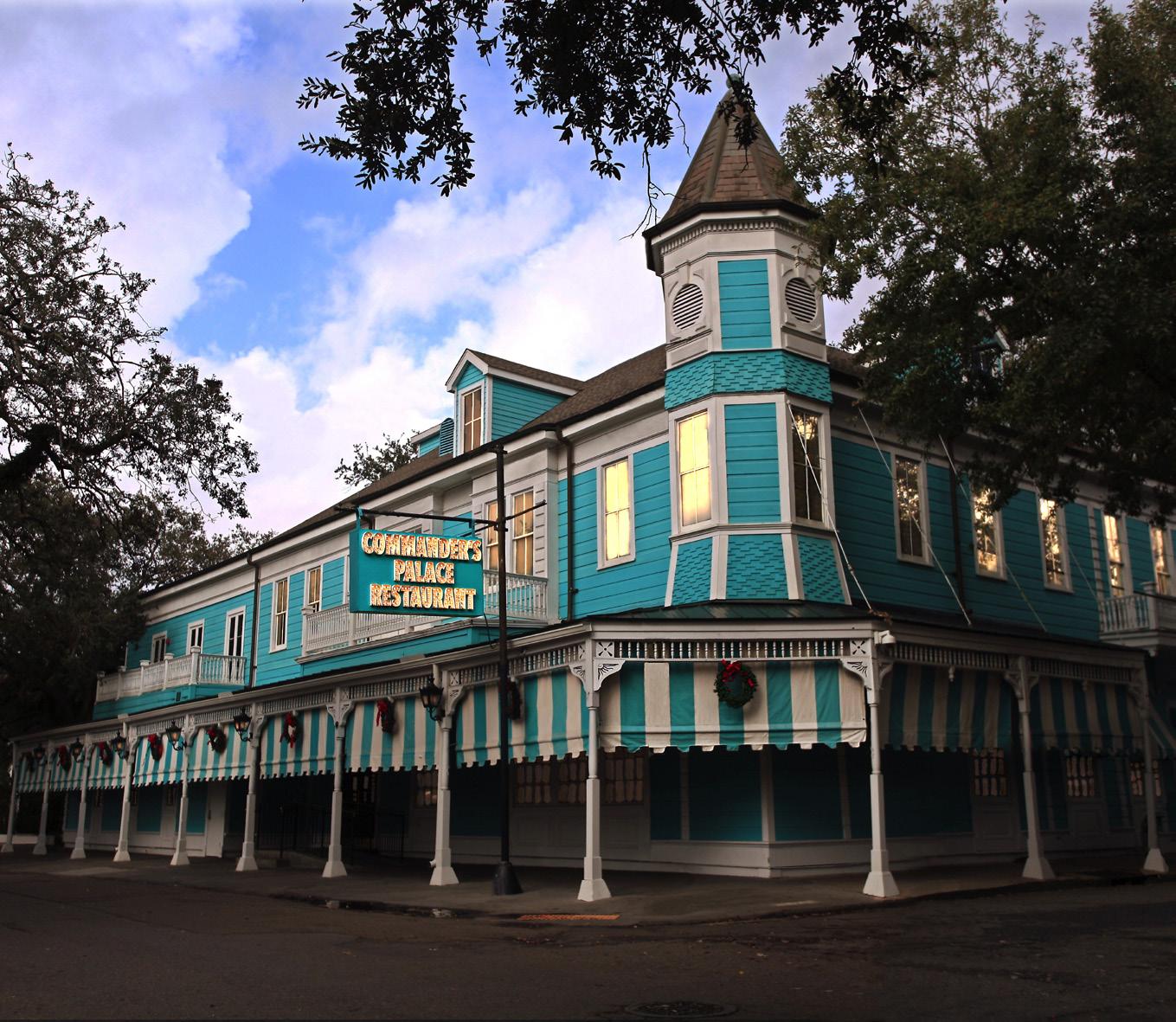

It’s celebrated for its refined Creole cuisine, gracious Southern hospitality, and iconic turquoise Victorian setting in the Garden District. Commander’s is a culinary landmark and has launched the careers of many acclaimed chefs, including Emeril Lagasse who became its Executive Chef at the age of 26. The restaurant pairs timeless traditions with innovative flavors, making every meal a quintessential New Orleans experience. It has won seven James Beard Foundation Awards, the Wine Spectator Grand Award, and has been inducted into the Culinary Institute of America Hall of Fame which honors Commander Palace’s lasting influence on American cuisine. In its dining
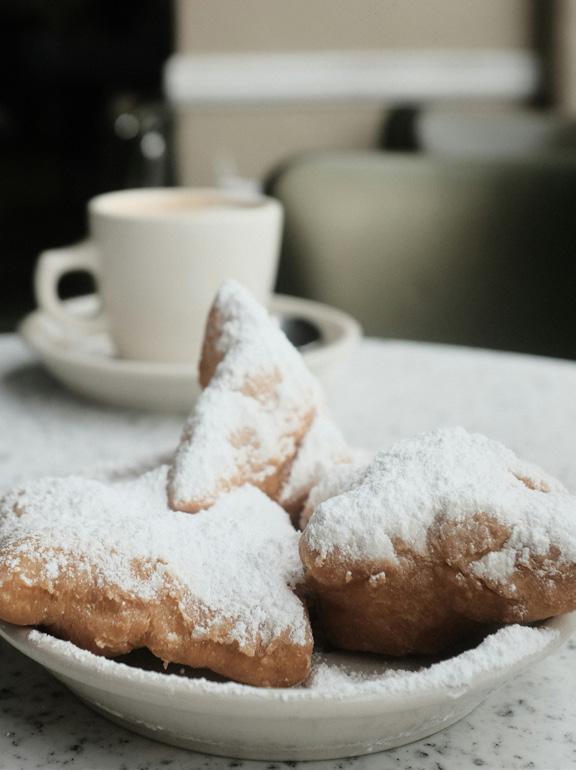
rooms, you will find both locals and visitors to the city enjoying amazing meals.
Although Commander’s is a local favorite, there are many others. Jaques I’mo, found Uptown, is one that sits at the top of the list. A beloved New Orleans institution – where bold Creole and Cajun flavors meet – it boasts an eclectic and spirited atmosphere. It’s casual. Portions are generous. It features inventive southern comfort food and a vibrant local character. This restaurant serves a very loyal following for their vibe and their dishes that celebrate Louisiana. .
Casamento's Restaurant, also Uptown, is a New Orleans seafood
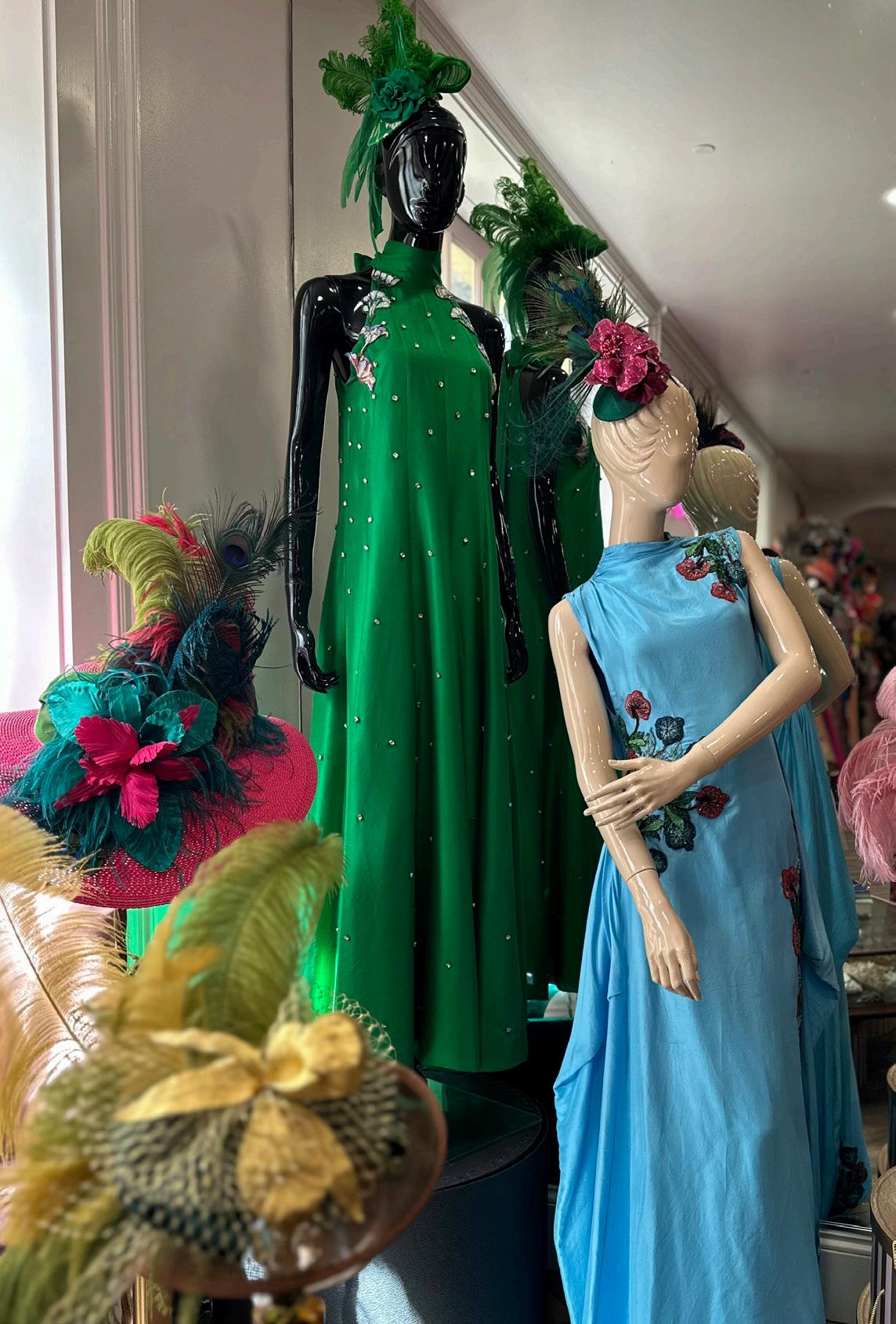
institution renowned for its fresh Louisiana oysters and timeless neighborhood charm. Since 1919, this family-owned restaurant has drawn locals and visitors alike with classic dishes such as oyster loafs, fried seafood platters, and oyster stew, all served in its iconic tile-lined dining room. Here is a true celebration of the city's seafood heritage, Casamento's offers an authentic taste of New Orleans tradition with every meal.
But there are also other culinary experiences in New Orleans that range from private chef-led crawfish boils and elevated gumbo tastings to multicourse French-Creole degustations in historic mansions and boutique hotels. Oyster bars, speakeasy-style cocktail lounges, and rooftop terraces along the Mississippi offer pairings of spirits, wines, and local craft beers, each chosen to complement flavors. Even
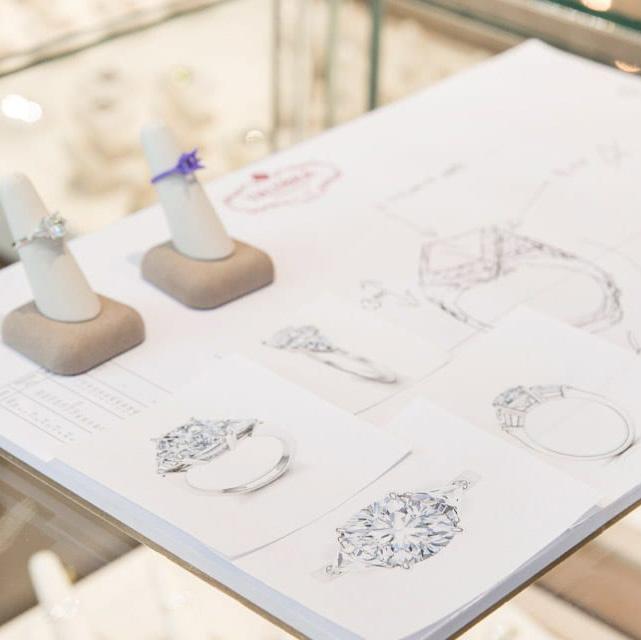

street food is elevated here. In this city, the food experience is multi-sensory.
Of course, indulgence is not just about food. There are many other exclusive experiences about town such as private jazz performances, afterhours access to galleries and antique collections in the French Quarter, or curator-led tours through architectural landmarks. Travelers can charter vintage cars or private river cruises along the Mississippi to experience the city on a different level. And luxury hotels can arrange rooftop receptions and provide access to invitation-only cultural events away from the city’s more crowded nightlife scenes. This city is jam packed with opportunities to indulge in a refined style focusing on the private side of New Orleans’ culture.
Here, indulgence also comes in the form of the city’s quality craftsmen.

And there are many. For those interested in style, appointments with jewelry designers and milliners (among others) are on offer. Valobra, a fine jeweler on Royal Street, offers one-of-a-kind pieces with price tags that can reach between five and six figures. Then there is the milliner Fleur de Paris, a charming French-inspired boutique known for its elegant floral arrangements and unique accessories. Their one-of-a-kind couture pieces begin at $750 and move upwards. Ultimately, New Orleans offers an extraordinary paradox. It is a city where restraint and excess coexist. The city is uniquely suited to both detoxification and indulgence as it can host both extremes simultaneously. Detox and indulgence are not viewed as opposites here. They complement each other.
Laissez les bons temps rouler!
WALDORF ASTORIA
The Waldorf Astoria has opened in Rabat, atop Morocco’s Tallest Tower. The 55-room hotel inside the Mohammed VI Tower marks the brand’s Moroccan debut, and it does so in true Waldorf Astoria style with a celestial design language, an Alain Ducasse restaurant, and one of North Africa’s largest private art collections. (The Luxury Editor)
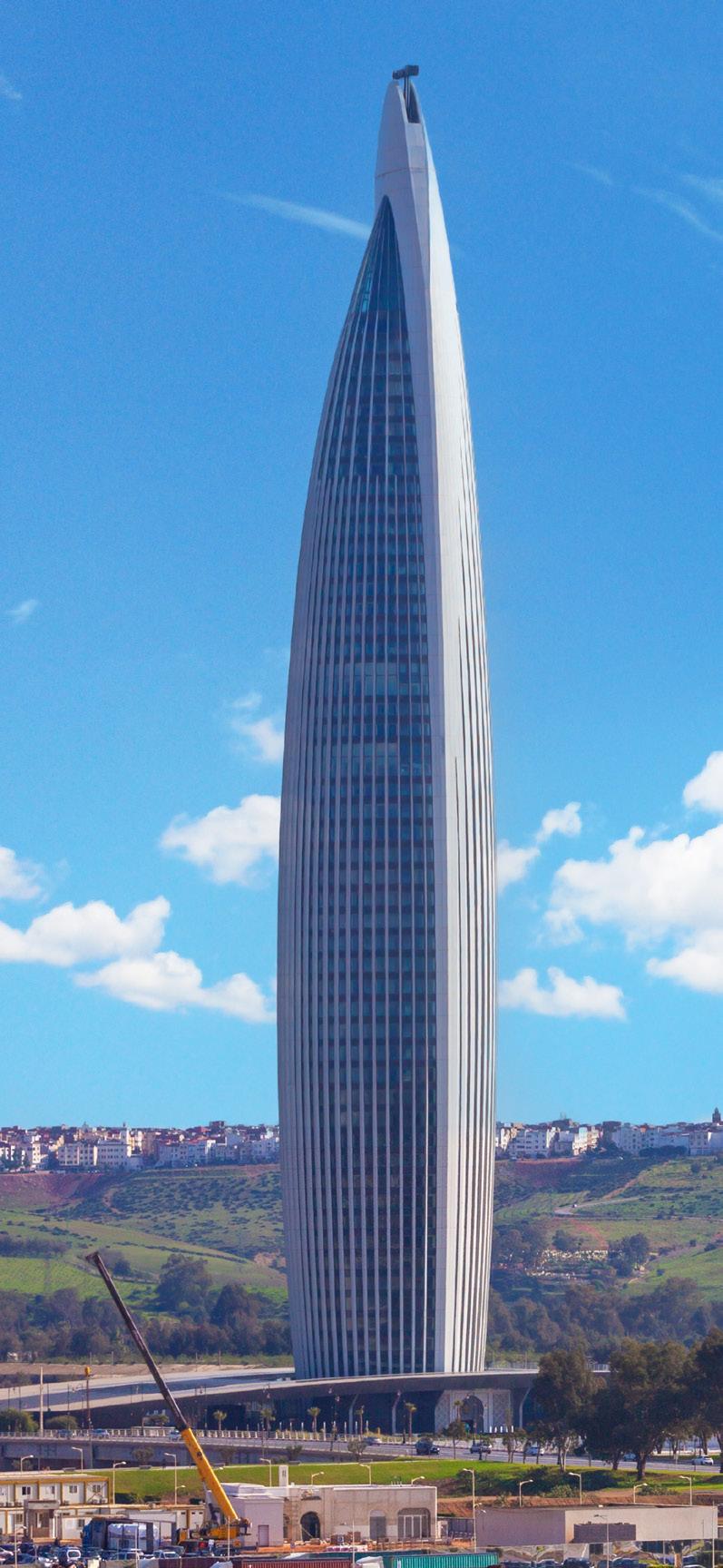
BUZZ
EXCLUSIVE PARTNERSHIP
Two of the Hamptons' more deliberate luxury addresses have formalized an arrangement. The Baker House 1650 in East Hampton and Hamptons Polo House have announced an exclusive partnership for the 2026 summer season, combining the former's historic hospitality with the latter's standing as the East End's premier destination for equestrian culture and upscale gatherings.
The partnership operates in both directions. Guests booked at The Baker House will receive exclusive access to select polo matches, private viewing experiences, and signature social events hosted at Hamptons Polo House throughout the summer. Hamptons Polo House members, in turn, gain preferred access to accommodations and private gatherings at the Baker House property. (Resident)
GUCCI
Kering aims to double profitability and revive its flagship brand Gucci; it announced its highly anticipated strategy to get the company back on track after a year-long luxury slump that hit it harder than its competitors. CEO Luca de Meo announced the strategy seven months after taking over the reins, during which investors’ optimism has mounted that he’ll be able to turn the legacy conglomerate around.
“In a nutshell, a model that worked for a decade is no longer effective for us,” he said during the company’s Capital Markets Day in Florence on Thursday. “Growth will come first from gaining share, restoring pricing power, and executing better than our peers.”

CULTURE
WHERE ART AND LIFE MEET
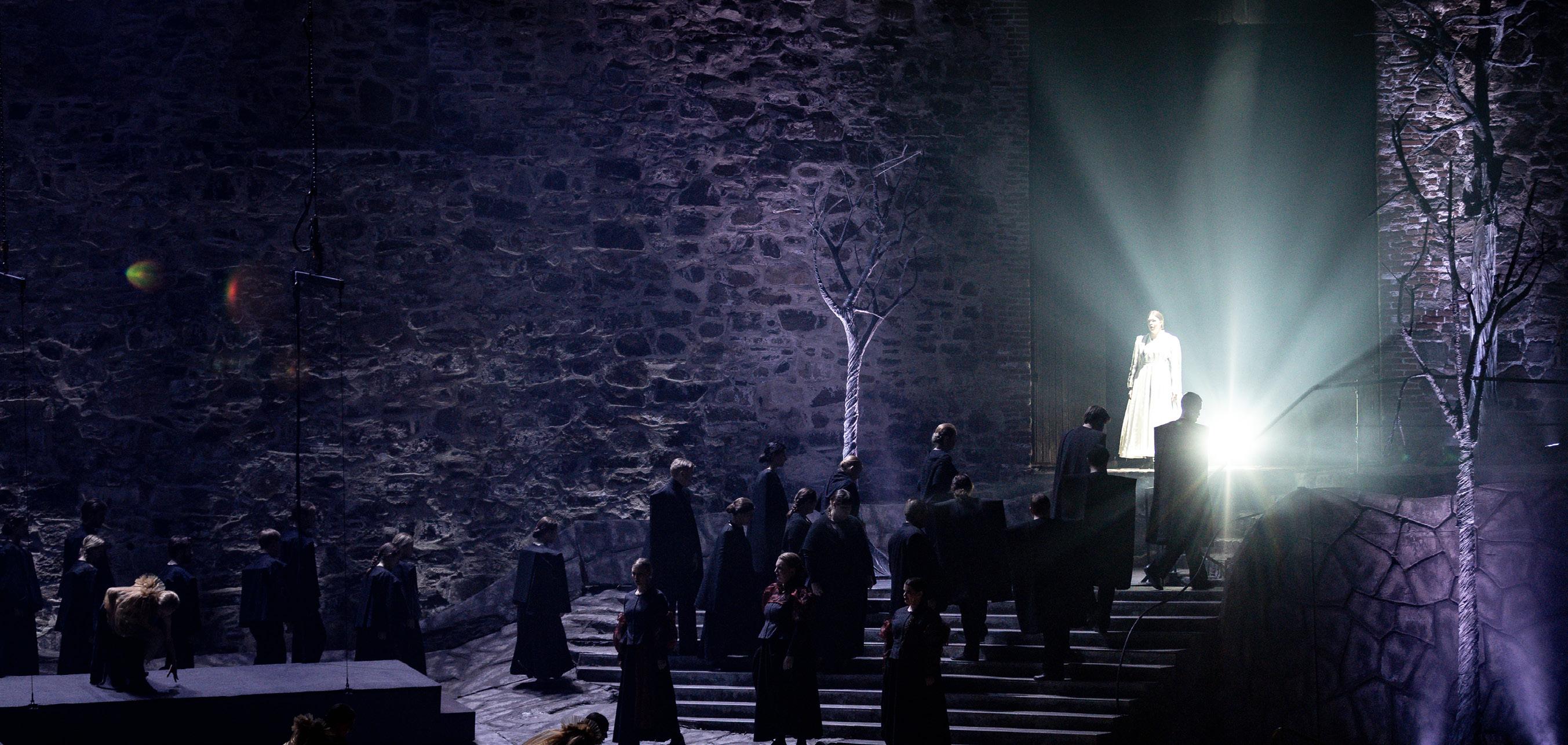
SAVONLINNA OPERA FESTIVAL
JULY 8 – AUGUST 8
OLAVINLINNA CASTLE
The Savonlinna Opera Festival takes place in Finland’s historic Olavinlinna Castle, a medieval lakeside fortress renowned for its open-air opera performances. Highlights include Madama Butterfly, Nabucco, The Marriage of Figaro, a new production of La Traviata, and Bellini’s Norma starring soprano Lisette Oropesa. Luxury offerings include VIP seating, private receptions, backstage access, and curated excursions through the Finnish lake district.
HAMPTONS FINE ART FAIR
JULY 9 – 12 | VIP PREVIEW JULY 9
This fair, embedded into the cultural fabric of the Hamptons arts community, is an event where community artists, local art institutions, cultural organizations, curators, and charities meet in pavilions named after iconic local artists, Jackson Pollock and Willem de Kooning. Leading international galleries present blue-chip contemporary and modern works, alongside carefully curated exhibitions and special programming. VIP access includes early entry, private viewings, meet-the-artist opportunities, and invitation-only soirées and dinners.
LONDON DESIGN FESTIVAL
SEPTEMBER 12 - 20
The London Design Festival is not a single exhibition; it’s a living ecosystem of design, unfolding across the city. From museum-scale installations to experimental pop-ups in former industrial spaces, the festival reveals how design intersects with daily life, urban development, sustainability, and emerging technologies. This year’s festival showcases everything from furniture and lighting to speculative design, digital environments, AI-driven projects, and architectural prototypes. Designers use London not as a backdrop, but as an active participant, with streets, squares, and buildings becoming part of the narrative.


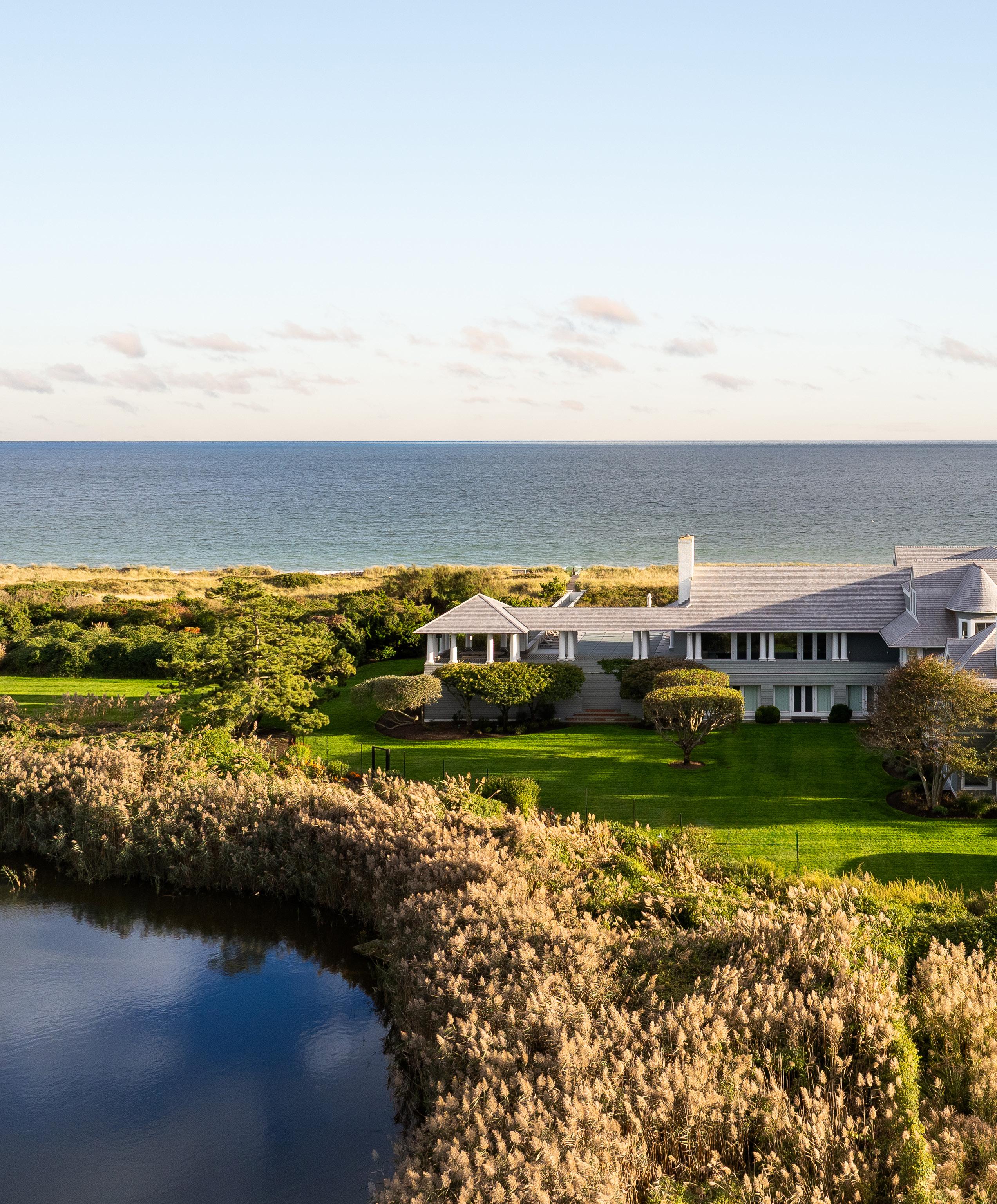
A Southampton Estate
Defined by Water, Privacy, and Place
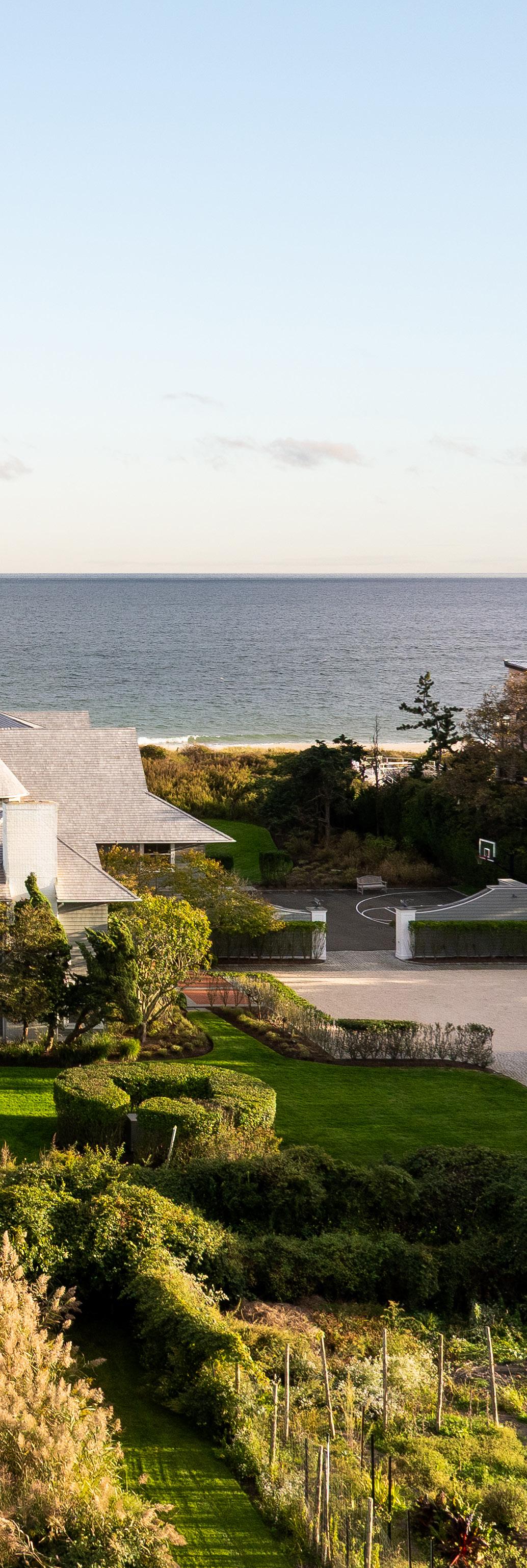
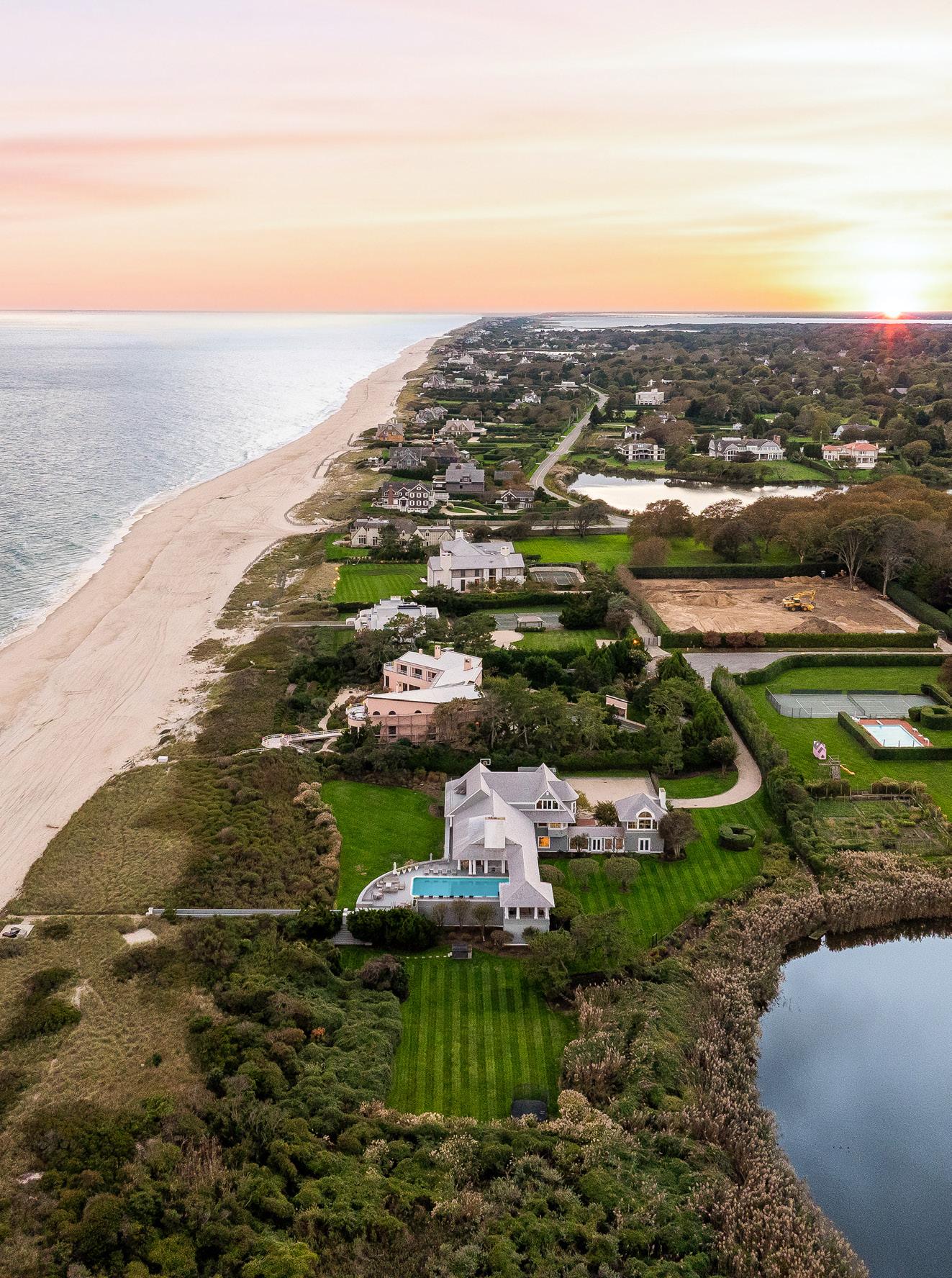
In the rarefied world of Hamptons real estate, true distinction is increasingly difficult to find. Oceanfront properties remain coveted, but many have become constrained by modern regulations, neighboring development, or a lack of land. Every so often, however, a property comes onto the market that feels unique. Special. One whose value lies not in any single amenity, but in the convergence of landscape, scale, history, and location.
At the end of a lane in Southampton Village sits one such offering. It is 137 Murray (44), an exceptional four-acre oceanfront compound with 335 feet of direct Atlantic Ocean frontage. Its panoramic views stretch across both the ocean and Wickapogue Pond. It also has a level of privacy that has become nearly impossible to replicate along the East End coastline.
The home itself was originally commissioned by Broadway producer and heiress Terry Allen Kramer, one of Broadway's most successful lead and co-producers. She backed numerous Tony Award-winning productions, including Kinky Boots, La Cage aux Folles, and Who Is Sylvia? On display in this house is both her creativity in design – the home is organized around the property's ocean views – and her love of entertaining.
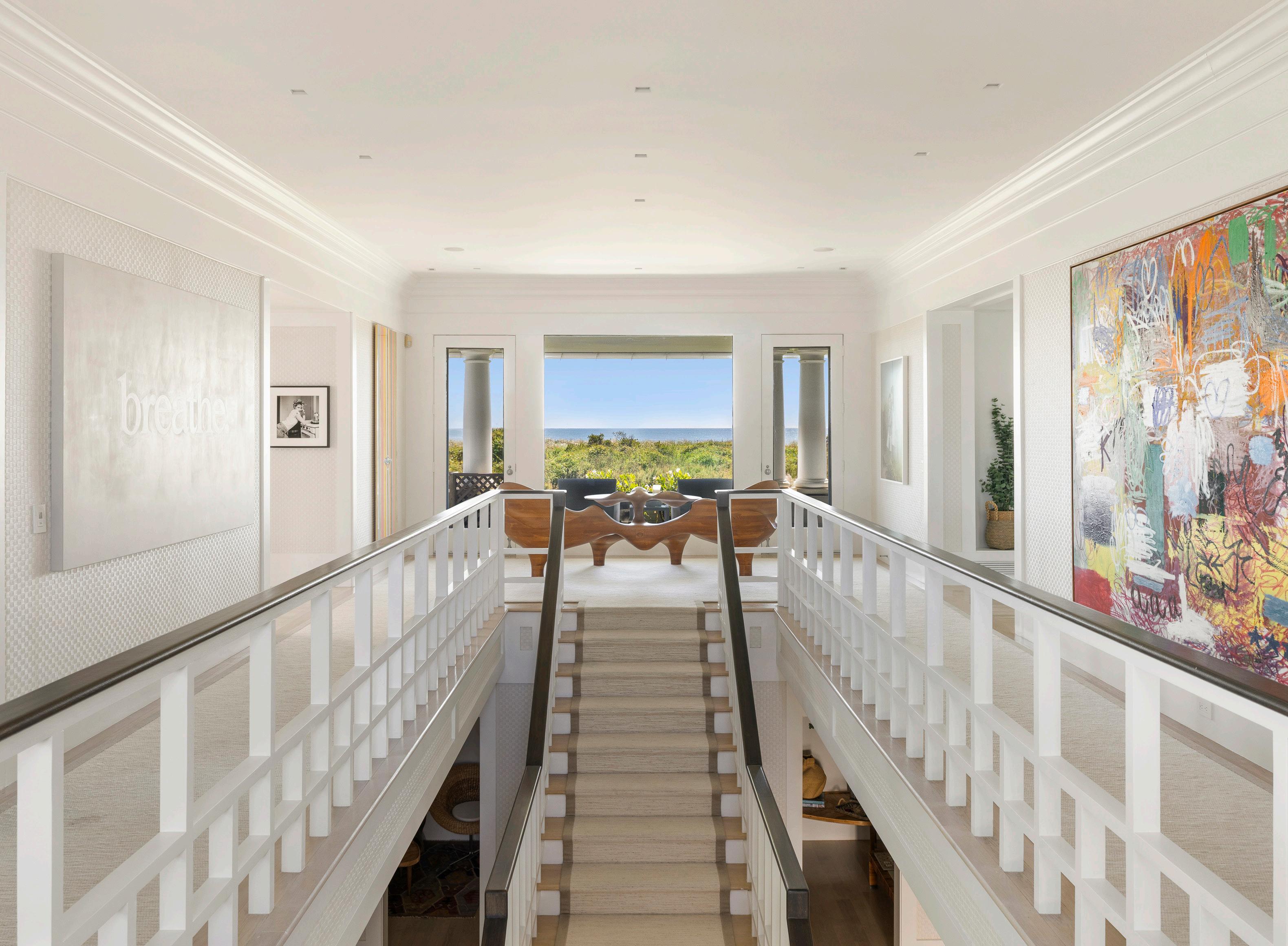
A dramatic central staircase leads from the foyer toward the main living spaces. A 14-foot-ceilinged great room is stunning. Generous dining spaces and seamless indoor-outdoor living reflect an erstwhile style of entertaining that remains relevant today.
The entire third floor is a private primary suite, separated from guest accommodation, and crowned by an oceanside balcony that captures the property's exceptional views. Meanwhile, first-floor guest bedrooms open directly onto the grounds, reinforcing the home's intimate relationship with the surrounding landscape.
This compound offers an increasingly rare element in the Hamptons. A feeling of immersion in
both water and nature. From nearly every vantage point, there are rolling dunes, open water, and uninterrupted horizons.
While oceanfront homes are plentiful, those with meaningful acreage are scarce. In many respects, the natural environment serves as the property's landscaping. The transition between house and landscape feels organic rather than designed. This is a quality increasingly difficult to achieve in contemporary waterfront development.
Among all of the amazing features in this compound, there is one that is quite special. It is the dune-top deck positioned along the private pathway to the ocean. Under today's regulatory framework, such a structure could not be recreated, making this element
highly sought after.
Living here is also special. On the one hand, it is private and peaceful. On the other, it can be busy with activities. A morning might begin with paddleboarding across the glassy surface of Wickapogue Pond before an ocean swim just steps away. Afternoons invite kayaking, fishing, lounging beside the pool, or a spirited soccer match across the sprawling lawn. Evenings are spent dining al fresco under a canopy of a gorgeous sunset.
The compound finds its place within Southampton Village, one of the most prestigious enclaves in the Hamptons. Residents enjoy a proximity to the village's celebrated boutiques, galleries, restaurants, and cultural institutions. This area's historic
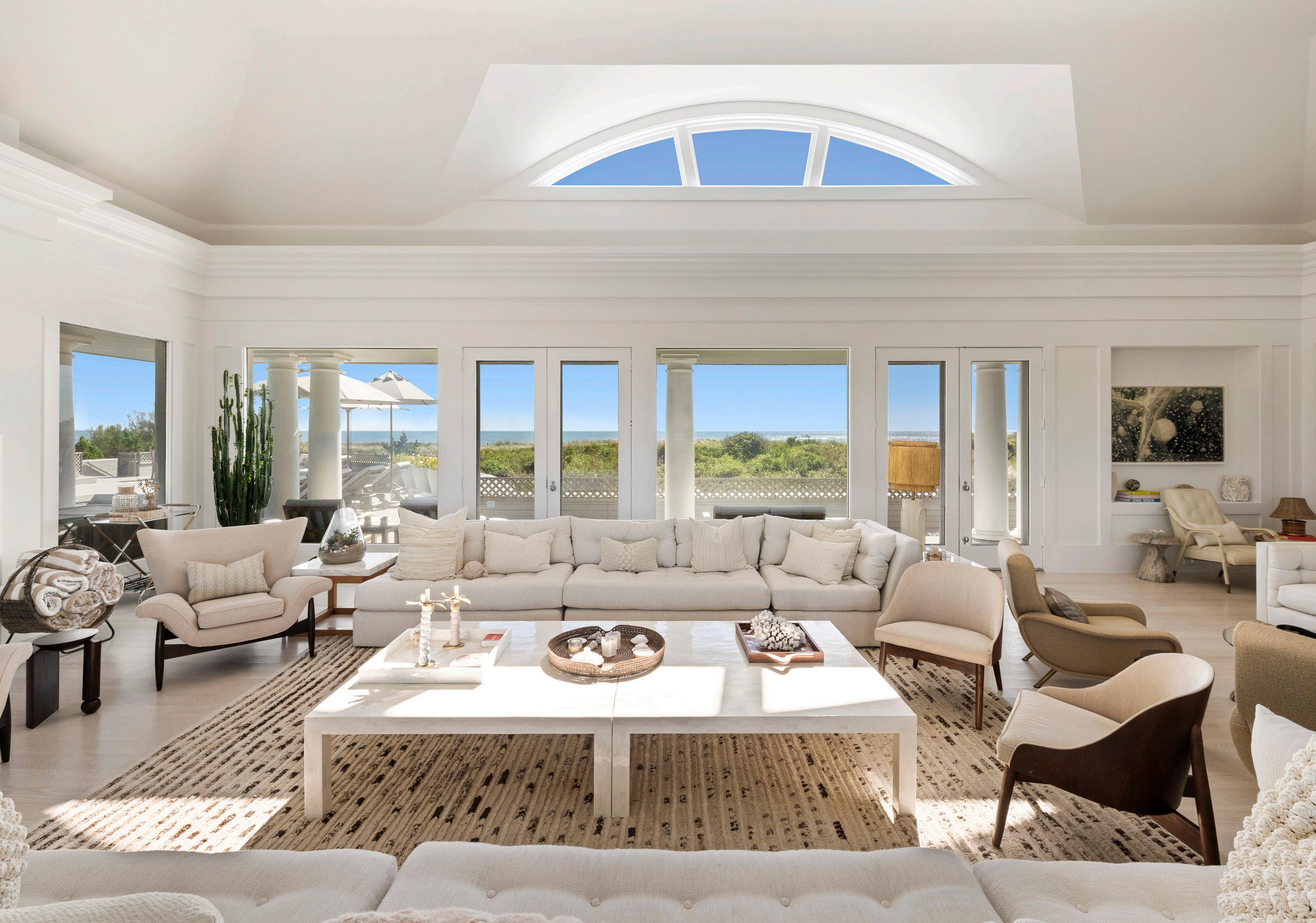
streetscapes, tree-lined lanes, and classic shinglestyle architecture have long attracted those seeking a refined coastal lifestyle. And equally appealing is its proximity to many of the South Fork's most soughtafter private clubs and recreational amenities.
Yet despite its accessibility, the property remains tucked away on a quiet cul-de-sac with virtually no through traffic. The nearest public beach access is far enough removed to preserve a remarkable sense of exclusivity and tranquility.
What ultimately distinguishes this estate is not any singular feature, but the totality of them all. Four acres of private oceanfront land. Three hundred thirty-five feet of direct Atlantic frontage. A grand residence designed for entertaining and family life. Water on both sides. Historic provenance. Immediate access to Southampton Village. All those elements that are found on the wish lists of dreamers.
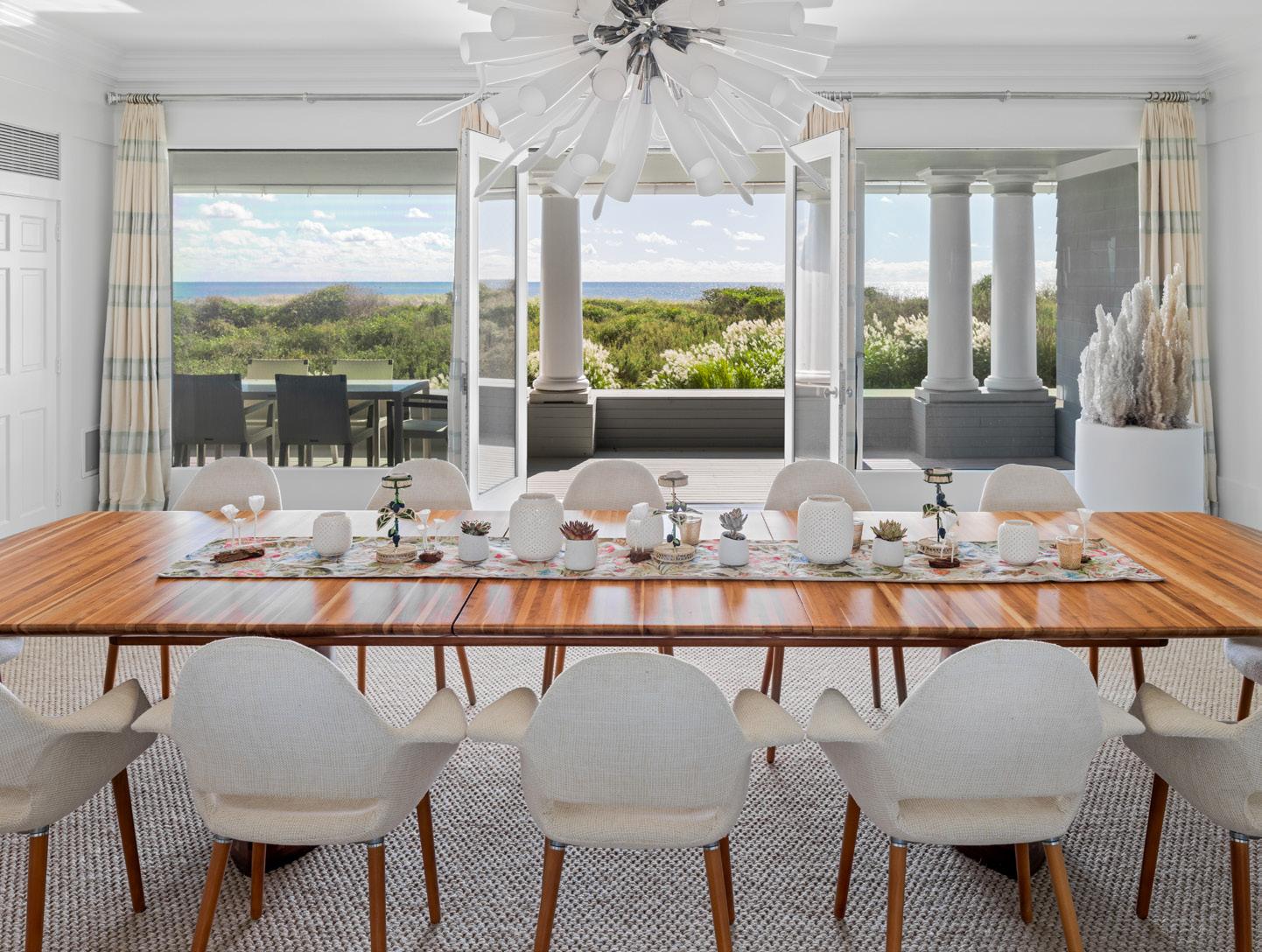
COMPASS SPORTS & ENTERTAINMENT
Compass Sports & Entertainment provides a national network of accomplished specialists dedicated to delivering a tailored, white-glove real estate experience for exclusive clientele.
S&E is deeply committed to building meaningful connections, learning from one another, and advising clients with the highest standard of excellence in ever y real estate transaction.
THE S&E ADVANTAGE
Global Reach, Local Expertise - a network of 170 top agents in 75+ markets
Luxur y Concierge Ser vices - tailoered solutions and turn key experiences in private, gated locations
Seamless Relocation - a strong network of vetted agents, ready to provide expert market knowledge in ever y major cit y for any moving occasion
Exclusive Access - exclusive access to private exclusives, luxur y rentals and premier properties
Discrete Marketing Strategies - targeted advertising to a sphere of elite, qualified buyers
Trusted Results - a proven track record of working with industr y gatekeepers, advisors and agents


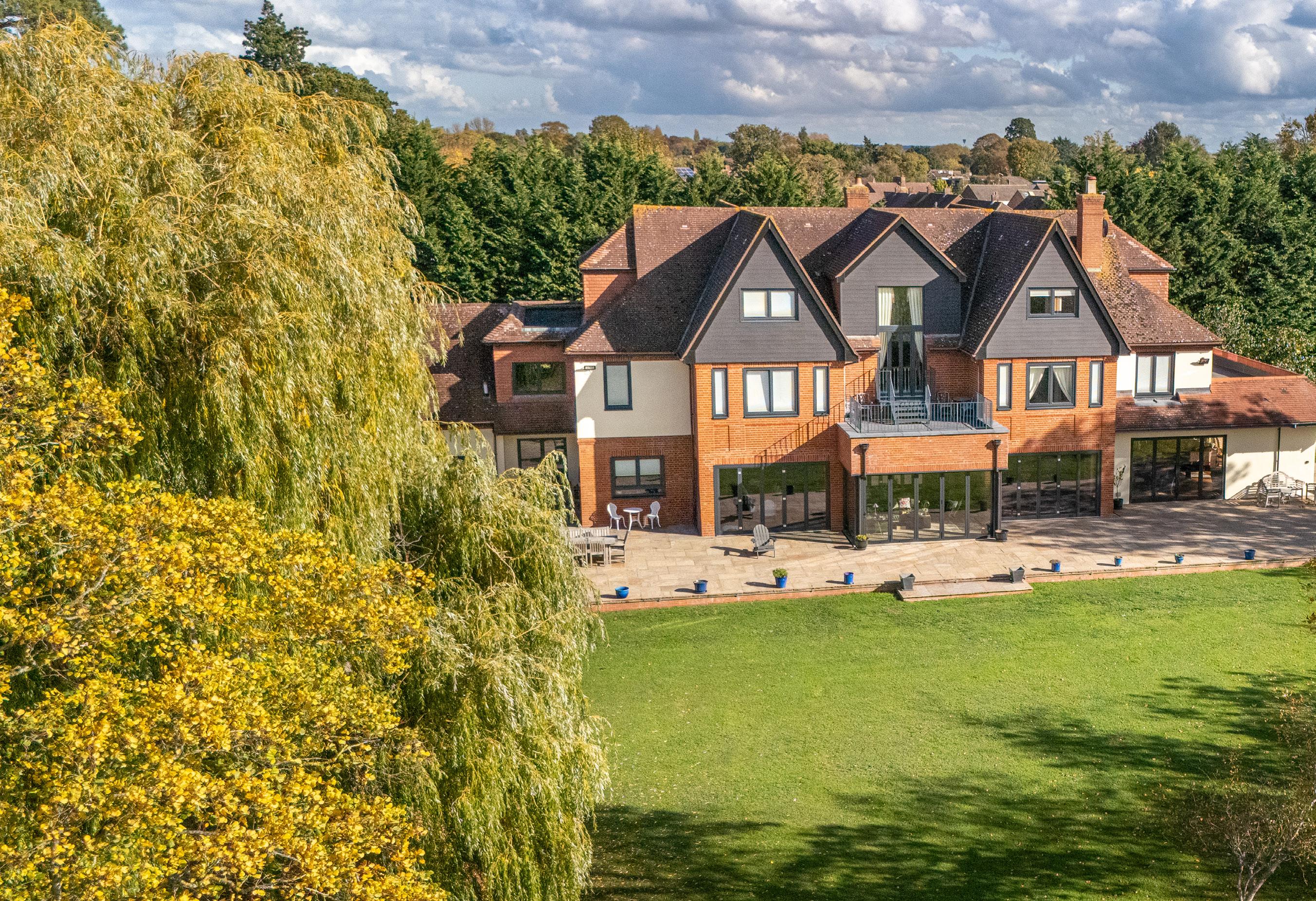
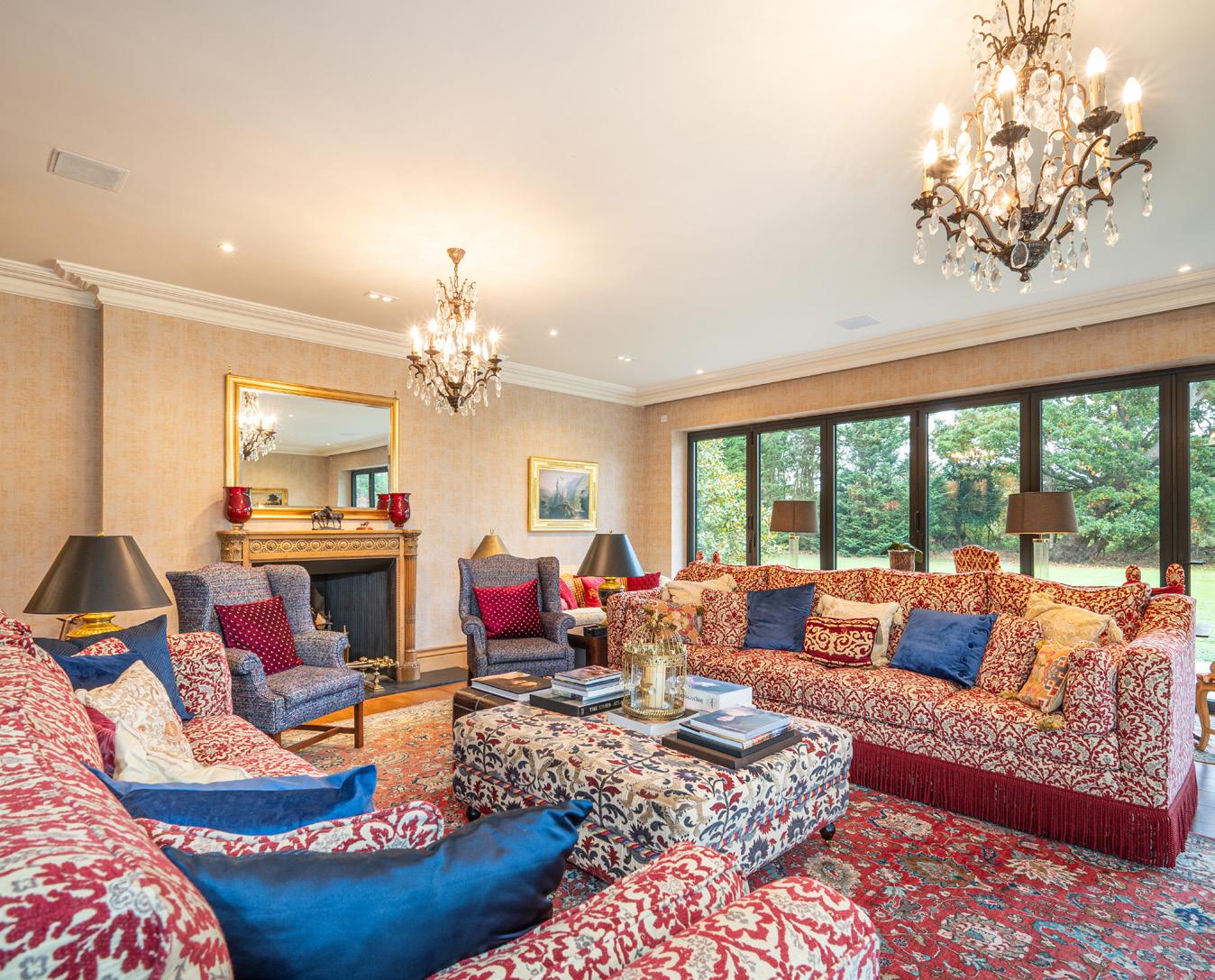
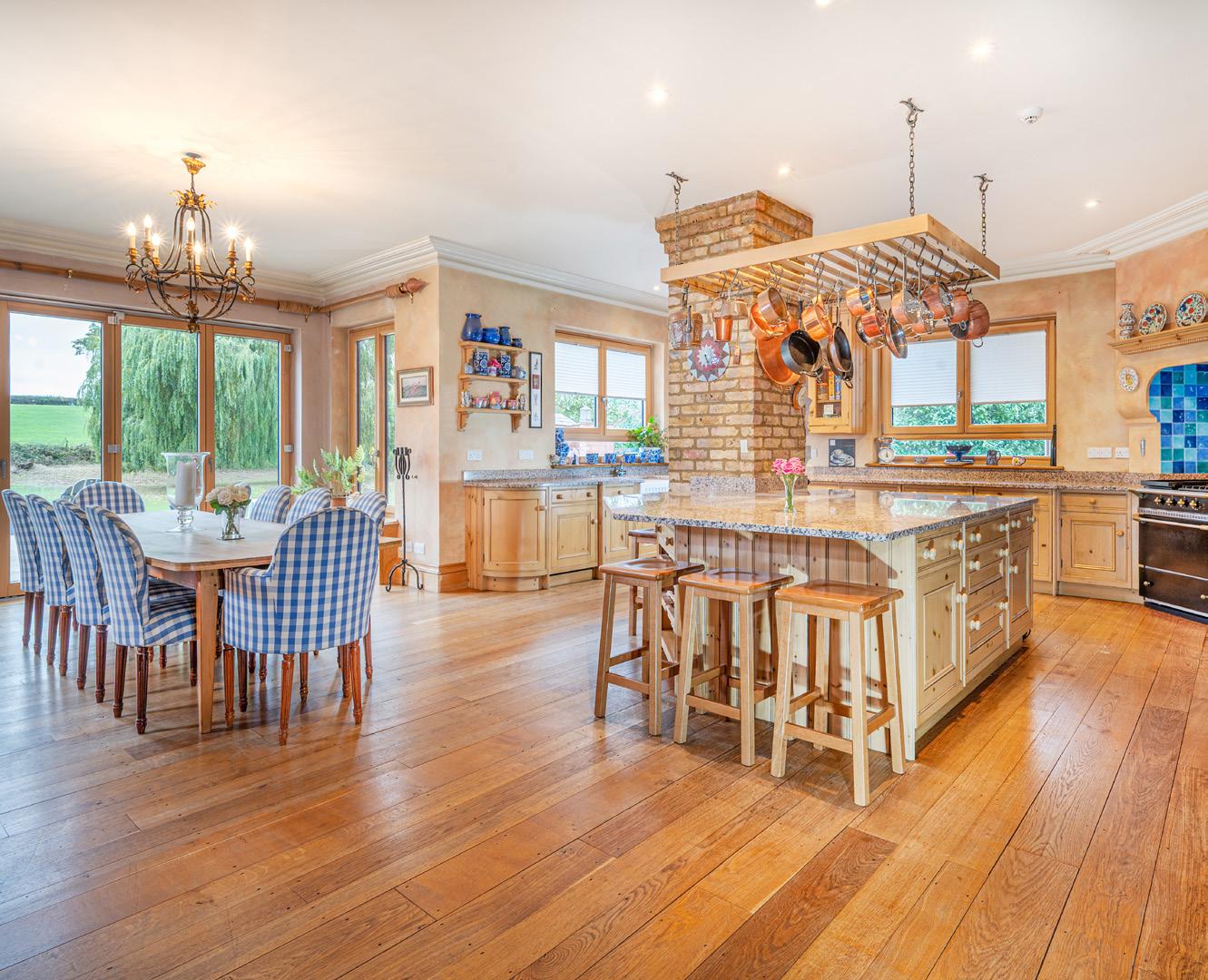
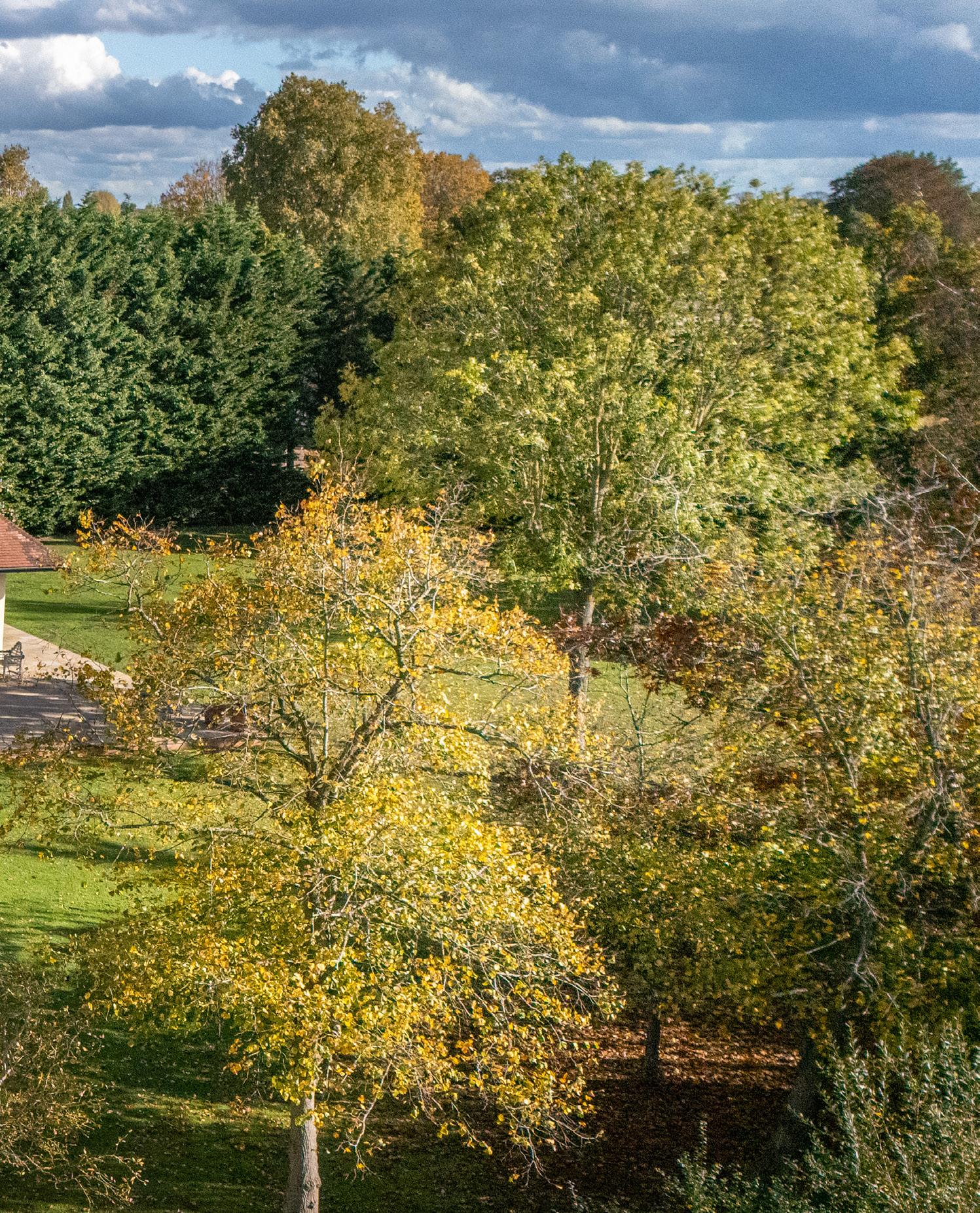
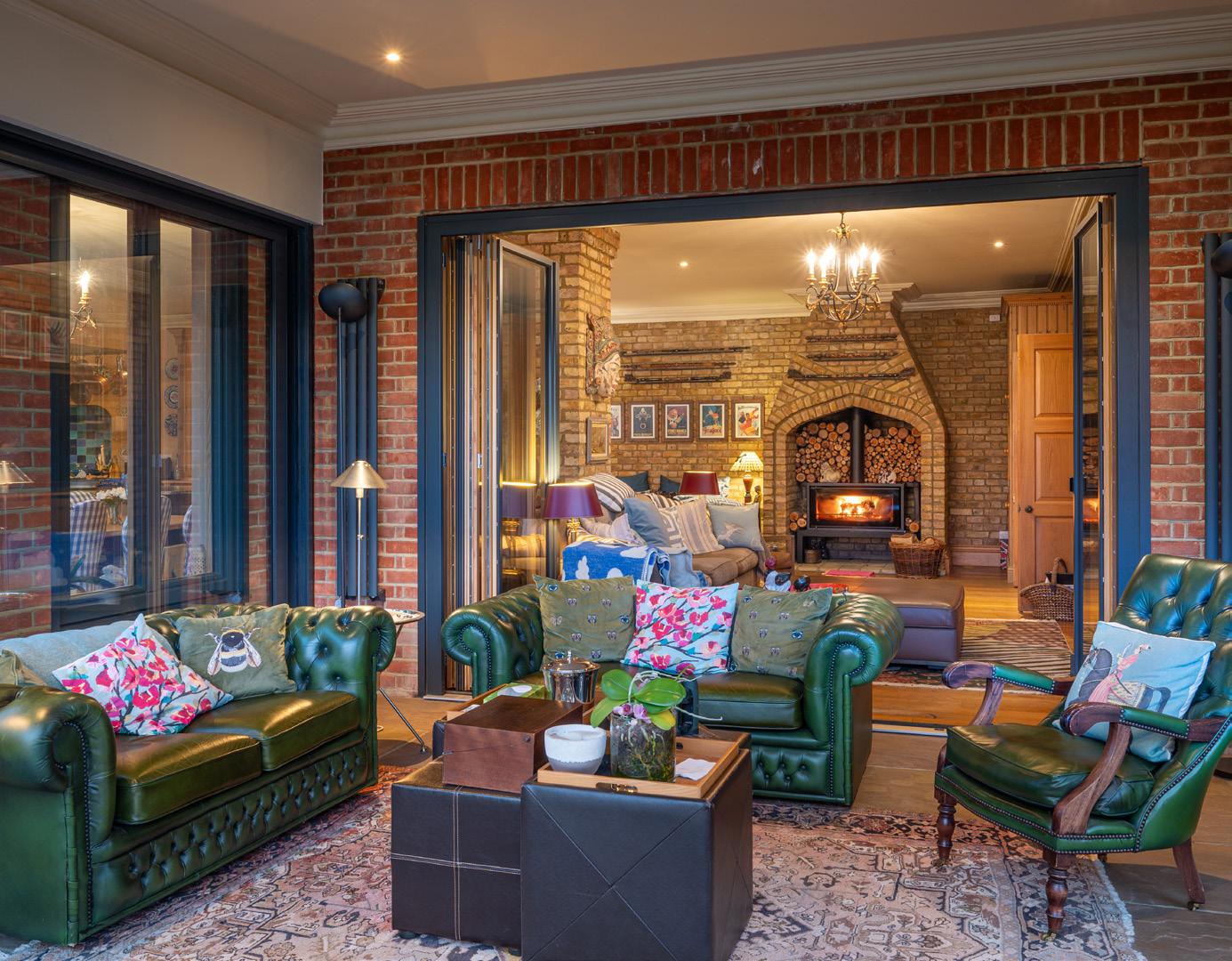

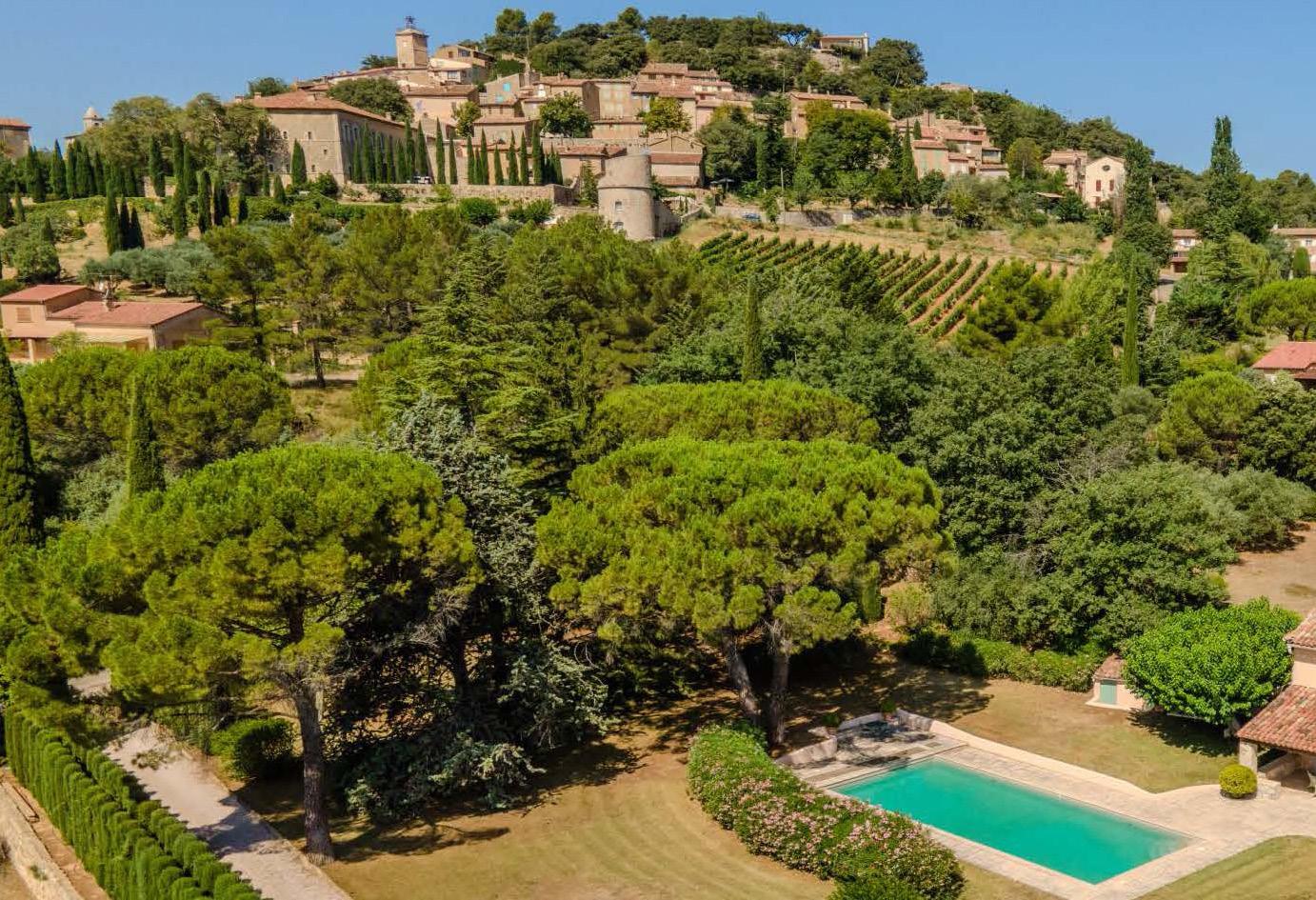
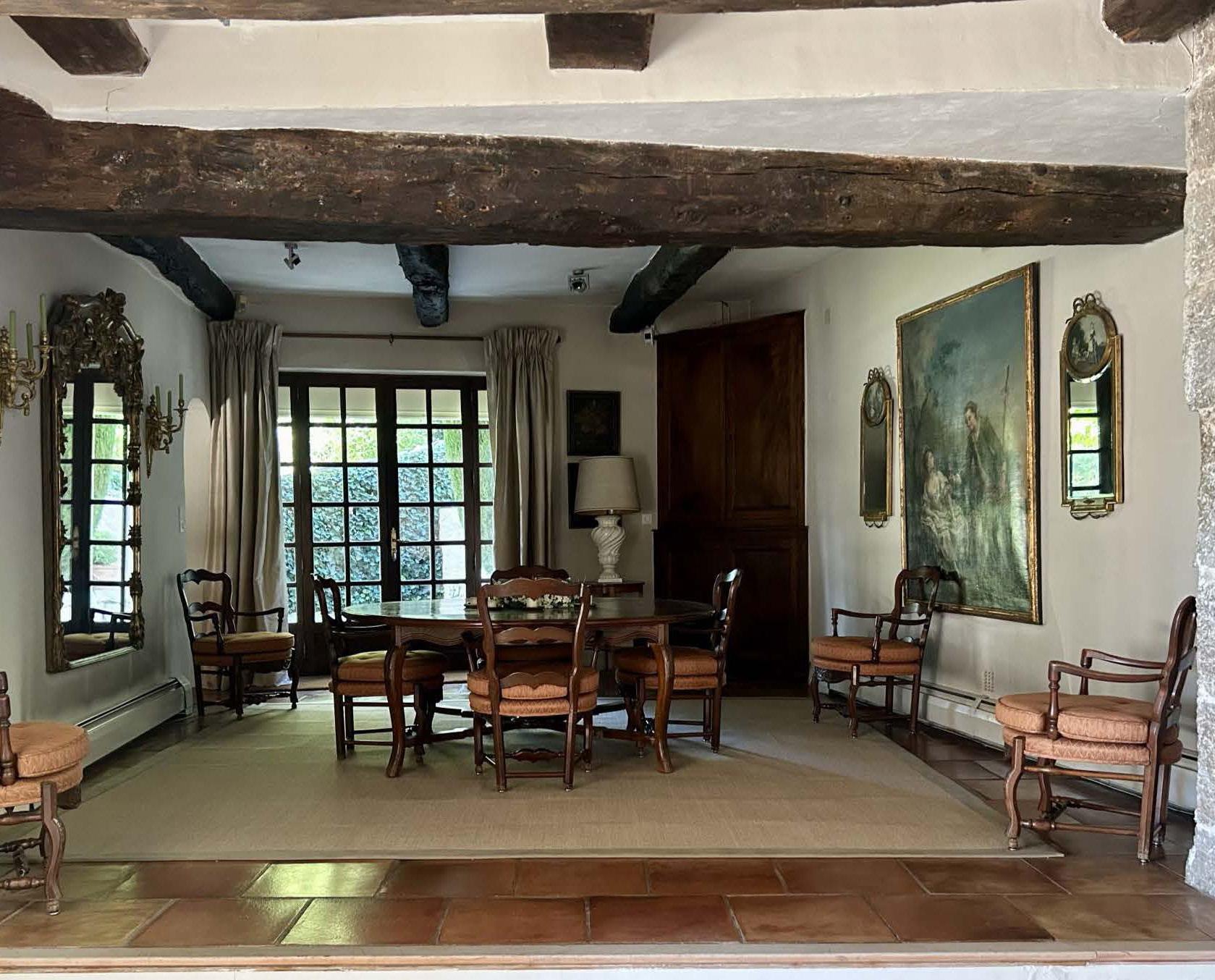
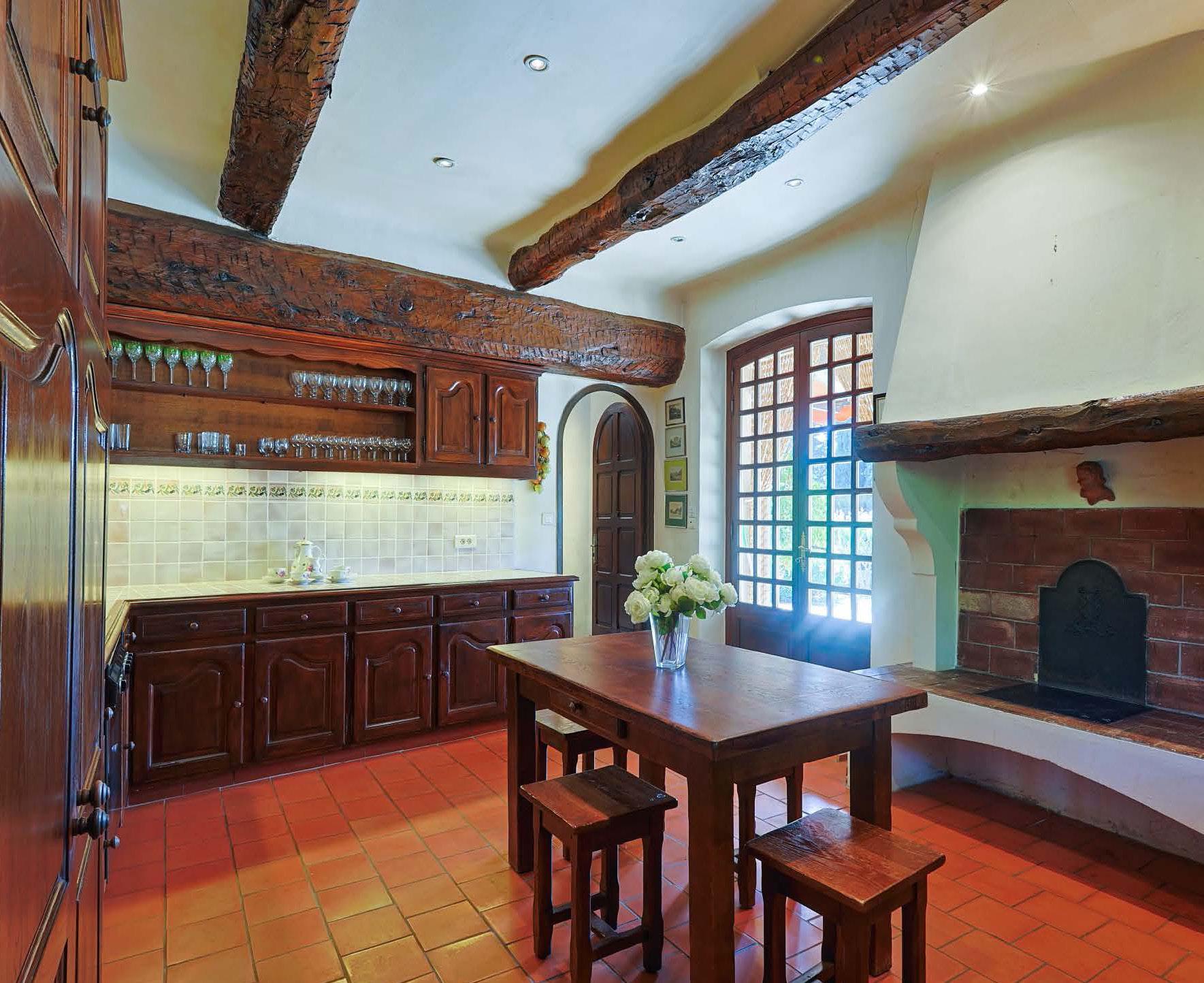
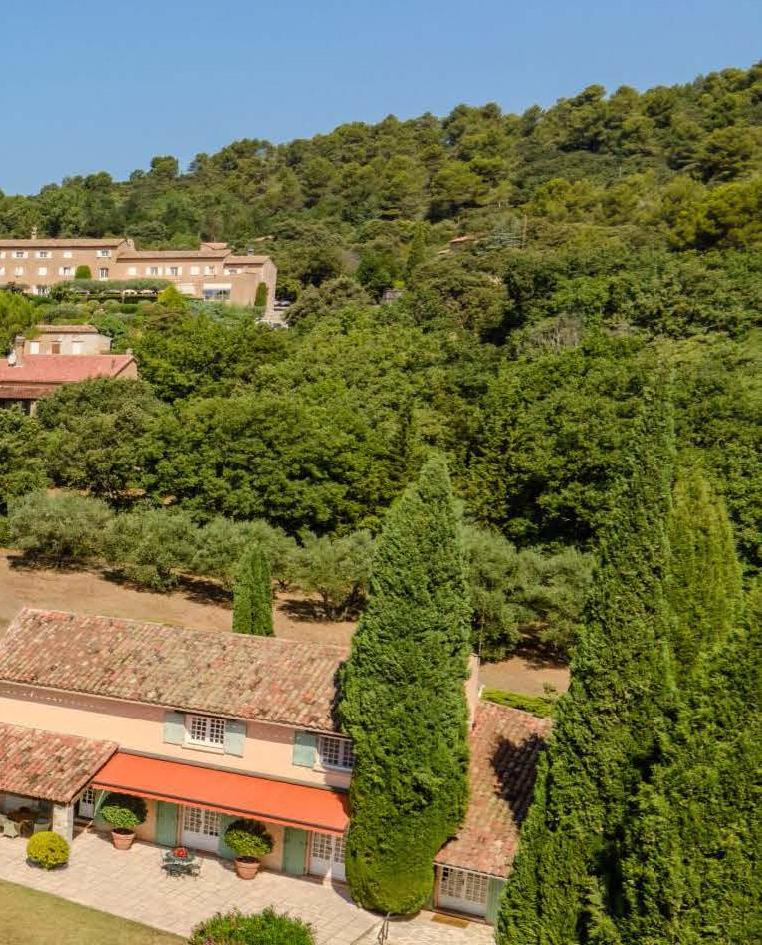
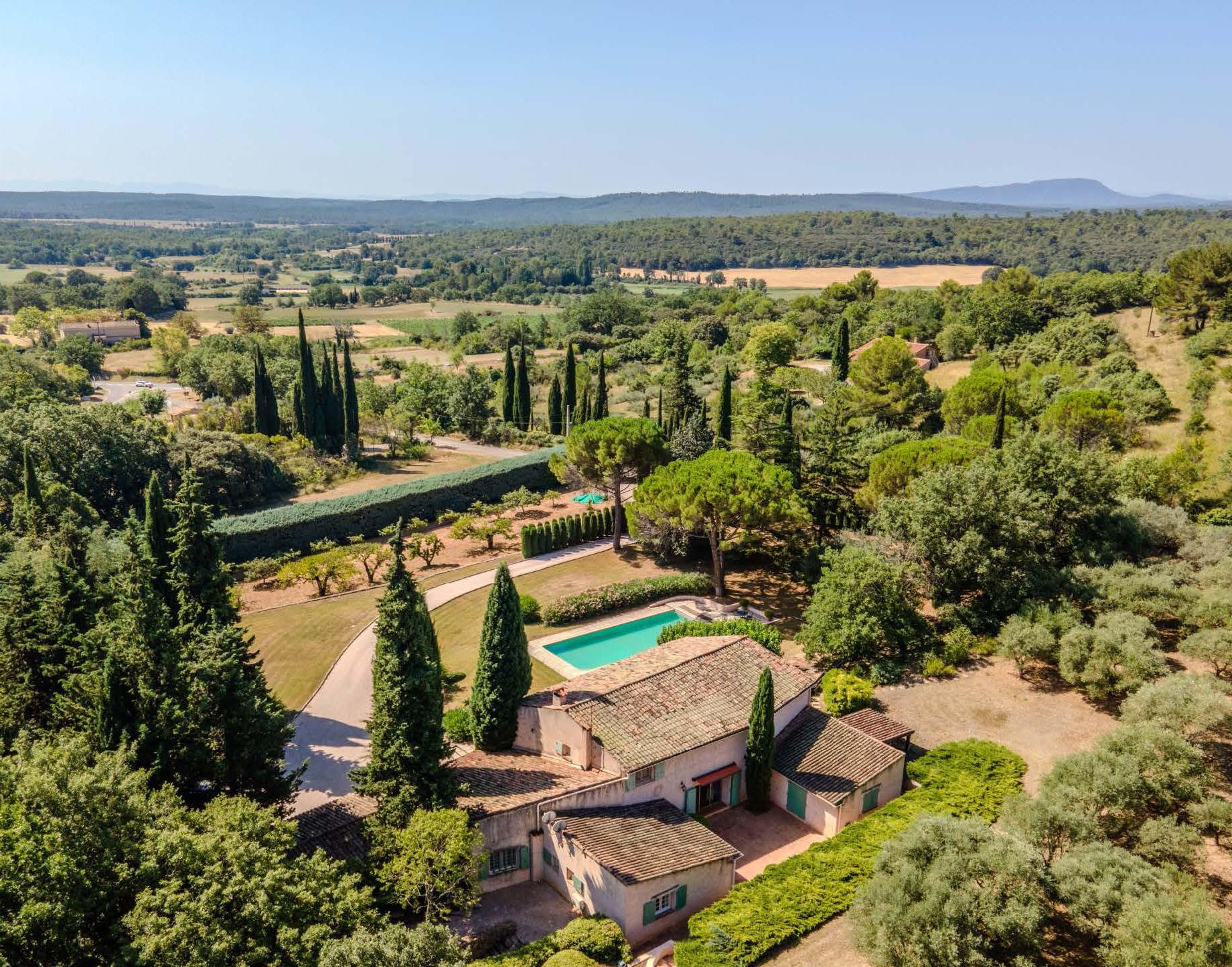
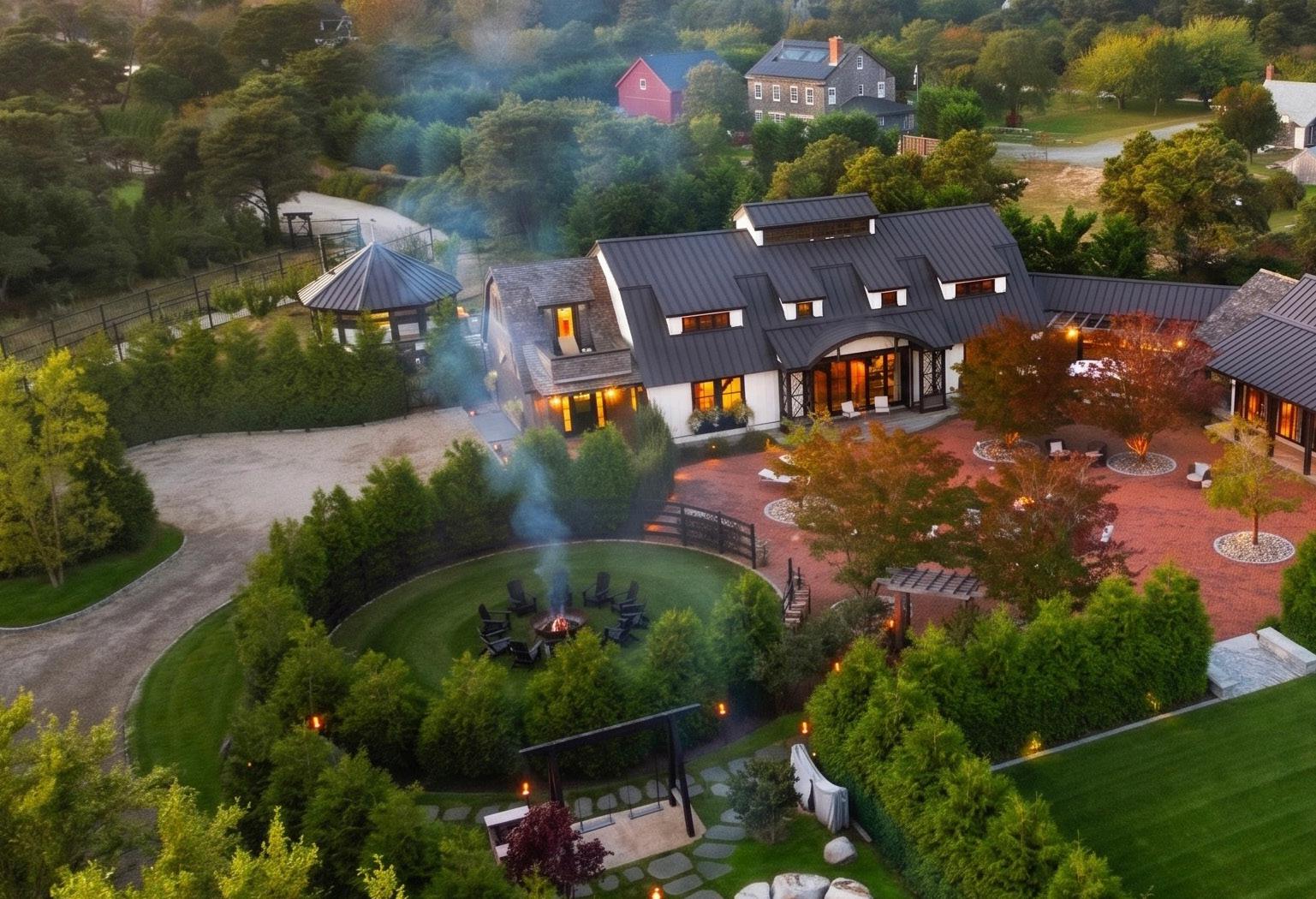
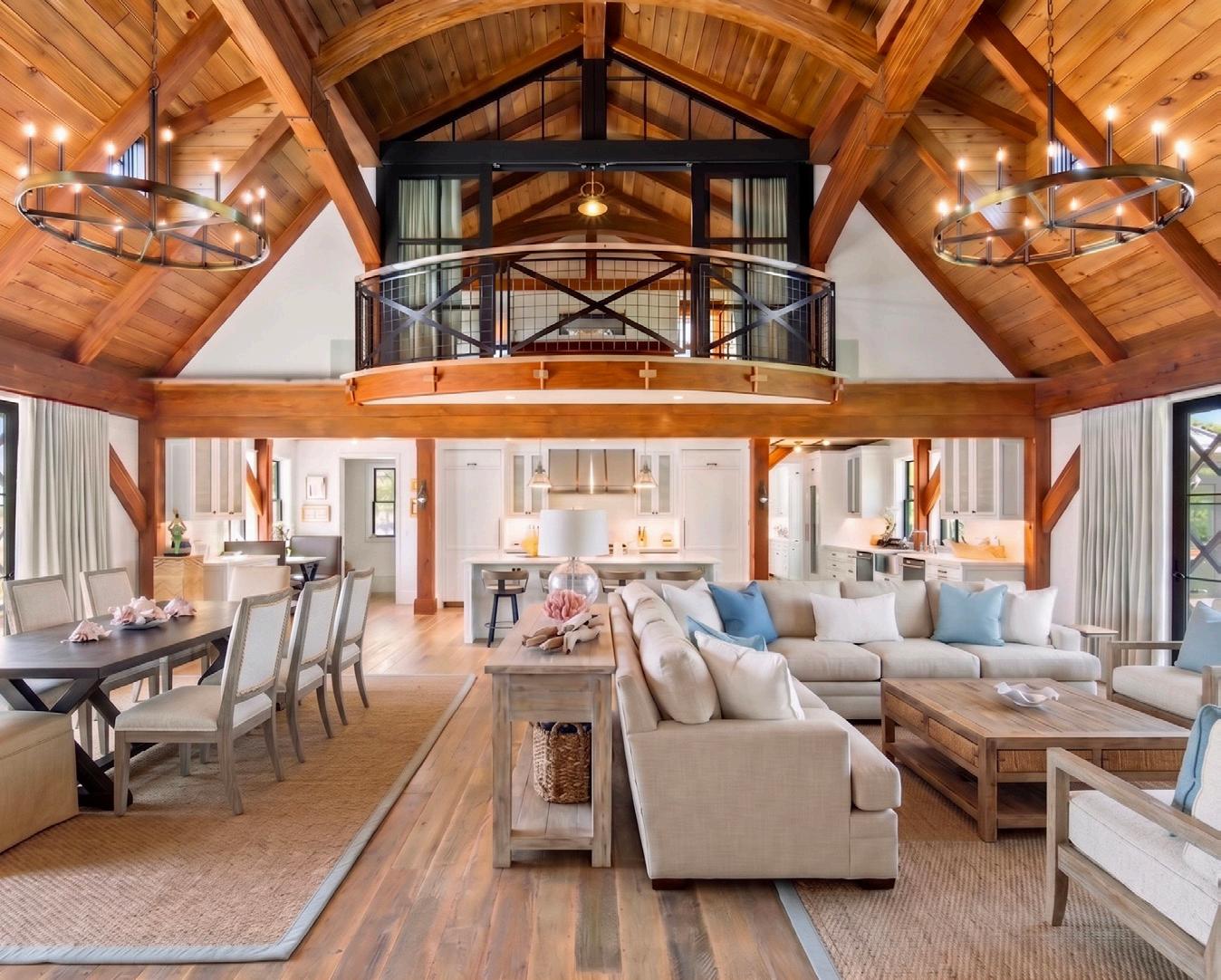
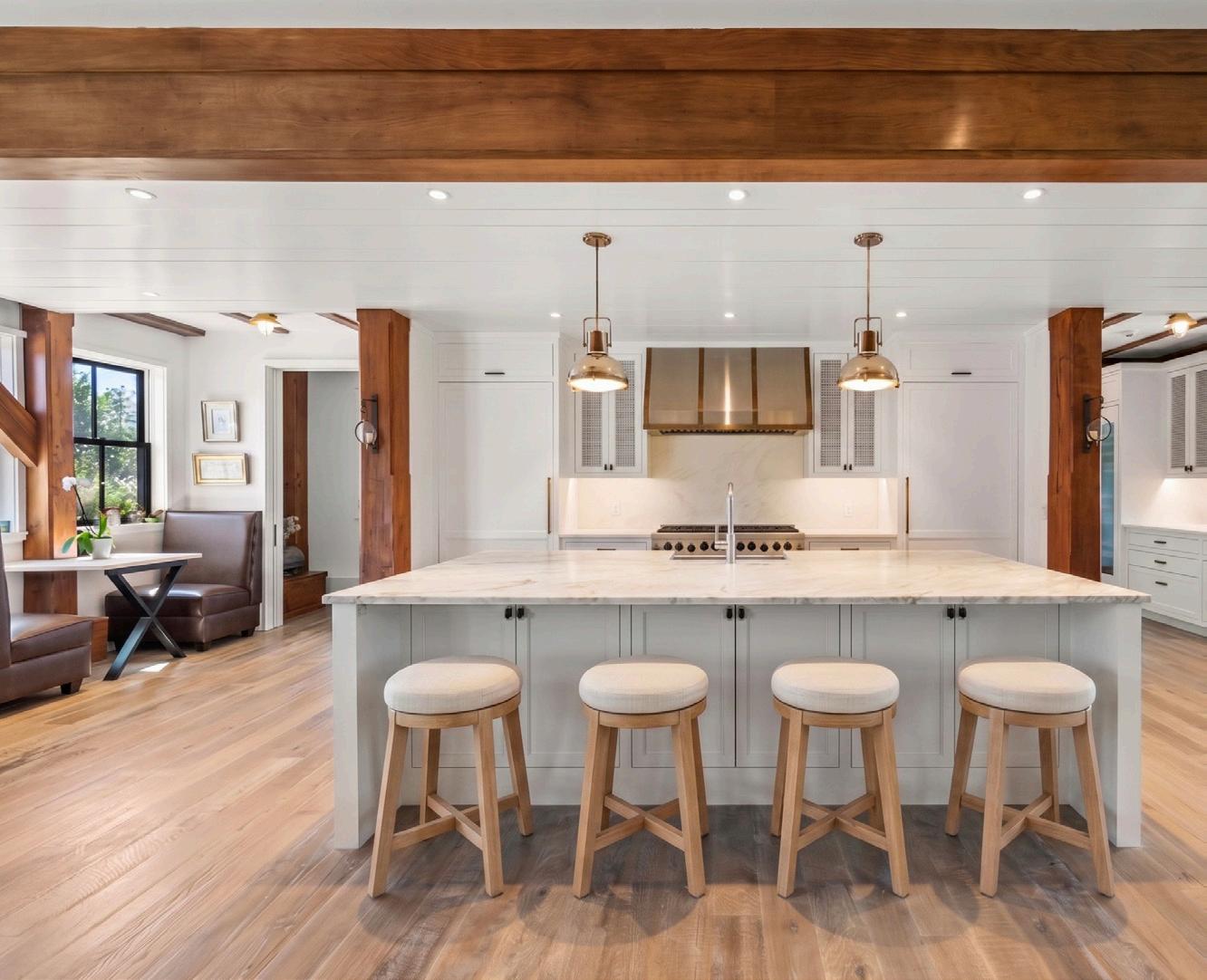
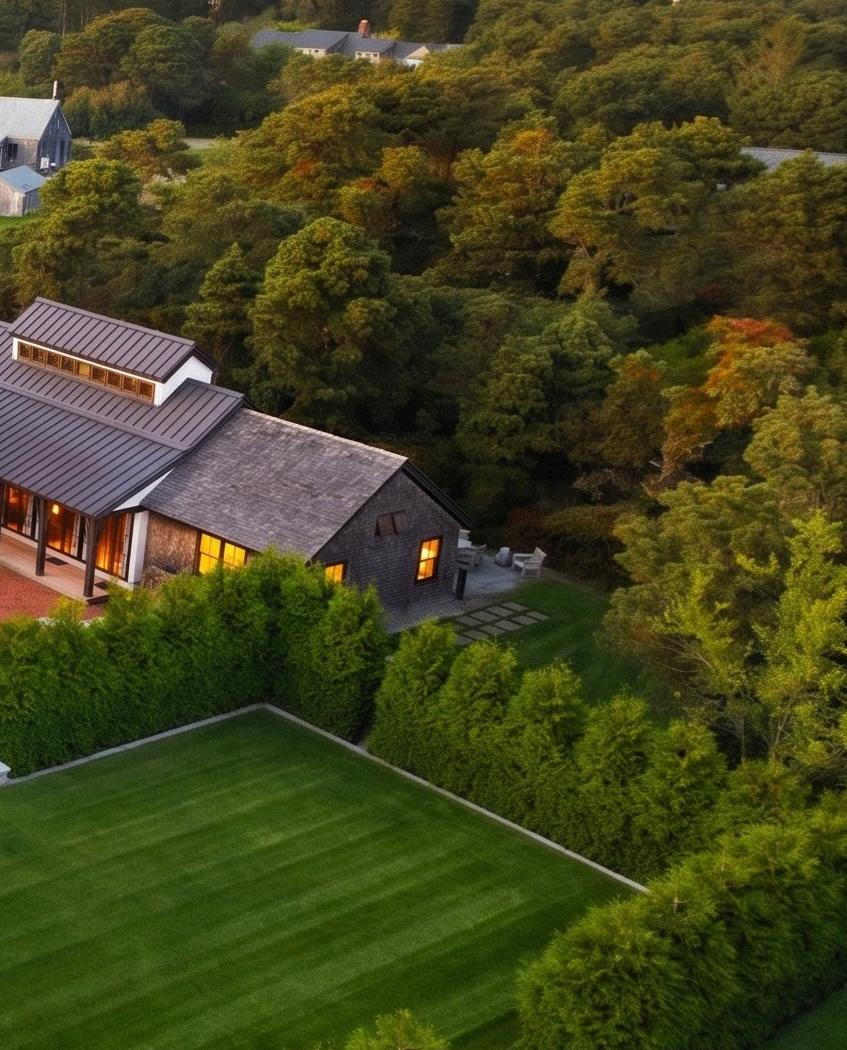
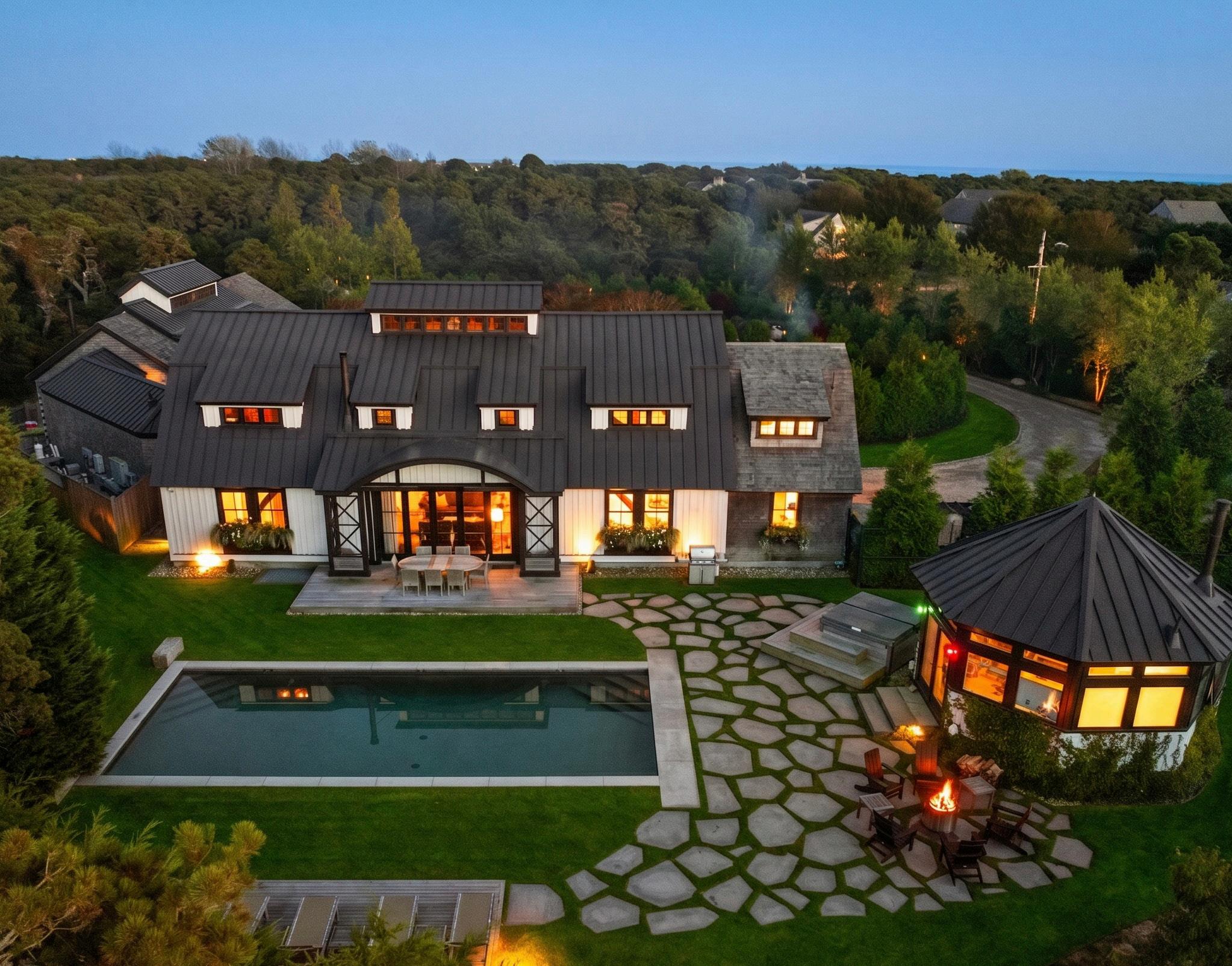
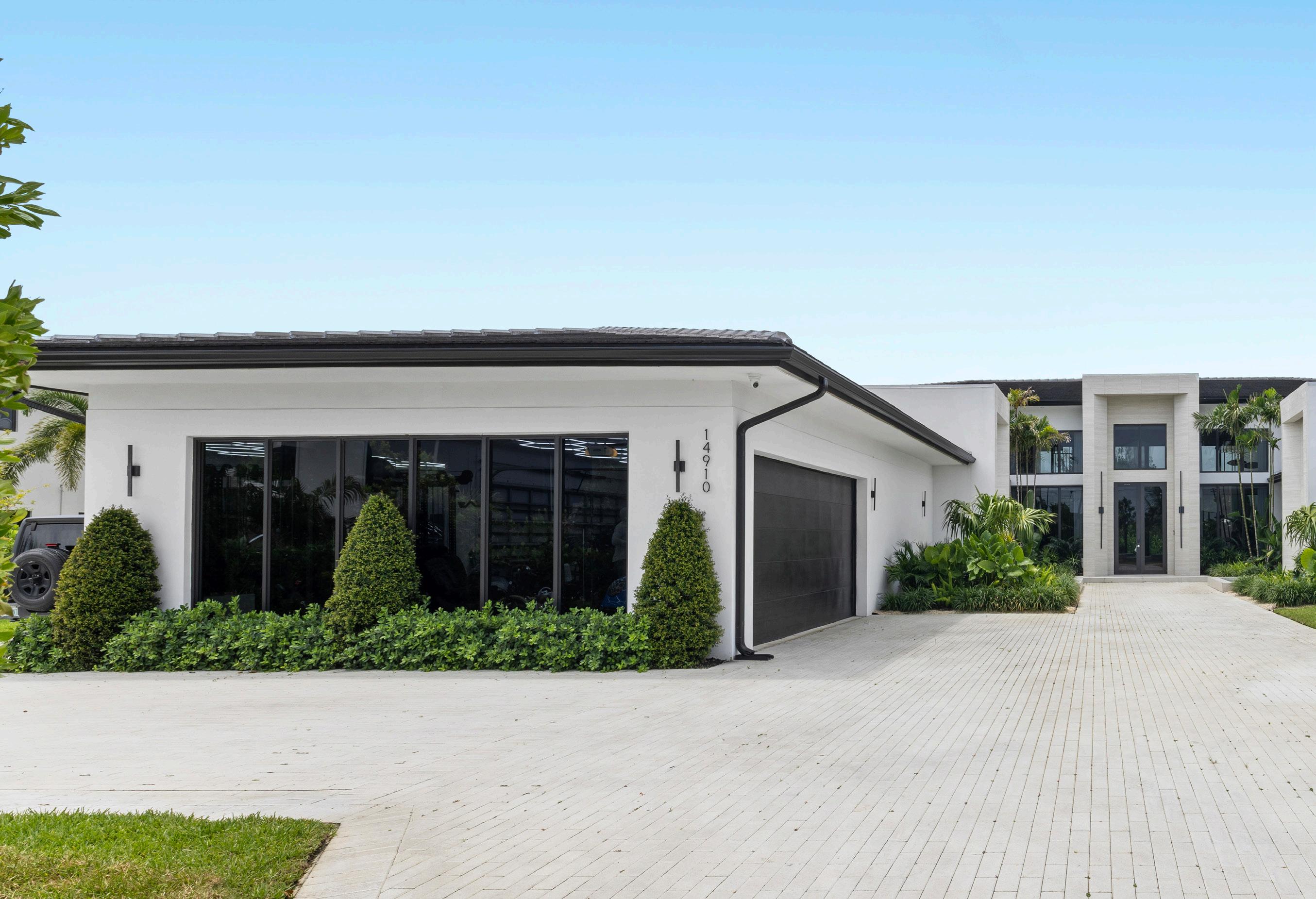
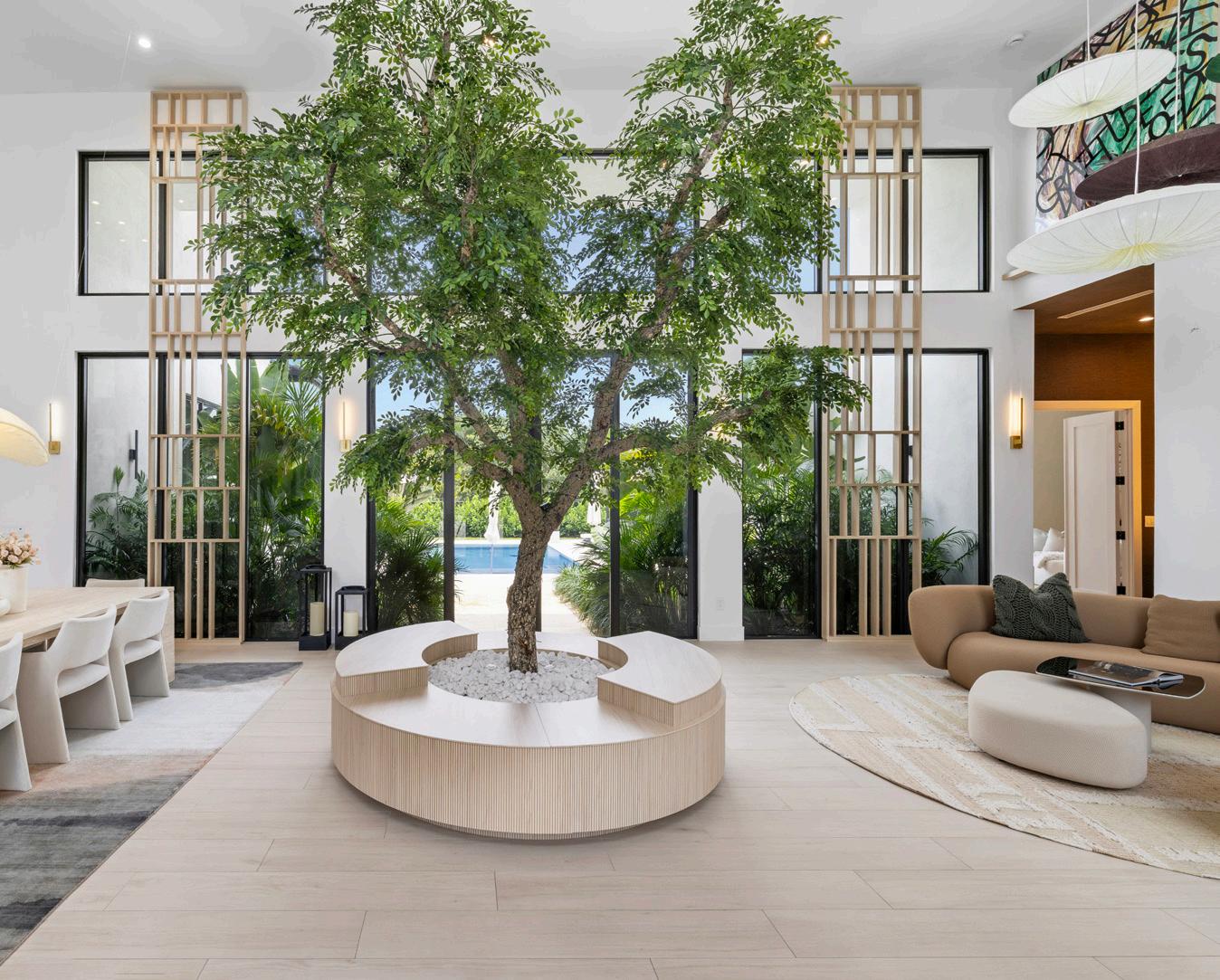
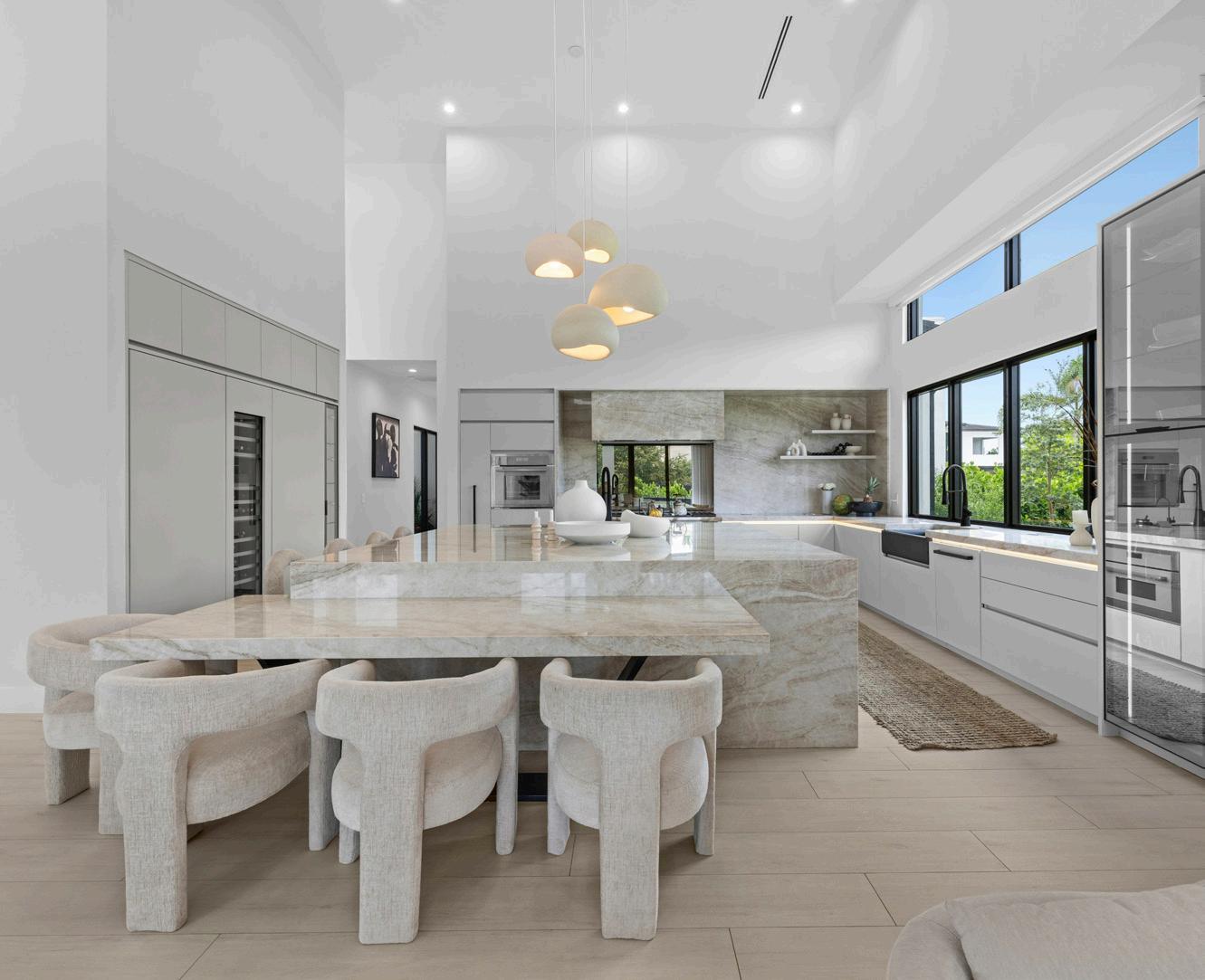
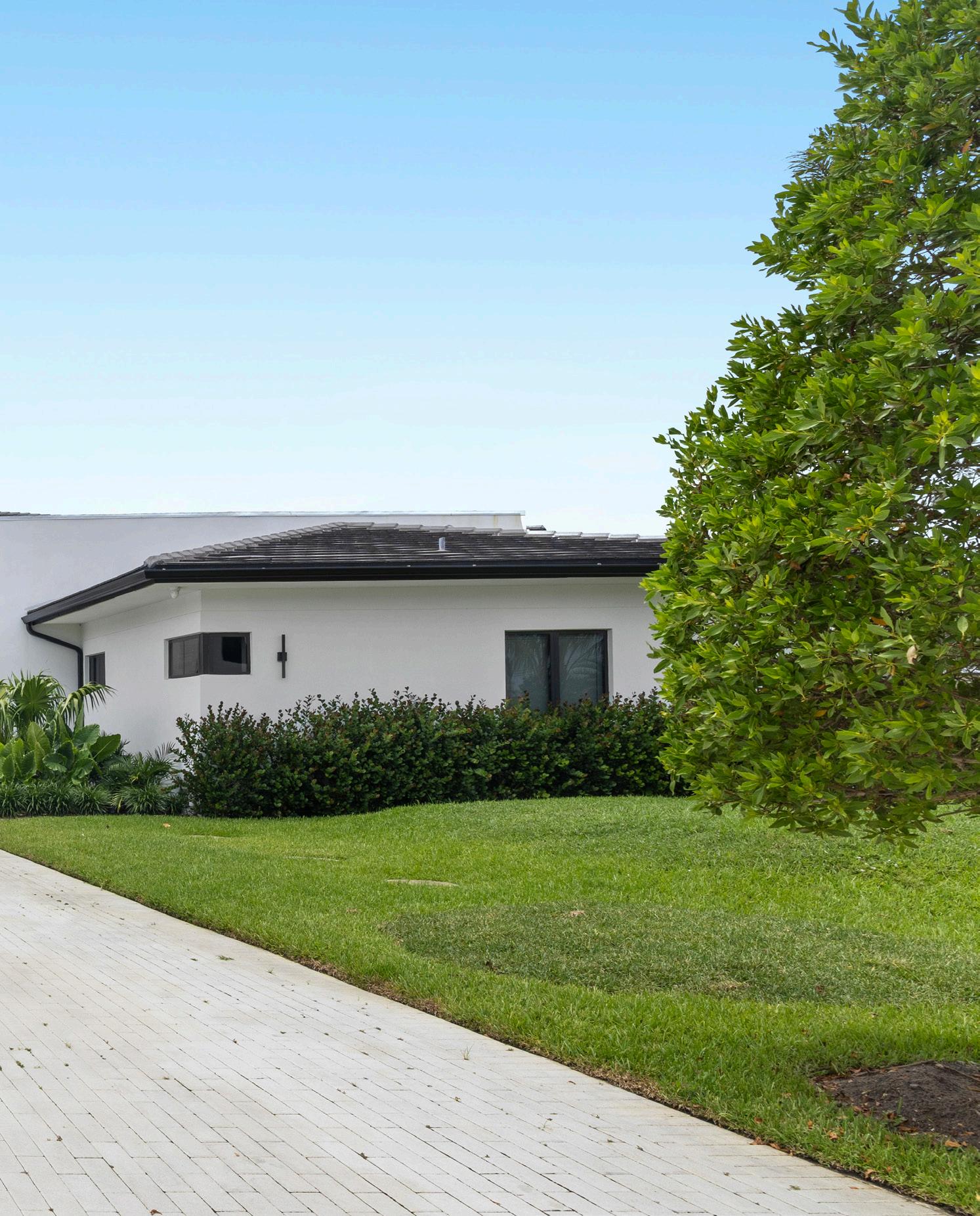
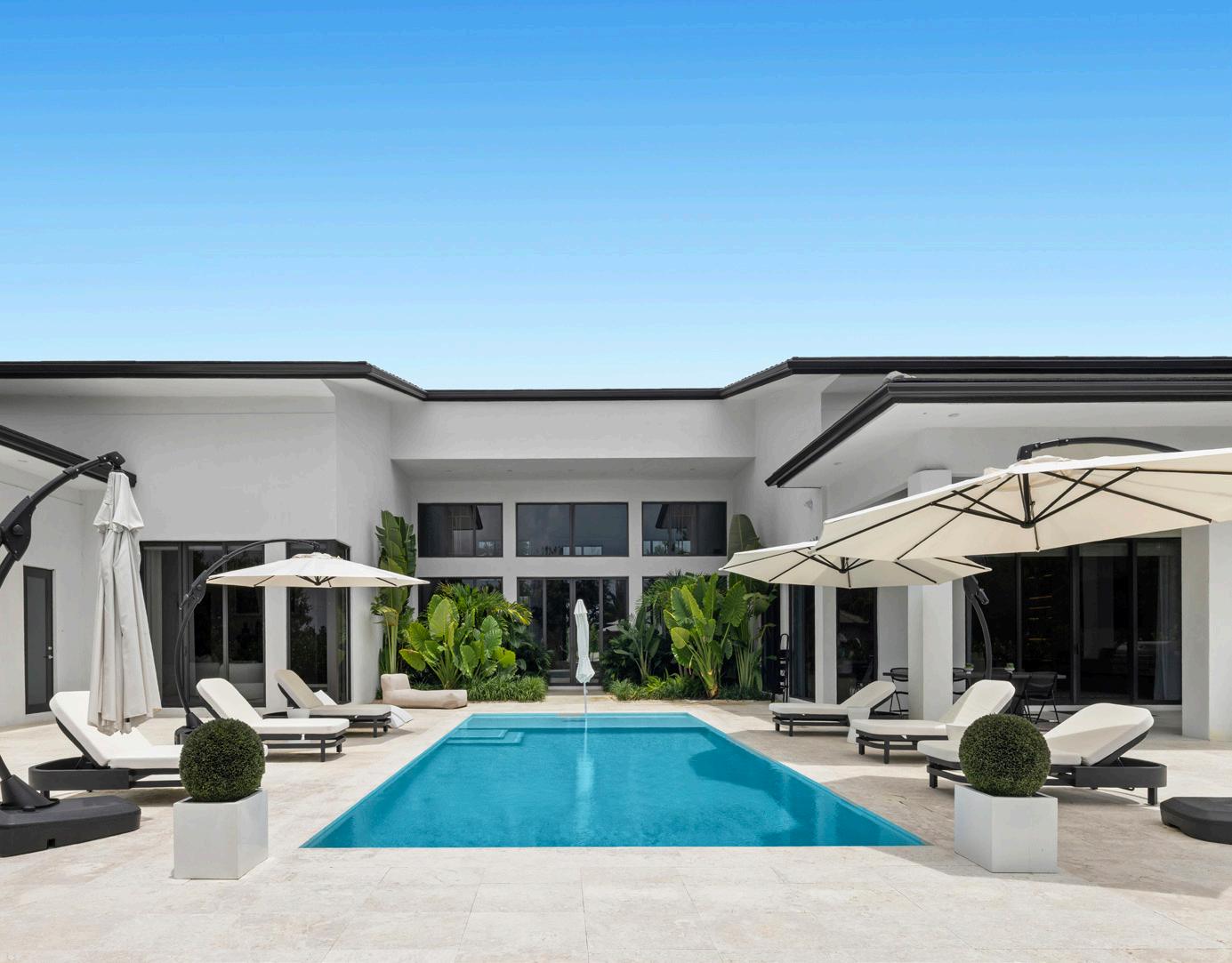
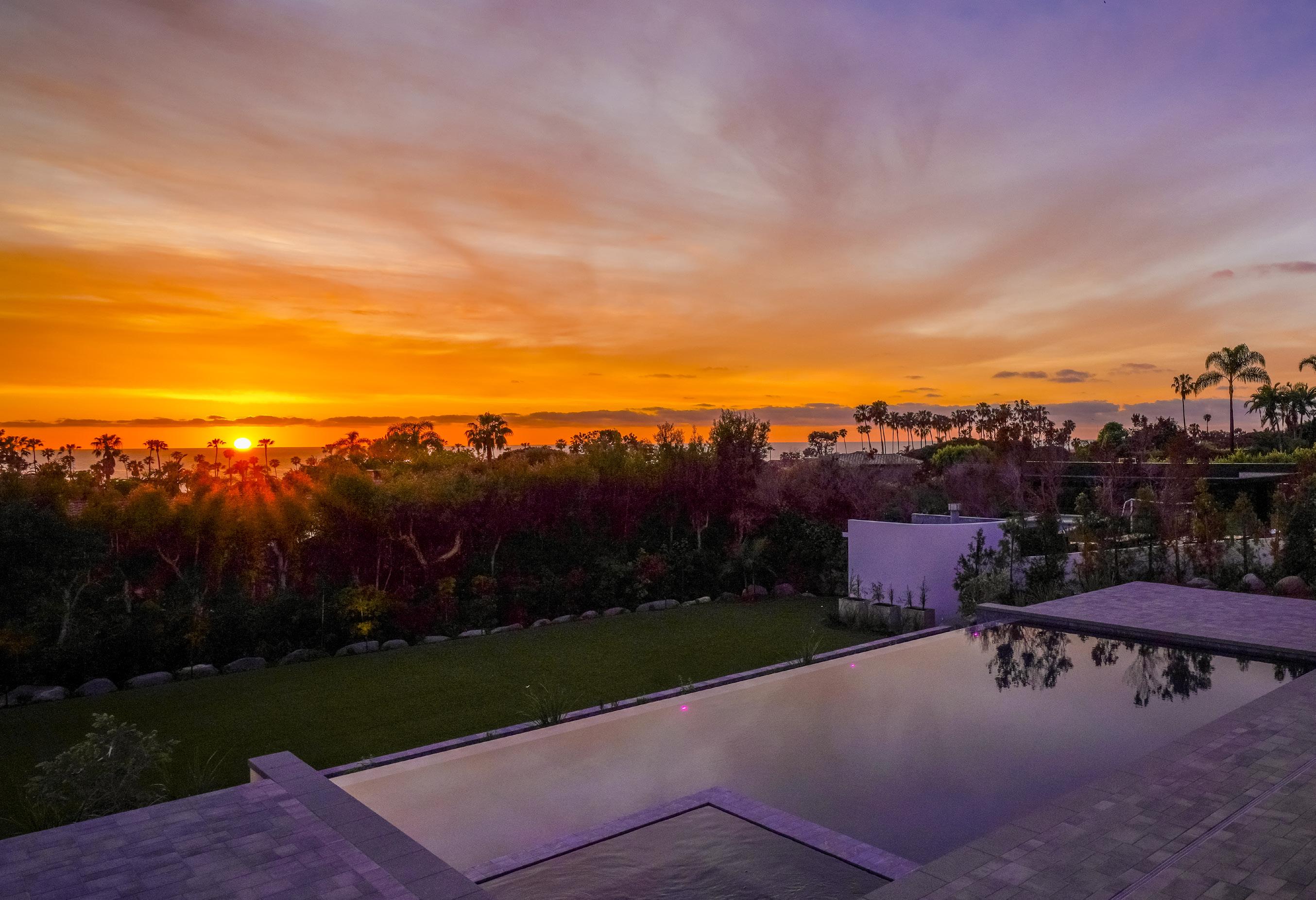
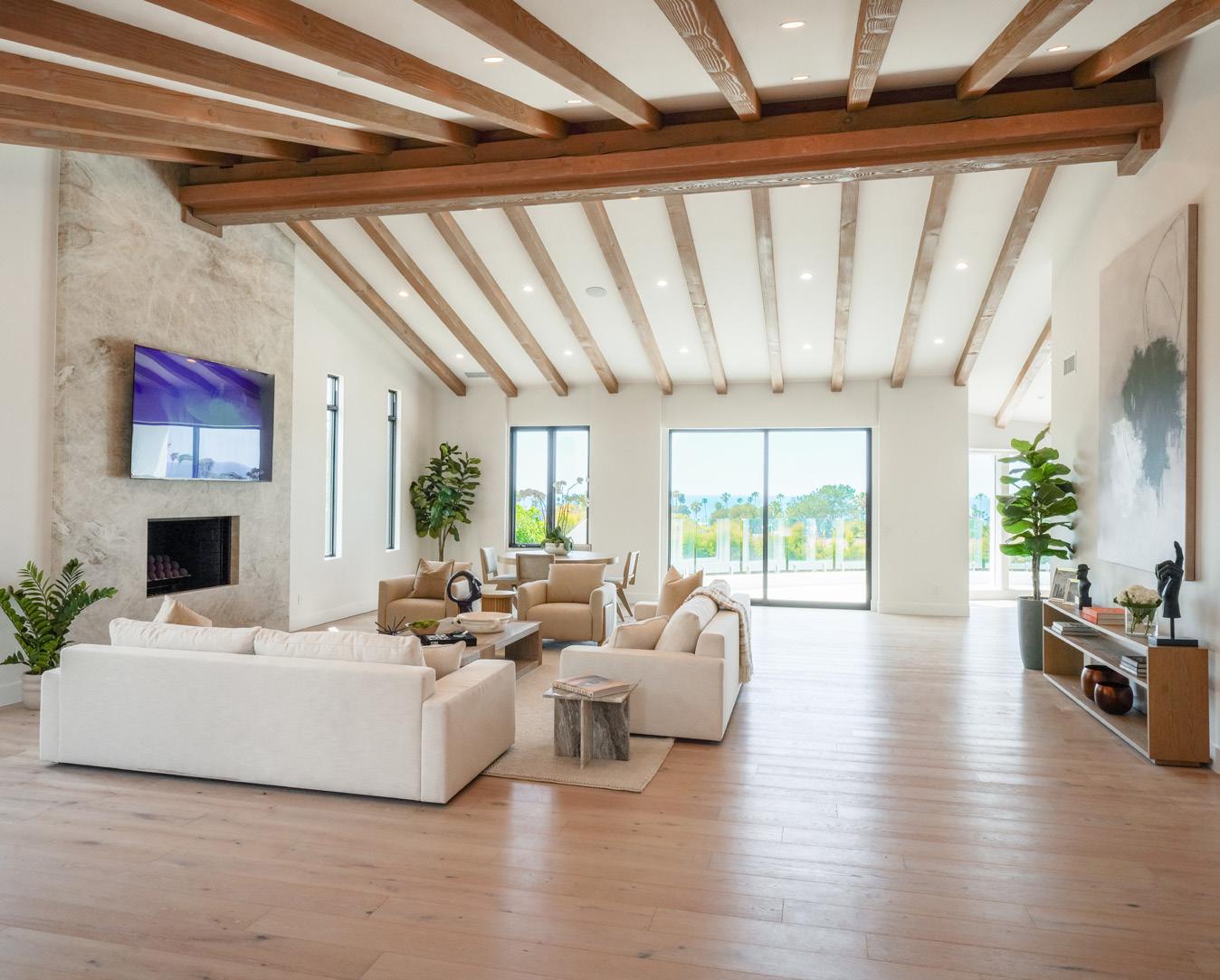
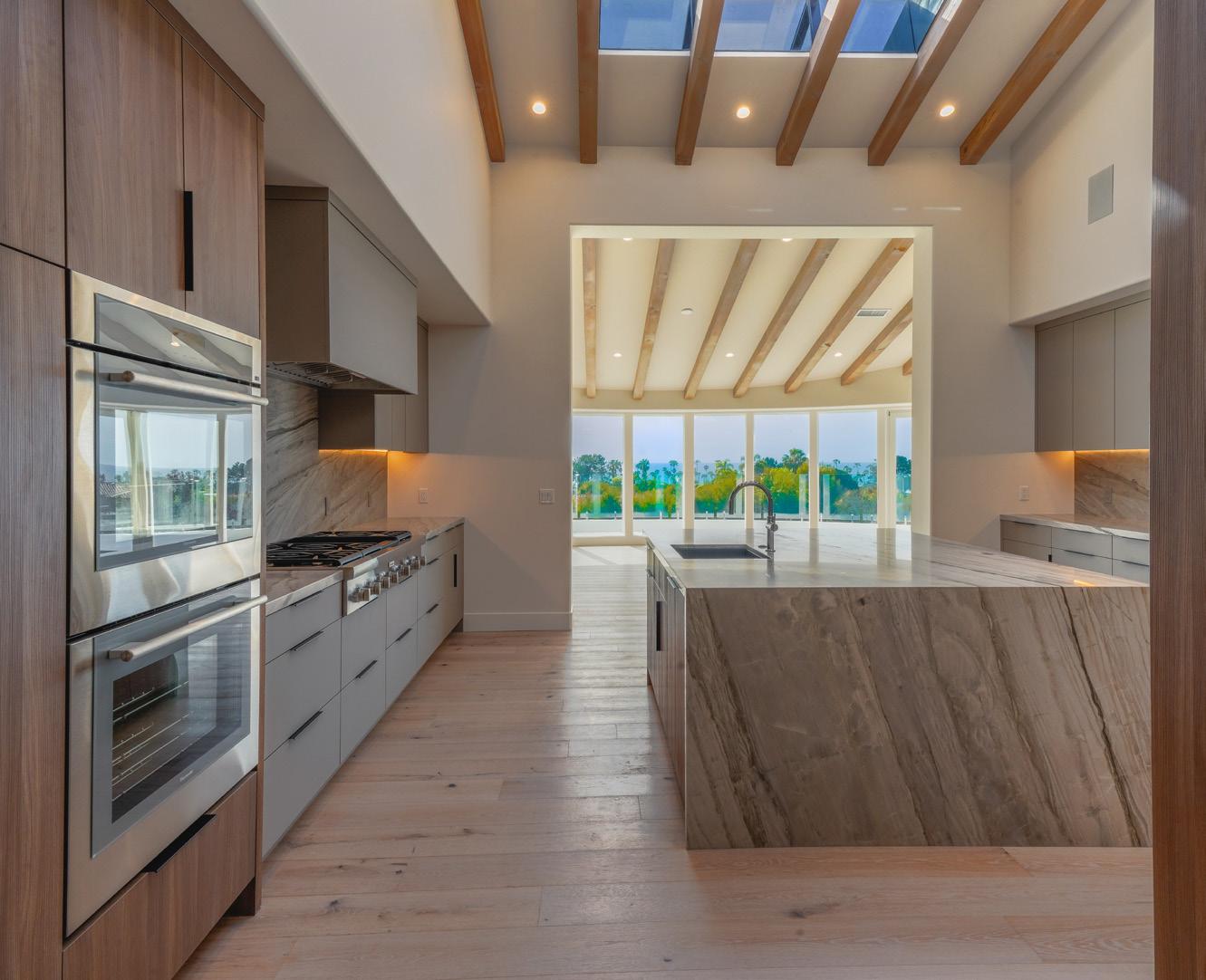
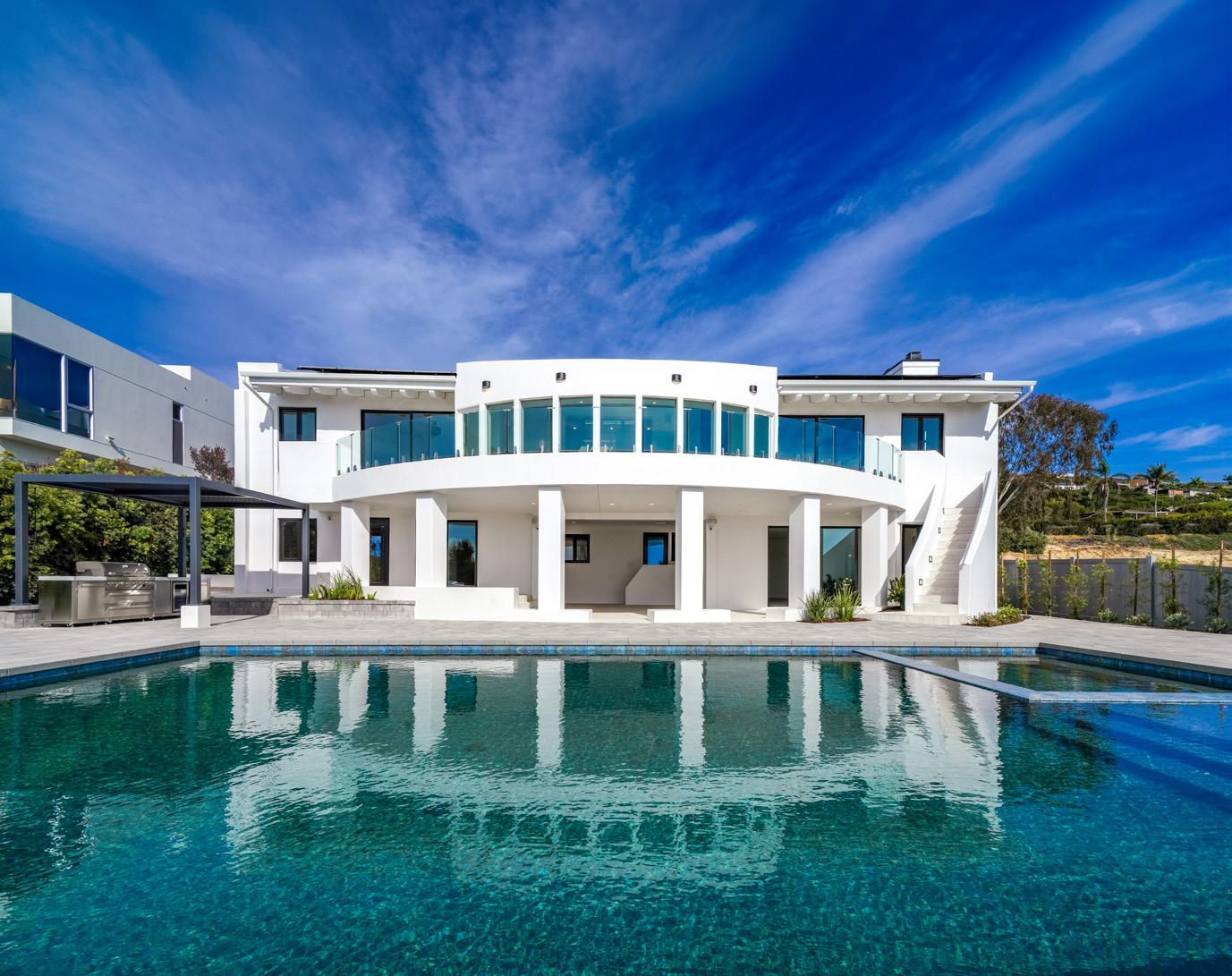
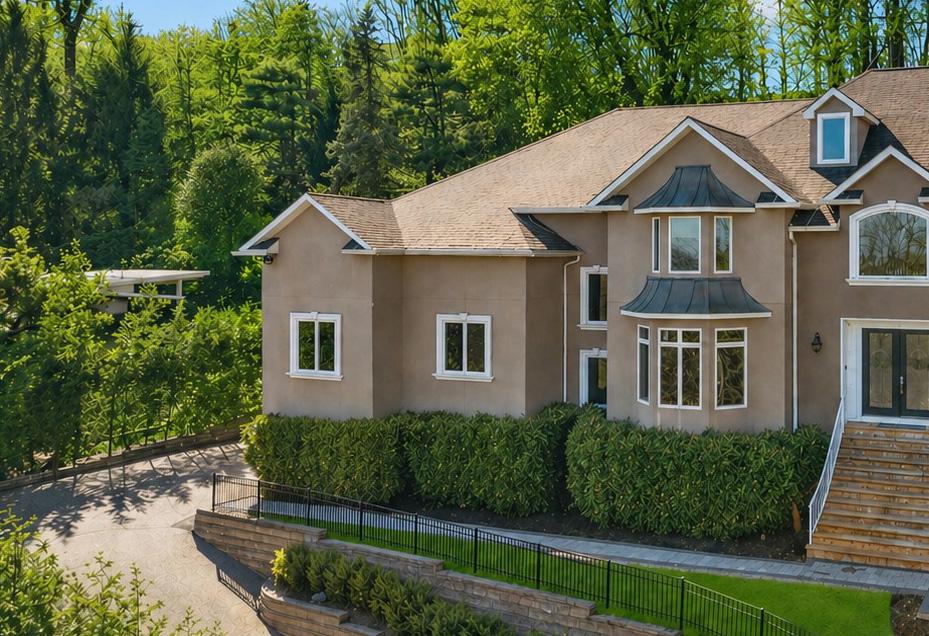
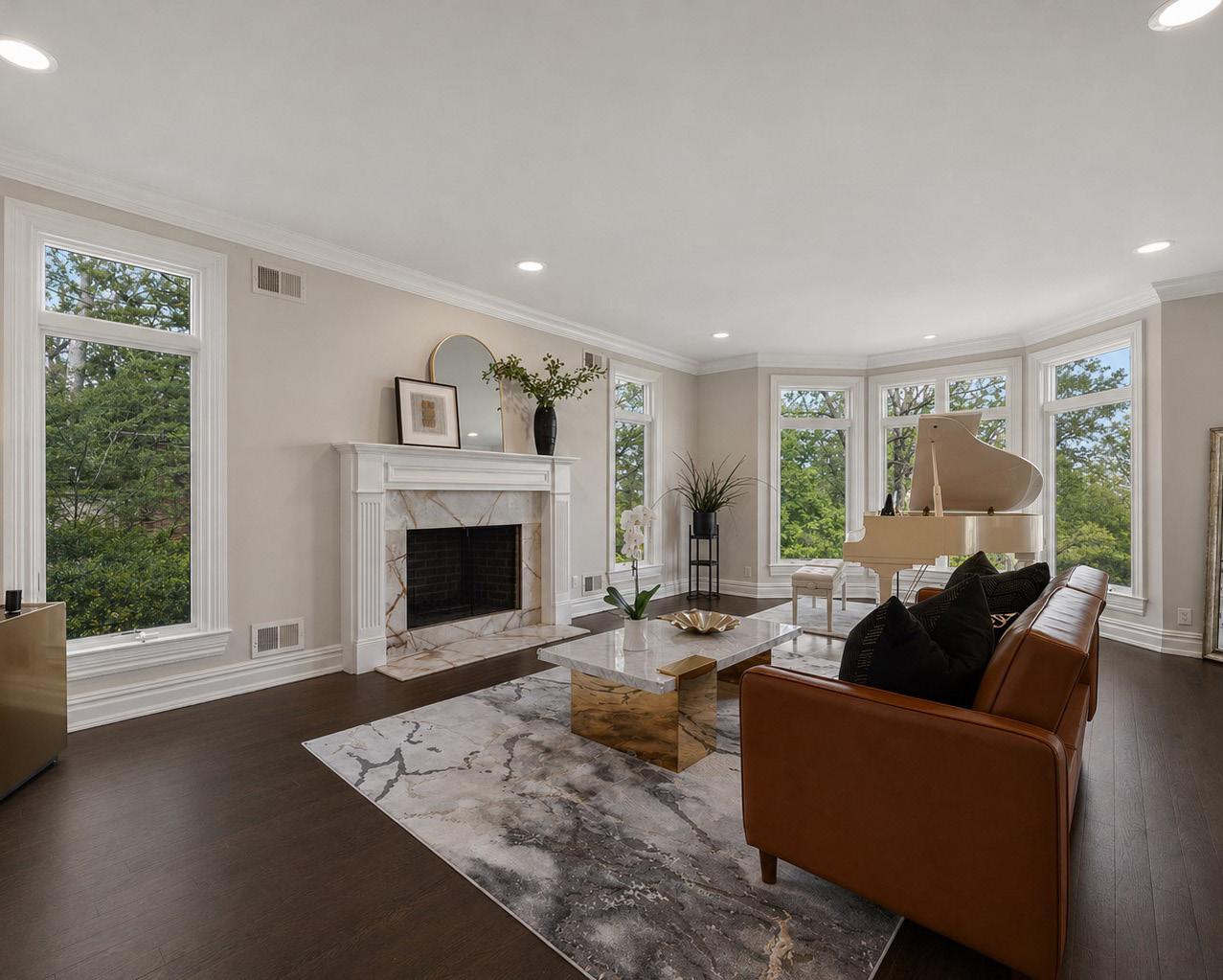
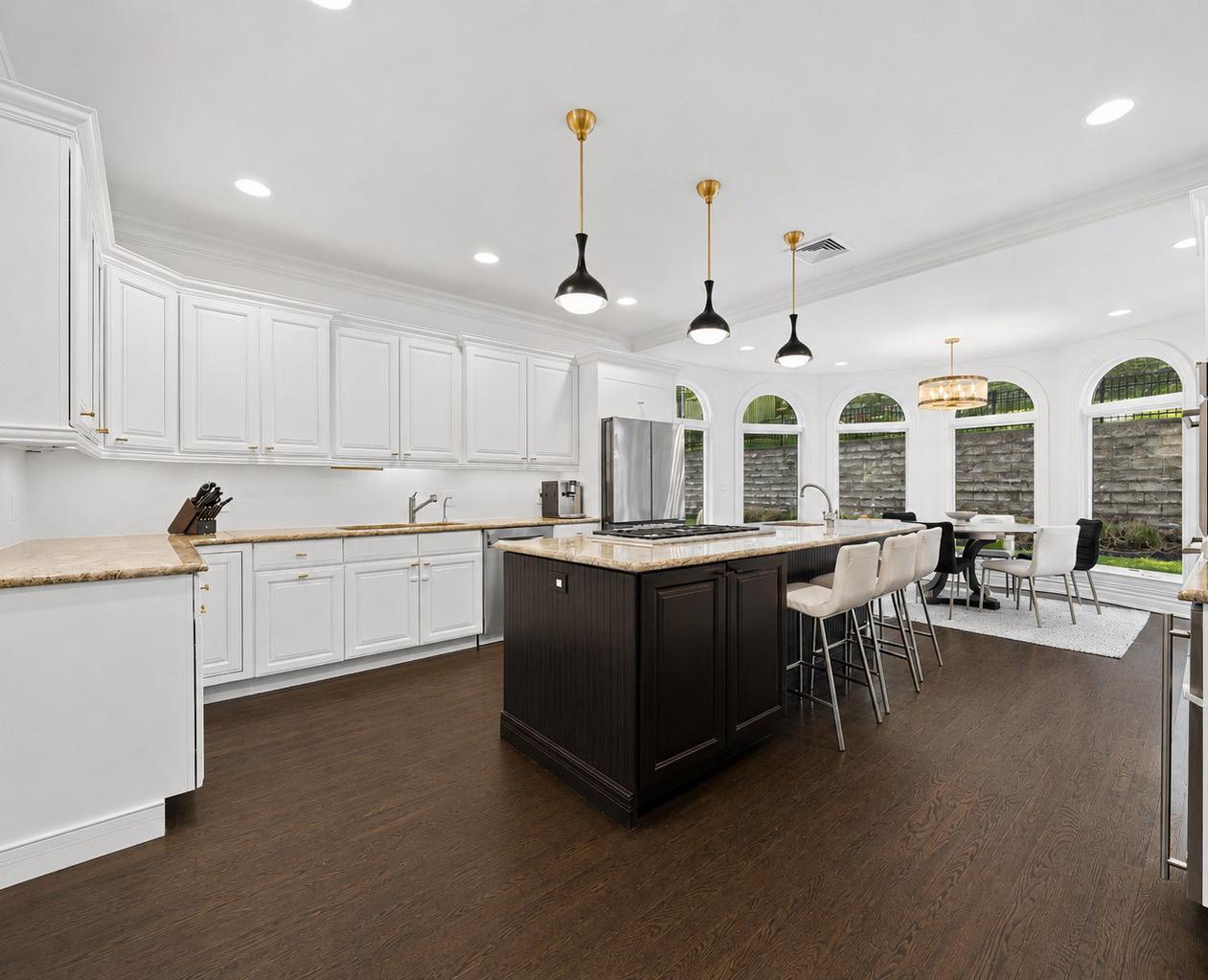
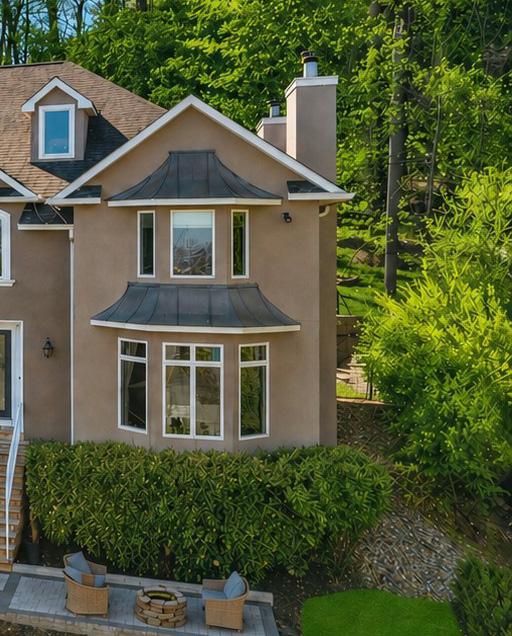
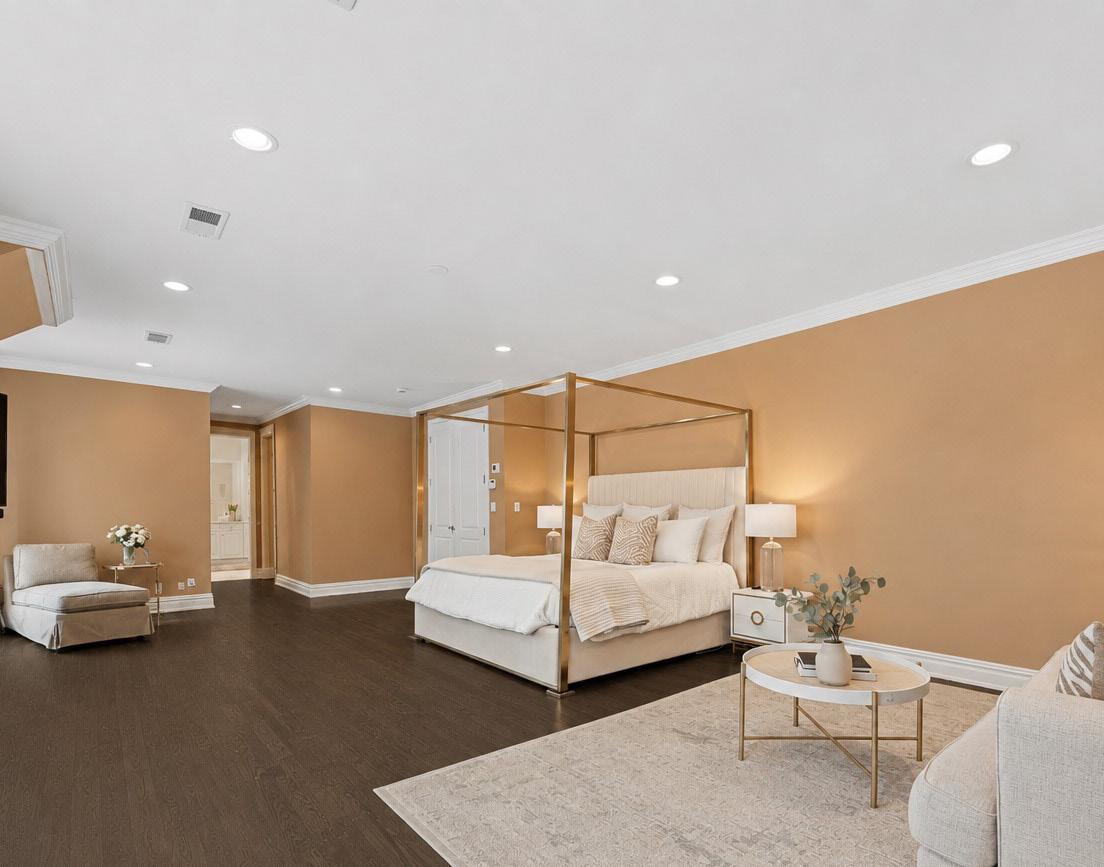
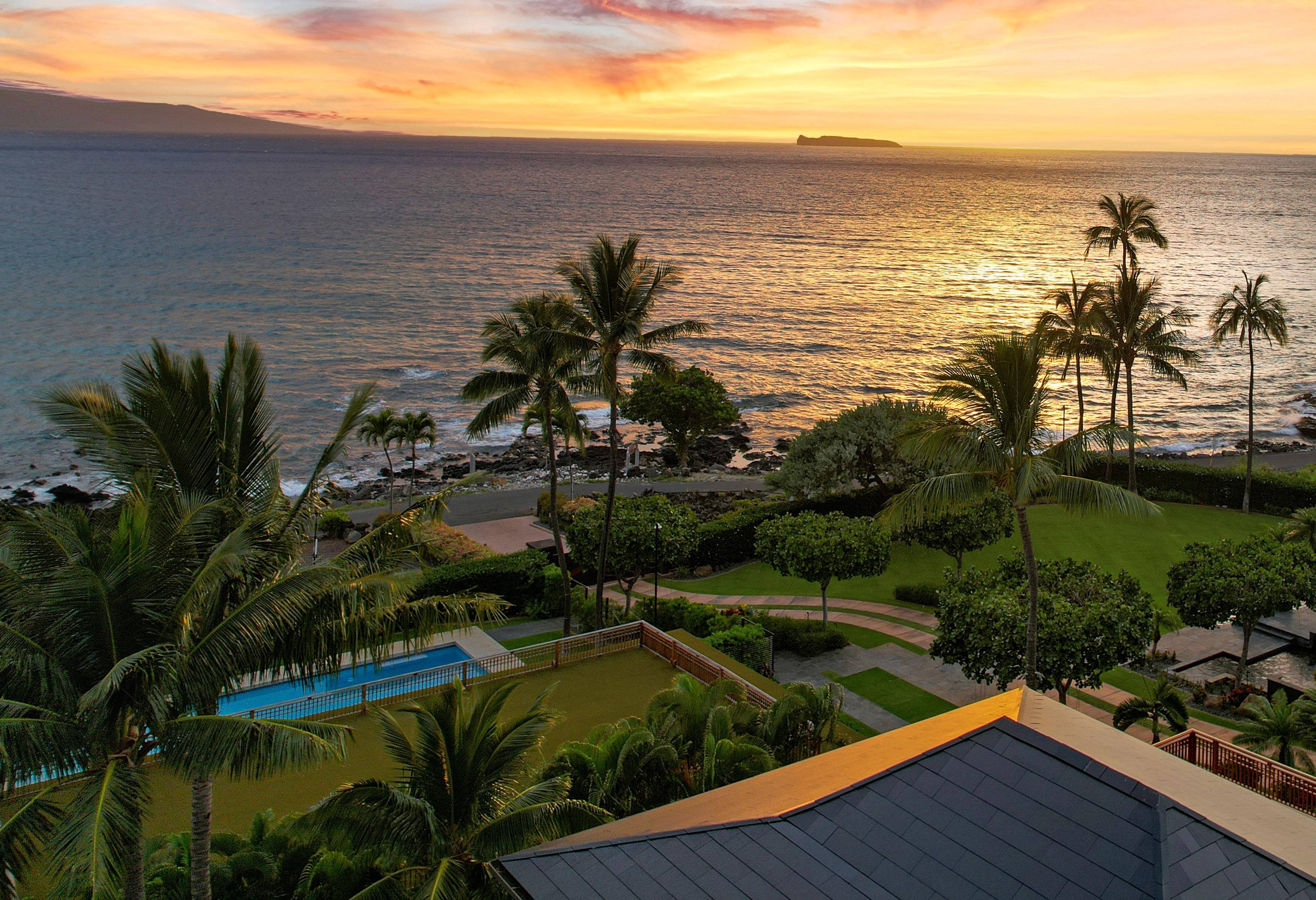
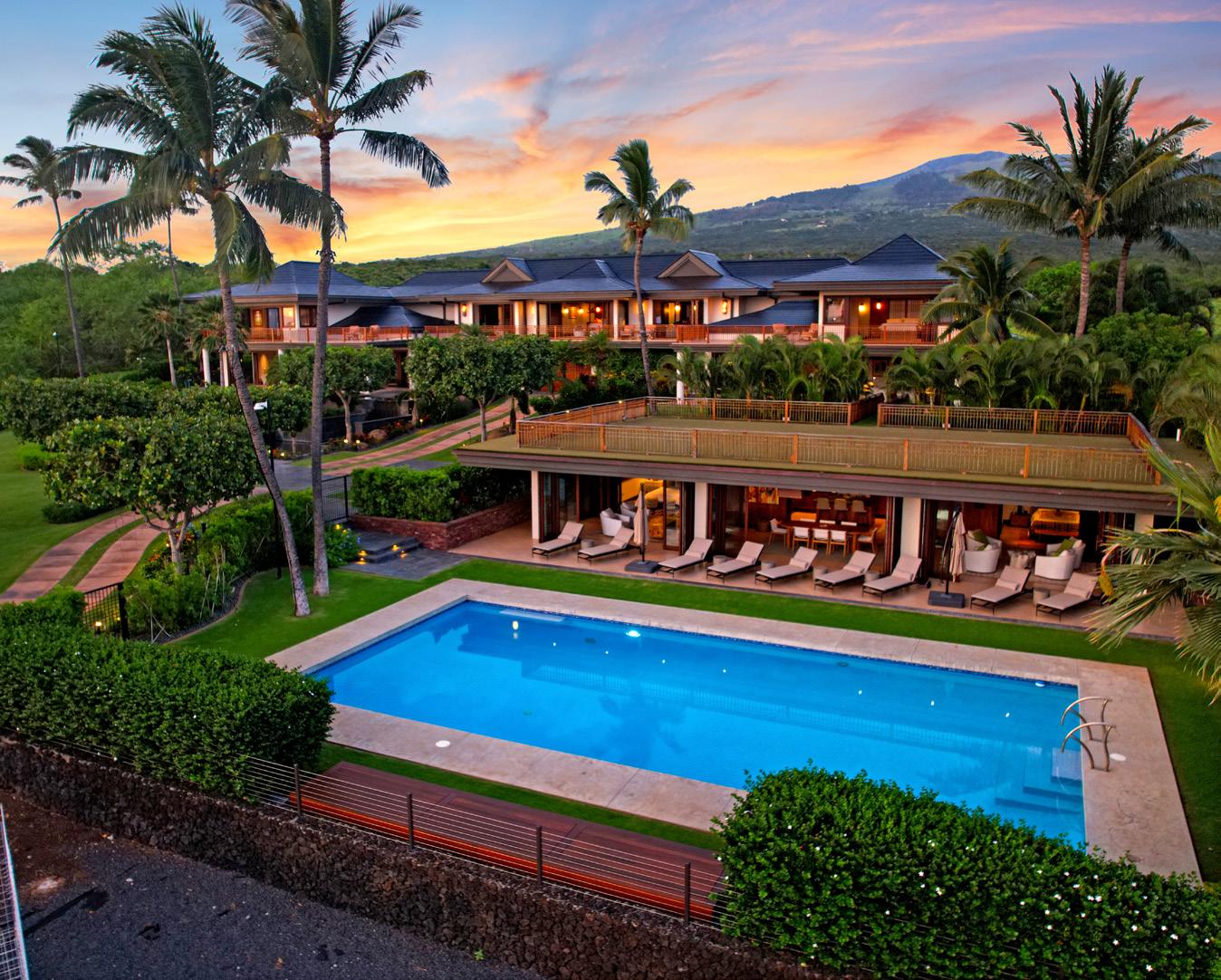
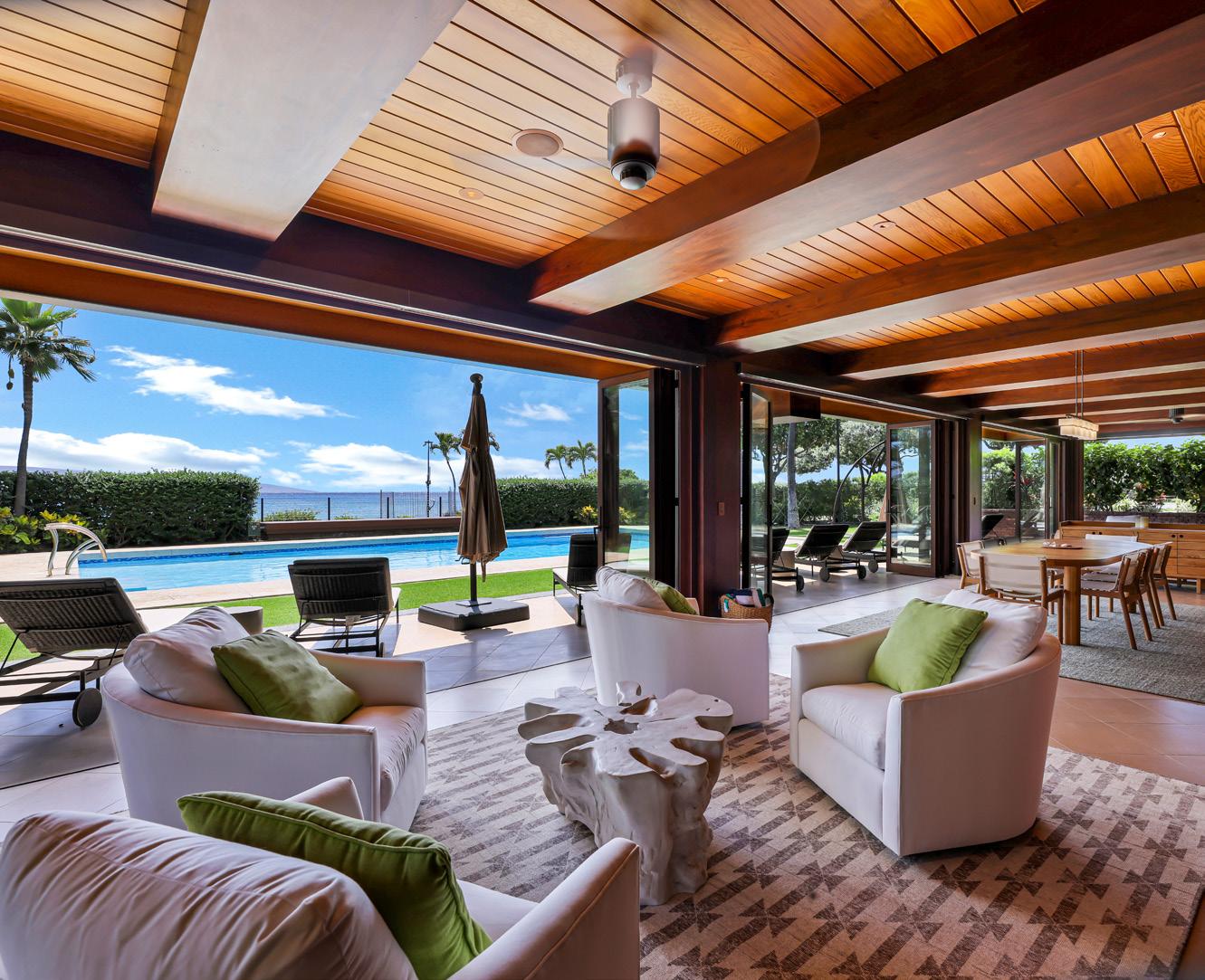
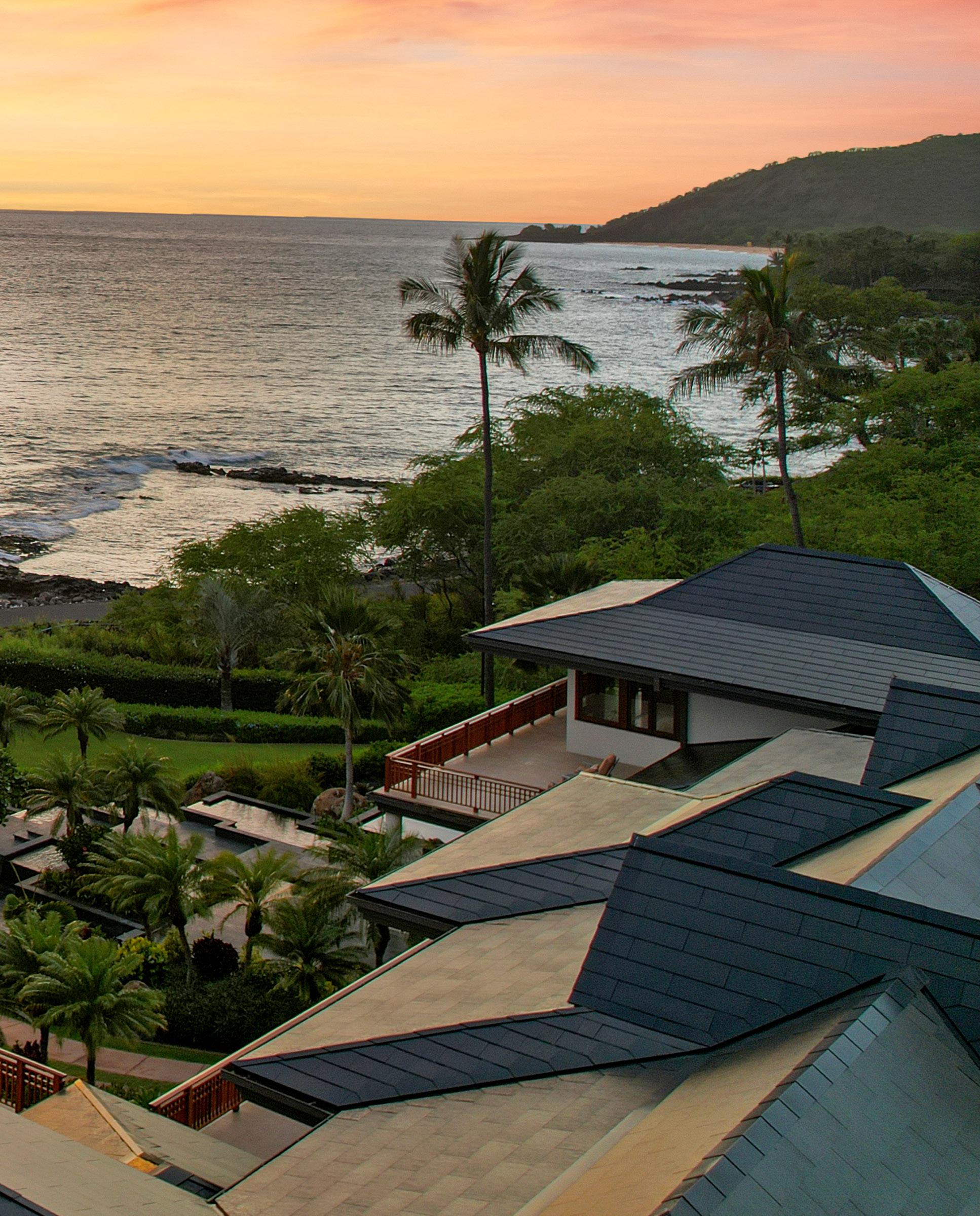
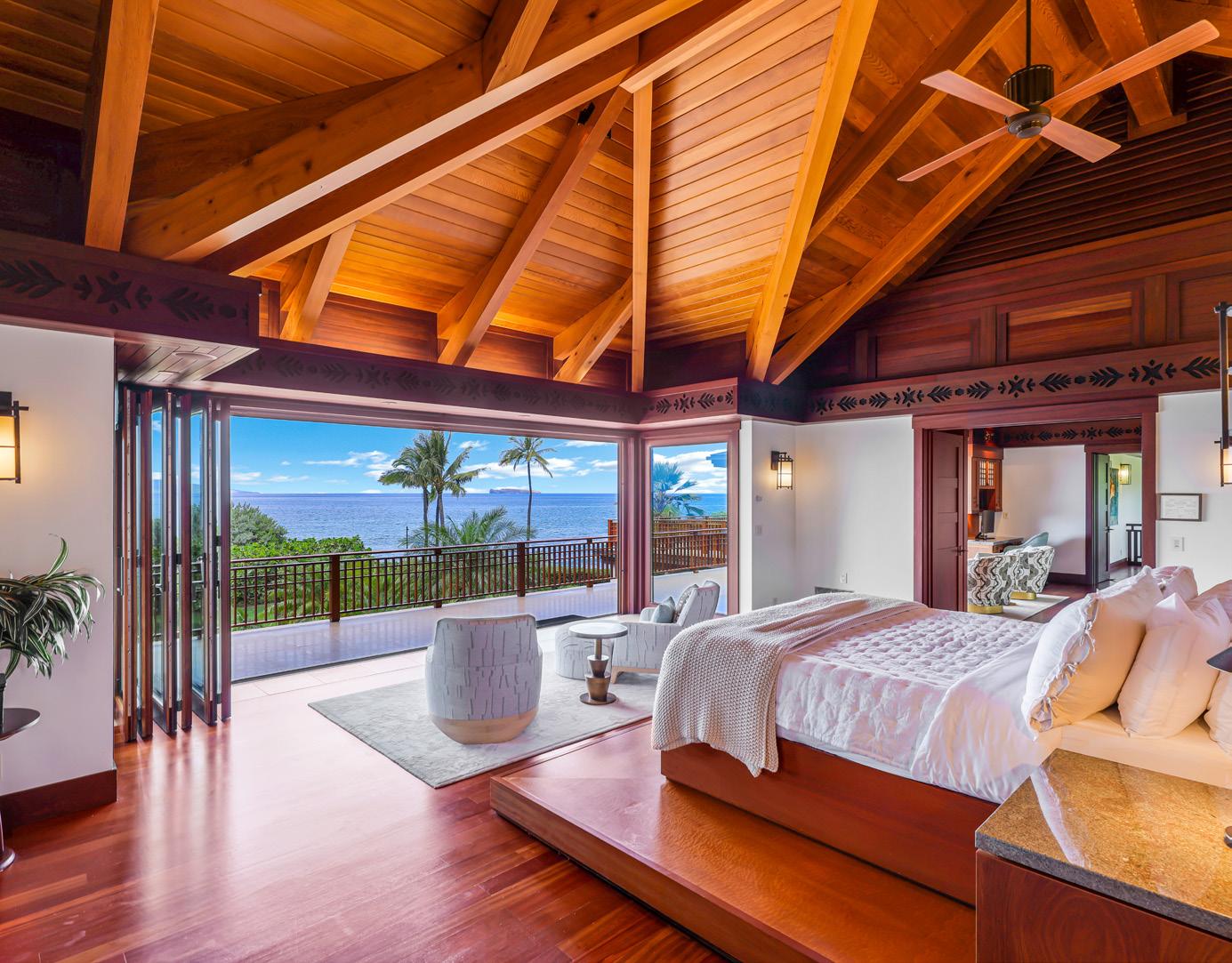
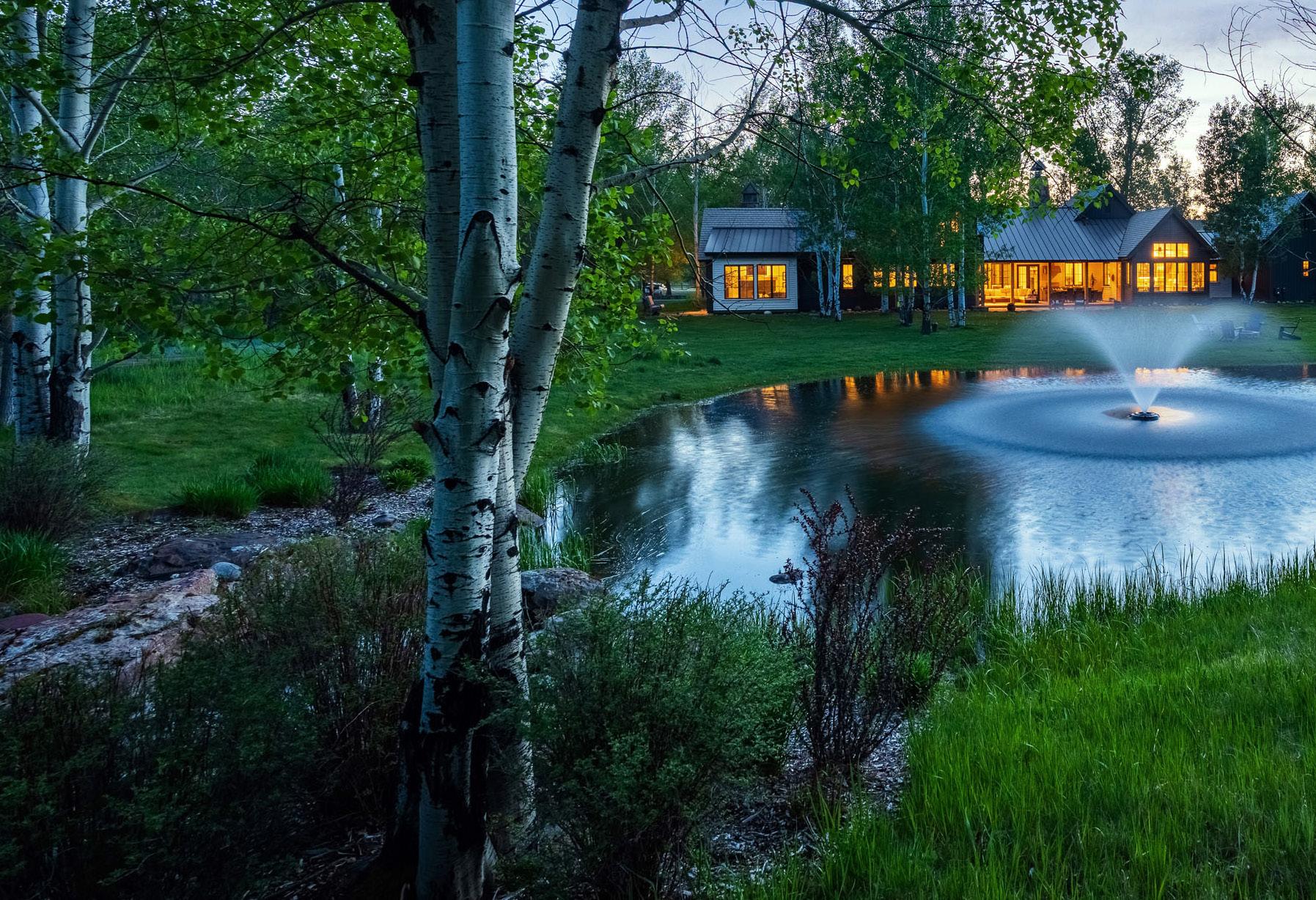
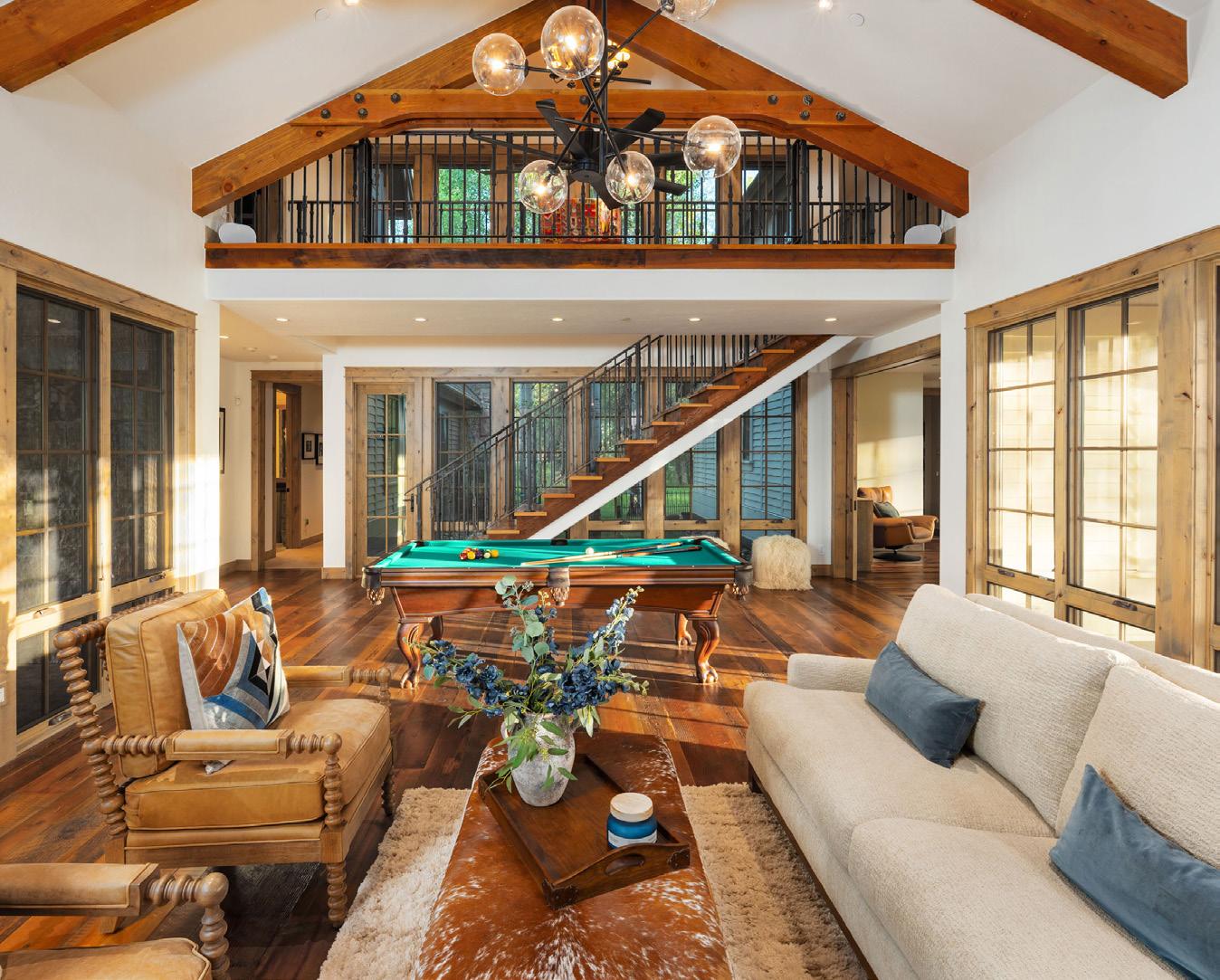
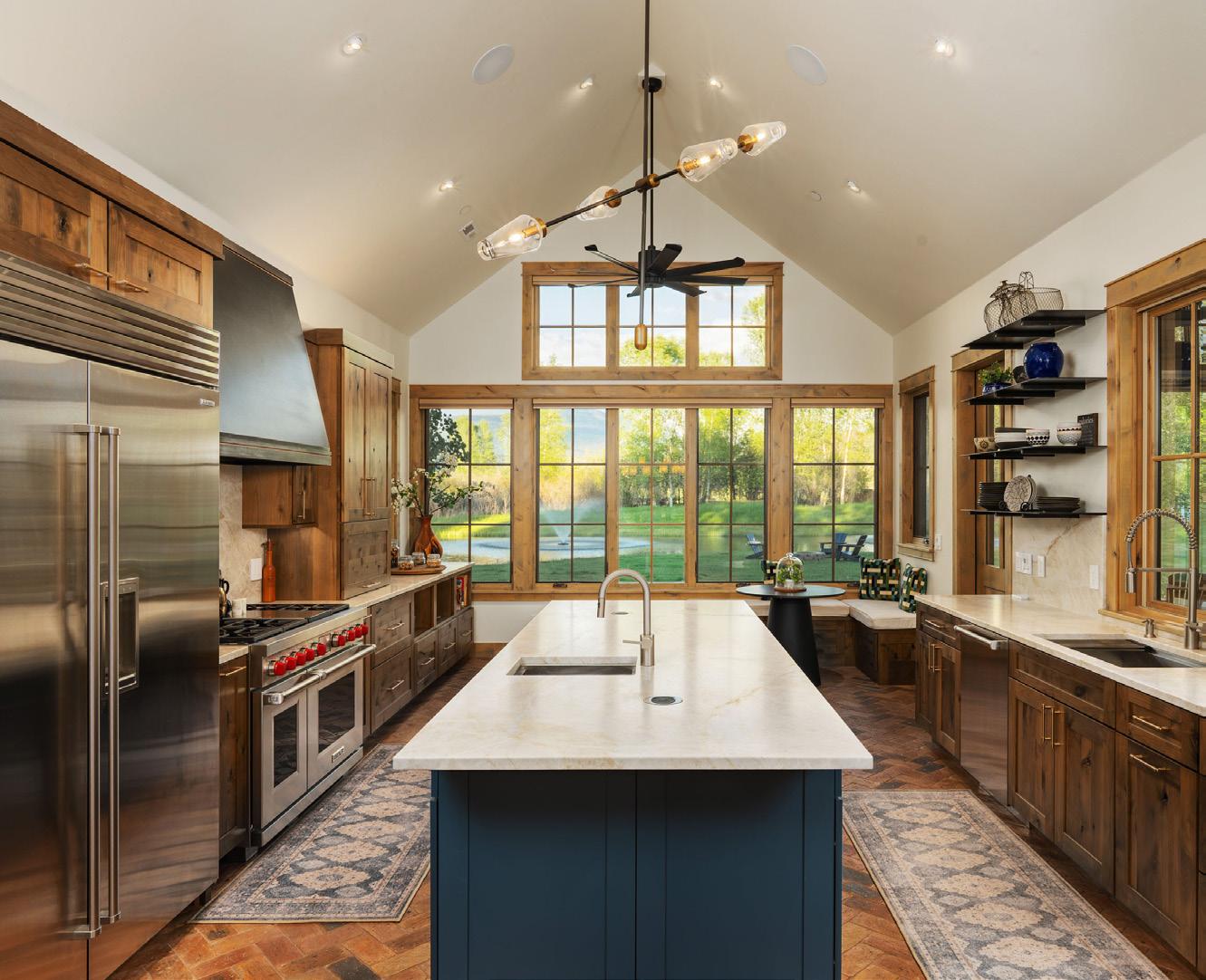
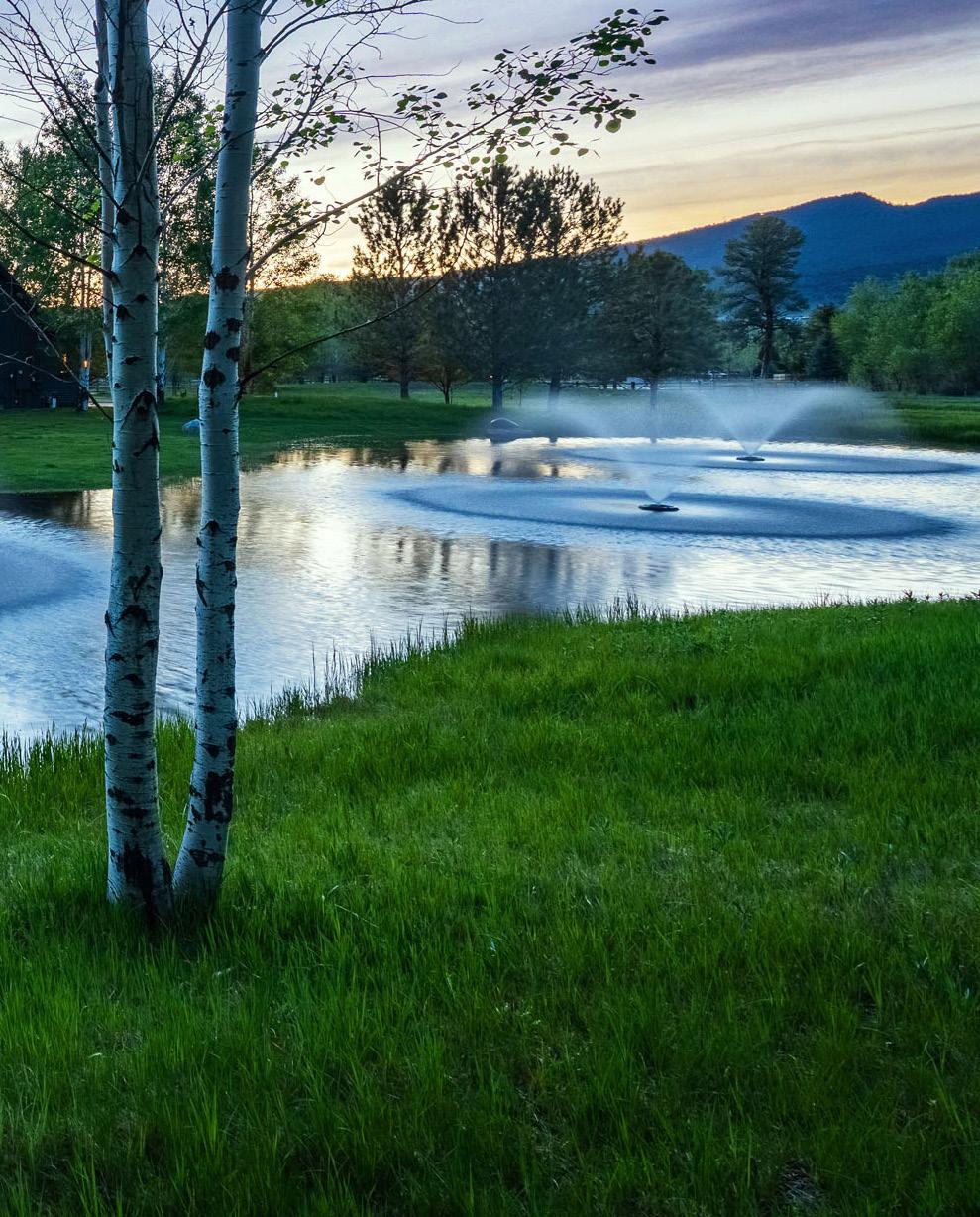
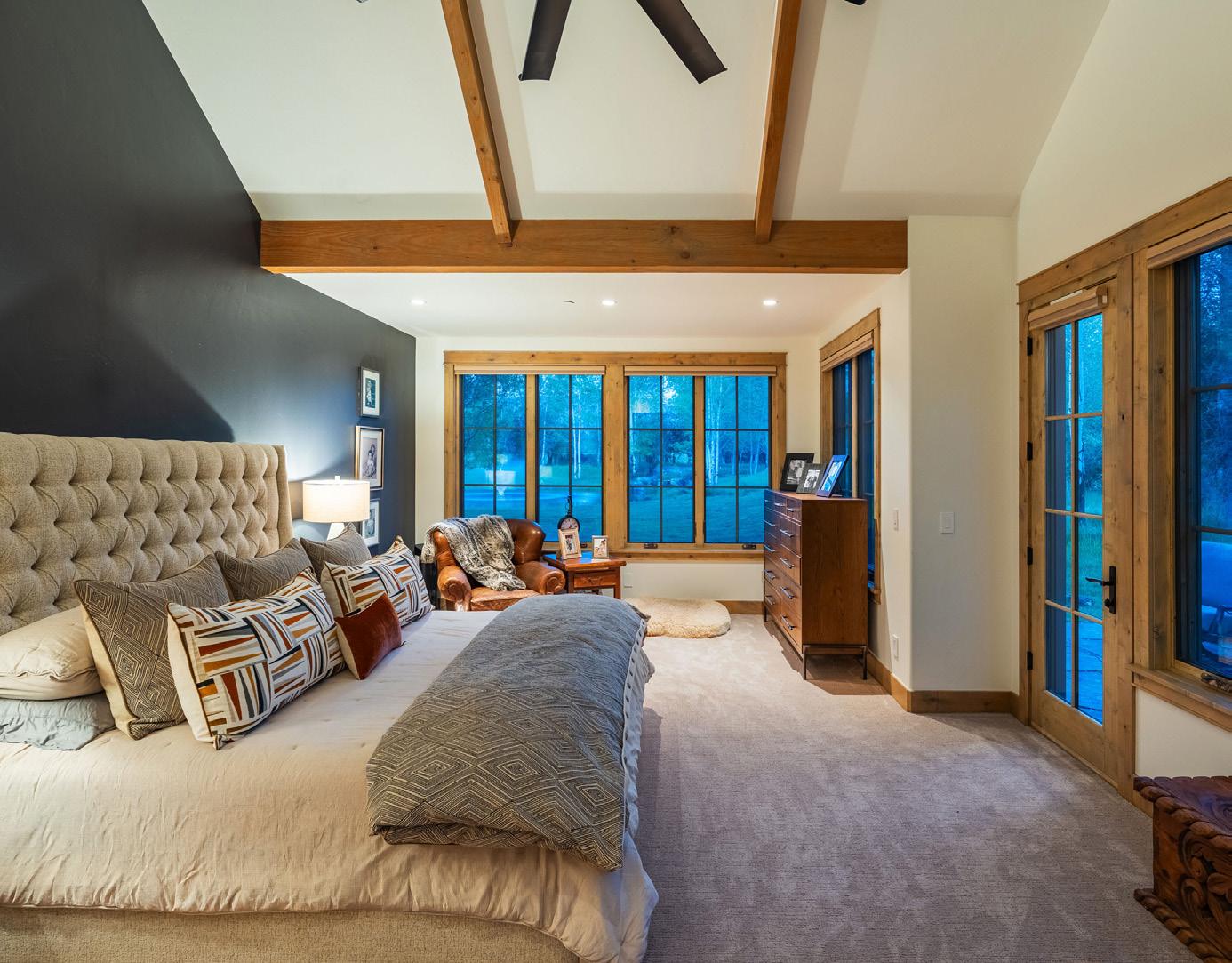
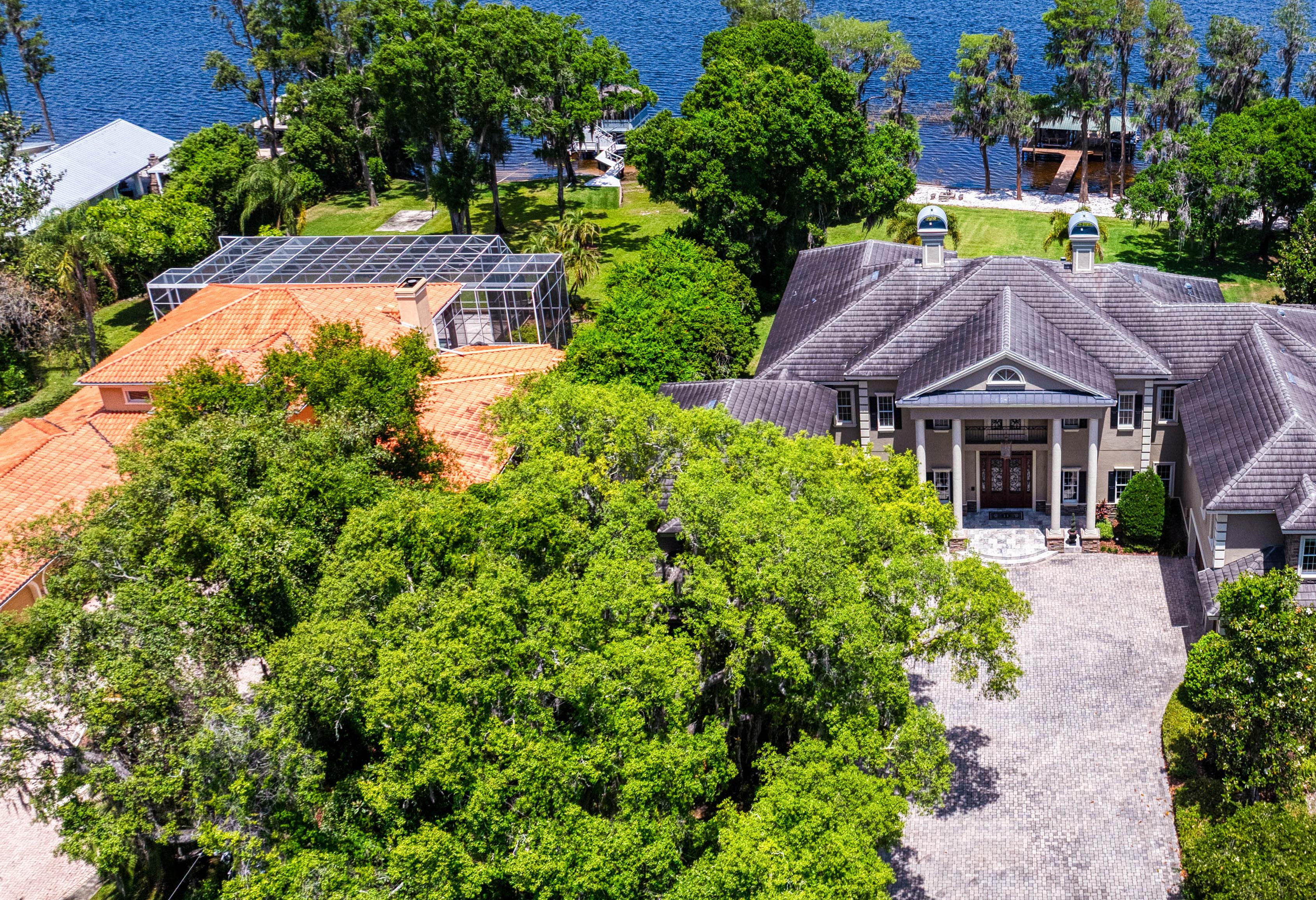
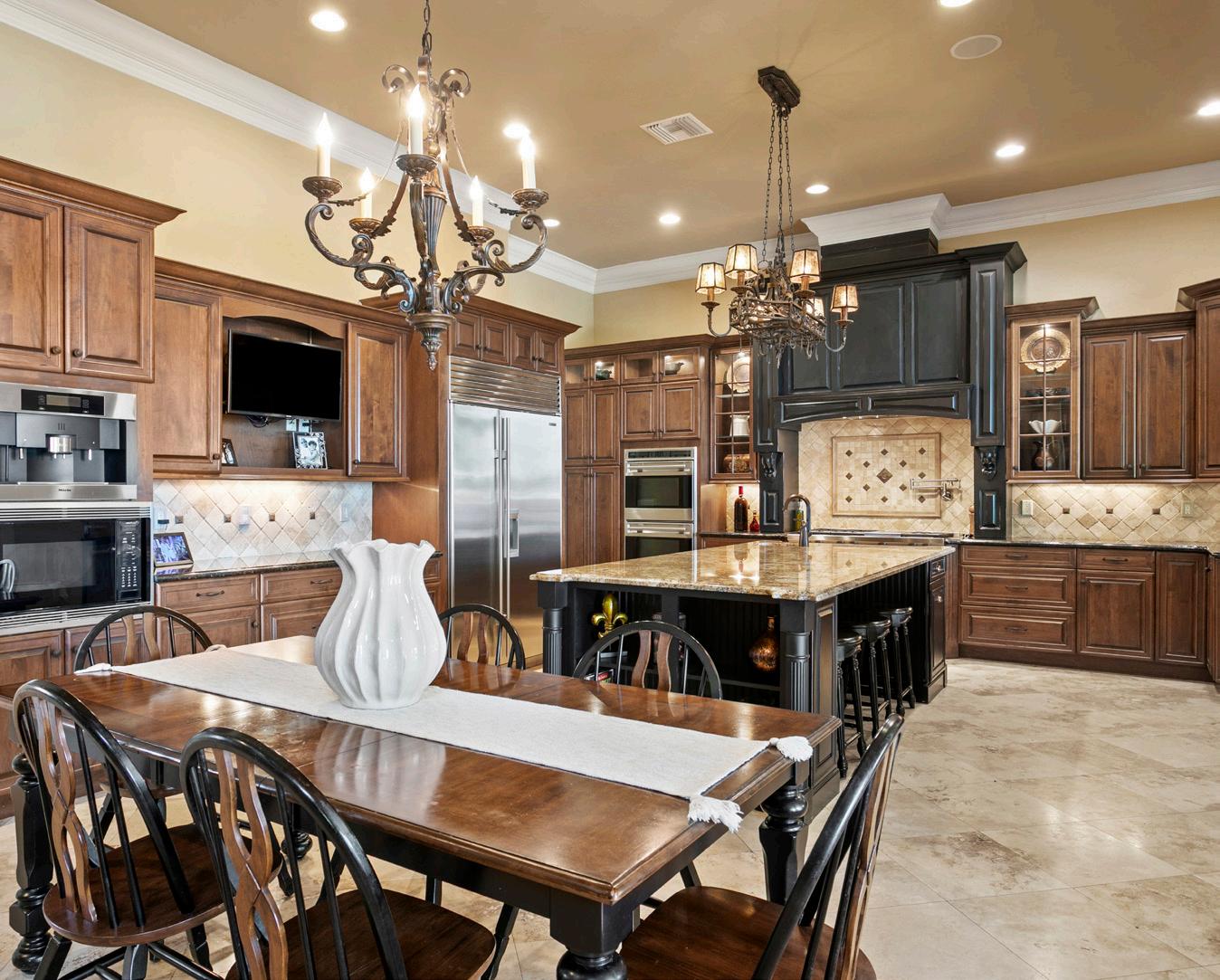
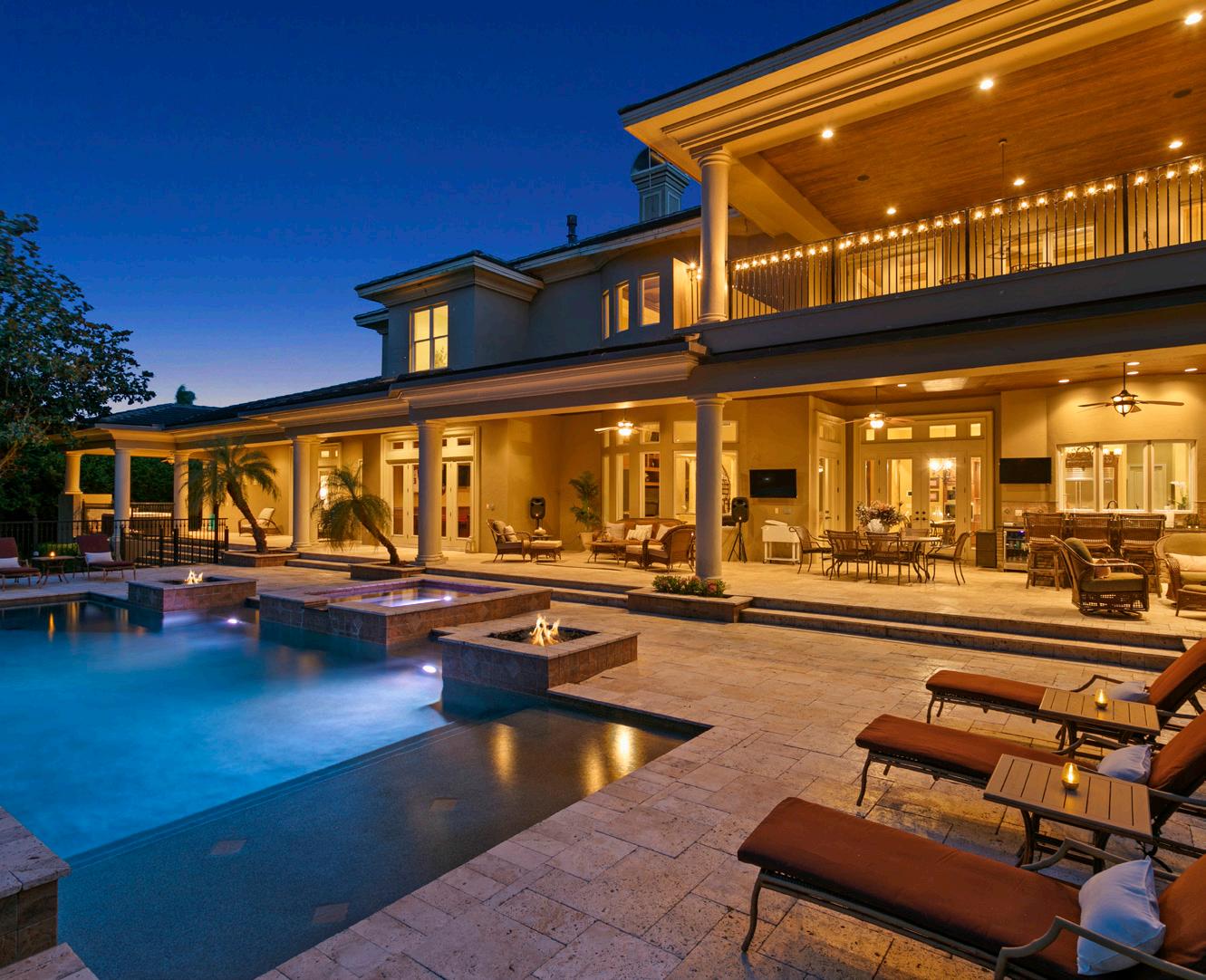
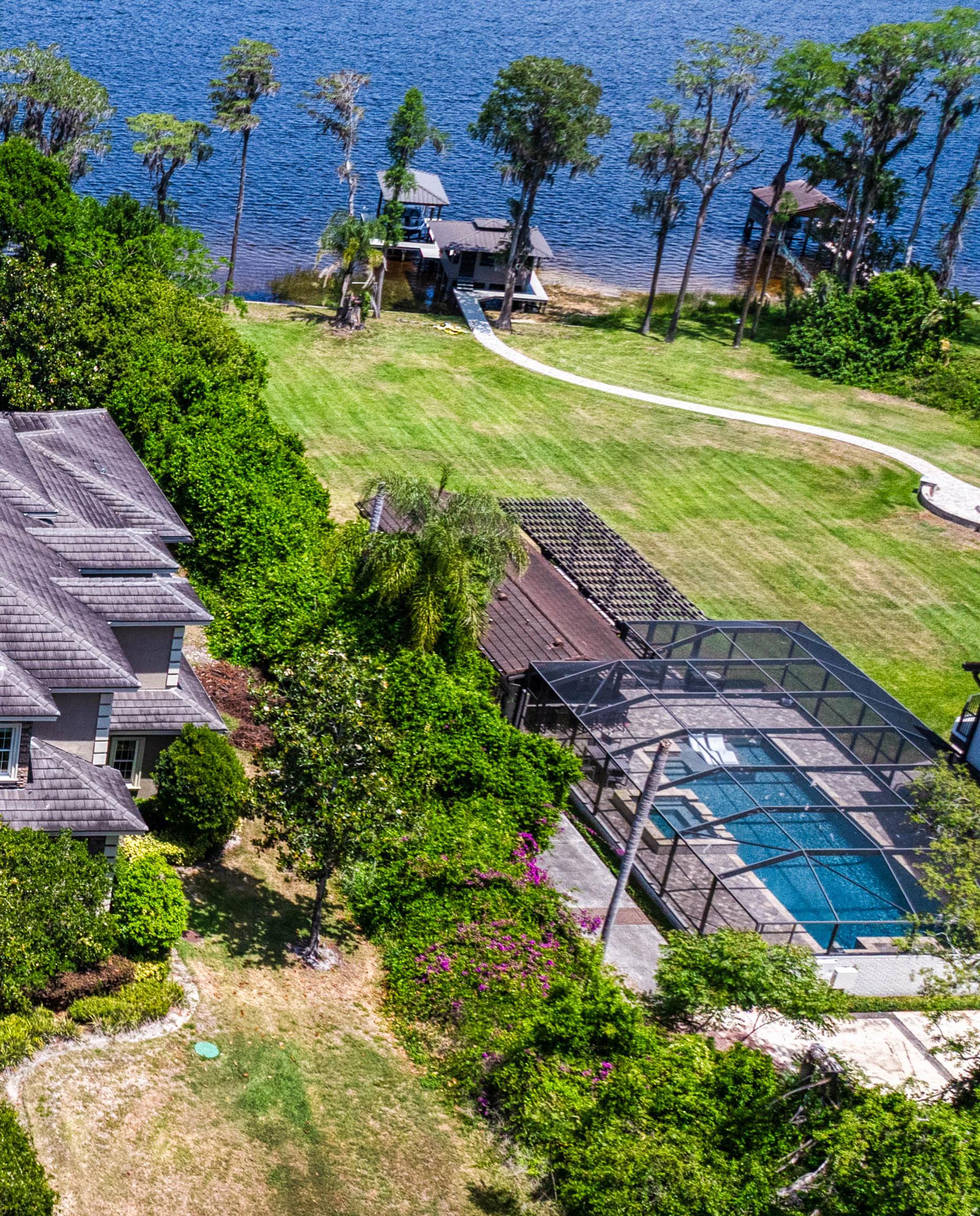
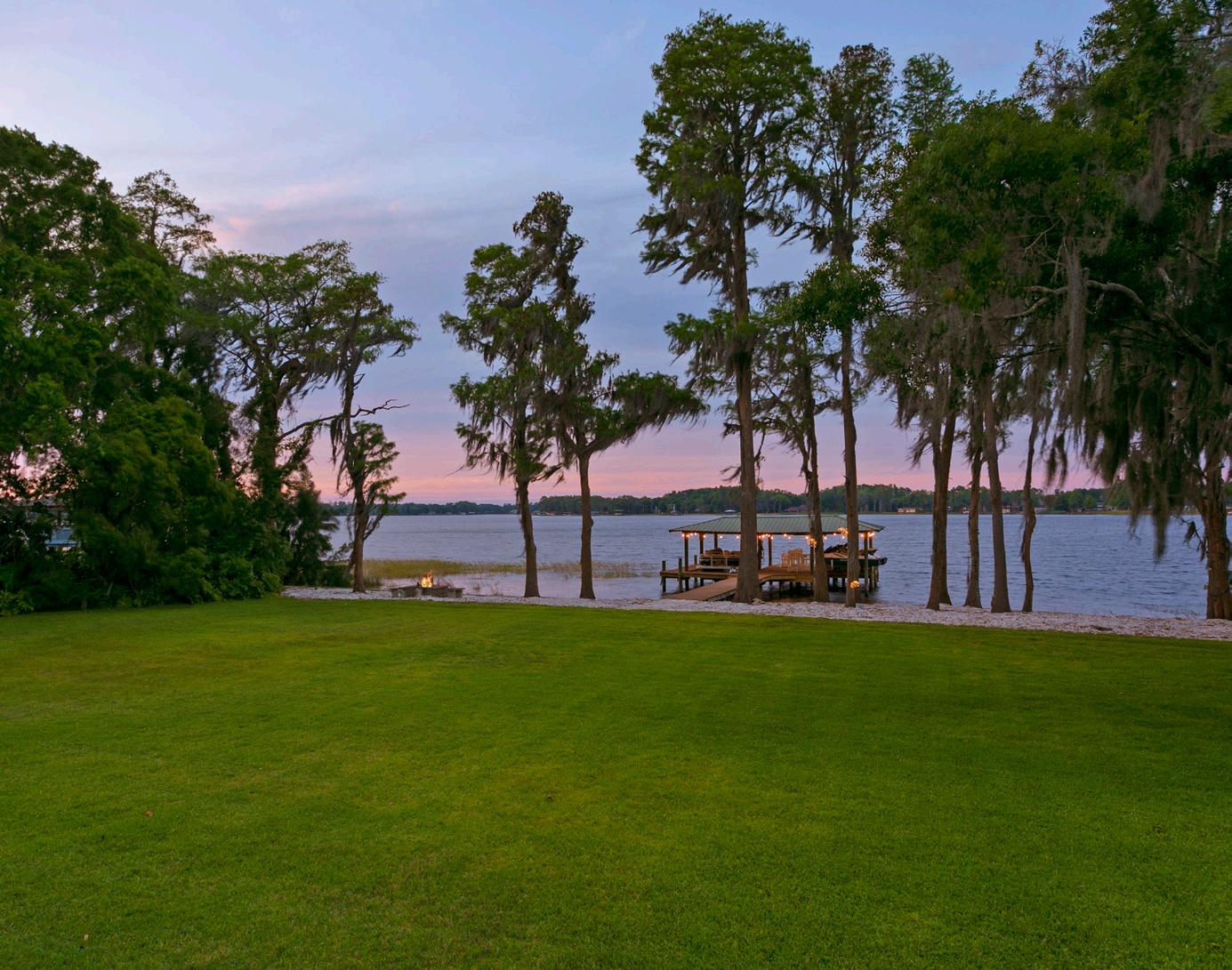
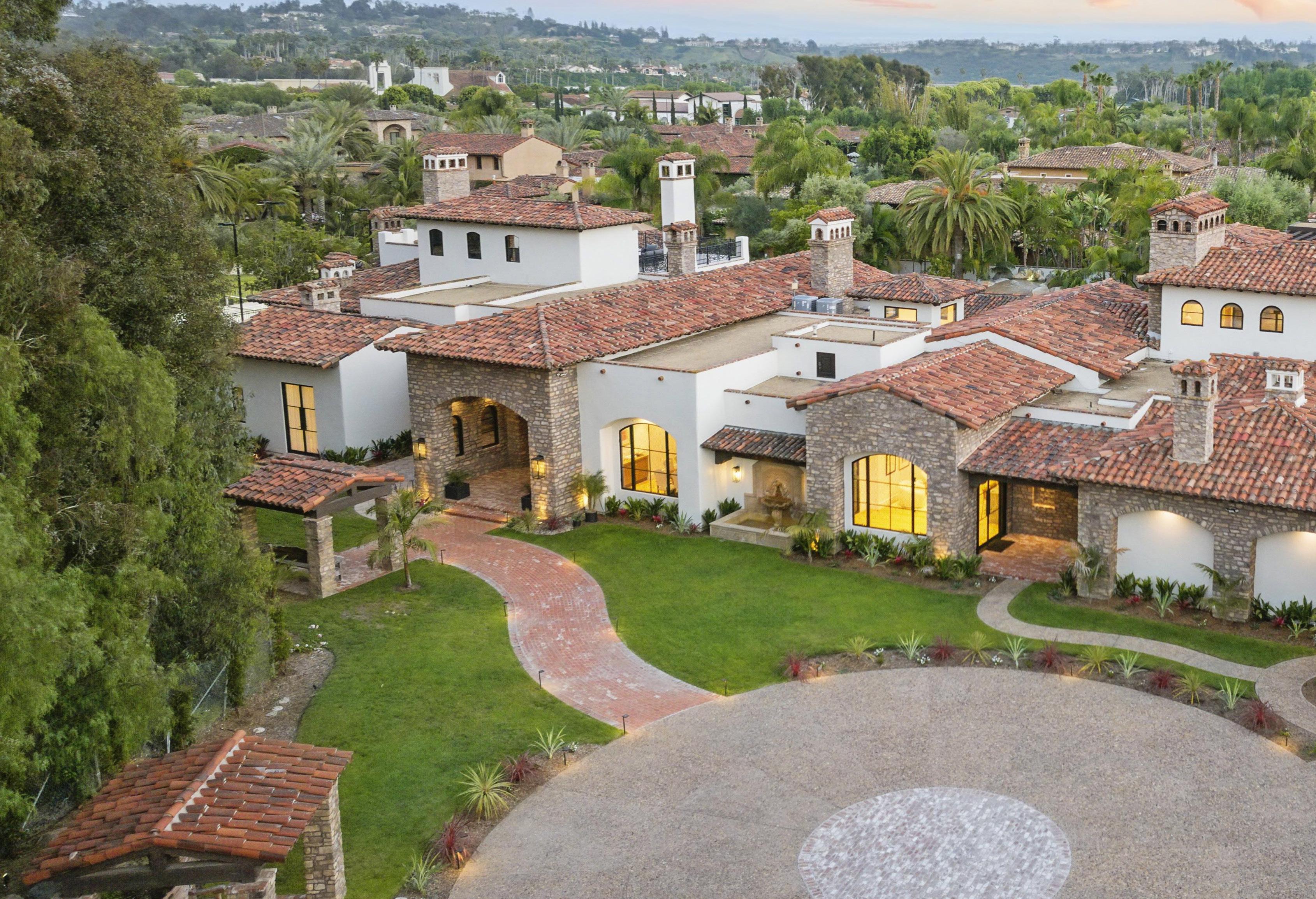
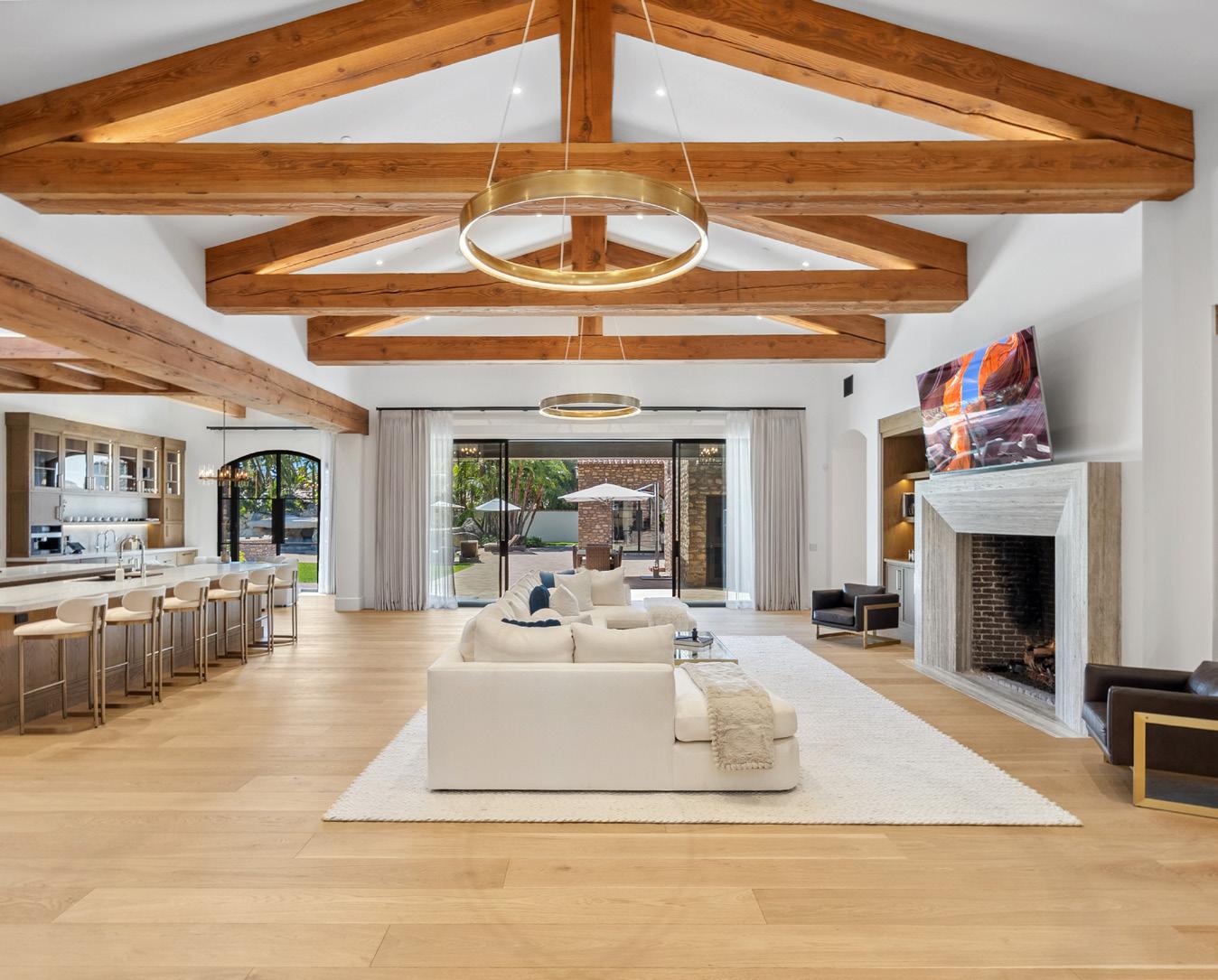
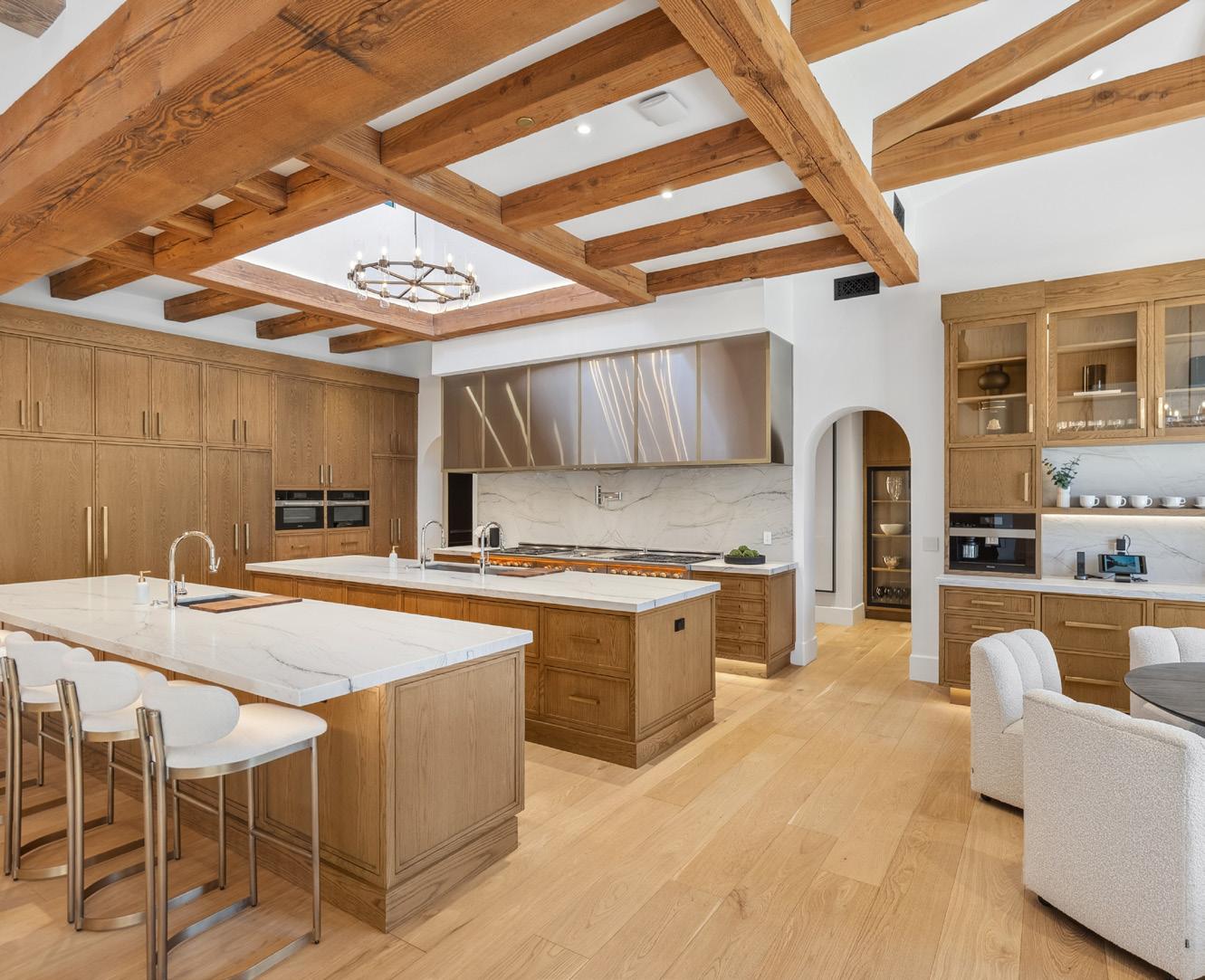
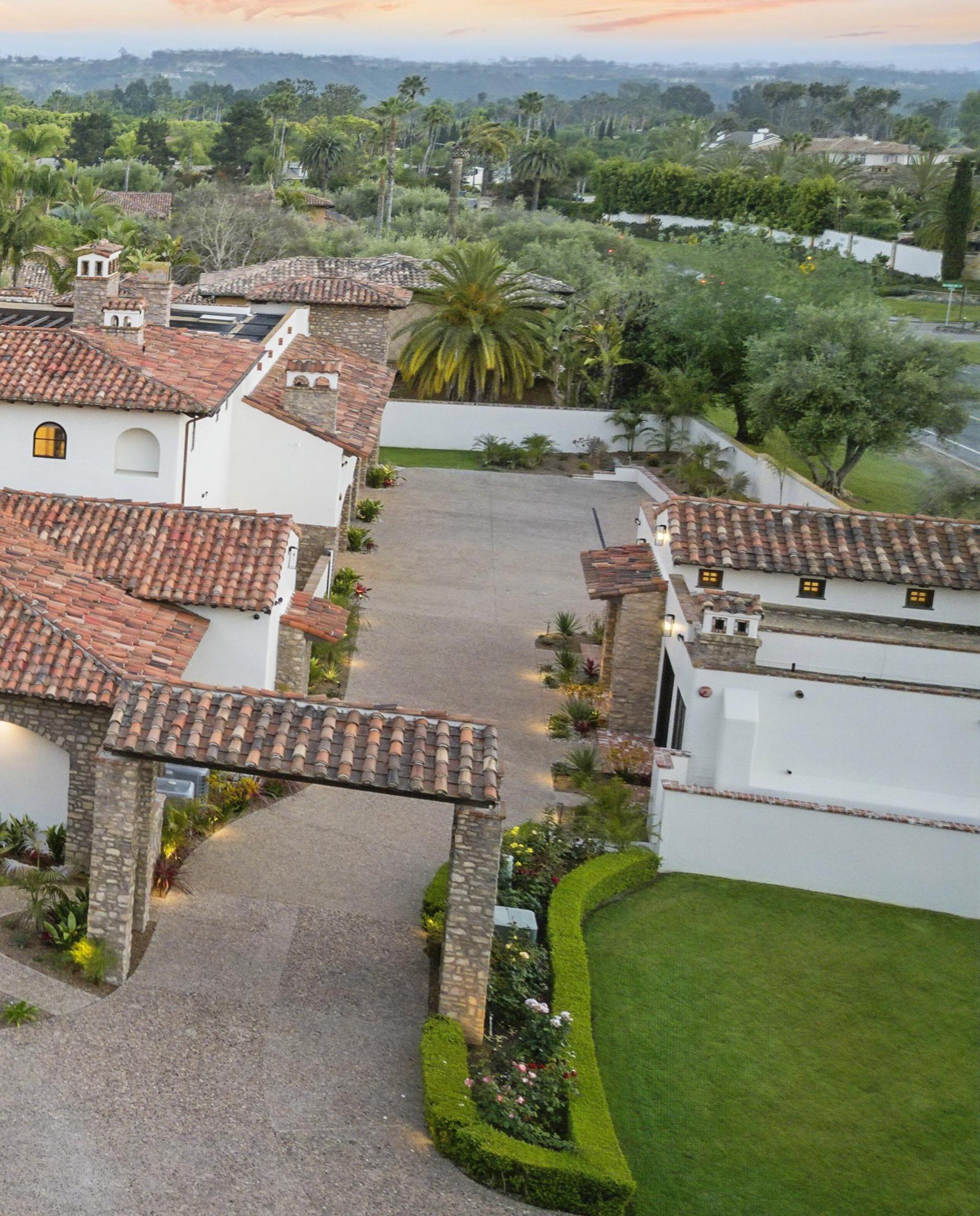
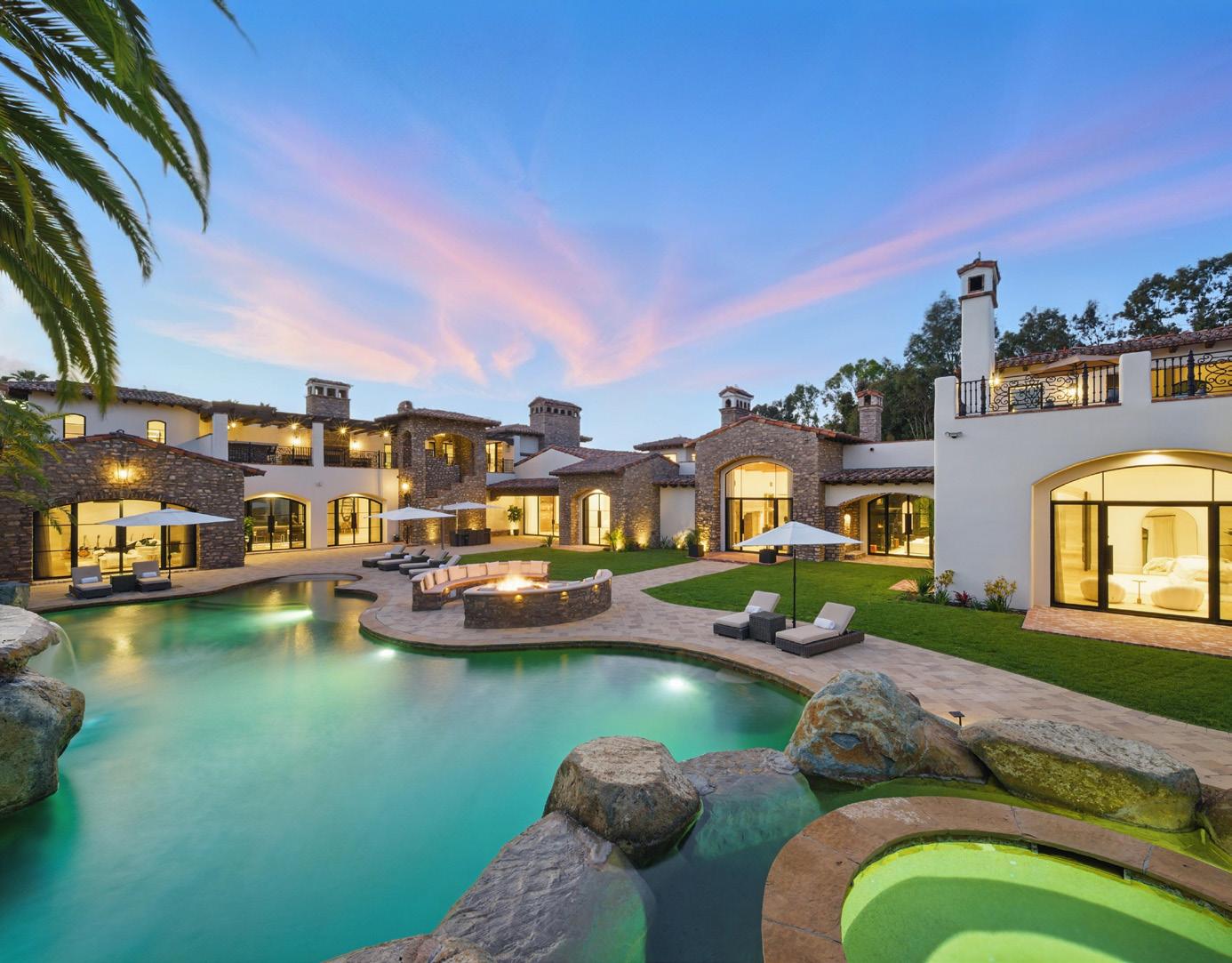
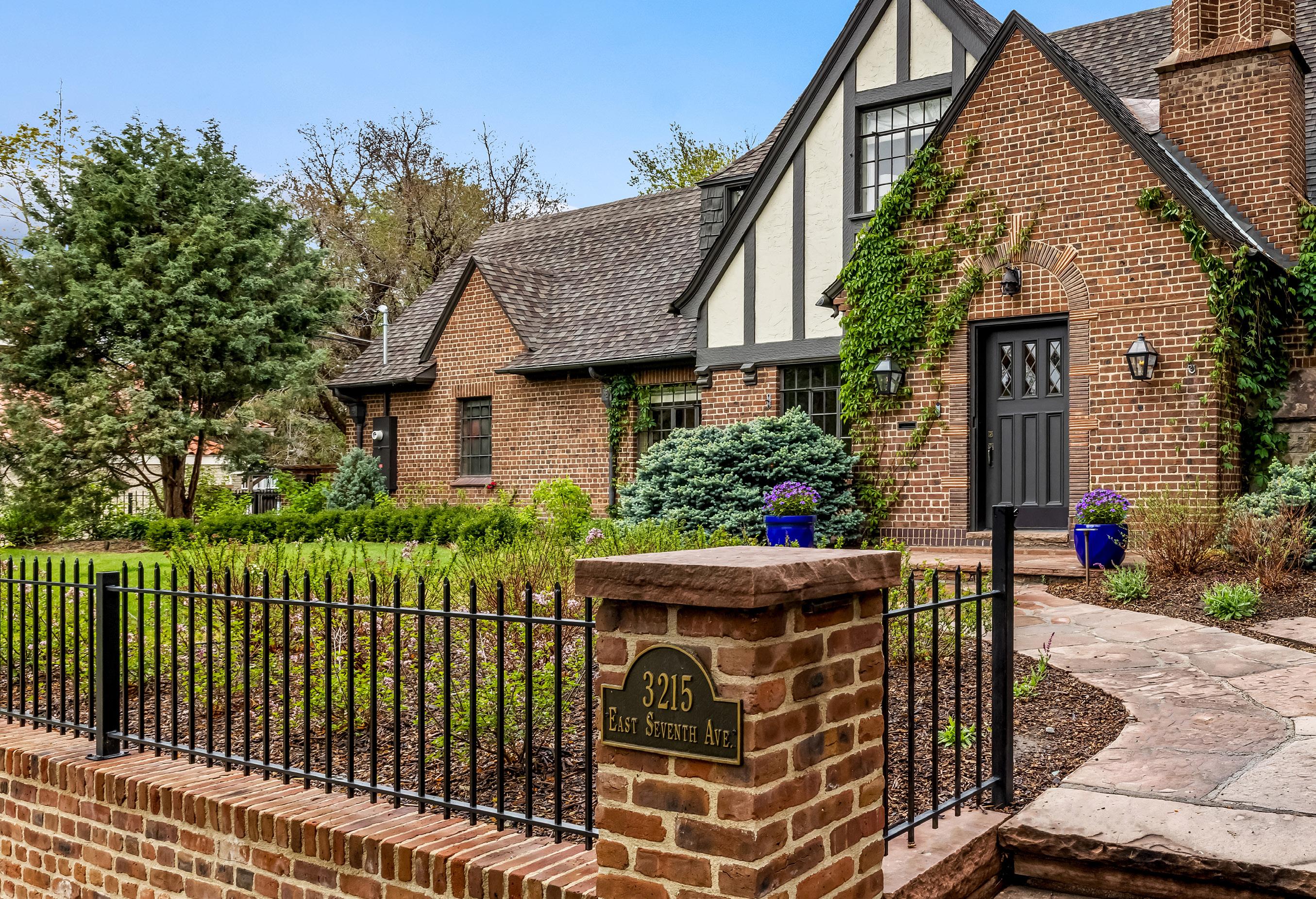
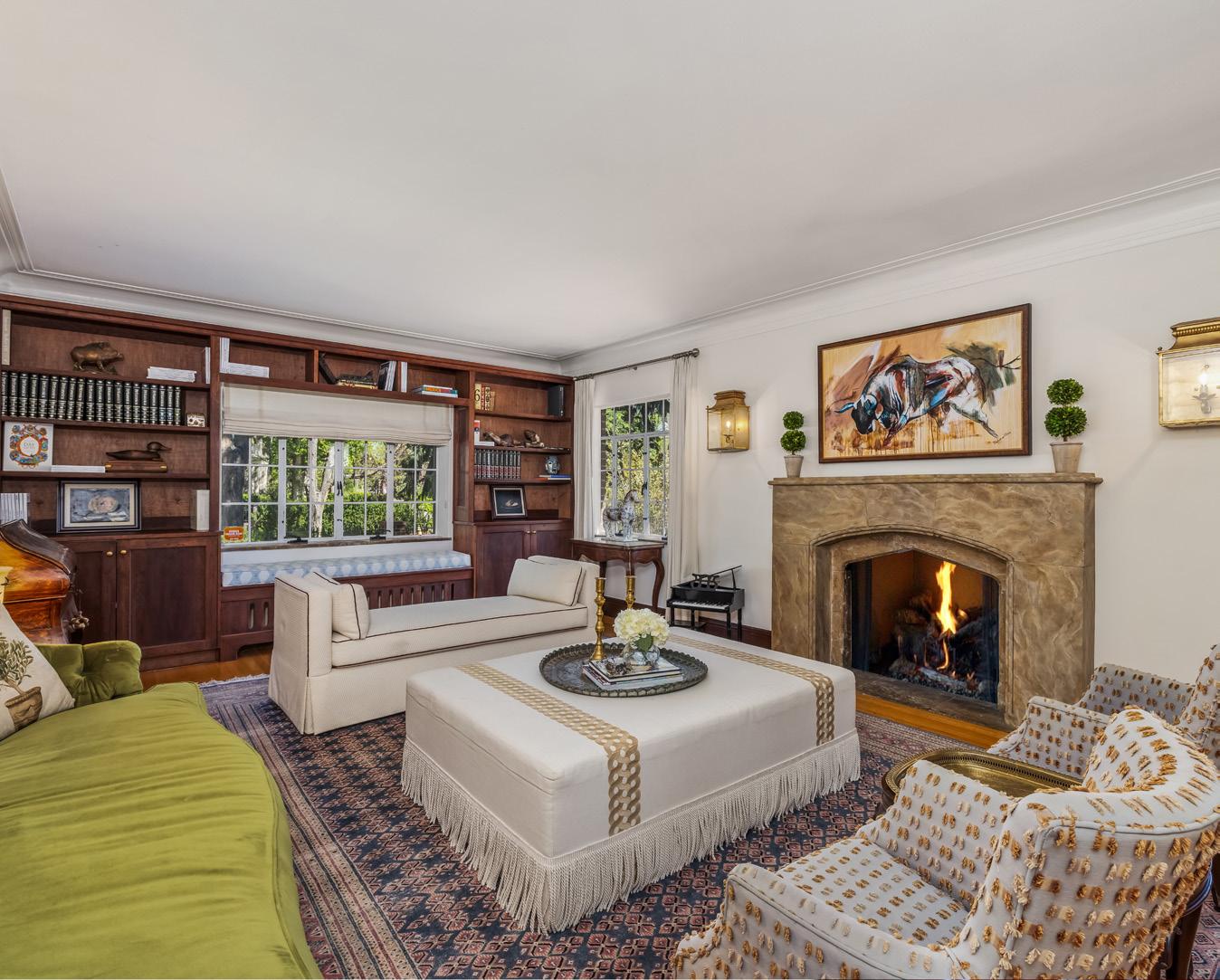
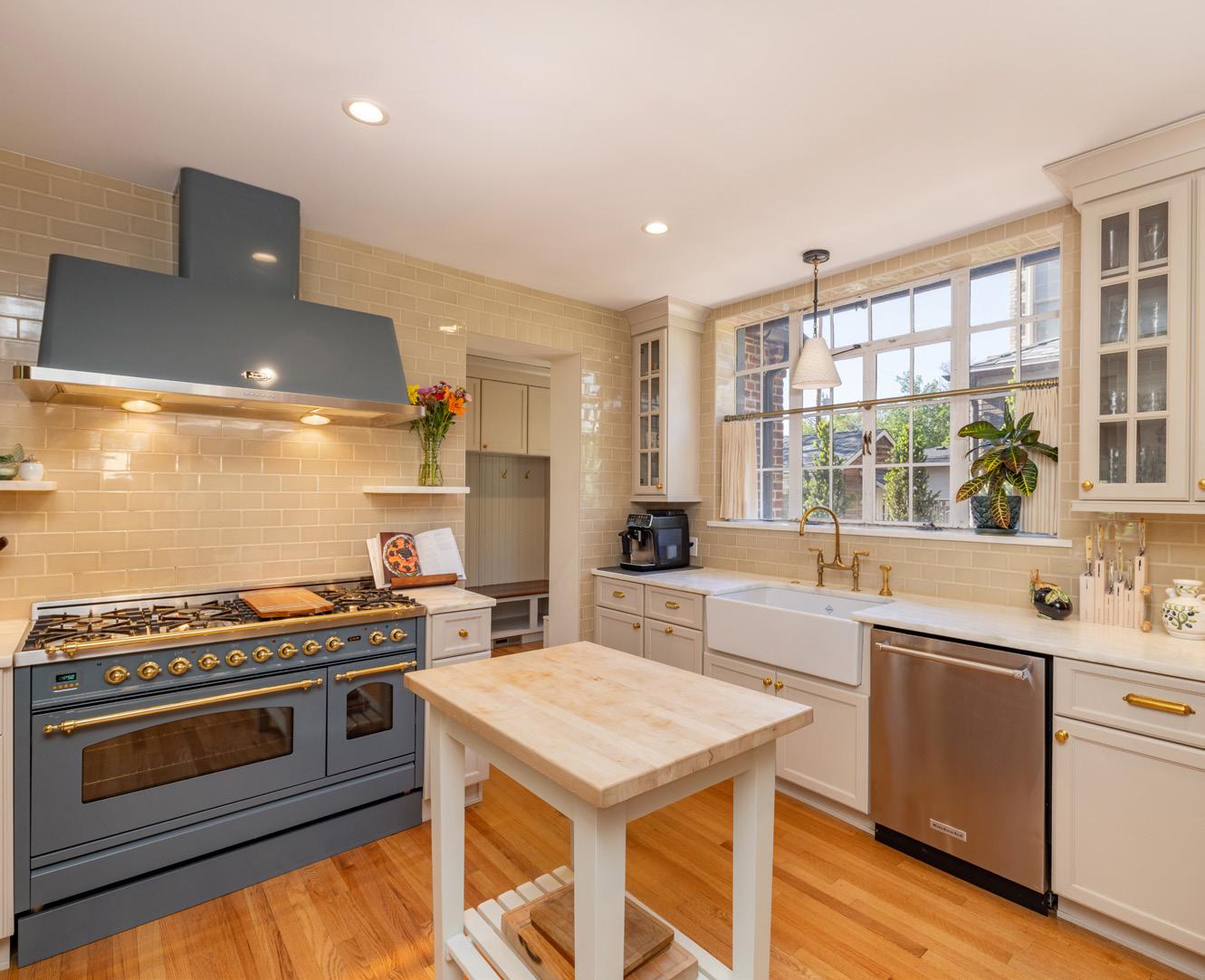
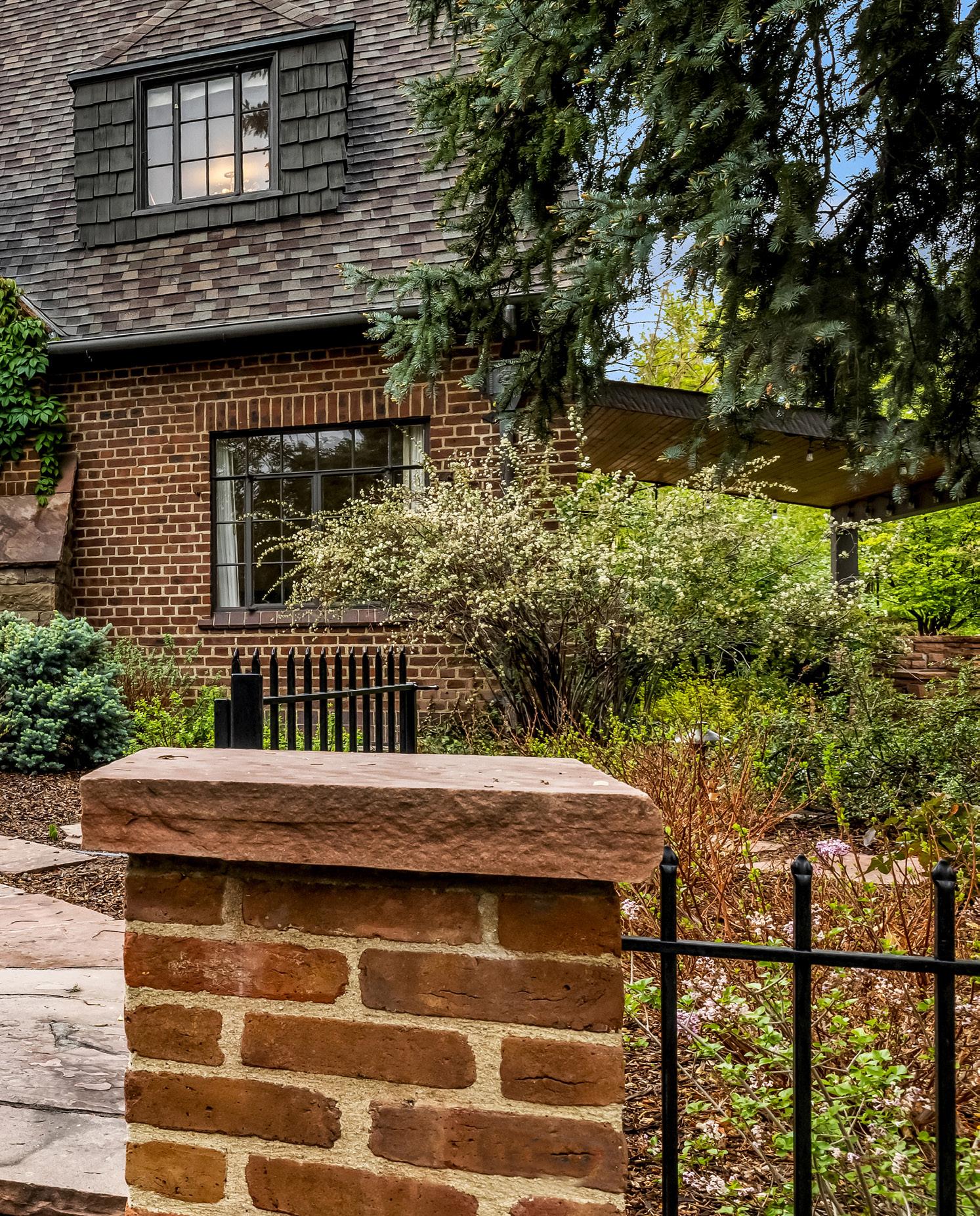
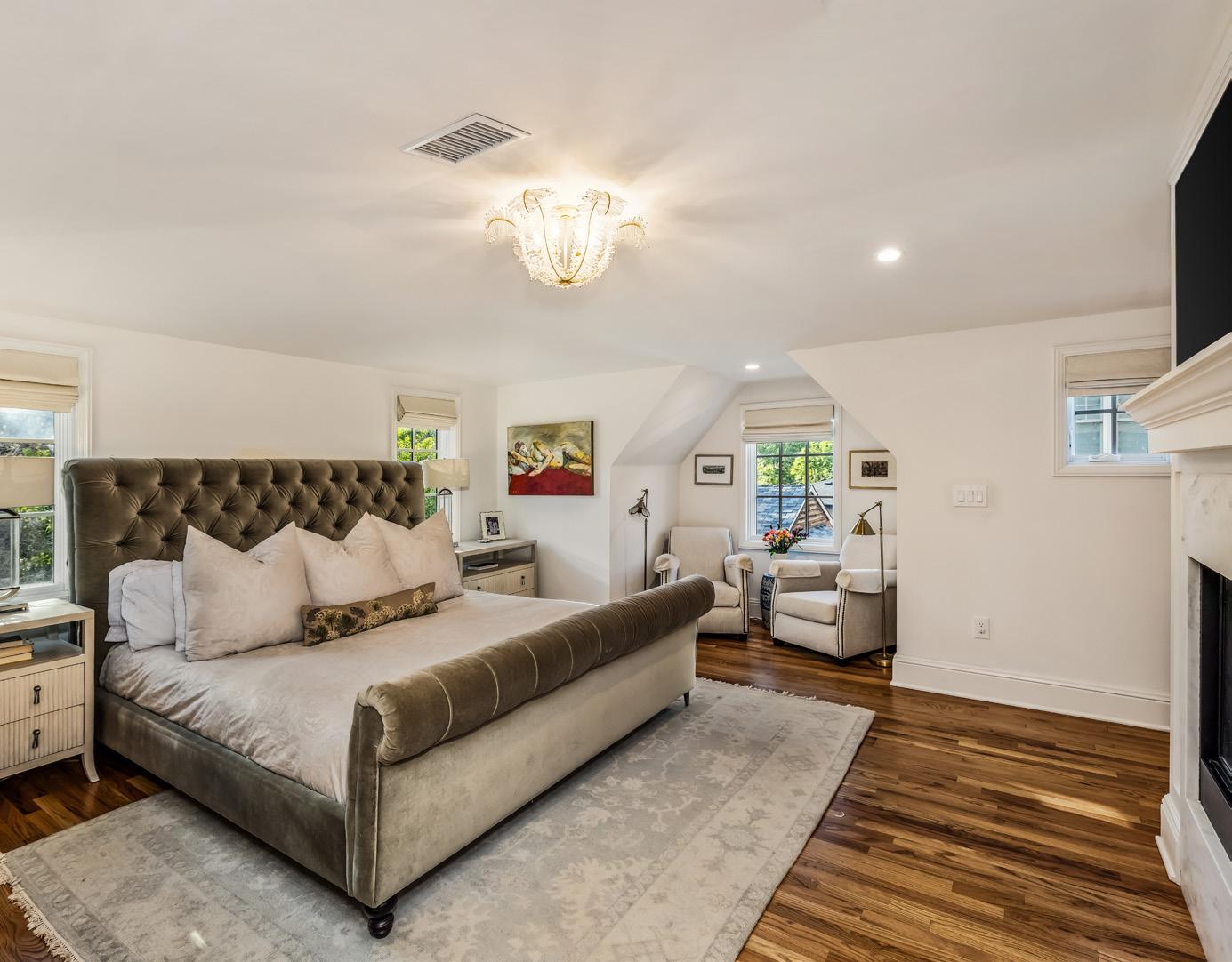
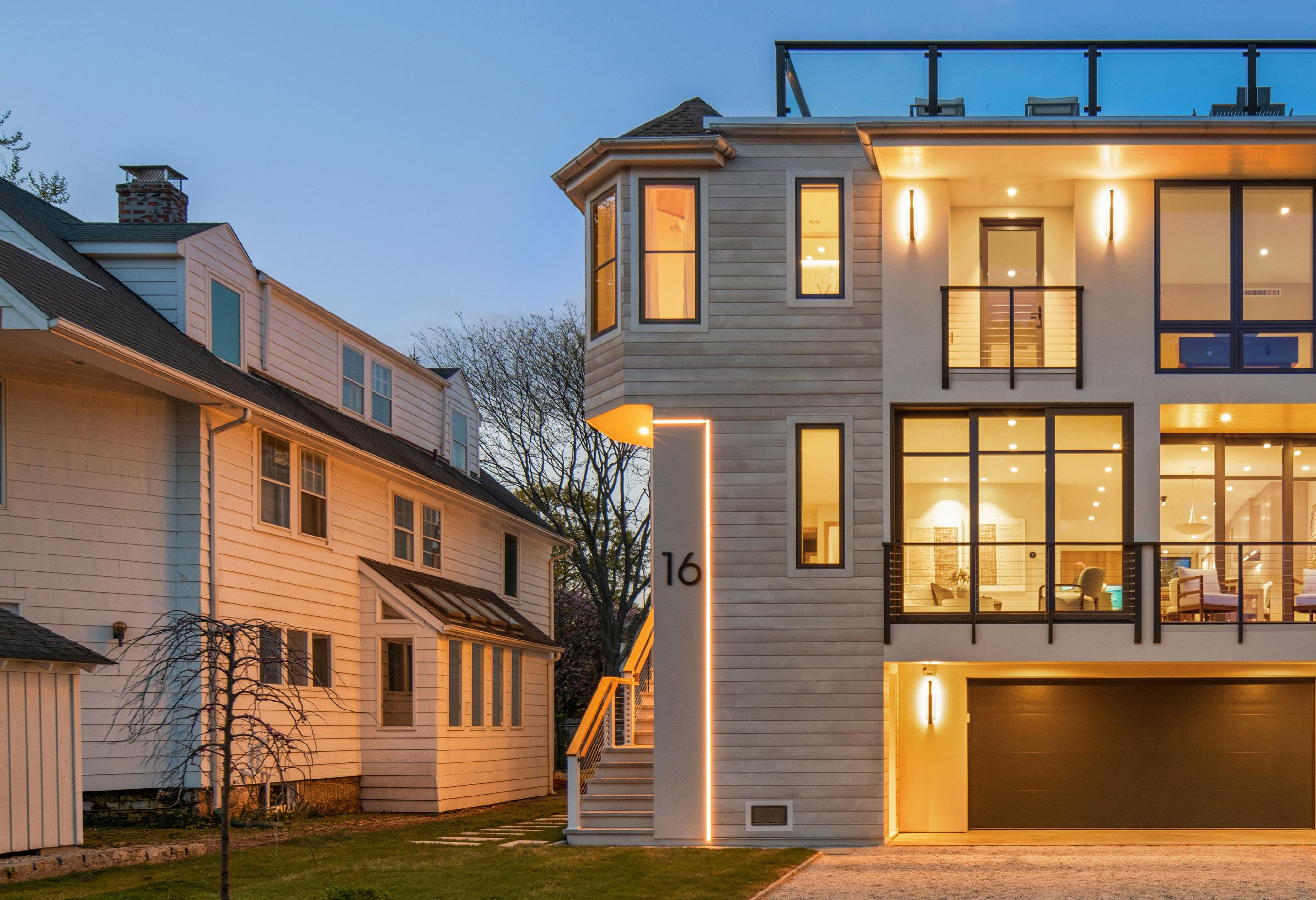
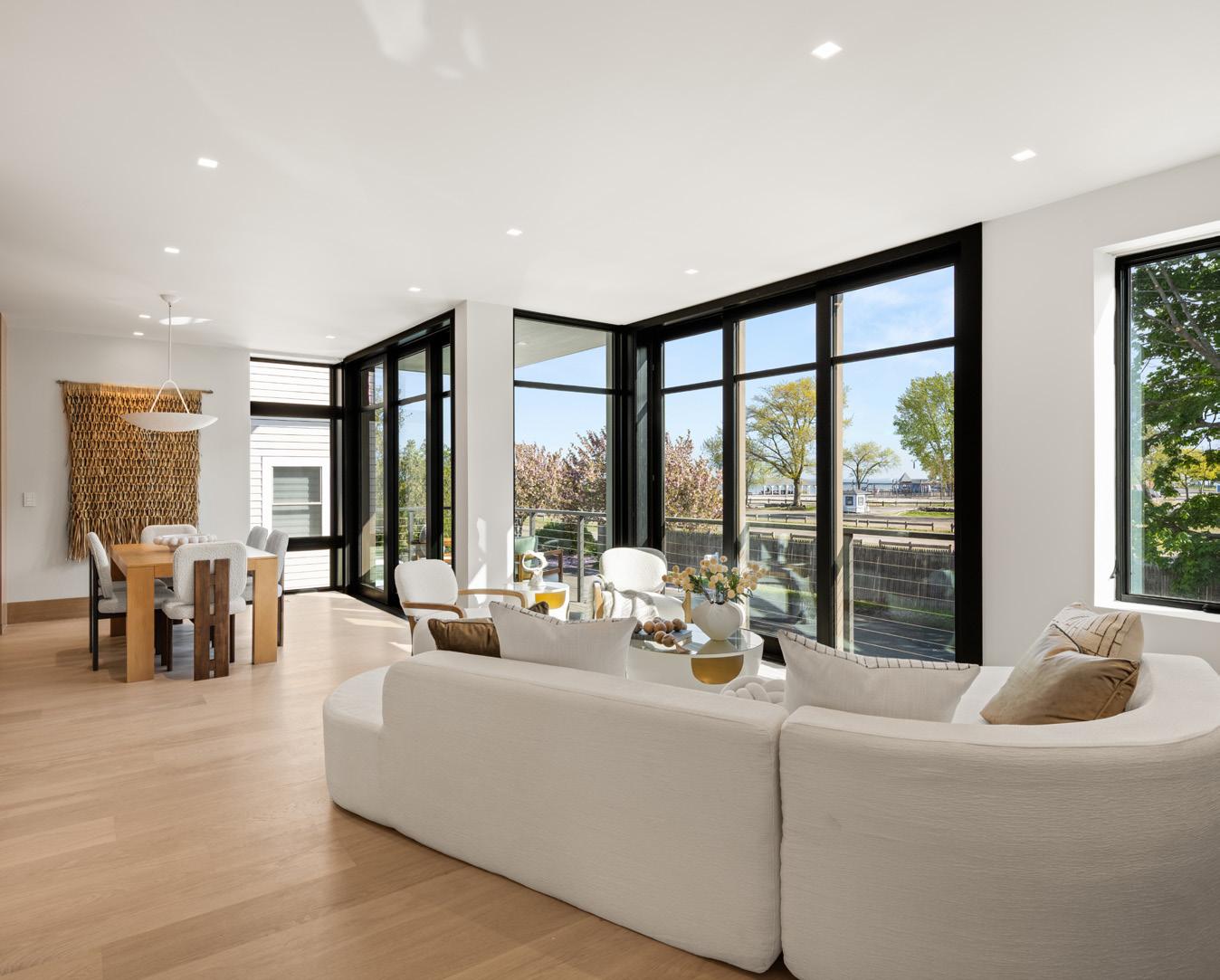
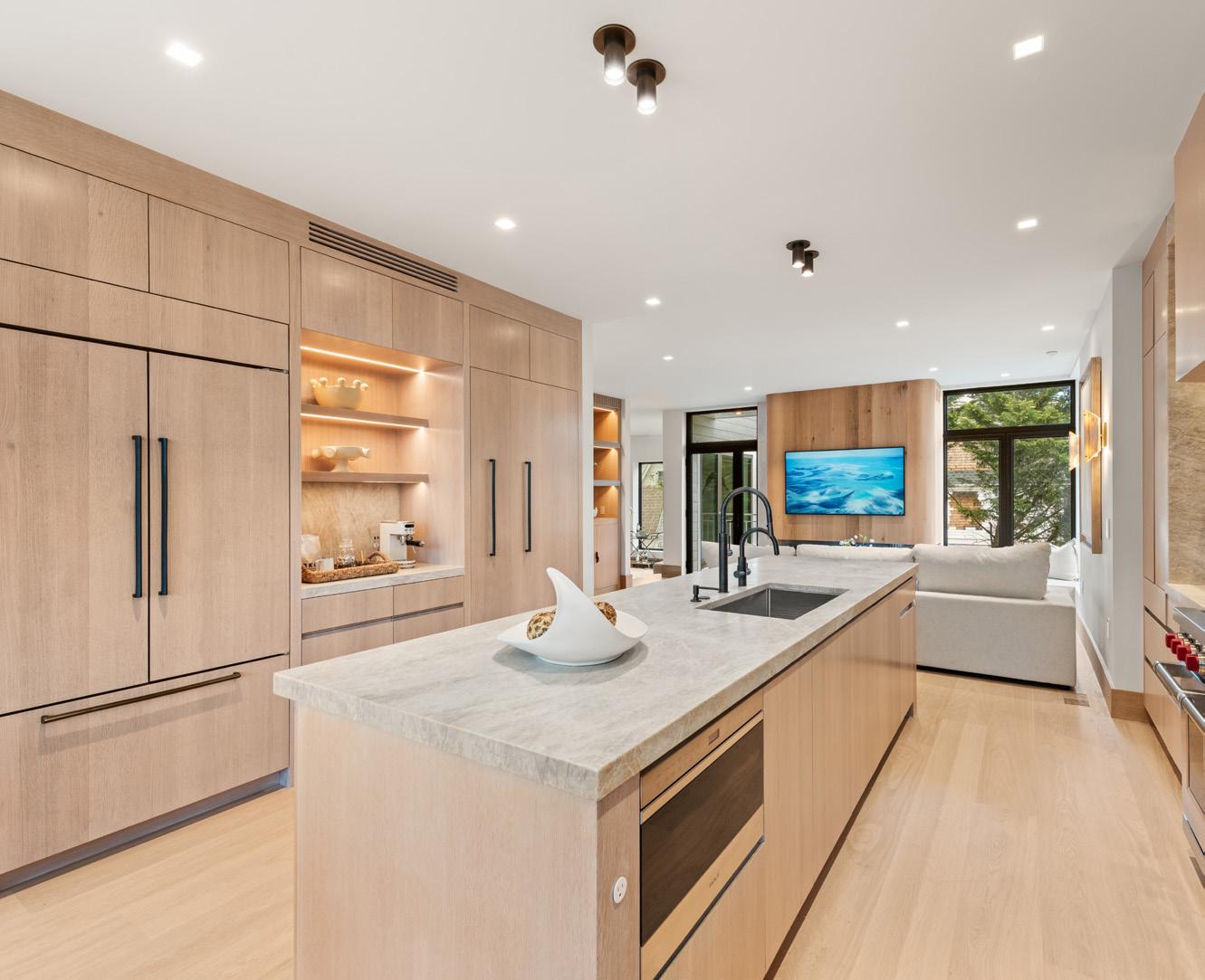
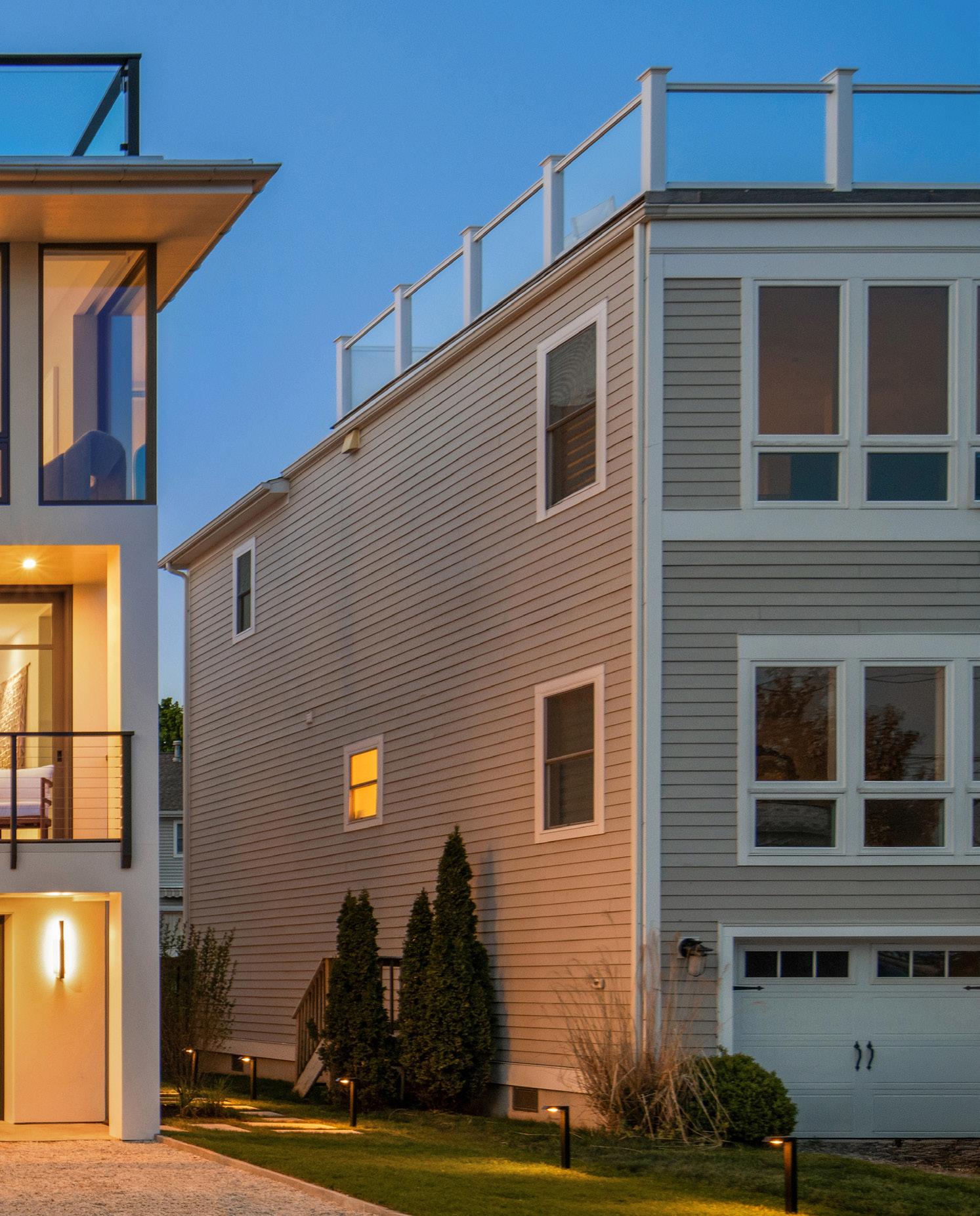
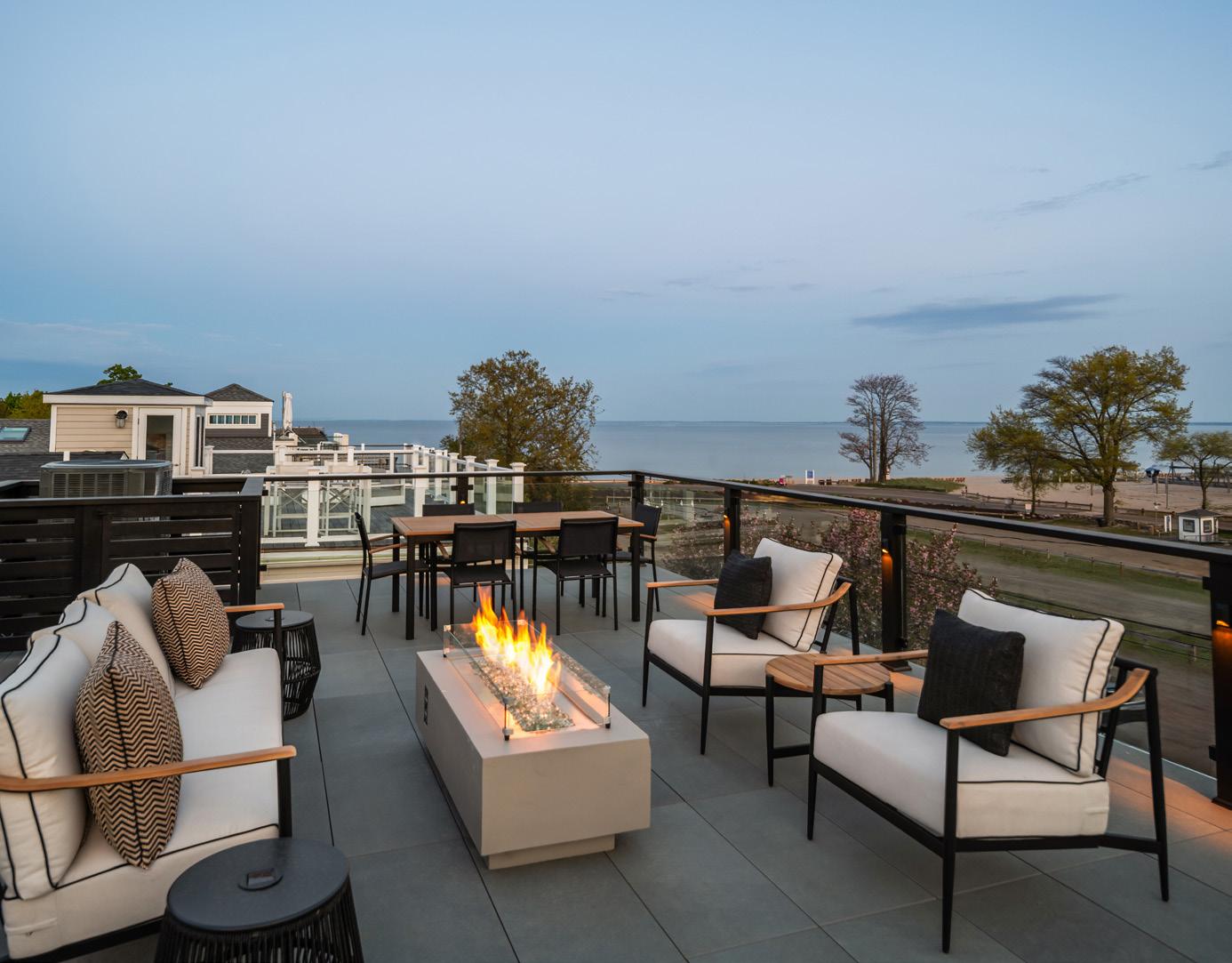
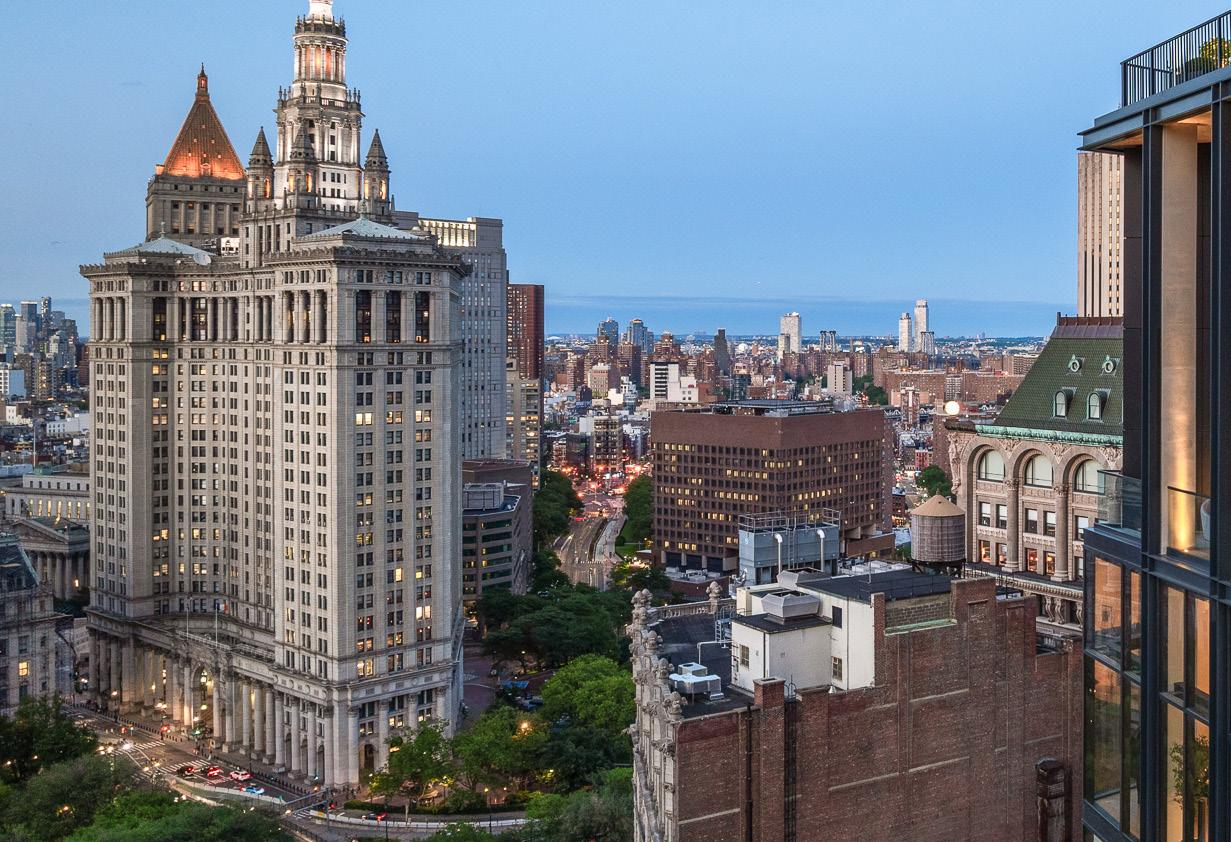
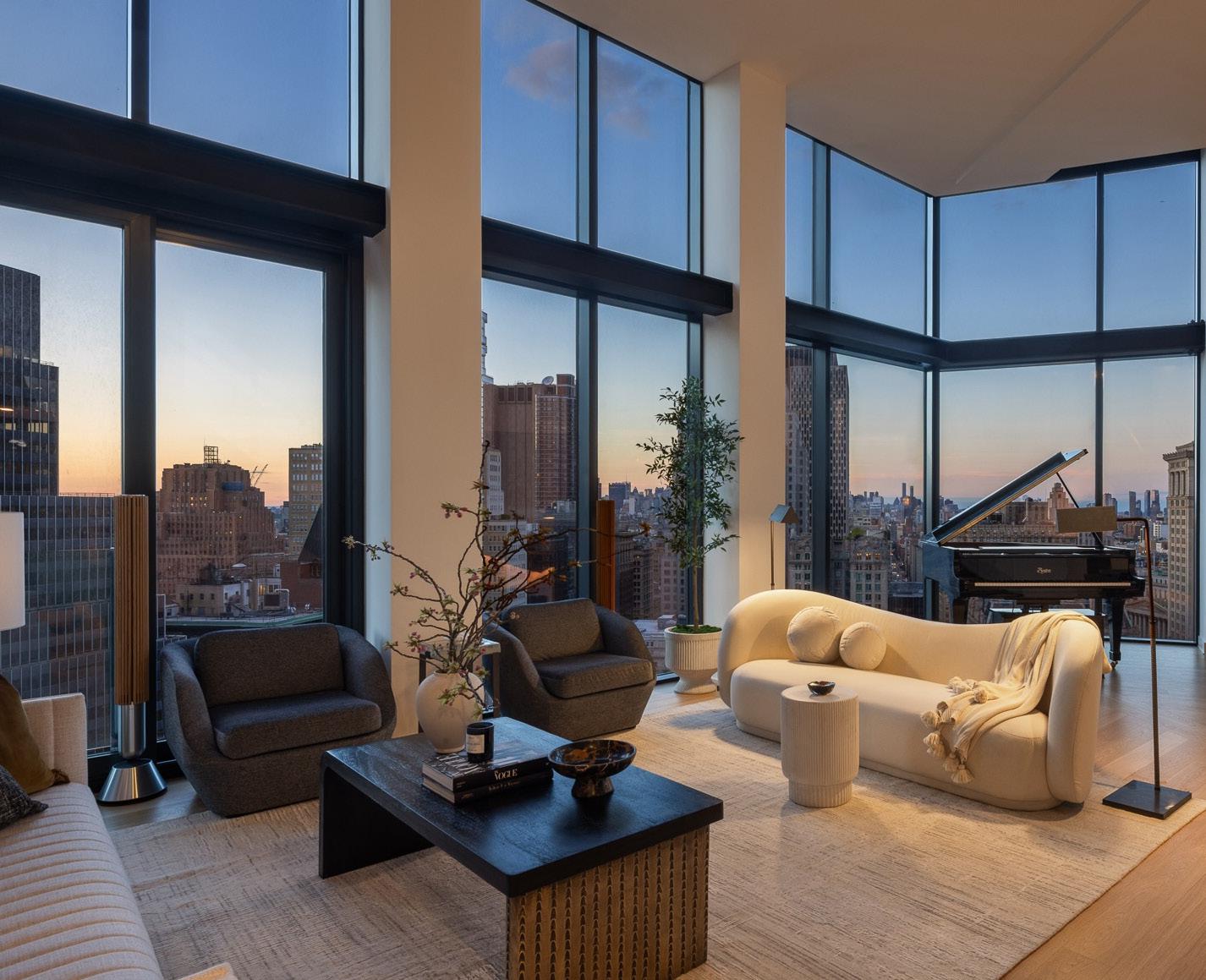
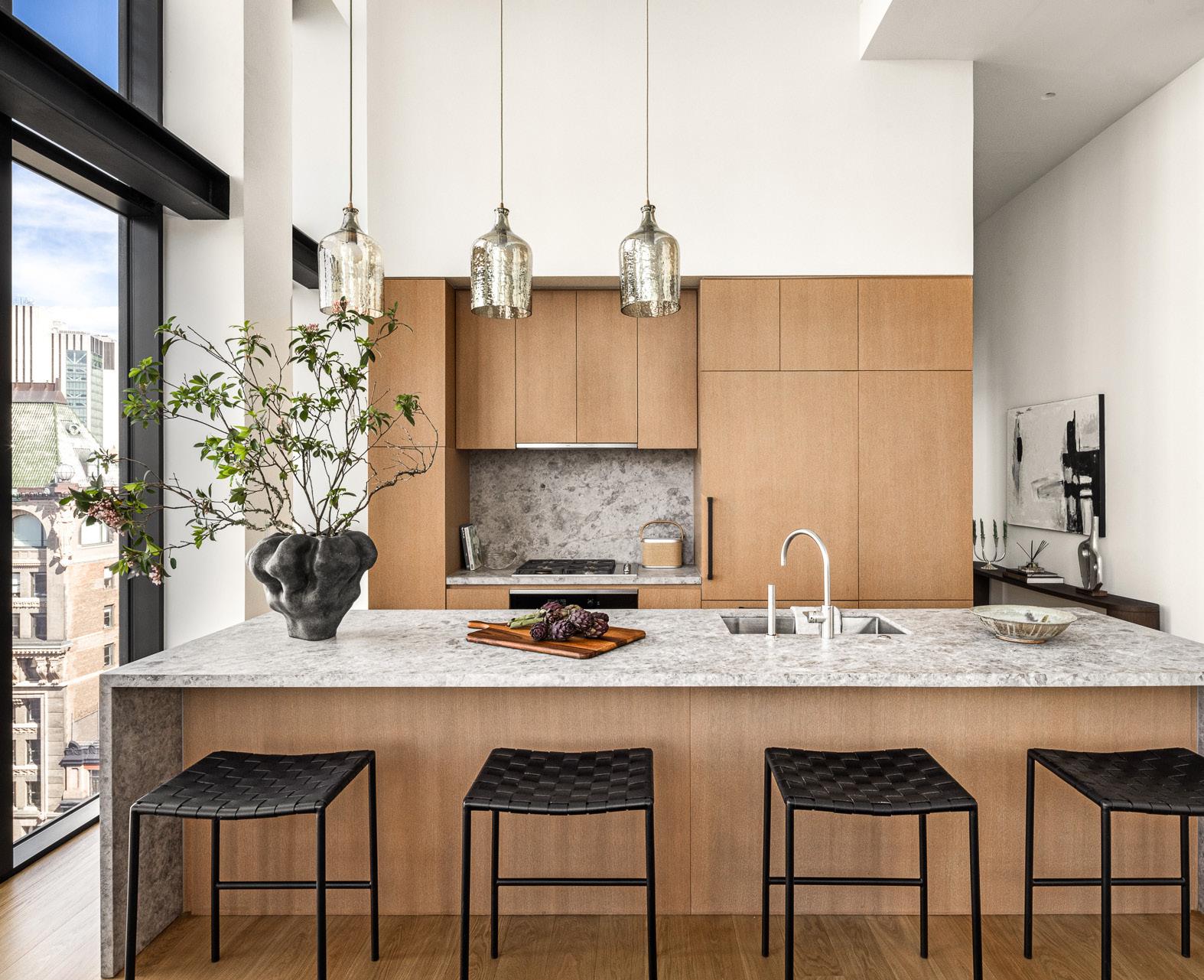
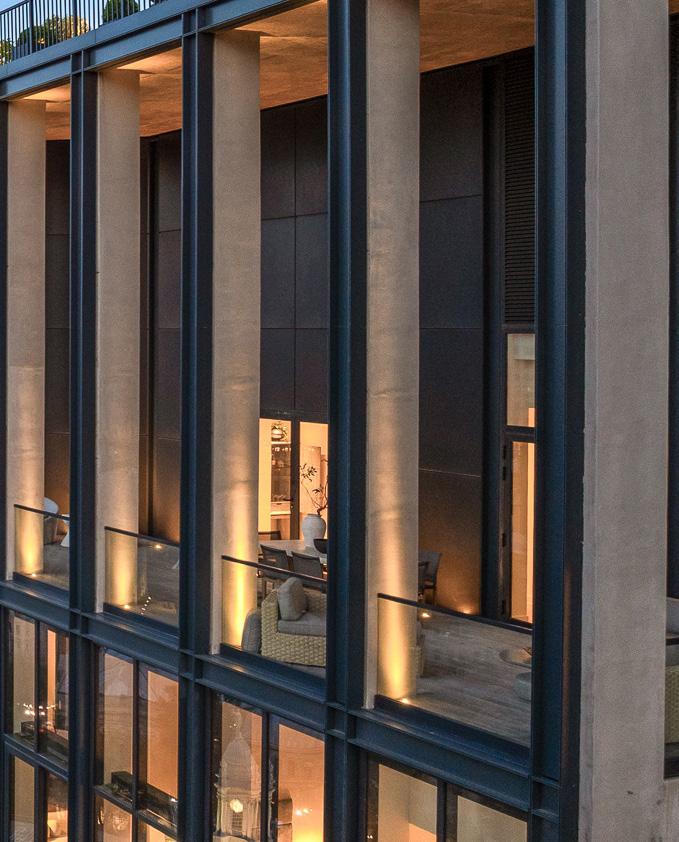
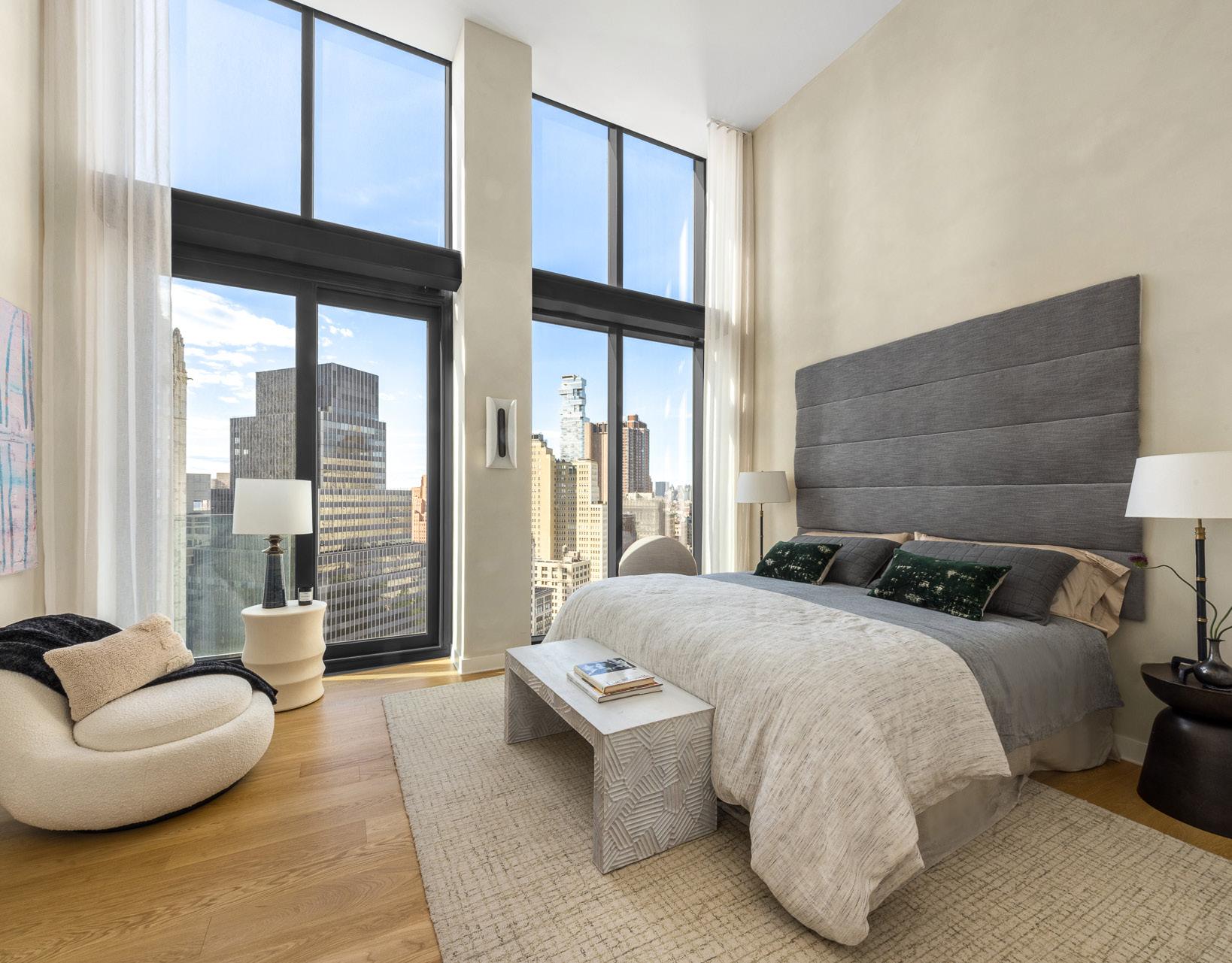
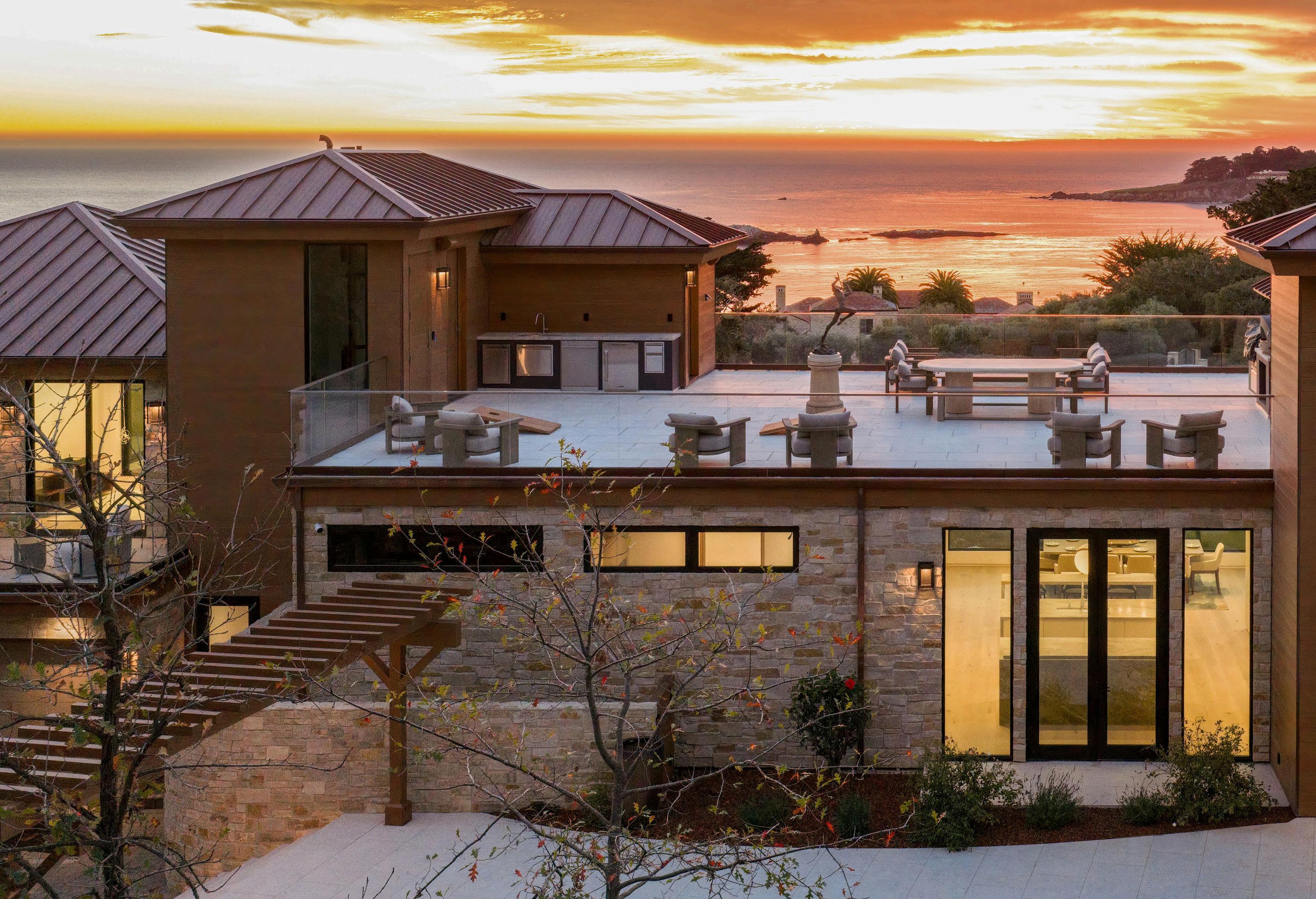
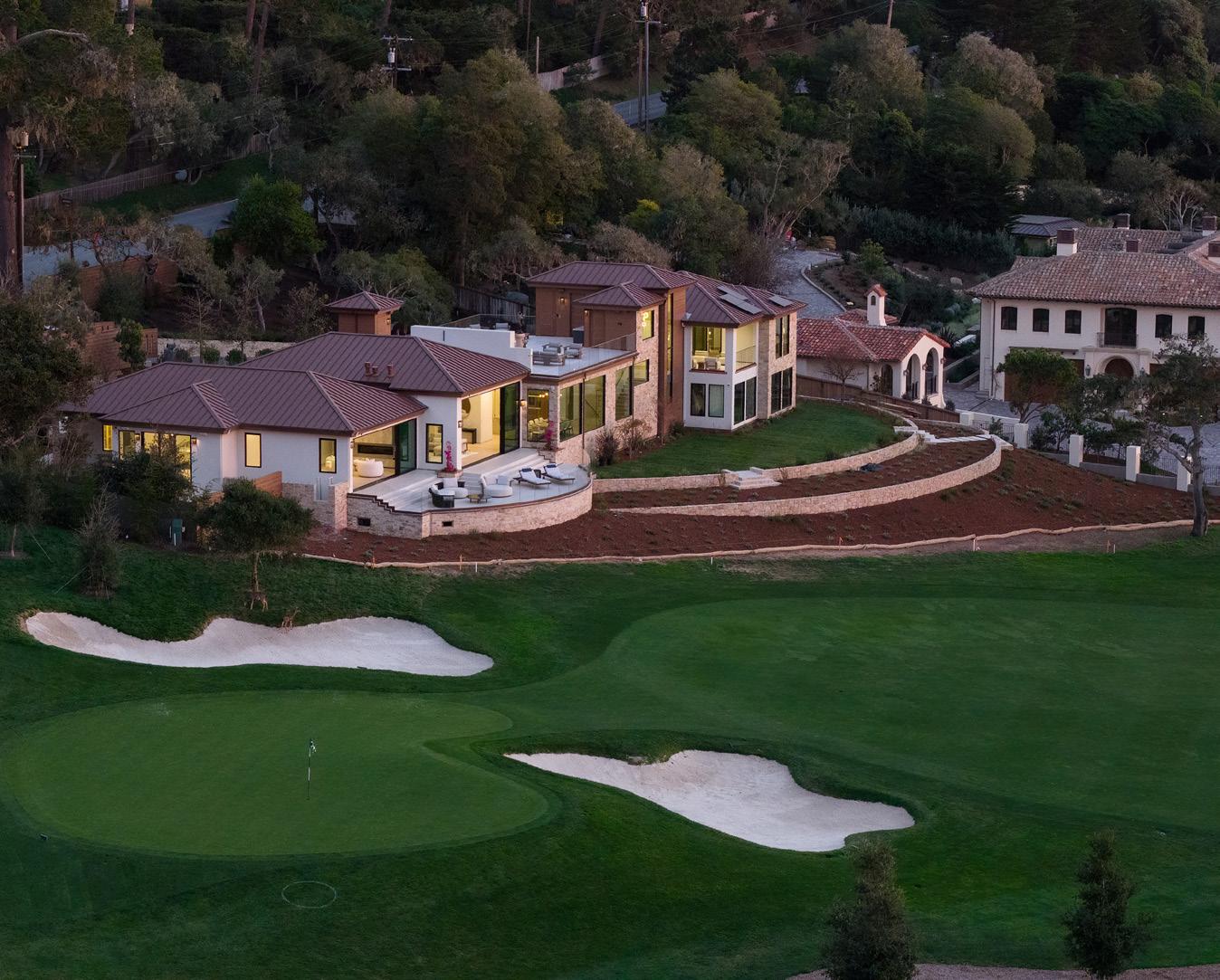
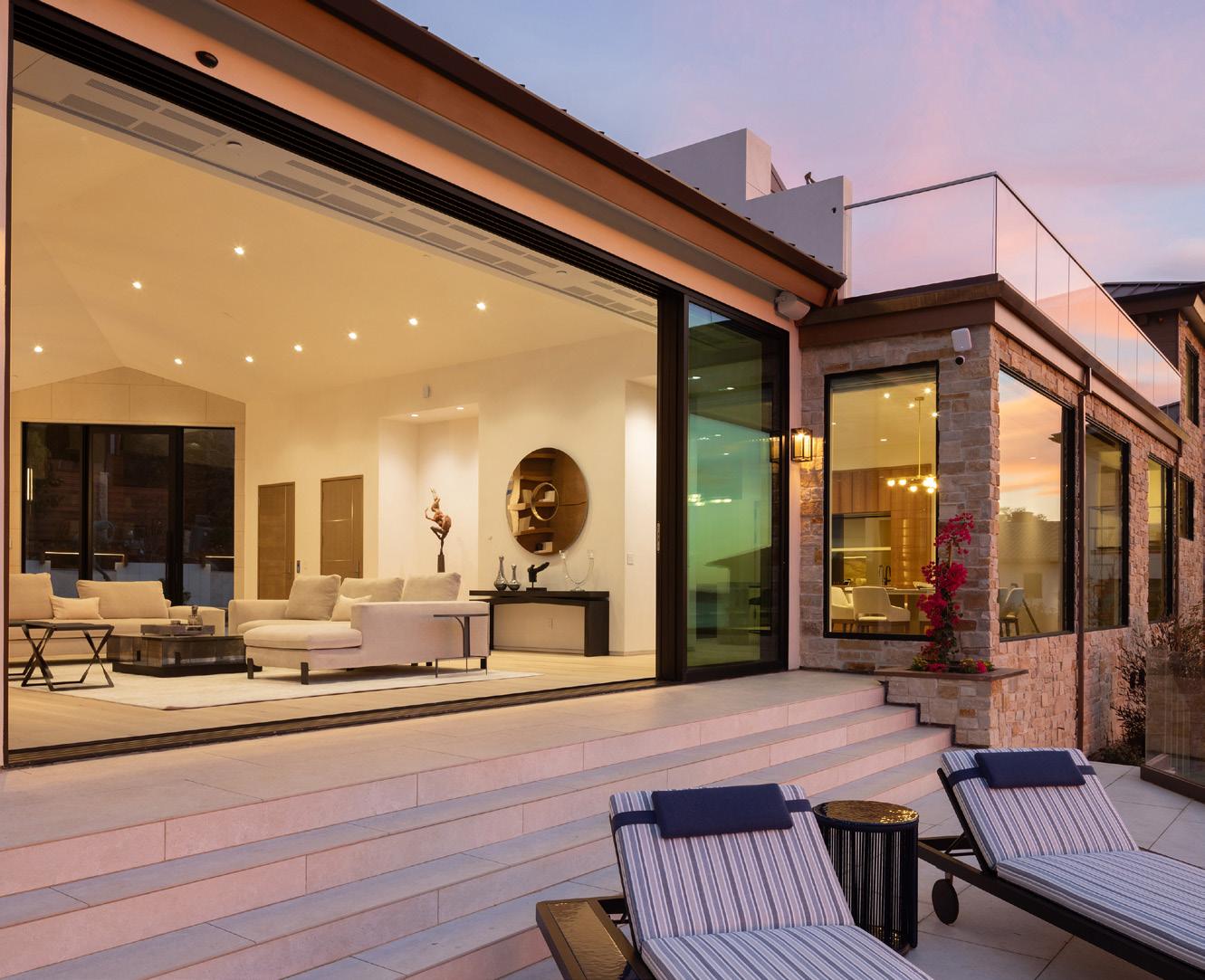
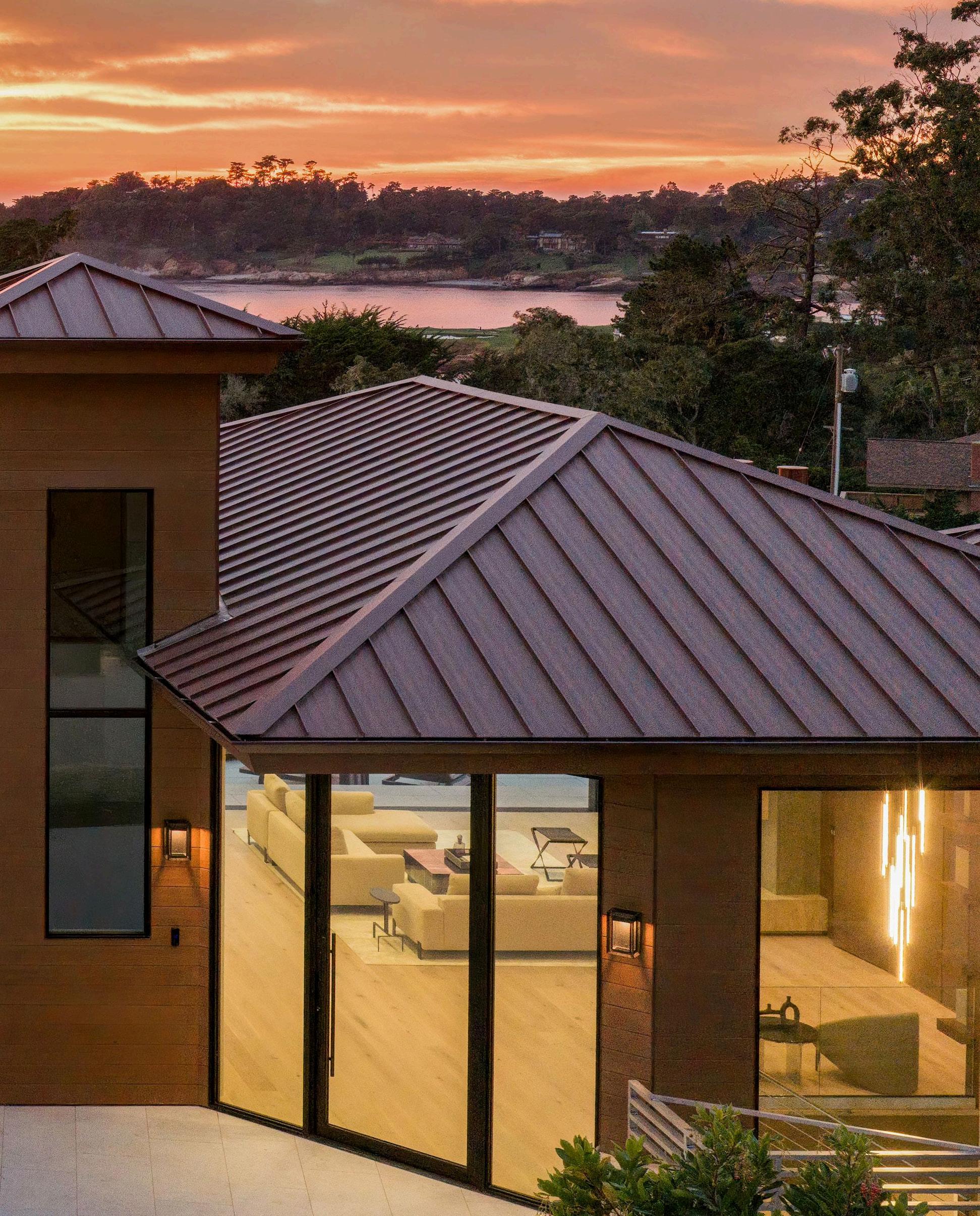
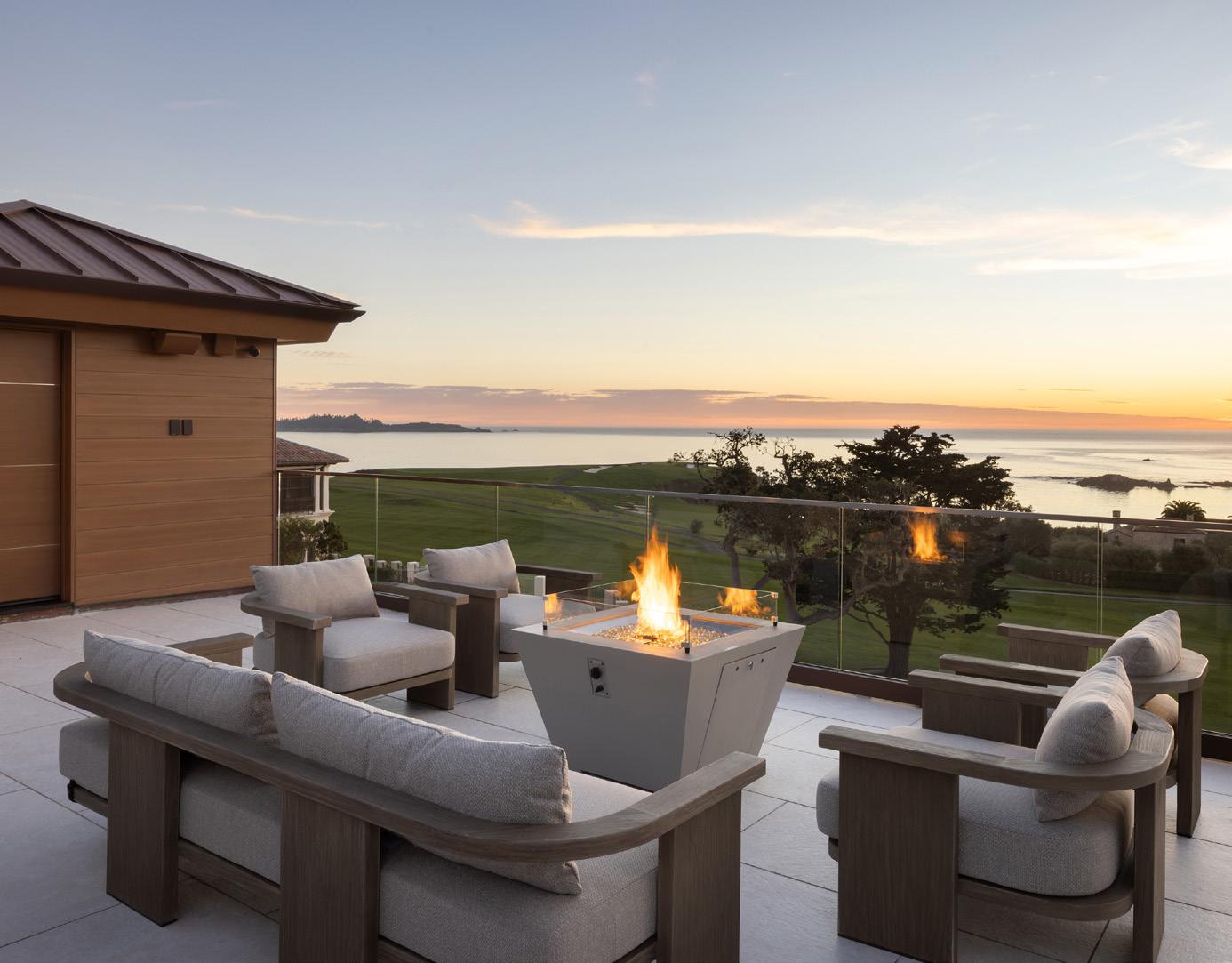
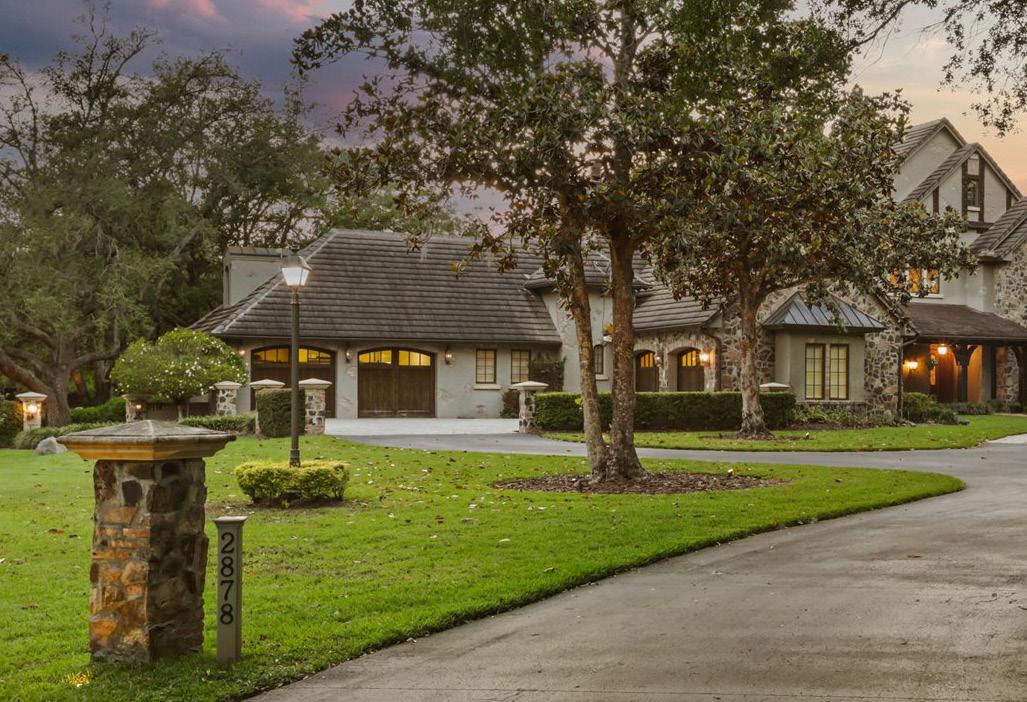
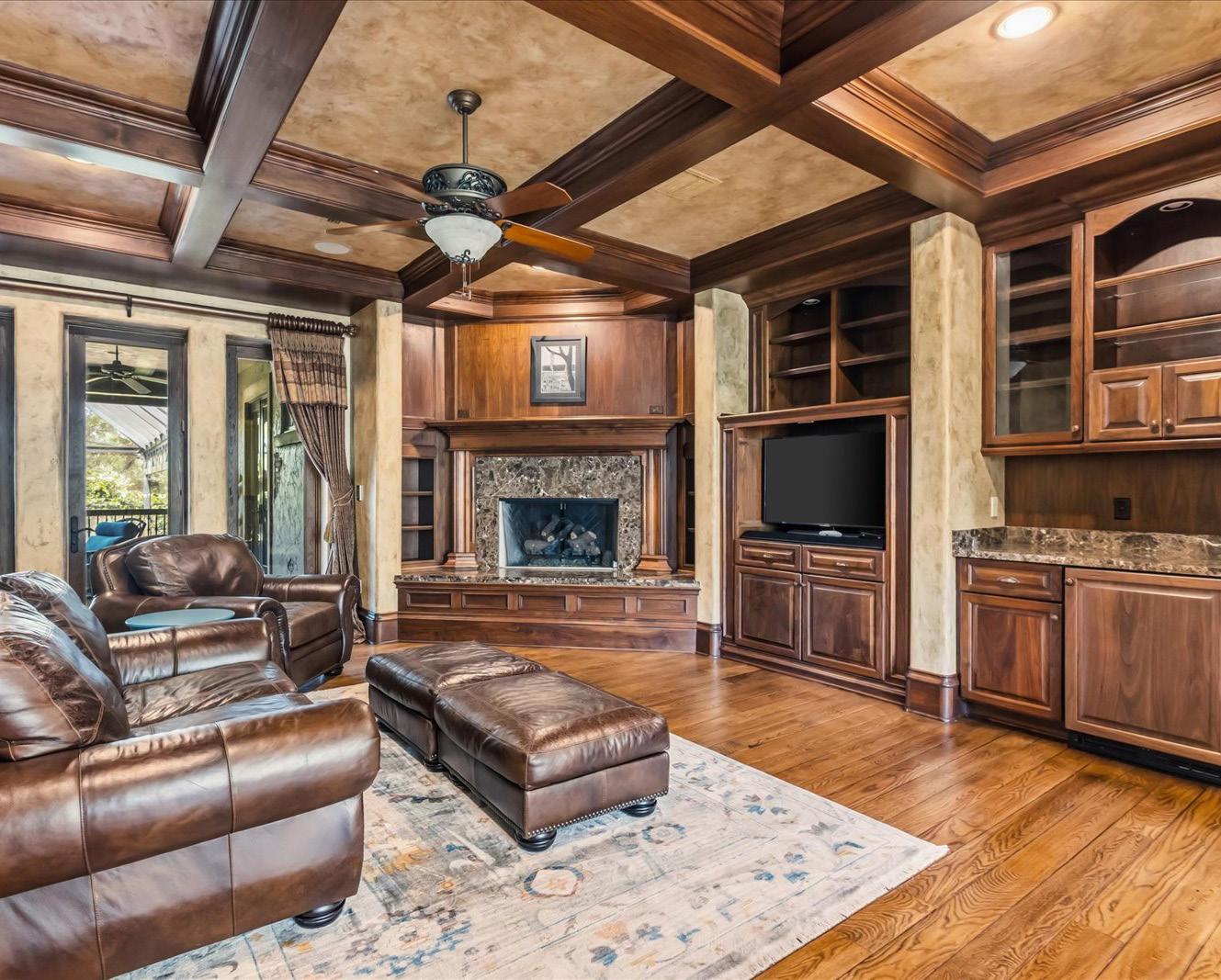
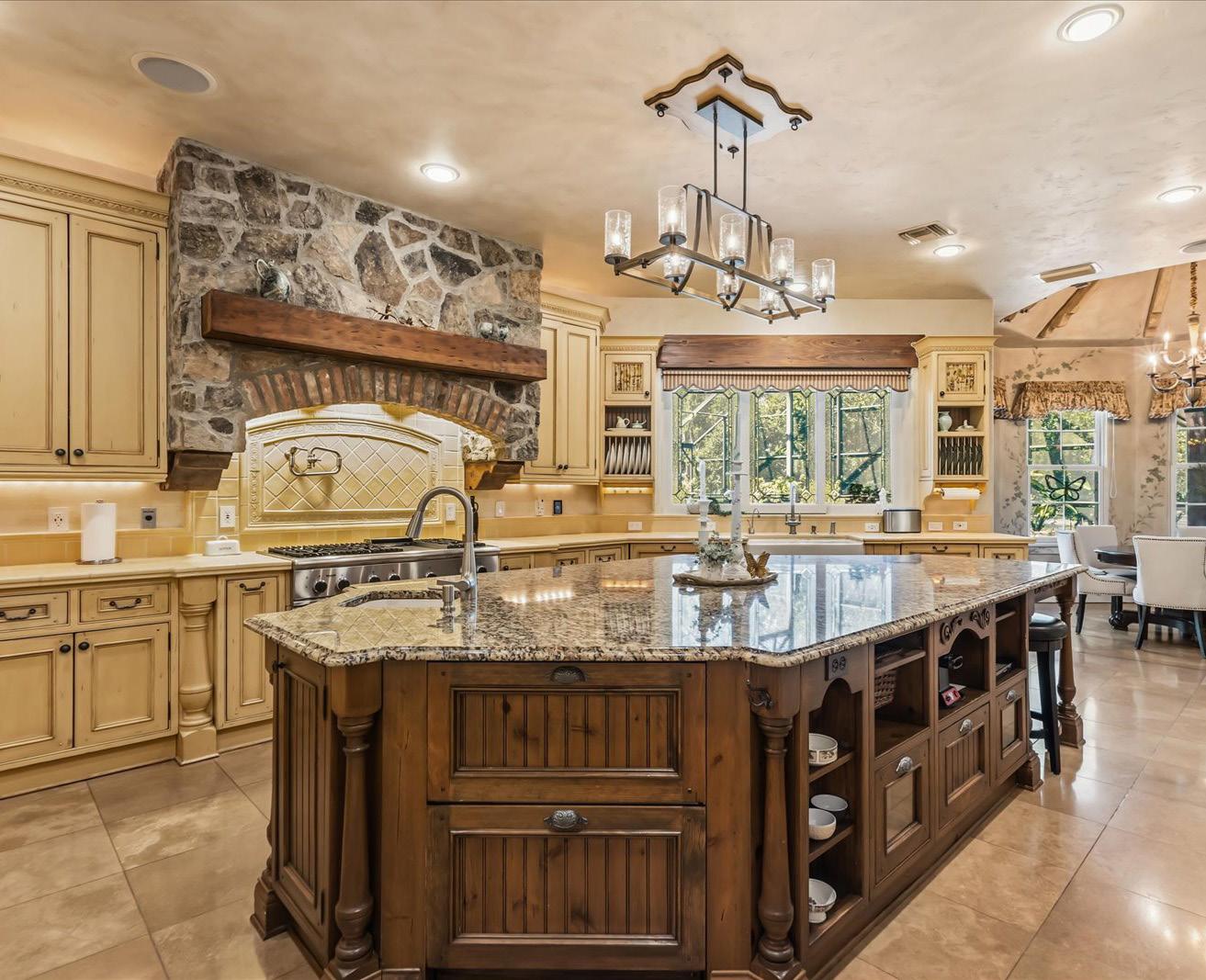
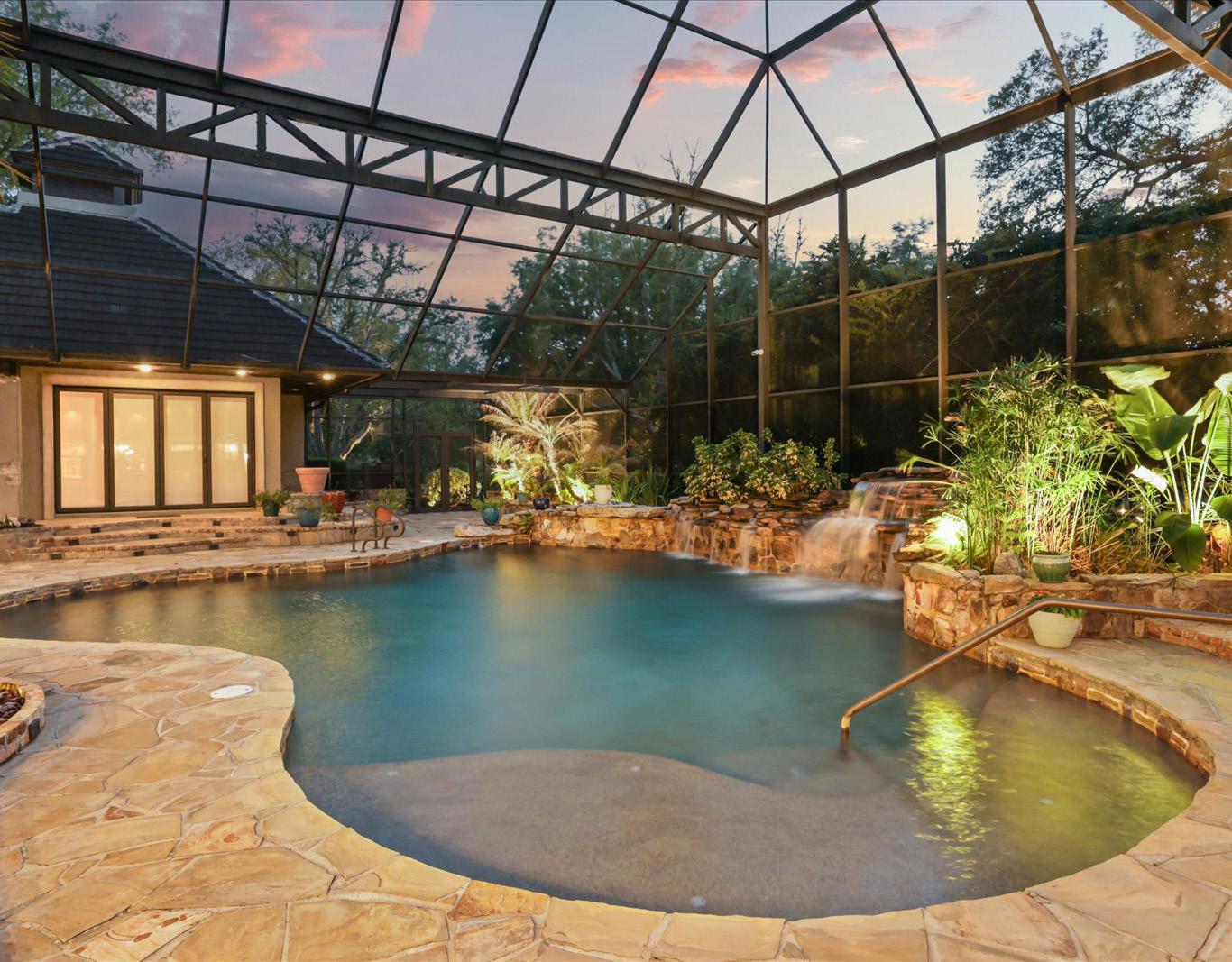
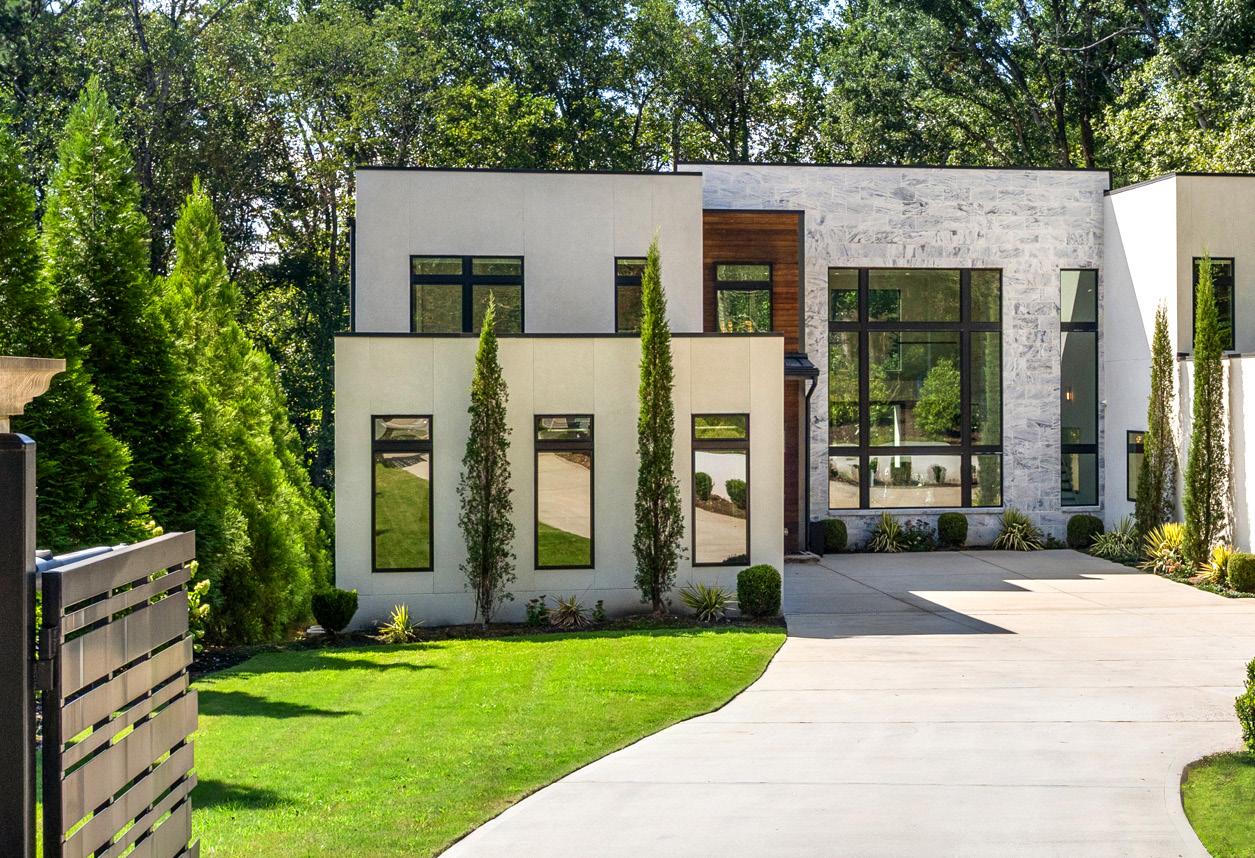
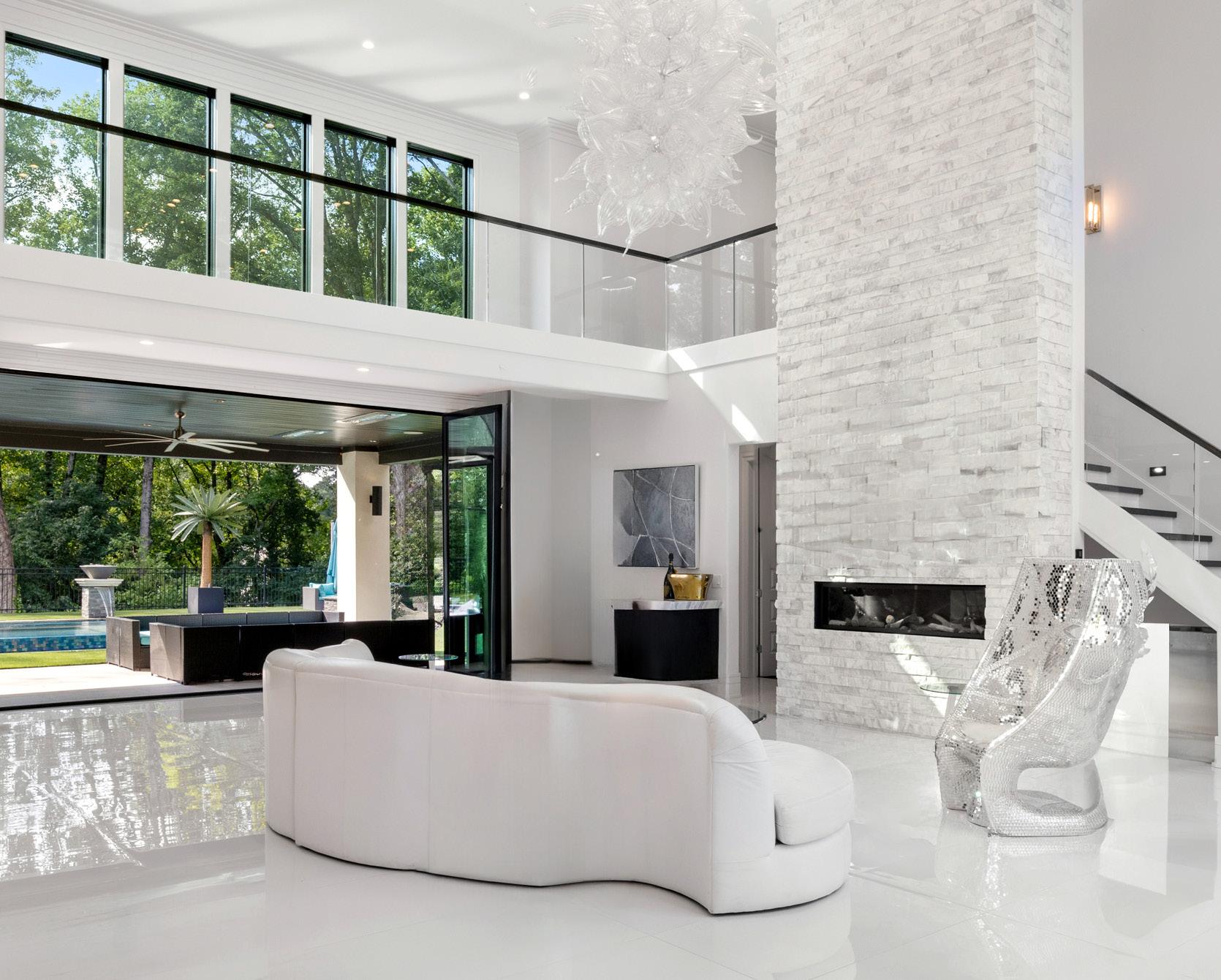
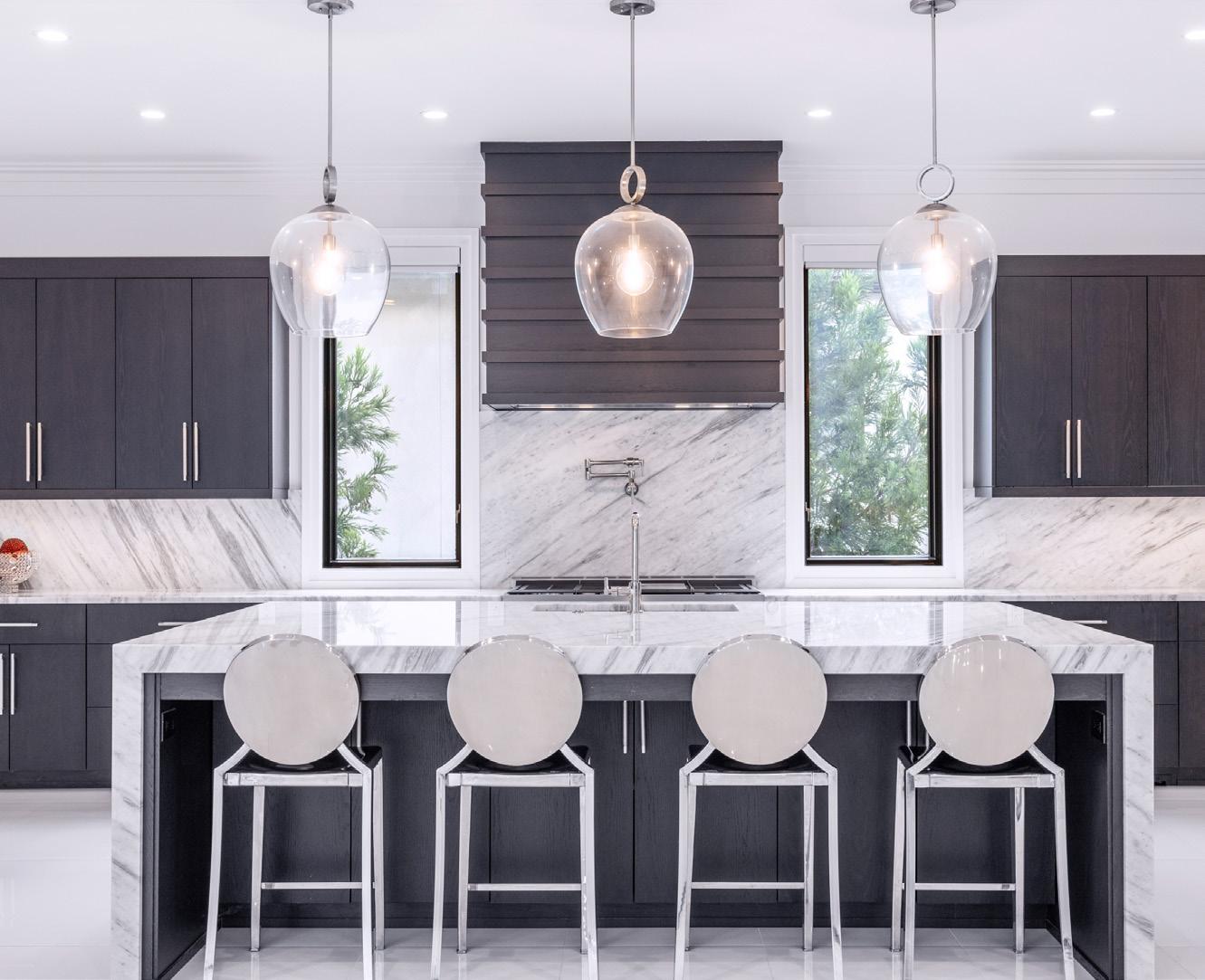
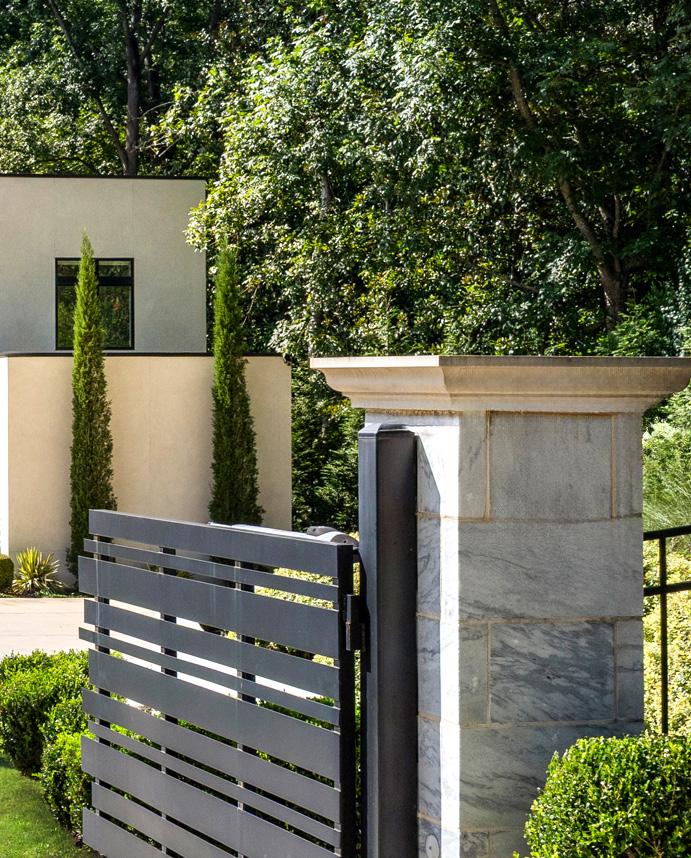
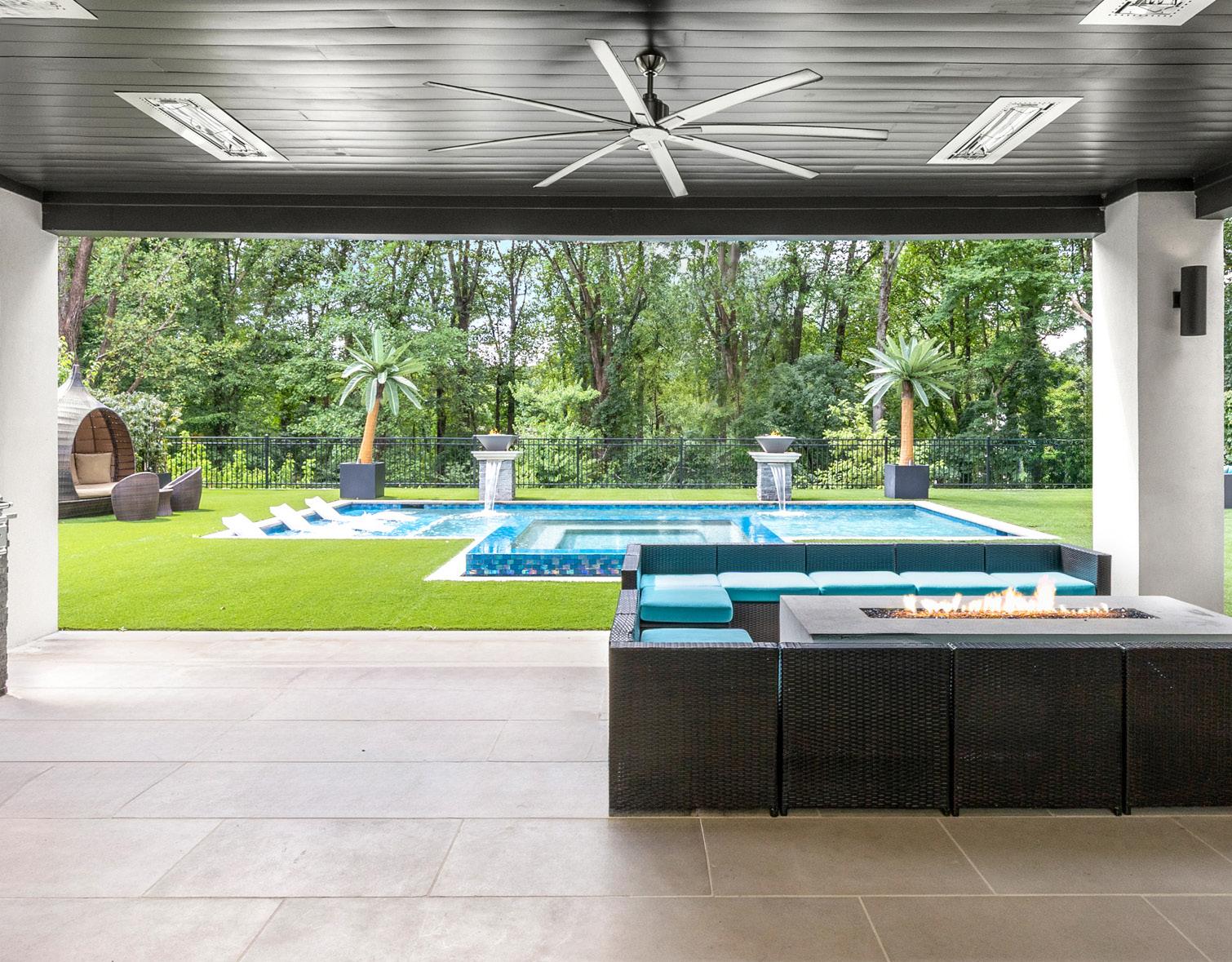
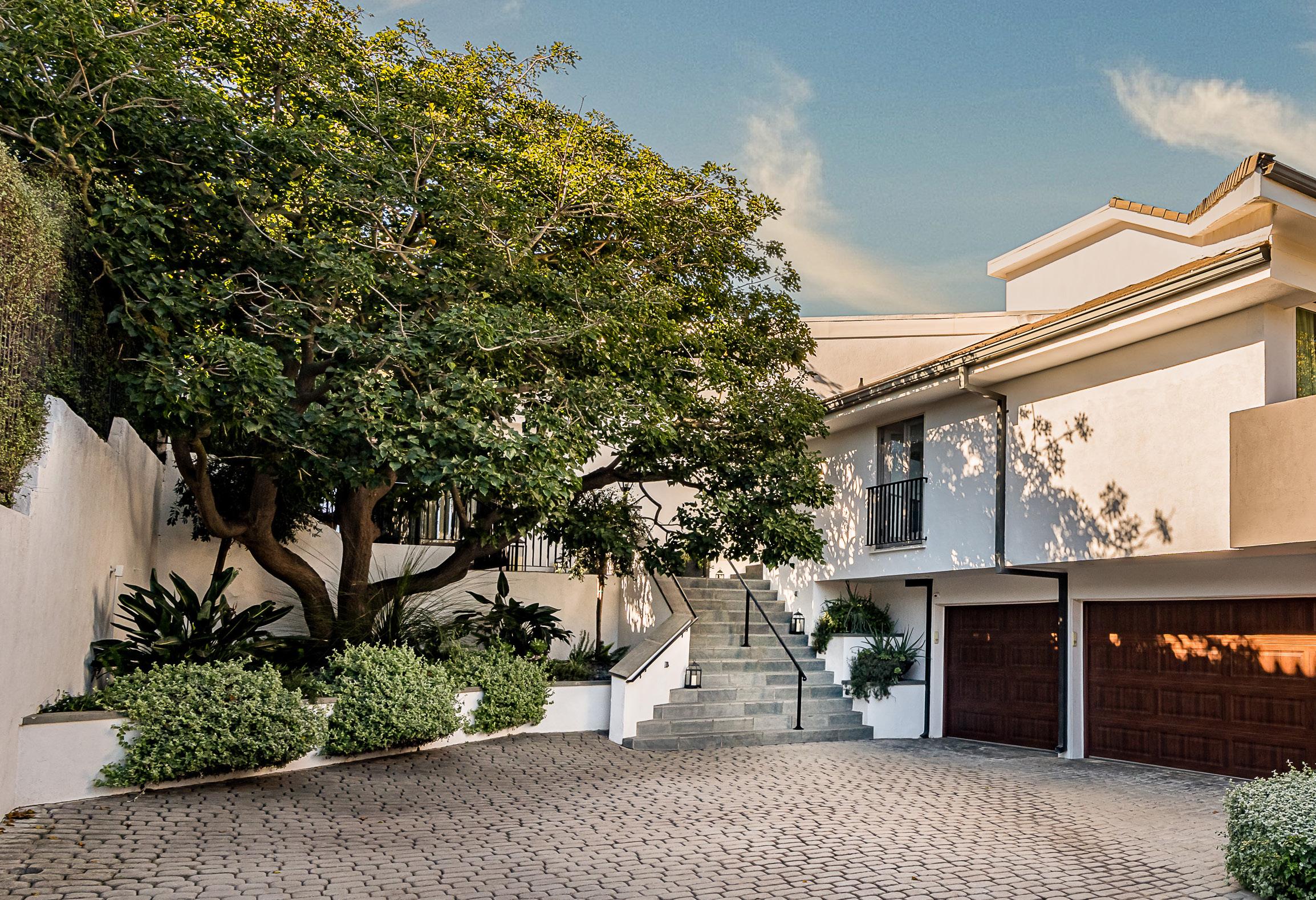
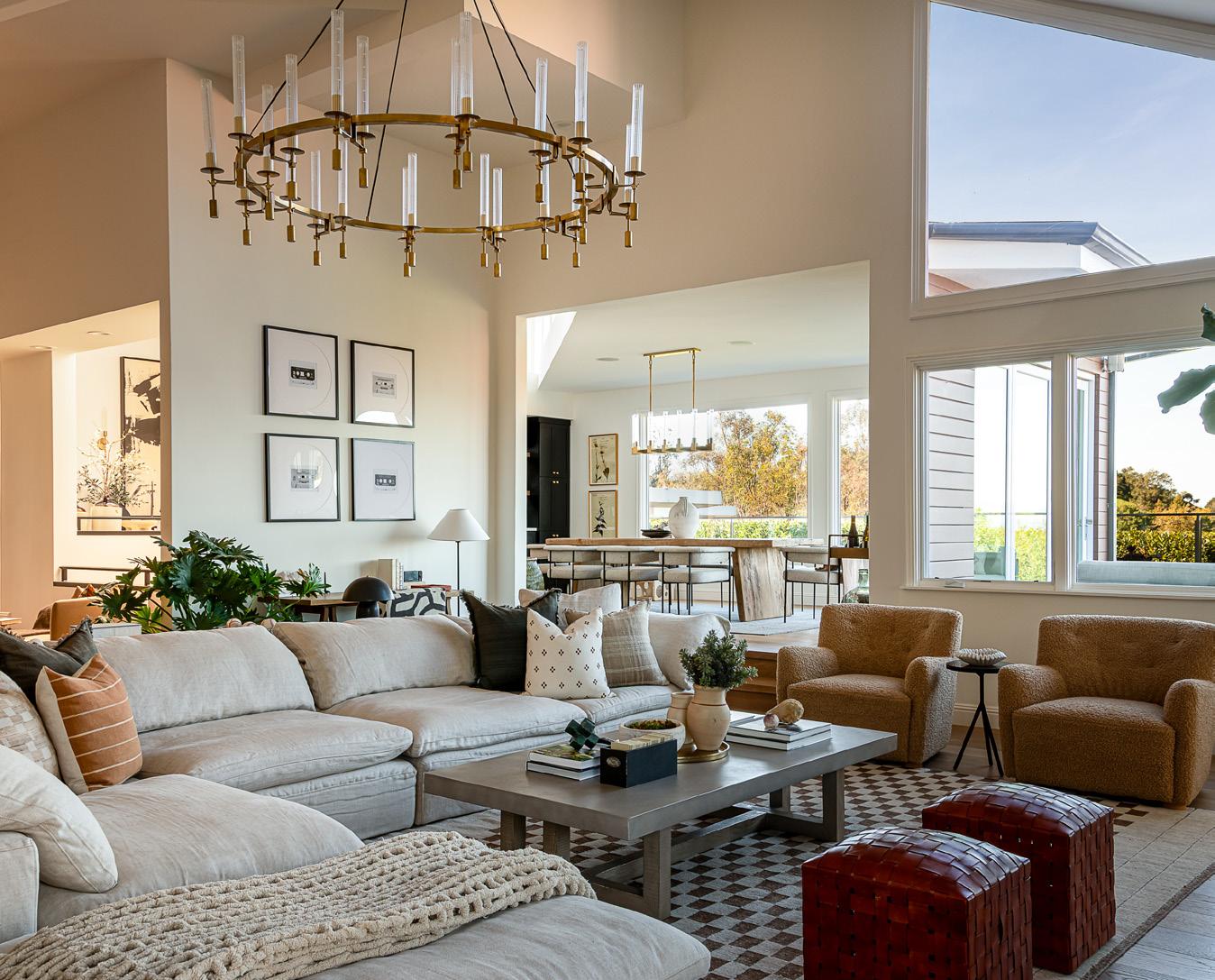
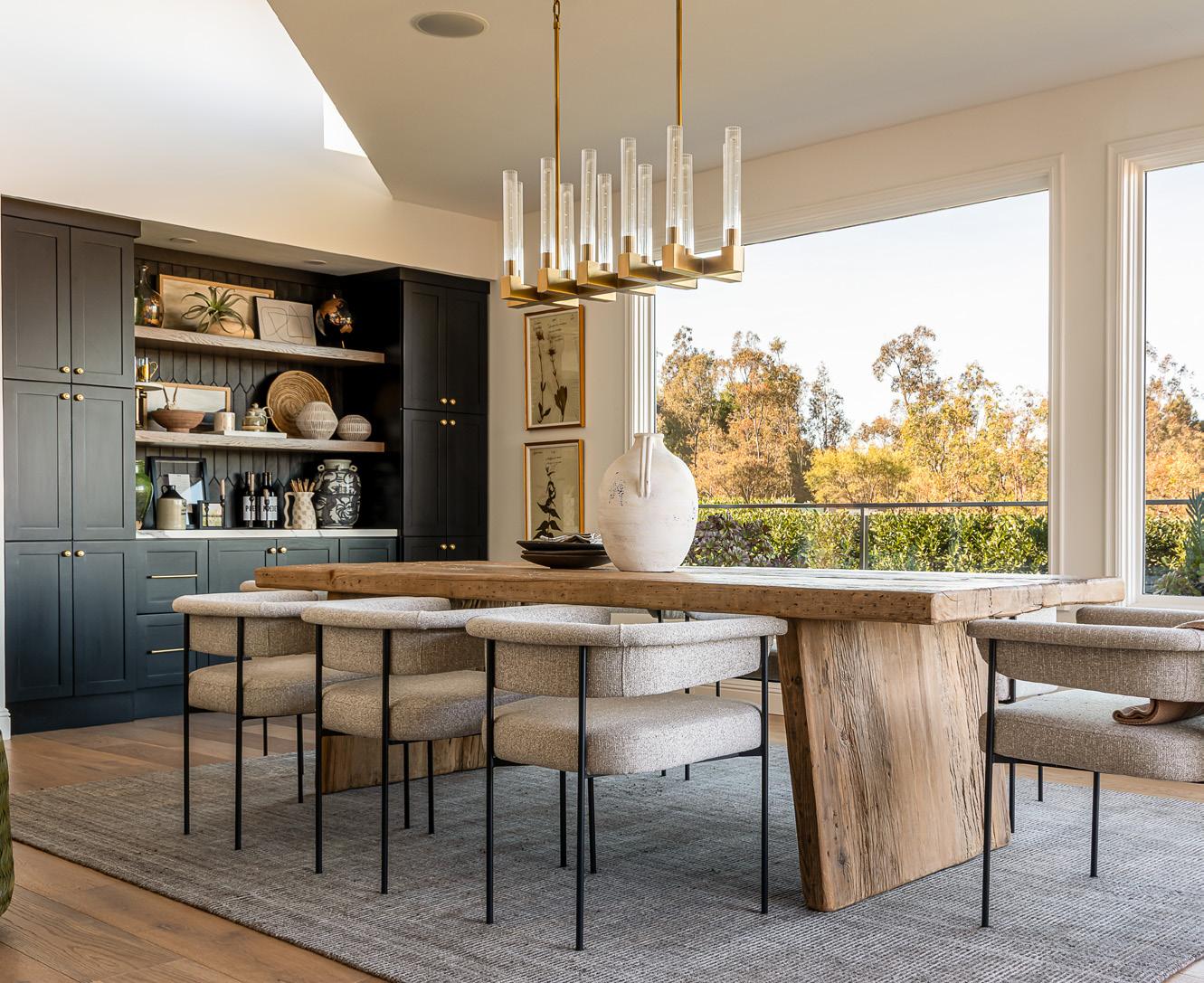
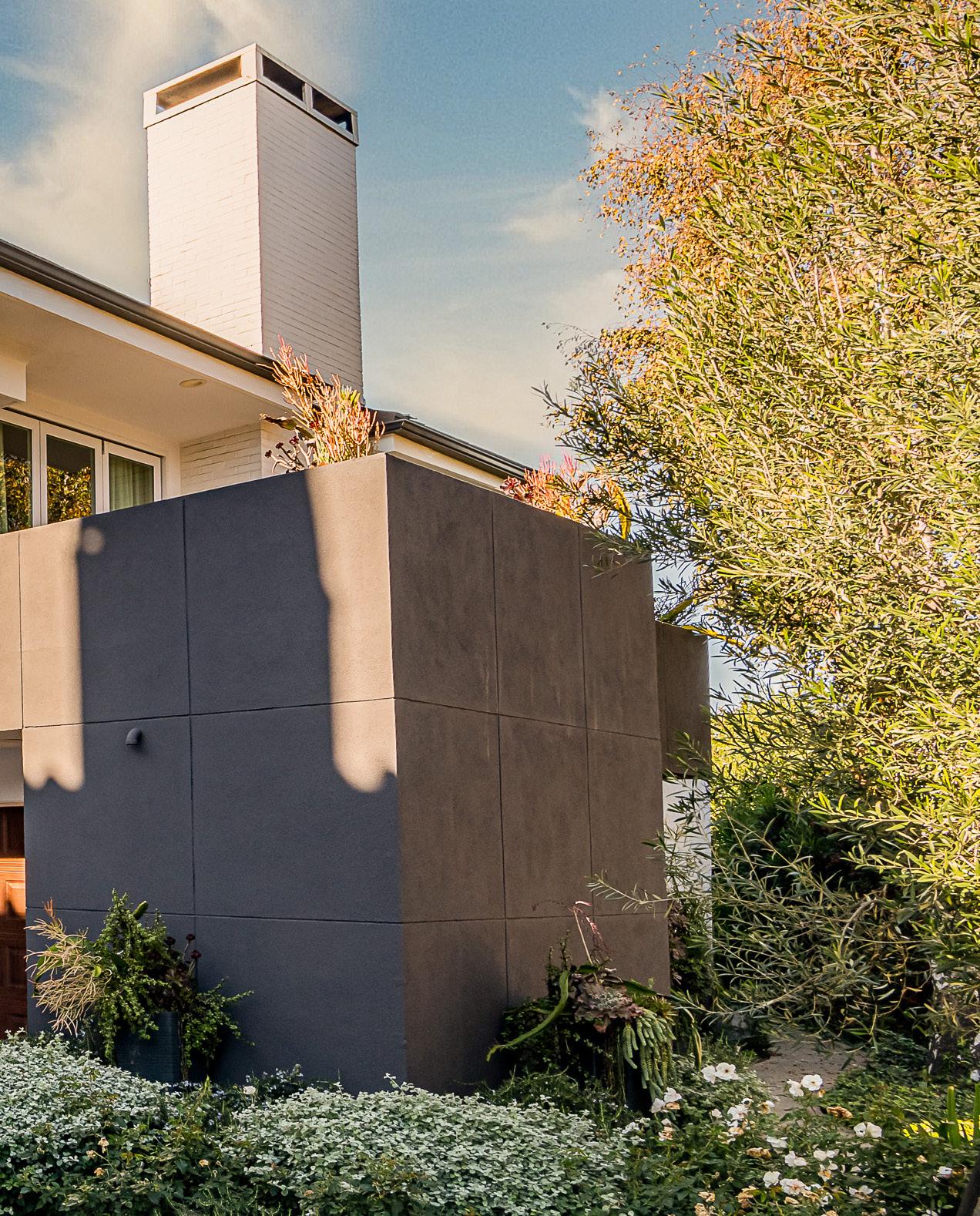
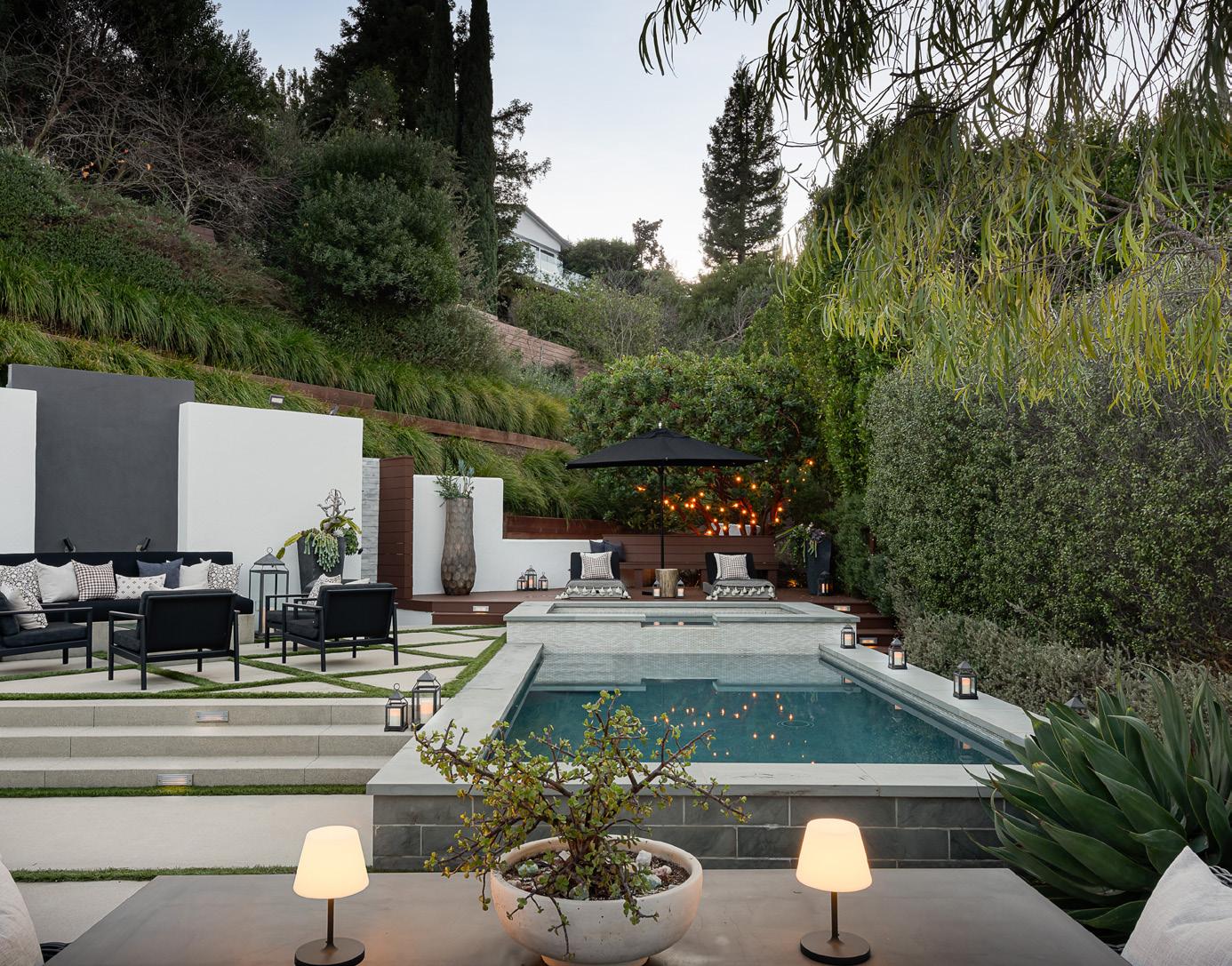
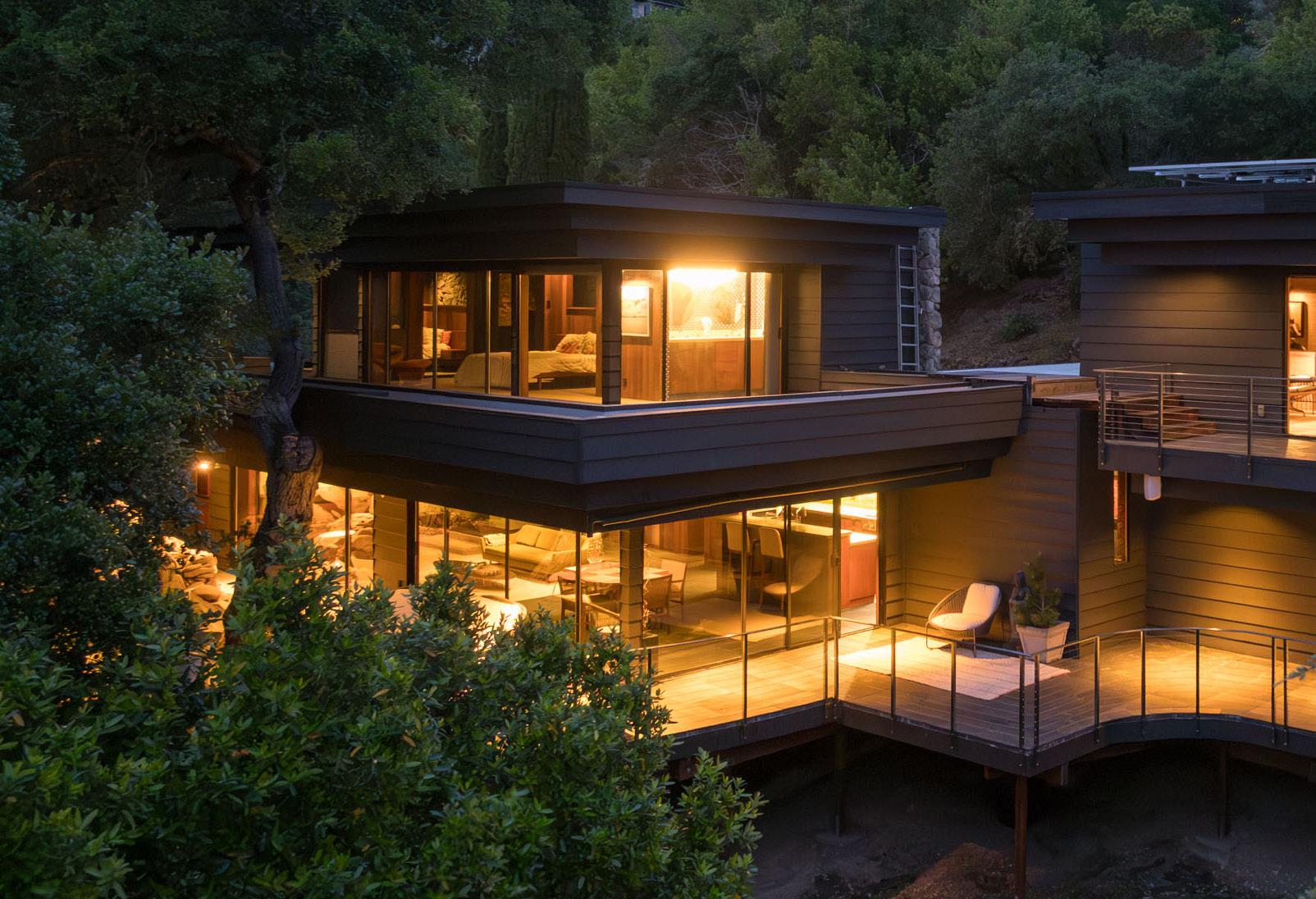
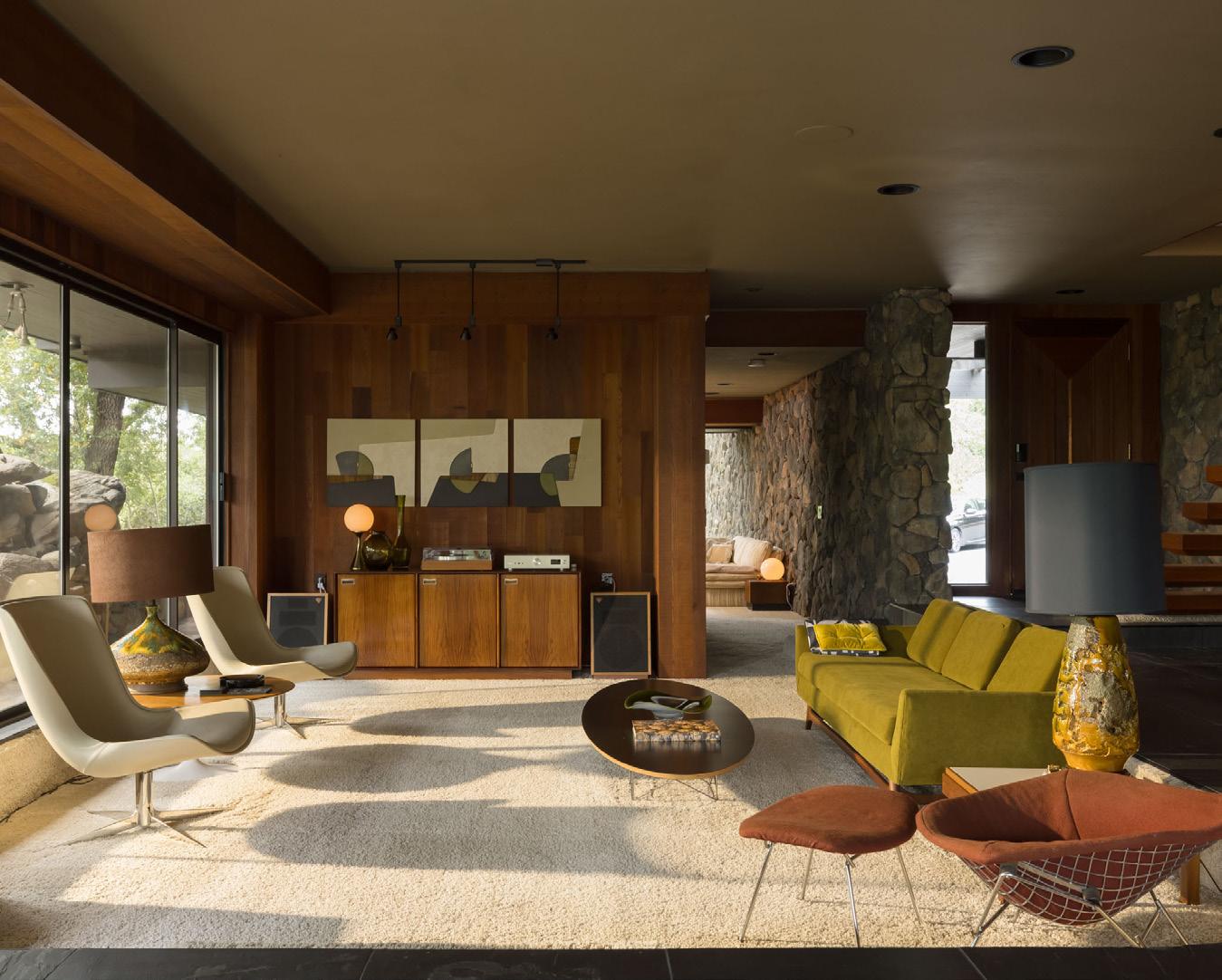
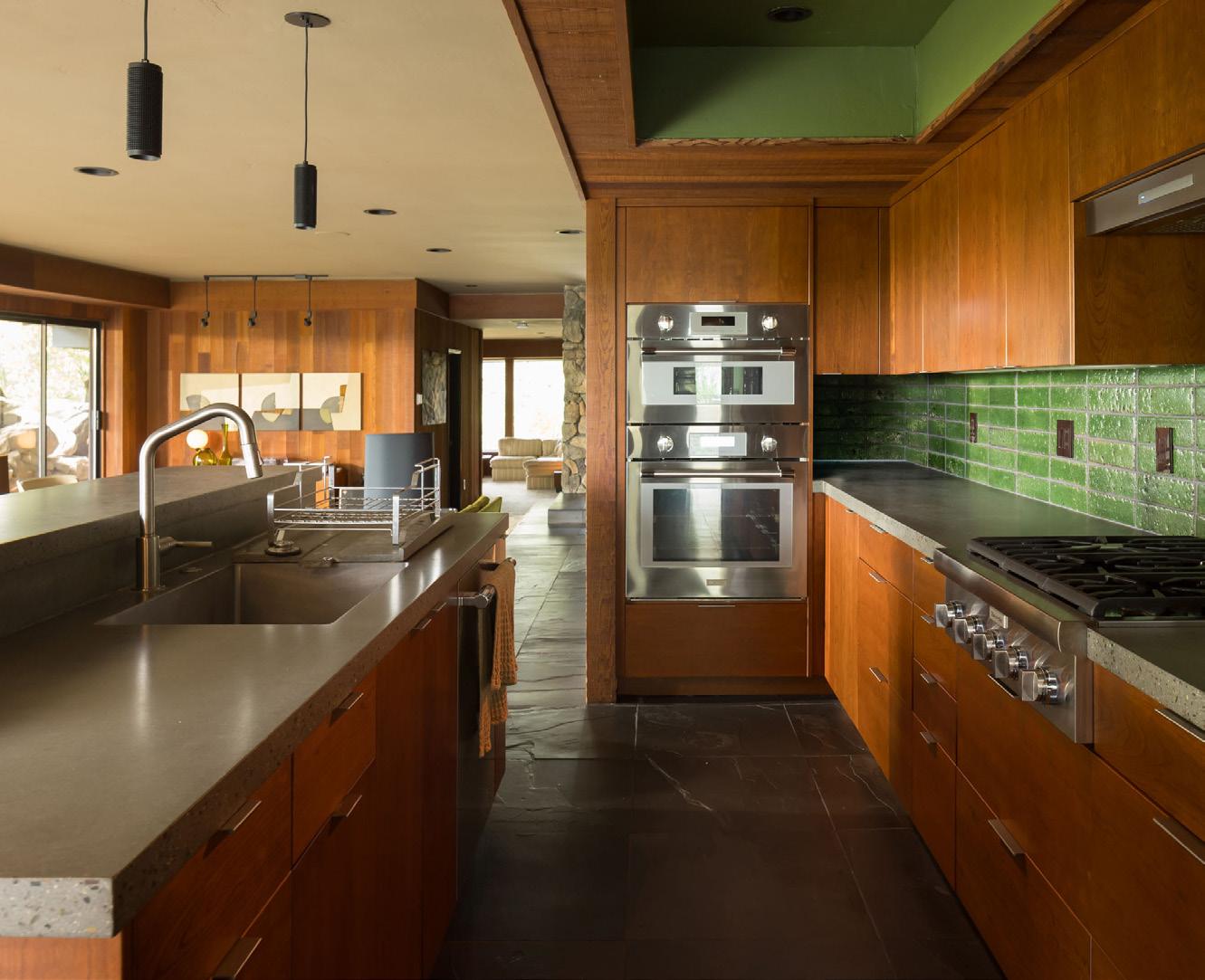
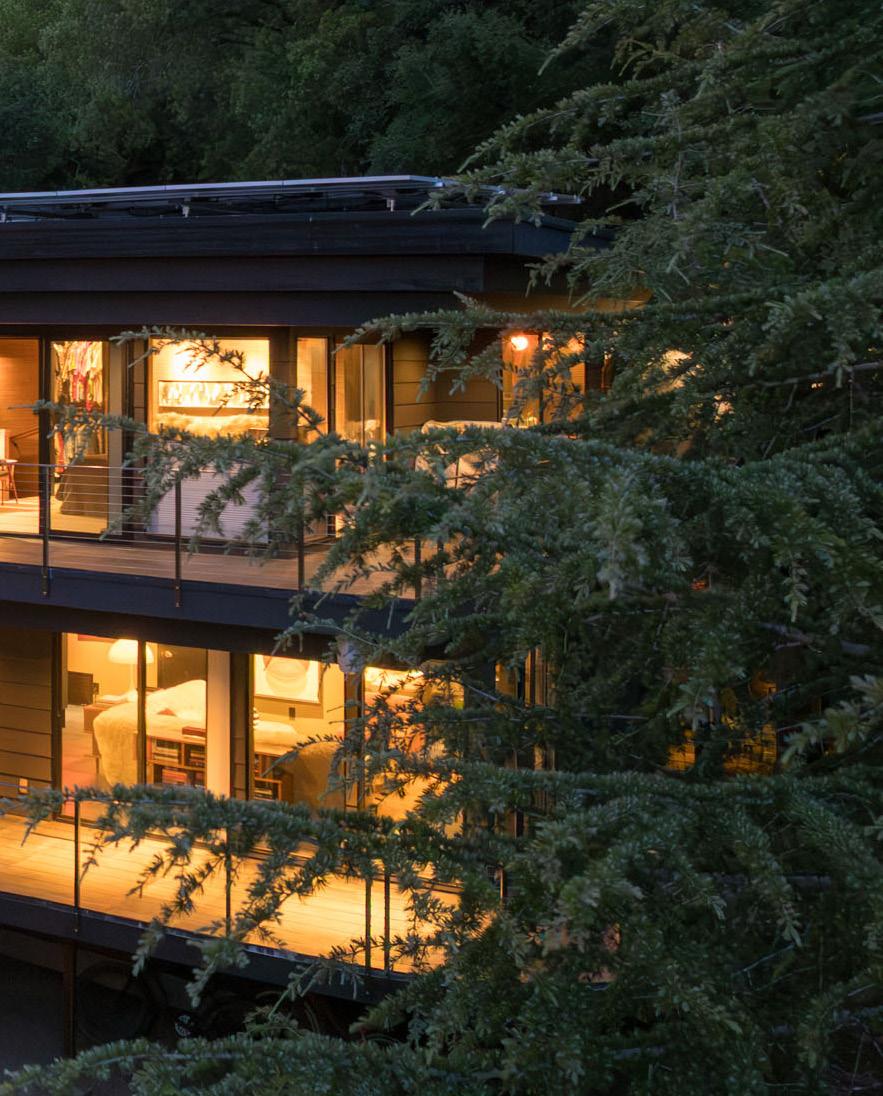
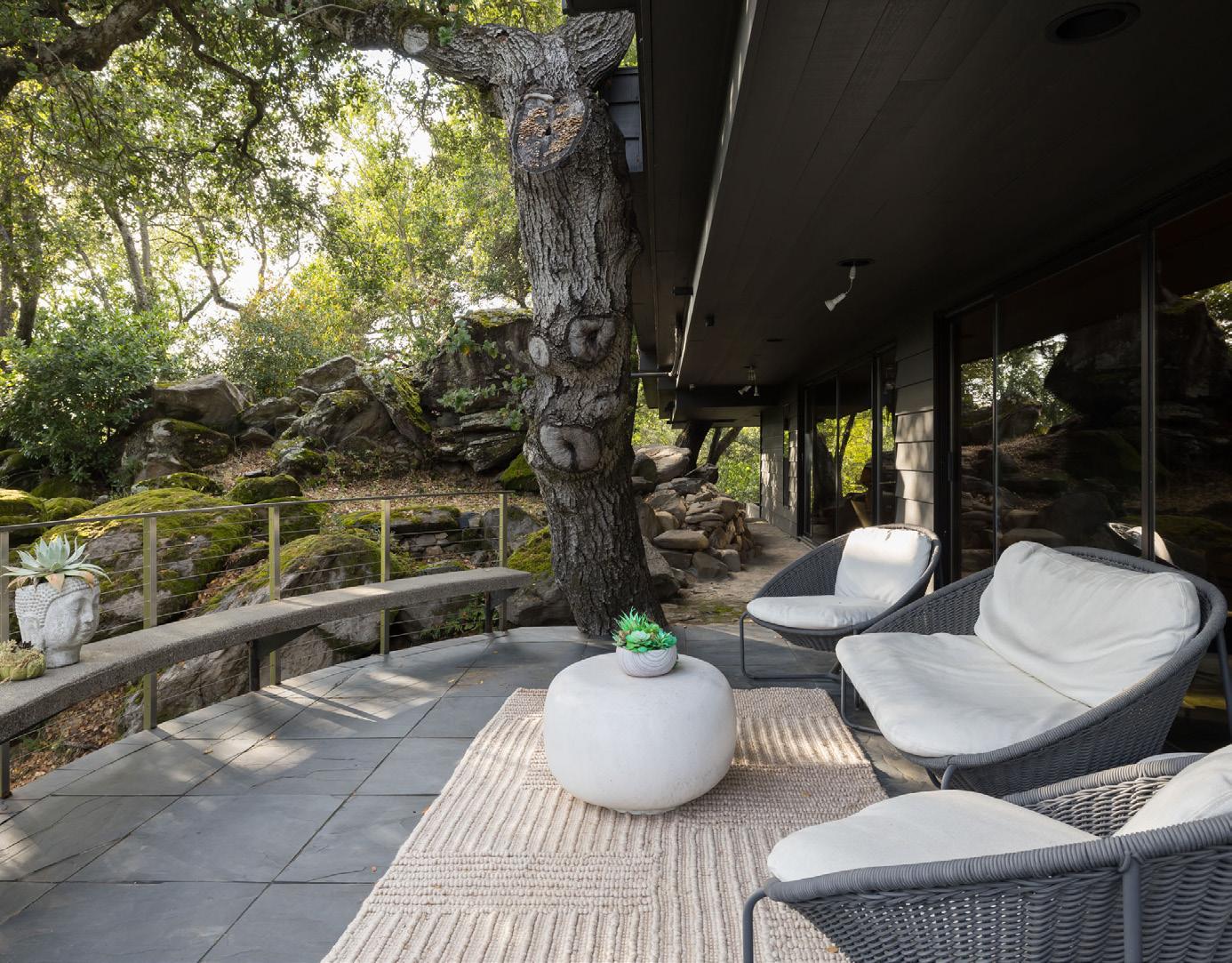
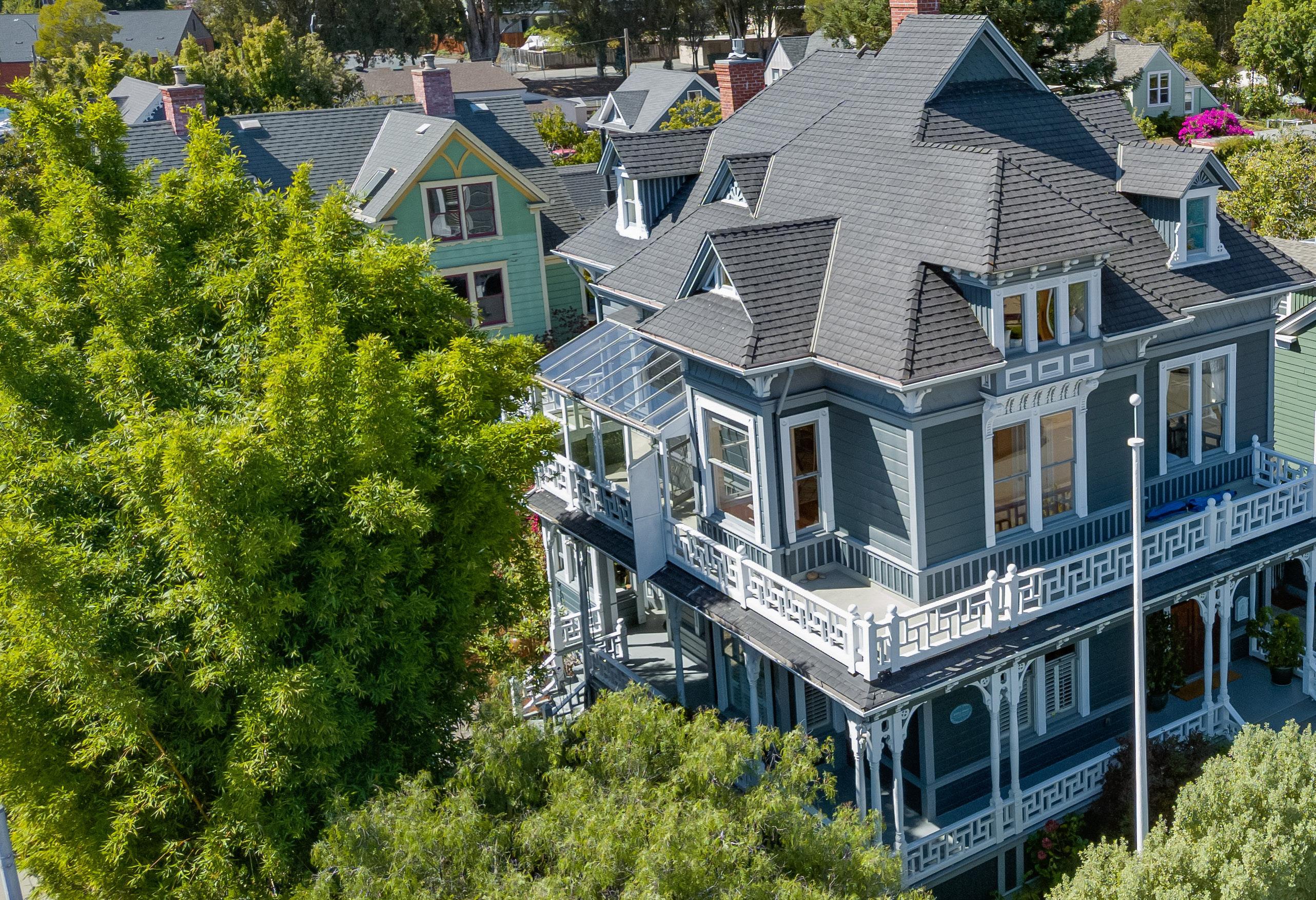
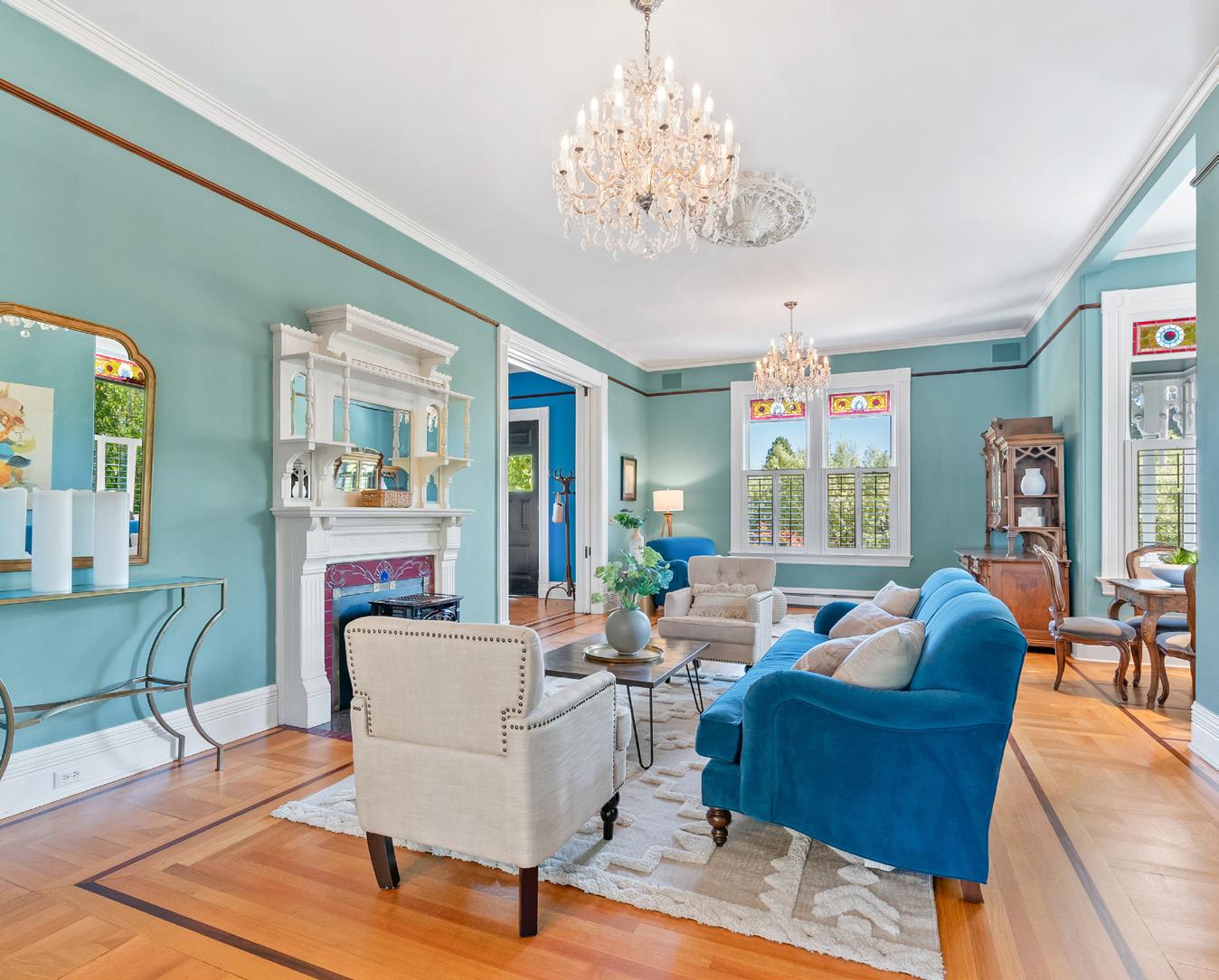
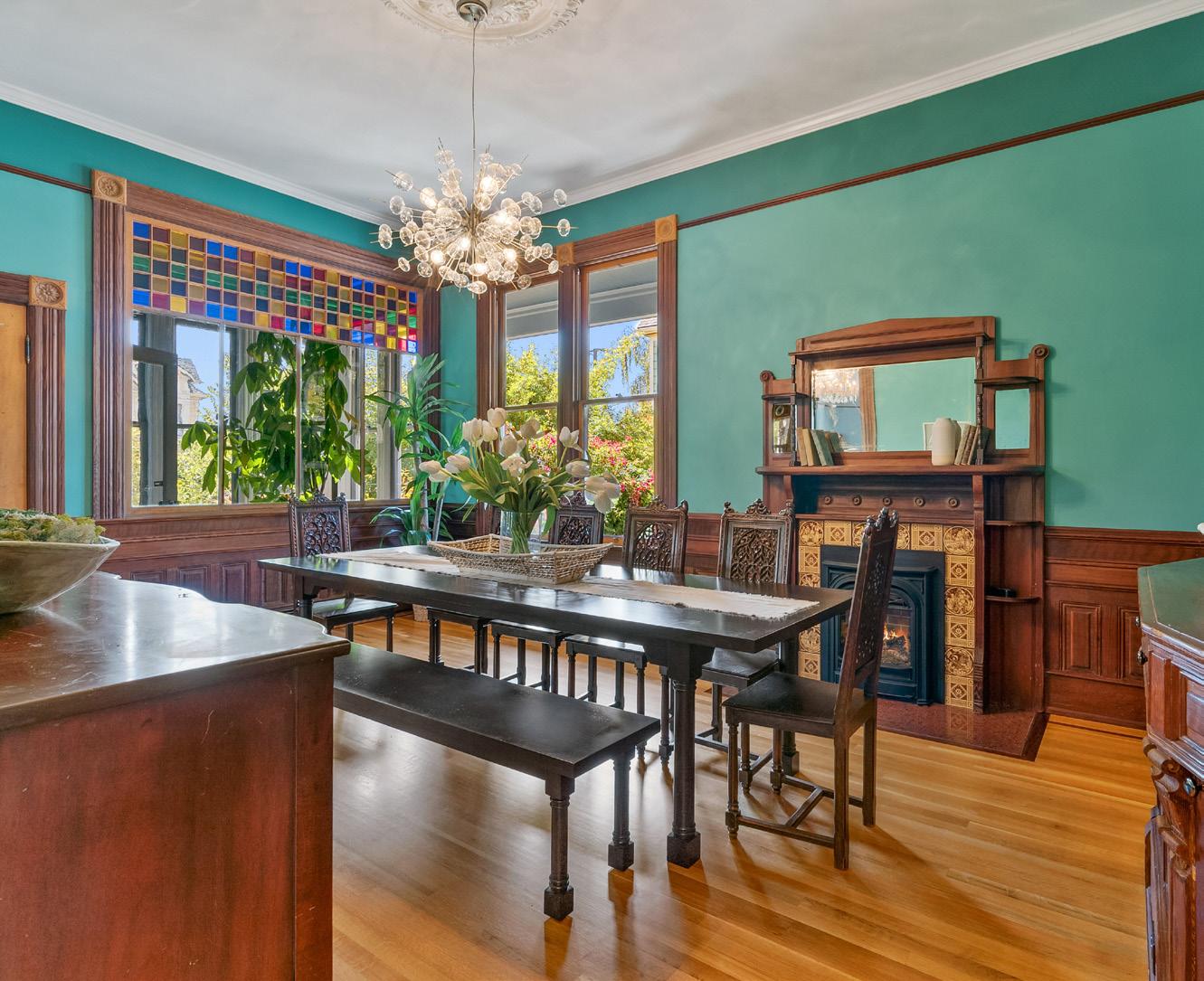
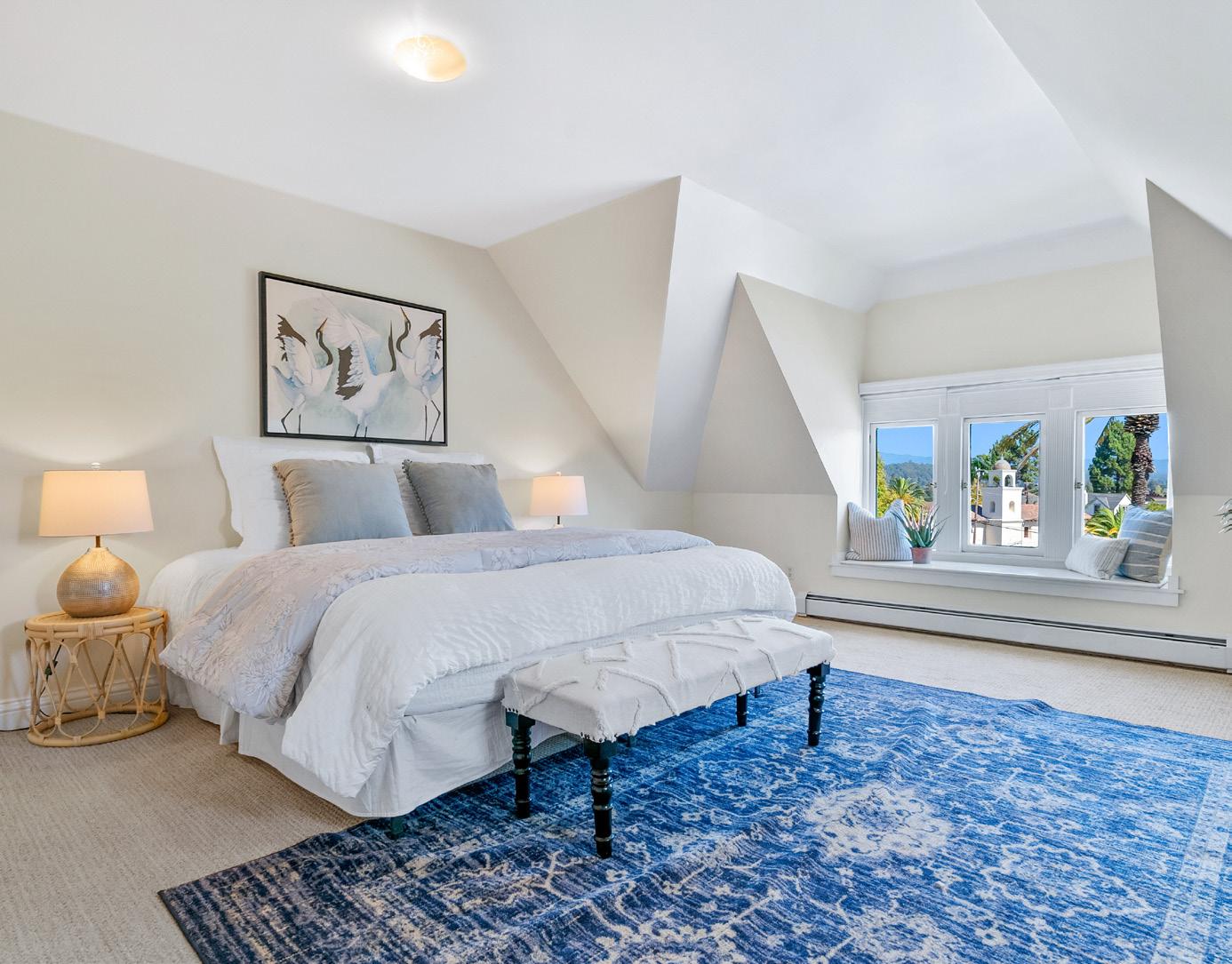
105 SYLVAR STREET
SANTA CRUZ
CALIFORNIA
PROPERTY FEATURES
6 Bedrooms
4 Full Bath
3,698 Square Feet
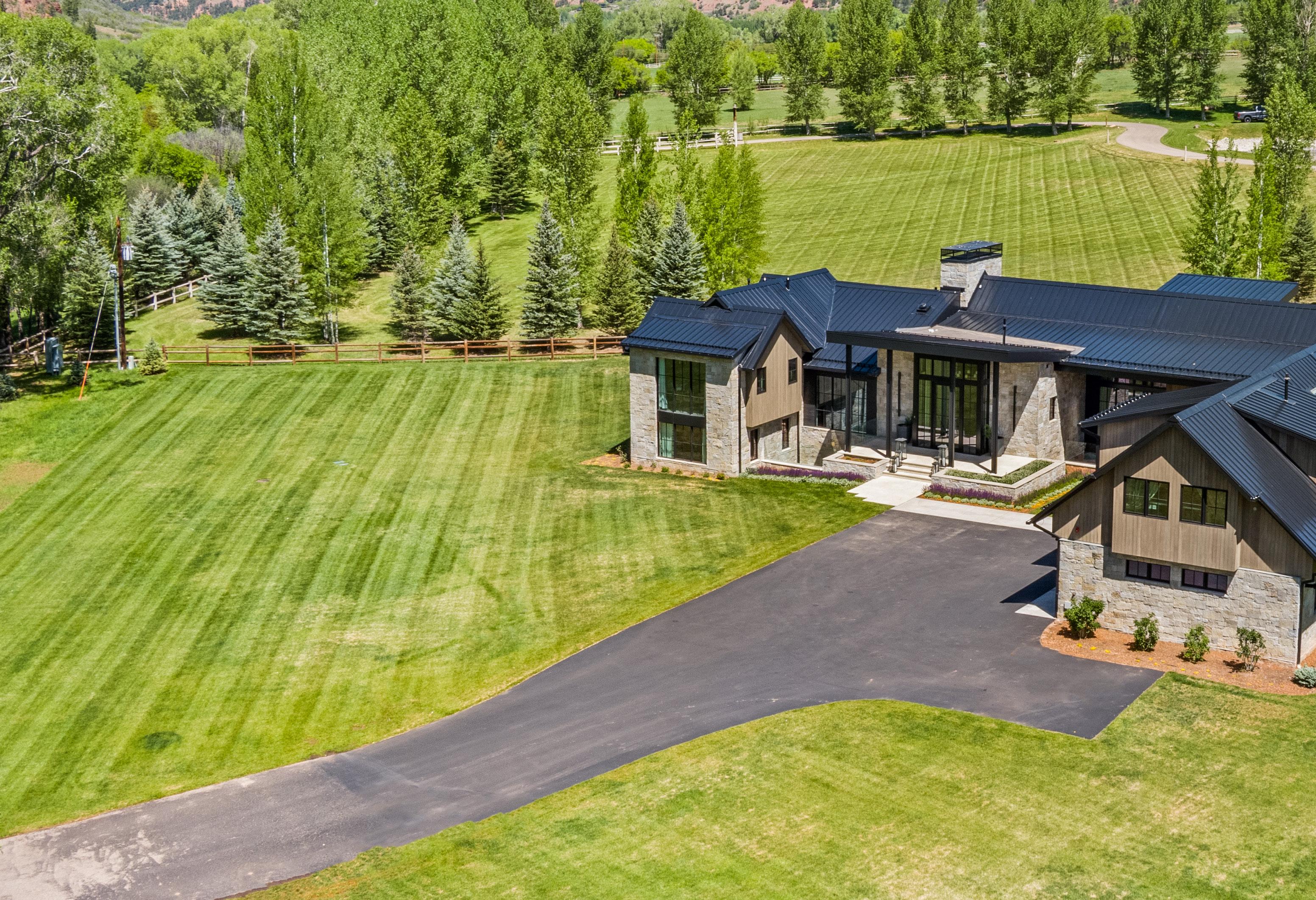
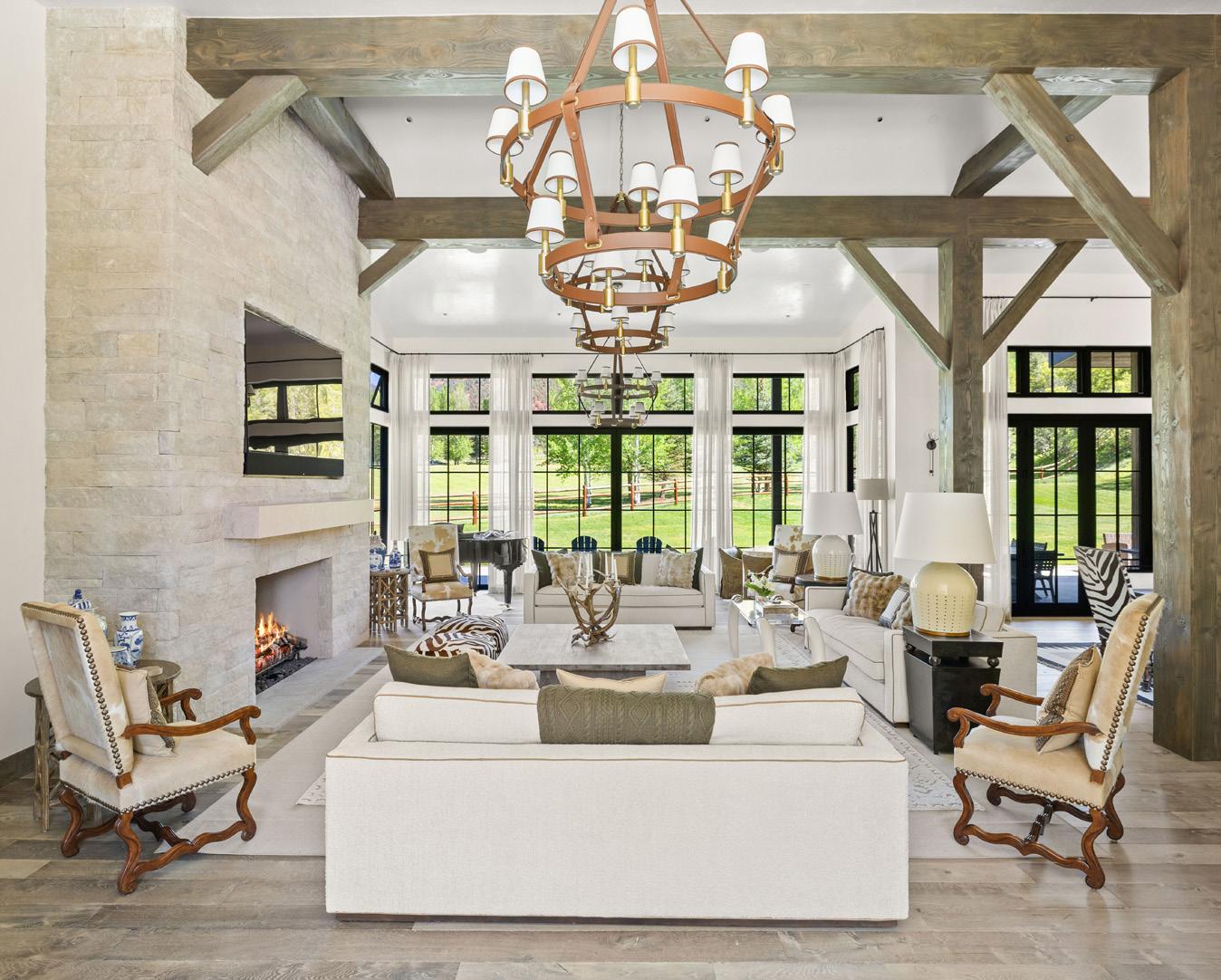
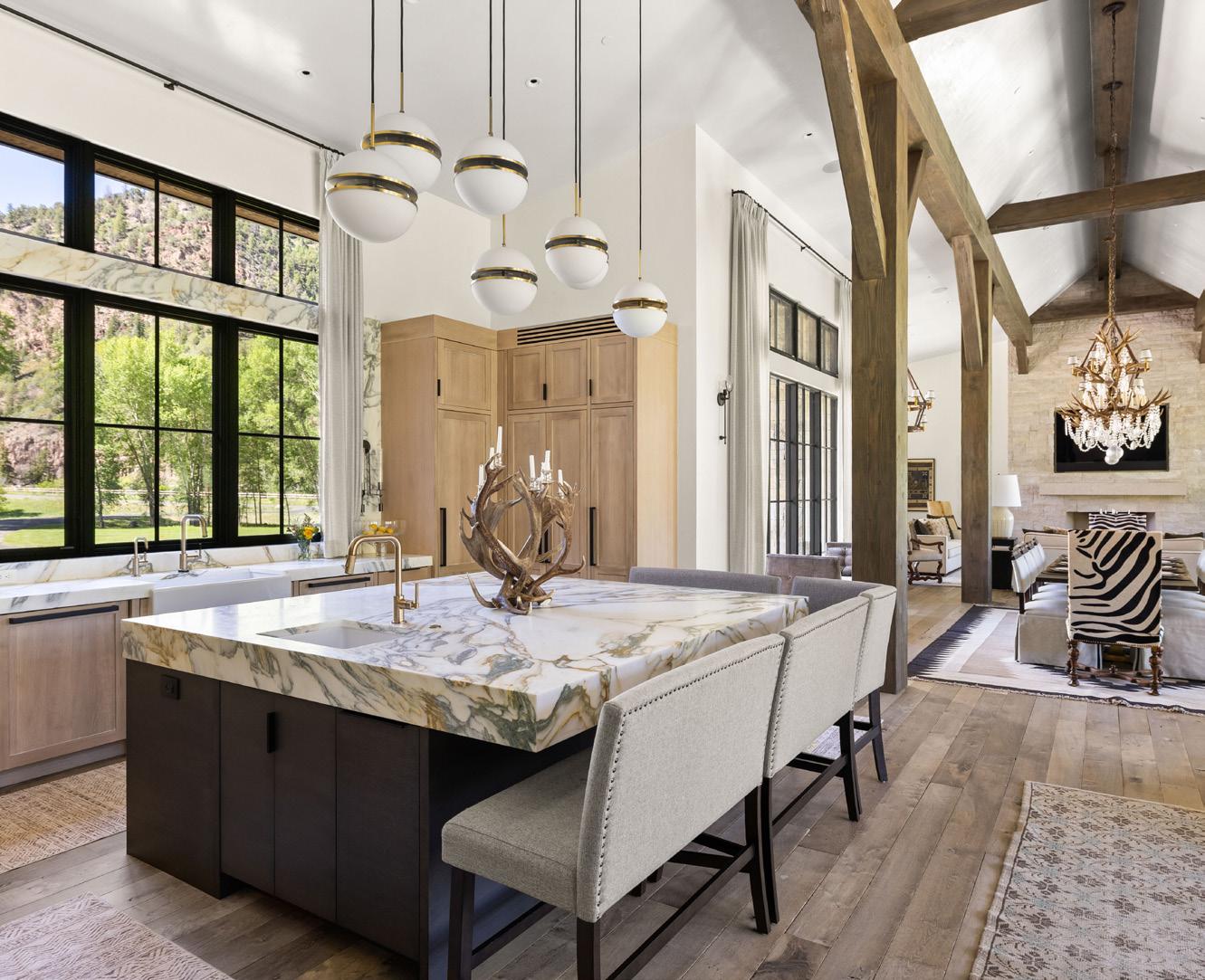
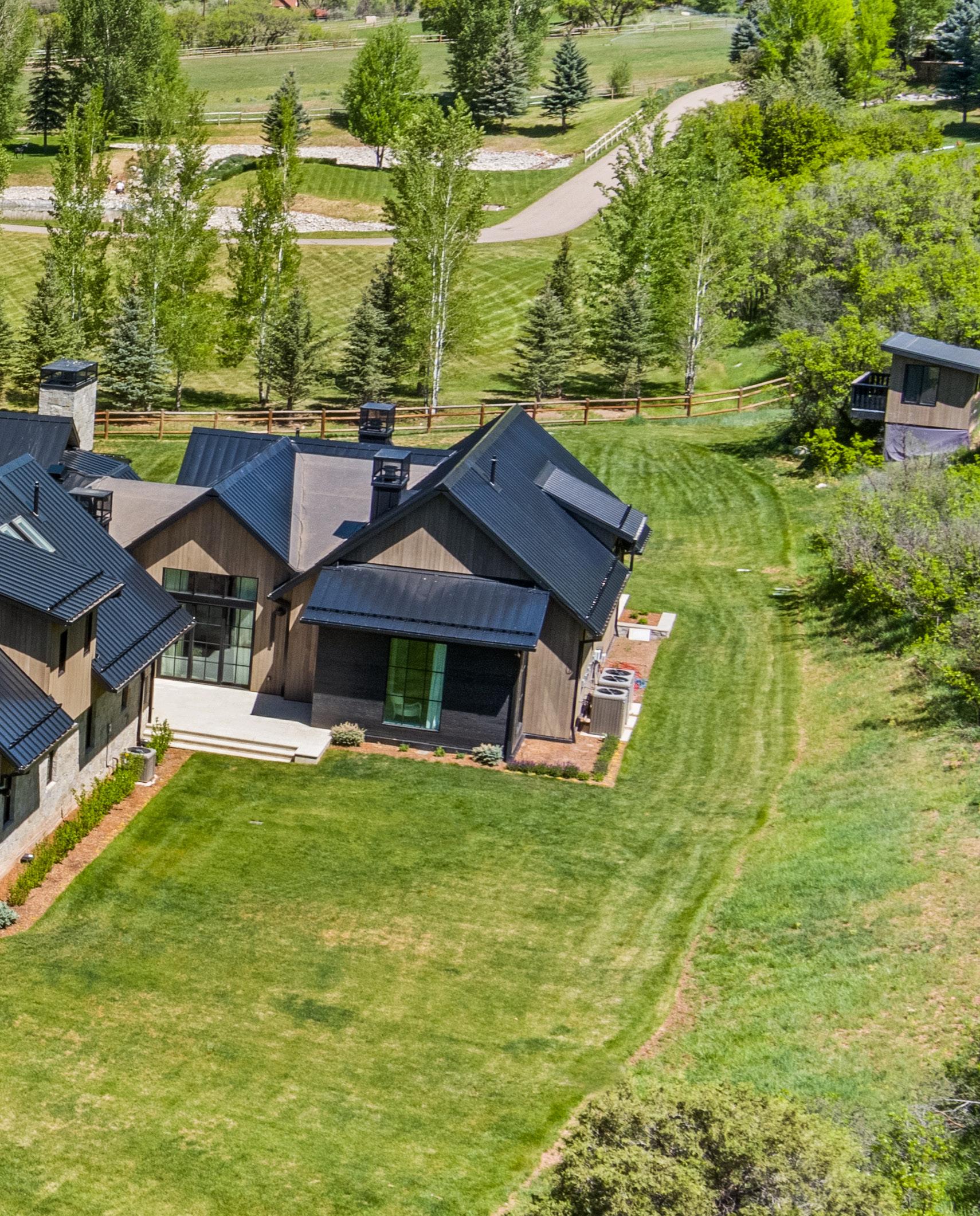
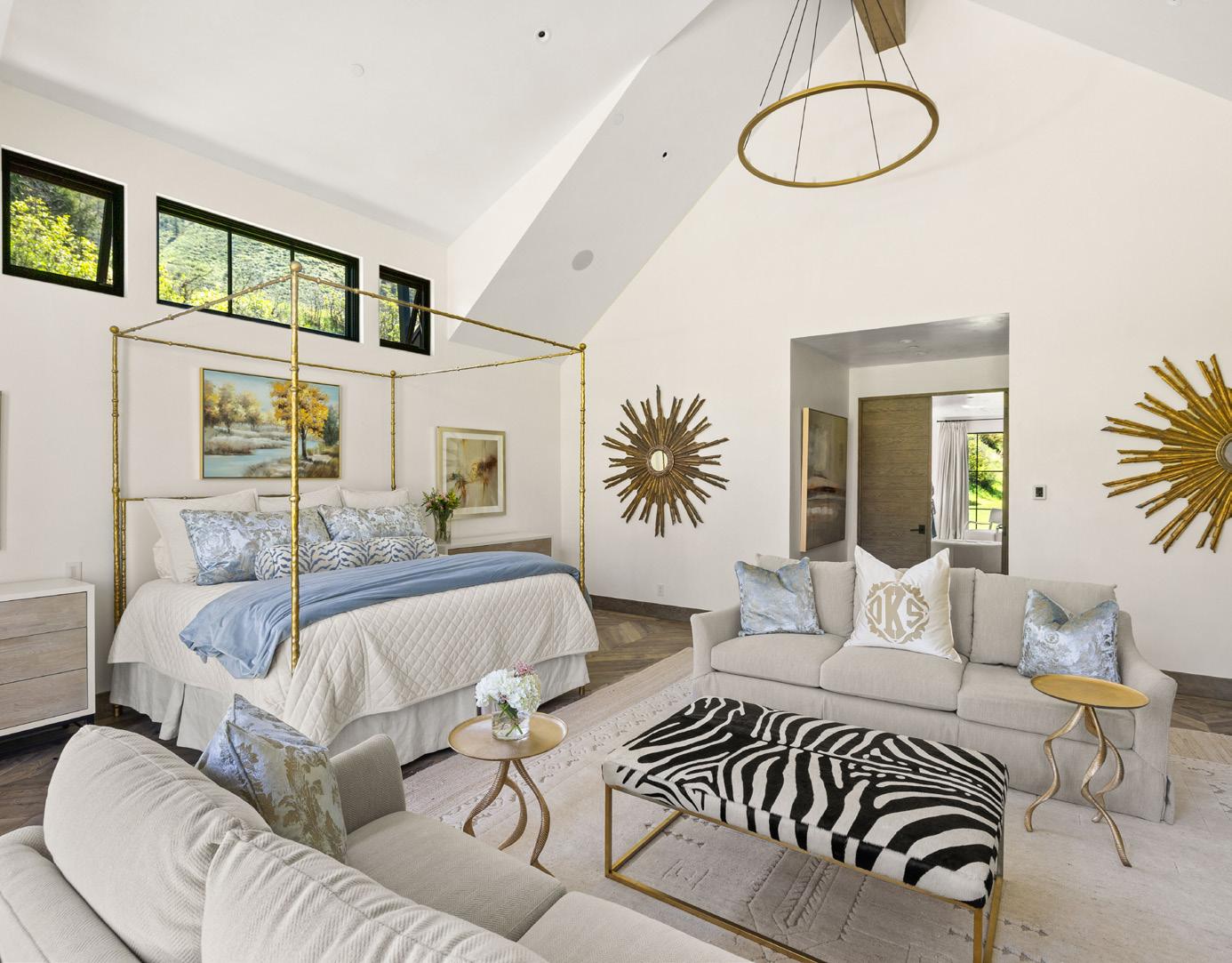
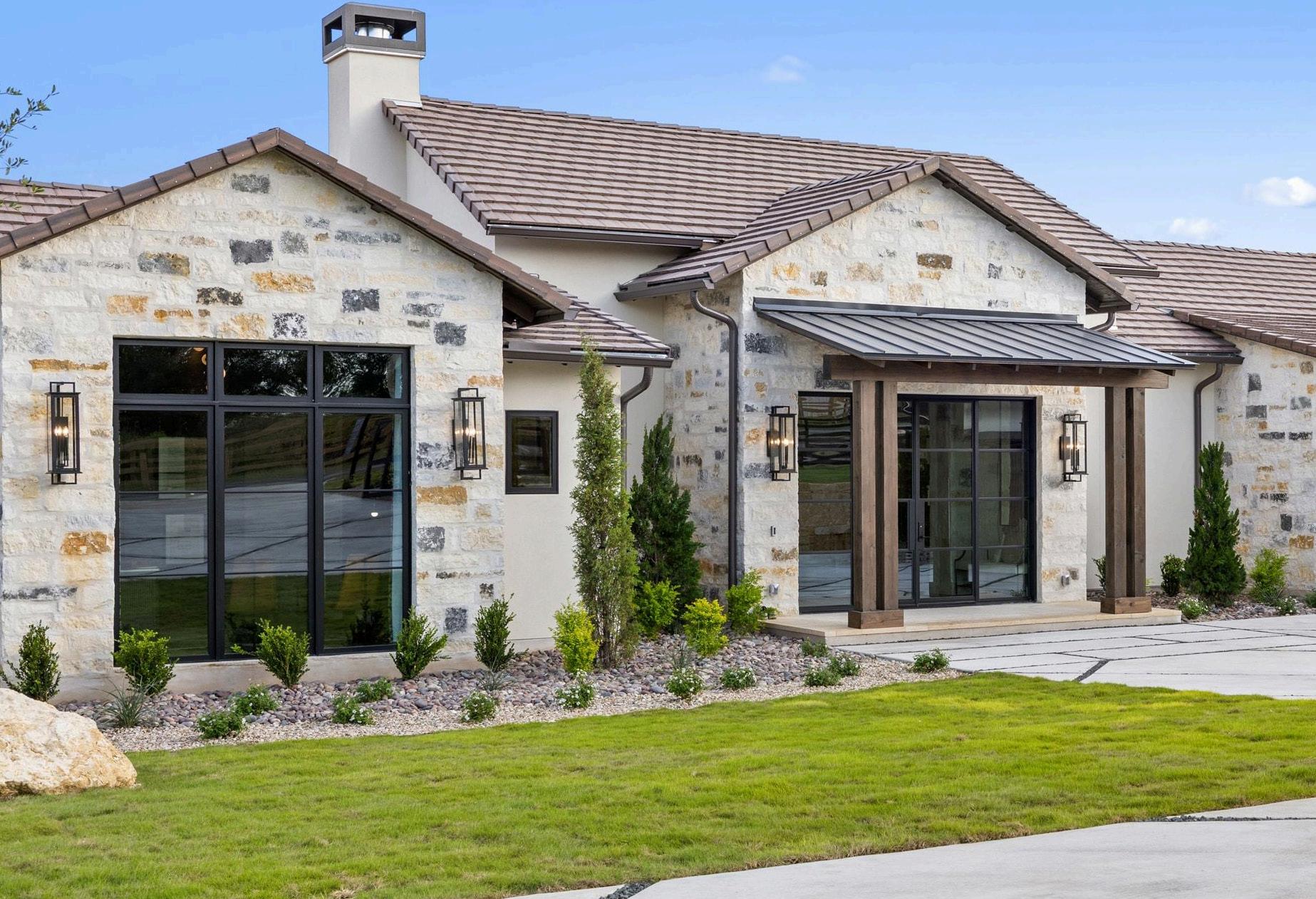
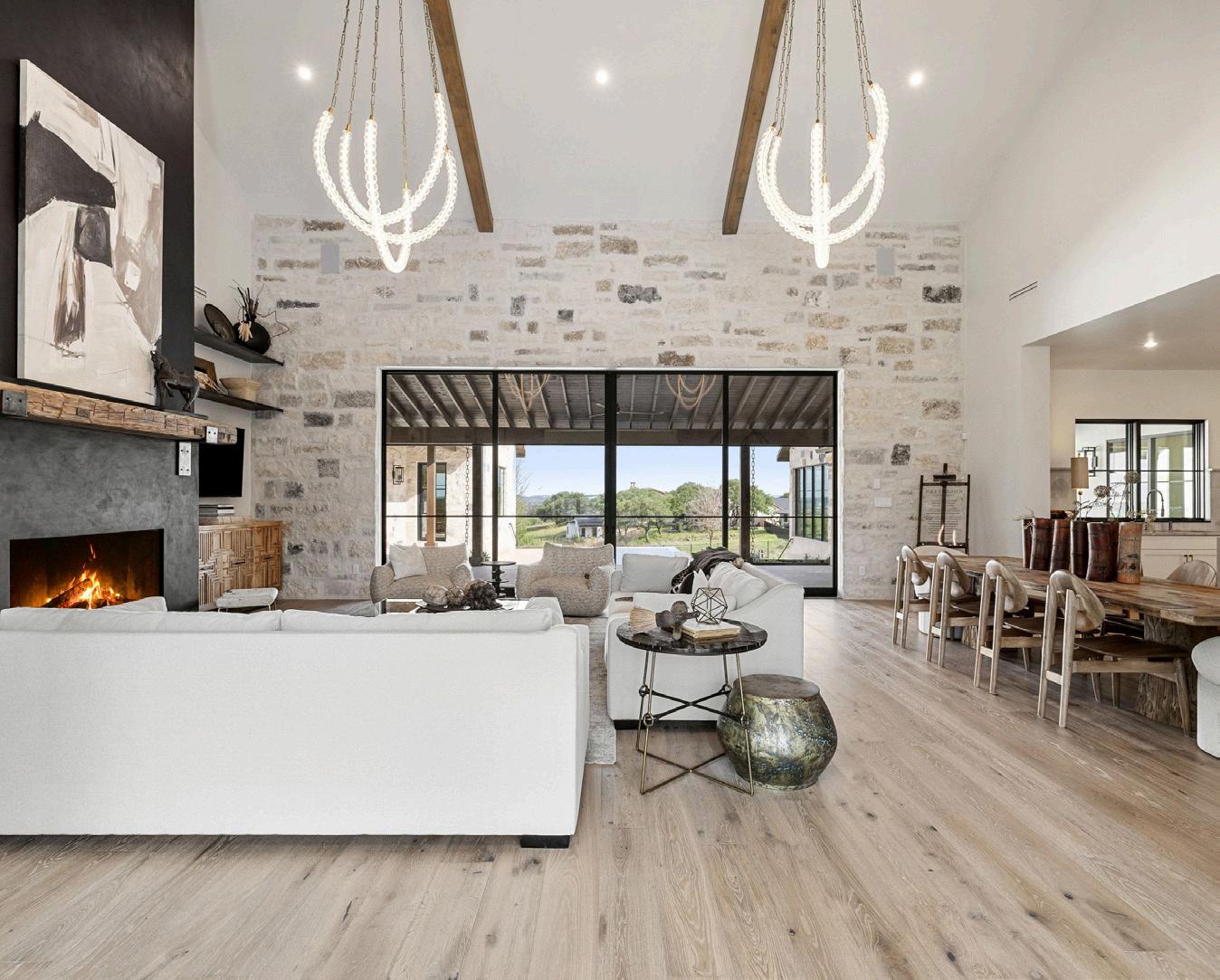
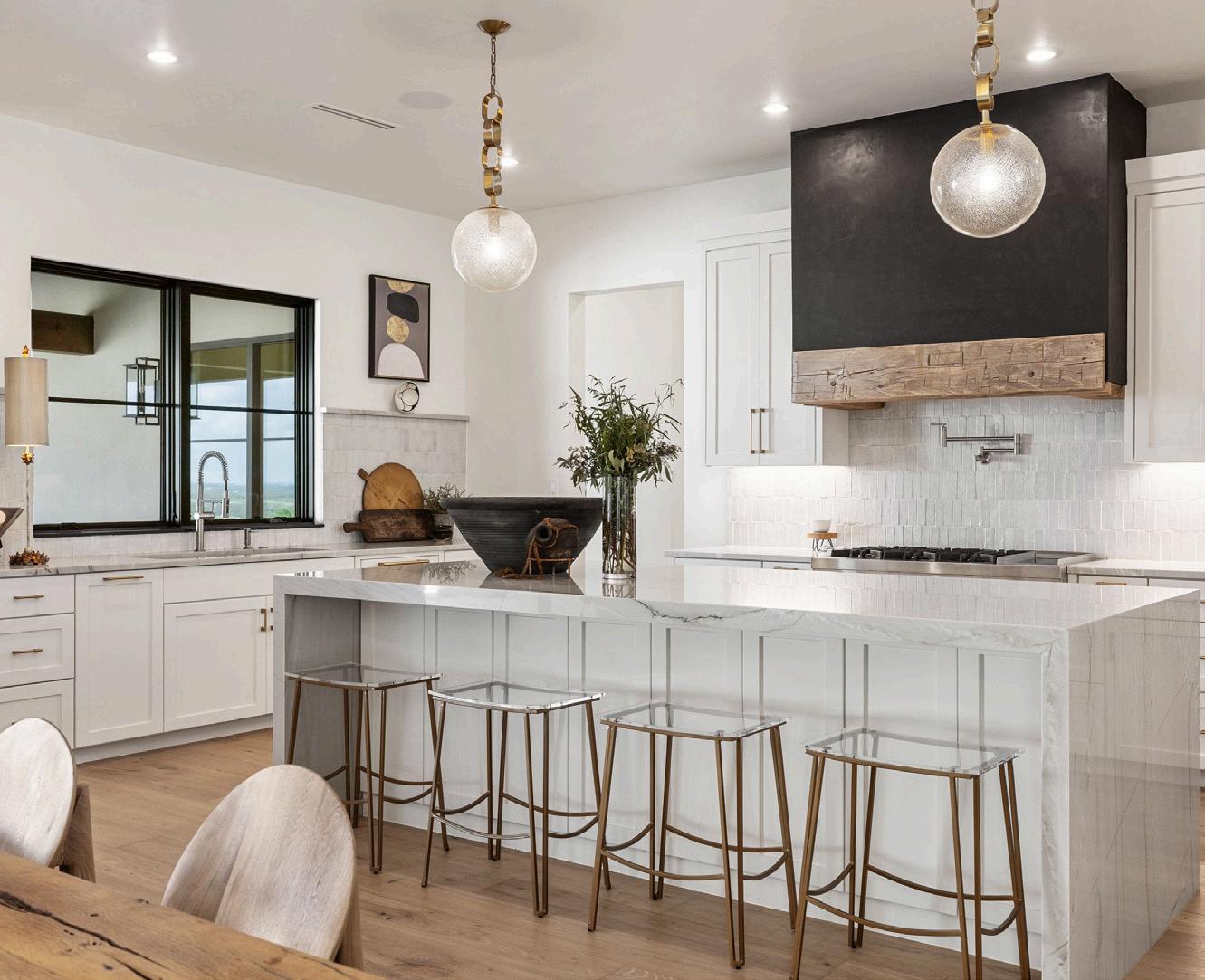
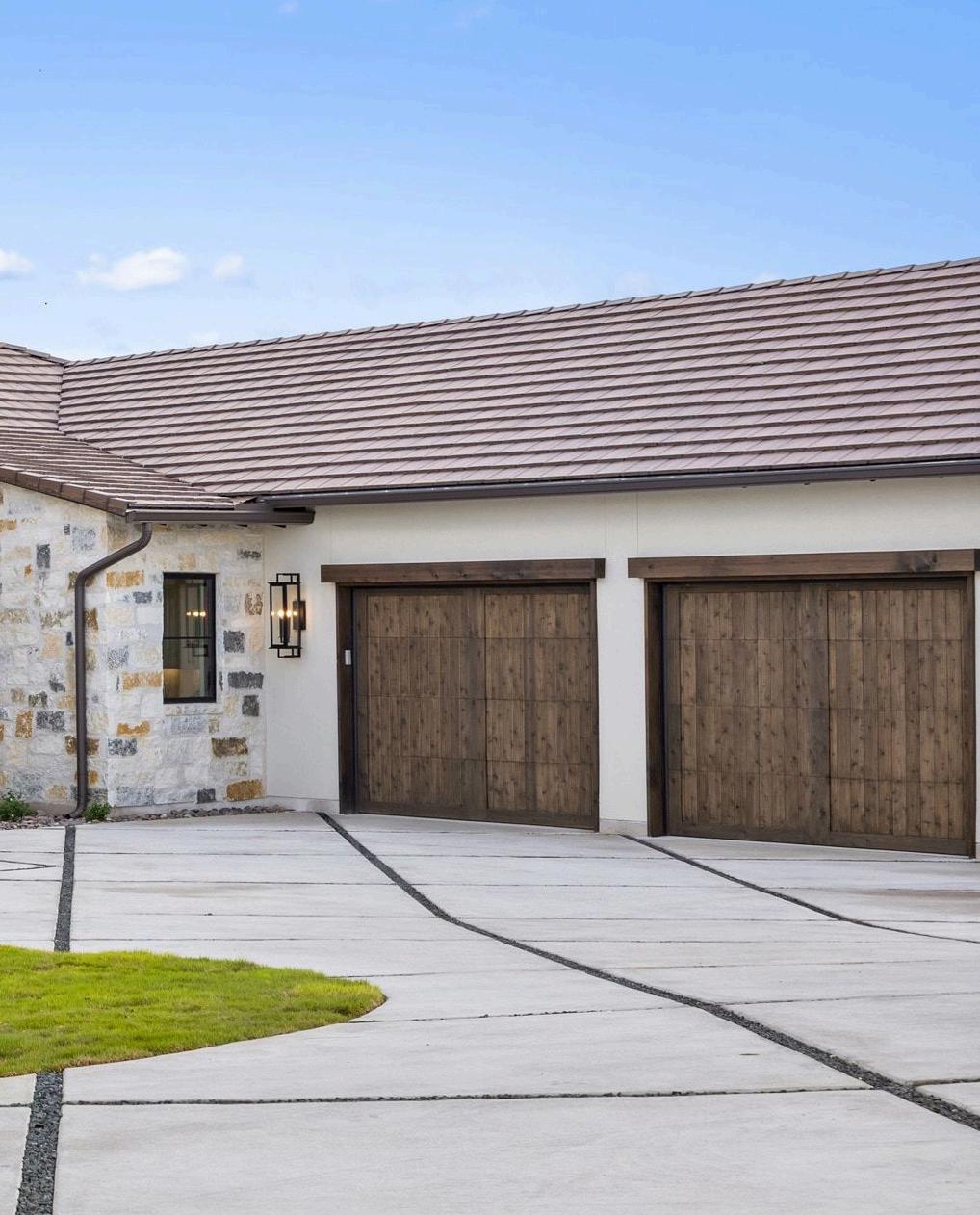
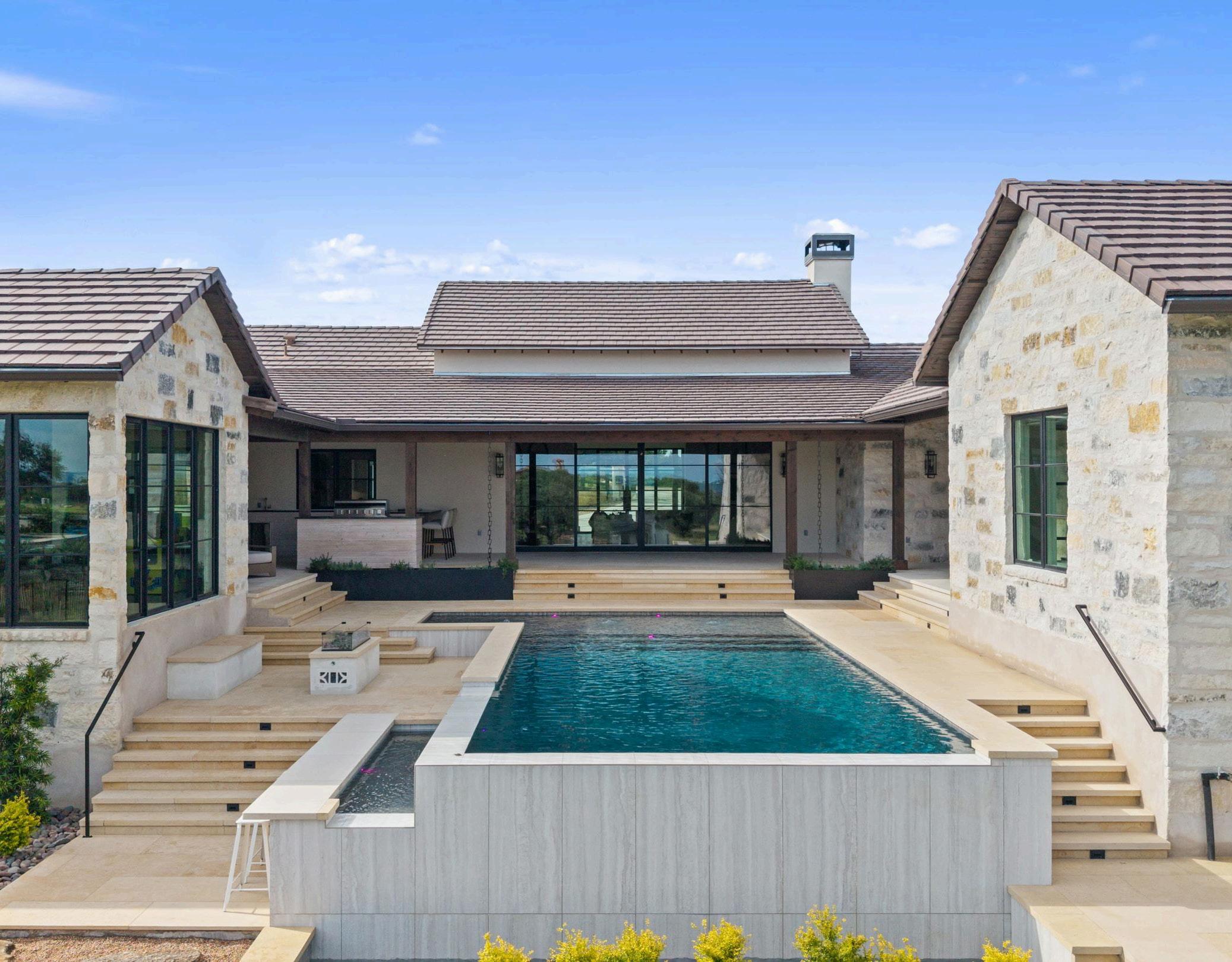
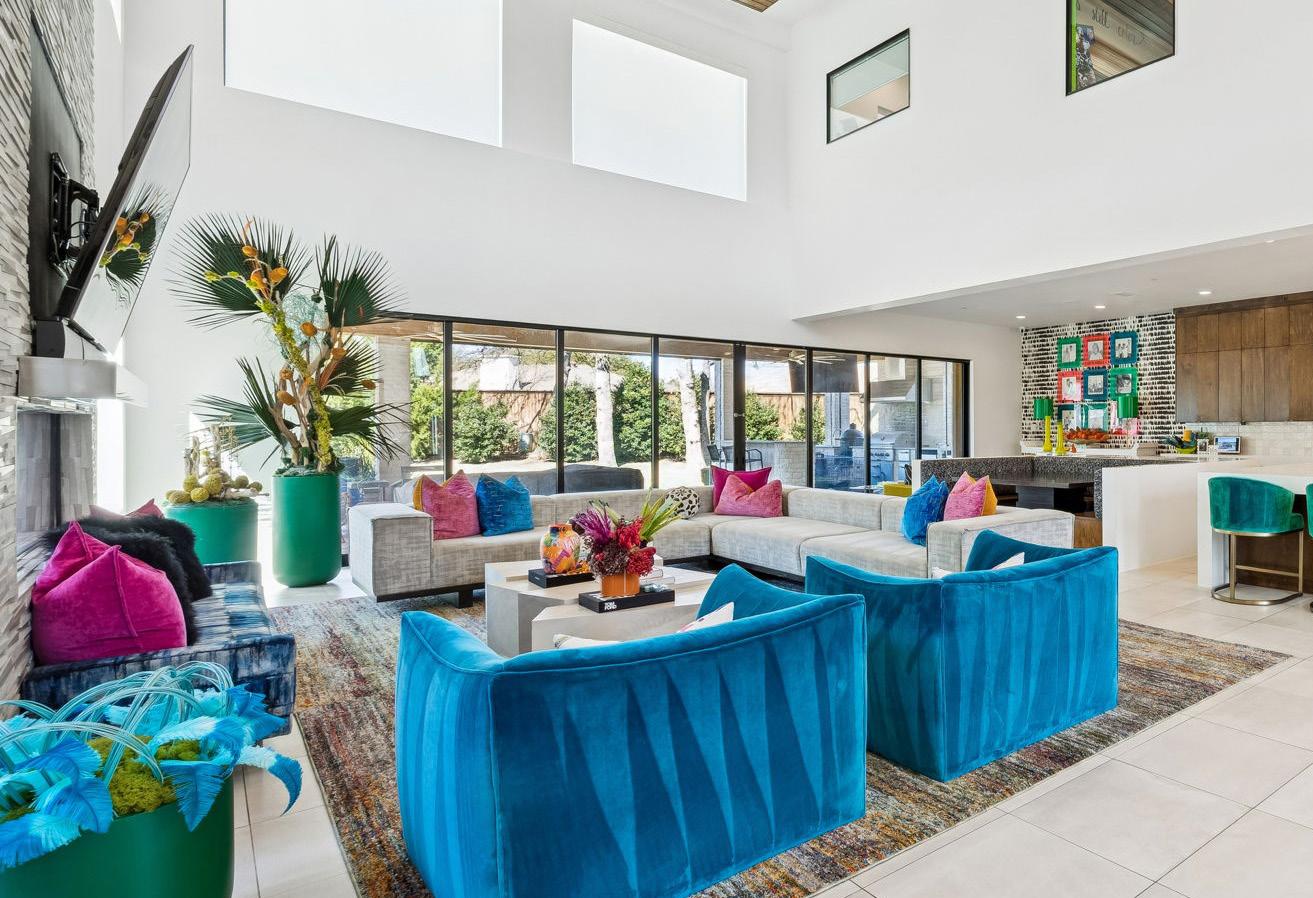
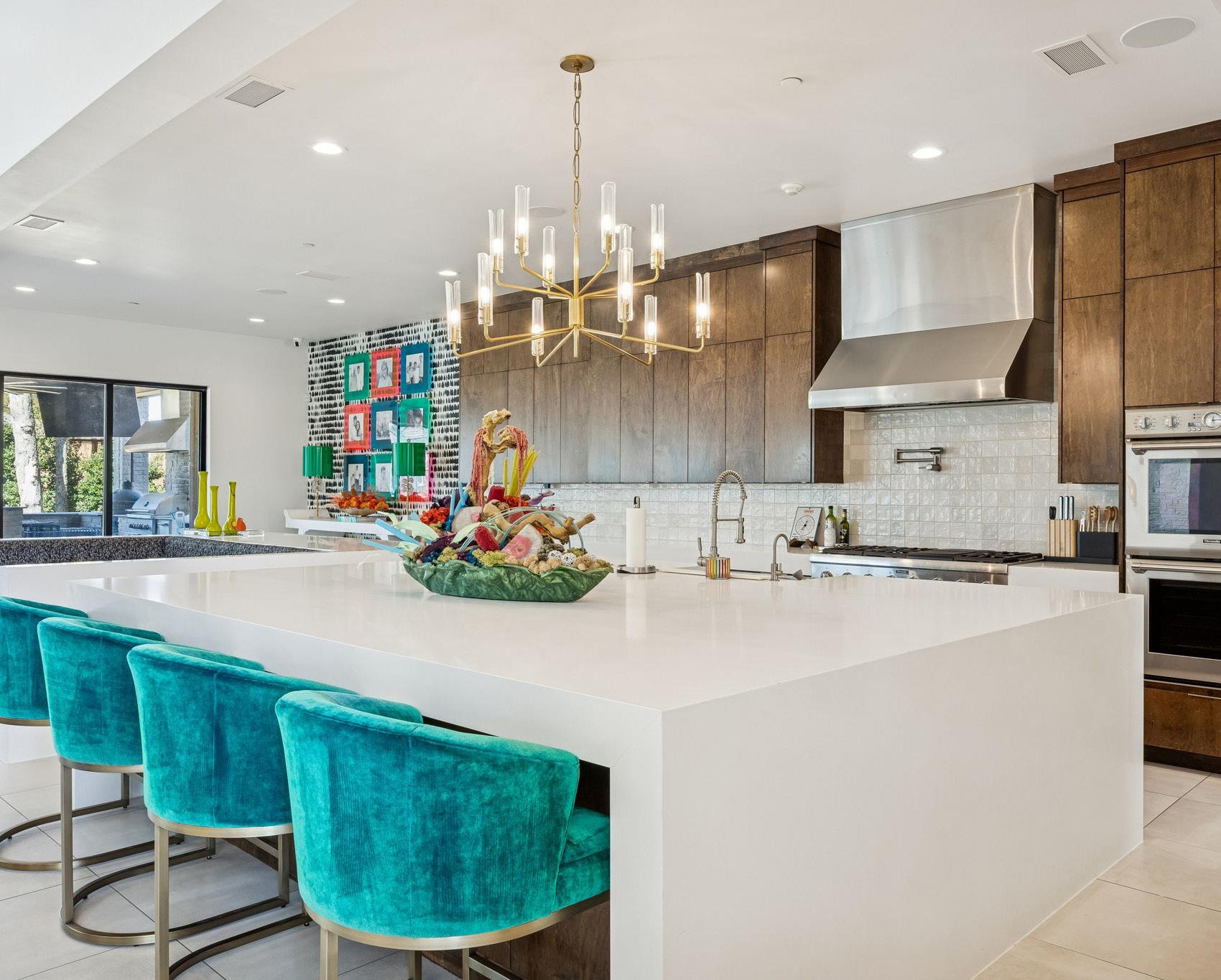
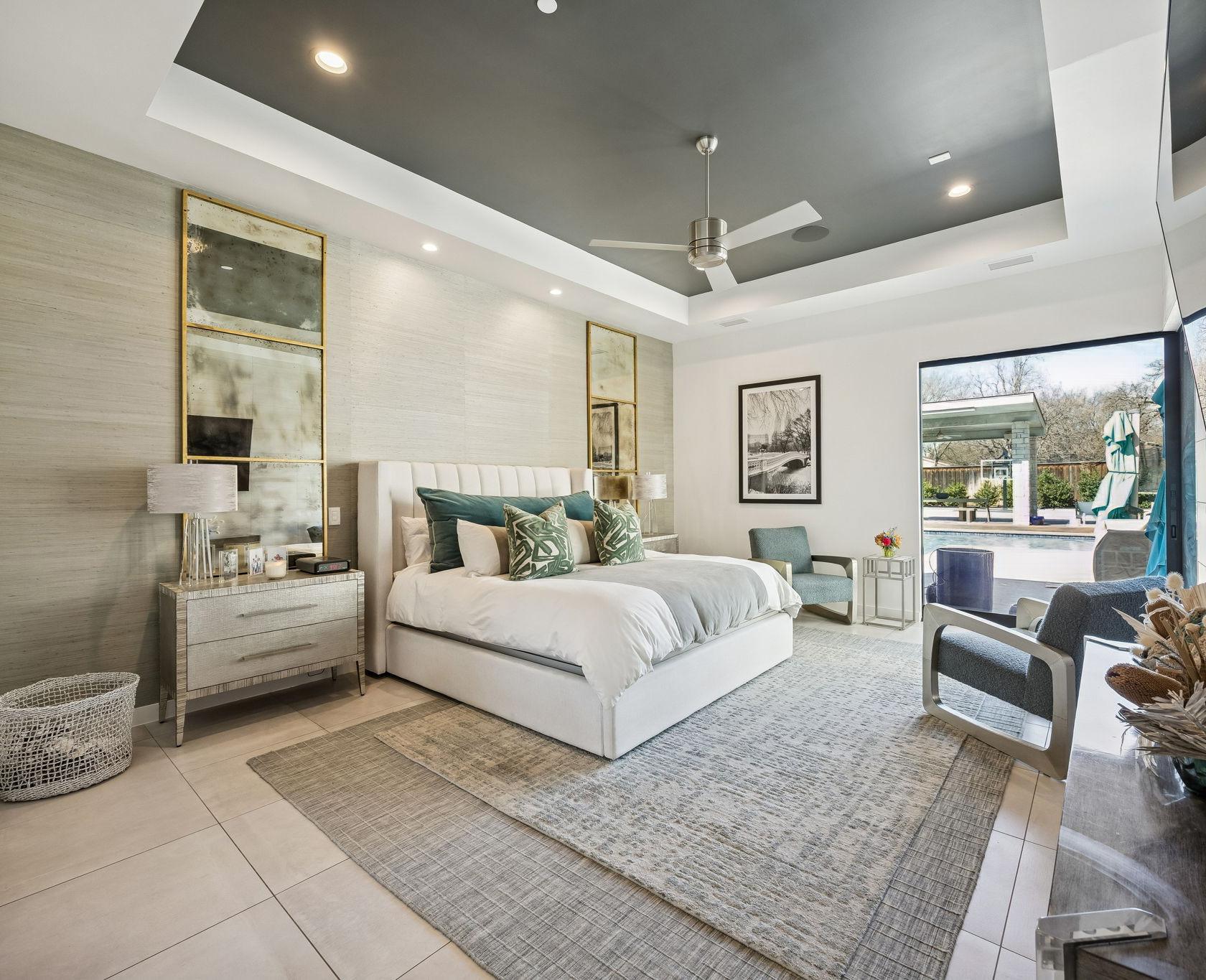
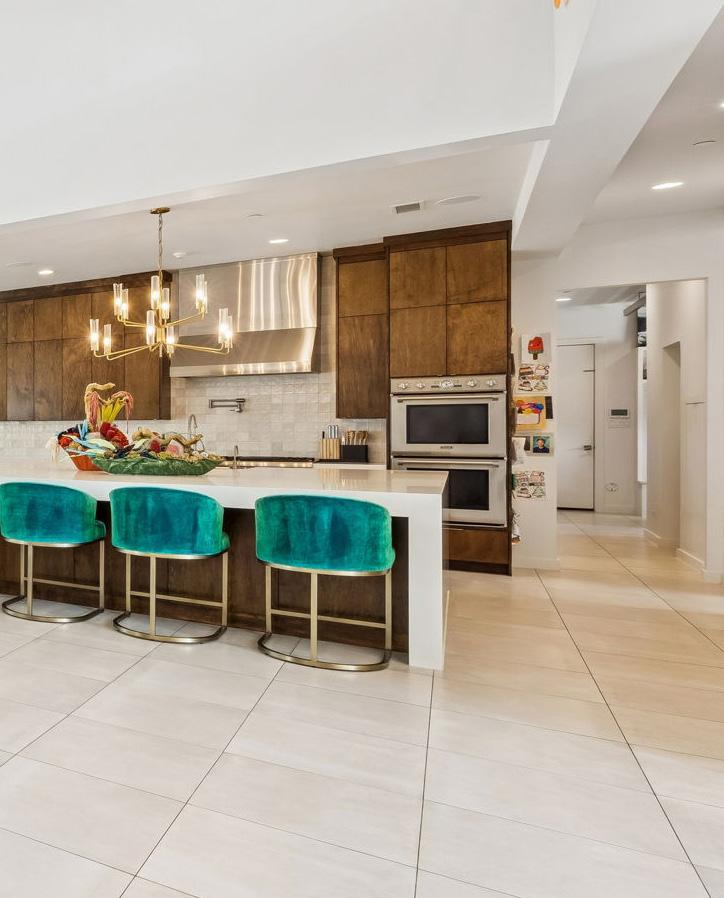
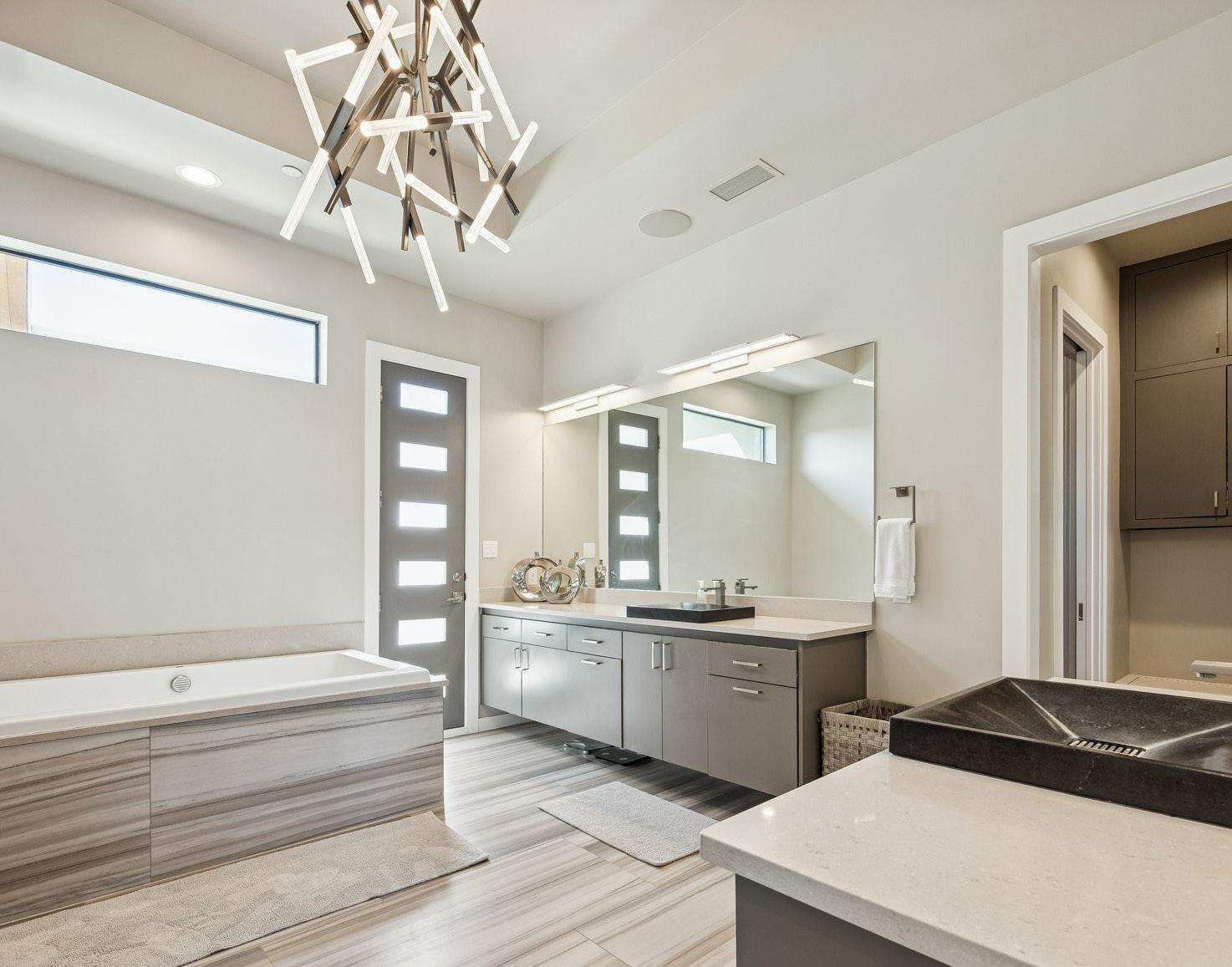

A Private Network for Exceptional Places— and the Advisors Who Represent Them
Some homes are found. Others are curated. REALM is where the world’s most discerning real estate advisors connect exceptional homes with the lives designed to inhabit them.
REALM® is a private global network of the top 1% luxury real estate advisors across the U.S. and 18 countries—quietly curating exceptional homes, luxury residences, and opportunities for their clients through trusted relationships and elevated advisory services.
For those who value discretion, craftsmanship, and thoughtful curation, REALM is where the right homes—and the right advisors— find one another.
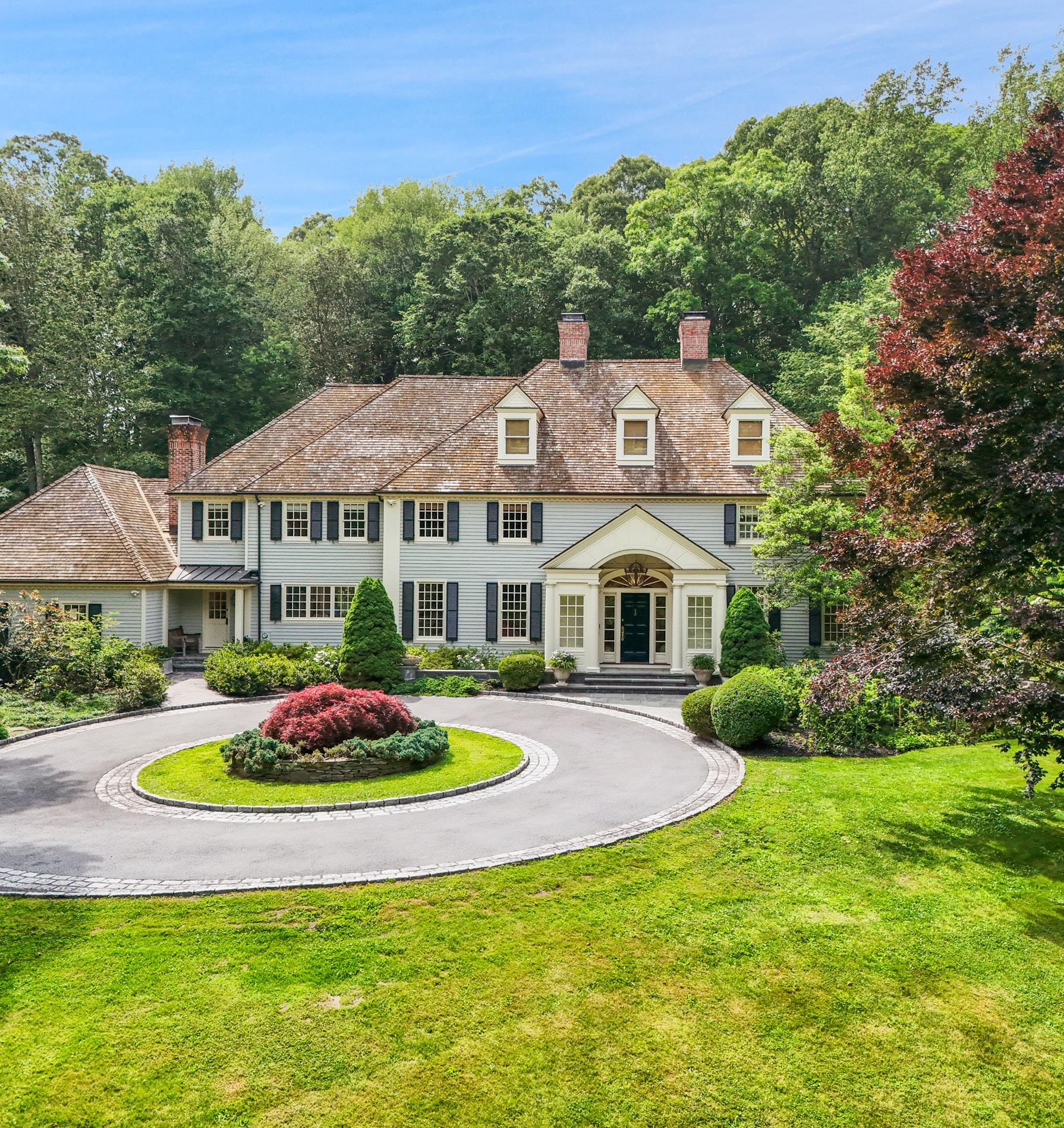
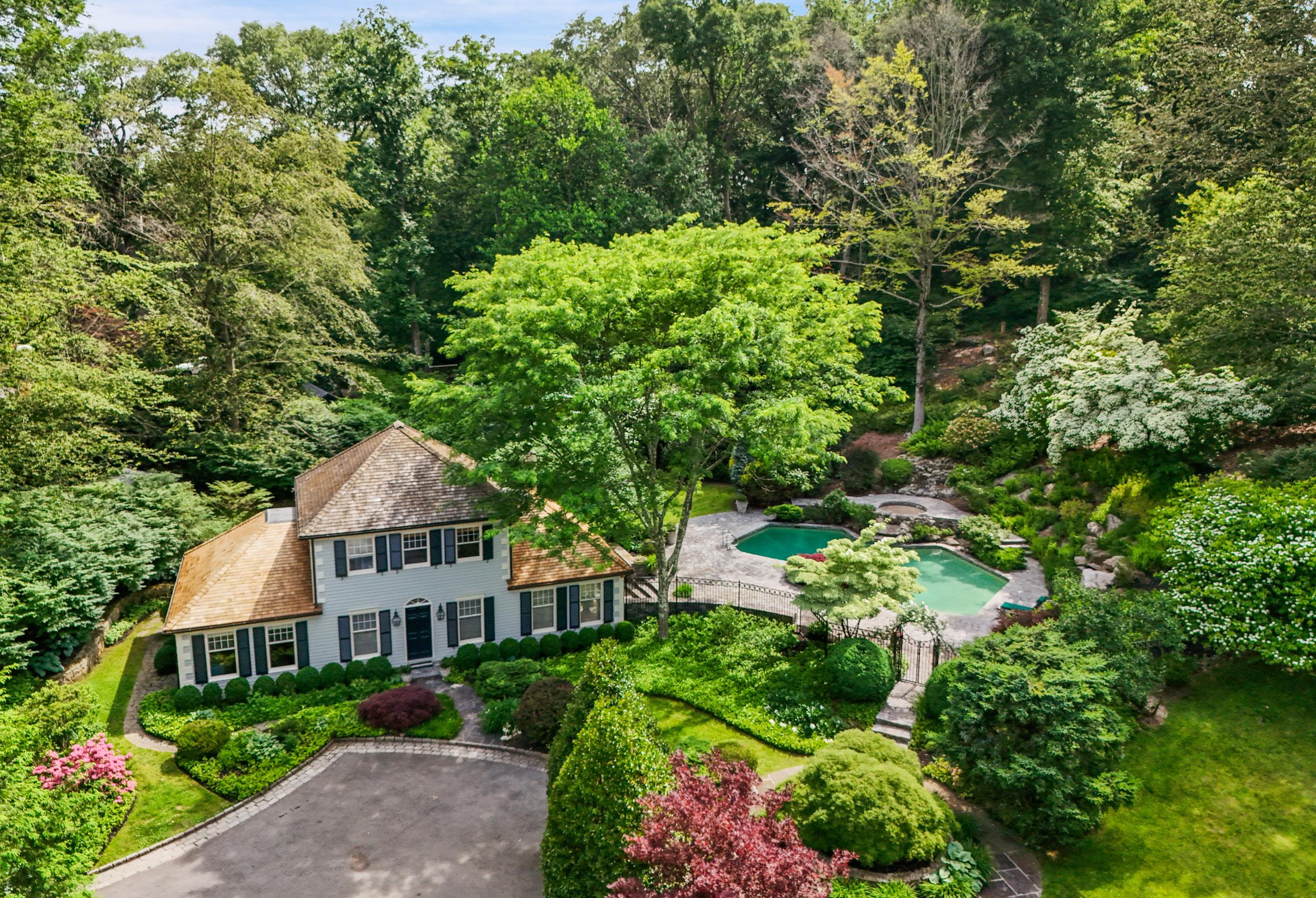
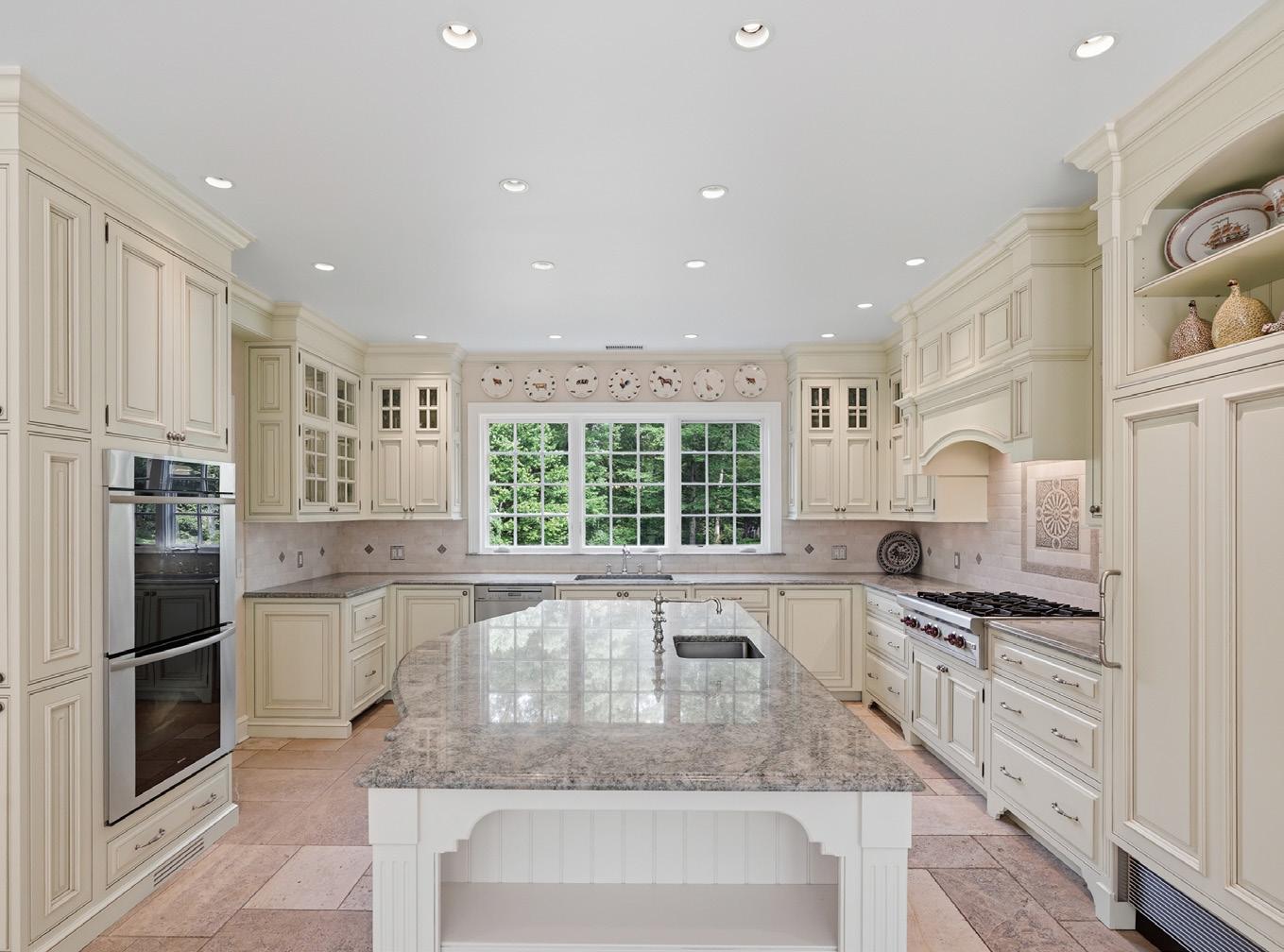
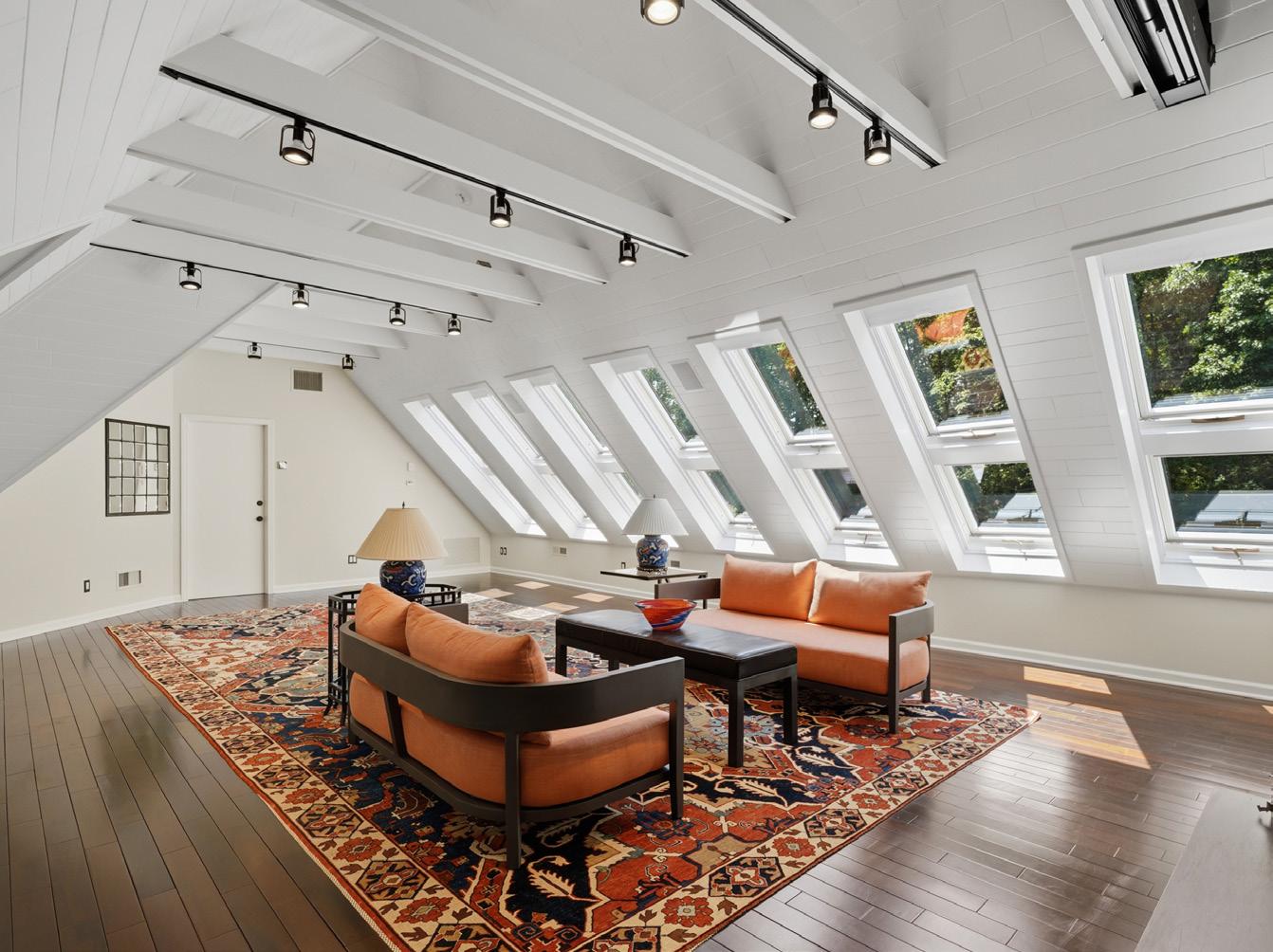

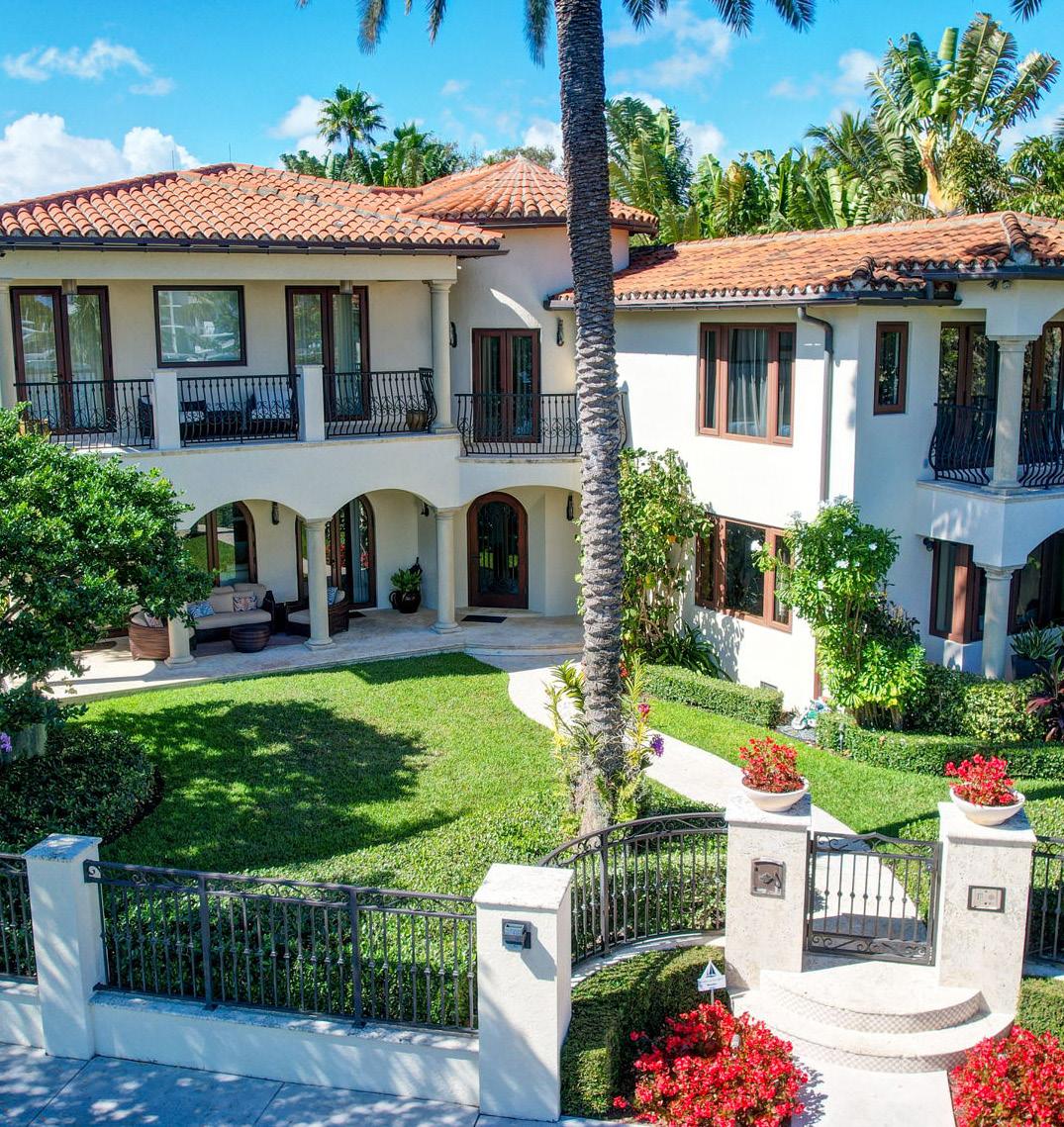
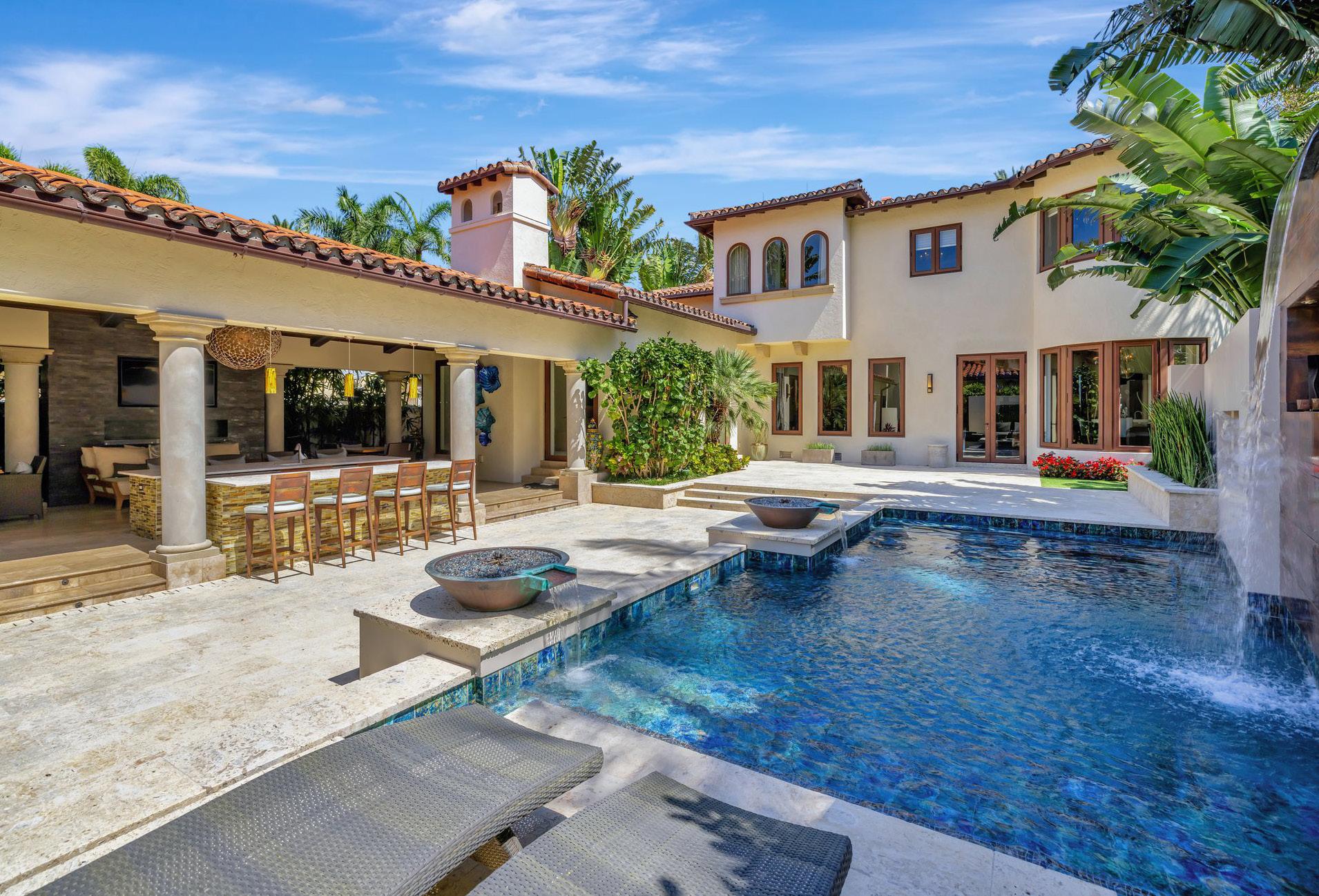
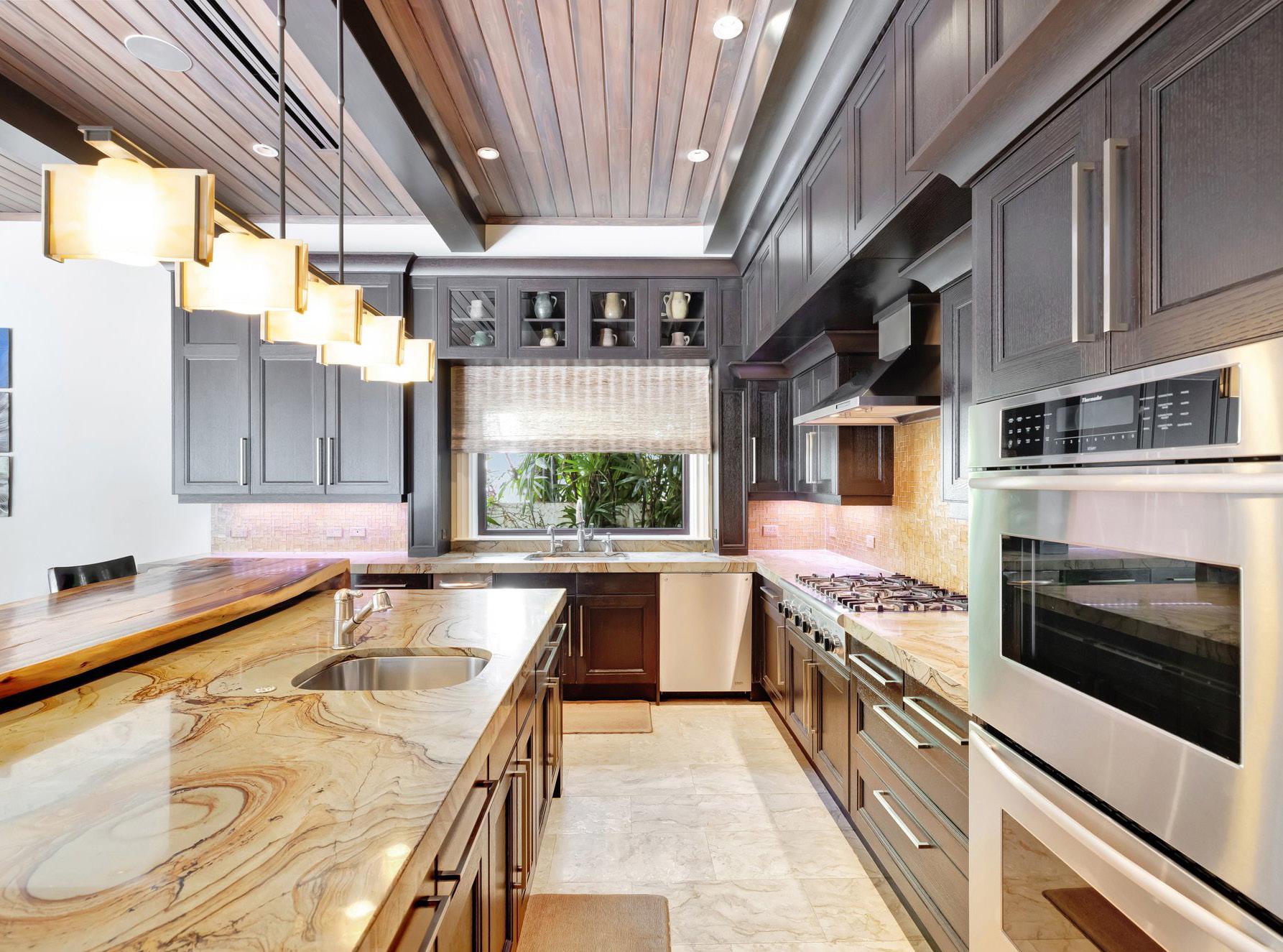
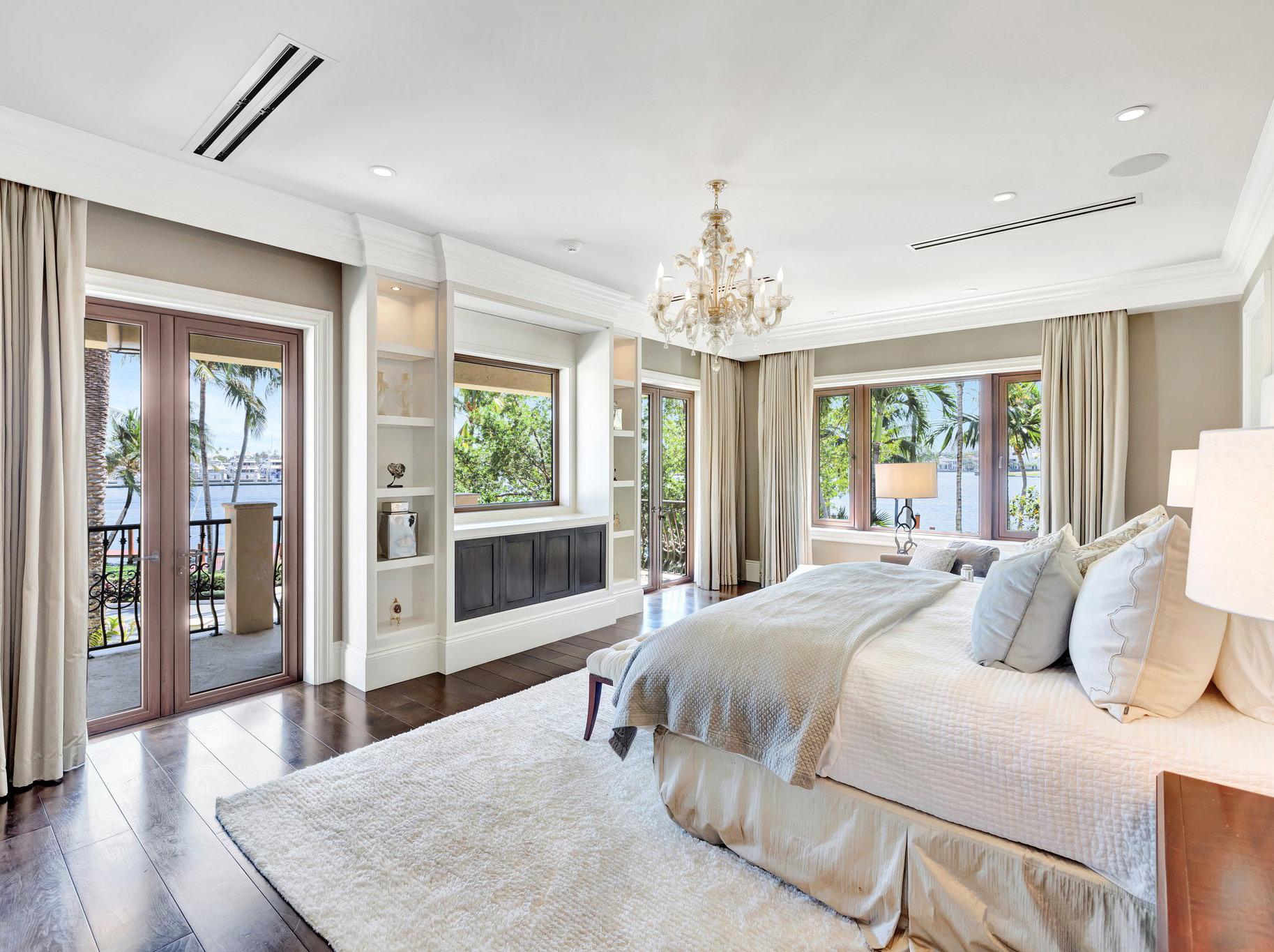
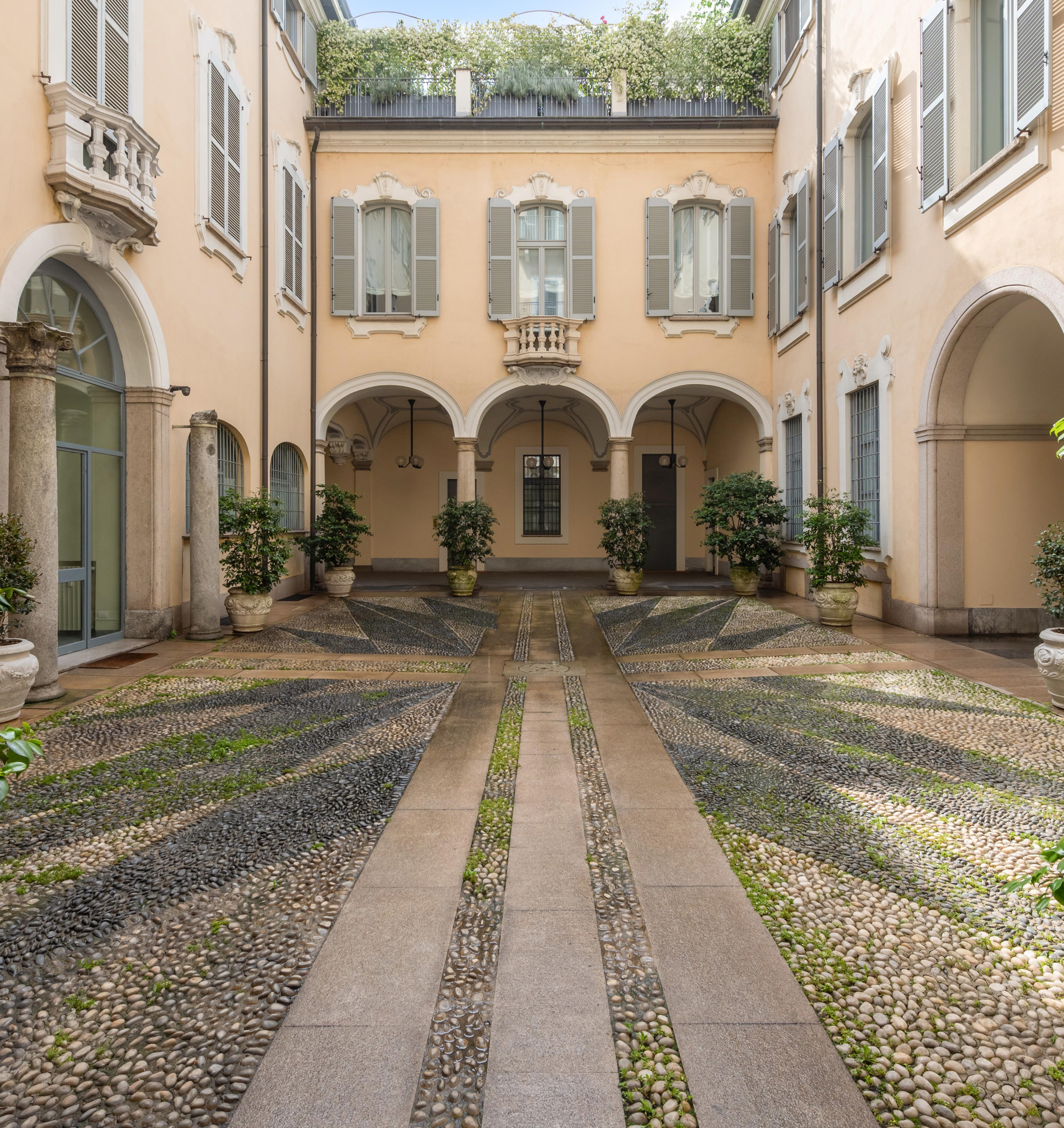
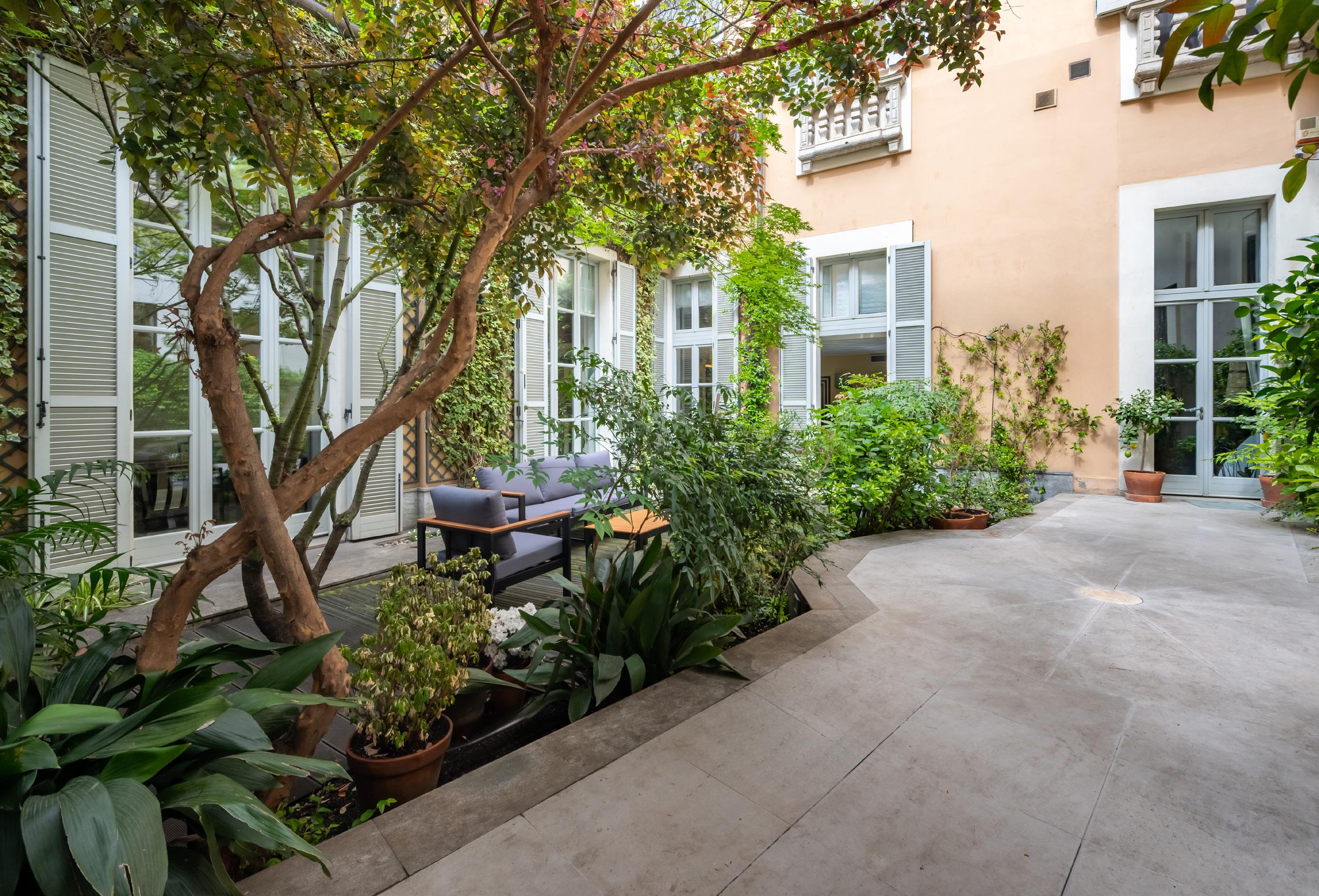
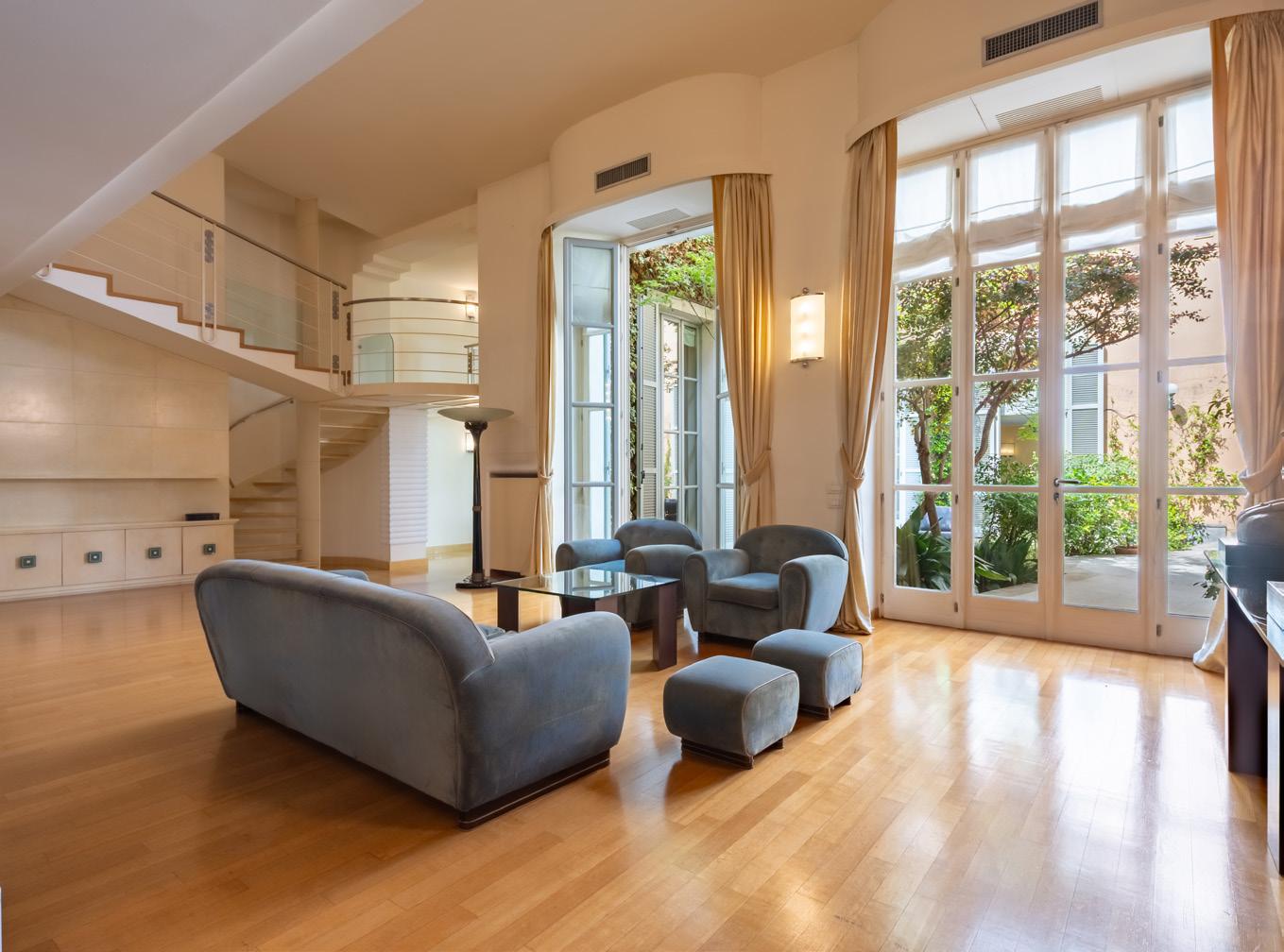
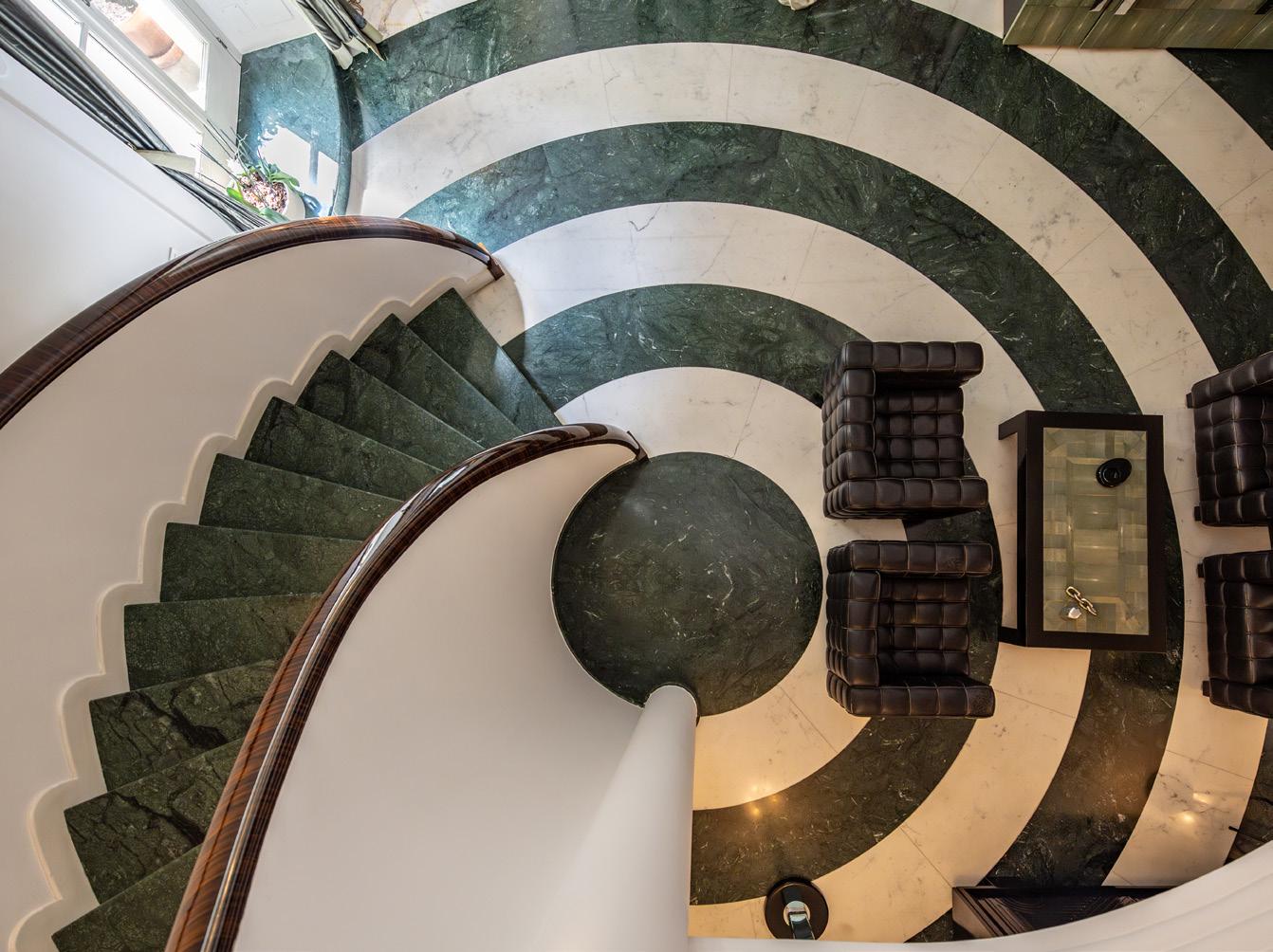
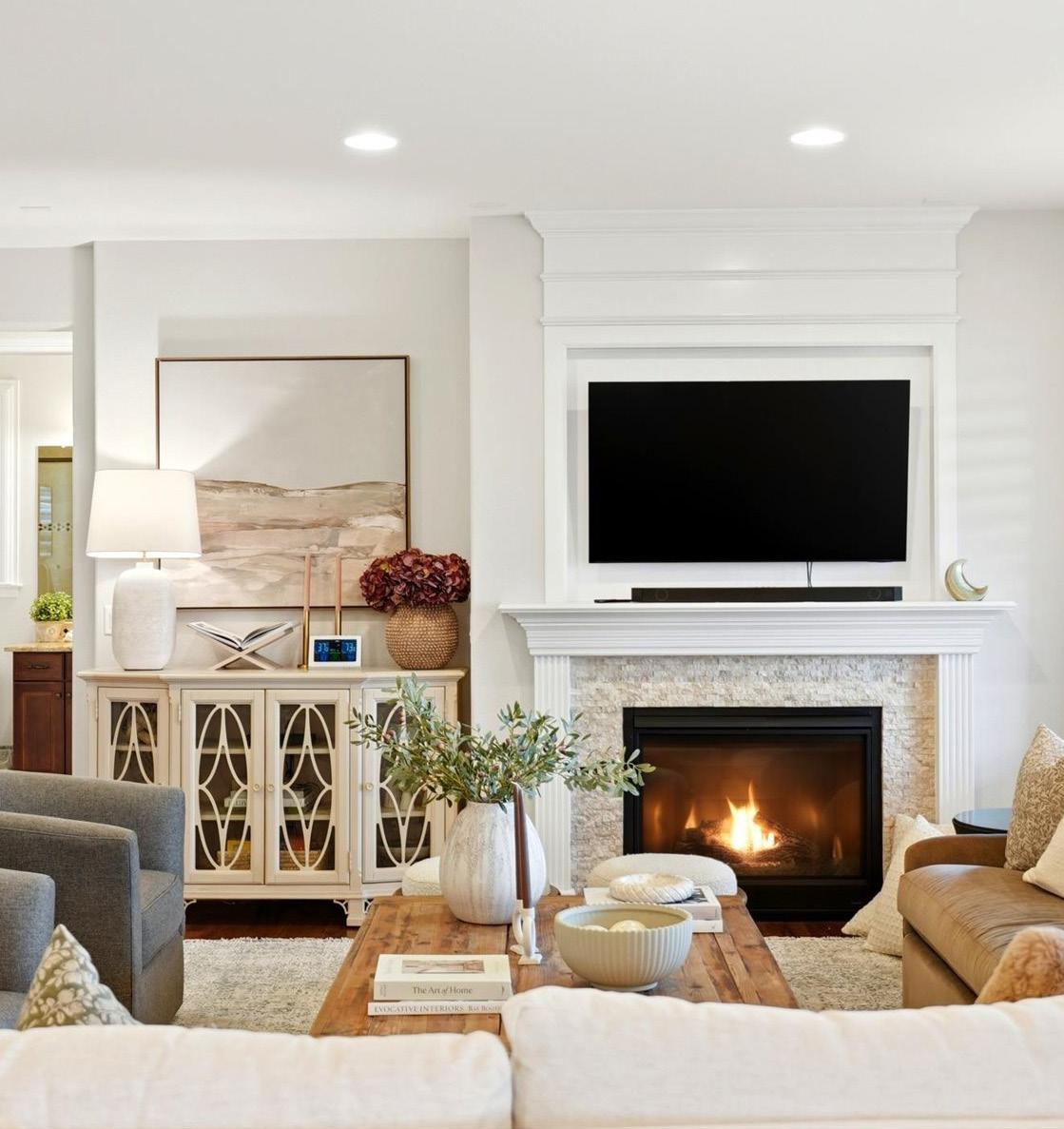
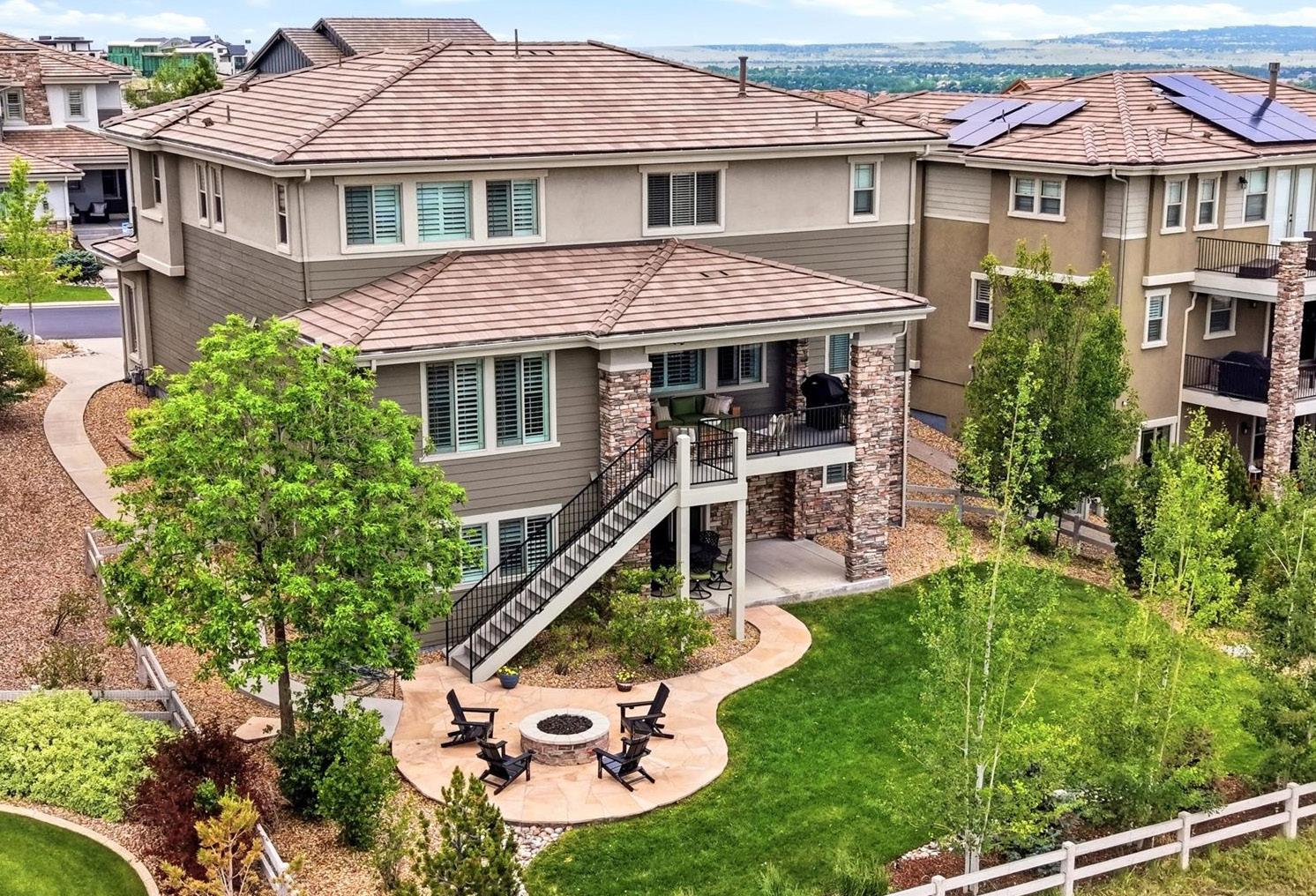
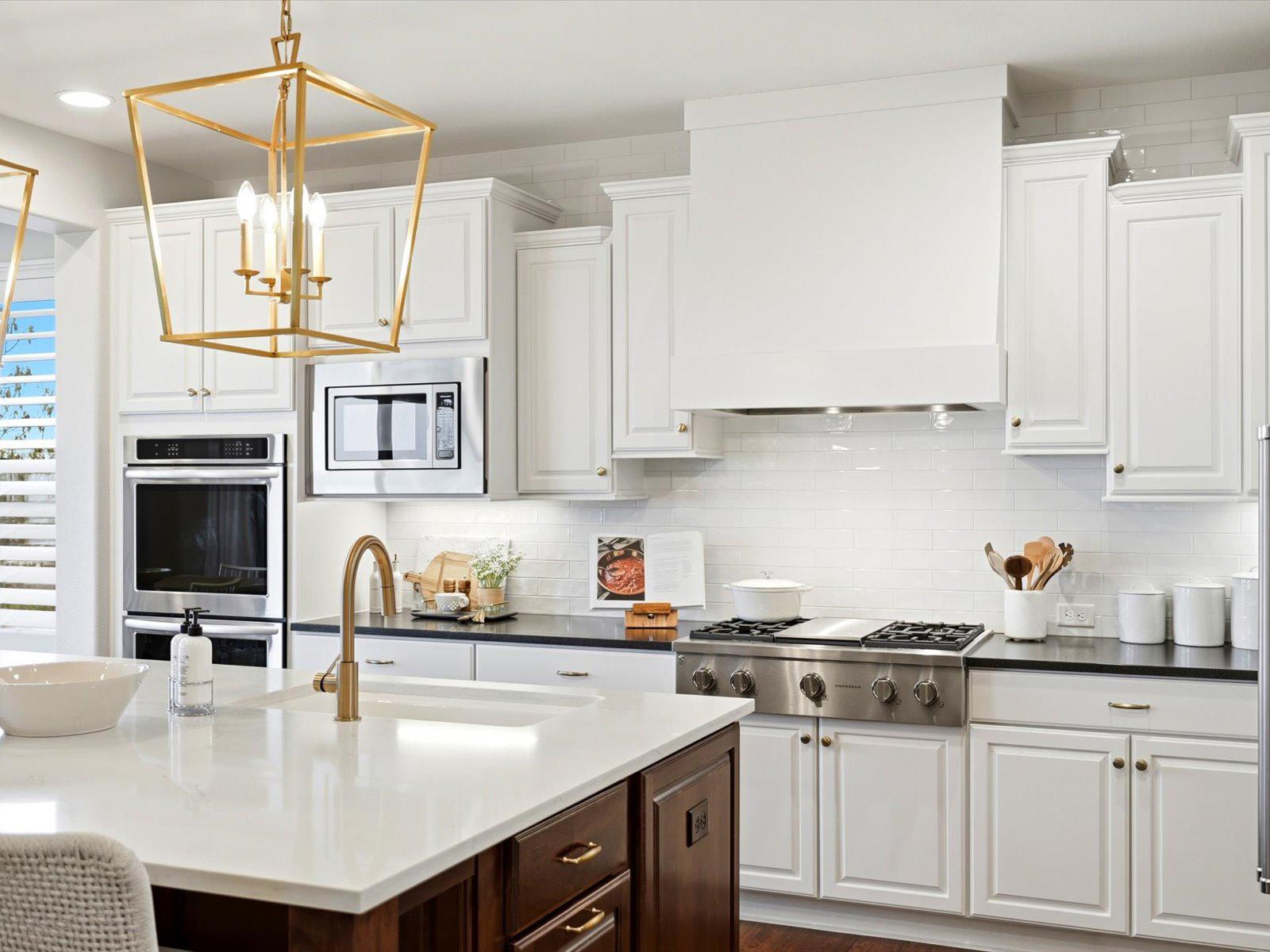
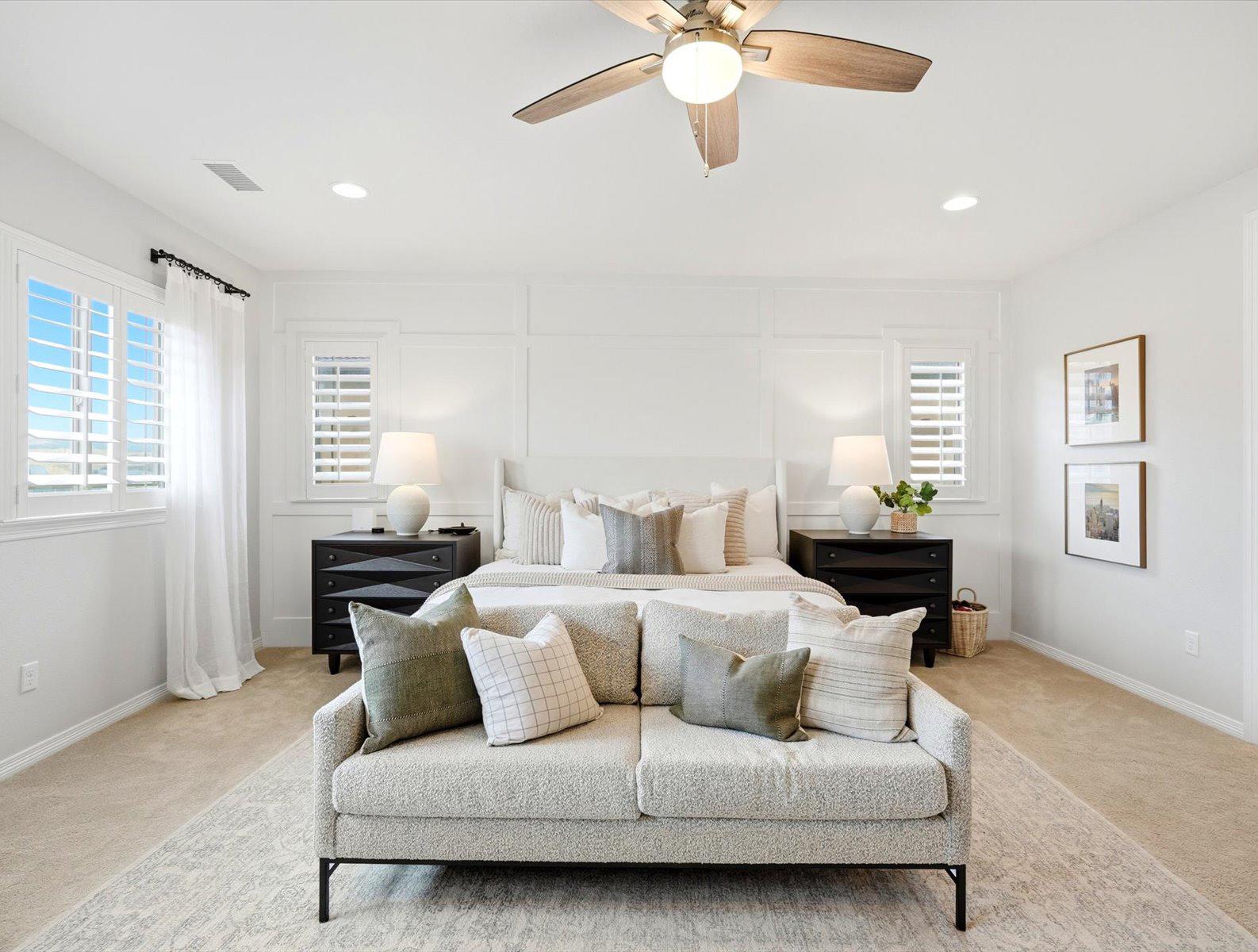
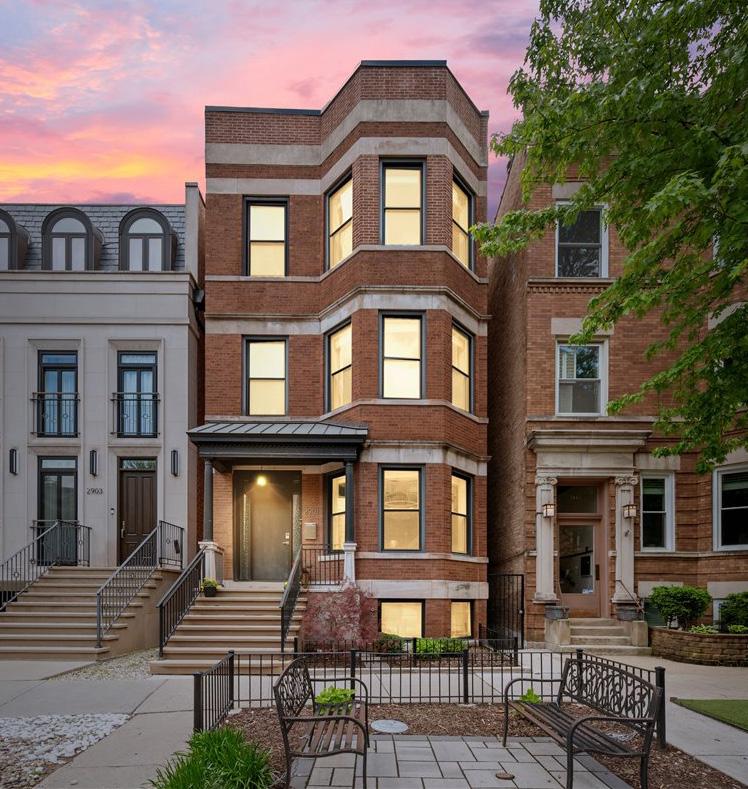
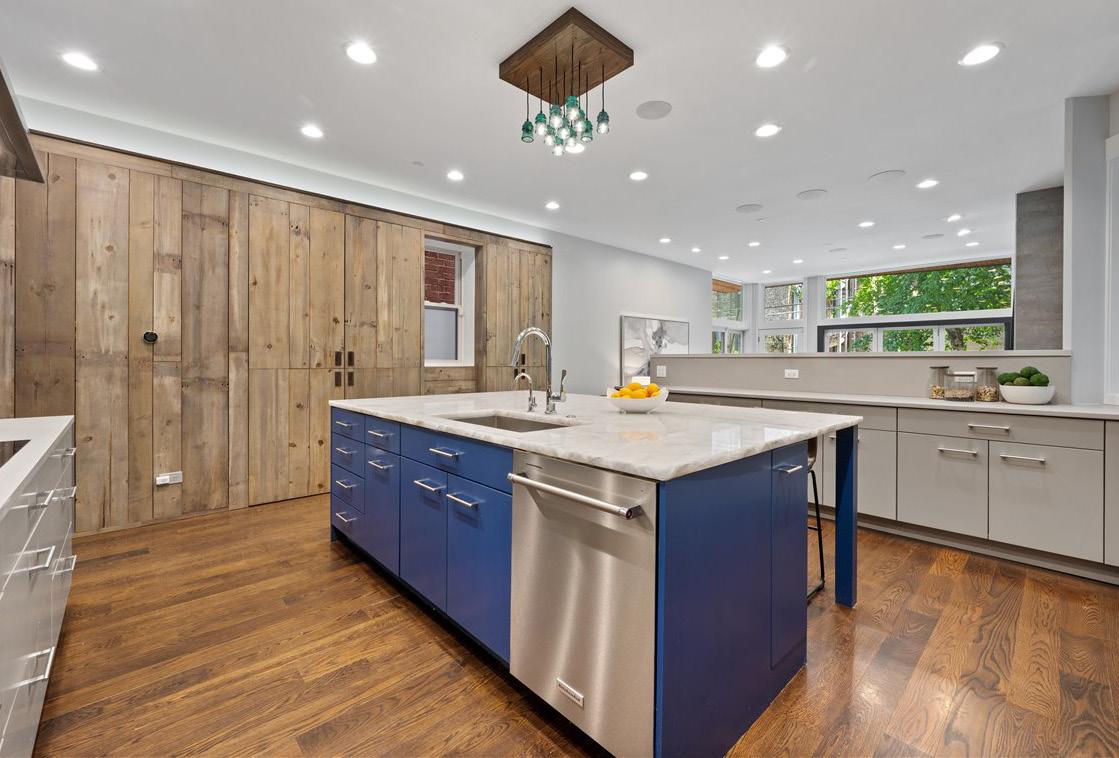
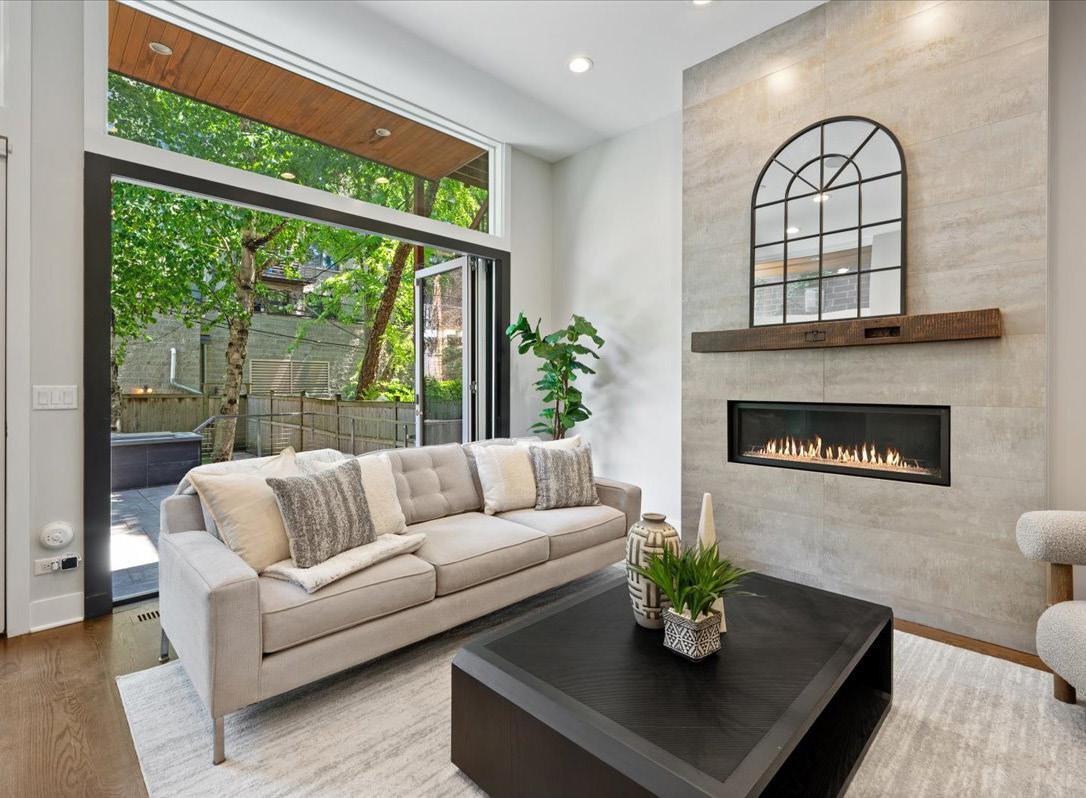
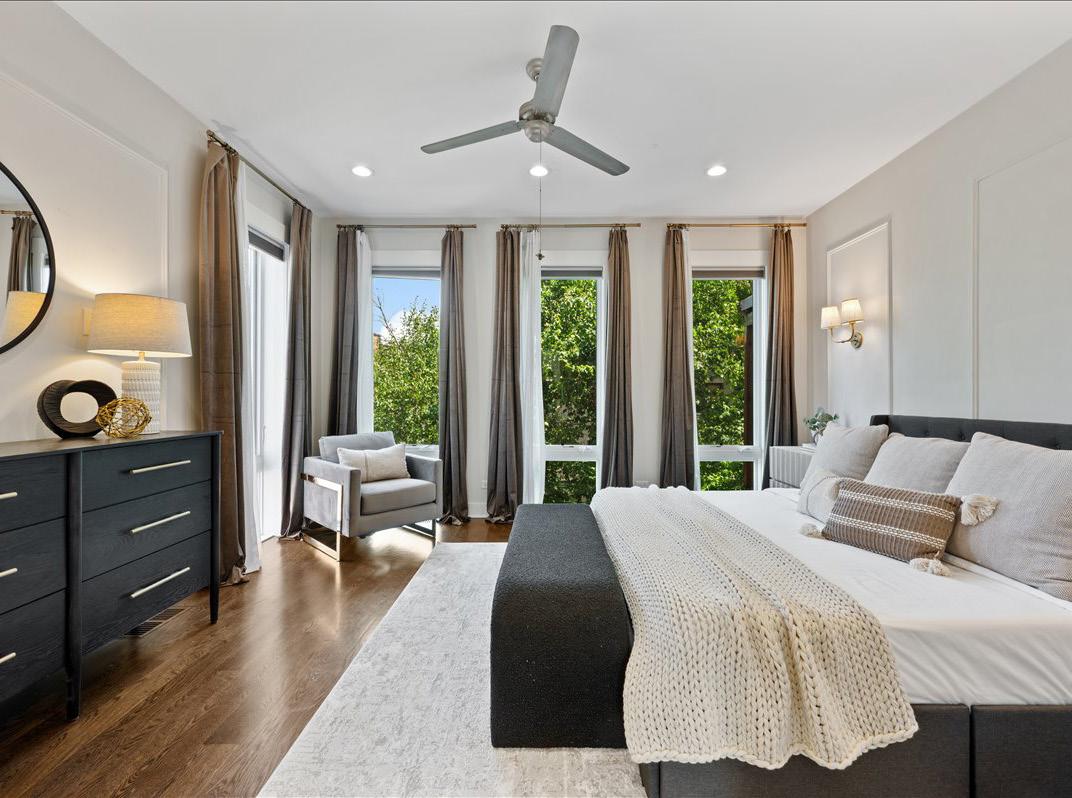
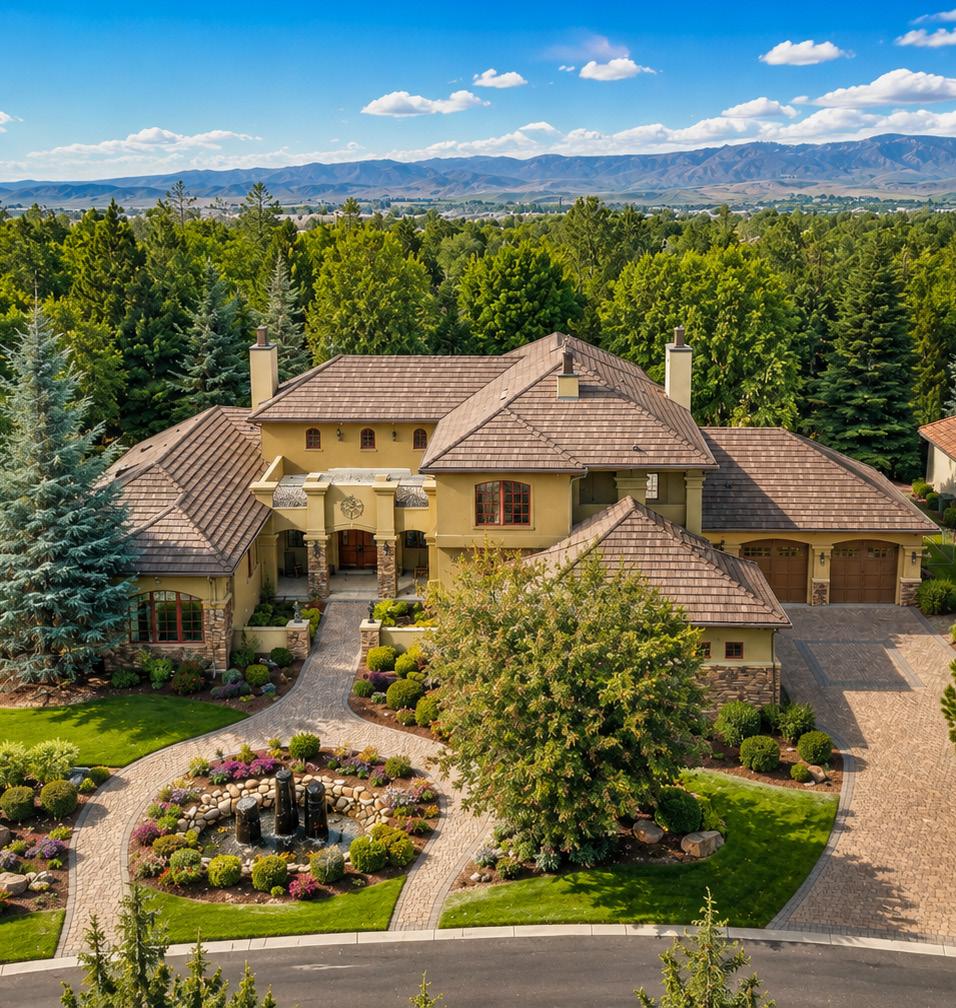
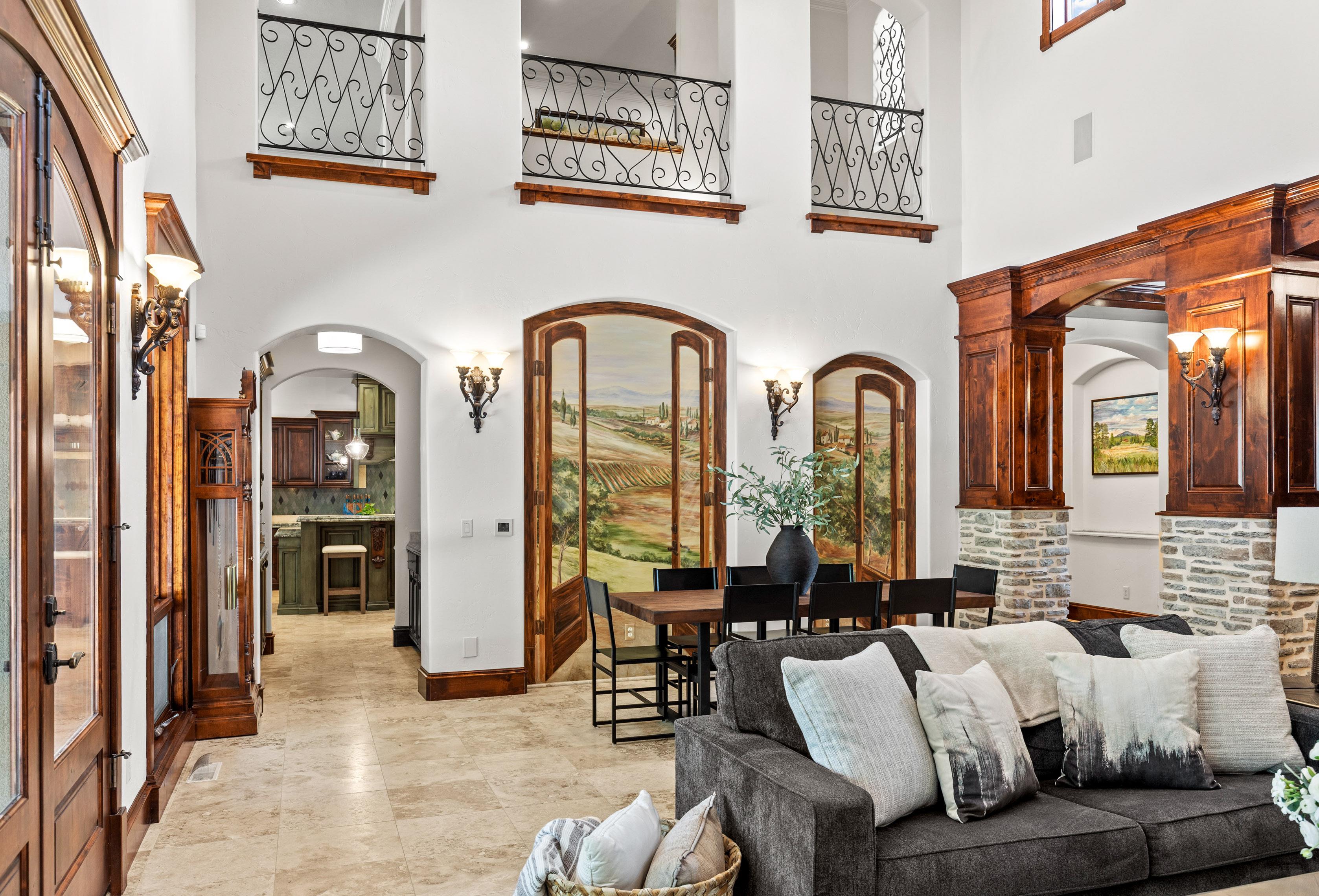
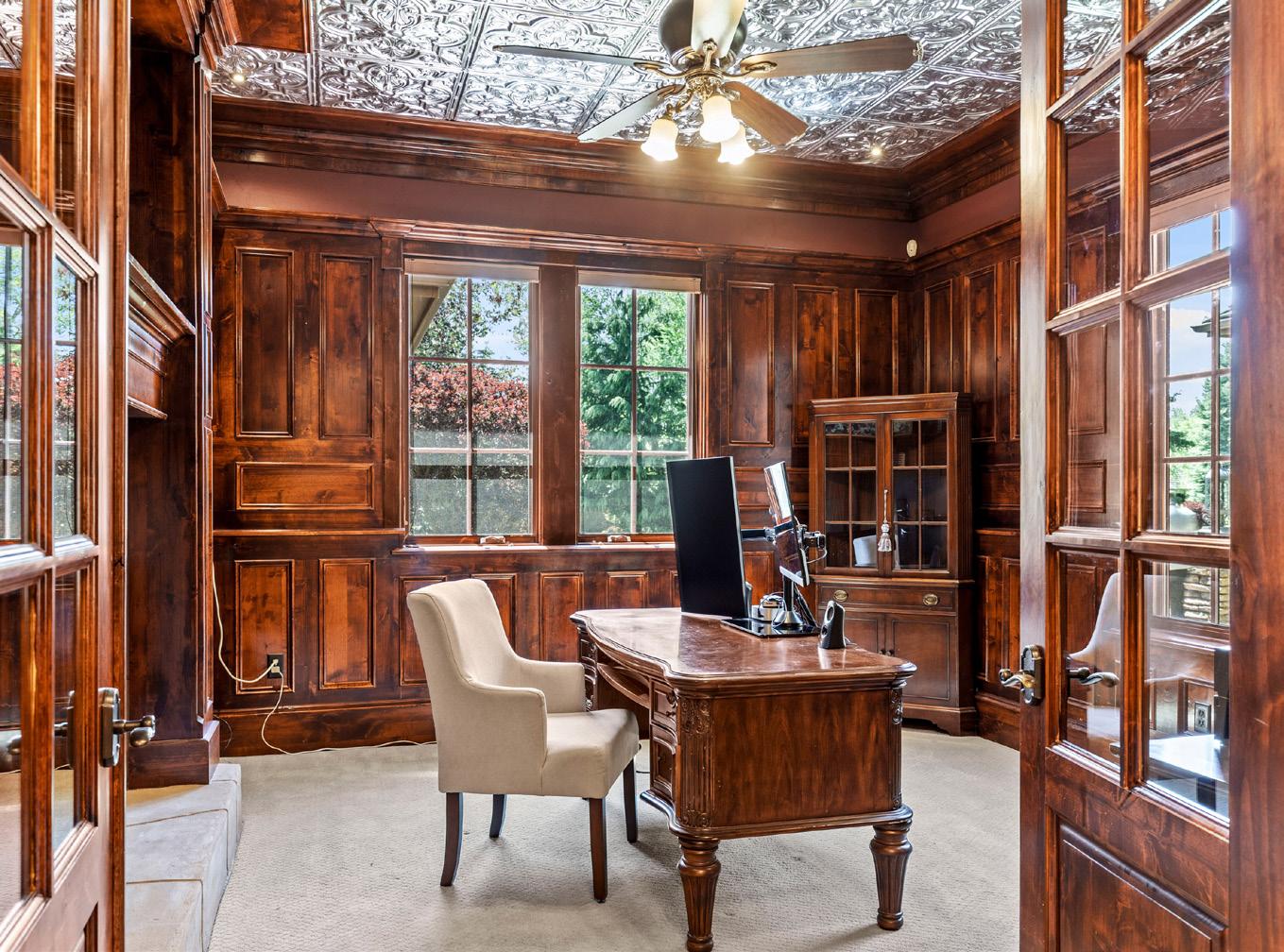
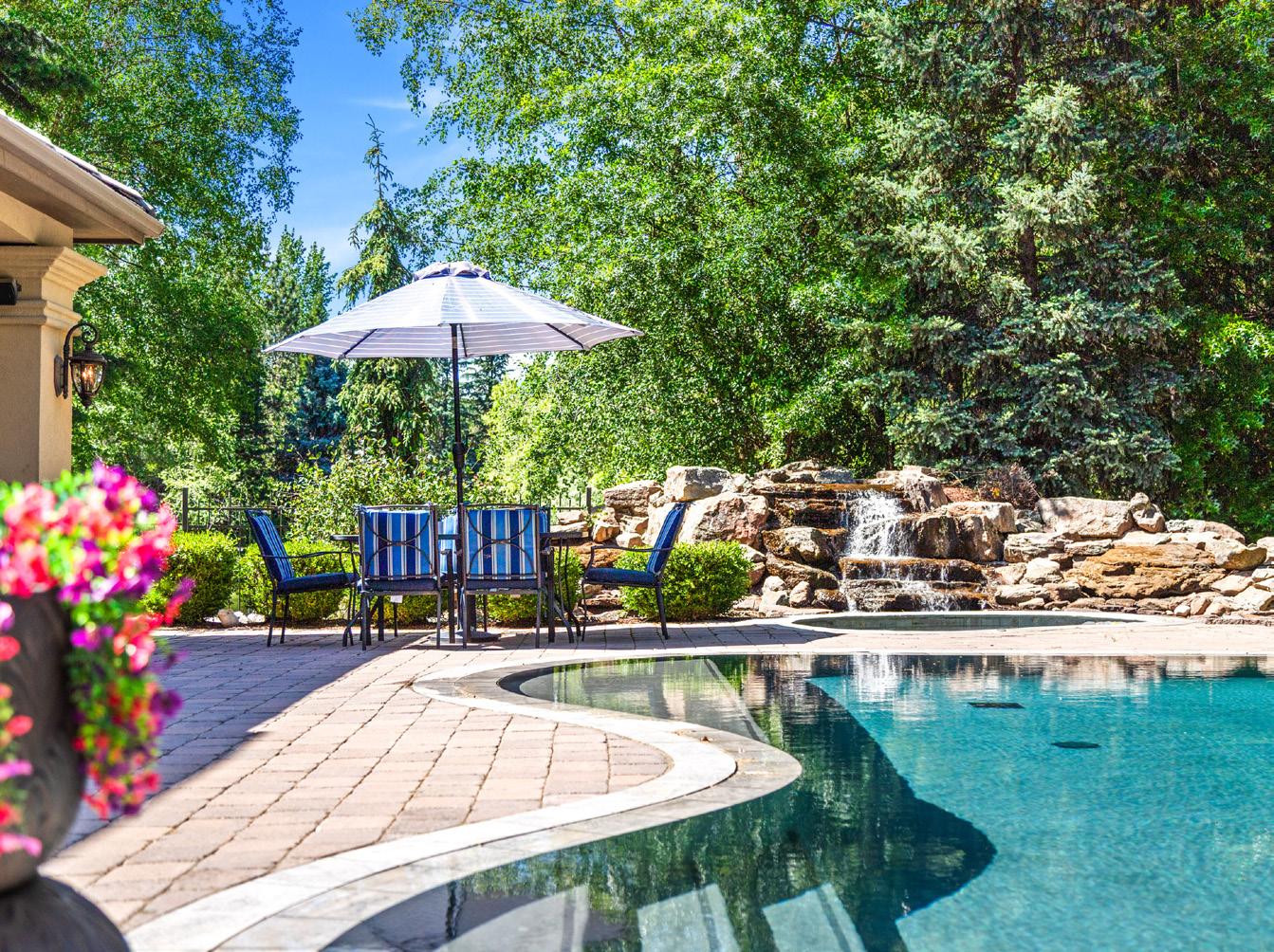
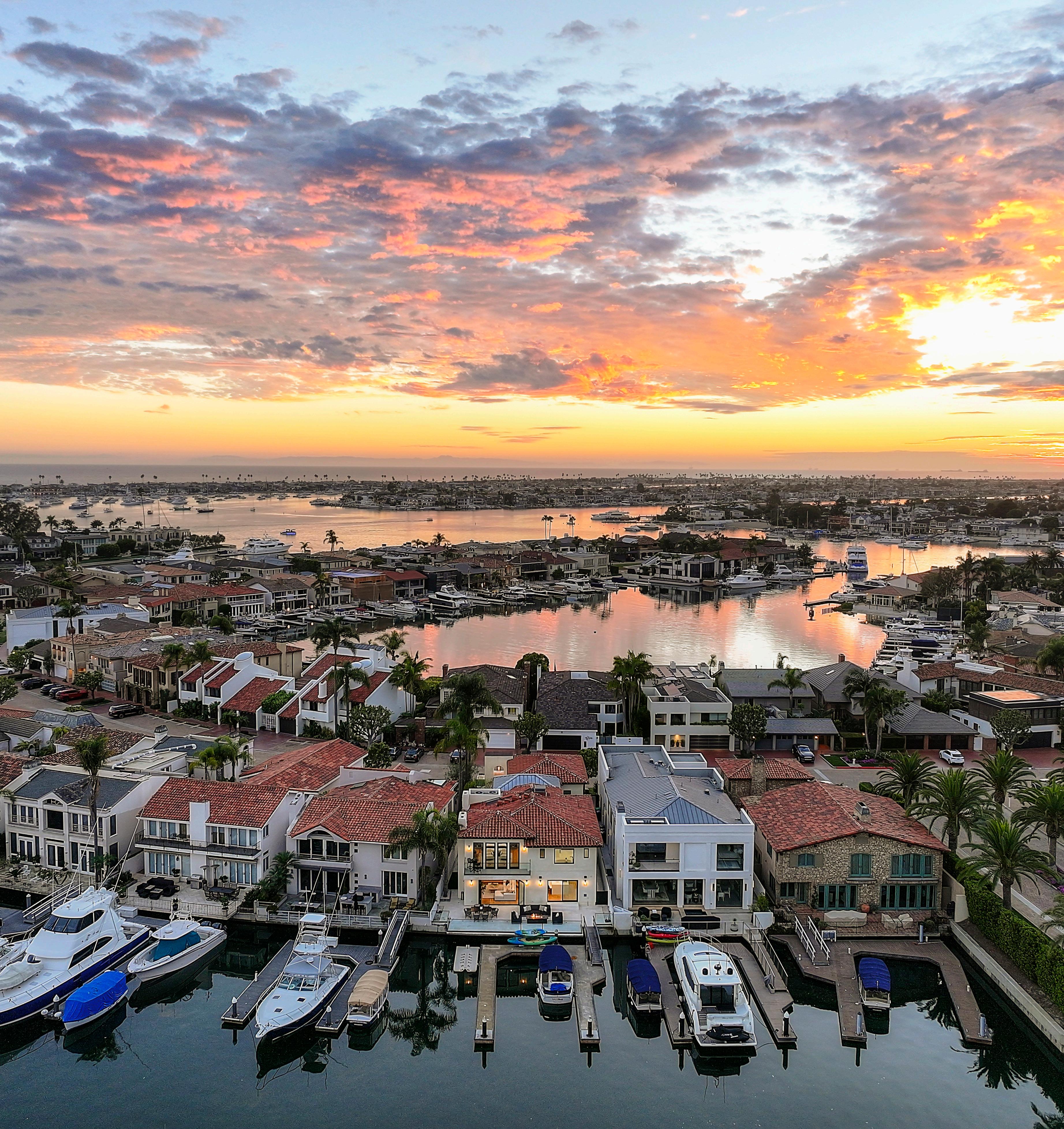
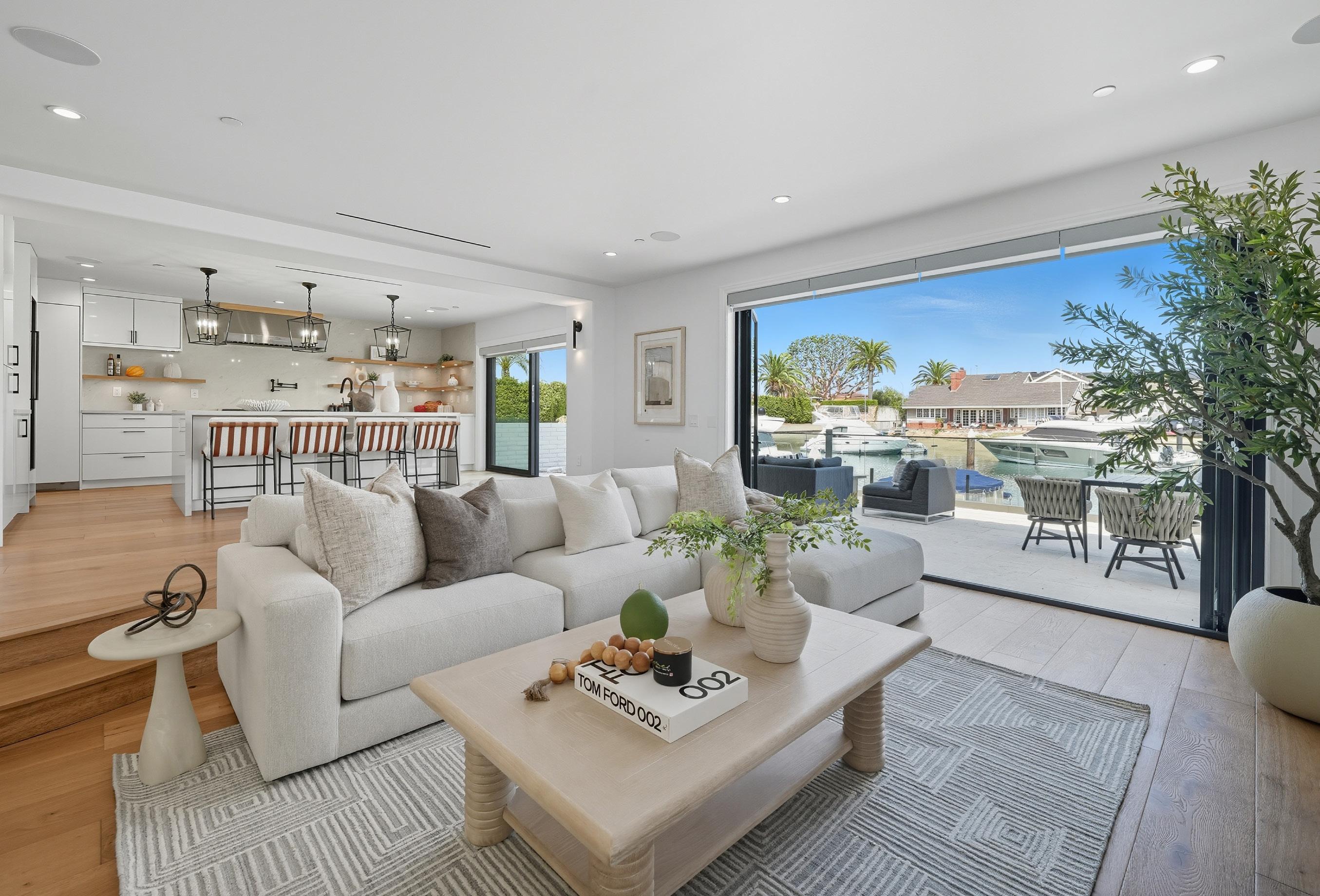
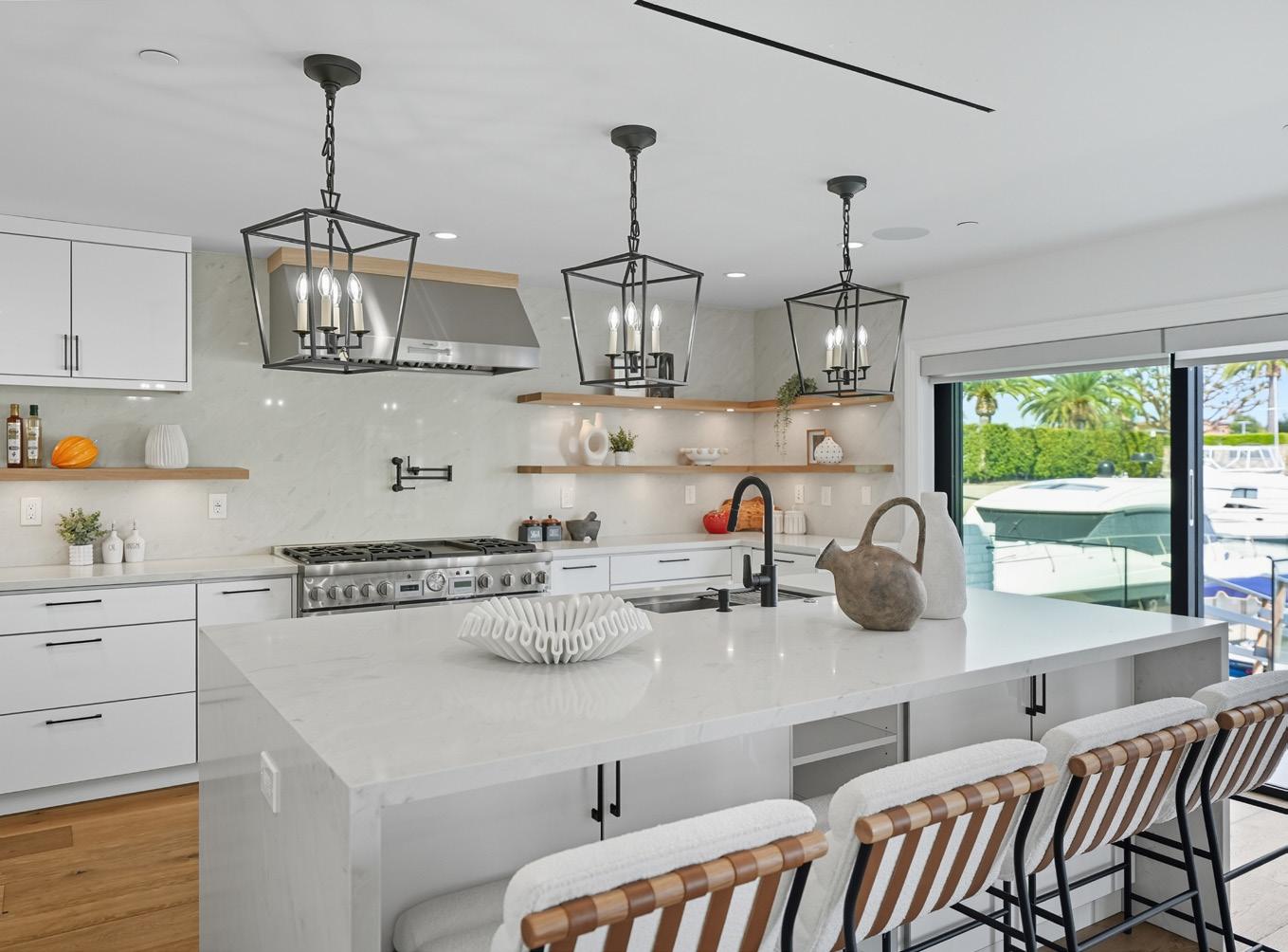
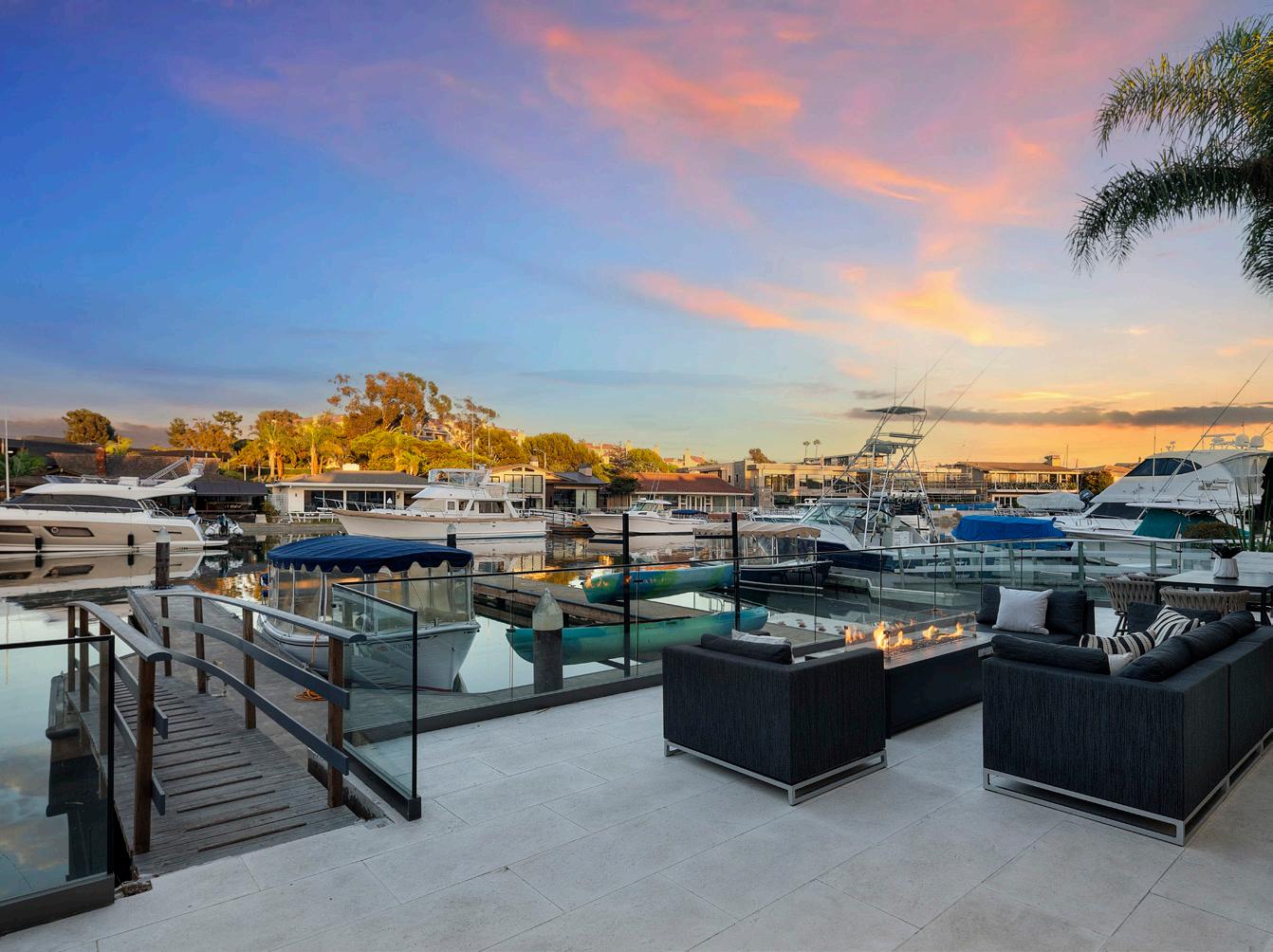
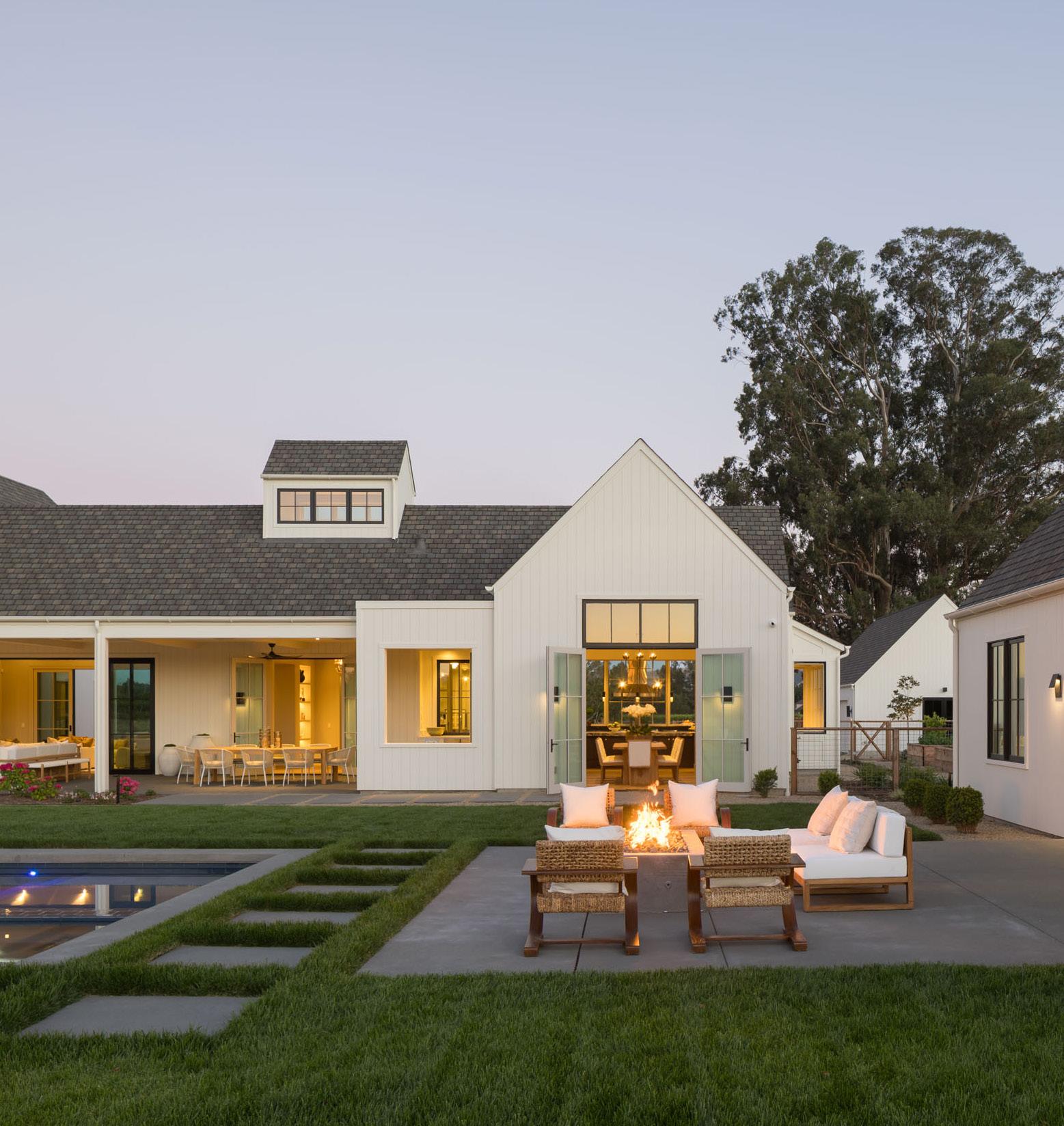
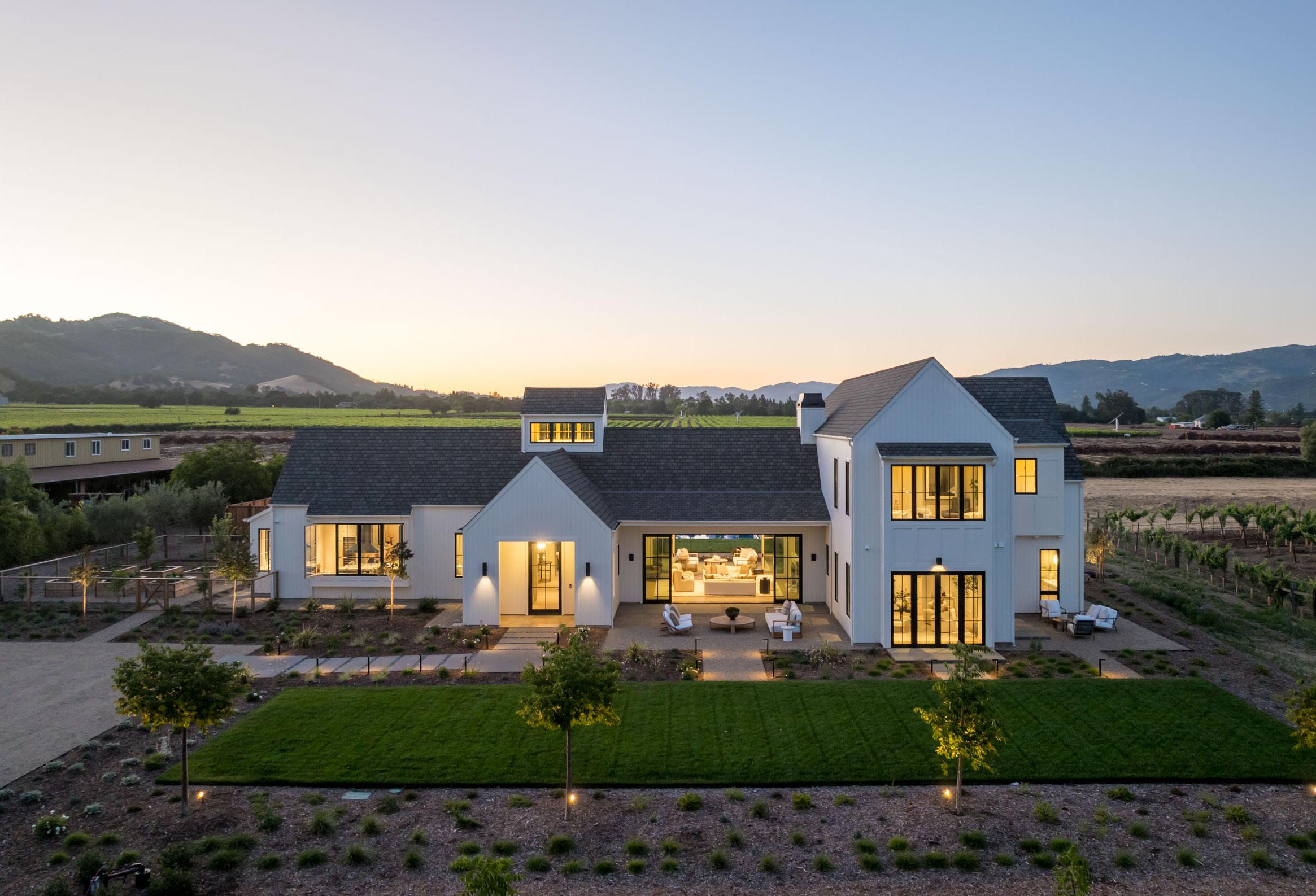
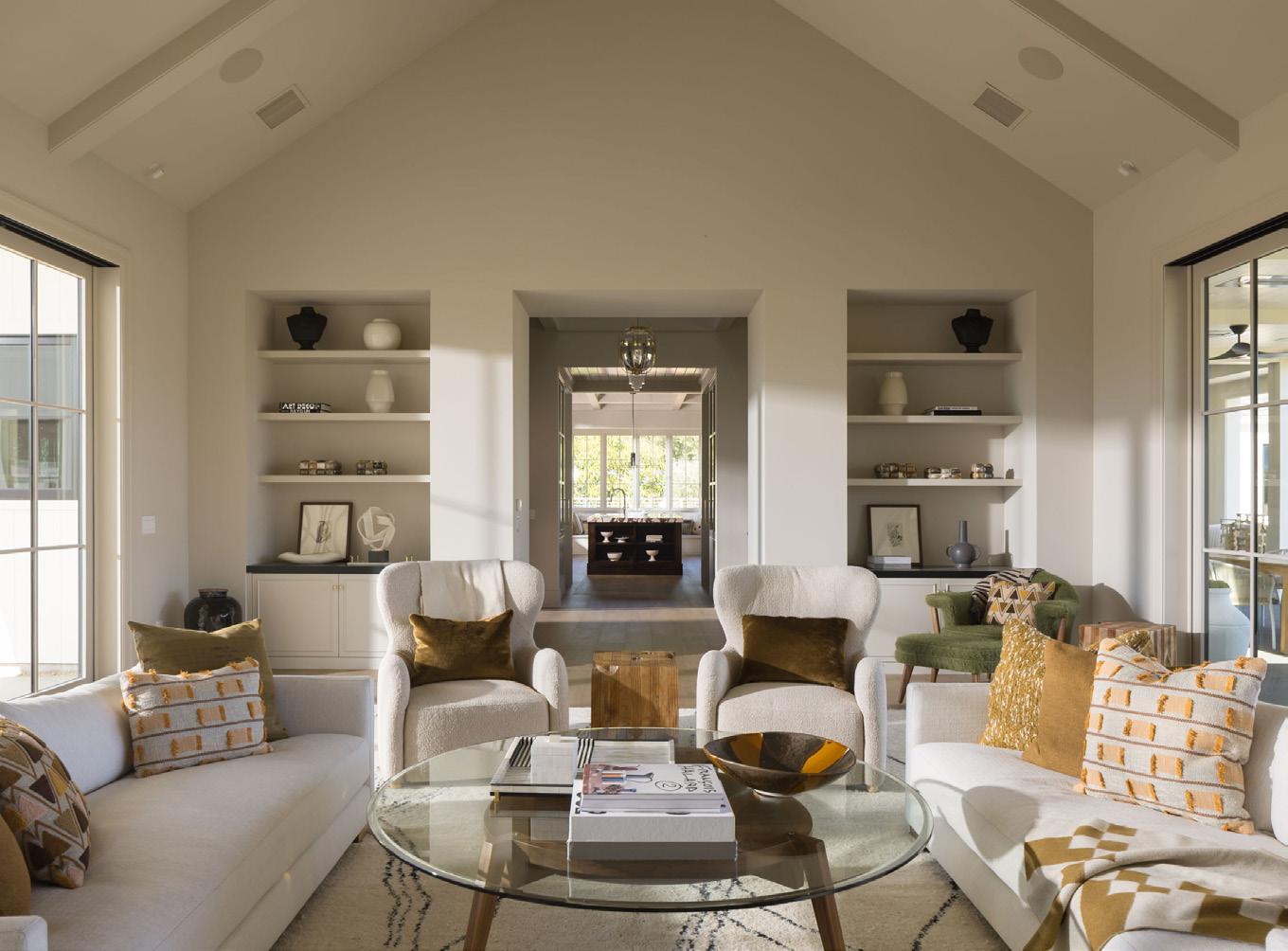
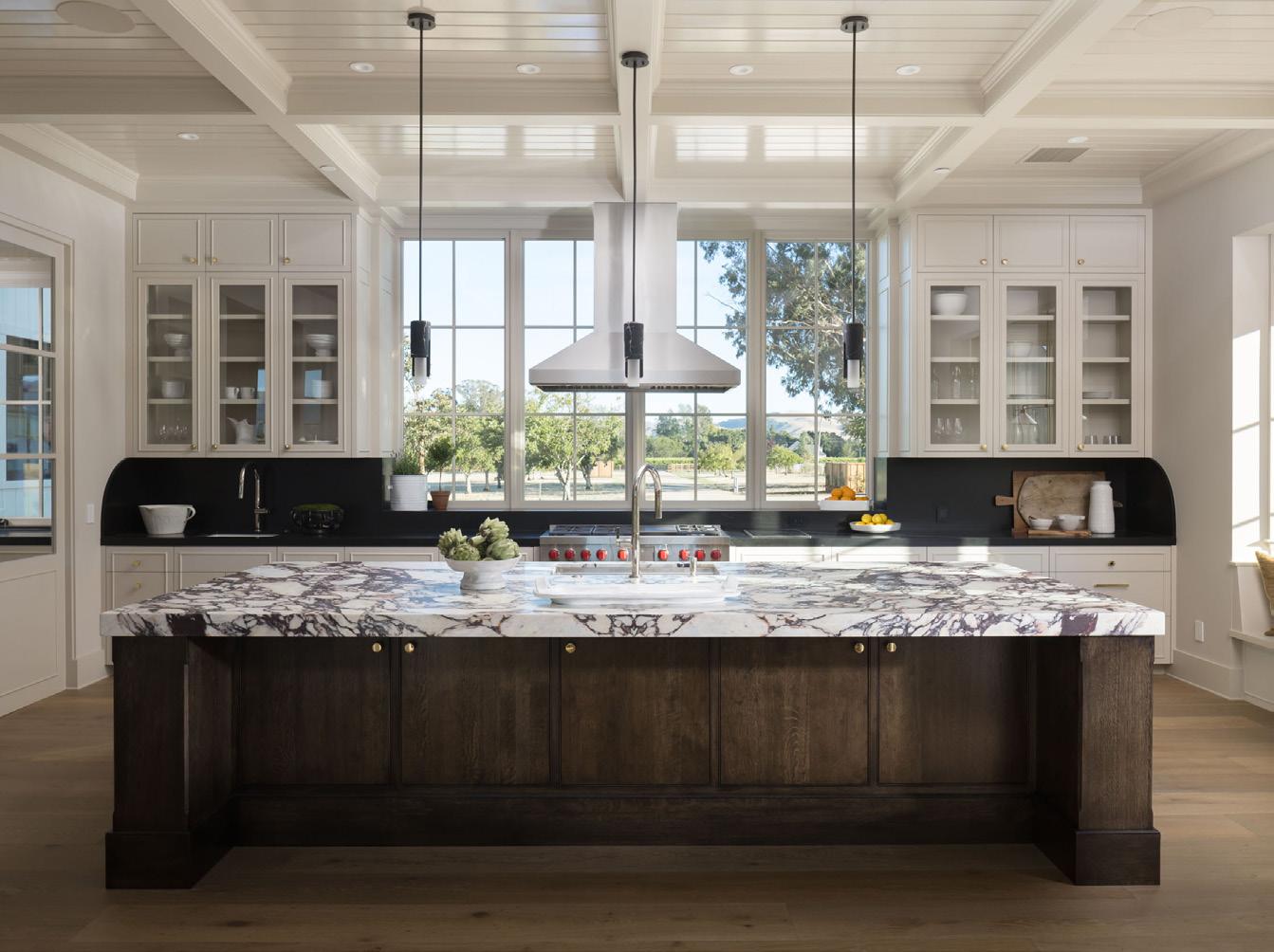
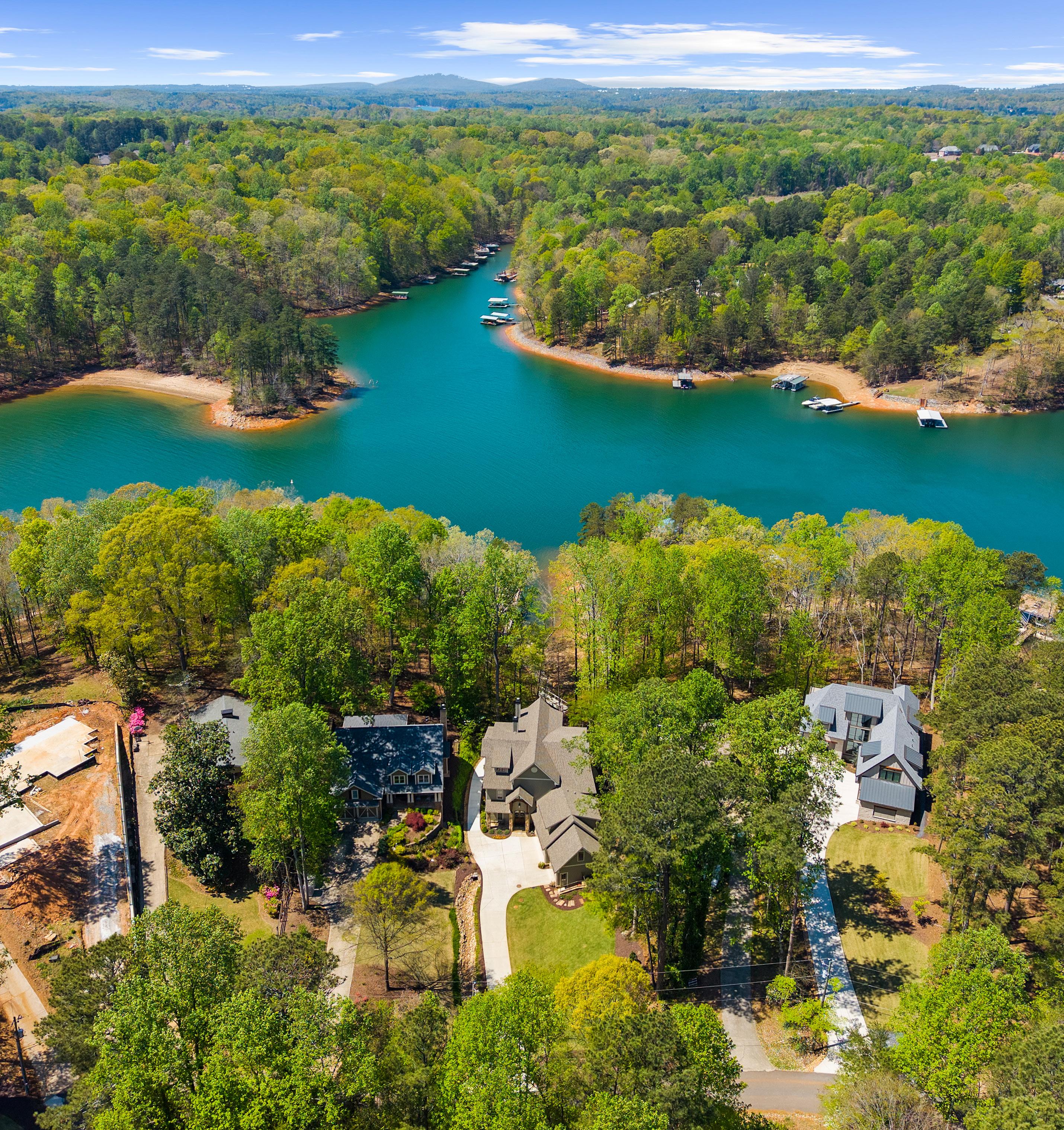
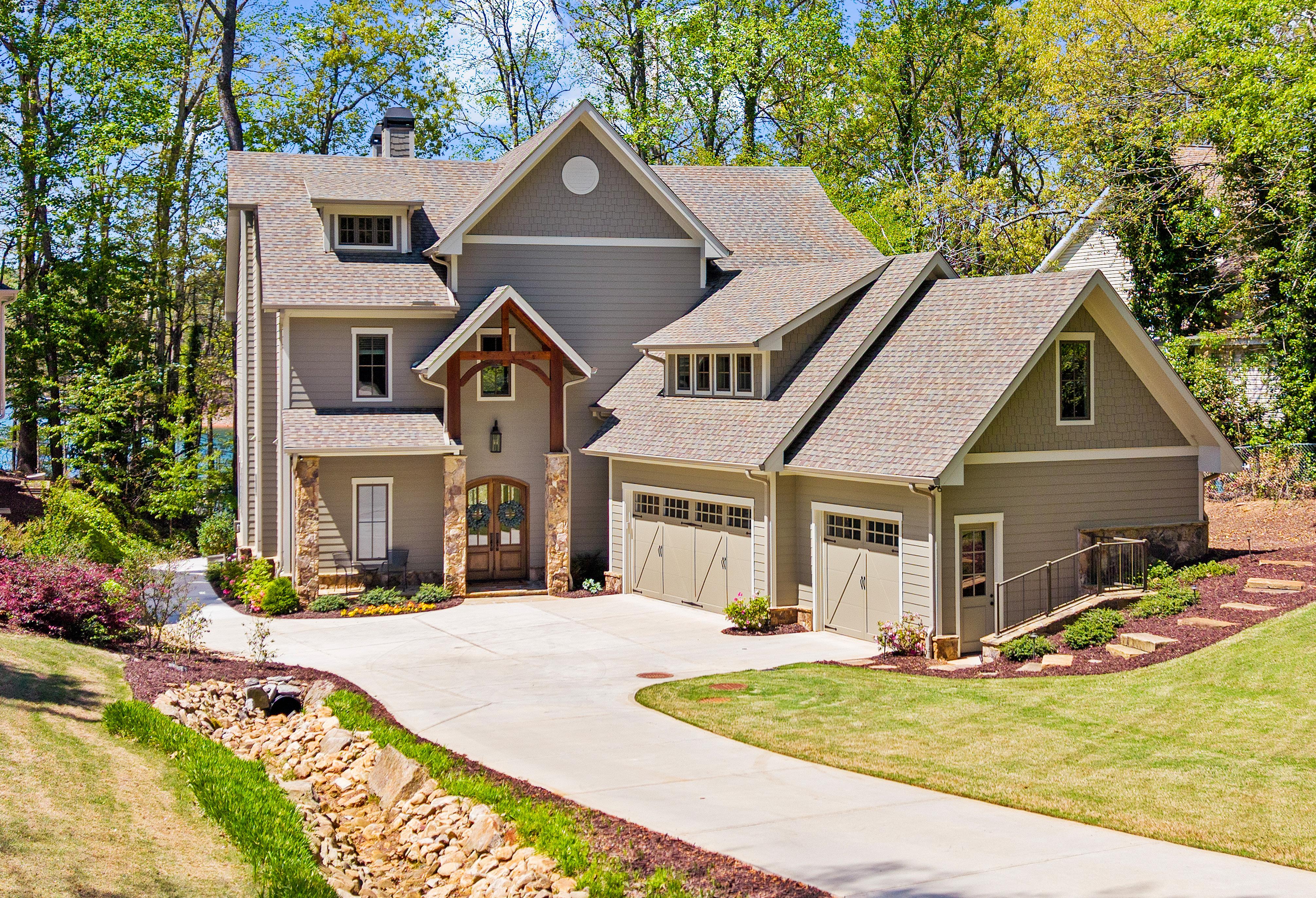
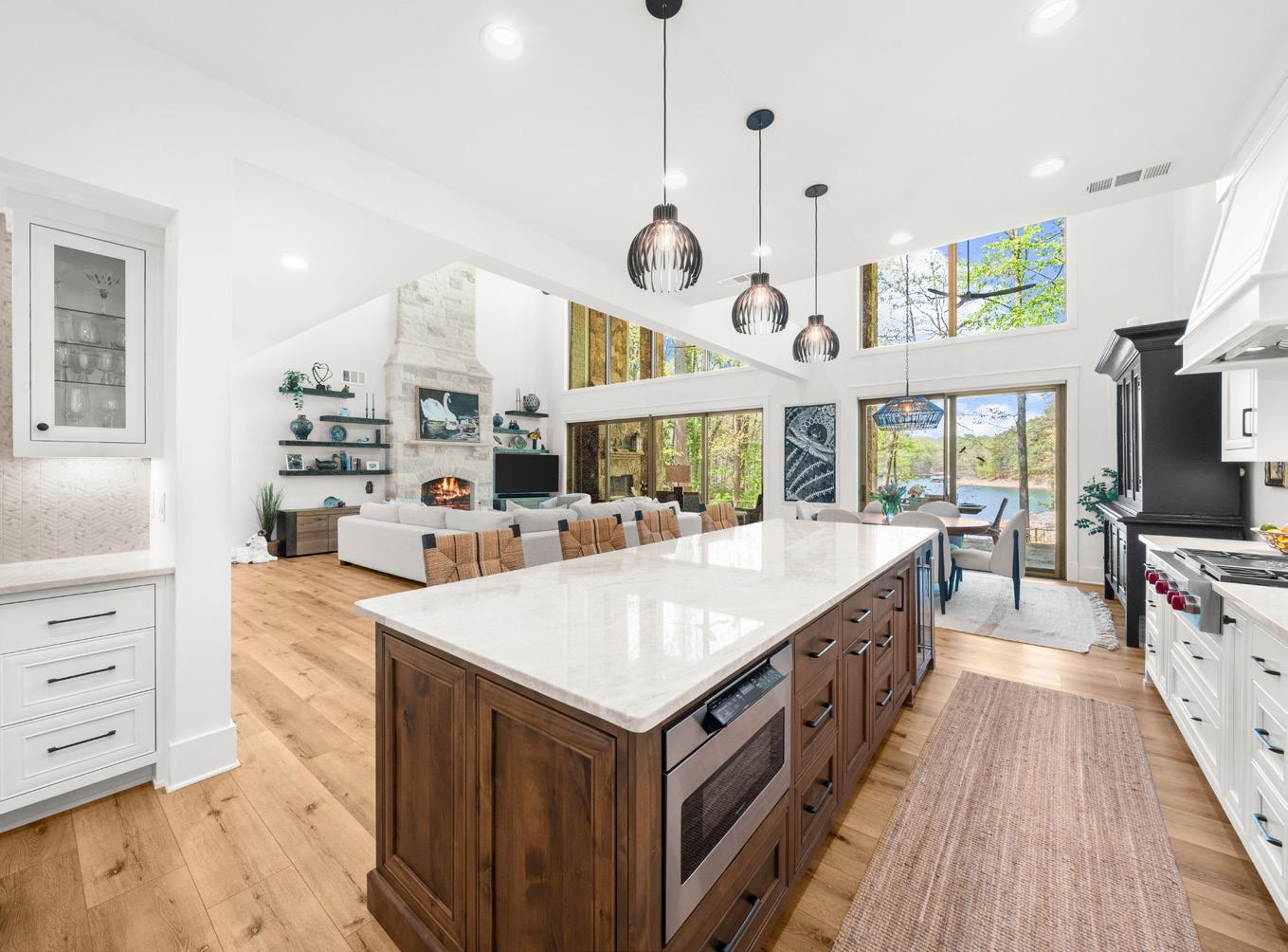
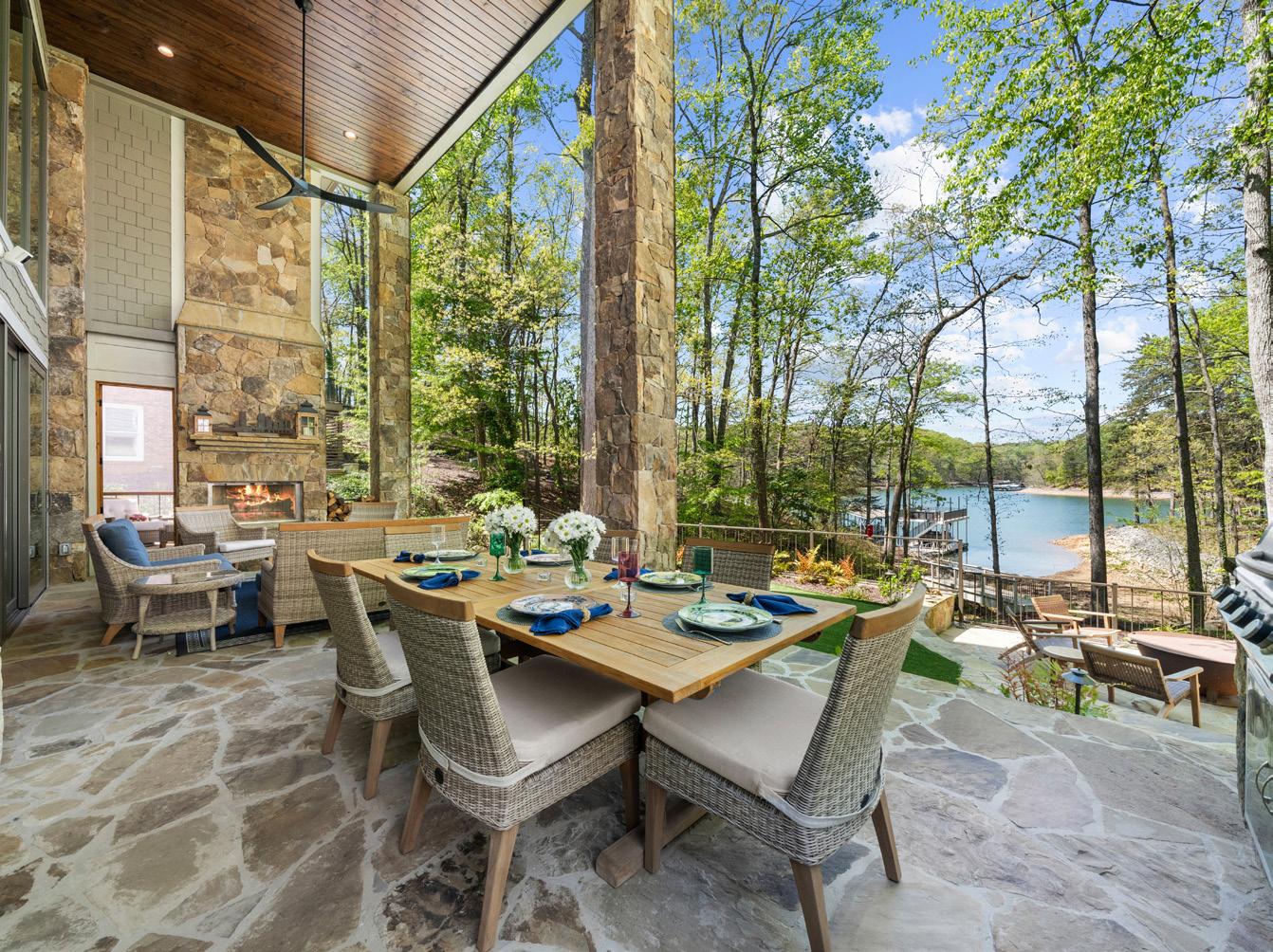
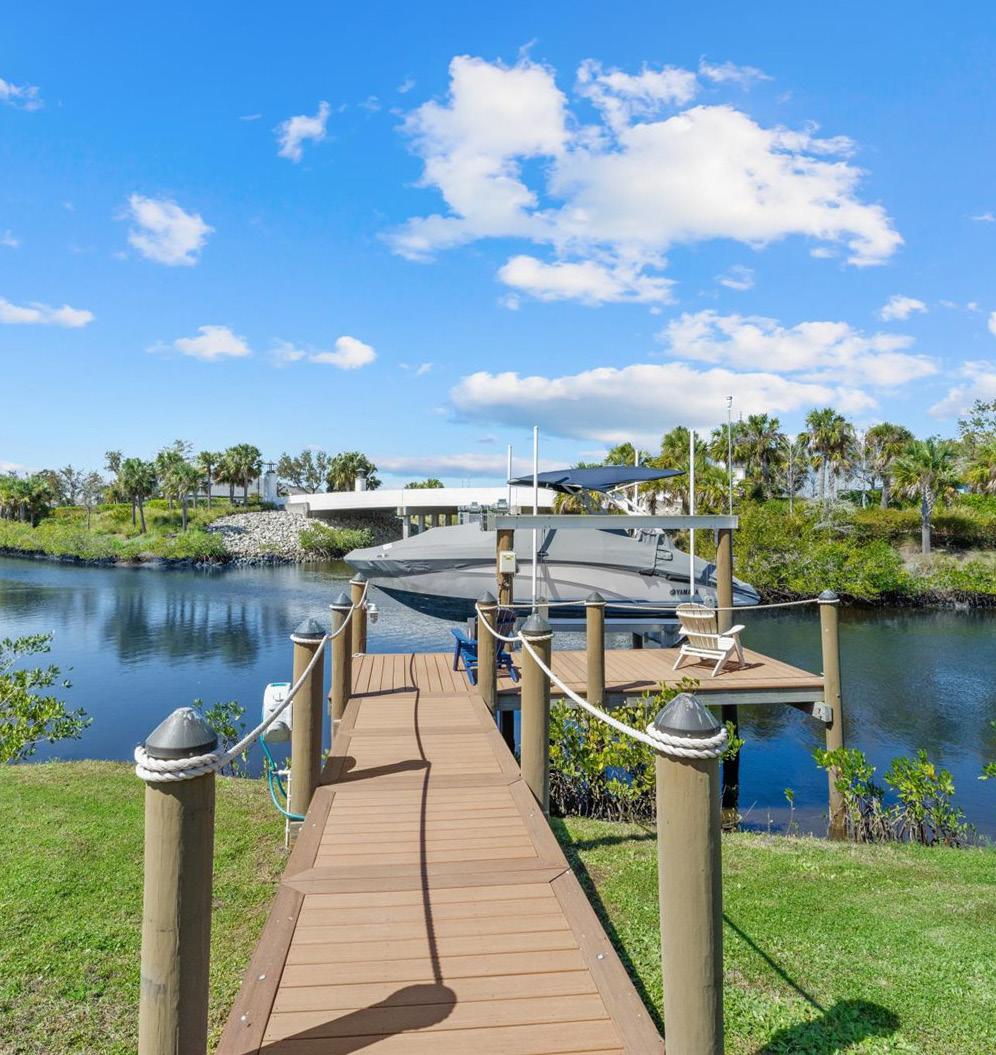
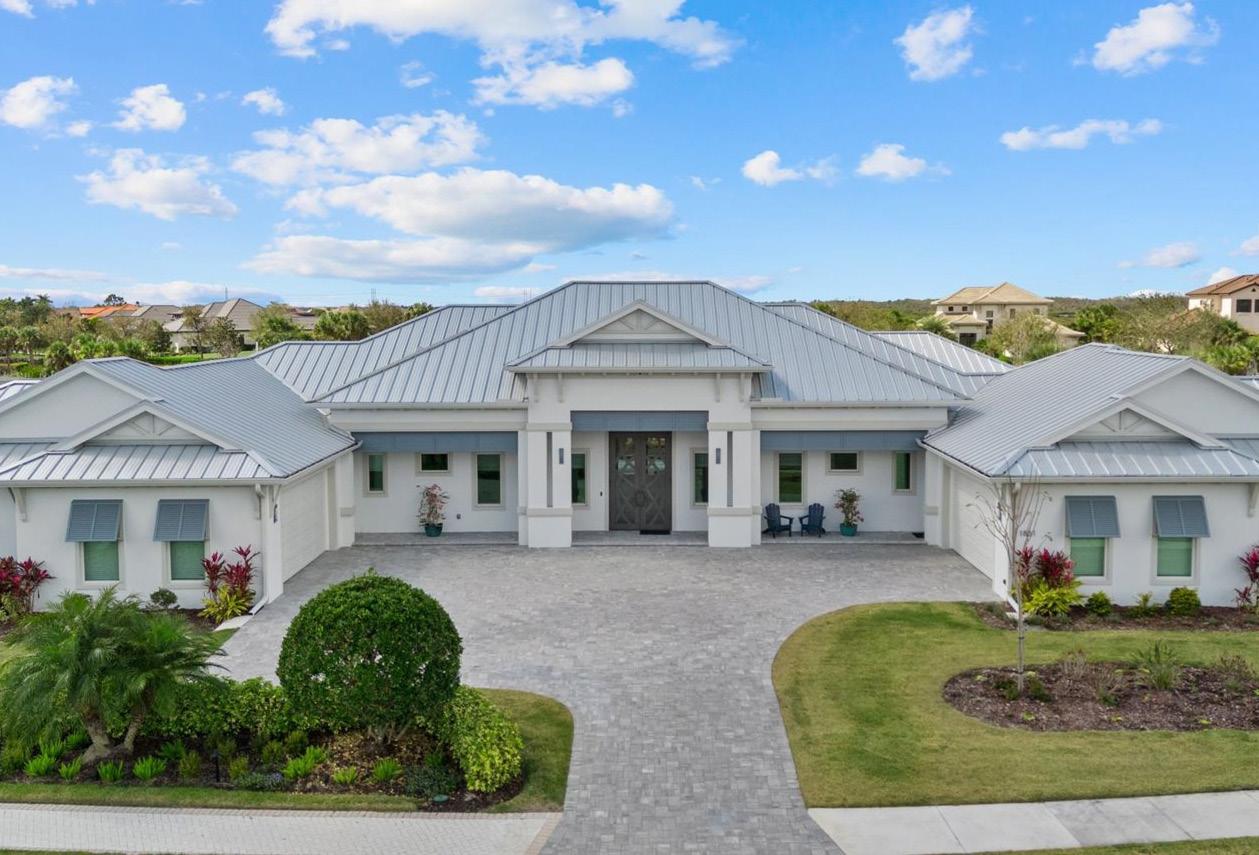
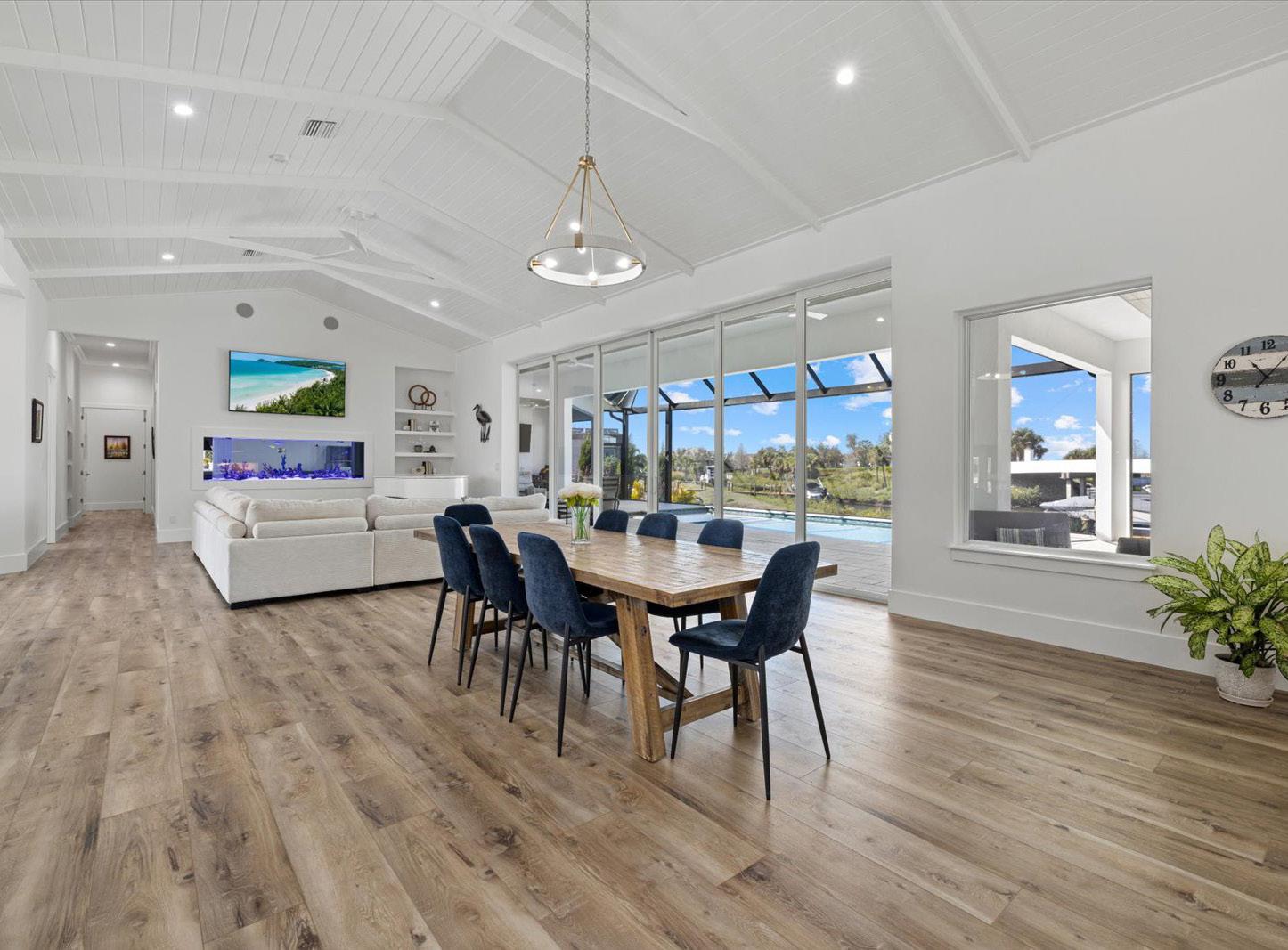
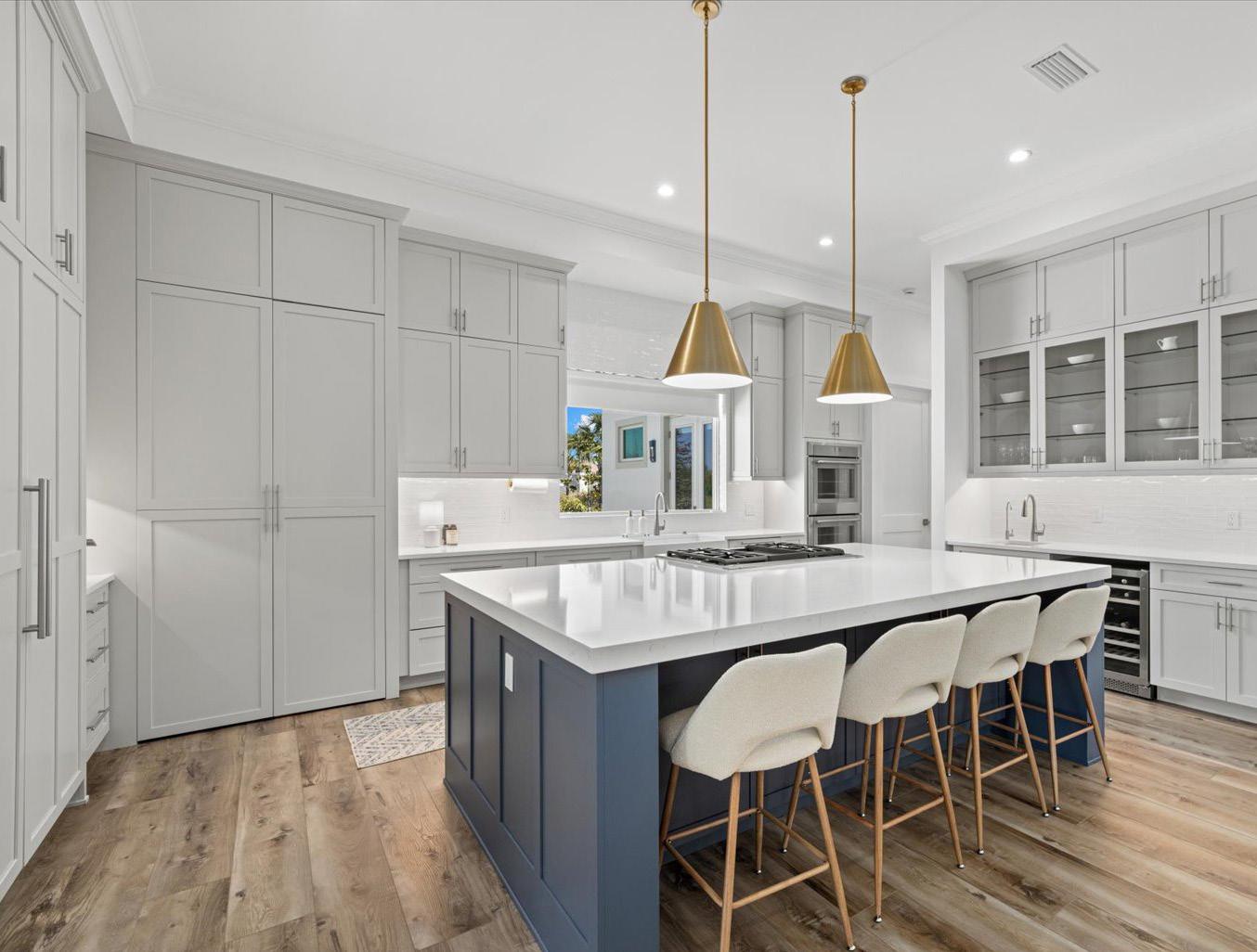
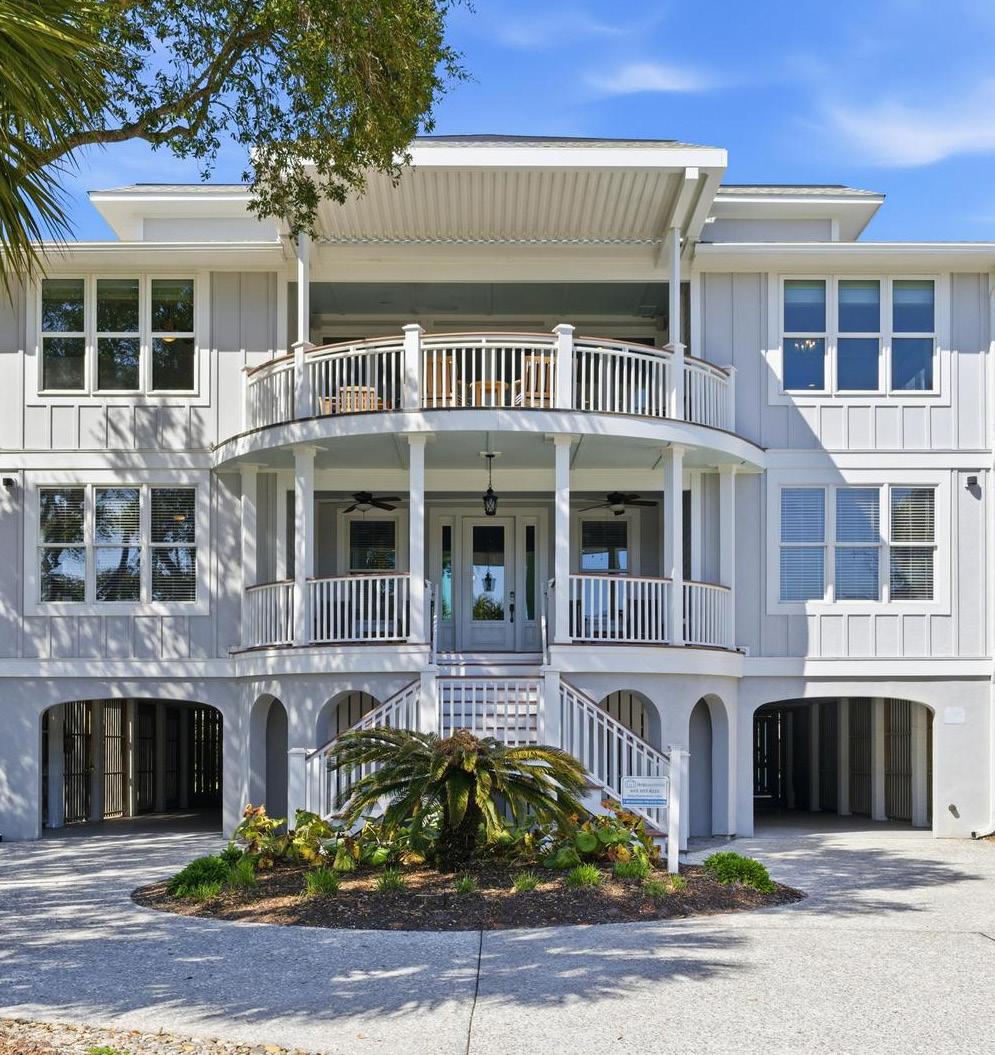
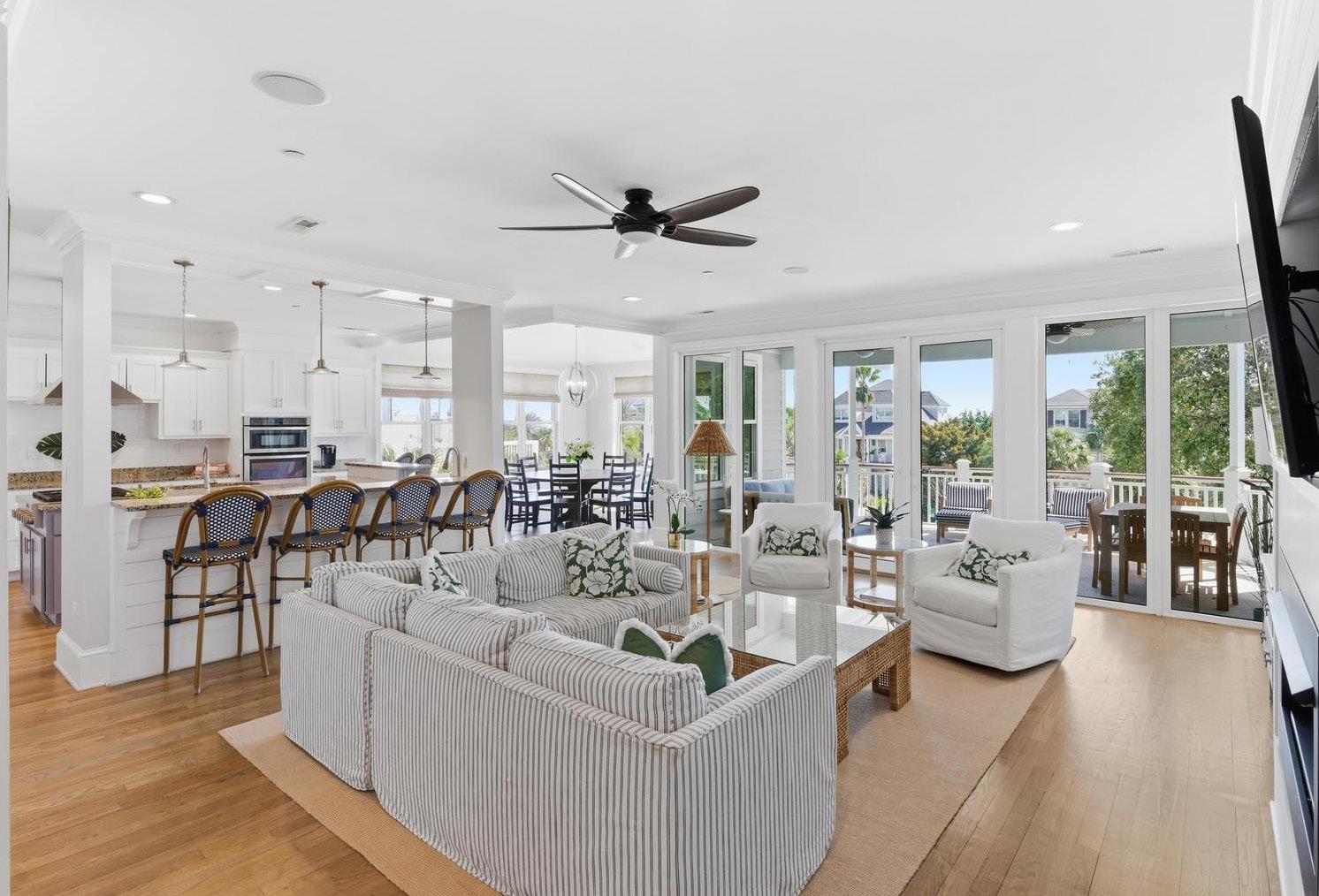
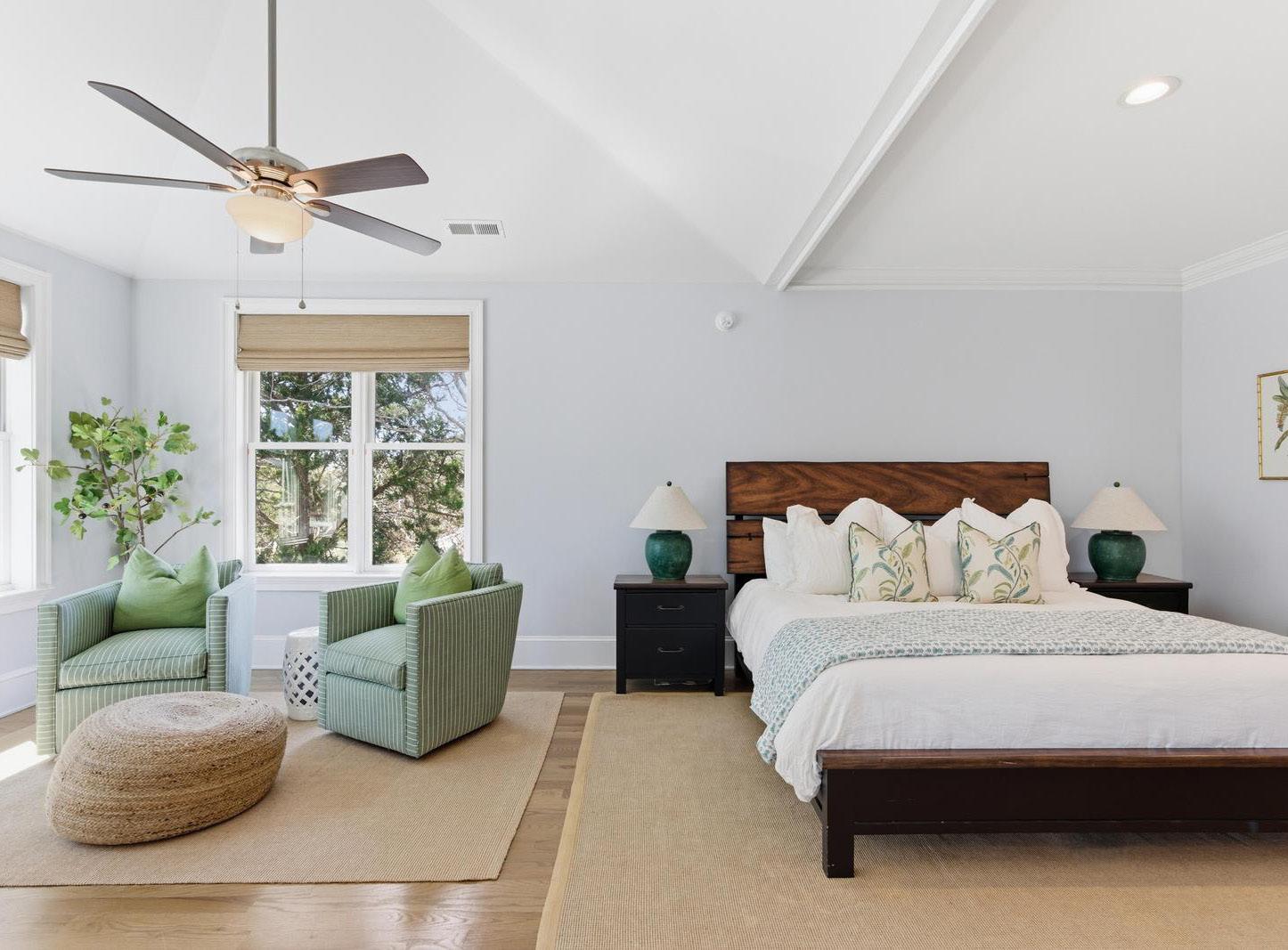
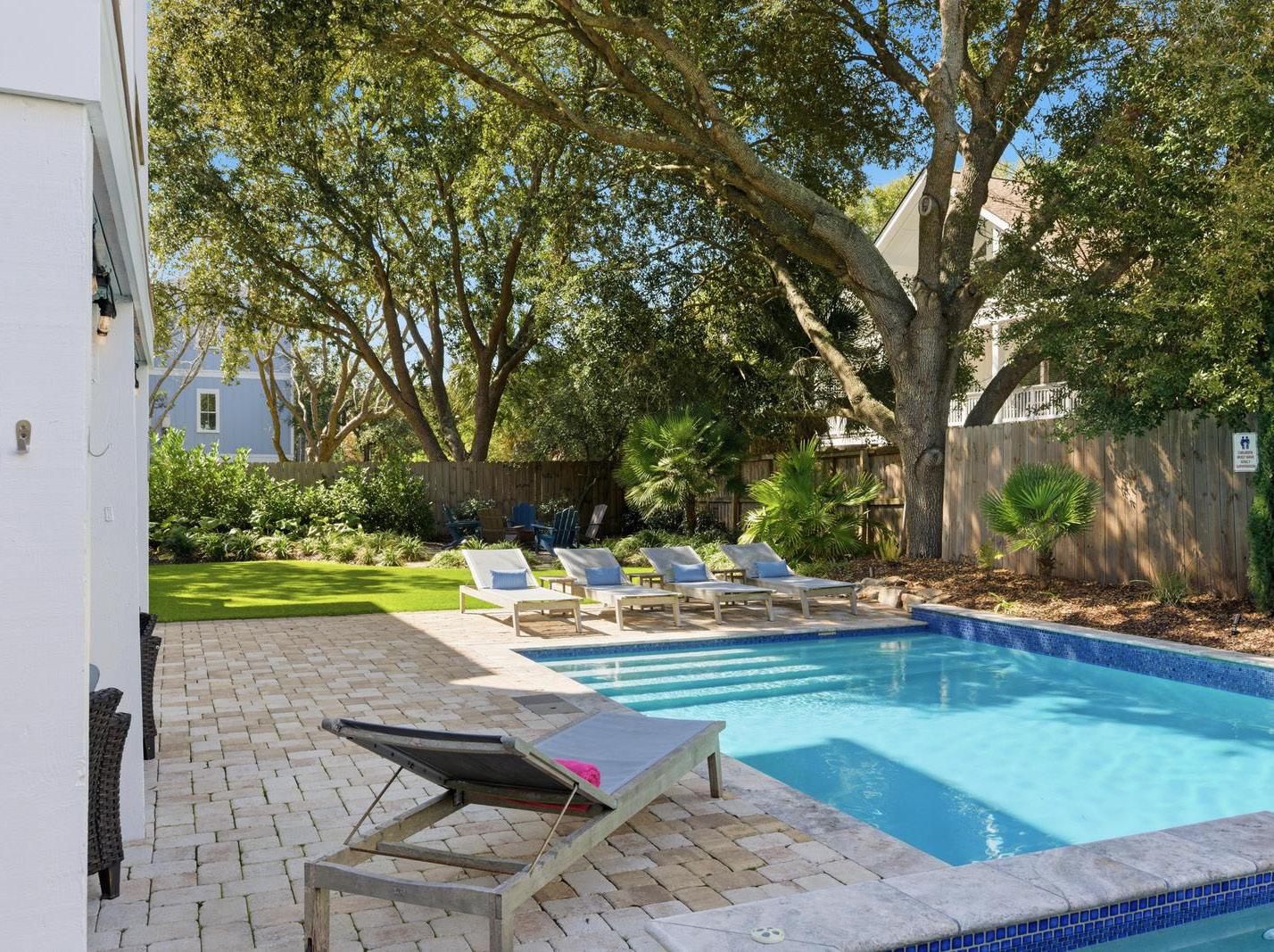
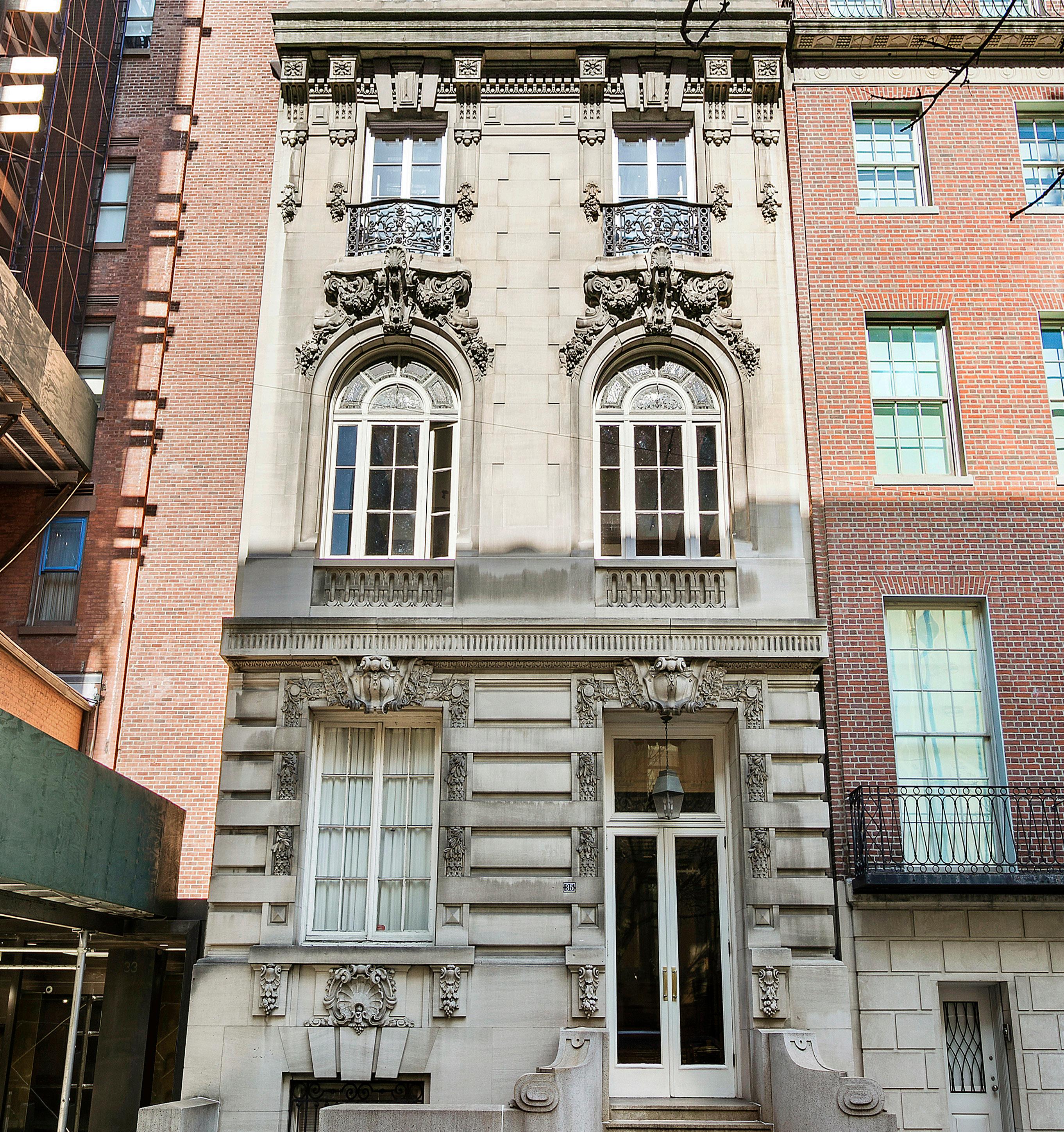
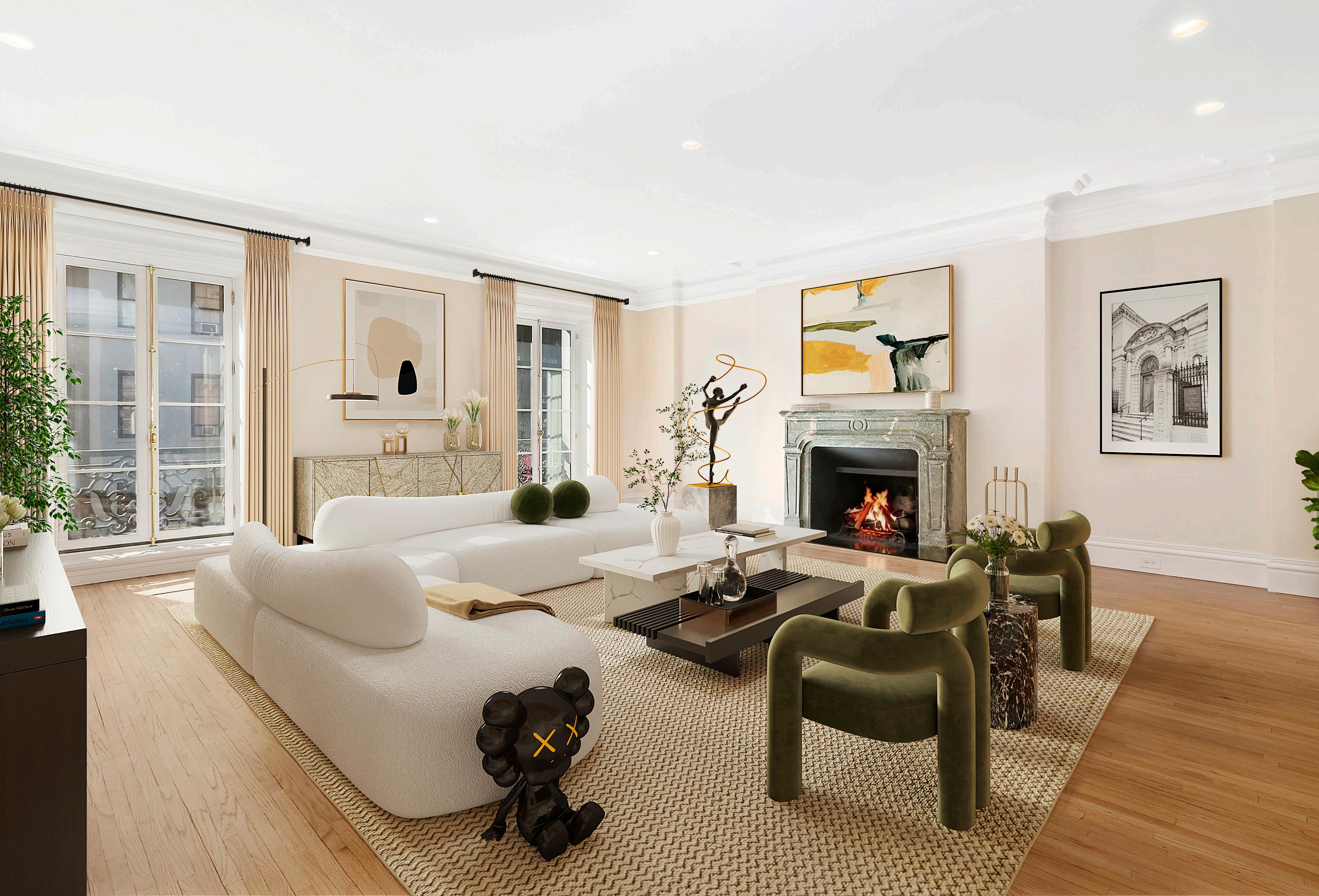
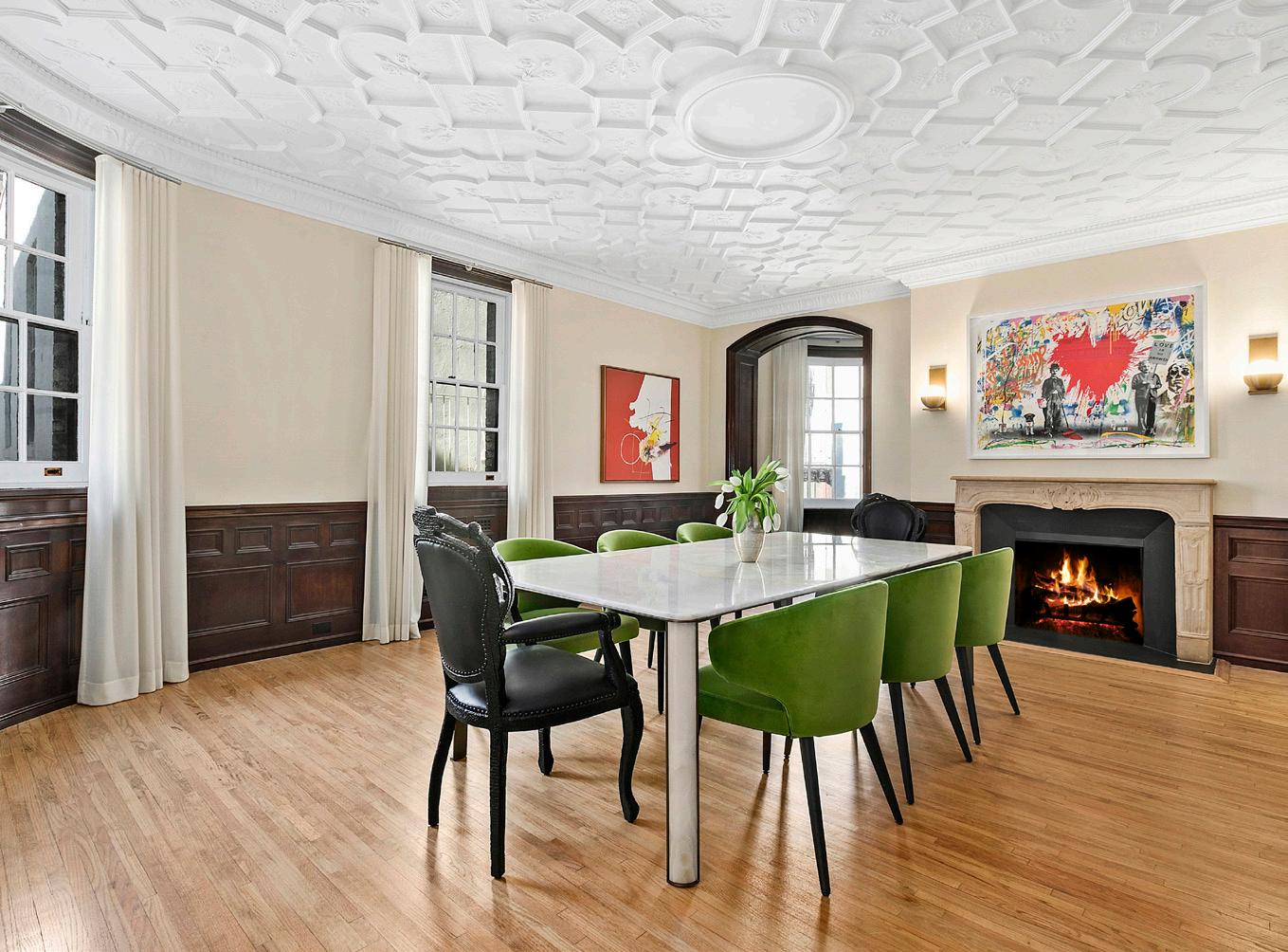
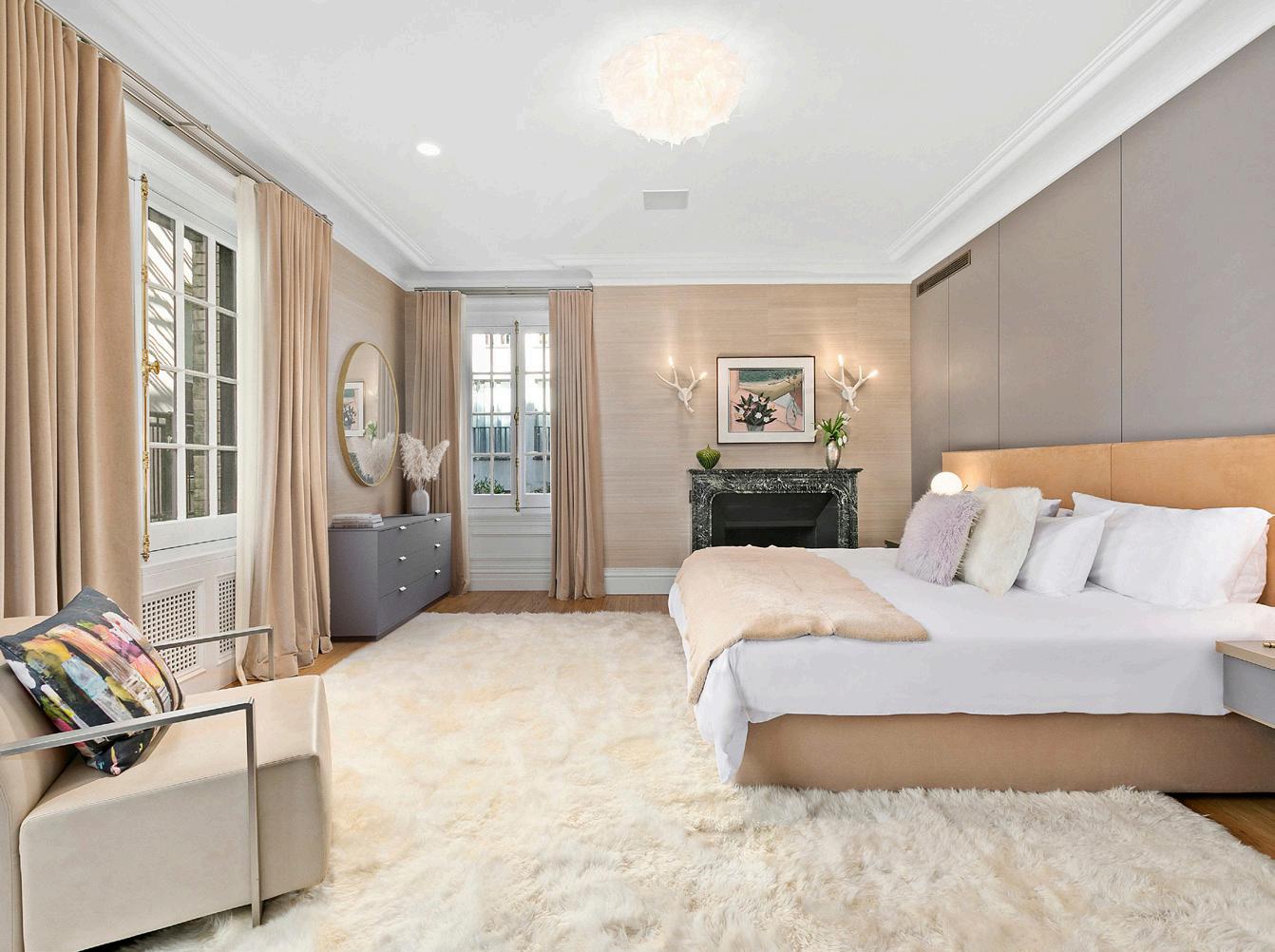
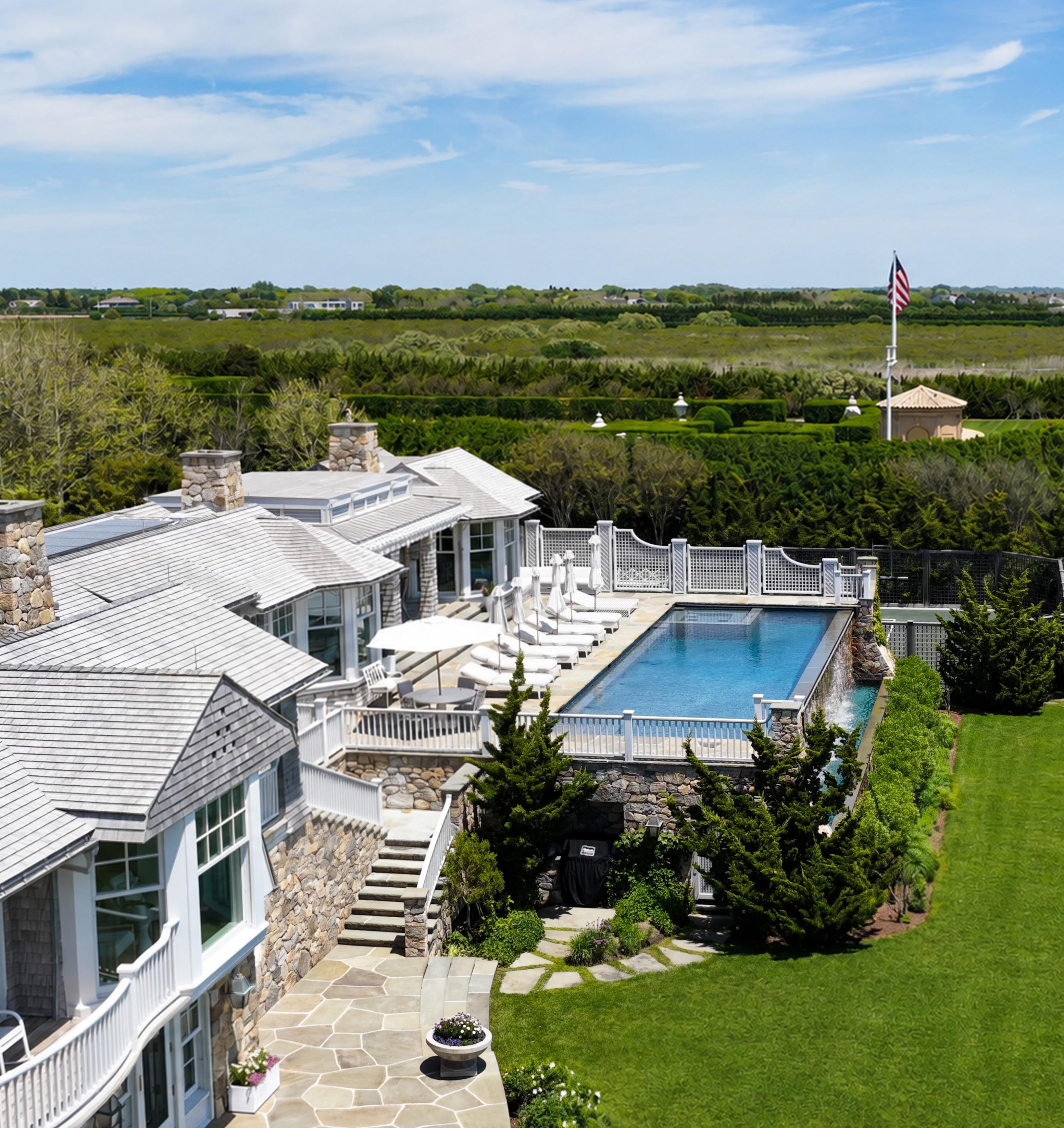
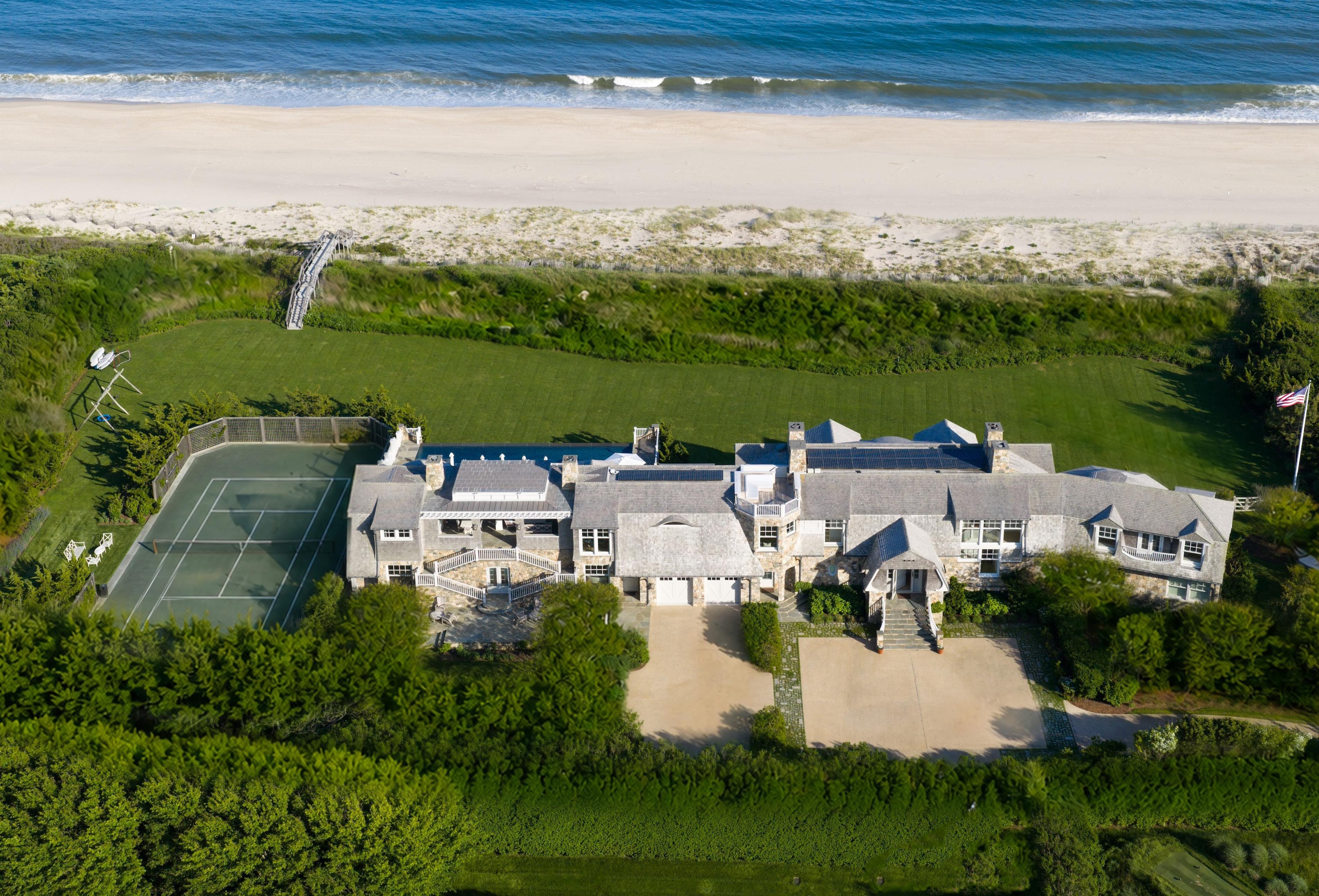
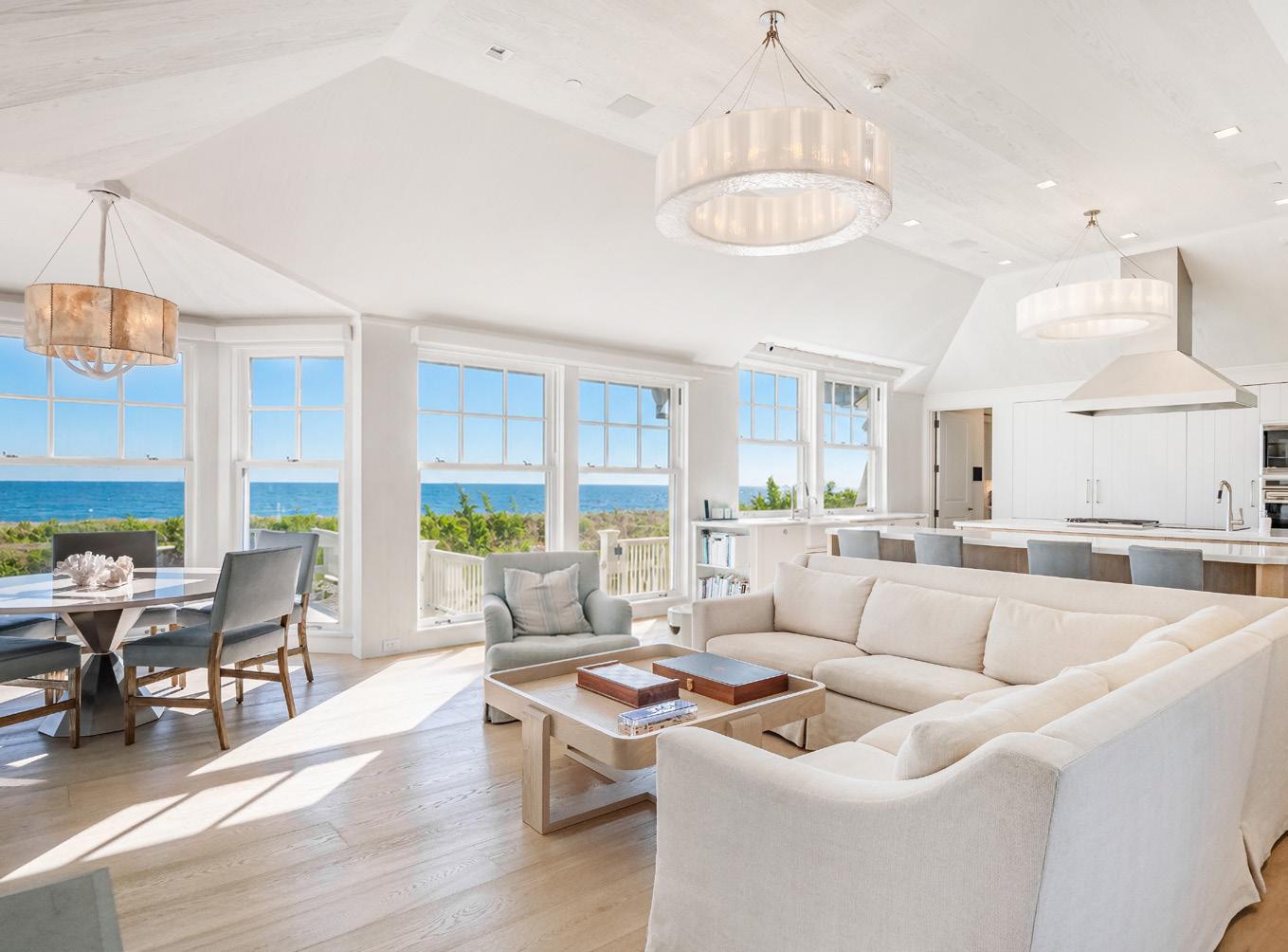
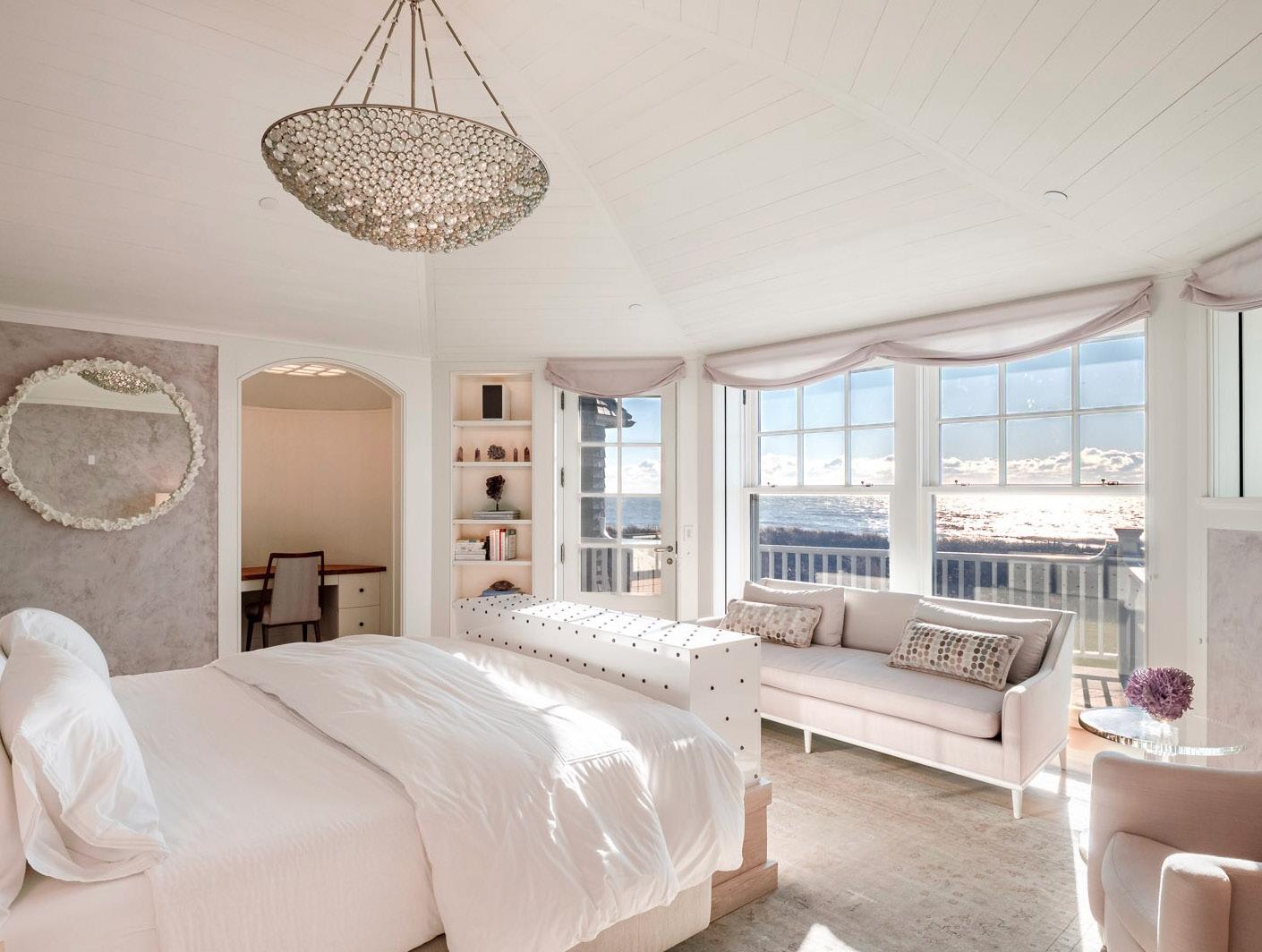
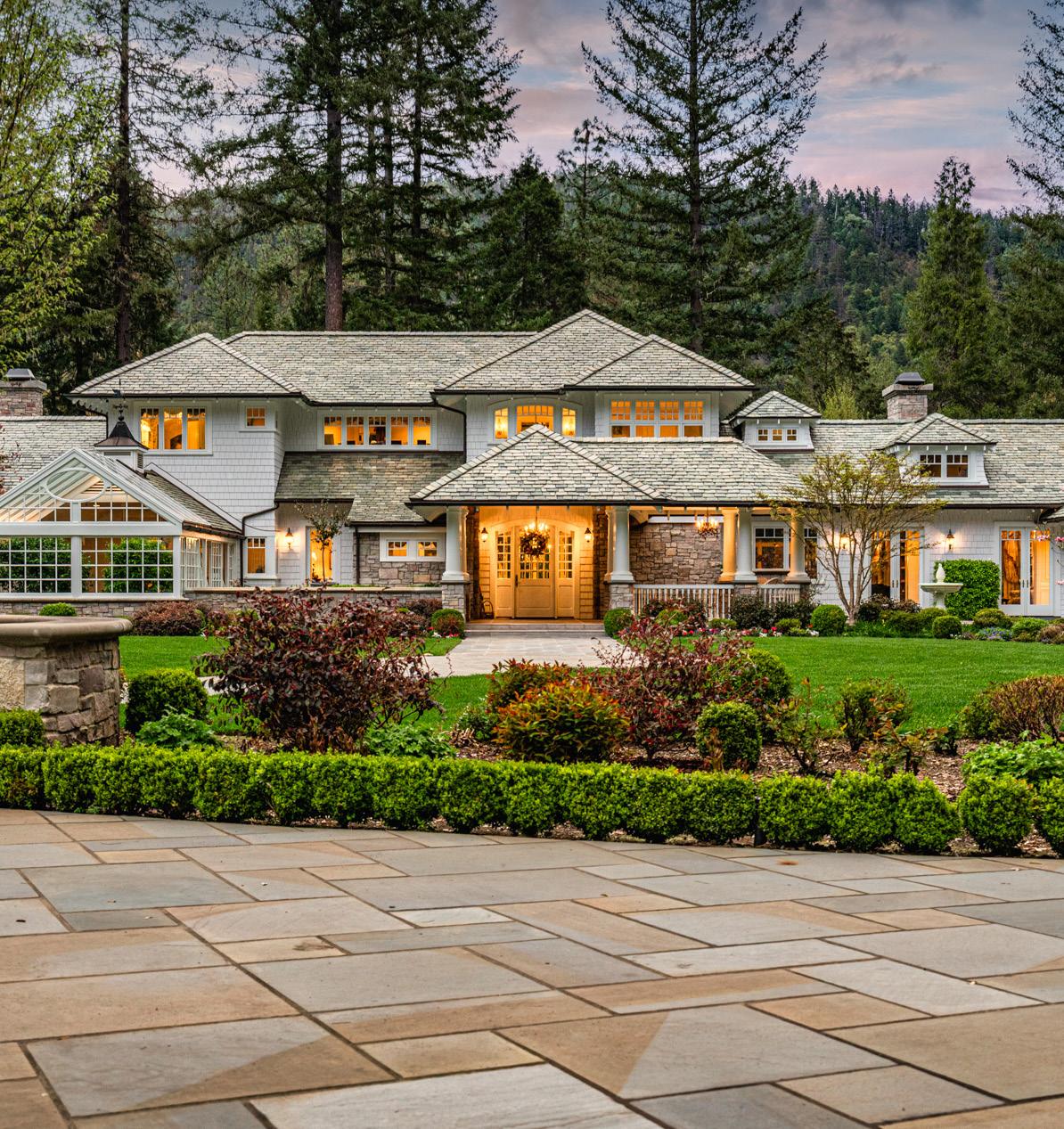
503 QUAIL LN, GRANTS PASS, OREGON
2 Bedrooms | 2 Bathrooms | 5,691 SqFt
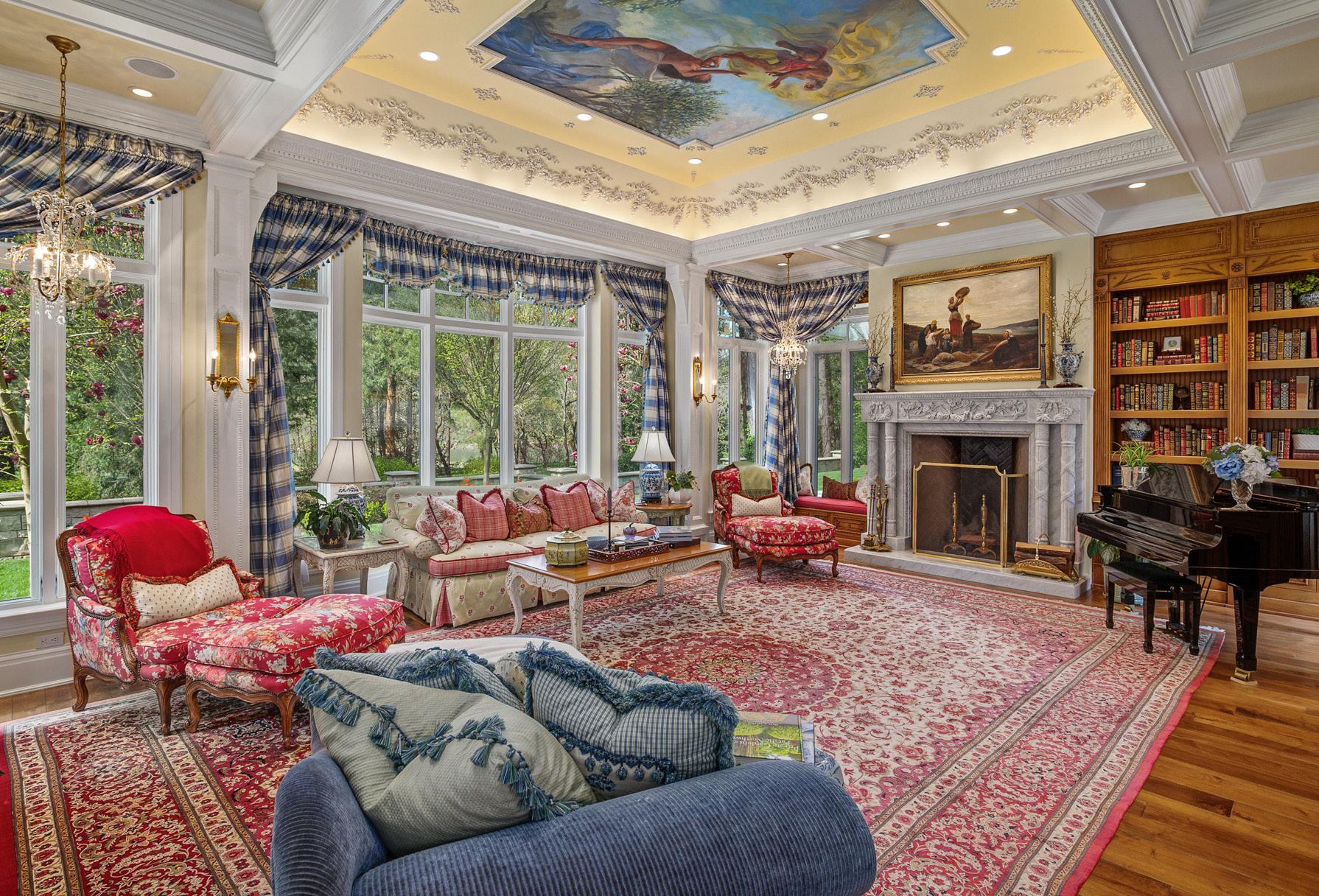
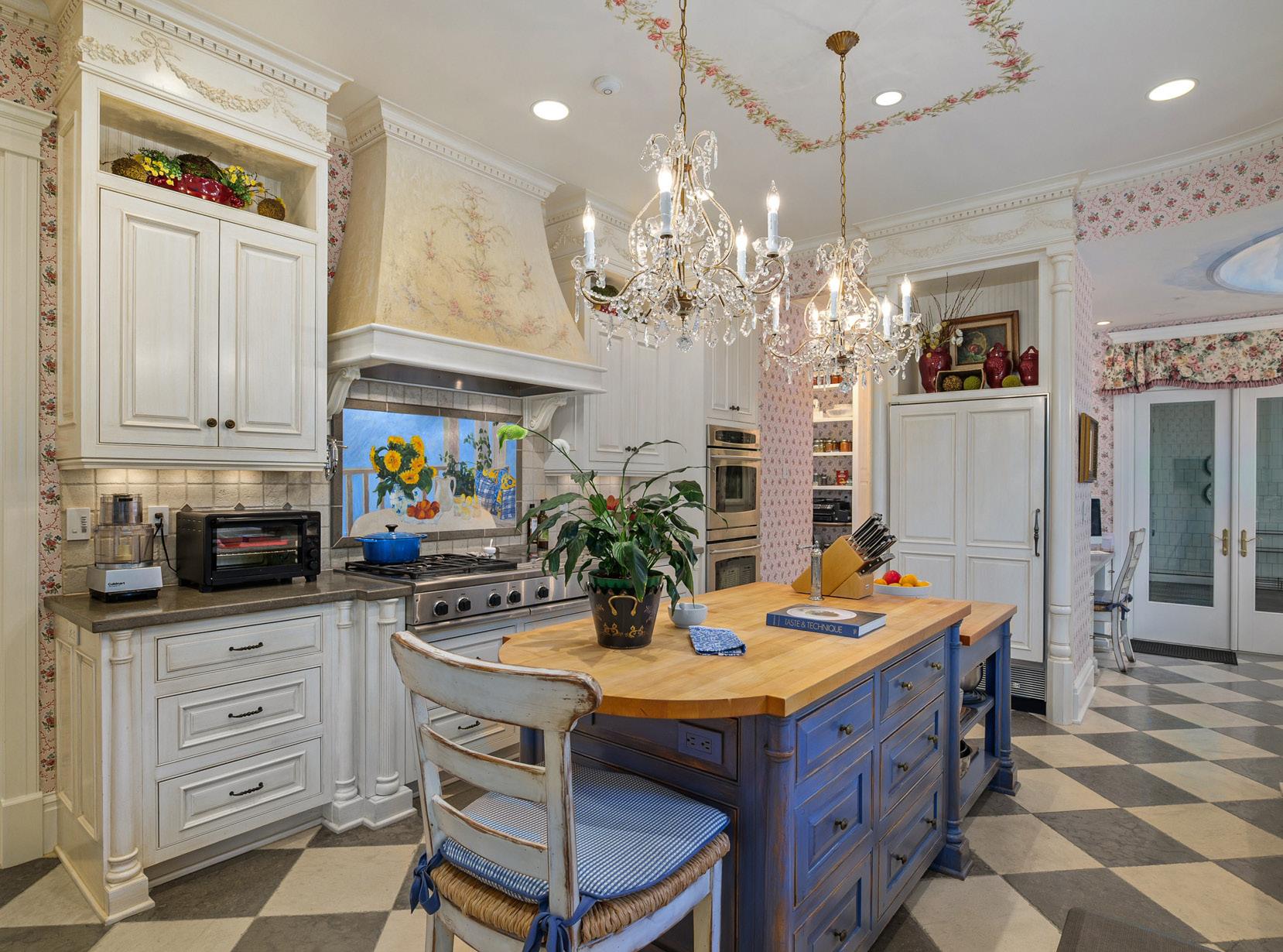
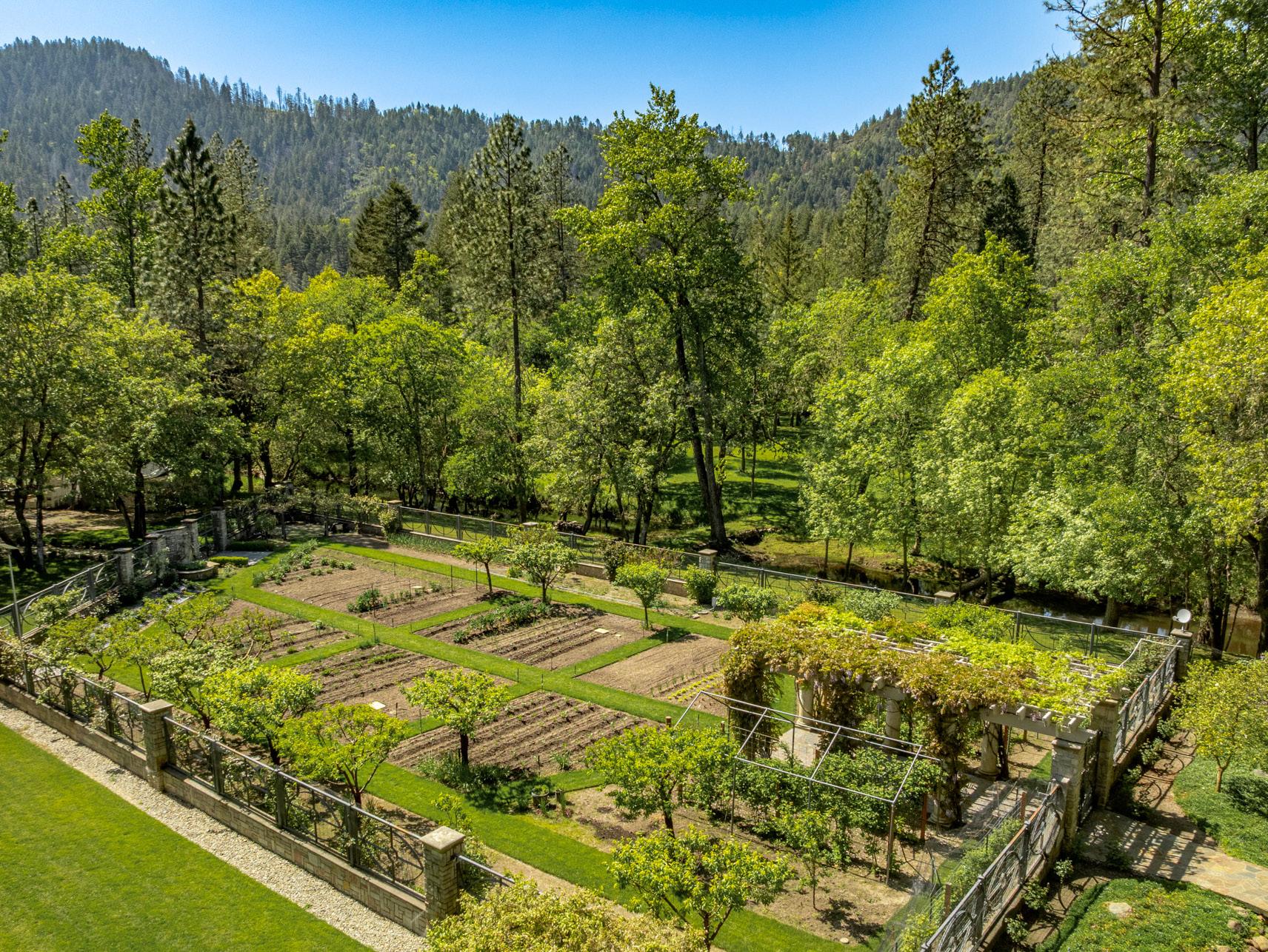
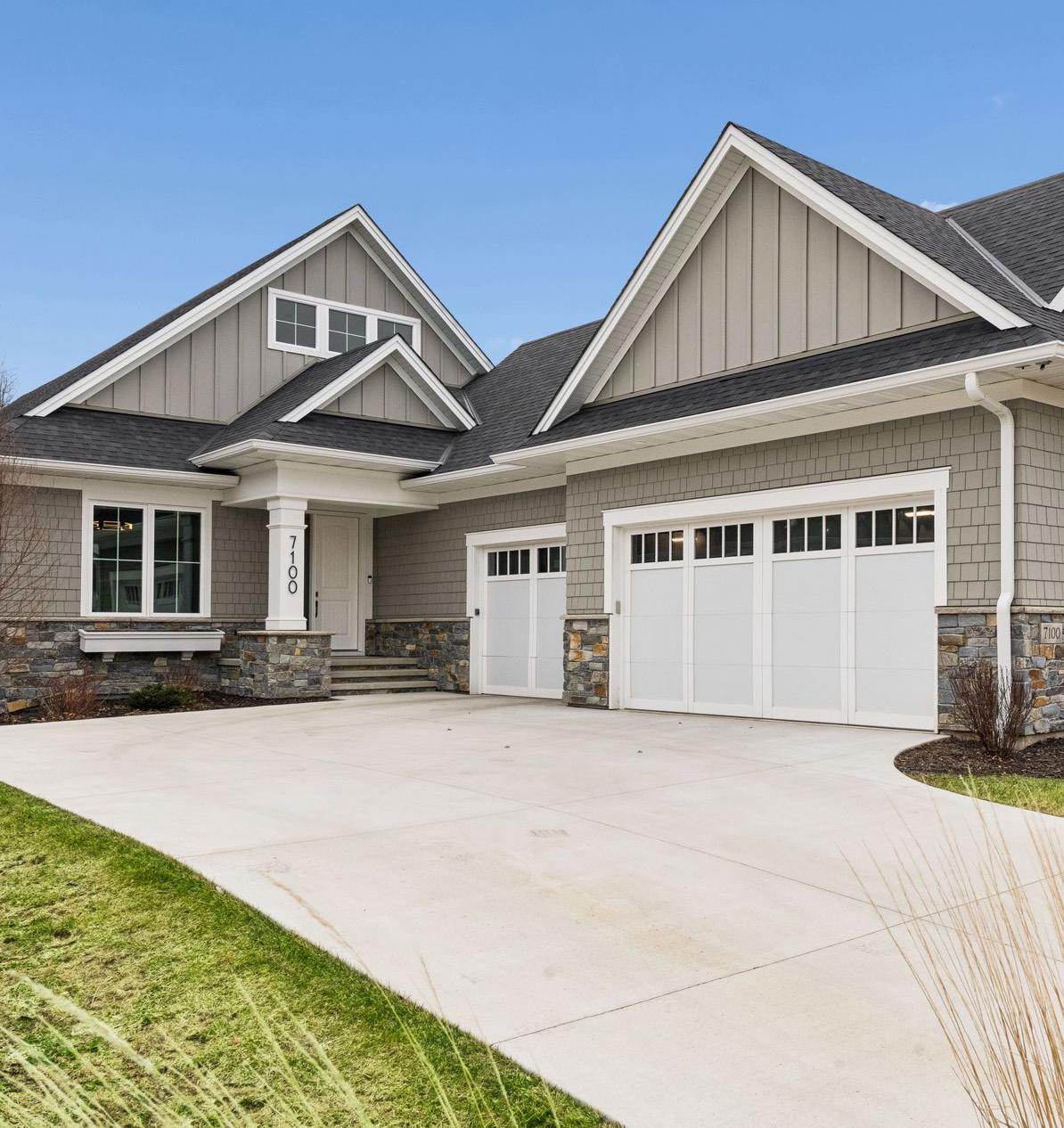
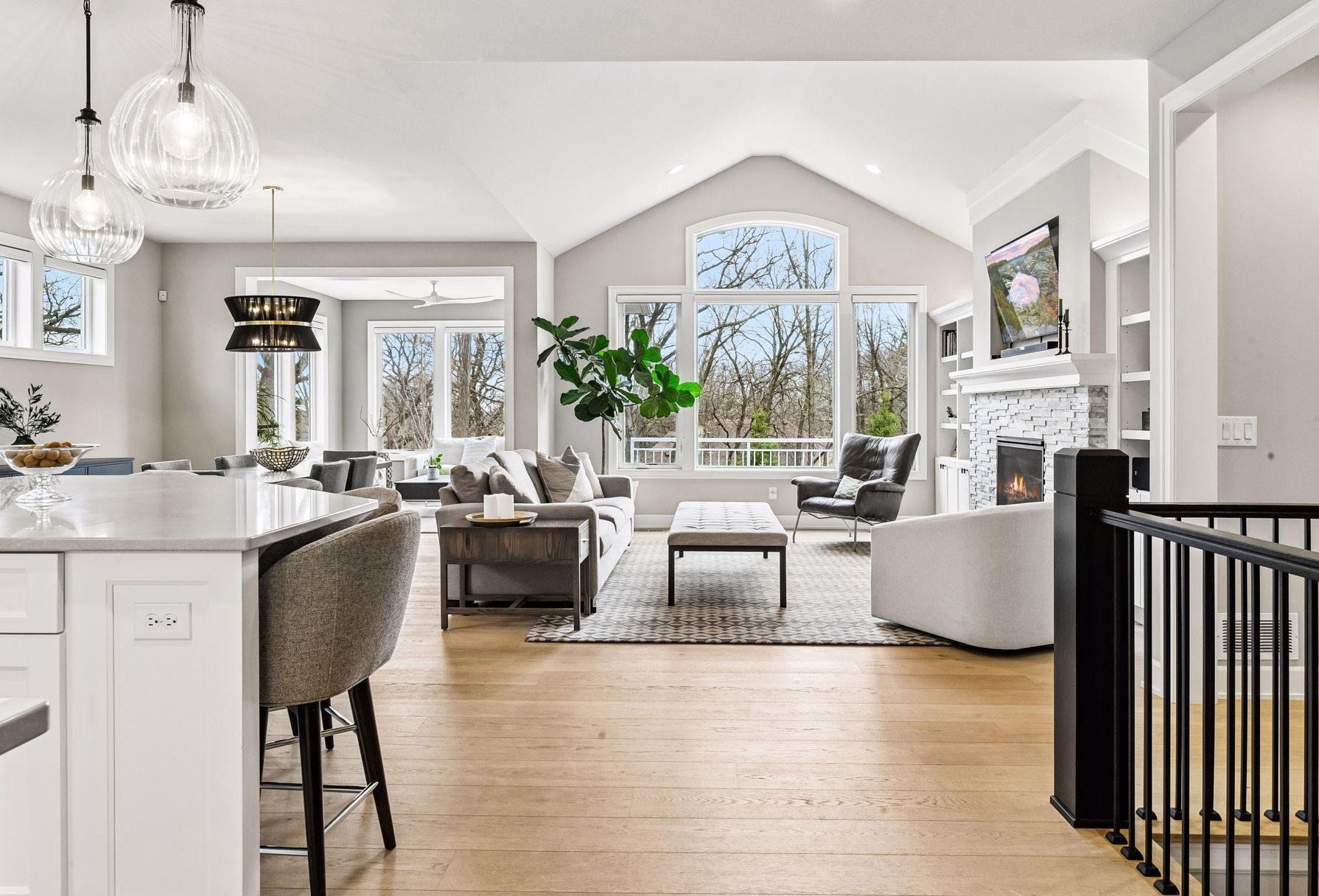
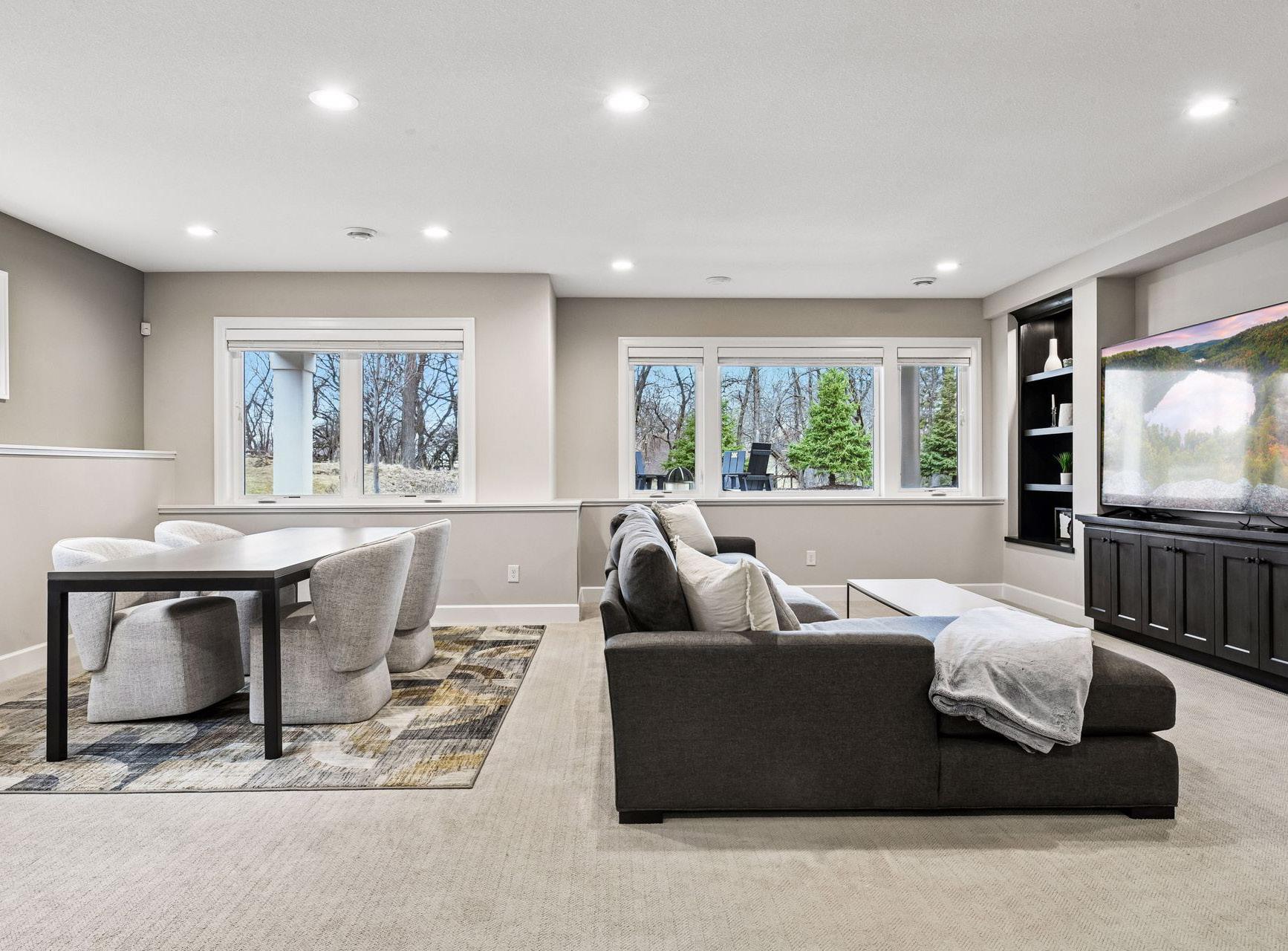
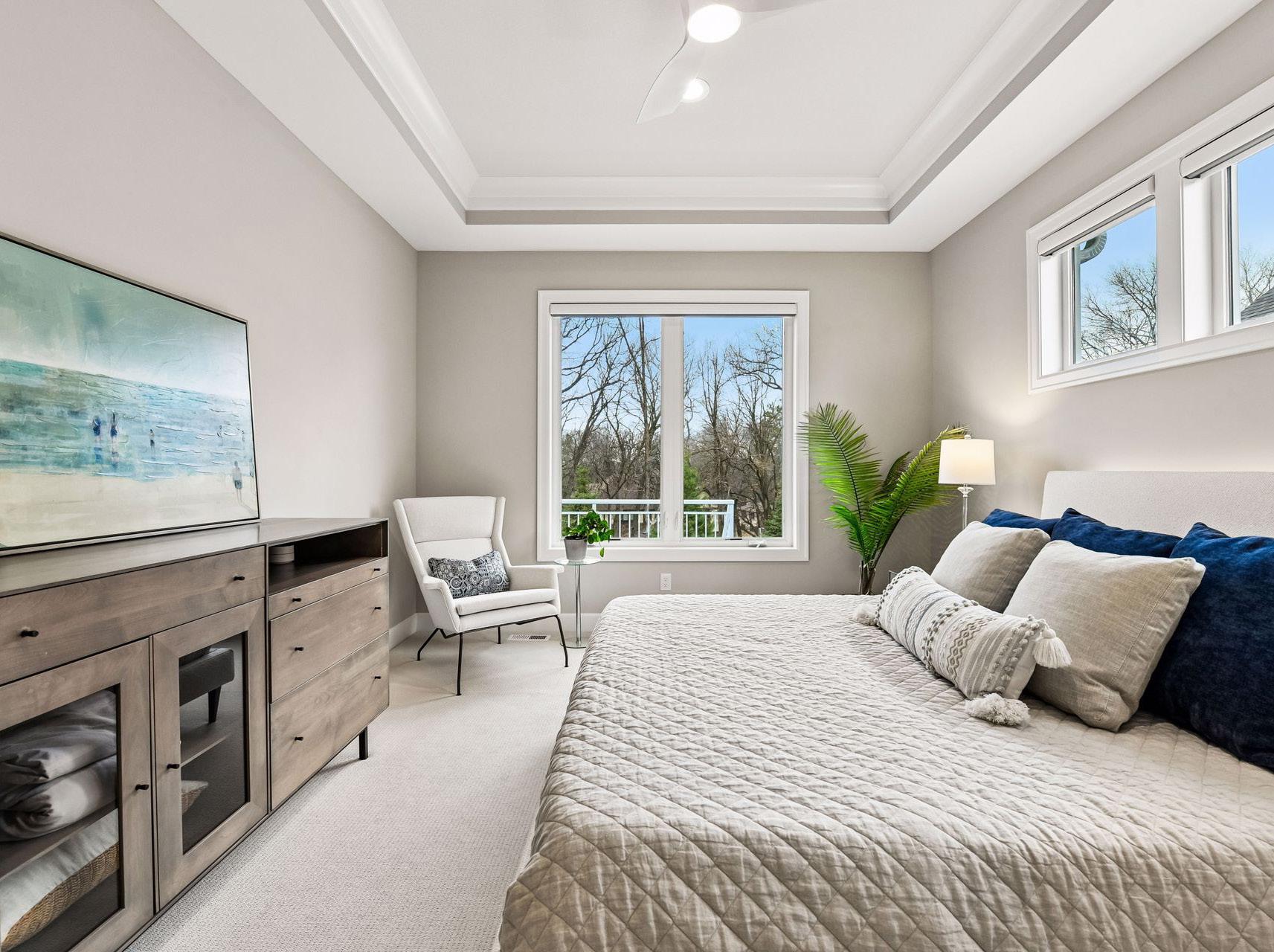
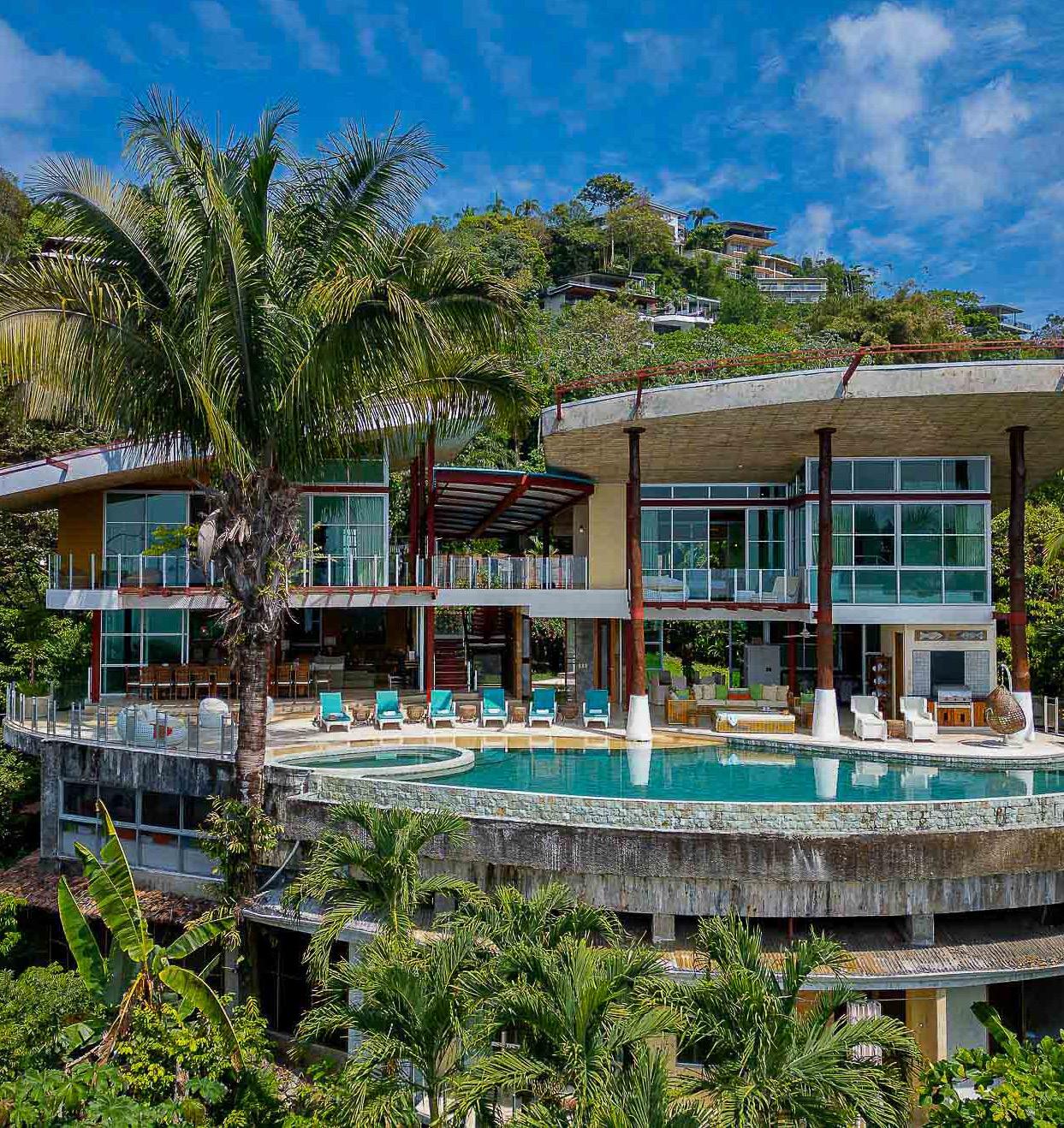
PACIFIC CANYON DRIVE, MANUEL ANTONIO, PUNTARENAS
10 Bedrooms | 10 Bathrooms | 3 Half Bath | 12,000 SqFt
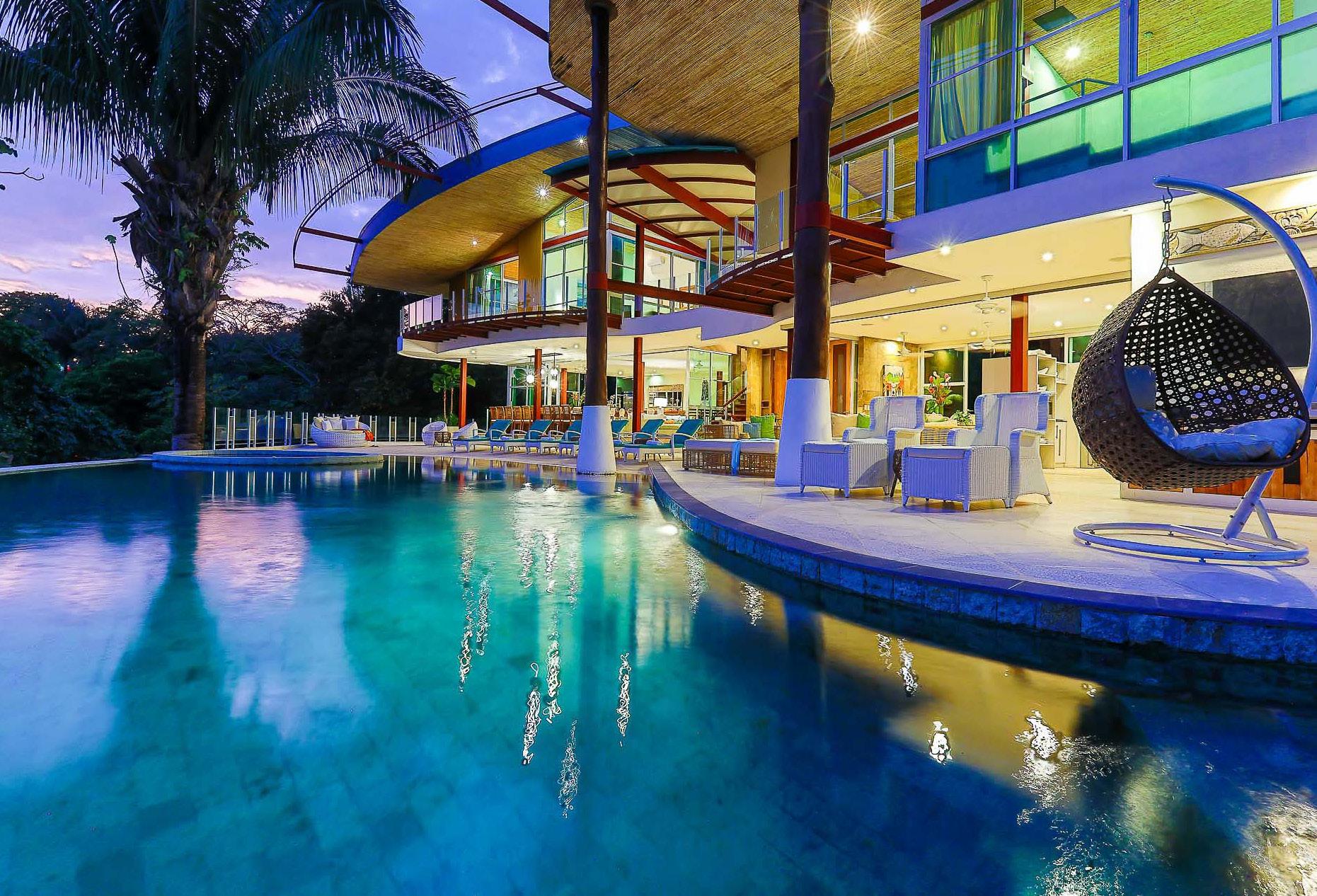
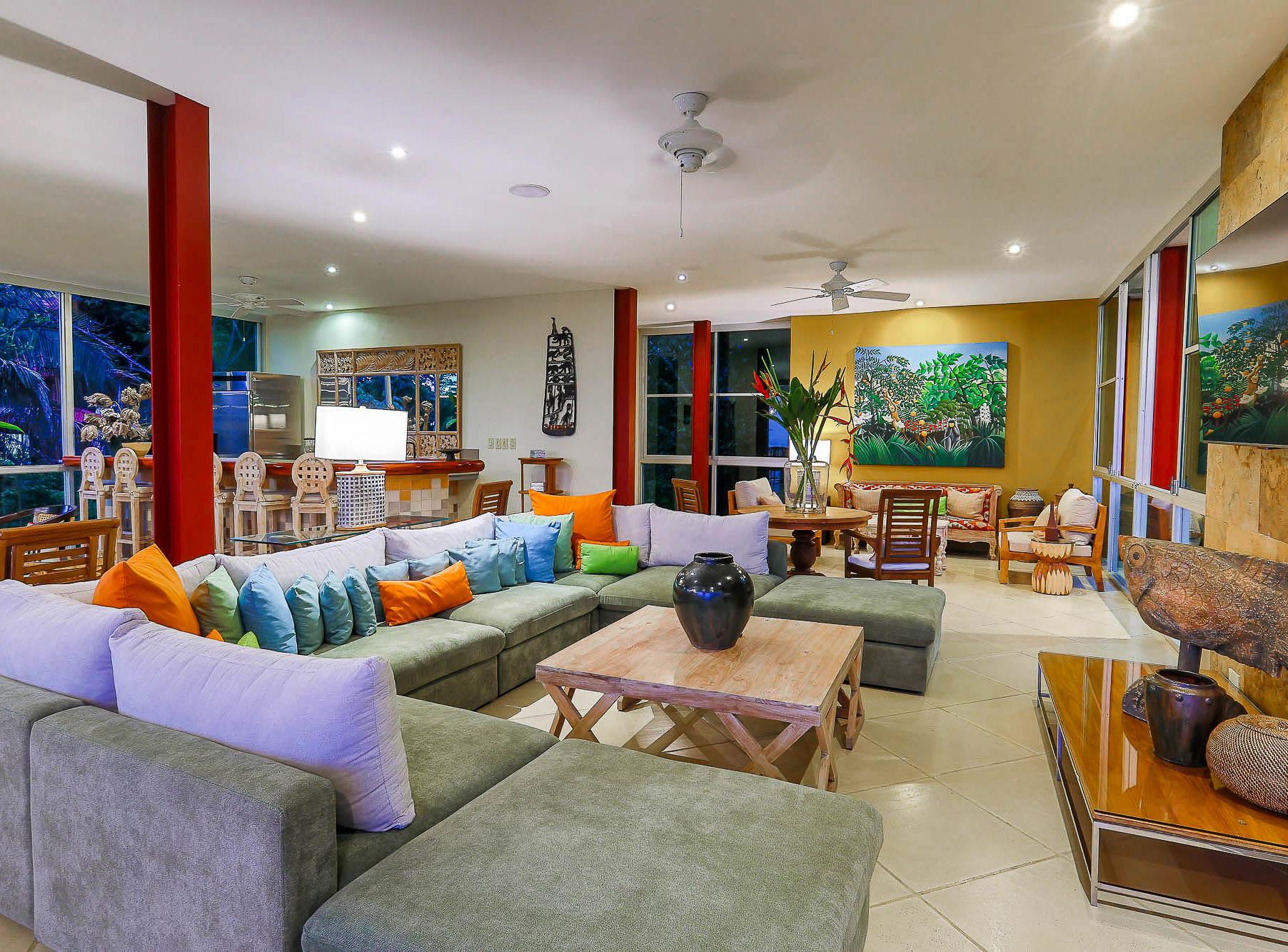
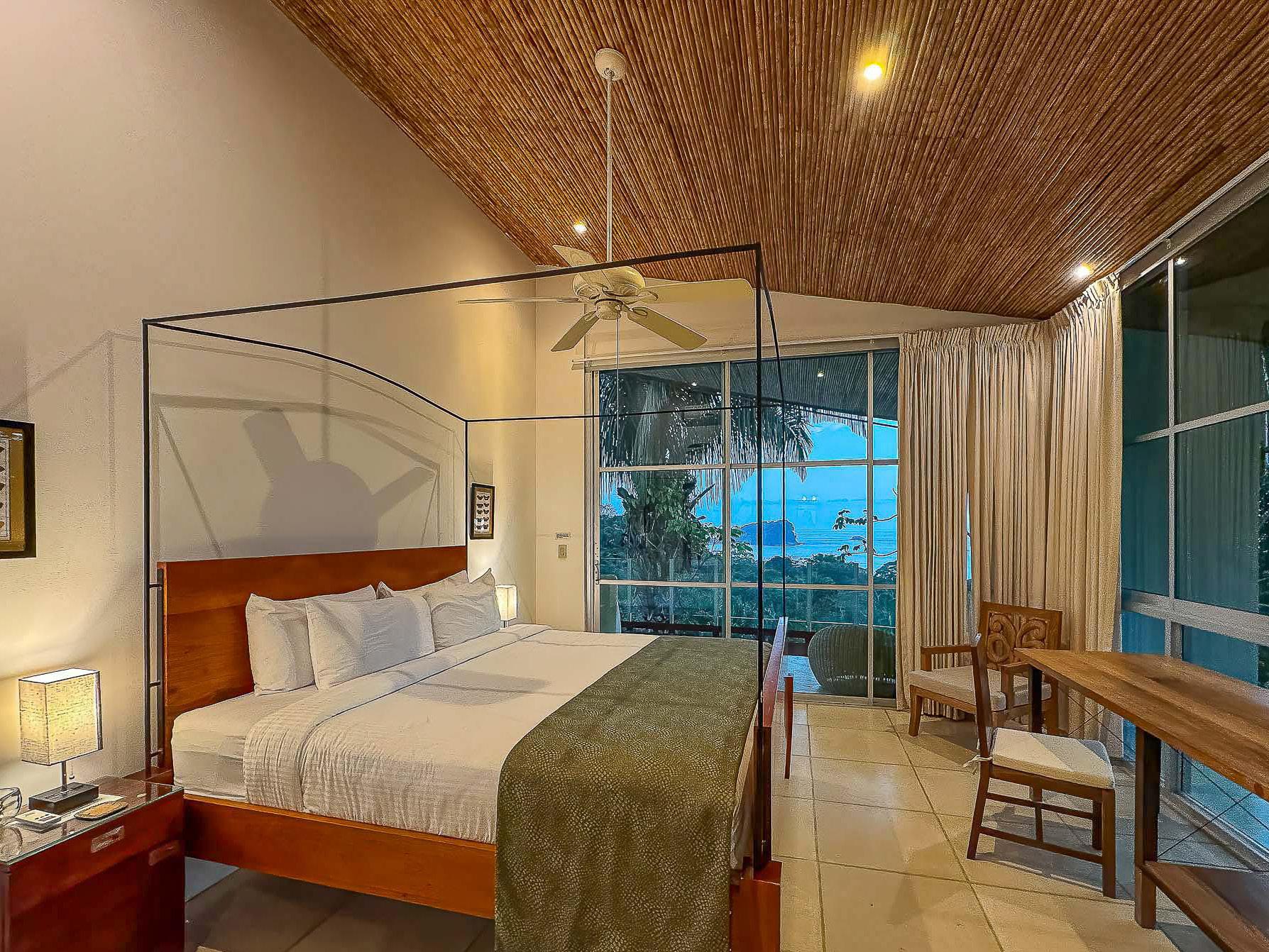
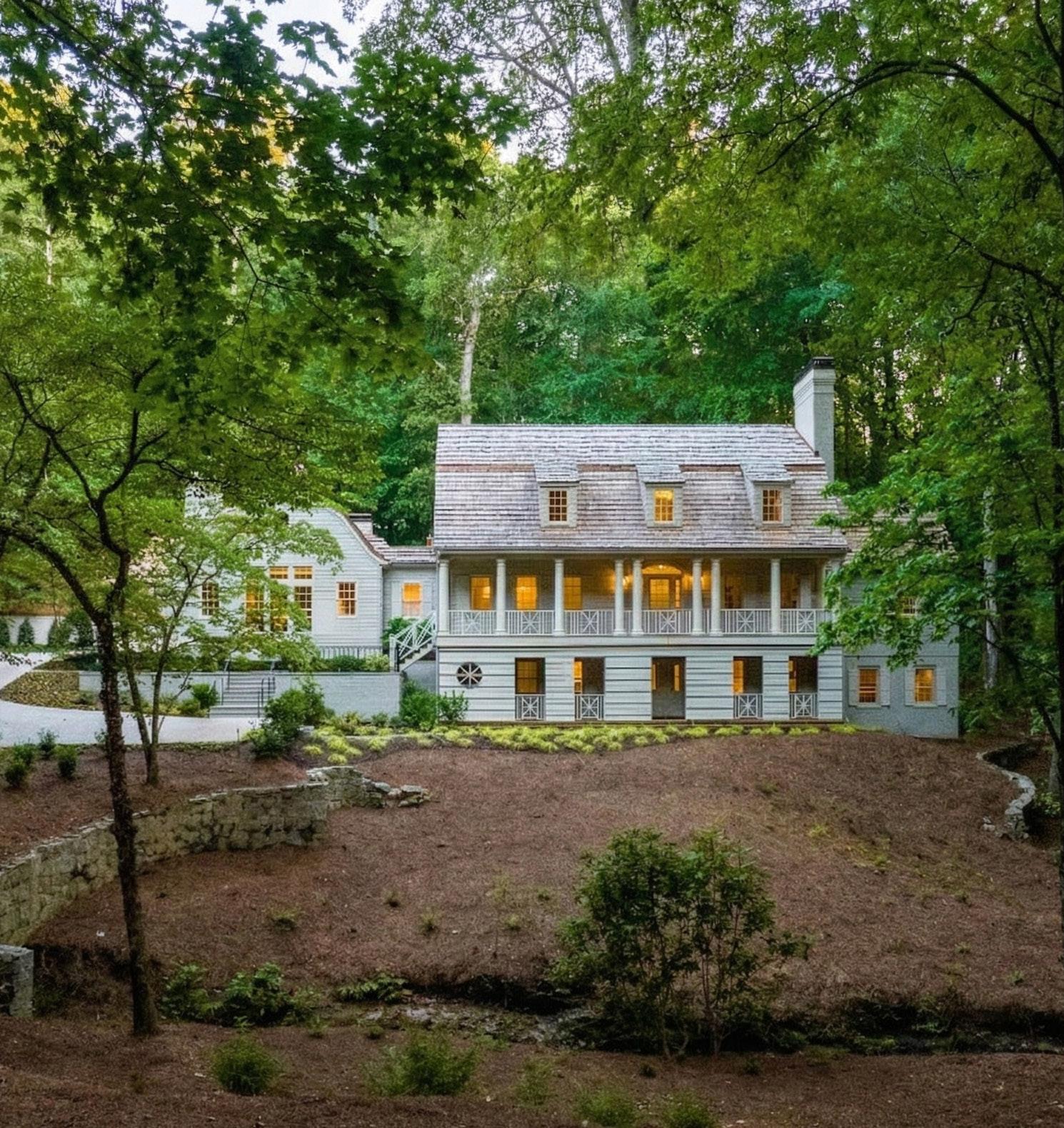
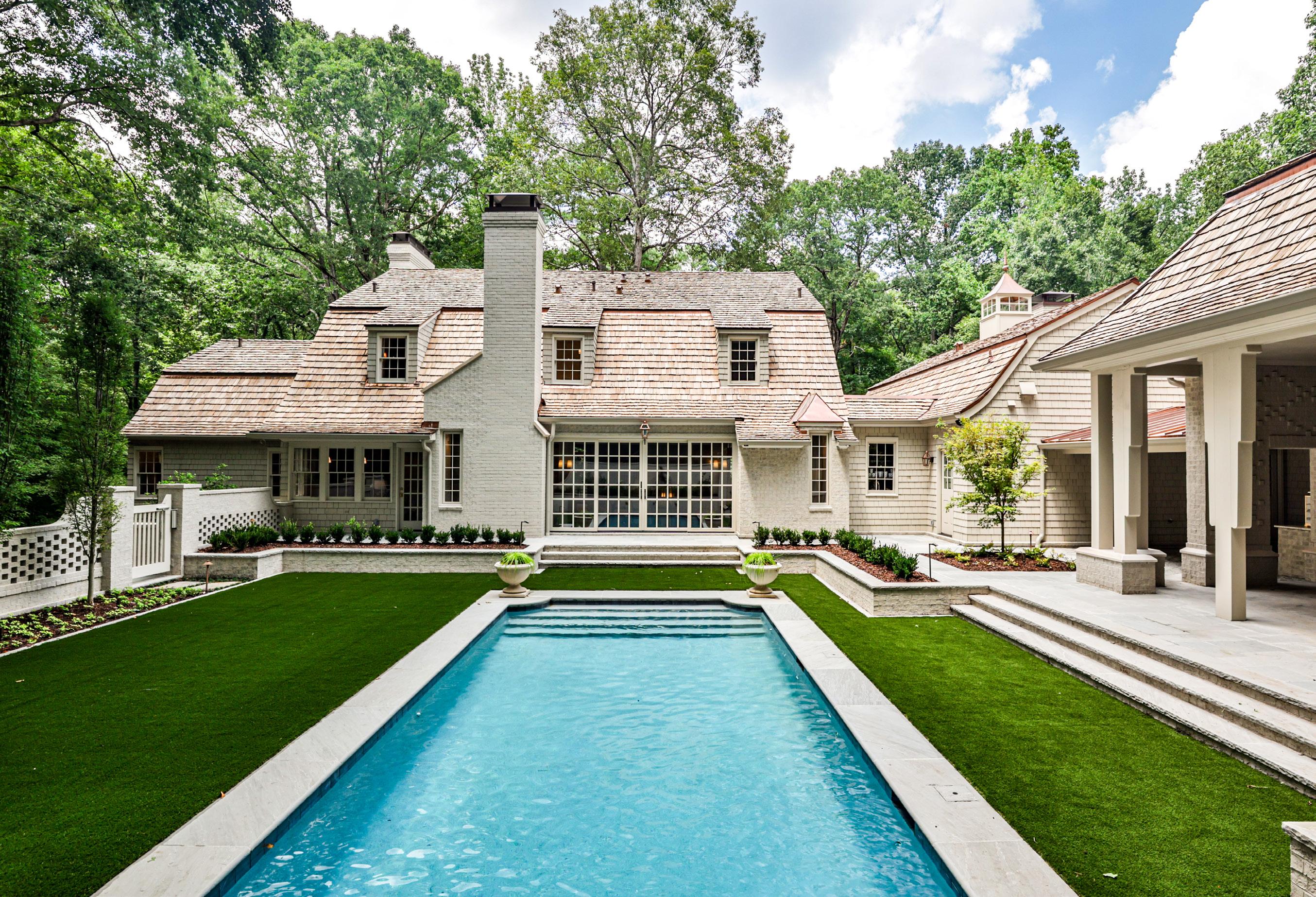
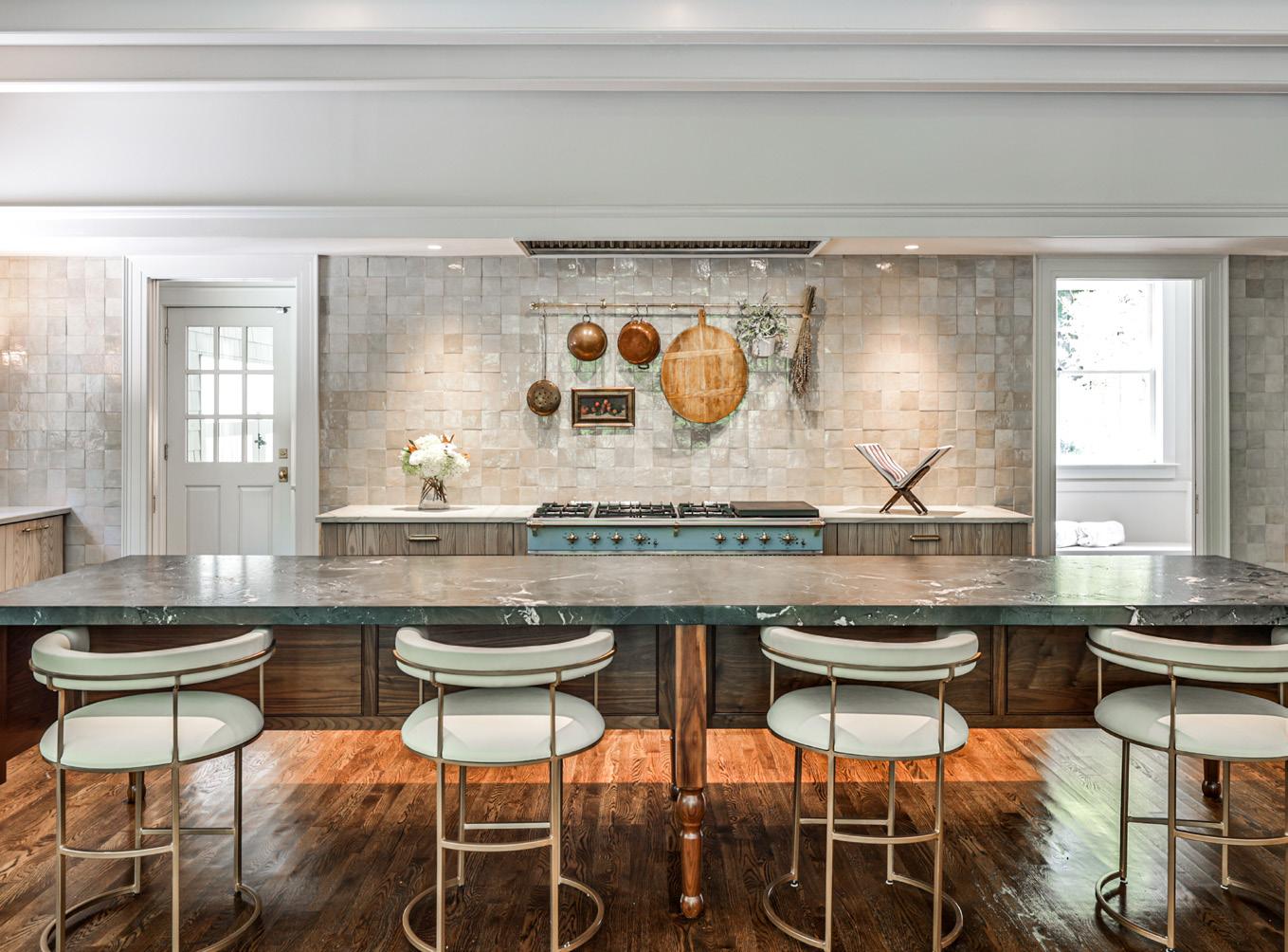
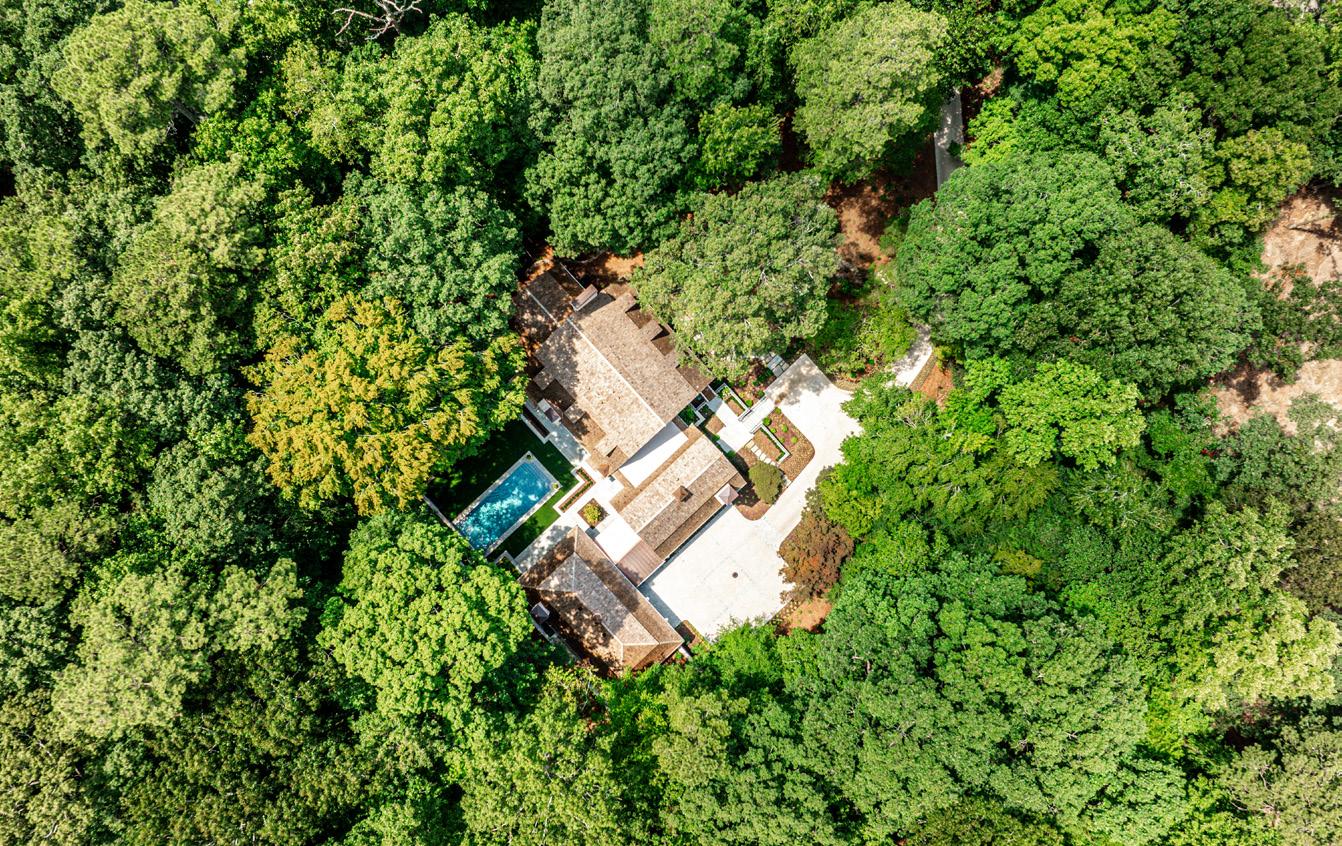
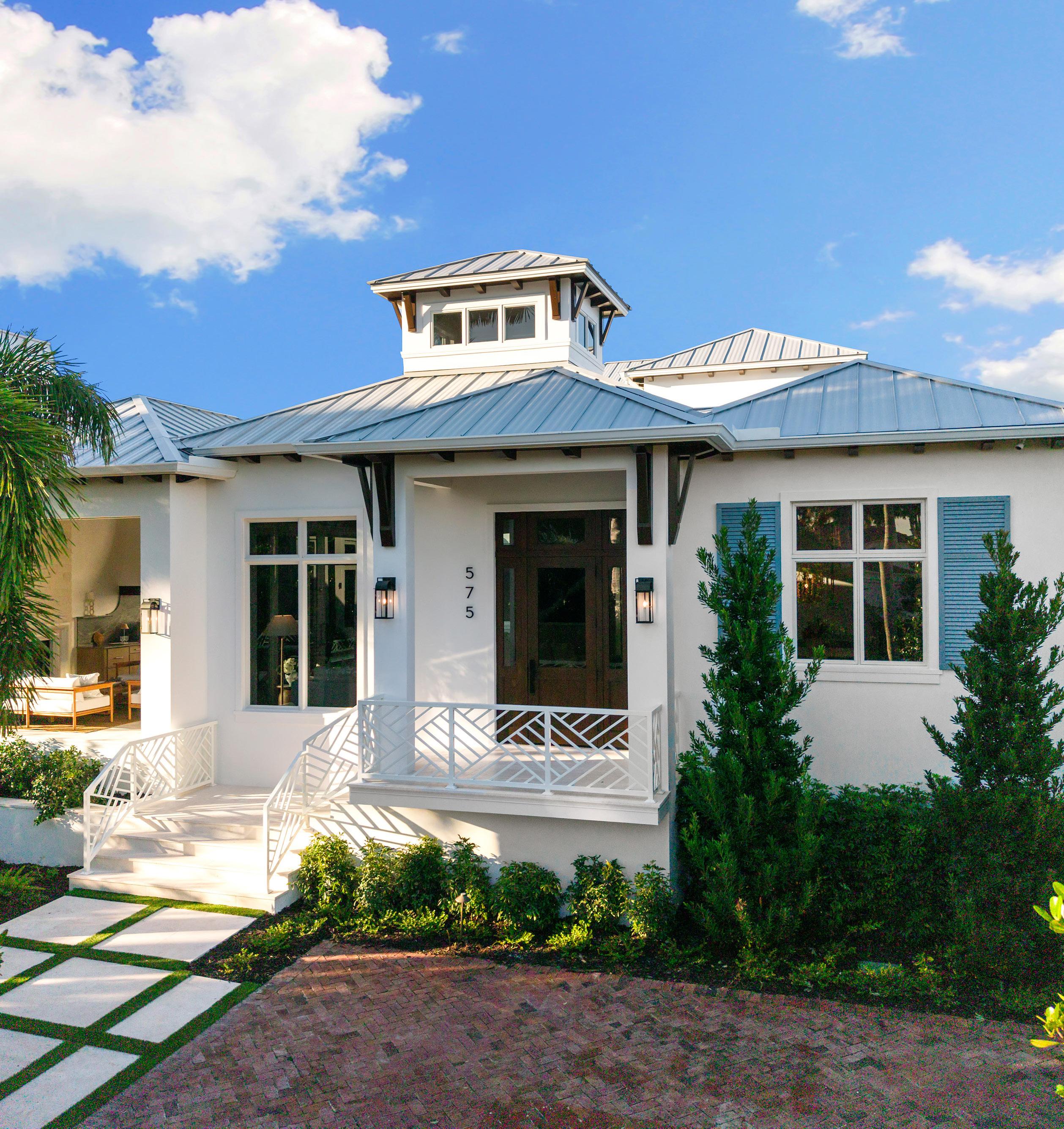
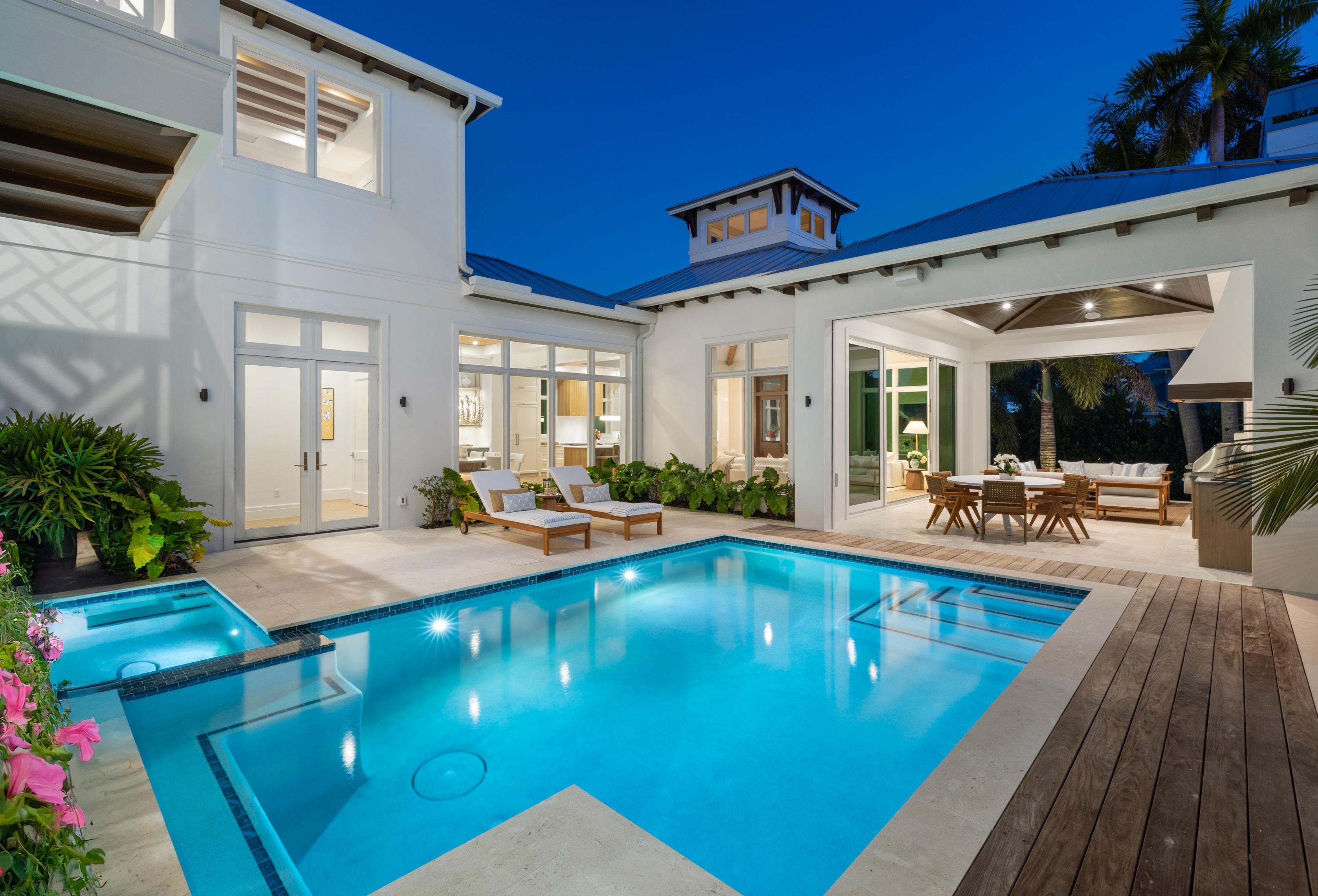
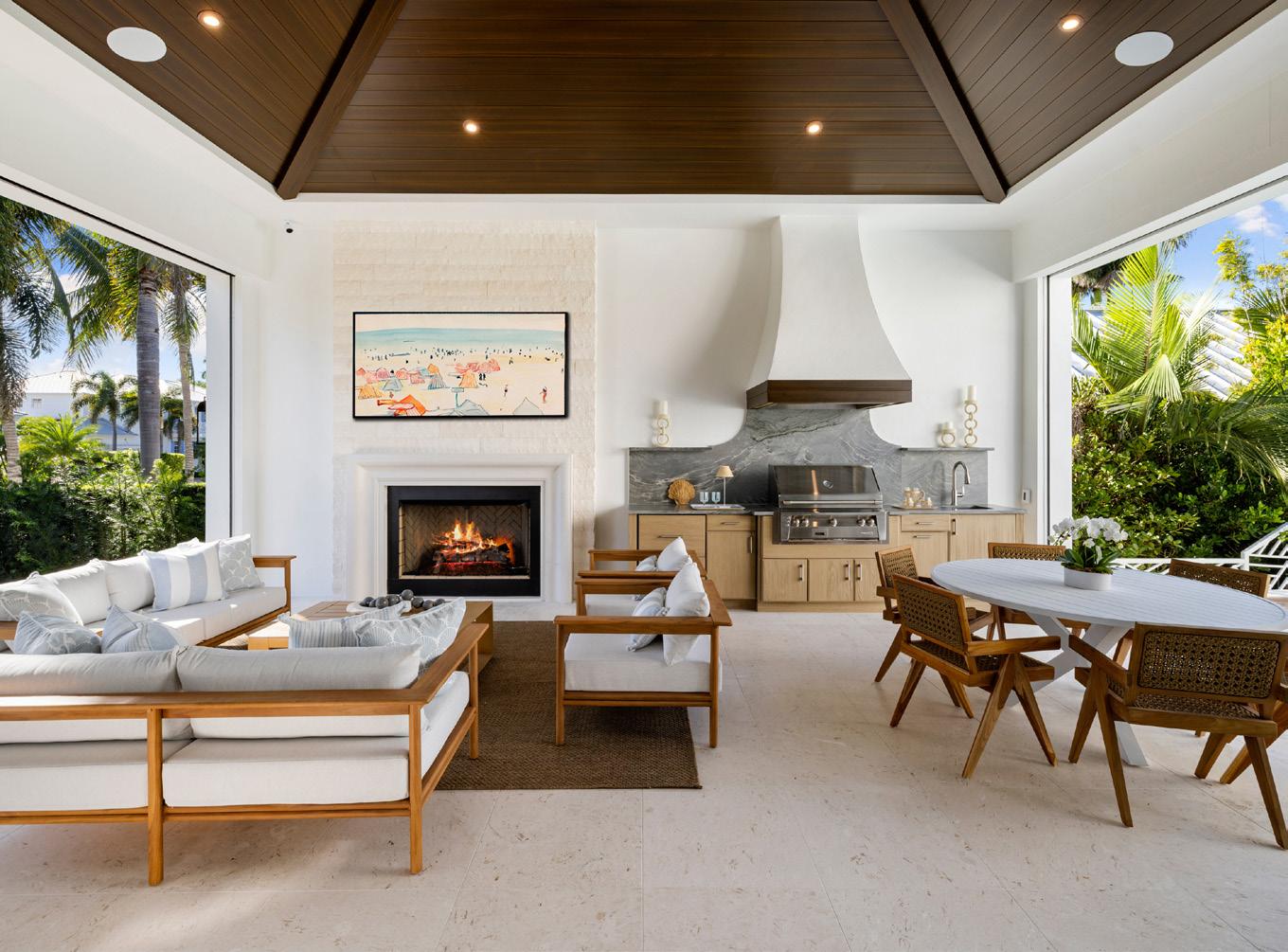
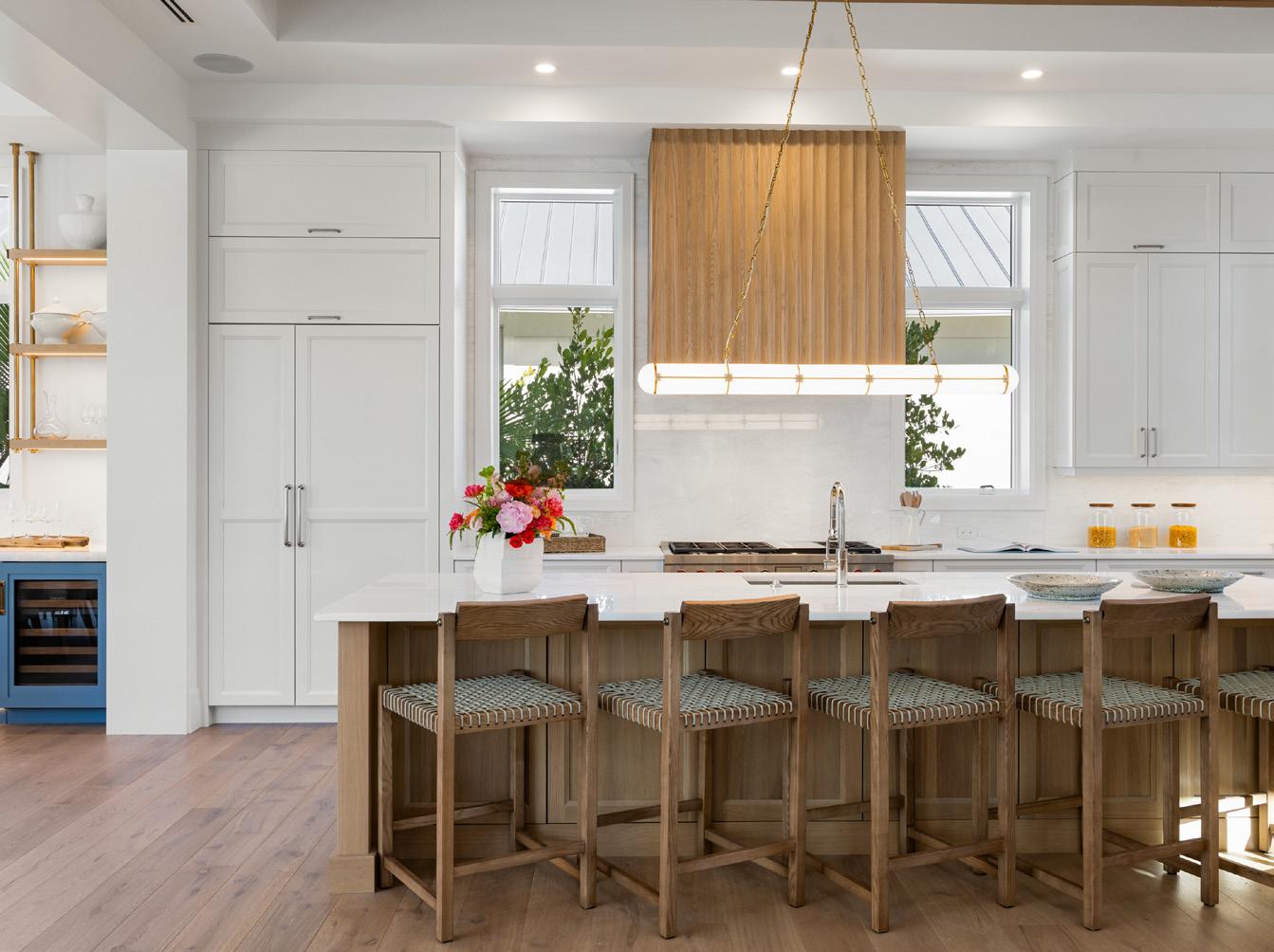
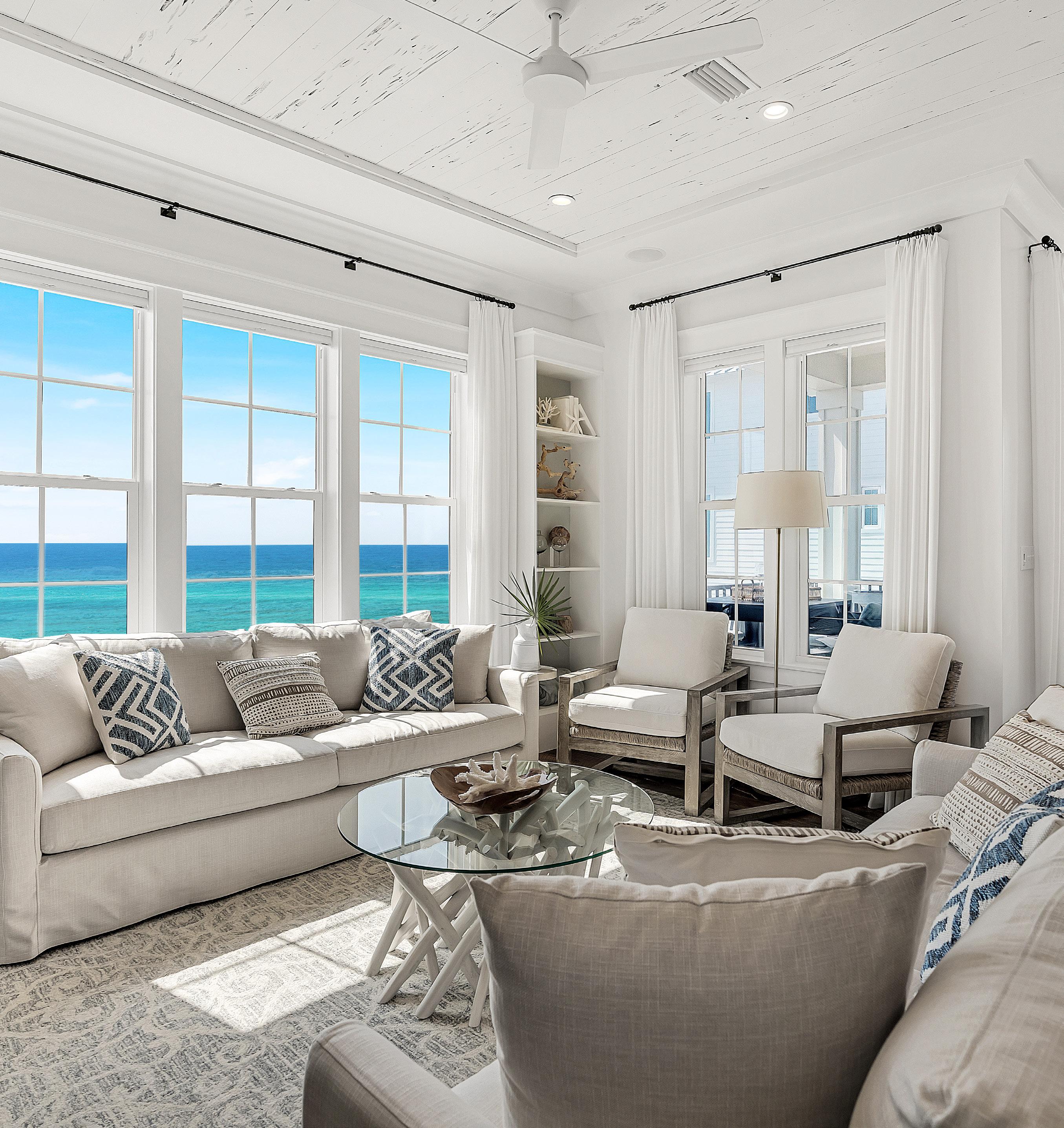
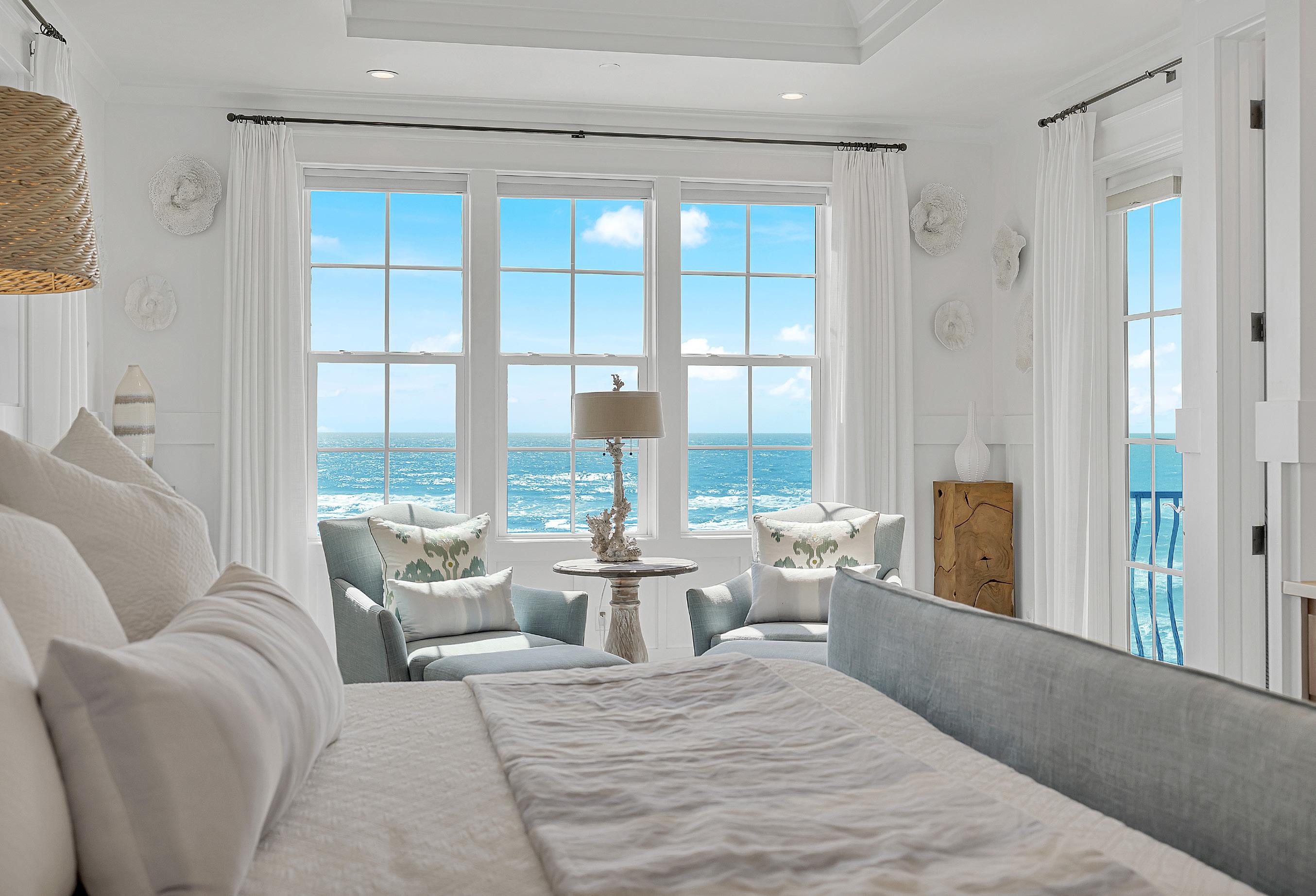
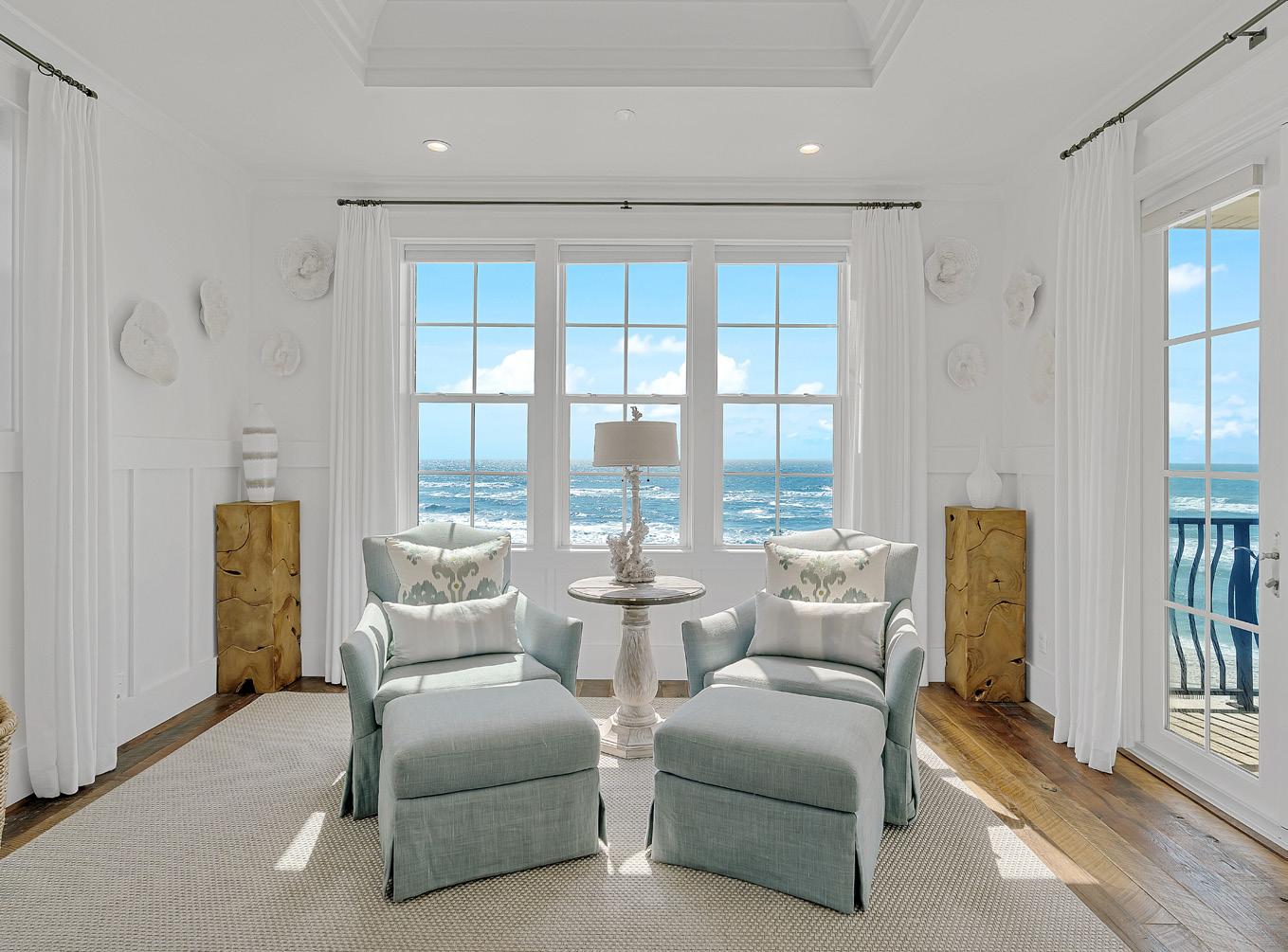
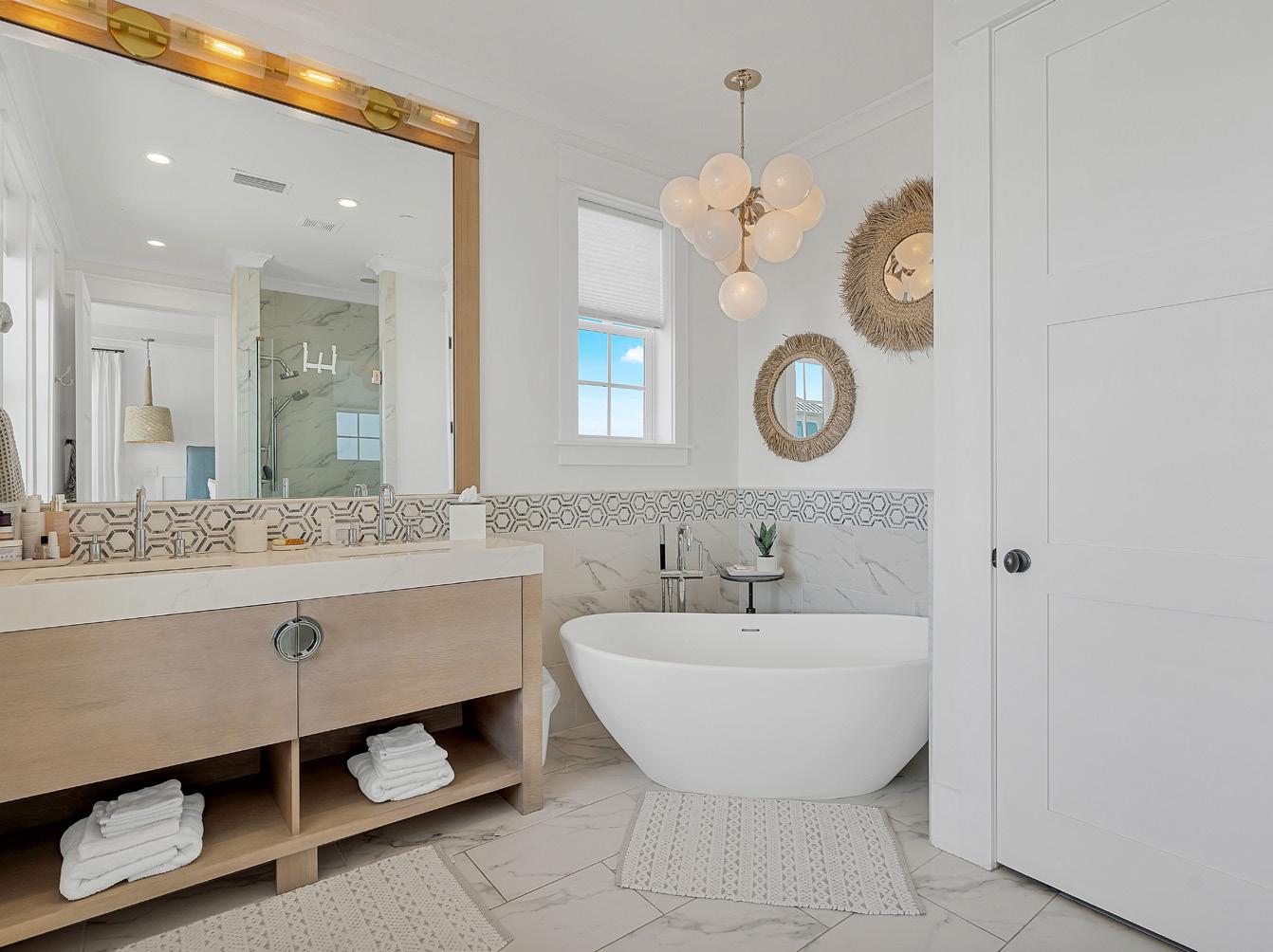
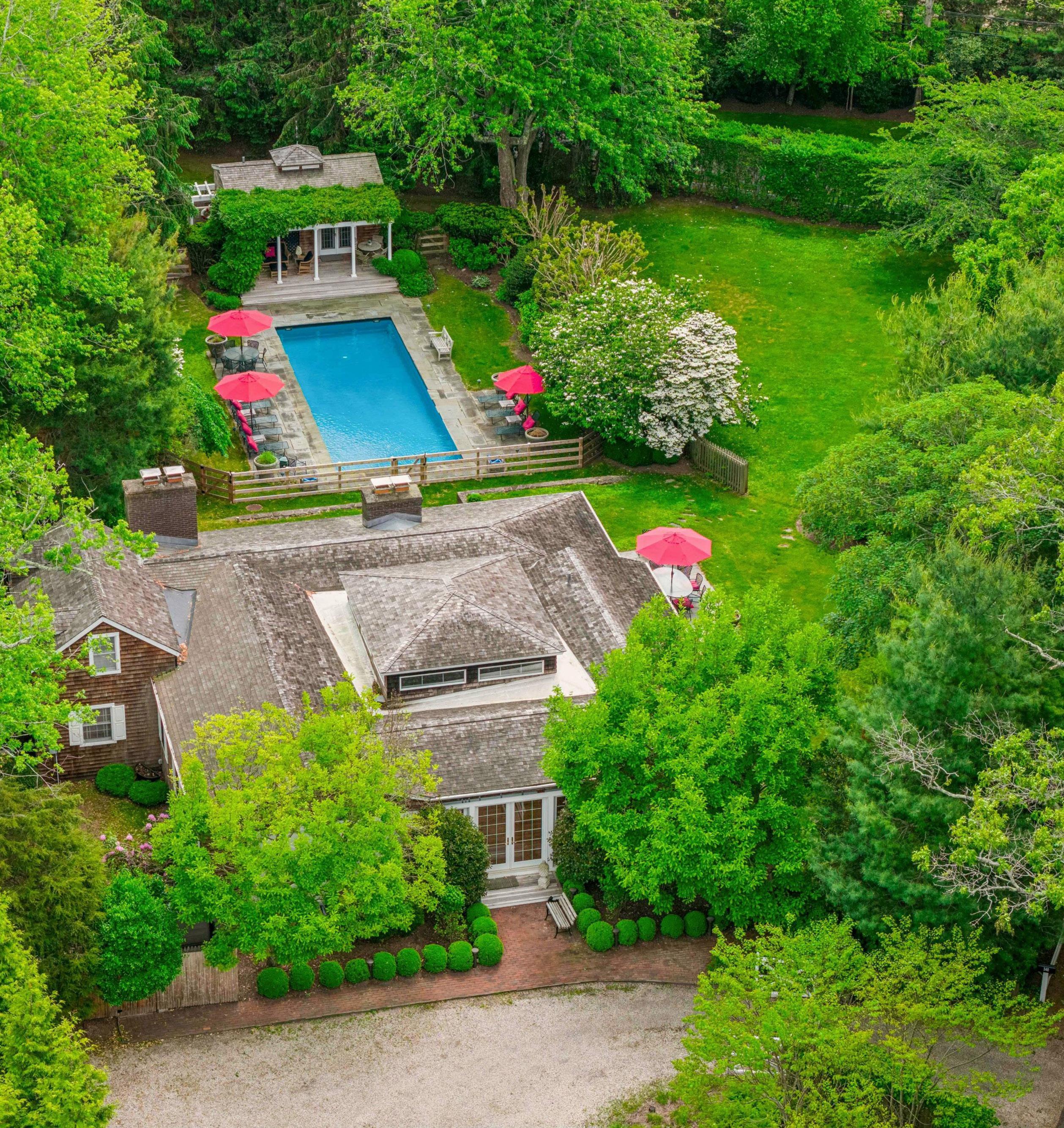
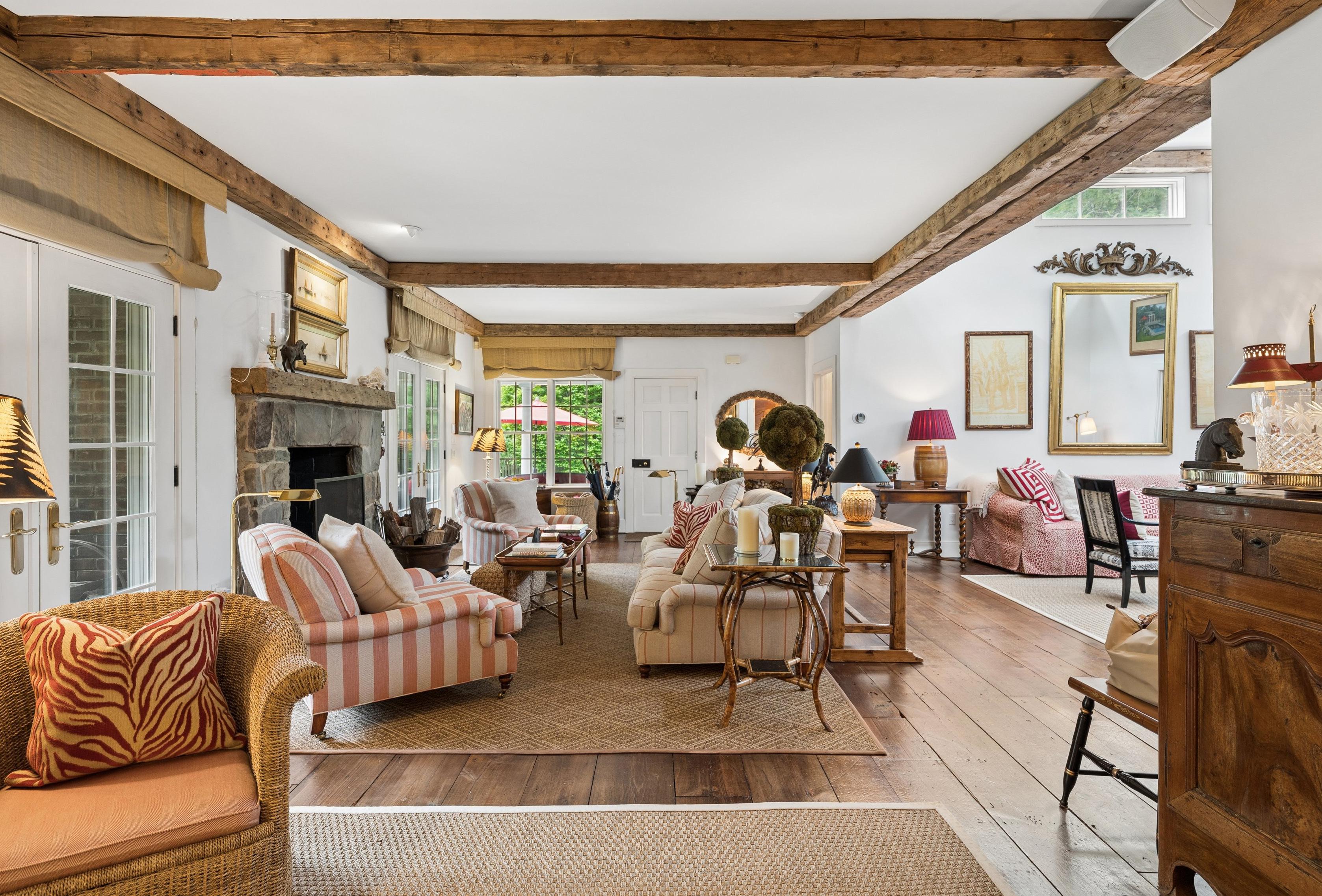
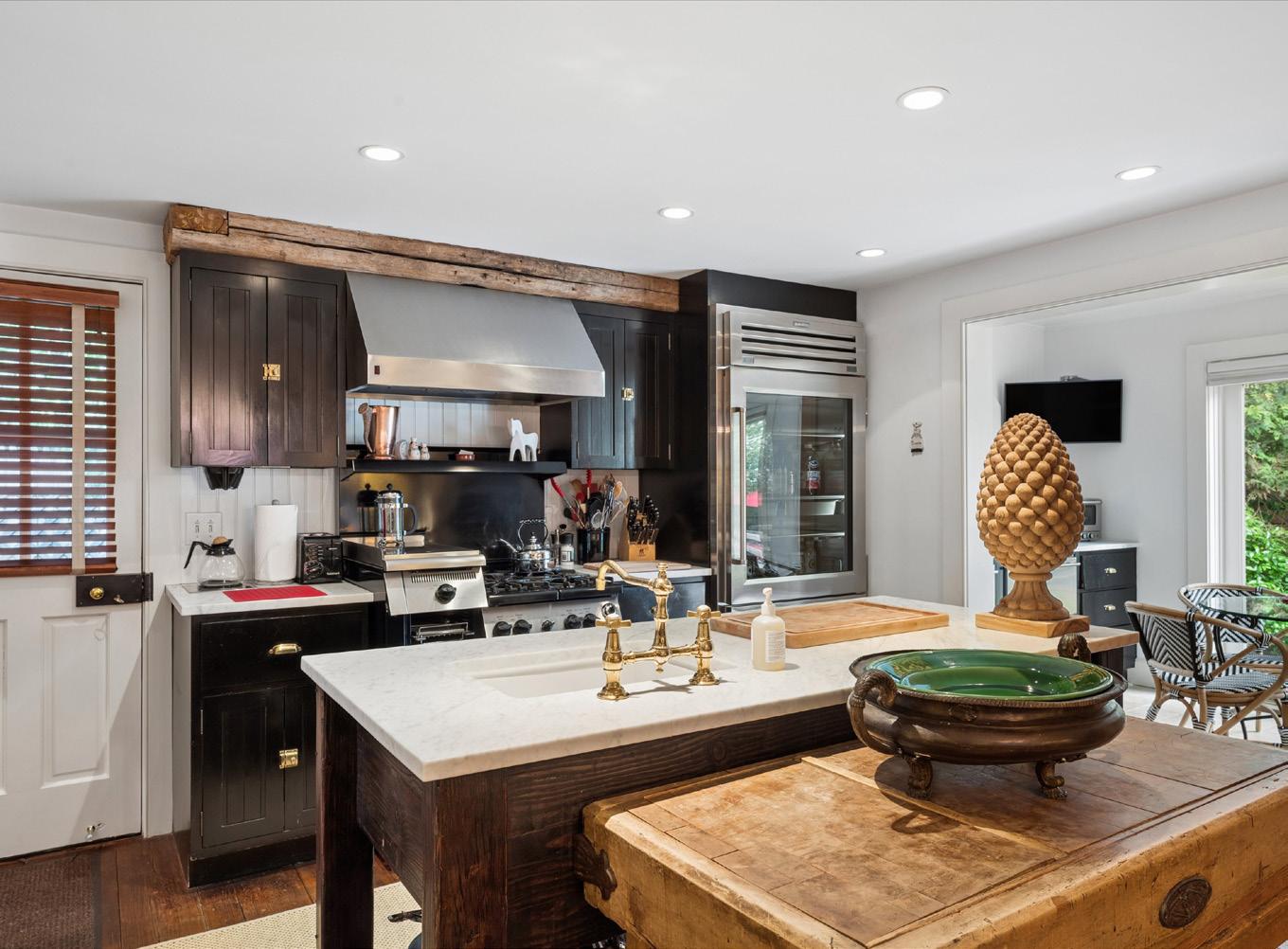
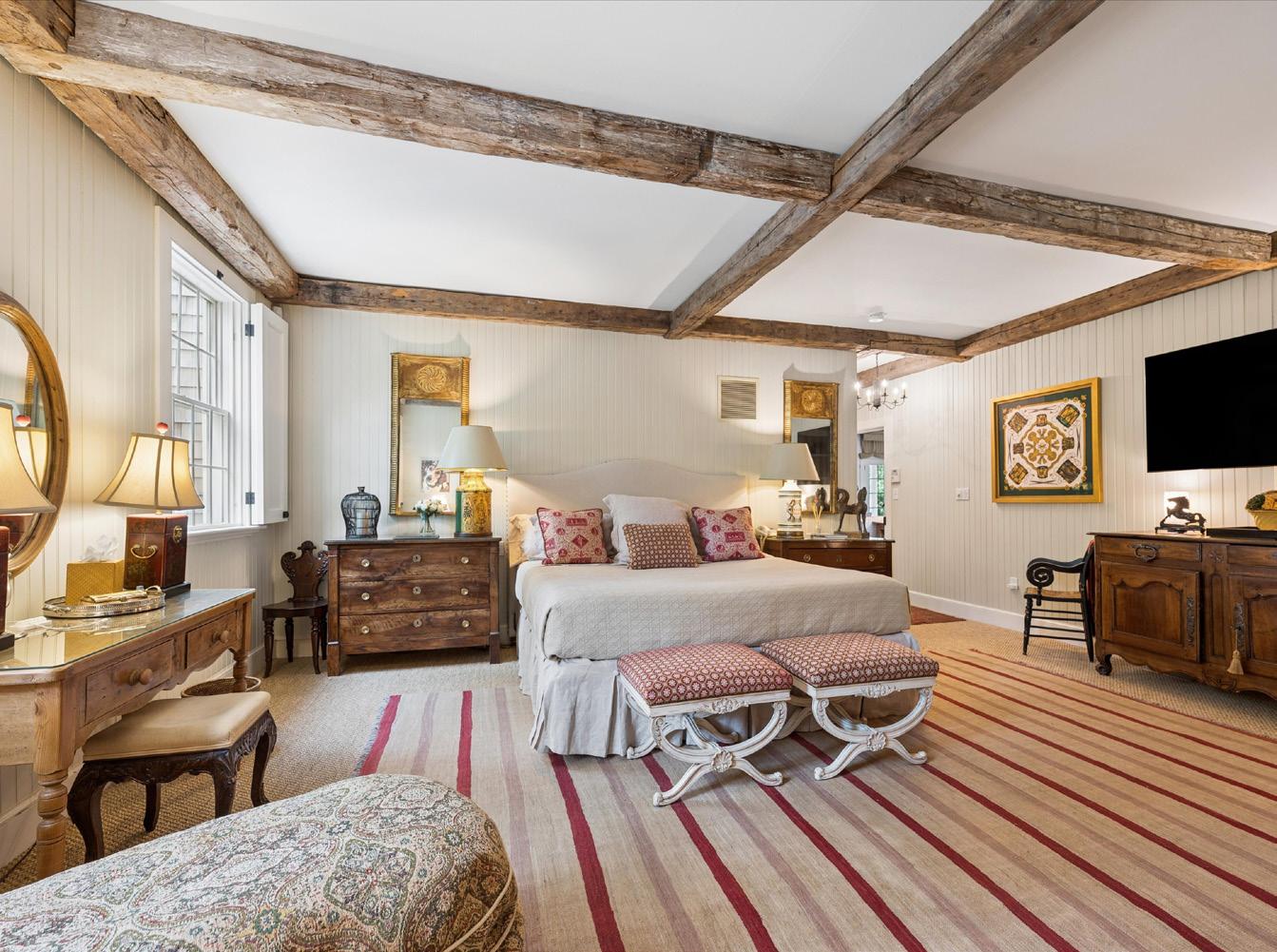
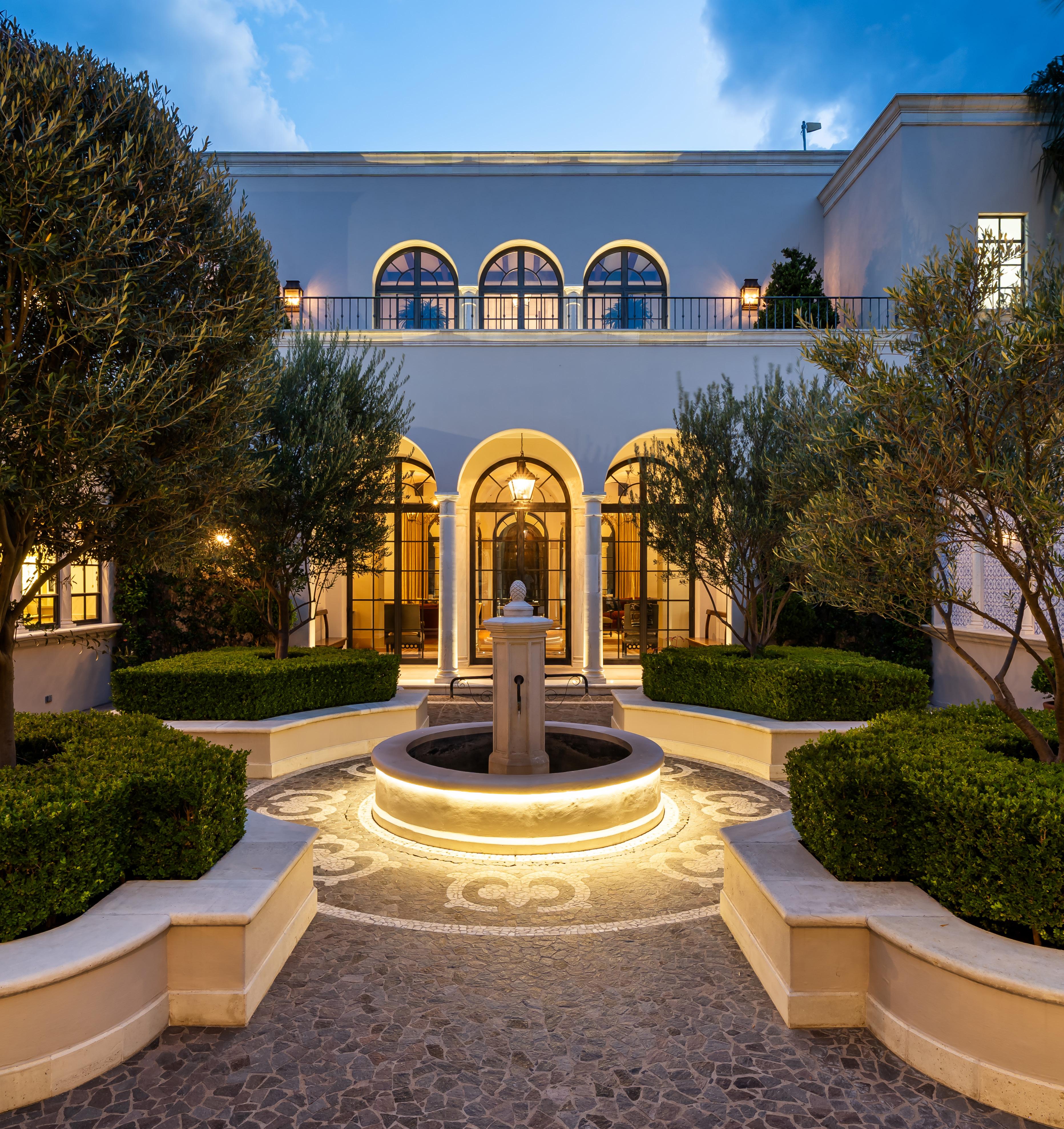
FUENTES 42, COL ATASCADERO SAN MIGUEL DE ALLENDE, GTO
5 Bedrooms | 5 Bathrooms | 2 Half Bath | 8,900 SqFt