MOUNT SINAI SCIENCE & MEDICINE

VOLUME XIV, NUMBER 1
CHIEF EXECUTIVE OFFICER
MOUNT SINAI HEALTH SYSTEM
Kenneth L. Davis, MD
PRESIDENT AND CHIEF OPERATING OFFICER
MOUNT SINAI HEALTH SYSTEM
Margaret A. Pastuszko, MBA
ANNE AND JOEL EHRENKRANZ DEAN
ICAHN SCHOOL OF MEDICINE AT MOUNT SINAI, PRESIDENT FOR ACADEMIC AFFAIRS
MOUNT SINAI HEALTH SYSTEM
Dennis S. Charney, MD
CHIEF DEVELOPMENT OFFICER
SENIOR VICE PRESIDENT FOR DEVELOPMENT
MOUNT SINAI HEALTH SYSTEM
Mark Kostegan, FAHP
EDITOR
Anna Horton
GUEST ASSOCIATE EDITOR
Jean M. Smith
CONTRIBUTORS
Joni Aveni
Barbara Brody
Robert Caplin
Allan Chernoff
Catherine E. Clarke
Domenick Cosentino
Alison Dalton
Mark Gaige
Monika Graff
Kyle Hilton
Mark Kauzlarich
Meeri Kim
Hallie Levine
Hannah Nelson
Brian Schutza
Jeremy Shatan
Stacia Smart
Lindsay Sutliff
DESIGN
Steve Habersang, Taylor Design
Mount Sinai Science & Medicine is published by the Office of Development, Mount Sinai Health System, for an audience of alumni and friends. We welcome your comments; please call us at (212) 659-8500, or visit us at giving.mountsinai.org.
If you wish to have your name completely removed from our distribution list of fundraising materials, please contact us by telephone at (212) 659-8500, or email your name and address to PhilanthropyOptOut@ mountsinai.org.
By definition, synergy is the increased effectiveness that results when two entities work together; an interaction that produces a combined effect greater than the sum of the separate effects.
At Mount Sinai, we are integrating 21st-century technological advances with patient-focused professional experience—a potent alliance conducive to innovation. Where artificial intelligence and machine learning intersect with human insight and oversight, exciting opportunities emerge that simply would not surface otherwise.
Across the Health System, our collaborative team is boldly and thoughtfully pursuing these opportunities. The goal: to amplify our researchers’ and clinicians’ talents while maximizing our resources, all in service of our mission. This strategically coordinated endeavor ultimately serves the best interests of patients, both here in New York and across the globe. And in close alignment with our values, Mount Sinai is engaging in this vital work with the ethical integrity such impactful tools and discoveries require.
The Mount Sinai Health System combines the Icahn School of Medicine at Mount Sinai and eight system hospitals:
+ Mount Sinai Beth Israel
+ Mount Sinai Brooklyn
+ The Mount Sinai Hospital
+ Mount Sinai Morningside
+ Mount Sinai Queens
+ Mount Sinai South Nassau
+ Mount Sinai West
+ New York Eye and Ear Infirmary of Mount Sinai
02
29 Honoring Angela Diaz, MD, PhD,
30 2023 Alumni Events
– 54th Commencement
– Jacobi Medallion Presentations
– Alumni Reunion Awards Ceremony Dinner
– Wisch Physician Lounge Dedication
34 Alumni Spotlights
– Efsevia Albanis, MD, MSSM ‘94
– Melynda Barnes, MD, MSSM ’08
– Christopher Bellaire, MD, ISMMS ’23
36
40
Recognizing
From laboratory bench to patient bedside, synergy invigorates our work at Mount Sinai, with extraordinary—and often groundbreaking—results.
Exceptional clinical care and transformative biomedical research have defined the Mount Sinai Health System since it was created 10 years ago. The merger of Mount Sinai Medical Center and Continuum Health Partners was the result of strategic integration and close collaboration among the clinicians and scientists of the Icahn School of Medicine at Mount Sinai and our hospitals throughout New York City. That dynamic synergy has enabled Mount Sinai to become one of the most respected and innovative academic medical centers in the nation.
Supported by the latest technological resources, teams of dedicated physicians and health professionals in dozens of specialties consistently deliver compassionate, cutting-edge care at Mount Sinai’s centers of excellence. At our multidisciplinary clinical and research institutes, experts across a spectrum of subspecialties cross-pollinate ideas to drive science and medicine forward.
From laboratory bench to patient bedside, synergy invigorates our work at Mount Sinai, with extraordinary—and often groundbreaking—results. In 2021, more than 50 Mount Sinai specialists, including surgeons, nurses, anesthesiologists, and residents, joined together to perform the world’s first successful human tracheal transplant. More recently, Mount Sinai computer scientists and oncologists united to map not only the DNA but also the RNA of multiple myeloma tumors, leading to the discovery of a new treatment for this highly challenging blood and bone marrow cancer.
Now, the impact of such strategic and concerted efforts has the potential to grow exponentially.
As detailed in these pages, Mount Sinai has made substantial investments in artificial intelligence (AI), including the recruitment of leading data scientists, genomic technology innovators, and medical specialists. By harnessing the power of AI, we have the capacity to measure vast quantities of data points, allowing our scientists to characterize the state of a patient’s disease in greater detail than ever before and to discern the causes of disease at a molecular level. Among our most ambitious projects is the Mount Sinai Million Health Discoveries Program, which will carry out the genetic sequencing of one million Mount Sinai patients—the most diverse and inclusive patient population ever to be sequenced. Applying insights from this endeavor, we plan to find new drug targets within the body, generate and test new therapies, identify patient subpopulations that will respond to specific drugs, and bring efficacious remedies to patients as quickly as possible. By vastly expanding our understanding of disease, we hope to customize diagnosis and treatment, as well as prevention plans, for individual patients.
As we look forward to the Health System’s next 10 years, such synergistic ventures at Mount Sinai will generate biomedical breakthroughs that advance the capabilities of modern medicine as we continue to provide our patients with the highest quality care.
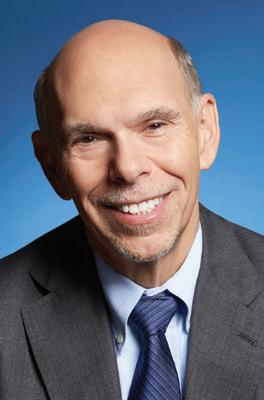
Kenneth L. Davis, MD Chief Executive Officer Mount Sinai Health System
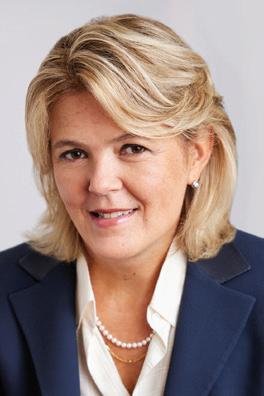
Margaret A. Pastuszko, MBA President and Chief Operating Officer Mount Sinai Health System
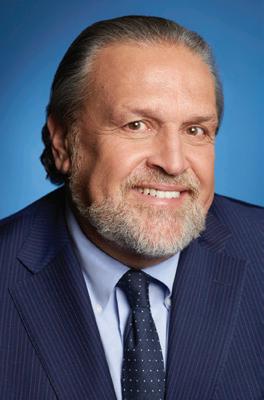
S. Charney, MD

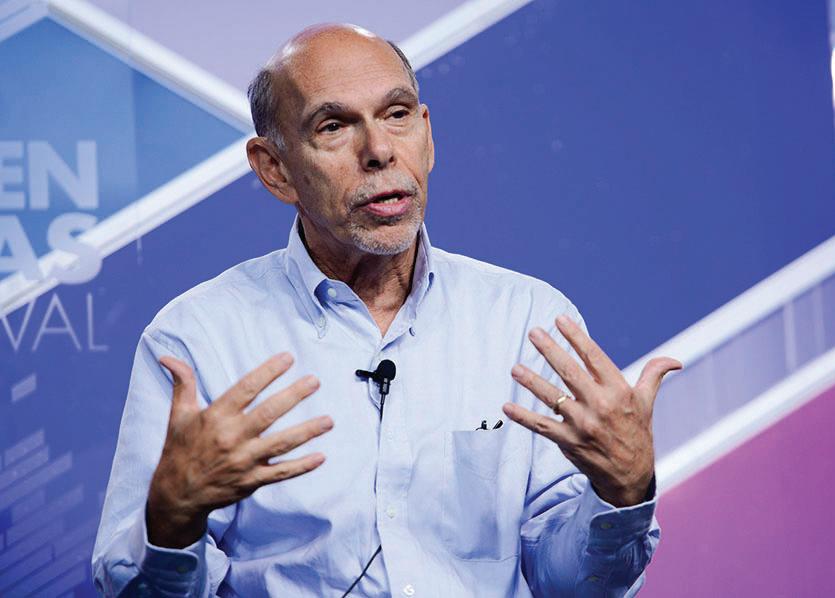

Sharing expertise and insight is one of the most far-reaching ways physicians and scientists can improve wellness for people around the world. Doing just that has long been a priority for Kenneth L. Davis, MD, Chief Executive Officer of the Mount Sinai Health System. His prominence in science, medicine, and health care reform is showcased yearly at the Aspen Ideas Festival in Colorado, the nation’s premier gathering place for thought leaders across an array of disciplines. Mount Sinai has supported the Festival and Aspen Ideas: Health as both a presenting sponsor and underwriter.
“We are proud to partner with the Aspen Institute to examine key issues that drive innovation and advance health, societal, and systemic changes for the global community,” explains Dr. Davis. “The exchange of bold ideas that lead to sustainable solutions for the most complex problems is one of the reasons we have sponsored the Festival for more than 10 years.”
A trustee of the Aspen Institute since 2014, Dr. Davis encourages his colleagues to speak on their own fields of expertise as well. At the 2023 conference, Mount Sinai representatives delved into topics ranging from incorporating equity into climate change strategies to identifying diseases in the earliest stages utilizing nanotechnology.
A sampling of the recorded discussions includes:
Women’s Health: A multidisciplinary panel shared their optimism about scientific and technological innovations that are ushering in a promising era in women’s health. Their conversation highlighted the growing sophistication and personalization of genetic testing, surgical techniques, treatments, and therapies.
Neuroscience: Joined by a team of Mount Sinai researchers who are seeking to unlock the secrets of brain health, Dr. Davis moderated a review of exciting new techniques and novel therapies as well as lifestyle changes shown to boost performance and longevity.
Alzheimer’s Disease: This presentation covered promising avenues of research, including the use of monoclonal antibodies to remove amyloid-beta protein from the brain, thereby altering the fundamental biology of the disease. Other approaches involve targeting multiple disease mechanisms and developing biomarker-based risk stratifications.
Brain-Computer Interface: Participants in this session explained the amazing potential for merging human biology with cutting-edge technology, pointing to such examples as the revolutionary advancements aiding paralysis patients and the therapeutic treatment of PTSD.
January 2022 - August 2023
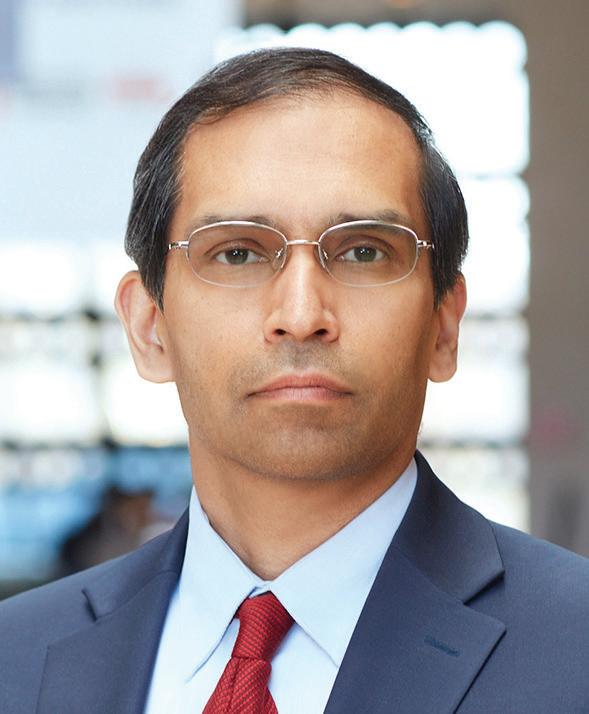
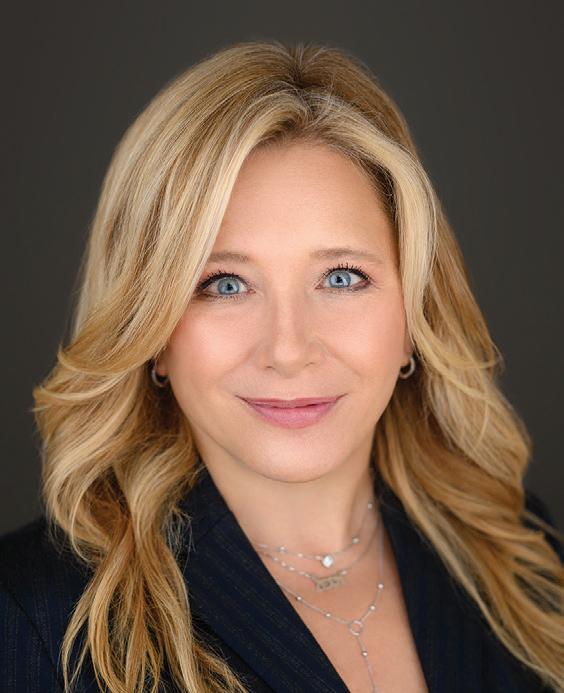
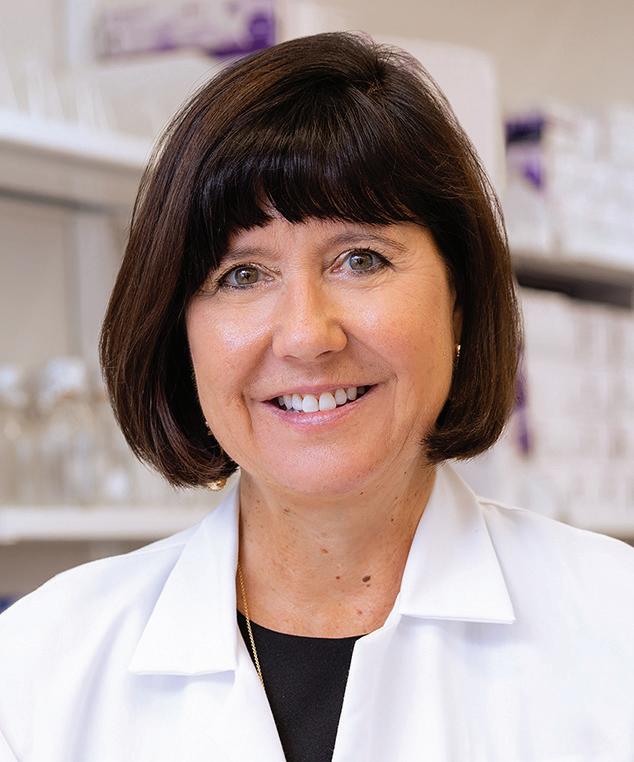
1. Deepak L. Bhatt, MD, MPH
Director of Mount Sinai Fuster Heart Hospital, and Dr. Valentín Fuster Professor of Cardiovascular Medicine; previously at Brigham and Women’s Hospital and Harvard Medical School.
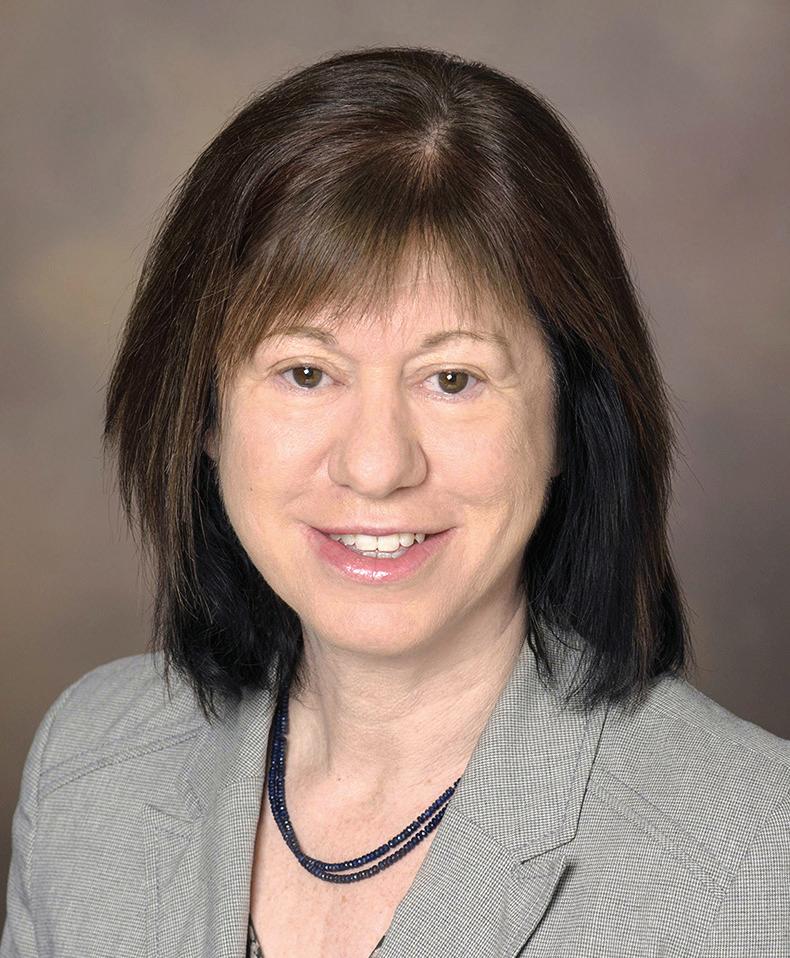
2. Carol C. Gregorio, PhD
Director and Founder, Center for Cardiac Muscle Biology, Cardiovascular Research Institute; Senior Associate Dean for Basic Sciences; Vice Chair for Strategic Innovation, Department of Medicine; and Irene and Dr. Arthur M. Fishberg Professor of Medicine; previously at the University of Arizona.
3. Michal A. Elovitz, MD
Inaugural Dean, Women’s Health Research; Founding Director, Women’s Biomedical Research Institute; Endowed Chair and Professor, Raquel and Jaime Gilinski Department of Obstetrics, Gynecology and Reproductive Science; and Mount Sinai Professor of Women’s Health Research; previously at the University of Pennsylvania.
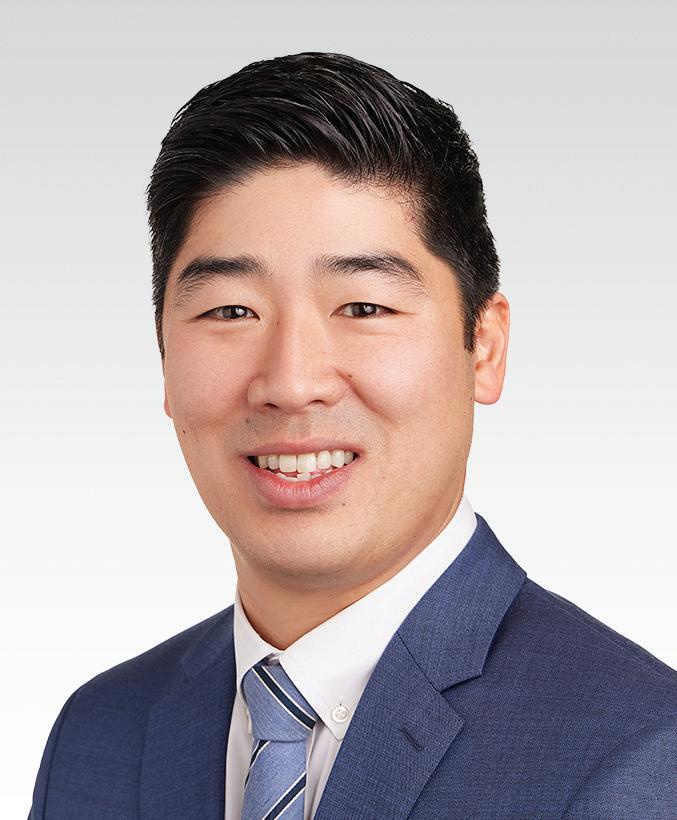
4. Brian S. Kim, MD
Director of the Mark Lebwohl Center for Neuroinflammation and Sensation; Vice Chair of Research for the Kimberly and Eric J. Waldman Department of Dermatology; Site Chair of Dermatology at Mount Sinai West and Mount Sinai Morningside; and Sol and Clara Kest Professor of Dermatology; previously at Washington University in St. Louis.
5. Monica Kraft, MD
Chair of the Department of Medicine and Murray M. Rosenberg Professor of Medicine; previously at the University of Arizona.
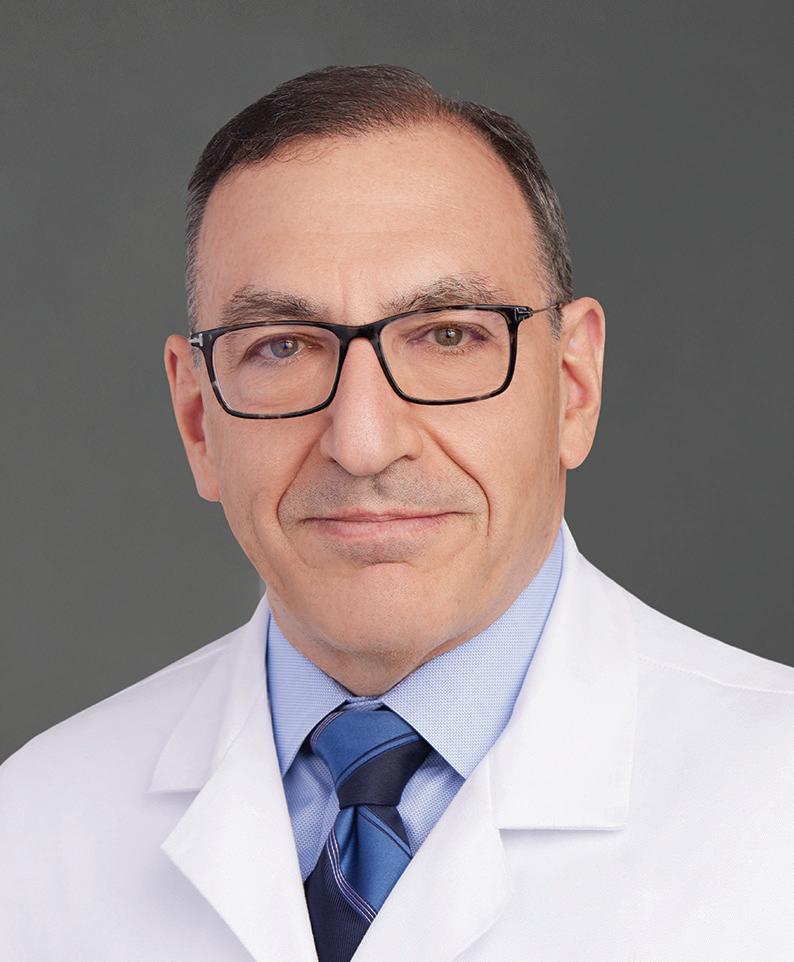
6. Neil M. Rofsky, MD, MHA
Dr. Charles M. and Marilyn Newman Professor and Chair, Department of Diagnostic, Molecular and Interventional Radiology, and Senior Associate Dean for Faculty WellBeing and Coaching; previously at UT Southwestern Medical Center.
A cadre of outstanding faculty members were installed into endowed professorships in fall 2023, honoring both their achievements and the generosity and vision of our donors. For a current list of recipients and faculty recently tenured and/or promoted to professorial ranks, visit: icahn.mssm.edu/events/endowed-professorships.
Chair of the Department of Microbiology and Mount Sinai Professor of Microbiology and Infectious Disease
As newly appointed Chair of the Department of Microbiology, Ana Fernandez-Sesma, PhD, is intent on understanding how viruses and other pathogens infect and cause disease in humans. Taking an integrated approach to optimizing human, animal, and environmental health, termed “One Health” by the World Health Organization, is of increasing relevance as viruses emerge from animal reservoirs due to climate change, among other factors. An internationally renowned viral immunologist and a fellow of the American Academy of Microbiology, Dr. Fernandez-Sesma hopes to enhance pandemic preparedness by enlisting new departmental expertise. She also seeks to develop vaccines and treatments for infectious diseases through extended collaborations across the Icahn School of Medicine.
Dr. Fernandez-Sesma, whose accolades include the 2021 Jacobi Medallion from Mount Sinai and
the 2023 Camino Real Award from the Instituto Franklin in Spain, is an expert on dengue, influenza, chikungunya, Zika, HIV, SARS-CoV-2, and other viruses. An alumna of the Graduate School of Biomedical Sciences (GSBS) at Icahn Mount Sinai, she co-directed the microbiology training area of GSBS for 10 years and has been a vital faculty member in the Department of Microbiology for 30 years.
Aspiring to create an environment of participatory decision-making and to elevate the visibility of women in positions of leadership, Dr. Fernandez-Sesma plans to leverage knowledge of her colleagues’ experience and abilities to foster teamwork that will deepen the Department’s strengths. “I am honored to be the leader of the Department because I feel very well supported by the faculty, students, and postdocs,” she says, “and that gives me great confidence.”
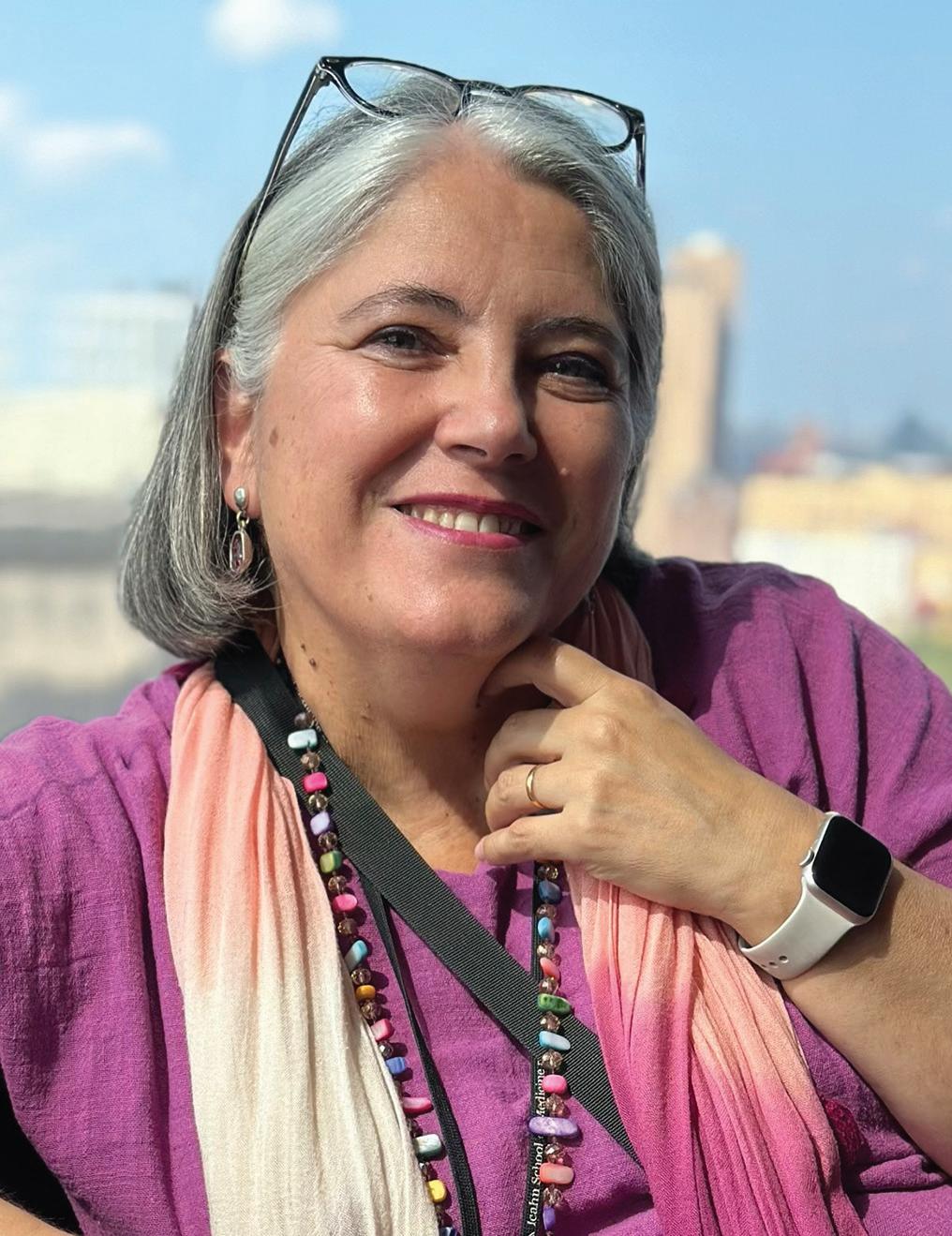
Chair of the Department of Immunology and Immunotherapy, Director of the Marc and Jennifer Lipschultz Precision Immunology Institute, Director of the Mount Sinai Human Immune Monitoring Center, and Professor of Oncological Science, Dermatology, and Medicine (Hematology and Medical Oncology)
“The immune system is a beautiful story of life,” says Miriam Merad, MD, PhD, the first Chair of Mount Sinai’s new Department of Immunology and Immunotherapy. “It defines us as living human beings.” Always in a dynamic state of balance, the immune system has no on/off functionality. Molecules continuously sense the outside world— and our inner worlds, where emotions and exercise can also activate a response—to keep the system in check.
But when is an immune response healthy, and when does it do harm? What are the principles of immune regulation, and what patterns lead to cancer, aging, and inflammatory diseases such as rheumatoid arthritis and inflammatory bowel disease? Such are some of the fundamental immunobiological questions the Department seeks to answer. Dr. Merad is leading a scientific and medical mission to establish the foundational knowledge needed to develop methods for immune engineering. These methods can then
be used to correct “immune imbalance,” so that an inflammatory response is invoked only when and where one is needed.
Immunotherapies, for example, have proven successful in the treatment of cancer by enhancing the ability of the immune system to recognize and attack cancer cells. Dr. Merad believes we are on the precipice of discovering many more molecules with immunotherapeutic potential to benefit nearly all patients, not only those with cancer.
A renowned expert on the innate immune system, the body’s first and nonspecific way of responding to the presence of antigens, Dr. Merad is a member of the prestigious National Academy of Sciences. She is also Director of the Marc and Jennifer Lipschultz Precision Immunology Institute, a nexus for immunology where researchers across the Health System will apply transversal discoveries made by the Department of Immunology and Immunotherapy to specific disease states and models.
Written by Hannah Nelson

Employing Artificial Intelligence to Dramatically
Accelerate Progress in Science and Medicine
BY MEERI KIM
In 1947, British computer pioneer Alan Turing gave the earliest known public lecture on artificial intelligence (AI), famously stating, “What we want is a machine that can learn from experience.”
More than 75 years later, Turing’s dream has become a reality. Defined as the ability of a computer to perform tasks associated with human intelligence, AI has become part of our everyday lives, powering everything from product recommendations and voice recognition to chatbots and spam filters.
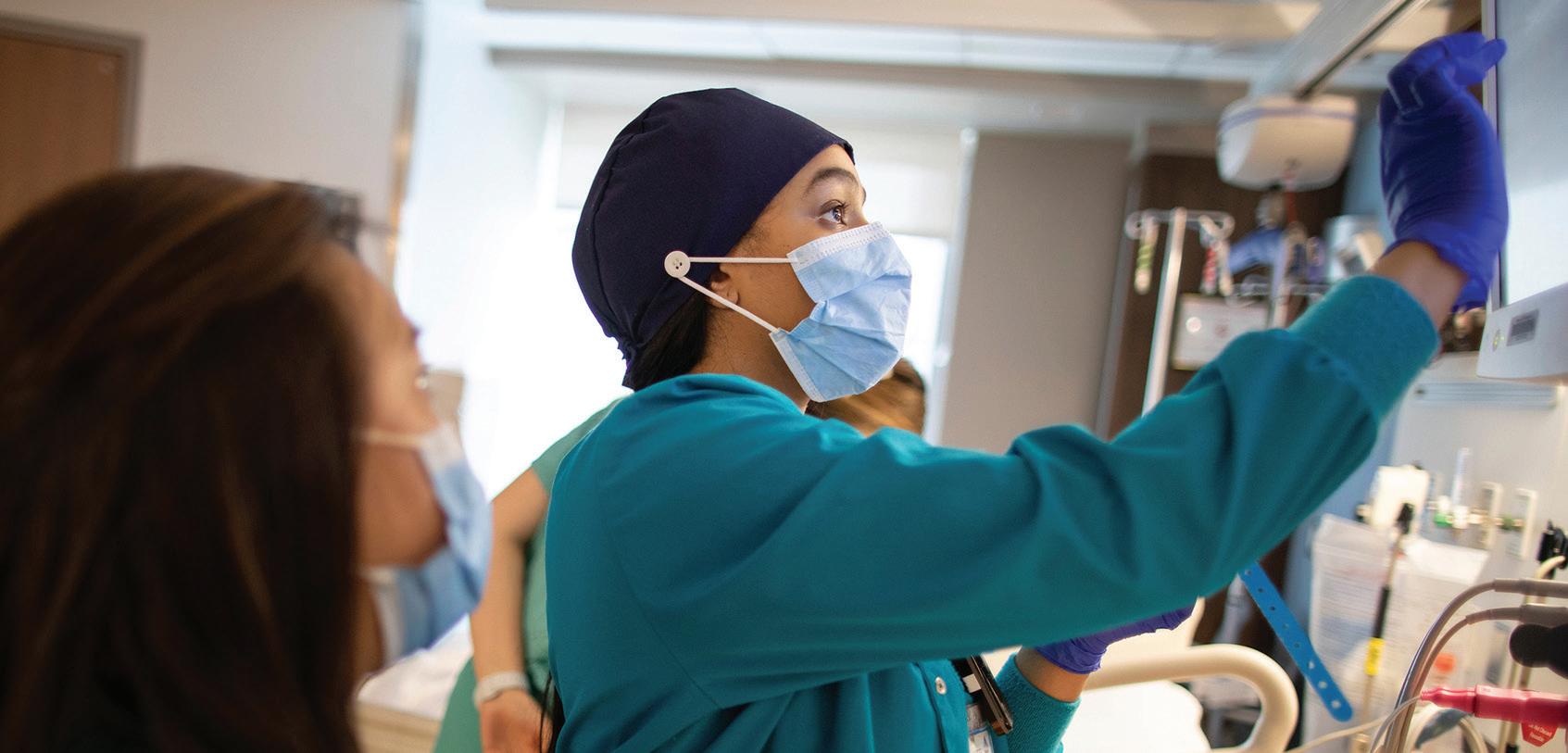
Now, the technology is poised to disrupt health and medicine. AI has the potential to improve the lives of both patients and clinicians by amplifying and augmenting—rather than replacing—human intelligence. The Mount Sinai Health System is dedicated to thoughtfully and conscientiously advancing the delivery of health care through research, development, and implementation of innovative AI tools and technologies.
“Mount Sinai is one of the leaders in utilizing clinical and medical AI to power precision medicine, predominantly because

we have made very significant and forwardthinking investments in this space,” says Girish N. Nadkarni, MD, MPH, the Irene and Dr. Arthur M. Fishberg Professor of Medicine at the Icahn School of Medicine at Mount Sinai, Chief of the Division of Data-Driven and Digital Medicine (D3M), Co-Director of the Mount Sinai Clinical Intelligence Center (MSCIC), and Co-Director of the Charles Bronfman Institute for Personalized Medicine. “We are spearheading the way in which the next generation of medicine will be practiced.”
In 2024, the new Hamilton and Amabel James Center for Artificial Intelligence and Human Health will combine AI with data science and genomics. The building will be located on the Icahn Mount Sinai main campus to enable close collaboration between clinicians and interdisciplinary researchers.
The Center will open with approximately 40 principal investigators as well as 250 graduate students, postdoctoral fellows, computer scientists, and support staff. It will house the Windreich Department of Artificial Intelligence and Human Health, the Hasso Plattner
Institute for Digital Health at Mount Sinai, the BioMedical Engineering and Imaging Institute, and other research teams focused on multimodal and translational health care research.
The Windreich Department is the first of its kind within a medical school in the United States. This academic department will integrate machine learning and AI-empowered decision-making throughout the Health System’s hospitals. “To make sure that we as an institution lead in this area, Mount Sinai wanted to give a home to faculty who are driving the transformation of health care through AI,” says Thomas J. Fuchs, DrSc, Dean for Artificial Intelligence and Human Health and Professor of Computational Pathology and Computer Science at Icahn Mount Sinai, and Co-Director of the Hasso Plattner Institute for Digital Health at Mount Sinai.
Across Mount Sinai—in medical education, in research, and in clinical care and operations—everyone is pursuing a shared goal: an ever more personalized, efficient, and effective Health System that benefits both patients and providers.
BY MEERI KIM
Medical education in the 20th century often relied on research findings that made their way into textbooks after becoming a recognized standard—a process that can take years or even decades. With the rise of artificial intelligence (AI) in health care, medical students can no longer afford to wait that long. AI-based tools are developing quickly and being implemented into clinical practice at an accelerating rate. To leverage these tools for the improved diagnosis and care of their patients, physicians will need to be equipped with the skills required to work with AI.
The Icahn School of Medicine at Mount Sinai is at the forefront of this fundamental shift. Initiatives such as the Standing Committee on Artificial Intelligence in Teaching, Learning, and Discovery (AI.TLD) and the new PhD concentration in AI and Emerging Technologies (AIET) in Medicine are part of a bold push to invest in AI-related training, research, and strategic partnerships.
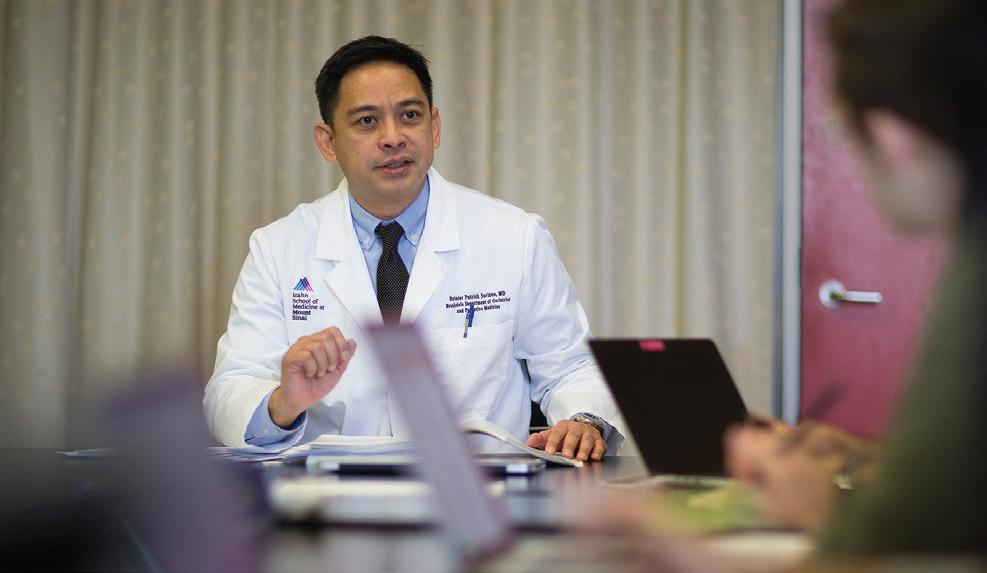
“As AI continues to permeate our rapidly evolving medical education and health care systems, Icahn Mount Sinai is poised to embrace this transformative vision,” says Rainier P. Soriano, MD, Senior Associate Dean for Curricular Affairs in Medical Education, and Professor of Geriatrics and Palliative Medicine, Medicine, and Medical Education at Icahn Mount Sinai. “AI will not only impact the way education is delivered but also how future physicians will interact with the health care system.”
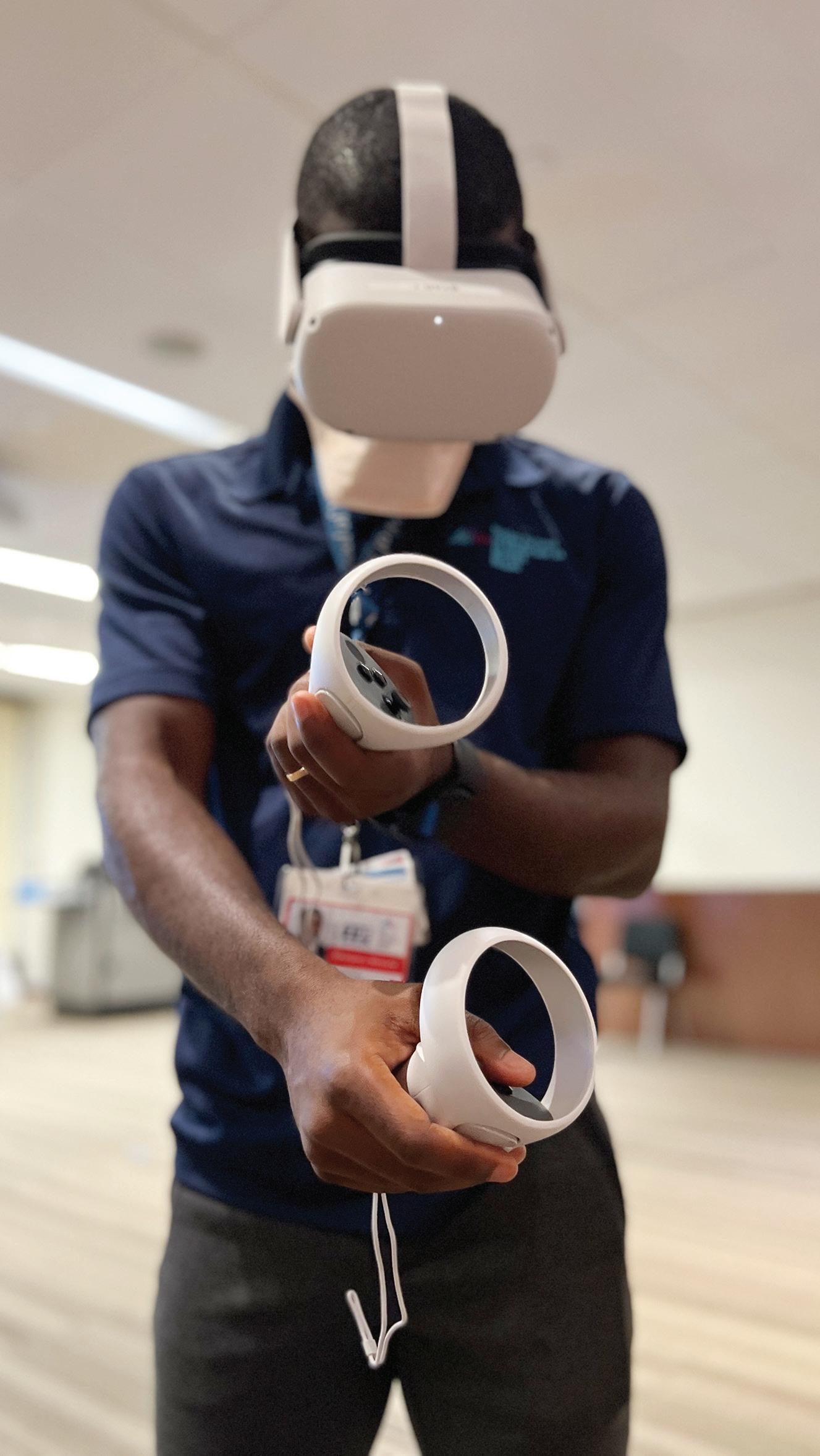
Students at Icahn Mount Sinai are already utilizing a variety of AI-powered tools, from ChatGPT to immersive learning in virtual/augmented reality environments. In the realm of biomedical and clinical research, graduate trainees are not only using, but also developing AI-based tools for applications such as medical image analysis, functional genetics, and drug discovery.
Soon AI will be further integrated at
Icahn Mount Sinai. According to Dr. Soriano, the effect of AI can be thought of as dualpronged. The first looks inward, harnessing AI technologies to revolutionize medical and graduate education.
“We’re at an exciting time in our history,” says Paul Lawrence, MFA, Dean of Scholarly and Research Technologies at Icahn Mount Sinai, and Vice President and Deputy Chief Information Officer for the Mount Sinai Health System. “We have a fantastic opportunity at Mount Sinai to really think about what’s next with AI in teaching and learning, how we can take it to the next level.”
For instance, designated AI algorithms have the ability to create a dynamic learning experience, with curricula being continuously updated with the latest medical research. AI systems could also create personalized content for each student, taking individual learning styles, strengths, and weaknesses into account in real time.
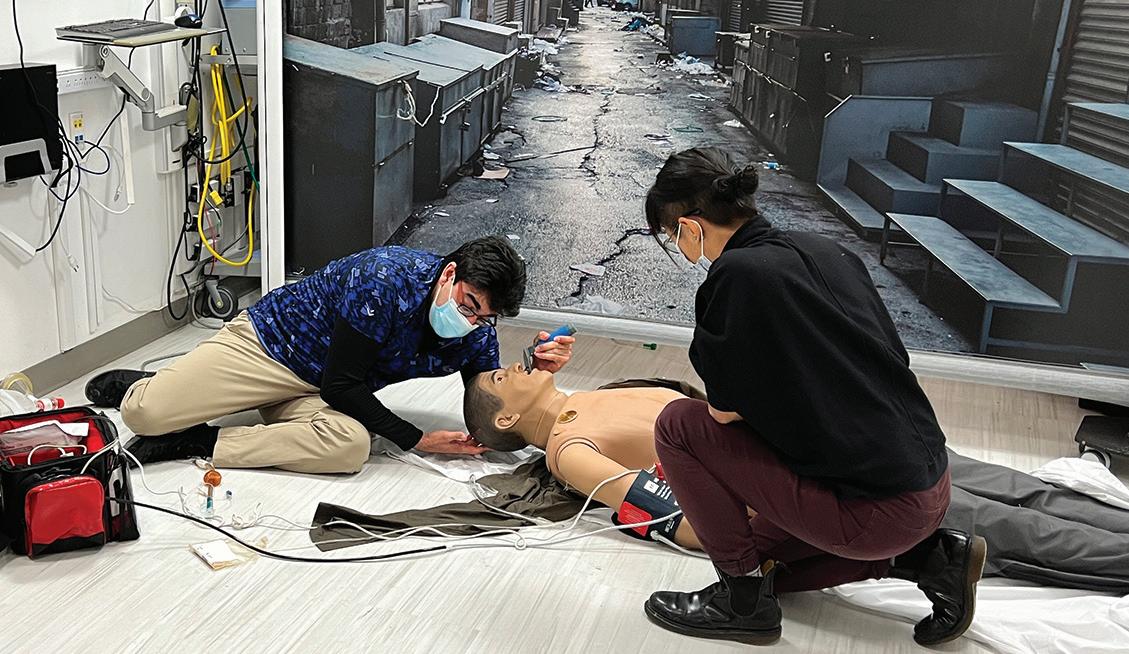
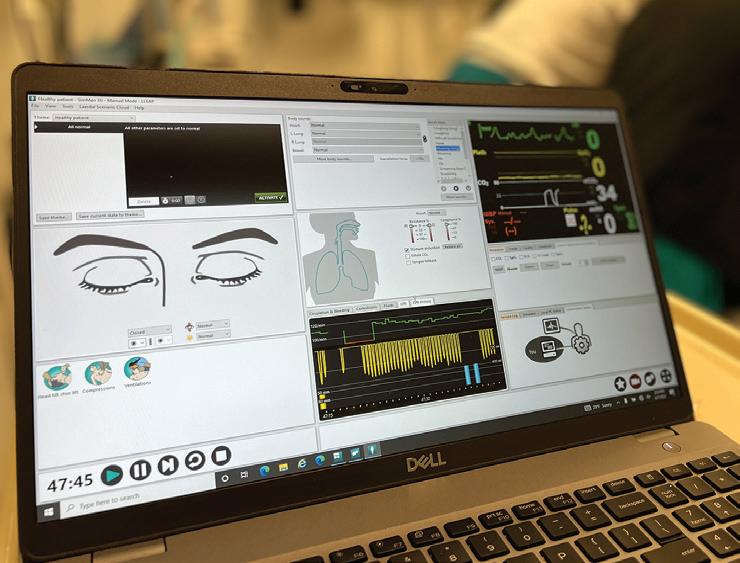
Simulations facilitated by AI offer medical students the means to safely practice
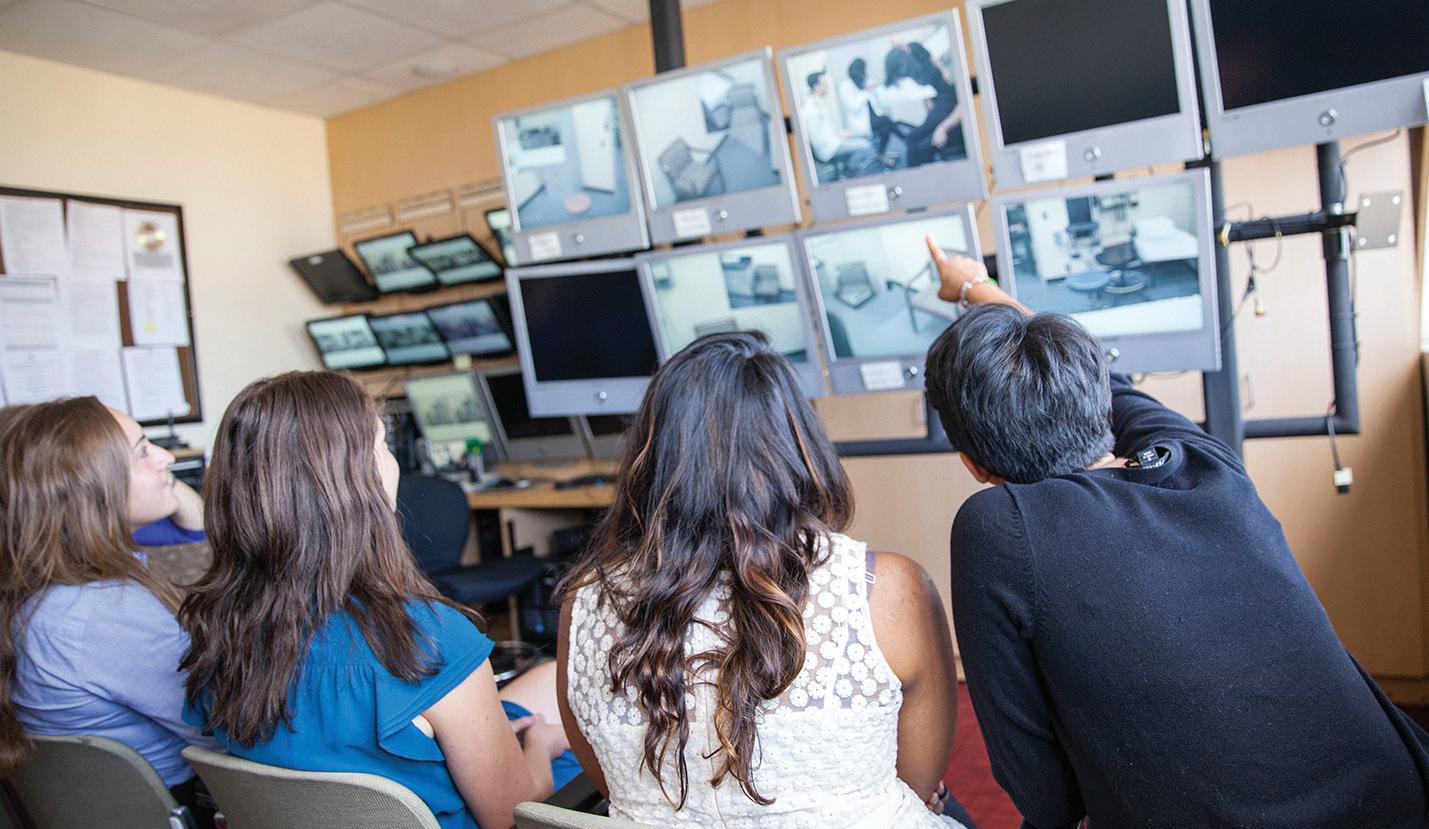
Mount Sinai connects classroom learning with real-life experience at multiple sites, including The Morchand Center for Clinical Competence and the Simulation Training and Research (STAR) Center.
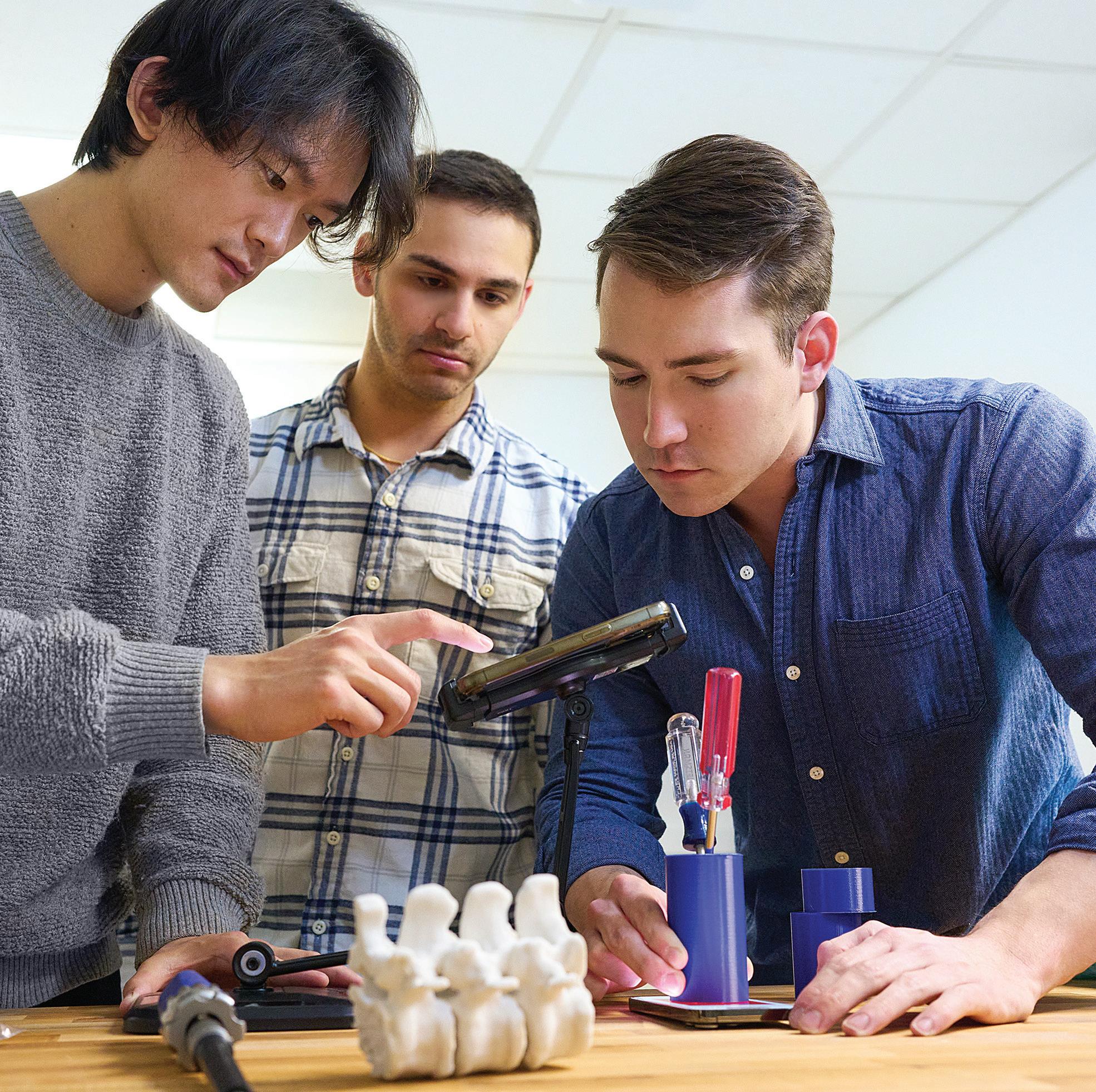
intricate tasks and diagnostic procedures in a risk-free space. Even administrative tasks, such as enrollment and assessments, could be streamlined with AI.
Over the summer, Mount Sinai launched a committee dedicated to bringing such promising technologies to the medical school’s faculty and learners. The Standing Committee on Artificial Intelligence for Teaching, Learning, and Discovery (AI.TLD) will identify and assess areas where AI can be effectively applied to enhance methodologies, facilitate learning experiences, and accelerate discovery within Icahn Mount Sinai.
“The purpose of this committee is to explore, promote, and leverage AI in ways that improve teaching and learning within our scholarly community here at Mount Sinai,” says Mr. Lawrence, who co-chairs the AI.TLD Committee along with David C. Thomas, MD, Interim Dean for Medical Education; Vice Chair of Education, Department of Medicine; and Professor of Medicine (General Internal Medicine),
Rehabilitation and Human Performance, and Medical Education at Icahn Mount Sinai. “Our students are already embracing technologies like ChatGPT for analysis and study support.”
Mr. Lawrence and his colleagues plan to leverage AI-driven tools and systems, including ChatGPT, to optimize instructional practices, promote active learning, and facilitate personalized instruction. They will also provide suggestions to academic leadership regarding AI adoption in current curricula and development of AI frameworks, guidelines, and best practices.
Lastly, one critical area of focus for the AI.TLD Committee is academic integrity and the ethical considerations of using AI. Members will utilize AI technologies to support plagiarism detection, guide students and faculty on academic integrity principles, and address potential bias issues associated with AI deployments.
“ The aim is to inculcate a strong ethical foundation regarding AI usage in health care.”
–
Large language models (LLMs) are a subset of generative AI trained on vast troves of data including books, web pages, and articles, which they draw upon to respond to prompts with unscripted, natural-sounding text. The most well-known LLM at present, ChatGPT, has stolen the media spotlight and elicited conversations about how to develop and use AI responsibly.
Because ChatGPT has garnered so much attention, it serves as a highly visible example of why incorporating AI into medical education is important. With any LLM, training the model on current, accurate information from credible sources is essential to ensuring reliable and unbiased results. In the medical field, the oversight of expert researchers and experienced clinicians who truly understand AI tools is also crucial.
Icahn Mount Sinai aims to prepare critical thinkers who can evaluate such technologies as they emerge and evolve, who can maximize their potential and mitigate their shortcomings. Moving forward, these ethically grounded innovators will be the ones capable of realizing the full benefit of AI on a day-to-day basis.
At Icahn Mount Sinai, decisions about where and how to invest in building AI capabilities are made in service of mission and training: what the future of health care requires as well as what modern students need and are coming to expect. As the Health System journeys into this future, the objective is to make sure medicine not only moves in the right direction, but also reaches the desired destination. - Written by Mark Gaige
The second influence of AI on education at Mount Sinai is outward-facing, explains Dr. Soriano, teaching medical students and graduate-level trainees to become proficient in working with AI. Moving forward, physicians and researchers must understand AI’s capabilities and, just as important, its limitations.
“Mount Sinai is adopting an activist approach,” says Marta Filizola, PhD, Dean of the Graduate School of Biomedical Sciences, Sharon and Frederick A. Klingenstein-Nathan G. Kase, MD Professor of Pharmacological Sciences, Professor of Neuroscience, and Professor of AI and Human Health at Icahn Mount Sinai.
“We are purposefully preparing the future workforce of physicians, physicianscientists, and biomedical scientists for the safe and appropriate use of this transformational technology to enhance human health and improve patient lives.”
Icahn Mount Sinai’s new PhD concentration in Artificial Intelligence and Emerging Technologies in Medicine first enrolled students in the 2022-23 academic year as part of the Biomedical Sciences doctoral program. The AIET focus helps students develop a robust understanding
of AI/machine learning tools to assess the need, impact, validity, performance, and applicability of AI algorithms in biomedical sciences and clinical care.
The AIET PhD concentration is guided by Co-Directors Hayit Greenspan, PhD, and Alan C. Seifert, PhD. Dr. Greenspan is also Director of AI in Imaging and Director of the AI Engineering Core at the BioMedical Engineering and Imaging Institute (BMEII), and Professor of Radiology at Icahn Mount Sinai. Dr. Seifert is Assistant Professor of Radiology in the Department of Diagnostic, Molecular and Interventional Radiology.
The multifaceted curriculum includes several bioengineering and computational biology topics, including—but not limited to—the use and design of medical technologies like sensors and robotics, computer-based analysis of medical images, computer-aided drug discovery, large-scale multi-omics data analysis, and virtual/ augmented reality simulation. Students will also develop the reasoning skills essential to navigating the social, political, and economic dimensions of AI. For example, the AIET coursework will address the potential dangers of embedding race into the basic data and decisions of health care, which could perpetuate or even
“Mount Sinai is adopting an activist approach. We are purposefully preparing the future workforce of physicians, physician-scientists, and biomedical scientists for the safe and appropriate use of this transformational technology to enhance human health and improve patient lives.”
– Marta Filizola, PhD
amplify race-based health inequities.
“Students will be taught the considerations required for responsible AI usage, which involve a variety of factors including data privacy, informed consent, and the potential for algorithmic bias,” says Dr. Soriano. “The aim is to inculcate a strong ethical foundation regarding AI usage in health care.”
The recent establishment of the Windreich Department of Artificial Intelligence and Human Health—the first of its kind at a medical school—marks a decisive step toward the full-fledged integration of AI in medical education. Led by Thomas J. Fuchs, DrSc, Dean for Artificial Intelligence and Human Health and Professor of Computational Pathology and Computer Science at Icahn Mount Sinai, and Co-Director of the Hasso Plattner Institute for Digital Health at Mount Sinai, the Department is building AI systems at scale from data representing Mount Sinai’s diverse patient population. Medical students will learn how to use these systems, which will function seamlessly across all hospitals and care units to support physicians, foster research, and, most important, improve patient care and well-being.
Doctoral students in the AIET program will interact with faculty across Icahn Mount Sinai, including those in the Windreich Department. Trainees in this new concentration will also have the opportunity to work closely with the team at BMEII—led by Director Zahi A. Fayad, PhD, Lucy G. Moses Professor of Medical Imaging and Bioengineering, Professor of Radiology and Medicine (Cardiology), and Vice Chair for Research in the Department of Radiology at Icahn Mount Sinai—to develop novel medical inventions in the fields of imaging, nanomedicine, and computer vision technologies. AIET further leverages existing relationships with several well-regarded higher education institutions that offer complementary technical expertise, expanding collaborative research and enrichment opportunities for trainees and faculty.
“Our strategic focus is twofold: to elevate awareness about the burgeoning role of AI in health care and to delve into the considerations that accompany its application,” says Dr. Soriano. “Our ultimate aim is to cultivate an ecosystem that is robust, equitable, and agile. Achieving this vision is not just aspirational; it is imperative.”
BY MEERI KIM
While theories of artificial intelligence (AI) date back almost a century, only in recent years has the technology broken into mainstream use. Chatbots can write computer programs, compose music, answer test questions, and much more. Virtual assistant software powered by AI, such as Apple’s Siri and Google Assistant, come preinstalled on every smartphone.
To mimic human abilities—including learning, reasoning, problem-solving, and creating new content—AI systems require vast amounts of data. A large health system like Mount Sinai produces several petabytes of data every year, encompassing electronic health records, medical imaging, genomic sequencing, and other sources. With the help of AI, Mount Sinai researchers have been translating this wealth of available information into valuable insights.
“Right now, the amount of data generated by modern medicine is eons of magnitudes higher than even five or 10 years back,” says Girish N. Nadkarni, MD, MPH, the Irene and Dr. Arthur M. Fishberg Professor of Medicine at the Icahn School of Medicine at Mount Sinai, Chief of the Division of Data-Driven and Digital Medicine (D3M), Co-Director of the Mount Sinai Clinical Intelligence Center (MSCIC), and Co-Director of the Charles Bronfman Institute for Personalized Medicine. “AI excels at integrating and analyzing data of different modalities in order to discover useful patterns, which can then be leveraged for things like improving patient outcomes and understanding health and disease at scale.”
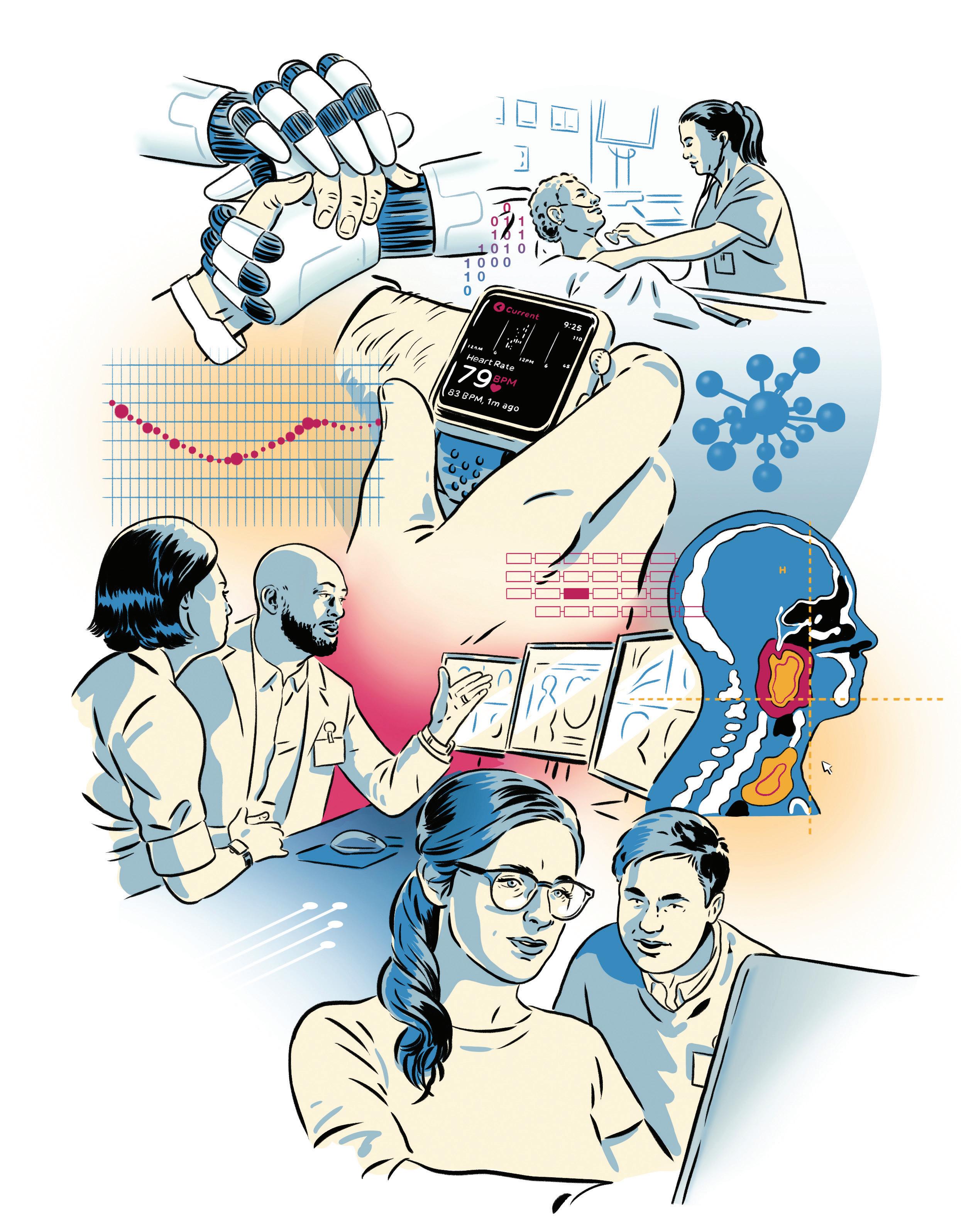
For example, Dr. Nadkarni and his colleagues recently developed an AI model for electrocardiogram (ECG) analysis that enhances the accuracy and effectiveness of ECG-related diagnoses, especially for rare heart conditions.
An ECG, which records the electrical signals in the heart, is a low-cost, noninvasive way to monitor heart health. The data, called an ECG tracing, appears as a waveform with peaks and troughs that reflect the small electrical changes in cardiac muscle that occur with every heartbeat. Just by looking at an ECG tracing, physicians may have a hard time identifying patterns representative of disease, particularly for conditions that lack established diagnostic criteria.
Mount Sinai researchers developed HeartBEiT, a model that allows for the interpretation of ECGs as language. Basically, it “reads” snippets of the ECG tracing as individual words and the whole ECG as a single document. HeartBEiT then capitalizes on the recent advances in transformer-based AI models like GPT, which learns context and meaning by tracking relationships in sequential datalike language, to interpret the ECG.
Dr. Nadkarni and his colleagues, including D3M Clinical Instructor Akhil Vaid, MD, trained the model on 8.5 million ECGs from 2.1 million patients, collected over four decades from five hospitals within the Mount Sinai Health System. They tested HeartBEiT on three diagnostic tasks: learning if a patient is having a heart attack, detecting a genetic disorder called hypertrophic cardiomyopathy, and evaluating how effectively the heart is functioning. In each case, HeartBEiT outperformed other AI models at lower sample sizes.
“We want to be clear that artificial intelligence is by no means replacing diagnosis by professionals from ECGs,” explains Dr. Nadkarni, “but rather augmenting the ability of that medium in an exciting and compelling new way to detect heart problems and monitor the heart’s health.”
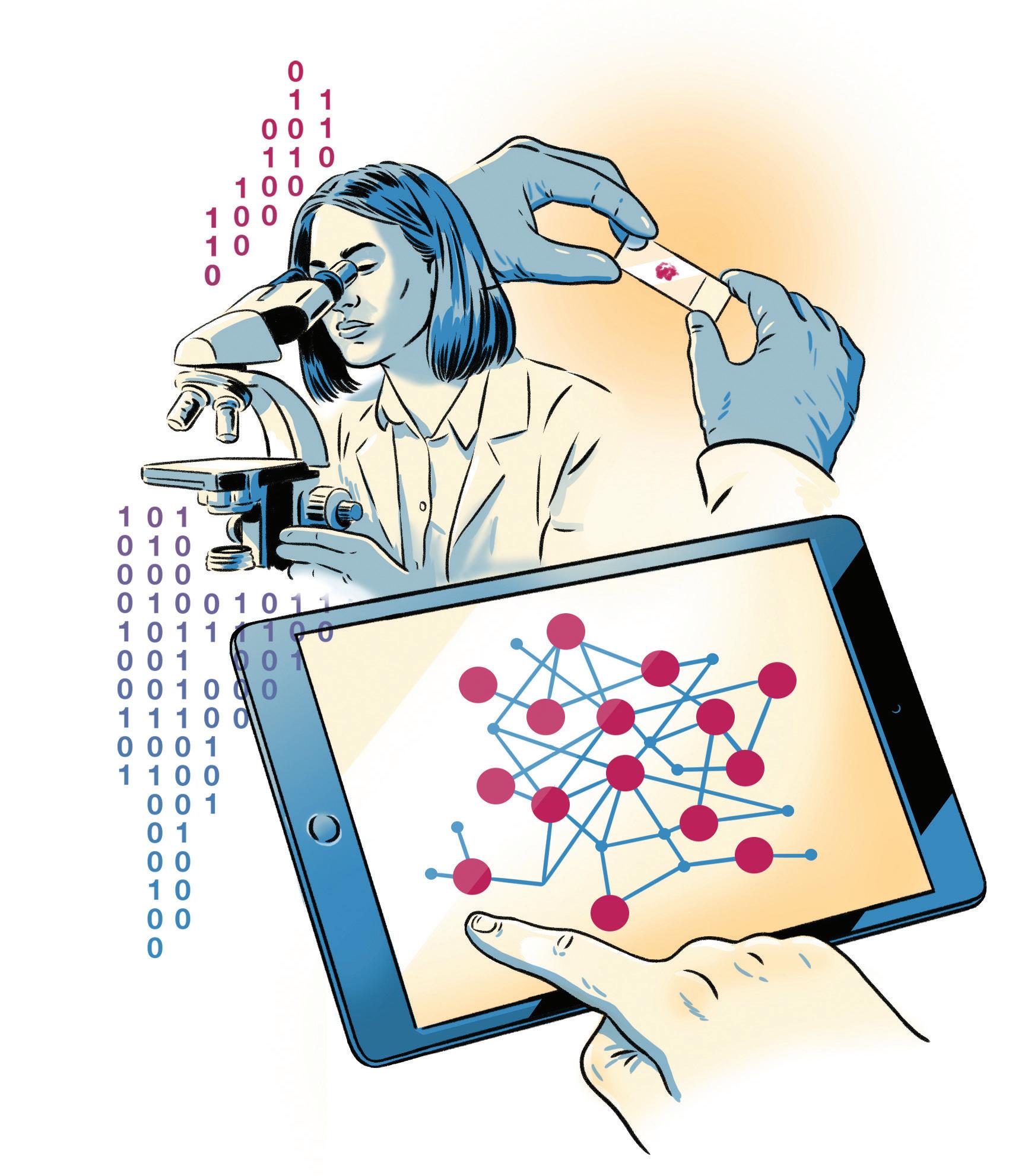
As a scientist in the field of computational pathology, Thomas J. Fuchs, DrSc, Dean for Artificial Intelligence and Human Health at Icahn Mount Sinai, is dedicated to applying AI to analyze images of tissue samples to identify disease, recommend treatment, and predict outcome. The idea is to enhance personalized medicine through biomarker detection using routine patient samples instead of specialized, expensive testing.
“Pathology is in the midst of a revolution, from an analog discipline to a digital one. It’s one of the last disciplines in health care that is not digital yet,” says Dr. Fuchs, who is also Professor of Computational Pathology and Computer Science at Icahn Mount Sinai, and Co-Director of the Hasso Plattner Institute for Digital Health at Mount Sinai (HPI.MS). “Mount Sinai is one of very few places where nearly 100 percent of histology microscopy slides get digitized.”
Dr. Fuchs is the Founder and Chief Scientist of Paige.AI, a company that builds tissue-based AI models to develop and deliver a new generation of digital diagnostics and predictive tests. Paige Prostate Direct, a product to help
pathologists identify cancer on prostate biopsies, became the first-ever AI software for digital pathology to be authorized by the U.S. Food and Drug Administration in 2021.
One possible focus area for front-line impact in hospitals is the further development and testing of an early warning system for the intensive care unit (ICU). In 2020, Mount Sinai researchers created an AI model called MEWS++ that enables the identification of patients at risk of escalation of care or death—six hours prior to the event occurring. MEWS++ significantly outperformed traditional methods of assessing ICU risk.
Similarly, the Enhanced Fall Algorithm (EFA) more accurately identifies patients at high risk for falls when compared to the Morse Fall Scale, which is widely used in acute care settings. The EFA takes into account each patient’s Morse score and automatically adds data from electronic health records such as patient demographics, chronic conditions, lab values, and medications. Using the EFA, nurses are able to concentrate risk reduction efforts on those individuals most likely to fall.
“We’re going a step further and using AI
with patients’ health records to help run the hospital. Machine learning can be used to predict which patients are going to be at risk for adverse events,” says Eric J. Nestler, MD, PhD, Chief Scientific Officer at Mount Sinai Health System, and Dean for Academic Affairs at Icahn Mount Sinai. “These are the ways in which AI is changing the day-to-day function of the hospital today,” says Dr. Nestler, who is also Professor of Neuroscience, Psychiatry, and Pharmacological Sciences.
AI also has the potential to make breakthroughs in multi-omics research and its transition to clinical care. By combining large swaths of data from various omics sources— including genomics, proteomics, metabolomics, and transcriptomics—AI can enhance our knowledge of diseases on a molecular level. The technology will play a crucial role in the Mount Sinai Million Health Discoveries Program (MSMHDP), which plans to enroll one million patients over the next five years. The MSMHDP will perform whole exome sequencing of all patients, and a subset of patients will undergo whole genome and multi-omics (proteomics, transcriptomics) sequencing.
“The study solves a number of problems in human genetics, one of them being a lack of
genetic data on diverse populations,” says Alexander W. Charney, MD, PhD, Leader of the MSMHDP and Co-Director of the Charles Bronfman Institute for Personalized Medicine at Icahn Mount Sinai. “Mount Sinai Million will be, by far, the biggest, most diverse cohort coming from a single institution.”
The hope is that adding more representation in training data for AI prediction models will make them more accurate for non-white patients, taking an important step toward bringing the technology into clinical use. Dr. Charney and his colleagues also plan to generate a large-scale AI model that incorporates both multi-omics and clinical data sources linked to outcome data.
“Mount Sinai Million is designed to answer a vital question: How do we use genetic information to improve the way we treat patients in the real world, based on our current standards of care?” emphasizes Dr. Charney, who is also Associate Professor of Genetics and Genomic Sciences, Neuroscience, Neurosurgery, and Psychiatry at Icahn Mount Sinai. “New technologies like artificial intelligence can really make a dent in some of the incredibly difficult problems we face when it comes to understanding human health and disease.”
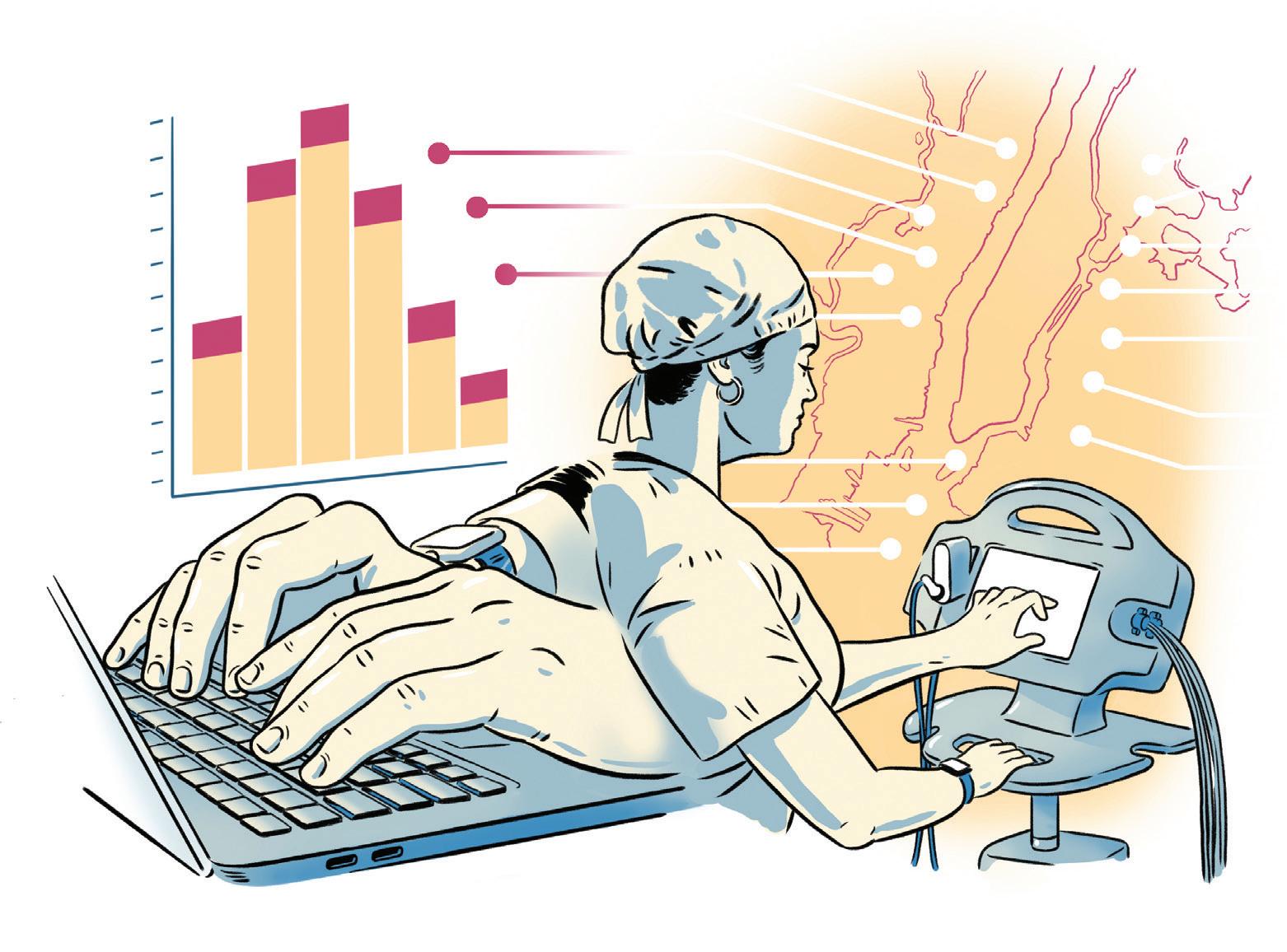
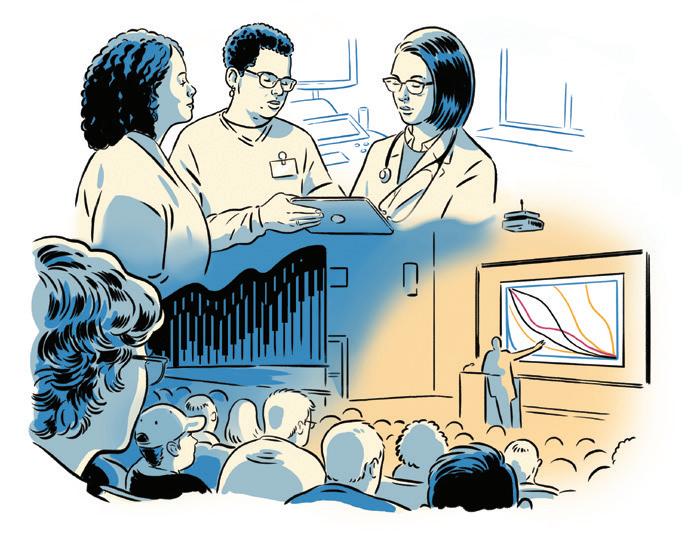
Because LLMs can probe enormous amounts of data, they bring important benefits to biomedical research. For example, the greater the sample size, the more precise the results will be. Big data also better reflect the diversity of the population, which is critical because different groups may have different risk profiles and respond to treatments differently.
In one study, Mount Sinai investigators are using LLMs to extract information on social determinants of health buried deep within the narrative text of electronic health records. These are non-medical variables—such as economic conditions, literacy levels, and limitations to health care access—that account for between 30 and 55 percent of health outcomes. Knowledge of these factors can help caregivers develop more personalized care plans as well as introduce individualized preventive actions, such as patient-specific dietary changes, exercise regimens, and stress-reduction techniques.
In a second example, researchers at Mount Sinai are preparing to use the underlying architecture of LLMs (called transformers) to better diagnose and prognosticate obstructive sleep apnea and its complications, where breathing stops because the tongue or throat muscles relax and block the airway—which is often narrowed in apnea patients. Nine out of 10 people with the condition are unaware that they have it. Untreated, obstructive sleep apnea can lead to high blood pressure, coronary artery disease, heart attack, heart failure, and stroke. Drawing on voluminous electronic health record data, the Mount Sinai method will analyze more than 20 variables, such as heart rate, oxygen saturation, apnea duration, and sleep stage, to strengthen risk and outcome prediction, diagnosis, and treatment. - Written by Mark Gaige
BY MARK GAIGE
Artificial intelligence (AI) has taken the world by storm, and its implications for patient care are especially compelling, given that the stakes are so high. AI’s datadriven technologies and algorithms are medically transformative, from sharpening diagnostic accuracy to pinpointing population health patterns and detecting medical emergencies before they happen. And the horizon of opportunities is widening all the time.
Artificial intelligence encompasses computer-based technologies that simulate human intelligence—perceiving, learning, analyzing—at scales and speeds that surpass humans’ cognitive capacity. In one form of AI, machine learning, data scientists train algorithms to inspect pathology slides for malignant cells, to scour electronic health records for unrecognized medical conditions, and to improve the accuracy of interpreting X-rays and MRIs—yielding enormous gains in diagnostic power. The list goes on.
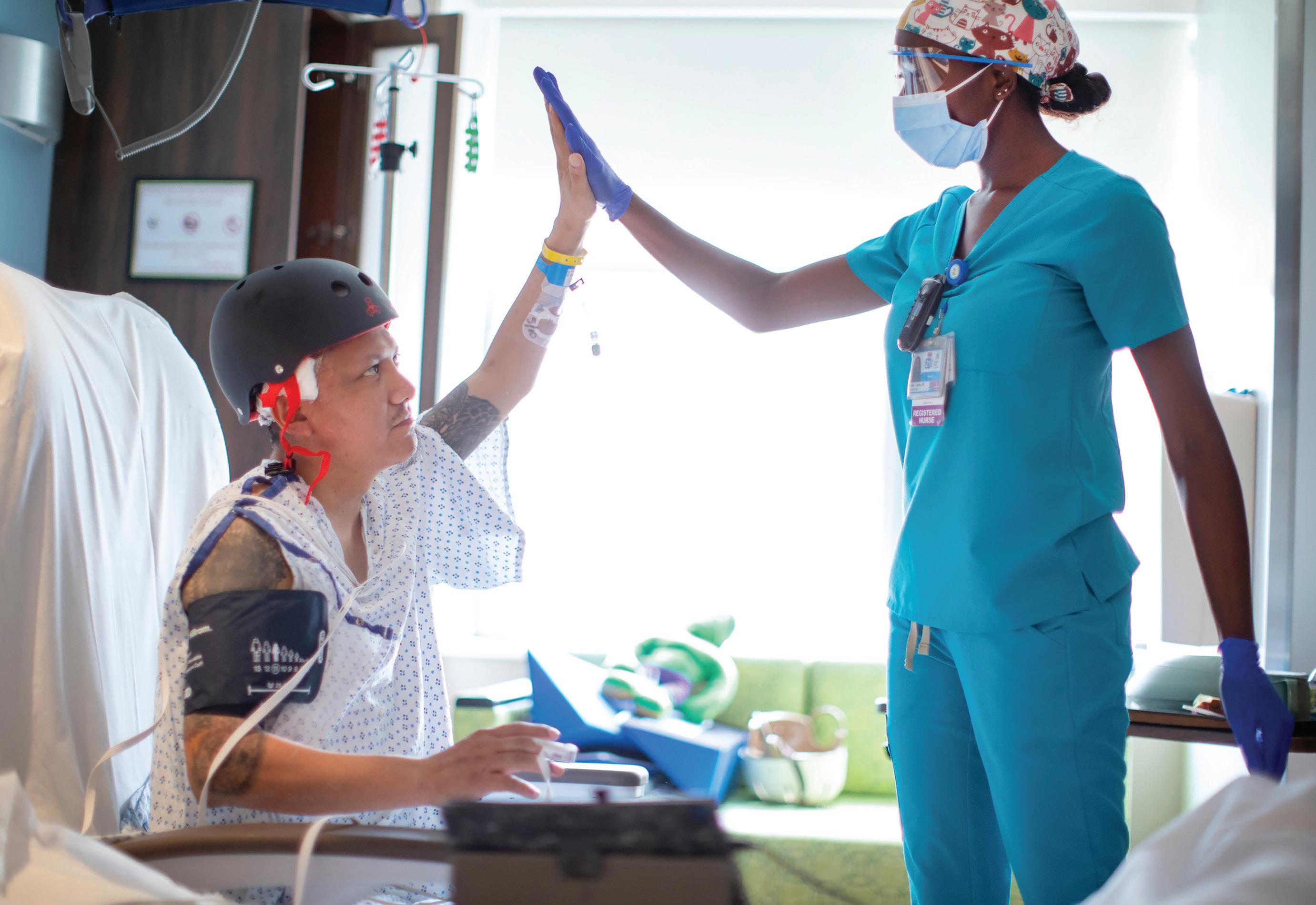
At the same time, AI helps maintain the bonds between patients and health care professionals. It enhances the professionals’ ability to provide safer and more precise care, and generative AI is reducing documentation burden, enabling providers to spend more time with patients.
David L. Reich, MD, President of The Mount Sinai Hospital and Mount Sinai Queens, recognizes this delicate balance. “Used together with robust human engagement, AI is enhancing our mission of providing the right care to the right patient at the right time,” he explains. “Under correct conditions, it is a force multiplier, shaping a new era of therapeutic opportunities.”
In a fast-moving AI landscape, The Mount Sinai Hospital is recognized as a harbinger of high-tech medicine. In the three years since Newsweek unveiled its World’s Best Smart Hospitals compilation, which ranks more than 300 global hospitals on their use of trailblazing technology, Mount Sinai has powered its way into the top five (and ranks first in New York City) each time. Mount Sinai Morningside jumped to 24th worldwide in the most recent list.
Additionally, Mount Sinai was recently profiled in a Washington Post story on the expanding use of AI by what the newspaper termed “elite hospitals”—magnifying its visibility as a pacesetter.
There are several reasons for this recognition. “First, AI is a genuine priority for us, frequently articulated by our leadership. This has led to an organizational
“We are evolving technologically as a learning health system but staying true to our core principles of providing the safest and most empathetic care.”
– DAVID L. REICH, MD
culture that fosters AI adoption and innovation,” notes Robbie Freeman, RN, MSN, Vice President of Digital Experience, Mount Sinai Health System. “Second, we’ve built a cohesive framework for taking AI research products and deploying them in the clinical setting. Third, we partner with our clinicians to translate investigators’ findings into careenhancing opportunities. Because the end users play a vital role, the initiatives are more effective,” adds Mr. Freeman, who is also Chief Nursing Informatics Officer for the Health System. “Finally, and most important, we have extraordinarily talented researchers and clinicians leading our efforts,” he emphasizes.
To date, Mount Sinai has developed or is testing more than 30 AI projects spanning the gamut of care, from OB/GYN and cardiology to ophthalmology and neurology.
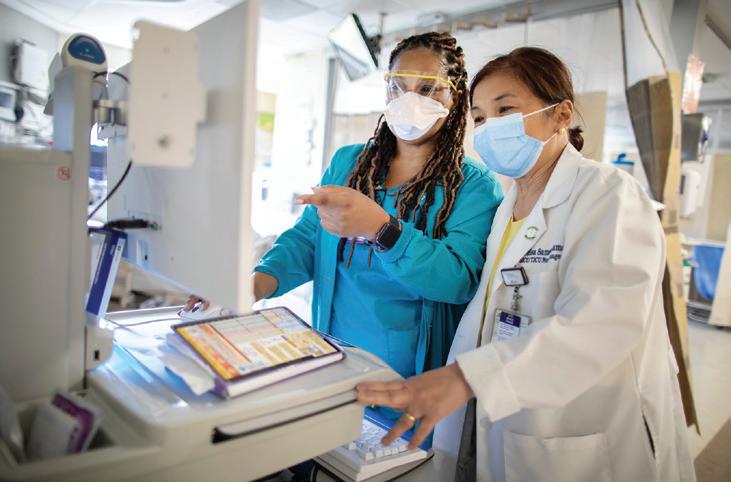
Already in use is a group of clinical decision-support tools that comb through mountains of data to identify patients at risk for certain complications—enabling preventive intervention. For example, AI guides the use of in-room cameras that allow medical staff to closely monitor patients who have been digitally flagged as having a higher risk of falls.
The results are as impressive as the technology. Malnutrition detection and treatment is four times greater than before the project. Falls, ventilator complications, and sepsis rates have declined as well. “These tools are improving quality of care and saving lives,” says Dr. Reich, who is also Horace W. Goldsmith Professor of Anesthesiology, Professor of Artificial Intelligence, and Professor of Pathology at the Icahn School of Medicine at Mount Sinai. “Their impact has been substantial and will continue to grow. But in all cases, human interpretation and follow-up are indispensable to their success.”
Additional Mount Sinai algorithms in the
testing and refining stages include:
• forecasting dementia and Alzheimer’s disease by digitally examining physical changes in the brain
• spotting EKG deviations that might signify blood clots in the lungs
• foreseeing which “safe” medicines may lead to birth defects
• measuring associations between heart rate patterns and psychological traits, such as resilience and optimism
All Mount Sinai AI tools are rigorously tested before introduction to patient care. To ensure ethical, nonbiased deployment, the cross-disciplinary Artificial Intelligence and
Mount Sinai is using large language models to reshape patient care in a number of ways. For example, when properly configured and reviewed, LLMs can supply accurate, individualized answers to many health care questions.
To capitalize on this potential, Mount Sinai is launching a trial of an LLM to draft the initial responses to messages from patients. Within Epic, the Health System’s electronic health record, InBasket allows physicians and patients to exchange messages electronically. But physicians often receive dozens of posts daily via the service, and attending to them all can take significant time, resulting in less face-to-face interaction with patients.
To address this challenge, Mount Sinai AI experts and interdisciplinary clinicians are integrating an LLM that will, once trained, be able to respond to a variety of InBasket questions. Physicians will review all answers and edit them as needed before they’re sent back to patients. The trial will feature a small number of physicians and specialties, and, based on the results, can scale up in subsequent versions.
The goal is to anticipate, navigate, and respond in a timely manner to the spectrum of medical circumstances represented by the patients’ messages. Equally important, Mount Sinai is committed to ensuring an unbiased LLM, as well as data privacy throughout the project. - Written by Mark Gaige
Machine Learning Governance Committee prospectively evaluates all AI tools, whether developed internally or in partnership with vendors such as Microsoft and Epic.
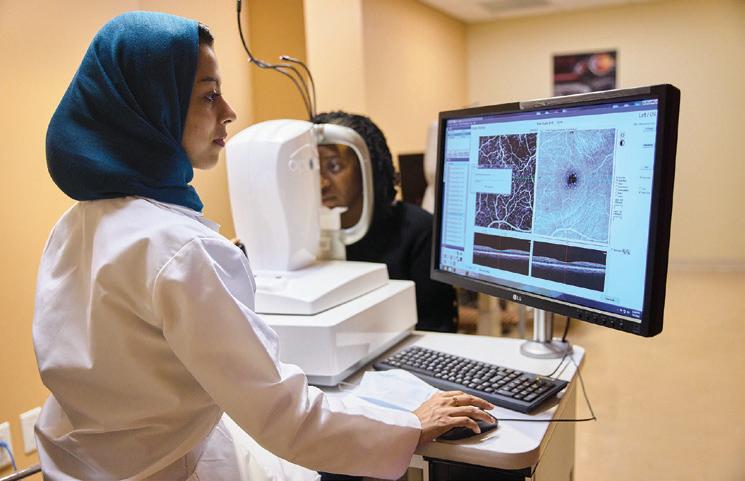
This past July, Icahn Mount Sinai launched the Center for Ophthalmic Artificial Intelligence and Human Health, one of the first such entities nationwide.
“We anticipate that the Center will transform ophthalmology and visual health,” says its Director, James C. Tsai, MD, MBA, President of New York Eye and Ear Infirmary of Mount Sinai (NYEE). “AI will play a growing role in the diagnosis and care of eye diseases, maximizing the skills of ophthalmologists in addressing diabetic retinal disease, macular degeneration, glaucoma, retinal tumors, and more.”
But there is an unexpected twist. What may be surprising, says Dr. Tsai, who is also Delafield-Rogers Professor and Chair of Ophthalmology at Icahn Mount Sinai and Mount Sinai Health System, is that AI eye tools can also identify patients at risk for heart attacks, stroke, and other serious systemic disorders—enabling earlier diagnosis. Risk factors for these lifethreatening conditions can be determined from AI-guided analysis of retinal photographs, which, in addition to detecting eye problems, capture signals from the circulatory system and the brain, helping physicians draw inferences of potential danger.
In some ways, the retinal pictures serve as a fifth vital sign overlaying the standard quad of blood pressure (BP), pulse, body weight, and temperature. “Take blood pressure, for example,” says Dr. Tsai. “Even if a patient’s BP is within the normal
range at the time of measurement, there still may be a problem, since the numbers could fluctuate.” The retinal photos will pick up such cases, he explains, allowing prompt referral to specialists. “We’ll also have baseline images if there are any subsequent changes.”
In a boost to the Health System’s population health efforts, Mount Sinai has placed this breakthrough technology in six primary care physicians’ offices, with an aim of expanding to 25 sites over the next several years.
Last year, Icahn Mount Sinai announced the creation of a new Division of Data Driven and Digital Medicine (D3M) within the Department of Medicine—the first such entity anywhere. Led by Girish N. Nadkarni, MD, MPH, the Irene and Dr. Arthur M. Fishberg Professor of Medicine at Icahn Mount Sinai, Co-Director of the Mount Sinai Clinical Intelligence Center, and CoDirector of the Charles Bronfman Institute for Personalized Medicine, D3M integrates AI into research, education, and clinical practice, working with the Clinical Data Science (CDS) team led by Mr. Freeman.
“In an era when almost every medical decision, diagnosis, and treatment is underpinned by data, AI education is at the core of our vision,” says Dr. Nadkarni. “We are committed to training physicians,
medical students, residents, and fellows and fully realizing the rich possibilities of AI and digital health for research and patient care.”
Monica Kraft, MD, Murray M. Rosenberg Professor of Medicine and Chair of the Department of Medicine at Icahn Mount Sinai, is a strong backer of D3M. “Tapping into the immense potential of AI is one of my priorities,” she confirms. An internationally renowned pulmonologist, Dr. Kraft points to the work of Mount Sinai researchers who are creating an algorithm around COPD, a chronic inflammatory lung disease that restricts breathing. “The algorithm will help us better understand who is at risk and who ultimately gets the disease,” Dr. Kraft explains. “We know that COPD is associated with smoking, but not all smokers get COPD, and one-fourth of adults with COPD have never smoked.” The algorithm will link de-identified information from electronic health records with de-identified genetic data from Mount Sinai’s BioMe® DNA repository, helping answer pivotal questions about COPD.
With opportunities come challenges. Some care providers and policymakers worry that AI may cause job losses and dehumanize medicine. Many patients say they don’t entirely trust it.
However, Dr. Reich says the goal is not to reduce the contributions of health care professionals: “On the contrary, AI is helping our team deliver safer and more effective care through ‘augmented intelligence’ that reduces the risk of human error,” he emphasizes. “We are evolving technologically as a learning health system but staying true to our core principles of providing the safest and most empathetic care.”
Even as AI use grows more prevalent, Mount Sinai is doubling down on the human dimension of medical care. “AI helps humans become better at helping patients,” Dr. Reich says. “AI will augment that and will never take it away.”
“In an era when almost every medical decision, diagnosis, and treatment is underpinned by data, AI education is at the core of our vision.”
– GIRISH N. NADKARNI, MD, MPH
MOUNT SINAI’S QUEST TO REALIZE THE PROMISE AND POTENTIAL OF GENETICS AND GENOMICS
BY BARBARA BRODY
In 2003, when the first phase of the Human Genome Project was completed, the cost of sequencing a single patient’s genome was around $100 million. Fast forward to today, and it can be done for less than $1,000 in a research setting. By the end of 2023, the price tag is likely to drop to around $200, predicts Bruce D. Gelb, MD, Dean for Child Health Research and Professor of Pediatrics, and Genetics and Genomic Sciences at Icahn School of Medicine at Mount Sinai.
Meanwhile, the knowledge that can be gleaned from genetic assessments and genomic sequencing continues to evolve rapidly, and the reference map used to guide such tests just got a major upgrade. In May 2023, a small group of scientists—including Eimear E. Kenny, PhD, the founding Director of Mount Sinai’s Institute for Genomic
Health—announced the creation of the human “pangenome,” a major breakthrough.
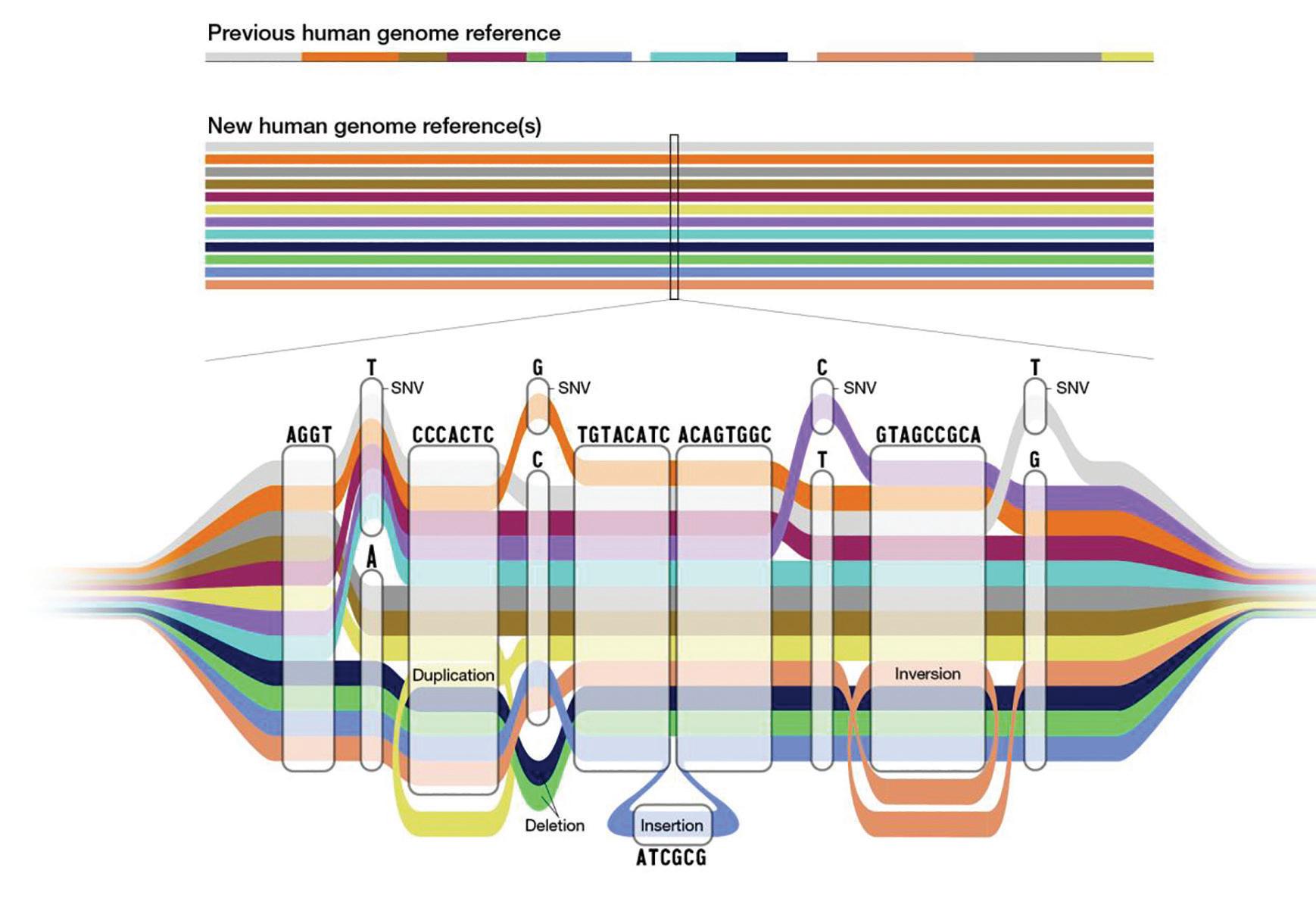
“Your genome is like a jigsaw puzzle that’s unique to you as a patient, but for the last 20 years we’ve had a very old-fashioned view of the reference picture on the box. It was based on one linear genome, predominantly from European individuals, and it wasn’t a good picture of the diverse genetics of all of humanity,” explains Dr. Kenny, who is also Professor of Medicine (Genetics and Genomic Sciences, and General Internal Medicine) at Icahn Mount Sinai. “Now, with the pangenome, we have something that looks more like a subway map of genomes and can be viewed with virtualreality-level clarity.”
Given the declining costs of sequencing, rapidly emerging discoveries about the function of specific genes, and the

introduction of the pangenome, patients have good reason to be optimistic about the role genetics (which focuses on individual genes) and genomics (which addresses all genes and their interrelationships) will eventually play in their care. Propelling this effort is the Mount Sinai Million Health Discoveries Program, a massive human genome sequencing project that aims to enroll one million diverse participants, including 10 percent under the age of 18. The project is expected to yield a wide range of crucial findings and pave the way for novel therapeutics and other precision medicine strategies.
This initiative, however, is just the beginning. In the future, sequencing everyone’s genome might very well become routine, observes Dr. Gelb, who is also Gogel Family Chair and Director of the Mindich
Child Health and Development Institute. “I think we will get to the day where your genome is sequenced at birth and documented in your medical record,” he says. “Every time you have a problem— if it makes sense given the issue—a doctor can go into your file to determine whether there’s a genetic explanation.”
For now, Mount Sinai scientists and clinicians are connecting the dots between research in genetics and genomics and incorporating the findings into clinical care faster than ever before.
For nearly 20 years, people who had reason to believe they might have inherited a predisposition to breast cancer could opt for genetic tests to check for mutations in the BRCA1 and BRCA2 genes. If patients carry one of these mutations, they might choose medication, prophylactic surgery, or a more rigorous screening regimen. Now those concerned about their cardiovascular health are gaining access to similar opportunities.
“Compared to cancer, we’re still pretty early in the genetic journey in cardiovascular disease. But that’s really exciting, because it means that there are probably going to be many promising advances in the next few years,” says
Deepak L. Bhatt, MD, MPH, Director of Mount Sinai Fuster Heart Hospital and the Dr. Valentín Fuster Professor of Cardiovascular Medicine at Icahn Mount Sinai.
Genetic tests are already being offered to patients with a family history that suggests they might be at risk for conditions including heart failure, hypertrophic cardiomyopathy, and familial hypercholesterolemia. If such issues are identified early enough in the disease process, clinicians have the opportunity to intervene with appropriate medications or procedures that could be lifesaving— the very essence of personalized care, says Dr. Bhatt.
Thanks to research conducted at Mount Sinai, patients are now also able to access genetic tests for cardiac amyloidosis. About four percent of African Americans harbor a genetic variant that puts them at high risk for this condition, which is difficult to diagnose and often not detected until the late stages. Mount Sinai was one of the first programs in the country to offer this screening, which patients can obtain via the Mount Sinai BioMe® BioBank, the Genomic Health Clinic, or the Center for Inherited Cardiovascular Diseases, which is led by Director Amy Kontorovich, MD, PhD, Associate Professor of Medicine (Cardiology
The new pangenome reference is a collection of different genomes from which to compare an individual genome sequence. Like a map of the subway system, the pangenome graph has many possible routes for a sequence to take, represented by the different colors. The detouring paths at the top of the image represent single nucleotide variants (SNVs), which are single letter differences. The yellow path that loops around itself and repeats the same nucleotides represents a duplication variant. The pink path that loops counterclockwise and follows the nucleotide sequence backward represents an inversion variant. At the bottom, the green and dark blue paths miss the C nucleotide in its route and represent a deletion variant. The light blue path, which has extra nucleotides in its route, represents an insertion variant.
Credit: Darryl Leja, NHGRI
and Genomic Medicine) at Icahn Mount Sinai, Medical Director of Adult Cardiovascular Genetics in the Zena and Michael A. Wiener Cardiovascular Institute, and core faculty at the Cardiovascular Research Institute. Seemingly healthy people might also benefit from letting scientists sneak a peek into their genome. About three to five percent of adults who contribute to the BioMe repository “have something in their DNA that’s medically actionable,” says Dr. Kenny. (Such findings are shared with patients if they so choose.) In addition, a recently completed pediatrics project called BabySeq revealed unanticipated monogenic disease risks in 11 percent of healthy-seeming newborns, adds Dr. Gelb.
“ Now, with the pangenome, we have something that looks more like a subway map of genomes and can be viewed with virtual-reality-level clarity.”
– EIMEAR E. KENNY, P h D
When a patient is seriously ill, identifying the root cause is key to proper treatment— yet getting it right can sometimes be problematic. A patient who survives an aortic dissection, for instance, might simply be dealing with significant hypertension or atherosclerosis. Or a rare genetic disorder like Ehlers-Danlos syndrome could be to blame.
“Ehlers-Danlos syndrome can be a very challenging diagnosis to make, because sometimes not all the classic features that a doctor learns about in medical school are present,” says Dr. Bhatt. “In the right clinical context, genetic testing can be really helpful to secure a diagnosis.”
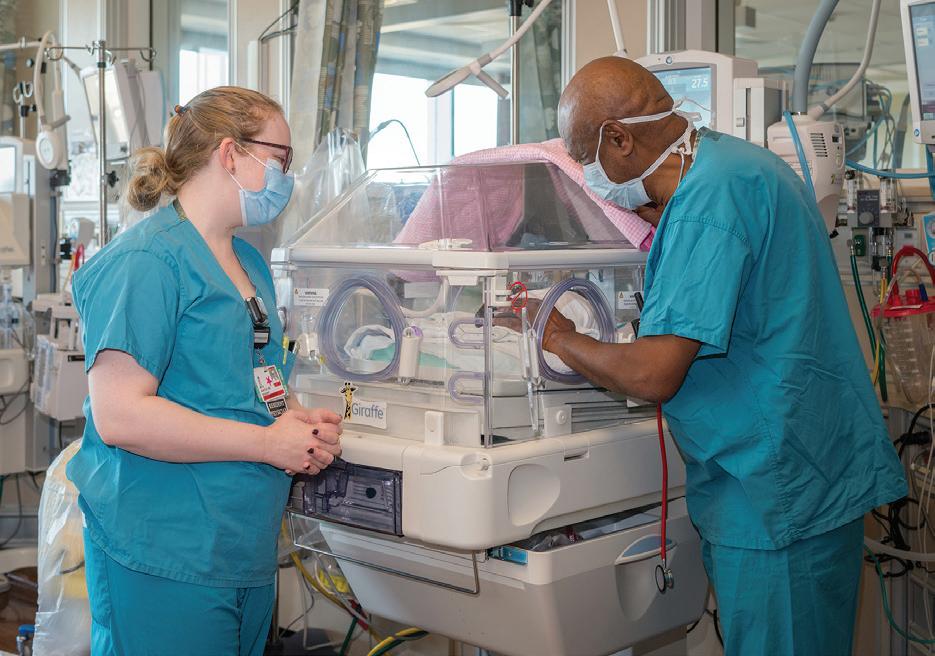
Diagnosing rare diseases in children can be exceptionally difficult, Dr. Gelb notes. In his research for the Genomic Medicine in Ill Neonates and Infants (GEMINI) study, rapid genome sequencing was performed on sick babies under the age of 1—most in neonatal intensive care units—who were suspected of having a genetic disorder. This technique led to a clear diagnosis in 38 percent of the cases.
For nearly a third of these children, genetic findings prompted a change in the clinical treatment that often led to improved care. But in a few occurrences, the findings pointed to a disease for which the condition was inevitably lethal in the newborn period. “At first blush, that seems only sad, but it can empower a family to pursue palliative care,” says Dr. Gelb. “That’s a lot more humane than continuing to aggressively test and treat that child.”
Additionally, Dr. Gelb is leading an arm of an NIH-funded project that aims to shorten diagnostic odysseys for rare genetic diseases—which can last for years—by testing and developing algorithms designed to flag such problems in patient electronic health records.
Even once a diagnosis is known, genetic findings can be extremely useful. Take long QT syndrome, a heart signaling disorder that can cause arrhythmias. The disorder may be diagnosed via an EKG, but genetic tests are needed to determine which type a patient has—and that information is necessary to treat a patient correctly. “Genetic tests are useful for risk prognostication and potentially even deciding which therapy to use,” Dr. Bhatt says.
When it comes to treating patients with Alzheimer’s disease, genetic findings may also prove critical. Over the past 30 years, Alison M. Goate, DPhil, the Jean C. and James W. Crystal Professor of Genomics, Chair of the Department of Genetics and Genomic Sciences, and Professor of Neuroscience and Neurology at Icahn Mount Sinai, has conducted groundbreaking research that paved the way for the development of recent FDA-approved medications.
While drugs like aducanumab and lecanemab effectively clear amyloid plaques from the brain, they also carry a small risk of serious side effects known as ARIA— amyloid-related imaging abnormalities— such as brain bleeds and swelling. However, these risks are highest among those carrying the APOE4 allele, notes Dr. Goate. Ordering genetic testing prior to prescribing one of these drugs would enable clinicians to weigh the risks versus benefits for an individual patient more accurately, she says.
Additionally, emerging research suggests there are numerous pathways by which cognitive decline may occur. “Currently we can calculate a polygenic risk score that sums up your risk of dementia based on the entire genome. This provides a sense of someone’s overall risk, but what you’d really like to be able to do is to develop risk scores associated with specific biological pathways,” says Dr. Goate. “Then you’d be able to determine that giving one patient drugs that modify their lipid metabolism is the most effective way of treating their Alzheimer’s, whereas in another patient, clearing buildup of amyloid or tau proteins might be more important.”
This kind of individualized treatment for Alzheimer’s doesn’t yet exist, but “the exciting thing about genetics and genomics,” says Dr. Goate, the first female recipient of the Hartwig Piepenbrock-DZNE Prize for outstanding research contributions, “is that in the next 10 years we have the possibility of translating information that now resides in the research realm into the clinical realm so we can improve human health.”
Though Dr. Goate is not a clinician, she emphasizes the importance of fostering synergy between scientists and patientfacing health care providers. Mount Sinai is well positioned to do just that. The Mount Sinai Genomic Health Initiative facilitates organization and coordination between the many departments, institutes, and centers with expertise in genomics research and medicine.
While the Health System is well known for having top-notch health care providers, “we’ve got one of the biggest biobanks in the country, top computer science experts, and some of the best biomedical engineers,” Dr. Kenny says. “I think in the future, we will be moving toward an even more integrated infrastructure in which researchers use patient data to understand the impact of genetics on health and doctors more seamlessly incorporate those findings into clinical care.”
“ Genetic tests are useful for risk prognostication and potentially even deciding which therapy to use.”
– DEEPAK L. BHATT, MD, MPH
BY ALISON DALTON
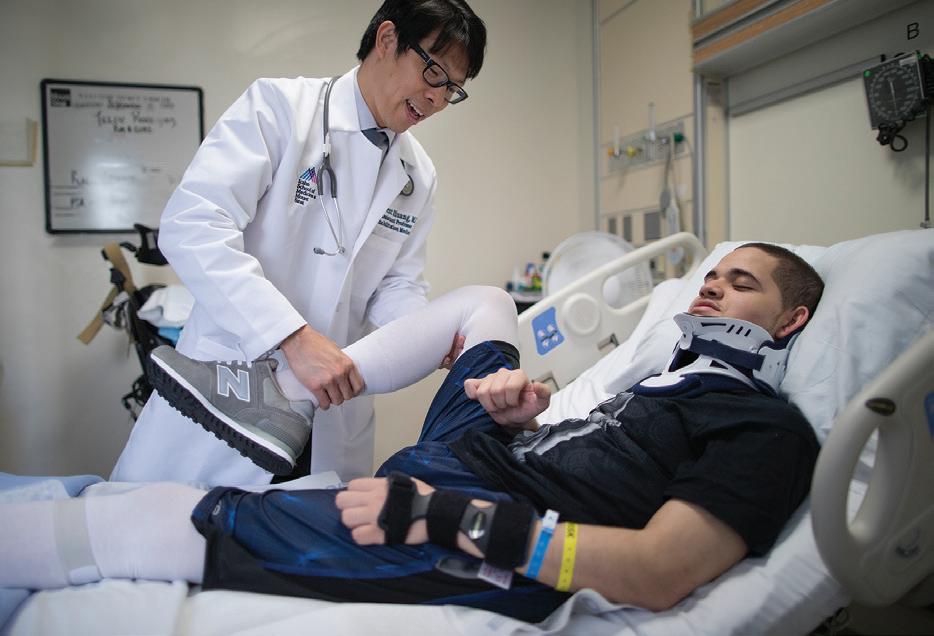
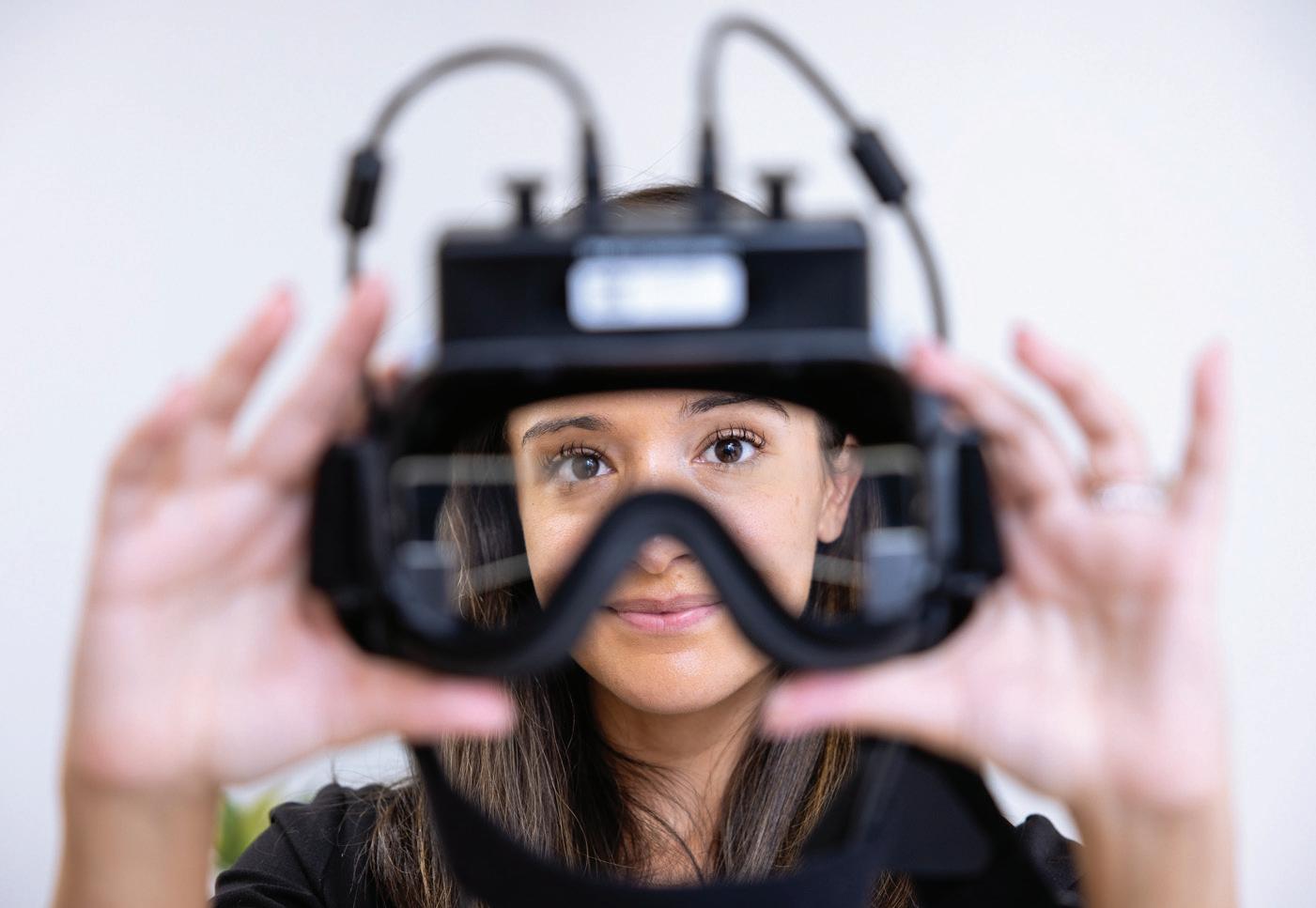
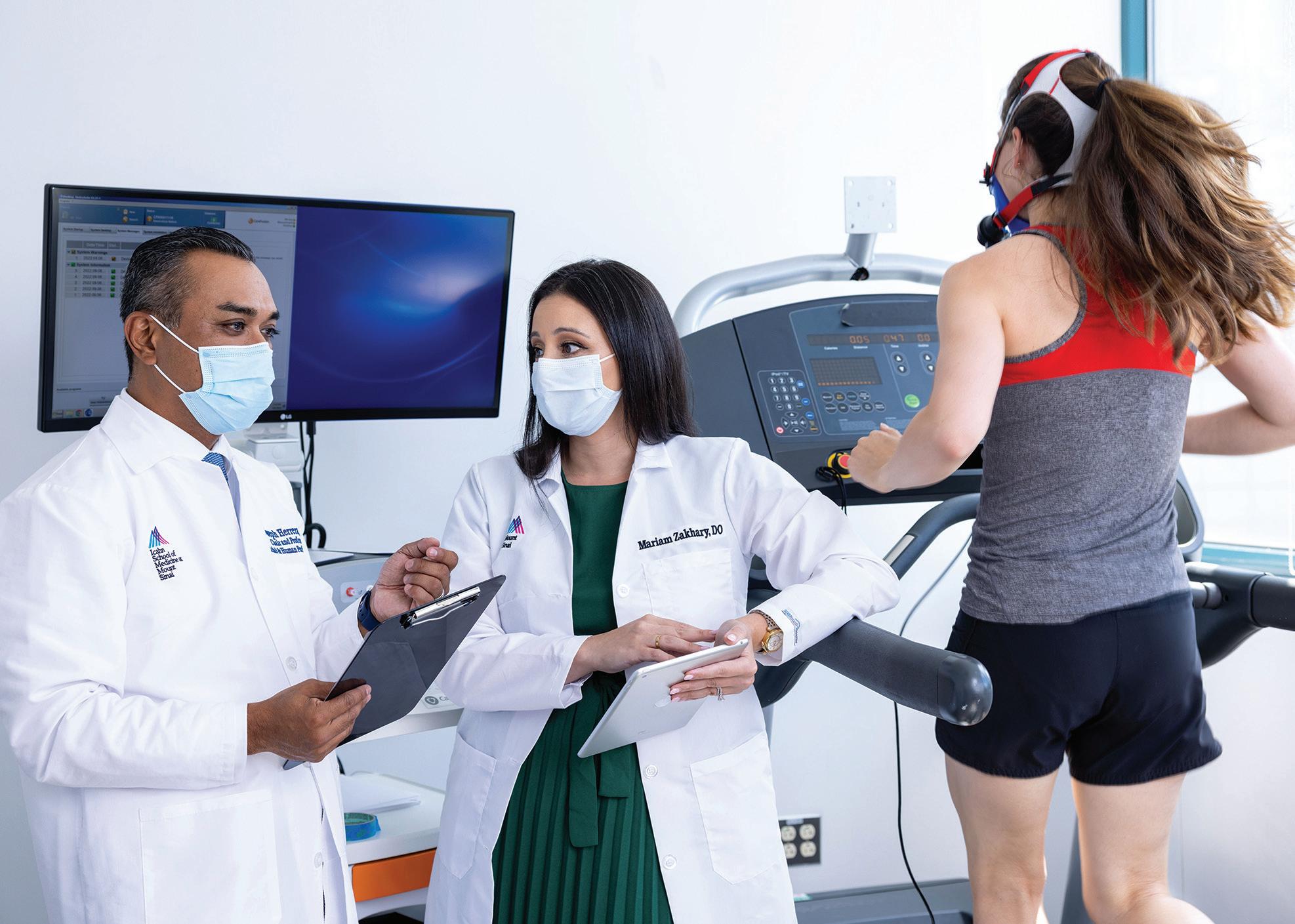
Robotic exoskeletons. AI-powered brain stents. Personalized rehab avatars. It sounds like a clinician’s futuristic wish list—but it’s all happening right now at Mount Sinai’s neurologic rehabilitation clinics.
Artificial intelligence (AI) has undoubtedly become the subject of intense debate. Yet in the hands of caring practitioners at Mount Sinai’s Abilities Research Center (ARC), Charles Lazarus Children’s Abilities Center, and Brain Injury Research Center (BIRC), thoughtfully applied AI and technologies are transforming not only patients’ treatments but, most significantly, their entire lives.
Ever the pioneer, Mount Sinai is committed to serving a broad array of patients. “We cover everything, from children to geriatric patients, from the most disabled to elite athletes,” says Joseph E. Herrera, DO, Lucy G. Moses Professor and System Chair for the Department of Rehabilitation and Human Performance for the Mount Sinai Health
System. “We’re just at the beginning of this revolution,” Dr. Herrera emphasizes, citing wide-ranging advances his team has already made, from pain relief to improved mobility to concussion management.
“Our number-one guiding principle is that we never tell someone there’s nothing more we can do,” emphasizes David Putrino, PhD, Director of Rehabilitation Innovation for the Health System, and Professor of Rehabilitation and Human Performance at the Icahn School of Medicine. “It doesn’t matter if you’re completely locked in with ALS and you can’t even move your eyes— there’s something out there, and we’re going to look.”
To serve those with neurologic deficits, Dr. Putrino and his team at the Abilities Research Center have adapted a multiplicity of tech innovations: robotic exoskeletons, motion capture, implantable technology, virtual and augmented reality, wearable
technology, and more. Their core mission: Take life-changing technologies from concept to mainstream clinical adoption— quickly. It takes 17 years, on average, for a novel treatment to go from bench to bedside. “That’s an unacceptable number,” says Dr. Putrino, “and we focus on shrinking it.” At ARC, tech innovations may go into use in as little as three years.
Utilizing inventive AI and tech approaches allows the team to offer highly personalized treatment for people with neurologic deficits from a wide variety of causes, including stroke and spinal cord injuries as well as neurologic disorders such as ALS, Parkinson’s disease, and multiple sclerosis.
“Patients are always at the center of everything we do,” emphasizes Dr. Putrino. “Our whole division has thrived by doing one simple thing: listening to what our patients say that they want, then going out and finding a company or a technology or an approach that can give it to them.”
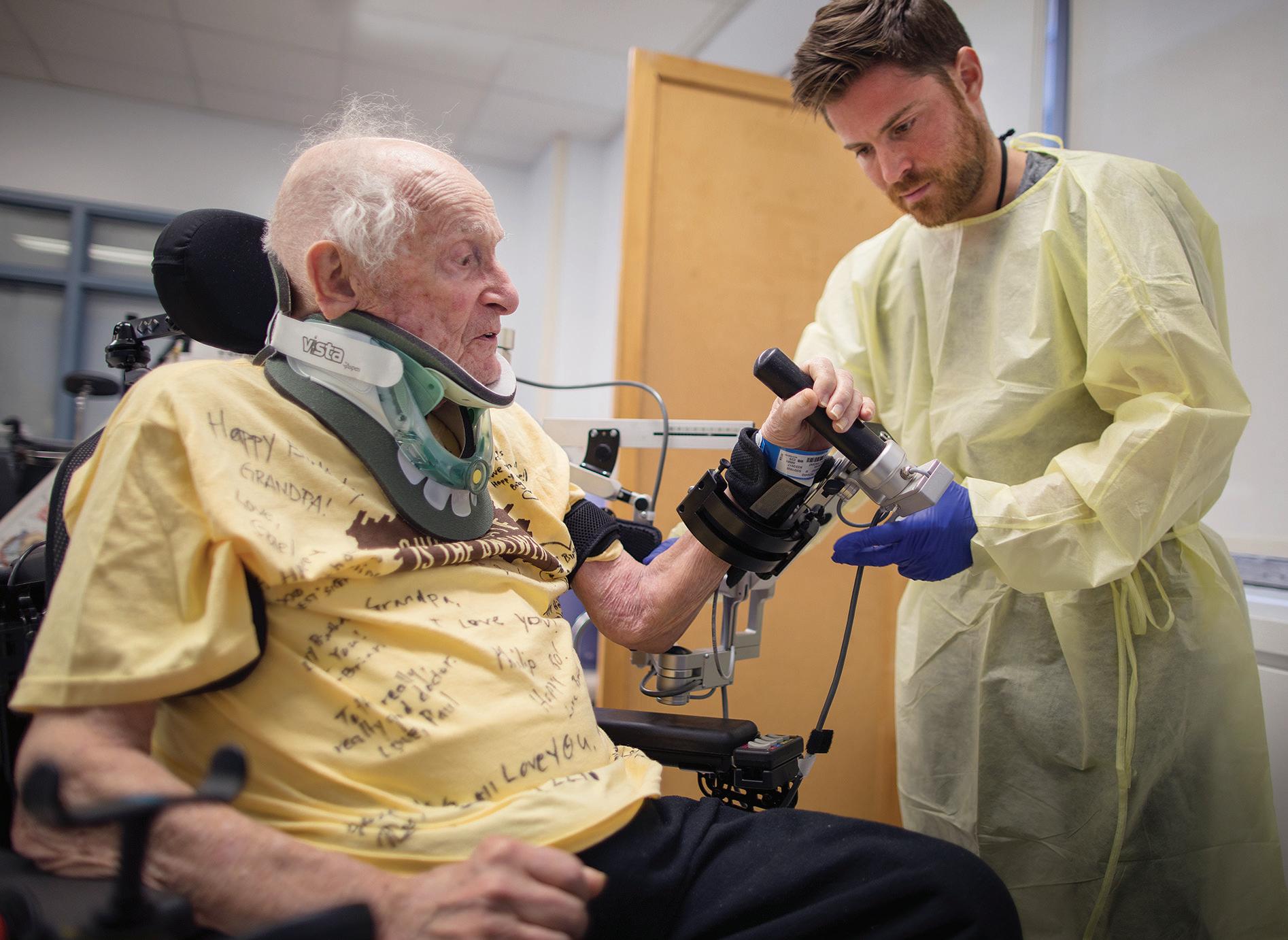
Traditional rehab can be monotonous, and patients often quit before obtaining full benefits. But when rehab becomes a game, people get motivated. ARC has worked with video game manufacturers including Logitech, Microsoft, Statespace, and Warfighter Engaged to create adaptive video games that can help restore motor control, coordination, cognitive functioning, and strength. The games can be used in the clinic or at home, where therapists can still guide patients and monitor their progress remotely.
Video gaming can also be an effective way to create community. People with neurologic deficits are often socially isolated. They may be profoundly lonely, which has the health
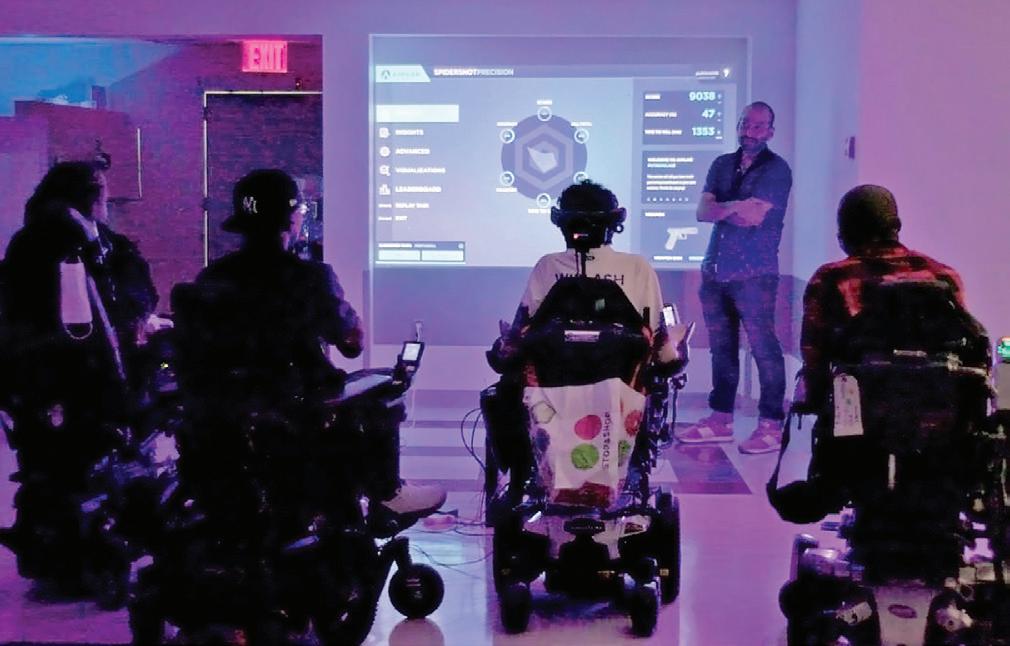
impact of smoking 15 cigarettes a day and is associated with an increased risk of heart disease, depression, and cognitive decline. This is where virtual tech can make a world of difference.
Skydiver Chris Scott was left paralyzed from the neck down by a disastrous jump. He very much wanted to connect with others like him but didn’t know how. When Dr. Putrino learned that Chris was an avid gamer, using a mouse that responded to mouth and head movements, the duo decided to form a community of quadriplegic gamers. Thus were born the Quad Gods—competitive gamers who have gained dozens of followers and mentor hundreds of others as well.
“ Our whole division has thrived by doing one simple thing: listening to what our patients say that they want, then going out and finding a company or a technology or an approach that can give it to them.”
– DAVID PUTRINO, P h D
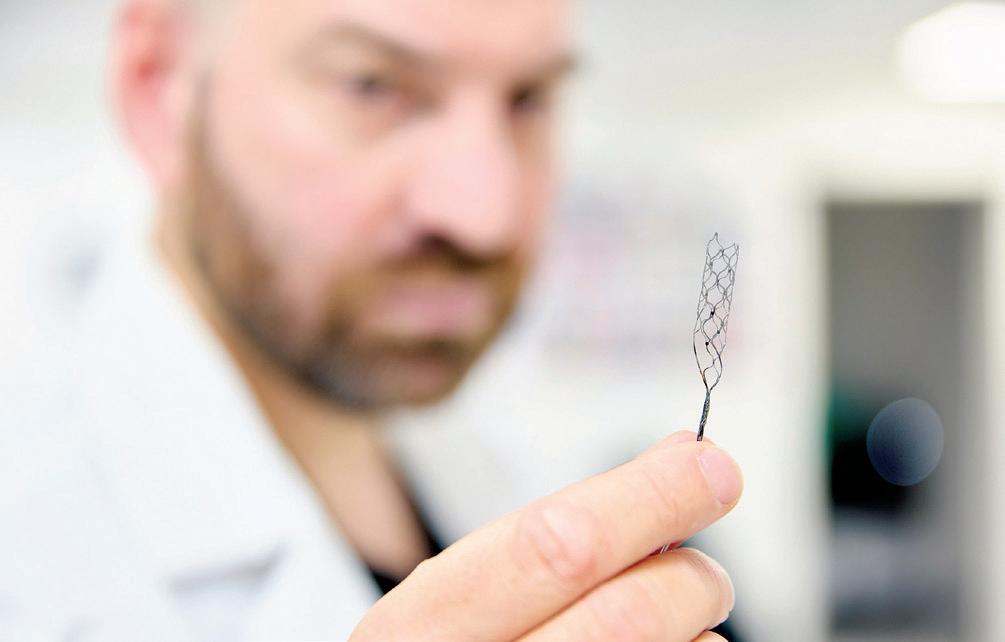
In a revolutionary advance, Dr. Putrino and his team have developed a technique that makes it possible for people who have no movement or speech to type on a computer simply by thinking about doing so.
An instrumented stent called a Stentrode is inserted into a vein at the top of the brain. There, it detects the brain area that activates when the patient thinks of performing certain movements, such as opening and closing a hand or kicking a leg. These thoughts are mapped as computer commands—a right mouse click, for instance, or a click and zoom.
Six people who otherwise couldn’t communicate have been implanted with the device thus far. They can now send messages to their loved ones and communicate their needs to their caregivers. Dr. Putrino’s team will soon be running clinical trials to investigate the efficacy of AI tools that the manufacturer, Synchron, Inc., is integrating into the device. The shared goal is to increase the usability and versatility of this technology.
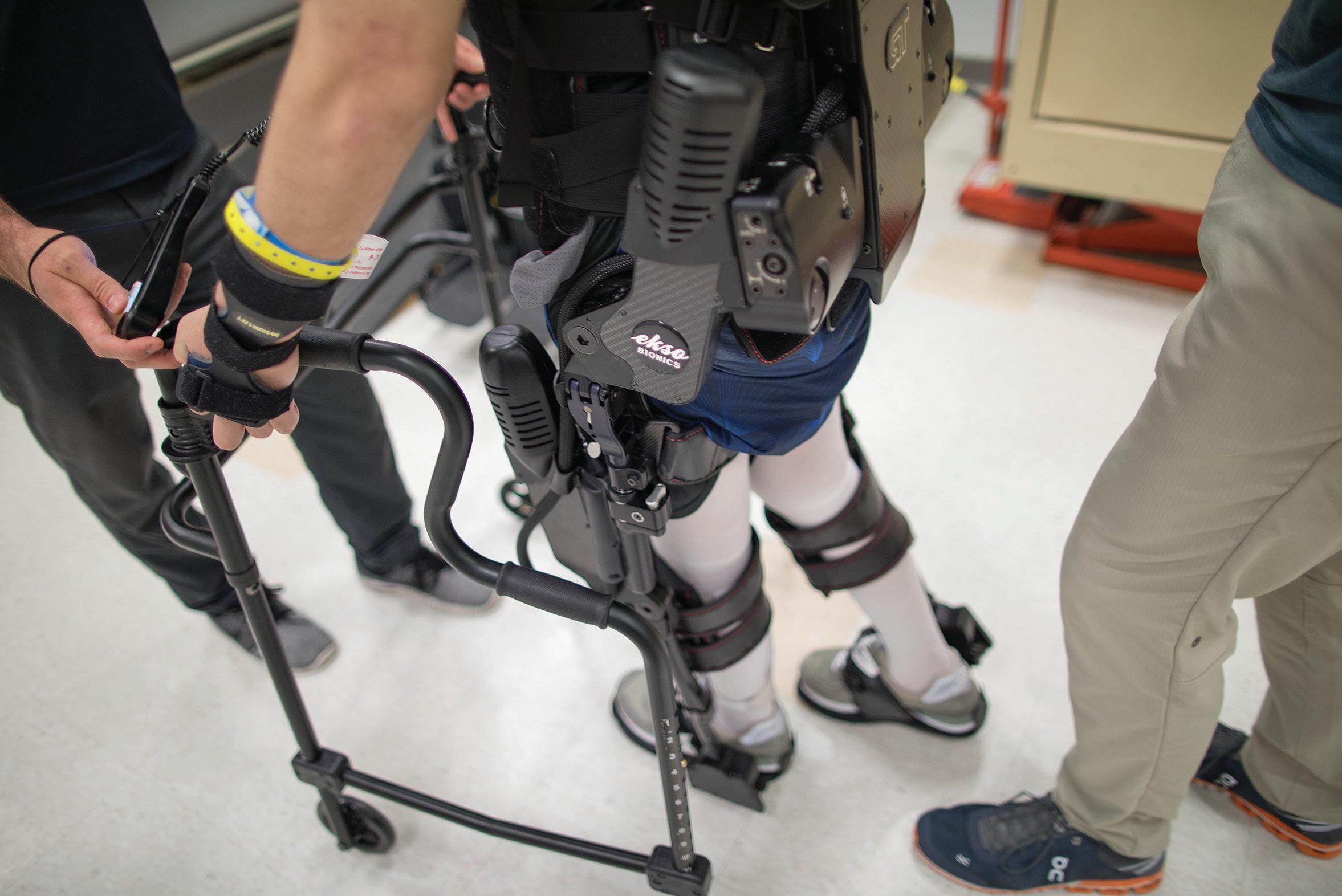
Robotic Exoskeletons
Walking is vital for health, and people with lower limb paralysis can develop weakened bones, type 2 diabetes, cardiovascular disease, and more. In a traditional physical therapy session, a patient with paralysis may take five or six steps in one hour. By taking in sensor data to accommodate individual gait patterns, AI-powered robotic exoskeletons not only get patients up and moving, but also can enable people to take 300-400 steps in the same amount of time—dramatically increasing therapeutic benefits.
Vibrotactile Stimulation
ARC is exploring the use of external vibrotactile stimulation devices, which convey information using vibrating motors or actuators, to increase sensation in people with spinal cord injuries. In one case, a renowned opera singer had sustained a spinal injury and lost sensation in her lower body, but she had retained her powerful singing voice. Dr. Putrino and his team customized a vibrotactile device to deliver low-level stimulus to her spine when she sang—a form of rehab she practiced with pleasure.
“One morning,” Dr. Putrino recounts, “she called up and said, ‘David, David, I woke up in the middle of the night and my window was open and my legs were freezing cold— and I haven’t felt my legs in 20 years!’”
The Charles Lazarus Children’s Abilities Center, also headed by Dr. Putrino, is the only pediatric neurologic rehab facility in the country to develop and offer innovative and affordable therapies for kids with a wide range of conditions, including cerebral palsy, paralysis, traumatic brain injuries (TBIs), autism, and pain disorders. Like ARC, the Lazarus Center applies the latest findings, including those from its own research.
“When you’re on a tech platform,” notes Paul Lee, MS, PT, LAc, Administrator of Physical Medicine and Rehabilitation at Mount Sinai Downtown, “you can be adaptable and take advantage of the new information you receive to help the patients and conditions we treat.”
Like adults, pediatric patients can find traditional rehab monotonous, so the
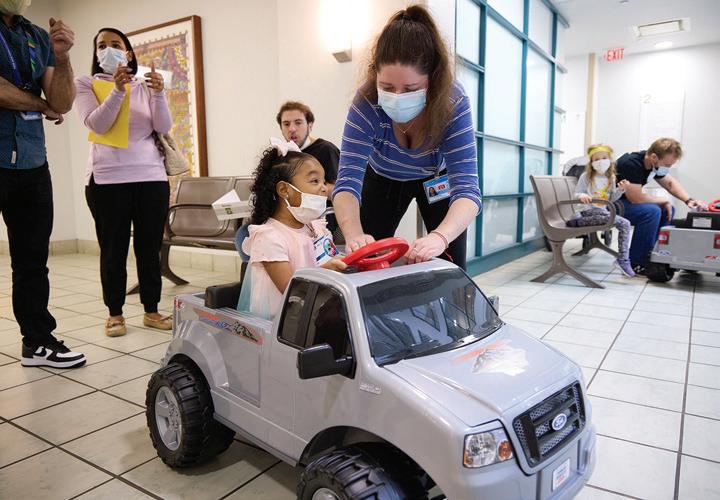
Lazarus Center team strives to make neurologic therapy so much fun that kids never want to stop. The facility itself is a beautiful, naturalistic environment that recalls the landscapes of children’s pop-up books. “Kids sometimes panic outside, in the lobby, because they’re used to traditional medical offices,” says the Center’s lead physical therapist Lisa Friedlander Fazzari, PT, DPT, PCS. “But when they walk in our door, they’re awestruck. They immediately calm down and start looking around at everything.”
Inside, children perform rehab activities on an array of adaptive games:
• Wearable sensor devices are linked to iPad games to create customized gaming setups.
• Adaptive controllers allow kids with various disabilities to play video games.
• Colorful sensor dots, placed on the wall or the floor, enable a variety of rehab games.
• Ceiling-height immersive environments encourage kids to use their full range of motion to create a gratifying burst of color.
• Personally designed virtual avatars, who will greet each child and guide them through their rehab activities, are planned for the near future.
Rehab games can be tailored to each child’s needs. For instance, a girl with a club foot enjoys a virtual bowling game. Equipped with a wearable sensor device wrapped around her foot, she uses her foot’s full range of motion to aim the bowling ball. A boy with a TBI likes a caveman game. To jump over the game’s careening boulders, he must perform a full squat.
In another example, an 11-year-old boy with amplified musculoskeletal pain syndrome (AMPS) was unable to walk and screamed in pain at the slightest touch on his left foot. The Lazarus Center team personalized a car racing video game so that he had to put his full weight on his left foot to avoid obstacles in the game. Because the brain can only perceive a limited number of sensations at any one time, the pleasurable mental distraction blocked the body’s pain signals. During four months of therapy, the boy progressed from wheelchair to walker, from cane to walking without support. His father sent the team a video of the boy running and jumping, pain-free, with other kids, writing: “His physical therapy is both fun and challenging for him … and the results speak for themselves.”
Because traveling is often difficult for both patient and family, children will soon be able to take their game-playing rehab equipment home, with their therapists directing and tracking progress remotely.
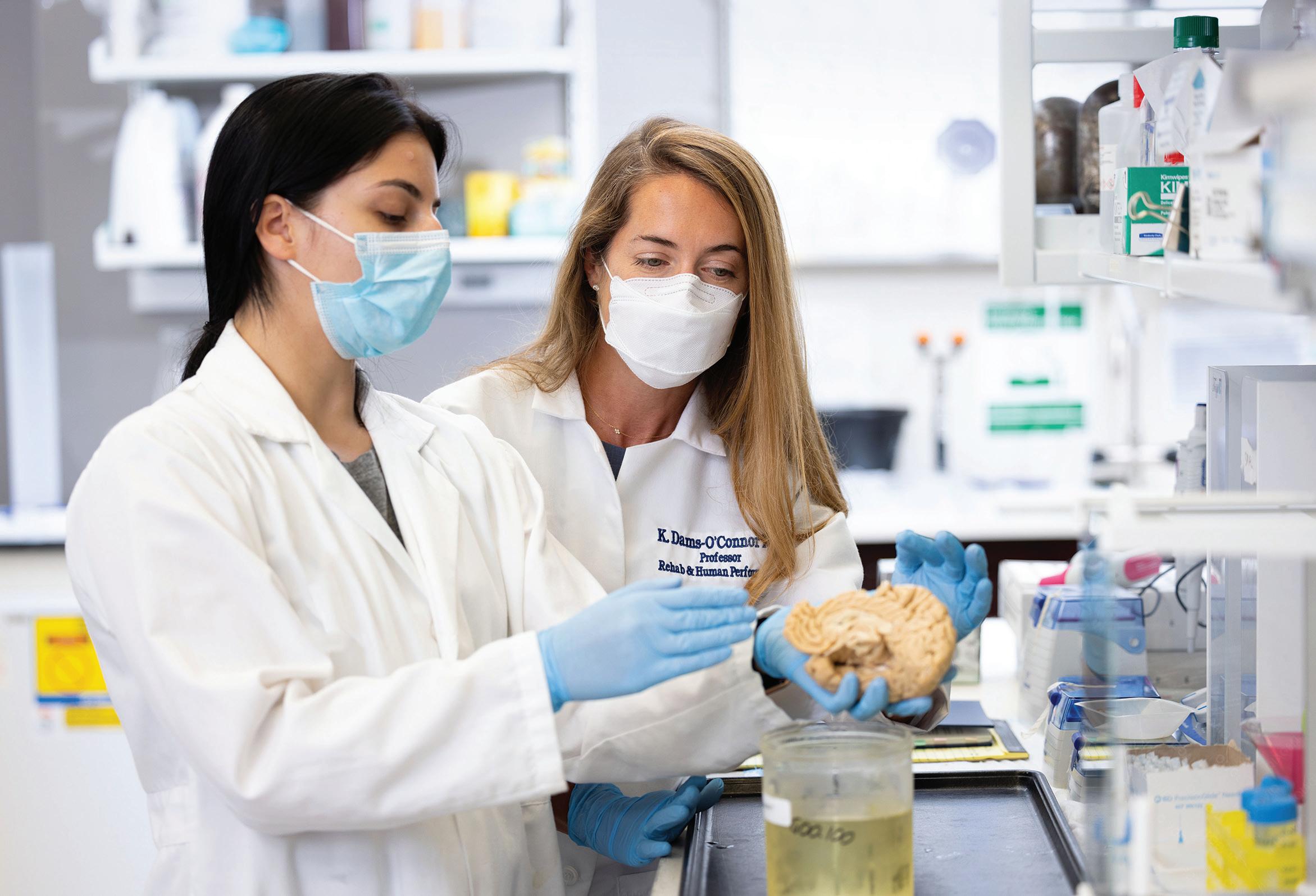
The nation’s number-one recipient of NIH funding in rehabilitation medicine for TBI is Kristen Dams-O’Connor, PhD, Director of the Brain Injury Research Center (BIRC), and Professor of Rehabilitation Medicine, and Neurology at Icahn Mount Sinai. The secret of her success? “A lot of our magic comes from the fact that we care so much,” says Dr. Dams-O’Connor. “We’re ready to deploy the fullness of our time, our effort, and our expertise to help as many people as we can.”
In football players, chronic traumatic encephalopathy (CTE)—which can be diagnosed only postmortem—has made national headlines. But millions of other people are living with the effects of brain injury, including victims of intimate partner violence, veterans, and athletes.
BIRC’s Late Effects of Traumatic Brain Injury (LETBI) study is aiming for the holy grail of TBI medicine: the ability to diagnose neurodegeneration in living individuals— when it can be treated. Begun in 2013, LETBI compares brain scans done when the subject was alive with scans done postmortem to pinpoint clinical signs of brain injury. The study has made important discoveries: Contrary to what was believed for decades, LETBI investigators have not found an association between TBI and Alzheimer’s. And, in a hopeful finding, the team has learned that people can improve—or even completely recover—many years after brain trauma.
The dedicated efforts of the BIRC team can save lives—in more than just the literal sense. Take, for example, a father who had been struck by a drunk driver. His resulting injuries included cognitive impairment that caused a hair-trigger temper. The loud sounds of his playing children, in particular, could send him into a rage. His wife no longer recognized him as the gentle man she’d once known. After joining an intervention at BIRC, the patient learned to identify his triggers and find alternatives to anger—like suggesting to his young kids that they do a jigsaw puzzle together. “You saved my marriage,” he told Dr. Dams-O’Connor.
BIRC’s many innovations include:
• Computerized mouth guards. Carrie Esopenko, PhD, Associate Professor in the BIRC at Icahn Mount Sinai, has developed instrument-implanted mouth guards for soccer players that allow astonishingly accurate measurements of head impacts during games, with the goal of assessing concussion thresholds.
• Advanced data analytics. Predicting the outcomes of brain injuries has been difficult—until now. By analyzing vast quantities of multimodal data, Raj G. Kumar, PhD, MPH, Assistant Professor of Rehabilitation and Human Performance at Icahn Mount Sinai and Neuroepidemiologist at the BIRC, can anticipate individual outcomes with far greater precision than ever before, allowing for personalized treatment programs and giving patients and families a much better idea of what the future holds.
• Online interventions. The cognitive and behavioral effects of brain injuries can severely impact individuals and families. In-person interventions are effective, but accessibility and provider shortages have limited their use. Maria Kajankova, PhD, Assistant Professor of Rehabilitation and Human Performance, and Rehabilitation Psychologist on the BIRC team, conducts highly effective online interventions and
has created a provider network with plans to train more specialists nationwide.
• Cognitive rehab apps. Smartphone apps that make interventions instantly accessible are being developed by BIRC’s Eric Watson, PhD, Rehabilitation Neuropsychologist and Assistant Professor of Rehabilitation and Human Performance at Icahn Mount Sinai. “We get pushback that people with brain injury can’t handle smartphones, and that only the wealthy can afford them,” says Dr. DamsO’Connor. “But we’ve found that to be completely untrue.”
Mount Sinai was recently designated as a rehabilitation innovation center—one of only seven rehab hospitals across the country to have earned this accolade. “In that context, we not only provide a residency but also an internship that feeds into our program,” notes Dr. Joseph E. Herrera. “On top of that, we have three fellowships in spinal cord injury, brain injury, and sports medicine.” Always with an eye to the horizon, the Health System is preparing rehabilitation physicians and researchers to bring the vast potential of technology to bear on complex medical challenges and to do so with compassion and commitment.
BY HALLIE LEVINE

Bringing the power of technological advancements to bear, Mount Sinai is accelerating the timeline between laboratory breakthroughs and clinical applications. For patients, that translates to more and more novel therapeutics becoming available in real time.
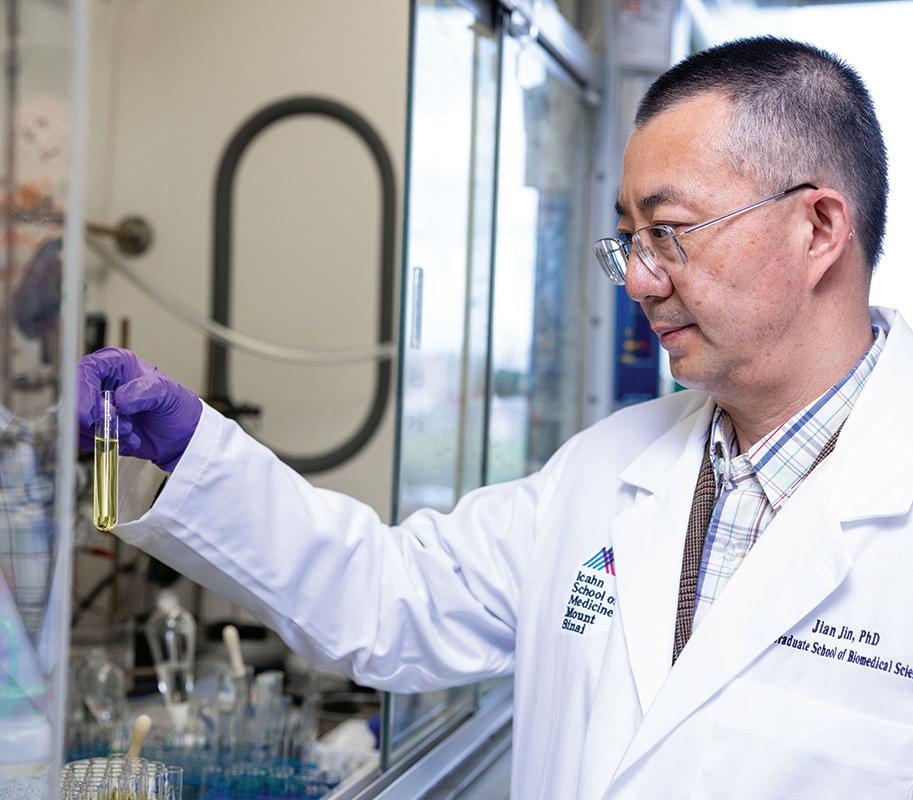
For just one compelling example, look no further than the Marie-Josée and Henry R. Kravis Drug Discovery Institute (DDI) at the Icahn School of Medicine at Mount Sinai. Led by Director Paul J. Kenny, PhD, the Institute is filling gaps left by both the pharmaceutical industry and the National Institutes of Health. “This is especially important, as pharmaceutical companies have moved away from early-stage research,” explains Dr. Kenny, who is also
Ward-Coleman Professor in Pharmacology and Experimental Therapeutics, and Chair of the Nash Family Department of Neuroscience at Icahn Mount Sinai. “Our goal is to recruit the best scientists to try to fill that gap. As we seek to identify new drug targets, we focus on the most promising breakthroughs Mount Sinai researchers are making in our understanding of diseases. Once we’ve made enough progress, we hope to entice pharmaceutical companies to help advance our programs to the clinic.”
Mount Sinai is not only a site of bold science that spans disease areas, but also one of a small handful of academic medical institutions in the United States to have a commercial arm that translates science into health care products. Mount Sinai Innovation Partners (MSIP) has filed more
than 300 patents over the last three years, supporting researchers who have identified promising targets in the fields of substance addiction, Alzheimer’s disease, cancer, cardiovascular disease, diabetes, sickle cell disease, and depression.
A recent multimillion-dollar gift from Marie-Josée and Henry R. Kravis gave the DDI a strong shot in the arm to help advance late-stage drug development. These crucial funds will ensure that the most promising drugs will not languish in the lab but proceed to clinical trials, and if successful, move onto the market where they will change—and save—lives around the world.
Exciting discoveries and developments at Mount Sinai are myriad, and few other medical institutions are as ambitious in pursuing translational research.
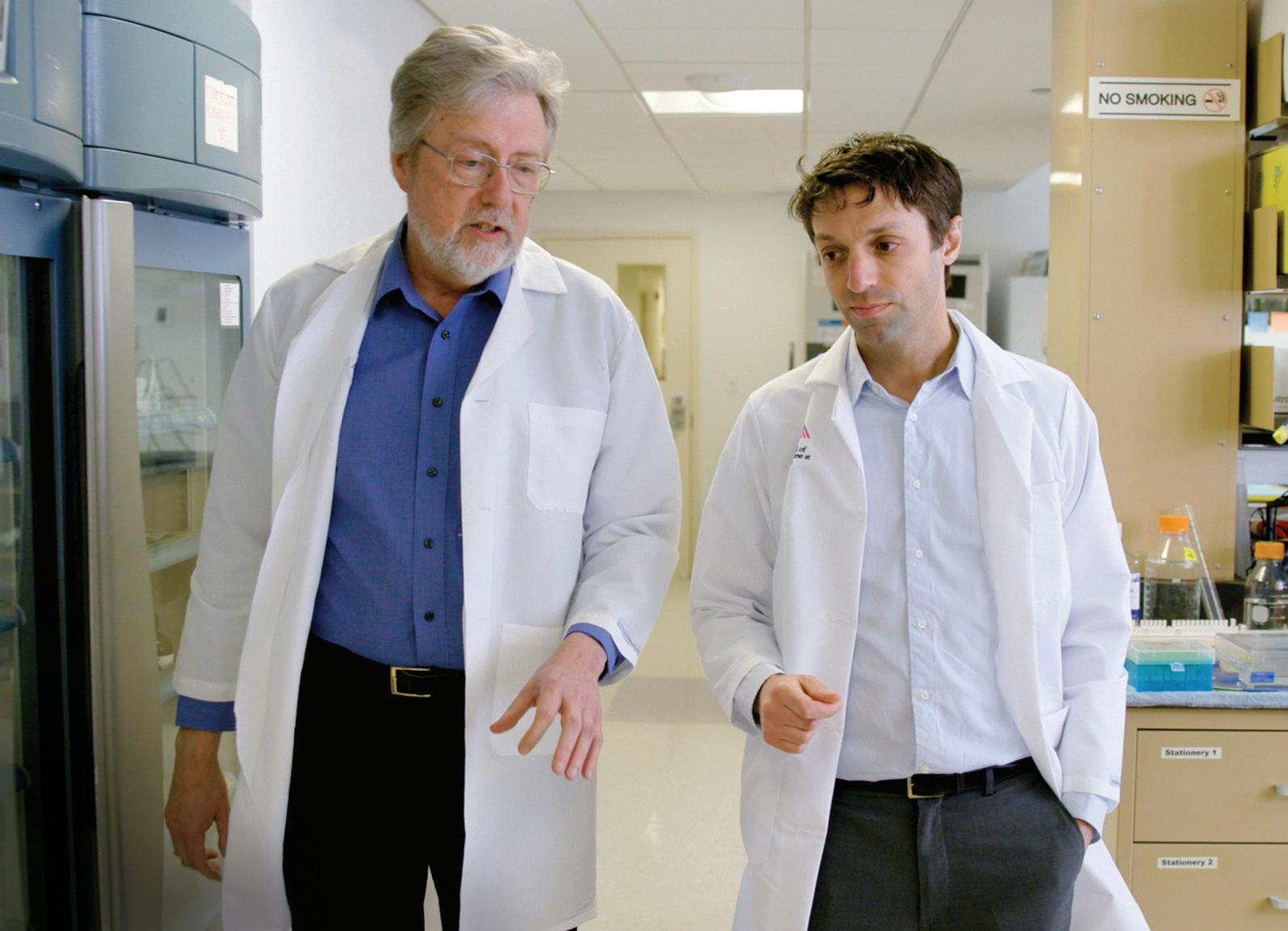
Approximately 100,000 Americans currently live with sickle cell disease, a group of inherited red blood cell disorders that can cause life-threatening complications, including stroke. “With sickle cell, there’s a gene mutation in hemoglobin, a protein found in red blood cells,” explains Jeffrey Glassberg, MD, Professor of Emergency Medicine, and Medicine (Hematology and Medical Oncology), at Icahn Mount Sinai. “When hemoglobin is damaged, your red blood cells can’t do their job, which is to deliver oxygen to the body.” As a result, life expectancy, even with the best current therapies, is only about 50 years, he adds. Another type of therapy known as ex vivo gene therapy, edits the DNA to cure the disease, but at a steep cost. These methods for curing the disease require chemotherapy and a months-long stay in the hospital, and they carry a small risk of death and cancer. Recently approved by the FDA, “these ‘cures’ work, but they are only suitable for the most severe cases of sickle cell disease,” stresses Dr. Glassberg.
Five years ago, James Bieker, PhD, Professor of Cell, Developmental and Regenerative Biology at Icahn Mount Sinai, reached out to Dr. Glassberg. Dr. Bieker had discovered a gene involved in the production and life cycle of red blood cells and thought KLF1 might have implications for sickle cell disease. “I’m the lab guy, but I knew Jeff was involved in treating people
with sickle cell day to day,” Dr. Bieker recalls. “This gene seemed promising because it controls the switch from fetal hemoglobin to adult hemoglobin. Since adult hemoglobin had the mutation, it seemed a back door route to treat sickle cell disease.”
The two joined forces to investigate KLF1 further. They used CRISPR technology to selectively modify the DNA of KLF1 in human stem cells, the type of cell that makes blood. “We’ve discovered a way to alter KLF1 gene regulation just enough that its activity is turned down, so that the cell switches back to making fetal hemoglobin to replace the adult type,” explains Dr. Bieker. The team’s recent research revealed that their approach increases fetal hemoglobin 30-fold, more than enough to cure the disease if it could be done in a human. “When we got the first results, we repeated the experiment a few times,” says Dr. Glassberg, “because we were so stunned by how good the results were.”
Until now, their research has been conducted in laboratory cell culture dishes. The next step is to create a delivery vehicle that can be injected into human patients. “At this point, we are focusing mostly on lipid nanoparticles, because you can inject them repeatedly until you have the desired effect,” potentially revolutionizing sickle cell treatment. “Imagine a therapy that doesn’t require debilitating chemotherapy and a bone marrow transplant for an actual cure,” muses Dr. Glassberg. “You walk in, receive treatment, and walk out without sickle cell disease—forever.”
A personalized vaccine to fight cancer? It may sound like wishful thinking, but it may be coming thanks to the work of Nina Bhardwaj, MD, PhD, Director of Immunotherapy, Medical Director of the Vaccine and Cell Therapy Laboratory (VCTL), and Co-Director of the Cancer Immunology Program at The Tisch Cancer Institute at Icahn Mount Sinai.
While the concept of cancer vaccines has sounded promising for decades, so far they’ve only been shown to prevent infection with viruses that cause cancer, such as hepatitis B or the human papillomavirus. Dr. Bhardwaj’s research is exploring a different approach, known as a therapeutic vaccine, which primes a patient’s immune system to fight off cancer. Her work focuses on neoantigens, mutations that are encoded deep within a protein that can spur the growth of cancer cells. “Once this starts to happen, your immune system sees that it’s a novel protein, and will attack the protein,” explains Dr. Bhardwaj, who also holds one of two Ward-Coleman Chairs in Cancer Research. To be truly effective, these vaccines need to be personalized. But sequencing each patient’s tumor and formulating a unique vaccine for each one is incredibly expensive and time consuming. Instead, Dr. Bhardwaj and her team have created a computerized platform that
“We
hope we will be able to use these vaccines in the early stages of cancer as well as in patients who haven’t done so well with prior therapies.”
– NINA BHARDWAJ, MD, Ph D
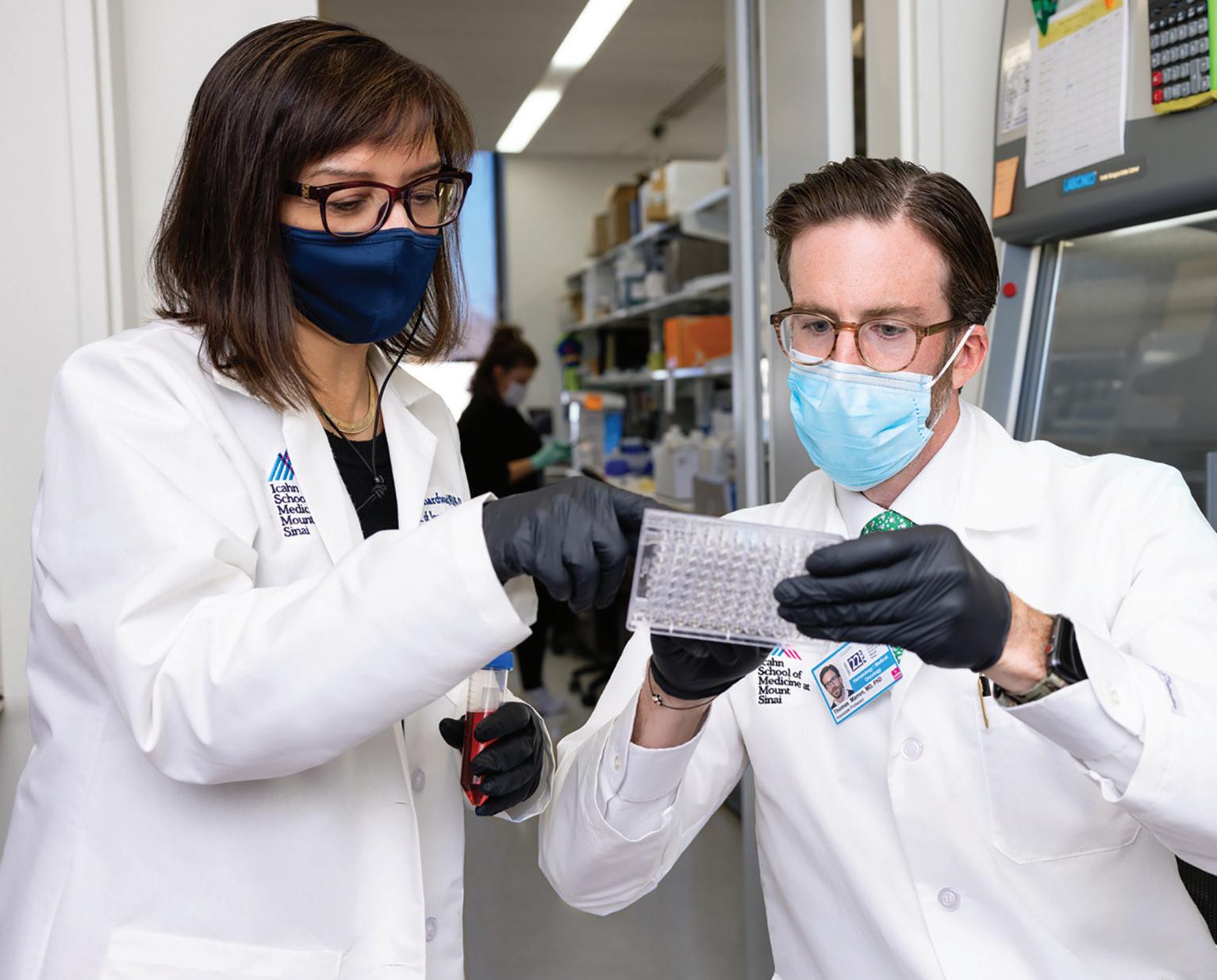
Triple-negative breast cancer is the deadliest type of breast cancer, with very few treatment options available. Now researchers at Mount Sinai have designed an innovative experimental therapy that may be able to stop the growth of this form of cancer. The team has developed MS1943 as a first-inclass small-molecule agent that selectively degrades a compound known as EZH2, which is overexpressed in multiple types of cancer, including triple-negative breast cancer.
“EZH2 is part of a complex of proteins. Think of it as a machine that sits on top of your DNA and shuts off your genes, so that they don’t express any mRNA,” explains Ramon Parsons, MD, PhD, Director of The Tisch Cancer Institute and Chair of Oncological Sciences at Icahn Mount Sinai. He and colleague Jian Jin, PhD, Mount Sinai Professor in Therapeutics Discovery, published a paper in 2020 in the journal
allows them to find antigens shared across a group of patients who suffer from the same cancer. “The idea is to come up with a ‘personalized’ vaccine that works for a group of people,” she notes.
Using this technology to sequence each patient’s DNA and RNA, Dr. Bhardwaj then uses algorithms to identify potential neoantigens, which are subsequently incorporated into a vaccine. Most recently, she finished phase 1 studies for several cancers, including newly diagnosed glioblastoma. “We found that not only was this vaccine safe, but it induced an immune response in most cases, which suggests it can help to fight the cancer,” she explains. Two additional vaccines—one for prostate cancer, and one for myeloproliferative neoplasms—have also begun phase 1 clinical trials, utilizing the VCTL’s facilities.
Dr. Bhardwaj is also investigating the addition of other agents to enhance the current vaccines, such as checkpoint inhibitors. These block certain proteins in the body that prevent the immune system from attacking cancer cells. “We hope we will be able to use these vaccines in the early stages of cancer as well as in patients who haven’t done so well with prior therapies,” she says. “Ideally, we will use these vaccines before the tumor has begun to suppress the patient’s immune system. This way, their bodies will be able to combat the cancer in the most effective way possible.”
Nature Chemical Biology that outlined their findings. “MS1943 is toxic to triple-negative breast cancer cells,” Dr. Jin says, “but spares normal cells, at least in a laboratory setting.”
But the doctors’ partnership doesn’t end there. They joined forces once again to engineer a small molecule, MS21, that targets the PTEN/AKT pathway, one of human cancer’s most commonly mutated pathways.
“Biopharmaceutical companies have been working for two decades to develop a drug
that accomplishes this, but haven’t had any success,” Dr. Parsons notes.
Dr. Parsons and Dr. Jin published a study in the journal Cancer Discovery in 2021 revealing that MS21 binds to AKT, a protein that’s responsible for the growth of cancer cells.
“AKT is found in every cell in our body, but it’s not always active,” says Dr. Parsons, who is also Ward-Coleman Chair in Cancer Research at Icahn Mount Sinai. “MS21 was able to only degrade the active form of AKT, which helps
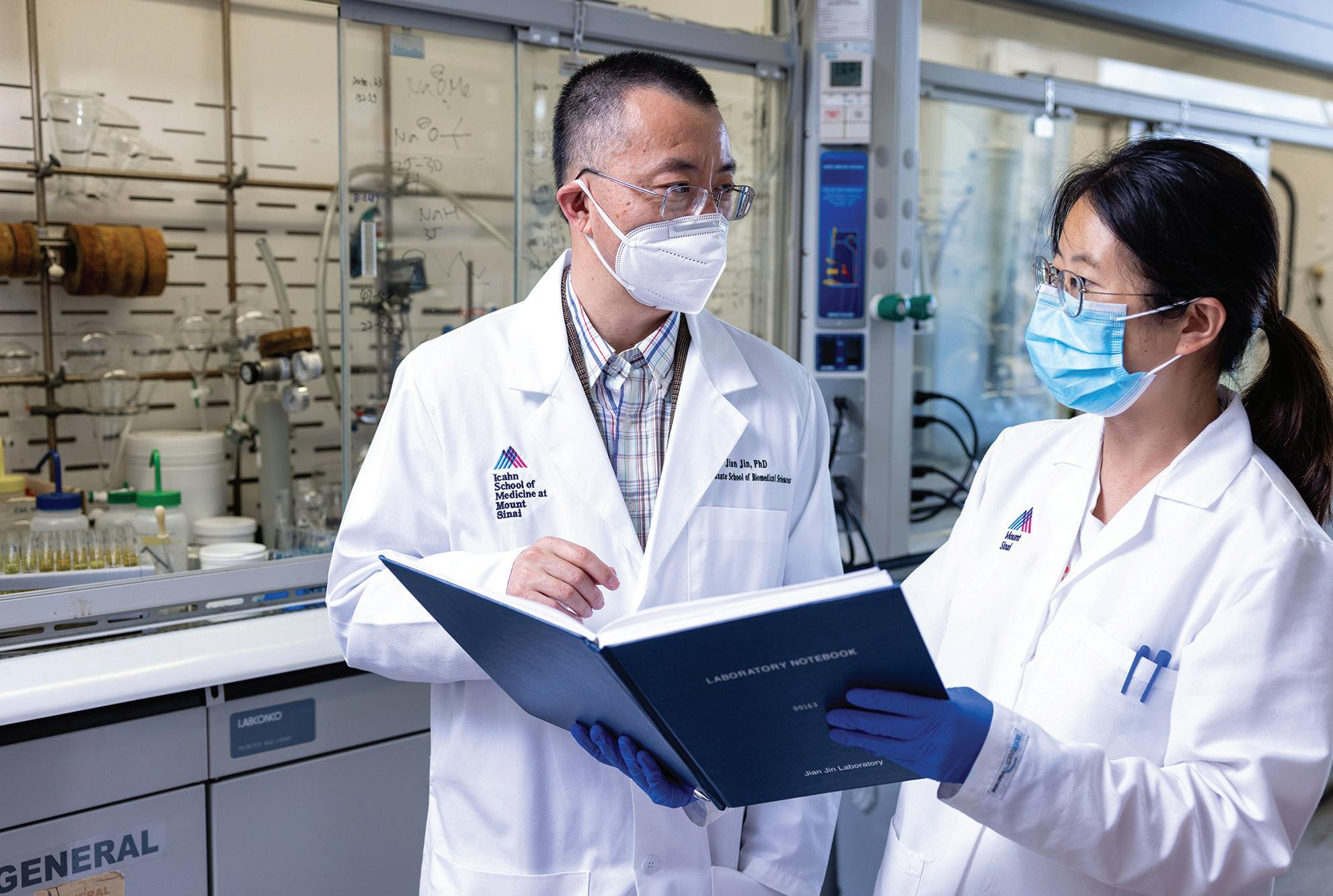
us to more specifically target a tumor.” It also binds to a second, similar protein, the E3 ligase. The research found that MS21 was very effective at reducing tumor cell growth in PTEN pathway mutations unless they also contained two other common cancer gene mutations—BRAF and KRAS
The results are still very promising. “Research suggests that about 19 percent of human cancer tumors have at least one PTEN/AKT gene mutation and no BRAF-KRAS mutations,” notes Dr. Jin. “This means that a large group of patients could potentially benefit from this treatment.”
Their research is ongoing: A newer 2022 paper published in the Journal of Medicinal Chemistry found that a new molecule, MS15, was able to inhibit BRAF or KRAS mutated cells.
Both MS1943 and MS21 are in the preclinical stages, which means they are still being tested in animal models. But the two researchers are optimistic. “We have a long process ahead of us,” Dr. Parsons says, “but there’s potential that both will have a huge impact on cancer treatment.”
“MS21 was able to only degrade the active form of AKT, which helps us to more specifically target a tumor.”
– RAMON PARSONS, MD, P h D
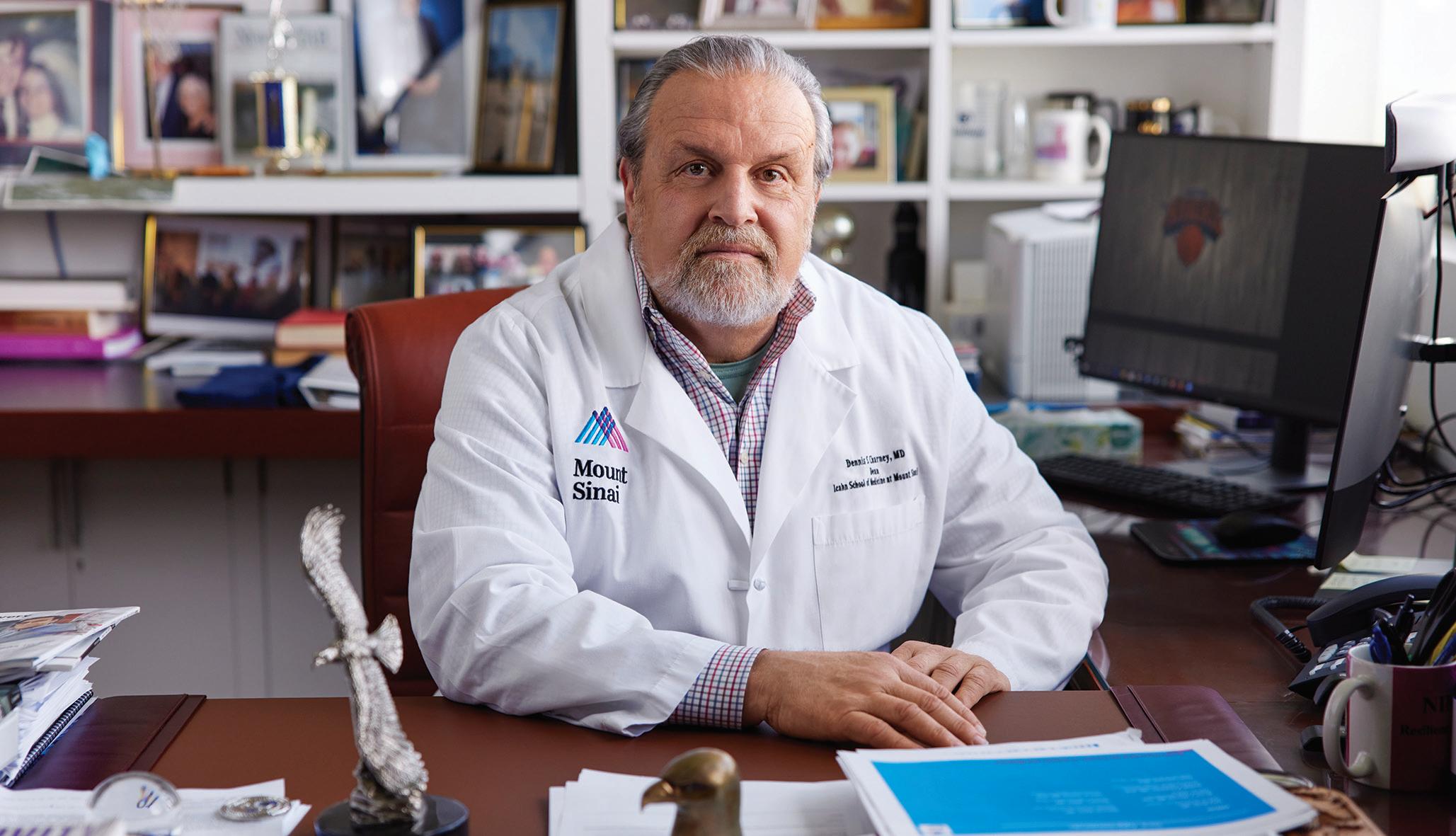
Dennis S. Charney, MD, Anne and Joel Ehrenkranz Dean of the Icahn School of Medicine at Mount Sinai and President for Academic Affairs of the Mount Sinai Health System, has consistently been at the forefront of treatment discoveries for mood and anxiety disorders. He pioneered groundbreaking therapies for treatment-resistant depression, including ketamine. Dr. Charney is now poised to revolutionize the field again with Emotional Faces Memory Task (EFMT) technology.
EFMT is a cognitive-emotional treatment delivered via software. The seeds of this idea were developed more than 20 years ago while Dr. Charney was studying prisoners of war from Vietnam. “Many of them were held in solitary confinement, where they weren’t allowed to talk, and all they could do was think,” Dr. Charney recalls. “When I interviewed them, I discovered that they’d developed cognitive capacities they’d never had before. One taught himself enhanced math, while another wrote books, and a third built houses—all in their minds. It made me realize that we could change brain circuits, so people could develop capacities they’d never had before.”
Dr. Charney collaborated with one of his postdoctoral fellows at the time, Brian Iacoviello, PhD, now an Adjunct Assistant Professor of Psychiatry at Icahn Mount Sinai, to design and then test a task that could potentially change the brain circuits of patients struggling with depression.
The result was EFMT. “You do the exercise, and it interacts with the frontal part of the brain, known as the frontal cortex, as well as an emotional center of the brain, the amygdala,” explains Dr. Charney.
Individuals with major depressive disorder tend to have increased neural activity in their amygdala and decreased activity in their prefrontal cortex. But the tasks in the software—which include identifying emotions displayed on a series of faces—are designed to activate and strengthen balance in both brain regions. “They target some of the thinking abnormalities we see among patients with depression, such as negative thoughts and ruminating,” says Dr. Charney.
A 2018 study published in the journal Nature Digital Medicine found that patients with depression who used the software for 18 sessions over six weeks had a significantly greater improvement in symptoms than a control group. More than a third of participants also achieved clinical response— meaning more than a 50 percent reduction in symptoms—compared to just 17 percent of the control group. “It’s comparable to what we’d see if they were on antidepressant medication,” notes Dr. Charney.
Building on this success, Icahn Mount Sinai has licensed EFMT to Click TherapeuticsTM, which is collaborating with Otsuka America, Inc., to further develop and commercialize this technology. “Ideally, EFMT could be used by patients for whom traditional treatments, like antidepressant medication, are not sufficient or do not address the underlying cause of their disease,” says Dr. Charney. “It’s another potential tool in our arsenal.”
The Mount Sinai Health System prides itself on producing patient-centric research that can directly benefit human health. This is particularly important when it comes to brain disorders, stresses Dr. Paul Kenny. “Certain areas, like treatments for drug addiction, have essentially been orphaned,” he says. “If we don’t try here at Mount Sinai to push forward discoveries, who else will do it?
We’re committed to taking that extra step.”
Dr. Kenny himself has been working on a compound to treat opioid addiction. “It began when we investigated a region of the brain called the habenula, which plays an important role in drug addiction,” he recalls. The first step was to see if there were any genes unique to the habenula, which could be drug targets. “We found one, called GPR151, that’s expressed almost exclusively in the habenula,” Dr. Kenny says. “Once we had a target, we began our work to try to design drugs to modify its activity.”
That involved developing cell lines on which to test potential drugs. “We then screened these cell lines against libraries of many thousands of compounds to see if we could find something new to modify the activity of the receptor,” says Dr. Kenny. “When we found the compound, we discovered that it altered the desire of laboratory animals to consume opioids,” marvels Dr. Kenny. “Our data suggest that GPR151 regulates the addiction-related actions of opioid drugs. When our compound inhibits GPR151, it modifies drug cravings.”
Now that Dr. Kenny’s lab has identified this novel compound, the next step is to find ways to optimize its pharmacological activity while minimizing any potential toxicity. “Our focus now is to make our compound highly potent and safe for use in humans,” says Dr. Kenny. He hopes to move to early-stage human testing within the next three years.
It may sound like a laborious task, but drug development traditionally takes at least a decade, Dr. Kenny points out. “Our goal as an institution is to make Mount Sinai
a powerhouse for early-stage clinical trials, where we serve as a pipeline from our labs to the clinic,” he emphasizes. “We also give our patients access to cutting-edge therapies that may dramatically enhance their quality of life—or even save their lives.”
“If we don’t try here at Mount Sinai to push forward discoveries, who else will do it? We’re committed to taking that extra step.”
– PAUL J. KENNY, P h D

When life’s challenges led her to drop out of high school and lose her sense of direction, Angela Diaz, MD, PhD, MPH, turned to the Mount Sinai Adolescent Health Center. The unconditional support she experienced ultimately helped the young Dominican immigrant find her path and purpose.
Remarkably, Dr. Diaz has now served as the Center’s visionary director for the last 35 years, giving back to the program that gave her so much.
“Angela is a powerful advocate for the kind of compassionate care she received,” says Dennis S. Charney, MD, Anne and Joel Ehrenkranz Dean of the Icahn School of Medicine at Mount Sinai and President for Academic Affairs at the Mount Sinai Health System. “Every day, she fights to help young people reach their full potential.”
Established in 1968 as one of the first primary care programs in New York specifically serving teens, the Center has become one of the nation’s largest and most respected programs focused solely on adolescent and young adult health care. Of the more than 12,000 young people who visit each year, the vast majority are low-income, coming from disinvested communities and lacking health insurance. More than 100 specialized professionals provide comprehensive, integrated, confi dential services under one roof—at no cost and without judgment.
“If you ask young people why they come to us, they will tell you it is because they feel welcomed. They feel respected. They feel connected. They feel safe and not judged,” says Dr. Diaz, whose exemplary leadership is clearly motivated by empathy.
“I would say we love the young people, and we work with them starting from wherever they are.”
Internationally esteemed, the Center
is also a premier research and training institution, preparing the next generation of specialists in adolescent health and conducting groundbreaking research. In fact, after earning her medical degree at Columbia University College of Physicians and Surgeons and completing a pediatric internship and residency at The Mount Sinai Hospital, Dr. Diaz came to the Center in 1984 for a fellowship in adolescent medicine and was then offered a faculty position as a physician. She took the helm of the Center just four years later.
Concluding her long and distinguished tenure as Director, Dr. Diaz intends to step down once a successor is chosen. She will remain at Mount Sinai in other capacities, including continuing in her roles as Dean of Global Health, Social Justice, and Human Rights, and the Jean C. and James W. Crystal Professor in Adolescent Health at Icahn Mount Sinai.
As today’s news headlines make clear, young people are facing ever-greater struggles, making the innovative work of the Mount Sinai Adolescent Health Center even more essential. To meet increasing needs and opportunities, Mount Sinai is embarking on a $10 million fundraising campaign to safeguard and expand Dr. Diaz’s vision: that of empowering adolescents and young adults to thrive. “Dr. Diaz has changed the lives of tens of thousands of young people for the better,” emphasizes Dean Charney. In light of her extraordinary efforts to provide critical resources to the youth of New York City, Mount Sinai plans to rename the Center in her honor.
“This recognition from the Mount Sinai community is so meaningful, both personally and professionally,” Dr. Diaz says.
“Most important to me, however, is the impact this campaign will have on the health and wellbeing of New York’s youth for years and years to come.”

“If you ask young people why they come to us, they will tell you it is because they feel welcomed. They feel respected. They feel connected. They feel safe and not judged.”
Angela Diaz, MD, PhD, MPH
To support the Adolescent Health Center’s mission and pay tribute to Dr. Diaz, please visit: giving.mountsinai.org/ahcmag or scan the Flowcode below.

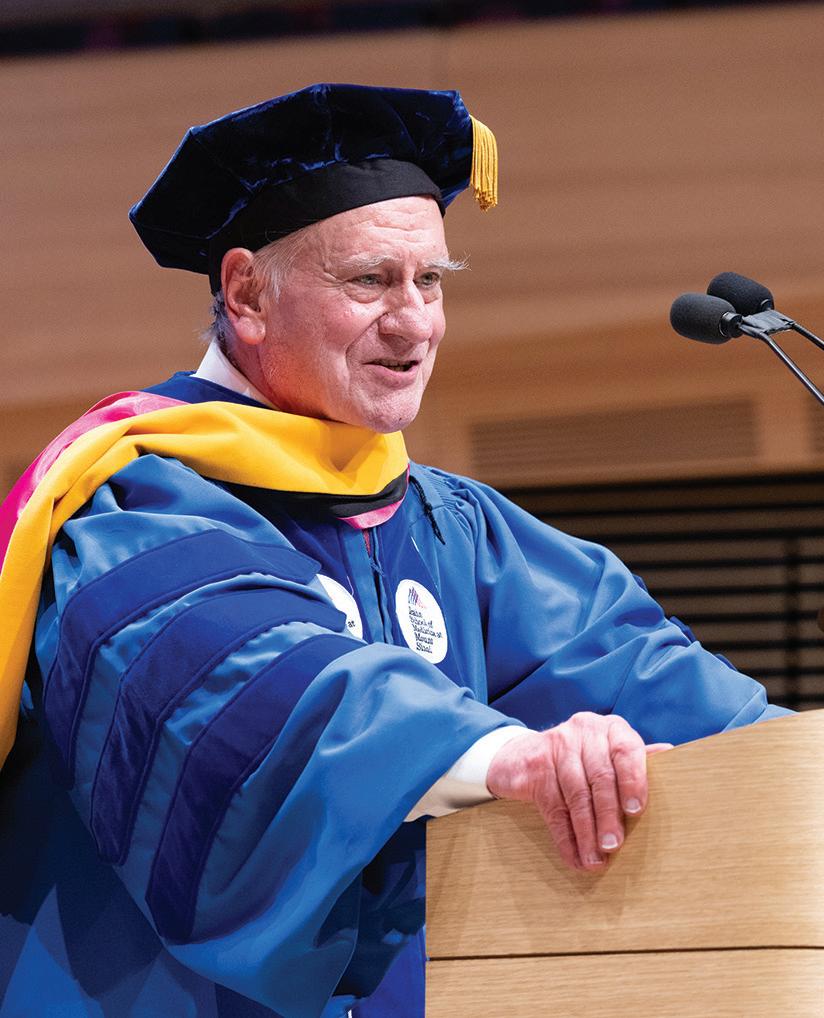
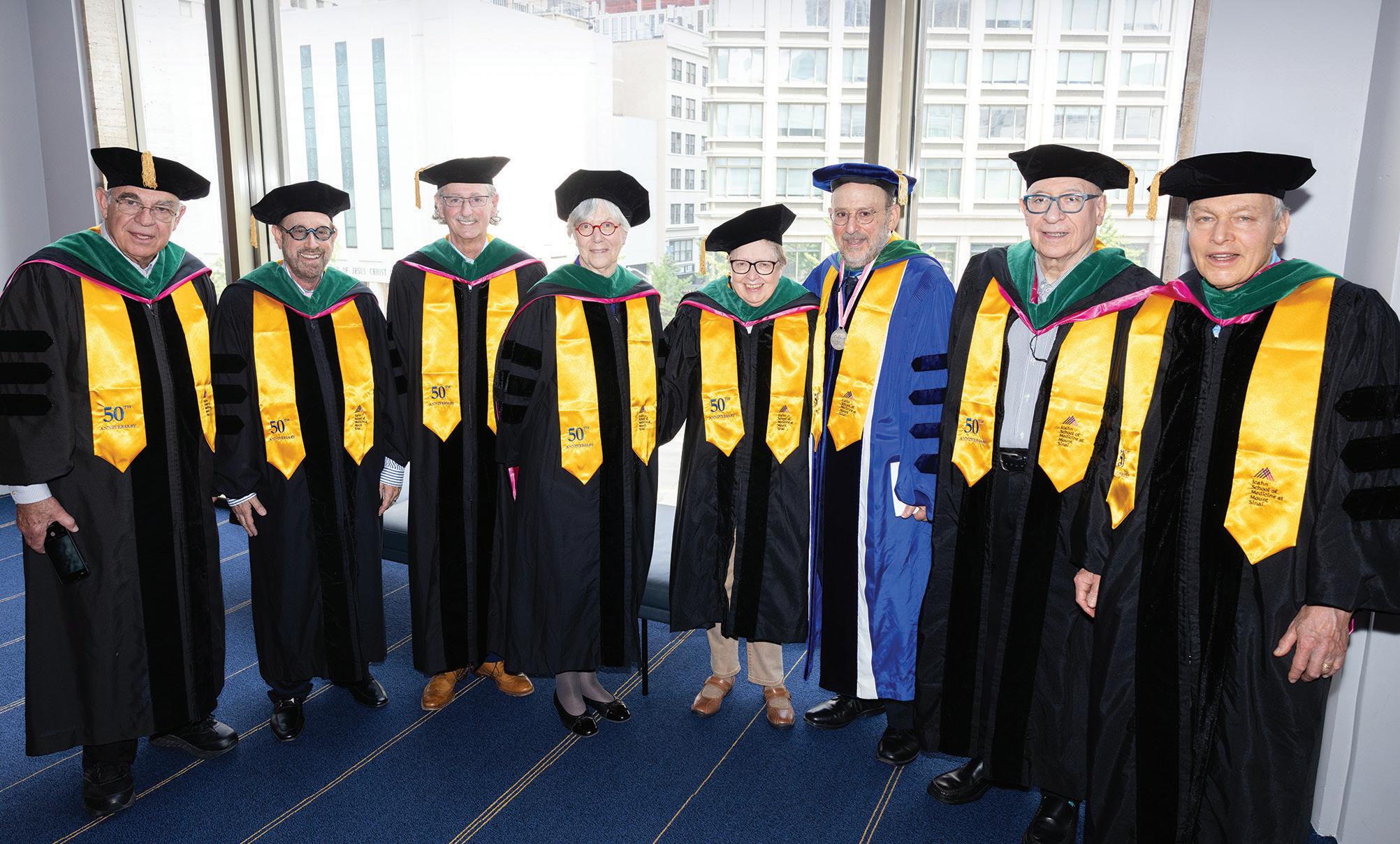
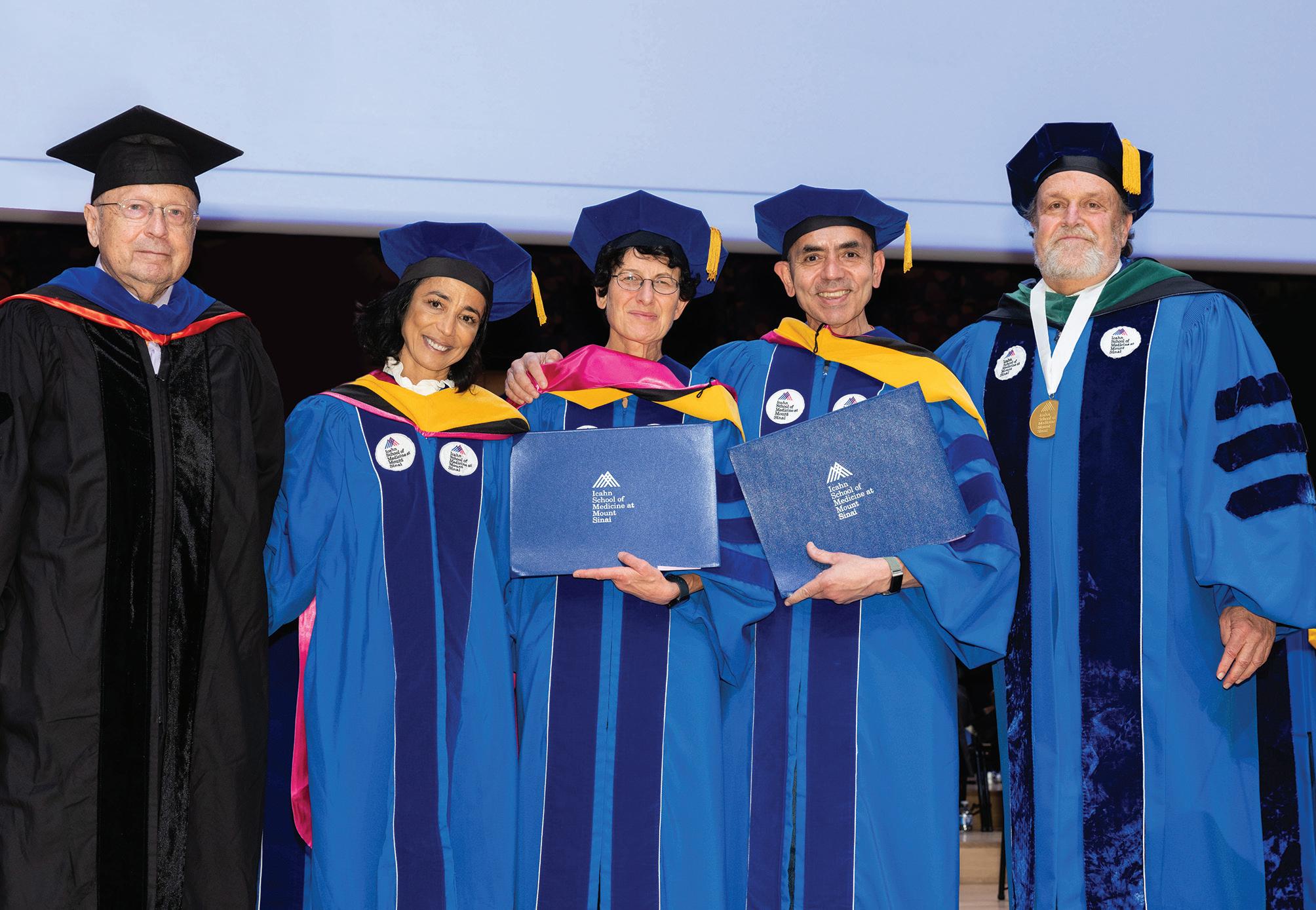
2023
On Thursday, May 11, Icahn School of Medicine at Mount Sinai conferred a total of 172 degrees, ushering in a new generation of clinicians and researchers. Among the many distinguished faculty and guests at David Geffen Hall at Lincoln Center, Valentín Fuster, MD, PhD, President of Mount Sinai Fuster Heart Hospital and Physician-in-Chief of The Mount Sinai Hospital, had the honor of delivering the Commencement address. In recognition of his lifetime achievements, Dr. Fuster was granted an honorary Doctor of Science degree.
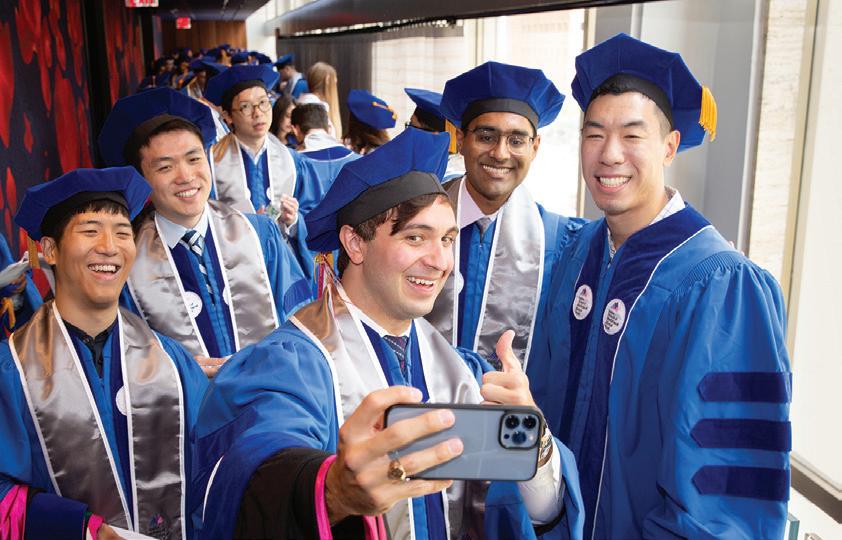
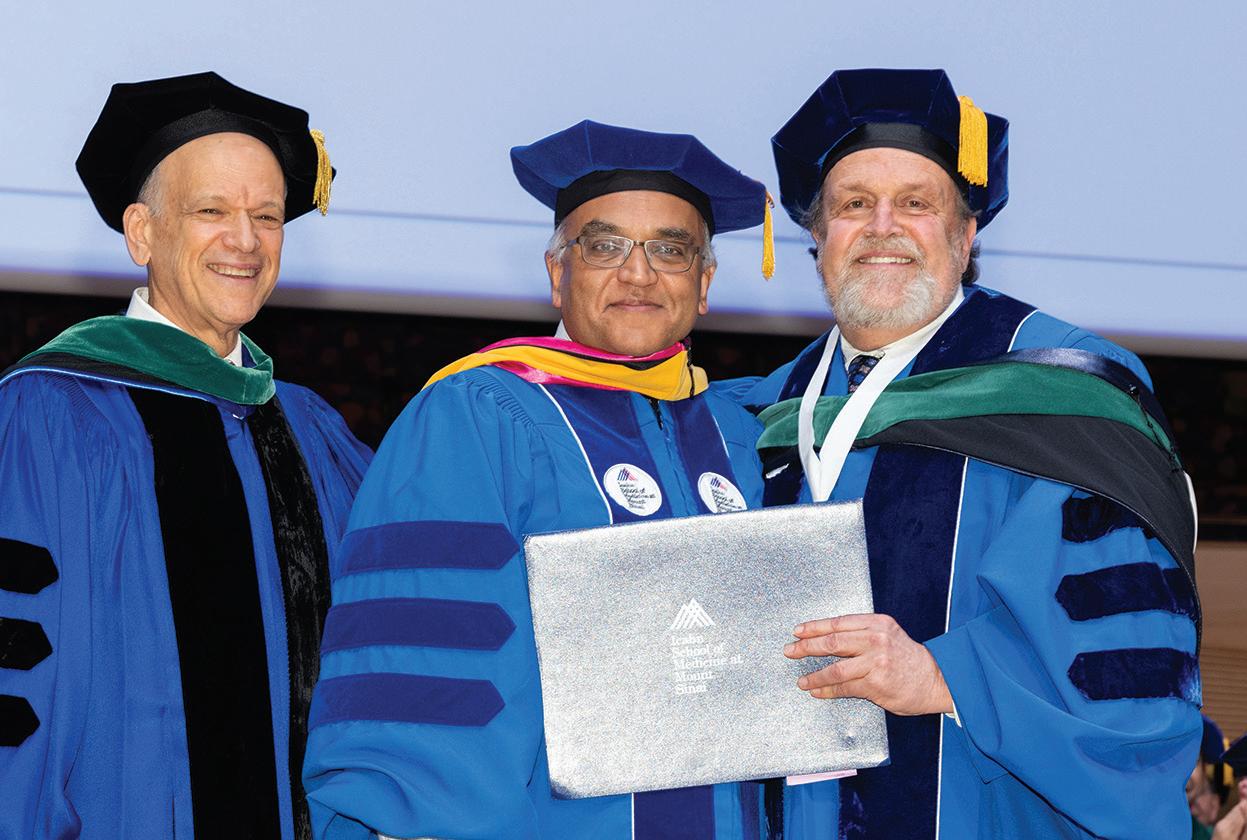
PICTURED: 1. President of Mount Sinai Fuster Heart Hospital, Physicianin-Chief of The Mount Sinai Hospital, honorary doctorate recipient, and keynote speaker Valentín Fuster, MD, PhD, addresses the Class of 2023.
2. Members of Mount Sinai School of Medicine’s pioneer classes celebrate the 50th anniversary of their graduation (1970-1973). 3. (left to right) Peter Palese, PhD; Miriam Merad, MD, PhD; honorary degree recipients and husband-and-wife team behind the leading COVID-19 vaccine, Professor Ügar Şahin, MD, Chief Executive Officer, BioNTech SE, and Professor Ögzlem Türeci, MD, Chief Medical Officer, BioNTech SE; Dean Dennis S. Charney, MD. 4. Graduating students capture a special moment. 5. (left to right) Eric J. Nestler, PhD; Ashish Jha, MD, PhD, national leader on public health and COVID-19 response; and Dean Dennis S. Charney, MD. 6. Valerie Parkas, MD, Senior Associate Dean of Admissions and Recruitment, greets a special guest onstage. 7, 8, 9. Graduates celebrate their accomplishment.
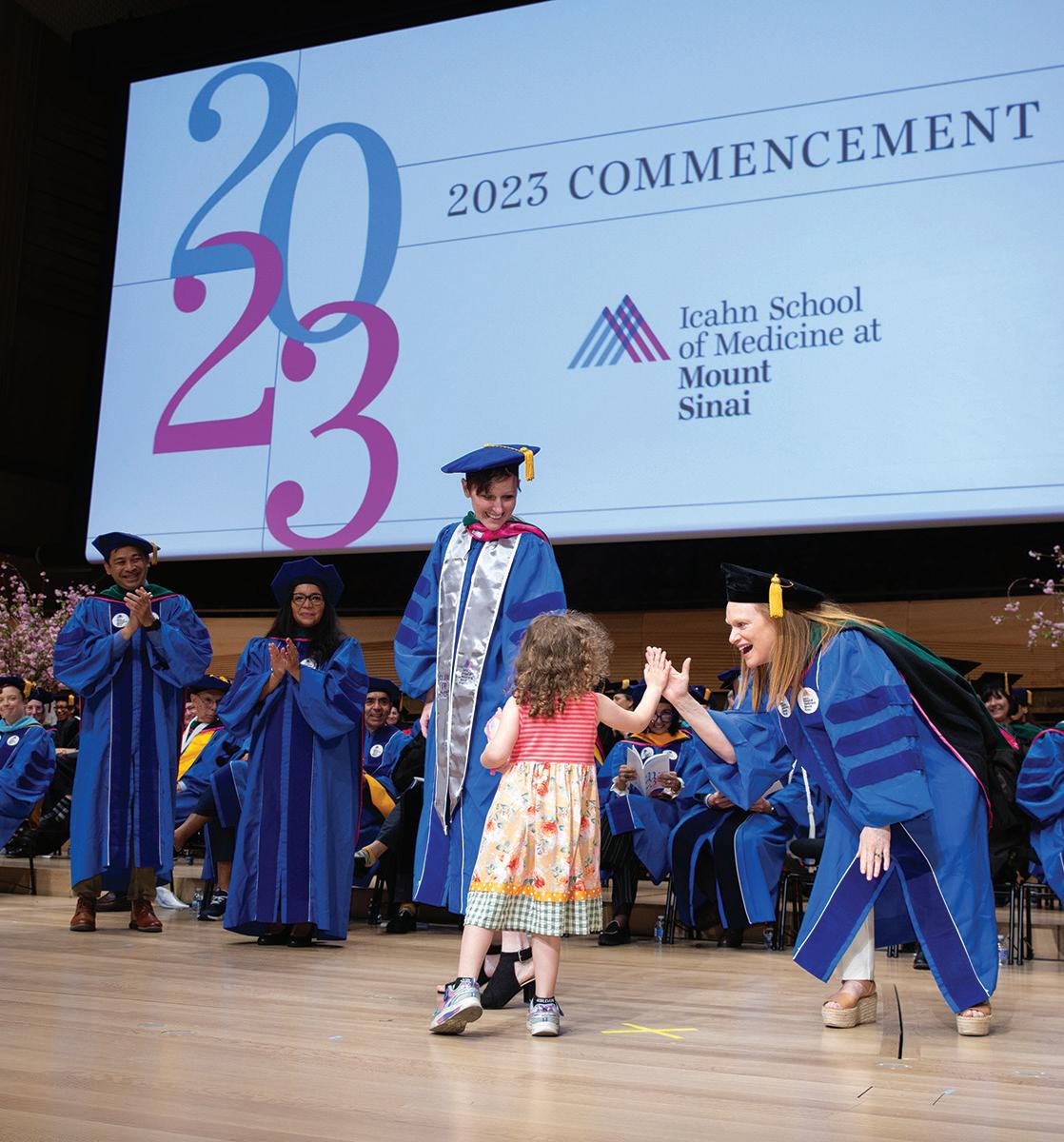
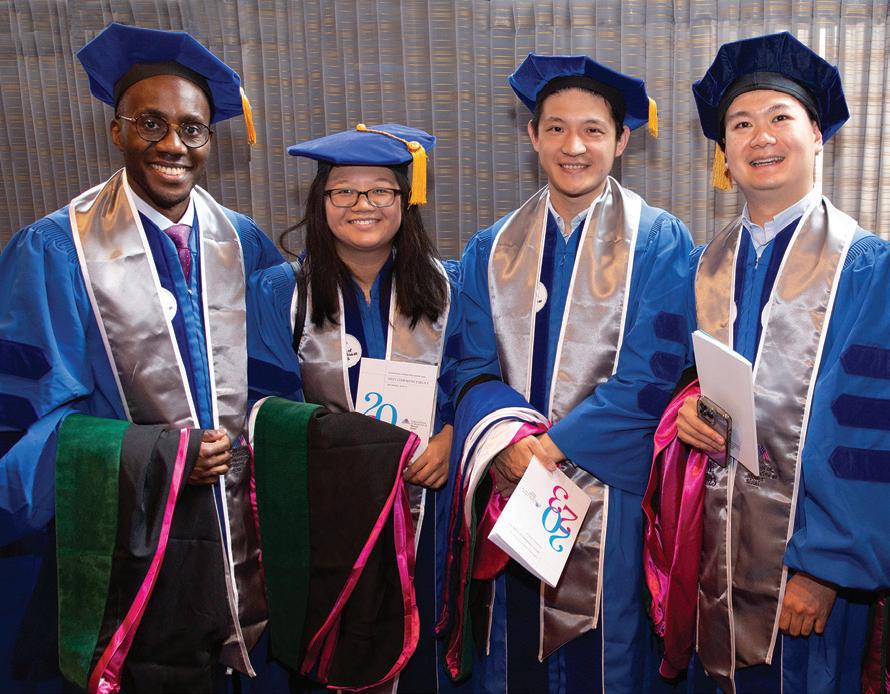
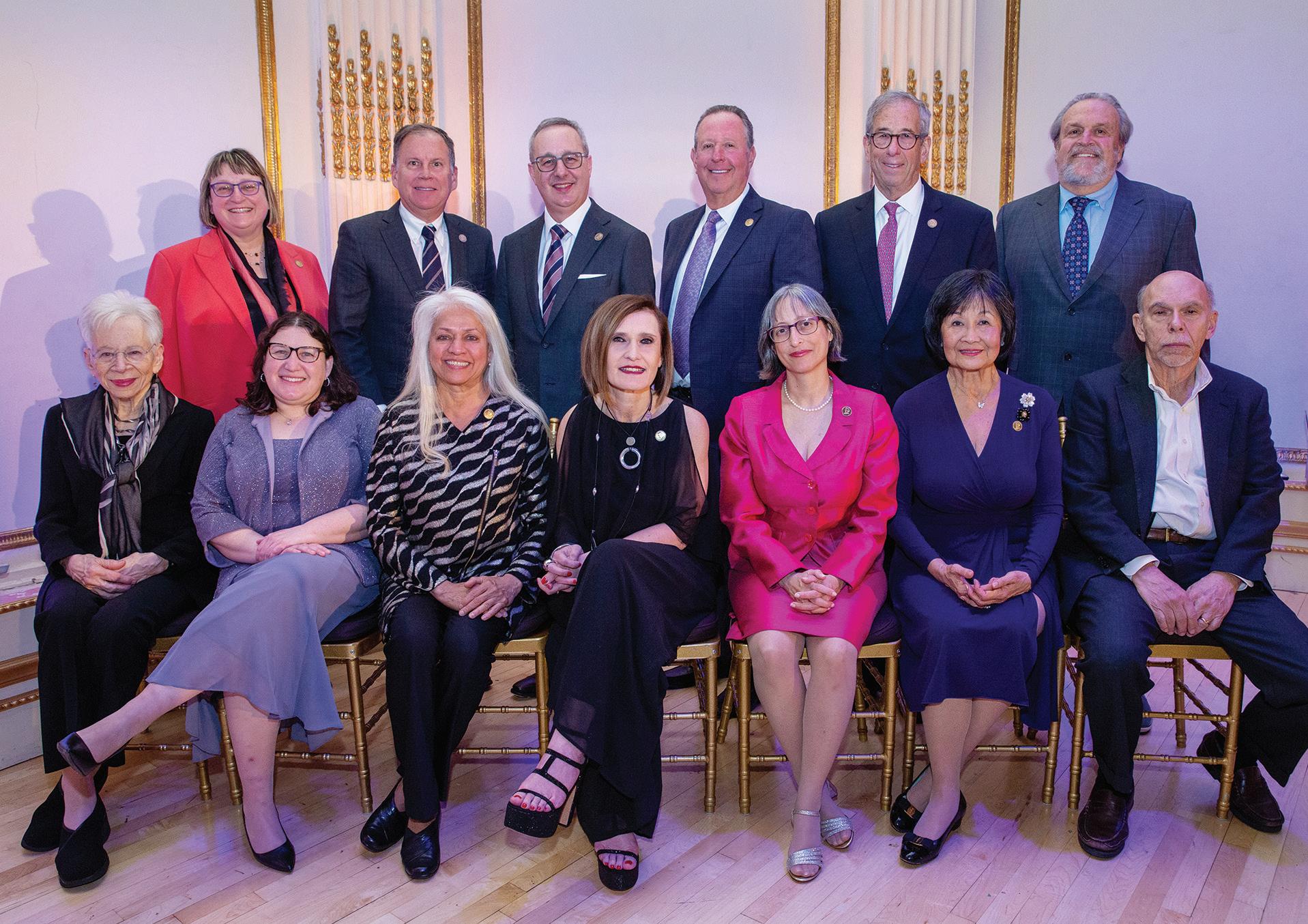
More than 500 guests gathered at The Plaza Hotel on Wednesday, March 15, to celebrate and commend nine Jacobi Medallion recipients. The highest honor bestowed by Mount Sinai, this award spotlights individuals who have achieved distinction in the field of medicine or who have provided extraordinary service to their fellow alumni.
PICTURED: 1. Top row (left to right): Jacobi Medallion recipients Patricia Kovatch; Ramon Parsons, MD, PhD; Bruce E. Sands, MD, MS; I. Michael Leitman, MD, FACS; and Burton A. Cohen, MD; Dean Dennis S. Charney, MD. Bottom row (left to right): Jacobi Medallion Selection Committee Chair Sandra K. Masur, PhD, FASCB; President of The Mount Sinai Alumni Association Talia H. Swartz, MD, PhD; recipients Lakshmi A. Devi, PhD; Marta Filizola, PhD; Jessica R. Moise; and Swan N. Thung, MD, FAASLD; Chief Executive Officer of the Mount Sinai Health System Kenneth L. Davis, MD. 2. Swan N. Thung, MD, FAASLD. 3. Sandra K. Masur, PhD, FASCB.
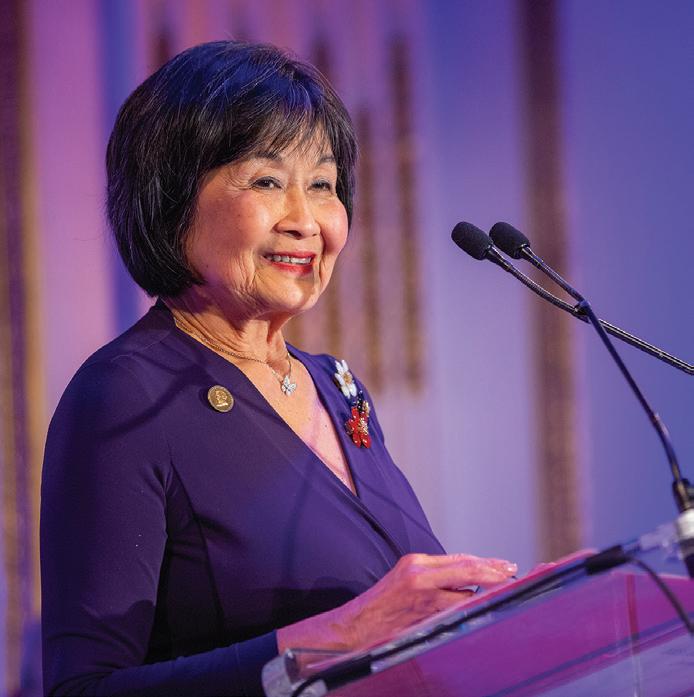
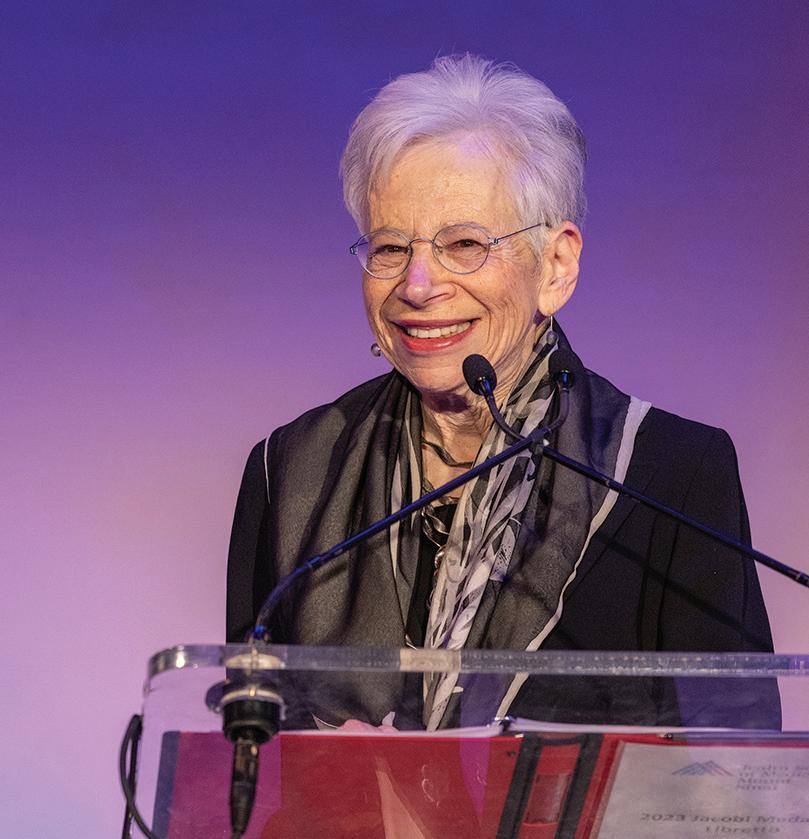
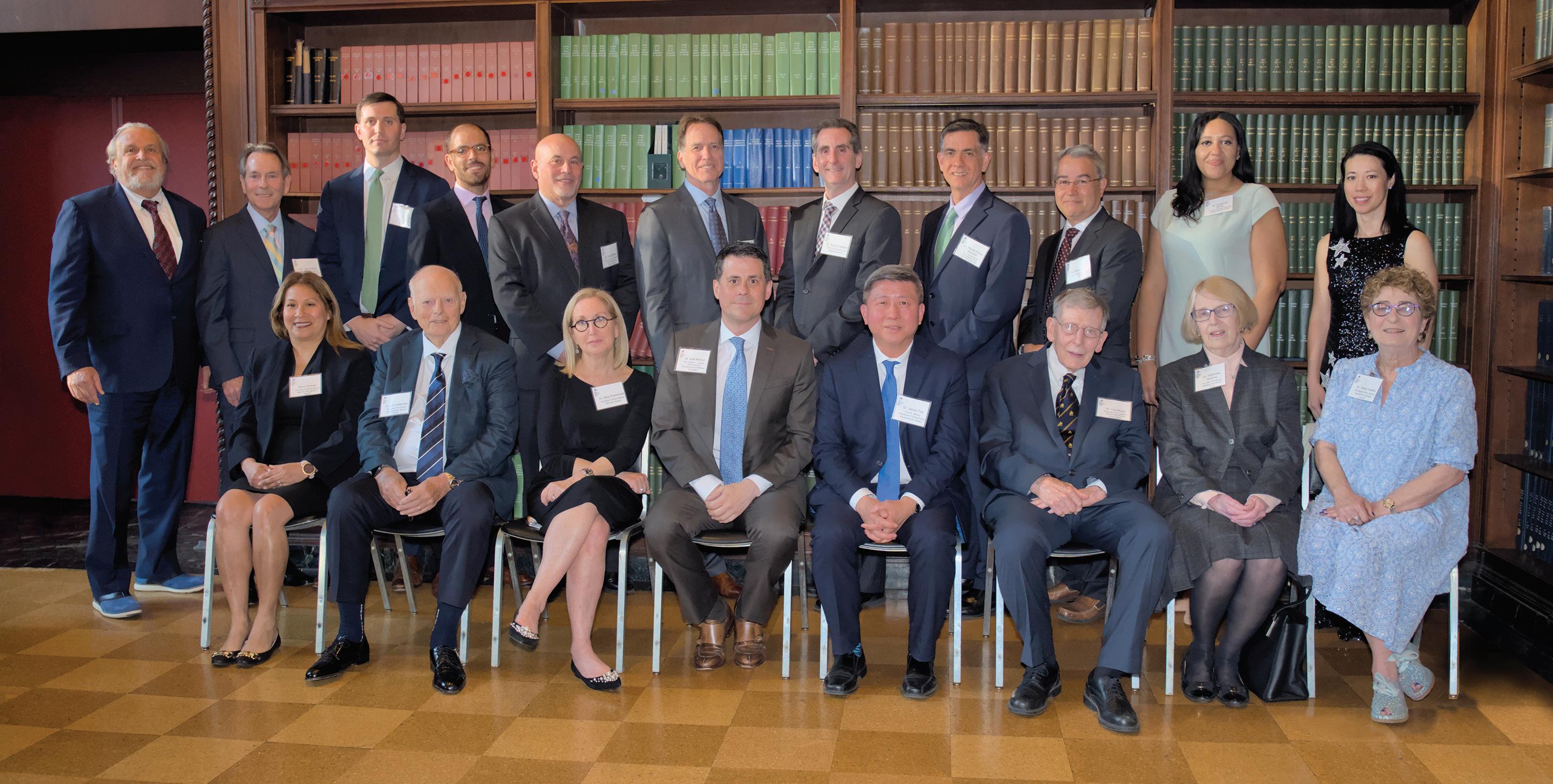
In appreciation for their outstanding service and contributions to the field of medicine, Mount Sinai honored 15 alumni and students on Wednesday, May 10, during a festive evening at the New York Academy of Medicine. The evening included special acknowledgment of the classes of 1970, 1971, 1972, and 1973—who were marking their 50th anniversaries—as well as those marking milestone graduation years: the classes of 1978, 1983, and 1998. The Office of Alumni Relations hosted a series of events in conjunction with Reunion, including an on-campus symposium, a private tour of The Arthur H. Aufses, Jr., MD Archives, and a reception at the new Alumni Office and Wisch Physician Lounge.
PICTURED: 1. Top row (left to right): Icahn School of Medicine at Mount Sinai Dean Dennis S. Charney, MD; Vice President of The Mount Sinai Alumni Association Leo Keegan, MD; award recipients Christopher Bellaire, MD, ISMMS ’23; Hashem Emad Zikry, MD, ISMMS ’18; Daniel J. Weiss, MD, PhD, MSSM ’88; Basil Hanss, PhD; David R. Friedland, MD, PhD, MSSM ’95, MSH ’00; Alberto Paniz-Mondolfi, MD, PhD, SLR ’11; Robert O. Wright, MD, MPH; and Cardinale B. Smith, MD, PhD, MSSM ’15, MSH ’10; Senior Associate Dean for Alumni Affairs Alexis Colvin, MD. Bottom row (left to right): Award recipients Silvia Chavez, MSN, ANP-BC; Leif Holgersen, MD, FACS, SLR ’70; Meg A. Rosenblatt, MD, MSH ’89; Bret P. Nelson, MD; and James C. Tsai, MD, MBA; President of the St. Luke’s-Roosevelt Alumni Association Carl W. Braun, MD; award recipients Katherine A. Hawkins, MD, JD, SLR ’77; and Vesna Najfeld, PhD. 2. Rosalind Wright, MD, and The J. Lester Gabrilove Award recipient Robert O. Wright, MD, MPH. 3. John E. Jacoby, MD, MSSM ’70 and Marlene Marko, MD, MSSM ’72. 4. The Mount Sinai Graduate School Alumni Award recipient Cardinale Smith, MD, PhD, MSSM ’15, MSH ’10 with her friends, family, and colleagues. 5. Vasundhara Singh, MD, and Norma M. Braun, MD. 6. (clockwise from center front): Bonnie M. Davis, MD, MSSM ’73; Dean Dennis S. Charney, MD; Isaac Novick, MD; Etta Siegelstein Novick, MD; Ilene Rispler; Jacobi Rispler, MD; Vivian Hirshaut Swartz; Claudette Kunkes; Steven Kunkes, MD; Mount Sinai Health System CEO Kenneth L. Davis, MD, MSSM ’73. 7. Jeremy Holgersen and St. Luke’s-Roosevelt Distinguished Alumni Award recipient Leif Holgersen, MD, FACS, SLR ’70.
Thanks to the generosity of alumnus Nathaniel Wisch, MD, and his family, the Icahn School of Medicine at Mount Sinai features a new space in the Annenberg Building dedicated to providing resources and hospitality to the Mount Sinai community. “Now every Mount Sinai physician will have a warm, comfortable, well-appointed, and welcoming home away from home and office in a central and convenient location,” says I. Michael Leitman, MD, Dean for Graduate Medical Education and Professor of Surgery and Medical Education.
“This lounge will serve as a welcoming space for returning alumni and physicians to connect, share their experiences and ideas, and collaborate on new projects committed to advancing the excellence in science and medicine that defines us,” says Talia Swartz, MD, PhD, President of the Mount Sinai Alumni Association; Director of the MD-PhD Program; Senior Associate Dean for MD-PhD Education; Associate Professor of Medicine (Infectious Disease); and Associate Professor of Medical Education at Icahn Mount Sinai. “It is a space that reinforces the bonds between our physicians, alumni, and friends and fosters meaningful connections that will propel us forward.”
Describing the space as inspiring and flexible, Dennis S. Charney, MD, Anne and Joel Ehrenkranz Dean of the Icahn School of Medicine at Mount Sinai and President for Academic Affairs of the Mount Sinai Health System, says the creation of the new Alumni Office and Wisch Physician Lounge is also a sincere expression of appreciation for the continuous support of the Alumni Association.
“As a dedicated physician and past president of the Alumni Association, Dr. Wisch has spent his career committed to serving our alumni and supporting the mission of Mount Sinai,” Dr. Swartz says. “We are honored to have him as a member of our community.”
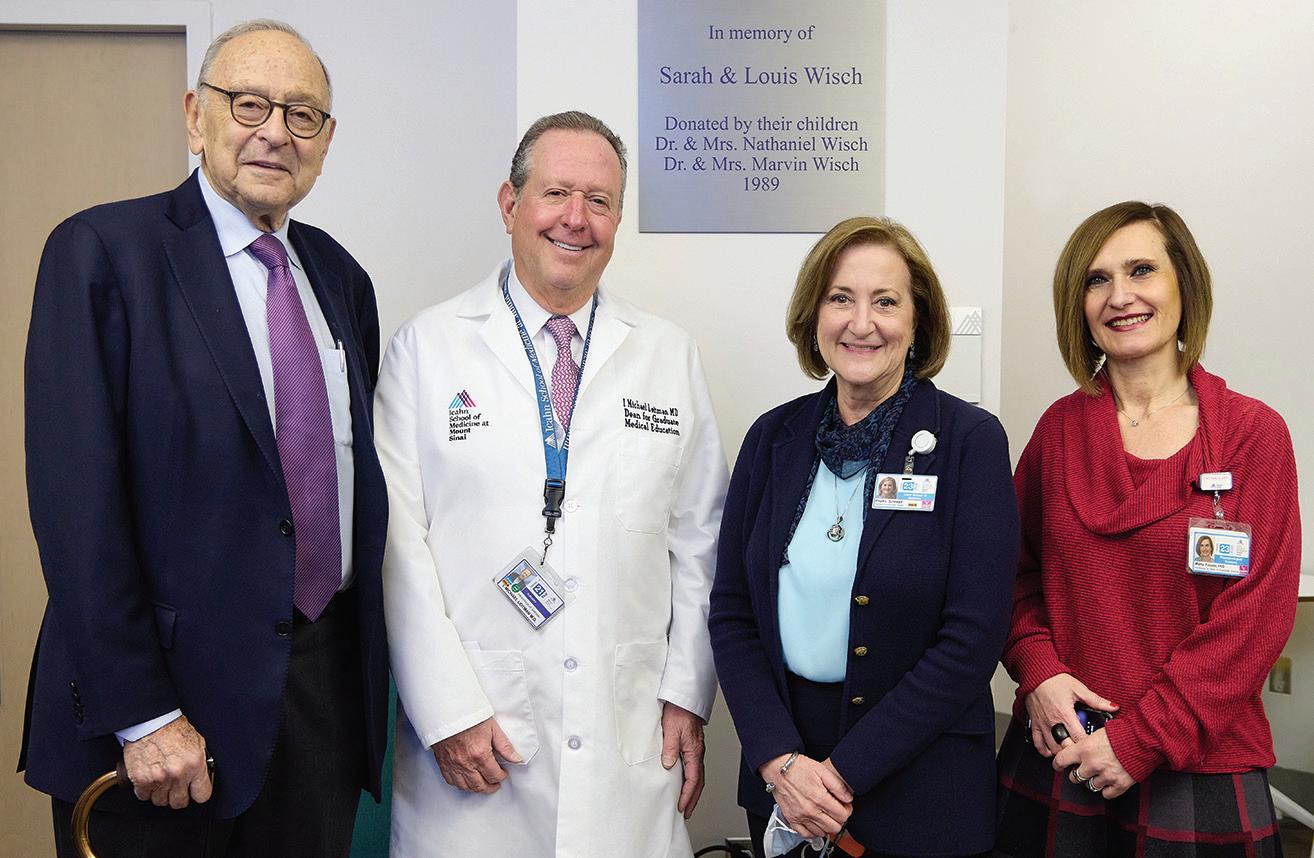
Students in the Icahn School of Medicine at Mount Sinai arrive with diverse interests—and all graduate exceptionally well prepared to pursue careers in their chosen areas of focus. These dedicated alumni demonstrate the innovative spirit of Mount Sinai, wherever their varied paths of exploration and discovery may lead.
Effie Albanis, MD, is working to improve the lives of patients and their families who live with rare and often devastating neurological diseases. Dr. Albanis is Senior Vice President, Early Clinical and Translational Research, at Neurogene, Inc. Neurogene’s mission is to use genetic medicine to address devastating neurological diseases, turning them into treatable conditions. Most recently, the company has initiated gene therapy clinical trials for Rett syndrome, an X-linked neurodevelopmental disorder affecting girls and leading to loss of developmental milestones and, ultimately, loss of hand function, speech, and ambulation, and shortened life span.
Before joining Neurogene, Dr. Albanis spent more than a decade in both the pharmaceutical and biotechnology industries at companies like Novartis, Pharmasset, and Intercept Pharmaceuticals. She focused on liver disease, including chronic hepatitis B and C, primary biliary cholangitis, and metabolic-associated steatohepatitis. This work included approval of transformative medications used for the treatment of chronic hepatitis C.
Dr. Albanis graduated from Icahn Mount Sinai in 1994, and she completed her internal medicine, gastroenterology, and hepatology training at what was then the Mount Sinai Medical Center. As a physician-scientist, she treated decompensated hepatology patients in her practice, while also conducting translational research in hepatic fibrosis and antifibrotic therapies. She remains on faculty at Icahn Mount Sinai as Assistant Clinical Professor of Medicine.
In her leadership position with Neurogene, Dr. Albanis ensures translational science is applied to discovery-stage products—advancing them into clinical trials and, ultimately, delivering them to patients. Along with Rett syndrome, the company is also studying gene therapy for children with CLN5 Batten disease, a neurodegenerative disorder leading to cognitive impairment, blindness, loss of speech and ambulation, and early death. The end goal for Dr. Albanis and the Neurogene team: to provide much-needed treatment options and life-altering improvements for such heartbreaking genetic conditions.
Written by Hallie Levine
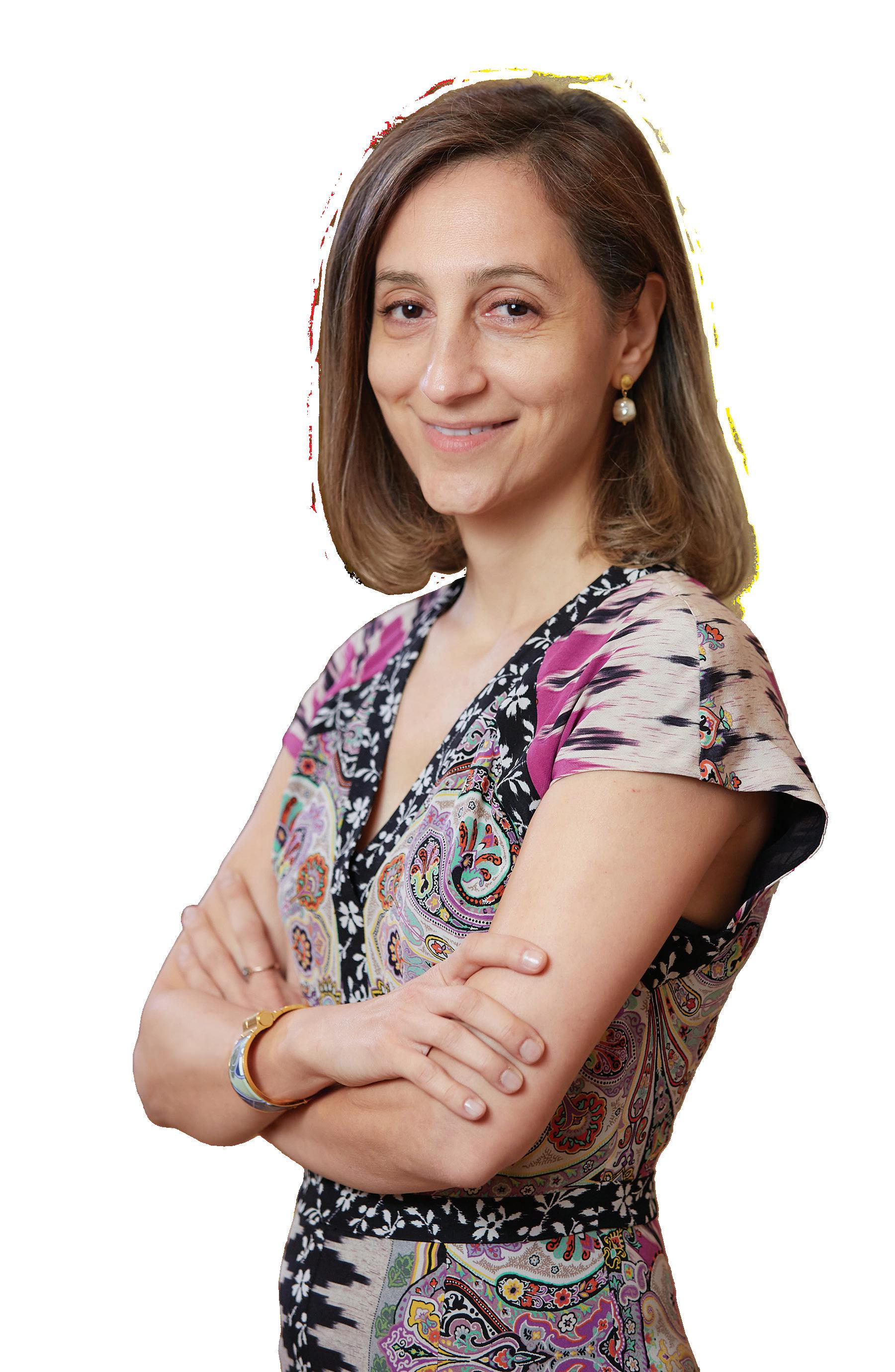
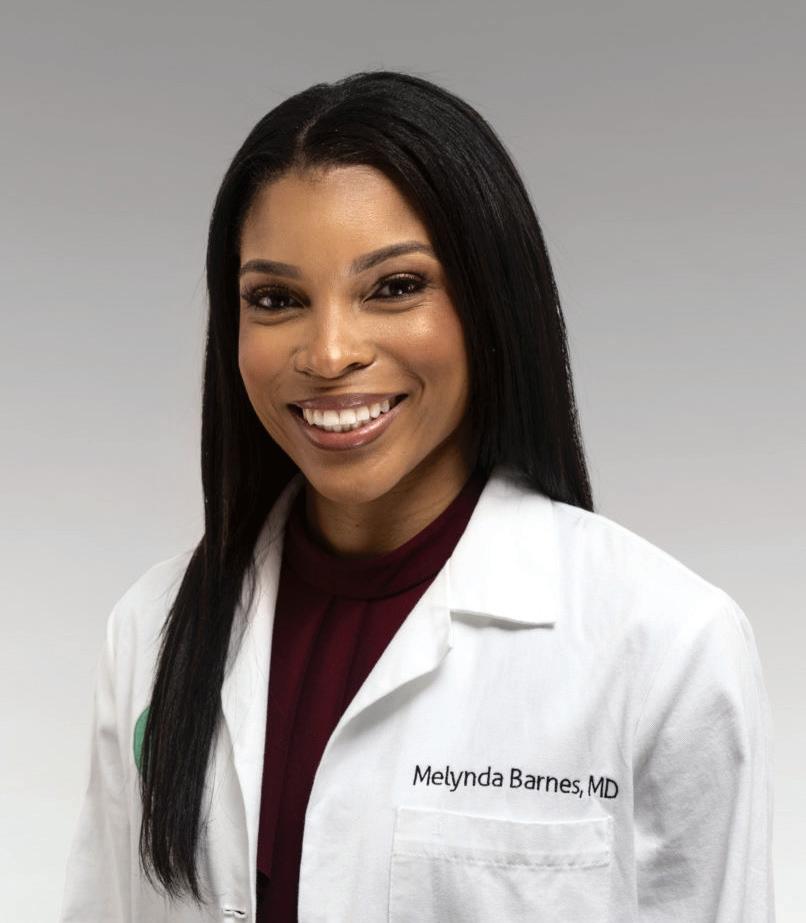
Even as a young child, Melynda Barnes knew she wanted to work in health care. After graduating from Icahn Mount Sinai—where she was the prestigious Doris Duke Clinical Research Fellow—she became a double board-certified facial plastic and reconstructive surgeon and otolaryngologist. As Assistant Professor of Surgery-Otolaryngology at Yale School of Medicine, she also served on the Yale Medical Group Board of Directors. Dr. Barnes subsequently became an attending at Harlem Hospital in New York City, where, in 2018, she earned the Top Doctor Award for New York State.
Dr. Barnes then achieved a lifelong dream, joining the $7 billion telehealth, pharmacy, and lab diagnostics startup Ro, which is filling a muchneeded space in health care. She is now Chief Medical Officer, responsible for care delivery operations, clinical strategy, quality and patient safety initiatives, and clinical innovation and research.
Ro’s research has found that almost 70 percent of its patients had never sought care for their conditions—whether in person or virtually— before seeking treatment through Ro. “We’ve learned that a hybrid health care system, bringing together the strengths of virtual and in-person care, can better serve a diverse U.S. patient population with even more diverse health needs,” Dr. Barnes wrote in a May 2021 article published on Medium.
During the pandemic, Dr. Barnes created Ro’s protocol for delivering COVID-19 vaccines in people’s homes. Today, she leads Ro’s nationwide network of affiliated providers, designing clinical frameworks that allow physicians to provide first-rate care. One way she has done that is by advocating for expanded insurance coverage for obesity treatments, noting that no other chronic disease has had to fight for coverage of such effective, potentially lifesaving treatments. “As a doctor, it’s my duty to advocate for [my patients],” she said at a recent conference, “and not based on costs.”
Written by Hallie Levine
When Christopher Bellaire, MD, received his medical degree, he became the first person to complete his studies at Icahn Mount Sinai after enrolling through a pathway specifically designed for United States military personnel. “The program really kept the door open to medicine and becoming a doctor,” Dr. Bellaire says, “a door that otherwise would have been shut.”
A native of Atlanta, Dr. Bellaire decided to join the Marine Corps as an undergraduate at Princeton University’s School of International and Public Affairs. While stationed as an intelligence officer in the southern Philippines in 2017, he was part of a Special Operations task force that advised and assisted on counterterrorism operations after an ISIS-aligned terrorist group killed hundreds of people and created a humanitarian crisis that displaced approximately 300,000 others. The experience pressed upon him the human consequences of war and poverty—and the disparities in global health care access.
Dr. Bellaire recently began his residency at MedStar Georgetown University Hospital in Washington, DC. In his future practice as an orthopedic surgeon, he intends to care for patients of all sorts, but in particular veterans with musculoskeletal injuries, spinal cord injuries, and extremity amputations, and patients who have experienced trauma.
During his time at Mount Sinai, Dr. Bellaire also advocated for additional ways to help veterans become physicians. He even collaborated with medical school faculty to create a nexus course that integrates veterans’ health into the pre-clinical curriculum.
“I feel so honored and humbled to be in a position to help other veterans and increase awareness about this really special program that changed my life,” Dr. Bellaire says. “Ever since I was accepted, I’ve felt like I hit the lotto. I want to be able to share that with others.”
Written by Domenick Cosentino
Launched in 2017, Icahn Mount Sinai’s admissions partnership with the U.S. military is open to all full-time, active-duty military personnel. Service members are eligible to apply if they have a baccalaureate degree from a U.S. or Canadian-accredited institution. Students accepted through the military program are not required to take the Medical College Acceptance Test (MCAT).
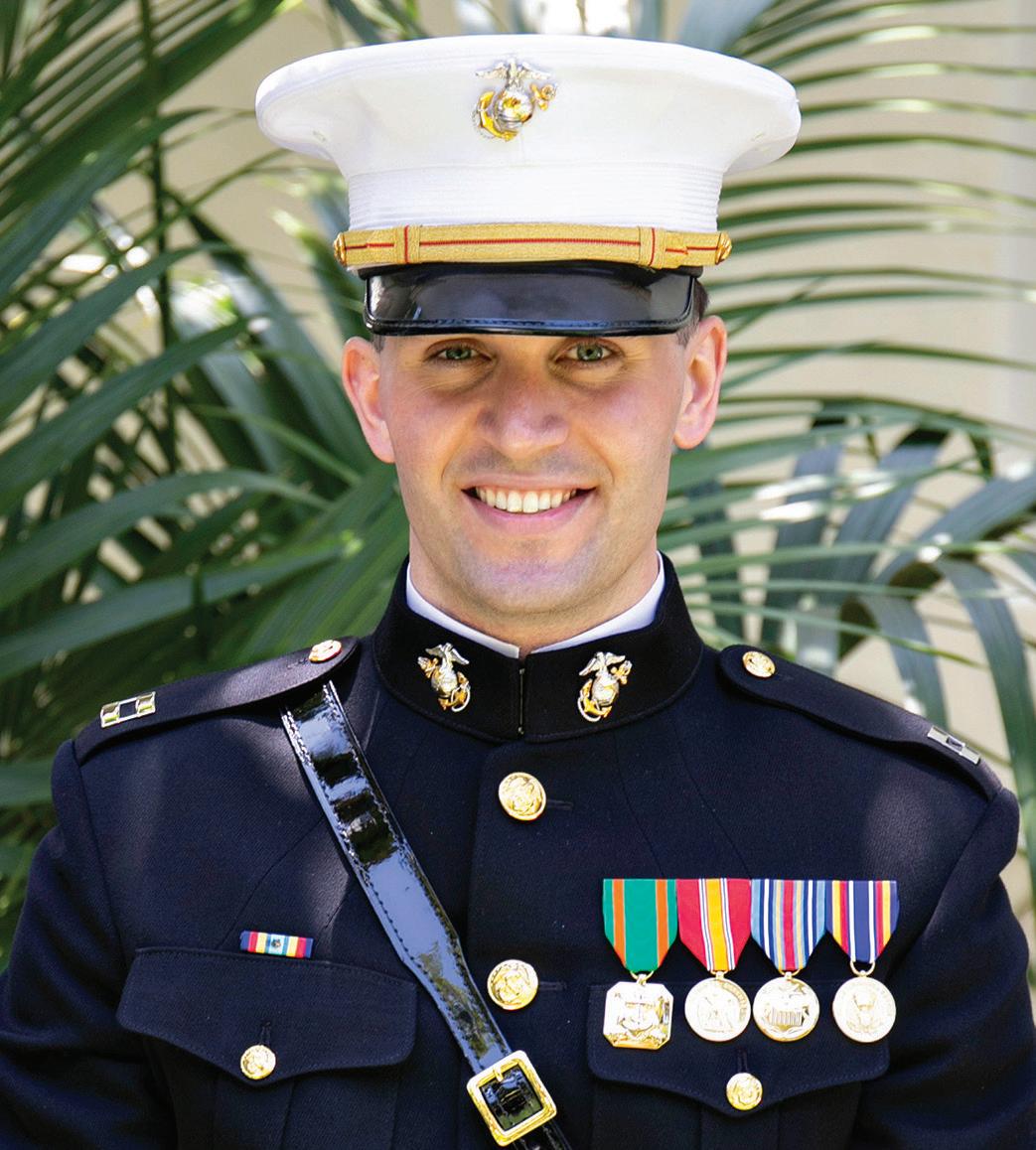
40th Anniversary of the Brookdale Department of Geriatrics and Palliative Medicine
Honoring Stephen L. Schwartz
WHEN: November 21, 2022
WHERE: Aquavit, NYC
WHO: 1. Albert L. Siu, MD, MSPH; R. Sean Morrison, MD; Jay Baker; and Trustee Stephen Schwartz. 2. Martha Stewart; Rosanne M. Leipzig, MD, PhD.
WHEN: March 7, 2023
WHERE: Rainbow Room, NYC
WHO: 1. Dean Dennis S. Charney, MD; Ashutosh Tewari, MD; Honoree Robert F. Smith. 2. Co-Chairman of the Mount Sinai Boards of Trustees James S. Tisch; Trustee John Levin.
2. David
and Mount
Eva
WHEN: March 8, 2023
WHERE: The Plaza Hotel, NYC
WHO: 1. Fred Lublin, MD; Aaron Miller, MD. 2. Alexandra Fallon, Katherine Goldsmith; Ellen Miller, MD; Aaron Miller, MD; Audrey Kubie. 3. Maria Muzio, Clifford H. Goldsmith Award Recipient; Salvi Muzio Barker.
WHEN: May 4, 2023
WHERE: Central Park Conservatory Garden, NYC
WHO: 1. Co-Chairman Richard A. Friedman; Elissa M. Gretz Friedman, MD; Trustee Robert Friedman; and David L. Reich, MD. 2. Trustee Dina Powell McCormick and David McCormick, PhD. 3. Merryl H. Tisch, EdD, and Co-Chairman James S. Tisch. 4. Nancy Neff and Susan P. Friedman. 5. Trustee Amaziah Howell and Reginald W. Miller, DVM. 6. Lauren DePalo; Cheryl Minikes; Merryl H. Tisch, EdD.
WHEN: March 7, 2023
WHERE: Palm Beach Country Club, FL
WHO: Alexis C. Colvin, MD; Andrew C. Hecht, MD; President of Mount Sinai West and Mount Sinai
Morningside Evan L. Flatow, MD; Chief Executive Officer Kenneth L. Davis, MD; Chairman Emeritus Peter W. May; Co-Chairman of the Mount Sinai Boards of Trustees Richard A. Friedman.
25th Anniversary of the Elliot and Roslyn Jaffe Food Allergy Institute
WHEN: April 25, 2023
WHERE: Harvard Club of NYC
WHO: David Jaffe; Maria Lafaille, PhD; Scott Sicherer, MD; Hugh Sampson, MD; Helen Jaffe; Supinda Bunyavanich, MD, MPH, MPhil.
of the Raquel and Jaime Gilinski Department of Obstetrics, Gynecology and Reproductive Science
WHEN: May 5, 2023
WHERE: The Mount Sinai Hospital
WHO: Michael Brodman, MD; Joanne Stone, MD; Trustee Raquel Gilinski; Jaime Gilinski; Dean Dennis S. Charney, MD.
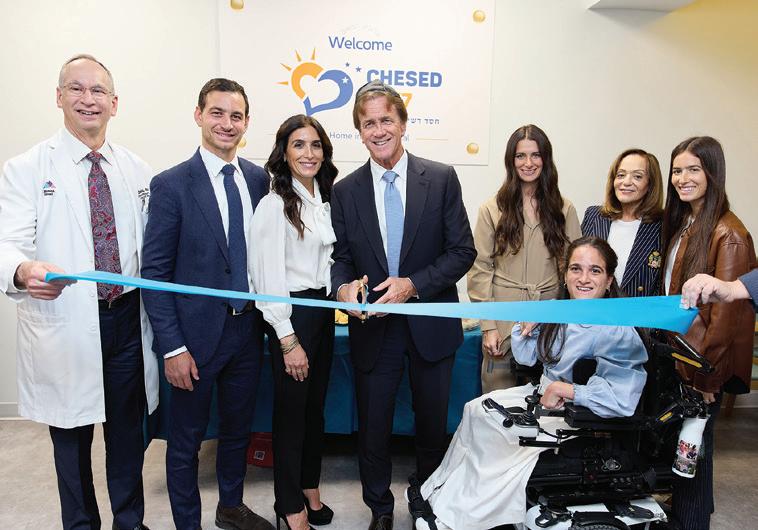
WHEN: May 18, 2023
WHERE: The Mount Sinai Hospital
WHO: Rachel and Jeff Sutton (center) and family with David L. Reich, MD (far left).
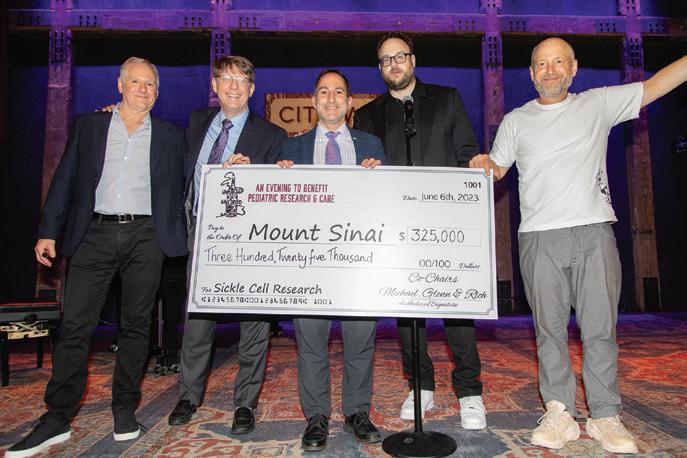
Music’s Promise Uncorked and Unplugged Benefit for Mount Sinai Children’s
WHEN: June 6, 2023
WHERE: City Winery, NYC
WHO: Glenn Nordlinger; Bruce D. Gelb, MD; Oren Becher, MD; Rich Schaefer; Michael Dorf.

WHEN: October 10, 2023
WHERE: Mandarin Oriental, NYC
WHO: 1. Co-Chairman James S. Tisch.
2. Trustee Thomas W. Strauss; Trustee Douglas Ostrover; Julie Ostrover; Bonnie Strauss; Elissa Cullman; and Trustee Edgar M. Cullman, Jr.
3. Trustee Adam Shapiro; Co-Chairman Richard A. Friedman; Boards of Trustees Physician Representative Kenneth Rosenzweig, MD.
WHEN: May 22, 2023
WHERE: Harmonie Club, NYC
WHO: 1. Christina Weltz, MD; Amy Tiersten, MD; Featured Patient Speaker Suzanne Foote; Jeffrey Mechanick, MD; Elisa R. Port, MD; Laurie Margolies, MD; Gylynthia E. Trotman, MD, MPH; Trustee Eva Andersson-Dubin, MD. 2. Elisa R. Port, MD, and Eva Andersson-Dubin, MD.

WHEN: October 25, 2023
WHERE: The Pierre Hotel, NYC
WHO: 1. Lady Charlotte Wellesley; Valentín Fuster, MD, PhD; Trustee Alejandro Santo Domingo. 2. Star Jones; Valentín Fuster, MD, PhD. 3. Valentín Fuster, MD, PhD (center) and family.
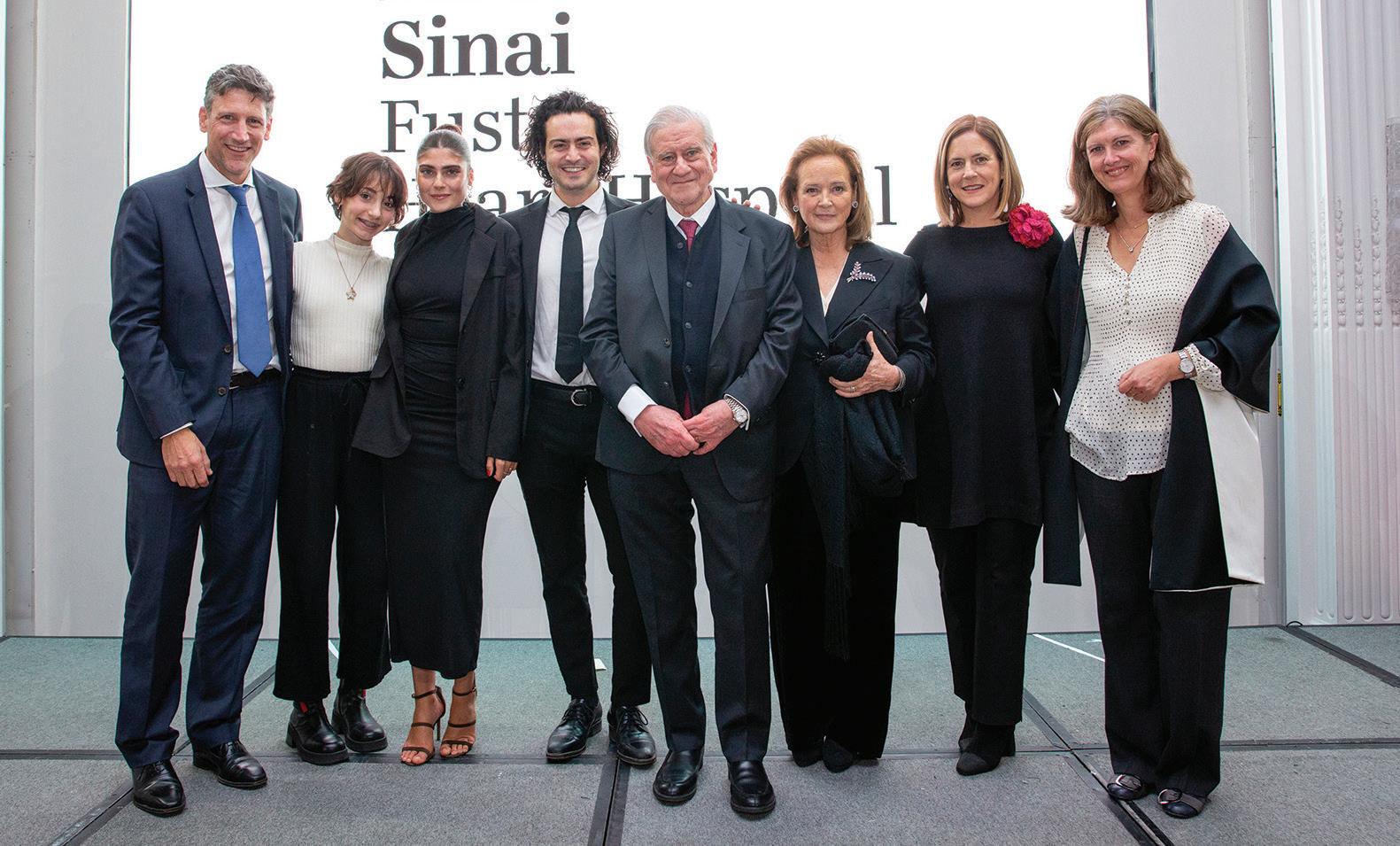
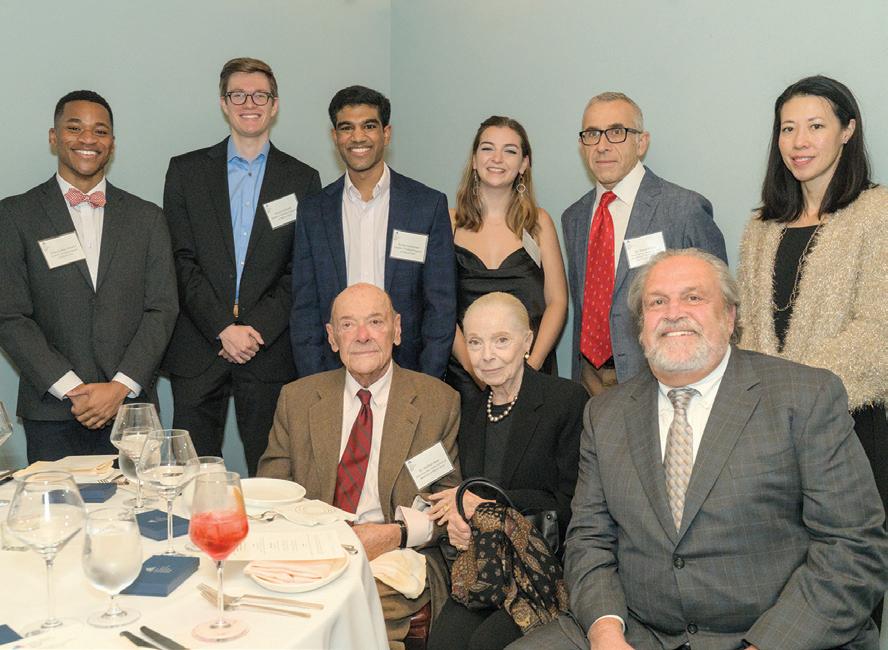
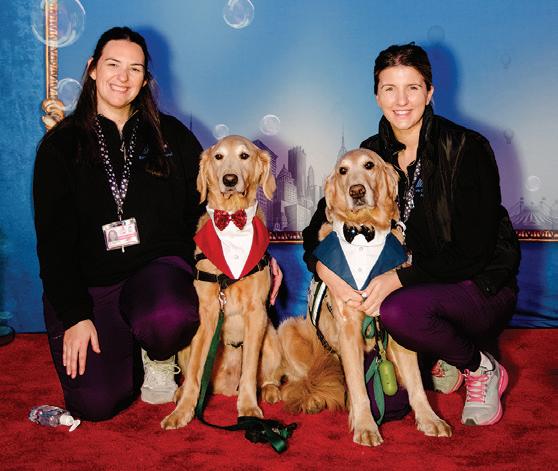

35th Anniversary of the Donald and Vera Blinken FlexMed Program at Icahn Mount Sinai Honoring Nathan Kase, MD
WHEN: October 19, 2023
WHERE: Bar Boulud, NYC
WHO: Top row: ISMMS medical students Uchechukwu Amakiri; Braxton Schuldt; Sunjay Letchuman; and Maria Meyer; Medical Education Dean Emeritus David Muller, MD; Alexis Colvin, MD. Bottom row: Dean Emeritus Nathan Kase, MD; Vera Blinken; Dean Dennis S. Charney, MD.
The Mount Sinai Children’s Center Foundation Benefit
WHEN: November 12, 2023
WHERE: Damrosch Park at Lincoln Center, NYC
WHO: 1. Ali Spikestein; Professor; Moby; Jaclyn Craig. 2. Lisa Satlin, MD; Fernando Ferrer, MD. 3. Ivan Karpov; Madi Rothenberg; and their daughter Colette.
30th Anniversary Seaver Celebration Honoring Alex Kolevzon, MD
WHEN: November 16, 2023
WHERE: The Plaza Hotel, NYC
WHO: 1. Alex Kolevzon, MD; Mary Lou Cancellieri; Trustee Anthony Cancellieri; President of Mount Sinai South Nassau Adhi Sharma, MD, MHA; Emily Sharma. 2. Seaver Foundation family and friends. 3. Genie Egerton-Warburton; Joseph Buxbaum, MD; James Egerton-Warburton.
Patty and Jay Baker Celebratory Dinner
WHEN: October 29, 2023
WHERE: Café Carlyle, NYC
WHO: 1. Saskia and Stephen Siderow. 2. Jay Baker; Patty Baker; R. Sean Morrison, MD; Diane Meier, MD.
Mount Sinai Adolescent Health Center Breakfast of Legends
WHEN: November 2, 2023
WHERE: Ziegfeld Ballroom, NYC
WHO: 1. Co-Chairman James S. Tisch; 2023
Legends Elsie McCabe Thompson and William C. Thompson, Jr.; Angela Diaz, MD, PhD, MPH; Dean Dennis S. Charney, MD. 2. Emcees Gene and Melissa; Youth Speakers Dainma and Joseph.
Iam deeply gratified to report that the Mount Sinai Health System capital campaign is progressing with extraordinary momentum as we approach our goal. Our generous benefactors recognize the importance of strengthening Mount Sinai’s ability to deliver the highest quality care to our patients, educate the next generation of
exceptional clinicians and scientists, and champion our brilliant researchers in their quest to improve diagnostics and therapies.
This year, many donor-supported initiatives are observing impressive anniversaries, such as the Enhanced Scholarship Initiative, now in its fifth year of reducing debt for medical students; the Friedman Brain Institute, celebrating 15 years of pioneering research; and the Elliot and Roslyn Jaffe Food Allergy Institute, which has been investigating underlying causes and creating promising treatments for 25 years.
We can applaud the 30th anniversaries of the Department of Emergency Medicine and the Seaver Autism Center for Research and Treatment, the 40th anniversary of the Brookdale Department of Geriatrics and Palliative Care, and the astonishing 55th anniversary of the Adolescent Health Center. The team efforts behind each of these ventures—whether delivering acute clinical care, breaking new ground
in autism, or compassionately helping the aged and the teenaged alike—will surely continue to resonate through the decades to come.
Looking back at these remarkable accomplishments only has us more excited about what we have achieved this year alone, thanks to the generosity of our Trustees and other donors. In 2023, we have made important strides in the following areas:
• The Marie-Josée and Henry R. Kravis Drug Discovery Institute is newly empowered to accelerate late-stage assets and unlock new treatments and potential cures for a host of conditions.
• The Center of Excellence for Multiple Myeloma, with major backing from the Multiple Myeloma Research Foundation, is further transforming the treatment of high-risk patients confronted by this devastating disease.
To build on Mount Sinai’s 170-year history of unrivaled accomplishment, legacy giving is paramount—often allowing dedicated donors to be even more generous than they could be during their lifetime.
We are grateful to those who have already chosen to designate Mount Sinai as a beneficiary of their will, trust, or retirement account. If you, too, would like to help Mount Sinai advance innovative research, recruit the next generation of leaders in science and medicine, and realize breakthroughs that directly impact patients, we would be honored to assist you.
For more information, visit mountsinai.planmygift.org or contact:
Nora Nasif Rahaim, Senior Director of Development, Legacy Gifts Office of Development/Planned Giving, 347-491-2887
nora.rahaim@mountsinai.org
If you have included Mount Sinai in your estate plans, please let us know so we can ensure your wishes are carried out. Planned gifts made across the Health System qualify you to become a member of the Mount Sinai Legacy Society, a special group of alumni and friends whose generosity will have lasting impact on our institution.
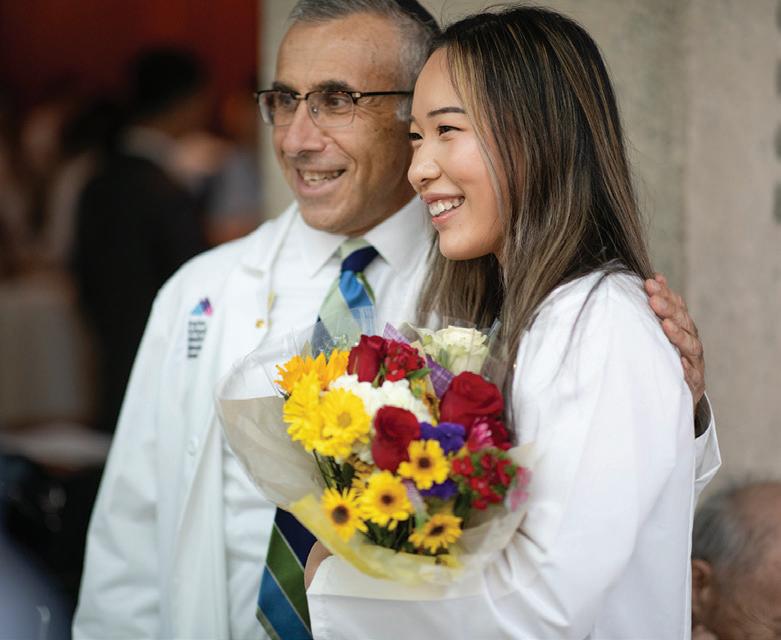
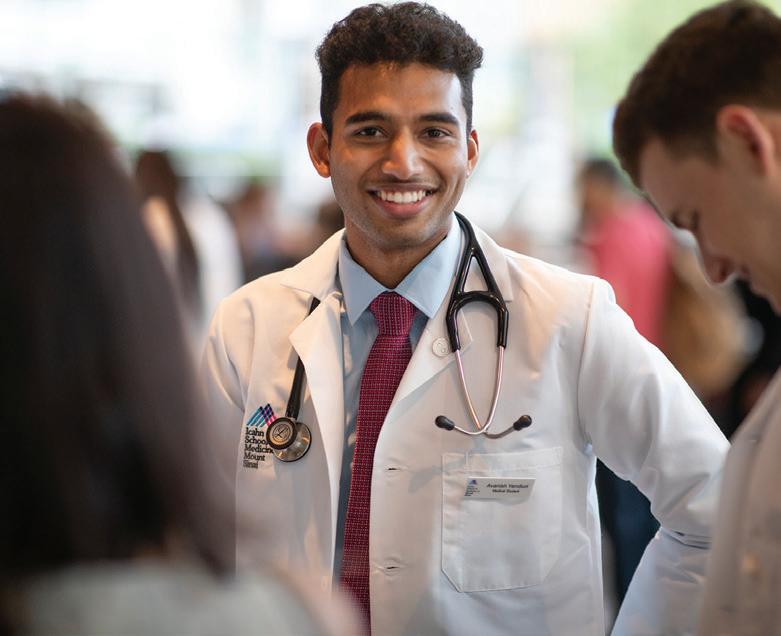
• The Cohen Center for Recovery from Complex Chronic Illness has been expanded through a contribution from the Steven & Alexandra Cohen Foundation. Building on earlier support from the Nash Family, the Center now encompasses research and clinical care beyond long COVID, including “long Lyme disease/Lyme+” as well as other infection-associated complex chronic illnesses.
• The Claudia and Kenneth Silverman Global Surgical Simulation Center, established by the Silvermans in honor of Dr. Michael Marin, is enhancing surgical training in a cutting-edge environment and leading to improved patient outcomes.
• Ketamine research for depression, which represents a revolutionary step forward, is being further hastened thanks to The Gottesman Fund.
• The SP and Seema Lohia Cardiovascular Clinical Institute provides a critical bridge that carries our innovations for treating heart disease from the laboratory bench to patients’ bedsides.
This brief list is but a sampling of the many ambitious enterprises invigorating everyone at Mount Sinai as we strive to relieve suffering and save lives. We are incredibly grateful for the philanthropy that makes our efforts possible and can only imagine the life-changing impacts we will celebrate when we commemorate even more milestone anniversaries in the future. Thank you to all who continue to help Mount Sinai make history.
Mark Kostegan, FAHP Chief Development Officer Senior Vice President for Development Mount
Sinai Health System
Your generous partnership is vital to advancing our mission.
To make a gift, simply scan this Flowcode or click below.
Thank you!
World-renowned researcher, physician, and health activist
Valentín Fuster, MD, PhD, has made an immeasurable impact on the field of cardiology—and on the Health System he has served for more than 25 years. The Mount Sinai Fuster Heart Hospital now stands as a testament to his dedication, compassion, and leadership, and was made possible thanks to the generous donors who have supported the $100 million VF100 campaign—making it a success. By renaming Mount Sinai Heart, we celebrate Dr. Fuster’s legacy of excellence and thank the many friends, patients, and colleagues who have ensured that the values he has dedicated his life to will be sustained for generations. Your continued partnership empowers our mission and ensures that Dr. Fuster’s vision for the future of cardiovascular care continues in perpetuity. To learn more or make a gift, visit fuster100.org.
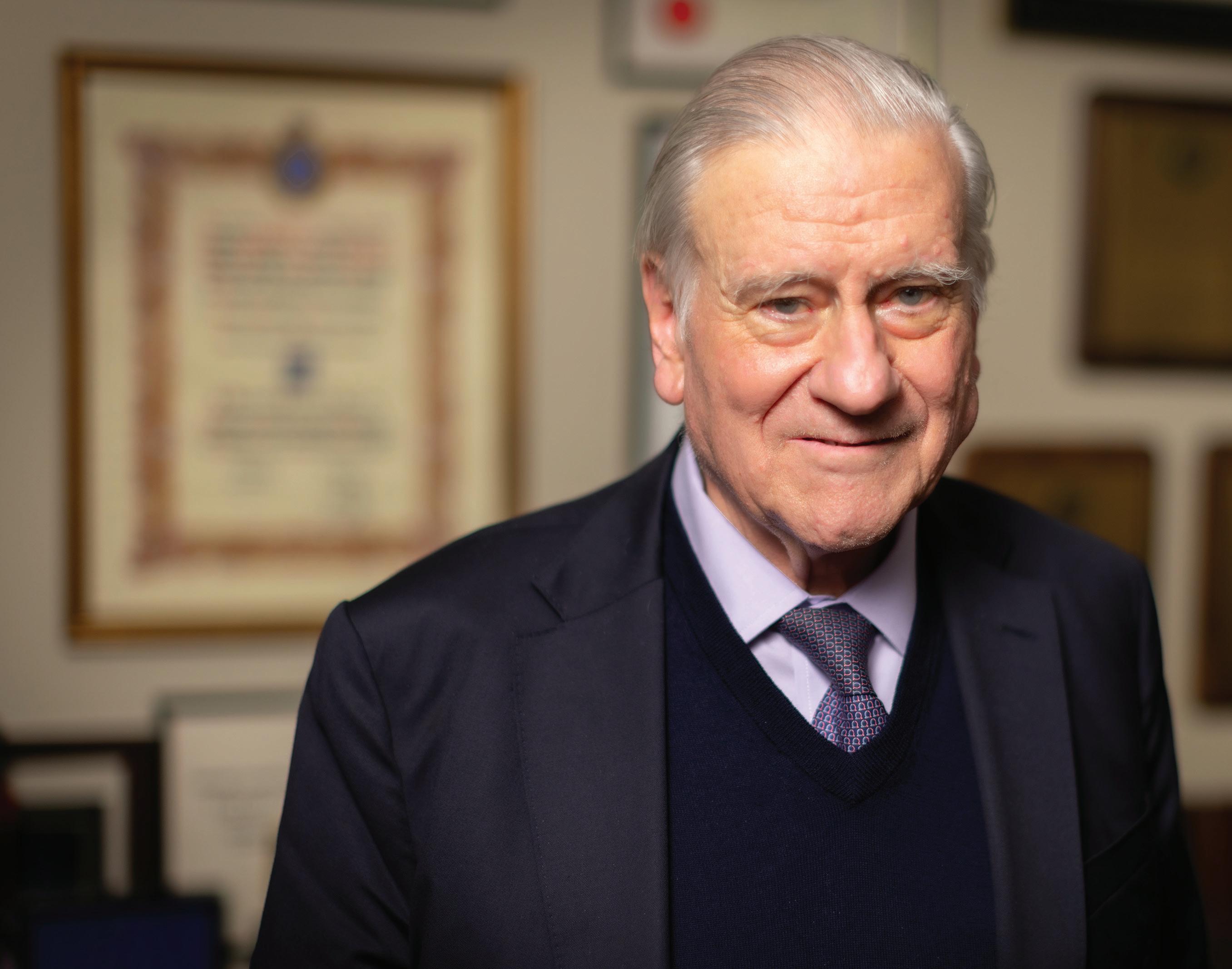
“It is a great fortune that we belong to one of the most sacred, generous, and dedicated professions. Doctors come into contact with the deepest layers of the human soul—the layers of suffering, despair, fear, anxiety— the strongest and weakest layers that make up the person. The doctor can help transform these into light, hope, and optimism, often based on new knowledge, technological and therapeutic advances, but above all, respect and love for patients.”
Valentín Fuster, MD, PhD President, Mount Sinai Fuster Heart Hospital Physician-in-Chief, The Mount Sinai Hospital Director, Zena and Michael A. Wiener Cardiovascular Institute Professor, Medicine (Cardiology), Icahn School of Medicine at Mount Sinai