MOUNT SINAI SCIENCE & MEDICINE
THE MAGAZINE OF THE MOUNT SINAI HEALTH SYSTEM

THE MAGAZINE OF THE MOUNT SINAI HEALTH SYSTEM
Revolutionary Research at Mount Sinai Is Changing the Lives of Patients Throughout the World
VOLUME XIII, NUMBER 1
CHIEF EXECUTIVE OFFICER
MOUNT SINAI HEALTH SYSTEM
Kenneth L. Davis, MD
PRESIDENT AND CHIEF OPERATING OFFICER
MOUNT SINAI HEALTH SYSTEM
Margaret A. Pastuszko, MBA
ANNE AND JOEL EHRENKRANZ DEAN
ICAHN SCHOOL OF MEDICINE AT MOUNT SINAI,
PRESIDENT FOR ACADEMIC AFFAIRS
MOUNT SINAI HEALTH SYSTEM
Dennis S. Charney, MD
CHIEF DEVELOPMENT OFFICER
SENIOR VICE PRESIDENT FOR DEVELOPMENT
MOUNT SINAI HEALTH SYSTEM
Mark Kostegan, FAHP
SENIOR DIRECTOR FOR DEVELOPMENT COMMUNICATIONS
MOUNT SINAI HEALTH SYSTEM
Elaine Lawson
GUEST SUPPORTING EDITOR
Jean M. Smith
MANAGING EDITOR
Elaine Lawson
ASSOCIATE EDITOR
Anna Horton
PRODUCTION ASSOCIATE
Lucille Caldone
CONTRIBUTORS
Joni Aveni
Barbara Brody
Robert Caplin
Catherine E. Clarke
Alison Dalton
Meeri Kim
Hallie Levine
Heather Salerno
Carolyn Sayre
J.E. Molly Seegers
Brian Schutza
Sharon Tregaskis
Randy Young
DESIGN
Steve Habersang, Taylor Design
Mount Sinai Science & Medicine is published by the Office of Development, Mount Sinai Health System, for an audience of alumni and friends. We welcome your comments; please email us at magazine@mountsinai.org, call us at (212) 659-8500, or visit us at giving.mountsinai.org.
If you wish to be removed from our mailing list for communications and solicitations, please email us at PhilanthropyOptOut@mountsinai.org or call (212) 659-8500.


Mount Sinai has always been a place where bold thinkers embrace the most complex challenges, and this issue offers a glimpse into how we unearth discoveries that result in better health outcomes for patients worldwide. Intrepid researchers are delving into the human body’s deepest secrets, including those hidden in our genes and stem cells. Doctors are elevating diagnosis and treatment methods in their ultimate quest to prevent and cure diseases, such as those of the heart, pancreas, kidneys, and brain. Psychiatrists and neuroscientists are exploring bold mental health therapies, and pediatric experts are focusing on interdisciplinary research and collaborative care to fully support children and their families. Our scientists are also focused on the development of a low-cost COVID-19 vaccine that can be produced in and for developing countries.
Mount Sinai’s pursuit of equity in health care has continually guided our work in ways that are ever more relevant, as evidenced by the steps we are taking to deepen and expand our efforts to eliminate racism and inequity. As we commemorate a major anniversary of the founding of our medical school, we also take the opportunity to acknowledge the momentum around our game-changing $2 billion “Limitless” capital campaign, which has already raised more than $1 billion in gifts a year ahead of schedule.
At Mount Sinai, we are relentless in our mission to overcome some of the most perplexing health and scientific problems of our time—always with an eye to the patients and communities we serve.
02 From the CEO, President, and Dean
+ Mount Sinai
+ New York Eye and Ear Infirmary of Mount
As we build upon our 170-year legacy, we are excited to enter a new era of innovation and discovery led by our brilliant students, physicians, and researchers.
At Mount Sinai, we are committed to remaining at the forefront of high-quality, safe, and equitable care for the communities we serve, both in New York and around the globe. It is imperative that we continue to be forward thinking and creative. Doing so will enable us to unlock many of the unsolved mysteries of science and medicine—and find answers for our patients.
Our unparalleled collaborative approach is already delivering breakthrough initiatives, such as the Mount Sinai Million Health Discoveries Program (MSMHD). For this landmark project, the Mount Sinai Clinical Intelligence Institute* is working in partnership with the Regeneron Genetics Center, LLC, to sequence the exomes of 1 million Mount Sinai patients, making it the largest sequencing effort of its kind. MSMHD will encompass the most diverse array of human genomes available, exceeding the scope and diversity of other biobank programs. And because genomic disease is prevalent in childhood, MSMHD will include children under 18, who are often excluded from most major biobanks.
Through our work at the Icahn Genomics Institute at the Icahn School of Medicine at Mount Sinai, we are pioneering new RNA and DNA therapeutics to treat a wide range of diseases, from cancer to inflammatory conditions. We recently launched the Mount Sinai Children’s Initiative to elevate the level of clinical care, research, and education for children and their families. The newly established Skin Biology and Diseases Resourcebased Center at Mount Sinai will accelerate stem cell research as it relates to treating skin diseases and hair loss. And we remain steadfast in our fight against COVID-19 through the creation of NDV-HXP-S, a low-cost vaccine that can be easily stored and distributed in developing countries.
Now more than ever, Mount Sinai is focused on the importance of mental health. We are proud of the tremendous progress Mount Sinai’s Department of Psychiatry is making to improve the care of patients with mental disorders ranging from autism to PTSD to depression. And we continue to expand efforts at Mount Sinai’s Center for Stress, Resilience and Personal Growth to address mental health and well-being for our faculty and staff as well as New York City communities impacted most by the pandemic. Lastly, we are gaining momentum with our Road Map for Action to address racism. Every step we take, big and small, is important—bringing us closer to our goal of being an anti-racist organization.
Research, clinical care, and education are hallmarks of our strength as a fully integrated health system. This strength consistently earns Mount Sinai stellar rankings as one of the “Best Medical Schools” and “Best Hospitals” by U.S. News & World Report, as well as one of “The World’s Best Smart Hospitals” by Newsweek. As we build upon our 170-year legacy, we are excited to enter a new era of innovation and discovery led by our brilliant students, physicians, and researchers. Their tireless efforts truly define our tenacity in breaking down barriers in order to solve the most pressing mysteries in health care with the greatest potential to save the lives of our patients. Without a doubt, at Mount Sinai, we find a way.
Kenneth L. Davis, MD Chief Executive Officer
Mount Sinai Health System
Margaret A. Pastuszko, MBA President and Chief Operating Officer Mount Sinai Health System
MD
Icahn
Mount Sinai Health System

BY MEERI KIM

“ We have a million patients coming through our clinics, inpatient units, and emergency rooms every year. What if we profiled the genome of every one of those patients? What if we could use that information to really improve care? Something like
this has never really been done, so that was the birth of this initiative.”
– ALEXANDER CHARNEY, MD, P hD

Nearly 15 years ago, researchers at The Charles Bronfman Institute for Personalized Medicine at Mount Sinai (CBIPM) embarked on a pioneering mission to create a biobank unlike any other. The repository, dubbed BioMe, aimed to not only link genetic information from patients with their electronic health records, but also reflect the unparalleled racial, ethnic, and socioeconomic diversity of New York City.
Today, BioMe is one of the most heterogeneous biobanks in the world, containing DNA and plasma samples from nearly 60,000 adults and children from across the five boroughs, with more than 65 percent of specimens coming from non-white participants. The data has been used by Mount Sinai researchers to identify genetic variants linked to cardiovascular health, diabetes, inflammatory bowel disease (IBD), and Alzheimer’s disease, among others.
Now, the newly established Mount Sinai Clinical Intelligence Institute (MSCII)* intends to expand on the landmark success of BioMe with an ambitious project, the Mount Sinai Million Health Discoveries
Program (MSMHD). This initiative will sequence the exomes of 1 million Mount Sinai patients over the next three and a half years, making it the largest sequencing effort of its kind. And with New York City being a veritable microcosm of the world, MSMHD has a good chance of encompassing the most diverse array of human genomes available.
In addition, while BioMe has catered more toward research, MSMHD looks to close the gap between genomic discovery and implementation of genomic medicine in clinical care.
“We have a million patients coming through our clinics, inpatient units, and emergency rooms every year,” notes Alexander Charney, MD, PhD, Co-Director of MSCII, and Assistant Professor of Genetics and Genomic Sciences, Psychiatry, Neuroscience, and Neurosurgery at the Icahn School of Medicine at Mount Sinai. “What if we profiled the genome of every one of those patients? What if we could use that information to really improve care? Something like this has never really been done, so that was the birth of this initiative.”
As a comparison, the National Institutes of Health (NIH) has its own biobank
program, All of Us, which also aims to enroll a million people. Because participants can originate from anywhere in the United States and across many different health systems rather than a single-care framework, the collected health data and standards of care are likely to vary wildly within the repository, which poses some scientific limitations.
Because all patients are derived from one health system, MSMHD may enable researchers to disambiguate the influence of patients’ biology on their disease from that of various processes of care. In addition, the tight integration between research and clinical care at Mount Sinai enables more rapid translation of research results into everyday practice.
“There are many logistical advantages, because everything is under a single system,” says Girish N. Nadkarni, MD, MPH, Co-Director of MSCII, founding Chief of the Division of Data Driven and Digital Medicine (D3M), and the Irene and Dr. Arthur M. Fishberg Professor of Medicine at Icahn Mount Sinai. “We have the ability to do this type of project better, quicker, and cheaper than if it were spread out in several centers all over the country.”
This initiative promises to further elevate the Health System’s global reputation. “The Mount Sinai Million is going to be an
enormous resource,” says Judy H. Cho, MD, Dean of Translational Genetics; WardColeman Chair in Translational Genetics and Medicine; Vice Chair, Department of Pathology, Molecular and Cell Based Medicine; Professor of Genetics and Genomic Sciences; and Professor of Medicine (Gastroenterology) at Icahn Mount Sinai. “BioMe hasn’t been scaled in the clinical realm, so this is about using genetics and high-throughput public data to benefit patients.”
The push to reach 1 million patients stems from a need for adequate statistical power in studies that link genetic variants— also known as mutations—with complex diseases. A large sample size is critical when testing the significance of hundreds of thousands of genetic variants in order to reduce the likelihood of false positives.
“Biobanks are cropping up all over the world, but what makes this initiative really stand out is the scale,” says Eimear E. Kenny, PhD, founding Director of the Institute for Genomic Health, and Professor of Medicine and Genetics at Icahn Mount Sinai. “The Mount Sinai Million will achieve the scale we need to move the needle and make these biobanks really efficient for understanding a patient’s risk for many, many diseases.”
MSMHD will also prioritize the enrollment of children for the advancement of pediatric genomic medicine, with a goal of 10 percent of the 1 million participants being under the age of 18.
“Most major biobank projects out there are composed almost entirely of adults,” says Bruce D. Gelb, MD, the Gogel Family Chair and Director of The Mindich Child Health and Development Institute; Dean for Child Health Research; and Professor of Pediatrics, and Genetics and Genomic Sciences at Icahn Mount Sinai. “Our goal is to learn a lot more about how genetic variation impacts the health of infants, children, and teenagers through this study, and to create a very rich dataset with which to do it.”
The idea for the project stemmed from multidisciplinary work to help combat the COVID-19 pandemic. A group of data
scientists, engineers, physicians, and researchers came together to analyze complex patient data from multiple sources, including biological samples that would become the COVID-19 Biobank. The organic collaboration quickly turned research findings into actionable information that clinicians could use to improve patient care.
This success led to the founding of MSCII, which will apply the same data-driven model. MSMHD, its primary initiative, was conceived with the intention of building genetics into the real world of clinical care to help inform an individual’s disease risk, aid diagnosis, and offer more targeted and personalized treatments.
Following in the footsteps of BioMe, MSMHD also aims to bridge the diversity gap in existing genomic databases. About 68 percent of the 5 million DNA samples housed in global biobanks come from people of European ancestry. Because results are not necessarily generalizable across ancestral groups, this persistent bias means that non-white patients may fail to reap the benefits of genomic research.
Through BioMe’s Return of Results program, participants had the option to be contacted about findings that could personally affect their health. Upward of
90 percent of individuals opted to be notified. MSMHD plans to continue this protocol, allowing many more thousands of patients to receive potentially lifesaving information.
“When we find genomic information that’s actionable, we have an infrastructure to bring that back into clinical care right away to directly benefit our patients,” says Noura Abul-Husn, MD, PhD, Clinical Director of the Institute for Genomic Health, Associate Professor of Medicine and Genetics, and founding Chief of the Division of Genomic Medicine at Icahn Mount Sinai.
“The focus is to really make sure we’re doing that equitably and prioritizing our very diverse patient population. We have a history of doing that successfully at Mount Sinai.”

“ We have the ability to do this type of project better, quicker, and cheaper than if it were spread out in several centers all over the country.”
– GIRISH N. NADKARNI, MD, MPH
10% of the 1 million participants will be under the age of 18.

BY MEERI KIM

or decades, scientists studying the human genome have attempted to find ways to not just crack the code of life, but also to alter its components at will. After a series of fits and starts, gene therapy—a technique that involves using DNA or RNA to treat or prevent disease—has finally reached a point of safety and efficacy where it can make a far-reaching impact on the way medicine is practiced. The past decade has seen gene therapy treatments approved for diseases that include congenital blindness, leukemia, and spinal muscular atrophy, and, perhaps most spectacularly, the RNA and DNA vaccines for COVID-19.
While these treatments demonstrate the tremendous power of gene therapy, such progress represents a fraction of the potential for this new form of medicine. The Icahn Genomics Institute (IGI) at the Icahn School of Medicine seeks to position the Mount Sinai Health System for breakthrough discoveries in this rapidly emerging area. The IGI mission: to broaden the scope of diseases that can be treated by gene therapy and to improve the technology. Under the leadership of newly appointed Director Brian D. Brown, PhD, the Institute is advancing RNA and DNA therapeutics aimed at treating a wide range of diseases

that include not only monogenic disorders, but also complex conditions such as cancer and inflammatory disease.
“New drug platforms transform medicine: antibiotics, small molecules, antibodies—to name a few—and now RNA and DNA,” says Dr. Brown, who is also Associate Director of the Marc and Jennifer Lipschultz Precision Immunology Institute, Professor of Genetics and Genomic Sciences, and Professor of Dermatology at Icahn Mount Sinai. “The technology is revolutionary, but improvement in areas such as delivery is needed,” he notes. “We’re also seeking to harness technology optimally for treating formidable diseases—including identification of the best therapeutic targets. Our mission, which draws on the outstanding expertise of our faculty, is to solve these challenges and establish effective treatments for virtually any disease.”
The IGI provides a nexus at Mount Sinai for pioneering research and medical practice in nucleic acid-based drugs. The key to these drugs is that they are based on the four-letter code of the genome. The
simplicity of the code provides a platform for designing synthetic genes that can be used as a drug. RNA and DNA therapeutics can also be used to power technologies such as CRISPR, which can precisely edit mistakes in the genome or introduce synthetic genes that provide cells with new functions.
IGI researchers from a range of disciplines and scientific specialties are working to develop these approaches into advanced clinical treatments for cancer, infectious disease, inherited genetic disorders, neurodegeneration, heart disease, and other conditions.
“We are truly a bench-to-bedside institute, and our ultimate goal is to get these treatments into the clinic,” says Manisha Balwani, MD, MS, Interim Chief of the Division of Medical Genetics and Genomics, Professor of Genetics and Genomic Sciences, and Professor of Medicine (General Internal Medicine) at Icahn Mount Sinai, and a faculty member in the IGI. “Our collaboration and our infrastructure give us the ability to bring these therapies to our patients earlier.”
“ THE SUCCESS OF THE mRNA VACCINES ... IS JUST THE TIP OF THE ICEBERG FOR GENE MEDICINE.”
– Brian D. Brown, PhD

“ OUR COLLABORATION AND OUR INFRASTRUCTURE GIVE US THE ABILITY TO BRING THESE THERAPIES TO OUR PATIENTS EARLIER.”
– Manisha Balwani, MD, MS
Mount Sinai was among the first institutions to participate in clinical trials that investigated chimeric antigen receptor (CAR) T-cell therapy for multiple myeloma. CAR T-cell therapy combines aspects of both gene and cell therapies to treat cancer—and is now being further applied to everything from cardiac disease to aging.
CAR T-cell therapy involves genetically engineering a patient’s T cells, a special kind of immune cell, and then using them to recognize and kill cancer cells. Clinical trials at Mount Sinai led by IGI scientist Samir Parekh, MD, Professor of Medicine (Hematology and Medical Oncology) and Oncological Sciences at Icahn Mount Sinai, and Director of Translational Research in Myeloma, demonstrated that CAR T-cell therapy can be a highly effective treatment for multiple myeloma, a lethal blood cancer. This collaborative work across Mount Sinai’s research institutes, as well as outside centers, helped lead to FDA approval of two new CAR T-cell gene therapies for multiple myeloma.
Furthermore, scientists at IGI are working to understand how resistance can form to CAR T-cell therapy, which is a crucial step in further improving the treatment’s full potential. Other IGI researchers are seeking to apply CAR T-cell therapy to the treatment of solid tumors, where success has thus far been limited.
“The ability to engineer cells with new genes enables us to endow them with novel capabilities, to target and kill cancers,” Dr. Brown says. “We are also developing ways to use gene therapy to reprogram cells and turn them into stem cells to replace lost or defective cells. The possibilities for RNA and DNA therapeutics to transform medicine are endless.”
In many cases, gene therapy represents a complete paradigm shift from traditional drugs. Instead of simply managing symptoms, this approach aims to correct the root cause of the disease by fixing genetic defects.
For the past several decades, IGI has actively conducted clinical trials in collaboration with the National Institutes of Health and industry partners. The goal: getting patients, many of whom have no treatment options available for their condition, access to novel therapies. Many of the drugs tested have since been approved by the FDA.
Recently, Dr. Balwani led a phase 3 trial of an RNA-based treatment called givosiran for adult patients with acute hepatic porphyria, a family of inherited rare diseases caused by single-gene mutations. The results showed that patients who received givosiran experienced 70 percent fewer episodes of intense abdominal pain compared to those who took a placebo.
“I’ve conducted clinical trials for more than 10 years now,” Dr. Balwani says. “It’s been
an incredibly rewarding process when these therapies are successful, and you can see how patients’ lives are transformed.”
Others at Mount Sinai share that sense of purpose. “Right now, we’re conducting more than 50 different clinical trials in genetics to be at the forefront of providing therapeutic options for patients,” says Hetanshi Naik, PhD, Director of the Genetics Clinical Trials Office, Assistant Professor of Genetics and Genomic Sciences, and Assistant Professor of Population Health Science and Policy at Icahn Mount Sinai.
As part of its vision, the IGI will provide an intellectual home for Mount Sinai researchers already working in gene therapy and help facilitate the development of novel therapeutics. The Institute also aims to recruit the best and brightest people working in key areas like RNA vaccines and nanoparticle delivery systems, which involves figuring out how to target RNA and DNA therapies to the right cells in a person’s body.
“The success of the mRNA vaccines for treating COVID-19 has had a profound effect on the world, but this is just the tip of the iceberg for gene medicine,” Dr. Brown emphasizes. “We are well positioned to uncover the next generation of advances in gene therapy through our work at the Institute. We are pioneering new treatments for disease to best serve our patient population and the world at large.”

BY HALLIE LEVINE
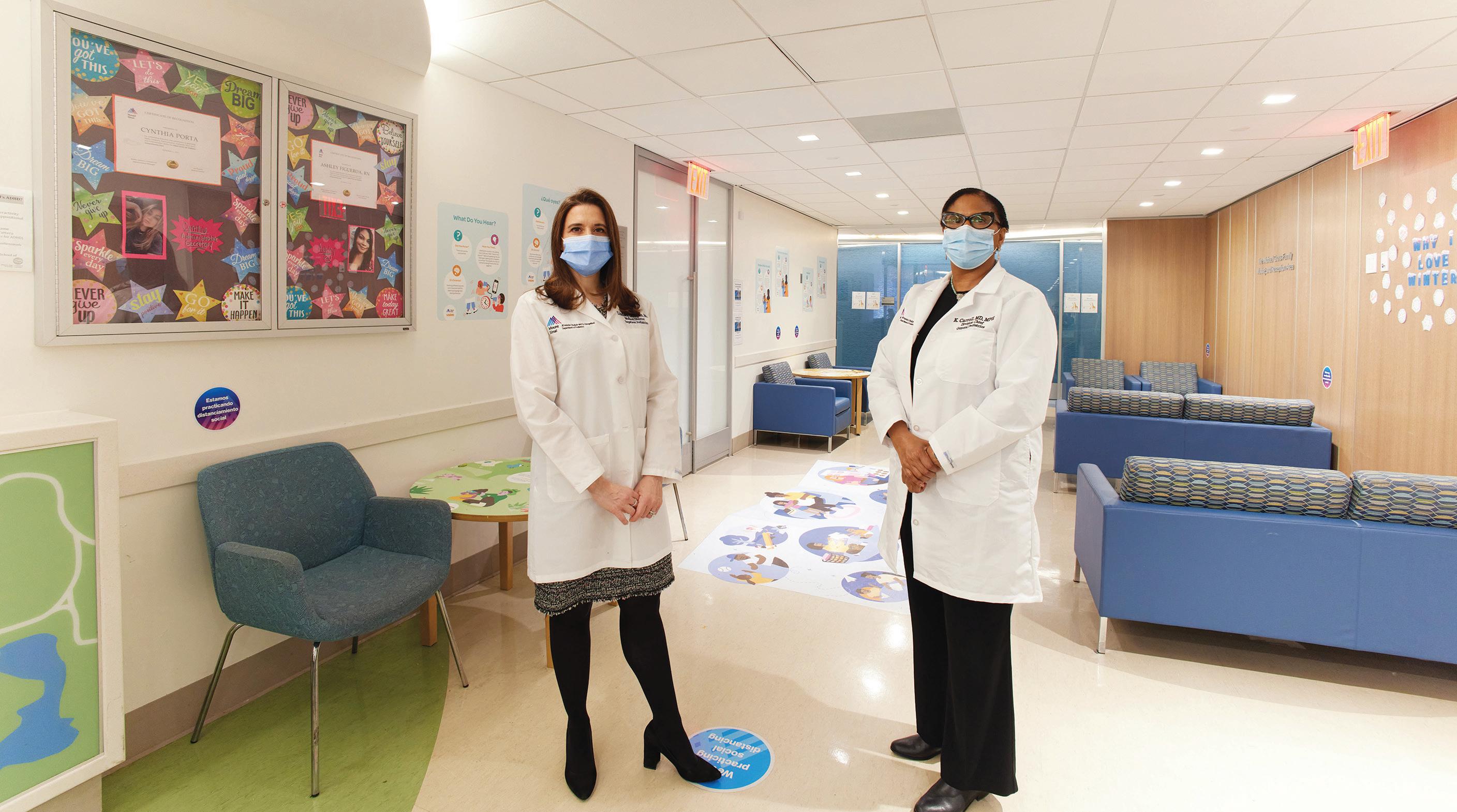
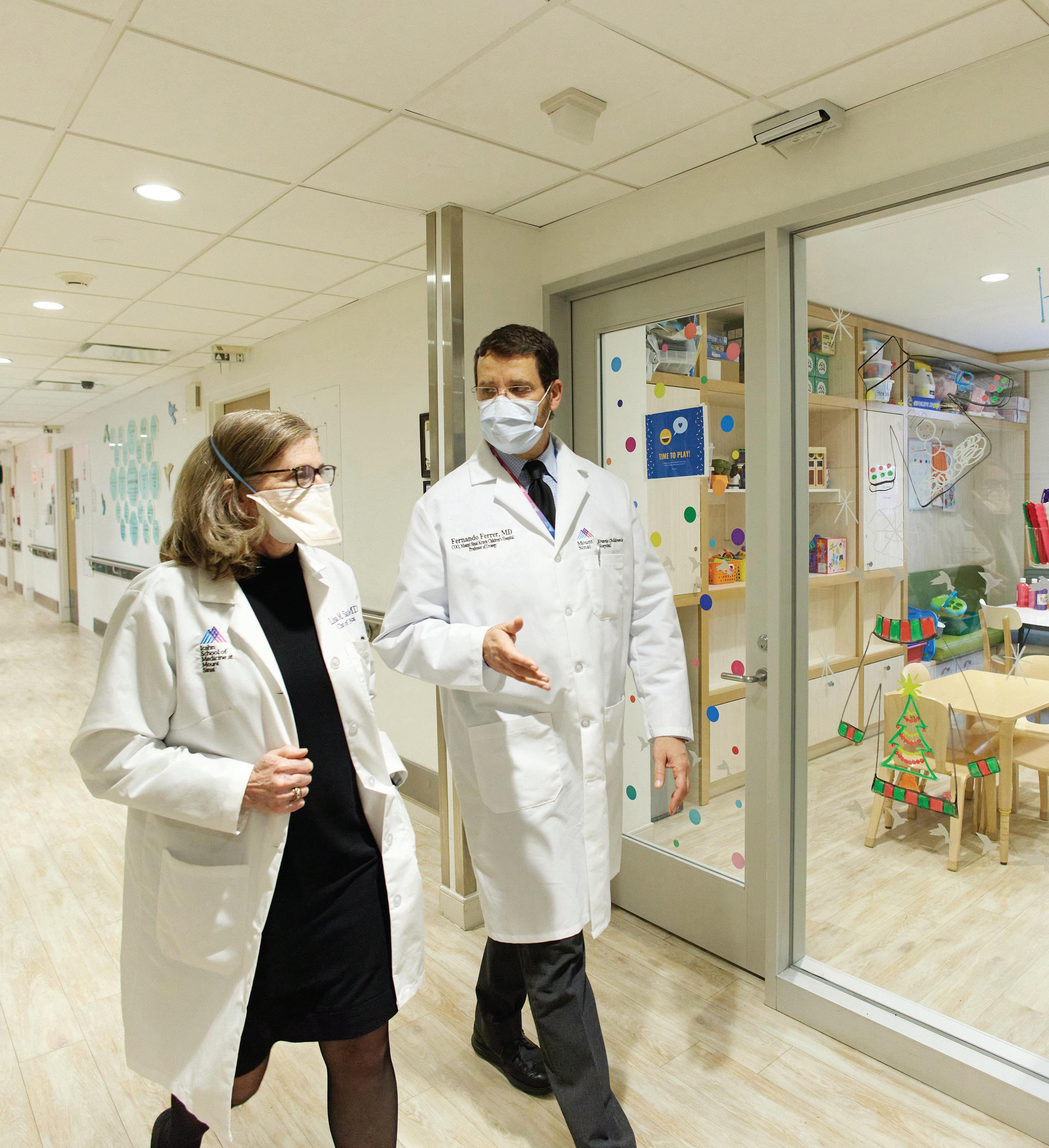
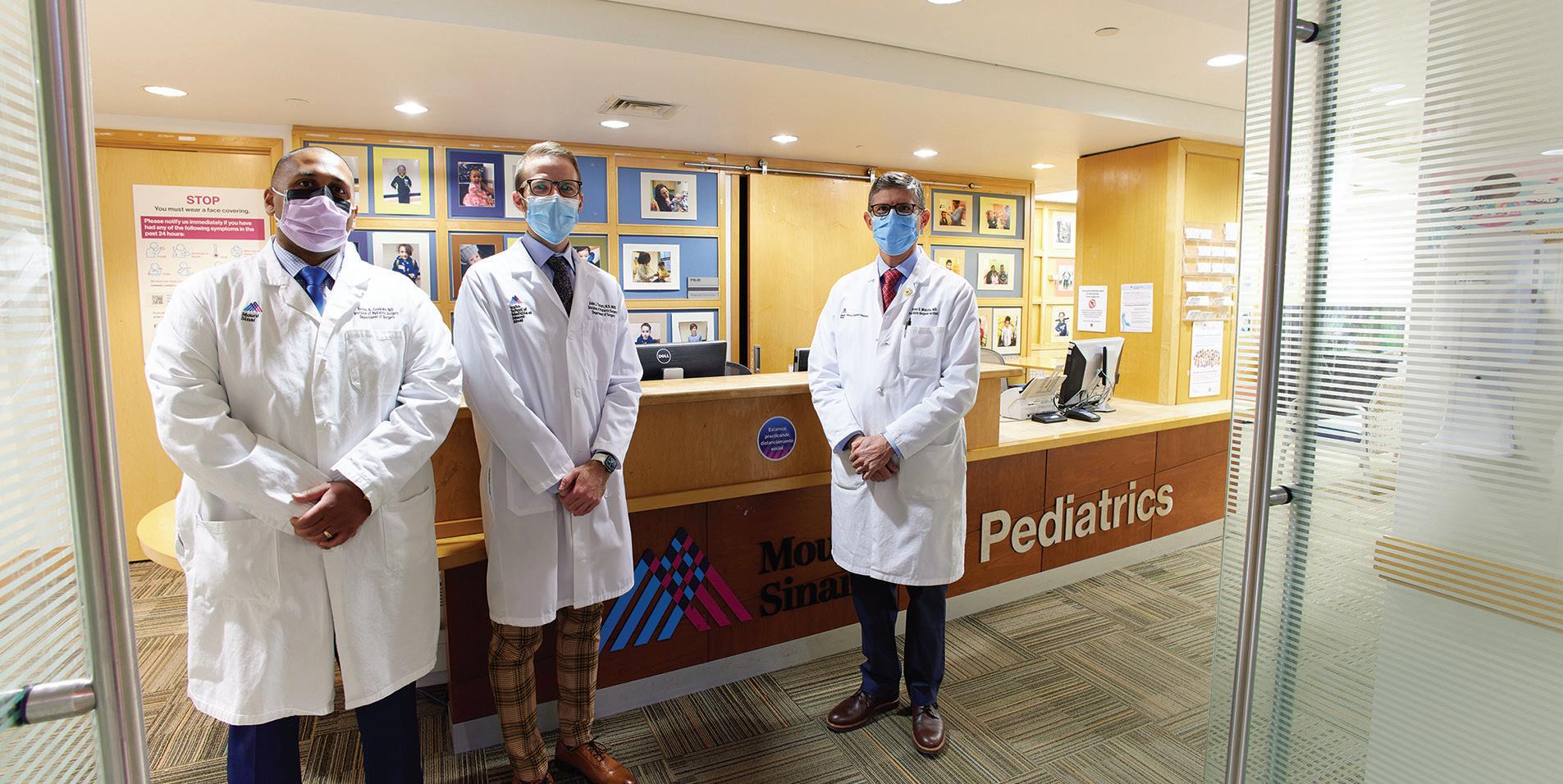
Mount Sinai Kravis Children’s Hospital (Kravis) is a preeminent pediatric health system committed to caring for children in our community and across the globe. Kravis is grounded in Mount Sinai’s deep-rooted history that dates back to 1878, when renowned pediatrician Abraham Jacobi, MD, founded the first pediatric department within a hospital in New York City. A leader in innovative, child-centered care, Kravis is focused on creating the best possible experience for patients and their families— consistently earning recognition from U.S. News & World Report as one of the “Best Children’s Hospitals” over the past decade.
Impressively, there are more than 110,000 visits to Mount Sinai’s general and subspecialty pediatric practices every year, which include allergy and immunology, cardiology, endocrinology, hematology-oncology, nephrology, and gastroenterology. But what truly sets Kravis apart from other pediatric institutions? According to Lisa M. Satlin, MD, Chair of the Jack and Lucy Clark Department of Pediatrics at the Icahn School of Medicine at Mount Sinai and Pediatrician-in-Chief of Kravis Children’s Hospital, the answer is simple: a focus on collaboration across disciplines.
110,000+
In that spirit, Dr. Satlin has worked closely with Fernando A. Ferrer, MD, Chief Operating Officer of Kravis Children’s Hospital, Vice Chair of Hospital Operations in the Department of Pediatrics at Icahn Mount Sinai, and Network Medical Director of Pediatric Services for the Mount Sinai Health System, to create the Mount Sinai Children’s Initiative, which aims to transform the entire pediatric patient experience, both for the child and for the family.
Number of visits to Mount Sinai’s general and subspecialty pediatric practices every year
“In the world of pediatrics, we now see diseases previously considered to be adult-onset diseases,” Dr. Satlin notes. “For example, adults with diabetes often develop kidney disease. Now, we are beginning to see kidney disease in our pediatric diabetic patients as well. To best understand how to treat these children, we must learn from and collaborate closely with our counterparts in internal medicine who have significant decades of experience in caring for this disorder in adults.”
“We don’t just want to be a top-ranked children’s hospital in clinical care, research, and education,” she explains. “We want to provide such excellent care that our pediatric patients will stay with us into adulthood, and we want to make that transition as seamless as possible.”
Another driving force at Kravis is its commitment to children. “We aim to be a family’s first choice for patient-centered, family-focused, compassionate, state-of-theart care,” stresses Dr. Satlin. “To this end, we strive to recruit and retain the best pediatric faculty and staff in the region and expand high-impact, clinically relevant research that will optimize outcomes for every child we serve.”

Dr. Satlin’s colleagues share her vision. “Our focus is to bring all of the pediatric providers under one umbrella to optimally deliver patient care,” Dr. Ferrer emphasizes. While this integration is important for all children, he adds, it is especially imperative for those with complex health issues who see multiple subspecialists. Dr. Satlin also notes that the multidisciplinary clinic model facilitates translational and clinical research as well as education for medical students, fellows, and other hospital staff. One example of such an integrated, multidisciplinary model is the Pediatric Aerodigestive Program, where patients are seen by gastroenterology (GI), otolaryngology (ear, nose, and throat, or ENT), and pulmonary specialists in a single visit. “Rather than see three doctors in three separate medical visits, a patient is seen by the team, who can gather in real time to discuss each patient and generate a diagnosis and treatment plan together,” explains Dr. Satlin.
Launched last year, the Healthy Lifestyle Clinic at Mount Sinai is another example of a very successful multidisciplinary clinic. This weight management program for children and teens with obesity and obesityrelated health complications is led by Joan Han, MD, Chief of the Division of Pediatric Endocrinology and Diabetes, and Professor of Pediatrics at Icahn Mount Sinai. Patients receive coordinated care, all under one roof, from a team of providers that includes a dietitian, exercise physiologist, social worker, nurse practitioner, endocrinologist, cardiologist, hepatologist, adolescent bariatric surgeon, adolescent gynecologist, and sleep medicine pulmonologist. “Our goal is to provide a one-stop experience for patients,” Dr. Han says.
The clinic also refers children and teens to psychologists as needed. “Mental health is often neglected in children, but it is vital for their physical wellness, too. Forty percent of children with obesity have prediabetes, and if they go on to develop type 2 diabetes, that’s a lot for any child or teen to handle,” Dr. Han stresses. “They have to plan ahead
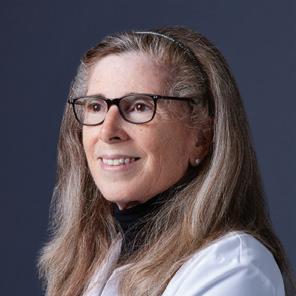
“Our focus is to bring all of the pediatric providers under one umbrella to optimally deliver patient care.”
– LISA M. SATLIN, MD
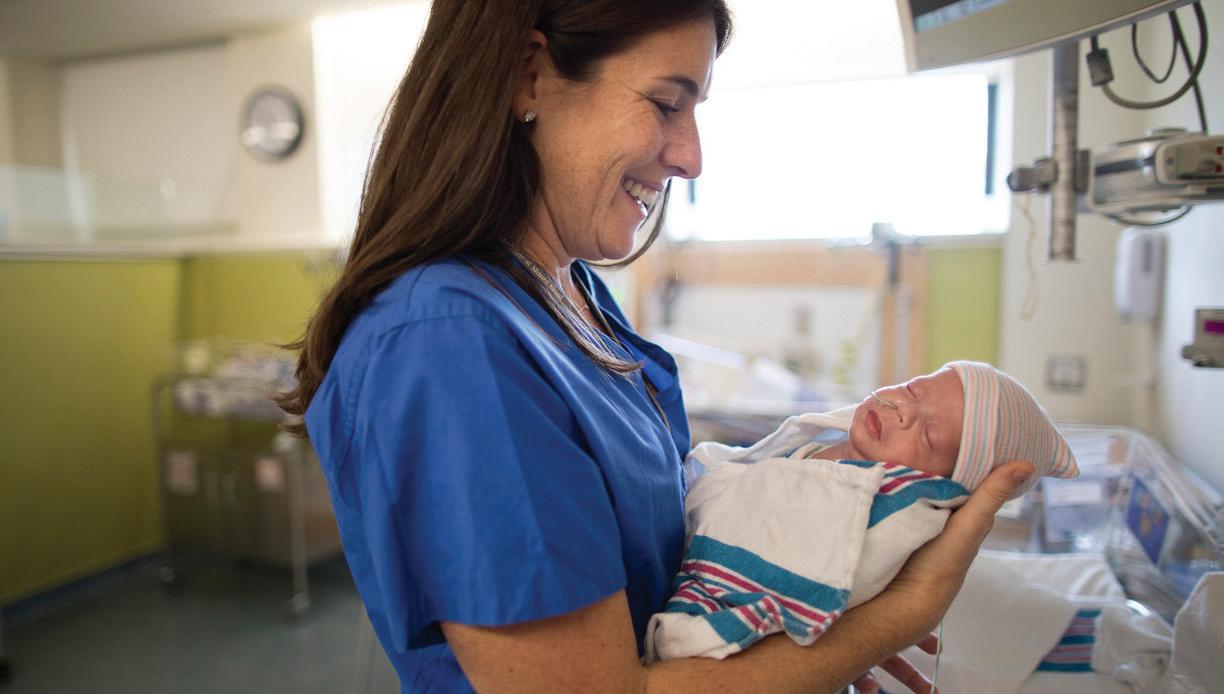
what they’re eating, check their blood sugar, possibly even administer their own insulin or other injections. It can be very hard and isolating, especially because many kids want to hide their issues so they can seem like everyone else.”
As clinical services in the hospital expand, Kravis is applying to become a Level I children’s surgical center as part of a new pilot program rolled out by the American College of Surgeons (ACS) to improve surgical care for pediatric surgical patients. While Level I is the highest surgical designation, it can be challenging to attain when a children’s hospital is positioned within a general hospital, as it is at Mount Sinai. “Traditionally, all the quality assurance and performance improvement protocols have gone through adult surgery departments,” explains Peter S. Midulla, MD, Surgeon-in-Chief of Kravis Children’s Hospital and Associate Professor of Pediatrics and Surgery at Icahn Mount Sinai. “Now, we have created pediatric surgical performance improvement and patient safety mechanisms centered in the children’s hospital and overseen by pediatric surgical and medical quality specialists, as required by the ACS,” Dr. Midulla notes.
Mount Sinai’s focus on interdisciplinary research is on clear display at the Mindich Child Health and Development Institute (MCHDI), which spans a number of departments including Pediatrics, Psychiatry, Neurology, and Genetics and Genomic
Sciences. “Our goal is to get at the root causes of illnesses affecting infants, children, and adolescents—everything from allergy and asthma to cardiovascular defects, from neurodevelopmental disorders to obesity and diabetes,” explains Bruce D. Gelb, MD, the Gogel Family Chair and Director of MCHDI, Dean for Child Health Research, and Professor of Pediatrics, and Genetics and Genomic Sciences at Icahn Mount Sinai. Last year, MCHDI developed the Pediatric Clinical Trials Office (PCTO) as a way to provide more research support. “Mount Sinai physicians can come to us when they have opportunities to perform clinical trials in children, and we provide the financial and administrative infrastructure to help them do so,” Dr. Gelb says. He is optimistic that this support will also allow Kravis Children’s Hospital to extend research into areas such as surgical devices and neonatal ICU care.
Precision medicine among newborns and infants is another area where MCHDI is ramping up its efforts. “Right now, genetic testing can take weeks or months,” Dr. Gelb says, “but if you have a very sick baby in the NICU, you want answers, and you need
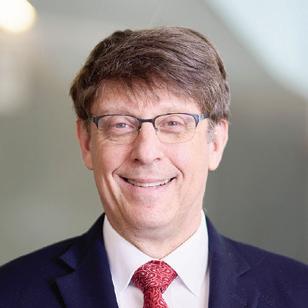
“Our
them now.” MCHDI researchers are studying rapid genome sequencing to achieve results as quickly as three days. “The goal is to prevent the diagnostic odyssey that so many parents face when they have a child with a rare genetic disorder,” Dr. Gelb explains. “This way, parents know what they are dealing with, and we can begin treatment much faster, potentially improving prognosis.”
Setting up trials is one thing, but finding researchers to staff them is another. Over the past decade, Kravis has doubled the number of distinguished faculty employed for this very purpose. One such new recruit is Oren Becher, MD, Chief of the Jack Martin Fund Division of Pediatric HematologyOncology at Icahn Mount Sinai.
A physician-scientist, Dr. Becher is an expert in brain tumors in children, particularly diffuse intrinsic pontine glioma (DIPG), a rare but incurable pediatric brain cancer. Up to 300 children are diagnosed with DIPG in the United States each year, most around the time of first grade. “It’s a devastating
goal is to get at the root causes of illnesses affecting infants, children, and adolescents— everything from allergy and asthma to cardiovascular defects, from neurodevelopmental disorders to obesity and diabetes.”
–
BRUCE D. GELB, MD

diagnosis to give parents, because right now there’s no known cure,” he explains, noting that the cancer has a median survival rate of less than a year. “As a fellow, I took care of many of these children. It felt then like no one was attempting to understand the biology behind this cancer so we could develop effective therapies.”
This was a challenge, and for more than a decade, Dr. Becher’s research has focused on identifying therapeutic targets to treat DIPG. “The obstacle with this cancer is that it’s located in the brain stem, so surgery isn’t an option,” he says. “At the same time, it’s very difficult to get medications into this area, because most can’t cross the blood-brain barrier.”
As a result, most clinical drug trials for children with DIPG fail.
DID YOU KNOW?
to turn on the wrong genes, so that neural stem cells don’t develop into mature cells such as neurons. As a result, they are more susceptible to additional genetic alterations that can lead to cancer.” Dr. Becher was one of several investigators who co-discovered mutations in a gene called ACVR1 or ALK2, a receptor on the cell surface that cooperates with the histone mutations to drive tumor formation. The hope is that researchers can develop drugs to inhibit these genes and thus improve children’s survival rates.
Due to racial and ethnic disparities, Black and Indigenous American mothers are less likely to initiate breastfeeding than Hispanic, Asian, or white women.
One of Dr. Becher’s most important contributions has been the development of the first genetically engineered mouse models for DIPG. This has allowed him an exciting platform to study the biology and treatment of the disease. As Dr. Becher began to analyze this puzzling cancer, other researchers made an important discovery. Almost all children with DIPG had mutations in a protein called histone. “We have never seen it in a cancer before, but this mutation seems
Dr. Han is leading research in another area of focus. She is collaborating with the Diabetes, Obesity, and Metabolism Institute at Mount Sinai to create a comprehensive program targeting the epidemic of pediatric obesity and type 2 diabetes. Dr. Han plans to expand her investigations into the genetic characteristics underlying both the development of obesity and the body’s responses to obesity treatments. Her findings may guide the way to a precision medicine approach.
One important past discovery, for example, has been the role of the brainderived neurotrophic factor gene, or BDNF, in regulating appetite. Using mice, Dr. Han hopes to come up with a treatment for
“Mental health is often neglected in children, but it is vital for their wellness, too.”
– JOAN HAN, MD
patients with this variant gene as well as other defects along the leptin pathway, which plays an important role in how the brain controls body weight.
Dr. Han is focused on specialized diet and exercise programs tailored to each patient, as well as research into precision medications, and she is also exploring gene therapy. “Ultimately,” she says, “I think individualized obesity therapy will be far more effective than a one-size-fits-all approach.”
The COVID-19 pandemic exposed health inequities more dramatically than ever before. But these issues have always existed, and they often take their greatest toll on children and teens. Kecia N. Carroll, MD, MPH, Chief of the Division of General Pediatrics, and Professor of Pediatrics and Environmental Medicine and Public Health at Icahn Mount Sinai, is committed to addressing inequities in health and health care. Last June, Dr. Carroll was selected as the first Senior BioMedical Laureate at Mount Sinai. This program launched in 2021 to increase diversity among the Health System’s basic science and clinical research faculty and to encourage mentorship.
Dr. Carroll’s current NIH-funded research investigates how environmental exposures influence childhood asthma risk. “The research community has realized that if we want to prevent a chronic disease such as asthma, we have to start in early life, even before birth,” she says. “We know now that changes happening in utero can influence the developing lung or immune system—changes that stem from genetics and from environmental factors, including stress or nutrition.”
“ We are creating child-specific and familyfriendly spaces to achieve complete separation of pediatric patients from adult patients.”
– PETER S. MIDULLA, MD
In terms of nutrition, she notes that breastfeeding has been shown to be protective against childhood obesity and asthma as well as a number of acute illnesses, such as respiratory infections and diarrhea. Yet research suggests racial and ethnic disparities in breastfeeding exist, with Black and Indigenous American mothers less likely to initiate it than Hispanic, Asian, or white women, although this varies by region of the country. Dr. Carroll is collaborating with other pediatricians—such as Erica Brody, MD, Assistant Professor of Pediatrics, a longtime breastfeeding advocate at Mount Sinai—with the goal of increasing understanding of why these differences exist and increasing lactation support and counseling for women and their newborns outside of the hospital.
This undertaking is part of a larger push by Dr. Carroll to address the medical and psychosocial needs of patients and their families. “We are working to create a medical home that supports the whole child in the context of their lived experiences,” she explains. This is particularly important in the aftermath of the pandemic, where there were so many disruptions in the everyday lives of families. “We saw gaps in well-child care,” Dr. Carroll says. “There are many children who are behind on their routine checkups, including immunizations.” But social and mental health needs are also assessed. “Increases in conditions such as anxiety and depression have been reported, as well as symptoms of ADHD,” she notes, “and families weren’t able to get the services they needed.”
One way to assess how well Mount Sinai meets the needs of patients, Dr. Carroll says, is to effectively use electronic health records
in measuring health care quality and equity. “We can identify characteristics such as insurance type, and patient race and ethnicity, to review and measure health metrics and occurrences of different conditions and patient outcomes,” she explains. “This allows us a way to better understand health inequities—and will allow us to gauge progress as we work to eliminate them.”
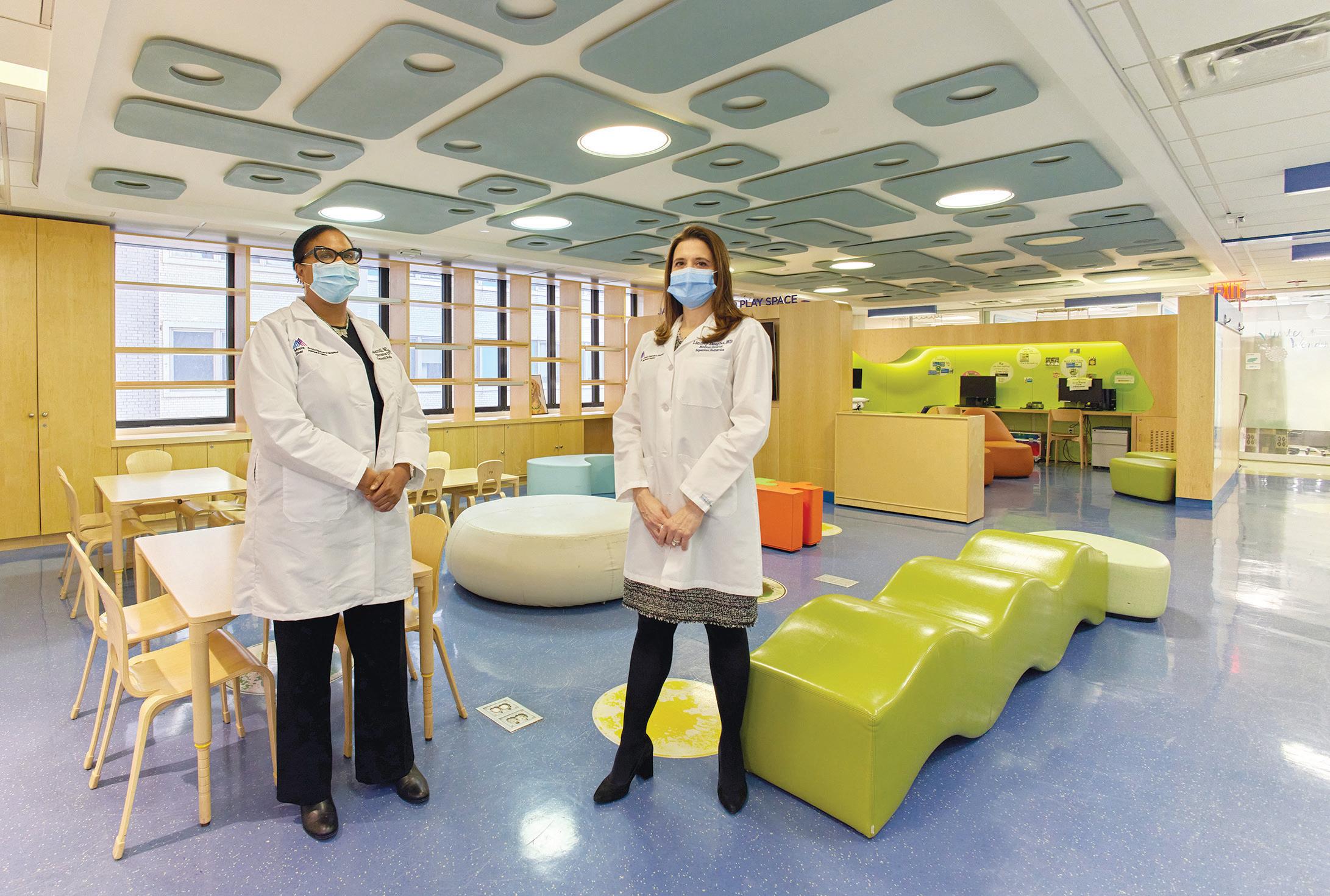
Major renovations of facilities at Kravis are already underway. Highlights include a new pre-surgical admitting suite for pediatric patients directly adjacent to the surgery area and the physical division of the postanesthesia care unit to separate children
from adult patients during recovery. “We are creating child-specific and family-friendly spaces to achieve complete separation of pediatric patients from adult patients throughout the surgical experience,” Dr. Midulla says.
Mount Sinai is also committed to investment in new technology, such as cutting-edge dialysis systems for very premature babies and a best-in-class pediatric radiology center. “We want to create the best healing environment for children,” explains Dr. Ferrer. “Imaging is a critical part of children’s care, so we want to make that as friendly and safe as possible.”
Additionally, an expansion in child life resources will provide more support to patients and their families. “Children make up only about 25 percent of our population, but they are 100 percent of our future,” Dr. Ferrer emphasizes. “Mount Sinai has long had a vision for children in terms of our research, and now we want to elevate our clinical services even further to align with our academic and research prowess.”

BY SHARON TREGASKIS
One cannot underestimate the importance of mental health and its overall impact on our emotional, psychological, and social well-being. Almost everyone will be directly or indirectly affected by mental illness, and the Mount Sinai Health System is focused on elucidating the causes in order to develop innovative new treatments. Here, we provide a few examples of the progress the Department of Psychiatry is making to improve the care of patients with mental illness.

Some 70 percent of Americans experience trauma during the course of their lives. These watershed events—from combat to interpersonal violence to health crises— etch a dividing line in the psyche. For about 15 million Americans each year, trauma triggers a cascade of symptoms known as post-traumatic stress disorder (PTSD).
The current gold standard treatment for PTSD—cognitive behavioral trauma-focused therapy and antidepressants, often used in combination—can provide symptom relief. But for many people with PTSD, current treatment options fall short. Between the side effects of antidepressants and the distress of reliving traumatic memories in therapy, dropout rates are high.
Rachel Yehuda, PhD, Professor of Psychiatry and Neuroscience, and Vice Chair for Veterans Affairs in the Department of Psychiatry at Icahn School of Medicine at
Mount Sinai, has dedicated the last three decades to unraveling the biochemical, genetic, and psychological facets of PTSD. She has worked with veterans, Holocaust survivors and their families, people affected by the World Trade Center attacks of 9/11, police officers, women exposed to interpersonal violence, and adults and children traumatized by severe medical conditions. And she has overseen many clinical trials to repurpose FDA-approved compounds to prevent or treat PTSD.
Recently, she has turned her attention to a more complicated and highly controlled class of substances—psychedelics—to consider how these compounds might facilitate psychotherapy. In January 2021, Dr. Yehuda became founding director of Mount Sinai’s Center for Psychedelic Psychotherapy and Trauma Research. “We are very excited about the potential for psychedelic-assisted psychotherapy,” Dr. Yehuda says. “The most important first
task is to understand who can best benefit from these approaches. It’s also important to understand the mechanism of action behind these treatments, building on extensive work we have already performed in the neurobiology of PTSD.”
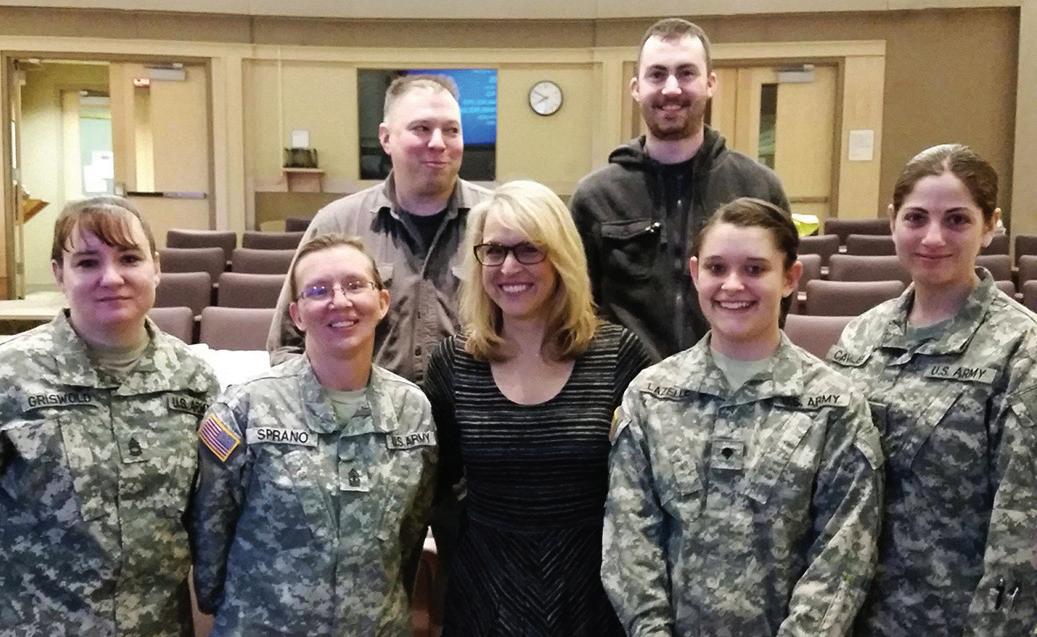
Last fall, Dr. Yehuda began enrolling United States military veterans in a phase 2-b trial to assess the safety and efficacy of MDMA—a psychedelic commonly known as Ecstasy or Molly—to augment outpatient psychotherapy for PTSD at the James J. Peters VA Medical Center in the Bronx.
“We are unrelenting in our commitment to advancing life-changing treatments for those suffering from neuropsychiatric illness.”
– René S. Kahn, MD, PhD
These studies will be accompanied by brain imaging and epigenetic investigation, which is the study of how behaviors and environment can cause changes that affect the way genes function.
Dr. Yehuda credits Mount Sinai for the culture of discovery allowing this research to go forward and for the vast expertise available to address the questions at hand— from understanding the neurobiological mechanisms of action by which psychedelics can promote recovery from PTSD to strategies for scaling treatment to meet community needs. An essential purpose of the Center is to provide training, education, and, ultimately, credentialing in the use of psychedelic therapies from all over the country. Dr. Yehuda sees the Center’s role as a trusted voice, supplying high-quality scientific data to a new field that is sometimes driven by hype or conservatism.
René S. Kahn, MD, PhD, the Esther and Joseph Klingenstein Professor and System Chair of Psychiatry at Icahn Mount Sinai, points to work by Dr. Yehuda and others on the psychiatry faculty as emblematic of the bold innovation at the heart of novel mental health treatments emerging from the translational research of Mount Sinai investigators. “Our patients are the drivers for everything we do,” says Dr. Kahn, whose own work investigates schizophrenia. “We are unrelenting in our commitment to advancing life-changing treatments for those suffering from neuropsychiatric illness.”
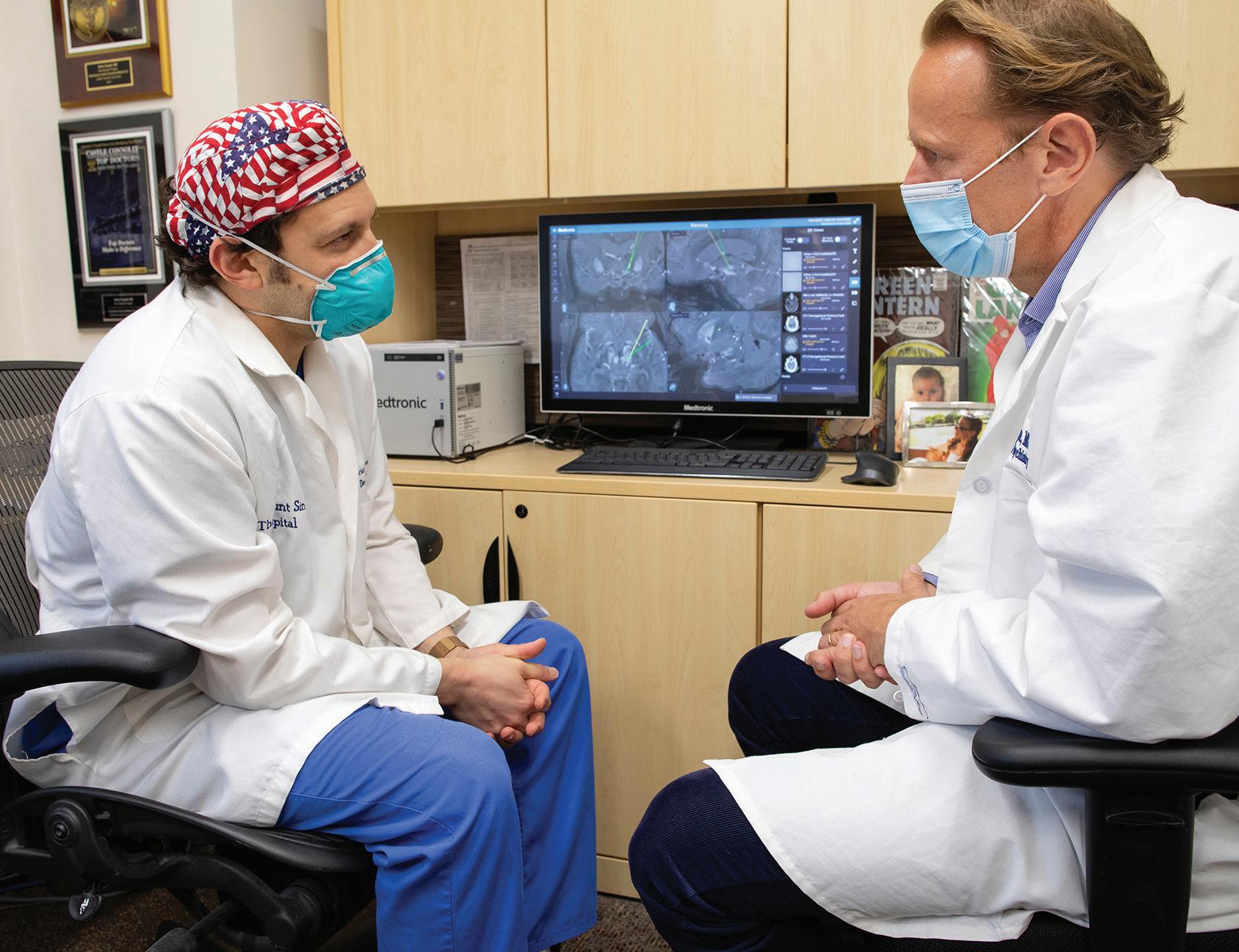
Martijn Figee, MD, PhD, Director of the Mount Sinai Interventional Psychiatry Program, and Associate Professor of Psychiatry, Neurosurgery, Neurology, and Neuroscience at Icahn Mount Sinai, focuses his clinical and translational efforts on developing and refining deep brain stimulation (DBS) for personalized treatment of a wide range of psychiatric disorders.
The concept behind DBS for neuromodulation has been around since the late 1940s—identify the brain circuits responsible for debilitating symptoms, then use a pacemaker-like device to modify the signals they send. Few psychiatric disorders, however, owe to a single circuit. And even for conditions in which the circuitry has been detailed, each person exhibits unique patterns. “We need to get much better at finding the personalized brain circuits in each patient for their symptoms,” says Dr. Figee, who uses DBS to treat people with refractory obsessive-compulsive disorder (OCD), as well as Parkinson’s disease and
other movement disorders.
Millions of people worldwide have refractory OCD, a severe manifestation that resists the few treatment options— cognitive behavioral therapy and a handful of pharmaceuticals—that can relieve milder forms of the disease. Fewer than 20 centers worldwide provide DBS for people with refractory OCD. Of the 300 people who have been treated with DBS across the globe, nearly 60 percent have seen significant reduction in their symptoms. At Mount Sinai, the response rate is closer to 85 percent. Dr. Figee, who has used DBS to treat more than 100 people with refractory OCD over the course of his career, credits Mount Sinai’s improved outcomes to the breadth of experience on the clinical team—including experts in neurosurgery, neuroimaging, and neuromodulation—and the number of patients they see each week.
Dr. Figee also credits the patients themselves, who return to the clinic every two months for follow-up imaging and testing and even share the data collected daily by their devices. “Our patients are helping us get a very high-density look
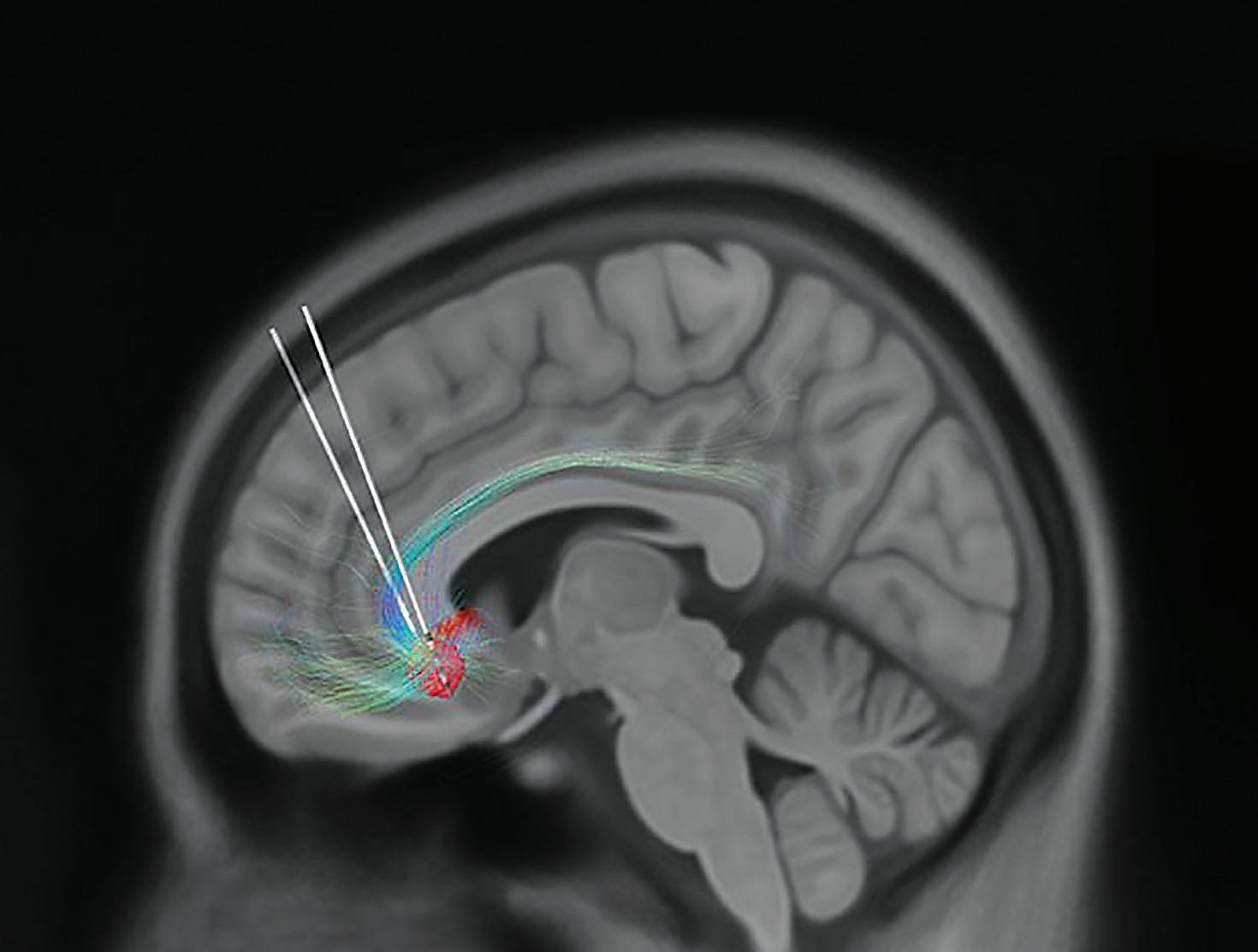
Scan showing how the brain changes its rhythm within minutes of deep brain stimulation (DBS) for treatment-resistant depression
at these circuits,” says Dr. Figee, who is principal investigator for a project funded by the National Institute of Mental Health (NIMH), together with co-PI Ki Sueng Choi, PhD, Assistant Professor of Radiology and Neurosurgery at Icahn Mount Sinai. The goal is to map the connections within the brains of people with OCD that maximize therapeutic benefits of DBS. “That teaches us not just how to personalize DBS for OCD; it also opens the door wider for other centers, and also for other conditions involving these circuits, including addiction, depression, and schizophrenia.”
Dr. Figee joined Mount Sinai because of the collaborative culture. He notes that even the physical layout of the Nash Family Center for Advanced Circuit Therapeutics attests to Mount Sinai’s commitment to speeding the development of DBS and evidence-based therapeutics. “In my office, I sit next door to a neurologist and a neurosurgeon,” he says, “Plus, I’m just a few steps away from the neuroscientists.”
James Murrough, MD, PhD, Director of the Depression and Anxiety Center for Discovery and Treatment, and Associate Professor of Psychiatry and Neuroscience at Icahn Mount Sinai, credits a professional journal review group for cultivating similar opportunities for collaboration. Colloquially known as the Depression Club (officially termed the Depression and Affective Neuroscience Seminar), the monthly gathering brings together Mount Sinai clinical researchers and basic scientists from multiple departments. “We tend to speak different languages, read different journal articles,” Dr. Murrough notes. “It’s created a unique culture that fosters really focused translational research.”
Consider, for example, Dr. Murrough’s investigations into how the immune system affects some forms of depression. “A confluence of data suggests that immune dysregulation plays a role in depression among a subtype of patients,” he says, “but to date that hasn’t translated to improved, more effective treatment for patients.”
Dr. Murrough and his collaborators have zeroed in on interleukin 17-A (IL-17A), a protein our immune system generates in response to stress. Animal models implicate IL-17A in the etiology of depressionlike symptoms, and some humans with treatment-resistant depression exhibit heightened levels of IL-17A. In July 2021, with funding from the Hope for Depression Research Foundation, Dr. Murrough and his collaborators began recruiting people who have both systemic inflammation and treatment-resistant depression for a clinical trial. The trial is designed to test whether ixekizumab—a monoclonal antibody against IL-17A already approved for the treatment of the autoimmune disorder psoriasis—boosts their mood. Since ixekizumab already has FDA approval, the path to the clinic could be relatively short if the treatment proves beneficial for patients.
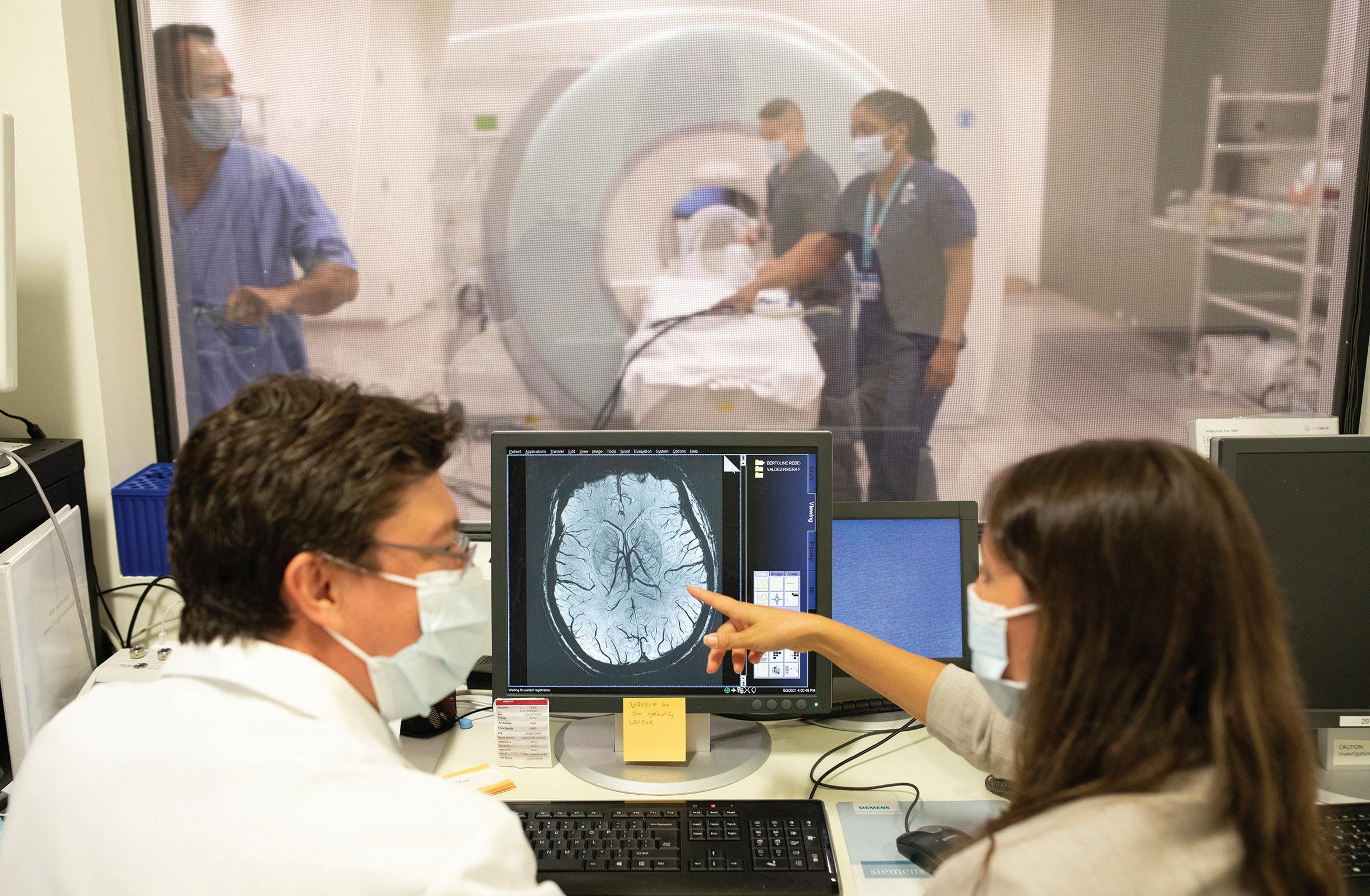
In addition to clinical mood assessments, each participant will also have magnetic resonance imaging of the brain. While interviews will quantify participants’ affective response to the treatment, imaging will fact-check a hypothesis about the mechanisms by which inflammation affects depression. Preclinical research also
done at Mount Sinai by Scott J. Russo, PhD, Professor of Affective Neuroscience, Director of the Center for Affective Neuroscience, and Professor of Neuroscience, suggests that immune molecules may alter permeability of the blood-brain barrier, allowing other proinflammatory factors to flood mood-relevant brain circuits. Greater clarity about the mechanisms of depression could help clinicians better personalize treatment based on a patient’s particular form of depression.
A second study extends findings about the biochemistry of resilience. In short: We all experience traumas and stress, but only some of us develop depression or PTSD. And when a number of animals experience the same stressor in the course of an experiment, only a few develop symptoms evocative of depression in humans.
Dr. Murrough credits his colleagues in the Depression Club—including Eric J. Nestler, MD, PhD, Director of The Friedman Brain Institute, Nash Family Professor of Neuroscience, Dean for Academic and Scientific Affairs, and Professor of Pharmacological Sciences and Psychiatry at Icahn Mount Sinai, and Ming-Hu Han, PhD, Adjunct Professor of Pharmacological Sciences at Icahn Mount Sinai—for elucidating the role of a potassium
channel known as KCNQ2/3 in determining which animals bounce back. Animals with heightened KCNQ2/3 activity exhibit resilience. Those with more limited activity in the channel develop behaviors that look a lot like depression. “We were able to get our hands on a drug that binds to this channel and pharmacologically mimics a natural resilience mechanism in animals,” says Dr. Murrough. “We got the idea that this could be a new way to treat depression in humans.”
In a 2021 report for the American Journal of Psychiatry, Dr. Murrough and colleagues described results of their randomized
controlled trial—funded by the National Institute of Mental Health—the first of its kind to test ezogabine, a compound previously marked for seizure control, which opens the KCNQ2/3 channel. Like the ixekizumab trial, the ezogabine trial combined neuroimaging with clinical interviews. While the neuroimaging showed only marginal changes following treatment, the clinical interviews revealed significant improvement in participants’ depression scores. A trial currently underway tests a more potent compound that also affects the KCNQ2/3 channel.
“We predict that precision medicine, based on genetics and other approaches, is the future of novel therapeutics for profound autism.”
– Joseph D. Buxbaum, PhD
Joseph D. Buxbaum, PhD, Director of the Seaver Autism Center for Research and Treatment; Professor of Psychiatry, Neuroscience, and Genetics and Genomic Science; and Vice-Chair for Research and Vice-Chair for Mentoring in the Department of Psychiatry at Icahn Mount Sinai, is co-founder of the international Autism Sequencing Consortium (ASC). Dr. Buxbaum has cast the net wide, spurring global collaborations that join clinicians, researchers, and families in their search for genetic clues to the biological pathways that affect cognitive, motor, psychological, and verbal symptoms of autism. To date, the ASC has identified 185 genes strongly associated with the diagnosis. Unlike Mendelian conditions like cystic fibrosis, where a single gene causes a single disease, most psychiatric diagnoses are polygenic—they owe to the convergence of multiple gene differences. “In autism we’re finding something different,” says Dr. Buxbaum. “We’re finding genes that, when they carry a mutation, account for most of the risk in that individual. A lot of autism looks like a series of rare diseases.”
The story of Phelan-McDermid Syndrome offers a case in point, he says. The syndrome, which affects approximately 1 percent of people
with autism, is characterized by differences in the SHANK3 gene, which affects muscle tone, eating, and speech and learning difficulties, and leads to autism. In the 15 years since mutations in the SHANK3 gene were identified in autism, scientists including Dr. Buxbaum have been able to develop cell and animal models to elucidate the gene’s effect on development, identify molecular pathways through which it alters function, and test compounds to ameliorate specific symptoms. By sharing their biological samples and clinical data, families have helped to refine investigators’ understanding of Phelan-McDermid’s unique features. The Seaver Center has conducted multiple clinical trials in Phelan-McDermid Syndrome—arising from their preclinical studies.
“We can now provide a genetic diagnosis in almost a third of families,” Dr. Buxbaum notes. “When families get a genetic diagnosis, they say it’s life-changing.” Most important for families, he says, a genetic diagnosis is important for understanding risk for recurrence and helps people with rare subtypes of disease to find one another, to compare notes about their experiences, and to drive research and clinical agendas toward the particular concerns they share. “The concept of precision medicine depends on being able to say what group a person falls into. We predict that precision medicine, based on genetics and other approaches, is the future of novel therapeutics for profound autism.”
As the field of genes implicated in autism grows, Dr. Buxbaum and his colleagues have begun looking for commonalities in the pathways affected by given genes, in the hope of repurposing existing drugs that affect particular pathways. “Once we understand how the genes work together, we might find that there are maybe 10 subtypes of autism, and we can develop unique treatments for each subtype,” Dr. Buxbaum says. “I’ve always suspected that if you treat all autism as a single entity, you won’t make progress, and this is clearly supported by the diverse genes we are identifying.”
Thomas B. Hildebrandt, PsyD, Chief of the Center of Excellence in Eating and Weight Disorders at Mount Sinai, Director of the Hilda & Preston Davis Living Laboratory, and Professor of Psychiatry at Icahn Mount Sinai, develops evidence-based treatments for anorexia nervosa, an eating disorder characterized by extreme weight loss and food restriction. He credits his novel approach, which focuses on the gut-brain axis and the role of visceral disgust, to the insights patients have shared during treatment. “If you listen to what patients say, their stomachs actually hurt,” Dr. Hildebrandt explains. “Their bodies can’t make sense of the food.”
The vast majority of people with anorexia nervosa are women, approximately 10 percent of whom die due to starvation. It is the deadliest psychiatric illness, second only to opiate overdose, and there is no pharmacological treatment. Even among people who temporarily achieve a healthy weight through inpatient treatment, 50 to 70 percent relapse. “Anorexia nervosa research has been stuck on this model of neurotic women,” Dr. Hildebrandt says. “We’ve tried so hard to change neuroticism and ignored the fact that there might be a significant metabolic contribution. That model of get-those-anxious-women-to-eat is not only offensive, but wrong.”
Family-based therapy, the leading evidence-based treatment for teens with anorexia nervosa, gives parents tools to help their teens regain weight and learn healthy eating behaviors. Dr. Hildebrandt’s novel approach embraces the role of disgust and helps families learn tools to tolerate that sensation. The habits of mind are the same as those involved in learning to change a baby’s dirty diaper, he says. You do it because you know that it has to be done. “We have the family practice eating disgusting things together,” he explains. “As soon as a parent has to eat something they absolutely hate in front of their child with anorexia nervosa, a lightbulb goes on and they get it.”
To understand how the gut-brain axis and metabolic factors affect the pathophysiology of disgust in low-weight eating disorders, Dr. Hildebrandt and his collaborators have combined laboratory-based eating studies with neuroimaging to explore activity of the vagal nerve, kappa opioid receptor, and cannabinoid receptor type 1. Additional research investigates the role of leptin, a hormone released by fat cells that regulates hunger by creating the sensation of being full. The work promises new targets for pharmacological intervention as well as enhanced understanding of the neurocircuitry involved in eating disorders and how behavioral interventions affect those circuits.
BY BARBARA BRODY

The heart is undeniably among the most crucial of organs: When its ability to send blood, oxygen, and other nutrients throughout the body becomes compromised, nothing else works as it should. Yet the traditional approach to studying and managing cardiovascular disease has been fairly narrow. Both clinicians and scientists have paid almost exclusive attention to inflammation and atherosclerotic plaque in the arteries along with structural and electrical abnormalities within the heart itself.
Filip K. Swirski, PhD, Director of the new Cardiovascular Research Institute (CVRI) at the Icahn School of Medicine at Mount Sinai, takes a far broader perspective. By delving into how the cardiovascular system
interacts with every other major body system, he is developing a more thorough understanding of what it means to be heart healthy—and how to live well for as long as possible.
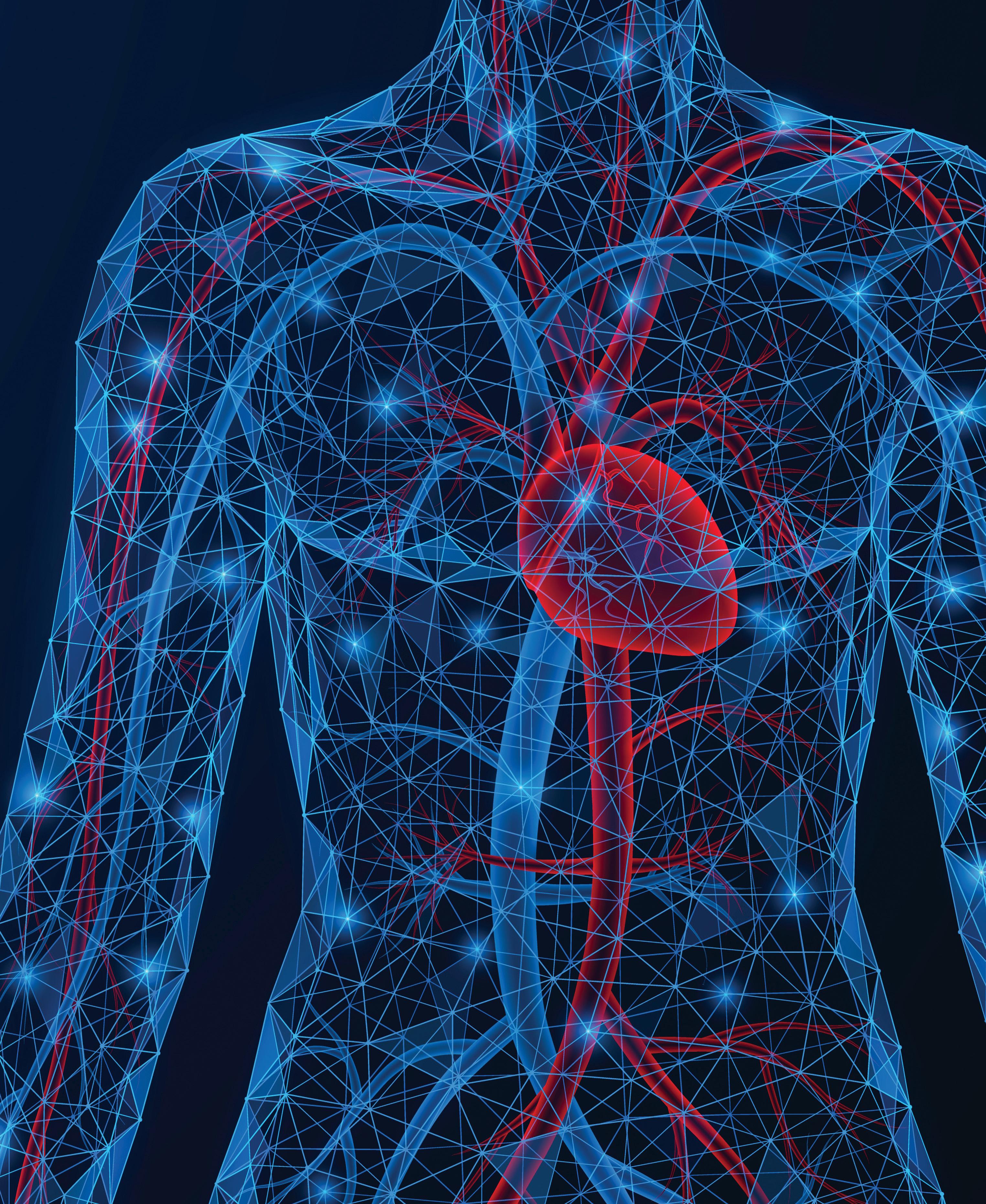
“The vascular system does not exist in isolation. We must branch out and understand how the vasculature of the heart really participates with other systems,” says Dr. Swirski, who is also the Arthur and Janet C. Ross Professor of Medicine (Cardiology), and Professor of Diagnostic, Molecular and Interventional Radiology at Icahn Mount Sinai. “We are only going to gain limited insight if we restrict ourselves to just looking at the heart or just the blood vessels.”
A renowned leader in cardiovascular immunology research, Dr. Swirski served as
a professor at Harvard Medical School and a principal investigator at Massachusetts General Hospital before coming to Mount Sinai a year ago to launch CVRI. Since then, he has been building an interdisciplinary team that includes experts in immunology (his own area of expertise), neurology, and metabolism.
“Science really requires collaboration,” he says, adding that Mount Sinai—which has long encouraged experts to avoid working in silos—is already a global leader in clinical cardiology. The new CVRI will be integrated under Mount Sinai Heart, which aims to advance both fundamental and translational science across three key areas: lifestyle and disease prevention, systems physiology and bioengineering, and genetic medicine.
Approximately 80 percent of cardiovascular disease is believed to be preventable, yet heart disease remains the leading killer worldwide. Why? While experts have long known that high blood pressure, high cholesterol, hyperglycemia, and obesity play major roles, these and other risk factors have often been studied independently, Dr. Swirski notes. Investigating them in context with one another will give scientists greater insights into how one’s overall lifestyle impacts physiology.
Additionally, scientists at CVRI are poised to uncover findings that go far beyond the typical “eat less, move more” platitudes. They are exploring nuances such as whether the time of day someone eats a specific food is important and whether good stress—the kind you might feel on a first date or when a promotion lands you just slightly out of your comfort zone—is beneficial or detrimental to the heart and blood vessels.
“It’s a much richer way of studying biology and a very important line of investigation,” Dr. Swirski emphasizes. CVRI is also delving into lesser-known potential cardiovascular risk factors, such as sleep patterns and the composition of the gut microbiome.
At CVRI, systems physiology and bioengineering research is all about studying cardiovascular disease in the context of other body systems. This requires close coordination between specialists in immunology, hematology, neuroscience, biochemistry, endocrinology, and vascular biology.
Dr. Swirski describes the blood vessels as a highway through which blood, cells, and signaling molecules travel, as do inflammatory substances. Inflammation is strongly associated with heart disease and stroke, yet the origins of inflammation in a particular patient—as well as why the body doesn’t always dampen an inflammatory response when it should—are not always clear.
Dr. Swirski’s team also wants to understand how inflammation might protect against or contribute to infectious and neurodegenerative conditions. “We cannot understand the blood and the heart if we don’t understand metabolism, if we don’t understand the nervous system, if we don’t understand the endocrine and immune systems, and so forth,” he explains.
The type of research CVRI is conducting requires “engaging in areas where you may not have much expertise,” says Dr. Swirski. “But this is actually one of the reasons why Mount Sinai is an attractive place to do this kind of work.” While he is an authority in immunology, he admits that there has been a learning curve as he has recently ventured into less familiar fields. Close coordination with various Mount Sinai leaders—including neuroscientist Scott J. Russo, PhD; biomedical engineer Zahi A. Fayad, PhD; and Miriam Merad, MD, PhD, an expert in precision immunology, hematology, and
oncology—has proven immensely helpful.
Eight different laboratories, including Dr. Swirski’s own lab, are dedicated to taking a systems physiology and bioengineering approach to studying cardiovascular disease. These groups of scientists are striving to illuminate the complex ways by which the heart communicates with other organs and body systems. The teams are employing a variety of techniques, including tissue and organoid engineering, gene editing for disease modeling, and computational modeling, and they are also developing new biomedical devices.
Why do some people develop serious cardiovascular disease despite remaining physically active, not smoking, and eating a diet that enables them to maintain a “normal” body mass index? Clearly, genetics
“ The vascular system does not exist in isolation. We must branch out and understand how the vasculature of the heart really participates with other systems.”
– Filip K. Swirski, PhD
1
The new Cardiovascular Research Institute (CVRI) will be integrated under Mount Sinai Heart, which aims to advance both fundamental and translational science across three key areas.

2

3
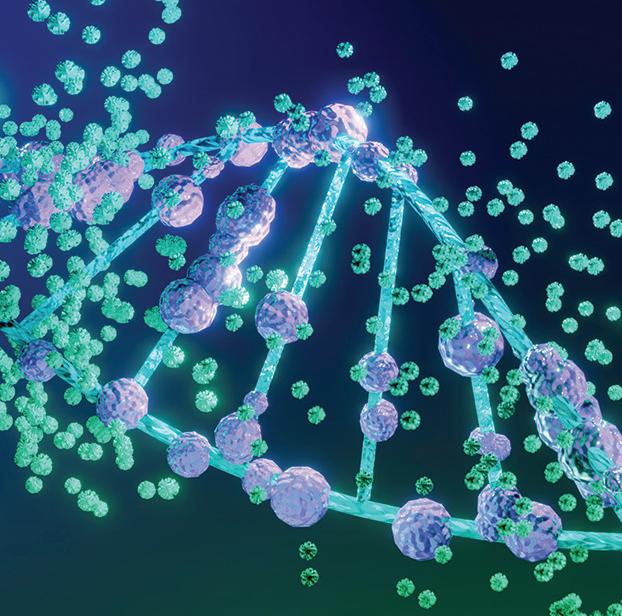
play an important role, but the specifics as they pertain to most patients are not yet well understood.
“Even people who eat well and live a healthy lifestyle do succumb to heart disease,” Dr. Swirski notes. “They have cardiovascular events, including myocardial infarctions, and strokes.” Several investigators at CVRI are determined to figure out why. Some are studying genetic traits that increase or decrease the likelihood of developing advanced cardiovascular disease; others are exploring the use of gene and cell therapies as novel therapeutics or drug delivery systems.
Stem cells, gene transfer, and RNA modification approaches are all part of this work, which aims to elucidate the molecular underpinnings of cardiovascular disease as well as pave the way for new remedies. To address heart failure, one group of CVRI investigators is using a technology similar to the one that was used in the development of the mRNA COVID-19 vaccines: Mount Sinai researchers,
led by Lior Zangi, PhD, have already demonstrated that modified mRNA may be used to induce a temporary, protective change in gene expression that promotes healing and revascularization after myocardial ischemia.
“As the institute grows, we will continue to explore how our research at CVRI will help to mitigate the effects of cardiovascular disease,” Dr. Swirski says.
While all these areas of study are primarily centered on cardiovascular health, they also have major implications for longevity. After all, heart disease is what ultimately cuts so many lives short, yet most of us don’t start out with atherosclerosis. Instead, over time, the vessels become less able to respond to plaque and start developing buildup.
To understand why, Dr. Swirski—along with Dr. Merad, Dr. Fayad, and Valentín Fuster, MD, PhD, Director of Mount Sinai Heart—is coordinating with other
international institutions, including the National Centre for Cardiovascular Research in Madrid. The investigators are studying the interplay of genetics and environmental factors in cardiovascular health by following three large cohorts of children, middle-aged adults, and the elderly. The Mount Sinai team also recently completed bioimaging studies of about 10,000 asymptomatic adults in an effort to shed light on detecting cardiovascular disease in its earliest, subclinical stages.
Meanwhile, the same Mount Sinai team is using continuous monitoring via biosensors and genetic and molecular tests to track the progression of cardiovascular disease through the lifespans and learn more about why other age-related diseases, such as Alzheimer’s, share similar molecular pathways to those involved in atherosclerosis.
“We might not be able to live forever,” Dr. Swirski concedes, “but new findings may enable us to make changes so we can live until old age with high quality of life—and that is a wonderful goal.”
BY BARBARA BRODY
For more than 100 years, Mount Sinai has served as a leading center for the care of patients living with diabetes.
Mount Sinai has also been at the forefront of research in the field since the 1950s, when Rosalyn Yalow, PhD, and Solomon Berson, MD, developed radioimmunoassay (RIA), a method for measuring small concentrations of substances in the blood, such as insulin. This landmark discovery transformed our understanding of the causes of diabetes.
“Our faculty live up to this distinguished legacy through cutting-edge basic and translational research focused on improving the lives of our patients and ultimately curing diabetes,” says Andrea Dunaif, MD, Chief of the Hilda and J. Lester Gabrilove Division of Endocrinology, Diabetes and Bone Disease for the Mount Sinai Health
System, the Lillian and Henry M. Stratton Professor of Molecular Medicine, and Professor of Medicine (Endocrinology, Diabetes and Bone Disease) at the Icahn School of Medicine.
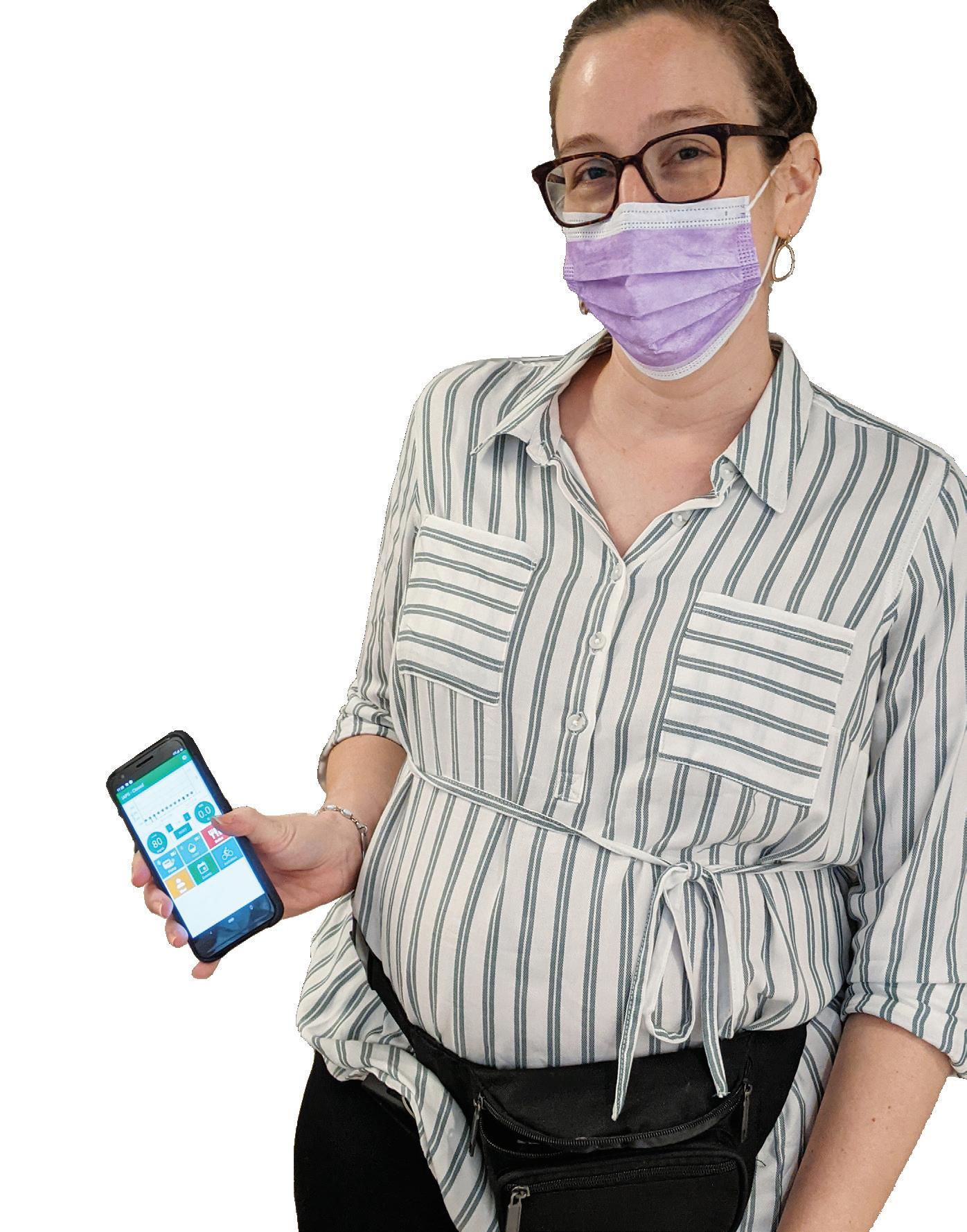
A Mount Sinai team led by Carol J. Levy, MD, Clinical Director of the Mount Sinai Diabetes Center, and Professor of Medicine (Endocrinology, Diabetes and Bone Disease), is making great strides toward developing an “artificial pancreas” that is customized for use by pregnant women with type 1 diabetes. Although a few artificial pancreas systems are now available—Mount Sinai played a key role in the research that enabled some of them to reach the market—none are devised to meet the specific blood glucose targets
needed for pregnant women with diabetes.
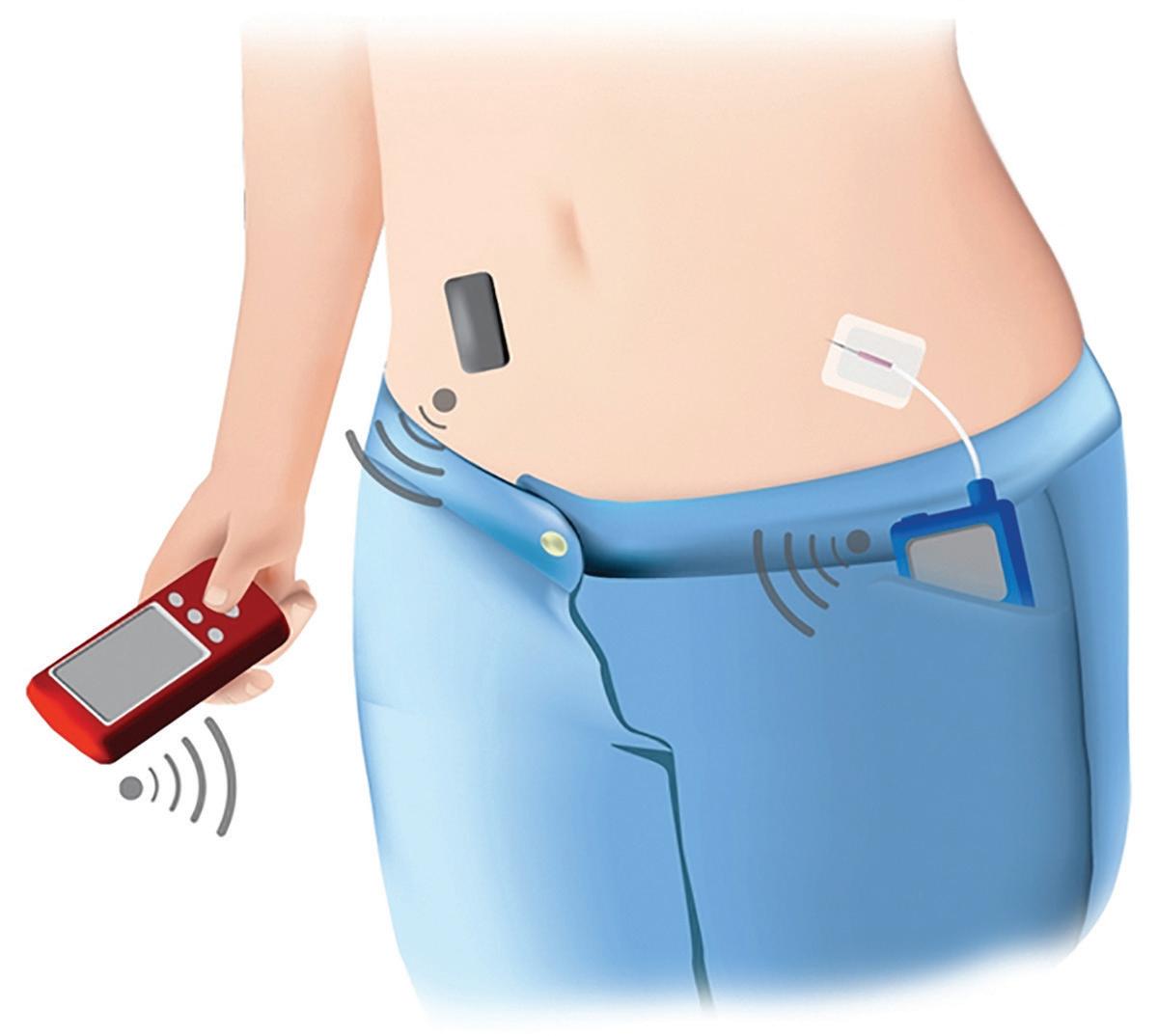
The artificial pancreas, also known as a hybrid closed-loop system, integrates and analyzes data from a continuous glucose monitor (CGM) and an insulin pump. The system carefully delivers insulin to keep a patient’s blood sugar within the target zone of 70-180 mg/dL around the clock. But such glucose targets become far tighter during pregnancy, as patients are generally advised to stay within the range of 63-140mg/dL.
“During pregnancy, the targets become markedly narrowed, because the risk to the developing fetus of hyperglycemia is so pronounced,” Dr. Levy explains. Potential dangers include congenital anomalies in the newborn, preeclampsia in the mother, delayed fetal lung maturity, and an increased risk of fetal death. Yet hypoglycemia also carries serious risks to the mother.
“For people with [type 1] diabetes, managing blood sugars is often like walking a tightrope,” Dr. Levy says. Constantly trying to avoid highs and lows puts an undue burden and stress on patients, she notes—one that only becomes more challenging when pregnancy is added to the mix. A customized closed-loop system would relieve some of the pressure by automatically adjusting insulin in response to glucose sensor readings. It has the potential to yield better patient outcomes by keeping glucose levels in the target range longer while decreasing the risk of dangerous hypoglycemic episodes.
Developing an artificial pancreas that is safe and effective in pregnant women is no easy feat, but Dr. Levy and her colleagues are well on their way. About two years ago, the U.S. Food and Drug Administration (FDA) granted them permission to test a novel closed-loop system that employs a Tandem insulin pump, a Dexcom G6 CGM, and an algorithm that was designed for pregnant women by the Doyle Group at Harvard.
Conducted during the early days of the COVID-19 pandemic, the research evaluated 11 women in their second or third trimester. Patients wore the closed-loop system while being carefully monitored for 48-hour periods. This pilot study, which was recently published in Diabetes Technology & Therapeutics, demonstrated that the system was safe. With basic safety data in hand and funding from the National Institutes of Health (NIH), women were approved to test and use the system at home for one week while being monitored remotely. The Mount Sinai team is now also supported by a grant from the Helmsley Foundation to continue the study until delivery and collect even longer-term data, and research is ongoing. Dr. Levy, who serves as principal investigator for this study, is working in conjunction with colleagues at Mount Sinai, the Harvard John A. Paulson School of Engineering and Applied Sciences, the Mayo Clinic, and the Sansum Diabetes Research Institute.
If this current phase of research is successful, the project will continue progressing to larger, multi-site studies and eventually develop a version of the closed-loop system that would
be suitable for commercial distribution. Dr. Levy, who has type 1 diabetes and gave birth to two children before this technology was available, is hopeful that pregnant women with diabetes will benefit from this advancement within several years.
“The passion of our team, as well as that of the patients who are participating in these studies, is really evident,” Dr. Levy says, adding that collaboration between academia and industry has also been key. “Academia often has the ideas, but industry is going to eventually put these products out. Working together is the only way we can do it.”
Elsewhere at Mount Sinai, researchers led by Andrew F. Stewart, MD, Professor of Medicine (Endocrinology, Diabetes and Bone Disease), and Director of the Diabetes, Obesity and Metabolism Institute (DOMI) at Icahn Mount Sinai, are making progress in developing a brand-new way to treat and potentially reverse type 1 and type 2 diabetes by stimulating the replication of beta cells.
Although type 1 diabetes is well known for being insulin dependent, people with type 2 also lack adequate insulin as a result
“ The passion of our team, as well as that of the patients who are participating in these studies, is really evident.”
– Carol J. Levy, MD
of having too few insulin-producing beta cells, Dr. Stewart says. While he acknowledges that genetics and lifestyle factors play a significant role in type 2 diabetes, scientists agree that insulin deficiency is of equal importance.
In the artificial pancreas, or closed-loop system, a controller—consisting of a software algorithm on a smartphone— receives readings from a continuous glucose sensor and prompts doses from an insulin pump, with reduced input from the patient.
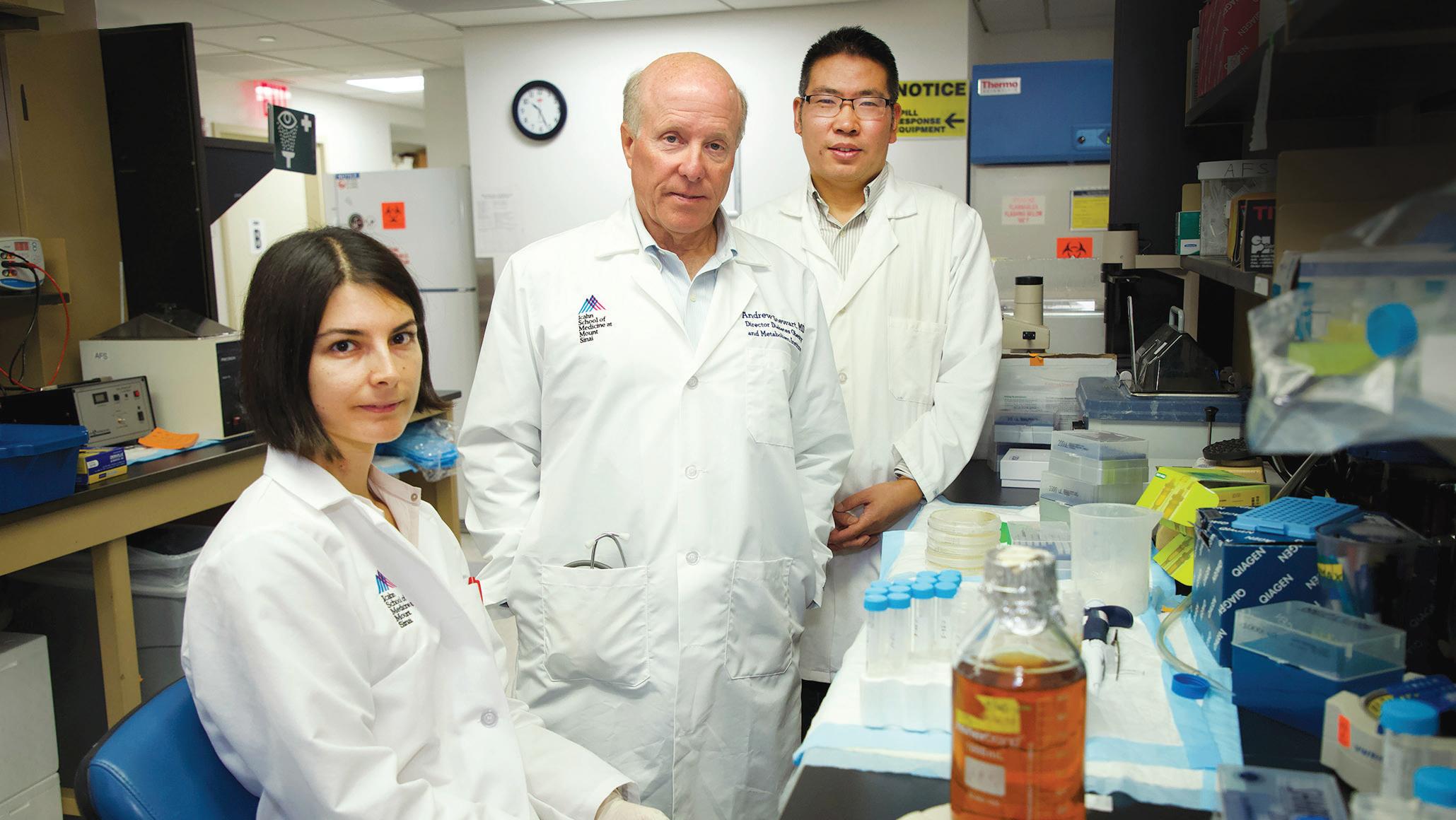
“It’s not uncommon for people who are thin to get type 2 diabetes, and they’re absolutely insulin resistant,” he explains. “Also, if you look at people with type 2 diabetes at autopsy, they have lower beta cell mass compared to BMI-, age-, and gender-matched controls.” Meanwhile, obese individuals who avoid type 2 diabetes have a greater than average supply of beta cells.
So how do you get more beta cells?
Pancreas transplants are one option, though they carry a host of risks, and donor organs are in short supply. It is also possible to grow new beta cells from stem cells, but this technique is unlikely to benefit many patients given how expensive it is, Dr. Stewart says. His solution is to instead get patients to regenerate the remaining beta cells in their own bodies.
“Anyone with diabetes needs more beta cells, and years ago we set our sights on finding drugs that could help beta cells replicate.”
– Andrew F. Stewart, MD
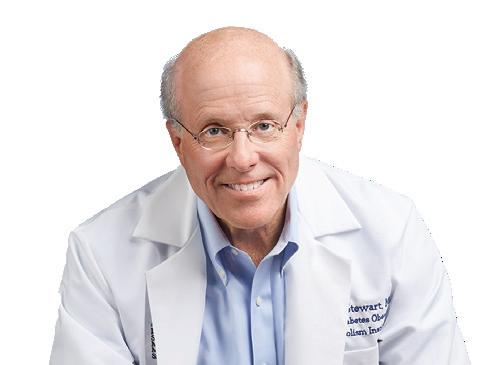
People with type 2 diabetes have about half the ideal number of beta cells; those with type 1 have about 10 percent. In either case, Dr. Stewart believes he has found a way to treat any existing beta cells so that they proliferate until a patient has an adequate beta cell mass. The key: a two-drug combo that pairs a GLP-1 agonist—which stimulates the secretion of more insulin— with a novel compound called harmine.
Harmine was identified by Dr. Stewart’s collaborator, Peng Wang, PhD, Professor of Medicine (Endocrinology, Diabetes and Bone Disease) at Icahn Mount Sinai. Harmine has the ability to make both rodent and human beta cells regenerate in laboratory animals. So far, Dr. Stewart and his colleagues have demonstrated that mice treated with harmine have a 2 percent proliferation in beta cells. When mice are treated with harmine plus a GLP-1 agonist—his team used exenatide (Byetta or Bydureon)—beta cell replication, mass, and insulin production increase exponentially.
Using brand-new imaging techniques involving microscopy, the team demonstrated that they could increase beta cell mass in the mice by sevenfold over a period of just three months. If this two-drug regimen proves equally effective in humans, it could be a game changer. “If you make someone’s
beta cells proliferate enough, you could reverse their diabetes,” Dr. Stewart says.
GLP-1 agonists have already been well tested, but pure harmine has never been studied in humans. Before Dr. Stewart and his colleagues test harmine on people with diabetes, they need to determine the highest tolerable dose in healthy subjects. This year, they obtained FDA approval to conduct a phase 1 study of a synthetic version of harmine in healthy people for this purpose. James Murrough, MD, PhD, Associate Professor of Psychiatry and Neuroscience, and Director of the Depression and Anxiety Center for Discovery and Treatment at Icahn Mount Sinai, is the lead investigator of this ongoing trial.
Pending the success of the trial, researchers will advance to studying the harmine/GLP-1 treatment in people with type 2 diabetes and then type 1. Those with type 1 would also require some type of immune-suppressive treatment to prevent destruction of the newly proliferated beta cells.
Lastly, Robert J. DeVita, PhD, Professor of Pharmacological Sciences, and his team in Mount Sinai’s Drug Discovery Institute have synthesized a plethora of next-generation DYRK1A inhibitors and harmine analogs that are far more potent than harmine: These may be the ultimate DYRK1A inhibitors used in people with diabetes. Other Icahn Mount Sinai collaborators on this project include Adolfo Garcia Ocaña, PhD, Professor of Medicine (Endocrinology, Diabetes and Bone Disease); Sarah A. Stanley, MBBCh, PhD, Associate Professor of Medicine (Endocrinology, Diabetes and Bone Disease) and Neuroscience; and Kunal Kumar, PhD, Postdoctoral Fellow, Pharmacological Sciences.
“Anyone with diabetes needs more beta cells, and years ago we set our sights on finding drugs that could help beta cells replicate,” Dr. Stewart says. “Our work at the DOMI is truly revolutionary, and our novel discoveries will lead to better outcomes for diabetes patients.”
MOUNT SINAI’S PURSUIT OF TREATMENTS FOR CHALLENGING SKIN CONDITIONS AND HAIR LOSS
BY HALLIE LEVINE
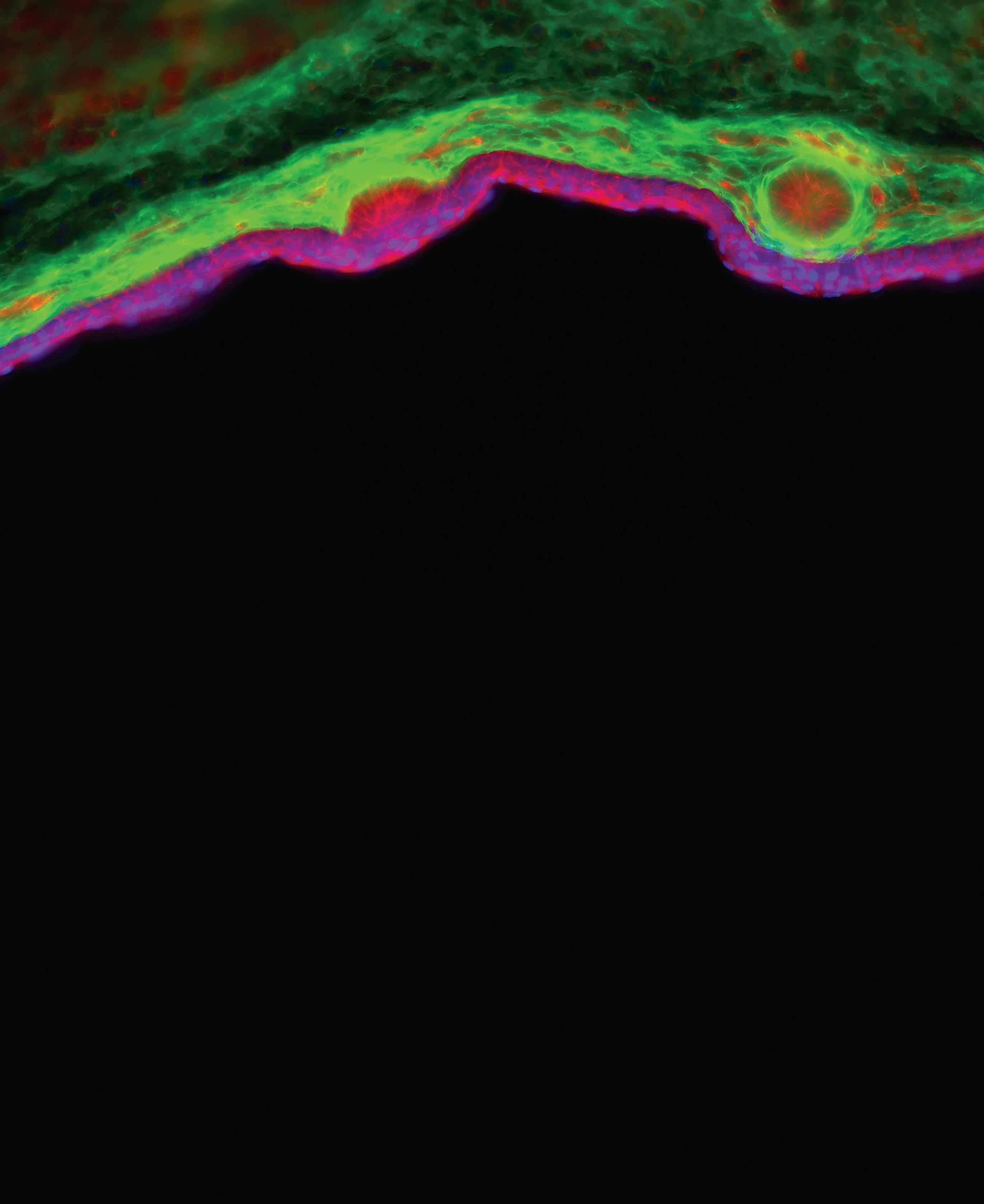
Stem cells are the building blocks of our bodies. Found in most of our organs, stem cells generate new cells to replenish lost, damaged, or old tissue throughout life. Researchers have long studied these cells to see if they can be used to treat a variety of conditions ranging from heart disease to Alzheimer’s disease to cancer. But they are also a potentially valuable tool in treating skin ailments. One of the many ways the Mount Sinai Health System is accelerating stem cell research as it relates to the skin is through the establishment of the Skin Biology and Diseases Resource-based Center (SBDRC).
Funded by a $4 million grant from the National Institutes of Health (NIH) and the National Institute of Arthritis and Musculoskeletal and Skin Diseases, the SBDRC enables Mount Sinai to support innovative stem cell research in skin biology, skin diseases, and hair loss—all to benefit patients suffering from these conditions.
Under the leadership of Director Elena Ezhkova, PhD, and Associate Co-Directors Sarah Millar, PhD, and Emma Guttman, MD, PhD, the SBDRC facilitates collaboration to foster interdisciplinary discoveries across a multitude of skin diseases.
INVESTIGATING THE SKIN-SAVING POWER OF STEM
Skin is the first defensive barrier against infection and disease, and it relies heavily on two pools of stem cells: epidermal stem cells located deep within the epidermis, the outer layer of the skin, and hair follicle stem cells located in hair follicles.
“We’re all working together to study stem cells, both of the epidermis and of the hair follicles, and to apply our findings to a wide range of skin diseases,” explains Dr. Ezhkova, who also serves as Professor of Cell, Developmental and Regenerative Biology, and Dermatology; and member of the Black
“We’re all working together to study stem cells, both of the epidermis and of the hair follicles, and to apply our findings to a wide range of skin diseases.”
– ELENA EZHKOVA, P h D
Family Stem Cell Institute and The Tisch Cancer Institute at Icahn Mount Sinai.
One fascinating aspect of epidermal stem cells is that they constantly work to regenerate the epidermis as they are rubbed off by daily activities, like taking a shower or wearing clothes. The stem cells, located deep within the epidermis, continue to replicate and send cells upward to replace the dead cells in the top layer. As people age, this process slows down, and the epidermal stem cells lose some of their capacity to regenerate. As a result, wounds may be slower to heal, and skin becomes thin and dry.
Epidermal stem cells also help protect against dangerous UV radiation by taking up a pigment called melanin from pigmentproducing cells known as melanocytes. The molecular interactions between epidermal cells and melanocytes have not been well understood. Part of the answer may lie with Polycomb complexes, two groups of proteins that play a critical role in the repression of gene expression, or the switching off of individual genes, to help control responses to changing environments and stimuli.
A study published by Dr. Ezhkova last September in the biomedical journal Developmental Cell showed that UV itself causes a temporal reduction in Polycomb
complexes in the epidermis. Reduced Polycomb levels in the epidermis lead to epidermal pigmentation—even without UV exposure. Dr. Ezhkova also identified a specific Polycomb target gene known as extracellular matrix protein type II collagen that is activated in UV-exposed epidermal cells. “Turning on” of this gene in epidermal cells promotes epidermal pigmentation.
This discovery has implications for patients with skin hypopigmentation conditions like vitiligo and melasma. “We’ve found that applying Polycomb complex inhibitors to the skin results in skin pigmentation without harmful UV exposure,” Dr. Ezhkova explains. These inhibitors are currently being tested in animal models, with the hope that they will progress to human trials and eventually FDA approval.
Epidermal stem cells also play an important role in maintaining the skin barrier. A study Dr. Ezhkova published last year in the journal Genes & Development showed that mice bred without any Polycomb complexes had severe skin defects, including a significantly thin epidermis that lacked essential layers required for survival. This discovery could ultimately benefit burn patients: Adding synthetic Polycomb complex to epidermal
stem cells could make it faster and easier to generate skin cells from stem cells.
Polycomb complexes are also often overexpressed in nonmelanoma skin cancers such as basal cell carcinoma and squamous cell carcinoma. As a result, treatments using Polycomb inhibitors are being studied in clinical trials for these skin cancer patients. Studies from Dr. Millar’s lab have shown that proteins known as histone deacetylases (HDACs) also play key roles both in development of the skin barrier and in promoting the proliferation and survival of epidermal stem cells in adult skin and at early stages of skin tumor formation. These findings, published in the biomedical journals Genes & Development and the Journal of Investigative Dermatology in 2020 and 2022 respectively, suggest that HDAC inhibitors will be effective in treating certain types of skin cancer.
Stem cells also play a role in regulating hair growth, another key focus of the SBDRC. “One of the main interests in my lab is to understand how different regions of the skin develop different abilities to grow hair,” says Dr. Millar, who is also Director of the Black Family Stem Cell Institute, the Lillian and Henry M. Stratton Professor of Gene and Cell Medicine, Senior Associate Dean for Basic Research, and Professor of Cell, Developmental and Regenerative Biology, Oncological Sciences, and Dermatology at Icahn Mount Sinai.
Dr. Millar’s research has found that a cell-to-cell signaling pathway known as the Wnt pathway plays an essential role in the formation of hair follicles in fetal life.
“We know that Wnt signaling is critical for the development of hair follicles,” she notes. “Blocking it causes hairless skin, and switching it on causes formation of more hair.”
A first clue to understanding why some regions of the skin fail to develop hair came from the Millar Lab’s discovery, published in Cell Reports in 2018, that hairless skin regions naturally produce molecules known as Wnt
inhibitors, which stop Wnt from doing its job. “In different regions of the body, we see different levels and patterns of expression of these inhibitors,” Dr. Millar explains. This helps determine which parts of the body form hair and which do not. These observations may also help to explain why the extent of hair growth varies among people with different genetic makeups.
While Dr. Millar has studied Wnt and Wnt inhibitors for more than 20 years, what’s new, she notes, is technology that allows researchers to carry out analyses of cellular activity at the level of single cells. Inside the nucleus, DNA is wound around histone proteins to form a structure known as chromatin. Less tightly wound, or “open,” chromatin is associated with active regions of the DNA, while genes in tightly wound chromatin are generally not expressed. “We can now determine which genes are expressed in a single cell and at the same time visualize which regions of the chromatin are open and which are closed,” Dr. Millar says. “These types of experiments are allowing a much more detailed understanding of how stem cells in the skin behave both under normal conditions and in disease.”
“ These types of experiments are allowing a much more detailed understanding of how stem cells in the skin behave both under normal conditions and in disease.”
– SARAH MILLAR, P h D
Dr. Millar’s research is beginning to elucidate why certain skin conditions affect only some regions of the skin. One common example is male pattern baldness, which only involves the scalp. “If we can determine differences in scalp skin compared with other skin, we can potentially identify new targets for drug therapy to treat this condition,” she explains.
Male pattern hair loss affects as many as 50 percent of men over their lifetime, and many women also experience a diffuse, yet related, form of hair loss with aging. Other types of hair loss can have an even greater effect on the quality of life. One form, known as alopecia areata, is an autoimmune condition that will affect two out of every hundred people at some point in their lives. Of those cases, 10 to 20 percent are classified as severe, which means patients lose hair entirely over their scalp and body.
affects people regardless of age, sex, race, or ethnicity. “Currently, there is no FDAapproved treatment for alopecia areata, which means many patients simply just live with it,” Dr. Guttman says. While this can be difficult for anyone, it’s particularly devastating for children, she adds, who often feel alone and isolated in school and from friends.

7M+ people in the United States have
More than 7 million people in the United States have this disease, which
To enable expedited research and clinical care as well as clinical trials for alopecia patients, the Department of Dermatology at Mount Sinai has launched the Alopecia Center of Excellence based on a generous donation from the Pure family. The Center will be led by Dr. Guttman, who is also Waldman Professor of Dermatology and Immunology, System Chair of the Kimberly and Eric J. Waldman Department of Dermatology, and Director of the Laboratory for Inflammatory Skin Diseases at Icahn Mount Sinai, as well as Director of the Center for Excellence in Eczema and the Occupational Dermatitis Clinic for the Mount Sinai Health System. The Alopecia Center will focus on accelerating discoveries for this
skin condition and will be fully integrated within the Department of Dermatology and the Guttman Laboratory for Inflammatory Skin Diseases—which notably discovered the first biologic intervention (dupilumab, or Dupixent) for atopic dermatitis, or eczema. Dr. Guttman will also work closely with Drs. Ezhkova and Millar to uncover stem cells that may be important for hair regeneration in alopecia.
Long known as an expert in inflammatory skin diseases such as eczema, Dr. Guttman was surprised several years ago to discover that many of her patients experienced both conditions. Then she noticed that these same patients began to experience hair regrowth when they were being treated for their eczema with dupilumab. “We always assumed alopecia areata and eczema were two different types of immune disease,” she explains. But her research soon revealed that alopecia areata patients had markers for both type one immune disease, which is considered autoimmune, and type two, which is associated with allergic diseases such as eczema.
The next step, Dr. Guttman decided, would be to develop drugs targeting the immune pathways involved in alopecia
areata, including against the type 2 immune pathway that is involved in eczema. Initially, she received pushback from drug manufacturers. “They told me that I was going against dogma, and that they didn’t think it would work,” she recalls. “I convinced them there was nothing to lose,” she says, “and maybe a big thing to gain.”
Dr. Guttman’s instincts were correct. Her research not only showed that the Th2 blocker dupilumab was effective in patients with alopecia areata, but a study she published this past March in the medical journal Allergy also showed that the medication worked best in alopecia patients who had a family history of asthma, seasonal allergies, and elevated IgE (a substance that indicates an allergic tendency). “This is exciting, because a drug already exists that works for a subset of alopecia areata patients,” Dr. Guttman notes. “That means we don’t need to develop a brand-new drug from scratch.”
Hair follicle stem cells are particularly fascinating to research, adds Dr. Millar, because while they are long lived, they go through periods of quiescence, or inactivity. “They quickly activate during a new hair cycle, when hair grows,” she explains. In alopecia areata, the hair follicle stem cells
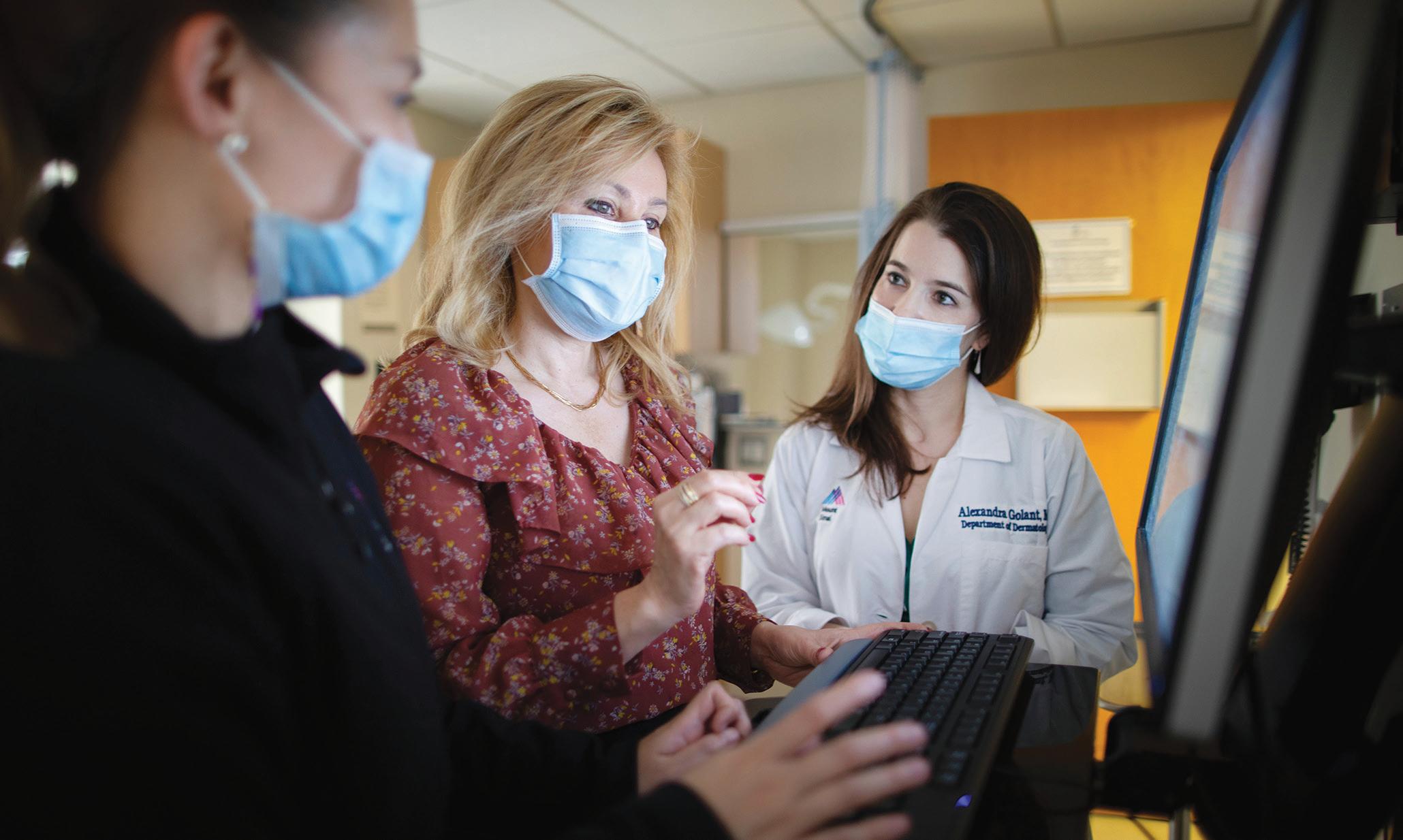
“ There is nothing more rewarding than when you see a patient who has lived for years with no hair begin to develop it again.”
– EMMA GUTTMAN, MD, P h D
survive even though the rest of the hair follicle is destroyed by the immune system. This explains why Dr. Guttman’s approach has the potential to reverse hair loss even in patients who have suffered from alopecia areata for many years.
However, in another type of alopecia, known as scarring alopecia, the immune system destroys the hair follicle stem cells completely, and hair loss is permanent. Research in Dr. Millar’s lab aims to identify new approaches to regenerate hair follicles from scratch in patients with scarring alopecia or with severe burns that destroy the skin stem cells.
Dr. Guttman’s goal is to make Mount Sinai a world leader in research for alopecia areata and other hair loss disorders, just as it is for inflammatory skin diseases. She has plans to launch a first-of-its-kind study at Mount Sinai including both children and adults with different types of alopecia.
“We hope this study will help us understand why certain patients respond to a particular treatment and allow us to identify new drug targets,” Dr. Guttman notes.
“There is nothing more rewarding than when you see a patient who has lived for years with no hair begin to develop it again,” she says. “I’m so grateful that I have a chance to make a difference in the lives of millions of adults and children who have this difficult disease.”

Relentless: This single word encapsulates so much. The strength of our front-line forces. The rapid pace of our science. The resilience of our community. The harshness of COVID-19.
This evocative word is also the title of a compelling new book. RELENTLESS: How a Leading New York City Health System Mobilized to Battle the Greatest Health Crisis of Our Era chronicles Mount Sinai’s tireless and innovative efforts in the face of a global pandemic.
Ten seasons have come and gone since the first COVID-19 patient was hospitalized at Mount Sinai. For many, this harrowing period will be remembered by its darkest moments. For the Health System’s leadership and staff, however, this challenging time will also be remembered because it gave rise to some of their finest hours.
BY CAROLYN SAYRE
Staff treated more than 9,000 patients, some of them in outdoor tents and makeshift intensive care units (ICUs). Investigators pioneered new therapies and began developing an accessible vaccine alternative. Physicians established the COVID Clinical Trials Unit as well as the Center for Post-COVID Care to treat long-haulers. And leadership expanded an award-winning resilience workshop program into the surrounding community.
We have witnessed courage, humanity, and discovery as never before. With the pandemic now past the two-year mark, we continue to navigate challenges with shared determination. Put simply, at Mount Sinai, we find a way.
The casualties of COVID-19 are stunning, the complications far-reaching and still unfolding. Millions of lives were lost, and lingering effects of the virus impact nearly one third of patients for months after they
are diagnosed. Many will never be the same. And our health care workers are recovering from the extreme stress and emotional turmoil they experienced as they strove to save the lives of others.
Mount Sinai’s leadership swiftly recognized the need to protect the Health System’s own. A mere month after the pandemic hit New York City, the Center for Stress, Resilience and Personal Growth (CSRPG) was established to address faculty, staff, and trainee mental health and wellbeing. The first of its kind, this program has completed 260 resilience workshops and 4,600 confidential behavioral health visits in its faculty practice. Another 1,300 health care workers have downloaded the mobile Wellness Hub app that offers resilience-building activities and confidential self-assessments. Training has also been incorporated into 23 residency and fellowship programs to help new physicians manage stress and cultivate resilience in their patients.
But the community around Mount Sinai was hurting too. For more than a decade,
The Center for Spirituality and Health has been deeply rooted in the surrounding neighborhoods, promoting health education on topics like cancer and heart disease. Building on these long-standing relationships, the CSRPG adapted and extended its resilience workshops into the areas hit hardest by the pandemic. Staff partnered with congregations and trained faith-based leaders to serve as facilitators. So far, 60 workshops that integrate scripture and pertinent local topics like social justice have taken place throughout Harlem, the Bronx, Brooklyn, and Queens. Thanks to foundation support for COVID-19 relief, Mount Sinai was able to provide these expanded services to the community.
“The goal of the workshops, for both health care workers and the community, is to give people science-based tools that help them navigate the daily stressors of life,” says Jonathan M. DePierro, PhD, Assistant Professor of Psychiatry at the Icahn School of Medicine at Mount Sinai, and Clinical and Research Director of the CSRPG. “At Mount Sinai, resiliency is top of mind. Our Center will far outlast the waves of the pandemic and continue to be an immediate and confidential resource for anyone who needs behavioral health support.”
The program has earned widespread acclaim. In 2021, the American Medical Association’s Joy in MedicineTM Health System Recognition Program acknowledged Mount Sinai for combating workplace stress and burnout. Additionally, the CSRPG and Mount Sinai’s Office of Well-Being and Resilience received a $2.1 million grant from the federal government to institute specialized training for emergency department and ICU staff and unit leaders, implement stigma-reducing communications, and enhance treatment resources.
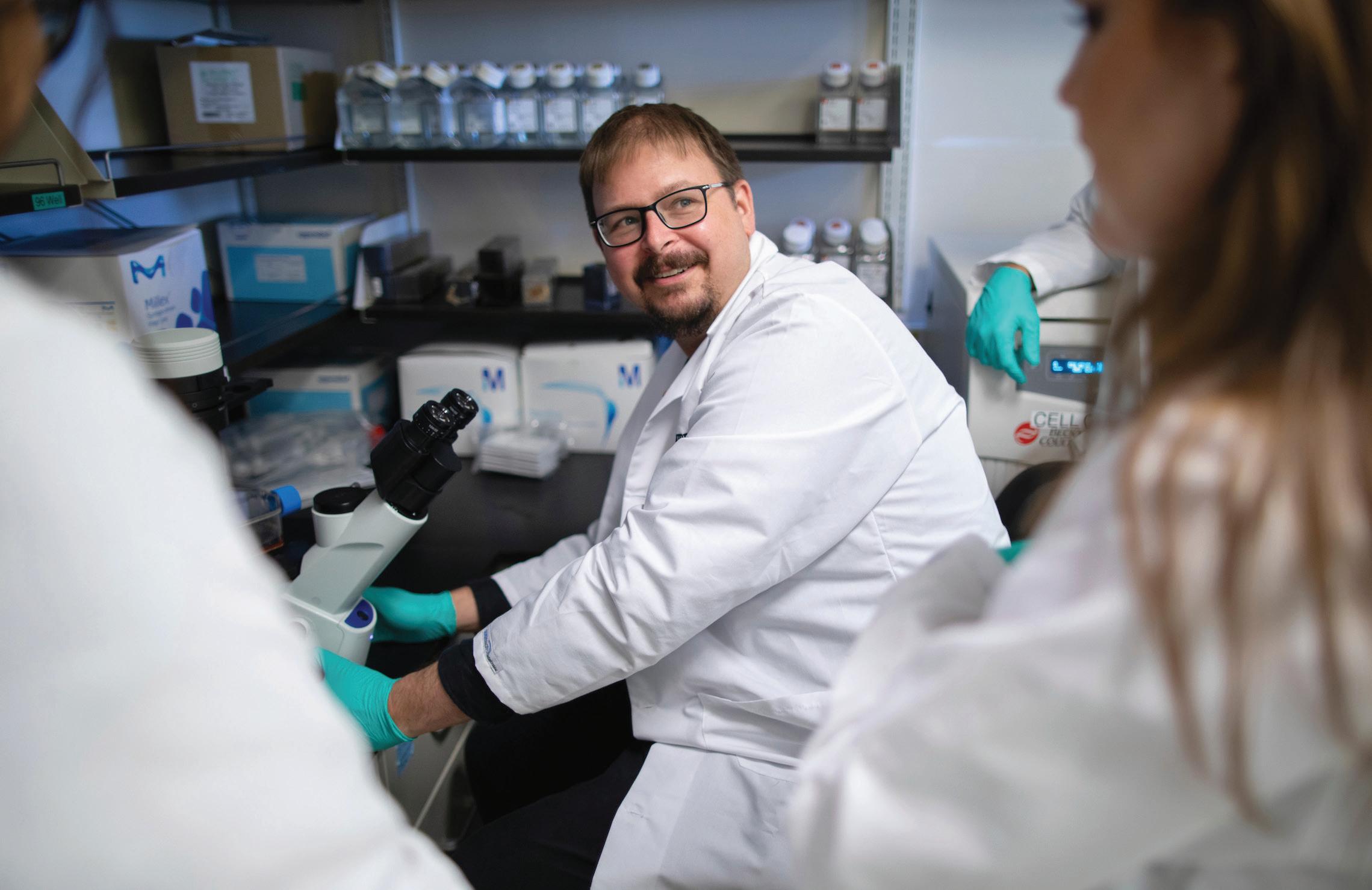
Vaccination undoubtedly continues to be the game-changing weapon against COVID-19. In 2021, shots were authorized for children ages 5 and up, and booster doses helped shore up waning antibodies. The COVID-19 vaccines offered by J&J/Janssen, Pfizer, and Moderna were a lifesaving first step. But Mount Sinai researchers recognized the need to make a low-cost, practical “vaccine for the world” that can be easily stored and distributed in developing nations.
A trio of leading virologists at Mount Sinai has been working diligently on an alternative vaccine, known as NDV-HXP-S. It is engineered with the Newcastle Disease Virus (NDV), which is harmless to humans. Into this vaccine vector, the S spike protein (stabilized with six prolines—HexaPro) is inserted. When expressed from the vector, it teaches our immune system to protect us against SARS-CoV-2. Unlike mRNA vaccines, which are expensive and require special storage, NDV-HXP-S
“ The goal of the workshops, for both health care workers and the community, is to give people science-based tools that help them navigate the daily stressors of life.”
– Jonathan M. DePierro, PhD
is manufactured using the same existing infrastructure that is used to produce flu shots, says Florian Krammer, PhD, Mount Sinai Professor in Vaccinology, and Professor of Microbiology at Icahn Mount Sinai. “The technology allows low- and middle-income countries to produce their own vaccines.”
So far, NDV-HXP-S has yielded positive and promising results in clinical trials. Various formulations, using both inactive and active virus, and differing delivery routes, including intramuscular and intranasal, are being tested throughout the globe—Vietnam, Thailand, Mexico, Brazil, and, most recently, the United States.
“We are incredibly excited by the phase 2 study outcomes,” says Peter Palese, PhD, Horace W. Goldsmith Professor and Chair of the Department of Microbiology at Icahn Mount Sinai. The vaccines in the clinical trials were manufactured by each country’s own existing production facilities, Dr. Palese explains. “The study in Vietnam showed in a head-to-head trial that the NDV-HXP-S induces two to three times higher neutralizing antibody titers than the AstraZeneca vaccine. In Thailand the trial with NDV-HXP-S showed that neutralizing antibody titers were comparable to those induced by the Pfizer mRNA vaccine.” He estimates that the vaccine, which could be available in other areas of the world by the end of 2022, will cost about 30 cents per dose to produce—as compared to the price tag for mRNA vaccination: approximately $30.
“ Vaccination will likely be needed even after the end of the pandemic.”
– Adolfo García-Sastre, PhD
But the true measure of a vaccine’s worth lies in its ability to adapt to a moving target. The Omicron outbreak revealed that this virus has the power to evade pre-existing immunity, explains Adolfo García-Sastre, PhD, Director of the Global Health and Emerging Pathogens Institute, and the Irene and Dr. Arthur M. Fishberg Professor of Medicine at Icahn Mount Sinai. During the 2021 holiday season, staggering numbers of fully vaccinated and boosted individuals were testing positive for the SARS-CoV-2 virus. Although the current vaccines still protect well against severe disease with Omicron, it became evident that better vaccines would be needed to protect against the threat of future variants.
“Vaccination will likely be needed even after the end of the pandemic,” says Dr. García-Sastre. “The NDV-HXP-S vaccine platform is a great choice for developing vaccines to protect against several variants at once and for improving vaccines to prevent the impact of future variants.” Like the flu shot, which targets different strains each year, NDV technology can be adapted rapidly to new variants, manufactured swiftly, stored easily, and distributed inexpensively.
Intranasal versions of the NDV-HXP-S vaccine are also being studied. All the current COVID-19 inoculations are injectionbased. However, a more effective delivery
method could employ the nasal mucosa—the tissue that lines the nasal cavity.
“The mucosal lining is a natural entry point for upper respiratory viruses. It is also where the immune system is prepared to encounter these types of pathogens and learn how to protect against them,” explains Sean T. Liu, MD, PhD, Assistant Professor of Infectious Diseases at Icahn Mount Sinai, and Medical Director of the COVID Clinical Trials Unit. “Stimulating the expression of antibodies in the mucous membranes may prevent SARS-CoV-2 from attaching and triggering the initial infection, as well as slow down the transmission of the virus.”
Phase 1 trials for the NDV-HXP-S intranasal vaccine are underway in the U.S., led by Dr. Liu and Judith A. Aberg, MD, Chief of the Division of Infectious Diseases in the Department of Medicine at Icahn Mount Sinai, and the Dr. George Baehr Professor of Clinical Medicine.
Under the supervision of Dr. Aberg and Dr. Liu, the newly established COVID Clinical Trials Unit has also studied eight investigational products and two vaccines now used to treat and prevent COVID-19, including the approved antiviral remdesivir and the authorized anti-spike SARS-CoV-2 monoclonal antibodies. Mount Sinai served as a site for the landmark trial leading to FDA approval of the Pfizer-BioNTech COVID-19 Vaccine for adults. The primary Pfizer vaccine series for
adults without immunosuppression requires two doses, with additional boosters as needed. Another trial sponsored by Pfizer is evaluating the efficacy and durability of additional vaccination in those who participated in the initial two-dose primary series trial.
Fertility has also been a focus of Mount Sinai’s doctors and scientists. In the largest study of its kind, researchers examined rates of pregnancy and early miscarriage in vaccinated women receiving in vitro fertilization. The results were comforting, notes senior author Alan B. Copperman, MD, Division Director and Clinical Professor of Obstetrics, Gynecology and Reproductive Medicine at Icahn Mount Sinai. Administration of COVID-19 mRNA vaccines was not associated with an adverse effect on ovarian stimulation, conception, or early pregnancy outcomes after IVF.
The faculty inventors of the NDV-HXP-S vaccine include Dr. Peter Palese, Dr. Adolfo García-Sastre, and Dr. Florian Krammer. Mount Sinai is actively seeking to advance this vaccine for commercial use. If commercialization is successful, both Mount Sinai and the faculty inventors would benefit financially. The physicians leading the phase 1 NDV-HXP-S intranasal vaccine studies in the United States (Dr. Aberg and Dr. Liu) are not faculty inventors and have no financial interests related to its development.
Hope for brighter days is finally on the horizon. In early March, as cases from the winter Omicron surge subsided, schools lifted mask mandates and restaurants rolled back vaccination requirements.
“If we are lucky, Omicron was the last big wave in the pandemic, but this is still unclear,” says Dr. Krammer. “Either way, SARS-CoV-2 won’t completely disappear and will likely continue to cause seasonal epidemics similar to the influenza virus.”
While the state of the world is undoubtedly better, COVID-19 is here to stay, in some form or another. Treatments must be refined, testing has to adapt, and vaccine updates—or better yet, variant-proof technologies—will be needed. Mount Sinai is destined to remain at the forefront of the ongoing fight.

BY RANDY YOUNG
Imagine being able to accurately predict whether a child will develop autism—from a single strand of hair. Or being able to determine from a sensitive blood test whether a transplanted kidney is headed toward failure, allowing clinicians to proactively start treatment to save the organ. Inspired scientific and clinical minds across the Mount Sinai Health System have spent considerable time pondering solutions like these. By connecting with the commercial expertise of Mount Sinai Innovation
Partners (MSIP) and its extensive network of investors and industry allies, researchers and clinicians have developed diagnostic tools poised to enter the market and potentially spur impactful change within their respective medical fields.
Simply put, MSIP is the critical interface between Mount Sinai’s physicians, scientists, and innovators and the development and marketing of their brilliant ideas. “Our goal is to ensure that health care solutions from inventors across the Health System are translated into real-
world products and services that benefit patients and society,” says Erik Lium, PhD, President, MSIP, and Chief Commercial Innovation Officer for Mount Sinai.
Even amid the disruptions of the COVID-19 pandemic, MSIP has remained highly productive. With the benefit of MSIP support and guidance, Mount Sinai researchers filed 357 patents, issued 160 technology disclosures, and launched seven startup companies last year. Among these ventures are Linus Biotechnology and Verici Dx.
In the same way the rings of a tree can reveal its growth history, a simple strand of hair contains a startling archive of information on the environmental exposures and metabolic changes that have taken place within the human body over the years. Manish Arora, PhD, BDS, MPH, the Edith J. Baerwald Professor and Vice Chair of the Department of Environmental Medicine and Public Health at the Icahn School of Medicine at Mount Sinai, discovered a way to decode that information. The technology has since received Breakthrough Device Designation from the U.S. Food and Drug Administration (FDA) to develop a hair strand test with the potential to diagnose autism spectrum disorder in individuals ranging from birth to age 21.
Along with colleagues Paul C. Curtin, PhD, and Christine Austin, PhD, both Associate Professors of Environmental Medicine and Public Health at Icahn Mount Sinai, Dr. Arora developed a platform based on laser ablation and mass spectrometry to measure how the body has responded to environmental exposures at a molecular level over time, then link those molecular signatures to specific disorders and diseases. In 2020, the team launched Linus Biotechnology from this cutting-edge platform, which has since spawned a diagnostic test known as StrandDx-ASD for autism spectrum disorder.

Linus is based on an evolving theory— Environmental Biodynamics—that elucidates how environmental influences interact with human physiology. At its most basic, that interaction creates a molecular signature that can be documented. “The idea is very simple,” Dr. Arora explains. “From a single strand of hair, we can get the equivalent of up to 1,000 liquid blood samples. And that hair sample isn’t just a snapshot of environmental exposures and the metabolic changes they cause in the body, but also a vessel for information on exposures dating back months to years.” The ability to zero in on multiple points in time is the key to revealing distinct disease signatures that are encoded across this time dimension. Dr. Arora compares it to music: “The only reason a song sounds like a song is because of the sequence of notes in the right order.”
One in 44 children in the United States is diagnosed with autism spectrum disorder, yet there are no biological tests to accurately predict occurrence of this developmental disability, which is caused by differences in brain biology. Instead, clinicians use questionnaires and subjective assessment of behavior. As a result, some children are diagnosed years later than others. Mount Sinai researchers posited that mapping
environmental exposures and their metabolism could offer a more robust predictive methodology and path forward. Clinical studies of StrandDx-ASD in the U.S., Japan, and Sweden have shown that the technology could determine whether 1-month-old babies were likely to receive an autism diagnosis four years later as well as determine which sibling in a pair of identical twins would develop the condition. A study at the Seaver Autism Center for Research and Treatment at Icahn Mount Sinai further confirmed the power of the team’s approach, demonstrating that the test can support standard clinical assessment in diagnosing children with autism spectrum disorder.
Currently, Linus Biotechnology is planning further studies aimed at gaining market approval for StrandDx-ASD. But the startup has its sights set on diagnosing for a broad range of conditions—including amyotrophic lateral sclerosis, gut disorders such as inflammatory bowel disease, and pediatric cancer—as well as research and patient care applications. “Our future goal is for researchers and clinicians to use our technology to monitor therapies and develop clinical trial endpoints,” Dr. Arora emphasizes.
“Our future goal is for researchers and clinicians to use our technology to monitor therapies and develop clinical trial endpoints.”
– MANISH ARORA, P h D, BDS, MPH

Statistics paint a sobering picture: Rapidly growing cases of chronic kidney disease in the U.S. have created a desperate need for kidney transplants, with nearly 100,000 patients currently on the waiting list.
A major complication underlying the organ scarcity is that 20 percent of kidney transplants are “do-overs,” where the patient receives a second transplant after their body has rejected the first. For decades, there was no way to determine if factors such as inflammation, immune response, and impacts on other biological systems would result in a transplanted kidney’s demise, or if a patient was at risk of developing fibrosis, a scarring of connective tissue that is a telltale sign of a failing kidney.
Verici Dx is dedicated to filling this massive clinical void with a series of blood tests that can effectively identify RNA signatures, giving the clinician and the
patient a real-time prognosis of both high and low risk of future damage. The beauty of these dynamic and noninvasive molecular tests versus a traditional biopsy is that they can detect looming adverse events early on, giving clinicians precious time to initiate organ-saving treatments. The tests also provide additional information for low-risk patients, enabling physicians to tailor their immunosuppressive drug regimens to the patient. The outcome could be extraordinary: fewer patients needing to undergo additional complex surgery, plus a wider availability of kidneys for patients on the transplant waiting list.
“Verici Dx is the result of groundbreaking Mount Sinai technology aimed at maximizing kidney transplant health via clinical diagnostics to assess and mitigate a patient’s risk of rejection,” Dr. Lium summarizes. “Through the use of machine learning, Verici Dx is focused on solutions to many of the unsolved problems within kidney care.”
Verici Dx technology is based on the pioneering research of the late nephrologist Barbara M. Murphy, MD, who previously served as the Dean of Clinical Integration and Population Health, Chair of the Samuel F. Bronfman Department of Medicine,
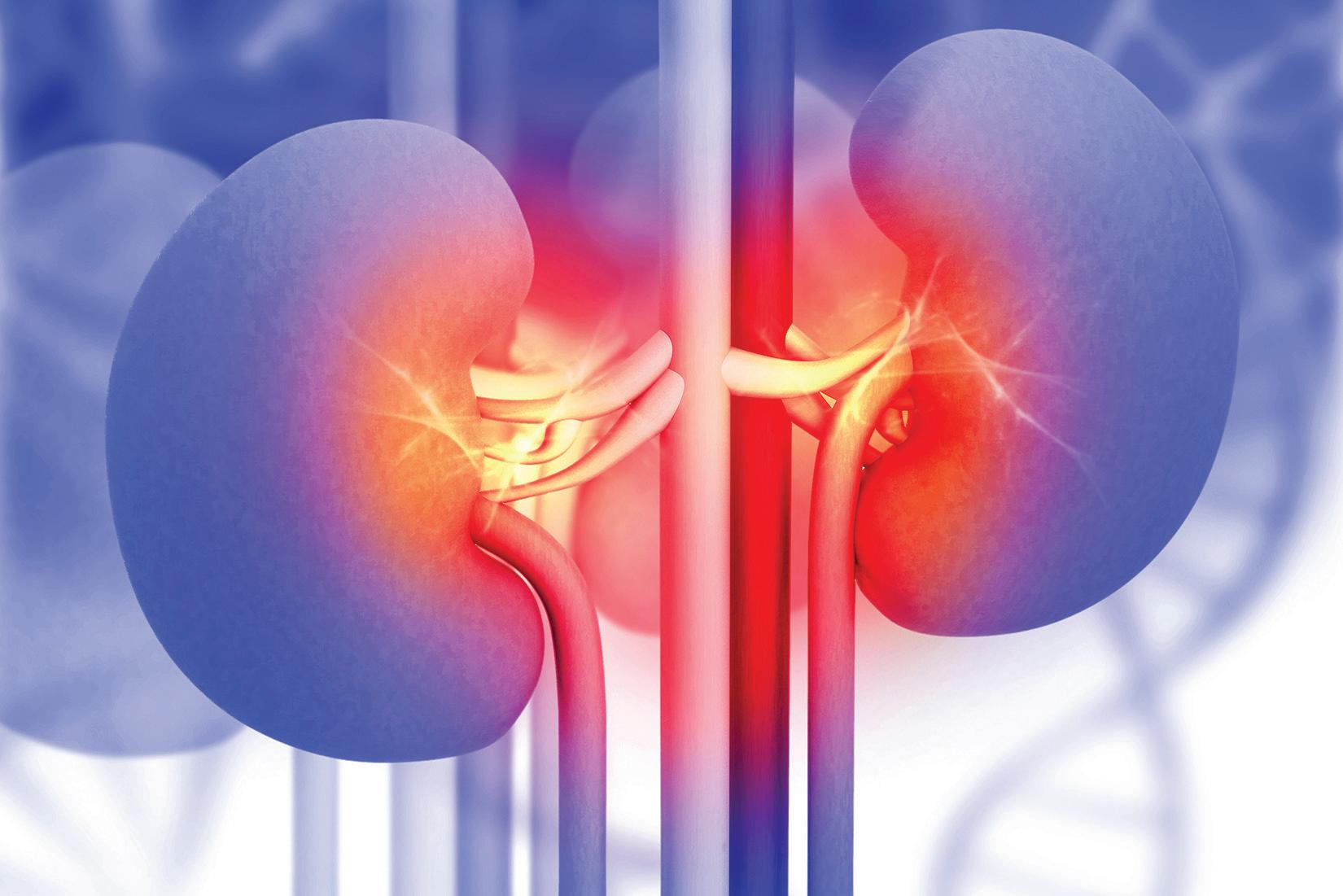
Verici Dx is developing advanced clinical diagnostics to provide a real-time prognosis of how a patient will respond to a kidney transplant, addressing both organ rejection and scarcity issues.
“ Through the use of machine learning, Verici Dx is focused on solutions to many of the unsolved problems within kidney care.”
– ERIK LIUM, P h D
and the Murray M. Rosenberg Professor of Medicine at Icahn Mount Sinai. Her research on molecular surveillance in kidney transplant patients, commercialized with the help of MSIP, is playing a key role in how patient care is managed. In an unprecedented study, Dr. Murphy and her colleagues monitored more than 500 kidney transplant patients before and after surgery, analyzing tissue biopsied from transplanted kidneys over two years. From that body of research, they were able to identify immunological and genetic markers of injury to the renal organ.
This breakthrough work has become the foundation for multiple molecular tests, now in advanced clinical development, that will assess and monitor kidney health before and after a transplant. Verici Dx has also launched an international clinical trial to validate these tools and plans to expand its diagnostics platform to other types of organ transplants.
“We look forward to continuing our work with both Verici Dx and Linus Biotechnology as we advance the patient-centric discoveries made at Mount Sinai,” Dr. Lium says. “Our team is inspired and truly committed to developing solutions that become the standard of care.”
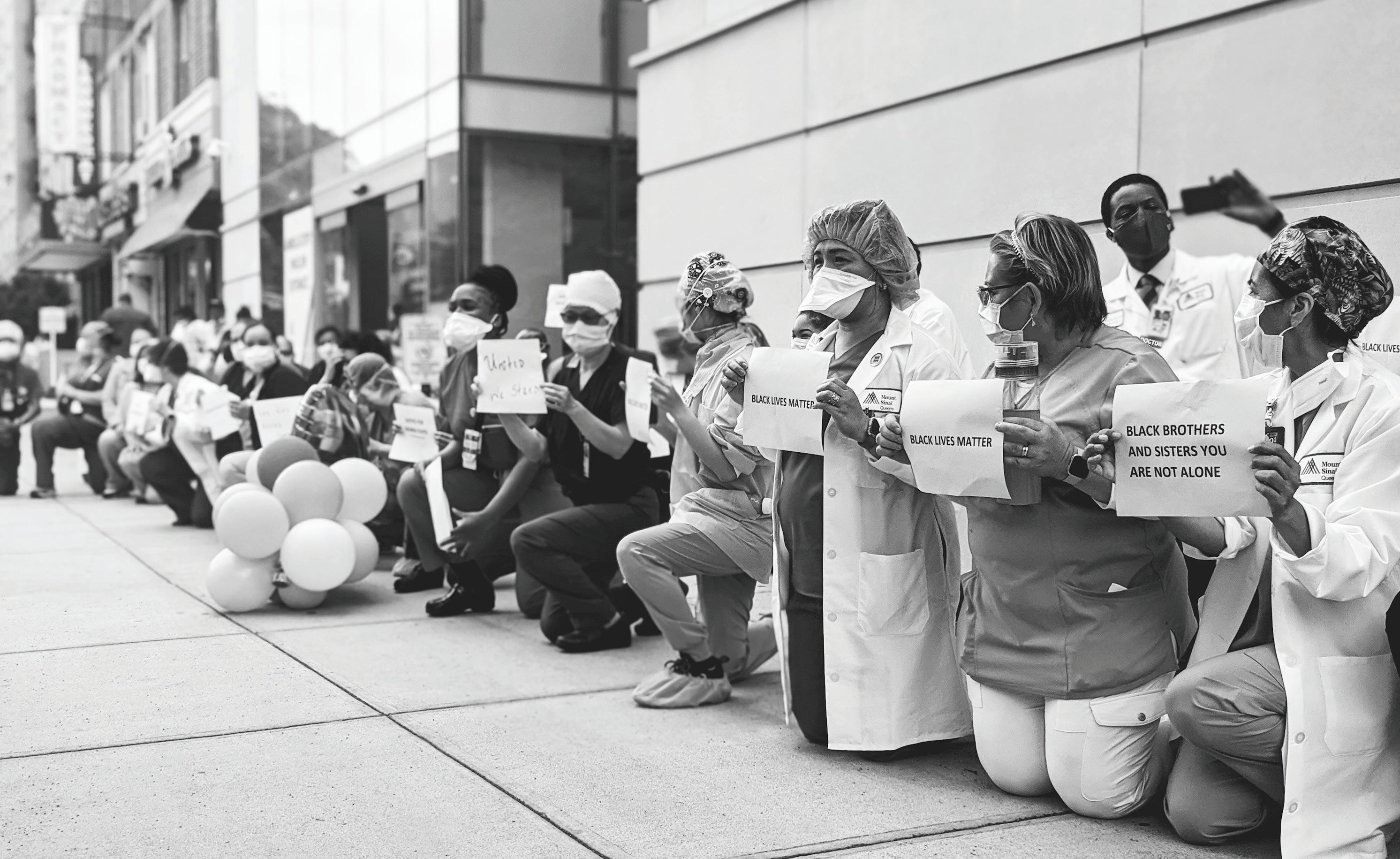
On June 4, 2020, members of the Mount Sinai Queens community joined together in a moment of solidarity to support the Black Lives Matter movement in the wake of George Floyd’s murder.
BY ALISON DALTON
Longstanding societal and institutional racism isn’t easy to root out. And the COVID-19 pandemic posed an additional complication, creating social disconnection and burnout in medical students, staff, and providers everywhere—not least in New York City, the original epicenter of the disease in this country. The Office for Diversity and Inclusion at Mount Sinai was established to prioritize and combat the sometimes unseen, yet very real, impact of the lack of diversity, equity, and inclusion in health care. In 2015, Icahn Mount Sinai launched the Racism and Bias Initiative to address bias in medical education.
“There were a number of setbacks during the pandemic, but it also created a spark,” says Gary C. Butts, MD, Executive Vice President for Diversity, Equity, and Inclusion and Chief Diversity and Inclusion Officer for the Mount Sinai Health System. “We have leveraged the moment to aggressively advance our anti-racism initiatives and have created a road map to push toward more positive change within our Health System.”
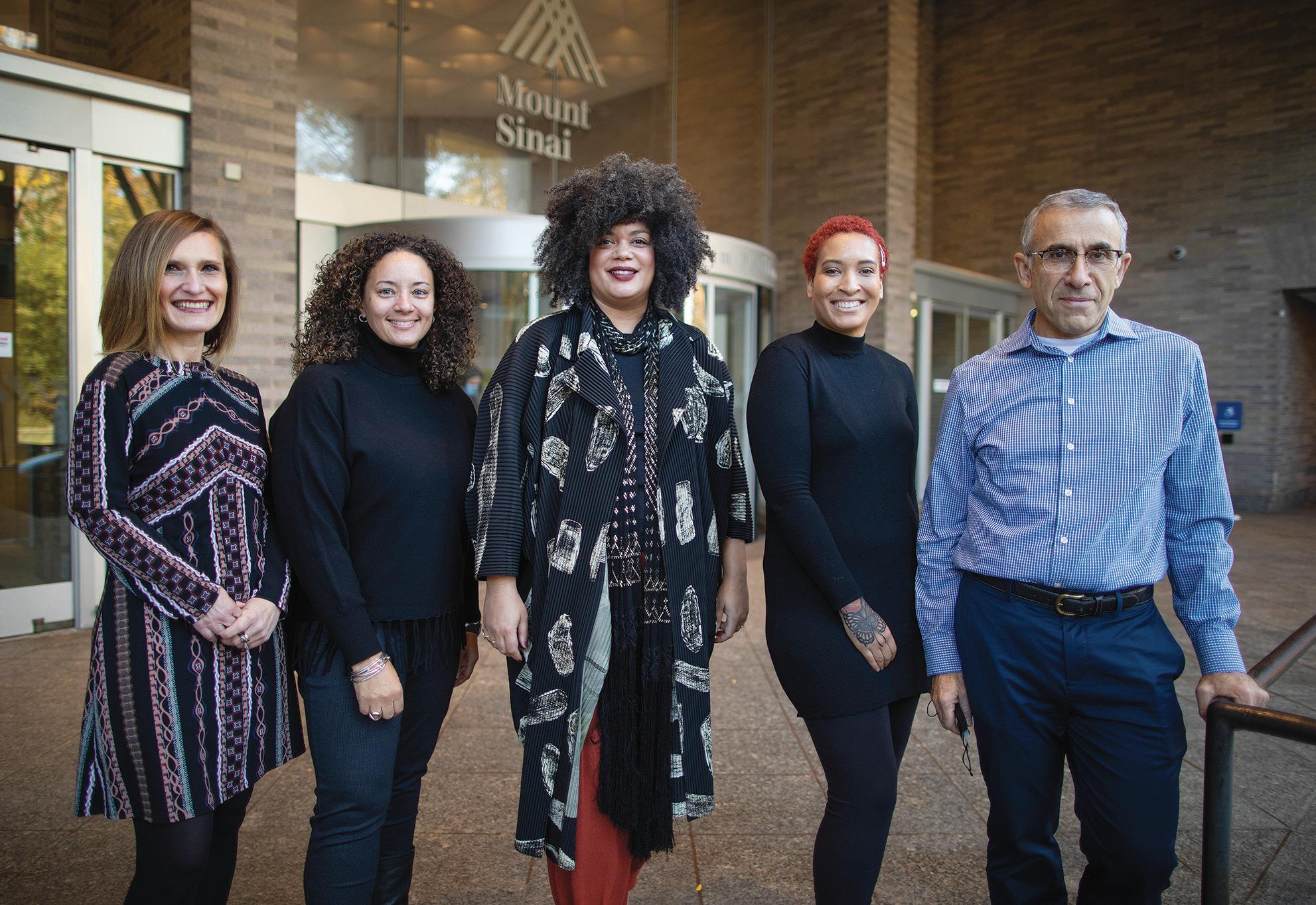
While the 2015 Racism and Bias Initiative addressed bias in general, the Task Force to Address Racism, comprising students, staff, administrators, and Trustees, began in July 2020 to discuss what measures could be taken specifically against racism. The Task Force was commissioned by Kenneth L. Davis, MD, Chief Executive Officer of Mount Sinai Health System, and Dennis S. Charney, MD, Anne and Joel Ehrenkranz Dean of Icahn Mount Sinai and President for Academic Affairs, Mount Sinai Health System.
After much analysis and debate, the Task Force created the “Road Map for Action” to address racism, specifying 11 key strategies and more than 50 interventions. Among them are providing anti-racism education; enhancing community partnerships and investment; increasing recruitment efforts, hiring, retention, and mentorship of Black
and other underrepresented minority staff and faculty; and developing metrics to quantify performance.
Mount Sinai’s new Center for Anti-Racism in Practice (CAP) provides anti-racism education, training, organizational strategy development, and approaches to integrating the Road Map. Led by Co-Directors Leona Hess, PhD, MSW, Director of Strategy and Equity Education Programs at Icahn Mount Sinai, and Ann-Gel S. Palermo, DrPH, MPH, Senior Associate Dean for Diversity, Equity, and Inclusion at Icahn Mount Sinai, CAP strives to build the capacity of Icahn Mount Sinai’s leadership, faculty, staff, students, and postdoctoral trainees to dismantle racism in medicine and science. The Center has begun a series of workshops, which offer opportunities for faculty and staff to
“What’s great is we can talk about these things now. We’ve become a bit more comfortable with uncomfortable conversations.”
GARY C. BUTTS, MD

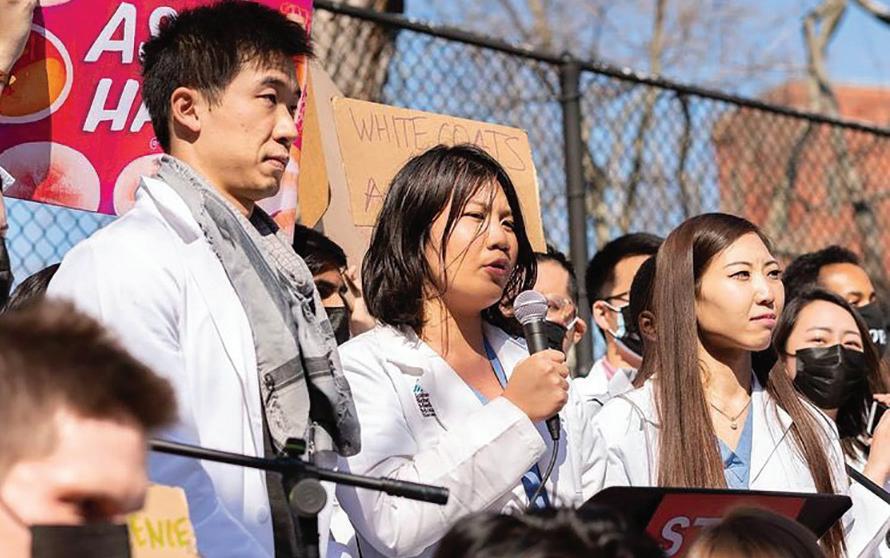
engage in critical conversations and foster an environment that is equitable, supportive, and inclusive.
Mount Sinai’s Anti-Racist Transformation (ART) in Medical Education project includes a virtual learning platform designed to engage students, staff, and faculty in virtual experiential learning, assessments, outcome and performance monitoring sessions, and coaching. The initiative is underway and will continue for about three years. With generous support from the Josiah Macy Jr. Foundation, Icahn Mount Sinai will enroll 11 other medical schools in the ART initiative with the goal of establishing anti-racism as an organizing principle in medical education.
Violence against Asian Americans has risen frighteningly during the pandemic. One incident took place at Mount Sinai’s very door, when in 2021 a young Asian American Mount Sinai medical student was kicked to the ground in front of The Mount Sinai Hospital by a man yelling: “Chinese virus!”
To combat such racism and misunderstanding, Dean Charney spearheaded the creation of Mount Sinai’s Committee to Address Anti-Asian Bias and Racism (CAABR).
This initiative builds on recommendations in the Road Map and is helmed by Amanda J. Rhee, MD, MS, Medical Director of Patient Safety, and James C. Tsai, MD, MBA, President, New York Eye and Ear Infirmary of Mount Sinai.
“One thing we do is try to correct the myth of Asians as a ‘model minority,’” says Dr. Tsai. “We all need to fight racism in a unified way.”
Dr. Rhee says CAABR has four main goals: education, communication, safety, and professional development. To teach traditions of some Asian communities, CAABR organized Lunar New Year tabling events at all eight Mount Sinai hospitals and beyond, including a video in which participants wished everyone a happy new year in their native languages. To bolster safety, CAABR has worked to make personal alarms widely available to staff and students through Health System security offices. CAABR also celebrated Asian American and Pacific Islander Heritage Month in May, sharing the broad multinational and multicultural diversity of the AAPI community.
Professionally, Asians often encounter a “bamboo ceiling,” Dr. Rhee adds, meaning that they are less likely to advance to leadership positions in health systems and corporations across the United States. Through its professional development program, CAABR is working to help Mount Sinai students, staff, and faculty break through that barrier.
“One thing we do is try to correct the myth of Asians as a ‘model minority.’ We all need to fight racism in a unified way.”
Promoting communication about racism is hugely important, Dr. Butts emphasizes.
“How we do it, what we say, what we message out becomes critical in meeting folks where they are,” he explains. That entails everything from convening conversations in the cafeteria; to sending out the Road Map for Action Bulletin, a resource to keep everyone informed and involved with Mount Sinai’s anti-racism work; to Chats for Change, a monthly series of conversations on topics that spark discussion about racism and bias.
The Mount Sinai Institute for Health Equity Research builds on existing efforts to collect health data outcomes in order to measure health care inequities across the system. Part of this work includes the Mount Sinai Equity Dashboard. Spearheaded by Doran Ricks, RN, MSN, MBA, Vice President
of Data Strategy and Stewardship for the Mount Sinai Health System, the Dashboard measures performance to identify where efforts are successful and where additional work is needed. The goal is to enable both clinical and nonclinical equity metrics to become key measures of quality outcomes throughout Mount Sinai’s eight hospitals.
With metrics comes accountability. All leaders across the Health System are held responsible for measurable gains throughout the organization, and, according to Dr. Butts, that charge goes all the way to the top.
An anti-racism organizational structure is vital and must be in place to ensure real and lasting change. But Mount Sinai’s greatest accomplishment so far is an intangible one, Dr. Butts observes. “What’s great is we can talk about these things now. We’ve become a bit more comfortable with uncomfortable conversations.”

REUNION COMMITTEE MEMBERS Commencement 1972
Jeffrey S. Flier, MD, MSSM ’72, MSH ’74
Distinguished Service Professor
Harvard University
George Higginson Professor of Medicine and Physiology at Harvard Medical School
Arthur Frank, MD, PhD, MSSM ’72 and ’77
Professor of Public Health and Medicine
Drexel University
Peter Lang, MD, MSSM ’72
Senior Associate in Cardiology (retired)
Boston Children’s Hospital
Associate Professor of Pediatrics (retired)
Harvard Medical School
More than five decades ago, Mount Sinai founded a progressive medical school with a compelling mission. “The really radical departure of the Mount Sinai concept rests in its efforts to develop a special kind of physician who is at once a specialist and a humanist,” the 1966 proposal read. “It is by the physician in [their] attempt to relieve human suffering that the fruits of science and aspirations of the humanities are joined.” That vision inspired the School of Medicine’s earliest students—future doctors whose values were closely aligned with those of their mentors and those of Mount Sinai. Some might call that pivotal time a medical breakthrough, one well worth commemorating.
Plans for next year’s Alumni Reunion & Awards Ceremony are already underway, and we will celebrate the first four classes to graduate: 1970, 1971, 1972, and 1973. Here we recognize the Class of 1972 and commemorate their milestone 50th anniversary—and we thank reunion committee members for reflecting on their years at the nascent Mount Sinai School of Medicine (MSSM).
How does an alumnus of the very first four-year class of the Icahn School of Medicine at Mount Sinai reflect upon that milestone? A New York City native, Jeffrey S. Flier, MD, fondly remembers his experience as a student in that founding class. “Mount Sinai was already a reputable hospital, and I was excited by the prospect of being one of the first to join its brand-new medical school,” says Dr. Flier. “There was a tremendous amount of anticipation around how I could potentially influence the direction of the school.”
Since completing his degree, Dr. Flier has had an illustrious career as an endocrinologist and an authority on the molecular causes of obesity and diabetes. His research on diabetes led to the
Director Emeritus, Clinical Training Program
Pediatric Cardiology
Boston Children’s Hospital
Marlene Marko, MD, MSSM ’72, MSH ’76
Attending Physician, Department of Psychiatry
The Mount Sinai Hospital
Clinical Instructor of Psychiatry
Icahn Mount Sinai
Ernst J. Schaefer, MD, MSSM ’72
Chief Medical Officer and Laboratory Director
Boston Heart Diagnostics
Distinguished University Professor
Tufts University School of Medicine
discovery of the existence of autoantibodies to the insulin receptor as a cause of severe insulin resistance, which is just one of his seminal contributions to the field.
Dr. Flier currently serves as Harvard University Distinguished Service Professor, and George Higginson Professor of Medicine and Physiology at Harvard Medical School. As the former 21st Dean of the Faculty of Medicine at Harvard University, he appreciates how his time at Mount Sinai impacted his medical career.
“Mount Sinai has played a big role in my life,” says Dr. Flier. “As we look back at our past, we must also look ahead to the future, as the best is yet to come.”
“My interview for admission to MSSM in 1968 was emblematic of everything Mount Sinai has meant to me and how it shaped my life as a physician. In addition to spending time getting to know me as a person, Dr. Sidney P. Diamond shared his excitement about the new school and the humanistic philosophy of medical education and patient care it would stand for. Indeed, right from the start, we were taught to treat the person and not just the disease.”
– Marlene Marko, MD
“Mount Sinai has been known in the past for its humanity and its caring for many kinds of people. When we were taught how to do a history and physical examination, the attending physician shared a simple but profound thought that has never left me: Treat every patient as if they were your grandparent. To this day, I follow that dictum in my care for patients and their families.”
– Arthur Frank, MD, PhD
“The fall of 1968 was a time of educational, social, and political tumult—and many of us in the Class of 1972 saw medicine as a means to address challenges of the day. I was attracted to Mount Sinai’s innovative approach to medical education and emphasis on community medicine. In truth, neither the faculty nor students knew exactly what the next four years might bring, but that was the beauty of the experience.”
– Peter Lang, MD
“The chance to be in the school’s first fouryear class offered an opportunity to be part of history and, if only in a small way, to shape that history. It was intoxicating to be in a class of only 36 students, most of whom shared my pioneering spirit.”
– Jeffrey S. Flier, MD

In New York City, one of Mount Sinai’s own has become a familiar face in the ongoing effort to educate the public about COVID-19.
Serving as First Deputy Commissioner and the inaugural Chief Equity Officer for the NYC Department of Health and Mental Hygiene, K. Torian Easterling, MD, MPH, is often the front man for the Health Department’s many public service announcements (PSAs). Holding a Master of Public Health degree from Icahn Mount Sinai, Dr. Easterling is helping to advance the agency’s equity agenda.
Growing up in Newark and East Orange, New Jersey, Dr. Easterling decided early that he would dedicate his life to improving the health of others. At the tender age of 9, he set his sights on becoming a doctor. His unique experiences from college to residency—completing medical rotations in West Africa and serving on medical mission trips after Hurricane Katrina and the 2010 earthquake in Haiti—opened his eyes to the important intersection of primary care and public health.
“I am proud to say that I’m an alumnus of Mount Sinai,” Dr. Easterling states.
“It’s provided me with a great foundation that continually serves me well as a physician, health educator, and advocate.”
Dr. Easterling’s passion for health equity and social justice was brought to bear in his role at the Health Department, particularly as the pandemic disproportionately affected communities of color.
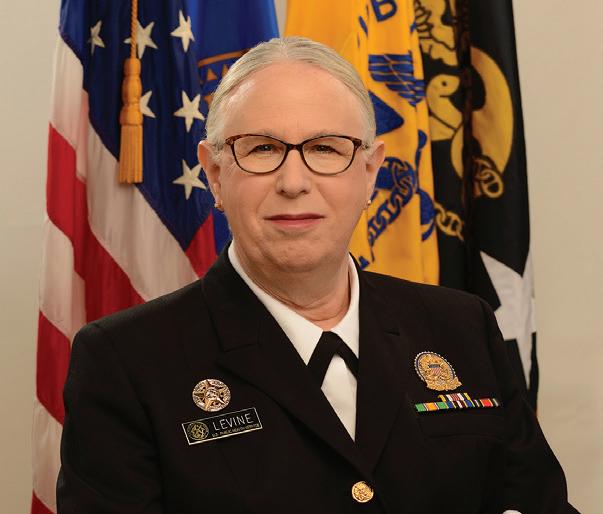
Last year, Rachel Levine, MD, made history not once, but twice.
In March 2021, she became the nation’s highest ranking openly transgender official as Assistant Secretary for Health in the Department of Health and Human Services.
Then, in October, ADM Levine was also named the first female and openly transgender four-star admiral of the U.S. Public Health Service Commissioned Corps. “May this appointment be the first of many like it as we create a more inclusive future,” ADM Levine said at her swearing-in ceremony. “The time is now for our country to continue to move the bar forward for diversity.”
In addition to these groundbreaking assignments, ADM Levine leads the new Office of Climate Change and Health Equity, the first of its kind. “We work to create an environment in which no one is left behind,” she explains.
A graduate of Harvard College and Tulane University School of Medicine, ADM Levine completed her residency in pediatrics and adolescent medicine at Mount Sinai and stayed on as a faculty member. She went on to become a professor at Penn State College of Medicine and served in prominent roles at Penn State Hershey Medical Center. Then, as Pennsylvania’s physician general and health secretary, she worked to address the opioid epidemic, maternal health, and immunization rates among children.
Today, in her federal posts, ADM Levine is concentrating on the COVID-19 pandemic, health disparities, addiction, and mental health. “The health of our nation is paramount,” she emphasizes. “Everyone should be treated with love, respect, and compassion.”
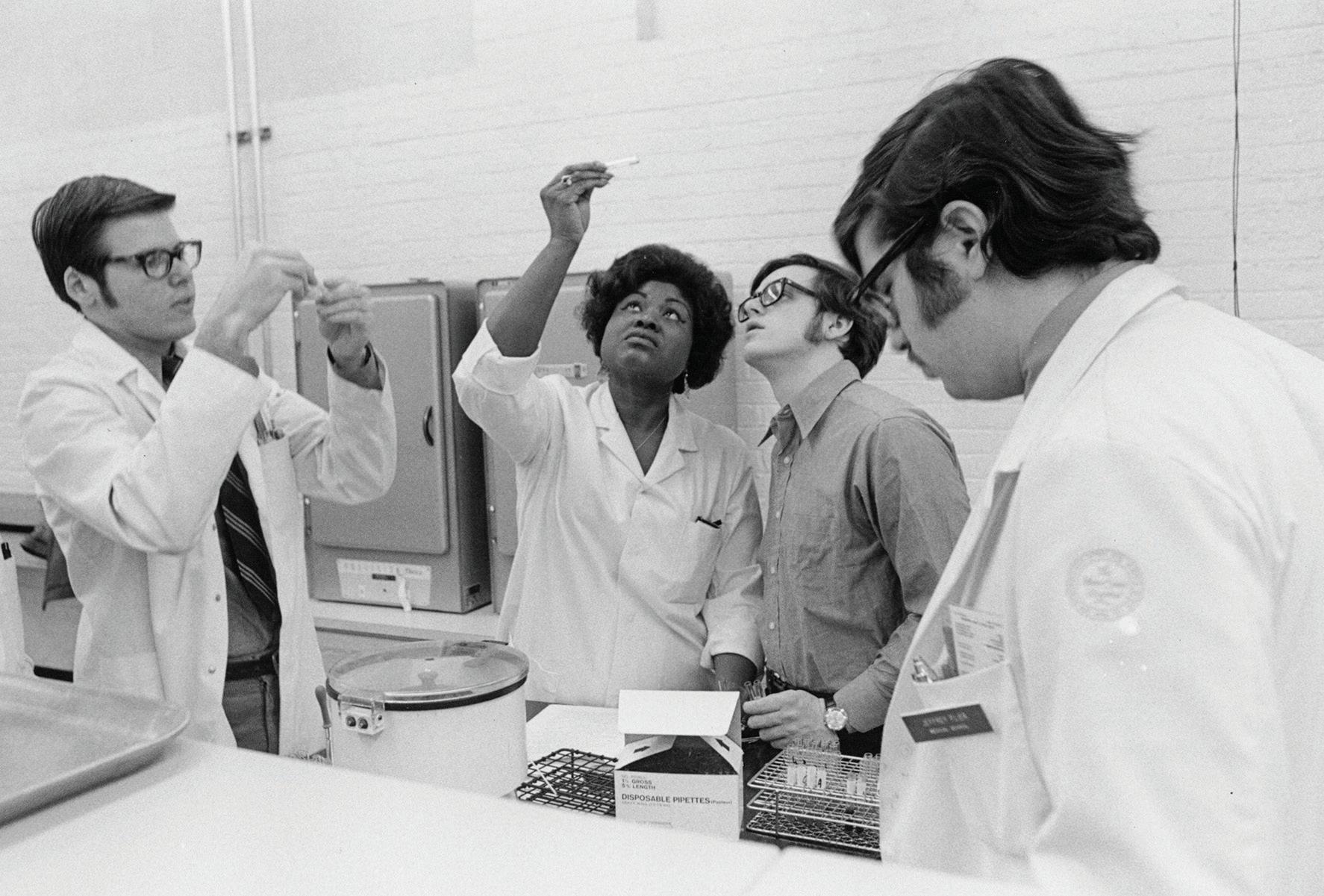
“My time with Dr. Kurt W. Deuschle began as a first-year student at Mount Sinai. He took me under his wing, educated me in the art of being an academic, and prepared me for being a department head someday. … Dr. Irving J. Selikoff was a world-class researcher on the subject of asbestos, and he was also head of the Environmental Sciences laboratory and head of my PhD program. I learned much about that subject from him and have had my own career of 50+ years in that same area.”
– Arthur Frank, MD, PhD
1. A
2. Hans Popper, MD, PhD, Chairman of the Department of Pathology, and Dean for Academic Affairs, speaking at the School’s Dedication Day on October 20, 1968
3. Samuel J. Bosch, MD (center right), Professor Emeritus, Environmental Medicine and Public Health, leading a small group discussion
4. Provisional charter granted by the New York State Board of Regents, 1963
5. Alan I. Harris, MD, MSSM ’72 (left), and Richard J. Meyer, MD, MSSM ’72 (right), conducting laboratory research
“When I got to Mount Sinai, my first professor on the medical ward was an outstanding clinician named Dr. Herschel J. Sklaroff. He taught our small physical diagnosis group the first thing to ask a patient: ‘What is the problem?’ … Dr. Solomon A. Berson referred me to do cholesterol research with Dr. Howard A. Eder at Albert Einstein College of Medicine. That invaluable experience led me to pursue my life’s work on the role of LDL and HDL in causing heart disease.”
– Ernst J. Schaefer, MD

“I feel fortunate and happy each day, for more than 50 years and counting, that I am able to take care of my patients and continue to learn. These values were instilled in me through the years of education at Mount Sinai, both at the medical school as well as at the hospital—as a resident, full-time faculty member, student supervisor, and member of the admissions and grievance committees.”
– Marlene Marko, MD
“Not a day goes by that my experiences at Mount Sinai have not impacted the work I do.”
– Arthur Frank, MD, PhD
“My career was shaped by my experiences at Mount Sinai at that exciting moment in its history, most specifically through the classmates and faculty mentors who prepared and enabled me to achieve whatever I have accomplished in the 50 years since our graduation.”
– Jeffrey S. Flier, MD
“I am very grateful for the education and training that I received at Mount Sinai, and for the wonderful classmates who were my friends.”
– Ernst J. Schaefer, MD
Since 2019, Icahn Mount Sinai’s Enhanced Scholarship Initiative (ESI) has served as our means of providing major scholarship support to address the crisis of medical education debt and the strain that debt places on students and their families.
“The fundamental goal of this initiative is to have a meaningful impact on the stress that comes with loan debt for students who can least afford a medical education,” says David Muller, MD, FACP, Dean for Medical Education, and the Marietta and Charles C. Morchand Chair of the Leni and Peter W. May Department of Medical Education. “The scholarship program takes us a step closer to achieving equity for students who have historically been prevented from pursuing careers in medicine due to their financial circumstances.”
ESI empowers students with demonstrated financial need to make decisions about their careers based on their talents and passions, unencumbered by overwhelming financial obligations. The program ensures that after the expected family contribution is made, a student would only need to access educational loans totaling $75,000 for four years of medical school. With this relief, students are more likely to consider fields like primary care, pediatrics, community medicine, global health, and research, among others that do not have high levels of entry or lifetime compensation.
“Mount Sinai attracts students from a broad range of academic, personal, and professional backgrounds, some of whom are disadvantaged, disenfranchised, and underrepresented in medicine,” Dr. Muller continues. “They have demonstrated incredible resilience and are able to use that life experience to influence the way in which they practice their medicine, their research, their public health practice—and make a difference in the world.”
BY ELAINE LAWSON
Building on a 170-year legacy of unrivaled accomplishment in research, education, and clinical care, the Mount Sinai Health System continues to advance our “Limitless” capital campaign to raise $2 billion by 2025. The campaign, which entered the public phase in 2021, has already raised more than $1 billion—one year ahead of schedule and despite a global pandemic.
The “Limitless” campaign has funded numerous projects across the Health System aimed at enriching patient health, fueling innovative scientific research, and training the next generation of leaders in health care. Many of our donors have generously supported pressing priorities, such as our COVID-19 relief efforts and our Enhanced Scholarship Initiative; capital transformations, such as renovations within our emergency medicine and women’s health facilities; and major research institutes, such as The Friedman Brain Institute and The Tisch Cancer Institute. Philanthropy is critical, enabling us to drive profound and lasting change throughout the entire institution. Our campaign will help ensure we remain steadfast in providing equitable and exceptional care for the very diverse communities we serve.
Thanks to the tremendous generosity of our Trustees and the ongoing support of our longtime benefactors and new donors, we are poised to reach incredible new heights of achievement within the campaign. There is no obstacle we cannot overcome, because at Mount Sinai the possibilities are limitless!
Here is a snapshot of transformational gifts that have named institutes, centers, and departments in the “Limitless” campaign:
The Alper Center for Neural Development and Regeneration
The Alper Center will drive Mount Sinai’s ability to conduct studies on genetic disease and develop innovative treatments to help patients in areas such as schizophrenia, neurodegeneration disorders, and brain cancer.
The Jeff and Lisa Blau Adolescent Consultation Center for Resilience and Treatment
The focus of the Blau Center will be on schizophrenia, one of the most debilitating psychiatric conditions. Although the knowledge around schizophrenia has increased, there have been no breakthroughs in diagnosis, prevention, or treatment. Toward this end, the Blau Center will combine excellent clinical care with groundbreaking research.
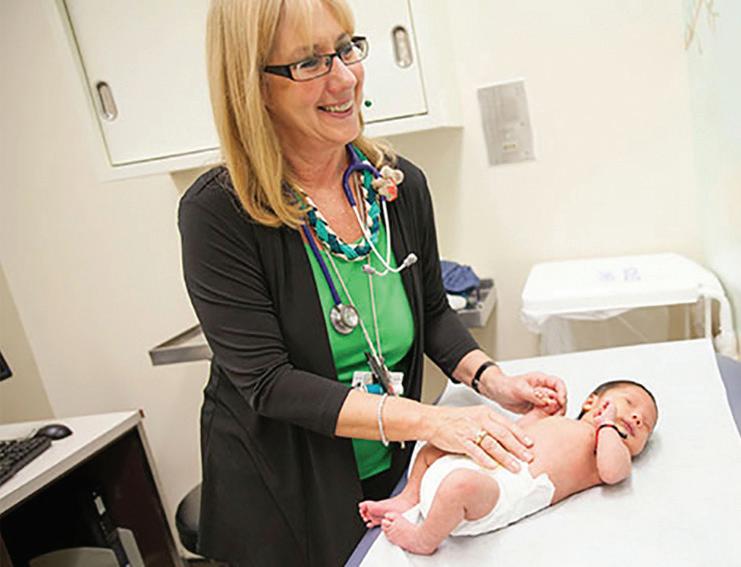
The Blavatnik Family Women’s Health Research Institute
“Thanks to the generosity of the Blavatniks, the establishment of this Institute will help position Mount Sinai as a leader in women’s health and enable us to optimize the quality of care for all women across their life span by narrowing the gaps in treatment and outcomes.”
Leslee Shaw, PhD Director
Blavatnik Family Women’s Health Research Institute
Vice Chair of Research
Raquel and Jaime Gilinski Department of Obstetrics, Gynecology and Reproductive Science
Icahn Mount Sinai
The Cohen Center for Pediatric Comprehensive Care
“We cannot underestimate the challenges many parents face in raising healthy kids today. We are thankful for the support of the Cohen Family to establish the Center, which builds upon our tradition of providing outstanding, affordable health care for children from birth to 21 years of age in New York City and throughout the tri-state area.”
Kecia N. Carroll, MD, MPH
Black Family Chair for Pediatrics
Chief, Division of General Pediatrics
Jack and Lucy Clark Department of Pediatrics
Icahn Mount Sinai
The Barbara and Maurice Deane Healthy Brain Initiative and the Barbara and Maurice Deane Center for Wellness and Cognitive Health
The Barbara and Maurice Deane Healthy Brain Initiative at Icahn Mount Sinai is an integrated, cross-departmental service that provides a single portal of entry for any older adult with cognitive or behavioral concerns.
The Anne and Joel Ehrenkranz Center for the Study of Human Resilience
Stress is the greatest risk factor for depression, and depression is the leading cause of disability worldwide—and the primary cause of suicide. The Ehrenkranz Center aims to understand what constitutes human biological and psychological resilience, and to translate this understanding into more effective therapies that improve patient outcomes.
The Raquel and Jaime Gilinski Department of Obstetrics, Gynecology and Reproductive Science
“We remain committed to the outstanding work of Mount Sinai in the field of obstetrics and gynecology that will ultimately lead to more comprehensive care and positive outcomes for women.”
Raquel Gilinski Trustee, Mount Sinai Health System
The Sanford Grossman Interdisciplinary Center in Neural Circuitry and Immune Function
The Grossman Center will leverage the unique capabilities of Mount Sinai’s leading experts in Alzheimer’s disease, genetics, stem cells, imaging, clinical neurology, neuropathology, and the Mount Sinai BioMe biobank. The Center’s goal is to create tools for early diagnosis and to uncover novel mechanisms of Alzheimer’s disease that can aid in the development of therapeutics for this devastating and widespread disease.
The Hasso Plattner Institute for Digital Health at Mount Sinai (HPI-MS)
Science and technology have created tremendous opportunities to improve and extend our lives. The HPI-MS uses tools of data science, biomedical and digital engineering, and medical expertise to advance health care.
The Charles Lazarus Children’s Abilities Center
The Lazarus Center aims to transform and shape the course of children’s rehabilitation. This state-of-the-art
facility, located at Mount Sinai-Union Square, is the only center in the United States to develop and offer innovative, affordable, life-changing therapies that can accelerate rehabilitation for many different conditions, including cerebral palsy, paralysis, traumatic brain injuries, and concussions.
The Lipschultz Center for Cognitive Neuroscience
“The enormity of the impact of diseases of cognition, including Alzheimer’s disease and Parkinson’s disease, cannot be overstated. The Lipschultz Family is enabling us to make the fundamental
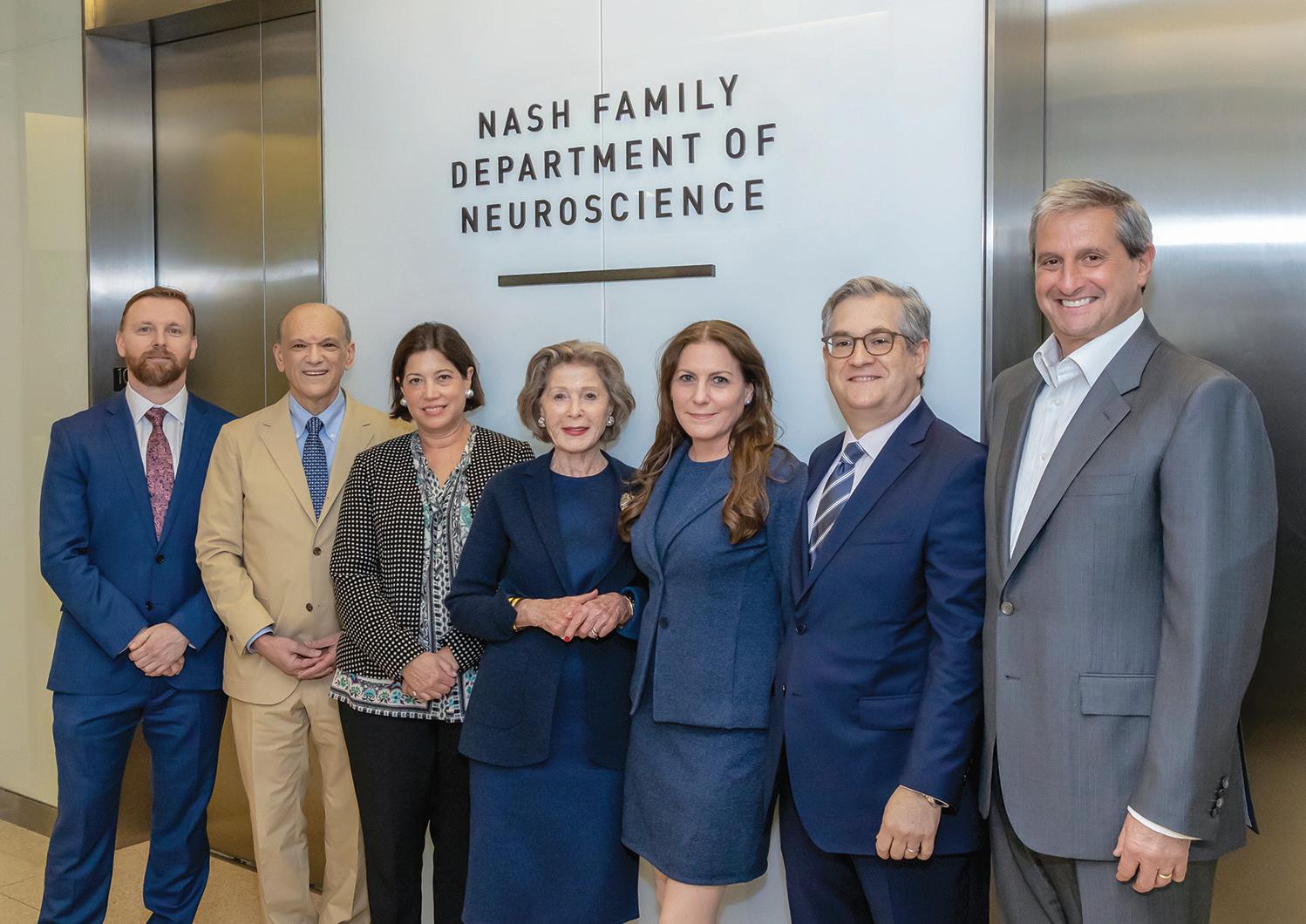
advances in cognitive brain research that have been needed for decades.”
Eric J. Nestler, MD, PhD
Chief Scientific Officer
Nash Family Professor of Neuroscience
Director, The Friedman Brain Institute
Dean, Academic and Scientific Affairs
Icahn Mount Sinai
The Marc and Jennifer Lipschultz Precision Immunology Institute (Lipschultz PrIISM)
“We are so thankful to Marc and Jennifer Lipschultz for their visionary support of Lipschultz PrIISM. Their gift will allow us to expand our research and drive breakthroughs in
“Philanthropy is the catalyst to advancing innovative research, recruiting the next generation of leaders in science and medicine, and realizing breakthroughs that directly impact patients across the entire Health System. We are grateful for our donors who have contributed meaningfully to this campaign and who will ensure we remain at the vanguard of scientific discovery and clinical care for years to come.”

MARK KOSTEGAN, FAHP Chief Development Officer Senior Vice President of Development

immunology that will help us better understand and target the underlying foundations of major human disease.”
Miriam Merad, MD, PhD Director
Marc and Jennifer Lipschultz Precision Immunology Institute
Director, Human Immune Monitoring Center
Icahn Mount Sinai
The Leni and Peter W. May Department of Medical Education
“Leni and I are happy to support the next generation of medical leaders. The Icahn School of Medicine provides students with an extraordinary education in a translational context, and we are proud to be a part of that.”
Peter W. May
Chairman Emeritus
Mount Sinai Health System Boards of Trustees
The Nash Family Center for Advanced Therapeutics and the Nash Family Department of Neuroscience
“The Nash Family has supported the advancement of the neuroscience community at Mount Sinai for many years through an extraordinary commitment to brain research, enabling us to make important strides in understanding brain health and disease that help people around the world.”
Dr. Eric J. Nestler
The Robert E. and Judith O. Rubin Pavilion
Located on The Mount Sinai Hospital campus, the Robert E. and Judith O. Rubin Pavilion is a crucial component of our clinical footprint.

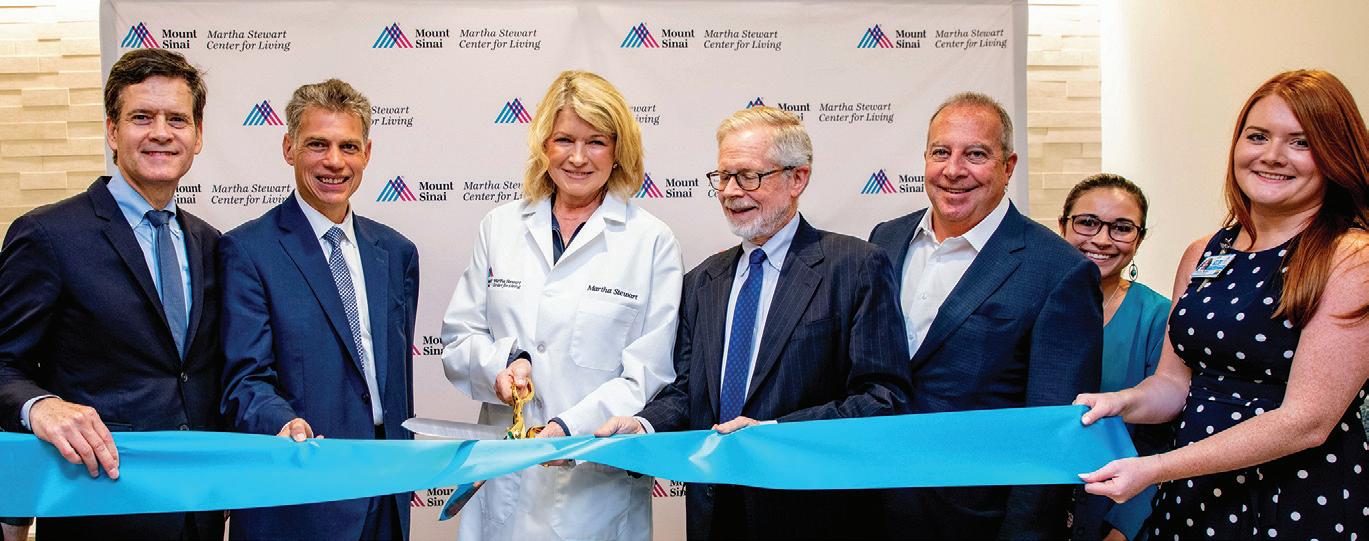
In addition to housing the Mount Sinai –National Jewish Health Respiratory Institute, which serves patients experiencing asthma, bronchiectasis, COPD, and other respiratory disorders, the Rubin Pavilion is home to several cancer care practices, including our clinic for multiple myeloma, and connects directly to the Derald H. Ruttenberg Treatment Center.
The Saul Family Emergency Department at The Mount Sinai Hospital
“We have used input from patients and staff alike to design a new Emergency Department and to build an approach that is centered both on delivering high-quality care and on making the experience of receiving care at Mount Sinai patient centered. We are excited that this investment has created opportunities for us to advance emergency care in ways that significantly enhance our commitment to learn, grow, and elevate our ability to meet the acute care needs of our community.”
Brendan G. Carr, MD, MS
Chair, Emergency Medicine
Mount Sinai Health System
The Martha Stewart Center for Living at Mount Sinai-Union Square
“From now until 2030, 10,000 baby boomers will turn 65 each day. This is the perfect time for leading academic medical centers and philanthropists to partner in improving care for this population and their parents.”
Martha Stewart

Bonnie and Tom Strauss Movement Disorders Center
The Strauss Center is at the forefront of the rapid technological and methodological innovation occurring across neuroscience. The Center plays a major role in advancing the diagnosis, prevention, and treatment of movement disorders in New York and globally.
The Tisch Cancer Hospital and the Mount Sinai Tisch Cancer Center
“Our gift to Mount Sinai more than 13 years ago to create The Tisch Cancer Institute was a result of our family’s passion and commitment to saving lives and advancing the health of all patients battling this chronic disease. We believe that this new gift will transform cancer care and expand access to lifesaving breakthroughs, enhancing Mount Sinai’s leadership in cancer treatment and research.”
James S. Tisch
Co-Chairman
Mount Sinai Health System Boards of Trustees
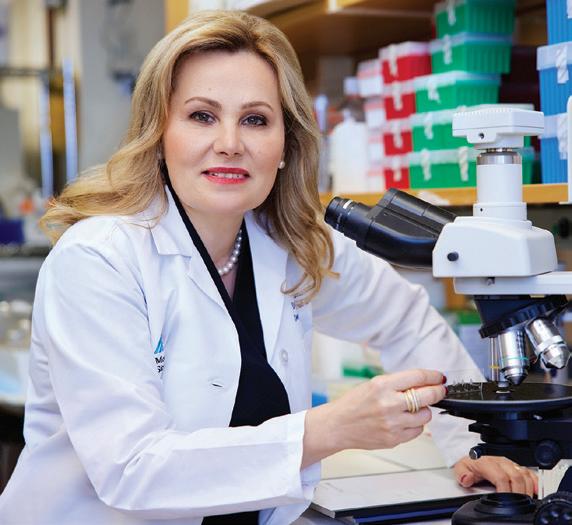
“The Waldman Melanoma and Skin Cancer Center will capitalize on the benefits of Mount Sinai’s expertise in translational research and provide patients with early detection and prevention, new therapies, and outside-the-box research approaches at one of the most advanced centers in the country.”
Emma Guttman, MD, PhD
Waldman Professor of Dermatology and Immunology System Chair
Kimberly and Eric J. Waldman Department of Dermatology Director, Laboratory for Inflammatory Skin Diseases
Director, Center for Excellence in Eczema
Co-Director, Skin Biology and Diseases Resource-based Center Icahn Mount Sinai
“We have not yet reached the tipping point of how AI can play a major role in health care.
My family is excited to support Mount Sinai’s initiative of being at the forefront of delivering technology solutions that will ultimately improve care and save lives.”
David Windreich
Trustee, Mount Sinai Health System





BY ELAINE LAWSON
The driving force of any clinical research institution is exemplified by discoveries that alter the fundamental comprehension of disease. Mount Sinai Heart is at the vanguard of medical advances that are improving the lives of cardiac patients in New York City and around the world under the visionary leadership of Valentín Fuster, MD, PhD, Director of Mount Sinai Heart, and Physician-in-Chief of The Mount Sinai Hospital.
For more than a quarter century, Dr. Fuster’s storied career has led Mount Sinai to global prominence in cardiovascular care. To acknowledge Dr. Fuster’s extraordinary contributions to improving heart health in communities here and abroad, and to ensure his legacy endures in perpetuity, Mount Sinai has launched the VF100 campaign to raise $100 million to rename
Mount Sinai Heart in Dr. Fuster’s honor. This initiative falls under the umbrella of the “Limitless” capital campaign to raise $2 billion for the entire Health System by 2025.
Mount Sinai Heart has already become synonymous with Dr. Fuster. From his revolutionary understanding of and lifesaving treatments for heart disease to his mentorship of generations of cardiologists, Dr. Fuster embodies the highest standards and accomplishments that have elevated the institution. Today, Mount Sinai is ranked No. 4 in the world for cardiology and cardiac surgery according to Newsweek and ranked No. 6 in the nation by U.S. News & World Report.
The VF100 campaign will further Dr. Fuster’s unique vision of health care delivery, research, and education. His vision—represented by his five key pillars


underscoring the future of heart health— will become a reality through philanthropic support:
• Prioritize the Patient Experience
• Drive Innovation in Basic, Clinical, and Translational Cardiovascular Research
• Recruit the Leaders of Tomorrow
• Educate the Next Generation
• Change Habits in Our Community
Lastly, the VF100 campaign will also establish the Valentín Fuster, MD, PhD, Cardiovascular Endowment Fund to ensure Dr. Fuster’s lifetime of legendary work continues in perpetuity.
Achieving the $100 million goal of the VF100 campaign will allow Mount Sinai to recognize a man who has had an immeasurable impact in the field of cardiology. To learn more about Dr. Fuster’s historic career and the VF100 campaign, visit Fuster100.org.
RELENTLESS: How a Leading New York City Health System
Mobilized to Battle the Greatest Health Crisis of Our Era by journalist Deborah Schupack details the Mount Sinai Health System’s unprecedented response to the COVID-19 pandemic—the defining health crisis of our time.
The book is based on more than 100 candid interviews with front-line physicians, nurses, and staff, who were pushed to the brink to save lives, and with our renowned research scientists, who worked urgently to deliver important advances to treat and understand the virus.
This gripping account closes with an exploration and explanation of lessons learned— lessons vital to preparing for future pandemics and other health crises.

Open the camera on your phone and scan this Flowcode to order your copy of RELENTLESS now.

In September 2021, the Icahn School of Medicine welcomed 120 first-year medical students to the Class of 2025 during the 24th annual White Coat Ceremony. As graduates of the Class of 1972 look back 50 years to their commencement, we celebrate the courage and resilience of the next generation of medical leaders ready and willing to serve our community.