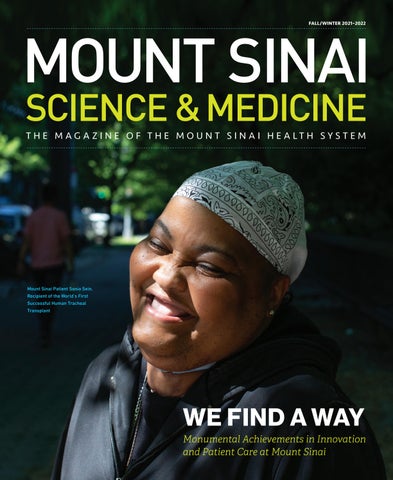
MOUNT SINAI
SCIENCE & MEDICINE
THE MAGAZINE OF THE MOUNT SINAI HEALTH SYSTEM
Transplant
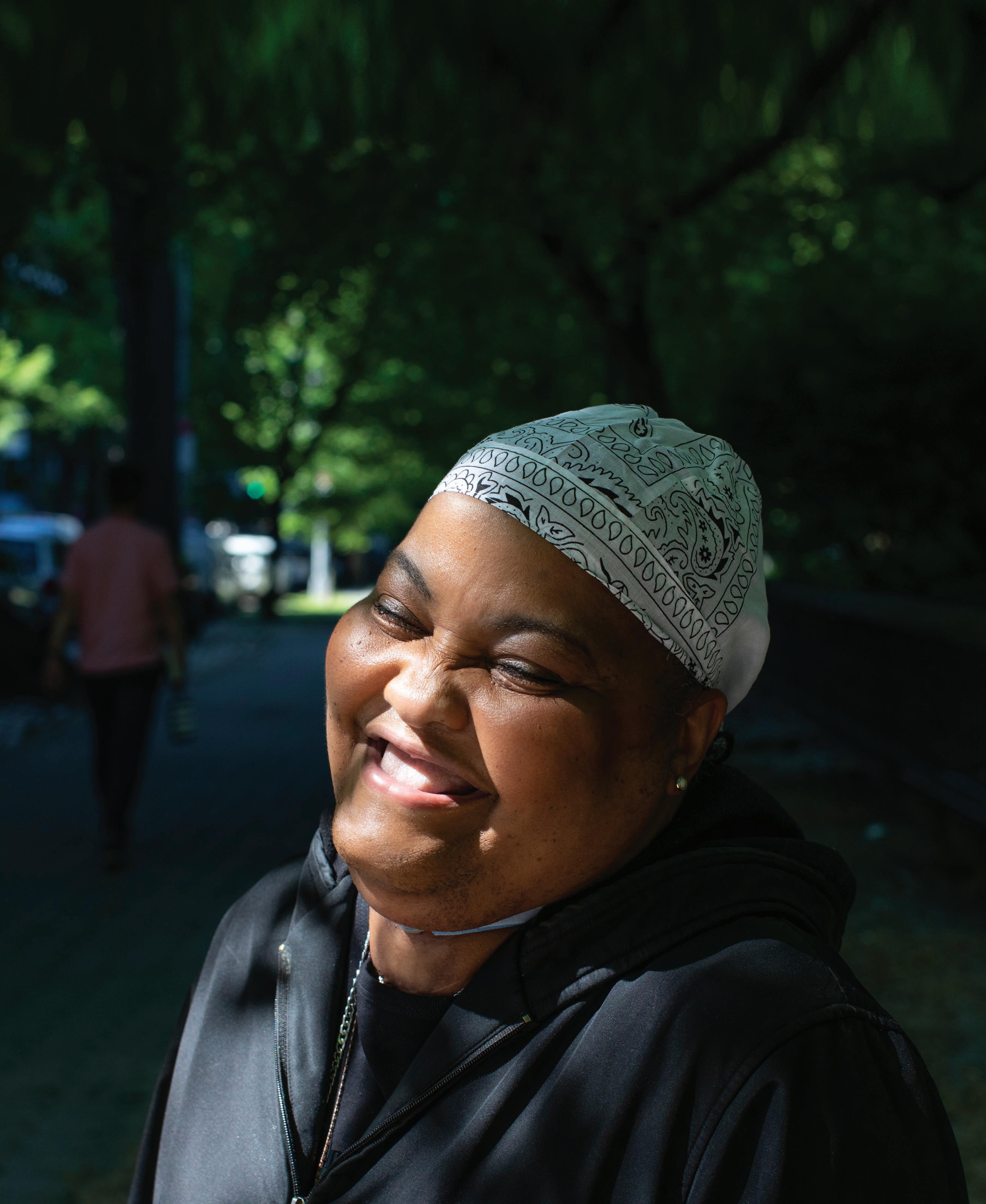
Mount Sinai Patient Sonia Sein,
Recipient of the World’s First
Successful Human Tracheal
THE MAGAZINE OF THE MOUNT SINAI HEALTH SYSTEM
Transplant
PRESIDENT AND CHIEF EXECUTIVE OFFICER
MOUNT SINAI HEALTH SYSTEM
Kenneth L. Davis, MD
ANNE AND JOEL EHRENKRANZ DEAN
ICAHN SCHOOL OF MEDICINE AT MOUNT SINAI, PRESIDENT FOR ACADEMIC AFFAIRS
MOUNT SINAI HEALTH SYSTEM
Dennis S. Charney, MD
CHIEF DEVELOPMENT OFFICER
SENIOR VICE PRESIDENT FOR DEVELOPMENT
MOUNT SINAI HEALTH SYSTEM
Mark Kostegan, FAHP
SENIOR DIRECTOR FOR DEVELOPMENT
COMMUNICATIONS
MOUNT SINAI HEALTH SYSTEM
Elaine Lawson
GUEST SUPPORTING EDITOR
Jean M. Smith
MANAGING EDITOR
Elaine Lawson
ASSOCIATE EDITOR
Anna Horton
PRODUCTION ASSOCIATE
Laura Fiorelli
CONTRIBUTORS
Joni Aveni
Barbara Brody
Kelli Whitlock Burton
Catherine E. Clarke
Alison Dalton
Ashley Gilbertson
Jill Gregory
Don Hamerman
Ron Haviv
Michael Hoeweler
Meeri Kim
Sima Rabinowitz
Heather Salerno
Carolyn Sayre
Jeremy Shatan
DESIGN
Steve Habersang, Taylor Design
Mount Sinai Science & Medicine is published by the Office of Development, Mount Sinai Health System, for an audience of alumni and friends. We welcome your comments; please email us at magazine@mountsinai.org, call us at (212) 659-8500, or visit us at giving.mountsinai.org.
If you wish to be removed from our mailing list for communications and solicitations, please email us at PhilanthropyOptOut@mountsinai.org or call (212) 659-8500.
The immense collaboration across the Mount Sinai Health System— to enhance and integrate our technologies and deliver cutting-edge treatments—has been monumental. This is evidenced by the tireless work happening throughout the institution. We always seek better answers and groundbreaking solutions where once there were none. In this issue, we share just a few examples of how we are fulfilling our mission: providing the communities we serve with the most advanced medical care and doing so with compassion, dignity, and respect. Whether performing a transplant surgery previously deemed impossible, utilizing best-in-class tools and techniques that yield improved outcomes for patients impacted by cancer and diseases of the brain and heart, or accelerating our critical efforts to become an anti-racist organization—Mount Sinai is committed to making a difference. This sense of purpose motivates every one of us to strive harder every day.
Message from the CEO & the Dean
Mount
Unparalleled
+ Mount Sinai Beth Israel
+ Mount Sinai
+ The Mount Sinai Hospital
+ Mount Sinai Morningside
+ Mount Sinai Queens
+ Mount Sinai South Nassau
+ Mount Sinai West
+ New York Eye and Ear Infirmary of Mount Sinai
An
A conversation with Dr. Leslee Shaw, the new Director of the Blavatnik Family Women’s Health Research Institute
Clinicians
researchers at The Tisch Cancer Institute
A
As the world faces ongoing and emerging
Mount Sinai devises a system-wide road map for becoming an anti-racist institution
Mount Sinai’s $2 billion capital campaign enters the public phase—and the possibilities are limitless

Two roads diverged in a wood, and I— I took the one less traveled by, and that has made all the difference.
From the 1916 Poem “The Road Not Taken”
By Robert Frost
At our founding 170 years ago, never could we have imagined that the Mount Sinai Health System would come to serve as a guiding light for New Yorkers as well as people around the globe. We consistently set the bar for how to overcome the most challenging and complex health care problems of our time.
Our venerable institution delivers monumental achievements in innovation and patient care, because we defy convention through our pioneering spirit. We have been recognized by U.S. News and World Report for the sixth consecutive year as one of the nation’s top 20 “Best Hospitals.” We also landed at No1 in New York and No4 globally on Newsweek’s 2021 list of the “World’s Best Smart Hospitals.” Our unrivaled collaborative approach enables us to drive scientific advancements and to provide forward-thinking leadership—broadening the limits of science and medicine.
The COVID-19 pandemic pushed us to the brink, placing immense pressures on our Health System like never before. During a time of tremendous personal sacrifice for our staff, we developed new protocols and created new therapeutics to treat and care for patients. We are well positioned in the ongoing battle, particularly as the surge of the Delta variant repeatedly reminds us that the crisis is far from over.
We performed the first successful tracheal transplant, and this historic triumph has the potential to save thousands of patients with tracheal defects and damage. Our renowned development of treatments for cardiovascular disease has put Mount Sinai Heart on the map, and we are consistently ranked as one of the top 10 cardiology centers around the world. The Tisch Cancer Institute (TCI) at Mount Sinai was recently redesignated as a National Cancer Institute (NCI) center, further illustrating the strength of TCI‘s experience in cancer research and treatment. Furthermore, we continue to uncover the mysteries and complexities of the brain, under the leadership of the Friedman Brain Institute (FBI) at Mount Sinai. We are embracing new technologies that aid our neurosurgeons in visualizing and planning intricate procedures. We are also utilizing deep brain stimulation, whereby a small device delivers mild electronic signals to the brain—revolutionizing how we treat neuropsychiatric disorders like depression and obsessive-compulsive disorder.
Last, but certainly not least, we continue to explore and define what it means to be an anti-racist organization. Mount Sinai’s Road Map to Address Racism is designed to confront structural racism across the entire Health System. Our founding mission is to help underserved groups and those experiencing bias. Equity, diversity, and inclusion represent our core values, and they are essential to advancing health care for all—no matter what gender, what race, or what age. It will require each and every one of us to deliver on this critical initiative, which will ultimately elevate the level of care we provide to the diverse communities we serve. We are excited about what we’ve accomplished thus far, but our work is just getting started.
Taking the road less traveled isn’t an easy decision. It is fraught with unforeseen obstacles and uncertainty. However, one thing we are proud to proclaim about our Health System: We find a way, and it’s the Mount Sinai way.
Kenneth L. Davis, MD President and CEO Mount Sinai Health System
Dennis S. Charney, MD
Anne and Joel Ehrenkranz
Dean
Icahn School of Medicine at Mount Sinai, President for Academic Affairs
Mount Sinai Health System
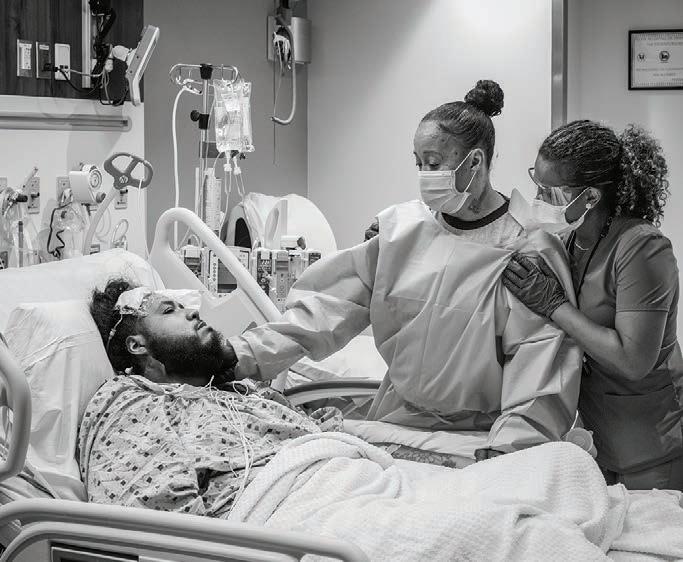
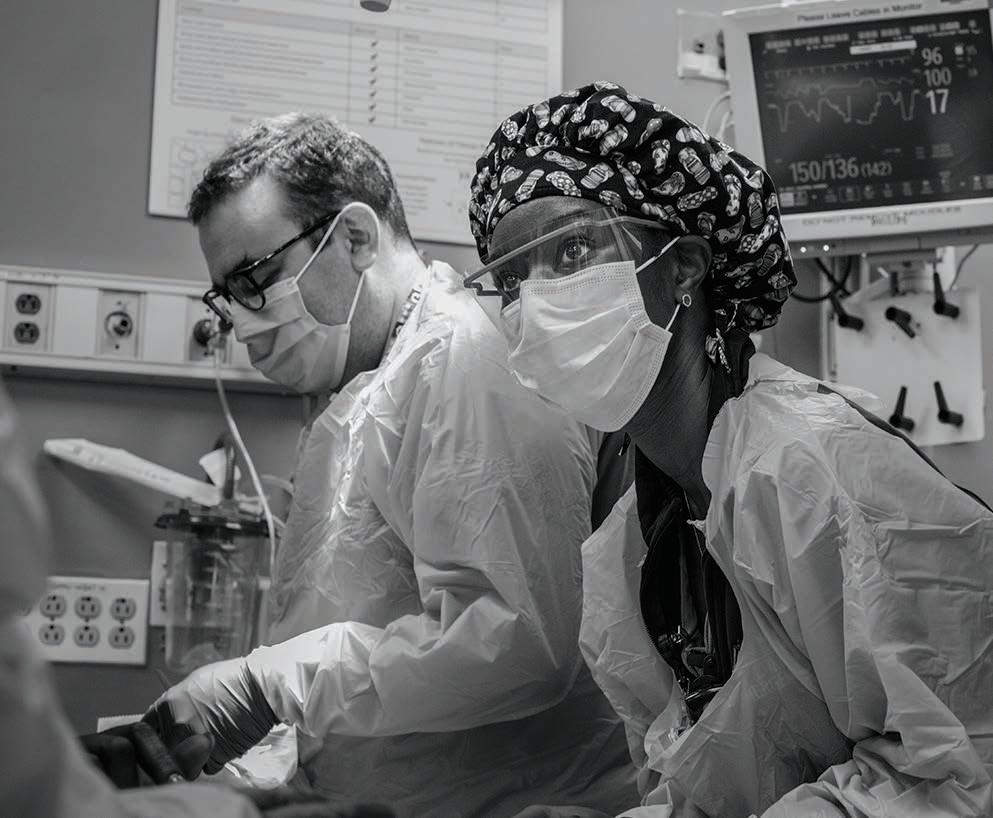

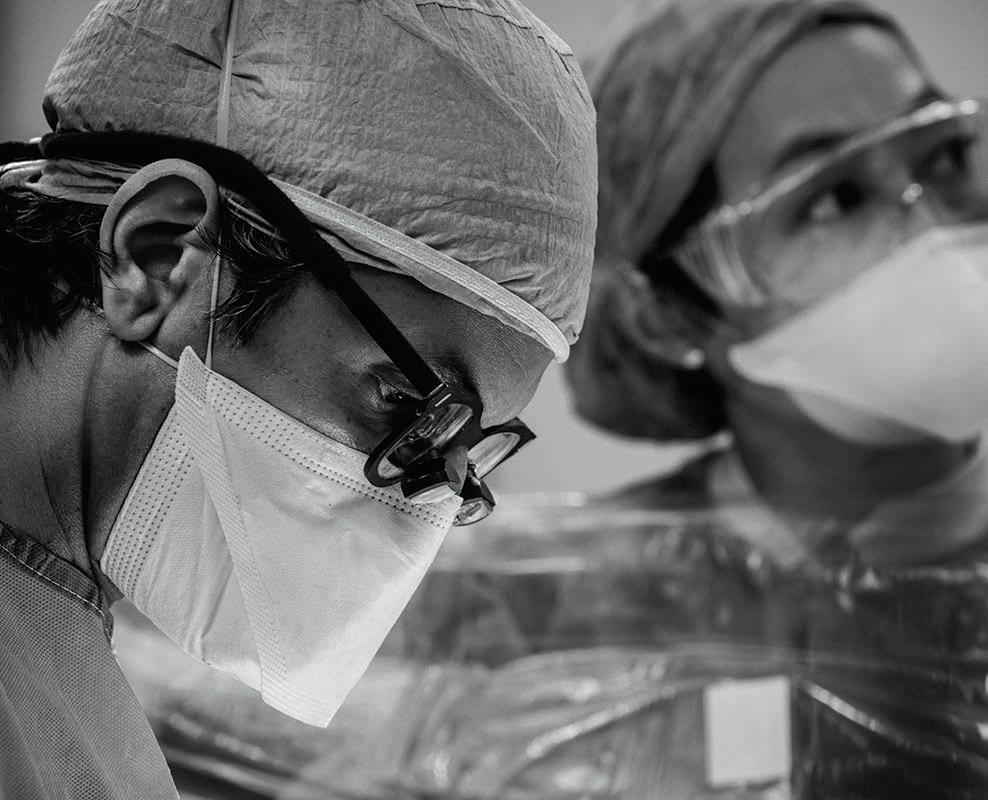
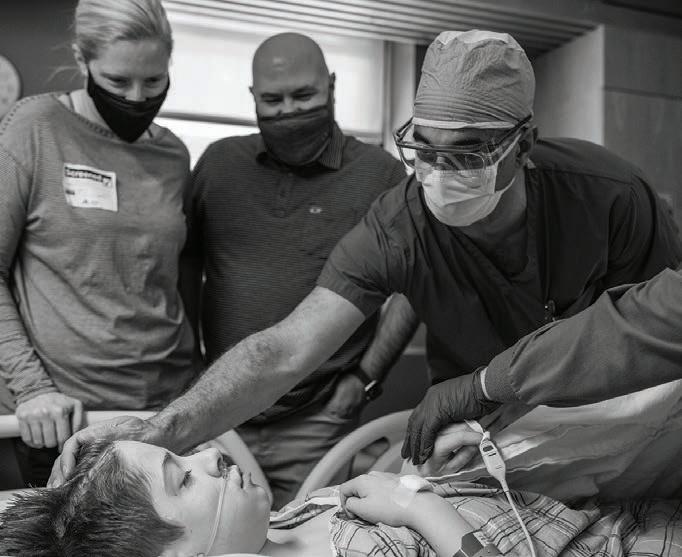
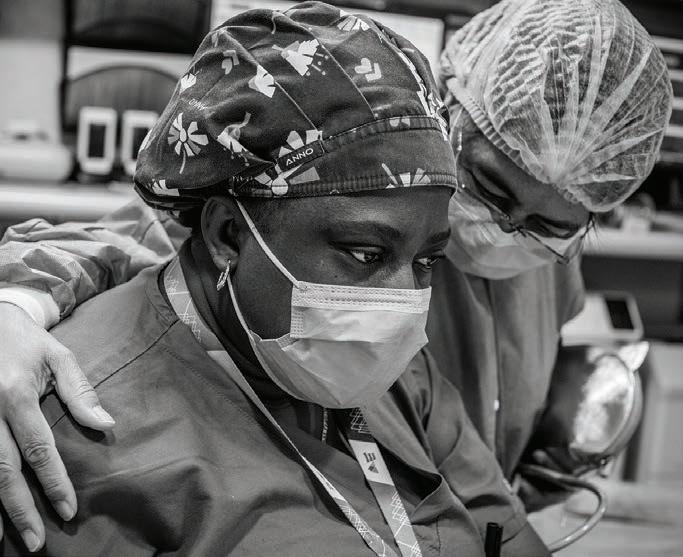
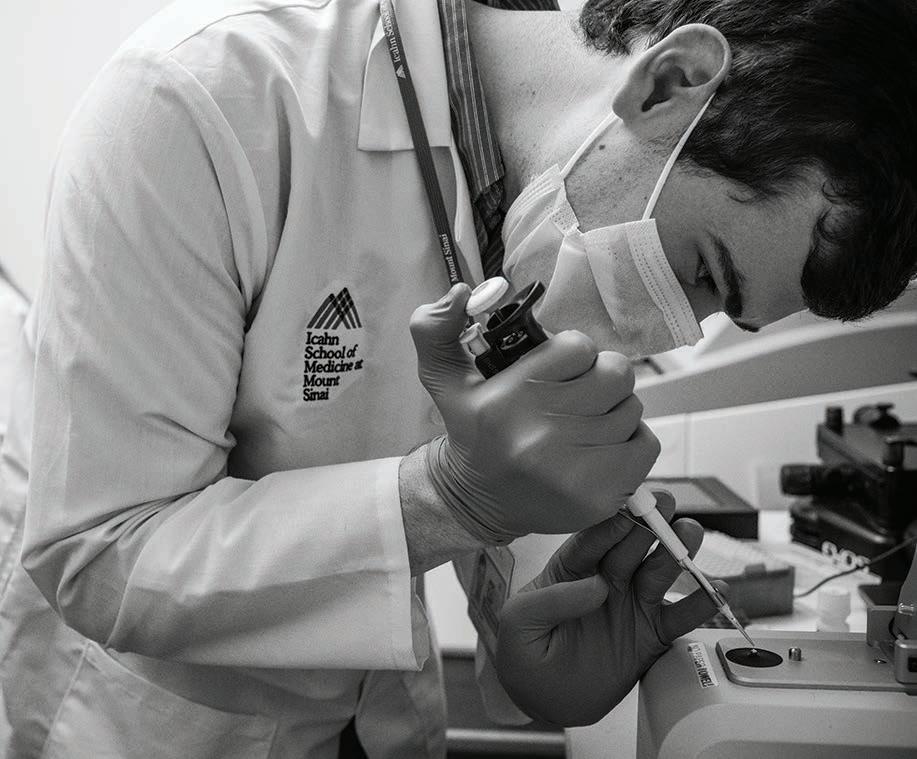


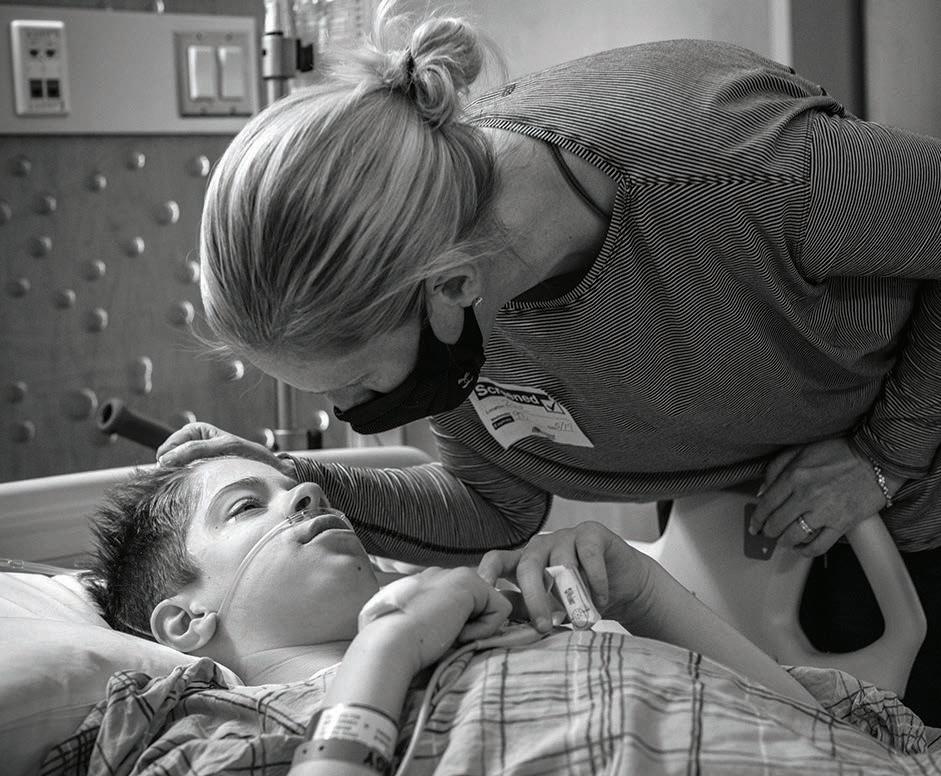
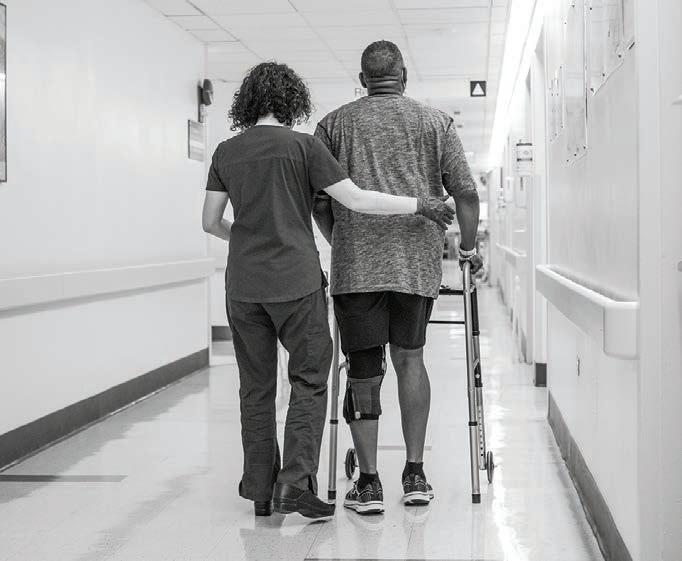
At the Mount Sinai Health System, whatever the challenge, whatever the question, there is no answer we can’t find, no problem we can’t solve, as long as we continuously keep working to find a way.
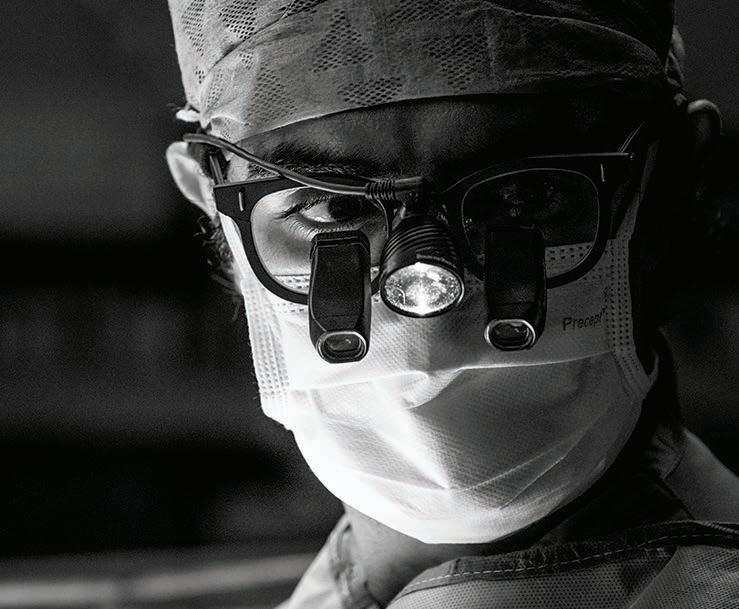
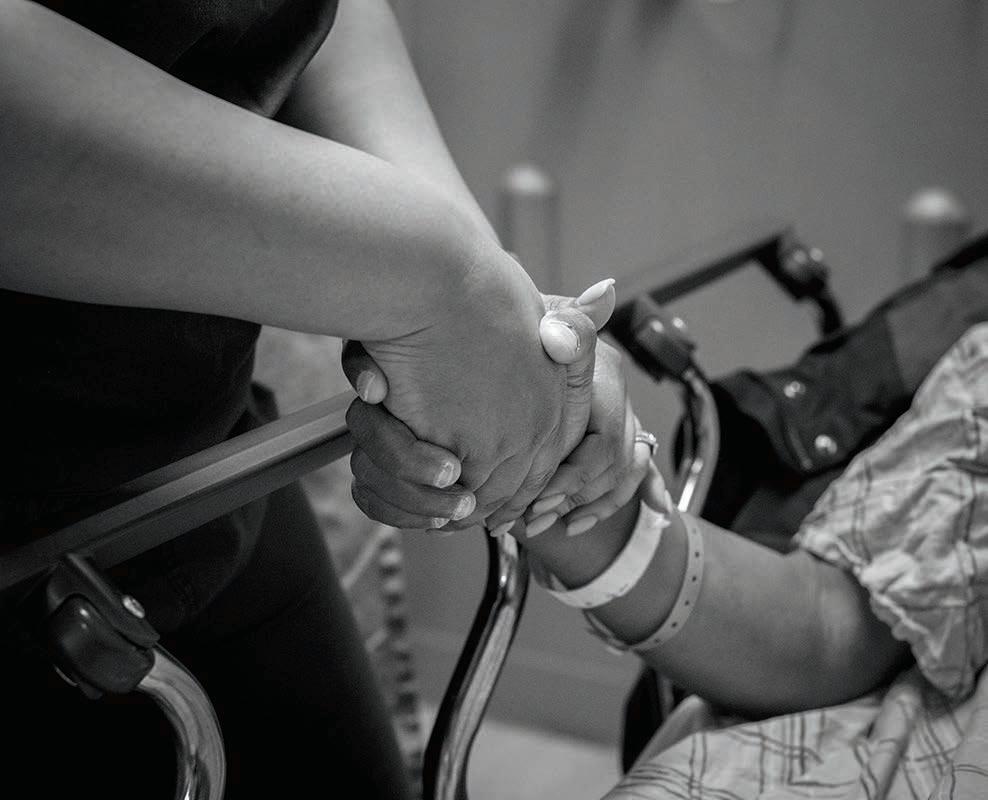
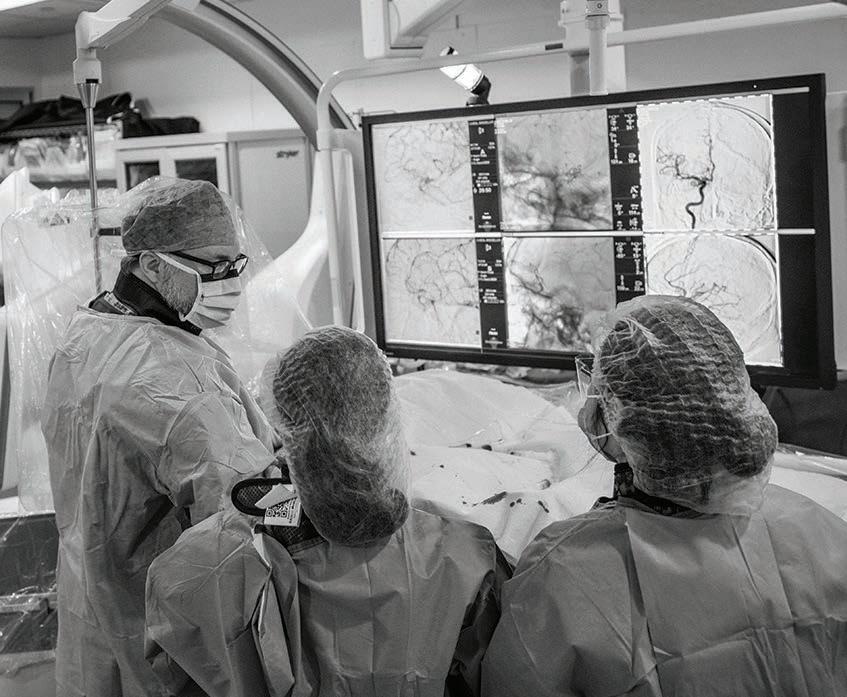
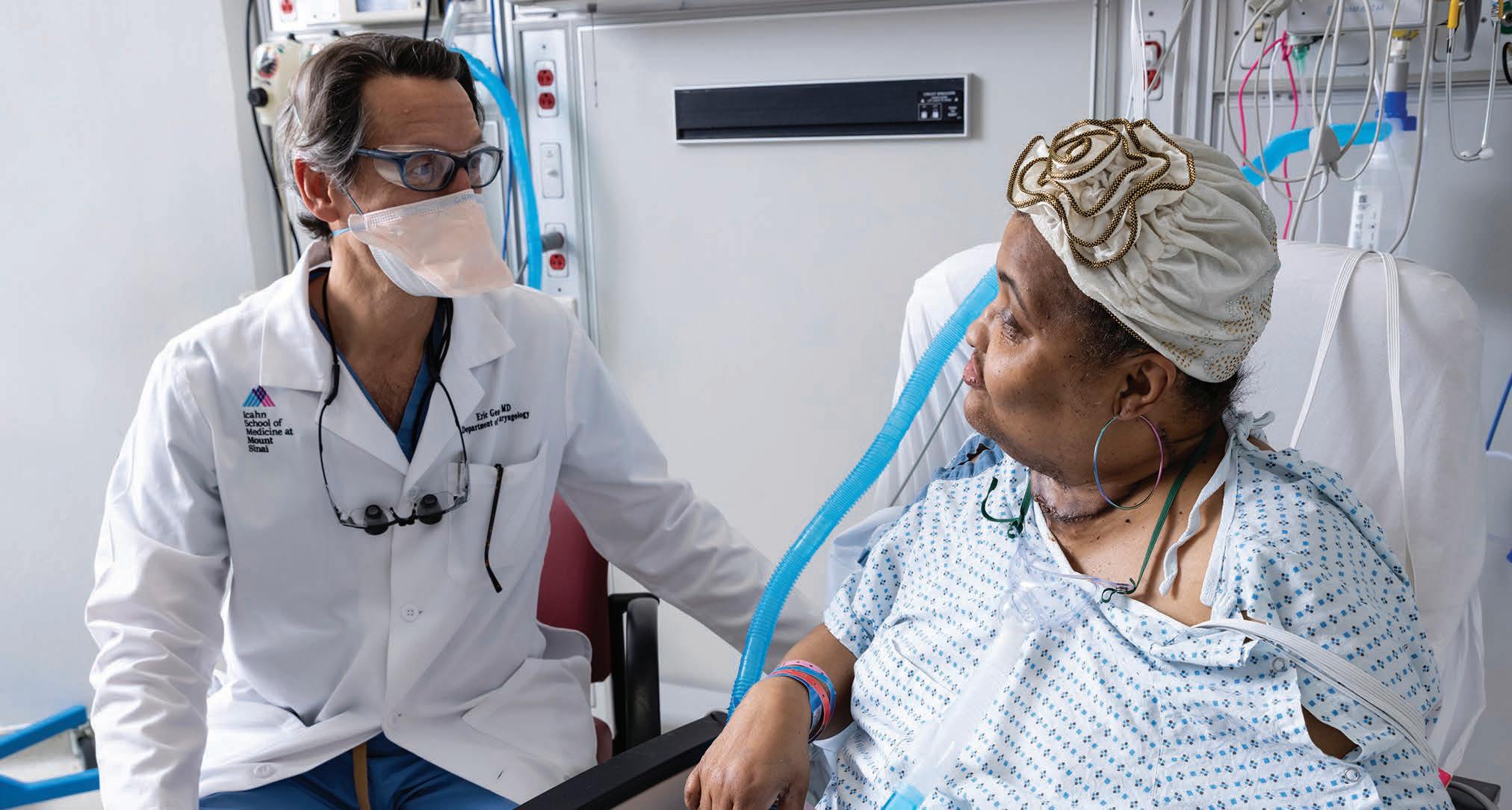
Thirty years ago, as a young surgical fellow, Eric M. Genden, MD, asked a question that would transform transplant medicine: Can we replace a damaged human trachea? Today, Dr. Genden and his patient, Sonia Sein, know that the answer to this question is yes.
Dr. Genden’s three-decades-long quest to develop a successful tracheal transplant procedure began when he lost a patient
BY SIMA RABINOWITZ
who had a large tracheal tumor removed. There was no way to reconstruct or replace the trachea, and it was widely believed that this would never be possible. Nevertheless, Dr. Genden intended to try.
Ms. Sein’s search for answers began in 2014 when her trachea was severely scarred during an emergency intubation for an asthma attack, followed by numerous surgeries and implantation of a tracheostomy tube at a New York City hospital. The tube felt unstable and extremely uncomfortable, and she was always weak and short of breath. Ms. Sein was told there was nothing more that could be done, but she refused to give up.
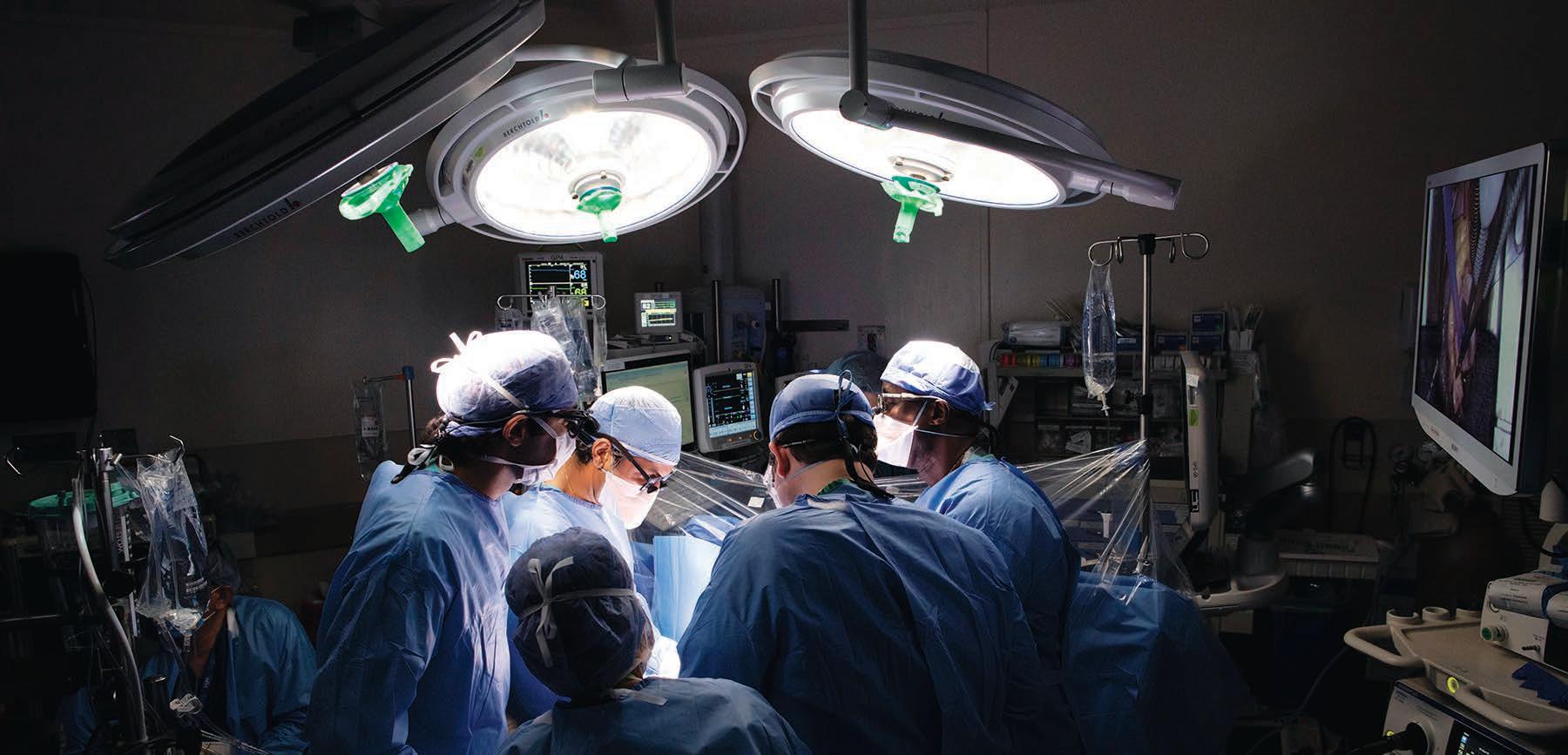
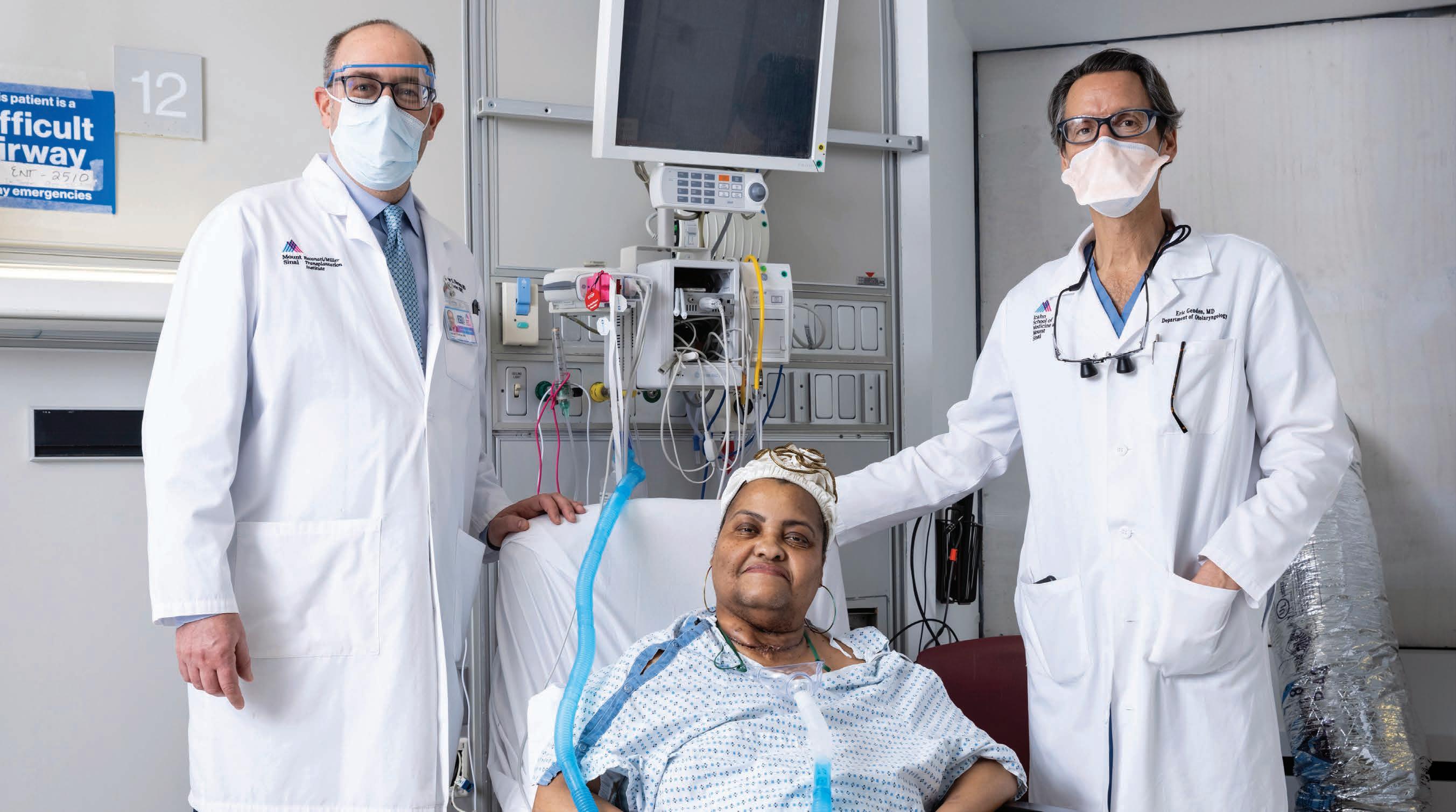
On January 13, 2021, Dr. Genden and a team of more than 30 specialists made history with Ms. Sein and an anonymous organ donor—the first successful human tracheal transplant. “There were tremendous hurdles along the way to overcome,” says Dr. Genden, the Isidore Friesner Professor and Chair of Otolaryngology – Head and Neck Surgery at the Mount Sinai Health System. “But
we have proven that this is possible. We are delighted for Sonia, who is progressing well, and we believe this procedure can potentially impact many thousands of lives.”
The trachea, commonly known as the windpipe, is a hollow tube approximately 12 centimeters in length that extends from the larynx, or voice box, to the bronchi, the main passageways into the lungs. The trachea widens with each inhalation and returns to its resting size as the breath is exhaled. The organ is lined with slender cilia that sweep fluid and foreign particles out of the airway. While small defects of five centimeters or less in the trachea can be reconstructed, long segment defects cannot be repaired. Complete replacement, or transplantation, of the organ was also thought to be impossible, because it was believed that the trachea’s blood supply was supported by a network of tiny vessels that could not be reconnected surgically, a process known as revascularization. As Dr. Genden would come to discover, this understanding of tracheal biology was simply wrong.
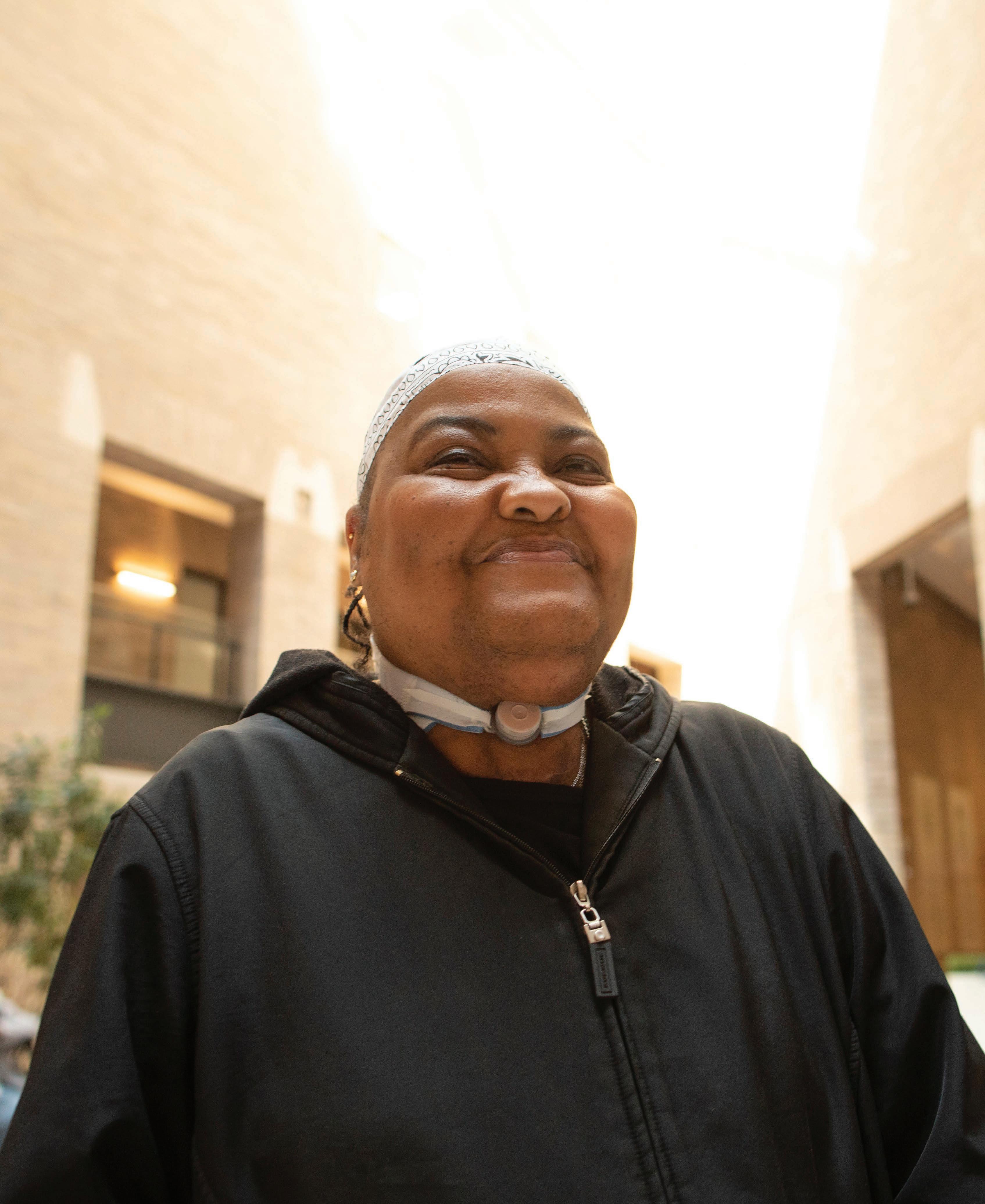
“I WANT THE NEXT PERSON WHO IS CONSIDERING THIS SURGERY TO KNOW THAT IT’S NOT AN EASY THING TO GO THROUGH. BUT THEY ALSO NEED TO KNOW THAT THERE IS HOPE.”
– Sonia Sein, Tracheal Transplant Recipient
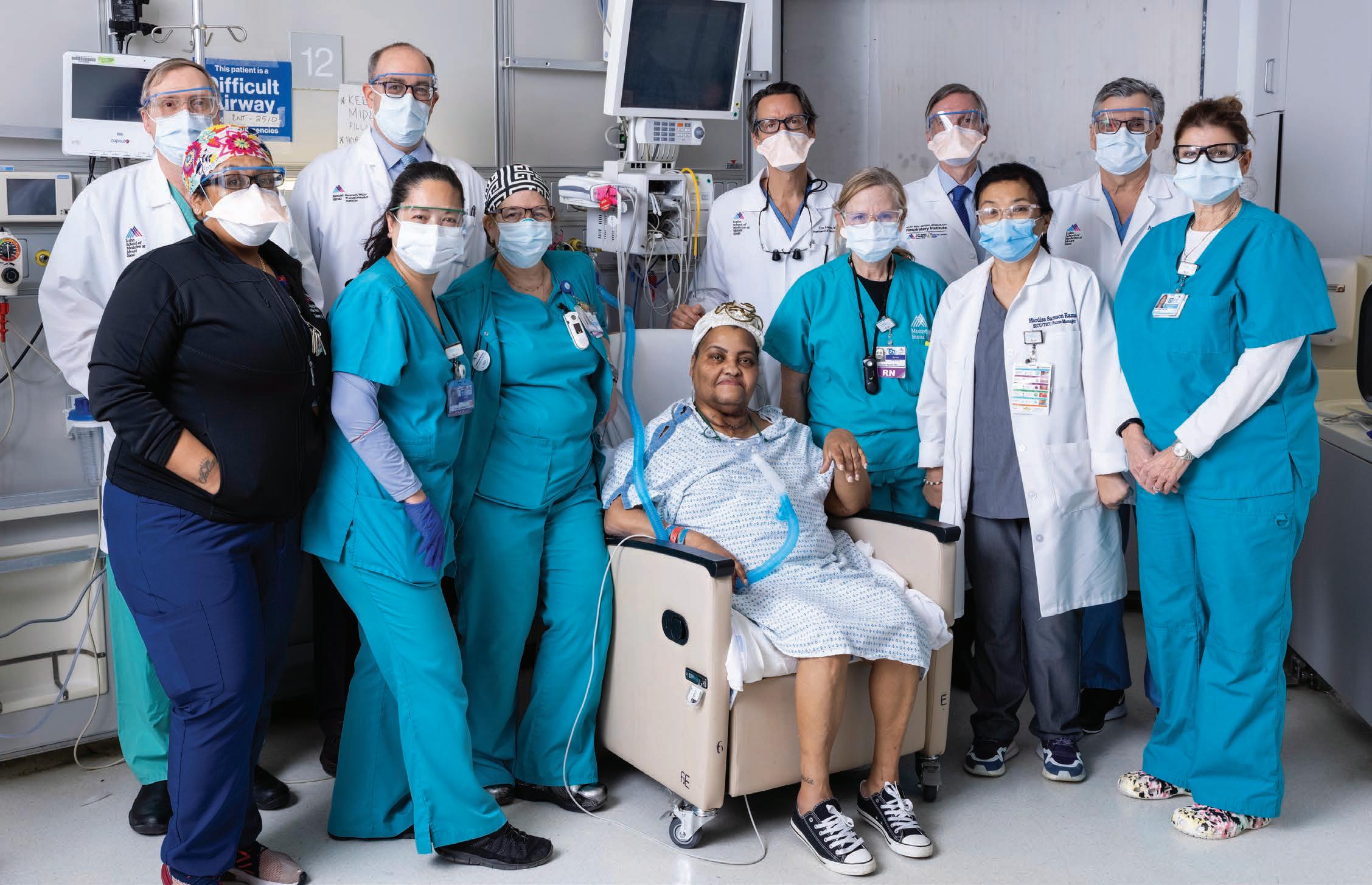
To address the challenge of revascularizing the trachea, Dr. Genden began by studying nineteenth-century anatomical drawings, followed by analysis of tracheal blood flow in animal models. In 1990, with the support of a grant from the National Institutes of Health, he established a laboratory at Mount Sinai dedicated exclusively to researching the biology and immunology of the trachea. Eventually, he and his colleagues realized that the vessels of the thyroid, which sits just above the trachea, as well as those of the esophagus, which sits just beside it, also supplied blood to the trachea. Transplantation might be viable if the entire system of organs— trachea, thyroid, esophagus, and associated arteries—could be replaced together.
Along with developing the procedure for physical transplantation of the complete organ system, it was critical to design new
immunosuppressant protocols to help prevent rejection of the graft. The final step was refining the technique in deceased donors.
Dr. Genden was not the only one conducting research. Ms. Sein, whose quality of life was severely compromised by the tracheostomy tube, was determined to find an answer. She had become progressively more debilitated and had even considered having the tube removed, which would have ended her life. “But I figured that since they can do transplants for everything else, there must be something for tracheas.” When she read about Dr. Genden’s research, she contacted his office immediately. Once it was decided that Ms. Sein was an appropriate candidate for the procedure and Dr. Genden’s team had everything in place, Mount Sinai partnered with LiveOnNY, a federally designated
“ AS A SURGEON, YOU TRY TO SAVE ONE LIFE AT A TIME. BUT, WHEN YOU’RE WORKING ON SOMETHING LIKE THIS, YOU HAVE THE POTENTIAL TO IMPACT GENERATIONS.”
– Eric M. Genden, MD
organ procurement organization for the greater New York City area, to have a donor transported to Mount Sinai when the time was right.
The call came on January 12, 2021, and, with a half day’s notice, the team was mobilized and ready to proceed. “The logistics were extremely complicated,” explains Sander S. Florman, MD, the Charles Miller, MD Professor of Surgery and Director of the Recanati/Miller Transplantation Institute at Mount Sinai. “Multiple coordinated teams worked together in an intricately orchestrated sequence under enormous time pressure. The way the donor organ is removed is as critical as the way it is transplanted. It was a series of game-time decisions, and there is no way to practice that precisely. But all the stars were aligned to get this done, and the esprit de corps was tremendous. It was a very special 18 hours.”
Dr. Genden reports that Ms. Sein is doing extraordinarily well. He will proceed soon to close the small opening in the upper part of her neck that is used for endoscopic evaluation of the transplanted trachea, which will improve her breathing and speech. Ms. Sein has her sights set on
Illustrated at right is the location and anatomy of the trachea, which is essential for speaking, breathing, and normal lung function, as well as a comparison of a healthy vs. damaged trachea. Ms. Sein suffered from a severely damaged trachea that put her at high risk for suffocation, which made her an ideal candidate
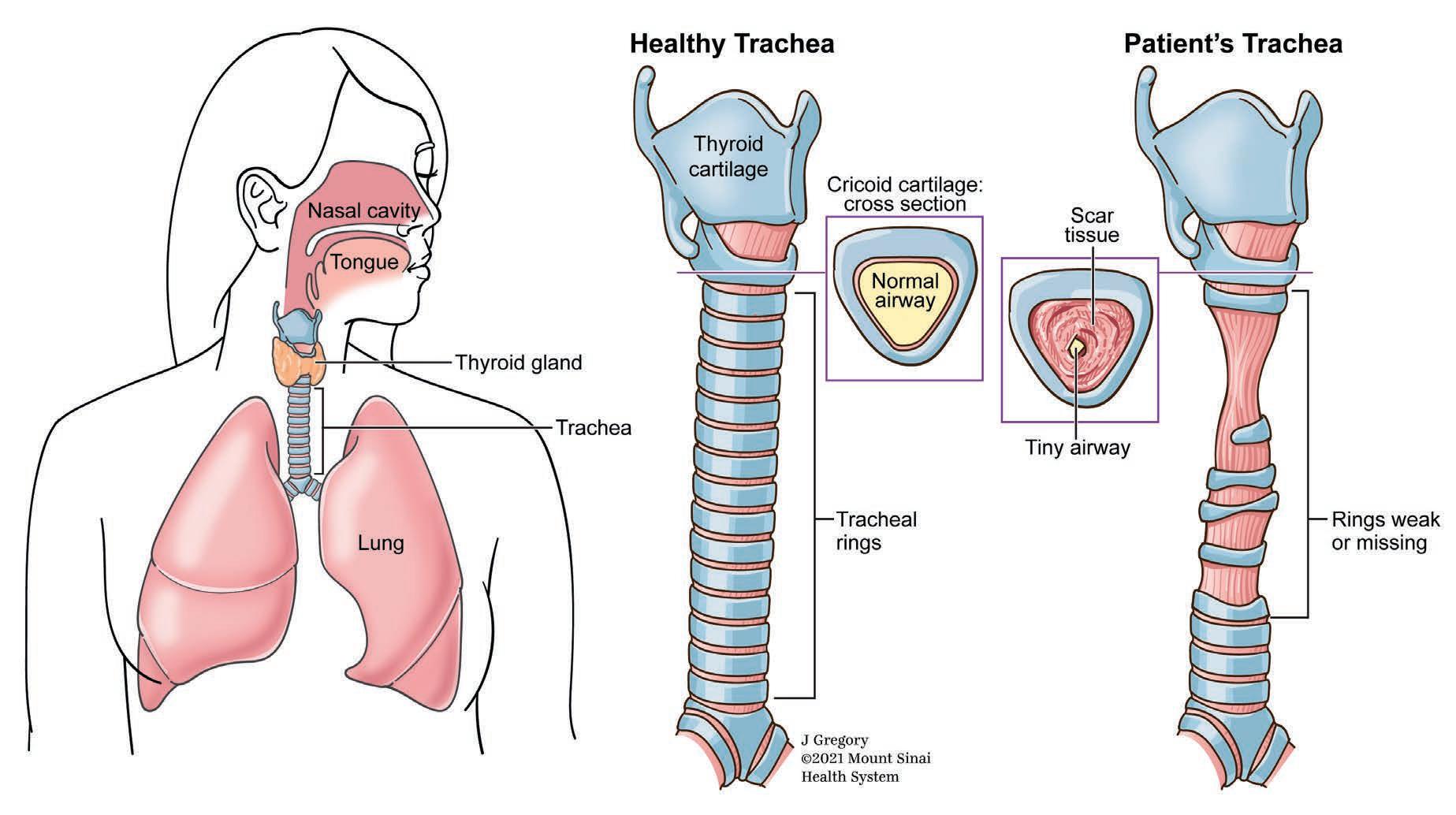
enjoying things she has not been able to do for years: traveling to visit family in Puerto Rico and walking on the beach. “One thing I can do for the first time in a long time is get a good night’s sleep,” she says. “I’m not afraid that I will suffocate during the night, and I am grateful for that.”
A remarkable aspect of the tracheal transplant accomplishment is its convergence with the COVID-19 pandemic. Dr. Genden’s work began decades before anyone could have foreseen that an
unprecedented number of patients at Mount Sinai, and across the country, would require intubation. In fact, Dr. Genden says a number of COVID-19 patients have experienced airway damage requiring surgery, some of whom might be candidates for transplantation. Tracheal transplant also may be an option for patients with trauma due to an accident, congenital tracheal defects, or airway tumors.
As with any new procedure, the surgical technique will evolve as more
transplantations are performed. Dr. Genden’s team is researching a range of questions to optimize the blood flow to the graft, ischemic time (timing of connecting the transplanted organ to the blood supply), and the nature of graft rejection. Currently, patients for the procedure are adults who have lifethreatening extensive (long segment) airway defects. Dr. Genden hopes at some point to be able to consider pediatric patients as well. “As a surgeon, you try to save one life at a time. But, when you’re working on something like this, you have the potential to impact generations,” he emphasizes. “So, I have a responsibility to return to the lab and commit myself to advancing the science.”
Dr. Florman credits this landmark accomplishment to Dr. Genden’s conviction and determination to see a 30-year vision through from concept to basic science research to the preservation of a patient’s life. “We are deeply grateful to have had the Institution’s support, and we continue to be inspired by Ms. Sein’s bravery and trust,” Dr. Florman adds.
“I want the next person who is considering this surgery to know that it’s not an easy thing to go through,” Ms. Sein shares. “But they also need to know that there is hope.”
BY ALISON DALTON

According to the World Health Organization, heart disease is the N o 1 killer of men and women in the world. Every year, this disease
takes the lives of more than 17 million people. Understanding not only the treatment of heart disease, but also its prevention, is fundamental at Mount Sinai Heart.
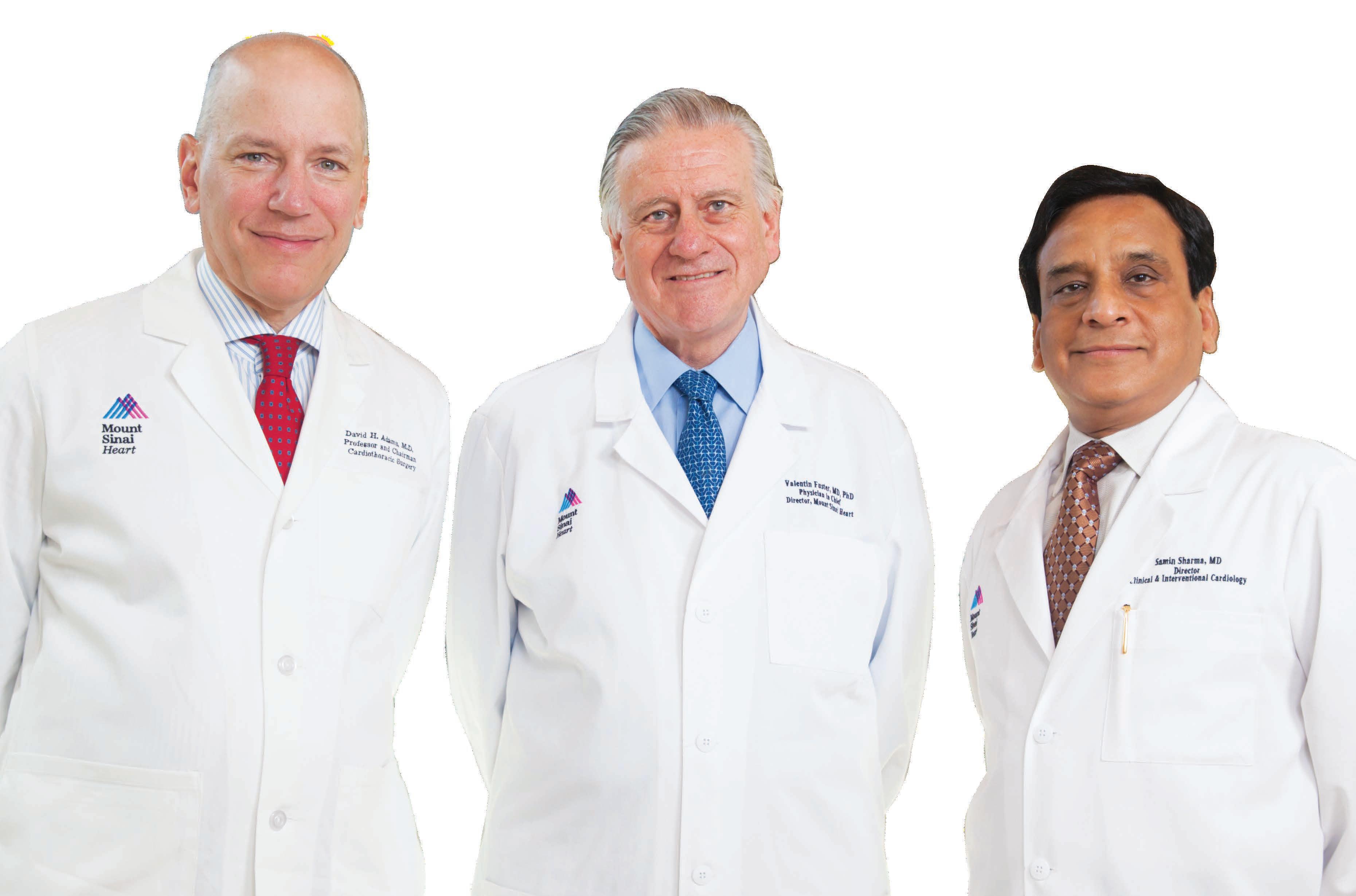
Led by Valentín Fuster, MD, PhD, Director of Mount Sinai Heart, the Zena and Michael A. Wiener Cardiovascular Institute, and the Marie-Josée and Henry R. Kravis Center for Cardiovascular Health, and Professor of Medicine (Cardiology) at the Icahn School of Medicine at Mount Sinai, the phenomenal achievements at Mount Sinai in the field of cardiology have been enabled by the excellence and dedication of both clinical and research staff. Driven by a unified mission—better control of heart disease— there is a true sense of purpose in the work physicians and researchers at Mount Sinai Heart conduct every single day.
Mount Sinai Heart’s cutting-edge work has led to breakthroughs in understanding the origins, treatment, and prevention of cardiovascular disease.
While it is well known that internal fat surrounding the liver, stomach, and intestines is a risk factor for cardiovascular disease, Mount Sinai research now shows that fat tissue surrounding the heart, known as pericardial fat, increases the risk of heart failure for both men and women— even if they are lean or have a normal body mass index (BMI).
Published by the Journal of the American College of Cardiology (JACC), the study— which involved multiple researchers, including Satish Kenchaiah, MD, Associate Professor of Medicine (Cardiology) at Icahn Mount Sinai—revealed that women with more pericardial fat than peers were twice as likely to develop heart failure, while
men were 50 percent more likely. The multi-institutional collaboration examined computed tomography (CT) scans of pericardial fat in nearly 7,000 women and men, none of whom showed evidence of heart disease at the start of the study. Participants were followed for more than 17 years, during which time 400 subjects developed heart failure.
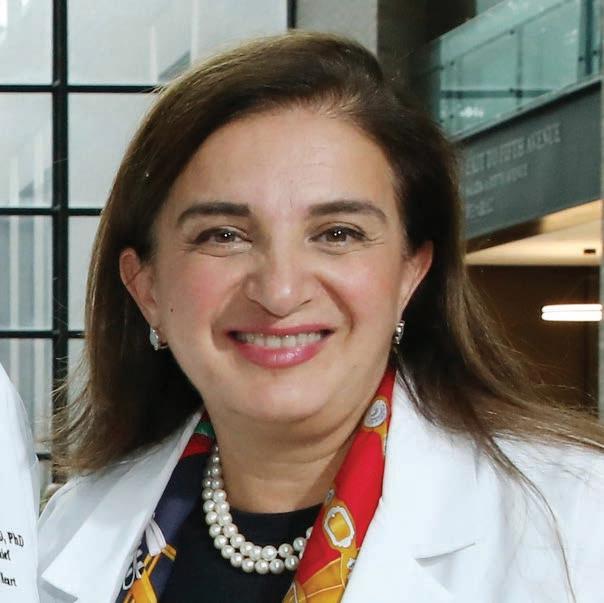
Cardiovascular disease is the leading killer of women worldwide, yet “women have been undertreated, underrecognized, and underdiagnosed for years,” says Roxana Mehran, MD, Professor of Medicine (Cardiology), Professor of Population Health Science and Policy, and Director of Interventional Cardiovascular Research and Clinical Trials, the Zena and Michael A. Wiener Cardiovascular Institute at Icahn Mount Sinai. “There’s a lack of understanding of the pathophysiology and the biology of women. We need to change that.”
By invitation of the prestigious medical journal The Lancet, Dr. Mehran led the first-ever commission to help reduce the global burden of women’s heart disease. Cardiovascular disease in women is on the rise in some countries—including wealthy nations like the United States and Canada, where hospital admissions of women for heart attacks, significant coronary artery disease, and cardiovascular disease have increased. Rates of heart attack and heart disease are also increasing in young women. The commission made an unprecedented review and analysis of global data on women’s cardiovascular health, addressed current gaps in knowledge, and outlined region-specific recommendations. Their
“ THIS WILL BE AN UNDERTAKING OF MASSIVE SCALE AND SCOPE. BUT MOUNT SINAI STANDS FOR ACHIEVEMENT, AND WE PLAN TO WORK WITH THE GLOBAL COMMISSIONERS TO ADDRESS THESE ISSUES.”
– Roxana Mehran, MD
report was published by The Lancet and simultaneously presented at the American College of Cardiology’s 70th Annual Scientific Session.
“We need to focus on well-established, sexspecific, as well as understudied risk factors, like stress and psychosocial and economic deprivation,” Dr. Mehran says. “This will be an undertaking of massive scale and scope. But Mount Sinai stands for achievement, and we plan to work with the global commissioners to address these issues.”
Dr. Mehran was also the global principal investigator for Mount Sinai’s groundbreaking TWILIGHT study, which looked at more than 9,000 high-risk cardiac patients following percutaneous coronary intervention (PCI), a minimally invasive procedure to open clogged coronary arteries. Results suggested that, contrary to current protocols, a select group of patients does not require long-term aspirin after PCI when treated with potent blood thinners. The finding has far-reaching implications and served as evidence for an important addition in the European Society of Cardiology’s 2020 guidelines, published in the European Heart Journal
Nearly six million Americans have atrial fibrillation (AFib)—an irregular heartbeat that can lead to blood clots and stroke. Anticoagulation treatment (e.g., blood thinners) can protect people with AFib, but these medications can result in bleeding complications.
Now, an innovative nonsurgical catheter procedure—left atrial appendage closure (LAAC) using devices such as the WATCHMAN-FLX or Amulet device—provides a permanent and effective alternative to anticoagulation for nonvalvular atrial fibrillation. Mount Sinai is a leader in studying and performing this treatment option.
Mount Sinai’s Prague-17 study, published in JACC, indicated that LACC treatment is comparable to the current first-line anticoagulant therapy. In August 2020, a Mount Sinai team led by Vivek Reddy, MD, The Leona M. and Harry B. Helmsley Charitable Trust Professor of Medicine in Cardiac Electrophysiology at Icahn Mount Sinai and Director of Cardiac Arrhythmia Services for The Mount Sinai Hospital and Mount Sinai Health System, became the first physician on the East Coast to implant the new-generation device.
Following up on Prague-17, the CATALYST study, for which Dr. Reddy is the international principal investigator, will evaluate the Amulet LAAC device, and the CHAMPION-AF study, which will enroll about 3,000 subjects, will evaluate the WATCHMAN-FLX LAAC device—both at Mount Sinai.
Cardiovascular events such as heart attacks and strokes are caused by rupturing atherosclerotic plaques, which can lead to blood clots. But some plaques remain stable for a lifetime, while others rupture.
For many years, investigators focused on the size of the lumen—the open area of the blood vessel—thinking that greater constriction meant a greater likelihood of a stroke or heart attack. However, a groundbreaking series of studies, led by Dr. Fuster, found that in subclinical disease (illness without
“ I HAVE ALWAYS BEEN INTERESTED IN EMPLOYING VARIOUS IMAGING MODALITIES TO BETTER CHARACTERIZE THE DISEASE PROCESS.”
– Jagat Narula, MD, PhD
recognizable signs and symptoms), plaque composition, not lumen size, seems to be the critical factor. Plaques containing fat are most likely to rupture, while plaques containing only calcium remain stable.
Dr. Fuster’s research has also shown that two noninvasive imaging tests, three-dimensional (3D) vascular ultrasound and low-dose CT scan, can determine the burden of disease or a person’s risk with much greater accuracy than the traditional risk factor assessment.
Bridging the gap from research to results that have a direct impact on patients, whether at an individual or even a community level, is central to the field of cardiology at Mount Sinai. Pushing the boundaries of cardiac imaging is a key strategy for
detecting and preventing heart disease as well as improving heart health. Led by Jagat Narula, MD, PhD, MACC, the Cardiovascular Imaging Program at Mount Sinai’s Zena and Michael A. Wiener Cardiovascular Institute employs a full spectrum of imaging tools. The Institute utilizes cutting-edge technology to provide more accurate and informative assessments to patients, ultimately leading to personalized recommendations and better outcomes for heart patients.
“During my entire research career, I have always been interested in employing various imaging modalities to better characterize the disease process,” Dr. Narula says. “This allows us to develop a personalized approach to treating heart ailments.”
A renowned translational researcher and educator in clinical cardiology and imaging, Dr. Narula is Professor of Medicine, Philip J. and Harriet L. Goodhart Chair in Cardiology, Professor of Diagnostic, Molecular, and Interventional Radiology, Professor of Population Health Science and Policy, and Associate Dean for Global Health at Icahn Mount Sinai. Honored year after year by the American College of Cardiology as well as national imaging societies, Dr. Narula has made immense contributions to the field of cardiovascular disease, which can be narrowed down to two distinct categories. The first relates to identification of coronary artery disease that is likely to result in heart attack or sudden death. He has exploited
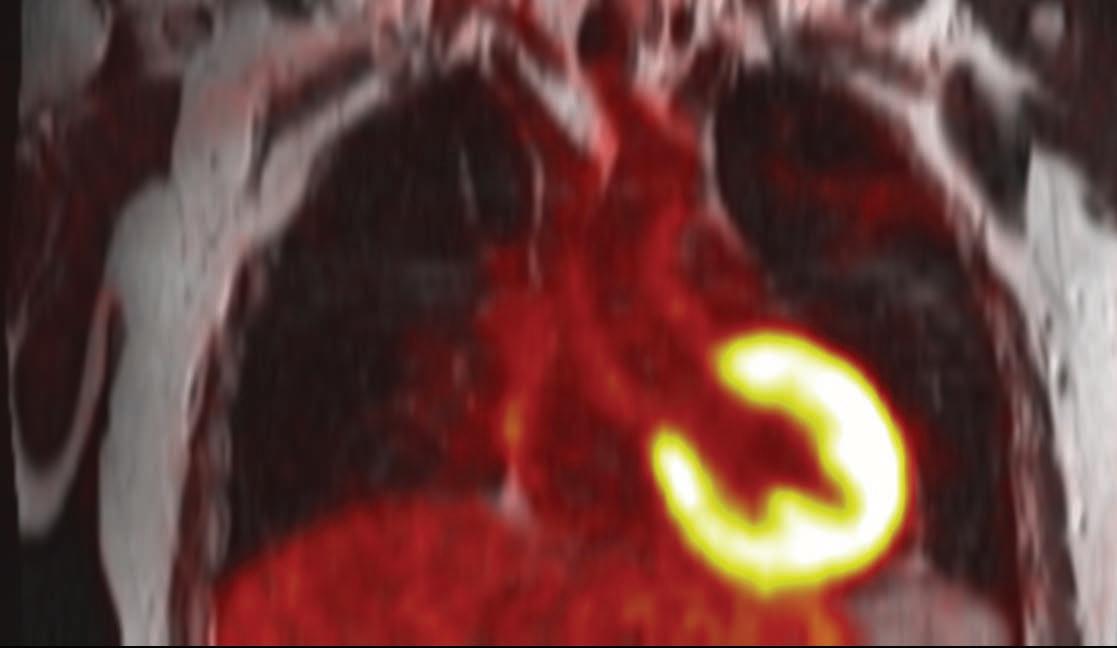
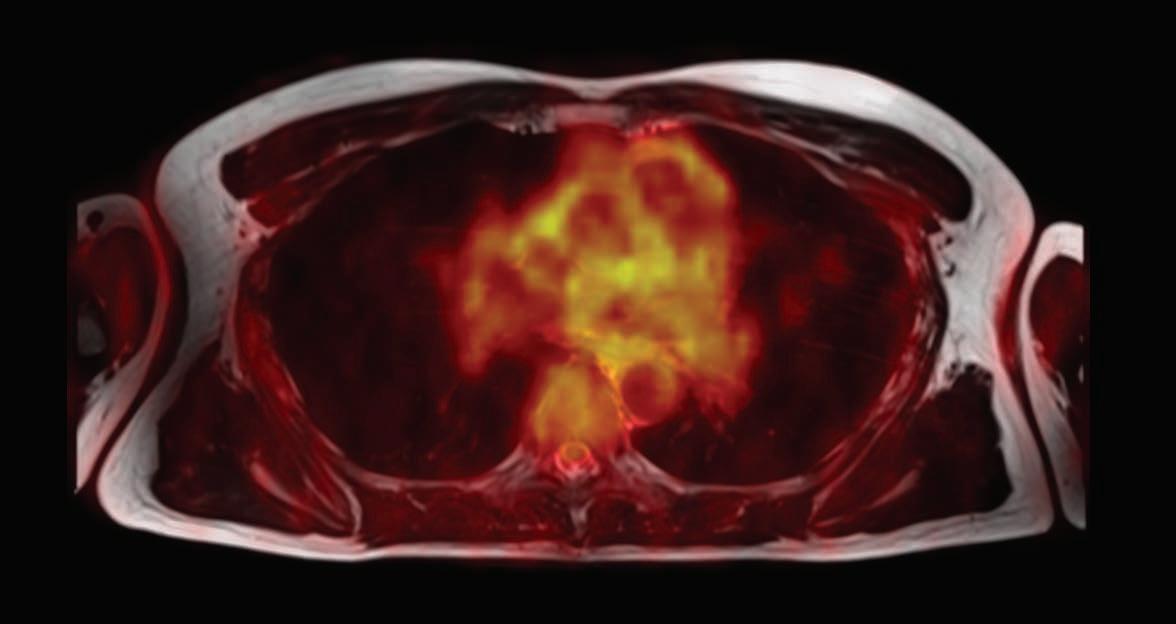
the power of CT imaging, including fascinating studies detecting and learning from the presence of vascular disease and atherosclerosis in Egyptian mummies and some of the tribal populations in North America. These innovative studies have allowed researchers to establish the role of risk factors in the development of heart disease.
Dr. Narula, who also serves as VicePresident of the World Heart Federation, cites his second major contribution as the description of the phenomenon of apoptosis (or heart muscle cell suicide) in heart failure. He has not only defined the occurrence of the process, but has also developed ways to identify apoptosis in the heart by using noninvasive molecular imaging. He has gone on to discover that the process of apoptosis in the heart can be interrupted, opening the way for new treatment paradigms and suggesting that heart failure might be reversible.
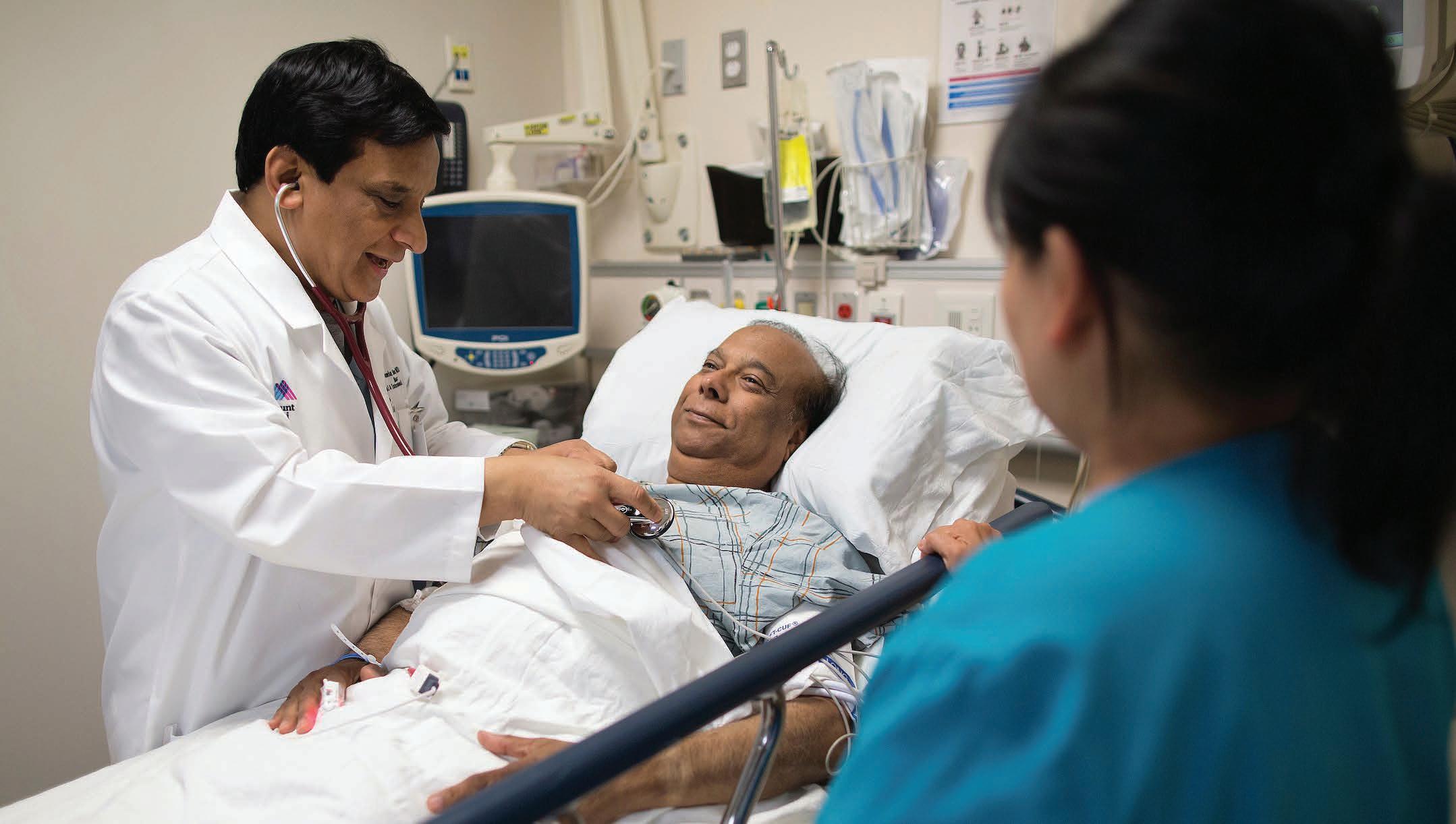
Dr. Narula is adamant about starting imaging education in medical schools. He maintains that bedside imaging, such as that done with handheld ultrasound, should be included as an obligatory part of bedside examination of patients. “Imaging makes us superior clinicians,” states Dr. Narula.
The environment in which a patient encounters their care is crucial to their treatment and recovery. At Mount Sinai Heart, prioritizing the patient experience is paramount, from creating innovative cardiac procedures to ensuring physicians are able to work in technologically advanced spaces that enhance their lifesaving work.
For the past two decades, reconstructive valve surgery has been a center stone of the excellence that exemplifies Mount Sinai Heart. David H. Adams, MD, the Marie-Josée and Henry R. Kravis Professor and System Chair of Cardiovascular Surgery at Icahn Mount Sinai, and Cardiac Surgeon-in-Chief of Mount Sinai Health System, leads the highest-volume program for reconstructive valve surgery in New York State and one of the busiest programs in the world. Dr. Adams specializes in mitral valve repair, and patients come from across the country to undergo reconstructive surgery by his team.
With the recent recruitment of Ismail El-Hamamsy, MD, PhD, the Randall B. Griepp Professor and System Chair of Aortic Surgery, the Center now also boasts an internationally renowned aortic reconstructive program that complements the mitral repair program. The focus of the aortic program is on highly specialized root
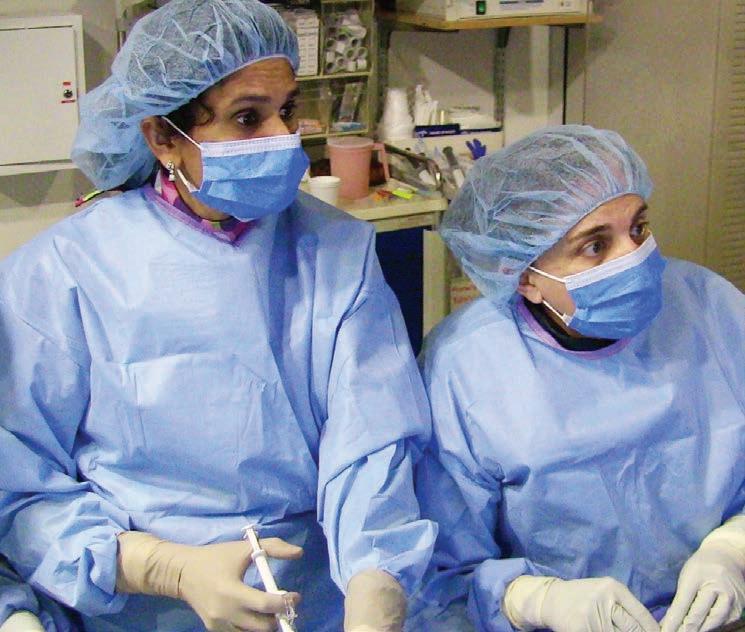
operations that include aortic valve repair, valve-sparing aortic root operations, and the Ross Procedure, a surgical technique for replacing a diseased aortic valve.
The Reconstructive Valve Center at Mount Sinai is committed to nonthrombogenic solutions for patients suffering from heart valve disease to avoid the need for a lifetime of anticoagulation therapy while lowering the risk for repeat valve surgery. Future goals for the Center include the expansion of telemedicine efforts to facilitate care of both national and international patients, and to lead an effort to make sure all patients, particularly those residing in underprivileged communities, have access to world-class reconstructive valve procedures.
The Mount Sinai Hospital’s Cardiac Catheterization Laboratory, the nation’s busiest, has achieved New York State’s highest safety rating for 22 years in a row. Certified
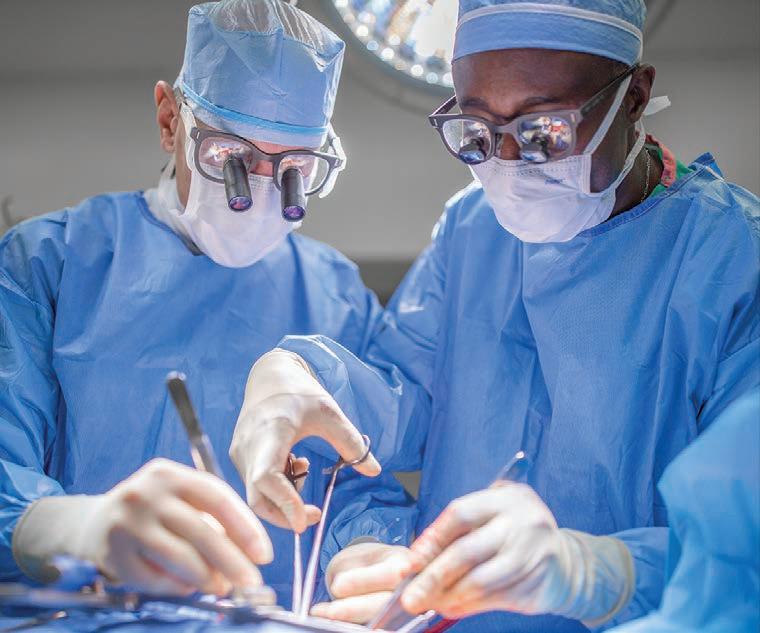
by the American College of Cardiology for Excellence in Transcatheter Valve Procedures and PCI, Mount Sinai boasts the only cardiac center in New York City and one of only three in New York State to earn this distinction.
Nationally recognized Director Samin K. Sharma, MD, is also the Anandi Lal Sharma Professor of Medicine (Cardiology), Director of Interventional Cardiology for Mount Sinai Health System, Senior Vice-President of Operation and Quality for Mount Sinai Heart, and President of Mount Sinai Heart Network. He credits the faculty, all of whom were his fellows, with the prodigious success of the lab. “We all think the same way,” he notes. “We’re all trained in the same protocol.” Dr. Sharma personally performs an astonishing 1,500+ complex coronary interventions per year, the highest number in the nation. Another 700–800 interventions referred to him are performed by his colleagues under his close guidance.
“COVID-19 gave us a common goal,” says Zahi A. Fayad, PhD, Director of the Biomedical Engineering and Imaging Institute, co-founder of the Mount Sinai Clinical Intelligence Center (MSCIC), and the Lucy B. Moses Professor in Medical Imaging and Bioengineering at Icahn Mount Sinai. “Experts in radiology, clinicians, immunologists, and data scientists all gathered to understand the disease and how to be better prepared for the future,” explains Dr. Fayad, who also
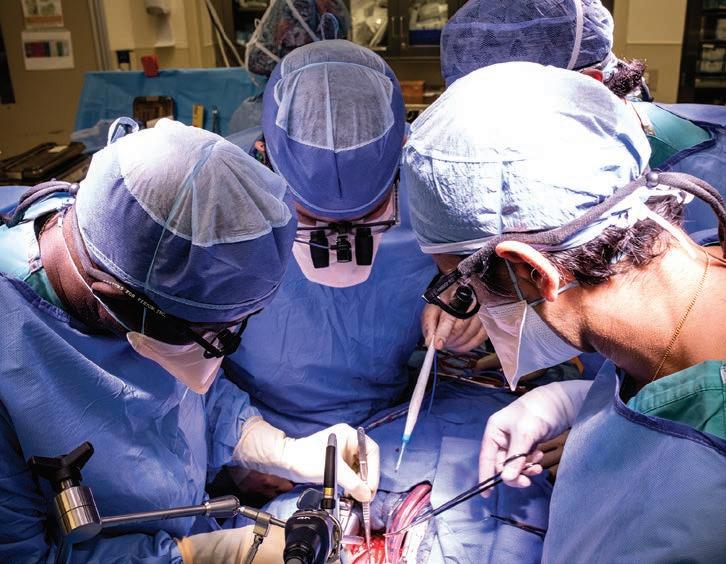
“ COVID-19 GAVE US A COMMON GOAL. EXPERTS ... GATHERED TO UNDERSTAND THE DISEASE AND HOW TO BE BETTER PREPARED FOR THE FUTURE.”
– Zahi A. Fayad, PhD
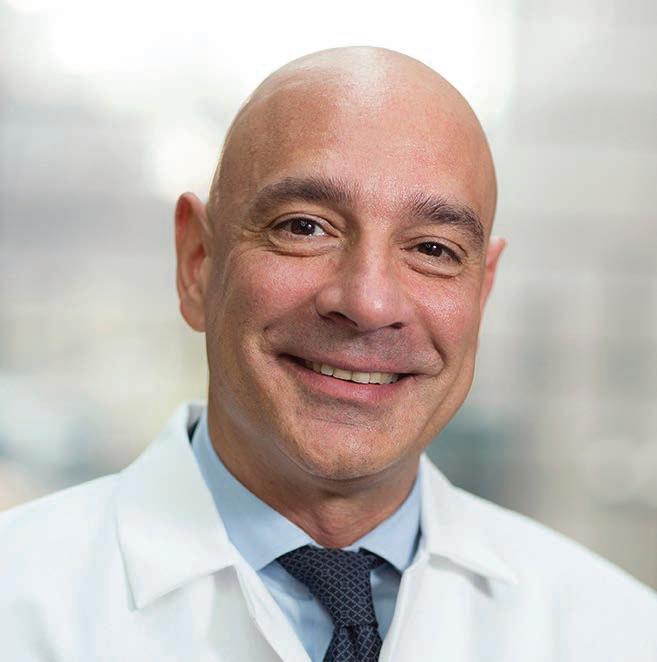
served as the lead researcher behind Mount Sinai’s Warrior Watch Study. This real-world-relevant study demonstrated how a wearable device—an Apple Watch— can signal the onset of COVID-19 as much as seven days in advance by measuring heart rate variability.
The COVID-19 crisis created an urgent need for Mount Sinai researchers to accelerate data access and break down silos in order to deploy new treatments as quickly as possible.
In January 2021, Mount Sinai launched the FREEDOM COVID-19 Anticoagulation Trial, a global effort that includes 3,600 patients at more than 70 sites in nine countries. Building on treatment protocols developed at Mount Sinai during the height of the
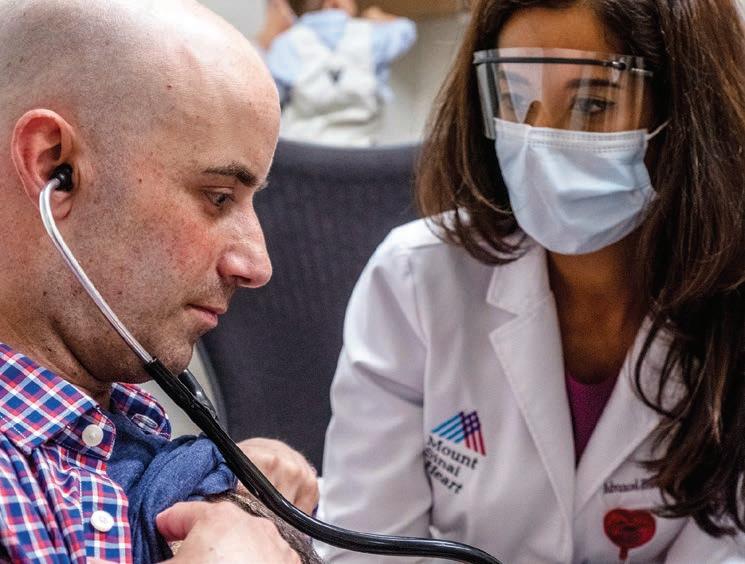
pandemic, this trial led by Dr. Fuster seeks to determine the most effective regimen and dosage of anticoagulant therapy for hospitalized COVID-19 patients.
During the early days of the crisis, Dr. Fuster observed blood clots in the legs of admitted COVID-19 patients, and autopsies revealed unsuspected blood clots in patients’ lungs, brain, and/or heart. When colleagues in China told of cases where small, pervasive clots had triggered cardiovascular events, Dr. Fuster acted decisively to treat all COVID-19 patients at Mount Sinai with anticoagulant medications, making it one of the first medical centers in the world to do so. “It was a decision that we believe saved many lives,” he says, “but we are now awaiting the final results of the trial.”
A series of studies by Mount Sinai found that COVID-19 can cause substantial cardiovascular damage, leading to a higher risk of death. Conducted at the height of the pandemic, the studies evaluated data from five Mount Sinai hospitals, and the results were published by JACC. Dr. Fuster and Anu Lala, MD, Director of Heart Failure Research and Assistant Professor of Medicine (Cardiology) at Icahn Mount Sinai, were the lead authors.
Clinicians in five Mount Sinai hospitals observed that COVID-19 patients often had damaged heart tissue. Researchers found that small amounts of heart tissue injury were linked with a higher risk of mortality; more serious heart injuries led to a greater than threefold risk of death.
The studies’ findings have important implications for clinicians treating COVID-19 patients with elevated troponin levels—an indicator of heart tissue damage—so they know how to care for and monitor these patients.
Whatever the future of cardiology, one thing is certain: Mount Sinai Heart will venture into previously uncharted territory and forge new paths for others to follow.
Over the past 25 years, one man has guided Mount Sinai Heart to international preeminence. That man is Valentín Fuster, MD, PhD, Director of Mount Sinai Heart, the Zena and Michael A. Wiener Cardiovascular Institute, the Marie-Josée and Henry R. Kravis Center for Cardiovascular Health, Physician-in-Chief at The Mount Sinai Hospital, and Professor of Medicine (Cardiology) at the Icahn School of Medicine at Mount Sinai.
Dr. Fuster’s revolutionary understanding and delivery of lifesaving treatments has made an immeasurable difference for cardiac patients.
“I am proud of what’s been accomplished thus far, but we have only just begun to address the challenge of creating a ‘global culture’ to combat cardiovascular disease,” he stresses. “Based on science and modern technology, we need to accelerate our work in preventive measures to avert a heart attack before it happens.”
Consistently earning a top 10 ranking from U.S. News & World Report, Mount Sinai Heart has achieved distinction, says Dr. Fuster, largely due to the very high caliber of personnel at all levels—nurses and physicians, technicians and administrators. “At Mount Sinai, it’s all about the people,” he emphasizes. “We would not have become one of the world’s leading centers in cardiology if we did not have such an amazing team and a true sense of unity throughout Mount Sinai Heart.”
Dr. Fuster’s efforts to mentor and educate the next generation of leaders in cardiology have been key to ensuring that Mount Sinai continues to embody the highest standards in cardiac research and patient care. “I’m a product of mentorship,” he notes, “so I put a lot of effort into training and motivating young people, because the impact can be very significant.”
In fact, Dr. Fuster has mentored so many fellows that his protégés have created the VF Society, a nonprofit organization of more than 250 alumni who trained with him. The VF Society reunites biannually to strengthen their bonds with one another and The Mount Sinai Hospital.
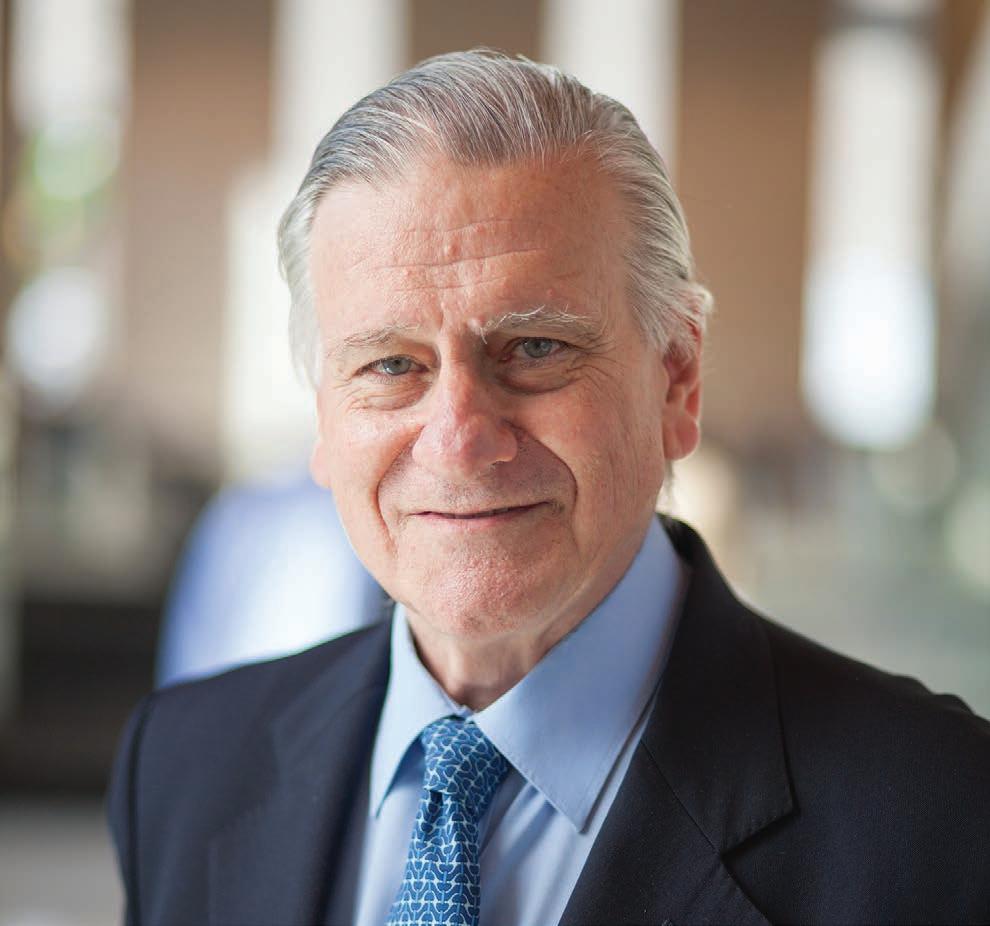
Having served as president of the American Heart Association and president of the World Heart Federation, Dr. Fuster has made unparalleled contributions to cardiovascular science and medicine, with an h-index of 204 within Google Scholar Metrics, representing the scientific impact of his work due to the astounding number of his published articles that have received numerous citations. He is a prolific author and the only cardiologist to have received the highest awards for research from the four leading international cardiology organizations: the American College of Cardiology (Living Legend and Lifetime Achievement Award), the American Heart Association (Gold Medal and Research Achievement Award), the European Society of Cardiology (Gold Medal Award), and the Inter-American Society of Cardiology (Gold Medal Award).
A consistent recipient of awards granted by the U.S. National Institutes of Health, Dr. Fuster has also been named doctor honoris causa by 33 universities. In 2022, he will receive the highly recognized Prince Mahidol Award for his international leadership in promoting global cardiovascular health and groundbreaking contributions to cardiovascular medicine over the last four decades. Five of the past winners of this award have subsequently received the Nobel Prize.
All these achievements and honors notwithstanding, Dr. Fuster strongly believes that his mission—the prevention of cardiovascular disease globally—can be achieved only by working from the ground up. He is most passionate about educational interventions with young children between the ages of 3 and 5, at a time when they are most able to absorb important information about health. Since 2006, Dr. Fuster has partnered with Sesame Street to reach children at this “golden age.” In the guise of “Dr. Valentín Ruster,” a physician Muppet sporting a familiar shock of silver-gray hair, he helps motivate children to stay healthy through exercise and good diet—presently
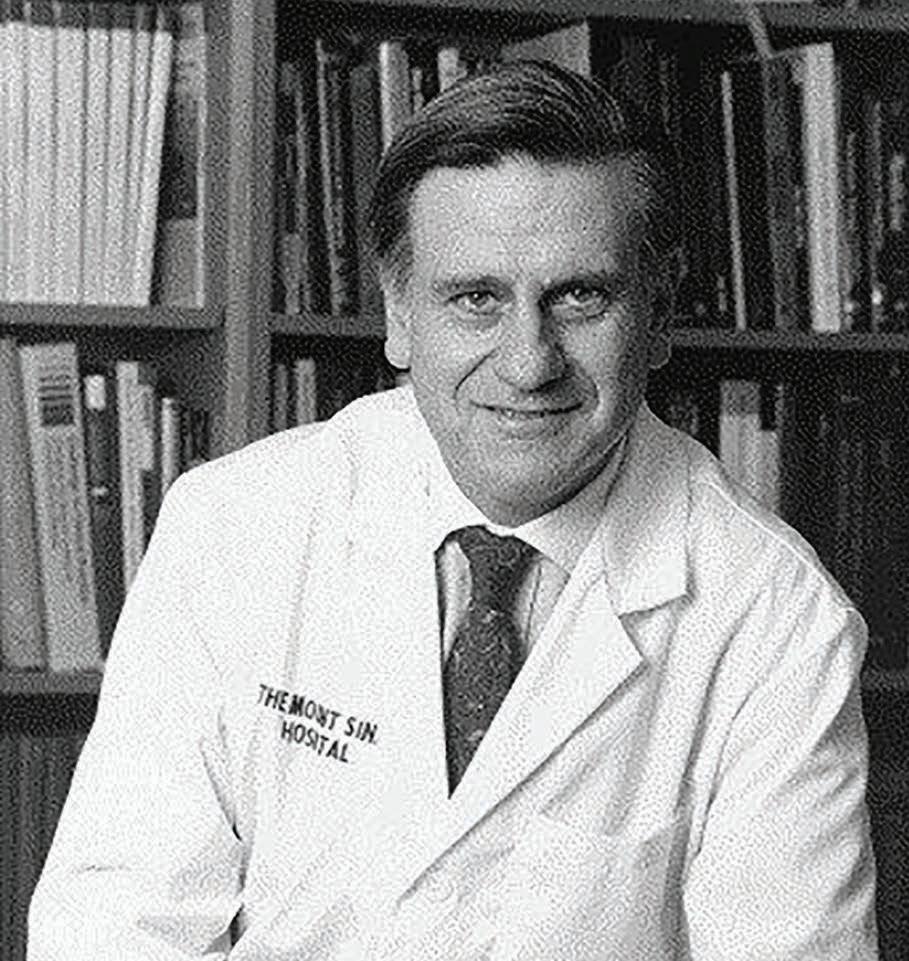

broadcast in Spanish-speaking countries and soon in the United States.
The FAMILIA Project, one of Dr. Fuster’s proudest educational accomplishments, works with parents and children around the world to create family-based cultures of health. This pioneering initiative seeks to reduce obesity, heart attack, and other conditions by addressing cardiovascular risk factors at an early age and at the family level. Building on the success of FAMILIA, Mount Sinai will expand these efforts throughout the five boroughs of New York City. While it may be hard to imagine Dr. Valentín Fuster as anything other than a renowned cardiologist, he had another dream as a youth: to become a professional tennis player. His mentor and fellow tennis enthusiast, Pedro Farreras Valentí—a medical professor and textbook author who was considered the top physician in Spain at that time—encouraged Dr. Fuster to become a physician and cardiologist instead. Mount Sinai and the field of cardiology are so very fortunate that he did.
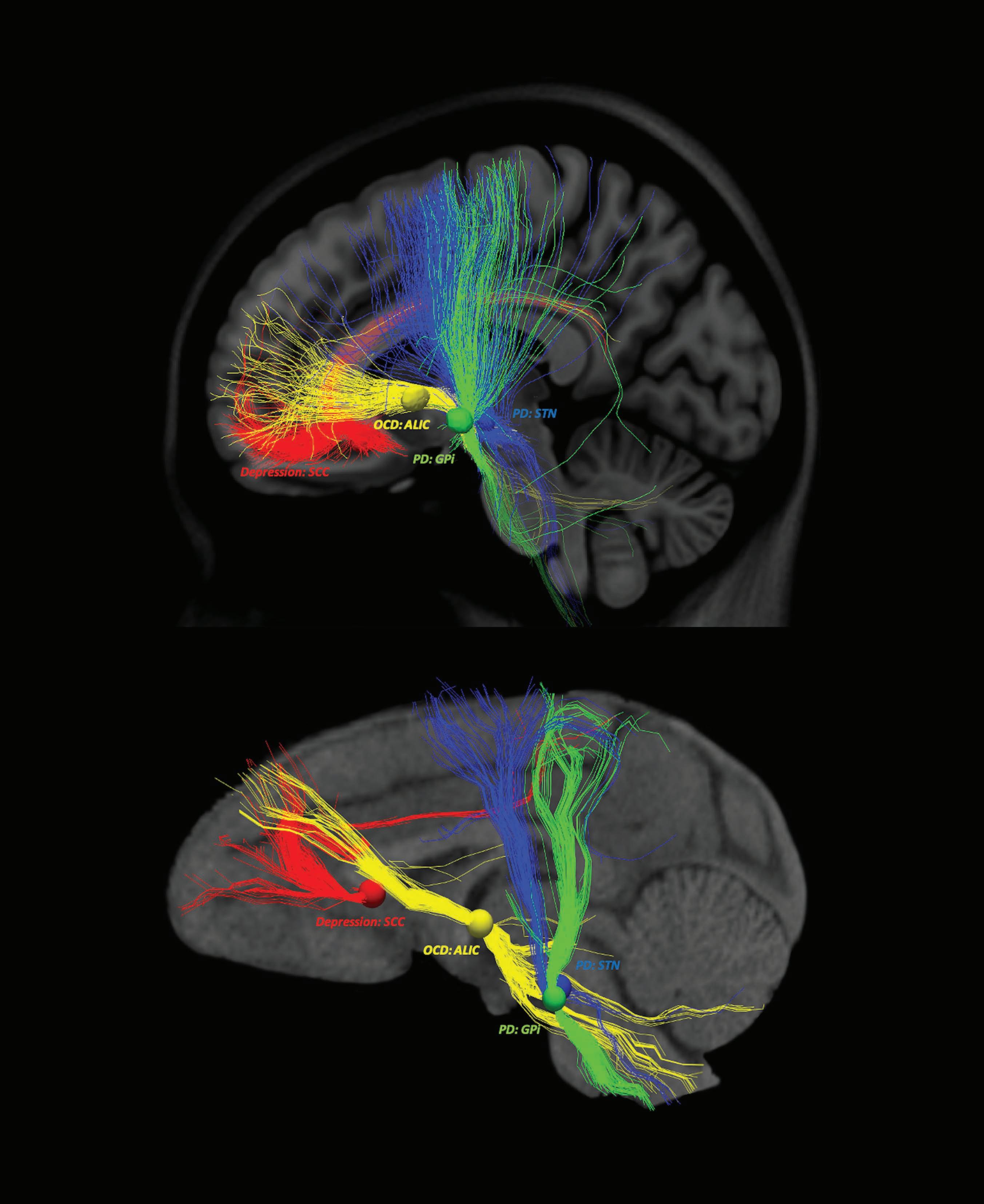
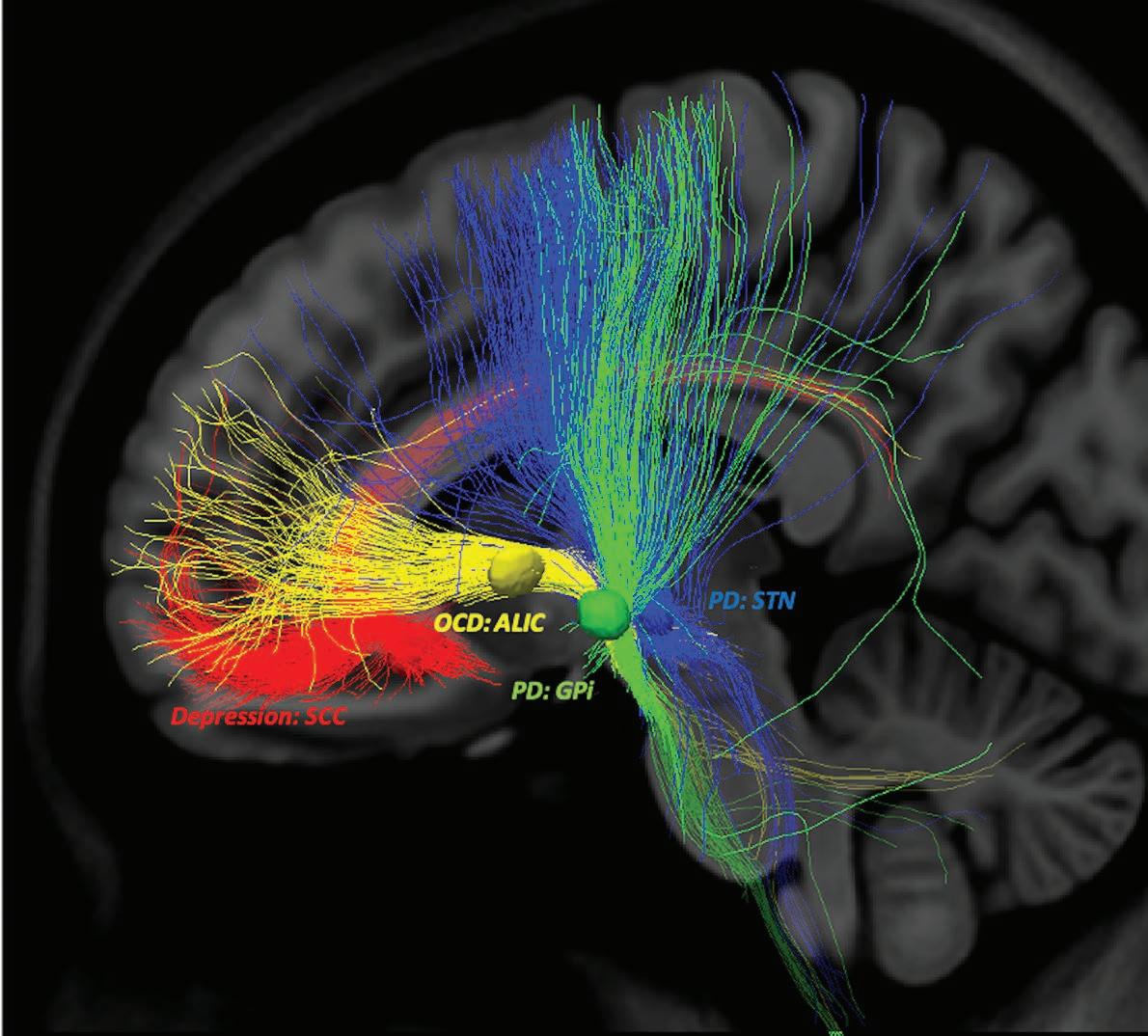
Comparison of Neural Pathways for Deep Brain Stimulation in Human and Nonhuman Primate Brains Magnetic Resonance Imaging (MRI) diffusion tractography (imaging) illustrates the impact of deep brain stimulation in different neural circuits as treatment for neuropsychiatric conditions, including depression (shown in red), obsessive-compulsive disorder (OCD, shown in yellow), and Parkinson’s disease (PD, shown in green and blue).
BY SIMA RABINOWITZ
key respects, the human brain is more powerful, and its processes more complex, than any supercomputer in existence. Internal structures are exceptionally complicated: a web of tiny, delicate nerves and supporting cells encased in dense bone. Across Mount Sinai—from research laboratories to the surgical suite to biotech design stations—scientists, surgeons, clinicians, and engineers are working together to interpret and address the brain’s functional and anatomical intricacies in the context of health and disease.
“The goal of neuroscience is to understand how the brain functions: How does it think, feel, and remember? Then we ask: How does what we learn about the brain impact patient care? ”
explains Eric J. Nestler, MD, PhD, Director of The Friedman Brain Institute, Nash Family Professor of Neuroscience, and Dean for Academic and Scientific Affairs at the Icahn School of Medicine at Mount Sinai.
Remarkable innovation and a unique commitment to transdisciplinary collaboration at Mount Sinai are transforming approaches to patient care across the fields of neurosurgery, neurology, neuroscience, and psychiatry. “All of our science and all of our technological tools are in the service of saving lives or helping patients to have a better quality of life,” stresses Joshua B. Bederson, MD, Leonard I. Malis, MD/Corinne and Joseph Graber Professor of Neurosurgery and System Chair for the Department of Neurosurgery.
“ The goal of neuroscience is to understand how the brain functions: How does it think, feel, and remember? Then we ask: How does what we learn about the brain impact patient care?”
– Eric J. Nestler, MD, PhD
“ The interior structures of the brain are the most beautiful art on the planet. Surgical tools are about solving problems to restore the brain to its natural beauty and function.”
– Joshua B. Bederson, MD
Enormous advances in technology, such as three-dimensional (3D) animation and augmented and virtual reality, are changing how surgeons visualize the brain and then control their instruments during surgery. To help plan a surgical procedure, Dr. Bederson’s colleagues in radiology provide a series of two-dimensional images from a patient’s MRI, CT, and other scans, which are fused together by special software that creates a colorful interactive 3D video of the patient’s brain. Trained members of the team use “Smart Brush” technology to outline preoperative maps and targets that allow Dr. Bederson to optimize his plan. This sophisticated imagery indicates “fly zones” and “no fly zones,” areas within the brain the surgeon can safely approach or should avoid—such as the location of the optic nerve hiding behind a tumor. The images also serve as useful tools for communicating with patients about their operations.
“Patients are facing a complex situation that is often highly stressful,” Dr. Bederson says. “With this technology, we can show patients and their families what we plan to do and explain the rationale for our decisions, such as where we will make an incision and how
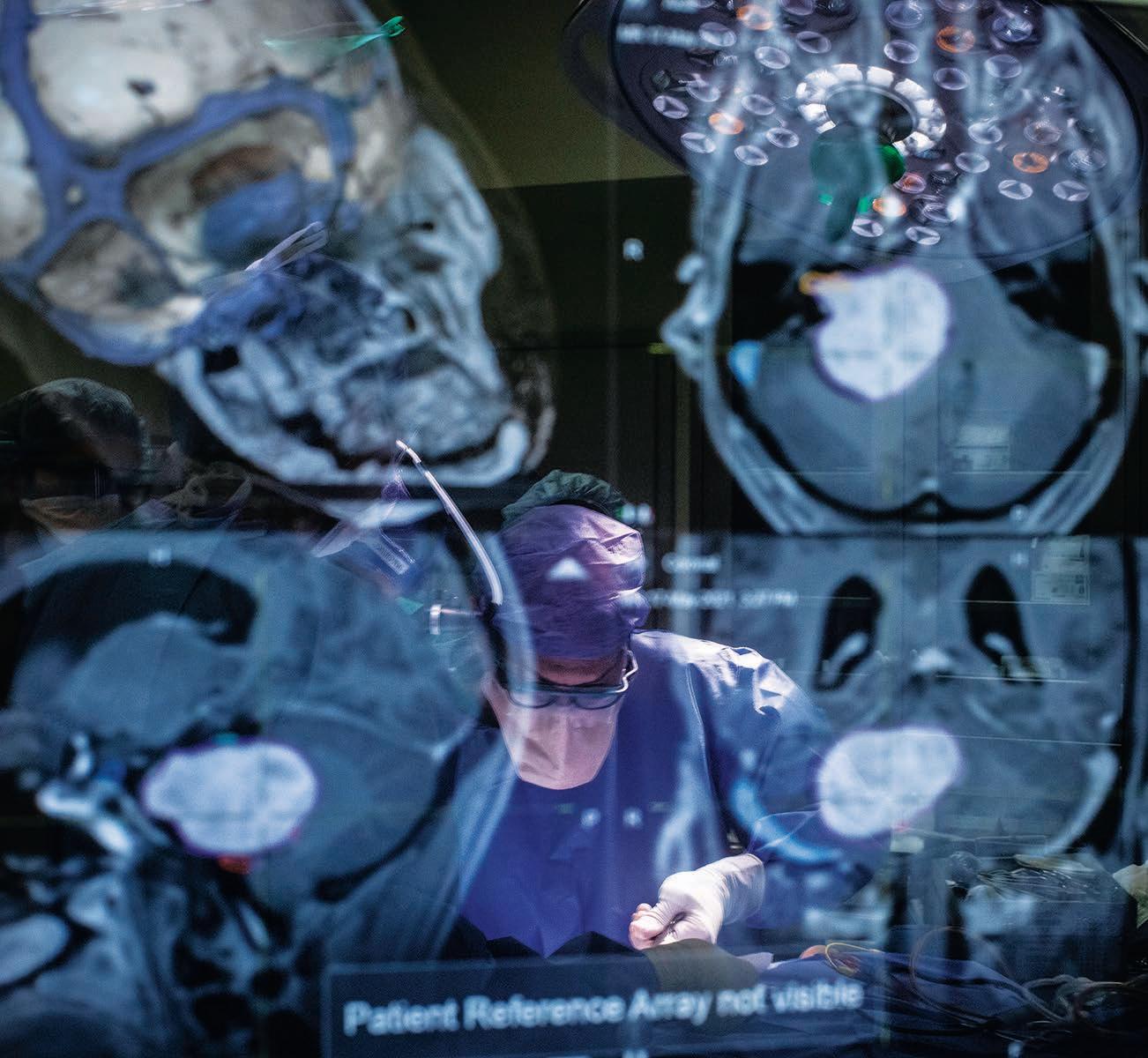
we will get to the problem without hurting them. It’s important for patients to know what to expect and how they might be impacted, which also helps build trust and confidence.”
In the operating room, the videos are projected onto a “heads-up display.” A unique microscope injection system overlays the brain “map” directly onto the brain when viewed through Dr. Bederson’s eyepiece as he performs the procedure, much the way a map is projected onto the windshield in the cockpit of a plane. Unlike the GPS navigation system in cars, where the driver must look away from the road to check the GPS device, here the surgeon can view the map and remain entirely focused on the brain without diverting their attention.
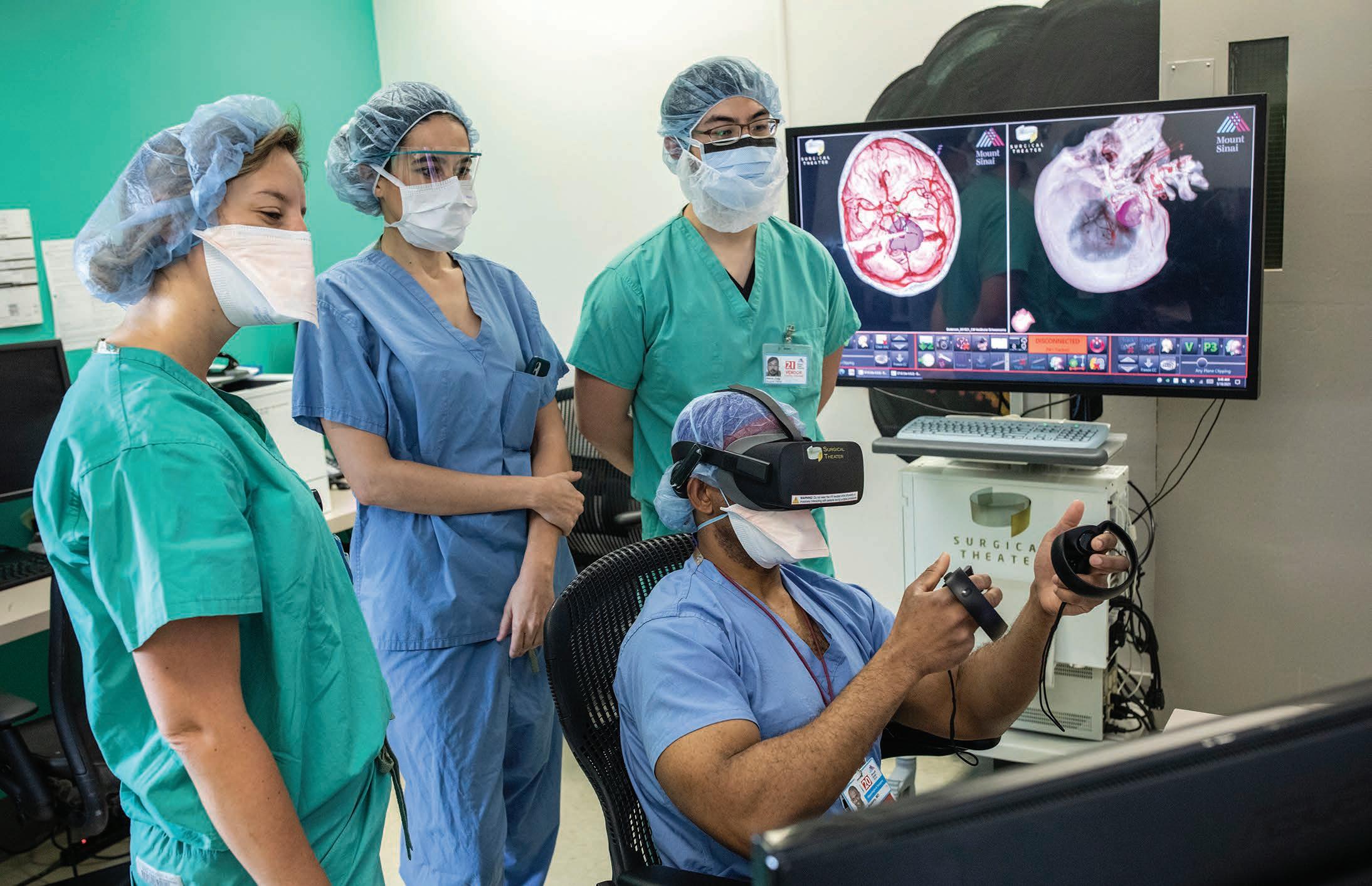
Dr. Bederson was among the first neurosurgeons in the country to employ these technologies, which are now part of the suite of tools in the Department of Neurosurgery’s Simulation Core, one of very few neurosurgery simulation research centers in the world. The Core’s latest tools include an intraoperative simulator to integrate virtual reality and minimally invasive endoscopic procedures.
The next big advance for complex neurosurgery will be haptic (tactile) tools, Dr. Bederson predicts. While augmented and virtual reality provide visual information, haptic tools will go beyond visual feedback to control the instruments in the surgeon’s hand.
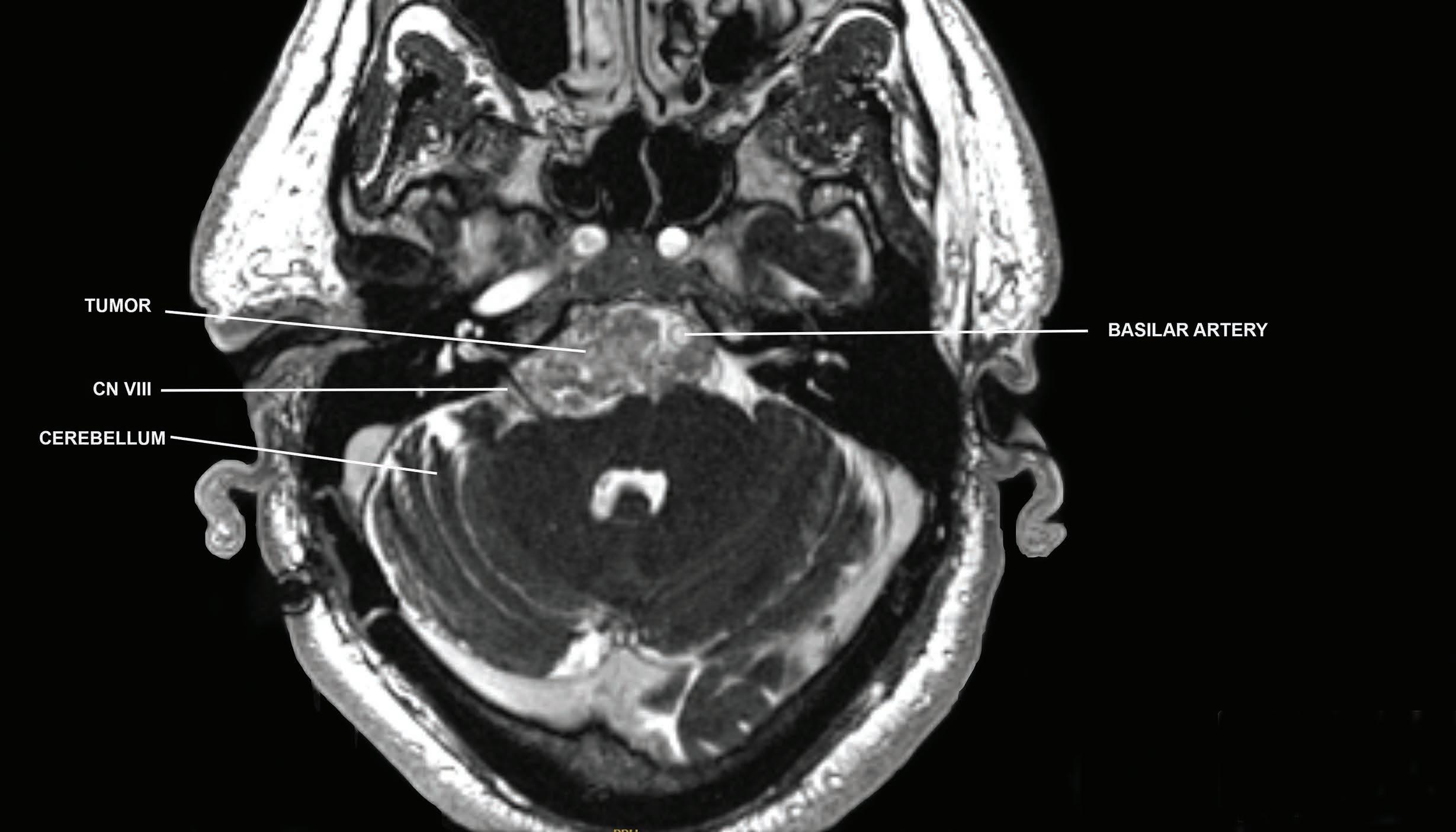
Haptic feedback might automate resistance at the tip of an instrument, for example, to prevent the surgeon from approaching a particular structure too closely. It may also be possible to develop auditory signaling, a sound or a tapping associated with specific brain structures, to help the surgeon make decisions about optimal distance and angulation of the tools.
“The interior structures of the brain are the most beautiful art on the planet,” Dr. Bederson observes. “Surgical tools are about solving problems to restore the brain to its natural beauty and function.”
On a typical neurosurgery floor in a hospital, one would not expect to find a team of biomedical engineers embedded in the unit. Yet this is precisely where Sinai BioDesign Center’s engineers are located. “Surgeons often encounter technical problems they want to solve, but they don’t have the time to pursue their ideas. Here they can meet with engineers and begin to brainstorm solutions immediately on leaving the OR,” explains Thomas J. Oxley, MD, PhD, Director of Innovation Strategy for Sinai BioDesign in the Department of Neurosurgery. The Center collaborates with clinicians to identify solutions, create prototypes, and design, fabricate, and test new devices. Launched in 2017 within the Department of Neurosurgery, Sinai BioDesign has since expanded its reach across the Mount Sinai Health System to include projects in other departments and has worked on more than two dozen devices to date, several now ready for licensing, generating numerous patents, and creating a company.
Dr. Oxley is a neuroscientist and an interventional neurologist, and, in a separate venture, co-founder and CEO of Synchron, Inc., which has designed an innovative neural prosthetic: the Stentrode™ implantable brain-computer interface. A recent first-in-human study shows the device’s ability to enable patients with severe paralysis to resume “daily digital tasks” (answering email, engaging in
online banking) through the transmission of brain impulses—without the need for a touchscreen, mouse, keyboard, or voice activation. Dr. Oxley and J Mocco, MD, Professor and System Vice Chair in the Department of Neurosurgery, Director of the Cerebrovascular Center, and Chief Medical Officer for Synchron, hope to launch the first Stentrode™ clinical trial in the United States at Mount Sinai later this year.
Faculty in the cross-disciplinary Nash Family Center for Advanced Circuit Therapeutics (C-ACT) are advancing the use of deep brain stimulation (DBS) and other therapies to better understand and treat neuropsychiatric “circuitopathies,” dysfunctions in the communication among brain regions. “All circuit-based neuropsychiatric disorders involve some combination of emotion, motivation, and intention,” explains Director Helen S. Mayberg, MD, Professor of Neurology, Neurosurgery, Neuroscience, and Psychiatry. “We have known for a long time that DBS is effective in treating movement disorders, such as Parkinson’s disease. In our work, we have recently shown that DBS may also be effective for treatment-resistant
depression. The advantage of understanding a syndrome like depression or obsessive compulsive disorder (OCD) as a network or circuit-based problem is that it allows us to measure and quantify the primary causes, which can lead to more precise and effective treatment.”
DBS acts as a kind of pacemaker for the brain. Electrodes are implanted in a precise region of the brain (depending on which region is implicated in the specific condition to be treated), and a small device delivering mild electrical signals to the brain is implanted near the collarbone (similar to a cardiac pacemaker). The DBS system monitors the brain signals and sends back information (a readout) to a controller, which is used to fine-tune the stimulation. A completely self-regulating (closed-loop) system is on the horizon.
“Few things in medicine are as translational as the work we are doing with DBS,” says neurosurgeon Brian Kopell, MD, Director of the Center for Neuromodulation and Professor of Neurosurgery, Neurology, Psychiatry, and Neuroscience. “In the past, there has been an arbitrary distinction between neurology and psychiatry. But psychiatry is neurology and vice versa,” insists Dr. Kopell, who has pioneered the
“Working with our multidisciplinary team and a transdiagnostic approach, we’re able to treat the whole person, and that’s what patients want.”
– Helen S. Mayberg, MD
use of novel DBS techniques. “Breaking down the barriers between disciplines, we are unlocking a whole new paradigm of treatment.”
C-ACT is located at Mount Sinai West, where a team of neurologists, psychiatrists, behavioral health specialists, neurosurgeons, and researchers is housed together, along with the Center’s innovative neuroperformance space, the transdiagnostic Quantitative Biometrics Laboratory (Q-LAB). Funded, in part, by the Hope for Depression Research Foundation, Q-LAB measures mood, motivation, and movement using both conventional computational tasks and a unique video capture system. Custom-designed in collaboration with Studio Elsewhere, the video capture system quantifies face, voice, and movement during exchanges with an interactive full-scale natural environment (a forest). Patients’ interactions within the forest (movement) are assessed before and after treatment with DBS, using machine learning approaches. “Our patients are also our collaborators in this new initiative,” Dr. Mayberg notes. “Working with our multidisciplinary team and a transdiagnostic approach, we’re able to treat the whole person, and that’s what patients want.”
Researchers at Mount Sinai are using DBS technology across the continuum of translational medicine as a therapeutic device (to treat movement and seizure
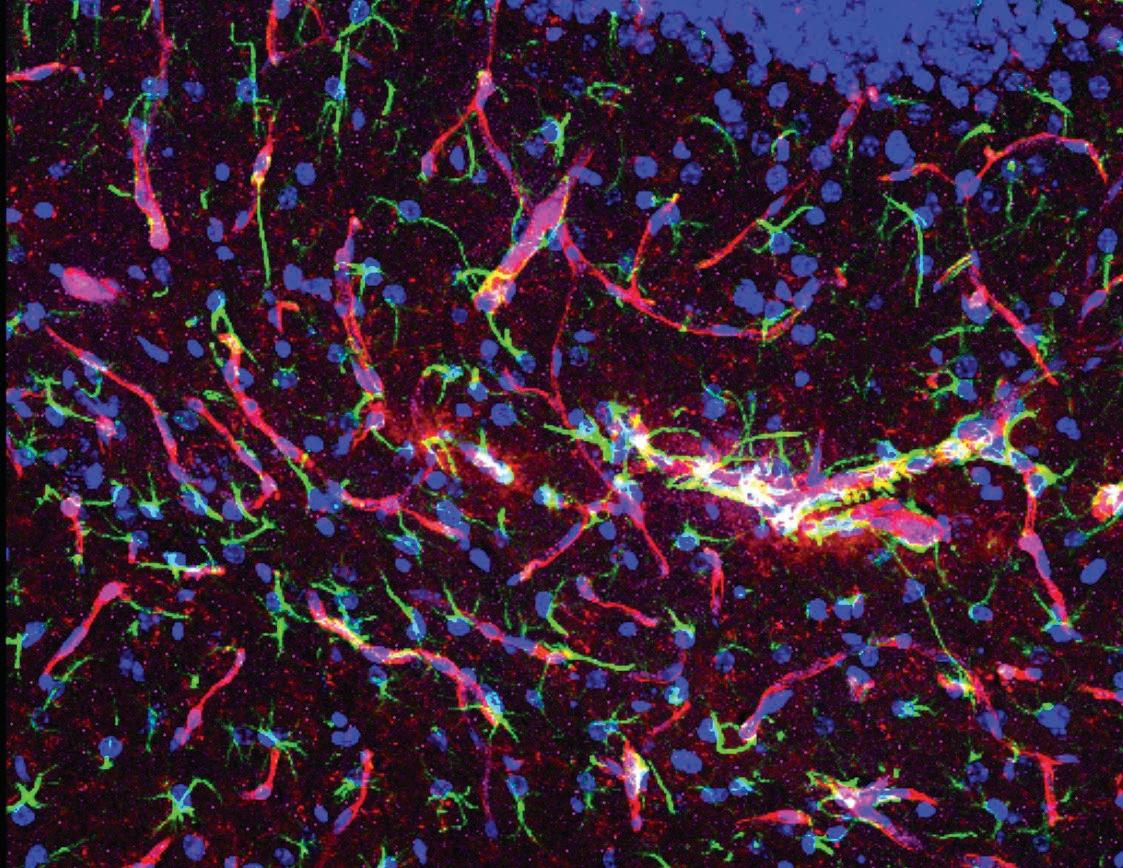
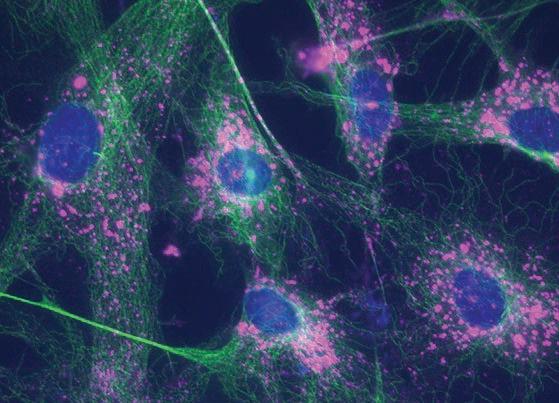
This confocal microscope image shows a damaged blood vessel (red) in the brain and illustrates how glial cells (green), which hold the nerve cells in place, are being recruited to the area of damage along the blood vessel to wrap and repair the damage. Neuropsychiatric illnesses, such as depression, are associated with blood vessel damage in the brain that can ultimately lead to changes in emotional behavior.
disorders), as an investigational tool (to research its effectiveness in mood disorders), and as an experimental platform. Xiaosi Gu, PhD, Director of the Center for Computational Psychiatry, Associate Professor of Psychiatry and Neuroscience, and C-ACT faculty member, is collaborating with Dr. Kopell on studies to measure and modulate dopamine and serotonin activity in vivo during human decision making and social interactions in consented patients undergoing DBS implantation.
Dysfunction in the neurotransmitters dopamine and serotonin is believed to play a role in many neuropsychiatric disorders, including Parkinson’s disease, depression, schizophrenia, and OCD, among others. At the same time, reward and social dysfunction and mental health issues are seen in nearly all of these disorders.
In Dr. Gu’s research, a unique artificial intelligence (AI)-enhanced technique is used to record and measure sub-second fluctuations in neurotransmitters in the brains of patients during DBS implantation for Parkinson’s disease as they play social interaction games on an overhead screen. The games are based on methods Dr. Gu has developed to study the neural and computational mechanisms in regions of the brain that govern social choices. “Essentially, we are asking if the dynamic fluctuations in dopamine and serotonin influence how we feel and how we interact with other people,” she explains. The study will help researchers
understand how the “social brain” is impaired in neuropsychiatric disorders while also advancing understanding of how DBS affects neurochemistry, which can benefit patients receiving DBS treatment for a range of disorders. Dr. Gu is planning new studies with Dr. Kopell involving his patients with Parkinson’s disease, as well as research with patients undergoing DBS treatment for epilepsy. “Computational psychiatry tends to be theoretical,” Dr. Gu says, “but here we are applying computational research to do something that can directly impact patients, which is the most exciting work we can do.”
Dr. Mayberg and her colleagues in the Nash Family Department of Neuroscience are turning the familiar expression “bench to bedside” on its head. “Optimization of DBS for psychiatric research could be accelerated if we had detailed knowledge about how this intervention actually impacts the neural circuits,” explains Peter H. Rudebeck, PhD, Associate Professor of Neuroscience and Psychiatry. “We know it works in patients, but we still don’t know precisely how it works at the level of brain cells and the circuits that they are within.” Drs. Rudebeck, Mayberg, and Nestler have collaborated on a project to study what happens in the healthy brains of nonhuman primates during DBS. Nonhuman primates share common brain features with humans, exhibit advanced cognitive abilities, and also
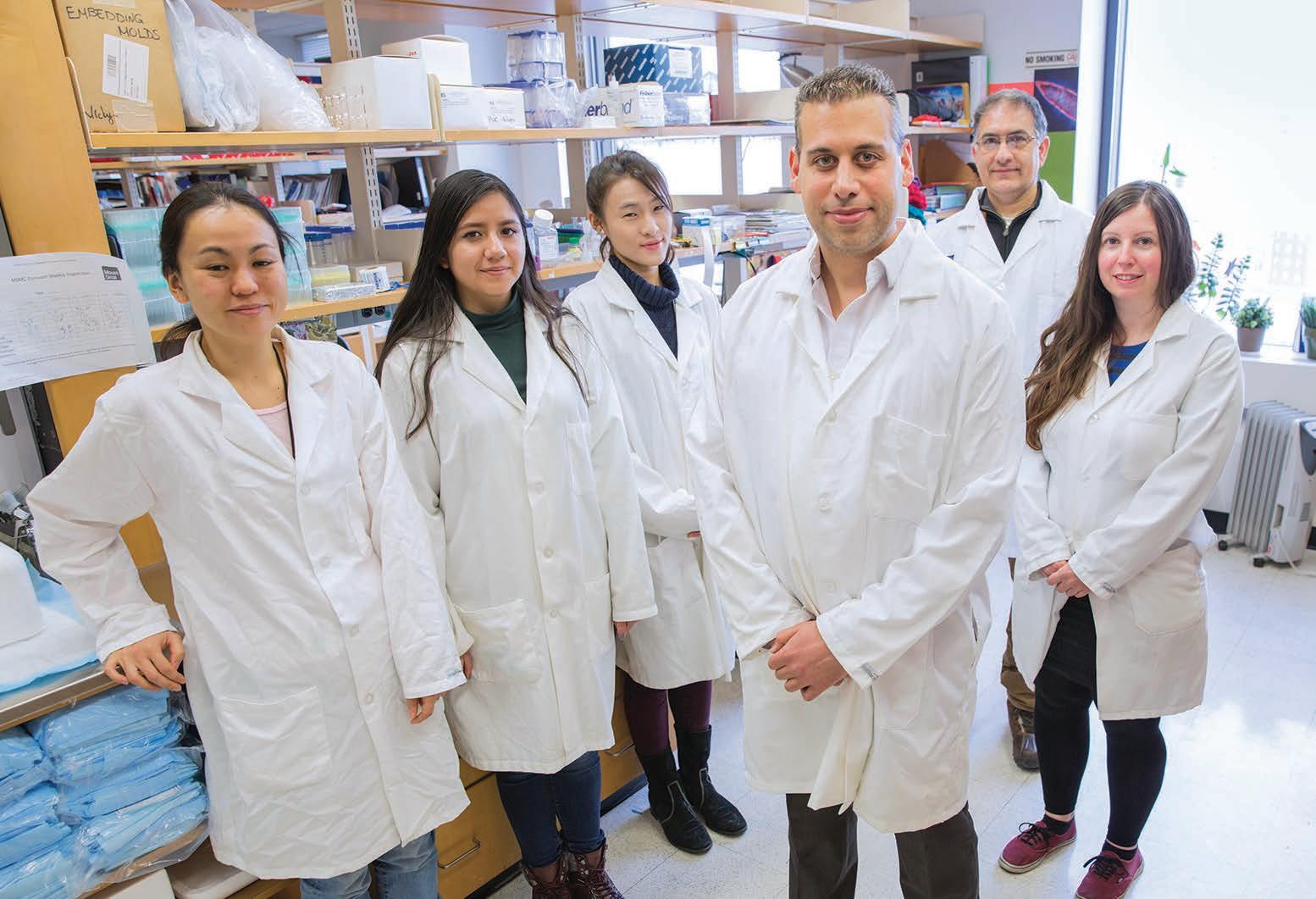
have similar social systems, such as living in small family groups, making them uniquely suitable for these studies. With healthy brain activity as a baseline, the next step will be to investigate how neural circuits that control affect are influenced by DBS in a nonhuman primate model.
“Nonhuman primates have the capacity to perform complex tasks and are translationally relevant for studying cognitive and affective (socioemotional) behavior,” says Mark G. Baxter, PhD, Professor of Neuroscience, Anesthesiology, and Geriatric and Palliative Medicine, and Director of the Lipschultz Center for Cognitive Neuroscience at Mount Sinai. Dr. Baxter is studying the effect of repeated exposure to anesthesia on the developing nervous system in such a model. Human clinical studies have found associations between prolonged or repeated exposure to anesthesia before the age of 4 and

long-term changes in socioemotional and cognitive behavior. Dr. Baxter is testing the specific neural mechanisms that may be altered by anesthetic exposure with the goal of developing preventive treatments.
The “next frontier” in neuroscience, says Scott J. Russo, PhD, Professor of Affective Neuroscience, Director of the Center for Affective Neuroscience, and Professor of Neuroscience, will be to understand the “brain-body connection.” He points to brain regulation of insulin control in diabetes, for example, or the relationship between neuropsychiatric syndromes and peripheral illnesses such as irritable bowel syndrome or dermatitis. Dr. Russo is Director of The Friedman Brain Institute’s newly launched Brain & Body Research Center, where studies are underway, as just one example, to look at the impact of the immune system in major depressive disorder and to investigate the specific regions of the brain implicated in the risk for both heart disease and depression.
“The most important changes in our health over the next decade will relate to the brain,” Dr. Nestler ventures. “Transformative breakthroughs will continue to come from bringing scientists and clinicians together across disciplines—as we always have at Mount Sinai—to share tools, methods, expertise, and perspectives to conquer brain disorders and improve human health.”
Founded in 1820, the New York Eye and Ear Infirmary of Mount Sinai (NYEE) is commemorating 200 years of exceptional care and leadership as America’s first specialty hospital in ophthalmology and otolaryngology—treating diseases of the eyes, ears, nose, and throat. NYEE has been the nucleus of groundbreaking research, numerous landmark discoveries, and novel surgical and medical techniques that have revolutionized medicine and transformed patients’ lives.
NYEE continues to expand its network of satellite practices and ambulatory centers in the New York metropolitan area. Steadfast in its commitment to remaining at the forefront of cutting-edge research and new technologies, NYEE is utilizing artificial intelligence (AI) and micro-interventional robotics that will shape the study of ophthalmology and otolaryngology as we enter the next century.
This timeline highlights a selection of NYEE’s many milestones.

Edward Delafield, MD, and John Kearny Rodgers, MD, found the New York Eye Infirmary, the first specialty hospital in America.
1822
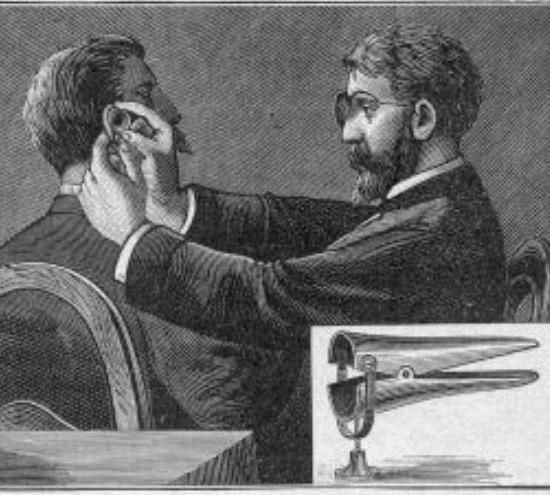
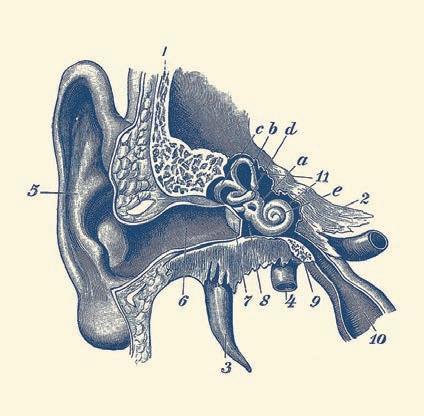
The New York Eye and Ear Infirmary welcomes its first “aurist” (ear specialist) to the staff.
NYEE establishes the first otology service dedicated to the study and treatment of ear diseases in New York City and the U.S.
1847
David Kearny McDonogh, MD, becomes the first African American ophthalmologist and otolaryngologist at NYEE. Commissioned in 2020, this painting of Dr. McDonogh was created by Leroy Campbell.

Executive Director Henry D. Noyes, MD, takes the first photographic image of a retina in a live subject, a rabbit.


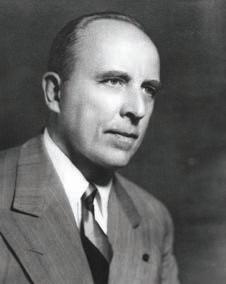
John E. Weeks, MD, head of the NYEE staff (pictured), and his colleague Robert Koch, MD, discover and name Haemophilus aegyptius, or Koch-Weeks bacillus, as a cause of acute conjunctivitis (pink eye).

The first X-ray localization of a foreign body in an eye is performed by John E. Weeks, MD, and George Dixon, MD.
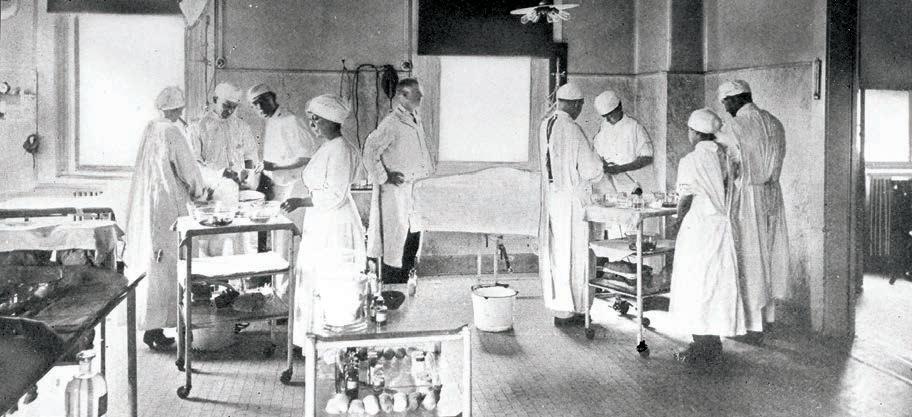
Conrad Berens, MD, NYEE resident class of 1915, establishes the Association for Research in Vision and Ophthalmology (ARVO). Originally called the Association for Research in Ophthalmology (ARO), today’s ARVO is the largest and most respected eye and vision research organization in the world, with international membership of nearly 11,000 researchers from more than 75 countries.

1939
NYEE’s Chief of Ophthalmic Plastic and Reconstructive Surgery, Wendell Hughes, MD, develops the “Hughes Procedure” for reconstructing lower eyelid defects following the removal of large tumors.
1944
Absorbable sutures for cataract surgery are introduced by NYEE physicians Loren Guy, MD, Wendell Hughes, MD, and Hunter Romaine, MD.
1947
NYEE establishes the Department of Hearing Testing, now the Department of Communicative Sciences, as an outgrowth of the World War II military aural rehabilitation center.
1957
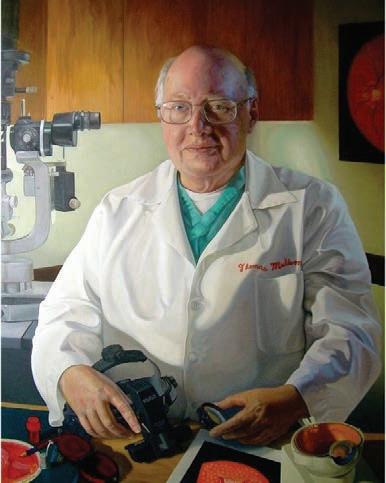
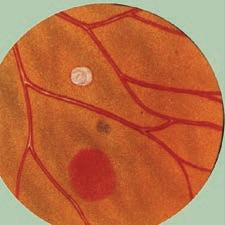
New York City’s first retina service is formally established by Morton L. Rosenthal, MD, who introduces techniques of indirect ophthalmoscopy, a method of inspecting the fundus (the back of the eye), and fundus drawing for visualizing the retinal periphery. His innovations usher in a new era of modern retinal surgery.
1982
1967
NYEE attending physician Norman B. Jaffe, MD, is among the first three surgeons in the U.S. to implant an intraocular lens following cataract extraction.
1971
NYEE’s Retina Diagnostic Center is established under the leadership of Thomas O. Muldoon, MD, NYEE resident class of 1966.
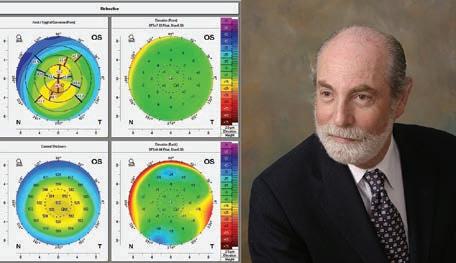
A team of clinician-scientists at NYEE—Richard Koplin, MD (pictured), Martin Gersten, MD, Dennis Gormley, MD, and Virginia Lubkin, MD—invent corneal topography, a noninvasive imaging technique, and build the first corneal mapper, a diagnostic tool that creates a threedimensional map of the surface of the cornea. Their inventions lead the way to precision corneal vision correction.
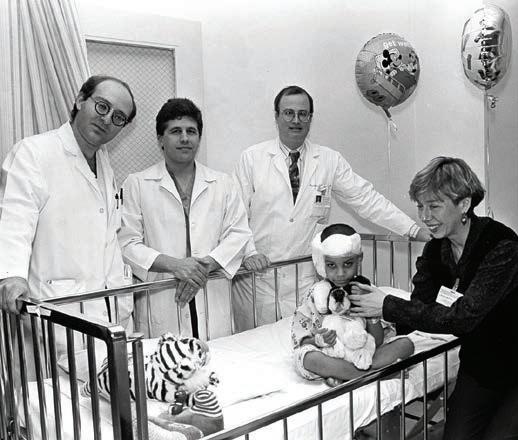
NYEE neuro-otologist Christopher L. Linstrom, MD (right, rear), performs the Infirmary’s first cochlear implant on 10-year-old Alex Carrasco. The cochlear implant is an electronic device that stimulates the cochlear nerve by processing and transmitting sound to the internal part of the implant, improving the hearing of its wearer.
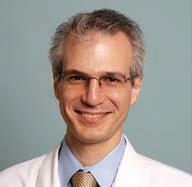
George Alexiades, MD (pictured), and Joseph Arigo, MD, successfully perform the tri-state’s first fully implantable hearing aid surgery.
NYEE establishes Project Chernobyl and the Thyroid Disease Center.
Mount Sinai/New York Eye and Ear (NYEE) Eye and Vision Research Institute is established, bringing together eye and vision researchers from NYEE, The Mount Sinai Hospital, and the Icahn School of Medicine at Mount Sinai.
NYEE and The Mount Sinai Hospital merge their residency programs to form the largest ophthalmology residency program in the nation.
2020
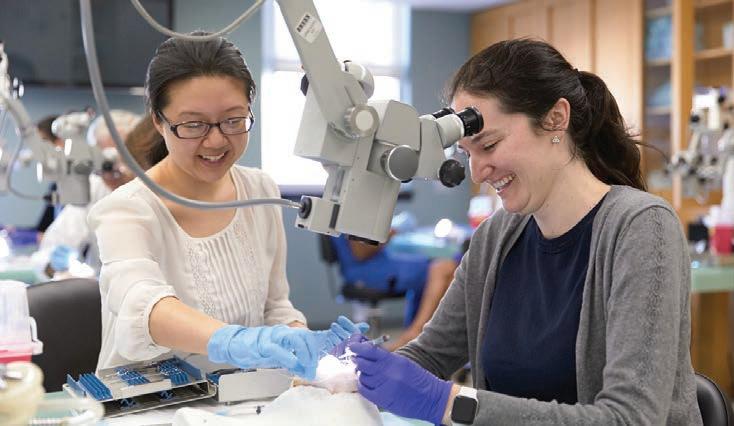
R. Theodore Smith, MD, PhD, and his team develop a family of artificial intelligence (AI)-driven models that identify patients likely to progress to late-stage age-related macular degeneration (AMD) within one to two years.
Tsontcho A. Ianchulev, MD (left), collaborates with Preceyes Surgery System to introduce the first robotic interventional system for ocular surgery in the U.S.

BY KELLI WHITLOCK BURTON
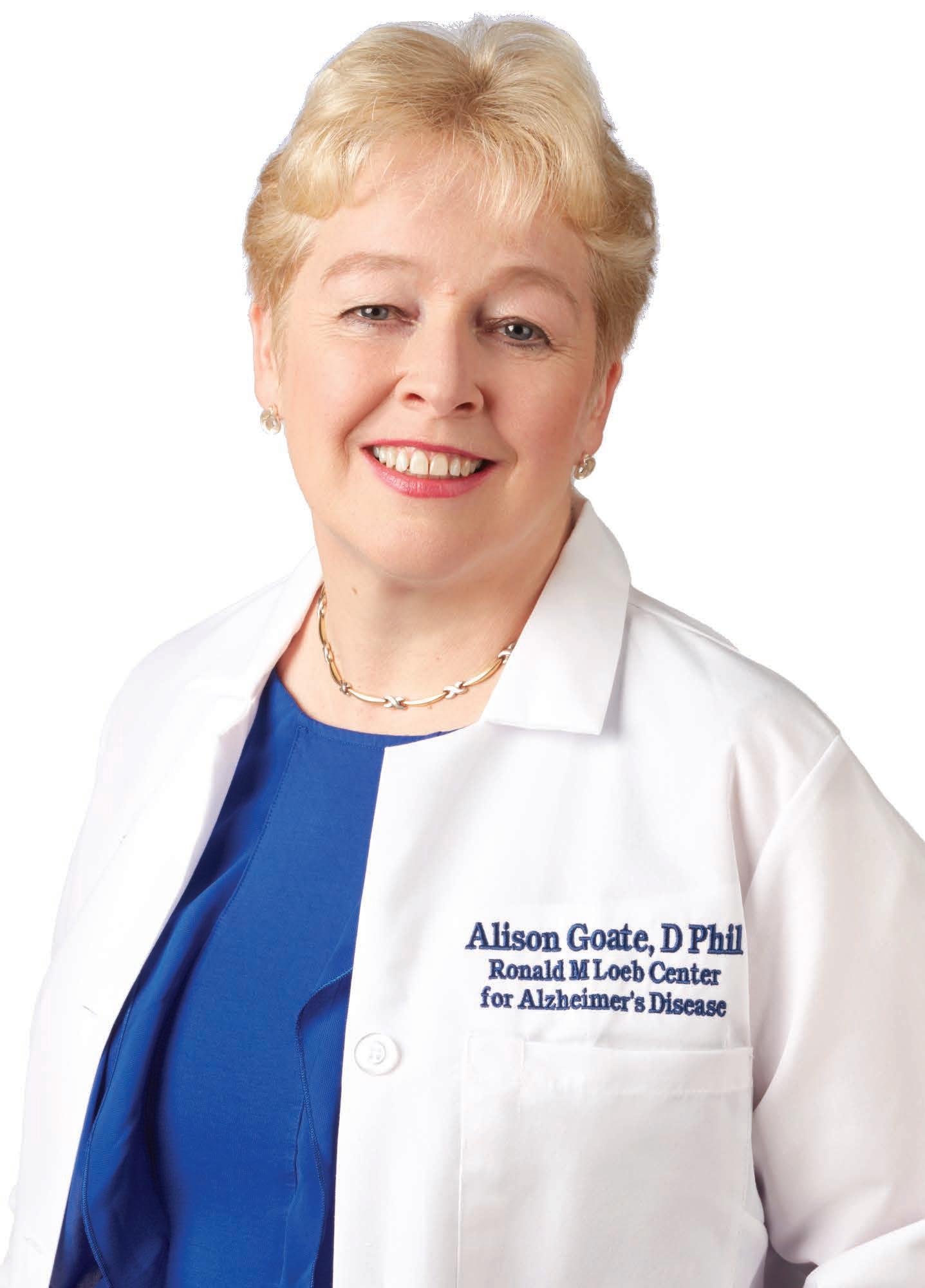
Thirty years ago, researchers identified the first genetic mutation linked to Alzheimer’s disease. Detected in the genomes of family members with three generations of relatives exhibiting dementia, the mutation causes a rare, inherited form of early-onset Alzheimer’s. The scientist who co-led the team, Alison M. Goate, DPhil, was the first person to identify a cause of the disease. It was a landmark discovery. The kind a scientist could retire on. But Dr. Goate was just getting started.
Now the Director of the Ronald Loeb Center for Alzheimer’s Disease, Professor and Chair of Genetics and Genomic Sciences, and Professor of Neuroscience and Neurology at the Icahn School of Medicine at Mount Sinai, Dr. Goate marvels at how far genetics research has come. When she started her career, there were no animal or cell models of Alzheimer’s disease. The only way to study the disease was to examine brain tissue from patients who had died.
“We were looking at the end stage of the disease and trying to understand what happened in the beginning,” she recalls. “It was like looking at the car wreckage and trying to figure out what caused the crash.”
Following her discovery, scientists created mouse models of Alzheimer’s that led to the development of drugs to help manage symptoms and possibly slow disease progression. Dr. Goate and other geneticists have gone on to identify additional causes of disease as well as many risk factor genes.
“Genetics provides an unbiased approach to identifying the causes of disease and cuts through that cause-or-consequence argument in a way that other scientific methods don’t,” Dr. Goate explains.
Today, research and clinical studies conducted by Dr. Goate and her colleagues at Mount Sinai are leading to earlier diagnosis and prevention of diseases and disorders, improved treatments, and better patient outcomes. Some of these studies are even helping to move discoveries from the lab to the clinic more quickly than ever before. Their efforts are changing
the practice of medicine in ways that are already having a powerful impact on patient care.
“Where we are now compared to the late 1980s, early 1990s is night and day when you think of our understanding of disease,” Dr. Goate says. “I’m much more confident about novel therapeutics being developed in the next 10 years than in the past 10 years.”
Much of Dr. Goate’s optimism comes from advances made through biobanks such as that at Mount Sinai. Started in 2006, BioMe is an ongoing electronic health record-linked genetic repository with DNA and plasma samples from nearly 60,000 participants. While about 68 percent of the 5 million DNA samples housed in biobanks around the world come from people of European ancestry, more than 65 percent of the samples in Mount Sinai’s biobank come from nonwhite participants, making it one of the most diverse biobanks in the world. Researchers have used genetic samples from BioMe to identify genetic


variants involved in inflammatory bowel disease (IBD), Alzheimer’s disease, a range of pediatric illnesses, and diseases of the heart, kidney, and liver—findings that could lead to new therapeutics and better disease management.
“Discoveries are coming faster now because of projects like BioMe,” says Judy Cho, MD, Dean of Translational Genetics, Ward-Coleman Professor of Translational Genetics and Medicine, Professor of Pathology, Molecular, and Cell Based Medicine, Professor of Genetics and Genomic Studies, and Professor of Medicine (Gastroenterology) at Icahn Mount Sinai, as well as Director of the Charles Bronfman Institute for Personalized Medicine at Mount Sinai, where BioMe is housed. “The goal of all this genetic discovery is to get better treatments, and scientists are doing that,” she says. “Biobanks, such as BioMe, have clearly proven their value.”
Biobanks also have tremendous potential for personalized medicine by using genomics to guide patient care. In 2018, Mount Sinai took a step toward making
that a reality for patients with the Return of Results program, an initiative that gives BioMe participants the option to receive reports about genetic findings that might place them at high risk for conditions for which treatments are available. Patients meet first with a genetic counselor who explains the results, collects a detailed family history, and connects the patient to clinicians who can prescribe preventive measures or treatments.
Historically, medicine has largely been a reactive practice, treating a condition once symptoms present. Genomics could allow clinicians to mitigate or even prevent
“ I’M MUCH MORE CONFIDENT ABOUT NOVEL THERAPEUTICS BEING DEVELOPED IN THE NEXT 10 YEARS THAN IN THE PAST 10 YEARS.”
– Alison M. Goate, DPhil
disease altogether. “If you take a geneticsfirst approach,” Dr. Cho notes, “you can potentially identify people before they get these bad complications.”
Early diagnosis is especially important if patients are to benefit from therapies that slow disease progression. Such is the case with hereditary transthyretin amyloidosis (hATTR), a rare, genetic condition in which misfolded transthyretin (TTR) protein—a protein made by the liver that helps carry thyroid hormone and vitamin A in the blood—causes amyloid deposits to accumulate in many organs, including the heart, nerves, and gastrointestinal tract. Signs and symptoms of hATTR, such as neuropathy, intestinal problems, and heart failure, mirror many other conditions, leading to widespread underdiagnosis. While several FDA-approved drugs can delay disease progression, they cannot reverse previous amyloid accumulation and damage. A number of genetic variants in the TTR gene increase the risk for hATTR, including V1421, which is found in 4 percent of all African Americans and 1 percent of all Hispanic/Latin Americans. These are some of the very people for whom genomic medicine is often unavailable.
“We wanted to know how we could level the playing field for something like that,” says Noura Abul-Husn, MD, PhD, Associate Professor of Medicine and Genetics, founding Chief of the Division of Genomic Medicine, and Clinical Director of the Institute for Genomic Health at Icahn Mount Sinai. “If you’re waiting for people to develop the disease and then test, it’s not ideal.”
So Dr. Abul-Husn designed a pilot Genomic Screening Program to screen genetic samples in BioMe for TTR V1421 and report back positive findings to patients who had consented to receive results. The study, which is ongoing, has returned TTR V1421 results to over 30 patients with the variant, more than half of whom had experienced at least one hATTR symptom and four who had heart failure. Within eight months of receiving the screening results, most patients had followed up with a cardiologist. Two were diagnosed with hATTR and have started taking drugs to delay progression of the disease.
“The unique challenge for most of the patients we have seen through this Genomic Screening Program is that they didn’t have prior knowledge of an existing cardiac disease,” says Amy Kontorovich, MD, PhD, Assistant Professor of Medicine
(Cardiology) at Icahn Mount Sinai and Medical Director of Adult Cardiovascular Genetics in the Zena and Michael A. Wiener Cardiovascular Institute and the Marie-Josée and Henry R. Kravis Center for Cardiovascular Health at the Mount Sinai Health System.
Mount Sinai’s Cardiovascular Genetics Program is one of the few in the country that focus on the diagnosis and management of patients with suspected or confirmed hereditary cardiovascular diseases. “Because we know that hATTR manifests differently in different patients and that not all patients who carry a genetic trait will develop disease,” Dr. Kontorovich says, “we frame our conversations with patients around risk and surveillance and avoid taking a fatalistic tone in our discussions.”
The Genomic Screening Program not only identified patients at high risk for hATTR, but it also demonstrated that genomic screening for medically actionable genomic conditions that have a higher prevalence among people of color can be used to address racial disparity in genomic medicine applications. Most people who tested positive for a variant linked to hATTR—97 percent— were African American or Hispanic/Latin American. Dr. Abul-Husn hopes to identify other conditions that disproportionately affect patients who have historically been underrepresented in genomic medicine studies.

WE ARE AMONG THE FIRST TO THINK OUTSIDE THE BOX ABOUT THE CONDITIONS THAT ARE IMPACTING OUR DIVERSE PATIENT POPULATION WITH THIS APPROACH OF GENOME-GUIDED CARE.”
– Noura Abul-Husn, MD, PhD
“We are among the first to think outside the box about the conditions that are impacting our diverse patient population,” Dr. Abul-Husn says. “With this approach to genome-guided care, we are looking at genetics not to solve a long diagnostic odyssey, but rather to put it at the forefront of clinical care and prevent something from ever presenting.”
Estimating a person’s risk of disease is critical for prevention. While that concept isn’t new, clinicians are learning that just as there are multiple risk factors beyond genetics that influence whether a person might develop a particular disorder, there are often multiple genetic risk factors that come into play. Known as “complex” or “polygenic” diseases, these disorders are influenced by multiple genetic variants, combined with environmental influences. Coronary artery

“ IF WE CAN MORE ACCURATELY PREDICT GENETIC DISEASE RISK IN PATIENTS FROM DIVERSE ANCESTRIES, WE CAN HAVE A GREATER IMPACT ON IMPROVING PATIENTS’ LIVES THROUGH PREVENTION AND SURVEILLANCE.”
– Judy Cho, MD
disease, type 2 diabetes, IBD, and breast cancer are all examples of polygenic diseases. In recent years, scientists have turned to polygenic risk scores to predict the likelihood that a person will develop a complex disease.
Scientists analyze genomes of people with and without a disease, identify gene variants that are associated with increased or decreased risk of a disease, and calculate a risk score based on the number of variants that increase or decrease disease risk.
Mount Sinai is one of 10 centers participating in eMERGE, a project funded by the National Human Genome Research Institute (NHGRI) to study risk for polygenic diseases and develop ways to incorporate polygenic risk scores into clinical practice. Interest in this field runs deep among Mount Sinai faculty, with researchers eyeing the risk assessment tool for studies of obesity, kidney stones, diabetic retinopathy, psychiatric disorders, and heart disease.
For example, Dr. Abul-Husn wants to create protocols for integrating the risk assessments into clinical care, and Dr. Goate
is studying how to apply polygenic risk scores to her research on Alzheimer’s disease.
“We know Alzheimer’s is a chronic disease,” Dr. Goate says. “If we could combine genetic tests and biomarkers of disease to come up with predictive models of who is likely to develop overt symptoms of Alzheimer’s within a few years, we could start them on therapies even before symptoms are evident.”
Dr. Cho discovered the first genetic variant associated with Crohn’s disease 20 years ago. She sees polygenic risk scores as a clinical tool for patients with IBD, many of whom could benefit from treatments that are effective in the early stages of disease.
But the development and validation of polygenic risk scores have relied heavily on the world’s biobanks, which are dominated by genetic samples from people of European ancestry. Using a score calculated mostly with data from white people to assess disease risk in a nonwhite person is rife with uncertainty.
To address this issue, Dr. Cho’s team sought to perfect the polygenic risk score algorithm
for IBD by drawing on a combination of datasets from nearly 30,000 patients in Mount Sinai’s biobank with European, African, Hispanic, and Ashkenazi Jewish backgrounds. The team found that compiling genetic datasets from diverse patient groups improved the overall accuracy of IBD risk prediction scores for all patients in the biobank. While score accuracy was high for most populations, the predictive power was lower for African Americans, likely due to the small sample size from African Americans and substantially greater genetic diversity within people of African descent. This demonstrates the need for even more genetic diversity in future genetic studies of IBD and other diseases, Dr. Cho says.
“If we can more accurately predict genetic disease risk in patients from diverse ancestries,” she emphasizes, “we can have a stronger impact on improving patients’ lives through prevention and surveillance.”
As researchers at Mount Sinai and elsewhere work to improve polygenic risk scores to help expand our understanding of the genetic underpinnings of disease—with the goal of developing better treatments and management strategies— efforts are also underway to advance the use of genetics and genomics in clinical care at the source: medical residency.
In spring 2020, Dr. Abul-Husn launched a new program that requires all internal medicine residents at Mount Sinai to complete a genomics 101 course as part of their training. Residents interested in learning more can then apply to a new Genomic Medicine Track, the first of its kind in the country. Participants receive advanced training in genomics and complete a mentored research project in genomic medicine.
“The goal is to make sure that our nextgeneration physicians know how to speak the language of genomics and consider whether genomics is coming into play for every patient they have,” Dr. Abul-Husn explains. “There is widespread recognition that genomics is impacting the entire field of medicine. We want to be at the forefront.”
BY JEREMY SHATAN
Stepping into the shoes of another leader is always a challenge—but not one that intimidates Leslee Shaw, PhD. Succeeding Elizabeth A. Howell, MD, MPP, as Director of the Blavatnik Family Women’s Health Research Institute (BFWHRI) at the Icahn School of Medicine at Mount Sinai is simply the next stage in her lifelong pursuit of an ambitious goal—equity for women in medical care.
As an avid athlete in high school, Dr. Shaw developed a keen interest in health—and a passion for helping others become healthy. In college, cardiovascular issues particularly became a focus, “because here’s something you can do about your own health,” she explains. “People can walk more; they can have a better diet. Even small increments help.” Upon completing her master’s degree, she began working in cardiac rehabilitation, where the idea of empowering others to improve their lives took hold, along with the realization that women are often ill-served by the medical establishment.
While earning her doctorate at Saint Louis University in Missouri, Dr. Shaw began researching sex differences in cardiovascular disease. She was shocked to see how poorly women were treated as compared to men and how often their complaints were dismissed. Dr. Shaw published her first paper on the subject in the early 1990s, setting her on course to become a leading researcher in cardiovascular health outcomes, work she pursued at Duke and Emory universities and Weill Cornell Medicine.
But she had broader ambitions, developing what she calls a “concept of women’s health from birth to death.” Mount Sinai’s BFWHRI seemed the perfect place to make a positive impact on what she calls the “intricately intertwined” lives of women. As an example, Dr. Shaw points to polycystic ovary syndrome, a fertility issue strongly linked to diabetes and cardiovascular disease. Collaborating across disciplines, the Institute can better serve women who seek treatment by connecting them with obstetricians/gynecologists,
cardiologists, and endocrinologists, while also empowering them to take charge of their health through diet and exercise.
Dr. Shaw plans to strengthen connections rooted in obstetrics, gynecology, and reproductive science between BFWHRI and Mount Sinai’s other centers of excellence, such as the Dubin Breast Center of The Tisch Cancer Institute at Mount Sinai and Mount Sinai Heart, among others. Her ultimate objective is to synthesize all aspects of women’s health care, linking maternal and fetal medicine to, potentially, pediatrics, endocrinology, oncology, cardiovascular disease, and geriatrics. In addition to the strong group of investigators from obstetrics, gynecology, and reproductive science, she has added oncologists and cardiologists to BFWHRI while also building a network with psychiatrists, endocrinologists, and other specialists across the campus.
One of Dr. Shaw’s first priorities is to establish BFWHRI as a hub for training, leading health care workers to a more comprehensive understanding of how their specialties fit into the full trajectory of a woman’s life. For example, a cardiovascular trainee who gains experience with maternal and fetal medicine experts will become much more astute in caring for women.
Dr. Shaw also envisions cultivating a robust research enterprise, fostering cultural change that breaks down any remaining silos at Mount Sinai, and incorporating lessons learned during the COVID-19 pandemic about health disparities. “We have to put an end to health care inequities,” she emphasizes. “We have to give all people a chance for a healthy life.”
BY MEERI KIM
Cancer has afflicted humanity for thousands of years. In fact, archaeologists have uncovered evidence of primary and secondary malignancies in more than 200 skeletons and mummified individuals, including Neolithic remains dating back to 4,000 BCE that display signs of multiple myeloma. Medical documents written by Ancient Egyptians and Greeks also describe pathological conditions that likely point to cancer, including a papyrus whose hieroglyphics refer to a tumor-like swelling of the breast.
In the modern world, Mount Sinai’s clinicians and researchers are developing new and innovative approaches to preventing, diagnosing, and treating cancer. For a second consecutive five-year cycle, The Tisch Cancer Institute (TCI) at the Icahn School of Medicine at Mount Sinai has earned Designated Cancer Center status from the National Cancer Institute (NCI), a program that recognizes centers around the country that meet rigorous standards for state-of-the-art cancer research.
“One of the things we’re really proud of is that some of the science we conduct at Mount Sinai leads to new clinical trial ideas that we then execute here,” says Ramon E. Parsons, MD, PhD, Director of TCI, WardColeman Chair in Cancer Research, Director of Mount Sinai Cancer, and Chair of Oncological Sciences at Icahn Mount Sinai. “And in cancer care, we excel across the gamut,” he adds. “We’ve founded several centers of excellence as a way for patients to understand that a team of clinicians will use multidisciplinary approaches to treatment.”
The six centers—spanning bladder cancer, breast cancer, liver and bile duct cancer, multiple myeloma, prostate cancer, and thoracic oncology—bring together clinicians and researchers with expertise specific to each cancer type, providing patients with specialized attention and a more seamless experience. In this way, TCI combines an integrated, collaborative approach to cancer care with translational research that takes scientific knowledge from the laboratory to clinical trials and beyond.
Here we offer an overview of recent advances made by Mount Sinai’s awardwinning clinicians and researchers.
While not as high profile as other types of cancer, bladder cancer affects more than 83,700 Americans every year, with roughly 17,200 of these individuals dying from their disease. Public awareness of bladder cancer needs improvement, and research on better diagnostics and therapeutics
for patients remains largely underfunded across the nation.
“Bladder cancer is the fourth most common type of cancer diagnosed in men in the United States,” says Matthew Galsky, MD, Director of Genitourinary Medical Oncology and Co-Director of the Center of Excellence for Bladder Cancer at TCI. “It’s often thought of as an uncommon cancer, but in fact, that’s not the case. It’s a common cancer that is underrecognized for a number of reasons.”
Dr. Galsky has dedicated his career to improving care for patients with bladder cancer. In 2016, he was instrumental in the design and implementation of a study that led to the approval of the first new treatment authorized by the Food and Drug Administration (FDA) for bladder cancer in two decades, an immunotherapy drug called atezolizumab. A year later he led a clinical trial associated with the accelerated approval of a second immunotherapy drug, nivolumab, for use after chemotherapy.
Today, Dr. Galsky continues to work toward changing the landscape of treatment for this under-the-radar disease.
“One of the things we’re really proud of is that some of the science we conduct at Mount Sinai leads to new clinical trial ideas that we then execute here.”
– Ramon E. Parsons, MD, PhD
“For what’s called muscle-invasive bladder cancer, there’s an approximately 50 percent chance of metastatic recurrence after surgery,” he notes. “Historically, there haven’t been treatments to give after surgery to prevent metastatic recurrence. There have been clinical trials done in the past, but nothing has really been shown to be beneficial.”
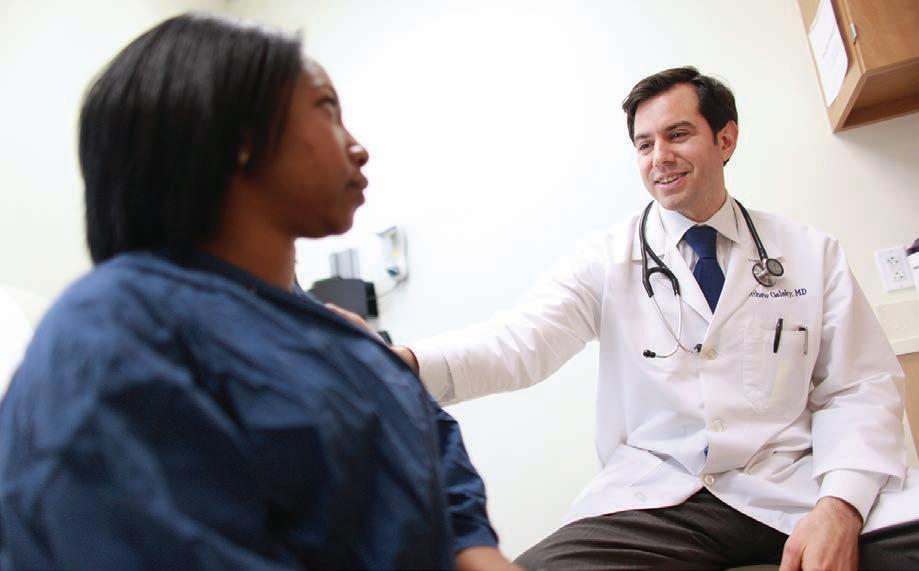
A phase 3 clinical trial co-led by Dr. Galsky was the first to show that giving patients immunotherapy—namely, nivolumab—after surgery reduced their risk of recurrence by about 30 percent. The study, published by the New England Journal of Medicine in June, gives patients a better chance of staving off lethal metastatic disease and remaining cancer-free.
Prevention vaccines, such as human papillomavirus (HPV) vaccine, prime the immune system to inhibit the development of cancer cells that are caused as a result of virus infection. Therapeutic vaccines treat already existent cancer and help “train” a patient’s immune system to destroy cancer cells.
Although viruses that invade the body always appear foreign to our immune system, tumors often resemble our normal, healthy cells. Our individual cancers are unique as a result of mutations that occur in our DNA, and these mutations yield novel proteins that appear as foreign to the immune system. Researchers are now able to incorporate these novel proteins into personalized cancer vaccines that can enable the immune system to fight these tumors.
“The idea of a cancer vaccine is exactly the same as a COVID-19 vaccine, which is all about teaching your immune system to recognize the virus and eliminate it once you come into contact with it,” says Thomas Marron, MD, PhD, Director of the Early Phase Trials Unit at TCI and Assistant Professor of Medicine (Hematology and Medical Oncology) at Icahn Mount Sinai.
“Similarly, cancer vaccines are all about using different ways of activating the immune system to recognize cancer as foreign and attack it.”
Dr. Marron joined forces with Nina Bhardwaj, MD, PhD, Ward-Coleman Chair in Cancer Research, Director of the Immunotherapy Program at TCI, and Professor of Medicine (Hematology and Oncology) and Urology, and other researchers at TCI to generate personalized cancer vaccines for a phase 1 clinical trial designed to test their feasibility and safety. In the end, the vaccine raised no safety concerns and demonstrated the potential benefit in patients with cancers that have a high risk of recurrence following surgery or other curative-intent therapy, including lung and bladder cancers.
Dr. Bhardwaj is also working with Ronald Hoffman, MD, the Albert A. and Vera G. List Professor of Medicine and Director of the Myeloproliferative Disorders Research Program, on another clinical trial testing cancer vaccines for myelofibrosis, a rare type of blood cancer.
Virtually all major advances in the fight against cancer can trace their origins to a laboratory, long before they ever appeared in a hospital. Basic cancer research is essential to gaining new insights into the causes of cancer and translating those findings into treatment breakthroughs.
Arvin Dar, PhD, Associate Professor of Oncological Sciences and Pharmacological Sciences and Associate Director of the Mount Sinai Center for Therapeutic Discovery, leverages his extensive background in chemistry and structural biology to seek out new drug targets and compounds for treating cancer. A recent study, published last September in Nature, resulted in the creation of a novel compound that works even better at killing cancer cells than the existing drug it was based on.
“In a lot of research that’s geared toward drug discovery, you start from a process or a disease, and you want to figure out new ways to go after it,” Dr. Dar explains. “What we
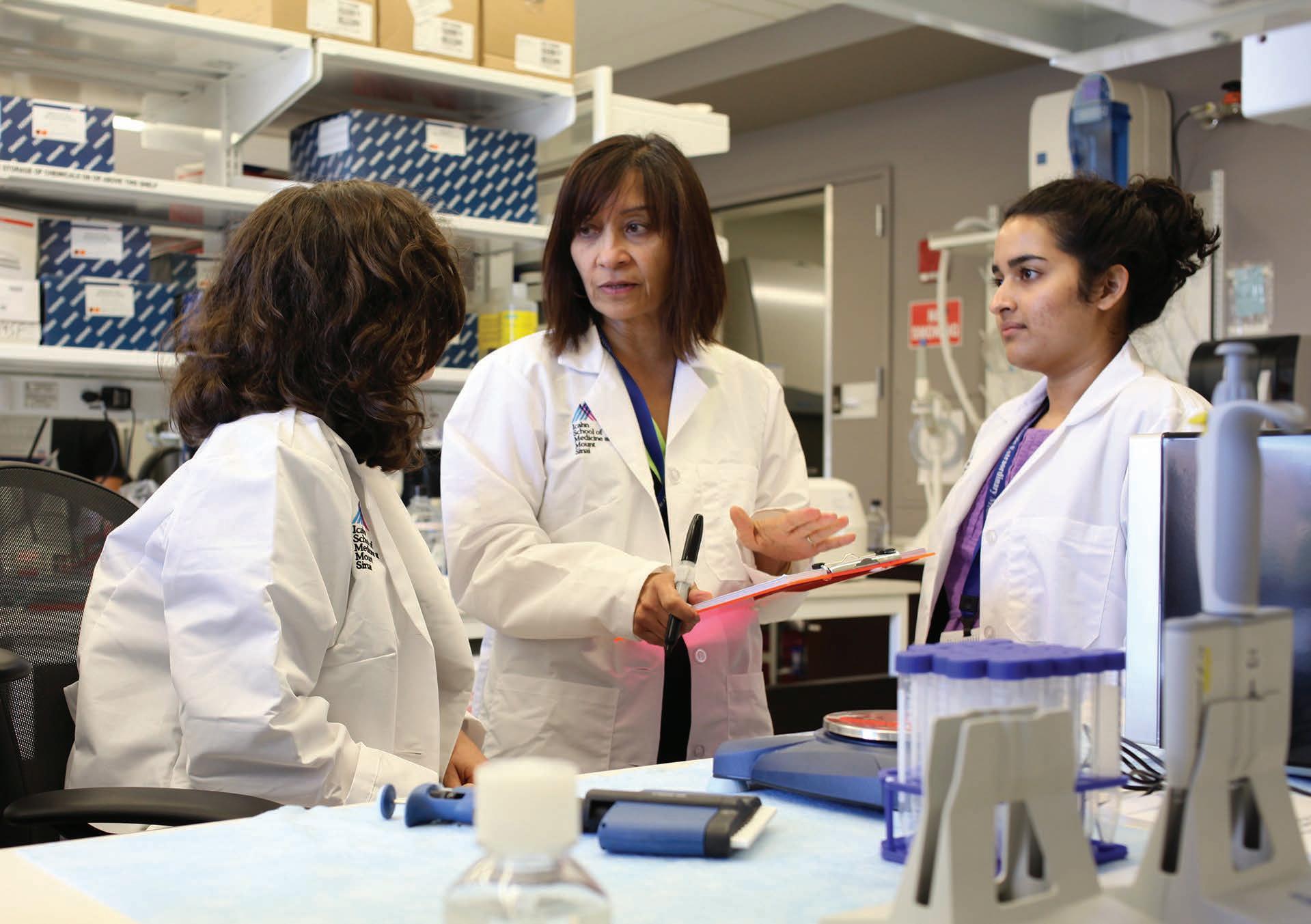
“We need to develop therapeutics with increased ‘Therapeutic Index,’ which are more toxic to the tumor and not as harmful to the healthy tissue of a cancer patient.”
– Poulikos I. Poulikakos, PhD
did in this most recent project was almost the opposite, because we started from a clinically approved drug. But what was unique was that it wasn’t well understood how the drug worked, and now that we have a better understanding, it opens up new biology and drug discovery opportunities.”
MEK (Mitogen-Activated Extracellular Signal-Regulated Kinase) is a protein directly related to the proliferation of cancer cells. The drug trametinib is an MEK inhibitor used to treat specific forms of skin and lung cancer. It always stood out from other drugs in its class, as it was more clinically successful and less toxic than earlier MEK inhibitors, which all work to stop the action of the cancer-promoting MEK enzyme.
After an extensive analysis of how trametinib binds to both MEK and a second protein called KSR (Kinase Suppressor of RAS), Dr. Dar and his colleagues created an improved version of trametinib, which they named trametiglue—a more powerful MEK inhibitor with greater efficacy at a lower dose and less susceptibility to drug resistance than trametinib and other MEK inhibitors.
Poulikos I. Poulikakos, PhD, Associate Professor of Oncological Sciences and member of the Precision Immunology Institute, uses his laboratory findings on the biochemical properties of drug molecules and their effects on oncogenesis—a complex multistep process by which normal cells turn into cancerous cells—in order to design more effective cancer therapies.
“Current targeted cancer therapeutics are frequently limited by what we call ‘adaptive resistance,’ whereby cancer tumors quickly adapt to and ultimately evade the therapeutics’ ability to treat the tumors,”
says Dr. Poulikakos. “We need to develop therapeutics with increased ‘Therapeutic Index,’ which are more toxic to the tumor and not as harmful to the healthy tissue of a cancer patient.”
Based on this strategy, Dr. Poulikakos’ group published a study in the journal Cancer Discovery, demonstrating a promising combination of three drugs, including two inhibitors that bind BRAF in different conformations and an MEK inhibitor that impedes and kills cancer cells. This “triple therapy” approach has already shown potential by improving the clinical well-being of patients with stage 4 colorectal cancer.
In a separate study published in Nature Cancer, Dr. Poulikakos’ group uncovered a new mechanism of resistance to CDK4/6 inhibitors, a class of drugs that have been approved for breast cancer treatment but have shown modest results in other cancer tumors. New inhibitors are currently in development by Dr. Poulikakos’ team to be used as therapeutics to target tumors that are resistant to current inhibitors.
For several decades, scientists have known that mutated genes contribute to cancer development. More recently, the area of cancer epigenetics has been determined to play just as important a role. Epigenetics is an emerging field that studies alterations caused by the activation and deactivation of genes without any change in the underlying DNA sequence.
“Our genome is a very long stretch of DNA that encodes everything we need to be who we are,” says Emily Bernstein, PhD, Professor of Oncological Sciences and Dermatology and Co-Leader of the Cancer Mechanisms Research Program at TCI. “Our genome is identical in almost every cell, yet skin cells aren’t the same as liver cells, and so on. Therefore, we need to better assess the relationship between how epigenetics regulates different cell types and the transition of normal cells to cancer cells.”
Cancer biologists like Dr. Bernstein have realized that certain molecules whose job it is to regulate access to DNA, allowing for the activation and deactivation of genes, are mutated at very high frequencies in cancer. Her laboratory studies a protein named ATRX that is mutated in up to half of adolescents with neuroblastoma, a deadly pediatric nervous system cancer. They found that mutant ATRX proteins contribute to aggressive neuroblastoma by preventing neurons from fully developing in these young patients.
Dr. Emily Bernstein
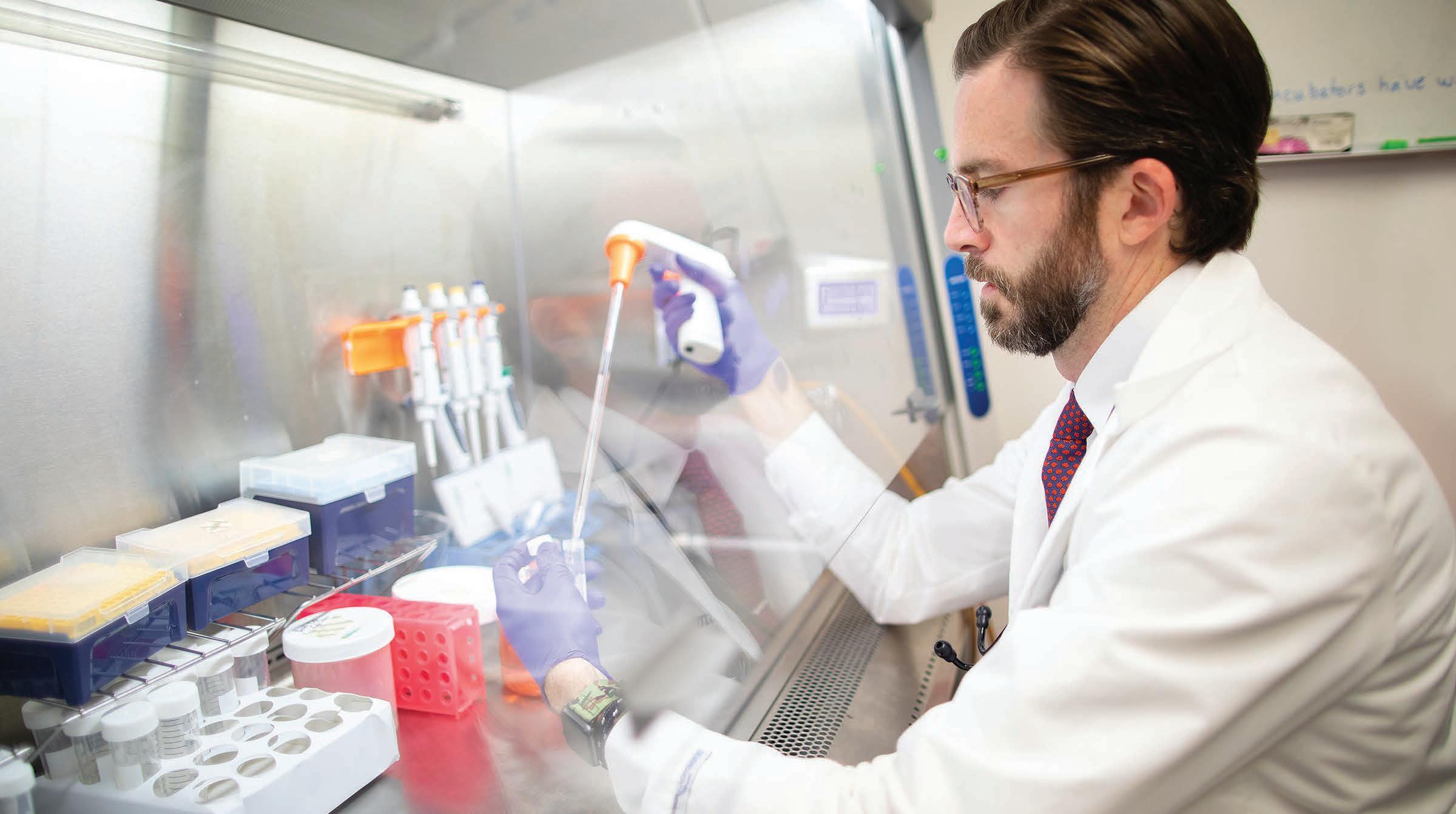
Once they understood the underlying mechanism, Dr. Bernstein and her colleagues realized that an existing FDA-approved targeted therapy, an EZH2 inhibitor called tazemetostat, could possibly work to block this repression of neuron development. The normal function of the EZH2 enzyme is to bind to our DNA and to silence gene expression, and mutations in the EZH2 gene can contribute to various types of cancers. That’s why EZH2 inhibitors have become a novel target for cancer therapy. As suspected, tazemetostat kills neuroblastoma cells in mice and shows promise as a potential treatment for neuroblastoma—a cancer that often forms in an embryo or fetus—which currently lacks effective targeted therapies.
“We’re working now with various pediatric oncologists across the world to generate clinical trials with this inhibitor,” says Dr. Bernstein, who is part of a multicenter team that received a £500,000 grant (approximately U.S. $690,000) in April from Solving Kids’ Cancer UK to improve diagnosis and treatment for neuroblastoma. “Our goal is to derive new drug combinations and design clinical trials to get this inhibitor into these patients.”
“My highest priority is to facilitate, foster, and encourage translation of the exceptional science at TCI to the racially and ethnically diverse communities we serve.”
– Joseph A. Sparano, MD, FACP
TCI boasts more than 150 investigators whose research goes far beyond what has been described in the small sampling above, including those who look at the impact of cancer on population health and outcomes.
Studies of cancer disparities examine how some population groups are at increased risk of developing or dying from particular cancers. For example, TCI researchers reported in June that biological characteristics of prostate tumors were substantially different in African American men when compared to European American men. Another TCI study found that high levels of insulin, which are more common in African American women, may cause changes in breast cancer cells that can make the cancer more aggressive.
Such research is vital to developing strategies and interventions that address the unique needs of specific populations in which disparities are particularly
problematic. Other vulnerable population groups that are the subject of TCI-based studies are World Trade Center responders, who have an increased overall cancer incidence compared to the general population, and HIV-positive individuals.
In June, Mount Sinai Health System recruited Joseph A. Sparano, MD, FACP, as Chief of the Division of Hematology and Medical Oncology and Deputy Director of TCI. Not only is Dr. Sparano an expert in the management of breast cancer, but he also studies racial disparities in breast cancer and works to improve outcomes of HIV-positive patients with cancer.
“Although addressing structural racism and barriers to care is essential, it may not be sufficient to thoroughly address racial and ethnic disparities for some cancers,” Dr. Sparano emphasizes. “My highest priority is to facilitate, foster, and encourage translation of the exceptional science at TCI to the racially and ethnically diverse communities we serve.”
You are one of the preeminent researchers/scientists in the study of immunology. Why did you choose this field?
I was trained as a medical hematologist/ oncologist in France. During my rotation in the bone marrow transplantation unit, I realized that donor immune cells have the power to eliminate and cure leukemic cells. That is when I realized the immune system has the power to treat cancer. When I did my rotation in the solid tumor unit, I started to study cancer lesions and noticed that, at times, there were more immune cells than tumor cells. These observations drove me down the path to study immunology, even though the study of immunology in cancer in particular was not popular, or even respected, at the time.
What are you most proud of in your work at Mount Sinai?
There is so much that I am proud of, but I will give you two examples. First, I am extremely proud of the visionary investment we have made in establishing the Human Immune Monitoring Center (HIMC). The HIMC mission is to leverage cutting-edge technology platforms as well as immunological and technical expertise to allow us to map the molecular and cellular makeup of the lesions of human disease such as cancer. We were among the first to use the most advanced technology in clinical trials, which helped us learn how novel cancer therapy drugs work and how emerging therapies can further improve
BY ELAINE LAWSON
response rates to treatment—particularly as many patients still fail to respond to existing therapies. Our detailed studies are helping us reclassify disease lesions based on molecular defects, which negatively impact our immune system’s ability to fight disease. Ultimately, the HIMC will allow us to develop more precise therapies specifically tailored to the patient. This is what we call precision medicine.
I am also quite proud of my laboratory’s contribution to the current understanding of dendritic cell and macrophage biology, which is central to how the immune system develops and defends itself against disease. At Mount Sinai, I discovered how early-stage lung cancer tumors co-opt immune cells, known as tissue-resident macrophages, to help attack lung tissue. We recently published a study in Nature demonstrating how
tissue-resident macrophages that typically repair tissue in the body can be tricked by tumors when cancer starts forming in the lungs. This allows the tumor to hide and become invasive, which can lead to later, deadly stages of cancer.
Immunology is at the forefront of some key health care breakthroughs. What is on the horizon in the next 5 to 10 years?
In the 1800s, zoologist Élie Metchnikoff pioneered the study of immunology when he discovered that macrophages populate every organ to survey against potential threats within the body. We now know that in addition to macrophages, many immune cells reside in our organs and that the inflammatory responses produced by immune cells upon sensing a threat are often shared between organs. These inflammatory responses contribute to shaping most human diseases—from autoimmune diseases (e.g., diabetes, arthritis, etc.) to cancer to cardiovascular disease. Even Alzheimer’s disease and aging are now considered a consequence of a dysregulated immune response.
The next revolution is to break down the silos of how we practice medicine and encourage immunological studies across diseases. This is where the HIMC can play a major role. I am very excited about the future in terms of how immunology will expand our horizons around how we treat disease based on the disease’s cellular and molecular profile, rather than the traditional histological diagnosis.

BY CAROLYN SAYRE
The war against the COVID-19 pandemic is far from over at the Mount Sinai Health System, and the path to victory is fraught with obstacles. As of publication, only 53 percent of adults in the United States are fully vaccinated as infection rates continue to rise due to the Delta variant. Developing nations have difficulty accessing vaccines, children remain unprotected, and new variants lurk in the shadows.
At Mount Sinai, the call to arms began long before the enemy even appeared on U.S. soil. Microbiologists were already hard at work in the laboratory developing diagnostic tests for different viruses. As SARS-CoV-2 emerged, the first COVID-19 antibody test was rapidly established. For nearly 18 months thereafter, the Health System’s eight hospitals and the Icahn School of Medicine at Mount Sinai led the charge—from identifying the first treatments to establishing the Center for Post-COVID Care and developing a less expensive, more accessible vaccine alternative.
“The pandemic may continue for some time, and even when we can all say it is over, physicians will need to prepare for the next outbreak,” says Florian Krammer, PhD, Professor of Microbiology and Vaccinology at Icahn Mount Sinai. “Our department is constantly working to understand viruses that can cause a pandemic, so we can better tackle these threats in the future.”
As normalcy resumes throughout the city, testing continues to be a valuable tool.
Mount Sinai researchers have developed an inexpensive, easy-to-use COVID-19 PCR saliva test that is as accurate as the nasal swab. Studies have found that the test, which uses the gold standard polymerase chain reaction (PCR) technology, is highly sensitive in detecting new variants. A dedicated Mount Sinai COVID Lab—which has the capacity to run up to 100,000 tests a day—was built to help process the results.
This saliva test has the power to make a difference for the nation’s youngest and most vulnerable populations. In the spring of 2021, Mount Sinai clinicians partnered with the Pershing Square Foundation to study the benefits of using the new test regularly in KIPP NYC public schools. The lab identified a 0.3 percent COVID-19 positivity rate among students and staff, results that aided contact tracing and quarantining efforts.
“Testing is still medically important, and this program has the potential to be a game changer for schools, families, and
businesses,” explains David L. Reich, MD, President of The Mount Sinai Hospital and Mount Sinai Queens. “With numerous variants and colder weather on the horizon that will lead students to move indoors, there is great potential for outbreaks.” While children under 12 may be eligible for the Pfizer shot in the fall, Dr. Reich says many parents are hesitant to vaccinate their families.
To keep numbers at bay, PCR saliva tests will be expanded and administered throughout public schools in the New York City metropolitan area this fall. The Mount Sinai COVID Lab, which was contracted as one of the vendors to process these tests, is also available to organizations and businesses. As part of its community service mission, Mount Sinai will use margin on commercial testing to offset the cost of testing for NYC area schools.
Mount Sinai also has four locations that participate in testing for the New York State Excelsior Pass Program. Designed to fast-track the opening of theaters, stadiums, and other businesses, the program is a secure way to show proof of a negative COVID-19 test or immunization using a smartphone.
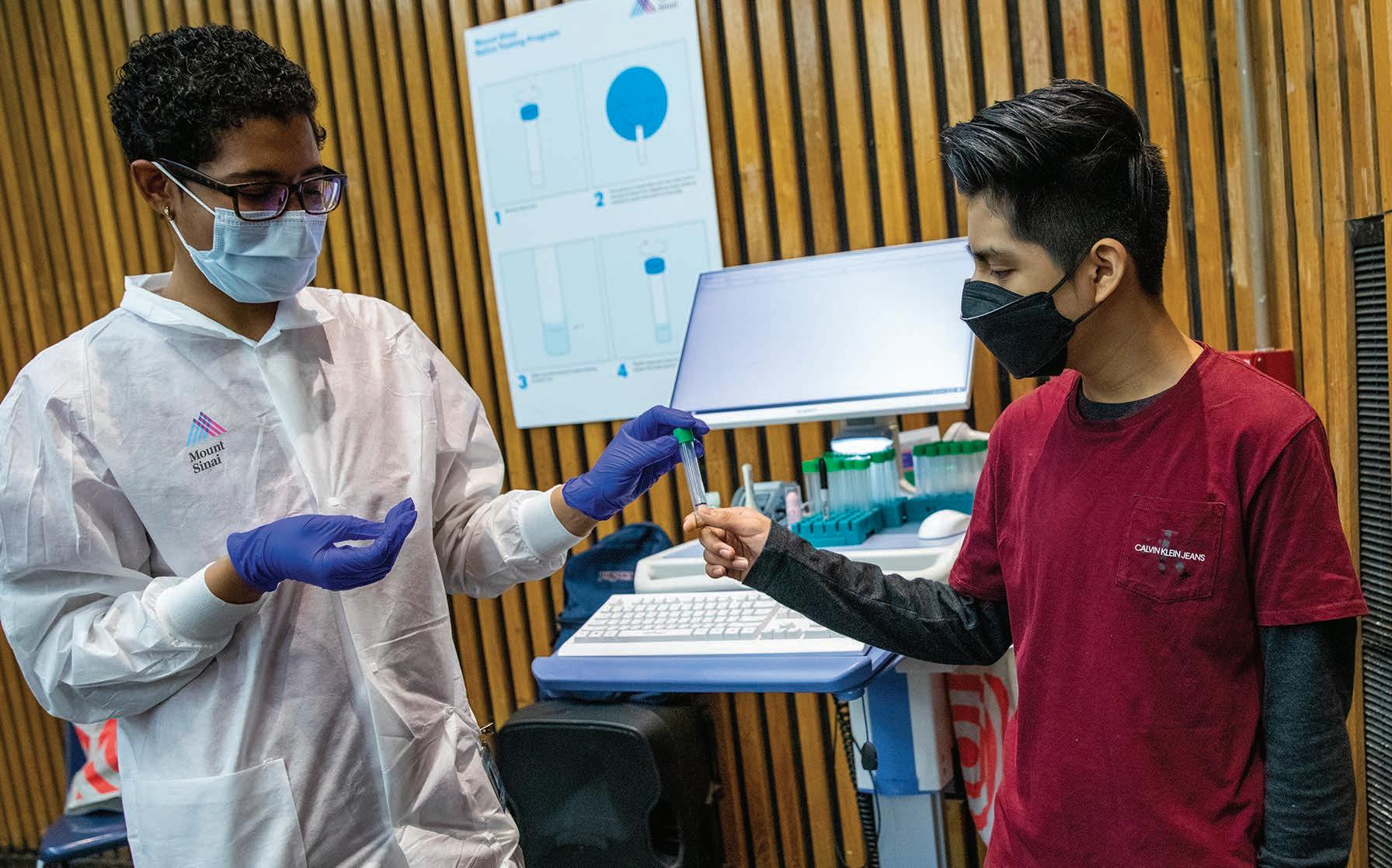
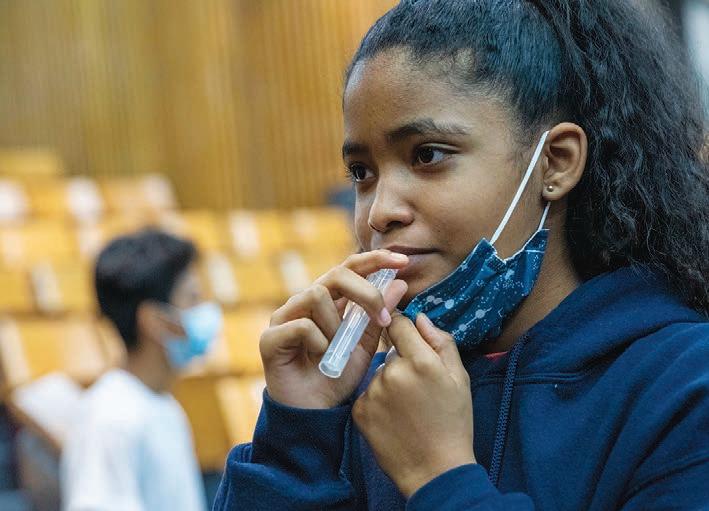
The best weapon in the arsenal, however, is vaccination. The first COVID-19 vaccines, developed by Moderna, Pfizer, and Johnson & Johnson, set the stage for curbing the pandemic, particularly in the U.S. As of publication, only 28 percent of the global population is fully vaccinated—a disparity that is even sharper in developing nations. The barriers are numerous. The vaccines, which rely for the first time on mRNA technology, remain expensive to produce, tricky to store, and difficult to transport.
“Being able to vaccinate populations in all parts of the world, and not just those in high-income countries, is critical if we are going to establish herd immunity and contain the spread of COVID-19,” says Peter Palese, PhD, Horace W. Goldsmith Professor and Chair of the Department of Microbiology at Icahn Mount Sinai.
Mount Sinai virologists knew a practical alternative was needed. Dr. Palese, Dr. Krammer, and Adolfo García-Sastre, PhD, Director of the Global Health and Emerging Pathogens Institute and the Irene and Dr. Arthur M. Fishberg Professor of Medicine at Icahn Mount Sinai, developed a new COVID-19 vaccine engineered with Newcastle Disease Virus (NDV), one which can utilize infrastructure already used throughout the world to manufacture the flu shot. Currently in phase 1/2 clinical trials in Vietnam, Thailand, Brazil, and Mexico, the vaccine has been found to be safe and effective in inducing strong immune responses. Almost equally important, it can
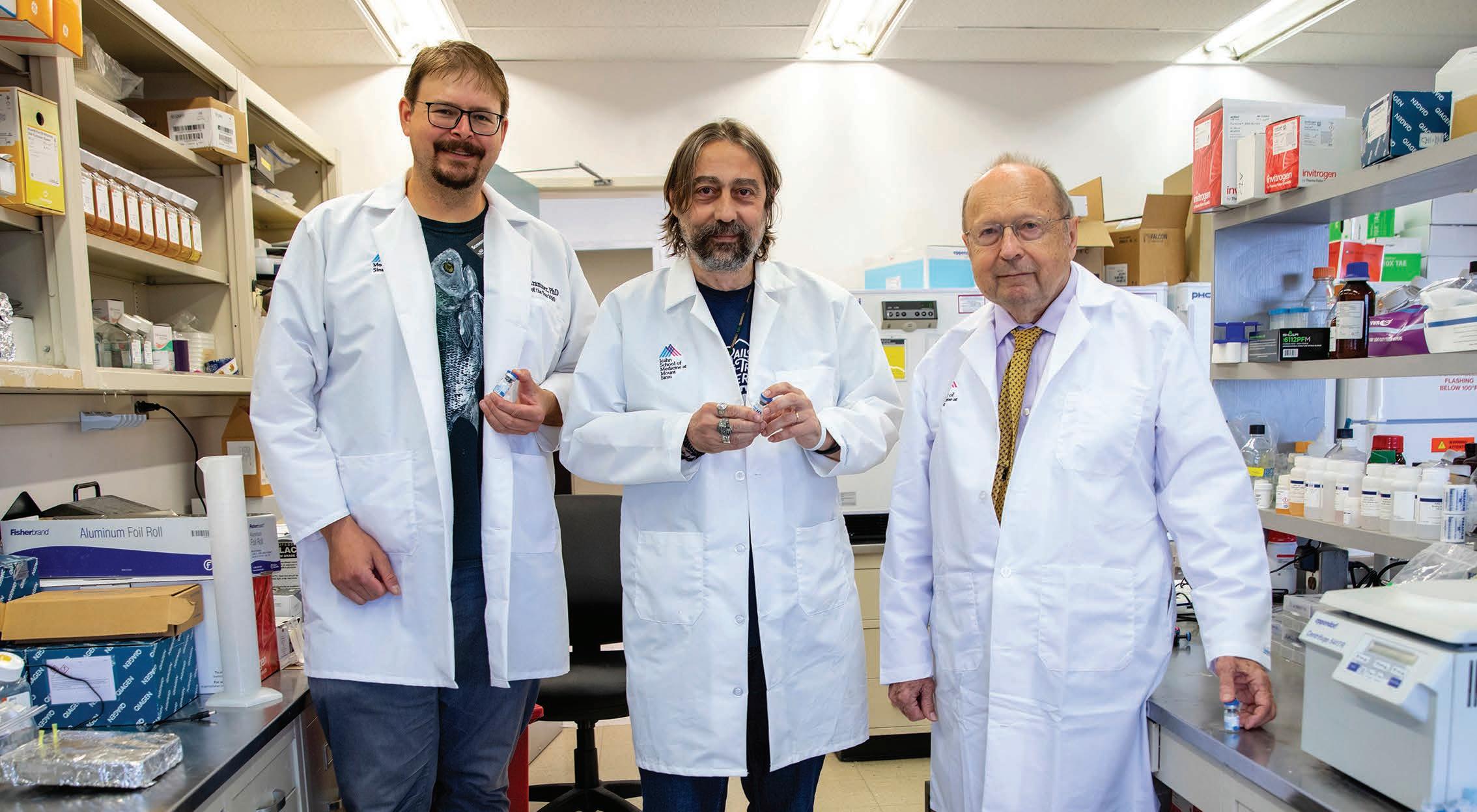
be produced for less than $1 a dose in local labs that already produce the flu vaccine and can be stored in normal refrigerators. “The beauty of the vaccine,” describes Dr. Krammer, “is that it empowers countries to be self-sufficient.”
The upcoming phase 1 study assessing the COVID-19 vaccine created by Mount Sinai faculty is one of several dozen exciting clinical trials throughout the Health System. While the scientific community searches for better COVID-19 therapeutics, understanding the durability of immunity against COVID-19 is a priority, notes Judith A. Aberg, MD, Chief of the Division of Infectious Diseases in the Department of Medicine at Icahn Mount Sinai and the Dr. George Baehr Professor of Clinical Medicine. “We simply don’t have enough evidence,” she explains. “As immunity naturally wanes, we will begin to see more individuals with COVID-19, leading to a domino effect of increasing transmission, rising cases, and more circulating variants.”
To address this critical concern of whether additional vaccination is needed for the general population, our clinical trials team enrolled 140 participants in the Pfizer booster study this summer. Mount Sinai

“ Being able to vaccinate populations in all parts of the world, and not just those in high-income countries, is critical if we are going to establish herd immunity and contain the spread of COVID-19.”
– Peter Palese, PhD “ As immunity naturally wanes, we will begin to see more individuals with COVID-19, leading to a domino effect of increasing transmission, rising cases, and more circulating variants.”
– Judith A. Aberg, MD
will be opening the Johnson & Johnson (J&J) additional vaccine study for persons who enrolled in the initial J&J vaccine study. Over the past year, four drugs and two vaccines studied at Mount Sinai have received either Emergency Use Authorization or full approval by the Food and Drug Administration (FDA) to treat COVID-19. Three separate recent trials examined REGEN-COV, a combined monoclonal antibody cocktail of casirivimab/ imdevimab that can bind to and neutralize the virus. Researchers found this combination monoclonal antibody product reduced the need for hospitalization in ambulatory patients, lowered the risk of critical disease and mechanical ventilation for individuals already in the hospital, and had a prophylactic effect in people exposed to SARS-CoV-2. Remarkably, household contacts who received REGEN-COV were 81 percent less likely to develop symptomatic SARS-CoV-2 infection, and those who did become sick recovered faster.
Understanding Post-Acute COVID-19 Syndrome
Battling the pandemic also means caring for those caught in the aftermath. One third to one half of all patients who are infected with COVID-19 develop at least one lingering symptom, including shortness of breath,
depression, or brain fog that continues for months after initial infection. “The road to recovery, for many of these patients, is still a problem,” says Zijian Chen, MD, Medical Director of the Center for Post-COVID Care (CPCC) and Assistant Professor of Endocrinology, Diabetes, and Bone Disease at Icahn Mount Sinai.
The CPCC, which opened its doors in May 2020, was the first place in the country dedicated to understanding mysterious Post-Acute COVID-19 Syndrome. Since then, the demand for evaluation and treatment has been so high that the staff has doubled, a second location on the West Side has opened, and plans are underway for additional satellite sites in Brooklyn and Queens.
The Post-COVID-19 Registry, a research cohort aligned with the CPCC, has also grown to include more than 1,100 patients. Director Juan Wisnivesky, MD, DrPH, says the learning continues every day and informs treatment. For example, recent data showing that one third of patients report symptoms of depression and anxiety led the CPCC to expand psychiatric services. Other investigations at Mount Sinai are looking at potential causes and biomarkers associated with Post-Acute COVID-19 Syndrome.
Still, more questions than answers remain. As the virus mutates and the COVID-19 landscape changes, researchers adapt their therapies and track the data with watchful eyes. “The sky isn’t falling anymore, but we have to remain vigilant and cautious,” says Dr. Aberg. “If we have learned anything, it is that this virus is unpredictable, so we can’t clearly say for sure what is going to happen.”
BY ELAINE LAWSON
“Institutions like Mount Sinai play a vital role in protecting and promoting the public health of the communities they serve, and we’re all part of that mission.”
– Scott Gottlieb, MD
Physician, medical policy expert, author, and advocate. These are just a few of the many hats Scott Gottlieb, MD, MSSM ’99, MSH ’02, wears today as he continues to blaze a trail of amazing accomplishments.
Dr. Gottlieb has tirelessly dedicated his medical career to improving public health and safety. He has also sought to remove barriers to progress and accelerate innovation in health care. Dr. Gottlieb’s knowledge and curiosity around the business and economics of medicine have aided him in many of his high-profile positions.
A proud graduate of the Icahn School of Medicine at Mount Sinai and a Trustee of the Mount Sinai Health System, Dr. Gottlieb is a familiar face to many. A regular contributor on the CBS News program Face the Nation and CNBC’s Squawk Box, he is a leading expert on the impact of the COVID-19 pandemic in the United States. Dr. Gottlieb can be seen each week reporting on the long-term effects of COVID-19, vaccine immunity protection, and concerns over the rise in COVID-19 cases, particularly for unvaccinated populations, due to the Delta variant. His new book, Uncontrolled Spread: Why COVID-19 Crushed Us and How We Can Defeat the Next Pandemic, outlines how and why the U.S. was unprepared for the outbreak of the pandemic, and what we can do to mitigate similar health disasters in the future.
“Institutions like Mount Sinai play a vital role in protecting and promoting the public health of the communities they serve, and we’re all part of that mission,” Dr. Gottlieb says. “The COVID-19 pandemic has exposed gaping weaknesses in our ability to effectively respond to and contain a highly contagious disease, and it has exposed the vulnerabilities many of our communities face at work, in their
personal lives, and when it comes to their health. However, we now have an opportunity to address many of the systemic challenges that made us excessively vulnerable to COVID-19 and to prevent this from ever happening again,” he explains. “Institutions like Mount Sinai are going to be the key to that success.”
Dr. Gottlieb’s storied career in health and medicine includes his tenure as the nation’s 23rd Commissioner of the Food and Drug Administration (FDA) from 2017 to 2019. During this time, he created an unprecedented level of transparency and public disclosure about the agency, garnering support across the health care industry. He approved a record number of novel drugs, medical devices, and generic medicines, and he advanced policies to address a wide range of health conditions, with a specific focus on confronting opioid addiction and preventing youth tobacco use. Dr. Gottlieb was especially successful in curbing e-cigarette use in youth, targeting convenience stores that sell vaping products and limiting the access and appeal these products have for children across the country.
Dr. Gottlieb is continuing his effort to improve public health through entrepreneurship and medical innovation. As a resident fellow at the American Enterprise Institute (AEI), he is also working to expand regulatory approaches to maintain patient and physician autonomy. “AEI provides me with a great platform to examine the most pressing issues plaguing our health care system today, from pandemics to drug access and affordability, to regulation and competition,” says Dr. Gottlieb.
Reflecting on the number of prominent roles Dr. Gottlieb has held throughout his career, there are two he cherishes most: husband and father of three daughters.
Mount Sinai Devises a System-Wide Road Map for Becoming an Anti-Racist Institution
BY BARBARA BRODY
Long before most people had ever heard of George Floyd or Breonna Taylor, Mount Sinai already had a robust Office for Diversity and Inclusion, a Racism and Bias Initiative at the medical school, and a Diversity Innovation Hub, which aims to use innovation and technology to address social and structural determinants of health. But the events of the past year and a half—including a new spate of police brutality against Black Americans and escalating anti-Asian bias— prompted Mount Sinai leaders to take their commitment to equity and racial justice even further.
Convinced that there was far more work to be done, Kenneth L. Davis, MD, President and Chief Executive Officer of Mount Sinai Health System, and Dennis S. Charney, MD, Anne and Joel Ehrenkranz Dean of the
Icahn School of Medicine at Mount Sinai and President for Academic Affairs, Mount Sinai Health System, commissioned the Mount Sinai Health System Task Force to Address Racism.
Chaired by Gary C. Butts, MD, Executive Vice President for Diversity, Equity, and Inclusion, the system-wide task force was charged with examining how Mount Sinai was doing in addressing racism across the Health System and devising recommendations for improvements. Composed of students, staff, administrators, and Trustees, the group began meeting in July 2020. By April 2021, the Road Map to Address Racism was announced, and measures to tackle racism and bias were already underway.
Around the same time, David Muller, MD, Dean for Medical Education and Marietta
and Charles C. Morchand Chair in Medical Education at Icahn Mount Sinai, began spearheading efforts to bolster the preexisting Race and Bias Initiative at the medical school. In addition, Amanda J. Rhee, MD, MS, Medical Director of Patient Safety, and James C. Tsai, MD, MBA, President, New York Eye and Ear Infirmary of Mount Sinai, took the helm of a team primarily dedicated to addressing the rising violence against Asian Americans.
To learn more about these efforts, Mount Sinai Science & Medicine (MSSM) talked to Drs. Butts, Muller, Rhee, and Tsai, along with Pamela Y. Abner, MPA, Vice President and Chief Diversity Operations Officer for the Mount Sinai Hospitals Group, who served as an advisor to the anti-racism task force.
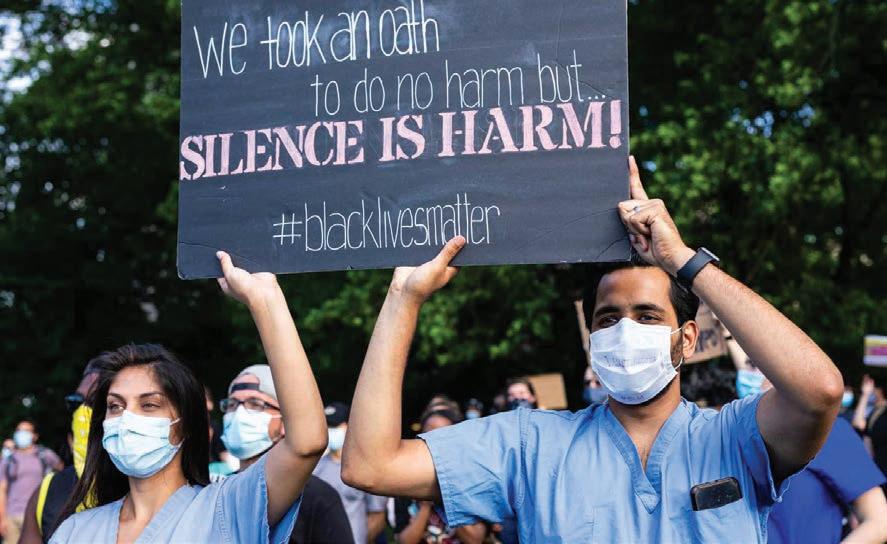
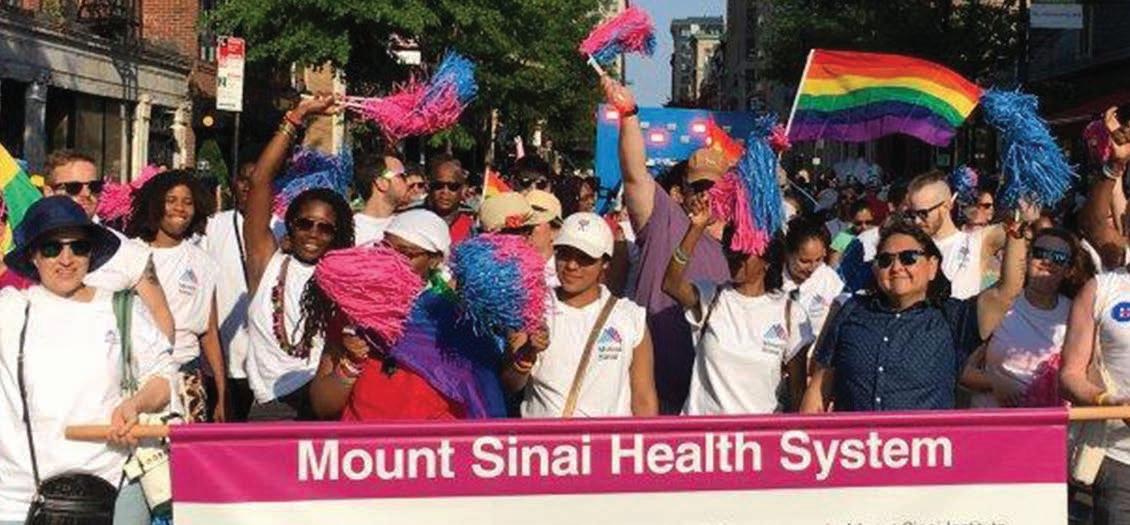
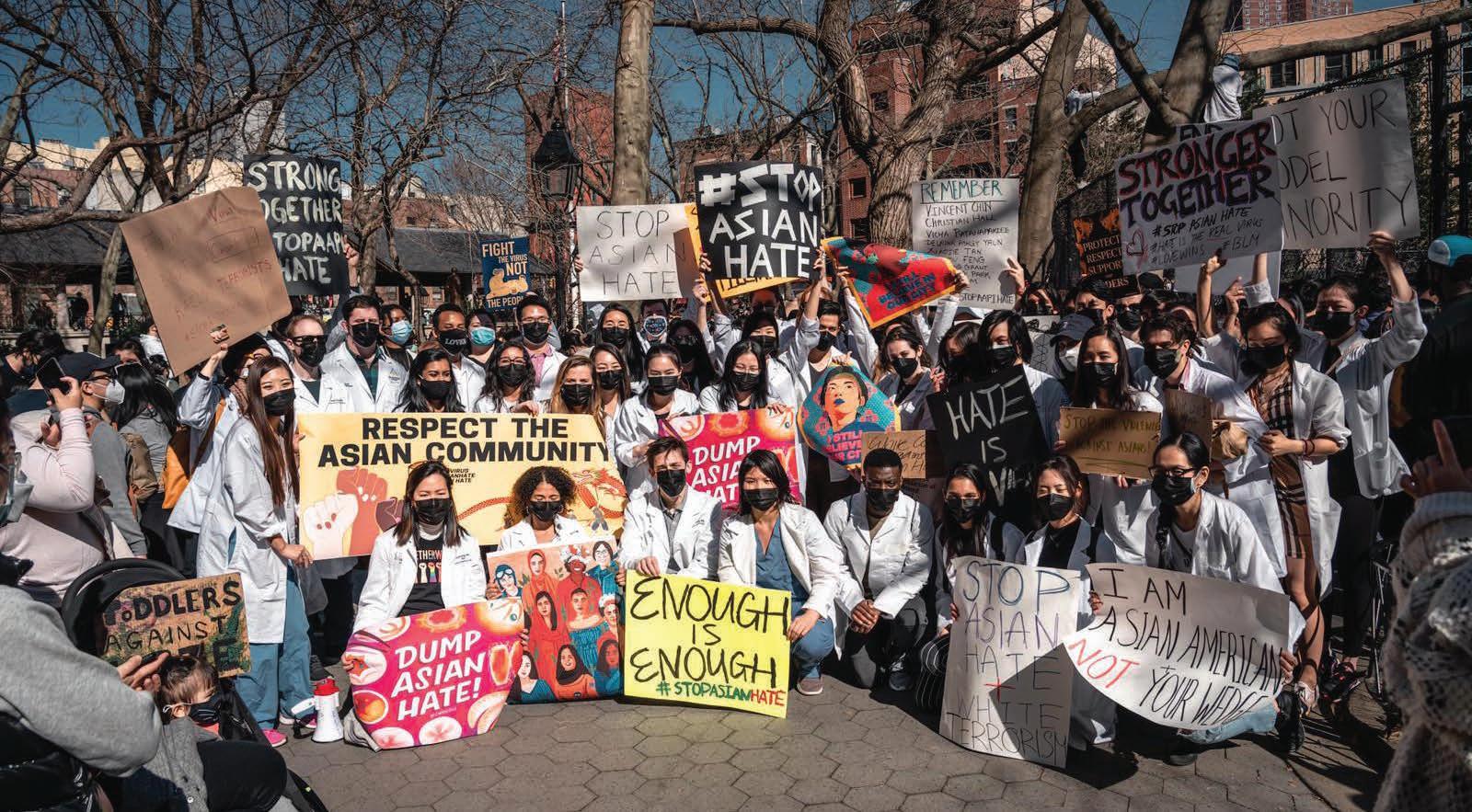
“AT THE MEDICAL SCHOOL, WE’RE USING A CHANGE MANAGEMENT APPROACH, WHICH IS REALLY ABOUT REVAMPING THE ENTIRE CULTURE OF AN INSTITUTION.”
DAVID
MSSM: Mount Sinai’s diversity efforts have been ongoing for many years; why the need for these new initiatives?
Ms. Abner: Before the task force, there was little happening system-wide. I’d say 99 percent of the efforts were previously focused on the medical school. And while there was plenty of work being done with regard to bias, there was no specific focus on race and racism. Of course, there are racial biases, but you could have a bias against someone based on their height, weight, or religion. We felt it was important to directly address racism.
Dr. Muller: Terms like “diversity” and “inclusion” are still incredibly important. They’re at the core of the work we do, and yet they don’t fully describe the efforts that are underway.
Dr. Butts: As the largest health system in New York City, we can be a model for dismantling policies and structures based on racism that have been detrimental to the people we hire and promote, the medical
students we admit, and the experiences of our faculty and staff. We also need to examine how racism impacts care, which can sometimes be uneven for patients.
MSSM: Do you believe Mount Sinai has fallen short in promoting adequate diversity before now?
Dr. Muller: Our admissions committee has always found outstanding candidates and admitted a diverse class. But are there biases in how they’re judging applicants? And what happens when students get here? Maybe you’ve recruited lots of Black and Latinx students, but how easy is it going to be for them to find mentors they can relate to? If you walk into an institution like ours today and look for full professors who are Black or Latinx and doing research, you’ll find astonishingly few.
Dr. Rhee: Professional advancement is challenging for Asians as well. Asians are certainly well represented in the field, but underrepresented in leadership. This is also
true in the technology industry where a large percentage of the workforce is Asian American Pacific Islander, but Asians are half as likely to achieve management positions as their white co-workers.
MSSM: What was the biggest challenge in kicking off all these new anti-bias and anti-racism initiatives?
Dr. Butts: Becoming comfortable with being uncomfortable in this space. Senior executives and Trustees have been very supportive, but just starting the conversation about racism can be a challenge for most of us. When you talk about racism, you have to accept that we are still grappling with a history of deeply embedded structural and systemic racism. No one wants to think of themselves or our institutions as racist. However, we do need to recognize and comprehend that there have been centuries of racial injustices built into the very fabric of our society.
Ms. Abner: Many of the young people, the students, keep us honest. They’re very committed to social justice, and they’re clear about the fact that language and how we talk about these issues matter.
Dr. Muller: About five or six years ago— before George Floyd—there was a series of police killings of young Black men. Medical students nationwide, including our students from the Icahn School of Medicine, staged a
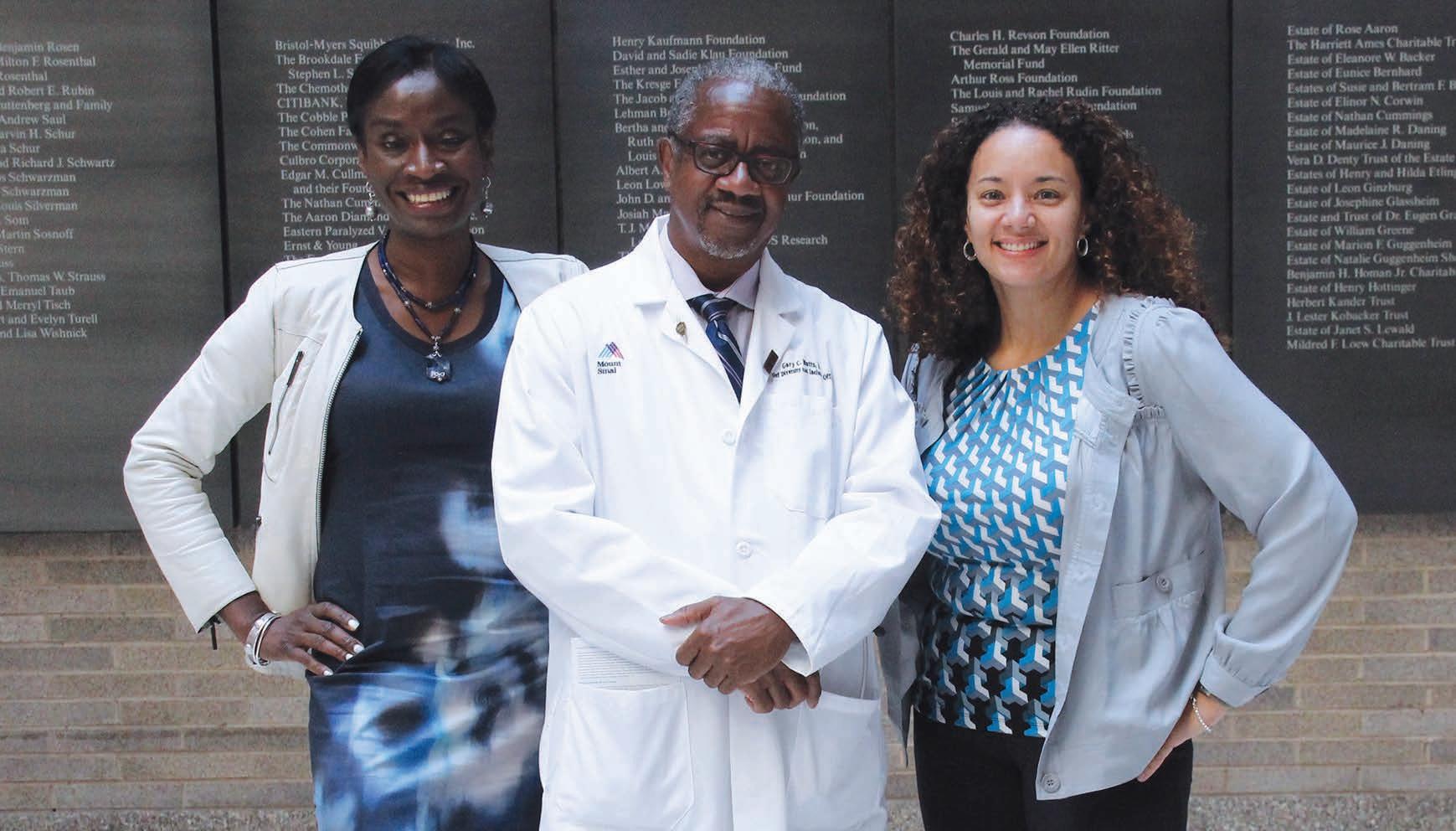
“COMBATING RACISM IS A WORK IN PROGRESS. WE ARE OPTIMISTIC IN THAT ATTENTION TO THIS ISSUE IS GREATER THAN EVER, AND NEW PROGRAMS ARE ALREADY BEING IMPLEMENTED.”
“die-in.” That, of course, got some attention. However, the real turning point happened shortly thereafter, when a group of our own medical students came to us with data that made it clear we had a racism problem across the entire learning experience, including how students were being evaluated and supported, who was selected for honor societies, how clinical care was delivered, and so on. As hard as it was to accept, the proof was irrefutable. We then went through a real soul-searching process, and it took some courage for our leaders to be willing to be vulnerable and acknowledge that they didn’t even understand the scope of the problem.
MSSM: It’s clear these aren’t the kinds of issues that get resolved overnight or even in a year. But what kinds of tangible steps have been taken so far?
Ms. Abner: We’ve held numerous town halls and other community-building events that address racism. We also created the Institute for Health Equity Research, which builds on impressive data collection about

patient outcomes that was already underway and aims to combat health care disparities. Perhaps most important, we recently adopted equity as a core value across the institution.
Dr. Muller: At the medical school, we’re revamping the curriculum to root out inaccurate information that stems from systemic racism. We’re also reexamining our efforts to find ways we can better support students of all backgrounds and ensure they have equal opportunity to thrive.
Dr. Rhee: For the Asian American Pacific Islander community at Mount Sinai, we’re focused on three main goals: safety, professional development, and communication. In light of recent violence against Asian Americans during the pandemic, it’s crucial to provide actionable mechanisms that people can use to stay safe.
Dr. Tsai: We’re also creating a centralized internet resource with information to help people learn about the diversity of Asian cultures. People have a singular race in their
“WE’RE CREATING A CENTRALIZED INTERNET RESOURCE WITH INFORMATION TO HELP PEOPLE LEARN ABOUT THE DIVERSITY OF ASIAN CULTURES.”
JAMES C. TSAI, MD, MBA
head when they think about “Asians,” but it really encompasses a very diverse group of people and cultures and languages.
MSSM: How confident are you that you’ll be able to make major strides in the next year or so?
Dr. Butts: Combating racism is a work in progress. We are optimistic in that attention to this issue is greater than ever, and new programs are already being implemented. The Road Map outlines strategies and a process for advancing this work, and accountabilities are expected. It is also particularly promising that the most senior executives, including hospital presidents, have embraced the recommendations.
Dr. Muller: At the medical school, we’re using a change management approach, which is really about revamping the entire culture of an institution. It’s not your typical linear paradigm of problem/solution; it’s a bit more of a winding path that allows for reflection, enables us to course correct along the way, and focuses on the people part of change. I’m optimistic, because in the past few years we’ve already made major changes in the way we’re partnering with our students. We’ve been able to shift to full partnership with students and collective learning, and that has been really monumental. It allows us to feel we are all pulling in the same direction.


Mount Sinai’s $2 Billion Capital Campaign Enters the Public Phase—and the Possibilities Are Limitless
This past year highlighted the importance of science and medicine to our community, the country, and the world—and Mount Sinai led the way with groundbreaking innovations and front-line interventions that saved countless lives throughout the COVID-19 pandemic.
This underscores why it is paramount that we remain at the forefront of education, research, and care so we can continue to make breakthroughs that advance global health, provide personalized treatments that improve individual outcomes, and train the next generation of physician-scientists in a way that ensures exceptional, equitable care for all.
To realize that vision, Mount Sinai is moving forward with our “Limitless” capital campaign to raise $2 billion by 2025. Philanthropy is what powers our inventive, one-of-a-kind work, and this campaign will support fundamental areas that promise to transform how we care for our patients— now and in the years to come.
With the help of our donors, we will further invest in cutting-edge technologies —including artificial intelligence and machine learning—that elevate our ability to predict, diagnose, and treat disease. We can intensify precision medicine efforts so
discoveries can move more swiftly from our laboratories to a patient’s bedside. Additional funding will accelerate scientific investigations, leading to novel therapeutics for devastating conditions like cancer and diabetes, as well as revolutionary medical developments such as Mount Sinai’s successful completion this year of the world’s first human tracheal transplant. It means we can recruit additional talented and diverse students, fellows, researchers, and physicians, all of whom are critical to delivering first-class care and pioneering research. We can continue to invest in endeavors that advance health equity, ensure equal access to quality care, and combat racism in the practice of science and medicine. The campaign will also allow us to expand and update our facilities to bolster the work of emerging and established scientists and enhance the patient experience for everyone who comes through our doors.
Thanks to the generosity of our Trustees, longtime benefactors, and new donors inspired by our Health System’s heroic efforts to combat COVID-19, we raised more than $1 billion during the campaign’s nucleus phase from 2017 to 2020. This was one year ahead of schedule and in spite of a global pandemic—an extraordinary feat that speaks to the level of faith in our brilliant researchers, courageous clinicians, and dedicated instructors. Now, as we move into the public phase of the campaign,
it is critical that we press ahead to meet our $2 billion milestone so we can reach the next level of growth and evolution.
We know we have the ability to make deep, lasting change throughout the Health System— and beyond. We have proven that there are no limits to our capacity to pivot swiftly toward areas that urgently need our attention, as we did recently by establishing never-before-seen initiatives that include the Center for Viral Pandemic Response, the Mount Sinai Clinical Intelligence Center, the Center for COVID Clinical Trials, the Center for Post-COVID Care, the Center for Stress, Resilience, and Personal Growth, and the Institute for Health Equity Research.
Mount Sinai has become a world-renowned academic medical institution, and we are proud of all that we have accomplished in our extraordinary, nearly 170-year history. The Mount Sinai Hospital is now one of the most technologically advanced hospitals, ranked No1 in New York City and No4 globally on Newsweek’s list of the “World’s Best Smart Hospitals 2021.”
However, there is still much more to achieve. We hope that you will continue to partner with us in our journey toward a better, brighter future. Together, our potential is limitless.
Mark Kostegan Chief Development Officer Senior Vice President, Development Mount Sinai Health System

Your support will be invaluable for generations to come.
To make a gift, open the camera on your phone and scan the Flowcode at right.

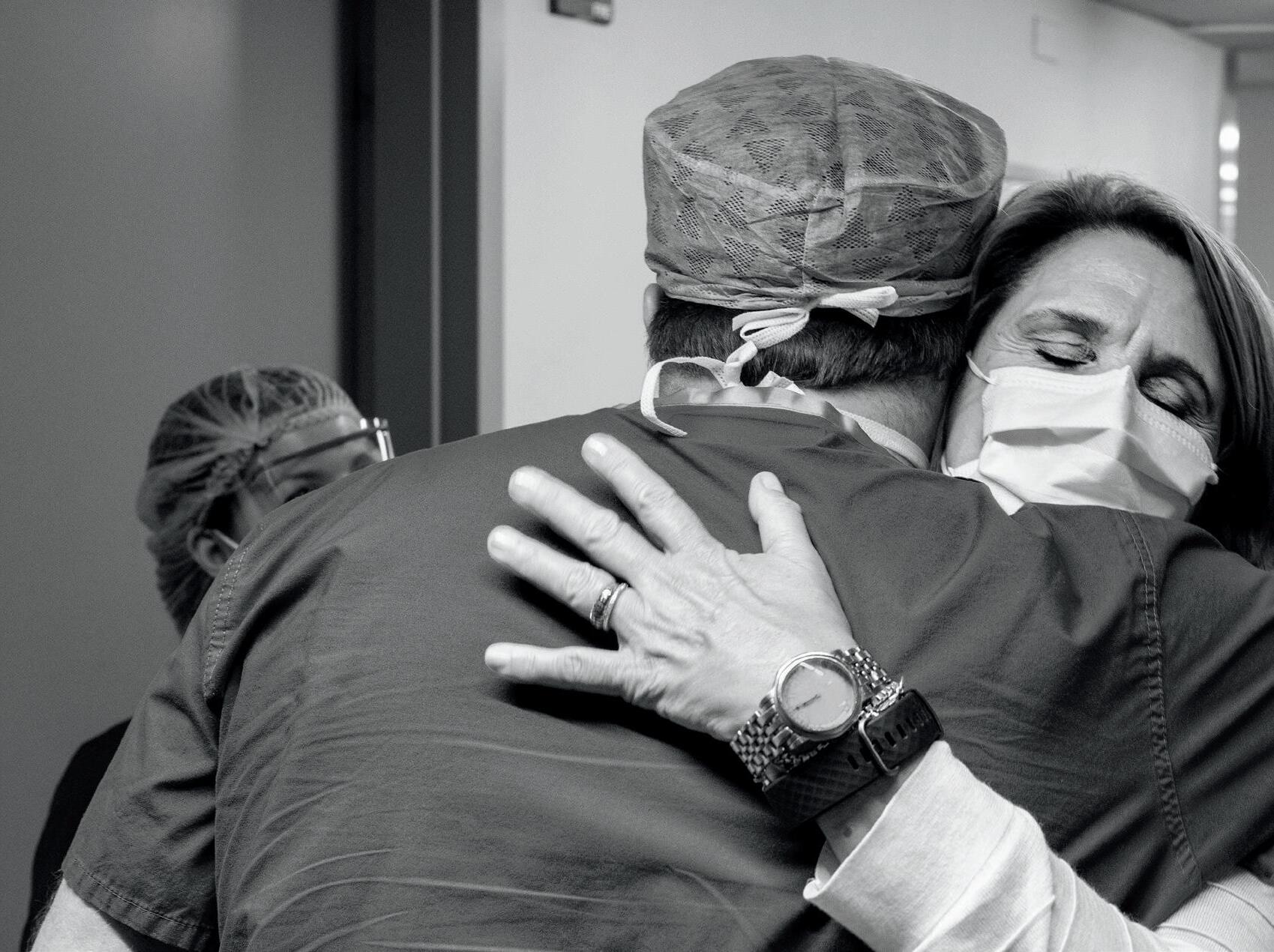
They said it couldn’t be done. We
We’ve done hard things before, we do them all the time.
For most cancer patients, the usual options are surgery, chemotherapy, or radiation. So we’re working on ways to get the immune system to deploy billions of cancer-killing cells and help more patients survive.
When some people experienced mysterious COVID symptoms and had nowhere to go, our team created the first Center for Post-COVID Care.
It wasn’t that long ago we had to open up your whole chest for heart surgery. Now we’re pioneering a bypass that goes through a few tiny incisions. With this surgery, we can get you back on your feet in weeks instead of months.
So if anyone ever tells you there’s no other way—don’t listen.

The Mount Sinai Health System combines the Icahn School of Medicine at Mount Sinai and eight hospitals—Mount Sinai Beth Israel, Mount Sinai Brooklyn, The Mount Sinai Hospital, Mount Sinai Morningside, Mount Sinai Queens, Mount Sinai South Nassau, Mount Sinai West, and New York Eye and Ear Infirmary of Mount Sinai—to provide the highest-quality health care throughout the New York metropolitan area.