MOUNT SINAI SCIENCE
MOUNT SINAI SCIENCE & MEDICINE
PRESIDENT AND CHIEF EXECUTIVE OFFICER
MOUNT SINAI HEALTH SYSTEM
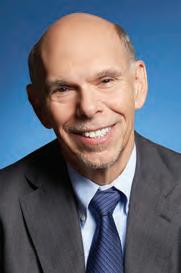
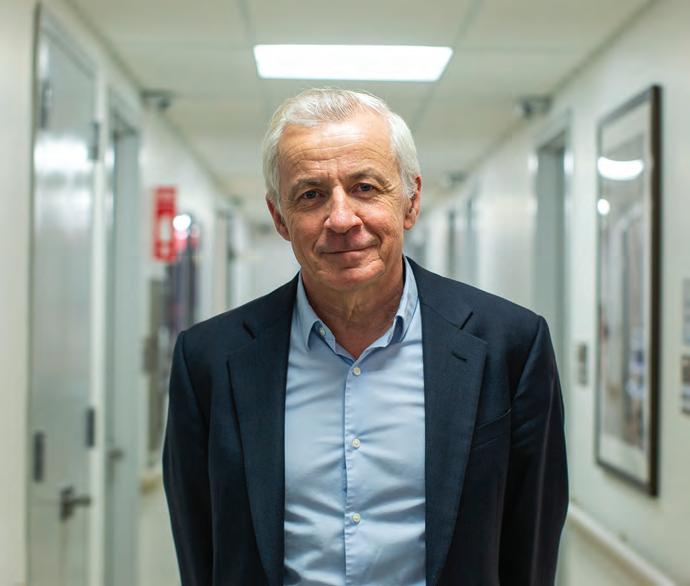
Kenneth L. Davis, MD
ANNE AND JOEL EHRENKRANZ DEAN, ICAHN SCHOOL OF MEDICINE AT MOUNT SINAI
PRESIDENT FOR ACADEMIC AFFAIRS, MOUNT SINAI HEALTH SYSTEM
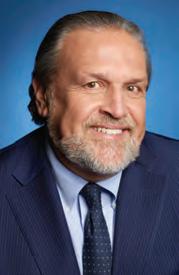
Dennis S. Charney, MD
CHIEF DEVELOPMENT OFFICER
SENIOR VICE PRESIDENT FOR DEVELOPMENT
MOUNT SINAI HEALTH SYSTEM
Mark Kostegan, FAHP
SENIOR DIRECTOR FOR DEVELOPMENT COMMUNICATIONS
MOUNT SINAI HEALTH SYSTEM
Elaine Lawson
EDITOR
Elizabeth Chute
ASSOCIATE EDITOR
Anna Horton
PRODUCTION ASSOCIATE
Vincent Lofton
CONTRIBUTORS
Cheryl Alkon
Joni Aveni
Barbara Brody
Sheena K. Fallon
Rob Feld
Chris Gash
Sam Hollenshead
Susan Kreimer
Andrew Lichtenstein
Douglas McCormick
Susan McCormick
Alexander Morrison
Benjamin Norman
Sima Rabinowitz
Carolyn Sayre
Deborah Schupack
DESIGN
Taylor Design
Mount Sinai Science & Medicine is published by the Office of Development, Mount Sinai Health System, for an audience of alumni and friends. We welcome your comments; please email us at magazine@mountsinai.org, call us at (212) 659-8500, or visit us at giving.mountsinai.org.
If you wish to be removed from our mailing list for communications and solicitations, please email us at PhilanthropyOptOut@mountsinai.org or call (212) 659-8500.

Changing Lives
With genomics, data science, and analytics increasingly driving scientific discovery, Mount Sinai is able to bring science more quickly to patients, delivering clinical care that changes lives.
In these pages, we present some of the people whose lives have been transformed: Michael, a 12-year-old who is thriving again after losing weight and missing school due to IBD; Nahla, whose imaging for a brain aneurysm revealed a previously unknown, operable brain tumor; and Viliulfo, who is enjoying his favorite pastime, dancing, after receiving lifesaving immunotherapy for advanced liver cancer.
We also look at the ever-dynamic collaboration between our scientists and clinicians, who are teaming up in unique ways to accelerate the discoveries that lead to new therapies and care. A machinelearning platform for the treatment of multiple myeloma and innovative genomic research for real-world clinical applications are just a few of the exciting developments that help us help the people we care for every day.

38 Alumni Profiles: Jonathan Giftos, MD, ISMMS ’12; Celia Divino, MD, FACS, MSH ’97; Alexandra Snyder, MSSM ’09, MSH ’11; Anne Neilan, MD, MPH, MSSM ’07
2019 Events: Jacobi Medallion, Commencement, Alumni Reunion and Awards Ceremony
A
Message
from THE CEO THE DEAN &
Today, Mount Sinai is at the forefront of medical education, research, and care because of the fearless and innovative spirit of our extraordinary physicians and scientists.
At Mount Sinai, we take a bold approach to scientific discovery, taking measured risks because we know that taking risks is what drives new knowledge and progress in medicine.
Today, Mount Sinai is at the forefront of medical education, research, and care because of the fearless and innovative spirit of our extraordinary physicians and scientists. We build on our heritage of patient-centric innovation to move basic science quickly into clinical applications, bringing research and technology directly to patients and delivering care that changes lives.
This forward-looking and collaborative approach has led to significant accomplishments in the past year. Our teams of scientists and clinicians have made genetic discoveries in the areas of cancer, inflammatory diseases, autism, and Alzheimer’s disease, while carrying out important research that is leading to new treatments for cancer, heart disease, diabetes, and depression.
That scientific innovation was recognized by our rise in national rankings for research funds from the National Institutes of Health in 2018, with the Nash Family Department of Neuroscience at the Icahn School of Medicine at Mount Sinai ranked first in funding for biomedical research, more than any medical school neuroscience department in the U.S. The departments of Microbiology, Emergency Medicine, Pharmacology, Genetics, Anatomy/Cell Biology, Psychiatry, and Neurology were ranked in the top 10 nationally.
Along with the progress we are making in research and clinical care, we have also made strides toward ensuring the diversity, accessibility, and well-being of our students. Initiatives to educate students, faculty, physicians, and staff about racism and bias are being implemented, with the goal of changing how people think, teach, and support others through changes related to admissions, curricula, and the clinical environment.
In April, the Icahn School of Medicine at Mount Sinai became one of a small number of medical schools nationwide to establish initiatives to relieve loan debt for students. The Enhanced Scholarship Initiative (ESI) guarantees that students with demonstrated financial need can graduate with a maximum total debt of $75,000. The ESI will have a meaningful impact on students who can least afford a medical education and enhance our ability to continue recruiting these outstanding students to be the future leaders of science and medicine, regardless of their financial circumstances.
Like our innovations in research and clinical care, the ESI is yet another example of the innovation that is our hallmark and strength, and with the support of our Mount Sinai community worldwide, is a force that allows us to continue to excel as a world-class medical school and health system.
Kenneth L. Davis, MD
Dennis S. Charney, MD President and CEO, Anne and Joel Ehrenkranz Dean, Mount Sinai Health System Icahn School of Medicine at Mount Sinai President for Academic Affairs, Mount Sinai Health System
SCIENCE BOLD
Innovative research at Mount Sinai is transforming clinical care, with scientists and physicians collaborating to speed discoveries—and change lives.
Realizing the Promise of Immunotherapy
BY DEBORAH SCHUPACK
W COMBATING CANCER
hen Brooklyn resident Julian felt flu-like symptoms for much of last winter, his doctors were hopeful that his immune system had kicked in full-force and the novel vaccine they were giving him was working. A first-round PET scan three weeks after treatment showed that one of the malignant tumors they were targeting with immunotherapy had essentially dissolved.
An active 29-year-old who was diagnosed last year with non-Hodgkin’s lymphoma, Julian is now feeling healthy and has returned to his busy life, working in digital advertising, running, and taking on a new challenge for a lifelong New Yorker: learning to drive, with a road trip to Vermont on the horizon.
Julian is part of a successful clinical trial led by Joshua Brody, MD, Assistant Professor in Medicine, Hematology, and Medical Oncology, that created a cancer vaccine right at the site of the tumor, to teach the immune system to destroy it and other tumor cells throughout the body. “We are doing the same things all vaccines do—putting together an antigen and an
immunogen,” says Dr. Brody, noting that this is not a preventive therapy, as people commonly understand vaccines, but rather the true definition of vaccine, which means teaching the body’s immune system to recognize and fight an enemy element.
“But instead of putting them together in the lab or a factory, bottling it, and shipping it to the patient, we’re doing it right there at the person’s tumor site.”
The treatment consists of administering a series of immune stimulants directly into a patient’s tumor site, a process know as in situ vaccination. The first stimulant recruits important immune cells, dendritic cells, which act like generals of the immune army, says Dr. Brody. The

second stimulant activates the dendritic cells, which then instruct T cells, the immune system’s soldiers, to kill cancer cells and spare non-cancer cells. This immune army learns to recognize features of the tumor cells so it can seek them out and destroy them throughout the body, essentially turning the tumor into a cancer vaccine factory.
The study, published in Nature Medicine in April and funded by the Damon Runyon Cancer Research Foundation and the Cancer Research Institute, worked so well in patients with advanced-stage lymphoma that it is now undergoing trials in breast and head and neck cancer patients.
‘CAN WE DO BETTER?’
Dr. Brody’s work is part of Mount Sinai’s wide-ranging translational research at the vanguard of cancer immunotherapy, driving to change the equation for patients. The development of checkpoint inhibitors and adoptive T-cell therapies has led to remarkable achievements in cancer treatment, prompting lasting responses in many tumor types otherwise difficult to treat. But the success of these therapies, while significant, is still limited to only about 20 percent of patients.
“The question is, can we do better than that?” asks Miriam Merad, MD, PhD, Mount Sinai Professor in Cancer Immunology, Director of the Precision Immunology Institute at Icahn School of Medicine at Mount Sinai (PrIISM), and program leader of the Cancer Immunology and Immunotherapy Group at The Tisch Cancer Institute. “Many of us here are very interested in the tumor microenvironment, the immune cells that are present around the tumor. There’s been a lot of success targeting one pathway, or one immune cell type. But there are many more immune cell types in this microenvironment and more than a single checkpoint to reinvigorate them.”
The scientists at PrIISM—including Dr. Merad; Dr. Brody; Thomas Marron, MD, PhD, Assistant Professor of Medicine, Hematology and Medical Oncology; and biotechnologist Brian D. Brown, PhD, Professor of Genetics and Genomic Sciences—work closely with clinical colleagues, focusing their efforts on
identifying novel targets within the immune system to improve the body’s ability to recognize and attack cancer, as well as identifying new treatment strategies and discovering biomarkers to better predict who will respond to what therapies.
“We’d like to understand how to modulate the immune system effectively enough, using several different types of combinations, so that we can have impact on a patient’s tumor,” says Nina Bhardwaj, MD, PhD, Ward-Coleman Chair in Cancer Research and Director of Immunotherapy at The Tisch Cancer Institute, who is collaborating on a number of ongoing trials to develop cancer vaccines, including in bladder and brain cancers. “The more we understand the fundamentals of how to elicit a really good immune response, the earlier we can treat our patients and have more lasting impact.”
In March, a large team of researchers across Mount Sinai began large-scale neoadjuvant immunotherapy trials for patients with lung, liver, and head and neck cancers, examining their tumors before treating them with a checkpoint inhibitor, then examining them again after surgery. The more that scientists can learn about a tumor and how and why it responds to treatment—or doesn’t—the more options they have to optimize therapies for each patient. The trial, conducted in collaboration with scientists at Regeneron, aims to accrue 94 patients and is expected to eventually include breast, pancreatic, ovarian, and uterine cancers, and mesothelioma.
“The expertise in immunology here is unparalleled,” says Dr. Marron, the trial’s
Principal Investigator, who is Assistant Director of the Immunotherapy and the Early Phase Program. “It’s really the epicenter of work with very high resolution immune phenotypic platforms. The granularity with which we’re analyzing tissue is really unprecedented. Our new neoadjuvent trial, the culmination of the talent and technology we have, is really the perfect example of how much we can learn using these platforms.”
One area of promise is lung cancer, which remains the world’s deadliest cancer. Research has driven great advancements recently, particularly among certain subtypes. The best chance for cure comes with early diagnosis, where Mount Sinai has been a leader in advancing the science and the medicine. Immunotherapy could further those advancements. “Immunotherapy has come into the field very quickly and very promisingly—and lung cancer is a role model for what that promise can deliver,” says Fred R. Hirsch, MD, PhD, who recently became Executive Director for the Center for Thoracic Oncology in The Tisch Cancer Institute. “We are fortunate to have a worldleading immunology group here, led by Nina Bhardwaj and Miriam Merad. The expertise in immunology is a huge strength for our lung cancer program and for our ability to apply immunology to early stage disease.”
Mount Sinai’s reach greatly amplifies the impact. “We have the largest health system in New York City,” says Dr. Marron. “We have lots of patients getting diagnosed with cancer throughout the health system, so we have a large patient pool we can help clinically—and can learn from, as well.”
“WITHOUT [PATIENTS’] BELIEF AND TRUST, WE COULD NEVER ACCOMPLISH THIS WORK.”
– Joshua Brody, MD
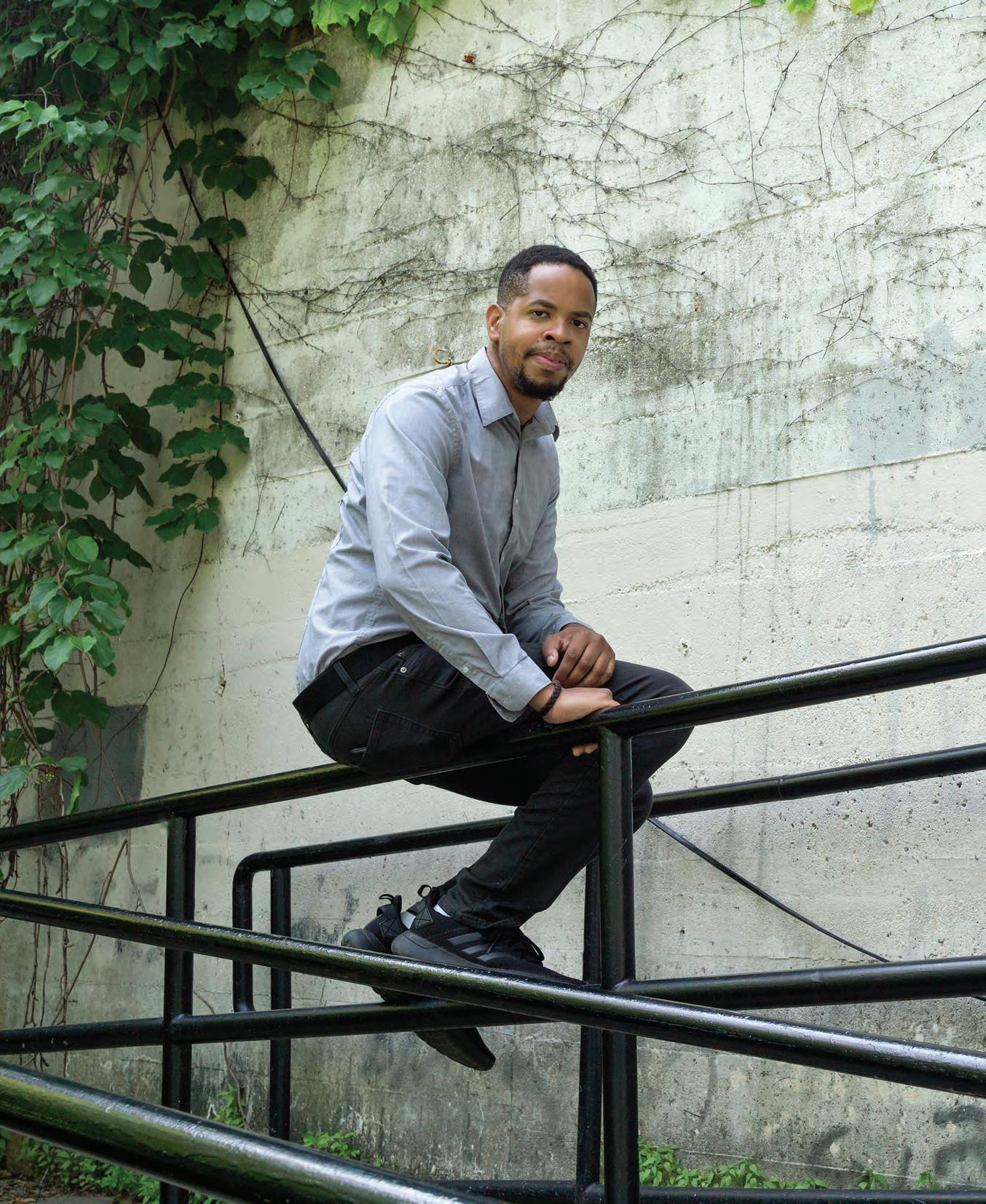
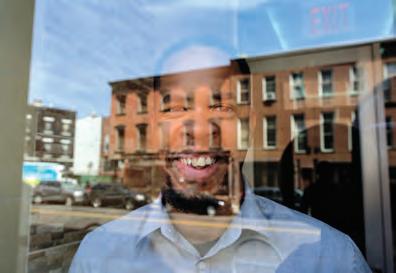
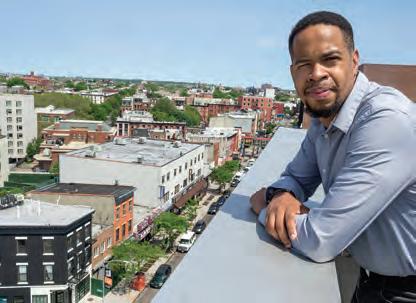
In situ vaccination helped Julian successfully fight advanced non-Hodgkin’s lymphoma.

DELIVERING THE SCIENCE TO PATIENTS
Close collaboration between researchers and clinicians is a hallmark of work at Mount Sinai and speeds immunotherapy’s benefits to patients. “We have surgeons who are actively involved, calling us when they’re in surgery,” explains Dr. Marron, noting that the Leon and Norma Hess Center for Science and Medicine at Mount Sinai facilitates the collaboration. “We take the tumor from the operating room and bring it downstairs to the pathologists. They quickly analyze it and give it to our researchers, who bring it straight to the lab and process fresh tissue. You can learn a lot more on fresh tissue. To go from removing a tumor to starting the analysis takes a matter of an hour here, instead of days,” which is the typical pace at most institutions.
Myron Schwartz, MD, the Henry Kaufmann Professor of Surgery and Director of Liver Surgery at the Recanati/ Miller Transplantation Institute at Mount Sinai, has been working with Dr. Merad and her team to deliver promising immunotherapies to his surgical patients with advanced and otherwise untreatable liver cancer. “It’s been very exciting because in liver cancer, until now, we’ve never had any medical treatment to really make the tumors go away,” he says. “It’s a revolution

in the treatment of advanced disease that we’re now using to prevent the tumors from coming back after surgery.”
One of those patients is Viliulfo, who was suffering from advanced liver failure, jaundice, and massive fluid retention. Dr. Schwartz invited him to try an immunotherapy treatment protocol, and, after six months, a scan showed a drastic reduction in cancer cells. “He’s a very serious person,” Viliulfo says of Dr. Schwartz. “But when he saw those tests, you should have seen his face. He was so surprised.”
Viliulfo and his family were surprised, too—and overjoyed. “There are no words to describe how I’m feeling right now. Every minute, every morning I wake up, I’m doing fine,” he says, explaining that he has returned to his construction work and his favorite pastime, dancing. “I had lost my strength, couldn’t move. But now, I’m enjoying every single thing that I’m doing. It’s unbelievable what medicine can do. I am dancing again.”
Voicing a sentiment common among Mount Sinai researchers and clinicians, Dr. Brody knows that the work he and his colleagues do is possible only with the generous participation of patients. “Without their belief and trust, we could never accomplish this work,” he says.
“These patients invest their health, and that’s a huge investment. We are fortunate to have them. They are helping us move the field forward.”
Julian is grateful, too, not only for the relief that the treatment has brought him— while sparing his body the damages of harsher treatments like chemotherapy—but also for the chance to contribute to a better future for people with cancer. “I’m very lucky to be able to participate in the trial, and I’m just hopeful that what I was able to achieve can help the next person make it,” he says. “And I hope that in five or ten years, we’ll have enough information where this can be done across all different types of cancers.”
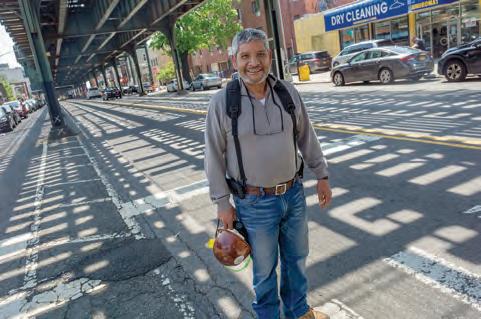
Viliulfo is enjoying a full life after immunotherapy to treat advanced liver cancer.

C R A C K I N G T H
hen you’re diagnosed with late-stage, drug-resistant multiple myeloma, hospice is often a next step. That step was what one New York Citybased artist faced when a novel collaboration between scientists and clinicians at Mount Sinai enabled him to change course.
Despite major advancements in multiple myeloma over the past few decades— the approval of new drug therapies, the advent of stem cell transplants (including autologous transplants), the introduction of CAR T-cell therapy—the median life expectancy from the time that a patient is diagnosed with this blood cancer is a mere five-and-a-half years, says Sundar Jagannath, MD, Director of The Tisch Cancer Institute’s Multiple Myeloma Program and Professor, Medicine, Hematology and Medical Oncology. Most patients spend those years cycling between periods of remission and relapse. As clones of the original cancer mutate and proliferate, current treatment fails and other options must be explored—quickly. After a relapse, multiple myeloma can advance within weeks or even days.
Older patients tend to succumb most rapidly. They’re usually too frail for stem cell transplants and CAR T-cell therapy and don’t qualify for the majority of large clinical trials. That was the case for the NYC-based artist, who hoped to live a few more months so he could finish some of his artwork that had been lingering in storage. That didn’t seem likely—until he enrolled in a pilot study at Mount Sinai that entailed analyzing his tumor DNA and RNA so he could be matched with a drug that was FDA-approved for an entirely different type of cancer.
TESTING A NEW APPROACH
Samir Parekh, MD, Associate Professor of Medicine, Hematology and Medical Oncology and of Oncological Sciences, was tired of watching patients jump from treatment to treatment without any clear reasoning behind it. “Right now 50 to 60 percent of patients are getting drugs that they don’t respond to and potentially getting toxicity without the benefits,” he says. “As a physician-scientist, I wanted to bring a little more biology into how patients are given appropriate treatment, including patients who aren’t eligible for big clinical trials,” he says.
At many other institutions, oncologists like Dr. Parekh are encouraged to stay in
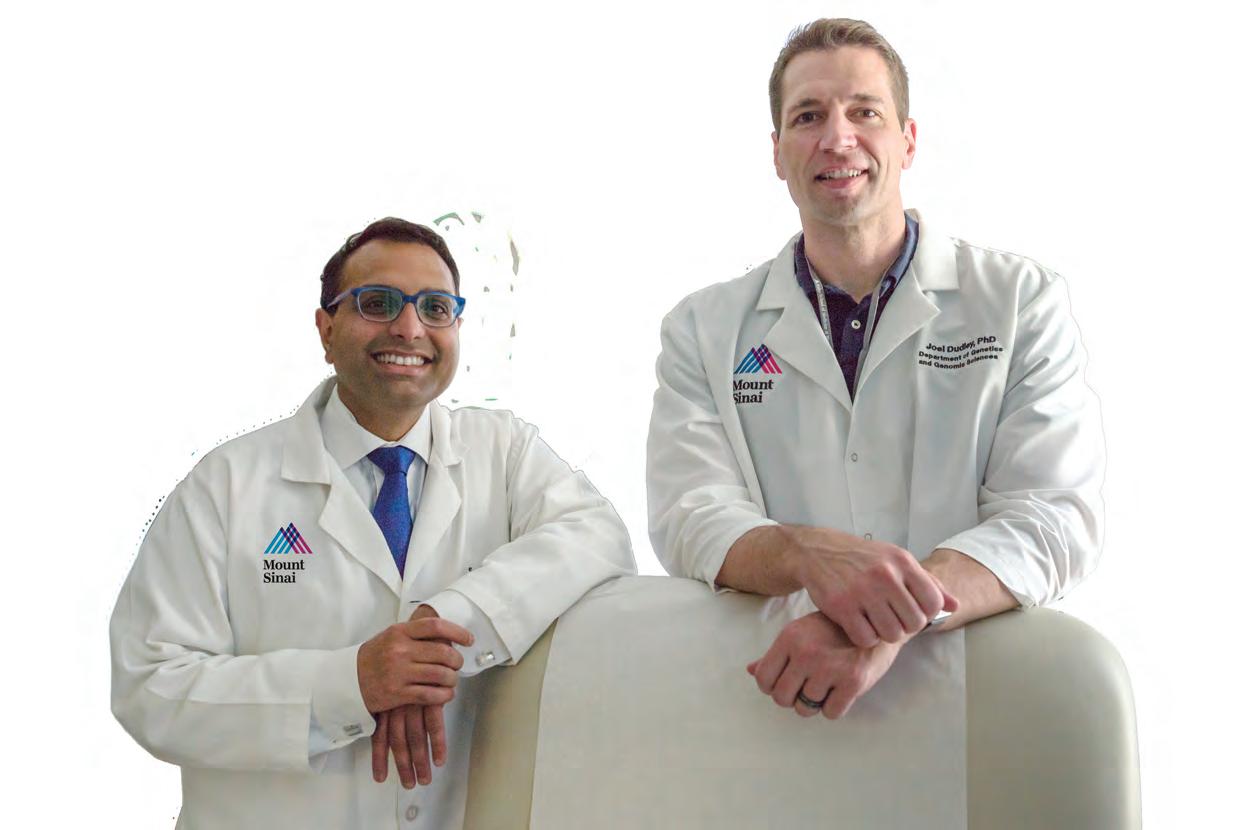
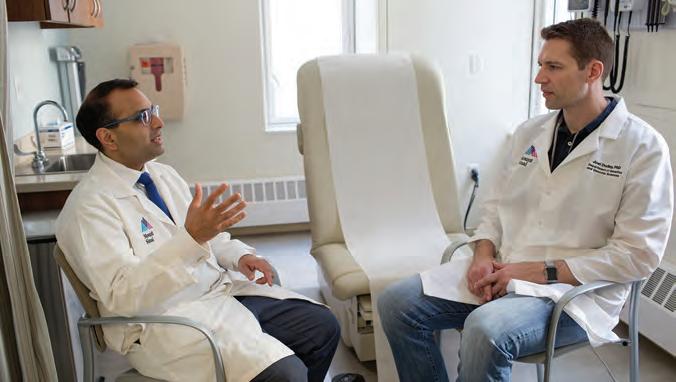
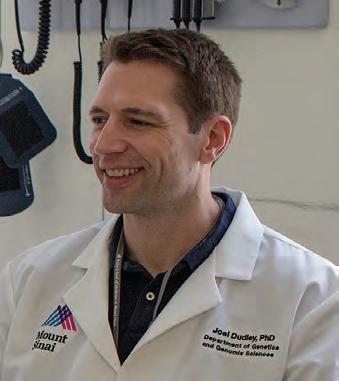
their lanes, but at Mount Sinai experts do not work in silos; clinicians are encouraged to foster relationships with scientists to uncover innovative solutions. In this instance, Dr. Parekh, who has a background in computational biology, turned to Joel Dudley, PhD, Mount Sinai Professor in Biomedical Data Science and Director of the Institute for Next Generation Healthcare. Dr. Dudley, who was recently appointed Executive Vice President for Precision Health for the Mount Sinai Health System, is an expert at RNA sequencing and machine learning, a type of artificial intelligence in which complex data analysis is automated.
While analyzing tumor DNA and using the results to guide treatment decisions has proved effective for treating patients with a growing number of cancers, multiple myeloma has not been among them because it’s so heterogeneous. “When we do a higher-resolution genetic analysis we realize that although cells may look alike, they can actually be very different,” Dr. Parekh explains. Factoring in RNA, the messenger that instructs cells about how to express proteins, would provide more insight into what’s driving a specific patient’s cancer. That information could then theoretically be used to identify similarities between

C O D E
As a physician-scientist, I wanted to bring a
Using Genomics and Machine Learning to Treat Multiple Myeloma
BY BARBARA BRODY
it and certain types of breast cancer, melanoma, or another seemingly unrelated cancer. If a match could be made, a myeloma patient might be able to tap into a
then enrolled 64 patients who had exhausted FDA-approved options for myeloma and were expected to survive only six months. Tumor genomic DNA and RNA were obtained from the patients’ bone marrow aspirates and the samples underwent extensive sequencing (including wholeexome sequencing and targeted sequencing) before the data was run through the DAPHNI software.
This methodology enabled the research team, which included several other Mount Sinai scientists and clinicians like Dr. Jagannath, to obtain more precise information on the

genetics of multiple myeloma in individual patients than ever before. “The mutation alone is not the full story,” says Dr. Jagannath. “We are looking at the pathway activation, and through RNA sequencing we can tell if the mutation is meaningful or not. That’s where this proprietary algorithm becomes a big help.”
Using the machine-learning software, researchers generated treatment recommendations for 63 of the 64 participants in their initial study, which was published in August 2018 in JCO Precision Oncology. Twenty-six patients implemented one or more of the suggested treatments, and 16 patients went into remission (for a median duration of 131 days). The above-mentioned artist went into remission for a full year and completed several of his paintings, though he ultimately passed away after having a heart attack.
NEXT STEPS: ACCURACY, AND SPEED
With the preliminary trial now complete, Dr. Parekh and his colleagues are focused on refining the technology and patient-flow process for both accuracy as well as speed. Obtaining the required patient samples, sequencing DNA and RNA, and running the DAPHNI software to generate drug matches can take a few months, and many multiple
myeloma patients can’t afford to wait that long. “We want to impact more patients and make this something anyone walking in through the door can take advantage of,” says Dr. Parekh.
To that end, everyone who comes into Mount Sinai’s multiple myeloma program now has the option of getting this RNA sequencing done. The plan is to input data from about 1,000 patients into DAPHNI, then choose a few hundred to participate in a larger clinical trial that will start in the fall.
In addition to analyzing RNA expression and DNA mutations, the researchers plan to hone in on the specific clones that seem to play a crucial role in the progression of this disease. “We’re actually mapping the surrounding cells, not just the cancer,” says Dr. Jagannath. “We want to know about the cancer cells, but also about the milieu in which they’re growing. Cancer cells are like terrorists; why do [the surrounding cells] tolerate them?”
While potential drug matches for each patient are being identified and vetted, the scientists plan to simultaneously treat a small piece of the tumor in the lab with one or more drugs they believe holds promise for a given patient. The goal: delivering personalized treatments much faster.
Although the results from the forthcoming trial likely won’t be available to the public for a few years, providing the best possible care right now is what continues to drive the Mount Sinai team. “This is benchto-bedside medicine,” says Dr. Jagannath. For patients, “it’s immediately applicable.”
We want to know about the cancer cells, but also about the milieu in which they’re growing. Cancer cells are like terrorists; why do [the surrounding cells] tolerate them?
SUNDAR JAGANNATH,
MD
BY CAROLYN SAYRE
PREVENT PREDICT PERSONALIZE
How Mount Sinai is Transforming IBD Diagnosis and Care
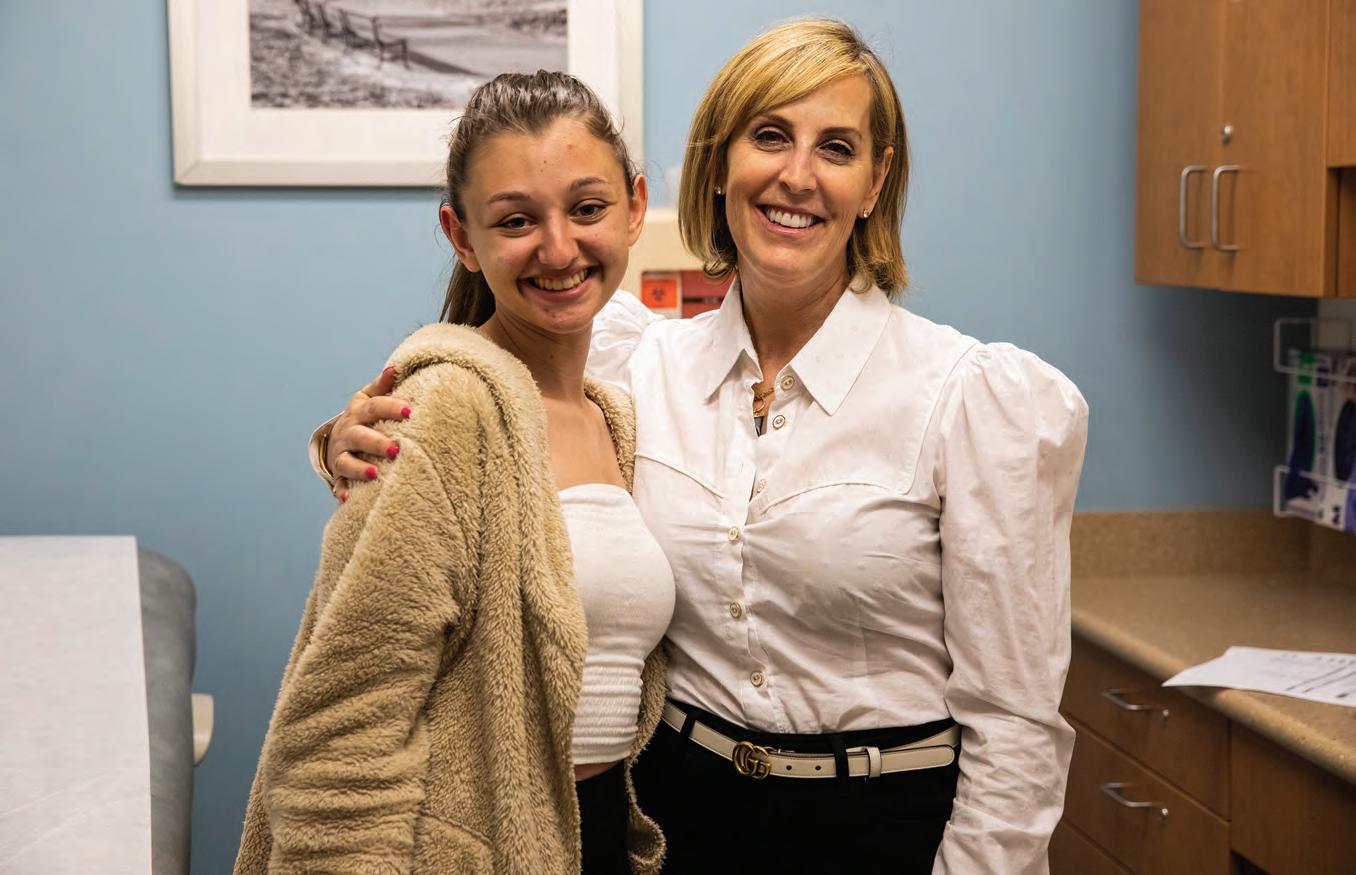
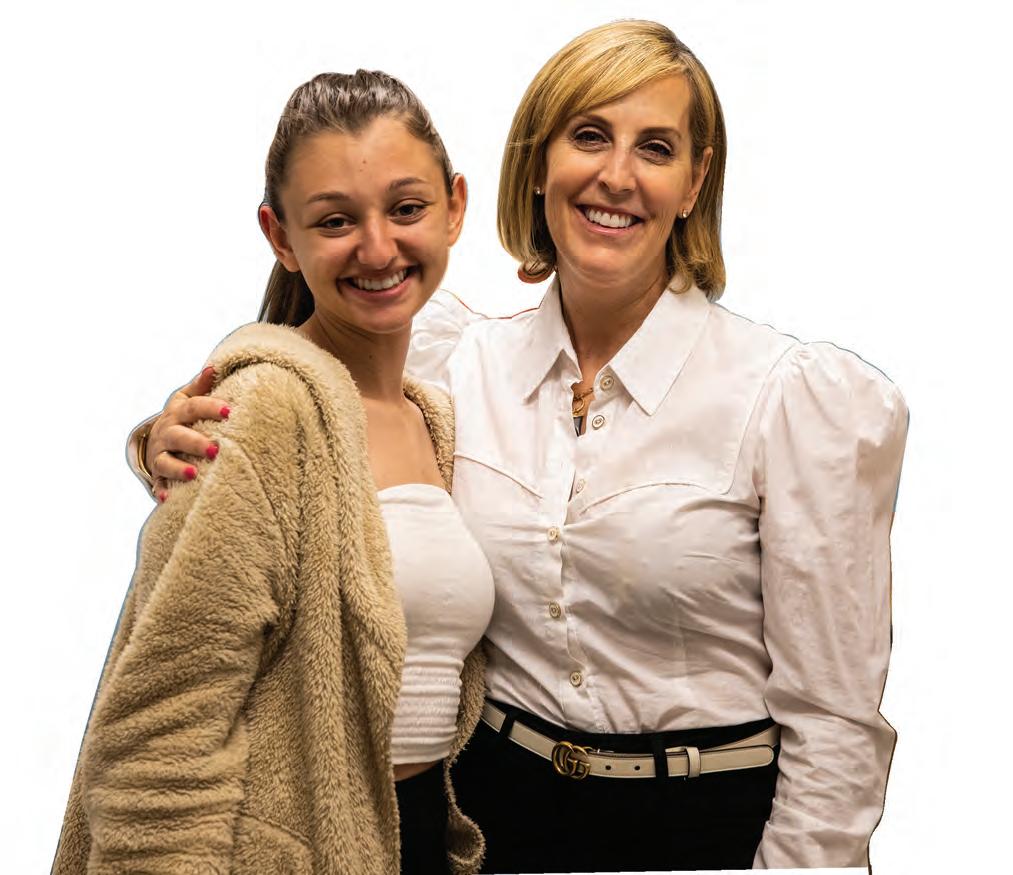
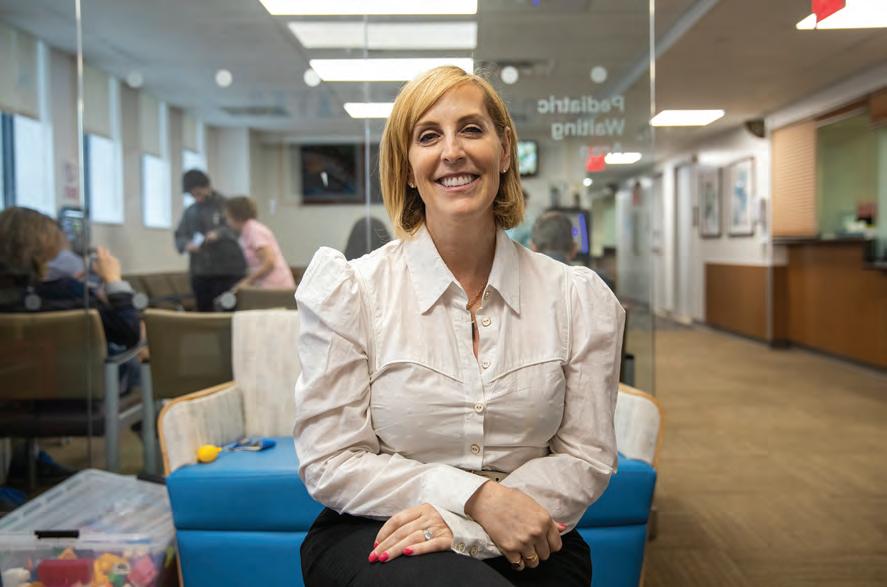
On the first anniversary of his Crohn’s disease diagnosis, Michael hardly looks or acts like the same boy he was a year ago. The 12-year-old has grown considerably, keeps up with his peers at the after-school hiking club, and brandishes the self-confidence to sing in his school play.
When Michael first came to the Susan and Leonard Feinstein Inflammatory Bowel Disease Clinical Center at Mount Sinai last year, he had been suffering for five months. Like many children with inflammatory bowel disease (IBD) who are misdiagnosed and subsequently mistreated, Michael had lost 40 pounds, been absent nearly half of the school year, and lived in constant pain.
“Every day we watched him get sicker,” describes his mother, Laura, with tear-filled eyes. “Then, we came to Mount Sinai and met our lifesaver, Dr. Marla Dubinsky, and learned about the individualized nature of treatment at the IBD Center. It was the first time I felt my son was cared for—and I was cared for. She gave us the confidence to know we were on the right path forward.”
Michael is not alone. Examples of the way research is transforming lives from young children and pregnant women to elderly men are evident throughout the IBD Center. From the hub of research coordinators to
the eye-opening disease-prediction tools, and the heartwarming children’s drawings that exhort: “Get out, diarrhea,” the IBD Center has become a magnet of hope for the nearly 5,000 patients who visit each year.
Mount Sinai has long been at the forefront of both IBD treatment and research. That storied history, which began nearly 90 years ago with Dr. Burrill Crohn’s first description of the disease, has evolved into a transformative model of care where physician-scientists work side by side, using what they find in the lab today to personalize care in the clinic tomorrow.
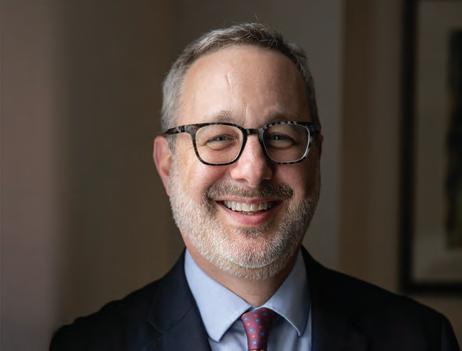
“Translational medicine was built into the structure of the IBD Center from the very beginning. If you are not set up to interact with patients in this way, there is no way to push the field forward,” says Bruce E. Sands, MD, MS, Dr. Burrill B. Crohn Professor of Medicine, Chief of the Dr. Henry D. Janowitz Division of Gastroenterology, and System Chief, Gastroenterology.

PREVENT
Early Diagnosis and Treatment
Treating IBD is all about staying ahead of the curve. Marla Dubinsky, MD, Co -Director of the IBD Center, Chief of Pediatric Gastroenterology, and Professor of Pediatrics, has dedicated her career to researching new ways to personalize care. Every patient has what she calls a “window of opportunity” before damage becomes irreversible.
“Early intervention is what differentiates Mount Sinai from other places,” she says. “How a patient presents today is not how a patient presents tomorrow. We do not wait for patients to fail therapies, have a side effect, or need surgery. Our mission is to predict and prevent.”
A proactive treatment paradigm starts with providing an added layer of support for new patients. As part of the COMPASSIBD program, individuals who have been diagnosed within the last year receive an aggressive plan that includes dietary recommendations, a disease-monitoring strategy, and consultations with several of the 30 full-time specialists in the IBD Center including pharmacists and gastrointestinal health psychologists. Says Dr. Sands: “The innovation here is to wrap the care entirely around the patient according to their specific needs.”
Marla Dubinsky, MD
Bruce E. Sands, MD, MS
PREDICT
Assessing Risk
To prevent disease, doctors also need to predict how IBD will progress. “Crohn’s and ulcerative colitis are very heterogeneous diseases,” says Jean-Frederic Colombel, MD, Co-Director of the IBD Center and Professor of Medicine, Gastroenterology. “Mild disease will basically never progress while an aggressive course will require your best drugs from the beginning.” Until recently, he says, physicians have relied primarily on their “clinical nose” to make that determination, but new digital technologies are helping physicians anticipate the next move.
There are certain clues, known as biomarkers, within the blood that can help predict if an individual will develop severe disease. As the Director of the Pediatric IBD Center at Cedars-Sinai Medical Center in Los Angeles, Dr. Dubinsky and colleagues at the Geisel School of Medicine at Dartmouth developed a risk stratification tool called PROSPECT that visually maps out a patient’s prognosis. Based on innovative statistical models used to predict climate change, today Mount Sinai physicians can couple these biomarkers with other risk factors such as age and disease location and turn them into patient-friendly results that offer a window into the future.
Take, for example, a 16-year-old girl with disease in her small intestine who tests positive for four IBD biomarkers. Mount Sinai researchers can predict the vibrant teenager will need surgery in 14 months. Traditional anti-inflammatory therapies will not be enough. But if they take a more aggressive course, and go after the patient’s biology with one of the most effective therapies like infliximab in the first 90 days after diagnosis, that risk decreases 75 percent.
“We are trying to have a crystal ball at the time they present,” says Dr. Dubinsky. “When parents are trying to balance the risk of their child’s disease with the risk of therapies that can have rare but serious side effects like cancer, they see this on the computer in real time and say to me, ‘When can we start?’”
PERSONALIZE
Optimizing Treatment
Choosing the right therapy is crucial, and so is selecting the right dose. Most patients do not respond to the standard on label dose, and underdosing puts them at risk of developing an allergy to the drug and loss of response. To further personalize treatment, Mount Sinai researchers have done groundbreaking research with an innovative dosing calculator called iDose—
a decision-support tool that uses blood tests and other patient-specific parameters to help clinicians predict exactly how much medication each individual needs. “The principle of iDose is proactive monitoring and personalization,” explains Dr. Dubinsky. “We believe the efficacy of biologics is correlated to the level of the drug in the bloodstream. If we proactively monitor these levels we can precisely adapt the dose to each patient.”
When Michael started infliximab he was just about to begin puberty. It was imperative his growing body maintained the correct level of medication. Dr. Dubinsky entered Michael’s blood levels and other risk factors, such as weight and disease burden, into the iDose dashboard. The result: iDose computed to the date and decimal point when he needed the next infusion. The day after his first treatment, Michael felt better. Three weeks later, his symptoms were gone. Says Dr. Dubinsky: “iDose literally dictates what your next move will be.”
“iDose literally dictates what your next move will be.”
– Marla Dubinsky, MD
Jean-Frederic Colombel, MD
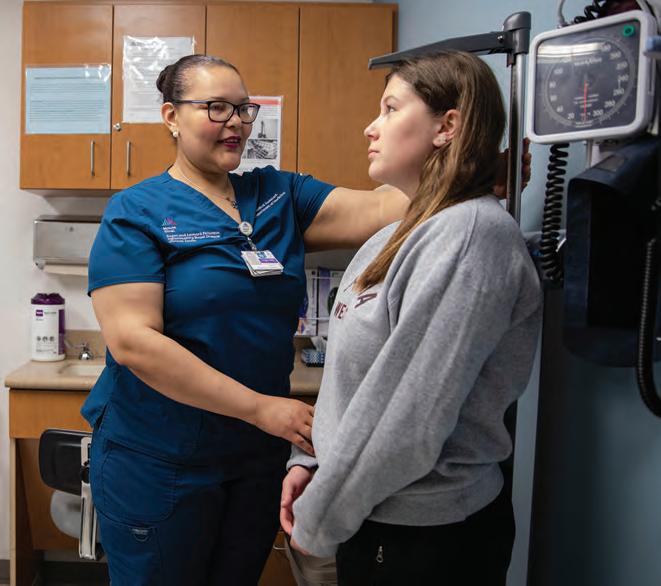
Hailey, 19, with Anayancys Gonzalez, Medical Clinical Associate, is thriving in college after IBD caused her to miss much of her sophomore year of high school.
That level of personalized care occurs throughout the lifespan. The IBD Center is one of the only places of its kind that synergistically offers pediatric and adult gastroenterology in the same location as well as pre-pregnancy planning and monitoring.
After a heartbreaking miscarriage, Nitza began to lose hope that she would ever have a healthy baby while living with Crohn’s disease. But the IBD Center, she says, changed her life. As part of the Barry and Marie Lipman IBD Preconception and Pregnancy (I-PrePP) Clinic, each month nearly seven women like Nitza who are pregnant or planning to become pregnant receive comprehensive care. To date, more than 50 healthy babies have been born to patients in this highly specialized clinic.
“Dr. Dubinsky told me to give the medicine six months to get my disease under control,” recalls Nitza. “Six months later, almost to the day, she called me and said, ‘are you ready to start trying?’” She was delighted to learn she was expecting a baby soon after that.
Nitza says iDose was invaluable in monitoring her medication levels throughout the pregnancy. When they saw the drug was not being absorbed properly she would come in for a booster. “They knew exactly what my body needed,” recalls Nitza, who went from shopping for fertility specialists to shopping for baby clothes for the boy she delivered in May. “I felt like I was in a marathon and the physicians at the IBD Center helped me get to the finish line.”
“I felt like I was in a marathon and the physicians at the IBD Center helped me get to the finish line.”– Nitza, patient
THE NEXT CHAPTER
Genomics and the Immune System
IBD is a complex set of diseases, explains Dr. Sands. There are contributions from the immune system, microbiome, genetics, and the environment. At Mount Sinai, basic scientists in all these specialties work alongside physicians to drive the next treatment paradigms.
There are currently more than a dozen ongoing clinical trials examining new therapies for IBD. For example, remarkable results in patients taking the drug ustekinumab are expected to lead to the approval of another available agent for ulcerative colitis. Microbiome research is uncovering the relationship between microscopic bugs inside the gut and the immune system (see sidebar).
The future of IBD care, however, lies within the genes and genome, explains Judy Cho, MD, Director of the Institute for Personalized Medicine and Ward-Coleman Chair in Translational Genetics. Knowing a patient like Nitza would benefit from aggressive care changed her life, but Mount Sinai geneticists want to predict even more, even earlier.
As part of the IBD Genetics Consortium, Dr. Cho manages a large repository of biospecimens. The diverse New York City patient population offers what she refers to as a “window into the world.” So far, consortium researchers have identified over 200 genes or genomic regions that are associated with IBD. “The power of genetics is causal,” she says. “One of the things we are trying to do at Mount Sinai is think about genetics earlier.”
Recently, New York State approved several new IBD and immunodeficiency panels created by pediatric advanced IBD Fellow, Elizabeth Spencer, MD. The panel can identify single-gene causes of very early onset IBD. “These single-gene causes often require therapy that is not typical for classic IBD, like stem-cell transplant, making it vitally important to identify them,” she explains. The panel can also identify genetic variants within traditional, multiple-gene
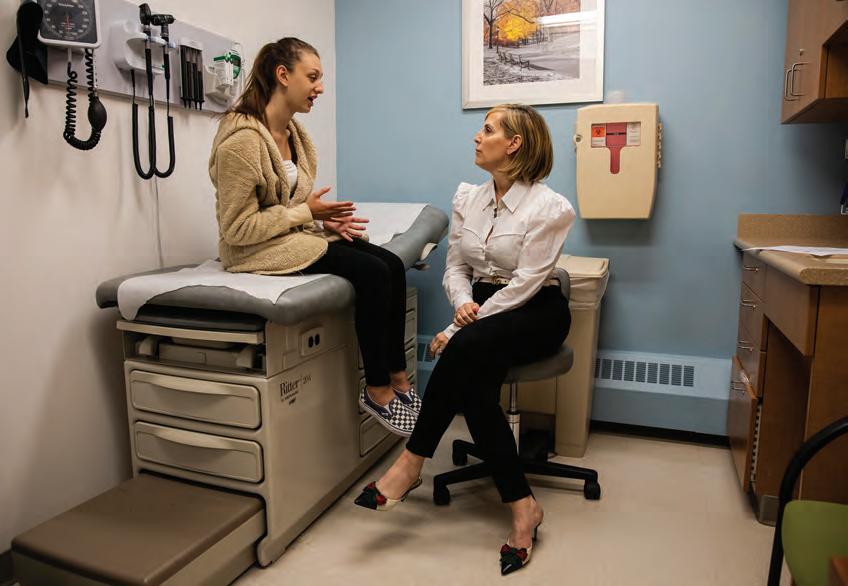
Dr. Dubinsky counsels Jenna, 16, on balancing her emotional health and social activities with her IBD treatment.
IBD that help predict what therapy is best for a particular patient. For example, a gene affected in both IBD and psoriasis could indicate improved response to the drug ustekinumab.
As part of the groundbreaking Road to Prevention Project, Dr. Spencer, along with the Mount Sinai prevention team, is also examining risk factors that might serve as an early signal of IBD in unaffected family members who have three first-degree relatives already diagnosed with IBD. These risk factors run the gamut, she says, from blood markers to the stool microbiome and environmental exposures. “The project could lead to earlier identification, improved patient outcomes, and prevention strategies for IBD,” says Dr. Spencer.
In the future, a new patient like Michael would be sent for a genetic panel right away. The idea, Dr. Cho explains, is to some day do for IBD what has been done in cancer. Today, oncologists diagnose and treat breast cancer based on key biomarkers. Each individual’s own biology spells out a socalled “treatment shorthand” for clinicians. Says Dr. Cho: “Genetics (DNA) layered onto RNA and protein information will together define how to optimize treatment for IBD in the future.”
After more than two years, Michael and his parents finally sleep soundly again. “We are no longer paralyzed by fear,” says Laura. “Life can finally move forward because we know no matter what happens we have Mount Sinai to lean on. There is no better feeling in the world than knowing your son is in the best hands.”
INSIDE THE GUT
Manipulating the Microbiome for Better IBD Therapies
There is a symbiosis that should occur deep within our gut. When all goes according to plan, the trillions of microscopic organisms —bacteria, fungi, and other little bugs found in and on the human body— that make up the so-called “microbiome” play nicely with the plethora of immune system cells within the gastrointestinal walls. However, Mount Sinai researchers are learning not only does this microbiome look different in people with IBD but some of these bugs may also be the reason the immune system kicks into overdrive.
“This is an exploding area of research— we are learning it is not possible to study the immune system without knowing about the microbiome,” says Saurabh Mehandru, MD, Associate Professor of Medicine, Gastroenterology. “The interaction is a two-way street. These bugs modulate the immune system, and the immune system talks back and modulates the bugs.”
Meet one of Mount Sinai’s dynamic translational research teams: Dr. Mehandru, a clinician who specializes in the immune system, and basic science researcher Jeremiah Faith, PhD, Assistant Professor of Medicine, Clinical Immunology and Genetics and Genomic Sciences. The pair works in constant tandem to bring findings directly from mice to humans and vice versa.
Dr. Faith takes stool samples from IBD patients and implants them into mice with no existing microbes. His team has found
that certain bugs induce specific immune responses such as the inflammation that may lead to disease. Dr. Mehandru then takes this information back to the clinic to see if the findings match in patients.
Observations from the bedside also inform the lab. When Dr. Mehandru wanted to study the medication vedolizumab that he commonly prescribes, they administered it to mice. In doing so, the researchers have discovered a new drug mechanism of action. As the next step, they are collaborating with the Faith Lab to see how this common IBD treatment impacts the microbiome and how microbial manipulation could improve drug efficacy in many patients.
Great progress has also been made with fecal microbiota transplant (FMT). Ari Grinspan, MD, Assistant Professor of Medicine, Gastroenterology, is exploring how this emerging therapy can be used to treat patients with ulcerative colitis by repopulating the gut with healthy bacteria. If researchers can identify pro- and antiinflammatory microbes, explains Dr. Faith, either FMT or cocktails of microbes could be used to treat or even prevent IBD one day.
“The microbiome is potentially one of the easiest things to change compared, for example, to a genetic defect,” says Dr. Faith. “It is stuck to you, it is intimately associated with you—the microbiome is this unique potential route to new types of interventions that have not existed in the past.”
Judy Cho, MD Elizabeth Spencer, MD
Saurabh Mehandru, MD, left, and Jeremiah Faith, PhD, above, study the interaction between the microbiome and the immune system.
VISUALIZING BRAIN SURGERY
BY SUSAN KREIMER
One night last January, Roberta Benzilio went to sleep feeling like her usual self. But when she woke up the next day, the worst headache of her life came on and wouldn’t go away.
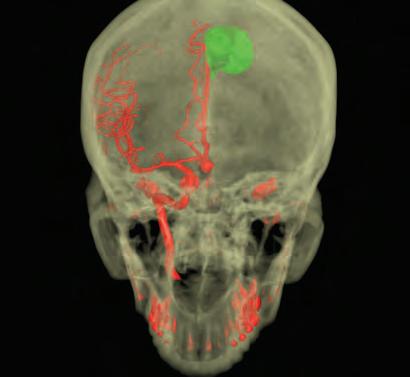
Brain imaging detected a golf ball-size lesion in her occipital lobe, which receives input from the eye’s retina to interpret color, shape, and distance.
After consulting with five neurosurgeons, Ms. Benzilio selected Joshua B. Bederson, MD, Professor of Neurosurgery; System Chair, Neurosurgery; and Clinical Director of the Neurosurgery Simulation Core at the Icahn School of Medicine for her care. The computer-assisted technologies Dr. Bederson uses made a complex problem surprisingly easy to understand. Ms. Benzilio could peer inside her brain and view the
NEW T E C H N O L OGIES ARE I M P R O V I N G CARE
tumor’s spatial relationship to critical arteries and nerves.
This three-dimensional “walk-though” cemented her faith in Dr. Bederson and his team. “It made me feel more confident in their ability to go in and do it right,”
Ms. Benzilio, a Manhattan real estate executive, recalls of the surgery to remove the tumor, a benign meningioma.
Sophisticated digital technologies are aiding Mount Sinai researchers and surgeons in planning procedures and putting patients at ease while aiming for better outcomes and fewer complications.
“We use the surgical visualization for any type of intracranial pathology that needs an operation,” says Dr. Bederson, noting that aneurysms and dozens of tumor types can occur in thousands of possible sites. “Every millimeter is a different place.”
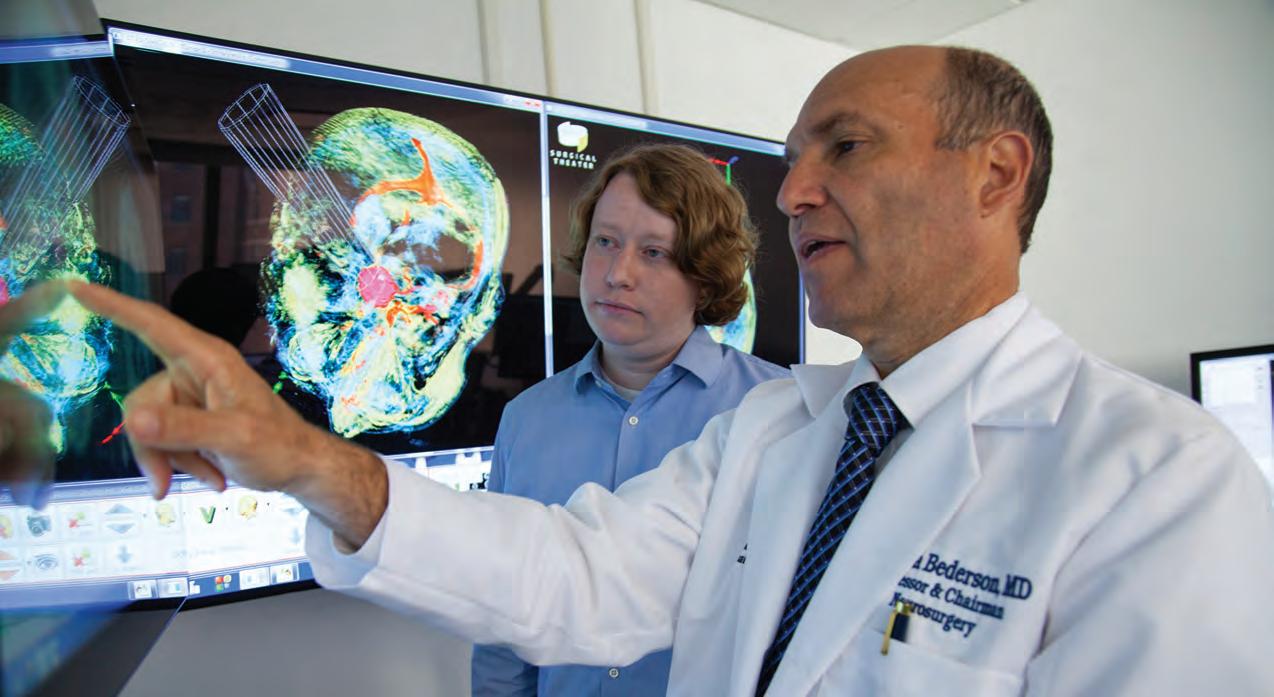
Fusing a patient’s MRI and CT images allows for a virtual reality (VR) reconstruction of the brain. Simulating an intra-operative environment, neurosurgeons looking
through VR headsets become immersed in a patient’s anatomy and are able to more precisely plan and test surgical approaches.
Advanced situational awareness can answer “everything from very basic questions like, ‘Will my instrument fit here?’ to complex questions, ‘Will I have to go through a nerve to get to something?’” says computational scientist Anthony B. Costa,
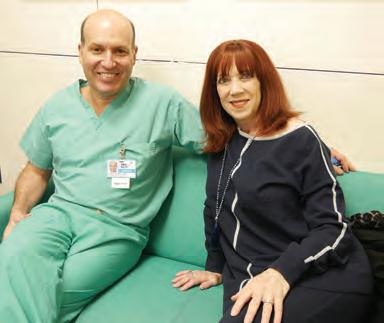
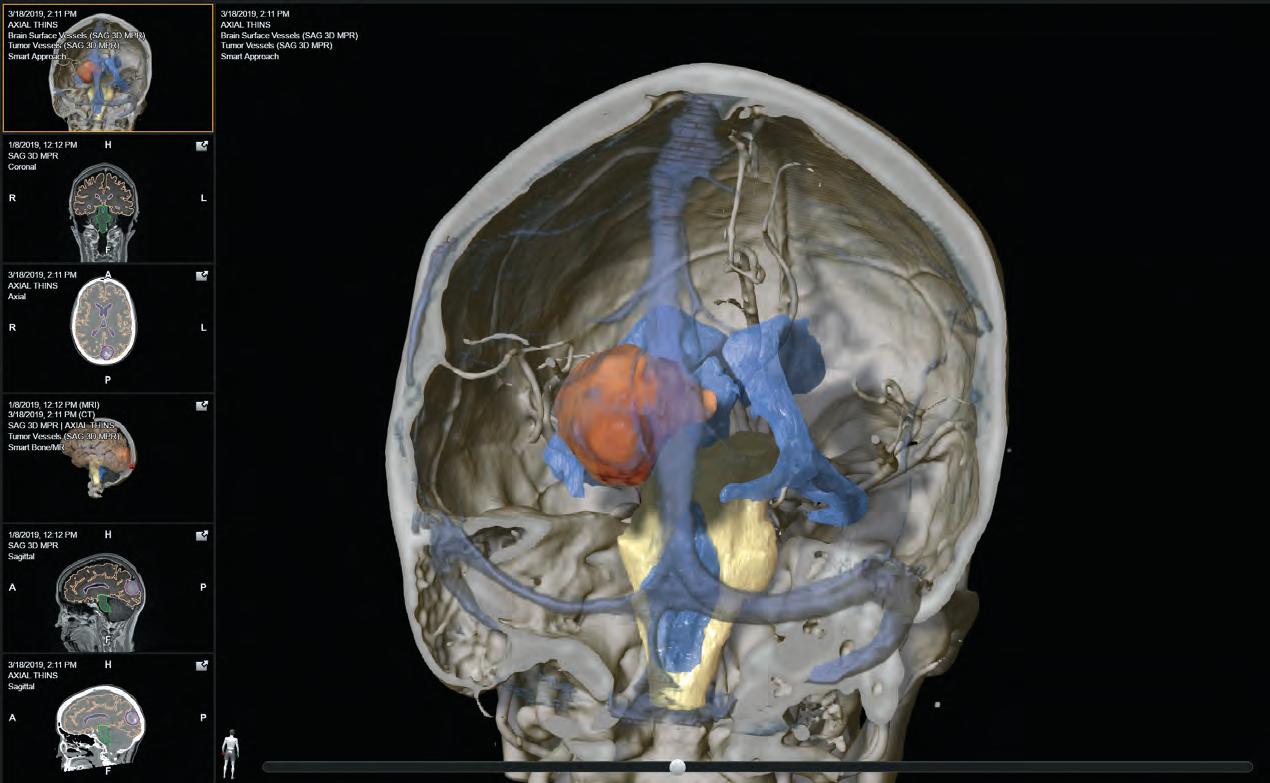
Joshua Bederson, MD, with Roberta Benzilio. She was able to view her golf ball-size brain tumor via 3-D imaging, right, above.
PhD, Assistant Professor in Neurosurgery and Scientific Director of the Neurosurgery Simulation Core.
Neurosurgeons navigate around nerves to avoid touching them. Injuring a nerve can cause paralysis, pain, burning, tingling, numbness, or other distressing sensations.
That’s why these computer-assisted innovations are invaluable. They allow Mount Sinai’s neurosurgeons to see structures surrounding or obscuring lesions and aneurysms. “We’ve had patients come to us that other surgeons have turned away,” says Holly Oemke, Program Manager of the Neurosurgery Simulation Core.
For tumors at the skull base or in the pituitary gland, operations are often an integrated effort between neurosurgeons and otolaryngologists, particularly when a case calls for a transnasal approach.
The 3-D imaging is a valuable asset in teaching medical students, residents, and fellows during pre-operative planning
sessions, says Alfred Marc Iloreta, Jr., MD, Assistant Professor in Otolaryngology and member of the Division of Endoscopic Skull Base Surgery. “It’s a very accurate representation of what we see in the operating room,” he adds.
Before the procedure, with the aid of VR headsets, Dr. Iloreta guides them through vital structures and landmarks in relation to the tumor, anticipating the anatomical challenges they may encounter. Sometimes there’s a need to reassess the situation and contemplate a safer entry route.
Dr. Iloreta says the technology has accelerated his progression as a surgeon, augmenting confidence in his ability to understand the spatial nature of the pathology in the context of the delicate surroundings. It also has helped make surgery safer and more efficient for patients.
Pre-surgical visualization can be thought of as a rehearsal for the actual procedure, explains Eric M. Genden, MD, Dr. Isidore
Friesner Chair of Otolaryngology; System Chair, Department of Otolaryngology –Head and Neck Surgery; and Senior Associate Dean for Clinical Affairs.
“You have a much better idea of what to expect,” says Dr. Genden. “It gets you that much closer to the real experience.”
Combined with computer-assisted visualizations, 3-D printing plays a major role in pre-operative planning. Hand-held models enable surgeons to perform tactile assessments of relevant structures that simulate a patient’s pathology—the tumor, nearby blood vessels, arteries, and nerves.
For a decade, Mount Sinai has utilized ever-evolving 3-D printers to produce resin models. “They’re improving by the detail that they can manifest in an image,” says Michael L. Marin, MD, Jacobson Professor of Surgery; System Chair, Department of Surgery; and Surgeon-in-Chief, Mount Sinai Health System.
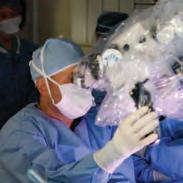
Simulating an intra-operative environment, neurosurgeons looking through VR headsets become immersed in a patient’s anatomy and are able to more precisely plan and test surgical approaches.
Because aortic aneurysms can vary substantially, replicating a patient’s anatomy in advance of an operation is essential. Surgical devices must fit well within an individual’s aorta, notes Dr. Marin, a vascular surgeon.
Meanwhile, virtual reality has gained momentum in the neurosurgical and vascular arenas. If the technology leads to enhanced efficiency, that’s “a bonus,” says Dr. Marin, but its more critical advantage lies in decreasing “the chances of having an error or an imperfect outcome.”
The technology lends itself to recreating an abstract overlay of the brain’s surface. Dr. Bederson describes this as “the new GPS for the brain.” Using a heads-up display and eyepiece microscope, he’s able to see directly through the brain’s complex structure. “Now, I no longer have to look away from the screen,” he says, “and I’m much less likely to run into a critical artery that’s hiding.”
As a patient, Nahla Nasser Alanbar found the technology reassuring because it enabled her to see what was happening inside her brain. In February, after an evening walk with a friend, she suffered from a
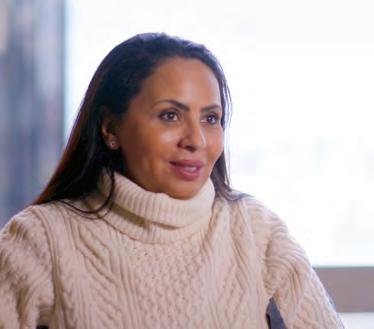
thunderclap headache. Her friend called 911.
In Mount Sinai West’s emergency room, the team identified the source of her pain: a ruptured aneurysm and associated brain bleed called a subarachnoid hemorrhage.
Thomas J. Oxley, MD, PhD, an instructor and Director of Innovation Strategy for the Department of Neurosurgery, performed endovascular coiling, a minimally invasive technique to block blood flow into an aneurysm and prevent future rupture.
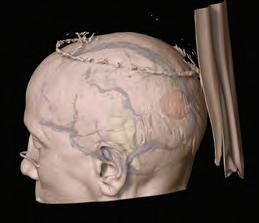
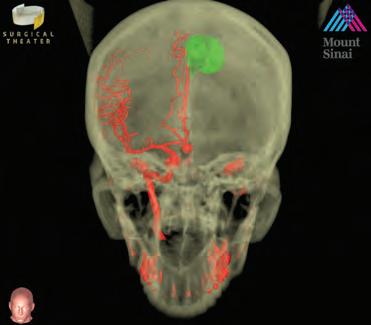
The following day, Ms. Alanbar was transferred to The Mount Sinai Hospital’s intensive care unit to be monitored for potential spasms or seizures. She spent three weeks there and underwent surgical clipping of another aneurysm, this time with Dr. Bederson. Imaging beforehand also detected a three-centimeter brain tumor, which he recommended removing during the same surgery.
“Everything was clear. It didn’t take me long to decide,” recalls Ms. Alanbar, a diplomatic researcher and doctoral student from Riyadh, Saudi Arabia, living in New York since February 2016. Dr. Bederson and Leslie
Schlachter, PA-C, Clinical Co-Director of the Neurosurgery Simulation Core, showed “every single detail on the computer to me.”
A week after the operation, Ms. Alanbar was discharged from the hospital. “Thank God, it was a successful surgery,” she says. And, she adds, “Thank God, I can walk. I can talk. I can see. I can hear.”
Like Ms. Alanbar, Ms. Benzilio considers herself very fortunate. Ms. Benzilio’s tumor was abutting her superior sagittal sinus, the large vessel that carries most of the blood from the brain. She’s grateful Dr. Benderson succeeded in carefully extracting the entire lesion, sparing her the need to undergo radiation.
Dr. Bederson sees parallels between his neurosurgical specialty and his sculpting pastime, which has captivated him since second grade. He has 10 to 20 pieces in progress at once and dozens of his works on display at home—in steel, marble, glass, and copper.
In excising a brain tumor, “what you want to do is restore the normal anatomy,” explains Dr. Bederson. Similarly, in creating a sculpture, “you have to remove the marble that doesn’t need to be there”—and voilà— an envisioned shape becomes reality.
With the pre-surgical 3-D imaging, Ms. Benzilio got a glimpse of how Dr. Bederson planned to “peel away the layers” of her brain, as he does in sculptural carving or chiseling. “It gave you a real understanding of what’s going on,” she observes. “I was really very interested and fascinated by it all.”
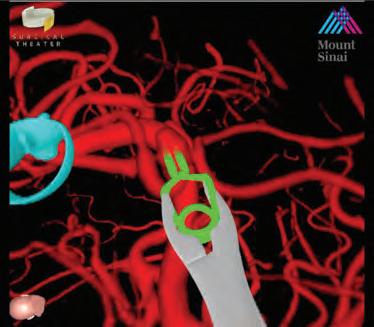
After being treated for a ruptured aneurysm, Nahla Alanbar underwent imaging, which revealed an operable brain tumor and aneurysm, center. VR capabilities allowed the team to demonstrate the surgical plan and aneurysm clipping, right.
NEW AI AND HUMAN HEALTH CENTER WILL EXPAND BIOENGINEERING FOR SURGERY
Anew center at the Icahn School of Medicine will seamlessly integrate artificial intelligence (AI), data science, and genomic screening to advance clinical practice—including biomedical engineering for the surgical treatment of diseases, expanding current initiatives by researchers and clinicians at the School.
The Hamilton and Amabel James Center for Artificial Intelligence and Human Health, an interdisciplinary center, is expected to open in late 2021.
In AI, computer-based algorithms execute tasks typically associated with intelligent beings, providing more information to help them make the most accurate diagnoses, identify individuals at risk for disease, and implement better treatments leading to improved outcomes.
Mount Sinai researchers and clinicians will use data science and machine learning to elevate these applications to a new level, says Eric J. Nestler, MD, PhD, Nash Family Professor of Neuroscience, Director of
The Friedman Brain Institute, and Dean for Academic and Scientific Affairs, who is overseeing the project with Dennis S. Charney, MD, Anne and Joel Ehrenkranz Dean at the Icahn School of Medicine, and President for Academic Affairs for the Mount Sinai Health System.
At the center of it all will be the new Center for Genomic Health, accelerating the integration of genomics into clinical care throughout the Health System; integrative ‘omics; and multi-scale disease modeling; precision imaging, leveraging AI to enhance the diagnostic power of imaging technologies; and biomedical engineering, advancing virtual reality approaches for the surgical treatment of diseases.
“Our use of digital-based simulation is in its infancy. We haven’t even scratched the surface of what is capable,” says Michael L. Marin, MD. Dr. Marin expects the new AI center to make giant strides in applying cutting-edge algorithms to guide clinical decision-making.
Plans call for hiring additional faculty
and relocating some current Mount Sinai employees to the new center. “This represents a wonderful addition of computational research space that will vastly expand our efforts,” says Dr. Nestler.
“Mount Sinai has already played a leading role in using computation throughout medicine, biomedical research, and clinical care,” he adds. “We’ve led medical schools around the country, and this new center allows us to continue that leadership role.”
“Our use of digital-based simulation is in its infancy. We haven’t even scratched the surface of what is capable.”
– MICHAEL L . MARIN, MD
Dr. Bederson, right, and Anthony Costa, PhD, use novel visualization technologies to plan neurosurgery, with the goal of improving safety and patient outcomes.

D E M O C R A T I Z I N G
T H E G E N O M E
Mount Sinai Brings New Developments in Genomics to Clinical Care
BY SHEENA K. FALLON
For most parents, raising a child is full of unknowns. A child’s pediatrician is a major source of answers, from navigating a child’s physical, emotional, and medical progress to everyday tummy troubles and runny noses. But for some children, the ailments are much more serious, and worse, the pediatrician has no answers.
For one Mount Sinai family, their child’s trouble started with an unexplained rash, followed by an uncommon form of colitis. As they were struggling to manage these issues, an autoimmune kidney disease emerged, requiring a transplant from a relative—only
to have the disease recur, sending the young patient back to dialysis. Without an effective treatment strategy, she could spend the rest of her shortened life visiting dialysis centers multiple times per week. Without a diagnosis, all her care team could do is guess at next steps.
DIAGNOSING THE UNKNOWN FOR OUR YOUNGEST PATIENTS
Genetic diseases that manifest in childhood are often caused by a defect in a single gene. Until recently, the approach toward identifying that gene could be a diagnostic
odyssey—during which young patients undergo years of extensive and fruitless medical testing, families wait for answers that may never come, and treatment is delayed at best, or, at worst, never delivered.
The Mindich Child Health and Development Institute (MCHDI) at the Icahn School of Medicine seeks to circumvent the diagnostic odyssey through its Pediatric Precision Medicine Program. Precision medicine uses a patient’s data to accurately and rapidly diagnose a disease, better predict the outcomes of medical issues, and treat illnesses more precisely
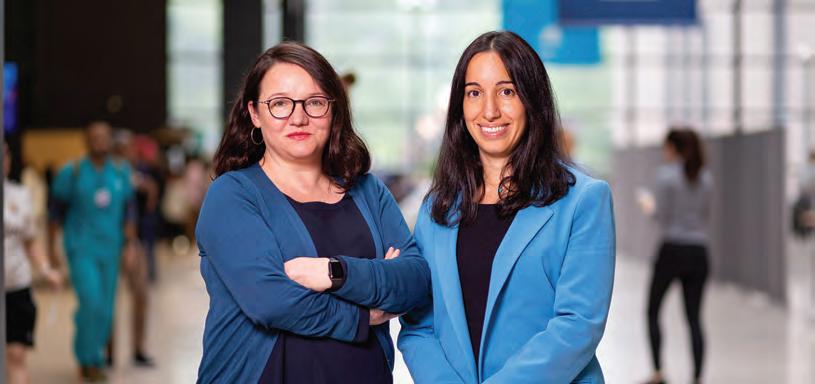
Eimear Kenny, PhD, left, and Noura Abu-Husn, MD, PhD, lead the new Center for Genomic Health at Mount Sinai.
GEN O ME
and effectively. Furthermore, by harnessing recent technology that allows for highcapacity DNA sequencing to examine the genes that provide instructions for all of the body’s proteins, pediatricians at MCHDI can solve medical mysteries through the translational research paradigm that defines Mount Sinai’s approach.
“Clinical expertise informs basic science and vice versa,” says Bruce D. Gelb, MD, Gogel Family Professor and Director of MCHDI, Professor of Pediatrics, and Genetics and Genomic Sciences. Through the Undiagnosed Diseases Program, initiated with funding from the Genetics Disease Foundation, Mount Sinai researchers and clinicians are identifying new symptoms associated with known disease-causing genes, as well as pinpointing new genes that cause disease.
For the young patient, now a teenager, the Undiagnosed Diseases Program was able to identify an activating change in the protein JAK1. Her collection of symptoms had never before been described as a disease; however, the genetic mutation was the same as one found as acquired in some cancers. An FDAapproved JAK inhibitor that already existed for this genetic mutation in cancer could work for this young patient as well.
USING GENETICS TO HELP PATIENTS NOW
For Eimear Kenny, PhD, Founding Director of the Center for Genomic Health, and Associate Professor of Medicine and Genetics and Genomic Sciences at Mount Sinai, and Noura Abul-Husn, MD, PhD, Clinical Director of the Center for Genomic Health and Senior Faculty in the Department of Medicine, Division of General Internal Medicine and the Department of Genetics and Genomic Sciences, the Mount Sinai Health System provides a base for their work that no other research or clinical institution could provide: the ability to translate innovative genomic research into new strategies for using genomic information in real-world clinical applications. Their newly formed Center for Genomic Health at the Icahn School of Medicine seeks to scale the practice of personalized medicine to make it accessible for all.
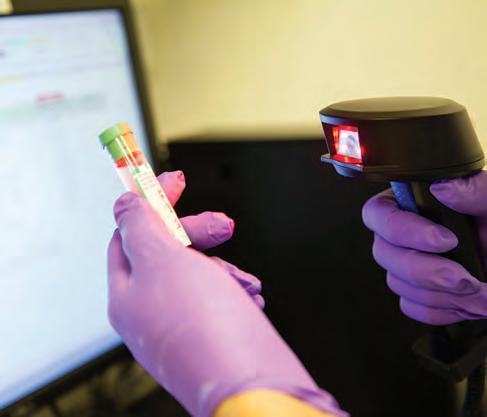
One of its first initiatives is the launch of a new program using patients’ genomic information to guide their care, through the BioMe™ Biobank Return of Results Program. The Mount Sinai BioMe Biobank collects de-identified DNA and plasma from nearly 50,000 consenting patients, linking the extracted genetic material to their electronic
medical records. “Some people may harbor a genetic variant that puts them at higher risk for certain cancers and other diseases, and are often unaware of their risk,” says Dr. Abul-Husn. While the biobank had been a major resource for the robust research enterprise at Mount Sinai, before now there had been no ability to share potentially useful genomic results with BioMe participants. “We don’t want this information to stay in the research realm when it could help someone now,” she says.
However, returning results is not as simple as uploading them to the patients’ medical records. Genomic results must be interpreted and communicated carefully, and accompanied by counseling, referrals, and recommendations for follow up. The program relies on genetic counselors to disclose results, obtain a detailed family history, and link to clinicians within the system who are prepared to care for patients identified as having a higher genetic risk of disease. The genetic counselor can even make recommendations to the patient about follow-up testing for family members if indicated, or to help the patient understand when family members are not at high risk.
To empower the coming era of genomic health, the new Center is also developing artificial intelligence (AI)-based tools that improve how genomic information is communicated. Dr. Kenny and Dr. Gelb are Principal Investigators of NYCKidSeq, a large clinical trial that will investigate the use of an AI-augmented digital app to communicate genomic results to the families of children with a suspected genetic condition. This clinical trial is one of seven national programs funded by the National Human Genome Research Institute, and is undertaken in collaboration with Montefiore Hospital and the New York Genome Center.
“Clinical expertise informs basic science and vice versa.”
– BRUCE D . GELB, MD
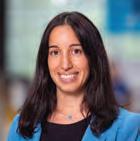
“We don’t want this information to stay in the research realm when it could help someone now.”
– NOURA ABUL -HUSN, MD, PHD
One of the key strengths of these programs is an emphasis on the ethnic and socioeconomic diversity of the participants, reflective of Mount Sinai’s extensively diverse patient base. “Today’s genomic databases are failing on diversity,” says Dr. Kenny. To broaden the impact and potential of research and care, a major focus of the Center is to ensure that all patients are represented. For example, NYCKidSeq is making a concerted effort to recruit sick children predominantly from diverse communities in Harlem and the Bronx. As Dr. Kenny puts it: “We are a health system for the world.” This mission is shared across the institution. “We are democratizing the genome,” says Kenan Onel, MD, PhD, Professor of Genetics and Genomic Sciences and Associate Director, Clinical Cancer Genetics and Precision Oncology, The Tisch Cancer Institute. Dr. Onel’s desire to understand the genetic underpinnings of cancer emerged from his conversations with patients’ families in the pediatric cancer ward at previous hospitals. He wanted to know how genetic information could be used to reduce risk and promote health and wellness for all patients. Parents wanted to know whether issues were hereditary, and if other children in the family would be affected. Their desire for answers led Dr. Onel to join Mount Sinai and launch the Center for Cancer Predisposition, Prevention and Wellness. “Mount Sinai

has a unique focus on integrative clinical care,” he says. Through genetic and wellness counseling, patients with a higher genetic predisposition toward disease can receive the resources they need to stay healthy and be aware of possible disease development.
LOOKING TOWARD THE FUTURE
For the young patient and her baffling symptoms, a diagnosis was integral. With a diagnosis, Mount Sinai staff was able to convince her insurance company to cover the JAK-inhibiting therapy for her newly discovered disease. Once treatment began, her rash and ulcerative colitis cleared. Treatment continued to be so successful that she was able to discontinue her restrictive diet and eat fast food without gastric consequences, like an average teenager. When she receives the new kidney she is waiting for, the autoimmune disease is not expected to recur. For a chronically ill child, one of the greatest gifts can be a sense of normalcy.
“This rapidly evolving field is going to change the health care landscape for the tens of thousands of patients who enter our health system every year,” says Lisa M. Satlin, MD, Herbert H. Lehman Professor and Chair, Department of Pediatrics. Through the thoughtful integration of genomics into clinical care, Mount Sinai’s potential to advance pediatric care through precision
medicine—and by extension improve the health of the future adult population—is nearly unlimited. “Through the many facets of Mount Sinai’s collaborative research and clinical care infrastructure, genomics promises to enhance our ability to precisely diagnose, prevent, and treat diseases in every single patient who entrusts us with their care.”
“This rapidly evolving field is going to change the health care landscape for the tens of thousands of patients who enter our health system every year.”
– LIS A M. SATLIN, MD

DEM O CRATIZING
PROFILES INNOVATION in
Research at the Icahn School of Medicine at Mount Sinai is breaking new ground and transforming care.
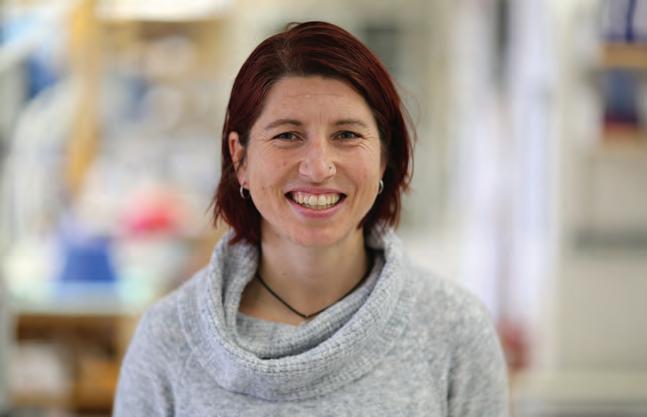
New Approaches to Neuropsychiatric Disease
“Schizophrenia is far too common, far too severe, and far too hard to treat. But what if it were easier to prevent the disease than to treat it?”
BY SIMA RABINOWITZ, CHERYL ALKON, AND ROB FELD
Kristen Brennand, PhD
Director, Alper Neural Stem Cell Center; Associate Professor, Genetics and Genomics, Neuroscience, and Psychiatry
What if a simple blood test could predict a young person’s risk for developing schizophrenia? And what if once we could predict this risk, there were effective treatments to keep the disorder from ever developing? These are the provocative questions that drive Dr. Brennand’s innovative research.
“Schizophrenia is highly heritable, but no single gene tells the story,” she says. In fact, more than 145 risk variants have already been implicated, with another 100 expected to be identified this year. “To create strategies for changing the course of the disease and response to treatment, what we need to know is how these genes act in different cell types in the brain and how they interact with each other,” she says. Dr. Brennand employs emerging technologies, among them stem-cell based models, CRISPR genetic engineering, and in silico (computational) drug-screening methods, in order to model the disease, investigate the impact of specific mutations on the function of neurons, and test potential therapeutics. Her stem-cell derived models of schizophrenia, bipolar disorder, and autism were the first of their kind and continue to be an important focus of her research.
Dr. Brennand describes new approaches in neuropsychiatric disease as similar in many ways to precision medicine efforts in cancer, identifying the specific mutations a person exhibits in order to match targeted therapies for those mutations. In schizophrenia, the goal is to be able to make this match before the onset of symptoms. “One of the things we have realized is that people are more different from each other genetically than we ever realized. Understanding how truly unique we are will help us look at neuropsychiatric diseases in new ways,” she says.
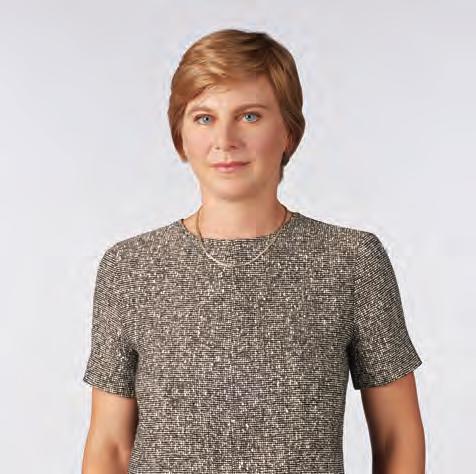
Keeping Brain Cells Healthy
Anne Schaefer, MD, PhD
Associate Professor, Neuroscience and Psychiatry
We’re born with the majority of the brain cells, or neurons, we’ll ever get. So keeping them healthy throughout our lives is important.
But neurons are fragile; they can be compromised by genetics, environmental toxins or proteins that accumulate as we get older. Such proteins can lead to age-related diseases such as dementia, Alzheimer’s or Huntington’s diseases.
Dr. Schaefer is working with her team to figure out how to make our vulnerable neurons stronger to ideally avoid or treat such conditions and increase longevity.
“We are looking for a mechanism to increase their robustness and longevity,” says Dr. Schaefer. “By making the neurons more resistant, they will be healthier and live longer.”
Such research, led by Dr. Schaefer and her team at the Schaefer Laboratory, is being used to help advance brain science. “We strive to uncover basic epigenetic mechanisms of neuroprotection that could lead to novel therapeutic approaches,” she says. “We have identified a transcriptional program that increases neuron longevity without compromising neuronal function. We are very excited to use this knowledge to develop novel therapeutic approaches for the treatment of neurodegenerative and psychiatry diseases.”
While her work is a precursor to preclinical/clinical trials, such foundational work will hopefully push the field forward. “The idea is that there are now drugs that can target these epigenetic mechanisms, and that these drugs might be used to switch neurons into a more protective state,” she says.
The Mechanisms Behind Habit Formation
Paul Kenny, PhD
Ward-Coleman Chair in Pharmacology and Experimental Therapeutics; Chair, Nash Family Department of Neuroscience
What makes smokers crave another cigarette? What are the mechanisms behind habit formation?
That’s what Paul Kenny, PhD, and his team in the Kenny Laboratory are trying to figure out. With work centered on the molecular neurobiology of drug addiction and obesity, as well as developing treatments for these issues, Dr. Kenny recently won the 2018 Daniel H. Efron Research Award from the American College of Neuropsychopharmacology for outstanding basic research contributions to the field.
He’s excited about the various projects his lab is currently working on. One paper currently being considered for publication found that in mice and rat studies, a specific gene known as TCF7L2 linked to type 2 diabetes, also plays a key role in nicotine addiction. “If you smoke for long enough, chances are you will become diabetic,” said Dr. Kenny. “Our new findings identify a gene in the brain that can control both the addictive properties of nicotine and also its diabetes-promoting actions.”
Another project examines how animals and people learn new actions, and how these actions eventually become habits. The team found that a group of neurons in a region of the brain called the striatum inhibits learning of new actions, but also promotes the expression of habits. The team found that these habit cells need to be inhibited before a new action can be learned. One way to think of this balance between new actions and old habits is learning to press the gas pedal on a car when learning to drive, and how that action eventually becomes a habit after many repetitions, so that people eventually can daydream while driving, “which is not safe, but it happens,” said Dr. Kenny. The habit cells that Dr. Kenny’s team has identified play a key role in both processes. This is important because the findings might illuminate how to help people with Parkinson’s disease, where “it’s

Improving Kidney Transplant Outcomes, Gene by Gene
Barbara Murphy, MD
Murray M. Rosenberg Professor of Medicine; Professor of Nephrology; Chair, Department of Medicine; Dean for Clinical Integration and Population Health
More than 17,000 people in the U.S. receive kidney transplants every year. Following transplantation, nearly all patients receive the same doses of immunosuppressant drugs to support the body’s acceptance of the new kidney and help prevent rejection. Yet genetics is showing that patients are not all the same.
Dr. Murphy and her team have identified several gene sets that play a role in kidney rejection, subclinical acute or chronic injury, where signs of injury appear in the tissue even before the patient begins to experience symptoms. Her aim is to understand who is at greatest risk so that immunosuppressant dosing can be more precisely tailored to patients’ needs. While immunosuppressants help prevent rejection, they also cause many side effects and create other risks as well, including heart disease, infection, cancer, and even further damage to the kidney.
Using a variety of profiling methods, including a novel RNA sequencing assay developed in her lab, followed by sophisticated computational analysis of the results, Dr. Murphy continues to explore the multiple genetic factors that may contribute to the risk of injury or rejection in transplanted kidneys. The next steps will be to test her genetic findings in larger cohorts of patients and, subsequently, to test if it is possible to predict the risk of rejection and improve immunosuppressant dosing based on patients’ genetic profiles. “If we can get the right amount of immunosuppressive drugs to the right patient at the right time, we can help both improve patients’ health and prolong their lives,” says Dr. Murphy.
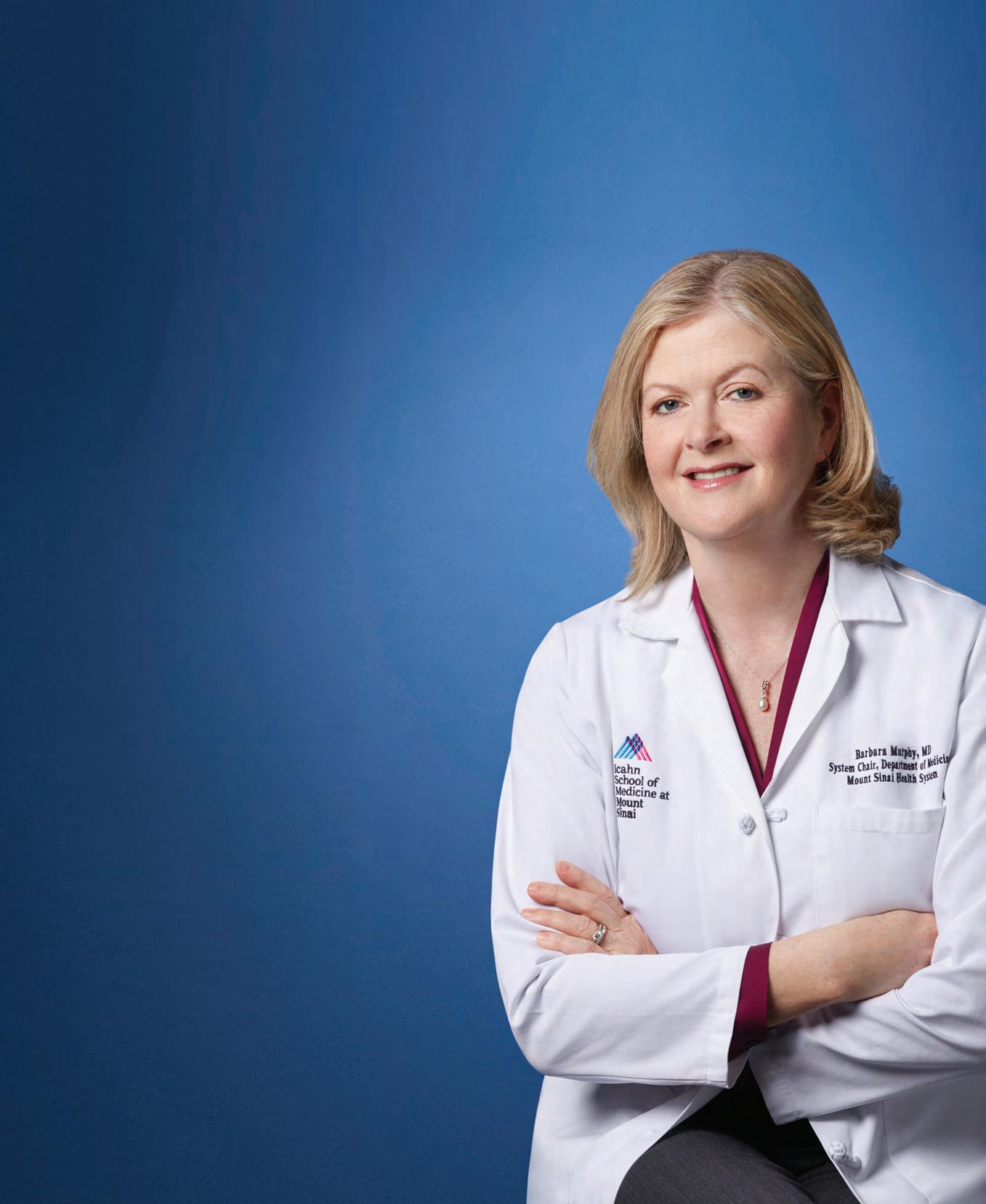
“Mount Sinai possesses the sophisticated capabilities in genomics and big data analytics that make it possible for me to accomplish my work and advance research that will ultimately change patients’ lives.”
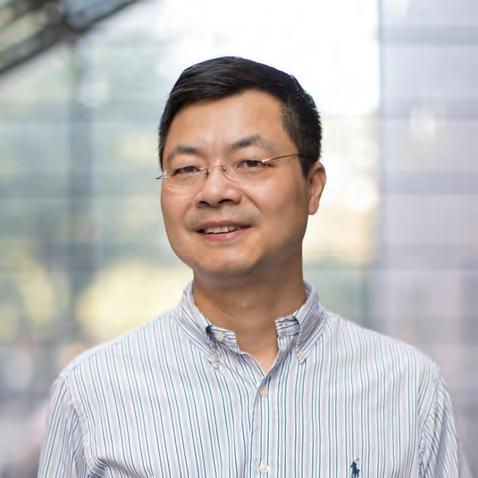
Rescuing Sight A New Technique for Eye Regeneration
Bo Chen, PhD
Associate Professor, Ophthalmology and Neuroscience; Director, Ocular Stem Cell Program
When a zebrafish loses its sight, a source of stem cells in the retina called Müller glial cells (MGs) replenishes the damaged neurons and restores vision—a remarkable ability. Because the MGs in mammals lack this capability, the damaged retina cannot repair itself. As a result, in patients with diseases where the retinal cells are destroyed, such as macular degeneration or retinitis pigmentosa, disease progression is often irreversible.
Scientists have long questioned how we could activate MG cells in the mammalian eye to prompt regeneration and rescue sight. Dr. Chen is on his way to developing just such a technique. He has, for the first time, found a way to coax the MG cells into action in mice who were blind from birth, restoring a degree of vision. Through a two-step process, Dr. Chen’s team converted dormant stem cells to active stem cells by injecting adeno-associated viruses to express a gene that turns on the protein beta-catenin. Weeks later, the mice were injected again to express additional genes enabling the stem cells to develop into new rod photoreceptors. Within six weeks of the cell reprogramming, the mice were able to sense light.
There is much yet to be done before moving from studies in mice to human studies. It will be necessary to regenerate other retinal cell types, cone photoreceptors for example, to fully restore sight. Still, Dr. Chen is optimistic about opportunities for using this strategy to reverse disease in the human eye. “If we’re successful, our work could transform the way we treat patients with retinal disease and possibly help us learn how to cure other types of eye disease, such as glaucoma, as well,” he says.
Helping Manage Type 1 Diabetes in Pregnancy
Carol J. Levy, MD
Director, Mount Sinai Diabetes Center; Associate Professor, Medicine and Obstetrics, Gynecology and Reproductive Science
Managing type 1 diabetes (T1D) is tough. Managing T1D during pregnancy is tougher.
Dr. Levy is trying to make things easier. As Director of the Mount Sinai Diabetes Center, she is a principal investigator for the first NIH clinical trial in the U.S., studying what’s known as an artificial pancreas system. With a specifically-designed algorithm, the device automatically directs a patient’s insulin pump to adjust insulin delivery based on results from a continuous glucose monitoring (CGM) device and reduces input from the patient, while targeting the glucose control recommended for a healthy baby.
While the automated technology currently exists for non-pregnant people with diabetes, the blood glucose targets are set higher than is recommended for pregnant women. “These systems do not adapt to changing insulin needs as pregnancy progresses,” says Dr. Levy. “A customized system will help reduce the patient effort required to control glucose levels. While pregnant women with T1D often use insulin pumps and CGMs, they spend a significant amount of time micromanaging insulin delivery.”
The first study, called Longitudinal Observation of Insulin Requirements and Sensor Use in Pregnancy (or LOIS-P, a nod to longtime diabetes and pregnancy researcher Dr. Lois Jovanovic, who died in 2018), will enroll 50 patients over three years from the Mayo Clinic, the Sansum Diabetes Research Institute, and Mount Sinai, with a team at Harvard analyzing the data.
“Automated insulin delivery has the potential to reduce patient burden and improve glucose control in pregnant patients with type 1 diabetes,” says Dr. Levy, who has had T1D for 48 years and has two teenagers. “We need a system that can help achieve the strict targets needed for a healthy fetal outcome without increasing the risk of hypoglycemia.”
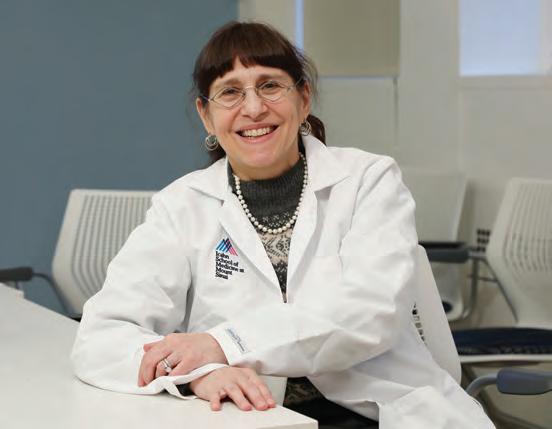
Bringing a Personalized Medicine Approach to Autism Treatment
Joseph Buxbaum, PhD
Director, Seaver Autism Center for Research and Treatment; G. Harold and Leila Y. Mathers Research Professor of Geriatrics and Adult Development; Professor, Psychiatry, Neuroscience, and Genetics and Genomic Sciences
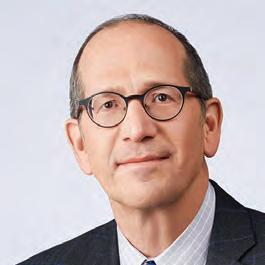
Alexander Kolevzon, MD
Clinical Director, Seaver Autism Center for Research and Treatment; Director, Child and Adolescent Psychiatry; Professor, Psychiatry and Pediatrics
When Dr. Buxbaum began his pioneering research in the genetics of autism 20 years ago, it was believed that just three to 10 genes were implicated in the disease. Today, thanks to his efforts and the work of the international Autism Sequencing Consortium he founded, we know that more than 500 genes are associated with autism spectrum disorders (ASD). “With the enormous advances in genetics in recent years, we can study the brain both in the lab and in patients in new ways,” says Dr. Buxbaum, “The ability to put all of the pieces together is going to change everything.”
Dr. Buxbaum and Seaver Center Clinical Director Dr. Kolevzon are at the forefront of this change with the creation of the Center’s new Drug Discovery and Development Program. The Center focuses on five of the top 15 genes believed to be the most common single-locus genetic cause of autism-related disorders—ADNP, DDX3X, FMR1, FOXP1, and SHANK3. “There are a number of effective behavioral interventions for patients with ASD, some of which we helped to develop at the Center. Yet for some of the most severely affected individuals with single-gene mutations, novel and targeted therapeutics may be especially beneficial,” says Dr. Kolevzon.
The Drug Discovery and Development Program is led by Ana Kostic, PhD, who brings a decade of experience in the pharmaceutical industry, leading efforts in precision medicine technologies, to Mount Sinai. “Without personalized medicine, we will not do a good job of treating autism,” says Dr. Kostic. The Program will advance the Center’s successful “genetics first” approach with innovative efforts focused around developing therapeutics with the potential to address specific gene mutations in patients. “Families are our partners in this work. We’re directly engaged with patients for every disorder we are studying in the lab,” says Dr. Kolevzon.
Breaking New Ground in Atherosclerosis
Jason Kovacic, MD, PhD
Director, Cardiovascular Translational Science; Assistant Professor, Medicine, Cardiology
Atherosclerosis is the most common form of cardiovascular disease and is the number one killer globally. It can cause heart attack, stroke, kidney failure, vascular disease of the legs, and a multitude of other deadly conditions. Both in the clinic and in his research, Dr. Kovacic has dedicated his career to fighting this disease.
Since coming to Mount Sinai 10 years ago, Dr. Kovacic has established multiple lines of inquiry to collectively understand this disease and to work toward novel therapies. He and his team have made many discoveries that include pioneering a new area of research that looks at the role of endothelial cells and the molecular pathways that control them in health and disease.
Endothelial cells form the inner lining of blood vessels. In groundbreaking research, Dr. Kovacic and his team have shown that these cells can switch to become a different type of cell in a process called Endothelial to Mesenchymal Transition (EndMT). When these cells switch roles, they participate in the formation of arterial blockages indicative of atherosclerosis.
“We already have gene therapies to block this process,” says Dr. Kovacic, “and we’re about to start our final studies in pig models, which will represent the first major study of this process in large animal models and an important step toward the clinic. Between this and other efforts like our major study on the role of stem cells in this process in human vessels, we are definitely breaking new ground toward our understanding of this disease, and for ultimately helping patients in need.”
Improving Interventional Cardiology Outcomes
Roxana Mehran, MD
Director, Interventional Cardiovascular Research and Clinical Trials;
Professor, Medicine, Cardiology
Tracking health care outcomes is the only way to improve them.
At the Center for Interventional Cardiovascular Research and Clinical Trials, Dr. Mehran oversees a prospective registry she built that enrolls all patients undergoing percutaneous coronary intervention (PCI) at Mount Sinai. The comprehensive database harmonizes data from both the Mount Sinai electronic health record system and the Samin K. Sharma Family Foundation Cardiac Catheterization Laboratory and includes over 300 data variables for more than 71,000 procedures, going back to 1999. This combined Cath PCI Database allows for the analysis of a great wealth of information from which researchers can gather novel insights into the outcomes of patients with cardiovascular disease.
Because the registry collects baseline characteristics along with procedural and follow-up data, Dr. Mehran and her team are able to conduct retrospective analyses and prospective studies around which treatments work best for an array of patient populations. Benefiting from Mount Sinai’s diverse patient base, many of Dr. Mehran’s studies have contributed meaningful scientific insights into the treatment of typically understudied patient populations, such as women and minorities.
“Through the Cath PCI Database we are able to conduct pinpointed analyses and advance our understanding of how to provide the best care to specific patient groups. Through this important quality improvement project we have made huge progress in the outcomes of our patients undergoing PCI, peripheral, and valve interventions,” said Dr. Mehran. “My long-term goal is to expand this model to other groups within Mount Sinai in order to drive quality and facilitate additional outcomes research across the entire health care system.”
Intervening Early Healthy Behaviors for Preschoolers
Valentín Fuster, MD, PhD
Director of Mount Sinai Heart and Physician-In-Chief, The Mount Sinai Hospital; Richard Gorlin, MD/Heart Research Foundation Professor of Cardiology
FAMILIA is a cluster-randomized trial developed by Dr. Fuster that has demonstrated that a school-based education intervention can be an effective strategy for instilling healthy behaviors among preschool children. The FAMILIA trial enrolled 600 families in Harlem, including 562 children ages three to five, over the past four years. It was intended to promote cardiovascular health among children while reducing their chances of developing risk factors for heart disease.
Funded by a $3.8 million grant from the American Health Association, FAMILIA is exploring how a child’s behavior, environment, and genetics may lead to heart disease, with the goal of reducing the risk of obesity, heart attack, stroke, and type 2 diabetes by creating a family-based “culture of health.” The children who received intervention learned lessons including how the heart works; how to select healthy foods; how to regulate their emotions; and how to stay physically active and encourage their families to be active, too.
After four months, researchers interviewed the preschoolers again and saw a significant change in their health activities and their understanding of the human body and heart. As part of the study’s long term plan, Dr. Fuster’s researchers will conduct follow-ups with the children after five and 10 years to assess the sustainability of the intervention effects.
“There is good data showing that part of our behavior as adults develops between ages three to five,” says Dr. Fuster. “If this age is so important, why wouldn’t we use this window of opportunity to teach children to make health a priority for the rest of their lives?”

MOVING SCIENCE INTO THE CLINIC
How Mount Sinai Drives Real-World Applications of Research Discoveries
BY DOUGLAS MCCORMICK
The long-anticipated combination of artificial intelligence and molecular biology is now producing personalized, precision treatments for patients at Mount Sinai, and Mount Sinai is more active than ever in helping to bring the benefits to patients worldwide.
Artificial intelligence (AI) and RNA sequencing at the Icahn Institute for Data Science and Genomic Technology at Mount Sinai have tested personalized treatments for multiple myeloma patients in a smallscale trial. Sema4, a health intelligence company spun out of Mount Sinai, uses AI-based algorithms to derive powerful insights that drive personalized clinical care solutions, most recently embarking on a study in collaboration with Mount Sinai to understand and predict risk factors for preeclampsia. In The Lillian and Henry M. Stratton-Hans Popper Department of Pathology, Molecular and Cell-Based Medicine at the Icahn School of Medicine, pathologists are training computers to read tissue slides and grade prostate tumor severity. At RenalytixAI, another company that utilizes Mount Sinai technology, artificial intelligence is being used to integrate blood-based biomarkers with features from a patient’s electronic
health record (EHR) to create highly predictive clinical in vitro diagnostics for chronic kidney disease and kidney transplant rejection. The first AI-IVD test, KidneyIntelX, received Breakthrough Device Designation from the FDA in May and is scheduled to become available at Mount Sinai in late 2019.
Mount Sinai has joined machine learning with advanced genomics, creating mechanisms to comb through terabytes of genomic sequences, clinical test data pathology slides, and clinical records to find new diagnostics and therapies, and then speed those patientcentered methods into the clinic.
BRINGING PATIENT-CENTERED MEDICINE TO MARKET
Mount Sinai Innovation Partners (MSIP) is the innovation and commercialization engine of the Mount Sinai Health System, advancing Mount Sinai discoveries to patients on a global scale. “Our group is
the product of a strategic decision by the institution to focus on commerciallyrelevant translational research that can bring breakthrough technologies, products, and services to everyday medical practice,” says Erik Lium, PhD, Executive Vice President, who has led MSIP since 2014.
“The historical notion of ‘tech transfer’ is outdated, and it’s not what we do,” says Dr. Lium. MSIP is part venture investor, underwriting development of commercially relevant intellectual property, and part commercialization coach, providing guidance to help advance early-stage concepts or discoveries and translating these into products and services that have a positive impact on health care. MSIP’s 40-person staff provide experience in business development, new ventures, intellectual property, contracts and licensing, alliance management, finance and operations, marketing, and administration, plus the insights of “executives in residence”

and other seasoned business advisors who can expand support for the development of translational assets into market-ready technologies.
In addition to counseling and mentoring, MSIP manages several mechanisms for financial support:
• 4D pilot funding of $25,000 -$40,000 to support specific experiments designed to generate early-stage proof-of-concept data for a program that could have commercial potential;
• Funding through the i3 Accelerator, a $10.5-million fund seeded by Mount Sinai, supports the development of commercially relevant intellectual property that will substantially de-risk a research program and positions it for commercialization; and
• In special cases, Mount Sinai may decide to make larger investments in programs exhibiting substantial commercial promise.
TEACHING COMPUTERS TO READ SLIDES
Among the newest of the medical AI projects emerging from Mount Sinai can be found in the Department of Pathology. Carlos Cordon-Cardo, MD, PhD, Irene Heinz Given and John LaPorte Given Professor and Chair of The Lillian and Henry M. StrattonHans Popper Department of Pathology, Molecular and Cell-Based Medicine, and System Chair, Department of Pathology, and his collaborators set out in the mid-1990s to develop innovative tools to mathematically define and quantitate normal and disease structures seen in histology sides. Thanks to
advances in molecular biology and computer science, success is near, he says.
“Disease could be defined as the altered molecular expression of the landscape. Applied to pathology, this landscape or topography embodies the multidimensional analysis of tissues and cells by innovative techniques that provide objective and quantitative data for distinct features in diseased tissues compared to the corresponding normal elements. The result is greater precision and specificity of disease diagnosis in individual patients and predictability of response to alternative treatments,” says Dr. Cordon-Cardo.
Reading tissue slides requires highly specialized image-analysis algorithms that can be trained by experts to reproduce—and improve on—the sort of pattern recognition that pathologists do every day. The team’s first module implements the Gleason Score, the five-point scale for assessing prostate cancer. Changes in cell size, gland variability, and tissue architectural distribution fall into patterns that, with training, can be recognized and categorized by an experienced examiner.
But people are prone to fatigue and inconsistent: the same pathologist can sometimes give the same slide different scores on different days. Machines can be faster, tireless, and more consistent.
Dr. Cordon-Cardo and his collaborators developed mathematical methods to analyze histology-slide images and recognize important features. Once the computer has been taught how to “see,” it can be trained by human experts, who review the system’s judgments and correct mistakes. After a
MSIP is part venture investor, underwriting development of commercially relevant intellectual property, and part commercialization coach, providing guidance to help advance early-stage concepts or discoveries.
myriad of iterations, with thousands of slides worth of training and re-training, the system can reach more than 90 percent accuracy. Pattern-recognition subroutines developed for one cancer can be modified and re-trained to work on new tumors, making the technologies a sort of Swiss Army knife for AI-driven pathology.
PATIENT INFORMATION PROVIDES ROADMAP
While Dr. Cordon-Cardo and his team look for patterns in visual images, those at Sema4 look for patterns in diverse data.
Eric Schadt, PhD, came to Mount Sinai in late 2011 as the Founding Director of the Icahn Institute for Genomics and Multiscale Biology and Professor and Chair of Genetics and Genomic Sciences. He arrived from Sage Bionetworks, the Seattle nonprofit he co-founded to focus on systems biology and data-driven research, and promptly founded Sema4 as an internal platform for sharing biological data and computing tools, driving medical discovery, developing diagnostics, modeling disease processes, and identifying treatment targets. In June 2017, Sema4 was spun off as a separate company, wholly owned by Mount Sinai with Dr. Schadt serving as the company’s CEO. Dr. Schadt concurrently serves as Dean for Precision Medicine and Mount Sinai Professor in Predictive Health and Computational Biology at the Icahn School of Medicine.
The company emphasizes multiscale biotechnology, drawing together information on patients’ genomes, proteomes, proteins in the blood or tissues; transcriptome, from RNA messages to the protein-making machinery; epigenome, chemical “bookmarks” on the DNA; and microbiome, the bacteria, fungi, and viruses that inhabit us all. Linking this information to EHRs pulls in valuable information from conventional diagnostic tests and physicians’ clinical observations.
The company’s network modeling capabilities are powered by Centrellis™, Sema4’s proprietary health intelligence platform. Centrellis also facilitates the delivery of novel test content and interpretations for state-of-the-art clinical testing, enabling more informed decision-making for physicians and patients. Sema4’s current products include inherited disease carrier screens for
prospective parents, non-invasive prenatal testing, home cheek-swab tests for childhood conditions and drug reactions, and solid-tumor sequencing panels that assess 161 gene variants that can affect prognosis and treatment. More are on the way.
A CLOSE AND PERSONAL LOOK
Inside the Icahn School of Medicine, the 500 staff of the Icahn Institute for Data Science and Genomic Technology also look for patterns in data, working on a broad range of projects in genomics, data analysis, oncology, immunology, cardiovascular medicine, and more. Their goal is to integrate machine intelligence, advanced biotechnology, and clinical expertise to discover and guide new kinds of personalized diagnostics and treatments.
Adam Margolin, PhD, who came to Mount Sinai in April 2018, is Director of the newly formed institute, Jean C. and
James W. Crystal Professor and Chair of the Department of Genetics and Genomic Sciences, and Senior Associate Dean for Precision Medicine. He arrived with a focus on artificial intelligence and genomics after working at Oregon Health & Science University and Sage Bionetworks in Seattle, and with the aim of increasing of the Department’s mathematical and data science capabilities.
The Icahn Institute’s largest current project, running in conjunction with Sema4, adds RNA sequencing to genomic DNA data to illuminate tumor cells’ idiosyncratic chemistry—and reveal targets for targeted chemotherapy. The approach is yielding results in treating multiple myeloma, an often-refractory malignancy of certain white blood cells. A recent small-scale trial applied machine learning techniques to select optimal treatment regimens for 30 patients; of these, 25 saw clinical benefits.
RenalytixAI
Transforming the Diagnosis and Management of Kidney Disease
Anew idea for improving kidney diagnostics germinated soon after Steven Coca, MD, Associate Professor, Department of Nephrology and Associate Chair for Clinical and Translational Research, and Girish Nadkarni, MD, Assistant Professor, Department of Nephrology and Clinical Director of the Charles Bronfman Institute for Personalized Medicine, met at Mount Sinai 2015. They shared an interest in kidney disorders, along with expertise in predictive blood and urine biomarkers, the untapped valuable information of EHR systems, and using machine learning algorithms to analyze large-scale, disparate datasets. They soon focused on chronic kidney disease (CKD) and the lack of innovation in identifying patients with accelerating kidney disease earlier, to break the march to end-stage renal failure and dialysis.
“In treating CKD,” Dr. Coca says, “you’re working on a timescale of months to years,” enough time for clinicians to apply AI-supported treatments in real time. “The clinical management and health economics of CKD were such significant problems that we felt the time was right to introduce advanced diagnostic technologies like machine learning to start to change the paradigm.” Says Dr. Nadkarni, “Today there are 30 million Americans with existing kidney disease and most don’t know they have it or are not identified as fast progressors. Over 50 percent of patients with fast-progressing disease end up crash-starting on dialysis in the ER never having seen a specialist. This is simply unacceptable.”
The pair researched machine learning algorithms that could combine predictive blood-proteins with key features in a patient’s EHR from some of the 44,000+ patients samples stored in Mount Sinai’s BioMe™ Biobank.
Also rewarding, says Dr. Margolin, is the chance to discover new biological markers that offer both novel diagnostic opportunities and new ways of thinking about therapeutics. For example, a new machine learning technique, kernelized Bayesian transfer learning (KBTL), “allows us to solve multiple problems simultaneously and find common mechanisms or factors that drive tumors across tumor types.” When, for example, KBTL looked for multiple mutation signatures of 123 different genes in 10 different kinds of tumors, it found errors in one gene, called Fbw7, that showed up in tumor after tumor. The mutations appear to disable the some of the cell’s usual energy production pathway, substituting new ones—and providing unique targets for disrupting the aberrant metabolism and killing cancerous cells in a variety of malignancies.

The results nearly doubled the positive predictive value for Rapid Kidney Function Decline, or RKFD, in patients with type 2 diabetes over the best standard-of-care diagnostics available today. During the research process, Dr. Nadkarni and Dr. Coca were introduced to diagnostic industry veteran James McCullough, who in turn was introduced to Mount Sinai Innovation Partners and Barbara Murphy, MD, Murray M. Rosenberg Professor of Medicine, Chair of the Department of Medicine for the Mount Sinai Health System, and Dean for Clinical Integration and Population Health.
Dr. Nadkarni came up with the name “RenalytixAI” and in November 2017, a company was born to translate Mount Sinai research into a commercial, quality-controlled development process for an artificial-intelligence enabled in vitro diagnostic, KidneyIntelX. Renalytix licensed this key technology from Mount Sinai in June 2018 and completed a public offering on the London Stock Exchange in October 2018, raising $29 million in equity.
Development has been rapid and the FDA is now in the process of evaluating KidneyIntelX and its ability to identify RKFD as a primary end-point under Breakthrough Device Designation.
RenalytixAI’s next innovation, consisting of a portfolio of advanced diagnostic and prognostic solutions in kidney transplant, grew out of work by Dr. Murphy. A leader in kidney transplant immunology, she applies a systems biology approach to improve matches between transplant recipients and donated organs, guide immunosuppression treatment, and predict postoperative complications. She and colleagues have identified multiple gene profiles that outperform conventional methods for predicting transplant rejection and long-term transplant survival.
“Individual transplant recipients inherently respond differently toward a transplanted organ, yet we treat most patients in a similar manner,” Dr. Murphy notes. With detailed RNA analysis, she says, transplant physicians can potentially stratify patients at baseline and monitor them post-transplantation, alerting the transplant team to the risk for an underlying acute rejection that may benefit from a change in the immunosuppressive drugs regimen.
CHANGING THE PARADIGM
How a Bold, New Approach Transformed Ketamine Research
BY ALEXANDER MORRISON
In the weeks last spring following the FDA’s approval of ketamine as a treatment for patients suffering from treatment-resistant depression, or TRD, co-inventor Dennis S. Charney, MD, Anne and Joel Ehrenkranz Dean of the Icahn School of Medicine at Mount Sinai, retraced the pivotal moments in his career that helped produce this transformative discovery.
“It’s like a history of science,” Dr. Charney says, indicating the scientific papers stacked throughout his office, some rising like towers above his desk or arranged by date across a conference table. These papers, many of which were published over two decades ago, signify the turning points in the path that led to the ketamine breakthrough, which is being called the field’s most important advancement of the last half century. The FDA’s approval last February marks the first new type of psychiatric drug—for any condition—to be brought to market in more than three decades.
The treatment known as esketamine, which is a patented part of the drug application for SPRAVATO, a product of the Janssen Pharmaceutical Companies of Johnson & Johnson, is delivered in the form of a nasal spray and works differently and more efficiently than the classes of antidepressants presently on the market. Since the 1950s, when antidepressants were first developed, the vast majority of drugs have been those designed to target the brain’s monoamine system, which includes the neurotransmitters dopamine, epinephrine, and serotonin. The most prevalent of these drugs, selective serotonin reuptake inhibitors, or SSRIs, can take weeks or even months to have an effect on patients.
Ketamine, on the other hand, gets to work almost immediately, acting not on the monoamine system, but rather on the glutamate system, specifically the N-methylD-aspartate (NMDA) receptor. It brings rapid relief to patients suffering from TRD, a subset of major depressive disorder that
occurs in patients who have not responded to two distinct forms of antidepressants.
According to the World Health Organization, depression is the leading cause of disability worldwide, affecting more than 60 million individuals in the United States alone, a third of whom suffer from TRD. TRD remains a critical and unmet health need that places a significant emotional and economic burden on both patients and their loved ones. With the advent of ketamine, there is new hope for the millions of people living with this disorder who for too long have only had access to the same forms of treatment.
Yet the road to this groundbreaking discovery was not always clear. At every turn it was made possible by small groups of scientists determined to push the envelope.
THE POWER OF SMALL GROUPS TO INNOVATE
In 2000, Dr. Charney and a small team of researchers at the Yale School of Medicine, including John Krystal, MD, Yale’s Chief of Psychiatry and co-inventor of esketamine, published their landmark study in Biological Psychiatry. The results of the paper, “Antidepressant Effects of Ketamine in Depressed Patients,” were remarkable: a single dose of ketamine, administered intravenously, provided a robust and rapid decrease in patients’ depressive symptoms. This was such an extreme departure from the SSRI-centric school of thought that few in the field of neuropsychiatry took these findings seriously—until they were replicated six years later again by Dr. Charney and his team at the National Institutes of Health (NIH).
Today, that initial paper been cited over 2,000 times, while esketamine is poised to forever change the paradigm for patients suffering from TRD.
When looking back on each stage of the ketamine discovery, from Yale to NIH and now to the many clinical trials that have occurred or on ongoing at Mount Sinai, Dr. Charney credits the collaborative and intrepid nature of small groups of investigators willing to pursue daring science.
“We had a small group of people who liked working together, were brave, and had a strong ethic and desire to improve the lives of our patients,” Dr. Charney says of his team at Yale.
“There was a boldness to trying something new that other scientists hadn’t tried before. There is a certain chemistry that happens in a small group, where that boldness is allowed to flourish.”
A paper published earlier this year in Nature suggests that this boldness, the capacity to generate truly innovative science, is an important characteristic of small-group research. The study found that although large groups are still essential drivers of progress, well-suited to confirm or consolidate novel findings, the smaller a research team is, the more likely it is to generate those novel findings.
Dr. Charney agrees, pointing out that the research environment in a small group is more likely to be “psychologically safe, where it’s okay to throw out unorthodox ideas.”
An unorthodox idea is exactly what Dr. Charney and his team suggested in 1996, four years before their pivotal ketamine study, after a series of experiments on the monoamine system yielded no major mood changes in depressed patients.
“We spent years trying to push the monoamine hypothesis, trying to develop better treatments to enhance patient response, or to make the response faster. The monoamines are clearly involved because those treatments do work, but they don’t work right away. Finally, we said maybe there are other systems at play.”
In his team’s 1996 paper, “The Revised Monoamine Theory of
Depression,” published in the journal Pharmacopsychiatry, Dr. Charney first hypothesized that the monoamines may interact with additional neurobiological mechanisms relevant to depression.
The paper goes even further, identifying the glutamate system as one of the important “other” systems and specifying that the NMDA receptor may be involved in the final common pathway of most antidepressants. At the time, this was a crucial revelation, and it led to Dr. Charney and his team testing drugs that acted directly on NMDA receptors, such as ketamine.
“We came to somewhat of a dead end with our monoamine studies, and at the same time we hypothesized that glutamate must be involved, John [Krystal] was studying the effects of ketamine on other neuropsychiatric disorders, like schizophrenia. We were a small team working in parallel, so the decision to try ketamine for depression was a direct result of close collaboration.”
It is this bold and collaborative approach to science that Dr. Charney continues to encourage throughout the entire Mount Sinai Health System.
“What I look for in our research faculty is the kind of creative intelligence that can spur new knowledge. That is the Mount Sinai phenotype—motivated, collaborative, and not afraid to push the envelope,” he says.
“I tell our faculty all the time. It is not enough to get grants and publish papers in top journals. At the end of your career, you want to be able to say that you made transformative discoveries that ultimately changed the lives of patients.”
Conflicts of Interest Disclosure: Dr. Charney is named as co-inventor on patents filed by the Icahn School of Medicine at Mount Sinai (ISMMS) relating to the treatment for treatmentresistant depression, suicidal ideation and other disorders. ISMMS has entered into a licensing agreement with Janssen Pharmaceuticals, Inc. and it has and will receive payments from Janssen under the license agreement related to these patents for the treatment of treatment-resistant depression and suicidal ideation under this agreement. Consistent with the ISMMS Faculty Handbook, Dr. Charney is entitled to a portion of the payments received by the ISMMS. Since SPRAVATO has received regulatory approval for treatment-resistant depression, ISMMS and thus, through the ISMMS, Dr. Charney, will be entitled to additional payments, beyond those already received, under the license agreement.

1995
Dr. Dennis Charney and colleagues receive the Anna Monika Prize for their new approach to monoamine theory for treating depression
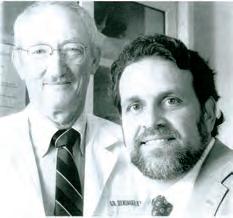
1996
“The Revised Monoamine Theory of Depression” is published in Pharmacopsychiatry
2000
Landmark study on ketamine and its antidepressant effects is published in Biological Psychiatry
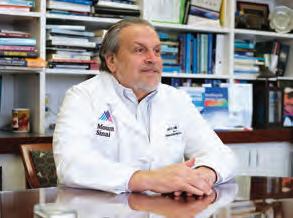
2019
The U.S. Food and Drug Administration approves esketamine for patients with treatment-resistant depression
Creating a Climate for Change
The Icahn School of Medicine Addresses Racism and Bias
Addressing and eradicating racism and bias that is as old as humankind isn’t an easy task.
But the Racism and Bias Initiative at the School of Medicine, launched in 2015, has taken on this aspirational goal.
“The Racism and Bias Initiative (RBI) is very much focused on transformational change,” says Joseph M. Truglio, MD, MPH, Assistant Professor, Medicine, Pediatrics, and Medical Education and Program Director, Internal Medicine and Pediatrics Residency Program at the Icahn School of Medicine. “It’s a paradigm shift from most people’s traditional approaches to solving a problem.” Historically, when an institution wanted to address racism and bias it would respond to individual events and address those events, sometimes with a bit of background, but never with a deeper understanding for the underlying forces driving those events.
Instead, with the kind of transformational thinking underlying the RBI, participants look at the root causes of racism and bias over time in an effort to recognize patterns that stem from institutional culture and shared mental model. “There is a deep-seated culture about the way things are and how things work, and we are trying to get at the deepest level of culture change,” says Dr. Truglio. “How does the actual organization change? The principle is that organizations don’t change, the people within them do.”
MAKING CHANGE HAPPEN
Within RBI there are areas of focus known as spheres, says Dr. Truglio, a leader in the curricular affairs sphere. These six spheres are admissions, the clinical environment, curricular affairs, student affairs, student resources, and the students themselves. About 30 members of the Mount Sinai community, including faculty, physicians, staff, and students, work collaboratively on the RBI Guiding Coalition, which consists of the co-leaders of all six spheres.
ChangeNow: Creating A Climate for Change is the Icahn School of Medicine ideology and website that address issues related to racism and bias, as well as wellness and accreditation. The goal is to change not just the way things are done, but how people think, act, teach, and support everyone affiliated with the School of Medicine and The Mount Sinai Hospital.
ChangeNow conversations and programming began in response to students saying they wanted more information about major initiatives in the school and citing a lack of transparency, says Ann-Gel S. Palermo, DrPH, MPH, Chief Program Officer of the Office for Diversity and Inclusion, Associate Dean for Diversity and Inclusion in Biomedical Education, and Associate Professor, Medical Education. “ChangeNow is intended to be a communication portal to provide updates on effort, projects, and activities, and to provide access to other related resources.”
PROGRESS THAT CAN BE MEASURED
The RBI has already begun to achieve important goals. These include changes in the curriculum that address the history of racism in American medicine and contextualize the way race is used in research and clinical practice; increasing equity in the way students are evaluated; a more holistic approach to assessing students’ needs for resources such as financial aid; training admissions interviewers to be more aware of impostor syndrome, unearned privilege, and structural racism; and enhancing awareness of mechanisms to report racism and bias in the clinical environment.
Students have seen changes as well. Giselle Lynch, MD, ISMMS ’19, notes that the Patricia S. Levinson Center for Multicultural and Community Affairs, established more than 20 years ago by the Department of Medical Education, has become a driving force in contributing to a more hospitable environment for underrepresented students and has helped implement changes in grading policies and sweeping changes in financial aid. “Now, there’s more know-how in the ways policies and procedures happen in medical education,” she says.
Dr. Lynch, currently doing an internal medicine preliminary year of residency training at Morristown Medical Center in New Jersey, first entered the School of Medicine in 2015. While there, she was actively involved in the Anti-Racism Coalition, a group of student

organizations that came together to work on policies related to students and faculty in the medical school and the hospital at large who are under-represented in medicine. “This group was the engine pushing for a lot of different policy changes that ultimately helped create RBI and ChangeNow,” she says.
PUSHING FORWARD
The work of RBI will continue to evolve.
“At a foundational level, we know from science and social science that everyone has biases, and they are unavoidable unless we approach everything in a mindful way,” said David Muller, MD, Dean for Medical Education and the Marietta and Charles C. Morchand Chair in Medical Education. “There has been no shortage of people who have been discriminated against, both at unconscious and systemic levels. To ignore it is to neglect our duty as physicians, scientists, and educators.”
ChangeNow’s timeline of RBI programming and goal-setting illustrates how much progress has already been made, and what needs to happen in the future. The RBI spheres also indicate how much of each goal has been met, and what areas are being worked on to fulfill future objectives.
For example, the admissions sphere reached its goal of building awareness about conducting admissions through a lens of equity and is working toward its goal of developing and scheduling targeted training models. In student affairs, faculty advisors are being trained to actively address racism, promote equity, and improve trust among students and between students and the school leadership. Pie charts for each sphere indicate how much progress has been made in areas such as building awareness and developing community.
“Over the past four or five years, we have had fundamental change,” says Dr. Truglio. “We have changed the way we teach the approach to social determinants of health, for example. The curricular team has done very specific things such as review every lecture slide before it goes up. I think if you take a student from five years ago and take a look at the curriculum, you will see a change for the better.”
And that change, while great, will continue on in a thoughtful and effective way, others say.
“The problems we are talking about are so rooted in who we are as human beings and in our society, that this will require a lifetime of effort,” says Dr. Muller. “We are never letting up on our anti-racist approach to everything we do and say. We don’t ever intend to stop.” – Cheryl Alkon
INCREASING THE DIVERSITY OF POSTDOCTORAL STUDENTS
The Meharry-Mount Sinai Research Scholars Program, an innovative partnership with the Graduate School of Biomedical Sciences at the Icahn School of Medicine and the Meharry Medical College in Nashville, Tennessee, one of the nation’s oldest historically black colleges and universities, launched this summer with a first group of postdoctoral Meharry students arriving at Mount Sinai for eight weeks of research.
The program, the first of its kind and established in 2018, brings diversity to Mount Sinai while exposing the Meharry scientists to top technologies, laboratories, and New York City while focusing on cancer biology, neuroscience, microbiology, or immunology. “What we are trying to do is make the students at Meharry, who are thinking about their next step, aware of what the possibilities are,” says Matthew O’Connell, PhD, Senior Associate Dean for Curriculum, Recruitment and Admissions.
Diversity has long been a part of Mount Sinai’s DNA, Dr. O’Connell says, and it is an integral part of the Graduate School’s education and research mission.
“ We have to bring on the next generation of doctors and scientists with an eye not only towards increasing diversity in the workforce, but also reflecting the diversity of the community we serve,” especially when considering “what are the healthcare issues of the people we see today, tomorrow, and ten years from now,” he says.
“ We have to bring on the next generation of doctors and scientists with an eye not only towards increasing diversity in the workforce, but also reflecting the diversity of the community we serve.”
– Matthew J. O’Connell, PhD
The initiative is unique because post-doctoral programs typically recruit at the laboratory level, not through the admissions office, according to Dr. O’Connell. If a post-doc wanted to continue training in a specialized area of research, that student would approach the laboratory directly. The Meharry-Mount Sinai program instead hopes to create a strong connection between the two graduate schools as Mount Sinai faculty go to Meharry in addition to Meharry students coming to Mount Sinai. “It’s also a way to experience a different physical environment and to extend peer networks,” says Dr. O’Connell. “It’s a win-win for both schools.”
“ My hope for the program is to increase the visibility and name recognition of Mount Sinai among minorityserving colleges and universities.”
– Ann-Gel S. Palermo, DrPH, MPH
Dr. O’Connell works with Ann-Gel S. Palermo, DrPH, MPH, Chief Program Officer of the Office for Diversity and Inclusion, Associate Dean for Diversity and Inclusion in Biomedical Education, and Associate Professor, Medical Education to run the new partnership, along with Letha Woods, PhD, Assistant Professor and Director of Meharry’s RISE Office for Professional Development.
“My hope for the program is to increase the visibility and name recognition of Mount Sinai among minority-serving colleges and universities, so that we are known as an amazing place to train and learn science and medicine, and so trainees can see themselves developing a longterm career path at Mount Sinai that will lead to success, growth, and leadership in the field,” says Dr. Palermo. – Cheryl Alkon
Working in the Margins
Jonathan Giftos, MD, ISMMS ’12
For Jonathan Giftos, MD, a medical school leave helped him identify his passion: serving the poor.
After graduating from Boston College in 2003, Dr. Giftos enrolled at Loyola University’s medical school. Despite studying hard and meeting great friends, he wasn’t fulfilled. By the time of his white coat ceremony in October that year, after hearing a speech about the importance of reading the footnotes in medical school textbooks, Dr. Giftos knew he had to leave. “I was far more interested in working in the margins than I was in reading in them,” he wrote years later in his application to the Icahn School of Medicine at Mount Sinai.
Dr. Giftos moved to Honduras, where he taught first grade, and later worked as an immigration advocate while living in Camden, New Jersey. “The community was heavily affected by the war on drugs, by the criminalization of poverty and addiction,” he says.
Ultimately, he decided to return to medical school to pursue a career in championing marginalized communities both in clinical care and advocacy, winning both admission and a large scholarship to attend Mount Sinai. Later, as an intern at Montefiore Medical Center, Dr. Giftos worked in a South Bronx neighborhood with the highest incarceration rates in the city.
Today, Dr. Giftos is the Clinical Director of Substance Use Treatment for the NYC Health & Hospitals/Division of Correctional Health Services at Rikers Island, a position he has held since August 2016. He oversees the nation’s oldest and largest jail-based opioid treatment program, providing methadone and buprenorprine to incarcerated patients with opioid-use disorder.
“Access to these medications in correctional settings has been associated with substantial reductions in postrelease mortality, and we have been able to substantially expand the program in the middle of the opioid overdose crisis,” says Dr. Giftos.
“It ’s critical that doctors recognize they hold tremendous power to speak up and advocate for policies that affect our most vulnerable communities,” he says. “I’m very grateful for my training and mentors at Mount Sinai, and I remain close with many of them.” To give back, Dr. Giftos and his colleagues host current medical students for a correctional health elective at Rikers Island. “It’s a nice way to cultivate interest in this work,” he says.
– Cheryl Alkon
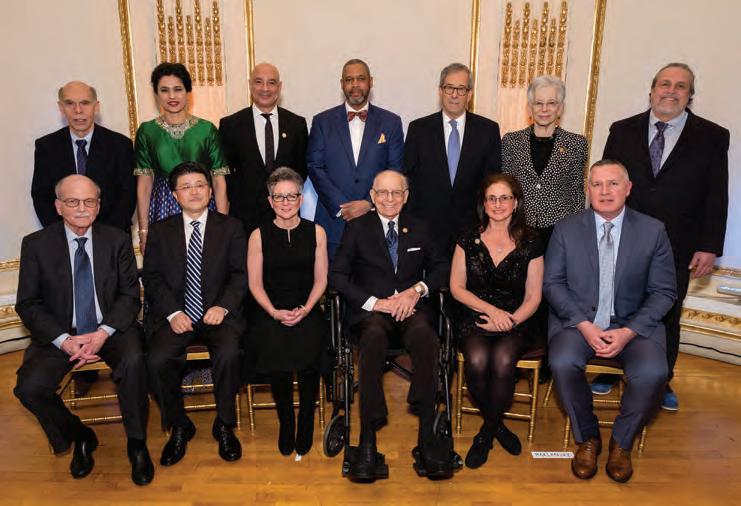

Jacobi Medallion Awards Ceremony
WHEN: March 14, 2019
WHERE: The Plaza Hotel, NYC
WHO: 1. Front row, left to right: Recipients Steven J. Burakoff, MD; Ming-Ming Zhou, PhD; Amy J. Goldberg, MD; Daniel Maklansky, MD; Nina A. Bickell, MD, MPH; David C. Thomas, MD. Top row, left to right: Mount Sinai President and CEO Kenneth L. Davis, MD; recipients Annapoorna S. Kini, MD; Zahi A. Fayad, PhD; and Reginald W. Miller, DVM; Mount Sinai Alumni Association President Burton A. Cohen, MD; Jacobi Medallion Selection Committee Chair Sandra K. Masur, PhD; Dean Dennis S. Charney, MD 2. Recipient Annapoorna S. Kini, MD 3. Recipients Ming-Ming Zhou, PhD and Steven J. Burakoff, MD 4. Recipients and guests 5. Recipient Amy J. Goldberg, MD
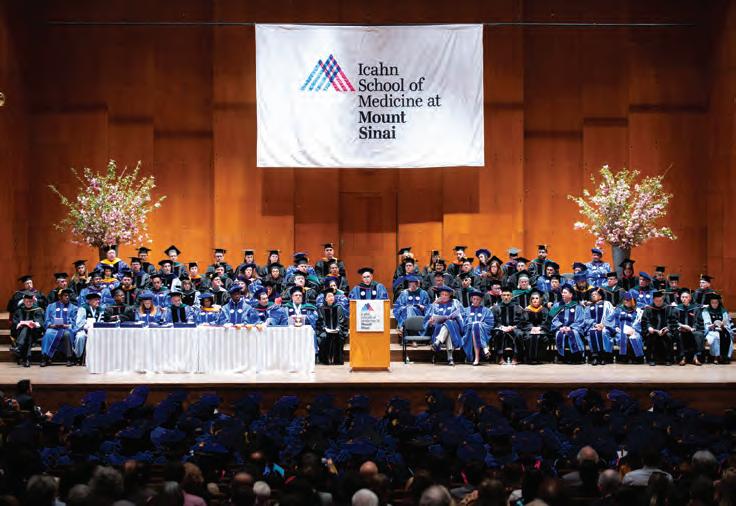
Commencement 2019
WHEN: May 9, 2019
WHERE: David Geffen Hall, Lincoln Center, NYC
WHO: 1. Dr. Kenneth L. Davis, Mount Sinai President and CEO, addresses MD, PhD, and dual degree candidates 2. President and CEO Kenneth L. Davis, MD 3. Degree candidates 4. Yasmin Hurd, PhD, Ward-Coleman Chair in Translational Neuroscience and Director, Addiction Institute at Mount Sinai; honorary degree recipient Curtis Martin, NFL Hall of Fame; Dean Dennis S. Charney, MD 5. Richard A. Friedman, Co-Chairman, Mount Sinai Boards of Trustees 6. Commencement speaker Scott Gottlieb, MD, MSSM ’99, former Commissioner, U.S. Food and Drug Administration (Photos by Camera One/NYCPhoto.com)
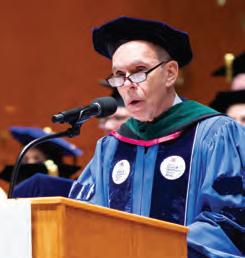
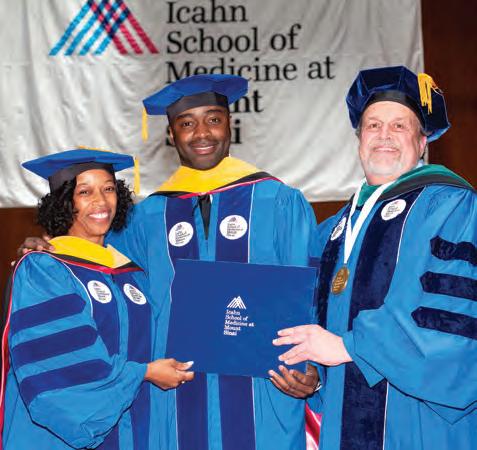
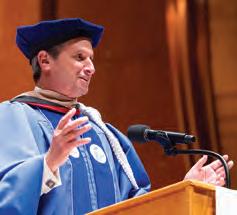
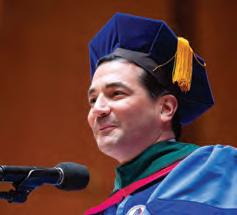
ALUMNI PROFILE
Growing the Next Generation of Physicians
Celia Divino, MD, FACS, MSH ’97
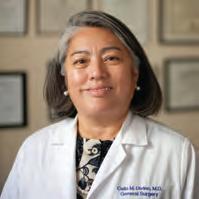
Whether her hands are caked with soil as she tends to her 15th-floor office’s window-box petunias, or she’s wielding surgical instruments while resecting neuroendocrine tumors, or training residents and staff how to be better at what they do, growth and creation are an integral part of who Dr. Celia Divino is and what she likes to do.
Dr. Divino, Chief of the Division of General Surgery at Mount Sinai Hospital, has spent her career helping grow future generations of physicians as a leader in the classroom, as an expert in the surgical management of neuroendocrine diseases, and an executive overseeing surgical quality for both the Department of Surgery and the Mount Sinai Health System.
“I have the privilege to be able to have a perfect combination of the things I do,” says Dr. Divino. “I teach, and I’m able to make an impact and create a legacy by showing trainees and students how to take care of patients. I’m able to make contributions to the literature about how care can be improved, and I oversee and have the ability to improve quality for the entire department and the hospital.”
Recognized in 2017 with the Jacobi Medallion, Mount Sinai’s highest award for its alumni, Dr. Divino holds both teaching and administrative leadership roles. She is the Stanley Edelman MD Professor of Surgery, Chief of the Division of General Surgery in the Department of Surgery, Vice-Chair for Education and Quality, and Program Director of the General Surgery Residency Training Program at the Icahn School of Medicine at Mount Sinai.
Throughout, the institution has played an integral role in Dr. Divino’s career. “I trained here and the institution gives you the opportunities, the access to people and resources,” she says. “You have to work for it, but it is truly a supportive environment.”
Her latest venture is developing a surgical simulation center, along with Michael L. Marin, MD, Jacobson Professor of Surgery; System Chair, Department of Surgery; and Surgeon-in-Chief, Mount Sinai Health System. The center will develop programs for surgeons, residents, and students to learn surgical techniques through simulation technology. “I do a lot of health information-based research on large populations and look at the factors that can affect prognoses in patients,” says Dr. Divino. “We are maximizing the technology we have to challenge and push forward the frontiers of science and medicine,” she says.
– Cheryl Alkon
Translating Research to Cancer Drug Trials
Alexandra Snyder, MSSM
’09,
MSH
’11
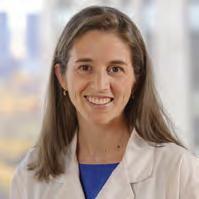
Alex Snyder, MD, is living what she calls the translational scientist’s dream.
As the Head of Translational Oncology at Merck & Co. since 2018, Dr. Snyder and her group oversee the science of the pharmaceutical company’s cancer clinical trials to determine why certain drugs work in certain patients with cancer and why others don’t. She is also investigating how more patients can benefit from combining rational science-based medicine.
Before Merck, she worked in a similar role for six years at Memorial Sloan Kettering Cancer Center in New York. While there, she took care of patients primarily with ovarian cancer and also ran a lab to see why some patients responded to therapies and why others did not.
Dr. Snyder’s research suggested that patients with tumors with many mutations seemed to be the ones who benefit more from immunotherapies that can render cancer a chronic illness rather than a death sentence. Her work was published in Science and The New England Journal of Medicine. As the first author of the article in the latter, “in the field, I became known overnight,” she says.
Merck then offered her the opportunity to do similar work on a larger scale. “In an academic center, there are small sample sizes, but pharma has large data sets that can confirm findings and add nuance,” she notes.
Dr. Snyder has also been keenly aware of sexism in the science field, especially as she gained notice for her work, though she did not feel the prevalence of sexism while working in academia, nor in her current role.
She also credits the Icahn School of Medicine as being supportive of her work and goals. “The institution has incredible depth and breadth, and the training is exceptional. The level of intensity isn’t found in too many places,” she says.
Dr. Snyder encourages women interested in science to not be discouraged by the existing system, in which she said sexism is “deeply entrenched.”
“ Women trainees should really reach out, even to women they don’t know, because there is a mutuallysupportive minority,” she says. “I’m an enthusiastic member of that network.”
– Cheryl Alkon
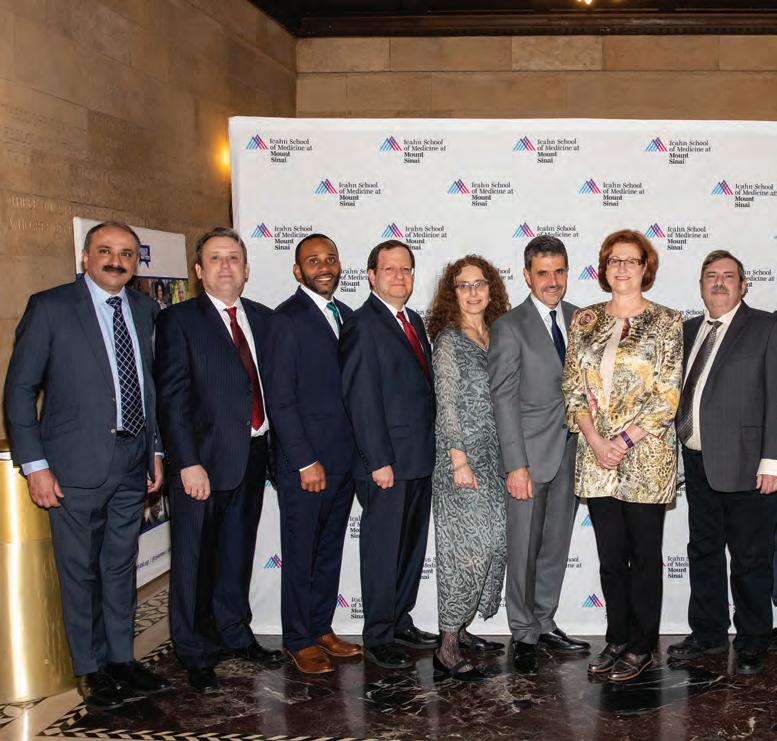
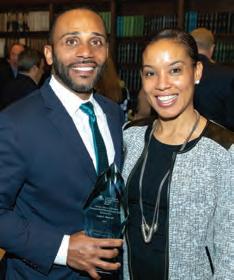
2019 Alumni Reunion and Awards Ceremony
WHEN: May 16, 2019
WHERE: New York Academy of Medicine, NYC
WHO: 1. 2019 Alumni Awards recipients Mone Zaidi, MD, PhD; Matthew J. O’Connell, PhD; Justin E. Bird, MD, MSSM ’04, MSH ’09; Richard Stern, MD, MSH ’03; Anna Wald, MD, MPH, MSSM ’85; Keith Benkov, MD, MSSM ’79, MSH ’84; Wendy S. Rubinstein, MD, PhD, MSSM ’89; Joseph Lieber, MD, MSH ’88; Robert C. Della Rocca, MD, MSH ’73; Patricia Bloom, MD, MSSM ’75; Karim El Hachem, MD, MSH ’14; Theodore R. Pak, PhD, MS4, ISMMS ’17 2. Award recipient Justin E. Bird, MD, MSSM ’04, MSH ’09 and Terri-Ann Bird 3. Harriette Benkov 4. Shauna K. Patterson, MD 5. Award recipient Wendy S. Rubinstein, MD, PhD, MSSM ’89 6. Benjamin Asriel, ISMMS ’20 7. Lloyd Stanford 8. Award recipient Robert C. Della Rocca, MD, MSH ’73 9. Chierika Ukogu, ISMMS ’20 10. Michael Santini; St. Luke’s-Roosevelt Alumni Association Executive Board Member Norma Braun, MD; award recipient Karim El Hachem, MD, MSH ’14
(Photos by Simon Luethi/Longview Photography)
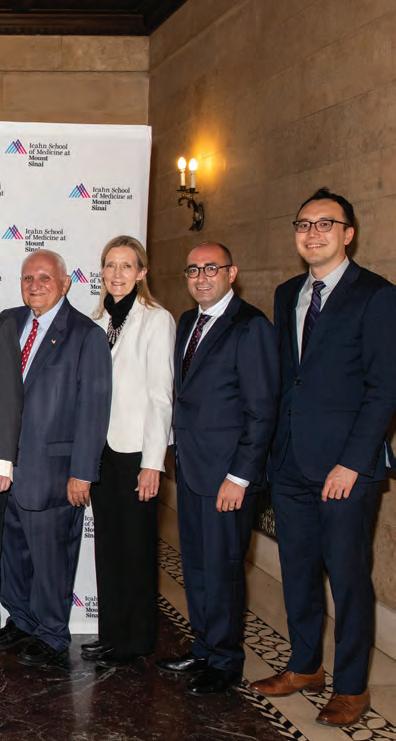
Helping Teenagers With HIV
Anne Neilan, MD, MPH, MSSM ’07
The patient was a teenager juggling a complex regimen of medications, living with HIV, and managing a pregnancy, recalls Anne Neilan, MD, MPH, a pediatrician and adult infectious disease physician at Massachusetts General Hospital in Boston and an Instructor of Medicine at Harvard Medical School.
“It turned out the pharmacy hadn’t filled one of her medications because a particular formulation was not available. Because our systems can be very disjointed, that information wasn’t fed back to the prescriber,” she says. With a multidisciplinary team, the patient got the medication and support she needed and her health improved.
A physician trained in pediatric medicine and adult infectious diseases, Dr. Neilan focuses on caring for adolescents and young adults with HIV and at risk of HIV, populations with very different needs than those of children and older adults.
“It ’s a rich area: how can we best provide care for this group?” she says. Doing so, she uses computer simulation modeling methods to examine a range of research questions from how adolescents with HIV can better adhere to medication to how frequently adolescents should be screened for HIV. “Adolescents are in a unique stage of development. In addition to dramatic neurobiological changes, they are facing formative experiences, from first intimate relationships to first employment opportunities. In many ways, risk-taking is normative,” she says. “Overlay that with HIV, and you can imagine how challenging this period may be.”
Dr. Neilan credits her interest in how public health issues can affect both adults and children, and how research methods can inform health policy questions, to her Mount Sinai mentors David Muller, MD, Dean for Medical Education and the Marietta and Charles C. Morchand Chair in Medical Education, and Philip Landrigan, MD, former Dean for Global Health and Professor, Environmental Medicine and Public Health. They encouraged her to expand on her interests, pursuing a master’s thesis on organ transplantation, and taking a year to research tuberculosis in Peru. “They were critical in supporting me to explore my passions in medicine,” she says.
– Cheryl Alkon
GIVING
PETER MAY
A LIFE AND LEGACY OF PHILANTHROPY
BY DEBORAH SCHUPACK
As a young father starting to build a career, Peter May often worked late into the night. But he would always come home for dinner.
“Early on, I said to him, ‘You may not not have dinner with us,’” says his wife of 55 years, Leni May. “And he absolutely did, even if he went back to the office afterwards. He was a very present father. He was always working, always busy, but he was always present with us. At the end of the day, I felt the family had to come together. The anchor for all of us was the home.”
Peter May has also brought that deep engagement to his considerable philanthropic work, always coming to the table for the many consequential ventures he has led over the years. “I have a very strong philosophy that if you’re successful and have the opportunity to be philanthropic, it’s important to contribute financially,” says Mr. May, who recently stepped down as the Chairman of the Boards of Trustees of the Mount Sinai Health System after 17 years. “But it’s even more difficult—and more meaningful—to roll up your sleeves and get involved, to use your skills to help an organization. That’s been a philosophy that goes back to my parents. It’s what I call ‘engaged philanthropy.’”
It was his committed engagement that helped steer Mount Sinai’s transformation over the last two decades from two hospitals and a medical school mired in financial crisis into one of the leading health systems in the world. Early in his chairmanship, Mount Sinai was reeling from a failed merger attempt with New York University in the late 1990s, and consultants suggested a course of drastic cost-cutting. But Mr. May, in close collaboration with Kenneth L. Davis, MD, President and Chief Executive Officer of the Mount Sinai Health System, decided to follow a different course.
“My experience has always been that you don’t cut your way out of a problem, but that you build your way out of a problem,” says Mr. May, who, as President and Founding Partner of Trian Partners has had considerable success turning around undervalued and under-performing companies. He and his partners worked closely with the management of those companies to enhance shareholder value through a combination of strategic redirection, improved operational execution, more efficient capital allocation, and stronger focus.
Rather than cutting, he says, “You seize opportunity.” At Mount Sinai, following an
extensive analysis by Mr. May and several members of the Boards, as well as Dr. Davis and his management team, the leadership created a road map forward that stabilized the institution and created a foundation for future successes.
“He was always there, always supportive—and that included some very difficult times,” notes Dr. Davis, who has led Mount Sinai’s transformation alongside Mr. May. “Under Peter’s chairmanship, Mount Sinai grew multifold. We grew in size and stature more and faster than we ever had in the 160-year history of our institution.”
Dennis S. Charney, MD, Anne and Joel Ehrenkranz Dean at Icahn School of Medicine at Mount Sinai, credits Mr. May’s support with bolstering the School’s culture of innovation and groundbreaking science and medicine. “He wanted the School to be nothing less than one of the best medical schools in the world,” Dr. Charney says.
“He knew from his experience in business that you need to be entrepreneurial and innovative in order to do great things. So for the School to rise to greatness, we needed to take risks, to recruit faculty that would push the envelope, and to be comfortable failing in order to succeed.”
Mount Sinai’s new Chairman Emeritus Peter May and his wife Leni May
Three Generations at Mount Sinai
The Mays’s relationship with Mount Sinai began with the birth of their daughter, Leslie, there in a complicated delivery and several subsequent blood transfusions. “Essentially they saved her life,” says Mr. May, who adds that his daughter now has three children, all born at Mount Sinai. “I’ve always had this wonderful affinity for Mount Sinai, and was always grateful for the care that they gave..”
Says Leni May, “Apart from his family, Mount Sinai has been the most important and overwhelming thing he’s ever done. He just loved it. He loves a challenge. He always likes to get his hands dirty.”
Their son Jon, whose two children get their care from Mount Sinai, echoes his father’s enthusiasm for the institution. “We’ve always felt that they have the best doctors and the best care,” he says. “Mount Sinai’s played such an important role in the lives of three generations of our family.”
Even though Mr. May has stepped down as chair, his family, along with Mount Sinai leadership and Mr. May’s two successors as Co-Chairmen of the Boards, Richard A. Friedman and James S. Tisch, know that
“I’ve always had this wonderful affinity for Mount Sinai, and was always grateful for the care that they gave.”
– Peter May
the Chairman Emeritus will still remain characteristically involved, especially as Mount Sinai has commenced its major capital campaign. Says Mrs. May, “No matter what I say to him—we’re 76 years old; it’s enough already—he’s definitely going to remain very active at Sinai, helping to make sure that everything runs smoothly.”
Philanthropic Values
Mr. May grew up on Long Island, NY, with Depression-era parents who were actively engaged in the Reform Judaism community and who set an example for engaged philanthropy. “My mother was the first woman president of the synagogue, and my father was a successful businessman, very philanthropic and actively involved,” recounts Mr. May. “It was a great upbringing, a wonderful family, very supportive.”
He went on to pass those values along to his own children. “Even when he didn’t have so much to give, he always gave his time,” says Leslie May Blauner, his daughter, who is also involved with Mount Sinai as a member of the Auxiliary Board. “When we were kids, my father was always the first person to say to our school, ‘Yes, let’s do a capital campaign.’ And he and my mom got involved immediately—in whatever they were doing, the school, the synagogue.”
In 1990, Mr. May made his mark as an engaged philanthropic leader when he chaired the UJA-Federation’s Operation Exodus, a historic campaign to bring Jews out of the former Soviet Union. The highly successful
fundraising initiative raised nearly $1 billion to help nearly one million Soviet Jews resettle in Israel and the United States. “The reaction of donors was so strong,” Mr. May recalled at a celebration in 2015 to honor the campaign’s 25th anniversary. “We said, ‘We need money get people out of the [former Soviet Union] to Israel,’ they said, ‘How much?’”
On a visit to Israel with his family, Mr. May says he “was totally blown away by what Israel is today. And so much of that is the result of the million people who came with skills and a sense of wanting a new home.”
In his many other philanthropic contributions, he serves as an Emeritus Trustee of The University of Chicago, where he received his undergraduate and business degrees. He is active in New York cultural institutions, including serving as Vice Chairman of the New York Philharmonic and a Trustee of the New-York Historical Society and Lincoln Center. He is Chairman of the Board of The Leni and Peter May Family Foundation.
Mr. May’s singular commitment to Mount Sinai has transformed so many lives, his own included. “The impact that we’ve all had at Mount Sinai, and the value of what we do in terms of contributing to the improvement of health has been incredibly rewarding,” he says. “We should all be very proud of the health care system that we’ve built, but we should also recognize how precious it is and that it constantly needs our support.”
Left to right: Peter May with President and CEO Kenneth L. Davis, MD and Trustee Steven I. Hochberg; at the 2019 Crystal Party; with his son Jon May and wife Juliana May, Leni May, and daughter Leslie May Blauner and husband Andrew Blauner; with Dean Dennis S. Charney, MD
CELEBRATIONS
Arne Glimcher Hess Sculpture Event
WHEN: November 13, 2018
WHERE: The Leon and Norma Hess Center for Science and Medicine, Mount Sinai
WHO: Artist Joel Shapiro, Trustee Arne Glimcher, Milly Glimcher
Partners in Care
WHEN: November 5, 2018
WHERE: The Lotos Club, NYC
WHO: R. Sean Morrison, MD; Elizabeth Gilbert; Jennifer Homans; Cardinale B. Smith, MD, PhD; Michael Ausiello

Steve
Miller Band Benefit Concert
WHEN: January 10, 2019
WHERE: Jazz at Lincoln Center, Frederick P. Rose Hall, NYC
WHO: Steve Miller and band
Annual Boards of Trustees Dinner
WHEN: December 4, 2018
WHERE: The Plaza Hotel, NYC
WHO: 1. Co-Chairman James S. Tisch; Trustee Joel S. Ehrenkranz, Dean Dennis S. Charney, MD 2. Ann-Gel S. Palermo, DrPH, MPH; Trustee Bill Wright, II 3. Chairman Emeritus Peter W. May; Michael Brodman, MD; Luis M. Isola, MD

Dubin
Breast Center Annual Benefit
WHEN: December 10, 2018
WHERE: Ziegfeld Ballroom, NYC
WHO: 1. Yvonne Doggett; Trustee Eva Dubin; Yvonne (Missy) Doggett 2. Kathleen Giordano; Diane Gilman 3. Elisa R. Port, MD, Dubin Breast Center Director; Trustee Eva Dubin; honoree Amy

Mount Sinai Crystal Party Honoring Peter W. May
WHEN: May 2, 2019
WHERE: Central Park Conservatory Garden, NYC
WHO: 1. Trustee Edgar M. Cullman, Jr.; Bonnie M. Davis, MD; President and CEO Kenneth L. Davis, MD; Elissa Cullman 2. Chairman Emeritus Peter W. May; President and CEO Kenneth L. Davis, MD 3. Co-Chairman Richard A. Friedman; Susan Friedman; U.S. Senator Charles E. Schumer; Merryl H. Tisch, EdD; Co-Chairman James S. Tisch 4. Trustee Zibby Owens; Kyle Owens; Cristina Alesci; Stephen Diamond; Gigi Woods
Palm
Beach Reception
WHEN: March 15, 2019
WHERE: Palm Beach Country Club, FL

WHO: 1. Chief Development Officer and Senior Vice President of Development
Mark Kostegan; Chairman Emeritus Peter W. May; Co-Chairman Richard A. Friedman 2. Rita Mayo Bronfman, Constance Medalsy 3. Alan Copperman, MD; Eric Schadt, PhD; Robert O. Wright, MD, MPH


Corinne Goldsmith Dickinson Center for Multiple Sclerosis 17th Annual Benefit
WHEN: March 7, 2019
WHERE: The Plaza Hotel, NYC
WHO: Alexandra Fallon; Fred Lublin, MD; Katherine Goldsmith
The
Nash Family Department of Neuroscience Naming
WHEN: May 8, 2019
WHERE: The Leon and Norma Hess Center for Science and Medicine, Mount Sinai
WHO: Paul Kenny, PhD, Ward-Coleman Chair in Pharmacology and Experimental Therapeutics, Chair, Nash Family Department of Neuroscience; Eric J. Nestler, MD, PhD, Nash Family Professor of Neuroscience, Director of The Friedman Brain Institute; Pamela Rohr; Helen Nash; Beth Nash; Trustee Joshua Nash
BUILDING THE FUTURE
The New Mount Sinai Campaign
BY DEBORAH SCHUPACK
The Mount Sinai Health System is reshaping human health with breakthroughs that are propelling a new era in precision medicine, a forward-looking approach to care delivery that advances population health, and a bold commitment to educate leaders in medicine who are right for the times.
The ambitious campaign, the first since the integration of the Mount Sinai Health System, will drive transformational innovation and growth across the system, including the Icahn School of Medicine and the Graduate School of Biomedical Sciences, by 2024. The campaign will meet the comprehensive needs of the institution and create new areas of opportunity, from research labs, clinical facilities, and faculty recruitment to infrastructure and the modernization of hospitals, as well as the build out of ambulatory facilities to accommodate shifts in health care delivery.
“It is a necessity that philanthropy be the engine to help us achieve what is possible.
We will achieve our goals through this campaign and the work it will enable,” says Kenneth L. Davis, MD, President and Chief Executive Officer of the Mount Sinai Health System, adding that the extraordinary challenges and opportunities presented by seismic shifts in health care research and delivery “must be met by extraordinary philanthropy.”
Already, that extraordinary philanthropy is in evidence. The Health System has raised $572.1 million of the $2 billion goal as of July 1, 2019, with generous contributions making an impact on Mount Sinai’s work at the frontier of brain, heart, cancer, and aging research and care, as well as emergency care delivery. Visionary philanthropy from Mount Sinai’s Trustees is shaping an education that will be more diverse and accessible than ever to better serve individuals and populations today and into the future.
Says Dennis S. Charney, MD, Anne and Joel Ehrenkranz Dean of the Icahn School of Medicine at Mount Sinai and President for Academic Affairs of the Mount Sinai Health System: “The resources that accrue from a campaign are critical to meet our fundamental mission—to make discoveries that change the lives of our patients and to provide the outstanding clinical care that patients need right now. Our research
enables us to ultimately provide tomorrow’s medicine today, and the outstanding clinicians provide the kind of care that you can’t get anywhere else.”
Innovating What’s Next
At the epicenter of the strategic plan is the revolution in precision medicine, where the patient drives both the understanding and treatment of disease. Mount Sinai is ideally positioned to lead because of its investment in talent and technology in this area, because its research is uniquely well connected to its care delivery, and because it reaches one of the largest, most diverse populations of any academic medical center.
“At Mount Sinai, the focus of our research is to make our patients’ lives better, to make demonstrable improvements in patient care,” says Eric J. Nestler, MD, PhD, Dean for Academic and Scientific Affairs of the Icahn School of Medicine at Mount Sinai, Director of The Friedman Brain Institute, and Nash Family Professor of Neuroscience. “The organizing principle will be precision medicine, trying to gain as much information about an individual patient as possible, then doing with that patient what is best for them based on all the information we’ve been able to collect.”
A recent gift by Trustee Hamilton James
Mount Sinai Boards of Trustees Co-Chairmen
James S. Tisch, left, and Richard A. Friedman, right, with Chairman Emeritus Peter May.
The new Enhanced Scholarship Initiative guarantees medical students with demonstrated financial need graduate with a maximum total debt of $75,000, well below the national median.
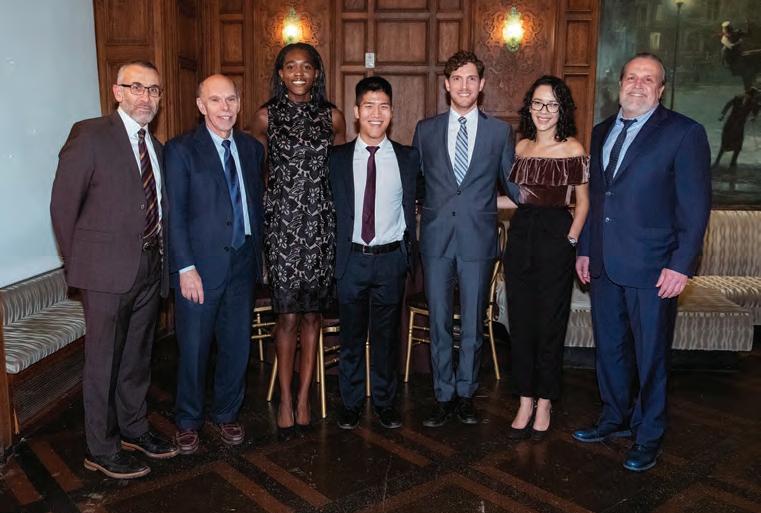
helps bring the vision for precision medicine to life, with the new Hamilton and Amabel James Center for Artificial Intelligence and Human Health. The James Center will serve as the hub of Mount Sinai’s computational science and precision medicine efforts and will enable the recruitment of new faculty members to pioneer this next-generation research.
The James Center will house, among many forward-reaching initiatives, the new Hasso Plattner Institute for Digital Health at Mount Sinai (HPIMS), an innovative institute dedicated to developing digital health products with real-time predictive and preventive capabilities. Created with a gift from the Hasso Plattner Foundation and built in affiliation with the Hasso Plattner Institute, HPIMS brings together industry leaders with combined expertise in health care delivery, health sciences, biomedical and digital engineering, machine learning, and artificial intelligence to drive patientengaged and data-driven research.
Investing in Next-Generation Medical Leadership
Recent campaign gifts will have a profound and lasting impact on the diversity, accessibility and well-being of Mount Sinai’s students. In April, the School of Medicine
announced that medical students with demonstrated financial need are eligible to participate in the new Enhanced Scholarship Initiative (ESI) that guarantees they graduate with a maximum total debt of $75,000, well below the national median.
The ESI was made possible through generous philanthropy by members of the Mount Sinai Boards of Trustees, led by Donald J. Gogel, Chair of the Boards’ Medical Education Committee. “This is a tremendously important moment for our students with financial need and their ability to reduce the debt incurred from attending medical school,” said Mr. Gogel.
“We believe that the new scholarships will increase our students’ freedom and flexibility in the choice of where and
how they will practice medicine, conduct research, or teach once they graduate.”
Added David Muller, MD, Dean for Medical Education and the Marietta and Charles C. Morchand Chair and Professor in Medical Education, “The fundamental goal of this initiative is to have a meaningful impact on the stress that comes with loan debt for students who can least afford a medical education, and to take a step closer to achieving equity in providing that education to students who have historically been prevented from pursuing careers in medicine due to their financial circumstances. That’s really important for us because we want our class to reflect the diversity of the society in which they are going to practice.”
Above: Dean David Muller, MD; President and CEO Kenneth L. Davis, MD; Chierika Ukogu, ISMMS ’20; Young Joon Kwon, MD/PhD ’24; Benjamin Asriel, ISMMS ’20; Cindy Saenz, ISMMS ’20; Dean Dennis S. Charney, MD
Left: Dean Dennis S. Charney, MD; Phyllis Schnepf, Senior Associate Dean for Education and Research Administration; Dean David Muller, MD; Valerie Parkas, MD, Senior Associate Dean for Recruitment and Admissions; and Donald J. Gogel, Chair, Mount Sinai Boards of Trustees Medical Education Committee.
CLINICAL AND RESEARCH PROGRAMS to advance knowledge and deliver effective treatments for society’s most pressing diseases.
MOUNT SINAI’S STRATEGIC INVESTMENTS
Investment priorities for the campaign build strength on strength, as well as innovate into vital new areas of opportunity. Priorities include:
RECRUITING TALENT to lead the way in extramural funding and pursue groundbreaking discoveries that transform health.
Creating New Opportunities for Research and Care
Other philanthropic initiatives currently underway across the Health System include:
• Saul Family Emergency Room
Catalyzed by Trustee Andrew Saul’s generous philanthropy, the Emergency Room at The Mount Sinai Hospital will be renovated and upgraded into a state-of-the-art facility whose streamlined workflows will enhance care delivery for patients.
• Alper Neural Stem Cell Center
Thanks to support from Trustee Andrew Alper, this new Center will enable a significant expansion of multiple sclerosis research and related core neurosciences initiatives through recruitment and enhanced research support in the Friedman Brain Institute.
• Kimberly and Eric J. Waldman Melanoma Center
Launched by the philanthropy of Trustee Eric Waldman, the Center aims to expand melanoma research and become one of the top destinations for melanoma clinical care in the United States.
TECHNOLOGY AND BIOINFORMATICS to accelerate leadership and discovery in precision health care.
• Santo Domingo Family Gift to Mount Sinai Heart
REDESIGNING INFRASTRUCTURE to accommodate and connect the rapidly evolving scientific and clinical elements of the institution.
The Santo Domingo Family made a significant commitment to support Mount Sinai Heart and the work of its Director, Valentín Fuster, MD, PhD, Physician-inChief, The Mount Sinai Hospital and Richard Gorlin, MD/Heart Research Foundation Professor of Cardiology. The gift will have an important impact on cardiology services, cardiovascular research, and infrastructure at The Mount Sinai Hospital, Mount Sinai St. Luke’s, and Mount Sinai West.
• The Martha Stewart Center for Living—Union Square
Contributions from the Martha and Alexis Stewart Charitable Foundation allow the expansion of the uptown Center’s advances in healthy aging to the Union Square campus, creating a center that combines innovations in research and care delivery models to improve how New Yorkers age.
Throughout the campaign, Mount Sinai will look to philanthropic partners who share a commitment to pioneer ground-
INNOVATIVE MEDICAL EDUCATION to train doctors and scientists who will shape the future of medicine.
breaking science, medicine, and education for a new era in health and humanity. Says Mark Kostegan, Chief Development Officer and Senior Vice President for Development, “We measure our goal in dollars, but the real impact is in how we empower great science and health care and advances that are going to have an impact on people’s lives and health well into the future.”
“It is a necessity that philanthropy be the engine to help us achieve what is possible. We will achieve our goals through this campaign and the work it will enable.”
– Kenneth L. Davis, MD

Rising in the lobby of the Leon and Norma Hess Center for Science and Medicine at Mount Sinai, this sculpture by Joel Shapiro, a gift of Mount Sinai Trustee Arne Glimcher and Milly Glimcher, is imbued with a sense of movement and joy.
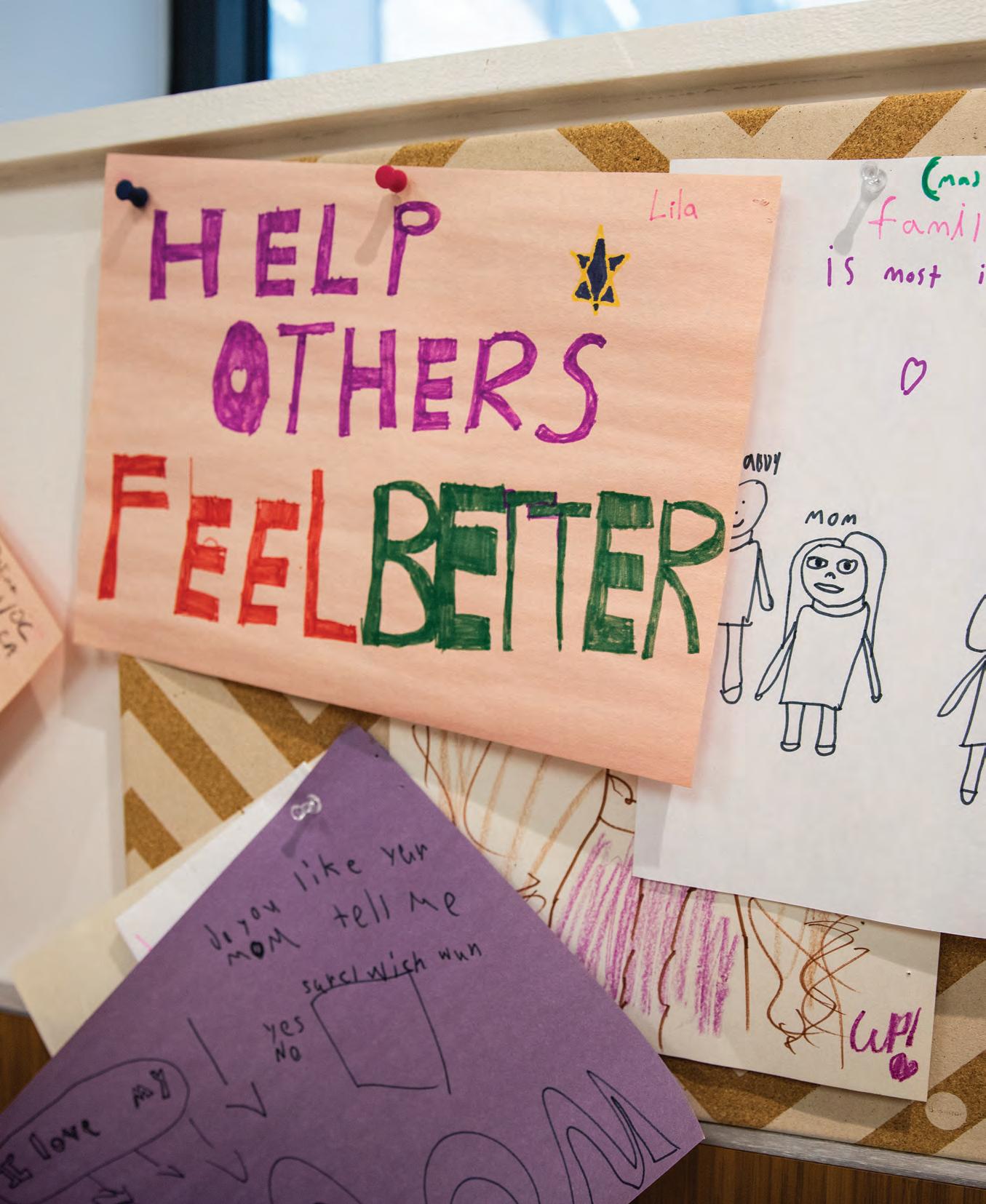
Messages
Children’s drawings at the Susan and Leonard Feinstein
Inflammatory Bowel Disease Clinical Center at Mount Sinai reflect hope for themselves and others with IBD.