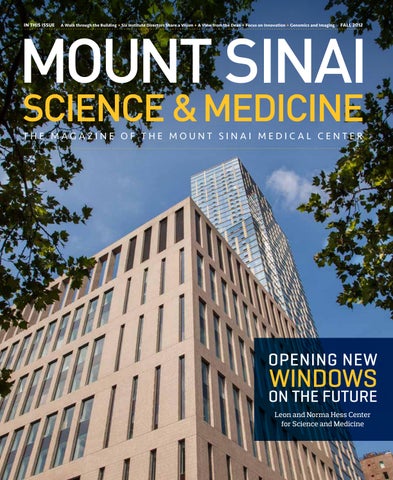
Mount Sinai SCiEnCE &
Mount Sinai
SCiEnCE & MEDiCinE
President and Chief e xe C utive Offi C er,
t he M O unt s inai Medi C al Center
Kenneth L. Davis, MD
a nne and J O el e hrenkranz d ean,
M O unt s inai sC h OO l Of Medi C ine
e xe C utive v i C e President fO r aC ade M i C
a ffairs, t he M O unt s inai Medi C al Center
Dennis S. Charney, MD
President and Chief O P erating Offi C er,
t he M O unt s inai hO s P ital
e xe C utive v i C e President O f Business
d evelOPM ent, t he M O unt s inai Medi C al Center
Wayne E. Keathley
s eni O r v i C e President, d evelOPM ent,
t he M O unt s inai Medi C al Center
Mark Kostegan, FAHP
e ditO r
Celia M. Regan
a ss OC iate e ditO r
Travis Adkins
a ssistant e ditO r
Vanesa Sarić
C O ntri B utO rs
Philip Berroll
Don Hamerman
Andrew Lichtenstein
Mark McGinnis
Barbara J. Niss
James Nubile
Sima Rabinowitz
Matthew Septimus
Katie Quackenbush Spiegel
Otto Steininger
d esign
Taylor Design
Mount Sinai Science & Medicine is published twice annually by the Office of Development, The Mount Sinai Medical Center, for an audience of friends and alumni. We welcome your comments; please contact us at magazine@mountsinai.org, or call us at (212) 659-8500. Visit us on the Web at philanthropy.mountsinai.org

Leon and Norma Hess Center for Science and Medicine 12 26
Throughout the fall, the research and clinical occupants of the Leon and Norma Hess Center for Science and Medicine are taking up residence in Mount Sinai’s newest building. Home both to innovative science and outstanding patient care, the Hess Center will house significant areas of six of Mount Sinai’s most influential institutes, focusing on brain, cancer, heart, children’s health, genomics, and imaging. It is a creative sandbox, designed, literally, to facilitate brilliance: the exchange of new ideas, brainstorming, research-sharing. Each floor crackles with collective energy, and even the space between the floors—linked by a hanging, glass-clad staircase—encourages collaboration rather than blocking it.
This issue of Mount Sinai Science & Medicine presents the Hess Center just as its doors are poised to open. The building’s promise, made real thanks to an outpouring of donor support, is nothing less than to change the face of medicine.
Innovation is nothing new at Mount Sinai. throughout the feature section, watch for some of the milestones in medical science that have occurred throughout Mount sinai’s history. We are grateful to Mount sinai’s archivist, Barbara J. niss, for her help in compiling this list of innovation highlights.
Message
02 six reasons why the leon and norma hess Center for science and Medicine is one of the key developments for the future of medicine
News
03 new grads urged to challenge boundaries + hospital rises to #14 in the rankings + generous donors push campaign near $1 billion mark + three new regional sites expand care + Mount sinai now an accountable Care Organization + new department reaches out to the underserved + kravis Children’s hospital ranks high + Millions for geriatric innovation + study ids links between autism and genetic mutations
Faculty
07 from akbarian to zhou: spotlight on 24 new recruits + More than 100 faculty receive honors and recognition + researchers investigate a new compound for treating tumors, a gel drug delivery method to combat Parkinson’s, one of the first drugs to target core autism symptoms, and a new technique for deriving dna information without dna
giviNg
38 the philanthropy that powers the hess Center + a prodigious outpouring for the aaron scholarship + Celebrating the dubin Breast Center, Mount sinai heart, scholarship donors, the friedman Brain institute, Women’s health, surgeons at the forefront, Chelsea village house Calls—and the Crystal Party
aluMNi
43 legacy: the seckler family + david nichols, Md MssM ’78, vice dean at Johns hopkins, wins horowitz award + house Calls, mentors, and alumni referrals + alumni celebrate at reunion and elsewhere
six directors and the dean discuss their hopes and dreams for the hess Center, and for bringing innovation to combating disease.
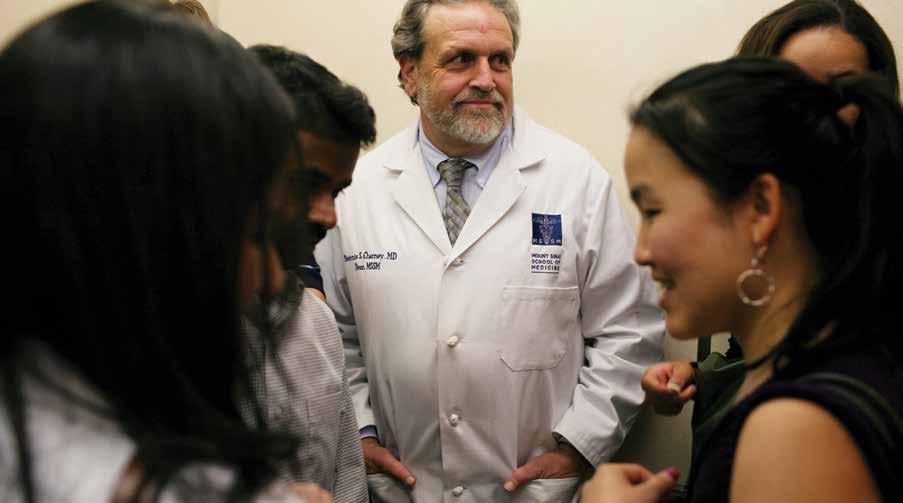
dean Charney leads the way into a unknowable— but promising—future.
the new dean for therapeutic discovery is helping build a culture of
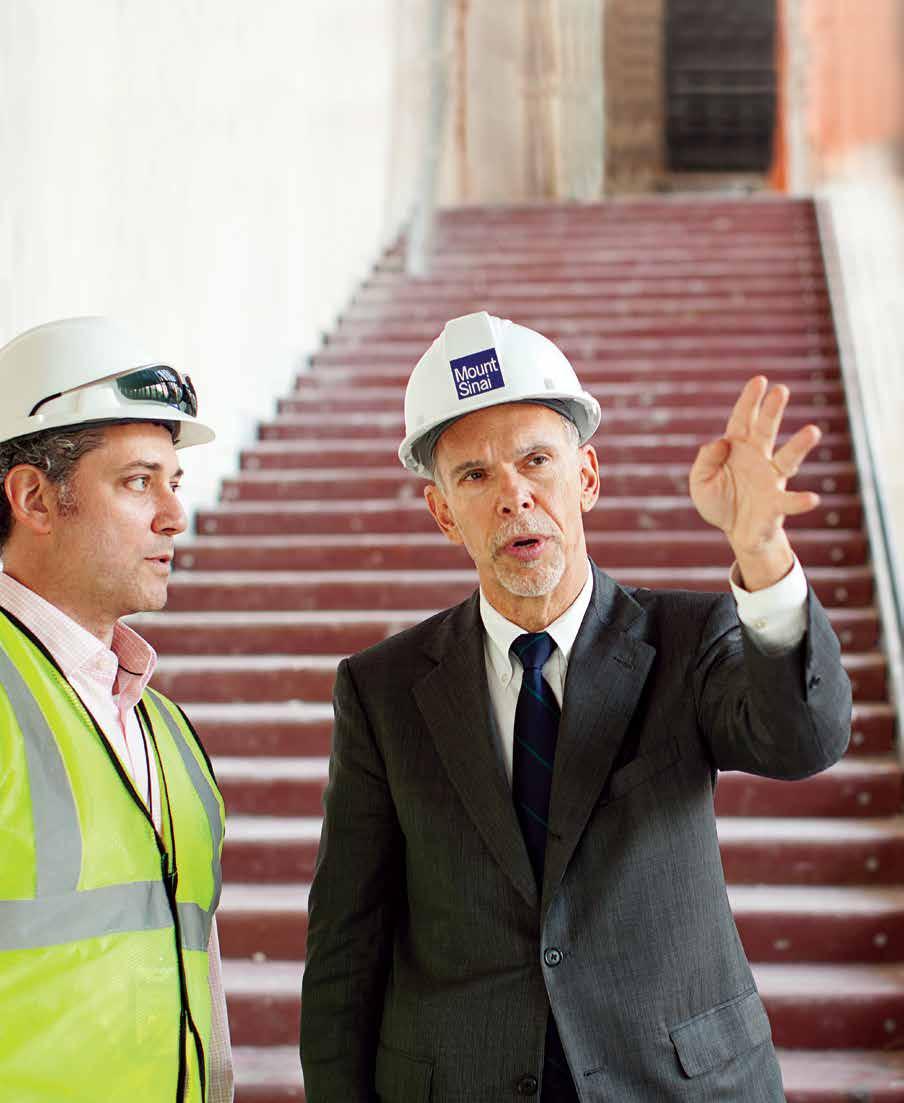
a guided tour of the hess Center provides glimpses of its power and potential.
Message from the President the dean &
The Leon and Norma Hess Center for Science and Medicine is the embodiment of our vision for Mount Sinai.
After years of strategic planning, blueprints, recruitment, blasting, and scaffolding, the Leon and Norma Hess Center for Science and Medicine is opening its doors— and unlocking brand-new directions for medical science.
Why does the Hess Center, one of the few massive building projects completed in recent years by an academic medical center, matter so much? Its significance plays out in many ways.
• As a new construction, it represents a current anomaly: The Hess Center—ten stories, a half-million square feet—is one of the few research facilities to open this year in the United States, and it is the first on this scale to be completed, or even started, in New York City.
• In socioeconomic terms, the Hess Center created critical jobs during economically challenging times, and it will continue to do so as clinical offices and laboratories move in and expand. Since ground was broken in 2009, more than 300 construction workers were employed; it is projected that the Hess Center will generate nearly 800 new jobs over the next four years.
• Its research impact at Mount Sinai is huge: The Hess Center increases our research footprint by 30 percent and has the potential of drawing more than $350 million in NIH funding over its first five years. We have recruited scores of extraordinary scientists who want to be part of game-changing work performed in its state-of-the-art facilities. Six of our institutes will occupy space there.
• Clinically, the Hess Center—and several floors in the adjacent residential tower— adds significantly to our outpatient programs, including diabetes and internal medicine, and more than doubles the Ruttenberg Cancer Treatment Center’s infusion capacity; its unique blend of research and clinical floors will enhance our dedication to cancer clinical care and research aimed toward cures. We expect more than 15,000 people to enter the new facilities each week, and more than 400 new patient visits every day.
• Technology is a critical part: An extraordinary super computer supports our genomics program, working in tandem with our disease institutes; medical imaging equipment that can produce insights into illness with unmatched precision serves both scientists and our patients. Labs are designed for new flexibility and efficiency.
• Philanthropically, the Hess Center represents generosity on a major scale from donors who believe deeply in the transformational vision for Mount Sinai’s future—and for the future of medicine itself—that the building embodies.
These are the facts. But how do we measure the qualities that are the hallmark of the Hess Center? Innovation, collaboration, discovery, entrepreneurship, intellectual interchange, and synergistic possibility: These are the true energizers of the building. As one of the institute directors has said, “That’s the incredible power of the Hess Center: the ability to work together, to innovate together.”
Kenneth L. Davis, MD
Dennis S. Charney, MD President and CEO, Anne and Joel Ehrenkranz Dean, The Mount Sinai Medical Center
Mount
Sinai School of Medicine

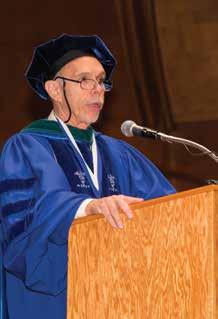
In his Commencement address to the class of 2012, President and CEO Kenneth L. Davis, MD urged graduates to apply the team-based medical education that they received at Mount Sinai to meet the challenges of modern healthcare. “We taught you that working with your colleagues is more important than scoring more highly than them on any single test,” said President Davis. “Our goal, from day one, was to ingrain a culture of cooperation and team building… because the best way to address the needs of patients today is within a team.” A total of 224 degrees—including 141 MDs, 39 PhDs, and 44 Master’s degrees—were granted at the event, which took place on May 10 at Avery Fisher Hall. Honorary degrees were awarded to Ruth J. Simmons, PhD, president of Brown University, the first African-American to lead an Ivy League institution, Nobel Prize-winning biochemist Ada Yonath, PhD, Margaret A. Hamburg, MD, Commissioner of the Food and Drug Administration, and Nobel Prize-winning virologist Harald zur Hausen.
Mount Sinai Rises to #14 in Latest U.S. News and World Report Rankings
The Mount Sinai Medical Center ranked 14th out of approximately 5,000 hospitals nationwide in the 2012-2013 “Best Hospitals” issue of U.S. News & World Report, moving up from 16th last year.
“Mount Sinai is leading a revolution in healthcare by taking a team approach to practicing medicine, a paradigm that is especially important in light of the changing healthcare landscape,” said President and CEO Kenneth L. Davis. “Our success with this comprehensive care model has earned us our place among the best medical centers in the country, and we are proud to be recognized in these rankings.” Mount Sinai is nationally ranked in 11 out of 16 specialties and in the top ten in three of those: Geriatrics (#2), Gastroenterology (#7) and Cardiology & Heart Surgery (#10).
Dennis Charney and Ruth J. Simmons; Kenneth Davis
Gifts From Lauder Family, 14 Others Set Pace for 2012 Fundraising
A transformational gift by the Lauder family, and leadership gifts of $1 million and above from 14 other philanthropic partners, brought this year’s Campaign for Mount Sinai total for 2012 to $75.5 million as of September 1. Overall, Mount Sinai is just $XX million away from its $1 billion goal as of press time, with more than a year to go before the campaign closes in December 2013.
Significant gifts and pledges received since January 2012 include:
• A $3 million commitment to the Recanati/ Miller Transplant Institute (RMTI) from former patient Joanna Adler which included a matching incentive that inspired an additional $1 million in gifts from other generous donors.
• A $1.5 million gift to The Friedman Brain Institute from the estate of late Trustee Robert A. Bendheim that will fund research and clinical care for movement disorders.
• A gift from Trustee Jeff T. Blau and his wife, Lisa Blau, that will accelerate Mount Sinai’s multimillion-dollar renovation of its children’s cancer and blood diseases clinic.
• A gift of $5 million from the Mitzi and Warren Eisenberg Family Foundation will foster the construction of Mount Sinai Heart’s Ambulatory Treatment Center, a new 24,000- square-foot clinic with 22 patient exam rooms and state-of-the-art imaging equipment, as well a cardiovascular scientific global research study, both under the direction of Valentín Fuster, MD, PhD, physician-in-chief of The Mount Sinai Medical Center.
• A $5 million gift from Sarah and Seth Glickenhaus to found The Glickenhaus Center for Successful Aging, a hub for
collaborative work in neuroscience, geriatrics, stem cell research, and brain banking that is focused on translational research to improve healthy aging.
• A $1 million gift from the George and Adele Klein Foundation to support The Tisch Cancer Institute’s research into the next generation of therapeutic breakthroughs.
• The Lauder family’s $25 million commitment to an ambitious expansion of Mount Sinai Heart’s clinical space and research programs, to be named the Lauder Family and Valentín Fuster Cardiovascular Care Center in recognition of the family’s newest gift as well as their decades of generosity.
• A $3.5 million gift from Trustee David Windreich to launch the Windreich Center for Bioinformatics, which will augment Mount Sinai’s biological data mining capacity.
Campaign Continues Posting Big Numbers
The Campaign for Mount Sinai has relied heavily on such philanthropic leadership as it has advanced toward its $1 billion goal; forty gifts of $5 million and above, combined with 110 gifts of between $1 million and $5 million, account for $757 million of the $954 million raised to date.
“This has been just a terrific experience for all of us,” said Mark Kostegan, senior vice president for development, who came to Mount Sinai in 2008 from Brigham and Women’s Hospital in Boston to lead the Campaign for Mount Sinai. “The generosity of our donors, their commitment to Mount Sinai, and their desire to be deeply involved with our programs define ‘philanthropy.’”
Mount Sinai Opens Three New Sites
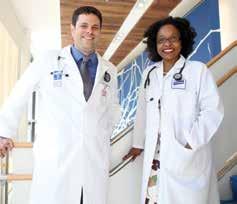
Mount Sinai is enhancing its status as one of the top hospitals in the New York City region with the opening of a new urgent care facility on the Upper West Side, a pediatric practice in neighboring Westchester County, and a 75,000 square foot outpatient medical center in downtown Brooklyn. “Mount Sinai is committed to delivering excellent, world-class care throughout New York City and the tri-state region,” said Wayne E. Keathley, president and chief operating officer of The Mount Sinai Hospital. “We look forward to becoming a part of the new communities we’re joining.” For more information, visit: www.mountsinai.org
Dr. Judah Fierstein, Director of the Mount Sinai Urgent Care Center Upper West Side, and Dr. Kimberly Henderson, Emergency Physician
Mount Sinai Selected as Accountable Care Organization
The Centers for Medicare and Medicaid (CMS), the government agency that oversees the Medicare and Medicaid programs, has selected Mount Sinai to launch a nextgeneration Accountable Care Organization (ACO). To be known as Mount Sinai Care LLC, the ACO will coordinate care across the clinical spectrum—from chronic disease management to specialty care and complex procedures—for a projected 26,000 Medicare beneficiaries in the New York metropolitan area. Aimed at expanding the use of quality metrics to reduce health care costs, the new ACO builds on a number of longstanding
Mount Sinai programs that have improved patient care and outcomes, and reduced institutional costs. “In structuring our ACO, we examined every aspect of the care continuum and thought creatively about how we could deliver care in a more integrated fashion,” said Mark Callahan, MD, CEO of Mount Sinai Care and chief medical officer and associate dean for excellence in clinical care. “Based on our extensive experience with highly targeted programs and pilots, we are sure that Mount Sinai Care will successfully reduce fragmentation and improve population health.”
Family Medicine Pioneer Neil S. Calman, MD to Lead New Department
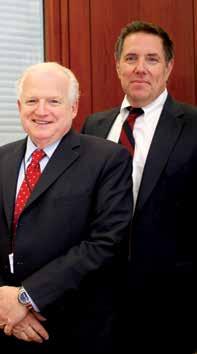
Mount Sinai School of Medicine this summer launched a new Department of Family Medicine and Community Health that will provide primary care to the underserved communities of Harlem, educate students interested in family and community medicine, and conduct research that will shed light on why Harlem and other underserved communities have a higher prevalence of diseases and conditions such as diabetes, obesity, mental illness, and cancer.
The Department of Family Medicine and Community Health is led by highly decorated public health expert Neil S. Calman, MD, the co-founder of the Institute for Family Health, one of the largest networks of community health centers in New York State with 26 locations and more than 80,000 patients treated annually. Mount Sinai’s new department will collaborate closely with the institute, which is the only organization of its kind in New York State to be designated a Teaching Health Center by the federal Health Services and Resources Administration.
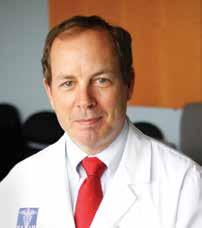
“We
examined every aspect of the care continuum and thought creatively about how we could deliver care in a more integrated fashion.”
– Dr. Mark Callahan
Six Kravis Children’s Hospital Specialties Make U.S. News & World Report Rankings
Six of the 10 pediatric specialties offered by The Kravis Children’s Hospital at Mount Sinai placed among the country’s top 40 children’s hospitals as measured in the 2012-13 edition of the annual U.S. News & World Report “Best Children’s Hospitals” issue. The six specialties are: gastroenterology (ranked #21 nationally), diabetes and endocrinology (#23), urology (#23), cancer (#26), pulmonology (#31), and nephrology (#36). The rankings reflect not only double-digit gains within specialties, but also firsttime rankings in two new areas—cancer and urology— placing these specialties within the top 30 pediatric programs in the United States. “The Kravis Children’s Hospital has a long and distinguished tradition of excellence in innovative patient care, community involvement, education, and research,” said Lisa Satlin, MD, chair of the Department of Pediatrics. “We are extremely proud to be commended by our peers.”
Dr. Neil Calman with Wayne Keathley, President of The Mount Sinai Hospital
Geriatric Emergency Department Receives $12.7 Million Innovation Award
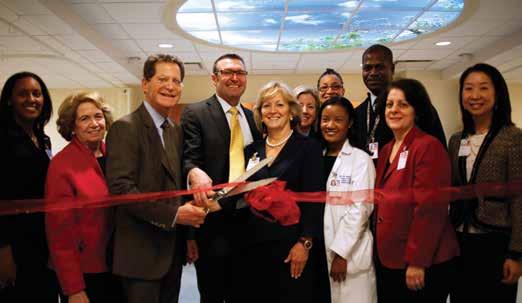
A $12.7 million Health Care Innovation award from the U.S. Department of Health and Human Services will fund a study investigating how programs being pioneered by Mount Sinai’s Geriatrics Emergency Department might serve as a model for hospitals across the country to improve geriatric emergency care.
The award will enable the department to expand a range of existing initiatives that train and add staff, establish new clinical protocols, provide informatics support, and develop outcomes data. Those initiatives include New York City’s first emergency room designed specifically for patients 65 and older, which opened in April 2012. The study aims to identify which of the programs are most effective in improving patient outcomes and recommend how best practices can be adopted by other hospitals. Mount Sinai is already partnering with St. Joseph’s Regional Medical Center in Paterson, NJ, and Northwestern University Medical Center in Chicago to share its findings.
“As the U.S. population ages and the proportion of older adults requiring health care services increases, the emergency department is situated at the crossroads of outpatient and inpatient care,” said Lynne D. Richardson, MD, FACEP, vice chair of emergency medicine and professor of health evidence and policy. “That positions the emergency department to be a key facilitator in improving coordination of care, and reducing hospitalizations, ED visits, and complications.”
Study Identifies Three Genes Linked to Autism Spectrum Disorders
An international consortium of autism genetics researchers led by Mount Sinai’s Joseph Buxbaum, PhD, has identified links between autism and mutations in three new genes. The findings, which were published in a trio of papers in the journal Nature and were the results of three separate major studies involving hundreds of families, revealed that mutations in the genes CHD8, SNC2A, and KATNAL2 lead to an increased risk of autism. “We now have a good sense of the large number of genes involved in autism and have discovered about ten percent of them,” said Dr. Buxbaum, director of the Seaver Autism Center and the G. Harold and Leila Y. Mathers Professor of Psychiatry, Neuroscience, and Genetics and Genomic Sciences. “As these genes are further characterized, this will lead to earlier diagnosis and novel drug development. This work is crucial for advancing autism treatment.”
Dr. Buxbaum co-authored one of the Nature papers with several Mount Sinai investigators, including Avi Ma’ayan, PhD, assistant professor, pharmacology and systems therapeutics; Vladamir Makarov, computer scientist, psychiatry; Guiqing Cai, MD, PhD, instructor, psychiatry; Omar J. Jabado, PhD, instructor, genetics and genomic sciences; Seungtai Yoon, PhD, assistant professor, psychiatry; and PhD student Jayon Lihm. The sweeping studies were conducted in large part by the Autism Sequencing Consortium, a group of autism genetics researchers founded by Dr. Buxbaum.
Administrators and staff from the Department of Emergency Medicine, the Brookdale Department of Geriatrics and Palliative Medicine, and many other areas gathered for the ribbon cutting of New York City’s first geriatric emergency department.
Dr. Joseph Buxbaum
New ReCRUITS


The Mount Sinai Medical Center welcomes the following new recruits.
1 Schahram Akbarian, MD, PhD, professor, Departments of Neuroscience and Psychiatry and member, The Friedman Brain Institute; previously at University of Massachusetts Medical School.
2 Bernadette Boden-Albala, PhD, associate professor, Department of Health Evidence and Policy; previously at Columbia University Medical Center.
3 Celina Ang, MD, FRCPC, assistant professor, Division of Hematology and Medical Oncology and Division of Liver and Gastrointestinal Medical Oncology, and member, The Tisch Cancer Institute; previously at Memorial Sloan-Kettering Cancer Center.
4 Steven D. Boggs, MD, associate professor, Department of Anesthesiology; previously at Catskills Regional Medical Center.
5 Sidney S. Braman, MD, professor, Department of Medicine; previously at The Alpert Medical School of Brown University.
6 Supinda Bunyavanich, MD associate professor, Departments of Pediatrics and Genetics and Genomics Sciences, and member, Child Health and Development Institute and Jaffe Food Allergy Institute; previously at Massachusetts Institute of Technology Medical.
7 Roger Clem, PhD, assistant professor, Departments of Neuroscience and Psychiatry, and member, The Friedman Brain Institute; previously at Johns Hopkins University.
8 Barbara Coffey, MD, professor, Department of Psychiatry; previously at New York University School of Medicine.
9 Joel Dudley, PhD, assistant professor, Department of Genetics and Genomic Sciences, and member, Institute for Genomics and Multiscale Biology; previously at Numedii, Inc. and Stanford University School of Medicine.
10 Vilma Gabbay, MD, associate professor, Department of Psychiatry; previously at New York University School of Medicine.
11 Arthur P. Goldberg, PhD, associate professor, Department of Psychiatry; member, the Seaver Autism Center and Institute for Genomics and Multiscale Biology; previously at the Sloan-Kettering Institute, Memorial Sloan-Kettering Cancer Center.
12 Jeff Hammerbacher, MD assistant professor, Department of Genetics and Genomic Sciences, and member, Institute for Genomics and Multiscale Biology; also affiliated with Cloudera, Inc.
FACULTY Fa
13 Mark W.E. Kindschuh, MD, associate professor, Department of Emergency Medicine; previously at New York Hospital Queens.
14 Brian Kopell, MD, associate professor, Departments of Neurology, Neuroscience, Neurosurgery, and Psychiatry; previously at the Medical College of Wisconsin.
15 Michael Linderman, PhD, assistant professor, Department of Genetics and Genomic Sciences, and member, Institute for Genomics and Multiscale Biology; previously at Stanford University.
16 Dalila Pinto, MSc, PhD, assistant professor, departments of Genetics and Genomic Sciences, and Psychiatry, and member, Child Health and Development Institute, the Seaver Autism Center, The Friedman Brain Institute, and the Institute for Genomics and Multiscale Biology; previously at the Hospital for Sick Children, University of Toronto.
17 Howard Seiden, MD, associate professor, Department of Pediatrics; previously at Hofstra School of Medicine and the Steven and Alexandra Cohen Children’s Medical Center.
18 Paul A. Slesinger, PhD, professor, Department of Neuroscience, and member, The Friedman Brain Institute; previously at the Salk Institute for Biological Studies.
19 Geoffrey W. Smith, JD, professor, Department of Health Evidence and Policy, and director, Center for Technology Innovation & Entrepreneurship; also affiliated with Ascent Biomedical Ventures and Rockefeller University. For more about Mr. Smith, see page 27.
20 Andrew Stewart, MD, Irene and Dr. Arthur M. Fishberg Professor of Medicine and director, Diabetes, Obesity and Metabolism Institute; previously at University of Pittsburgh School of Medicine.
21 Robert Wright, MD, professor, Department of Preventive Medicine and member, Child Health and Development Institute; previously at Harvard School of Public Health.
22 Rosalind J. Wright, MD, professor, Departments of Pediatrics and Preventive Medicine, and member, Child Health and Development Institute; previously at Harvard Medical School.
23 Venetia Zachariou, PhD, associate professor, Departments of Neuroscience and Pharmacology, and member, The Friedman Brain Institute; previously at University of Crete.
24 Lan Zhou, MD, PhD, associate professor, Department of Neurology; previously at Cleveland Clinic.
Recognition &Awards
More than 100 Mount Sinai faculty received significant honors in recent months.
Department of Anesthesiology
Elizabeth Frost, MD, professor; First Honorary Member, Royal College of Anaesthetists, Thailand
George Silvay, MD, professor; Fellow, Section on Anesthesiology, New York Academy of Medicine
Department
of Cardiothoracic Surgery
Randall B. Greipp, MD, adjunct professor; Giants of Thoracic Surgery Award, New York Society for Thoracic Surgery
Department of Developmental and Regenerative Biology
Elena Ezhkova, PhD, assistant professor; Basil O’Connor Starter Scholar Award, March of Dimes
Saghi Ghaffari, MD, PhD, associate professor; New Investigator Award, MPN Research Foundation
Department of Dermatology
Virginia Chen, MD, assistant clinical professor; Volunteer 25th Year Recognition Award, American Academy of Dermatology
Emma Guttman, MD, assistant professor; Dermatology Foundation Physician Scientist Award
Mark Lebwohl, MD, Chairman and Sol and Clara Kest Professor; American Skin Association Achievement Award in Psoriasis, Society of Investigative Dermatology
Department of Emergency Medicine
Suzanne Bentley, MD, clinical instructor; Robert J. Doherty Teaching Fellowship Scholarship, Emergency Medicine Foundation/ American College of Emergency Physicians
Ula Hwang, MD, assistant professor; Chair-Elect of the Executive Committee of the Academy of Geriatric Emergency Medicine
Corita Grudzen, MD, assistant professor; appointed Innovation Advisor for Center for Medicare and Medicaid Innovation
Andy Jagoda, MD, professor; elected to Advisory Committee on Traumatic Brain Injury, Major League Baseball; Advisory Committee on Pediatric Traumatic Brain Injury, Centers for Disease Control and Prevention; Steering Committee, Concussion Definition Project, Department of Defense; Honoree and Champion of Hope Award, Brain Injury Association of New York; Keynote Speaker, Brazilian Society for Emergency Medicine; Colorado American College of Emergency Physicians
Alex Manini, MD, MS, assistant professor; Keynote Speaker and Finalist, Young Investigator Award, 32nd international Congress of European Association of Poison Centers and Clinical Toxicology; Top Consultant and Senior Reviewer, Annals of Emergency Medicine
David Newman, MD, associate professor; elected to Board of Directors, New York State American College of Emergency Physicians
Audrey Paul, MD, PhD, assistant professor; named Chair, Pediatric Emergency Medicine Section, American College of Emergency Physicians
Elaine Rabin, MD, assistant professor; named Co-Chair, Crowding Interest Group, Society of Academic Emergency Medicine
Lynne D. Richardson, MD, FACEP, professor; appointed to Advisory Committee to the Director of the Centers for Disease Control and Prevention; Keynote Speaker, 16th Annual New England Regional Society for Academic Emergency Medicine Meeting
Kaushal Shah, MD, associate professor; named Chair, Trauma Interest Group, Society for Academic Emergency Medicine; elected Chair, Steering Committee, All New York City Conference, Emergency Medicine Residency Leaders
Bill Cheng-Teng Wang, MD, assistant professor; named Vice Chair of the NJ Mobile Intensive Care Unit Advisory Council
James W. Tsung, MD, MPH, associate professor; 2012 Outstanding Mentorship for Best Research Abstracts by Fellows, Academic Pediatric Association
Scott Wiengart, MD, associate professor; Advancing Emergency Care Award, American College of Emergency Physicians, New York Chapter
Department of Genetics and Genomics Sciences
Edward H. Schuchman, PhD, Genetic Disease Foundation-Francis Crick Professor; National Niemann-Pick Disease Foundation named his Postdoctoral Fellowship, “Edward H. Schuchman Postdoctoral Fellowship in Acid Sphingomyelinase Deficient Niemann-Pick Disease”
James D. Weisfeld-Adams, MD, instructor; Fellowship Award in Biochemical Genetics, American College of Medical Genetics and Genomics Foundation/Genzyme Corporation
Brookdale Department of Geriatrics & Palliative Medicine
Patricia A. Bloom, MD, associate professor; Special Recognition Award, The Mount Sinai Medical Center
Linda DeCherrie, MD, assistant professor; named House Call Doctor of the Year, American Academy of Home Care Physicians
Judith L. Howe, PhD, professor; Walter M. Beattie Jr. Award, State Society on Aging of New York State
Will Hung, MD, MPH, assistant professor; New Investigator Award, American Geriatrics Society
Amy Kelly, MD, assistant professor; Visiting Scholar, Aging Center, Duke University School of Medicine
Rosanne M. Leipzig, MD, PhD, Gerald and May Ellen Ritter Professor; named Council of Medical Specialty Societies Liaison, National Board of Medical Examiners; Allan Sandler Visiting Scholar in General Medicine, Massachusetts General Hospital; Distinguished Professor in Geriatrics, Society of General Internal Medicine; Visiting Professor, University of Toronto, Baycrest
Diane E. Meier, MD, professor and Catherine Gaisman Professor of Medical Ethics; Carol Selinske Founder’s Award, Hospice and Palliative Care Association of New York State; Contemplative Care Award, New York Zen Center for Contemplative Care
Albert L. Siu, MD, MSHS, professor and chair; Scientific Achievement Award, Chinese Medicine Society
Rainier P. Soriano, MD, associate professor; Leonard Tow Humanism Award In Medicine, The Arnold P. Gold Foundation
Global Health and Emerging Pathogens Institute
Adolfo Garcia-Sastre, PhD, professor; named President-Elect, International Society for Vaccines
Mount Sinai Heart
Valentín Fuster, MD, Director of Mount Sinai Heart and physician-in-chief, The Mount Sinai Medical Center; Legend of Cardiovascular Medicine, American College of Cardiology; Lefoulon Delalande Grand Prix, Institute of France; Universal Spaniard, Independence Foundation; Severo Ochoa Award, Ministry of Science and Innovation; Member, European Council for Health Research; Honoris Causa, University of Cadiz; John F. Kennedy Award, Institute of North American Studies; Opening Session Lectures, Argentinean, Brazilian, Chilean, French, German and Mexican Societies of Cardiology
Department of Medical Education
Erica Friedman, MD, professor; Award for Outstanding Contributions in Advancing the Next Generation of Physician Leaders, American Association of Physicians of Indian Origin, New York City Chapter
Joy Reidenberg, PhD, professor; Thompson Reuters Zoological Record Award for Communicating Zoology, Zoological Society of London; Clare Boothe Luce Seminar on Women in Science, Fordham University
Samuel Bronfman
Department
of Medicine
Mark Babyatsky, MD, Drs. Richard and Mortimer Bader Professor and chair; Visiting Professor, Department of Medicine, Brigham and Women’s Hospital
Jeremy Hugh Baron, DM, professorial lecturer; Fellow, Royal College of Physicians of Edinburgh
Margaret H. Baron, MD, Irene and Dr. Arthur M. Fishberg Professor of Medicine and member, The Tisch Cancer Institute; ELAM Scholar, Executive Leadership in Academic Medicine Program
Zachary Bloomgarden, MD, FACE, clinical professor; Master of the American College of Endocrinology (MACE) Award
Christoph Buettner, MD, associate professor; Career Development Award, American Diabetes Association
Bruce Darrow, MD, PhD, assistant professor; Attending Award, The Mount Sinai Medical Center
Icilma Fergus, MD, associate professor; elected to Board of Directors, American Heart Association and Association of Black Cardiologists
Scott L. Friedman, MD, Irene and Dr. Arthur M. Fishberg Professor; International Recognition Prize, European Association for the Study of Liver Diseases; Organizer, Tissue Fibrosis Conference, Keystone Symposia; Alpha Omega Alpha Visiting Professor, University of Arizona, Tucson; Fred Paustian Visiting Lecturer, University of Illinois, Chicago; Goldberg Visiting Lecture, Brigham and Women’s Hospital; Keynote Lecture, Asian Pacific Association for the Study of the Liver
Walter Futterweit, MD, clinical professor; named President of Androgen Excess and PCOS Society
William Duvall, MD, associate professor and member, Zena and Michael A. Wiener Cardiovascular Institute; Best Clinical Imaging Paper, Journal of Nuclear Cardiology, American Society of Nuclear Cardiology
Jonathan L. Halperin, MD, Robert and Harriet Heilbrunn Professor of Medicine (Cardiology) and member, Zena and Michael A. Weiner Cardiovascular Institute; Chair-Elect, American College of Cardiology
Milena Henzolava, MD, member, Zena and Michael A. Wiener Cardiovascular Institute; Editor-in-Chief, Journal of Comparative Neurology
Steven Itzkowitz, MD, professor; Co-Chair, Steering Committee C5 Coalition, New York City Department of Health and Mental Hygiene; Co-Chair, Colonoscopy Program, New York City Department of Health
Josep M. Llovet, MD, professor; named President, Executive Committee, International Liver Cancer Association
Jeffrey Mechanick, MD, clinical professor; named President Elect, American Association of Clinical Endocrinologists; Keynote Speaker, Second Asia-Pacific Primary Liver Cancer Expert Meeting; European Multidisciplinary Cancer Congress, Stockholm; Inter-American Oncology Conference, Argentina; American Society of Clinical Oncology Gastrointestinal Cancers Symposium; American Association for Cancer Research
Roxana Mehran, MD, professor and member, Zena and Michael A. Wiener Cardiovascular Institute; Chair, Women in Innovations, Society of Cardiac Angiography and Interventions; Co-Chair, Bleeding Academic Research Consortium
Jagat Narula, MD, PhD, Phillip J. And Harriet L. Goodhart Professor and member, Zena and Michael A. Wiener Cardiovascular Institute; Gifted Educator Award, American College of Cardiology; Distinguished Physician Award, American Association of Physicians of India; Distinguished Dr. James Willerson Oration, University of Texas, Houston
Gabriela Rodriguez-Caprio, MD, assistant professor; HIV Positive Changemaker, AIDS Service Center NYC
David Sachar, MD, clinical professor; Annual Senior Lectureship, International Organization for the Study of Inflammatory Bowel Disease
Bruce Sands, MD, MS, Dr. Burrill B. Crohn Professor; Burton A. Shatz Visiting Professor, Washington University School of Medicine
Detlef Schlondorff, MD, visiting professor; Editorin-Chief, Kidney International, International Society of Nephrology
Samin K. Sharma, MD, Zena and Michael A. Wiener Professor and member, Zena and Michael A. Weiner Cardiovascular Institute; Most Distinguished Physician in the United States, American Association of Indians of America
Samuel Sidi, PhD, assistant professor; Searle Scholar Award, Searle Scholars Program; Young Investigators Award, JjR Foundation
Donald A. Smith, MD, PhD, associate professor; Immediate Past President, Northeast Lipid Association
Theresa Soriano, MD, MPH, associate professor; Early Career Physician Award for Palliative Care Leadership, Hastings Center/Cunniff-Dixon Foundation; College of Human Ecology Recent Alumni Achievement Award, Cornell University
Ronald Tamler, MD, assistant professor; named President of American Diabetes Association Expo 2012
continued on page 47»
Research Roundup
New Compound Shows Promise for Treating Tumors
An investigational compound developed by a team of Mount Sinai researchers led by Ross Cagan, PhD, professor of developmental and regenerative biology and oncological sciences and associate dean of the Graduate School of Biological Sciences, has proved far more effective and less toxic than standard cancer drugs in an early study. The compound, AD80, precisely targets multiple cancer genes—and does so far better when tested on human cell lines (500 times better) than a cancer drug recently approved by the FDA for the same cancer type. “Scientists are beginning to recognize that singletarget drugs can be problematic,” said Dr. Cagan, the senior author on the study, which appeared online in the journal Nature. “I believe that, within the next five years, we’ll see more drugs entering clinical trials that use multi-targeting as the basis of drug discovery.”
Intestinal Gel Extends Benefits of Common Parkinson’s Disease Drugs
A new delivery method for levodopa/carbidopa, a common dual-drug Parkinson’s disease (PD) regimen, significantly improved the duration of the drugs’ effectiveness in people with advanced PD, according to research led by C. Warren Olanow, MD, who is Henry P. and Georgette Professor and chairman emeritus, Department of Neurology and director of the Bendheim Parkinson Center. The new method is continuous delivery of a levodopa/carbidopa intestinal gel (LCIG) formulation of the therapies, which are traditionally taken orally. The study found that the continuous gel delivery extended the medicine’s effectiveness by an average of nearly two extra hours per day. The gel also improved “on” time without involuntary movements when patients enjoyed a good response, compared to people taking standard levodopa/carbidopa. “This is a promising development that improves outcomes and quality of life in patients with advanced disease,” said Dr. Olanow.
Clinical Study Evaluates First Drug to Show Improvement in Subtype of Autism

“
” This clinical trial is part of a paradigm shift to develop medications specifically to treat the core symptoms of autism
children who have SHANK3 deficiency, a known cause of autism spectrum disorder. The SHANK3 gene is key to the development of the human nervous system, and its loss can impair the ability of neurons to communicate with one another. The new study builds on findings announced by the researchers in 2010, which showed that after two weeks of treatment with IGF-1 in laboratory models, deficits in nerve cell communication were reversed and deficiencies in adaptation of nerve cells to stimulation, a key part of learning and memory, were restored. “This clinical trial is part of a paradigm shift to develop medications specifically to treat the core symptoms of autism, as opposed to medications that were developed for other purposes but were found to be beneficial for autism patients as well,” said Joseph Buxbaum, PhD, director of the Seaver Autism Center at Mount Sinai and the G. Harold and Leila Y. Mathers Professor of Psychiatry, Neuroscience, and Genetics and Genomic Sciences.
“Genetic Bar Code” Technique Derives DNA Information From RNA

In an important test of one of the first drugs to target core symptoms of autism, researchers at the School of Medicine are undertaking a pilot clinical trial to evaluate insulin-like growth factor (IGF-1) in
Researchers from the School of Medicine have developed a method to derive enough DNA information from non-DNA sources (such as RNA) to identify clearly individuals whose biological data are stored in massive research repositories—a development that raises questions about protecting individual identity when high-dimensional data are collected for research purposes. To date, access to databases with DNA information, long considered an individual’s sole genetic fingerprint, has been restricted and protected. However, vast amounts of RNA data have been made publicly available via a number of databases in the United States and Europe—databases that contain thousands of genomic studies from around the world. “The potential uses for this information are significant,” said Eric Schadt, PhD, who is a lead author of the study, along with Ke Hao, PhD, and who serves as the director of the Institute for Genomics and Multiscale Biology, the Jean C. and James W. Crystal Professor of Genomics, and chair of the Department of Genetics and Genomic Sciences. “Not only can genotypic barcodes be deduced from RNA, but RNA levels in some tissue can inform not only individual characteristics like age and sex, but diseases such as Alzheimer’s and cancer, as well as the risks of developing those diseases.”

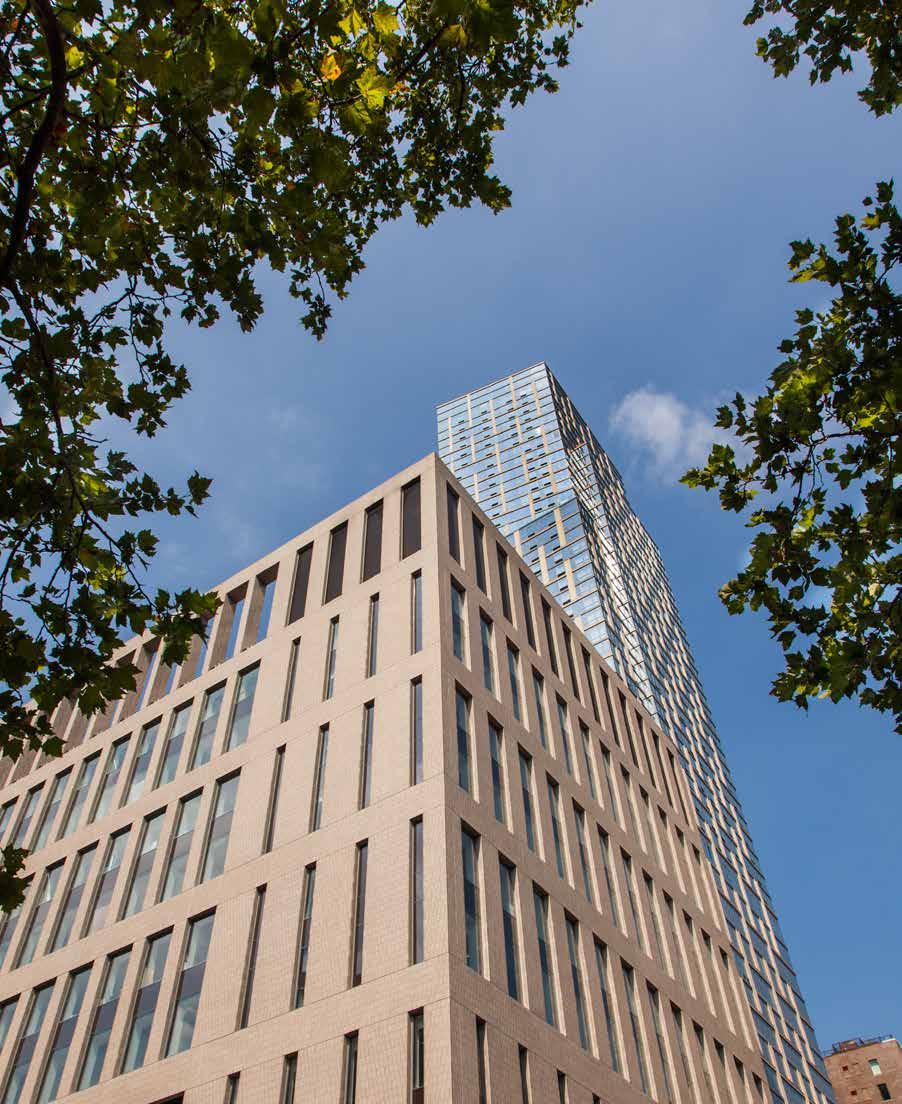
There are 413 windows—22,221 square feet of glass— in the Leon and Norma Hess Center for Science and Medicine—long rectangles carved in the stone façade. The building is at once solid and porous, home both to powerful, substantive research and to the imaginative flow of ideas and conjecture that spark new knowledge.
The Hess Center houses both science and patient care. Under its roof, doctors representing six of Mount Sinai’s institutes will formulate and test scientific theories and seek new therapies; wield the tools— massive and minuscule—that deepen understanding of disease; and provide patients with the most up-todate treatments possible.
Those 413 windows mean that the Hess Center will admit and emit light expansively, day and night. Illumination, transformation, hope: The future of medicine has never looked better.
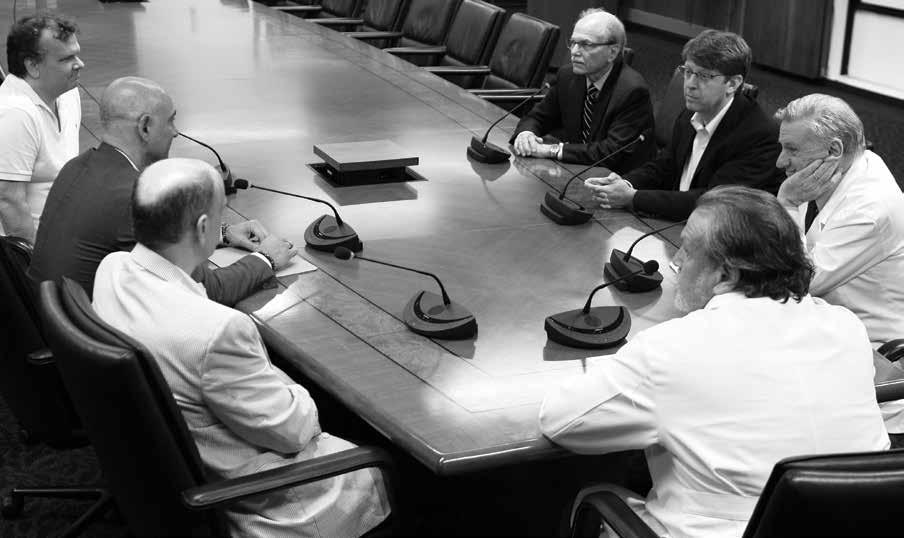

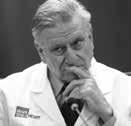

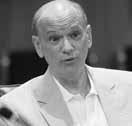
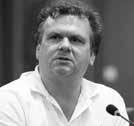
- Director,
- Lillian and Henry M. Stratton Professor of Cancer Medicine
- Professor, Medicine, Hematology, and Medical Oncology
- Professor, Oncological Sciences
- Anne and Joel Ehrenkranz Dean, Mount Sinai School of Medicine
- Executive Vice President for Academic Affairs, The Mount Sinai Medical Center
- Professor, Psychiatry
- Professor, Neuroscience
- Professor, Pharmacology and Systems Therapeutics
- Director, Translational and Molecular Imaging Institute
- Professor, Radiology and Medicine
- Founder and Director, Eva and Morris Feld Imagining Science Laboratories
- Director, Cardiovascular Imaging Research
2. Dennis S. Charney, MD
1. Steven J. Burakoff, MD
The Tisch Cancer Institute
3. Zahi A. Fayad, PhD
Panel Partici Pants
InnovAtIon x7
Six institute directors and a dean sat down to reflect on how the Hess Center is fostering innovation and collaboration.
4. valentín Fuster, MD, PhD
- Director, Mount Sinai Heart
- Director, Zena and Michael A. Wiener Cardiovascular Institute
- Director, Marie-Josée and Henry R. Kravis Center for Cardiovascular Health
- Richard Gorlin, MD/Heart Research Foundation Professor
- Mount Sinai Physician-in-Chief
5. Bruce D. Gelb, MD
- Director, Child Health and Development Institute
- Professor, Cardiology
- Professor of Genetics and Genomic Sciences
6. Eric J. nestler, MD, PhD
- Director, The Friedman Brain Institute
- Nash Family Professor of Neuroscience
7. Eric Schadt, PhD
- Director, Institute for Genomics and Multiscale Biology
- Jean C. and James W. Crystal Professor of Genomics
- Chair, Department of Genetics and Genomic Sciences
Photography by Andrew Lichtenstein
D
Welcome, all of you, to a conversation about how the new Leon and Norma Hess Center for Science and Medicine will affect your work and reflect your vision for the institutes you direct.
I recently told our Boards of Trustees, which have been generous and critical to our ability to build this building, that the ultimate success measure is not just that we obtain more grants and place publications in high-profile journals; it’s that we make discoveries that make a difference in the diagnosis, prevention, and treatment of human disease. How do you think this building, and the scientists who are going to be housed in it, can change the face of medicine?
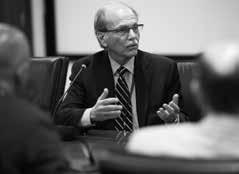
We’ll be able to share ideas with the cardiovascular institute, imaging, neuroscience, genomics and child health—and be near the patients.
— Dr. S t E v E n Bur A ko FF
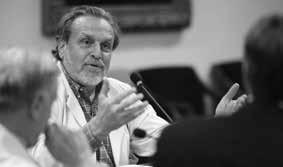
Dr. s teven Burakoff: We’re going to have two research floors right next to our clinical facilities. Cancer today is all about translation; the ability to go from bench to bedside and back again is really extraordinary. Our clinical setup is going to provide multi-disciplinary care right in the building: radiation, infusion, imaging, and genomics will be there. You can find clinical setups with this total care available, and you can find research integration, but the ability to have both is truly exceptional. The two research floors above will focus on what we call biologics and, particularly, vaccines.
We’ll be able to share ideas with the cardiovascular institute, imaging, neuroscience, genomics and child health—and be near the patients. For us, this is spectacular.
D r . c H arne Y: How important are genomics and associated bioinformatics to uncovering a new approach to treatment and diagnosis of cancer?
D r . B urakoff : The nexus between cancer and genomics is helping us to define targets. It’s happening in melanoma, in hematological malignancies, and in lung cancer. As we break it down into multiple targeted diseases, while invoking the immune system with vaccines, this is something we’ll be able to do extraordinarily well.
D r eric sc H a D t : The technology is critically important, but so is the organization of the big mountains of data the technologies can now generate into coherent functional models that reflect on the biological processes associated with disease. What treatments can be matched to the particular disease subtype a given patient has? How can we monitor in real time the progression of that disease and a patient’s response to treatment? How will this enable us to keep a patient from developing resistance to certain therapies? In other words, how can we, in effect, move the therapies around in real time to best treat the patients?
D r c H arne Y: What kind of recruitments do the two of you need to make together to put Mount Sinai at the cutting edge of genomic medicine as it relates to cancer?
r . D ennis c H arne Y:
D r . DE nn IS C h A rn E y
D r . B urakoff : We’ve been looking at the developing field of chemical biology, and are digging into targeted therapies that will interface with what Eric is doing. We will also be recruiting people who can develop vaccines and new monoclonal antibodies to be able to manipulate the immune system. We see the interfacing of targeted drugs with manipulation of the immune system as, in fact, putting us at the forefront of what’s happening.
D r . sc H a D t : Complementing what Steve said, chemical biology gives us the ability to start designing molecules that have multiple targets—a “poly-pharmacy” approach of going after networks, not just individual targets. To be successful, we need accurate models that reflect all the underlying mechanisms involved in a given cancer, so we are recruiting high-end data modelers who can build these predictive models. Once you have predictive models of disease, you can figure out using the models how best to stratify patient populations and design really effective new treatments.
D r . B urakoff : There are amazing opportunities available for this kind of modeling. We are going to focus our work on, say, five diseases where we believe we can be leaders: Breast cancer is one, and melanoma is another. We’ve built a very strong program in prostate cancer as well, and we are beginning to build strength in lung cancer and head and neck cancers.
D r c H arne Y: Zahi, how does imaging help us to understand cancer and other diseases?
D r . Z a H i faYa D: What I find interesting here today is that everybody has their separate tools, but the language we speak is the same. We’re investing heavily in imaging with a very unique setup: one-stop shopping. With MRI/ PET, we are for the first time combining two imaging technologies—each very powerful—into a single force to give a molecular signature. And we will have spectral CT, a scanner with model detectors that enables us to convert CT scanning from the grayscale to color—an important new detector for breast cancer.
The investment we’re making is going to contribute immensely to how we can monitor therapy, but we will also work hand-in-hand with genomics and with biologists in terms of the different human disease models. We can go beyond a biopsy that shows just one or two points. We’re talking about the whole body—and it’s very important that we can take a whole body approach to try to detect cancer.
Everybody has their separate tools, but the language we speak is the same.
D r ZA h I FAyAD
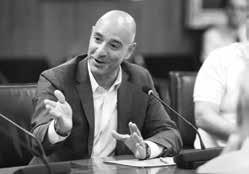
D r c H arne Y: Eric Nestler, talk a little bit about your plans for The Friedman Brain Institute.
D r . eric nestler : The Center gives us the opportunity to be close to our other colleagues. The major focus of the new lab space will be on cognition—how the brain thinks— and what goes wrong with cognition in a range of disorders, from Alzheimer’s disease to autism to schizophrenia, among many others.
D r . c H arne Y: I’ve heard you say that there are more synapses in the human brain than there are stars in the sky. That’s pretty daunting.
D r . nestler : A hundred billion nerve cells, 200 trillion synapses. Yes, it’s a daunting task, but we think that we’ll be able to put together a group of people with uniquely complementary expertise in the neurosciences who will interact with other experts in the building and elsewhere at Mount Sinai in a way that could not be done easily at other institutions. We’ll work with Eric Schadt’s group, identifying genes and molecular pathways that control cognitive function in health and disease; we’ll begin to study the nerve circuits that make the brain unique, the intricate connections among these 100 billion nerve cells responsible for brain function. And then translate these findings into humans, working with Zahi Fayad’s imaging institute.
We also hope that the tools that evolve out of cancer biology and cardiovascular biology will give us novel ways of influencing brain function, perhaps leading to novel brain therapeutics. We’ll begin to crack some of the major illnesses of our time, like Alzheimer’s disease and autism.
INNOVATION MILESTONES
1887
Bernard sachs: Described “Familial Amaurotic Idiocy”— later known as Tay-Sachs Disease—in U.S.
1929
Arthur M. Master: Devised prototype for today’s cardiac stress test, the “Master Two-Step.”
1932
Leon Ginzburg, Gordon Oppenheimer, and Burrill B. Crohn: Formulated the first description of ‘regional ileitis,’ later known as Crohn’s Disease.
1947
Mount sinai: Performed first kidney dialysis in U.S.
INNOVATION MILESTONES
1959
solomon Berson and rosalyn Yalow: Noted the conditions necessary for the performance of immunoassay, for which Dr. Yalow received a Nobel Prize.
1962-1963
Ezra Greenspan and M. Fieber: Used a sequential combination regimen of chemotherapy for treatment of ovarian cancer and breast cancer.
1964
Irving selikoff and colleagues: Showed link between asbestos exposure and the formation of neoplasms.
1969
Edwin Kilbourne: Created the first genetically engineered vaccine.
D r . c H arne Y: Eric Schadt, how will you work with Eric Nestler on breakthrough discoveries in brain diseases?
D r sc H a D t : The interconnectivity among the diseases is critically important. The networks at play in Alzheimer’s, or in diabetes, can cross-inform and cross-validate each other, and as a result we can examine whether treatments or combinations of treatments for diabetes, for example, could be repurposed for other diseases.
D r c H arne Y: Great discoveries come from unexpected directions. Valentín, you’ve talked to me about Alzheimer’s disease and other neurodegenerative diseases that may be related to vascular problems.
D r valent Í n fuster : Yes, this is a clear example of a model that we have here at Mount Sinai. We started with Zahi’s imaging technology, and recently we began to discover that the tiny vessels that supply blood to the white matter of the brain can be obstructed as a result of the same risk factors that lead to myocardial infarction and stroke.
We’re beginning to understand that some aspects of degenerative brain disease have a vascular component. It’s an exciting situation, the integration of the heart and brain. This is a new era.
D r . nestler : It is, and in terms of costs to the population, it’s a challenge. Just treating Alzheimer’s disease would swamp today’s current budget for Medicare completely. So we have to do better. Genetics is providing leads into dozens of genes that we now know contribute to risk or resistance to Alzheimer’s disease. Brain imaging is allowing, for the first time, the diagnosis of Alzheimer’s
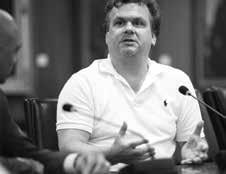
the interconnectivity among the diseases is critically important. the networks at play in Alzheimer’s, or in diabetes, can cross-inform and cross-validate each other.
It’s an exciting situation, the integration of the heart and brain. this is a new era. D
disease in someone who is not yet showing the cognitive decline that is, up until now, the only diagnostic for the illness.
D r c H arne Y: Zahi, what does combined PET/MRI bring to our ability to investigate human disease?
D r . faYa D: About twelve years ago or so, we were talking about the advances in imaging, and Dr. Fuster said, “Why are we asking the patient to come to get an MRI, and then go somewhere else to get a CT? Why don’t we actually combine the whole thing?” Remember that, Dr. Fuster?
This was one of your dreams.
This technology brings incredible advantages, including the comfort of the patient. But from an imaging point of view, we now have an MRI scan, which gives us superb contrast and high spatial resolution, and we have a PET scanner, which is the best way to see biological metabolic processes. When we combine them, especially for the brain, we can do experiments and at the same time image a biological process in the brain and acquire in high resolution image by MRI. This is going to have an incredible impact on the brain, but obviously in other diseases we’re all interested in.
D r nestler : Today a brain disease diagnosis is based almost solely on behavioral abnormalities. But soon we will have the ability to help diagnose subtypes of Alzheimer’s disease, or of schizophrenia, or of depression, or autism, using imaging techniques and genetics, and to use that information to design better, more effective treatment.
D r . c H arne Y: So Eric, the brain and cancer institutes are counting on you! The promise of sequencing the human genome, which happened about 12 years ago, hasn’t yet been realized. What’s the problem?
D r sc H a D t : The problem I believe is due to the reductionist mindset that has dominated biology for the last 100 years or so. The molecular biology revolution promised us that if we understood the function of all proteins, and could inhibit or activate their function, we would understand and cure all diseases. That simply turned out not to be true in the vast majority of cases. As many around the table have already said, diseases can be very complex. They don’t involve single hits to single genes;
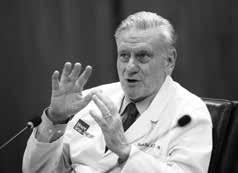
they involve hits to constellations of genes that are also responding to environmental stresses.
Comprehensive modeling requires high-end supercomputer and data management infrastructure which we’ll have in the Hess Center. These are the tools that are going to take us beyond the single-gene understanding and into a network-based understanding of diseases.
D r . c H arne Y: Let’s turn to cardiovascular disease. What are some of the exciting discoveries on the horizon?
D r fuster : The potential for discovery and innovation is tremendous. Gene therapy, regenerative medicine, imaging, predicting vascular disease: There have been tremendous advances in these areas. Let’s look at renegerative therapy. We are still very far from replacing scar tissue with viable tissue, but recent discoveries are fascinating: There are potential cells inside the heart that can be revitalized through some genetic transformation. They can be removed and cultured, then reinjected to stimulate other cells. It’s very, very exciting. So is your work, Bruce, to understand how the heart develops.
But we have a problem: People do not change their lifestyles. All the discoveries that we are making—using imaging and genetics to predict who’s going to have an event, and so forth—people must still be able to change their approaches to their own health. With diabetes in particular—the leading cause of cardiovascular disease—we’re in front of an epidemic and we don’t know how to stop it.
D r c H arne Y: Bruce, what hope do you have for helping children who are born with cardiovascular disease?
D r . B ruce G el B: We are good at fixing some problems surgically or with medical intervention, but we have done very poorly at extending life to its full length. Kids are dying later instead of as newborns—as adolescents or in adulthood. The survival rate is poor.
But we think this can be attacked using the kinds of science that Valentín just referred to, and we’re very excited about sharing space so that we can share those technologies. Until now, we had no way of growing human heart cells. But now, with stem cells, we can actually grow a patient’s own heart cells. We have heart tissue in a dish and we can readily start to test drugs on this tissue before we give them to the actual patient.
Our old ideas are falling by the wayside and genetics and modeling are going to lead the way and enable us to treat diseases and congenital defects.
D r c H arne Y: Valentín, you have mentioned the importance of new technologies—stem cells, gene therapy. Where do you see the cardiac field in ten years, based on these new opportunities?
D r . fuster : There are really four aspects. First, we will be able to understand how the heart develops; understanding development will give us a lot of clues to treat disease. Second, we’ll be able to identify through imaging and genetics the individual who’s prone to develop the disease. And this will give us our third tool, the possibility of lifestyle change, which I think will be the most important tool of all. Finally, tissue regeneration: being able to revitalize heart tissue.
Our old ideas are falling by the wayside and genetics and modeling are going to lead the way and enable us to treat diseases and congenital defects.
— D r B ru CE GE l B
D r c H arne Y: Bruce, what are your hopes and dreams for the Child Health and Development Institute?
D r . G el B: We will focus on cardiovascular disease, allergy and asthma, diabetes and obesity, and neurodevelopment. We’ve touched on most of these areas around this table—that’s the incredible power of the Hess Center: the ability to work and innovate together. You were right, Dennis, that the measure will be new treatments. For instance, we have always looked at children’s neurodevelopmental disorders, autism and other forms of mental retardation, as immutable. What we’re starting to learn through major research at Mount Sinai is that plasticity can be restored: These are going to be treatable problems.
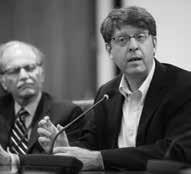
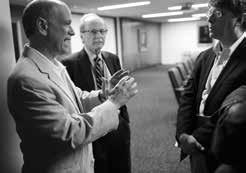
It’s critical that people from very different disciplines talk to one another and really plot out new ways of thinking about diseases and disease treatments.
Ten years down the line, I would like to see a substantial percentage of autism be treatable with small molecules—that’s an achievable goal. Mount Sinai is particularly well poised to do this, and both Zahi’s and Eric Schadt’s institutes play into that.
INNOVATION MILESTONES
1971
Charlotte Friend and colleagues: Demonstrated that dimethyl sulfoxide could induce cancer cells, opening the way to less toxic cancer therapy.
1974
Emanuel rubin and Charles s Lieber: Showed that alcohol is toxic to the liver when the conventional wisdom was that poor nutrition, not alcohol, caused liver disease.
1980
Daniel Present and colleagues: Established immunosuppressive agents as first-line therapy for Inflammatory Bowel Disease.
1982
Kenneth Davis and richard Mohs: Used a specific cholinesterase inhibitor to treat Alzheimer’s disease.
Many of the problems that we’re talking about are chronic illnesses. We don’t have the luxury that Steve and his colleagues have of using bazookas to knock down disease, because we’re not dealing with lethal disease. We want to make an autistic child better, but also have to make certain that we’re not harming that child in the process.
D r c H arne Y: We all have high hopes. Medicine—and the way we educate—has been very traditional. How do we create an environment that could lead to such fundamental discoveries as those in Silicon Valley?
D r . fuster : I think we have to identify the innovators early, discover and invest in them. In a program in Spain, we went to the school system and picked out the best 15-year-olds, the best 16-year-olds, the best 17-yearolds, and put them in a laboratory. In five years, we already have 200 people who are excited and ready for an investigational career. If we do this at Mount Sinai, I predict great success.
D r nestler : Another critical ingredient is to make sure everyone works together, just as we’re doing today: getting people from very different disciplines to talk to one another in the same room and really plot out new ways of thinking about diseases and disease treatments. I think we’ve heard several examples today of how that can happen uniquely at Mount Sinai.
D r . B urakoff : I agree. In the field of cancer, bigger is not necessarily better. A very big place, where labs are large and tend to be siloed, is not always the best environment for innovation. The innovations that have been made in
cancer do not correlate with institutional size. I believe we have the right size at Hess and Mount Sinai. And we actually celebrate translational research here. Everybody talks about it in lots of places, but it’s not necessarily the coin of the realm—but here, it is. It’s seen as a most important thing you can do, make a contribution that changes humankind.
D r . sc H a D t : Where Mount Sinai has a huge competitive advantage over others is its leadership. It’s not mired in bureaucracy, but instead is establishing a culture of innovation. Medicine tends to be very paternalistic, but a place—like Mount Sinai—that’s tolerant of the non-traditional, becomes a major attractor of people who might not normally be drawn to an academic medical center, but who have the potential to enable the precision medicine view that will define success in the future in a medical center like Mount Sinai.
D r . G el B: The Silicon Valley piece depends on risktaking. It’s tough, but it’s critical; the easier thing is to fall back on the project most easily funded. But working together on complex teams and interchanging, building off each other, will foster risk-taking—even if we may fail with a bunch of those risks.
D r faYa D: I just read a book about Bell Laboratories; I’m an electrical engineer by training and all these people are my heroes. Bell Labs really succeeded for two reasons. One, they recruited the best, and let them play and try things. But at the same time, they had a successful company behind them. This is the kind of model we hope to create.
D r . c H arne Y: And we designed the building in a way that’s going to facilitate innovation: the staircase between floors, a white board to get people talking.
D r sc H a D t : Lots of conference space, so people can get excited together—
D r . c H arne Y: —and come up with the breakthroughs you’ve all promised today.
FEARLESS LEADER
Playing the innovation game in a tough league, Dennis Charney, Mount Sinai’s Anne and Joel Ehrenkranz Dean, is leading an all-star expedition that is focused on his vision for discovery and accomplishment. With this Dean at the helm, Mount Sinai can’t lose.
Written by Katie Quackenbush Spiegel
Photography by Andrew Lichtenstein and James Nubile
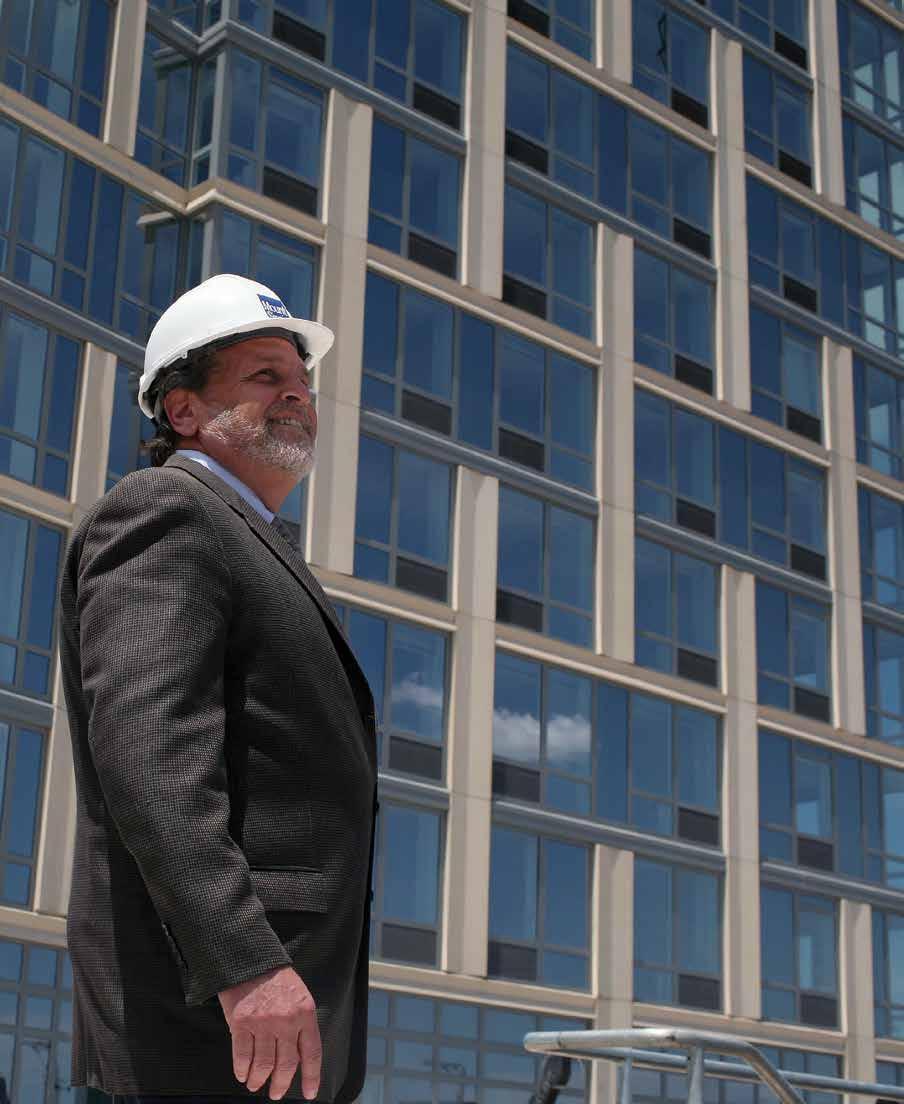
The Leon and Norma Hess Center for Science and Medicine is one of the first new buildings to change the Upper East Side skyline in decades, and one of the very few research centers opening at an academic medical center in the United States.
But the building is not just top-of-the-line bricks and mortar. In fact, the Hess Center is as innovative as the extraordinary scientists and physicians who comprise it. They’re a brilliant team, Mount Sinai faculty of standing and recent recruits, ready to tackle work that could not be more challenging—or more important: Together, they will drive the discovery of new therapies and cures for human disease, changing the course of healthcare for the real-life patients who are depending on them.
Let’s add to the challenge. The Hess Center is opening in Manhattan, where building anything, no matter how big or small, whether fabricated of concrete and steel or of human capital, is notoriously difficult; where assembling teams of internationally renowned biomedical experts to collaborate selflessly on common goals isn’t necessarily part of their training strategy.
Clearly, Mount Sinai needed a true leader for this massive undertaking—not just a coach, not just a manager, but someone who would also be hands-on, pushing forward and taking shots of his or her own. Someone who had the drive and courage to redefine the frontiers. They needed a captain for this new expedition. And, luckily, they already had one.
I love leadership, because it’s about making the people around you better.
dean d ennis Charney
The challenge: discovery
“When Dr. Charney came here, the Yale residents started calling it ‘Charn-obyl,’” says Steven Southwick, MD, of the Yale University School of Medicine and the affiliated VA Connecticut Healthcare System, where Dean Charney, a psychiatrist by training, worked for 8 years of his career.
During the more than two decades Dr. Charney spent at Yale, Dr. Southwick says he enthusiastically accepted a defining challenge: Dr. Charney tackled the revamp of the Yale VA Connecticut’s psychiatry program, historically a struggling, under-funded research group working with a highly vulnerable patient population.
“His work here didn’t unleash a nuclear explosion, exactly, but it changed everything, and it changed everything fast. It was fantastic; he doesn’t do things gingerly,” says Dr. Southwick. “Dennis believes in the power of teams and he believes in winning. He always strives for excellence and he expects excellence from his teammates—and he knows that you have to take some pain to reach your goals.”
In a span of less than five years reworking the VA system in Connecticut, Dr. Charney formed and led a team of psychiatry physician-researchers and residents to create, in a short period of time, one of the most remarkably successful and heavily funded psychiatry research programs of its kind in the country. He pushed the boundaries in research, pursued exciting new lines of inquiry, and recruited renowned faculty to the program. And despite the many challenges, Dr. Charney identified the opportunity latent in the VA program, intuitively tapping into what Dr. Southwick calls the “vein of gold.”
“With Dennis, there’s a sense that you’re in it together, that he’s working just as hard as you are, that he is never coasting, he’s always pushing. This helps everybody else around him have the same ethos,” says John Krystal, MD, chair of psychiatry at Yale and chief of psychiatry at Yale New Haven Hospital—and a former Yale resident under Dr. Charney. “We all viewed him as the captain of our basketball team. Dennis’s success is never about him, it’s always about the outcome. It’s always about the team,
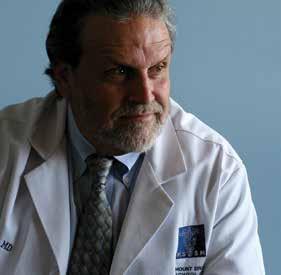
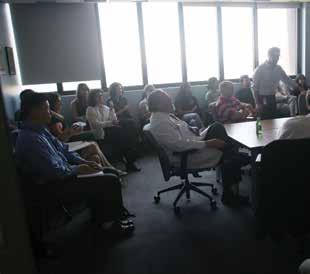
the program, the end-game.”
Dr. Charney’s track record at Yale and the VA system, and later at the National Institutes of Health, made him the go-to pro for fielding the Dean position when Mount Sinai Medical Center president and CEO Kenneth L. Davis, MD, went in search of a leader for the School of Medicine in 2004.
“We were and are in a period of rapid growth in the medical school,” Dr. Davis recalls. “We needed a leader who can see the future, think big thoughts, make a plan, and execute on that plan. Dennis can do all that and more. He is fearless in pursuit of the vision of where he thinks science needs to go.”
Dennis’s success is never about him, it’s always about the outcome. It’s always about the team, the program, the end-game.
dr. John Krystal Chair of Psychiatry at Yale, Chief of Psychiatry at Yale New Haven Hospital
Eight years later, Dr. Charney’s team is taking the lead again.
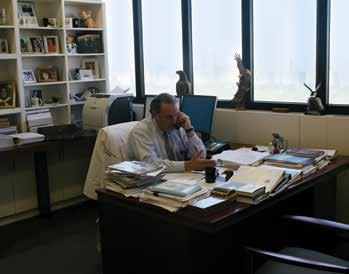
e nergy and quali T y: Powering T he game Based in his office—21 floors above the ground, windows affording a Cinemascope view over Central Park to the Hudson—the captain muses about his calling. “I never aspired to be a dean. But once the opportunity presented itself, I felt very comfortable. Being a dean just fits me,” says Dr. Charney. “Maybe because sports are very important to me—basketball, marathons, triathlons, competitive kayak racing; I rowed crew in college—I’m still active in athletics, and I was always captain of the team. I love leadership, because it’s about making the people around you better.”
It’s also about energy. Dr. Charney’s days start shortly after 7 a.m., and are notoriously packed and diverse: appointments with students and faculty about academic and scientific issues; recruiting interviews with prospective faculty and administrators; planning sessions about the Hess Center and other projects with development
and facilities staff; executive meetings with senior leadership where critical decisions about the direction of the institution are made; work on his own psychiatry research efforts. He somehow found time to write a new book, a study of the key factors for building strength to weather stress and trauma. Called Resilience: The Science of Mastering Life's Greatest Challenges, it was co-authored with Dr. Southwick and was published in September by Cambridge University Press.
He was the right man for examining resilience, taking—as he does—everything in stride and never losing balance and perspective, according to Paulette Moore-Akonnor, Dr. Charney’s administrative manager of eight years and his devoted right hand. She is only the third assistant Dr. Charney has ever worked with over his career of more than three decades; nobody in that demanding role has ever quit.
“He has a very open door policy; nobody has to go through ten layers to speak with him,” says Ms. MooreAkonnor. In fact, she adds, Dr. Charney even works out at the student gym after he leaves the office every day at 7 p.m. before he goes home to his family.
His wife of 40 years, Andrea, says he is the same at work and at home with his family, which includes five adult children. “In our big family and at Mount Sinai, he has your back. He makes everybody feel like it’s all going to be OK,” she says. “He has a wonderful way of not doing things for you, but of helping you do them yourself—and he lets you know he’ll be there for you when you work it out.”
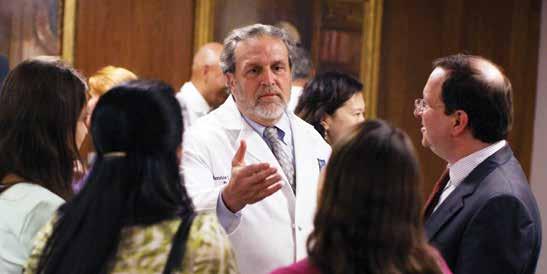
As a result of his caring and energy, according to Ms. Moore-Akonnor, morale is very high; a number of faculty who left Mount Sinai before Dr. Charney
INNOVATION MILESTONES
1991
Francesco Ramirez and colleagues: Identified the gene for Marfan Syndrome.
1995
Mount Sinai Visiting Doctors: Pioneering School of Medicine program brought medical care to homebound patients in East Harlem.
1996
Philip Landrigan and colleagues: Documented the unique vulnerability of infants and children to pesticides and other toxic chemicals in the environment, leading to passage of the Food Quality Protection Act by U.S. Congress.
1999
The Hertzberg Palliative Care Institute created as the first and only one of its kind to combine clinical, educational, and research activities together with a national dissemination platform.
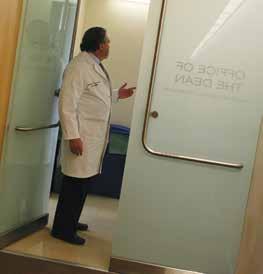
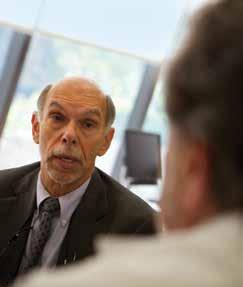
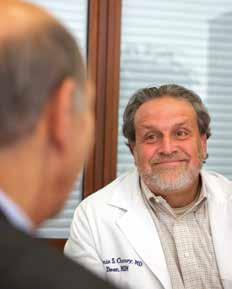
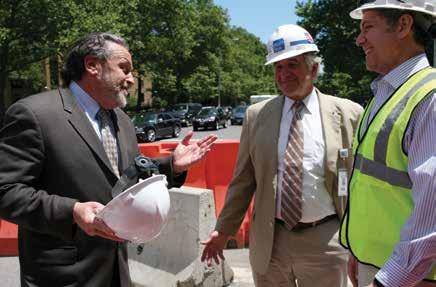
Dennis is fearless in pursuit of the vision of where he thinks science needs to go.
president Kenneth l. daV is
arrived have even come back. “He really knows how to get things done, to do things effectively and efficiently, and he does it all in such a way that he is inclusive,” Ms. MooreAkonnor notes. “He says, ‘This project is yours,’ and lets you run with it. He does not micromanage, but he expects very high quality.”
“ w hy no T ?”
Dr. Charney’s accessibility and confidence in his people has brought Mount Sinai’s strategic plan to full fruition with the advent of the Hess Center during, perhaps, the most challenging climate in history for academic medical centers.
“With Dennis, there’s nothing that can’t happen,” says George Heninger, MD, professor emeritus at Yale and Dr. Charney’s mentor. “His attitude was always, ‘Why not?’ Other people see a situation and think of all the reasons they can’t, but Dennis will think, ‘Why not?’ And then he’ll actually tackle the project.”
And, according to his wife, who has been by his side since they were teenagers, there’s nothing Dr. Charney loves more than a challenge, both at work and at home.
“He’s always thinking of the next step, how to make Mount Sinai better. I’ve seen him do it before, at Yale, at the NIH, and here at home,” Andrea Charney says. “He has a way of making the team work really well together, whatever that team may be.”
For Dr. Charney, the Hess Center project is not just about constructing a big research and clinical space on the Upper East Side. He says that the Hess Center is important not because it’s a new building, but because of what it stands for, the promise it holds.
“Never before have we recruited such talented students to our medical school and graduate school; they push us, expect a lot, and make us better teachers. The house staff we are recruiting to the hospital has never been better—they are the great doctors. And then you have all these terrific scientists who are coming here because of our growing program,” says Dr. Charney.
“So it’s not about bricks and mortar; it’s about people. Innovative people want to be around other innovative, entrepreneurial people.”
And they need a captain who knows where the team is going.
a view of success
Over the past few years, the sight of the Leon and Norma Hess Center for Science and Medicine rising up from the street, girder by girder, a skyscraper-height crane swinging constantly overhead, has established in everyone at Mount Sinai—students, faculty, staff, executive leadership, and patients—a sense both of quiet confidence and of visceral excitement about what is to come. The Hess Center, its square-cut frame rock-solid on Madison Avenue between 101 and 102 streets, and the talent it will hold, embodies the fundamental shift in Mount Sinai’s institutional trajectory.
“The ultimate goal of our strategic plan and what we hope to get out of the new Hess Center is not just more grants, more good papers in top journals. We want to make new discoveries that change the way human disease is diagnosed and treated, that really change the face of medicine,” says Dr. Charney.
He often states, in speeches and press coverage, that discovery and innovation are encoded in Mount Sinai’s institutional DNA. “I’m excited that we’re creating a culture of innovation at Mount Sinai. People use that word—innovation—easily, but what I mean is really pushing the envelope, thinking big, thinking out of the box. That will make a difference.”
Dr. Charney knows that this goal of driving innovation won’t be reached because the doors of the Hess Center opened this fall. When he talks about the future at the Hess Center, he mentions President Kennedy’s inaugural address: Goals may not be reached in the first 1,000 days, but over years, they will be met. The Hess Center and the hundreds of new scientists coming to Mount Sinai as part of the initiative are critical to the process.
And Dr. Charney is there to help them move forward, goal by goal—breakthrough by breakthrough. “One thing you should know about Dennis is that as a basketball player in high school, he always wanted to be the one making the last shots,” says Dr. Heninger, his mentor. He adds that this trait reflects Dr. Charney’s self-confidence, his attitude that he can do it for his team—that it’s essentially a matter of energy, aggressive organization, and putting it all together to make great things happen.
“That’s why he’s dean of Mount Sinai School of Medicine. He inspires those around him to work hard,” Dr. Heninger says. “And that’s why he has always wanted to take the last shot—he feels that he is the person his team can rely on.”
Dennis Charney on Undaunted Courage
The personal trait I admire most is courage, whether physical, emotional, or intellectual. The explorers meriwether lewis and william clark, and the expedition they undertook in 1803, embody courage to me—“undaunted courage,” in the words of historian Stephen Ambrose, whose book of that name is one I share with staff and faculty at Mount Sinai.
Why do Lewis and Clark capture my imagination, and why do I want my Mount Sinai team to understand them? It starts with their courage. During the Corps of Discovery Expedition, Lewis, Clark, and their men—and Sacagawea (the young Lemhi Shoshone woman who accompanied them)—exhibited the full spectrum of courage. There is a lot to emulate in their experience that is applicable to achieving greatness in many settings, including a medical school: We need the courage to challenge the status quo and achieve where others have not.
“I highly value teamwork that leads to a sum that is greater than its parts.”
Second, Lewis and Clark were amazing leaders, both by example and in what they expected from the Corps of Discovery. They set the bar high, inspiring the Corps to achieve things that the team probably thought were not possible. There is a lot for us to emulate here as well: Great medical schools need strong leaders who help their faculty achieve greatness—to raise and exceed expectations.
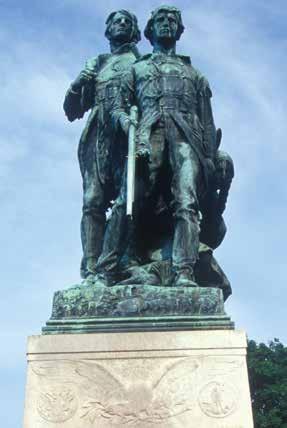
Third, the Corps of Discovery was a truly great team, one of the best explorer teams of all time. I highly value teamwork, which leads to a sum that is greater than its parts. My job as Dean is to build great teams that revolutionize, in the positive sense, the way we educate, the way we deliver care, and the way we conduct the research that will lead to better prevention, diagnosis, and treatment of human disease. And let us not forget that Meriwether Lewis also conducted great science during the expedition, identifying many new species. Great science and great expeditions require brilliance—and courage.
Change Charge Culture
Written by Carrie Gottlieb
Scott L. Friedman, MD, the new dean for therapeutic discovery and a School of Medicine alumnus, is taking an innovative approach to supercharging something that’s always been a tradition at Mount Sinai: innovation.
Dr. Friedman seems uniquely suited to lead Mount Sinai’s efforts in translating biomedical research into therapies that cure human diseases. With three decades of scientific and medical accomplishments to his credit—primarily in the field of liver disease—Dr. Friedman has an ambitious, yet attainable, mission. His goal is to infuse Mount Sinai’s culture of research excellence with an entrepreneurial spirit: He would like every scientist to consider how his or her work in the laboratory can reach beyond the next research paper, and help fight disease on a clinical level.
For many years, such renowned Mount Sinai researchers as Roger Hajjar, MD, director of the Weiner Family Cardiovascular Research Laboratory and the Arthur and Janet Ross Professor of Medicine, Peter Palese, PhD, Professor of Infectious Diseases and Chair of Microbiology, and Dr. Friedman himself have worked extensively with private industry to create effective therapies. By encouraging others to embrace this way of thinking, Mount Sinai’s leadership believes a larger stream of novel drugs and diagnostic products will be discovered here, and then developed through joint ventures and other agreements with pharmaceutical and biotechnology companies.
“Our goal is to change the culture here, so that Mount Sinai becomes an institution that attracts and fosters
innovative scientists, identifies and develops new therapies, and accelerates their commercialization to benefit our patients,” says Dr. Friedman. “We want to create a new model for how innovation happens in an academic medical center.”
Right pe R son/ R ight time
A confluence of factors has brought about this new emphasis. On the one hand, pharmaceutical companies are redefining their research and development models. Over the years they have invested billions of dollars in drugs that have missed the mark—and increasingly they are looking to top-tier medical schools to provide the discoveries. At the same time, National Institutes of Health funding has never been so tight. Revenue derived from commercialized products would provide patients with better therapies and possibly afford Mount Sinai a financial benefit.
“Dr. Scott Friedman is the ideal person to lead Mount Sinai’s physicians and scientists into a new phase of innovation, with bench-to-bedside medical discoveries that may result in high-impact therapeutic products,” says Dennis S. Charney, MD, Anne and Joel Ehrenkranz Dean of Mount Sinai School of Medicine.
“We want companies to say, ‘It’s great to partner with Mount Sinai,’” says Dr. Friedman. “‘They have a
Photography by Andrew Lichtenstein
nimble administration, they’re responsive, and they have great science.’”
In his role as dean for therapeutic discovery, Dr. Friedman will integrate facilities that create or identify new molecules, mouse antibodies, stem cells that are derived from skin cells, and technology transfer (the handling of legal and technical exchange of information). Dr. Friedman’s own pioneering research into the underlying causes of scarring of the liver, or fibrosis, which affects millions of people worldwide, has been continuously funded since 1985. He consults for more than 40 companies.
Cultu R e of ent R ep R eneu R ship
What really opened his eyes to the interplay between research and industry, Dr. Friedman says, were his years as a trainee and faculty member at the University of California, San Francisco (UCSF) Medical Center from 1982-1997. At the time, startups such as Apple Computer and Microsoft were attracting millions of dollars in venture capital; nearby Silicon Valley was booming. That culture of entrepreneurship is “in the DNA of UCSF Medical Center,” says Dr. Friedman, and can be replicated here at Mount Sinai.
And it’s already in the air. Mayor Michael Bloomberg and other local leaders would like to bring the spirit of discovery and commercialization to New York City, and have recently created a NYCTech Campus for engineering, with the expectation that a new venture between Cornell University and Technion Israel Institute of Technology will increase economic activity and high-tech job creation in the city.
Mount Sinai itself is perfectly situated for the next phase in its evolution as a center for innovation, says Dr. Friedman, whose extensive experience can help fuel such change. “My career has been devoted to identifying new mechanisms of liver fibrosis in hopes of developing new treatments for patients with liver disease,” he says. In addition to caring for patients at Mount Sinai, Dr. Friedman has performed basic research that has been supported by the National Institutes of Health. He has filed patents, advised pharmaceutical and biotech companies in drug discovery and clinical trial development, and partnered with companies to test drugs.
It’s the right resume. As dean of therapeutic discovery, he will integrate the principles of innovation so that every scientist asks the right questions, and has the tools and knowledge to bring their discoveries to the epicenter of the battle against disease: the patient bedside.
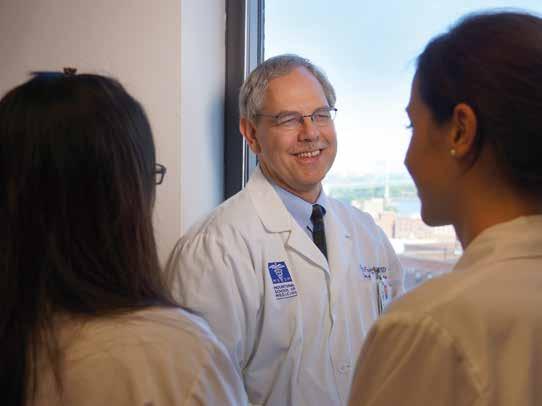
New Venture
to gauge Mount Sinai’s commitment to entrepreneurship, look no further than the recent appointment of geoffrey W. smith to the faculty of the Graduate School of Biological Sciences. Mr. Smith is a founder and Managing Partner of Ascent Biomedical Ventures, a New York-based venture capital firm that specializes in seed and earlystage biomedical technology companies. A lawyer and venture capitalist by training, Mr. Smith understands the art of teaching—his mother was a teacher and his father a professor at Harvard Medical School—and the culture of commercialization. Ascent specializes in developing medical devices, biopharmaceuticals, healthcare services, and information technology.
Five years ago, Mr. Smith founded the Science and Economics program at Rockefeller University, teaching students about intellectual property, technology transfer, and drug discovery. He says, “It was very clear to me the students were hungry to explore these topics.”
At Mount Sinai, Mr. Smith says, “My thrust is to create a center for technological innovation and entrepreneurship.” He will teach both faculty—providing workshops on problem-solving and the development and management of resources—and students, where the focus will be on training them to think in terms of developing “use inspired” research. “The mindset of how an industrial scientist solves problems is very different from an academic scientist,” he adds.

John Morrison, PhD, dean of basic sciences and the Graduate School of Biological Sciences, notes, “Our highest priority will always be to develop and train the most rigorous and innovative basic scientists. But we also want our basic scientists to be leaders in translational research, and Geoff’s program will be invaluable in preparing them for such a role in the scientific community.”
The reality of what’s required to go from an idea to an invention is underappreciated in most academic medical centers. Geoff brings that knowledge,” adds Dr. Scott L. Friedman. And as more Mount Sinai graduates look for jobs in industry rather than as independent National Institutes of Health-funded investigators, Dr. Friedman says, Mr. Smith’s courses will be particularly valuable. “Our graduates will be more competitive and more appealing than conventionally trained students,” he says.
Hess Center
Scott Friedman
BridgingDisciplines
From Prediction to Precision
We can see the future. A child with Acute Myeloid Leukemia, a cancer of the bone marrow, is in deep and lasting remission. A young woman at high risk for developing schizophrenia is free of the condition. A man with atherosclerosis, a form of cardiac disease that often results in heart attack or stroke, is enjoying a healthy active life as he ages.
Written by Sima Rabinowitz
Illustration by Mark
McGinnis
What scientists and clinicians at Mount Sinai predict for the future is based on their novel strategies today: a remarkable capacity to visualize—both literally and figuratively—what is happening in the body in the most precise and personal of ways. Their approach, known as precision medicine, entails the rapid analysis of immense quantities of data and the ability to view the most exacting and comprehensive combination of images. And their big-data, big-picture goals have the potential to transform the way we practice medicine.
In the Leon and Norma Hess Center for Science and Medicine, teams of data scientists and mathematicians, engineers and physicists, and research scientists and clinicians in The Institutes for Genomics and Multiscale Biology and Translational and Molecular Imaging are harnessing the power of innovative technologies to create dynamic structural models and assess real-time metabolic and anatomical structures and
functions that give them unprecedented understanding of human disease.
“We’re together under one roof,” says Zahi A. Fayad, PhD, director of the Translational and Molecular Imaging Institute. “We’ve integrated preclinical, translational, and clinical expertise, unique technologies, and a discovery unit, enabling extraordinary collaboration across disciplines.”
Andrew Kasarskis, PhD, co-director of the Institute for Genomics and Multiscale Biology, agrees. “This is an enormous opportunity for us. Our work has implications for the diagnosis, treatment, and prevention of a multitude of diseases.” In fact, pioneering projects are underway at Mount Sinai in cardiology, oncology, and neuroscience, among other fields, employing the institutes’ technologies and demonstrating their potential impact on multiple levels.
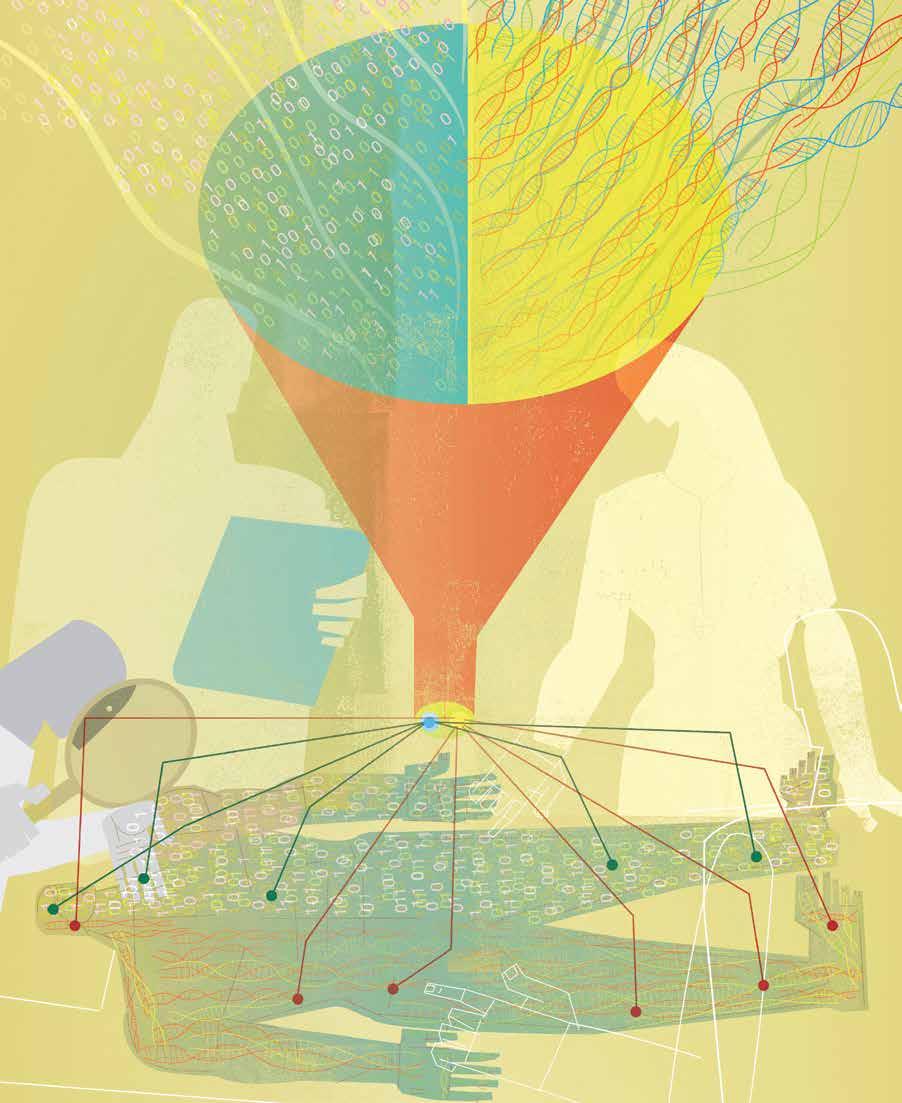
“This is an enormous opportunity for us. Our work has implications for the diagnosis, treatment, and prevention of a multitude of diseases.”
DR. an DR ew ka S a RS ki S
INNOVATION MILESTONES
2002
Stephen Levin and colleagues: Organized the Mount Sinai World Trade Center Health Program in the immediate aftermath of the September 11, 2001 terrorist attacks.
2003
Hugh Sampson and colleagues: Developed treatment for peanut allergy.
2003
Robert Desnick and colleagues: Developed Fabrazyme to treat individuals suffering from Fabry’s Disease.
2004
Joseph Buxbaum and colleagues: Identified first common gene variant linked to autism.
Dr. Kasarskis and Eric Schadt, PhD, the institute's director, recently published the results of their promising investigation into a new therapeutic target for Acute Myeloid Leukemia (AML) utilizing a precision medicine approach. The best current option for patients with AML (one of the most common types of leukemia) is a therapy to which many patients respond extremely well initially but then develop resistance. By simultaneously sequencing hundreds of single molecules in the FLT3 gene implicated in AML—a process accomplished with a molecule real-time sequencer invented at Mount Sinai’s partner Pacific Biosciences—Drs. Kasarskis and Schadt identified the mutation that enables a cancerous cell to escape (resist) the therapeutic agent. A next step will be development of a more effective therapy based on this new finding.
“The ability to see resistance will let us identify the problem sooner in a patient’s clinical course and address the condition more quickly,” concludes Dr. Kasarskis.
Genomics (data analytics, predictive modeling, and biological data mining) and multiscale biology (a view across the entire organism, from molecule, to gene, to cell, to the whole body analyzed in real time) enable new understanding of melanoma, a form of skin cancer on the rise in the U.S., as well. The high-speed analysis of tens of thousands of gene sequences across the complete metabolic cycle of a specific kinase (protein) has allowed researchers to estimate accurately which molecules are under selection for specific mutations
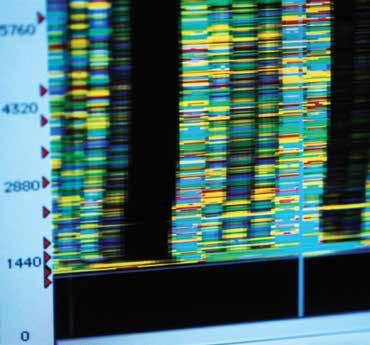
and how they may change over time. The ability to predict both the type and frequency of mutations will be significant for the diagnosis and treatment of nearly every type of cancer and many infectious diseases.
Sophisticated multiscale modeling will also play an important role in the investigation of psychiatric and cognitive disorders. “We’ve discovered that the genetics of brain disorders is far more complicated than originally thought. We need a comprehensive approach that integrates strategies and insights across disciplines, and we must have as much genomic and genetic data as we can amass to integrate with the underlying biology,” says Pamela Sklar, MD, PhD, professor of psychiatry, neuroscience, and genetic and genomic sciences, and chief, Division of Psychiatric Genomics.
Dr. Sklar’s research focuses on schizophrenia and bipolar disorder, which affect more than three percent of the U.S. population. In a National Institute of Mental Health (NIMH)-funded study, her team is collaborating with Institute of Genomics and Multiscale Biology colleagues to analyze and integrate DNA, RNA, and other types of information from thousands of samples, with the goal of identifying gene patterns that indicate risk for these disorders.
“We need to know much more about the biology of the brain before we can develop therapies—both drugs and environmental approaches—to treat psychiatric conditions more effectively,” says Dr. Sklar. “It’s a fluid process, from bench to bedside and back to bench again.”
A fluid process, integration across modalities and disciplines, and collaborative synergies inform projects in the Institute of Translational and Molecular Imaging, as well. Revolutionary imaging equipment and technologies are polyvalent—configured to examine organs and functions across multiple areas of research—and the work requires the skill and expertise of engineers, physicists, radiologists, biomedical researchers, chemists, biologists and clinicians.
“With cardiovascular disease we’re often looking for a needle in a haystack. The metabolic information is hidden,” says Dr. Fayad. “The MRI/PET give us exceptionally clear and precise images of the anatomy and functions of the heart in real-time in vivo (human patients). Patients are exposed to lower doses of radiation and the procedure is done quickly—which improves the patient experience.”
Mount Sinai was the first in the world to install the whole-body sequential MRI/PET (Magnetic Resonance Imaging/Positron Emission Tomography). The new combined MRI/PET, which is one of very few in the world, is housed in the Hess Center and enables a neverbefore-seen, whole-body picture. Dr. Fayad employs the technology to advance his world-leading work in atherosclerosis, enhancing detection of the plaques in artery walls that may be vulnerable to rupture, resulting in heart attack or stroke. “Predicting risk is paramount for early diagnosis and treatment,” he says.
The Hess Center also houses the only Spectral CT (Polychromatic Computed Tomography Scanner) in use
in the world. The scanner’s multicolor images provide unprecedented views of tissue elucidating their precise density and composition. Dr. Fayad is employing the Spectral CT for first-in-kind research using contrast agents derived and delivered through nanotechnology. Nano-sized particles are more readily transported and more precisely focused than conventional ones.
Bachir Taouli, MD, associate professor of radiology and of medicine, explains how the institute’s exceptional imaging capacities serve his investigation of liver cancer in similarly significant ways. “More than eighty percent of liver cancer patients have underlying liver disease before developing HCC (hepatocellular carcinoma),” he says. “And the liver cancer—when advanced—does not typically respond well to existing treatments. What we are learning from our new imaging techniques about the background liver disease and the early detection of HCC will have a profound impact on diagnosis, treatment, and prognosis.”
Dr. Taouli employs the institute’s technologies in five principal ways: to screen for HCC in patients at risk; characterize liver tumors (as benign, malignant, or indeterminate); determine tumor stage (how advanced is it?); evaluate a patient’s eligibility for specific treatments (such as liver transplant, hepatic resection, systemic therapies, and loco-regional therapies such as chemoembolization and radiofrequency ablation); and assess tumor response to therapy. His team is the
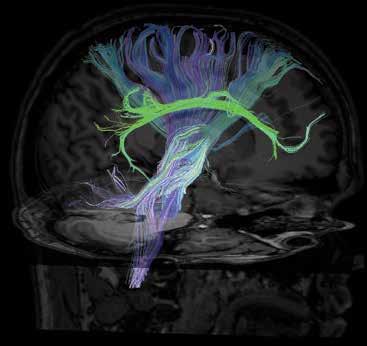

The exceptionally clear and precise images produced by Mount Sinai's combined MRI/ PET technology—one of very few such systems in the world— can lead to earlier detection of cardiovascular disease
INNOVATION MILESTONES
2004
Stuart aaronson and colleagues: Showed that a Wnt autocrine mechanism is responsible for activation of Wnt canonical signaling in common human tumors.
2005
eric Genden: Performed the world's first successful composite tracheal transplant.
2010
Peter Palese and colleagues: Developed a new influenza vaccine.
2010
ihor Lemischka and Bruce Gelb: Developed the first cardiovascular disease model using human induced pluripotent stem cells.
Diffusion tensor imaging enables Dr. Tang and other neuroscience researchers to visualize disruptions in the communications pathways among different parts of the brain
Sense of smell: The brain (with the amygdala and insular cortex shown active) in the act of perceiving smells; Dr. Tang studies images like these to understand olfactory perception in patients with neurocognitive and psychiatric disorders

INNOVATION MILESTONES
2011
Julie Blander: Identified a receptor system for detecting bacterial viability.
2011
Roger Hajjar: Found a new drug target for the treatment and prevention of heart failure.
2012
eric e. Schadt and colleagues: Developed a technique for generating a personal SNP profile, or a DNA “bar code.”
2012
Ross Cagan and colleagues: Developed a cancer model in Drosophila (fruit fly), and used it to create a whole new approach to the discovery of cancer treatments.
“ We actually have to retrain radiologists to interpret these new images, as they’re completely unlike any we’ve been able to see before.”
DR. C H euk Y. tan G
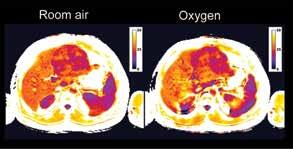
A liver tumor that has become hypoxic (deprived of oxygen), a condition which often makes tumors more resistant to treatment. Images such as this allow Dr. Taouli to deliver more targeted therapies
first in a New York hospital to employ a novel technique called magnetic resonance elastography in order to evaluate the background liver stiffness (used as a marker of liver damage). Future projects will include collaborations with the genomics institute, correlating imaging phenotypes to detailed gene expression in order to enable ever-greater precision and personalization of treatment in patients with HCC.
Prediction and personalization are key, too, in neuroscientific imaging. “We can see what our patients smell,” explains Cheuk Y. Tang, PhD, associate professor of radiology, associate professor of psychiatry, director of neurovascular imaging research, associate director of the Imaging Science Laboratories, and director of the In-Vivo Molecular-Imaging SRE. Dr. Tang and his team have developed a technology to explore the alterations in olfactory perception (the sense of smell) common to many neurocognitive and psychiatric disorders, including Alzheimer’s, obsessive compulsive disorder, and schizophrenia. Patients with these disorders typically perceive smells with aberrant emotional and physical sensitivity. The device developed by Dr. Tang and his team uses an MRI to probe how the brain responds upon the presentation of various stimuli.
“We’re working to decipher what happens functionally and anatomically in the brain in multiple disorders,” says Dr. Tang. Using the powerful 7 Tesla magnet, his team will be able to acquire images with unprecedented detail. “We actually have to retrain radiologists to interpret these new images as they’re completely unlike any we’ve been able to see before.”
Promising neuroscience projects associated with the Translational and Molecular Imaging Institute include ambitious research tracking the orientation, movement, and intersection of axons and the integrity of white matter as viewed with Diffusion Tensor Imaging (DTI) generated by the new equipment. DTI images let researchers visualize how distinct components of the brain communicate with each other in normal or disrupted patterns.
“We track the patterns and then make predictions about disruptions in the communication between neurons that may lead to dysfunction. These dysfunctions can be confirmed using functional MRI or Positron Emission Tomography. Most importantly, we can now perform these studies simultaneously on the same patient,” says Dr. Tang. “Functional and anatomical connectivity studies will be critical to advance brain science.”
“Science has always been about the ability to guess, estimate, and predict,” concludes Dr. Kasarskis. “The difference is that now we have infinitely more accurate and precise data. We can see quickly which hypotheses are best supported.”
From prediction to precision, researchers at Mount Sinai are progressing from the smallest possible component—a nanoparticle—to the largest possible result: how patients can thrive and the practice of medicine can be transformed by the most exquisite intersection of human intelligence and creativity, exacting and revolutionary technology, and the passion and drive to envision and influence the future.
INSIDE thE POWERhOUSE
As new breakthroughs lead to new treatments, and new treatments lead to new paradigms, the Hess Center’s contributions will reshape medicine. Take a walk through a powerhouse in the making, and learn from some of the researchers and caregivers how they will make use of the state-of-the-art equipment and facilities that will enable their aspirations.








Photography by Don Hamerman
Otto Steininger
Leon and Norma Hess Center for Science and Medicine
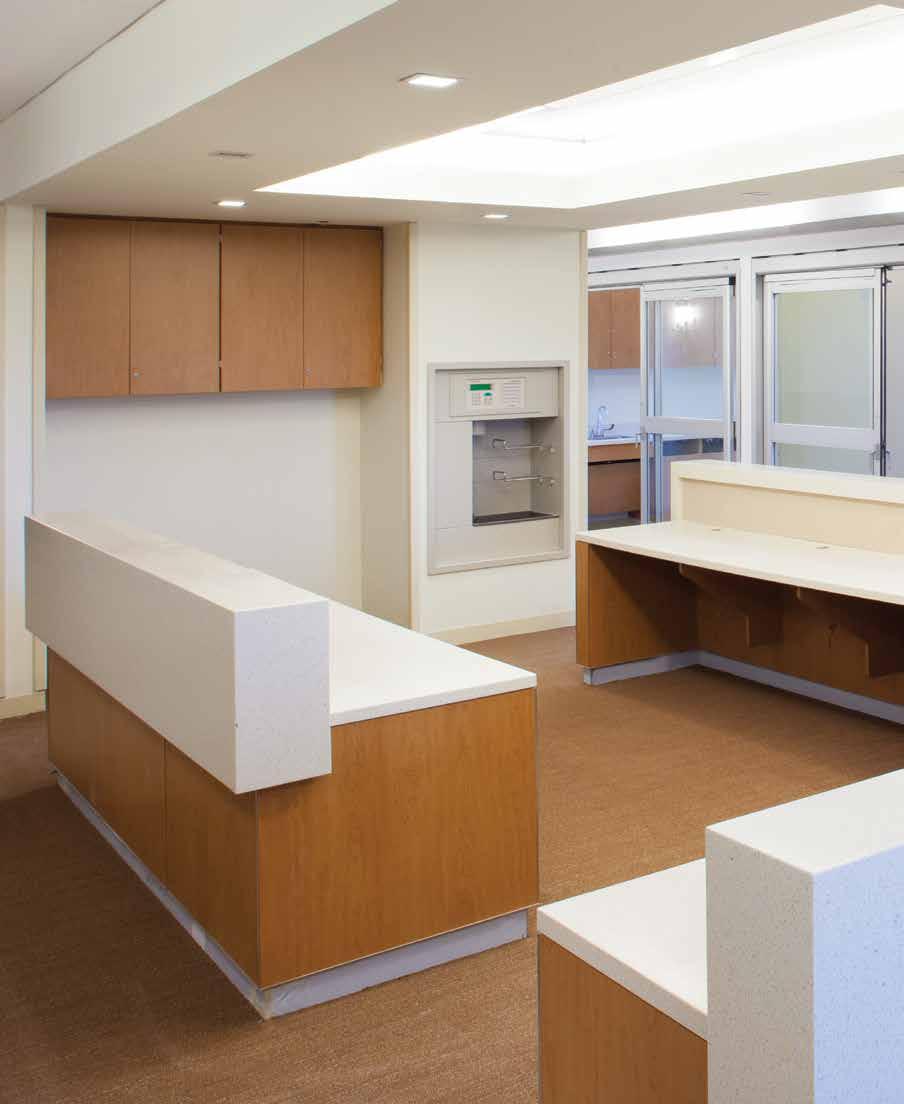
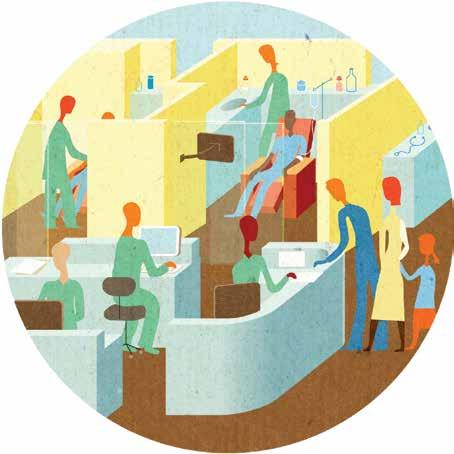
the Ruttenberg treatment Center’s infusion rooms are large enough to accommodate family and friends and include other patientfriendly features such as televisions and reclining chairs. And the nurses’ station allows a privileged view of the glass-walled rooms: Staff can monitor treatment while protecting privacy.
Floor 4: The Tisch Cancer Institute
t h E D ERA l D h . R U tt EN b ER g tREAtm EN t C EN t ER
“We are excited by our move to the Hess Center, because now we can really bring our multidisciplinary team together to offer better care for the whole patient. We have forty-eight exam rooms, versus twenty-three in our old space, and our medical, surgical, and radiation oncologists—and palliative care experts—are in the same setting as our social workers, nutritionists, advanced practice nurses, physicians assistants, and other caregivers, which improves the opportunity for collaborative practice and discussion. Ruttenberg now has fiftyfour patient-friendly infusion rooms with greater privacy and more comfortable accommodations. Because nurses' stations are located throughout the infusion suite, our nurses will have better sight lines and can see all of their patients at a glance.
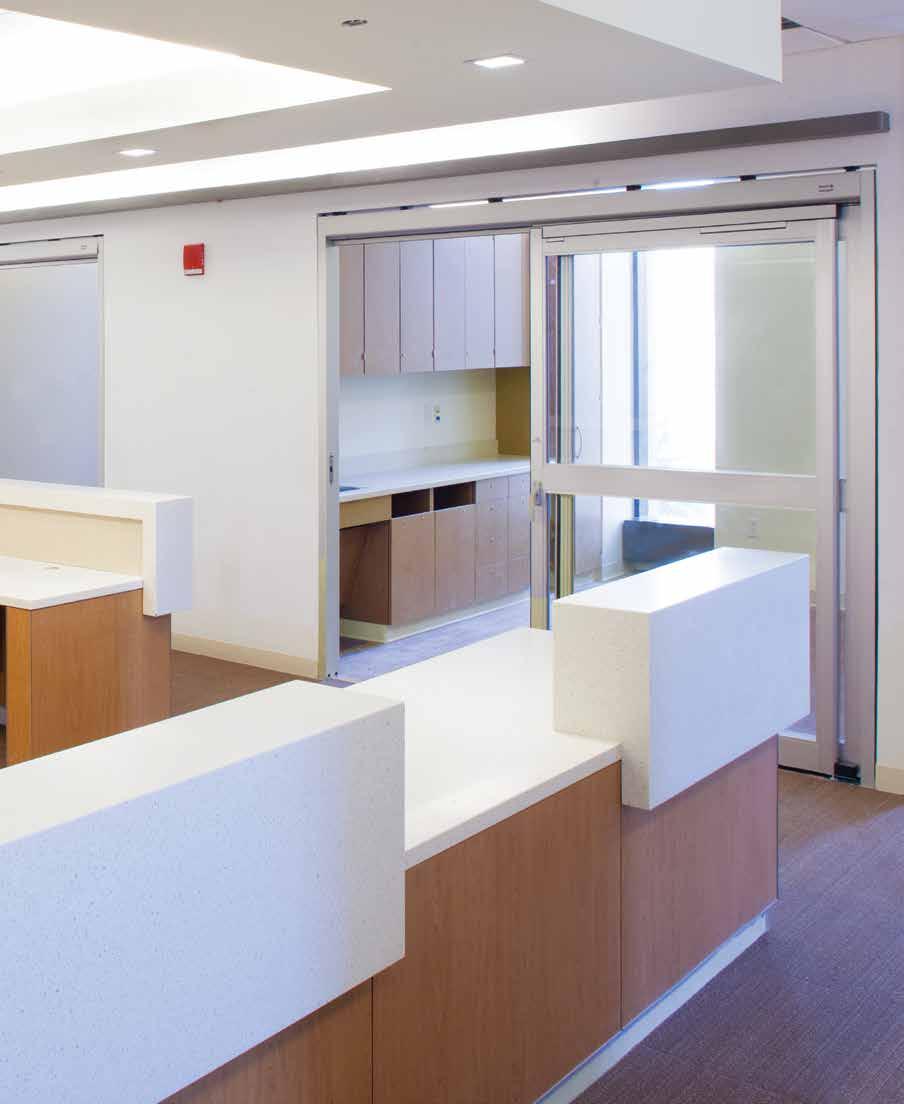
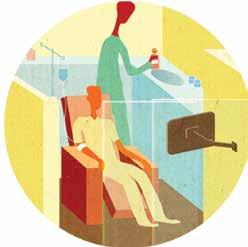
The larger pharmacy and research pharmacy on the same floor will improve the flow for clinical trial participation and enhance communication, and we have great space for support groups and educational offerings.
“Caring for a cancer patient is so much more than quality medical care. It’s all of the things that have an impact on the patient—the way cancer affects their families and their work, and how they cope with all of the psychosocial aspects. In the Hess Center, we can serve those needs right within the same space.”
Pat Spencer-Cisek, MS, ANP-BC, AOCN Senior Director of Clinical Operations

Floor 10
g ENERAt ORS
“Since so much of the work of the Hess Center depends on the uninterrupted supply of a huge amount of electrical power, the emergency generators and backup systems will keep delivering all the power that the most critical systems would need in a blackout. There are two generators; each can carry the entire building’s emergency electrical power requirements. The generators also have enough capacity to handle future power needs as the Hess Center grows. It’s a level of reliability that meets—or even exceeds—the standard of any new research facility being built right now.”
Ben Ciferri
Vice President, Center for Science and Medicine/ Residential Tower Management
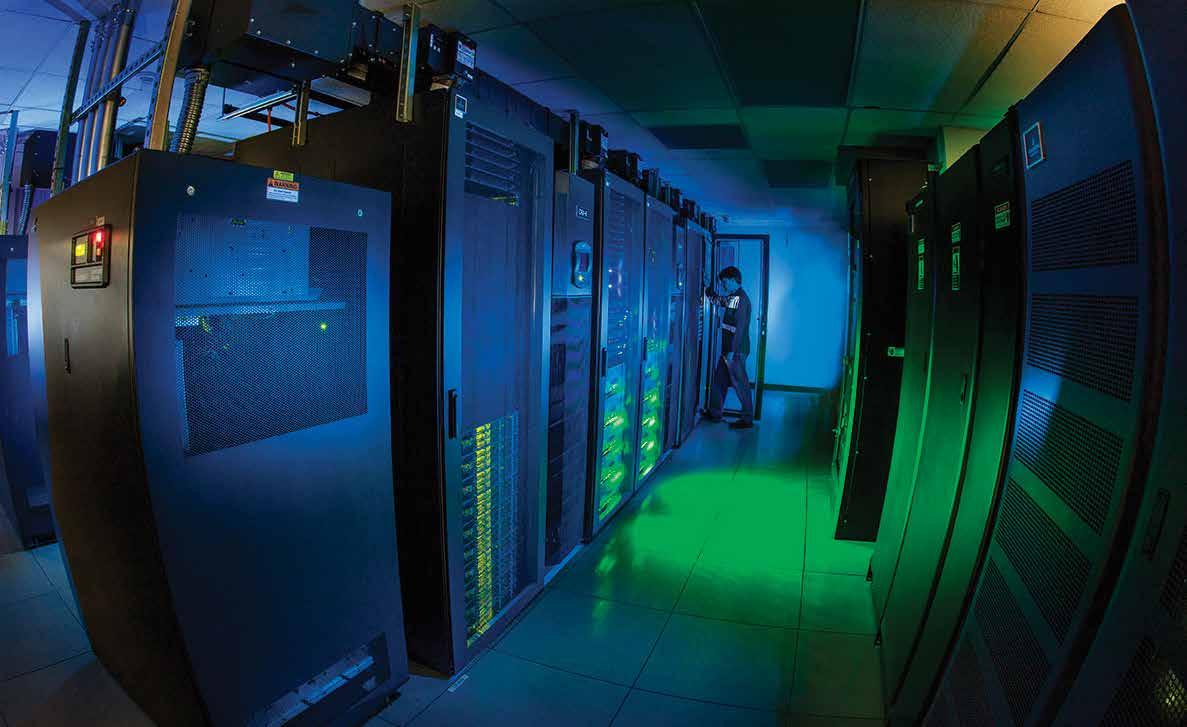
Floor 1
mINER vA S UPERCO m PU t ER
“ Our new 2,200-square-foot data center granted us a unique opportunity to build an on-site supercomputer and data infrastructure in NYC using the latest “green” technologies. This on-site location makes it easy to integrate these new resources with our existing facilities and provides an easier access model for faculty, especially those with large data sets. The size of the new data center empowers us to build an infrastructure of unprecedented size for scientists and researchers at Mount Sinai. With this new infrastructure, researchers can run computer simulations of disease processes with increased fidelity, complexity and scalability. The Hess Center has made it possible for us to deploy massive computational and data systems that will allow Mount Sinai researchers to tackle scientific problems that are far larger than they have ever been able to tackle before.”
Patricia Kovatch
Associate Dean for Scientific Computing
the new data center quadruples the capacity of minerva, mount Sinai’s high-performance supercomputer, which already ranks among the largest systems in academic medicine in the U.S.
page: mount Sinai’s commitment to advanced computing capacity and the Institute for genomics and multiscale biology—and the high-performance computing center that drives much of the Institute’s work—led the medical center to increase the capacity of the emergency generator by 25 percent more than the building’s initial plans had called for.
page:
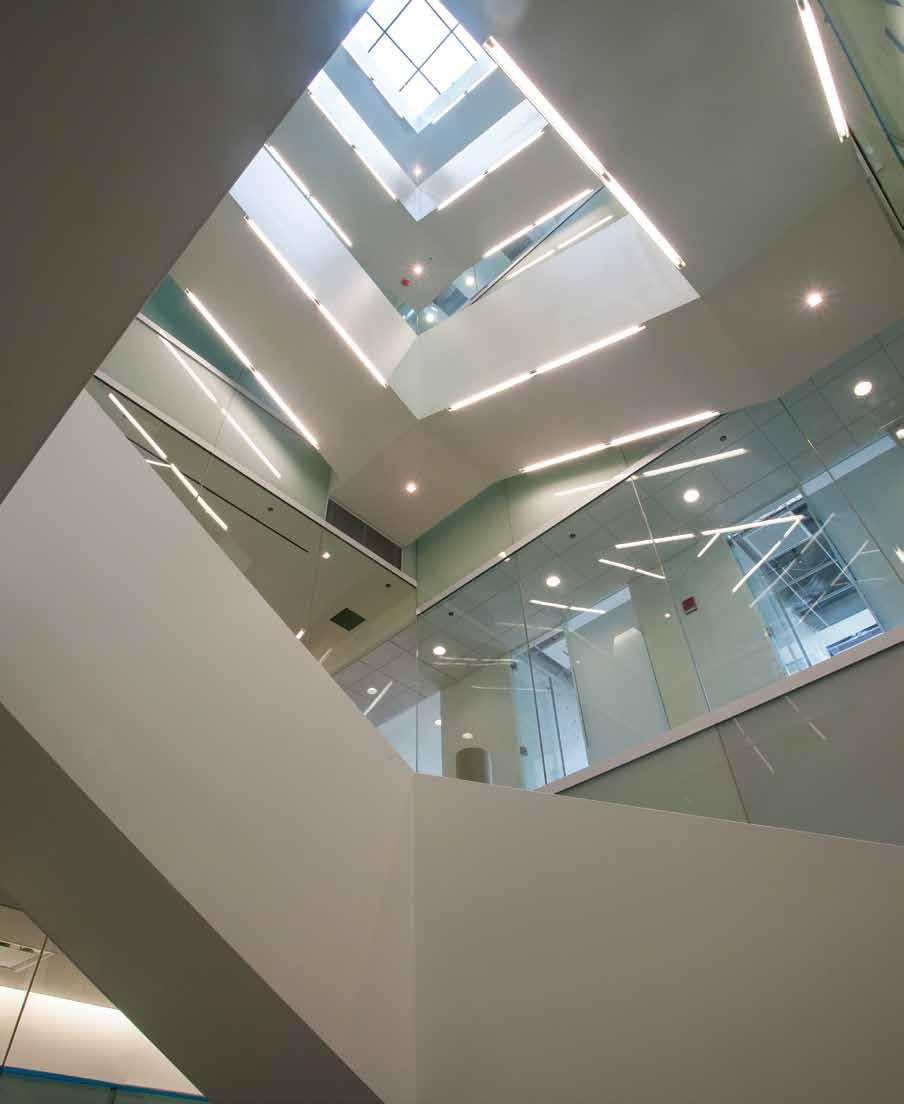
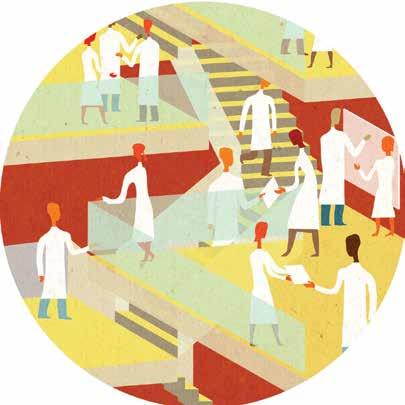
Floors 5-10
S tAIRCASE
“A central feature of the building is a big central staircase that connects all the research floors. It’s open—glassed in— so that all the scientists can see the labs on each floor. It’s about access: They can go up or down to talk with each other, share their work. Each landing has a white board, so that when researchers walk out from the staircase and onto the landing, they can share ideas and concepts easily with each other.
“And it’s about communication: We want everyone working in the building to really utilize this space to talk to each other, because new findings can come from unexpected directions.”
Dennis S. Charney, MD
Anne and Joel Ehrenkranz Dean Mount Sinai School of Medicine
this
A hanging staircase links all the research floors.
left
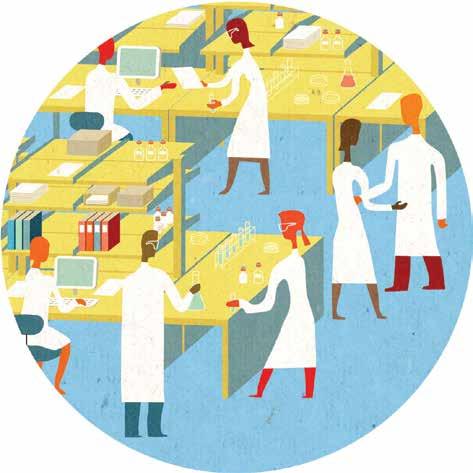
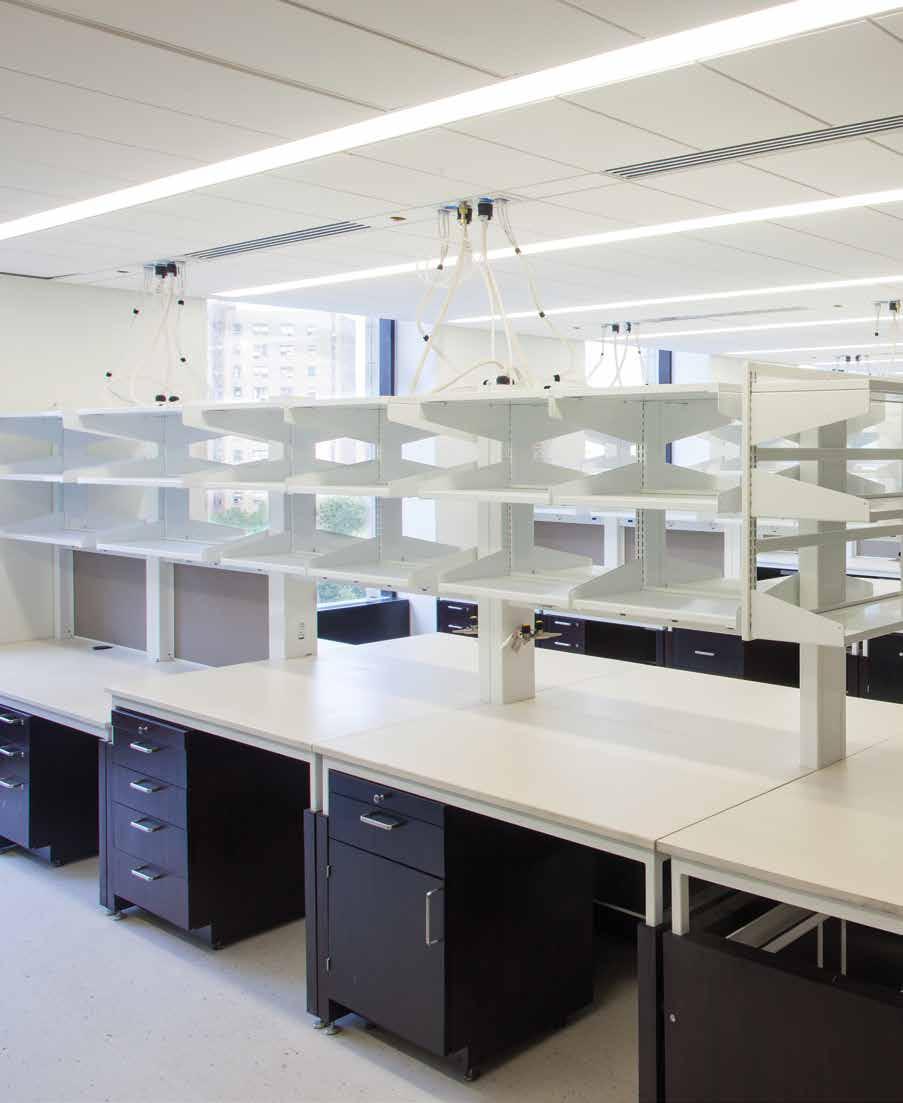
Researchers from the tisch Cancer Institute, the Friedman brain Institute, mount Sinai heart, and the Child health and Development Institute will have the largest presence in the hess Center’s 180,000 square feet of laboratory space, but a flexible, multipurpose design means that the labs can host other promising areas of research as they emerge.
R ESEARC h lA b ORAt OR y
“The research conducted in this new laboratory on the fifth floor is about trying to cure lymphoma, a cancer of lymphocytes (immune blood cells). The primary approach we use is immunotherapy—trying to get a patient’s own immune system to attack their cancer cells through therapeutic vaccines. Basically the process is quite simple: we mix a patient’s lymphoma cells with an immune stimulant, kill the lymphoma cells, and cryopreserve (freeze) them, and that is the vaccine. To make vaccines that the Food and Drug Administration will allow us to use, we have to operate a specialized kind of facility called a ‘good manufacturing practices’ (GMP) facility. Normally, when hospitals or industry build a GMP plant, it’s a huge multimillion dollar project. The Hess Center allows us to quickly develop a GMP facility. We’ve acquired a GMP facility ’on wheels,’ the Sanyo Cell Processing Work Station (CPWS). With the CPWS

we can perform the whole procedure in a closed setting, so that we can make patient vaccines in a sufficiently sterile way that the FDA will allow us to use the vaccines to treat patients.
“That’s going to make a drastic, near-term impact on both our scientific progress, and our ability to translate that progress to patients with cancer. Researchers come up with ideas in the lab, and say ‘it would be great to try this in a patient,’ but there’s a gigantic mountain between the idea and the application. The resources at the Hess Center will allow us to burrow through that mountain.”
Joshua Brody, MD
Assistant Professor of Medicine, Hematology, and Medical Oncology, The Tisch Cancer Institute
Floor 5: The Tisch Cancer Institute
Powering Science and Medicine
The philanthropic leaders who helped make the Hess Center a reality
“Make no small plans; they have no magic to stir men’s blood,” the architect Daniel H. Burnham famously said. The Leon and Norma Hess Center for Science and Medicine is infused with a visionary spirit: innovative, encapsulating the magic of creativity—and stirring the blood of those whose generosity helped raise and populate the building.
“The Hess Center is really the result of the entire Mount Sinai community coming together to make great things happen, and some of the most important members of that community are our philanthropic partners,” said Peter W. May, chairman of the Boards of Trustees of The Mount Sinai Medical Center. “We could not have done it without their help.” Here are seven of the visionaries who demonstrated their belief in the Hess Center through transformational gifts to Mount Sinai.
1The Hess Family
The Hess family, through their foundation, made the lead gift to the Center. In recognition of this extraordinary gift, the Center will be named in honor of Leon and Norma Hess for their historic generosity and commitment to Mount Sinai.
Leon Hess, a Trustee from 1966 until his death in 1999, and his wife, Norma, played a pivotal role during many defining moments in Mount Sinai’s history. Their philanthropy helped to found the School of Medicine, and they were early supporters of Mount Sinai’s pioneering program in minimally invasive surgery; they also capped off the construction of the Annenberg building with a gift that brought the campaign to fund the building—home to the new School of Medicine—to its goal. During his distinguished years on the Boards of Trustees, Leon Hess’s leadership helped guide the medical center through periods of national economic hardship, enabling it both to survive and to flourish.
The Hess Foundation’s gift to establish the Leon and Norma Hess Center for Science and Medicine adds
immeasurably to the family’s legacy of contributing to Mount Sinai milestones.
“Both my parents were champions of progress,” said John B. Hess, president of the Hess Foundation and, like his father, a Mount Sinai Trustee, “and this is an amazing time for research: Clearly, we are the verge of some of the biggest breakthroughs. The Hess Center is the result of the entire Mount Sinai community coming together to make great things happen under the skilled leadership of President Davis and Dean Charney. Supporting this new center enables us to sustain my parents’ values and honor their long history of devotion to Mount Sinai, while furthering the research conducted by the wonderful doctors and staff.”
Mr. Hess, who is chair of the Boards of Trustees’ Research Committee, added, “I’ve seen firsthand how the remarkable gifts made by families like the Klingensteins, the Tisches, the Friedmans, the Ruttenbergs, and other leaders have made an enormous impact on Mount Sinai’s research capabilities. My wife, Susan, and I are honored to join them. Philanthropy has never been more important than it is right now.”
“For decades, the Hess family’s steadfast dedication has had a profound impact at Mount Sinai,” said President and CEO Kenneth L. Davis, MD. “Their spirit of generosity—now embodied by John and Susan— continues to inspire us all.”
2The Klingenstein Family
Among the first to support the Hess Center were Trustee Frederick A. Klingenstein and his late wife, Sharon, whose gift of $75 million at the beginning of the Campaign for Mount Sinai helped initiate the building’s construction. Mr. and Mrs. Klingenstein’s wholehearted endorsement—and their gracious consent to allow Mount Sinai to allocate the gift as

“Both my parents were champions of medical progress. This new center represents the essence of their beliefs and values.”
– John B. Hess

most needed—set the tone for the many remarkable gifts that followed, just as the Klingenstein family has set the tone at Mount Sinai for decades.
A Trustee for more than 40 years, Mr. Klingenstein continues in the footsteps of his parents, Esther and Joseph Klingenstein, who served as a Trustee for 35 years, and his uncles Percy Klingenstein, MD, who trained and practiced at Mount Sinai and Milton Steinbach, the first president of the School of Medicine.
“The Klingenstein family is a vital link between the distinguished history of Mount Sinai’s past and the great promise of its future,” said Peter W. May. “Through Fred and Sharon’s gift to the Hess Center, the family’s legacy will remain one of our most treasured assets.”
“Mount Sinai’s recent success has been inspiring to watch,” said Mr. Klingenstein. “The credit, in my opinion, goes straight to its leadership—President Davis, Dean Charney, and Peter May.”
into Alzheimer’s, psychiatric disorders, and many other diseases of the brain; many of its labs will be located on two floors of the Hess Center.
“The speed with which the FBI has become a neuroscience research powerhouse is a compelling example of how philanthropic leaders such as the Friedmans make a meaningful difference,” said Eric J. Nestler, MD, PhD, director of the FBI, chairman of the Department of Neuroscience, and Nash Family Professor of Neuroscience. “Thanks to their support, we’re building nothing less than one of the best neuroscience research institutes in the world.”
Trustee James S. Tisch and Merryl H. Tisch
Comprising four floors and 92,000 square feet, The Tisch Cancer Institute is the Hess Center’s largest occupant, but the impact of the $40 million commitment made by Trustee James S. Tisch and his wife, Merryl H. Tisch, to launch the Institute will provide seamless integration of clinical care and research.
“What makes The Tisch Cancer Institute unique is that it’s as single-focused as it is multidisciplinary. The researchers working on breakthroughs in the lab and the clinicians caring for patients in the Ruttenberg Treatment Center, all share the same mission and the same priorities,” said Steven J. Burakoff, MD, the director of the Institute. “The Tisches are directly responsible for that. Their remarkable gift has enabled us to build this institute the way it should be built.”
“Mount Sinai has the talent, the drive, and the dedication to shape The Tisch Cancer Institute into a world-class cancer care and research organization. Now, with the Hess Center, it has the facilities to match.” said Mr. Tisch, who in his role as the chairman of the Campaign for Mount Sinai has helped broker some of the largest gifts in the medical center’s history.
3 4
Trustee Richard A. Friedman and Susan P. Friedman
In the two short years since it was established by a landmark $20 million gift from Trustee Richard A. Friedman and his wife, Susan, The Friedman Brain Institute (FBI) has recruited dozens of leading edge scientists and clinicians and advanced investigations
“For Susan and me, Mount Sinai’s vision for how the Hess Center would accelerate neuroscience research was a deciding factor in making our gift,” said Mr. Friedman. The Friedmans have remained closely involved with the Institute, overseeing a Philanthropic Leadership Council that guides many fundraising activities and hosting a number of events to increase the FBI’s visibility among other philanthropists.
“We’re excited to see that vision come to life.”
5
The Ruttenberg Family
As the clinicians and staff of Mount Sinai’s outpatient cancer care clinic move to their new quarters in the Hess Center, a familiar name— Ruttenberg—will help make them feel at home. The Derald H. Ruttenberg Treatment Center, named in honor of the longtime Trustee whose family has supported cancer care and research at Mount Sinai for more than 40 years, is the first section of the new building to officially open for business.
“We are expanding from 21,700 square feet to 50,000, and from 28 infusion suites to 54. The hematology and oncology office practice space is also expanding from 22 to 48 exam rooms which will facilitate bringing medical, surgical, and radiation oncology physicians together in the Ruttenberg Treatment Center in order to optimally provide patient-centered, multidisciplinary care.” said Randall F. Holcombe, MD, the director of the treatment center. “It’s fitting that the Center will lead the opening of the Hess Center. The Ruttenberg family have been Mount Sinai leaders for decades.”
Trustee Eric M. Ruttenberg noted that while the family’s interest in supporting other areas of Mount Sinai has grown over the years, the outpatient cancer care will always be at the heart of their philanthropy.
“Our family’s long relationship with Mount Sinai’s skilled and compassionate cancer caregivers is one we value greatly,” he said. “They are special people, and the Hess Center is a special place.”
Kenneth L. Davis, MD and Bonnie M. Davis, MD
Through their pioneering work in the lab, Mount Sinai School of Medicine alumni Drs. Kenneth L. Davis and Bonnie M. Davis have made significant contributions to the understanding and treatment of Alzheimer’s and other neurocognitive disorders. As Mount Sinai leaders—he, President and CEO, and she a Trustee—they have brought a deep understanding of philanthropy and what how it can support and drive groundbreaking research. In 2011 they made a $5 million gift to the President’s Strategic Initiative Fund, a fund that supports faculty recruitment, promotes research endeavors, and is a valuable resource for many other priority areas; now Mount Sinai has recognized their generosity by naming the Kenneth L. Davis, MD and Bonnie M. Davis, MD Conference Center in the new building.
Comprising the Davis Auditorium and two seminar rooms, the Davis Conference Center will play a prominent role in disseminating the Hess Center’s findings to a wide audience. In addition to serving as one of Mount Sinai’s main educational hubs, it will host international symposia focusing on a wide range of topics and is equipped with state-of-the-art audio-visual technology capable of broadcasting presentations live to viewers across the globe.
“Bonnie and I know how critical a role philanthropy plays in recruiting clinicians and scientists,” said President Davis. “We made this gift not just as members of Mount Sinai’s senior leadership, but as scientists who recognize the immense potential of the work being done here by the talented faculty who will make the Hess Center a locus for innovation.”
Exceptional Life/Exceptional Gift
When Roger Aaron passed away from cancer in February, his family established the Roger S. Aaron Scholarship to provide significant financial support to students focusing on primary care and research. One of the nation’s preeminent mergers and acquisitions lawyers, Mr. Aaron was committed to philanthropy and service. The Aaron family has also been a longtime supporter of Mount Sinai.
“Roger spent many years volunteering his time and expertise to education-related causes,” said Ginny Aaron, his wife of 45 years. “This
scholarship fund seemed like a good way to carry on the things that were important to him.” More than 150 of his family, friends, and colleagues directed contributions to the fund totaling nearly $425,000.
“Everyone has been beyond generous, affirming our tremendous pride in Roger and all that he accomplished,” Mrs. Aaron said. “Roger was an exceptional person, and we’re deeply appreciative of the outpouring of friendship and respect.” She and her children hope the fund will help educate physicians who will provide the
“To be a researcher who makes truly profound discoveries, it takes the creativity to dream big dreams and the courage to follow them,” said Dennis S. Charney, the Anne and Joel Ehrenkranz Dean of Mount Sinai School of Medicine. “Ken’s seminal work in establishing the current treatments for Alzheimer’s disease, and Bonnie’s key role in discovering and developing galantamine, a treatment for Alzheimer’s, are shining examples of scientific courage and creativity. They bring the same spirit of innovation to their philanthropy.”
The Leona M. and Harry B. Helmsley Charitable Trust
By removing the borders between researchers and clinicians, the Hess Center will generate discoveries that will transcend international borders as well— and a $25 million gift from The Leona M. and Harry B. Helmsley Charitable Trust will help lead the way. The gift will create both The Helmsley Trust Molecular Research Center, which will occupy a full floor of laboratory space and which will explore genetic therapeutics for heart disease, and The Helmsley Trust Clinical Investigation Center, a virtual center that will conduct worldwide clinical trials based on the findings from the research center. Collectively, the two centers will be known as The Leona M. and Harry B. Helmsley Charitable Trust Center for Cardiovascular Translational Research.
“The scope of our work can only be as large as the generosity of our philanthropic partners,” said Valentín Fuster, MD, PhD, director of Mount Sinai Heart and physician in chief. “Fortunately for us, the Helmsley Trust’s generosity knows no limits.”
same compassionate care that Mr. Aaron received at Mount Sinai.
“Medical students often graduate with a heavy financial burden,” Mrs. Aaron said.
“If we can offer meaningful scholarship support, then the students we help can make decisions on their specialty based more on interest, and less on how they can repay their loans most easily. That’s how we’d like the Aaron Fund to help.”
Drs. Kenneth and Bonnie Davis at the Davis Conference Center.
Mr. and Mrs. Aaron
Celebrations
This year, 27 events in New York City and Florida have drawn more than 3,000 attendees. Here are some glimpses of how Mount Sinai continues to celebrate our community of dedicated, committed partners.
Third Annual Medical Education Scholarship Dinner
When: April 19
WheRe: The New York Academy of Medicine, New York City WhO: Speakers Dennis S. Charney, Anne and Joel Ehrenkranz Dean, Mount Sinai School of Medicine, and David Muller, MD, dean for medical education
The Dubin Breast Center’s First Anniversary
When: April 23
WheRe: The Dubin Breast Center, New York City
WhO: Members of the Circle of Friends, the Dubin Breast Center’s most generous supporters
: Gary and Nina Wexler, Eva Andersson-Dubin, MD, and Jill Yablon.
Achieving Total Health
When: April 24
WheRe: The Carlyle, New York City
WhO: Speaker Valentín Fuster, MD, director of Mount Sinai Heart and physician-in-chief
PictuRed: Valentín Fuster, MD and Star Jones.
How to Succeed in Aging
When: February 23
WheRe: The Brazilian Court, Palm Beach, Florida
WhO: Host Michael Minikes, Trustee; Speakers Kenneth L. Davis, MD, president and CEO, Eric J. Nestler, MD, PhD, director of The Friedman Brain Institute, Samuel E. Gandy, MD, PhD, professor of neurology and psychiatry, Vahram Haroutunian, PhD, professor of psychiatry and neurobiology, and Patrick R. Hof, MD, the Regenstreif Professor of Neuroscience and vice-chair for the Department of Neuroscience
PictuRed: 1.
Stuart Katz, Jane Martin, PhD, Diana Barrett, Cheryl and Michael Minikes. 2. Michael Minikes and President Davis. 3. Renee and Robert Belfer.
PictuRed
PictuRed: 1. Roy McKoy, Barbara McKoy and Carol I. McKoy. 2. Priya Sikka, Fred Harbus, and Ellen Scherl, MD.
Surgeons at the Forefront
When: April 16
WheRe: The Times Center, New York City
WhO: Co-chairs of Department of Surgery Advisory Board Antoinetta and John Lauto; Speakers Michael L. Marin, MD, chairman of the Department of Surgery and the Julius H. Jacobson II, M.D. Professor of Vascular Surgery, Celia M. Divino, MD, professor of surgery, Sander S. Florman, MD, director of the Recanati/Miller Transplant Institute and professor of surgery, Andrew C. Hecht, MD, assistant professor of orthopaedics, and David B. Samadi, MD, associate professor of urology and chief of robotics and minimally invasive surgery
The Future of Research in Women’s Health
When: February 29
WheRe: Boca Raton Resort and Club, Boca Raton, FL
WhO: Host Charles Rudy; Speakers Michael Brodman, MD, chairman of Department of Obstetrics, Gynecology, and Reproductive Science and David Fishman, MD, professor of obstetrics, gynecology, and reproductive science
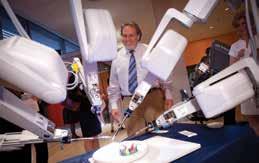

Crystal Party
When: May 3
WheRe: Central Park Conservatory Garden, New York City
WhO: Hosts David Windreich, Trustee, and Christine Hikawa
A Look Inside the Chelsea Village House Call Program
When: May 31
WheRe: The home of Brooke Picotte and Scott Corrigan; New York City
WhO: Hosts Brooke Picotte and Scott Corrigan, Jennifer and Jonathan Allan Soros, and Patricia Clarkson; Speakers Theresa A. Soriano, MD, associate professor of general internal medicine, and Russell Kellogg, MD, senior faculty of general internal medicine
PictuRed: Millicent F. Herrera and Charles Rudy.
PictuRed: 1. Dean Charney, Anne and Joel Ehrenkranz Dean, Mount Sinai School of Medicine. 2. John Lauto, Celia Divino, and Antonietta Lauto.
PictuRed: Patricia Clarkson, Jennifer Reckrey, MD, Theresa Soriano, Cam Hernandez, MD, Brooke Picotte, Russell Kellogg, MD, Jennifer Allan Soros, and Scott Corrigan.
PictuRed: 1. President Davis and Trustee Bonnie Davis. 2. Crystal Party Chair Christina Hikawa. 3. Trustee Jo Carol Lauder and Ronald Lauder. 4. Dean Charney and Andrea Charney. 5. Andrew Blauner, Leslie May Blauner, and Chair of the Boards of Trustees Peter W. May. 6. Matthew and Haley Satnick. 7. Jonathan Dixon. 8. Trustee James W. Crystal, Eric Schadt, and Trustee Jean C. Crystal.
Legacy
For Seckler Family, a Legacy Begins with a Legend
When he introduces himself to fellow alumni, Jonathan Seckler, MD MSSM ’91 is used to hearing the question: “Seckler? As in Dr. Stanley Seckler?” And when he tells them that yes, he’s the son of Stanley Seckler, a renowned professor of clinical medicine at the School of Medicine, he almost always hears the same response. “They tell me, ‘Your father was a legend, and I learned more from him than anyone in my entire career,’” said Dr. Seckler, until recently chief of cardiology at Boca Raton Community Hospital. His late father is remembered for his photographic memory, his prodigious diagnostic talent, and his inspirational passion for medical education. But perhaps his most enduring legacy at Mount Sinai is the fact that all three of his sons—Jonathan, Mark Seckler, MD MSSM ’86, and Benjamin Seckler, MD MSSM ’96—followed him here, as did his grandson Joseph Freedman, MD MSSM ’11. (He also played no small role in persuading Jonathan’s wife, Allison Seckler, MD MSSM ’92, to attend Mount Sinai.)
“Rather than people telling me he was a bona fide genius, they always told me how he was the most forthcoming with information, and passing on his nuances and tricks to students, residents, and colleagues.”
– Jonathan Seckler, MD MSSM ’91
Dr. Stanley G. Seckler, who completed his residency at The Mount Sinai Hospital in 1956 and who also became director of medicine at Elmhurst Medical Center, a major teaching affiliate of Mount Sinai, was famed for his yearly clinical pathological conferences during which he would be presented with an extremely difficult case and challenged to deliver the correct diagnosis. His impressive ability to do so was not his chief distinction, however. “His genius was to present his findings in such a way that everybody in the audience could follow the deductive reasoning
and see how he arrived at his conclusion,” said Jonathan.
Living up to such a legend would have been intimidating, Jonathan added, were it not for the fact that his father’s admirers most esteemed not his brilliance, but his spirit of collaboration. “Rather than people telling me he was a bona fide genius, they always told me how he was the most forthcoming with information, and passing on his nuances and tricks to students, residents, and colleagues,” said Jonathan, whose father passed away the year before he began at Mount Sinai. “It was motivational for me; I could feel my father floating around the halls. I remember my first year, one of my professors came up to me and said, ‘Your father would be proud.’ Not because of my test scores but because here was somebody who had a passion for the practice of medicine, and who saw that it was a privilege and an honor and should be treated as such.”

Jonathan has strong feelings about Mount Sinai and its place in history. “I grew up hearing about Mount Sinai, and about giants of medicine like Drs. Jacob Churg and Lotte Strauss (who first described Churg-Strauss syndrome) and Dr. Burrill Crohn (who first described Crohn’s disease),” he said. But it’s a more intimate relationship that defines his true feelings for his alma mater.
“For me, it’s a surrogate connection to my father,” he said. “He was Mount Sinai through and through.”
– Travis Adkins
Dr. Stanley Seckler
All in the family: Dr. Stanley Seckler’s wife, Clare, his five children, and his grandchildren at a recent celebration
Photo: Mount Sinai Archives
Compassion and Commitment
“A sense of shared humanity” motivates David Nichols, MD MSSM ’77
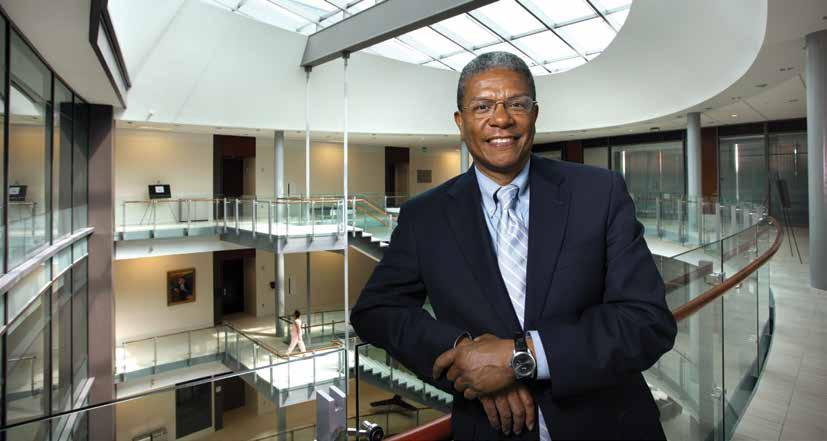
In the course of his career, David Nichols, MD, has had no shortage of honors and acclaim. Still, upon hearing that he would receive Mount Sinai’s Saul Horowitz, Jr. Memorial Award, Dr. Nichols said he reacted with “a combination of tremendous thrill and total disbelief— because I did not expect to win.”
For all his modesty, Dr. Nichols, who is vice dean for education and professor of anesthesiology and critical care medicine at the Johns Hopkins University School of Medicine, was an easy choice for this honor.
The award was established in 1978—the year after Dr. Nichols graduated from Mount Sinai School of Medicine—in memory of longtime Trustee Saul Horowitz, Jr., who played a major role in the construction of the school’s facilities. It is given to alumni who have made “significant contributions as a teacher, investigator, and/or practitioner in the field of medicine.”
A specialist in pediatric intensive care, Dr. Nichols has taught at Johns Hopkins for nearly three decades. He has served as director of Johns Hopkins Hospital’s Division of Pediatric Critical Care and its Pediatric Intensive Care Unit. Dr. Nichols has also trained and
mentored more than 50 postdoctoral fellows, written more than 80 professional journal articles and abstracts, and edited numerous textbooks on pediatric critical care medicine.
Dr. Nichols credits Mount Sinai with providing the foundation for his career. “It was a very supportive and engaging learning environment,” he said, “and it gave me a commitment to excellence. It also taught me the importance of putting the patient first.”
From Ber L in to Ba Ltimore
Dr. Nichols’ path to Mount Sinai took some unusual turns. Born in Virginia, he spent much of his childhood in West Berlin, where his father, an English professor and Fulbright scholar, served as director of that city’s Freie University. After graduating from Yale with a degree in molecular biophysics and biochemistry, Dr. Nichols said. “I decided that I was ready for a somewhat bigger city than New Haven—and of course, nothing can compete with New York.”
Dr. Nichols chose pediatrics while a Mount Sinai student. “I believe that it’s very important for a doctor
to enjoy being around a given type of patient,” he said. “And I just loved being around children. I felt committed to and passionate about caring for them.”
That passion took Dr. Nichols even further: While doing his internship and residency at Children’s Hospital of Philadelphia, he decided to specialize in pediatric intensive care.
“There is a tremendous immediacy and energy in that situation,” he said. “All of your training, knowledge, and expertise are focused on this one sick child, and you know that if you and your team can pull together to provide the right care, this child will have a chance at growing up. It’s part of what makes medicine in general and pediatrics in particular such a noble profession.
“Most of the time, the children bounce back, and you’re able to watch the joy, the gratitude, and the relief on the faces of the family members. When it doesn’t work out, and you have to convey bad news to a family and maybe even grieve with them—that’s a moment that no parent would ever want to face. But it’s also one that exposes our common humanity, the idea that we’re all in this together. And I think it’s the sense of a shared humanity that bonds doctors and patients and families.”
It’s the same sense that spurred Dr. Nichols to join a major overseas initiative: Last year, he was involved in setting up a medical school in the Malaysian city of Serdang. The facility, Perdana University Graduate School of Medicine, is a public-private partnership for
which Johns Hopkins and Ireland’s Royal College of Surgeons are helping to provide courses. Dr. Nichols described the experience as “a wonderful, exciting journey.”
“ t he n ext Big Cha LL enge”
At Johns Hopkins, Dr. Nichols has worked to provide students with the same high standards in education that he received at Mount Sinai. Under his leadership, the university undertook a major updating of its medical school curriculum.
While he considers American medical education to be “probably the best in the world,” Dr. Nichols sees room for improvement in several areas: a greater emphasis on recent scientific discoveries such as genome sequencing; more inter-professional education involving doctors, nurses, and other healthcare personnel; and increased use of simulation technology.
The most crucial need, he feels, is for research into the link between physicians’ education and training, and patient outcomes. “We have to find a way to prove the assumption that a doctor who’s been well trained and educated will provide better care,” said Dr. Nichols, “and for poorly functioning teams, to determine what about the training and preparation of team members could have been done better.”
“That is the next big challenge in medicine,” he added. “If there’s any task that I would like to take on in the rest of my career, it’s that one.”
– Philip Berroll
IN BRIEF
House Calls
New Travel Series Brings Mount Sinai Experts to You
The Alumni Association is launching a new Travel Series this fall, bringing Mount Sinai experts—who will offer an insider’s look into medical school admissions, career advice for women in medicine, and a glimpse at the future of medical education—to cities across the U.S. The series kicked off with early October events in Washington, D.C. and Boston and will continue with a November 5th event in San Francisco hosted by David Muller, MD, dean for medical education, and Valerie Parkas, MD, associate dean for admissions.
“ I believe that it’s very important for a doctor to enjoy being around a given type of patient, and I just loved being around children. I felt committed to and passionate about caring for them.”
– Dr. DavID nIcholS
A Few Good Mentors Expand Your Practice with Mount Sinai’s Alumni Referral Program
If you’re a student seeking career guidance, or an established alumnus interested in becoming a mentor, the Mount Sinai Student-Alumni Mentor program is here to help. The program helps fourth-year students connect with Mount Sinai graduates to gain entry into residency programs and to explore other career opportunities.
The Find a Mount Sinai Trained Doctor program enables Mount Sinai alumni to refer patients to one another and is a valuable resource for your practice. Currently available in Connecticut, New Jersey, and Southeast Florida, the network will soon expand to many other regions.
For more information about any of the programs, contact Kerri McCabe, Alumni Coordinator, at kerri.decabe@mssm.edu or (212) 241-4672, or visit www.mssm.edu/about-us/alumni
an eventful Summer for alumni
This past summer, Mount Sinai alumni participated at several events hosted by the Alumni Association. An outing at Pound Ridge Golf Club, ranked among the best courses in the country, included a barbeque lunch, entry fees, and golf cart usage all at a special rate arranged by the Alumni Association. Current and former MSSM postdoctoral students received career advice at a networking reception from three recent MSSM postdoctoral research fellows: Penny Dacks, program manager for the Alzheimer’s Drug Discover Foundation; Eva Chmielnicki, senior editor of research manuscripts at Nature Medicine magazine; and Andrew Sproul, a postdoctoral fellow at the New York Stem Cell Foundation gave. Reunion 2012 paid special tribute to the classes of 1972 and 1987, who marked the occasion with a generous gift of $50,000 to MSSM’s scholarship fund. “Every time our alumni come together to renew their connection to one another, Mount Sinai grows stronger,” said Jeffrey T. Laitman, PhD, president of The Mount Sinai Alumni. “We look forward to many more such gatherings over the coming months and years.”

When medical students are overburdened by debt, we all pay the price.
The world urgently needs more primary care physicians, global health specialists, and translational researchers, yet the financial realities of medical education often discourage students from entering these vital fields.
That’s why Mount Sinai is embarking on a Scholarship Initiative that will give our students the resources they need to put aside financial concerns and pursue careers in primary care, global health, and translational research. With your help, we can make an investment in the future of healthcare.
Please consider making a gift to scholarships at Mount Sinai School of Medicine.
For more information, please contact:
Lisa Harper Director of Development
212.731.7492
lisa.harper@mountsinai.org philanthropy.mountsinai.org
PicTureD: 1. Randolph M. Steinhagen, MD MSH ’82, Parag Sheth, MD, and Joseph Herrera, MD at the Alumni Golf Outing. 2. Sarah Funderburk, PhD, and Rachel Lane, PhD, co-presidents of the MSSM Postdoctoral Alumni Association, helped organize the networking reception in May. 3. Members of the class of 1972, MSSM’s first graduating class, celebrate their 40th reunion. (From left) Arthur Frank, Elliot Heller, Bernadette Fiscina, Alan Wachtel, Alan Harris, Michael Balkin, Jeffrey Flier, Marlene Marko, Richard Meyer, Carl Nash, and Loren Skeist. 4. Michael Smith and Natalie Gluck, MD ’02. 5. Members of the class of 1982, from left: Nereida Diaz, Loretta Pratt Balin, Jamie Stern, Lewis Attas, Steven Schonholz, and Virginia Chen.
recognition &awards
Department of Microbiology
Benjamin tenOever, PhD, associate professor; Prize for Creative Promise in Biomedical Science, Vilcek Foundation; Outstanding New Investigator, American Society for Gene and Cell Therapy
Estelle and Daniel Maggin Department of Neurology
Steven Frucht, MD, professor; named Associate Editor, Movement Disorder Journal; Leadership Award, Dystonia Medical Research Foundation
Fred Lublin, MD, Saunders Family Professor; elected Chairman, Clinical Advisory Committee, National Multiple Sclerosis Society/Southern New York Chapter
Warren Olanow, MD, Henry P. and Georgette Goldschmidt Professor; Honorary FRCP, Royal College of Physicians of the United Kingdom; Editor-in-Chief, Journal of Movement Disorders; Keynote Speaker, Japanese Neurological Society Meeting
Kristina Simonya, MD, assistant professor; Award of Merit for Contribution to Neuroscience and Psychiatry, St. John’s College
Fishberg Department of Neuroscience
Patrizia Casaccia, MD, PhD, professor and member, The Friedman Brain Institute; Senator Jacob Javits Award in the Neurosciences, National Institute of Neurological Disorders and Strokes
Patrick Hof, MD, Irving and Dorothy Regenstreif Research Professor and member, The Friedman Brain Institute; Editor-in-Chief, Journal of Comparative Neurology
Charles Mobbs, PhD, professor and member, The Friedman Brain Institute; Award for Research in Biological Mechanism of Aging, Glenn Foundation for Medical Research
Scott Russo, PhD, assistant professor and member, The Friedman Brain Institute; Rising Star Award, Johnson & Johnson International Mental Health Research Organization
Jenny Zou, PhD, assistant professor and member, The Friedman Brain Institute; Scholar Award, Irma T. Hirschl/Monique Weill-Caulier Trusts
Department of Obstetrics, Gynecology, and Reproductive Sciences
Nathan Kase, MD, dean emeritus; Alexander Richman Award, Mount Sinai School of Medicine
Department of Oncological Sciences
William Redd, PhD, professor; Holland Distinguished Leadership Award, American Psycho-Oncology Society
Department of Ophthalmology
Penny A. Asbell, MD, MBA, professor; Life Achievement Honor Award, American Academy of Ophthalmology; Oliver H. Dabezies, Jr. Lecturer, Contact Lens Association of Ophthalmologists Symposium and Congress; Cornea Visiting Professor Lecture, Massachusetts Eye and Ear Infirmary
Scott E. Brodie, MD, PhD, professor; Keynote Speaker, Geriatric Ophthalmology, Association for Research in Vision and Ophthalmology
Douglas A. Jabs, MD, MBA, chairman and professor; 8th Annual Stuart I. Brown Lecturer, American Educational Research Association
Leni and
Peter W.
May Department of Orthopaedics
Alexis Colvin, MD, assistant professor; Women on the Move Award, the Arthritis Foundation
James Iatridis, PhD, professor; Spotlight Speaker, Orthopaedic Research Society Meeting and Keynote Speaker, World Forum for Spine Research
Bryan Markinson, DPM, assistant professor; Keynote Speaker, Commencement, Surgical Residency Program of the Swedish and Franciscan Hospitals, Northwest Podiatric Surgical Residency Consortium
Lilian and Benjamin Hertzberg Palliative Care Institute
R. Sean Morrison, MD, director; American Cancer Society’s Distinguished Achievement Award
Office of Excellence in Patient Care/Geriatrics
Erin DuPree, MD, vice president, and Corita Grudzen, MD, MSHS, assistant professor; named to Innovation Advisors Program of the Centers for Medicare and Medicaid Services
Jack and Lucy Clark Department of Pediatrics
Rachel Annunziato, PhD, assistant clinical professor; Teacher of the Year, Fordham University
Allison Gault, MD, assistant professor; Educational Scholars Program, Academic Pediatric Association
Bruce D. Gelb, MD, director, Child Health and Development Institute and Gogel Family Professor of Child Health and Development; elected to Council, American Pediatric Society; Herbert Goldenring Lecturer, Yale School of Medicine
Kathleen Gibbs, MD, assistant professor; Educational Scholars Program, Academic Pediatric Association
Maria I. New, MD, professor; awarded Cepellini Award and honored Laurea Honoris Causa in Medical Surgery, University of Turin; Keynote Speaker, CARES Congenital Adrenal Hyperplasia Education Day; 11th International Conference on Pre-implementation Genetic Diagnosis; American Association of Clinical Endocrinologists
Hugh Sampson, MD, Kurt Hirschhorn, MD/The Children’s Center Foundation Chair in Pediatrics and professor; elected to Board of Directors, World Allergy Organization
Lisa Satlin, MD, chair and Herbert H. Lehman Professor; National Medical Award in Pediatric Nephrology, Kidney and Urology Foundation of America
Annemarie Stroustrup, MD, assistant professor; Young Investigators Award, Society of Pediatric Research
continued »
recognition &awards
Dorothy H. and Lewis Rosenstiel Department of Pharmacology
Lakshmi A. Devi, PhD, professor; named Secretary/Treasurer-Elect, Neuropharmacology, American Society for Pharmacology and Experimental Therapeutics; Keynote Speaker, Center for Drug Discovery, Northeastern University
Arthur Cedarbaum, PhD, professor; Lifetime Achievement Award, Research Society on Alcoholism
Department of Preventive Medicine
Luz Claudio, PhD, associate professor; Roundtable on Environmental Health Sciences, Research and Medicine, Institute of Medicine of the National Academies
Mary Jo Dimilia, MD, assistant professor; Physician Excellence Award, Cystinosis International Foundation
Philip J. Landrigan, MD, chair and Ethel H. Wise Professor of Community Medicine; Senator Frank R. Lautenberg Annual Award in Public Health, University of Medicine and Dentistry of New Jersey; Wallace Stegner Lecturer, University of Utah
Roberto Lucchini, MD, professor; Keynote Speaker, International Neurotoxicology Association
Andrew Weissman, PhD, associate professor; Heroes for Justice Award, University of Maryland School of Social Work
Department of Psychiatry
Vahram Haroutunian, PhD, professor; Keynote Speaker, Human Amyloid Imaging Conference
Juan Mezzich, MD, professor; named President, International College of Person-Centered Medicine
James Murrough, MD, assistant professor; Travel Award, American College of Neuropsychopharmacology
Mary Sano, PhD, professor; Bateman Scholar, University of Massachusetts, Amherst; Path to the Cure, Alzheimer Disease Research Summit
Pamela Sklar, MD, PhD, professor; Award of Merit for Contributions to Neuroscience and Psychiatry, St. John’s College
Mary Solanto, PhD, associate professor; Innovative Program of the Year Award, Children and Adults with Attention Deficit Hyperactivity Disorder (CHADD)
James Strain, MD, professor; Visiting Professor, University Hospital of Fundación Santa Fe de Bogotá
Department of Radiology
Burton P. Drayer, MD, Dr. Charles M. and Marilyn Newman Professor of Radiology; named President, Radiological Society of North America; appointed to Board of Chancellors, American College of Radiology; named Honorary Member, European Society of Radiology, and honorary fellow, Royal College of Surgeons, Ireland
Lale Kostakoglu, MD, professor; named Chair of the Lymphoma Working Group, ECOG/ACRIN Cancer Research Group
Thomas Naidich, MD, professor; named Honorary Founding Member of The Russian Society of Neuroradiology
Peter Som, MD, professor; named Honorary Member, Pernambuco Radiology Society of Brazil
Bachir Taouli, MD, associate professor; Keynote Lecture, University of Bonn, Germany, 10th International Symposium on High Field MRI, 2011
Department of Rehabilitation Medicine
Joshua B. Cantor, PhD, ABPP, associate professor; named Member-at-Large, Board of Governors of the American Congress of Rehabilitation Medicine
Wayne Gordon, PhD, Jack Nash Professor; Gold Key Award, American Congress of Rehabilitation Medicine
Kristjan T. Ragnarsson, MD, Lucy G. Moses Professor and Chairman; named President,
Foundation for Physical Medicine and Rehabilitation; Humanitarian Award, National Spinal Cord Injury Association; Presidential Award, Association of Academic Physiatrists; John W. Goldschmidt Award, National Rehabilitation Hospital, Washington, DC
Ruth J. Maxwell Hauser and Harriet and Arthur H. Aufses, Jr., MD Department of Surgery
Barry Salky, MD, professor; Keynote Speaker, Indian Association of Endoscopic Surgery and World Congress of Endoscopic Surgery
Jeffrey S. Freed, MD, associate clinical professor; Humanitarian of the Year Award, Hope for a Healthier Humanity
Alexander J. Greenstein, MD, assistant professor; Keynote Speaker Plenary Session, American College of Surgeons
Daniel M. Labow, MD, associate professor; New York State Chair, Commission on Cancer, American College of Surgeons
Brian P. Jacobs, MD, associate clinical professor; SAGES Recognition of Excellence, Society of American Gastrointestinal and Endoscopic Surgeons; Keynote Speaker, “GASTRAO 2012” Conference, University of São Paolo School of Medicine
Lester Silver, MD, professor; Distinguished Alumnus Award, Chicago Medical School Alumni Associate; Lifetime Achievement Award, New York Regional Society of Plastic Surgeons
Translational and Molecular Imaging Institute
Zahi Fayad, PhD, director; Opening Session Distinguished Lecturer, 2011 Radiological Society of North America Meeting
Milton and Carroll Petrie Department of Urology
Michael A. Diefenbach, PhD, assistant professor; named Fellow, Society of Behavioral Medicine
Michael J. Droller, MD, Katherine and Clifford Goldsmith Professor; Keynote Speaker, Urologic Oncology Society of Latin America
CIrCLe?
If you are not, now is the time to join the Mount Sinai Leadership Circle and be part of our exclusive membership events.
Members of the Mount Sinai Leadership Circle advance Mount Sinai’s mission: patient care, research, and medical education. Circle members receive invitations to special events during the year—such as a lecture series featuring noted experts discussing the latest medical breakthroughs and other opportunities keyed to your level of giving.
For more information on the Mount Sinai Leadership Circle, please contact Al Seminsky at (212) 731-7428 or albert.seminsky@mountsinai.org.