
SINAI
SCIENCE & MEDICINE
MOUNT SINAI SCIENCE & MEDICINE
PRESIDENT AND CHIEF EXECUTIVE OFFICER, THE MOUNT SINAI MEDICAL CENTER
Kenneth L. Davis, MD
DEAN, MOUNT SINAI SCHOOL OF MEDICINE
EXECUTIVE VICE PRESIDENT FOR ACADEMIC AFFAIRS, THE MOUNT SINAI MEDICAL CENTER
Dennis S. Charney, MD
SENIOR VICE PRESIDENT, DEVELOPMENT, THE MOUNT SINAI MEDICAL CENTER
Mark Kostegan, FAHP
EDITOR
Celia M. Regan
ASSOCIATE EDITOR
Sara Daniels
EDITORIAL ASSISTANT
Erica Cilurzo
CONTRIBUTING WRITERS
Margaret W. Crane
Michael Dhar
Kristin Lund
Rosemary McGinn
DESIGN
Two Dogs Design
PHOTOGRAPHY
Camera One
Catherine Clarke
Pamela Einarsen
Norman Goldberg
Longview Photography
Lindy Merz
Matthew Septimus
Eric P. Wolfe Photography
Mount Sinai Science & Medicine is published twice annually by the Office of Development, The Mount Sinai Medical Center, for an audience of friends and alumni. We welcome your comments: please contact magazine@mountsinai.org, or call us at (212) 659-8500
Visit us on the Web at www.philanthropy.mountsinai.org
You are reading the inaugural issue of Science & Medicine, the new magazine of The Mount Sinai Medical Center.
Why Science & Medicine? Because we want you to have an in-depth look at the stories that reveal the heart of what we do: research that is changing the way we live; medicine that is transforming the way we heal.
In this issue, we investigate recent work in cancer and at Mount Sinai’s Brain Institute, focusing on a more than a dozen leading physicians and researchers. Their tools range from fruit flies to robots; their investigations include uncovering the power of red wine and tracing genetic pathways that can lead to cancer; their accomplishments have brought new hope to liver and ovarian cancer patients, a deeper understanding of addiction, and extraordinary progress in attacking neurological conditions like multiple sclerosis and subarachnoid hemorrhage.
For good measure, you’ll find news of The Mount Sinai Medical Center and those who support it, and a wealth of information for alumni of the Mount Sinai School of Medicine.
We welcome your ideas and feedback, and will, in future issues, print letters to the editor. Air your views at magazine@mountsinai.org.
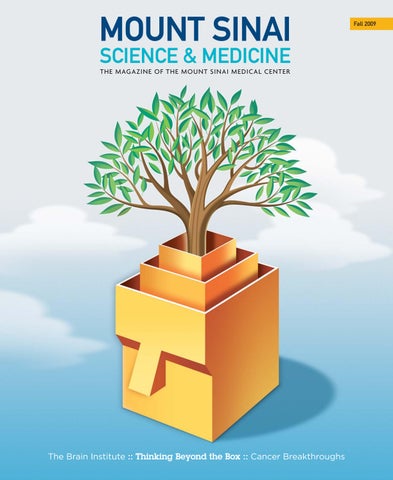
About our cover
Thinking beyond the box.
Illustration by Lloyd Miller, who writes, “The image uses a tree as metaphor for the brain, symbolizing life, knowledge, and wisdom. The series of progressively smaller compartments (boxes) represents the process of research and discovery, the necessary steps required to get to the root or essence of a problem, thought, or cure.” Lloyd Miller’s award-winning illustrations have appeared in The New York Times, The Wall Street Journal, The Washington Post, Esquire, Fortune, Money, MacWorld, Mother Jones, The Village Voice, and elsewhere.
Tisches on the Campaign trail; Stethoscopes for first-years; Sussman Estate funds various initiatives; Pearlman runs for IBD; Brookdale in
Tammaro in the spotlight; Annual meeting; Alumni meet their ancestors; and the good word from the new Alumni Association president and the new director of the Alumni office
a
Message from the President and the Dean
It is our pleasure to share with you a new publication, one that we believe demonstrates the caliber of the outstanding biomedical research happening daily at The Mount Sinai Medical Center.
What sets us apart? Just about everything, starting with the Mount Sinai School of Medicine. We are proud of the extraordinarily gifted students who comprise our medical, graduate, and house staff programs, and of the training they receive. Our curricular innovations and our emphasis on mentorship are shaping an education second to none—and the results of a Mount Sinai education are manifest in the tremendous accomplishments of our alumni.
The Medical Center continues to be characterized by our breakthrough science, conducted by researchers who compete against the very best in the world. In fact, according to the Association of American Medical Colleges, we are third in the nation for the amount of grant funding we receive per investigator.
Our institution is making major investments in translational research—taking the findings of the research laboratory and bringing them quickly to the patient—and our basic scientists work closely and collaboratively with our clinical scientists. You can read about some of our newest discoveries, therapies, and approaches throughout this inaugural issue of Science & Medicine.
Above all, we have great doctors who recognize that the finest, most innovative, most compassionate patient care is at the heart of Mount Sinai, and we serve the most diverse community in the world. We are rising quickly toward the top of the U.S. News and World Report peer rankings, and this year have made the honor roll of American hospitals. The respect of our peers is high praise: they recognize the challenges of performing leadingedge research, educating top clinicians and scientists, and providing the best patient care, day in and day out.
We are deeply committed to this work, and are honored by the commitment of our philanthropic community that makes it possible. We hope you enjoy reading this—and every—issue of Science & Medicine.
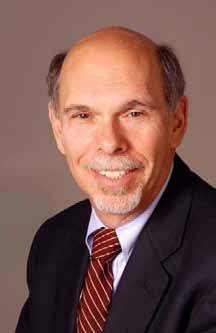
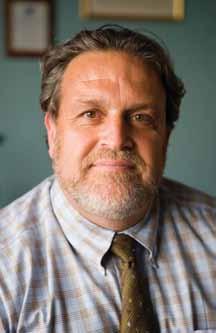
Kenneth L. Davis, MD
Dennis S. Charney, MD PRESIDENT AND CHIEF EXECUTIVE OFFICER, ANNE AND JOEL EHRENKRANZ DEAN, THE MOUNT SINAI MEDICAL CENTER
MOUNT
SINAI SCHOOL OF MEDICINE
EXECUTIVE VICE PRESIDENT FOR ACADEMIC AFFAIRS, THE MOUNT SINAI MEDICAL CENTER
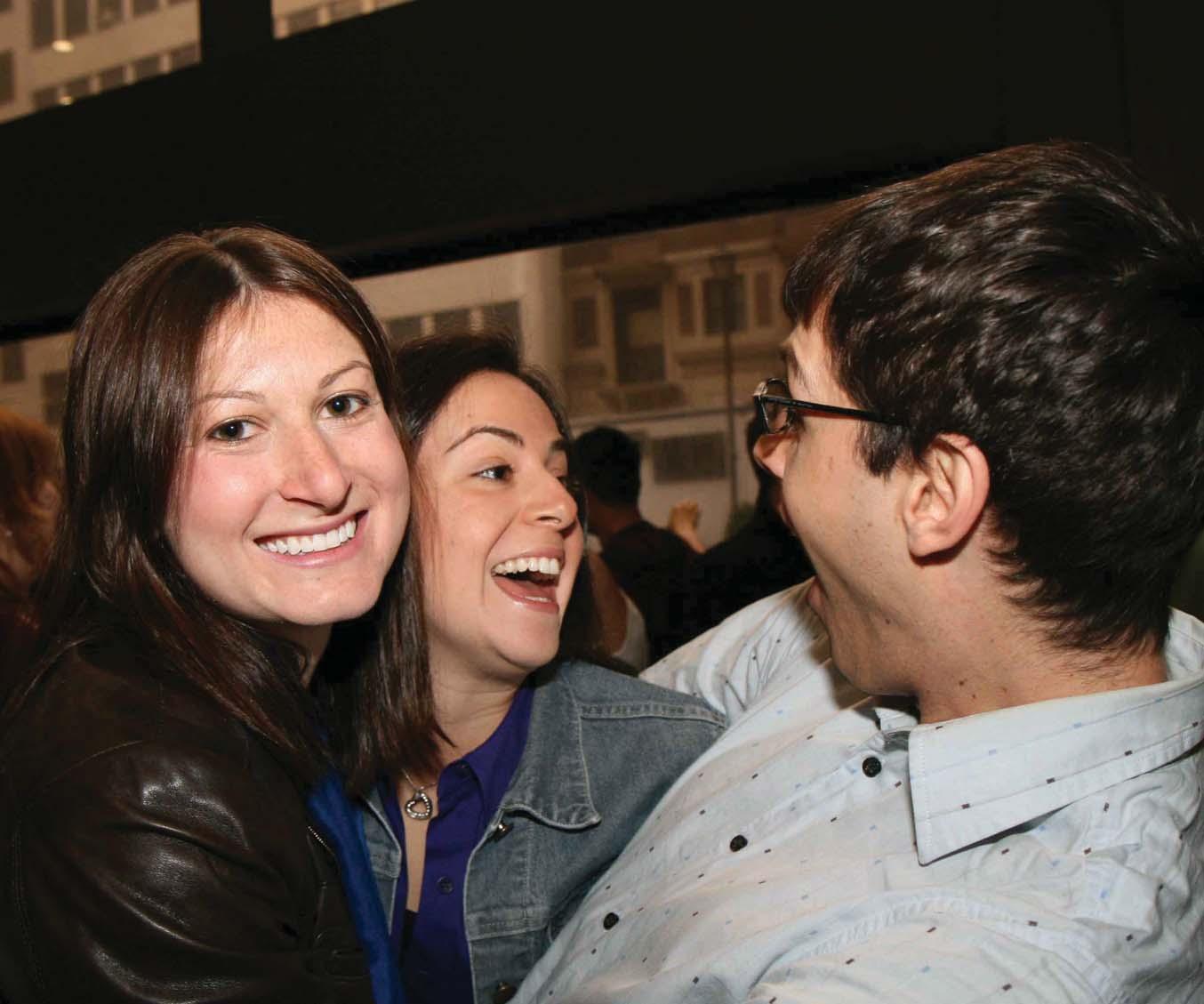
Match Day
One of the most highly anticipated days in the life of a medical student, the annual Match Day ceremony reveals where this year’s graduates will pursue the next phase of their medical education: residency. At a luncheon for the MSSM Class of 2009, their families, and School of Medicine faculty in celebration of Match Day, Dennis Charney, MD, Dean of the School of Medicine and Executive Vice President for Academic Affairs of the Medical Center, welcomed students and proudly announced that this year’s Match was one of the most successful. Martin Goldstein, MD, newly elected President of The Mount Sinai Alumni, spoke briefly, sharing the Alumni’s plans to establish a nationwide network for MSSM graduates and reminding students that their fellow alumni look forward to working with them as they continue to forge their medical careers. The event was sponsored by The Mount Sinai Alumni.
Mount Sinai was ranked in 11 specialties
Mount Sinai Makes U.S. News Honor Roll
7th 16th 17th
18th 19th 21st
The Mount Sinai Medical Center ranked 19th in the 2009–10 edition of “America’s Best Hospitals” published by U.S. News & World Report, which hit newsstands in July. This is the first time in the 20-year history of the rankings that Mount Sinai earned Honor Roll status.
Of the 4,861 hospitals analyzed for this year’s Best Hospital rankings, only about 3 percent managed to rank in even one of the 16 specialties, and only 21 institutions—less than two-fifths of 1 percent of the total—made the Honor Roll by ranking at or near the top in six or more specialties. Other institutions making the Honor Roll included Johns Hopkins Hospital, Mayo Clinic, and Cleveland Clinic.
“These results confirm that our hospital is a national leader,” says Kenneth L. Davis, MD, President and Chief Executive Officer of the Medical Center. “However, we know that Mount Sinai is in every way as excellent as any hospital ranked above us. Let us spend the next few years establishing that fact.”
Mount Sinai ranked in a total of 11 specialties. These rankings took into account each institution’s reputation, mortality index, patient safety record, discharges, and other factors, including nursing and technology. Most remarkable is Mount Sinai’s change in its rankings in the category of Heart & Heart Surgery. This year, Mount Sinai was ranked 18th; in 2008 it had been ranked 41st, and in 2007 it had not been ranked at all for five years or more.
Mount Sinai also jumped in the rankings in two other key specialties, Orthopedics and Kidney Disorders. Orthopedics was ranked 21st this year, a remarkable increase from 38th in 2008, and Kidney Disorders, which was not ranked last year, placed at 30th.
To view this year’s rankings, visit www.usnews.com/besthospitals
NIH Awards $34.6 Million for New Research Paradigm
In July, the Mount Sinai School of Medicine received a Clinical and Translational Science Award (CTSA) for $34.6 million over the next five years from the National Institutes of Health (NIH). The CTSA will help support a new research paradigm at Mount Sinai that will facilitate the translation of breakthrough research from bench to bedside and will be led by Hugh A. Sampson, MD, Dean for Translational Biomedical Sciences, Director of the Jaffe Food Allergy Institute, and the Kurt Hirschhorn Professor of Pediatrics.
Mount Sinai was one of seven institutions nationwide to receive the award. Launched in 2006, CTSA is an innovative program designed to improve collaboration among scientists pursuing basic and clinical research. All CTSA recipients belong to a national consortium of medical research institutions that is funded by the National Center for Research Resources, a part of the NIH, and provides laboratory scientists and clinical researchers the resources and training to help detect, treat, and prevent disease.
The research will be conducted under a new centralized, interdisciplinary structure known as the Mount Sinai Institutes for Clinical and Translational Sciences. The new structure will enable the translation of basic scientific discoveries into clinical practice by creating a centralized research administrative structure; fostering and rewarding interdisciplinary collaborations; educating and retaining new clinical and translational investigators; and delivering new therapies and an improved standard of care to its diverse community.
“The CTSA enables Mount Sinai to establish this infrastructure to better facilitate translational research and also to offer a range of new educational programs that will provide the translational investigators of the future,” says Dr. Sampson. “We are quite honored to receive such strong support and recognition from the NIH.”
Medical Education: The Newest Institute
The Institute for Medical Education (IME) has been named the 13th institute at the Mount Sinai School of Medicine. IME joins 12 established institutes that are at the heart of the School’s Strategic Plan and are dedicated to advancing translational research and education.
Created in 2001, the IME was designed to develop the creativity and talent of its educators and provide faculty with a unique opportunity to advance their skills through interdisciplinary collaboration across departments and other institutions. The IME serves the critical need in our institution of educating, mentoring, and retaining the best educators for our students, residents, and faculty. Fostering the success of Mount Sinai’s educators includes recognizing and rewarding those who display dedication and excellence in their work, providing programs that develop and reinforce their teaching skills and their success in the promotions process, and creating a community of dedicated educators who contribute their knowledge and experience back to this community by serving as teachers and mentors. This group of invested educators is vital to perpetuating Mount Sinai’s culture of excellence in teaching, research, and clinical care.
The baker’s dozen of Mount Sinai institutes also comprises seven that focus on health and disease (Brain, Cancer, Cardiovascular, Child Health and Development, Emerging Pathogens, Immunology, and Metabolism) and five core technology institutes (The Charles R. Bronfman Institute for Personalized Medicine, The Black Family Stem Cell Institute, and institutes in Disease Prevention and Public Health, Experimental Therapeutics, and Translational and Molecular Imaging).
Helmsley Trust: $37.25 Million to Mount Sinai
The Leona M. and Harry B. Helmsley Charitable Trust has awarded more than $37.25 million to The Mount Sinai Medical Center to support The Leona M. and Harry B. Helmsley Charitable Trust Center for Cardiac Electrophysiology, and to establish the Helmsley Inflammatory Bowel Disease Center and the Sinai-Helmsley Alliance for Research Excellence (SHARE) Network.
Mount Sinai Heart will receive $25 million to establish the Helmsley Center for Cardiac Electrophysiology. The first of its kind in the region, the Helmsley Center will build upon Mount Sinai’s expertise in cardiology to offer technologically advanced, patient-centered care in state-of-theart facilities. The Center will be one of the few programs to commit the level of needed investment both in research and in developing multidisciplinary, integrated care.
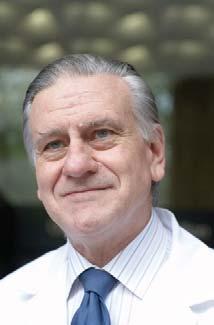
“We are extremely grateful for this very generous donation,” said Valentin Fuster, MD, PhD (above left), Director of the Zena and Michael A. Wiener Cardiovascular Institute and the Marie-Josée and Henry R. Kravis Center for Cardiovascular Health and the Richard Gorlin, MD/Heart Research Foundation Professor. “For decades, we have been focused on treatment. Our goal at Mount Sinai is to help promote health and prevent disease. The team we have assembled here will dramatically change the
IN MEMORIAM
way medical science diagnoses, treats, and even thinks about heart disease.”
A grant of $10 million will allow The Mount Sinai Medical Center to expand its existing inflammatory bowel disease (IBD) program and to establish the Helmsley Inflammatory Bowel Disease Center at Mount Sinai. Funding will be directed toward areas of investment that will have the most significant near- and long-term impact on efforts to find a cure for IBD.
“Each year, 7,000 patients from all over the world seek treatment at Mount Sinai for the inflammatory bowel diseases, Crohn’s disease and ulcerative colitis,” said Dr. Lloyd Mayer, Professor and Co-Director of the Immunology Institute, and Professor of Medicine and Chief of the Divisions of Clinical Immunology and Gastroenterology. “Thanks to the generosity of the Helmsley Foundation, Mount Sinai’s program is now in a position to expand on its growth and success to bring about cutting-edge treatments, and to continue honoring its commitment to find a cure for these diseases.”
A third grant of $2 25 million will help the Mount Sinai School of Medicine to establish the SHARE Network, a systems biology–based multicenter consortium sharing resources and data with four other major IBD Centers: the Mayo Clinic, the University of Chicago, the University of North Carolina, and Washington University.
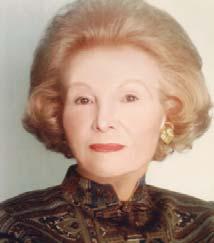
Leonore Annenberg, wife of the late Walter H. Annenberg, died on March 12, 2009. A former U.S. Chief of Protocol, Mrs. Annenberg spent most of her life working toward the enhancement of cultural appreciation. She served as a trustee or board member for some of the most important American institutions, including The Metropolitan Museum of Art and the University of Pennsylvania. Her generosity—and that of the entire Annenberg family and their Foundation—has had a profound and lasting impact on our institution.
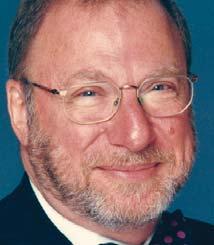
Michael A. Wiener, a longtime member of the Mount Sinai Boards of Trustees, died on August 2, 2009. With his wife of 43 years, Zena, he established The Zena and Michael A. Wiener Cardiovascular Institute, the Wiener Family Cardiovascular Research Laboratories, and an endowed professorship, among other key initiatives. Mr. Wiener’s career in philanthropy followed a long and illustrious career in broadcasting; he was co-founder of Infinity Broadcasting, the country’s largest radio-only broadcasting company, and a champion of free-speech rights on the airwaves. Mr. Wiener’s contributions to The Mount Sinai Medical Center are indelible and will benefit patients and their families for generations to come.
FACULTY NEWS
New Faculty Join Mount Sinai
Wayne K. Goodman, MD, a pioneering researcher in neuropsychiatry, particularly in the field of obsessivecompulsive disorder, has joined the Mount Sinai School of Medicine as Chair of the Department of Psychiatry. Dr. Goodman was previously Director of the Division of Adult Translational Research and Treatment Development at the National Institute of Mental Health (NIMH) in Bethesda, Maryland, where he led research that investigated the pathophysiology of mental illness and helped advance the translation of behavioral science into innovations in clinical care. He has published more than 200 articles and received several prestigious honors, including the Mysell Lecture Award from Harvard University.
As Chair of Psychiatry, Dr. Goodman will work closely with the new Mount Sinai Brain Institute to conduct research on neuropsychiatric disorders such as schizophrenia, Alzheimer’s disease, and bipolar disorder.
Charles H. Kellner, MD, a national leader in geriatric psychiatric care, recently joined Mount Sinai as Chief of the Division of Geriatric Psychiatry and Director of the ECT Clinical Service. Dr. Kellner will also be the training director for the Accreditation Council for Graduate Medical Education–approved fellowship in Geriatric Psychiatry. Prior to joining Mount Sinai, he served as Chair of the Department of Psychiatry at the New Jersey Medical School and as Director of the ECT Service at University Hospital in Newark. Credited with more than 150 publications related to ECT and mood disorders, Dr. Kellner is also the co-author of the American Psychiatric Association’s Handbook of ECT.
Dr. Kellner is the Co–Principal Investigator of a multisite study of maintenance ECT for geriatric depression. Mount Sinai is one of only two coordinating sites for this project, which was recently funded by the National Institute of Mental Health.
William Oh, MD, Professor of Medicine and Urology, joined Mount Sinai in September as Director of the Division of Hematology and Medical Oncology, Co-Director of the Prostate Cancer Program, and Associate Director for Clinical Research for The Tisch Cancer Institute. He will also hold the Ezra Greenspan Endowed Chair for Cancer Programs. Dr. Oh is an expert in the management of genitourinary (GU) malignancies, including prostate, renal, bladder and testicular cancers. Dr. Oh’s research interests include the role of chemotherapy and novel therapeutics in advanced prostate cancer.
Dr. Oh has served as Clinical Director of the Lank Center for Genitourinary Oncology and directed the Gelb Center for Translational Research at the Dana-Farber Cancer Institute and Harvard Medical School in Boston. He was also an Associate Physician at Brigham and Women’s Hospital.
Vivek Reddy, MD, brings international renown to two new positions, Director of Mount Sinai’s The Leona M. and Harry B. Helmsley Charitable Trust Center for Cardiac Electrophysiology, and The Leona M. and Harry B. Helmsley Charitable Trust Professor of Medicine in Cardiac Electrophysiology. As the Director of Cardiac Electrophysiology and Associate Professor of Medicine at the University of Miami, Miller School of Medicine, Dr. Reddy helped build a world-class team dedicated to treating and studying cardiovascular arrhythmias. He also worked at Massachusetts General Hospital for seven years, most recently as Director of the Experimental Electrophysiology Lab, and was listed as one of the “Best Doctors in Boston” before taking the position in Miami. At Mount Sinai, he leads a renowned team of physician-scientists who are developing definitive therapies for cardiac arrhythmias—including atrial fibrillation, the most common heart rhythm affecting millions of Americans, and ventricular tachycardias, the most common cause of sudden cardiac death—to obviate the need for mediations.
Dr. Reddy has received numerous honors, including the Center for Minimally Invasive Therapy Fellowship and the Howard Hughes Medical Institute Scholarship.
Peter
Philip
Stephen
Theresa
Faculty Recognition A Roundup of Recent Prizes and Accolades
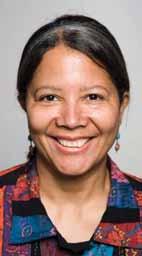
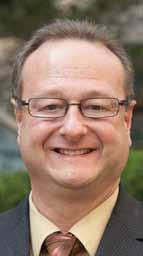
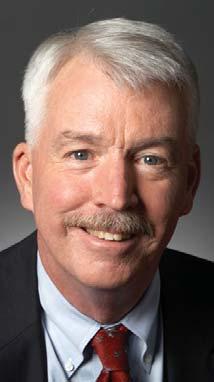
Steven J. Burakoff, MD, Director of the Tisch Cancer Institute and Professor of Medicine (Hematology and Medical Oncology) and Oncological Sciences, received the Lifetime Achievement Award from the American Association of Immunologists at the annual meeting on May 11. The award, which recognizes a career of professional achievement, scientific contributions, and service, is the association’s highest honor. For more about Dr. Burakoff, see page 9.
Oscar A. Candia, MD, Professor and Vice Chair of the Department of Ophthalmology and Professor of Physiology and Biophysics, received the 2009 Lewis Rudin Glaucoma Prize—which recognizes the most important advances of the year in glaucoma research—from the New York Academy of Medicine. Dr. Candia was honored for his outstanding work in glaucoma research and a paper on Steroid Induced Ocular Hypertension.
Angela Diaz, MD, MPH, Director of the Mount Sinai Adolescent Health Center and Professor and Vice Chair of the Department of Pediatrics, received the Good Heart Award from East End Hospice. Dr. Diaz was recognized for improving children’s health care in the surrounding neighborhoods of New York City.
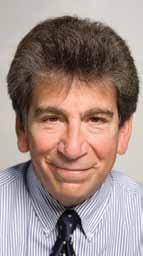
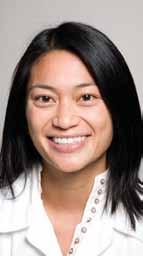
Peter L. Elkin, MD, Director of The Mount Sinai Center for Biomedical Informatics and Professor of Medicine, was elected to Mastership by the American College of Physicians (ACP) in April. ACP Masterships are granted only to the most accomplished individuals after rigorous comparison. Dr. Elkin joins the ranks of such other prominent Mount Sinai ACP Mastership recipients as Arthur H. Rubenstein, Christine K. Cassel, MD, Barry S. Coller, MD, and Louis M. Aledort, MD.
Valentin Fuster, MD, PhD, Director of Mount Sinai Heart, was the recipient of the Distinguished Teacher Award from the American College of Cardiology in March. Dr. Fuster, who is also the Richard Gorlin, MD/Heart Research Foundation Professor, was chosen for his innovative teaching methods and compassionate qualities. In June, Dr. Fuster received the prestigious European Arrigo Recordati Prize for his contributions on imaging technology for the understanding of cardiovascular disease.
Wayne A. Gordon, PhD, Associate Director and Jack Nash Professor in the Department of Rehabilitation Medicine, was awarded the 2009 Robert L. Moody Prize for Distinguished Initiatives in Brain Injury Research and Rehabilitation. The prize, presented by The University of Texas Medical Branch at Galveston, The Transitional Learning Center of Galveston, and the UTMB Center for Rehabilitation Sciences, recognized Dr. Gordon’s contributions in science, practice, professional development, and advocacy.
left to right
Angela Diaz, MD, MPH
L. Elkin, MD
J. Landrigan, MD
M. Levin, MD
A. Soriano, MD, MPH
Philip J Landrigan, MD, Chairman and Ethel H. Wise Professor of the Department of Community and Preventive Medicine, was honored with the Civic Spirit Award from the Women’s City Club of New York in April. Dr. Landrigan was recognized for his career-long commitment to social responsibility and improving children’s health.
Stephen M. Levin, MD, Medical Co-Director of the Mount Sinai–Irving J. Selikoff Center for Occupational and Environmental Medicine and Associate Professor of Community and Preventive Medicine, was honored by the Asbestos Disease Awareness Organization with the Dr. Irving Selikoff Lifetime Achievement Award. Dr. Levin was honored for his research on the social and medical impacts of asbestos.
Eric J. Nestler, MD, PhD, Director of the Brain Institute, Nash Family Professor, received the Goldman-Rakic Prize for Outstanding Achievement in Cognitive Neuroscience from the NARSAD—the world’s leading charity dedicated to mental health research. Dr. Nestler recently accepted the prestigious award at a gala in New York City. For more about Dr. Nestler, see pp. 12–13
Theresa A. Soriano, MD, MPH, Director of the Mount Sinai Visiting Doctors, was awarded the House Call Physician of the Year Award from the American Academy of House Call Physicians at the annual meeting. This honor is bestowed upon pioneering clinicians who have brought house calls back to mainstream medical care.
Diane E. Meier: Woman of ‘‘Genius’’ Honored by MacArthur, AARP
Diane E. Meier, MD, Director of the Hertzberg Palliative Care Institute and the Catherine Gaisman Professor of Medical Ethics, was named a 2008 MacArthur Fellow by the MacArthur Foundation. The MacArthur Fellowships—also known as “genius grants”—are given annually to 25 U.S. citizens who exemplify leadership and creativity. Fellows receive an unrestricted $500,000 grant to support their work over the next five years.
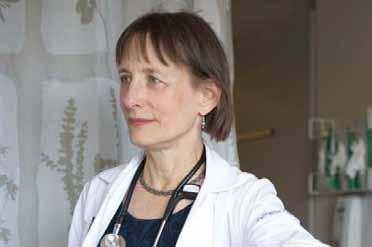
“With their boldness, courage, and uncommon energy, this new group of Fellows, men and women of all ages in diverse fields, exemplifies the boundless nature of the human mind and spirit,” says MacArthur President Jonathan Fanton.
A pioneer in her field, Dr. Meier has shaped the discipline of palliative care and has brought the issues of quality of care for the chronically and seriously ill, and their families, into the national spotlight. Palliative care focuses on relief of pain and other symptoms of serious illness, and helps patients make informed decisions to better manage their illness. By 2006, 41 percent of U.S. hospitals reported having a palliative care program. Dr. Meier’s work has positioned Mount Sinai to be a national leader in palliative care.
“I am thrilled by this great honor and wish to acknowledge everyone in the field who has helped palliative care gain traction in the U.S. healthcare system,” says Dr. Meier. “This is testament to the growing recognition of the need for the caring to catch up with the technology in modern medicine. Palliative care is about providing expert attention and supporting the family caregivers who are the real unsung heroes in our medical system.”
Dr. Meier was also honored by the AARP with the Social Impact Award as one of New York’s Top 50 Champions of Social Change. The award recognized Dr. Meier for her exceptional commitment to enhancing the lives of New Yorkers, improving their communities, and inspiring others.
Roundup: Research
Transplant Rejection
Peter S. Heeger, MD, Director of the Transplant Immunology Research Program and Professor of Medicine in the Division of Nephrology, was awarded a five-year, $2 million National Institutes of Health (NIH) study to investigate the mechanisms that underlie the rejection of transplanted organs. Half of kidney transplant patients will experience organ failure within a decade. Heart transplants fail within 5 to 7 years; lung transplants have even shorter lives. Late organ loss can be caused by toxic side effects from medications, undertreated immune reactions, infections, and recurrent disease. Dr. Heeger also runs a multicenter NIH-supported grant testing the utility of biomarkers that could predict transplant rejection before it is clinically evident. “Findings from these two studies,” he says, “will hopefully permit transplant physicians to individualize treatments for each patient.”
Micro MRI
The Translational and Molecular Imaging Institute has received a $2 million high-end instrumentation grant from the NIH National Center for Research Resources to purchase a micro MRI scanner to help researchers better understand disease pathology and molecular mechanisms in vivo. Called a 7 Tesla large-bore MRI, equipped with coils and anesthesia accessories, the new scanner allows for the imaging of live animals or human specimens up to 16 centimeters in diameter. “Protocols and molecular technologies developed on this system can immediately be transported to current clinical scanners for human use,” explains Cheuk Ying Tang, PhD, Principal Investigator on this project, Director of the In-Vivo Molecular Imaging Shared Facility, and Assistant Professor of Radiology and Psychiatry.
Fibrotic Diseases
Insight into the way cells talk to each other may help suggest treatments for fibrotic diseases, says Dr. Philippe Soriano, Professor of Developmental and Regenerative Biology and Oncological Sciences. His research, published in this February’s Developmental Cell, shows that malfunctioning cellular signaling pathways may cause certain tissue diseases like scleroderma, an extremely painful disorder—characterized by excessive fibrous growth—with no known cause or cure. Dr. Soriano’s findings could advance treatment. He and Dr. Lorin E. Olson, a postdoctoral fellow, studied a signaling molecule called Platelet Derived Growth Factor (PDGF), which plays an important role in embryo development and helps cells tell each other to grow, divide, and develop. They investigated what happens when PDGF signaling occurs at excessive rates. Unexpectedly, the research suggested possible mechanisms that explain how fibrotic tissue growth may be suppressed. His lab continues to study other signaling pathways that play a role in embryonic development and in cancer, including ephrins and fibroblast growth factors.
New Promise Against Ovarian Cancer
Ovarian cancer is the most lethal gynecologic cancer; approximately 80 percent of women don’t receive medical attention until the disease is well established. “Late-stage ovarian cancer is very difficult to treat: the tumors are disseminated in the peritoneum and notorious for becoming chemoresistant,” says John A. Martignetti, MD, PhD, Associate Professor in Genetics and Genomic Sciences, Pediatrics, and Oncological Sciences. Drs. Martignetti and Analisa DiFeo, working with their Mount Sinai team, have published new research indicating that a single gene—targeted with a novel therapy known as siRNA—may provide an effective new tactic in extending survival. The KLF6-SV1 gene is a virulent reproducer that speeds up tumor growth and spread. The study, published in May in www.aacrjournals.org, revealed that a new class of chemically modified siRNA against KLF6-SV1 can be injected directly into the peritoneum of mice with ovarian cancer, causing the tumors to rapidly shrink and disappear. Nearly two years of experiments demonstrated both a tripling of the median survival rate and a doubling of the overall survival rate of tumor-bearing mice using siRNA targeting KLF6SV1. This effective use of siRNA has never been previously shown in a cancer model.
For more about any of these projects, visit www.philanthropy.mountsinai.org

The Brain
For millennia, humans have constructed magical explanations for health mysteries that medical science has since been able to solve: from fever to tuberculosis to peptic ulcer. The brain and spinal cord are the last frontier, because they’re far more complicated than any other organ. Think of it: the human brain has 100 billion nerve cells—tens of thousands of different kinds of cells—forming hundreds of trillions of nerve connections, exceeding, we believe, the number of stars in the universe. Such complexity has given rise to religious, philosophical, and magical explanations; it’s led to the stigma of mental illnesses; it’s why so many illnesses of the brain, such as Alzheimer’s disease and schizophrenia, have proved so intractable.
ERIC J. NESTLER, MD, PHD NASH FAMILY PROFESSOR OF NEUROSCIENCE DIRECTOR OF THE MOUNT SINAI BRAIN INSTITUTE
Surviving the Thunderclap
Rosemary McGinn
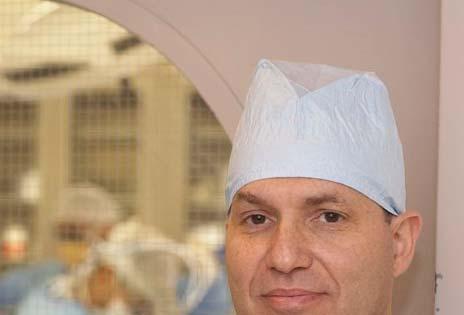

Subarachnoid hemorrhage has been described since the days of Hippocrates, yet we still know remarkably little about its mechanism or optimal treatment. Dr. Joshua Bederson is leading a team to change the way we look at devastating neurological disorders.
Patients who manage to survive
are at a significant risk of cognitive impairment, and 20 percent will die from a re-bleed.
What’s the most dramatic presentation in clinical medicine?” asks Dr. Joshua Bederson, Professor and Chair of Neurosurgery at the Mount Sinai School of Medicine. “I think this is it.”
Subarachnoid hemorrhage is a kind of stroke caused by rupture of an intracranial aneurysm: patients—often young—are struck without warning by a thunderclap headache, aptly named for its intensity and suddenness, usually followed by coma. The prognosis is poor. But now Dr. Bederson and his colleagues in Mount Sinai’s Brain Institute are helping to tip the balance toward recovery by changing the way the medical world looks at this and other devastating neurological disorders.
Subarachnoid hemorrhage occurs when a blood vessel just outside the brain stretches into a balloon-like aneurysm and then ruptures. Within minutes, the area of the skull surrounding the brain (the subarachnoid space) fills with blood, causing headache, neck pain and vomiting. The sudden buildup of pressure outside the brain causes rapid loss of consciousness and—for half of all those stricken— immediate death. Patients who manage to survive are at significant risk of cognitive impairment, and 20 percent will die from a re-bleed.
Dr. Bederson first encountered such patients when clipping aneurysms to prevent the re-bleeding that often occurs in those who survive the initial hemorrhage. But he saw little benefit from the procedure. “I realized that my impact on my patients was minimal,” he says. “Most of the negative outcomes were not due to the aneurysm re-rupturing, although that was one cause, but to the initial bleed and its deleterious effects on the brain.” So Dr. Bederson and his team of surgeon-scientists took to the lab, developing a model that mimicked the human subarachnoid hemorrhage.
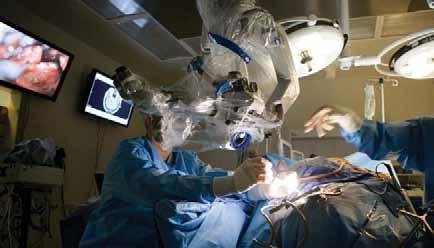
Their work is helping to unravel the snarled cause-and-effect threads of the condition, one for which conventional therapeutics have little or no success. Within seconds of a subarachnoid hemorrhage, blood flow to the brain decreases precipitously. This condition—called acute cerebral ischemia—contributes directly to stroke, neurological deficits and poor outcomes or death in patients with this kind of hemorrhage.
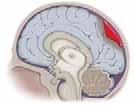
During scientific investigations, Dr. Bederson’s team discovered some unexpected phenomena. For example, nitric oxide, a compound normally found in the blood, generally causes blood vessels to relax; its production is essential to healing. But, they found, “blood released into the subarachnoid space acts like a sponge, sucking up that nitric oxide,” explains Dr. Bederson. “It’s fascinating that when blood is inside the blood vessels, everything is fine. But blood that sits in the subarachnoid space absorbs this normal relaxing chemical, so the blood vessels constrict and go into acute spasm.”
The resulting models of therapeutic intervention may include use of nitric oxide “scavengers.”
Currently, nitric oxide scavengers are used to reduce side effects caused by therapeutic use of nitric oxide in a variety of treatments. When the treatment has achieved the desired effect, the scavengers are activated and absorb the “leftover” nitric oxide so it does not harm the patient.
So it comes down to understanding the “cascade of pathological events immediately following the hemorrhage that lead to acute cerebral ischemia,” says Dr. Bederson. “This involves complex alterations of the brain’s normal physiology and the blood flow to the brain.” Treatable? Very likely. “Much of what we have discovered may be amenable to pharmacological treatment if we can understand the mechanisms.”
The site of the subarachnoid hemorrhage.
Mysteries
The prevalence of autism is growing—or is it?
This is just one of the mysteries surrounding a complex disorder that affects families and alters lives. Dr. Joseph Buxbaum, Professor of Psychiatry, Neuroscience, and Genetics and Genomic Sciences at the Mount Sinai School of Medicine, is leading a team to find solutions.
Q. We read that about one child in 150 is diagnosed with an autism-related disorder—a frequency that has increased about fourfold since the 1960s. What accounts for this increase?
Dr. Buxbaum. There are a lot of people who feel that the incidence [the rate of occurrence of new cases] has risen, but there is no scientific evidence for that conclusion. There are really three factors that account for the apparent increase. The first is better diagnosis. Twenty years ago, pediatricians rarely had the disorder on their radar; as an extreme example, the diagnosis that a trustee family of the Seaver Autism Center got was that their grandson was “lazy.”
The second factor is that there’s been a profound broadening of what constitutes the condition. When autism was first described in the 1950s, the definition was tightly limited. On the one hand, kids who might have been just seen as a little unusual back then are now receiving an autism-related classification. On the other hand, when children are given an autism diagnosis, they often get better support services than for other developmental disabilities, so that, too, increases the frequency.
And thirdly, we’re getting more and more efficient at diagnosing early in life. When autism is diagnosed at ages seven to ten, you don’t capture as many kids as you do when you diagnose it at three to four years of age.
Q. Do environmental factors—such as vaccines that children get as infants and toddlers—affect the onset of autism? Or is it a genetically based disorder?
Dr. Buxbaum. There have been quite a few very large-scale studies regarding vaccines in autism, carried out with different approaches across different populations, which clearly concluded that the vaccines were not a cause of autism. In addition, the epidemiological studies to date have shown that autism is a genetic disorder with little evidence for an environment component. Yet people are drawn to the environmental link, perhaps because as a species, we want to understand our environment and attach order to our lives. Timing plays a part, because children are vaccinated just when parents begin to discover things may be wrong. But altogether, people are looking for answers and they want to understand what happened.
The genetic answers for brain disorders are not so easily found or understood as that for, say, Tay-Sachs Disease. Very complex disorders such as autism have biological components that are much harder to find and understand.
Q. The playing field of genetics is so vast, and the ability to study the brain still seems so limited. How can parents feel optimistic about finding solutions?
Dr. Buxbaum. Our studies in the Seaver Autism Center, and those together with the Autism Genome Project (AGP) and with the Autism Case Control (ACC) Consortium (for which Mount Sinai is a founding site), show that we are already in a position to identify the genetic cause of autism in ten to twenty percent of the patients. And, for the first time, the ACC identified a heritable genetic variant that accounts for more than ten percent of the population risk for autism spectrum disorders. This study looked at a combined sample of more than ten thousand subjects. Results like this show that the paradigm is changing quickly. Every time we find a new cause— such as Fragile X syndrome, which is the cause of about two percent of cases in the autism spectrum— we can develop a targeted treatment. These are real findings, and we’re going to be able to develop real therapies, some of which will almost certainly work more broadly.
In the 1950s, the definition was tightly limited: kids who might have been called “a little odd” back then are now receiving an autism-related classification.
We’ve followed a lot of false leads. To finally have something that is unequivocally correct, where we know a child’s autism is caused by a particular genetic mutation—well, that’s a sea change.
Dr. Joseph Buxbaum heads the Seaver Autism Center for Research and Treatment, which is unraveling the biological causes of this complex neurodevelopmental disorder and translating that science into new approaches to diagnosis and treatment. Under his direction, the Center is creating models of the mutations that cause autism in humans, a process that is critical to translating basic scientific discoveries into patient care.
Addiction Margaret W. Crane
What makes an addict?
Dr. Yasmin Hurd has some surprising answers.
Early exposure to marijuana notably increased a child’s risk of developing a serious mental illness later in life.
There’s a huge debate going on about the legislation of marijuana use in the United States,” says Dr. Yasmin Hurd, Director of the Center of Excellence in Mood and Motivation Disorders at Mount Sinai’s Brain Institute. “Many people consider marijuana a ‘nice little drug’ that is safe for recreational use, while others see it as the main gateway to heavier drugs, like heroin and methamphetamines.
“At the Brain Institute, we’re approaching the question a little differently.”
Dr. Hurd and her interdisciplinary team across Mount Sinai are looking at the relationship between marijuana and what she calls “the neurobiological gateway” to addiction: They are tracking the actual molecular processes that play out in the brains of genetically vulnerable teens during and after exposure to marijuana.
“We need to be clear: addiction is a true mental disorder,” says Dr. Hurd. “While marijuana appears to be safe in adults, it wreaks havoc in the developing brain.”
She points to a 25-year prospective study carried out in New Zealand, indicating that early exposure to the drug, when combined with a genetic abnormality, notably increased a child’s risk of developing a serious mental illness later in life.
Genetics + Developmental exposure to marijuana + Molecular receptivity = Addiction
For years, Dr. Hurd has been studying the genetic, developmental, and environmental factors that put people at risk for drug addiction. A scientist with a mission, she and her interdisciplinary team are uncovering neurobiological changes that take place when a person is first exposed to a drug and at later points as addiction takes hold.
Adolescent vulnerability
At a neurobiological level, according to Dr. Hurd, two major conditions are necessary—though not necessarily suffi for a person to become an addict:
> Genetic mutations predisposing someone to addictive forms of behavior
> Exposure to environmental insults such as psychoactive drugs during the prenatal or adolescent period of development.
These factors loom large in Dr. Hurd’s work. Her recent research into the effects of marijuana provides a vivid illustration of how the addiction process works.
Formula for risk
Genetics + developmental exposure to marijuana + molecular receptivity=addiction.
This, then, is the working formula that underpins Dr. Hurd’s visionary research. In deepening our understanding of who is at risk for an addiction disorder, the Hurd lab is simultaneously reshaping the debate on marijuana legalization at a time of rapid policy change. What’s at stake, she believes, is no less than the health of the next generation.
“Simply put,” she says, “we need to use science-based evidence to improve mental health care for those afflicted with addiction disorders.”
The Brain Institute: New Vision
Margaret W. Crane
Dr. Eric Nestler has a scaled-up, collaborative model for neuroscience research.
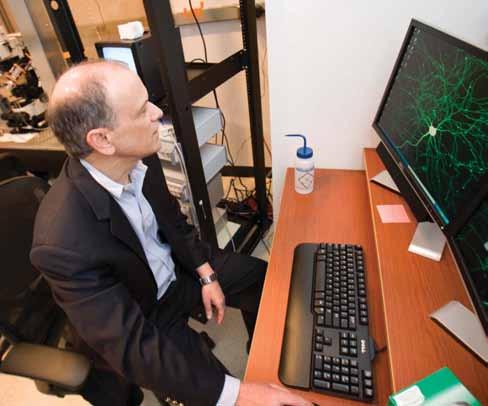
Dr. Eric Nestler has a dual role—as Director of the Brain Institute and Nash Family Professor of Neuroscience—and he makes it all sound easy. Gather enough talent and resources and put them to work in the right research environment, he says, and you’ll get results—big results in the form of diagnostics, treatments, and cures for diseases of the brain and spinal cord.
But Dr. Nestler left out one vital ingredient: himself. He’s the exceptional leader who is galvanizing neuroscience talent and resources across Mount Sinai and infusing the Brain Institute with all the elements it needs to succeed.
“What we’re building here is no less than the best neuroscience research institute in the world,” says Dr. Nestler.
Found in Translation
In recent years, the entire relationship between basic and clinical research has been redefined to allow for the rapid translation of scientific discoveries from the laboratory to the patient’s bedside. But the path of translational research is anything but linear.
In the case of neurodegenerative diseases such as Alzheimer’s and Parkinson’s, one researcher might look at complicit genes and molecular pathways in mice whil e another might focus on how the disease affects the individual neuron, and yet another might analyze how circuits of nerve cells function in healthy versus disease-stricken animals.
With translational research at the core of its mission, the Brain Institute will rapidly channel basic research findings toward the clinical testing of new diagnostics and drug candidates. In turn, clinical researchers strive to bring new diagnostics and treatments into routine clinical practice, but along the way they often make discoveries that double back into basic research. Thus, translational research is actually a complex series of feedback loops, with the lines between basic and clinical research becoming less and less distinct.
What we’re building here is no less than the best neuroscience research institute in the world.
Personal Vision
Dr. Nestler’s vision for Mount Sinai’s fledgling Brain Institute is all about tomorrow’s personalized medicine.
“Today,” he says, “if we suspect a relative has Alzheimer’s disease, the process begins with a visit to our family doctor or geriatrician. Our doctor may have strong reasons for making a diagnosis of Alzheimer’s, frontotemporal dementia (FTD), or another disease that affects cognition, but there’s no way to confirm that diagnosis, much less tailor the treatment to our relative’s precise condition.
“Soon—I have no doubt—we will develop tests that will allow us to distinguish between many diseases and their subtypes,” he explains. “That’s when the era of truly personalized medicine will begin, and the Brain Institute is uniquely equipped to get us there.”
Repair Replace, Cure
Margaret W. Crane
Dr. Patrizia Casaccia offers new hope for repair in myelin disorders.
Myelin, an insulating membrane that allows nerve impulses to travel throughout the body quickly and efficiently, isn’t something you tend to notice—until it’s gone.
This protective sheath can become damaged in young adults with diseases such as multiple sclerosis. Not all myelin disorders begin in adulthood; some infants are unable to form myelin, and this leads to early onset of neurological deficits comparable to those seen in adults.
For decades, myelin disorders ranked among the most impenetrable of conditions, and among the most difficult to treat. Now, stem-cell research and advanced biomedical technologies are speeding the pace of progress.

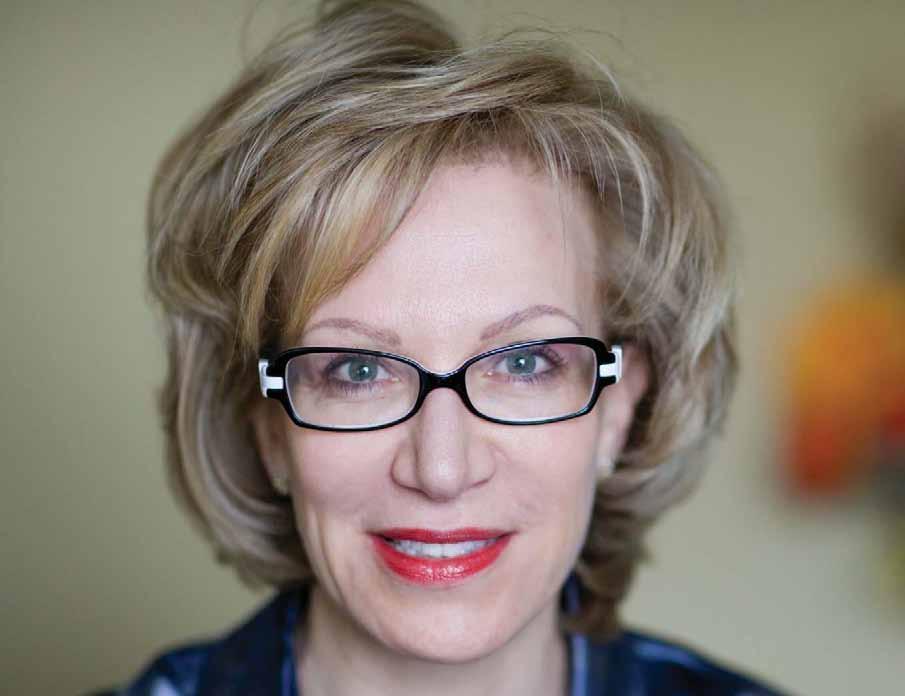
Dr. Patrizia Casaccia, Chief of the Center of Excellence in Myelin Disorders: Mechanisms and Repair at Mount Sinai’s Brain Institute, has been mounting an interdisciplinary effort to understand how neurons can be protected in multiple sclerosis and how cells can repair their own myelin when it’s damaged or improperly formed. A neurologist with expertise in molecular and cell biology, Dr. Casaccia has one overriding concern: to help and heal people with myelin disorders through science.
Myelin lost—and regained The symptoms of myelin loss or damage—called demyelination—depend on the specific nature of
the affected nerve cell. If the neuron handles motor information, demyelination will lead to a loss of motor control that tends to worsen over time. If demyelination occurs along a sensory pathway, it can cause tingling, pain, numbness, or a combination of the three. The disease process may affect a cognitive neuronal circuit, with deeply distressing symptoms such as memory loss, speech impairment, and difficulties processing information. According to Dr. Casaccia, there are two possible ways to regain lost myelin:
> Foster its regrowth and repair by stimulating the cells that are still there; or
> Replace lost myelin via stem-cell-based therapy and related technologies.
The Casaccia lab has been emphasizing repair-oriented research, identifying and testing pharmacological compounds capable of generating new myelin production. Dr. Casaccia is also directing a complementary research effort on the damage and repair to the axon, which is the portion of a neuron conducting electrical impulses.
Hope through stem cells
In some patients, the myelin along particular circuits of neurons has been completely destroyed. Is there is hope for people afflicted with such severe myelin loss? Recent strides in stem-cell therapy promise to replace myelin from scratch. “Stem cells can now be created from a little piece of skin. In collaboration with the Black Family Stem Cell Institute and the Corinne Goldsmith Dickinson Center for Multiple Sclerosis at Mount Sinai, we shall implement this ‘tailored’ stem cell technology for repairing damaged myelin and nerves,” Dr. Casaccia says. “We’re currently working towards methods to direct these skin-derived stem cells to choose the ‘right’ path so that they become myelin-forming cells or new neurons.
“It is the collaborative spirit at Mount Sinai that allows the integration of basic science with the Neuroimaging group, the expert clinical team at the Corinne Goldsmith Dickinson Center for Multiple Sclerosis and the Neuropsychology group. The development of interdisciplinary areas of research, the availability of resources such as patients’ samples deposited at the Biobank, and bioactive compounds that are newly synthesized by chemical engineers at the Institute for Experimental Therapeutics are tangible proofs of the current effort towards the development of new therapies to cure demyelinating disorders.”
Recent strides in stem-cell therapy promise to replace myelin from scratch.

I A O FTHE GRAPE N ISE PR


Margaret W. Crane
A visionary neuroscientist probes the ability of natural substances to curb Alzheimer’s disease
Ernest Hemingway considered wine to be the most civilized thing in the world. In recent years, we’ve learned it can also be one of the healthiest— especially if it’s made from red grapes and consumed in moderation.
Studies show that a daily glass of red wine improves cardiovascular health, eases stress, and even cuts the risk of developing some types of cancer. The positive effects of red wine on memory and cognition also have been reported widely in the pages of leading scientific journals, such as the British Journal of Medicine, The Lancet and Science.
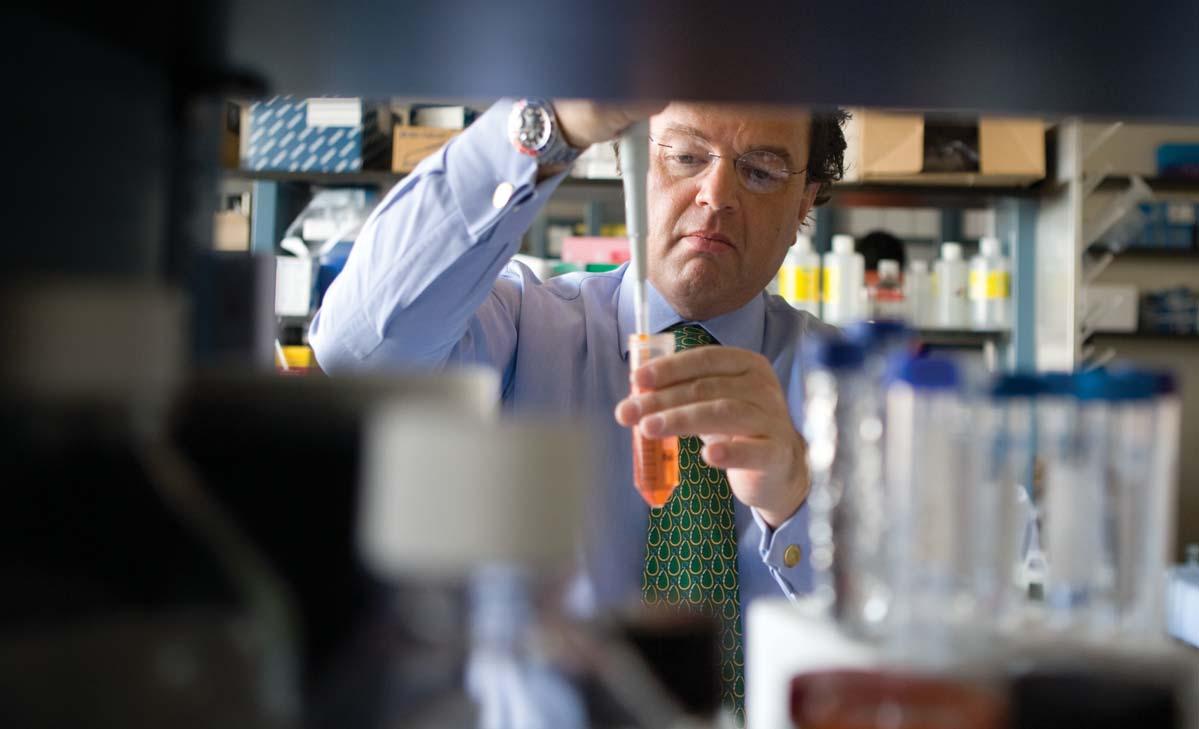
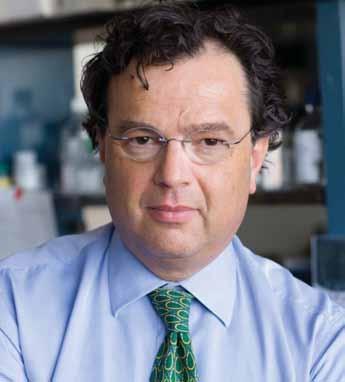
For Dr. Giulio Pasinetti, a Mount Sinai neuroscientist at the forefront of Alzheimer’s research, the question is: Why? What component of the grape acts to prevent our brain cells from deteriorating? What, exactly, is in that glass of red?
Dr. Pasinetti heads up the Center of Excellence for Research in Complementary and Alternative Medicine in Alzheimer’s Disease, one of the Mount
Sinai Brain Institute’s nine multidisciplinary centers focused on translational research. He is championing the science that will, it is hoped, unleash the power of grapes—and other natural substances—to prevent, treat, and even cure Alzheimer’s, the dementiacausing disease that afflicts approximately 18 million people worldwide.
An epidemic waiting to happen
Over the next 30 to 40 years, our society is expected to undergo a huge demographic change.
“It used to be easy to depict the U.S. population by age as a pyramid, with large numbers of young people on the bottom and a tiny group of the very old at the top,” says Dr. Pasinetti. “By the year 2050, however, we’ll have approximately 23 million nonagenarians and centenarians, compared with fewer than 5 million today. We’ll also have about 23 million teenagers. That means the age pyramid will look more like a four-sided box.”
While good health will be a factor in prolonging so many lives, age itself will still make the elderly vulnerable to a range of health problems.
“Age is a major risk factor for neurodegenerative disorders,” he continues, “so the anticipated demographic shift could be seen as an epidemic waiting to happen.”
Lifestyle changes alone—a healthy diet, regular exercise, and that daily glass of wine—can go far toward reducing a person’s risk of developing a neurodegenerative disease. But a more aggressive preventive strategy will be needed to curtail these diseases in skyrocketing numbers of elderly people.
Polyphenols: the natural solution?
Preventing cognitive disorders at a population level, then, is both the overarching goal and the day-to-day agenda of the Pasinetti lab, where a dedicated team has been studying polyphenols: the plant compounds most closely associated with the protective effects of a daily glass of Cabernet or Pinot Noir.
The process that governs complementary biomedical research is not unlike conventional pharmaceutical R&D. It’s about identifying promising molecular candidates, testing them rigorously, and, ultimately, using them to develop new treatments. But here’s the difference: Compared to conventional drugs, remedies based on the active component of a natural substance promise to be far safer, less toxic, easier to study, and easier for patients to tolerate, even over long periods.
Polyphenols: the natural solution?
Grape seed–derived polyphenolic extracts (GSPE), discovered in the Pasinetti lab, sailed through preclinical testing, during which they were seen to prevent the formation of beta-amyloid plaques—a leading suspected cause of Alzheimer’s disease. GSPE is currently in a Phase II clinical trial, in which clinical investigators are assessing its efficacy in preventing Alzheimer’s.
The next step will be to study the effects of GSPE when cognitive deterioration is already advanced. That, says Dr. Pasinetti, would extend its potential reach beyond prevention into the realm of treatment.
Longer term, Dr. Pasinetti will bring his time, talent, resources, and creativity to the task of unveiling the underlying links among obesity, hypertension, diabetes, and neurodegenerative disease.
Worth a toast, we’d say.
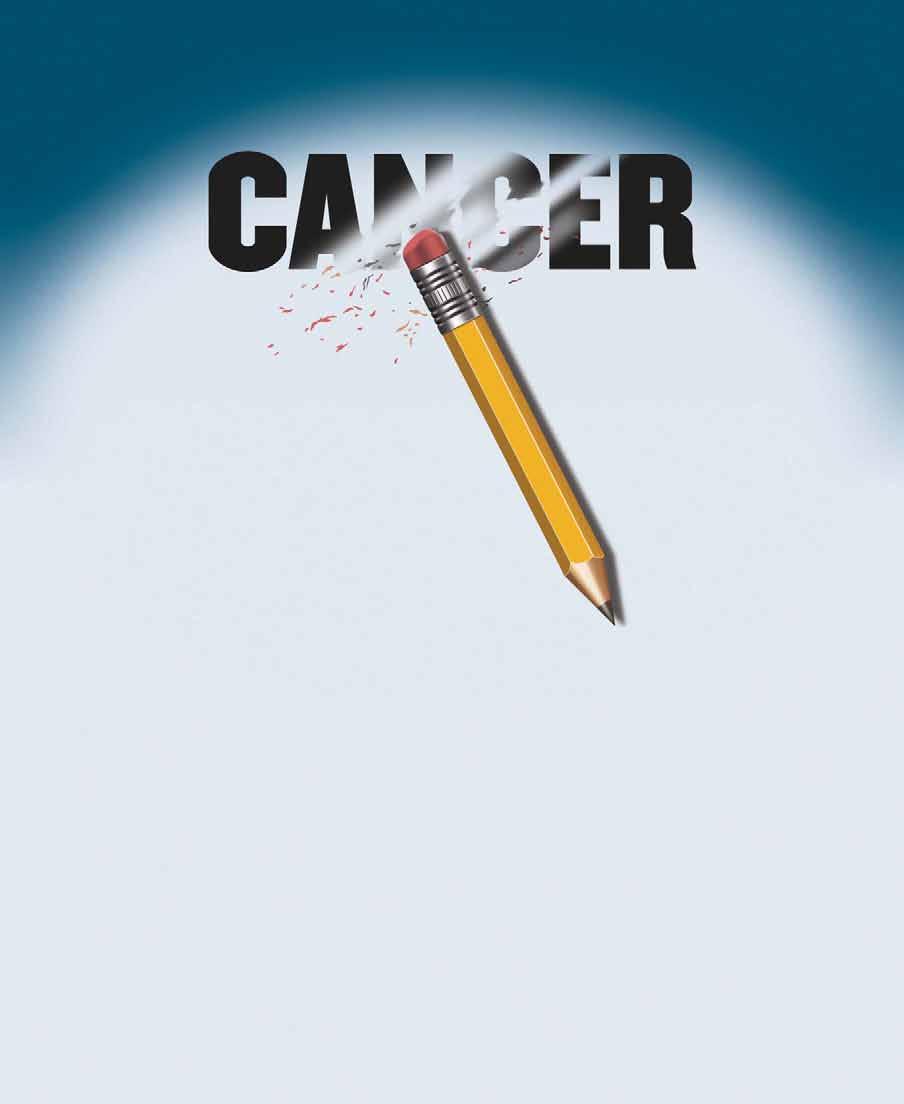
There is no one disease called “cancer”; it’s hundreds of different diseases, and each must be evaluated—and treated—on its own. Further fragmenting each type of cancer will lead us to many more cures and will magnify our understanding of the idiosyncratic nature of each newly defined cancer. But there’s also risk: when you shatter a type of cancer—breast, for example—will you shatter it into a few diseases that will become manageable, or into thousands of diseases? We have lots of allies in this challenge, like genomics, stem cell research, and shared databases—and we’ll be developing the search engines—the Googles, if you will—that will help lead us to new solutions.
STEVEN J. BURAKOFF, MD DIRECTOR, TISCH CANCER INSTITUTE PROFESSOR OF MEDICINE AND ONCOLOGICAL SCIENCES
The Humanity Behind Robotics
Kristin Lund

In popular culture, robots are often portrayed as inhuman: precise, tireless—and cold. Does this mean robot-assisted surgeries lack a human touch? Not at all, according to Dr. David Samadi. In fact, the robot is an extension of the surgeon—and the surgery is all about being human.
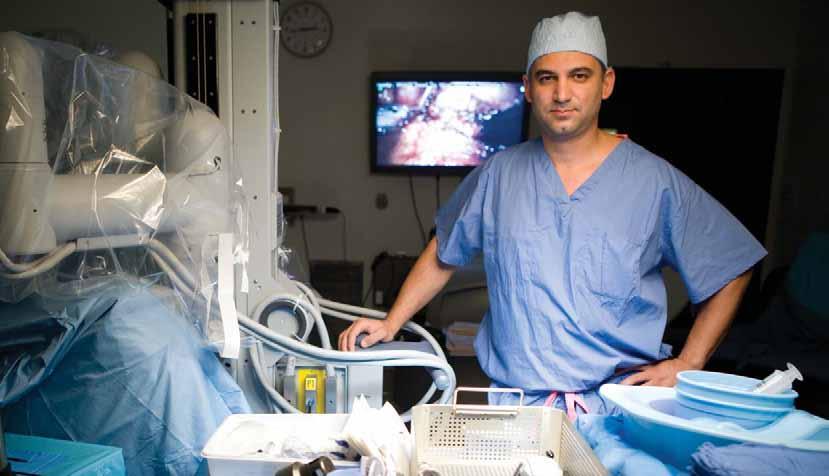
Arobotic prostatectomy solves some very human problems,” says Dr. David Samadi, Chief of the Division of Robotics and Minimally Invasive Surgery in the Department of Urology.
“Following a traditional procedure, men are often sent home with debilitating aftereffects, including incontinence and sexual dysfunction. Yes, the cancer is gone, but their quality of life is much reduced, and often their relationships suffer. This result isn’t good enough—it isn’t humane enough. With a robotic procedure, men can address the cancer without giving up other important aspects of their lives.”
Fine control
Compared to radiation therapies, prostate surgery leads to improved outcomes because it removes the prostate—and with robotic machinery, an experienced surgeon can be even more precise with the removal. The da Vinci® Surgical System used at Mount Sinai combines high-resolution cameras with microsurgical instruments, improving the
surgeon’s visualization and dexterity, translating his or her hand movements into micromovements that enable a superhuman level of control. A recent study showed that robotic prostatectomies were markedly more successful than open surgeries in
If you want to help people, you need to think about tomorrow.
eradicating cancer, and this extremely fine level of control also means a surgeon can avoid damaging the urinary tract and the nerves that affect bladder control and sexual function.
Because the robotic procedure requires only five quarter-inch incisions, the patients experience less blood loss, fewer transfusions, and a shorter recovery period. More than 90 percent of robotic prostatectomy patients can return home within 24 hours of the procedure.
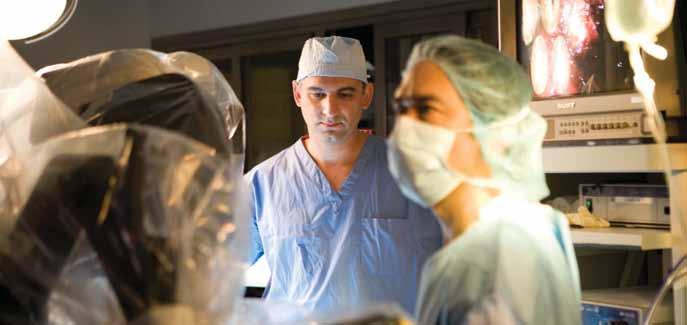
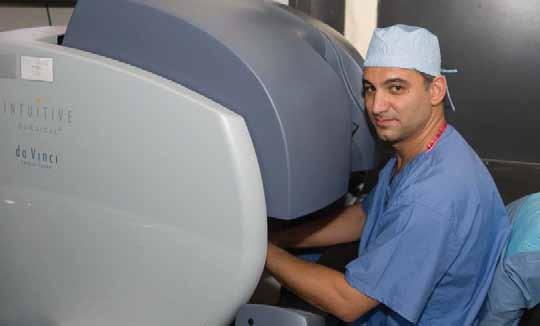
“Working in a bloodless field,” says Dr. Samadi, “you don’t have to feel your way through the surgery. The patient has less pain, spends less time in the operating room, has a lower risk of infection, and even has a better prognosis. Robotic surgery offers all of this and helps men return to living normal lives.”
Compassion and expertise
But technology doesn’t replace skill, as he points out. “The machine is only as good as the person using it—so again, the human aspect is crucial in robotics. The da Vinci® Surgical System is designed to take an already skillful surgeon and help that person do incredible things.
“As with any medical specialty, the strength of a program comes from the strength of its team,
regardless of how many robots they have. At Mount Sinai, we have been able to assemble an exceptional group of people whose compassion and expertise make them uniquely qualified to care for our surgical patients.”
Dr. Samadi’s biography is a compelling one that speaks to his own compassionate concerns. A Persian Jew living in Iran when the Shah was deposed, he was forced to flee at the age of 16, with his younger brother and only a few hundred dollars to his name. To survive, the brothers depended on the generosity of strangers, whose kindness inspired him to seek ways of giving back to society. As a urologic oncologist, he was trained in three different surgical disciplines: open surgery, laparoscopic surgery and robotic surgery—an unusual and comprehensive set of skills.
“I am always looking five years ahead,” he explains.
“If you want to help people, you need to think about tomorrow—this is what I learned when I was young. The newest procedures will be history before you know it, so I am always watching for the next great thing.”
Dr. Samadi has developed a richly informative website (www.roboticoncology.com) and the sixsession “Man to Man” prostate cancer education program at Mount Sinai. “Technology speeds up the medical process,” he says, “so it’s important to slow down and talk with people, both colleagues and patients. The robots help us do amazing things, but there is no substitute for human connection.”
Groundbreaking Therapy for Lethal Cancer
Michael Dhar
Medical science had, for decades, failed to find a firstline treatment for liver cancer, the third-leading cause of cancer death in the world. Clinical trials led by Dr. Josep Llovet offer the first-ever therapy for the illness.
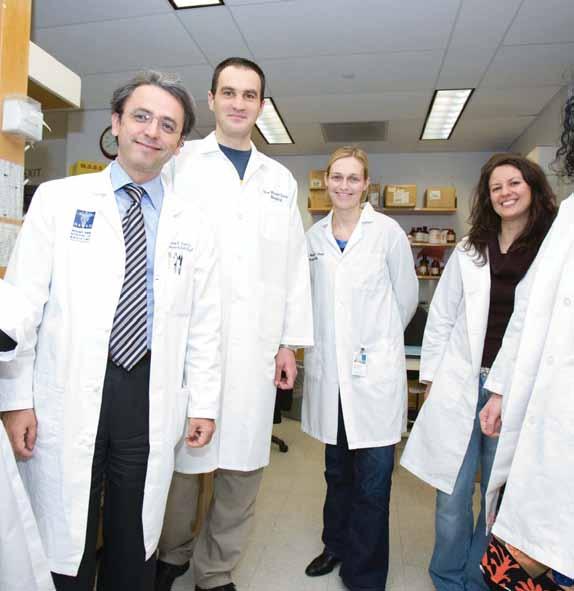
Until recently, patients diagnosed with advanced liver cancer faced the bleakest prognosis: no standard or first-line systemic treatment existed for the illness. That all changed in 2007 thanks to the work of Dr. Josep Llovet, Director of Reseach at the Mount Sinai Liver Cancer Program. That year, the FDA approved, based on Dr. Llovet’s ongoing clinical trials, use of the breakthrough drug sorafenib for the treatment of advanced liver cancer, or hepatocellular carcinoma (HCC). Dr. Llovet published results from these studies last July in the New England Journal of Medicine.
First approved as a kidney cancer drug, sorafenib works by inhibiting signaling pathways important to tumor growth. “As a result, patients show tumor freezes,” Dr. Llovet explains. “The results were spectacular. The drug clearly impacts the survival of the HCC patient.”
Sorafenib does not “cure” liver cancer, or cause tumors to shrink, but it does forestall future growth, notably extending the patient’s life. This marks the first drug approved by the FDA to slow the progression of advanced liver cancer. Before sorafenib’s approval, patients with this disease could be treated only with therapies like radiation and chemotherapy, but without any proven clinical benefi
Thanks to his initial success, Dr. Llovet is now leading additional clinical trials of sorafenib in the adjuvant setting or in combination. His team is
signaling pathways and could serve as a second-line treatment for patients who are unresponsive to sorafenib.
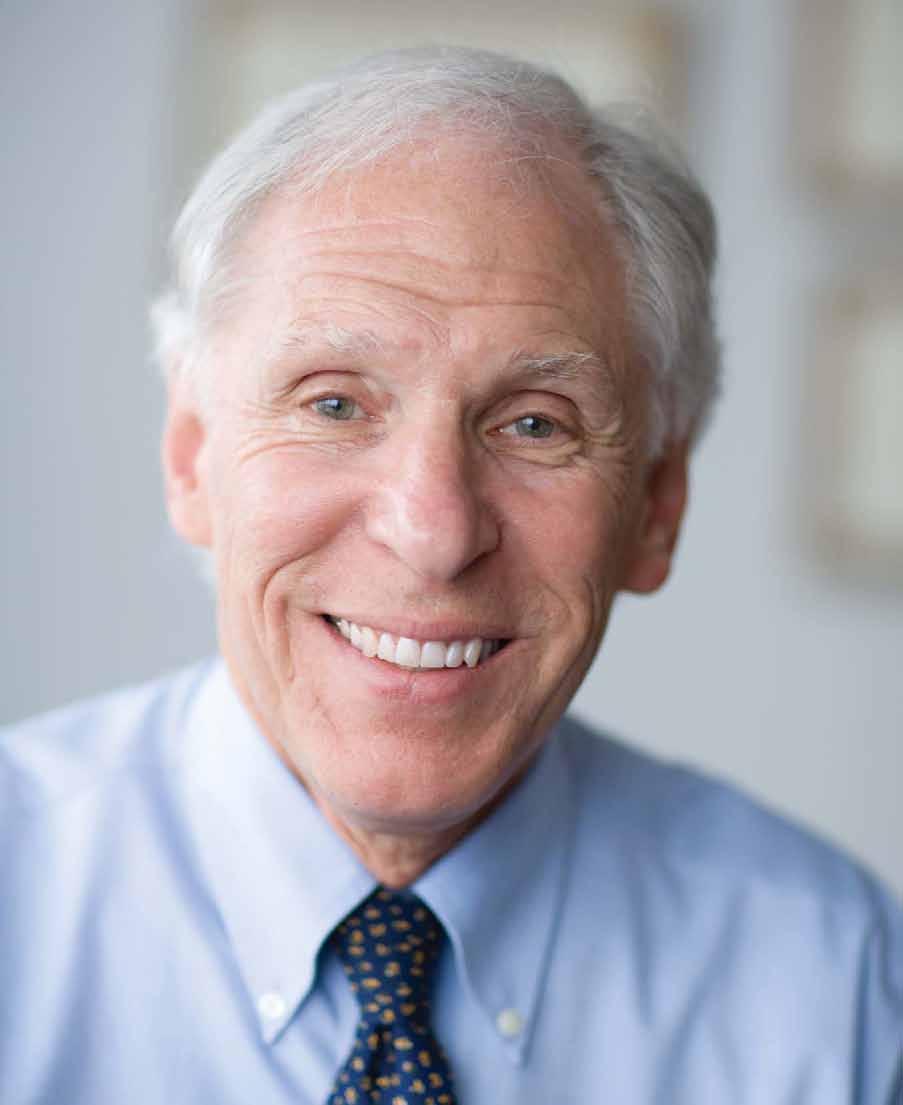
Scientists are searchers: their discoveries can lead to Post-it® notes and microwave ovens—and to penicillin, the X-ray and insulin. It’s all about keeping your eyes open and paying attention to what you observe. We sat with Dr. Stuart Aaronson, Aron Professor and Chair of the Department of Oncological Sciences at the Mount Sinai School of Medicine, to learn what it really means to seek.
Q. What kind of impact can a discovery have?
Dr. Aaronson. The wonderful thing about science is that discoveries build on each other. I’ve been doing research for more than thirty-five years, and I never dreamed as a young physician scientist that we would be this far along in understanding cancer cells.
Q. About 30 years ago, when you were Chief of the Laboratory of Cellular and Molecular Biology at the National Cancer Institute, you and your colleagues made some key discoveries about cancer.
Dr. Aaronson. Yes, we did. We discovered that the first normal function of oncogenes—which are the genes that contribute to the conversion of a normal cell into a cancerous one—was that of a growth factor. This in turn provided the first basic insights into how cancer genes actually work. Growth factors provide important directions to help normal cells develop and differentiate. If a growth factor fails to turn off and becomes locked in an “on” position, this can cause the receptor cells to proliferate at an uncontrolled rate, resulting in cancer.
Q. And from that discovery—
Dr. Aaronson. From there, we identified a novel growth factor receptor which was activated as a cancer gene by amplification in certain breast cancers. This led to the recent development of Herceptin®, the first approved
drug directed against a cancer gene target. It’s less toxic and easier to tolerate than other cancer therapies, and it has led to a fifty percent increase in survival rates among patients who can benefit from it. We also discovered a growth factor that is now a drug, Kepivance®, used to ameliorate a major toxity of certain cancer therapies and improve the lives of patients.
Q. What is your research focus at Mount Sinai?
Dr. Aaronson. We’re continuing to make discoveries that will hopefully have an impact on tumor therapies. Since we know how aberrant genes and aberrations in certain signaling pathways can lead to cancer growths, we are working to target those pathways and intercede in the process. For example, we have identified a mechanism that is activated in certain breast and ovarian cancer cells as well as other tumors—so we are now collaborating with other groups to develop smallmolecule inhibitors of this pathway. Down the road, this may lead to breakthroughs in cancer therapies as well as treatments for some other diseases such as osteoporosis.
Q. So it’s not just about keeping your eyes open— it’s also about having the vision to translate what you see into tomorrow’s new direction.
Dr. Aaronson. There is no end to the possibilities ahead.


Sacrifice Flies
Michael Dhar


For 100 years, fruit flies have given us some of the most important breakthroughs in genetic science. Now, thanks to the work of Dr. Ross Cagan, these trusty little insects are even testing drugs for us.


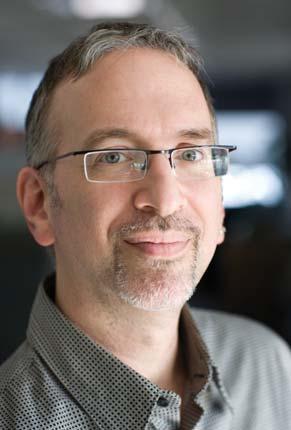
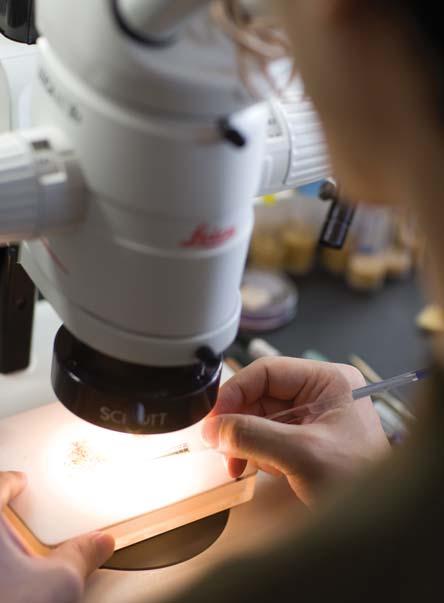
Dr. Ross Cagan, Professor of Developmental and Regenerative Biology at the Mount Sinai School of Medicine, turned his lab to the study of human diseases just before coming to Mount Sinai in 2007 Cagan now models cancer and diabetes in Drosophila melanogaster—fruit flies—then tests new drug compounds on thousands of individuals at a time.
The technique, unique to Dr. Cagan’s lab, has already helped uncover a successful new treatment for thyroid cancer that is now in Phase III clinical trials. Now they have shown that two unrelated drugs produce better results together than when given separately.

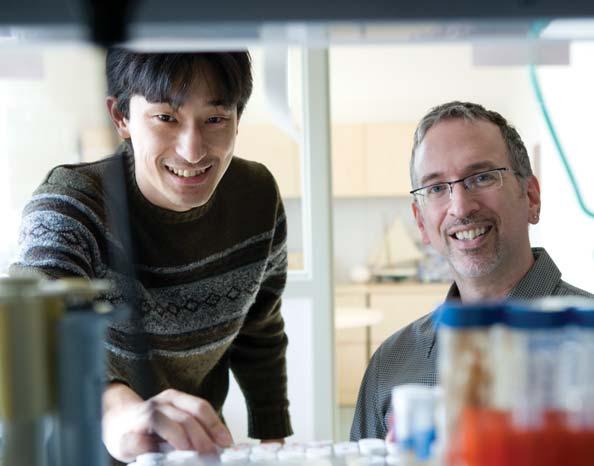
dish.” Dr. Cagan, instead, advocates a “whole animal” approach. His lab creates a tumor in a functioning organism by inducing as many as five mutations. This more accurately represents a real tumor, which typically requires eight or more genes.
Fruit flies also model human disease very well. Most genes that cause cancer in humans will also do so in flies. In fact, many of the known genetic pathways behind cancer were first worked out in Drosophila. Flies are also the simplest animals to share all our major organs.
Dr. Cagan’s method offers the advantage of numbers: researchers can cheaply produce thousands of individual organisms with illnesses essentially identical to those in humans. Thanks to the flies’ short life cycle, these trials produce quick results. Such widescale modeling and testing would be too expensive on lab mammals like mice. But testing on flies also improves upon the oversimplified disease models used in traditional screens.
According to Dr. Cagan, “The problem with the way people have looked for drugs for cancer in the past is that they usually target one gene or grow tissue in a
The biggest drawback to Dr. Cagan’s method is the simplest one to spot: “Flies aren’t people,” he says. Human trials are always eventually necessary. Still, a successful fly screen provides a solid piece of evidence that a drug will work.
The method is adaptable to other diseases: there’s no reason, Dr. Cagan says, to apply it only to cancer and diabetes drugs.
“My hope is that we’ll become a resource for this kind of testing for other diseases,” Dr. Cagan says. “That was a real attraction of coming here to Mount Sinai. It has such classic strength in clinical research. We understand flies.”











Identity Theft









Head and neck disorders carry the highest rates of depression and suicide of any cancer. One surgical team, led by Dr. Eric Genden, is finding new ways to maximize patient well-being— through minimally invasive procedures.
Michael Dhar

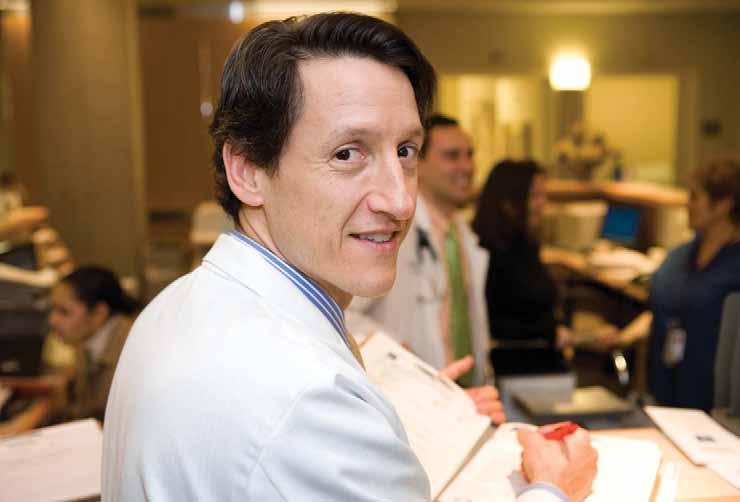



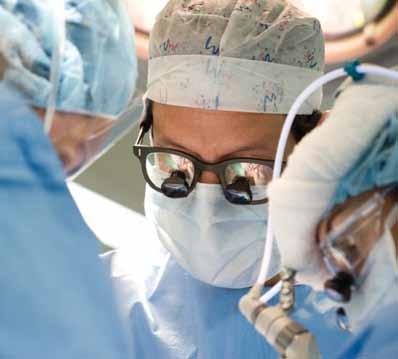
‘‘Head and neck cancer is unlike any other cancer,” explains Dr. Eric Genden, Surgical Director of the Multidisciplinary Head and Neck Cancer Center and Professor and Chair of Otolaryngology at the Mount Sinai School of Medicine. “It afflicts us where we eat and speak, where we socialize, and where we express ourselves. In a sense, it strikes at the patient’s identity.”
And because traditional surgeries can cause drastic changes to patients’ vital structures—including their tongues, jaws and voice boxes—the illness’s effects on self-image can render patients isolated and reclusive. All of which makes the new, minimally invasive surgical techniques pioneered at Mount Sinai tremendously beneficial: not only for patients’ physical health, but also for their mental and emotional well-being.
“Minimally invasive procedures that reduce scarring and maximize efficacy result in improved outcomes and quality of life for our patients,” says Dr. Genden.
These cancers afflict us where we eat and speak, where we socialize, and where we express ourselves. In a sense, they strike at the patient’s identity.
Teamwork
Dr. Genden credits the Center’s interdisciplinary model—his team integrates 35 professionals from 11 departments—with employing the robotic and endoscopic surgery methods, first used in other specialties, in the head and neck setting.
These procedures allow physicians to perform lifesaving surgeries to remove tumors without making any incisions to patients’ heads or necks.
“When different types of physicians with different types of training and expertise work together, you get cross-fertilization and can create important new approaches.”
The Center’s approach holds additional benefits for patients, especially during their first diagnosis. Because all aspects of head and neck cancer treatment are coordinated in one site, patients are spared a lot of the anxious waiting—an average of five weeks from diagnosis to the initiation of treatment at most centers.

A patient may show up at nine in the morning with a bump in his throat, and leave at four that afternoon with a diagnosis and a treatment plan.
Responding to patient need
It was while watching a family member go through that experience seven years ago that Dr. Genden realized that patients need a different model.
“I was shocked at how uncoordinated the cancer care was at a major institution,” he recalls of his relative’s experience. “You go to one doctor, then have to get in a cab to go to another building to get a CT scan. It struck me as wrong that someone who is
so psychologically fragile is shuttled all over the place like that.”
In contrast, the Center’s patient-centered approach removes such obstacles to treatment—as well as reducing a patient’s anxiety. “Here,” says Dr. Genden, “a patient may show up at nine in the morning with a bump in his throat, and leave at four that afternoon with a diagnosis and a treatment plan. We’ve found that patient satisfaction is very high because they feel taken care of.”
Timing
Michael Dhar
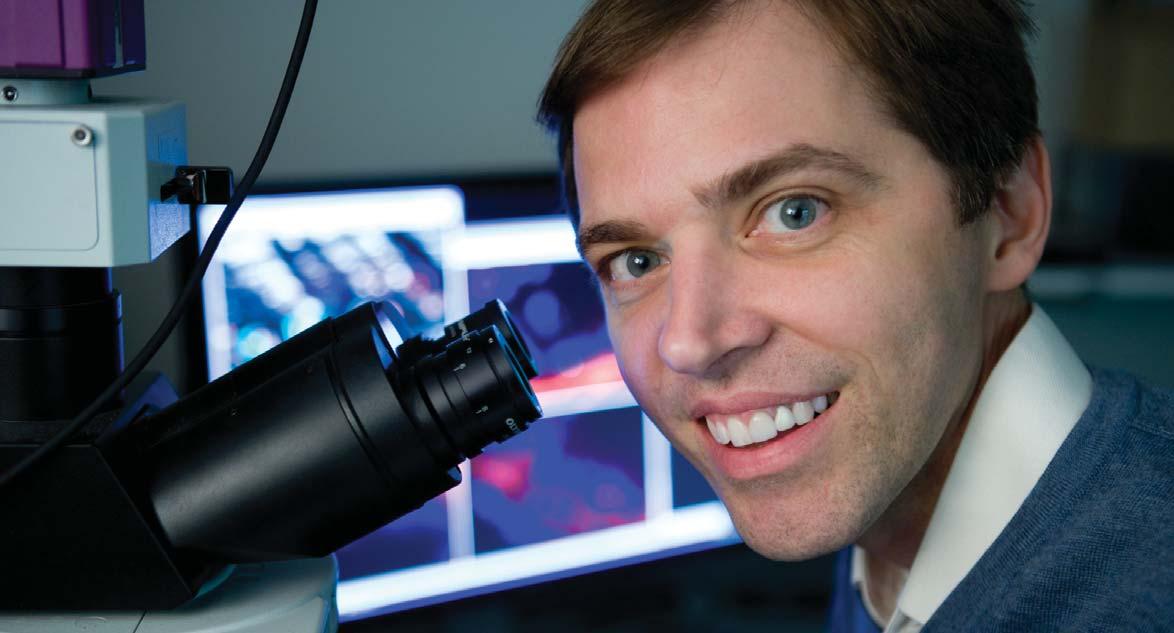
Comedians know that timing is everything. Writing in Nature, Dr. Paul Frenette suggests that it’s just as important to physicians.
In the future, physicians scheduling bone marrow transplants might want to set their watches to their patients’ internal clocks.
That insight comes from Dr. Paul Frenette, Professor of Medicine, Hematology and Medical Oncology at Mount Sinai, who showed that the availability of blood stem cells (those transplanted to treat various cancers) fluctuates to the beat of the body’s circadian rhythms. Commonly known as “biological clocks,” these 24-hour cycles are governed, in part, by periods of light and dark.
Dr. Frenette published findings in Nature showing that, in mice, the number of stem cells released by the bone marrow into the blood peaks at around noon. Subsequently, Dr. Frenette demonstrated similar fluctuations in humans, though our peak occurs at night, the reverse of the nocturnal mouse.
The findings have implications for transplants that are performed by mobilizing stem cells from bone marrow, Dr. Frenette explains. His research suggests doctors could harvest more blood stem cells from
donors by operating later during the day or night, potentially two to four times as many.
Moreover, Dr. Frenette’s team is currently looking at fluctuations in the reabsorption of blood stem cells into the bone marrow. It is possible that the cells return to the bone marrow more efficiently at certain times. By timing transplants carefully, then, doctors could maximize the number of engrafted stem cells absorbed into the cancer patient’s marrow.
Dr. Frenette’s team is now working with clinical researchers to test these suggestions about timing.

“That’s what’s unique about Mount Sinai,” Dr. Frenette says. “We have an outstanding medical center and also all the clinical aspects to translate what we do in the lab.”
Studies by Dr. Claire Magnon in Dr. Frenette’s laboratory on the role of the nervous system in regulating prostate cancer growth and spreading. The figure shows nerve bundles (red) surrounding the epithelial layer of a normal prostate gland.
Waging War
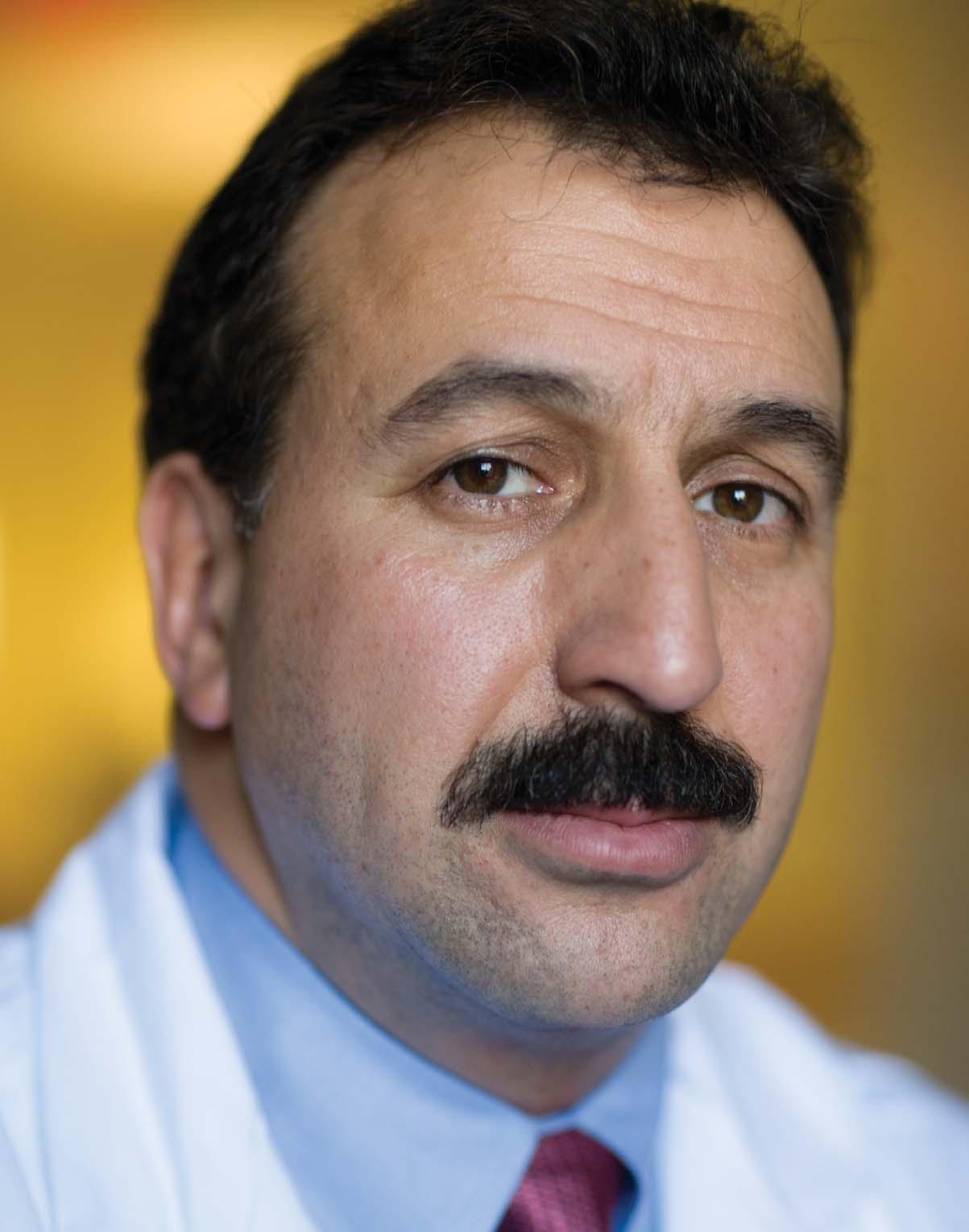
David A. Fishman, MD, has been the Director of Gynecologic Oncology Research at Mount Sinai only a short time—but his war on ovarian cancer began many years ago.
Kristin Lund
“As a resident at Yale, I realized that although surgical expertise had advanced greatly, the war against ovarian cancer had not progressed,” says David A. Fishman, MD. “In the 1960s, seventy-five percent of women diagnosed were found to have an advanced-stage cancer, and this statistic hadn’t changed when I was at Yale, which caught my attention. Early detection poses many challenges, but it’s crucial. Among women whose ovarian cancer is detected early, ninety percent survive.”
The war goes on. At Mount Sinai, Dr. Fishman’s basic science and clinical research will benefit from multiple collaborations among senior scientists and clinicians within a variety of medical fields, all
Calling all at-risk women
The NOCEDP evaluates women who have an increased risk of developing ovarian cancer, including women who have had breast cancer or whose family histories contain incidents of breast, ovarian, or colon
Eventually this could be the new mammogram.
cancer. “I want to encourage all at-risk women to call our clinic,” Dr. Fishman says. “We are collaborating with people around the world to develop blood, urine, and ultrasound tests and new treatments to save women’s lives.
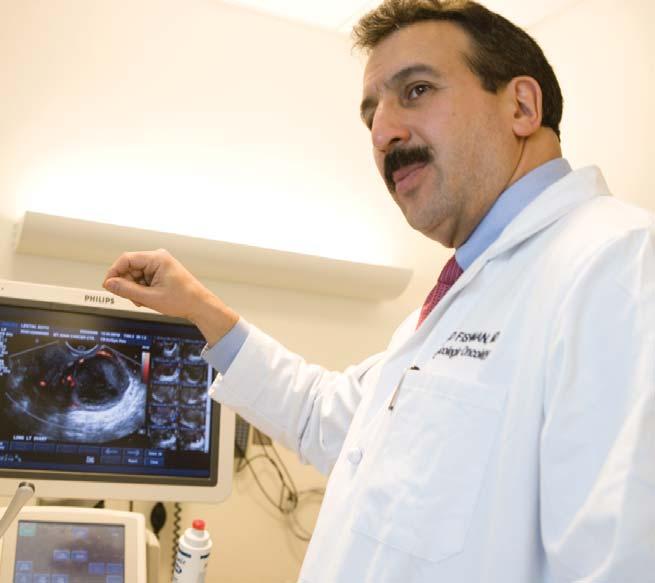
of whom have made women’s health a priority. He will also continue his work as the Director of the National Ovarian Cancer Early Detection Program (NOCEDP), funded by the National Cancer Institute and recognized as the most comprehensive early detection program of its kind in the nation.
“For example, our work with contrast sonography”—a superior method for diagnosing conditions in solid organs—“has been very promising. Because all solid tumors must first acquire a blood supply before developing a mass, our theory was that we could take advantage of the natural biology of cancer to catch the disease at an early stage.”
A new weapon
Using ultrasound imaging technology paired with contrast agents the same size as red blood cells, Dr. Fishman’s team has been able to detect ovarian cancer before a cancerous mass develops—and before any other test could have detected it. Theoretically, the procedure could prove beneficial in multiple cancer fields and in any field of medicine that involves blood flow, including reconstructive surgery. And it could be a critical new weapon in the cancer war.
“Eventually,” Dr. Fishman says, “this could be the new mammogram, a test that is standard for every woman over the age of 50. We’re still chasing the holy grail of early detection—a simple blood test—but until we find it, this is a noninvasive technique that shows great promise.”
Bridging the Research/ Clinical Divide
Kristin Lund
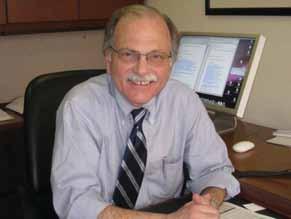
“Once in a great while, you see an opportunity to make a true contribution to society, and The Tisch Cancer Institute is an opportunity of this caliber for Mount Sinai.”
DR. STEVEN BURAKOFF
Professor of Medicine and Oncological Sciences, Dr. Steven Burakoff became Director of The Tisch Cancer Institute in December 2007. His résumé reads like a med student’s fantasy—Chair of the Department of Pediatric Oncology at Dana-Farber Cancer Institute, Professor of Pediatrics at Harvard Medical School, Director of the New York University Cancer Institute—but his attitude is down-toearth and focused.
“I was drawn by Mount Sinai’s potential and its tremendous commitment to building the institute,” he says. “The cancer research and the level of clinical care are both extraordinary—and now is the time to bring them together.”
Early in his career, working as a dedicated immunologist in Harvard Medical School’s Department of Pathology, Dr. Burakoff was far more invested in medical research than in treatment and care. Then DanaFarber changed everything.
“Pediatrics was an exciting place to be, because the cure rate for kids with leukemia was climbing,” he says. “I used to spend time in the pediatric clinic, so I would know what I was up against—and this was transformative. You can’t walk away from seeing kids with cancer and remain a hard-core scientist.”
Dr. Burakoff realized that when a lab scientist sees how his or her work connects to patient treatment, the research becomes more meaningful and targeted. It’s his mission to build interactions and encourage collaborations among medical investigators focused on basic science and those working directly with patients.
And he sees possibilities at Mount Sinai that can’t be found elsewhere. “We have every element we could ever need,” he notes. “Top-shelf basic research, visionary physicians and professors, innovative clinical trials, and first-rate medical care with high patient satisfaction. Patient satisfaction leads to greater patient volume, which supports even better basic research, which drives the development of more clinical trials.
“People everywhere talk about doing translational research, but very few places do it well. Here, the environment is uniquely supportive, and the collaborations are potent. By continuing to build strong bridges between disciplines, to integrate programs with shared scientific and medical interests, we are in a position to pursue discoveries that will vastly improve patient care.”
GIVING
Things that Matter
Trustee James Tisch has a tough job: He is chair of Mount Sinai’s capital campaign—still in its quiet phase—and his role includes reaching out to potential donors and asking them to give. It’s not a job for everyone, and especially not for those uncomfortable with being direct.
“I learned long ago,” says Mr. Tisch, CEO of Loews Corporation, “that if there’s an elephant in the room, you have to recognize it. People know they’re going to be asked. They see the great progress that this institution has made over five years, and they realize it’s not just done with fairy dust.”
Last year—together with his wife, Dr. Merryl Tisch, who is Vice Chancellor of the New York State Board of Regents—James Tisch committed $40 million to establish The Tisch Cancer Institute, a state-ofthe-art, patient-centered, comprehensive cancer care and research facility. It’s a gift born of several motivating factors. First, the Tisches recognized the importance of cancer research and care at Mount Sinai, and deeply respected the reputation and accomplishments of the Center’s director, Dr. Steven Burakoff. “In many ways, when the opportunity arose, it was a no-brainer to support him and his work. And as we’ve gotten to know his associates and colleagues, this just ratified our decision.”
But to really understand all the reasons for such a gift, you have to go back in time and visit Mr. Tisch at age six or so. “Giving is what my parents discussed around the dining room table. It was always accepted and assumed that you’d be charitable.”
You might call it the dining-room test, and it is part of Mr. Tisch’s asking toolbox. “My test is, are [potential donors] philanthropic? It’s not about what I may want them to do—it’s about what matters to them. I present an opportunity to give, and hope I can express it in such a way that it piques their interest.”
Any frustrations? “The only time I get frustrated is when I know someone is capable of giving, but they just won’t give to anything. Otherwise, as long as they give—even if it’s not to something I want them to support—I can only respect their decision.”
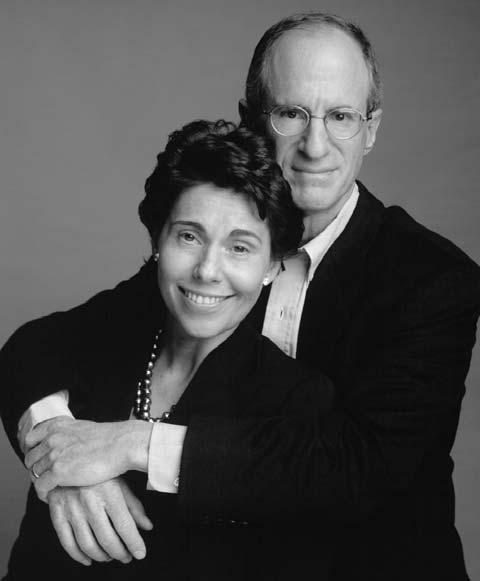
“People want to support things that matter. This work matters.”
JAMES S. TISCH
Alumni Heart to Heart
Want to welcome a first-year med student in style? Consider a gift of a stethoscope. For a gift of $150, The Mount Sinai Alumni will provide a new student with a stethoscope in your name. If we exceed the number of gifts needed, we will gratefully use the additional funds to purchase other medical equipment, with due recognition given to every generous donor. “As alumni, we are always interested in forming an early and continued communion with each new medical student,” says Gerald Friedman, MD, PhD. “The future of our Alumni Association is truly vested in your future participation.” To be a sponsor, please contact Stephen DeSalvo, Director, The Mount Sinai Alumni, at stephen.desalvo@mssm.edu or (212) 241-4694.
Estate of Leo and Rachel Sussman Gives $3.4 Million to Mount Sinai
The Estate of Leo and Rachel Sussman recently gave $3 4 million to the Mount Sinai President’s Fund for Strategic Initiatives. The Fund supports Mount Sinai’s clinical and research programs and allows flexibility to fund vital institutional initiatives.
Holocaust survivors, the Sussmans arrived in New York in 1941 after fleeing Nazism in their native Austria. Mrs. Sussman lost her entire family in the Holocaust, and her husband also lost many of his relatives. Upon their arrival in America, aboard the last ship that left Portugal for the U.S., the Sussmans worked their way up from almost nothing, ultimately building a successful undergarment manufacturing company, Renette Foundations.
Mr. and Mrs. Sussman generously shared their wealth with many New York institutions and dedicated their lives to advancing medicine, scientific research, and education in the New York community.
According to Bruno Goldstein, the Sussmans’ nephew, Mrs. Sussman was compelled to support Mount Sinai because of the innovative research underway here, particularly in the field of Alzheimer’s disease.
“If my aunt had had the opportunity, she would have studied medicine in Vienna,” said Mr. Goldstein.
“Unfortunately, the war broke out and she couldn’t fulfill her dreams. For as long as I can remember, my aunt would read the Science section of The New York Times. She had a lifelong passion and interest in medicine and science.
“My aunt was a very good person with a big heart,” Mr. Goldstein added. “She would always say that she got more satisfaction in giving to charities than going to a fancy dinner.”
Mrs. Sussman passed away in June 2007 at the age of 91; Mr. Sussman passed away in 1991
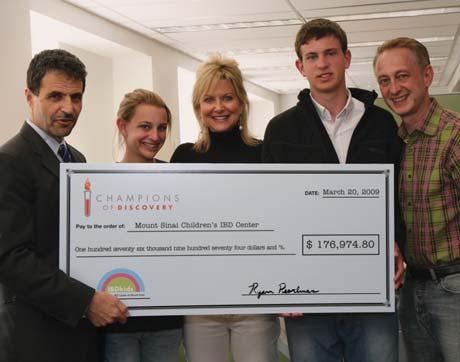
Giving Back to Support IBD Patients
More than one million people in the United States have inflammatory bowel disease (IBD)—and 20 percent of them are under 18. Now one of them is taking steps to help them all.
Teenager Ryan Pearlman was diagnosed with Crohn’s disease last year; Crohn’s and ulcerative colitis are the two illnesses known as IBD. Ryan and his parents traveled from Dallas to work with Keith Benkov, MD, Medical Director of Mount Sinai’s Children’s IBD Center. The center offers a comprehensive treatment approach: state-of-the art technology, clinical research, educational programs, and support groups for patients and their families.
“Most kids with inflammatory bowel disorders receive terrible care and are on the wrong medications,” said Ryan. “I have been privileged enough to receive excellent care and I wanted to make a difference for others who are less fortunate.”
So Ryan, whose symptoms are now effectively managed, decided to start his own foundation, Champions of Discovery. The foundation seeks to increase awareness of IBD and raise funds for the IBD Center. Their main fundraising vehicle is Team IBD Kids, a group of runners, including Dr. Benkov himself, who compete in the ING New York City Marathon. In March, Ryan presented Dr. Benkov with a check for The Children’s IBD Center for more than $176,000
The funding will enable the staff of the Children’s IBD Center to write a unique book that will help raise awareness throughout the community—and hopefully, the nation focusing on medical therapies and strategies to promote wellness among children and teenagers with the condition.
Brookdale: Serious Support for Geriatrics
This is a critical time in the field of geriatric medicine: in the next two decades, according to the U.S. Census Bureau, the first of the baby boomers will be turning 80, and 20 percent of the population will be age 65 and over.
Recognizing the urgency of expanding its clinical and educational programs, Mount Sinai welcomed the recent commitment of $10 million to its Brookdale Department of Geriatrics and Adult Development made by Stephen L. Schwartz, a longtime Mount Sinai trustee who is president of the Brookdale Foundation Group. The Foundation has committed $10 million—its largest gift to date to the department—in support of expansion efforts to meet the challenging medical needs of an aging population.
“The Brookdale Foundation has been a key partner with Mount Sinai in the growth of the Department of Geriatrics, almost since the inception of the program as the first department of geriatrics in the country,” says Kenneth L. Davis, MD, President and CEO of Mount Sinai. “Our national preeminence has been enormously facilitated by the generosity and vision of Brookdale.”
Mount Sinai plans an expansion of its clinical and educational programs to address effectively the complex cluster of physical, social, and psychological conditions that inform the lives of geriatric patients. “The generous support from the Brookdale Foundation Group will allow us to make continued advances in the field of geriatrics and palliative care, which is rapidly becoming an essential area as our population ages,” said Peter May, Chair, Boards of Trustees.
“Mount Sinai has the oldest and most developed academic program in geriatrics and palliative care in the nation,” says Albert Siu, MD, Professor and the Ellen and Howard C. Katz Chairman’s Chair of the Brookdale Department of Geriatrics and Adult Development. “We are on the forefront of developing new approaches to care for the elderly that would not be possible without the support of the Brookdale Foundation Group.”
Honored
Dennis S. Charney, MD, the Anne and Joel Ehrenkranz Dean of Mount Sinai School of Medicine (MSSM), and James Holland, MD, Distinguished Professor of Neoplastic Diseases, presented Mount Sinai Trustee Tony Martell, Founder and Chairman of the T.J. Martell Foundation for Leukemia, Cancer and AIDS Research, with an honorary Doctor of Humane Letters degree at MSSM’s 40th Commencement exercises on May 15 in recognition of his commitment to philanthropy and the extraordinary work of his highly successful foundation. Following the loss of his son, T.J., to leukemia in 1973, Mr. Martell has worked tirelessly to mobilize support for high-risk, high-reward research in leukemia, cancer, and AIDS. To date, the Foundation has raised more than $250 million, over $100 million of which has supported cancer research at Mount Sinai.

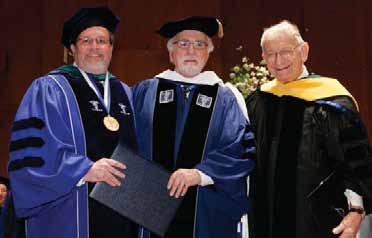
A bequest to Mount Sinai is more than a clause in your will. It’s a legacy that can change lives for generations to come.
Including Mount Sinai in your estate plans is one of the simplest ways to give, and can enable you to capitalize on numerous financial benefits as well.
For ideas on how to give, consult your financial or legal adviser, and contact Lynn Rothstein, Vice President for Development, at 212.659.8508
Dennis S. Charney, MD, Tony Martell, and James F. Holland, MD
Cocktails in Palm Beach
Fifty Mount Sinai supporters (including Maurice and Barbara Deane, in photo above) gathered at the Palm Beach home of James Harpel in March for an update on the Medical Center’s recent accomplishments and future plans. Guests heard from Dr. Kenneth Davis as well as Tisch Cancer Institute Director Dr. Steven Burakoff (in photo below, with Mr. Harpel and Ann Sutherland Fuchs) and physicians Ronald Hoffman, George Raptis, and David Samadi.

Crystal Ball Raises $2.5 Million
Fifteen hundred friends of Mount Sinai gathered to dine and dance in the Central Park Conservancy Gardens in May for the 24th annual Crystal Ball. The event raised $2.5 million to support a range of institutional initiatives. The guests honored some of Mount Sinai’s recent successes, including the recruiting of leading clinician-scientists and the opening of the Center for Advanced Medicine and they toasted Mount Sinai’s future, notably the upcoming launch of The Campaign for Mount Sinai and the groundbreaking for the planned Center for Science and Medicine.
Mount Sinai Trustee Eric Mindich and his wife, Stacey, chaired the gala.

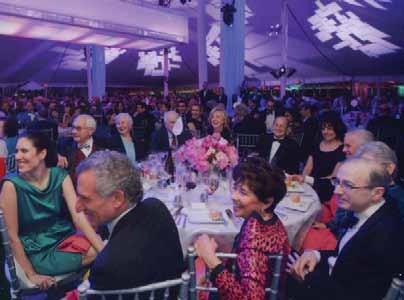



Cullman Honored
Among 39 metropolitan-area hospital trustees recognized for their “leadership, generosity, and extraordinary service,” longtime Mount Sinai trustee Edgar M. Cullman was presented with the United Hospital Fund’s Distinguished Trustee Award in May. Mr. Cullman, shown here with his wife, Louise, was cited by the Fund’s president, James R. Tallon, Jr., (below, at left, with Mr. Cullman) as “among the region’s best at guiding their institutions when help has been needed most.”
1 Diane and Fin Fogg 2 Joy Behar, TV personality 3 Angela Diaz, MD, with MSSM students 4 Guests enjoying the speeches 5 Stacey and Eric Mindich, Dennis S. Charney, MD, and Andrea Charney
Ellen and Howard Katz
Zibby Right
Senator Charles E. Schumer
Peter and Leni May, Bonnie M. Davis, MD, and Kenneth L. Davis, MD
ALUMNI NEWS
Paying It Forward
Dr. Yolanda Tammaro ’06 grew up watching her mother slowly succumb to terminal cancer. Inspired by the work of her mother’s doctors and of her own pediatrician a person with extraordinary compassion, she recalls she became certain she wanted a career in medicine.
Then, another tragic event brought the fulfillment of her hopes.
“My father is a sergeant with the New York Police Department,” Dr. Tammaro explains, “and he was deeply involved in the events of 9/11. After the attacks, he worked security at the ruins of the World Trade Center, and—even worse—he was also stationed in the morgues. It was an extremely difficult time.”
Out of the horror of 9/11 came a renewal of hope and determination in certain places—and Mount Sinai was one of them. The Alumni Association moved to use the proceeds from its annual Gold and Tennis Tournaments solely to establish a 9/11 scholarship program for applicants with a parent serving as a member of New York uniformed services and/or who lost a parent in 9/11 or whose parent participated in 9/11 rescue efforts. Dr. Tammaro received this scholarship during her second, third, and fourth years at medical school.
The scholarship enabled her to stay on at Mount Sinai. But, Dr. Tammaro says, it wasn’t the reason she chose Mount Sinai.
“I came here because the people here want to help other people—even within the School. The teaching was outstanding, the curriculum was innovative, and every faculty member I met seemed to really care about the students’ education. There was even camaraderie among the students instead of backstabbing. We were all good friends, helping each other.”
Dr. Tammaro learned not just the mechanics of medicine but also the art of being a physician. “We were taught how to be more compassionate with people, how to be more understanding of cultural differences, how important it is to be genuine and have a good bedside manner. These things matter. I’ve heard it said that you can’t teach passion—but you can, and that’s what Mount Sinai showed me.”
Thinking back to her childhood ambitions, Dr. Tammaro—now a third-year resident in general surgery at Mount Sinai—sees herself as part of an inevitable and positive chain of events, where one person inspires another, who then goes on to do good in the world and perhaps inspire someone else.
“When you really look closely at medicine as a career,” she says, “you realize that people are its heart and soul—the people who have cared for you, the people who teach you, and the people you hope to help. When it’s my time, I will definitely give back in turn.”
Kristin Lund
Annual Meeting
The Mount Sinai Alumni held its annual meeting on January 26, 2009. The evening consisted of an awards presentation to distinguished faculty, the installation of the new executive officers, a life member induction ceremony, and a summary of the many accomplishments of the past year.
The Dr. Sidney Grossman Distinguished Humanitarian Award was presented to Diane E. Meier, MD, Director of the Center to Advance Palliative Care and of the Hertzberg Palliative Care Institute, the Gaisman Professor of Medical Ethics, and 2008 MacArthur Fellow. The award honors those who, like Dr. Grossman, have shown extraordinary service and inspirational leadership to others.
Sandra K. Masur, PhD, Professor of Ophthalmology and Director of the Office of Women’s Careers, received The Mount Sinai Alumni Special Recognition Award for her dedication to advancing the careers of faculty members, particularly women.
Arthur I. Cederbaum, PhD, and Joseph Goldfarb, PhD, both Professors of Pharmacology and Systems Therapeutics, were presented with The Mount Sinai Alumni Award for Achievement in Medical Education, which honors physicians who have made major contributions to the field of medical education.
Fifteen new “Life Members” were inducted to The Mount Sinai Alumni. Life Members are recognized as leaders who are devoted to supporting medical education. Financial support from Life Members of The Mount Sinai Alumni, now numbering more than 150, helps ensure Mount Sinai’s ability to continue to attract the best and brightest students.
The results of the election of new executive officers included:
Martin S. Goldstein, MD
Associate Clinical Professor of Obstetrics, Gynecology and Reproductive Science PRESIDENT
Jeffrey T. Laitman, PhD
Distinguished Professor and Director of the Center for Anatomy and Functional Morphology
VICE PRESIDENT
Jonathan D. Schiff, MD
Assistant Clinical Professor of Urology TREASURER
Lyris D. Schonholz, MD
Assistant Clinical Professor of Radiology SECRETARY
“I look forward to increasing alumni involvement, organizing national alumni clubs, and expanding The Mount Sinai Alumni so that the organization reflects Mount Sinai’s national stature as a leading academic medical center,” Dr. Goldstein said.


Natural History
The Mount Sinai Alumni welcomed more than 90 alumni, faculty, and their families for the second installment of its “Meet your Ancestors: A Morning at the Hall of Human Origins of The American Museum of Natural History” event in January. Jeffrey Laitman, PhD, Distinguished Professor and Director of the Center for Anatomy and Functional Morphology, and Ian Tattersall, PhD, the Museum’s Curator of Biological Anthropology and an expert on the human fossil record, led guests on an exploration of the Hall of Human Origins, filled with fossils, films, interactive media, dioramas, and ancient artifacts; they also visited exhibits related to DNA and recent discoveries in human evolution and health. Implemented by The Mount Sinai Alumni’s Arts & Sciences Committee, the event was part of a series organized to foster alumni and faculty off-campus interaction with New York City and each other.
Jeffrey Laitman, PhD and an MSSM alumni family
Message from the Alumni President
Martin S. Goldstein, MD
It is a privilege to serve as your alumni association president, especially during a time of tremendous growth and momentum.
We are Mount Sinai’s link to all graduates. Our plans include expanding our traditional role of providing scholarships and student support through student council projects; providing increased resident and graduate school support; and ensuring that our organization’s membership is truly representative of our graduates.
The alumni association is currently organizing alumni clubs throughout the country. We hope to develop a network of graduates from the medical school, residency, and fellowship programs who will mentor recent graduates at their residency hospitals and introduce them to other MSSM alumni who are faculty or in training. These mentors will also be available for consultation to students applying for residency positions. The arrangement of alumni clubs provides a referral network to help us locate Sinai-trained doctors anywhere, at home or abroad. We are also planning chapters in New Jersey and Connecticut, and in Nassau, Suffolk and Westchester counties. Don’t forget that the Levy Library provides our members with Internet access to its facilities and journals.

We are Mount Sinai’s link to all graduates, providing increased resident and graduate school support.
We welcome Stephen DeSalvo, our new Director of Alumni Relations, who is already putting a host of new efforts into place.
Our new Web site will provide access to individuals or groups of graduates by residency training years, and we hope to support residents by sponsoring meetings and courses. All trainees at MSSM appreciate your financial support, which can enable them to remain in the Sinai family. The alumni association will widen our mission to provide scholarships: we hope each graduating class will endow a scholarship, with class members contributing annually and at five-year reunions.
That’s what we’re doing. What can you do? Visit our Web site. Join the alumni association. Become a life member. Join us at our alumni weekend. Stay in touch. Support scholarships.
Message from the New Director of Alumni Relations
Stephen DeSalvo
Keeping in touch with alumni can be an enormous challenge, but my staff and I are busy planning new programs, events, and benefits that will enrich the alumni experience. In the coming months, we will add special new offerings throughout the calendar year and broaden the scope of our activities to include regions all over the country.
Among our most exciting new ventures will be a new interactive social networking Web site that will become the online home for The Mount Sinai Alumni. Its features will include member search capabilities, photo gallery sharing, resume posting, event notification and registration, and extensive networking opportunities that will benefit every alumnus/a across the country. Enhancing the professional development of our alumni is one of my top priorities.
As the Alumni Association evolves over the next few years, I encourage you all to share suggestions. Don’t forget to stay connected by submitting your updated contact information and especially a current e-mail address. I am interested in your thoughts for how the alumni association should evolve over the next few years, so do not hesitate to contact me at stephen.desalvo@ mssm.edu or (212) 241-4694.
Before joining The Mount Sinai Alumni as Director of Alumni Relations, Stephen DeSalvo was Director of Alumni Relations at Iona College and, previously, at Manhattan College. A graduate of Siena College, DeSalvo received his master’s degree in educational psychology from the College of St. Rose. He also owns Everyday Designs, a graphic design company that offers Web site building and maintenance, print/publication design, and event planning.
Save the Date: Alumni Weekend
Mark your calendars for Alumni Weekend, April 9–11, 2010. We will honor MSSM classes ending in 0, 4, 5, and 9 at an Anniversary Class Dinner, and hold an Old Guard reception for all who completed training prior to 1980. The Jacobi Medallion will be presented at the Alumni Dinner Dance held at The Pierre.
left, Martin S. Goldstein, MD right, Stephen DeSalvo
The Mount Sinai Medical Center
of Development One Gustave L. Levy Place, Box 1049
New York, NY 10029-6574