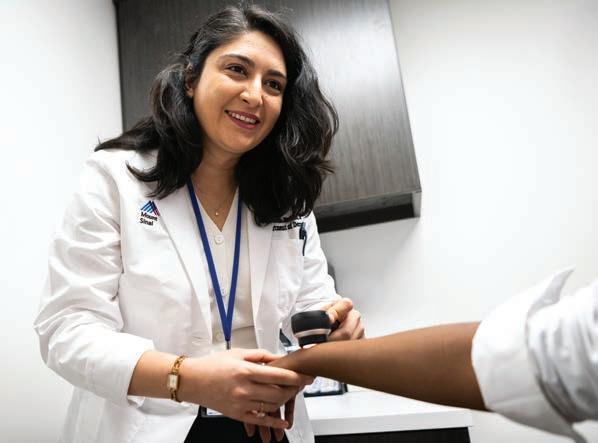
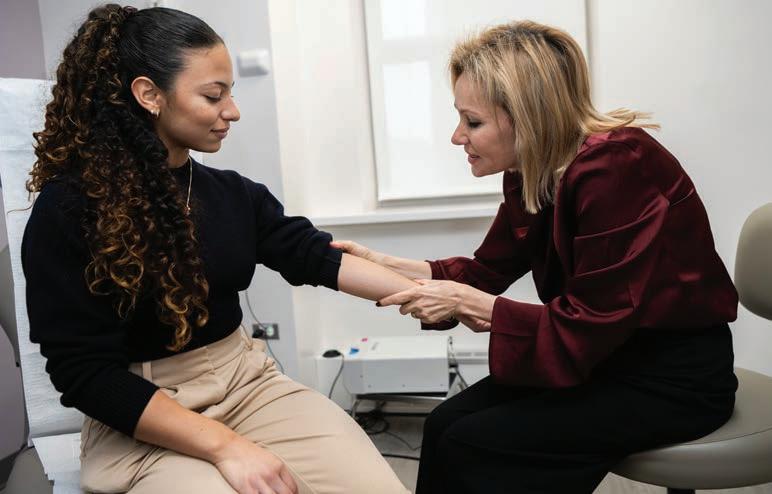
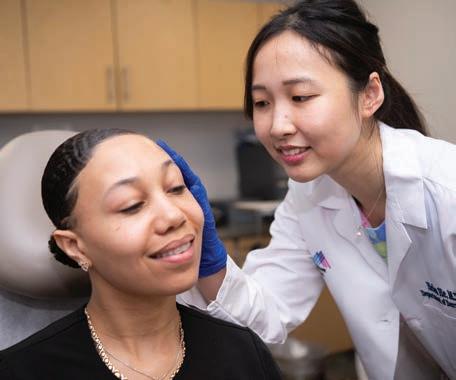
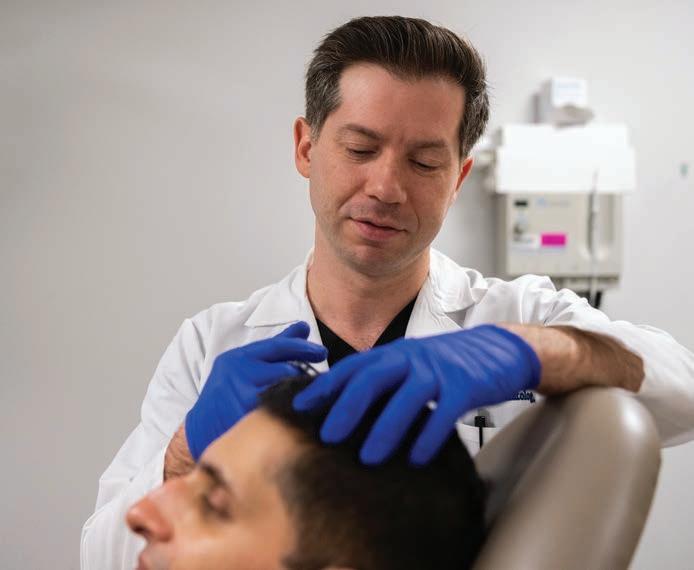
Delivering superior, comprehensive care, fostering research and therapeutic development , and creating a better future for patients with dermatologic diseas es.
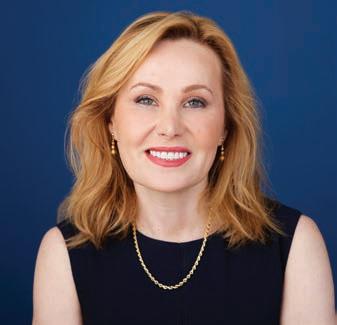
I am pleased to share with you this new report on the many achievements in 2025 of the Kimberly and Eric J. Waldman Department of Dermatology
We delivered comprehensive and superior dermatological care with more than 119,000 patient visits and conducted groundbreaking research funded by $39.5 million in National Institutes of Health (NIH) research funding (cumulative through 2029); grants from pharmaceutical companies of $14.9 million; and foundation grants of $5.6 million. The funding fueled the expansion of our clinic al trials along with lab staff and facilities, which supported many publications and patent applications. These efforts position the Department as a world leader in research on dermatologic diseases such as eczema / atopic dermatitis, alopecia areata, sc arring alopecia, psoriasis, vitiligo, hidradenitis suppurativa, and keloids, as well as skin cancers and other skin diseas es.
We recruited top faculty talent in 2025 who will facilitate and expand our e‰orts in innovative research. Our recruits include:
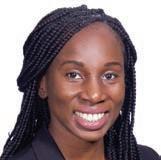
Christine Akoh, MD, Assistant Professor of Dermatology, earned her medical degree from NYU Grossman School of Medicine, completed her intern year and dermatology residency at NYU, and served as chief resident in her final year. Dr. Akoh has a special interest in treating chronic inflammatory skin diseases in divers e patient populations and will collaborate with colleagues to conduct clinical research trials in the future
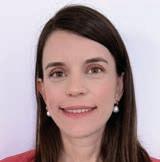
Natalia Biscola, PhD, was promoted from Associate Scientist to Research Assistant Professor, specializing in neuroscience. She earned her PhD at São Paulo State University, in Brazil and completed postdoctoral training at UCLA and the Icahn School of Medicine at Mount Sinai. With a strong background in translational neuroscience and advanced imaging, she brings expertise in research and mentorship to foster collaborations bridging neuroscience and dermatology
Nicholas Brownstone, MD, Assistant Professor of Dermatology, began his medic al career as a plastic and reconstructive surgery resident at New York-Presbyterian Hospital, completing more than three years of surgic al training. He completed his dermatology
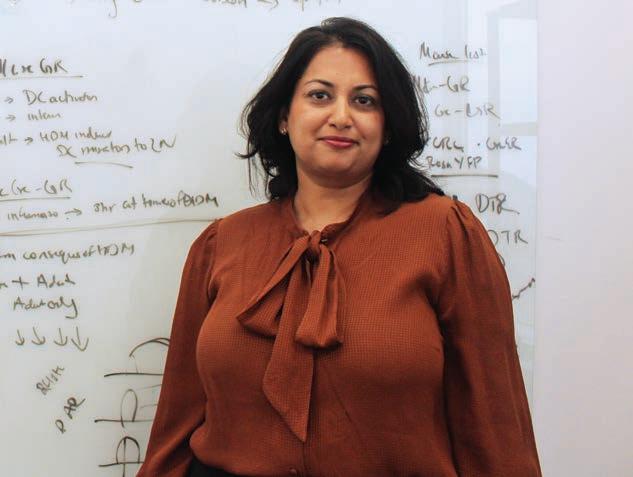
Emma Guttman-Yassky, MD, PhD
Waldman Professor and System Chair
The Kimberly and Eric J. Waldman Department of Dermatology
Director, Asness Family Center of Excellence in Eczema and Allergic Conditions
Director, Mount Sinai-Clinique Healthy Skin Dermatology Center
Director, Laboratory of Inflammatory Skin Diseas es, Icahn School of Medicine at Mount Sinai
residency at Temple University Hospital in Philadelphia, where he served as chief resident in his final year. Dr. Brownstone also completed two dermatology research fellowships: one in psoriasis, phototherapy, and clinical research at the University of California, San Francisco and the other in melanoma/skin cancer at the Ic ahn School of Medicine. Dr. Brownstone has written multiple publications in high-impact journals and numerous textbook chapters and delivered presentations at national dermatology conferences.
Banu Farabi, MD, Assistant Professor of Dermatology, earned her medical degree and completed her dermatology residency at Ankara University School of Medicine in Turkey and went on to do her U.S. clinic al training with an internal medicine internship and a dermatology residency at New York Medical College/Metropolitan Hospital Center, where she served as ac ademic chief resident in her final year. Dr. Farabi’s interests include hidradenitis suppurativa in marginalized communities, stem cells in wound healing, promoting equitable access to dermatologic care, cutaneous oncology, and noninvasive skin imaging. She has presented her work at numerous national and international conferences, including the World Congress of Dermatology
Michael Farhangian, MD, Assistant Profess or of Dermatology, completed medical s chool at SUNY Downstate College of Medicine in Brooklyn. During medical school, he elected to take time o‰ for research in dermatology at Wake Forest Baptist Health, where he als o completed his residency as chief resident in his final year. After residency, he went on to serve as Assistant Professor at UCLA School of Medicine where he mentored medic al students and residents training to become dermatologists, and was awarded Teacher of the Year in 2023.
Teresina Laragione, PhD, joined our Department as Associate Profess or in June 2025, bringing more than two decades of research experience in autoimmune and inflammatory diseases. She completed her studies in Italy, earning a master’s degree in pharmaceutical chemistry from the University of Pisa, and her PhD in pharmacology at the Mario Negri Institute in Milan. Dr. Laragione has authored more than 50 peer-reviewed publications and has successfully led multidisciplinary teams and mentored trainees to support the next generation of physician-scientists.
The Kimberly and Eric J. Waldman Melanoma and Skin Cancer Center, under the leadership of its Director, Jesse M. Lewin, MD, FACMS, continues to o‰er a rare combination of technologies that allow the most advanced, state-of-the-art services in monitoring, diagnosing, and preventing skin cancer. At the Waldman Center, more than 51,000 skin cancers were treated in 2025, up from more than 30,000 treated in 2024. This includes over 2,700 Mohs surgeries, which o‰er patients a high cure rate on cosmetic ally sensitive areas. Our Mohs Micrographic Surgery unit is the only academic center in New York City and one of only a few globally to have implemented MART-1 staining for early melanoma, which o‰ers enhanced visualization of melanoma cells and more precise margin assessment, completed the same day
At the Waldman Center, we continue to utilize noninvasive technologies such as the Vectra® WB360 system with 3D Total Body Photography. One of only a few systems in the New York region, it captures high-resolution images and creates a 3D body map in a matter of minutes, identifying and tagging all the patient’s moles, which can be tracked over time.
This innovative tool catches skin cancers at the earliest possible stage while avoiding unnecessary skin biopsies. The Center is employing artificial intelligence to help explore multiple advanced technologies and novel techniques allowing for the early detection of and cures for skin cancers.
We launched a new, state-of-the-art facility, Mount Sinai Dermatology West Side, where we o‰er comprehensive dermatologic care to a broader patient community, with a whole array of general dermatological s ervices including skin cancer diagnostics. On the s ame floor, our new Dermatopathology Services Lab will open in the first quarter of 2026. We expect to more than double patient volume in the new space Additionally, we will expand the use of digital dermatopathology and AI research, with the guidance of Shane Meehan, MD
Our philanthropic funding expanded in 2025 through the transformative $5 million gift from Cli‰ord S. Asness, PhD, and Laurel Asness to advance research and clinical care for eczema and related allergic conditions. Mount Sinai renamed its Center of Excellence in Eczema to the Asness Family Center of Excellence in Eczema and Allergic Conditions, which is hous ed within our Department, in recognition of this generosity The gift supports the goal of accelerating the development of new therapies for patients with eczema and associated allergic diseas es such as asthma. I am proud to serve as the Director of the Asness Family Center.
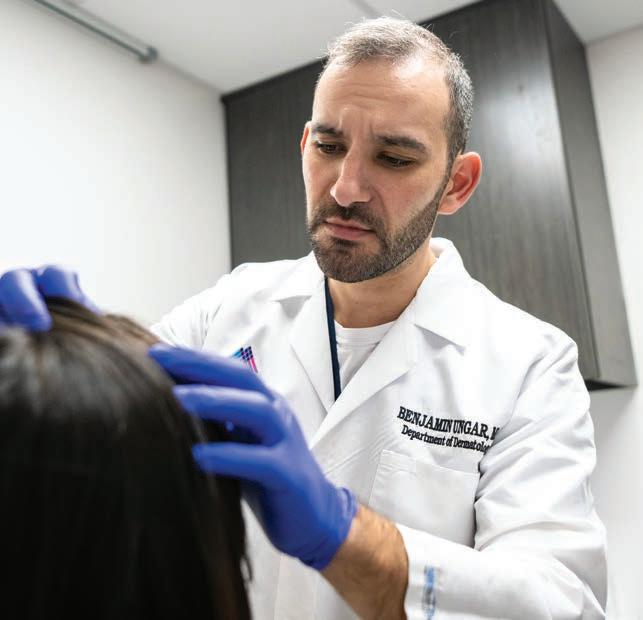
Our Alopecia Center of Excellence is prospering, serving more than 12,000 patients in 2025. This first-of-its-kind center was made possible by a $5 million commitment from our donors, the Pure family, along with several other families. The Center integrates compassionate patient care, translational and basic research, and transformative new treatments developed through clinical trials for alopecia Benjamin Ungar, MD, Director of the Center, aims to expand upon ongoing research and develop novel treatments.
With the philanthropic commitment of $5 million through a partnership with Clinique, the Mount Sinai-Clinique Healthy Skin Dermatology Center is thriving. Helen He, MD, and I are proud to co-direct the Center, aiming to deliver breakthrough advancements in dermatology by researching the biological underpinnings of skin aging, skin allergies, and inflammatory or eczematous skin conditions, including eczema (or atopic dermatitis).
We continue to work on research funded by our NIH grants, including the $6.6 million, five-year NIH grant (2024 through 2028) investigating dupilumab treatment in pediatric alopecia , and the $4 million, five-year NIH grant (2024 through 2028) evaluating the long-term safety, e¬cacy, and mechanisms of JAK inhibitors in patients with Down syndrome, an underserved population. Noteworthy, Patrick Brunner, MD, was awarded his first grant from the National Institute of Arthritis and Musculoskeletal and Skin Diseases to study T-cell plasticity mediating treatment resistance and side e‰ects in atopic dermatitis with funding of $2.8 million over five years.
Under the direction of Brian S. Kim, MD, the Mark Lebwohl Center of Neuroinflammation and Sensation continues to grow funding from both federal and industry sources. The Center was made possible by $4.7 million of philanthropic dollars raised, which funds groundbreaking research in understanding the connections between skin immunity, inflammation, and neurosensation. The forward-looking investment by our generous donors and Mount Sinai was validated by the Allen Family Philanthropies, through the establishment of the Allen Discovery Center (ADC) for Neuroimmune Interactions at Mount Sinai. It is the first ADC in New York and only the fifth worldwide. Dr. Kim and the team, including Hongzhen Hu, PhD, and Michel Enamorado, PhD, along with Shruti Naik, PhD, are striving to meet their research targets.
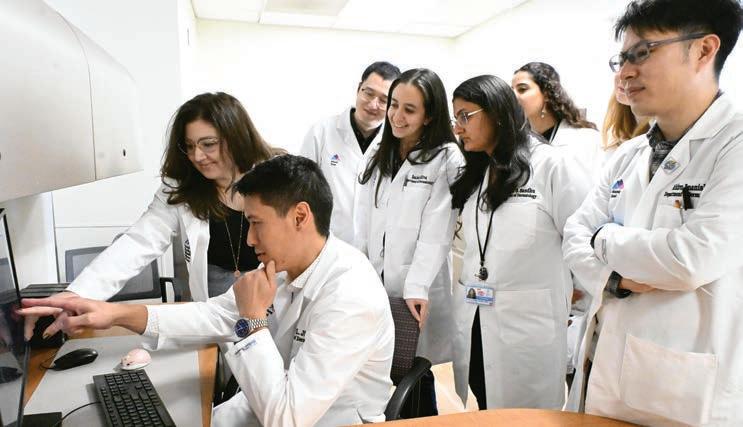
Our Department has the largest dermatology residency program in the United States. We received the No. 6 ranking in research output and No. 11 in overall reputation in the United States on Doximity Residency Navigator. Additionally, we o‰er a higher number of subspecialties (Autoimmune, Skin of Color, Blistering Diseases, Pediatric s, Mohs Surgery, Dermatopathology, Skin Regeneration and Rejuvenation, Cutaneous Lymphoma , Rheumatology Dermatology, and Complex Medic al Dermatology) than many premier programs.
Guiding the future of our Department is our Dermatology Advisory Board, with more than 40 members. (See the list of our board members on page 14.) The board’s unwavering support and expertise continue to help us provide better outcomes for our patients by expanding the boundaries of our research and clinical care
Thank you for reviewing our annual report. We look forward to a successful and inspiring year ahead in 2026
4. New Research Continues to Innovate and Optimize Skin Cancer and Melanoma Diagnosis and Treatment
7. • New Dermatopathology Lab Is Launched
• Implementing Artificial Intelligence in Skin Cancer Detection
8. A Generous Donation From the Asness Family Brings New Heft and Research Power to Mount Sinai’s Eczema Center
9. Q&A With Helen He, MD
10. Alopecia Center of Excellence Is Making Strides in Research for New Treatments
12. Advancing New and Exciting Research
13. • New Appointees
• Faculty Awards 2025
• New Trainees
14. • Dermatology Advis ory Board Advocates for Research Advancements
• 2025 Award Highlights
15. Department of Dermatology Quick Facts 2025
New Research Continues to Innovat e And Optimize Skin Cancer and Melanoma
Diagnosis and Treatmen t
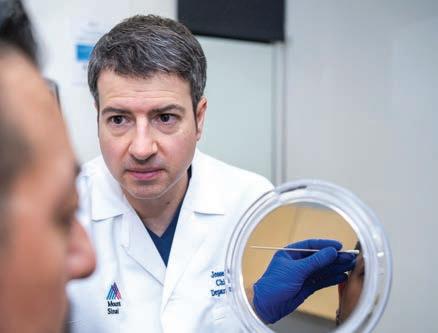
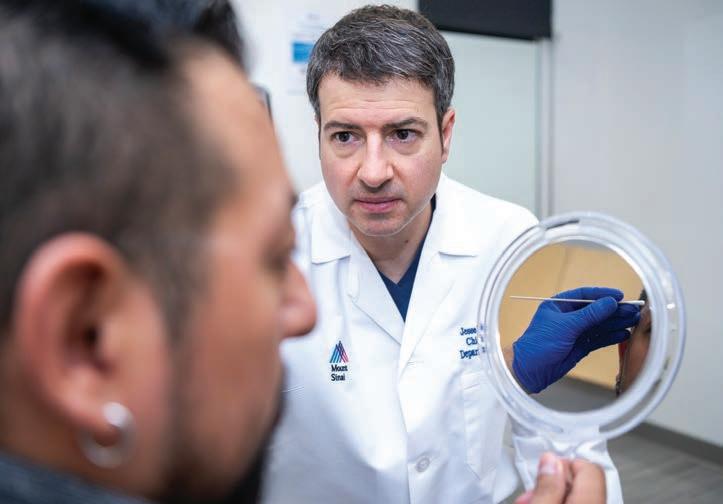
Looking at the number of patients who visit the Kimberly and Eric J. Waldman Melanoma and Skin Cancer Center at Mount Sinai for diagnosis and treatment , Director Jesse Miller Lewin, MD, FACMS, has noted a steady increas e in recent years.
This trend, Dr. Lewin notes, reflects a growing incidence of skin c ancer nationwide, with estimates suggesting a 1.2 percent increase in new cas es each year. But, he adds, that the more than 50,000 patients who visit the Center annually also reflect its reputation as a leader in diseas e diagnosis and treatment—a status made possible through the generosity of donors such as Kimberly and Eric J. Waldman.
Dr. Lewin, Director of the Waldman Melanoma and Skin Cancer Center, specializes in melanoma and nonmelanoma skin cancers, facial reconstructive surgery, and patient satisfaction.
“Their dedicated support , which has enabled us to make progress in this field, is a testament to their commitment to finding and treating skin cancer at curable stages,” says Dr. Lewin, Associate Professor, Vice Chair of Surgical Operations, System Chief of Division of Dermatologic and Cosmetic Surgery, and Program Director for the Micrographic Surgery and Dermatologic Oncology Fellowship at the Kimberly and Eric J. Waldman Department of Dermatology
“We share their commitment, and we are using all the resources we have to do groundbreaking work to stay ahead of the curve,” he says.
Dr. Lewin has demonstrated that commitment in several ways. His approach to Mohs micrographic surgery involves immunohistochemistry to treat melanoma—a staining technique that optimizes tissue sparing in functionally and aesthetically vital areas, such as eyelids and lips, while contributing to high cure rates among patients with melanomas. He is also collaborating with Je‰ers on Health on a multicenter initiative to study a group of patients with high-risk cutaneous squamous cell carcinomas (cSCC).
“Although cSCC is likely responsible for as many deaths as melanoma, it is not in the Surveillance, Epidemiology,
and End Results registry, which means we lack robust data on patient outcomes,” Dr. Lewin says. “By performing multicenter studies, we can pool high-risk patients in order to increase the collective knowledge of these aggressive tumors.”
Andrew L. Ji, MD, is contributing to cSCC insights through his own research, specifically the cell populations that communicate with and promote the growth of thes e cells. His lab found that macrophages (immune cells) and fibroblasts (cells that provide structure to tissue) play a key role in fueling the aggressive behavior of invasive cSCC cells, a discovery that could be life-changing for millions of skin cancer patients.
“Our lab is testing methods to block this communication in experimental models of cSCC, with the long-term goal of developing new therapies to treat aggressive cSCC tumors,” says Dr. Ji, Assistant Professor of Dermatology
Equally notable, Dr. Ji is investigating skin cancer rates among Mount Sinai patients who have undergone s olid organ transplantation. Dr. Lewin is a key collaborator in this undertaking, providing tumor samples from patients. Although Dr. Ji found that non-white patients are less likely to develop skin cancer post-transplant, he noted that the time frame for those who do is nearly identical to that among white
We want to continue to be the leading center for the detection and treatment of skin cancer nationwide ...
—Jesse M. Lewin, MD, FACMS
patients. This, he observes, provides invaluable guidance to clinicians for skin cancer risk assessments among transplantation patients.
“We are following up on identifying other skin conditions that commonly a±ict these patients to help optimize care for this vulnerable population,” Dr. Ji says.
Patrick M. Brunner, MD, is equally interested in malignant skin conditions, specific ally cutaneous lymphomas. He is currently investigating a rash that is associat ed with mogamulizumab, an anti-CCR4 antibody used to treat T-cell lymphomas. There is accumulating evidence that this rash is linked with more favorable cancer out comes. Thus, Dr. Brunner is seeking to better understand this phenomenon through investigation of the skin immune systems of patients who are administered this drug.
“We found that in patients experiencing this rash, c ancer cells are more silenced and anti-tumor mechanisms are
upregulated,” says Dr. Brunner, Associate Professor of Dermatology, and Director of the Cutaneous Lymphoma Clinic. “Thes e results could help to develop better and safer lymphoma treatments in the future.”
In addition to this research, Dr. Brunner is looking at why s ome patients are resistant to conventional treatments, in particular those with atopic dermatitis, and why some develop paradoxical inflammat ory reaction as a side effect. He has received a Research Project Grant from the National Institutes of Health to explore treatment resistance and side effects among this particular cohort
“With this grant, we want to identif y the molecular underpinnings of insu¬cient or even deleterious respons es to targeted treatment approaches to help facilitate the development of more e¬cacious, safer therapeutic s,” he says.
Over the years, the Center has contributed significantly to the development of new skin cancer treatments, including advanced basal cell carcinoma therapies that target the hedgehog pathway. Mark G. Lebwohl, MD, says they have adopted a new therapy, sonidegib, targeting this pathway that is associated with fewer side e‰ects.
“We are now e‰ectively shrinking large bas al cell carcinomas before Mohs micrographic surgery, thus minimizing deformities and scarring among patients,” says Dr. Lebwohl, Dean for Clinical Therapeutics at the Ic ahn School of Medicine at Mount Sinai, and Profess or and Chair Emeritus of the Kimberly and Eric J. Waldman Department of Dermatology.
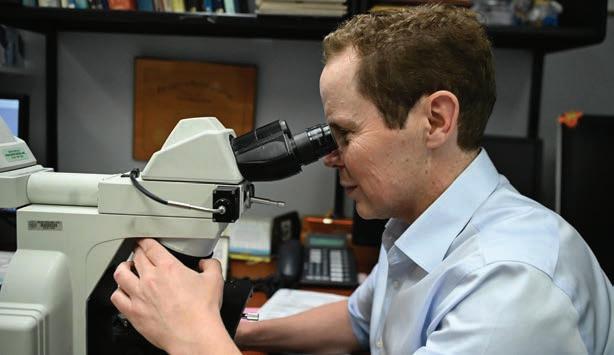
Dr. Andrew Ji and his team are studying the aggressive behavior of invasive squamous cell
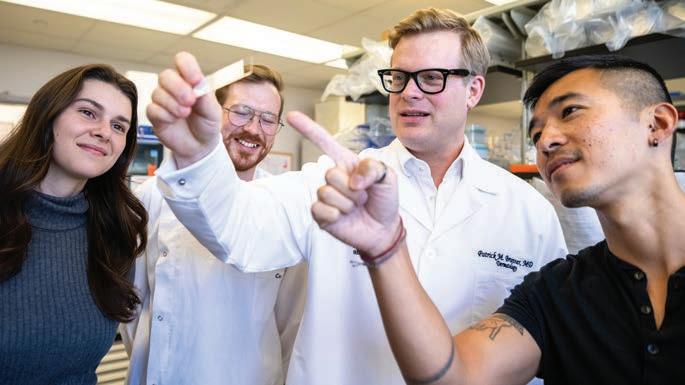
Dr. Patrick Brunner and his lab team are focused on research in cutaneous lymphomas, a diverse and complex group of rare cancers.
As the Center’s researchers contribute to the development and validation of new treatments, Nicholas David Gulati, MD, PhD, is making strides in enhancing the e¬cacy of available therapies. He is conducting a clinic al trial in which patients with c ancer who have skin metastases are being administered diphencyprone—a topical drug used to treat various skin conditions—in addition to immunotherapy agents c alled immune checkpoint inhibitors that are given by vein, to see whether combining the two results in better responses than achieved using one therapy
“In three patients with metastatic disease, we saw a nice res olution of the skin tumors, which is exciting preliminary data,” say s Dr. Gulati, Assistant Profess or of Dermatology, Director of the Early Detection of Skin Cancer Clinic, and Director of the Oncodermatology Clinic. “Our goal is to enroll 10 patients bas ed on the criteria of multiple skin metastas es and treatment with an immune checkpoint inhibitor, so recruitment is ongoing.”
Meanwhile, Dr. Gulati is gaining new insights from patient biopsies, blood samples, and tape strips on immune checkpoint inhibitor-associated skin toxicities that often necessitate pausing or discontinuing c ancer treatment. “The data we have gathered has led to a better understanding of which drugs we can use to treat patients with these side e‰ects,” he says. “That means we will be able to keep patients on their life-saving therapies as long as possible without interruption and achieve higher cure rates.”
Achieving higher cure rates also requires earlier, more accurate detection of skin c ancers and melanomas.
Banu Farabi, MD, is bolstering these e‰orts by leading the Center’s adoption of reflectance confocal microscopy This emerging, noninvasive technology is facilitating assessments of patients with multiple malignant-looking lesions, enabling Dr. Farabi and her colleagues to quickly identify or rule out cancerous lesions, which is beneficial for patients.
“Essentially, this technology enables us to give patients a
diagnosis at bedside,” says Dr. Farabi, Director of Skin Cancer Screening and Imaging at the Center, and Assistant Professor of Dermatology
“That means that we c an either expedite treatment or alleviate the anxiety of waiting for pathology results. But it also reduces the number of biopsies we need to perform to make a diagnosis, meaning fewer incidences of biopsyrelated complications such as infection and fewer patient visits for treatment of thos e complications.”
Jonathan P. Ungar, MD, the Center’s Medical Director, adds that the technology’s compact , handheld probe has enabled imaging of challenging areas such as the nose and eyelids, both of which pose significant concerns among patients.
“We are able to gain clinic ally useful information without a biopsy, which means we do not create a scar on the most sensitive areas of the face,” says Dr. Ungar, who is als o an Assistant Professor of Dermatology. “That enables us to really get the most out of this technology in terms of its baseline benefits.”
As excited as Dr. Lewin is by the ways that the Center continues to innovate and optimize skin c ancer diagnosis and treatment, he believes public awareness remains the most e‰ective way to reduce morbidity and mortality from skin cancer. He is leading e‰orts to spread the word on safe sun practices, including free cancer screenings during Melanoma Awareness Month. At the same time, he is focused on increasing the Center’s expertly trained clinicians, advanced technology, and research so that , if numbers do continue to rise, he and his colleagues are ready to meet the challenge
“We want to continue to be the leading center for the detection and treatment of skin cancer nationwide and to share our discoveries in this field with other centers,” he says. “That way we not only achieve life-changing outcomes for our patients, but also help make that possible for everyone with skin cancer.”
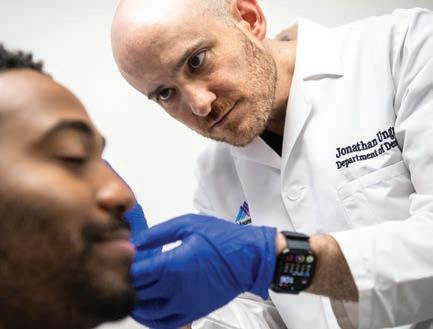
Dr. Jonathan Ungar uses noninvasive technologies to gain clinically useful information for the diagnosis of skin cancers.
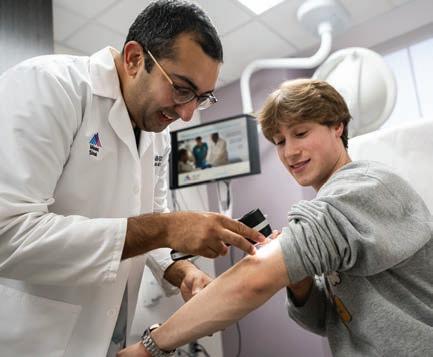
Dr. Nicholas Gulati conducts research in oncodermatology, the management of skin conditions that result from cancer treatments.
New Dermatopathology Lab Is L aunched
The Dermatopathology Services Lab will open at our new location in the first quarter of 2026 at 533 West 57th Street, o‰ 10th Avenue. It has been fueled by growth of more than 50 percent in our total dermatopathology patient volume since 2020. (Case volume in 2025 was more than 50,000, up from 32,650 in 2020.)
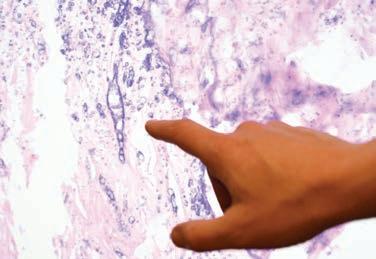
Shane Meehan, MD, Professor of Dermatology and Pathology, and Co-Director of the Dermatopathology Fellowship, is cultivating an expertise in digital dermatopathology and applications of artificial intelligence (AI) to create standards for whole slide image archiving, and develop a digital dermatopathology database for the purposes of future research.
Implementing Artificial Intelligence in Skin Cancer Detection
Advances in imaging technology are enabling earlier detection and diagnosis of skin cancers and, more crucially, earlier interventions. Banu Farabi, MD, is leading efforts at the Kimberly and Eric J. Waldman Melanoma and Skin Cancer Center at Mount Sinai t o enhance the prognostic potential of these t ools.
Working with a team of engineers, Dr. Farabi is integrating artificial intelligence (AI) into the Center’s VECTRA® WB360 system. The goal, she explains, is to improve the system’s ability to det ect high-risk skin lesions on a macroscopic level.
“Right now, the system picks up everything from benign lesions to pigment marks,” says Dr. Farabi, Director of Skin Cancer Screening and Imaging at the Center, and Assistant Professor of Dermatology at the Icahn School of Medicine at Mount Sinai. “By training the algorithm to recognize and ignore benign lesions on a variety of skin tones, we believe the system will be more precise in detecting skin c ancers,” she say s.
Dr. Farabi plans to assess that accuracy through a retrospective study comparing identified melanomas from a cohort of patients who have undergone Vectra imaging against those from patients who have not undergone such imaging to identify differences in diagnosis, staging, and out comes. The findings have the potential to significantly reduce the number of biopsies performed. Dr. Farabi is als o exploring ways to use AI to improve lesion det ection using reflective confocal microscopy. These efforts reflect the Center’s dedication t o pushing the boundaries of what is possible in diagnosis and treatment, says Director Jesse Lewin, MD
“People are looking to us for more sophisticat ed diagnostic techniques,” says Dr. Lewin. “The work we are doing integrating AI and machine learning into our imaging devices is meeting that demand. More importantly, it is augmenting our ability t o detect skin cancer early and recognize patt erns, which makes it possible for us to achieve bett er outcomes. That, as alway s, is our main goal.”
Dr. Shane Meehan plans to grow our research in dermatopathology by expanding into AI and machine learning.
Dr. Banu Farabi is leading e‰orts to enhance the prognostic potential of noninvasive imaging technology such as the VECTRA ® WB360
A Generous Donation From the A sness Family Brings New Heft and Research Power to Mount Sinai’s Eczema Cent er
In June of 2025, Mount Sinai’s Center of Excellence in Eczema received a $5 million grant from Cli‰ord S Asness, PhD, and Laurel Asness to advance research and clinical care for eczema and related allergic conditions. The donation will be transformative, and not just becaus e of the Center’s new name: The Asness Family Center of Excellence in Eczema and Allergic Conditions at Mount Sinai. The Center, directed by Emma Guttman-Yassky, MD, PhD, Waldman Professor and System Chair of the Kimberly and Eric J. Waldman Department of Dermatology, will now have the resources to broaden its exploration of atopic dermatitis (or eczema), a pervasive skin condition that a‰ects up to 20 percent of children and up to 10 percent of adults around the world. “With this grant, we plan to look at commonalities between eczema and asthma—which a‰ects 8.6 percent of children and adults in the United States—as well as hay fever, conjunctivitis, and food allergies,” says Dr. Guttman. The goal? Using state-ofthe-art research in the laboratory combined with clinic al research and clinical trials, Dr. Guttman and her team are designing studies to discover which drugs might e‰ectively target not just one allergic condition but several. “We want to understand which treatments are most e‰ective for all of them, as well as which are uniquely e‰ective for eczema ,” she explains.
Using tape strips to uncover causes beneath the skin
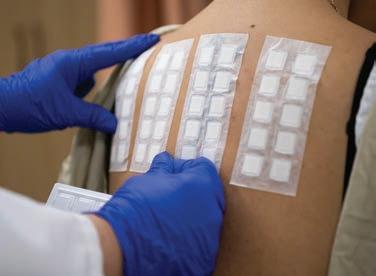
Dr. Guttman and her team are using a novel, minimally invasive, and painless technique that involves applying sticky strips of tape to gently lift o‰ skin cells from patients, along with more traditional sample collection through blood work and, occasionally, skin biopsies. “Since so many children have eczema, it’s important to us that any studies done on patients are as minimally invasive as possible,” she says. Through the information gleaned from these s amples, Dr. Guttman and her team are seeking to identify inflammatory immune molecules unique to eczema, as well as molecules that patients with eczema and asthma have in common.
Another aim is to try to include a huge age range in thes e trials to understand how these conditions di‰er and overlap on a molecular level from the youngest patients to the oldest . “What’s going on at the molecular level has a huge relevance to what treatments will work best,” says Dr. Guttman.
Surprising similarities
One fascinating finding has already emerged: Preliminary skin data from children, adolescents, and adults with asthma suggest that even when these patients don’t have skin diseases like eczema, their skin cell samples show barrier abnormalities of the kind that als o appear in people with atopic dermatitis. “Our tape strips are providing clues to common biomarkers and immune abnormalities in both skin and lung disease,” says Dr. Guttman. “What many people don’t realize,” she says, “is that when you have eczema, you also have a high risk of asthma and other allergies.” But while there are biologic treatments that are e‰ective for atopic dermatitis, asthma, and other allergic conditions, there are no treatments that prevent them. “If we can identif y the biomarkers that lead to these associated conditions early on, like eczema and asthma, we can treat one or the other early and prevent the associated conditions from developing in patients later in life.”
Dr. Emma Guttman leads the team at the Asness Family Center of Excellence in Eczema and Allergic Conditions.
Q& A With Helen He , MD
A philanthropic commitment of $5 million from Clinique established the Mount SinaiClinique Healthy Skin Dermat ology Center in 2024, which provided advanced equipment and recruit ed scientists and physicians to study skin aging and inflammat ory conditions, such as eczema and contact dermatitis. The Cent er is co-directed by Emma GuttmanYassky, MD, PhD, Waldman Professor and System Chair of the Kimberly and Eric J. Waldman Department of Dermatology, and Helen He, MD, Assistant Profess or of Dermatology, and Director of Lasers and Cosmetic Surgery. As a physician-scientist, Dr. He seeks to conduct dermatologic al research that improves patients’ lives by exploring the biologic al underpinnings of how skin ages.
What is the goal of the Center ?
Our goal at the Center is to bridge research and clinical care so that every patient benefits from the latest scientific advances. Skin aging a‰ects everyone, and by bringing together clinical expertise, groundbreaking technology, and translational research, we’re building a center that prioritizes long-term skin health and evidencebased rejuvenation.
What is in flammaging?
Inflammaging is a term des cribing chronic, low-grade inflammation that accelerat es visible skin aging.
What research t echniques are you using to study skin aging and in flammaging?
I am excited about our growing capability to map the drivers of skin aging and inflammaging at the
Dr. He is studying skin aging and inflammaging at the molecular level.
molecular level, using t echniques like RNA-sequencing, proteomic s, and tape strip s ampling. By understanding how inflammation, barrier disruption, cellular senescence, and other changes are contributing to aging of the skin, we can move beyond simply treating surface changes and instead target the underlying biology of aging skin.
How will this affect qualit y of life for your patients?
By better understanding the molecular drivers of skin aging, we can aim to develop more precise, personalized treatment plans for promoting long-t erm skin health and longevity that are science-backed, targeted, and individualized.
Are there new lasers that the Center uniquely offers?
The Center o‰ers a comprehensive suite of lasers and devices, with options for all skin types for various indications including pigmentation, vas cular conditions, texture, scars, and rejuvenation. We o‰er treatments using state-ofthe-art lasers and energy-bas ed devices, such as Sofwave®, Ellacor ®, and Miria .
What is the Visia® system and how are you using it ?
Visia® is a facial skin analysis system that produces high-quality facial photographs and analyzes the results with the latest AI tools t o document skin aging over time. We us e the Visia system for quantitative skin analysis —measuring pigmentation, redness, pore size, texture, UV damage, and more. It is valuable both in guiding personalized treatment plans and in providing metrics for tracking improvement in clinical studies, including s coring systems that can be correlat ed to molecular data. It allows us t o objectively document meaningful improvements that align with how the patient looks and feels.
As you look to the future , what challenges remain?
Skin aging is a highly diversified process, which will vary bas ed on a multitude of individual characteristics such as race, gender, skin type, comorbidities, and more, requiring large-sc ale studies and large enrollment numbers to develop patientspecific biomarkers. We als o need more investment and funding in this space; skin aging has a major impact on well-being, yet research is historically underfunded. More work is needed before we c an translate molecular biomarker studies into clinical practice
Alopecia Center of Excellence Is Making Strides in Research for New Treatment s
There are exciting things happening at Mount Sinai’s Alopecia Center of Excellence, particularly the search for a cure for alopecia areata (AA), an unpredictable and notoriously tough-totreat autoimmune disorder that a‰ects approximately 2 percent of people in their lifetime. The condition, which c an be emotionally devastating, caus es patchy hair loss on the scalp, face, and other areas of the body, and is most common in young adults and children. In addition to losing their hair, children with the condition often report bullying, and patients are at an increased risk for social isolation, anxiety, and depression.
Getting to the molecular caus es of hair loss
No one understands patients’ anguish more than the physician-scientists at Mount Sinai’s Alopecia Center. But every year, they are gaining a clearer understanding of the root causes of the condition, which is bringing them closer to a cure. “Our research suggests that the OX40 molecular pathway, which promotes immune T-cell responses linked to flare-ups of atopic dermatitis (or eczema), also tends to be present in AA,” explains Emma Guttman-Yassky, MD, PhD, Waldman Professor and System Chair of the Kimberly and Eric J. Waldman Department of Dermatology. This discovery follows Dr. Guttman’s and her team’s identification of the cytokines IL-4 and IL-13, which play a critical role in the inflammation response in atopic dermatitis, as well as in the immune response involved in alopecia areata.
Eczema and Allergic Conditions and the Laboratory of In flammatory Skin Diseas es.
Now, largely thanks to the work of Dr. Guttman and her team, there are other treatment options on the horizon. “We are especially excited about our research that suggests another, safer drug, known as dupilumab, currently used to treat atopic dermatitis, may also hold promise for treating AA,” says Dr. Guttman. Dupilumab is already approved for and widely used to treat eczema, and has a good safety profile, including for children as young as six months old.
These findings have paved the way for safer and more effective treatments. “When it comes to treating AA, right now, JAK (Janus kinase) inhibitors are the only treatments approved by the Food and Drug Administration,” says Dr Guttman. JAK inhibitors work by blocking the activity of Janus kinase enzymes and tamping down inflammation, and they are effective in treating a range of inflammat ory skin conditions, including atopic dermatitis. “But they als o have safety baggage, so it’s not possible to give them t o patients for life,” explains Dr. Guttman, who is als o the Director of the Asness Family Center of Excellence in
Major clinical trials at the Alopecia Center o¢er hope for patient s
Currently, the Alopecia Center team has two major studies in progress. The first, for adults, is a placebocontrolled study on the e‰ectiveness of dupilumab for patients with alopecia areata. But it’s the s econd, which also involves treating AA patients with dupilumab, that is particularly groundbreaking. That’s becaus e the trial participants are children, ranging in age from 6 to 18, which is often an underserved population.
Dr. Brian Abittan strives to provide solutions to hair loss that meet the vast needs of a varied patient population.
“Children have unique medical and psychos ocial needs, require specialized counseling, and have far fewer treatment options than adults,” says Justine Fenner, MD, a pediatric dermatologist and Assistant Professor of Dermat ology at the Kimberly and Eric J. Waldman Department of Dermatology. “There is a real need for doctors who are willing to treat alopecia more aggressively and to expand our therapeutic toolbox.”
So far, at the Mount Sinai clinical trials site, 40 children have been enrolled, with a total goal of 76 participants, according to Benjamin Ungar, MD, Director of the Alopecia Center of Excellence. That is huge progress, especially considering that children are among the most challenging to include in trials. “There are a lot more hurdles to get over to ensure that we always keep their best interests in mind, and do every thing in the safest possible way,” says Dr. Ungar
The team is also studying the efficacy of two JAK inhibitors—ritlecitinib and upadacitinib—in pediatric and adolescent patients. “I’ve been using both of these in my practice and have seen remarkable results,” Dr. Fenner say s.
A key goal of all these studies is to gain a better understanding of AA’s underlying immunology. “Specifically, we hope to better understand how the treatments a‰ect the inflammatory processes driving the condition,” explains Dr. Ungar, “which will allow us to develop more treatments in the future.”
Another factor that makes this kind of rigorous work challenging is the length of the trials —the adult study will continue for nearly two years. “It’s not only because hair takes a long time t o grow but because of the nature of alopecia areata,” says Dr. Ungar. “Even the fastest treatments take months to normalize the underlying disease process so hair can return.”
The effort is worth it. “One thing we hope people will come to appreciate is that skin conditions including alopecia areata are not about vanity— they have a significant impact on the quality of patients’ lives,” says Dr. Ungar. Alopecia areata doesn’t simply look like “normal” hair loss — people lose their eyebrows, or los e their hair in patches, or lose their hair completely, he explains.
“I’ve had patients with other very serious medical conditions, and they’ve told me that their number one priority is their hair,” Dr. Ungar says. Indeed, AA patients often report significantly more psychosocial challenges and experienced more stress because of their hair loss.
The Alopecia Center of Excellence strives to provide solutions that meet the vast needs of a varied patient population—to improve their hair loss, emotional health, and the quality of their lives. “Most hair centers provide expertise in only one area, either focusing on medic al treatments or regenerative treatments; others do only hair transplantation, and cannot evaluate the specific type of hair loss to make sure the procedure is done appropriately, if at all,” says Brian Abbitan, MD, Director of Skin and Hair Rejuvenation, and Hair Transplantation at the Kimberly and Eric J. Waldman Department of Dermatology. “We provide comprehensive care for all of these at Mount Sinai, including the most updated methods.” One example is follicular unit extraction (FUE), which allows for minimal scarring and quick recovery; another is platelet-rich plasma (PRP), which stimulates natural hair grow th using growth factors from the patient’s own blood and maintains that growth by slowing down further loss.
At the Alopecia Center, whatever the needs of Mount Sinai’s dermatology patients, the goals are the same, says Dr. Guttman: “We want to continue to identify important molecules and design studies ourselves or convince companies to do studies globally, all in the interest of giving our patients more treatment options.”
Dr. Benjamin Ungar is making progress towards a better understanding of alopecia areata’s underlying immunology and having a significant impact on the quality of patients’ lives.
Advancing New and Exciting Research
Research studies funded by the National Institutes of Health (NIH) and led by Emma Guttman-Yassky, MD, PhD, are underway, including the $6.6 million, five-year NIH grant (2024 through 2028) investigating dupilumab treatment in pediatric alopecia areata (AA) patients. “This exciting clinical trial aims to expand our mechanistic understanding of AA and shed light on the regulatory immune circuits in the pathogenesis of AA , particularly in children and adolescents,” says Dr. Guttman. “If successful, it will enable the us e and further development of targeted therapeutics that c an be safe for long-term use.”
Additionally, a five-year NIH R61/R33 grant (2024 through 2028) for more than $4 million is funding a first-of-its-kind clinical trial studying alopecia areata and atopic dermatitis in people with Down syndrome, an underserved population. Dr. Guttman, Waldman Profess or and System Chair of the Kimberly and Eric J. Waldman Department of Dermatology, together with Dus an Bogunovic, PhD, Professor of Pediatric Immunology at Columbia University, was awarded this grant to evaluat e the long-term safety, efficacy, and mechanisms of JAK inhibitors in these patients. Noteworthy in 2025, Patrick Brunner, MD, Associate Professor of Dermat ology and Director of the Cutaneous Lymphoma Clinic, was awarded his first R01 grant from the National Institut e of Arthritis and Musculoskeletal and Skin Diseas es (NIAMS), a part of the NIH, for “T-cell plasticity mediating treatment resistance and side effects in at opic dermatitis” with funding of $2.8 million over five years.
Increasing the scope of research at the Hu Lab, Hongzhen Hu, PhD, MS, Scientific Director of the Lebwohl Cent er and Professor of Dermatology, and Neuroscience, received NIH grants totaling $1.1 million in 20 25. The Hu Lab, focuses on understanding the initiation of sens ory experiences, such as pain and itch, at the barrier surfaces of the skin and visceral organs.
Michel Enamorado, PhD, Assistant Professor of Dermatology, leads the Enamorado Lab, focusing on understanding the neuroimmune regulation of tissue injury and repair, with the goal of transforming the way we understand and treat chronic inflammatory disease
Under the direction of Brian S. Kim, MD, the Mark Lebwohl Center of Neuroinflammation and Sensa tion is making progress with increased research funding from both federal and industry sources and conducting groundbreaking research. “With a multidis ciplinary team of immunologists, neuroscientis ts, and clinicians, the Lebwohl Center and the Kim Lab hav e unique expertise in innate immunity, neuroimmunology, and behavioral modeling of chronic itch. We are activ ely designing translational, clinical research s tudies, and interventional clinical trials to better unders tand cutaneous immunity, inflammation, and itch,” says Dr Kim, Vice Chair of Research in the Kimberly and Eric J. Waldman Department of Dermatology at the Ic ahn School of Medicine
Shruti Naik, PhD, Associate Professor of Dermatology, and Immunology and Immunotherapy, received $2.9 million in NIH funding and more than $750,000 in foundation grants in 2025. Dr. Naik received the Leadership Scholar Award from the Accelerating Medicines Partnership® Autoimmune and Immune-Mediat ed Diseases Leadership Scholars Program cons ortium. Dr. Naik’s proposal, “Leveraging Multi-Omics t o Decode Cell-Specific Psoriatic Predisposition and Relapse,” uses groundbreaking technologies to understand why patients with psoriasis and atopic dermatitis relaps e and carefully map disease memory that’s hidden beneath the skin’s surface. Her game-changing studies will lay the foundation for the next generation of curative therapies for inflammatory skin diseas es.
Dr. Shruti Naik is working on the next generation of curative therapies for inflammatory skin diseases.
New Appoint ees
Christine Akoh, MD Assistant Professor, Dermatology
Natalia Biscola, PhD Research Assistant Professor, The Brian Kim Lab
Faculty Awards 20 25
Emma Guttman, MD, PhD
• Invitation to join Prix Galien Bridges Awards Committee Jury. Since 1970, the Prix Galien awards have been celebrated as the equivalent of the Nobel Prize in the life sciences industry.
• “Highly Cited Researcher 2024 in Clinical Medicine” award by Clarivate.
• “Highly Cited Researcher 2024 in Immunology” award by Clarivate. Of the world’s population of scientists and social scientists, Highly Cited Researchers are 1 in 1,000.
• Notified to be the recipient of the International Tovi Comet-Walerstein award for meaningful contributions to translational medicine and development of new treatments.
• Organized the No. 1 meeting in inflammatory skin diseases, 6th Inflammatory Skin Disease Summit, ISDS at New York Academy of Medicine, New York, NY, with >900 registrants/attendees in November 2025.
Mark Lebwohl, MD
• Reuben Reifler Memorial Lecture at the Georgia Society of Dermatology and Dermatologic Surgery, Congress of Clinical Dermatology.
New Trainees
Nicholas Brownstone, MD
Assistant Professor, Dermatology Director, Medic al and Surgical Dermatology Clinic
Banu Farabi, MD
Assistant Professor, Dermatology Director of Skin Cancer Screening and Imaging, The Kimberly and Eric J Waldman Melanoma and Skin Cancer Center
• Stone Lectureship at the Southern Illinois University School of Medicine.
• 2nd Annual Swerlick Lecture on Complex Medical Dermatology at Emory University School of Medicine.
• Cullman Family Award for Excellence in Provider Communication 2025.
Marsha Gordon, MD
• Cullman Family Award for Excellence in Provider Communication 2025, for the 10th consecutive year.
Jesse Lewin, MD
• Clinical Excellence in Melanoma and Skin Cancer Award 2025 from the American Skin Association.
• Serves as an International Psoriasis Council (IPC) councilor.
Patrick Brunner, MD
• ASA Calder Investigative Scientist Award in Vitiligo.
• 2025 ASA Research Achievement Award in Skin Cancer and Melanoma.
Nicholas Gulati, MD, PhD
• The Teacher of the Year 2025, Outstanding Dedication to Resident Education Award.
Saakshi Khattri, MD
• Serves on the National Psoriasis Foundation (NPF) Medical Board.
Michael Farhangian, MD
Assistant Professor, Dermatology
• Serves as an International Psoriasis Council (IPC) councilor.
• Selected to participate in the 2025 Academic Dermatology Leadership Program (ADLP).
Brian Kim, MD
• Co-Organizer, Cell Symposia in Partnership with the Allen Discovery Center for Neuroimmune Interactions: The Neuro-Immune Axis: Charting the Periphery, New York, NY
• Chair, Advancing Innovation in Dermatology in partnership with the Allen Discovery Center for Neuroimmune Interactions, Dermatology Summit, The Emerging Paradigm of Mast Cell Therapeutics, San Francisco, CA.
Hongzhen Hu, PhD
• Plenary lecture, 9th International Congress on Neuropathic Pain, NeuPSIG 2025 in Berlin titled: “Spinal Cord Mechanisms That Promote and Modulate Neuropathic Pain.”
• Co-Chair, Cell Symposia in Partnership with the Allen Discovery Center for Neuroimmune Interactions: The Neuro-Immune Axis: Charting the Periphery, New York, NY.
Teresina Laragione, PhD
Associate Professor, Laboratory of Inflammatory Skin Diseas es
• Chair, Mini-symposium: Neuroimmune Interactions in the Periphery at Society for Neuroscience, SFN 2025, San Diego, CA.
Michel Enamorado, PhD
• Was selected for the 2025 Leadership Emerging in Academic Departments (LEAD) Program at Mount Sinai.
• 2025 Early Career Investigator Award Keystone Symposia Scholarship, at Interoception 2025: Neural Sensing and Control of Organ Function, in Seattle, WA.
• Leadership Scholar Award from the Accelerating Medicines Partnership® Autoimmune and Immune-Mediated Diseases Leadership Scholars Program (AMP® AIM LSP) consortium.
Nicholas Brownstone, MD •2025 International Psoriasis Council Fellowship Award.
Danielle Dubin, MD
• Top Teacher 2025, Resident Education Award, Distinguished Dedication to Resident Education Award.
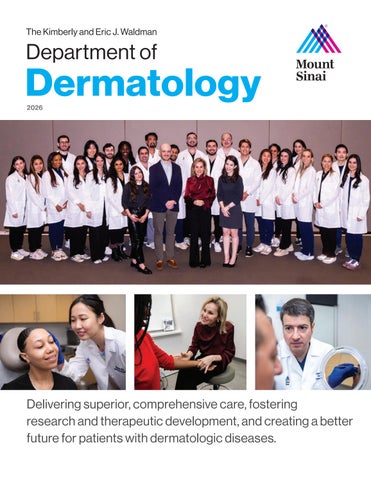
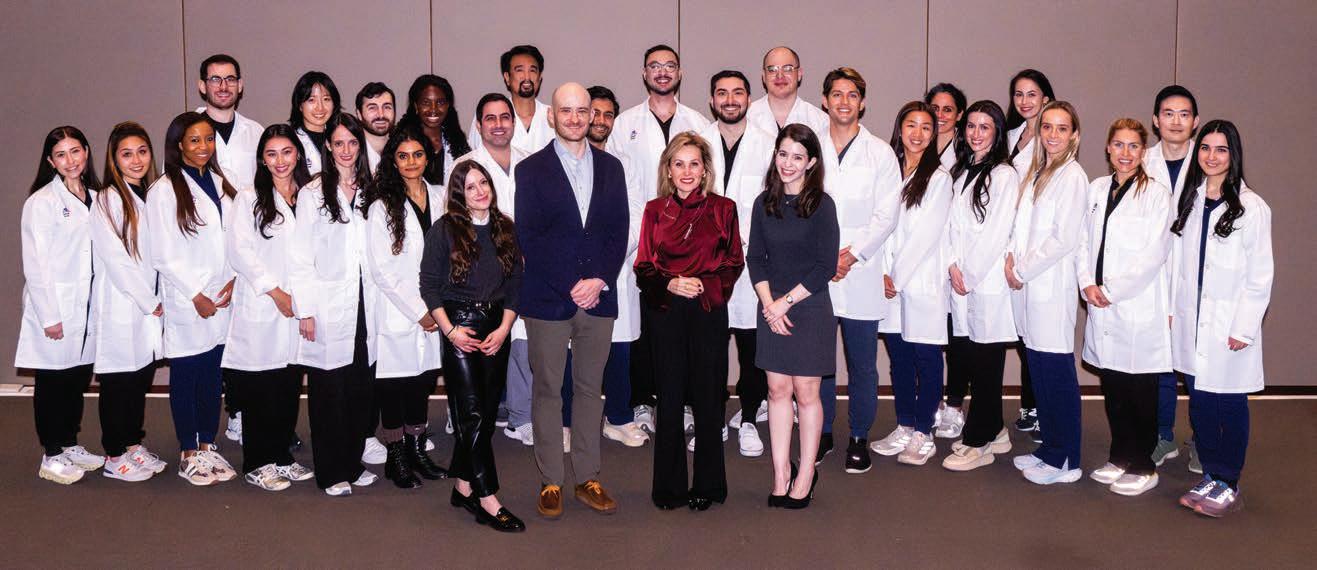
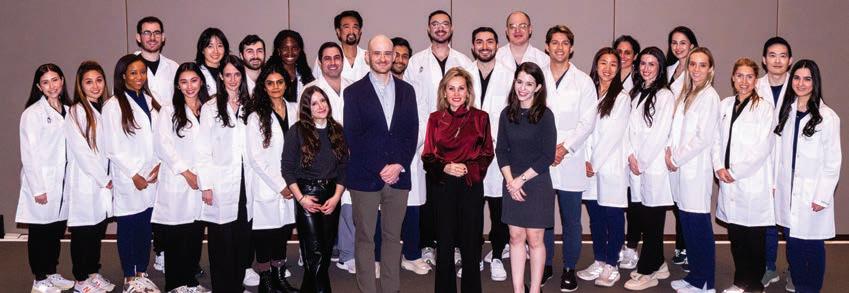
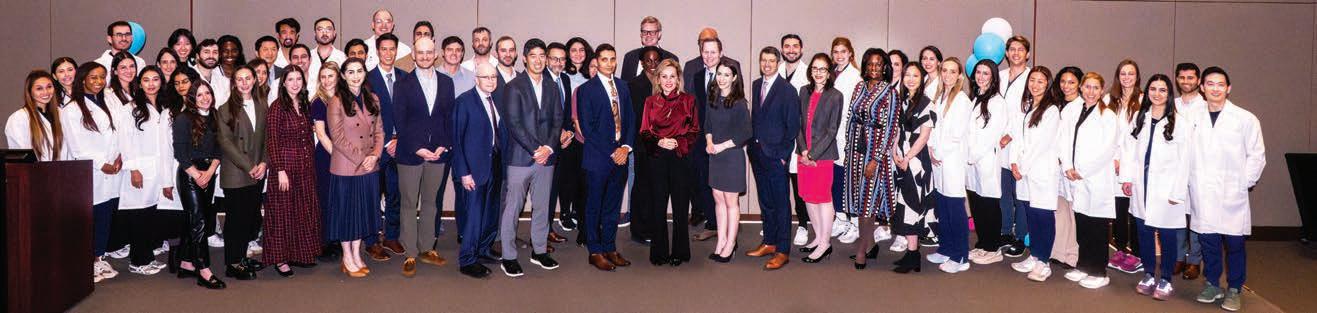
Dr. Emma Guttman (center), Dr. Alexandra Golant (center right), Dr. Jonathan Ungar (center left), and Dr. Danielle Dubin (far left) are pictured with the Department’s residents and fellows. The Kimberly and Eric J. Waldman Department of Dermatology has the largest dermatology residency program in the United States and o‰ers a wide variety of subspecialties to train our future leaders.
Dermatology Advisory Board
Advocates for Research Advancements
The members of the Dermatology Advisory Board are visionary leaders, generously lending their energy, wisdom, and philanthropic resources to champion the endeavors of the Kimberly and Eric J. Waldman Department of Dermatology under the leadership of Emma Guttman-Yassky, MD, PhD, Waldman Profess or and System Chair. The Board’s unwavering support continues to help us provide better outcomes for our patients by expanding the boundaries of our research and clinical care.
Dr. Guttman and team seek to advance skin health care in various conditions such as hair loss disorders (including alopecia areata), atopic dermatitis, ps oriasis, vitiligo, keloids, and skin c ancers.
Their focus includes skin cancer prevention and cure, prevention of eczema development and progression, anti-aging and inflammaging, and hair regrow th and regeneration. The Department is uniquely positioned to prompt therapeutic innovation, use artificial intelligence to further discoveries, and translate the discoveries in the laboratory into new treatments that are currently being tested in clinical trials. This is a true bedside-to-bench-and-back approach that will benefit not only our patients but millions of patients around the world, and that is made possible by the advocacy of our Advisory Board.
With the Board’s guidance and expertise, the Department aims to expand upon the strong clinical foundation and research accomplishments from more than 40 years of dermatologic practice to bring a healthier and brighter future to our patients and their families.
2025 Award Highlight s
Two of our residents won prizes at the Annual Stritzler Resident Competition at the Dermatologic Society of Greater New York (DSGNY) in February 2025. This was the second year in a row our Department was recognized:
Marguerite Meariman, MD, then PGY2, won first place by presenting: “Brepocitinib induces clinical improvement in patients with cicatricial alopecia and attenuates scalp inflammatory biomarkers.”
Kristina Navrazhina, MD, PhD, then PGY2, won third place by presenting: “Tape strip detects molecular alterations and cutaneous biomarkers in early- and latestage stage hidradenitis suppurativa.”
Scott Stratman, MD
The Waldman Department of Dermatology Advisory Board Members
Frances Bivens
Andrew Bronin, MD
Robert Buka , MD
Anne Chapas, MD
Eliss a Cullman
Dmitri Daniarov
Robert and Nancy Davis
Jason and Janel DiPas qua
Pedro L. Cunha Farias
Yuri Frayman
David Grans on
Paulo de Freitas Jakurski
Erica Kars ch
Mehdi Khosrow-Pour, DBA , and
Olga Khosrow-Pour
Leon Kircik , MD
Herbert Kozlov
Michael Lee
Jody A. Levine, MD, and Elie Levine, MD
Eyal K. Levit , MD
Michael Mandelbaum
Will Manuel
Oren Netzer
Catherine Orentreich, MD
David Orentreich, MD
Yvonne Previdi
Jonathan Pure
Nina Reeves
Ada Samuelss on
Allen Sapadin, MD
Steven Schnur, MD, and Eliane Braz- Schnur
Eric Schweiger, MD
Kimberly and Eric J. Waldman
Huachen Wei, MD, PhD
John Weinberg
Johannes Wors oe
Carol F. Zale, MD, and David Zale
Honorary Board Member/Scientific Advisor: George Yancopoulos, MD, PhD
• Chief resident PGY4, he presented at American Academy of Dermatology annual meeting in Orlando, Florida: “Janus Kinase Inhibitors in the Management of Granuloma Annulare: A Case Series.”
• Awarded the Harold L. Johnson Memorial Scholarship through the American Board of Wound Management.
Madeline Kim, MD
• PGY2, her article “Alopecia areata exhibits cutaneous and systemic OX40 activation across atopic backgrounds” was selected as part of the Icahn School of Medicine’s Resident/Fellow Publication of the Month series.
Andrea Muñoz Zamora, PhD
• Postdoctoral fellow in the Enamorado Lab, she was awarded the 2025 Cancer Research Institute (CRI) Irvington Postdoctoral Fellowship for her research project: “In search of immune engrams: mapping the brain’s memory of systemic inflammation.” This is a highly competitive fellowship.
The Kimberly and Eric J. Waldman Department
Clinical Statistic s
119,000+ Patient Visits
50,000+ Outpatient Cas es Processed by Dermpath Services
51,000+ Skin Cancers Treated
12,000+ Alopecia Center of Excellence Patient Visits
Dr. Emma Guttman (center left) and Tomlee L. Abraham (center right) are shown with the Department’s senior management team.
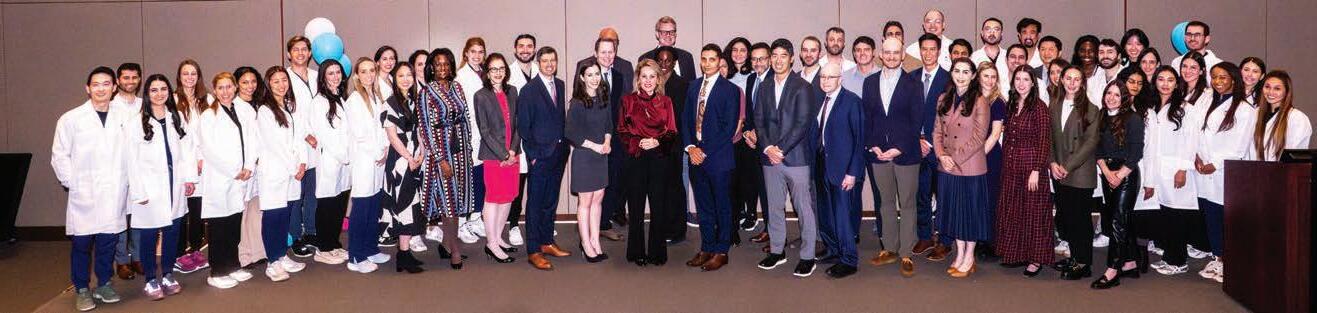
Dr. Emma Guttman (center) is shown with the Department’s faculty, residents, and fellows.
Emma Guttman, MD, PhD
Waldman Profess or and Syst em Chair
Tomlee Lahayil Abraham
Vice Chair of Administration and Health Syst em Administrat or
Marsha L. Gordon, MD
Vice Chair of Professionalism, Wellness and Quality
Brian S . Kim, MD
Vice Chair of Research
Angela J. Lamb, MD
Vice Chair of Clinic al Operations
Jesse Miller Lewin, MD
Vice Chair of Surgic al Operations
Alexandra K. Golant , MD Residency Program Direct or
Jonathan P. Ungar, MD Residency Program Co-Direct or
Nadine M. Kaskas, MD
Site Medical Director, Mount Sinai Downtown
Mark G. Lebwohl, MD Chairman Emeritus and Dean for Clinic al Therapeutic s
The Kimberly and Eric J. Waldman Department of Dermatology
One Gustave L. Levy Place Box 1047
New York, NY 10029-6574
Call to book an appointment: 212-241-9728 For inquiries, please email: dermatology@mountsinai.org Visit: www.mountsinai.org/care/dermatology
Scan this QR code or visit us at www.mountsinai.org/care/dermatology