MCHDI Developmental Outcomes


Pediatric brain and spinal tumors are the leading cause of diseaserelated death in children. There are ~4500 children diagnosed with a brain tumor annually in the United States with slightly more than half of the cases deemed aggressive or malignant. Although advances in clinical care have resulted in nearly 70-80% 5-year survival rates, the majority of survivors who receive therapies including systemic chemotherapy and/or radiation therapy are often left with significant morbidities. These include lower I.Q. scores, endocrine and growth deficiencies, and a risk of secondary malignancies. Furthermore, there are some pediatric brain tumor subtypes such as diffuse midline glioma (DMG) or diffuse intrinsic pontine glioma (DIPG), which have <10% survival at 2 years and <1-2% survival at 5 years.
In response to improving the outcomes for these children, Mount Sinai recently created the Children’s Brain and Spinal Tumor Center following key faculty recruitments in several departments including Pediatrics and Neurology. Two of these physician-scientist recruits include Oren Becher, MD, a pediatric neuro-oncologist with expertise in DMG/DIPG who is Chief of the Jack Martin Fund Division of Pediatric Hematology-Oncology and Praveen Raju, MD, PhD, a pediatric neurologist with expertise in medulloblastoma, the most common malignant pediatric brain tumor. Notably, Dr. Becher and Dr. Raju have pioneered novel genetically-engineered mouse models of DIPG and medulloblastoma, respectively, that have served as the basis for recent studies that provide new insight into the biology of these brain tumors and open up therapeutic avenues.
Dr. Becher has recently published an important paper exploring the pathogenesis of DMG. In a paper published in GLIA in May 2022, Dr. Becher describes a novel model of DMG initiated in oligodendrocyte progenitor cells, a cell type implicated as the cell of origin for DMG. Surprisingly, they found that the abnormal histone protein, H3K27M, did not promote cell growth in this model. These findings contrast with their prior DMG model initiated in stem cells in the brain. The only consistent effect of the abnormal histone protein across both models was inhibition of immune system activation by the abnormal histone protein. These findings suggest that it will

Associate Professor, Neurology & Pediatrics
Director, Pediatric Onco-Neurology & Neurofibromatosis Clinic
Director, Pediatric Neurology Residency Program
Associate Director, Medical Scientist Training Program (MSTP)
be challenging to successfully treat DMGs with therapies that aim to activate the immune system against the cancer cells without also blocking the abnormal histone protein.
Dr. Raju has developed a novel mouse model of medulloblastoma using sophisticated mosaic mutagenesis approaches that recapitulates the distinct tumor histologies and frequent leptomeningeal metastases seen in patients but rarely found in animal models. Importantly, this medulloblastoma model maintains a tight blood-brain barrier (BBB) that has hindered efforts to deliver high drug concentrations into the brain and partly explains the poor outcomes for these children. In collaboration with chemical biology colleagues, Dr. Raju has recently advanced a novel fucoidan-based nanomedicine platform that allows reformulation of several classes of anti-cancer drugs that can penetrate through a tight BBB specifically at the site of the brain tumor via an active transport mechanism that requires caveolin-1-mediated transcytosis. This work is available as a preprint and has recently been accepted for publication in Nature Materials.
1. Tomita Y, Shimazu Y, Somasundaram A, Tanaka Y, Takata N, Ishi Y, Gadd S, Hashizume R, Angione A, Pinero G, Hambardzumyan D, Brat DJ, Hoeman CM, Becher OJ*. A novel mouse model of diffuse midline glioma initiated in neonatal oligodendrocyte progenitor cells highlights cell-of-origin dependent effects of H3K27M. Glia 2022; 70(9):1681-1698.
2. Tylawsky D, Kiguchi H, Vaynshteyn J, Gerwin J, Shah J, Islam T, Snuderl M, Greenblatt M, Boue D, Shamay Y, Raju GP*, Heller DA*. P-selectin targeting stimulates caveolin-1-mediated endo thelial transcytosis in medulloblastoma. preprint DOI:10.21203/ rs.3.rs-658944/v1
3. Mount Sinai Children’s Brain and Spinal Tumor Center: https://icahn.mssm.edu/research/cbstc
Oren Becher, MD Professor, Pediatrics & Oncological Sciences Steven Ravitch Chair in Pediatric Hematology-Oncology Chief, Jack Martin Fund Division of Pediatric HematologyOncology

Hematopoietic stem cells (HSCs) are multipotent stem cells that replenish the entire suite of blood cells needed throughout adult life, and are important for cell replacement therapies and disease modeling studies. However, donor match limitations, and poor in vitro expansion conditions, remain significant bottlenecks to their full translational potential. Thus, our ultimate goal is the transgene-free derivation of HSCs from human (patient-specific) pluripotent stem cells (hPSCs), for “bench and bedside” use. But, this goal remains unrealized, as most differentiation strategies fail to recapitulate the signaling events required for embryonic hematopoietic development.
In the early vertebrate embryo, there are at multiple, successive waves of hematopoietic specification, across anatomically distinct tissues. All of these waves pass through unique progenitor, called “hemogenic endothelium” (HE). The first waves, primitive hematopoiesis and the later-emerging erytho-myeloid progenitor, emerge in the yolk sac, and give rise to a restricted subset of erythroid, myeloid, and unique NK and T cells. Slightly thereafter, a complex, heterogeneous wave of definitive hematopoiesis emerges within both the yolk sac and the embryo proper, yielding a full spectrum of hematopoietic lineages, but not the HSC. These programs culminate in the emergence of the HSCcompetent HE, found within the embryo proper, and the specification of this program is dependent on stage-specific retinoic acid (RA) signaling (1).
Aspects of many of these programs have been faithfully recapitulated from hPSC differentiation cultures, with our ability to independently specify either yolk sac-like or intra-embryonic-like HE populations via stage-specific WNT signal manipulation (Figure 1, red and green (2)). However, all of these populations develop from hPSCs in the absence of RA, and studies aimed at treating hPSC-derived HE with RA have not yielded functional improvements. Thus, the identification of RAdependent HE has remained elusive.
To that end, pioneering work performed by a postdoctoral fellow in the Sturgeon laboratory, Stephanie Luff, utilized scRNAseq to understand the heterogeneity within early-stage differentiation cultures. These analyses unexpectedly revealed that a significant portion of nascent mesoderm uniquely expressed the cellsurface marker CXCR4, and within those cells, was the expression of a key RA-responsive enzyme, ALDH1A2 (Figure 1, blue). Functional analyses revealed that these CXCR4+ cells
Christopher Sturgeon, PhD

Associate Professor, Cell, Developmental & Regenerative Biology
Associate Professor, Medicine
could not give rise to HE unless RA signaling was provided in a stage-specific manner. This resultant RA-dependent HE was unique – it had high transcriptional similarity to HSC-competent HE found in the human embryo, and when transplanted into mouse models, was able to yield multilineage engraftment. Thus, a major hurdle in hPSC-derived hematopoiesis has been overcome, as we have identified the precise stage and progenitor population that responds to RA during hematopoietic development (3). Many significant challenges remain. Notably, human chimerism in these mouse models was transient, indicating that HSCs were not specified. Are additional, unappreciated signals required for HSC specification from RA-dependent progenitors? Regardless, the identification of multiple hematopoietic progenitors and their signal requirements open new exciting possibilities to interrogate the functional properties and regenerative medicine potential of blood cell types not available through traditional postnatal donor sources.
1. Chanda B, Ditadi A, Iscove NN, Keller G. Retinoic acid signaling is essential for embryonic hematopoietic stem cell development.Cell. 2013;155(1):215-27.
2. Sturgeon CM, Ditadi A, Awong G, Kennedy M, Keller G. Wnt Signaling Controls the Specification of Definitive and Primitive Hematopoiesis From Human Pluripotent Stem Cells. Nat Biotechnol. 2014;32(6):554-61.
3. Luff SA, Creamer JP, Valsoni S, Dege C, Scarfo R, Dacunto A, Cascione S, Randolph LN, Cavalca E, Merelli I, Morris SA, Ditadi A, Sturgeon CM. Identification of a retinoic aciddependent haemogenic endothelial progenitor from human pluripotent stem cells. Nat Cell Biol. 2022;24(5):616-24.
Figure 1: Schematic of hematopoietic development from hPSCs. Yolk sac-like HE is obtained in a WNT-independent manner, while intraembryonic HE is obtained in a WNT-dependent manner, and can be either RA-independent or RA-dependent from CXCR4- or CXCR4+ progenitors, respectively


For the sixth year, the Mindich Child Health and Development (MCHDI) Trainee Leadership Committee (TLC) continues its dedication in supporting the MCHDI trainees in their professional development and growth. To ensure this support, the TLC mission is to create events that can represent a common ground for trainees with different scientific backgrounds as well as different career stages and aims. The TLC activity highlights are listed below.
The TLC has been hosting the MCHDI Trainee Incubator Series since 2021, offering postdocs, predocs and students the opportunity to lead seminars and get feedback on new project ideas, grant and fellowship applications, job interviews and presentations at major conferences. While considering the Incubator Series for this academic year, the TLC gathered insights from the MCHDI trainees through an online survey, and new initiatives will be employed. A new series of in person meetings will be organized to 1) address career development, grant writing, and data analysis interests; 2) enhance interactions and collaborations amongst trainees from different research areas and educational levels; 3) facilitate networking between faculties and trainees. These are a few examples of how the TLC welcomes and implements suggestions from the trainees in order to enhance their professional skills. Every year, the TLC hosts at least three workshops for the Child Health Research Seminar Series (CHRS) co-chaired by Dr. Rebecca Trachtman and Dr. Shelley Liu. The TLC recruits speakers that study pediatric health at any career level and from different institutes or companies.
In 2019, the TLC launched a trainee pilot grant program in order to support postdoctoral/clinical fellows or PhD/MD-PhD students in pursuing a new independently funded line of research as a critical step towards academic independence. Over the past three years of this unique program, ten trainees have been awarded and successfully completed the program. This year’s recipient is Bhavana Shewale, a PhD candidate, who will host an oral presentation during our MCHDI annual retreat in November and speak at the CHRS in March. Applications for the 2023-2024 academic year will open next Spring, and we encourage all MCHDI trainees with striking proposals to apply!


Finally, we would like to thank all the past and present TLC members for their amazing contributions and work managed and ensured during these six years. During the last academic year, the TLC was led by Carolina Cappi, Xueying Zhang, Adele Mossa, Vahe Khachadourian, and Silvia De Rubeis. We would like to thank Xueying for all her guidance and dedication, and give a warm welcome to our new TLC member, Nefatiti Anderson. We would also like to congratulate Adele Mossa for being elected as the chair of the TLC. Besides the commitment in organizing TLC programs and events, every year one of the TLC members is involved in the organization of our MCHDI fall annual retreat. This year, Vahe has joined the retreat committee as a trainee representative, to provide feedbacks and converge the trainees’ perspectives and interests. We look forward to another fruitful year ahead with MCHDI trainees!


Bhavana Shewale, PhD Candidate, Cell, Developmental and Regenerative Biology

Nicole Dubois, PhD, Associate Professor, Cell, Develop mental and Regenerative Biology, Mindich Child Health and Development Institute
Robert Krauss, PhD, Professor & Program Director, Cell, Developmental and Regenerative Biology
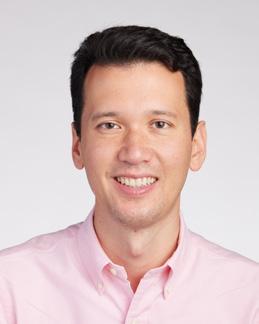
Marek Mlodzik, PhD, Professor & Chair, Cell, Developmental and Regenerative Biology
Abstract: Sarcomeres are highly ordered para-crystalline contractile units present in the cardiac and skeletal muscle. The cardiac sarcomeric cryo-architecture is constantly remodeled during physiologic growth and development. Defects in the sarcomeric structure result in childhood and adult cardiomyopathies. The molecular mechanisms behind the establishment and dynamic reorganization of the cardiac sarcomere during development, remain poorly understood. To address this gap in knowledge, my work in the Dubois laboratory involves studying the earliest steps
of cardiac sarcomeric assembly. Through transcriptomic, proteomic and interactome profiling of human pluripotent stem cell-derived cardiomyocytes we show that de novo sar comeric assembly accompanies key cellular and interatomic changes. We identify sarcomeric precursors called z bodies within early cardiomyocytes poised to form the sarcomeres. We show that these structures are heterogenous in their composition and distribution. They have a higher diffusion rate of a key protein, alpha-actinin-2, compared to late-stage z discs. Upon depolymerization of microtubules z bodies undergo droplet-like fusion and fission events. In addition to the origins of the z disc we uncovered dynamic regulation of Rho-Rac signaling during de novo sarcomerogenesis. Although actin forms the backbone of the sarcomere, the mechanisms that govern nucleation of the earliest actin thin filaments is unknown. Our pilot project proposes to elucidate the role of Rho signaling the master regulator of cellular actin and its downstream effector NWASP in de novo sarcomeric actin assembly. The findings from this study will inform on organization of the cardiac sarcomeric actin which is key to understanding its dysregulation in cardiac disease.
Elvin Wagenblast, PhD, is an Assistant Professor of Oncolog ical Sciences and Pediatrics at the Icahn School of Medicine at Mount Sinai. Dr. Wagenblast earned his PhD in Biological Sciences from Cold Spring Harbor Laboratory. He most recently was a Human Frontier Science Program Fellow and Banting Fellow in the laboratory of John Dick, PhD, FRS, at Princess Margaret Cancer Centre at the University of To ronto. In the summer of 2022, Dr. Wagenblast joined Mount Sinai to study childhood leukemia.
Assistant Professor, Pediatrics
1. Krivdova G, Voisin V, Schoof EM, Marhon SA, Murison A, McLeod JL, Gabra MM, Zeng AGX, Aigner S, Yee BA, Shishkin AA, Van Nostrand EL, Hermans KG, Trotman-Grant AC, Mbong N, Kennedy JA, Gan OI, Wagenblast E, De Carvalho DD, Salmena L, Minden MD, Bader GD, Yeo GW, Dick JE, Lechman ER. Identification of the global miR-130a targe tome reveals a role for TBL1XR1 in hematopoietic stem cell self-renewal and t(8;21) AML. Cell Rep. 2022 Mar 8;38(10):110481.
2. García-Prat L, Kaufmann KB, Schneiter F, Voisin V, Murison A, Chen J, Chan-Seng-Yue M, Gan OI, McLeod JL, Smith SA, Shoong MC, Parris D, Pan K, Zeng AGX, Krivdova G, Gupta K, Takayanagi SI, Wagenblast E, Wang W, Lupien M, Schroeder T, Xie SZ, Dick JE. TFEB-mediated endolysosomal activity controls human hematopoietic stem cell fate. Cell Stem Cell. 2021 Oct 7;28(10):1838-1850.e10.
The central question of his laboratory is to understand how a normal blood stem cell can become leukemic. There, the initiating genetic mutations occur as early as before birth during fetal development. His team applies CRISPR/Cas9 genome editing technologies in human primary blood stem cells to model the leukemic initiation and progression in vivo. His laboratory aims to uncover insights into the genetic, cel lular and developmental mechanisms of childhood leukemia and identify novel therapeutic vulnerabilities of the disease. Recently, Dr. Wagenblast developed a model of Down syn drome associated leukemia development to understand why children with Down syndrome have a 150-fold increased risk of developing myeloid leukemia. His team was able to identify receptor tyrosine kinase inhibitors against KIT as a potent mechanism to inhibit the progression of the leukemia.
3. Wagenblast E, Araújo J, Gan OI, Cutting SK, Murison A, Krivdova G, Azkanaz M, McLeod JL, Smith SA, Gratton BA, Marhon SA, Gabra M, Medeiros JJF, Manteghi S, Chen J, Chan-Seng-Yue M, Garcia-Prat L, Salmena L, De Carvalho DD, Abelson S, Abdelhaleem M, Chong K, Roif man M, Shannon P, Wang JCY, Hitzler JK, Chitayat D, Dick JE, Lechman ER. Mapping the cellular origin and early evolution of leukemia in Down syndrome. Science. 2021 Jul 9;373(6551):eabf6202.
4. Xie SZ, Garcia-Prat L, Voisin V, Ferrari R, Gan OI, Wagenblast E, Kaufmann KB, Zeng AGX, Takayanagi SI, Patel I, Lee EK, Jargstorf J, Holmes G, Romm G, Pan K, Shoong M, Vedi A, Luberto C, Minden MD, Bader GD, Laurenti E, Dick JE. Sphingolipid Modulation Activates Proteostasis Programs to Govern Human Hematopoietic Stem Cell Self-Renewal. Cell Stem Cell. 2019 Nov 7;25(5):639-653.e7.
5. Wagenblast E, Azkanaz M, Smith SA, Shakib L, McLeod JL, Krivdova G, Araújo J, Shultz LD, Gan OI, Dick JE, Lechman ER. Functional profiling of single CRISPR/Cas9-edited human long-term hematopoietic stem cells. Nat Commun. 2019 Oct 18;10(1):4730.
Megan Januska, MD, is an Assistant Professor in the Divi sion of Pediatric Pulmonology in the Jack and Lucy Clark Department of Pediatrics and in the Department of Genetics and Genomic Sciences at the Icahn School of Medicine at Mount Sinai and Mount Sinai Kravis Children’s Hospital. After receiving her undergraduate degree from Grinnell College and her medical degree from the Geisel School of Medicine at Dartmouth, Dr. Januska completed her pediatric residency and pediatric pulmonology fellowship training at the Icahn School of Medicine at Mount Sinai.
Supported by a Cystic Fibrosis Foundation Clinical Fellow ship Award, Dr. Januska developed a research project focus ing on the cellular and molecular mechanisms that define the pediatric cystic fibrosis airway through the application of single-cell technologies to minimally invasive respiratory specimens obtained during flexible bronchoscopy. Leverag ing the developed workflow, Dr. Januska now aims to create a single-cell atlas of the normal pediatric airway along with a corresponding model system through the generation of patient-derived airway organoids with the support of a KL2 Scholars Award. Ultimately, Dr. Januska intends to apply the workflow and generated dataset to develop novel and mini mally invasive methods to investigate and diagnose rare and severe pediatric respiratory disorders.
1. Januska MN, Walsh MJ. Single-Cell RNA-Sequencing Reveals New Basic and Translational Insights in the Cystic Fibrosis Lung. Am J Respir Cell Mol Biol. 2022 Oct 4.
2. Januska MN, Marx L, Walker PA, Berdella MN, Langfelder-Schwind E. The CFTR variant profile of Hispanic patients with cystic fibrosis: impact on access to effective screening, diagnosis, and personalized medicine. J Genet Couns. 2020 Aug;29(4):607-615.
3. Januska MN, Langfelder-Schwind E, Berdella MN. Overcoming health disparities in access to CFTR modulator therapies: one child’s journey. Pediatr Pulmonol. 2022 Sep;57(9):2273-2275.
4. Januska MN, Goldman DL, Webley W, Teague WG, Cohen RT, Bunya vanich S, Vicencio AG. Bronchoscopy in severe childhood asthma: irre sponsible or irreplaceable? Pediatr Pulmonol. 2020 Mar;55(3):795-802.
5. Januska MN, Reynolds AS, Vicencio AG. Reenvisioning pediatric pulmonology: reflections from an adult COVID-19 unit. Pediatr Pulmonol. 2020 Dec;55(12):3234-3235.

Dusan Bogunovic, PhD, NICHD, R01, “Immunologic and Predictive Features of MIS-C”
Lauryn Choleva, MD, MSc, Einstein-Mt. Sinai Diabetes Research Center Pilot and Feasibility Award, “StructureFunction Studies of p57KIP2 in The Human Pancreatic Beta Cell”
Magda Janecka, PhD, Avi Reichenberg, PhD and Avner Schlessinger, PhD (mPIs), NIH/NICHD, R01, “Prenatal Ex posure to Medications in Autism, Birth Complications and Developmental Disabilities”
Megan N. Januska, MD, NIH, KL2 (Mentor: Martin J. Walsh, PhD), “Mapping the Pediatric Airway: Learning the “Normal” to Define the Diseased Lung”
Robert Krauss, PhD, NIDCR, R01, “Molecular and Developmental Analysis of Holoprosencephaly”
Hirofumi Morishita MD PhD, Simons Foundation Autism Research Initiative Pilot Award, “Role of Autism Risk Genes on Frontal-Sensory Cognitive Control Circuit in Mice”
Hirofumi Morishita MD PhD, NIMH, R01 administrative supplement, “Mechanisms Regulating the Maturation of Prefrontal Top-Down Circuity in Control of Attentional Behavior”
Dalila Pinto, PhD, NIMH, R21, “Mapping Human Brain Cell Type-Specific Isoform Usage in ASD”
Dalila Pinto, PhD, Chair, Symposium “Autism Spectrum Disorders”, 24rd Biennial Meeting of the International Society for Developmental Neuroscience (ISDN), Vancouver, May 8, 2022
Praveen Raju, MD, PhD, NINDS, R01, “Inducing Neural Maturation in Medulloblastoma by Targeting EZH2”
Praveen Raju, MD, PhD and Oren Becher, MD, ChadTough Defeat DIPG Foundation, Game Changer Grant, “A Clini cally Translatable Nanotherapeutic Approach to Enhance BBB Drug Delivery in DIPG”
Andy Stewart, MD, NIDDK, R01, “Phase 1 Translational Diabetes Research Using The DYRK1A Inhibitor, Harmine” Martin J. Walsh, PhD, NIH, R01, “Effects of Aging and Exercise Training on Intermuscular Adipose Tissue (IMAT) in MoTrPAC Study”
Yvette Carbajal, BA, NIH-NIDDK Diversity Supplement, “Mannose Metabolism as a Regulator of Hepatic Stellate Cell Activation and Fibrosis”
Charles DeRossi, PhD, Polycystic Kidney Disease (PKD) Foundation, “Glycosylation as a Regulator of Liver Disease in ARPKD”
Charles DeRossi, PhD, PKD Foundation, 2022 Young Investigator Award
Adele Mossa, PhD, Doft Family/FBI Postdoc Innovator Award, “Sex-Specific mRNA Translation in a Mouse Model of Autism Spectrum Disorder”
Adele Mossa, PhD, BBRF, “Sex Differences in Neuronal mRNA Translation in a Mouse Model of Neurodevelopmen tal Disorder”
Fu JM, Satterstrom FK, Peng M, Brand H, Col lins RL, … Barbosa M, … De Rubeis S, Bux baum JD, Daly MJ, Devlin B, Roeder K, Sanders SJ, Talkowski ME. Rare coding variation pro vides insight into the genetic architecture and phenotypic context of autism. Nat Genet. 2022 Sep;54(9):1320-31.
Lozano-Ojalvo D, Tyler SR, Aranda CJ, Wang J, Sicherer S, Sampson HA, … de Lafaille MC, Berin MC Allergen recognition by specific effec tor th2 cells enables il-2-dependent activation of regulatory t-cell responses in humans Allergy. 2022 Sep 12.
Varricchio L, Geer EB, Martelli F, Mazzarini M, Funnell A, Bieker JJ, … Migliaccio AR. Hyper cortisolemic cushing’s patients possess a distinct class of hematopoietic progenitor cells leading to erythrocytosis. Haematologica. 2022 Jul 21.
Malle L, Marti-Fernandez M, Buta S, Richardson A, Bush D, Bogunovic D Excessive negative regulation of type I interferon disrupts viral control in individuals with down syndrome. Im munity. Sept 2022. [In Press]
Spaan AN, Neehus AL, Laplantine E, Staels F, Ogishi M, Seeleuthner Y, … Bogunovic D, … Casanova JL. Human otulin haploinsuf ficiency impairs cell-intrinsic immunity to staphylococcal α-toxin. Science. 2022 Jun 17;376(6599):eabm6380.
Wingo TS, Gerasimov ES, Liu Y, Duong DM, Vattathil SM, Lori A, … Breen MS, … Wingo AP. Integrating human brain proteomes with genome-wide association data implicates novel proteins in post-traumatic stress disorder. Mol Psychiatry. 2022 Jul;27(7):3075-84.
Cuddleston WH, Li J, Fan X, Kozenkov A, Lalli M, Khalique S, … Breen MS Cellular and genet ic drivers of rna editing variation in the human brain. Nat Commun. 2022 May 30;13(1):2997.
Sanchez-Paulete AR, Mateus-Tique J, Mollaoglu G, Nielsen SR, Marks A, … Brown BD Targeting macrophages with car t cells delays solid tumor progression and enhances anti-tumor immu nity. Cancer Immunol Res. 2022 Sep 12.
Valentino PL, Wang T, Shabanova V, Ng VL, Bucuvalas JC, Feldman AG, … Soltys K. North american biliary stricture management strate gies in children after liver transplantation: A multicenter analysis from the society of pedi atric liver transplantation (split) registry. Liver Transpl. 2022 May;28(5):819-33.
Zhang L, Chun Y, Ho HE, Arditi Z, Lo T, Sajja S, … Wang J, Sicherer S, Bunyavanich S Multiscale study of the oral and gut environ ments in children with high- and low-threshold peanut allergy. J Allergy Clin Immunol. 2022 Sep;150(3):714-20.e2.
Melén E, Koppelman GH, Vicedo-Cabrera AM, Andersen ZJ, Bunyavanich S Allergies to food and airborne allergens in children and adoles cents: Role of epigenetics in a changing environ ment. Lancet Child Adolesc Health. 2022 Aug 16.
Irizar H, Chun Y, Arditi Z, Do A, Grishina G, Grishin A, … Bunyavanich S. Examination of host genetic effects on nasal microbiome com position. J Allergy Clin Immunol. 2022 Jun 16.
Mattheisen M, Grove J, Als TD, Martin J, Volou dakis G, Meier S, … Buxbaum JD, … Børglum AD. Identification of shared and differentiat ing genetic architecture for autism spectrum disorder, attention-deficit hyperactivity disorder and case subgroups. Nat Genet. 2022 Oct;54(10):1470-8.
Davidson BL, Gao G, Berry-Kravis E, Bradbury AM, Bönnemann C, Buxbaum JD, … Sahin M. Gene-based therapeutics for rare genetic neuro developmental psychiatric disorders. Mol Ther. 2022 Jul 6;30(7):2416-28.
Lesseur C, Jessel RH, Ohrn S, Ma Y, Li Q, Dekio F, … Chen J Gestational sars-cov-2 infection is associated with placental expression of im mune and trophoblast genes. Placenta. 2022 Aug;126:125-32.
Deyssenroth MA, Peng S, Hao K, Marsit CJ, Chen J Placental gene transcript proportions are altered in the presence of in utero arsenic and cadmium exposures, genetic variants, and birth weight differences. Front Genet. 2022;13:865449.
Morrison JK, DeRossi C, Alter IL, Nayar S, Giri M, Zhang C, … Chu J Single-cell transcrip tomics reveals conserved cell identities and fibrogenic phenotypes in zebrafish and human liver. Hepatol Commun. 2022 Jul;6(7):1711-24.
Otani IM, Lehman HK, Jongco AM, Tsao LR, Azar AE, Tarrant TK, … Cunningham-Rundles C, … Barmettler S. Practical guidance for the diagnosis and management of secondary hypo gammaglobulinemia: A work group report of the aaaai primary immunodeficiency and altered
immune response committees. J Allergy Clin Immunol. 2022 May;149(5):1525-60.
LaBere B, Gutierrez MJ, Wright H, Garabedian E, Ochs HD, Fuleihan RL, … Cunningham-Run dles C, … Chen K. Chronic granulomatous dis ease with inflammatory bowel disease: Clinical presentation, treatment, and outcomes from the usidnet registry. J Allergy Clin Immunol Pract. 2022 May;10(5):1325-33.e5.
Pavinato L, Delle Vedove A, Carli D, Ferrero M, Carestiato S, Howe JL, … De Rubeis S, Buxbaum JD, … Brusco A. Caprin1 haploinsuf ficiency causes a neurodevelopmental disorder with language impairment, adhd and asd. Brain. 2022 Jul 27.
Campisi L, Chizari S, Ho JSY, Gromova A, Arnold FJ, Mosca L, … De Rubeis S, … Byun M, …Marazzi I. Clonally expanded cd8 t cells char acterize amyotrophic lateral sclerosis-4. Nature. 2022 Jun;606(7916):945-52.
Gonzalez DM, Schrode N, Ebrahim TAM, Broguiere N, Rossi G, Drakhlis L, … Dubois NC Dissecting mechanisms of chamber-specific cardiac differentiation and its perturbation following retinoic acid exposure. Development. 2022 Jul 1;149(13).
Dunkin D, Merlino F, Correale C, Yeretssian G, Marinelli L, Roda G. A small ceacam5 peptide restores the protective function of cd8(+) regu latory t cells in crohn’s disease. Gastroenterol ogy. 2022 Oct;163(4):1090-3.e3.
Jang HS, Noh MR, Plumb T, Lee K, He JC, Fer rer FA, Padanilam BJ. Hepatic and proximal tubule angiotensinogen play distinct roles in kidney dysfunction, glomerular and tubular injury, and fibrosis progression. Am J Physiol Renal Physiol. 2022 Oct 1;323(4):F435-f46.
Isenstein EL, Grosman HE, Guillory SB, Zhang Y, Barkley S, McLaughlin CS, … Siper PM, Buxbaum JD, Kolevzon A, Foss-Feig JH Neural markers of auditory response and habituation in phelan-mcdermid syndrome. Front Neurosci. 2022;16:815933.
Patel R, Parmar N, Rathwa N, Palit SP, Li Y, Garcia-Ocaña A, Begum R. A novel therapeutic combination of sitagliptin and melatonin regen erates pancreatic β-cells in mouse and human islets. Biochim Biophys Acta Mol Cell Res. 2022 Aug;1869(8):119263.
Weaver KN, Chen J, Shikany A, White PS, Prada CE, Gelb BD, Cnota JF. Prevalence of genetic diagnoses in a cohort with valvar pul monary stenosis. Circ Genom Precis Med. 2022 Aug;15(4):e003635.
Ferket BS, Baldwin Z, Murali P, Pai A, Mitten dorf KF, Russell HV, … Gelb BD, Veenstra DL. Cost-effectiveness frameworks for comparing genome and exome sequencing versus conven tional diagnostic pathways: A scoping review and recommended methods. Genet Med. 2022 Oct;24(10):2014-27.
Sanders AP, Gennings C, Tamayo-Ortiz M, Mis try S, Pantic I, Martinez M, … Austin C. Prenatal and early childhood critical windows for the association of nephrotoxic metal and metalloid mixtures with kidney function. Environ Int. 2022 Jun 27;166:107361.
Mahjani B, Gustavsson Mahjani C, Reichenberg A, Sandin S, Hultman CM, Buxbaum JD, Grice DE Psychometric properties of the swedish translation of the obsessive-compulsive invento ry-revised and the population characteristics of the symptom dimensions of ocd. Soc Psychiatry Psychiatr Epidemiol. 2022 Oct;57(10):2147-55.
Polidoro E, Weintraub AS, Guttmann KF Fed eral regulations and neonatologists’ views on care of seriously ill infants: Changes over time. Pediatr Res. 2022 May 31.
Zhang J, Cheng H, Di Narzo A, Zhu Y, Shan M, Zhang Z, … Hao K Within- and cross-tissue gene regulations were disrupted by pm(2.5) nitrate exposure and associated with respira tory functions. Sci Total Environ. 2022 Dec 1;850:157977.
Wang Y, Wang Z, Li K, Xiang W, Chen B, Jin L, Hao K Lncrnas functioned as cerna to sponge mir-15a-5p affects the prognosis of pancreatic adenocarcinoma and correlates with tumor im mune infiltration. Front Genet. 2022;13:874667.
Corbo D, Placidi D, Gasparotti R, Wright R, Smith DR, Lucchini RG, Horton MK, Colicino E. The luria-nebraska neuropsychological battery neuromotor tasks: From conventional to imagederived measures. Brain Sci. 2022 Jun 8;12(6).
Fang M, Su Z, Abolhassani H, Itan Y, Jin X, Hammarström L. Vippid: A gene-specific single nucleotide variant pathogenicity prediction tool for primary immunodeficiency diseases. Brief Bioinform. 2022 Sep 20;23(5).
Zhang X, Liu SH, Geron M, Mathilda Chiu YH, Gershon R, Ho E, … Just AC, …Wright RJ. Pre natal exposure to pm(2.5) and childhood cogni tion: Accounting for between-site heterogene ity in a pooled analysis of echo cohorts in the northeastern united states. Environ Res. 2022 Nov;214(Pt 4):114163.
Levy T, Lerman B, Halpern D, Frank Y, Layton C, Zweifach J, Siper PM, Buxbaum JD, Kolev zon A. Champ1 disorder is associated with a complex neurobehavioral phenotype includ
ing autism, adhd, repetitive behaviors and sensory symptoms. Hum Mol Genet. 2022 Aug 17;31(15):2582-94.
Fernández-Castañeda A, Lu P, Geraghty AC, Song E, Lee MH, Wood J, … Kontorovich A, … Monje M. Mild respiratory covid can cause multi-lineage neural cell and myelin dysregula tion. Cell. 2022 Jul 7;185(14):2452-68.e16.
Rashed ER, Ruiz Maya T, Black J, Fettig V, Kadian-Dodov D, Olin JW, … Gelb BD, Kon torovich AR. Cardiovascular manifestations of hypermobile ehlers-danlos syndrome and hypermobility spectrum disorders. Vasc Med. 2022 Jun;27(3):283-9.
Wang YH, Noyer L, Kahlfuss S, Raphae D, Tao AY, Kaufmann U, … Curotto de Lafaille MA, Feske S. Distinct roles of ORAI1 in T cell-mediat ed allergic airway inflammation and immunity to influenza A virus infection. Science Adv. [In Press]
Zhang X, Liu SH, Geron M, Mathilda Chiu YH, Gershon R, Ho E, … Just AC, … Wright RJ. Pre natal exposure to pm(2.5) and childhood cogni tion: Accounting for between-site heterogene ity in a pooled analysis of echo cohorts in the northeastern united states. Environ Res. 2022 Nov;214(Pt 4):114163.
Young WJ, Lahrouchi N, Isaacs A, Duong T, Foco L, Ahmed F, … Loos RJF, … Munroe PB. Genetic analyses of the electrocardiographic qt interval and its components identify additional loci and pathways. Nat Commun. 2022 Sep 1;13(1):5144.
Wang Z, Emmerich A, Pillon NJ, Moore T, Hemerich D, Cornelis MC, … Loos RJF, Hoed MD. Genome-wide association analyses of physical activity and sedentary behavior pro vide insights into underlying mechanisms and roles in disease prevention. Nat Genet. 2022 Sep;54(9):1332-44.
Zhu Q, Yang S, Wei C, Lu G, Lee K, He JC, Liu R, Zhong Y. Puerarin attenuates diabetic kidney injury through interaction with gua nidine nucleotide-binding protein gi subunit alpha-1 (gnai1) subunit. J Cell Mol Med. 2022 Jul;26(14):3816-27.
Koca Y, Collu GM, Mlodzik M Wnt-frizzled pla nar cell polarity signaling in the regulation of cell motility Curr Top Dev Biol. 2022;150:255-97.
Vinogradov S, Chafee M, Lee E, Morishita H Psychosis Spectrum Illnesses as Disorders of Prefrontal Critical Period Plasticity. Neuropsy chopharmacology. [In Press]
Jonas K, Lian W, Callahan J, Ruggero CJ, Clous ton S, Reichenberg A, … Kotov R. The course of general cognitive ability in individuals with psychotic disorders. JAMA Psychiatry. 2022 Jul 1;79(7):659-66.
Persson M, Reichenberg A, Andersson Franko M, Sandin S. Maternal type 1 diabetes, pre-term birth and risk of autism spectrum disorder-a prospective cohort study. Int J Epidemiol. 2022 Jun 3.
Suprun M, Kearney P, Hayward C, Butler H, Getts R, Sicherer SH, … Sampson HA. Predict ing probability of tolerating discrete amounts of peanut protein in allergic children using epitope-specific ige antibody profiling. Allergy. 2022 Oct;77(10):3061-9.
Hansen J, Sealfon R, Menon R, Eadon MT, Lake BB, Steck B, … Satlin LM, … Azeloglu EU. A reference tissue atlas for the human kidney. Sci Adv. 2022 Jun 10;8(23):eabn4965.
Katz LS, Brill G, Zhang P, Kumar A, BaumelAlterzon S, Honig LB, Gómez-Banoy N, … Lambertini L, … Stewart AF, … Garcia-Ocaña A, Scott DK Maladaptive positive feedback pro duction of chrebpβ underlies glucotoxic β-cell failure. Nat Commun. 2022 Jul 30;13(1):4423.
Garg P, Jadhav B, Lee W, Rodriguez OL, MartinTrujillo A, Sharp AJ A phenome-wide associa tion study identifies effects of copy-number variation of vntrs and multicopy genes on multiple human traits. Am J Hum Genet. 2022 Jun 2;109(6):1065-76.
Chinthrajah RS, Jones SM, Kim EH, Sicherer SH, Shreffler W, Lanser BJ, Atri N, Babineau DC, Adelman DC, Iqbal A, Limb SL, Rudman Spergel AK, Togias A, Wood RA. Updating the cofar grading scale for systemic allergic reactions in food allergy. J Allergy Clin Immunol. 2022 Jun;149(6):2166-70.e1.
Wang P, Karakose E, Argmann C, Wang H, Balev M, Brody RI, … Choleva L, … Scott DK, Lambertini L, … Stewart AF Disrupting the dream complex enables proliferation of adult human pancreatic β cells. J Clin Invest. 2022 Aug 1;132(15).
Busgang SA, Spear EA, Andra SS, Narasimhan S, Bragg JB, Renzetti S, … Gennings C, Stroust rup A Application of growth modeling to assess the impact of hospital-based phthalate exposure on preterm infant growth parameters during the neonatal intensive care unit hospitalization. Sci Total Environ. 2022 Dec 1;850:157830.
Philip Creamer J, Luff SA, Yu H, Sturgeon CM Cd1d expression demarcates cdx4+ hemogenic mesoderm with definitive hematopoietic poten tial. Stem Cell Res. 2022 Jul;62:102808.
Luff SA, Creamer JP, Valsoni S, Dege C, Scarfò R, Dacunto A, … Sturgeon CM. Identification of a retinoic acid-dependent haemogenic endothe lial progenitor from human pluripotent stem cells. Nat Cell Biol. 2022 May;24(5):616-624.
Welch BM, Keil AP, Buckley JP, Calafat AM, Christenbury KE, Engel SM, … Swan SH, … Schmidt RJ. Associations between prenatal urinary biomarkers of phthalate exposure and preterm birth: A pooled study of 16 us cohorts. JAMA Pediatr. 2022 Sep 1;176(9):895-905.
Ibroci E, Thurston SW, Barrett ES, Bush NR, Nguyen RHN, Sathyanarayana S, Reichenberg A, … Swan SH, Evans SF. Prenatal bisphenol a exposure in relation to behavioral outcomes in girls aged 4-5 and modification by sociodemographic factors in the infant development and environment study (tides). Neurotoxicology. 2022 Jul;91:262-8.
Yu M, Teitelbaum SL, Dolios G, Dang LT, Tu P, Wolff MS, Petrick LM. Molecular gatekeeper discovery: Workflow for linking multiple expo sure biomarkers to metabolomics. Environ Sci Technol. 2022 May 17;56(10):6162-71.
Barupal DK, Mahajan P, Fakouri-Baygi S, Wright RO, Arora M, Teitelbaum SL Ccdb: A database for exploring inter-chemical correlations in metabolomics and exposomics datasets. Environ Int. 2022 Jun;164:107240.
Dixon PH, Levine AP, Cebola I, Chan MMY, Amin AS, Aich A, … Genomics England Re search Consortium Collaborators (Turro E)… Williamson C. GWAS meta-analysis of intra hepatic cholestasis of pregnancy implicates multiple hepatic genes and regulatory elements. Nat Commun. 2022 Aug 17;13(1):4840.
Liu J, Ma J, Orekoya O, Vangeepuram N, Liu J. Trends in metabolic syndrome among us youth, from 1999 to 2018. JAMA Pediatr. 2022 Oct 1;176(10):1043-5.
McAlpin N, Elaiho CR, Khan F, Cruceta C, Goytia C, Vangeepuram N Use of focus groups to inform a new community-based youth diabetes prevention program. Int J Environ Res Public Health. 2022 Aug 5;19(15).
Boutzen H, Madani Tonekaboni SA, Chan-SengYue M, Murison A, Takayama N, Mbong N, Wagenblast E, … Dick JE. A primary hierarchi cally organized patient-derived model enables in depth interrogation of stemness driven by the coding and non-coding genome. Leukemia. 2022 Sep 21.
Januska MN, Walsh MJ Single-cell rnasequencing reveals new basic and translational insights in the cystic fibrosis lung. Am J Respir Cell Mol Biol. 2022 Oct 4.
Sehgal S, Gupta RS, Wlodarski M, Bilaver LA, Wehbe FH, Spergel JM, Wang J, … Starren JB. Development of food allergy data dictionary: Toward a food allergy data commons. J Allergy Clin Immunol Pract. 2022 Jun;10(6):1614-21.e1.
Website: www.mountsinai.org/mchdi


Email: mchdi@mssm.edu
Facebook: www.facebook.com/mindichchdi Twitter: @MindichCHDI
Contact: Tel: (212) 824-8938 Fax: (212) 241-3310
Address: 1470 Madison Avenue, 8th Floor Hess Center for Science and Medicine at Mount Sinai New York, NY 10029-6542