THE BENCHMARK OF GLOBAL BRILLIANCE.
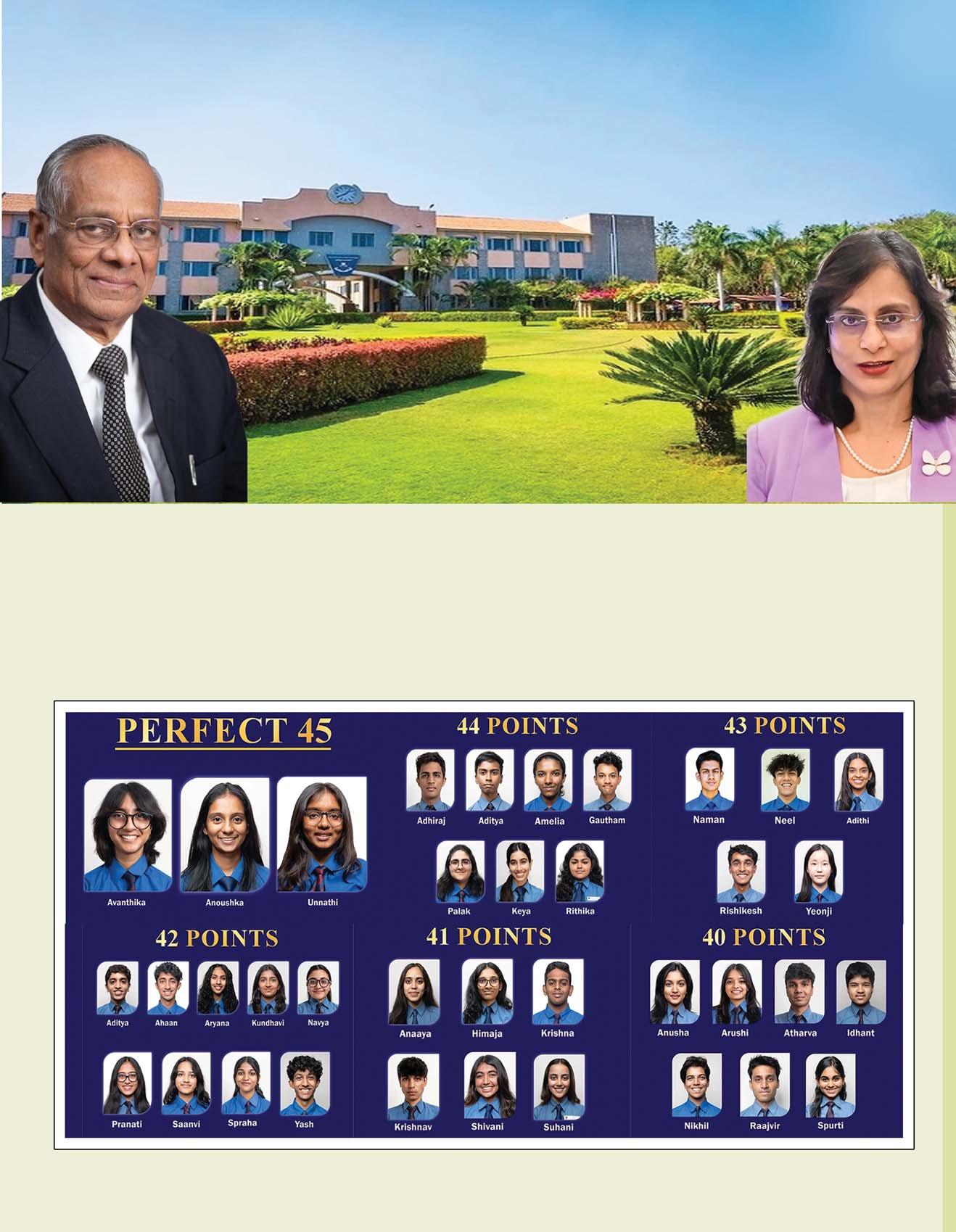
Founded by the legendary educator Dr. KP Gopalkrishna, The International School Bangalore (TISB) has spent over two decades redefining the landscape of international education. Under the dynamic stewardship of Vice Chairperson Dr. Bindu Hari and Principal Mrs. Kate Reynolds, TISB has emerged as India’s most coveted IB Diploma campus - a 140-acre ecosystem where academic rigor is harmonized with creativity and compassion.
Where Visionary Leadership Meets WorldClass Achievement.

Our legacy is written in the success of our students. With several IBDP perfect scorers achieving the elusive 45-point mark, TISB stands at the pinnacle of pedagogical mastery. Here, we don’t just prepare students for exams; we prepare them for the world’s most elite stages.
From our state-of-the-art Innovation Lab to our vibrant performing arts scene, every TISB student is empowered to think, lead, and serve with confidence.
TISB, A Proven Pathway to Ivy League:
IB Diploma Toppers With Perfect 45 Scores
$27.4 Million in Scholarships Over 2 Years
US Placements in MIT, Harvard, Stanford, Yale & Wharton UK Placements in Oxford & Cambridge Students From Over 40 Nationalities.
The TISB Distinction:
Educational Excellence of the NPS Group
Holistic Growth Spanning Sports, TISBMUN and more
Bespoke Mentoring to Unlock Student Potential Futuristic Innovation Lab for Robotics, AI & Design Thinking
Reach Us At: Registrar - Admissions - 91-63642 62063
The International School Bangalore NAFL Valley, Whitefield-Sarjapur Road, Near Dommasandra Circle, Bengaluru-562125, India Excellence with Empathy. Ambition with

Managing Editor
Jason D Pavorattikaran
Editor
John Antony Director (Finance)
Ceena
Associate Editor
Carl Jaison
Senior Editorial Coordinator
Jacob Deva
Senior Correspondent
Bina Menon
Creative Visualizer
Bijohns Varghese
Photographer
Anish Aloysious Office Assistant
Alby CG Correspondents
Bombay: Rashmi Prakash
Delhi: Anurag Dixit Director (Technical)
John Antony
Publisher
Jason D Pavorattikaran
Editorial & Business Office
Cochin: 36/1924 E, Kaloor-Kadavanthra Road, Near IGNOU, Kaloor, Cochin-17. Ph:0484- 2345876, 2534377, 2340080 Mob. 09947141362
Delhi: H.No: P-108, Uppal Southend, Sector 48, Sohna Road, Gurgaon, Haryana – 122018 Ph: 9891771857|099471 41362
Mumbai: 202, Woodland Heights Building, St. Martins Road, Bandra West, Mumbai400 050 Mob: 919947141362
Bangalore: House No: 493, Block 3 3 rd Main, HBR Layout, Bangalore-4209731984836, Email:skmagazine@gmail.com www.seasonalmagazine.com
UK Office: “CRONAN”, Boundaries Road Feltham, Middlesex, UK TW13 5DR Ph: 020 8890 0045, Mob: 00447947181950 Email: petecarlsons@gmail.com
Reg No: KERENG/2002/6803
Printed & Published by Jaison D on behalf of PeteCarlson Solutions Pvt. Ltd. at Cochin. Printed at Rathna Offset Printers, Chennai-14. All Rights Reserved by PeteCarlson Solutions Pvt. Ltd. No part of this publication may be reproduced by any means, including electronic, without the prior written permission of the publisher.


CAN SENSEX SOAR TO 107,000 BY THE YEAR END AS PREDICTED?
Morgan Stanley’s audacious prediction of Sensex scaling 107,000 by the close of 2026 has sent ripples of excitement as well as skepticism across India’s financial landscape. It’s a target that, if achieved, would represent a nearly 28% surge from current levels, painting a picture of unparalleled prosperity for the nation and its investors.
This bold forecast rests on a confluence of promising macroeconomic indicators and strategic policy decisions, positioning India as a global economic frontrunner. Yet, beneath the veneer of optimism, a closer inspection reveals a complex interplay of factors that could either propel the Sensex skyward or temper its ascent.
One of the most compelling arguments in favor of this bullish outlook is India’s undeniable status as the fastest-growing major economy in the world. This momentum is not merely a fleeting phenomenon but is underpinned by robust domestic consumption, government-led infrastructure spending, and a burgeoning digital economy.
The sheer scale of India’s population, coupled with increasing disposable incomes, creates a powerful engine for sustained economic expansion, attracting both domestic and foreign investment.
Further bolstering the bull case are India’s recent strategic trade agreements with economic
powerhouses like the United States and the European Union. These deals are designed to facilitate greater market access for Indian goods and services, fostering export growth and integrating India more deeply into the global supply chain.
Such partnerships are crucial for expanding trade volumes, attracting foreign direct investment, and ultimately, boosting corporate earnings that translate into higher stock valuations.
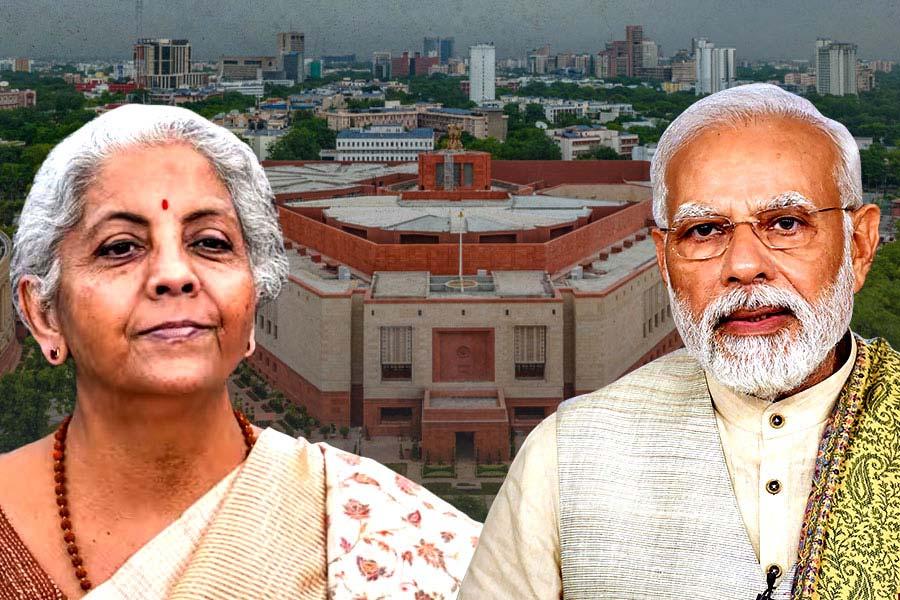
Under Prime Minister Narendra Modi’s proactive approach to economic reforms, including recent Goods and Services Tax (GST) cuts, also contributes significantly to the optimistic narrative. These measures aim to stimulate demand, reduce the cost of doing business, and enhance the overall competitiveness of Indian industries.
A more streamlined and efficient tax regime encourages consumption and investment, creating a virtuous cycle that can fuel corporate profitability and, by extension, the stock market.
The evolving geopolitical landscape, marked by a recalibration of global supply chains and a desire to diversify away from traditional manufacturing hubs, also plays into India’s hands. The “China Plus One” strategy adopted by many international corporations positions India as an attractive alternative, offering a large domestic market, a skilled workforce, and a stable political environment. This shift could usher in a new era of manufacturing and export-led growth for India.
However, the path to 107,000 is not without its formidable obstacles, and a closer look reveals several
points of caution that temper the unbridled enthusiasm. Despite the broader market’s upward trajectory, several index heavyweights and traditionally strong sectors have been underperforming.
The recent struggles of IT majors like TCS, Infosys, Wipro, and HCL Tech, for instance, highlight the vulnerability of even established players to global economic headwinds and shifts in technology spending.
This disparity is further evidenced by the fact that many individual stocks, even amidst a generally bullish market, are nowhere near their historic highs. This suggests that the rally has been uneven, driven by a select few high-growth companies or sectors, rather than a broad-based improvement across the entire market. Such a concentrated rally can be inherently more fragile and susceptible to sudden corrections if the fortunes of these leading stocks falter.
Another significant concern revolves around the high valuations prevalent in many sectors of the Indian market. When stock prices outpace earnings growth, it creates a situation where investors are paying a premium, making the market more vulnerable to corrections if earnings fail to meet lofty expectations. While growth prospects are strong, high valuations introduce an element of risk, demanding sustained performance to justify current price levels.
Inflationary pressures, both domestic and global, also pose a threat to the Sensex’s ascent. Rising input costs can squeeze corporate profit margins, while higher interest rates implemented to combat inflation can make
borrowing more expensive for businesses and reduce the attractiveness of equities relative to fixed-income investments. Sustained high inflation could dampen consumer spending and curb investment, impacting corporate earnings.
Global economic uncertainties, including potential recessions in major economies, geopolitical tensions, and supply chain disruptions, cast a long shadow over India’s growth prospects. This is especially so after the installation of a rather hawkish new Fed Chair by Trump.
While India’s domestic market provides a significant buffer, its economy is increasingly integrated with the global system, making it susceptible to external shocks. A slowdown in global demand could impact India’s exports and foreign investment inflows.
Finally, the sheer size and complexity of India’s economy mean that implementing reforms and achieving sustained, inclusive growth is a continuous challenge. While the government has demonstrated a commitment to reform, the pace and effectiveness of these changes in addressing structural issues will be critical.
Any significant slowdown in the reform agenda could dampen investor sentiment and hinder the market’s progress towards such an ambitious target. The journey to 107,000, therefore, is not a guaranteed straight line but a winding path subject to both powerful tailwinds and significant headwinds, demanding a discerning eye from investors navigating this dynamic landscape.
John Antony

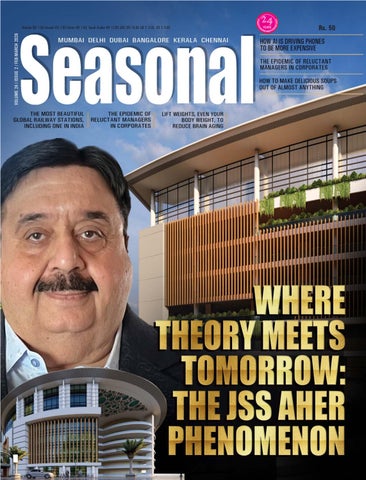
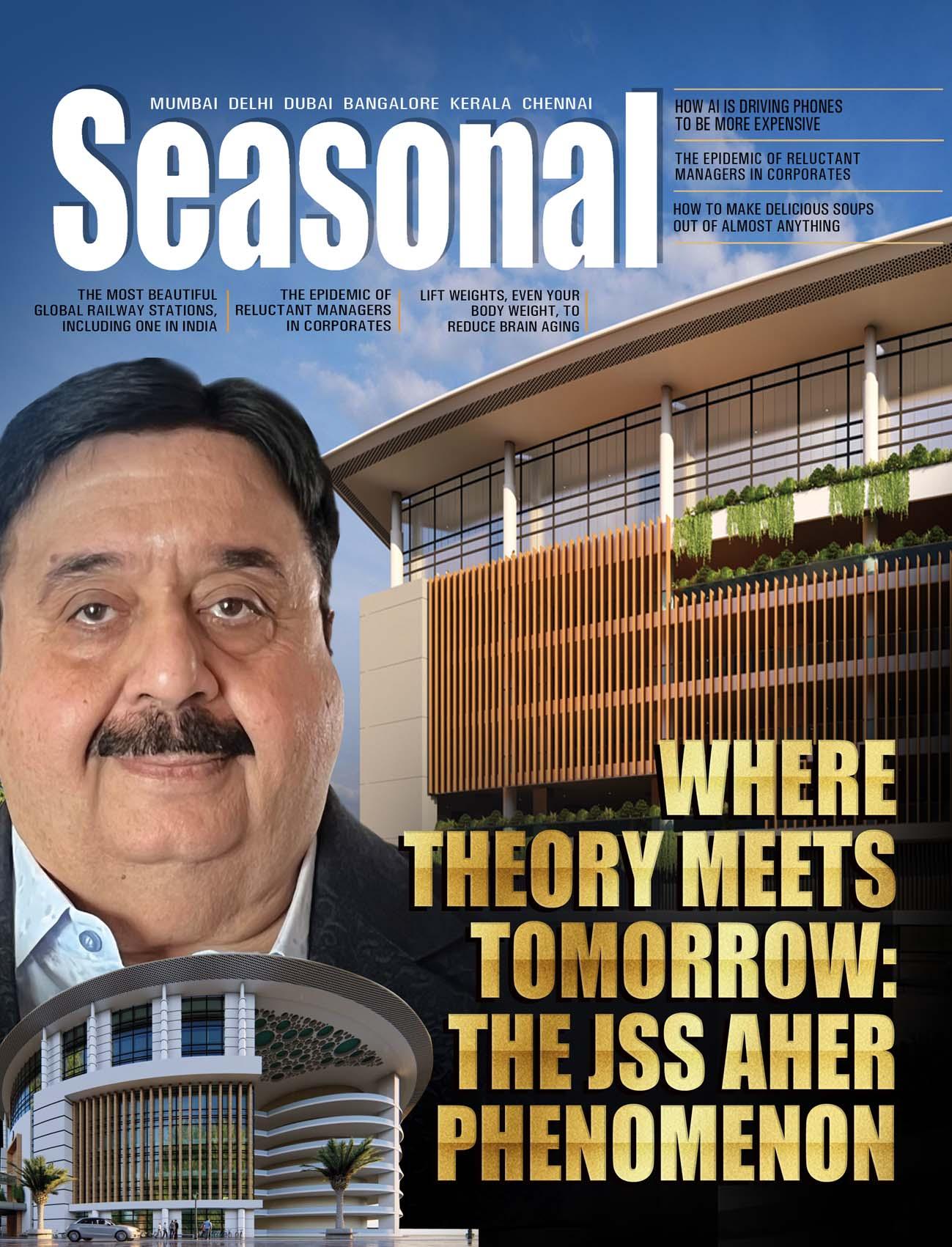
WHERE THEORY MEETS TOMORROW: THE JSS AHER PHENOMENON


LOSE
WEIGHT TO FIGHT SEVERE INFECTIONS EFFECTIVELY
People who have obesity have a significantly increased risk for hospitalization or death from severe infection spanning a wide range of infections, with the highest level of obesity associated with an

THE EPIDEMIC OF RELUCTANT MANAGERS IN CORPORATES
For the past couple of years, Gartner research has suggested that organizations have a management problem. For example, in an April 2024 Gartner survey of 162 HR leaders, only 35% and 27% reported being satisfied with the effectiveness of mid-level

WHY MAZDOCK IS AN ACE UP INDIA’S SLEEVE?
Wars are often not won just on gallantry, but also on superior engineering. The most wellknown example of this phenomenon is the Rolls-Royce Merlin engine that powered the numerous planes of the Allied Forces in World War II, which helped them outclass the

By weaving a vibrant tapestry of international conclaves, groundbreaking medical research, and global expansion, JSS Academy of Higher Education and Research has transformed into a living laboratory. JSS AHER functions seamlessly due to a cohesive leadership team guided by the spiritual benevolence of the Chancellor, His Holiness Jagadguru Sri Shivarathri Deshikendra Mahaswamiji. While Dr. CG Betsurmath, the Executive Secretary of JSS Mahavidyapeetha, continues to be the administrative bedrock, Pro Chancellor Dr. B Suresh charts the global expansion plans as well as the futuristic outlook that differentiates this deemed university, and Vice-Chancellor Dr. H Basavana Gowdappa guides the academic pulse of the institution. Here is why the Mysuru-based institution is emerging as an ultimate destination for nurturing the next generation of health scientists.
HOW ARE TECH JOBS EVOLVING NOW
Here’s a roundup of research and predictions for tech workers amid the AI revolution. The tech job market in 2026 is being built on contradictions. Companies are laying off staff, insisting artificial intelligence will “do more with less” — yet they haven’t found ways to deploy AI at scale. Recruiters say entry-level

AFTER RAY-BAN, META TEAMS UP WITH OAKLEY FOR SMARTGLASSES
Meta has quietly introduced us to its greater plan for smartglasses, and it has used both Oakley and the Super Bowl to do so.

HOW
2 FINANCIAL HABITS CAN MAKE OR BREAK MENTAL HEALTH
Can small money habits boost your mental health? New research suggests that consistent saving and timely debt repayment could quietly be key to emotional wellbeing.

HOW PURVA’S FIRST 50 YEARS SIGNALS ITS LONGTERM PROMISE
Turning 50 is often a time for reflection, and for Puravankara Ltd., one of India’s leading listed real estate developers, it’s also a moment of reiterating its forever commitments. Present now across 9 cities, with 51 million


6 WATERING MISTAKES TO AVOID FOR INDOOR PLANTS
Keep your plants healthy by avoiding these watering pitfalls.

HOW TO MAKE DELICIOUS SOUPS OUT OF ALMOST ANYTHING
A simple framework for turning scraps, leftovers and good instincts into a deeply satisfying bowl.

MEDICAL STUDY QUESTIONS HBA1C ACCURACY FOR DIABETES IN INDIA
A new study published in The Lancet Regional Health has raised concerns over the widespread reliance on glycated haemoglobin (HbA1c) testing for diagnosing and monitoring type-2 diabetes in

HOW TO MASTER ANY SKILL
Struggle during learning is not failure. It’s a sign that your brain is adapting and forming new skills. Mastery is a nonlinear, ongoing process that relies more on consistent practice and adaptability than intensity or flawless technique. Approaching improvement as
WARREN BUFFETT’S 5 FUNDAMENTAL HABITS FOR ANYONE TO SUCCEED
Sometimes I have to shake my head at Warren Buffett’s wisdom. Not because it’s wrong—but because it’s so simple. At age 95 and beginning to slow down (imagine that), Buffett has

LIFT WEIGHTS, EVEN YOUR BODY WEIGHT, TO REDUCE BRAIN AGING
Resistance exercise slowed brain aging clocks by up to 2.3 years using longitudinal rsfMRI neuroimaging data.

HOW CHINA IS LEADING GULF’S DRIVERLESS FUTURE
China is beating the United States in the race to control the Middle East’s driverless car market.
PRODUCT & GEOGRAPHIC DIVERSIFICATIONS TO STABILISE SKM EGG PRODUCTS’ GROWTH
The Russian invasion of Ukraine and the resultant surge in maize prices during much of FY24 might have
THE MOST BEAUTIFUL GLOBAL RAILWAY STATIONS, INCLUDING ONE IN INDIA
Beautiful train stations are arguably a city’s most treasured architectural landmark. With nonstop flights going seemingly everywhere, people tend to prefer the sky over the rail. That said, there’s something nostalgic – and even glamorous – about boarding a train that simply cannot be replicated in any other form of transportation – especially planes, which are getting more modern by the year. After all, trains are often credited with completely transforming the United States in nearly every regard (socially, politically, and economically) during the most financially lucrative period, the Gilded Age.



HOW TO MASTER ANY SKILL
STRUGGLE DURING LEARNING IS NOT FAILURE. IT’S A SIGN THAT YOUR BRAIN IS ADAPTING AND FORMING NEW SKILLS. MASTERY IS A NON-LINEAR, ONGOING PROCESS THAT RELIES MORE ON CONSISTENT PRACTICE AND ADAPTABILITY THAN INTENSITY OR FLAWLESS TECHNIQUE. APPROACHING IMPROVEMENT AS A SERIES OF SMALL EXPERIMENTS CAN HELP YOU LEARN FASTER, STAY MOTIVATED, AND AVOID QUITTING TOO SOON.

fter years of studies and six months in New York, I was convinced I’d mastered English. I was cracking jokes with American friends, binge-watching shows without subtitles, and even thinking in English half the time. Then I moved to London for my first job at Google, and suddenly, I felt like I’d never truly master the language. Colleagues used phrases I’d never heard. Cultural references flew over my head. I found myself nodding along in meetings, pretending to understand jokes that left me completely lost. It felt terrible. I was encountering the growing pains inherent to mastery, but everything I’d
been told about getting good at something had set me up to misinterpret this growth as failure.
Our cultural narrative about mastery is not just incomplete. It’s actively misleading, and we’ve mythologized mastery in ways that make people quit right when they might be breaking into new territories.
The five lies we tell ourselves five lies we tell The five lies we tell ourselves five lies we tell about mastery about mastery about mastery about mastery mastery
The problem starts with how we think about mastery itself. We carry a set of deeply ingrained assumptions about how it works — assumptions that feel
obvious and true, but that are actually counterproductive. Here are the most damaging ones:
Misconception #1: Mastery is a destination. We imagine crossing a finish line where we’ll finally “arrive” as experts. Watch any master craftsperson, though, and you’ll see someone still questioning their approach, still discovering new techniques, still experimenting and pushing into uncharted territory.
Misconception #2: Improvement is linear. We expect steady, measurable progress: practice more, get better, repeat. Reality looks more like a stock chart: long plateaus punctuated by sudden jumps, with occasional dips when you’re integrating something new.
Misconception #3: Mastery requires extreme intensity. Research shows that sustainable, consistent practice beats sporadic bursts of intensity. Someone who practices 30 minutes daily for a year will typically outpace someone who practices 3 hours once a week.
Misconception #4: Technique is everything. We obsess over the mechanics: the “right” way to hold the instrument, the perfect form, the exact method. But while technique matters enormously, so do mindset, feedback loops, rest, and environmental support.
Misconception #5: Mastery feels easy once achieved. This is perhaps the most dangerous myth of all. Even masters experience frustration and have to revisit fundamentals, but they’ve learned to find satisfaction in the process itself, not just the outcomes.
So, if all our assumptions about mastery are wrong, what actually works? The answer lies in how our brains learn and adapt.
Achieving mastery through Achieving mastery experimentation experimentation
Our brains adapt most rapidly when faced with novel challenges, not repetitive drilling. Perhaps most
importantly, studies on what researchers call “desirable difficulty” show that struggle isn’t a sign that you’re failing. It’s a sign that your brain is forming new neural pathways.
That’s why experts don’t just repeat what they know — they constantly experiment at the edge of their abilities. Instead of grinding through repetition, they treat every practice session like a mini-laboratory.
Here’s what that looks like: Here’s what that looks like: Here’s what that looks like: Here’s what that looks like: Here’s that
Run tiny experiments. Let go of the idea of mastery as a destination. Instead, experiment with different approaches. A programmer might experiment for a few days with coding without looking at Stack Overflow or ChatGPT. A musician might practice scales for 10 minutes before touching any songs for two weeks. These tiny experiments let you test the boundaries of your knowledge while embracing the in-betweens.
Design feedback loops. Create systems that help you notice what’s working. You might track which new words you actually use in conversation, photograph your work at different stages to see patterns in your process, or ask for specific feedback after each one-onone meeting with your manager. Good feedback loops help you recognize subtle opportunities for improvement that are easy to miss day-to-day.
Approach challenges with curiosity. Masters treat obstacles as puzzles to solve. When you hit something difficult, get curious. What, specifically, is hard about this? Is there a different angle to try? What would happen if you broke the problem into smaller pieces?
Real mastery isn’t about arriving somewhere. It’s about becoming the kind of person who can navigate anywhere, developing such comfort with experimentation that you can adapt, grow, and find new edges no matter what domain you’re exploring.
(Anne-Laure Le Cunff for Ness Labs)
WHITE DESERT REWRITES
ANTARCTIC LUXURY WITH TOTAL CAMP OVERHAUL AS POLAR TOURISM LEAVES CONQUEST BEHIND

White Desert Antarctica, the only luxury operator with permanent seasonal camps on the southern continent, has just completed a comprehensive overhaul of its three properties, most notably the flagship Whichaway camp where the company’s story began two decades ago. The continent that holds 90% of the world’s ice has never been particularly accommodating to human ambition, yet the transformation represents more than aesthetic updates. It signals a shift in how polar tourism is being packaged for travelers, who increasingly view extreme destinations not as conquest opportunities, but as spaces for genuine disconnection from an overstimulated world. White Desert has rebuilt Whichaway entirely while relaunching its Explorer camp, betting that the appetite for Antarctic experiences now extends beyond expedition purists to include guests seeking luxury wilderness immersion. Whichaway occupies a position in the Schirmacher Oasis, an ice-free zone
that comprises less than 3% of Antarctica’s landmass. Such terrain is exceptionally rare. Most of the continent remains buried under ice sheets averaging 1.9 kilometers thick. Here, blue ice cliffs rise against a network of more than a hundred freshwater lakes, creating visual drama that the redesigned pods now frame through expanded windows.
Founders Patrick and Robyn Woodhead established the camp years ago, naming it after Patrick’s first reaction when surveying the windswept coastline: “Which-a-way?”
That question captured the disorientation inherent to a landscape where familiar markers of direction and scale cease to function normally. What began as a husband-and-wife operation has evolved into a company that now serves approximately 150 guests per season, according to industry reports, flying them via private Gulfstream jet from Cape Town to a blue-ice runway that the company maintains year-round.



HOW ARE TECH JOBS EVOLVING NOW
HERE’S A ROUNDUP OF RESEARCH AND PREDICTIONS FOR TECH WORKERS AMID THE AI REVOLUTION.
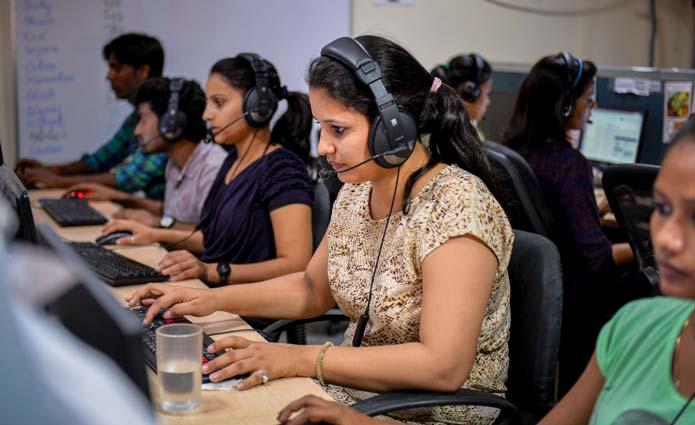
The tech job market in 2026 is being built on contradictions. Companies are laying off staff, insisting artificial intelligence will “do more with less” — yet they haven’t found ways to deploy AI at scale. Recruiters say entry-level pathways are narrowing, but critical roles remain hard to fill.
Even as headlines scream “automation,” the day-to-day reality is messier: Hybrid work is still a dealbreaker, job titles are splintering into new specialties, and workers are being asked to produce more output with fewer resources.
‘Rest of World’ reviewed recent research on tech job trends in 2026.
Robots versus humans Robots versus humans
Deloitte’s 2025 Emerging Technology
Trends study noted that while 30% of surveyed organizations are exploring agentic options and 38% are piloting solutions, only 14% have solutions that are ready to be deployed. A mere 11% are actively using these systems in production. Furthermore, 42% of organizations report they are still developing their agentic strategy road
map, with 35% having no formal strategy at all.
While most human workers are generally comfortable with predictable, rule-based robots, physical AI systems that learn and adapt introduce new uncertainties, especially worries about job displacement. Experts predict, however, that most roles will evolve toward collaboration rather than replacement.
The goal is to create environments where robots handle repetitive or dangerous tasks while humans focus on creative problem-solving and complex decision-making.
DELOITTE’S 2025 EMERGING TECHNOLOGY TRENDS STUDY NOTED THAT WHILE 30% OF SURVEYED ORGANIZATIONS ARE EXPLORING AGENTIC OPTIONS AND 38% ARE PILOTING SOLUTIONS, ONLY 14% HAVE SOLUTIONS THAT ARE READY TO BE DEPLOYED.
mandate headache
The best workers want hybrid or remote roles. Yet more companies are demanding full-time in-office attendance. It’s not making hiring any easier.
The battle lines have been drawn. Companies are demanding people return to the office full-time while workers dig in their heels, insisting they want remote or hybrid work options.
According to the Korn Ferry report, 52% of talent acquisition leaders say office mandates hinder recruitment, while 72% find remote roles easier to fill.
Business leaders might think this is fine right now, but in roles with chronic skills shortages, it’ll rapidly be clear that it’s not fine at all. If your employer brand isn’t strong enough to overcome the office requirement, you’ll end up paying premium salaries to attract people who would otherwise work elsewhere. Or worse, you’ll just be filling seats — settling for whoever is willing to show up, not the talent who will move your business forward.
New AI job titles AI job
As companies seek specialists, the emergence of new roles with novel job titles and nuanced skill requirements will be a feature of 2026. As the economy picks up steam, companies will narrow their focus and drift away from broad-spectrum roles with catchall titles like “software engineer” and “data scientist” toward more tailored, task-specific job titles.
Navigating the future of work in tech this year will involve companies focused more at the intersection of AIworkflow integration, governance, and impact.
(Itika Sharma Punit for Rest of World)
WARREN BUFFETT’S 5 FUNDAMENTAL HABITS FOR ANYONE TO SUCCEED
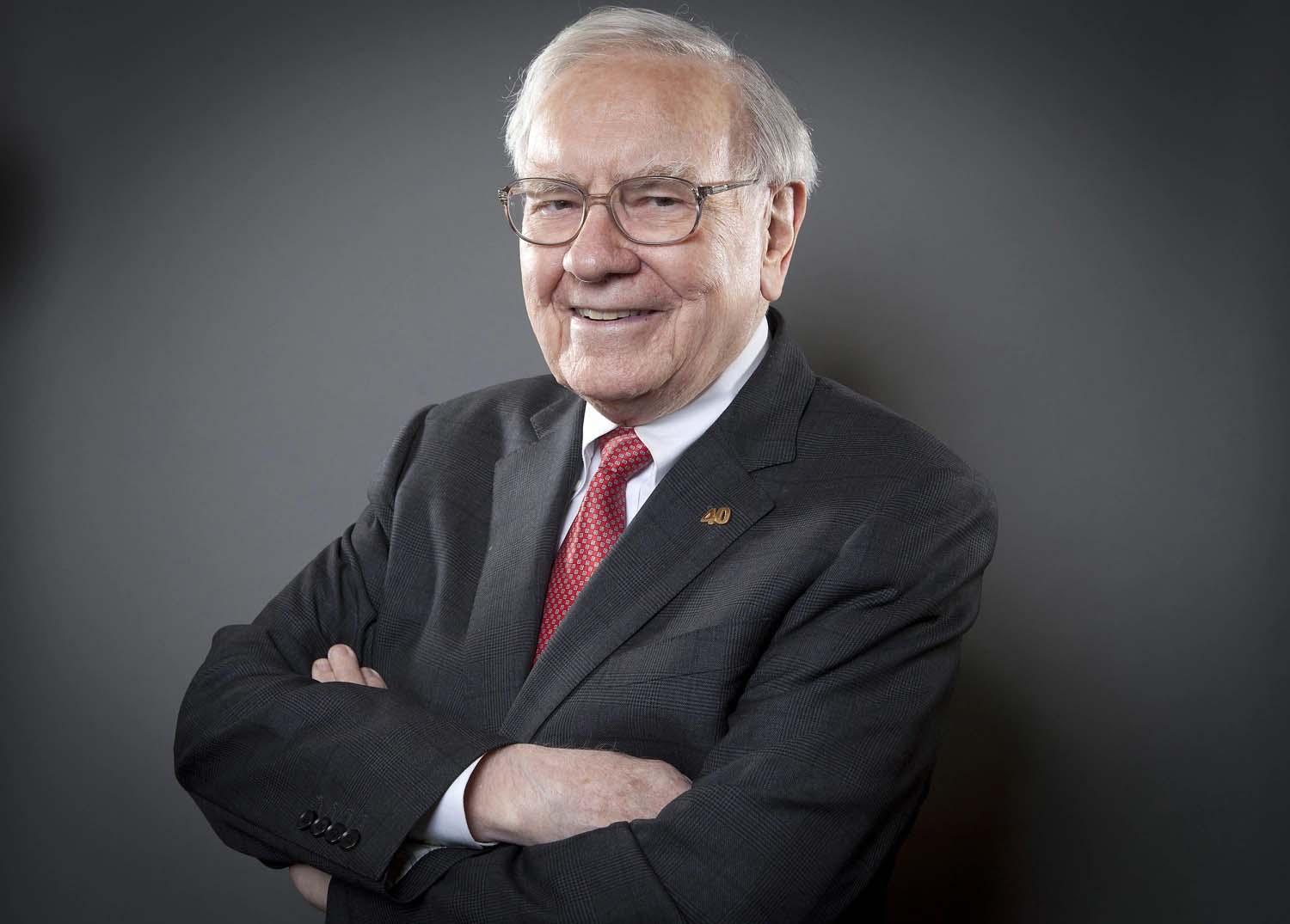
At age 95 and beginning to slow down (imagine that), Buffett has offered advice for decades that sounds almost underwhelming coming from one of the most successful business leaders of our time. No hacks. No shortcuts. No bold proclamations about disruption or hustle. Just the fundamentals.
And if you’re expecting something flashy from the world’s sixth-richest billionaire (according to Forbes), his advice can feel anticlimactic.
But here’s the uncomfortable truth: it has worked extraordinarily well for him. And it still works—especially for founders and CEOs running companies, managing teams, and trying not to lose themselves in the process.
The challenge isn’t understanding Buffett’s advice, they’re pretty simple. The challenge is acting on it. Most of us can read an article like this and nod along. Far fewer of us can honestly say, I’m going to start doing this tomorrow.
If you’re willing to move from agreement to action, these five classic Buffett principles still hold up remarkably well.
1. GET RID OF BAD HABITS
Most leaders and entrepreneurs already know what’s holding them back. The hard part is doing something about it.
Buffett has been blunt about the damage caused by self-destructive patterns. Speaking to graduating students at the University of Florida many years ago, Buffett said, “I see people with these self-destructive
SOMETIMES I HAVE TO SHAKE MY HEAD AT WARREN BUFFETT’S WISDOM. NOT BECAUSE IT’S WRONG—BUT BECAUSE IT’S SO SIMPLE.
behavior patterns. They really are entrapped by them.” He noted that identifying your bad habits early on is key.
Here’s the thing: Bad habits don’t announce themselves as dangerous. And some of them are blind spots that fly below your radar. Over time, those bad habits grow quietly and affect the people around you. By the time you feel their weight, to Buffett’s point, they’re much harder to break.
For leaders, this shows up as avoidance, stonewalling, micromanagement, impatience, unaccountability, and letting standards slide. The sooner you confront these behaviors, the less damage they do— to you, your business, and to the people you lead.
SEASONAL MAGAZINE

2. DON’T RISK WHAT YOU HAVE FOR SOMETHING YOU DON’T NEED
Buffett has watched businesses and individuals gamble away stability in pursuit of “more”—often driven by ego or greed. His warning is simple: if something truly matters to you, don’t put it at risk for something that doesn’t. Here’s Buffett:
“If you risk something that is important to you for something that is unimportant to you, it just doesn’t make sense. I don’t care if the odds you succeed are 99 to 1 or 1,000 to 1.”
This is especially relevant for founders who are chasing scale too fast, leaders who are taking on unnecessary debt, or executives who are sacrificing culture for short-term wins to please shareholders. Just because the odds look good doesn’t mean the risk is worth it.
3. LEARN FROM YOUR MISTAKES AND BECOME BETTER
Buffett’s final shareholder letter, released in November, reads less like a financial document and more like a
masterclass in the do’s and don’ts of leadership.
Buffett opens with rare vulnerability: “Don’t beat yourself up over past mistakes—learn at least a little from them and move on. It is never too late to improve.”
Here’s a man who has made billiondollar errors, yet he views failure not as a cause for shame but as an opportunity to learn. That’s the essence of resilience and a growth mindset; it’s humility wrapped up in fierce resolve, backed by action.
Buffett’s advice to “get the right heroes and copy them” underscores the importance of mentorship and modeling. He credits “wonderful friends” for helping him learn “how to behave better,” a reminder that none of us evolves in isolation.
4. CHOOSE COLLEAGUES AND MENTORS WISELY
One of Buffett’s most enduring lessons about success is surrounding yourself with the right people.
He once told a young shareholder, “It’s better to hang out with people better than you. Pick out associates whose behavior is better than yours and you’ll drift in that direction.”
This message resonates in today’s leadership circles. As leaders seek to build resilient teams, meaningful cultures, and long-term influence, Buffett’s classic principle stands the test of time: You become like the people you spend the most time with. So, choose wisely.
If you aim to grow your business or advance in your career, relationships, or leadership, be deliberate about who you choose to learn from.
5. DO WHAT YOU LOVE
This advice gets dismissed as idealistic, but Buffett has consistently argued that people do their best work when they enjoy what they’re doing. In his own words: “The people who are most successful are those who are doing what they love.”
Many professionals stay in well-paid, secure roles they quietly resent. Over time, that dissatisfaction bleeds into their leadership, decision-making, and health.
You don’t have to love every task. But if you fundamentally dislike your work, it shows—and it costs you more than you realize.
(Marcel Schwantes for Inc.)
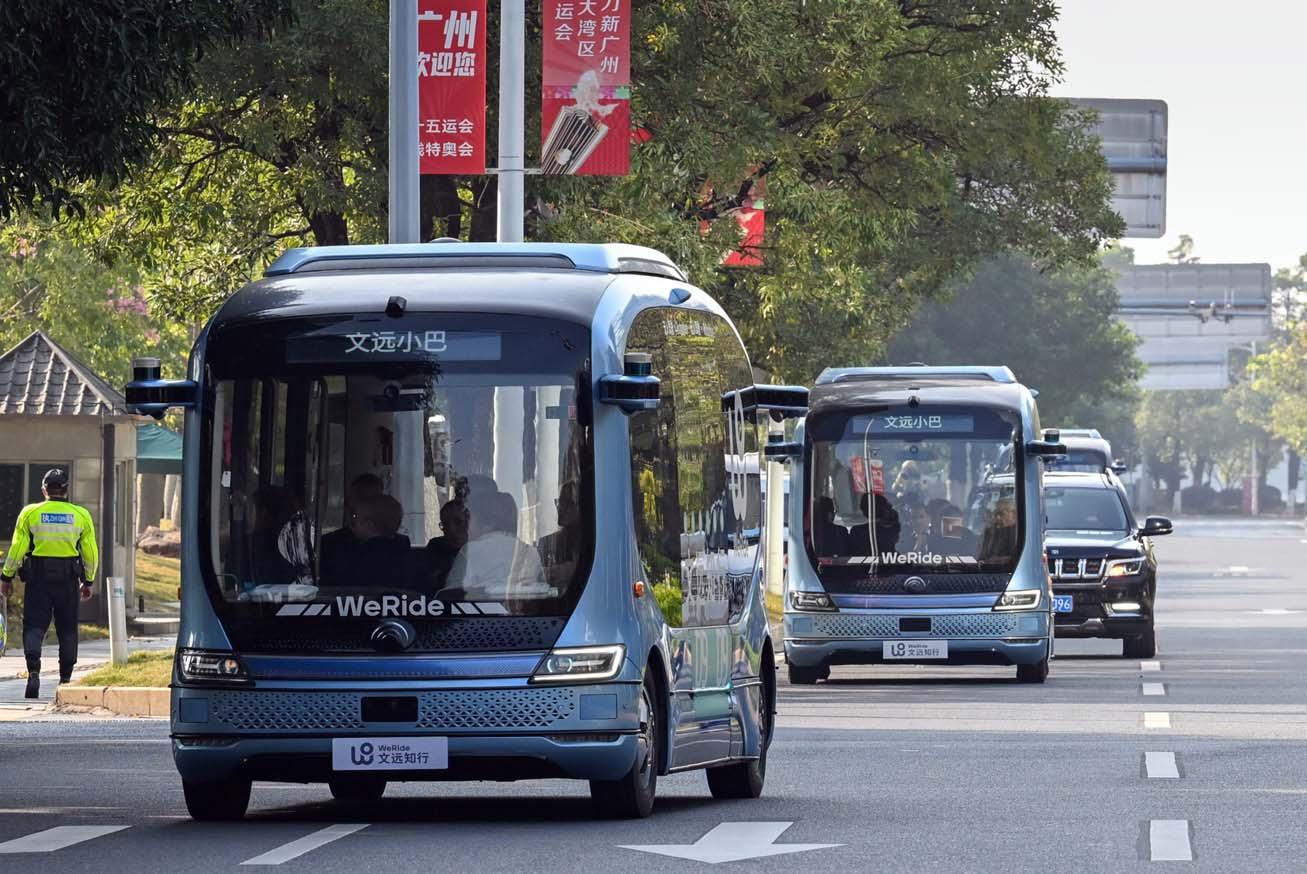
HOW CHINA IS LEADING GULF’S DRIVERLESS FUTURE
CHINA IS BEATING THE UNITED STATES IN THE RACE TO CONTROL THE MIDDLE EAST’S DRIVERLESS CAR MARKET.
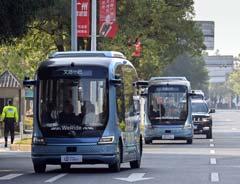
The latest win came in October 2025 when Chinese company WeRide secured an exclusive deal with Ras Al Khaimah, the northernmost of the United Arab Emirates, to build its entire transport system around driverless cars. The sleepy emirate — preparing to become the Gulf’s Las Vegas — is betting on Chinese technology instead of traditional metros and buses.
Ras Al Khaimah, which expects millions of visitors when the UAE’s first casino opens in 2027, recently granted WeRide an exclusive partnership as its sole autonomousvehicle technology provider. The Guangzhou-based company already operates robotaxis, with operators on board, on the Uber platform in Riyadh since October 2025, a first for Saudi Ara bia. WeRide also operates fully driverless robotaxi services in Abu
Dhabi, the Middle East’s first.
Chinese autonomous vehicle companies are winning the race to deploy commercial robotaxis across the Middle East, outpacing U.S. rivals that have pulled back from international expansion. WeRide, Baidu’s Apollo Go, and Pony.ai are scaling operations across the region, while U.S. firms Cruise and Waymo remain locked in their domestic markets, shackled by safety incidents, regulatory pressure, and litigation risks.
“It’s a race now,” Tu Le, founder of market research firm Sino Auto Insights, told Rest of World. “Not being able to quickly add more robotaxis to your global fleet could quickly move you from a leader to a laggard.”
Autonomous vehicles are the latest addition to China’s growing technological footprint in the Gulf.
Chinese companies have already captured the region’s data-center contracts, consumer electronics, and EV markets.
WeRide, which received the world’s first autonomous driving license in the UAE for all types of self-driving vehicles in July 2023, holds a commanding first-mover advantage. In November 2025, the company began fully driverless commercial operations through TXAI, its Abu Dhabi robotaxi service on Yas Island, becoming the first Level 4 autonomous service available on Uber outside the U.S.
“This reflects the country’s strong support for innovation and deployment of AVs,” Ryan Zhan, WeRide’s regional general manager for the Middle East and Africa, told Rest of World.
The company’s Middle East fleet now comprises more than 200 robotaxis,
with plans to reach as many as 1,000 by the end of the year and scale into tens of thousands by 2030, Zhan said. WeRide supplies AV technology, while partners such as Uber handle fleet operations, maintenance, and customer interfaces.
Since December 2024, WeRide and Uber have tripled their Abu Dhabi fleet, expanding into major islands and routes connecting Zayed International Airport. In Ras Al Khaimah, the partnership recently launched the first robobus pilot on Al Marjan Island, linking resorts and attractions.
Early rider adoption “has been encouraging,” Zhan said.
The Middle East offers near-perfect conditions for training self-driving algorithms, according to industry experts. Predictable weather with minimal rain and no snow allows testing year-round, while wellmaintained roads and strict traffic enforcement create the rule-based environment autonomous systems need.
“A rule-based roads and infrastructure system is mandatory for autonomous vehicles,” Shoaib Mohamed, managing director at Dubai-based automotive safety solutions provider Resolute Dynamics, told Rest of World. “The region might be the best-equipped place for the same to thrive.”
Gulf governments are also eager buyers. Saudi Arabia’s Vision 2030 calls for 25% of goods transport and 15% of public transport to be autonomous within five years, while Abu Dhabi and Dubai aim for 36% of all trips to be driverless by 2040.
“The Gulf governments also want to move past their oil-country reputations,” Le said. “They see embracing robotaxis as a way to do that.”
The contrast with the U.S. is stark. General Motors’ Cruise paused almost all driverless operations in late 2023 after a series of safety incidents and regulatory pressure in California, according to S&P Global Mobility, an automotive intelligence company. The company has since focused on rebuilding safety systems rather than expanding abroad.

Waymo, despite strong technical credibility, has kept operations limited to Phoenix, San Francisco, and Los Angeles, even as it conducts early testing in Tokyo, and plans a London launch this year.
While U.S firms have been more cautious in expanding robotaxi services beyond domestic markets, Chinese players have moved in the opposite direction. They are expanding into markets where regulators are supportive and public-sector partners are available, forming joint ventures and adapting business models to local conditions.
In March 2025, Baidu’s Apollo Go partnered with Dubai’s Roads and Transport Authority to launch its first international fleet outside China. It plans to introduce 100 fully autonomous robotaxis by the end of 2026, and 1,000 by 2028.
Pony.ai recently signed an agreement with Dubai’s RTA to begin supervised robotaxi trials later this year. In 2023, the company had joined Abu Dhabi’s Smart and Autonomous Vehicles Industry — a government-backed initiative to accelerate the development of AV technology — to run tests at Yas Island. Pony.ai aims for fully driverless operations next year.
Chinese AV companies bring several advantages that Gulf nations increasingly prioritize, Le said. They guarantee data sovereignty, offer financing through joint ventures instead of demanding upfront payments, and localize operations extensively.
“Working very closely with local and federal governments is vital to revise laws, policies, and determine pilot locations,” Le said. “Also, trying to find out how much can be subsidized by
local partners and government agencies, since Chinese AV companies have very limited capital to invest entirely on their own.”
Ras Al Khaimah illustrates the opportunity and the stakes. The emirate has no metro and only a few public buses, yet expects millions of visitors when its Wynn casino-resort opens in 2027. It is betting on Chinese autonomous vehicles to transport them.
“WeRide continuously seeks to expand into global markets that make business sense,” Zhan said. “We aim to bring advanced autonomous driving technology to markets where we can deliver maximum social value and longterm value to our stakeholders.”
Even with supportive governments, AV companies face hurdles. Public trust remains essential, and Chinese firms are still building broader acceptance of driverless vehicles for daily use, Zhan said. Technical, operational, and geopolitical challenges persist, along with ongoing investment needs, according to S&P Global Mobility.
As Gulfwide deployments expand across Abu Dhabi, Dubai, Ras Al Khaimah, and Riyadh, the region is becoming a global test-bed for autonomous mobility and a proving ground for Chinese technological ambition. If Ras Al Khaimah’s strategy succeeds, it could leapfrog legacy transport models entirely, experts said.
“From a technology standpoint, having hundreds of robotaxis deployed that can run most of the day in most conditions across multiple cities is a huge step towards becoming a long-term leader in the region,” Le said.
(Divsha Bhat for Rest of World)
WHERE THEORY MEETS TOMORROW: THE JSS AHER PHENOMENON
BY WEAVING A VIBRANT TAPESTRY OF INTERNATIONAL CONCLAVES, GROUNDBREAKING MEDICAL RESEARCH, AND GLOBAL EXPANSION, JSS ACADEMY OF HIGHER EDUCATION AND RESEARCH HAS TRANSFORMED INTO A LIVING LABORATORY. JSS AHER FUNCTIONS SEAMLESSLY DUE TO A COHESIVE LEADERSHIP TEAM GUIDED BY THE SPIRITUAL BENEVOLENCE OF THE CHANCELLOR, HIS HOLINESS JAGADGURU SRI SHIVARATHRI DESHIKENDRA MAHASWAMIJI. WHILE DR. CG BETSURMATH, THE EXECUTIVE SECRETARY OF JSS MAHAVIDYAPEETHA, CONTINUES TO BE THE ADMINISTRATIVE BEDROCK, PRO CHANCELLOR DR. B SURESH CHARTS THE GLOBAL EXPANSION PLANS AS WELL AS THE FUTURISTIC OUTLOOK THAT DIFFERENTIATES THIS DEEMED UNIVERSITY, AND VICE-CHANCELLOR DR. H BASAVANA GOWDAPPA GUIDES THE ACADEMIC PULSE OF THE INSTITUTION. HERE IS WHY THE MYSURU-BASED INSTITUTION IS EMERGING AS AN ULTIMATE DESTINATION FOR NURTURING THE NEXT GENERATION OF HEALTH SCIENTISTS.


His Holiness Jagadguru Sri Shivarathri Deshikendra Mahaswamiji, Chancellor

In the rapidly evolving landscape of healthcare education, the difference between a good institution and a great one often lies in the distance between the classroom and the cutting edge. At JSS Academy of Higher Education and Research (JSS AHER), Mysuru, that distance has been effectively bridged. Walking through its campus in late 2025 and early 2026, one does not merely encounter students with textbooks; one encounters a dynamic ecosystem where Nobel-winning concepts are debated in real-time, where Artificial Intelligence is actively being decoded for neurochemistry, and where the Vice-President of India challenges graduates to define the nation’s future.
For the aspiring doctor, pharmacist, or researcher, the value proposition of JSS AHER has shifted from purely academic excellence to active industry immersion. It is no longer just about securing high ranksthough, with a 21st rank in the NIRF University category and a 56th global rank in THE Impact Rankings, the
institution is winning such benchmarks, too. The new allure of JSS AHER lies in its status as a “hands-on” campus. It is a place where a student might spend the morning learning about liver cancer therapeutics from the very scientists discovering them, and the afternoon attending a global bioimaging summit featuring the directors of CSIR-CFTRI.
This is a story of how a university, rooted in the spiritual wisdom of Mysuru, has aggressively pivoted to become a global node of innovation. By curating a calendar packed with high-level conferences, securing international campus approvals, and pioneering digital well-being clinics, JSS AHER is telling prospective students one thing: Don’t just learn history; come here and make it.
The most defining headline of late 2025 for JSS AHER was not local, but transcontinental. In a move that fundamentally alters the institution’s geographical footprint, JSS AHER received formal approval to establish the JSS School of Medicine in Vacoas, Mauritius.

This is not merely an administrative win; it is a strategic masterstroke that places JSS AHER on the map as an exporter of high-quality medical education. The approval from the Higher Education Commission of Mauritius to start an MBBS program marks the realization of a long-held vision. Admissions for the first batch happened in November 2025, with the curriculum designed to align with the National Medical Commission (NMC) of India.
The significance for a student in Mysuru is profound. It signals that they are part of a system with international mobility and global recognition. The JSS Medical College in Mysuru will serve as the academic backbone for this venture, meaning the expertise cultivated here is now the benchmark for the Indian Ocean region. This expansion was celebrated at a press meet at Suttur Mutt, where the leadership outlined a vision of serving the healthcare needs of Africa and Asia, effectively transforming JSS from a national leader to a global education hub.
While the success of JSS AHER is a symphony of many dedicated leaders, the conductor of this expanding global orchestra is undoubtedly its
Chancellor, His Holiness Jagadguru Sri Shivarathri Deshikendra Mahaswamiji. He is ably assisted in this daunting endeavour by Dr. CG Betsurmath, the Executive Secretary of JSS Mahavidyapeetha, and Pro Chancellor Dr. B Suresh, whose fingerprints are visible on every major strategic leap the university has taken during more than a decade.
Dr. Suresh has long been a towering figure in pharmaceutical sciences, but his role has evolved into that of a visionary statesman for higher education. It was Dr. Suresh who articulated the significance of the Mauritius expansion, framing it not just as a new college, but as the fulfillment of a mission to take quality education beyond Indian shores.
His leadership style is characterized by a relentless push for “nextgeneration” relevance. Whether it is signing a Memorandum of Understanding (MoU) with VIT Chennai to foster collaborative research in October 2025, or championing the integration of AI in healthcare, Dr. Suresh ensures that the university never rests on its laurels.
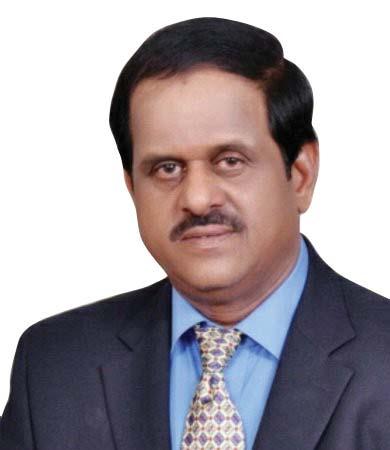
He has been the driving force behind the “Varuna Global Campus” - an ambitious 100-acre project designed to be a futuristic hub for digital health and biomedical engineering. Under his stewardship, the university has successfully balanced its spiritual roots with a highly aggressive, modern academic stance. Dr. Suresh’s insistence on international accreditations and industry-linked research ensures that a degree from JSS AHER carries weight in hospitals,


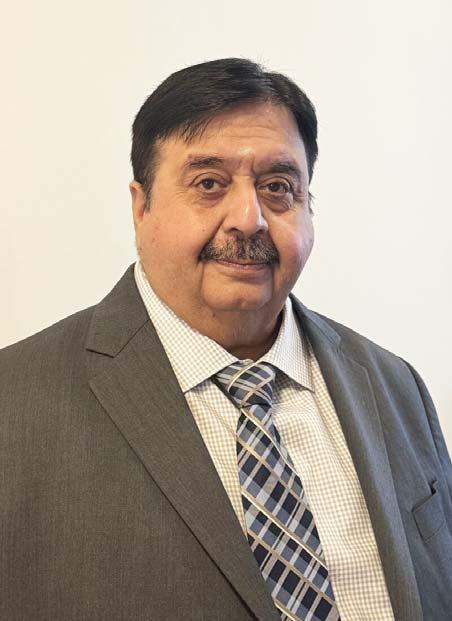
Dr. CG Betsurmath, Executive Secretary, JSS MVP

labs & boardrooms worldwide.
Why should a student choose JSS AHER over other top-tier universities? The answer lies in the sheer density of intellectual exchange that occurred in the last quarter of 2025. The campus has transformed into a perpetual convention of minds, offering students access to networks that usually take decades to build.
In November 2025, the Department of Pharmacology hosted the International Conference on Sustainable Brain Health. This wasn’t a standard lecture series; it was a deep dive into “AI in Neurochemistry.” Students witnessed the launch of a Centre of Excellence in Brain, Behaviour, and Cognitive Neurosciences, supported by global heavyweights like IUPHAR (USA). For a student, the opportunity to interact with experts from the University of Nebraska, Cambridge, and the NIH (USA) right on their own campus is invaluable. It bridges the gap between abstract theory and the frontier of what is possible in neuroscience.
Just a month prior, in October, JSS Medical College hosted the 2nd
International Conference on the Genetics and Epigenetics of Cancer. With a focused theme on AI-based diagnostics, this event addressed the frightening projection of cancer cases in India reaching 15.7 lakh. By bringing together molecular biologists and bioinformaticians, the university created a sandbox where students could see how machine learning is being used to predict treatment responses.
Furthermore, in December 2025, the National Meet on BioImaging was held under the aegis of the India Bioimaging Annual Meet. The announcement of a High-Resolution Cryo-EM installation by CSIR-CFTRI Director Dr. Giridhar Parvatam during the event was a game-changer for structural biology research in the region.
For a prospective student, this “Conference Campus” model means their education is not static. They are not just reading about scientific consensus; they are in the room where it is being formed.
The intellectual energy at JSS AHER is grounded in tangible, life-saving research. The university’s narrative is

one of “Science for Society,” and recent breakthroughs have reinforced this. In October 2025, a team led by Prof. Prasanna K. Santhekadur from the Department of Biochemistry made headlines for exploring the therapeutic potential of Sodium Butyrate against Hepatocellular Carcinoma (liver cancer). Published in the prestigious Biochemical and Biophysical Research Communications, this study is a classic example of JSS AHER’s research ethos: sophisticated yet accessible.
The research connects the dots between Nobel Prize-winning discoveries (RNA interference and telomerase) and a simple, short-chain fatty acid found in fiber-rich diets. For students, this signals a research environment that encourages innovative thinking - looking for accessible cures in the complex crosstalk of molecular machinery.
This culture of inquiry is supported by a robust infrastructure. The university continues to leverage its partnerships with Google and the Bangalore Bioinnovation Centre to drive AI-driven healthcare initiatives. The environment is one where a student’s thesis has the potential to become a peer-reviewed solution to a
Dr. B Suresh, Pro Chancellor
public health crisis.
The JSS Hospital remains the beating heart of the university’s educational model. It is here that the technology discussed in conferences is applied to human healing. A significant milestone was achieved in late 2025 when the orthopaedics department successfully performed a Reverse Total Shoulder Arthroplasty (RTSA) using Virtual Implant Positioning (VIP) technology. Interestingly, this surgery was led by a team including the Vice-Chancellor, the Principal and the Director, and showcased the hospital’s capability to handle complex, high-tech surgeries that provide mobility to patients with severe shoulder dysfunction.
But clinical excellence at JSS is not limited to physical ailments. Responding to the “silent pandemic” of the digital age, the hospital launched a Special Clinic for Digital Wellbeing in July 2025. This forward-thinking initiative addresses behavioral addictions - gaming, mobile phone dependency, and cyberbullying. By integrating clinical psychology, pediatrics, and psychiatry, JSS AHER is acknowledging that modern health challenges require modern solutions.
Furthermore, in January 2026, the Department of Psychiatry launched a “Psychological First Aid” program in Kannada, ensuring that mental health
care is linguistically accessible to the local population.
The immense machinery of JSS AHER functions seamlessly due to a cohesive leadership team guided by the spiritual benevolence of the Chancellor, His Holiness Jagadguru Sri Shivarathri Deshikendra Mahaswamiji. His Holiness ensures that despite the influx of AI and robotics, the institution remains anchored in the values of compassion and service.
Dr. C.G. Betsurmath, the Executive Secretary of JSS Mahavidyapeetha, continues to be the administrative bedrock. His ability to manage the vast network of JSS institutions ensures that the university’s rapid growth is sustainable and structurally sound.
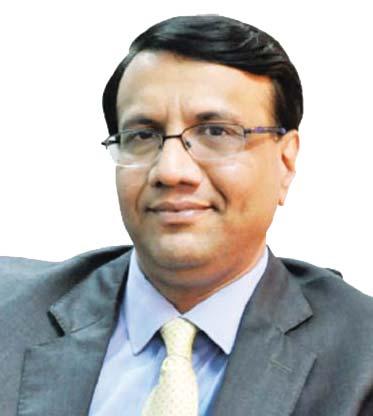

Vice-Chancellor Dr. H. Basavana Gowdappa remains the academic soul of the institution. His leadership is best characterized by resilience. In a retrospective reflection published recently, JSS AHER’s handling of the COVID-19 crisis was highlighted by the VC as a template for crisis management. JSS AHER transformed the unknown into a structured response, setting up Karnataka’s first private COVID testing lab and treating over 15,000 patients. Today, he brings that same spirit of innovation to the university’s academic governance, pushing for interdisciplinary learning and agility.
Supporting this dynamic structure is

Dr. H Basavana Gowdappa, Vice-Chancellor
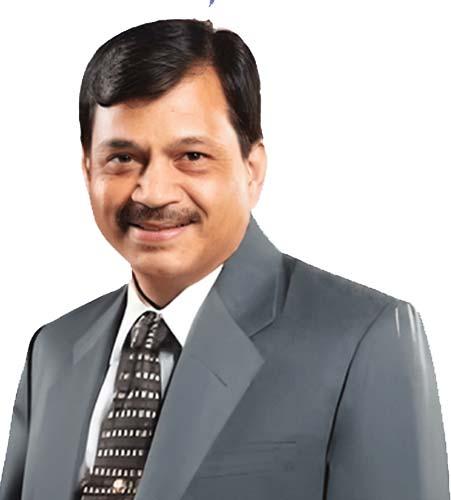
Dr. B. Manjunatha, Registrar

Registrar Dr. B. Manjunatha, whose stewardship ensures that the university’s compliance, examinations, and day-to-day operations meet the rigorous standards of national and international ranking agencies.
JSS AHER recognizes that a health professional in 2026 needs more than just clinical skills; they need vitality and a vision for the nation. This was evident in November 2025, when the Department of Nutrition and Dietetics hosted the Sports Nutrition Innovation Exhibit. Titled “The Athlete’s Cycle,” this event wasn’t

just for textbooks - it was a 360degree exploration of fueling and recovery, spearheaded by postgraduate students. It highlights a campus culture that values fitness, nutrition, and the practical application of science.
The scale of the university’s ambition was on full display during the 16th Convocation in November 2025. The event was graced by the VicePresident of India, Shri CP Radhakrishnan. Addressing nearly 3,000 graduates, the Vice-President urged them to contribute to Viksit Bharat 2047, linking their personal success to the nation’s development.
He commended the university’s adoption of the National Education Policy and its focus on interdisciplinary learning. For the students receiving their degreesincluding 16 gold medalists - it was a reminder that they are graduating from an institution that is central to India’s growth story.
JSS Academy of Higher Education and Research has successfully navigated the transition from a traditional university to a modern, researchintensive conglomerate. The
foundational strengths remain the 21st NIRF ranking, the high standing of its Pharmacy colleges (4th in Ooty, 7th in Mysuru), and the premier status of its Dental and Medical colleges. The infrastructure, such as the KINEVO 900 robotic microscope, remains state-of-the-art.
However, the events of the last few months have added a new layer to this legacy. The expansion into Mauritius, the embrace of AI in neurochemistry and cancer research, the pioneering work in digital wellbeing, and the relentless calendar of high-profile scientific conclaves have created a unique value proposition.
For the student seeking a future in health sciences, JSS AHER offers a compelling promise: You will not just be a student of medicine or pharmacy; you will be an active participant in a global scientific dialogue. You will be trained by leaders like Dr. B Suresh and Dr. H. Basavana Gowdappa who are shaping the industry, and you will study on a campus that treats innovation as a daily routine. In the heart of Mysuru, JSS AHER is not only teaching the future of healthcare; it is actively participating in creating this future.
THE PRACTICAL MINDSET TO STAY POSITIVE
POSITIVE PSYCHOLOGY FORMS THE BACKBONE OF WELLBEING PROGRAMMES AROUND THE WORLD. MANY PEOPLE AIMING TO IMPROVE THEIR MENTAL HEALTH AND LIVE A GOOD LIFE ARE TOLD TO FOLLOW A PROGRAMME OF ACTIVITIES THAT FOCUS ON MAKING AN INTENTIONAL EFFORT TO IMPROVE THEIR WELLBEING.
But recent research I conducted with colleagues shows that while wellbeing experts often recommend these activities to others, in real life they rarely practice them themselves. This discrepancy may tell us something important about what truly sustains wellbeing over time.
I interviewed 22 experts and practitioners in positive psychology –some with more than a decade of experience. All of them regularly recommended wellbeing activities to clients, friends and family members and told me they would tailor each activity according to an individual’s needs.
But when I asked them about their own application of positive psychology practices, it became apparent that they didn’t engage in these activities regularly. They only tended to use them during difficult periods, when they felt a need for a wellbeing boost.
Positive psychology programmes often recommend patients activities like “gratitude journaling” (writing down the things one is grateful for) daily, or undertaking three acts of kindness each week. The key emphasis with these programmes is to make an intentional, concerted effort to be more positive.
But our study showed that experts don’t
use wellbeing the way many positive psychology programmes teach it. Instead of following a schedule of activities, their wellbeing came from having a flexible, wellbeing-oriented mindset, which we termed a “meliotropic wellbeing mindset”.
The term is derived from the Latin “melior” (better) and Greek “tropism” (movement towards). It’s about moving toward what makes life worth living. This way of thinking meant that experts didn’t treat wellbeing as a set of tasks they needed to complete – but rather merely as part of everyday life.
It also meant that none of the experts actively “chased” happiness or positivity. When they had a bad day, they just let it be – accepting that life sometimes comes with difficulty.
Our participants did not make the kind of drastic, intentional changes in their lives that they’d recommend patients make to improve wellbeing. They already regularly did things in their day to day that made their lives feel more meaningful – for example making time to read a book daily, volunteering for a local charity, cooking a favourite meal or even practising yoga.
While these kinds of activities may be recommended as part of a positive
psychology programme, the difference here is that the experts did these activities because they were part of their identity or because it helped them feel balanced, instead of only doing them because they’d been advised to.
They were also in tune with their bodies, caring for them as attentively as they cared for their minds by prioritising sleep, nourishing food and regular movement. And because they were highly attuned to how their physical and social


environment affected them, they weren’t afraid to take proactive steps to protect their wellbeing.
For instance, if their work made them unhappy, or if someone in their social circle was consistently draining, they didn’t hesitate to seek alternatives or to limit contact.
In addition, they were open to opportunities that allowed them to embrace life. One participant described waiting outside the school to pick up her child. The weather was so beautiful that she slipped off her shoes and walked barefoot across a patch of grass
– a simple act that boosted her mood.
Another one had a really bad day but when she finally got into bed that night, she was struck by a feeling of gratitude for the warmth and safety of her home, compared to all the people who have been displaced by war. Their understanding of positive psychology helped them notice these regular opportunities to boost wellbeing.
Every year, new wellbeing apps appear, schools incorporate wellbeing into their curricula and organisations invest heavily in workplace wellbeing programmes. Yet the impact of these initiatives remains modest. And, some reports suggest that wellbeing programmes may even have a negative effect.
Our study’s findings may help explain why the impact of these programmes is so varied – and shows these positive activities may not be as effective for people who have applied wellbeing practices extensively in their lives. The study also highlights an urgent need for positive psychology researchers and experts to rethink their priorities.
Rather than creating ever-longer
wellbeing programmes or promoting the pursuit of happiness, which evidence shows is not necessarily beneficial, we should focus on understanding the longer-term impact of wellbeing practices.
For anyone trying to improve their wellbeing, our findings are an important reminder that you don’t have to constantly “work on yourself” or pursue happiness. Experts in wellbeing rarely rely on dramatic life changes or wellbeing programmes.
Instead, they quietly cultivate a mindset that helps orient themselves toward what really matters. It’s not about chasing happiness or forcing ourselves to think positively on a bad day. It’s about gently moving toward the things that make life feel more worthwhile, in ways that fit who you are. That shift in mindset is something that all of us can adopt.

(Jolanta Burke for The Conversation)

FROM TINY FLAT LIVING TO CEO
WITH $25 MILLION PAY:
DESPITE HER MULTI MILLION DOLLAR SALARY, YAMINI RANGAN WORKS TO KEEP HER TWO TEENAGE SONS CONNECTED TO THEIR ROOTS. SHE TAKES THEM TO INDIA EVERY FEW YEARS TO SHOW WHERE SHE AND HER HUSBAND, WHO IS A MANAGING DIRECTOR AT GOLDMAN SACHS, GREW UP.

HubSpot CEO Yamini Rangan has built one of the most striking career trajectories in the global tech industry — rising from a 350 sq ft home in South India to earning nearly $26 million a year as one of the highest paid Indian origin CEOs in the United States. Sharing her story on The Grit podcast, Rangan revealed that she owes her success to discipline, ambition, as well as some unconventional routines.
Growing up in a tiny apartment with her parents and older sister shaped her ambition and values, Fortune quoted her as saying. She credited her mother for inspiring her to imagine a bigger life — urging her to become a pioneer in whichever field she chose, whether law, engineering, or medicine. She wanted Rangan to “do something really cool”. This early environment, Rangan said, instilled resilience and resourcefulness long before she entered the corporate world.
After studying computer engineering at Bharathiar University, she moved to the
US at 21 to pursue an MBA from UC Berkeley’s Haas School of Business — the pivot that launched her into Silicon Valley’s high velocity tech ecosystem. Today, Rangan leads HubSpot, a $20 billion software company whose revenue surged during the pandemic driven digitalisation wave. She earns close to $26 million annually, placing her alongside Indian origin corporate heavyweights such as Palo Alto Networks CEO Nikesh Arora.
But her success comes with a gruelling routine. Rangan begins her weekdays
TODAY, RANGAN LEADS HUBSPOT, A $20 BILLION SOFTWARE COMPANY WHOSE REVENUE SURGED DURING THE PANDEMIC DRIVEN DIGITALISATION WAVE. SHE EARNS CLOSE TO $26 MILLION ANNUALLY, PLACING HER ALONGSIDE INDIAN ORIGIN CORPORATE HEAVYWEIGHTS SUCH AS PALO ALTO NETWORKS CEO NIKESH ARORA.
at 6 am, is on calls by 7 am, and often works until 11 pm. She avoids burnout by strictly keeping Saturdays work free, spending the day with her husband Kash (a Goldman Sachs managing director), walking, doing yoga, meditating and reading.
But, Sundays — dreaded by most workers — are her personal workday. She spends the day planning, writing and scheduling emails that land in inboxes early Monday morning. “I enjoy it because it’s my time,” she said, explaining that the structure helps her enter the week fully prepared.
Despite her multi million dollar salary, Rangan works to keep her two teenage sons connected to their roots. She takes them to India every few years to show where she and her husband grew up and brings them to visit a local orphanage they support. “It is to figure out how you can actually have a broader impact,” she said.
(Ankita Sengupta for Moneycontrol)
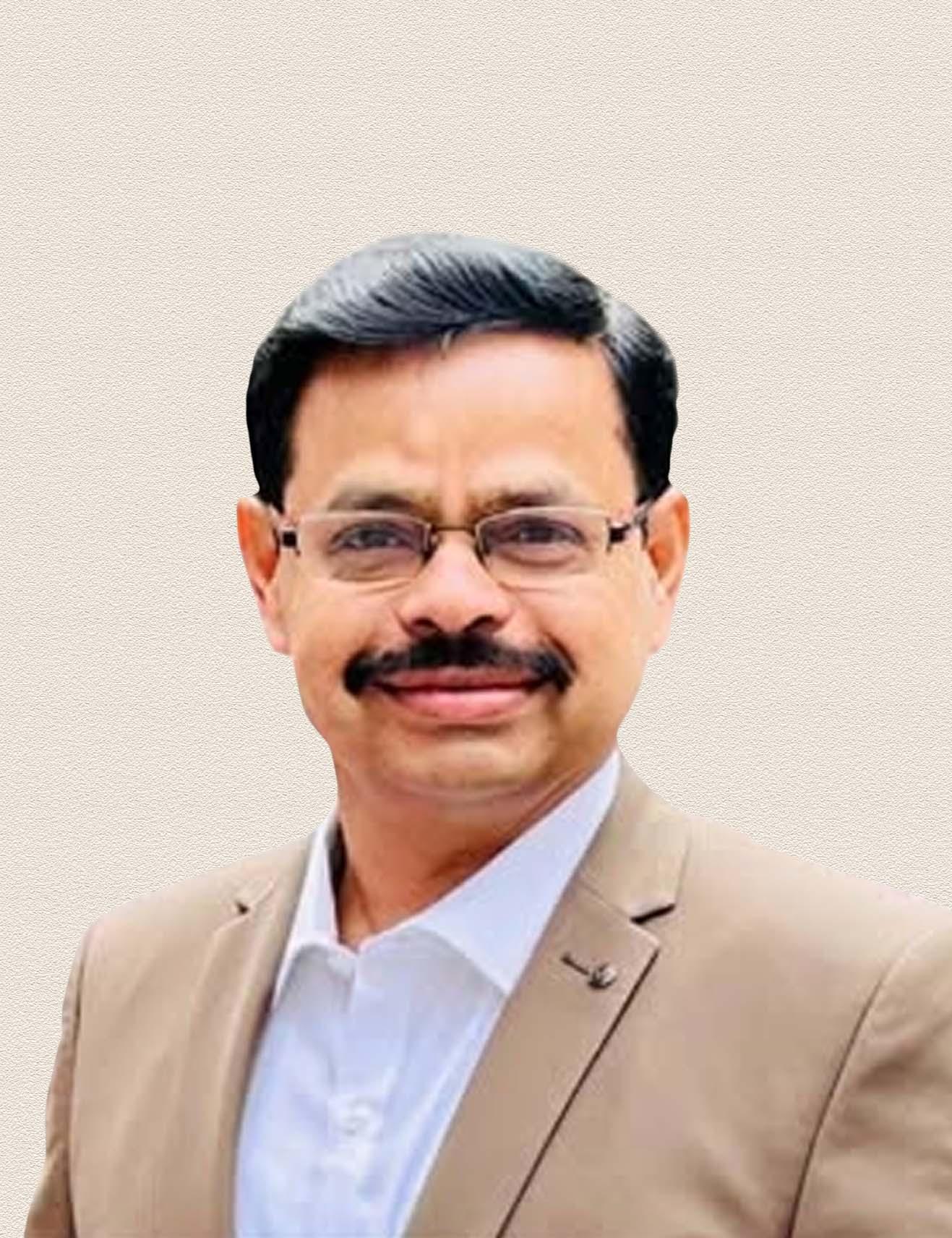
LESSONS FROM ICFAI GROUP’S BRAND LEADER
IT IS NO EASY TASK BEING THE BRAND LEADER OF A LEADING UNIVERSITY. SO HOW ABOUT BEING THE BRAND LEADER AT A SPRAWLING HIGHER EDUCATION GROUP THAT INCLUDES 11 INDEPENDENT UNIVERSITIES ACROSS 11 INDIAN STATES, 9 B-SCHOOLS, 9 LAW SCHOOLS & 7 TECH SCHOOLS? THAT IS PROF. SUDHAKAR RAO FOR YOU, DIRECTOR (BRANDING) AT ICFAI GROUP OF INSTITUTIONS, WHICH INCLUDES ITS FLAGSHIP DEEMED UNIVERSITY IN HYDERABAD, THE ICFAI FOUNDATION FOR HIGHER EDUCATION (IFHE), AND ITS HIGHFLYING MANAGEMENT SCHOOL ICFAI BUSINESS SCHOOL (IBS) AND ITS NOTED TECH SCHOOL ICFAITECH. YET, PROF. SUDHAKAR RAO PLAYS THIS FORMIDABLE ROLE WITH ELAN, EVEN FINDING TIME, ENERGY & RESOURCES TO MENTOR ICFAI STUDENTS, WRITE BOOKS, CONDUCT CEO PODCASTS, CREATE NEW BRANDING FRAMEWORKS, CONSULT FOR STARTUPS AND CLIMB MOUNTAINS LIKE HIMALAYA AND MACHU PICCHU. PROF. RAO IS AN ALUMNUS OF IIM BANGALORE AND MIT SLOAN SCHOOL OF MANAGEMENT. SEASONAL MAGAZINE RECENTLY CAUGHT UP WITH HIM TO UNDERSTAND MORE ABOUT HIS PROFESSIONAL INITIATIVES AT ICFAI GROUP AS WELL AS HIS PERSONAL PASSIONS.
Seasonal Magazine in conversation with Prof. Sudhakar Rao:
The rapid influx of AI is The of AI is of is transforming all domains. Do transforming all domains. Do all Do you think the higher education you think the education sector is really prepared for this sector is really prepared this sector this unpredictable change, and how unpredictable change, how how is ICFAI adapting to this is ICFAI adapting to is ICFAI adapting to this is ICFAI adapting to ICFAI change? change? change? change?
Last year, I co-authored the book, ‘AI, The Reverse Goldrush’, with Hari Paruchuri. In it we argued as a central theme how AI’s fast adopters and users will ultimately win. We also contrasted it with how its builders may not necessarily win, at least not all of them, due to the intense race for market share and the resultant commoditized pricing. Market share is doubly important here, as these are all deeply selflearning systems, and the more your
market share, the better your product evolves, in a general sense. Coming to higher education, yes, like most other sectors it is under-prepared for AI, but again the winners here too will be the fast adopters. Hence, at ICFAI, we have made sure that we are miles ahead of most other Indian universities in this regard.
Can you explain this lead that
Can explain that Can you explain this lead that Can explain that explain ICFAI has so far achieved in AI has so achieved in AI ICFAI has so far achieved in AI has so achieved in AI adoption? adoption?
Yes, but to really understand it, we need to separate the concepts of being AI literate and being AI fluent. Most institutions today are compelled to make a big noise about AI adoption, but if you inspect closely you would find that most such initiatives are only about making publicly available AI systems accessible to students too. It is not a
big deal, as today most browsers and most phones can run these AI apps. AI fluency is something vastly different. It happens only when an institution really commits itself to develop in-house AI capabilities, like its own GPU infrastructure and AI software. ICFAI has made this commitment with its Rs 3.5 crore AI Lab with a large array of GPUs, which will be a gamechanger in higher education.
Do you think ICFAI’s branding
Do you think ICFAI’s branding
Do you ICFAI’s branding
Do you ICFAI’s branding ICFAI’s initiatives so far have helped so far have helped some of your schools more and of your more your some to a lesser degree? Like, a degree? while IBS comes across as a while IBS comes across a strong beneficiary, other beneficiary, other schools haven’t benefitted as much?
It is true to an extent, and as the head of branding at ICFAI Group, I
am quite aware of this. But it is also changing rapidly. For instance, this massive AI initiative I spoke about just now is led by IcfaiTech, our engineering and technology school. And you should also recall the fact that ICFAI is a unique group of institutions spread across India, which includes 11 independent universities, 9 b-schools, 9 law schools & 7 tech schools. So it is only natural that some of the larger components like the ICFAI Business School has always stood apart as a leader among our group of institutions. But we are also ensuring that the whole group benefits equally. In AI itself, this calls for creating multiple touchpoints for AI, like for students, faculty etc, which we have done.

You mentioned one factor
You mentioned one factor
You mentioned one factor
You mentioned one factor
You mentioned one factor behind the leadership of IBS in behind the leadership of IBS in behind the leadership of IBS in behind the leadership of IBS in the group. Any other reasons the group. Any other reasons that have strongly helped in the that have strongly in the in emergence of IBS? emergence of of
Yes, one factor that differentiates IBS from the rest of the b-schools, is its case based approach. This has also resulted in its emergence as a leader within the group. We are not only a national leader but a global leader in case based approach in management studies. When I say leadership in the case method, it is not only about using business case studies from elsewhere, but leadership in generating numerous internationally award-winning business case studies of our own, which in turn are used by other institutions in India and abroad. This culture has maintained its momentum, even after we lost our ace case author Dr. Debapratim Purkayastha to Covid in 2021. This shows that it is a deeply ingrained culture at ICFAI group. This sounds interesting. Can This interesting. Can you detail how this culture you this culture came about? came about?
It came directly from our Late Founder NJ Yasaswy. Despite being a brilliant scholar right from his school days, he always nurtured a unique
brand of curiosity. He was the first rank holder in his BCom, CA & ICWA. And in his CA & ICWA, he was the first rank holder in both the Inter and Mains! He was also an insightful analyst and financial sector author, which landed him leadership roles in Andhra Government as well as membership in SEBI committees etc. But in all meetings at ICFAI, whenever any new concept or development was presented before him, his question was never “What?” but “Why?”. ICFAI’s case based approach springs from this curiosity. His biography, ‘The Man Who Saw Tomorrow’, co-authored by Pattabhi Ram and I, mentions this fact.
As someone who gets to
As who to As someone who gets to As who to to interact with many in Gen Z interact with many in Z and Gen Alpha, how do you and Alpha, do you view their lethargy about their lethargy about about accumulating assets or holding accumulating holding on to jobs, and their on jobs, their their impatience with long-drawn out with out impatience with long-drawn out with out success strategies? strategies? success strategies? strategies?
Historically, each young generationirrespective of whatever they call themselves now - had exhibited such trends. But now it seems more profound as both social media and mainstream media amplify it. There is some good in such adolescent & youthful trends - like they learn new things like AI fast - but I would cap it at around 30%. The rest of its impact, around 70%, is going to end up bad for them, but I am sure they will realize it along the way and
correct their course. All of us irrespective of our generation need to be patient, need to have long-term strategies, need to hold on to their careers, and need to buy essential assets. Coming to our own students at ICFAI, I would say such radical Gen Z issues are non-existent, at least among the ambitious students.
At the other end of the At the end of the end spectrum, even our premier even premier spectrum, even our premier even premier even institutions including IITs and institutions including and IIMs often come across as IIMs often come as insensitive in doling out insensitive out insensitive in doling out insensitive out intense academic pressure academic pressure intense academic pressure academic pressure resulting in suicides etc. How resulting in suicides etc. resulting in suicides etc. How resulting in suicides etc. can student welfare be can student be can student welfare be can student be safeguarded? safeguarded? safeguarded? safeguarded?
Higher education courses can be challenging for many students, especially in such premier institutions due to the scholarly nature of the faculty and the high aptitude of classmates. Hence, such institutions should go the extra mile to identify and protect such students, apart from the regular infrastructure available for it like the counselling facilities. While no institution can remain totally immune to such unfortunate incidents, ICFAI campuses have generally fared far better than most peers, especially these premier institutions, by following a humane approach to students and the avoidance of unnecessary toughness. ICFAI campuses are also renowned for personalized mentoring that goes a
long way in preempting such incidents.
That brings us to the inevitable That us the inevitable That brings us to the inevitable That us the inevitable question of your mentoring question question of your mentoring question question success stories, despite not success not being a faculty member, but a being a faculty member, management leader. Is there management leader. there such a strong culture of such a strong culture of strong mentorship well followed mentorship well followed mentorship across ICFAI campuses? across ICFAI campuses? across ICFAI campuses? across ICFAI campuses?
Yes, a mentorship culture is prevalent here, and it spans multiple tiers like mentoring by faculty, mentoring by alumni and corporate mentoring that happens during internships, placements etc. For mentoring by faculty, every student is assigned a dedicated faculty mentor who monitors their academic progress, attendance, and overall well-being, and acts as a contact for students to discuss academic hurdles, personal concerns, and career-related queries. Corporate mentoring is handled by both a faculty member and a corporate executive. Overall, the focus is on improving emotional intelligence (EQ), stress management, soft skills etc, and updations on industry trends, job expectations etc. This culture has also helped me to mentor several students and professionals.
But you have had surprising But have had But you have had surprising But have had But you have had surprising results in mentoring. Can you results in Can results in mentoring. Can you results in Can results in mentoring. Can you detail this more? detail this more? detail this more? detail this more? detail this more?
You must be referring to Dr. Nischita Muppavarapu’s life story. It was recently chronicled by her in a book, ‘One Step at a Time’, which was also co-authored by me. She is a multifaceted professional, having completed her MBA at ICFAI a young age of 21, then getting married, then working as a management professional in leading hospital chains, then going for her MBBS, then specializing in dermatology abroad, then becoming a medical entrepreneur who attracted celebrity clients like superstar Rajnikant and Katrina Kaif, and then returning to IIM Kozhikode for a specialized management program! I had mentored her during her MBA
project days in ICFAI, and ever since during the last 20 years or more. I am glad I could guide her at all such crossroads.
She writes with high esteem She writes with high esteem about the exceptional exceptional professionalism with which professionalism with ICFAI and Prof. Sudhakar Rao and Sudhakar Rao handled her MBA project, more handled her MBA project, more handled her MBA project, more handled her MBA project, more than 20 years back. And ever than years ever than 20 years back. And ever than years ever since then, during many since during many since then, during many since during many since then, during many difficult and radical decisions difficult and radical decisions she has taken… she taken… she has taken… she taken…
Mentoring her during her MBA project period - and it was a tough mentoring that was not easy on her at that time - demonstrated to her that at ICFAI we take mentoring sincerely and seriously. But it is to her credit that she sought my advice again and again at several crucial junctures of her life, later on. She hasn’t stopped at being a medical entrepreneur, and has also played a role in public governance, taking on a role on the Tirumala Tirupati Devasthanam’s (TTD) Board, and has also turned into a diplomat by being the first Honorary Consul of Costa Rica in Chennai. I also encouraged her to go for a specialized executive education program at IIM Kozhikode, where she impressed Director Prof. Debashis Chatterjee, who later wrote the foreword to our book.
brought out 35 selected conversations from this podcast series as a book, ‘Lessons From The Game Changers’.
You are a leader who takes are leader who takes You are a leader who takes are leader who takes leader fitness seriously. Can you Can fitness seriously. Can you Can explain your approach and explain approach and explain your approach and explain approach and achievements in this regard? in this regard? achievements in this regard? in this regard?
Yes, very true, I am an avid cyclist and mountaineer. In 2023, I and 18 of my childhood friends successfully completed the Everest Base Camp Trek, which is a tough challenge for even experienced mountaineers, being at 17,000 feet high. But I could manage it without much trouble, as I was well prepared with over a year in training for achieving this feat. Last year, in 2025, we friends climbed Machu Picchu in Peru, which is 8000 ft high, but we found the going tougher as we were underprepared. As a daily fitness routine, my favorite is cycling, and I have completed 13,500+ kms during the past 3.5 years. I get all my innovative and breakthrough ideas while cycling, and I strongly encourage all to take up cycling as it is a great fitness routine for the body, mind and soul.
So, what is your next big idea
So, what your next big idea your and book that is coming up? and book that coming up?
Do you have more such mentees
Do you such Do you have more such mentees
Do you such such in your portfolio, yet to come your portfolio, yet to forward? forward?
Well, yes, quite a few of them. Equally noteworthy, even if the mentorship has been of fewer years. I have mentored a celebrity nutritionist, a top executive working for Warner Bros, and many more such surprises are there. I am also active in mentoring startups, and often work with institutions like IITs in this regard. Under the aegis of ICFAI Business School, I and Dr. R Prasad who is the Sr. Director of Academic Wing, ICFAI Group, have been podcasting ‘WiseViews Leadership Conversations’, which is a weekly-once podcast with over 226 episodes completed. We have also
I have formulated a new 3B Model of Branding. This idea stems from observing the core mistakes that brands, especially new or young brands make. It is a positive framework that offers solutions too. The first B stands for “Be a tiger” (Being). This is the silent phase. A tiger cub is helpless in the forest when it is born, but it grows in size and powers silently until it knows it is mighty. The second B stands for “Behave like a tiger.” (Behaving). This is the phase when the tiger should show to the world what it is capable of - by hunting difficult prey and holding its ground in the forest among other tigers and lions. And then comes the third B, “Broadcast like a tiger,” (Broadcasting) which is his roar of dominance. New and young brands often make the mistake of roaring too early, which can work against success.
SEASONAL MAGAZINE
THE MOST BEAUTIFUL GLOBAL RAILWAY STATIONS, INCLUDING ONE IN INDIA

BEAUTIFUL TRAIN STATIONS ARE ARGUABLY A CITY’S MOST TREASURED ARCHITECTURAL LANDMARK. WITH NONSTOP FLIGHTS GOING SEEMINGLY EVERYWHERE, PEOPLE TEND TO PREFER THE SKY OVER THE RAIL. THAT SAID, THERE’S SOMETHING NOSTALGIC – AND EVEN GLAMOROUS – ABOUT BOARDING A TRAIN THAT SIMPLY CANNOT BE REPLICATED IN ANY OTHER FORM OF TRANSPORTATION – ESPECIALLY PLANES, WHICH ARE GETTING MORE MODERN BY THE YEAR. AFTER ALL, TRAINS ARE OFTEN CREDITED WITH COMPLETELY TRANSFORMING THE UNITED STATES IN NEARLY EVERY REGARD (SOCIALLY, POLITICALLY, AND ECONOMICALLY) DURING THE MOST FINANCIALLY LUCRATIVE PERIOD, THE GILDED AGE.

And with the popularity of trains on the rise throughout the latter half of the glittering 19th century, some of the stations are unsurprisingly beautiful works of architectural magic. From the celestialinspired frescoes on the towering ceilings to the glossy red brick floors, the most beautiful train stations are proof of the economic boom such transportation hubs introduced.
Whether it’s on your daily commute or on daring adventures across the globe, you’d be amazed to find that some of the world’s most stunning architecture can be found in train stations. From the spectacular Gothic Revival look of London’s St Pancras International to the Art Deco and Spanish Colonial styles of John and Donald Parkinson’s Union Station in Los Angeles, the dramatic designs featured in these transportation hubs make catching a train an awe-inspiring experience. Next time you find yourself booking a worldly adventure, make sure to plan a stop at any one of these renowned stations.
VILLEJUIF–GUSTAVE ROUSSY STATION, FRANCE
Paris’ Olympic and Paralympic villages, Vienna’s DC Towers, Longchamp Racecourse – the list of Dominique Perrault’s jaw-dropping architectural achievements rolls on. Among them, France’s Villejuif–Gustave Roussy Station, a spectacular metallic train station featuring a cylinder measuring 70 metres in diameter, allows air to circulate and creates a fresh ambience by casting light 50 metres below into the depths of one of the country’s deepest passenger stations.
MONS STATION, BELGIUM
Mons’ first station opened in December 1841, although the rapid expansion of the railways has seen several iterations of a central transport hub in this Belgian city. Mid-19th-century rail enthusiasts would be quite taken aback by the contemporary hub that sits here today – a fantastical train station designed by celebrated Spanish architect and structural engineer Santiago Calatrava. The result is a

streamlined station made of steel that resembles a futuristic cathedral, featuring enclosed spaces and skylights that allow for year-round temperature regulation.
BAIYUN STATION, CHINA
China doesn’t do modern transport by halves, as Guangzhou’s glittering highspeed rail hub Baiyun Station demonstrates extremely well. Perched on the site of the defunct Tangxi railway station, this new hub boasts 24 high-
speed train lines, six subway lines, and three bus terminals, all within a light and airy structure. It’s the work of Nikken Sekkei, the design firm that has previously worked on projects such as The Osaka Station Hotel and Conrad Osaka.
GADIGAL STATION, AUSTRALIA
Sydney’s glitziest new metro station opened to commuters and travellers in the city’s central business district in August 2024, named after the

Liège-Guillemins Railway Station, Belgium
Aboriginal people who were the original custodians of the land around this part of Sydney. From the streetlevel entrance, the station – part of Australia’s first underground train system – dives 25 metres underground and is described as Prix Versailles as “the epitome of absolute modernity”. See the architecture before ambling a few blocks down towards Hyde Park, the country’s oldest public parkland.
KAFD STATION, SAUDI ARABIA
At the turn of the century, there was no public transport infrastructure in Saudi Arabia. Things have come a remarkably long way in such a short amount of time, and KAFD Station, located in Riyadh’s financial district, is a prime example. Zaha Hadid Architects’ masterpiece is the hub of a network that now spans 176 kilometres of tracks and 85 stations, featuring a façade that echoes the patterns created by desert winds in sand.
SAINT-DENIS – PLEYEL STATION, FRANCE
Saint-Denis – Pleyel Station is a behemoth of a beautiful train station

Baiyun Station, China
designed to accommodate around a quarter of a million passengers a day. Platforms are located 27 metres below ground in the City of Light’s northern suburbs, but Japanese architect Kengo Kuma ensured that light reached the platforms with a dramatic draped effect. A wooden atrium brings a warming effect, under which more than 100 sculptures inspired by the earliest depictions of women in Palaeolithic art are being installed.
ANTWERPEN-CENTRAAL STATION, BELGIUM
The glorious waiting hall of the Antwerp station, completed in 1905, is lavishly adorned with more than 20 kinds of marble and stone, but what keeps this from feeling ponderous is the counterpoint of soaring arched windows and skylights that fill the concourse with light. The upper train platform, too, features a magnificent vaulted iron-andglass roof. Thanks to a careful 2009 restoration, dilapidated pediments and turrets that were removed in the 1950s have been reconstructed, and the integrity of the original terminal has been maintained even as new tunnels have been dug to allow for through traffic and high-speed rail.
HAYDARPAºA RAILWAY STATION, TURKEY
Less famous – but no less grand – than Istanbul’s Sirkeci station, Haydarpaºa has the distinction of being built on land reclaimed from the Bosporus Strait, which leaves it surrounded by water on three sides. The imposing

neoclassical edifice, designed by German architects Otto Ritter and Helmut Conu, was inaugurated in 1909 on the birthday of the reigning sultan, Mehmed V. The station’s concourse features coffered barrel-vault ceilings and generous windows. While Haydarpaºa closed in 2012 for restoration and the development of high-speed lines, it’s still an impressive sight from the exterior, best viewed by boat.
HUNGERBURG STATION, AUSTRIA
Architect Zaha Hadid first made her mark on Austria’s Innsbruck region with the 2002 Bergisel ski-jump tower. She returned with this design for the Nordpark Cable Railway, a four-station funicular line that replaced a 100-yearold tram and transports passengers up a vertiginous incline for 1.1 miles. Each

of Hadid’s stations is capped with swooping glass shapes that suggest ice floes and snowdrifts. Here, a view of Hungerburg Station, the final stop in the funicular’s ascent which was completed in 2007.
KANAZAWA STATION, JAPAN
When Kanazawa’s circa 1898 station was upgraded in 2005, the initial reactions were mixed. The addition of the ultramodern glass-and-steel dome and giant drum-shaped wood gate struck many as ill-fitting. But visitors continue to flock to the Ishikawa, Japan station’s dramatic add-ons, and the new structures’ allure competes handily with the historic town’s other attractions, including a geisha district and former samurai quarters.
KUALA LUMPUR RAILWAY STATION, MALAYSIA
Designed by a British government architect named Arthur Benison Hubback and opened in 1910, the Kuala Lumpur station in Kuala Lumpur, Malaysia is a neo-Moorish delight, a fantastical agglomeration of minarets, dome-capped pavilions, and articulated archways. Now more of a hub for commuters than tourists, the magnificent white-and-cream AngloAsian station is still worth a stop.
LIÈGE-GUILLEMINS RAILWAY STATION, BELGIUM
Spanish architect Santiago Calatrava designed the latest incarnation of the Liège-Guillemins Railway Station using steel, glass, and white concrete. His
Mons Station, Belgium
Southern Cross Station, Australia SEASONAL MAGAZINE

version, completed in 2009, replaces a 1958 International Style building (which itself replaced an 1842 Beaux Arts structure), and intentionally lacks a single façade in order to unite two neighbourhoods previously separated by the railroad tracks. Calatrava’s interest in the plasticity of concrete is evident here, and the immense ribbed vault he created flows organically, suggesting a wave breaking over the thousands of passengers that flow under it daily.
MILANO CENTRALE, ITALY
Italy’s second-largest station (after Rome’s Stazione Termini) opened in Milan in 1931. It was originally modelled after Union Station in Washington DC, but when Mussolini came into power, he expanded the Beaux Arts design to include elements of Art Nouveau and Art Deco. The stunning results feature 118,000 square feet of marble flooring, an array of muscular stone sculptures, and five train sheds covered with vast iron-andglass canopies.
SÃO BENTO RAILWAY STATION, PORTUGAL
Architect José Marques da Silva turned to 19th-century Paris for inspiration when he designed the stone façade and mansard roof of Porto, Portugal station, which opened in 1916 in Portugal’s second-largest city. The station’s centrepiece was created by the painter and native Jorge Colaço, who covered the atrium walls with scenes from Portugal’s history. Although Colaço often worked on canvas, the technique used here enlisted 20,000 tin-glazed ceramic tiles. It took the artist 11 years to complete the murals.
SIRKECI RAILWAY STATION, TURKEY
As Istanbul’s gateway to Europe, the magnificent Sirkeci station was appropriately a melding of French Art Nouveau and Ottoman aesthetics. When it opened in 1890, it was considered quite modern for its time, boasting 300 gas lanterns and tile stoves imported from Austria. The station, which stands at the foot of the Bosporus Strait, features bands of bricks across its façade, clock towers, and stained-glass windows. The station served as the terminus for the famed Orient Express, which connected Paris’s Gare de l’Est to Turkey in an 80-hour journey until the line stopped serving Istanbul in 1977.
SOUTHERN CROSS STATION, AUSTRALIA
Stretching an entire city block, Melbourne’s elaborate station features an undulating roof that rests on a series of Y-shaped columns. The structure was renovated in 2005 (and renamed – it was previously known as Spencer Street Station for its location) and now displays an innovative design by Grimshaw Architects.
WORLD TRADE CENTER TRANSPORTATION HUB, USA
Architect Santiago Calatrava’s highly anticipated World Trade Center Transportation Hub finally opened in Lower Manhattan. The centrepiece of the project is the 800,000-square-foot glass-and-steel structure known as the Oculus. The hub connects 11 subway lines, the PATH train, the Battery Park City Ferry Terminal, and several downtown buildings. The soaring main hall features white marble floors and a 355-foot retractable skylight. The
Oculus is also now home to the 365,000-square-foot Westfield World Trade Center mall, which opened in August 2016.
UNION STATION, USA
Father-son architects John and Donald Parkinson blended Spanish Colonial and Art Deco styles for Los Angeles’s main railway station, completed in 1939, which is the largest passenger train terminal in the western US Patios line the walls of the station’s waiting room, while travertine marble covers the station’s interior walls on the lower level.
GARE DU NORD, FRANCE
Opened in 1864, this majestic BeauxArts complex in Paris’s 10th arrondissement is one of the oldest rail stations in the world, still one of the busiest, and perhaps the most magnificent. Twenty-three female statues adorn its façade, each personifying a destination served by the rail line. The station’s interior is bathed in natural light thanks to soaring windows, and the train shed’s glassand-cast-iron roof is a triumphant merger of engineering and beauty.
ROTTERDAM CENTRAAL STATION, NETHERLANDS
Like many older cities with outmoded train stations, Rotterdam needed its

Gare du Nord, France
central rail hub to accommodate more passengers as well as high-speed and commuter lines. Rather than preserve a nondescript 1957 terminal, the city commissioned a team of architectural firms to collaborate on a new complex, which opened in March of this year. The centrepiece of the design is the main entrance’s shiny boomerang-like canopy, a stainless-steel projection that is warmed by a partial cladding of wood. A similar melding of cool and warm materials occurs at the train platforms, where a transparent roof is supported by wood beams. Less visible, but no less impressive, is the use of 130,000 solar cells spread across the roof area, making this one of the largest rooftop solar projects in Europe.
UNION STATION, USA
This Beaux Arts wonder, completed in 1907, was the first major structure in the country to be built of Bethel, Vermont, white granite, a stone prized for its strength and brightness. The station brought Washington, DC’s two rail hubs under one roof, allowing the railroads to dismantle central trackwork and create the National Mall. The station itself, designed by architect Daniel H. Burnham, features a stunning coffered plaster ceiling and draws inspiration from classical elements such as Rome’s Arch of Constantine (reflected in the main façade) and Baths

Union Station, USA

of Diocletian (seen in the vaulted interiors). Surface embellishments make liberal use of marble, gold leaf, and mahogany.
CFM RAILWAY STATION, MOZAMBIQUE
The bronze dome of Maputo, Mozambique’s central rail station cuts an impressive silhouette against the uncluttered skyline that surrounds it. A high-water mark of Portuguese colonial architecture – built by Alfredo Augusto Lisboa de Lima, Mário Veiga, and Ferreira da Costa and completed in 1916 – the station overlooks Praça dos Trabalhadores (Workers’ Square). The modestly handsome structure features a mint-green-and-white exterior, wrought-iron latticework, and a display of antique steam locomotives.
KING’S CROSS STATION, UK
The historic section of King’s Cross Station in London was designed by architect Lewis Cubitt and completed in 1852. At the time, its two train sheds’ glass roofs were considered cutting-edge, although their laminated timber beams were replaced with steel girders, and their two platforms and 14 tracks quickly fell short of demand. A new edge has been honed with a 15year, $650-million renovation project that has as its most prominent feature this new concourse designed by John McAslan. Covering a new ticket hall and pedestrian thoroughfare, the
enormous single-span structure, a sweeping steel grid that looks a bit like a bisected funnel, opened in time for the 2012 Olympics.
ESTACIÓN DE ATOCHA, SPAIN
The original 1851 Atocha station was mostly destroyed by fire and was replaced in 1892 with a shed that features a soaring wrought-iron-andglass inverted-hull roof (almost 90 feet high) connecting two brick flanks. The architect for the project, Alberto de Palacio Elissagne, also built palaces and bridges and on this project collaborated with Alexandre-Gustave Eiffel, who had just finished his eponymous Parisian tower. Atocha continues to serve as Spain’s largest train station, but in 1992 its main hall was transformed into a shopping mall centred by a oneacre tropical garden.
CHHATRAPATI SHIVAJI TERMINUS, INDIA
Formerly known as Victoria Terminus Station, the Chhatrapati Shivaji Terminus in Mumbai, India is a mashup of Victorian Italianate Gothic Revival and traditional Indian architecture. Designed to serve the country’s leading mercantile port and completed in 1888, the station took ten years to build, with tremendous labour involved in executing architect F. W. Stevens’s plan for decorative stone carvings and statuary of local flora and fauna, gargoyles, allegorical
SEASONAL MAGAZINE
Station, Switzerland

grotesques, and busts representing the country’s castes and communities.
GRAND CENTRAL TERMINAL, USA
The original Grand Central was built by transportation magnate Cornelius Vanderbilt in 1871, but that building was demolished in 1903. The current iteration, completed in 1913, continues to be a jewel in New York’s architectural crown. Its vast concourse is distinguished by elegant marble staircases at either end and a four-faced milk-glass-and-brass clock above its central information booth; the painted zodiac constellations on its cavernous domed ceiling, meanwhile, were almost completely obscured by cigarette-smoke damage until a 1998 restoration. Other highlights of the terminal include the Tiffany clock on its 42nd Street façade and the landmark subterranean Oyster Bar restaurant, which features a serpentine lunch counter, a whispering gallery in its entryway arch, and terra-cotta
AMSTERDAM CENTRAAL STATION, NETHERLANDS
Amsterdam’s neo-Renaissance station is the largest railway station in the
European Union, serving over 260,000 passengers each day, having opened to the public in 1889. Designed by Dutch architect Pierre Cuypers, the Gothicstyle terminal features a cast-iron platform room.
NAPOLI AFRAGOLA STATION, ITALY
Just over seven miles north of Naples, the Zaha Hadid Architects-Napoli Afragola Station opened in June of 2017 as a solution to the increase in demand for train travel throughout the small European country. The train station boasts the British-Iranian architect’s highly modern – almost futuristic –look, with an enormous elevated concourse comprised of exposed steel bones and a glazed roof. From afar, however, the young train station looks like a bright white abstract wave-like shape among a completely beige landscape. Surely, that was the architect’s intention.
HUA HIN TRAIN STATION, THAILAND
In Hua Hin, Thailand, the Hua Hin train station is one of the country’s oldest railway hubs. Built in a
traditional Thai architectural style, perhaps the small station’s most striking space is the Royal Waiting Room, erected in 1911 during the reign of King Rama. However, it’s been knocked down and rebuilt more than a few times. The original station building was erected a year earlier in 1910 and later rebuilt in 1926 by Prince

Jungfraujoch
Wemyss Bay, UK
Purachatra Jayakara, who wanted a more Victorian feel for the petite structure. And in 1967, Colonel Saeng Chulacharit planned for a relocation of the Sanam Chandra Palace Railway pavilion to what is currently in Hua Hin.
HELSINKI CENTRAL STATION, FINLAND
In the capital of Finland, the Helsinki Central Station is one of the city’s most widely recognised landmarks. The one standing today, an Art Deco-looking structure with a curved grand entrance, replaced the city’s first railway station, which was built in 1860 and ran between Helsinki and Hämeenlinna. Though the new one was met with instant popularity, it was off to a rocky start because Carl Albert Edelfelt’s (the original architect) structure was too small, so the government organised a contest to replace him. After receiving 21 entries, Eliel Saarinen won the coveted role as the railway station’s new designer. His new creation was finished in 1909, and the station opened 10 years later.
GARE DO ORIENTE, PORTUGAL
Designed by Spanish architect Santiago Calatrava, who also created the Olympic Sports Complex of Athens, the Milwaukee Art Musem, and the World Trade Center Transportation Hub in lower Manhattan, Gare do Oriente


in Lisbon opened in 1998. Though modern at first glance, the new station subtly references the Gothic style that reigned in Europe between the late 12th and 16th centuries. The lattice structure that seemingly hovers over the terminal and galleries beneath, however, is Gare do Oriente’s most recognisable feature.
UNION STATION, USA
Designed as a reactionary response to the second great Kansas City flood, which completely consumed the original Union Depot railroad station, rail executives quickly decided to build a new train station, but on higher ground this time. The result? Union Station, the brainchild of Chicago architect Jarvis Hunt, who took on the project in 1906. Eight years later, the new station opened to the public and was met with instant admiration. That said, the station is famous for a few reasons other than its success, one of which is The Union Station Massacre of 1933 when convicted mobster Frank Nash was unexpectedly shot and killed outside the station during what turned out to be a shootout. Nash and four police officers were killed. Those who frequent the train station today claim they can see the scars on the station’s facade from the bullets.
GARE DE METZ, FRANCE
Serving the city of Metz, the capital of Lorraine, France, Gare de Metz is often referred to by locals as the Station Palace because, if you look in the right place, you can see the former apartments of the German Kaiser Wilhelm II. Built during the first annexation of Metz into
the German Empire, the station boasts an undeniably German look. That’s because it was designed by German architect Jürgen Kröger. He spent three years building the neo-Romanesque building that still houses the original departure hall, honorary lounge, and former station restaurant.
JUNGFRAUJOCH STATION, SWITZERLAND
Jungfraujoch Station, 3,500 meters above sea level, is a mountain railway station in the Bernese Alps –specifically Fieschertal, Switzerland. After decades of trying to figure out how to inaugurate a railway station so high up, a final plan was put forward in 1893 by Adolf GuyerZeller, an industrialist and railway expert from Zürich. It wasn’t built, though, until 1930.
WILLIAM H. GRAY III 30TH STREET STATION, USA
As is the case with many train stations built during the Art Deco period of the 1920s and 30s, the William H. Gray III 30th Street Station in Philadelphia replaced a small station that couldn’t support the city’s growing population. With soaring porticoes, a massive concourse, and museum-quality works of art, the Alfred Shaw-designed eight-story building has been listed on the National Register of Historic Places since the late 1970s. Designed in the elegant Neoclassical style, the William H. Gray III 30th Street Station is one of the most
Gare do Oriente, Portugal
Strasbourg-Ville, France

architecturally opulent structures in the entire city.
STRASBOURG-VILLE, FRANCE
It may not be in Paris, but the Strasbourg-Ville station, which opened in 1841 and was rebuilt about 40 years later, is one of the busiest in France. German architect Johann Eduard Jacobsthal designed the bulk of the late 19th-century station, but the building’s most famous section, the Salon de l’Empereur, which was added in 1900, was the work of another German architect, Hermann Eggert, who designed the nearby Palais du Rhin. The station was refurbished by French architect Jean-Marie Duthilleul between 2006 and 2007. Though much of the renovation consisted of restoring the original architects’ work, Duthilleul added the iconic glass roof that covers the entire historical façade.
UNION STATION, USA
Cities in Colorado – especially Denver – are most famous for their enormous
role in the Gold and Silver Rushes of the 19th century, but the mountainous state is also home to a collection of architecturally historical buildings that serve as landmarks today. One such structure is Union Station, which burned down only three years after it was built in 1881. Luckily, it was quickly rebuilt, and the new one was 40 feet taller. That one didn’t make it either; it was too small to accommodate the city’s growth, so it was demolished. The one that took its place, the current Union Station, is a Beaux-Arts and Renaissance Revivalstyle building made of carved granite and terra-cotta. This one opened to travellers in 1914 and is one of the city’s most cherished buildings.
ST. PANCRAS INTERNATIONAL, UK
London is rife with train stations, but some, like St. Pancras International, are more beautiful than others. Originally opened during the height of the Victorian era in 1868, the station is
largely considered one of the most elegant stations in the world. Designed by William Henry Barlow and built by the Midland Railway Company, who infused the station with Gothic moments throughout, St. Pancras International served as the main line into London from neighbouring cities. And with all of the travel into the city, the M.R. constructed the Midland Grand Hotel right on the station’s façade. Not only does it still operate as a hotel, but it’s a Grade I-listed building.
WEMYSS BAY, UK
Tucked within its namesake village near the coast of Scotland, Wemyss Bay railway station was designed by James Miller and opened in 1865. However, it was completely rebuilt in 1903 to accommodate the growing number of travellers. Unlike the original, the new Wemyss Bay station is outfitted with a series of curved corridors to ease the flow of travellers, minimising their need to make sharp, hard turns.
KING STREET STATION, USA
The architects behind Seattle’s King Street Station know a thing or two about beautiful railway hubs. St. Paul, Minnesota-based Reed and Stem were the associate architects behind the design of one of America’s most famous train stations, Grand Central Terminal. When it came to King Street Station, however, they took the lead on the design. Wanting to create something that felt unexpected and different for Seattle, the architects designed the 242-foot-tall tower to mimic the fallen Campanile di San Marco in Venice, Italy and filled it with four gargantuan clockfaces from Boston’s E. Howard & Co.
TOLEDO METRO STATION, ITALY
In the early 2000s, Neapolitan subway stations underwent a prestigious makeover courtesy of internationally renowned architects. One of them, the Toledo metro station, was designed by Spanish architect Oscar Tusquets, whose inspiration came from earth,

water, and light. The new station, which debuted in 2012, is a spectacular display of intricate mosaics.
UNION TERMINAL, USA
A National Historic Landmark in Cincinnati, the Union Terminal is an Art Deco masterpiece that opened in 1933, a time when the end of the railroad era seemed near. After all, car ownership was massively up throughout the 1920s and ’30s, making people think rail was relatively over. Of course,
that never happened, and the new terminal thrived, even during the Depression years. The impressive station was the work of Roland Wank, of New York firm Fellheimer and Wagner and Philadelphia-based architect Paul Philippe Cret, who spent four years designing and building the beloved structure.
(Credit: Lise Funderburg, Allix Cott and Jessica Cherner for House & Garden / Conde Nast Traveller)

Napoli Afragola Station, Italy
Union Terminal, USA
HOW AI IS DRIVING PHONES TO BE MORE EXPENSIVE
AS CHIPMAKERS RUSH TO SERVE AI DATA CENTERS, CONSUMER ELECTRONICS ARE LEFT IN SHORT SUPPLY.
The rapid expansion of artificialintelligence infrastructure is triggering a global memory chip shortage, as factories prioritize chips for hyperscalers over the kinds used in laptops and smartphones. The shortage is set to have far-reaching global ramifications. The world’s two biggest memory chipmakers, South Korean companies Samsung Electronics and SK Hynix, are making record sales. New memory chip plants are being announced in countries including Japan, Singapore, and Taiwan. China, facing U.S. export controls, is racing to catch up in memory technology. The trend is expected to push up prices for consumer electronics globally, threatening the profitability of low-cost smartphones.
Here’s how this memory crunch is playing out.
WHAT ARE MEMORY CHIPS?
Memory chips are a critical part of the semiconductor family. Made from silicon wafers, they store data and deliver it to processing units — the “brains” that perform computations. There are two major types of memory chips: Those with dynamic randomaccess memory, or DRAM, which provides short-term memory for active programs, and chips that use NAND flash, which provides long-term storage for files.
WHAT IS HAPPENING TO CHIP PRODUCTION?
AI data centers rely on an ultrafast memory architecture called highbandwidth memory. In HBM, DRAM chips are stacked vertically and placed next to the graphics processing unit. This structure is critical for running large language models, which constantly process massive data sets. As the AI industry orders vast quantities of HBM chips, manufacturers are

diverting capacity away from producing conventional DRAM and NAND chips used in consumer electronics. Prices for these memory chips are rising at historic rates. In the first quarter alone, DRAM and NAND flash prices are expected to rise by 90%–95% and 55%–60%, respectively, according to market research firm TrendForce.
HOW ARE THE MEMORY CHIP MANUFACTURERS DOING?
SK Hynix, Samsung, and U.S. company Micron account for more than 90% of global memory chip production. The companies are hitting record valuations amid surging demand.
The three companies are all expanding production in Asia, where most semiconductor manufacturing takes place. Micron is planning additional facilities in the U.S., Japan, Singapore, and Taiwan. Samsung and SK Hynix are increasing capacity in South Korea. The rise of AI and its demand for computing power has given a boost to hardware suppliers in Asia, as some have taken the spotlight from internet companies that long dominated the region’s tech boom. Recently, SK Hynix and Samsung together surpassed the combined market capitalization of Chinese tech giants Alibaba and Tencent for the very first time.
WHAT’S THE ROLE OF CHINESE CHIPMAKERS?
China imports most of its memory chips, but it has been trying to make its own as part of the broader push for selfsufficiency in the AI industry. The U.S. in 2024 imposed restrictions on China’s access to HBM chips to limit its AI advancements.
China’s homegrown DRAM maker, ChangXin Memory Technologies, is catching up to Korean rivals in producing HBM for AI chipsets, though it remains several years behind technologically. In September, research firm SemiAnalysis projected the company would account for nearly 15% of global DRAM production by 2026.
Yangtze Memory Technologies, China’s leading NAND flash producer, is also ramping up construction of new fabrication plants. The company is planning to expand into DRAM chips for AI applications, according to Reuters.
WHAT WILL HAPPEN TO OUR PHONES AND LAPTOPS?
It will take years for chipmakers to build enough production lines to meet AI-driven demand. Until then, the memory crunch is expected to push up prices for computers, smartphones, tablets, and cars.
Rising memory costs could make lowend devices economically unsustainable for electronics companies, according to Counterpoint Research. Some budget smartphones may be pulled from the market altogether as profit margins shrink. Counterpoint forecasts that global smartphone shipments will fall by 2.1% in 2026. Chinese brands including Honor, Vivo, and Oppo, which have large portfolios of budget models, are expected to be hit hardest by higher memory costs.
(Viola Zhou for Rest of World)
6 WATERING MISTAKES TO AVOID FOR INDOOR PLANTS
KEEP YOUR PLANTS HEALTHY BY AVOIDING THESE WATERING PITFALLS.

Sometimes you can have too much of a good thing. This is especially true when it comes to watering houseplants. Even the most drought-tolerant succulent needs moisture—but too much water and your beloved houseplant will drown and die before you know it. To keep your plants happy, we spoke to gardening experts to understand the most common mistakes people make when watering houseplants and their tips for avoiding each one.
Overwatering
Overwatering is an easy mistake to make with houseplants. “Often, plant owners are watering without checking to see if the soil is moist or dry,” says Sharon Yiesla, a plant knowledge specialist in the Plant Clinic at The Morton Arboretum. The amount of water a houseplant needs varies depending on the variety, but always check the soil moisture before watering. Soil that is too wet can lead to root rot and eventually kill your plant.
Shallow Watering
Watering frequently but not deeply can cause your houseplant to produce a shallow root system. While your plant may survive, it will never thrive, Yiesla warns. Most houseplants require watering when the top 1 to 2 inches of soil is dry, depending on the size of the container and plant type. “Then apply enough water so that some of it starts to come out of the drainage hole,” Yiesla says. Pour out the excess water from the saucer and don’t water the plant again until the top inch or so of soil is dry again.
Using Ice Cubes
Houseplants are tropical and subtropical plants, so they don’t want ice. Even orchids don’t need ice cubes—despite the old wives’ tale. “I’m
WATERING FREQUENTLY BUT NOT DEEPLY CAN CAUSE YOUR HOUSEPLANT TO PRODUCE A SHALLOW ROOT SYSTEM. WHILE YOUR PLANT MAY SURVIVE, IT WILL NEVER THRIVE, YIESLA WARNS.
not sure when the ice cube for orchids myth came to be, but this is a hard no,” says Jeanna Liu, houseplant expert and founder of Cowbell Plant Co. “Cold shock damages plant roots.” Additionally, a couple of ice cubes don’t provide much water. If you use ice cubes to water your plants, they will always be underwatered.
Disregarding Soil Type
Soil type plays a major role in how often your plant needs water, as some soil types drain more quickly than others. “Chunky, well-draining soil can dry out two to three times faster than dense coco coir or potting soil,” Liu explains. If you water all of your plants at the same time, but they are potted in different types of soil, you may encounter issues with over- or underwatering. Always check soil moisture before watering.
Not Using Drainage Holes
Planters need proper drainage holes so water can escape from the bottom. “Too often we buy decorative pots without any drainage, so water pools at the bottom for months,” says Liu. If you already potted your plant in a container without drainage holes, you will need to repot it into a different container or remove the plant and drill holes into the current container. Skipping this crucial step could lead to root rot and plant death.
Underwatering Followed By Deep Watering
If you realize it’s been weeks since you last watered your houseplants, overcompensating by watering a lot at once can do more harm than good. “The biggest culprit of plant death is a combination of multi-week neglect followed by overwatering too much at once to compensate,” says Liu. If your plants are wilting or the leaves are becoming crunchy from underwatering, try reintroducing water gradually over a few days rather than drenching your plant with too much water in one session.
(Michelle Mastro for Better Homes & Gardens)
SEASONAL MAGAZINE
WHY TRY EXERCISING BEFORE RESORTING TO ANTIDEPRESSANTS
MANY OF US EXPERIENCE A MOOD-BOOST AFTER EXERCISE, AND NOW AN UPDATED REVIEW HAS REVEALED JUST HOW POWERFUL IT CAN BE. EVEN LIGHT EXERCISE, LIKE WALKING OR GARDENING, MAY EASE THE SYMPTOMS OF DEPRESSION AS EFFECTIVELY AS TALKING THERAPIES OR ANTIDEPRESSANTS.
really reiterates that exercise provides an option for people who have depressive symptoms, and confirms that exercise may be as effective as psychotherapy and antidepressants,” says Andrew Clegg at the University of Lancashire in the UK.
Prior studies, including a key review published by the Cochrane Library in 2013, have found that exercise may ease symptoms of depression as effectively as standard therapies, including antidepressants and cognitive behavioural therapy (CBT), where a therapist helps people change their thoughts, feelings and behaviour.
This has prompted healthcare organisations to recommend regular exercise for managing depression. For instance, the UK’s National Institute for Health and Care Excellence (NICE)
recommends weekly aerobic exercise, such as jogging, for 10 weeks – usually in combination with other therapies, which, on their own, don’t benefit everyone.
But since the 2013 review, dozens more trials have been conducted, so the Cochrane Library is now publishing an updated review. “This latest review [almost] doubles the evidence base that was in the previous one,” says Clegg, one of the review authors.
Clegg and his colleagues analysed results from 69 randomised controlled trials involving nearly 5000 adults who were either clinically diagnosed with mild, moderate or severe depression, or who register a score on a depression symptom scale that is generally considered indicative of the condition. First, the researchers focused on 57 of the trials in which participants were randomly assigned either to a group that exercised regularly or to a control group that was offered no treatment or that was placed on a waiting list for treatment.

The trials varied in design, but they usually involved asking participants to exercise on a weekly basis for a few weeks to months, with the style of exercise ranging from low- or moderate-intensity activities such as gardening and brisk walking, respectively, to vigorous activities such as sprinting or playing football. Trials involving yoga or stretching weren’t included as these often involve meditation and breathwork, and the team wanted to focus more on the effects of physical activity alone, says Clegg.
The team found that exercise seems to moderately reduce the severity of depressive symptoms, such as often feeling sad, or losing interest in other people.
“They found a clinically meaningful change – people will feel the difference from that,” says Brendon Stubbs at King’s College London, who wasn’t involved in the review.
Next, the team focused on 10 trials among the 59 that compared exercise to CBT,
and five trials in which some participants took antidepressants but there was no exercise component at all. This revealed that, on average, regular exercise worked as well as the two other therapies. “There wasn’t a difference between them,” says Emily Hird at University College London, who wasn’t involved in the study.
By taking a closer look, the team found that light and moderate exercise seem to be more effective than vigorous kinds, which may simply be because they are easier to stick with, says Stubbs. “If you start going hard, then people drop out and stop exercising, and that could be why you don’t see the same effects [as with less strenuous activity],” he says.
How exactly exercise brings its benefits is unclear, but it probably works in several ways, says Stubbs. Group exercise, for instance, can boost people’s social wellbeing, while learning a new skill can improve self-esteem, both of which can help people to make positive changes in their lives, he says.

Studies have also shown that, during exercise, chemicals released from muscles, called myokines, help to mop up inflammation that is thought to contribute to depressive symptoms, says Stubbs. One particular myokine, called brain-derived neurotrophic factor, also spurs the growth of new brain cells, which could help the brain to rewire itself and break free of negative thought patterns, says Stubbs. In line with this idea, Clegg and his colleagues found that resistance training – which leads to a greater release of myokines versus other forms of exercise – was more effective than aerobic exercise alone, says Stubbs.
Together, the findings support guidelines that recommend exercise for treating depression. However, in all the studies reviewed, participants knew whether they were in a treatment group or control group. This raises the possibility that at least some of the exercise-related improvements could be down to the placebo effect, where people’s expectations lead to an improvement in symptoms, says Hird. What’s more, most of the studies involved relatively small numbers of participants, which makes their conclusions less reliable, she says. Larger studies are needed to better understand which types of exercise –including those not included in the review – are most beneficial, for whom, and why that is, says Hird. “We don’t really understand who is going to benefit from what at the moment,” she says. For instance, people with more severe kinds of depression may find it harder to get out and exercise, so they may benefit from CBT or antidepressants – both of which the review confirms are as effective as exercise for treating depression. It’s also possible that someone who is in a position to exercise may benefit more from a specific kind of exercise over another depending on the underlying cause of their depression, she says.
Still, the evidence to date consistently shows that exercise brings both mental and physical health benefits, says Stubbs. “Whether it be running, gym, pilates, yoga, these all have various beneficial effects – the most important thing is empowering people to do something they enjoy,” he says.
(Carissa Wong for New Scientist) SEASONAL MAGAZINE
JUST START MOVING TO LOWER YOUR HEART ATTACK RISK
The genetic analysis demonstrated an inverse association between physical activity and myocardial infarction risk. Individuals genetically predisposed to higher levels of physical activity had a substantially lower risk of myocardial infarction, with an odds ratio of 0.17. This finding supports the hypothesis that physical activity itself, rather than confounding lifestyle factors, plays a

schaemic heart disease remains the leading cause of death worldwide, with myocardial infarction accounting for a substantial proportion of this burden. Although physical activity is widely promoted as a cornerstone of cardiovascular prevention, the scale of heart disease mortality attributable to low physical activity at a global level has been less clearly defined. A new study combining Global Burden of Disease (GBD) data with genetic analysis now offers a comprehensive view of how inactivity contributes to myocardial infarction risk worldwide.
Using data spanning more than three decades, the researchers examined trends in ischaemic heart disease mortality attributable to low physical activity between 1990 and 2021, alongside a Mendelian randomization analysis to explore whether physical activity has a causal effect on myocardial infarction risk.
Analysis of GBD 2021 data revealed a concerning upward trend in the global
age-standardized death rate for ischaemic heart disease linked to low physical activity. Between 1990 and 2021, mortality attributable to insufficient activity increased steadily, with an estimated annual percentage change of 0.70%. This suggests that, despite growing awareness of the benefits of exercise, physical inactivity continues to make a significant and increasing contribution to cardiovascular mortality worldwide.
These findings highlight the persistent gap between public health recommendations and real-world behaviour, particularly in the context of ageing populations, urbanisation, and increasingly sedentary lifestyles.
To strengthen causal inference, the researchers complemented epidemiological trends with Mendelian randomization analysis using genomewide association study data. Physical activity was defined broadly, encompassing exercise undertaken in the preceding four weeks, such as swimming, cycling, fitness activities, and recreational sports.
protective role in reducing heart attack risk.
However, the authors noted significant heterogeneity among the genetic instruments used, suggesting some instability in the effect estimates. This underscores the complexity of capturing physical activity through genetic proxies and the need for more refined tools in future research.
Together, these findings reinforce physical inactivity as a major and growing contributor to the global burden of ischaemic heart disease. At the same time, genetic evidence lends support to the protective role of physical activity against myocardial infarction. The authors conclude that strengthening global strategies to promote physical activity remains essential, while calling for larger genetic studies to further clarify the causal relationship and inform more targeted prevention efforts.
(Staff Reporter for Interventional Cardiology)
ONE MORE REASON TO STOP TALKING WHILE DRIVING

Arecent study has found that everyday conversations can delay eye movements, which are critical for safe driving. While it is widely acknowledged that talking while driving serves as a significant distraction, researchers have now identified how such interactions interfere with the earliest stages of visual processing. The findings suggest that engaging in conversation may disrupt foundational gaze processes, which occur before physical reactions like braking or steering.
Previous studies have established that
cognitive distractions can slow reaction times and reduce situational awareness behind the wheel. However, this new research highlights a more fundamental impact on visual attention. Eye movements play a key role in gathering information from the environment to make driving decisions. Delays in these movements could potentially impair drivers’ ability to respond quickly to hazards on the road. The study provides further insight into how conversational distractions affect not just decision-making but also the initial stages of perceiving and processing visual stimuli while driving.
(GOAI)s
MANAGEMENT
THE EPIDEMIC OF RELUCTANT MANAGERS IN CORPORATES
FOR THE PAST COUPLE OF YEARS, GARTNER RESEARCH HAS SUGGESTED THAT ORGANIZATIONS HAVE A MANAGEMENT PROBLEM. FOR EXAMPLE, IN AN APRIL 2024 GARTNER SURVEY OF 162 HR LEADERS, ONLY 35% AND 27% REPORTED BEING SATISFIED WITH THE EFFECTIVENESS OF MID-LEVEL AND FRONTLINE MANAGERS, RESPECTIVELY. EMPLOYEES AREN’T IMPRESSED EITHER: A JULY 2024 GARTNER SURVEY OF 3,529 EMPLOYEES FOUND THAT ONLY 38% REPORTED SATISFACTION WITH THE QUALITY OF THEIR MANAGER, AND JUST OVER HALF REPORTED THAT THEY TRUST THEIR MANAGER.

hen managers don’t deliver, the costs can add up, often manifesting as a drag on productivity, performance, and morale. Not only that, it puts the retention of valuable team members at risk— especially perilous in today’s environment of critical skills shortages and hiring freezes.
HR leaders have been taking notice. In a July 2025 Gartner survey of 900 HR leaders, nearly 80% acknowledged that managers are overwhelmed by the expanding scope of their responsibilities—a trend that’s likely to continue alongside rapid technological transformation.
However, we’re seeing that the problem increasingly lies with managers who find themselves reluctantly filling the role. A May 2025 Gartner survey of 3,000 employees found that one in four managers would prefer not to be people managers, up from one in five just two years ago.
Why the reluctance? Many of these managers found themselves in the role without knowing much about it beforehand, with less than a third reporting exposure to simulations, mentorship, or opportunities to gauge whether they were suited to becoming a manager. Additionally, most management-selection processes look
backward rather than forward: In a March 2023 Gartner survey of 98 HR leaders, 79% reported that consistently high individual performance is a top factor for management selection, while only 22% prioritize high scores on premanagement selection assessments.
When a manager doesn’t actually want to be a manager, they lack authentic commitment to and engagement in the role. This can spell the difference between success and failure: Analysis from a May 2024 Gartner survey of 985 senior leaders and mid-level managers found that highly engaged managers are nearly four times more likely to be high enterprise contributors, more than
twice as likely to have high intent to stay, and three times more likely to exhibit high discretionary effort compared to their less-engaged counterparts.
HR leaders know that their current approach isn’t working. In a July 2025 Gartner survey of 114 HR leaders, just 16% said their organization’s managerselection process ensures the right people work in people manager roles. To increase that number, HR leaders need to both prevent the installation of reluctant managers and mitigate the impact of those already in the role.
PREVENTING THE INSTALLATION OF RELUCTANT MANAGERS
Recall the statistic that one in four managers would prefer not to be people managers. HR needs to identify that population before they’re selected for management roles so that management is an active choice, not a passive experience.
One way to prevent reluctant managers is to show candidates the most challenging aspects of the management job before they enter it. This serves two purposes. First, it prepares new-to-role managers for the realities of the job, demystifying it and exposing the increased weight, complexity, and intensity of work. Second, it helps potential managers make an informed decision on whether to continue with the management-selection process.
HR can create this exposure through simulations and experience with the more opaque and challenging activities of management, including workload prioritization decisions, difficult performance and engagement conversations, and performance calibration sessions. They can take this a step farther by matching interested candidates with relatively new managers for candid conversations and mentorship throughout the managerselection process—something that only 26% of managers reported experiencing before taking the role, according to a June 2025 Gartner survey of 3,002 employees.
It’s also important that managerial candidates be provided with non-
punitive, non-permanent off-ramp opportunities during the selection process. This makes it possible for selfaware candidates to opt out of managerial roles and instead consider roles that are the right fit for their current aspirations, skills, and preferences with less pressure (real or perceived). This decreases the odds that those who end up in management roles will become reluctant managers.
MITIGATING THE EFFECTS OF INROLE RELUCTANT MANAGERS
Not all forms of reluctance are equal. Once reluctant managers have been identified, HR leaders need to determine the nature of that reluctance. Is it entrenched or addressable? Can the manager’s mind be changed, or is a change of manager needed? Some forms of reluctance are more unyielding, while others can be dislodged through targeted behavioral exercises or interventions.
Observing where and how suspected reluctant managers are struggling helps establish whether their reluctance is caused by deep-rooted factors, such as a true dislike of the role or disinterest in the necessary work, or more surmountable sources, such as a lack of confidence or a feeling of overwhelm in the role.
HR and management-selection teams should probe into the root cause of reluctance to assess whether it’s entrenched or addressable.
ENTRENCHED RELUCTANCE
When reluctance is deeply rooted, interventions are less likely to have the intended impact, and the focus should turn to the best ways to off-ramp reluctant managers. When possible, HR should connect managers who demonstrate entrenched reluctance to
HR LEADERS KNOW THAT THEIR CURRENT APPROACH ISN’T WORKING. IN A JULY 2025 GARTNER SURVEY OF 114 HR LEADERS, JUST 16% SAID THEIR ORGANIZATION’S MANAGERSELECTION PROCESS ENSURES THE RIGHT PEOPLE WORK IN PEOPLE MANAGER ROLES.
talent acquisition professionals with the goal of identifying internal roles that might be a better fit. If unsuccessful, it may be necessary to consider separating the employee.
ADDRESSABLE RELUCTANCE
Two key, addressable sources of reluctance are a lack of confidence and feeling overwhelmed by the role. When a lack of confidence in the role is driving manager reluctance, leaders should identify management-adjacent skills that the reluctant manager uses in their personal lives that can be transferred to how they manage at work to build their confidence for the job. For example, lessons can be applied from volunteer activities that require collaborating with challenging personalities, or difficult conversations with an aging parent about caregiving assistance.
To address the mental load of management, HR can teach habitbuilding practices that drive behavior change and decrease the cognitive load of management and perceived difficulty of tasks. Habit-building programs that rely on habit loops develop one habit at a time while requiring a limited time commitment, making them appealing to and achievable for overwhelmed managers. Habits that teach managers to use techniques like scheduled email blocks, the two-minute rule for completing quick tasks, or even turning off email notifications can decrease interruptions and make the job feel more manageable. As the habit becomes established, managers can develop natural cues that prompt them to perform the habit. As a task becomes a habit, it reduces the mental load of the task and can reduce feelings of overwhelm.
We know that good managers make good teams. By proactively identifying and addressing the presence of reluctant managers, HR leaders have a pivotal opportunity to significantly improve leaders’ confidence in the management corps, as well as employee satisfaction and performance.
(Colleen Adler for Harvard Business Review)
SEASONAL MAGAZINE
COOKING
HOW TO MAKE DELICIOUS SOUPS OUT OF ALMOST ANYTHING
A SIMPLE FRAMEWORK FOR TURNING SCRAPS, LEFTOVERS AND GOOD INSTINCTS INTO A DEEPLY SATISFYING BOWL.

rab your coat. Grab your scarf. Come take a walk with me. We duck into the nearest deli—the kind with a handwritten soup board and a line that moves just slowly enough to read it twice. There’s a creamy baked potato soup, pale and plush, freckled with salty bacon. Chicken and wild rice, sturdy and reassuring. Tomato, brightened with a final drizzle of garlic oil, like punctuation.
If we linger here with a pen and paper — just for fun — and begin to take these soups apart, something interesting happens. Patterns emerge. Every good soup, no matter how humble or ornate, seems to rely on at least a few of the same quiet categories: something aromatic to begin, something hearty to anchor it, something savory for depth.
There’s often softness, too, ingredients that relax into the pot, and finally, a finishing touch, the small flourish that makes the whole thing feel complete. Maybe oil, herbs, cream, acid. The soup equivalent of putting on lipstick before leaving the house.
This isn’t just my fondness for lists revealing itself. Learning to recognize these elements — and how they work together — offers a simple, forgiving framework for making soup at home. It turns scraps, leftovers, and good instincts into something cohesive and deeply satisfying. Once you know what you’re looking for, the question stops being “What recipe should I follow?” and becomes: “What do I already have?”
So let’s pause our imaginary walk and actually name what we’re seeing. This
is the part where soup stops feeling mysterious and starts feeling friendly. Most soups are built from a handful of elements that show up again and again, no matter the cuisine or the weather. Think of them less as rules than as roles, ingredients stepping in to do a particular job.
Aromatics - are where things begin: ginger, garlic, onions and their cousins; the soft clatter of mirepoix or soffritto ; a bloom of spices warming in fat.
Hearty elements - give the soup its backbone - potatoes, rice, dumplings, lentils, beans, even torn bread—ingredients that make a bowl feel like a meal.
Savory components - provide depth and resonance: broth or stock, meat, mushrooms, tomato paste, miso, soy.
Soft elements - are the vegetables and greens that relax into the pot, yielding sweetness, color and ease.
Finishing touches - cream, fresh herbs, a slick of oil, a splash of vinegar - the small, deliberate choices that make a soup feel finished rather than merely done.
Of course, ingredients are flexible. A pea might be hearty or soft, depending on how you use it, and that’s part of the pleasure. Most satisfying soups combine two to four of these elements, overlapping just enough to feel generous without becoming crowded.
Take beef chili with beans: it’s aromatic with onions, garlic, and spices; hearty thanks to the beans; savory with beef, stock, and tomato paste; soft with tomatoes. A creamy roasted red pepper soup, by contrast, might rely on aromatics and stock, lean heavily into soft vegetables, and finish with a swirl of cream. Different soups, same underlying logic.
How this works in your kitchen
Back home, the exercise becomes even more useful. Before you reach for a recipe — or a grocery app — take a minute to assess what you already have. I like to keep a small notebook in the kitchen for this sort of thing, a place to jot down ideas while the kettle boils

or something softens on the stove. Think of it as reverse shopping: instead of asking what you need, you’re noticing what’s already there.
Start by scanning your pantry, fridge and freezer for ingredients that fit each category. Don’t forget to pop open your leftovers containers, too. Aromatics first, then hearty elements, savory ones, soft vegetables, finishing touches. You don’t need one from every group; you’re just looking for promising overlaps. Italian sausage, sun-dried tomatoes, kale and half a portion of leftover restaurant tortellini? That’s a soup waiting to happen. The pieces already know each other.
If nothing immediately announces itself, let your aromatics—or whatever protein you have on hand—do the decision-making for you. Ginger and chickpeas might nudge you toward a warmly spiced, curry-leaning soup. Onion and bacon tend to point elsewhere: perhaps a baked potato soup, or a congee-style porridge finished with a fried egg. Again, the logic is less “What should I make?” and more “What wants to be made from what I have?”
Seeing soup this way also makes it easier to diagnose what’s missing. If you’re light on fresh aromatics, you can layer that flavor in later with garlic or onion powder, or finish with chopped chives or scallions. If your pot feels thin or underpowered, it may be craving something savory — a spoonful of bouillon, a splash of soy sauce, a handful of mushrooms. Many a pot of chicken noodle soup or beef stew has been quietly improved by a generous smear of white miso stirred in at the end.
From there, the path from countertop to soup is usually a simple one. Begin with heat and fat, then add your aromatics, giving them time to soften and bloom. This is not the moment to rush; most good soups start quietly, with onions turning translucent or spices warming until they smell like themselves. Add your hearty elements next, along with enough liquid to cover them, and let the pot settle into a gentle simmer. Time does a surprising amount of work here, coaxing starches to tenderness and flavors to meet each other halfway.
Savory elements can come early or late,
depending on what they are — meat and tomato paste benefit from time, while miso, soy and other delicate sources of umami are often better stirred in toward the end. Soft vegetables and greens usually follow once the soup is nearly there, wilting and yielding without losing their shape. Throughout, taste and season as you go. Salt is not a final act but an ingredient in its own right, added gradually, adjusted patiently. When everything feels cohesive, finish with whatever bright or creamy flourish you’ve set aside. Then let the soup rest for a moment.
Like most good things, it gets better once it’s had time to settle.
This is how soup becomes less of a dish and more of a method. Once you know the order of operations, once you trust time and salt to do their quiet work, almost anything can be coaxed into a satisfying bowl. Not every soup will be transcendent — but most will be good, and many will be better than you expected.
(Ashlie D. Stevens for Salon)

LOSE WEIGHT TO FIGHT SEVERE INFECTIONS EFFECTIVELY
PEOPLE WHO HAVE OBESITY HAVE A SIGNIFICANTLY INCREASED RISK FOR HOSPITALIZATION OR DEATH FROM SEVERE INFECTION SPANNING A WIDE RANGE OF INFECTIONS, WITH THE HIGHEST LEVEL OF OBESITY ASSOCIATED WITH AN APPROXIMATELY THREEFOLD HIGHER RISK FOR NONFATAL AND FATAL INFECTIONS AND POSSIBLY ACCOUNTING FOR 1 IN 10 INFECTION-RELATED DEATHS WORLDWIDE, NEW RESEARCH SHOWED.
ith few exceptions, there was consistent evidence of a dose-response relationship between obesity classes I-III and higher risk of severe infections compared with healthy weight,” reported the authors of the research published in The Lancet. “The association between obesity and infection risk was observed across subgroups defined by sociodemographic and lifestyle factors, baseline health status, and infection category.”
Obesity is well known to be linked to a broad range of adverse health effects, and key among them is impaired immunity, which is speculated to play a key role in increasing the risk and severity of infection. The risk was prominently observed during the COVID pandemic, when a high proportion of those at risk for severe and fatal infection had obesity. However, studies assessing infection risk across a broad spectrum of infection types, as well as across clinical, sociodemographic and other patient subtypes, have been lacking.
To investigate, the authors conducted a multi-cohort study, looking at pooled data on 67,766 adults in two Finnish cohort studies and 479,498 adults from the UK Biobank database. Those in the Finnish cohort, assessed between 1998 and 2002, had a mean age of 42 years at baseline and were 73.1% women. Those in the UK cohort, assessed between 2006 and 2010, had a mean
age of 57 years, with 54.4% being women. The participants had no recent history of infection-related hospitalizations at baseline.
With an average follow-up of about 13 years, 8,230 infections occurred in the Finnish cohorts and 81,945 occurred in the UK Biobank, at a mean age of onset of 50.7 years and 67 years, respectively.
Overall, the pooled analysis showed those with obesity had a 70% greater risk for either fatal or nonfatal severe infection compared with those of healthy weight (hazard ratio [HR], 1.7).
The association increased in a doseresponse manner of obesity severity, with the highest risk among those with class III obesity BMI e” 40, with a HR of 2.75 in the Finnish cohorts and 3.07 in the UK Biobank cohort.
The higher risks for hospitalization or death were consistent across varying measures of obesity, including BMI, waist circumference, and waist-toheight ratio, as well as in demographic and clinical subgroups, and were importantly also observed among those with or without diabetes and/or metabolic syndrome.
The risks were also consistent across wide-ranging types of infections, including SARS-CoV-2, pneumonia, urinary tract infections, and across nonfatal and fatal, acute and chronic, bacterial and viral (including subtypes), as well as parasitic and fungal infections.

“During the COVID-19 pandemic, people with obesity had a higher risk of being hospitalized or dying with the SARS-CoV-2 infection,” first author Solja T Nyberg, PhD, of the faculty of medicine, University of Helsinki, Helsinki, Finland, told Medscape Medical News. However, “it is in accordance with our results, that the risk for severe infections is of the same size for nearly all the examined pathogens.”
Two exceptions that did not show a significant link with obesity were severe HIV or tuberculosis, which the authors noted could be explained by reverse causality: In HIV, patients with obesity have been observed to have an absence of adverse wasting effects, while in tuberculosis, weight loss is an indicator of disease progression and underweight impairs immunity.
“These exceptions highlight the context-dependent nature of the relationship between obesity and infection outcomes,” the authors explained.
Obesity a Possible Cause of 1 in 10 Infectious Disease-Related Deaths
In applying the data to the context of

the 2023 Global Burden of Disease database obesity may have been a causative factor in 0.6 million of 5.4 million deaths, or in about 1 in 10 (10.8%) of deaths in infectious disease worldwide.
“The public health implications of these findings are considerable,” the authors said. “By combining observed HRs with global and regional data on obesity prevalence and infectious disease mortality, we estimated that 9% to 11% of infection-related deaths worldwide could potentially be prevented by eliminating obesity, rising to 15% during the COVID-19 pandemic.”
The authors urge cautious interpretation of those findings, however, noting the limitation that “data on infectionrelated deaths and obesity prevalence in the global burden of disease data might be inaccurate, particularly for low-resource countries.”
Mechanisms?
In terms of the specifics of how obesity may increase the risk for severe infections, “broad biological mechanisms may be involved,” said lead author Mika Kivimäki, PhD, chair of Social Epidemiology, University College London, London, England, in a press statement.
“It is plausible that obesity weakens the immune system’s ability to defend against the infectious bacteria, viruses, parasites or fungi, therefore resulting in more serious diseases,” he said.
The authors further specify that immune pathway impairments could include reduced T-cell and NK-cell function, neutrophil dysfunction, and dysregulated complement and adiponectin signaling.
“Overall, these mechanisms point to a generalized susceptibility to worse infectious disease outcomes among individuals with obesity, an assumption that has not yet been robustly evaluated,” they noted.
although not to the level of the persistent healthy-weight group.
Previous studies have further shown weight loss to be associated with a reduction in infections. They include the SELECT trial of the GLP-1 drug semaglutide, conducted during the COVID pandemic and enrolling more than 17,000 patients with overweight or obesity and cardiovascular disease but no diabetes. That study showed treatment with the therapy over 3.3 years to be associated with reduced allcause mortality, partly due to fewer infection-related deaths.
Importantly, if those results are further confirmed in the ongoing SURPASSCVOT trial comparing tirzepatide with dulaglutide in individuals with type 2 diabetes and cardiovascular disease, “this would further strengthen the evidence for causality, suggesting that obesity prevention and weight reduction achieved through widely used pharmacotherapies could lower infection-related mortality,” the authors asserted.
In addition to the use of observational data that cannot confirm causality, key study limitations include that the Finnish and UK cohorts are not necessarily representative of the general population.
Nevertheless, the study indicates that “obesity should receive greater attention in public health strategies aimed at preventing severe infections,” Nyberg said. “Effective prevention of adiposity, implementation of evidence-based weight-loss interventions, and stronger integration of obesity considerations into vaccination programs for high-risk groups could help reduce the burden of severe infections and related mortality,” she said.
Study Addresses Evidence Gaps Addresses Gaps
Of note, in research published in 2025 in the International Journal of Obesity, Carey and his colleagues also found an increased risk for infection among people with type 2 diabetes — independent of their weight. “The pattern is such that at every level of BMI, including normal weight, people with type 2 diabetes are at a higher risk of infections than people without type 2 diabetes,” he explained.
Together, the findings underscore that “the relationship between BMI level and infection risk appears to act independently of type 2 diabetes,” he said. Carey agreed that the collective findings indicate “there is a need for a greater awareness of the higher infection risk that obesity carries amongst both clinicians and people living with obesity.”
Further commenting, Michaela R. Anderson, MD, an assistant professor of medicine (pulmonary, allergy, and critical Care) at the Hospital of the University of Pennsylvania, Philadelphia, added that, while obesity is commonly considered a risk factor for cardiovascular disease, “a growing body of evidence [shows] that obesity is also a risk factor for more severe manifestations of respiratory infections.”
“This study builds on that by establishing that obesity is a risk factor for severe manifestations of infections more broadly,” she told Medscape Medical News. “These results underscore that preventing and treating obesity is critical not only for reducing cardiovascular mortality but also likely for lowering the risk of infection-related deaths.”
Weight Loss Linked to Infection
Weight Loss Linked Reduction in Other Studies Reduction in Other
While the study showed that weight gain from healthy weight or overweight was associated with a modest increase in infection risk, weight loss from obesity to overweight or healthy weight reduced the risk for infection (HR, 0.8),
Commenting on the study, Iain M. Carey, PhD, a senior lecturer in epidemiology in the Population Health Research Institute, City St. George’s School of Health and Medical Sciences, University of London, London, England, said the study adds important new insights.
“The new findings are quite significant as they address evidence gaps around obesity and the risk of serious infections and estimate the impact globally,” Nyberg told Medscape Medical News.
In terms of clinical implications: “This means that even in your well-controlled patients with diabetes, obesity will independently increase risk of severe manifestation of an infection,” Anderson noted. “[Additionally], vaccination is particularly important in patients with obesity to further decrease risk of severe manifestation of infection,” she said.
Finally, “clinicians should consider discussing overall risk of infection when discussing anti-obesity treatments with patients.”
(Nancy A. Melville for Medscape Medical News)
SEASONAL MAGAZINE
MEDICAL STUDY QUESTIONS HBA1C ACCURACY FOR DIABETES IN INDIA
A NEW STUDY PUBLISHED IN THE LANCET REGIONAL HEALTH HAS RAISED CONCERNS OVER THE WIDESPREAD RELIANCE ON GLYCATED HAEMOGLOBIN (HBA1C) TESTING FOR DIAGNOSING AND MONITORING TYPE-2 DIABETES IN INDIA. THE FINDINGS SUGGEST THAT HBA1C MAY NOT ACCURATELY REFLECT TRUE BLOOD GLUCOSE LEVELS IN LARGE SECTIONS OF THE POPULATION, POTENTIALLY MISREPRESENTING THE COUNTRY’S ACTUAL DIABETES BURDEN.

WHY HBA1C MAY BE UNRELIABLE IN INDIA
HbA1c reflects the glycation of haemoglobin over the lifespan of red blood cells and is widely used for diabetes diagnosis and long-term glucose monitoring.
However, the study highlights that conditions affecting haemoglobin quantity, structure or lifespan can distort HbA1c values. These include anaemia, haemoglobinopathies and red blood cell enzyme disorders such as glucose-6-phosphate dehydrogenase (G6PD) deficiency, all of which are prevalent in India.
RISK OF MISDIAGNOSIS AND DELAYED TREATMENT
According to the study, exclusive reliance on HbA1c can lead to both under-diagnosis and over-diagnosis of diabetes. Anoop Misra, corresponding author and chairman of Fortis C-DOC Centre of Excellence for Diabetes, warned that some individuals may be diagnosed much later than appropriate, while others could be incorrectly labelled as diabetic. The study notes that in men with undetected G6PD deficiency, diagnosis may be delayed by up to four years, increasing the risk of long-term complications.
REGIONAL DISPARITIES AND LABORATORY CHALLENGES
The problem is more pronounced in rural and tribal regions, where anaemia and inherited red blood cell disorders are common. Co-author Shashank Joshi noted that even well-equipped urban hospitals are not immune to HbA1c distortions caused by red blood cell variations. The study also flagged inconsistent laboratory quality control as an additional factor compromising HbA1c accuracy across India.
ALTERNATIVE DIAGNOSTIC FRAMEWORK SUGGESTED
The authors propose a resource-adapted diagnostic framework for India. In lowresource settings, they recommend the oral glucose tolerance test (OGTT) using fasting and two-hour post-glucose values, combined with limited selfmonitoring of blood glucose and basic haematological screening. In tertiary care centres, a combination of standardised HbA1c testing with OGTT is advised, while continuous glucose monitoring and alternative markers such as fructosamine are suggested for more accurate long-term monitoring. (Credit: Current Affairs Today)
AFTER RAY-BAN, META TEAMS UP WITH OAKLEY FOR SMARTGLASSES

During the 2026 Super Bowl game, Oakley returned to the advertising roster for the first time in 34 years with a glitzy, celebritypacked, sports-focused promo. However, it was in a separate conversation with Meta’s head of wearables that the bigger picture was revealed.
MORE THAN SOME FLASHY GRAPHICS
Meta Oakley’s 60-second commercial sees both the Oakley Meta Vanguard and HSTN smartglasses worn by various well-known stars and creators, including Spike Lee, Marshawn Lynch, Sunny Choi, Sky Brown, and iShowSpeed.
Each demonstrates the key features from music playback to voice-activated AI searches, and both the camera and the way it can instantly share images to social media. Remember these three pillars, as we’ll come back to them.
More obviously, the Meta Oakley smart glasses are shown as the perfect wearable tech partner in sporting, high intensity situations, an intent neatly wrapped up in the tag line “Athletic Intelligence is here.”
Through the exciting ad, targeted demonstrations of Meta’s technology, and Oakley’s position as the on-field eyewear sponsor of the Super Bowl, the pair made it very clear these are smartglasses for the performanceobsessed.
META HAS QUIETLY INTRODUCED US TO ITS GREATER PLAN FOR SMARTGLASSES, AND IT HAS USED BOTH OAKLEY AND THE SUPER BOWL TO DO SO.
It’s very different to Meta’s 2025 Super Bowl ad for the Ray-Ban Meta. It also used celebrities, but in a chic setting to emphasize style, along with the hands-free benefits of AI visual search.
NOT A SMARTPHONE OR A SMARTWATCH
However, it’s not Meta’s intention to only show how it has cornered the market in smart glasses for a mainstream audience. It goes well beyond this, and is part of Meta’s wider plan to introduce smartglasses as a major smartphone alternative, and to ensure the ads we see in the future are right in front of our eyes.
The situations in the ad have been carefully constructed to draw your
attention to where smartglasses could replace your smartphone. This has been Meta’s Mark Zuckerberg’s belief for a while, and using environments and scenarios in the ad where a smartphone simply wouldn’t be as convenient, or even possible as an alternative, underlines Meta’s intention to shift our belief.
Meta’s head of wearables Alex Himel didn’t hide the fact in an interview with advertising industry publication The Drum. When asked if Meta is trying to replace the smartphone, he said: “We’re pretty bullish. You don’t have to disconnect from the moment to get information or capture what’s happening.”
He doesn’t expect smartphones to disappear, but he clearly expects certain features to be offloaded to smartglasses, which the Meta Oakley ad neatly demonstrates. Remember those three pillars from earlier? Meta likely sees music, photography, and chatting with AI to move from our phones to our glasses.
ARE SMART GLASSES THE RIGHT HARDWARE? META THINKS SO.
Like smartwatches, smartglasses are based on a non-technical product everyone is aware of, which Himel describes as a “low commitment” form factor. It’s why he doesn’t see some kind of high-tech implant happening any time soon, saying: “We strongly believe in familiar form factors. Years of human evolution have already told us what’s comfortable.”
But it’s not just comfort and familiarity that makes smartglasses ideal for Meta’s plan. It’s how the company considers them the perfect vehicle for AI, and how it plans for smartglasses to change the way we see and interpret advertising.
ALL WITH AI ASSISTANCE
It’s here where the clever marketing around Oakley Meta and Ray-Ban Meta smartglasses starts to make sense.
Meta makes its money through advertising, but Himel said ads will
only be possible after it has sold enough pairs, and that will only come after people see the value in them. Himel explained its plans for advertising, talking about contextual, helpful, real-world ads which use proactive AI to sell products and services.
Remember, this will be in front of your eyes or in your ears, without any need to look down at your phone, and potentially related to product discovery, visual search, and guidance around retail and entertainment locations.
GETTING THE HARDWARE RIGHT
Understanding Meta’s plan for how it wants to monetize its smartglasses shows the importance of campaigns like Oakley’s Super Bowl spot. It can’t deliver its ads if no one is wearing smartglasses in the first place, and promoting core functionality to drive adoption is only the start.
Himel said: “We’ve got to get the hardware right – how they look, how they feel – and then keep adding value.”
What’s interesting is how this all fits in with comments made recently by Rokid’s CEO Misa Zhu, who said the right balance of display, battery life, and comfort was essential to adoption, and how he expected smartglasses to compliment rather than replace smartphones.
Through partnerships with eyewear brands, isolating features that work well on devices we wear rather than hold, and telling compelling stories in aspirational mainstream settings like sport and lifestyle, Meta is slowly but surely putting its grand plan into action.
It’s going to be fascinating to see how Google and Samsung approach promoting smartglasses later this year, when the pair release their first models, when we will truly start to see if 2026 really will be the breakout year for smartglasses as predicted.
(Andy Boxall for Android Police)
SCIENTISTS DISCOVER NEW TIME CRYSTALS THAT FLOAT, DEFY NEWTON'S 3RD LAW
A team of scientists from New York University discovered a new type of time crystal that can float on a cushion of sound. These time crystals can interact independently with each other using sound waves, and in the process defy Newton’s Third Law of Motion, researchers stated. The findings expand the potential of using these particles in technology and industry.

BYTEDANCE DEVELOPING AI CHIP, IN MANUFACTURING TALKS WITH SAMSUNG:
China's ByteDance is developing an AI chip and is in talks with Samsung to manufacture it as the TikTok parent looks to secure a supply of advanced processors, Reuters reported. ByteDance aims to receive sample chips by the end of March. The company plans to produce at least 1,00,000 units of the chip, designed for AI inference tasks, this year.

NASA MISSION UNCOVERS AMINO ACIDS ON 4.6-BILLION-YEAR OLD ASTEROID
Scientists studying samples from NASA's Bennu asteroid have discovered amino acids, including glycine, and sugars. Unlike previous assumptions, these molecules formed in extremely cold space conditions rather than in liquid water. The findings suggest that prebiotic molecules could be common in space and may have been delivered to early Earth, offering new insights into the origins of life. read more at Asianet Newsable

LIFT WEIGHTS, EVEN YOUR BODY WEIGHT, TO REDUCE BRAIN AGING
RESISTANCE EXERCISE SLOWED BRAIN AGING CLOCKS BY UP TO 2.3 YEARS USING LONGITUDINAL RSFMRI NEUROIMAGING DATA.

Resistance Exercise and Brain Aging Clocks in a Randomized Trial
Researchers tested whether resistance exercise could shift brain aging clocks, computational models that estimate “brain age” from neuroimaging, then compare it with chronological age. To build their brain aging clock, investigators first trained prediction models using resting state functional magnetic resonance imaging data from 2,433 healthy adults. They then applied these models to 309 participants enrolled in the Live Active Successful Aging randomized trial.
Participants were assigned to heavy resistance training, moderate intensity resistance training, or a non-exercise control group. Resting state functional
magnetic resonance imaging and physical fitness assessments were repeated at baseline, then again at 1 and 2 years, enabling a longitudinal comparison of brain aging clocks over time.
Whole Brain Effects, Not Just Brain Effects, Just Effects, One Network One Network
Local connectivity analyses suggested increased prefrontal functional connectivity following heavy training.
More notably, both moderate and heavy resistance exercise were associated with significantly reduced brain age, with reported reductions ranging from 1.4 to 2.3 years and meeting false discovery rate adjusted significance thresholds. The pattern appeared to reflect distributed, network level shifts rather
FOR CLINICIANS COUNSELING OLDER ADULTS, THE FINDINGS
SUPPORT RESISTANCE EXERCISE AS A POTENTIAL PREVENTIVE STRATEGY FOR BRAIN HEALTH, AT LEAST AS INDEXED BY NEUROIMAGING-BASED BRAIN AGING CLOCKS.
than changes confined to a single system. The authors reported that effects on brain aging clocks emerged at the whole brain level rather than within isolated networks such as the default mode, motor, or cerebellar systems. They interpret this as evidence that brain aging may be hierarchically organized, with global network changes expressed through more focal regional patterns.
Clinical Takeaway Clinical Takeaway Clinical Takeaway Clinical Takeaway
For clinicians counseling older adults, the findings support resistance exercise as a potential preventive strategy for brain health, at least as indexed by neuroimaging-based brain aging clocks. However, the primary outcome here is a biomarker derived from resting state functional magnetic resonance imaging rather than clinical cognitive endpoints, and the sample was drawn from a trial population of older adults, which may affect generalizability.
(Credit: Neurology)
HOW 2 FINANCIAL HABITS CAN MAKE OR BREAK MENTAL HEALTH
CAN SMALL MONEY HABITS BOOST YOUR MENTAL HEALTH? NEW RESEARCH SUGGESTS THAT CONSISTENT SAVING AND TIMELY DEBT REPAYMENT COULD QUIETLY BE
Finance experts at the University of South Australia have found that maintaining consistent savings and paying off credit card debt on time can play a significant role in enhancing mental health.
New research from University of South Australia highlights a strong connection between healthy financial practices and better mental wellbeing, which may also contribute to greater productivity and improved employment outcomes. This positive link was observed across all levels of income and social status.
The study analyzed data from the Household, Income and Labour Dynamics in Australia (HILDA) survey. This long-term database includes information on the economic status, mental and physical health, job patterns, family life, and personal experiences of more than 17,000 Australians aged 15 and older, collected between 2001 and 2021.
Researchers discovered that individuals who followed consistent financial routines, specifically saving money regularly and paying off credit cards promptly, reported not only better mental health, but also higher levels of energy, stronger social connections, and overall life satisfaction.
Professor of Applied Economics and member of UniSA’s Center for Markets, Values and Inclusion Rajabrata Banerjee says while the link between financial behaviors and mental health is already known, research into patterns of consistent behavior and the impact on mental health was lacking.
“We already know that having high debt and low savings has a negative impact on mental health, but we wanted to learn more about the positive financial behaviors – such as how regularly someone saves or pay off their debt –that may reduce financial strain and

cause less worry about money and better mental health,” he says.
“Considering people are already facing cost-of-living pressures, and the ongoing mental health crisis since the COVID-19 pandemic, we wanted to investigate what part positive financial behaviors can play in significantly altering mental health.
“We found that people who are saving and regularly putting money aside have the best mental health. Those who don’t save at all had the worst mental health. In terms of paying off credit card debt, the same principle applies.”
To examine the effect of cost-of-living pressures, the study also investigated whether financial burden was a factor that influenced regular savings and debt behaviors. Financial burden was measured by the cost of utilities like electricity, gas and water, adjusted based on how close someone is to retirement.
“The study found that sharp increases in utility prices placed a greater financial burden on younger people, who typically have low savings and high debt. This burden further strains their finances and negatively impacts their savings and debit behaviors and mental health,” Prof Banerjee says.
“The study also found that the positive impact of savings behavior on mental
health was stronger for men than women, indicating that, financial management is still dominated by men, therefore resulting in a greater impact for that group.
However, the study found that stable financial behaviors led to good mental health irrespective of whether an individual is from a higher or lower socioeconomic background, signifying that even saving a small amount when expenses are high, can lead to better mental health.
Prof Banerjee says financial hardship can be a profoundly disheartening experience that can have a detrimental effect on someone’s mental health as well as their long-term economic interests.
“When individuals are financially strained, they often can’t save as much or invest, so they miss out on growth and meeting those goals they might have set for the future. People can also become reliant on borrowing to meet their basic needs, and this can lead to high interest payments and continuous debt cycles,” he says.
“That’s why healthy financial behavior is important to build stability and longterm security, allowing goal achievement, independence and access to opportunities, as well as reduced stress and good mental health.”
(Credit: University of South Australia)

AYODHYA RISING!

Under PM Narendra Modi’s wholehearted support and CM Yogi Adityanath’s leadership, Ayodhya is no longer only a story of faith; it is rapidly becoming the most spectacular economic case study in modern India.
With over 23 crore tourists visiting it in 2025, projects worth Rs 8,500 crore being fasttracked, a temple museum project worth Rs 750 crore by Tata Sons, and plans for a New Ayodhya township spanning 1400 acres, India’s ancient spiritual capital is fast becoming its new economic powerhouse. With UP’s recent roadshow in Singapore, its imminent Ground Breaking Ceremony 5.0 for Rs 5 lakh crore worth projects, the
upcoming UP Global Investors Summit, wholehearted support by PM Narendra Modi and leadership by CM Yogi Adityanath, Ayodhya is rising big time. What started as a spiritual renaissance under the leadership of Prime Minister Narendra Modi and Chief Minister Yogi Adityanath has exploded into a full-scale economic boom. With over 23 crore tourists visiting in

the first half of 2025 alone, and projections hitting a staggering 50 crore by the year-end, the holy city is effectively matching Vatican and Mecca in global footfall, but with a uniquely Indian growth engine attached. The synergy is palpable. While Prime Minister Narendra Modi’s recent flag-hoisting ceremony at Ayodhya’s new Ram Temple signaled the completion of a spiritual mission, Chief Minister Yogi Adityanath has leveraged this momentum to pitch Ayodhya as Uttar Pradesh’s premium investment destination. The state’s latest media

blitz isn’t just about devotion; it’s about equitable development. The narrative has shifted to holistic development, with the government explicitly linking Ayodhya’s transformation to UP’s ambitious $1 trillion economy goal. Nothing signals the openfor-business message like a blue-chip endorsement. In a massive win for the state’s economic diplomacy, the UP Cabinet recently cleared the proposal for Tata Sons to build a world-class Temple Museum at Ayodhya. Spanning over 52 acres and backed by an estimated Rs 750 crore in CSR funding, this isn’t just going to be a museum, it’s a global anchor project that promises to sustain high-value tourism for decades. The government is moving with impressive speed to ensure that infrastructure keeps pace with the influx of tourists as well as investors. The Ayodhya Master Plan 2031 is now live, fast-tracking 159 projects worth over Rs 8,500 crore. The vision includes a 1,400-acre New Ayodhya greenfield township and a mandate to make Ayodhya a model Solar City. From the expanded international airport to upgraded railway hubs, the city is being virtually rebuilt to handle a floating population larger than most European countries. For investors watching from the sidelines, the window is opening. The state is gearing up for the UP Global Investors Summit in February 2026, preceded by high-octane international roadshows, including a recent pitch to global institutional investors in Singapore, attended by giants like GIC. With the Ground Breaking Ceremony (GBC) 5.0 also on the immediate horizon to operationalize Rs 5 lakh crore in projects, the message from Lucknow is clear: The temple is built, the pilgrims are here, and the market is booming. Ayodhya is open for business.

FEDERAL BANK:
FROM BEING A BANKING PARTNER TO BEING A PROSPERITY ENABLER
WITH AN AMBITION TO BECOME A TOP-5 PRIVATE SECTOR LENDER, FEDERAL BANK IS MAKING ALL THE RIGHT MOVES UNDER THE VISIONARY LEADERSHIP OF ITS MD & CEO KVS MANIANINCLUDING A RS 6,200 CRORE STAKE SALE TO GLOBAL PE GIANT BLACKSTONE, CONTINUED OPERATIONAL EXCELLENCE, A PIVOT TO SAFE YET HIGH-YIELD ASSETS, WIDENING OF ITS GEOGRAPHIC FOOTPRINT, AND A UNIQUE REBRANDING INITIATIVE ‘FORTUNA WAVE’ TO SIGNAL A DEEPER PARTNERSHIP WITH CLIENTS.
The start of 2026 has marked a definitive shift in the history of Federal Bank, an institution long revered for its quiet stability and Kerala roots. On a crisp January evening in Mumbai, amidst the flashbulbs and the presence of its brand ambassador Vidya Balan, the bank unveiled its new identity - the “Fortuna Wave.” This rebranding was not merely a cosmetic exercise; it was a declaration of intent.
For decades, Federal Bank has been the dependable partner, promoting a relationship that goes beyond routine banking operations. Now, under the fresh and dynamic leadership of MD & CEO KVS Manian, the bank is signaling that it is ready to move beyond its regional roots and claim a spot among India’s top five private lenders. This is, incidentally, one of Federal Bank’s longstanding ambitions, reiterated by CEO KVS Manian.
The new Federal Bank logo, with its fluid, rounded typography and the new triple wave insignia representing authenticity, togetherness, and prosperity, captures this transition perfectly: a legacy institution evolving into a digital-first, pan-India powerhouse. This visual transformation arrives at a pivotal moment, coinciding with a period of intense strategic recalibration.
Since taking the reins in late 2024, CEO KVS Manian has wasted no time in steering the ship toward higher growth waters. His tenure so far has been defined by an ambitious, albeit pragmatic, roadmap: to scale the bank’s

balance sheet, improve return ratios, and aggressively expand into high-yield lending segments. The market too has taken note, taking the stock from Rs 170 levels to Rs 270 levels during this period.
The bank’s strategic maneuver to bring on board global investment giant Blackstone, approved in the third quarter of this fiscal, stands as the most important initiative in this new direction. The preferential issue, valued at nearly Rs 6,200 crore, is not just a capital injection; it is a massive vote of confidence from one of the world’s smartest money managers in CEO KVS Manian’s vision.

This war chest - of which 25% has already come inis expected to fuel the bank’s organic growth and potentially support inorganic opportunities, ensuring that Federal Bank is well-capitalized to navigate the credit cycles ahead. Financially, the fiscal year 2026 has been a year of strengthening the core, even as headline numbers show the inevitable impacts of transition.
The results for the second quarter of the fiscal year painted a picture of underlying operational robustness balancing out a temporary profit dip. While net profit saw a year-on-year moderation to Rs 1019 crore - largely due to prudent provisioning and one-offs - the engine room of the bank was firing on all cylinders, with Net Interest Income (NII) hitting a record high.
The bank’s orientation towards more diversified and service-based revenue was also evident, with fee income soaring to an all-time high. These metrics are the true north for any banking analyst, indicating that the bank’s core lending and fee-generating franchises are healthier than ever. The bank has also successfully maintained its asset quality, a hallmark of its conservative lending culture.
Gross NPAs held steady below the 2% mark, a feat that continues to distinguish it from many of its mid-tier peers. Investors have largely bought into this long-term growth story, despite the stock witnessing some consolidation in early 2026. Trading around Rs 250 levels in January, the stock has delivered a healthy return of over 25% in the last one year, outperforming several sectoral peers.
The narrative driving this valuation is the “Federal 2.0” strategy. CEO KVS Manian has been vocal about shifting the loan mix towards higher-yielding assets like commercial vehicles, credit cards, and microfinance, moving away from the lower margins of corporate lending. This pivot is essential for expanding the Net Interest Margin (NIM), which has historically been a pressure point for the bank.
Federal 2.0 is a strategic transformation plan aimed at becoming one of India’s top five private sector banks, centered on a philosophy of being “Digital at the fore, human at the core”. The strategy focuses on significant digital augmentation, nationwide physical expansion, and a customer-centric approach to achieve sustainable, profitable growth. The recent

rebranding is the consumer-facing side of this strategy.
It aims to attract a younger, more aspirational demographic that aligns with the bank’s sleek digital interfaces like the award-winning “Feddy” AI assistant and its neobanking partnerships. The just completed third quarter of this fiscal has been particularly buzzing with activity beyond just financials, at Federal Bank. The Blackstone deal outcome and the rebranding campaign have kept the bank in the headlines.
Business updates for Q3 too suggest a continued momentum in deposit mobilization, a critical challenge for the entire banking sector now. Federal Bank’s distinct advantage here remains its dominance in the NRI remittance market, where it commands a staggering share of inflows into Kerala, one of India’s key remittance destinations, and Federal’s home state.
Leveraging this sticky deposit base for chasing high-growth domestic retail assets is the balancing act that the leadership team under CEO KVS Manian is currently performing. The “Fortuna Wave” isn’t just a logo; it symbolizes this balance - fluid enough to adapt to digital banking trends, yet grounded in the solid trust that millions of Indian families & NRIs have placed in the bank for generations.
Looking ahead, the path for the remainder of the fiscal year is clear. The bank is expected to double down on its branch expansion, with plans to add dozens of new touchpoints in nonsouthern markets like Maharashtra and Gujarat. This geographic diversification is the final piece of the puzzle to shed the “South” tag, along with a fortified capital base, and a refreshed brand identity that resonates with modernity.
The top leadership team led by MD & CEO KVS Manian combines the dynamic momentum of new-age banking with the prudence of old-world finance, to transform Federal Bank to be an institution in motion. As the “Fortuna Wave” begins to appear on branches and apps across the country, it is signalling prospective clients that this 90-year-old institution is not just surviving the fintech era, but intends to lead it.

CAN THE ELECTION SETBACK JOLT THE LDF TO ENGINEER A MIRACLE REBOUND?
The recent local government elections in Kerala have delivered a decisive verdict, one that has shaken the ruling
Left Democratic Front (LDF) to its very foundations. With the Congress-led United Democratic Front (UDF) securing an emphatic victory and the BJP making surprising inroads though in expected pockets, the writing on the wall is stark for Chief Minister Pinarayi Vijayan led LDF Government. The electorate has signaled a growing restlessness, driven by anti-incumbency sentiments and lingering discontent over the handling of sensitive issues like Sabarimala. Can CM and LDF show resilience against this impact and craft a sharp rebound by April-May 2026?
For the LDF government led by Chief Minister Pinarayi Vijayan, this electoral drubbing serves as a harsh reality check rather than just a midterm stumble. With hardly five months remaining before the assembly elections, likely scheduled for April-May 2026, the administration finds itself staring at a difficult scorecard. It is a report card where perceived failures are currently outweighing achievements, a sentiment now validated by the ballot box. The government’s narrative is struggling to hold ground against visible voter frustration.
While the administration continues to project a strong face, citing achievements like the declaration of extreme poverty eradication, these claims have run into serious headwinds. The critique is no longer coming just from the opposition; traditionally left-wing social scientists are now disputing the depth of these successes. The
disconnect between government claims and ground reality was a key theme in the recent polls, suggesting that the electorate is demanding more than just statistical assurances of welfare.
Central to this discontent is the issue of off-budget financing, which has emerged as one of Kerala’s most worrying fiscal trends. Institutions like the Kerala Infrastructure Investment Fund Board (KIIFB) and Kerala Social Security Pension Ltd (KSSPL) were originally conceived to fund infrastructure and welfare without burdening the annual budget. However, the sheer scale of debt accumulation in these entities is now threatening the state’s longterm financial stability and fueling voter anxiety about the future.
Despite the Kerala Government’s claims of massive investments through KIIFB - specifically Rs 21,624 crore for roads and bridges,
Rs 16,527 crore for industrial parks, and thousands of crores for health, power, and water projects - the ground reality tells a different story. The electorate appears to have penalized the ruling front for the gap between these headline-grabbing figures and the actual progress visible in their daily lives, particularly in infrastructure and utilities.
The discontent is tangible in the infrastructure sector, where many road and bridge projects remain incomplete or poorly executed. Cost overruns and delays are draining public funds, while industrial parks have struggled to attract serious investors, leaving expensive infrastructure underutilized. Furthermore, NHAI land acquisitions have sparked disputes and compensation controversies, slowing national highway expansion. The dramatic road collapse due to faulty land acquisition and construction became a potent


symbol of inefficiency during the local election campaign. Social sectors have not fared much better in public perception. Health and Ayush initiatives, despite heavy funding promises, have delivered little visible impact in primary care, even as hospitals battle shortages. Water supply and power distribution projects have failed to ensure consistent coverage or reduce outages. Together, these shortfalls expose how high-decibel announcements often mask inefficiency, lack of accountability, and mounting debt, raising concerns that KIIFB’s spending spree has yielded more paper progress than real development.
This gap between promise and delivery is compounded by the warnings repeatedly flagged by the CAG. These off-budget borrowings have grown into a hidden mountain of debt that bypasses traditional fiscal scrutiny. By pushing repayments and liabilities into the future, such mechanisms create an illusion of fiscal discipline today, even while mortgaging tomorrow’s revenues. The mounting debt obligations of KIIFB and KSSPL risk eroding Kerala’s borrowing capacity, a fear that clearly resonated with the fiscally conscious sections of the voting populace.
To stage a comeback by April 2026, the government must urgently pivot from defensive posturing to transparent action. The first broad step is to stop dismissing the CAG’s findings as mere political attacks. Acknowledging the fiscal strain and presenting a clear, honest roadmap for debt management could restore some credibility with the middle class. The government must move beyond the “facts-based campaign” it recently mounted and instead

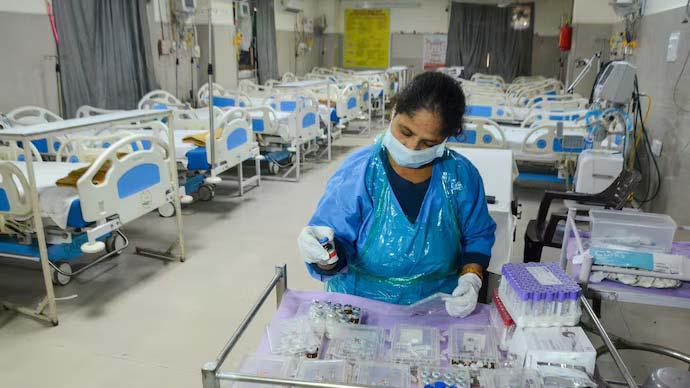
focus on visible, tangible completion of stalled projects.
Secondly, the administration needs to address the emotional and cultural disconnect highlighted by the Sabarimala issue. The election results suggest that the wounds have not fully healed. A conciliatory approach that respects devotee sentiments without compromising progressive values is essential to win back the trust of alienated community groups. The LDF needs to show it is listening, not just lecturing, if it hopes to stem the flow of votes to the UDF and the BJP.
Finally, the government must prioritize immediate grievance redressal measures over announcing grand new schemes. With only five months left, there is no time for long-gestation projects. The focus
must shift to ensuring that pensions are paid on time, water taps run dry less often, and potholes are filled. The administration’s early wins in people-centric governance need to be revived and forcefully implemented to counter the narratives of nepotism and administrative opacity.
The road ahead is clearly uneven, and the clock is ticking louder than ever. Yet, the situation is not without hope. The LDF has a history of resilience and a formidable organizational machine. If the leadership can interpret this electoral setback as a constructive jolt rather than a terminal verdict, they still possess the potential to reclaim their pioneering promise of inclusive progress. The next five months will determine if they can turn the tide or if the local election was merely the dress rehearsal for a larger exit.
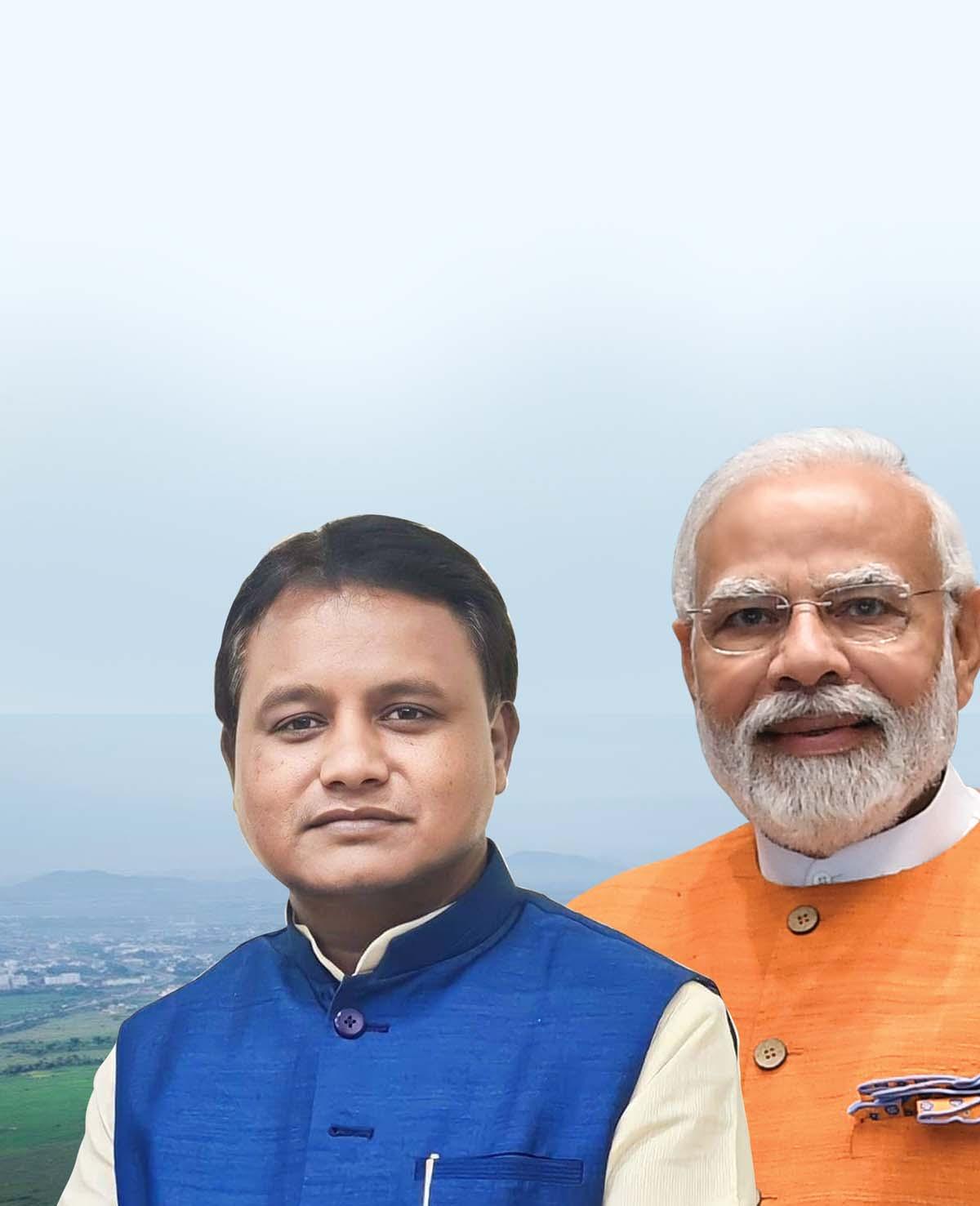
INDIA’S BEST KEPT SECRET, ODISHA, IS REVEALING ITSELF

THE IMMINENT ODISHA
INVESTORS’ MEET UNDER PM
NARENDRA MODI’S VISIONARY PATRONAGE AND CM MOHAN
CHARAN MAJHI’S YOUNG AND DYNAMIC LEADERSHIP WILL REVEAL THE STATE’S STUNNING NATURAL RESOURCES AND BESTIN-CLASS INCENTIVES.


From the soul of India’s heritage to the beating heart of its industrial future, Odisha is rewriting its economic narrative. Once celebrated primarily for its temples and culture, the state has transformed into a thriving hub of manufacturing and innovation. On December 19, the region often called “India’s Best Kept Secret” will reveal its worldclass business potential at the Odisha Investors’ Meet at ITC
Spearheading this transformative journey is Mohan Charan Majhi, Chief Minister of Odisha. His administration is driving a focused agenda of rapid industrialization, ensuring that business in Odisha is not just easy, but delightful. This statelevel momentum is powerfully bolstered by the support of the Prime Minister, whose vision for
a “Viksit Bharat” sees Odisha as the centre of Eastern India’s resurgence. Together, this collaborative leadership is unlocking unprecedented infrastructure projects and policy reforms.
The state’s strategic advantage lies in its geography. With a 480km coastline, the state champions port-led economic development. Major ports like Paradip, Dhamra, and Gopalpur, along with the upcoming Subarnarekha Port, act as gateways to the ASEAN region, offering seamless connectivity that rivals global standards. As the mineral hub of India, the state powers the nation’s steel, aluminium, and alloy sectors, yet the focus is swiftly shifting downstream. The state now offers a robust ecosystem for ancillary industries, ensuring that value addition remains within its borders.
Kakatiya in Hyderabad.

The Hyderabad meet will also spotlight emerging sectors beyond heavy metals. Investors will discover a chemical complex opportunity with port-led market access for over 40 specialty chemicals, alongside a burgeoning renewables hub offering opportunities in solar, wind, green ammonia, and hydrogen. Furthermore, with a strong talent pool and modern urban infrastructure, Odisha is fast becoming a preferred destination for knowledge
services and Global Capability Center growth.
Odisha puts its money where its mouth is with best-in-class incentives that significantly lower the cost of doing business. Manufacturers can avail of a 2030% capital investment subsidy on plant and machinery with absolutely no upper cap. The state also offers a 100% exemption on stamp duty and provides industrial land at concessional rates to ensure projects get off the ground quickly.
Operational costs are further optimized through a power subsidy of Rs 2 per unit and a 100% electrical duty reimbursement for 7 to 10 years. Additionally, to support workforce welfare, the government offers 100% reimbursement for ESI and EPF contributions for a period of 5 to 7 years.
Before the flagship event in Hyderabad, Bhubaneswar will set the stage by hosting the Odisha Pharma Summit on December 16 at Taj Vivanta. This precursor event will focus on the state’s growing capabilities in APIs, formulations, and medical devices. With reliable utilities, a “Skilled-in-Odisha” workforce, and a government that listens, the message to investors is clear: you too can benefit from India’s best kept secret.

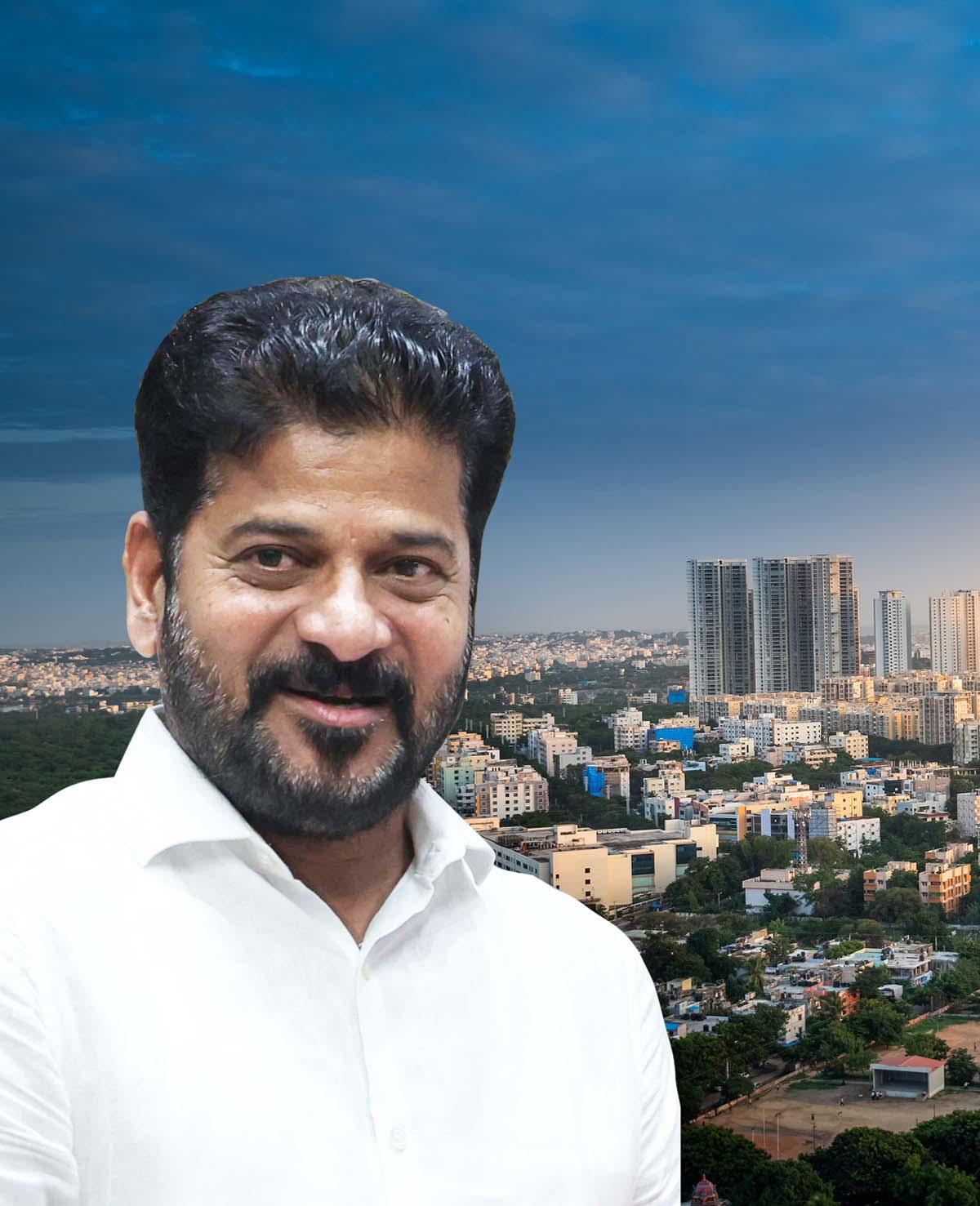

TELANGANA HAS TAKEN OFF, NOW COMES THE LONG HAUL FLIGHT
With Rs 5.75 lakh crore in investment pledges, Telangana has impressively taken off, under CM Revanth Reddy’s command.
Now comes the long haul challenge of delivering on these promises.
The recently concluded Telangana Rising Global Summit 2025 was less of a conference and more of a declaration of intent. Held at the ambitious Bharat Future City, the summit didn’t just discuss the future, it found concrete ways to fund it. Over two high-octane days, the state garnered a staggering Rs 5.75 lakh crore (approx. $69 billion) in investment pledges, signalling that India’s youngest state is ready to play in the big leagues. At the heart of this success was Chief Minister A Revanth Reddy, who proved himself less as a politician and more as the CEO of Telangana Inc. His vision was crystal clear and
ambitious: Telangana is no longer competing with other Indian states. “We are competing with the world,” Reddy declared, citing the Guangdong model of China as his template for rapid industrialization. His leadership was defined by the unveiling of the ‘Telangana Rising 2047’ vision document, which sets moonshot goals of transforming the state into a $1 trillion economy by 20234, and a $3 trillion economy by the centenary of India’s independence. Unlike typical corporate gatherings, this summit was designed with a distinct people-centric DNA that set it apart from standard business conclaves. In a unique move, the administration opened the venue’s doors to the public after the business sessions



concluded, allowing citizens to witness firsthand the technologies and investments shaping their future. The choice of the venue itself - the net-zero Bharat Future City spanning 13,500 acres - served as a live demonstration of the state’s ambition, while the strategic unveiling of the CURE, PURE, and RARE economic zones - a novel idea to divide the whole state into urban, semi-urban & rural economic zones - signaled a nuanced shift toward decentralized growth that extends well beyond Hyderabad’s city limits. The roster of investors betting on this vision reads like a global Who’s Who. The headline-grabbing declaration came from the Trump Media & Technology Group, which expressed an intent to invest Rs 1 lakh crore in a mixed-use development within the Bharat Future City. This was bolstered by massive commitments from the Brookfield-Axis Ventures consortium and Vietnam’s Vin Group, alongside domestic heavyweights like Adani, Reliance, and Apollo Hospitals. With a focus ranging from Quantum Computing, AI, Deep Tech and Aerospace to Life Sciences, the message as the dust settles is undeniable: Telangana isn’t just rising; it is soaring, fueled by a leadership that dares to dream in trillions. Now comes the long haul flight - the challenge of delivering on these promises by 2034 and 2047.

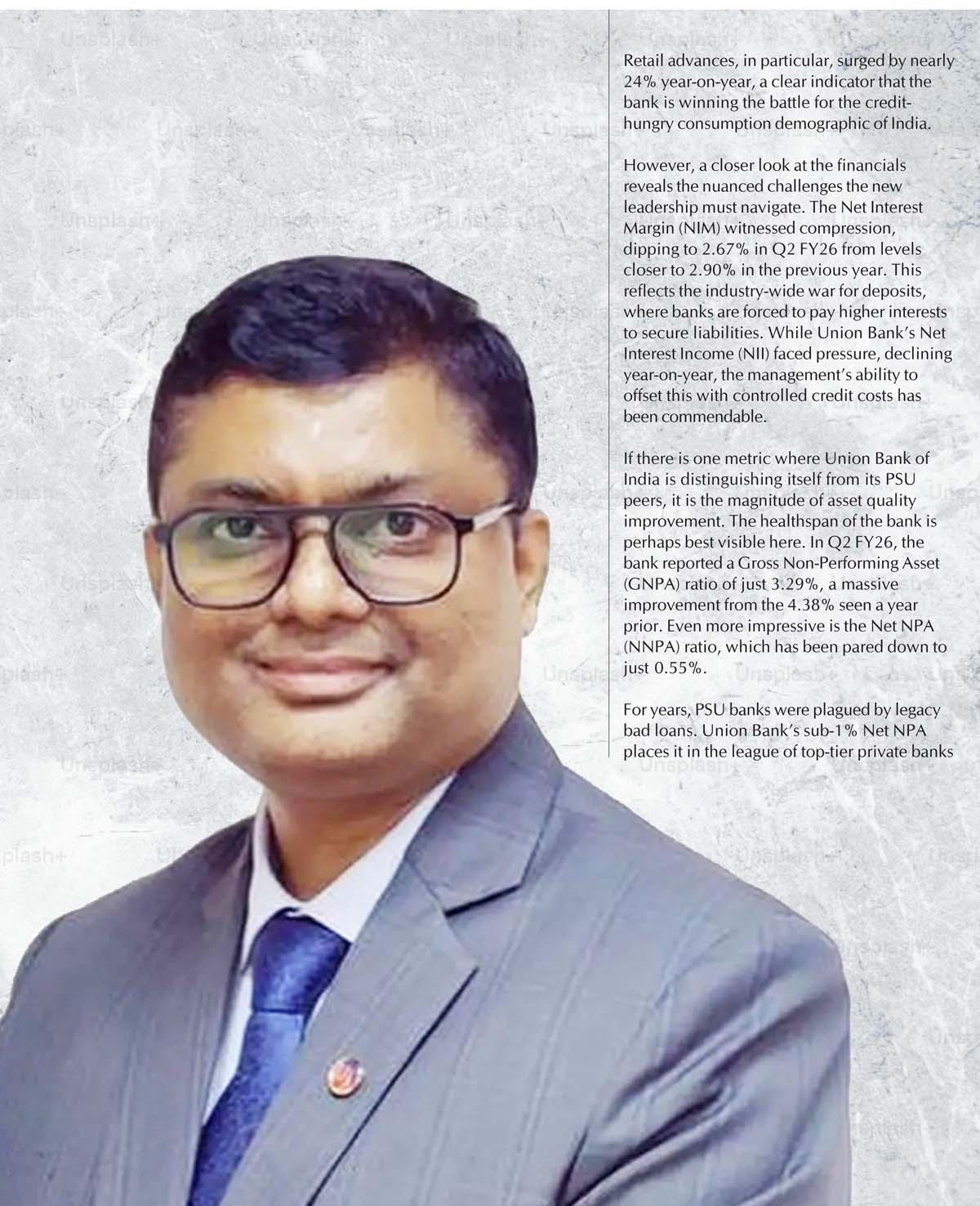
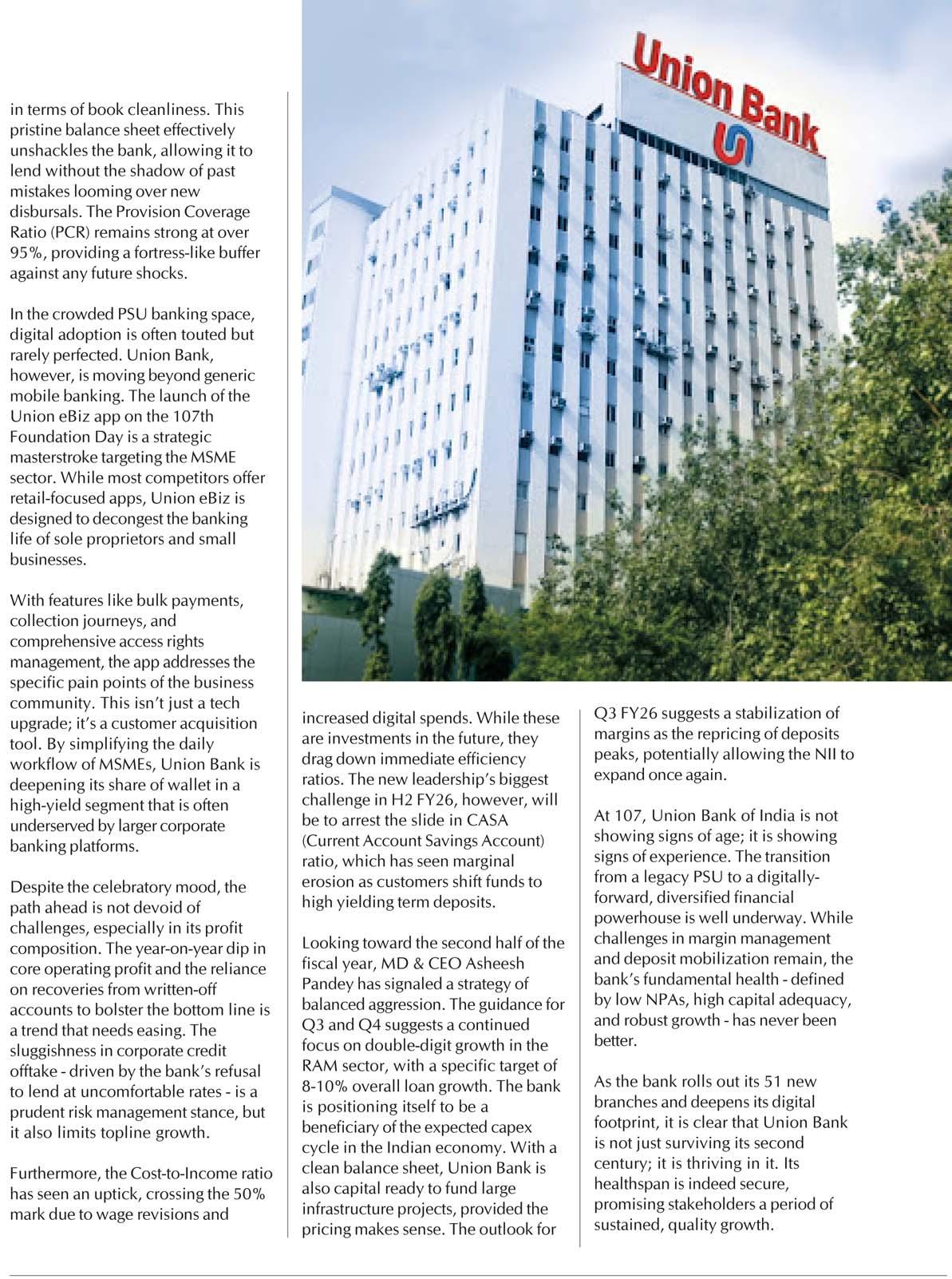


NARAYANA NETHRALAYA
CAN NARAYANA NETHRALAYA STAY TRUE TO ITS ROOTS?
MATCHING DR. BHUJANG SHETTY’S VISION WAS NEVER AN EASY TASK. BUT UNDER THE LEADERSHIP OF HIS SONS DR. ROHIT SHETTY AND DR. NAREN SHETTY, NARAYANA NETHRALAYA HAS MORE THAN MATCHED HIS VISION IN ONE HALF OF THE CHALLENGEGROWTH. BUT THE REAL CHALLENGE LIES IN THE OTHER HALF - MAINTAINING AFFORDABILITY AND INCLUSIVENESS CHAMPIONED BY DR. BHUJANG SHETTY. IF IT DOESN’T DELIVER ON SUCH METRICS CONSISTENTLY, CAN THIS PROMISING EYECARE HOSPITAL HOLD ITSELF TOGETHER?

There is a fundamental paradox facing private eyecare hospitals like Narayana Nethralaya: their revenue grows when more people have eye problems. Even while championing preventive initiatives like KIDROP, it is challenging for a business model built basically on treating sickness, to truly incentivize the elimination of diseases.
For instance, when only lifestyle changes can cure contemporary issues like digital eye strain, dry eyes & early onset of vision problems in kids, would such hospitals promote such lifestyle modifications over selling lifetime subscriptions to expensive drops and therapies, is an open question.
This paradox is especially relevant, as the Indian eyecare sector is seeing massive consolidation, with PE-backed chains aggressively acquiring smaller clinics to boost valuation through volume. As hospitals like Narayana Nethralaya expand, it is challenging to actively prevent the creep-in of such a corporate culture where doctors are pressured to meet surgical targets or revenue goals, effectively turning patients into statistics on a balance sheet.
A case in point is, while standard phacoemulsification for cataracts is a time-tested, highly successful, and affordable procedure, expensive alternatives like ‘Robotic’ and ‘Femto-Laser’ surgeries are aggressively marketed by many eyecare hospitals, and this is driven less by a dramatic difference in clinical outcomes for the average patient and more by such hospitals’ need to recover investments on expensive machinery.
It is challenging to withstand such premiumisation of essential eye care, but in a price-sensitive market like India it is such ethics that have made elite hospital chains like Aravind Eye Hospitals and Sankara Nethralaya stand the test of time.
Of course, this concept was not lost on Dr. Bhujang Shetty. The visionary and humanitarian that he was, he had started Narayana Devalaya, a one of its kind cashcounter free and 100% charitable eye hospital in
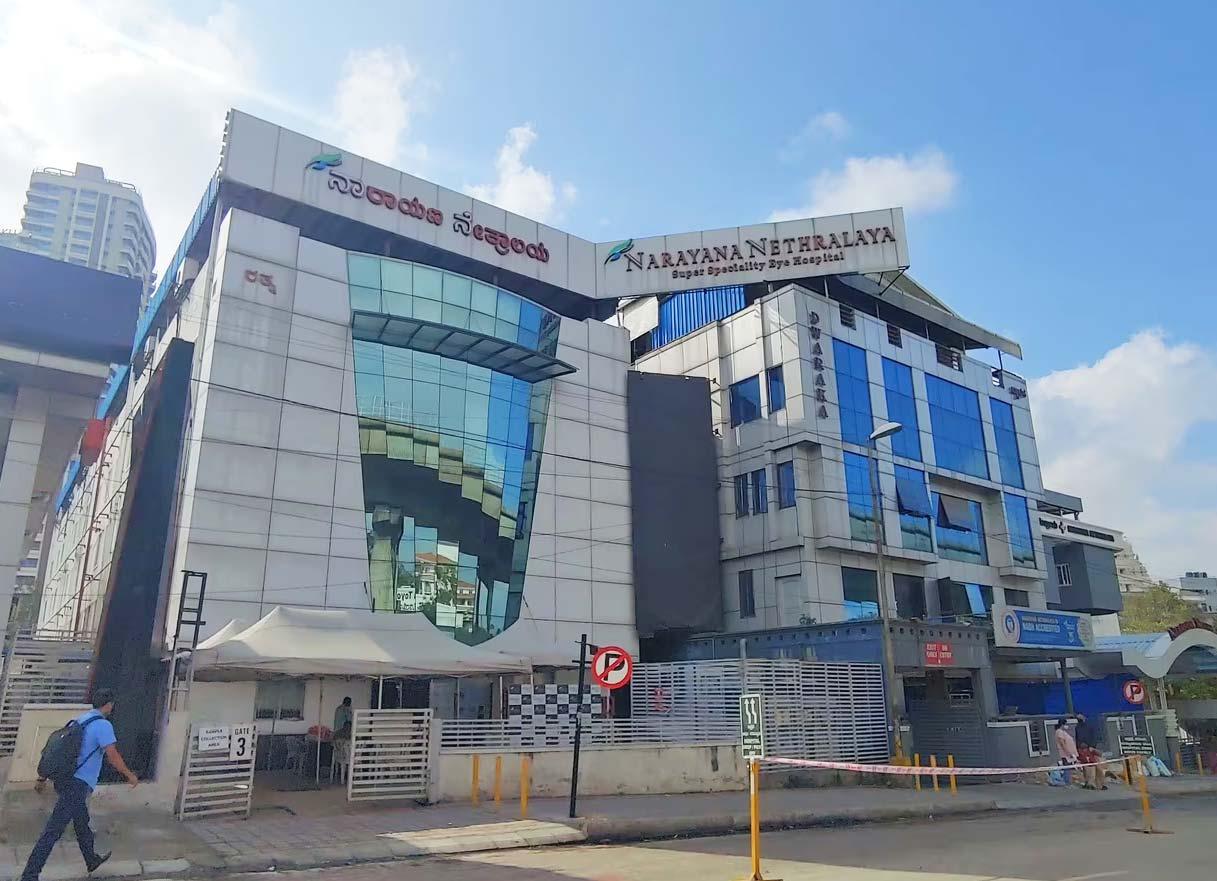
Tumkur, just months before his untimely and unfortunate passing away. A five-storey hospital spanning 40,000 sq ft, this hospital spoke volumes about his philosophy back then.
Inspired by his vision, Narayana Nethralaya aspires to lead Karnataka’s eyecare sector.
Guided by its Chairperson Mrs. Rajkamal Shetty, its Directors & noted young scientists Dr. Rohit Shetty & Dr. Naren Shetty, and CEO Gp. Capt. SK Mittal VSM, the institution claims to blend compassionate care with cuttingedge science across its 5 Bengaluru centers.
Narayana Nethralaya has no doubt set state-level benchmarks including a pioneering dry eye lab, Karnataka’s largest eye banks, its pioneering ocular stem cell & gene therapy labs and participation in its radical KIDROP program.
The story of Narayana Nethralaya is, at its core, a narrative of
continuing the pioneering excellence ignited by its Founder. What began in 1982 as a humble clinic in Srirampura established by the late Dr. K. Bhujang Shetty has burgeoned into a super-specialty network that aspires to define ophthalmic excellence in India’s tech-capital Bengaluru.
While Dr. Bhujang Shetty laid the spiritual and ethical foundationprioritizing the patient above all else - the current leadership has built upon this foundation a
fortress of technology and research. Today, under the matriarchal guidance of Mrs. Rajkamal Shetty, the institution aspires to retain the warmth of a family-run enterprise while operating with the efficiency of a global medical conglomerate.
At the spearhead of this scientific evolution is Dr. Rohit Shetty. Recognized globally for his work in corneal biomechanics and keratoconus, he represents the physician-scientist archetype that Narayana Nethralaya has become famous for. Under his intellectual stewardship, the hospital has moved beyond mere treatment into the realm of translational research.
The institution boasts dedicated laboratories for ocular genetics, molecular diagnostics, and stem cell therapy, capabilities that are rare even in top-tier Western hospitals. This focus on research allows the team to offer


personalized treatments for complex pathologies, moving away from a “one size fits all” approach to eye care.
Complementing this researchdriven mindset is the clinical prowess of Dr. Naren Shetty. Leading the cataract and refractive services, he ensures that the high volume of surgeries performed across Narayana Nethralaya’s five centers - Rajajinagar, Bommasandra, Indiranagar, Bannerghatta Road, and Whitefield - never compromises on precision.
The hospital has been an early adopter of femtosecond laser technology and robotic cataract surgery, ensuring that patients have access to the safest and most advanced procedures available. The synergy between Dr. Rohit’s research and Dr. Naren’s clinical execution creates a feedback loop where laboratory findings rapidly translate into better surgical outcomes.
Orchestrating this complex machinery is the Chief Executive Officer, Gp. Capt. S.K. Mittal, VSM. Bringing decades of military discipline and strategic foresight to healthcare administration, he has streamlined operations across the network.
His leadership ensures that despite the high patient load, the logistical experience remains seamless. From supply chain management of highend intraocular lenses to the
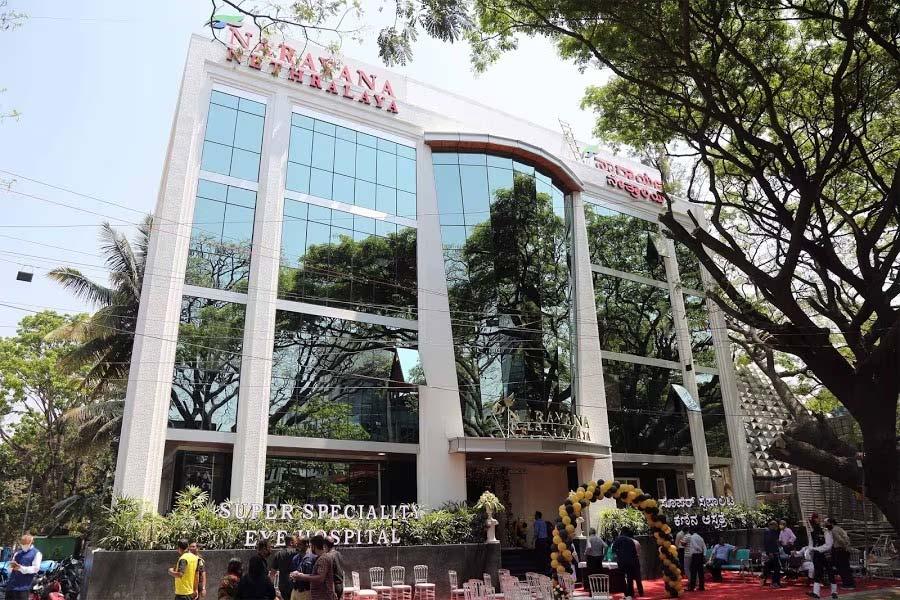
retention of skilled paramedical staff, his administrative acumen allows the doctors to focus entirely on healing.
Beyond the walls of its hospitals, Narayana Nethralaya’s impact is perhaps felt most profoundly in its community initiatives. It plays a leadership role in The Karnataka Internet Assisted Diagnosis of Retinopathy of Prematurity (KIDROP) program that remains a gold standard in teleophthalmology, having screened thousands of infants in rural areas to prevent permanent blindness.
Similarly, the Dr. Rajkumar Eye Bank has revolutionized corneal donation in Karnataka, consistently ranking among the largest and most effective eye banks in the country. By bridging the gap between the affluent urban patient and the underserved rural child, the institution stays true to Dr. Bhujang Shetty’s belief that sight is a fundamental human right.
As Narayana Nethralaya looks toward the future, it stands as a unique hybrid in the Indian healthcare landscape. It is an institution where gene therapy coexists with community outreach, and where the legacy of a compassionate founder fuels the ambition of next-generation scientists. It is not merely a stateof-the-art eye hospital chain, but a comprehensive ecosystem dedicated to the preservation of vision.
But the real test for Narayana Nethralaya will be how far this leading eyecare chain of Bengaluru can accommodate the needs of a price sensitive market like India. It is by effectively addressing such concerns consistently that some of India’s largest eyecare chains like Aravind Eye Hospitals and Sanakara Nethralaya were built up. At the same time many smaller chains who didn’t address such concerns did bite the dust too during these past decades.
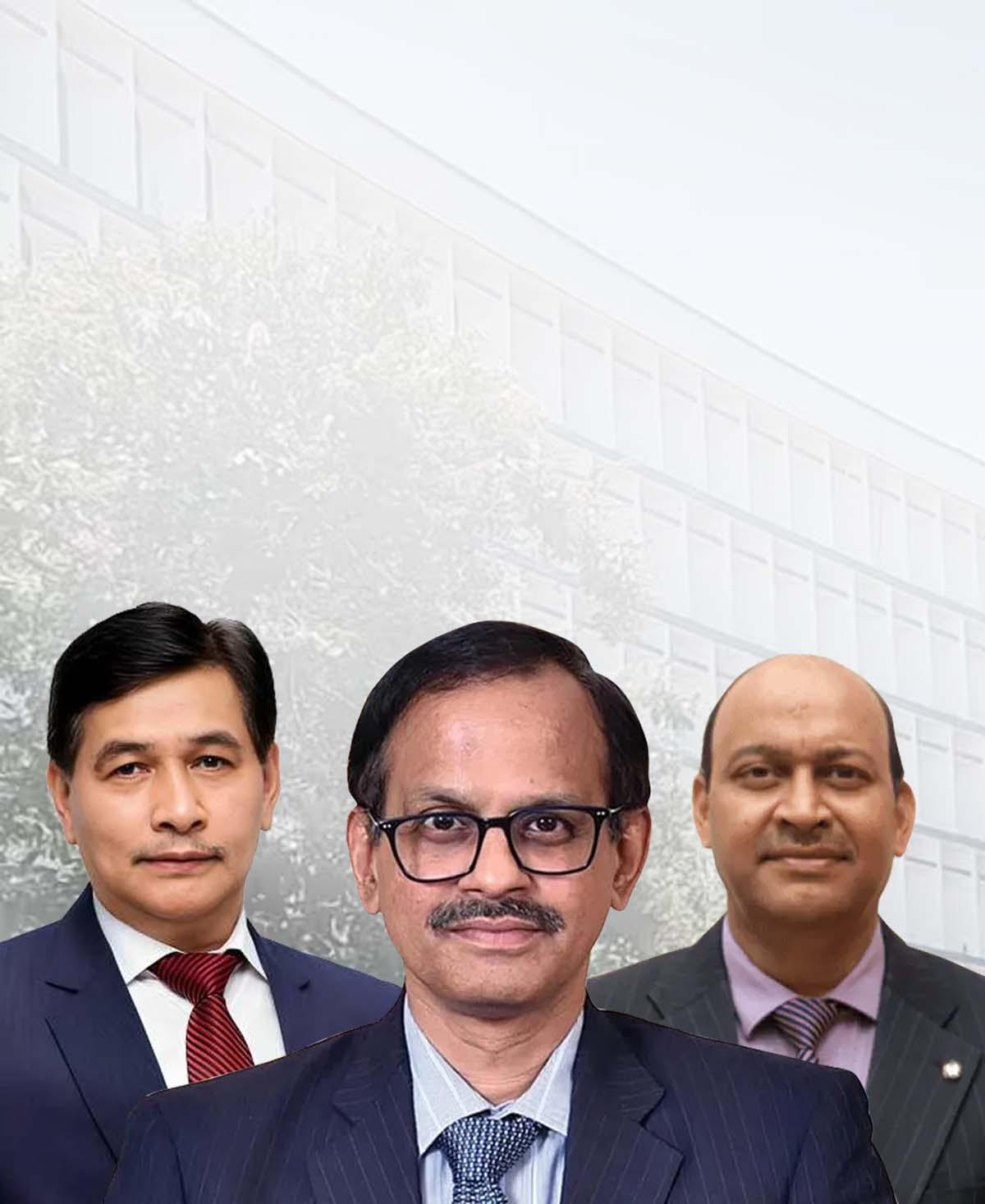
PREPARING FOR ITS 70th BIRTHDAY, BY DEFENDING ITS DUAL THRONES

Next September will mark LIC’s 70th anniversary. Under MD & CEO R Doraiswamy’s strategic vision, LIC is preparing well to defend its dual thronesin life insurance & equity investmentswith a 59% market share in life, the AI driven LIC Mitra, and a staggering Rs 57 lakh crore in AUMs. Helping the MD & CEO in managing a behemoth like LIC are three more Managing Directors - Sat Pal Bhanoo, Dinesh Pant & Ratnakar Patnaik. Still, competition from agile private insurers is breathing down its neck, and it remains to be seen how well LIC will defend its dual thrones by its 70th birthday and beyond.
When the Life Insurance Corporation of India (LIC) turns 70 next September, it will be celebrating more than just longevity; it will be celebrating thriving health. For seven decades, the state-run insurer has been synonymous with financial security in India, functioning not merely as a corporate entity but as a cornerstone of the national economy. As the corporation approaches its platinum jubilee, MD & CEO R Doraiswamy is orchestrating a subtle yet profound transformation aimed at fortifying LIC’s dominance over its dual thrones: its undisputed leadership in the life insurance sector and its colossal influence as the country’s largest domestic institutional investor.
The first throne - life insurance - rests on a foundation of trust that even few global financial institutions can rival. With a market share hovering around 59%, LIC remains the only Goliath in the arena. The corporation’s sheer scale is its primary defensive moat. It services a customer base larger than the population of the United States - 540 million vs 345 million - a feat made possible by an army of around 1.5 million agents who penetrate rural geographies that private players still find economically unviable to serve.
Under the current leadership, however, the strategy is shifting from volume to value. The executive team, including MD & CEO R Doraiswamy and Managing Directors Sat Pal Bhanoo, Dinesh Pant, and Ratnakar Patnaik, is aggressively pushing for a change in product mix. The focus is pivoting toward non-participating
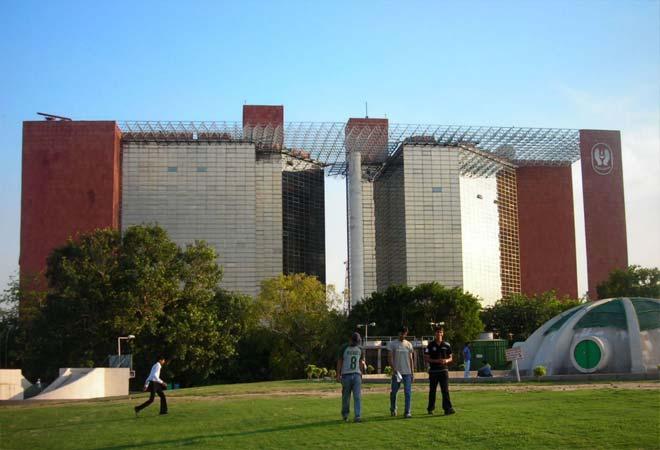

(non-par) products - policies that offer guaranteed returns to policyholders and higher margins for the insurer. This shift is critical for boosting the Value of New Business (VNB) margin, a key metric where LIC has historically trailed its private peers.
Furthermore, the “elephant” is learning to dance digitally. The introduction of LIC Mitra, an AIdriven virtual assistant, is not just a cosmetic upgrade; it signals a fundamental overhaul of customer engagement. By automating premium payments, policy status checks, and claim initiations, LIC is shedding its paper-heavy legacy. The recent push for the “DIVE” (Digital Innovation and Value Enhancement) project suggests that by its 70th birthday, LIC aims to be as accessible via a smartphone in Mumbai as it is via an agent in a village in Bihar.
The second throne is equally formidable. With Assets Under Management (AUM) crossing the Rs 57 lakh crore mark, LIC is the ultimate stabilizer of the Indian equity markets. Its AUM is more than two-thirds the AUM size of the entire mutual fund industry of India combined. This financial muscle allows LIC to play a contrarian game - buying when the market panics and booking profits when market soars - which, in
turn, yields steady returns for its policyholders and shareholders.
This dual capacity for collecting premiums from the grassroots and deploying it as capital into the country’s infrastructure and blue-chip companies creates a virtuous cycle that its competitors struggle to replicate. The leadership’s prudent management of this massive corpus ensures that LIC remains solvable and profitable, even in turbulent economic times.
However, despite these strengths, the fortress is under siege. While a 59% market share is impressive, it is a far cry from the near-monopoly LIC enjoyed two decades ago. The 40% market share LIC has lost during these two decades was due to the relentless erosion by agile private sector competitors. While LIC still remains the only Goliath in the arena for now, it remains to be seen whether any of the private insurers would emerge as a David in the years to come.
Private insurers like SBI Life, HDFC Life, and ICICI Prudential have successfully captured the urban, affluent demographic, which is the very segment that buys high-ticket policies. These competitors are digitally native, unburdened by legacy workforce issues, and faster at bringing innovative products to market. While LIC is digitizing with tools like LIC Mitra, the user experience (UX) and turnaround times of private players often remain superior.
Furthermore, LIC’s dependency on its agent army is a double-edged sword. While it provides reach, it is expensive and difficult to manage

compared to the bancassurance models (selling insurance through bank partnerships) perfected by public and private sector banks. As younger, tech-savvy generations enter the workforce, they are less likely to buy insurance over a cup of tea with an agent and more likely to purchase via a seamless app interface, which is a battlefield where LIC is playing catch-up.
There is also the issue of perception. To the Gen Z investor, LIC is often viewed as their “parents’ insurer” - reliable, but perhaps old-fashioned and conservative in returns compared to mutual funds or new-age ULIPs. Overcoming this brand inertia to attract the under-30 demographic is perhaps the toughest challenge facing the leadership team.
As the countdown to the 70th anniversary begins, the stakes are incredibly high. The leadership quartet of MDs Doraiswamy, Bhanoo, Pant, and Patnaik must execute a delicate balancing act. They must modernize the institution without alienating its traditional base, and they must improve profitability margins without losing market share.

LIC remains a behemoth with deep pockets and deeper roots. If it can successfully leverage its technology initiatives to match the agility of its rivals, it won’t just survive the competition - it will dominate them. But if the digital transition falters, the private sector is ready and waiting to carve deeper into the giant’s territory. For now, the dual thrones are secure, but the guards cannot afford to blink.
WORKABLE STRATEG THE INDIAN NATIO
Despite a string of election defeats at the Centre and m key states, nobody can overlook the fact that India’s gra old party is still governing large states like Karnata k Telangana & Himachal Pradesh. It has recently wo n decisive victory in the local government election in Ker too. Still nobody gives the Indian National Congres s fighting chance in retaining its ruling states and usurpi any of the lost states, let alone making a comeback at t Centre. This is despite the spirited leadership and hard wo delivered by Rahul & Priyanka. What are the hurdles befo INC to make a rebound? Is it a case of too decent cent
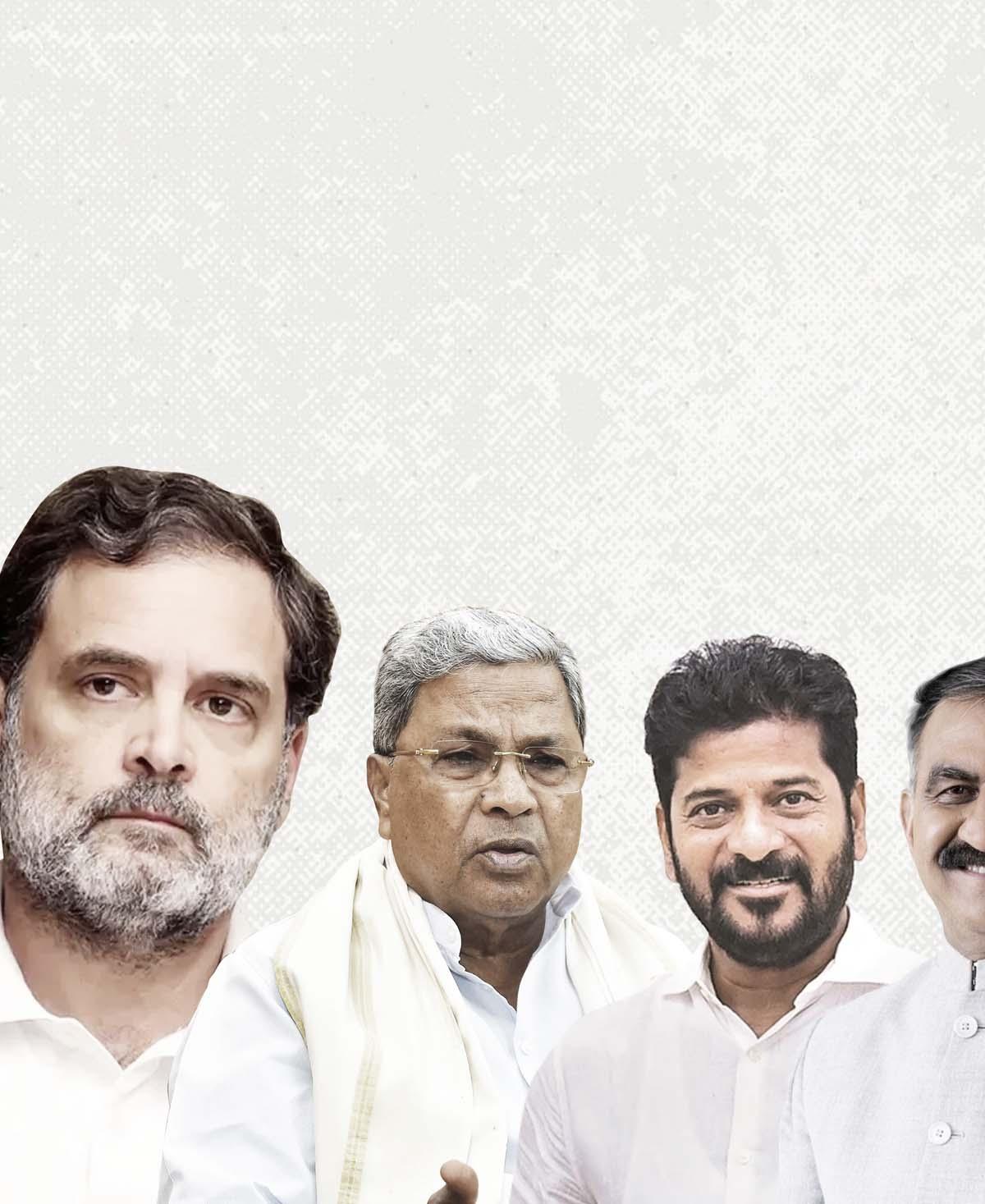
GIES TO REVIVE NAL CONGRESS
leadership? Is it a lack of charismatic state level leaders? Is it a case of too little democracy as its rivals claim or is it too much democracy as several Congress voices have opined? Or is it an irreversible change in Indian politics which is now dominated by key state-level parties except for the BJP? Or is it a too politically savvy BJP leadership and too organized RSS cadres which are no match for the Congress leadership and machinery? Maybe all these causes are there in varying degrees, and more such reasons. Here is a detailed look at how the Congress can be revived, but first to act as a viable opposition, then to win key states and then maybe to stake a claim at the Centre.

WHY DYNAMATIC IS THE PERFECT CASE STUDY IN UNPARALLELED CORPORATE REINVENTION

IN AN AGE WHEN MANUFACTURING HEADLINES ARE DOMINATED BY GLOBAL SUPPLY-CHAIN SHOCKS AND GEOPOLITICAL JOCKEYING, FEW INDIAN ENGINEERING STORIES FEEL AS CONFIDENTLY FUTUREFACING AS DYNAMATIC TECHNOLOGIES. ONCE A NICHE HYDRAULICS MAKER, THE BENGALURUHEADQUARTERED COMPANY HAS QUIETLY REINVENTED ITSELF INTO A MULTI-VERTICAL ENGINEERING GROUP. DYNAMATIC IS TODAY A TIER-1 SUPPLIER TO AIRBUS AND BOEING, A PARTNER FOR REGIONAL AIRCRAFT ASSEMBLY LINES, AND AN INCREASINGLY IMPORTANT CONTRIBUTOR TO INDIA’S DEFENCE MANUFACTURING AMBITIONS. MUCH OF THAT REINVENTION IS CREDITED TO ONE PERSON - ITS MD & CEO DR. UDAYANT MALHOUTRA, POPULARLY KNOWN AS ‘TOBY’, HIS NICKNAME. HOWEVER, TOBY HIMSELF WOULD BE THE FIRST PERSON TO DISPUTE THAT CREDIT, RATHER CREDITING THE WHOLE TEAM FOR DYNAMATIC’S DYNAMIC TRANSFORMATION WHICH IS STILL ONGOING.

SEASONAL

Dynamatic’s strategy may appear simple in hindsight, but it was nothing but simple. From just making parts, Dynamatic shifted to overdrive by designing them; and from being a supplier, Dynamatic became an integrator; and above all the Dynamatic team took up system-level responsibility which made all the difference in winning global orders from aerospace majors.
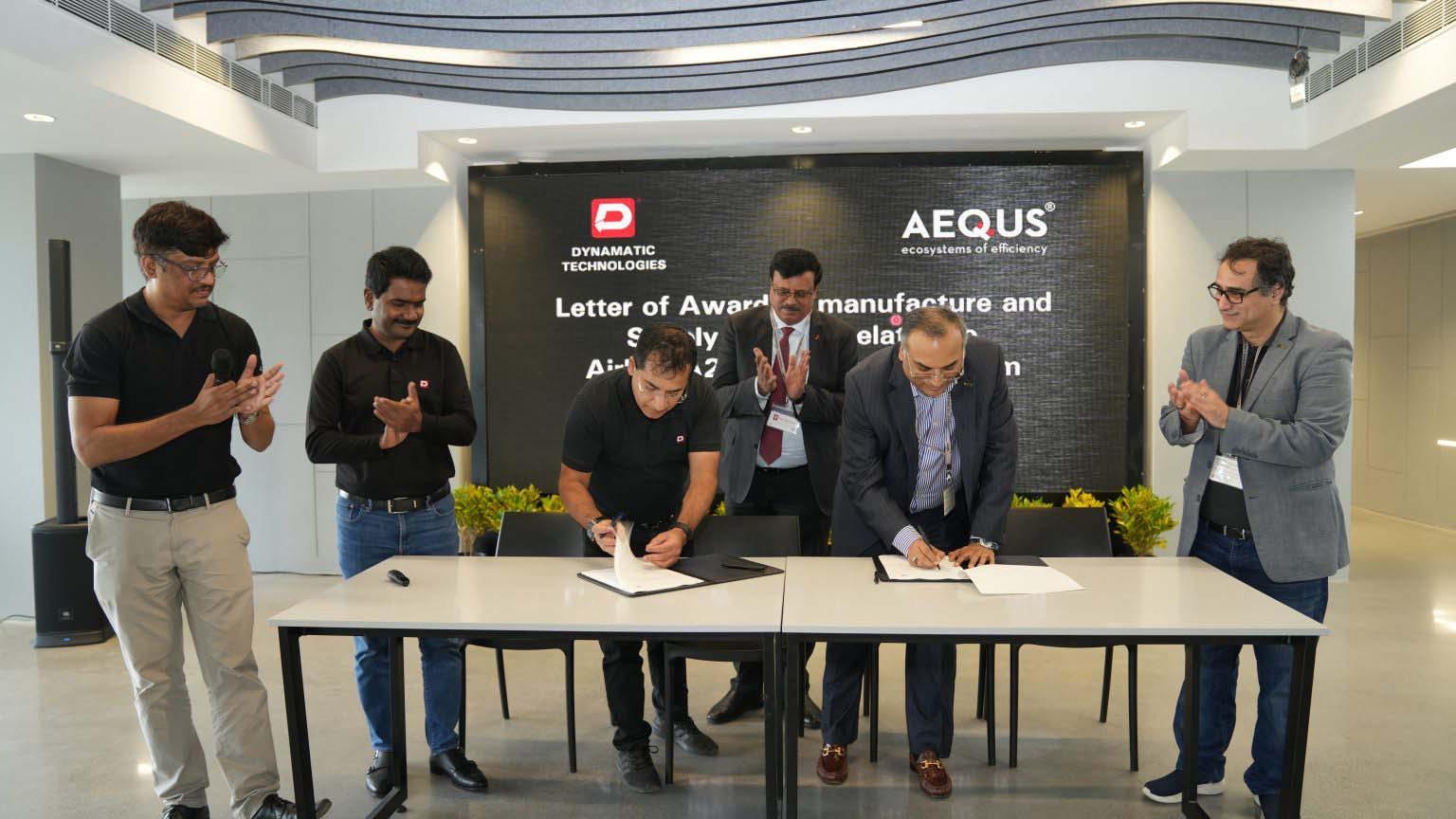
Despite not being an engineer by training himself, Toby is known in the industry for his strategic eye, willingness to invest in aerospace capability, and insistence on design-plus-manufacture, which are factors that transformed Dynamatic from an old-line components shop into a diversified engineering conglomerate with global customers and growing defence credentials.
Dynamatic’s strategy may appear simple in hindsight, but it was nothing but simple. From just making parts, Dynamatic shifted to overdrive by designing them; and from being a supplier, Dynamatic became an integrator; and above all the Dynamatic team took up system-level responsibility which made all the difference in winning global orders from aerospace majors.
Dynamatic broadened systematically from hydraulics into complex aerostructures, precision machining for aerospace, homeland security solutions, metallurgy and foundry work, automotive components, medical engineering services, and turnkey engineering solutions. That climb up the value chain - from lowmargin commodity work to mission critical systems and assemblies - is
what allowed the company to win marquee contracts and capture the higher margins and strategic relationships that come with them.
More than anything else, Dynamatic is today known for its aerospace prowess.The company has won multiyear contracts from Airbus to manufacture and assemble a broad family of doors for the A220, which is a high-visibility win that positioned an Indian firm as the global source for critical aircraft hardware.
Winning that contract proved pivotal for the firm as it signalled OEM trust in Dynamatic’s design controls, quality systems and capacity to scale. Beyond aircraft doors, the company has been selected for other aerostructures and assemblies, and it has forged partnerships to localise manufacturing in India. This met the expectations of both global OEMs’ move to diversify manufacturing hubs, as well as India’s ‘Make in India’ program.
Dynamatic’s aerospace momentum hasn’t stopped at manufacturing doors or small components. The company has announced collaborations to produce rear fuselages and to establish final-assembly capabilities, with the best example being a partnership with Deutsche Aircraft for their D328eco
regional turboprop’s rear fuselage assembly line in Bengaluru.
These moves signal a determined climb from being a component supplier to a systems partner, offering higher value and greater relevance to OEM programs. It has also entered into co-sourcing deals like the A220 supply chain partnership with Aequs, with its ultimate ambition being to build an ecosystem that can confidently take up complex manufacturing work for global aerospace giants.
Parallel to its civil aerospace push, Dynamatic has been making steady inroads into defence and homeland security. Its long experience in hydraulics, especially in pumps and actuators used in military platforms, gave it a technical foot in the door. Under Malhoutra, the company invested big to meet defence specifications, achieve security clearances, and localise critical manufacturing that was once imported. Thanks to such consistent efforts, Dynamatic is now positioned as a trusted supplier for defence OEMs and integrators, contributing to India’s strategic push toward self-reliance in defence manufacturing and even aiming for exportable systems. While much of the sector is lumpy and
SEASONAL MAGAZINE

project-driven, the company’s combination of aerospace pedigree and defence-grade manufacturing makes it a natural fit as India scales indigenous production.
Hydraulics remains a core business, especially as the engineering skillset where Dynamatic’s story began and has served as the foundation of its manufacturing culture. While the segment is more mature and competitive than aerospace, it provides steady revenues and provides an engineering testbed for tighter tolerances and systems thinking that translate readily into the aerospace world.
On the automotive side, Dynamatic has continued to serve global OEMs with precision machined components and assemblies. The company’s strategy has been to modernise processes, adopt advanced machining and automation, and migrate from commodity components to system level assemblies, which is a significant value addition appreciated by global customers, even while generating higher margins. While some analysts expected the company to exit the automotive business to focus on aerospace, Dynamatic has upgraded it to a higher orbit. Thanks to this dual focus and
excellence in both, Dynamatic Technologies is today a leading private R&D organisation with numerous patents and inventions to its credit, and partners global marquee customers from both segments like Airbus, Boeing & Bell Helicopter from aircraft sector, and BMW, Audi, Daimler, Mercedes, John Deere and Cummins from the automotive side, both on a single source basis.
Dynamatic has also strategically undertaken backward integration, by diversifying to metallurgy, foundry capabilities and in-house materials expertise. Aerospace and defence parts demand strict metallurgical control and traceability, and creating such manufacturing capabilities internally itself, reduces supply-chain risks and improves lead times.
Hence, Dynamatic expanded successfully into alloy production, heat treatments and specialised metallurgy, which were steps designed to shorten the critical path for complex assemblies and give OEMs a single point of responsibility, which proved to be an attractive proposition for such customers managing global supply chains. Engineering services provided by Dynamatic like design, testing & validation, further reinforce this backward integration.
Dynamatic factories are located across 7 cities, four of them in IndiaBangalore, Chennai, Coimbatore & Nasik. The other three cities with Dynamatic factories are Swindon & Bristol in the United Kingdom and Schwarzenberg in Germany. While all these facilities are noted for their green and clean features, one of its sprawling facilities in Bengaluru also features a museum on Indian folk arts and an organic farm as part of its CSR and sustainable initiatives.
Dynamatic Technologies and its subsidiaries and divisions including Dynauton Systems, which is into Unmanned Aerial Vehicles and Loitering Munitions, employs around 50 scientists and 500 engineers, and is a leading R&D Organization, with numerous inventions and patents to its credit. Its R&D expertise spans Mechanical Engineering, Advanced Computer Aided Engineering, Materials & Metallurgical Engineering, Fluid

Dynamics and Defense & Aerospace Engineering.
Prowess in precision engineering and regulatory frameworks made Dynamatic a natural fit for the medical device components and other such highly regulated engineering services. While this division is still smaller than aerospace or hydraulics, it offers diversification into secularly growing markets like medical implants, surgical instruments etc that value traceability and micro-precision. For Dynamatic, medical engineering represents a lowervolatility revenue stream that leverages the company’s existing manufacturing skills and quality systems.
Team strength is how Dynamatic made everything possible, and this effort was led by Dr. Udayant Malhoutra who guides the team to be obsessed about design aesthetics and engineering finesse. Thanks to such team efforts, today, Dynamatic is seen as a global ambassador for India’s precision engineering and manufacturing capabilities.
The University of Engineering and Management, Kolkata had conferred the degree of Doctor of Engineering & Technology (Honoris Causa) on Udayant Malhoutra, and he has also served on the Board of Governors of IIT Kanpur, and as the Chairman of both National Sector Skills Council for Strategic Manufacturing, and National Institute of Design, Amravathi.
Sustained team efforts have catapulted the company into a role where it doesn’t just make what others design but designs what others need. That shift required investments in cleanrooms, quality systems, highly skilled engineers, and above all patient capital. These were choices that would have looked risky to short-term shareholders but proved critical to winning and executing aerospace and defence contracts.
Dynamatic’s unique business mix,


Dynamatic Technologies and its subsidiaries and divisions including Dynauton Systems, which is into Unmanned Aerial Vehicles and Loitering Munitions, employs around 50 scientists and 500 engineers, and is a leading R&D Organization, with numerous inventions and patents to its credit.
which is a blend of capital-intensive aerospace projects, cyclical automotive work, and steady hydraulics revenue, makes its financial performance complex. Recent quarterly disclosures show the company continuing to grow its top line, led by aerospace, even as some legacy segments experienced softness. For example, the company’s Q1 FY2026 presentation reported yearon-year revenue growth overall with aerospace up strongly while hydraulics declined modestly.
On the capital markets, the Dynamatic stock has hence demonstrated volatility, which is typical for a mid-cap engineering firm driven by lumpy contract wins. But on a longer horizon, Dynamatic has rewarded investors as the aerospace wins and defence relevance crystallised. Hardcore Dynamatic fans in the market care less about its quarterly beats than about the durability of long-cycle contracts and the company’s execution pedigree on
complex aerostructures.
For Dynamatic and its investors, no single endorsement matters more than OEM trust. Dynamatic’s supplier relationships with Airbus and Boeing for doors, structural components and assemblies have been the clearest market signal that the company can meet global aerospace manufacturing standards at scale. These relationships also provide a steady stream of followon opportunities.
The path forward for Dynamatic is however not without hazards. Aerospace contracts are capitalintensive and certification-heavy, and delays, quality issues or programme cancellations can be painful. Defence work can also be episodic and politically driven. Currency swings and raw-material inflation bite into margins, adding to Toby and team’s challenges.
However, the firm also enjoys several macro tailwinds including the global OEM strategy to diversify manufacturing bases, India’s strategic push for indigenous defence production, and rising demand for regional aircraft and MRO capacity. This can create a multi-year if not multidecade window of opportunity for Dynamatic.
Dynamatic’s story is perhaps the best case study on how a visionary, patient, and strategic team can power the ambition to move up the value chain, and transform the entire organization. It is also a vivid example of how India can nurture home-grown champions in precision engineering and aerospace.
MONEY AND VALUATION WILL CHASE SUSTAINABILITY AND SOCIETAL IMPACT, AND NOT THE OTHER WAY AROUND “ “ “ “ “ ” ” ” ” ”
Interview with MD & CEO
Dr. Udayant Malhoutra
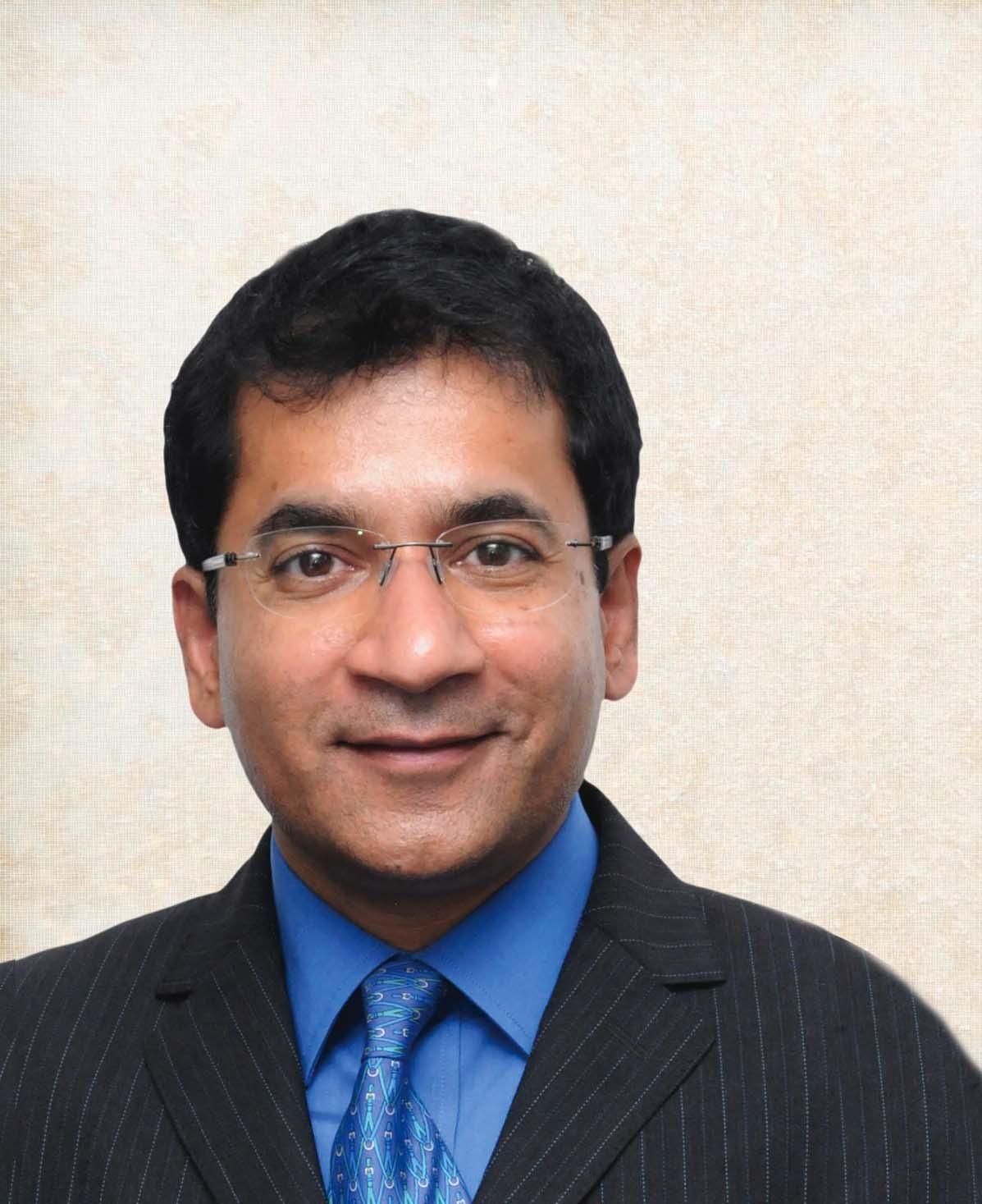
1) You took over Dynamatic took over Dynamatic 1) You took over Dynamatic took over Dynamatic Technologies when it was Technologies was primarily a hydraulics primarily hydraulics primarily a hydraulics primarily hydraulics manufacturer. What was the was the manufacturer. What was the was the first big decision that set it on decision that it on first big decision that set it on decision that it on that its aerospace and defence aerospace and defence aerospace trajectory?
The collapse of the Soviet Union created a situation where the Indian Army was unable to source hydraulic products for India’s T-72 battle tanks. Dynamatic developed these indigenously, eventually winning a National Award for this work. We then worked on other developmental programs with the DRDO including CVRDE, ADE & ADA.
2) Many see your leadership leadership as a case study in moving up as case study moving up as a case study in moving up as case study moving up study the value chain. How did you value How you How convince global OEMs like convince convince global OEMs like convince Airbus and Boeing to entrust and Boeing Dynamatic with critical with critical Dynamatic with critical with critical assemblies? assemblies? assemblies? assemblies?
There was no strategy other than ensuring quality, reliability, safety, traceability and global best value. This is also an ongoing process.

3) The A220 door contract was a The A220 door
3) The A220 door contract was a The A220 door
3) The A220 door contract was a turning point. What were the point. What were the toughest challenges in meeting challenges in meeting toughest challenges in meeting challenges in meeting Airbus’s quality and certification Airbus’s and requirements? requirements?
The processes are the same as we have been following for the past two decades. Basically, it is all about a zero compromise philosophy in design, engineering and manufacturing.
4) Your Bengaluru campus Your campus
4) Your Bengaluru campus Your campus Your blends high-tech engineering high-tech blends high-tech engineering high-tech high-tech with an art museum and organic farmland. How does this How does this this environment influence creativity environment creativity and problem-solving? and problem-solving? and problem-solving? and problem-solving?
Our workforce is drawn from the Bangalore Urban and the Bangalore Rural Districts. The first is home to the largest cohort of globally renowned engineers in the world, whereas the rural district produces highly skilled craftsmen drawn from the artisan community around here. This blend of engineering and craftsmanship is essential for excellence in aerospace manufacturing.
5) With global OEMs diversifying global OEMs diversifying their supply chains, where do supply chains, where their supply chains, where do supply chains, where you see Dynamatic positioned you Dynamatic positioned positioned five years from now in the global years now in the five years from now in the global years now in the the aerospace ecosystem? aerospace ecosystem? ecosystem?
Our definitive plan is to continue to excel and to keep growing our business internationally.
6) Aerospace contracts are high- Aerospace contracts are highprofile but also high-risk. How do also high-risk. profile but also high-risk. How do also high-risk. you mitigate the dangers from the you mitigate the dangers from the delays, cancellations, and delays, cancellations, and delays, cancellations, and delays, cancellations, and cancellations, and shifting specifications from from global OEMs? global global OEMs? global
We have designed our business for risk mitigation, with customers coming from diverse sectors like Commercial Aircraft, Military Aircraft, Helicopters and Business Jets. This has reduced the concentration risk. Customer specifications are stable and often developed in close cooperation with Tier-1 vendors like ourselves.
7) Dynamatic’s stock has shown has notable volatility in recent years. notable volatility in recent notable volatility in recent years. notable volatility in recent notable volatility in recent years. Do you believe your long-cycle Do you strategy is fully understood by strategy is fully understood by strategy is fully understood by strategy is fully understood by is
investors, or is market patience investors, or is market wearing thin? thin? wearing thin? thin?
We communicate clearly about our business and its long-term nature. We have quality investors who hold long-term. We do not comment about our stock price.
8) Defence orders can be Defence can be
8) Defence orders can be Defence can be politically influenced and lumpy politically and lumpy in execution. How do you plan How plan plan to create a steadier revenue create steadier revenue to create a steadier revenue create steadier revenue stream in such an unpredictable in such unpredictable stream in such an unpredictable in such unpredictable sector? sector? sector? sector?
You cannot. That’s why we also have our hydraulics business which provides granular cash-flow to the company. Then we have the newer Dynauton division which is into UAVs and drones, where we have done the entire hardware and software work ourselves in India. This division has significant scaling potential given the global geopolitical risks, and the role UAVs and drones are playing in modern defence systems. This division thus has the potential to surprise investors, if everything plays out well.
9) Vertical integration brings brings
9) Vertical integration brings brings control, but it also locks capital but it into fixed assets. How do you into assets. How you into fixed assets. How do you into assets. How you assets. avoid overextending in avoid overextending in capacity if demand slows? capacity if demand slows? capacity if demand slows? It is always a choice between competence ownership and capital efficiency. Every company faces similar choices. We believe we are navigating this challenge competently.
Our workforce is drawn from the Bangalore Urban and the Bangalore Rural Districts.The first is home to the largest cohort of globally renowned engineers in the world, whereas the rural district produces highly skilled craftsmen drawn from the artisan community around here. This blend of engineering and craftsmanship is essential for excellence in aerospace manufacturing.
10) You have positioned 10) You positioned Dynamatic as a systems partner, Dynamatic partner, not just a component supplier. not component supplier. How do you ensure that you How you ensure How do you ensure that you
How you ensure How do you ensure that you don’t stretch the company’s don’t stretch company’s don’t technical bandwidth too thin technical bandwidth too technical bandwidth too thin technical bandwidth too across multiple high-stakes across high-stakes programmes? programmes?
When we reach a point where we feel stretched, we will definitely say no.
11) From the way the stock has 11) stock has 11) From the way the stock has 11) stock has run up from Rs 10 to Rs 9000 in run from Rs 10 Rs 9000 9000 less than two decades, and then less than two decades, than corrected sharply, do you think corrected sharply, you think corrected sharply, do you think corrected sharply, you think investors sometimes have too investors sometimes have too high expectations? high expectations?
We also have high-quality investors who have bought into the company when the stock price was in low double digits, and still holding strong. We also have investors who buy into dips. But yes, as you said, some investors might have too high expectations, especially in the short-term, which is not the correct way to go about, either in business or investing.
12) What is your business 12) is business 12) What is your business 12) is business philosophy guiding Dynamatic philosophy Dynamatic then? then?
This short-term outlook centred on money and valuation is especially strong in countries like India, whereas in developed economies like in the US & Europe, they have woken up to the fact that a business needs to be sustainable first by contributing to the community around it. True and sustainable wealth creation is possible only on such a foundation. Spiritually, I am a Buddhist, and hence this comes naturally to me.
13) How do you follow such 13) How you such 13) How do you follow such 13) How you such policies in Dynamatic? policies Dynamatic?
Everything we do is in sync with that philosophy. That is why this campus is fully solar powered and with rainwater harvesting too. Our focus is on community impact and societal change. This is also why we have an upskilling centre where we train the children of local craftsmen into sustainable jobs, by facilitating them to work with our world class engineering talent. It is a jump from handicraft to aircraft, but we have proven that this is possible. It is also why we took over a 650 year old heritage foundry in Germany and utilizing it perfectly and sustainably.