
Managing Editor
Jason D Pavorattikaran
Editor
John Antony Director (Finance)
Ceena
Associate Editor
Carl Jaison
Senior Editorial Coordinator
Jacob Deva
Senior Correspondent
Bina Menon
Creative Visualizer
Bijohns Varghese
Photographer
Anish Aloysious Office Assistant
Alby CG Correspondents
Bombay: Rashmi Prakash
Delhi: Anurag Dixit Director (Technical)
John Antony
Publisher
Jason D Pavorattikaran
Editorial & Business Office
Cochin: 36/1924 E, Kaloor-Kadavanthra Road, Near IGNOU, Kaloor, Cochin-17. Ph:0484- 2345876, 2534377, 2340080 Mob. 09947141362
Delhi: H.No: P-108, Uppal Southend, Sector 48, Sohna Road, Gurgaon, Haryana – 122018 Ph: 9891771857|099471 41362
Mumbai: 202, Woodland Heights Building, St. Martins Road, Bandra West, Mumbai400 050 Mob: 919947141362
Bangalore: House No: 493, Block 3 3 rd Main, HBR Layout, Bangalore-4209731984836, Email:skmagazine@gmail.com www.seasonalmagazine.com
UK Office: “CRONAN”, Boundaries Road Feltham, Middlesex, UK TW13 5DR Ph: 020 8890 0045, Mob: 00447947181950 Email: petecarlsons@gmail.com
Reg No: KERENG/2002/6803
Printed & Published by Jaison D on behalf of PeteCarlson Solutions Pvt. Ltd. at Cochin. Printed at Rathna Offset Printers, Chennai-14. All Rights Reserved by PeteCarlson Solutions Pvt. Ltd. No part of this publication may be reproduced by any means, including electronic, without the prior written permission of the publisher.


The sudden eruption of the tri-polar conflict between the United States, Israel, and Iran on February 28, 2026, has sent tremors far beyond the volatile borders of West Asia, landing with heavy consequence on the shores of India. For New Delhi, the crisis is not merely a distant geopolitical entanglement but an immediate and existential threat to its economic stability and energy security.
As the world watches the exchange of ballistic missiles and the assassination of high-ranking leaders, India finds itself in a precarious position, forced to navigate a landscape where its primary energy sources and the livelihoods of millions of its citizens are caught in the crossfire.
At the heart of India’s vulnerability is the functional closure of the Strait of Hormuz, a maritime chokepoint through which approximately 88% of the country’s crude oil and nearly 65% of its Liquefied Petroleum Gas (LPG) imports must pass. Since the opening salvos of the war, the price of the Indian crude basket has surged by a staggering 93%, recently peaking at $137 per barrel, though it has moderated since then to $100 levels.
This price volatility has transformed the nation’s energy outlook overnight, turning a period of relative fiscal stability into a race against a spiraling import bill. The disruption has effectively severed the jugular vein of global energy, leaving India to scramble for alternative routes and suppliers while its domestic reserves face their most significant test in decades.
The financial toll of this energy shock is already manifest in the country’s current account projections, with analysts estimating an additional foreign currency outflow of $7 billion to $8 billion per month. This massive drain on reserves is a direct consequence of the surge in crude prices, which were trading near $66
per barrel just weeks before the escalation.
For every $10 increase in the average price of oil, India’s current account deficit is expected to widen by 30 to 40 basis points, potentially pushing the deficit to a concerning 2.2% of GDP if the conflict persists throughout the fiscal year. These numbers represent more than just abstract data; they signify a tightening of the national purse that threatens to crowd out essential public spending and infrastructure development.
On the domestic front, the scarcity of cooking fuel has triggered an unprecedented crisis in India’s urban centers and industrial hubs. With 80% to 90% of LPG imports traditionally transiting through the now-contested Gulf waters, cities like Mumbai are seeing nearly 20% of their restaurants shut down due to a lack of gas supply.
Furthermore, over 15,000 Micro, Small, and Medium Enterprises (MSMEs), including the vital tile manufacturing industry in Gujarat’s Morbi district, have been forced to suspend operations as gas allocations were slashed to 65% of normal levels. The government has invoked emergency powers to manage existing stockpiles, but the sight of long queues at distribution centers serves as a stark reminder of the fragile link between Middle Eastern peace and the Indian kitchen.
The shockwaves have been equally violent on Dalal Street, where the Indian stock market has witnessed a brutal erosion of investor wealth. In just two weeks of fighting, the combined market capitalization of BSE-listed companies plummeted by approximately Rs 34 lakh crore, equivalent to a loss of $240 billion.
Benchmark indices like the Sensex and Nifty 50 have slipped into correction territory, falling more than 10% from their February highs as foreign institutional investors (FIIs) pulled out over $5.7

billion in a frantic flight to safety. This massive capital outflow has put immense pressure on the Indian rupee, which has weakened significantly against the dollar, further compounding the cost of essential imports and fueling fears of imported inflation across the broader economy.
Beyond the energy and equity sectors, the human dimension of the conflict remains a paramount concern for Indian policymakers, particularly regarding the 9-10 million-strong diaspora in the Gulf Cooperation Council (GCC) countries. These expatriates send home approximately $50 billion in annual remittances, accounting for nearly 40% of India’s total remittance receipts.
As retaliatory strikes by Iran extend to regional hubs like Dubai, Qatar and Manama, the safety of these workers and the stability of their income are under direct threat. Economists warn that a prolonged conflict could result in a 20% hit to these flows, translating into a potential $10 billion loss that would severely strain the economies of states like Kerala, Maharashtra, and Tamil Nadu.
Trade logistics have also ground to a halt, with major maritime routes like the Bab el-Mandeb and the Strait of Hormuz becoming too hazardous for commercial shipping. Approximately 400,000 tonnes of Indian Basmati rice are currently reported as stuck in transit or idling at ports, as shipping and insurance premiums for vessels entering the conflict zone have reached prohibitive levels.
This disruption not only affects agricultural exports but also tightens the supply of critical industrial inputs such as urea and ammonia. With fertilizer prices jumping by 30% in a single month, the Indian agricultural sector faces a

looming crisis as farmers enter the crucial spring planting season under the shadow of rising input costs and uncertain yields.
In mitigating these multifaceted risks, India has pivoted to a strategy of strategic autonomy, avoiding the US-led military coalitions in favor of intense direct diplomacy. External Affairs Minister S. Jaishankar has spearheaded a channel of communication with Tehran, emphasizing that India’s historical ties with Iran provide a unique leverage that Western powers currently lack. This diplomatic approach has already yielded modest but significant results, with Tehran granting safe passage to several Indian-flagged gas tankers that were previously caught in the blockade. By positioning itself as a neutral but engaged interlocutor, India is attempting to secure its own interests without becoming an active participant in a war that it views as fundamentally destabilizing to the global order.
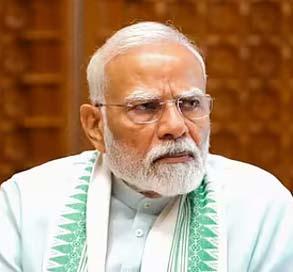
Prime Minister Narendra Modi’s administration is also looking toward a rapid diversification of its oil and gas procurement to reduce the reliance on the Strait of Hormuz. While the Middle East remains the primary source, India has significantly increased its intake of Russian crude and is exploring long-term contracts with producers in the Americas and West Africa.
This multi-alignment strategy is designed to create a buffer against regional shocks, though the sheer volume of India’s energy needs makes an overnight transition nearly impossible. The government’s decision to keep retail fuel prices unchanged for now - taking the hit on the margins of state-owned oil marketing companiesis a calculated move to prevent a localized inflationary spiral before the
upcoming state elections.
The long-term outlook for India depends heavily on the duration of the conflict and the ability of the international community to keep vital trade lanes functional. While the loss in market capitalization is a sharp blow to investor sentiment, some analysts argue that India’s underlying economic fundamentals remain more resilient than those of other emerging markets.
The rise of domestic institutional investment has provided a degree of stability that was absent during previous geopolitical crises, and the government’s focus on building strategic petroleum reserves over the last decade has provided a crucial, albeit limited, cushion. However, the cumulative pressure of a high import bill and falling remittances could test even the most robust growth trajectories if the war drags into the summer of 2026.
Ultimately, India’s experience in the USIsrael-Iran war is a masterclass in the challenges of modern interdependence. The country is discovering that its path to becoming a $5 trillion economy is inextricably linked to the stability of a region thousands of kilometres away. As New Delhi continues to balance its strategic partnership with Washington against its energy needs from Tehran and its diaspora interests in the GCC, it remains a solitary voice for de-escalation in a world increasingly polarized by military force.
The success of its mitigation efforts will not only be measured in the recovery of the Sensex or the stabilization of crude prices, but in its ability to protect the millions of Indian households whose daily lives have been disrupted by the fires of a distant war.
John Antony


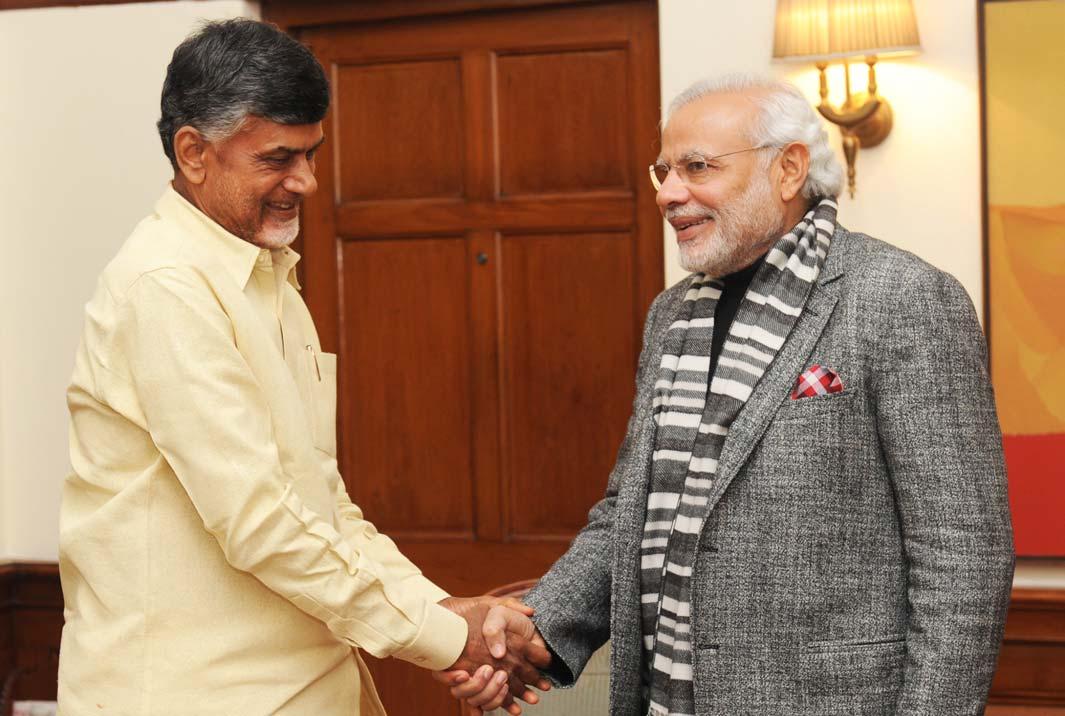
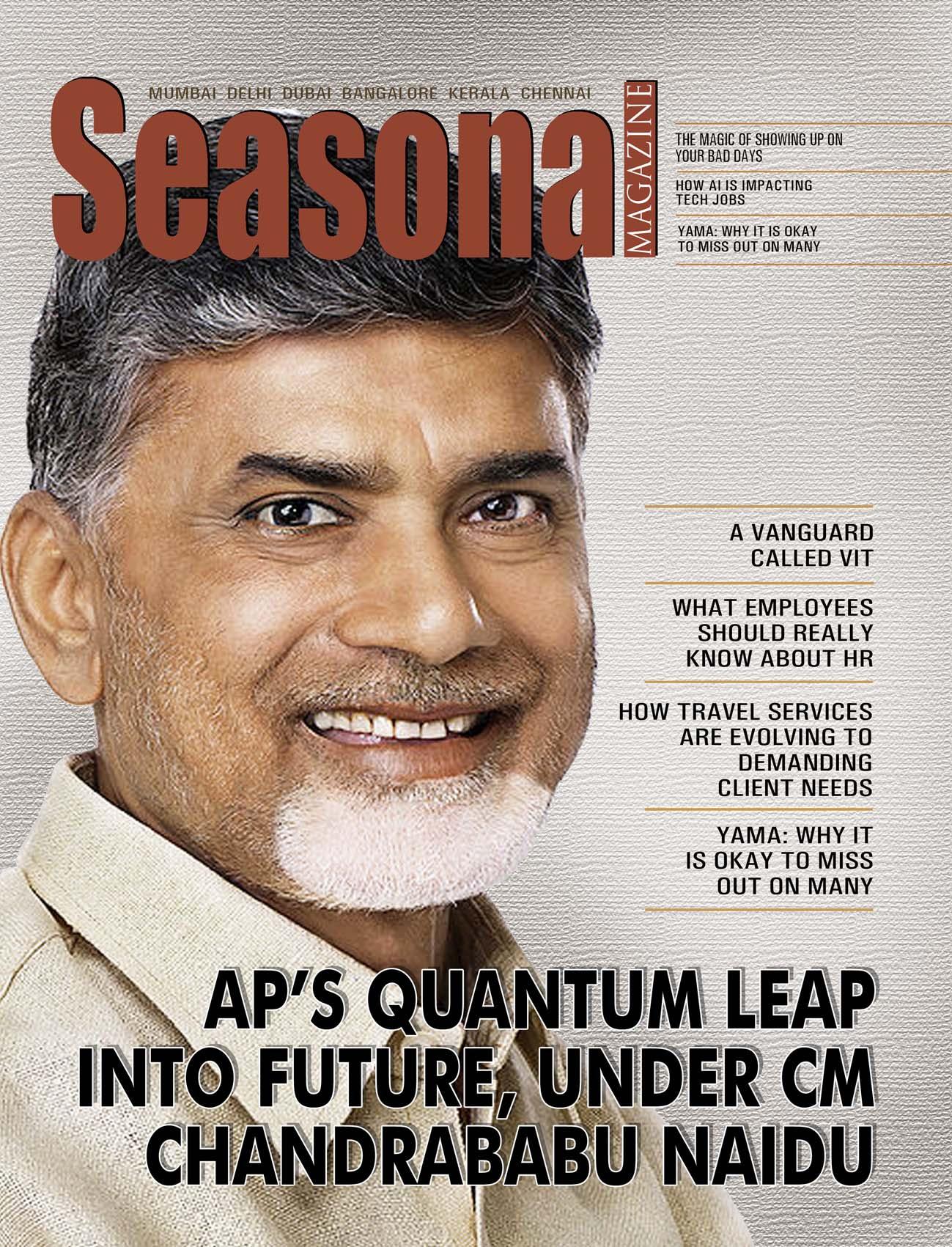
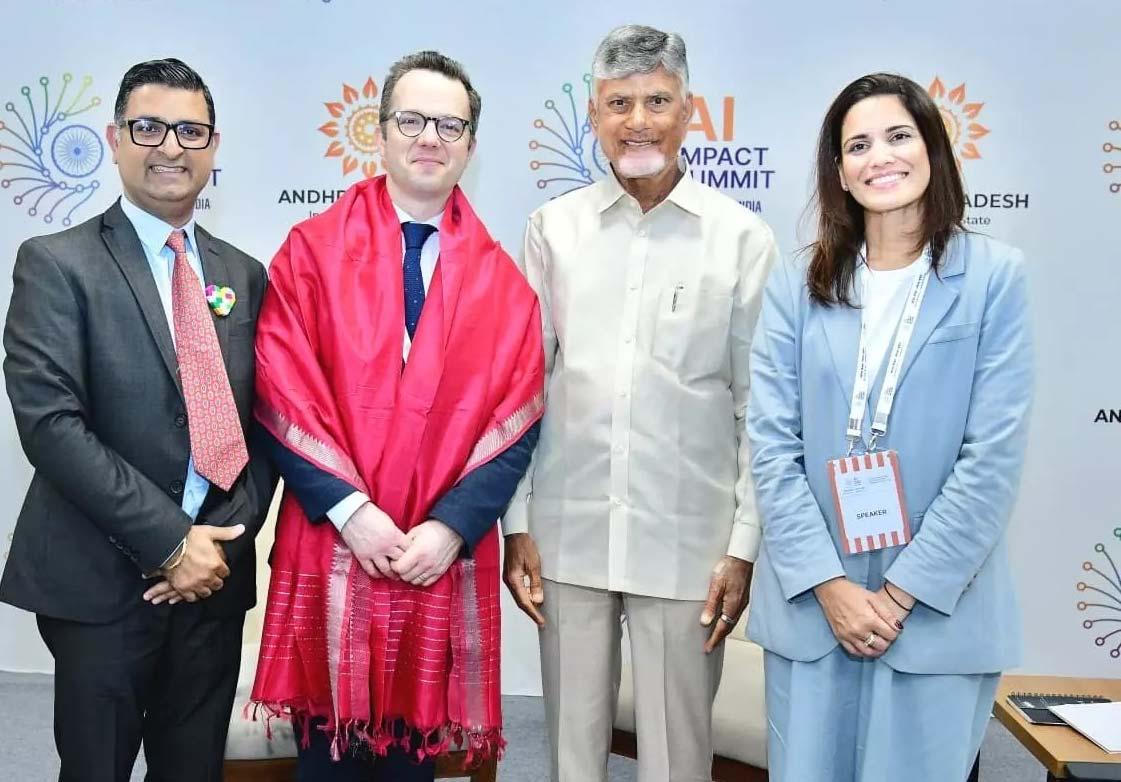
While almost all states in India are currently undergoing a metamorphosis that feels like gradual transitions, the transformation at Andhra Pradesh comes across as a high-velocity launch into the future capable of generating over 2 million new jobs. Under the seasoned leadership of Chief Minister N Chandrababu Naidu, the state has shed the stagnation of previous years to emerge as India’s premier investment destination, backed by a robust partnership with the Central Government and Prime Minister Narendra Modi.
Early in your career, you’ll probably hear this piece of advice: “If something goes wrong, go to HR.” It sounds practical and reassuring, but that advice is missing some critical nuance.

In the bustling tech corridor of North Bengaluru, Reva University has transitioned to a global powerhouse of 15,000+ learners. Under the visionary
People are obsessed with dieting and body size. That may be due to the fact that 40.3% of adults have obesity today, according to some estimates.

As the first point of contact in designing a travel itinerary and the go-to phone call in case of emergencies, travel agents or travel advisors are responsible for a holiday gone right (or wrong). But what really goes on behind the scenes with the people planning your dream holiday? We spoke to travel agents for the inside scoop.

Our ancestors faced relatively few choices in their daily lives, especially when it comes to entertainment options. Today, we have access to an endless buffet of content and social events.

The inaugural National AI Conclave was designed to showcase India as a global architect of innovation, yet it quickly became a case study in crisis mismanagement. When a
This is how to make your brain act 4 years younger, using only your body.

A Harvard study suggests that becoming more likable in everyday conversations doesn’t require charm or storytelling skills. Instead, it comes down to a single, simple question that sparks connection and makes people feel heard. This question and its follow-up questions are not about you, but entirely


NBCC has achieved a landmark third quarter with net profit surging to Rs 197 crore, and order book swelling to a massive Rs 1.26 lakh crore. Under the inspiring leadership of Chairman

In the landscape of private higher education, few names command as much respect and aspiration as the Vellore Institute of Technology (VIT). From its humble beginnings in 1984 as an engineering college, VIT has transformed into a multi-campus powerhouse that consistently challenges the dominance of older public institutions. Today, it stands as a premier group of deemed and private
For nearly four decades, Baby Memorial Hospital (BMH) has been a cornerstone of trust in Kerala’s healthcare landscape. Now, under the visionary leadership of Chairman Dr. KG Alexander and a strategic partnership with global investment firm KKR, the group is scaling new heights with the launch of the Nava Cancer

On June 11, 1997, Michael Jordan stepped onto the court for Game 5 of the NBA Finals between his Chicago Bulls and the Utah Jazz.

When you skip sleep, your brain becomes desperate for maintenance.

Genuine disruption is visible in specific corners of the labour market, though the scale of that disruption is commonly overstated. Research from Anthropic published earlier this month shows that although many work tasks are susceptible to automation, the vast majority are still performed

India’s indigenous satellite navigation system NavIC faces fresh reliability concerns after IRNSS-1F’s atomic clock failure, raising questions about the resilience of the country’s navigation constell

GENUINE DISRUPTION IS VISIBLE IN SPECIFIC CORNERS OF THE LABOUR MARKET, THOUGH THE SCALE OF THAT DISRUPTION IS COMMONLY OVERSTATED. RESEARCH FROM ANTHROPIC PUBLISHED EARLIER THIS MONTH SHOWS THAT ALTHOUGH MANY WORK TASKS ARE SUSCEPTIBLE TO AUTOMATION, THE VAST MAJORITY ARE STILL PERFORMED PRIMARILY BY HUMANS RATHER THAN AI TOOLS.
n the past few months, a wave of tech corporations have announced significant staff cuts and attributed them to efficiency gains driven by artificial intelligence (AI). Companies such as Atlassian, Block and Amazon have announced they would lay off thousands of employees due to increased reliance on AI. The narrative these companies offer is consistent: AI is making human labour replaceable, and responsible management demands adjustment. The evidence, however, tells a more nuanced story.
Genuine disruption is visible in specific corners of the labour market, though the scale of that disruption is commonly overstated. Research from Anthropic shows that although many work tasks are susceptible to automation, the vast majority are still performed primarily by humans.
Moreover, some occupations are more exposed to displacement than others: computer programmers sit at the top of the list, followed by customer service representatives and data entry workers. Yet even within the most
exposed occupations, AI use is still limited.
The aggregate economic data reflects this reality. A 2025 Goldman Sachs report estimated that if AI were used across the economy for all the things it could currently do, roughly 2.5 per cent of US employment would be at risk of job loss. That’s not a trivial number. However, the report notes that workers in AI-exposed occupations are currently no more likely to lose their jobs, face reduced hours, or earn lower wages than anyone else.
The report does note early signs of strain in specific industries. Goldman Sachs identifies sectors where employment growth has slowed that align with AI-related efficiency gains. Examples include marketing consulting, graphic design, office administration and call centres. In the tech sector, US workers in their 20s in AI-exposed occupations saw unemployment rise by almost 3 per cent in the first half of 2025.
Anthropic’s research also found that job-finding rates for workers aged 22–25 entering AI-exposed occupations

have fallen by around 14 per cent since the launch of ChatGPT in 2022. This is a tentative but telling signal about where the pressure is being felt first.
The timing and framing of the layoffs attributed to AI warrant closer examination. Corporate restructuring, over-hiring during the post-pandemic boom, and pressure from investors to demonstrate improved profit margins are all forces operating at the same time as genuine advances in AI.
There is a powerful financial incentive for companies to be seen to be embracing AI aggressively. Since the launch of ChatGPT, AI-related stocks have accounted for about

75 per cent of S&P 500 returns. A workforce reduction framed around AI adoption sends a signal to investors that a straightforward cost-cutting announcement does not.
It is also worth distinguishing between two kinds of workforce reduction. In the first, AI genuinely increases productivity to the point where fewer workers are needed. In the second, staff reductions are not a consequence of AI, but a way to fund it. Meta illustrates this distinction: planning significant layoffs while simultaneously committing US$600 billion to build data centres and recruit AI researchers. In this case, the workers are subsidising the AI bet their employer is making on the future.
The big picture is likely one of transformation rather than elimination. According to a recent PwC report, employment is still growing in most industries exposed to AI, although growth tends to be slower than in less exposed sectors.
At the same time, wages in AIexposed industries are rising roughly twice as fast as in those least touched by the technology. Workers with AI skills command an average wage premium of about 56 per cent across the industries analysed.
Together, the data points toward a flattening of the traditional workplace pyramid. Firms require fewer junior employees for routine analytical and administrative work, while experienced professionals who deploy AI tools effectively become more productive and command greater value.
AI is a consequential technology and will have a significant impact in the long term. What is in doubt is whether the dramatic, AI-attributed workforce reductions accurately reflect that trajectory, or whether they conflate genuine technological change with decisions that would have been made regardless.
(Uri Gal for The Conversation)
SEASONAL MAGAZINE


AS THE FIRST POINT OF CONTACT IN DESIGNING A TRAVEL ITINERARY AND THE GO-TO PHONE CALL IN CASE OF EMERGENCIES, TRAVEL AGENTS OR TRAVEL ADVISORS ARE RESPONSIBLE FOR A HOLIDAY GONE RIGHT (OR WRONG). BUT WHAT REALLY GOES ON BEHIND THE SCENES WITH THE PEOPLE PLANNING YOUR DREAM HOLIDAY? WE SPOKE TO TRAVEL AGENTS FOR THE INSIDE SCOOP.
“Acommon one is clients asking us to guarantee natural phenomena on specific dates, like snowfall in Switzerland or seeing the Northern Lights. Unfortunately, some things in travel are beyond anyone’s control.”
“We had a client request to know the position of the bed in the hotel room, because they were firm believers of Vastu.”
“I’ve had clients ask if I can personally vouch for them to an embassy officer to skip a visa requirement or a mandatory document, as if my word carries more weight than a country’s national security laws.”
“People will book a 20-minute layover in a massive international hub like Heathrow or Dubai and genuinely expect me to call the airline and ask them to ‘hold the plane’ if their first flight is late. They see us as people who can manipulate global aviation schedules or pause time just because they bought a ticket through our agency.”
“I had a client, who called me at midnight from Delhi Airport, and said he’d forgotten his passport at his residence in Jaipur, and had to travel to Europe urgently. He asked if I could
ask authorities to let him travel without his passport.”
“I had another client call me instead of the hotel reception at 2.30am because he didn’t have hot water in his room.”
“The biggest misconception is that our job is just about travelling and enjoying destinations. Yes, travel is part of it, but when you are leading a group tour,
you are responsible for 30–40 people at a time, each with different expectations and personalities. Managing that many people while keeping the itinerary running smoothly requires constant coordination and problem-solving.”

“Another myth is that travel agents get to travel for free. People often assume our personal trips are sponsored, but that’s not true—we pay for our
vacations just like everyone else.”
“That we get free tickets to travel the world or free hotel stays or that we started this business only to travel.”
“The biggest misconception is that we are “human search engines” who spend our days looking at pretty pictures of hotels and clicking “book”. People think that because they have access to Expedia or Booking.com, they see exactly what we see. In reality, the behind the scenes include a lot of risk management and logistics.”
“Another false perception is that we are an unnecessary expense. People don’t want to pay extra for the hours of invisible labor we put into vetting suppliers to ensure a client doesn’t end up in a construction zone or a hotel that just went bankrupt.”
“They will happily spend thousands on a luxury dinner or a designer bag during their trip, but the moment they see a professional service fee for the 20+ hours of work we put into planning that trip, they try to negotiate it down or
avoid paying it altogether. They use any minor inconvenience as an excuse to withhold payment for the labor we’ve already performed.”
“There are always some who will dispute, especially if the full amount is not paid before the trip. They will always come back complaining about something, like the food was cold, or the colour of the car, or the driver’s English level.”
“A client will come to us with a vague idea, and we spend hours researching, vetting, and building a professional, seamless itinerary. Then, suddenly, they’ll come back with a list of ‘corrections’ because a cousin or a brother-in-law went to that same country ten years ago and “knows a better spot.””
“Almost every family has a selfdeclared travel expert. During the pandemic, a client took a quote from us for Singapore but decided to follow advice from a relative and book everything online. They missed an important vaccination requirement for entry. They reached the airport and were stopped from boarding. I got a call asking what could be done.

Unfortunately, at that point there was nothing to do except go back home.”
“We now have a new type of client: the “AI-Confident” traveller. These are guests who come to us with a full itinerary generated by an AI in 30 seconds, and they treat it as if it’s an absolute, verified truth. They trust the algorithm more than our years of ground-level experience because the AI’s output looks polished and datadriven.”
“I had a situation where a client insisted on a specific remote boutique hotel and a very tight transport schedule between two cities in Southeast Asia because an AI told them it was a top-rated hidden gem and the travel time was only 3 hours. I warned them that the hotel had actually closed permanently six months ago and that the road between those cities was under major construction, making it a 7-hour journey at best. They didn’t listen. They ended up stranded in a rural area at sunset with no hotel to go to and no way to get to their next destination. The AI had hallucinated that the hotel was still open because it was processing old data. Behind the scenes, we are the ones who have to stay up all night making emergency calls to find them a safe place to sleep. The irony is that the client trusts the AI for the ‘dream,’ but they only trust the human agent when it turns into a logistical disaster.”
“A client once uploaded our quotation for a trip to Japan into an AI tool and it suggested the trip could be done 30% cheaper. They asked us to match the price, but we refused because our quote included all operational costs. They eventually booked a cheaper version and ended up spending around 20% more than our original quote due to hidden charges. Travel planning involves many real-world costs that AI often doesn’t account for.”
(Suhani Ritu Swaytank for Condé Nast Traveller)

Jordan was reportedly very sick, but chose to play given the critical importance of the game to the series, which was tied 2-2 at the time.
Throughout the game, he looked visibly unwell, with a fever over 100 degrees, he experienced extreme fatigue, dehydration, and body aches.
But despite his condition, he played 44 of the 48 total minutes, scored 38 points, and had 7 rebounds, 5 assists, 3 steals, and 1 block. With under one minute left, he hit a 3-pointer to seal the win for the Bulls.
The game—now commonly known as Michael Jordan’s “Flu Game”—has gone down in NBA lore as one of the most impressive, clutch performances in history.
While I do vividly recall watching this game with my dad (I was 6-years-old at the time!), I’m not just sharing this as a fun trip down memory lane…
Last week, I flew to South Africa to give two talks in front of a few thousand people at a big corporate event.
When I landed in Johannesburg on Tuesday evening local time, my body was utterly wrecked. I had co-hosted a retreat the week before and rolled that straight into a 15 hour flight across the world to get there in time for my event.
I woke up the morning of my talk with a bad headache and congestion. I had a choice to make: Tell the organizers I couldn’t do my talk that day, or, lock in, show up, and do my best to execute.
In moments like this, I always remember my 6-year-old self watching in awe as Michael Jordan showed up in Game 5 with the season on the line.
So, I made my choice: I took some Advil, ordered a big pot of tea with honey, did some breathing exercises, and walked onto the stage.
One hour later, I was done. I was exhausted, but it had gone as well as I could have imagined. I’d be willing to bet no one in the audience even realized I wasn’t feeling my best.
As I was sitting in my hotel room later that day reflecting on the experience, I had a thought:
Wait until they see me on a good day. You see, there’s a mental shift that happens when you prove to yourself that you can feel terrible and still find a way to win. When you show up on a bad day and still execute.
There’s a magic in showing up on your bad days.
You build an unbreakable confidence in yourself. That Wait Until They See Me on a Good Day Energy that’s

hard to put into words. But you know it when you feel it.
You will find yourself in your own version of Jordan’s Flu Game from time to time. A big moment. Something you’ve been preparing for. And you feel less than perfect.
On those days, you have a choice to make:
How do you show up when you feel like sh*t?
You can shy away from it. Wait for perfect conditions. For the stars to align. Or, you can lean in. You can step up. You can prove to yourself that you are the creator of your own future.
The choice is yours. Choose wisely.
(Sahil Bloom)

Y Y
EARLY IN YOUR CAREER, YOU’LL PROBABLY HEAR THIS PIECE OF ADVICE: “IF SOMETHING GOES WRONG, GO TO HR.” IT SOUNDS PRACTICAL AND REASSURING, BUT THAT ADVICE IS MISSING SOME CRITICAL NUANCE.
difficult lesson many people learn later — often through experience — is that HR is not primarily structured to advocate for individual employees. Instead, it’s main function is to protect the organization it works for.
This can make people uncomfortable, but it’s not meant as a criticism of the people who work in HR. Most HR professionals are thoughtful, wellmeaning practitioners who care about fairness and employee well-being.
The issue is less about individuals and more about organizational structure. HR’s main function is to manage organizational risk, which includes reducing legal exposure, ensuring compliance with regulatory bodies, hiring and firing employees, and managing internal issues.
Professional bodies reflect this framing. The Society for Human Resources Management, the largest professional HR body in the world, frames the role of HR landing squarely in compliance, workforce risk management and organizational effectiveness.
What these frameworks don’t claim is that HR’s primary mandate is to protect individual employees when
their interests conflict with the organization.
When employee well-being and performance align with organizational goals, HR can be extremely helpful. But when those interests diverse, the organization’s priorities typically comes first. Understanding this early
is an important part of navigating your career.
It’s common for early-career professionals to assume that HR functions like a neutral mediator designed to resolve workplace disputes, but it’s important to understand this isn’t the case.

In practice, HR sits inside the corporate hierarchy. Human resources officers typically report to senior leadership, and their performance is measured by how effectively they are able to manage institutional risk.
Because of this structural position, HR professionals are responsible for balancing employee concerns with the organization’s broader legal, financial and reputational risks.
When conflicts involve routine interpersonal issues or policy misunderstandings, HR can intervene and resolve things quickly. But when complaints involve highly productive employees or senior leaders, the incentive can become more complicated.
Research shows that employees who generate revenue, prestige or hold influence may receive greater protection from leadership — even when their behaviour is harmful — because they are perceived as valuable organizational assets.
In recent years, many organizations have promoted “speak-up” cultures, encouraging employees to report

misconduct when it arises.
In principle, these initiatives reflect an important commitment to accountability. But the data tells a more complicated story.
According to the 2023 Global Ethics Survey, nearly half of employees who reported misconduct said they experienced some form of retaliation afterward.
Retaliation is not always explicit. It may take the form of declining career opportunities, exclusion from critical projects, damaged professional relationships or negative performance evaluations.
Even when retaliation is subtle or indirect, its effects can ripple through an organization. When colleagues observe retaliation from speaking up, they become less likely to report concerns. This creates a silencing effect where concerns about misconduct remain unreported despite formal reporting mechanisms.
Reporting misconduct is important, but it’s wise to understand the potential risks and protections that exist before doing so.
Workplace investigations offer another example of HR’s structural role. These investigations are formal processes HR conducts when allegations of misconduct, harassment or policy violations arise.
These investigations typically focus on determining whether internal policies or legal obligations were violated. In practice, that means the question often becomes, “Did someone violate policy?” rather than the more important question, “Was someone harmed?”
HR professionals are often responsible for conducting these internal investigations. While many are experienced in employee relations, most have little to no formal investigative training.
As a result, investigations are often conducted by professionals whose expertise lies primarily in HR management rather than formal
investigative practice.
Research on corporate compliance systems suggests that internal compliance procedures typically serve as mechanisms to ensure legal defensibility and reduce organizational liability, rather than to deliver justice to employees.
In other words, once a workplace issue becomes a formal investigation, the process is often shaped by legal and organizational risk considerations.
None of this means HR professionals are your enemy in the workplace.
In organizations where leadership prioritizes ethical conduct, psychological safety, accountability and fairness, HR can absolutely be an ally.
For instance, HR sets policies that define unacceptable behaviour, delivers training programs that explain those standards to employees and establishes reporting channels for complaints.
Still, even the most committed HR professionals operate within a structural mandate to protect their institution. Understanding this distinction can help you can approach workplace challenges with clear expectations.
If you need to raise concerns with HR, it can be helpful to document incidents carefully, understand your company’s policies and know your rights as an employee. Recognize when external reporting channels may be required and familiarize yourself with those processes.
Wherever possible, try to resolve problems early before they become formal HR issues. Once a matter enters HR channels, the focus frequently shifts toward documenting the issue and managing potential legal or organizational risk.
Once you understand how organizations actually work, you can stop navigating your career with assumptions and start navigating it more strategically.
(Jason Walker for The Conversation)
INDIGENOUS SATELLITE NAVIGATION SYSTEM NAVIC FACES FRESH RELIABILITY CONCERNS AFTER IRNSS-1F’S ATOMIC CLOCK FAILURE, RAISING QUESTIONS ABOUT THE RESILIENCE OF THE COUNTRY’S NAVIGATION CONSTELL
During the Kargil war in 1999, the Indian government approached the US seeking global positioning system (GPS) data for the region to check Pakistan’s aggression. However, the US declined New Delhi’s request, maintaining that it would not assist either side in the conflict. This prompted India to build an indigenous navigation system for strategic autonomy in positioning and timing services, especially during emergencies or conflicts.
In 2013, the first satellite of the IRNSS (Indian Regional Navigation Satellite System) was launched with an aim to build India’s own version of GPS. A decade later, IRNSS, which is now called NavIC (Navigation with Indian Constellation), faces reliability concerns.
On March 13, 2026, the Indian Space Research Organisation (Isro) said the atomic clock of one of the remaining satellites in orbit had stopped working. In simpler terms, it means the system will not be able to provide reliable navigation data.
Here is what you need to know about the NavIC system, what it does, and what problem it is facing today.
Like the GPS, NavIC provides positioning, navigation and timing (PNT) services using signals transmitted by satellites. Receivers on Earth calculate their location by measuring
how long these signals take to travel from the satellites.
NavIC is designed as a regional system, covering India and roughly 1,500 km beyond its borders, rather than offering worldwide coverage like GPS.
The system provides two types of services:
Standard Positioning Service (SPS): available for civilian use
Restricted Service (RS): encrypted signals intended for authorised users, including the military
The project was approved by the Government of India in May 2006. The first satellite, IRNSS-1A, was launched aboard PSLV-C22 on July 1, 2013. Over the next three years, Isro steadily
deployed additional satellites through a series of PSLV missions.
The constellation was completed with the launch of IRNSS-1G on April 28, 2016. Following this milestone, Prime Minister Narendra Modi named the system NavIC.
NavIC is used across public and government agencies. Key applications include:
Transportation and vehicle tracking Defence and strategic operations Disaster management and emergency response
Agriculture and surveying
Telecommunications and timing services



India is among a small group of countries that operate their own satellite navigation systems.
Besides the US’ GPS and India’s NavIC, Russia operates GLONASS, Europe runs Galileo, and China operates the BeiDou Navigation Satellite System (BDS). These three systems, like GPS, provide global coverage with constellations of around 24–35 satellites in medium Earth orbit.
China’s BeiDou has more than 30 operational satellites, while Europe’s Galileo offers high-precision civilian positioning services worldwide.
Compared with these global systems, NavIC has only seven satellites and is designed for regional coverage, focusing on high accuracy over the Indian subcontinent rather than worldwide navigation.
Every navigation satellite carries atomic clocks, which are extremely precise timekeeping devices.
Satellite navigation works by measuring the time taken by radio signals to travel from a satellite to a receiver on Earth. Because radio signals travel at the speed of light, even a tiny timing error can produce a large error in the calculated position.
Atomic clocks use the natural oscillations of atoms, typically rubidium or caesium, to keep time with extraordinary accuracy.
If the atomic clocks on a satellite fail, the satellite can no longer provide precise navigation signals.
Several NavIC satellites have suffered such failures since 2016, when all three atomic clocks aboard IRNSS-1A stopped functioning.
When this happens, satellites may still be usable for one-way communication or messaging services, such as broadcasting disaster alerts to fishermen, but they cannot support accurate positioning.
The latest affected satellite is IRNSS1F, launched in March 2016. It has now reached its design life, and its atomic clock has stopped functioning.
Notably, NVS-02, a new-generation NavIC satellite launched in January 2025 to replace one of the older satellites, was also unable to reach its final orbit.
Satellite navigation systems require at least four satellites visible at a time to determine a receiver’s precise position.
With the loss of IRNSS-1F’s clock and earlier problems affecting other satellites, the NavIC constellation currently has fewer satellites capable of providing fully reliable positioning services.
This means reduced reliability of NavIC positioning services and greater dependence on foreign navigation systems such as GPS.
Isro has begun deploying secondgeneration NavIC satellites (NVS series) designed to address earlier problems.
Key improvements include indigenous atomic clocks and reduced dependence on imported components. Earlier, the atomic clocks were sourced from European firms such as Switzerland’s SpectraTime.
The NVS series satellites also support the L1 frequency band, which helps smartphones, vehicles and other receivers determine their location and time accurately using satellite signals. More satellites in the NVS series are expected to be launched to restore the constellation and improve redundancy. (Rishabh Sharma for Business Standard)
SEASONAL MAGAZINE
Each year, over 50,000 concerts take place in the United States. More than 140 artists performed at Coachella alone. Netflix offers more than 5,000 films and 2,500 series. Meanwhile, U.S. publishers release approximately 275,000 new titles annually.
This explosion of choice has created a new form of psychological overwhelm that our brains weren’t designed to handle.
So when I saw a tweet from someone at Vibecamp about a new term— YAMA, or “You’re Always Missing Out”—something clicked. Here’s how they described it: “since you’re always already missing out on something, there’s no use in worrying about that which you may be missing. do as you like with no regrets!”
(and no I don’t know why the person who coined it didn’t go with YAMO)
When faced with too many options, we experience what psychologists call “choice overload”, a phenomenon where having more choices actually decreases our satisfaction and increases anxiety. The prefrontal cortex, responsible for decision-making, becomes overtaxed when processing numerous alternatives, leading to heightened stress responses.
Some evolutionary psychologists believe that this heightened stress response might have been adaptive. In small hunter-gatherer communities, failing to participate in social activities could have serious consequences for survival and reproductive success.
But in today’s world, these same mechanisms are constantly triggered by an overwhelming array of experiences we could pursue, from Netflix’s thousands of titles to countless travel destinations, learning opportunities, and social events.
The result is time anxiety: the fear that we’re not making the most of our limited time. This creates a cycle where every choice feels urgent, yet no single

choice can satisfy our sense that we should be doing more.
YAMA (You’re Always Missing Out) differs from JOMO (the Joy of Missing Out) in important ways. JOMO helps when you’re deciding whether to attend a specific event. But YAMA is more universal, applying whether you’re choosing between TV shows, deciding which artist to see at a festival, or browsing books to choose your next read.
JOMO is based on active choice. YAMA can be about going with the flow: since you’re always missing something anyway, there’s no point in being anxious about it. YAMA may also be more sustainable because it doesn’t require manufacturing
positive emotions. While JOMO asks you to find joy in missing out, YAMA simply asks you to accept that experiencing everything is impossible.
I think that’s what I like the most about this concept: YAMA recognizes that missing out is a fundamental part of the human condition. Rather than fighting this reality or trying to optimize around it, YAMA suggests simply accepting that we’re finite creatures in an infinite world.
YAMA works across many situations, whether you’re choosing what to watch, which event to attend, or what to learn next. Here’s how to apply it:
1.Before the activity: Acknowledge that by choosing one option, you’re

necessarily not choosing countless others, and that’s okay. Take a moment to remind yourself that in your current reality with our known laws of physics, you simply don’t have access to all possible experiences. This simple recognition takes the pressure off optimizing for the absolute best use of your time.
2. During the activity: When you notice your mind wandering to other possibilities or comparing your current experience to what you might be missing, gently redirect your attention to the current activity. The idea isn’t to force joy, but simply to stay present with your actual experience instead of worrying about alternative ones you’re missing.
3. After the activity: Resist the urge to evaluate whether you made the “right” choice or to immediately seek validation through social media or even planning the next activity. Instead, acknowledge that you had one specific experience out of many possible ones, and that this limitation is inherent to life as a human being.
Pay attention to how different ways of choosing actually make you feel. Experiment with various approaches: sometimes research your options thoroughly, other times pick randomly, and occasionally let friends choose or simply go with whatever’s right in front of you.
When done intentionally, these different approaches can teach you that how you choose often matters less than you think, and that releasing control can be surprisingly freeing.
What’s most liberating about YAMA is its honesty about the human condition. We have limited time, attention, and capacity for experience. No amount of productivity hacking or careful planning will change that.
By accepting our constraints rather than fighting them, we can choose from curiosity instead of anxiety, and perhaps discover that missing out isn’t the problem we thought it was.
(Anne-Laure Le Cunff)

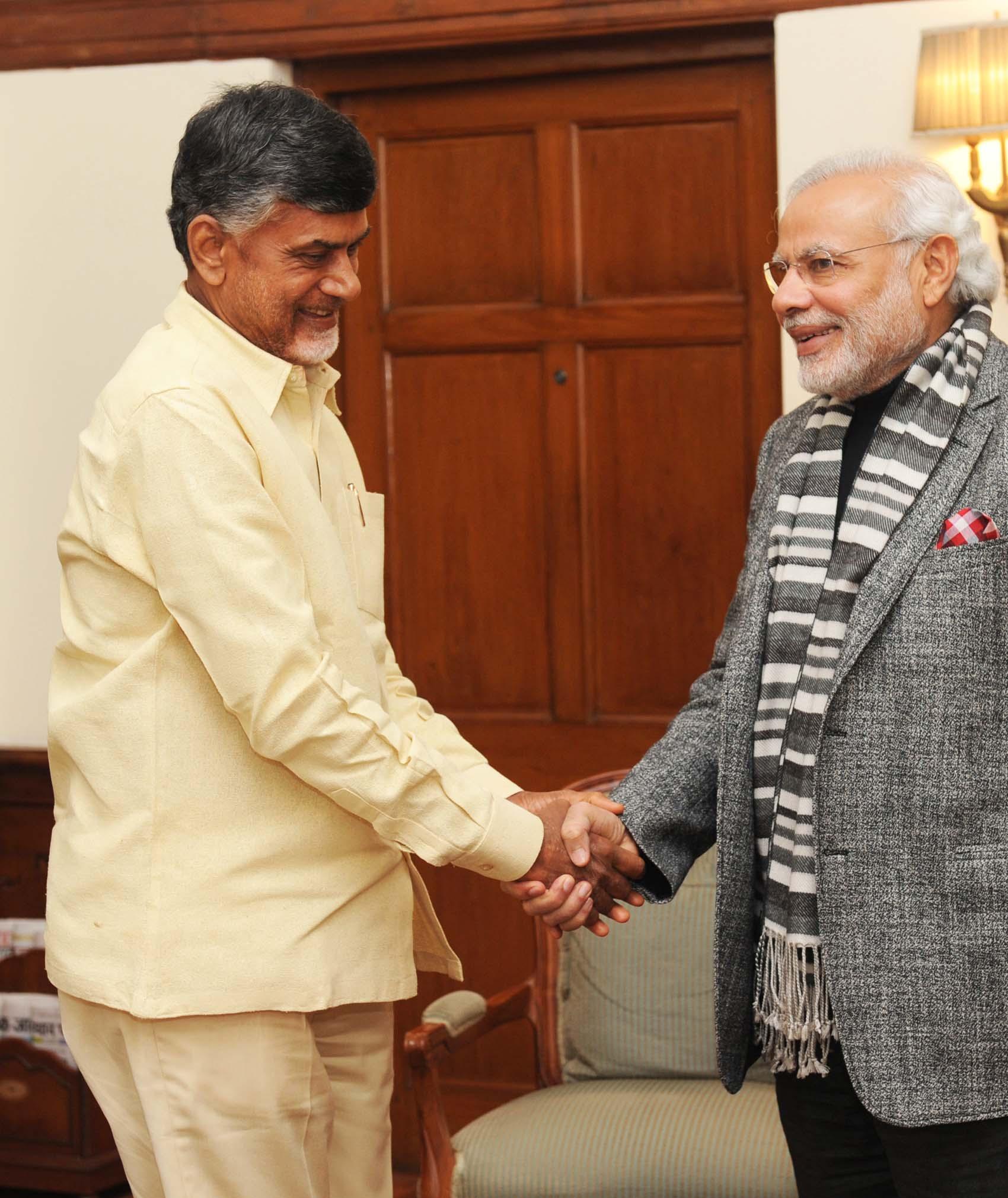

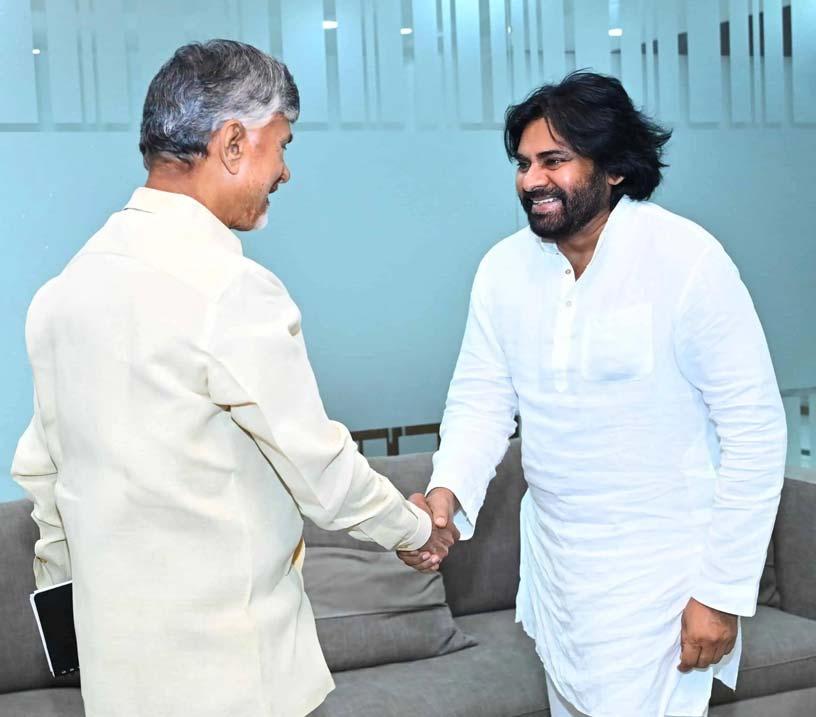
WHILE ALMOST ALL STATES IN INDIA ARE CURRENTLY UNDERGOING A METAMORPHOSIS THAT FEELS LIKE GRADUAL TRANSITIONS, THE TRANSFORMATION AT ANDHRA PRADESH COMES ACROSS AS A HIGH-VELOCITY LAUNCH INTO THE FUTURE CAPABLE OF GENERATING OVER 2 MILLION NEW JOBS. UNDER THE SEASONED LEADERSHIP OF CHIEF MINISTER N CHANDRABABU NAIDU, THE STATE HAS SHED THE STAGNATION OF PREVIOUS YEARS TO EMERGE AS INDIA’S PREMIER INVESTMENT DESTINATION, BACKED BY A ROBUST PARTNERSHIP WITH THE CENTRAL GOVERNMENT AND PRIME MINISTER NARENDRA MODI.
With a clear-eyed focus on ‘Swarna Andhra 2047’, the Chandrababu Naidu administration is blending compassionate welfare with a fierce, technology-driven development agenda. This dual approach has not only restored investor confidence but has also positioned the state as a critical engine for India’s national growth.
The political comeback of Chief Minister Naidu in 2024 brought with it a renewed sense of administrative urgency and a feel of real time governance. Declaring 2026 as the “Year of TechnologyDriven Decision Making,” the CM has integrated Artificial Intelligence into the very fabric of public service delivery.
The “Super Six” promises, once campaign slogans, are now operational realities: millions of mothers receive financial support via the Talliki Vandanam scheme, and women across the state benefit from free bus travel. These social safety nets are balanced by a massive push for wealth creation, as evidenced by a staggering double-digit GSDP growth rate of 11.28%, signaling a state that is both caring and competitive.
The sheer scale of capital flowing into the state is perhaps the most visible indicator of this revival. In the first nine months of the 2025-26 fiscal year alone, Andhra Pradesh captured over 25% of India’s total proposed capital investment, outperforming industrial giants like



Maharashtra and Gujarat.
Major global players have anchored themselves in the state’s burgeoning ecosystems; Google is establishing a landmark AIpowered data center in Visakhapatnam, while Reliance is setting up the nation’s largest food park in the Rayalaseema region. These projects are part of a broader Rs 20 lakh crore investment roadmap designed to create two million jobs, ensuring that the state’s youth are the primary beneficiaries of this economic surge.
At the heart of this transformation

is the resurrection of Amaravati, projected as the “People’s Capital.” Stalled for a long time, the city has now been accorded statutory status as the permanent capital with the direct support of the Central Government. Amaravati’s skyline is rapidly changing as construction resumes on a massive scale, supported by a Rs 57,000 crore investment plan.
Amaravati is being designed not just as an administrative seat but as
a Quantum Valley - an integrated ecosystem for deep-tech innovation. This ambitious hub is set to host South Asia’s first quantum computing system by late 2026, featuring IBM’s 156-qubit Quantum System Two, marking Andhra Pradesh’s entry into the elite global league of frontier technology.
The state’s focus on the knowledge economy extends deep into its education and research sectors. To prepare the workforce for the

quantum era, the State Council of Higher Education has mandated quantum computing curricula across all universities, with Andhra University leading the way with dedicated degree programs.
This is complemented by the Ratan Tata Innovation Hub, which serves as an incubator for startups in AI and deep-tech. By bridging the gap between classroom learning and industrial applications, the government is ensuring that the Telugu talent that helped build Silicon Valley, Bengaluru and Hyderabad, now has a world-class playground right at home in the East Coast’s new technology corridor.
A defining characteristic of this new era is the seamless synergy between the state and the Union Government. Prime Minister Narendra Modi has frequently
highlighted Andhra Pradesh as the hub of India’s energy and digital revolution. This double-engine growth is powered by significant central allocations, including a dedicated Rare Earth Corridor and high-speed rail connectivity linking Kurnool and Anantapur to major southern metros.
From the massive Polavaram irrigation project to new industrial corridors in Orvakal and Kopparthy, the backing of the PM has provided the fiscal and political stability required to execute projects of such historic proportions.
Infrastructure development has moved beyond traditional roads to
include a futuristic multi-modal network. The state is making strides in clean energy, attracting Rs 3 lakh crore in investments for solar, wind, and pumped storage projects. Simultaneously, the Swachh Andhra initiative is cleaning up urban artifacts, with a target to process over 11 million metric tonnes of waste.
With international subsea gateways landing in Visakhapatnam and a Sovereign AI framework in the works, Andhra Pradesh is no longer just competing with other Indian states; it is positioning itself as a global gateway for futuristic technologies and massive employment generation.
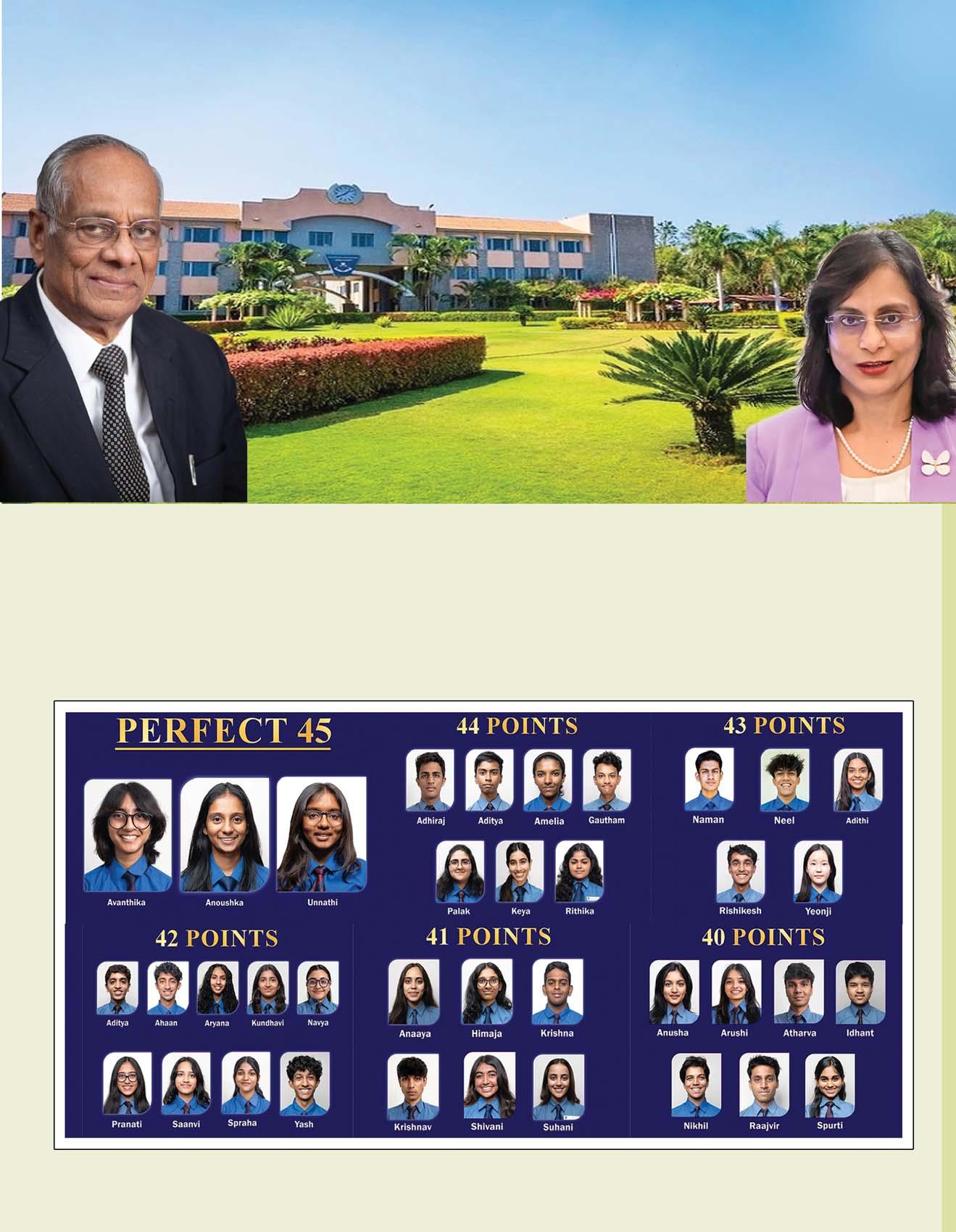
Founded by the legendary educator Dr. KP Gopalkrishna, The International School Bangalore (TISB) has spent over two decades redefining the landscape of international education. Under the dynamic stewardship of Vice Chairperson Dr. Bindu Hari and Principal Mrs. Kate Reynolds, TISB has emerged as India’s most coveted IB Diploma campus - a 140-acre ecosystem where academic rigor is harmonized with creativity and compassion.

Our legacy is written in the success of our students. With several IBDP perfect scorers achieving the elusive 45-point mark, TISB stands at the pinnacle of pedagogical mastery. Here, we don’t just prepare students for exams; we prepare them for the world’s most elite stages.
From our state-of-the-art Innovation Lab to our vibrant performing arts scene, every TISB student is empowered to think, lead, and serve with confidence.
TISB, A Proven Pathway to Ivy League:
IB Diploma Toppers With Perfect 45 Scores
$27.4 Million in Scholarships Over 2 Years
US Placements in MIT, Harvard, Stanford, Yale & Wharton UK Placements in Oxford & Cambridge Students From Over 40 Nationalities.
The TISB Distinction:
Educational Excellence of the NPS Group
Holistic Growth Spanning Sports, TISBMUN and more
Bespoke Mentoring to Unlock Student Potential
Futuristic Innovation Lab for Robotics, AI & Design Thinking
Reach Us At: Registrar - Admissions - 91-63642 62063
The International School Bangalore NAFL Valley, Whitefield-Sarjapur Road, Near Dommasandra Circle, Bengaluru-562125, India
with Empathy.

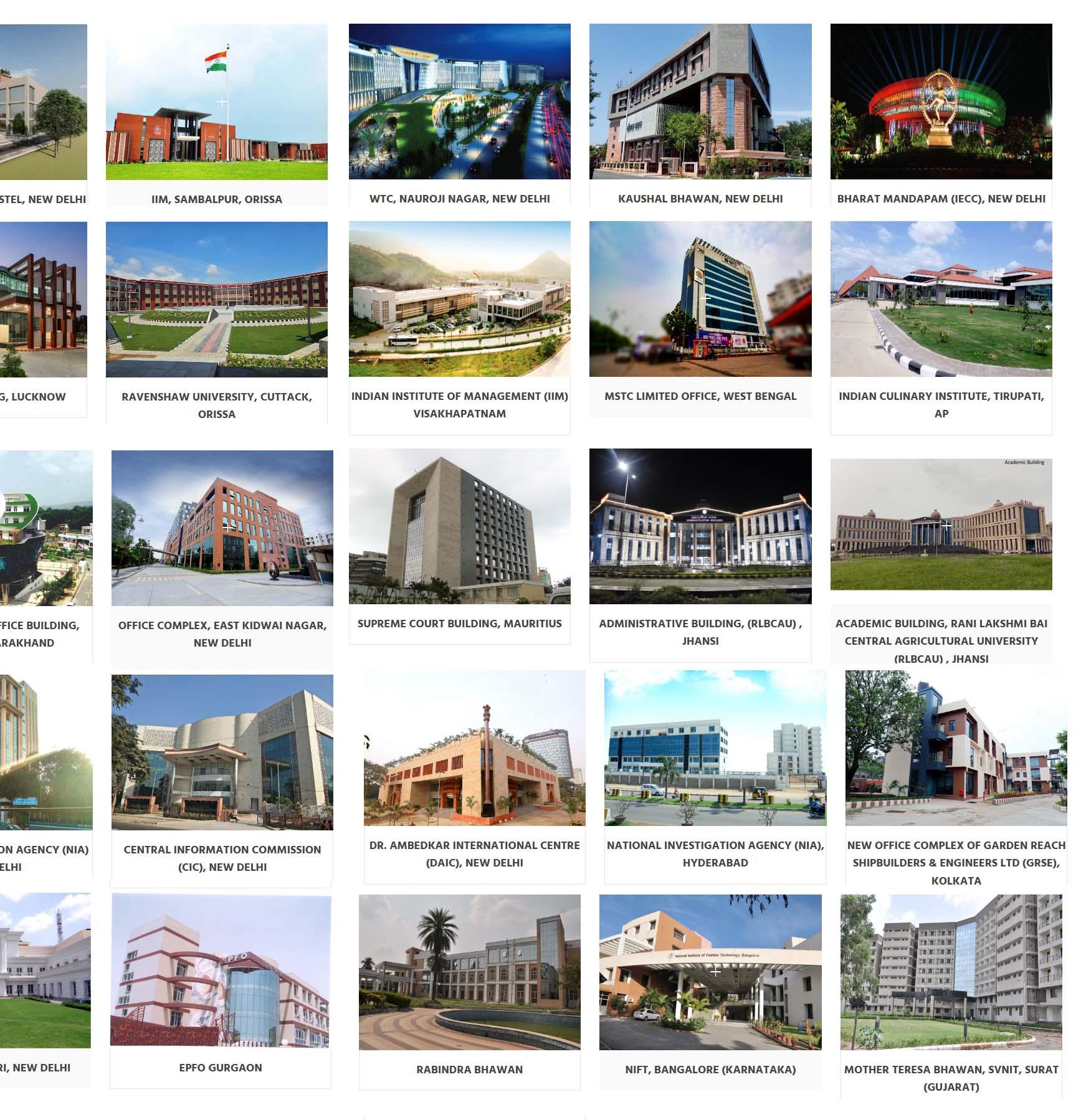
NBCC has achieved a landmark third quarter with net profit surging to Rs 197 crore, and order book swelling to a massive Rs 1.26 lakh crore. Under the inspiring leadership of Chairman & Managing Director KP Mahadevaswamy, the company is successfully pivoting toward high-margin redevelopment and distressed asset management such as the Supreme Court-mandated Supertech projects. With revenue projected to double by 2028 and analysts setting ambitious targets, NBCC is positioning itself as a debt-free powerhouse at the center of India’s infrastructure boom.
In the dynamic domain of India’s infrastructure, NBCC (India) Limited has emerged as a cornerstone of urban transformation. The company’s performance for the third quarter of FY26 has further solidified its reputation as a resilient public sector powerhouse. Despite a modest revenue growth of around 7.6%, NBCC reported a robust consolidated net profit growth of 39%.
This surprising surge in profitability highlights a strategic shift toward high-margin projects and superior operational efficiency. For the first nine months of the fiscal year, the narrative remains equally compelling, with consolidated revenues exceeding Rs 8,300 crore and net profits climbing by over 30%, signaling a robust trajectory as the year draws to a close.
The architect behind this momentum is the company’s Chairman and Managing Director, KP Mahadevaswamy. His tenure has been characterized by an aggressive pursuit of order book diversification and a renewed focus on execution. Beyond the balance sheet, Mahadevaswamy has championed a vision of nationbuilding, steering the company toward socially impactful projects and sustainable infrastructure.
His leadership has not only boosted investor confidence but has also streamlined the company’s internal productivity metrics. Notably, revenue and profit per employee have seen a steady uptick, reflecting a leaner, more motivated workforce capable of handling a massive consolidated order book that now stands at an impressive Rs 1.26 lakh crore.
NBCC’s business model is uniquely structured across three primary segments: Project Management Consultancy (PMC), Engineering Procurement and Construction (EPC), and Real Estate Development. The PMC segment remains the undisputed
engine of growth, contributing roughly 90% of the total revenue.
This asset-light model shields the company from the volatility of raw material prices, allowing it to maintain a debt-free balance sheet and a high Return on Equity (ROE), which currently hovers around 25%. While the PMC arm continues to secure massive government mandates, the Real Estate segment has shown flashes of brilliance, recently posting a multifold increase in quarterly profits as the company begins to monetize its vast land banks and redevelopment projects.
Recent months have seen a flurry of significant order wins that provide long-term revenue visibility. From the redevelopment of housing colonies in Ghaziabad and New Delhi to major infrastructure works for the Damodar Valley Corporation and Indian Overseas Bank, the company’s portfolio is expanding rapidly.
Even on the international stage, NBCC is making its mark, with highlevel discussions recently held regarding a massive 139-acre island infrastructure development in Seychelles. These initiatives are not just about adding numbers to the order book; they represent a strategic push into self-revenue generating projects, which now comprise a significant portion of the company’s future pipeline.
Looking ahead, the company is betting big on several gamechanger projects that could redefine its valuation. The redevelopment of aging government colonies into modern, high-density residential and commercial hubs remains the jewel in its crown. Projects like the Ghitorni and Gurugram developments, with combined gross development values exceeding Rs 10,000 crore, are expected to be major catalysts for revenue in the coming years.
Furthermore, the company’s foray into managing stalled private real estate projects, such as those of the Supertech Group under Supreme Court mandates, has opened a new vertical of distressed asset management, showcasing its technical prowess and reliability in the face of complex challenges.
Analysts from top brokerages have maintained “Buy” ratings but have recently adjusted target prices to
reflect concerns over the pace of execution in real estate monetization. The stock currently trades at a premium compared to its peers, a reflection of its monopoly-like status in government redevelopment and its zero-debt status.
While some market watchers point toward margin compression in the EPC segment as a point of concern, most agree that the company’s massive
order book - offering nearly four years of revenue visibility - provides a safety net that few in the construction sector can match.
As the fiscal year 2026 enters its final stretch, NBCC stands at a pivotal junction. It is no longer just a PSU construction player but a sophisticated urban planner and project manager. The transition from traditional construction to a consultancy-led,
high-tech infrastructure firm is well underway.
For investors and stakeholders, the focus will remain on how quickly the leadership can convert its gargantuan order book into tangible earnings. If the recent Q3 performance is any indication, NBCC is well on its way to cementing its position as a primary beneficiary of India’s multi-decade infrastructure boom, turning blueprint ambitions into concrete reality.
SEASONAL MAGAZINE

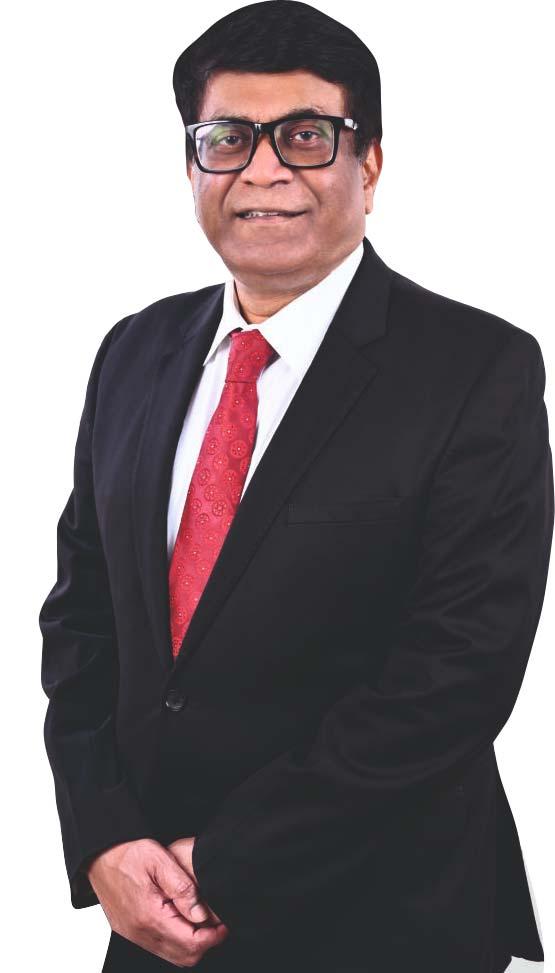
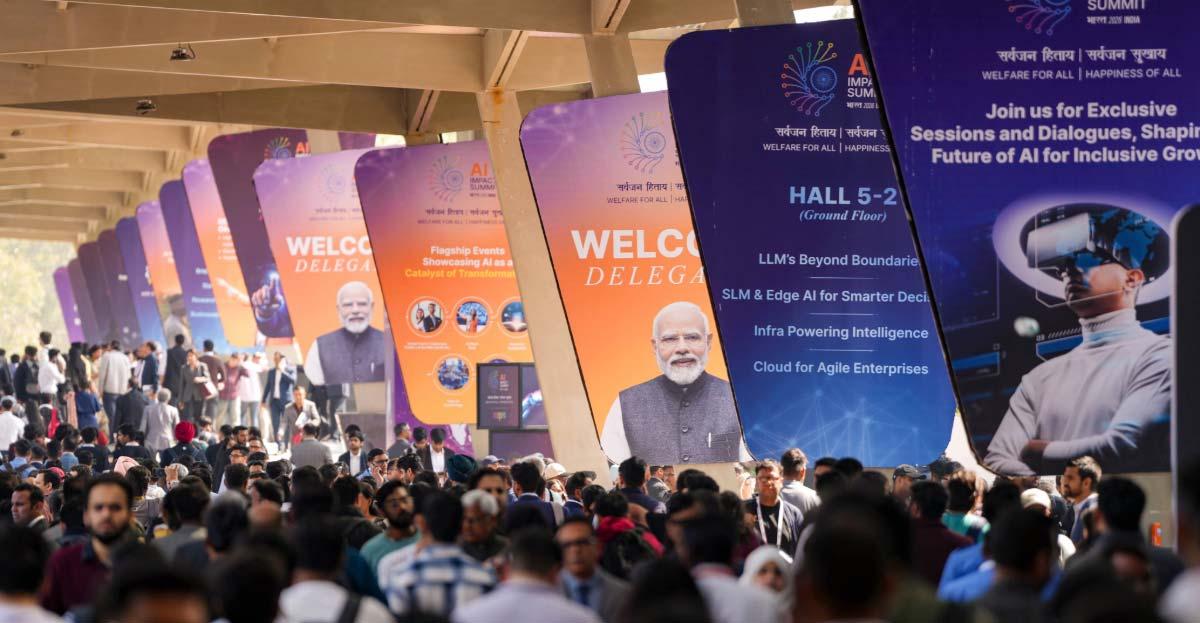
The inaugural National AI Conclave was designed to showcase India as a global architect of innovation, yet it quickly became a case study in crisis mismanagement. When a university’s robot exhibit faced allegations of plagiarism, the resulting wave of institutional denials didn’t clear the air - it acted as a repetitive rehearsal that etched the scandal into the public’s long-term memory. Drawing on Information Processing Theory (IPT), Dr. Madhukar G. Angur, Founder and Chancellor of Alliance University, explores why traditional damage control often backfires. By comparing the controversy to the infamous McDonald’s ‘worm rumor’, this analysis reveals how multiple, inconsistent rebuttals actually reinforce negative schemas. Ultimately, Dr. Angur argues that the missing ‘Chancellor Effect’immediate, high-level accountability - is the only way to interrupt a reputational storm and protect the integrity of India’s burgeoning research landscape.

India’s inaugural national AI Conclave was a landmark event — a statement to the world that this nation is not merely a consumer of artificial intelligence, but an emerging architect of it. Against that backdrop, the controversy that erupted around one university’s exhibit was not simply an institutional embarrassment. It also became a national conversation about originality, integrity, and the values that India’s institutions of higher learning are meant to embody and transmit.
What began as an enthusiastic showcase quickly unravelled into a sequence of denials, deflections, and damage-control statements from multiple officials of the university. Each response, intended to contain the narrative, instead made it worse. Within hours, social media had ensured that any search for the national AI Conclave surfaced this controversy at the top of results — overshadowing genuine innovations, legitimate research, and the collective achievements of hundreds of participating institutions.
The question this paper addresses is not whether a mistake was made — that is obvious. The question is: why did the crisis response make things so much worse? And what does cognitive science, specifically Information Processing Theory, tell us about how institutions should respond when they find themselves in the eye of such a reputational storm?
Information Processing Theory (IPT), which evolved through the 1960s to the 1980s through the foundational work of Atkinson and Shiffrin, Baddeley, Craik and Lockhart, and others, provides a scientific model of how the human mind works — how it receives, encodes, stores, and retrieves information. At its core, IPT tells us that information first passes through sensory memory, which is a brief, high-capacity but rapidly decaying store. Only information that receives attention moves
forward. From there, attended information enters short-term or working memory, which is limited in capacity — Miller’s research found the limit is typically 7 ± 2 items depending on the individual — and limited in duration, lasting only 15 to 30 seconds without rehearsal or repetition. Information that is rehearsed or repeated transfers into long-term memory, where it can persist indefinitely.
The critical implication for crisis communication is this: a story that continues to be talked about, denied, and counter-argued is a story that will definitively enter long-term memory — because of repetition, because of rehearsal. Every rebuttal, every new statement, every counter-narrative is an
act of rehearsal. Not of the correction, but of the original scandal.
IPT also draws from Schema Theory, which tells us that incoming information is processed against pre-existing mental frameworks or mindsets. When new information fits a familiar schema — in this case, the schema of an institution copying and concealing the truth — it is encoded faster, believed more readily, reinforced, and retrieved more easily.
The McDonald’s worm rumour of the 1970s is a very instructive scenario illustrating how IPT helps us understand what goes wrong in a crisis. In the 1970s, a rumour began circulating in the United States that McDonald’s was using worms as a filler in their hamburgers. The claim was false. McDonald’s vigorously denied it, at one point even stating that worm meat was more expensive than beef, making its use economically unviable. The company deployed multiple channels, multiple spokespersons, and multiple lines of rebuttal. The result was that sales dropped drastically. The more they denied, the more consumers remembered the worms. The denial had become the rehearsal — the repetition mechanism. IPT explains this through what researchers call the backfire effect — a phenomenon where forceful denial of a negative claim actually strengthens the encoding of that claim. This is because in the process of denial, the listener must first understand what the denial is about, reprocessing the original negative information before evaluating the rebuttal.
This single case seeded an entire body of research around three types of
response strategies that we see played out in the university scandal at the AI Conclave.
The first and foremost response from the university was refutation — denial, rebuttal, and clarification. In the university’s case, this came almost immediately. The faculty member who made the original statement denied the characterisation of what she had said. Her department head followed with a clarifying statement. The Registrar issued a formal response. Each official offered a slightly different framing: that the robot was being used as a developmental exercise, that there is a meaningful distinction between ‘using’ and ‘developing,’ that the claims were taken out of context.
From an IPT standpoint, the problem was structural, not intentional. Each new statement required the public to revisit the original incident. Each clarification was framed around the accusation it was seeking to refute — which meant the accusation was being retrieved and rehearsed with every new cycle. The pattern of multiple officials offering sequential, slightly inconsistent framings activated the schema of an institution in cover-up mode, regardless of the actual truth. This is exactly what Schema Theory would predict.
As with the McDonald’s case, the refutational strategy did not just fail to correct the narrative — it actually deepened the negative encoding of the issue.
When pure denial failed, a second strategy emerged from the university — what Information Processing Theory describes as the storage or deflection strategy. Rather than continuing to engage with the accusation directly, they began redirecting attention to other activities: a robot soccer event, other student projects, references to broader institutional initiatives. The message, in essence, was: look here, not there.
In principle, deflection can work — if deployed very early, before the negative information has moved from short-term to long-term memory, and if the deflection itself is sufficiently compelling to command genuine attention. McDonald’s attempted this by highlighting other menu items and community initiatives. In the case of the AI Conclave, the deflection came too late, after multiple rounds of denials had already deeply encoded the original scandal. The deflection was also not sufficiently credible. Pointing to a robot soccer event felt disproportionately small compared to the magnitude of the controversy. Audiences were able to read between the lines and interpret the deflection as a further confirmation of guilt, reinforcing the original negative mind set rather than overwriting it.
Strategy Three:
The third strategy — and the most sophisticated — is the retrieval strategy. Here, the institution attempts to shift the public’s cognitive focus from the negative incident to the reservoir of positive associations the university holds. McDonald’s has employed this effectively at various points in its history, emphasising its role as a familyfriendly space, its philanthropic commitments, and its food safety standards. The goal is to activate competing memories so strongly that the negative information becomes less accessible and less central to how the institution is perceived.
The university attempted this as well — invoking its research contributions, its investment in infrastructure, its alignment with the national vision of a developed India, its large student community, etc. These are real and

meaningful achievements, and in a different context, they would have carried significant weight. But the retrieval strategy, like deflection, is most powerful when deployed early — ideally as the first or second response, before negative mind sets have hardened. Used as a third strategy, after refutation and deflection have already set the negative narrative, it appears to be a desperate attempt rather than a confident one. The public’s long-term memory had already been written. The retrieval strategy was attempting to overwrite a story that had already been set in concrete.
Across all three strategies, a single critical element was absent: authoritative, immediate, unconditional acknowledgement from the highest level of institutional leadership. IPT tells us that the window for effective crisis management is very narrow. In the moments immediately following a controversy — when the information is still in short-term or sensory memory, when it has not yet been rehearsed into permanence, when schema encoding is still malleable — a swift, credible, highauthority intervention can interrupt the rehearsal cycle before it completes. What was needed was not a faculty member’s clarification, not a Registrar’s

statement, not a chain of officials giving sequential statements. What was needed was the Chancellor — or equivalent head of the institution — stepping forward clearly and without qualification, saying: this was a mistake, it does not reflect our values, and we take full responsibility.
This is not merely a communication tactic. It is a demonstration of the values that institutions of higher learning exist to model. Accountability, intellectual honesty, and the courage to admit error are not peripheral to academic culture — they are its foundation.
This episode does not exist in isolation. It touches on a structural challenge that India’s higher education sector has grappled with for some time. Indian institutions have historically struggled to break into global university rankings, in part because of deficits in original knowledge creation. Research papers authored by faculty at several Indian institutions have been retracted by international journals — not through malice, but through a culture in some quarters that has not sufficiently distinguished between adaptation and origination, between learning from others and claiming others’ work as one’s own.
This is not a statement about Indian academia as a whole. There are outstanding institutions in this country producing genuinely original research, contributing meaningfully to global knowledge, and upholding the highest standards of academic integrity. It is
precisely these institutions — and the thousands of dedicated researchers and educators within them — whose reputations are put at risk when a highprofile incident like this one generates the narrative that India is a nation of imitators.
That narrative is false. But it is the narrative that went viral. And IPT tells us exactly why: it fit a pre-existing schema, it was emotionally charged, and it was rehearsed relentlessly across social media. The corrections — the genuine achievements, the legitimate innovations, the many universities doing excellent work — did not receive anything close to the same amplification. This asymmetry is not accidental. It is a feature of how human memory and media ecosystems interact. Negative, schemaconsistent information propagates faster and encodes more deeply than positive, schema-inconsistent information. The only antidote is not louder correction but earlier, more credible, more authoritative intervention.
Institutions must recognize that crisis communication isn’t just messaging— it’s cognitive intervention. When denial entrenches the narrative, leadership must act swiftly to:
(a) Acknowledge mistakes transparently at the highest level; (b) Interrupt the rehearsal cycle before narratives harden; and (c) Model accountability as core to academic values.
For India’s academic community, this is a moment to reinforce that originality and integrity aren’t optional—the stakes are global credibility.




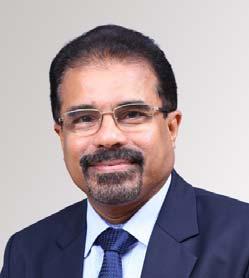
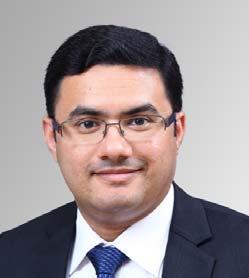

For nearly four decades, Baby Memorial Hospital (BMH) has been a cornerstone of trust in Kerala’s healthcare landscape. Now, under the visionary leadership of Chairman Dr. KG Alexander and a strategic partnership with global investment firm KKR, the group is scaling new heights with the launch of the Nava Cancer Institute. Opened recently, Nava - meaning both ‘new’ and ‘nine’ - embodies nine pillars of excellence, ranging from precision diagnostics using Da Vinci robotic systems to holistic survivorship programs. By integrating world-class technology with a multidiscplinary ‘International Tumor Board’ approach, BMH is transitioning from a regional leader into a pan-India oncology powerhouse through Nava.


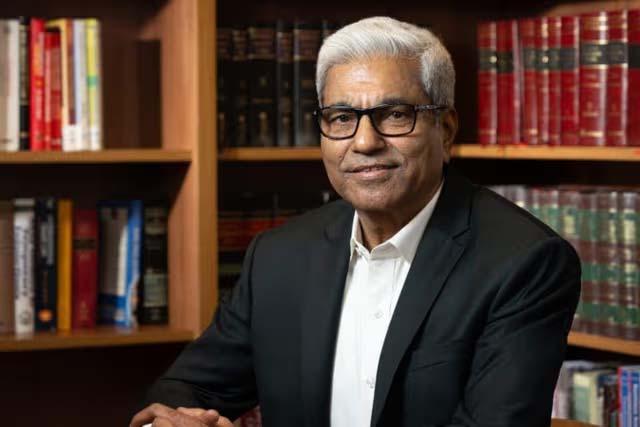
In the bustling tech corridor of North Bengaluru, Reva University has transitioned to a global powerhouse of 15,000+ learners. Under the visionary leadership of Chancellor Dr. P. Shyama Raju, the university recently launched its ‘Educate to Enterprise’ roadmap. This strategic pivot moves beyond traditional rote learning to instill an entrepreneurial mindset, preparing graduates to be job creators in an AI-driven global economy. The 2025–2026 academic year stands as proof to this growth. Reva maintained its credentials with a NAAC A+ grade and secured a prominent spot in the NIRF 2025 rankings (151–200 band for Universities). Internationally, it is gaining ground, appearing in the Times Higher Education (THE) World University Rankings 2026, and ranking 292nd in Southern Asia by QS. These accolades are mirrored by a robust placement season where 4,482 offers were made by 621 companies, including giants like Amazon and IBM, featuring a highest CTC of 40 LPA.
Innovation is the Reva campus’ true pulse. Recent milestones include the launch of TerraDT (a digital twin for sustainable destinations) and the Reva Rise initiative for rural merit. With over 100 international tieups and a research ecosystem boasting 1,000+ filed patents, Reva is bridging the gap between classroom theory and industrial application. By fostering 82+ startups through its Reva Nest incubator, the university is actively rewriting the future of Indian higher education.
THE ICFAI GROUP OF UNIVERSITIES HAS ESTABLISHED ITSELF AS A TRANSFORMATIVE FORCE IN INDIAN HIGHER EDUCATION, CHARACTERIZED BY A PHILOSOPHY THAT BALANCES INTELLECTUAL CURIOSITY WITH INDUSTRIAL PRAGMATISM. ROOTED IN THE LEGACY OF ITS LATE FOUNDER, NJ YASASWY - A SCHOLAR WHO PRIORITIZED THE “WHY” OVER THE “WHAT” - THE INSTITUTION HAS CULTIVATED A UNIQUE LEADERSHIP BANDWIDTH THAT DRIVES ITS DIVERSE SCHOOLS TOWARD GLOBAL EXCELLENCE. THE GROUP’S GROWTH TRAJECTORY, INCLUDING ITS FLAGSHIP, THE ICFAI FOUNDATION FOR HIGHER EDUCATION (IFHE) HYDERABAD, AND ITS CONSTITUENT UNITS LIKE ICFAI BUSINESS SCHOOL (IBS), ICFAITECH, AND THE ICFAI LAW SCHOOL, ARE NOTHING SHORT OF OUTSTANDING. ICFAI’S PIONEERING AI INITIATIVES BACKED BY SIGNIFICANT INVESTMENTS IN GPUS, ITS GLOBALLY RECOGNIZED CASE-STUDY PEDAGOGY, AND A ROBUST CULTURE OF MULTI-TIERED MENTORSHIP ARE NOW TAKING THE GROUP TO A HIGHER ORBIT. RECENT HIGH-LEVEL CONFERENCES IN FINANCE, TECHNOLOGY, AND LAW, ALONGSIDE STELLAR PLACEMENT RECORDS AND INTERNATIONAL ACCREDITATIONS, REVEAL AN INSTITUTION NOT JUST KEEPING PACE WITH CHANGE, BUT ACTIVELY NAVIGATING THE KNOWLEDGE ECONOMY OF TOMORROW.
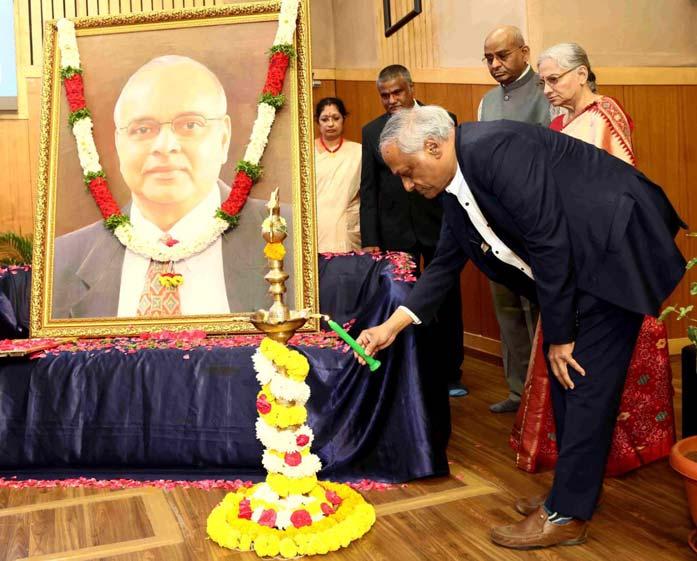
ICFAI’s late Founder NJ Yasaswy was the first rank holder in his BCom, CA & ICWA. And in his CA & ICWA, he was the first rank holder in both the Inter and Mains! He was also an insightful analyst and financial sector author, which landed him leadership roles in Andhra Government as well as membership in SEBI committees etc. But in all meetings at ICFAI, whenever any new concept or development was presented before him, his question was never “What?” but “Why?”. ICFAI’s case based approach springs from this curiosity.
ICFAI Group is today a sprawling

higher education group that includes 11 independent universities across 11 Indian states, 9 b-schools, 9 law schools & 7 tech schools. The enduring nature of an institution is built upon a clear purpose, a foundation of credibility, and a culture that transcends generations.
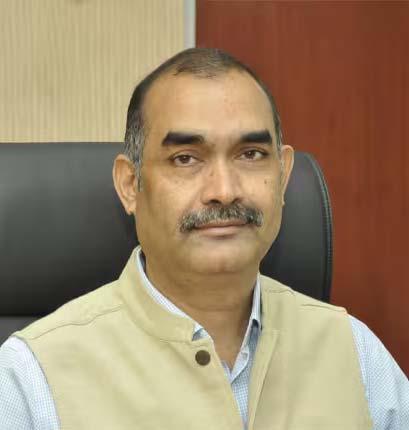
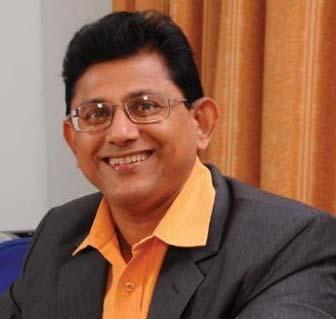
At the ICFAI Group and especially IFHE, this culture is propelled by a leadership team of extraordinary depth, including renowned economist and Chancellor Dr. C Rangarajan, Vice Chancellor Prof. T Koti Reddy, IBS Director Prof. Venu Gopal Rao KS, and IcfaiTech Director Prof. KL Narayana. This leadership

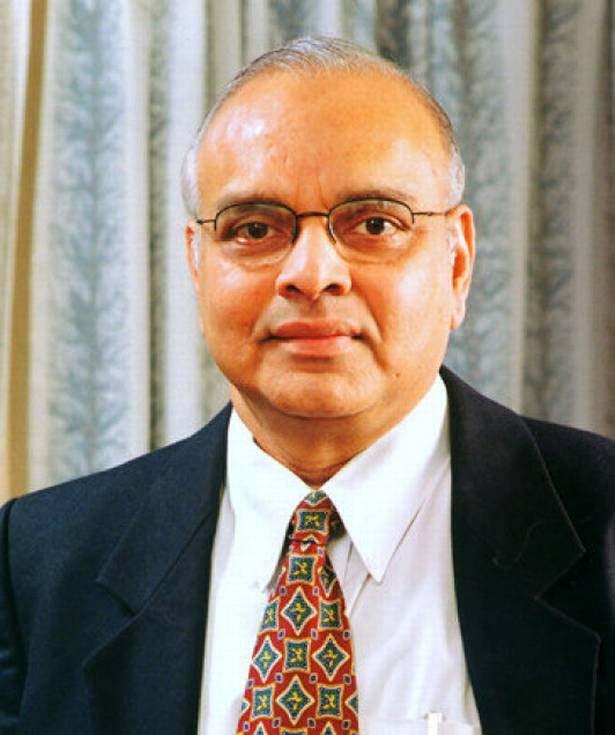
has ensured that the group’s flagship deemed university, the ICFAI Foundation for Higher Education (IFHE) in Hyderabad, continues to march forward as a Category-1 Autonomous Institution with a prestigious NAAC ‘A++’ grade and an impressive CGPA of 3.59.
A critical differentiator for the group is its proactive stance on the Artificial Intelligence front. Recognizing that winners in the modern era will be fast adopters, ICFAI has transitioned from mere AI literacy to true AI fluency. This is exemplified by a significant investment in a Rs 3.5 crore AI Lab equipped with a large array of GPUs, spearheaded by IcfaiTech. Unlike institutions that simply provide access to public AI tools, ICFAI’s
commitment to in-house GPU infrastructure and software development marks a game-changing shift in technical education, ensuring students are prepared for a world where AI elevates academic and research prowess. ICFAI thus aspires to be miles ahead of most other Indian universities in this regard.
The ICFAI Business School (IBS) Hyderabad remains a standout leader within the group, holding the gold standard AACSB accreditation and the prestigious SAQS accreditation. A cornerstone of the IBS success story is its 100% case-based approach. The institution is not merely a consumer of business cases but a global leader in generating them. Even after the loss of ace case author Dr. Debapratim Purkayastha, the SEASONAL MAGAZINE
momentum of its case research center has remained intact, with its studies frequently winning accolades ahead of top global peers like Harvard and INSEAD. This culture of deep inquiry stems directly from the founder’s ethos of constant curiosity and analytical rigor.
Beyond management, ICFAI is redefining engineering education, under the aegis of IcfaiTech, by hosting international conferences that address the intersection of technology and society. Recent summits on “Emerging Technologies, Analytics and Operations” (ICETAO-2026) have focused on how Generative AI can be leveraged to transform India into a developed nation by 2047. These initiatives emphasize that sustainability is not just about saving the planet, but about reinventing
business models for a technologydriven future.
The ICFAI Law School has similarly expanded its horizons, recently organizing the “Global Education Connect” to provide students with international academic pathways. By hosting directors from prominent universities in the USA and UK, the school highlighted how international collaborations and cross-border learning equip legal professionals with the competitive skills necessary for the global market. This interdisciplinary exposure is vital for shaping character and sharpening intellect in a globalized world.
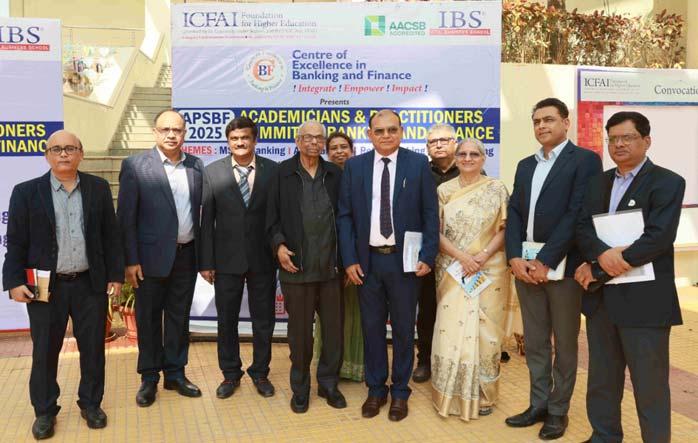
Institutional initiatives also extend to the financial sector, where the Department of Finance and
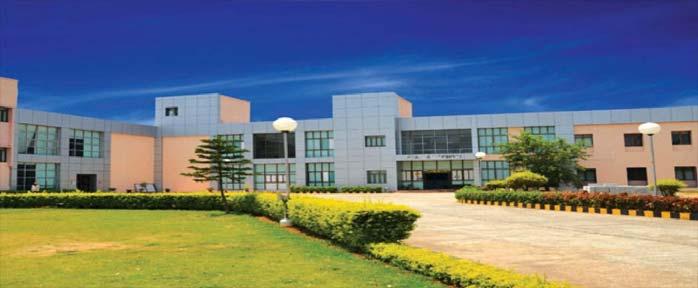
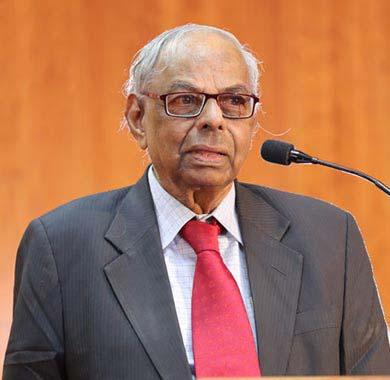
Accounting recently conducted the Academicians & Practitioners Summit on Banking and Finance. Inaugurated by Dr. C. Rangarajan, the summit explored structural changes in India’s banking system and the necessity of balancing growth with prudent risk management. A key highlight was the introduction of the “Mule Hunter AI” by the RBI Innovation Hub, showcasing the practical application of technology in strengthening cyberfinancial defense systems.
Central to the student experience at ICFAI is a humane approach to education that prioritizes student
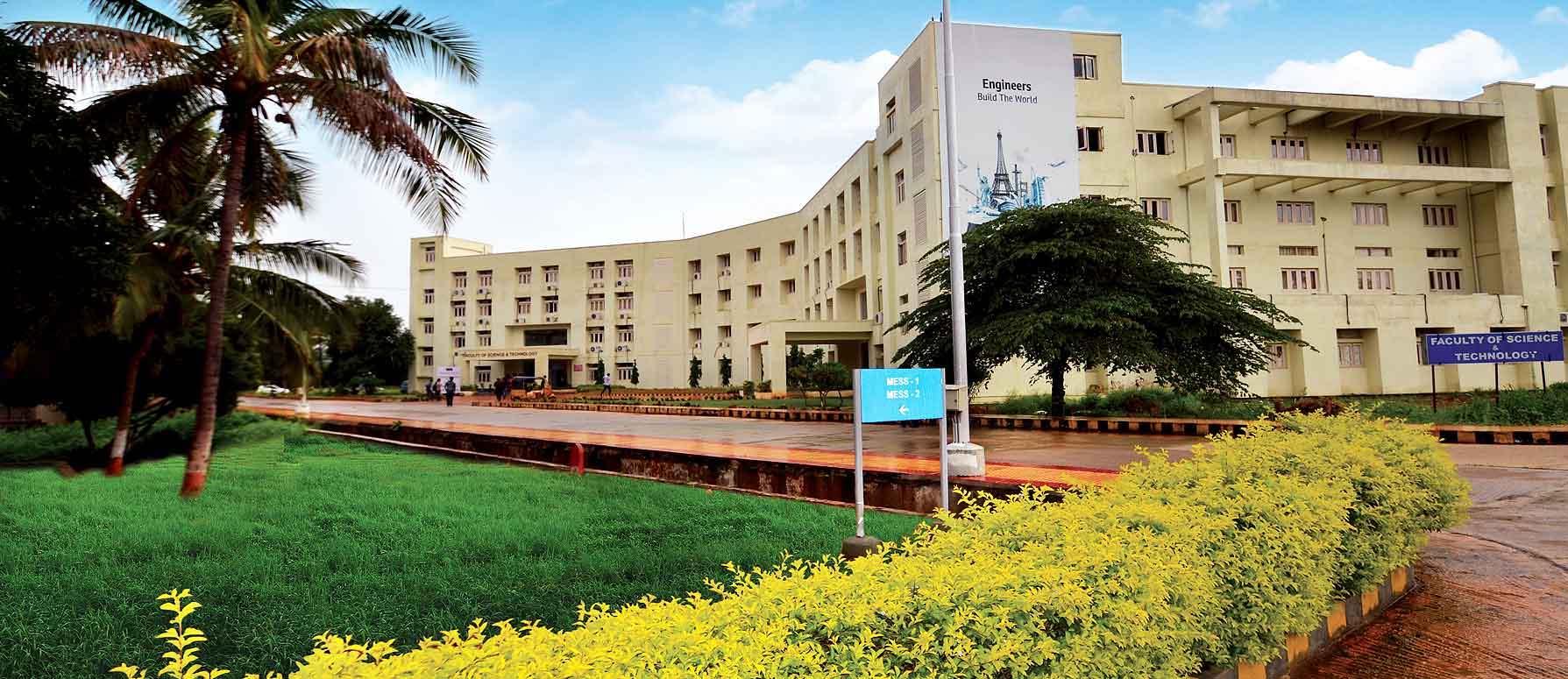
welfare over unnecessary academic toughness. The group has fostered a multi-tiered mentorship culture involving faculty, alumni, and corporate partners. Every student is assigned a dedicated faculty mentor to monitor their well-being and academic progress, ensuring that the pressure of premier-level education is balanced with personalized guidance. This focus on emotional intelligence

(EQ) and stress management has resulted in a supportive campus environment that stands in contrast to the high-pressure atmospheres often found in other elite technical institutions.
The success of this approach is reflected in the group’s placement outcomes and industry reputation. IBS Hyderabad consistently ranks among the top 10 B-schools in India, with its graduates being highly sought after for their practical “doer” mindset. The group’s podcast series, “WiseViews Leadership Conversations,” which has completed over 226 episodes, further bridges the
gap between students and industry game-changers, offering real-world lessons that complement classroom learning.
ICFAI’s mentorship culture deserves a special mention, as it spans multiple tiers like mentoring by faculty, mentoring by alumni and corporate mentoring that happens during internships, placements etc. For mentoring by faculty, every student is assigned a dedicated faculty mentor who monitors their academic progress, attendance, and overall well-being, and acts as a contact for students to discuss academic hurdles,
personal concerns, and career-related queries. Corporate mentoring is handled by both a faculty member and a corporate executive. Overall, the focus is on improving emotional intelligence (EQ), stress management, soft skills etc, and updations on industry trends, job expectations etc. This culture has helped ICFAI to mentor several students and professionals into outstanding celebrity-class achievers.
A case in point is the unique story of Dr. Nischita Muppavarapu. It was recently chronicled by her in a book, ‘One Step at a Time’, which was also co-authored by ICFAI’s Director (Branding), Prof. Sudhakar Rao. Dr. Nischita is a multifaceted professional, having completed her MBA at ICFAI a young age of 21, then getting married, then working as a management professional in leading hospital chains, then going for her MBBS, then specializing in dermatology abroad, then becoming a medical entrepreneur who attracted celebrity clients like superstar Rajnikant and Katrina Kaif, and then returning to IIM Kozhikode for a specialized management program. Prof. Rao had mentored her during her MBA project days in ICFAI, and ever since during the last 20 years or more.
In her book, she writes with high esteem about the exceptional
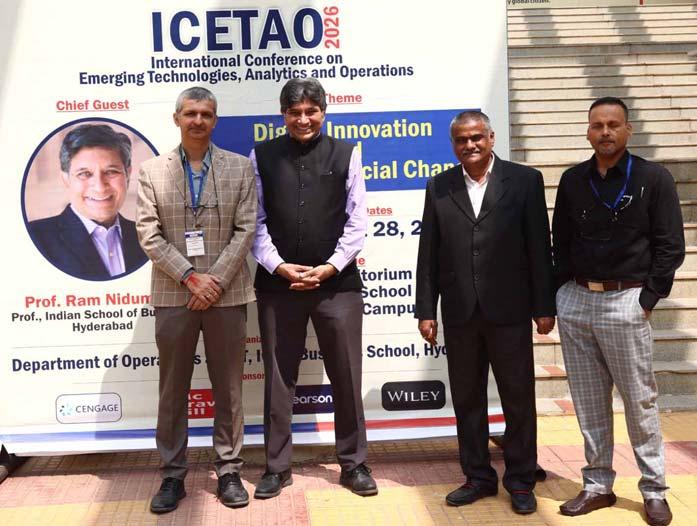
professionalism with which ICFAI handled her MBA project, more than 20 years back. And ever since then, during many difficult and radical decisions she has taken to emerge as a unique achiever. Mentorship during her MBA project period demonstrated to her that ICFAI takes mentoring sincerely and seriously. Inspired by such handholding, she hasn’t stopped at being a medical entrepreneur, and has also played a role in public governance, taking on a role on the Tirumala Tirupati Devasthanam’s (TTD) Board, and has also turned into a diplomat by being the first Honorary Consul of Costa Rica in
Chennai. During her specialized executive education program at IIM Kozhikode, she impressed Director Prof. Debashis Chatterjee, who later wrote the foreword to her book.
The Group’s academic rigor, combined with its cutting-edge research and a commitment to human values, ensures that ICFAI remains a knowledge navigator of the highest degree. By focusing on impact, character, and judgment in a human-plus-AI world, the institution is shaping a society where technology serves as a tool for inclusive, sustainable growth.

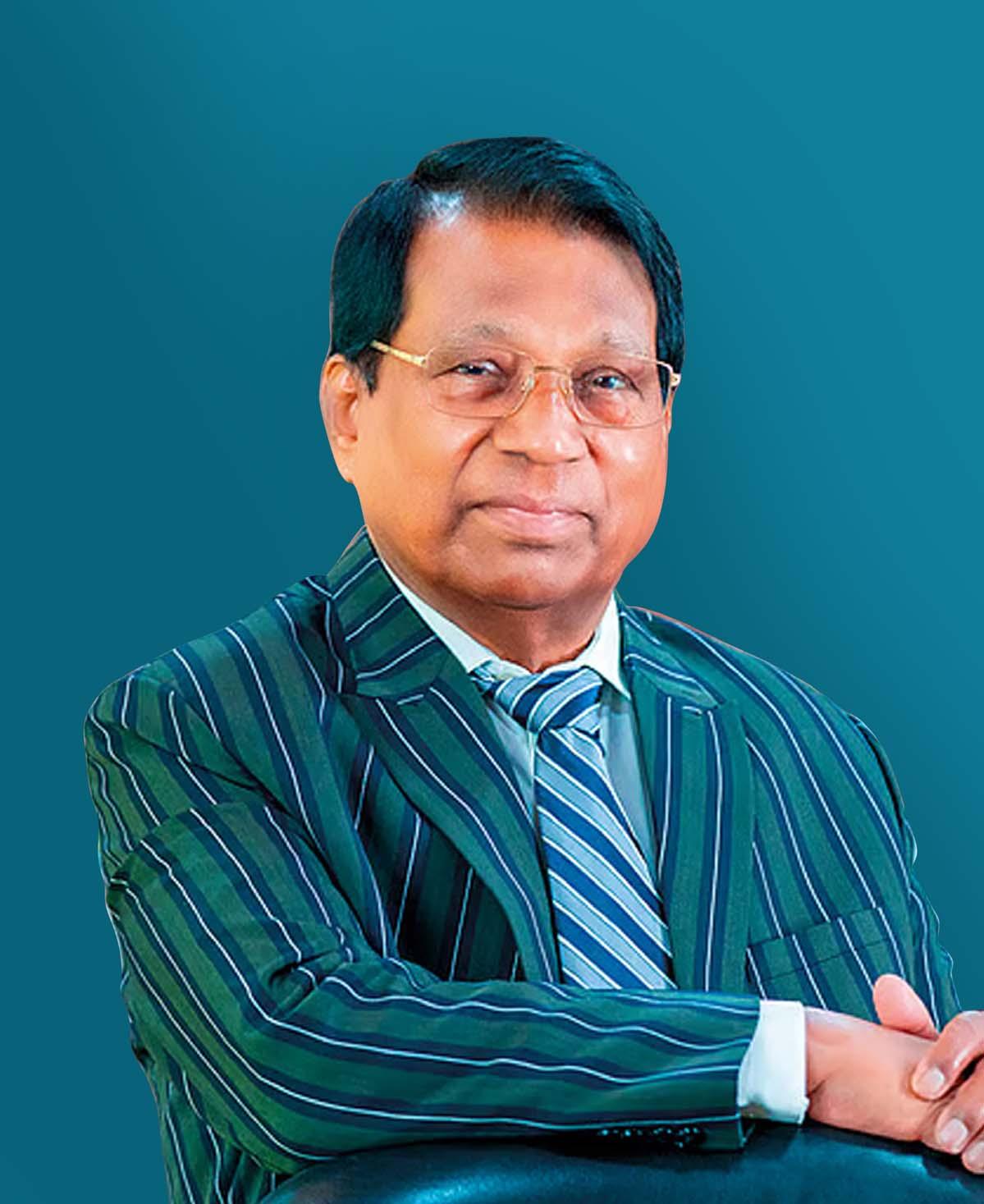

IN THE LANDSCAPE OF PRIVATE HIGHER EDUCATION, FEW NAMES COMMAND AS MUCH RESPECT AND ASPIRATION AS THE VELLORE INSTITUTE OF TECHNOLOGY (VIT). FROM ITS HUMBLE BEGINNINGS IN 1984 AS AN ENGINEERING COLLEGE, VIT HAS TRANSFORMED INTO A MULTI-CAMPUS POWERHOUSE THAT CONSISTENTLY CHALLENGES THE DOMINANCE OF OLDER PUBLIC INSTITUTIONS. TODAY, IT STANDS AS A PREMIER GROUP OF DEEMED AND PRIVATE UNIVERSITIES, NOT JUST BY THE SHEER VOLUME OF ITS STUDENT BODY, BUT THROUGH ITS RELENTLESS PURSUIT OF GLOBAL STANDARDS, ITS PIONEERING FULLY FLEXIBLE CREDIT SYSTEM (FFCS), AND AN UNWAVERING FOCUS ON INDUSTRY-READY SKILLS. AS IT FORGES AHEAD, THE VIT GROUP OF UNIVERSITIES CONTINUES TO REDEFINE THE PARADIGM OF ACADEMIC EXCELLENCE, POSITIONING ITSELF AT THE VERY FOREFRONT OF THE ARTIFICIAL INTELLIGENCE REVOLUTION WHILE MAINTAINING A PLACEMENT RECORD THAT REMAINS THE ENVY OF THE NATION.
The story of VIT is inextricably linked to the vision of its Founder and Chancellor, Dr. G. Viswanathan. A former parliamentarian and a student leader whose life journey from a remote village to the corridors of globally renowned elite institutions, serves as a blueprint for the aspiring youth, Dr. GV - as he is affectionately knownremains the driving force behind the university’s mission. The Group now includes VIT Vellore (main campus), VIT Chennai, VIT-AP (Amaravati), and VIT Bhopal.
His leadership is supported by a dynamic executive team, including Vice
Presidents Mr. Sankar Viswanathan, Dr. Sekar Viswanathan, and Mr. G. V. Selvam, each of whom brings a specialized focus to administration, international relations, and campus development. Under the stewardship of Vice Chancellor Dr. V. S. Kanchana Bhaaskaran, a distinguished researcher with nearly four decades of experience in VLSI design and microprocessors, the university has successfully bridged the gap between traditional engineering and the demands of the fourth industrial revolution.
VIT’s unique positioning in India is
validated by its consistent performance in the most prestigious ranking frameworks. In the National Institutional Ranking Framework (NIRF) 2025, VIT Vellore secured the 16th rank in Engineering and 21st overall, maintaining its status as one of the top private research universities in the country.
On the global stage, the progress is even more remarkable; the QS World University Rankings 2026 placed VIT at 691st in the world and 156th in Asia, while the Times Higher Education (THE) 2026 rankings placed it within the 601-800 band


globally. These accolades are not mere numbers; they reflect a rigorous commitment to citations, research output, and an international faculty ratio that is among the highest in the private sector.
The core strengths of VIT lie in its vast academic diversity and its ability to adapt curricula at the speed of technology. The university offers a sprawling array of programs through its major schools, including the School of Computer Science and Engineering (SCOPE), the School of Electronics Engineering (SENSE), and the School of Mechanical Engineering (SMEC), alongside specialized centers for biotechnology, architecture, and business.
In recent years, the academic catalog has seen a significant shift toward
In the National Institutional Ranking Framework (NIRF) 2025, VIT
Vellore secured the 16th rank in Engineering and 21st overall, maintaining its status as one of the top private research universities in the country.

emerging technologies. New-age courses such as the BTech in CSE with specializations in Artificial Intelligence and Machine Learning, Data Science, and AI & Robotics are now the most sought-after streams. The university has even integrated AI into its core quality assurance processes, as seen in the recent “Quality Week” workshop titled “The AI Renaissance: Redefining Quality in Education, Research & Innovation.”
Research at VIT is not confined to the laboratory; it is an active, collaborative enterprise. The university has achieved significant milestones in IPR and technology transfer, with a staggering number of
SEASONAL MAGAZINE

Scopus-indexed publications and patents. Recent initiatives have focused on the ethical responsibilities of AI-augmented learning and the development of Large Language Model (LLM) based systems.
This research-heavy environment is bolstered by faculty members who are not only teachers but also consultants for global tech firms. With a faculty strength that includes hundreds of Ph.D. holders, the mentorship provided to students ensures they are participants in the creation of knowledge, rather than just consumers of it.
Global outreach remains a cornerstone of the VIT experience. The university has established hundreds of international tie-ups, including a strategic partnership with
the prestigious Zhengzhou University in China to advance academic exchange and joint research. Furthermore, the 2+2 BBA collaborative degree program with Binghamton University in the USA allows students to spend two years in India and two years abroad, graduating with a degree from a topranked American public university.
These partnerships are matched by deep-rooted industry connections. Companies like Microsoft, Amazon, and PayPal do not just recruit from VIT; they engage in curriculum design and provide high-value internships that often lead to “Super Dream” offers before students even graduate.
The placement season for the 2025 batch was nothing short of historic.


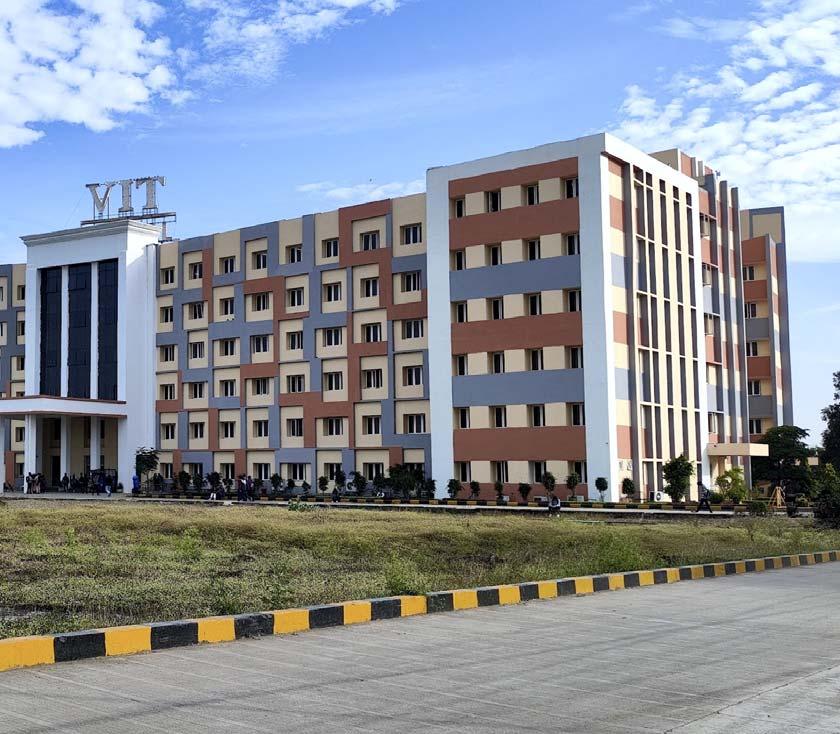
NEW-AGE COURSES SUCH AS THE BTECH IN CSE WITH SPECIALIZATIONS IN ARTIFICIAL INTELLIGENCE AND MACHINE LEARNING, DATA SCIENCE, AND AI & ROBOTICS ARE NOW THE MOST SOUGHTAFTER STREAMS.
VIT recorded a 99.2% placement rate for eligible candidates, with a total of 14,044 offers. The highest package reached a record-breaking 1 Crore per annum, a proof to the global competitiveness of its graduates. The recruitment drive saw participation from 868 companies, including marquee names like DE Shaw, Qualcomm, Adobe, and Nvidia.
Beyond the numbers, the “Marquee” and “Super Dream” categoriesdefined by packages exceeding 20 LPA and 10 LPA respectively - saw unprecedented growth, ensuring that VITians are among the highest-paid fresh graduates in India.
Admission to this ecosystem is governed by the VIT Engineering Entrance Examination (VITEEE), which continues to be one of the most competitive tests in the country. For the 2026-27 academic session, the VITEEE is scheduled to be held tentatively between April 28 and May 3, 2026.
The previous year’s admission performance saw nearly two lakh applicants vying for a few thousand seats, highlighting the brand’s immense pull. To maintain high standards, the university employs a proctored, computer-based testing system across centers in India and abroad, followed by a transparent, rank-based online counseling process.
VIT’s calendar is perpetually filled


with high-impact events that foster innovation. In the last six months alone, the university has hosted a series of major conferences, including “STAAAR 2025,” which focused on sustainable technologies in automation and robotics, and the “BioSummit 2025,” exploring the impact of AI in biotechnology industries.
The campuses are also hubs for student-led initiatives like the Health Hackathon 2026, held at VIT Bhopal in collaboration with John Hopkins, and the legendary cultural festival “Riviera,” which recently saw its 2026 edition draw thousands of participants from across the globe.
The alumni network, organized under the VIT Alumni Association (VITAA), provides a global safety net for graduates. With over 15 years of legacy in campuses like Chennai, the university recently celebrated its “Crystal Connexions 2025” alumni meet, which included lateral hiring drives specifically for experienced graduates.
From CEOs of startups in Silicon Valley to research scientists at NASA, the alumni presence is a living testimony to the university’s motto: “A place to learn, a chance to grow.” As VIT continues to expand its footprint with newer campuses and specialized AI initiatives, it remains a beacon of what private higher education in India can achieve when vision is matched with execution.
Whether it is through the deployment of AI-assisted decision-making in its pedagogy or its commitment to social responsibility through scholarships for underprivileged rural students, VIT is more than just a university; it is an engine of social and economic mobility. As the 2026-27 academic year unfolds, the institution stands ready to meet the challenges of an automated world, ensuring its students are not just ready for the jobs of today, but are the architects of the world of tomorrow.
SEASONAL MAGAZINE
When you skip sleep, your brain becomes desperate for maintenance.
n my last day at work a few years back, they gave me a going-away party, and it turned into something more like a roast. One of the top leaders told a story I’d sort of hoped he’d forgotten.
The context was when my wife and I were brand new parents and we were struggling through extreme sleep deprivation. After one especially rough night, I came into work for a key meeting.
Our boss told the story in a way that had everyone laughing: How I called our CEO by the wrong name three times. How I botched simple math and insisted I’d gotten it right. How I nearly fell asleep at the conference table.
The punchline: “Then Murphy said, ‘Sorry. I slept only 45 minutes last night and it turns out that’s not enough.’ And then he stood up and walked out the door.”
Maybe you’ve been there. Someone’s talking directly to you, maybe even asking you a question, and your mind just disappears.
Now, a new neuroscience study from MIT suggests a fascinating explanation. In short, when your attention vanishes after a sleepless night, your brain is literally flushing itself clean.
Writing in the journal Nature Neuroscience, MIT researchers found that during those frustrating moments when you can’t pay attention, waves of cerebrospinal fluid are washing through your brain - the exact same cleansing process that normally happens while you’re sound asleep.
The MIT team, led by Laura Lewis, an associate professor with a PhD in neuroscience, recruited 26 volunteers who were each tested twice: once after a full night of sleep, and once after staying up all night in the lab under constant supervision.
During both sessions, participants performed simple attention tasks while researchers monitored their brain

activity, heart rate, breathing, pupil size, and, crucially, the flow of cerebrospinal fluid in their brains.
The sleep-deprived participants performed significantly worse, missing more cues and responding more slowly. But the striking finding was what happened during those attention lapses.
At the exact moment when focus disappeared, cerebrospinal fluid (CSF) would surge out of the brain. Then, when attention returned, the fluid would flow back in.
“If you don’t sleep, the CSF waves start to intrude into wakefulness where normally you wouldn’t see them,” Lewis said in a statement. “However, they come with an attentional tradeoff,
where attention fails during the moments that you have this wave of fluid flow.”
Each attention lapse was also accompanied by a whole cascade of bodily changes: Pupils constricted (starting about 12 seconds before the fluid wave). Heart rate dropped. Breathing slowed. Brain wave patterns shifted.
Then, after the lapse, everything reversed: pupils dilated, heart rate increased, and breathing sped back up.
“It suggests that there’s a tight coordination of these systems, where when your attention fails, you might feel it perceptually and psychologically, but it’s also reflecting

an event that’s happening throughout the brain and body,” Lewis explained.
So the overall mechanism is this: Your brain accumulates waste products throughout the day that need to be cleared out. Normally, this happens during sleep, when those rhythmic waves of cerebrospinal fluid (CSF) wash through, removing toxins and restoring balance. But when you skip sleep, your brain becomes so desperate for this maintenance that it starts forcing these cleaning cycles during waking hours - even though it means your attention has to shut down temporarily.
“One way to think about those events is because your brain is so in need of sleep, it tries its best to enter into a sleep-like state to restore some cognitive functions,” said Zinong Yang, an MIT visiting graduate student and the lead author of the paper.
We like to think we’re in controlthat willpower, caffeine, and determination can overcome a missed night of sleep. However, this research suggests otherwise.
When your brain needs to clean itself, it’s going to find a way to do it, whether you’re ready for it or not.
Thus, attention lapses aren’t a sign of weakness or lack of focus. They’re your brain literally hijacking your consciousness to perform essential maintenance.
So, the next time you’re sitting in that meeting, struggling to concentrate after a rough night, at least you’ll know what’s actually happening: Your brain is taking matters into its own hands, doing the housekeeping you denied it the night before.
The only real solution? Get enough sleep.
(Credit: Bill Murphy Jr for Inc.)
PEOPLE ARE OBSESSED WITH DIETING AND BODY SIZE. THAT MAY BE DUE TO THE FACT THAT 40.3% OF ADULTS HAVE OBESITY TODAY, ACCORDING TO SOME ESTIMATES.
The weight loss industry likely contributes to these twin obsessions, as the global weight loss and diet management market size was worth about $143 billion in 2022, and is projected to soar to roughly $299 billion by 2030. And with more than 15 million Americans now losing weight with GLP-1 drugs that were originally created to treat type 2 diabetes, there is even more emphasis on weight.
Yet if the goal is improving your health and longevity, experts say your attention should be on fitness, not the numbers on the scale or the image you see in the mirror.
“We know so many ways to make people healthier other than weight loss,” said Dr. Lisa Erlanger, clinical professor of family medicine at the University of Washington in Seattle. Erlanger is also president of the Association for Weight and Size Inclusive Medicine. “Just increasing your steps or increasing your muscle strength, when done long-term, can reduce your chances of cancer, depression and diabetes, in addition to your risk of cardiovascular disease and all-cause mortality.”
Boosting your physical activity to improve your cardiorespiratory fitness and health - and not dieting - is

definitely the better option, according to one 2024 meta-analysis. That research found people typically can’t keep off the weight over the long term, so the improved health outcomes associated with weight reduction are lost.
Researchers can’t definitively explain why so many people are overweight today, too, so reducing your caloric intake may not even work. You can also make some positive dietary changes, such as upping your intake
of fruits and veggies, that will benefit your health even if the number on the scale doesn’t budge.
The current obesity epidemic began around 1980, according to Glenn Gaesser, a professor of exercise physiology at Arizona State University in Phoenix and coauthor of the 2024 meta-analysis mentioned above. Some research suggests our beefier bodies are due to larger portion sizes, too much sugar, too little activity and, more recently,
ultraprocessed foods. But it’s a lot more complex than that.
“Our environment has changed with regards to our exposure to chemicals, like plastics, pesticides and herbicides,” Gaesser said. “A lot of these ‘forever’ chemicals have an effect on our endocrine system that can affect our energy balance.” Human-made “forever” chemicals - called PFAS, or perfluoroalkyl and polyfluoroalkyl substances - don’t fully break down in the environment.
Viral infections may also be a factor, according to Gaesser. Human adenovirus 36, for example, has been associated with obesity in numerous studies. Adenoviruses are common and typically cause mild symptoms such as a fever, sore throat and pink eye (conjunctivitis).
“It’s a lot bigger picture than people would like to believe,” Gaesser said. “Obesity is not just the difference between energy in and energy out.”
Dieting is also largely unhelpful, Erlanger noted.
“One thing that raises body sizes without a doubt are attempts to lose weight,” Erlanger said.
Estimates vary, but it’s believed that more than 80% of people who lose a substantial amount of weight regain it within five years.
That’s because bodies have a generally set weight range and shape, based on factors such as genes and ethnicity, both Erlanger and Gaesser noted. Humans are also biologically programmed to survive periods of starvation and stress, Erlanger said. When you eat less than your body needs to maintain its weight and various functions, your metabolism decreases to ward off starvation. Your

brain becomes more anxious, too, so you sleep less soundly and begin to crave more caloric foods.
“All of the things we blame fat people for - being lazy, preferring junk food - that is what their body is telling
BOOSTING YOUR PHYSICAL ACTIVITY TO IMPROVE YOUR CARDIORESPIRATORY FITNESS AND HEALTH - AND NOT DIETING - IS DEFINITELY THE BETTER OPTION, ACCORDING TO ONE 2024 META-ANALYSIS. THAT RESEARCH FOUND PEOPLE TYPICALLY CAN’T KEEP OFF THE WEIGHT OVER THE LONG TERM, SO THE IMPROVED HEALTH OUTCOMES ASSOCIATED WITH WEIGHT REDUCTION ARE LOST.
them to do,” Erlanger said. “They’re not falling off the wagon. Their body is just trying to survive.”
Thanks to the emphasis on thinness in society, people who lose weight and then gain it back will often try another diet, and then another, continuously adding and shedding pounds. But such weight cycling - sometimes referred to as yo-yo dieting - is devastating, Erlanger said, both psychologically and physiologically.
Numerous studies link weight cycling with dozens of adverse health outcomes, including cardiovascular disease, vascular dysfunction, bone fractures, diabetes and an increased risk of certain cancers, according to Gaesser.
To best care for your body, concentrate more on motion rather than the contents of your dinner plate. Go for a bike ride or hike. Dance. Garden. Always first consult with your physician and stop immediately if you experience pain.
“The research is definitive - if you want to improve your health you shouldn’t diet, you should go for a walk,” Erlanger said. “But more people want to be smaller, not healthier.”
Yet your health always should be your main concern. So before latching onto the latest diet fad, take a deep breath and head outside instead. Your body, and mind, will thank you.
“Exercise is phenomenally effective in improving your health,” Gaesser said. “Every cell in your body is positively affected by exercise. You can be fit and healthy, even if your weight is not considered optimal.”
(Credit: Melanie Radzicki McManus for CNN)
MIND-BODY
THIS IS HOW TO MAKE YOUR BRAIN ACT 4 YEARS YOUNGER, USING ONLY YOUR BODY.
f you could shave years off your cognitive age with a simple daily habit, would you?
According to one study, the key to keeping your brain young isn’t a complicated routine or high-tech treatment - it’s movement.
Researchers found that everyday physical activity, from walking the dog to household chores, can improve cognitive processing speed, making your brain function as if it were four years younger.
A team of researchers from Penn State College of Medicine examined the short-term effects of everyday movement on cognitive function. Unlike previous studies that focused on long-term benefits, this study used real-time assessments to track how physical activity influenced brain performance throughout the day.
Over nine days, 204 middle-aged adults (ages 40–65) checked in via smartphone six times daily, reporting whether they had engaged in physical activity within the previous 3.5 hours. They then completed two cognitive tests: one measuring processing speed and another assessing working memory.
The results were striking - whenever participants had been active in the hours before their check-in, their processing speed improved, showing cognitive benefits equivalent to being four years younger.
One of the most exciting aspects of the study is that both light and moderateto-vigorous activities were beneficial. Whether participants were doing light activities, like cleaning or walking, or engaging in higher-intensity exercises, like jogging or fast cycling, the cognitive boost remained consistent.
This reinforces the idea that you don’t need to hit the gym to experience brain

benefits - small movements woven into daily life can contribute to sharper thinking and improved mental agility
The cognitive benefits of movement likely stem from several biological mechanisms like,
1) Increased blood flow: Physical activity enhances circulation, delivering oxygen and nutrients to the brain. 2) Reduced inflammation: Exercise helps lower inflammation, which is linked to cognitive decline. 3) Boosted neurotransmitters: Movement stimulates the release of dopamine and serotonin, improving mood and focus. 4)
Neuroplasticity enhancement: Regular activity supports the growth and connectivity of brain cells, strengthening cognitive function over time.
While this study highlights the immediate effects of movement on brain function, other research has shown that regular physical activity can: Lower the risk of Alzheimer’s and dementia, Improve memory retention, Enhance focus and decision-making, Reduce stress and anxiety, both of which
negatively impact cognition, and more.
The new findings suggest that incorporating movement into daily life doesn’t just have long-term benefits - it can sharpen your thinking almost immediately. If you want to keep your brain sharp, try these simple strategies:
1) Take short walks throughout the day. 2) Stand and stretch during long work sessions. 3) Do household chores like vacuuming or gardening. 4) Choose stairs over elevators. 5) Play with your kids or pets.
The science is clear - movement isn’t just good for your body; it’s a powerful tool for keeping your brain sharp. This study highlights that even small bursts of everyday activity can make a difference, giving you a cognitive edge equivalent to turning back the clock by four years.
Whether it’s a quick walk, cleaning the house, or a jog around the block, every bit of movement matters. So, the next time you have a chance to be active, take it - your brain will thank you.
(Credit: Ava Durgin for Mindbodygreen)
A HARVARD STUDY SUGGESTS THAT BECOMING MORE LIKABLE IN EVERYDAY CONVERSATIONS DOESN’T REQUIRE CHARM OR STORYTELLING SKILLS. INSTEAD, IT COMES DOWN TO A SINGLE, SIMPLE QUESTION THAT SPARKS CONNECTION AND MAKES PEOPLE FEEL HEARD. THIS QUESTION AND ITS FOLLOW-UP QUESTIONS ARE NOT ABOUT YOU, BUT ENTIRELY ABOUT THE OTHER PERSON, OR IN OTHER WORDS, WHAT COUNTS IS YOUR GENUINE INTEREST IN OTHERS’ WELLBEING.
he findings show that this question consistently boosts how others perceive you, whether you’re meeting a new coworker, chatting with friends, or even going on a first date. Yet most people overlook it, missing a surprisingly effective way to leave a better impression.
According to the Harvard research, the key question is “Where are you from?”. While it seems basic, the study found that this opener works as a powerful gateway to connection because it shows immediate interest in the other person’s background and story. Instead of focusing on yourself, you invite your partner to share something personal, which sets the tone for a more engaging exchange.
But the researchers didn’t stop at identifying this opener. They discovered that what truly drives likability is the follow-up. Asking “Where are you from?” and then probing further - like “What was it like growing up there?” or “Do you still visit often?” - signals responsiveness, a quality that makes people feel understood, validated, and cared for.
The study, conducted by Karen Huang and colleagues at Harvard Business School and Harvard University , tested live conversations in different contexts, from online exchanges to face-to-face speed dating. Across the board, people who asked more questions, particularly follow-ups, were rated as more likable and even had higher chances of securing a second date or appointment.
While “Where are you from?” is a

strong starting point, the research shows that the real difference comes when the conversation doesn’t stop there. High question-askers use followups to keep the other person talking, showing they are truly listening rather than waiting for their own turn to speak.
For example, if someone says they’re from Chicago, a follow-up like “What’s your favorite part about living there?” instantly deepens the exchange. This creates a sense of responsiveness, which the Harvard team identified as the main driver of likability. People who feel listened to and validated naturally form warmer impressions of their conversation partner.
Interestingly, despite its clear effect, most people underestimate the power of asking questions. Many assume that sharing more about themselvesthrough bragging, stories, humor, or achievements - will make them seem engaging. But the data show the
opposite: turning the spotlight on the other person is what leaves a stronger mark.
Beyond “Where are you from?”, the study points to other simple but effective questions that build rapport. Some examples include: 1) “What do you enjoy most about your work?”This encourages people to talk about passions or achievements. 2) “What do you like to do in your free time?”
- A broad but engaging way to invite someone to share interests. 3) “What was your experience like living there?”
- A natural follow-up that adds depth to the opener. 4) “How did you get interested in that?” - A responsive question that highlights genuine curiosity. Each of these, especially when followed by attentive prompts, strengthens the perception of responsiveness and leads to higher likability.
(Credit: Sofia Crotti for Metabolic)
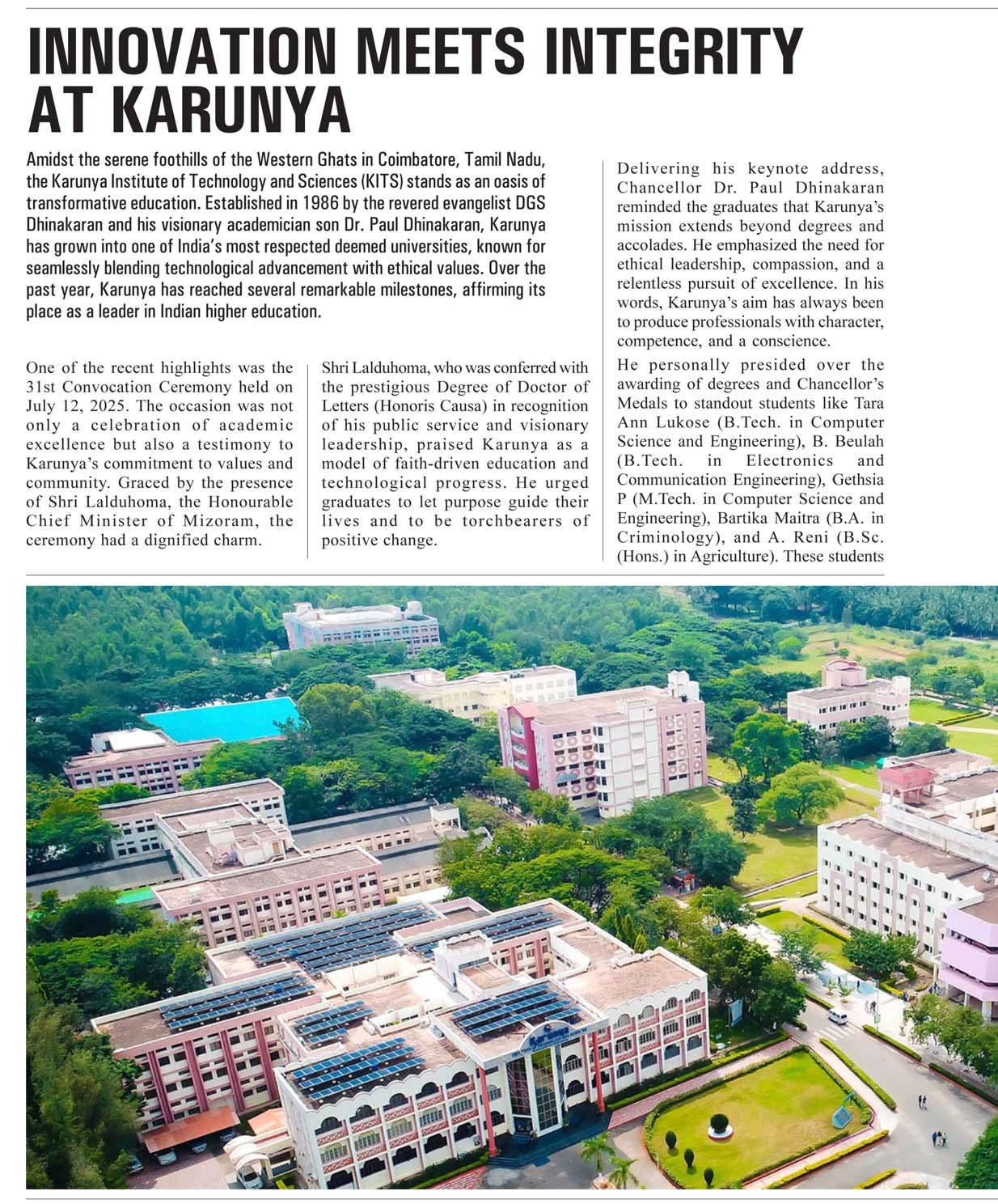
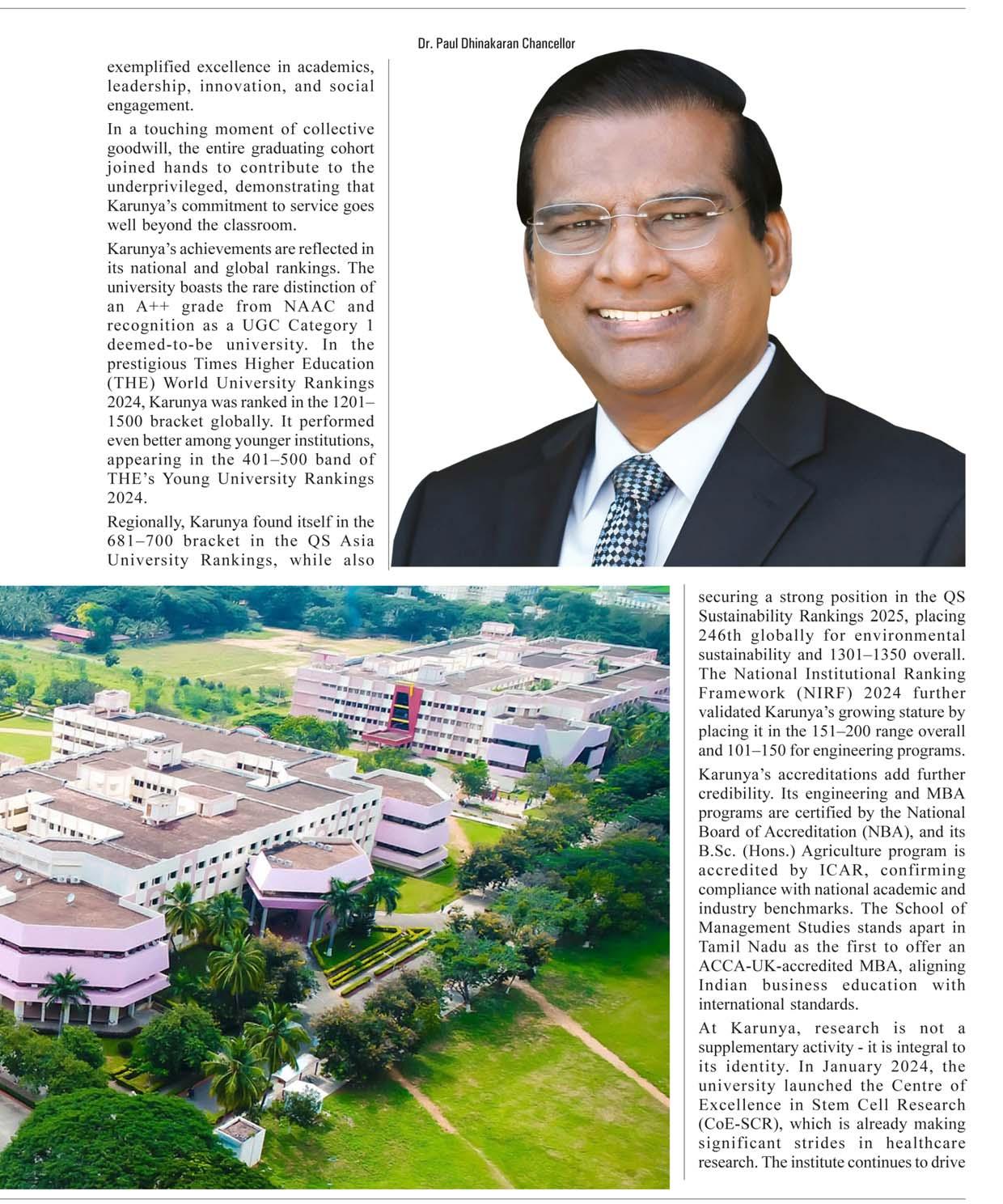
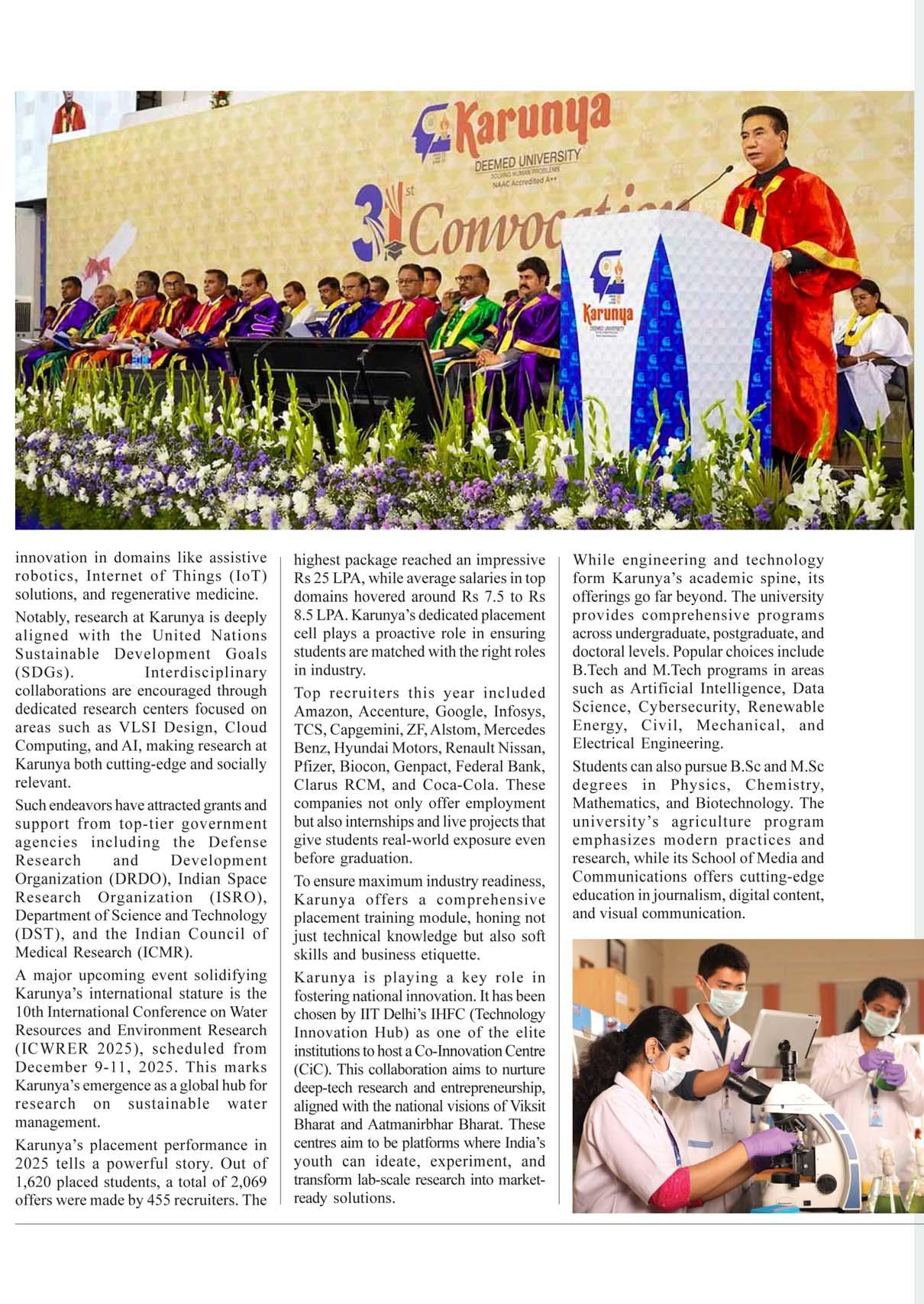
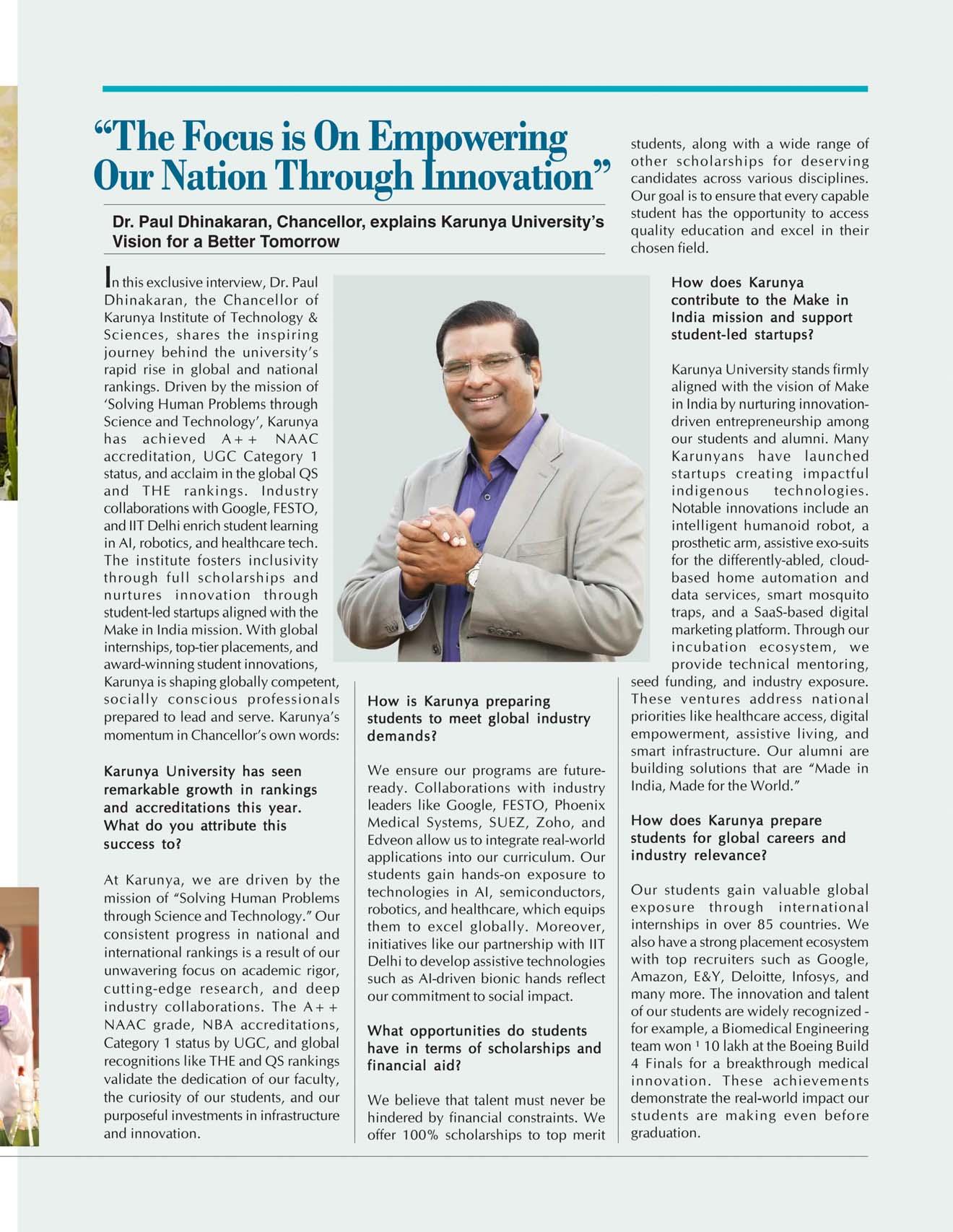
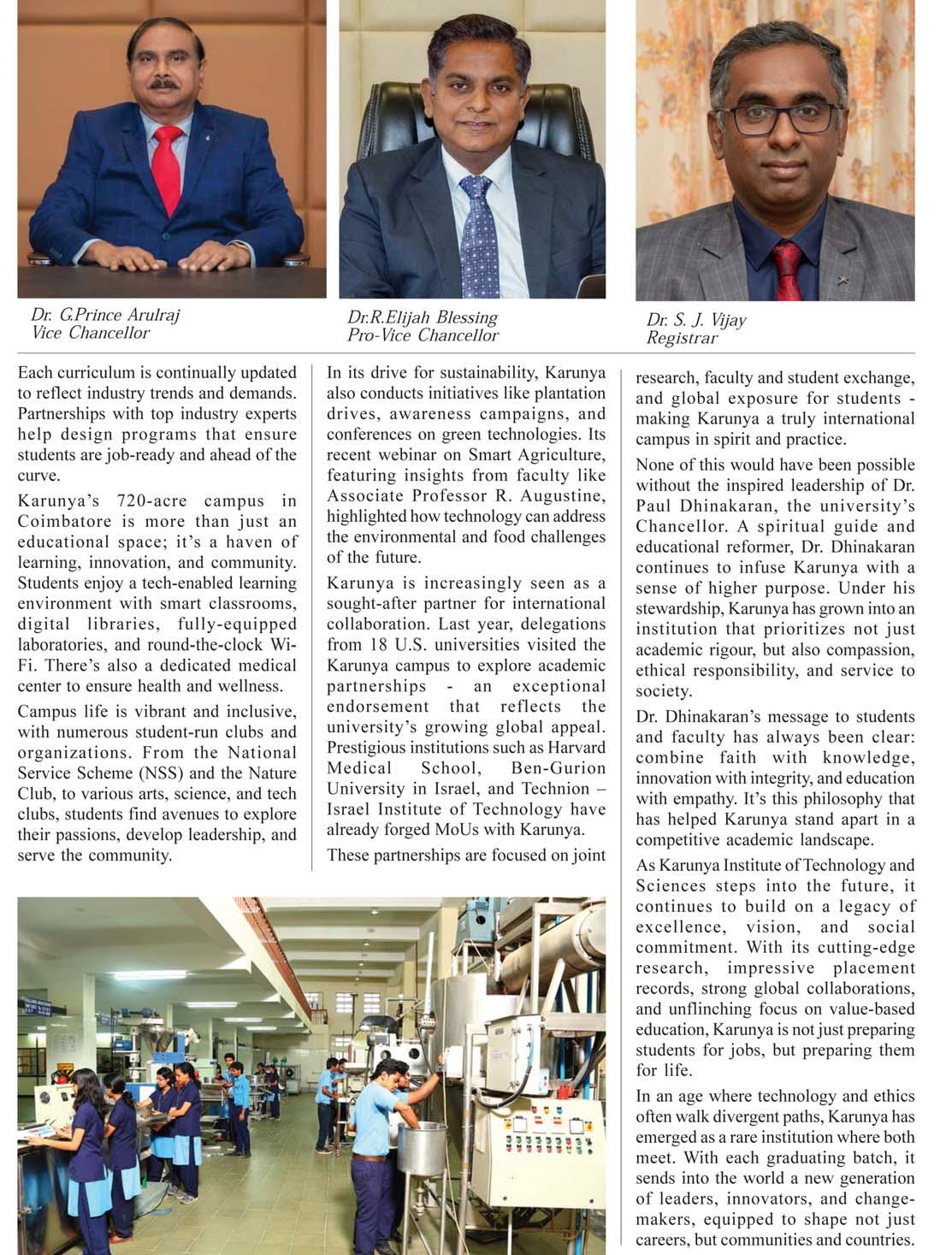
WHETHER YOU’RE SLEEPING, SCROLLING, OR STARING INTO SPACE, IT CAN BE TOUGH TO SWITCH GEARS AND ACTUALLY BE PRODUCTIVE. THE THOUGHT OF GETTING STARTED IS EXCRUCIATING, ESPECIALLY WHEN YOU HAVE A LENGTHY TO-DO LIST THAT SEEMS INSURMOUNTABLE.
hen you’re feeling stuck and unmotivated - or just extra comfy - the “five minute rule” is a big help. Instead of feeling like you have to do it all or worrying about how you’ll get everything done, tell yourself that you’ll get up and work for five short minutes. That’s it.
According to Dr. Jenny Shields, a licensed psychologist based in Texas, this hack is perfect for those “I can’t even open my laptop” moments where you feel frozen and overwhelmed. The hope is that once you get over the initial mental hurdle of beginning a task, you’ll get on a roll, feel more productive, and sail to the finish line.
The trick stems from other time-boxing strategies like the Pomodoro Technique, which is all about working in 25-minute sprints, followed by quick breaks so you feel focused, versus overwhelmed. “The five-minute rule applies that same behavioral science to the moment that many struggle with the most: getting started,” she tells. Here’s what to know.
The five minute rule can apply to pretty much any task you’ve been dreading or putting off. Think unpacking a suitcase, cleaning the kitchen, studying, tackling a work project, or even going for a walk. If you’re struggling to start, tell yourself that you’ll just do it for five minutesnothing more, nothing less.
As soon as the five minutes are up, you’re allowed to stop. But with this hack, you might just find it easy to keep going after you’ve already begun. According to Shields, that’s because the five minute hack removes the mental block that keeps you stuck on the couch.
“When something feels overwhelming, your nervous system flags it as a threat, which is why you end up scrolling instead of starting,” she says. “Shrinking a task to five minutes tells your brain, ‘Oh, that’s doable.’” Just like that, you’re typing an email or unloading the dishwasher.
“Once you start, your brain releases dopamine and norepinephrine - the same chemical that fuels focus and drive,” Shields says. “That small burst of activation helps you move from avoidance to momentum, which is why the first five minutes can so often become 50 without forcing it.”
This hack is perfect if you’re tired or burnt out, a long-time procrastinator or perfectionist who struggles to get started - and it also comes in handy when you’re just being lazy. According to Shields, it’s a helpful technique if you have

ADHD, too, which can make it tough to switch gears.
The next time you’re scrolling when you should be productive, take a deep breath, put down your phone, and see how it feels to work for five minutes. If you’ve been meaning to check emails, crack open your laptop. If you really need to clean your living room, fold a few blankets and bring coffee mugs to the sink.
Tell yourself you’ll only work for five minutes, and give yourself permission to stop once those five minutes are up. That way, the hack will actually be effective. As Shields says, “The trick only works if your brain believes the deal.”
If you want, you can even set a timer for five minutes - and chances are you’ll be surprised when the time flies by. “Remember, action precedes motivation,” she says. “It’s the movement that creates momentum.”
The five-minute rule works because it gives your brain a safe way to begin,” she says. “It’s like dipping a toe into a cold pool - once you’re in, it’s rarely as bad as you imagined.” That said, if you still feel tired after the five minutes are up, she recommends taking a quick break if you can.
For extra inspo, pair your start with something nice, like a fave playlist, a fresh cup of coffee, or a quick stretch. According to Shields, it’ll help your brain start to associate your to-do list with ease and efficiency, rather than effort and anxiety.
(Credit: Dr. Jenny Shields, Psychologist, and Carolyn Steber, Writer, for Bustle)