
President’s update
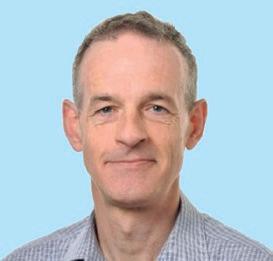
Professor Steve Turner Consultant
Paediatrician
Royal Aberdeen Children’s Hospital
RCPCH
President
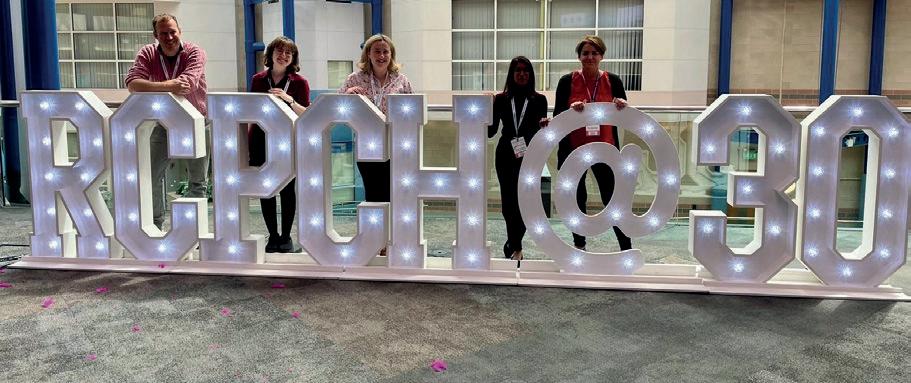
One of the many joys of the job as president is being present at events where paediatricians get together. There isn’t a collective term for a group of paediatricians, but ‘a joyfulness’, ‘a buzz’ or ‘a rejoicing’ capture the ambience. While I’m sure that doctors in other specialties also have fun when they gather, I’m quietly confident they don’t have as much fun as we do. The conference in Birmingham was a
Digital paediatrics
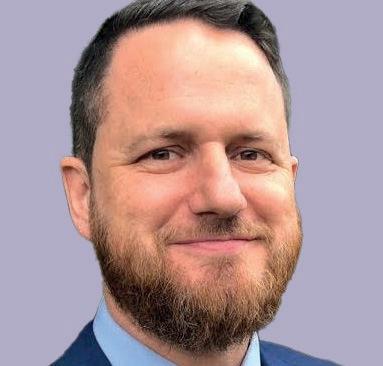
Richard Burley RCPCH Executive Director of Digital
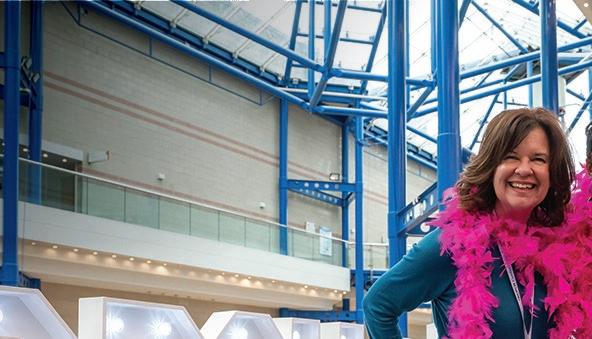
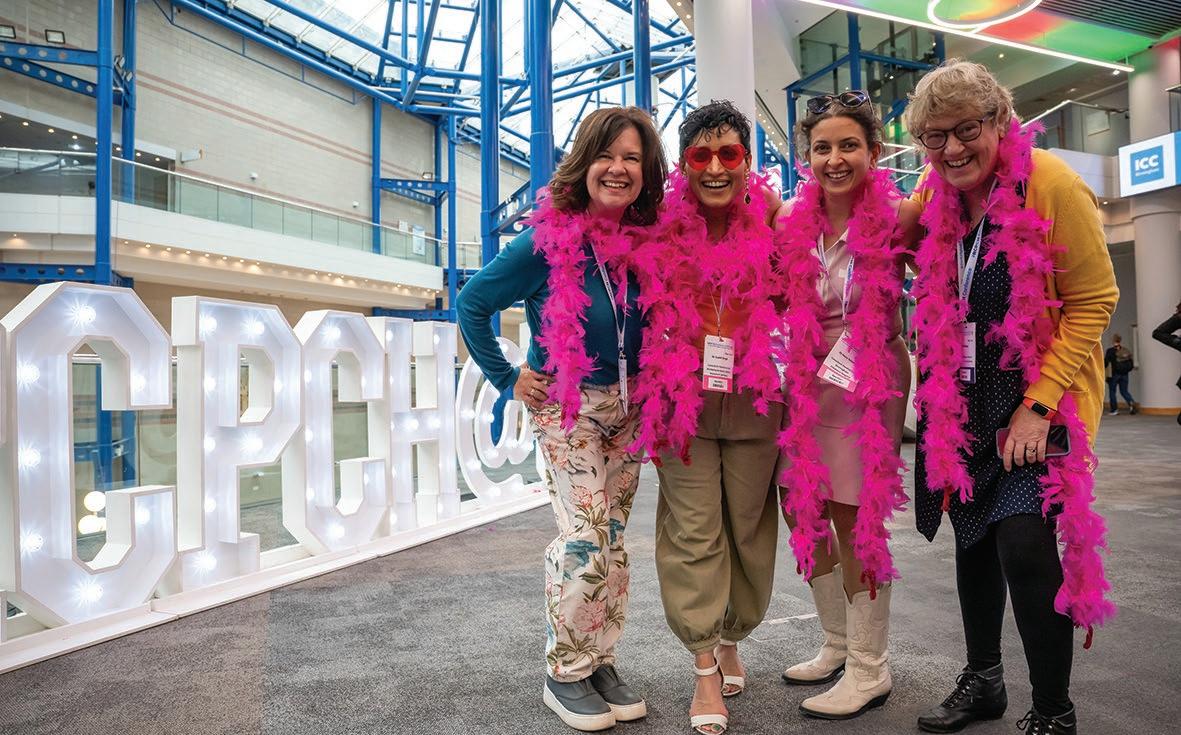
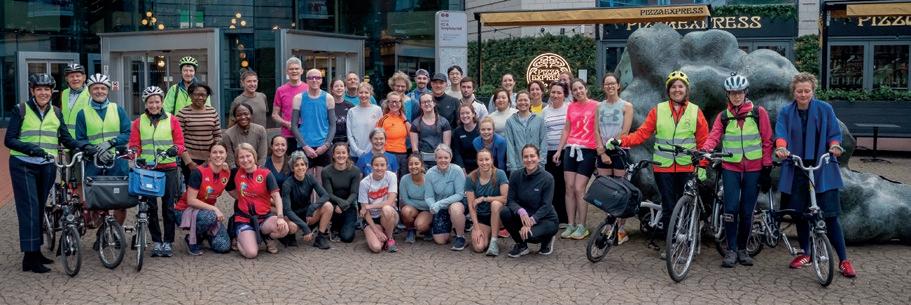
great example of how we enjoy getting together. Almost 10% of our whole membership attended, in person or virtually, and this year we celebrated our College’s 30th anniversary and also the 10th anniversary of &Us, the 20th anniversary of Medicines for Children, the 40th anniversary of the British Paediatric Surveillance Unit and the centenary of the Archives of Disease in Childhood. No wonder the event had a three-day party feel to it. It’s important to note that there was a well-received educational programme beginning at 8am every day, and the option of a communal run or bike ride starting at 7am. So we worked hard
From electronic patient records and virtual clinics to population health tools, artificial intelligence and digital therapeutics, the way care is delivered to children and young people is changing. Digital paediatrics is no longer a niche interest, but a core part of good care. The College’s ambition is to ensure members are confident working digitally and this ambition is being translated into practical support. In January, the College launched its new Digital Health Hub, bringing together guidance, learning resources and examples of good practice. The Digital Solutions Catalogue was introduced to help members discover and explore tools already in use across paediatric services. By signposting real-world, clinically relevant solutions, the catalogue supports informed conversations and aims to help members engage with digital innovation confidently. Building digital capability is central to the College’s approach. Many paediatricians are enthusiastic about the potential of digital health but face common challenges, such as limited time, variable digital infrastructure and uncertainty about
Look out for our digital health issue: Autumn 2026
In our upcoming digital health edition, we’ll explore the innovations, teams and technologies shaping the future of child health – and what they mean for paediatric practice. If you’re interested in submitting an article, email: milestones@rcpch.ac.uk
and played hard, as you can see from the photos on page 24.
Meetings of local paediatric societies are another occasion where I walk into a room and am engulfed by warmth and blether (Scottish for chatting) as members socialise. Many thanks to the Yorkshire Paediatric Society, the Scottish Paediatric Society and the East of England School of Paediatrics, whose meetings I have joined recently. At our membership ceremonies, those receiving their MRCPCH or FRCPCH have the chance to get o the rollercoaster of everyday life and celebrate with their families. I look forward to the next 30 years of the RCPCH buzz.
where to start. To address this, the College has developed the Digital Skills Roadmaps site, which is hosted on the hub and launched for testing in May at the RCPCH Conference. These roadmaps outline the core digital knowledge and skills relevant to paediatric practice, offering a clear, structured way for members to develop their confidence in adopting digital technologies over time through self-directed learning.
The College is committed to advocating for digital systems that work for paediatricians and their patients. This means championing user-centred, interoperable and safe digital solutions. Crucially, it also means addressing the risk of digital exclusion, so that innovation reduces rather than widens health inequalities.
Digital paediatrics is ultimately about people, not just technology. By creating spaces to share learning, amplifying member voices and supporting clinical leadership, the College aims to ensure paediatricians can deliver high-quality, child-centred care in a digital world.
Explore the Digital Solutions Catalogue and Digital Skills Roadmaps on our Digital Health Hub: hub.rcpch.digital
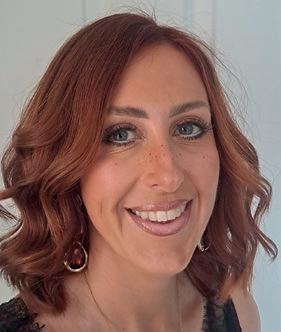
Staff spotlight
Amy Medhurst Training Services Coordinator
I joined the College in 2005 as a Higher Specialty Training (HST) administrator. That was before run-through training was conceived, and we’d spend Friday afternoons filing paper Review of In-Training Assessments (RITAs) – a blast from the past! I’ve seen many changes over the years.
I didn’t come from a medical education background; I studied textiles at university, and my first few roles followed that path. But the College and its work appealed and still does. I work in the Training Services (TS) half of the mighty Training and Quality team, nestled in the Education and Training Division. We’re a tight-knit group, and there’s much cross-collaboration with my Quality Training Projects (QTP) colleagues.
There are five of us in TS supporting resident doctors. We start with registering newly recruited doctors and take them through their training experience until their name is on the Specialist Register and beyond. As a result, we tend to build up quite a rapport over the years.
The first key area I lead on is SPIN modules, which a trainee can apply for at the end of their core level training to take up at specialty level (you can also undertake a SPIN module as a post-completion doctor). We offer 18 different SPINs and coordinate support from activating the SPIN on ePortfolio to sign-off by their parent College Specialty Advisory Committee (CSAC). We’ve led a recent SPIN review with our lead clinicians to ensure we’re using the best processes and improving sign-off times.
I also support the START assessment (Specialty Trainee Assessment of Readiness for Tenure), a series of discussions between a resident doctor and a consultant colleague, in which we give feedback to be addressed in the final months of training. The Assessment Review will impact whether a resident needs to apply for START.
My other ‘baby’ is CCT (Certificate of Completion of Training), a milestone in a doctor’s career, applied for once the Outcome 6 ARCP is issued. We process around 400 CCTs per year and make a recommendation to the GMC for entry onto the Specialist Register.
No day is the same and you never know what will fall into our inbox! The customer service element of my role is still the most rewarding, all these years later.
For Assessment Review updates, visit rcpch.ac.uk/assessment-review
Journal: ADC update
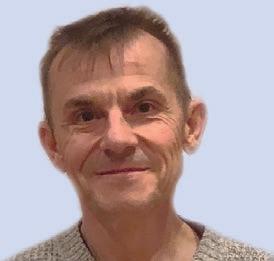
Nick Brown Archives of Disease in Childhood
Editor-in-Chief
@ADC_BMJ
The plenary talk I gave at the RCPCH Conference was called Adapting to an ecosystem in flux: Archives at 100 in recognition of the major anniversary this year marks. The assimilation, time and reflection required to do justice to both the child-health timelines and, dare I say, milestones with the appropriate contextual, cultural and historical parallels has been both humbling and moving.
At the risk of overlooking many other examples, the place Archives has had in the evolution of the respective fields of child and adolescent growth, oncology, respiratory paediatrics, advocacy and mental health can’t be overstated. This is a heritage of which we can all be proud.
However, as seductive as ‘jubilea’ are (my Latin plurals are rusty), this does not signal an endpoint, simply another notable birthday post: the soon-to-be-released line-up testifies to work going on in these and multiple other areas. The ecosystem has changed: the principles have not.

Shanti Raman
BMJ Paediatrics Open Editor-inChief
@BMJ_PO
Journal: BMJ
Paediatrics Open update
While our specialised topic collections have been the prime driver of the expanded reach of our journal, we have also brought out some terrific Review papers and Viewpoints that are highly relevant to global child health. Recent highlights include: Reimagining early years services to address childhood inequities: learning from the Born in Bradford evaluation of a Better Start Bradford (2 March 2026, Review); Rheumatic heart disease in children and adolescents, part 1: epidemiology, pathogenesis and diagnosis (6 May 2026, Review); Children affected by armed conflict: rehabilitation as a global health responsibility (17 April 2026, Viewpoint)
Submission numbers have been a challenge for our current active collections, so we have extended the call to 30 September for: The burden of neurodevelopmental disorders in children in China; Paediatric and child healthcare in India: opportunities and challenges; and Children in conflict settings. To cope with the increasing demand to process submissions, we are recruiting Trainee Associate Editors (Interns). This is a great opportunity for early-career researchers and trainee child health professionals to gain experience in academic publishing. Sign up for e-alerts at bmjpaedsopen.bmj.com Interested in reviewing? Email info.bmjpo@bmj.com
RCPCH Clinical Leaders Programme
Applications for the second cohort open this month

Dr Tom Holliday
Paediatric
Consultant, LNWH NHS Trust
Associate Professor in Clinical Leadership, LSBU
Few of us begin our clinical careers with the intention of becoming ‘leaders’ – we enter the profession to provide care and help people.
Yet, over time, many of us will find ourselves in roles that carry significant leadership responsibility. Despite this, we receive little in the way of training or development to increase the impact of our leadership. This seems odd: you wouldn’t expect a surgeon to perform a heart bypass with little to no training. Why is it this way for leadership?
There’s a useful distinction in the literature between ‘incidental’ leadership, where skills are mostly gained ‘on the job’ (see one, do one, teach one), versus leadership that’s actively developed – the latter is consistently associated with better outcomes. Clinicians who have sought effective leadership training are better able to navigate the challenges associated with the complex, modern-day health service and shape better outcomes for patients and professionals. The implication is clear: access to high-quality leadership development matters.
For this reason, the College launched the RCPCH Clinical Leaders Programme in October 2025. The first cohort brought
together a multi-disciplinary group of senior clinicians from across the UK and beyond. Their breadth of experience within the child-health system is treated as a key resource, which the programme consistently draws upon over its year-long run.
Consisting of a mixture of expert-led online seminars and in-person workshops, the underpinning ideology is that impactful leadership development isn’t just about learning frameworks, models and theory. These provide a foundation, but their value lies in how we apply them to the realities of our work and the challenges we face. This requires critical thinking, a focus on relationships and the ability to hold and manage uncertainty in complex situations.
Indeed, most of the major challenges we face in child health are complex – health inequalities, sustainability, access and a wave of upcoming reforms including the National Cancer Plan, SEND pathways review and the Modern Service Framework for children and young people. These issues don’t sit within traditional organisational boundaries. They are shared problems, and delivering them in a meaningful way will need strong, shared clinical leadership.

Apply to join the second cohort: rcpch. ac.uk/clinicalleaders-programme
Policy updates

Dr
Helen Stewart
PEM Consultant
Sheffield
Children’s NHS Foundation Trust
RCPCH Officer for Health Improvement
Health improvement work often asks me to look at the wider conditions shaping children’s lives and at the choices being made about them. Paediatricians see every day how poverty, insecure housing, overstretched services and unequal access to support affect children’s health. The College’s State of Child Health is about bringing those realities together and asking whether current policy decisions truly reflect children’s needs and rights.
Over the past few months, I’ve been working on updating this flagship report which is due to launch on 14 July. Revisiting the data has been sobering: there is very little to celebrate and the overall picture remains deeply unequal. Too often, prevention and early years support is overlooked – children’s health is emphasised in rhetoric, but not prioritised in decision-making. The consequence is stalled progress on issues such as mental health, healthy weight and early childhood development, with the impact not equally distributed. Significant health inequalities are experienced by different populations, whether determined by deprivation, ethnicity or geography.
This report is at the heart of our public advocacy. It reinforces the message that improving outcomes for children means acknowledging the wider determinants of health: tackling child-health inequalities; investing in the child-health workforce; and strengthening data quality and collection.
The State of Child Health is a tool for you to fight for the rights of the children you treat. Use it to challenge local and national decisionmakers, to ask where trade-offs are being made at children’s expense and to make an evidencebased case for long-term investment in children’s health. Turning evidence into change depends on all of us.
State of Child Health 2026 launches on 14 July, visit: rcpch.ac.uk/SOCH
Find out more at learning.rcpch.ac.uk
Highlights
Safeguarding – now and the future
Dr Vicki Walker and Michelle Dougan from Barnardo’s discuss how safeguarding has changed in recent times and how paediatricians can best support CYP.
RCPCH Grand Round webinars 2026-27
Our fortnightly, free webinars replicate the ‘Grand Round’ that takes place in many hospitals. Whether you’re a consultant, trainee, nurse or allied health professional, these are designed to improve your practice and broaden your perspective.
Register: rcpch.ac.uk/grand-round
Leading the Way
Through open conversations with inspiring clinicians, healthcare professionals and thought leaders, we discuss the challenges, successes and key moments that shape their leadership in paediatrics and child health.
The Paeds Round Real-world advice and guidance on how to manage a range of clinical topics and much more on education, training and working in paediatrics. learning.rcpch.ac.uk/home/ podcasts
Courses
5 October
How to manage: Diabetes in children (online)
12 October
Effective Educational Supervision (Liverpool)
22 October
How to manage: Nonmalignant haematology (online)
30 October
How to manage: Paediatric Allergy Training 1 (PAT 1) (online)
9 November and 1 December
Effective Educational Supervision (online)
24 November
How to manage: Children and young people’s mental health (online)
BPSU Five-Year Report

15 December
How to manage: Common cardiac problems (online)
Studying for your RCPCH exams?
Find out what resources and online learning are available at rcpch. ac.uk/educationcareers/examinations/ resources
Showcasing the British Paediatric Surveillance Unit’s (BPSU) activity, research, collaborations and impact from 2021-25, the report highlights the breadth of rare paediatric surveillance across the UK and Ireland, the contribution of reporting clinicians and research teams, and the role of surveillance in informing research, clinical practice and policy. A huge thank you to all clinicians, researchers, partners, patients and families who continue to support and contribute to the work of the BPSU.
Read the full report: rcpch.ac.uk/bpsu-annual-reports
NPDA Annual Report 2024/25
The National Paediatric Diabetes Audit (NPDA) has published its Annual Report for 2024/25, presenting national and unit-level findings on care and outcomes for children and young people with diabetes across England, Wales and Jersey. The report highlights trends in key health checks, glycaemic outcomes and access to diabetes technologies, supporting services to benchmark performance and identify areas for improvement. Read the full report: rcpch.ac.uk/NPDA-report-2024-25
Sarena
Aged 17
Felicity
Aged 19
Tatiana
Aged 23

Navigating the healthcare system
Children and young people often struggle to understand how services connect and where to find accurate information about their condition
Learning how to navigate the healthcare system can be just as tricky as learning how to manage a long-term condition.
How do services link up?
One of the biggest frustrations is how often young people have to repeat the same information at di erent appointments. Many hospitals, GP surgeries and specialist clinics still use di erent record systems that do not fully link together, meaning young people are often asked to explain their medical history again and again. For people with long-term conditions, this can be exhausting and stressful. It also creates the risk that key information could be missed if details are momentarily forgotten or misunderstood.
Discrepancies around young people’s access to their own health information also exist across the UK. Some areas have one integrated platform that allows easy viewing of letters and appointments, but others have more disconnected systems that hinder access. Giving children and young people a summary of their appointment to take
away would be a simple improvement, perhaps using AI/voice record tools to create accurate summaries quickly. This would make it easier for patients to attend future appointments without needing to remember or repeat everything. It would also help di erent healthcare professionals quickly understand a patient’s situation.
How to find the right information
From my doctor… paediatricians are used to navigating the system, but they can forget that children and young people aren’t taught how to do that. For example, we’re told that we have a condition and that we have to learn how to manage it, but we’re not told how to learn to manage it.
When talking to doctors, they may use full medical language or revert to talking as if to a young child. Both options can make us feel uncomfortable, particularly when conversations involve intimate personal details. Remembering that children and young people have very di erent developmental stages, and talking to us from the start in a developmentally appropriate manner, will immediately help us to feel more able to ask questions.
RCPCH &Us: The Children and Young People’s Engagement Team delivers projects and programmes across the UK to support patients, siblings, families and under 25s, and gives them a voice in shaping services, health policy and practice. RCPCH &Us is a network of young voices who work with the College, providing information and advice on children’s rights and engagement.
and_us@rcpch.ac.uk rcpch.us
We might not know which symptoms are relevant to our appointment. We may have minimised symptoms, or there are so many that we forget them. Asking leading questions about possible symptoms can be really helpful, before talking us through what is going on.
From the internet… Sometimes, we’ve had to learn how to work out which websites have good information, and which ones are misleading. When doctors tell young people and their families which websites are good for advice, it makes life a lot easier.
Ensuring young people are familiar with information and support tools for their condition, as well as how services related to their condition link up, is fundamental. For example, DigiBete is an app for young people with Type 1 diabetes, with information about what to expect in check-ups and the di erent members of the diabetes multidisciplinary team. What apps are there for other conditions?
In summary, help us to understand who does what (and why), and where to find the right help. Don’t assume we know how everything links up in a service, even if we’ve been using it for a long time – help us to help ourselves!
How paediatric innovators are shaping the NHS
The Clinical Entrepreneur Programme (CEP) is empowering clinicians to turn frontline problems into pioneering solutions
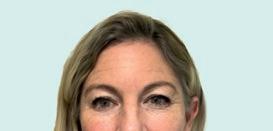
Dr Tamsin
Holland Brown Community Paediatrician
East of England Community Health and Care
NHS Trust
Co-clinical Lead for the NHS CEP
Innovation in the NHS is often imagined as something that happens inside universities or tech start-ups, far removed from daily clinical practice. Yet one of the most powerful engines for change sits within the NHS: the CEP.
Each year, more than 200 NHS clinicians and around 20 patient entrepreneurs join this free, nationally supported programme – which was named in the NHS 10 Year Health Plan –to develop ideas that can improve patient care or strengthen the health system.
Open to all NHS sta in England, Northern Ireland, Scotland and Wales, the CEP recognises that those closest to NHS challenges are best positioned to solve them. However, paediatrics remains
underrepresented in the innovation landscape, despite paediatric practice routinely demanding creativity and flexibility – from opportunistic examinations and o -label prescribing to using play and adapting care across developmental stages. All of this fosters a resourceful and innovative clinical mindset.
In addition, technologies and pathways designed for adults often receive funding and attention first, but it’s children and young people who are frequently the early adopters of new technologies. As government priorities shift towards prevention, personalisation, digital delivery and community-based care, paediatrics is uniquely placed to lead.
Already having an impact
Several innovations are being used clinically in the NHS. Consultant paediatric ophthalmologist Louise Allen’s DigiVis app enables automated, accurate, remote or kiosk-based distance visual
acuity testing in patients from four years of age. Integrated with electronic patient record systems, real-world use has demonstrated gains in service e ciency and capacity, while reducing the need for families to attend hospital and detecting early visual deterioration (digivis.uk).
The Hoop app, run by Tim Allardyce, is for parents and aims to get children o screens by involving them in communitybased, age-appropriate activities. It’s designed to help embed preventative health habits early (hoop.co.uk).
Finally, the Learning From Excellence movement, founded by paediatrician Adrian Plunkett, shows how celebrating what goes right in the NHS can drive cultural and clinical improvement (learningfromexcellence.com).
The CEP thrives on the creativity of paediatric healthcare staff. If you have an idea, visit nhscep.com
Some emerging paediatric innovations shaping the future of child health
Rumii
Developed by clinical entrepreneur and child psychologist Fin Williams, Rumii uses passive smartphone sensing to track sleep, activity, social contact and problematic phone use, to identify subtle shifts in the wellbeing of young people (aged 13-25) and deliver compassionate support. rumii.app
Orli
Emergency medicine doctor Mark Cox co-founded this playful, behavioural science-informed platform that helps
children build emotional resilience. It provides proactive, accessible tools –especially valuable for children who may not meet referral thresholds but still need support. orli.health
Attune
Created by GP Rhiannon Johnson, Attune is a digital companion for parents of neurodiverse children during long NHS waiting periods. By predicting distress, offering calming routines and providing real-time guidance, it aims to reduce crisis presentations and
strengthen family wellbeing. attune-ai-app.com
EnrichMyCare
Developed by paediatric physio Dr Saran Muthiah, this AI-enabled platform transforms support for children with complex or long-term conditions, such as autism, ADHD, epilepsy and cerebral palsy. Families and teachers can share reports and updates in real time, giving clinicians a unified view of each child’s progress. enrichmycare.com
Integrated futures
Perspectives on how an integrated care post is giving paediatric trainees the cross-sector experience needed to step confidently into consultant roles
Dr Tom Holliday Paediatric Consultant
London North West University Healthcare NHS Trust
The majority of us spend the first decade or so of our medical career almost exclusively patient-facing. This is, of course, entirely appropriate: clinical work is the core of what we do, and trainees need to become safe, e ective and compassionate clinicians. This means that much of our development is focused on the demands of clinical practice, rather than the broader role we will eventually take on as consultants. My experience as a resident was that training prepared me well for the job I was doing at the time, but less so for the next step. Being a senior house o cer (SHO) didn’t fully prepare me to be a registrar, and the jump to consultant was greater still.
Consultants take on responsibilities in leadership, service development and partnership working, often across organisational boundaries. These are core to the role, yet di cult for trainees to gain meaningful experience in. What would a pre-consultant training post look like if it were intentionally designed to bridge this gap, and to prepare trainees for the complex, cross-sector challenges facing child health?
In addition to clinical exposure, such a post would need to create space to develop judgement under uncertainty, take ownership of decisions and build the relationships and networks essential to modern practice. In reality, many senior registrar posts fall short of these aims; evidence suggests trainees often feel underprepared for the non-clinical
aspects of consultancy.
In response, we developed a registrar post in paediatric integrated care. The aim was not to reduce clinical exposure, but to better prepare senior trainees for contemporary consultant practice. Since 2021, eight trainees, most in their final registrar year, have undertaken the role, each shaping elements of the job to align with their interests. Trainees retain some acute on-call work, but otherwise step away from the traditional in-hospital rota, independently managing their own time, workload and priorities. The post is designed as a 12-month placement, allowing time to develop networks and lead meaningful improvement work.
The role centres on the provision and leadership of integrated care. Now an NHS priority, integrated systems of care bring together professionals, sectors and services to better meet the needs of young people. Trainees act as named ‘link paediatricians’, delivering collaborative care across a defined local patch and supporting multidisciplinary working between primary care, community services and mental health.
Alongside this, trainees run their own outpatient clinics with ownership of decision-making and follow-up, supported by proportionate consultant supervision. They lead service development work, contribute to teaching and engage with system partners, including public health and education. They gain experience working beyond the clinical environment,

attending strategic, commissioning and governance meetings to understand how services are shaped as well as delivered. This combination of clinical ownership, wider system exposure and leadership of collaborative practice better prepares trainees for the realities of modern paediatrics. In doing so, they begin the transition towards independent practice, developing the skills and confidence to work across systems and improve child health as consultants.
“The aim was to better prepare senior trainees for contemporary consultant practice”
The integrated care role is not the first such post at our trust. A registrar role in child public health has long been established, and senior trainees have benefited from the same mix of responsibility, leadership and collaborative working for many years. These two highlevel training posts have a lot of crossover in their approach and, together with their supervising consultants, now form the hospital’s Collaborative Child Health, Adolescent Medicine & Public Health (CCHAMPs) Team.
Integrated systems of care are now a priority in the NHS, so consultants must be able to lead multidisciplinary teams
Dr May Nagle
ST8 Paediatrics
London North West University
Healthcare NHS Trust
As a trainee in this integrated care role, I’ve experienced a level of autonomy, flexibility and professional development that has been unique within my training. From the outset, I’ve been trusted to manage my own time, supported by a flexible rota and protected space to pursue both clinical and non-clinical interests.
From a management and leadership perspective, I can confidently say that I have achieved more in this year than in the rest of my training combined. The structure of the role has allowed me to move beyond the traditional, reactive model of paediatric training and instead take a proactive approach to service


development and system improvement. I’ve been closely involved in the development and implementation of an integrated paediatric enuresis clinic, contributed to the establishment of a new Child Health Hub and managed ‘Learning Together’ clinics that unite primary and secondary care. Through this work, I’ve developed strong skills in service design, stakeholder engagement and quality improvement, with a focus on delivering sustainable, patient-centred care across organisational boundaries.
Importantly, this has been part of a wider culture of innovation within my peer group, where my colleagues within the current CCHAMPs Team have led projects, including integrated physical and mental health clinics, highfrequency attender pathway reviews and opportunistic immunisation programmes. I still enjoy and thrive in my ward and emergency department shifts as part of the rota. I find the acute environment
“I’ve been encouraged to identify gaps, develop solutions and lead change, rather than simply respond to service demand”
stimulating and rewarding, and it remains a vital part of my clinical practice and identity as a paediatrician.
What has distinguished this role is the sense of empowerment. I’ve been encouraged to identify gaps, develop solutions and lead change, rather than simply respond to service demand. This has given me a much deeper understanding of healthcare systems, leadership and the complexities of delivering integrated care.
Importantly, this is not just my own opinion. The registrar experience in this role is remarkably consistent, with all the trainees who have undertaken the post reporting:
meaningful leadership opportunities increased autonomy and responsibility an absolute recommendation of the role to other senior trainees.
Direct quotes from previous trainees include: “Integrated care is a hugely important part of the future, which only reinforces the importance of posts like this one” and “It helped me understand how clinical leadership can influence local pathways and prepared me for the consultant-level expectation.”
Overall, this experience has been transformative. It has equipped me with the skills, confidence and mindset required for consultant practice, particularly in an NHS that is increasingly focused on collaboration, prevention and system-wide working.
LTFT: Experiences of paediatric trainees
How the opportunity to work less than full-time (LTFT) is redefining the norm in training and beyond
If you were to walk through any paediatric unit in the UK, we can guarantee that you would bump into at least one paediatric resident doctor working less than full-time (LTFT). What was previously an exception granted in specific circumstances is now the norm for the majority of paediatric doctors in training. To explore and better understand the motivations, challenges and experiences of LTFT and full-time (FT) trainees, and plans for post-Certificate of Completion of Training (CCT) working, the RCPCH LTFT Training Advisors Network undertook a large online survey – Experiences of paediatric trainees – which ran between November 2025 and February 2026*. We received and analysed hundreds of responses, with an even spread across all grades, including those currently out of programme, and across all deaneries.
Of the 829 resident doctors, 79% were working LTFT, compared to 59.7% in
2025. This prevalence was slightly lower at ST1 and ST2 level, with more senior resident doctors tending to work a lower percentage of whole-time equivalent (WTE) (Figure 1, below). Overall, the experiences of resident doctors were largely positive – many told us that the ability to work at di erent percentages is the reason they were able to remain in training and to thrive.
Why the dramatic shift towards LTFT?
Dr Oghenetega Edokpolor
ST6 Neonatal RCPCH Specialty LTFT Trainee Representative
Dr Elena Girelli
ST3 Paediatrics RCPCH Core LTFT Trainee Representative
Dr Siân Ludman Consultant Paediatrician Chair of RCPCH LTFT Training Advisors Network
Paediatrics is a rewarding but demanding specialty – emotionally, physically and logistically. For many residents, long
commutes and increasing portfolio requirements and career demands add further pressure, alongside the challenge of balancing life outside medicine. Survey responses showed a growing range of reasons for choosing LTFT training, including sport, religious commitments and academic interests, as well as simply
Whole-time equivalent (WTE) percentages per year of training
Figure
*
finding time for exams and portfolio work. For some, it was about sustainability: many felt that a 100% rota exceeds a typical full-time workload. As one resident noted, an “80% week is 37.5 hours, which is a full-time job in the real world”. Working LTFT can help improve wellbeing and work-life balance, and this was cited by over half of the respondents, who said it helped them to develop interests outside of medicine, to foster relationships with their family and friends, and to rest. We received comments from residents saying LTFT meant: “I get to see my children in broad daylight” and “I feel like I have my life back”.
A less obvious but strong theme that emerged as a benefit of training LTFT was improved clinical experience; being less tired means you can “give your all” at work, making your practice safer. LTFT provided invaluable “thinking time” and a greater ability to retain knowledge, not to mention the time to work on quality improvement projects, audit, research and leadership projects. Interestingly, many residents credit working LTFT as the only reason they have not left paediatric training.
However, many residents don’t want to train LTFT, and their reasons – a desire to avoid prolonged training time and the financial impact of taking a pay cut – are just as valid. Others felt they were able to maintain a good work-life balance and would prefer to maximise their clinical exposure by remaining FT. It’s vital to state here that, although LTFT appears to be the current norm, residents remain free to choose how they would like to train. It goes without saying that FT residents should not be discriminated against or pressured into going LTFT. Unfortunately, one FT resident reported just that: as everyone around them was LTFT, they felt distinct pressure from peers as to why they had not reduced their hours. This should not happen to either FT or LTFT doctors.
“A strong theme that emerged as a benefit of training LTFT was improved clinical experience”
Current challenges
As with everything else, training flexibly has its detractions and, despite LTFT being more prevalent than FT training, stigma still casts a shadow. Our survey identified doctors in training who felt they had been blamed for rota gaps or labelled as ‘part-timers’. Negative assumptions about LTFT residents lacking commitment or being less experienced remained. Some reported subtle (and sometimes not-so-subtle) disapproval from senior colleagues, while others heard complaints about the “problems caused by LTFT trainees”. One respondent said, “There is definitely a sense of general disapproval.” Encouragingly, residents have reported that the newer/younger consultants and registrars are often more supportive than the older generation of consultants.
The administrative burden can also be exhausting to rota administrative sta and residents alike. Payroll errors were an incredibly common theme: one doctor reported thousands of pounds in deficit and having to involve their union for support and intervention. Inconsistent average hours across di erent rotations and trusts make financial planning very
Training LTFT can help you ‘give your all’ at work
difficult, as take-home pay can vary considerably between placements.
There is an age-old perceived tussle between residents and departments over fixed working days. It’s important to recognise both perspectives and the need for clear communication. While a resident may have fixed days in one trust, this cannot always be guaranteed elsewhere, as staffing must be distributed across the week to ensure patient safety. This can lead to difficult conversations, but patient safety must remain the priority, even when individual preferences cannot always be met.
Some resident doctors expressed frustration with the changes introduced by Progress+ and competency-based training. Early on, inconsistent messaging across deaneries – particularly around training extensions and when decisions could be made – left some feeling the goalposts were moving at every Annual Review of Competence Progression (ARCP). However, these issues are easing as deaneries fall into the same pathways and the messaging becomes clearer. We believe they are likely to continue easing as departments and units grow more familiar with LTFT training and more LTFT trainees progress to consultant roles.
Moving forward
LTFT and FT must remain harmonious, balancing service needs and keeping our patients safe. Educating the educators is also key – educational supervisors (ES) and clinical leads should be cognisant of the nuances of training LTFT, so they are better equipped to offer support and advocate for LTFT and FT residents, whatever their needs. Working with human resources may ease some of the payroll errors, but it’s a difficult and wide-ranging problem without a national solution. More bespoke solutions, such as self-rostering, might work to facilitate greater flexibility within the rota while reducing gaps.
Resident doctors should not be pressured to work FT or LTFT, and should be able to choose the WTE that most suits their needs within the requirements of paediatric training. For example, Thames Valley allows 0.6 WTE (not 0.8 WTE), so any resident unable to work 60% has to choose FT. Training units should facilitate integration of resident doctors whenever possible, for example, by providing hybrid teaching or rotation of teaching days.
Beyond CCT, are we prepared? Perhaps the most consequential finding of this survey is the fact that most LTFT
trainees intend to continue working LTFT post-CCT. Of those currently training FT, 64% plan to transition to LTFT training, and 89% of those currently training LTFT plan to continue this way until CCT and beyond.
LTFT resident doctors will soon transition to LTFT consultants (Figure 2). This is reflected in the RCPCH workforce team’s recent deep dive into the paediatric workforce, where they showed that, in 2020, 28% of consultants in England worked flexibly, rising to 34% in 2024, with similar figures in Wales. LTFT appears to no longer be just a training pattern; it’s here to stay.
We suspect workforce planning will have to adapt and reflect the current need for clinical practice to be more flexible, mirroring not only different working practices but wider changes in the NHS structure moving forward. The Monday to Friday 9-5 model with on-calls may not be sustainable or desirable in our fast-changing NHS. Hours, pay and the structure of the NHS itself will continue to change. Residents and consultants alike must be able to navigate these changes to ensure a safe environment for our patients with highly trained, high-quality doctors at every level. This will be a tricky balance in the coming years, and flexible working at every level may well be the key.
References
1. RCPCH LTFT guidance: rcpch. ac.uk/ltft-training-guidance
2. Workforce planning data: rcpch.ac.uk/flexible-working
3. BMA flexible working guidance (please scan the QR code):

LTFT
Figure 2
Out-of-programme training (OOPT) opportunities
Trying something new offers a welcome change as you build new skills and see paediatrics from a different perspective
ST5 Paediatrics
Royal
Cornwall Hospital
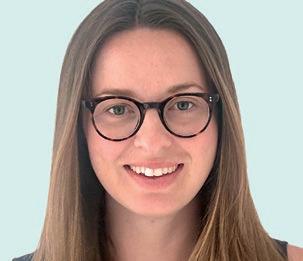
After a challenging year, I needed a change. I found a job working in the local eating disorders team, which Dr Catriona Bowman (right) helped set up. I applied and was able to get OOPT approved with a special interest (SPIN) in adolescent medicine.
What I hoped to gain
I’ve always enjoyed interactions with adolescents on the ward. However, managing complex adolescent presentations is an area where I’ve felt less confident, despite it becoming an increasingly important part of paediatric practice. As someone aiming to become a general paediatrician working across all age groups, I was keen to develop the competencies needed to care for this population. While early training is largely inpatient-based, this role o ered a strong outpatient focus, with clinics of my own and the chance to work with community teams.
Expectations vs reality
Like any new job, you soon realise there’s so much you don’t know. Eating
“It’s been invaluable and thought-provoking, enabling me to approach complexity with a new perspective”
disorders are more complex and varied than I imagined. After over five years in paediatrics, I was used to working with multidisciplinary teams, but in this job, I still find it hard to believe how much time is spent in liaison for a single patient, and how hard it can be to formulate a diagnosis and management plan. It feels so di erent from the pace of acute paediatrics. However, the skills feel highly relevant to life as a general paediatric consultant, who manages similar complexity, among both inpatients and outpatients. The SPIN has been useful in directing my learning and has given me experience working with adolescent patients. I’ve gained nonclinical skills, too. Our team organised a regional two-day conference and, as a result, arranging speakers, planning programmes and getting CPD approval became a necessary, newly acquired skill set. The conference brought together teams from across South West England, and I learnt how important collaboration is in finding solutions for some of the more challenging aspects of the job, such as how and when to feed using restraint.
Is a change as good as a rest?
I’m not sure I consider this experience a rest, but it’s been educationally invaluable and thought-provoking, enabling me to approach complexity with a new perspective. I’ve found working with adolescents, getting to know their personalities and understanding their perspectives incredibly rewarding. I would recommend the SPIN in adolescent medicine to anyone who wants to do general paediatrics.
Opting for OOPT in a newly created role
Dr Catriona Bowman ST7 Paediatrics
Royal Cornwall Hospital
There are many reasons why you might want to take a different route to completing your training, and at ST5, when I wanted a temporary change, I opted for OOPT in a newly created role. I’ve always held space for teenagers within paediatrics and planned to do a SPIN in adolescent medicine, and built from this. Following discussions with my supervisor and our local adolescent lead, I was fortunate that the service needed extra support, allowing Kate and me to develop the role together. It can take several months to get approval, and it needs to be slotted into deanery-wide rotation planning. I timed my OOPT to run from March changeover to March changeover, which made it easier. My first discussions began locally in September, then moved up to the Training Programme Director (TPD) in October. Initially, I explored this as an out-of-programme experience (OOPE), but following the interview and being offered the job, my TPD suggested considering it as OOPT. OOP application forms can be found on deanery websites and must be submitted with all required signatures. For an OOPT job to count towards training, you need an educational supervisor and the site where you’re going to work must be approved for training in that specialty by the GMC – there’s a list on its ‘programme and site approvals’ page. If your site is already approved, you don’t need further approval from the GMC for competencies and time completed under OOPT to count towards your training. If your site isn’t approved, you can apply via the GMC website.
Dr Kate McGraw-Allen
Beyond the NHS: gaining a global perspective on child health
Stepping outside her comfort zone changed the way Dr Madhuri Raja thinks about paediatrics, medical education and the future of healthcare

Dr Madhuri Raja
Consultant
Paediatric
Nephrologist
Southampton
Children’s Hospital
Children born today will grow up in a world increasingly shaped by climate change, widening inequality, migration, resource scarcity and rising health complexity. The systems caring for them must therefore be adaptable. To meet these challenges e ectively, NHS paediatricians require broader perspectives – gained through collaboration, exposure to di erent health systems and a willingness to learn beyond traditional boundaries. The NHS provided an excellent clinical foundation, but it was during my outof-programme experience (OOPE) in Sri Lanka, between ST5 and ST6, that my perspective on child health changed considerably. My primary motivation was to explore whether I wanted to pursue paediatric nephrolo long term. What I came away with, however, was far more than an additional line on my CV.
Rising to the challenge
Despite decades of civil conflict, the 2004 tsunami and ongoing political instability, Sri Lanka’s health and education systems
have remained resilient, continuing to provide largely free healthcare that’s inspired by the NHS model. At Teaching Hospital Peradeniya, I encountered high clinical demand amid significant socioeconomic pressures and limited resources. Weekly nephrotic syndrome clinics reviewed over 100 children, with registrars managing both outpatient and inpatient care.

clinical roles to ensure children continued attending essential follow-ups.
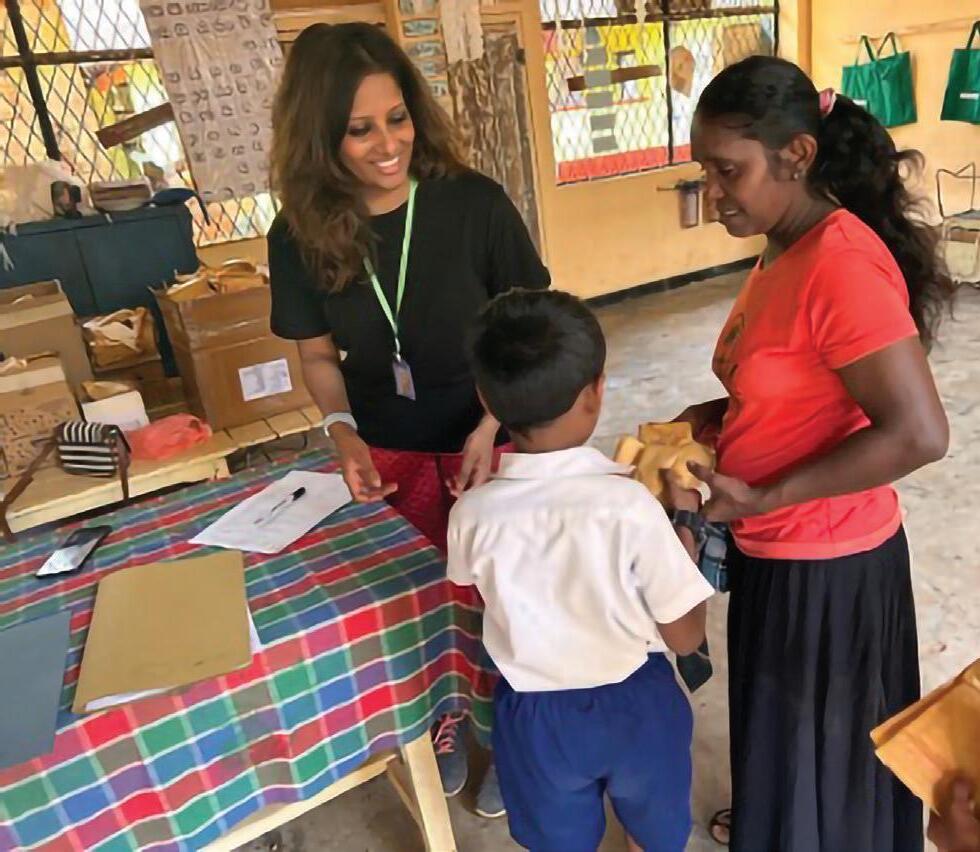
In the weekly chronic kidney disease (CKD) clinic, I met Lakshmi and her sixyear-old son Arul, who has congenital kidney and urinary tract anomalies requiring close follow-up for worsening renal function. A daily-wage tea-estate worker with four other children, Lakshmi travelled on foot and by bus for over four hours – leaving at 3am – to attend each appointment. Lost income and travel costs quickly became unsustainable, leading her to consider stopping care altogether.
With only two specialist paediatric nephrolo centres serving a population of over 20 million people, this was the reality for many families accessing specialist care in Sri Lanka. Consultants frequently paid travel costs themselves for Lakshmi and families like hers, going well beyond their
Paediatrics was practised with far greater reliance on clinical judgement, pragmatism and teamwork, often with limited access to investigations and technolo . Many aspects of care required creativity and adaptation. I learnt how peritoneal dialysis (PD) fluid could be prepared in-house when supplies were inadequate. This felt far removed from UK practice, where dialysis fluids are centrally manufactured and delivered directly to patients’ homes and renal wards. During
“Paediatrics was practised with far greater reliance on clinical judgement, pragmatism and teamwork”
During her OOPE, Madhuri contributed to a large-scale study of paediatric CKDu
kidney disease is being influenced by more than just biolo . Paediatricians are often uniquely placed to recognise the earliest signs of wider public health challenges in children and young people.
One of the most satisfying outcomes of this journey has been developing a bilateral paediatric training fellowship between the UK and Sri Lanka, built on long-term collaboration, shared learning and locally-led partnerships rather than short-term ‘parachute’ experiences.

the COVID-19 pandemic, when NHS supply chains faced national PD fluid shortages, those experiences in Sri Lanka felt unexpectedly relevant.
The innovation within the country’s healthcare system was striking. Despite immense clinical pressures, clinicians remained deeply committed to children and families, while continuing to teach, conduct research, publish and develop services. The team also marked their 100th paediatric kidney transplant, sharing their experiences and challenges, which was a humbling moment.
Beyond clinical work
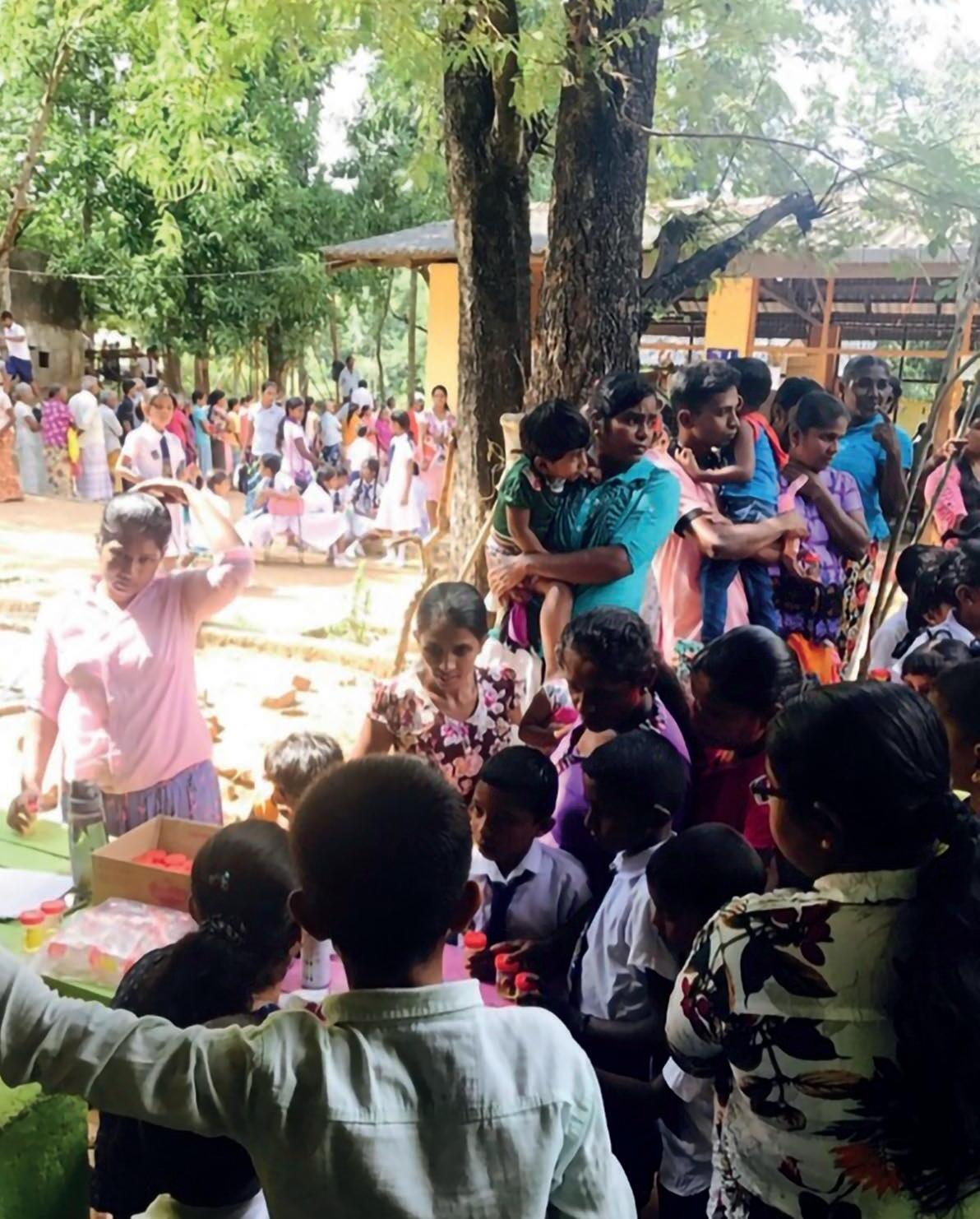
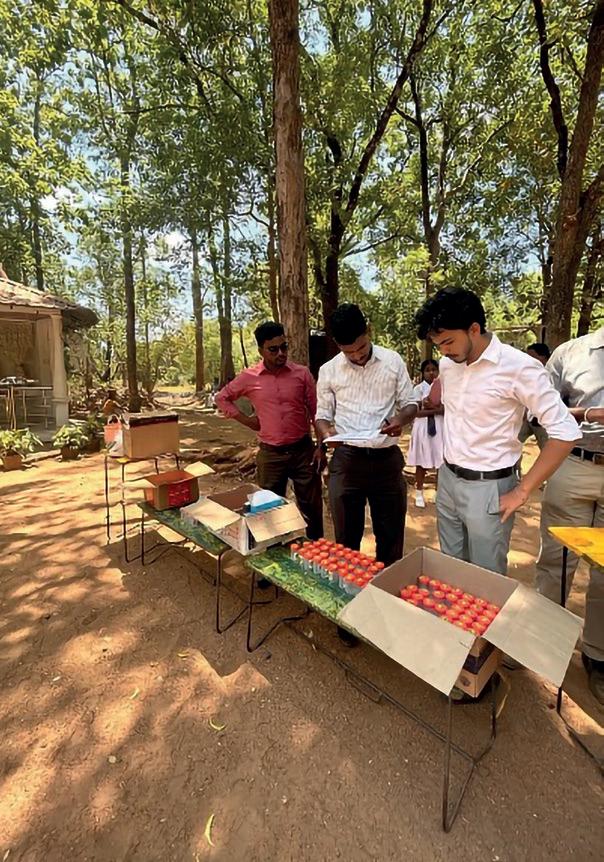
While in Sri Lanka, I also contributed to research into CKD of unknown origin (CKDu), a major public health issue a ecting agricultural communities, with increasing concern about earlier onset in children. What began as a small initiative evolved into a large-scale paediatric CKDu
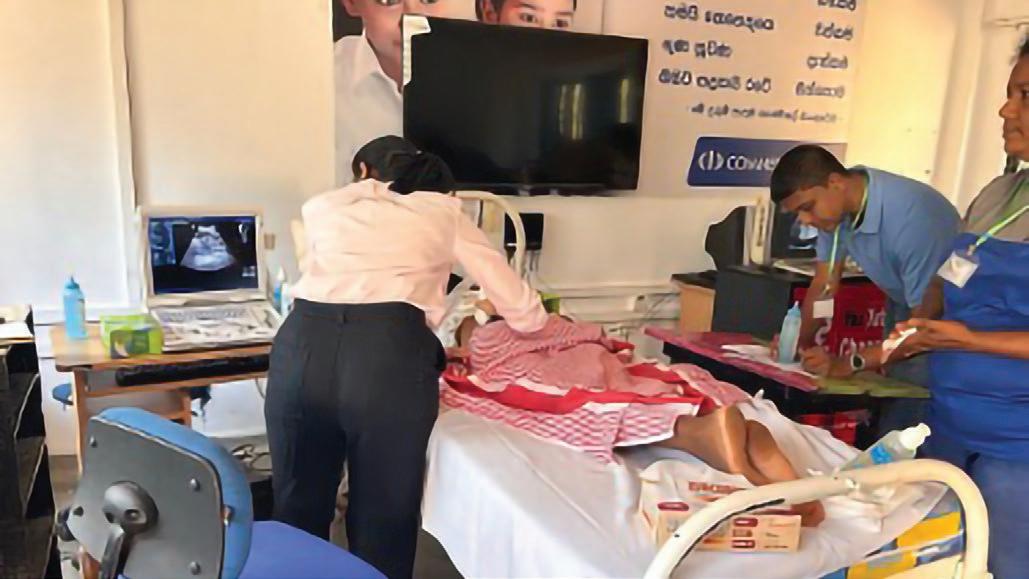
screening programme in Ginnoruwa, a rural CKDu-endemic village. I led the paediatric study design and coordination within a 62-member multidisciplinary team spanning paediatrics, adult nephrolo , environmental sciences, geolo , public health, and government and community organisations.
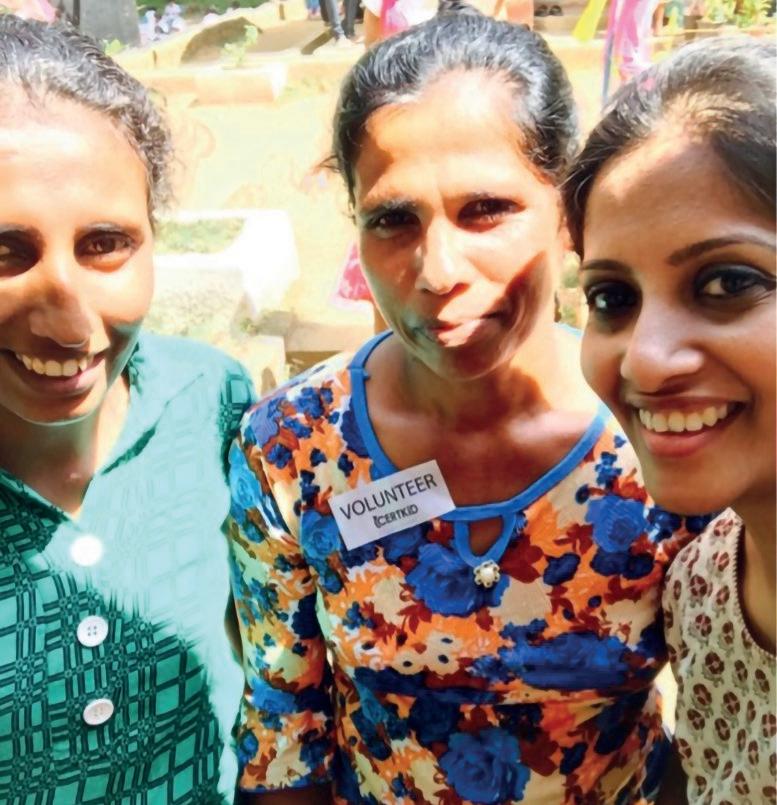
Collaborations established during my OOPE shaped my academic career over the next five years, alongside ongoing partnerships with teams at the University of Peradeniya, Centre for Education, Research and Training in Kidney Diseases (CERTKiD). Completing an MSc in Global Child Health at UCL Great Ormond Street Institute of Child Health further strengthened my interest in health systems, sustainability and prevention-focused care.
Looking to the future
As climate change and planetary health increasingly shape disease patterns,
“Paediatricians are often uniquely placed to recognise the earliest signs of wider public health challenges”
Ethical global child health depends on recognising that local teams are the experts in their own systems and populations; the goal is never to ‘rescue’ but to collaborate, learn and contribute according to local priorities. One recent fellow, Dr Keziah Davies (ST1 Paediatrics, Merseyside), reflected: “Despite the pressures and strike action currently faced by the NHS, I came away from my fellowship with a new appreciation for the physical and human resources still available in the UK.”
Preparing to work overseas requires more than clinical knowledge. Recognising that medicine is always practised within a social and cultural context is essential. Despite huge obstacles, Sri Lanka delivers high-quality paediatric nephrolo care while advancing research and innovation. Valuable lessons in medicine often emerge when innovation is driven by necessity. If we are to meet the challenges facing child health over the coming decades, we must learn from other systems and cultures to build a more thoughtful, adaptive and equitable future for all children.
We welcome expressions of interest for the 2027/28 fellowship programme. Please email madhuri.raja@uhs.nhs.uk for further information.
Urine screening and (below) ultrasound screening
A study participant with his mother and (below) a village volunteer
Finding my place on the GRID
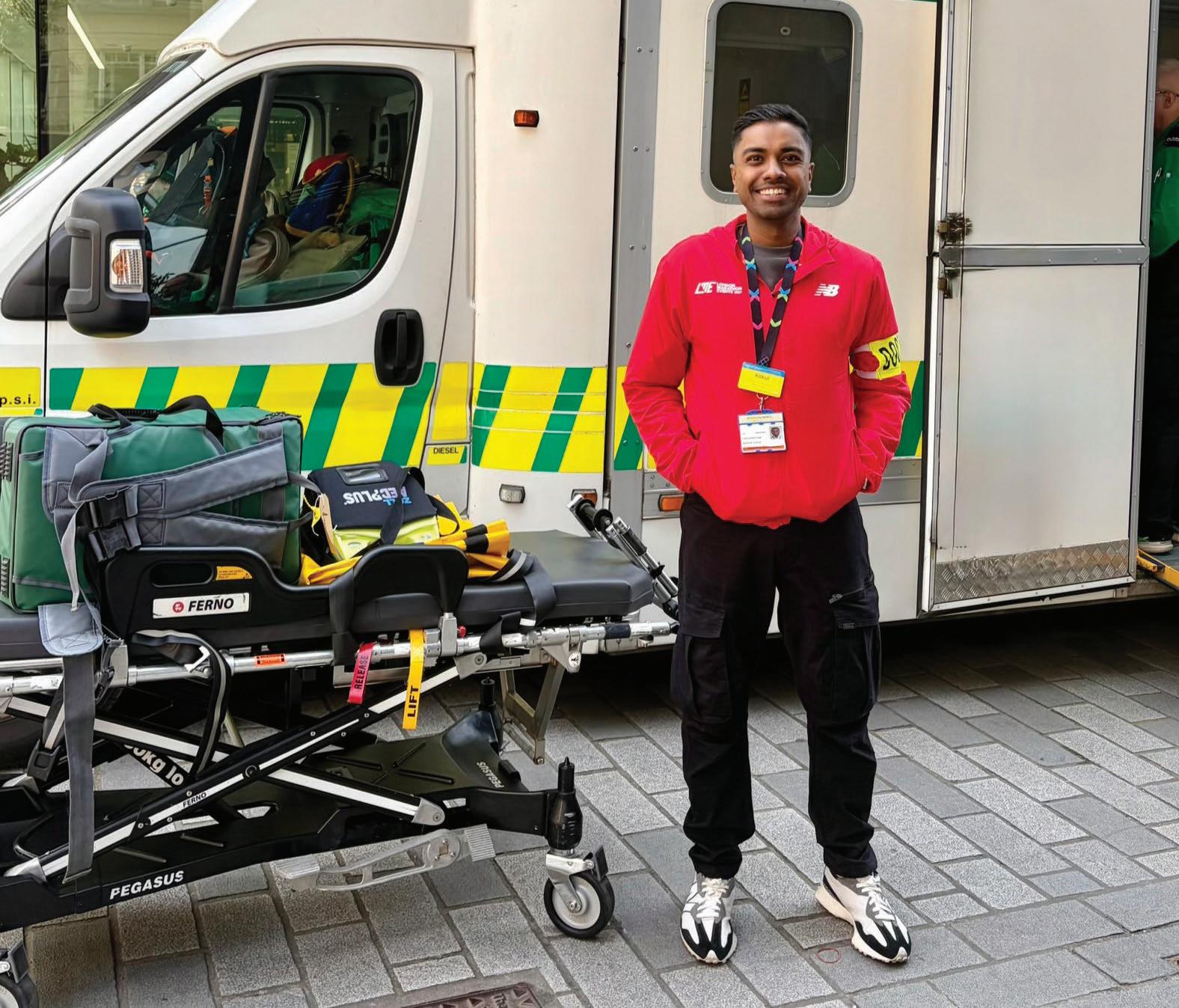
Dr Kokul Sriskandarajah’s journey charts the challenges, rewards and career-shaping opportunities found within the PEM GRID pathway




Dr Kokul Sriskandarajah
ST6 PEM GRID
Royal London Hospital
Iwrote my first piece for Milestones in 2022, at the beginning of my paediatric training. Fast forward to today, I’m now an ST6 PEM GRID trainee, and it feels like a natural continuation of that journey. Looking back, the road to subspecialty training has been challenging but deeply rewarding, shaped by a growing passion for the acute side of paediatrics.
From early in training, I was drawn to the pace and variety of the emergency department. While some colleagues preferred clinics or ward-based care, I found the unpredictability of acute presentations energising; the need for quick thinking, teamwork and making decisions in real time. The paediatric emergency department became the setting
where I felt most at home and engaged.
This interest led me to explore the PEM GRID pathway. For me, the appeal was having a structured route to develop a focused skillset. General paediatric training o ers breadth, but some of the procedural and acute competencies central to PEM can be harder to develop in depth. GRID provides an opportunity to build these skills within a supportive and specialised training environment.
Applying for GRID can feel daunting –it’s no secret that it’s highly competitive. Preparing my application was a reflective process in itself, prompting me to think carefully about my experiences, goals and areas for development. My advice to anyone considering it is simple: apply! If you have a genuine interest it’s worth exploring, regardless of the outcome.
It’s also important to recognise that the process can be intense and, at times, disheartening. Unlike some
other paediatric subspecialties, there isn’t a formal SPIN-equivalent pathway for PEM, which can make it feel like a single, high-stakes route. Many strong candidates apply more than once, and some may not secure a place despite clear commitment.
While frustrating, the experience gained is still valuable. There are other ways to develop PEM skills – through general training, fellow posts and targeted experience. An interest in PEM doesn’t depend solely on securing a GRID number. Discuss alternative pathways with your training programme director
“There is a growing demand for clinicians confident in managing children in emergency settings”
or PEM consultants – district general hospital work in acute paediatrics/PEM is sometimes an option to explore, and having conversations early can mean you’re allocated rotations to help build specific skills.
A valuable experience
Since starting GRID, I’ve had opportunities for focused development. Training has included dedicated teaching and hands-on exposure to key skills, such as fracture management, procedural sedation, suturing and trauma care. These experiences have helped build confidence and a clearer understanding of the specialty.
Another advantage of GRID training is the structure and support it provides. Placements designed around PEM and the paediatric intensive care
unit allow for more consistent exposure to acute care, alongside supervision and tailored teaching. While similar skills can be developed during general paediatric training, having a formal framework helps provide direction and continuity.
Looking ahead, PEM continues to evolve. With changes in service delivery and workforce needs, there is a growing demand for clinicians confident in managing children in emergency settings. Training in this area has highlighted the importance of ongoing development and adaptability when planning a future career.
Ultimately, pursuing the PEM GRID pathway has been a rewarding part of my training. It has allowed me to focus on the aspects of paediatrics I find most engaging – acute care, teamwork and decision-making in the moment. For
Advice for the GRID interview
1 Practise out loud
Don’t just prepare answers; practise delivering them clearly and concisely under time pressure
2 Have examples ready Think about leadership, challenges, conflict and clinical decision-making –structured answers go a long way.
3 Be reflective Show insight into your experiences –what went well, what didn’t and what you learned. Panels value awareness and growth over ‘perfect’ answers.
Top tips for applying to GRID
1 Start early, but be intentional
Build experience in your specialty, but focus on quality over quantity. Reflect on what you’ve learned, not just what you’ve done.
2
Map yourself to the person specification
Be strategic – ensure your portfolio clearly demonstrates a commitment to your chosen GRID specialty through leadership, teaching and audit/QI.
3 Seek feedback
Current or previous GRID trainees can give invaluable insight into applications and interviews.
4 Show sustained interest
Taster weeks, courses (eg trauma-related for PEM), teaching and QI projects all help demonstrate genuine commitment.
5 Don’t be put off by competition It’s competitive, yes – but people are successful every year. If it’s something you want, it’s worth going for.
those considering it, gaining exposure, seeking advice and reflecting on your interests are good places to start.
Good luck, and feel free to contact me on Instagram for more support @ThePaedsDoc
4 The rule of three Structure responses into three clear points, then briefly expand. This keeps answers organised, focused and easy to follow.
5 Stay calm and be yourself The panel isn’t looking for a finished consultant; it’s looking for someone with potential, awareness and motivation.
Kokul was a doctor at the TCS London Marathon
Screen time
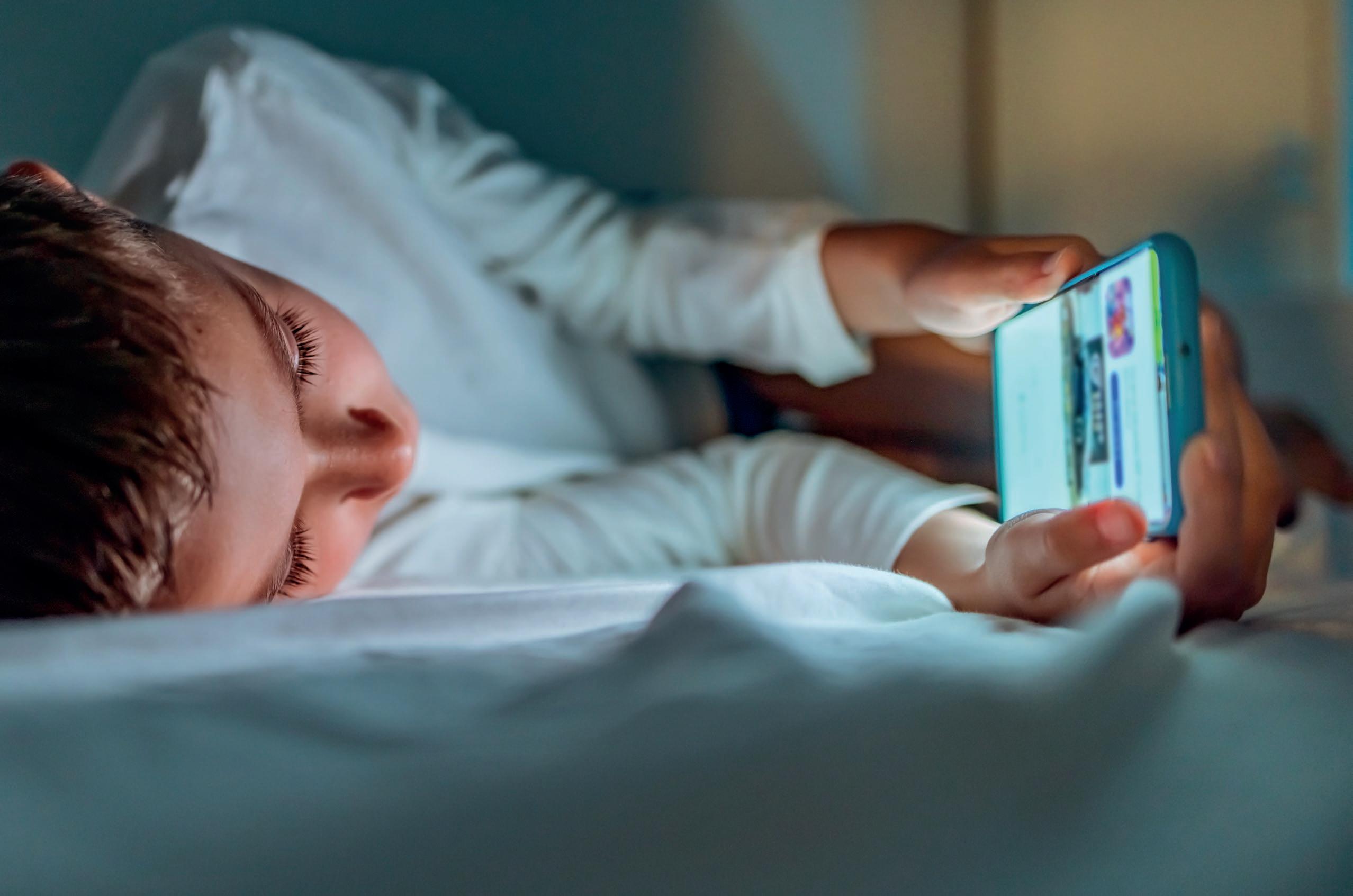
As the UK government announces an under-16s social media ban, we explore the argument for a more nuanced, evidence-based approach to screen time

Dr Max Davie Consultant Paediatrician Buckinghamshire CAMHS, Oxford Health NHS Foundation Trust
Professor Pete Etchells Professor of Psychology and Science
Communication Bath Spa University
We live in an age dominated by digital technolo . Screens mediate so much of our everyday activity that it’s di cult to imagine a world where they’re not ubiquitous. At the same time, healthcare professionals are encountering a rapidly changing – and in many ways concerning – child-health landscape, particularly in the areas of neurodevelopment and mental health.
While it’s right that we should approach any new technolo cautiously, over the past year or so, the public debate about the health impact of screens has become dominated by fear-based narratives that focus almost entirely on the negative aspects of technolo use. This framing has led to the understandable urge to place screen time in the tradition of public health menaces such as smoking and alcohol, resulting in strong calls for strict limits. A clear example of this approach appeared in the Spring 2025 issue of Milestones, which featured an infographic suggesting hard screen-time limits as a function of age and activity.
Fear-based narratives
We are concerned that advocating for such an approach represents a step backwards in supporting healthy engagement with technolo in childhood. Instead, we call for health professionals to learn from the mistakes of the past when it comes to concerns about technolo and adopt more evidence-based policy approaches that emphasise understanding the quality and context of digital technolo use, and of the underlying science.
Limits-based policy approaches to digital technolo have been attempted multiple times over the years by di erent health bodies. Although often proposed with good intentions, such policies are typically withdrawn due to a lack of strong evidence to support the e ectiveness of strict time limits.
For instance, the American Academy of Pediatrics (AAP) long recommended no screen time for children under two and a maximum of two hours per day for older children. This was tweaked over the years, but ultimately, because there is no solid evidence that such specific time limits provide clear benefits, the AAP has since moved away from rigid guidelines, instead o ering advice that focuses on the quality and context of digital media use.
We understand the appeal of limit-based approaches. They can feel reassuring and o er a sense of immediate action, especially in an environment where there is a real sense of urgency around screens. However, the evidential basis for distinct limits is weaker than is often assumed.
“There is no clear evidence for screen time thresholds at which harm reliably occurs”
This is reflected in recent guidance from the Department for Education (DfE) on screen use for under-fives, which, in acknowledging that there is no clear evidence for screen time thresholds at which harm reliably occurs, combines age-based limits with valuable advice on how to both support and model healthy digital behaviours in the home.
Quality and context
Public debate and much of the research base tend to frame screen use in terms of addiction, frequently suggesting a doseresponse relationship between certain categories of screen time and specific measures of wellbeing. This perspective
naturally leads to attempts to find a ‘tipping point’ in terms of healthy versus unhealthy use, or asking: ‘How much is too much?’ Such framing assumes that all screen time is harmful, and that parents or clinicians must figure out how to limit ‘intake’ to safe levels. However, there’s no strong scientific evidence to support the idea that screen time is clinically addictive or that setting arbitrary time limits will produce the intended healthy outcomes.
Instead, a prescriptive approach to policy risks creating unrealistic and unhelpful targets for families, and creates a sense of shame and guilt around technology use. This can discourage open and healthy conversations about the technology habits that we develop. A real potential for harm arises when strict limits, inevitably broken, leave families feeling poorly equipped to guide and model positive technology use. It is in these situations that children may hesitate or feel unable to talk about harmful online
College response
We’ve collated resources on screen time and online harms to help inform conversations with families and guide clinical practice across the UK. Scan the QR code or visit rcpch.ac.uk/resources/screen-time-online-harms-resourcesmembers
We also welcome the latest guidance on screen use for underfives: beststartinlife.gov.uk/screen-time-under-5s
experiences, because they’re worried that they have broken a screen time rule.
Moving towards a better approach
We argue for an approach that starts from what we need and want from tech. This would be compatible with previous RCPCH guidance published in 2019 and archived last year, and echoes the practical guidance offered by the DfE for under-fives, which the College welcomes.
The questions we suggested that families ask themselves were as follows:
1. Is screen time in your household controlled?
2. Does screen use interfere with what your family wants to do?
3. Does screen use interfere with sleep?
4. Are you able to control snacking during screen time?
A framework grounded in family context and centred on open conversation and reflection is likely to be far more sustainable and effective than limits alone. It supports healthier family dynamics and empowers young people to better understand and manage their technology use in ways that can help them thrive.
While we understand the RCPCH’s decision to archive this guidance five years after its publication, we do not think that the evidence has altered so dramatically that these principles no longer hold, and we would call on the College to renew its commitment to a science-based approach to tech engagement. One that’s rooted in a reflective and discursive approach, both within families and within the paediatric profession.
Beyond the ward: a paediatrician’s second act
From neonatal night shifts to training roles and global initiatives, Dr Mandy Goldstein reflects on life beyond retirement
My paediatric career began in 1979 as a student watching a consultant who totally loved his work. Rule number one: never underestimate the importance of being a role model. The early years were tough: 27 hours straight on the neonatal unit, drive home at noon, sleep until 5pm, eat dinner, sleep, repeat.
Itchy feet took my GP husband and me to the West Indies on a Medical Research Council sickle cell research grant. After two-and-a-half wonderful years in Jamaica, a new baby, travel and a year in Canada, we returned to the UK. However, my unfinished thesis went into the attic, where time and advancing science consigned it to the shredder two decades later.
Following a short spell as a locum consultant at Selly Oak and Sorrento Maternity Hospitals in Birmingham (both later bulldozed and rebuilt as blocks of flats!), I was appointed to what was then a senior registrar post, and subsequently
as a consultant general paediatrician for Birmingham Children’s Hospital (BCH).
Given how extraordinarily rapidly times have moved on, it’s strange to reflect that (I believe) I was the first consultant at BCH to take maternity leave. Acute general paediatrics at BCH was somewhat different. As well as consultant of the week for acute admissions and general paediatric clinics, there was (and remains) additional responsibility or second opinion for complex tertiary inpatients and outpatients and difficult safeguarding.
In common with all senior paediatricians, I took on additional managerial roles as clinical director, then head of department, giving myself grey hair and sleepless nights. I also helped develop
“I went home and worried about patients in a way I hadn’t done for years. I felt I had lost my bottle”
the general paediatrics and paediatric A&E departments. Among the most challenging times was helping merge two general paediatric departments and the whole children’s hospital into one entity on its current city-centre site.
Supporting trainees
My enthusiasm for teaching led to roles in education: hospital college tutor, West Midlands Deanery regional advisor and training programme director. At the time, the deanery had 320 paediatric trainees, and I had responsibility for placements, supervision and improving standards where training was inadequate. I was then appointed RCPCH Officer for Training, with responsibility for all UK paediatricians in training, from appointment through to completion. Along the way, I supported programme directors, heads of schools and regional advisors in the management of their trainees. My slightly unusual career trajectory enabled me to be sympathetic to trainees in difficulty or following alternative pathways.
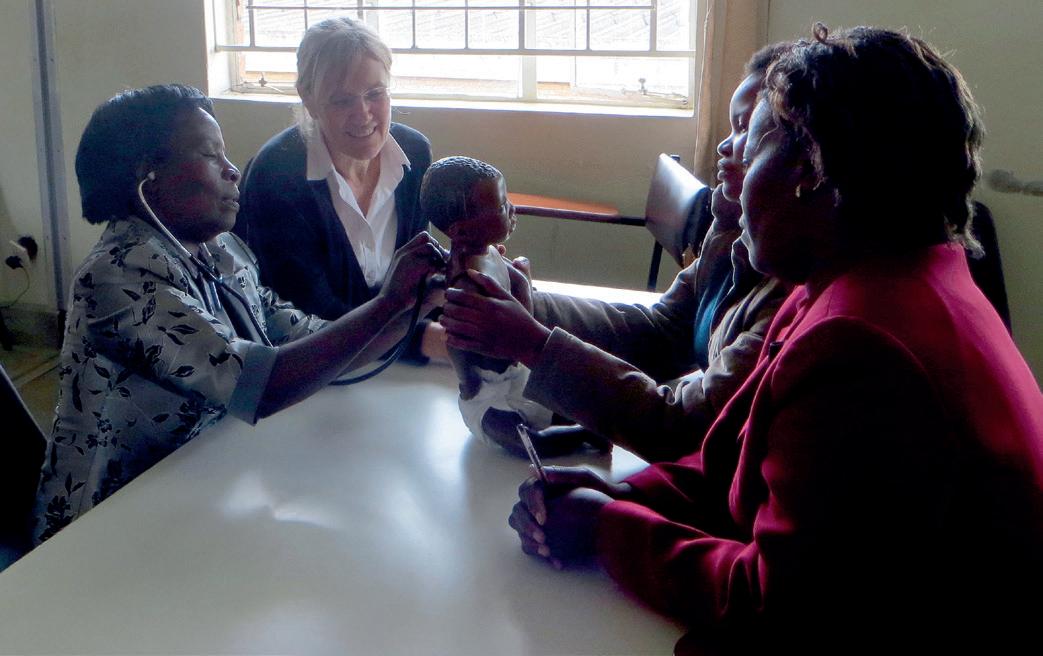
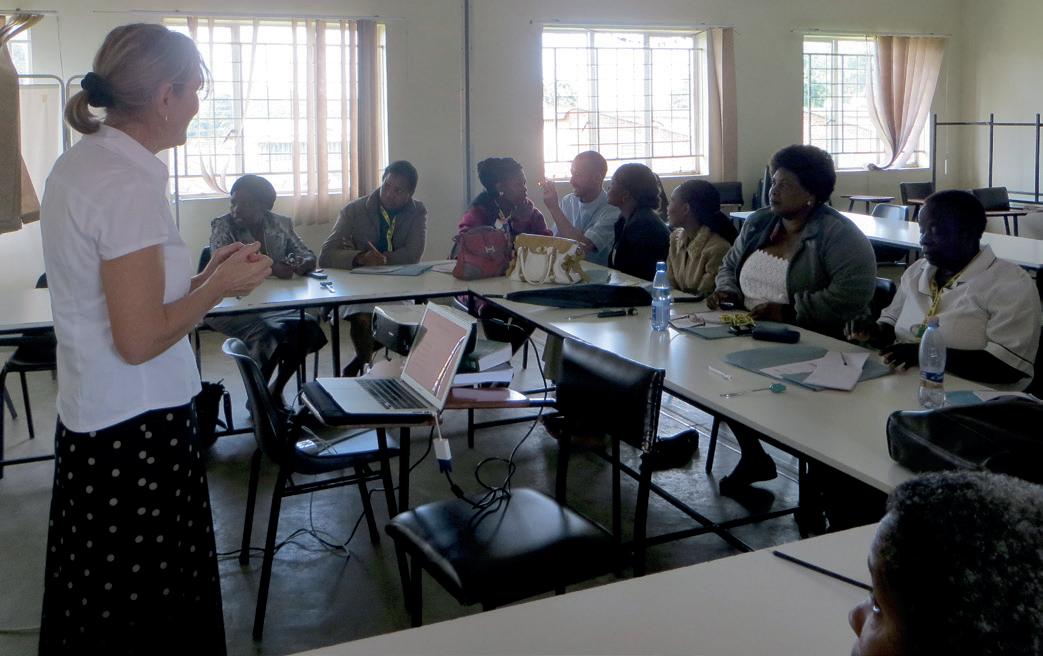
Mandy teaching in Malawi in 2015
A renewed sense of purpose
My midlife crisis (‘hitting the wall’ in marathon speak) was eased by working alongside amazing colleagues, clinical work in one of the most deprived and ethnically diverse areas of Birmingham, and reestablishing my global health interests. With colleagues in BCH and Malawi, I led a successful multi-professional, two-way educational partnership between BCH and the paediatric department of Queen Elizabeth Central Hospital in Blantyre, Malawi, in 2004. It’s a pleasure to still
be peripherally involved and know this partnership continues to flourish.
After retiring in 2015, I joined the King’s Somaliland Partnership to help with undergraduate exams. This was an amazing experience – the King’s lead, Professor John Rees, was one of the most inspiring doctors. I continued to review written papers and OSCE stations and examined in-person until recently.
Why did I retire aged 58?
My retirement was precipitated by
“Get the papers/ theses written up, take opportunities and enjoy your life as a paediatrician and a human”
compassion fatigue, worrying about making errors and struggling with resident shifts, even though they were not overnight. I found I went home and worried about patients in a way I hadn’t done for years. I felt I had lost my bottle.
Fortunately, I could complete my term as RCPCH Officer for Training and continue international work. Being retired meant more flexibility. I lost the medical team I’d worked with for so long, but a new team took its place when I was welcomed into a large wind and marching band as a novice trumpet player. It’s become a central part of my life. Becoming treasurer made me realise that we acquire plenty of skills during a lifetime as a consultant – financial management, negotiating, dealing with health concerns (real and imagined), sorting out bullying and poor communication. I’m learning a new language (German), which is good for the brain apparently, but not for self-confidence when your five-year-old German-speaking grandchild has to order for you in restaurants.
In case you’re wondering, we have three wonderful grown-up children (none are medical) who survived and, in fact, thrived during childhoods where I felt I was a sometimes-present mother. It’s very hard to think that you can never be good enough, either as a parent or a doctor, and only in retrospect can you look back on a life well lived. My message to those younger than me is: get the papers/ theses written up, take opportunities and enjoy your life as a paediatrician and a human. I wouldn’t change my career or life for the world; it’s been 12 years since I hung up my stethoscope, and I still call myself Dr Goldstein.
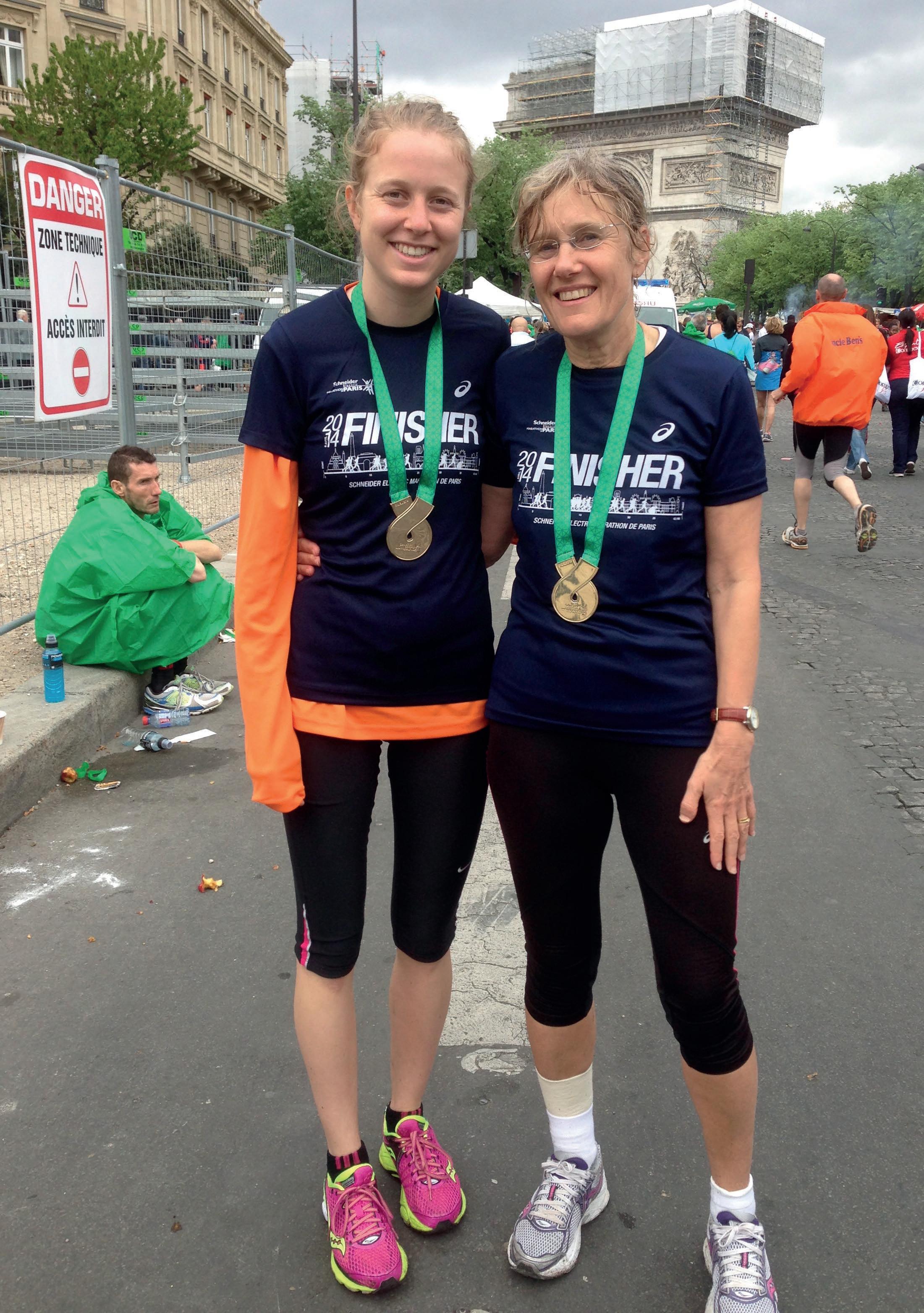
Mandy with her daughter, Sophie, after running the Paris Marathon in 2014
We’d love to hear from you, get in touch through our channels
Facebook @RCPCH Instagram @RCPCH milestones@rcpch.ac.uk

Looking back at our annual conference, which took place in Birmingham from 11-13 May


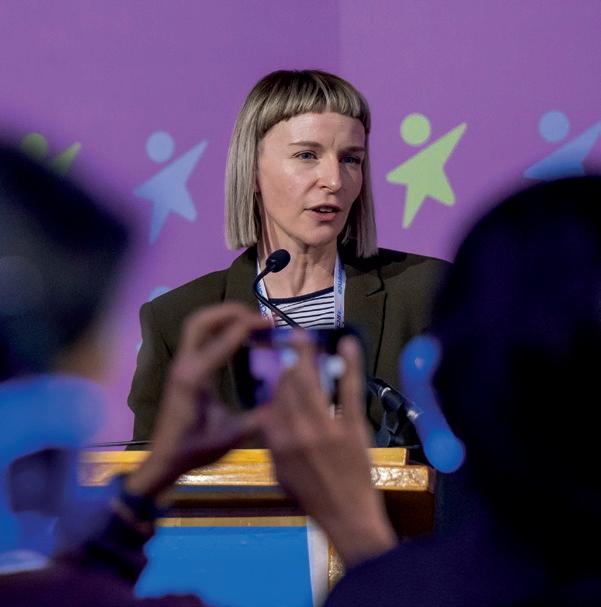

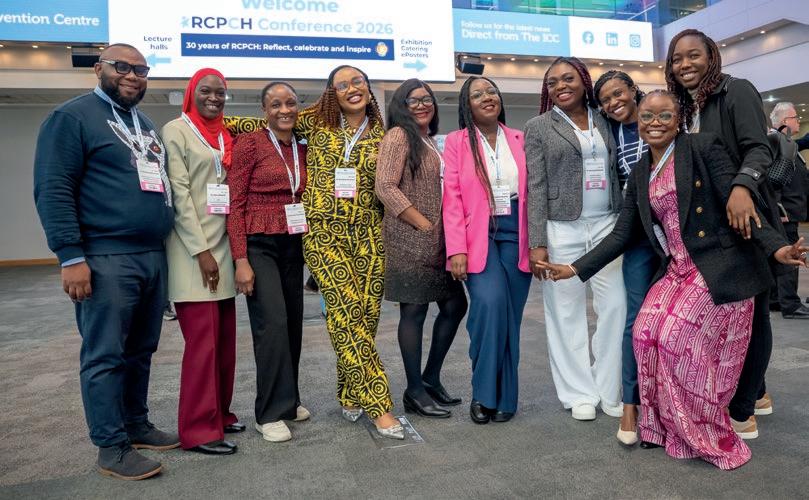



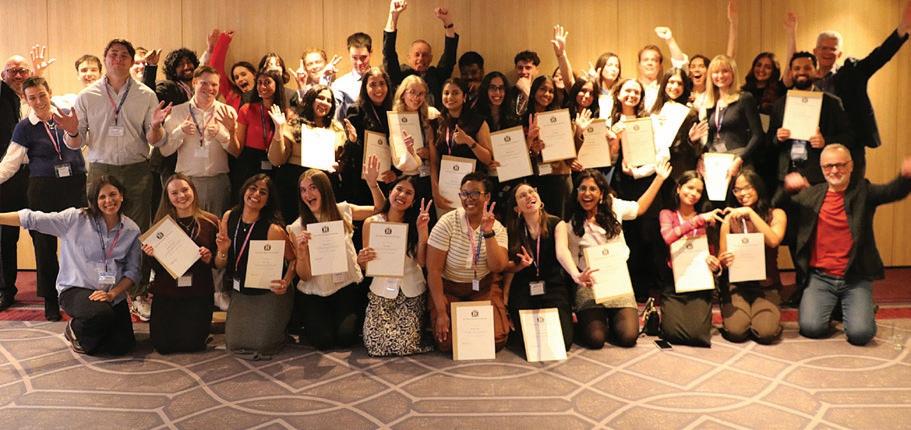









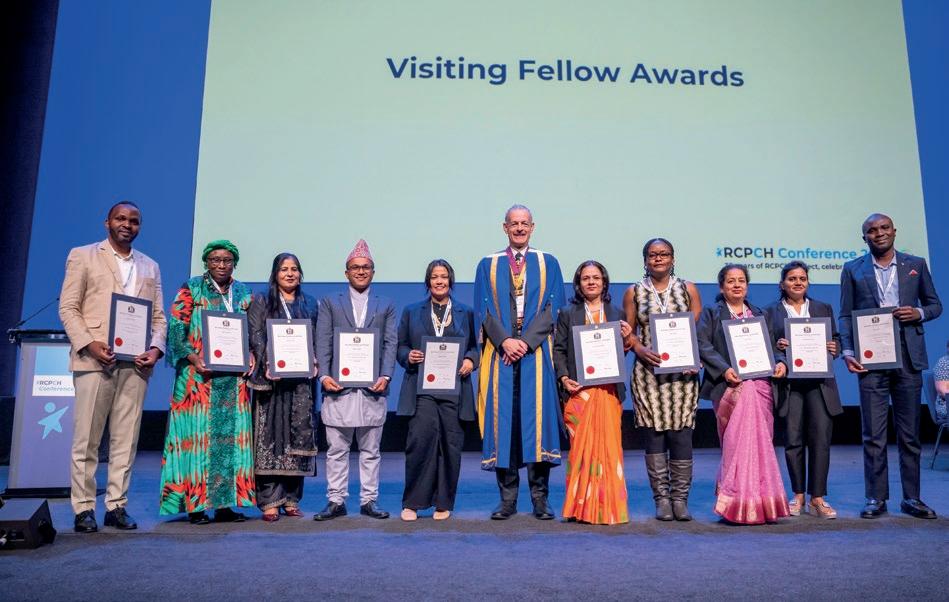
Recipients of the Visiting Fellow Awards

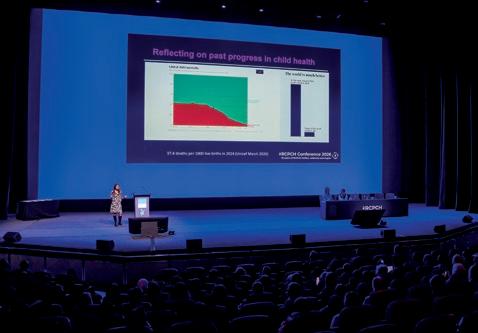
Professor Sonia
Director of Child Health, Imperial School for Public Health, explored how child health and paediatrics are evolving in response to today’s challenges
You can still book a virtual ticket for 2026
Catch up on 36 sessions, including plenaries, workshops and specialty group presentations, with a virtual ticket that’s valid for six months after this year’s event: conference.rcpch.ac.uk/book-your-virtual-ticket






Join us next year: 19-21 May 2027
This year’s conference featured fantastic keynote speakers, presentations and workshops on a range of child health topics. Save the date for next year’s event, at LEC Liverpool and online.
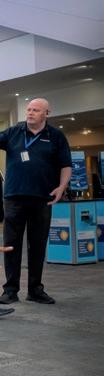
Delegates arrive at ICC Birmingham
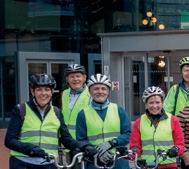
Up bright and early for the Ride for their Lives cycle or 5k social run
The Milestones Editorial Committee
Saxena,
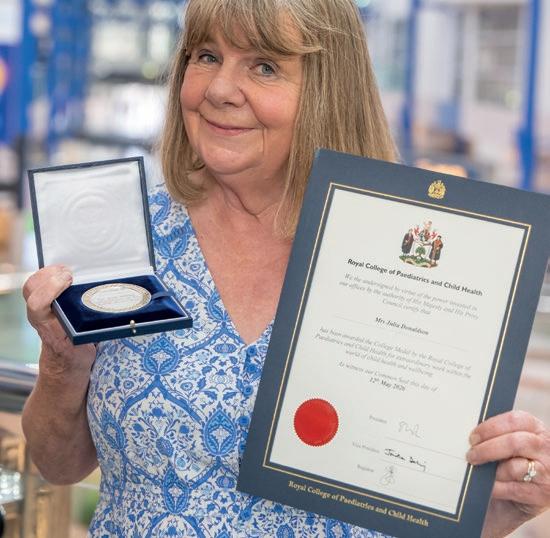
Julia Donaldson CBE is awarded the prestigious RCPCH College Medal
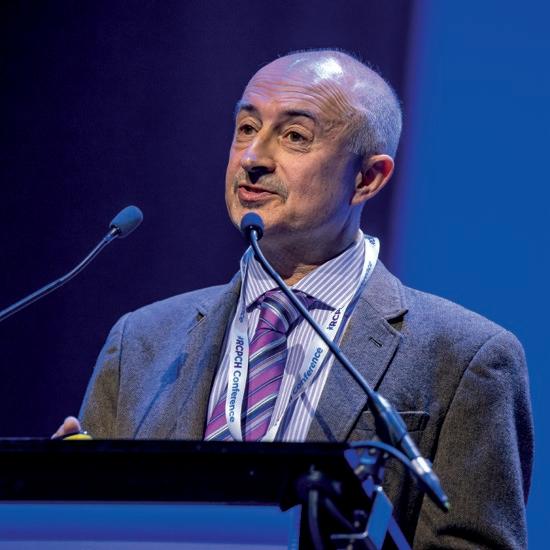
Dr Sami Timimi delivers a thoughtprovoking plenary
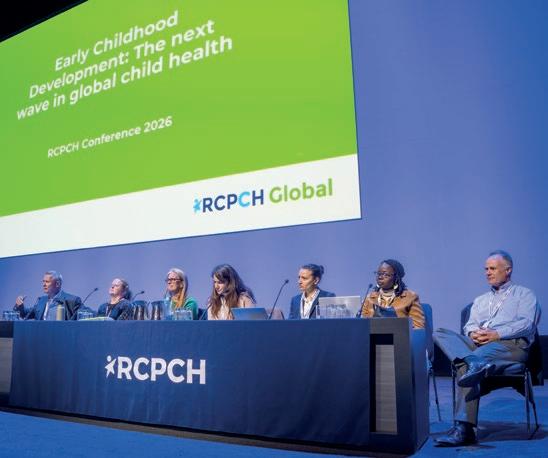
The panel gathers for a workshop exploring international health priorities
Celebrating our medical prize winners
Ella Guerin from London-based charity Total Insight Theatre, which uses the arts to transform the lives of children and young people
Members of WHAM and Powering Up made a colourful entrance
Your Paediatrics, Your Future
Read some of the inspiring submissions to our wellness campaign to mark our 30th anniversary. From moments that define careers to visions for the future of child health, these reflections remind us why our work matters.
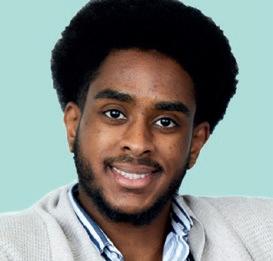
Dr Kai Newton FY1 Acute Medicine
Princess Royal University Hospital (PRUH)
Describe your best day at work
“It was during a shift as a healthcare assistant. It was my fi rst day on this paediatric ward, and I was excited but very nervous. I really didn’t know what to expect. As I entered through the double doors, I got a wave of déjà vu and nostalgia. I remembered that I had been on this ward as a cancer patient.
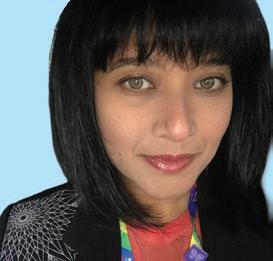
Dr Sonia Joseph Consultant Paediatrician and Clinical Director of Medical
Paediatric Specialties
RHCYP
Edinburgh
It was a surreal feeling. As I interacted with the fi rst patient and their family, I explained my personal journey on this ward. Little did I know that the family opposite was listening. As I introduced myself, the father, with a sense of urgency, said, ‘my son has the same problem, a brain tumour’. As I spoke with this family, I was able to instil a sense of hope and belief that is often lost when a child is diagnosed with cancer. It was my best day because it informed me that, through a period of darkness, clinicians have the power to bring a sense of light.”
What have you done to improve your wellness at work?
“I have accepted that the older I get, the more intentional I need to be. This has meant that I have a meditation and yoga practice, which I manage most days of the week. Days I miss this, I defi nitely notice it. I journal regularly, draw and paint, and love to dance and sing at every opportunity at any available location. I am also trying to practice committed acceptance of the situations in front of me; trying to listen to narratives shared and pause, then think, ‘how can we?’ A prime example is the narrative of ‘there is no money’. To me, this statement is a given with publicfunded systems; however, no money does not mean ‘don’t try’. Additional intentional acts are widening my networks to non-child health teams. This has meant I have a greater awareness of other routes available to improve care and empower sta .”
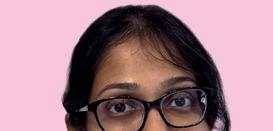
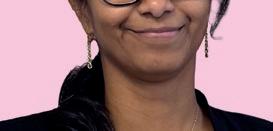
Dr Thushara Latha Perumal Consultant Community Paediatrician Northwest London
What would you like the child health sector to look like in the next 30 years?
“I’d love it to be more inclusive and better resourced, with real improvements in children and young people’s mental health thanks to the advocacy and holistic support paediatricians provide every day. Ideally, there would be no waiting lists, and families could access the help they need without services having to worry about funding. It might sound like a pipe dream –but I’m hopeful we’ll get there!”
We’re continuing to collect submissions, so wherever you are –and regardless of whether you’re just starting or have years of experience –your perspective matters. Submit your story here: rcpch.ac.uk/ form/yourpaediatrics-yourfuture
PAFTA 2026
These awards celebrate outstanding achievements in paediatric training and we’re delighted to share this year’s winners

CORE TRAINEE
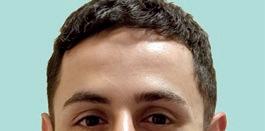
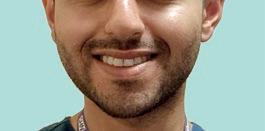
Dr Nkechi Onyige ST5 Paediatric Registrar, East Midlands
“Winning this award is profoundly humbling and a powerful reflection of the journey I have been privileged to walk. I’m thankful for the unwavering support of my family, friends and mentors who have lifted and shaped me along the way. I am very grateful to my longitudinal educational supervisor, Dr Mya Mya Yee, whose belief in me has been transformational. Above all, I thank God. As I step into PEM GRID training later this year, I carry this recognition with purpose – to keep growing, to advocate fiercely and to deliver excellent, compassionate care as a future PEM clinician.”
CORE TRAINEE
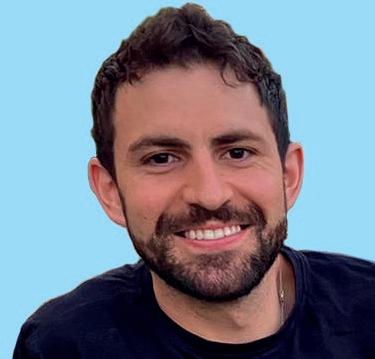
Dr Peter Eriksen
ST2 Paediatric Trainee, Wales
“I’m incredibly honoured to receive this national PAFTA award. I’ve had the privilege of being part of an incredible paediatric community; one defi ned by exceptional mentorship, genuine kindness and a deep commitment to developing trainees. I’ve been supported to follow my interests and grow in ways I could not have imagined at the start of my paediatric training. This award highlights the current strength of paediatric training in Wales and the colleagues who inspire and encourage me every day. I am truly grateful.”
The Paediatric Awards for Training Achievements (PAFTA) shine a spotlight on those who go above and beyond to support and inspire paediatric training across the UK. Nominations begin locally, with trainees and colleagues putting forward individuals whose contribution has made a real di erence. Those recognised at regional level are then considered nationally, with submissions reviewed by two panels: College members and the RCPCH &Us network of children and young people.
For Dr Cathryn Chadwick, outgoing Vice President for Training and Assessment and Chair of the national PAFTA panel, this process is as rewarding as the fi nal result. “Reading the submissions has been one of the highlights of my year,” she reflects. “The examples of great patient-centred care and interesting, diverse projects initiated
SPECIALTY TRAINEE
Dr Barah Hassan ST8 Neonatal Higher Speciality Trainee, North East
“Receiving this award is a huge honour, but the credit belongs to the exceptional neonatal teams and colleagues I work alongside. I’m surrounded by inspiring colleagues and mentors whose leadership and kindness have empowered me to lead projects that improve patient care, while also hugely improving my own knowledge and skills. In particular, working within the Newcastle neonatal emergency simulation training (NEST) team and the Northern Neonatal Transport Service (NNeTS) has been transformative. These experiences have not only shaped the high-quality care we deliver to babies and families but have also profoundly redefi ned my own career and professional journey.”
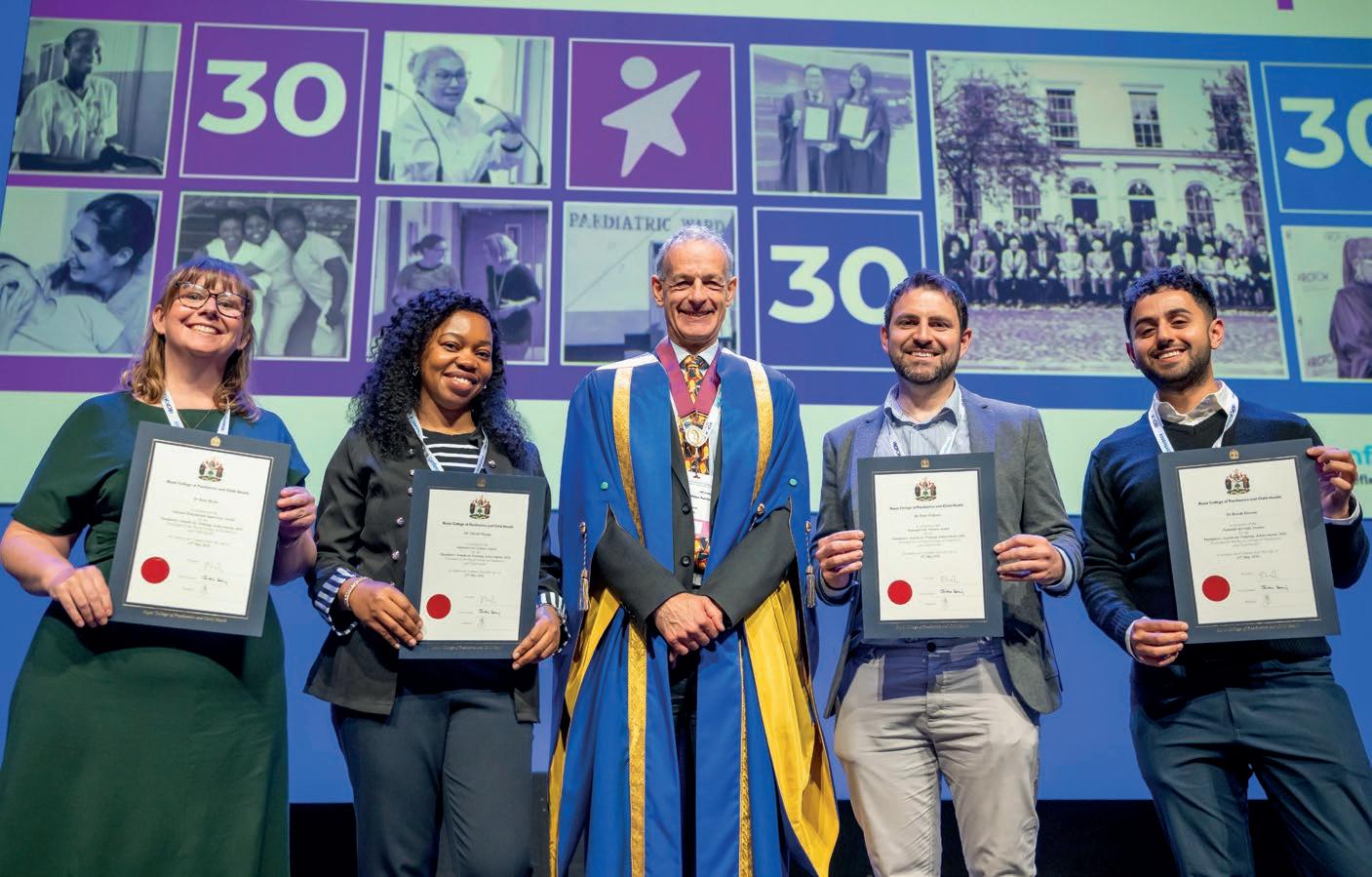
The winners receiving their awards at the RCPCH Conference
by residents, as well as the wonderful examples of thoughtful, supportive and inclusive supervision, were fantastic. It’s so important to take time to acknowledge and celebrate excellence, and to remind ourselves that the future of paediatrics is in very safe hands.”
Dr Josh Hodgson, Chair of the RCPCH Trainee Committee, agrees: “Winning the national PAFTA is one of the greatest achievements we paediatricians – already a pretty great bunch! – can aspire to. It’s a timely reminder that our hard work doesn’t go unnoticed.”
This year’s awards were presented at the College’s annual Conference. Here, our four national winners reflect on their PAFTA journey and what this recognition means to them.
Feeling inspired? Getting involved with PAFTA locally is a simple way to help celebrate excellence: rcpch.ac.uk/pafta

EDUCATIONAL SUPERVISOR
Dr Katherine Burke Consultant Neonatologist, Swansea Bay University Health Board, Wales
“I am honoured and humbled to receive this award – enormous thanks to those who nominated me, and to my brilliant colleagues and the trainers and trainees throughout south Wales who have supported me on my journey. Making a positive contribution to the training and development of colleagues is such a privilege. The opportunity to learn and grow with every person you support provides enormous meaning, complementing and enriching clinical work. I look forward to continuing on the rich and varied journey of educational supervision, with all of the variety, fun and challenge it brings!”
The winners recognised for their early career research Research Awards 2026 Members
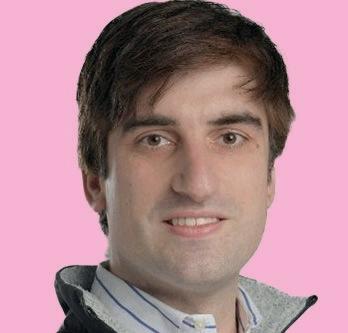
DENNEY AWARD
Introduced in 2025 for the best scientific paper in paediatric rare disease research, the inaugural winner is Dr Jonathan Sturgeon for Inflammation and epithelial repair predict mortality, hospital readmission, and growth recovery in complicated severe acute malnutrition
Jonathan says: “This work highlights how children recovering from severe malnutrition can experience gut changes and inflammation after treatment, with important implications for their future health. It represents several years of collaboration with an exceptional team at the Zvitambo Institute in Zimbabwe. I’m deeply grateful to the children and families who made this research possible.”
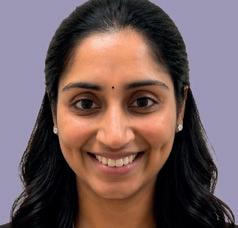
WILLIAMS SYNDROME COOPER BURSARY
Awarded in collaboration with the Williams Syndrome Foundation for the best scientific paper in paediatric learning disability, the winner is Dr Abinaya Seenivasan for A cross-sectional study survey to develop a clinical screen for Down Syndrome Regression Disorder in the UK
Abinaya says: “As a neurology trainee and neurometabolic fellow, winning this bursary reinforces my commitment to compassionate research and international collaboration and gives me the opportunity to drive work that can change outcomes for children.”
KEEP IN TOUCH @RCPCH | @RCPCH | milestones@rcpch.ac.uk



DR SIMON NEWELL EARLY INDEPENDENT RESEARCHER AWARD
Supported by GOSH Charity, this award recognises an outstanding young medically qualified researcher in British paediatrics. Dr Olivia Swann won for research into reducing inequalities in child health. Olivia says: “I care deeply about building a research culture that is kind, creative and inclusive, where people feel able to ask difficult questions and try new ideas. My work relies on brilliant collaborators and incredible families who keep us grounded in what matters most.”
DONALD PATTERSON AWARD
Recognising the best scientific paper on any paediatric subject, the winner is Dr Anja Saso for The effect of pertussis vaccination in pregnancy on the immunogenicity of acellular or whole-cell pertussis vaccination in Gambian infants (GaPS): a single-centre, randomised, controlled, double-blind, phase 4 trial Anja says: “Our study focused on pertussis, but the question has wider relevance for maternal immunisation and infant vaccine strategies. At a time of rising vaccine hesitancy, it feels especially important that we continue to generate careful, rigorous evidence –not just on whether vaccines work, but how best to use them.”
Applications for next year’s research awards open on 1 September 2026. Visit rcpch. ac.uk/awards to find out more.
Starter for ten
We put 10 questions to a consultant paediatrician and their paediatric trainee
Dr Eleanor Balmer Consultant Paediatrician
Royal Manchester Children’s Hospital
1. Describe your job in three words
Fascinating, rewarding, challenging.
2. After a hard day at work, what’s your guilty pleasure?
Downtime with my family and friends, catching up on the day and a bit of car karaoke while mum-taxiing.
3. What’s the best part of your working day?
Feeling like a medical detective exploring the variety of conditions we see, and of course, all the smiles!
4. The best advice you received as a trainee?
Trust your instincts. If something doesn’t add up, go back, be curious, remove bias and you’ll often find the answer.
5. Who’s the best fictional character of all time – why?
Paddington Bear – he’s curious and fearless, kind, open and sincere, and develops great bonds with those he meets. And who doesn’t love a marmalade sandwich?!
6. Name 3 medications you would want if marooned on a desert island filled with paediatric patients?
Paracetamol, oral rehydration sachets and, as Tom’s got the antibiotics covered, some SPF50 sun lotion.
7. Choose a superpower – what would it be and why?
To be able to understand and communicate with children in all languages (even babies).


Dr Thomas Fisher ST6 Paediatrics with Diabetes SPIN Wythenshawe Hospital
1. Describe your job in three words Fulfilling, privileged, engaging.
2. After a hard day at work, what’s your guilty pleasure? Wasabi peas and a beer.
3. What’s the best part of your working day?
Connecting well with a patient and family – finding understanding, working with them and empowering them to manage their condition.
4. The best advice you received as a trainee? Look after yourself – most things can wait for 10 minutes while you grab a drink.
5. Who’s the best fictional character of all time – why? Samwise Gamgee from The Lord of the Rings. He is loyal, courageous and optimistic. He also has a deep understanding of the various options when cooking potatoes and their ability to improve most situations.
6. Name 3 medications you would want if marooned on a desert island filled with paediatric patients? Co-amox, paracetamol, dioralyte.
7. Choose a superpower – what would it be and why? Healing powers would certainly make the job easier.

8. Any advice you’d give yourself as a medical student?


Enjoy every minute and explore the wide world of medicine and the wonderful opportunities it brings.
Enjoy every minute and explore the wide





8. Any advice you’d give yourself as a medical student?
9. What do you do to ensure you can

9. What do you do to ensure you can Thrive at work?


Lead and live with kindness and compassion and your work environment will be all the richer.
10. How can you and your colleagues inspire the next generation of paediatricians?
By modelling enthusiasm, passion, inclusivity and kindness, while delivering great compassionate care that makes a real di erence.
Don’t rush, there’s plenty of time. And buy a

Don’t rush, there’s plenty of time. And buy a better alarm clock.
9. What do you do to ensure you can Thrive at work?



Cultivate good working relationships with


Cultivate good working relationships with colleagues and look out for each other. That and ensure there is a steady stream of moraleboosting Percy Pigs available.
10. How can you and your colleagues inspire the next generation of paediatricians?
10. How can you and your colleagues




By being welcoming, passionate and

By being welcoming, passionate and enthusiastic. Involve students in our work and the work will sell itself.



Association for Simulated Practice in Healthcare (ASPiH)
A specialist interest group involved in the co-development and dissemination of simulation scenarios and educational resources

Dr Shosh Layman
ST7 PEM
Registrar Birmingham Children’s Hospital
ASPiH
Paediatric SIG
Co-Chair
ASPiH functions as the UK’s leading professional body for healthcare simulation, providing standards, professional development, accreditation and a collaborative network to support high-quality simulation-based education and ultimately improve patient outcomes. As the paediatric specialist interest group (SIG) within the ASPiH, we bring together professionals who share an interest in simulation-based education for paediatric healthcare. We provide a national forum for those involved in paediatric simulation to exchange knowledge, develop resources and discuss best practice. We welcome members from a variety of backgrounds, including paediatric medicine, nursing, allied health professions and education. By bringing together multidisciplinary expertise, the SIG supports the development of simulation activities that reflect the complexity of real paediatric clinical environments. We work collaboratively with other SIGs, including
primary care and emergency medicine, to advance paediatric simulation across healthcare settings, sharing expertise and ultimately improving patient outcomes.
A key role of the SIG is the co-development and dissemination of simulations and educational resources. For example, collaborative projects have included the design of paediatric emergency scenarios that can be used across different settings and in different modalities, dependent on available resources. These tools help educators deliver consistent, high-quality training that can ultimately improve the care of children and young people. The SIG also supports the wider ASPiH community by facilitating networking and discussion in paediatric simulation. Through meetings, journal clubs, conference sessions and collaborative projects, members contribute to advancing the evidence base for simulationbased education and encourage innovation in paediatric training. Such activities align with ASPiH’s broader mission to promote effective simulation practice that enhances learning, supports workforce development and improves patient safety.
CYP Book review: Stories of neurodivergence
Rebecca Aged 24
As a neurodivergent person, one thing I wish was more widely recognised is that autism and ADHD are so much more than a diagnostic code on a screen. A label might help with services, but it doesn’t capture the complexity, the emotions or the daily negotiations a child
and their family live through.
To truly understand, read real voices such as But You Don’t Look Autistic at All (Bianca Toeps), Everything Is Going to Be K.O. (Kaiya Stone), My Autistic Fight Song (Rosie Weldon), Girl Unmasked (Emily Katy) and Small Talk (Richard Pink and Roxanne Pink).
These are stories that show the messy, beautiful, exhausting and empowering reality of neurodivergent life, revealing things no assessment form ever could: the fear of being misunderstood, the relief of being seen and the strength it takes to navigate a world not built for us.


We hope to see you in Harrogate at the next annual ASPiH conference in November. To sign up and for support with simulation-based education, email aspihpaedsig@ gmail.com





















Cookie dough brownies

Dr Ashish Patel
Consultant
Paediatric
Nephrologist
Nottingham Children’s Hospital
Like many paediatricians, I stock emergency chocolate in my o ce for those hard days on-call, a pick-me-up after a long clinic or to keep me going through meetings. Occasionally, I like to treat myself to something a bit more generous. In my opinion, there’s no point in indulging half-heartedly, so why not give yourself a proper chocolate fix? Combining three of the chocolate wonders of the world – brownie, cookie dough and ganache – this bake is certainly my most indulgent recipe to date!
Ingredients
Makes roughly 20 pieces
For the brownies
• 200g dark chocolate
• 200g unsalted butter
• 4 eggs
• 275g light brown sugar
• 100g plain flour
• 50g cocoa powder
• 100g chocolate chips (optional)
For the cookie dough
• 175g plain flour
• 125g unsalted butter (soft)
• 150g light brown sugar
• 1tsp vanilla extract
• 30ml milk
• 100g chocolate chips (optional)
For the ganache
• 100g dark chocolate (70% cocoa)
• 100g milk chocolate
• 100ml double cream

Instructions
For the brownies
1. Preheat the oven to 180°C (160°C fan-assisted) and line a deep 9-inch square tin with baking paper.
2. In a bowl, melt the dark chocolate and butter together until smooth. Leave to cool for 10-15 minutes.
3. In another bowl, add the eggs and light brown sugar and whisk together until thickened and doubled in size.
4. Gently fold in the melted chocolate/butter mix, then fold in the plain flour and cocoa powder. Fold in the optional chocolate chips.
5. Pour the mixture into the lined tin and bake for 25-28 minutes. There should be a small wobble in the middle. Leave to cool completely.
For the cookie dough
1. Sprinkle the flour onto a baking tray and bake in the oven for 5 minutes.
2. Add the butter and sugar to a bowl and mix until combined to a spreadable paste. Then add the flour, vanilla, milk and optional chocolate chips and mix until combined.
3. Spread the mixture evenly over the cooled brownies.
For the ganache
1. Add the dark chocolate, milk chocolate and double cream to a bowl and heat in short bursts in the microwave until melted and combined.
2. Pour the ganache over the cookie-dough-covered brownies and then put them in the fridge to set overnight. Portion up!
History taking: Old school ties

Dr Richard Daniels
Paediatric Registrar St Mary’s Hospital
@DrRDaniels
How do you spend your commute? Head in a book? Blaring out the tunes? Steeling yourself for the irrepressible bleep? What I bet you don’t do is decide the rest of your life based on your clothing choice that day. Tom Oppé was just different. He’s at a railway station when a consultant paediatrician spots his Guy’s Hospital tie and strikes up a conversation. That’s it. That’s the pivot. A chance encounter with a piece of neckwear alters the trajectory of British paediatrics. Oppé arrived at Guy’s aged 17 in 1942 with a classical education and a brief career in banking already behind him. He graduated five years later with honours and a preference for paediatrics. The station chat with Richard Ellis came at the right time. Shortly after, Ellis was short a junior and offered Oppé a locum. After stints at Great Ormond Street and Harvard, and a spell in hospital with tuberculosis, Oppé landed his first consultant post in Bristol in 1955, working alongside neonatal pioneer Beryl Corner. By 1960, he had moved to St Mary’s, where he would continue his remarkable story.
Breastfeeding rates in post-war Britain had plummeted and babies were being admitted to hospital with convulsions as a result of the formula recipe. Oppé rolled up his sleeves, chairing the governmental group that produced the landmark 1974 report on infant feeding. At a stroke, practice would change.
Readers currently revising can thank Oppé for the paediatric membership examination and he was central to Fit for the Future – the 1976 blueprint for child-health services.
Oppé was awarded a CBE in 1984 and died in 2007, aged 82. Not a bad outcome for choosing what tie to wear that morning.