

Thank You to all those of you who supported our Charity Show in aid of the Royal Children’s Hospital Good Friday Appeal either by entering, donating or donating your services on the day, I am absolutely delighted to announce the event raised $7859
In last month’s report I alluded to a discussion at the Dogs Australia meeting on the introduction of a champion class at shows, after a long discussion it was agreed that given this was such a major change the members should be asked their views on the matter. All members in Australia will be able to vote online on the issue and the majority will decide the way we proceed.
We all know that many breeds especially the Brachycephalic ones are under threat in Europe. The major focus is Brachycephalic Obstructive Airway Syndrome (BOAS) something which can be checked by use of Respiratory Function Grading (RFG) testing where animals after testing a given a grading of 0 to 3. A scheme that is now licensed in 18 countries worldwide. Initially the focus was on three breeds British Bulldogs, French Bulldogs and Pugs. In several countries RFG testing has already been made compulsory for those 3 breeds, Irish KC from 1 January 2024, and from 1 January 2024 in NZ and UK for KC assured Breeders. Last year Crufts would not accept entries of Pugs, British and French Bulldogs with a grading of 3 lowering it this year to a grading of 2.
Proposed breeding bans in Norway were lifted after their KC was able to demonstrate they were making progress to improving the health of the breeds concerned.
The Dutch KC, after losing a court case brought by an animal rights group, from June 2025 now refuses to give pedigrees to 24 breeds unless a vet certifies that the nose length is not shorter than 1:3 of the skull.

Our Breeder Education & Canine Health Committee has been working closely with Dr Arthur House, the RFG Scheme Chief Assessor for Australia, who has been training vets here since December 2022, so far there are 70 vets trained and 350 dogs have been tested. Our committee will be holding an information day with Dr House to fully explain the issue and what the test involves
We all know that many of these dogs’ “welfare” issues that start in Europe do come here, remember the issue of tail docking. In the UK another 14 breeds have been added to the list eligible for RFG testing, so the whole issue is growing.
Dogs Victoria strongly believes that to protect the breeds and our members we need to start investigating how we can do this best. We strongly recommend that owners of all eligible breeds have their dogs RFG tested.
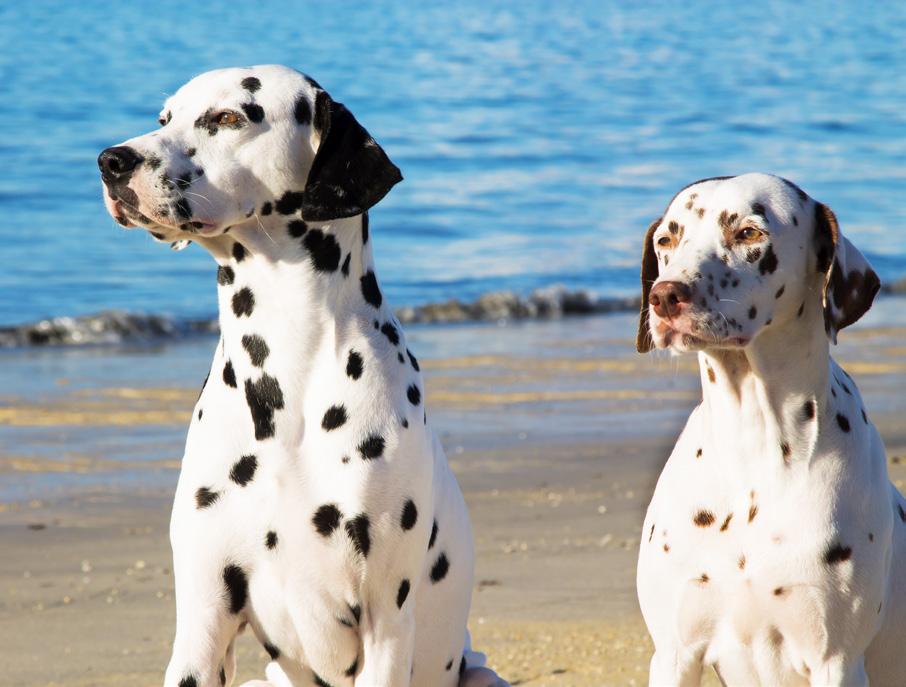
For information on the Dalmatian please contact
Dalmatian Club of Victoria Inc
Phone: 0408 206 046
Email:dalmatianclubofvictoria@gmail.com
Dogs Victoria Magazine Breed Features 2026
Issue Group Breed
May Toy Pomeranian
June Terrier Lakeland Terrier
July Gundog Labrador Retriever
August Hound Basenji
September Working Action Dog Feature
October Utility Alaskan Malamute
November Non Sporting Lhasa Apso
December Toy Lowchen
For advertising opportunities please contact communications@dogsvictoria.org.au
Levies and donations received for the Dogs Victoria Facility Fund




In today’s breeding environment, DNA testing is no longer optional — it’s essential.
Orivet helps breeders:
Screen for breed-specific inherited conditions
Confirm parentage with DNA profiling
Suppor t kennel club compliance requirements
Give your breeding program the transparency and credibility it deserves.
Orivet — Your Par tner in Responsible Breeding.
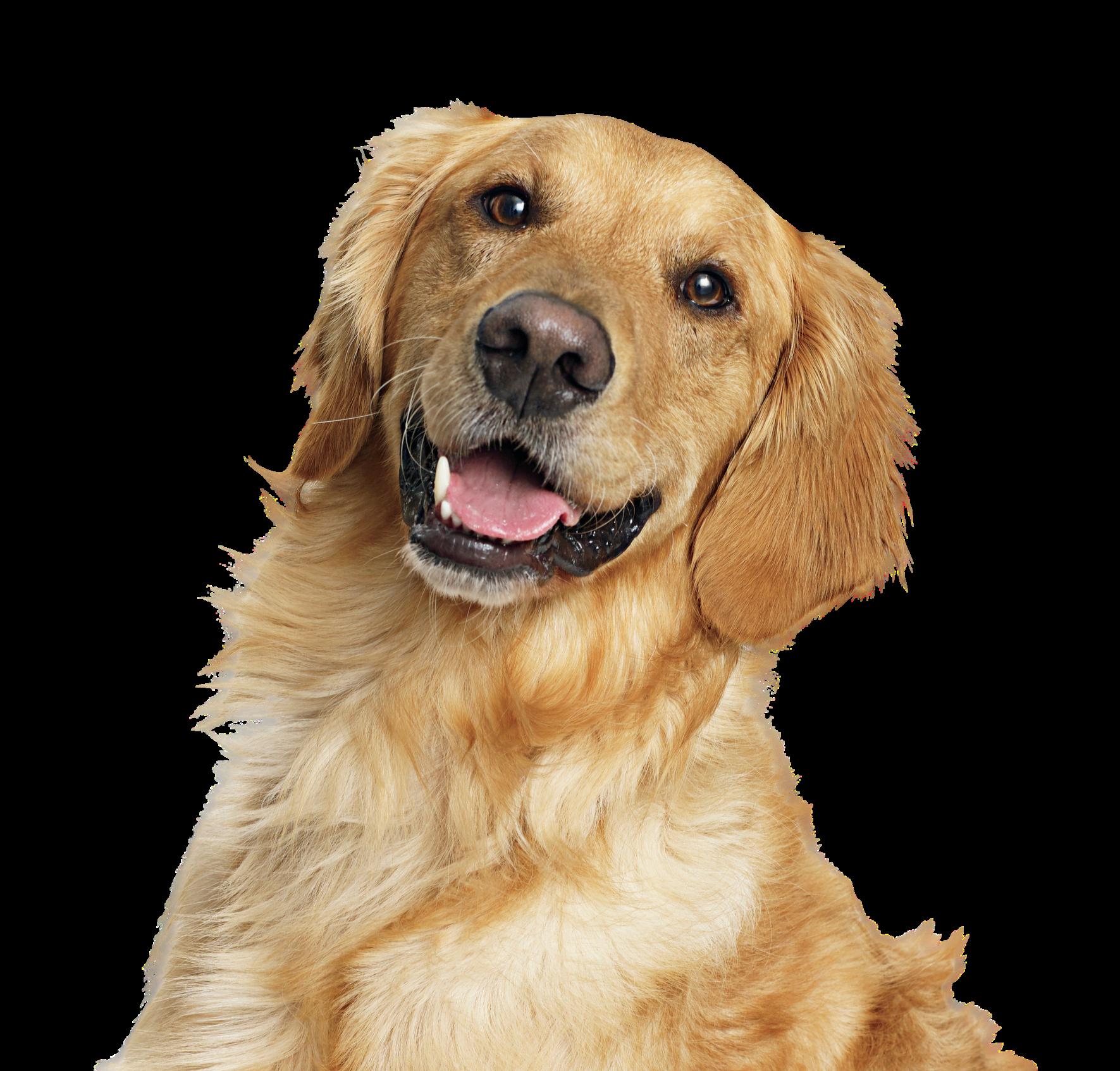

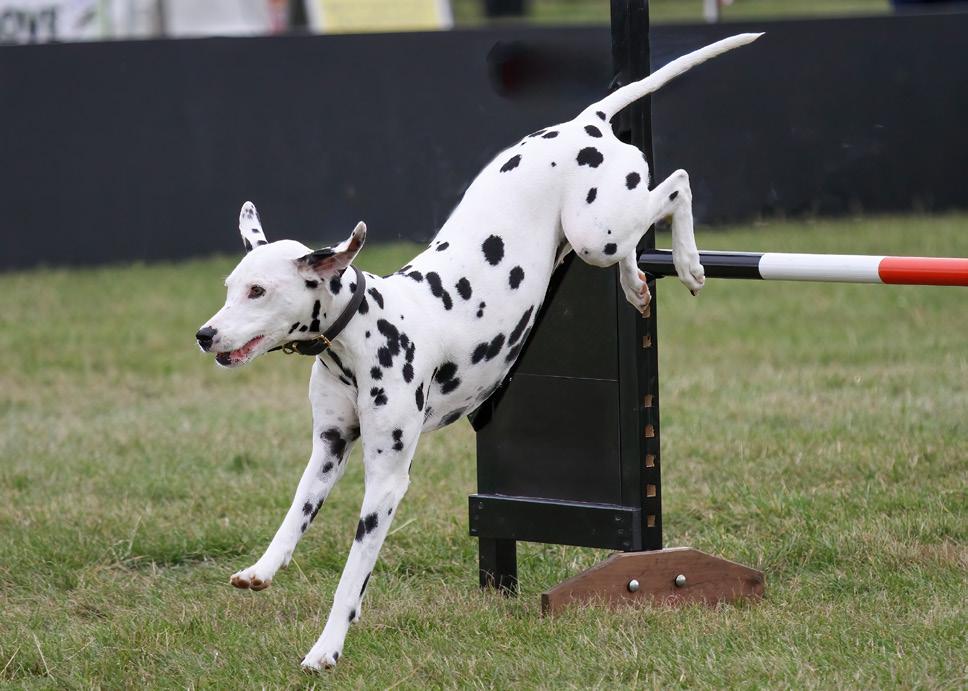
The origin of the breed is not exact, but sources believe it originated in the Mediterranean, where it spread to India and Europe, possibly with gypsies. The name suggests the breed came from Dalmatia, but researchers believe this may not the case. The name Dalmatian emerged around the late 1790’s, but spotted dogs were recorded well before this time. During the centuries they have been used as guard dogs, war dogs, companions, coach dogs and mascots of horse drawn fire engines.
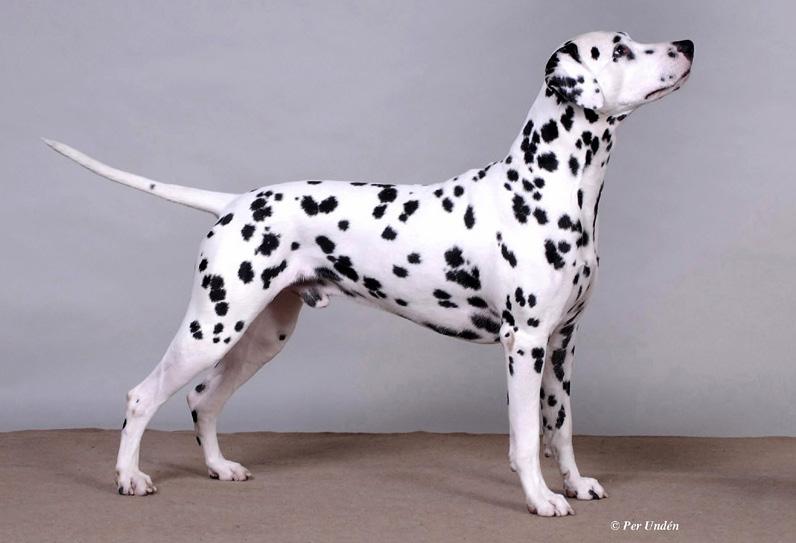
The coat of the Dalmatian is white with either black or liver spots. They have streamlined muscles, are energetic and present as elegant. They are born pure white and the spots start to develop at around 7 days. Occasionally a pup may be born with a patch of colour, usually on the head. This is classed as a show fault but does not affect the dog in any way. Some Dalmatians develop a “smile” which presents as a curled lip and bared teeth. It can look like a snarl but is usually a sign of affection, submission, or thinking they are in trouble.
Having a short, dense coat they need only occasional brushing to be well groomed. This short hair however does have its drawbacks. Dalmatians shed hair all year round and the hair has barbed ends and sticks to everything. Regular brushing helps to minimise this, but there is no way to stop it all together. An occasional bath may be necessary when they have become very dirty but on the whole, Dalmatians are good at keeping themselves clean and their coat sheds mud and dirt quite quickly.
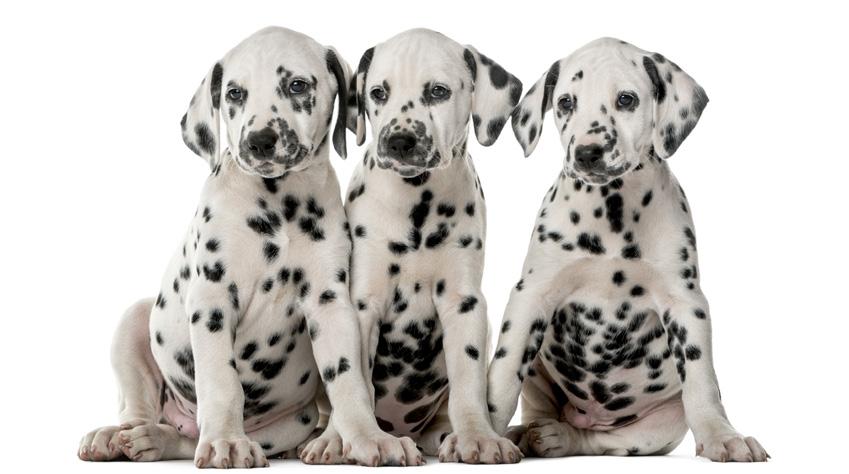
Dalmatians are perfect as a companion, a watchdog for family and a marvellous pet, but as they are strong and very active, they need to be kept under control. As with all dogs, young children and pets should always be supervised when together.
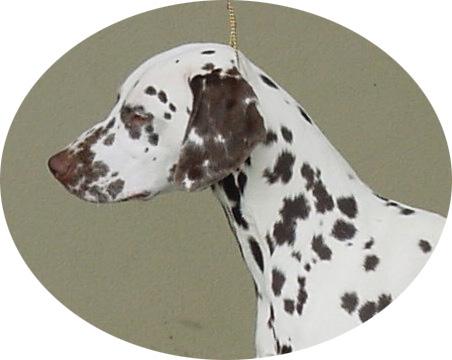
All breeds have individual health issues. When speaking to breeders in is recommended you enquire about breed health and what health testing the breeder does. The Dalmatian is generally a healthy breed, however health conditions do occur occasionally. These may include allergies which can manifest as skin problems or ear infections. These can often be food related. Dalmatians have a uric acid anomaly that can lead to urate crystal or stone formation in the bladder. This can cause obstructions, mainly in male dogs. Blockages are not only painful but life threatening. A low purine diet is recommended to help avoid this. Dalmatians can also be born deaf (bilateral). There are others who have normal hearing in one ear (unilateral). Responsible breeders have their pups BAER tested for hearing at 6 weeks. They will not sell a deaf puppy.
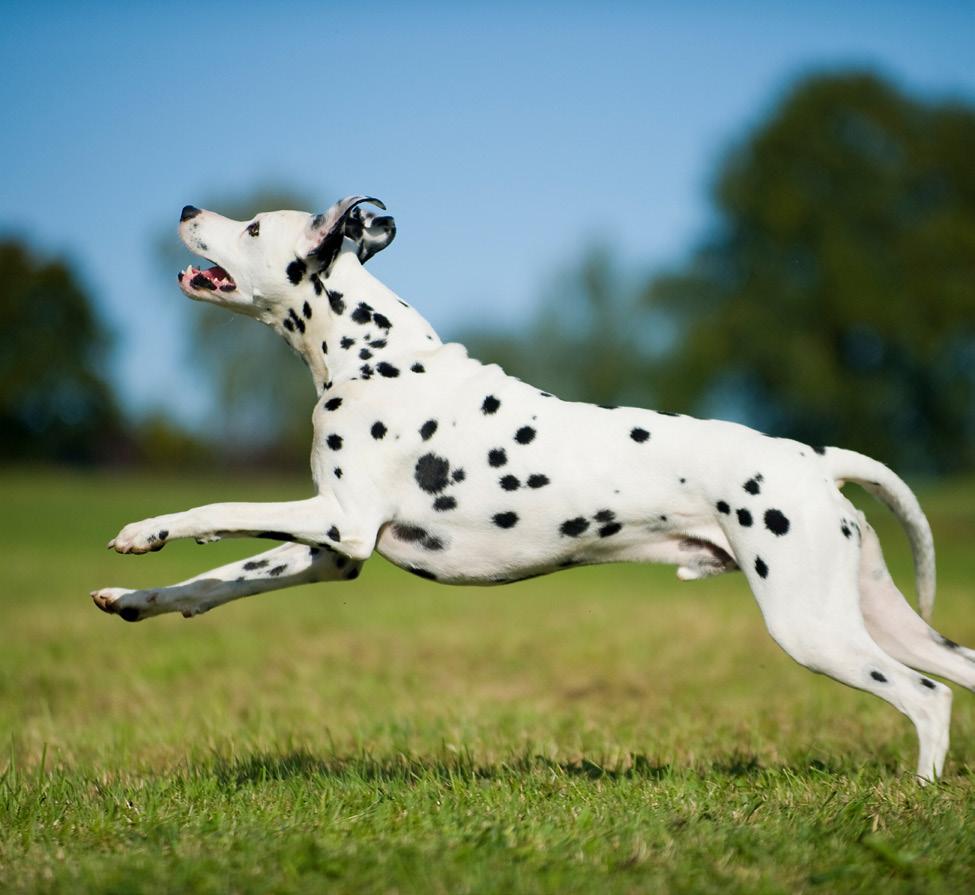
The Dalmatian is predisposed to be active and territorial. It is extremely important for prospective owners to understand their activity level. They require daily exercise, or they can become destructive or vocal. They are very social and need to be part of the family. Socialization and obedience training when young are very important in raising a well-adjusted dog. They have a tendency to be independent thinkers and a touch of the “class clown”. They make good pets for older children, but their size and activity level may be intimidating for youngsters.
Height: Males 58 to 61cms (23 to 24ins)
Females 56 to 58cms (22 to 23ins).
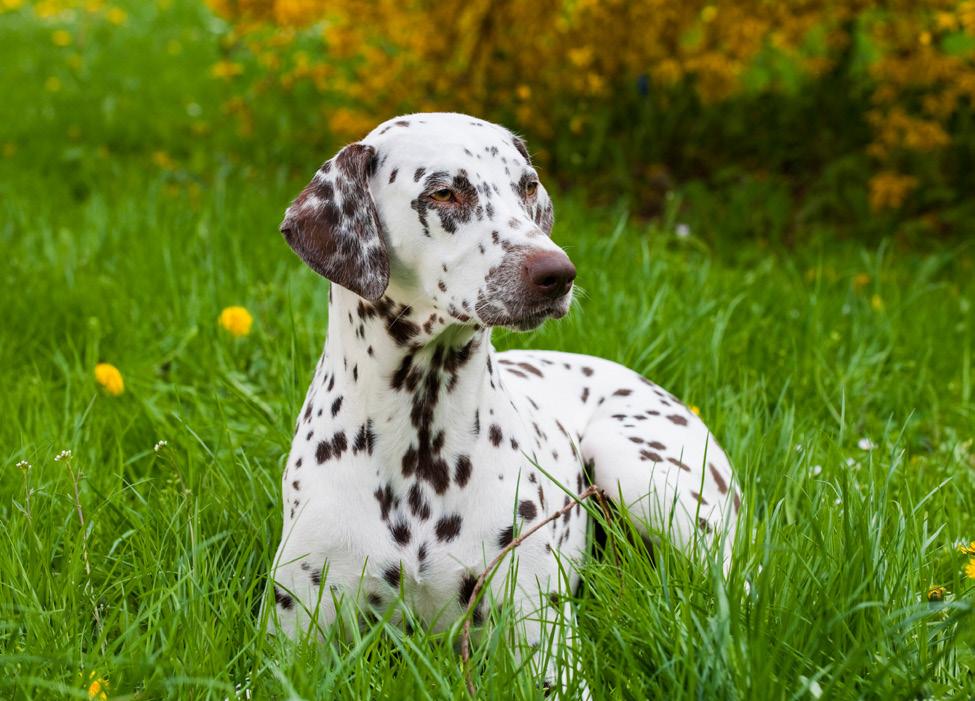
• Dalmatians are born spotless and spots develop over their first weeks
• As people all have different fingerprints, all Dalmatians have a unique pattern of spots
• The breed is as charming in real life as they are in the Disney film 100 Dalmatians
• Sometimes famous for being the “Fire House Dog”
• The breed’s purpose varies from coach dog, border sentinel, draft dog, shepherd, performer and sporting dog
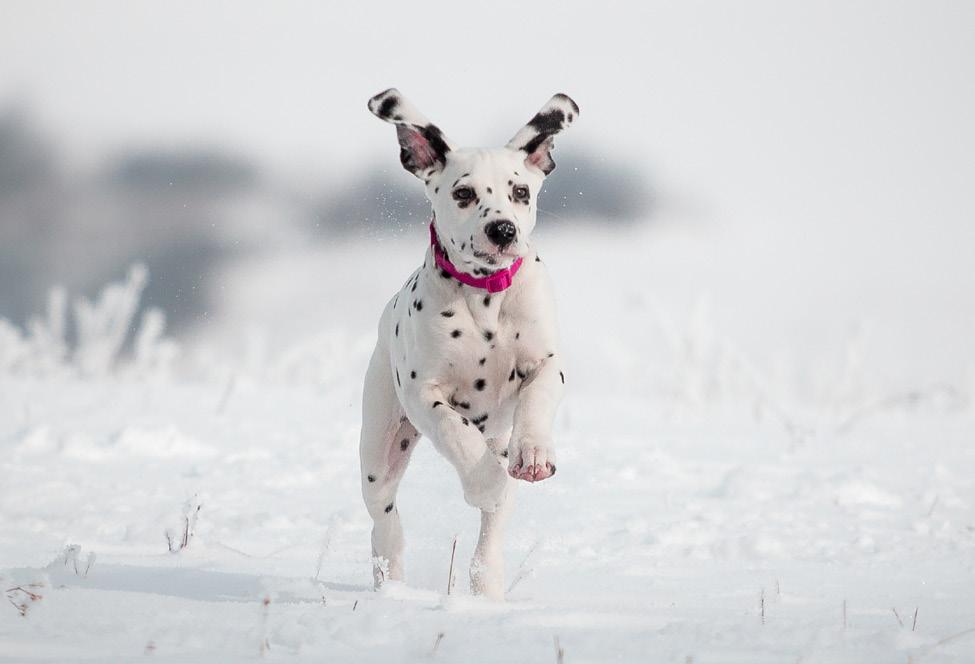
When considering a dog, please realise that you are taking it on for its lifetime. The average life span is 11 to 12 years.
• Conformation Shows • Agility • Obedience
• Rally
Now you know a little more about this breed. If you have decided this is the dog for you and wish to investigate further, please contact the breed club or Dogs Victoria. They will be able to give you information about available puppies and also suggest dog events where you can see the breed and speak to breeders. In this way you will gain a better perspective of the breed and its needs. With any breed of dog, it is important to research and determine suitability for your lifestyle before committing to a puppy which will be a part of your family for many years to come.
Whilst many breeds are recommended for families, it is imperative that when children are with dogs they are supervised at all times. Basic obedience training is a vital part of dog ownership.
Dogs Victoria is about the responsible ownership of all dogs and in particular the preservation of pure breeds.
Link to Dogs Australia Breed Standard: https://dogsaustralia.org.au/breed/detail/198
February was a very busy month with two working bees, with the deadheading of the agapanthus and set up for Night of Nights. The Night of Nights was a great success. Keep our Park clean – Please be vigilant and pick up your dogs droppings, and place your rubbish in the many bins provided.
Sewerage connection – A great deal of planning has been undertaken with stage one of the sewerage project –connection of all existing services to the new sewer outlet on Wedge Road, connection of the House, and connection of the two portable toilet blocks on the lawn area opposite group 7 and 4. We are also running fresh water lines, and power as part of the trenching process. We envisage installing 1200m of undergrounds services, It is hoped works will start prior to winter.
Sprint Track upgrades - Demolition of area three (the old herding area took place in March) and installion of new fencing with a 10m extension to the SprintDog Track, a new fence for the track, and seven new off lead areas for use by all members. The off lead area will be closed during sprint events.
Pavilion Roof works – Following partial roof works in February, it has been decided to replace the entire roof of the pavilion, which also includes insulation. This core piece of work is required to protect our largest asset at KCC Park.
Working bees – Please keep an eye on our Friends of the Park facebook page for our next working bees.
Golf Buggy and Scooter accreditation – If any affiliate wishes to use either of these at events, the vehicle needs to be booked and the driver must be accredited. They can also only be used by members with a current drivers licence. Accreditation must be organised well in advance. Contact me to arrange a test.
Other works – Our committee is heavily involved in the installation of the new canteen at KCC Park. A final design has been agreed upon, and works should be commencing shortly.
Dog food storage shed – We are still waiting for our planning permit to construct a new dog food storage shed next to the pavilion to store pallets of dog food for use by affiliates.
Future member projects/bequests/donations – We are always happy to discuss any proposals with you to improve member amenities on the grounds. We also need more funds, if you can assist, please speak to us.
We spend a lot of hours on the site for the betterment of our dogs and our members. Volunteers WELCOME! If you would like to come enjoy an hour or two helping at our monthly working bees, please contact me 0428 983 703 or email kccfacility@dogsvictoria.org.au
Chris Moore | KCC Park Facilities Committee, Building a Better Park
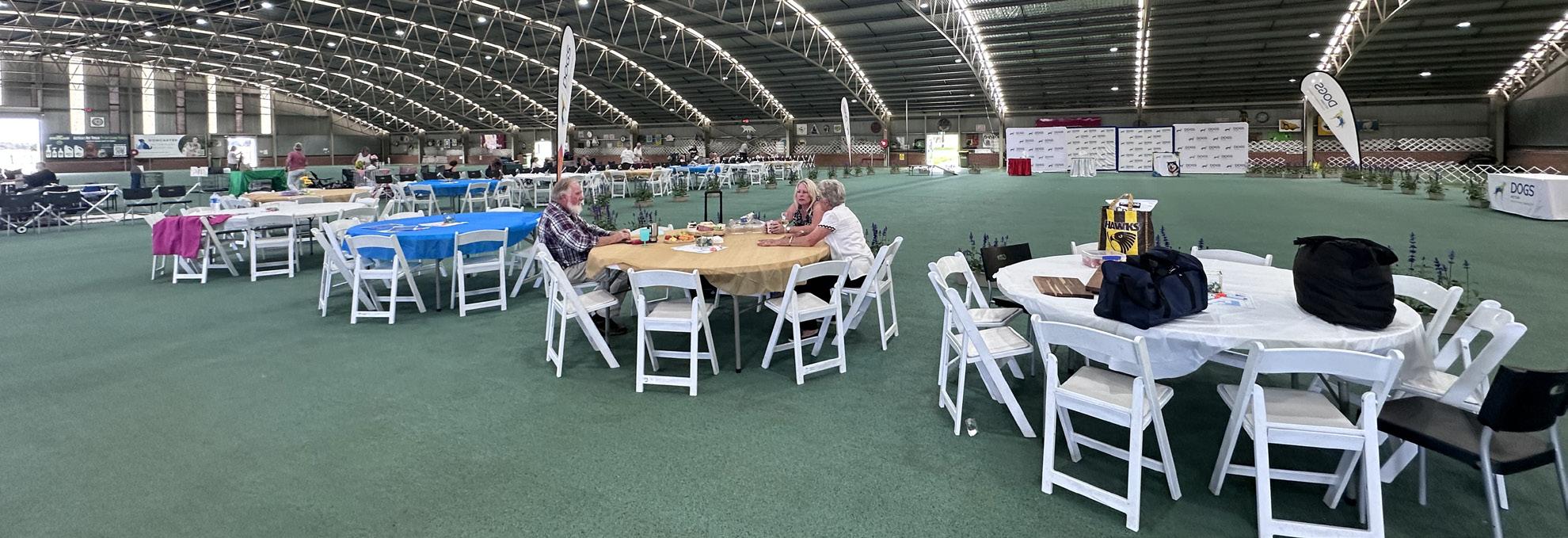
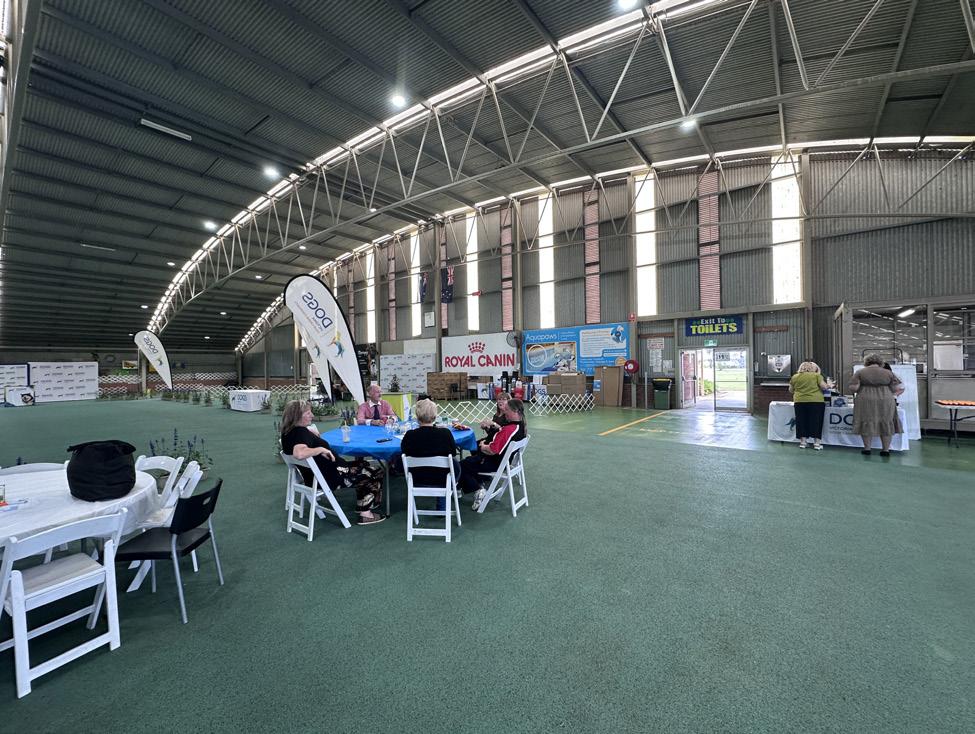
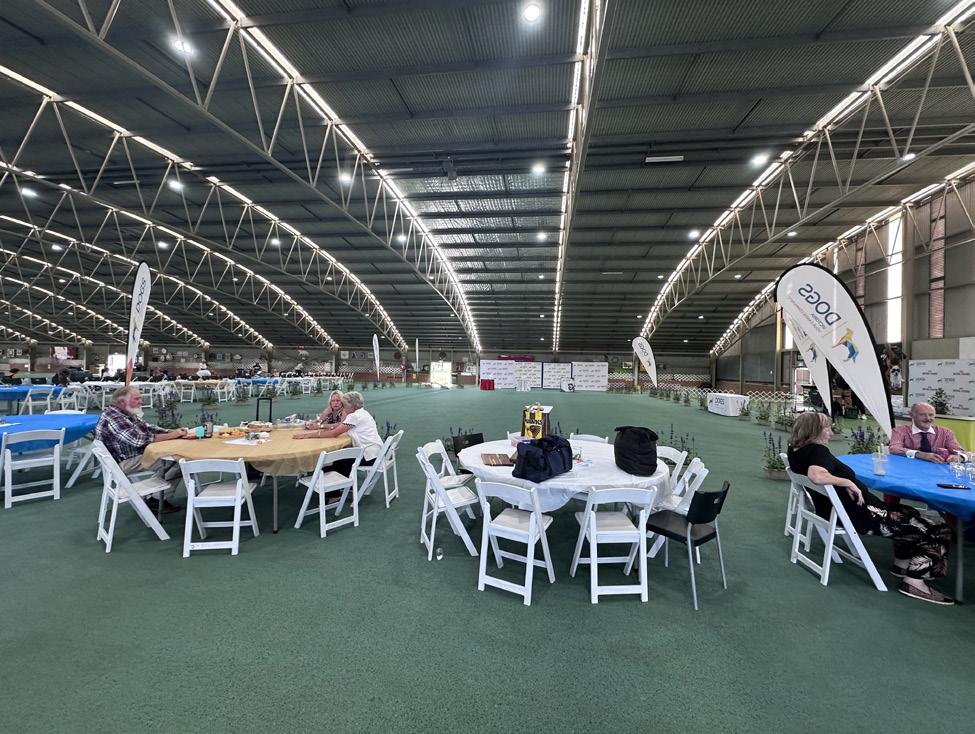
It feels like 2026 only started yesterday; however, we are now a quarter of the way through the year. The Bulla Facilities Committee have continued to work hard and volunteer many hours to ensure that the grounds and facilities are presented in as good a condition as possible. Members may be unaware of the dedication of volunteers and the amount of effort that goes into the grounds being right for exhibitors and users to be able to turn up and enjoy the benefits. We are always keen for members to assist with projects we have coming up and request that everyone does their bit to ensure that the area they use is left clean and free of rubbish and dog hair. Should attendees notice something not quite right or not working properly please report it to the Secretary’s office on the day and they can complete a maintenance form which then comes through to this Committee. If you are able to assist with working bees and projects, please contact the Committee via the numbers on the website or send a message via our Facebook page “Dogs Victoria Buddies of Bulla”.
We have some exciting plans to improve the facilities, and these will be announced in future reports, once we have final quotes for materials and can schedule the works around events and weather.
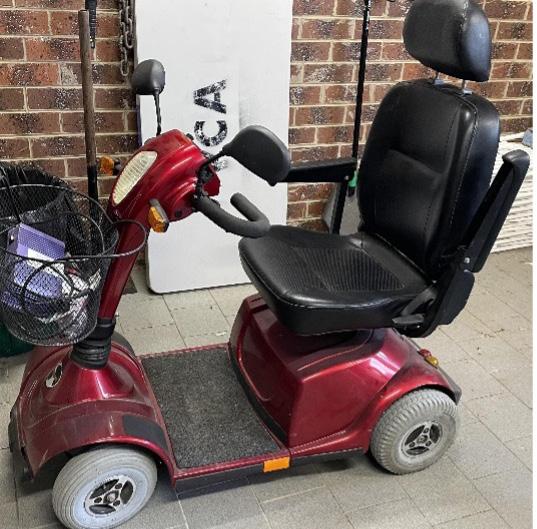
We have generously been gifted a mobility scooter, a red one, to assist the committee and
club committee members to get around the grounds. Often the grounds seem to get bigger on long weekends when officials need to continually do the circuit of the rings and sadly none of us are getting any younger. We need to meet our legal obligations and ensure the safety and protection of all attendees and therefore only members who have been accredited with Dog Victoria are permitted to pilot the scooter. Should you have an upcoming event and wish to use this equipment please contact Sue Hutcheson on 0418 347 344 to arrange accreditation.
Don’t forget to support the Bulla Amenities Shows held the first weekend in May. Profits from this huge weekend of shows, which include CACIB and A20 shows, contribute to the running and improvements of the Bulla grounds. Schedules have been published.
Sue Hutcheson | Bulla Facilities Committee
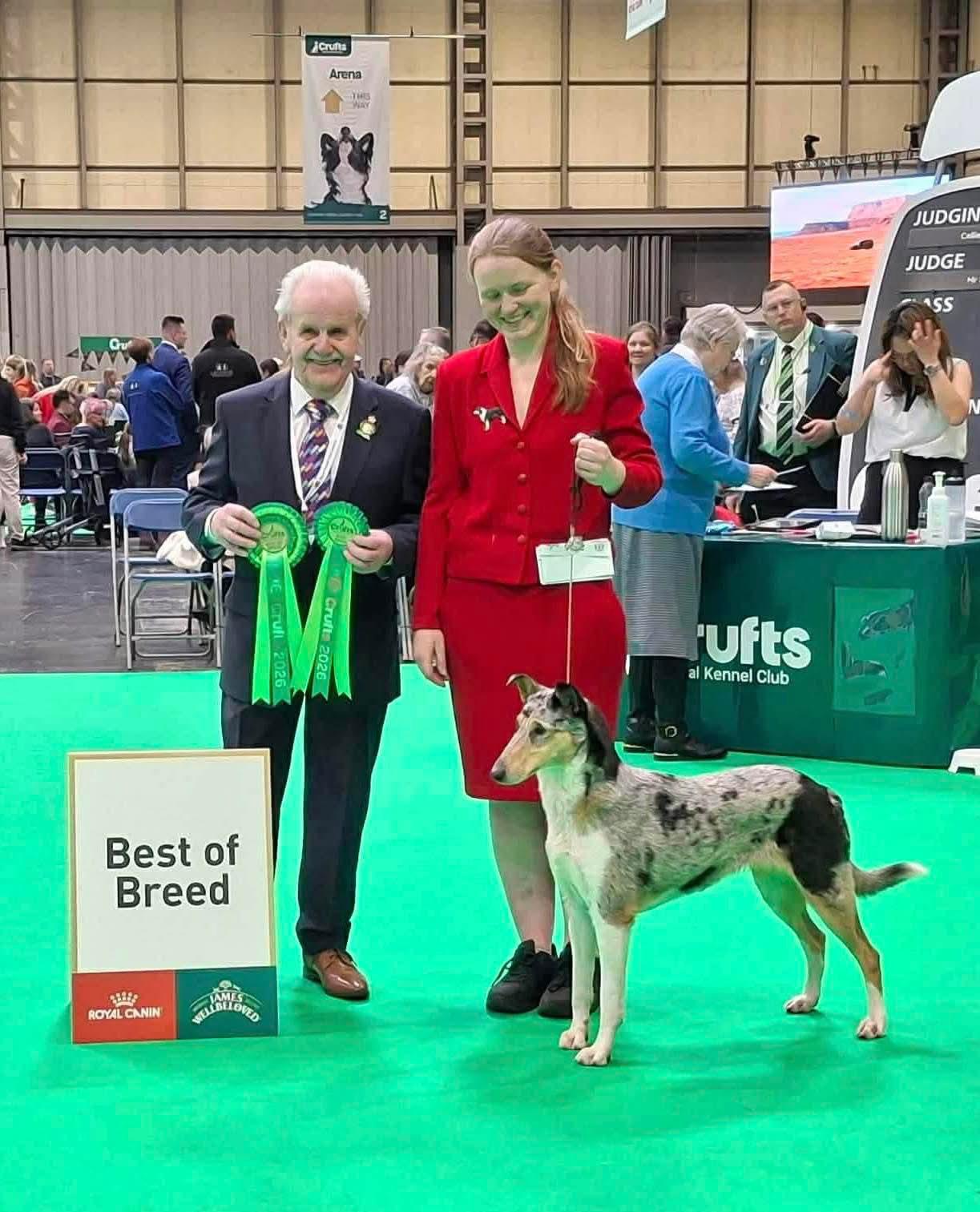
Beetle, flying the Australian flag, took out best of breed over a huge entry of 70 smooths at the prestigious Crufts. My thanks to both Leesa Humphries, and Abby Lusty for bringing out the best in Beetle.
CH Talcott Tiffany Stalker Of Blamorder Sire: Blamorder Be Your Valentino (IMP UK)
Dam: CH Adarstern Take The Music To Talcott
Judge Steve Hall
Critique
What a most beautiful blue bitch, so elegant yet she conveys total strength, and from her looks, I think without a doubt she could do a day’s work without breaking into a sweat. I’m not going to tell you how good she is as you can all see that for yourself. What I can say is the only thing, I rightly or wrongly would have liked is for her to have a fraction longer cast. I know the standard says slightly, but where does slightly start and finish. To her advantage, in the challenge for the BOB, the handler stretched her out a touch more, and I thought that made her perfect. In the challenge for BOB, she was firmer in movement, that clinched top spot.
Jane Doyle
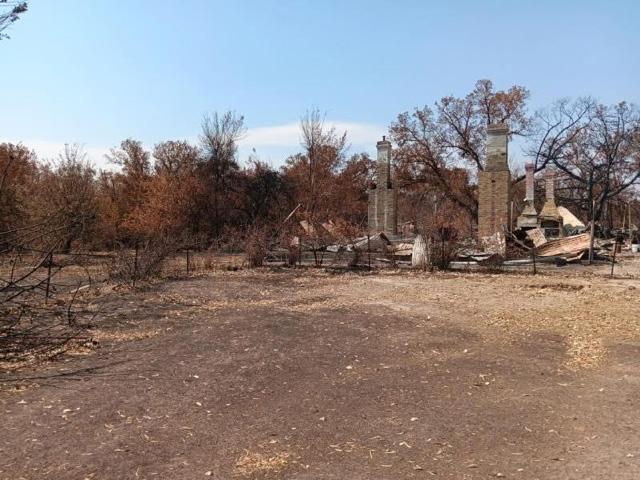
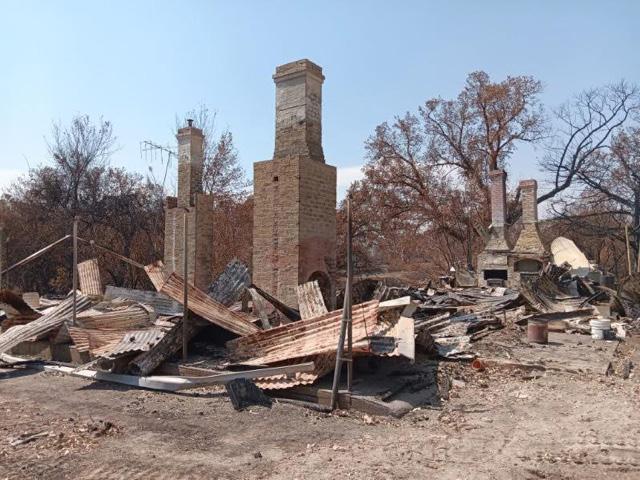
Bad news again. In January bushfires swept through parts of Victoria. They impacted the small town of Yarck where our friends Diane and Bob Cameron live.
Bob’s family have lived there for generations. Sadly, almost all of their buildings including two houses, the shearing sheds and holding yards were destroyed and of course, many sheep were lost but some were saved.
I think the chicken yard was saved. Thankfully Bob and Di managed to get out with their precious dogs and their lives. Fortunately, they have a self-contained caravan, so dogs were piled into the car and off they went to safety.
Obviously, there is a lot to do. Fences to rebuild and pasture to work on. After recent rains the paddocks are starting to green up. Ian Austen from the German Shepherd Dog Club of Victoria led a Go-Fund-me Page which gave Bob and Diane support. Unless you have been through it, there is no way we can imagine the trauma they must have experienced.
Bob and Diane have been very supportive of tracking, both by helping out on multiple occasions, and making their land available for tracking, both for trials and for friends for private training. They have been provided with a portable pod to give them some extra living space.
Then in February the Victorians descended on Bermagui. I just love driving in with the sign, “Welcome to the Doggies” as you come into town.
The local restaurants lived up to their usual reputation this year. Octopii is now on the wharf. Bigger, with a lovely view, service and food were amazing as usual.
The rings were in perfect condition. Mowed very close, which makes it so much easier to cope with, especially to run on.
One of the great innovations this year was netting around the CCD and Novice rings. It made the rings feel secure and keeps the odd local where they should be.
Thankfully the weather was perfect. Not too hot, not too cold. Plus, it didn’t rain much.
Adrian Brogan was on a high, with Fernfall Ruben Brogan, he got High in Trial in Obedience from the Open Class under Kim Houlden, plus his UDX title one night. Then he got his Grand Rally Champion Title with a high in the Rally trial as well. Casper also got some Rally passes.
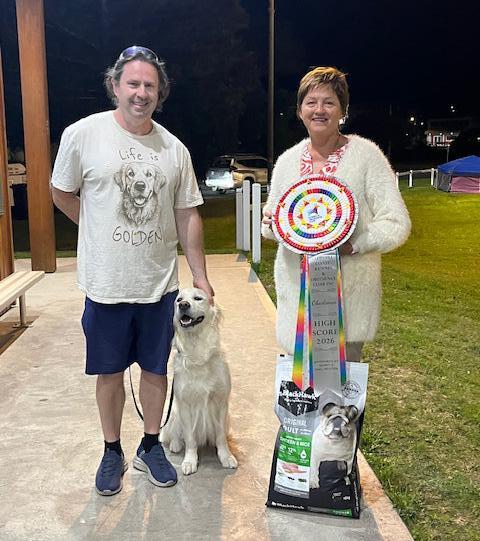
Liza Powall got two high in Obedience Trials under Ross Carlson and Jo Hagan, on the Bega Valley weekend.
My naughty Solo, Tri Ch TS Grand Ch Killara Splash the Cash, SWN CCD managed to stay in her own ring and got her Novice title.
I know that Ray Ashman got a Novice pass with his Golden Retriever. Ross Carlson also got some passes when he wasn’t too busy judging.
Altogether two highly successful weekends. The star of the Show was young Ashley Carlson.
She took a friend’s Japanese Spritz into the ring and won Best in Group, then took her own Papillon into the ring and got Runner up in Group with her. Ashley also handled a friend’s Welsh Corgis.
Dawn Howard | OTEC Member
The trialling season in now in full swing and agility competitors, judges and stewards are adjusting to the new agility rules which came into effect on 1 January 2026. There have been some significant changes to the rules and probably one of the biggest one we have seen has been the change in jump heights. The jump height divisions have been lowered between 30 (in the smallest height class) to 50mm (in the tallest height class). Judges and the agility committee have over the past few months have measured over 250 dogs to ensure competitors and height cards meet the new rule requirements. This has been a huge job, and it has been wonderful to see the community rally together to address this new change.
The rule change in heights was supported by many states to promote greater longevity and safety for dogs in the sport. This shift in jump height categories has prompted handlers to consider whether to move their dogs down in height category (where they have a choice) or stay in their existing one. The decision is obviously influenced by many factors and is individual to the dog and handler. Considerations include the dog’s age, how long they have been competing at their previous height class, whether their dog was previously a borderline measurement, or if the dog is newly starting competing this year or the handler is seeking the best competition outcome.
Whatever the reason for change there has been a significant redistribution of dogs across all height categories. We have seen a notable increase in the number of dogs competing in especially the 400 and 200 categories, while the number of dogs in the 600 category has significantly declined.
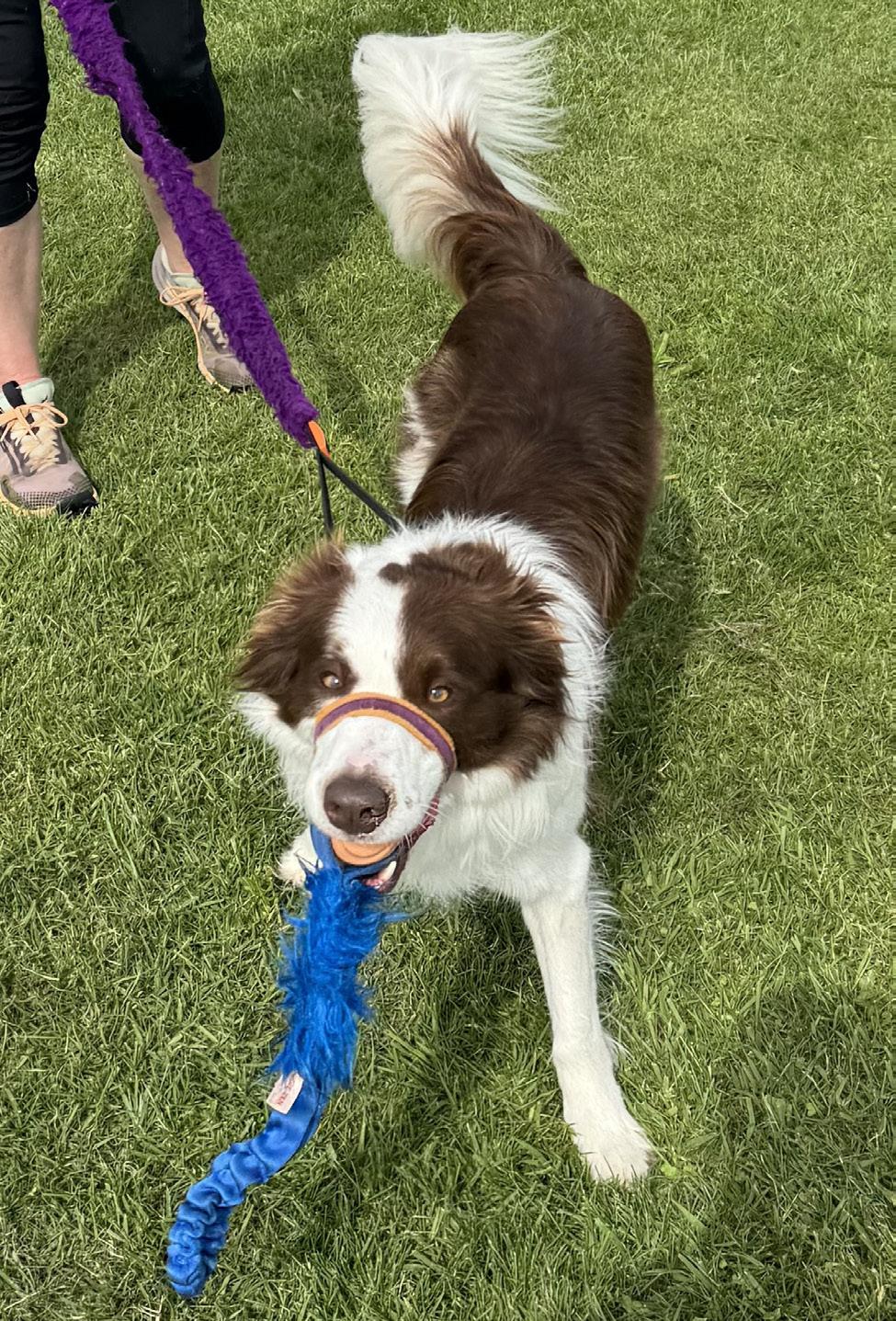
Some of the other notable rule changes include a reduction in the maximum number of obstacles in master’s courses and the dropping of the elite class. Across all classes there also is no mandatory requirement to have the tyre, broad and spread jump in all classes. Now there must be a minimum of one of these obstacles, not all three. This might be a welcome rule change and see greater flexibility in course design by judges. Novice dogs might also find a tunnel under a contact obstacle in agility classes; something previously not allowed in this level and will likely require training much earlier with young dogs as they get ready to compete in trials.
The use of rewards for dogs in agility are powerful training tools. Last year we saw the allowance of ‘not for competition’ in agility and jumping classes which allows the handler to run a sanctioned trial course for training purposes. Handlers use this as an opportunity to reward the dog in the ring with a toy for performing an obstacle correctly. The new rules will let handlers bring a concealed toy or treat into the ring they are competing in and then when they enter the exit shoot, they can bring out their reward for their dog. This will allow for quick reinforcement of the dog’s performance.
As the 2026 agility season continues adjustments to the rule changes bring a period of learning for all those involved. It will be interesting to see how these changes shape performance, participation and longevity in the sport. One thing is clear though, change is inevitable and brings both challenges and opportunities.
Kerry Spencer | Agility Committee Member
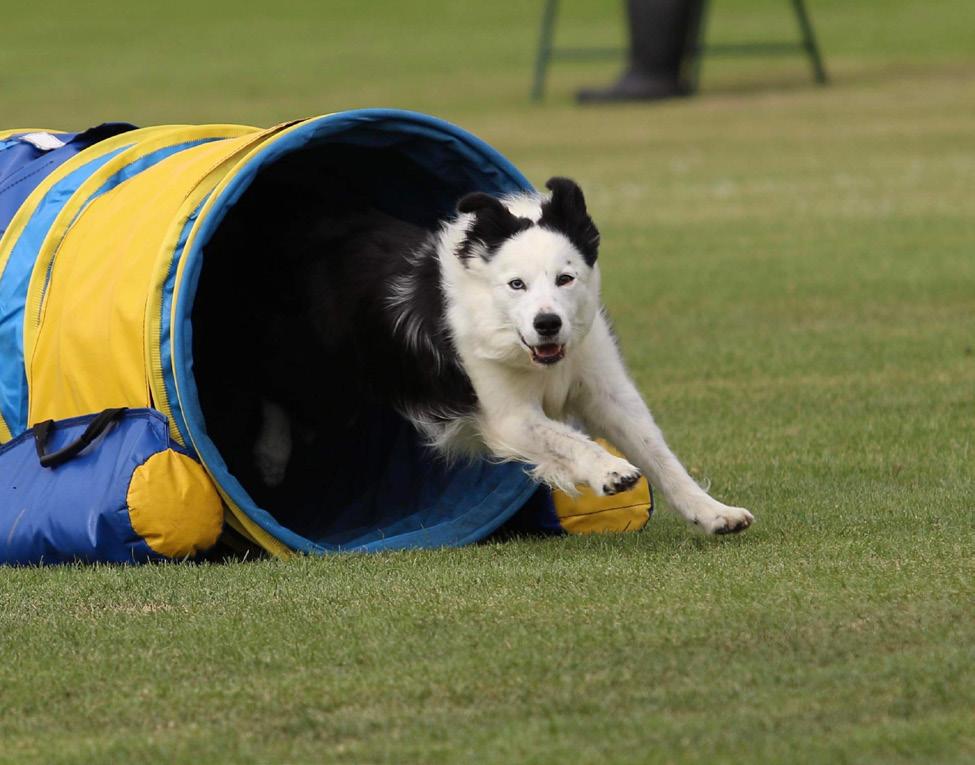
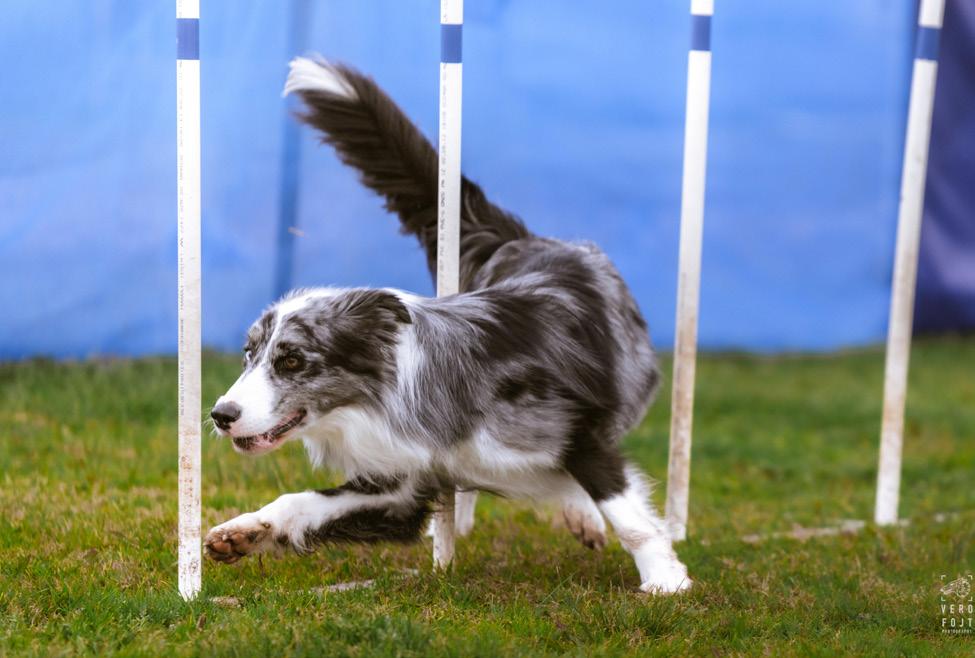
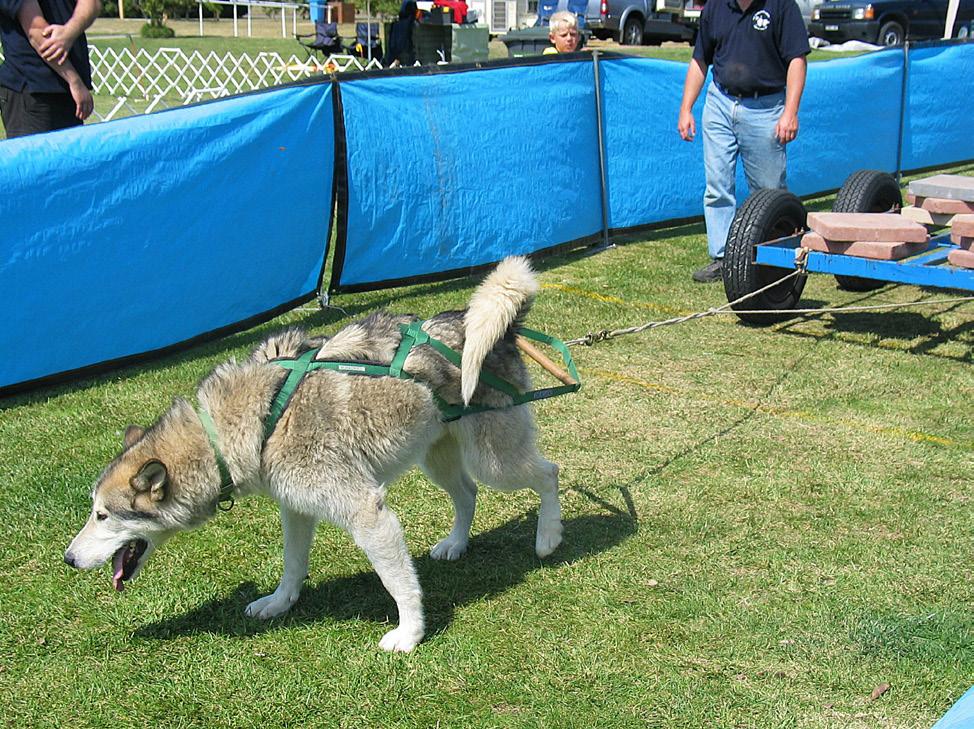
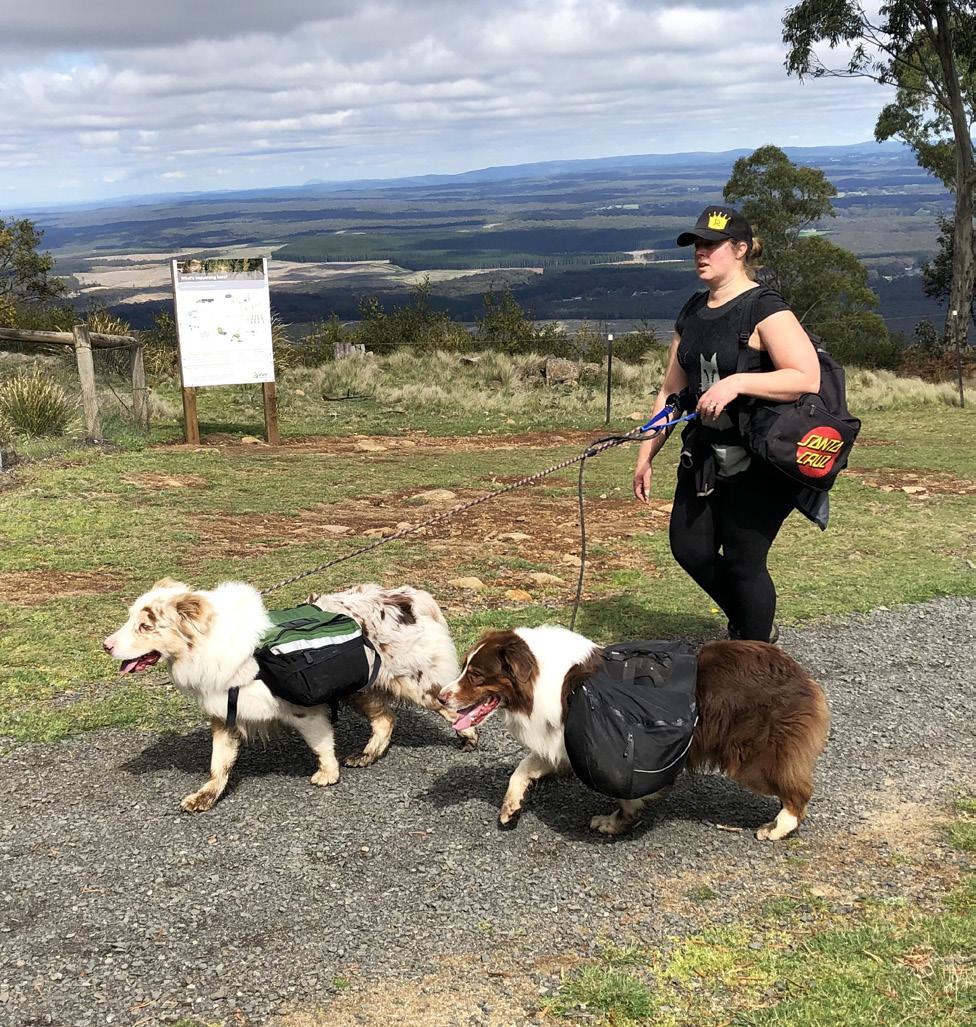
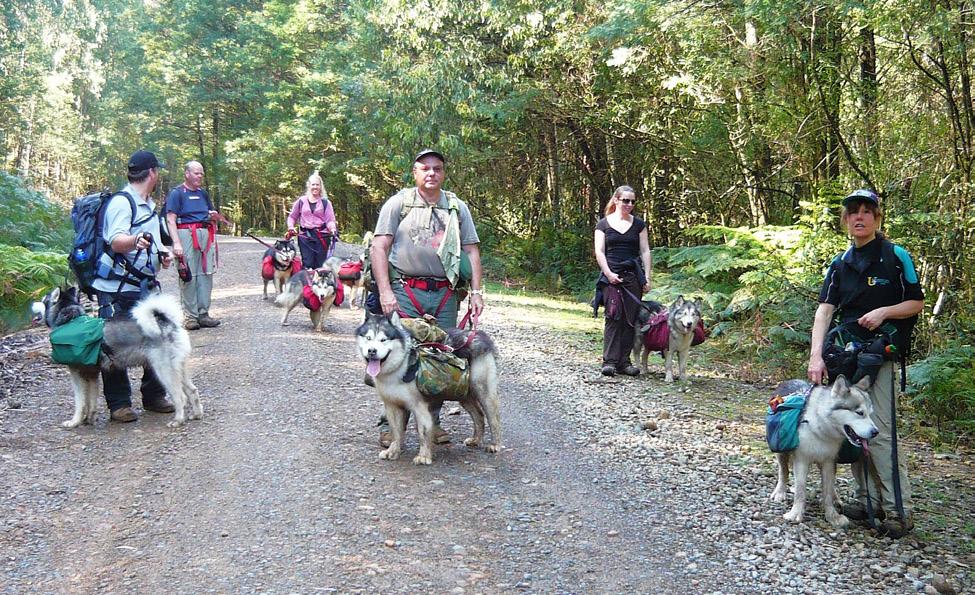
This month sees the start of the sled sports season, with plenty of events in each of the three disciplines scheduled over the next six months.
This year we are pleased to see a few extra Dogs Australia sled sports events on offer, with six weekends of sled dog racing, six weight pull events and four backpacking events currently scheduled.
For those interested in getting into dog sledding, the Northern Victorian Sled Dog Club are holding a “Come & Try” day near Shepparton on 18 April, and the Siberian Husky Club are holding a sledding workshop on 25 April. These sledding introduction days are open to everyone and any breed, and are a great opportunity to find out more about sledding, borrow some equipment and try it out with your dog.
The Melbourne Lure Dog Club will be holding their first sled dog race event, which will be in early September near Shepparton. We understand the club is also planning to hold a backpacking event in August, which is another welcome addition to the calendar as the hikes are very popular. It is great to have another affiliate promoting the sled sports, and we hope both of their events will be well supported by the members.
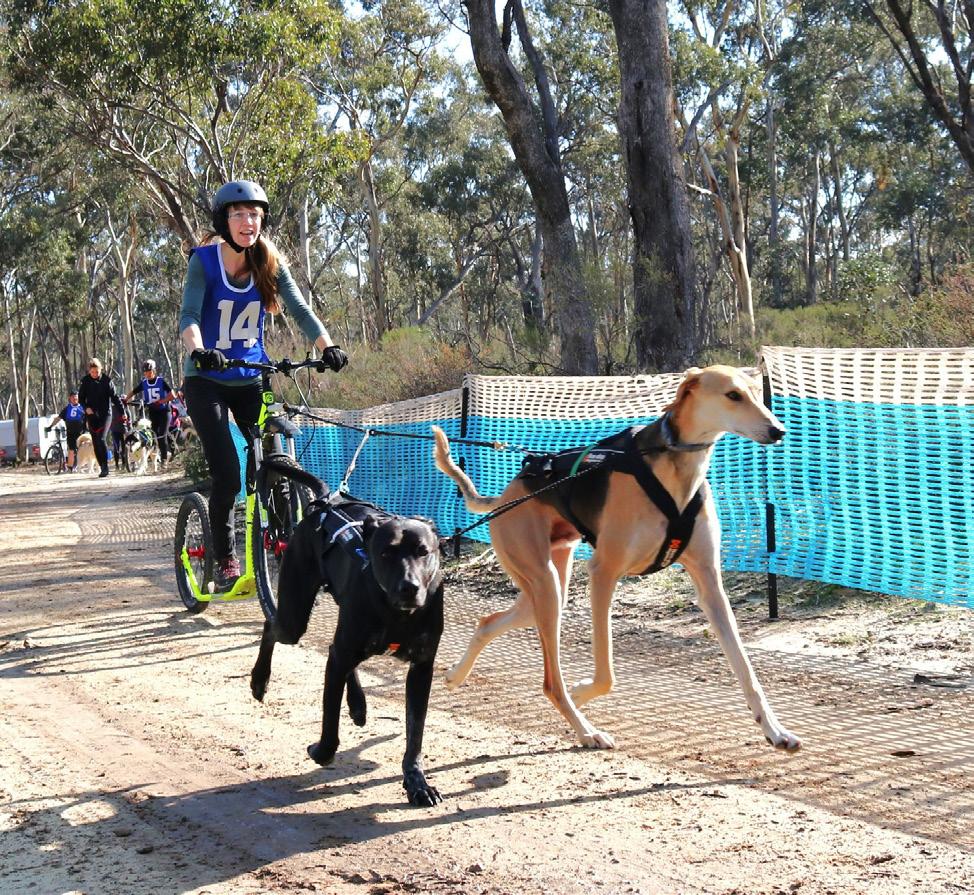
The proposals for new titles in the disciplines of Canicross and Bikejoring have now been reviewed by the National Sled Sports Committee and are to be tabled at the June meeting of the Dogs Australia Board, so fingers crossed we may still get these approved this year.
There have been some updates to the Dogs Victoria Regulations – Part 3.5.20 Extreme Weather and Part 13.7 Extreme Weather – Sled Sports, so affiliates and sled sports participants are asked to make themselves aware of the changes and additions.
The Judges’ training program is underway with an introduction session held in February by Zoom, which was attended by eleven of the thirteen trainees. Further information sessions are being held for each of the disciplines over the next few weeks prior to commencement of practical training at the backpacking, sledding and weight pull events in May.
For more information on the events or sled sports in general, please visit the two Facebook groups for the Dogs Victoria sled sports, “Victorian DV Weight Pull & Back Packing” and “Dryland DV Affiliated Sledding” as well as the websites and social media of the affiliates who are conducting the events.
Sandy Koch | Sled Sports Committee Chair
After a few months of relatively warm weather, we are back in action again with scent work trials. A scheduled K9 Scent Club trial for early January had to be cancelled due to some very hot weather, but our Committee members (mainly Heather Raditsis and Dawn Howard) ran twilight trials in December and January without too much bother. March, April and May will be a very busy period with trials almost every weekend.
Out State Scent Work trial was held in October at a new venue, Yarra Glen Racecourse, which proved to be ideal for running 17 elements over 2.5 days. Plenty of powered caravan and camping site, showers and toilets and ample dog-friendly accommodation in the area. Our Ultimate class was held on Friday afternoon, Masters and Excellent on Saturday, Novice and Advanced on Sunday. We had well over 1000 entries again for this trial so we had to have a small ballot to ensure our judges stayed under their quota.
The Big Day Out for Dogs in December 2025 was another success but we had very little time for demonstrations due to the long queues of members of the public wanting to ‘work’ their dogs. Thanks to all Committee and members who assisted on the day (Joy & Reade pictured) – it was non-stop for most of the day, demonstrating once again that Scent Work remains very popular. Members of the public were quite excited helping their dogs find tasty treats, resulting in many enquiries about training and trialing in Scent Work.
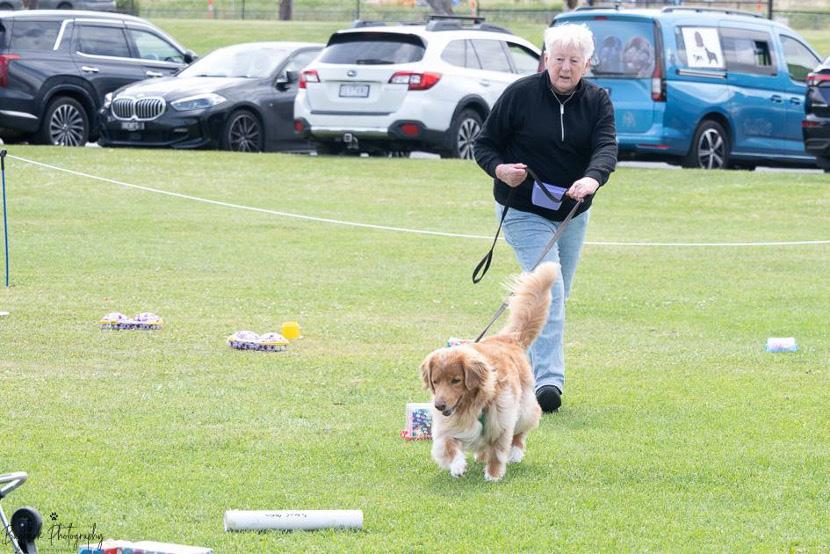
Congratulations to all those who achieved Scent Work titles throughout 2025, especially those who gained their Masters title (SWM). Novice and Advanced titles can be achieved in a relatively short period but it is a big leap to Excellent, where some competitors may spend several years trying to get the required 12 passes. However, anecdotal evidence shows that once we get to Masters level, we have generally learned to trust our dogs, to read our dogs, to expect the unexpected, and to just enjoy the challenges of working with the dog without stressing too much.
From late 2025, we began to see some passes at the Ultimate level. The first two passes, at Gippsland in September, were Trish Embleton (Clarelly Double or Nothing) and Christy Dowling (Panda), followed by Pam Bonanno (Bronayr Pepas Girl) at the State Trial in October. To finish the year off, we had another three passes at Warrnambool in November – Alice Ewing (Juno), Carmel Nottle (Reveirter Ne Mt Stirling) from SA, and a second pass for Christy Dowling (Panda).
This means that we will potentially see a few Scent Work Champions in 2026. Ultimate is the highest level of Scent Work. It requires the team to search, on or off lead, in a very large area, combining all the elements (Interior, Exterior, Containers and Vehicles). They must find between 3 and 10 hides within a time limit of 7 to 15 minutes, with multiple distractors such as food, toys, people in the search area. Once the team has achieved the Masters title, all four element titles and earned five passes in Ultimate, they become Scent Work Champions.
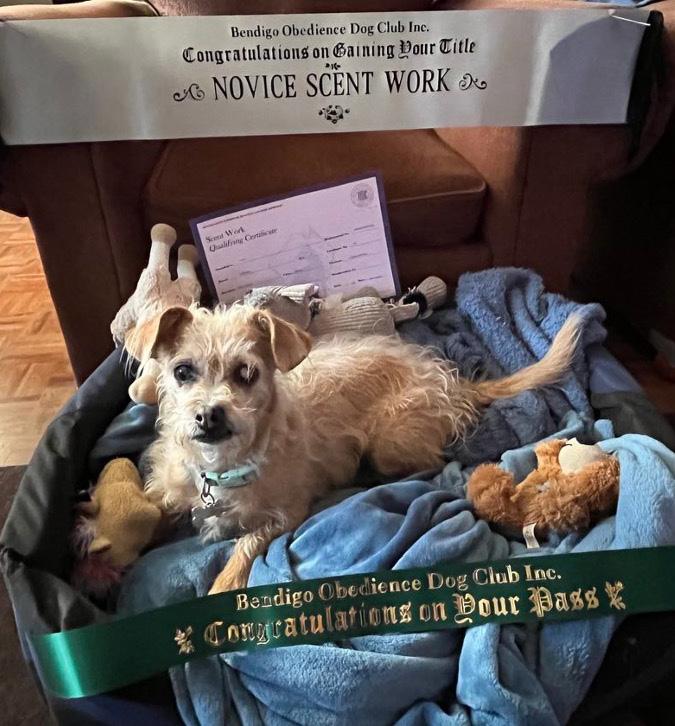
Given the length of trialing time it takes to get to the Champion level, it is not unusual to lose our dogs along the way and most competitors start all over again with a new, younger dog. Quite frustrating to see a few dogs being retired due to age after getting right up to Masters level. But a special Congratulations must go to Lee-Ann McInnes’ little dog Hunni (pictured), who retired late in 2025 at the age of 18.5 yrs. She will be 19 in May 2027 and still enjoys chasing her Blue Heeler friend around the yard, like a puppy.
On a very sad note, we lost a long time competitor, Maribeth Murphy late in 2025. Maribeth will be remembered fondly for her early scent work days with three beautiful Dobermanns (Hansel, Gretel and Scarlet) then her downsized Dachshunds (Rhett & Belle). Maribeth was also a popular Obedience and Rally judge and she competed with both breeds in Tracking, Track & Search, Scent Work, Obedience and Rally.
Judy Pillinger | Scent Work Committee Chair
The Sprintdog™ season is now underway, kicking off on 14 February with the Committee trial exclusively for new competitors and untitled dogs. The event was met with enthusiasm, resulting in numerous titles being awarded. This year, over 35 trials are scheduled across a range of venues, including KCC Park, Geelong, and Wangaratta. It’s truly encouraging to witness more Clubs stepping up to host trials and explore the world of performance sports. Organising a trial is no small feat—it demands significant effort, a dedicated team of helpers, and countless hours behind the scenes to ensure everything runs smoothly. Recognising these challenges, last year we introduced a comprehensive training program for those aspiring to become Judges, Lure Operators, and Sprint Marshalls. Our goal is to provide these trainees with the support and guidance they need as they embark on their journey into official roles within Sprintdog™.
We’re excited to share that applications are now open for the Judges’ training program, set to begin in May this year. If you’re interested, head to the Dogs Victoria website to access the application form and ensure your submission reaches the Dogs Victoria Sprintdog™ Sub Committee by close of business on 30 April 2026. Please keep in mind that submitting an application does not guarantee acceptance into the program, as places are limited.
Please submit applications to sprintdogs@dogsvictoria.org.au
Have fun with your dogs and keep smiling.
Sprintdog Subcommittee
1037 Doncaster Road, Doncaster East, Victoria, 3109
Phone: +613 9842 5330
Email: specialistrepro@doncastervet.com.au
reception@doncastervet.com.au
Web: www.doncastervet.com.au www.stuartmason.au
Specialist canine reproduction services:
• Semen freezing and storage
• TCI of Chilled, Fresh and Frozen semen
• Pregnancy management
• Infertility investigation
• Neonatal care
• Discounted litter vaccinations and bile acids
• Complete breeding management
• Breed screening programs including DNA sample collection, hip and elbow radiographs, PennHIP® radiographs, spine radiographs for scoring and RFG testing for brachycephalic breeds
• Soft tissue surgery, laparoscopic surgery (all sizes of animals), orthopaedic surgery (including patella surgery, TPLO and fracture repair)
• General veterinary care of breeding animals and pets
Doncaster Veterinary Hospital is a unique Melbourne veterinary hospital offering specialist canine reproduction services combined with a general veterinary practice in a modern purpose built facility. The team at Doncaster Veterinary Hospital are headed by Dr Stuart Mason who is one of only a handful of registered specialists in small animal reproduction in the whole of Australia.
Dr Stuart Mason BVSc (Hons) MANZCVS DACT and associates
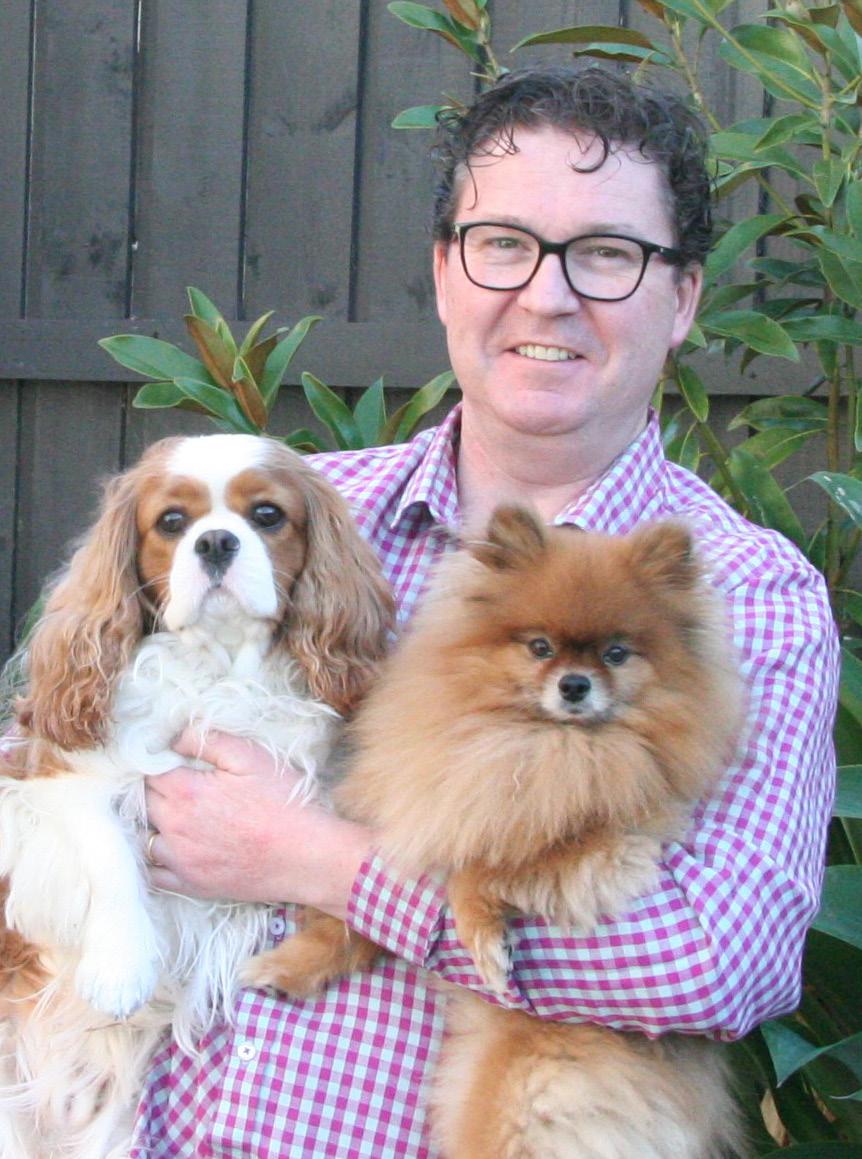
https://www.akc.org/expert-advice/health/how-oftenshould-you-wash-your-dog/
For a lot of new dog owners, it can be difficult to determine how often you should bathe your puppy or adult dog. The truth is, the answer depends on a lot of factors.
“How frequently a pet needs a bath greatly varies based upon their breed, lifestyle, length of coat, and how much homework a pet owner is willing to do,” says Beth Cristiano, owner of Pretty Paws LLC, headquartered in Harrison, N.Y.
The type of coat your dog has is a big factor in how often they require baths. However, it’s not as simple as the shorter the hair, the less bathing required. Hairless breeds, such as the Chinese Crested and the Xoloitzcuintli, are actually quite care-intensive, according to Cristiano, who says these breeds require weekly baths.
At the other end of the spectrum are the long-coated breeds, such as the Maltese and the Collie. “Obviously, the more hair a dog has, the more work is involved, including the frequency of the bath,” says Jorge Bendersky, a celebrity dog groomer, pet expert, and best-selling author of “DIY Dog Grooming, From Puppy Cuts to Best in Show: Everything You Need to Know.” He adds, “For dogs with medium-to-large coats, a bath could be needed from weekly to every four to six weeks, as long as the coat is properly maintained in-between baths.”
But a breed such as the Puli, which is technically longhaired, is not bathed as often when corded. According to the Puli Club of America, “the Puli doesn’t develop that typical doggie odour, and really, a Puli probably doesn’t require as many baths as most other breeds.”
So, what about dogs that fall somewhere in the middle? “Thick or double coats on breeds such as Labrador Retrievers, Golden Retrievers, Siberian Huskies, etc., naturally insulate the dogs seasonally,” explains Monica Handy of Woofie’s Mobile Pet Spa. “Overbathing could strip too much oil from the skin and disrupt this process. Using a product specifically for shedding will help avoid this.”
If your dog suffers from certain health conditions, your groomer and/or veterinarian may suggest that you use medicated shampoo while bathing your dog. Even if your canine companion is healthy, a grooming regimen using products like de-shedding tools and brusheshelps keep them that way. “All pets benefit from monthly ear cleaning and nail trimming,” Cristiano comments. “Thorough coatbrushing and combing and conditioning are more integral to the pet’s health than bathtime.”
Then, there’s the health of the owner. “Sometimes the bath is for the human’s comfort, not the pet’s,” Cristiano continues. “For owners who suffer from allergies, they’ll typically react to their pet’s dander, which can be managed with a weekly bathing routine.” A dander-removing shampoo may also help manage human allergies.
What’s Your Dog’s Lifestyle?
Bendersky notes that an active lifestyle may be easier with a short-coated breed, given that keeping the dog clean inbetween baths typically requires less effort. “You can get away with giving short-haired dogs a good rubdown with a damp washcloth to remove the dirt that was picked up during a busy visit to the dog park,” he says.
Of course, dogs that are playing in oceans, hunting in muddy waters, or herding sheep all day may end up needing more baths than pups that spend most of their time indoors — regardless of the breed.
At the end of the day, Bendersky offers this advice: “We should wash our dogs when they are no longer huggable.”
This article was first printed by the American Kennel Club and is reprinted here with permission.

Crate training a puppy or adult dog takes a little bit of time but can be useful in many situations including toilet training a puppy, providing a safe place for your dog when other events are happening in the home, a place to leave your dog at Shows or Trials, during car/plane travel and during a stay at the veterinary hospital. A puppy may have already been introduced to crates/trolleys by their breeder as a place to rest in their puppy enclosure. If you observe your puppy you will notice that they often choose to rest in a corner or between objects as they generally feel more relaxed in these situations where they are less likely to get “ambushed” from behind. A crate provides similar barriers for them to feel safe.
It is important to NEVER use the crate as a punishment
The first step in crate training is to make the crate a comfortable, secure place where good things happen. Place the crate in a quiet corner of a room you spend a lot of time in within your house so there are minimal distractions during your training but your puppy can be close to you when learning to use the crate. Secure the crate door open so it cannot accidentally close or bang and scare your puppy. Giving your puppy treats, their favourite toys/ bedding and meals in the crate starts to make the crate a place that the puppy wants to go to. You may have to start by putting the treats just outside the crate and then slowly putting them just inside the crate and then further back as your puppy becomes comfortable with going into the crate. Work in several short sessions daily – just a few minutes at a time and don’t force your puppy into the crate.
Make sure the crate is appropriate for your puppy/ dog – if your puppy chews everything a soft crate is probably not going to survive and a metal crate will be more secure. The crate needs to be large enough for the dog to stand up, turn around and lie down stretched out but should not be big enough to allow a puppy you are trying to toilet train be able to move away and toilet in a back corner. Bedding should be comfortable but chew proof. Make sure there is no collar or a flat collar on your dog with no tags/ attachments that could get caught in a crate. If you are using a metal crate with a puppy or small breed dog you may need to cover the entry with a mat or cut pool noodle to prevent the puppy getting his toes caught in the wire under the entry door. We don’t want to risk the crate being associated with a bad experience so preparation is key.
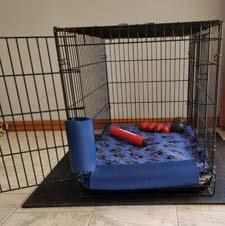
When your puppy is comfortable going into the crate you can start to briefly close the crate door for a few seconds while he is playing with his toy/dog chew or eating his meal. If he seems happy with the door closed you can slowly increase the amount of time the door is shut but initially stay next to the crate so you can monitor him. Once he is comfortable being confined with you close to him you can start to spend very short periods of time out of the room (start with just a few seconds). Slowly increase the amount of time he is in the crate and you are away from him so you will eventually be able to leave him at home crated for short periods while you are out or at night while you sleep. Provide him with a hanging water bowl or spill proof bowl if he is left in the crate for a longer period of time.
You can also play games with the crate to increase its value – encourage the puppy to run into his crate to get a treat or a toy you throw in there from a distance. Once he has mastered this the next step would be to reward him for staying in the crate rather than running straight back out again. If he comes out just wait until he chooses to go back into the crate and then praise and reward him. This game can also help to train him not to rush out past you as soon as you open the door of the crate.
More crate games ideas can be found by searching Susan Garrett and crate games on YouTube.
If you are using a crate for toilet training make sure you don’t leave your puppy in there too long so he is left with no choice but to toilet in his crate. Take him straight from the crate to an area where he can toilet after he has eaten his meal or wakes up from a sleep. Try to avoid bringing him straight back into his crate after he has toileted – spend a little time playing or walking with him so he doesn’t associate toileting with immediately being confined/left alone.
Do not punish a puppy for making a mistake. Telling him off when you find urine or faeces in his crate will make him less likely to want to go into his crate next time. Calmly take him to the area you want him to toilet and praise him when he goes in the correct place.Puppies do not have full control of their bladder and bowels until 4-6 months of age and even then will often have trouble holding on for long periods and may still need to be taken out regularly.
For further details on Toilet Training have a look at the Toilet Training Your Puppy Fact Sheet
Take your time with crate training - one step at a timeand if your puppy/dog seems uncomfortable go back to the last step where he enjoyed being in the crate and go forward more slowly and with higher value rewards. A crated puppy is safer as he does not have access to dangerous items when unsupervised. A crate trained dog will be happy to go there and relax when there are challenging situations that he may not be comfortable with such as storms or fireworks outside especially if the crate is covered. A crate is not a solution for everything but having a crate trained dog is valuable in many situations during their life and means you can take your dog to some places he may not otherwise be able to go if he could not be contained safely.
Refer to our Scary Noises - Thunderstorms and Fireworks Fact Sheet for more information on preparing for these events.
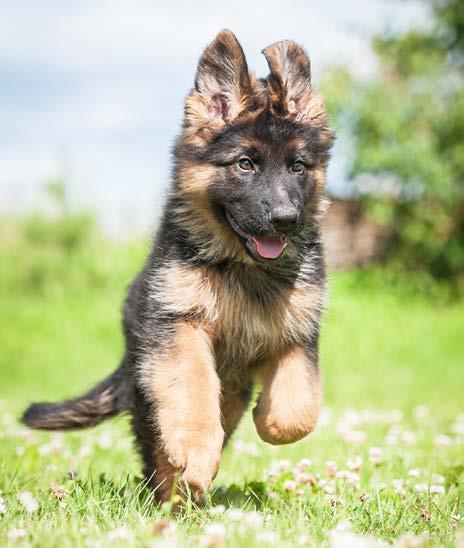
What are meibomean gland tumours in dogs?
Meibomean glands are small glands that are lined on the eyelid that produce the oily part of the tear film. This oil is responsible for preventing the evaporation of the tears. Meibomean gland tumours are slow-growing tumours that arise from these meibomean glands.
The most common meibomean gland tumours that are detected are in order are meibomeran adenomas, followed by meibomean epithelium’s and meibomean adenocarcinomas. These meibomean gland tumours are fairly common in dogs and are generally benign. They can be malignant though this is rare and if so are generally the meribomean gland adenocarcinomas.
How are they caused?
The exact cause is unknown but most likely has a genetic and environmental factor to them. Bulldogs, Bloodhounds and Cocker Spaniels seem more susceptible to these tumours, with this indicating that a genetic predisposition is likely.
Each dog’s eyelid has several dozen meibomean glands that are constantly producing oil. This oil sometimes clogs and forms lumps that lead to an eyelid cyst. Some of these small bumps or overgrowths of blocked oil in turn develop into a tumour.
What signs do affected dogs show?
The following signs are seen when meibomean gland tumours are present:
- An eyelid lump that can protrude outwards or into the eyelid.
- Redness of the surrounding eye tissue caused by the meibomean gland tumour rubbing on this surrounding tissue
- Increased tearing under the eye due to the rubbing and consequent irritation of the tumour
- Tear staining as a result of the increased tear production.
- Eye rubbing due to the pain associated with the tumour rubbing on the eye.
How are meibomean gland tumours diagnosed?
Pretty much meibomean gland tumours are diagnosed based on their physical appearance and their associated signs. The diagnosis can be confirmed by aspirating cells from the mass through as fine needle and examining microscopically.
What is the treatment for meibomean gland tumours?
Removal of the tumour by making a wedge resection (V shaped incision) in the eyelid around the tumour is the most used approach to removing the tumour. This is indicated of these tumours with a wide base.
In cases where the tumour is pedunculated (on a pedicle) it is cut off at the base and the wound either stitched or frozen with a cryoprobe.
Chemotherapy and radiation therapy is considered in the rare cases where the tumour is a cancerous meibomean adenocarcinoma or epithelium that may have spread to other areas of the body.
Overall the prognosis for successful removal is high, especially because most fall into the benign category.
Dr Michael Bell
We are able to offer canine breeders the following services at competitive rates:
•Collection & storage of frozen semen
•Surgical implants of frozen semen
•Hip dysplasia & elbow xrays (for assessments)
•Vaccinations for puppies & adults
•Microchips
Please ring for quotes (quote your Dogs Victoria number) (03) 9305 5855



Find the following words in the puzzle. Words are hidden
Answers will be published in next months magazine March answers
How did we arrive at Easter already? The year is flying along and seems full of challenges. The library commenced the year with a few snags of its own when our long standing book binder made the decision to hang up his tools.
Jim Cooper of Robel Bookbinding has given us years of cheerful door to door service for which we would like to thank him.
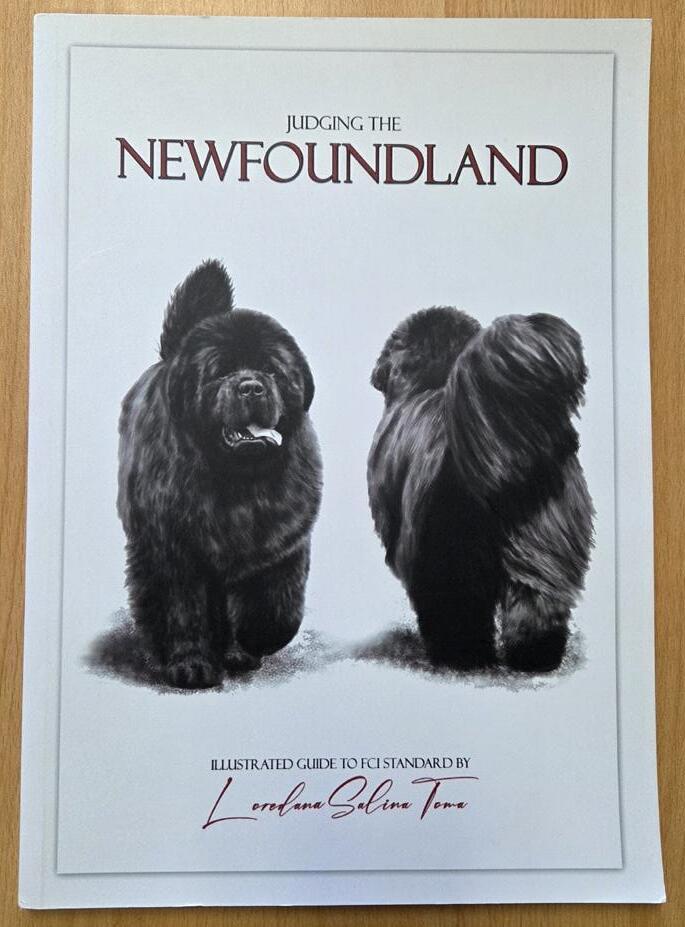
In other news we have had a selection of new judges books arrive. Including a beautiful book on judging Newfoundlands.
Clare Hodges | Library Committee Chair
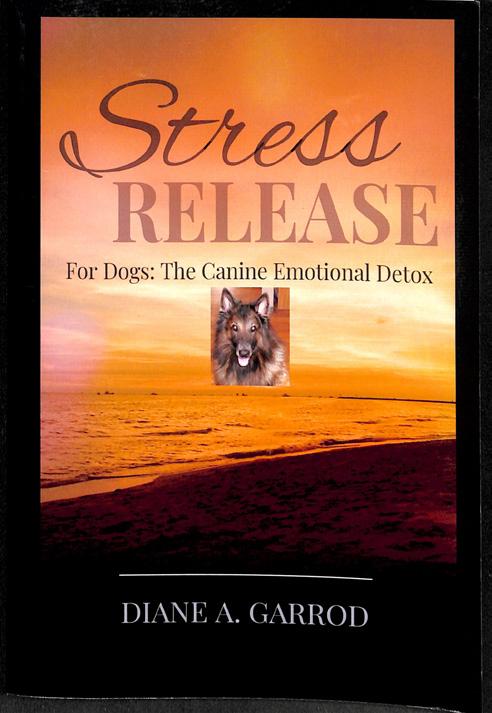
Diane A. Garrod 2017
A detailed systematic gentle approach to helping and retraining even the worst cases of emotionally dysfunctional dogs who exhibit fear and aggression.
If you are a dog training professional who deals with extreme cases or even an owner that has a dog that exhibits just some of the emotional behaviours that can hold them back from excelling at life or a chosen sport this book may help you.

Tuesday and Thursday 10am to 2pm
This is a very detailed gentle program for improving those dogs that are on the extreme ends of behavioural issues but also useful to create an improved relationship with any dog you own or train.
The book is not just focused on training but the whole environment that the dog lives in. Simple adjustments to the environment can make all the difference when combined with a complete program.
By using the check lists and advice in the book you will improve your observation skills of your dog and that will aid you in selecting appropriate training tools and methods. Changing things so that your dog is in a calmer emotional state before you start with sport or behavioural training.
It is a book that you need to read from start to finish before you get started implementing the methods described so you understand the full program and take it step by step with realistic expectations and a clear idea of how to manage each stage.
Diane is a highly skilled trainer who kindly shares her methods on getting to know your dog and where it is emotionally now so that you can make gradual improvements without causing harm. Tailoring your program to suit your specific dog. Canine Emotional Detox is not a quick fix but something you can work through steadily over time.
Reviewed
by:
G Forster | Library Volunteer