Jigsaw Puzzle for Adults

Page 1


Jigsaw Puzzles for Adults: The Ultimate Mind Challenge & Relaxation

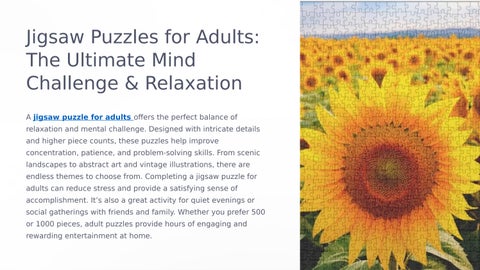
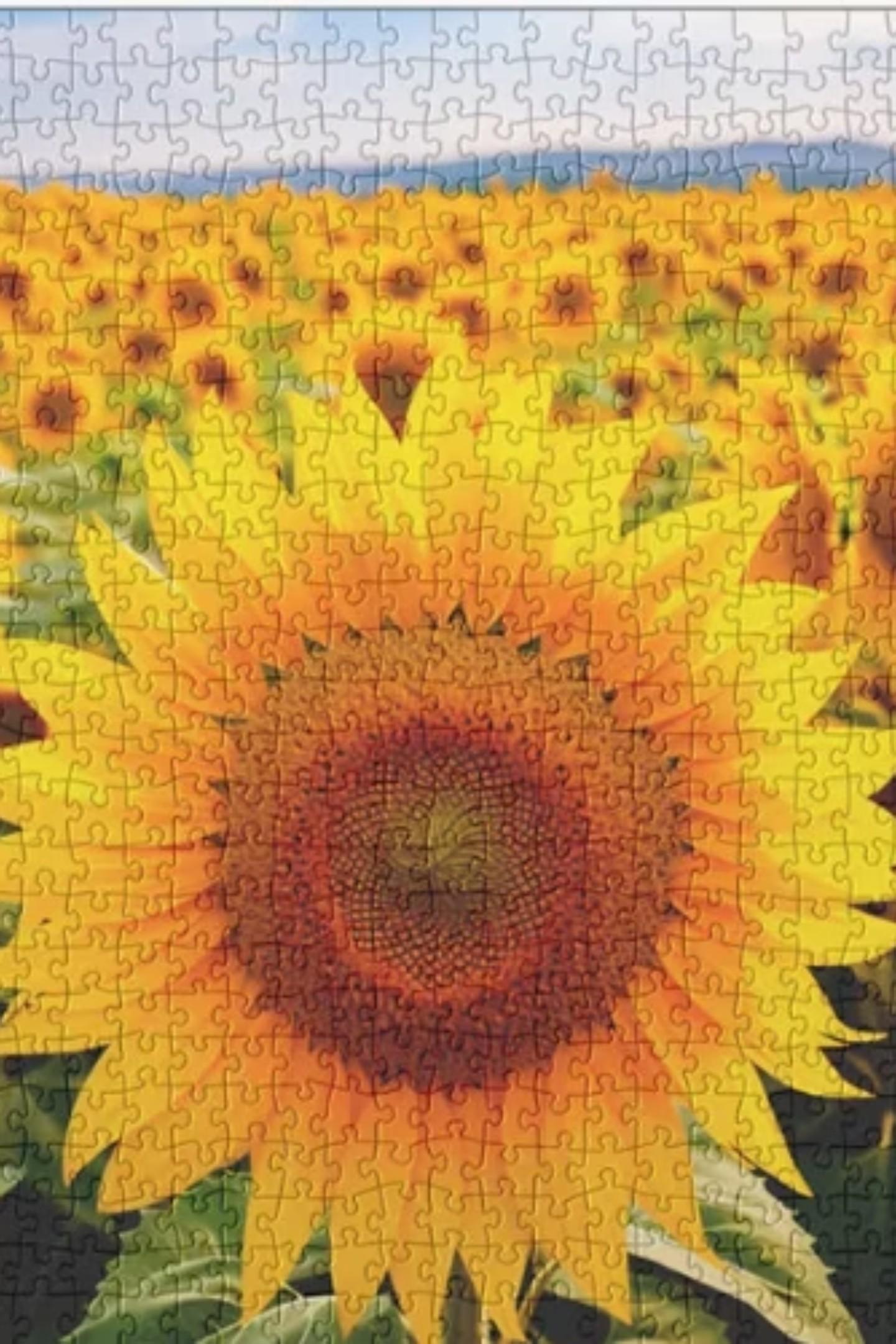
A jigsaw puzzle for adults offers the perfect balance of relaxation and mental challenge. Designed with intricate details and higher piece counts, these puzzles help improve concentration, patience, and problem-solving skills. From scenic landscapes to abstract art and vintage illustrations, there are endless themes to choose from. Completing a jigsaw puzzle for adults can reduce stress and provide a satisfying sense of accomplishment. It’s also a great activity for quiet evenings or social gatherings with friends and family. Whether you prefer 500 or 1000 pieces, adult puzzles provide hours of engaging and rewarding entertainment at home.

Why Adults Love Jigsaw Puzzles

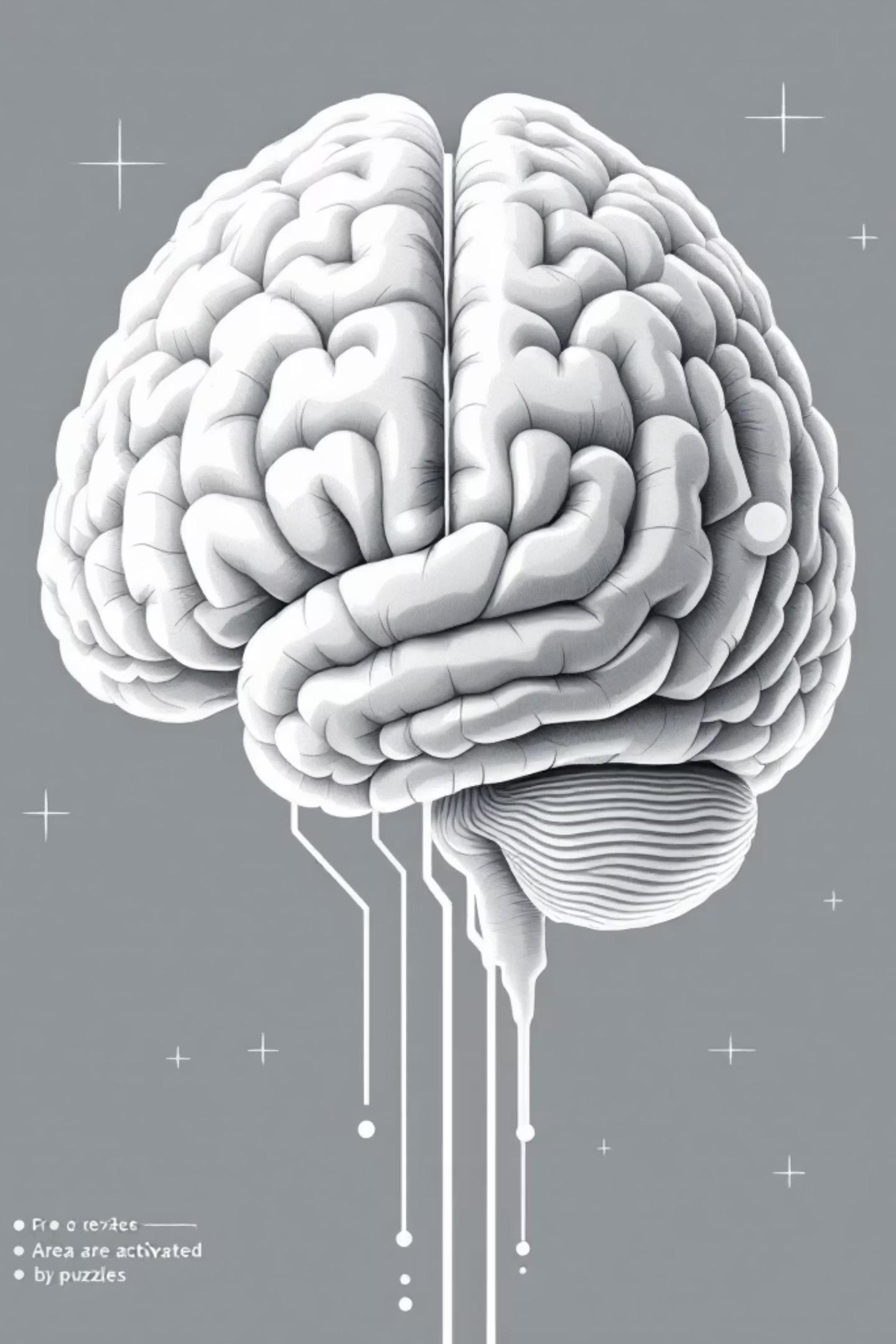
Boosts Brain Function

Regular puzzling strengthens memory, problem-solving, and spatial reasoning — a playful workout for the mind.

Stress Relief & Mindfulness

A screen‑free ritual that slows breathing, focuses attention, and reduces daily stress.

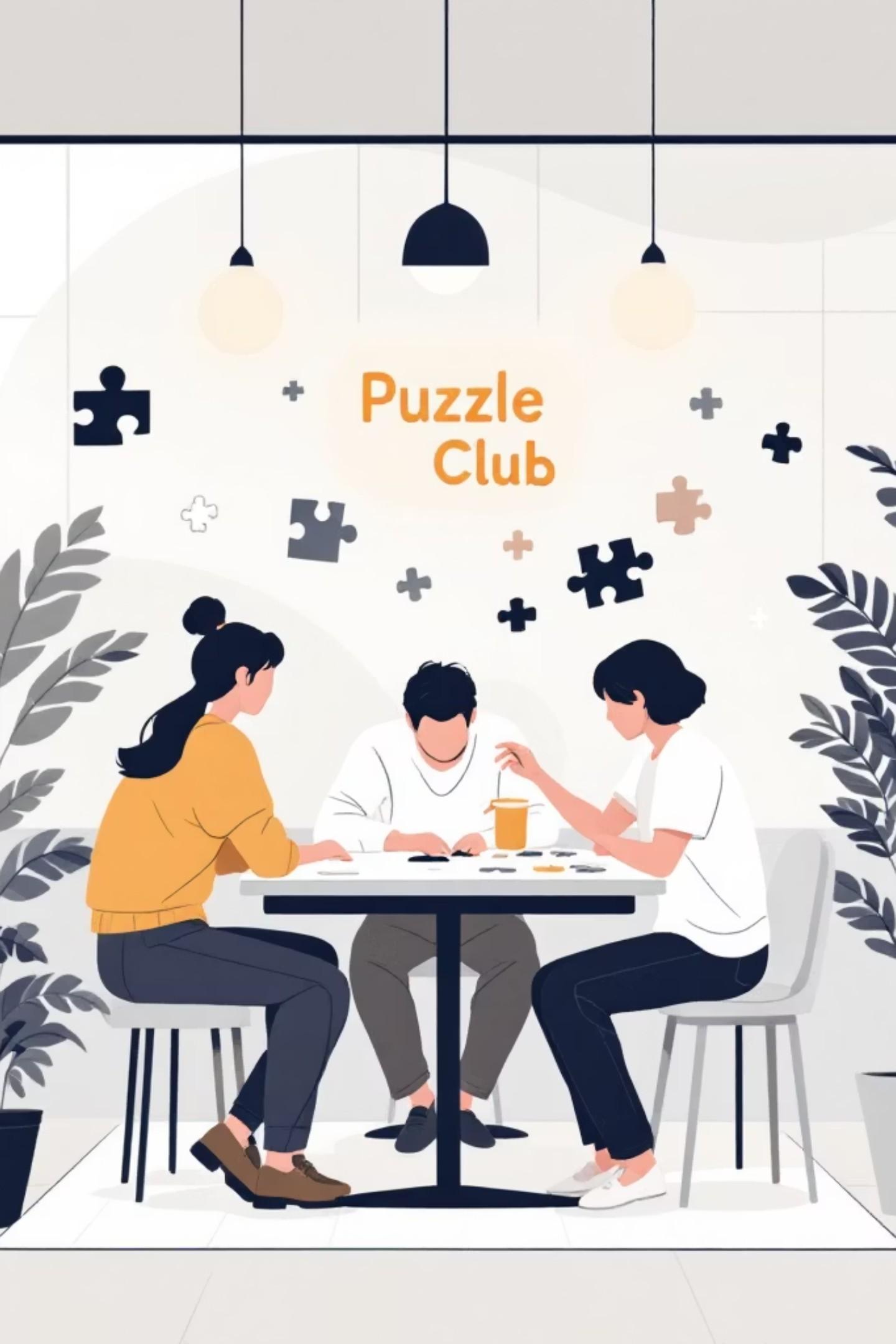
Social Connection Puzzle nights, clubs, and online communities turn solitary play into shared accomplishment.

Puzzle Complexity Levels Explained

Beginner (300–500)

Larger pieces, simple images — ideal for quick satisfaction and returning puzzlers.

Intermediate (500–1,000)

More detail, varied shapes; balances challenge with approachability for regular hobbyists.

Advanced (1,000+)

Complex patterns, subtle color shifts, specialty cuts — for dedicated puzzlers seeking deep focus.

The Science Behind Puzzle Benefits

Visual-Spatial Reasoning

Assembling pieces trains spatial relationships and pattern recognition.

Fine Motor Skills & Focus

Picking, placing, and rotating pieces refines dexterity and sustained attention.

Cognitive Resilience

Longitudinal studies link regular cognitive leisure activities to delayed decline in aging adults.

These combined effects make puzzling a low-risk, high-reward cognitive habit for adult wellbeing.

How to Choose Your Perfect Puzzle

• Match piece count to time and patience — 300–500 for evenings, 1,000+ for multi-day projects.

• Examine cut quality and material — look for clean snaps and sturdy pieces (premium brands excel).

• Choose imagery that motivates you — detailed art for focus, landscapes for relaxing assembly.

Consider specialty puzzles (irregular cuts, glow-in-the-dark, or wooden heirloom sets) for collectors.

Puzzle as a Social & Therapeutic Tool

Community & Events

Puzzle nights and swaps build social ties and intergenerationa l connection.

Clinical Uses

Therapists use puzzles in interventions for anxiety, poststroke rehabilitation, and dementia support.

Digital Complement s Apps and virtual puzzles offer portable practice and social leaderboards without replacing tactile benefits.

Tips for Enjoying Your Puzzle Experience

Build the Frame First

Start with edge pieces to create the boundary and simplify interior work.

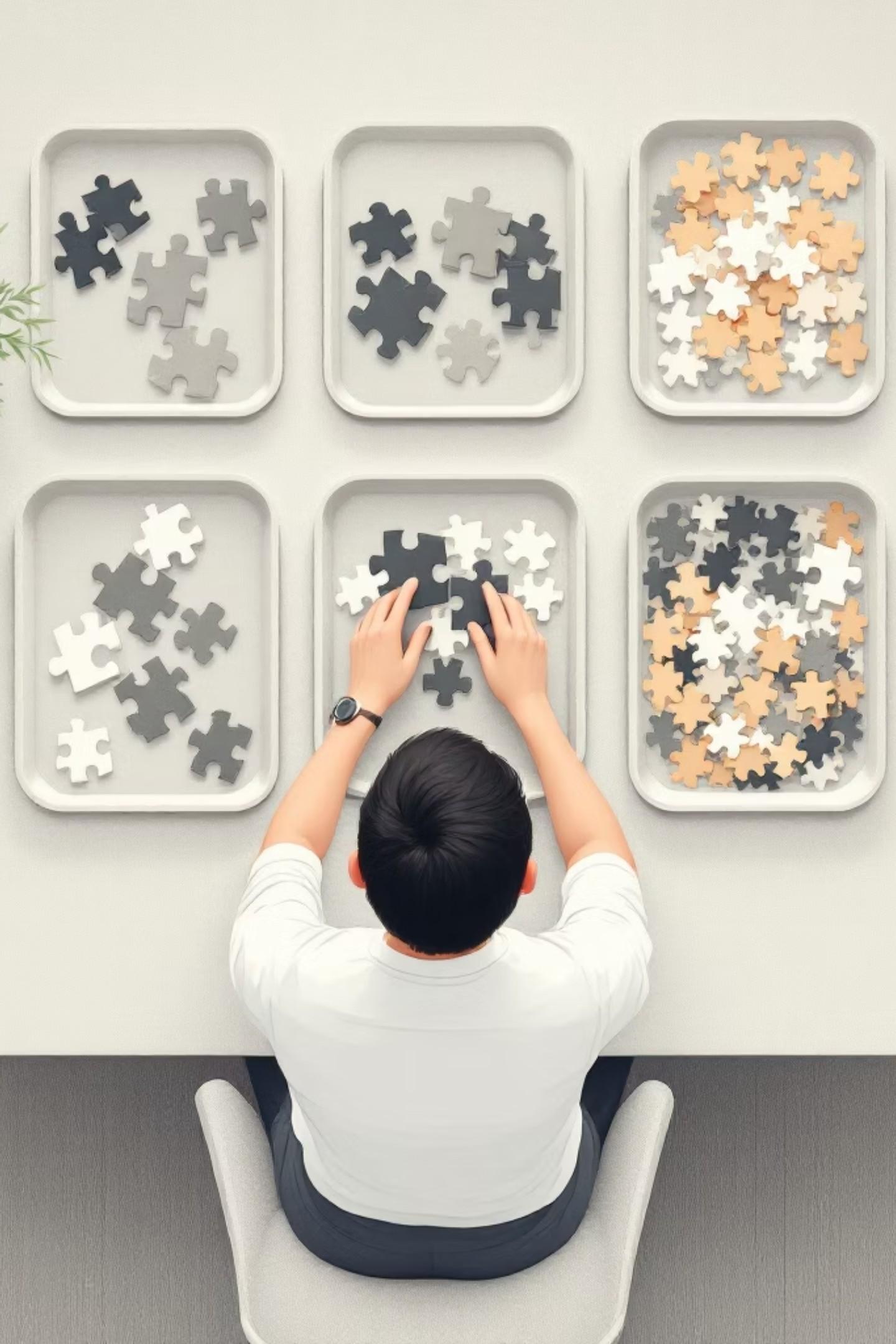
Sort Strategically

Group by color, texture, and distinctive patterns to speed progress.

Take Breaks

Step away to refresh perspective — puzzles benefit from fresh eyes and relaxed focus.

Keep a puzzle mat or board for in-progress work and consider photographing stages as keepsakes.

Ready to Piece It Together?

Embrace the Challenge

Choose a puzzle that balances difficulty and delight — then commit time for deep focus.

Relax & Connect

Use puzzling to unwind, socialize, and celebrate small wins together.

Discover More

Explore themed collections, limited editions, and local clubs to expand your puzzle journey.

Complete your picture — find the next puzzle that invites curiosity, calm, and connection.

Turn static files into dynamic content formats.

Create a flipbook