THE GROWING SPINE
Date: 09/07/2025
Typology: Public space landscape structure
Individual work
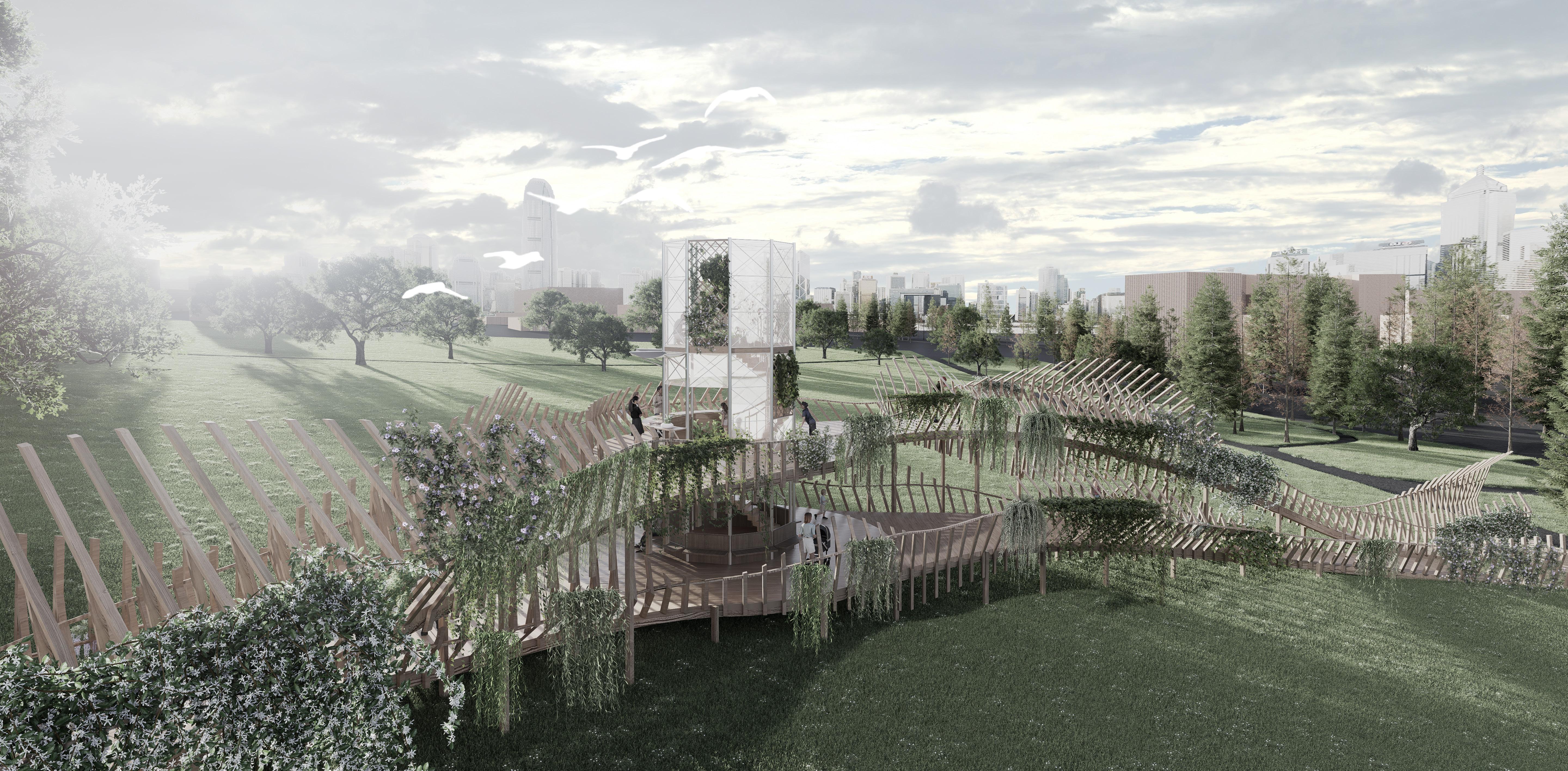
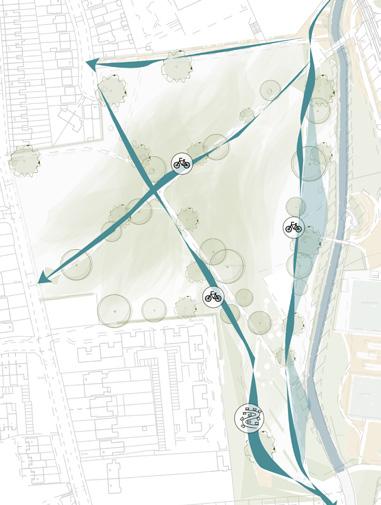
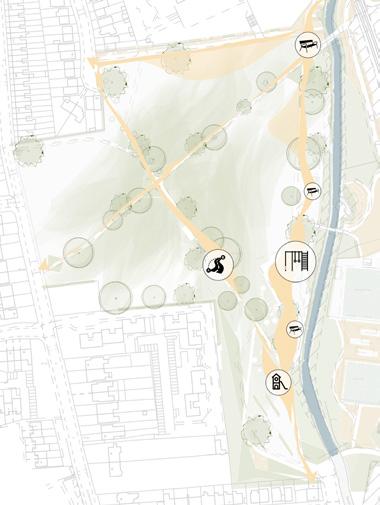
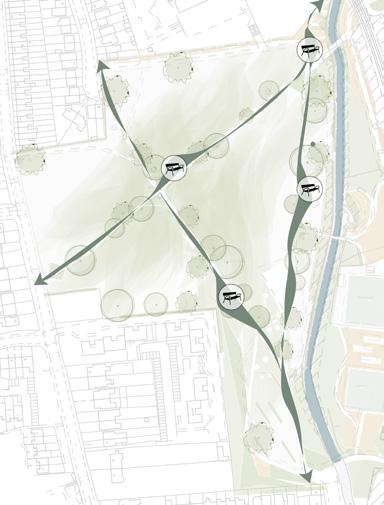
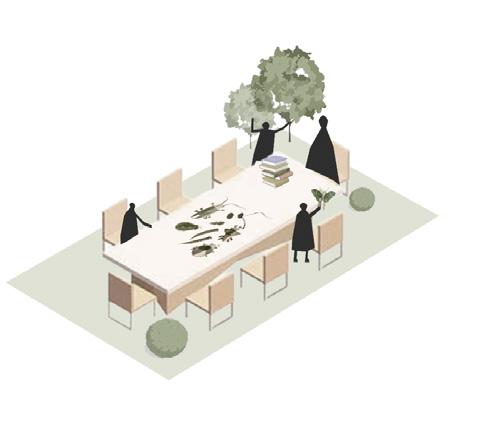
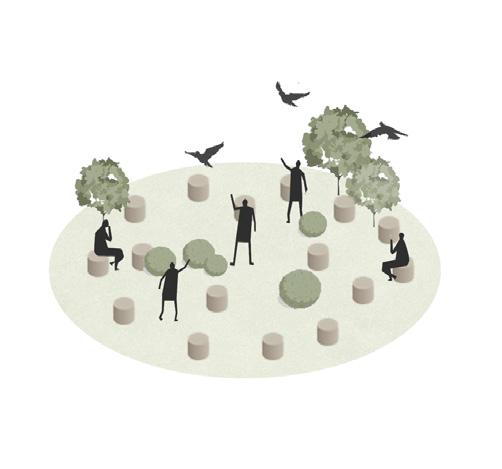
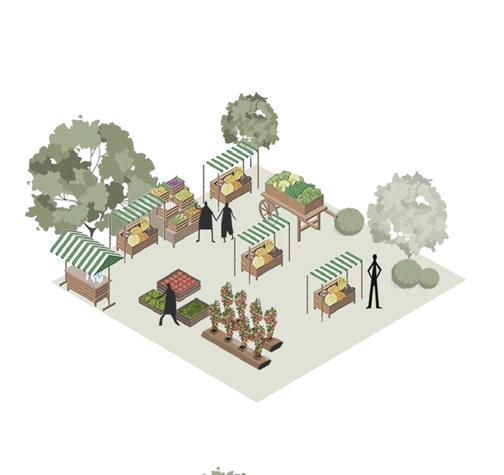
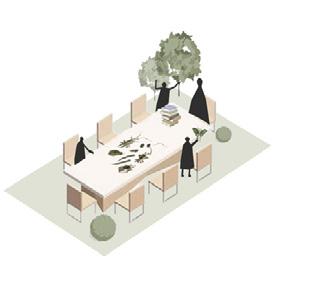
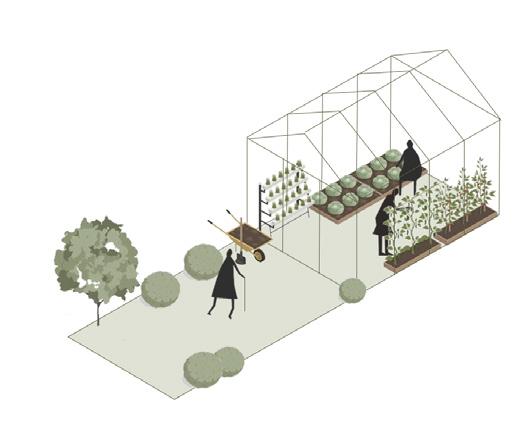
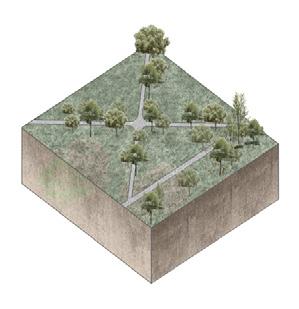
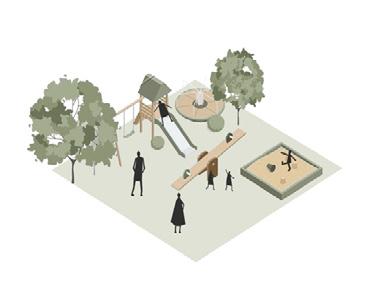
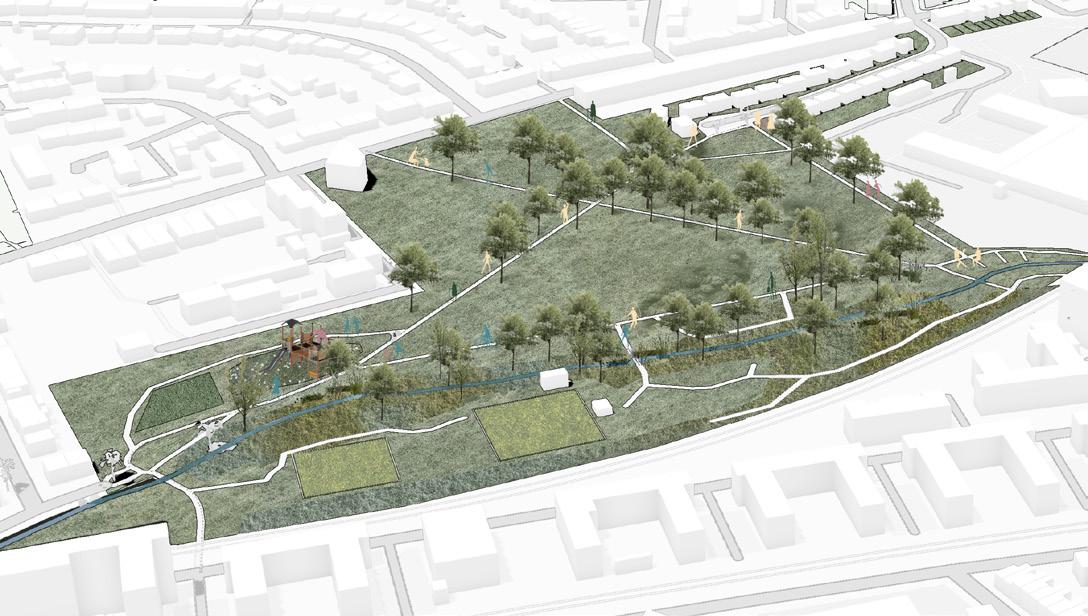
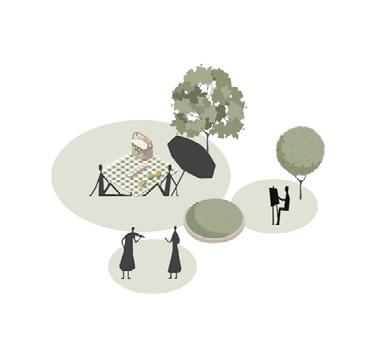
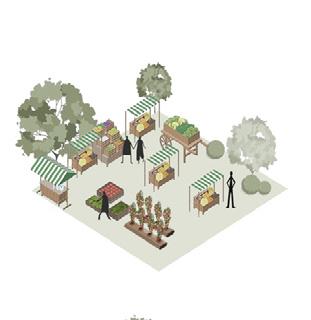
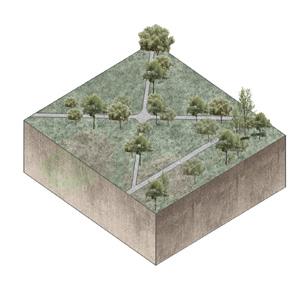
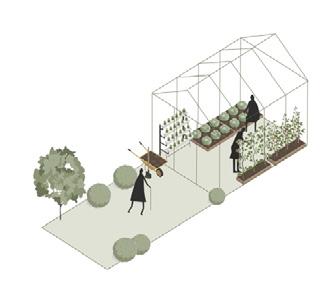
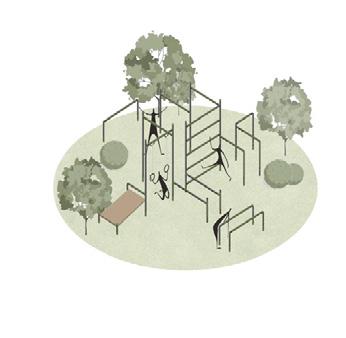
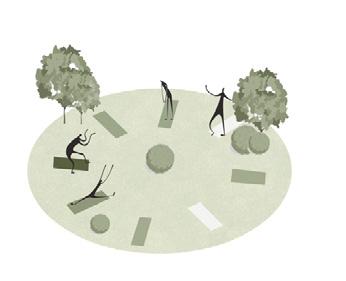
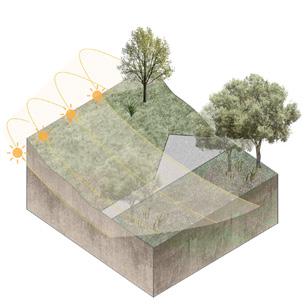
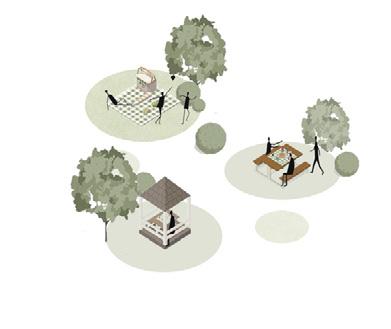
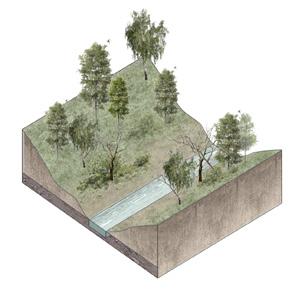
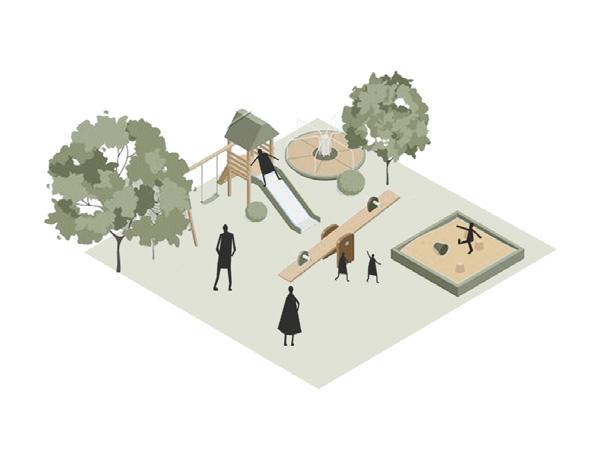
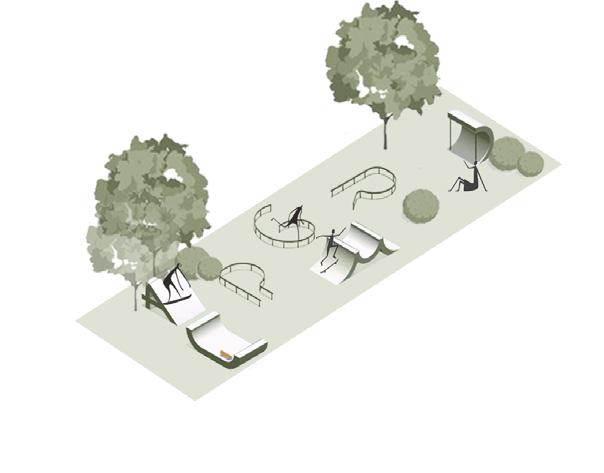
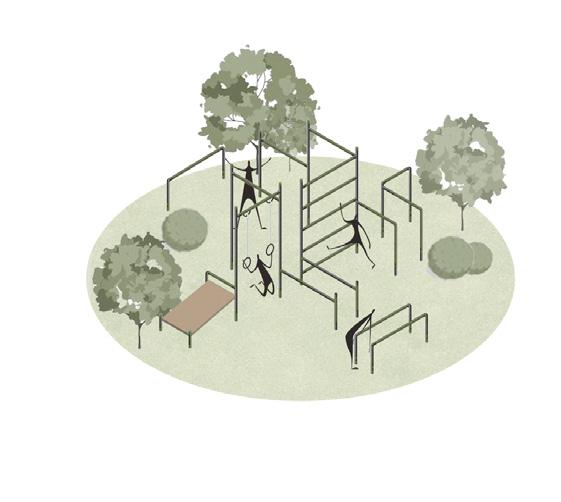
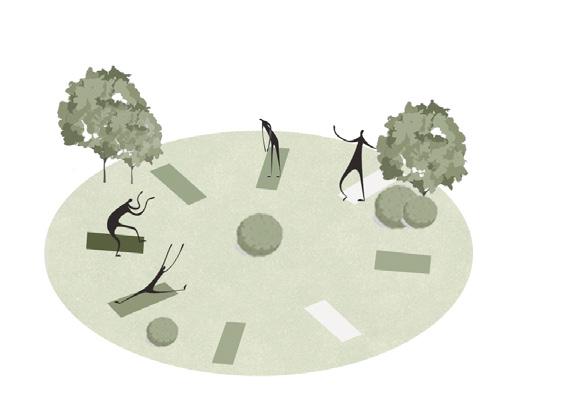
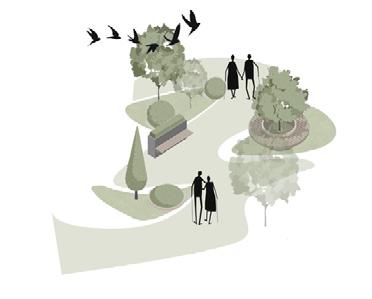
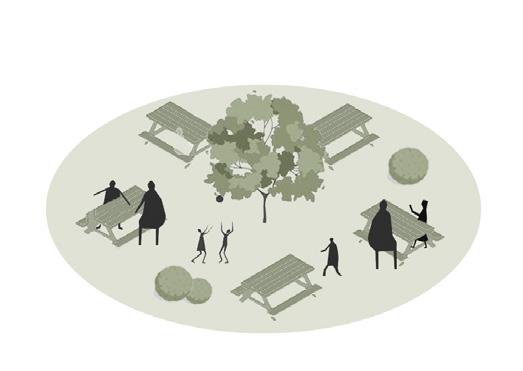
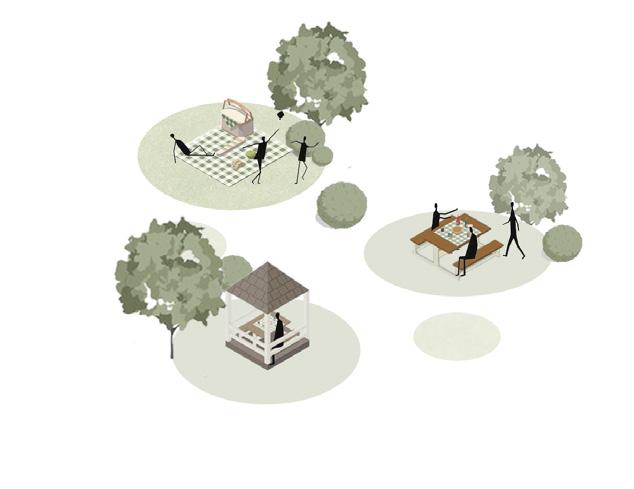
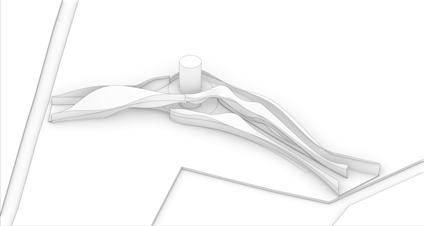
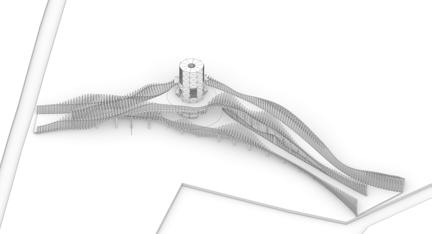
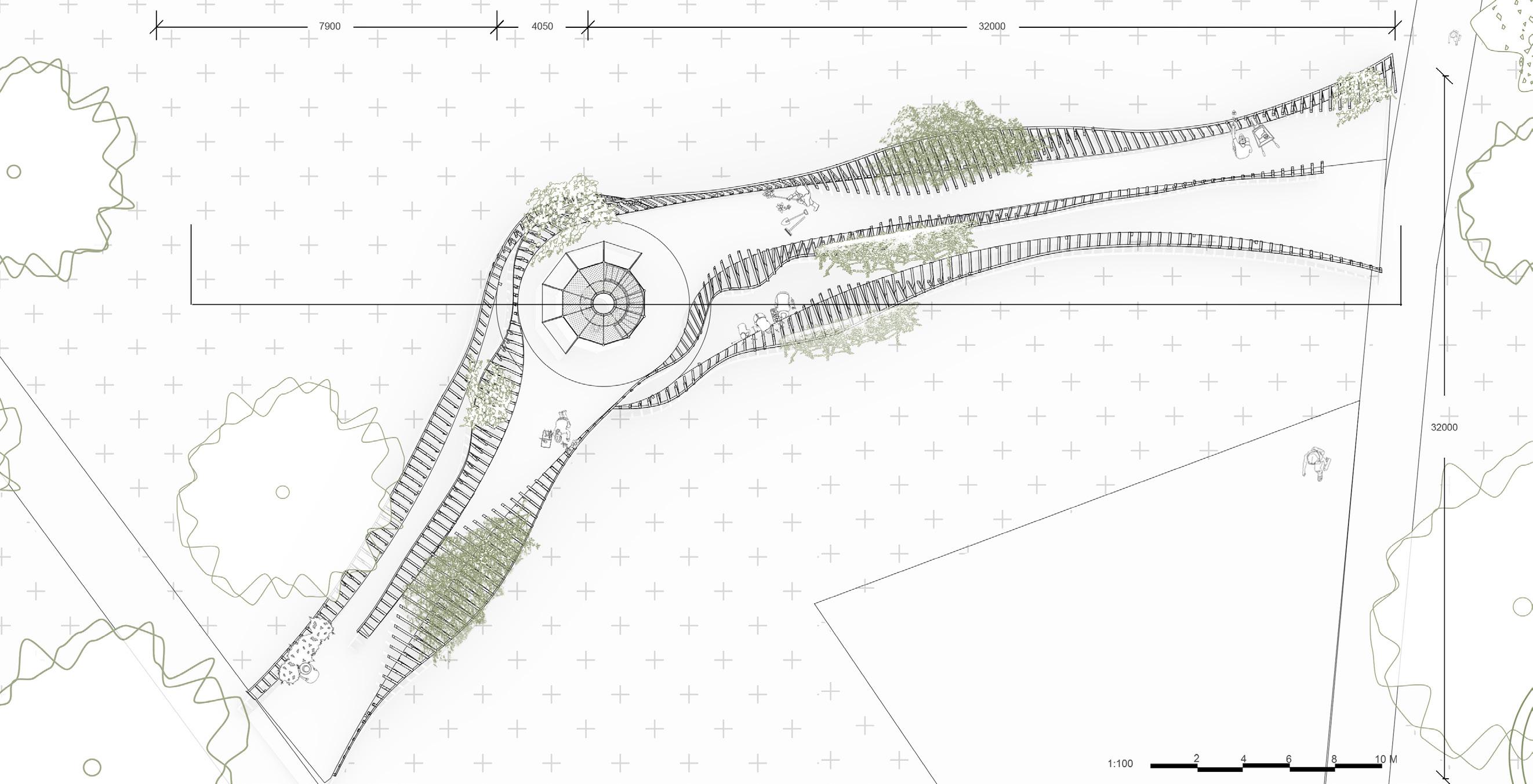
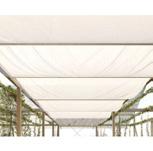
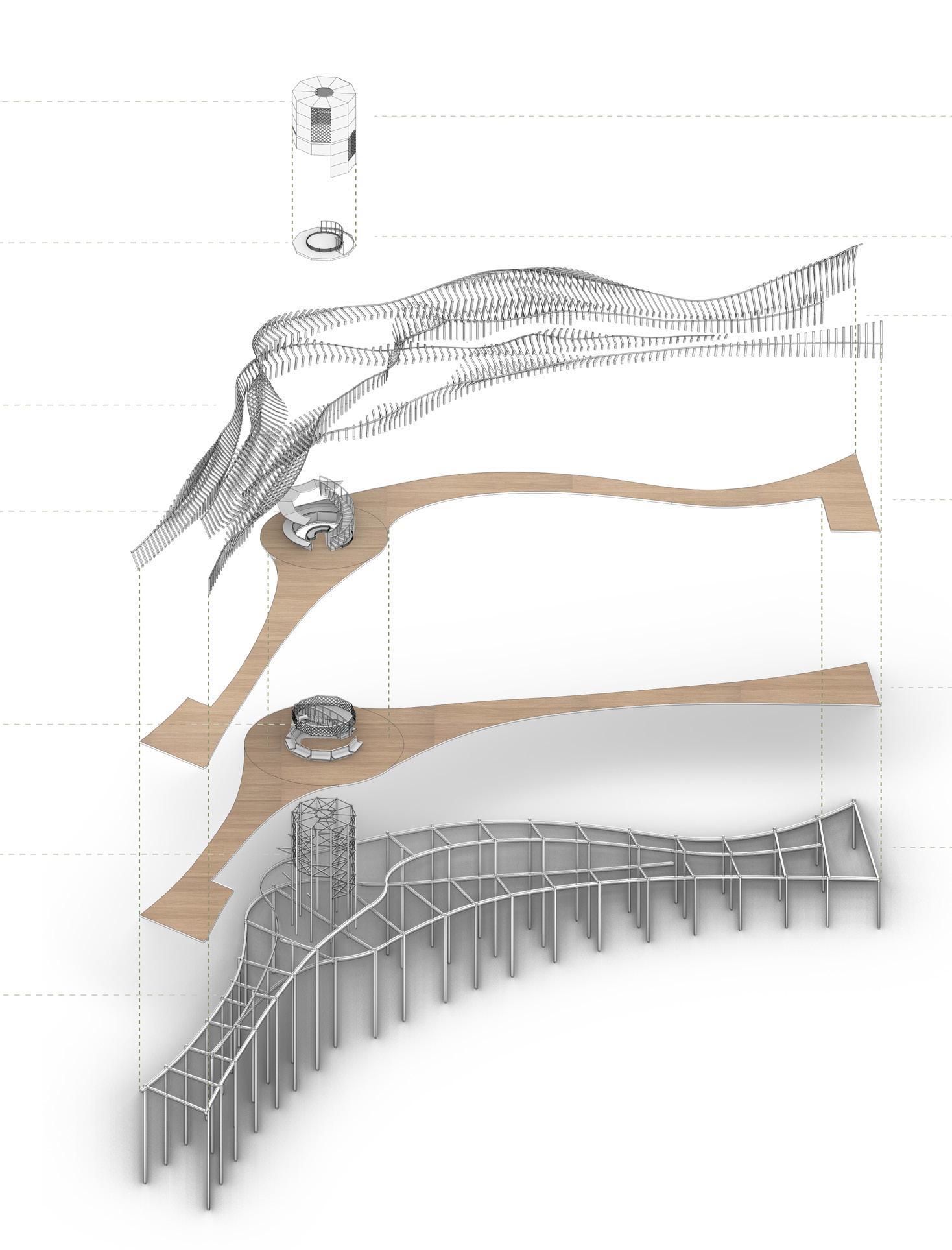
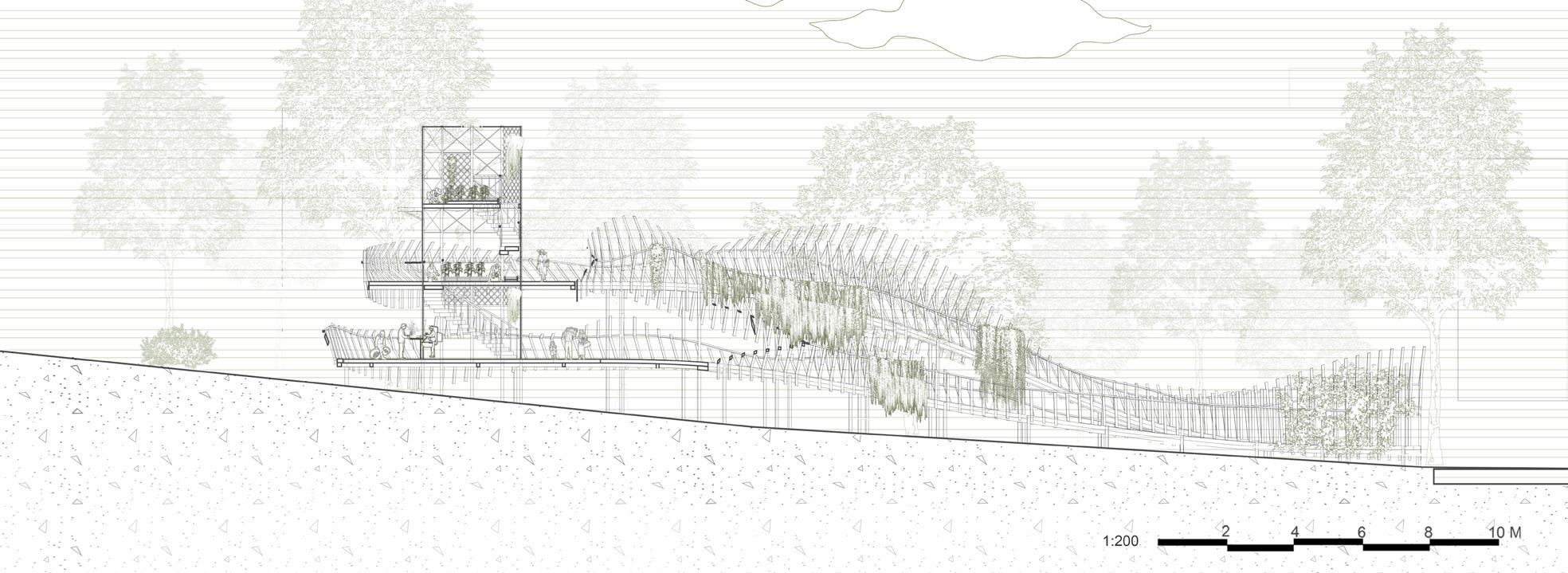
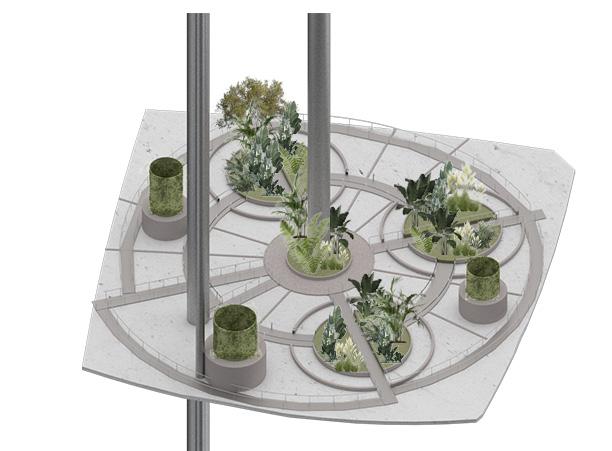
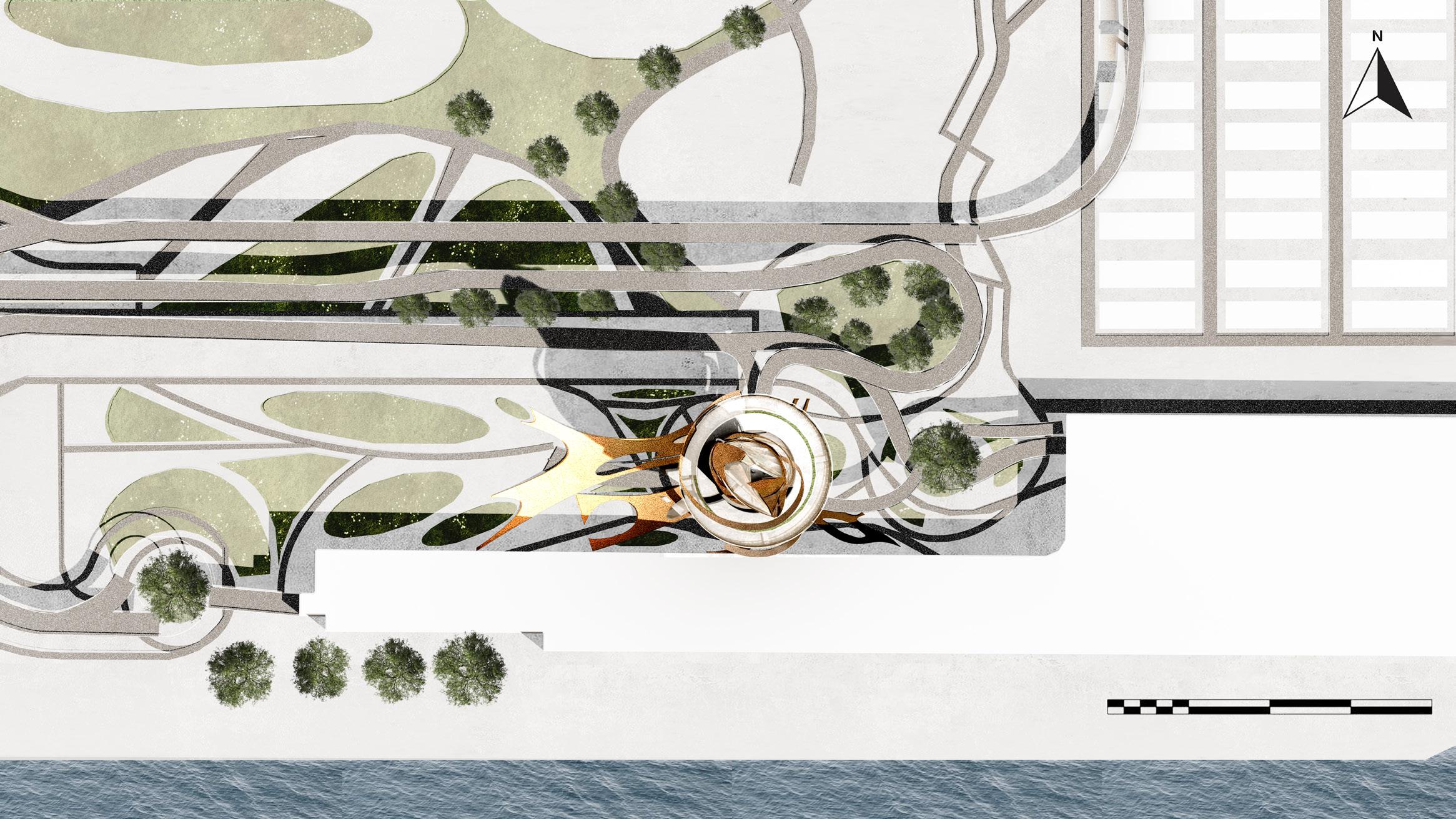
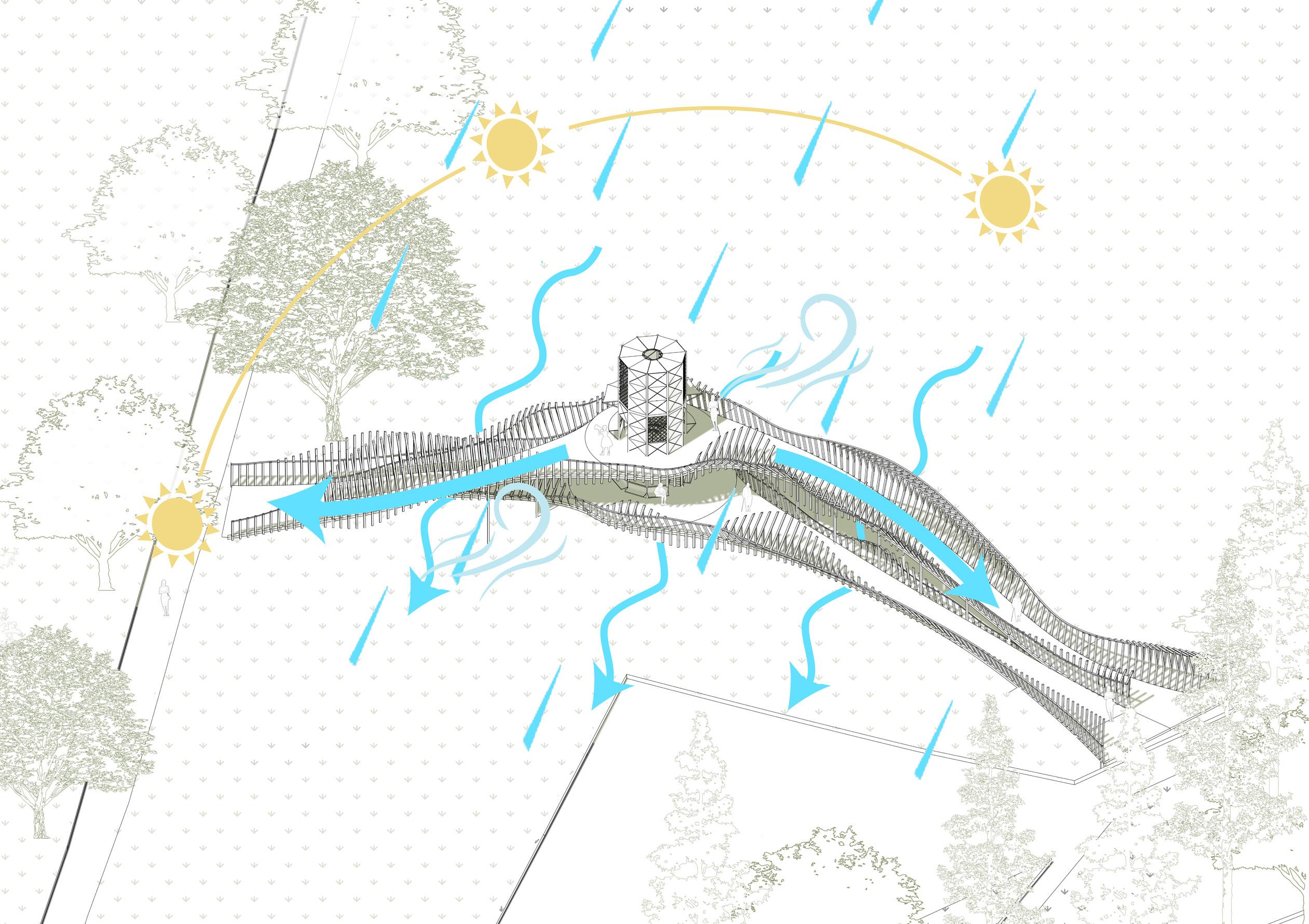
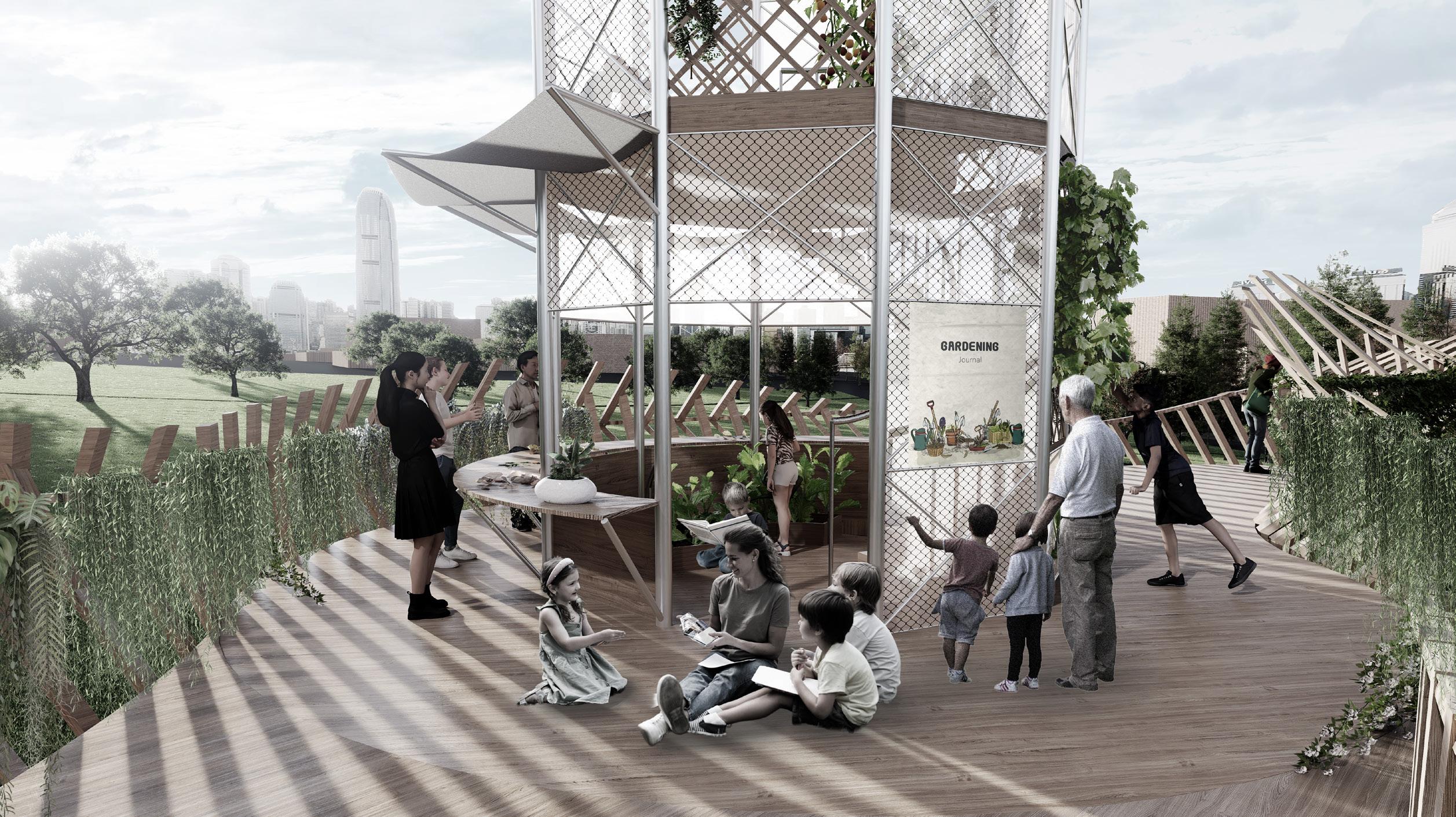
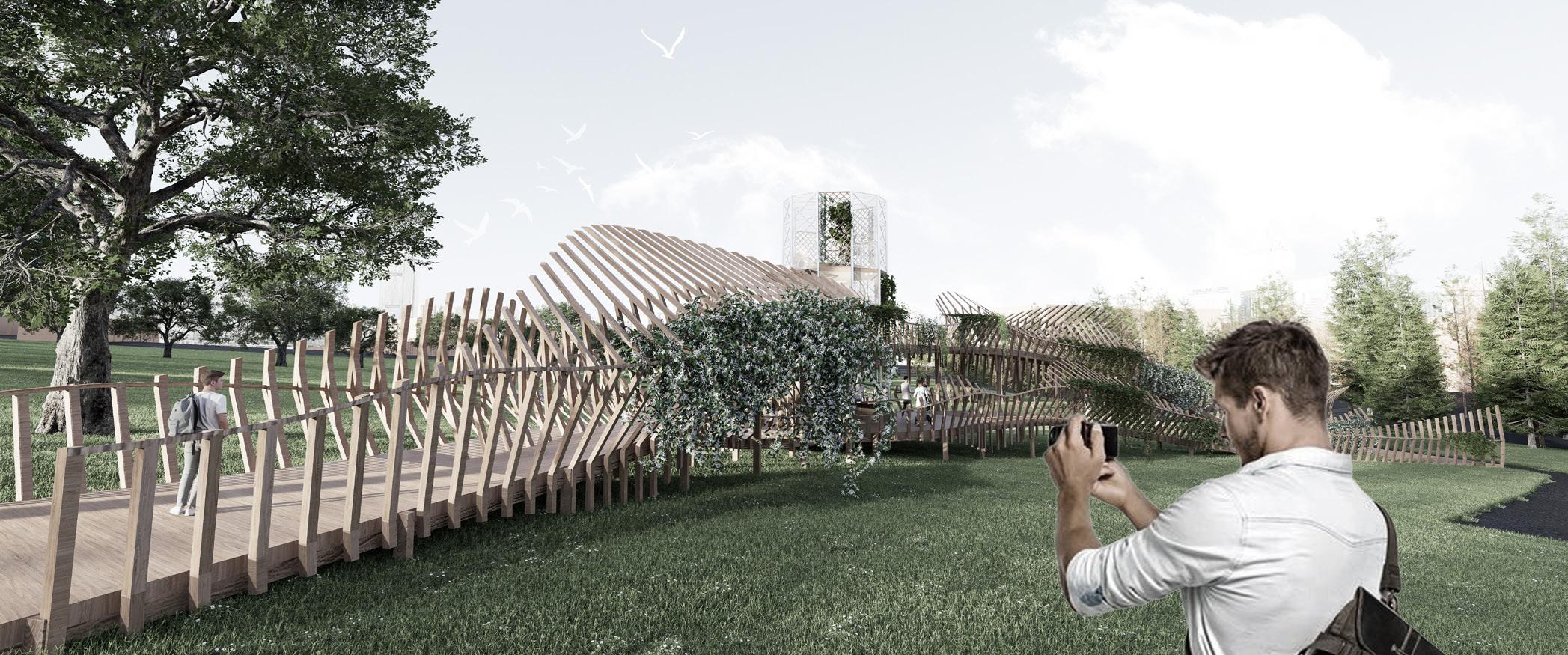
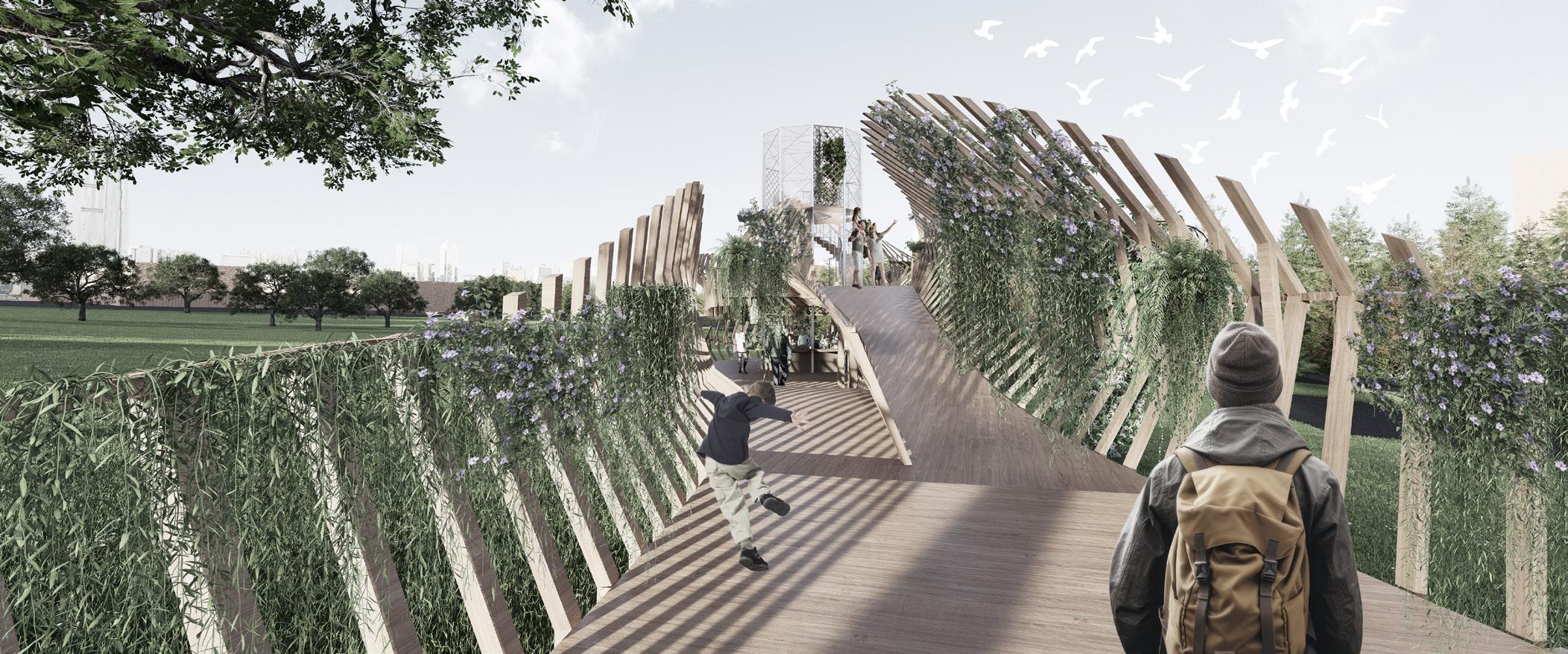
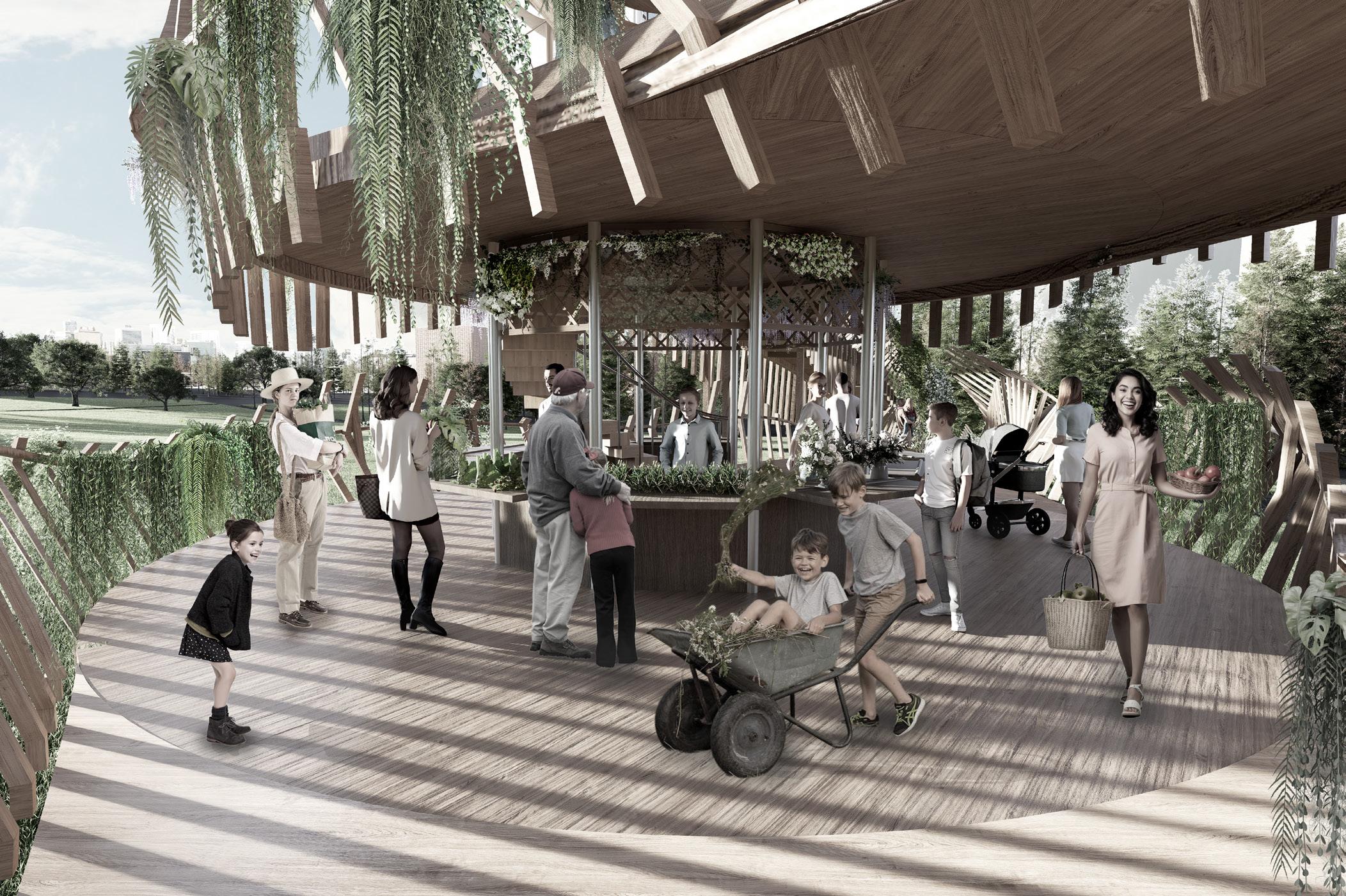
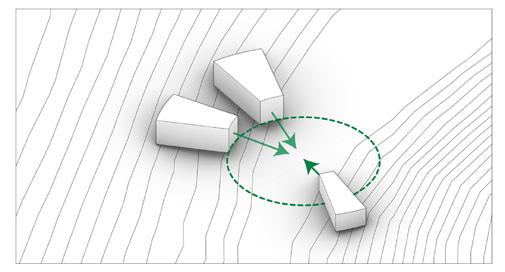
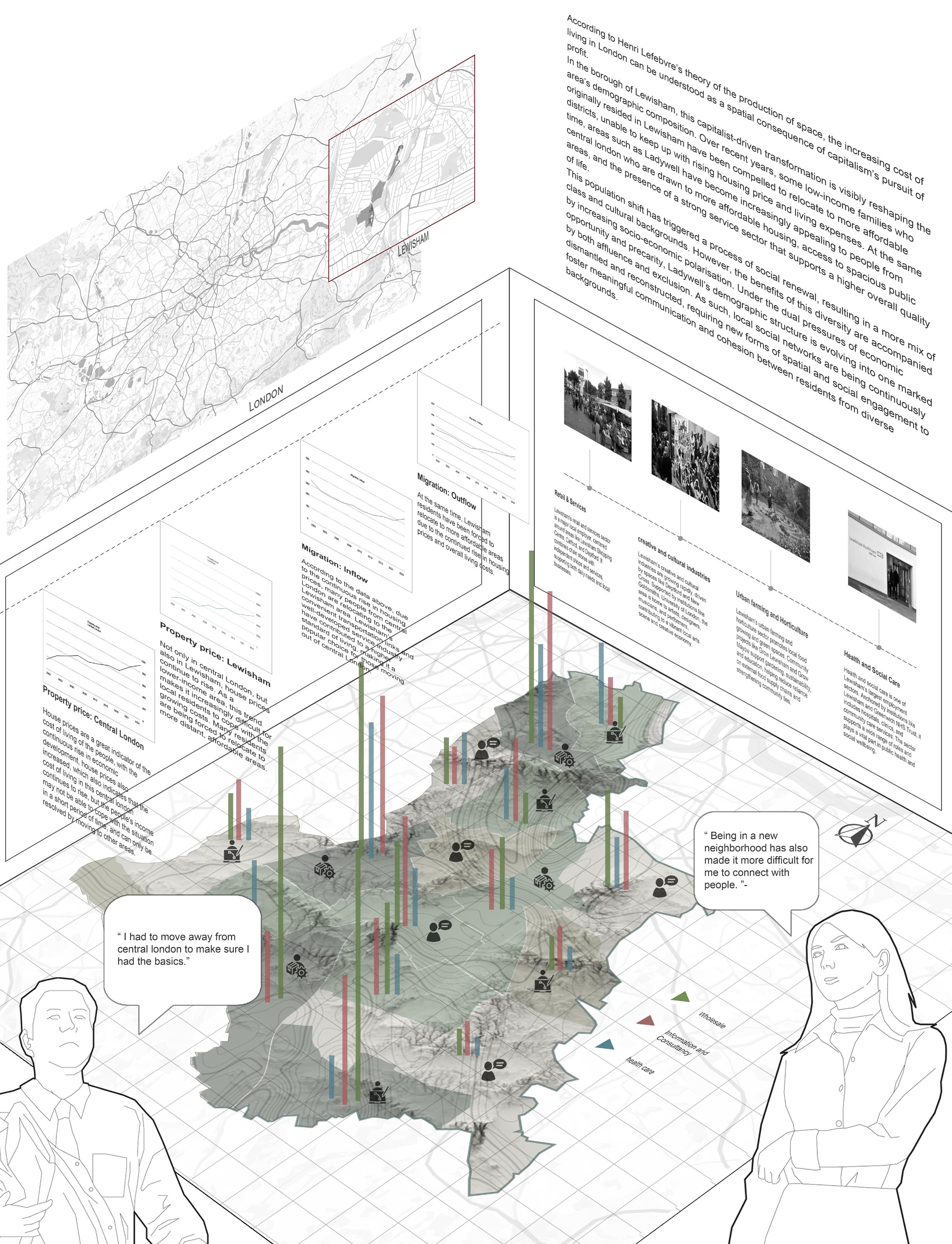
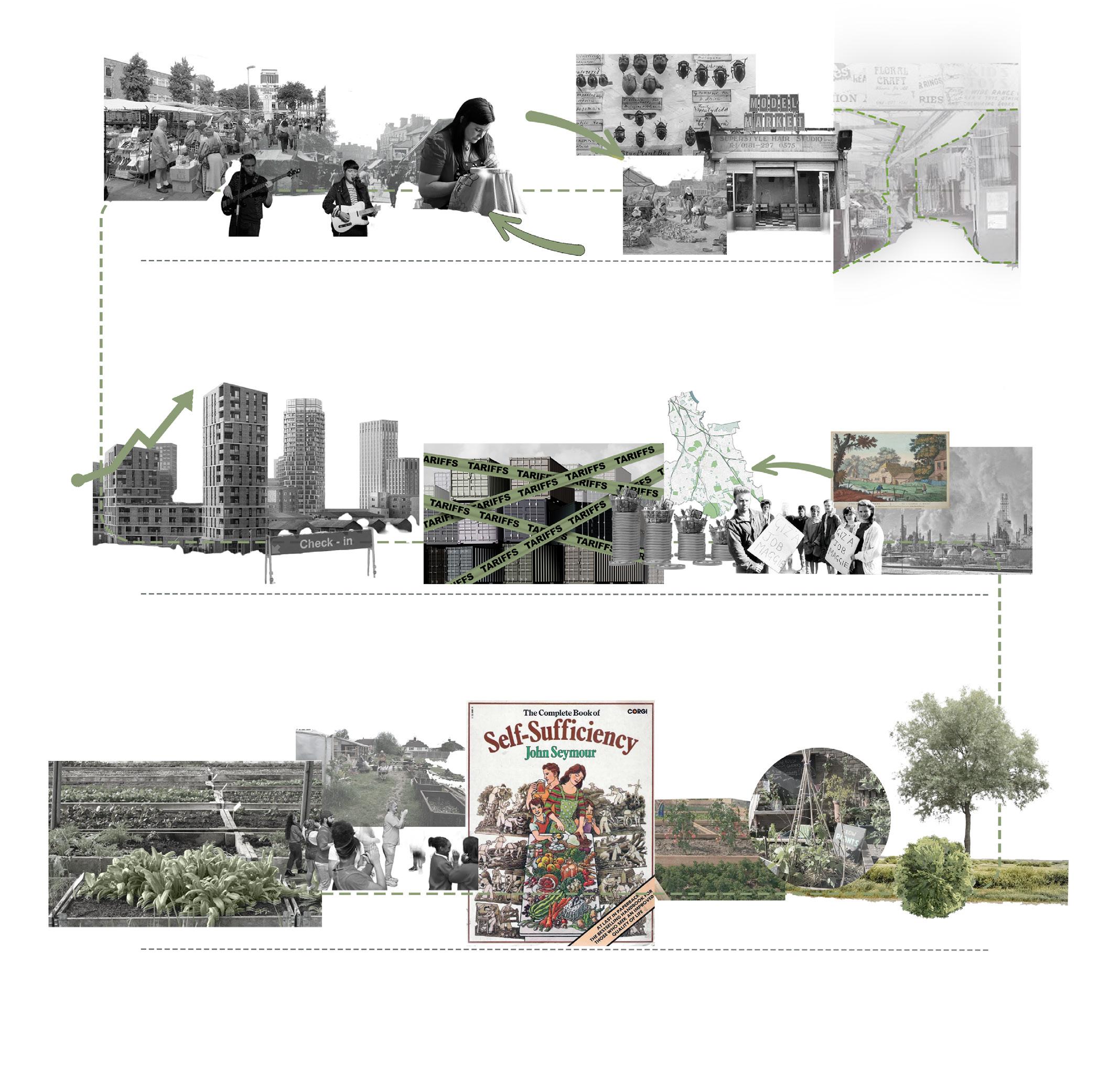
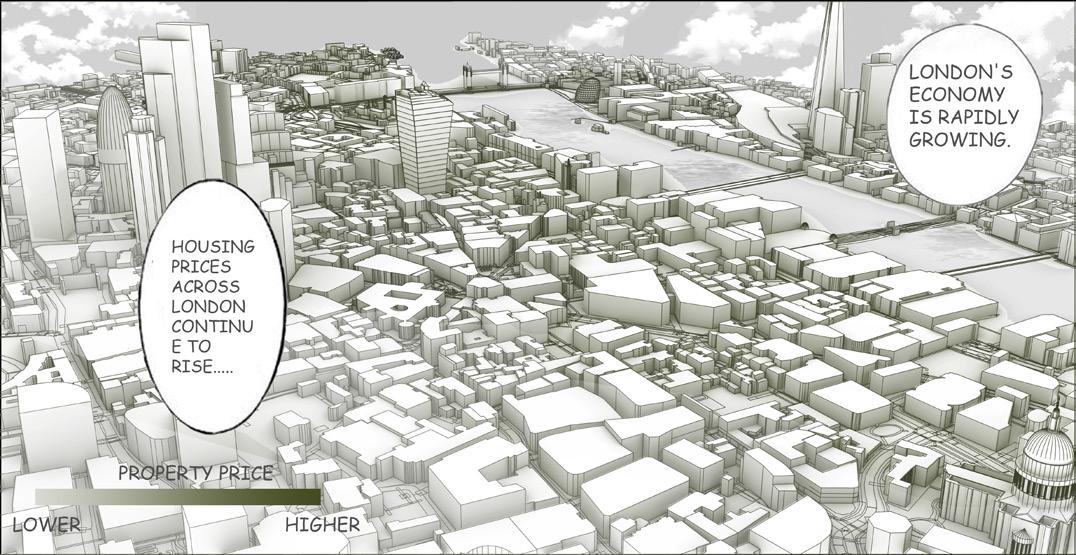
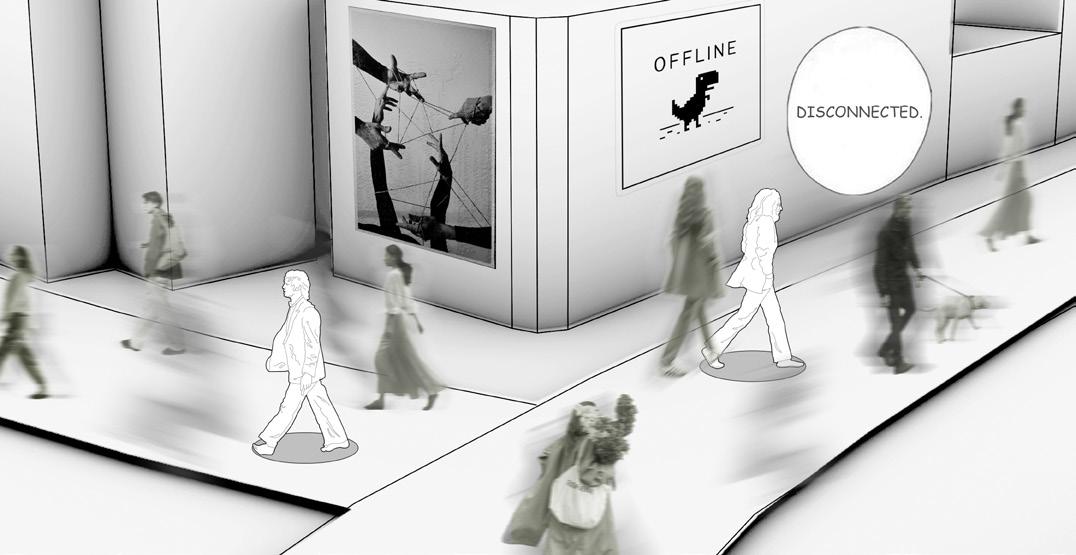
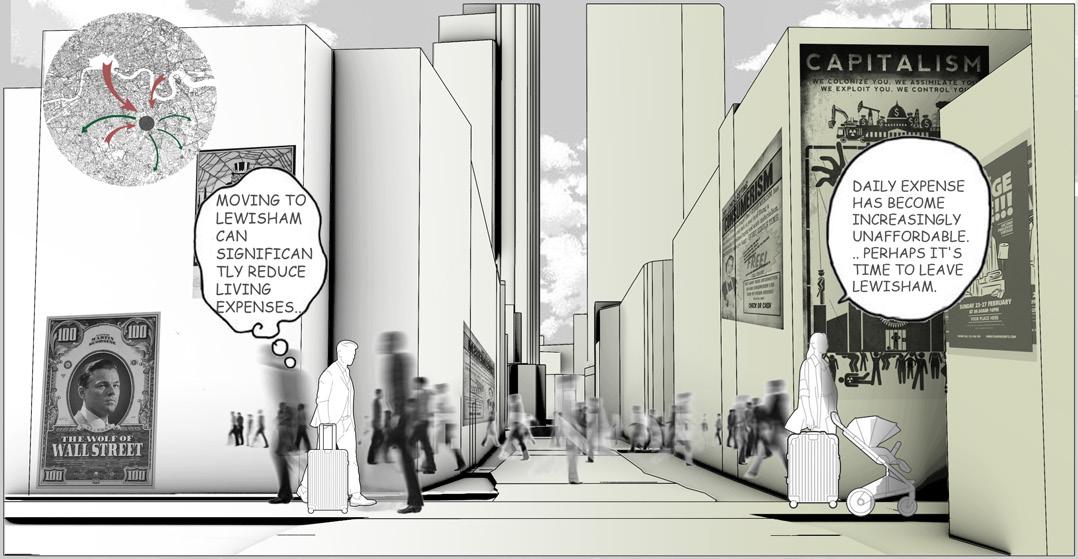
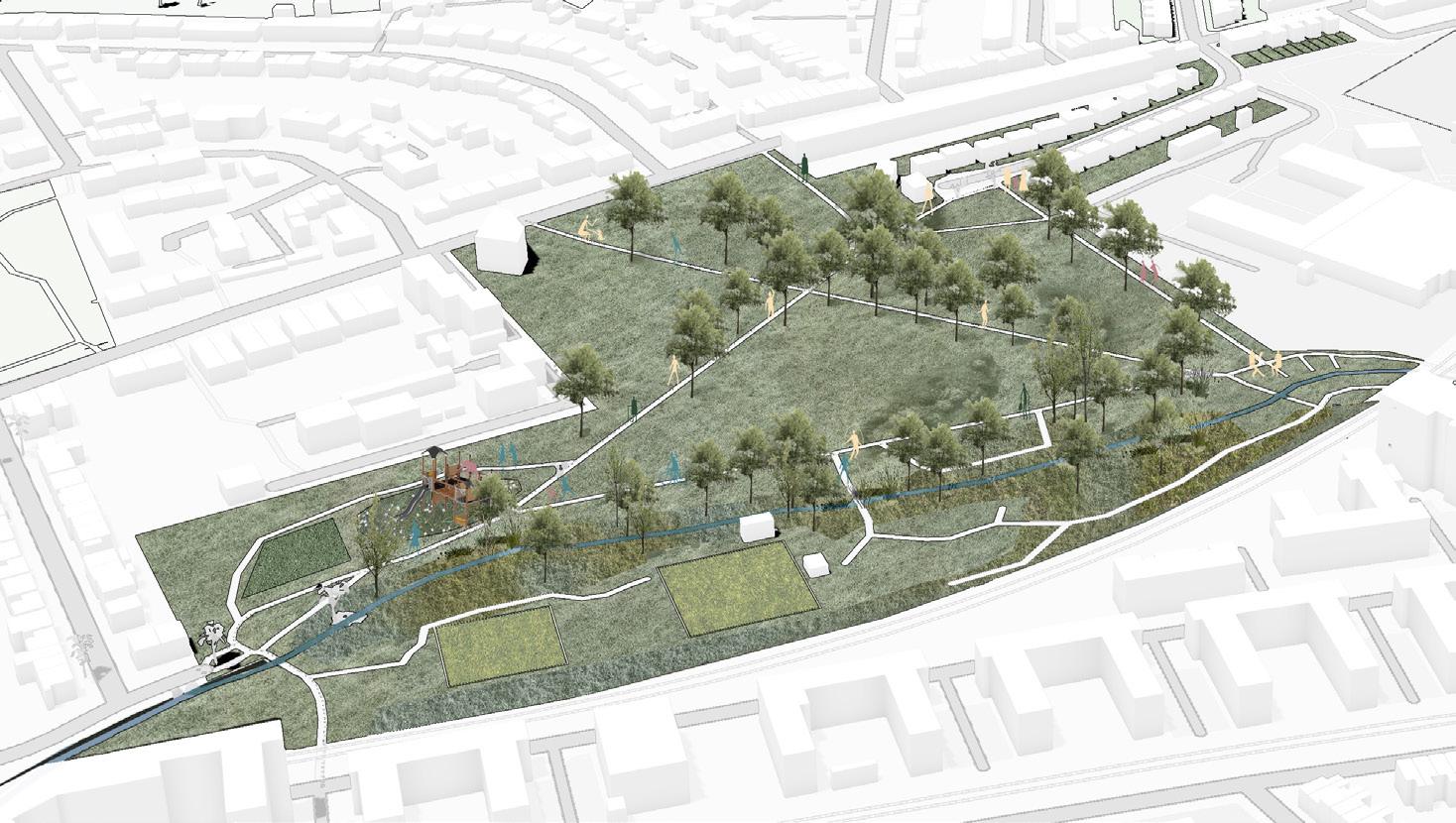
In today’s world, rising living costs are prompting people to constantly relocate to new cities, which weakens social cohesion and makes it difficult for individuals to form deep, lasting connections. My project, located in Ladywell Fields, London, aims to address this issue by creating a multifunctional public space that engages people across different age groups within the community. Centered around the concept of gardening, the space includes planting areas, workshop zones, resting areas, and a market. These functions are designed to be inclusive across generations, encouraging diverse participation while promoting a self-sufficient lifestyle in response to the rising cost of living. In doing so, the project fosters stronger interpersonal connections and a more resilient community.
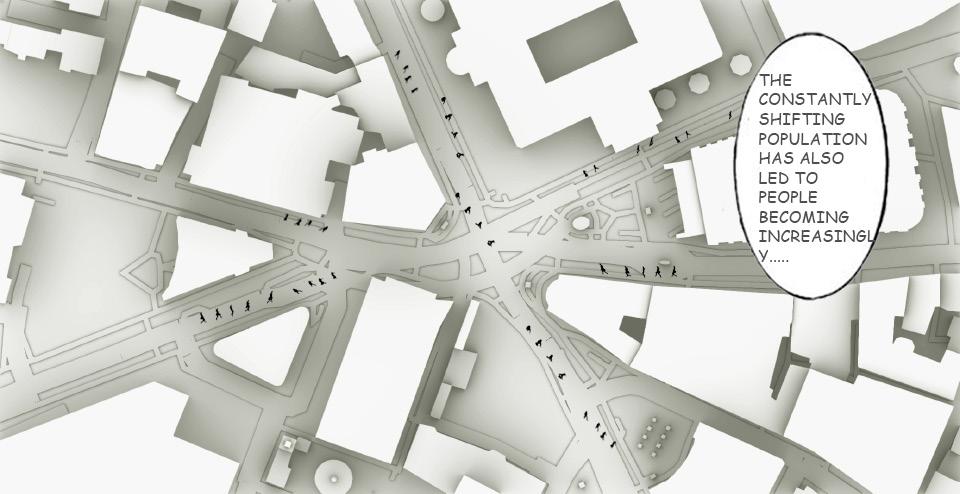
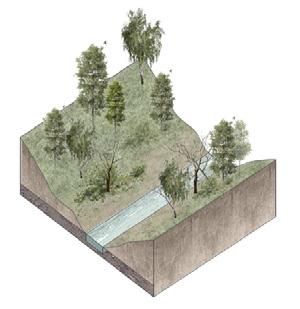
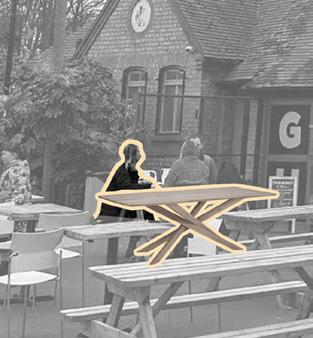
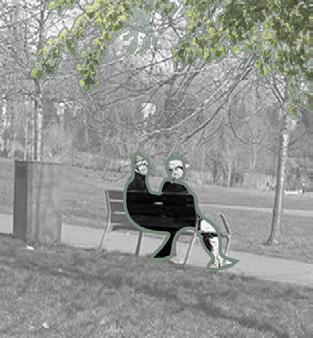






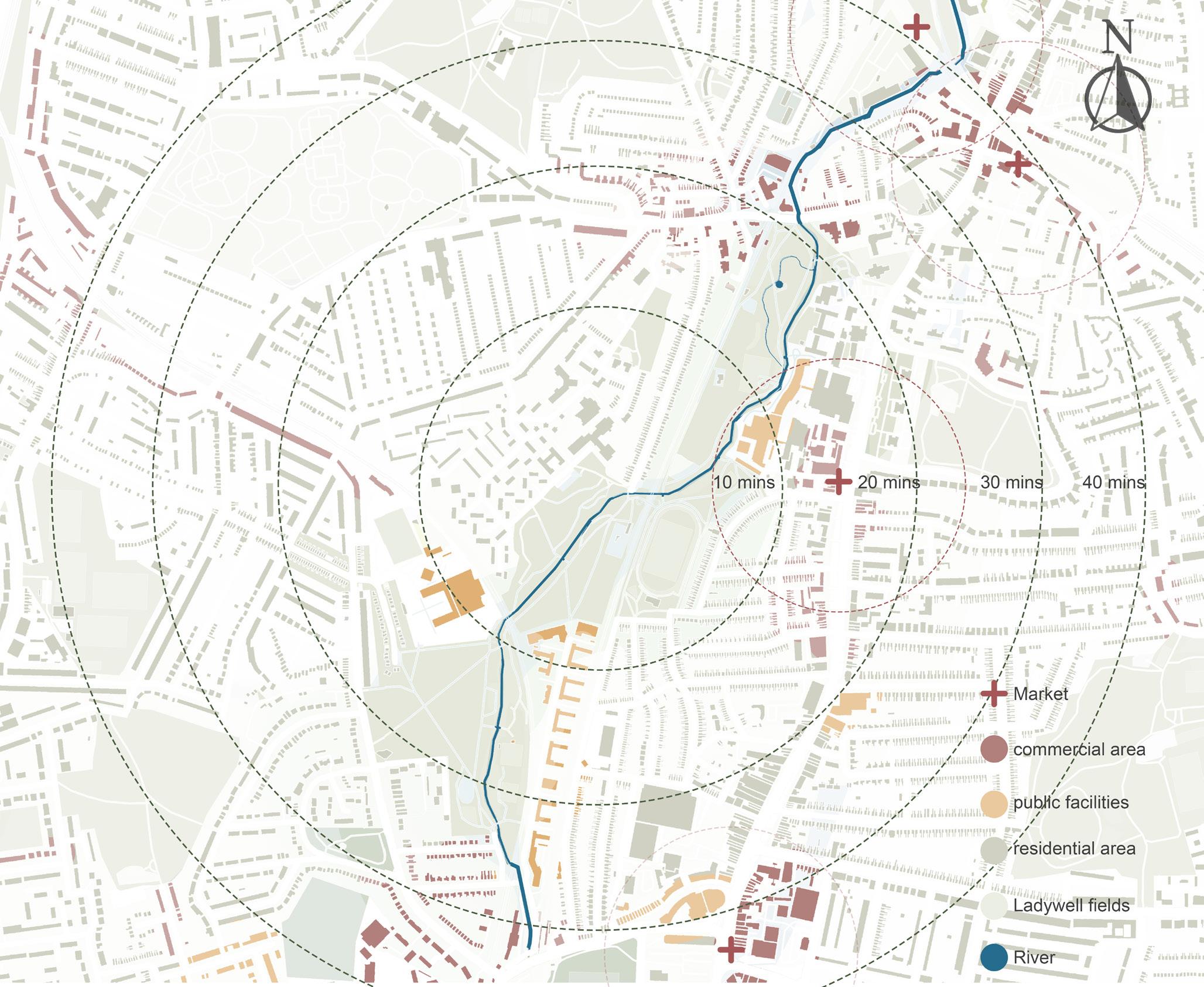
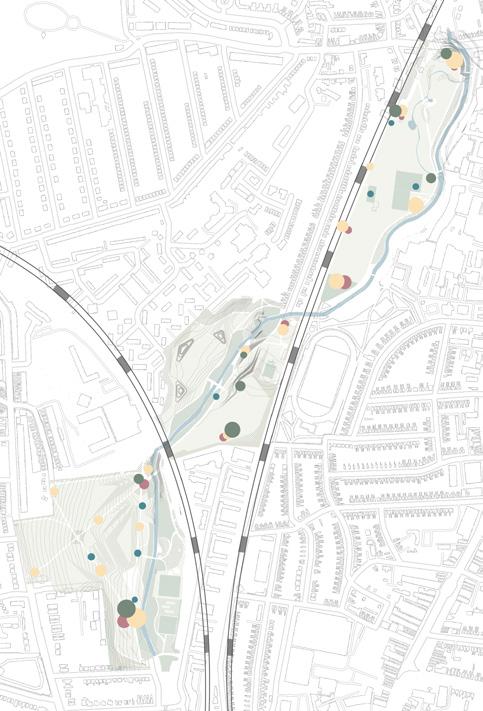
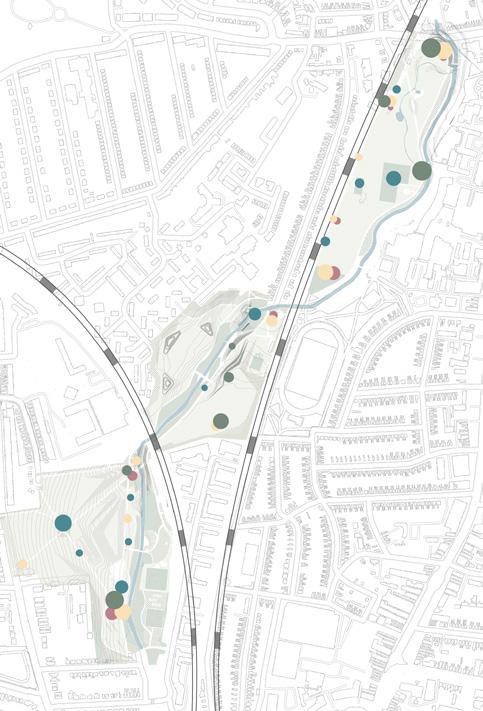
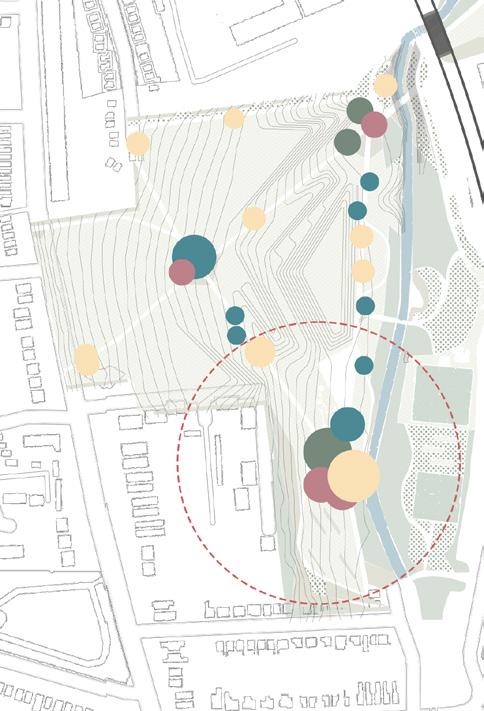
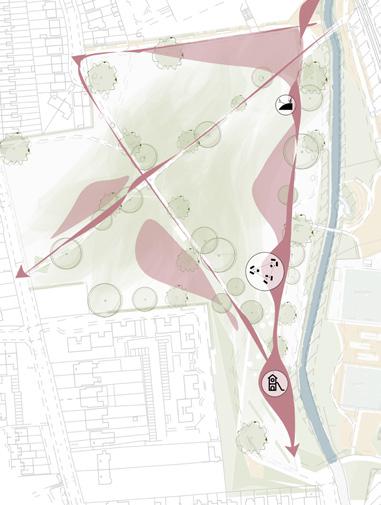
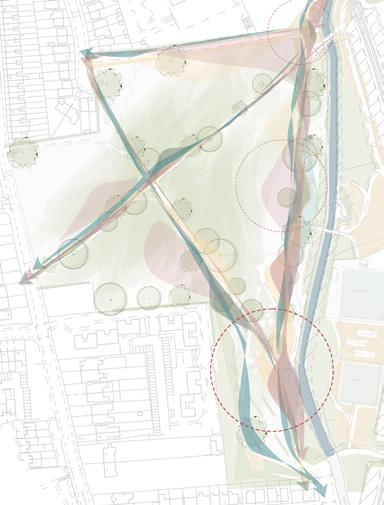
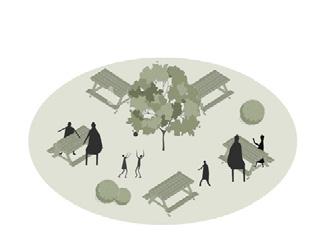
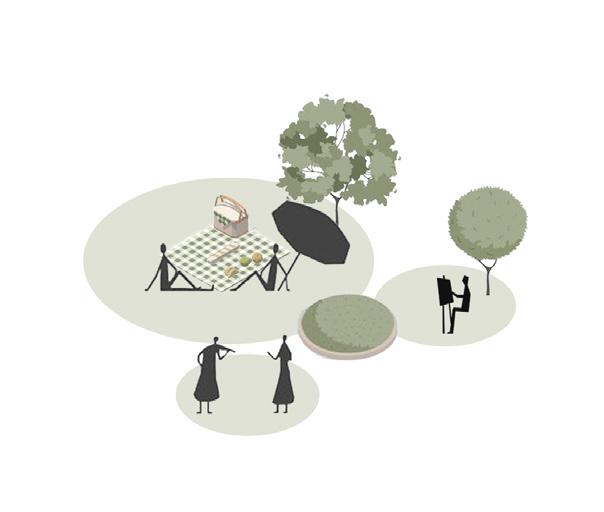
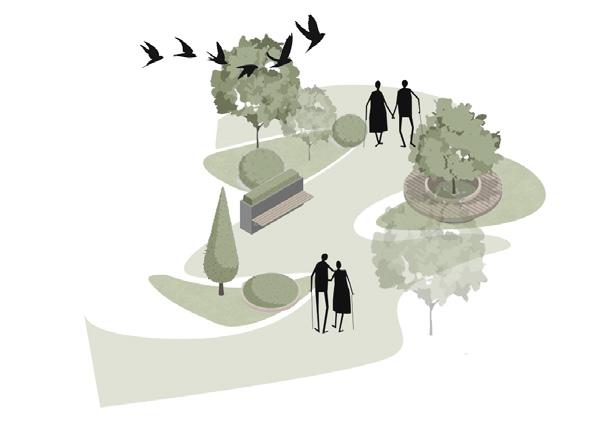
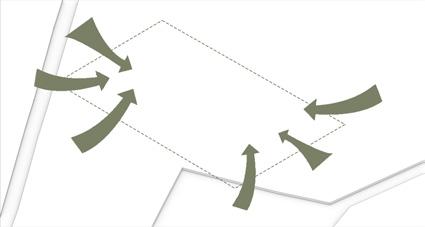
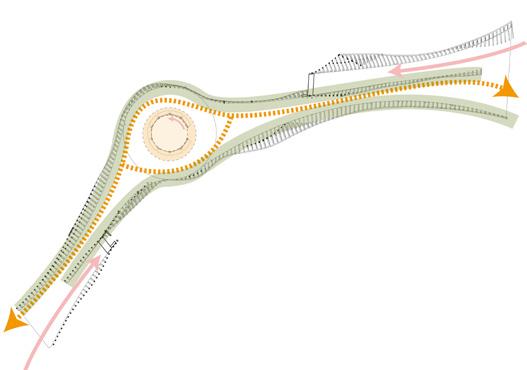
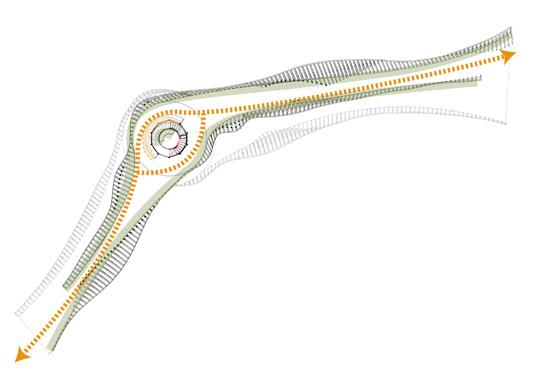
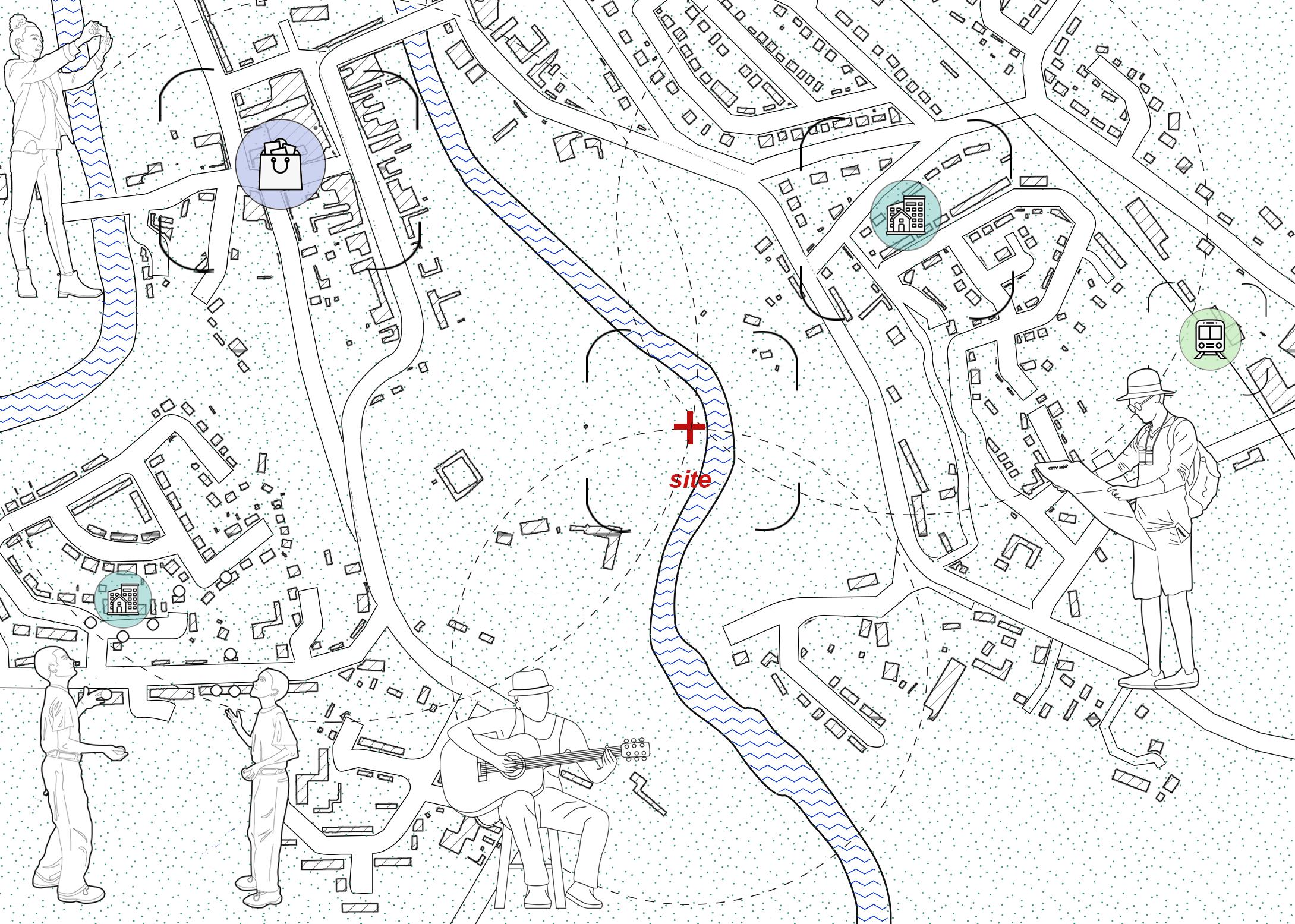
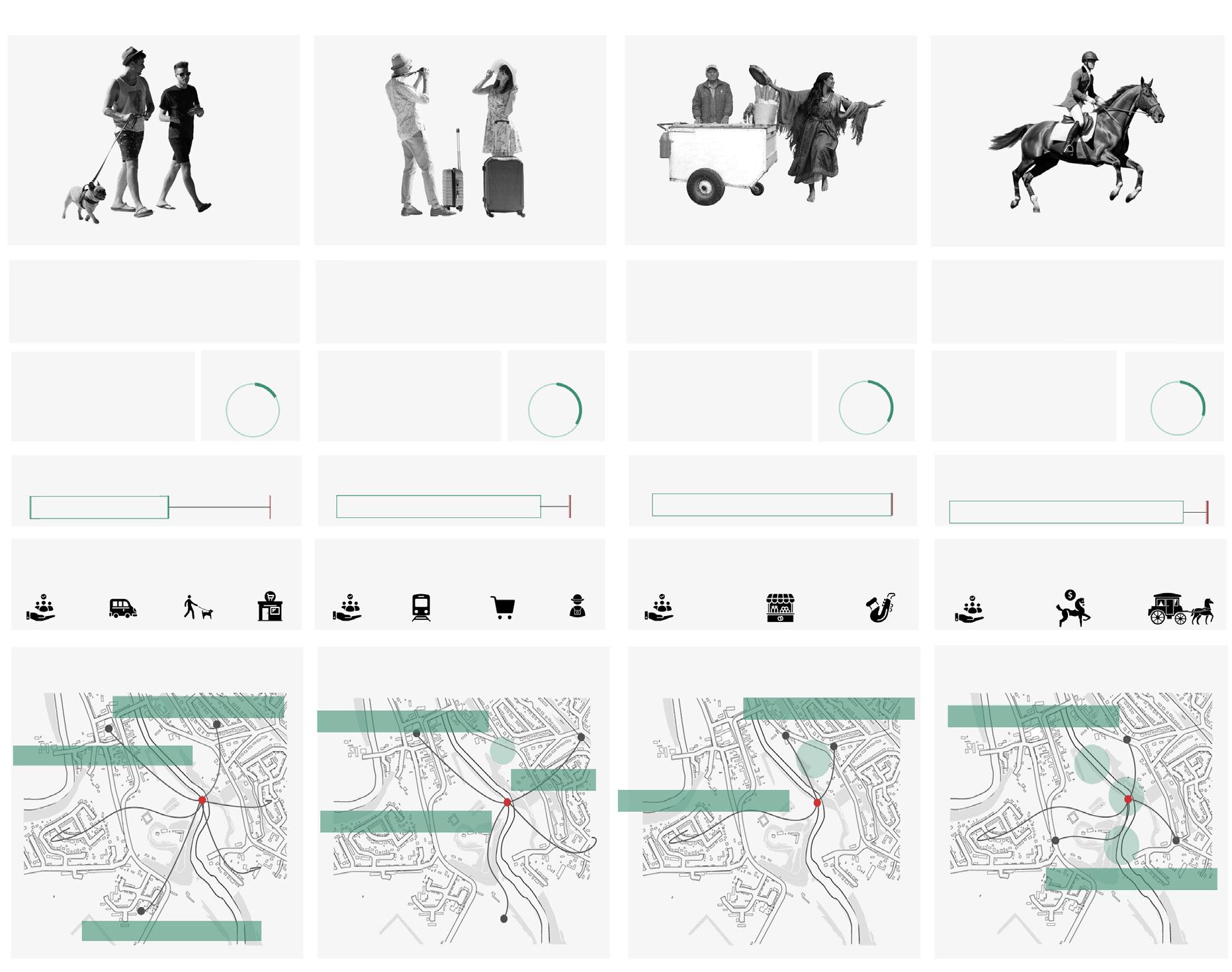
Site research shows that before 4 PM, the main user groups are older adults and middle-aged individuals. Middle-aged people, in particular, tend to engage in activities such as exercise and rest during this time, with a wide range of movement across the area. After 4 PM, activity among middle-aged users noticeably declines, giving way to a younger demographic. Teenagers become the dominant group during this period, using Ladywell Fields for after-school
and treating it as a lively and engaging route to pass through.
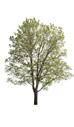
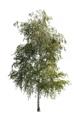
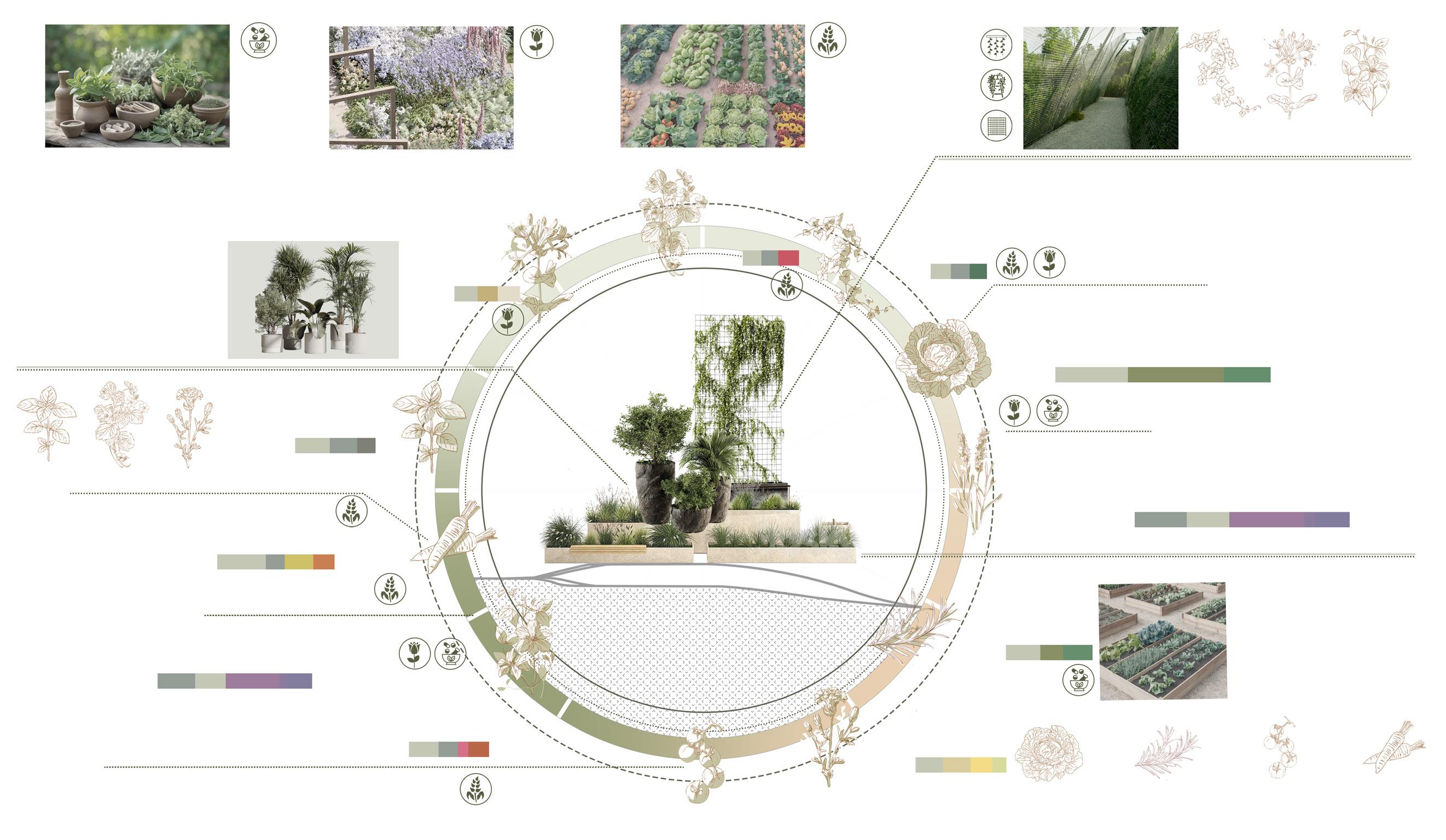
Basil Strawberry Marigold
Ivy Lonicera Clematis
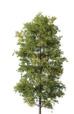
Cabbage Rosemary Tomato Carrots
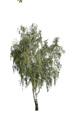
Medicinal plants Ornamental plants Food crops
Name: Clematis
Name: Carrots Harvest: 60 days
Name: Basil Harvest: 80 days
Name: Lonicera Harvest: 180 days
SPIRAL BIOTOPE
Date: 10/12/2025
Typology: Vertical Agricultural Infrastructure
Individual work
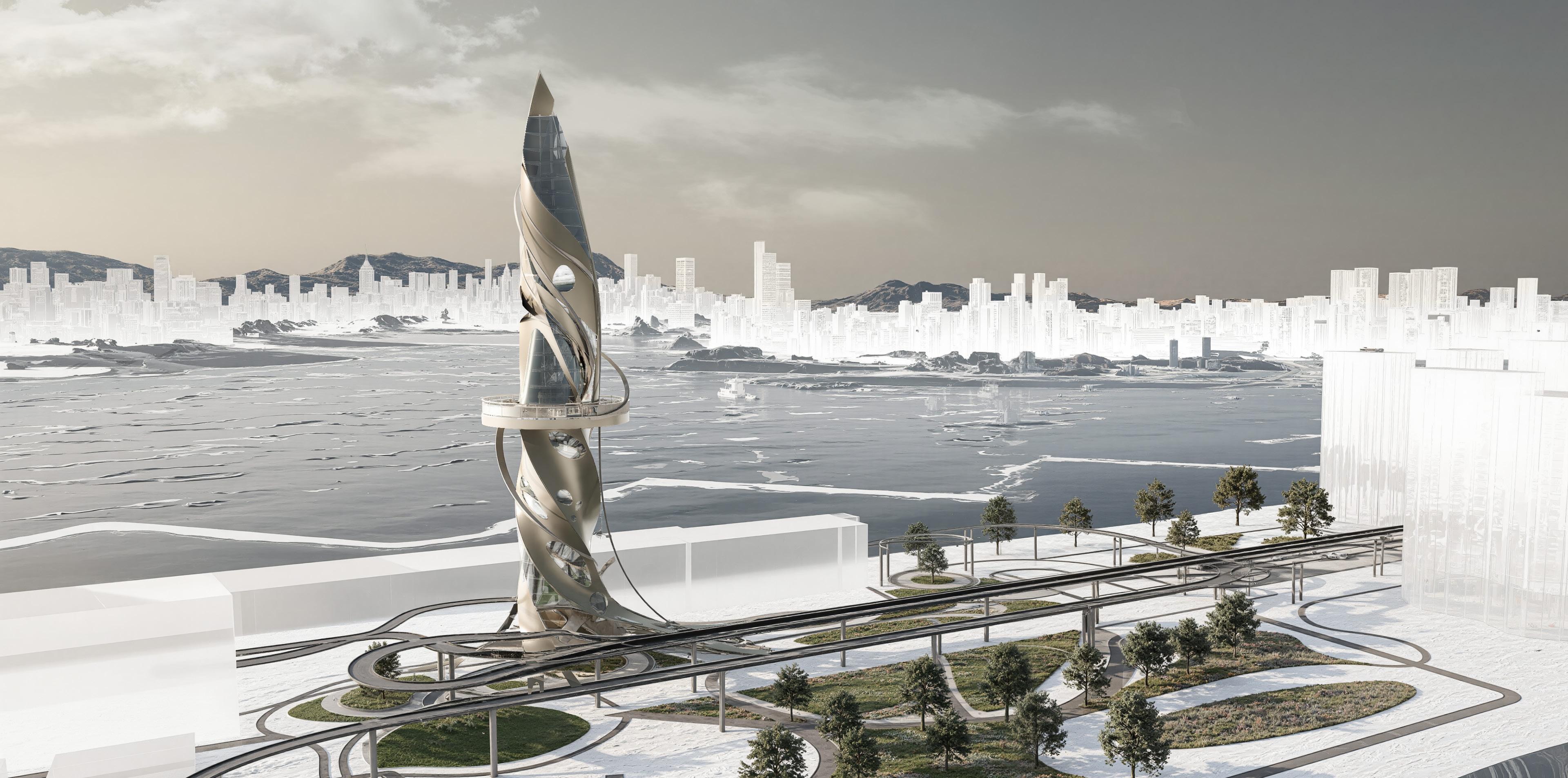
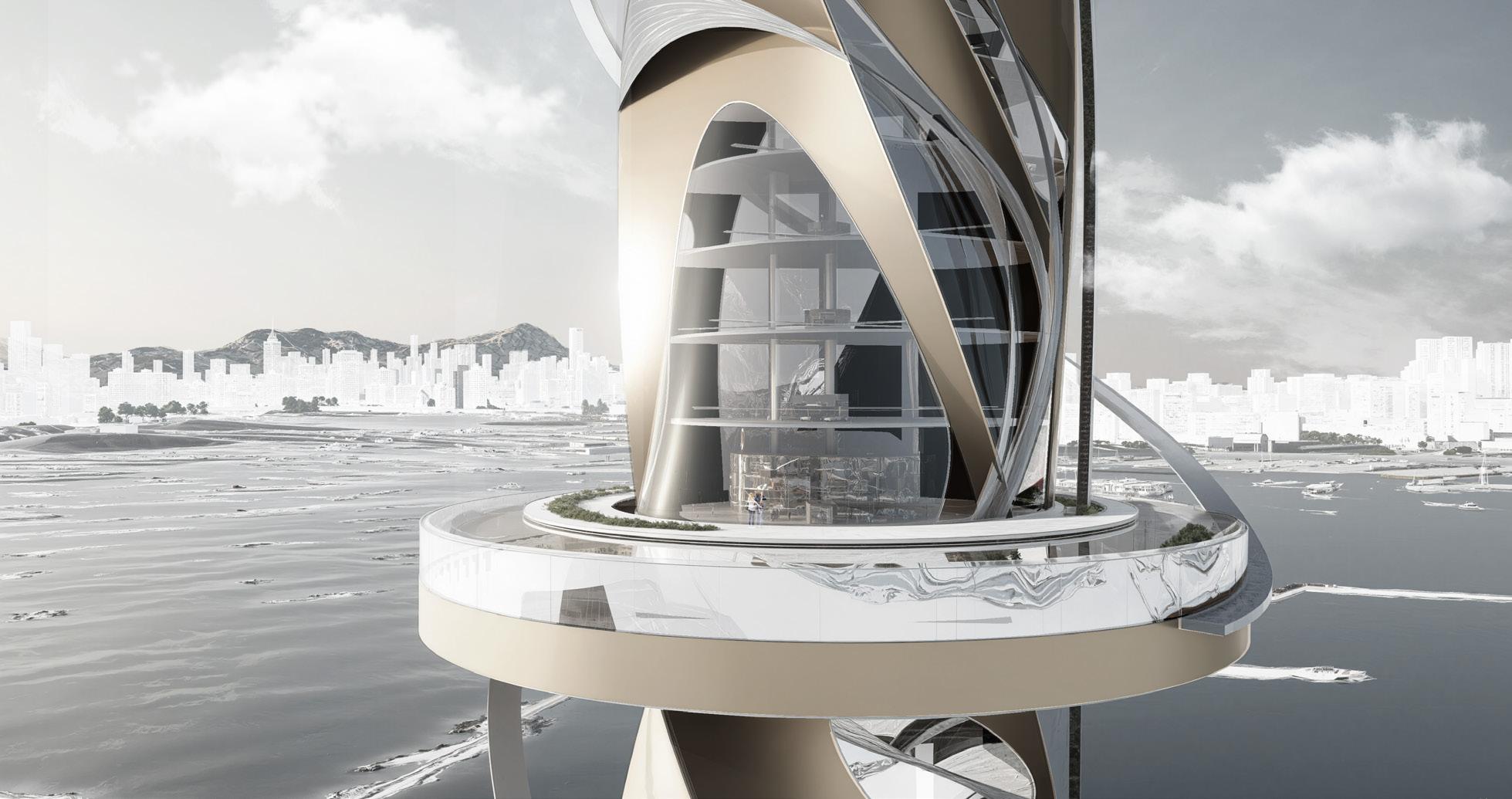
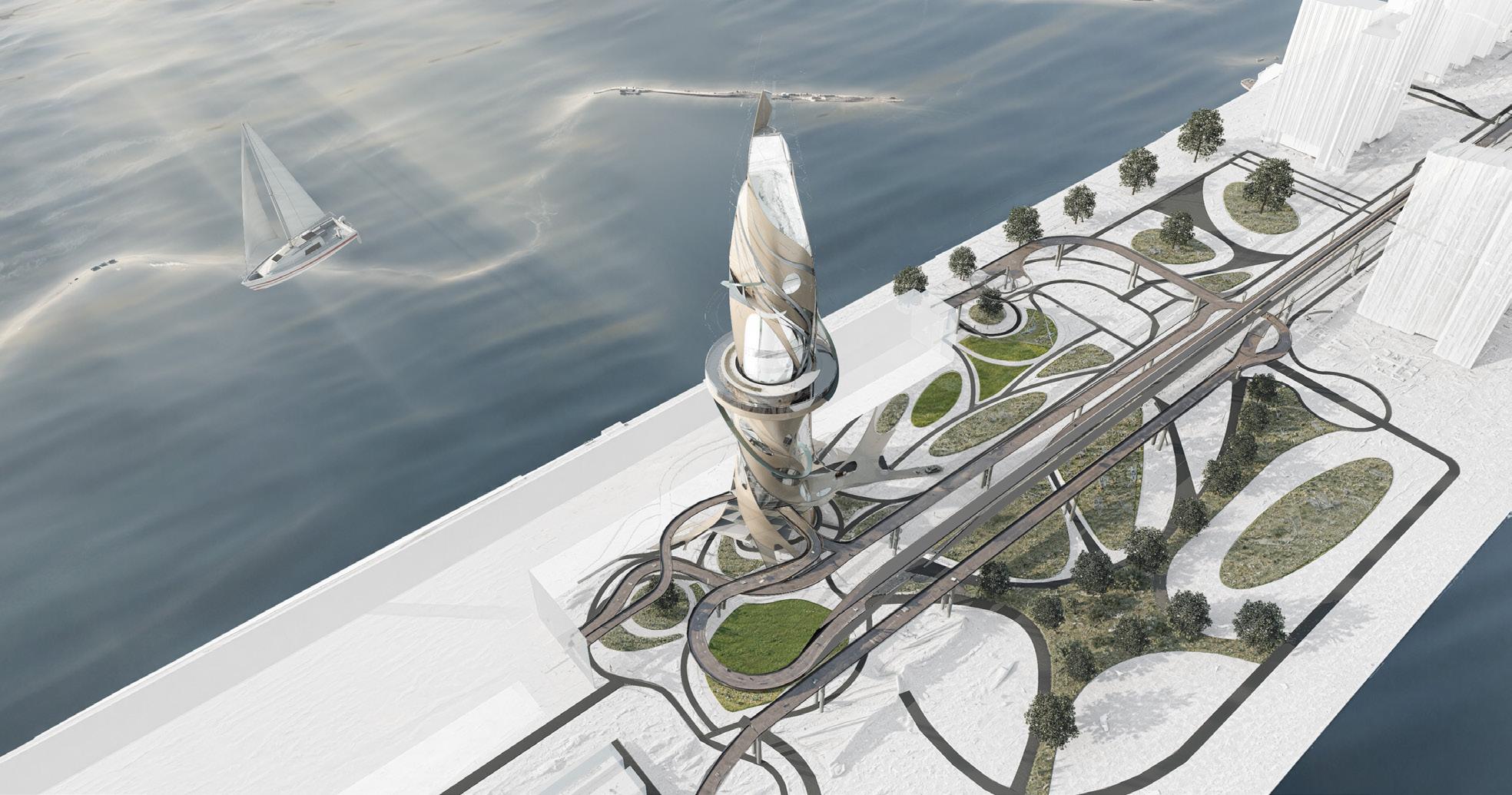
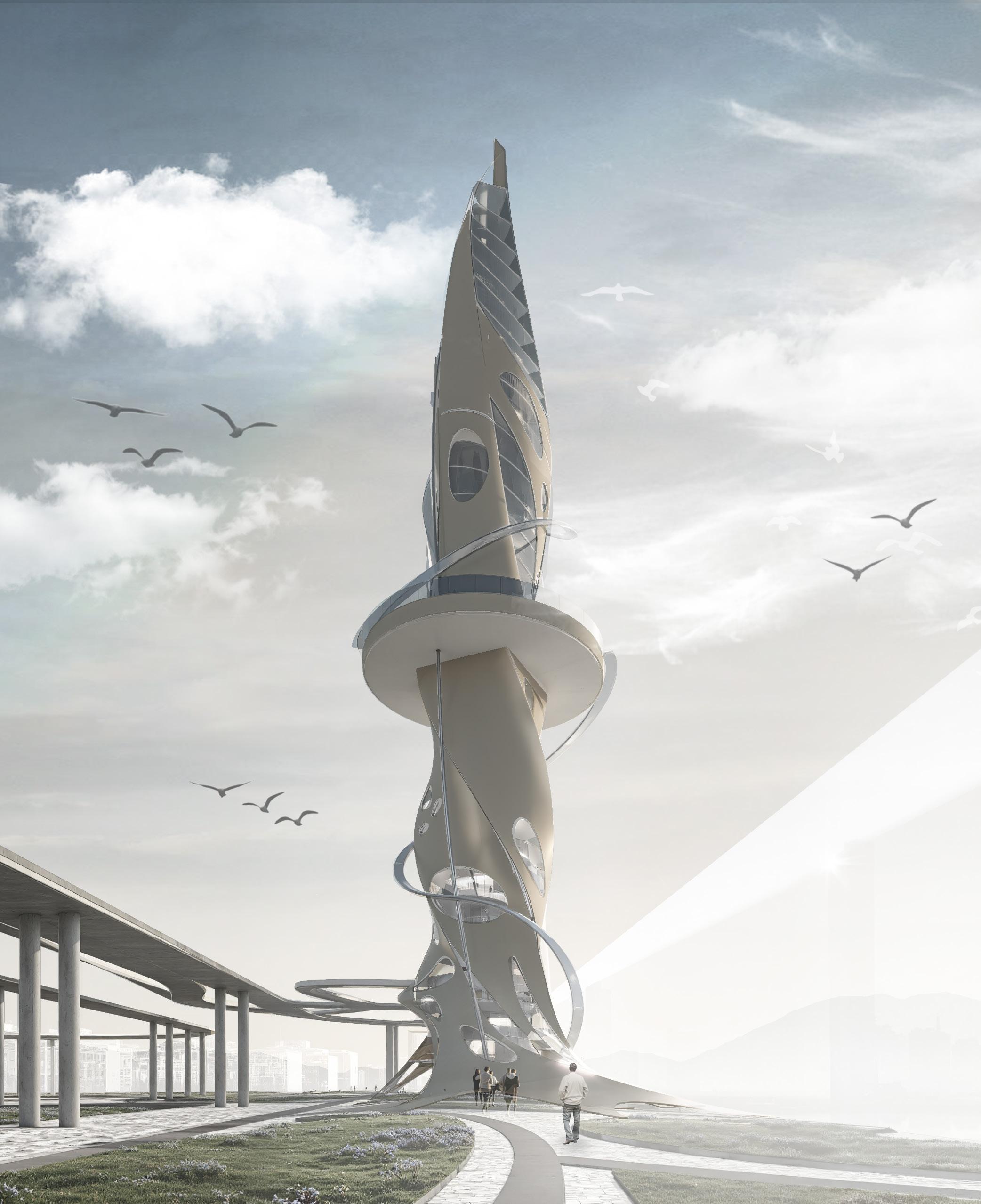
Hong Kong’s heavy reliance on imported food, its acute land scarcity, and the fragility of its supply chains reveal a structural vulnerability beneath the city’s polished efficiency. This project begins from that recognition. The Kai Tak vertical farm is conceived not as a decorative green fix, but as a direct spatial response—relocalising production, compressing agriculture into the urban core, and making the city’s hidden metabolic flows visible. By placing a largescale agricultural building in one of the city’s most expensive districts, the project proposes a future possibility for local self-sufficiency while simultaneously exposing Hong Kong’s deep dependence on external resources.
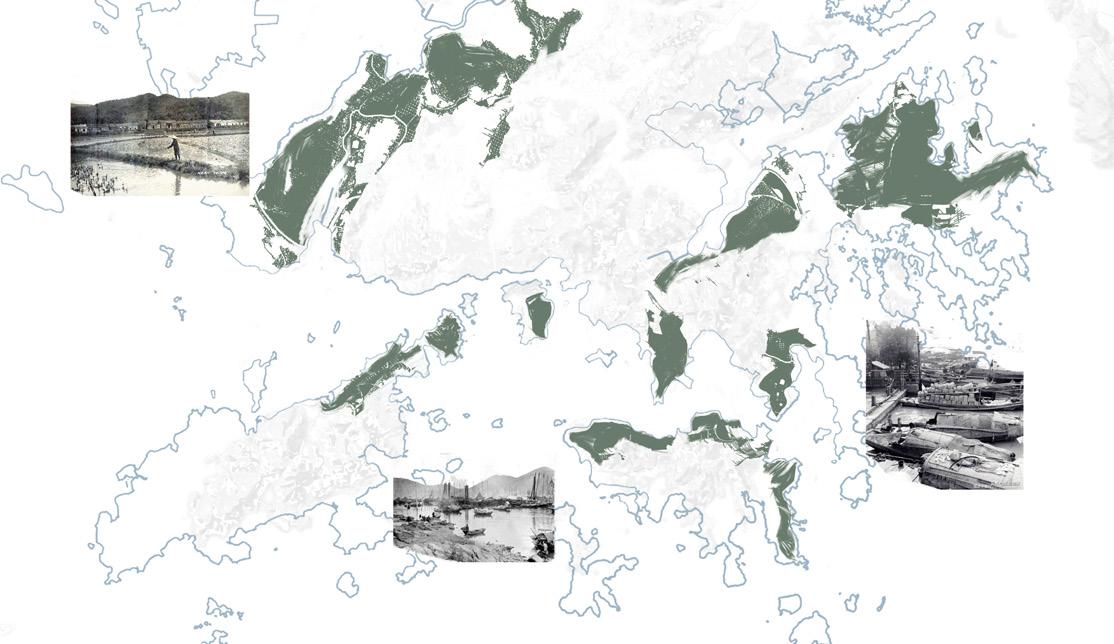
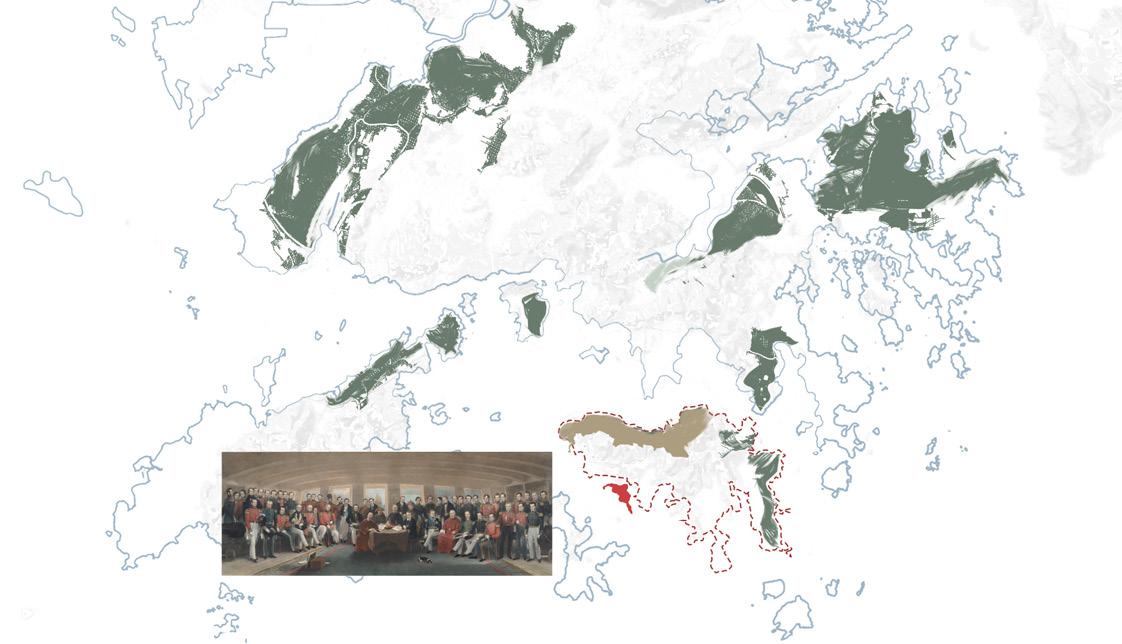
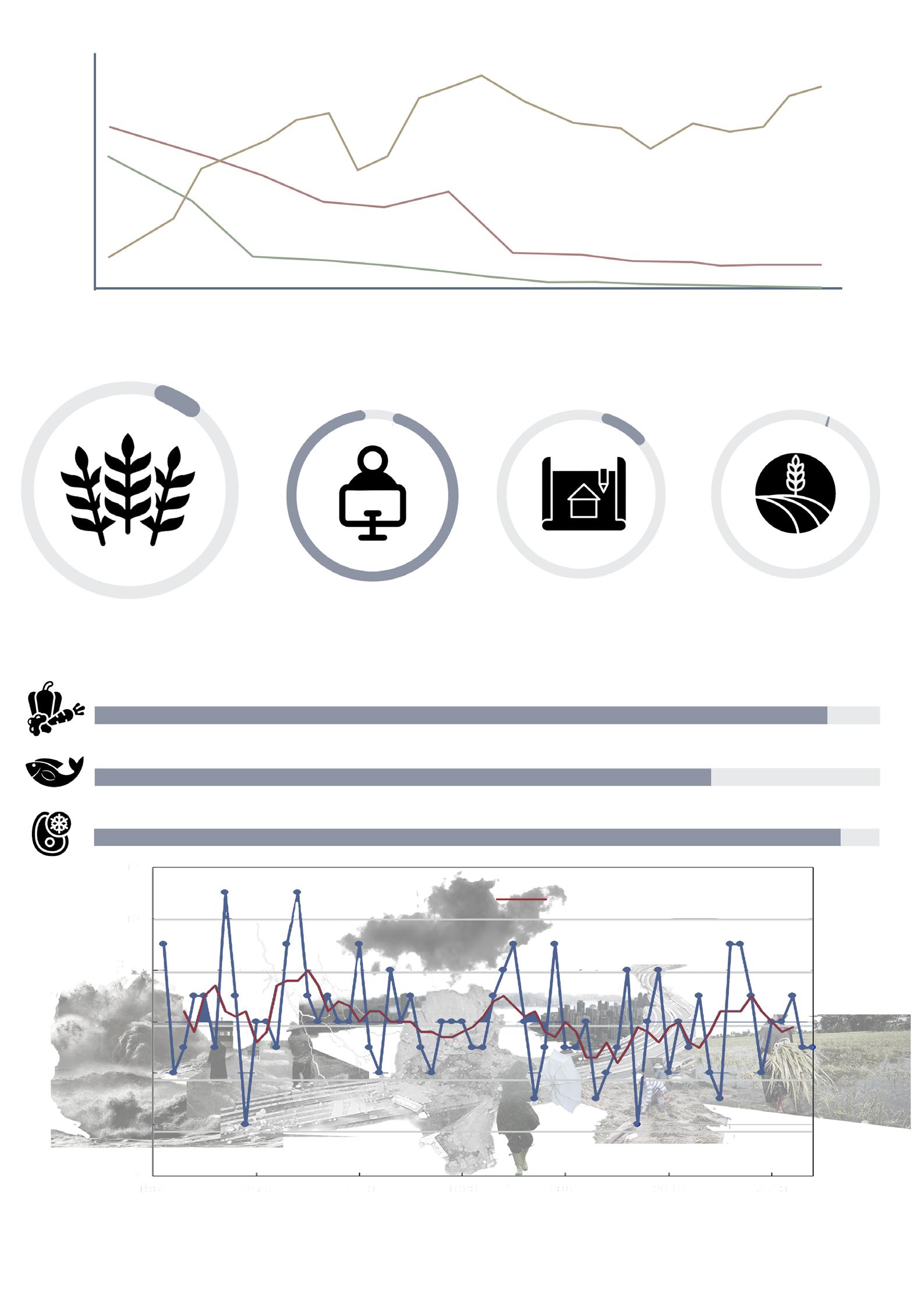
18th century: Hong Kong’s main industries were fishing, agriculture, and salt production. Much of the territory was covered with rice paddies, making them the dominant industries of the time.
Primary/Secondary/Tertiary shares of HongKong:
1841: British colonization began with the initial occupation of Hong Kong Island. In the early colonial period, there is no large-scale changes had been made to established industries or land-use structures.
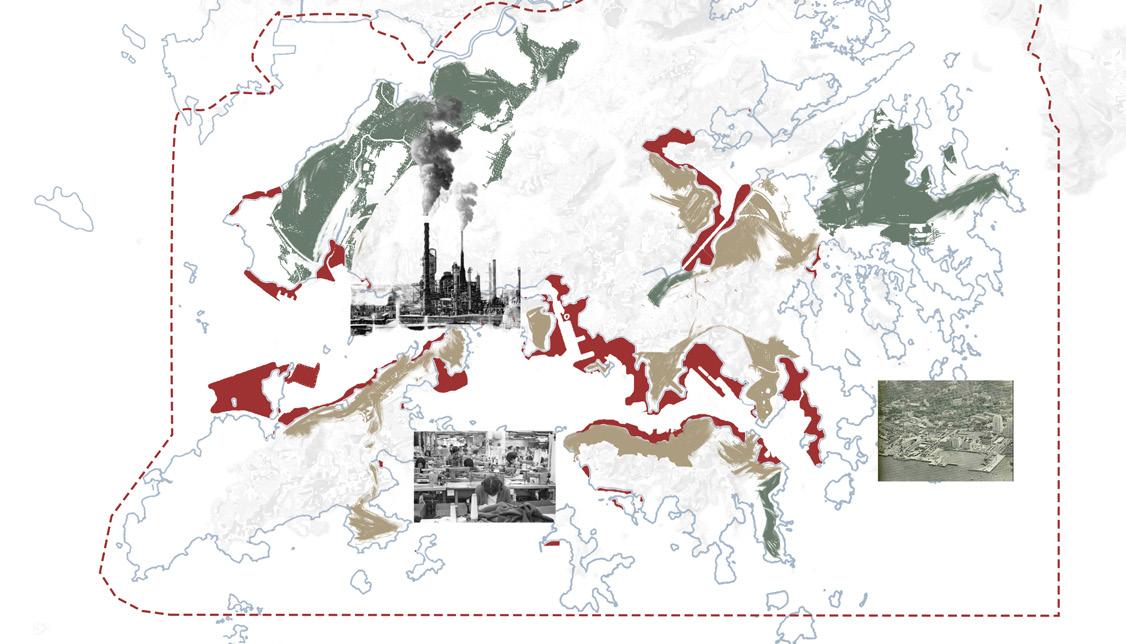
1950: An industrial boom sharply squeezed the space of traditional industries. Hong Kong moved further into manufacturing. Land supply was facing shortage, most areas of farmland and fishponds were expropriated.
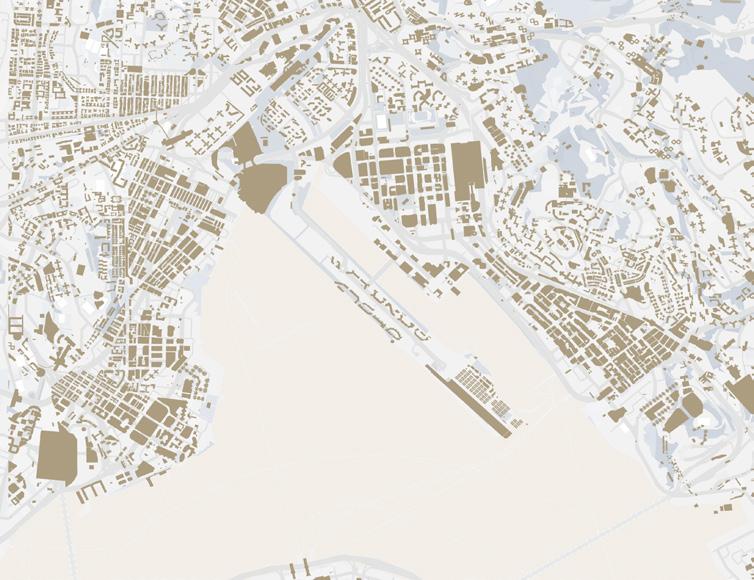
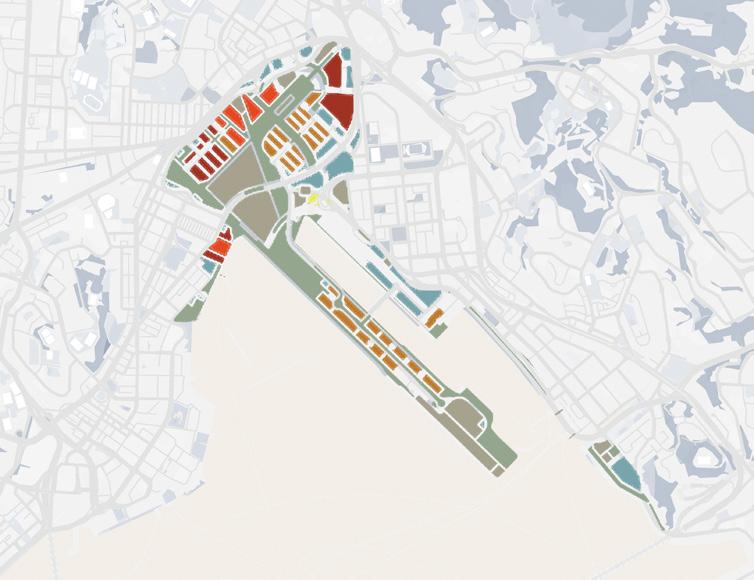
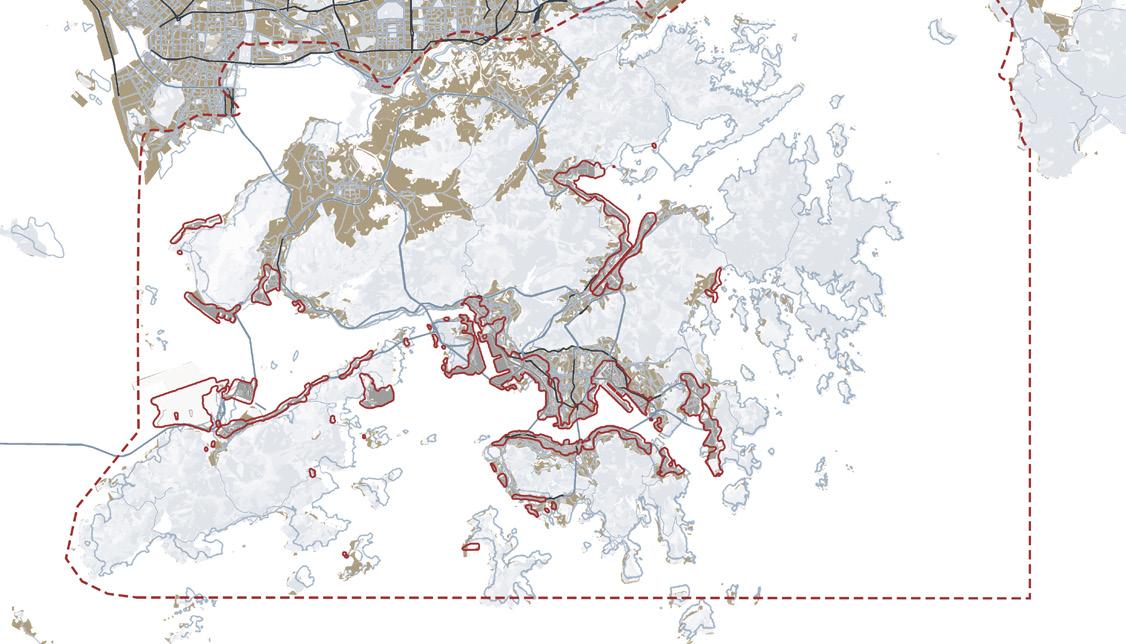
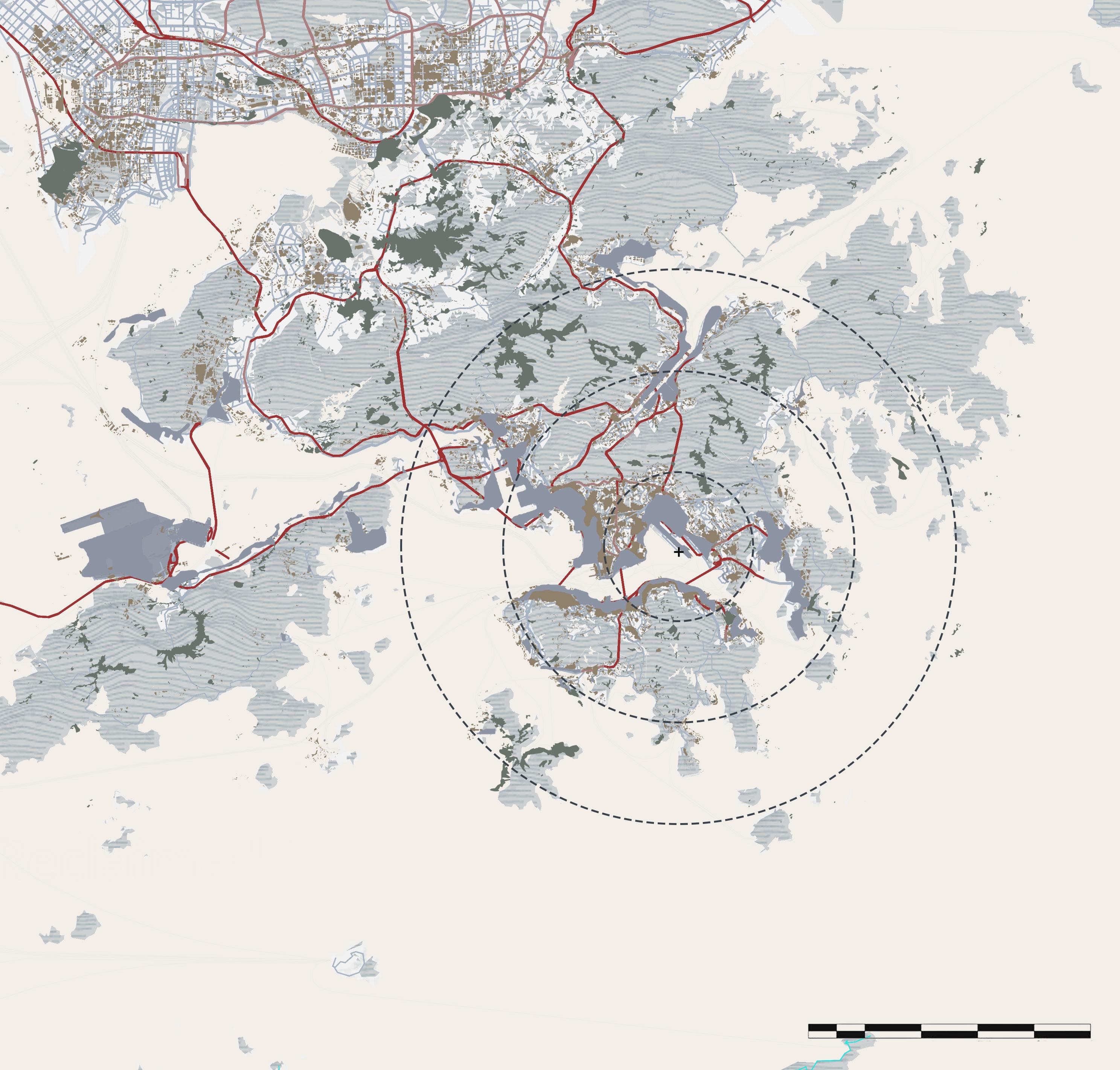
Mapping:
Today: fisheries account for only a very small share in Hong Kong, and virtually all developable land has been converted to commercial or residential use.
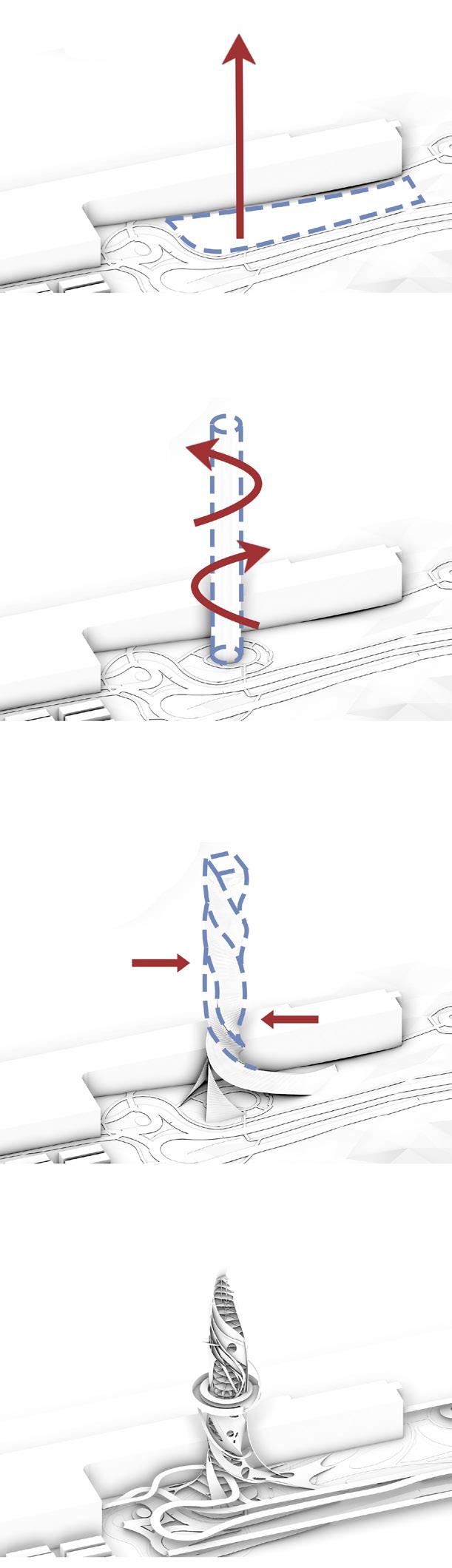
As the initial prototype for the vertical farm, I constructed a cylinder as the starting point.
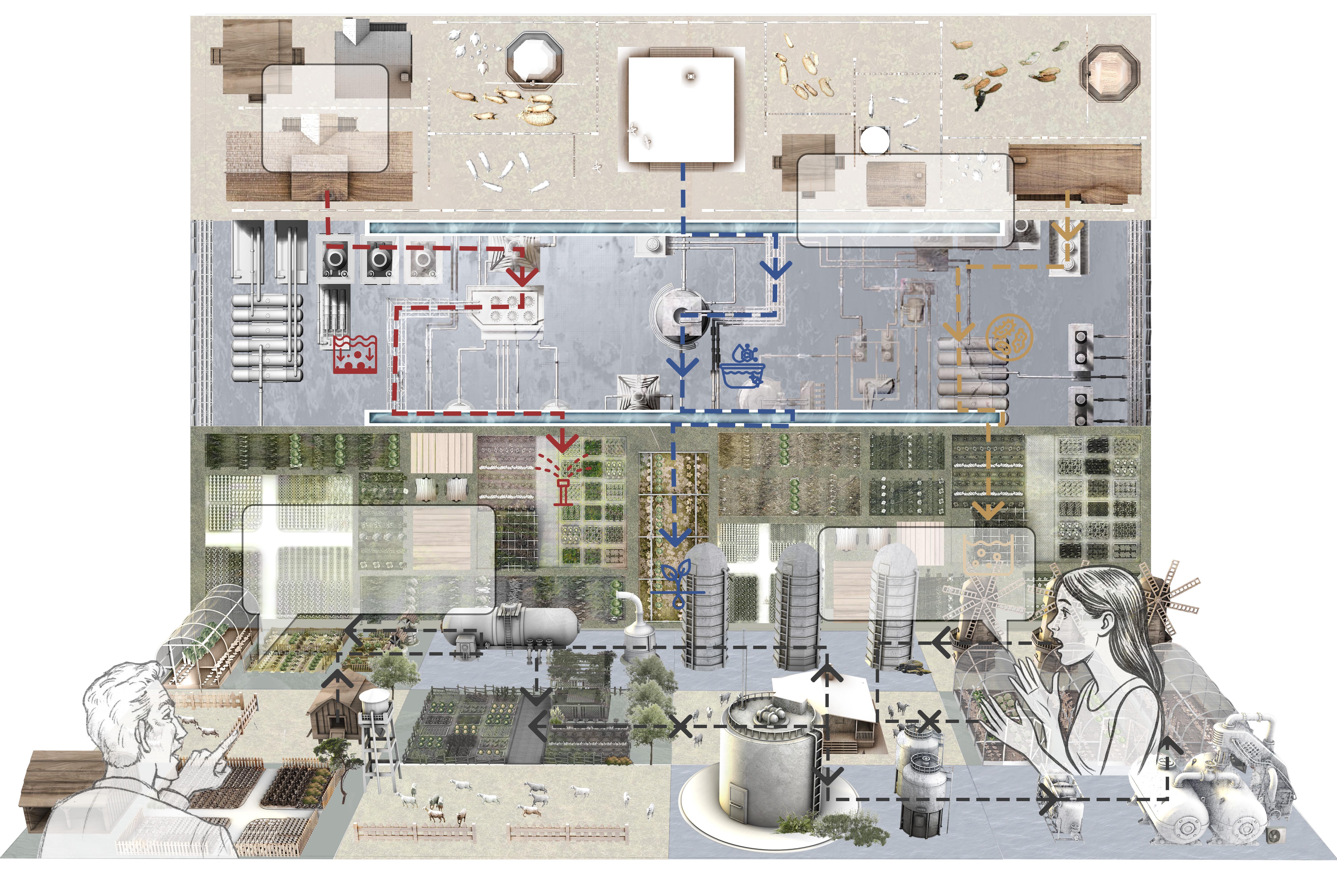
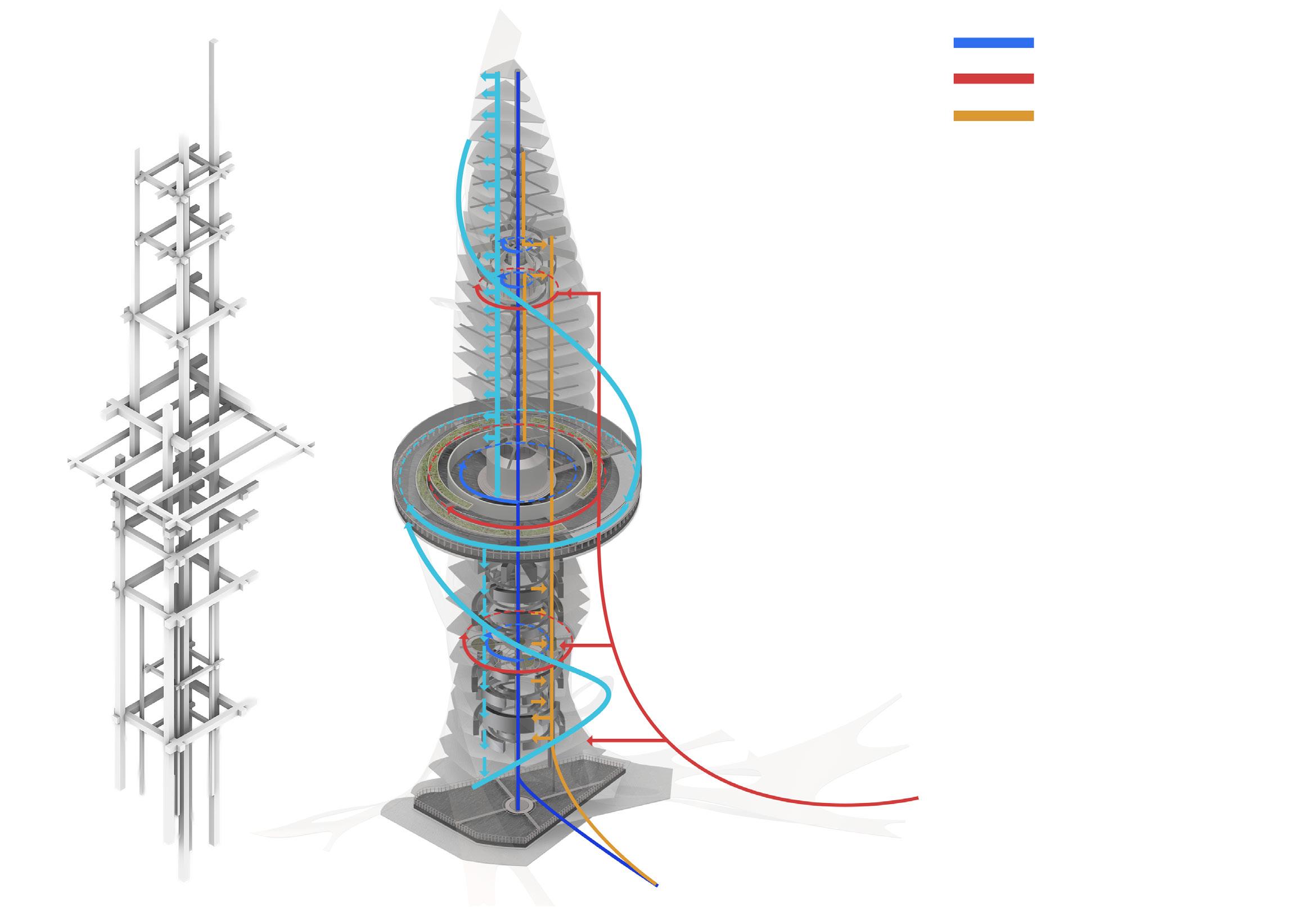
Wastewater from the livestock zone can be transported directly to the treatment area.
Wastewater in the treatment zone can undergo three different processing methods, allowing it to be used directly once it is transported to the planting area.
The I turning it into a spiral. The shape becomes more organic, also improving its resistance to typhoons.
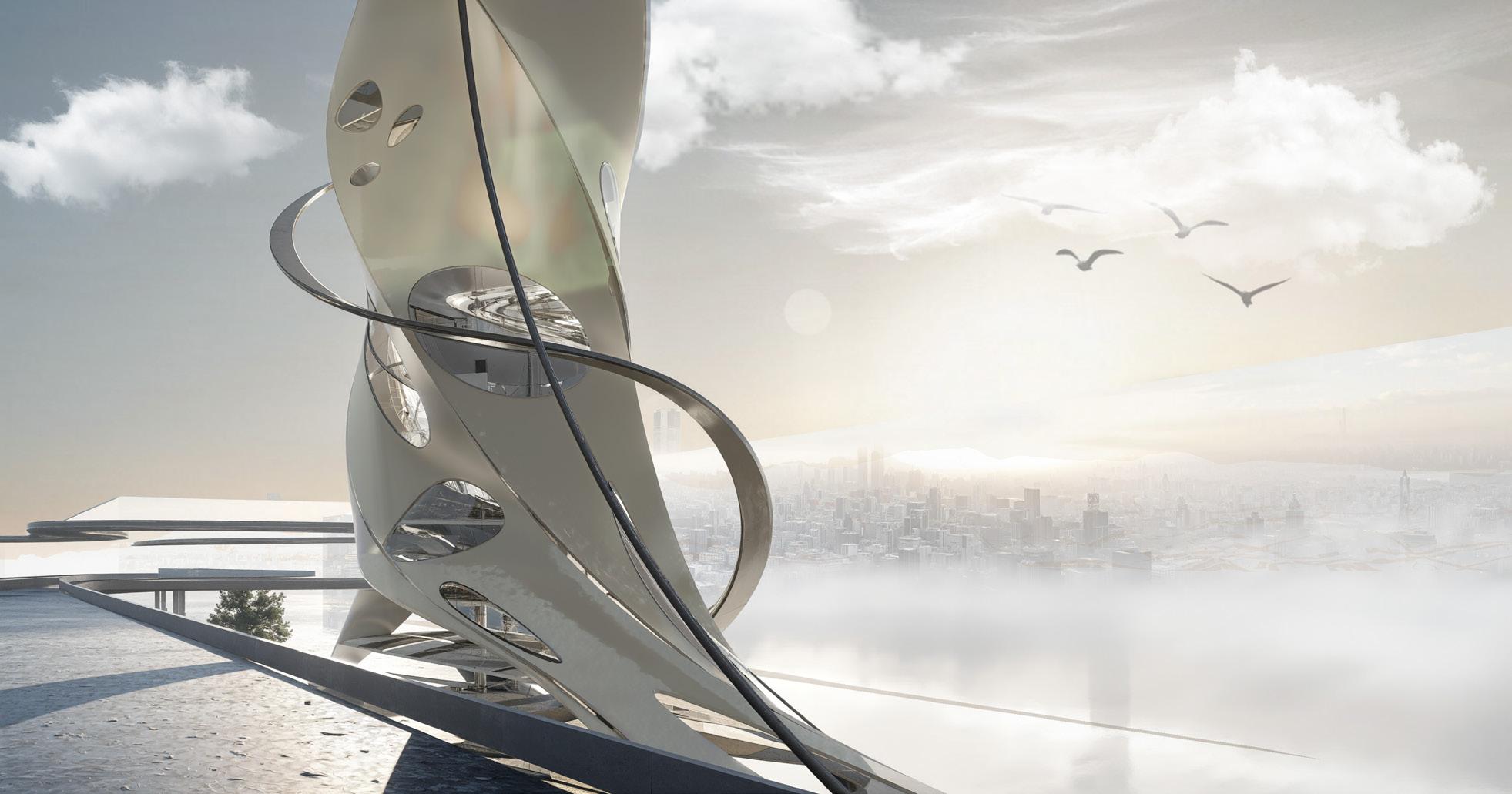
I introduced openings along the exterior façade, giving the overall form a more organic.
The final form is a spiralling, semi-transparent structure composed of two distinct parts.
Traditional agriculture and conventional crop-growing systems struggle to operate in a connected way. Wastewater is difficult to treat and reuse within the same system, so the loop can’t fully close, making the overall cycle far less efficient.
By shifting cultivation into a vertical system, the three functional zones can finally operating, allowing wastewater to be recirculated and reused. This makes the overall process far more efficient.
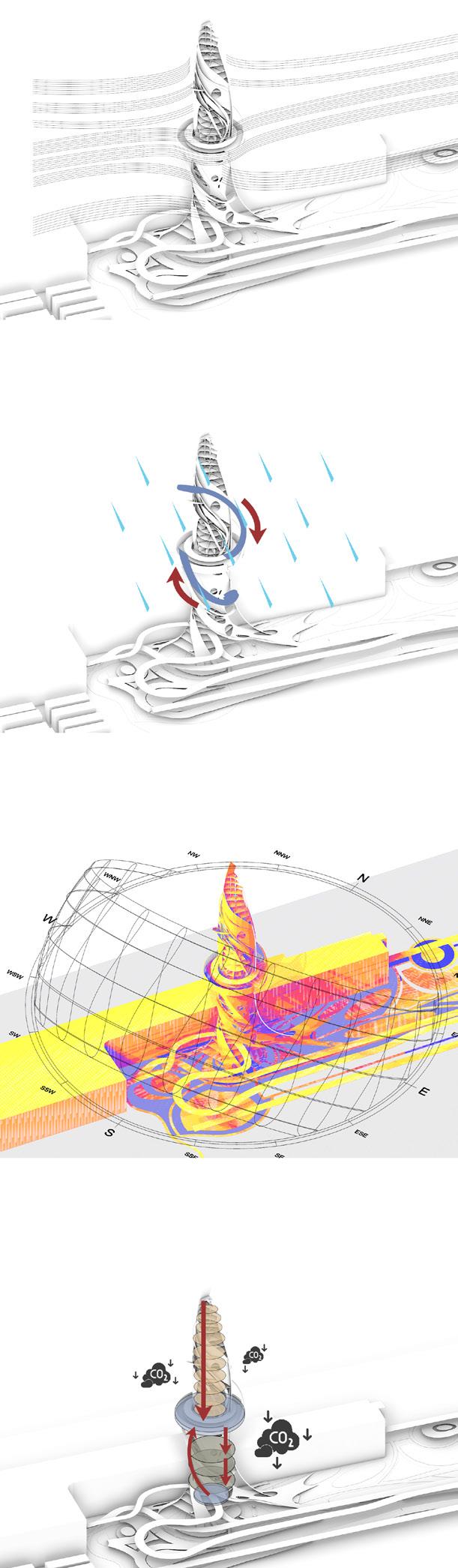
The spiral form of the building’s overall structure allows it to withstand typhoons effectively.
The diagram shows how the spiral form shapes light and shadow across the site.
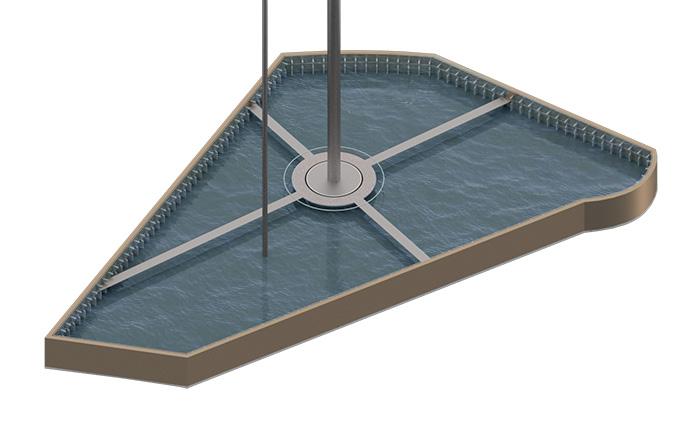
The rainwater collection system around the building allows rainwater to be recycled and distributed.
Water from the livestock area returns to the central core for treatment, then flows downward and is reused in the planting zones.
llivestock wastewarer treatment Planting
Formation diagrams: Environmental analysis:
Circulation diagrams:
Freight transporters
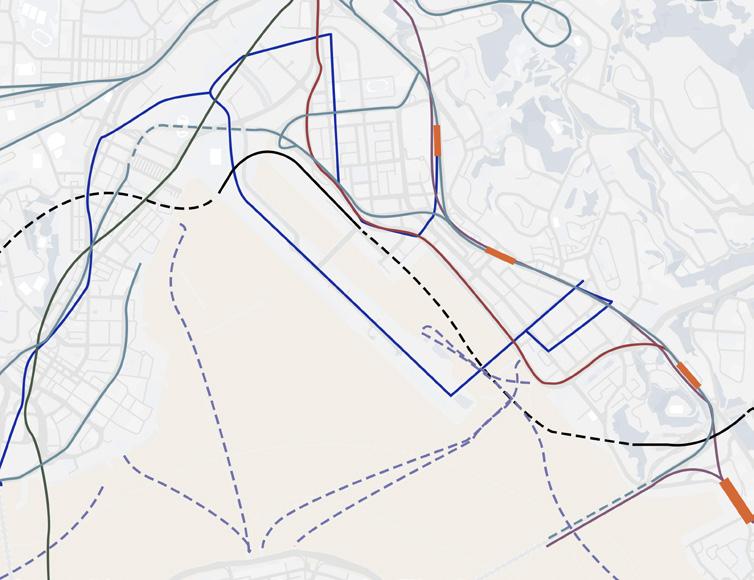
I have divided the circulation of all different user groups into three separate routes, enabling each group to reach their destinations more effectively. At the same time, restricted working zones are clearly separated from the publicly accessible visitor areas. The vertical configuration further enhances freight logistics by allowing goods to be transported efficiently to the centralized storage levels.
Also, water circulation also becomes more efficient in a vertical configuration. Wastewater from the livestock area can be routed to a central treatment facility, and once purified, it can be recycled back into the planting zones for reuse.
Structure analysis :
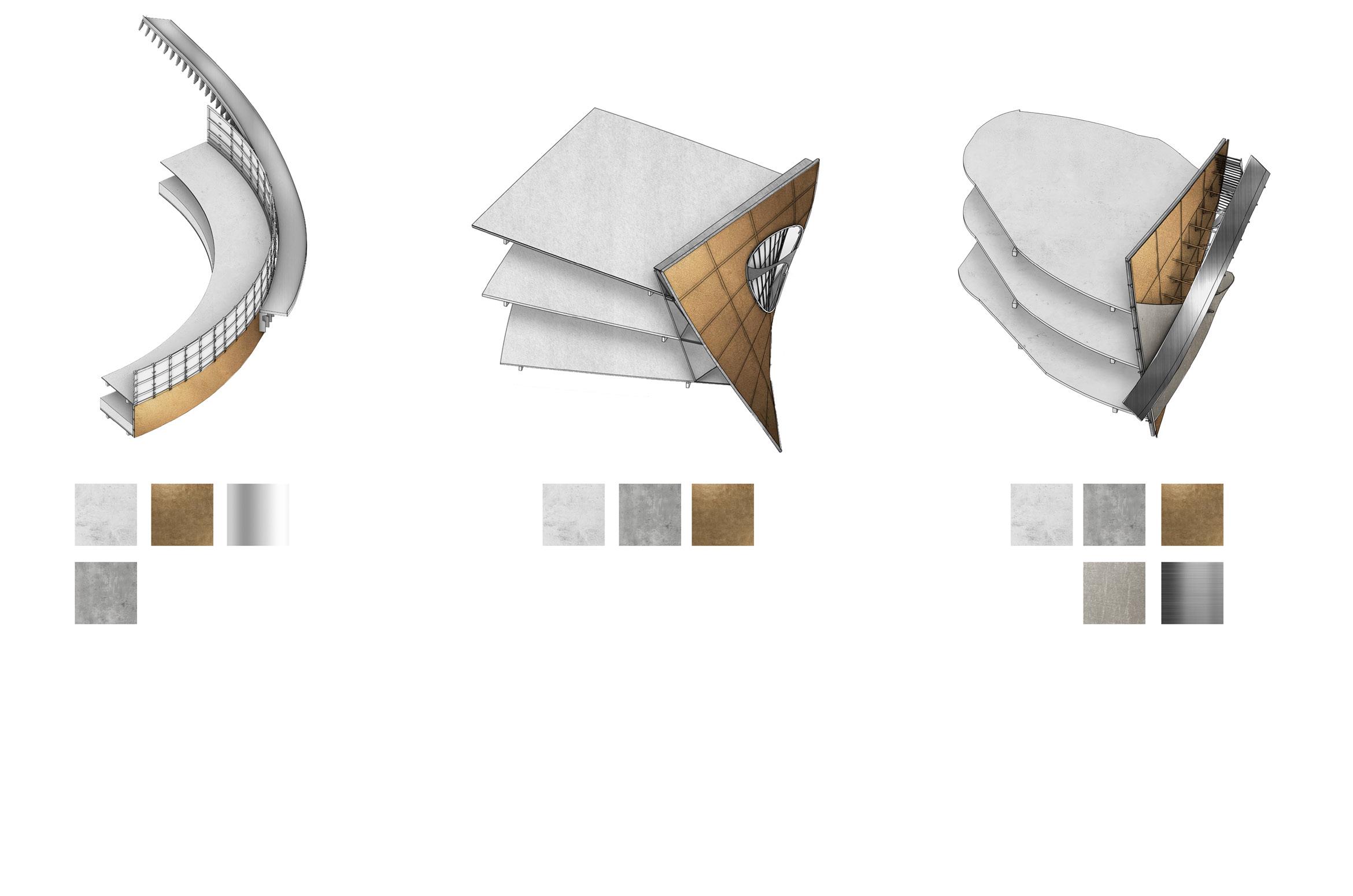
Material analysis: Scientific researchers Tourists
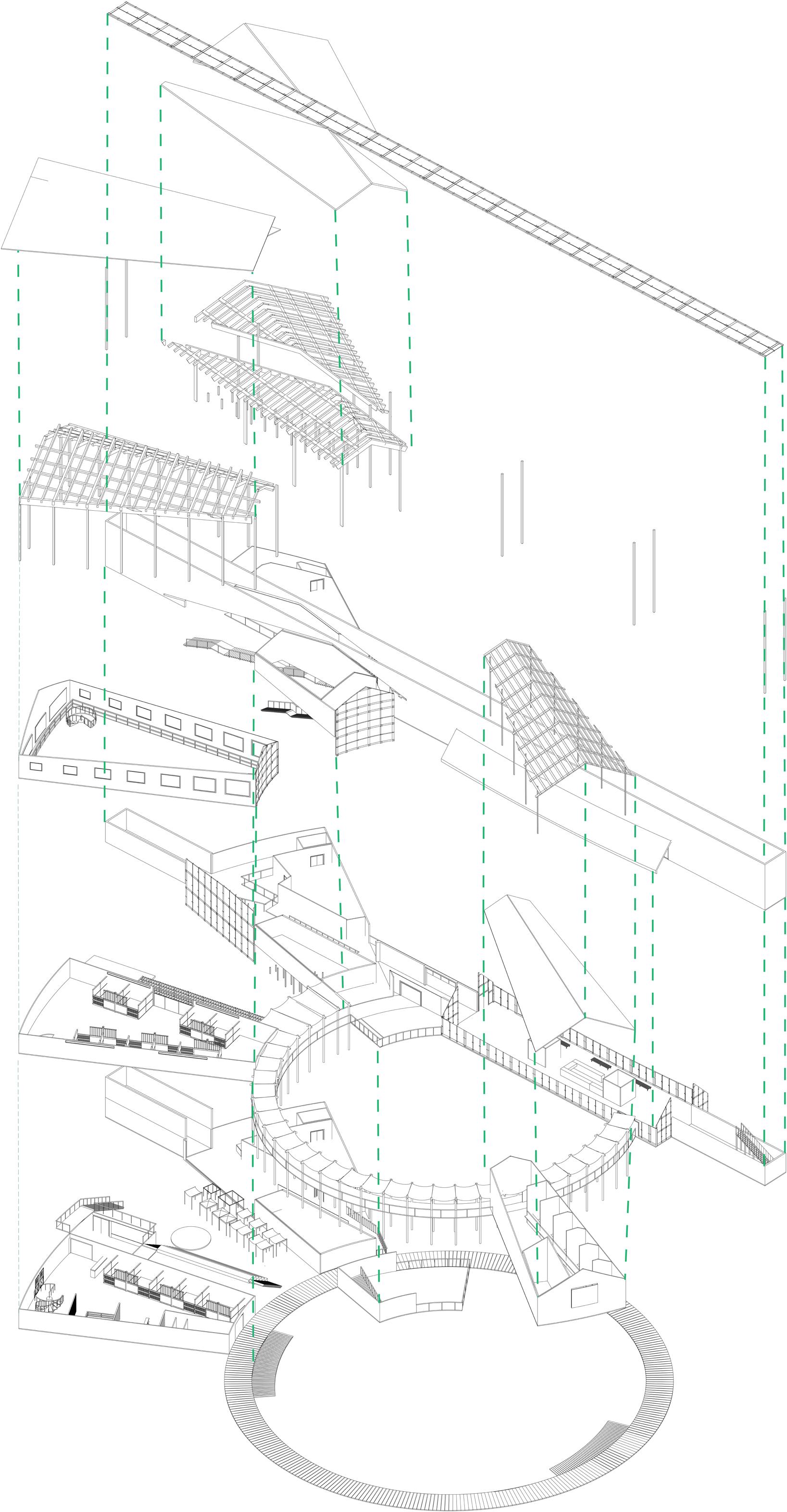
This is the sectional view of the central structure, where metal and concrete are used to create a more futuristic aesthetic.
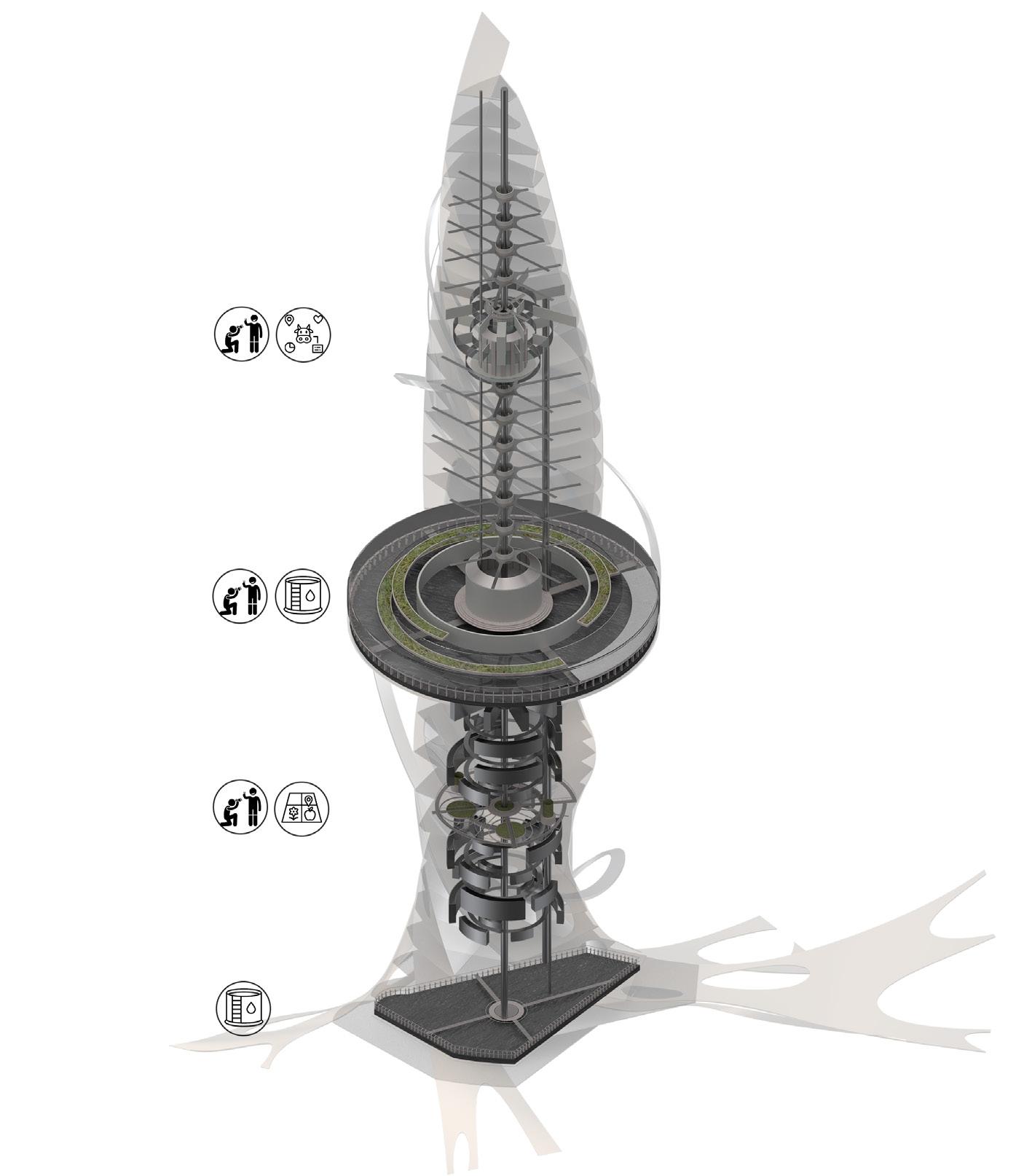
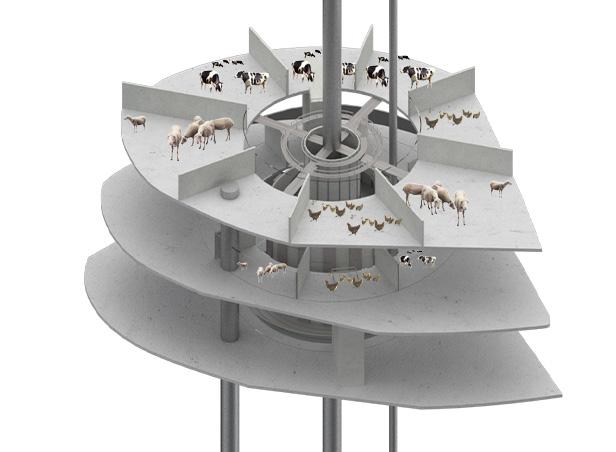
Livestock Lab:
This area conducts livestock research, processes outputs from all livestock zones for transport, and includes a section for visitor tours.
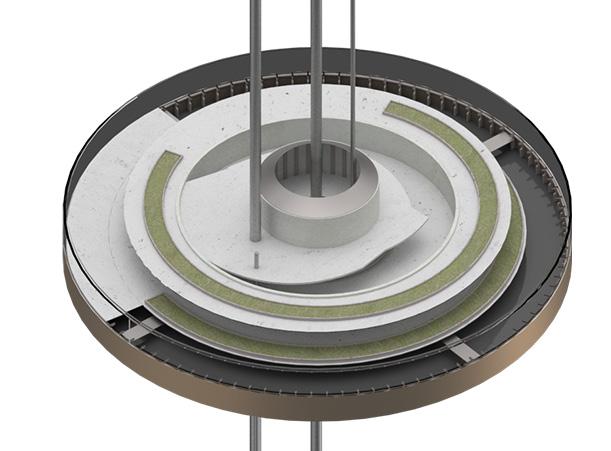
Integrated Zone: This zone serves multiple functions, including visitor circulation, research display areas, and a water reservoir at the base.
Planting Zone: This zone is the primary planting research area and includes a walkway for visitor tours.
Water Reservoir:
The reservoir collects excess irrigation water from the planting zone, treats it, and returns it to the central reservoir for reuse in the planting system.
Because the façade features many organic window openings, I divided the structure into two layers—a glass inner layer and an outer metal panel— to achieve the organic visual effect.
This section illustrates the connection between the rainwater collector and the outer organic panels and wall system, all constructed with varying metal materials.
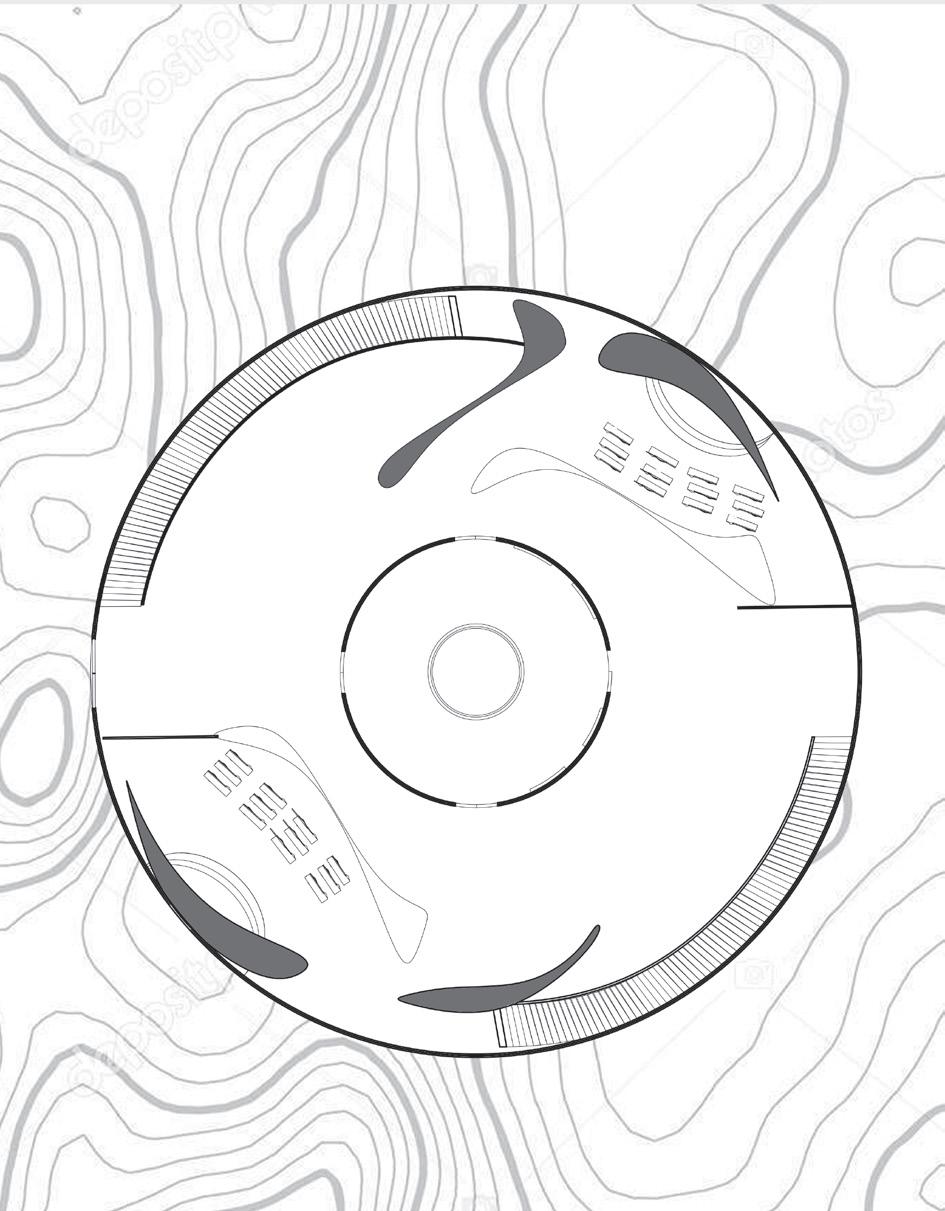
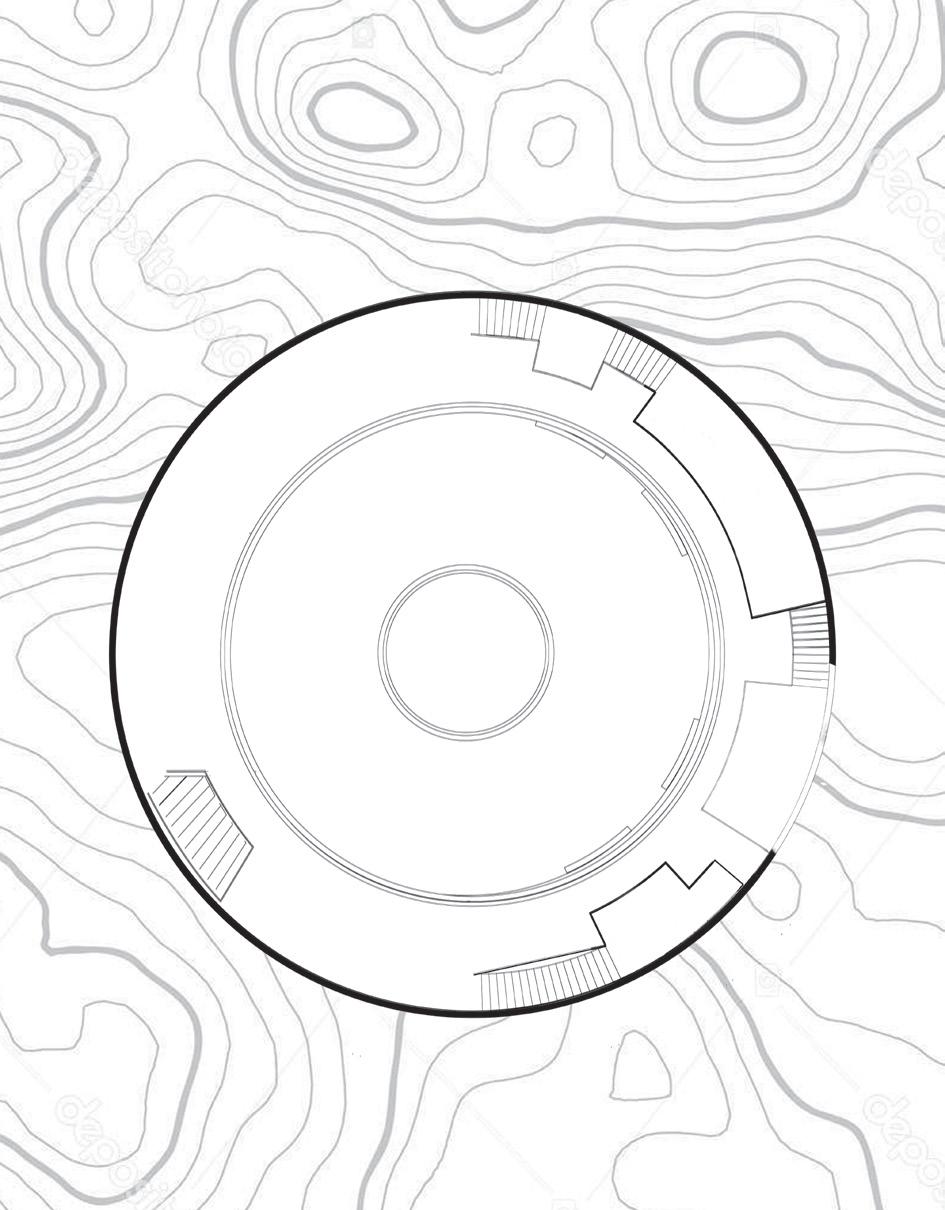
Top view:
Panoramic view
Entrance Market Workshop area
NOMAD’S CROSSING
Date: 07/04/2025
Typology: Romani Cultural Complex Architecture
Individual work
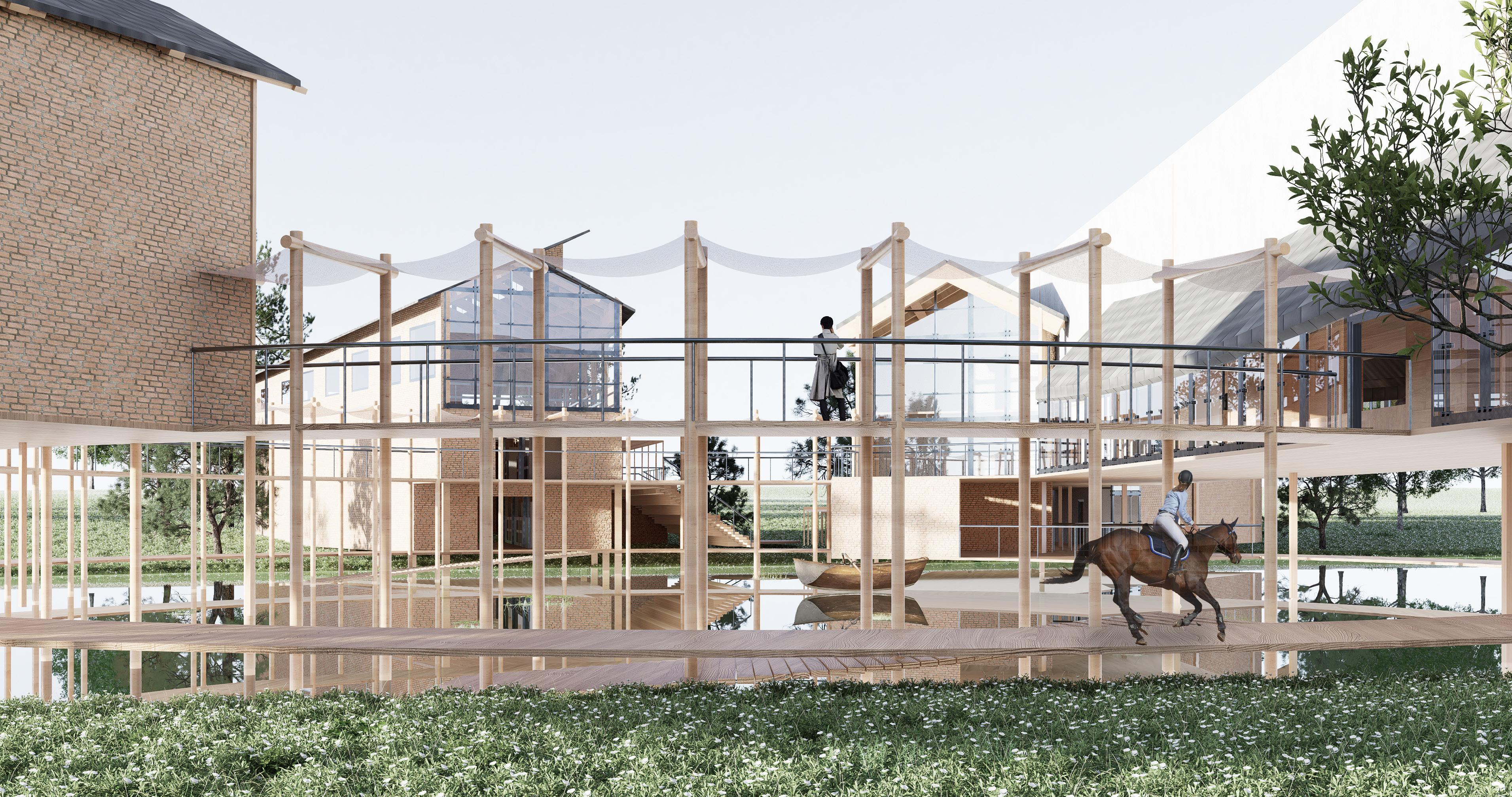
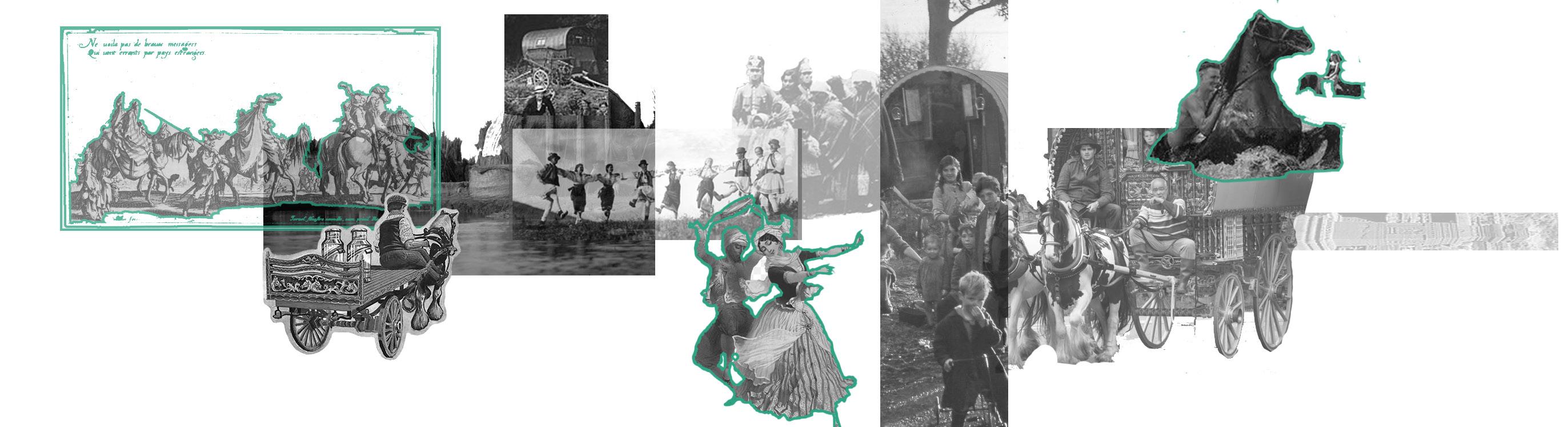
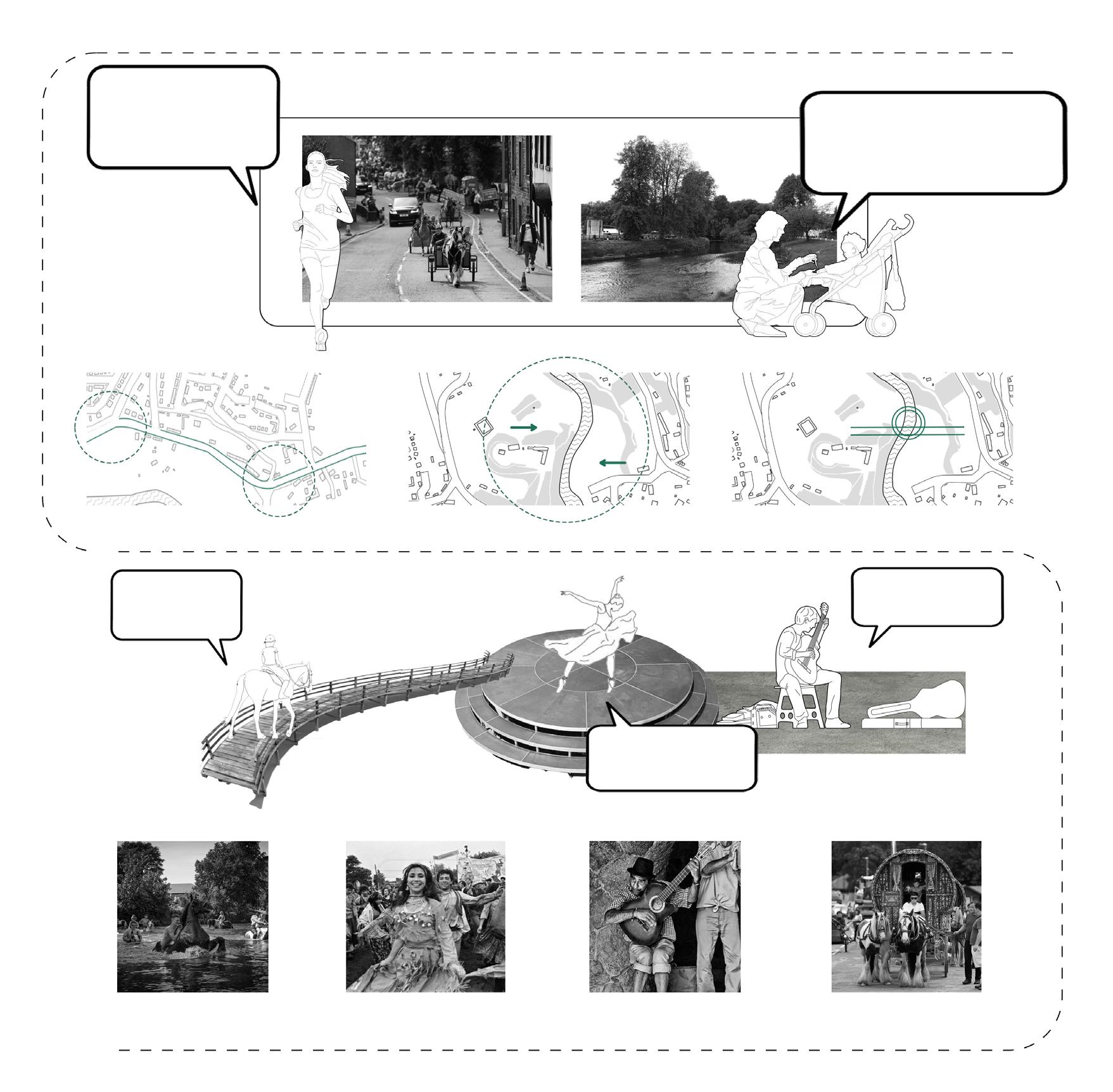
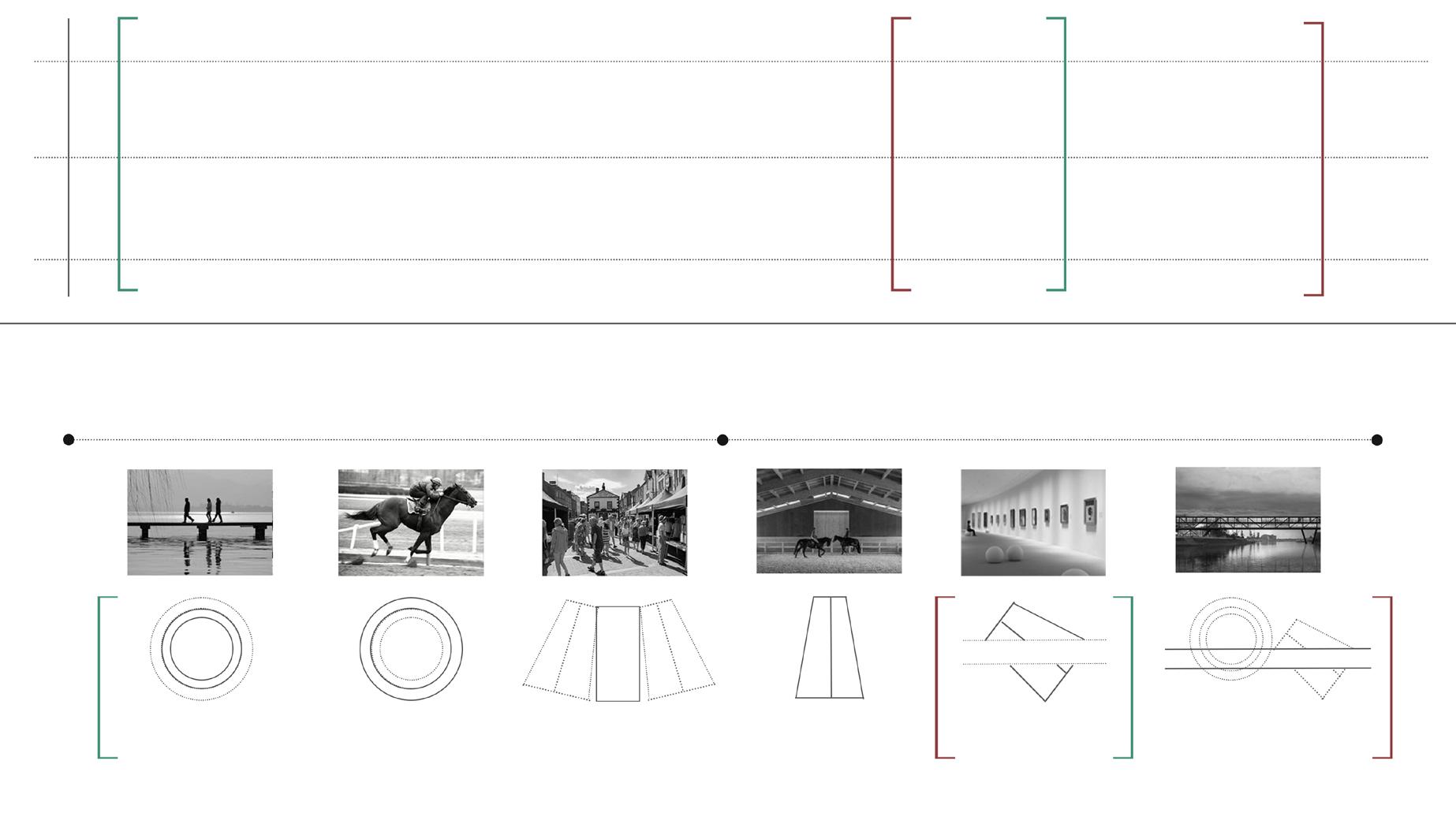
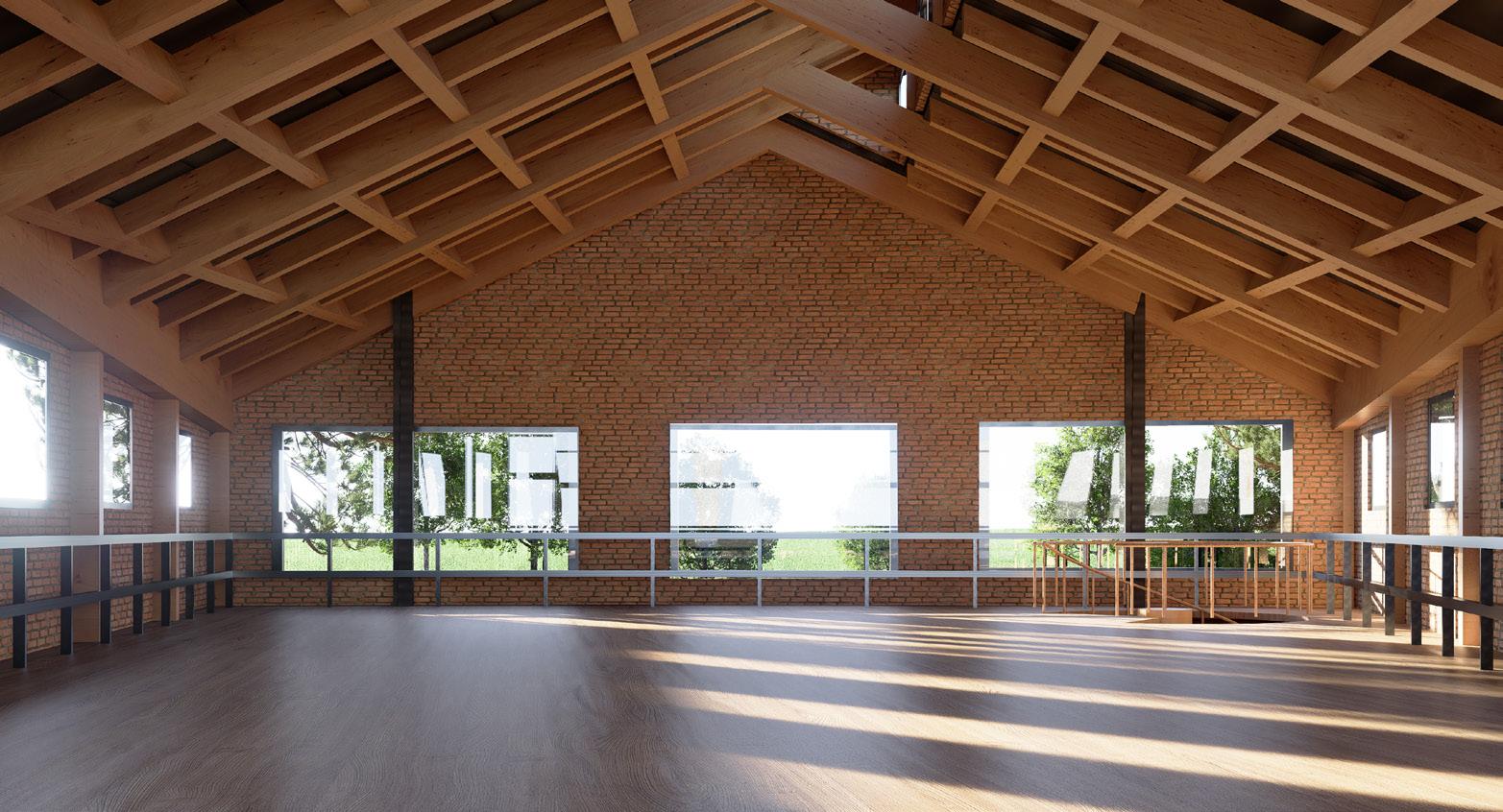
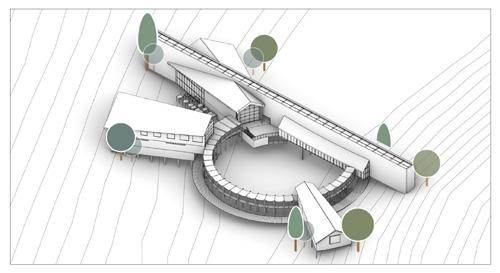
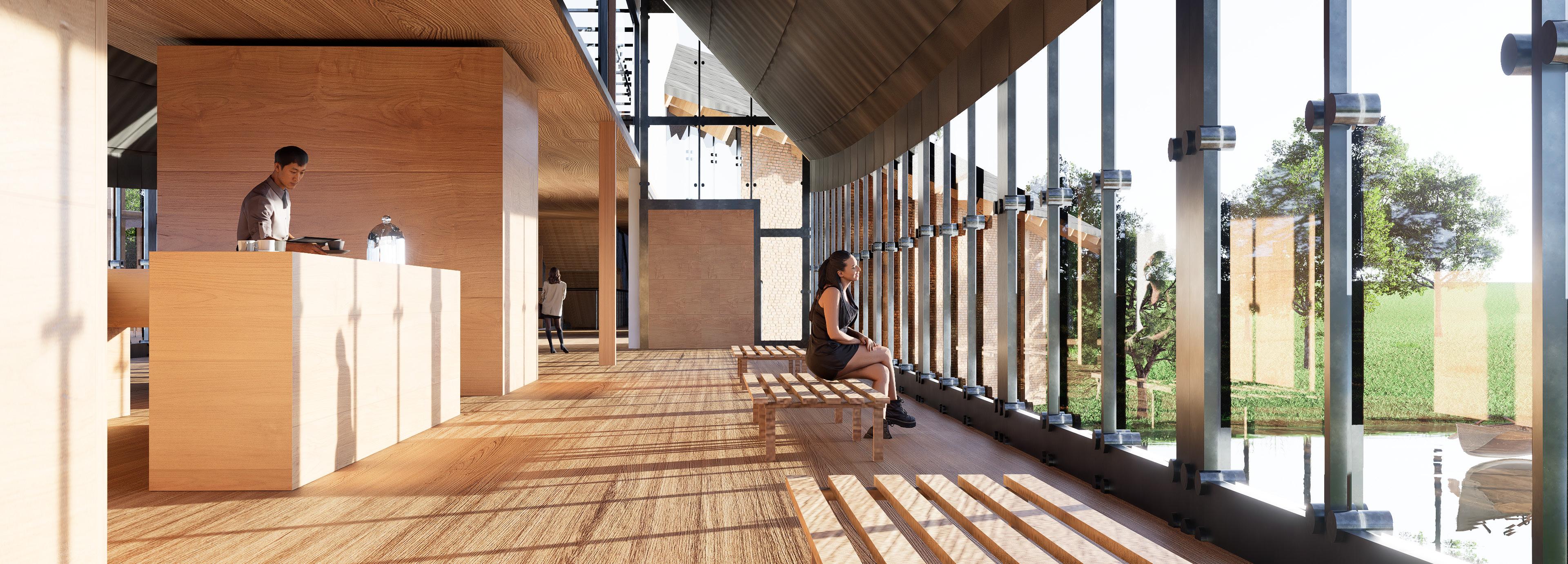
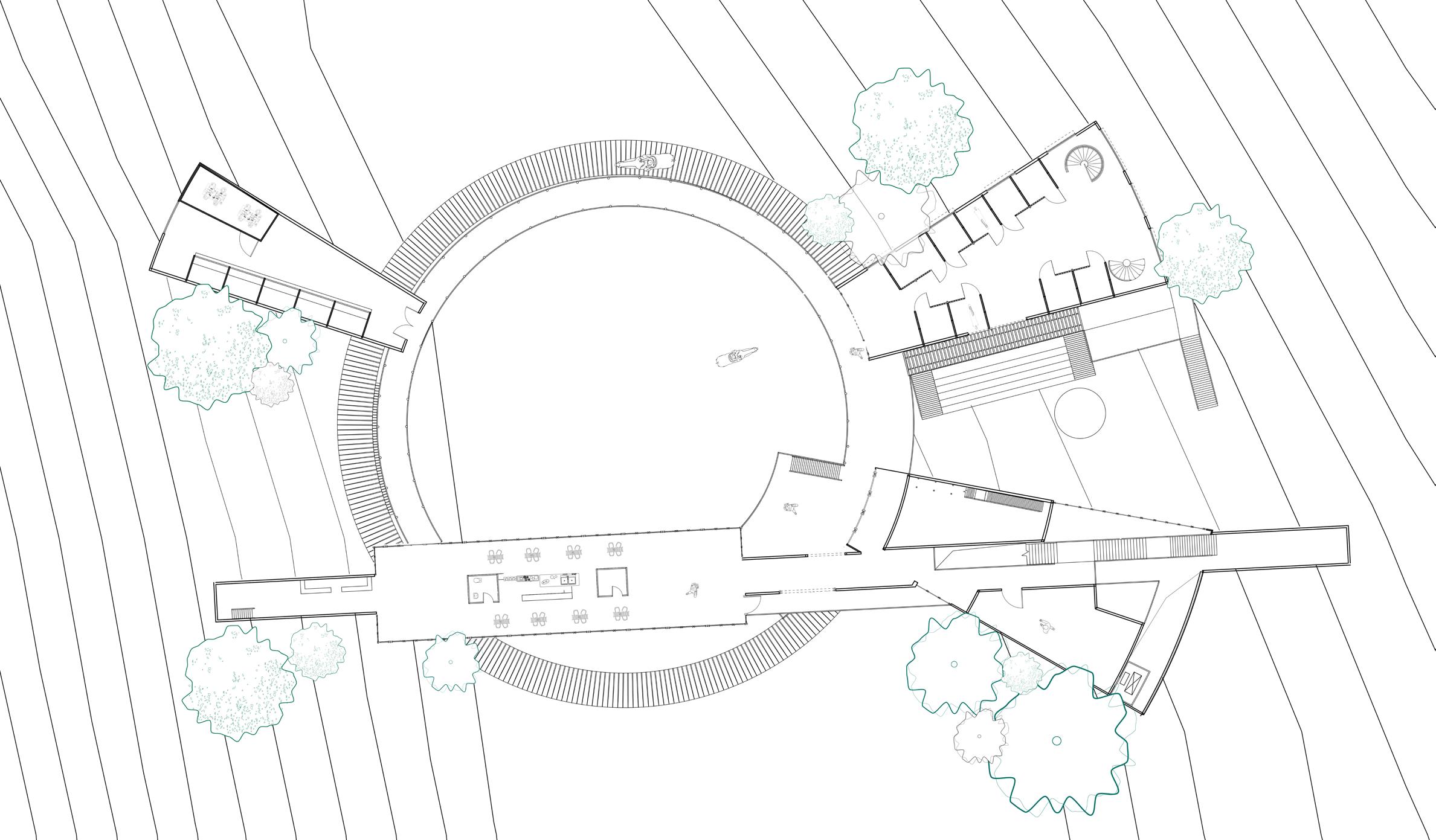
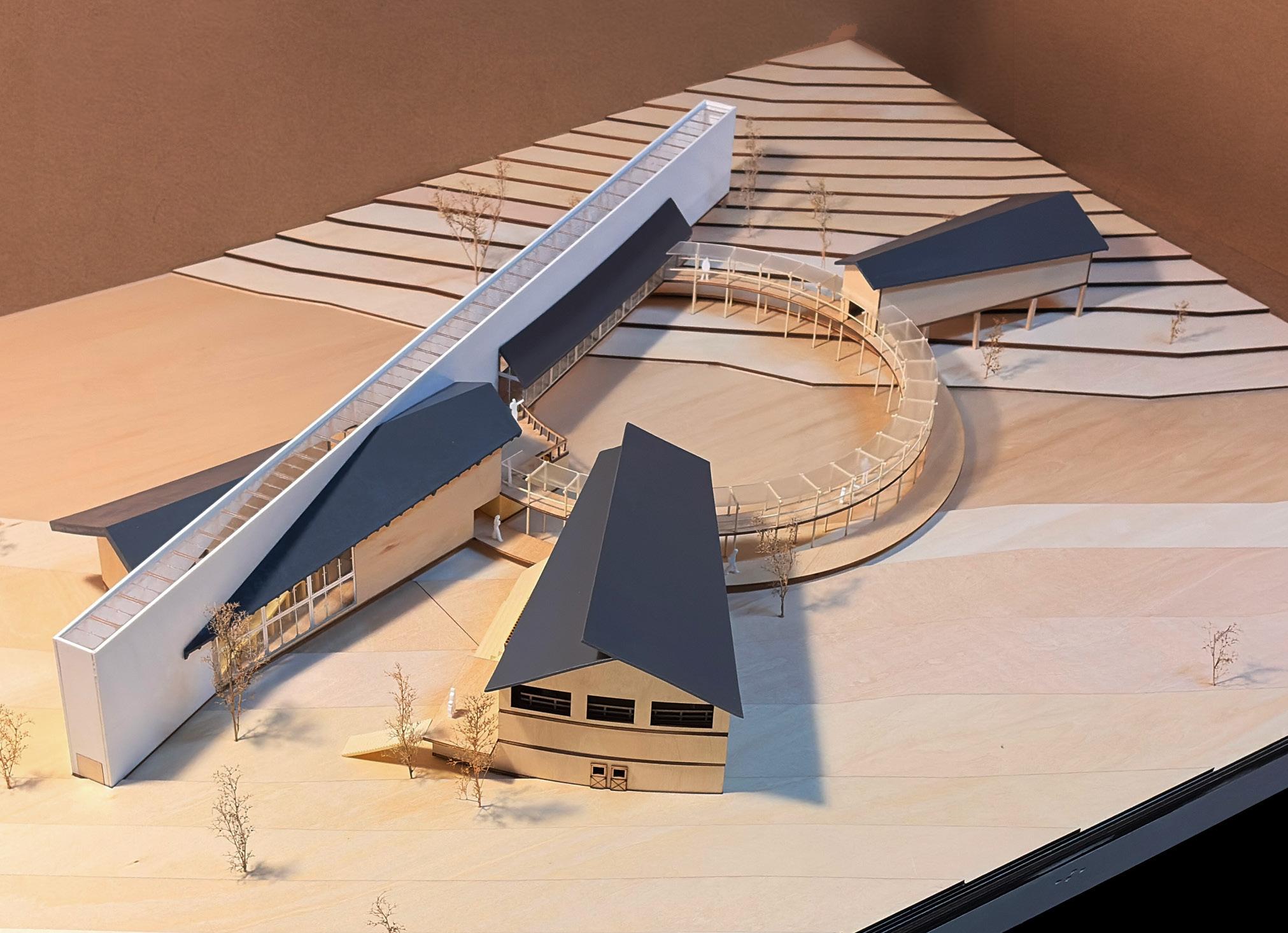
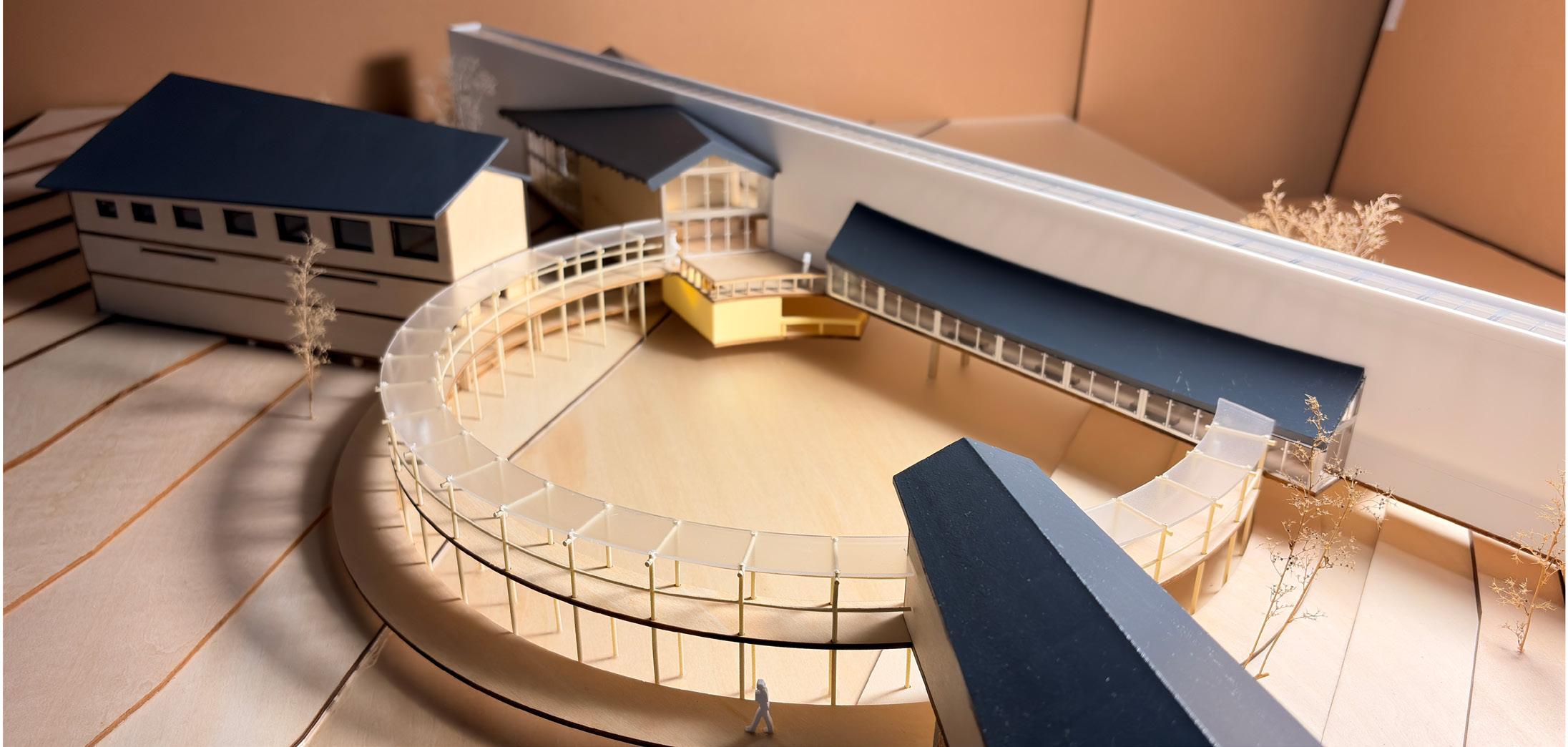
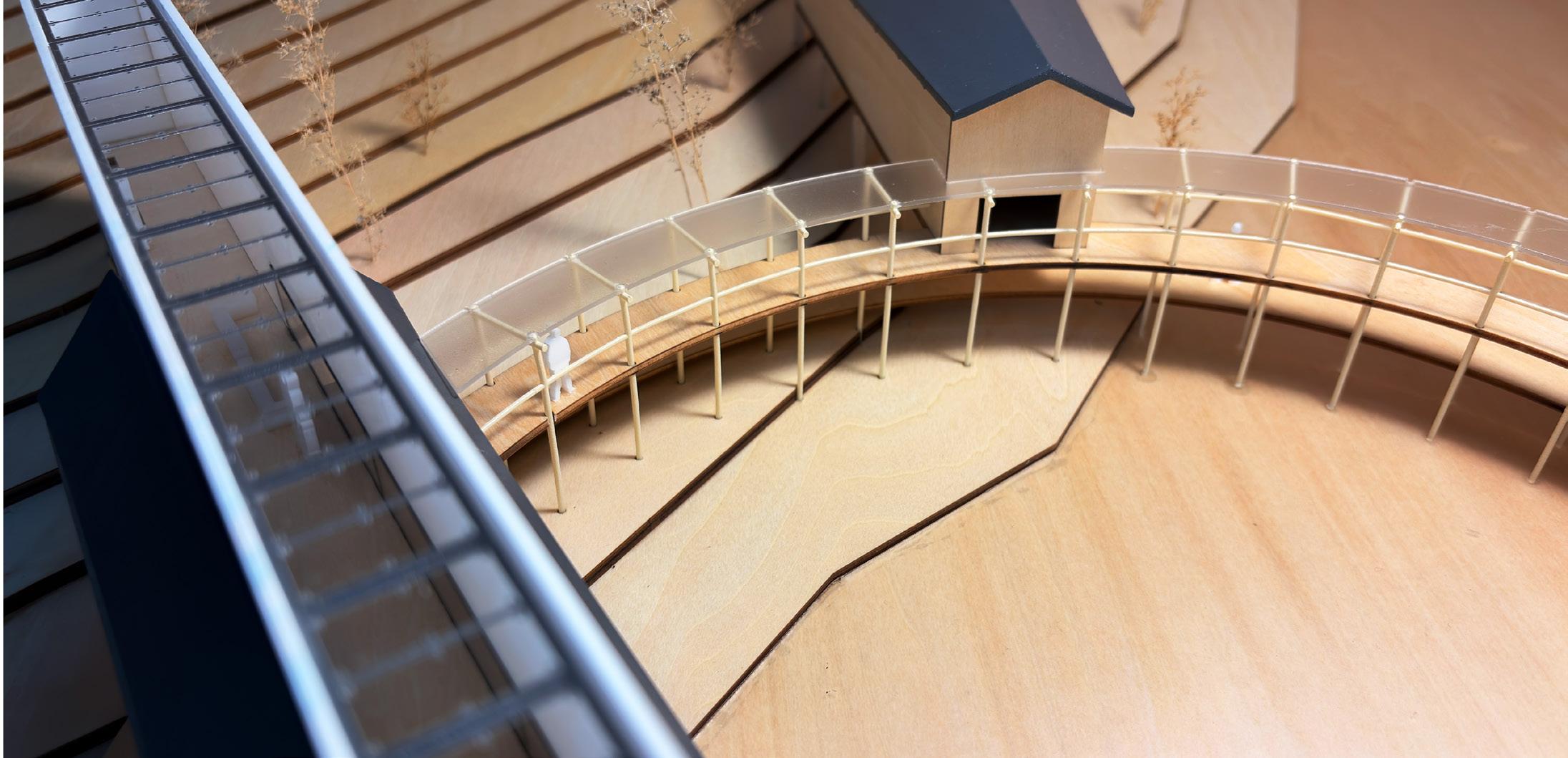
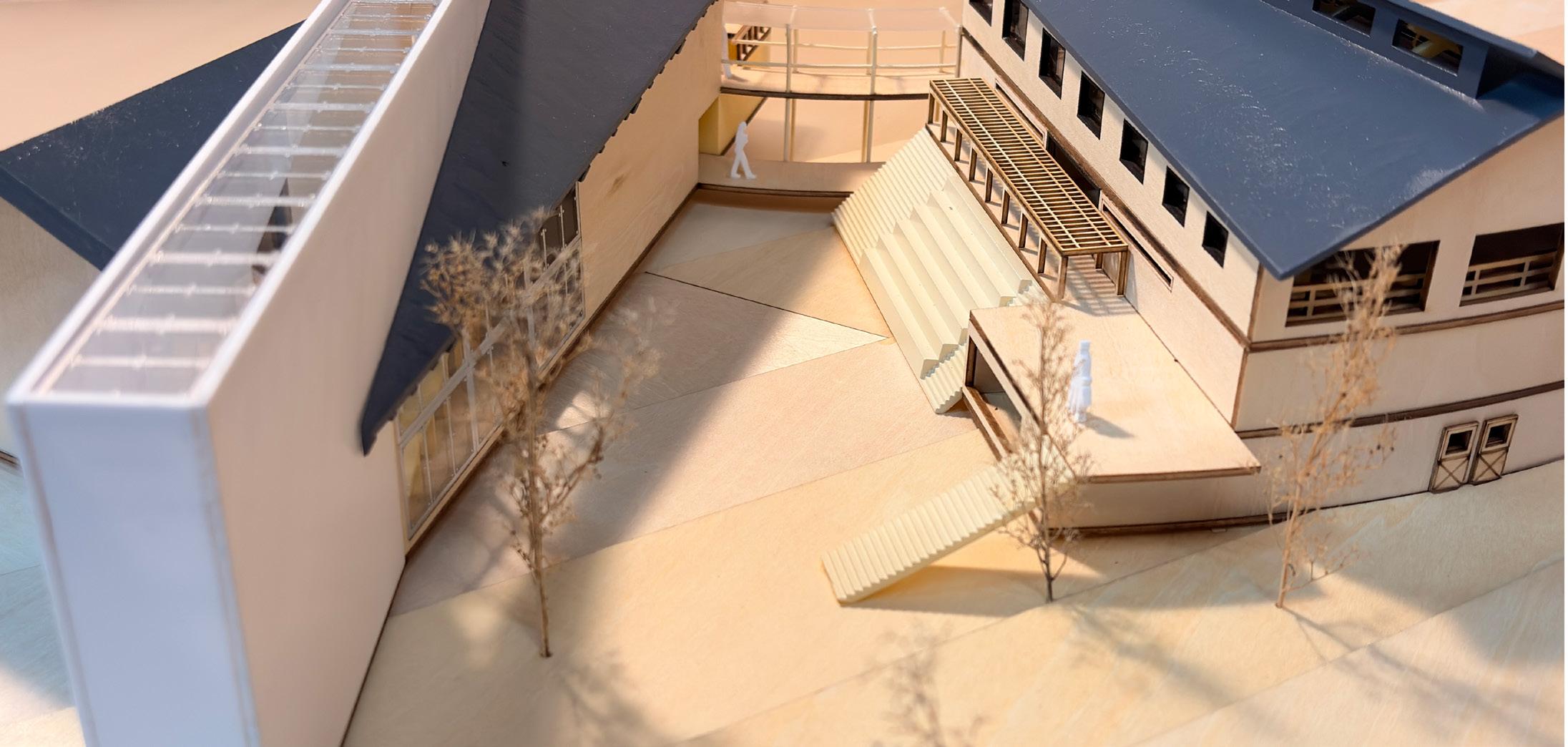
This project addresses the spatial and cultural marginalisation of the Romani community by analysing the annual Horse Fair held in Appleby-in-Westmorland, UK. In response to the limitations of the original site—including issues of inconvenience and environmental pollution. As a result, the proposal introduces a multifunctional architectural complex that integrates a market, stables, gallery, and bridge.
The architecture supports the fair’s activities while enhancing cultural visibility and historical recognition. Ultimately, my project seeks to create a space for exchange, preservation, and reconciliation between the Romani community and the wider public.
11th century
Romani people migrated from northern India to Europe.
15th century
Romani
1930s-1945
An estimated 220,000 to 500,000 Romani people were killed during the Holocaust.
tion of Romani people in England. Romani were persecuted across Europe, forced to adopt European customs.
16th century
1971
The first World Romani Congress was held, uniting the community to fight for right.
1990s-Present
Romani still face discrimination, but there are efforts for better protection of btheir rights.
analysis
11th century
Romani people migrated from northern India to Europe.
Romani people appeared in Europe and faced discrimination and persecution. 1492
The first reorded mention of Romani people in England.
1930s-1945
1930s-1945
An estimated 220,000 to 500,000 Romani people were killed during the Hol-
An estimated 220,000 to 500,000 Romani people were killed during the Holocaust.
1971
The first World Romani Congress was held, uniting the community to fight for right.
Romani were persecuted across Europe, forced to adopt European customs.
1990s-Present Group analysis Material analysis Structure analysis Orginal site issues
1971 Romani still face discrimination, but there are efforts for better protection of btheir rights.
Romani still face discrimination, but there are efforts for better protection of btheir rights.
analysis
site
analysis Material analysis Structure analysis
Orginal site issues
11th century
Romani people migrated from northern India to Europe.
15th century
Romani people appeared in Europe and faced discrimination and persecution.
The first reorded mention of Romani people in England.
Romani were persecuted across Europe, forced to adopt European customs.
16th century
ocaust.
The first World Romani Congress was held, uniting the community to fight for right.
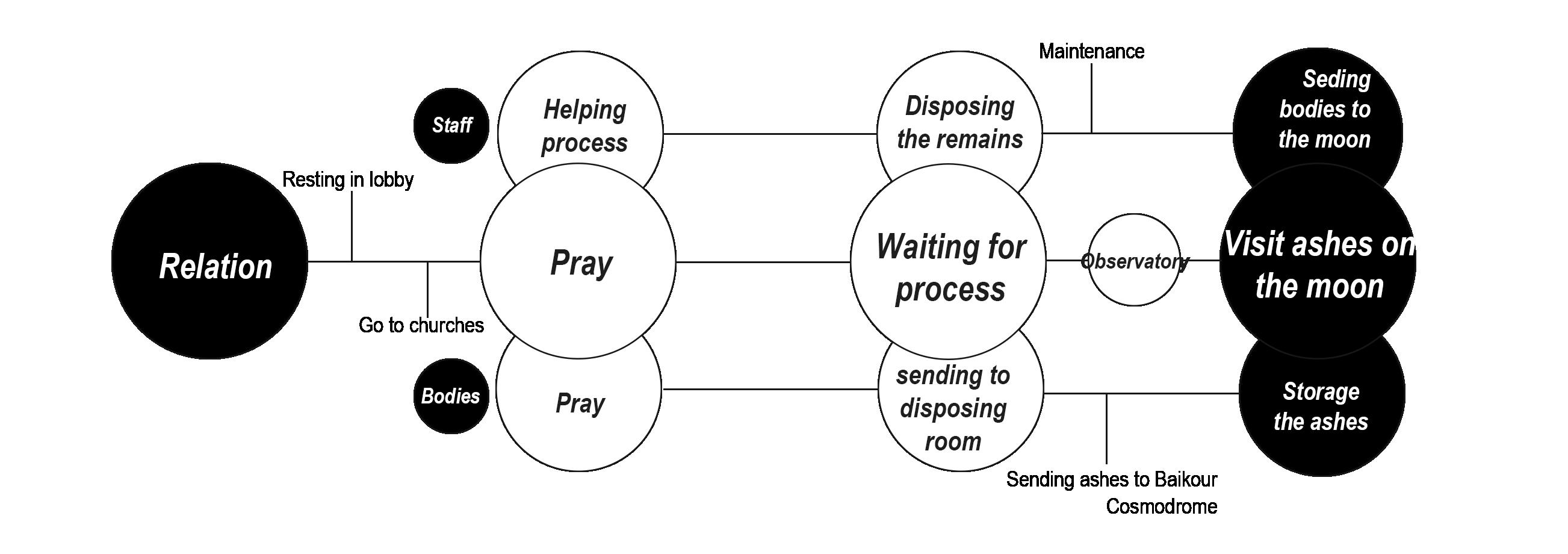
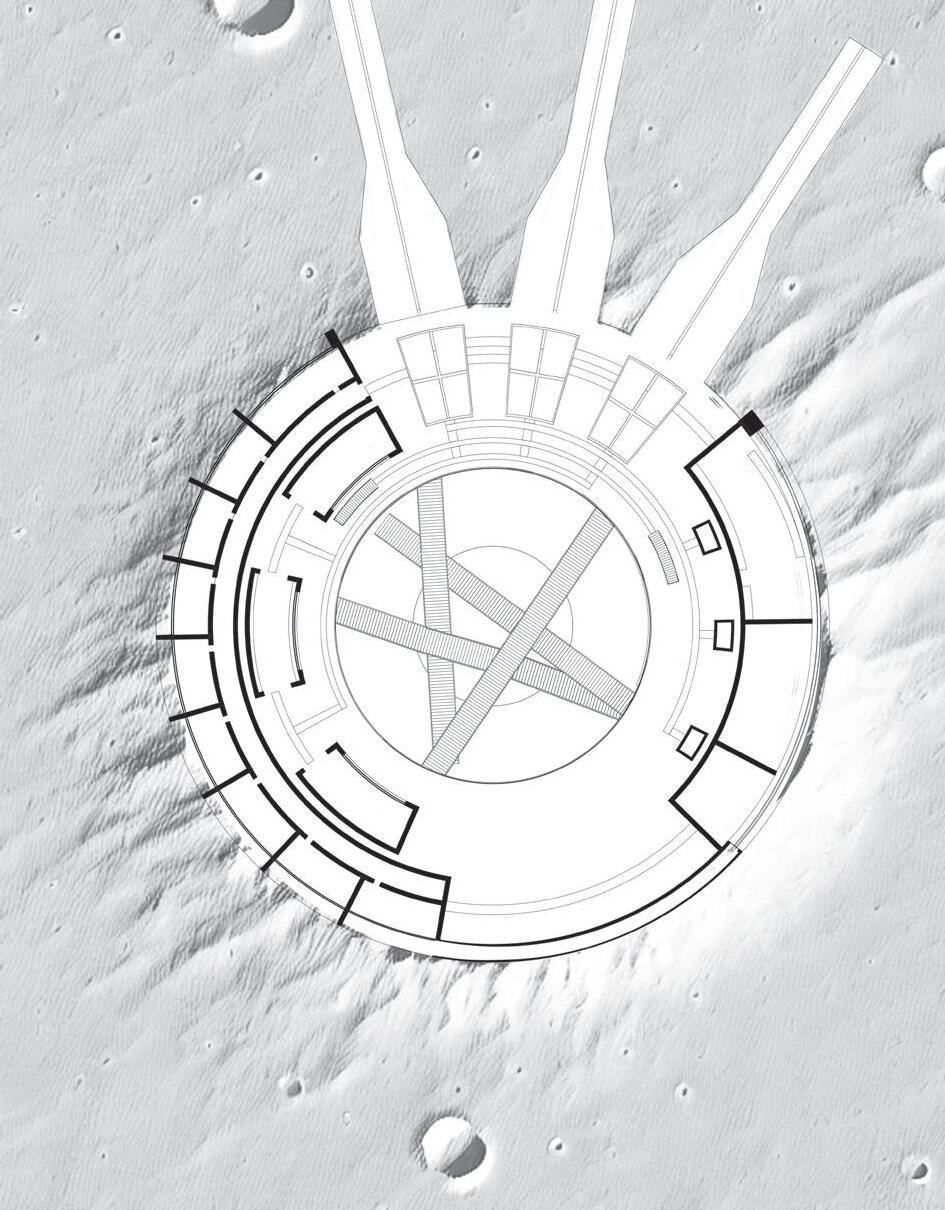
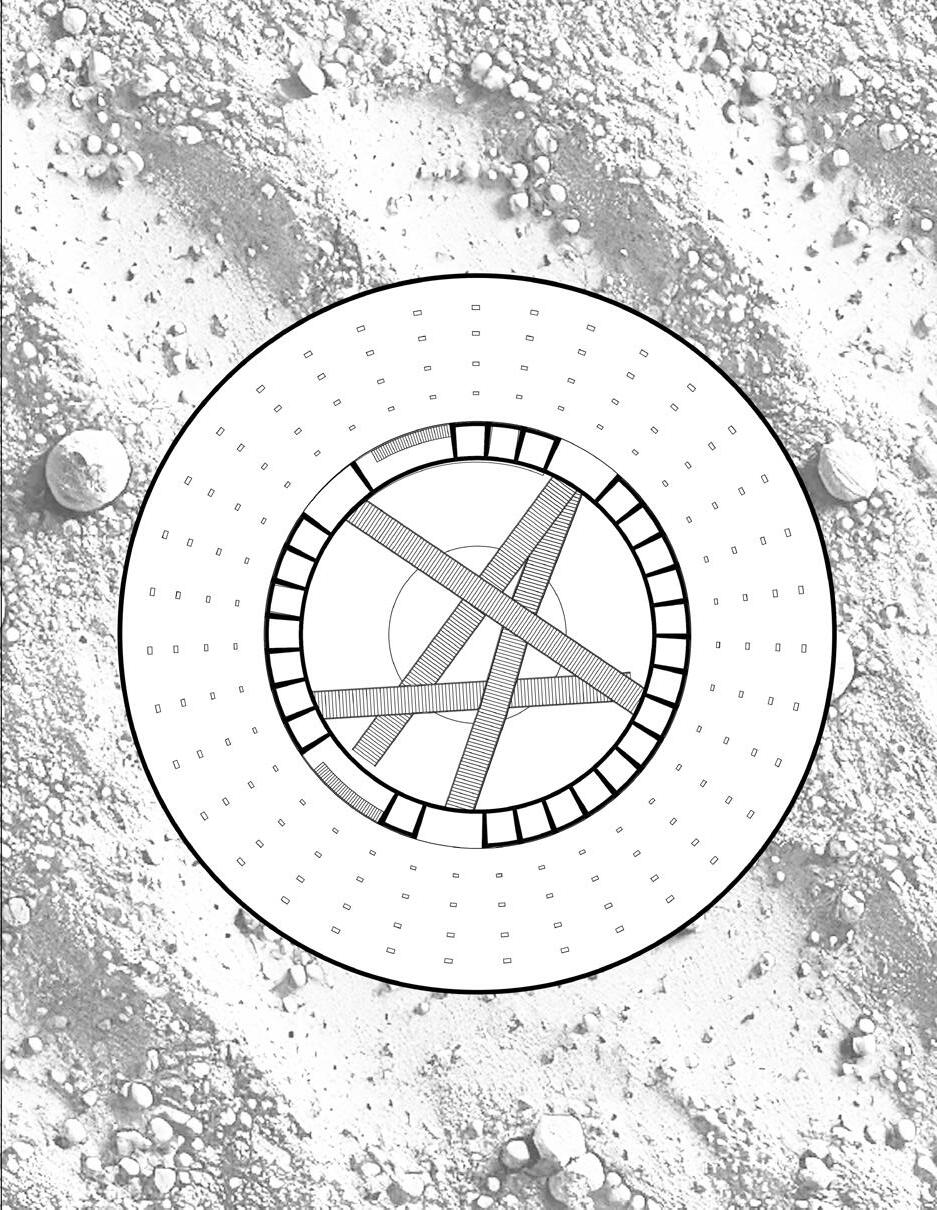
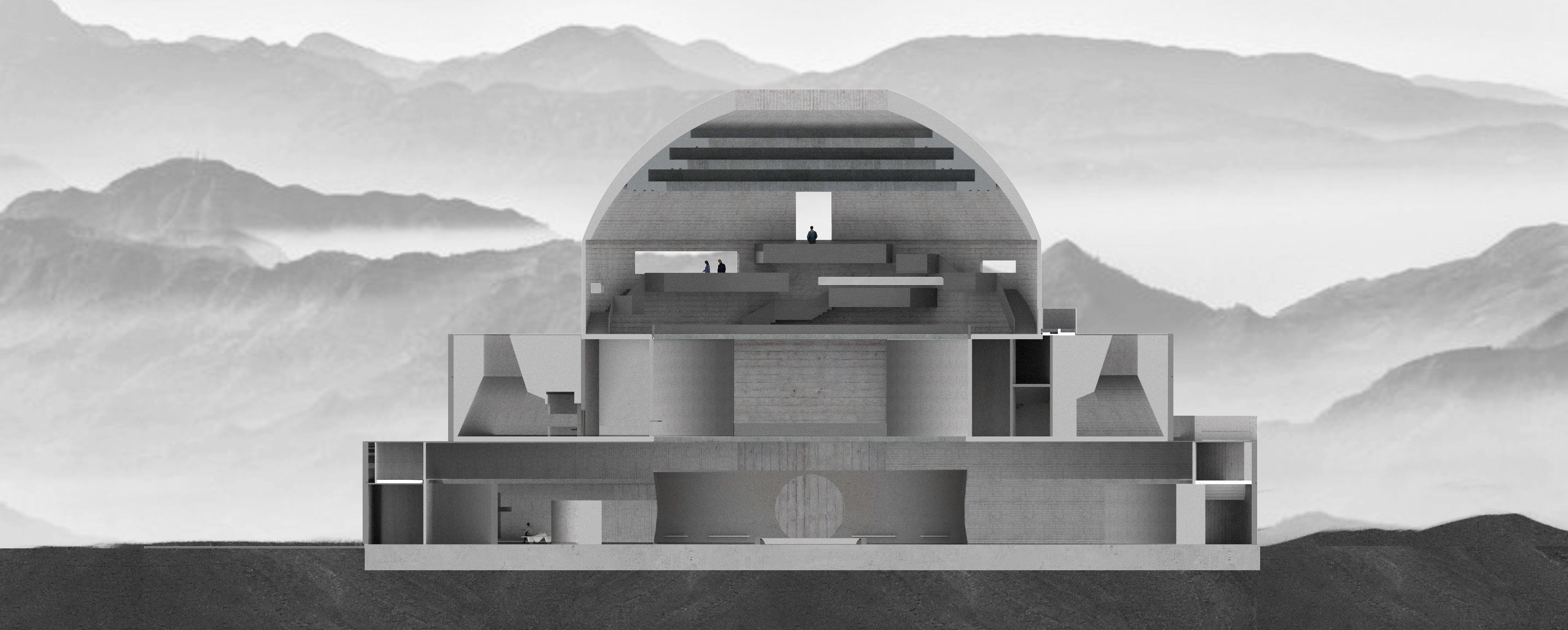
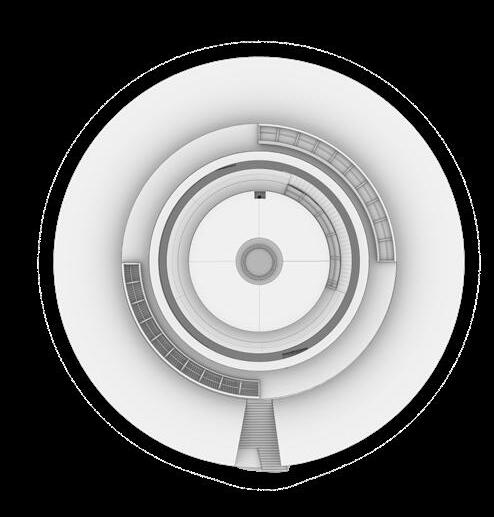
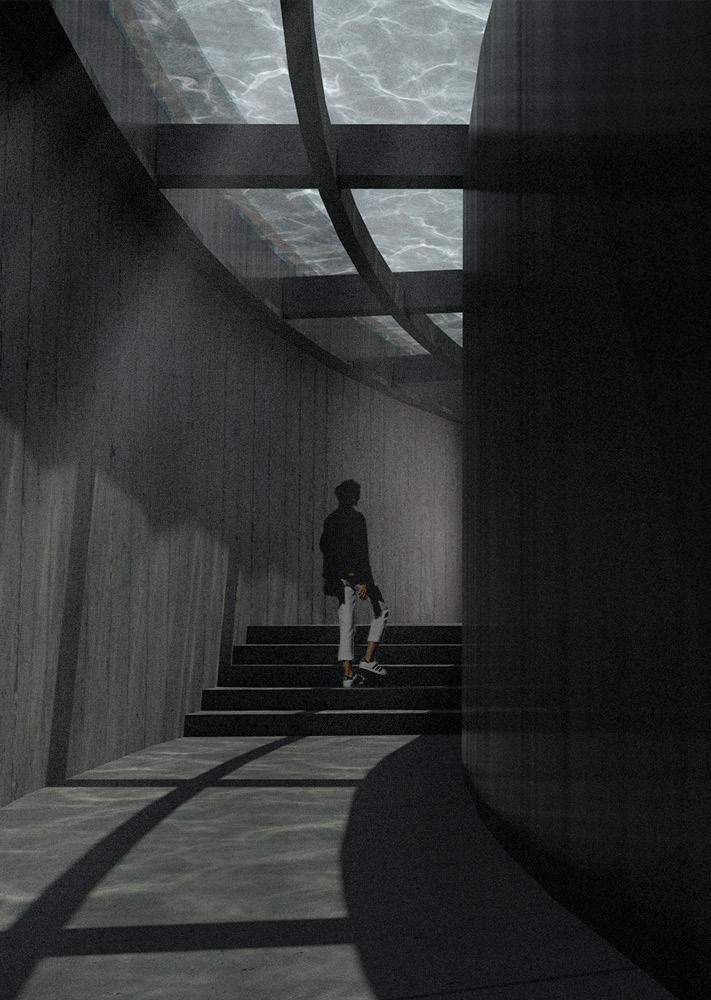
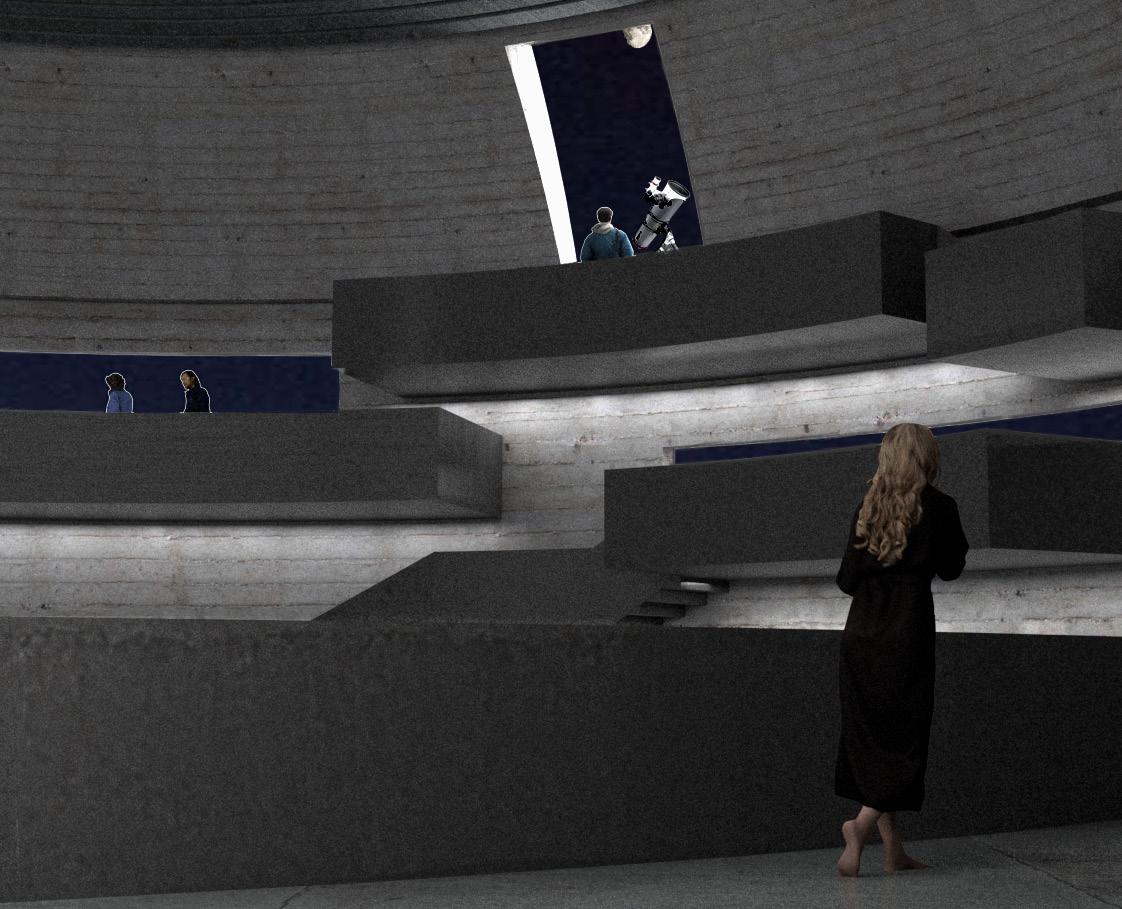
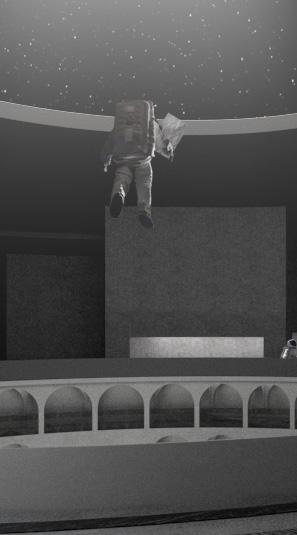
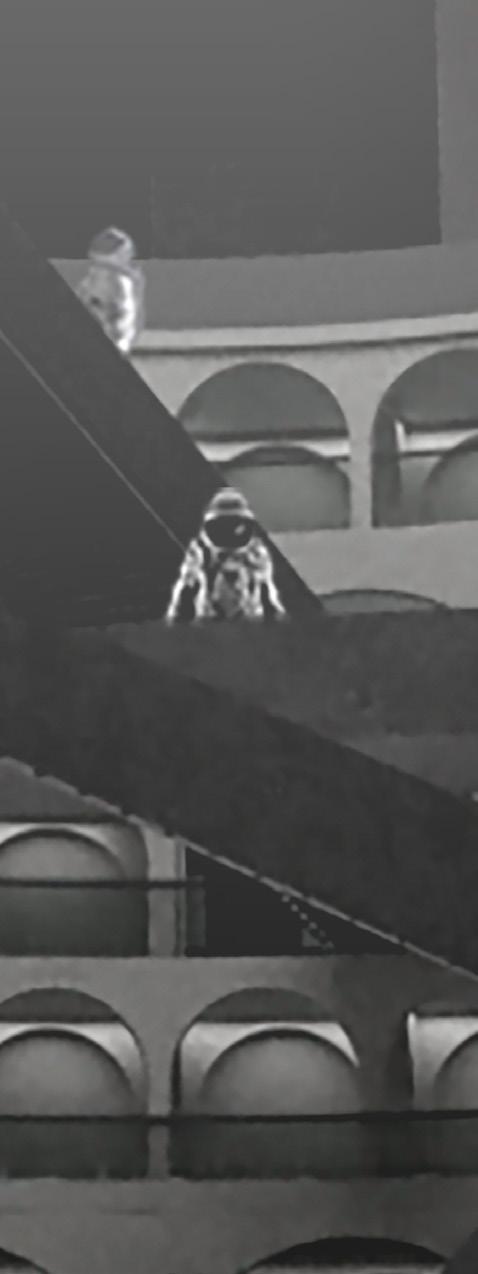
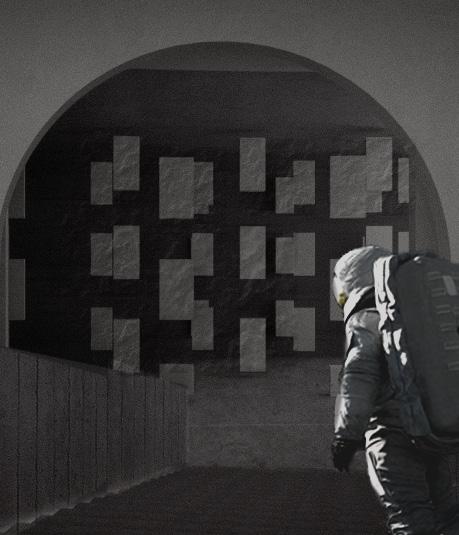
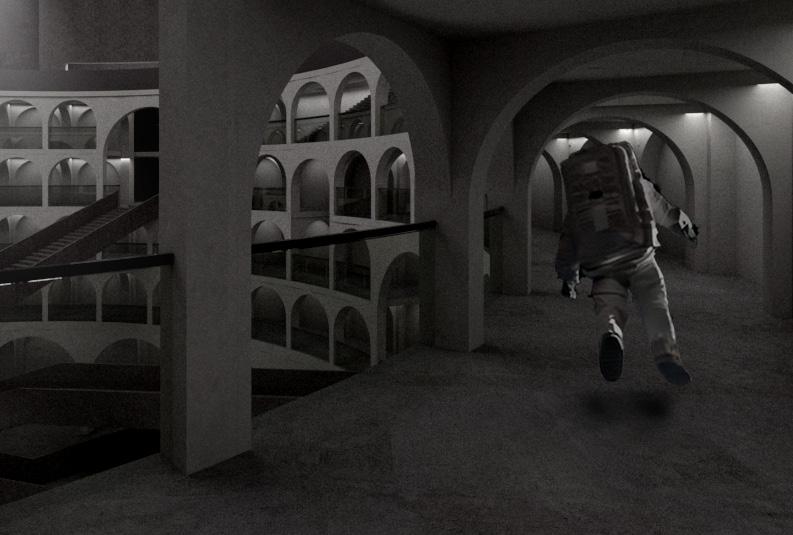
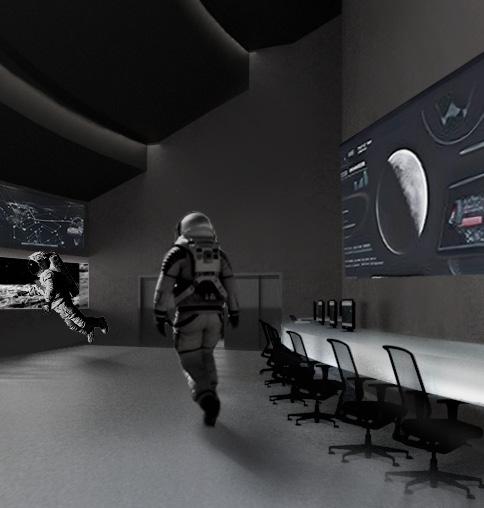
“FLY ME TO THE MOON”
The Future of Funerals
Date: 01/11/2024
Typology: Funeral Architecture
Individual work
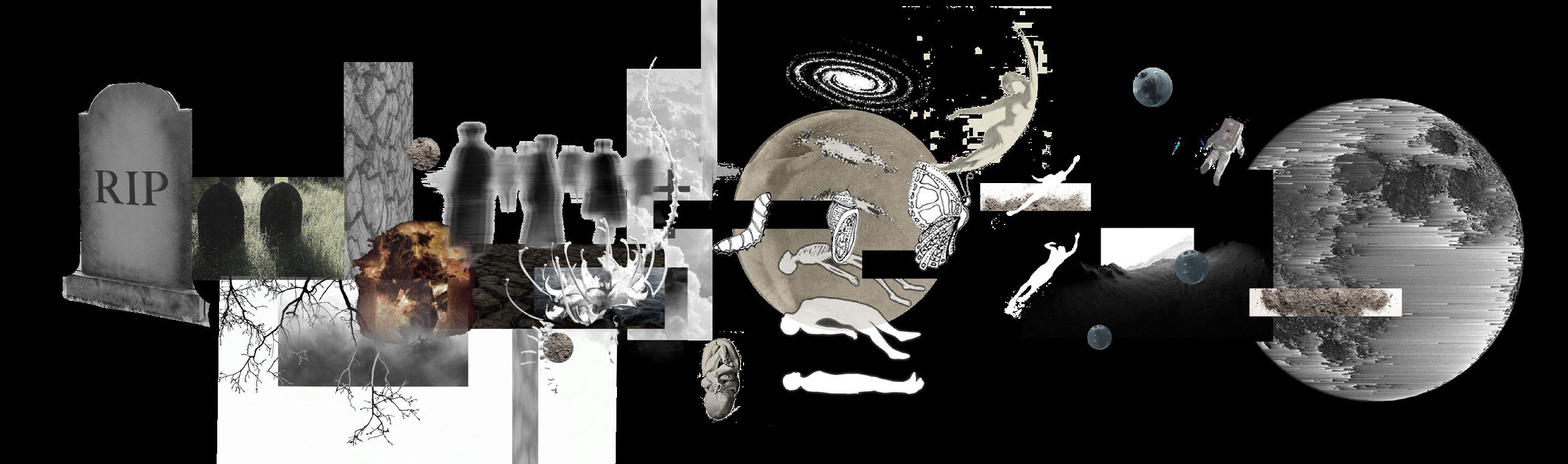
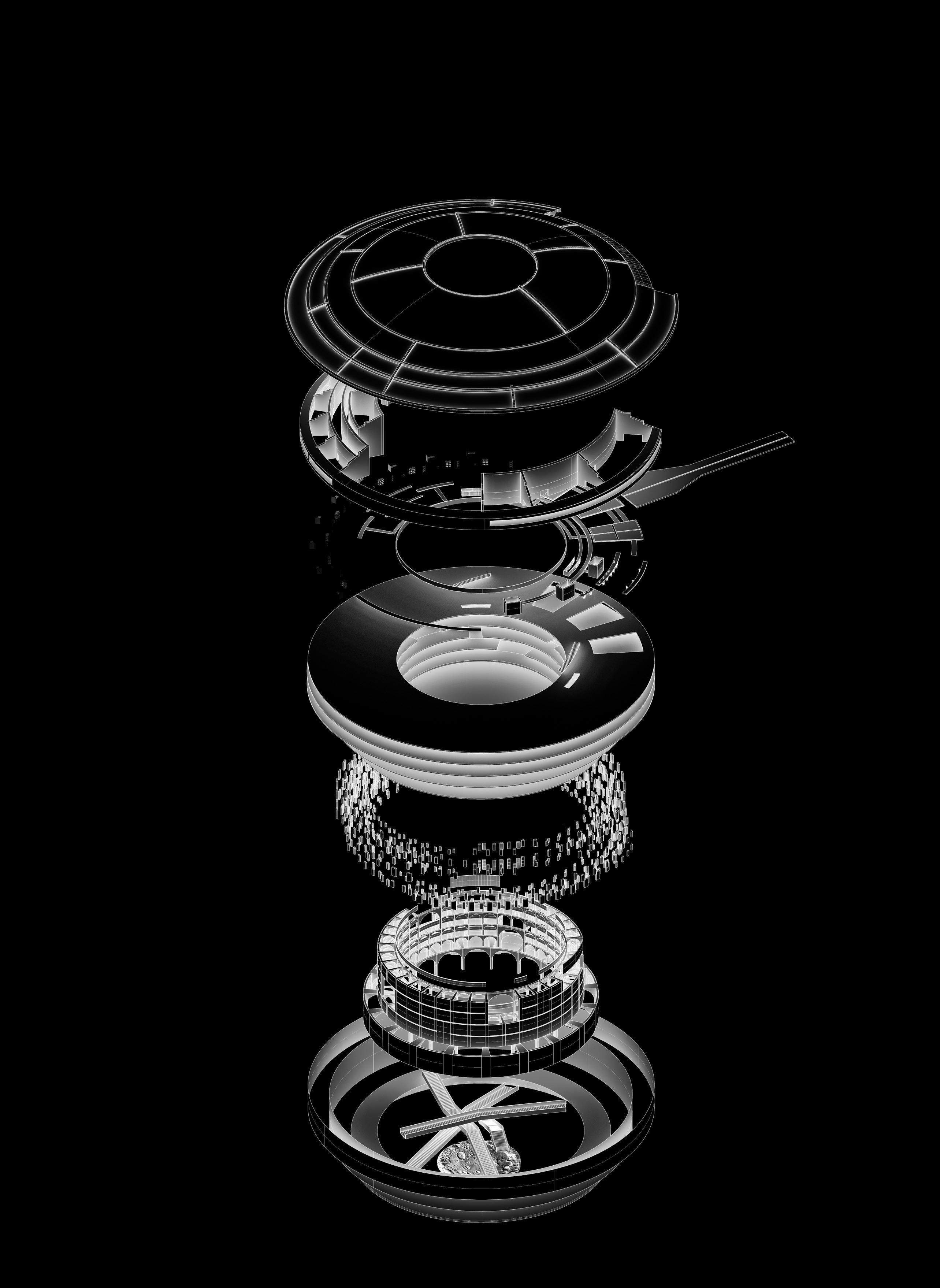
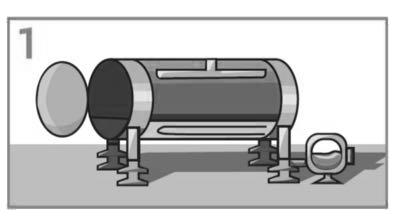
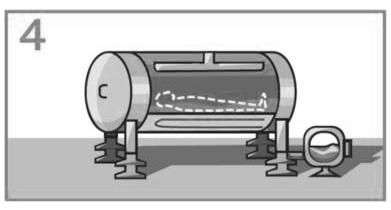
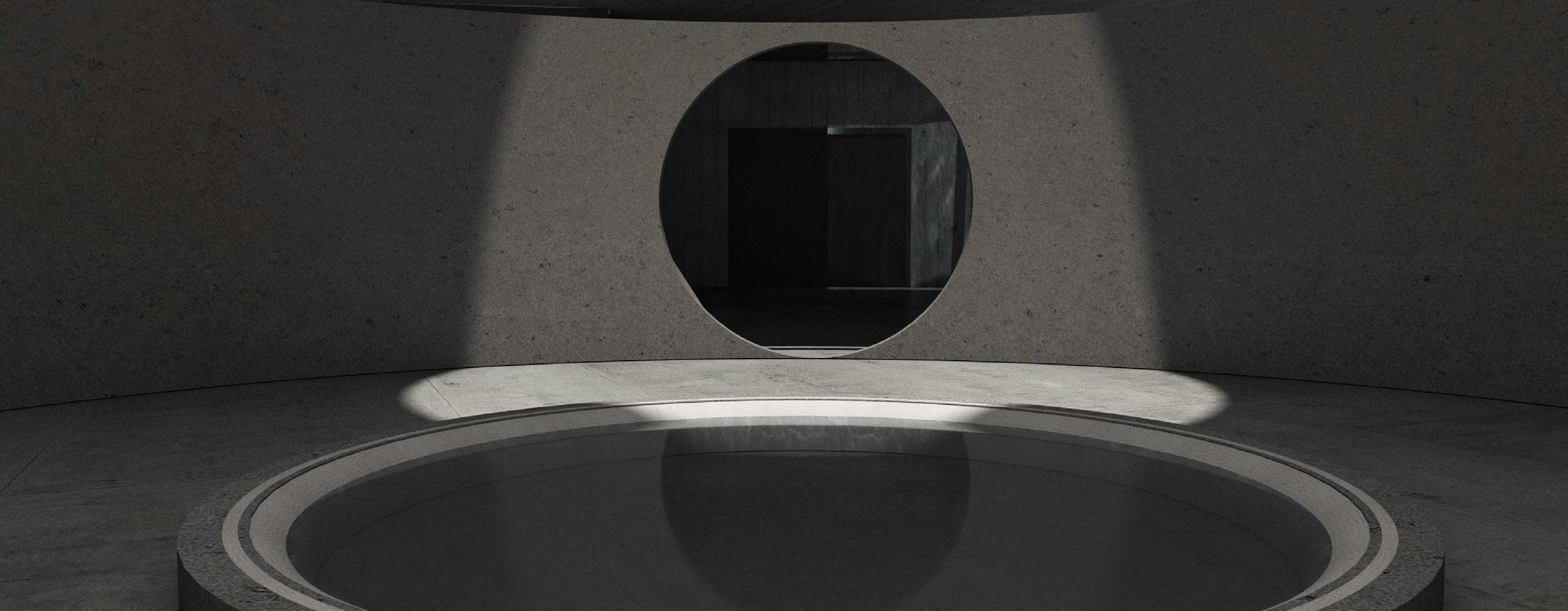
“returning to one’s roots, and the soul finding its way home”
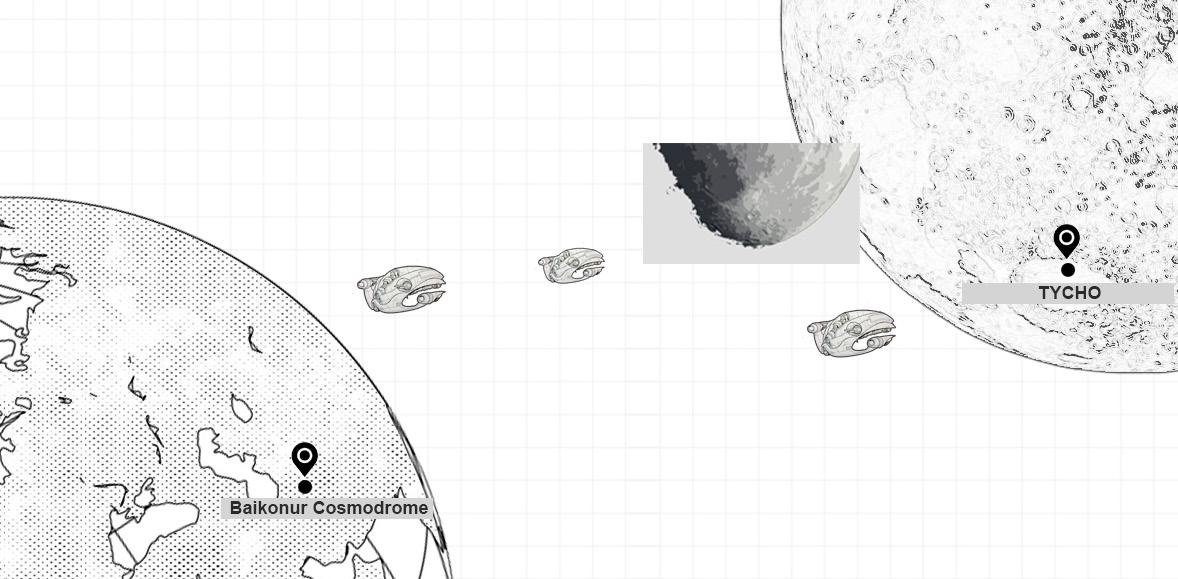
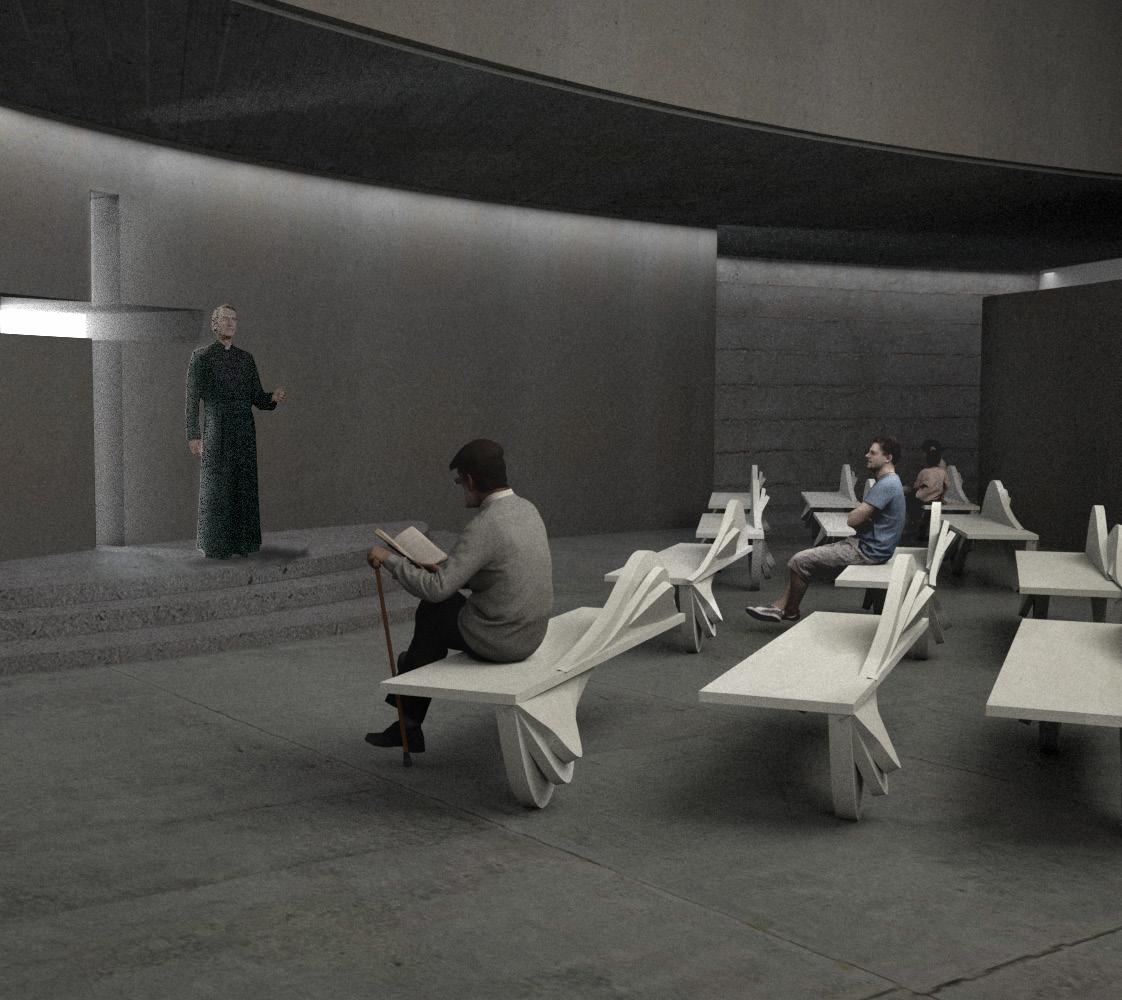
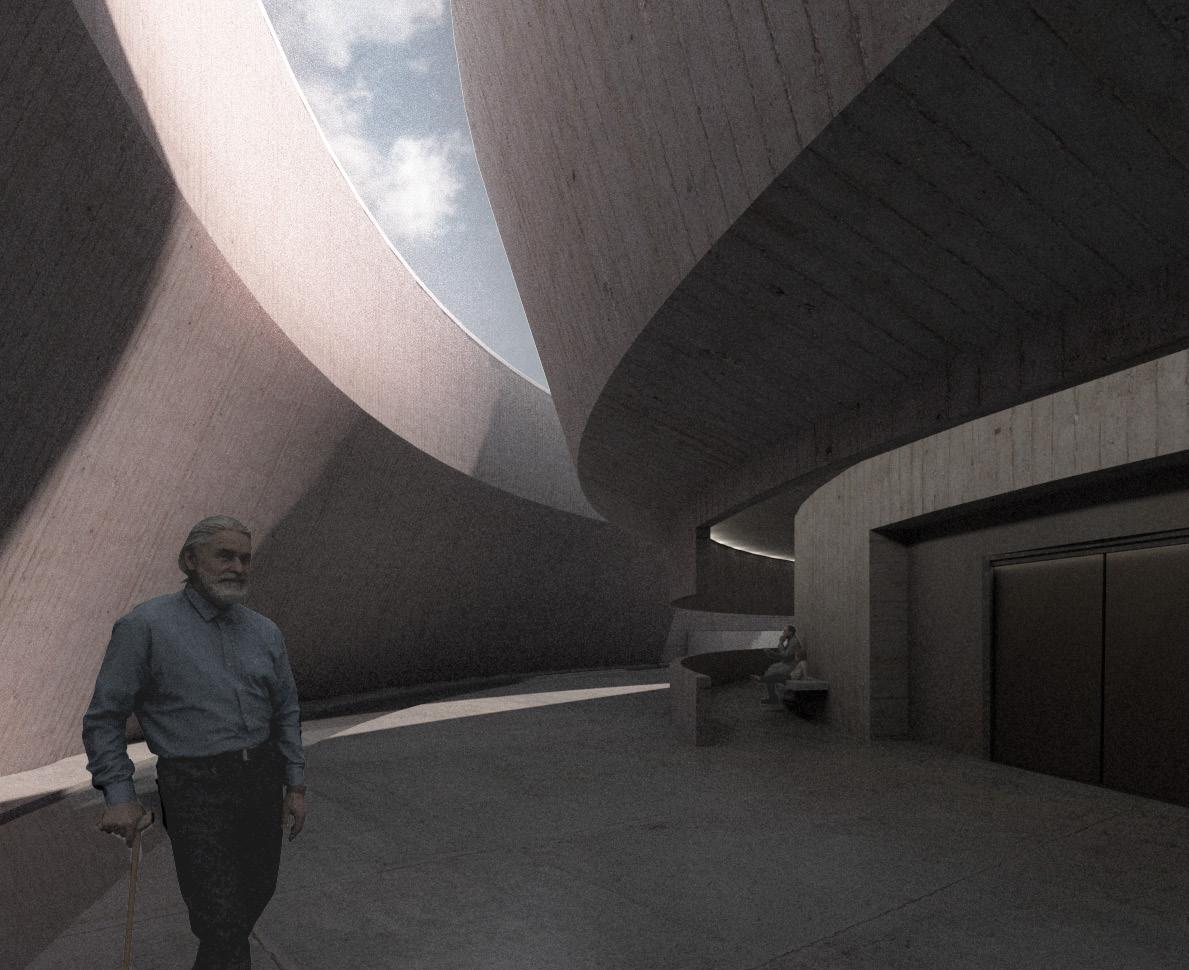
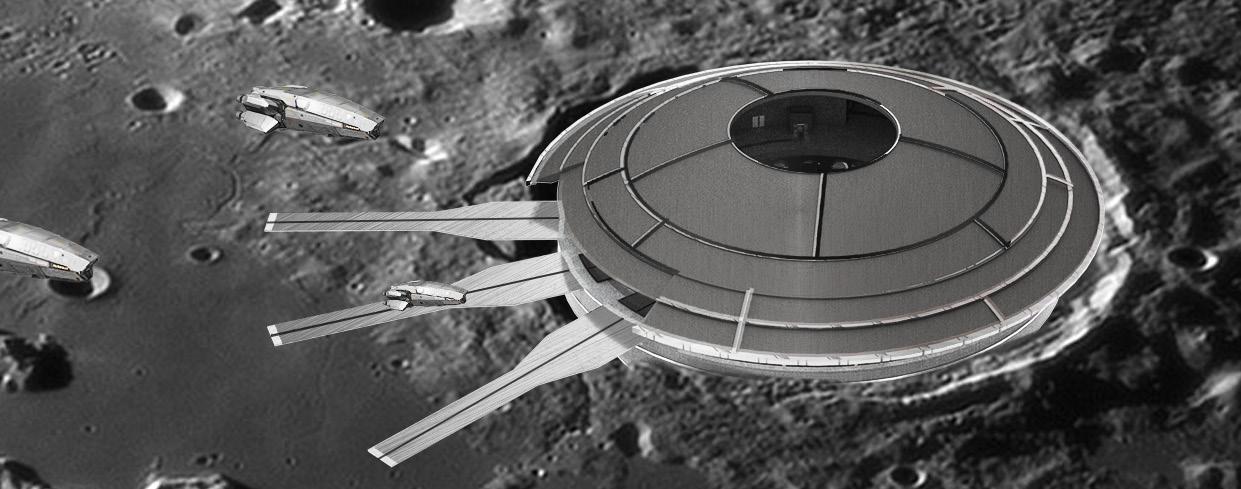
The scarcity of land resources has become an important topic in today’s discussions on global issues. With the passing of various living beings, land used for burial has become severely limited. Even though there are methods like combustion, which require less land for dealing with remains, this process also contributes to environmental pollution. Therefore, I focused on studying the stories of Christians towards death. Christians firmly believe in the concept of “returning to where we belong ,” states that nature created humankind, and that after death, people should be buried to return to nature. Based on this concept, I reconsidered the process of humans returning to their origins after creation. Humans are born through mothers, and in Christianity, the moon is also symbolistic with the mother. Therefore, sending the remains of deceased individuals to the moon can be seen as a new form of returning to one’s origins.