
What makes up a rodeo? Learn the basics of how each event works. Sometimes you’re against an animal, and sometimes you’re against the clock.
...............................................
Last year Kate Budge, Teton County Fair and Rodeo Queen, went on to win Miss Rodeo Wyoming. Now, she spends her days living on the road while soaking in her dream that came true.
Tonight’s contenders might be reigning champs here at the Jackson Hole Rodeo. Check out last year’s leaderboards.
Who are the rodeo judges? And how do they score rides? One Jackson Hole Rodeo judge says it’s better when riders are nice to him.
Rodeoing is a full-time job, taking up most of cowboys’ and cowgirls’ time during the summer. But when it’s not, they are doing just about what you might expect them to be doing during their free time.
Some cowboys don’t ever step foot inside a gym. Others aren’t able to operate that way. Here’s how cowboys prepare for their eight seconds.
Read more about Jackson Hole’s pipeline to the pros, homegrown cowboys and rodeo fashion.
PUBLISHER: Adam Meyer
EDITOR IN CHIEF: Johanna Love
MANAGING EDITOR: Billy Arnold
SECTION EDITOR: Kyle Leverone
PHOTOGRAPHERS: Bradly J. Boner, Kathryn Ziesig
EDITORIAL DESIGN: Andy Edwards
CONTRIBUTING WRITERS: Christina MacIntosh, Charley Sutherland, Kyle Leverone, Jasmine Hall
COPY EDITORS: Sarah Sellergren, Morri Stewart
CREATIVE DIRECTOR: Sarah Wilson
ADVERTISING DESIGN: Lydia Redzich, Luis Ortiz, Chelsea Robinson
DIRECTOR OF ADVERTISING: Karen Brennan
DIRECTOR OF OPERATIONS AND SALES: Tom Hall
MULTIMEDIA SALES MANAGERS: Tim Walker
DIGITAL CAMPAIGN MANAGER: Tatum Mentzer
PRODUCTION MANAGER: Dale Fjeldsted
PREPRESS SUPERVISOR: Lewis Haddock
PRESS SUPERVISOR: Steve Livingston
PRESS OPERATORS: Gunner Heller, Angel Aguilar
CUSTOMER SERVICE: Lucia Perez, Rodolfo Perez
CIRCULATION MANAGER: Jayann Carlisle
CIRCULATION: RuLinda Roice, Gunner Heller, Angel Aguilar, Cathy Ricks, Dane Swanson, Kelsey Wotzka, Eloy Sosa Garcia
©2026 Teton Media

Here's a breakdown of the heads and tails of each rodeo event.
By Kyle Leverone
No matter what, the buzzer will sound after eight seconds of every ride. Sometimes the harsh sound is excruciating. Other times, it’s relieving. It all just depends on whether the rider held on.
Welcome to the Teton County Fairgrounds, where the old Western traditions of breaking horses and herding cattle meet the modern-day sport of rodeo.
There will be bulls and broncs and cowboys in chaps and hats. There will be barrel racers reaching top speeds in cloverleaf patterns. There will be roping and tackling and winning and failing and flailing.
So hold on — tight.
Here are the rules of the rodeo:
There are two types of events at the rodeo: roughstock and timed.
Roughstock events are what you see on TV — they’re the wild rides on the backs of bulls and broncs. Contestants’ scores are equally dependent upon their riding performance and the animal’s effort, as the former tries for dear life to hold onto the latter for eight seconds: That’s when that buzzer sounds.
Two judges each score a cowboy’s ride from 0 to 25 for both rider’s performance and animal’s effort (see page 7). A perfect score is 100.
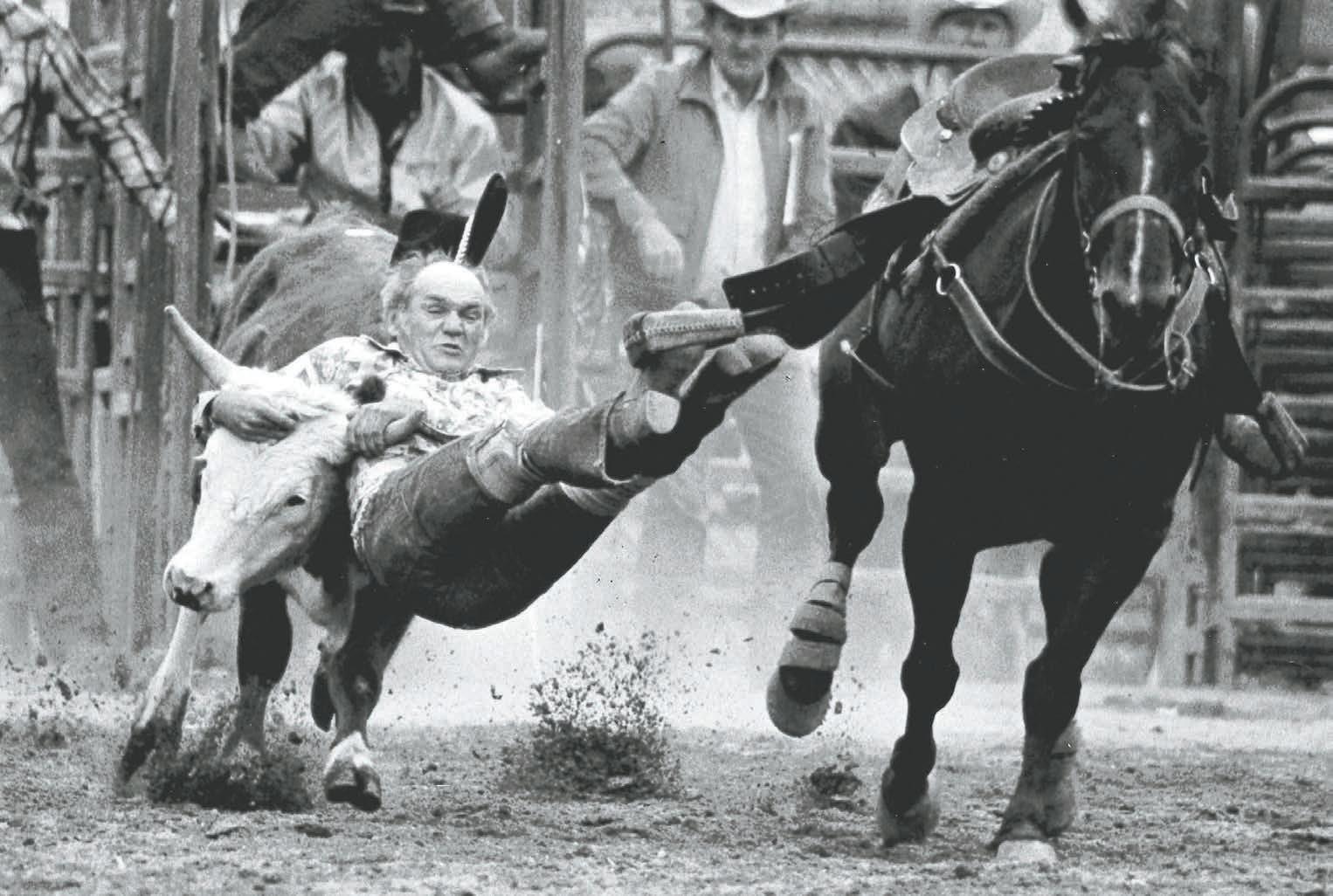
Timed events are a bit simpler. Whatever event it is, the goal is to be the quickest. Whether it’s roping a calf, wrestling a steer or racing a horse around barrels, the fastest one wins. In steer wrestling and roping events, calves and
steers have a head start, and the first competitor to catch them wins.
In this first roughstock event, there are a couple of essential rules. Riders must start with their feet above the horse’s shoulders when the horse’s feet hit the ground out of the box. This is called “marking” the horse out. If a cowboy fails to do so, the ride is disqualified.
While on the bronc, riders must hold onto a rope attached to the horse’s halter, and the free hand must not touch the rider’s body or the horse at any time.
This event has its roots in the art of horse breaking but has evolved into a highly stylized competition that utilizes strong and agile broncs.
Now let’s do it without a saddle.
Both saddle bronc and bareback bronc riding are among the most physically demanding events in rodeo. There is another layer of complexity in bareback riding, though. A cowboy must mark out his horse but must also have his spurs touch the horse on every jump for the full time required to earn a qualifying ride, which is then judged by regular roughstock scoring.
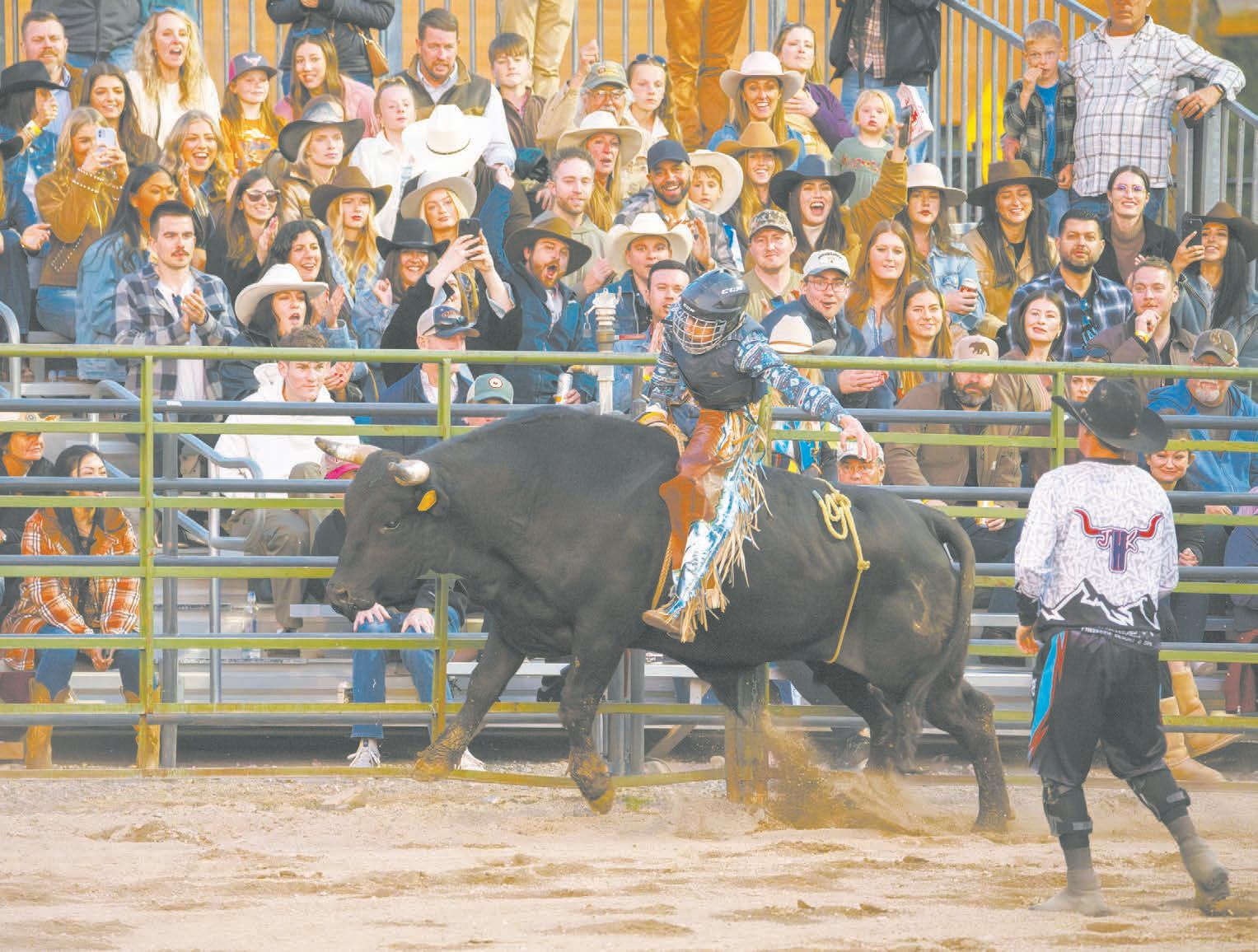
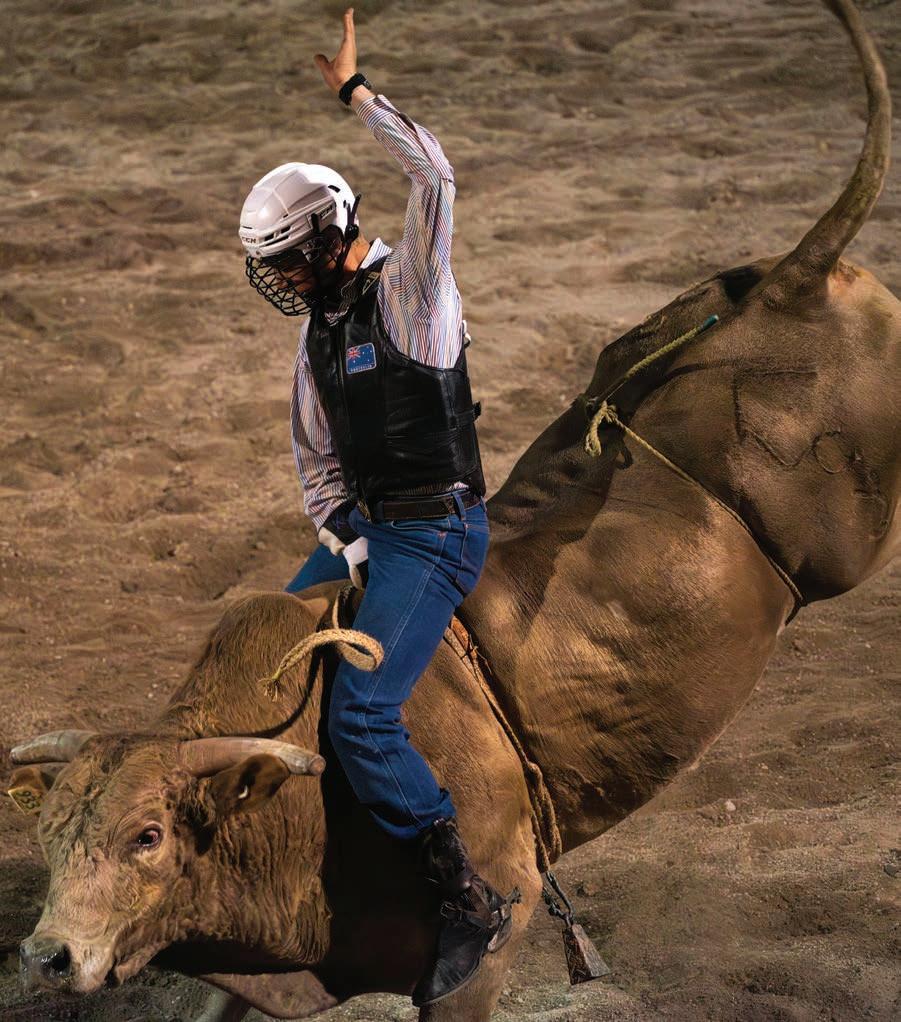
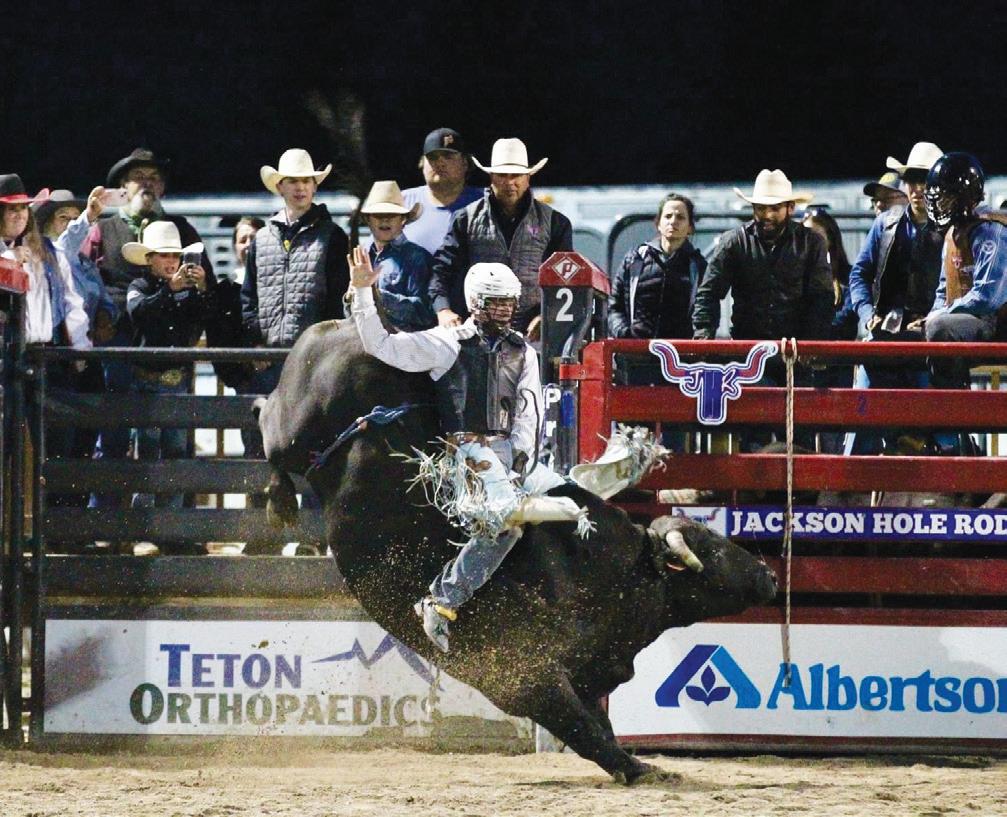
Notoriously known as “the most dangerous eight seconds in sports,” bull riding is one of rodeo’s main events. From within the bucking chute, the rider secures a grip on a flat-braided rope, nods to signal that he is ready, and then holds on. Marking out the animal is not necessary because it’s a bull, and riding one of those is hard enough.
The enormous animal does all it can to shake the rider off and, throughout the ride, bullfighters stay nearby to aid the rider if necessary and to distract the bull from the rider after time is up. Judges will award points based on control and rhythm of the rider in matching the bull’s movements. Points will be deducted if a rider appears off-balance.
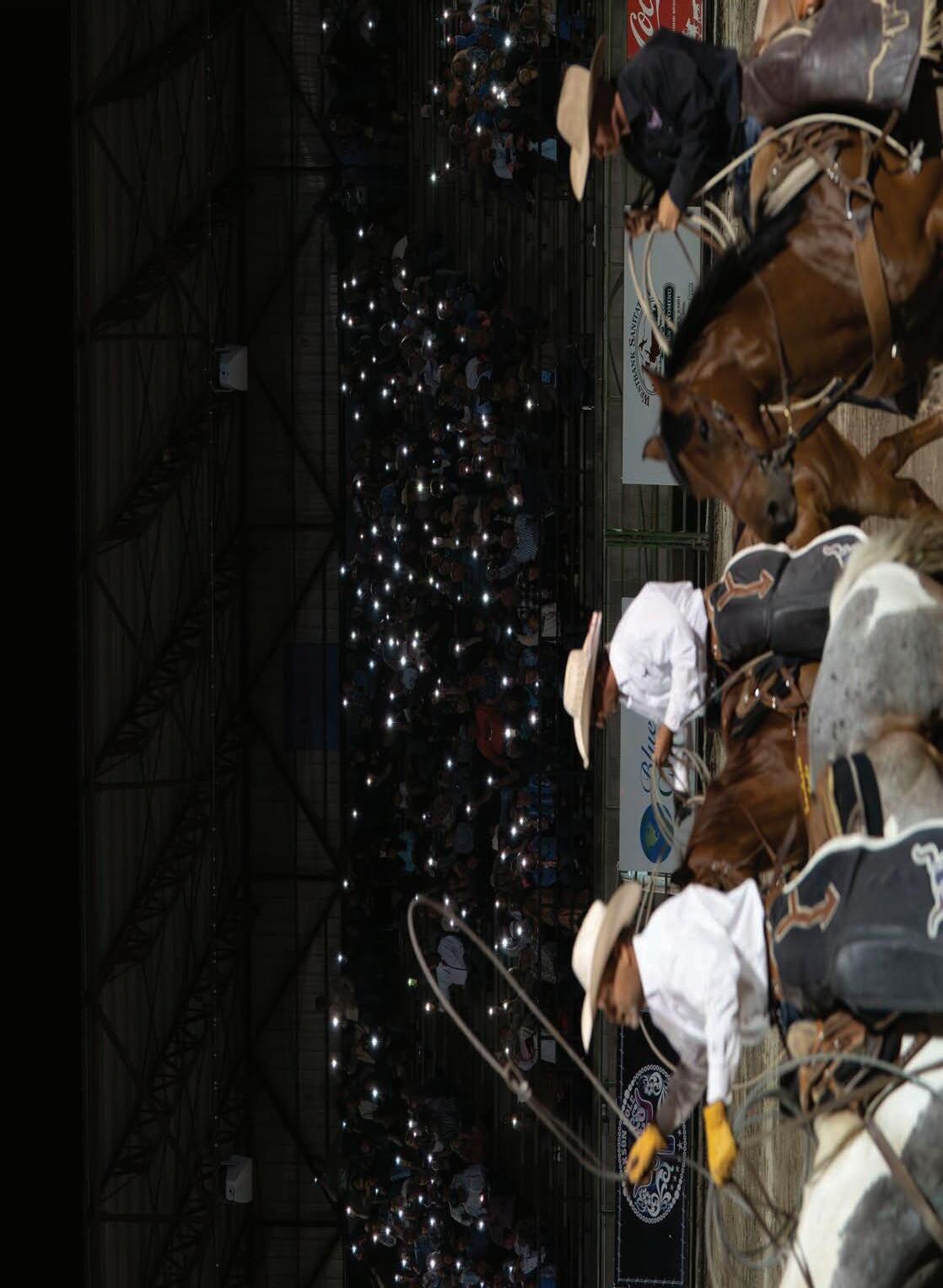
As one of the timed rodeo events, this competition entails a pair of horse riders attempting to wrangle a racing steer. The event is also known as heading and heeling. The first roper, or the “header,” goes for the front of the steer, usually around the horns; and the second, the “heeler,” ropes the steer by its hind feet. The clock stops when both riders have roped the steer, their lines are pulled tight and their horses are facing one another.
Cowboys and cowgirls compete together in this one, and the fastest team to wrangle the steer wins. Teams can be assessed time penalties, though. If the header breaks before the steer reaches the advantage point, or if the heeler ropes only one hind leg, 10- and 5-second penalties are assessed, respectively.
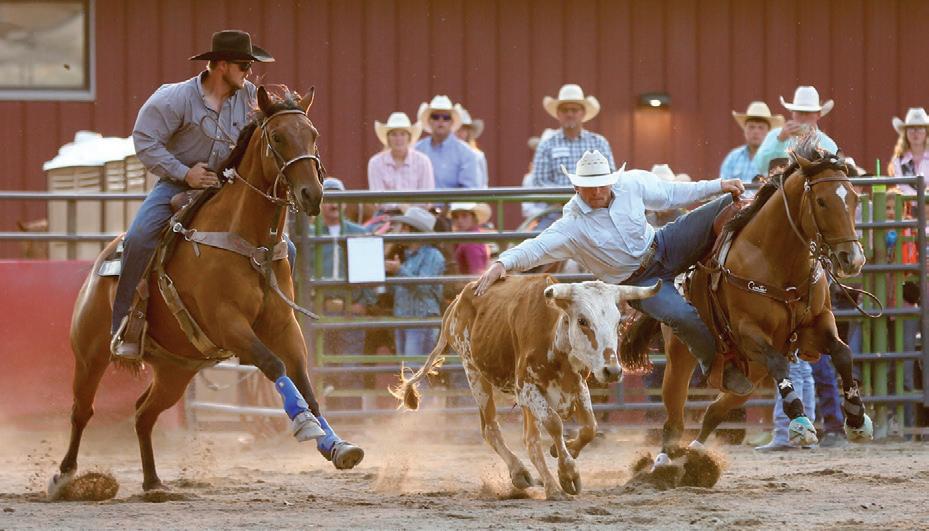
Similar to team roping, the objective here is to rope an animal as quickly as possible, although the rider does it all by their lonesome this time. The rider must throw a loop around the calf’s neck, dismount from their horse and restrain it by tying three legs together. Ten-second penalties are added to final times if the rider and horse break their
barrier before the calf is released.
Barrel Racing
Take heed of both rider and horse names for this one. The two act as a team in barrel racing.
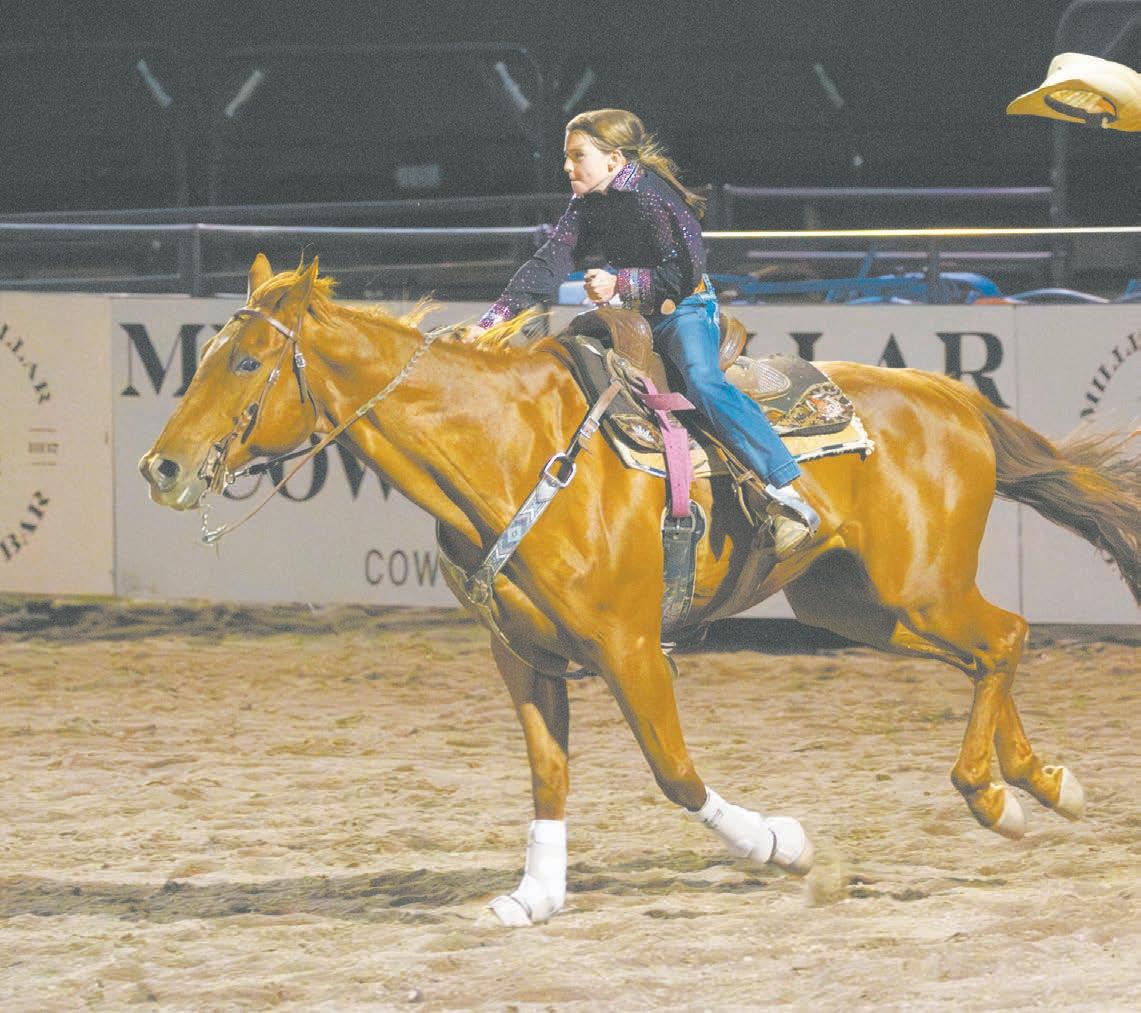
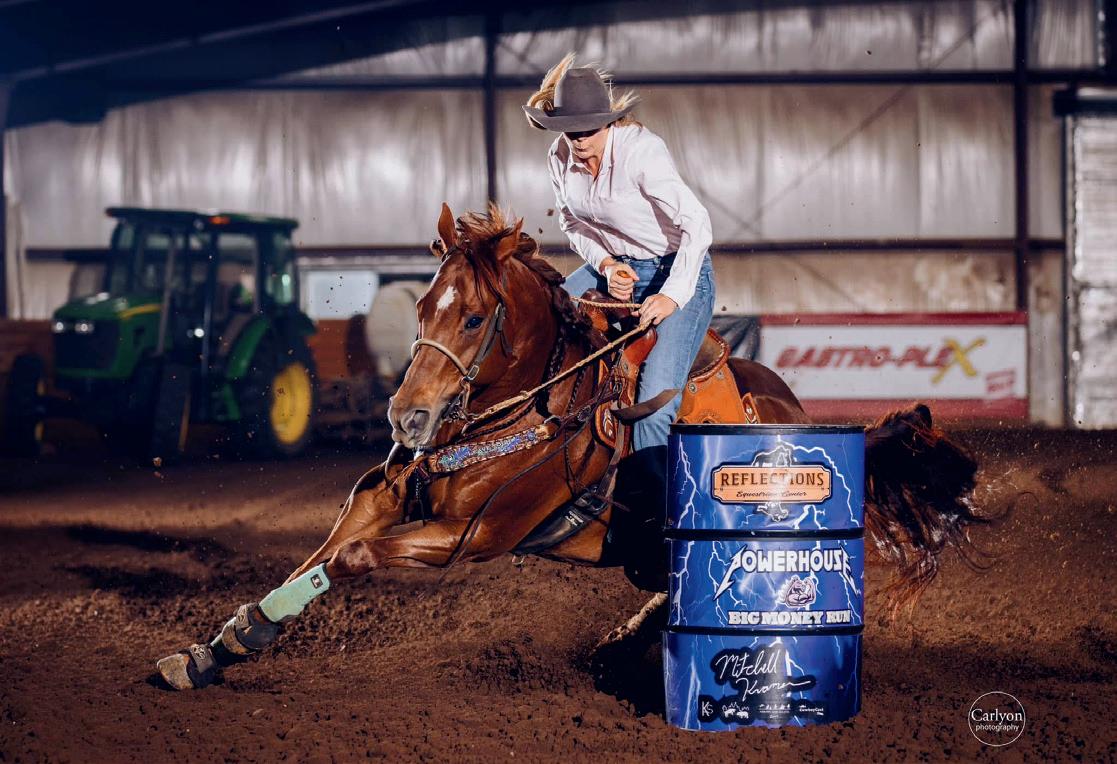
Barrels are set up in a triangle in the arena, and the horse-rider duo attempts to complete the cloverleaf pattern as quickly as possible, keeping tight to each barrel for the quickest turns, and charging through the straightaway to finish. Because they work in conjunction, this event requires athletic ability from the horse in addition to horsemanship skills from the rider.
The timer begins when the pair crosses the start line, and it ends when the team completes the barrel pattern and comes back through the finish line. If a rider knocks down a barrel, a time penalty is added to their final time. The team to make it through the course with the fastest time wins.
Traditionally, barrel racing was a sport for only cowgirls, but today, according to the International Barrel Racers Association, barrel racing is open to girls, boys, men and women of all ages and levels of experience.
Mutton Bustin’
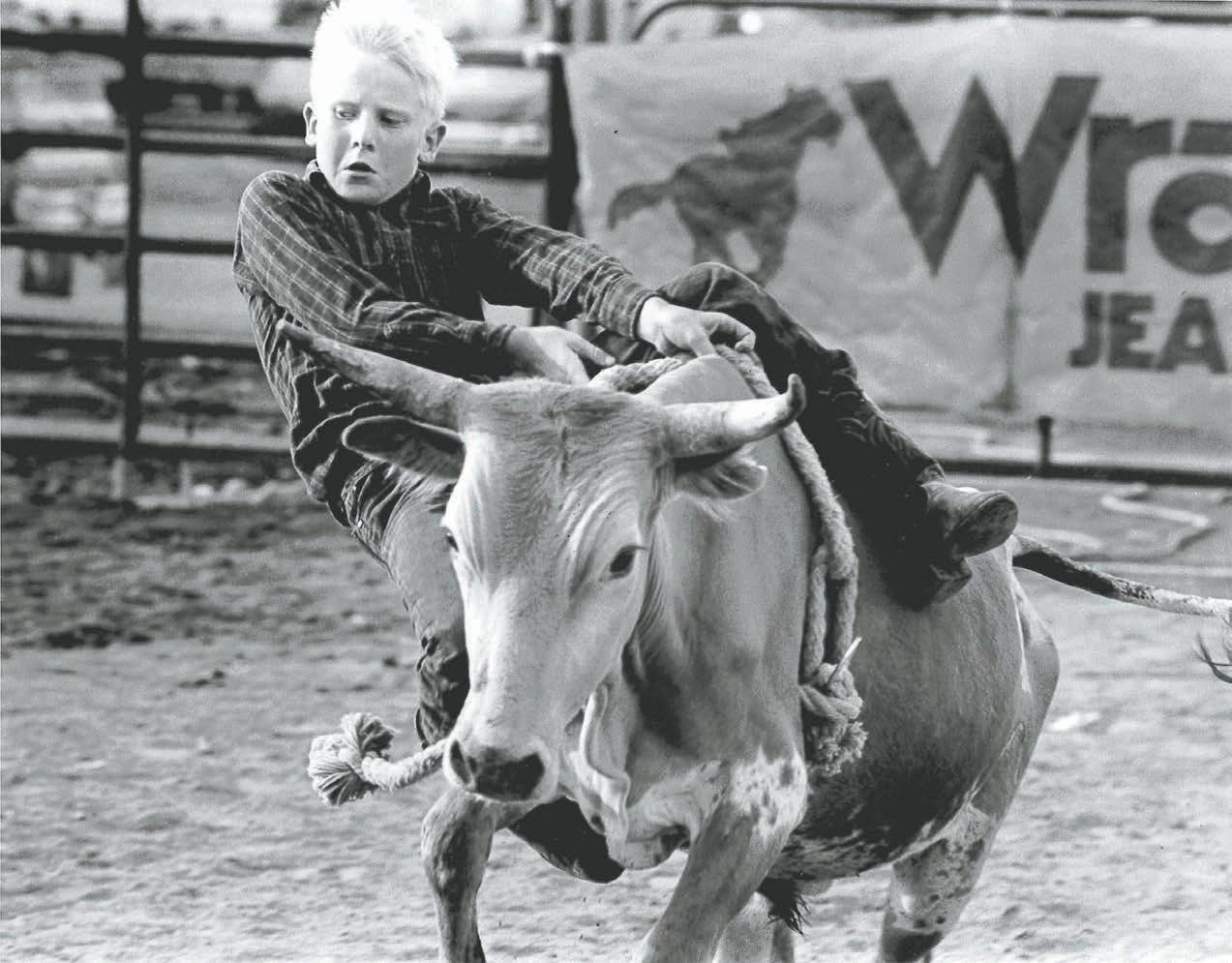
A nice break from the intensity of cowboys on angry bulls, mutton bustin’ involves little kids riding soft, slow-moving sheep.
Hugging and hanging on as tight as they can, the little ones are not judged on style points, spurring or marking out the animal: They must stay on for only six seconds, and if more than one manages to hang on for that long, the judges will determine a winner.
Mini Bull Riding
The graduation from mutton bustin’ is a bit extreme. From
sheep to mini bulls, this is how adolescents learn to fall in love with the rodeo.
Teen riders mount full-grown
500-pound miniature bulls and try to hold on for a full eight seconds.
Pee Wee riders, usually aged between 8 and 10, are required to

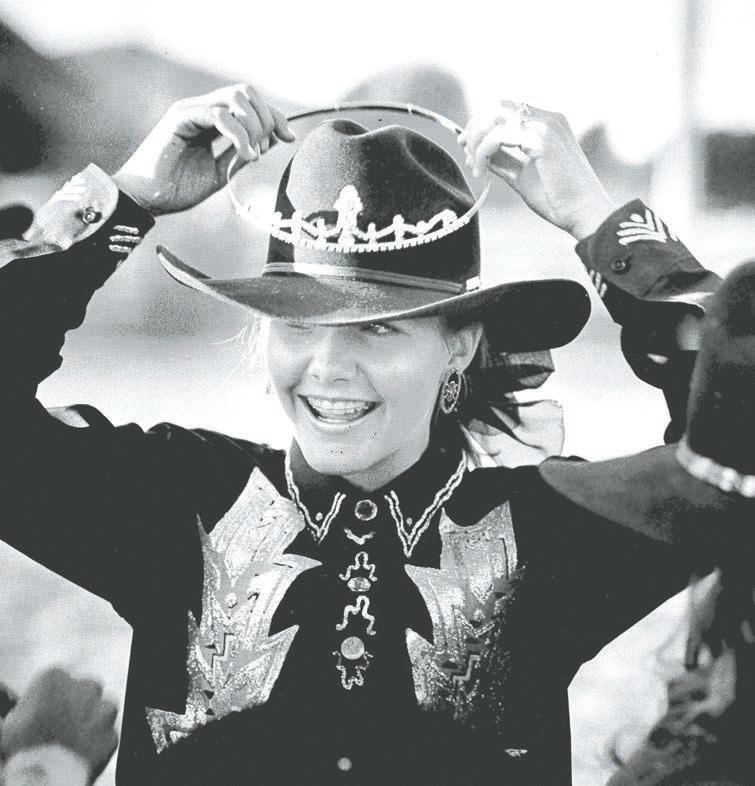
Kate Budge, reigning Teton County Fair and Rodeo Queen, takes in a ‘dream come true.’
LBy Jasmine Hall
ast August, Teton County Fair and Rodeo Queen Kate Budge was crowned Miss Rodeo Wyoming. She returned the title to the Tetons after an 11-year drought.
Since then, life has been a magical whirlwind.
“It has been a dream come true,” she said at the beginning of May. “Nothing short of it.”
In the fall, she started classes at the University of Wyoming, planned her coronation and fundraiser, and attended the Miss Rodeo America Pageant as a spectator to cheer on last year’s Miss Rodeo Wyoming, Dusty Miller from Cowley. Now, Budge’s busy traveling across the country on her own rodeo circuit, joining in Western community celebrations and preparing to compete in the national pageant.
“I’m a car-riding dog,” Budge joked, holed up in Bozeman, Montana, for a Miss Rodeo America training clinic. “When you grow up rodeoing, you learn that home is on the road.”
At the beginning of the year, the 21-year-old rodeo queen was in Denver for 21 straight days for the stock show. Next, she drove to Rapid City, South Dakota, for its stock show and rodeo. She returned home to Wyoming briefly to fundraise with Soroptimist International of Jackson Hole for the American Heart Association, as she’s leading an awareness campaign for CPR skills for Wyoming women.
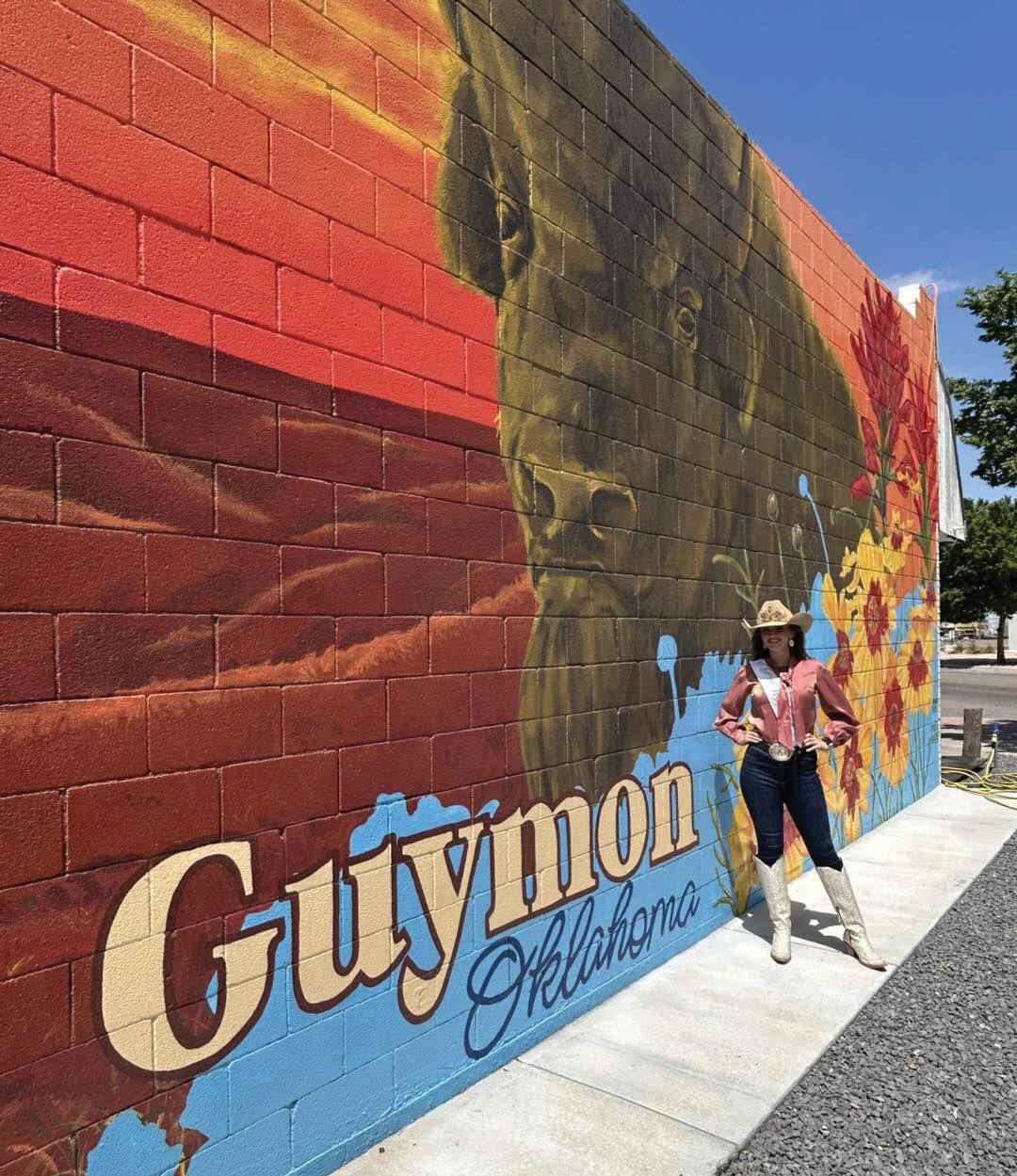
Immediately after, she was whisked off to Rock Springs, then Florida and Arizona. More recently, she stopped in Guymon, Oklahoma,
and Abbyville, Kansas, for their Pioneer and Frontier Days.
She said it’s an honor to be invited to these significant events.
“These small-town celebrations bring people together, and that’s what it’s really all about,” she said. “As humans, we crave connection, and I think no one does that better than the rodeo cowboys and cowgirls.”
Her summer schedule doesn’t ease up, as she will be traveling to rodeos across the state of Wyoming.
Budge will be the state’s rodeo queen for only one year, and she said she’s made it her mission to say yes to as many experiences as possible.
By and large, she said the only challenges have been the occasional head cold from shaking hands with a plethora of children and putting on a full-face of rodeo queen makeup every day.
She said she’s not taking her time as Miss Rodeo Wyoming for granted.
“I knew that I’d be traveling a bunch and representing our state, but I had no idea the amazing journey that this would lead me on and the people that I would meet along the way,” Budge said.
The big test
In December, her reign will conclude in Las Vegas at the Miss Rodeo America Pageant. She described it as “one big job interview” to become the face of professional rodeo, as well as the Western world and agriculture in the U.S. It’s not a responsibility she takes lightly, and she’s studying and preparing fervently.
Rodeo queens are judged on personality, appearance and horsemanship. They also take a written test, an-
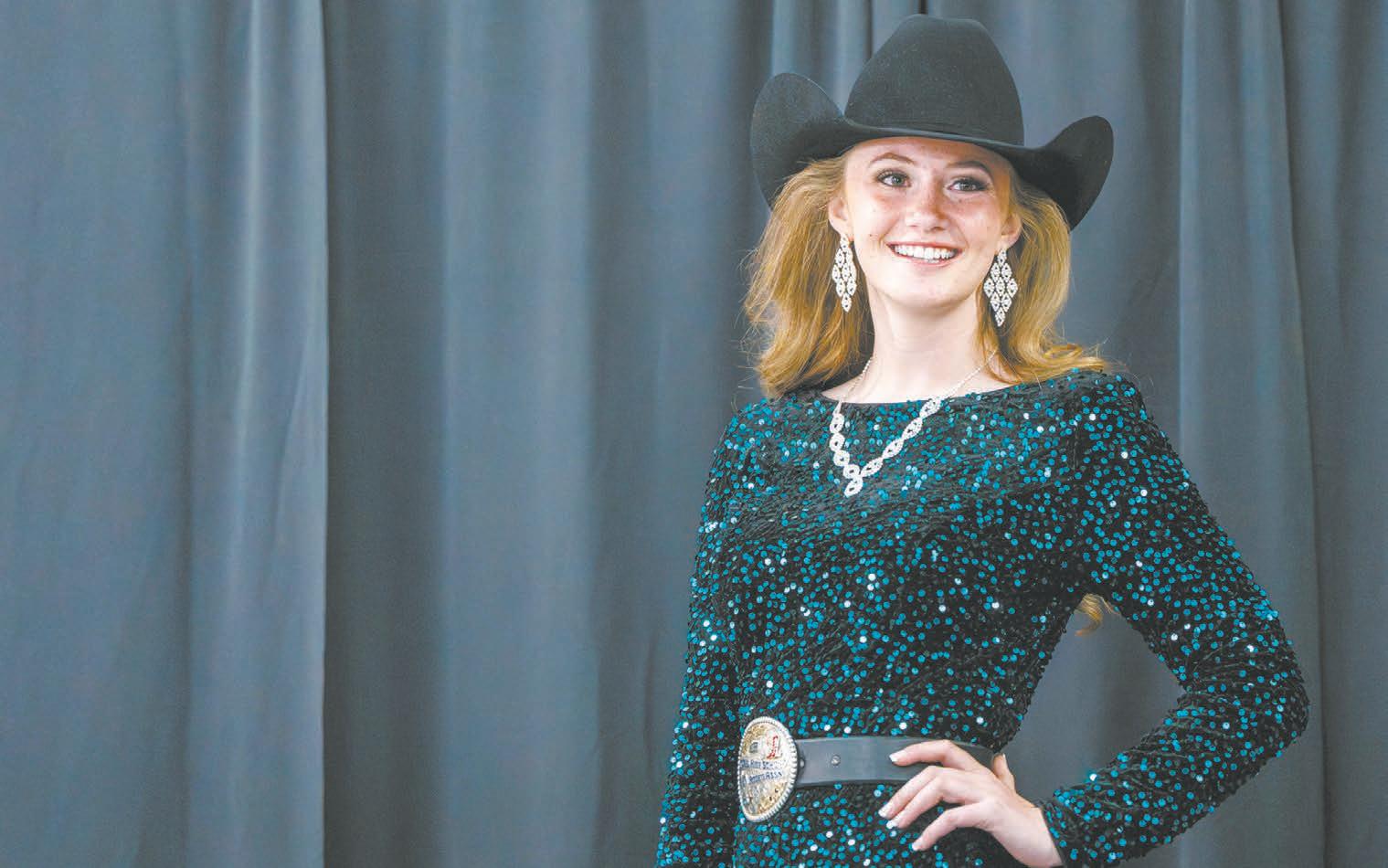
swer impromptu questions and showcase their public speaking skills.
While it can be a nerveracking experience, Budge said many of the state rodeo queens are rooted in their faith.
“We are competing to the best of our ability, but at the end of the day, it’s God’s plan,” she said. “And what his plan is will come to fruition.”
“That brings a lot of comfort,” she added.
She’s not going through queenhood alone. Her mother, Nicole Budge, and the rest of her family, scheduling coordinator, Miss Rodeo Wyoming board and national director are all in her corner.
She said the community of Jackson Hole has stepped up to sponsor her travel and rodeo queen expenses, as well.
“I’ve got a great team behind me that really helps keep everything ironed out,” she said.
The Budge family has the practice.
Her grandmother and mother both held the Evanston Cowboy Days Rodeo Queen title when they were younger. They supported the newest Budge queen, a longtime horsewoman and rodeo queen, as she worked her way up to Miss Wyoming Rodeo.
Budge participated in 4-H for 11 years and competed in junior rodeos in
as national

Junior Princess. She became an Idaho High School Rodeo Queen in 2022. Before she graduated from Laramie County Community College with her associate’s degree last year, she also showed horses on the collegiate ranch horse team and finished in the top 10 at the Intercollegiate Stock Horse National Show.
“I was raised in it,” Budge said, on why preserving and upholding these traditions is important to her. “I’m the seventh generation to live in Jackson Hole, the seventh generation to get to hunt and fish and raise cattle under the Tetons. That Western heritage spreads far beyond our hometown.”
After achieving her goal and getting a taste for the Miss Rodeo Wyoming experience, Budge reflected on what it really means to her.
She thought back to her sophomore year of college and losing a friend who was in a car wreck. She returned to the Tetons for what would have been one of her friend’s fall high school rodeos.
“I’m sitting around and noticing how our rodeo community just lifts each other up,” she said. “No one has to do anything alone. No one’s soaking up the good times alone. No one grieves alone.
“Our rodeo community is always going to be there for one another, and getting to share that and embody that has been the pleasure of a lifetime,” Budge said.
Contact Jasmine Hall at 307-732-7063 or state@ jhnewsandguide.com.
1....Wyatt
1....Wyatt
2....Chaz
3.... Roany
Saddle bronc
1....Charles Bisset
2....Blaine
1....August
1....Hunter
Tie down
1....Tye
2....Garrett
3....Adan
1
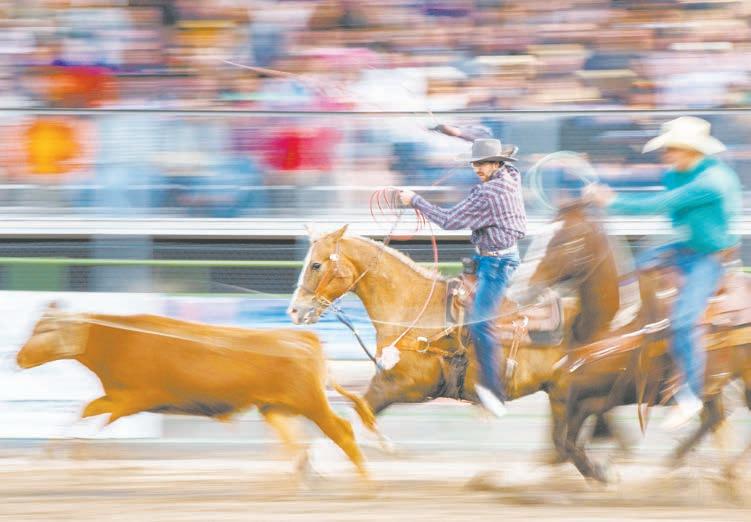
The classification of ropers, divided by headers and heelers, is essentially a handicap system. The higher the number, the more skilled the rider.
Open header
1....Katelyn
Open heeler 1....Casey
No. 10 heeler
No. 8 header




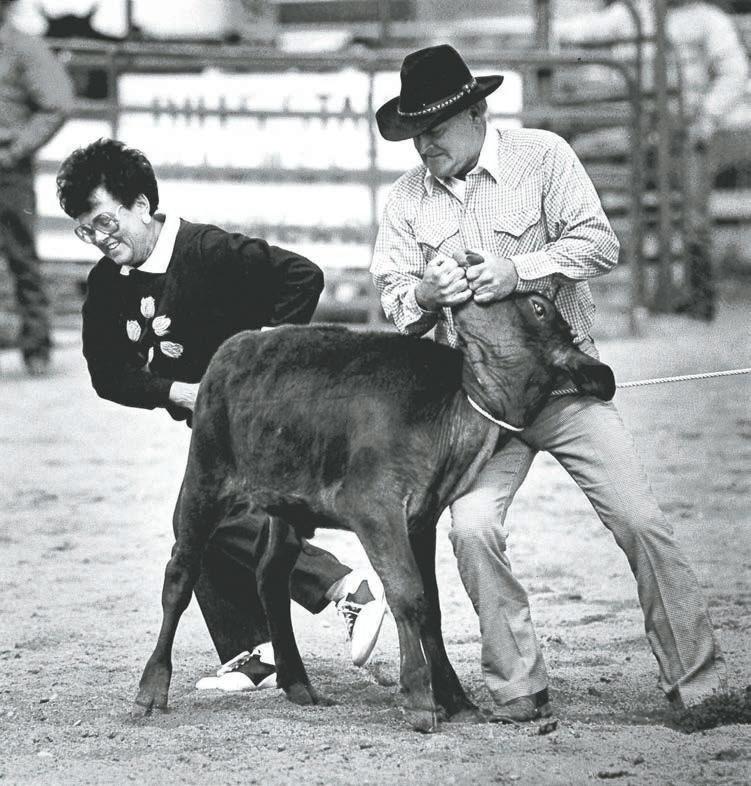
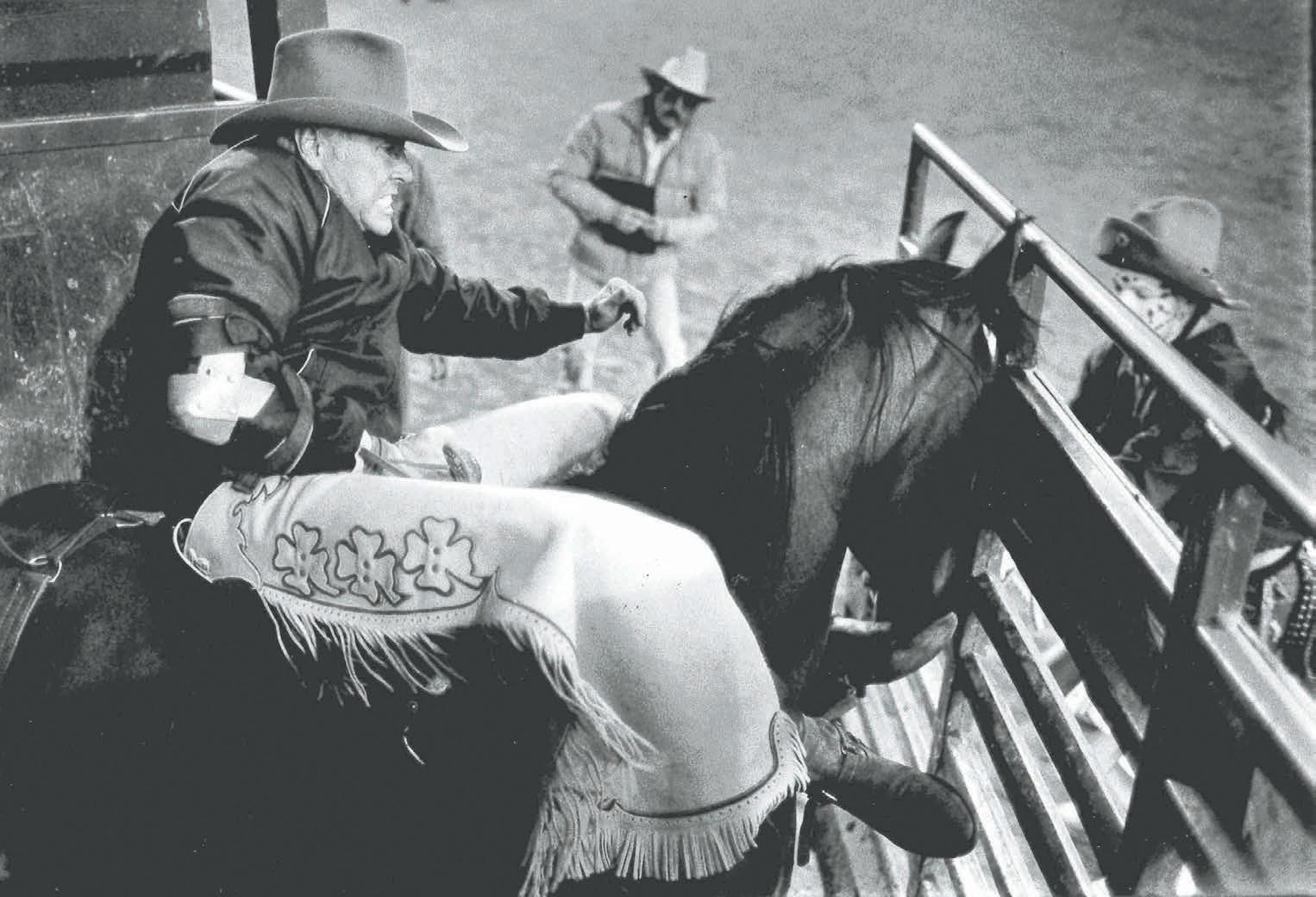
Finesse, subjectivity and the assigned animal all play a role.
By Charley Sutherland
When cowboys grow old and their bones begin to ache but the lasso of Jackson Hole Rodeo’s bright lights continues to tug, some turn from riding broncs and bulls to judging how well the next generation can do it.
That’s the case for Wade Johnson, 58, and Mark Nelson, 61, a pair of former cowboys who are now judges for the Jackson Hole rodeo.
Johnson said he still faces the temptation to go “crawl on one” sometimes.
“I don’t think that ever goes away,” he said. “I just got to say ‘no.’”
Some events are timed, like roping and barrel racing. But other events labeled “roughstock,” like saddle bronc, bareback and bull riding, are judged. Judges keep a keen eye on how hard the animal bucks and how smoothly the cowboy is able to ride it out.
Two judges assign anywhere from zero to 25 points to both the cowboy and the beast. The judges’ scores are combined, yielding a total score out of 100 points. The rider must stay on his animal for eight seconds and can only use one hand to earn a score at all. Fall off before eight seconds? No score. What happens if the bronc or bull hardly bucks at all? Or if it stops completely?
A judge can award a reride if the animal halts entirely, but that can be a source of disagreement between cowboys and judges.
Nelson said he keeps his eye on how well the cowboy is riding before the bronc or bull stops. If the cowboy is riding smoothly before the animal stops, he’ll award a re-ride. But if the cowboy is barely clinging on and the animal stops, the cowboy probably won’t get another opportunity.
If one cowboy rides cleanly but his stock is hardly bucking, and another cowboy rides less smoothly but his stock bucks hard, “it’s debatable” which one deserves the higher score, Nelson said.
“I will usually lean towards the guy that’s riding tough,” Nelson said. “I figure you got to take advantage of what you draw to win some money in my book.”
“You got to show some finesse,” Nelson said.
Attitude is important also. Cowboys don’t do themselves any favors by being a “smart-aleck” to the judges, Nelson said. It’s better to be friendly.
There’s also a somewhat controversial rule in rodeo called “marking out.” In saddle and bareback bronc riding, a cowboy must exit the chute with his spurs set
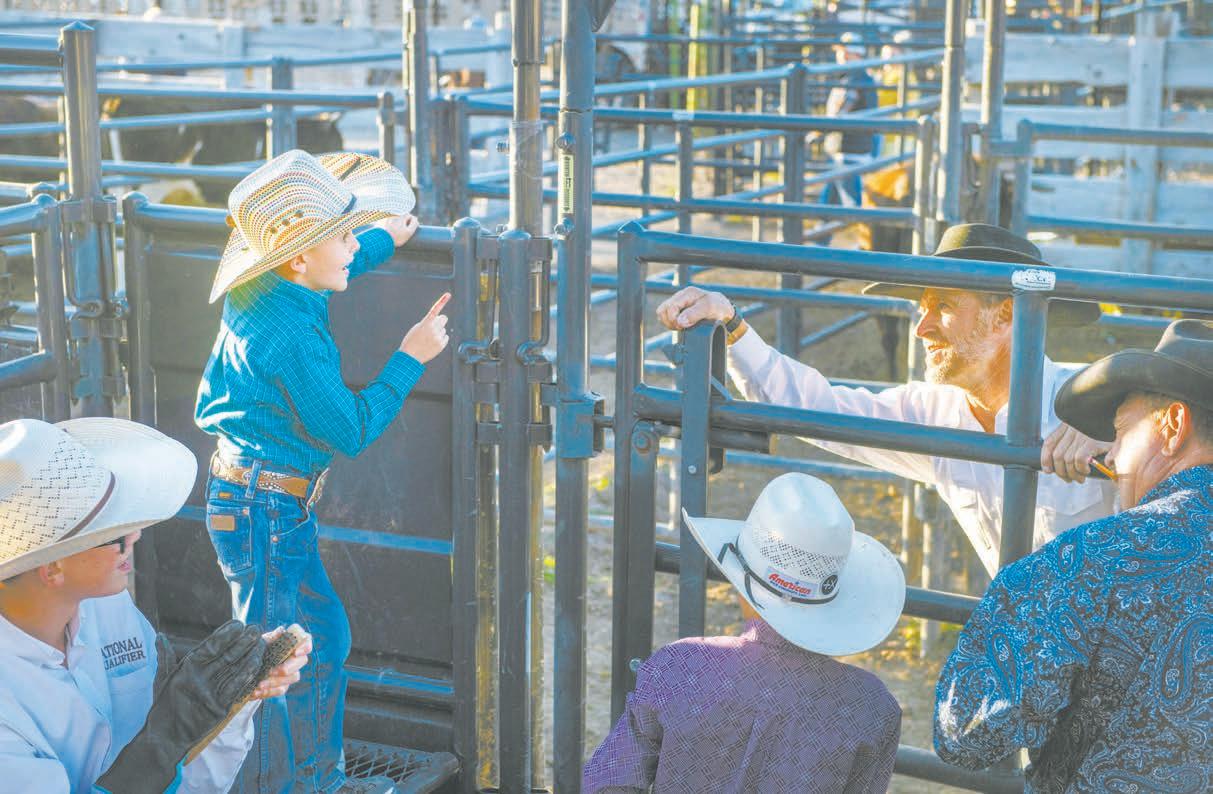
above the horse’s shoulders and hold them there until the animal’s front feet hit the ground after the initial
jump out of the chute. Some in the rodeo world want to get rid of the requirement entirely.
“You have to have your feet over the point of the horse’s shoulders when he leaves the chute,” John-
son said. “That’s part of the rules.”
Often young cowboys don’t abide by the marking out rule, Johnson said. He sees that as a learning opportunity to help educate the younger riders.
The Wilson family, which runs the Jackson Hole rodeo, is great at getting young cowboys on stock that fits them, Johnson said. When he was riding, he’d get on whatever animal was around. But that’s not the best way to learn.
That’s part of why, Johnson said, the Jackson Hole Rodeo has produced so many cowboys that go on to succeed in bigger competitions.
Both Johnson and Nelson have judged together long enough that their scores are often close together.
“Our scores will be almost identical,” Johnson said.
But, Johnson said the score itself is actually not the most important part of judging rodeo. Scores aside, it’s more important to get the order right. As long as the cowboy who rode the best is at the top of the list, scores hardly matter.
Judging, like refereeing any other sport, is somewhat subjective. Nelson and Johnson rely on their eyes.
Some nights, Nelson said, he’s left uncertain if he made every right call. But all a judge can do is watch closely and trust their judgement.
“You ain’t got instant review,” Nelson said. “It ain’t always easy.”
Contact Charley Sutherland at 307-732-7066 or county@ jhnewsandguide.com.

competitors do what it takes to keep rodeo at center of life.
By Christina MacIntosh
What do cowboys and cowgirls do outside of the rodeo?
There’s a little bit of hunting, snowmachining, ranch chores, work and school.
But for most, rodeo is all-consuming. It’s a combination of a job, a hobby and a passion. And between competing, driving to far-flung rodeos and taking care of horses, there’s not much time for anything else.
“My lifestyle kind of revolves around it,” said Tipton Wilson, 22, of Jackson. “Most of my time, whether that’s everyday work or what all, kind of goes towards it.”
Last fall Wilson worked for his uncle, who owns an outfitting business. Over the winters, he works on his grandpa’s ranch. In the summer, he works for the Jackson Hole Rodeo — and also competes in it.
“Rodeo really takes up a lot of my time, year-round, so I don’t always get to do a bunch of other things outside of rodeo,” Wilson said. “But you can’t complain when rodeo keeps you busy.”
Shane Lucas, 27, of Jackson spends his time outside of rodeo haying on his family’s ranch.
“That takes up most of my time,” he said.
Lucas also has a “town job” working for the Teton County Fairgrounds. In his sparse spare time — mostly be-





tween rodeo seasons — he hunts and snowmobiles.
But Lucas, too, is mostly busy with rodeo, a very small portion of which is actually competing.
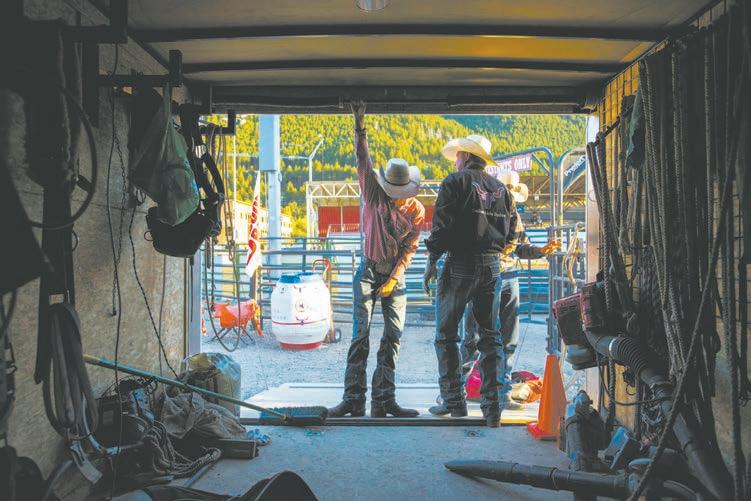
“Driving to rodeos takes up more time than the rodeoing,” Lucas said. “A four-hour drive each way is like a full day of work. You rope for six or seven seconds, and then you’re done. Then you jump back in the pickup and drive back home.”
That’s particularly true for Jackson Hole cowboys and cowgirls because of the remote nature of the valley, Lucas said.
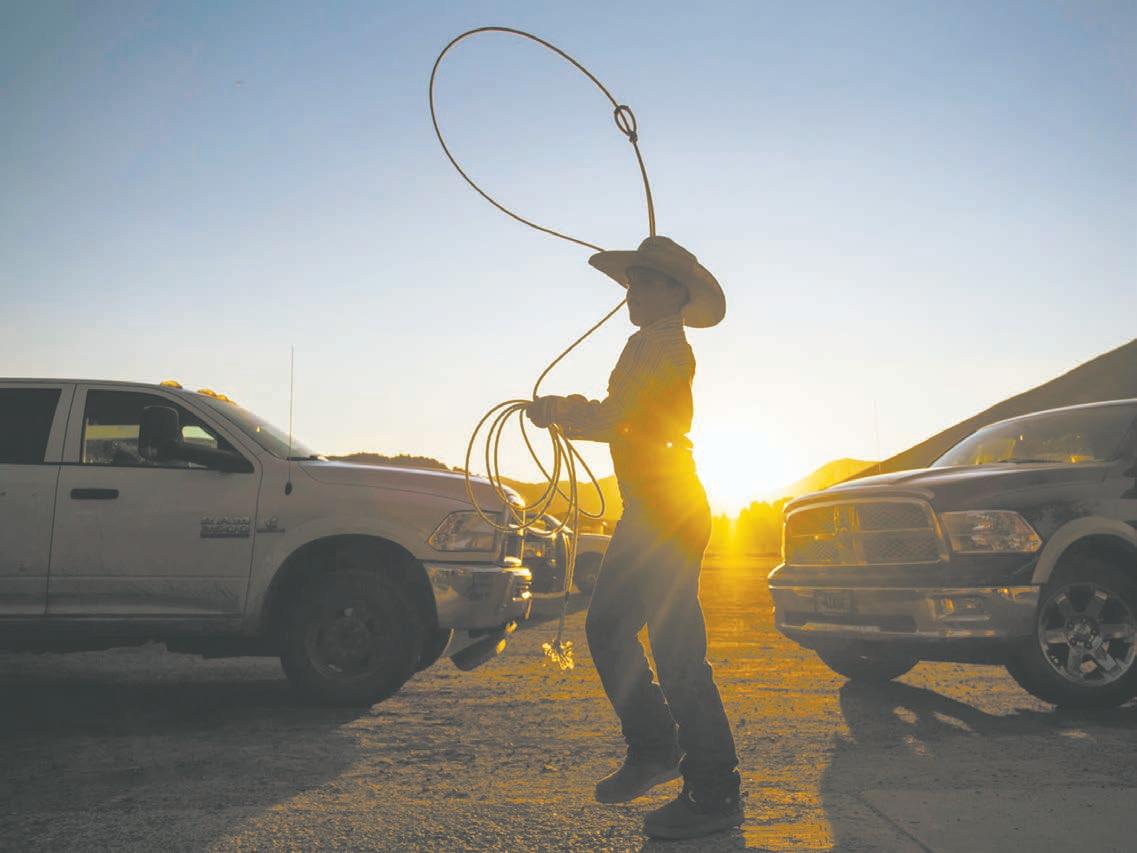
Lucas practices for rodeo two to three times per week, usually bringing a few head of horses over to friends’ houses where he practices roping and runs some steers. Practice usually takes about four hours, though it could probably take a couple of hours if the cowboys were being efficient.
chine and all that.”
Dally Wilson, 19, of Jackson, just finished her cosmetology degree and has plans to become a barber. She intends to travel, cut hair and rodeo at the same time.
“My time so far has just been school and rodeo and work in the summers,” Dally Wilson said. “I don’t really have too much going on.”
Dally Wilson had to take some time off from rodeo to attend school, which was from 8 a.m. to 4 p.m. during the week.
“If that’s what you want to pursue, you try your best to make it work and make sure everything else revolves around it.”
— Dally Wilson JACKSON-BASED RODEO COMPETITOR
“But of course, it’s social hour, so we all are kind of leisurely,” Lucas said.
When Lucas gets home, there’s about an hour of chores to do: feeding horses, turning them out and, in wintertime, blanketing them. If horses need to be shod, that can take an hour per horse. The daily maintenance is what takes up the time, Lucas said.
In peak rodeo season, which runs from May through September, things are hectic.
“When it’s in full swing, it’s pretty wild,” Lucas said. “Once the season slows down, I can hunt and snowma-
She left her horses in Wyoming so she could focus on schoolwork but got them back after December, although she still didn’t have time to attend many rodeos. She worked three jobs last summer — including at a hotel and in a restaurant — so she didn’t have to work while in school. And she spent her days off at the Jackson Hole Rodeo.
“I don’t have to travel as much because we have our nightly rodeo in Wyoming,” Dally Wilson said. “So, it’s a lot easier to get a job.”
Excelling at rodeo requires a lot of practice, and a lot of practice requires a lot of time.
“It takes up a lot of time, so you do have to figure out how to fit it in and how you can make it work,” Dally Wilson said. “But if that’s what you want to pursue, you try your best to make it work and make sure everything else revolves around it. You make it your main priority.”
Contact Christina MacIntosh at 307-732-5911 or environmental@ jhnewsandguide.com.





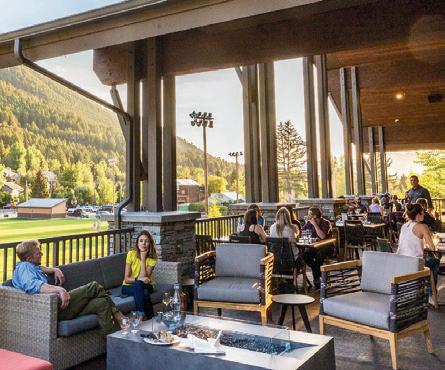
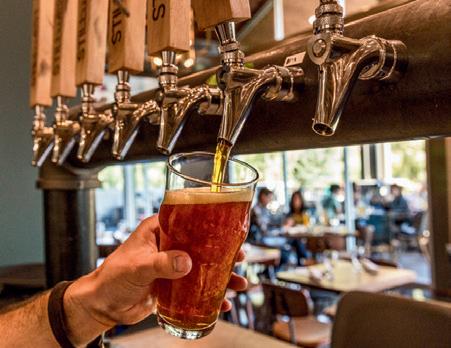
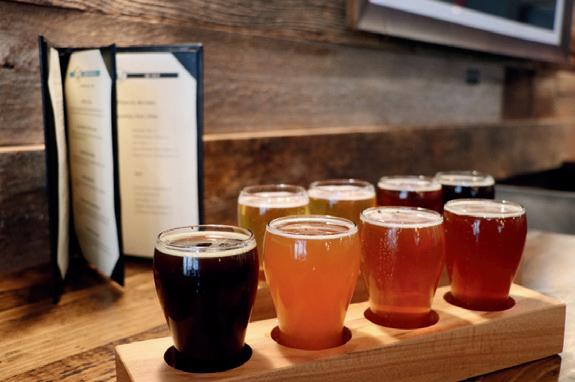
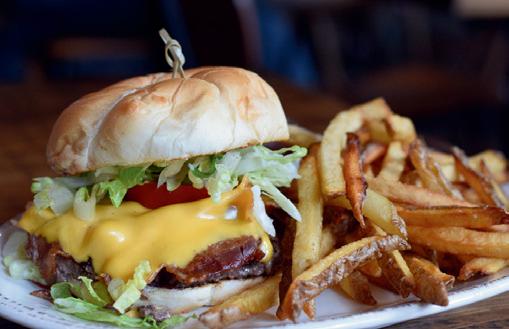
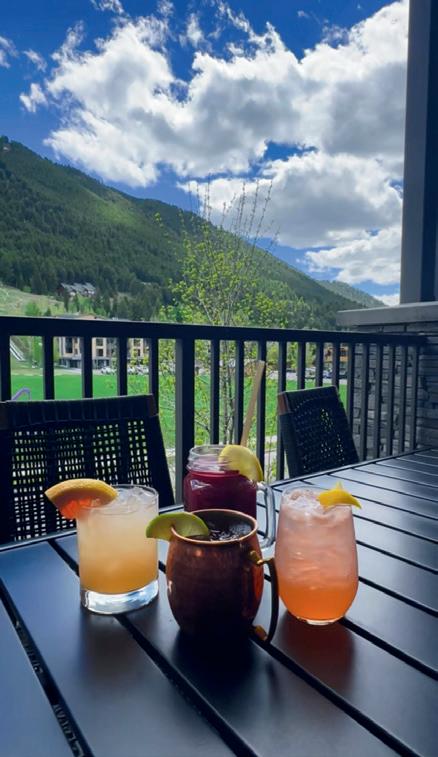

Classic steaks & wild game fired over our mesquite wood grill. An unforgettable experience for cowboys & cowgirls of every age.
Preparation is year-round, for some.
By Alex Viveros
Asign labeled “THE BULL PEN!” hangs above Phil Wilson’s office.
Wilson brought in weightlifting equipment to put in the space above his office a few years ago, and on any given summer evening, the gym will be full of cowboys getting their pump on in preparation for the rodeo.
“If I put $1 on the stairs going up, and charge them a dollar every time they went up it, I could make some pretty good money,” said Wilson, whose family operates the Jackson Hole Rodeo. “A lot of the contestants come over to our gym.”
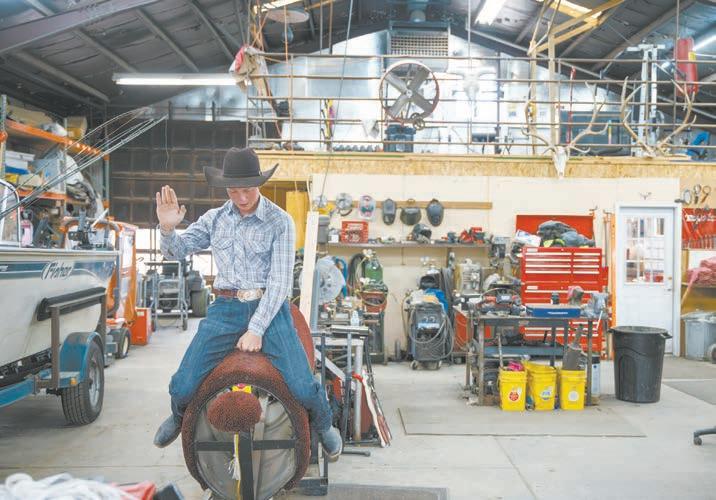
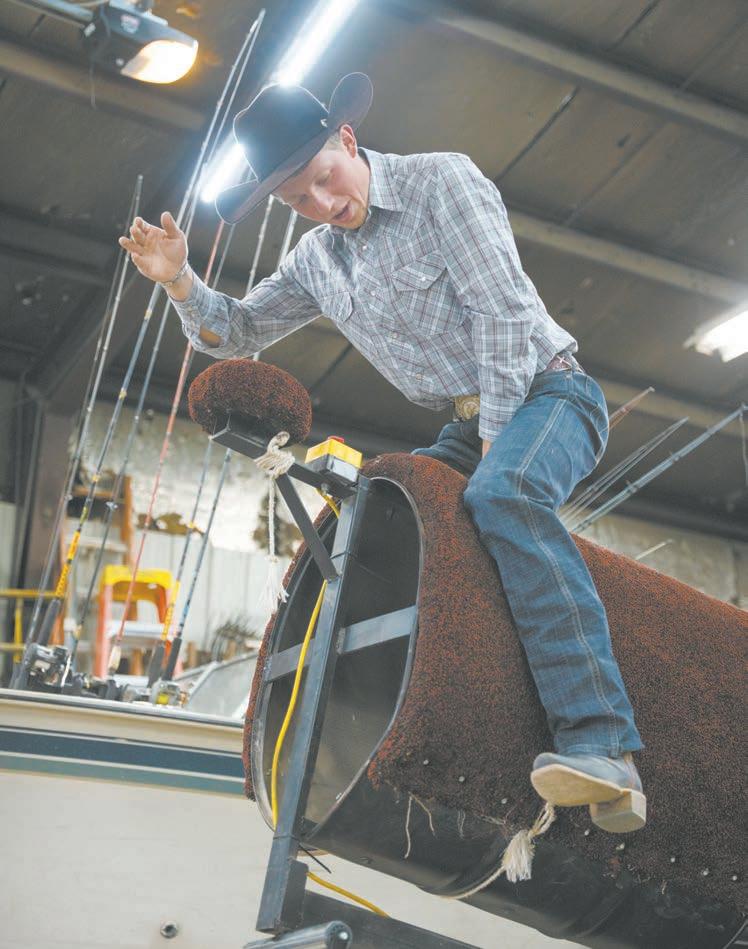
Tipton Wilson, Phil’s 22-year-old grandson, is one of those cowboys. He tries to get in the gym five days a week, taking advantage of the equipment above his grandfather’s office for a quick strength workout. Then he heads downstairs for the main event: riding the bucking machine.
“What I compare it to is a punching bag for a boxer,” said Tipton Wilson, who tries to get on the machine at least once a day. “Helps me be able to do what I need to do on a bull, without the danger of it.”
The machine resembles a small bull, covered in red carpet and wrapped with a thin rope.
Tipton Wilson grabs the rope and, with the turn of a switch, sends the mechanical bull going up and down. He grabs the rope with one hand and hangs on for the ride, simulating the motions he’ll need when riding a live animal.
“It’s about as close as you can get to what you need to do to prepare,” Tip ton Wilson said, clarifying that even the machine doesn’t come close to the real thing. “But it helps out in a lot of ways.”
The machine helps Tipton Wilson focus on keeping his weight in the right place, giving him a full-body

workout as he goes up and down for about 30 repetitions. He then repeats
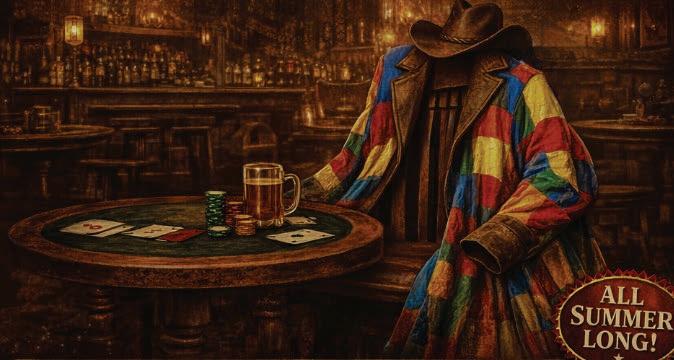
In this inventive staging, the beloved Andrew I n this inventive st a ging , the beloved A ndrew
Lloyd Webber & Tim Rice musical unfolds
L loyd Webber & T im R ice music a l unfolds inside an Old West saloon, where a bartender inside a n O ld West s a loon , where a b a rtender begins recounting the legendary story begins recounting the legend a ry story
Lloyd Webber & Tim Rice musical unfolds inside an Old West saloon, where a bartender recounting

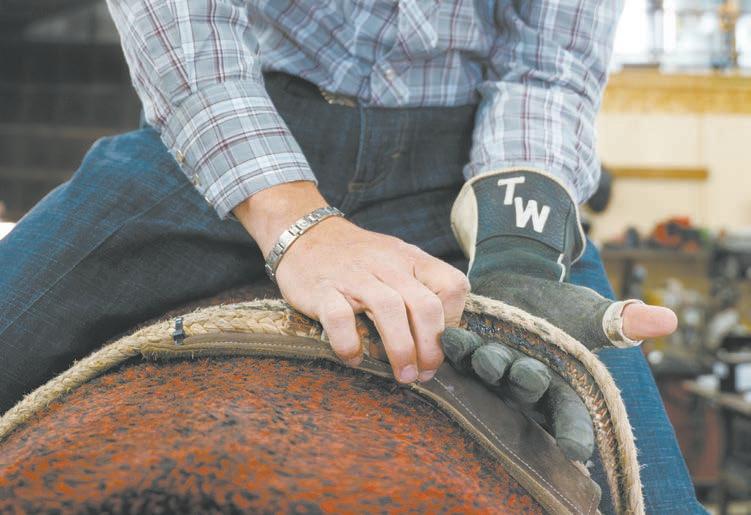
up in the winters between the busier summer rodeo seasons. On the weekends, he wanders over to the actual bull pens on his family’s subdivision south of Jackson and picks out bulls to ride on.
Staying on for as long as possible is top of mind.
“In rodeo, they don’t pay you for 7.99 seconds,” Tipton Wilson said. “Which really sucks, or else I could probably be a lot richer.”
Cowboys generally try to stay on live bulls for ten seconds in the practice pen, Tipton Wilson said.
“That way, when you show up to the rodeo, and you only make eight seconds, you’re still doing alright,” he said.
Different cowboys have different training regimens. Over the past couple of decades, training has evolved with the sport. Tipton Wilson says
that most professional rodeo athletes try to get in the gym five days a week. Still, he knows competitors who haven’t stepped foot in a gym.
“I don’t know how they do it,” he said.
Some cowboys don’t practice or go to the gym at all, Tipton Wilson said. But when they show up to the rodeo, they win.
“I’m not one of those people,” Tipton Wilson said. “They can do whatever they want, they’re just so naturally talented they can do whatever.”
Staying fit with a rodeo competitor’s lifestyle also can be challenging. During the winters, Tipton Wilson tries to stay on top of maintaining a good diet. But that can get harder during the summers, when rodeos are aplenty and long drives apart.
“I bet most guys clock 30 to 40 hours in a car a week,” said Tipton Wilson, adding that he doesn’t have a place to cook as he travels in his
small car. “Eat a lot of fast food, which sucks, and gas station food.”
Drinking culture can be a big part of rodeo as well.
“After your rodeo, everyone wants
to go have a beer,” Tipton Wilson, “There’s some guys, they can go and drink a bunch of beer, and show up the next day and get on a bull and win. Other guys can’t do the same.”
Contact Alex Viveros at 307-732-5909 or alexv@jhnewsandguide.com.
By Kyle Leverone
circuit pipeline
For many cowboys and cowgirls, the Jackson Hole Rodeo is a launching pad to the professional circuit.
Many who have competed in the Teton County Rodeo arena have gone on to hold Professional Rodeo Cowboy Association Cards. Buskin Wilson, Levi Wilson and Seth Wilson have all competed professionally, and the late Dylan Grant also joined the professional circuit in 2018.
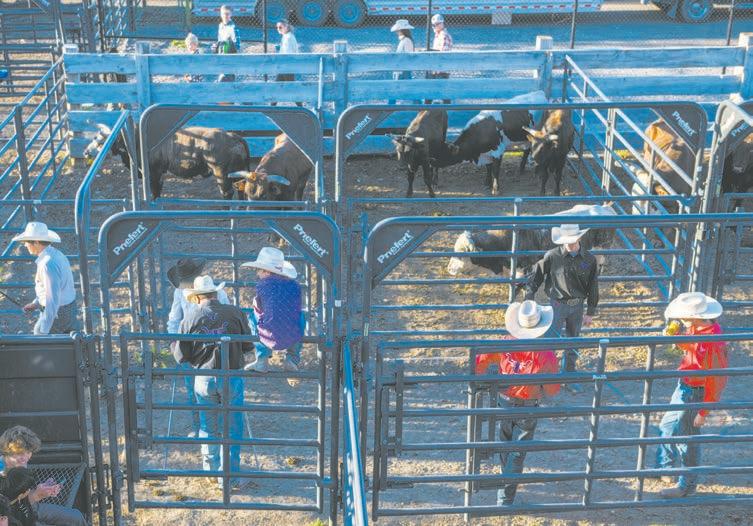
Jackson’s rodeo has a particular knack for giving riders a chance at a score, thanks to the caliber of bulls it showcases. The engineers of the rodeo put together a lineup of roughstock that gives young athletes a challenge without immediately sending them into the dirt.
As a toddler, Dylan Grant rode sheep with his brother, Derek, and as a teenager he became a Jackson Hole Rodeo miniature bull riding champion. Four years down the road, the Jackson Hole native evolved into a Wyoming High School Rodeo Association state champion and earned himself a scholarship to Sheridan College. There, he rodeoed for the Generals before joining the University of Wyoming rodeo team. In the summer, he rode bulls professionally, chasing the thrill all around the country.
“Rodeo was number one,” Grant’s cousin and friend Seth Wilson said. “All the time. He woke up, ate it, drank it, lived it.”
Grant lived to be a rodeo cowboy for 24 years, and in April 2025, he died as one.
During the second round of an “extreme” bull riding event in Houston, Texas, Grant was bucked
off, and the bull stepped on his neck. He was lifeflighted to Memorial Hermann-Texas Medical Center, where he later died from his injuries.
Last year, following Grant’s death, Jackson Hole Rodeo held a memorial rodeo and continued to reserve a moment at all other rodeos throughout the summer in his honor.
Grant’s legacy will last through the Jackson Hole Rodeo, where his cousins, the Wilsons, and his colleagues will ride with his memory.
Jackson Hole is home to a Rodeo Hall of Famer. His name was Joe Alexander, sometimes known by journalists as “Alexander the Great.” He was born in 1943 and grew up about 60 miles southeast of here on a ranch near Cora. He went on to win the Intercollegiate Rodeo Association’s bareback riding
championship in 1966 as a part of the Casper College rodeo team.
Alexander hit the pro rodeo circuit in 1970 and achieved immediate success. In 1974, he set the bareback riding world record with a 93-point ride in Cheyenne, a mark that stood until October 2002.
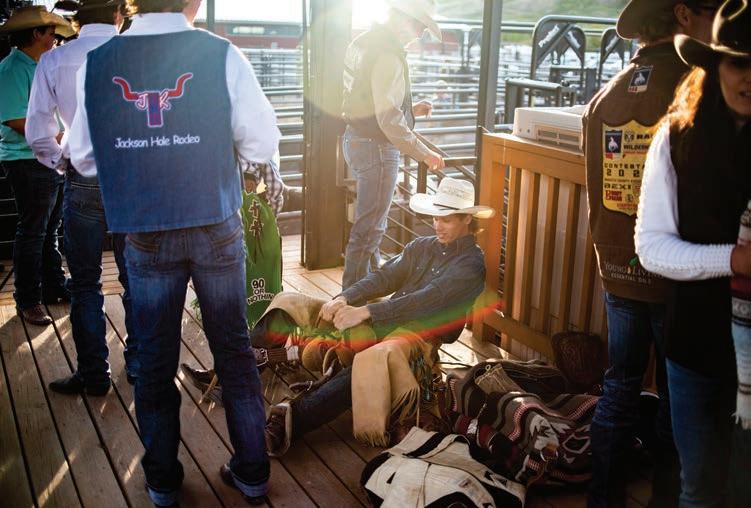
Just as there are fashion rules in every sector of society, rodeo fashion rules also exist.
Old-fashioned Western style originated with practical elements in mind — to protect cowboys and cowgirls from tough conditions during a work day in addition to staying comfortable while riding a horse. Elements of rodeo fashion have changed over time, but many original aspects remain.
Belt buckles are among the more glamorous features of the rodeo outfit and are worn as functional trophies.
The real bling is earned, not bought. Some competitors are superstitious about their buckles and will wear the same one all season long.
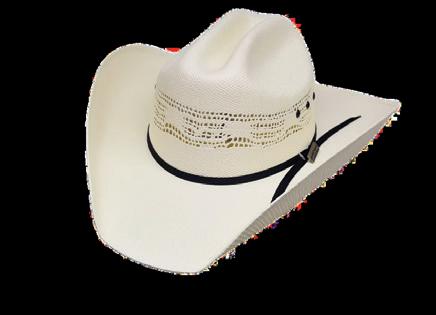
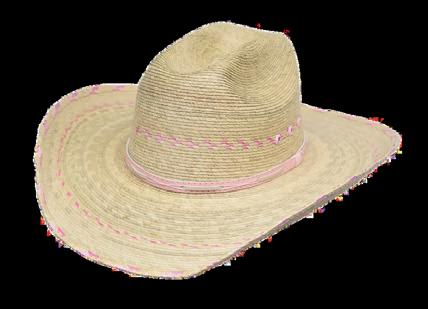
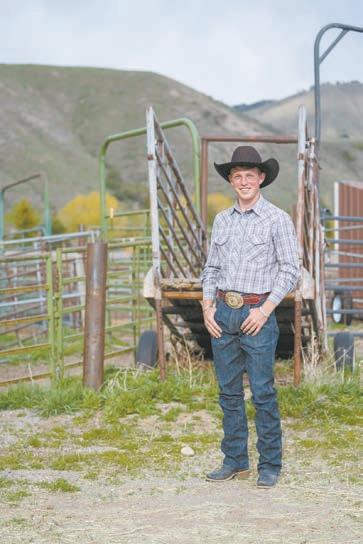
Straw hats are for summer, felt hats are for winter, but whichever someone is wearing, never touch another cowboy’s hat. Jeans tie everything together, and the most important part is to keep them long enough and pressed down the middle. Chaps used to accompany the denim in order to protect bull riders from wooden bucking chutes, but now they’re more of a fashion statement.
This ain’t their first rodeo, truly.
Contrary to the term’s more common definition, rodeo competitors must earn their official “rookie” status, by first competing on a pro rodeo circuit permit and winning at least $1,000 in a single season.
Contact Kyle Leverone at 307-7327065 or sports@jhnewsandguide.com.
Subscriptions sustain our mission
We are woven into the fabric of the community. We are dependent upon it, accountable to it and moved to reflect its unique character.
$8.25