HEADLINES | 6
GREEN TEAM
Temple Chai’s Eco-Chai group is caring for their new neighborhood
HEADLINES | 30
SEARCHING FOR A SEDER?
Seder listings around the Valley and the state



HEADLINES | 6
Temple Chai’s Eco-Chai group is caring for their new neighborhood
HEADLINES | 30
SEARCHING FOR A SEDER?
Seder listings around the Valley and the state
JOSH BOOTZIN | STAFF WRITER
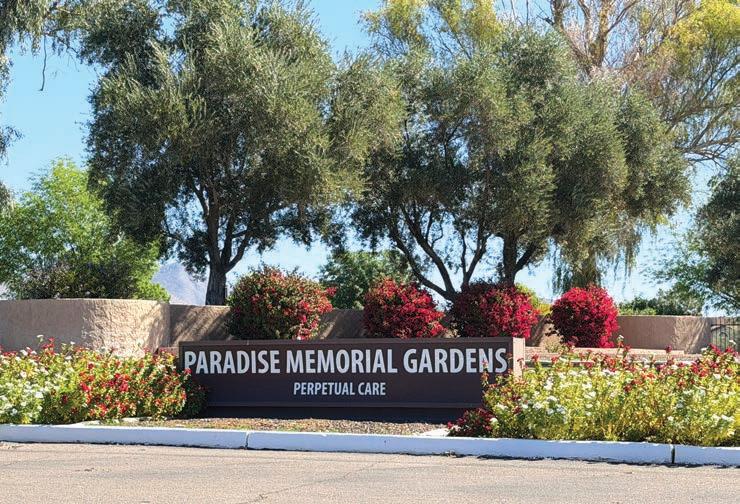
After providing a final resting place for Phoenix area residents of all denominations for more than 50 years, Paradise Memorial Gardens (PMG) has imposed a new safety policy that is forcing Jewish community members to make a difficult decision between being buried alongside loved ones and being buried according to Jewish laws and customs.
A traditional Jewish burial consists of three steps: lowering the casket, followed by funeral attendees covering it with soil, considered a mitzvah and the final chance for a personal farewell gesture, followed by the final covering, often done by cemetery staff.
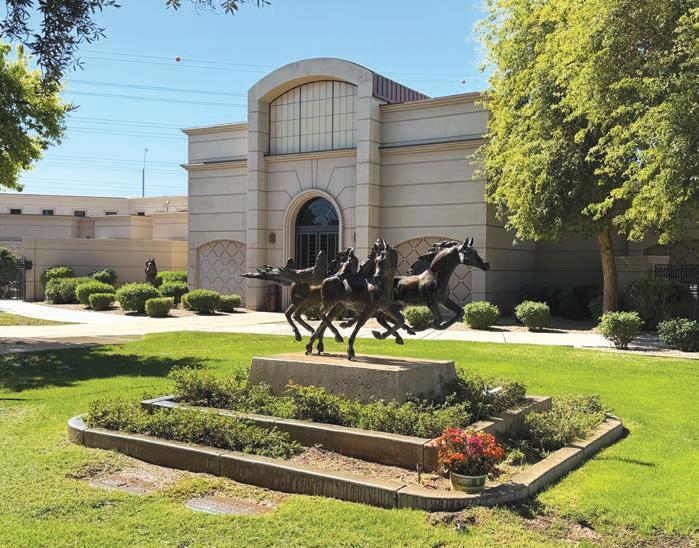
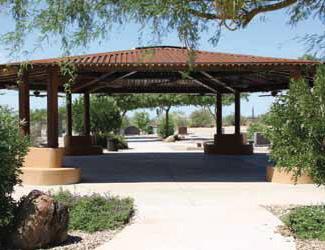
Safety concerns have arisen due to the uneven ground near gravesites, the presence of heavy equipment and attendees disregarding staff instructions. In response, Messinger Mortuaries, which operates PMG, has implemented a policy that caskets will no longer be lowered with mourners present.
Jewish News is honoring people in our community who offer leadership, generosity, creativity and compassion that strengthen those around them. See page 10.

Since mourners cannot be present for the lowering of the casket, this also prevents them from performing the mitzvah of shoveling soil on top, both of which are necessary for a customary Jewish funeral.
“Saying that it is a problem for Jewish families is an understatement,” said Rabbi Pinchas Allouche of Scottsdale’s Congregation Beth Tefillah (CBT). “It’s a slap in the face to families who bought a plot there, families who thought that they could have a Jewish burial there, and I think it’s a slap in the face to Judaism altogether, on our religious rights.
January 6
January 20
said Jon Meyers, director of ADDPC.
“Our hope is to create and promote
about her Judaism with her fellow council members and speaking out for her rights and beliefs.
about her Judaism with her fellow council members and speaking out for her rights
She already has some practice at advocating for herself.
“I’ve officiated at hundreds of funerals, and not once have I encountered anything close to a safety issue,” Allouche continued. “I just don’t understand why they wouldn’t respect our religious rights to bury our dead as the Jewish tradition requires.”
January 6
February 3
January 20
February 17
25
25
1
8
1
15
February 3
March 10
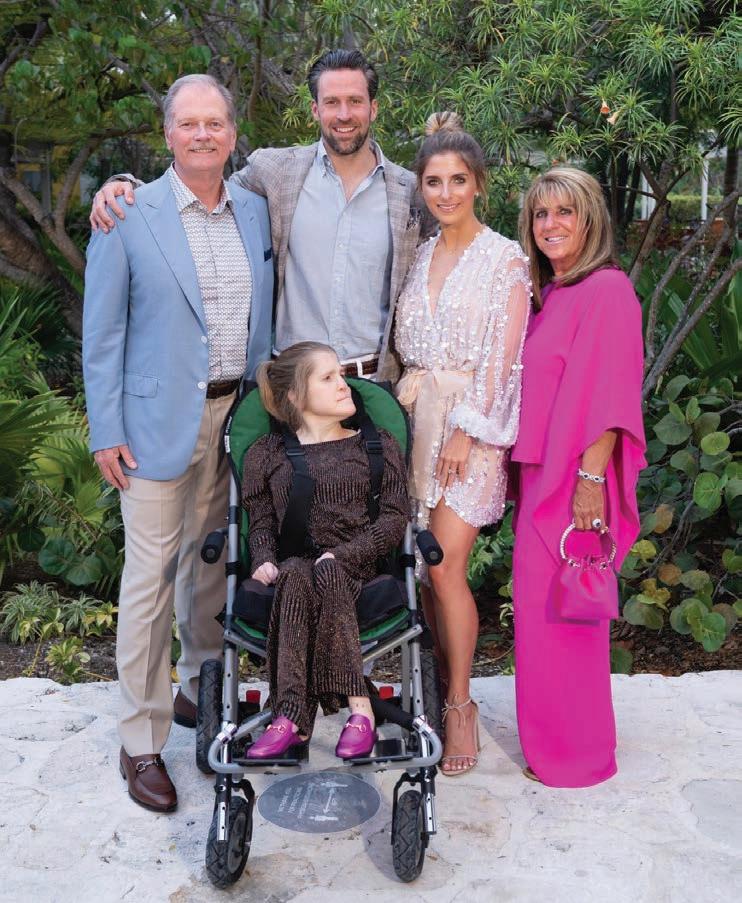
Two recent funerals that Allouche officiated were those of Chelsie and Cortney Carpenter, sisters who passed away less than three months apart.
had to apply and demonstrate that she had something valuable to contribute, he said.
6
8
deserves to be on the council,” he said. Stern is creating a life and career as a member of her community, which makes her a great addition.
She already has some practice at
“One time, I was in class and someone called me the R-word and I told him not to. The teacher was in the hallway and another student repeated the word,” she said. Rather than letting the situation go, she told her theater teacher, who was able
“One time, I was in class and someone called me the R-word and I told him not to. The teacher was in the hallway and another student repeated the word,” she said. Rather than letting the situation go, she told her theater teacher, who was able
“If someone has a disability, saying the R-word is like saying the F-word,”
“If someone has a disability, saying the R-word is like saying the F-word,”
While performing in the musical “Hairspray,” she had another occasion to tangle with the offensive word, which
While performing in the musical “Hairspray,” she had another occasion to tangle with the offensive word, which
“That’s really bad and my friend said it on stage. I was not OK with that, so I went to the director and told her it was a bad word for people with disabilities, but she wouldn’t take it out,” Stern said.
“That’s really bad and my friend said it on stage. I was not OK with that, so I went to the director and told her it was a bad word for people with disabilities, but she wouldn’t take it out,” Stern said.


February 17
March 24
March 10
March 31
March 24
Chelsie, 33, died of cancer in November 2025. At the time, unaware of PMG’s safety policy, her mother, Cindy Carpenter, 66, purchased five burial plots for the family, costing about $50,000.
April 7
March 31
April 21
April 7
May 5
April 21
May 19
6
20
15
13**
13**
3
20
Mourners were allowed to watch the casket being lowered, but only from behind a rope 20 feet away. Carpenter said she understood the emphasis on safety.
10
3
17
10
1
“She’s on the council because she deserves to be on the council,” he said. Stern is creating a life and career as a member of her community, which makes her a great addition.
She let her mother know about the conflict and they were able to convince the director of the need to remove the word from the script.
“IF IT HAS TO DO WITH SAFETY, THERE’S A LOT THEY CAN DO TO HONOR A JEWISH BURIAL AND HAVE IT BE SAFE. I DON’T THINK THEY CARE TO DO ANYTHING. THAT’S MY PERSONAL OPINION.”
JANET BLINDER
Stern graduated from McClintock High School in Tempe last year and now attends Glendale Community College, with a focus on dance. She is a regular performer at Detour Company Theatre, a Scottsdale theatre company for adults with intellectual, developmental and physical disabilities.
She let her mother know about the conflict and they were able to convince the director of the need to remove the word from the script.
“My friend Al was next to me when I told the director and he gave me the biggest hug ever and said that he loved me so much,” Stern said. Sadly, Al died in a car crash on Oct. 24, 2021.
Heart Can’t Even Believe It: A Story of Science, Love and Down Syndrome,” Silverman’s book about her daughter. When Gesher’s speakers’ bureau, Damon Brooks & Associates, was asked to find a speaker about Down syndrome for an event this spring, Hummell first asked Silverman to speak, thinking Stern might be too young.
9
17
June 9
May 5
May 19
July 14
June 9
August 4
July 14
August 18*
August 4
However, when her other daughter, Cortney, 40, died at the end of January after battling a long illness, the carpenters were forced to sign a printed contract for the graveside service that included a handwritten note at the bottom stating the casket would not be lowered until the family fully vacated the property.
August 18*
Carpenter asked to watch the lowering
15
1
15
from inside a building, but was denied. She and her husband, Jim, signed the contract, only because the funeral was scheduled for the following day, and it was too late to reschedule.
Stern graduated from McClintock High School in Tempe last year and now attends Glendale Community College, with a focus on dance. She is a regular performer at Detour Company Theatre, a Scottsdale theatre company for adults with intellectual, developmental and physical disabilities.
In fact, when Stern attended her first council meeting in January, she couldn’t wait to tell people of her involvement with Detour and share information about its upcoming shows.
Along with her signature, Cindy wrote: “I object to this awful policy.” Jim also left a note: “I acknowledge your policy and strongly object to the policy.”
In fact, when Stern attended her first council meeting in January, she couldn’t wait to tell people of her involvement with Detour and share information about its upcoming shows.
“There’s no question that she is going to thrive,” Meyers said. “She’s very gregarious and passionate about the things that matter to her.”
The Carpenters were told that they would not even be able to watch the
“My friend Al was next to me when I told the director and he gave me the biggest hug ever and said that he loved me so much,” Stern said. Sadly, Al died in a car crash on Oct. 24, 2021.
Heart Can’t Even Believe It: A Story of Science, Love and Down Syndrome,” Silverman’s book about her daughter. When Gesher’s speakers’ bureau, Damon Brooks & Associates, was asked to find a speaker about Down syndrome for an event this spring, Hummell first asked Silverman to speak, thinking Stern might be too young.
They decided instead that Stern should tell her own story; it’s a real bonus that she is not afraid of public speaking.
23
23**
“That was hard; it’s very hard to get emotions out and I was very, very upset,” she said.
“That was hard; it’s very hard to get emotions out and I was very, very upset,” she said.
lowering of the casket from their parked cars, and that the cemetery would hold off until the entire family exited the property.
On the recent anniversary of his death, Stern made a cake and took it to the crash site.
On the recent anniversary of his death, Stern made a cake and took it to the crash site.
“I was devastated to hear that this lovely family, after losing a daughter and now being forced to bury their second and last remaining daughter, was treated so horribly by the cemetery,” said Allouche, officiant for both Carpenter funerals. “Watching it from a car should not have posed any safety concern.”
“I don’t know how I did it without crying. I’m so proud of myself,” she said.
“I don’t know how I did it without crying. I’m so proud of myself,” she said.
Amy Hummell, executive director of Gesher Disability Resources, agreed that Stern is a good fit for ADDPC because of her ability to self-advocate.
“It’s not the same when someone tries to tell a person’s story for them,” Hummell said.
They decided instead that Stern should tell her own story; it’s a real bonus that she is not afraid of public speaking.
6
20
“It’s not the same when someone tries to tell a person’s story for them,” Hummell said.
Additionally, helping people with disabilities find jobs was one of the reasons for acquiring the bureau. Unemployment in the disability community is upwards of 75% and of that percentage, 75% are ready, willing and able to work — but haven’t been given the opportunity, Hummell said.
4 December 11 December 18
*Annual Directory **Best of Magazine
“There’s no question that she is going to thrive,” Meyers said. “She’s very gregarious and passionate about the things that matter to her.”
Stern looks forward to sharing insights
Stern looks forward to sharing insights
12701 N.
Amy Hummell, executive director of Gesher Disability Resources, agreed that Stern is a good fit for ADDPC because of her ability to self-advocate.
Hummell co-hosted a book event with Meyers a few years ago for “My
Hummell co-hosted a book event with Meyers a few years ago for “My
Additionally, helping people with disabilities find jobs was one of the reasons for acquiring the bureau. Unemployment in the disability community is upwards of 75% and of that percentage, 75% are ready, willing and able to work — but haven’t been given the opportunity, Hummell said.
“People have it in them to speak up but don’t know how, and often they’re not cheered on. Sophie has family support
“People have it in them to speak up but don’t know how, and often they’re not cheered on. Sophie has family support
Phone: 602.870.9470 | Fax: 602.870.0426 | editor@jewishaz.com | advertising@jewishaz.com subscriptions@jewishaz.com | www.jewishaz.com
AZ 85254 Phone: 602.870.9470 | editor@jewishaz.com | advertising@jewishaz.com subscriptions@jewishaz.com | www.jewishaz.com
PUBLISHER
PUBLISHER Jewish Community Foundation of Greater Phoenix
12701 N. Scottsdale Road, Suite 201, Scottsdale, AZ 85254 Phone: 602.870.9470 | Fax: 602.870.0426 | editor@jewishaz.com | advertising@jewishaz.com subscriptions@jewishaz.com | www.jewishaz.com
Jewish Community Foundation of Greater Phoenix
PUBLISHER
ASSOCIATE PUBLISHER Rich Solomon | 602.639.5861 rsolomon@jewishaz.com
ADVERTISING SALES CONSULTANT
SENIOR ACCOUNT EXECUTIVE Jodi Lipson | 602.639.5866 jlipson@jewishaz.com
Jodi Lipson | 602.639.5866 jlipson@jewishaz.com
Jewish Community Foundation of Greater Phoenix
GENERAL MANAGER Rich Solomon | 602.639.5861 rsolomon@jewishaz.com
GENERAL MANAGER
MANAGING EDITOR Mala Blomquist | 602.639.5855 mblomquist@jewishaz.com
Rich Solomon | 602.639.5861 rsolomon@jewishaz.com
MANAGING EDITOR Mala Blomquist | 602.639.5855 mblomquist@jewishaz.com
MANAGING EDITOR Mala Blomquist | 602.639.5855 mblomquist@jewishaz.com
STAFF WRITER Josh Bootzin | 602.639.7066 jbootzin@jewishaz.com
STAFF WRITER Shannon Levitt | 602.639.5854 slevitt@jewishaz.com
STAFF WRITER
Shannon Levitt | 602.639.5854 slevitt@jewishaz.com
ACCOUNT EXECUTIVE Emily Stoddard | 602.639.7036 estoddard@jewishaz.com
ADVERTISING SALES CONSULTANT Jodi Lipson | 602.639.5866 jlipson@jewishaz.com
SUBSCRIPTIONS 602.870.9470 x 1 subscriptions@jewishaz.com
SUBSCRIPTIONS
SUBSCRIPTIONS 602.870.9470 x 1 subscriptions@jewishaz.com
602.870.9470 x 1 subscriptions@jewishaz.com
GRAPHIC DESIGNER Ebony Brown | 410.902.2333 ads_phoenixjn@midatlanticmedia.com
GRAPHIC DESIGNER Ebony Brown | 410.902.2333 ads_phoenixjn@midatlanticmedia.com
GRAPHIC DESIGNER Ricki Urban | 602.870.9470 x 2 advertising@jewishaz.com


Allouche sent his son into the cemetery after the funeral, dressed in casual clothing as if he were visiting another grave, to take a video from a distance of the casket being lowered and covered.
“Immediately, I sent that video footage to the families so that they could have this little comfort after being treated so horrendously,” he said.
Allouche tried to reach a compromise with the cemetery, even offering to have his own staff standing next to the grave to ensure attendees are safe while pouring soil one at a time.
“We’re happy to work with them and ask our attendees to stand 10-15 feet away,” he said. “We’re happy to work with them if they wish to increase the insurance policy for Jewish funerals. It doesn’t make sense why they would just bluntly prohibit this, just for safety reasons, when they are not even willing to speak about how we can come to a compromise so that both sides can achieve what they require.”
Janet Blinder, a CBT congregant and owner of a double plot for her and her deceased husband at PMG, has been spreading the word throughout the community and assembling a list of interested parties for an attorney who has agreed to lead an action suit pro bono.
“I reached out personally to people that I knew had plots or had loved ones there,” Blinder said. She asked if they had heard about the new policy and if they’d be interested in knowing more about the potential lawsuit.
She’s now accumulated a group of 19 people that own one or multiple plots at the cemetery, plus an additional seven interested community members.
Blinder also reached out to rabbis and community leaders throughout the Greater Phoenix area to relay the word to their congregants who might have purchased plots at the cemetery, since Blinder said PMG neglected to inform plot owners of its new policy. She only found out about it by speaking to Cindy Carpenter.
“I heard firsthand from her the horrific stories of how she was treated, which just made it more personal to me to bring some kind of peace and justice to the community,” Blinder said.
Among the community leaders Blinder reached out to was Russell Persinger, director at Sinai Mortuary, who shared a letter that he received from Sabrina Messinger-Acevedo, owner and CEO of Messinger Mortuaries, dated Feb. 14, 2025.
In addition to explaining that the new policy was “mostly a preventative measure to ensure everyone’s safety,” the letter reads: “We understand and respect that the lowering of the casket as well as the placement of earth holds a special significance within certain cultures and religions. Because of this, in special cir-
cumstances, we will allow for the casket to be lowered a maximum of 12 inches to accommodate the placement of flowers and earth.”
Blinder said she attended two funerals at PMG on March 28 and 30, 2025, during which both caskets were lowered and covered with attendees present.
She did not know when the policy was first enforced, nor could she understand why the rules changed from allowing the shoveling of dirt to allowing attendees a minimum of 20 feet away to prohibiting attendees from being anywhere on the grounds.
Desiring both a Jewish burial for herself and to be buried with her husband, Blinder said she called the cemetery to ask that he be exhumed and moved to Mt. Sinai Cemetery. She requested PMG pay for the move, since the cemetery changed its policy without notifying her, but “they said, ‘No, we’re not doing that. We’re a private company, we can change our policy whenever we want, and we did.’ They were very rude.”
Blinder acknowledged that the rule applies throughout the cemetery, not just the Jewish section, but she, Allouche, the Carpenters and other Jewish community members feel that they’re being subjected to religious discrimination.
Additionally, many of the mourners present at Cortney Carpenter’s funeral
expressed shock and discomfort as PMG allegedly ran its crematorium during the service.
“Using a crematorium during a Jewish person’s funeral is outrageous,” said Benee Hilton-Spiegel. “They didn’t even consider that. They didn’t respect all the Jewish mourners whose relatives suffered a horrible fate in the Holocaust. It’s just wrong.”
“If it has to do with safety, there’s a lot they can do to honor a Jewish burial and have it be safe,” Blinder said. “I don’t think they care to do anything. That’s my personal opinion.”
“For those who have not purchased a plot and are thinking of purchasing a plot, I would strongly discourage them from buying a plot in that cemetery,” Allouche said.
He encouraged anyone who has already purchased a plot at PMG to contact him or Blinder.
“My deepest hope and prayer is that the cemetery reconsiders their policy, especially having seen how much hurt it has already caused, and that they work with us to find ways in which we can continue to bury our dead in the cemetery without having to compromise any Jewish laws and customs,” Allouche said. JN
contact Rabbi Pinchas Allouche at rabbi@bethtefillahaz.org.

JOSH BOOTZIN | STAFF WRITER
After successfully passing out of the Senate Health and Human Services Committee on Feb. 11 with unanimous, bipartisan support, Senate Bill 1451 was not chosen for a subsequent hearing with the Senate Appropriations, Transportation and Technology Committee, so it will not be moving forward this session.
Arizona’s behavioral health providers that serve Medicaid members are facing a number of problems. Reimbursement rates have not kept pace with inflation, straining staff retention and leading to severe workforce shortages, while operational and labor costs — and demand for mental health services — continue to increase.
A 2023 study conducted by Public
Consulting Group (PCG) reviewed behavioral health Medicaid reimbursement rates from 2017 to 2022, finding the behavioral health system to be approximately 11% underfunded.
Recent inflationary pressures, workforce shortages and post-pandemic demand increases have only caused more concern, which may have been alleviated by SB 1451 before its discontinuance.
SB 1451 purported to appropriate $60 million from the state’s Fiscal Year 2026-27 General Fund budget to the Arizona Health Care Cost Containment System (AHCCCS), Arizona’s Medicaid agency, to fund a 10% reimbursement rate increase for Medicaid behavioral health service providers. This would have applied

to both inpatient and outpatient services.
The bill was drafted to support the continuity of crisis services, mental health treatment,substance abuse and domestic violence services, especially helping prevent behavioral health service reductions in rural and underserved areas.
Jessica Bozek, vice president of older adult and Jewish programs at Jewish Family and Children’s Service (JFCS), described SB 1451 not moving forward as “pretty devastating.”
JFCS is one of the largest providers of behavioral health services in Maricopa County. Its three clinics, spread across the Greater Phoenix area, are integrated with behavioral health services and primary care, featuring labs, psychiatry, counseling and case management for all patients ranging from newborns to the elderly.
“It’s sad because, unfortunately, instead of being proactive, there’s a lot of reactivity, and it is just creating larger gaps in care for people that really need it,” Bozek said. “Our clients are truly in need, so to not be able to have coverage for the services we provide, it just creates bigger and bigger deficits, and that’s why, eventually, we’re unable to do things, so we have to shut down clinics.”
In July 2025, Medicaid cuts forced JFCS to shutter its Glendale clinic and lay off 40 staff members, significantly reducing programs serving individuals with severe mental health conditions.
“(AHCCCS) is instrumental,” Bozek said. “Thousands of people have lost the ability to get services, and these are the people that are at the lowest income level and have the most critical needs, so we really need rate increases.”
JFCS and other community partners emailed thousands of constituents to petition representatives to consider SB 1451 this year. Committee chairs determine which bills are heard, and Senate Appropriations, Transportation and Technology Committee Chairman Sen. David Farnsworth did not choose SB 1451 for a hearing.
Bozek could only speculate why the bill was not chosen after passing the Health and Human Services Committee unanimously, but state budget constraints seemed to be the likeliest culprit.
In addition to Medicare and Medicaid cuts, another issue has been the insurance companies refusing to raise their rates.
“We have been fighting on a federal level for a long time to get rate increases from insurance companies so that we can provide all of these behavioral health services,” Bozek said. “A lot of them have not raised their rates in decades, so unfortunately, when the cost of services continues to go up and rates are not increased, there becomes a larger and larger deficit, which then precludes us from being able to provide these needed services.”
Bozek promised JFCS will continue to advocate for rate increases.
“This has been a continuous issue that we don’t really have a solution for,” she said. “We keep going to each insurance company and asking for rate increases, we keep going to the legislative level, but we don’t really have a solution other than continuing to try to get more funding.”
JFCS relies on small community grants to fund most of its Jewish services, a privilege that is not always reliable and does not translate to its other, more popular services.
“We really need more funding and more help and support so that we can continue to provide services to any Jewish person regardless of whether they have insurance or not,” Bozek said. “Unless we continue to get community support, we might not always be able to do that.”
Finding the funds to continue to provide behavioral health services remains a top priority for the organization. Whether that flexibility comes from insurance companies raising their rates, legislative support or more public grants or donations, remains to be seen. JN
For more information, visit jfcsaz.org.


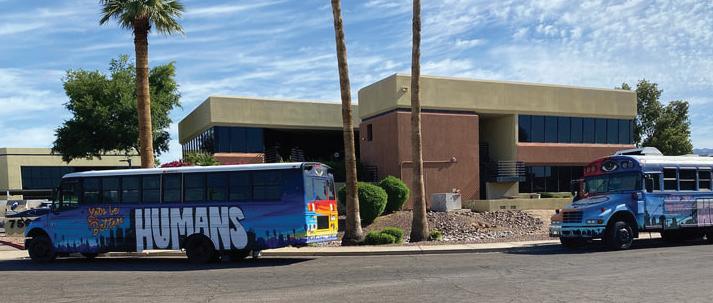
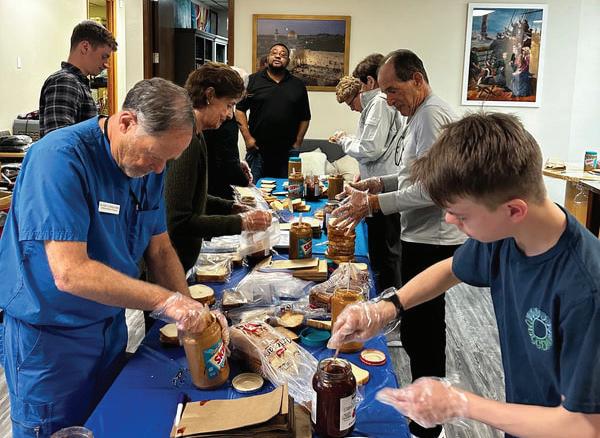
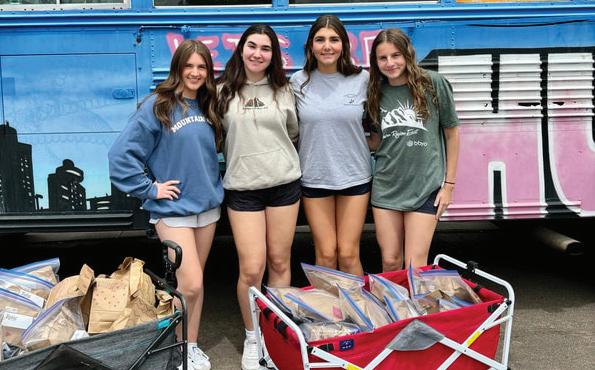
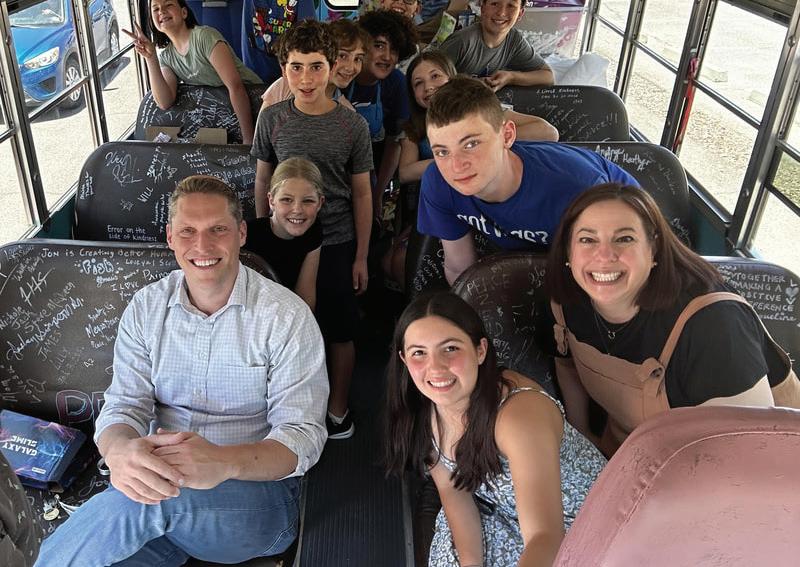
• Each year, Arizona Jews for Justice takes hundreds of youth, teens, young adults, and people of all ages on transformative service-learning excursions aboard the Let’s Be Better Humans buses.
• Our Outreach Team is in the streets every day, delivering essential items such as food, water, hygiene supplies, clothing and more to people experiencing homelessness in our community.
• We serve approximately 50,000 people each year and engage over 2,000 volunteers.
• We offer family-friendly volunteer opportunities for people of all ages.
• Our Shalom Pantry provides nutritious food and compassionate support to members of our community facing food insecurity.
• Please consider supporting our Capital Campaign to expand The Shalom Pantry and help meet the growing needs of our community.
• S th o o o o b at o o a b supplies, or invite us to come to your synagogue, camp, or school to lead a service project for your community.
• Visit www.arizonajewsforjustice.org or email arizonajews4justice@gmail.com to learn more!
JOSH BOOTZIN | STAFF WRITER
W
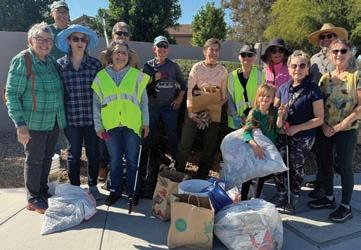
ith plans to move to a new location in May, on the corner of 60th Street and Bell Road, Temple Chai has already introduced itself to its new neighborhood by taking ownership of the cleanliness of a one-mile stretch of road through the City of Phoenix’s Adopt-A-Street program.
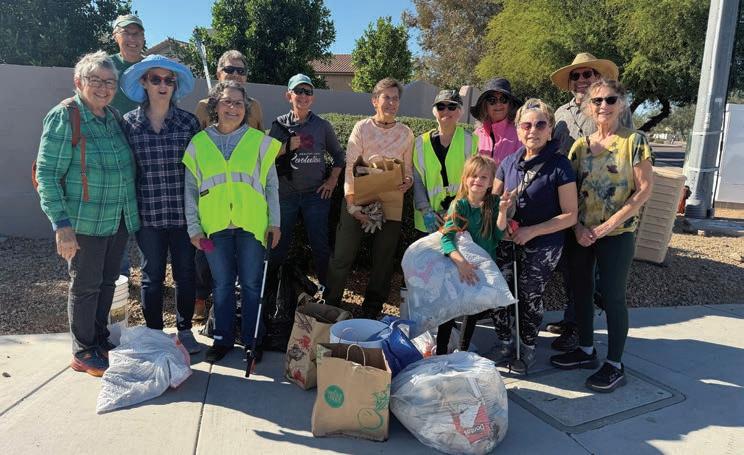
In an effort led by Eco-Chai, Temple Chai’s “green team” focused on projects to preserve and clean the environment, around a dozen volunteers gathered on Bell Road between Tatum Boulevard and 56th Street in January for the first community street cleanup.
The idea for this program began as a spin on the Tashlich ritual performed during Rosh Hashanah. Rather than casting objects into a natural body of water to wash
away one’s sins committed during the year, a national organization called Repair the Sea encourages people to clean the water bodies to undo some of humanity’s collective sins.
“We have done that two years in a row down at Tempe Town Lake, and I think it seemed really natural to say we can do this all year long and be good citizens as we start a relationship in our new neighborhood,” said Nona Siegel, an Eco-Chai volunteer and Temple Chai member for nearly 40 years.
Siegel credits Alicia Messing, another Eco-Chai member, for spearheading this effort.
“She saw one of the Adopt-A-Street signs and said we should do this in our new com-
munity,” Siegel said. “It would be a great welcome to the community to take care of our streets.”
They then reached out to the city to find out what streets were available nearby, and as the official adopters, Temple Chai committed to cleaning its section of street at least once every quarter for two years.
The city provided trash bags and orange vests for the first cleanup, then erected a sign after it was complete.
Messing brought recycled pickle buckets and grabbers for the cleanup as well, finding a new use for plastics and keeping them out of landfills.
“We each took a portion and worked in teams, and we cleaned up everything we could find,” Siegel said. “Lots of wrappers of all sorts and cigarette butts… it’s not a glamorous job.”
The next cleanup is planned for April, but no date has been decided yet.





“We’re hoping to get kids and families involved,” Siegel said. “It’s good to see what the garbage is and see what happens with all those microplastics if you don’t pick them up before they get washed into the drains and then into the water system. It’s a good learning opportunity and action to take when you feel helpless in the face of overwhelming climate change or degradation of our natural places.”
Siegel explained that the work is a good way to make a difference, and she hopes the volunteers feel a tangible sense of accomplishment just by witnessing the bags growing heavier.


Eco-Chai includes nearly 30 volunteers from the Temple Chai congregation. They meet as needed, planning and implementing a wide variety of environmental programs.
It began many years ago, took a lengthy hiatus and restarted around the time of the COVID-19 pandemic.
In the last few years alone, Eco-Chai has hosted vendor fairs, clothing drives and recycling drives, in addition to hosting its own Tu B’Shevat Eco-Fest, which shined a spotlight on residents and businesses across the Greater Phoenix area that pour passion into environmentally friendly work. The festival featured everything from City of Phoenix recycling experts to Jewish environmental organizations, compost companies and vegan food vendors.
Eco-Chai has also helped sponsor Shabbat services to highlight Jewish teachings pertaining to the environment and ensures that all dishware and supplies used at Temple Chai are compostable.
As it continues to prepare to move to the new building, Temple Chai is hosting a book giveaway this week to ensure that the many books currently in its library remain in use in the community. JN
For more information, visit templechai.com.
‘We are all part of Beth El’s story’ as congregation celebrates 95 years
MALA BLOMQUIST | MANAGING EDITOR
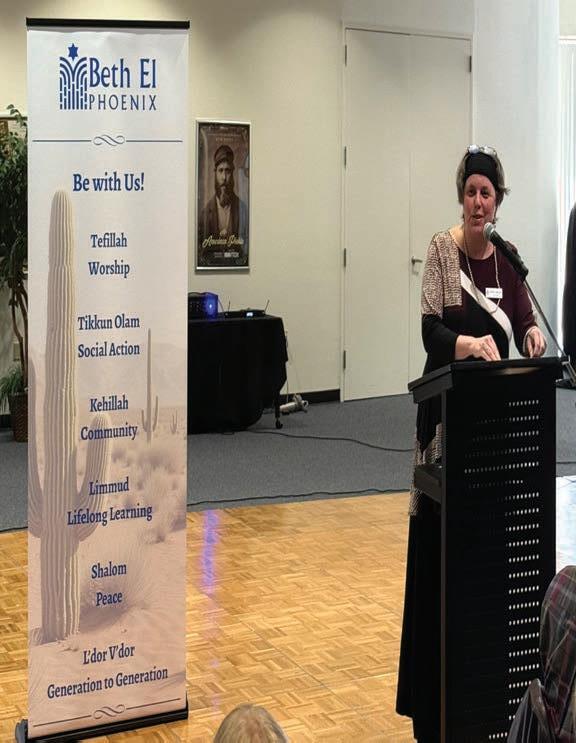
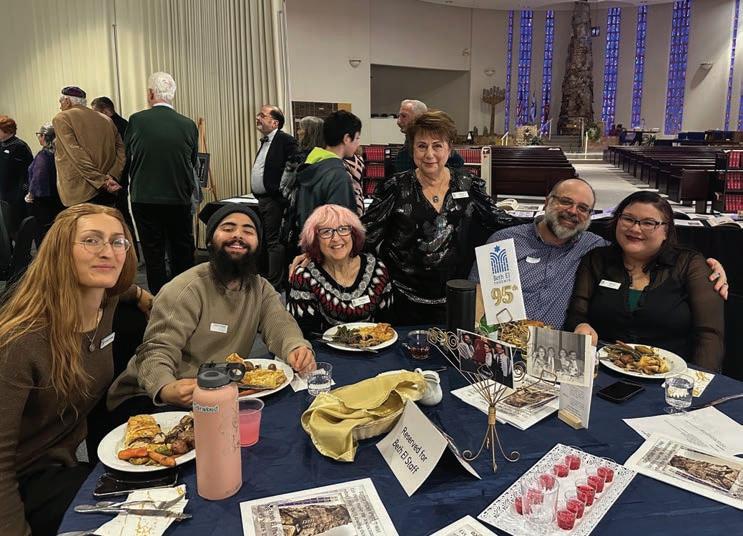
On Jan. 25, members and friends gathered at Beth El Phoenix to celebrate its 95th anniversary and reflect on how the synagogue has served both as a spiritual home and a center of Jewish life since its establishment on Sept. 30, 1930. Beth El Board President Bill Tuttle opened the celebration and acknowledged the many volunteers and leaders who helped sustain the congregation over the years. He invited all of the past presidents and current and former board members in attendance to stand and thanked them for their dedication. Tuttle noted that Beth El’s strength has always come from the commitment of its members — from those who serve on the board to families who support the congregation through volunteer work and philanthropy.
He highlighted the Mallin Building, dedicated to youth education, and a Holocaust memorial honoring the six million victims of the Shoah, among the many standout features of the synagogue grounds.
“On our walls we have names that live in history, of blessed memory,” Tuttle said. “I thank you all for what you have done to help build and sustain our community.”
While celebrating Beth El’s past, Tuttle also emphasized the importance of continuing to invest in the congregation’s future. Like many synagogues across
the country, Beth El relies not only on membership dues but also on fundraising efforts and community engagement to thrive.
“We cannot survive on the process of dues payments alone,” he said. “We simply must have fundraisers of some sort to help balance budgets.”
Tuttle praised a recent successful fundraising event led by congregants and highlighted Beth El’s active social action committee, which organizes community service projects.
One of those initiatives, the congregation’s annual Mitzvah Day held on Dec. 25, set a record for attendance last year. The event draws volunteers from congregations across the Valley and raises funds to help people experiencing homelessness while assembling hygiene kits for those in need.
Beyond programs and fundraising, Tuttle encouraged congregants to continue preserving Beth El’s history by sharing their own personal stories. He pointed to oral histories collected by the Arizona Jewish Historical Society and suggested members visit the “story booth” set up to record memories of Jewish life in Phoenix.
“We are all part of Beth El’s story,” he said. “We have been in the Valley of the Sun for 95 years, and I hope something
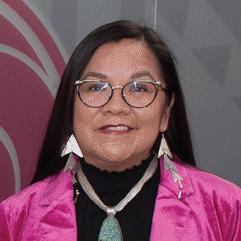
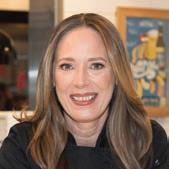
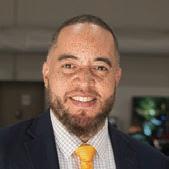
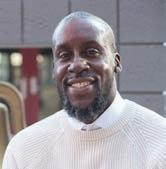
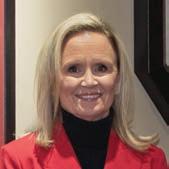
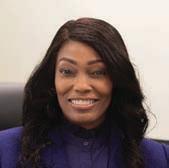
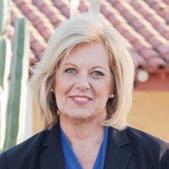
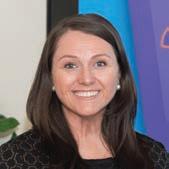
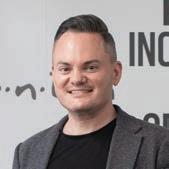
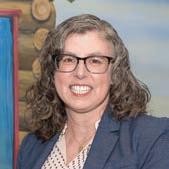
Many stories focused on the congregation’s lively youth programs. Members recalled a b’nai mitzvah club where parents cooked pancakes for the teens, as well as youth group dances.
“In seventh grade, we had dances and parties,” Burka said. “Geoff and I won the dance contest — the cha-cha.”
“It was the only dance I knew,” Gonsher joked.
Kim Mertens shared that before its current location, Beth El was at Third Avenue and McDowell Road, and after it moved, that location became a children’s theater. “I was Roo in a ‘Winnie the Pooh’ play there,” she said. “Now it’s a pawn shop.”
Family traditions were equally memorable. Burka described the annual fatherchild spaghetti dinner held the night before Thanksgiving, so mothers could prepare for the holiday.
communities as the Valley’s Jewish population expanded.
“So many people in this town have been touched by Beth El,” she said. “Some remain on the Beth El branch. Others moved to other branches as the city grew. But they all trace back to these roots. And our young people, our next generation, are the little blossoms and green leaves.”
The rabbi invited attendees to reflect on the blessings Beth El had given them — and the blessings they had given back to the congregation. Each table shared memories and poured a small cup of wine into a larger communal cup, symbolizing the collective strength of the community.
During the table blessings, congregants summarized what Beth El meant to them.
“Beth El gave me a community where I could go out and do things and then have the safety to come back to,” Ziskin said.
I have spoken about today sparks the desire for Beth El at 100. I hope that at the 100th, the president of Beth El will give a speech which sparks interest in our upcoming 110th birthday.”
While they ate, members shared memories of their history with Beth El.
Sara Ziskin recalled her sister, Deborah Ziskin, becoming the congregation’s first bat mitzvah in 1961, when services were still held in the building of what is now Torah Day School of Phoenix.
The synagogue’s current building was completed in 1967, but in the years before that, the growing congregation sometimes had to find creative solutions for High Holiday services.
“I remember going to the Celebrity Theatre, then called the Star Theatre, when the old synagogue got too small,” Ziskin said. “At the hotel next to it, people would sit around in lawn chairs after services.”
She also remembered the beloved director of the Hebrew school, the late
Zachary Merrin. “He would get on the PA system and say, ‘This is God speaking,’” she said with a laugh. “You could hear it in Hebrew class.”
Geoffrey Gonsher recalled Merrin’s easygoing approach with students. “He let us kids be kids,” he said.
Gonsher’s wife, Barbara Lewkowitz, said she became a member of Beth El because that was the agreement she made with her husband when they got married. His parents were members.
Shari Burka remembered watching the Neil Diamond film “The Jazz Singer” and recognizing her own cantor on the screen. “I said, ‘That’s Uri!’” she laughed, referring to the late cantor Uri Frenkel.
Burka also reflected on the emotional connection she still feels during High Holiday services.
“I would sit next to my grandmother, Rose. She was my heart,” Burka said. “To this day, certain prayers … I can still feel her next to me.” She also shared that hers was the first wedding performed when the synagogue was complete.
Rabbi Nitzan Stein-Kokin then took to the podium with reflections on Beth El’s physical space and the deeper meaning behind it. Looking around the sanctuary, she described the synagogue’s architecture as symbolic of the Torah itself.
She explained that if you look down from the top of the synagogue, it resembles a Torah scroll with two rolls, one slightly larger than the other.
“Our architecture is really unique,” Stein-Kokin said. “I’ve never in the world seen an ark like this.”
The freestanding ark, she explained, resembles a tree coming out of the ground and sprouting up towards the ceiling. “And what do we call our Torah when we put it back? The ‘Tree of Life,’” she said.
That metaphor of a tree resonated deeply with the synagogue’s history.
“A tree has deep roots,” Stein-Kokin said. “We still have members among us who have been here their whole lives — their parents and grandparents built this place on a solid foundation, making us strong.”
Over time, she noted, Beth El has served as a “tall trunk” in the broader Jewish life of Phoenix, with branches extending into other congregations and
Gonsher noted the synagogue’s long connection to his family. “Beth El gave my parents their heritage, back to 1946,” he said.
Mertens said she first came to the congregation because of its preschool. “It was a great Jewish foundation for my kids,” she said.
Burka reflected on growing up Jewish in a predominantly Christian environment. “Beth El gave me a sense of being Jewish in a Christian community,” she said.
For Lewkowitz, a member of Beth El’s Social Action Committee, the synagogue has been central to both family and service. “I think the blessing Beth El gave to me was my husband and my boys,” she said. “And the blessing that I give to Beth El is our social action.”
As the celebration concluded, SteinKokin offered a prayer for the congregation’s continued vitality.
“May the door of this synagogue be wide enough to receive all who hunger for love and all who are lonely for fellowship,” she said. “May this synagogue continue to be, for all who enter, the doorway to a richer and more meaningful life.” JN For more information, visit






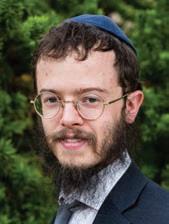
RABBI MENDEL VAISFICHE
PARSHAH VAYIKRA: LEVITICUS 1:1-5:26
The book of Vayikra opens with the laws of Korbanot, the offerings and sacrifices brought in the Mishkan (Tabernacle) and later in the Beit HaMikdash (Temple in Jerusalem). Simply speaking, these laws seem to teach us about sacrifice in the literal sense: giving something up for G-d. But there is something deeper here. More than merely teaching us what to give, the Torah is teaching us how to give, the sincerity, intention and quality behind the act. In other words, the Torah reveals the “behind the scenes” of giving. In the instructions regarding the daily offering of the Jewish people, the Torah does not obligate each person to bring two complete sacrifices every day. Rather, the Jewish people contributed a small, fixed donation to a communal fund. From
this shared fund, the daily offerings were brought on behalf of the entire nation. In this way, the offering was considered the offering of every individual within the Jewish people.
Going a step deeper:
The Hebrew term used in the Torah for these two daily offerings is not korban yomi, which would mean “daily offering.” Instead, the Torah calls it the korban tamid, which literally translates as the “constant offering.” In reality, however, these sacrifices were brought only once in the morning and once in the evening. So, while they were indeed “daily,” they hardly seem to be “constant.”
But therein lies a powerful lesson about sincerity and dedication in what one does for, and gives to, G-d.
Being a servant, and in the service, of G-d does not necessarily mean performing an act every moment or giving everything we possess. Rather, it means establishing a sincere commitment that continues steadily over time.
Each day in the Temple began with the korban tamid. The first act of the day was
an offering to G-d, an act of dedication and connection. By beginning the day in this way, everything that followed became infused with that spirit. All the other offerings, and all the activities that took place throughout the day, were built upon that initial moment of devotion.
This pattern applies to our lives as well. Just as the Temple service began with a sacrifice wholly dedicated to G-d, a Jew begins the day by dedicating themselves to G-d.
When a person starts the morning with prayer, with words of Torah, and especially with a simple moment of conscious gratitude to G-d, for example, the 12-word Modeh Ani prayer that is traditionally said each morning while one is still in bed, that act functions like the korban tamid of the day. It establishes the tone and direction for everything that follows.
The hours that come afterward may be filled with work, responsibilities and ordinary tasks. Yet because the day began with dedication to G-d, those activities are no longer disconnected from spirituality. Instead, they become part of a life oriented
SHABBAT ENDS MARCH 21 - 7:17 P.M.
MARCH 28 - 7:22 P.M.
towards a higher purpose.
The message of Parshah Vayikra, about sacrifices brought in the Temple, practices that are not performed today (though hopefully very soon with the coming of Moshiach), therefore becomes deeply practical. The Torah is not asking us to live every moment in the Temple, nor to give up everything we possess. Rather, it teaches us to begin with sincere devotion, to start our day with a relatively small but genuine offering of ourselves to G-d.
When the beginning is dedicated in this way, the influence of that moment continues throughout the day. Just like the korban tamid, an act performed at a specific time can create a connection that is truly constant. JN
Rabbi Mendel Vaisfiche is a certified mohel based in Scottsdale and the director of adult education at Chabad of Scottsdale.
JASON PLOTKIN | JTA
As the executive director of a synagogue, I read the daily security briefs from Secure Community Network and engage in regular security updates with my colleagues and friends in Jewish communal spaces across the country.
I never imagined that the security risks we talk about every day would literally be at the entry to our spiritual home.
On Thursday, our synagogue, Temple Israel in West Bloomfield, Michigan, was attacked by an individual with the intention of causing harm to our community.
As my friend Rabbi Brian Stoller of Temple Beth-El of Great Neck shared in his sermon the next evening, “This is a scary time for Jews in America. And sadly, it can feel like a scary time to work in a synagogue.”
Our houses of worship — Jewish or otherwise — should never feel that way.
At Temple Israel, we say that every staff member is part of our temple family. We are extremely fortunate that all of our staff and community members — along with more than 100 children in our early childhood center — returned to the warm embrace of
friends, family and the greater community after Thursday’s events.
And we pray for and express gratitude to our security team, who bravely responded and ran towards the attacker. Their training and experience saved lives that day.
At times, the threat facing our synagogues and Jewish community spaces feels abstract. But our experience Thursday is an important reminder that security preparedness is essential to ensuring the safety of our community, and it is time and money well spent.
Security preparation can alter your instincts and equip you to respond effectively in critical situations, preventing you from freezing when action is required.
Our temple staff faced many different challenges Thursday. We were spread out in different locations, some in groups, others isolated and some so far away that they did not hear the disturbing sounds. However, we all executed our training protocols to protect ourselves and those around us, including the precious children under our care.
Over a month earlier, the FBI conducted a
training session for our staff. The FBI facilitator discussed active shooter scenarios, emphasizing the “run, hide, fight” strategy.
Our security personnel also undergoes regular group training to practice their skills and response tactics in our sacred spaces with no one around to watch.
Another essential preparedness tactic is the sacred partnership we have built between Temple Israel and our neighbor, Shenandoah Country Club.
The club’s executive director, Hassan Yazbek, was literally the first person to call me as I was struggling to breathe in the temple parking lot after evacuating due to smoke inhalation. Hassan offered to house, feed and provide shelter for our faculty, staff and children. The country club also served as the initial staging ground for local law enforcement and hosted our Shabbat services this past weekend.
But our community relationships extend further. The local FBI officials, Department of Homeland Security team members, county sheriffs and township police are all familiar with me and our security team. The
NOTE ON OPINION
We are a diverse community. The views expressed in these opinion pieces do not necessarily reflect the views of the officers and boards of the
same goes for our local West Bloomfield Township leadership and two state legislators that call Temple Israel “home.”
These are not fleeting relationships; they know us, our building and our people. These local law enforcement professionals help us navigate special events, keep us informed when we need to be and are present in our community.
In Jewish tradition, we hold the sacred value of pikuach nefesh — the sacred responsibility to protect and preserve life. On March 12, our staff, faculty, security team and the community lived out this value.
We are grateful for the security preparedness and the partnerships that enabled us to put our values into action when they were needed. The combination, as we now know first-hand, proved to create the best possible outcome in a situation and for that, my family and others involved in Thursday’s events are grateful. JN
The views and opinions expressed in this article are those of the author and do not necessarily reflect the views of JTA or its parent company, 70 Faces Media.
Community Foundation, Center for Jewish Philanthropy, Jewish Federation of Greater Phoenix, Cleveland Jewish Publication Company or the staff of Jewish
Letters must respond to content published by Jewish News and should be a maximum of 200 words. They may be edited for space and clarity. Unsigned letters will not be published. Letters and op-ed submissions should be sent to editor@jewishaz.com


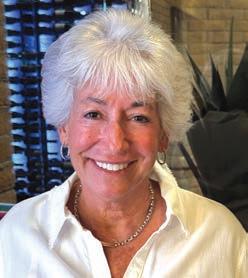

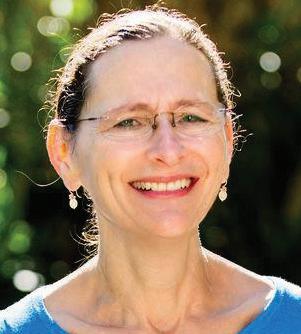

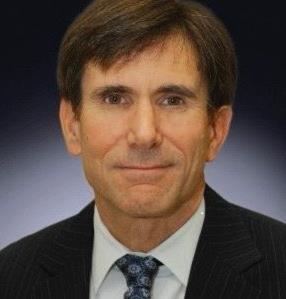


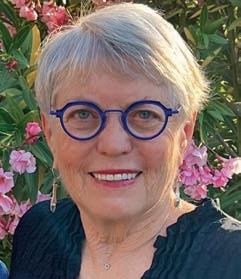
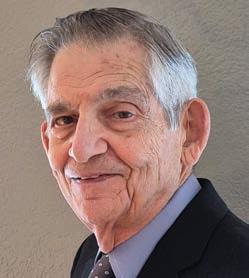


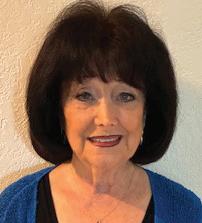

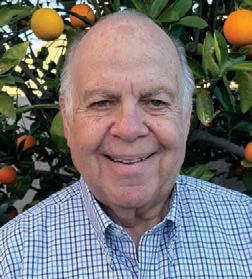
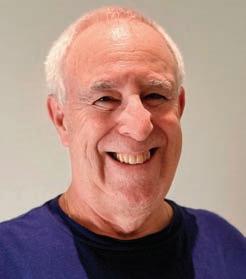
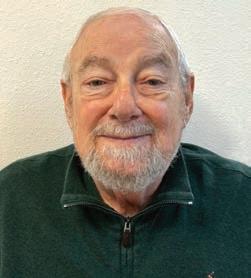
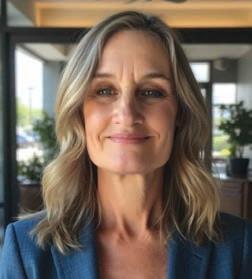


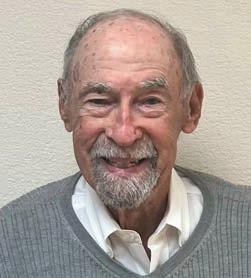

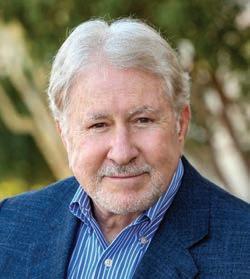

Across Jewish tradition, honoring wisdom and experience has long been a cherished value. The Torah teaches, “You shall rise in the presence of the aged and show respect for the old …,” emphasizing that respecting older generations is a spiritual obligation, not just a social convention, and a reminder that the lives and stories of older generations are treasures to be respected and learned from. Individuals over the age of 60 offer leadership, generosity, creativity and compassion that strengthen those around them.
Jewish members of our community who fit this description were nominated by
their peers, friends or family and are being recognized in “12 Over 60,” a new special section appearing in this issue.
These honorees remind us that age is not a slowing down, but a deepening — a time when experience meets purpose and when personal legacy becomes community legacy. Through their dedication, resilience and passion, they continue to enrich Jewish life and demonstrate that meaningful contributions know no age limit.
Through the selection and editing process, I was introduced to information about our honorees that I never knew. I
was surprised to find that the majority of the group have lived in the Valley for 40 years or longer. And not so surprising was the fact that if someone said they were “retired,” their volunteer commitments easily equal a full-time job. Exercising, traveling, meeting with friends and spending time with family (and grandchildren) fill out the rest of their busy schedules.
Many of our honorees wrote more than we could include in the space allotted for each individual, so to see their full responses, visit JewishAZ. com/12Over60.
Thank you for the community’s partici-
pation in nominating and acknowledging these special people. We congratulate Sue Adatto, Sheryl Bronkesh, Dr. Michael Cohen, Linda Feldman, Rabbi Elana Kanter, Joe Luber, Adam Nach, Ed Ober, Raymond Perlman, Kathy Rood, Arnold Schwartz and George Weisz.
In the pages ahead, we celebrate these remarkable individuals and thank them for all they have done, and continue to do, to make our community stronger for the next generation. JN
All photographs used were courtesy of the honorees.
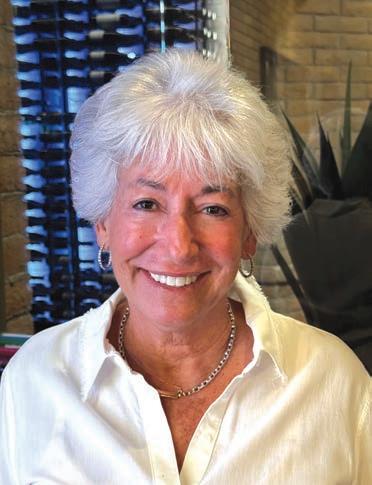
If retired, what fills your days? My days stay pretty busy. I usually start with a high-intensity interval training class, and some days I’ll also fit in a pickleball game. I still do a lot of volunteer work, which I really enjoy, and I like getting together with friends to play cards and just spend time together.
Hometown: Mountainside, New Jersey
Length of time in Arizona: 28 years
Synagogue affiliation: Congregation Or Tzion, Scottsdale
What’s your favorite thing about living in the Valley? My favorite thing about living in the Valley is coming home to the mountains every day, along with being part of such a strong and welcoming Jewish community.
What’s one thing others may not know about you? During COVID, I picked up paint by number as a hobby. I’ve improved a lot since then, and it’s become a really relaxing, creative outlet for me.

What ways are you involved in giving back to the community? Giving back has always been important to me. Over the years, I’ve served on numerous community boards, including the Jewish Federation of Greater Phoenix, Congregation Or Tzion, Pardes Jewish Day School, AIPAC Phoenix Council (as political chair), the Jewish Community Relations Council of Greater Phoenix and I currently volunteer with the Greater Phoenix Jewish Film Festival. I’ve also volunteered 10 times in Israel with Sar-El, supporting the IDF.
What inspired you to become involved in the causes or organizations that matter most to you? I realized early on that, more often than not, Jews take care of Jews — no one else is coming to help us. Our strength comes from showing up for one another and working together. Being part of that collective responsibility has always motivated me. Most recently, I have been extremely inspired by the work I do with the Greater Phoenix Jewish Film Festival. Working with an all-volunteer group to build the festival each year and then seeing it come to fruition is incredibly rewarding. Watching people get excited to attend — some coming every day for two weeks — gives me a real thrill. I love seeing our community come together day after day, and I especially enjoy talking with patrons about the films they’ve seen and the impact those films have had on them.
What Jewish traditions have been most important for you to pass down to your family? For me, the Jewish traditions I most want to pass down are tied to my love of Israel and my belief in a strong, vibrant diaspora community. Sharing Shabbat and holiday dinners with family and friends means so much to me, and it’s been incredibly meaningful to see that carry on with my daughter and son-in-law, who love hosting Shabbat and holidays. Those gatherings create real connection, continuity and a sense of belonging. I also hope that my love of volunteering — both giving my time and supporting causes financially — becomes part of my family’s legacy.
What has being Jewish meant to you at different stages of your life? Being Jewish wasn’t something I thought deeply about early in my life. That began to change when I met my husband in my mid-20s, and together we made a conscious choice to build a Jewish home and connect more fully with the Jewish community. Over the past four decades, that connection has continued to grow





and evolve, becoming an increasingly meaningful part of who I am and a constant source of purpose, inspiration and commitment to community. Is there a Jewish value or teaching that has especially shaped your outlook on life? Tzedakah is the Jewish value that has most shaped my outlook on life. To me, it embodies a deep sense of communal responsibility — the understanding that we are responsible for one another. I’ve seen time and again that when passionate people come together around a shared purpose, meaningful and lasting change is possible through tikkun olam.
What role do you believe elders play in sustaining a strong Jewish community? We elders play a vital role in preserving and passing on Jewish education, values and lived experiences. I believe we need to ensure the next generation understands the importance of supporting both local Jewish organizations and organizations that support Israel. We need to have the tough conversations about what it means to be a Jew over and over again to ensure the next generation never feels too comfortable. What advice would you give your younger self? I don’t think I would give my younger self specific advice, because I believe I made the best decisions I could at the time. When we’re younger, we don’t yet have the wisdom that comes from living longer, and that wisdom can only be gained through experience.
What wisdom would you like to share with younger members of the Jewish community? Get involved now with a Jewish organization you care about. Don’t rely on others or wait to be asked. Every generation has a responsibility to do the work, and a strong Jewish community depends on everyone contributing, not just a few carrying the load. Don’t worry that you think your contribution is not big enough — every dollar and moment counts.
What continues to inspire or motivate you at this stage of life? What inspires me most at this stage of life is having my family close by and the opportunity to share meaningful experiences together, both big and small. My friendships are equally important, providing connection, laughter and support. I’m also deeply motivated by traveling to off-the-beaten-path places that offer fresh perspectives and a true sense of discovery. And finally, my volunteer work is the icing on the cake — it gives me purpose and reminds me how rewarding it is to give back. JN
Job title/Company: Immediate past president of the Phoenix Holocaust Association (PHA)
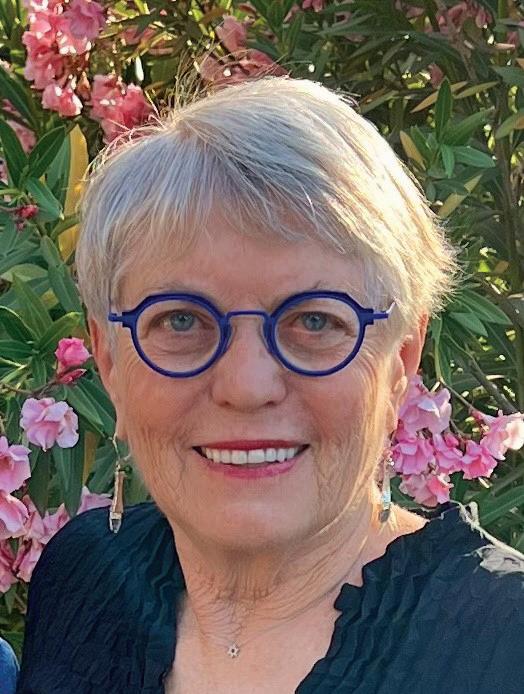
If retired, what fills your days? Volunteer work fills much of my time, including the Phoenix Holocaust Association, where I chair the annual Yom HaShoah Commemoration; I co-chair the Content Committee at the Hilton Family Holocaust Education Center; I also co-chair the Holocaust Toolkit for the Arizona Department of Education; and I give presentations about the Holocaust to schools and other organizations. I also take art classes, including fused glass and ceramics. Additionally, I work with a trainer at the Valley of the Sun Jewish Community Center (VOSJ) and take a weekly Torah study class through the Bureau of Jewish Education of Greater Phoenix. Walking my dog, Poppyseed Hamantaschen, rounds out my day.
Hometown: Scottsdale
Length of time in Arizona: I arrived in December 1977, from New Jersey Synagogue affiliation: Congregation Or Tzion, Scottsdale and IKAR (Los Angeles)
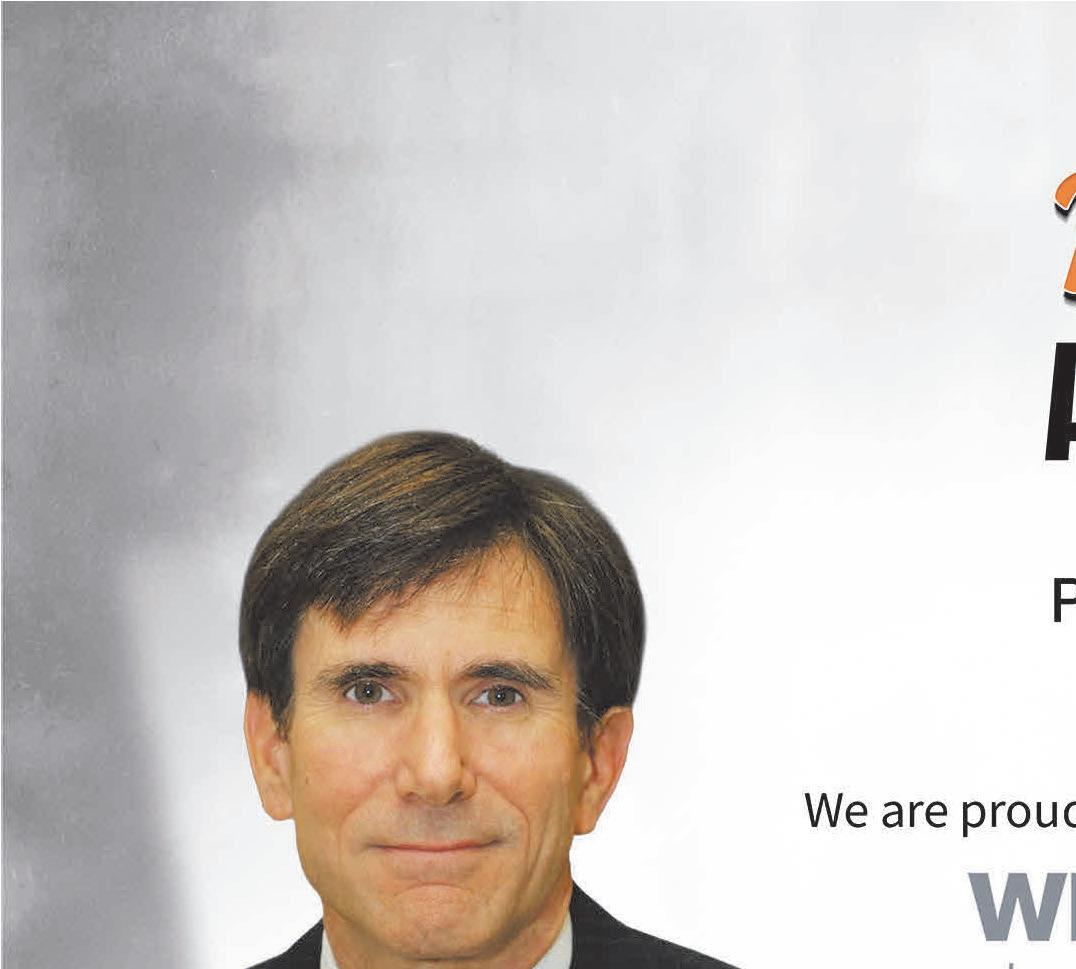


12 OVER 60
What’s your favorite thing about living in the Valley? The weather and the beautiful landscape are high on my list. A wonderful community of friends enriches my life. What’s one thing others may not know about you? Either that I grew up on a chicken farm or that I met David Ben-Gurion when I was 17.
What ways are you involved in giving back to the community? I have been involved with the PHA since the mid-1990s, first as one of the founders of an affiliated descendant organization called Generations After, and then as president from 2018 to 2024. When I became president, my goal was to enhance education about the Holocaust in Arizona schools. For three years, bills were introduced in the Arizona Legislature, finally becoming law in 2021. The bill required schools to teach the Holocaust at least twice between seventh and 12th grades. Additional laws strengthening the mandate were passed in 2024. I co-chaired a task force of educators, survivors and descendants to create a toolkit of resources for teachers, maintained by the Arizona Department of Education. I have also helped increase the organization’s profile through major communitywide programs, such as bringing exhibits and speakers on topics including the “Holocaust by Bullets,” the Rwandan genocide, the Hulu miniseries “We Were the Lucky Ones” and a collaboration with the Phoenix Symphony for Yom HaShoah last year.
What inspired you to become involved in the causes or organizations that matter most to you? Both of my parents were Holocaust survivors.
What has being Jewish meant to you at different stages of your life? When I was a teen, I was active in BBYO and attended regional conferences and went on the first international BBYO Israel Kallah. Going to Israel at age 17 had a huge impact on me. Not only did I meet my Israeli family for the first time, including aunts, uncles and first cousins, but I fell in love with the country. I spent my junior year of college at The Hebrew University in Jerusalem. I have since returned many times. Judaism played a large role in raising my daughter. We belonged to a synagogue which provided a community for our family. Even though my daughter was an only child, she had the benefit of being part of a congregation. Most of our friends were also members and our social life centered around the synagogue, youth group, Jewish camps, youth choir and Hebrew High. As an empty nester, my social circle is still largely focused on my synagogue, the VOSJ and of course, Phoenix Holocaust Association.
Is there a Jewish value or teaching that has especially shaped your outlook on life? The value of ongoing study and education. There is always more to learn. I feel this has allowed me to grow as an individual and has given me the incentive to stay involved in the community after retirement.
What role do you believe elders play in sustaining a strong Jewish community? We have so much to learn from those who have been there before us. Since I work closely with Holocaust survivors, I will focus my response on what we can learn from those who dealt with unimaginable hardship and loss. From them, I have learned the importance of family and friends. They teach us perseverance and taking joy in the small things.
What advice would you give your younger self? Get interested in family history much sooner than I did, while older relatives are still alive. My interest in my parents’ lives before and during the Holocaust intensified many years after my father died. Fortunately, my mother was still alive and could fill in some holes in my knowledge, but not all. In 2009, my mother, my daughter and I went to Poland and Ukraine to try to learn more about my father’s life as a Partisan and to visit my mother’s hometown. After the trip, I created a website (beforeamerica.com) to document what we learned. What wisdom would you like to share with younger members of the Jewish community? Belonging to a synagogue can play an important role in your life at all stages. It broadens your community and puts you in contact with clergy who you can turn to with questions, not only about Judaism but also about navigating life.
What continues to inspire or motivate you at this stage of life? We are fortunate to still have Holocaust survivors living in the Greater Phoenix area who inspire me with their strength of character. I am motivated to provide students with knowledge of what precipitated the Holocaust and to help them understand how individuals can make a difference. Learning about the Holocaust, and sharing eyewitness accounts, are important in fighting antisemitism. I am now focusing attention on bringing to fruition the first Holocaust education center to the Valley. In 2027, Phoenix will no longer be the largest city in the United States without a Holocaust museum/ education center. I am proud to be playing a small role in the development of the Hilton Family Holocaust Education Center. I hope to remain involved in that center and teaching students for many years to come. JN
If retired, what fills your days?
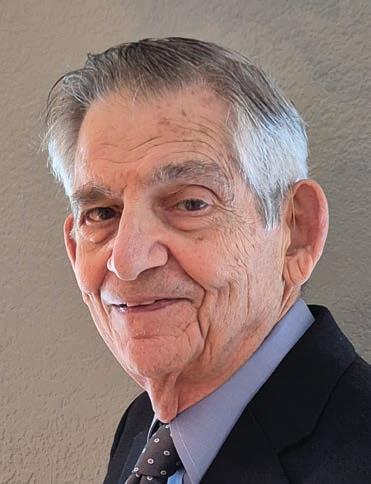
Volunteering to support Israel, exercising and reading; commitments include program coordinator, Lone Soldier Project, East Valley Jewish Community Center (EVJCC); co-chair Friends of Israel Committee, Sun Lakes Jewish Congregation (SLJC); and editor, “Friends of Israel,” SLJC Israel newsletter; board of directors, EVJCC
Hometown: Troy, New York
Length of time in Arizona: Since 1973, 52 years
Synagogue affiliation: Sun Lakes Jewish Congregation
What’s your favorite thing about living in the Valley? Being near my children and grandchildren.
What’s one thing others may not know about you? I published a book for parents about attention deficit hyperactivity disorder.
What ways are you involved in giving back to the community? I attempt
to inform the community about all things Israel with factual information and realistic observations.
What inspired you to become involved in the causes or organizations that matter most to you? The preservation of Judaism and Jewish identity in the United States, as the number of those identifying with Judaism and those living a Jewish life is diminishing over time. Modern Israel represents a glorious chapter in the story of the Jewish people since the destruction of the Second Temple and symbolizes our strength, the fortitude of our faith, our resilience and perseverance. For these reasons, I believe Israel’s success is necessary for American Judaism to be sustained.
What Jewish traditions have been most important for you to pass down to your family? A wholesome family life with love and mutual respect between parents, and a dedication to enhancing the quality of life for our children with love and opportunities. Synagogue affiliation and Jewish holiday observance provide for the expression of these goals.
What has being Jewish meant to you at different stages of your life?
During childhood, living in a wholesome family with Jewish values modeled by my parents, along with the tradition of celebrating Jewish holidays. My bar mitzvah felt like a true transition to me because it became my obligation to continue the observance my parents had made as part of our lives. In college, I was fortunate to find kinship in a Jewish fraternity, making new (now lifelong) friends who shared similar values and a desire to wear our Judaism proudly.
Married life began in medical school by establishing a Jewish home, connecting with synagogues for holidays and anticipating raising children as we were raised, with a Jewish life.
Residencies and the Army were more of the same, having two children and exposing them to a Jewish family life from the earliest days.
Settling in Tucson to work at the University of Arizona Medical School led to a permanent membership in a Conservative synagogue, establishing close friendships with a network of Jewish families with whom we shared Jewish holidays for decades. Again, new lifelong friends. Volunteering with Jewish organizations was a way to give back. Many productive years were spent on the board and as president of Jewish Family and Children’s Service.










Moving to Sun Lakes in 2006, to be near our children’s families, meant regular Jewish holiday observation with family and being part of the journey watching our grandchildren evolve with their Jewish identity. Serving many roles at Sun Lakes Jewish Congregation was important because it guaranteed that there would always be a presence, and a home for Jewish residents, in our retirement community.
Is there a Jewish value or teaching that has especially shaped your outlook on life? I have always loved being Jewish. Having faith in a loving, forgiving and compassionate G-d provides me with strength. Being created in G-d’s image means that I am entrusted with the responsibility to make the world a better place by behaving in a way that reflects the guidance from the Torah and subsequent commentary. I am in awe of the fortitude, sacrifices and resilience of our ancestors in their effort to sustain Judaism against extreme adversity. In stressful moments, I call upon that heritage to face challenges with strength.
What role do you believe elders play in sustaining a strong Jewish community? The relationship between seniors and their grandchildren is an enormous opportunity to transmit experiences, wisdom, beliefs and recommendations without responsibility to “raise” them. It is our obligation to transmit our Jewish history, traditions and values, and to model a Jewish life if we desire the satisfaction of continued multigenerational Judaism. While there is certainly no guarantee, we can bias the future in the direction we desire. Consider writing an ethical will.
What wisdom would you like to share with younger members of the Jewish community? A unified effort to preserve Judaism in the United States and to support Israel must be a single goal and mission of all Jews and Jewish organizations. There is no room for territorial squabbles and minor philosophical differences in the foreseeable future. If you are Jewish, you must be a Zionist; that option has been lost with the international threats against both.
What continues to inspire or motivate you at this stage of life? My original goal of preserving multigenerational Judaism in the United States has certainly not been realized during my retirement years. The efforts must be continued by all because this goal is definitely necessary as our ancient history continues to be written. JN













Ann








on this well-deserved honor.













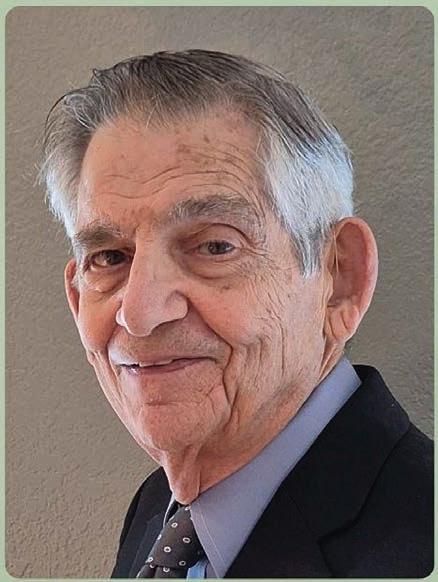
Linda's visionary leadership has Flowered over the past 28 years—Connecting the Dots between expectant parents and Jewish family life in Greater Phoenix.



In 1997, when folks got Wind of the opportunity to prepare for childbirth, the Jokers disappeared and Bam! Jewish Baby University was born to help build Jewish families rooted in knowledge, community, and tradition. Even more than it was initially Cracked up to be, Jewish Baby University has “graduated” more than 1,000 parents, marked over 800 births, and created enduring friendships.
































Job title/Company: Director of Family Education for the Bureau of Jewish Education of Greater Phoenix (BJE).
Hometown: Chicago, Illinois
Length of time in Arizona: 40 years
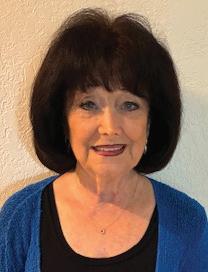
Synagogue affiliation: Congregation Kehillah, Cave Creek
What’s your favorite thing about living in the Valley? I love working in the Greater Phoenix Jewish community, while being close to family who have lived here since 1948. The Arizona lifestyle, friendly people and beautiful surroundings are also favorites.
What’s one thing others may not know about you? I taught in the District of Columbia Public Schools for seven years. There I learned that people are people and everyone truly wants the same things for their families: a good education, a good life and to be productive. After my children were born, I got involved in Jewish education in Potomac, Maryland.
What ways are you involved in giving back to the community? I have worked at the BJE for 29 years. I have created and implemented special programs for families from Jewish Baby University and Jewish Marriage University to Baby & Me Shabbat and programs for single parents. Over the years, I also have provided many programs for religious and preschools such as “Pieces of our Past,” “Better Together,” “Let’s Make Matzah for Passover” and “Let’s Make Olive Oil for Hanukkah.”
These programs and my work have truly been a labor of love. In addition, I volunteer for the Dream Bus and St. Mary’s Food Bank through Brandeis National Committee Phoenix Chapter. I am a member of Hadassah, National Council of Jewish Women and a former member of the Jewish Community Relations Council. What inspired you to become involved in the causes or organizations that matter most to you? When I “retired” from being director of The Solel Preschool in 1995, I volunteered at the BJE for various programs. In 1997, Steven Spielberg donated money to our federation for family education. Aaron Scholar, then director of the BJE, was tasked with finding someone to do family education for our community. He hired me, and 29 years later I am still doing that, and proud to support our community through these various programs.
What Jewish traditions have been most important for you to pass down to your family? The importance of synagogue membership and having a b’nai mitzvah. I became a bat mitzvah as an adult at Temple Solel in 1993. Since then, our adult married children have always been synagogue members. Our son’s two children had their b’nai mitzvah and our daughter’s oldest became a bat mitzvah in February this year.
What has being Jewish meant to you at different stages of your life? My early years were in Oak Park, Illinois, where there were not many Jewish people. However, belonging to a synagogue, being in B’nai B’rith Girls (BBG) and having my two best friends, who were Jewish, helped build my Jewish identity. Moving to Skokie, Illinois, where there was a large Jewish population and the schools closed for Jewish holidays, further enhanced my Jewish well-being. Upon arriving in both Maryland and Arizona, I sought out the Jewish community and volunteered in different Jewish activities, making friends along the way. Our first order of business here in 1986 was to find a synagogue and we joined Temple Solel. I did a lot of volunteer work there and made many temple friends. It truly enriched our lives and provided our family with a Jewish base.
Is there a Jewish value or teaching that has especially shaped your outlook on life? I am always truthful. I simply cannot even tell a little white lie. I would like to think most people are the same. Being kind and helping others is
my guiding principle. B’tzelem Elohim (in G-d’s image) is the understanding that all people are created in G-d’s image and should be treated with dignity, respect and be valued.
What role do you believe elders play in sustaining a strong Jewish community? Elders, of course, set an example for our younger population. Interacting and sharing personal experiences make an impression on younger people. Being involved, volunteering, supporting Israel and donating to our community show the younger population the benefits and importance of Jewish involvement.
What advice would you give your younger self? Actually, I am quite satisfied with how my life has progressed from the beginning so, I would not have done anything different.
What wisdom would you like to share with younger members of the Jewish community? Be open to new experiences as these experiences enrich one’s life and open new avenues. One never knows what is around the corner, so be willing to try new things even if you think it is not something you would like. In that same vein, search for Jewish activities, organizations and Hillel on campuses to guide you and help you navigate the Jewish and secular worlds. What continues to inspire or motivate you at this stage of life? As I continue working and being productive, I get much satisfaction meeting the younger people through my various BJE programs. I am thrilled that these people look to our Jewish community at special times in their lives. I teach them, as well as I learn much from them, too. I am blessed with a wonderful husband, family and friends and am extremely grateful for my life’s blessings. JN

In honor of Sue Adatto whose hard work, dedication, and wisdom has impacted so many people.
Melissa and Mark Gulinson
Elyssa and Michael Hillman
Ricki and Alan Light
Beth and Rob Marsh
Amy and Dan Tyre

for all your efforts on behalf of Jewish Baby University, and the hundreds of families who started their families with your guidance.
The BJE Board of Directors thanks you!
Linda, you always light up OUR lives and so many in our Jewish Community... We cherish our special Shabbat Dinners, meaningful shared celebrations and especially our devoted friendship!
We are SO very proud of you! Mazel Tov and love,
Diane & Steven Bienstock
Stephanie & Mo Garfinkle
Vivian & Jim Ullman
Nan & Larry Waldman

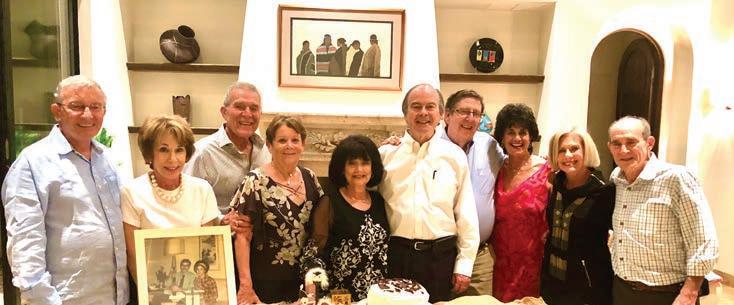
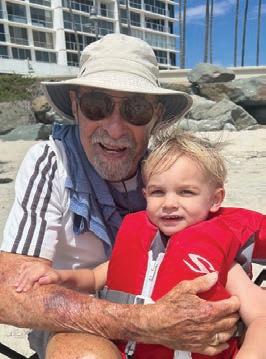
Mazel Tov, Arnold Schwartz (Dad, Grandpa)!
We are so proud of you and your many decades of service and contribution to the Phoenix Jewish community. You inspire all of us! Love always, Your Siegler, Schwartz and Witten families
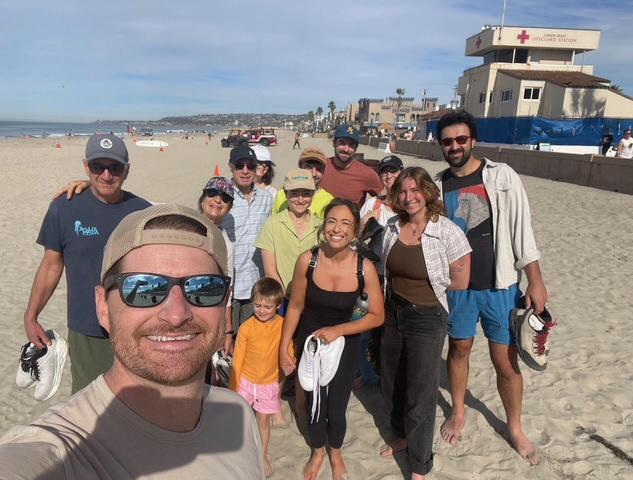











Mazel tov to Joe Luber, Raymond Perlman and George Weisz for their professional and personal achievements
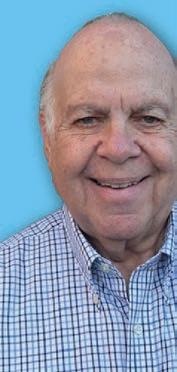

Age:
Job title/Company: Founder, Women’s Leadership Institute; co-rabbi, The New Shul.
Hometown: Born in Toronto, grew up in Sharon, Massachusetts.
Length of time in Arizona: 25 years
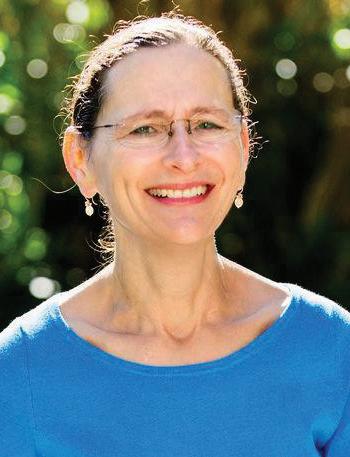
Synagogue affiliation: The New Shul, Scottsdale
What’s your favorite thing about living in the Valley? The light: there are so many sunny days, gorgeous sunrises and beautiful sunsets. The warmth: I grew up in cold places and didn’t love the chilly weather. And there is human warmth: many good, kind people, who want to make the world better.
What’s one thing others may not know about you? During the dancing this past Simchat Torah, a wonderful young woman in our shul gave me a piggyback ride. It was an unexpected experience.
What ways are you involved in giving back to the community? Teaching, leading, mentoring and volunteering.
What inspired you to become involved in the causes or organizations that matter most to you? When I was growing up in the late 1960s and 1970s, the role of women in Judaism was changing. The changes that expanded the roles of Jewish women ultimately made it possible for me to become a rabbi. Because of that experience, I was interested in creating places for women to learn, thrive and find their own place in Jewish life, as I had. And the learning that I did in preparation for the rabbinate enriched my life so much that I wanted to share it with others, through teaching Torah.
What Jewish traditions have been most important for you to pass down to your family? A few of the most beloved are Shabbat, tzedakah, the practice of paying attention through reciting brachot and generally living a joyful life of responsibility to God, humanity and the world.
What has being Jewish meant to you at different stages of your life? Being a Jew has always been a privilege and a blessing for me. It is the language of my most precious values and most sacred responsibilities. Living a life of mitzvot is my way of trying to be the best person I can be.
Is there a Jewish value or teaching that has especially shaped your outlook on life? The belief that each and every human being is created in God’s image.









What role do you believe elders play in sustaining a strong Jewish community? Jewish tradition calls elders the “wings of the community.” They enable all of us to reach higher. One of the most important ways elders can be those “wings” is by letting the next generation know how much God, and we, believe in them.
What advice would you give your younger self? Humility, chutzpah and a sense of humor are essential.
What wisdom would you like to share with younger members of the Jewish community? The world was created for you, and at the same time, it’s important to remember that human beings are just visitors in this world.
What continues to inspire or motivate you at this stage of life? Daily miracles, learning, the surprise of being alive, music, God, Jewish tradition, people and community. JN


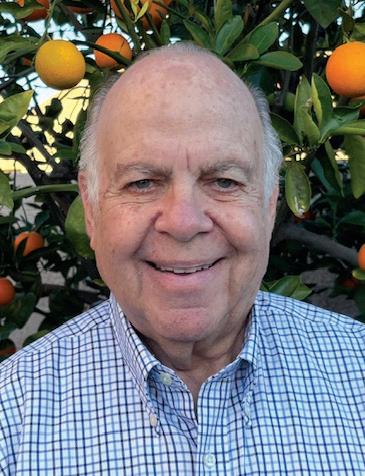
If retired, what fills your days? Antique automobiles are my passion. Periodically, I go to car museums and car shows. I enjoy driving my 2000 red Corvette convertible!! I go to the Valley of the Sun Jewish Community Center three or four times a week to exercise. I am a member of GEL (Gentlemen Enjoying Leisure) and attend various activities, including playing canasta. I also play canasta with the Brandeis men’s group.
Hometown: Washington, D.C. (Potomac, Maryland)
Length of time in Arizona: 14 years
Synagogue affiliation: Congregation Beth Israel, Scottsdale What is your favorite thing about living in the Valley? The weather and new friendships.
What ways are you involved in giving back to the community? Upon arriv ing in Scottsdale, on February 20, 2011, my wife, Sharon, and I joined Congregation Beth Israel, where our daughter, son-in-law and two grandchildren belonged. After being welcomed by many congregants, Sharon and I were introduced to the Arizona Jewish Historical Society. Soon thereafter, we were asked to sponsor a movie. We said yes and sponsored “The Lost Town,” which was a movie about the Ukrainian town of Trochenbrod, where my grandfather was born in 1888. We have continued to sponsor a movie every year.
At Congregation Beth Israel, we became “greeters,” and after learning more about the congregation, I was asked to join the board, where I served for six years. My focus quickly became the building and its security. Over the past six years, I have prepared numerous grant applications and have been successful in securing and implementing many projects to protect our congregants, visitors, the Chanen Preschool and the new infant care center, known as Rosie’s Nest.
Through the years, Sharon and I have supported Jewish organizations, including the United States Holocaust Memorial Museum, Hilton Family Holocaust Education Center, Jewish National Fund-USA, Jewish Free Loan, United Hatzalah of Israel and others. What inspired you to become involved in the causes or organizations that matter most to you? For Judaism to survive, we must all support as many organizations as possible. Just to say that you are Jewish is not enough. We must participate and have our children participate as well. Many young Jews are not getting


With admiration for your commitment to our community and around the world!
We love your passion and dedication!
Your Bowling Buddies, Carrie and Morrie Aaron

Suzy and Michael Alpern
Gail and Michael Baer
Cheryl and Abe Bochner
Gail Zucker and Ron Monat



to
Sue Adatto, Ed Ober, Sheryl Bronkesh, and George Weisz on this well-deserved recognition. We are so proud to call you members of our Or Tzion community.

Paradise Valley, Arizona Temple Solel - You Belong



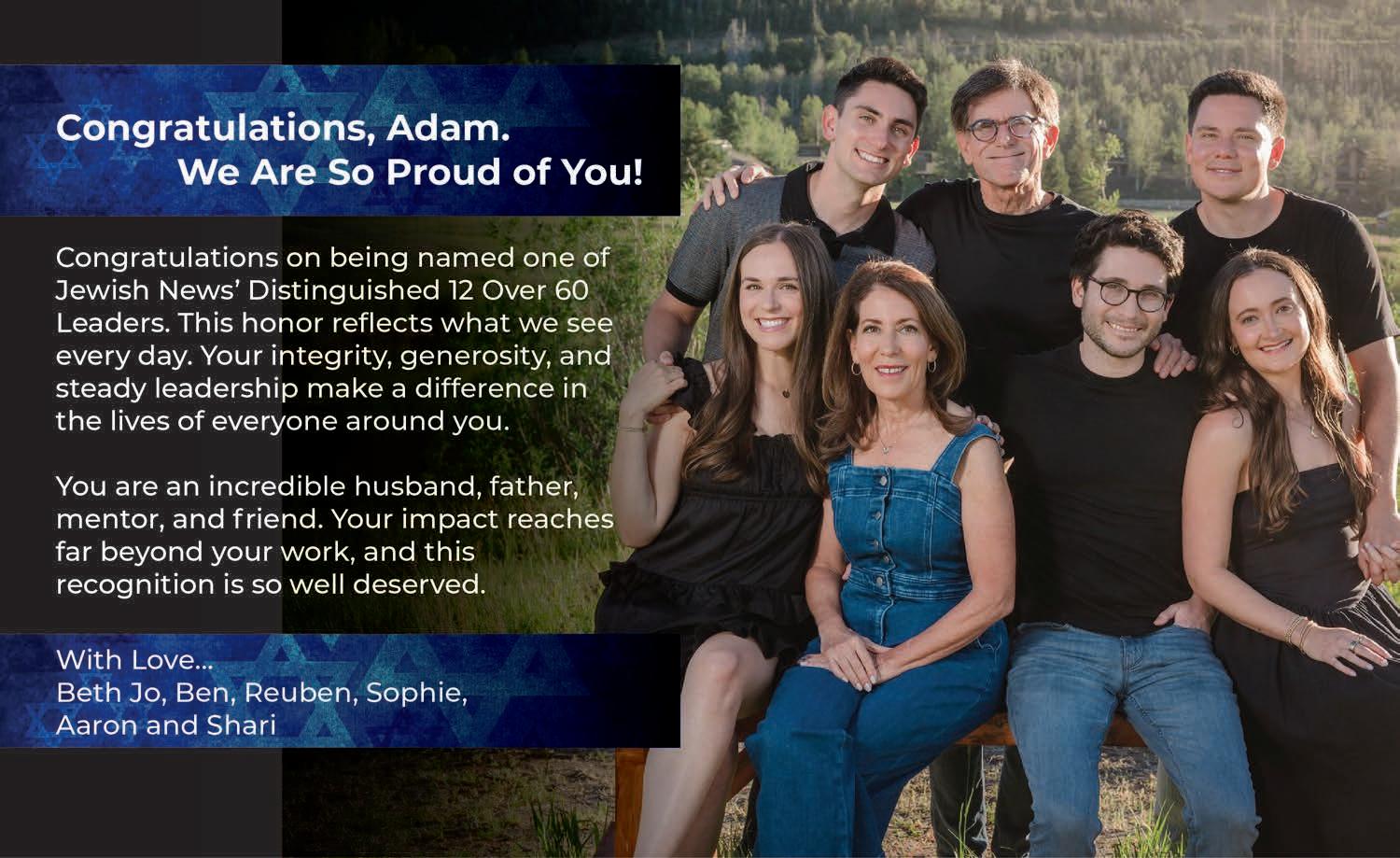
TEMPLE SOLEL IS PROUD TO CONGRATULATE ADAM NACH ON THIS DISTINGUISHED RECOGNITION.
ADAM'S LEADERSHIP, INTEGRITY, AND DEEP COMMITMENT TO COMMUNITY REFLECT THEVERY BEST OF OUR SHARED VALUES. THROUGH THOUGHTFUL SERVICE AND STEADY DEDICATION, HE HAS STRENGTHENED TEMPLE SOLEL AND CONTRIBUTED MEANINGFULLY TO THE BROADER GREATER PHOENIX JEWISH COMMUNITY.
WE ARE GRATEFUL FOR HIS EXAMPLE AND HONORED TO CELEBRATE THISWELL-DESERVED ACHIEVEMENT.
Temple Solel also extends warm congratulations to all of the Phoenix Jewish News 12 Over 60 Honorees whose lifelong contributions contin ue to inspire us.
With admiration and appreciation, Temple Solel.
involved. We must do everything possible to “light the torch” for them. What Jewish traditions have been most important for you to pass down to your family? While I did not come from a religious family, I was exposed to traditions and holidays. We took our daughter and son to Israel on a United Jewish Appeal Family Mission in 1988 and they had their b’nai mitzvah on Masada. I had my bar mitzvah in 1956, and just had another one, marking the 70th anniversary in February.
What has being Jewish meant to you at different stages of your life? It has meant belonging. We should not feel alone. There is a community that will be there for you, and come to your aid if needed. Is there a Jewish value or teaching that has especially shaped your outlook on life? Probably “tradition.” Many things that we do as Jews is because they have been done previously. We remember things that we did as children that shaped our lives: Friday evening Shabbat dinner with wine and challah, High Holiday services at the synagogue, Jewish holidays, etc.
What role do you believe elders play in sustaining a strong Jewish community? The elders must show the younger generation the importance of being a Jew. Tikkun olam and tzedakah are most important. We must teach them the importance of keeping Judaism alive!
What advice would you give your younger self? Be a better student!
What wisdom would you like to share with younger members of the Jewish community? Get involved and stay involved. Although the stories that we read and hear about from the Torah, in many instances, seem to be “fiction,” there is deep meaning in each. Think seriously about each and see how it either has or will affect your life.
What continues to inspire or motivate you at this stage of life? My children and grandchildren. I want to see them succeed and help the world be a better place for everyone. JN


Job title/Company: Partner at Nach, Rodgers, Hilkert & Santilli law firm
Hometown: Phoenix
Length of time in Arizona: 59 years (born and raised in Phoenix; went to law school in California)
Synagogue affiliation: Temple Solel, Paradise Valley
What’s your favorite thing about living in the Valley? The continuous outdoor activities and the amazing people in our community.
What’s one thing others may not know about you? I am an avid reader.
What ways are you involved in giving back to the community? I assist with Jewish and non-Jewish nonprofits.
What inspired you to become involved in the causes or organizations that matter most to you? My wife, my children and my parents.


















You lead by example in everything you do - for our family as a wife, mom, mother-in-law and “SuSu,” and for our Jewish community you care so deeply about. We are endlessly proud of you!


With lo , David, Mollie, Ian and Alan


On your many years of leadership and community service. You inspire us all! With Love From Your Fun Club Friends, The Kleiners, Lebovitzes, Lefcos, Lerners, Meyersons, Mondlicks, Morrises, Mosesons, Tenns, Ullmans and Waldmans Congratulations, Sue, on ing named one of Jewish News’ 12 O r 60!





What Jewish traditions have been most important for you to pass down to your family? A focus on family, the Jewish holidays and tikkun olam (giving back to the community).
What has being Jewish meant to you at different stages of your life?
I have always been anchored in Jewish traditions, lifestyle, holidays and tikkun olam. At this stage in life, I embrace continual learning, giving back to the community and time with my family and friends around our traditions.
Is there a Jewish value or teaching that has especially shaped your outlook on life? The Jewish perspective on justice, chesed (kindness) and tikkun olam are most important to me.
What role do you believe elders play in sustaining a strong Jewish community? While I consider myself too young to have earned the title of “elder,” I do believe that elders are essential for sustaining our Jewish community — l’dor v’dor (from generation to generation).
What advice would you give your younger self? Don’t sweat the small stuff.
What wisdom would you like to share with younger members of the Jewish community? Select at least one Jewish cultural group and one Jewish religious group and get involved.
What continues to inspire or motivate you at this stage of life?
Curiosity and learning new skills, excelling in sports and being more spiritual. JN
If retired, what fills your days:
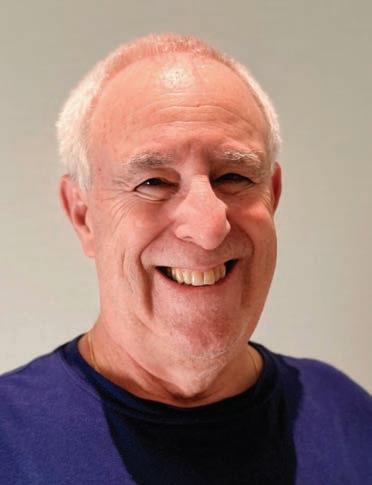
Spending time with family and friends, volunteer work, attending events in the Jewish community, walking my dog, meeting for breakfast on Monday and Thursday mornings at 6 a.m. with the “Breakfast Club” at The Breakfast Club restaurant, traveling, going to plays and concerts and, this time of year, watching University of Arizona basketball games.
Hometown: Tucson
Length of time in Arizona: Other than two years after finishing law school in 1979, I have lived in Arizona since 1957.
Synagogue affiliation: Congregation Or Tzion, Scottsdale
What’s your favorite thing about living in the Valley? Camelback Mountain and how it looks so different depending on the vantage point and time of day. For the last 16 years that I worked, I had a great view of Camelback Mountain from my office and most days I arrived early enough to watch the sun rise behind it.








We are so excited and proud that Arnie (Arnold) Schwartz has been selected and honored as 12 Over 60 who have contributed to the Greater Phoenix Jewish community by the Phoenix Jewish News.


Arnie, you have worked diligently and tirelessly for Beth Ami Temple (A Small Temple with a Big Heart) For over 40 years!
You have always been there to let everyone know about us and who we are and what we o er. We the Beth Ami Temple congregation (your friends) congratulate you on receiving this honor!!
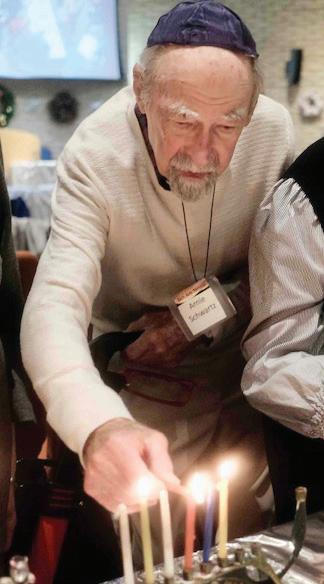
Sheryl Bronkesh's years of commitment and leadership to the Phoenix Holocaust Association have earned her this special honor and our applause.
•
•
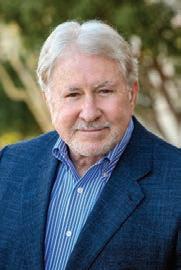
•
•
•Voted BEST BANK IN PHOENIX by Jewish News readers three years in a row.
•Specializing
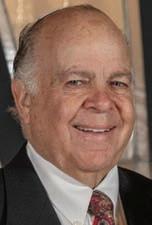
GeorgeWeisz, BoardChair
This award celebrates the many accomplishments, both professionally and personally, that George and Joe have achieved over the years.
•

What’s one thing others may not know about you? When I was 25, I selfpublished a book of poetry titled “Handicaps and Other Advantages.”
What ways are you involved in giving back to the community? I am in my fourth year as chair of the Hillel at Arizona State University board of directors and very involved in the capital campaign to build a new Hillel for our Jewish students. I am also in my fourth year as vice chair of the Jewish Family and Children’s Service (JFCS) board of directors and chair of the JFCS Philanthropy Committee.
What inspired you to become involved in the causes or organizations that matter most to you? When I retired in 2019, Steve Goldstein, then the board chair, asked me to join the ASU Hillel board and I agreed, even though I had no real connection to Hillel when I attended the University of Arizona. Joining the board was a great decision; ASU Hillel is a very special place and so essential for nurturing the future leaders of our Jewish community.
When I worked as an attorney, I represented individuals in disability benefits cases and so many of them received exceptional services from JFCS. When I stopped working, I let it be known that I wanted to help the organization and landed on the board. What Jewish traditions have been most important for you to pass down to your family? Holidays (Passover was always a highlight for us), lifecycle events, keeping a Jewish home and tzedakah.
What has being Jewish meant to you at different stages of your life? I grew up in Tucson when it was a small, but tight-knit Jewish community. My parents were very involved, which meant that we were active as a family. In high school, my Jewish life centered around my BBYO experience. So many of my leadership skills were developed during that time. The next major stage was when my wife, Gail, and I raised our family; a period highlighted by holidays, Shabbat dinners, immersion in synagogue life and going to the many b’nai mitzvah, weddings and funerals in my large extended family. Family, community connection and service have always been constants in my Jewish life. Is there a Jewish value or teaching that has especially shaped your outlook on life? The tenet of pikuach nefesh, saving a soul. It teaches that the preservation of human life overrides almost all other religious laws. It emphasizes the worth of every individual. What role do you believe elders play in sustaining a strong Jewish community? We have the time and experience to mentor the next generation of community contributors and leaders.
What advice would you give your younger self? Be intentional about learning effective conflict resolution skills and use and hone them in your personal and professional life.
What wisdom would you like to share with younger members of the Jewish community? I learned to be involved in the Jewish community by watching my parents be involved. I would not have volunteered as a high school senior to lead Friday night services at the Handmaker Nursing Home if I hadn’t, as a young child, seen my father lead the second night Seder there. Model tzedakah, tikkun olam and community involvement for your children when they are young — l’dor v’dor. What continues to inspire or motivate you at this stage of life? So many things. When it comes to my Jewish philanthropy, the ASU students and JFCS clients inspire me. If you need your batteries recharged, go to a Friday night Shabbat service at ASU Hillel. Widening the lens, I am inspired daily by walking my dog at dawn, reading a great book and listening to new music. JN
OBER CONTINUED FROM PAGE 21 Mazal tov to our dear Linda Feldman


on being named a winner of Jewish News’ 12 Over 60. Linda is a treasured member of Congregation Kehillah who has enriched countless lives. Thank you for your dedication, generosity of spirit and unwavering commitment to Jewish education and community!
— Rabbi Bonnie Sharfman and Congregation Kehillah














Job title/Company: Business owner/ funeral director
If retired, what fills your days?
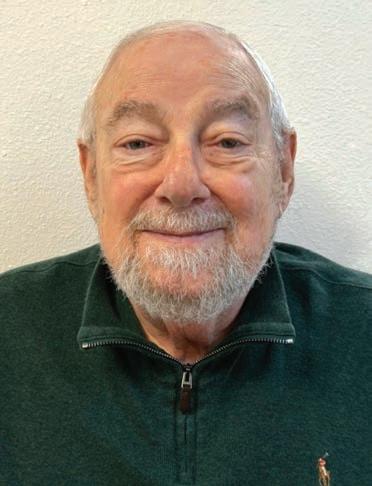
Although retired, I remain actively engaged by regularly stopping in at Sinai Mortuary to stay connected to the business. Beyond that, I enjoy exploring new breakfast spots for brunch dates with friends and family. Travel is another hobby I enjoy, particularly trips to Incline Village, Nevada, where I escape the summer heat and, at times, return in the winter to enjoy the snow. This balance of continued involvement, meaningful relationships and travel keeps my days both full and fulfilled.
Hometown: Worcester, Massachusetts
Length of time in Arizona: 57 years
Synagogue affiliation: Beth El Phoenix; Chabad of Arizona, Phoenix; and Congregation Beth Israel, Scottsdale
What’s your favorite thing about living in the Valley? My favorite thing about living in the Valley is the ever-growing Jewish community. When I first moved to Arizona, it was quite small, but over the years it has flourished with new families, businesses and

organizations. That growth has brought a strong sense of connection and vitality to our community.
What’s one thing others may not know about you? One thing many people don’t know about me is that before founding Sinai Mortuary and co-founding Mt. Sinai Cemetery, I worked at a funeral home in California, cleaning limousines. Because I spoke Yiddish, I was soon asked to help the manager by translating for families who had difficulty speaking English, which gave me early exposure to serving families during very personal moments. When I moved to Arizona, to open a Jewish mortuary, the Arizona State Board of Funeral Directors and Embalmers attempted to deny my funeral director’s license. That led to a three-year legal battle, which ultimately went to the Arizona Supreme Court. The court ruled in my favor, granting my license after determining the board had no legal right to deny it. That experience strengthened my determination to serve the Jewish community here and helped shape the foundation of Sinai Mortuary.
What ways are you involved in giving back to the community? Giving back to the community is deeply important to me. I regularly support organizations such as Jewish Free Loan, Gesher Disability Resources, The Friendship Circle and Smile On Seniors, among others. These organizations provide essential support to Jewish families, seniors and individuals with disabilities, and I believe it’s vital to invest in programs that strengthen and care for our community, especially those who need it most. I have also served on the boards of the Jewish Family and Children’s Service, Beth El Phoenix, Bureau of Jewish Education of Greater Phoenix, Greater Phoenix Vaad Hakashrus, Arizona State Board of Funeral Directors and Beth Israel Memorial Cemetery’s board.
What inspired you to become involved in the causes or organizations that matter most to you? Through my work, I’ve seen firsthand how essential a strong Jewish community is — especially during some of the most difficult moments in a person’s life. That experience naturally drew me to causes and organizations that provide meaningful, hands-on support for Jewish families, seniors and individuals with disabilities. When I first moved to Arizona and opened Sinai Mortuary, I realized there were no established chevra kadisha in the area. Because a chevra kadisha is such a vital part of Jewish life, I began working with the late Rabbi David Rebibo to help establish one locally. It was important to me that the Jewish community here have a strong foundation, one that honors our traditions while
Congratulations Adam, for being recognized as one of Arizona’s 12 Over 60 Leaders. This honor reflects decades of dedication to the legal profession, the community, and the people Adam mentored along the way.
At NRHS, Adam built more than a law firm. He created a foundation, rooted in integrity, service, and leadership. Through his guidance and leadership, he helped to shape the careers of countless professionals, while making a lasting impact across our community. We are proud to celebrate this well deserved recognition, and we are grateful for the leadership, vision, and example he continues to provide every day.




Proudly celebrating Adam, with gratitude and congratulations, from Stuart Rodgers, Paul Hilkert, Helen Santilli and your friends and colleagues at NRHS!
PERLMAN
CONTINUED FROM PAGE 23
ensuring people are cared for with dignity, respect and compassion when they need it most. What Jewish traditions have been most important for you to pass down to your family? One Jewish tradition that’s important to me is tzedakah and the idea that giving back is a responsibility, not just something you do when it’s convenient. It’s something I try to model for my family and carry into my work as well. In the funeral industry, families are often going through one of the hardest moments of their lives, and I believe leading with generosity, compassion and a genuine desire to help makes a real difference. Is there a Jewish value or teaching that has especially shaped your outlook on life? One of the most important Jewish values to me is B’tzelem Elohim, the belief that every person is created in the image of God and deserves dignity and respect. That value shapes how we treat people in our family, and it also guides my work in the funeral industry. Caring for someone at the end of life is a sacred responsibility, and honoring each person with compassion and respect is something I believe in deeply.
What role do you believe elders play in sustaining a strong Jewish community? Elders play an essential role in sustaining a strong Jewish community. They carry lived experience and wisdom that can’t be taught from a book, and they help guide younger generations through the lessons they’ve already learned. We have built the foundation and path that younger generations are walking today, and we take pride in watching that next generation grow, succeed and achieve things that once seemed unimaginable.
What wisdom would you like to share with younger members of the Jewish community? I think it’s important for younger members of the Jewish community to hold onto our traditions and values, because they offer guidance for living a meaningful and balanced life. Cherish the time you have with family and friends, and don’t overlook the small moments because sometimes they end up being the most important ones.
What continues to inspire or motivate you at this stage of life? At this stage of my life, what continues to inspire me most is my family and my wife of 58 years, Ruth Ann Perlman. Her strength, support and partnership motivate me every day. I’m also driven by the desire to be present for my family, to give back to the community and to continue doing meaningful work that helps others during important moments in their lives. JN

Job title/Company: Manager of Jewish Community Services, Jewish Family and Children’s Service (JFCS). This is my 26th year with JFCS and 23rd in this role.
Hometown: Alton, Illinois (about 20 minutes from St. Louis, Missouri)
Length of time in Arizona: 42 years
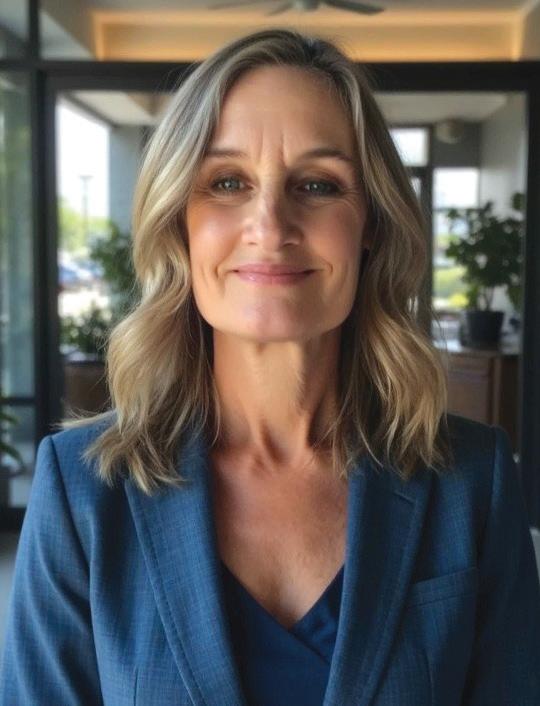
Synagogue affiliation: Unaffiliated; previous affiliation was Merkaz Ha-Iyr
What’s your favorite thing about living in the Valley? I can run on the canal and in the Phoenix Mountain Preserve year-round, thanks to the weather.
What’s one thing others may not know about you? I have nine grandchildren! What ways are you involved in giving back to the community? I give back through my work, managing social services programs, assisting the disadvantaged and disenfranchised in our Jewish community, working with our local Holocaust survivor community and providing counseling services to members of our community. I try and keep my finger on the pulse of the community, to look for what needs are not being addressed.
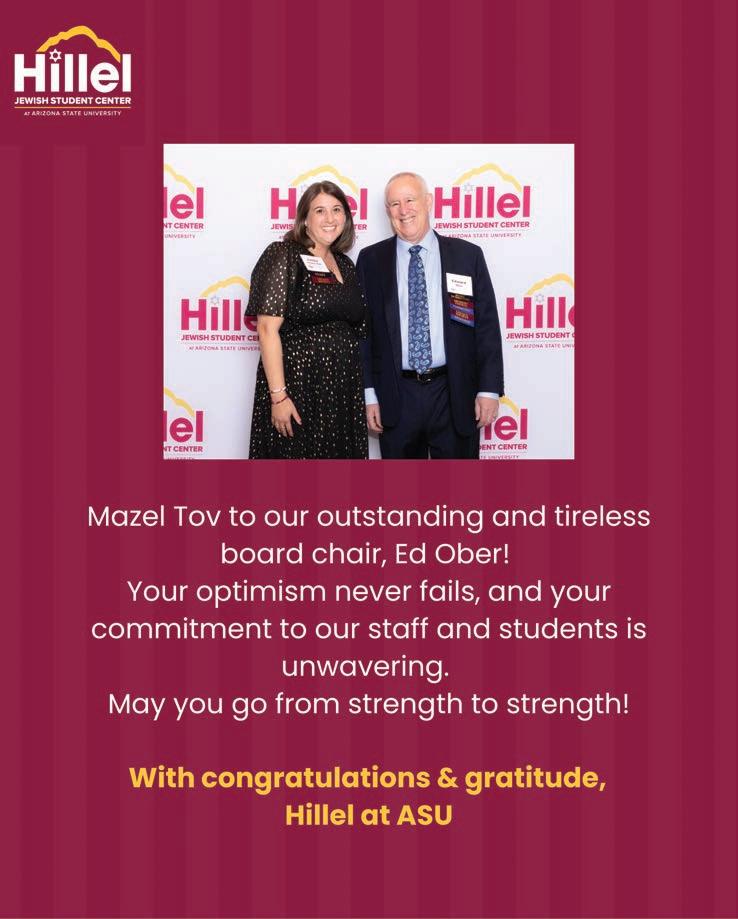
What inspired you to become involved in the causes or organizations that matter most to you? For as long as I can remember, I have always wanted to work in a helping profession. When I was in my early 30s, through a spiritual journey, I discovered Judaism. I took some classes and decided conversion was right for me. It seemed the stars were aligned, as I continued to make connections in the community, leading me toward my current career.
What Jewish traditions have been most important for you to pass down to your family? Definitely tikkun olam. I truly believe that all humans have the ability to make this world a better place by sharing those gifts and talents each of us have. For me, I see it as an obligation. I try and impart to my children and grandchildren that living a life filled with kindness and compassion is the true measure of one’s success.
What has being Jewish meant to you at different stages of your life? I became Jewish at the age of 33! I connect very strongly with the tenets of tikkun olam and gemilut chasadim. This is what drew me toward Judaism and what continues to keep me connected. I am forever grateful for all of the wonderful friends, some of whom feel like family, that I have made along the way.
Is there a Jewish value or teaching that has especially shaped your outlook on life? I will do my best to leave this world better than I found it.
What role do you believe elders play in sustaining a strong Jewish community? Our elders are our most crucial community members. They are the holders of tradition and passers on of family stories. They share wisdom from their life experiences, and if we listen keenly, we may be able to learn a few things.
What advice would you give your younger self? To listen more!
What wisdom would you like to share with younger members of the Jewish community? Be kind to yourself first. This will help you to be kind to others. Be curious, practice patience and embrace imperfection. Being wrong is how we learn and grow.
What continues to inspire or motivate you at this stage of life? I have a pretty strong internal drive and am easily motivated and very drawn to others who have similar interests. I love watching my grandchildren follow their interests and cheering them on. I am very inspired by people who have faced hardship and persevered, and by those who continue to fight their way through. JN
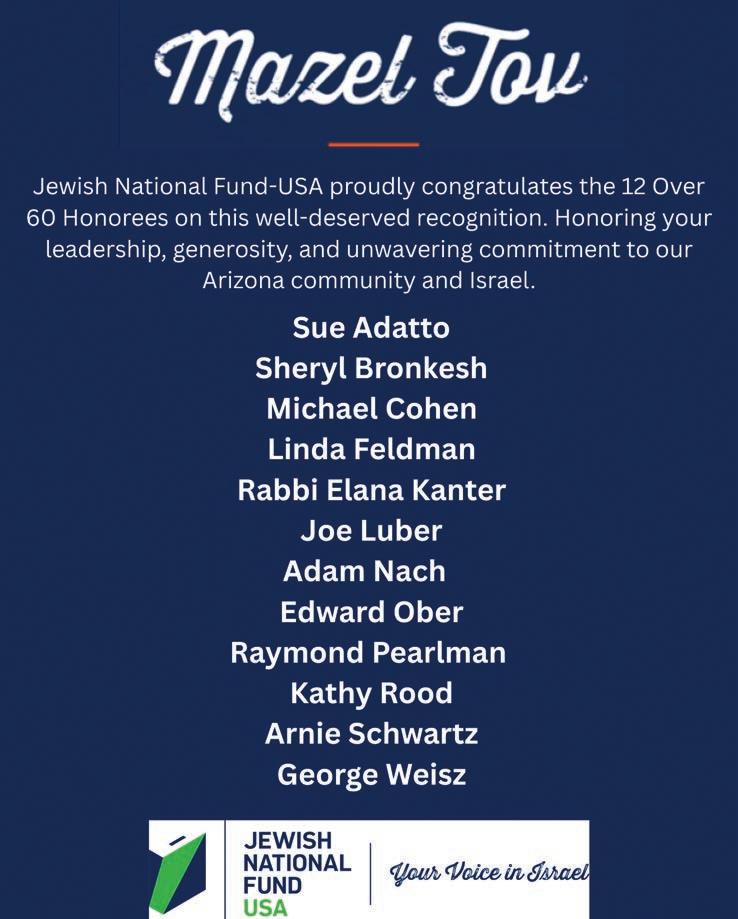


We’re beyond proud to celebrate the man who never asks for recognition, but deserves it more than anyone. We love you to the sky and back! Love always, Gail, Rachel, and Sara



Thanks for all your impact on the Jewish community Love Susi and Freddy
Thanks for all your impact on the Jewish community Love Susi and Freddy

Celebrated as the best lawyer in town, Adam Nach has spent a lifetime lifting others with wisdom, kindness, and heart. Mazel Tov on being recognized as part of Jewish News 12 over 60 - Randy & Rose Persson And a Community Mensch Mazel Tov and Yasher Koach to Rabbi Elana Kanter Your leadership, teaching and menschlichkeit benefit all of us.

If retired, what fills your days: Volunteer work at Beth Ami Temple, bike riding (not currently though as waiting for a hip replacement), bridge, classes and visiting various doctors, of course.
Hometown: Bridgeport, Connecticut
Length of time in Arizona: 40 years
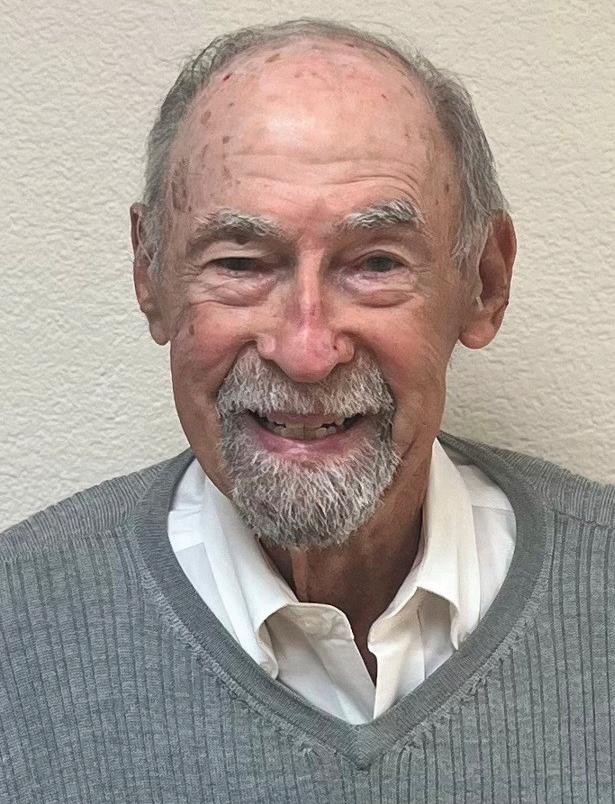
Synagogue affiliation: Beth Ami Temple, Paradise Valley (I joined in 1986)
What’s your favorite thing about living in the Valley? No snow!
What’s one thing others may not know about you? My wife, Ruth, was the volunteer administrator for Beth Ami Temple prior to her untimely death in 2006. She loved the temple and motivated me to become active and serve on its board.
What ways are you involved in giving back to the community? Over the years, I have served on a number of nonprofit boards, including 12 years on the Duet: Partners in Health and Aging board and marketing committee. There I received the Rev. Dr. Dosia Carlson Legacy Award. My main activity in recent years is to serve on the Beth Ami Temple board and marketing committee and wherever else, as needed.


What inspired you to become involved in the causes or organizations that matter most to you? As an active adult congregation, Beth Ami Temple has a very special place in helping to fill the needs of unaffiliated seniors in the Phoenix Jewish community. We strive to meet the needs of adult Jewish singles and couples not only for spiritual uplifting, but also with a large number of clubs and activities ranging from dining out to fitness classes for greater social involvement and relationships.
What Jewish traditions have been most important for you to pass down to your family? Join a congregation! But even if not formally religious, know what Judaism stands for and live a moral life according to its tenets.
What has being Jewish meant to you at different stages of your life? As a teenager, I led several Jewish youth organizations and was active in Hillel at Yale. I have been an active temple member wherever I have lived around the country.
Is there a Jewish value or teaching that has especially shaped your outlook on life? I try to follow what I learned at Hillel: “That which is hateful to you do not do unto your fellow.” Also tzedakah, and I participate in and give back to the community. I set high goals and strive to meet them.
What role do you believe elders play in sustaining a strong Jewish community? Be involved and support a synagogue or temple, and various Jewish local and national causes. To the extent one can, set an example for your children and grandchildren.
What advice would you give to your younger self? To be a responsible member of my community.
What wisdom would you like to share with younger members of the Jewish community? To share the responsibility of maintaining our Jewish traditions, values and places of worship for their children, grandchildren and posterity.
What continues to inspire or motivate you at this stage of life? Although I have had setbacks and personal losses in my life, I feel very lucky and blessed. I have a wonderful family, a loving partner, good friends and much love! The warmth of the Beth Ami congregation is my second family and I still have the opportunity to participate as an “emeritus” member of the board and executive committee. JN




Job title/Company: Board chair, Scottsdale Community Bank
Hometown: Skokie, Illinois
Length of time in Arizona: 57 years, since arriving at the University of Arizona in 1969
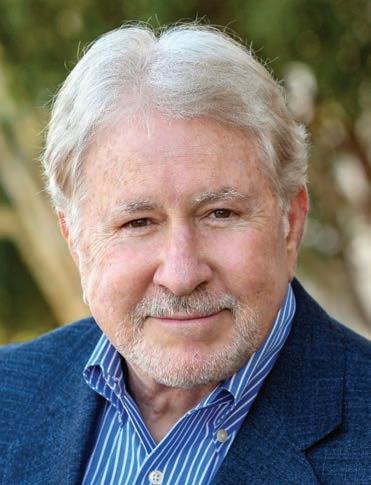
Synagogue affiliation: Congregation Or Tzion and Congregation Beth Israel, both in Scottsdale
What’s your favorite thing about living in the Valley? Several things: Since arriving in Arizona, I have appreciated being a part of a state, and the Valley, that continues to grow and prosper. It is never stagnant. People are amazed that we live in the fifth-largest city in the nation, yet with a dedicated work ethic, it is incredibly easy to become involved in almost any endeavor, whether in business, nonprofits or public service. Opportunities abound. There is also a casual and friendly outreach in our lifestyle that produces results without getting bogged down in entrenched hierarchies or traditional barriers. Plus, clearly, the weather is key. As I point out to my Midwest and East Coast friends: when your weather is at its worst, and ours is at its worst, we can still move our fingers.


I’m beyond proud of my sister, Kathy, and all of her achievements.

She is not only an asset to her workplace and to all the people she tirelessly helps day in and day out, but also a huge asset to our family.
Kathy deserves this recognition and so much more, as she has always stayed true to who she is and followed her caring heart. Kathy shows, through her work helping others, what it truly means to lead with integrity.
Congratulations Sis! This recognition is a true testament to your character.
What ways are you involved in giving back to the community? I have been very fortunate to be involved in public service, nonprofit organizations and businesses, which all give back to the community in various ways. Mentors and leaders in these entities taught me that one’s contributions to one’s community must be a part of one’s life and one’s spirit. One such mentor was Valley leader Jerry Wisotsky, a bigger-than-life figure, who showed me the importance of being involved in our Jewish community, and in our community at large, where our Jewish values can help build bridges and forge bonds of friendship and tolerance. What inspired you to become involved in the causes or organizations that matter most to you? One of my favorite philosophies, taught to me by my dad, is: “They rise highest who lift as they go.” I have been extremely fortunate to serve on incredible teams whose outstanding members lifted me up. It became so clear to me that I had an obligation to help others climb out of valleys and reach their potential, not just survive but thrive. What has being Jewish meant to you at different stages of your life? Growing up in Skokie, Illinois, which at one time was the home to more Holocaust survivors, per capita, than almost anywhere in the nation, one learned about the Holocaust not just from books but from our neighbors who had numbers branded onto their arms. That is why the American Nazi Party planned to hold its huge march in Skokie, so it could inflict the most fear and re-ignite the most nightmares on the most survivors. The Nazis failed in marching on my synagogue that day. It’s because we stood strong with our universal motto of “Never Again.”
In college, at the University of Arizona, I joined the AEPi Fraternity, where Judaism again took a front-row seat. Upon moving to Phoenix, I immediately joined Temple Beth Israel, where the late Rabbi Plotkin performed his heavenly magic. Later, as a special agent for the Arizona Attorney General’s office, I investigated criminal hate groups, worked with Mossad on terrorist threats and joined the board of the Anti-Defamation League, working alongside those who went undercover to expose hateful criminal actions in our state.
At the same time, my pride in Judaism was being fostered by my father who worked tirelessly to become president and board chair of one of the largest corporations in the world and which became the largest employer in Israel for many years. I was proud of our Jewish heritage as my dad risked going against the Arab boycott by purposely adding more jobs and more manufacturing plants in Israel. And I was proud as a Jew much later to travel with

then-Governor Doug Ducey on Arizona’s first trade mission to Israel, where I sat down with Shimon Peres in his seaside nonprofit office while carrying a photo in my pocket of my dad sitting down with Shimon as Prime Minister decades earlier. The circle was complete.
In later years, my wife, Leesa, and I would travel with Israel Defense Forces officers to Auschwitz, where we would learn to understand why they fight so hard to keep Israel safe. We would then travel to Poland and Hungary to find the footsteps of our family’s ancestors, including the discovery of unexpected headstones of namesakes murdered by the Nazis.
But nothing forged my Judaism even further than the atrocities of Oct. 7, and when, shortly thereafter, I was in Israel to bear witness to the atrocities while also beholding the amazing resilience which has been a vital component of our faith and our people since the beginning of life on earth. However, it immediately struck me that “Never Again” now became “Maybe Again.” And, it hit me hard that this happened on our watch. It hit me hard that our ancestors, on whose shoulders we gratefully stand, are counting on us. It hit me hard that we, as Jews, while enjoying the fruits of our faith, must always be mindful of our continuous obligations to protect our homeland from the threats that can arise at any time, to stand up and be counted, to raise our voices and gauge our actions in constructive means in order to preserve our own existence. It hit me hard to be mindful of the biblical meaning of “Hineni” which means “Here I am,” and how we each must be ready to fulfill divine commitments and responsibilities.
Is there a Jewish value or teaching that has especially shaped your outlook on life? There are many values that blend together in forming one’s views of life and its wonders and challenges. Integrity tops the list, along with gratitude for the opportunities that we have been given, for the joy that surrounds us, for the wonders of life, for the granting of wisdom, for the strength to carry out that wisdom and for the love that gives us strength. The Talmud provides such wonderful guideposts including the importance of tikkun olam and the philosophy: “I found a fruitful world, because my ancestors planted it for me. Likewise, I am planting for my children.”
What role do you believe elders play in sustaining a strong Jewish community? We must always remember, and be fortunate, that we stand on the shoulders of our elders, and that we too must have broad shoulders for those who follow. I am a strong believer that we need to provide better platforms and opportunities for elders to not only serve as mentors and beloved grandparents, who have tremendous experiences and wisdom to impart, but that they also seize their role as storytellers. The vision of young children, as
Beth El Phoenix honors our member, Raymond Perlman, for his influential leadership in the



Linda
I am so grateful to have had the pleasure of working with
well as young adults, with imaginations and a yearning for knowledge, sitting around their grandparents on a comfortable sofa or a dining room table, is not far-fetched.
As a community, we sometimes overlook or ignore that precious, valuable resource. Yet, organizations like Smile On Seniors and some teachers in schools try to foster interaction between our very wise elders and upcoming generations. Our family holiday gatherings shine a light on the sharing of history, experiences, our Jewish heritage, lessons to be learned by both young and old and the simple sharing of smiles and warm hearts.
Somehow, we also need to meld technology with the wisdom of the elders, even if that storytelling now takes shape on iPads, laptops and cell phones rather than looking into the warm glow of younger faces. The challenge is, in a world which provides information, and misinformation, at one’s fingertips, how do we convince a younger generation who become dependent on those devices that the best resource is the one gleaned from someone who has lived through it and whom they can trust.
What wisdom would you like to share with younger members of the Jewish community? Our faith is based on truth, peace, justice and caring for one another as we would like them to care for us. Yet, having been involved in politics for many years, I have sadly observed that our nation is currently polarized and divided by the antithesis of those values. A growing segment of our society, across the political spectrum, is promoting and accepting the dangerous philosophy that “the ends justify the means.” Thus, some find it okay, and even encouraged, to lie, cheat and steal because one’s cause is viewed as some holy or righteous mission. That philosophy must be challenged vigorously and replaced with one of the most important values in life and in our Jewish heritage: Integrity.
As my father taught and practiced: “Uphold the highest values every second of every day in all things. Be impeccably honest. Have integrity and live a life congruent with your beliefs. Pursue the highest standard of excellence. Be kind and compassionate, but don’t take any baloney. Be fair. And respect everyone. Let your behavior be a model for others and you will be like a giant magnet drawing to you happiness, wealth and success. The true test of leadership is if people trust your integrity.” Add to that what my mother, through her actions, showed me every day, which is: treat and talk with each person as if they are the most important person in the world, because they are. JN















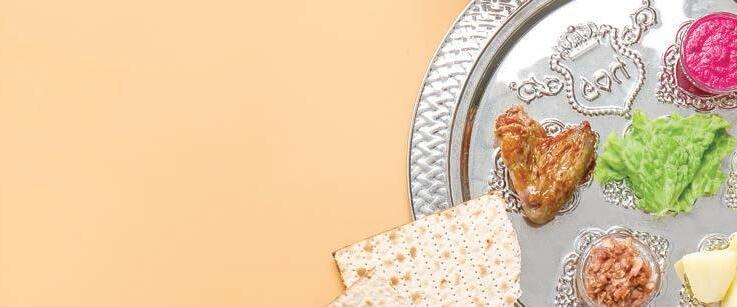
As the holiday of Passover approaches, Jewish families and friends across the Valley prepare to gather around the Seder table to retell the ancient story of the Exodus from Egypt. For those in search of a Seder, there are many organizations throughout the Valley, and state, hosting community Seders this year. The following listings offer opportunities to take part in this meaningful holiday experience, whether attending a Seder for the first time, or continuing a cherished tradition.
WEDNESDAY, APRIL 1
JCSVV Passover First Seder
5:30 p.m. at Jewish Community of Sedona & the Verde Valley Synagogue, 100 Meadowlark Dr., Sedona. Join Rabbi Alicia Magal for an evening of story, song and symbolic food. Cost: $72 members ($90 nonmembers), $25 ages 6-12, ages under 6 free; reservations due by March 30. For more information, visit jcsvv.org/ passover-seder-2026.
TBS Community Passover Seder
5:30 p.m. at 12202 N. 101st Ave., Sun City. Join Temple Beth Shalom of the West Valley for its community Seder. Cost: $55 ($65 nonmembers) for adults, $20 ages 13-19, $15 for ages 7-12, free for ages 6 and under. Reservation and payment must be made by 12 p.m. on March 26. For more information contact 623-977-3240 or visit tbsaz.org.
Hillel at ASU Passover Seder
6 p.m. at 1012 S. Mill Ave., Tempe. Join Hillel at ASU’s team as they share their favorite rituals throughout the evening. Open to students and community members. For more information, visit hillelasu.org/ Passover.
Chabad Jewish Center of Mesa Passover Seder
6:30 p.m. at 941 S. Maple, Mesa. Join Chabad of Mesa, Gold Canyon and Apache Junction for an interactive Seder, gourmet cuisine and children’s program. Cost: $36 adults, $15 children. For more information, visit chabadmesa.com/seder.
Chabad Lubavitch of Fountain Hills Community Passover Seder
6:30 p.m. at 16830 E. Avenue of the Fountains, Fountain Hills. Join Chabad for an in-depth Hebrew/English Passover experience with a four-course meal. Cost: Free; Donations appreciated. For more information, visit jewishfountainhills. com/pesach.
Chabad of Surprise Community Passover Seder
6:30 p.m., address provided upon registration. Join Chabad to celebrate the holiday with food, songs and tradition. For more information, visit jewishsurprise.com.
Chabad at ASU Passover Seder
6:45 p.m. at Smetana Family Shul at the Levenbaum Chabad House, 971 S. Ash Ave., Tempe. Open to college students, family members, faculty and the greater community. For more information, visit jewishasu.com.
Chabad of Ahwatukee Community Passover Seder
6:45 p.m. at a private residence, address provided upon RSVP. Join Chabad for a meaningful and interactive Seder. Cost: $40 for adults, $18 for children. For more information, visit chabadahwatukee. com/seder.
Chabad of Gilbert Passover Seder
6:45 p.m. at Chabad Jewish Center of Gilbert, 4475 E. Carriage Way, Gilbert. Join Chabad for an interactive Seder with
an engaging children’s program. Cost: $45 adults, $25 children; discount if registered before March 24. For more information, visit jewishgilbert.com/seder.
Chabad of the West Valley Community Seder
6:45 p.m., address provided upon registration. Join Chabad for its community Seder. Cost: $50 adults, $25 children. For more information, visit ichabad.org.
Chabad of the East Valley Passover Seder
7 p.m. at The Pollack Chabad Center for Jewish Life, 875 N. McClintock Dr., Chandler. Enjoy a meaningful and interactive Seder with gourmet cuisine. Cost: $65 adults, $55 ages 3-12 before March 30. For more information, visit chabadcenter.com.
Chabad Tucson Communal Passover Seder
7 p.m. at Chabad Lubavitch of Tucson, 2443 E. Fourth St., Tucson. Passover Seder meal led by Rabbi Yossie Shemtov, Rabbi Yehuda Ceitlin and their families with full-course dinner, reading of the Haggadah, songs and stories. For more information, visit chabadtucson.com.
Chabad of Moon Valley Community Seder
7:15 p.m., address provided upon registration. Enjoy an interactive Seder held in English. Cost: $54 adults, $25 children; discount if registered before March 22. For more information, visit jewishmoonvalley.com/seder.
Chabad of North Phoenix Pesach Seder 7:15 p.m. at 22044 N. 44th St. #100, Phoenix. Enjoy a Seder with handmade matzah, wine and dinner with traditional customs. Cost: $50 adults, $30 ages under 12; prices increase by $10 per person after March 23. For more information, visit ourjewishcenter.com.
Chabad of Scottsdale Passover Seder 7:15 p.m. at 10215 N. Scottsdale Road, Scottsdale. Enjoy an interactive community Seder with gourmet Passover cuisine. Cost for residents: $70 adults, $41 children. For more information, visit chabadofscottsdale.org.
WEDNESDAY, APRIL 1 & THURSDAY, APRIL 2
Chabad of Goodyear Community Seder
6:30 p.m. on April 1 and 7:30 p.m. on April 2, address provided upon registration. Enjoy a Seder with hand-baked matzah, wine, dinner and traditional customs. For more information, visit jewishgoodyear.com.
Chabad of Anthem Annual Passover Seder
7 p.m. on April 1 and 7:45 p.m. on April 2, email rabbi@jewishanthem.com for address. Enjoy a Seder with hand-baked matzah, kosher wine and a gourmet dinner. Cost: $40 adults, $25 children. For more information, visit jewishanthem.com.
Chabad of Flagstaff Community Seder Nights
7 p.m. on April 1 and 7:30 p.m. on April 2 at Molly Blank Jewish Community Center, 930 W. University Ave., Flagstaff. Cost for residents: $75 ages 12 & up, $30 ages 4-11, ages 3 and under free; discount if registered before March 22. For more information, visit jewishflagstaff.com.
Chabad of Paradise Valley & Arcadia Passover Seder
7 p.m. on April 1 and 8 p.m. on April 2 at Mockingbird and Lincoln Drives, Paradise Valley. Enjoy an interactive Seder. Cost: $60 adults, $30 children, $36 Young Jewish
Adults (YJP). For more information, visit jewishparadisevalley.com/seder.
Chabad of Prescott Passover Seder
7 p.m. on April 1 and 7:45 p.m. on April 2 at 418 N. Washington Ave., Prescott. Enjoy gourmet Passover cuisine and an interactive Seder. Cost: $54 adults, $18 children, $150 family. For more information, visit jewishprescott.org/RSVP.
Chabad of Phoenix Community Passover Seder
7:15 p.m. on April 1 and 7:45 p.m. on April 2 at 2110 E. Lincoln Drive, Phoenix. Join Rabbi Zalman Levertov and Rabbi Dov Levertov together with their families for a Seder with insight, song and food. Cost: $54 adults, $36 children before March 25. For more information, visit chabadaz.com/seder.
THURSDAY, APRIL 2
Sun Lakes Jewish Congregation Community Seder
5 p.m. at First United Methodist Church of Gilbert, 331 S. Cooper Road, Gilbert. Join Sun Lakes Jewish Congregation for their annual Seder. For more information, visit sunlakesjewishcongregation.org.
Congregation Beth Israel Second Night Seder
5:30 p.m. at 10460 N. 56th St., Scottsdale. Join CBI for a second night Seder. For more information, visit cbiaz.shulcloud.com.
Temple Kol Ami 2nd Night Passover Seder
5:30 p.m. at 15030 N. 64th St., Scottsdale. Join Rabbi Jeremy Schneider and Cantor Noa Shaashua for a participatory Seder. Gluten-free and vegetarian options available. For more information, visit templekolami.org.
Congregation Or Tzion 2nd Night Seder 6 p.m. at 16415 N. 90th St., Scottsdale. Join Or Tzion for a catered, kosher meal and song-filled Seder. For more information, visit otaz.org/seder26.
Shabbat Stop&Go 2nd Passover Seder
6 p.m., address provided upon registration. Join Shabbat Stop&Go for a Passover Seder and catered dinner. Cost: $60 adults, $45 children ages 12 and under. Register by March 19. For more information, visit shabbatstopandgo.com.
Temple Chai 2nd Night Passover Seder
6 p.m. at 4645 E. Marilyn Road, Phoenix. Rabbi Emily Segal will lead a community Seder. Cost: $65 adults ($80 nonmembers), $35 ages 3-12 ($65 nonmembers), free for ages 3 and under. Register by March 27. For more information, visit tcaz.shulcloud.com/ form/2026Seder.
Temple Solel Second Night Congregational Passover Seder
6 p.m. at Temple Solel, 6805 E. McDonald Dr., Paradise Valley. Join Temple Solel for a
traditional, kosher-style Passover meal. Cost: $50 adult members & guests ($60 nonmembers), $30 ages 5-12 ($40 nonmembers), ages 4 and under free; reservations will be accepted until 12 p.m. on March 27. For more information, visit templesolel.org.
Beth El Phoenix Second Night Seder
7 p.m. at 1118 W. Glendale Ave., Phoenix. Join Beth El for a second night Seder. Cost: $75 adults ($65 vegetarian meal), $25 ages 5-12, $10 ages 3-4. For more information, visit bethelphoenix.com/pesach.
Congregation Beth Tefillah Passover Seder
7:30 p.m. at 6529 E. Shea Blvd., Scottsdale. Join CBT for a five-course Seder experience. Cost: $150 adults ($125 members), $75 children ($60 members). For more information, visit bethtefillahaz.org/event/ cbt-passover-seder.
FRIDAY, APRIL 3
Beth Ami Temple Passover Seder
5:30 p.m. at 4027 E. Lincoln Drive, Paradise Valley. Join Beth Ami for a community seder in their sanctuary inside Unitarian Universalist Congregation of Phoenix. For more information, visit bethamitemple. org. JN
For more information on events, activities and recipes for Passover, visit JewishPhoenix.com.






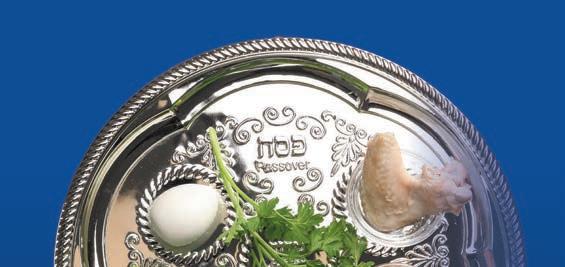














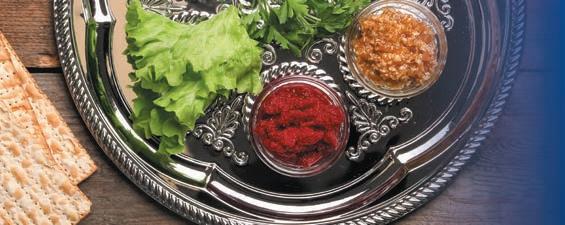

































JOSHUA KAIL | SPECIAL TO JEWISH NEWS
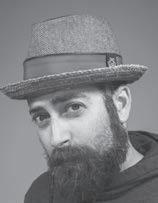
This year, there is a moment bigger than Thanksgivukkah and Flag Day B’Omer combined. I am talking about Seder Fool’s Day. That’s right, in 2026 the first Seder falls on April 1. This means we can get our mothers to ask a fifth, sixth, and seventh question, “Why? Why did you do that? Did you think it would be funny?”
An important aspect of the Pesach Seder is the conversations we have during it. What better ice breaker for those deep discussions than a well-thought-out prank? To help you with this, I have come up with five pranks to pull this Seder Fool’s Day.
Now, many of you may be thinking, pranking the Seder is inappropriate. I’d argue it’s already an important part of our tradition. Drinking from Elijah’s cup when the kids go to the door? Prank! The entire plot to Had Gadya? Prank!
For the more progressive Jewish readers, putting an orange on the seder plate for LGBTQ+ or Women’s Rights (depending on the origin story you’ve heard) is a big prank against those with more antiquated dispositions. So let me set your mind at ease, Seder pranks are not only OK, but they are also part of the entire experience.
• The gassy guests: A childhood classic. Place whoopee cushions under all the pillows on which guests are reclining to remind them that while we are no longer slaves, we are still Jews. Lactose intolerance haunts us all.
• Chametz havok: This one takes some planning. Before the Seder, collect some sawdust (the more the better) and lightly toast it until it darkens but does not burn. Fill a baggie with your “crumbs” and take them to the Seder. Upon arrival, say something like, “You wouldn’t believe how many crumbs I found in my kitchen, look!” Then pull out the open bag
quickly, so that you can fumble it before anyone gets a close look. Your “chametz” will go flying everywhere as chaos ensues.
• The afikomen and the multiverse of madness: While many may already claim that calling half a piece of matzah dessert is a prank in and of itself, I say, let’s up the ante. This one is best done if you are not hosting the Seder and there are lots of little ones in attendance. While all eyes are on the Seder leader to catch them attempting to hide the afikomen, you have the perfect opportunity to make and hide 15 to 20 afikomen of your own without detection. Make sure they are easy to find, then enjoy the meal. After that, it is just a matter of waiting for the hordes of children, matzah halves in each hand, to flood from every doorway. Not only will the host go broke from handing out prizes, but the focus needed to precisely match the real afikomen with its other half, after all that wine, will drive them insane.
• Horseradish roulette: Apply red food dye to the white maror, making it
indistinguishable from the weak red stuff. This way, those who are fearful of the bitter herbs get an unexpected punch, and those who enjoy it become overconfident in their scoopage only to get walloped.
• The hungry stranger: Invite a friend to the Seder who no one else knows. Have them hide in the bushes outside the house until the part in the Seder where you announce outside that all hungry strangers are welcome to join you. Sit back and enjoy the looks of shock and surprise when your buddy confidently walks in saying they are famished!
*Warning: Following any of these pranks at your Seder could lead to excommunication, being sent to your room at the age of 30 or, in the case of #4, put your zayde in the hospital. Proceed with caution. JN




Silan Glazed Chicken with Dried Fruit
DESSERTS
An assortment of kosher for passover desserts will be available for purchase day of pickup.
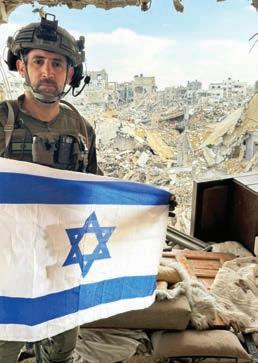
your matzah into
Yedidya Harush is a matzah maker from Shlomit (Gaza region). Right now, Yedidya is serving in the IDF, while his factory (employing 55 people) and community remain at risk.
Choose this matzah for your Seder table and stand with Israel in a tangible way.
Matzah will be sold at The JCC March 23-29, or reserve your box(es) now by going to the https://forms.gle/AB9FA2j6CSbjjqNa7 and pick yours up at The JCC March 23-29.
mitzvah! Thank you for your support this holiday season!





SUNDAY, MARCH 22
Limmud AZ 2026:
1 p.m. Pardes Jewish Day School, 12753 N. Scottsdale Road, Scottsdale. Join Pardes and Limmud North America for a day of Jewish study, conversation and exploration. For more information, visit limmud.zohobackstage.com/LimmudArizona.
FRIDAY-SUNDAY, MARCH 20-22
Camp Stein’s New Camper Weekend: Camp Daisy and Harry Stein, Prescott. Camp Stein’s new camper weekend is open to any first-time camper in first through sixth grade. For more information, visit campstein.org.
SATURDAY, MARCH 21
Mitzvah Saturday: 10:15 a.m. Congregation Beth Israel, 10460 N. 56th St., Scottsdale. Join CBI and the Center for Jewish Philanthropy of Greater Phoenix for a Shabbat morning service followed by making bagged lunches for St. Vincent de Paul. For more information, contact mlewis@phoenixcjp.org.
Adult Education: 10:30-11:30 a.m. Sun Lakes Chapel, 9230 E. Sun Lakes Blvd. N., Sun Lakes. Join the Sun Lakes Jewish Congregation for a discussion of “The Meaning of Pekuach Nefesh” (redeeming a soul). Light refreshments will follow. For more information, visit sunlakesjewishcongregation.org.
Temple Chai’s Golden Jubilee Gala: 5:30 p.m. Temple Chai, 4645 E. Marilyn Road, Phoenix. Join Temple Chai to celebrate 50 years in the Valley. For more information, visit templechai.com.
SUNDAY, MARCH 22
Sternberg3 Community Model Seder: 12:30-2 p.m. Online and in person at Ina Levine Jewish Community Campus, 12701 N. Scottsdale Road, Scottsdale. Join Gesher Disability Resources for an interactive and inclusive Seder led by Rabbi Emily Langowitz. For more information, visit gesherdr.org/ sternberg3-community-model-seder.
“The Teacher of Lost Orphans”: 3-4 p.m. Location provided upon registration. Join 3GAZ and the Phoenix Holocaust Association for a discussion and reading with local 3G author Malka Daskal. Cost: Free. For more information, visit phxha.com/events/3az.
TUESDAY, MARCH 24
Sam Hilton Educators Conference: 9 a.m.-3:30 p.m. Scottsdale Community College, 9000 E. Chaparral Road, Scottsdale. Join the Phoenix Holocaust Association, Arizona Jewish Historical Society and the Hilton Family Holocaust Education Center for a day of learning for teachers, grades six to 12. Cost: Free, preregistration required. For more information, contact Kim Klett at kimklett5@gmail.com.
The Secret of Matzah: 10-11:30 a.m. Location provided after registration. Join the East Valley Jewish Community Center for a presentation by Rabbi Levi Minsky of Chabad of Ahwatukee on the timeless journey of matzah. For more information, visit evjcc.org//event/ tuesdays-at-the-j-the-secret-of-matzah.
Jews and Sports Lecture Series: “What, if anything, is Jewish in Sport?”: 7-8:30 p.m. Online and in person at the Valley of the Sun Jewish Community Center, 12701 N. Scottsdale Road, Scottsdale. Join the VOSJ and Arizona State University Jewish Studies for a discussion
on Jews and sports, Jewish fandom and how sports affects our American-Jewish identity. For more information, visit jewishstudies.asu. edu/Sports.
THURSDAY, MARCH 26
Going Out with Knots: My Two Kaddish Years with Hebrew Poetry: 1-2 p.m. Online via Zoom. Join Valley Beit Midrash for a virtual event presentation by author Rabbi Dr. Wendy Zierler as she discusses the origin of her feminist Kaddish/COVID memoir, “Going Out with Knots: My Two Kaddish/COVID Years with Hebrew Poetry.” For more information, visit valleybeitmidrash.org.
Women Breaking Barriers: A Discussion About Resilience, Transformation and Leadership: 5:30-7 p.m. Join The Women’s Leadership Institute and Business & Professionals, a program of the Center for Jewish Philanthropy of Greater Phoenix for a discussion with panelists Lilach Mazor Power, Rachel Thomas and Laurel Kutler, moderated by Laurel Perlow. For more information, visit phoenixcjp.regfox.com/ women-breaking-barriers-32626-devd-6.
Making the Unbearable a Bit More Bearable: The Work of Forensic Anthropologists and Archaeologists in Bosnia: 6:30-8 p.m. Scottsdale Community College, 9000 E. Chaparral Road, Scottsdale. Join the Phoenix Holocaust Association in partnership with Scottsdale Community College Anthropology Department and Arizona State University Jewish Studies for a look into the real-world work of forensic anthropologists and archaeologists in Bosnia with Dr. Lisa Marsio. For more information, visit phxha.com/events-2.
FRIDAY, MARCH 27
Ashkenazi Music & Song: An Illustrated History: 2-4 p.m. The Annex, 7950 E. Thompson Peak Parkway, Scottsdale. Join Arizona Musicfest for a performance by Jordan Wax and Jake Shulman-Ment, bearers and innovators of klezmer and Yiddish song. Cost: Free. For more information, visit azmusicfest.org/events/ ashkenazi-music-song-an-illustrated-history.
SUNDAYS
Chassidus Class: 9 a.m. Online. Learn about the Chasidic movement with Rabbi Yossi Friedman. Use this link: ChabadAZ.com/LiveClass. Cost: Free. For more information, visit chabadaz.com.
Jewish War Veterans Post 210: 10 a.m. the first Sunday of the month in Central Phoenix. Any veterans, friends of veterans or if you just want to meet a vet, all are welcome. For more information, contact Michael at c365michael@ yahoo.com.
MONDAYS
Modern Zionism and Israel Today: 10-11:30 a.m. March 2, 9 and 23. Temple Beth Shalom of the West Valley, 12202 N. 101st Ave., Sun City. Join TBSWV Rabbi Dana Evan Kaplan for
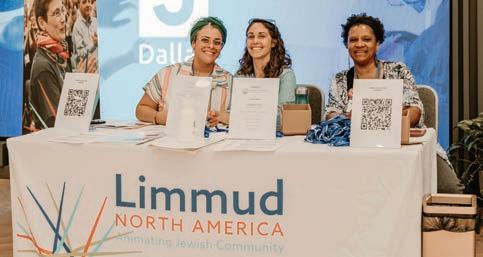
a historical overview with guided discussion. Cost: $20 for members; $35 for nonmembers. Registration deadline is Feb. 25. For more information, visit tbsaz.org.
Pomegranate Guild of Judaic Needlework, Desert Cactus Chapter: 10 a.m. The Oasis at Sagewood, 4555 E. Mayo Blvd., Phoenix. The guild meets the third Monday of the month, adjusted when necessary to accommodate Jewish holidays. For more information, visit pomegranateguild.org.
Mahjong: 1:30-3:30 p.m. East Valley Jewish Community Center, 908 N. Alma School Road, Chandler. Come play mahjong each week. For all levels. Cost: Free; registration required at evjcc.org/mahjong.
Ethics of Our Fathers: 7 p.m. Online. Learn with Rabbi Zalman Levertov. Use this link: bit. ly/2Y0wdgv. Cost: Free. For more information, visit chabadaz.com.
Quotable Quotes by our Sages: 7 p.m. Online. Learn with Rabbi Shlomy Levertov. Use this link: JewishParadiseValley.com/class. Cost: Free. For more information, visit chabadaz.com.
Partners in Torah: 7:30 p.m. Online. Join a growing group of inspired learners with Project Inspire. Cost: Free. Use this link: us04web. zoom.us/j/3940479736#success, password is 613. For more information, email Robin Meyerson at robin@projectinspireaz.com.
Learning to Trust in God: 7:30 p.m. Online. Learn with Rabbi Yossi Friedman. Use this link: ChabadAZ.com/LiveClass. Cost: Free. For more information, visit chabadaz.com.
Torah & Tea: 7:30 p.m. Online. Learn with Rabbi Yossie Shemtov. Cost: Free. For more information, visit Facebook.com/ChabadTucson.
Single Parent Zoom: 8 p.m. First and third Monday of every month. Join The Bureau of Jewish Education’s Family University single parents’ group for those looking to form friendships and build their support system with like-minded people. For more information or to register, visit bjephoenix.org/family-university.
TUESDAYS
Let’s Knit: 1:30 p.m. Ina Levine Jewish Community Campus, 12701 N. Scottsdale Road, Scottsdale. Share the pleasure of knitting, crocheting, etc. outside the social hall in the campus. Can’t knit? They will teach you! Every level welcome. Cost: Free. For more information, visit vosjcc.org.
Grief Support Group: 4 p.m. Beth Emeth Congregation of the West Valley, 13702 W. Meeker Blvd., Sun City West. All are welcome to this support group for anyone experiencing grief or any kind of loss. Cost: Free. For more information, call 623-584-7210 weekdays 9 a.m. to 12 p.m.
Maintaining an Upbeat Attitude: 7 p.m. Online. A class exclusively for people in their 20s and 30s, learn how Jewish Mysticism can help with your attitude with Rabbi Shlomy Levertov. Use this link: JewishParadiseValley.com/
YJPclass. Cost: Free. For more information, visit chabadaz.com.
Torah Studies: 7:30 p.m. Online. Learn with Rabbi Mendy Levertov. Use this link: ourjewishcenter.com/virtual. Cost: Free. For more information, visit chabadaz.com.
WEDNESDAYS
My Baby and Me: 9-10 a.m. Temple Chai Early Childhood Center, 4645 E. Marilyn Road, Phoenix. Join Temple Chai ECC for a weekly gathering for families with babies up to 12 months. Cost: Free. For more information, visit tcaz. shulcloud.com/event/my-baby-and-me-playgroup.html.
Torah Study with Temple Beth Shalom of the West Valley: 11 a.m.-12:30 p.m. Online. Weekly study group explores that week’s portion and studies different perspectives and debates the merits of various arguments. Intended for adults, Torah study is open to students of all levels. For more information, contact the TBS office at 623-977-3240.
Happiness Hour: 11:30 a.m. Online. Class taught by Rabbi Pinchas Allouche that delves into texts and references culled from our traditions to address a relevant topic. For more information, visit BethTefillahAZ.org.
Lunch & Learn: 12 p.m. Online. Grab some food and learn with Rabbi Yehuda Ceitlin. Use this link: Facebook.com/ChabadTucson. Cost: Free. For more information, visit chabadtucson.com.
Torah Study with Chabad: 12 p.m. Online. Take a weekly journey of Torah with Rabbi Yossi Levertov. Cost: Free. For more information, visit chabadaz.com.
The Thirteen Petalled Rose: 1 p.m. Online. Kabbalah class that studies “The Thirteen Petalled Rose” by Rabbi Adin Even-Israel Steinsaltz, focusing on the many concepts of Kaballah and Jewish Mysticism and applying them to everyday life. For more information, visit BethTefillahAZ.org.
Grief Support Group: 5-6 p.m. Online via Zoom. Therapist Susan Charney MSW, LCSW, leads a grief support group every first and third Wednesday of the month virtually for individuals experiencing the loss of an adult child or sibling. In lieu of any fees for these sessions, donations to Temple Solel are appreciated. For more information, contact susancharneycounseling@gmail.com.
History of the Jews: 7 p.m. Online. Learn the Jewish journey from Genesis to Moshiach with Rabbi Ephraim Zimmerman. Use this link: zoom.us/j/736434666. Cost: Free. For more information, visit chabadaz.com.
JACS: 7:30-8:30 p.m. Online. Zoom support group for Jewish alcoholics, addicts and their friends and family on the first and third Wednesdays of the month. Cost: Free. For more information, email jacsarizona@gmail. com or call 602-692-1004.
THURSDAYS
Ladies Torah & Tea: 10:30 a.m. Online. Learn about the women of the Torah with Mrs. Leah Levertov. Use this link: ourjewishcenter.com/ virtual. Cost: Free. For more information, visit chabadaz.com.
The Science of Everything: 11 a.m. Online. Explore the most fundamental work of Chassidut: the Tanya, with Rabbi Boruch. Use this link: zoom.us/j/736434666. Cost: Free. For more information, visit chabadaz.com.
Torah Study with Hazzan Lev Ettelson: 11 a.m. Beth Emeth Congregation of the West Valley, 13702 W. Meeker Blvd., Sun City West. Join Hazzan Ettelson for a discussion of the weekly Torah portion. For more information, call 623584-7210 weekdays 9 a.m. to 12 p.m.
WEDDING ANNOUNCEMENT
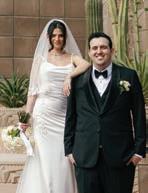
Mindfulness Gatherings: 12 p.m. Online. Hosted by Hospice of the Valley via Zoom. Cost: Free. To join by phone, dial 1-253-215-8782, meeting ID 486 920 2119#, to get the Zoom link or for further questions contact Gill Hamilton at ghamilton@hov.org or 602-748-3692.
Weekly Mahjong: 1-3 p.m. Temple Solel, 6805 E. McDonald Drive, Paradise Valley. Join Temple Solel each Thursday afternoon for mahjong. Lessons available for beginners. Cost: Free. RSVP via email to dottiebefore@gmail.com so they know how many tables to set up.
Torah Portion Class: 7 p.m. Online or in person. Chabad Lubavitch of Fountain Hills, 16830 E. Avenue of the Fountains, Fountain Hills. Join Rabbi Mendy Lipskier for a discussion of the weekly parshah and gain new insights to the Torah. For more information, visit jewishfountainhills.com.
SYDNEY LILY WIENER AND MAX IAN FIRST
Sydney Lily Wiener and Max Ian First were married at the Arizona Biltmore in Phoenix on Feb. 15, 2026.
The bride’s parents are Dr. Steven and Lauren Wiener of Paradise Valley. The groom’s parents are Richard and Aliza First of Calabasas, California.
Sydney is in marketing for an Israeli shoe company. She graduated from Indiana University after attending Pardes Jewish Day School and Chaparral High School. Sydney is of Moroccan descent and had a traditional henna party.
Max does marketing for a large company in California. He graduated from Indiana University after attending Agoura High School.
The couple met their senior year at Indiana University after being introduced by a mutual friend. After graduation, Sydney accepted a position in New York and Max soon followed her there. They are planning a honeymoon in Maui, Hawaii, and will reside in Encino, California. JN
MAX ESLINGER KRICH
Max Eslinger Krich will become a bar mitzvah on May 2, 2026, at Temple Kol Ami. He is the son of Amy Marlene Eslinger and Henry Jay Krich of Scottsdale.
Max’s grandparents are Laurel Eslinger and the late William Eslinger of Scottsdale; and Barbara and Leonard Krich, M.D. of Scottsdale.
For his mitzvah project, Max volunteers with Miracle League of Arizona, a baseball league for individuals with special healthcare needs.
A student at Great Hearts Preparatory Academy, Max enjoys playing club baseball, Boy Scouts, scuba diving, anime, cooking, eating great food and hanging out with his friends and family. JN
OBITUARY
MATTHEW GARBER
Matthew Garber will become a bar mitzvah on March 28, 2026, at Temple Kol obituary
A student at Desert Shadows Middle School, Matthew enjoys playing club soccer, attending Camp Ramah, watching movies and sports and spending time with family and friends. JN
SHELLEY ANNE RAFILSON
Shelley Anne Rafilson of Phoenix died on Feb. 28, 2026. She was 70. Shelley was born in Chicago, Illinois, and was a former volunteer with the Starlight Children’s Foundation and Arizona Golden Rescue.
Shelley is survived by her sister, Wendy Rafilson Black (Ronald); and was preceded in death by brothers Bruce Rafilson and George Maney; and parents Ned Rafilson and Joyce Schwartz Rafilson.
Services were held on March 12, 2026, at a private home, officiated by Rabbi Stephen Kahn.
Donations may be made at gofundme.com/f/esvfj-help-midnight-get-lifesavingsurgery. JN
Teen Discussions: 7-8:30 p.m. Online. Learn with Rabbi Tzvi Rimler. Use this link: cteen. clickmeeting.com/east-valley. Cost: Free. For more information, visit chabadaz.com.
SATURDAYS
Saturday Mindfulness Gatherings: 9:30 a.m. Online. Hosted by Hospice of the Valley. To join by phone, dial 1-253-215-8782, meeting ID 486 920 2119#. To get the Zoom link or for more information, contact Gill Hamilton at ghamilton@hov.org or 602-748-3692.
Book Discussion: 1:30-2:30 p.m. Online. Join Or Adam Congregation for Humanistic Judaism on the third Saturday of every month for a book discussion. For more information and to register, contact oradaminfo@gmail.com. JN
Cemetery Plot for Sale @ Mt. Sinai Cemetery in Phoenix (Solomon Section)
Please text 310 403-9339 if interested.
Barry Allen Reiss was born on May 18, 1936, and passed away on February 19, 2026.
Born to Irving Reiss and Jeanne Brody-Reiss, he grew up in Newark, New Jersey, with his sister Eleanor.
After marrying Leni Sue Rosenberg, he moved to Phoenix in 1962, where he began practice as an attorney. Throughout his life, he developed many friendships, acquired many clocks and watches and read many history books.
He is survived by his loving children Mitchell Reiss (Elissa) and Andrea Maron (Scott Weiss), and four grandchildren.
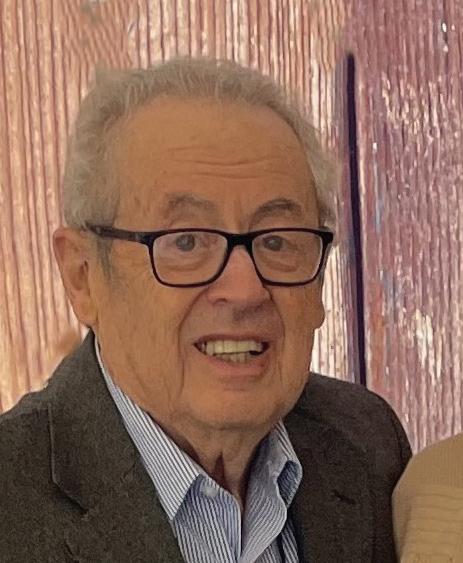
Imre Zwiebel, 93, passed away in Scottsdale on February 28, 2026, after a long battle with Alzheimer’s disease. His strength and resilience was a source of inspiration for all who knew him.
Born in Budapest, Hungary, on June 13, 1932, to Bella and Hermann Zwiebel, Imre’s childhood was marred by the atrocities of the Holocaust. Attempting to escape the Nazi takeover of Hungary in 1944, he fled into hiding from his hometown of Nyíregyháza at age 12. By age 13, he had survived Auschwitz and a “death march,” and at 15 found his way to the United States.
While surviving the Holocaust was central to Imre’s childhood, it did not define him, and he built a new, wonderful life. He earned a bachelor’s degree at University of Michigan, a master’s degree and PhD from Yale University, worked at DuPont and Exxon and then became a prominent scientific researcher, professor and Department Chair of chemical engineering at Worcester Polytechnic Institute and Arizona State University.
While living in New York he met Barbara Copeland, whom he married in December 1962. Nothing meant more to Imre than family. His children and grandchildren were his greatest joys. He was also an avid hiker, world traveler and enjoyed opera and football.
Imre is survived by his wife, Barbara, daughter Karen, son Jeffrey, son Kenneth, daughter Hannah, and 10 grandchildren.
In lieu of flowers, donations may be made to the Hilton Family Holocaust Education Center at hfhecaz.org.