
HEADLINES | 6
PEDAL
POWER
Realtor Charles Sidi has an unconventional format for his podcast
HEADLINES | 6
POWER
Realtor Charles Sidi has an unconventional format for his podcast
SHANNON LEVITT | STAFF WRITER
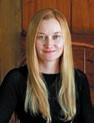
When 19-year-old Wesleyan University basketball guard Aviva Schnitzer learned about Tribe NIL, the nation’s first Jewish-focused NIL (Name, Image and Likeness) collective, she knew immediately it was something she wanted to be part of.
“It was a great fit,” said Schnitzer, a sophomore guard for the Wesleyan Cardinals who grew up in the Valley and is a member of Congregation Beth Tefillah in Scottsdale. “It’s a way to connect Jewish athletes so we can support each other and connect on more than just athletics. A lot of athletes lose some of their Jewish identity on campus because our teammates generally aren’t Jewish. Tribe NIL pushes our Jewish identity to the forefront.”
Tribe NIL was founded by Jeremy Moses and Eitan Levine, two media professionals who saw an opportunity to unite and empower Jewish student-athletes through brand-building, financial support and community engagement rooted in Jewish values.
“We realized that there are hundreds, if not thousands, of Jewish athletes, and the Jewish community doesn’t know about them,” said Moses. “Most athletes don’t get paid at all, and a lot of Jewish athletes are in smaller programs. We wanted to create a space that connects them to the Jewish community and helps them grow as leaders and professionals.”
After the Supreme Court’s 2021 decision allowing college athletes to profit from their name, image and likeness, NIL deals exploded — mostly for Division
ATHLETE, PAGE 2
HEADLINES | 8
THE STARS’ STAYING POWER
Lois Lowry’s Holocaust novel is still relevant 36 years after publication
In August 2025, the Anti-Defamation League (ADL) launched the Jewish Policy Index (JPI), an interactive tool to evaluate state-level efforts to counter antisemitism through laws, education and public policy.
According to the ADL, the JPI was created in response to an increase in antisemitic incidents in recent years.
In 2024, ADL tabulated 9,354 antisemitic incidents across the United States. This represents a 5% increase

from 2023 and a 344% increase over the past five years. It is the highest number on record since ADL began tracking antisemitic incidents 46 years ago.
The ADL sent letters to governors outlining the JPI and one of its top recommendations was establishing an antisemitism working group to help drive meaningful policy solutions.
Samara Kaplan, a sophomore at Rancho Solano Preparatory School, is organizing a two-hour indoor cycling fundraiser to support rare cancer research.
See page 12.


I
football and basketball stars. Smaller programs, including Division III schools like Wesleyan, saw little of that benefit.
Tribe NIL aims to change that. Its model mirrors traditional NIL “collectives” that link athletes to brand deals and fan engagement, but with a distinctly Jewish twist.
“Every school has a collective that connects athletes with boosters and brand opportunities,” explained Levine. “That’s the model we want for the Jewish community. We want to find all the Jewish athletes in the country and get the community to support them.”
January 6
January 20
January 6
February 3
about her Judaism with her fellow council members and speaking out for her rights

She already has some practice at
about her Judaism with her fellow council members and speaking out for her rights
“One time, I was in class and someone called me the R-word and I told him not to. The teacher was in the hallway and another student repeated the word,” she said. Rather than letting the situation go, she told her theater teacher, who was able
She already has some practice at
“One time, I was in class and someone called me the R-word and I told him not to. The teacher was in the hallway and another student repeated the word,” she said. Rather than letting the situation go, she told her theater teacher, who was able
“If someone has a disability, saying the R-word is like saying the F-word,”
“If someone has a disability, saying the R-word is like saying the F-word,”
While performing in the musical “Hairspray,” she had another occasion to tangle with the offensive word, which

Tribe NIL now has about 180 Jewish athletes, with 50 receiving monthly stipends to serve as representatives, attend events and post on social media. The organization connects athletes with businesses and encourages them to build meaningful brands that reflect their values.
January 20
February 17
August 25
September 1
That’s how Stern first learned of the open council seat, but there’s no doubt she earned her position, Meyers said.
To become a council member, Stern had to apply and demonstrate that she had something valuable to contribute, he said.
While performing in the musical “Hairspray,” she had another occasion to tangle with the offensive word, which appears in the script.
“That’s really bad and my friend said it on stage. I was not OK with that, so I went to the director and told her it was a bad word for people with disabilities, but she wouldn’t take it out,” Stern said.
February 3
March 10
February 17
March 24
March 10
March 31
March 24
April 7
March 31
April 21
April 7
May 5
April 21
May 19
August 25 September 1
September 8
September 15
wanted a college that valued academics and, after years in the desert, was intrigued by the idea of the East Coast.
get Jewish Heritage Month recognized on campus last spring.
To become a council member, Stern had to apply and demonstrate that she had something valuable to contribute, he said.
“She’s on the council because she deserves to be on the council,” he said.
“That’s really bad and my friend said it on stage. I was not OK with that, so I went to the director and told her it was a bad word for people with disabilities, but she wouldn’t take it out,” Stern said.
9
“We tell the kids that their brand is more than just getting a quick deal to post on Instagram,” Levine said. “It’s about who they want to be five years from now and how they’ll fit into the Jewish community.”
October 6
8
October 13**
6
October 20
15
13**
November 3
For Schnitzer, basketball has long been a defining part of her life. She played four years for Chaparral High School and competed on several Arizona club teams. “I played with people all over the place,” she said.
20
November 10
By the summer before her senior year, she was playing at a camp in Boston, traveling to various showcases and looking at potential colleges. When she visited Wesleyan University in Connecticut, everything clicked.
Stern is creating a life and career as a member of her community, which makes her a great addition.
“She’s on the council because she deserves to be on the council,” he said. Stern is creating a life and career as a member of her community, which makes her a great addition.
She let her mother know about the conflict and they were able to convince the director of the need to remove the word from the script.
Her involvement with Tribe NIL builds on that foundation. The connection came through her boyfriend, who also plays basketball for Wesleyan and is Jewish. When Tribe NIL co-founders Moses and Levine reached out to him about collaborating, they asked for other Jewish athletes who might be interested and Schnitzer’s name came up.
23
She let her mother know about the conflict and they were able to convince the director of the need to remove the word from the script.
“It checked all the boxes for me,” she said. “There was a good balance between sports and academics, and there was good competition. I committed.”
November 17
December 1
May 5
June 9
May 19
July 14
June 9
August 4
After her sophomore year, she attended a Jewish basketball camp in New York, where she was advised to join college showcases. Her first experience was eyeopening.
July 14
August 18*
August 4
August 18*
3 November 10 November 17 December 1
Stern graduated from McClintock High School in Tempe last year and now attends Glendale Community College, with a focus on dance. She is a regular performer at Detour Company Theatre, a Scottsdale theatre company for adults with intellectual, developmental and physical disabilities.
December 15
15
“At my first showcase, there were 60 coaches from schools I hadn’t heard of,” Schnitzer laughed. Still, that event kickstarted her recruiting process. She
Because Wesleyan is a Division III school, it can’t offer athletic scholarships. For Schnitzer, that reality helped clarify what mattered most.
Stern graduated from McClintock High School in Tempe last year and now attends Glendale Community College, with a focus on dance. She is a regular performer at Detour Company Theatre, a Scottsdale theatre company for adults with intellectual, developmental and physical disabilities.
“People are playing because they want to,” she said. “There’s no financial incentive; if you’re playing, it’s because you love it. It’s a great team culture and community.”
of Magazine **Annual Directory
In fact, when Stern attended her first council meeting in January, she couldn’t wait to tell people of her involvement with Detour and share information about its upcoming shows.
“My friend Al was next to me when I told the director and he gave me the biggest hug ever and said that he loved me so much,” Stern said. Sadly, Al died in a car crash on Oct. 24, 2021.
Beyond basketball, Schnitzer is pursuing a double major in neuroscience and education with a minor in Jewish studies, and she hopes to become an occupational therapist specializing in pediatrics.
In fact, when Stern attended her first council meeting in January, she couldn’t wait to tell people of her involvement with Detour and share information about its upcoming shows.
“There’s no question that she is going to thrive,” Meyers said. “She’s very gregarious and passionate about the things that matter to her.”
Schnitzer’s Jewish identity remains central to her college experience. She is active in Wesleyan’s Chabad House and Students Supporting Israel, and she helped
6 February 20 March
Heart Can’t Even Believe It: A Story of Science, Love and Down Syndrome,” Silverman’s book about her daughter. When Gesher’s speakers’ bureau, Damon Brooks & Associates, was asked to find a speaker about Down syndrome for an event this spring, Hummell first asked Silverman to speak, thinking Stern might be too young.
Heart Can’t Even Believe It: A Story of Science, Love and Down Syndrome,” Silverman’s book about her daughter. When Gesher’s speakers’ bureau, Damon Brooks & Associates, was asked to find a speaker about Down syndrome for an event this spring, Hummell first asked Silverman to speak, thinking Stern might be too young.
They decided instead that Stern should tell her own story; it’s a real bonus that she is not afraid of public speaking.
“That was hard; it’s very hard to get emotions out and I was very, very upset,” she said.
“My friend Al was next to me when I told the director and he gave me the biggest hug ever and said that he loved me so much,” Stern said. Sadly, Al died in a car crash on Oct. 24, 2021.
“That was hard; it’s very hard to get emotions out and I was very, very upset,” she said.
On the recent anniversary of his death, Stern made a cake and took it to the crash site.
Even with a packed schedule, Schnitzer has found time to launch a business. She co-founded HerWay Recruiting, a mentorship program helping young female athletes navigate the often-confusing college recruiting process.
“There’s no question that she is going to thrive,” Meyers said. “She’s very gregarious and passionate about the things that matter to her.”
Stern looks forward to sharing insights
Stern looks forward to sharing insights
“I don’t know how I did it without crying. I’m so proud of myself,” she said.
On the recent anniversary of his death, Stern made a cake and took it to the crash site.
“I don’t know how I did it without crying. I’m so proud of myself,” she said.
Amy Hummell, executive director of Gesher Disability Resources, agreed that Stern is a good fit for ADDPC because of her ability to self-advocate.
“It shouldn’t be as hard a process as it is,” she said. “The goal is to empower high
Hummell co-hosted a book event with Meyers a few years ago for “My
Amy Hummell, executive director of Gesher Disability Resources, agreed that Stern is a good fit for ADDPC because of her ability to self-advocate.
Hummell co-hosted a book event with Meyers a few years ago for “My
12701 N. Scottsdale Road, Suite 201, Scottsdale, AZ 85254 Phone: 602.870.9470 | Fax: 602.870.0426 | editor@jewishaz.com | advertising@jewishaz.com subscriptions@jewishaz.com | www.jewishaz.com
N. Scottsdale Road, Suite 201, Scottsdale, AZ 85254 Phone: 602.870.9470 | editor@jewishaz.com | advertising@jewishaz.com subscriptions@jewishaz.com | www.jewishaz.com
PUBLISHER
12701 N. Scottsdale Road, Suite 201, Scottsdale, AZ 85254 Phone: 602.870.9470 | Fax: 602.870.0426 | editor@jewishaz.com | advertising@jewishaz.com subscriptions@jewishaz.com | www.jewishaz.com
PUBLISHER Jewish Community Foundation of Greater Phoenix
Jewish Community Foundation of Greater Phoenix
PUBLISHER
ADVERTISING SALES CONSULTANT Jodi Lipson | 602.639.5866 jlipson@jewishaz.com
SENIOR ACCOUNT EXECUTIVE Jodi Lipson | 602.639.5866 jlipson@jewishaz.com
ASSOCIATE PUBLISHER Rich Solomon | 602.639.5861 rsolomon@jewishaz.com
Jewish Community Foundation of Greater Phoenix
GENERAL MANAGER Rich Solomon | 602.639.5861 rsolomon@jewishaz.com
GENERAL MANAGER
MANAGING EDITOR
MANAGING EDITOR Mala Blomquist | 602.639.5855 mblomquist@jewishaz.com
Rich Solomon | 602.639.5861 rsolomon@jewishaz.com
Mala Blomquist | 602.639.5855 mblomquist@jewishaz.com
MANAGING EDITOR
STAFF WRITER
STAFF WRITER Shannon Levitt | 602.639.5854 slevitt@jewishaz.com
Mala Blomquist | 602.639.5855 mblomquist@jewishaz.com
Shannon Levitt | 602.639.5854 slevitt@jewishaz.com
STAFF WRITER Shannon Levitt | 602.639.5854 slevitt@jewishaz.com
ADVERTISING SALES CONSULTANT Jodi Lipson | 602.639.5866 jlipson@jewishaz.com
SUBSCRIPTIONS 602.870.9470 x 1 subscriptions@jewishaz.com
ACCOUNT EXECUTIVE Emily Stoddard | 480.481.1767 estoddard@jewishaz.com
SUBSCRIPTIONS 602.870.9470 x 1 subscriptions@jewishaz.com
SUBSCRIPTIONS 602.870.9470 x 1 subscriptions@jewishaz.com
GRAPHIC DESIGNER Ebony Brown | 410.902.2333 ads_phoenixjn@midatlanticmedia.com
GRAPHIC DESIGNER Ebony Brown | 410.902.2333 ads_phoenixjn@midatlanticmedia.com
GRAPHIC DESIGNER Ricki Urban | 602.870.9470 X 2 advertising@jewishaz.com
They decided instead that Stern should tell her own story; it’s a real bonus that she is not afraid of public speaking.
“It’s not the same when someone tries to tell a person’s story for them,” Hummell said.
“It’s not the same when someone tries to tell a person’s story for them,” Hummell said.
Additionally, helping people with disabilities find jobs was one of the reasons for acquiring the bureau. Unemployment in the disability community is upwards of 75% and of that percentage, 75% are ready, willing and able to work — but haven’t been given the opportunity, Hummell said.
Additionally, helping people with disabilities find jobs was one of the reasons for acquiring the bureau. Unemployment in the disability community is upwards of 75% and of that percentage, 75% are ready, willing and able to work — but haven’t been given the opportunity, Hummell said.
“People have it in them to speak up but don’t know how, and often they’re not cheered on. Sophie has family support
“People have it in them to speak up but don’t know how, and often they’re not cheered on. Sophie has family support



Sarah Kader, deputy regional director of ADL Desert in Arizona, met with Gov. Katie Hobbs’ office on several occasions and developed a plan to organize such a group for Arizona. The result is the Advisory Council on Jewish American Affairs.
“We wanted to be sure that the council was representative of Jewish life in Arizona — geographically and religiously diverse,” said Kader.
Kader said the ADL made recommendations based on the experience of other councils created across the country but, ultimately, the decision of who would be part of the panel was up to the governor.
“There’s a greater understanding of the issues facing the Jewish community and Jewish communal life is improved over time, and policy outcomes also improve when these councils exist,” said Kader.
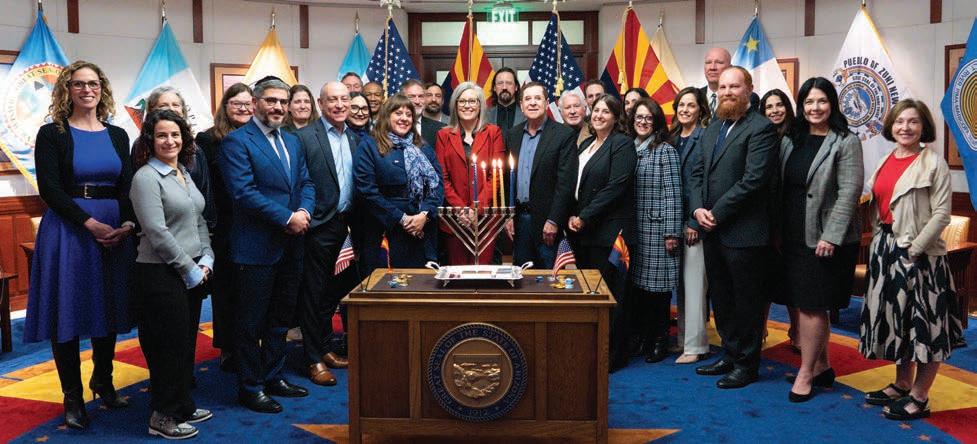
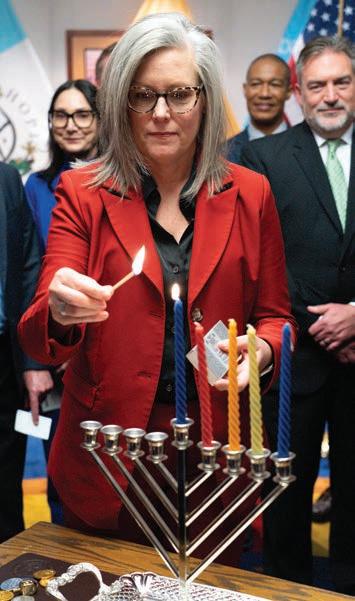
On Nov. 19, 2025, more than 20 members of the Jewish community, including rabbis, Jewish professionals and community leaders, and members of Hobbs’ staff, gathered for the first council meeting in downtown Phoenix. (The council also gathered for a security briefing after the attack at Bondi Beach in Australia and for a menorah lighting on Dec. 17).
Hobbs started the meeting by acknowledging the rise of antisemitism and that it goes without saying there is no place for it in our state.
“I will continue to speak up when I see it happening. People deserve to go to school, to work, to live in their communities, to worship and be safe doing so,” she said. “And we certainly will rely on all of you to be our eyes and ears when you see things happening.”
She also said she wanted the council to be about more than antisemitism and that her office is always looking for ways to be a better partner to the Jewish community.
Andrew Kunsberg, board of trustee member of Jewish Philanthropies of Southern Arizona (JPSA) in Tucson, explained that he is involved with the Center for Jewish Resilience that was created by JPSA to counter the misinformation and demonization of Israel and Jews after the Hamas attack in Israel on Oct. 7.
“We’re dealing with several areas of antisemitism,” he said. “And our
major concern is K through 12th grade. There’s a huge increase in antisemitism in the schools.” He also said that he felt teachers, and legislators, should be required to take a class in antisemitism.
Rabbi Stephanie Aaron of Congregation Chaverim in Tucson shared that in her b’nai mitzvah class, two of the children told her that the day before, at their public middle school, other children said “Heil Hitler” to them and also called them “kike.”
Then, one of her students who attends Jewish day school asked, “Rabbi, what’s a Heil Hitler?”
She said that although it is nice that the children who attend Jewish day school are protected, the other kids are getting hit with antisemitism constantly.
“Since Oct. 7, they have continued to educate teachers about the Holocaust, saying here’s the Holocaust, here’s Oct 7. What’s in between? Well, we don’t know,” she said.
“We’re not saying a word about it because it’s political. And for me, that is a huge problem to say that we can’t talk about antisemitism currently because of what’s happened because of Israel and Hamas.”
Kader said the intersection of politics and antisemitism is being described as a horseshoe. “We’re seeing it on the right. We’re seeing it on the left,” she said. She added that as it continues to grow, antisemitism isn’t on the margins anymore, it’s part of daily life for many. “It’s in our schools, our children are experiencing it, and I think one of our main messages is we need non-Jewish leaders to be screaming from the rooftops, like we are.”
Becca Norton, senior Israel advocacy and engagement director Southwest region of Jewish National Fund-USA, admitted that her top priority is education, and agreed it has to go beyond Holocaust education.
“I think (we’re) teaching an entire generation about a topic that is important for them to understand, but feels so distant,” she said. “When we teach Black history, we don’t just teach slavery. We talk about heroes like Martin Luther King Jr. and Rosa Parks. We have to be infusing more positivity into the education, and it has to start early.”
At this point, Hobbs shared that she was very proud to have signed legislation requiring Holocaust education in Arizona schools. In 2024, she strengthened existing
“IT CAN’T JUST BE UP TO THE JEWISH PEOPLE TO EDUCATE AND TO MAKE SURE THAT PEOPLE BEHAVE PROPERLY. YOU CAN’T LEGISLATE THAT. YOU CAN’T PASS LAWS THAT MAKE PEOPLE BE BETTER PEOPLE.”
requirements for Holocaust and genocide education by changing it from a general requirement to a legally defined minimum time commitment and frequency.
She said that she hears from her two sisters, who are teachers, daily that they are strapped and need resources.
“Finding ways to help get those resources into the classrooms, that’s why the (Hilton Family) Holocaust Education Center is so critical, and will be a resource for teachers, primarily here in Phoenix,” she said. “I’m hoping that we can work together to help provide some of that support in the classrooms that goes well beyond Holocaust education.”
Talli Dippold, executive director of the Hilton Family Holocaust Education Center, thanked the governor for her support of the center, stating that, “The fifth largest city is now going to have a world-renowned education center.” Hobbs signed a state budget that included $7 million in state funding for the center.
“We’re very fortunate that because of our location, we have an opportunity to teach about Jewish culture, who Jews are,” said Dippold. “Ninety-eight percent of our visitors will not be Jewish. We really want to ensure, especially in a post-Oct. 7 reality, that students are also exposed to who Jews are, as opposed to just also sharing what happened to them during a specific period of history.”
Dippold added that the center is working on publishing a guide on helping administrators and educators address antisemitism in their spaces and is planning meetings with school superintendents to share that information when it is available.
“I think it’s also a very common experience that falls on minorities to educate the others,” said Debbie Yunker Kail, executive director of Hillel


Through the Eyes of a Native Led by Rabbi Nitzan & Dr. Daniel Stein Kokin
May 31 - June 11, 2026
Join Rabbi Nitzan and Dr. Daniel Stein Kokin on this enlightening and emotional adventure. Explore the rich tapestry of Jewish heritage in Germany, a journey through centuries of history, resilience and cultural renaissance.

For assistance, please contact anjie@ayelet.com $5,965
https://secure.ayelet.com/KokinGermany2026.aspx

GOVERNOR CONTINUED FROM PAGE 3
Jewish Student Center at Arizona State University in Tempe.
“I’m really interested in ways that the governor’s office could help us rebuild some of those communal connections, whether it’s through different programs that encourage collaboration or folks just getting to know each other,” she said.
She mentioned that the 18-year-old students she works with are being asked to speak up when they see antisemitism in their classroom, yet these same students are asked to take a test on Yom Kippur.
“There are these rules that are protected, but they’re not being enforced universally,” she said. “And I wonder, as a society, how is it we have these structures (in place) but they don’t seem to be protecting the individuals that they’re supposed to protect.”
Eddie Lange, interim executive director at University of Arizona Hillel in Tucson, admitted that he naively thought his job “would be helping the students celebrate Jewish joy and it turns out more like 75% of my time is now dealing with the administration,” which he said is always willing to meet with him and the students. He added, “What I’m finding in my meetings is that while the structure may exist, while the rules may exist,


there isn’t teeth behind them. Whether it’s enforcing the IHRA definition (International Holocaust Remembrance Alliance’s non-legally binding working definition of antisemitism, adopted in 2016 and used by many organizations) or required antisemitism training, I think even when they’re seeing it in the classrooms and the students report it, the deans don’t know what to do with it and it just doesn’t go anywhere.”
ASU student Jacob Marson, who was involved in ASU’s student government during the Oct. 7 attack on Israel, thanked the governor and the presidents of the Arizona universities for standing with the Jewish community at that time.
“After Oct. 7, it was almost like we were talking with a real government, a real United Nations-type body. And any help that you can provide to continue the partnership with university presidents and university leadership, would be greatly appreciated,” he said.
Despite the heaviness of many of the examples discussed, there was one comment near the end of the meeting that shared a lighter perspective.
“It’s really important that with all of these obstacles, we still be able to create Jewish joy,” said Danielle Gross, vice chair of the Center for Jewish Philanthropy of Greater Phoenix and Political Chair for AIPAC (American Israel Public Affairs

Committee). “We need to still be able to prioritize that and create a safe place that people aren’t going to be scared to come out and be able to celebrate their Judaism.”
She stressed the need to work together as one community and strategize to find the solution to these collective problems. In closing, Hobbs said that what she heard during that meeting would weigh on her.
“It can’t just be up to the Jewish people to educate and to make sure that people behave properly. You can’t legislate that. You can’t pass laws that make people be better people,” she said.
She admitted to always taking her bully pulpit very seriously and that it is incumbent on elected leaders to set the tone, to lead by example and she intends to continue doing just that.
“This conversation is very much part of my resolve there. I want you all to know that. And this is the start, not the end. I appreciate all your willingness to come together and help address these issues,” she said. JN
Mala Blomquist is on Gov. Hobbs’ Advisory Council on Jewish American Affairs. Jewish News is published by the Jewish Community Foundation of Greater Phoenix, a component of the Center for Jewish Philanthropy of Greater Phoenix.
ATHLETE
CONTINUED FROM PAGE 2
school and middle school students to take hold of the process, have confidence and find the right school for them.”
HerWay offers one-on-one mentoring, workshops for clubs and teams and individualized recruiting plans. The program emphasizes having current college athletes serve as mentors to younger girls, a model Schnitzer hopes to sustain long after she graduates.
“I’m super passionate about it,” she said. “We want the mentors to be current college athletes.”
Schnitzer’s future is full of promise. She’s currently working on a brand partnership with an Israeli company and will play for Team USA in the 2026 Maccabi Games.
For now, she’s focused on balancing her academics, athletics and growing roles as a mentor and Jewish leader.
“Tribe NIL helps remind me, and other Jewish players, that being Jewish isn’t separate from being an athlete,” Schnitzer said. “It’s part of who we are, on and off the court.” JN

"A LOT OF ATHLETES LOSE SOME OF THEIR JEWISH IDENTITY ON CAMPUS BECAUSE OUR TEAMMATES GENERALLY AREN’T JEWISH. TRIBE NIL PUSHES OUR JEWISH IDENTITY TO THE FOREFRONT.”
AVIVA SCHNITZER


Board Members Staff Members

E ect: Jewish Wisdom for Growth and Transformation
(Phoenix)

Valley Beit
What Animals Teach Us about Families:
wishes everyone a shana tovah, a happy new year filled with joy and
Valley Beit Midrash wishes everyone a shana tovah, a happy new year filled with joy and love. We invite you to join us in pursuit of improving lives in our communities through transformative learning and action.
happy new year filled with joy and love. We invite you to join us in pursuit of improving lives in our communities through transformative learning and action.
Here’s how you can plug into our work this year:
Here’s how you can plug into our work this year:
We invite you to join us in pursuit of improving lives in our communities through transformative learning and action. Here’s how you can plug into our work this year:
how
improving lives in our communities through transformative learning and action. Here’s how you can plug into our work this year:
into our work this year:
Here’s how you can plug into our work this year:
year:
1. Learn with us at our upcoming classes. We have multiple pluralistic o erings each week and options for both virtual or in-person learning.
1. Learn with us at our upcoming classes. We have multiple pluralistic o erings each week and options for both virtual or in-person learning.
1. Learn with us at our upcoming classes. We have multiple pluralistic o erings each week and options for both virtual or in-person learning.
pursuit of improving lives in our communities through transformative learning and action. Here’s how you can plug into our work this year:
1. Learn with us at our upcoming classes. We have multiple pluralistic o erings each week and options for both virtual or in-person learning.
1. Learn with us at our upcoming classes. We have multiple pluralistic o erings each week and options for both virtual or in-person learning.
1. Learn with us at our upcoming classes. We have multiple pluralistic o erings each week and options for both virtual or in-person learning.

2. Serve with us and volunteer with Arizona Jews for Justice to help uplift the most vulnerable members of our community.
1. Learn with us at our upcoming classes. We have multiple pluralistic o erings each week and options for both virtual or in-person learning.
2. Serve with us and volunteer with Arizona Jews for Justice to help uplift the most vulnerable members of our community.
2. Serve with us and volunteer with Arizona Jews for Justice to help uplift the most vulnerable members of our community.
a happy new year filled with joy and love. We invite you to join us in pursuit of improving lives in our communities through transformative learning and action. Here’s you can plug into our work this year: with us at our upcoming classes. We have multiple pluralistic o erings each week and options for both virtual or in-person learning. with us and volunteer with Arizona Jews for Justice to help uplift the most vulnerable members of our community.
shana tovah, a happy new year filled with joy and love. We invite you to join us in pursuit of improving lives in our communities through transformative learning and action. Here’s how you can plug into our work this year: with us at our upcoming classes. We have multiple pluralistic o erings each week and options for both virtual or in-person learning. with us and volunteer with Arizona Jews for Justice to help uplift the most vulnerable members of our community.
transformative learning and action.
1. Learn with us at our upcoming classes. We have multiple pluralistic o erings each week and options for both virtual or in-person learning.
2. Serve with us and volunteer with Arizona Jews for Justice to help uplift the most vulnerable members of our community.
2. Serve with us and volunteer with Arizona Jews for Justice to help uplift the most vulnerable members of our community.
Four Views of the David and Bathsheba Story Rabbi Jack Riemer Thursday, March 12, 2026
2. Serve with us and volunteer with Arizona Jews for Justice to help uplift the most vulnerable members of our community.
2. Serve with us and volunteer with Arizona Jews for Justice to help uplift the most vulnerable members of our community.
2. Serve with us and volunteer with Arizona Jews for Justice to help uplift the most vulnerable members of our community.
3. Reach out if you are looking for internship or fellowship opportunities for teens and young adults. We would be thrilled to tell you more about our leadership development programs.
3. Reach out if you are looking for internship or fellowship opportunities for teens and young adults. We would be thrilled to tell you more about our leadership development programs.
3. Reach out if you are looking for internship or fellowship opportunities for teens and young adults. We would be thrilled to tell you more about our leadership development programs.
3. Reach out if you are looking for internship or fellowship opportunities for teens and young adults. We would be thrilled to tell you more about our leadership development programs.
3. Reach out if you are looking for internship or fellowship opportunities for teens and young adults. We would be thrilled to tell you more about our leadership development programs.
3. Reach out if you are looking for internship or fellowship opportunities for teens and young adults. We would be thrilled to tell you more about our leadership development programs.
3. Reach out if you are looking for internship or fellowship opportunities for teens and young adults. We would be thrilled to tell you more about our leadership development programs.
3. Reach out if you are looking for internship or fellowship opportunities for teens and young adults. We would be thrilled to tell you more about our leadership development programs.
3. Reach out if you are looking for internship or fellowship opportunities for teens and young adults. We would be thrilled to tell you more about our leadership development programs.
3. Reach out if you are looking for internship or fellowship opportunities for teens and young adults. We would be thrilled to tell you more about our leadership development programs.
Going Out with Knots: My Two Kaddish Years with Hebrew Poetry.”
4. Become a Legacy donor. By joining the Jewish Education Legacy Society of Valley Beit Midrash you will ensure VBM has the ability to provide engaging learning opportunities and save lives in our communities for many years to come.
4. Become a Legacy donor. By joining the Jewish Education Legacy Society of Valley Beit Midrash you will ensure VBM has the ability to provide engaging learning opportunities and save lives in our communities for many years to come.
Staff Members
4. Become a Legacy donor. By joining the Jewish Education Legacy Society of Valley Beit Midrash you will ensure VBM has the ability to provide engaging learning opportunities and save lives in our communities for many years to come.
4. Become a Legacy donor. By joining the Jewish Education Legacy Society of Valley Beit Midrash you will ensure VBM has the ability to provide engaging learning opportunities and save lives in our communities for many years to come.
Rabbi Dr. Wendy Zierler
Thursday, March 26, 2026 @ 1:00 pm PT
4. Become a Legacy donor. By joining the Jewish Education Legacy Society of Valley Beit Midrash you will ensure VBM has the ability to provide engaging learning opportunities and save lives in our communities for many years to come.
4. Become a Legacy donor. By joining the Jewish Education Legacy Society of Valley Beit Midrash you will ensure VBM has the ability to provide engaging learning opportunities and save lives in our communities for many years to come.
4. Become a Legacy donor. By joining the Jewish Education Legacy Society of Valley Beit Midrash you will ensure VBM has the ability to provide engaging learning opportunities and save lives in our communities for many years to come.
4. Become a Legacy donor. By joining the Jewish Education Legacy Society of Valley Beit Midrash you will ensure VBM has the ability to provide engaging learning opportunities and save lives in our communities for many years to come.
We hope this year will be a time of renewal and growth and that we will experience many joyful moments together in the year ahead.
We hope this year will be a time of renewal and growth and that we will experience many joyful moments together in the year ahead.
White Heat: A PostOctober 7 Haiku Journey Sara Tropper
4. Become a Legacy donor. By joining the Jewish Education Legacy Society of Valley Beit Midrash you will ensure VBM has the ability to provide engaging learning opportunities and save lives in our communities for many years to come. We hope this year will be a time of renewal and growth and that we will experience many joyful moments together in the year ahead.
4. Become a Legacy donor. By joining the Jewish Education Legacy Society of Valley Beit Midrash you will ensure VBM has the ability to provide engaging learning opportunities and save lives in our communities for many years to come.
We hope this year will be a time of renewal and growth and that we will experience many joyful moments together in the year ahead.
We hope this year will be a time of renewal and growth and that we will experience many joyful moments together in the year ahead.
We hope this year will be a time of renewal and growth and that we will experience many joyful moments together in the year ahead.
We hope this year will be a time of renewal and growth and that we will experience many joyful moments together in the year ahead.
We hope this year will be a time of renewal and growth and that we will experience many joyful moments together in the year ahead.
We hope this year will be a time of renewal and growth and that we will experience many joyful moments together in the year ahead.


We hope this year will be a time of renewal growth and that we will experience many joyful moments together in the year ahead.
Thursday, April 23, 2026 @ 10:00 am PT Primacies: Experience, Expression and the Jewish Imagination









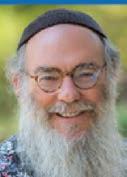

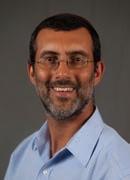



SHANNON LEVITT | STAFF WRITER
When Charles Sidi launches a new episode of his real estate podcast, “Ride Around Arcadia,” he doesn’t settle into a studio chair or lean toward a table microphone. Instead, he climbs onto a bespoke cruising bicycle mounted on a stationary platform, settles in front of a green screen and begins pedaling. As he chats with his weekly guest, the backdrop rolls through the sun-drenched streets of Arcadia, creating the uncanny sensation that the two are biking side by side through the neighborhood he loves most.
The unconventional format reflects the unconventional path Sidi has taken to get here.
Sidi grew up in a small but fairly tightknit Jewish community in Manchester, England. Although he no longer belongs to a synagogue, he still considers himself observant, carrying forward the cultural grounding of his youth. In 2006, he and his wife, Sarah, moved to Arizona with their two children. The Valley was already familiar; his parents had long kept a second home in North Scottsdale, and they spent many Passovers in the desert.
Their new life began in North Scottsdale, where the kids attended The King David School, which has since closed. Those early years brought lifelong friendships.
“We made pretty much all of our friends there, and we still have them now, 19 years later,” Sidi said. “It was a great experience for my kids.”
For 35 years, Sidi worked in real estate as a developer and builder. Two years ago, he shifted roles, beginning a new chapter representing buyers and sellers. By then, he had already moved to Arcadia, “or the area they call Arcadia Light,” where he settled 13 years ago, and fell hard for the neighborhood’s character and community spirit. When he joined The Brokery, focusing on Arcadia felt natural.

“It’s an affluent area, and I felt that was a good fit for me to deal with those types of clients,” he said.
But Sidi didn’t just want to sell Arcadia; he wanted to share it.
About a year ago, he asked his production team to film some Arcadia streetscapes for his real estate website. Months later, scrolling through Instagram, he watched popular real estate podcasts and felt deflated.
“The content was fine, but the setup was just quite dull,” he said. “Seeing two people sitting in chairs with a microphone just turned me off, because it wasn’t engaging. I thought I could do better.”
Then he thought of his Arcadia footage. What if, instead of describing Arcadia, he could show it?
“I thought it would be great if I could take the Arcadia video, put it on a green screen behind me and my guest, and put us on bikes to pretend we’re riding around together, chatting,” he said. “I knew it would be more engaging, and that’s how ‘Ride Around Arcadia’ all started.”
The podcast launched July 14, 2025, and with every episode, Sidi has introduced a new Arcadia-area guest. His interviewees represent a mix of local businesses and personalities, from restaurateurs and boutique owners to service providers and creatives.
“My guests are all in the Arcadia area,” Sidi said. “I wanted to meet people, get to know them, and have them get to know me. I promote people in various businesses, but mostly, it’s a way to promote the community.”
Episodes last just five to seven minutes, short enough to keep viewers’ attention, but long enough to create a connection. The interview format is always the same, but the questions differ. One question he asks everyone is to describe Arcadia in a word.
The most common answer? “Community.”



“I WANTED TO MEET PEOPLE, GET TO KNOW THEM, AND HAVE THEM GET TO KNOW ME. I PROMOTE PEOPLE IN VARIOUS BUSINESSES, BUT MOSTLY, IT’S A WAY TO PROMOTE THE COMMUNITY.”
CHARLES SIDI
The bikes themselves add to the charm. Sidi and his guest pedal on cruising bikes mounted on platforms; the guest’s bike features a basket often filled with promotional items that subtly spotlight their business with some whimsy.
Some interviews stand out, including one with Deb Levine, a Jewish medium or intuitive. She joked that she knew he was going to invite her on. During the episode, Sidi shared a story about a family member’s experience visiting a medium, sparking an unexpectedly heartfelt exchange.
Even though the podcast began only this past July, Sidi has already produced two seasons of 10 episodes each, with guests lined up well into 2026. It began


with a few thousand views, but his audience is continuing to grow, he said.
But audience size isn’t the point.
“The most important thing for me is connecting with these people in Arcadia,” Sidi said. “That’s really why I’m doing it. I want to make these connections, and I want to learn about these people’s businesses. I would never have met any of these people if I hadn’t done this.”
In a business where relationships are key, Sidi has found a way to build them with a little help from two stationary bikes and the streets he calls home. JN
Episodes of the show can be viewed at youtube. com/@lovearcadialiving.

The 2026 Judaism, Science and Medicine Group (JSMG) Conference: “Judaism, Science and Human Flourishing”
Sunday, Feb. 1 & Monday, Feb. 2 | 9 AM - 3 PM | Zoom Register: jewishstudies.asu.edu/Science
2026 JSMG Keynote: “How Judaism Promoted Worldly Success in the Modern Period”
Sunday, Feb. 1 | 4 - 5 PM | VOSJCC and Zoom Register: jewishstudies.asu.edu/Anbar2026
The Shabbat E ect with Mussar Institute’s Founder Alan Morinis
Friday, Feb. 6 & Saturday, Feb. 7 | Temple Emanuel of Tempe Register: emanueloftempe.org/event/MussarFeb2026
Albert and Liese Eckstein Scholar-in-Residence: “Credit to the Nation: East European Jewish Bankers and American Finance”
Monday, March 9 | 7 - 9 PM | VOSJCC and Zoom Register: jewishstudies.asu.edu/Eckstein2026
Crossing Borders Workshop Keynote: “Making Contemporary Art in Yiddishland”
Wednesday, March 18 | 10 - 11:30 AM | ASU Art Museum Register: jewishstudies.asu.edu/Art
Limmud Arizona
Sunday, March 22 | All Day | Pardes Jewish Day School Register: limmudna.org/arizona

Everyone is welcome. All programs are free. These learning opportunities are a public service of Arizona State University’s Center for Jewish Studies.


MALA BLOMQUIST | MANAGING EDITOR

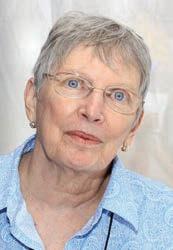
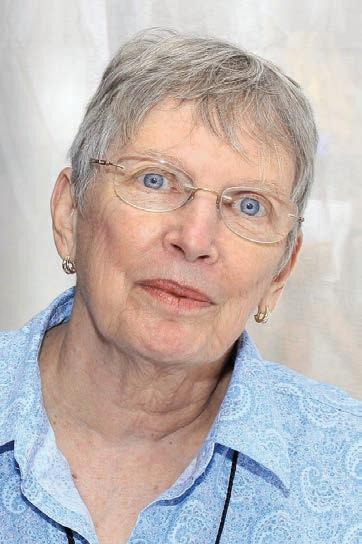
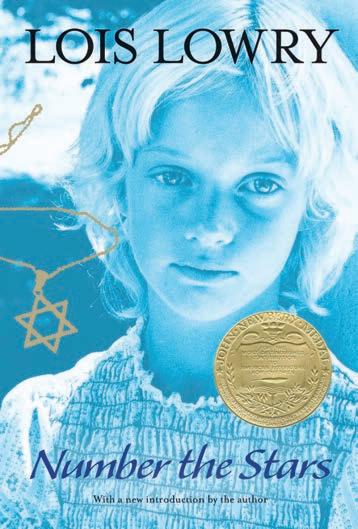
When acclaimed author Lois Lowry comes to the Ina Levine Jewish Community Campus on Jan. 26, for two programs at 4:30 p.m. and 7 p.m., she will be revisiting a story that has shaped Holocaust education for more than three decades and remains painfully relevant today. The program is in honor of International Holocaust Remembrance Day (Jan. 27) and presented by the Phoenix Holocaust Association.
Medal and the National Jewish Book Award for the novel.
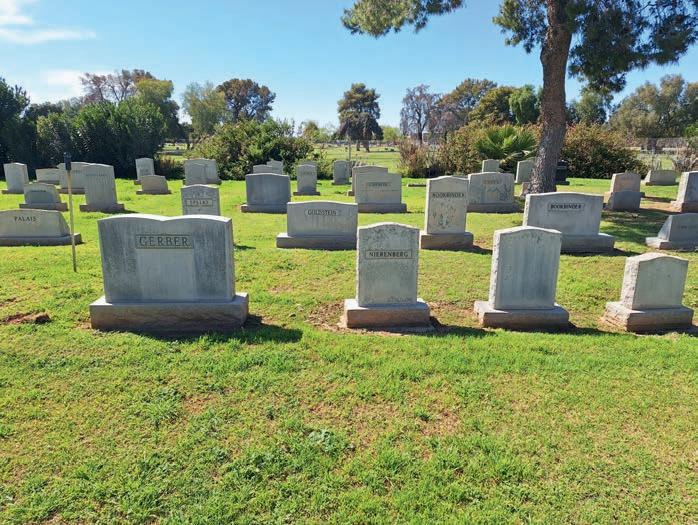
Traditional grass kosher cemetery conveniently located in central Phoenix at the Northwest corner of I-17 and Van Buren St.

For information please contact cemetery@bethelphoenix.com Beth El Cemetery www.bethelphoenix.com/cemetery
“It’s amazing,” said Lowry, who is not Jewish. “Every single day I get emails about that book. Sitting on my dining room table right now are drawings sent by fourth graders who just read the story. It has had an unusual lifespan, and it’s probably going to continue.”
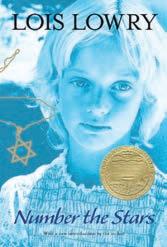
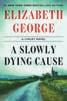
Lowry, the author of more than 45 books for young readers, published “Number the Stars” in 1989, and in 1990, won the prestigious Newbery
Set in Nazi-occupied Copenhagen in 1943, “Number the Stars” follows 10-yearold Annemarie Johansen as her family risks their lives to save her Jewish best friend, Ellen Rosen, and her family. Unlike many Holocaust narratives, the novel does not focus on concentration camps or mass death, but on rescue, resistance and the power of ordinary people to do what is right.
“I didn’t want to tell the story of the concentration camps. Anne Frank had told that story, and many, many others,” Lowry explained. “Denmark’s story was, and remains, unique, primarily because of its geography. Sweden was neutral and right across a narrow body of water; they had somewhere to take people. That spontaneous outpouring of human integrity really only happened in Denmark, and that was the story I wanted to tell.”
The inspiration for “Number the Stars” came from a close friend of Lowry’s who shared stories from her childhood growing up in Denmark when she and Lowry were on a vacation together. Though the novel’s characters are fictional, the setting and events accurately depict historical details and Lowry traveled to Denmark to do her research.
“She told me what had happened in Denmark when she was a child. I was an educated person and had studied history in college, but I did not know about that set of events, and it occurred to me then that it was important for people to know about it,” she said. “Because I was a writer for young people, I wrote it for kids and simplified the whole story.”
The book’s impact has been far-reaching. It is widely taught in elementary and middle schools across the country and often serves as students’ first introduction to the Holocaust. In Arizona, Holocaust and genocide education is mandated between grades seven and 12, and Lowry noted in her home state of Maine, it is also mandated and a part of graduation requirements.
She admitted that when the book was published in 1989, antisemitism was not as prevalent as it is today, and the topic needs to be discussed with children.
“We were not experiencing then what we’re experiencing now,” she said. “I think we have to grapple with what we’re facing, and we have to help our children grapple with it too.”
She shared a letter she received from a
fourth grader who wrote that her teacher was reading “Number the Stars” to the class and then told the students that they were going to play a game.
The teacher told all the blue-eyed students to go to one side of the classroom, and all the brown-eyed students to go to the other. Then she told the students, “For the rest of the day, brown-eyed children are evil, and we are not going to talk to them, and they can’t join us in our games at recess.”
At first, the child explained to Lowry
that she thought it was a funny game, but then, when it was time for recess and no one would talk to her because she had brown eyes, it made her cry, and she told Lowry that she began to understand what the book was about.
“It was just an interesting little peek into the way a book, the use of a story, can affect a child so profoundly,” said Lowry.
She said that’s part of why it’s so important that these stories be told and retold. She recalled being at a book signing event and a member of the audience said impatiently, “Do we really have to tell these stories over and over?”
“My answer was, ‘Yes, we do’ because as survivors are leaving us, we need their stories,” she said. “We need them to tell their descendants and all of us. We can’t allow ourselves to forget what happened.”
She shared that her own father was a career army officer and an oral surgeon who spent World War II treating facial injuries on an American hospital ship serving in the Pacific Theater.
“He never talked about it after the war and even though he lived to be 90-something, he never wanted to revisit it, and that’s true of many people who go through very painful times,” said Lowry. But she said that Holocaust stories are something that we must revisit and retell.
She said she is looking forward to coming to the Valley, especially to escape the Maine
“THAT
I WANTED TO TELL.”
winter. She admitted she’s been to Phoenix for book signings, but never to Scottsdale and is excited to share “Number the Stars” with the Jewish community.
“I hope that people will come away reminded of how important this story still is,” she said. “For some, it will be an
introduction to a story they didn’t know, the way I didn’t know it. And for others, it will be a reminder of how relevant it is today — sadly.” JN
For more information on the event, visit phxha. com/events/lois-lowry; for information on Lois Lowry’s books, visit loislowry.com.







































































PARSHAH BO:
EXODUS 10:1 - 13:16
This week’s Torah portion, Parshah Bo, chronicles the final three plagues and the ultimate Exodus from Egypt (Mitzrayim). This parshah is always read around the Hebrew date of Yud Shvat (the 10th of Shevat), the yahrzeit of the sixth Lubavitcher Rebbe, Rabbi Yosef Yitzchak Schneersohn, and the day his son-in-law, the seventh Rebbe, assumed leadership in 1950. The connection between these two events is not merely coincidental: it defines our mission today.
The parshah begins with the command: “Bo el Paroh” (“Come to Pharaoh”). The Zohar notes that the word bo (come) is used instead of lech (go). G-d was telling Moses that he wasn’t being sent
on a lonely, dangerous mission into the heart of impurity, personified in Pharaoh. Rather, G-d was saying, “Come with Me; I am already there.” Moses was tasked with entering the “essence” of Egyptian power to reclaim the sparks of holiness trapped there.
When we face our own “Egypts”—the name “Mitzrayim” also means personal limitations, anxieties or spiritual blocks, we are reminded that we don’t face them in a vacuum. The Creator is walking into the challenge alongside us.
In his inaugural discourse on Yud Shvat, the Rebbe cited a Midrash: “All sevenths are cherished.” He explained that we are the seventh generation from the founder of Chabad Chassidism. Just as Moses was the seventh generation from Abraham and was tasked with bringing the Divine Presence back to earth at Sinai, our generation has a specific mandate: to complete the journey that began in Parshah Bo. The first Exodus was about leaving a physical land of slavery; the final
MICHAEL SEIDEN | SPECIAL TO THE JEWISH NEWS
There are many lessons to be learned stemming from the Holocaust. Tales of the horrors of those caught in the web of those terrible events and the courage of the survivors are certainly intended to teach current and future generations to not let such horrors happen again. However, as much as the story of the atrocities committed by those responsible and the courage of survivors and their helpers needs to be told, attention also needs to be spent on the resilience of the Jewish people. MerriamWebster defines resilience as “the ability of a body or a person to recover from or adjust to stress, change or misfortune.”
The Jewish people have been persecuted, in one form or another, since Babylonian times. The Egyptians enslaved them, Romans subjugated them, the Inquisition either converted or killed
them, the Russians conducted pogroms and the Nazis conducted the horrors of the Holocaust. But through all the centuries of persecution the Jewish people have been resilient, establishing themselves as important and successful forces in making the world a better place. It is this overwhelmingly positive lesson of resilience that must be taught along with the terrible aspects of the Holocaust.
The Jewish people have made significant contributions to society and continue to do so. Between 1901 and 2023, 214 Jews or individuals of Jewish ancestry, have received Nobel prizes. According to Wikipedia that’s about 22% of the prizes awarded, a proportion significantly higher than the proportion of Jews in the world’s population.
Jews have been leaders of numerous countries all over the world. Benjamin Disraeli led Britain in the 1800’s. Italy and France have had several high-ranking Jewish leaders as have countries like Panama, Latvia, Belgium, Switzerland, New Zealand and countries from the
Redemption is about transforming the entire world into a home for the Divine.
The Rebbe’s approach to this “Exodus” was fueled by the belief that every person, no matter their past, has the potential to become a leader. A moving story is told of a young man who had been caught up in a lifestyle that led to legal trouble. Feeling disgraced and excluded from the Jewish community, he wrote to the Rebbe, expressing his shame and his belief that he no longer had a place in the “holy camp” of Israel. He was trapped in a personal Mitzrayim.
The Rebbe responded by referencing the very beginning of our nation’s history in Egypt. He reminded the young man that the Jewish people did not start their journey as a group of perfected saints; they were “slaves in Egypt,” broken and trapped in the lowest levels of impurity. It was precisely from that place that G-d chose them to become a “kingdom of priests and a holy nation.” Your past does not define your essence; it defines
your mission. G-d is not waiting for you to become perfect before He walks with you; He is waiting for you to take the first step toward freedom, and He is right there beside you to ensure you succeed. So, let’s identify one “Egyptian” limitation in our own lives — perhaps a habit that holds us back — and break through it with a single, concrete act of holiness. Whether it is putting on Tefillin, lighting Shabbat candles or reaching out to a neighbor who may feel “left behind,” each individual action is considered the final step in the journey toward the ultimate Redemption. JN
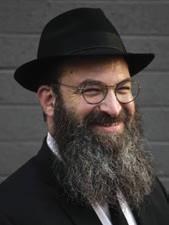
Rabbi Yossi Bryski is the director of alternative sentencing at the Aleph Institute, a nonprofit organization dedicated to assisting individuals in the criminal justice system and their families.
Caribbean to Africa. Today, Volodymyr Zelenskyy is the leader of Ukraine and a hero to much of the world. Claudia Sheinbaum is the president of Mexico. While the United States has not had a Jewish president, there are a number of Jewish senators, congressmen and governors. The U.S. Supreme Court has had eight Jewish justices.
Of course, the impact of Jews in the arts is well known. From George Gershwin and Irving Berlin to Adam Levine of Maroon 5 and Pink. The list of Jewish actors and actresses is long and includes such names as Scarlet Johansson, Natalie Portman, Jake Gyllenhaal, Dustin Hoffman, Adam Sandler. We can’t leave out sports where Sandy Koufax is one of the greatest pitchers of all time. In addition, the fields of business, medicine, law, finance, technology and academia all have many successful Jewish leaders.
What creates Jewish resilience and motivates Jews to achieve? Judaism is a “now religion.” We believe in living in the present and we are rewarded by living moral and ethical lives and playing a small part
in helping to “repair the world.” Judaism pays homage to education and support to the community, which is why the fields of education, science, law and finance, among others, are chosen professions for many in the religion. And Judaism is more than just a religion. It is a set of traditions and practices, many of which have become parts of non-Jewish life as well. Our languages are sprinkled with Jewish and Yiddish phrases. Jewish cooking has become a part of our culture, from bagels to brisket and who wouldn’t want mom’s chicken soup when you’re ill.
History is a great teacher. We can see all the times when others tried to rid the world of Jews but failed. While the Jewish population has been reduced by events like the Holocaust it has prevailed. It’s of vital importance that examples of Jewish resilience throughout the centuries, and throughout the world, be taught to current and future generations as strongly as the Holocaust is taught. JN
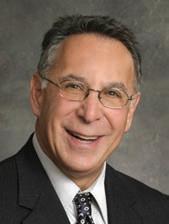
Michael Seiden is retired executive and currently sits on the boards of Jewish Family & Children’s Service and the Be Kind People Project in Scottsdale.
We are a diverse community. The views expressed in these opinion pieces do not necessarily reflect the views of the officers and boards of the Jewish Community Foundation, Center for Jewish Philanthropy, Jewish Federation of Greater Phoenix, Cleveland Jewish Publication Company or the staff of the Jewish News. Letters must respond to content published by the Jewish News and should be a maximum of 200 words. They may be edited for space and clarity. Unsigned letters will not be published. Letters and op-ed submissions should be sent to editor@jewishaz.com
SHANNON LEVITT | STAFF WRITER
Sc ottsdale educator Christianne Meneses Jacobs published a book last year focused on helping young people understand the working world and find their place within it.
In “Professional Life Skills for Young Adults: 7 Keys to Empower Career Readiness,” Meneses Jacobs draws on her many years of classroom experience in Phoenix, where she teaches middle and high school students. Her work, especially her “Career and Life Links” classes, directly informed the advice in her book.
While teaching the elective career class, she heard from frustrated parents about their kids not being taught basic things about the working world.
“Our eldest daughter was also in college at the University of Arizona, and I joined some online parent groups. Many of the parents seem frustrated that universities are not teaching students the skills they need to transfer from college to the workplace,” Meneses Jacobs told Jewish News in an email.
It became clear to her that this was a widespread concern, so she began looking for resources. She soon found studies that implied employers were dissatisfied with the skills and workplace etiquette of recent graduates.
“As a teacher of young adults, I saw a need that I wanted to help solve. I worked on research and writing for about three years to produce this book — to help students and young adults thrive in the workplace,” she said.
Meneses Jacobs knows something about being a teen and learning how quickly expectations can change. She was born in Managua, Nicaragua, and fled at 17 with her family in 1988, amid political tensions. The family settled in Los Angeles, and although Meneses Jacobs was a high achiever, she initially struggled in school because she had difficulty mastering English.
That setback inspired her not only to become a teacher, but also to attain a Master of Arts in education and become a certified reading specialist. In Los Angeles, she was a bilingual elementary school teacher before moving to Scottsdale in 2002 with her husband, Marc. They are active members of Temple Chai in Phoenix. In addition to teaching, Meneses Jacobs is a writer, translator and entrepreneur. She created and ran “Iguana” for a decade, a Spanish-language magazine aimed at chil-
dren ages 7–12 who grew up learning and speaking Spanish. She is also president of NicaGal, LLC, which offers translation services and educational content creation for children and adults in English and Spanish.
Meneses Jacobs and her husband created “Iguana” because they had a hard time teaching their children how to read Spanish, and the only educational materials they could find were poorly translated books from English to Spanish.
When it came to writing her recent book, Meneses Jacobs leaned on that experience, saying she wanted to help young adults navigate the professional world from an early stage. She hopes that young people will start networking early, and find internships and jobs they might otherwise not hear about on job sites.
“Through networking, young adults can build confidence in professional settings and start forming connections that
can provide mentorship, collaboration opportunities and referrals throughout their careers,” she said.
In the book, Meneses Jacobs tries to bridge the gap between classroom instruction and real-world strategies. The book is built around seven “keys” to professional development: personal appearance, job searching, social and behavioral skills, professional etiquette, digital citizenship and fiscal responsibility.
She was careful to avoid jargon, allowing young readers — whether first-generation college students or recent graduates — to comprehend her advice easily. The book provides exercises, reflection prompts and checklists. Chapters end with résumé tips, clothing advice, email do’s and-don’ts, sample budgets and follow-up reminders after interviews.
“Professional Life Skills for Young Adults” is meant to address a hole that
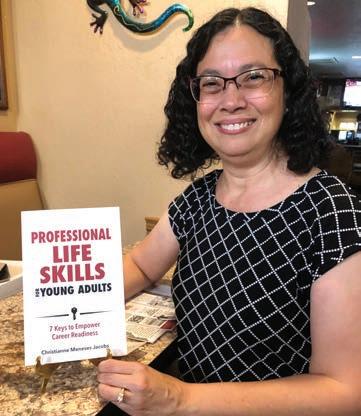
many schools fail to fill in terms of preparing young people for the workplace. Meneses Jacobs’ dual minority identities — Jewish and Latina — have given her empathy for young people looking for career guidance, she said.
“The skills presented are essential to present oneself as a confident, reliable employee,” Meneses Jacobs said.
With her book, she hopes to connect with Jewish youth organizations like Hillel at Arizona State University to share her research. JN
“Professional
SHANNON LEVITT | STAFF WRITER
S
amara Kaplan, a Jewish sophomore at Rancho Solano Preparatory School in Scottsdale, has a calendar that already looks like a juggling act. Between a challenging academic course load, involvement in multiple clubs and playing volleyball, free time is a rare commodity. Yet Kaplan has added another big commitment: organizing a two-hour indoor cycling fundraiser to support rare cancer research.
On Sunday, Feb. 22, people will gather for “Scottsdale Cycle for Survival” at CycleBar, a cycling studio in Scottsdale. The event will raise money for Memorial Sloan Kettering Cancer Center’s Rare Cancer Research program, which focuses on cancers affecting fewer than 200,000 people nationwide.
Kaplan’s motivation is deeply personal. She was only a baby when her father was diagnosed with a rare bone cancer. At the time, treatment options were limited, but the care he received at Memorial Sloan Kettering proved successful. Nearly 15










years later, he remains cancer-free.
“I’m really grateful that he was able to get the treatment that he needed at Memorial Sloan Kettering,” Samara said. “That’s really what inspired me to do this.”
The Kaplan family has a history with Cycle for Survival, the national fundraising movement launched by Memorial Sloan Kettering to support rare cancer research.
In 2013, Samara’s mother, Abby Kaplan, worked with the hospital’s organizers to host a Cycle for Survival event at the Valley of the Sun Jewish Community Center in Scottsdale, using the VOSJ’s spin class facilities. The family had only recently relocated to the Valley from Philadelphia, but the response was overwhelming. The event raised $50,000 and helped cement their connection to the local Jewish community.
“It was such an inspirational thing,” Abby Kaplan recalled. “Everybody in that room felt they were doing something that was really meaningful. It made us feel like we


were doing something meaningful, too.”




Tamim Academy of Chandler is a vibrant Jewish day school where academic excellence and personal growth go hand in hand.
Our whole-child approach nurtures each student intellectually, emotionally, and spiritually through an integrated Judaic and general studies curriculum.
Samara was too young at the time to fully understand the scope of that earlier fundraiser, but she associates it with positive memories and a sense of community. As she got older, the idea of recreating the event stayed with her. This year, she decided it was time to make it happen herself. The fundraising goal for February’s event is $75,000, a figure her mother believes is attainable given the family’s long-standing relationships in the Valley, including within Scottsdale’s Congregation Beth Tefillah, where they are members.
Turning the idea into reality required months of planning. Samara began by searching for a gym to host the event and instructors to lead it. She left numerous voicemails and sent countless emails before finally connecting with CycleBar.
The studio’s owner agreed to rent out the space and support the cause.
raised through Cycle for Survival has contributed to FDA approvals of new drugs, lifesaving clinical trials and the development of advanced DNA sequencing technology that is driving breakthroughs in treatment.
While Samara has volunteered before, including with food banks and schoolbased service projects, this fundraiser represents a new level of responsibility. In addition to organizing the event, she will serve as the emcee and deliver remarks to participants, which makes her a little nervous.
Still, she sees the experience as an opportunity to make a broader benefit.
“I like knowing that I am making an impact on someone’s life and hopefully making their life better,” she said. “It’s an amazing feeling, and I love being able to help people.”


Rooted in Jewish values and innovative learning, Tamim prepares confident, compassionate, and purposeful young Jewish leaders.

From there, the to-do list only grew. Samara tracked down the appropriate contacts at Memorial Sloan Kettering, coordinated logistics for the fundraising website and arranged for Cycle for Survival swag to be distributed to participants. She also reached out to individuals who attended the 2013 event, inviting them to take part again, and promoted the fundraiser through local media, including Jewish News.
“It’s really a grassroots process, and a full-time job,” Abby Kaplan said with a laugh. “But ever since Samara was a little girl, she’s been saying, ‘Let’s do it again.’ Finally, this year, she said she was doing it and asked for my help.”
Samara’s father has been supportive of the project, particularly because of his own treatment experience. According to Memorial Sloan Kettering, money
Despite the extra hours and the pressure of pulling everything together, Samara believes the effort is worthwhile.
“I feel like I can make a bigger difference with this event than I have been making so far,” she said.
For Kaplan, Scottsdale Cycle for Survival is more than a fundraiser. It is a way to give back, honor her family’s journey and help ensure that others facing rare cancers have access to the same hope and healing her family experienced. JN
To register or make a donation, visit mskcc. convio.net/goto/Scottsdale.


June 29 - July 26, 2026
$12,500 $6,500 (thanks to generous donors)
60 academic hours, 4 university credits
Open to 11th and 12th graders
Application deadline March 1, 2026

MALA BLOMQUIST | MANAGING EDITOR
ADecember 2025 census conducted by the Foundation for Jewish Camp (FJC) highlighted record attendance at Jewish camps this past summer, with nearly 200,000 young campers and staff participating across FJC’s network of 168 day camps and 161 overnight camps. These numbers were nearly 9% higher than 2019’s pre-pandemic high and nearly 30% higher than 2021, the first year camps resumed operations after the COVID-19 pandemic.
Yet for many parents, this annual rite of passage comes with a hefty price tag. The cost of one week of overnight camp can easily top $1,000, and if you are planning multiple weeks with more than one child, the cost rises exponentially.
The American Camp Association (ACA) has some recommendations for parents seeking financial help, starting
with asking the camp directly what payment or assistance programs it offers. Many camps offer special discounts for early registration, full-season or multiple enrollments from one family. For families who enroll early, many camps also offer a structured payment plan throughout the year, so camp costs are not incurred all at once. In addition, camps may offer partial or full scholarships and financial assistance, and parents shouldn’t assume their income doesn’t qualify them for these opportunities.
There are also agencies in the Greater Phoenix area that offer financial assistance to families who want to send their children to summer camp.
The Center for Jewish Philanthropy of Greater Phoenix (CJP) provides limited, need-based scholarships for Jewish children living in Maricopa


County. Eligible campers must be entering grades K-12 (as of fall 2026) and enrolled in a program hosted by a Jewish, U.S. nonprofit organization. Campership grants are made possible by the generosity of the Molly Blank Fund of the Jewish Community Foundation, endowment funds established at the Jewish Community Foundation by Jack Bromfield and by the families of Labe Eric Targovnik, Kenneth Maltenfort, Jean and Harold Grossman, Gloria and Sidney Kasper and by other generous donors to the CJP.
The needs-based camp scholarship application is open through March 10 and award notifications will be made the week of April 13.
“Jewish summer camp is not just an incredible personal growth opportunity; it provides our kids and teens a safe environment to explore their Judaism,” said Andrea Cohen, senior director, Jewish life at CJP. “At camp, our kids and teens engage with other Jews from around the globe and are able to enjoy our shared traditions while embracing our differences.”
Another option for families looking for help funding camp is Jewish Free Loan (JFL). JFL offers interest-free loans for day camp and overnight camp experi-
ences, both in Arizona and out of state.
The amount available to borrow is up to $10,000.
“Jewish Free Loan is proud to offer interest-free loans to support Jewish individuals and families as they navigate both anticipated and unexpected life expenses.
Our application process is secure and confidential,” said Ellen Friedman Sacks, executive director, Jewish Free Loan.
“Made possible through the generosity of our community, interest-free loans help families provide meaningful day and overnight camp experiences for their children.”
Parents can apply for a camp loan on JFL’s website under the general loan application. It is not need-based, so anyone can apply.
“In this time of great fear and division, camp provides a safe space for Jewish kids and teens to be joyfully Jewish,” said Cohen. JN
To apply for a Jewish camp scholarship from CJP, visit phoenixcjp.org/camp26. For information about Jewish Free Loan and its application materials, visit jewishfreeloan.org.
Jewish News is published by the Jewish Community Foundation of Greater Phoenix, a component of the Center for Jewish Philanthropy of Greater Phoenix.



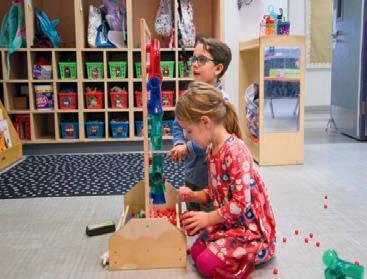
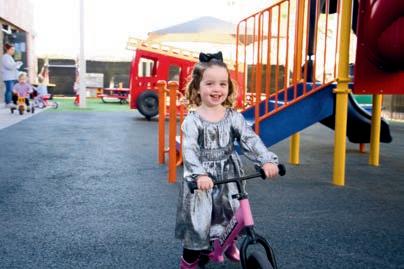
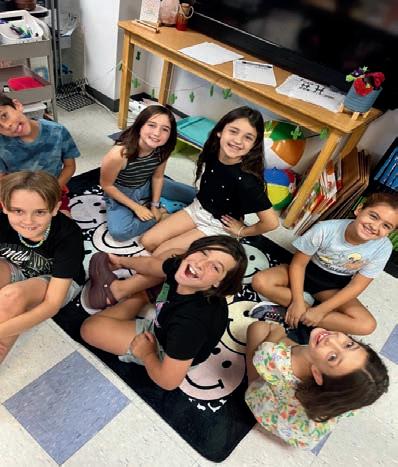
Camp Chanen is a fun-filled day camp for children ages 6 weeks to entering kindergarten. Our campers enjoy a variety of exciting activities, including special guests, weekly themed events, P.E., and water play - all designed to spark creativity and support the development of young minds
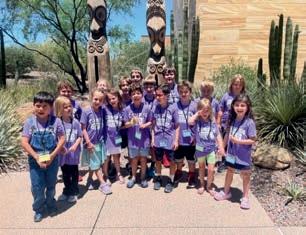
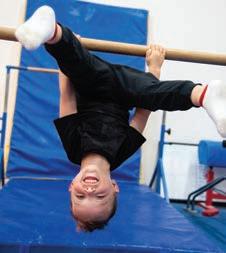
Camp 56 is a day camp for students entering 1st through 4th grade. Located on the same campus as Camp Chanen, we offer age-appropriate activities, exciting offsite field trips, and visits from special guests, all designed to engage and inspire campers throughout the summer

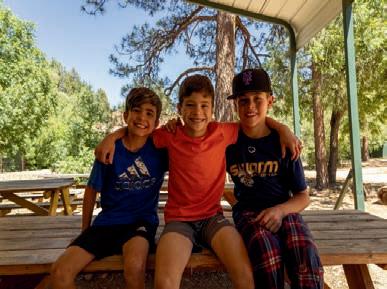
Camp Daisy and Harry Stein is a Jewish overnight camp in Prescott, AZ, for children entering 2nd - 12th grade Campers build lasting friendships, deepen their connection to Judaism, and enjoy a variety of fun activities, making it the ultimate summer experience
GLORIA REBECCA GOMEZ | ARIZONA MIRROR
The Arizona Supreme Court won’t consider whether public schools need to ask for parental permission before teaching students in more than one language, dealing another legal setback to Republican state Superintendent of Public Instruction Tom Horne in his multi-year effort to end bilingual education in the state.
The Arizona State Board of Education allows schools to use one of four instructional models to help English Language Learner students become proficient in English. Under one of those methods, the 50-50 Dual Language Immersion model, students learn half the day in English and half the day in another language, such as Spanish. Horne, who is Jewish, has long opposed multilingual education and ran, in part, on a campaign promise to end it, filed a lawsuit in September of 2023 that would have significantly restricted the ability of schools to use the teaching method.
Horne argued that the model, as it is being implemented in more than 100 schools across the state, violates Arizona law. In 2000, voters approved Proposition 203, which prohibits teaching English learner students in any other language but English until they’ve achieved proficiency.
The only exception is for students whose parents sign a yearly waiver allowing them to be taught in a bilingual program, but the state board of education does not currently collect or require the use of waivers for schools to employ the 50-50 model.
Horne sought to convince the court to mandate the use of waivers, forcing the board of education to alter its program.
But a Maricopa County Superior Court judge, and later a three-judge appellate panel, both refused to do so. State law, they pointed out, doesn’t give Horne any power to sue in his role as the public schools chief.
The state superintendent is limited to monitoring how schools comply with the rules set by the Arizona State Board of Education, and reporting possible violations, the courts concluded. Nothing in Arizona law gives Horne the ability to petition the courts for help carrying out his responsibilities.
“None of the superintendent’s statutory duties require that he obtain a judicial determination on a (Structured English Immersion) model’s constitutionality,” reads the state appellate court order dismissing Horne’s lawsuit in June 2025.
Unsatisfied with that outcome, Horne asked the Arizona Supreme Court to weigh in, claiming that his ability to sue was implied because it’s necessary for him to perform his role as state schools chief. On Wednesday, the justices shot down that last-ditch effort to revive the case. Justice Bill Montgomery — who
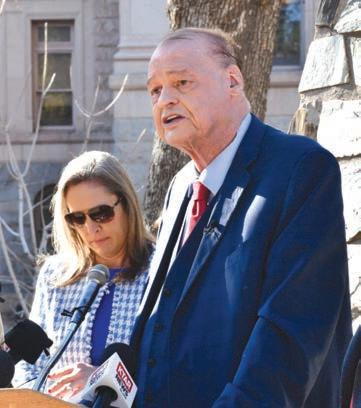
Horne had requested to recuse himself from deciding the lawsuit’s fate because of a decade-old political spat — voted to accept the case.
The Arizona State Board of Education has maintained from the start of Horne’s challenges against the program that nothing short of a court order will result in waivers being added to the 50-50 model. Horne’s office did not reply to a request for comment on his latest legal failure in time for publishing. JN
This piece originally appeared on AZMirror.com.

SUNDAY, FEB. 1
Jonathan’s Walk:
12:30 p.m. Chaparral Park, 5401 N. Hayden Road, Scottsdale. Join Friendship Circle of Arizona for a community event that supports children and adults with special needs. Includes a walk, entertainment, inflatables, petting zoo, hands-on activities and a BBQ lunch. For more information, visit jonathanswalk.com.
SATURDAY, JAN. 24
Nuremberg at 80: Then and Now: 7 p.m. Beth El Phoenix, 1118 W. Glendale Ave., Phoenix. Join Beth El for a screening of the 2025 film, “Nuremberg,” starring Russell Crowe. For more information, visit bethelphoenix.com/ event/nuremberg.
SATURDAY-MONDAY, JAN. 24-26
West Valley Jewish Film Festival: 6:30 p.m.
Beth Emeth Congregation of the West Valley, 13702 W. Meeker Blvd., Sun City West. Join Beth Emeth for a different Jewish-themed film each day of the festival. Cost: $18 in advance, $20 at the door, $50 for all three films in advance. For more information, contact the office at 623-584-7210, 9 a.m.-12 p.m., Monday through Friday.
SUNDAY, JAN. 25
Jews and Sports Lecture Series: “American Jews and Sports Fandom”: 10-11:30 a.m. Valley of the Sun Jewish Community Center, 12701 N. Scottsdale Road, Scottsdale. Join Arizona State University Jewish Studies and the VOSJ to explore Jews and sports, Jewish fandom and how sports affects our AmericanJewish identity. For more information, visit jewishstudies.asu.edu/Sports.
Jewish Heritage & Food Festival: 12-4 p.m. Fountain Park, 12925 N. Saguaro Blvd., Fountain Hills. Join Chabad of Fountain Hills for a festival featuring kosher foods, live music, Judaica, inflatables and more. For more information, visit fhjewishfestival.com.
Beth El’s 95th Anniversary Celebration: 1:30 p.m. Beth El Phoenix, 1118 W. Glendale Ave., Phoenix. Join Beth El as it celebrates 95 years in Phoenix with an anniversary luncheon. Cost: $75 adults, $50 children (ages 5 and under free), $150 family of four. For more information, visit bethelphoenix.com/95.
Classical Jems: 3 p.m. Jewish Community of Sedona and the Verde Valley Synagogue, 100 Meadowlark Drive, Sedona. Join Red Rocks Music Festival founder and violinist, Moshe Bukshpan, for a concert with pianist Vitaly Serebriakov and a performance by 9-year-old piano prodigy Stella Serebriakov who will perform a Chopin selection. For more information, visit redrockmusicfestival.com.
Tu B’Shvat at Moon Valley Nurseries: 3-4 p.m. Moon Valley Nurseries, 14225 N. 7th St., Phoenix. Join Chabad of Moon Valley where children ages 2-12 can plant their own succulent, take a nursery tour and learn about the Jewish new year for trees. For more information, visit jewishmoonvalley.com/events.
Screening of “The Stamp Thief”: 4 p.m. East Valley Jewish Community Center, 908 N. Alma School Road, Chandler. Join the EVJCC and the City of Chandler for a movie screening followed by a Q&A with the film’s director/producer Dan Sturman in honor of International
Holocaust Remembrance Day. Cost: Free. For more information, visit evjcc.org/event/ stampthief.
Introduction to Ethiopian Jewish Cuisine: 4:30 p.m. Congregation Beth Tefillah, 6529 E. Shea Blvd., Scottsdale. Join chef and author Beejhy Barhany as she explores Ethiopian Jewish food traditions and their culinary evolution. Part of the Bureau of Jewish Education of Greater Phoenix’s Passages series. Cost: $25/$36. For more information, visit bjephoenix.org/programs/passages.
TUESDAY, JAN. 27
Pre-Tu B’Shvat Paint & Sip Evening: 6:30 p.m. Chabad of Fountain Hills, 16830 E. Avenue of the Fountains, Fountain Hills. Join Chabad Jewish Women’s Circle for guided wine glass painting session as you sip wine and enjoy the fruits of Tu B’Shevat. For more information, visit jewishfountainhills.com/jwc.
An Evening of Games and Community for Jewish & Queer Young Adults: 6-8 p.m. Address provided upon registration. Arizona Jews for Justice invites Jewish and Queer teens and young adults, ages 18–23, for an evening of games, networking and community. For more information, contact valerie. azjewsforjustice@gmail.com.
SATURDAY, JAN. 31
Michael Hunter Ochs Concert: 7 p.m. Temple Chai, 4645 E. Marilyn Road, Phoenix. Join Temple Chai for an evening with Ochs, featuring “The Song Diary,” a collection of his original music and the commissioned song celebrating Temple Chai’s 50th anniversary, joined by Cantor Greenblatt and friends. For more information, visit templechai.com.
SUNDAY, FEB. 1
2026 Judaism, Science and Medicine Group (JSMG) Conference: 9 a.m.-3 p.m.; 4-6 p.m. keynote speech. Online via Zoom and keynote speech in person at Valley of the Sun Jewish Community Center, 12701 N. Scottsdale Road, Scottsdale. Join Arizona State University Jewish Studies, Valley Beit Midrash and VOSJ for a conference exploring the ever-evolving relationship between Judaism, science and human flourishing. Cost: Free. For more information, visit jewishstudies.asu.edu/science.
Community Tu B’Shevat Event: 9-11 a.m. Pardes Jewish Day School, 12753 N. Scottsdale Road, Scottsdale. Join Pardes and Sapir, community shlicha, for a light breakfast, seder and Tu B’Shevat crafts. For more information, visit jewishphoenix.com/go/ community-tu-bshevat-event.
Shirafest Jewish Music Festival: 10 a.m.-12 p.m. Bandler Park at Congregation Beth Israel, 56th St., and Shea Blvd., Scottsdale. Join CBI for a music festival with Rick Recht, and performances from all over the Phoenix Jewish community. For more information, visit cbiaz. shulcloud.com/form/shirafest.
Tu BiShvat Seder: 5-7:30 p.m. Beth El Phoenix, 1118 W. Glendale Ave., Phoenix. Join Beth El to celebrate Tu B’Shevat with poetry, prayer and a seder. $18 per person. For more information, visit bethelphoenix.com/event/tu-bishvat.
MONDAY, FEB. 2
Tu B’Shvat Seder: 4 p.m. mincha, 4:30 p.m. seder. Beth Emeth Congregation of the West Valley, 13702 W. Meeker Blvd., Sun City West. Join Beth Emeth to celebrate the “New Year for Trees” with learning, socializing and eating the Seven Species of Israel at this special seder. Cost: Free; register by Jan. 28. For more information, contact 623-584-7210 or office@ bethemethaz.org.
TUESDAY, FEB. 3
“For The Living”: 4:30-7:30 p.m. Arizona State University West Valley Campus, 4701 W. Thunderbird Road, Room CLCC246, Phoenix. Join ASU West Valley, the Phoenix Holocaust Association and the Greater Phoenix Jewish Film Festival for a documentary screening as 250 cyclists from 12 countries retrace Holocaust survivor Marcel Zielinski’s 60-mile journey from Auschwitz to Krakow. Cost: Free. For more information, visit phxha.com/events/ for-the-living.
WEDNESDAY, FEB. 4
Special Guest Author Rabbi Dr. Dalia Marx: 7 p.m. Temple Chai, 4645 E. Marilyn Road, Phoenix. Join Temple Chai for an evening with Rabbi Dalia Marx, author of “From Time to Time: Journeys in the Jewish Calendar.” Cost: Free. For more information, visit tcaz.shulcloud.com/form/RabbiMarx.
THURSDAY, FEB. 5
Lecture with Continental Breakfast and Book Signing: 8:30-10 a.m. Temple Kol Ami, 15030 N. 64th St., Scottsdale. Join the Jewish Community Relations Council for a conversation by author David Elcott, Ph.D. for about religions’ roles in sustaining democratic values and the challenges that modern polities face with polarization and identity politics. For more information, contact rabbi.snyder@jcrcphoenix.org.
FRIDAY-SATURDAY, FEB. 6-7
The Shabbat Effect with Mussar Institute’s Founder Alan Morinis: Starts at 5:15 p.m. on Feb. 6. Temple Emanuel of Tempe, 5801 S. Rural Road, Tempe. Join Temple Emanuel, ASU Jewish Studies, Center for Jewish Philanthropy of Greater Phoenix and the Women’s Leadership Institute for services, catered lunch and learn, Havdallah, happy hour and book signing. Part of Temple Emanuel’s 50th Anniversary Golden Jubilee. For more information, visit emanueloftempe.org/event/ MussarFeb2026.
SUNDAYS
Chassidus Class: 9 a.m. Online. Learn about the Chasidic movement with Rabbi Yossi Friedman. Use this link: ChabadAZ.com/

LiveClass. Cost: Free. For more information, visit chabadaz.com.
Jewish War Veterans Post 210: 10 a.m. the first Sunday of the month in Central Phoenix. Any veterans, friends of veterans or if you just want to meet a vet, all are welcome. For more information, contact Michael at c365michael@yahoo.com.
MONDAYS Heaven and Hell Series: 10-11:30 a.m. Feb. 2, 9 and 23. Temple Beth Shalom of the West Valley, 12202 N. 101st Ave., Sun City. Join TBSWV Rabbi Dana Evan Kaplan as he explores Judaism’s boldest and mysterious teachings about the afterlife, drawing from biblical texts, rabbinic debates, medieval philosophy and Jewish mysticism. Cost: $20 for members; $35 for nonmembers. Registration deadline is Jan. 29. For more information, visit tbsaz.org.
Pomegranate Guild of Judaic Needlework, Desert Cactus Chapter: 10 a.m. The Oasis at Sagewood, 4555 E. Mayo Blvd., Phoenix. The guild meets the third Monday of the month, adjusted when necessary to accommodate Jewish holidays. For more information, visit pomegranateguild.org.
Mahjong: 1:30-3:30 p.m. East Valley Jewish Community Center, 908 N. Alma School Road, Chandler. Come play mahjong each week. For all levels. Cost: Free; registration required at evjcc.org/mahjong.
Single Parent Zoom: 8 p.m. First and third Monday of every month. Join The Bureau of Jewish Education’s Family University single parents’ group for those looking to form friendships and build their support system with likeminded people. For more information or to register, visit bjephoenix.org/family-university.
TUESDAYS
Let’s Knit: 1:30 p.m. Ina Levine Jewish Community Campus, 12701 N. Scottsdale Road, Scottsdale. Share the pleasure of knitting, crocheting, etc. outside the social hall in the campus. Can’t knit? They will teach you! Every level welcome. Cost: Free. For more information, visit vosjcc.org.
Grief Support Group: 4 p.m. Beth Emeth Congregation of the West Valley, 13702 W. Meeker Blvd., Sun City West. All are welcome to this support group for anyone experiencing grief or any kind of loss. Cost: Free. For more information, call 623-584-7210 weekdays 9 a.m. to 12 p.m.
WEDNESDAYS
My Baby and Me: 9-10 a.m. Temple Chai Early Childhood Center, 4645 E. Marilyn Road, Phoenix. Join Temple Chai ECC for a weekly gathering for families with babies up to 12 months. Cost: Free. For more information, visit tcaz.shulcloud.com/event/my-babyand-me-playgroup.html.
Torah Study with Temple Beth Shalom of the West Valley: 11 a.m.-12:30 p.m. Online. Weekly study group explores that week’s portion and
studies different perspectives and debates the merits of various arguments. Intended for adults, Torah study is open to students of all levels. For more information, contact the TBS office at 623-977-3240.
Happiness Hour: 11:30 a.m. Online. Class taught by Rabbi Pinchas Allouche that delves into texts and references culled from our traditions to address a relevant topic. For more information, visit BethTefillahAZ.org.
Lunch & Learn: 12 p.m. Online. Grab some food and learn with Rabbi Yehuda Ceitlin. Use this link: Facebook.com/ChabadTucson. Cost: Free. For more information, visit chabadtucson.com.
Torah Study with Chabad: 12 p.m. Online. Take a weekly journey of Torah with Rabbi Yossi Levertov. Cost: Free. For more information, visit chabadaz.com.
Grief Support Group: 5-6 p.m. Online via Zoom. Therapist Susan Charney MSW, LCSW, leads a grief support group every first and third Wednesday of the month virtually for individuals experiencing the loss of an adult child or sibling. In lieu of any fees for these sessions, donations to Temple Solel are appreciated. For more information, contact susancharneycounseling@gmail.com.
History of the Jews: 7 p.m. Online. Learn the Jewish journey from Genesis to Moshiach with Rabbi Ephraim Zimmerman. Use this link: zoom.us/j/736434666. Cost: Free. For more information, visit chabadaz.com.
JACS: 7:30-8:30 p.m. Online. Zoom support group for Jewish alcoholics, addicts and their friends and family on the first and third Wednesdays of the month. Cost: Free. For more information, email jacsarizona@gmail. com or call 602-692-1004.
THURSDAYS
Famous Jewish American Women: 10-11:30 a.m. Feb. 5, 12 and 19. Temple Beth Shalom of the West Valley, 12202 N. 101st Ave., Sun City. Join TBSWV Rabbi Dana Evan Kaplan as he leads a three-part interfaith course exploring how Henrietta Szold, Emma Goldman and Golda Meir challenged the limits placed on Jewish women, and how their lives reflected competing visions of what it meant to be Jewish, American and modern. Cost: $20 for members; $35 for nonmembers. Registration deadline is Feb. 2. For more information, visit tbsaz.org
Ladies Torah & Tea: 10:30 a.m. Online. Learn about the women of the Torah with Mrs. Leah Levertov. Use this link: ourjewishcenter.com/ virtual. Cost: Free. For more information, visit chabadaz.com.
Talmud - Makkos: 11 a.m. Online. Learn with Rabbi Shlomy Levertov. Cost: Free. Use this link: JewishParadiseValley.com/YJPclass. For more information, visit chabadaz.com.
Torah Study with Hazzan Lev Ettelson: 11 a.m. Beth Emeth Congregation of the West Valley, 13702 W. Meeker Blvd., Sun City West. Join Hazzan Ettelson for a discussion of the weekly Torah portion. For more information, call 623584-7210 weekdays 9 a.m. to 12 p.m.
Weekly Mahjong: 1-3 p.m. Temple Solel, 6805 E. McDonald Drive, Paradise Valley. Join Temple Solel each Thursday afternoon for mahjong. Lessons available for beginners. Cost: Free. RSVP via email to dottiebefore@gmail.com so they know how many tables to set up.
Torah Portion Class: 7 p.m. Online or in person. Chabad Lubavitch of Fountain Hills, 16830 E. Avenue of the Fountains, Fountain Hills. Join Rabbi Mendy Lipskier for a discussion of the weekly parshah and gain new insights to the Torah. For more information, visit jewishfountainhills.com.
Teen Discussions: 7-8:30 p.m. Online. Learn with Rabbi Tzvi Rimler. Use this link: cteen.clickmeeting.com/east-valley. Cost: Free. For more information, visit chabadaz.com.
SATURDAYS
Saturday Mindfulness Gatherings: 9:30 a.m. Online. Hosted by Hospice of the Valley. To join by phone, dial 1-253-215-8782, meeting ID 486 920 2119#. To get the Zoom link or for more information, contact Gill Hamilton at ghamilton@hov.org or 602-748-3692.
Book Discussion: 1:30-2:30 p.m. Online. Join Or Adam Congregation for Humanistic Judaism on the third Saturday of every month for a book discussion. For more information and to register, contact oradaminfo@gmail.com.
Shabbat
FRIDAYS
Tot Shabbat: 9:30 a.m. Ina Levine Jewish Community Campus, 12701 N. Scottsdale Road, Scottsdale. Join the Bureau of Jewish Education of Greater Phoenix monthly for music, parachute play, crafts and a family Shabbat experience. For more information, visit bjephoenix.org.
Welcome Shabbat: 11-11:30 a.m. Online. Celebrate Shabbat with the JFCS Virtual Center for Senior Enrichment. Each week a different guest host will lead the program with song and celebration. Cost: Free. For more information, visit jfcsaz.org/cse.
Shabbat at Beth El: 5:45 p.m. on Zoom; 9:30 a.m. at Beth El Phoenix, 1118 W. Glendale.
Shirlee Schneider passed away peacefully surrounded by her family at the age of 101 on Jan. 5, 2026.
Shirlee was born in Chicago, Illinois, on Nov. 24, 1924, to Anne and Hyman Shapiro. She grew up lovingly with her three brothers Charlie, Sam and Louis. Shirlee married Bernard Schneider on Jan. 6, 1945, and they enjoyed 55 years of marriage. They welcomed four beautiful children Scott, Danny, Harlan and Andrea, who she is survived by along with their spouses Carla, Nancy, Robin and Peter. She was blessed with 11 grandchildren Evan, Kevin, Mikelle, Geoffrey, Lauren, Alyson, Sarette, Bryan, Cory, Richard and Todd. They went on to marry and gave Shirlee 21 great-grandchildren.
In later years, she met her special friend Bob Kaner. They enjoyed each other’s company for 18 years. Shirlee was a rare bird. They broke the mold when they created her. Her love for people showed through in every person that she met. No one ever had anything other than a kind word to say about her. They loved her as she loved the world.
Shirlee found beauty in everything and showed this through creating timeless and classic art pieces. Her talents transcended through different art mediums like bronze, paint and wood. She also expressed her creativity through jewelry, creating unique pieces that shined.
Ave., Phoenix or livestreaming at tinyurl. com/bec-livestream. Celebrate Shabbat with songs, blessings and teachings with Rabbi Stein-Kokin and Cantor Sarah Bollt. For more information or to join, visit bethelphoenix.com.
Erev Shabbat Service: 5:30 p.m. Online. Rabbi Alicia Magal will lead a service livestreamed for members of the Jewish Community of Sedona and the Verde Valley. Cost: Free. For more information and to obtain the Zoom link, visit jcsvv.org/contact.
Shabbat Service: 5:30-6:30 p.m.; Oneg at 5 p.m. Temple B’rith Shalom, 2077 Brohner Way, Prescott. Join Temple B’rith Shalom for a musical and spiritual Shabbat service. For more information, visit brithshalom-az.org.
Shabbat Services: 5:30 p.m. nosh, 6:15 p.m. service; morning service has varying dates and times. Temple Chai, 4645 E. Marilyn Road, Phoenix. For more information, contact Joan Neer at jneer@templechai.com.
Pre-Shabbat Kiddush Club: 6 p.m. Online. Say Kiddush with Rabbi Mendy Levertov. Cost: Free. Use this link: ourjewishcenter. com/virtual. For more information, visit chabadaz.com.
Shabbat Services: 6 p.m.; 9:30 a.m.; followed by a light Kiddush lunch. Beth Emeth Congregation of the West Valley, 13702 W. Meeker Blvd., Sun City West. For more information call 623-584-7210 or visit bethemethaz.org.
Shabbat Services: 6 p.m.; 9:30 a.m. Congregation Or Tzion, 16415 N. 90th St., Scottsdale. Services are also live streamed at otaz. org/livestream. For more information about services, events and membership, visit congregationortzion.org or call 480-342-8858.
First Friday Shabbat Services: 6:15 p.m.; Oneg at 7:15 p.m. Valley Unitarian Universalist, 6400 W. Del Rio St., Chandler. Join Congregation NefeshSoul for Friday night services the first Friday of each month in the sanctuary building of Valley Unitarian Universalist. For more information, contact Jim Hoffman at 480-329-3316.
Shabbat Services: 6:15 p.m.; 10 a.m. Congregation Beth Israel, 10460 N. 56th St., Scottsdale. Services held in the Goldsmith Sanctuary. Participants must pre-register by Thursday at 5 p.m. Priority will be given to members first and then guests. If there are more requests than available seats a lottery system will be used. For more information or to make a reservation, visit cbiaz.org/ shabbat-services.
Kabbalat Shabbat and/or Shabbat morning service: 6:30 p.m.; 10 a.m.; dates vary. Congregation Kehillah, 5858 E. Dynamite Blvd., Cave Creek. Join Rabbi Bonnie Sharfman and cantorial soloists Erica Erman and Scott Leader either in person or via Zoom. For safety reasons, please register ahead of time. For dates, visit congregationkehillah. org/event/. Register by emailing info@congregationkehillah.org.
Shabbat Services: 7 p.m. Temple Beth Shalom of the West Valley, 12202 N. 101st Ave., Sun City. Services are followed by an Oneg. Services are live-streamed on YouTube. For more information and to get the YouTube link, visit tbsaz.org or call 623-977-3240.
Shabbat Services in Sun Lakes: 7-9 p.m. Sun Lakes Chapel, 9240 E. Sun Lakes Blvd. North, Sun Lakes. Sun Lakes Jewish Congregation conducts Reform Shabbat services on the second Friday of each month. New members welcome. For more information, call 480-612-4413 or 480-580-1592.
Shabbat Services with Beth Ami Temple: 7 p.m. Services held at Unitarian Universalist Congregation of Phoenix, 4027 E. Lincoln Dr., Paradise Valley. Join Beth Ami Temple Rabbi Alison Lawton and Cantorial Soloist Michael Robbins as they lead Shabbat services twice a month. For more information, visit bethamitemple.org.
Third Friday Shabbat: 7-9 p.m. Group meets at a North Scottsdale location. The Desert Foothills Jewish Community Association hosts a Shabbat service followed by a program. Contact 602-487-5718 for more information. JN
Laurie Koller Schwartz of Scottsdale passed away on Dec. 31, 2025, embracing the transition she had long understood as a natural part of life’s journey.
Born on Oct. 19, 1947, she lived with a deep sense of spirituality, finding comfort in the belief that our stories continue beyond this world. Her curiosity about near-death experiences and the mysteries of the soul reflected her conviction that love and consciousness endure. She shared a lifelong, devoted marriage with her beloved husband, Michael, who passed away two years ago. Their bond was a source of strength and tenderness, and it brings comfort to imagine them reunited, continuing the partnership that shaped so much of her life.
Laurie will be remembered for her compassion, her openness to life’s deeper questions and the reassurance she offered to those around her. She is survived by her brother, Dr. Martin Koller (Jill); her children Jonas (Scott), Dr. Adam (Caline) and their sons Reuben, Daniel and Benjamin; and her daughter, Samara, with dear friend Marc and children Gavin and Ava.
She loved cards, she loved her friends, she loved life. Cemetery Plot for Sale @ Mt. Sinai Cemetery in Phoenix (Solomon Section) Please text 310 403-9339 if interested.
A service honoring her life was held on Jan. 2, 2026, at Congregation Beth Israel.