A DECADE DOWN
The Women’s Leadership Institute honored Cohort 10 and looked ahead to its second decade
SENIOR PULL-OUT
Valley Holocaust survivor dies at 97, reality-based investing, Harold Grinspoon reinvents himself and AI
The Women’s Leadership Institute honored Cohort 10 and looked ahead to its second decade
Valley Holocaust survivor dies at 97, reality-based investing, Harold Grinspoon reinvents himself and AI
JOSH BOOTZIN | STAFF WRITER
On June 22, Governor Katie Hobbs signed House Bill (HB) 4117 into law, defining legal punishments for individuals and groups that impede or obstruct people’s access to religious institutions.
“The goal is to protect the right to religious freedom and worship,” said Sarah Kader, deputy regional director of the Anti-Defamation League’s (ADL) Desert region. “(HB 4117) penalizes people who are prohibiting others from entering their place of worship or participating in religious activities.”
According to HB 4117, “interfering with a religious service or activity” is committed if a person intentionally does the following without legal authority: “Obstructing, blocking or impeding another person’s ability to enter or exit a place of religious worship” or “engaging in conduct that constitutes disorderly conduct … and that conduct disrupts a religious service or activity.”
HB 4117 states that interfering with a religious service or activity is a Class 1 misdemeanor, but it could also be a Class 6 felony if this is not the first time a person was found to be in violation of this section or if they acted in concert with another person, used force, threats of force or physical intimidation.
A Class 1 misdemeanor carries a penalty of up to six months in jail, $2,500 in fines and up to three years of probation. A Class 6 felony carries a prison term ranging from four months to three years and up to $150,000 in fines.
“We’ve seen a lot of unfortunate situations across the country where people are prohibited from exercising their right to enter their place of worship, so we’re hoping that this bill will help address some of those concerns,” Kader said.
SEE BILL, PAGE 2
This summer, we traveled across the world with Struggle to Save Ethiopian Jewry to visit our brothers and sisters in the remaining Jewish communities of Addis Ababa and Gondar, Ethiopia. We thought we understood their story before we arrived. We were wrong.
Nothing could have prepared us for what we witnessed.
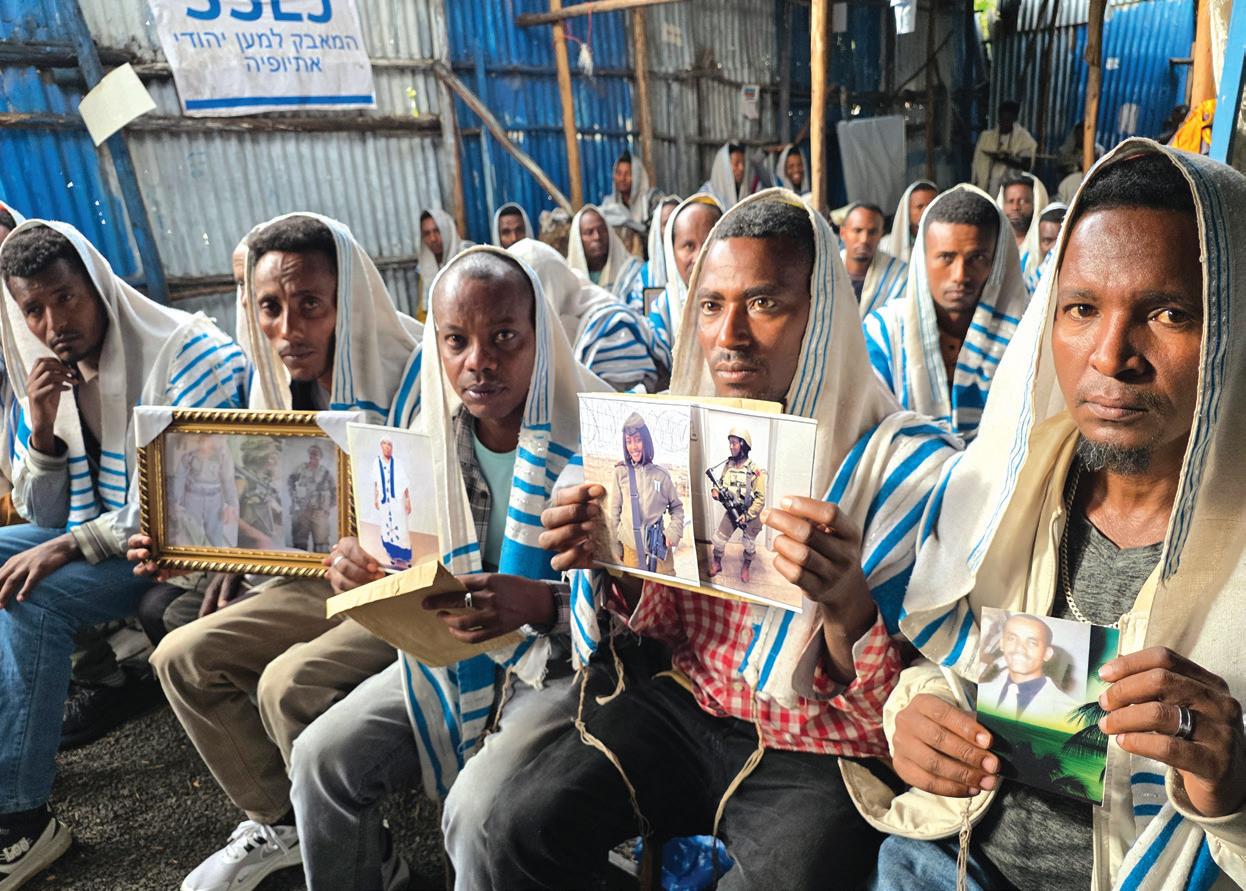
Wednesday morning, July 1, in Gondar, we joined more than 1,500 Ethiopian Jews for morning services. Gathered in a massive sanctuary, the wooden bench pews were filled with men and women, with hand-woven scarves and tallitot covering their heads. Banners bearing the flag of Israel hang over the sanctuary. Next to the holy ark, the words of Hatikvah filled the front wall, written in both Hebrew and Amharic. Together we wrapped our tefillin, covered our eyes in concentration as we sang the words of the Shema and called ‘Yebri Shemei,’ responding to the Kaddish. We noticed that only a handful of tattered siddurim were available for the entire community, yet nearly every person held tightly to something precious in their hands.
At first, we assumed they were sharing prayer books. We soon learned otherwise.
As the service concluded, the gathered throng lifted what they had been clutching throughout the prayers for us to see: photographs of loved ones living in Israel. Parents held pictures of children. SEE ETHIOPIA, PAGE 3
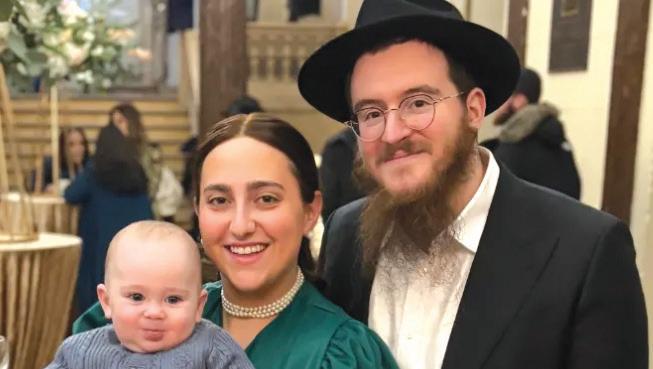
Chabad of Arizona is expanding, bringing Jewish learning and connection to the North Valley communities of Carefree and Cave Creek. See page 15.
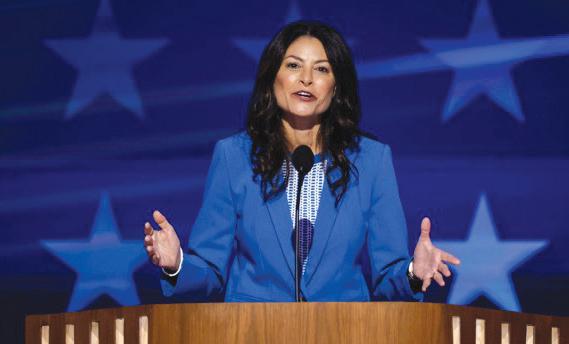


ADL initially approached Rep. Alma Hernandez with some of the language in HB 4117 pertaining to safe worship zones. Hernandez introduced HB 2677, but it was not granted a hearing.
However, since multiple representatives felt this was an important issue, the language was rewritten into HB 4117 and sponsored by Rep. Teresa Martinez, which carried a similar intent.
January 6
understood that that’s part of the process, and we thought that this legislative goal was still really worthy of pursuing.”
SOPHIE STERN
said Jon Meyers, director of ADDPC.
The bill also benefited from support from Hobbs’ office throughout the process.
said Jon Meyers, director of ADDPC.
“It was a true bipartisan effort,” Kader said. “It’s always a goal for ADL to have bipartisan support, and we saw that through both Democratic and Republican sponsorships. Sometimes compromise means there is disagreement, but it ultimately led us to this win.”
“Our hope is to create and promote opportunities for people to be embraced, become part of the community and find equitable opportunities wherever they might live,” he said.
“Our hope is to create and promote opportunities for people to be embraced, become part of the community and find equitable opportunities wherever they might live,” he said.
Meyers first came to know Stern through her mother, Amy Silverman, who read her personal essays about raising a daughter with Down syndrome on KJZZ, National Public Radio’s Phoenix affiliate station.
about her Judaism with her fellow council members and speaking out for her rights
“It’s always great when we have other elected officials, who are not Jewish, who are good allies that will run legislation for us,” Hernandez said at a March 23 Jewish communal advocacy day at the Capitol. “It’s always more important to have folks who are not part of our community advocating and standing up for us.”
January 20
January
February 3
January 20
August 25
ADL has introduced similar bills in New York, California and at the federal level and plans to continue in other states in the coming year.
February 17
September 1
25
September 8
1
September 15
Kader praised the governor’s office and the bill’s sponsors for staying the course through the “long, arduous and challenging process.”
Meyers first came to know Stern through her mother, Amy Silverman, who read her personal essays about raising a daughter with Down syndrome on KJZZ, National Public Radio’s Phoenix affiliate station.
Meyers was so captivated by the essays that he reached out to Silverman, and the two became friends.
“The legislative process is really representative of democracy and how it can be painstakingly slow and challenging on purpose to make sure that voices are heard and that there’s time for comment, thoughtfulness, change and review, and that was all represented through this process,” she said.
Meyers was so captivated by the essays that he reached out to Silverman, and the two became friends.
That’s how Stern first learned of the open council seat, but there’s no doubt she earned her position, Meyers said.
That’s how Stern first learned of the open council seat, but there’s no doubt she earned her position, Meyers said.
To become a council member, Stern had to apply and demonstrate that she had something valuable to contribute, he said.
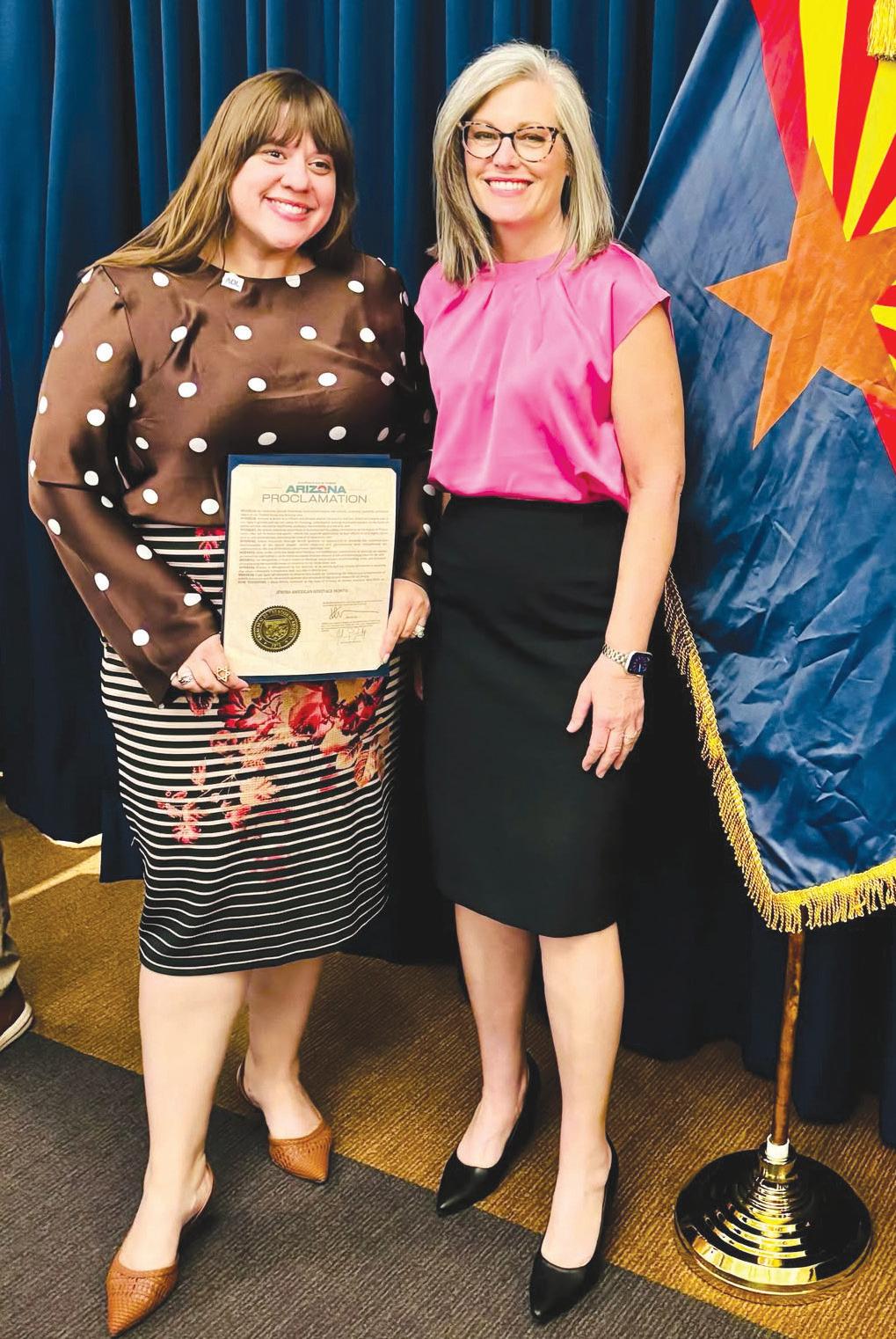
To become a council member, Stern had to apply and demonstrate that she had something valuable to contribute, he said.
“She’s on the council because she deserves to be on the council,” he said.
She already has some practice at
about her Judaism with her fellow council members and speaking out for her rights
“One time, I was in class and someone called me the R-word and I told him not to. The teacher was in the hallway and another student repeated the word,” she said. Rather than letting the situation go, she told her theater teacher, who was able
She already has some practice at
“One time, I was in class and someone called me the R-word and I told him not to. The teacher was in the hallway and another student repeated the word,” she said. Rather than letting the situation go, she told her theater teacher, who was able
“If someone has a disability, saying the R-word is like saying the F-word,”
“If someone has a disability, saying the R-word is like saying the F-word,”
While performing in the musical “Hairspray,” she had another occasion to tangle with the offensive word, which
While performing in the musical “Hairspray,” she had another occasion to tangle with the offensive word, which
“That’s really bad and my friend said it on stage. I was not OK with that, so I went to the director and told her it was a bad word for people with disabilities, but she wouldn’t take it out,” Stern said.

9
23
6
February 3
March 10
March 24
February 17
March 10
March 31
March 24
April 7
March 31
April 21
April 7
May 5
October 6
“There’s a growing effort across the country to create these safe worship zones that protect congregants from intentional obstruction,” Kader said. “No one should fear being able to exercise their religious freedom.”
6
8
15
October 13** October 20
13**
November 3
HB 4117 passed the Arizona House of Representatives on Feb. 26 and the Senate on June 10, before Hobbs signed it into law on June 22.
April 21
May 19
20
November 10
3
November 17
December 1
Kader also commended the many community members and organizations that supported the bill, including the Center for Jewish Philanthropy of Greater Phoenix (CJP), which provided a grant to help coordinate the community advocacy day, as well as the Jewish Philanthropies of Southern Arizona (JPSA).
Stern is creating a life and career as a member of her community, which makes her a great addition.
“She’s on the council because she deserves to be on the council,” he said. Stern is creating a life and career as a member of her community, which makes her a great addition.
“That’s really bad and my friend said it on stage. I was not OK with that, so I went to the director and told her it was a bad word for people with disabilities, but she wouldn’t take it out,” Stern said.
She let her mother know about the conflict and they were able to convince the director of the need to remove the word from the script.
2
9
She let her mother know about the conflict and they were able to convince the director of the need to remove the word from the script.
In addition to Rep. Martinez, the final bill was also sponsored by Rep. Rachel Keshel and Rep. Michael Way, and it included an amendment drafted by Sen. John Kavanagh.
June 9
May 5
May 19
July 14
June 9
August 4
July 14
August 18*
August 4
August 18*
10 November 17 December 1 December 15
Stern graduated from McClintock High School in Tempe last year and now attends Glendale Community College, with a focus on dance. She is a regular performer at Detour Company Theatre, a Scottsdale theatre company for adults with intellectual, developmental and physical disabilities.
December 15
“This was an all-hands-on-deck situation, and it was not without barriers and challenges, so I think that makes the win and the governor’s signing all the more powerful and appreciated,” Kader said. “We feel profoundly grateful for all the hard work put in.”
Stern graduated from McClintock High School in Tempe last year and now attends Glendale Community College, with a focus on dance. She is a regular performer at Detour Company Theatre, a Scottsdale theatre company for adults with intellectual, developmental and physical disabilities.
always know how to access them,” Kader said. “Particularly with successful legislative wins, they sound great, but a lot of individuals or institutions might say, ‘How do I actually utilize this to my benefit?’ or ‘What do I do if we encounter a problem?’ so ADL is hoping to provide resources in that regard so people have actionable material and feel supported.”
In fact, when Stern attended her first council meeting in January, she couldn’t wait to tell people of her involvement with Detour and share information about its upcoming shows.
“My friend Al was next to me when I told the director and he gave me the biggest hug ever and said that he loved me so much,” Stern said. Sadly, Al died in a car crash on Oct. 24, 2021.
Heart Can’t Even Believe It: A Story of Science, Love and Down Syndrome,” Silverman’s book about her daughter. When Gesher’s speakers’ bureau, Damon Brooks & Associates, was asked to find a speaker about Down syndrome for an event this spring, Hummell first asked Silverman to speak, thinking Stern might be too young.
23**
“Part of the reality of legislative advocacy is things don’t always turn out exactly how you might have originally intended,” Kader said. “Some of the language was not the original ADL model language, but we
of Magazine **Annual Directory
ADL is putting together materials in the coming months to equip houses of worship with a better understanding of the law, where to call for law enforcement assistance and how to report an incident, particularly during the upcoming High Holidays.
In fact, when Stern attended her first council meeting in January, she couldn’t wait to tell people of her involvement with Detour and share information about its upcoming shows.
“There’s no question that she is going to thrive,” Meyers said. “She’s very gregarious and passionate about the things that matter to her.”
“We often hear about different resources in the community, but then people don’t
“That was hard; it’s very hard to get emotions out and I was very, very upset,” she said.
“My friend Al was next to me when I told the director and he gave me the biggest hug ever and said that he loved me so much,” Stern said. Sadly, Al died in a car crash on Oct. 24, 2021.
“That was hard; it’s very hard to get emotions out and I was very, very upset,” she said.
On the recent anniversary of his death, Stern made a cake and took it to the crash site.
“Our goal at ADL is to fight hate, combat antisemitism and protect the Jewish community,” Kader concluded. “It’s really meaningful to have worked so hard on this with so many throughout the state to get to this successful outcome.” JN
Heart Can’t Even Believe It: A Story of Science, Love and Down Syndrome,” Silverman’s book about her daughter. When Gesher’s speakers’ bureau, Damon Brooks & Associates, was asked to find a speaker about Down syndrome for an event this spring, Hummell first asked Silverman to speak, thinking Stern might be too young.
They decided instead that Stern should tell her own story; it’s a real bonus that she is not afraid of public speaking.
30
6
13
“It’s not the same when someone tries to tell a person’s story for them,” Hummell said.
They decided instead that Stern should tell her own story; it’s a real bonus that she is not afraid of public speaking.
20
“It’s not the same when someone tries to tell a person’s story for them,” Hummell said.
“I don’t know how I did it without crying. I’m so proud of myself,” she said.
On the recent anniversary of his death, Stern made a cake and took it to the crash site.
Amy Hummell, executive director of Gesher Disability Resources, agreed that Stern is a good fit for ADDPC because of her ability to self-advocate.
“I don’t know how I did it without crying. I’m so proud of myself,” she said.
Additionally, helping people with disabilities find jobs was one of the reasons for acquiring the bureau. Unemployment in the disability community is upwards of 75% and of that percentage, 75% are ready, willing and able to work — but haven’t been given the opportunity, Hummell said.
4 December 11 December 18 *Annual Directory **Best of Magazine
“There’s no question that she is going to thrive,” Meyers said. “She’s very gregarious and passionate about the things that matter to her.”
Stern looks forward to sharing insights
Jewish News is published by the Jewish Community Foundation of Greater Phoenix, a component of the Center for Jewish Philanthropy of Greater Phoenix.
Stern looks forward to sharing insights
Hummell co-hosted a book event with Meyers a few years ago for “My
Amy Hummell, executive director of Gesher Disability Resources, agreed that Stern is a good fit for ADDPC because of her ability to self-advocate.
Hummell co-hosted a book event with Meyers a few years ago for “My
Additionally, helping people with disabilities find jobs was one of the reasons for acquiring the bureau. Unemployment in the disability community is upwards of 75% and of that percentage, 75% are ready, willing and able to work — but haven’t been given the opportunity, Hummell said.
“People have it in them to speak up but don’t know how, and often they’re not cheered on. Sophie has family support
“People have it in them to speak up but don’t know how, and often they’re not cheered on. Sophie has family support
Phone: 602.870.9470 | Fax: 602.870.0426 | editor@jewishaz.com | advertising@jewishaz.com subscriptions@jewishaz.com | www.jewishaz.com
12701 N. Scottsdale Road, Suite 201, Scottsdale, AZ 85254 Phone: 602.870.9470 | editor@jewishaz.com | advertising@jewishaz.com subscriptions@jewishaz.com | www.jewishaz.com
PUBLISHER
PUBLISHER
12701 N. Scottsdale Road, Suite 201, Scottsdale, AZ 85254 Phone: 602.870.9470 | Fax: 602.870.0426 | editor@jewishaz.com | advertising@jewishaz.com subscriptions@jewishaz.com | www.jewishaz.com
Jewish Community Foundation of Greater Phoenix
Jewish Community Foundation of Greater Phoenix
PUBLISHER
ASSOCIATE PUBLISHER Rich Solomon | 602.639.5861 rsolomon@jewishaz.com
ADVERTISING SALES CONSULTANT
SENIOR ACCOUNT EXECUTIVE Jodi Lipson | 602.639.5866 jlipson@jewishaz.com
Jodi Lipson | 602.639.5866 jlipson@jewishaz.com
SUBSCRIPTIONS
Jewish Community Foundation of Greater Phoenix
GENERAL MANAGER Rich Solomon | 602.639.5861 rsolomon@jewishaz.com
GENERAL MANAGER
MANAGING EDITOR
MANAGING EDITOR Mala Blomquist | 602.639.5855 mblomquist@jewishaz.com
Rich Solomon | 602.639.5861 rsolomon@jewishaz.com
Mala Blomquist | 602.639.5855 mblomquist@jewishaz.com
MANAGING EDITOR Mala Blomquist | 602.639.5855 mblomquist@jewishaz.com
STAFF WRITER Josh Bootzin | 602.639.7066 jbootzin@jewishaz.com
STAFF WRITER Shannon Levitt | 602.639.5854 slevitt@jewishaz.com
STAFF WRITER
Shannon Levitt | 602.639.5854 slevitt@jewishaz.com
ADVERTISING SALES CONSULTANT Jodi Lipson | 602.639.5866 jlipson@jewishaz.com
SUBSCRIPTIONS 602.870.9470 x 1 subscriptions@jewishaz.com
602.870.9470 x 1 subscriptions@jewishaz.com
SUBSCRIPTIONS 602.870.9470 x 1 subscriptions@jewishaz.com
GRAPHIC DESIGNER Ebony Brown | 410.902.2333 ads_phoenixjn@midatlanticmedia.com
GRAPHIC DESIGNER Ricki Urban | 602.870.9470 x 2 advertising@jewishaz.com
GRAPHIC DESIGNER Ebony Brown | 410.902.2333 ads_phoenixjn@midatlanticmedia.com

Children held pictures of their parents. Brothers held photographs of sisters. Many showed photos of sons and daughters, nieces and nephews, grandchildren, too, proudly wearing the uniform of the Israel Defense Forces. Others pointed to family members they have not been able to embrace for over 30 years.
Standing before God, our Ethiopian brothers and sisters prayed not only with words but with photographs.
Like the hostage posters that filled Israel and our hearts with the pain of separated families, we saw that pain of separation here too, and our hearts broke open.
More than 30 years ago, Operations Moses and Solomon captured the imagination of the Jewish world. Israel, to her great credit, remains the only nation in the history of our world to expend great national resources to bring Black Africans to the country to be citizens with freedom and dignity rather than slaves.
Today, 180,000 Ethiopian Jews live in Israel and approximately 14,000 Ethiopian Jews remain in Ethiopia. Every person we met has immediate family living in Israel. Their separation is not measured in miles but in decades.
Many have spent more than 30 years waiting.
The pain of that separation is compounded by crushing poverty. We visited homes no larger than 80 square feet where entire families live without electricity or plumbing. We saw food insecurity, malnutrition, disease and conditions that are difficult for most Americans to imagine. Most own only one or two garments, total. (We’re grateful to the many members of Temple Kol Ami and Congregation Or Tzion who generously donated clothing for us to bring to the community.) We heard stories of families struggling simply to survive while continuing to dream of a future in Israel. And yet, what struck us most was not despair. It was faith.
We visited classrooms where children eagerly studied Torah despite limited resources. We saw adults participating in advanced Jewish learning through classes taught remotely from Bar-Ilan University in Israel. We saw the Bnai Akiva youth and mikvah. We toured a bakery that produces thousands of challah rolls each day for hungry families while creating employment opportunities in the community. Each year, the Gondar community in Ethiopia bakes 100,000 pounds of matzoh to host the world’s largest Seder, with 4,500-plus attendees (more than double Chabad of Nepal’s Seder, which draws around 2,000 attendees). We visited a healthcare clinic serving vulnerable populations and computer programs helping children develop skills that may one day lift them out of poverty.
Everywhere we went, we encountered resilience.
Again and again, we found ourselves
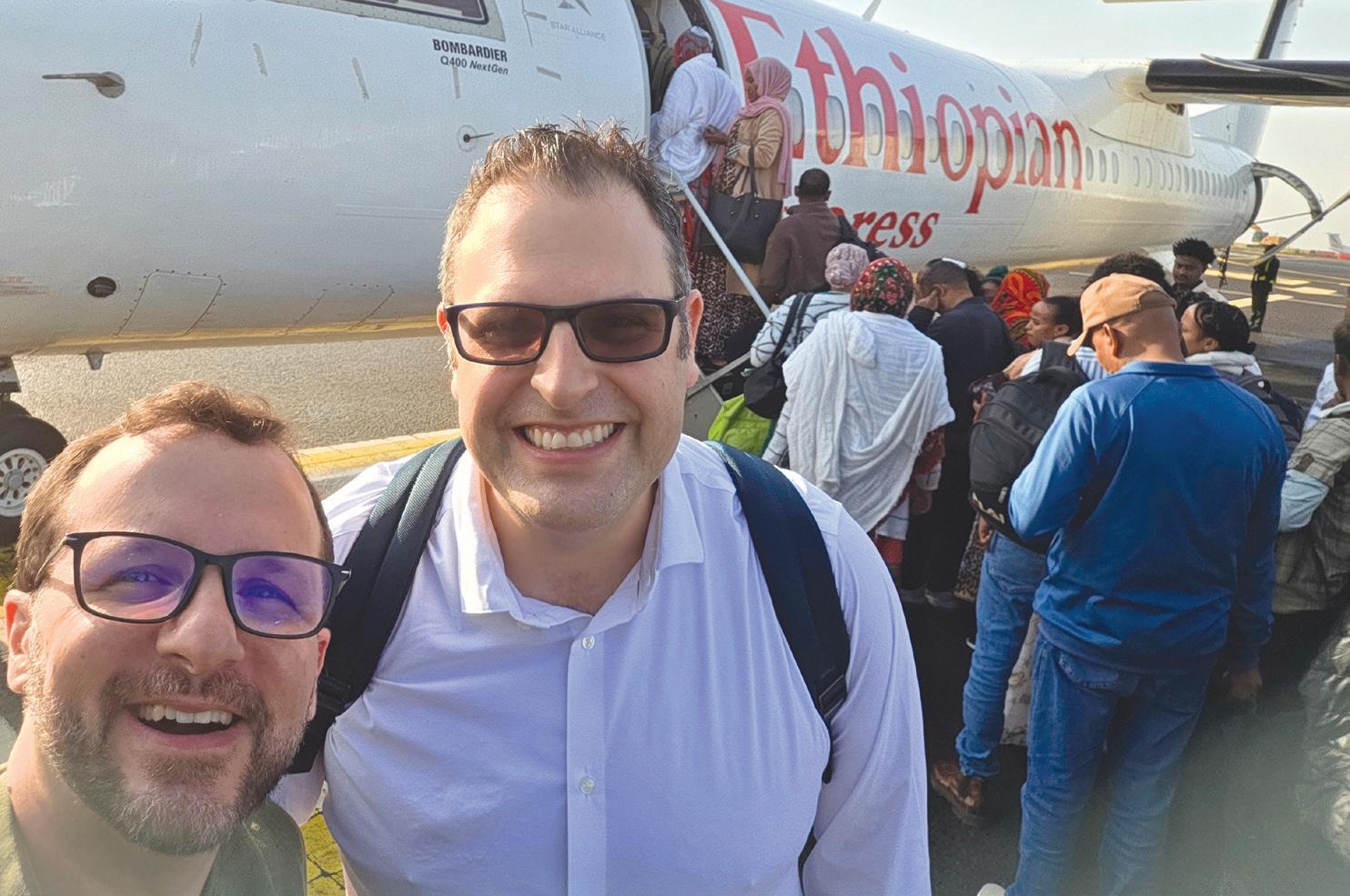
surprised by the generosity of people who possess so little materially yet give so much spiritually. Community members welcomed us with warmth, songs, gifts they had handcrafted and expressions of gratitude that felt entirely disproportionate to what they themselves have received from the world.
During our visit, we met with Israeli Ambassador Avraham Neguise, himself a former Ethiopian Jew who made aliyah and went on to serve the State of Israel. He shared both the remarkable history of Ethiopian aliyah and the complex challenges that those who remain behind continue to face. We came away with a deeper appreciation of both the progress that has been made and the work that remains unfinished.
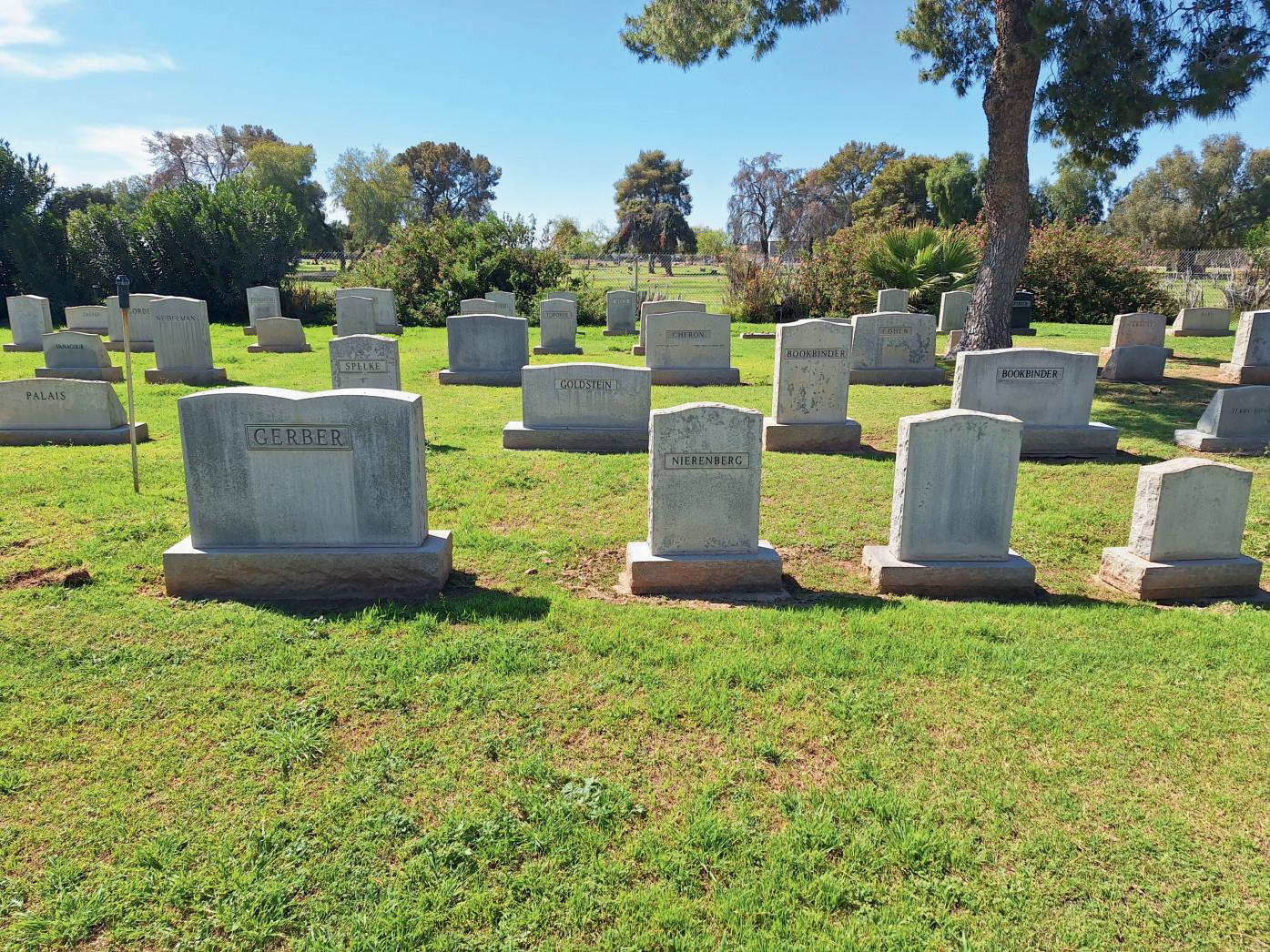
We visited the Jewish cemetery in Addis Ababa. The cemetery is nearly full. Graves are packed tightly together. Above them flies the flag of Israel. The graves face toward Jerusalem.
Nearby, in the synagogue sanctuary, tapestries hang embroidered with the names of community members who died while waiting for approval to make aliyah. Many spent the final years of their lives longing to reunite with family members they never saw again.
Their names bear witness to a painful reality.
It is a great shame and embarrassment that so many Jews in Israel, and the Diaspora, have forgotten these souls. We did not know their story before our visit, and we doubt many of you realized that 14,000 Jews remain in poverty in Ethiopia before reading this very article.
Unfortunately, political intransigence, slow-moving bureaucracy and circumstances beyond their control has kept so many yearning for the land and for their loved ones from completing their aliyah. Every Jew we met in Ethiopia dreams of making aliyah. Every single one.
This issue should not be viewed as a political problem. These are our brothers and sisters. This is fundamentally a human story and a Jewish story, about families
separated across continents, about parents and children who remain apart year after year, about brothers and sisters whose lives have been placed on hold.
Most of all, it is about hope.
At the conclusion of one prayer service, the congregation spontaneously began singing “Am Yisrael Chai.” They sang softly and sweetly. There was no anger in their voices. No bitterness. Only faith.
Despite everything they have endured, they still believe.
They believe in God. They believe in the Jewish people. They believe in Israel. They believe that one day they will be reunited with their families.
The question is whether we will hear their voices.
Struggle to Save Ethiopian Jewry is making a profound difference by providing food, education, healthcare, employment opportunities and advocacy for these communities. Millions of meals are distributed annually. Children are fed and educated. Lives are being saved. The impact is real, visible and inspiring.
But much more remains to be done.
We left Ethiopia carrying many memories. None are more powerful than those photographs held tightly during prayer.
They were pictures of loved ones.
They were symbols of longing.
They were reminders that thousands of our brothers and sisters are still waiting.
May we not forget them. May we support the work being done on their behalf. And may the day come soon when the prayers they have offered for decades are finally answered, when families are reunited and when those still waiting are finally able to come home.
As we shared in our words addressing the community, “L’shana Haba’ah B’Yerushalayim.”
We pray: Next year in Jerusalem. JN
For more information on Struggle to Save Ethiopian Jewry, visit ssej.org.



MALA BLOMQUIST | MANAGING EDITOR
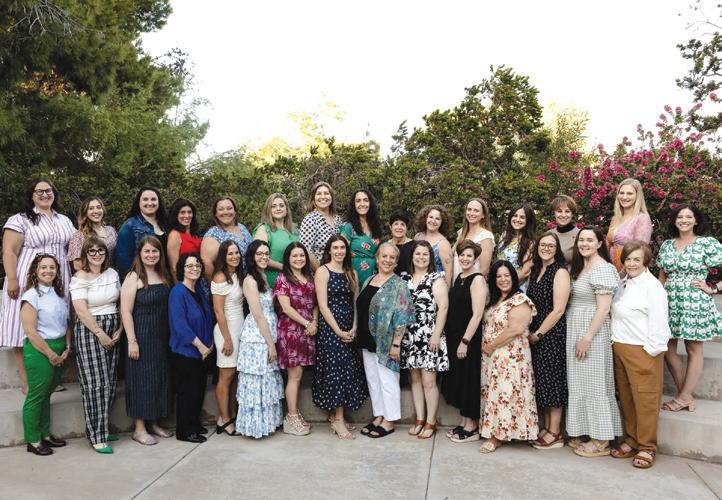
The Women’s Leadership Institute
(WLI) celebrated a decade of cultivating female leadership in Greater Phoenix’s Jewish community during its 10th anniversary graduation ceremony on May 14, honoring Cohort 10 while reflecting on the organization’s impact and looking ahead to its future.
Board chair Jessielyn Hirshl welcomed the crowd of graduates, mentors, alumni and community members gathered at the Ina Levine Jewish Community Campus. “Ten years of cultivating courageous leaders, strengthening our community and building a legacy that continues to grow,” she said. “Tonight we celebrate not only how far these women have come, but how far WLI has come and all that is still ahead.”
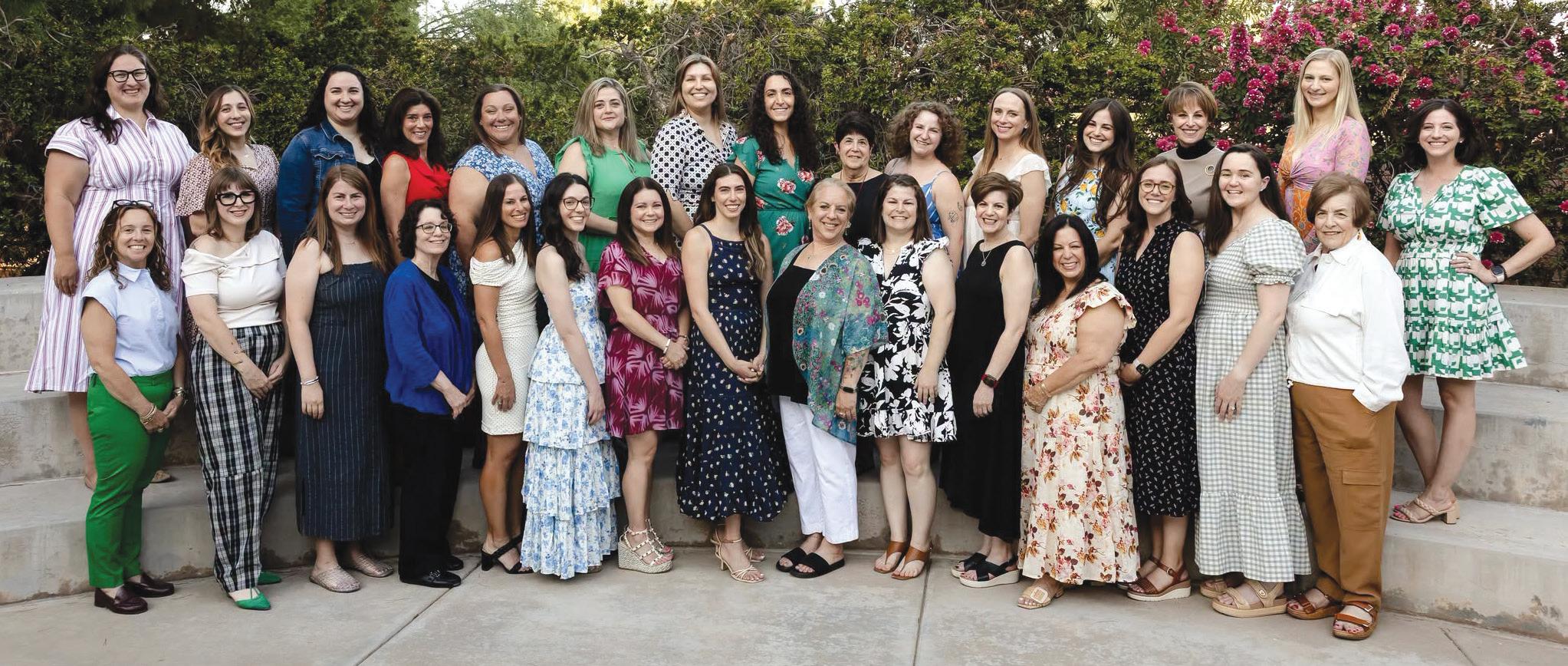
Rabbi Elana Kanter, WLI’s founder, delivered the D’var Torah, Bamidbar, the beginning of the Book of Numbers. Drawing on the Torah’s message, she emphasized that effective leadership begins with recognizing the unique strengths and individuality of every person.

“Just as God treasures each Jew and each human being in all his or her singularity, so too must we. It’s not about getting large numbers of people to follow you; it’s about the ability to see each person’s strengths and then invite them to share those strengths for the larger whole,” said Kanter. “In the projects that you have completed this year, you put your strengths and talents to work on behalf of the community.”
Executive director Rabbi Emily Langowitz reflected on WLI’s history, stating that the organization grew from the Women’s Jewish Learning Center, founded by Kanter in 2010, before launching the Women’s Leadership Institute five years later. The program was designed to pair emerging women leaders in their 20s, 30s and 40s with experienced mentors in their 50s, 60s, 70s and beyond, while grounding leadership development in Jewish values and learning.


Representatives from various cohorts recounted WLI’s evolution over the past decade. They highlighted how the organization has built a network of women serving as nonprofit executives, board members, educators and leaders throughout Greater Phoenix. Many former mentees have since returned as mentors, sustaining the program’s mission.
Stacy Rosenthal, who participated in Cohort 4, said, “From the earliest cohorts, participants were asked not only to learn, but to lead by completing projects in service to the Jewish community. Those projects were practical, visionary and lasting. They were seeds, and many of them continue to bear fruit across our community today.” She noted such examples as the Gesher Disability Resources Model Seder, PJ Library Family Camp and the Bureau of Jewish
Education of Greater Phoenix Postpartum Workshop.
Members of Cohort 10, the largest class to date, then shared reflections on their yearlong journey alongside their mentors. Participants discussed projects including initiatives supporting Holocaust education, youth engagement, grief education, interfaith outreach, Jewish historical preservation, fundraising and women’s programming.
Mentee Laurel Perlow shared how she hosted and moderated a women’s panel in March called “Women Breaking Barriers” with help from the Center for Jewish Philanthropy of Greater Phoenix (CJP) Senior Director, Women’s Philanthropy and Campaign, Rachel Rabinovich.
The event featured Lilach Mazor Power, Mazor Collective; Rachel Thomas, Therapy with Heart; and Laurel Kutler, ABLE Financial Group, discussing topics ranging from motherhood to running a business.
“It was a smashing good time, and it’s becoming a series with CJP, so stay tuned for more,” said Perlow.
Many graduates spoke of personal growth, renewed connections to their Judaism and lifelong friendships formed through the program.
As Lori Berman said to her mentees Rachael VanLandingham and Ali Bookbinder, “This year at WLI might be ending, but our relationship is just beginning.”
For her project, VanLandingham created “A Taste of WLI,” “A two-part leadership experience for women ages 18 to 25 that offers a space for connection, leadership development and giving back to women in our community — coming this fall,” she said.
The ceremony also welcomed the incoming Cohort 11, introducing 16 new mentees who will begin the next year of
leadership training.
On Oct. 28, Cohort 11 mentees and mentors will participate in “Community Night,” where they will meet with representatives of Valley organizations to learn more about their work and formulate project pitches for the coming year.
A video presentation celebrated WLI alumni and the organization’s influence throughout the Phoenix Jewish community. Speakers reflected on how the program has ensured that women have meaningful representation in leadership roles across communal organizations.
The ceremony concluded with Hirshl being recognized for her service as board chair and Jamie Kornbluth welcomed as the incoming chair. Kornbluth, herself a former mentee, mentor and board member, pledged to continue expanding WLI’s impact during its second decade.
“As WLI moves into our next decade,” she said, “I am comforted in knowing there’s not only an incredible board at my side, but an entire alumni network of women who will show up and step up whenever asked.”
As Laura Drachler, immediate past board chair, said during her introduction of Kornbluth, “WLI works because of the women and the people in this room. It’s a community that we continue to show up for each other, mentor one another, lift one another up and build something bigger than ourselves. That’s the spirit of WLI, and it is what makes this organization so special.” JN
For more information, visit womenlearning.org.
JOSH BOOTZIN | STAFF WRITER
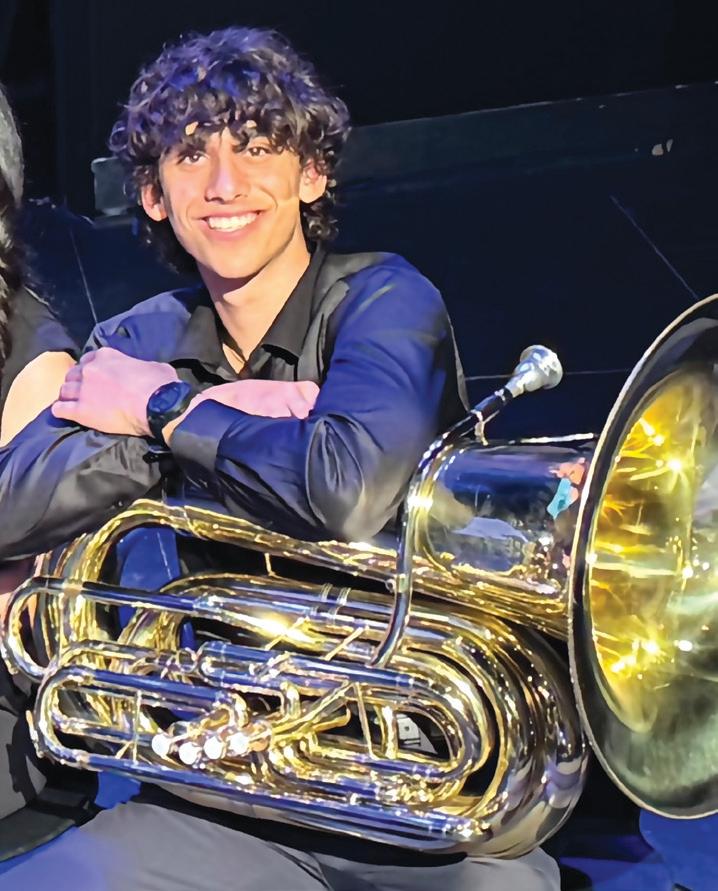
Emmett Ungar, a Phoenix native and rising senior at BASIS Phoenix, was selected to take part in the 40th cohort of the Bronfman Fellowship, a year-long program for 26 high school students from diverse Jewish American backgrounds across North America, centered around the study of Jewish texts, traditions, history and culture to prepare future Jewish leaders on the global stage.
The nonprofit Bronfman Fellowship was founded by Edgar M. Bronfman, a visionary Jewish philanthropist and former CEO of the Seagram Company Ltd. Bronfman passed away in December 2013.
“My father treasured the Fellowship as an investment in the Jewish future, and I am proud to continue his work,” said Adam Bronfman, president of the Samuel Bronfman Foundation. “It brings me joy to witness the magic that happens when Jews from all backgrounds come together to access Jewish wisdom and have important conversations. I look forward to getting to know the 2026 fellows personally, and to joining some of those conversations myself.”
Over the past 40 years, Bronfman Fellows have received the education and inspiration to make a significant impact as community builders, deep thinkers and moral voices operating across the world.
This year’s cohort of 26 fellows will participate in transformative programming, exploring Jewish texts and ideas with a faculty of leading rabbis, educators and artists.
The Fellowship year began in July with an immersive, five-week summer program taking place in both the United States and Israel, connecting participants with peers in the Israeli Fellowship program, Amitei Bronfman. Programming continues throughout the fellows’ senior year of high school with in-person and virtual seminars, gatherings and projects.
“I am deeply impressed by the energy, diversity and intellectual firepower of this group of fellows,” said Becky Voorwinde, CEO of The Bronfman Fellowship. “I look forward to watching them grow on their fellowship-year journeys and to seeing them challenge and inspire one another and their communities throughout their lives.”
Ungar applied for the program after his school’s college counselor recommended it to him.
“I looked it up, and it seemed like such an awesome opportunity that I didn’t want to miss,” Ungar said. “I applied to be a Bronfman Fellow because it seemed like a natural fit — it’s a pluralistic
program that brings kids together from different backgrounds to learn from each other, which is pretty much my jam.”
Participants were selected after completing a rigorous application review process that included essay questions, a personal video, in-person interviews and a group workshop with other applicants and alumni.
“Going through the application process for the Fellowship made it clear to me that I’d be lucky to be chosen to participate,” Ungar said.
Ungar flew to San Francisco to personally interview with the CEO. He recalled being intimidated at first, but “the actual interview was really cool. The people at Bronfman are very nice, and they made me feel at home.”
He met some of his peers in preliminary Zoom meetings.
“The sense of community that they’re already building before we go on the trip is incredible, and I’m really looking forward to making new friends,” Ungar said.
Some of his peers include a top-ranked debater, a student of Shaolin Kempo karate, an acrylic painter, twins who host a sustainability podcast and a volunteer serving Jewish Ukrainian refugee children in Romania.
“Fellows are recognized for their intellectual curiosity, emotional maturity and emerging leadership, and are selected by a committee dedicated to building a thoughtful, pluralistic Cohort,” shared Stefanie Weisman in a Bronfman press release. “The Bronfman Fellowship has an acceptance rate comparable to that of the most competitive universities; last year, 78% of fellows went to Ivy League Universities.”
2026 fellows hail from 13 states and the District of Columbia, representing a wide range of Jewish backgrounds. Upon completion of their Fellowship year, they join a network of 1,600 alumni across North America and Israel.
“Initially, I was scared that I was going to apply and feel that these other people are so accomplished,” Ungar said, “but I got myself here; I’m decently accomplished, too. “These are really nice people, and it’s been fun to meet them.”
Ungar is involved in many activities at BASIS Phoenix, a public charter high school in North Central Phoenix, as well as outside of school.
He plays the tuba with his district’s Honor Band and his school’s Symphonic Band, rated “Superior – With Distinction” by the Arizona Band and Orchestra
Directors Association (ABODA), and he interned at the Arizona Center for Algae Technology and Innovation (AzCATI) at Arizona State University Polytechnic Campus (ASU Poly).
He also rows most mornings with the Tempe Junior Crew at Tempe Town Lake, competes at the international level with his national mathematics honor society, and his robotics team placed first at regionals to advance to internationals in SeaPerch, an underwater robotics program.
Ungar also enjoys spending his free time lifeguarding at the Valley of the Sun Jewish Community Center (VOSJ) in Scottsdale and coaching Special Olympics athletes.
He said he loves everything that he does for different reasons, but what they all have in common is that he can be part of a team or something larger than himself.
“In all of these experiences, I’ve learned that being around people who are different from me but who are also willing to work together and problem-solve is my version of fun,” Ungar explained. “I find the fun in things that are difficult, and dedicating time to experience more of that is definitely a priority of mine.”
Ungar’s family has been involved in the Greater Phoenix Jewish community for generations. His great-grandparents were founding members of Temple Beth Shalom of the West Valley, his grandparents have belonged to Beth El Phoenix and Beth Joseph Congregation in Phoenix, and he and his siblings grew up attending Beth El and VOSJ preschools, Pardes Jewish Day School and Camp Ramah in California.
“When I was little, I used to swim at the (VOSJ) with my grandpa every Sunday. It was such an important thing for me to understand that, besides being an idea, Judaism is also a community. I think it was very important for me to learn at such a young age that not only is Judaism part of a text that people learn, but also part of a bigger culture that brings us together.”
Ungar credits his parents and grandparents with his love for Jewish life and learning, and he is currently a member of the BBYO Kennedy chapter in Scottsdale.
“I’m super honored to spend time learning alongside the other Bronfman Fellows and hopefully grow as a person this summer and throughout next year,” Ungar said. “Sometimes, things like Bronfman can seem scary to apply for, but the worst that can happen is you fail and then you try something else.”
“The Fellowship is an opportunity unlike any other: a space where young
people who want to see the world through a lens broader than their own can explore issues with depth, candor and joy while forming friendships to last a lifetime,” Weisman wrote. “Fellows wrestle with major issues in contemporary Jewish life, meet some of today’s most influential figures and expand their perspectives as they build community with those representing different backgrounds, worldviews and approaches to Jewish life and practice.” JN
For more information about The Bronfman Fellowship, visit bronfman.org.




Congregation Kehillah

you to their
House Come find out why we are the Dynamite synagogue in N. Scottdale/Cave Creek! PROGRAMMING FOR ALL AGES
Friday, August 28 Pre-Oneg 5:45 p.m. Kabbalat Shabbat 6:30 p.m.
RSVP to Renee by Tuesday, August 25th info@congregationkehillah.org
Rabbi Bonnie Sharfman
5858 E Dynamite Blvd Cave Creek, AZ 85331 602-369-7667
congregationkehillah.org info@congregationkehillah.org
JOSH BOOTZIN | STAFF WRITER
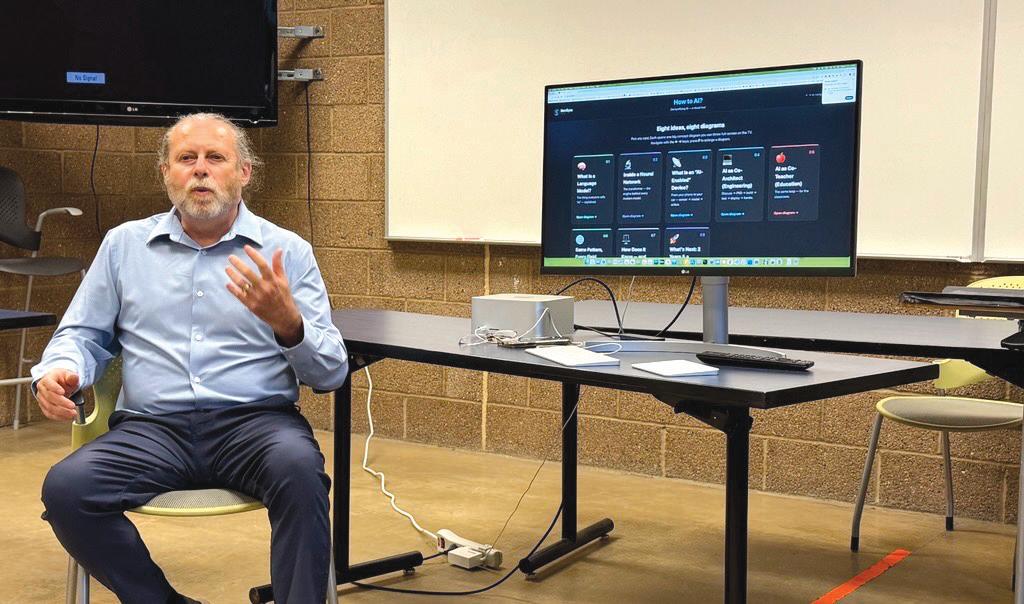
In addition to teaching computer science, artificial intelligence (AI) and game development at Grand Canyon University, Dr. Isac Artzi also used AI to create an application that pushes the limits of Torah study by allowing users to interact with long-dead Jewish scholars and figures.
Artzi demonstrated his tool during a lecture hosted by Chabad of Moon Valley at the North Mountain Visitor Center in Phoenix on June 24. The event was sponsored by Millennial Money Marketing and JewishPhoenix.com.
Having grown up in Romania and lived in Israel, Michigan and now Phoenix, Artzi’s educational background is in computer science, math, instructional design and clinical mental health care.
“Lately, I became more interested in creating tools to educate people, and I found that I have the greatest satisfaction working with the two extremes: kids who don’t know anything about life, yet who give me the chance to shape how they think, and people who don’t care anymore, the 65-plus audience,” Artzi said.
He began his lecture with an explanation of the basics of AI for those in attendance that had yet to be exposed to it, explaining that ChatGPT, Claude and the many other AI platforms are similar in that they are constantly accumulating information, just like a human brain.
“Throughout life, we accumulate a lot of knowledge, we store it and we have no idea how,” Artzi said. “Somehow, this information gets accumulated, and it stays there. AI does a lot of the same.”
Artzi explained that information in AI is not stored as text but as numbers, which are then converted into vectors.
For example, if one were to ask an AI platform to find a similar article to one they already have, the engine would determine the dominant words and their positions in the first article, convert them
into numbers, convert those into a vector and find a second article that represents the smallest angle between its vector and that of the first article in any number of abstract dimensions.
If one were to ask ChatGPT to generate an essay on a particular topic, it would convert the words in the prompt to numbers, convert those to a vector and search for patterns of similarly positioned numbers, all the while with no awareness of what the words actually mean.
“The whole magic that AI does is reading a lot of content, converting all those words to numbers and finding similarities within paragraphs, words, context, concepts and so on,” Artzi said.
AI has access to everything there is to know that’s in the public domain.
“Everything we do on the internet is watched. It’s tracked, it’s categorized, it’s in a database and it’s fed into AI,” Artzi said. “AI doesn’t care about the individual; it wants to find patterns. Everything you do with AI contributes to training AI to be better for you.”
Artzi explained that AI tools are large language models (LLMs), meaning they were trained on a massive amount of content in the form of text, images, audio and video. They resemble neural networks, which are a mathematical attempt to reverse engineer how the human brain works.
If one shows a picture of a cat to a child and tells them that it’s a cat, the child will recognize a cat in another photo. AI works the same way, but it often needs hundreds or thousands of cat images to infer that another photo contains a cat.
AI does not strive to be perfect. If it takes 20 minutes to clean your apartment to be presentable enough for company, but another two hours to make it spotless, AI works best without the extra attempt for perfection.
“The more direction you give it, the
more you narrow the field of guesses,” Artzi said. “But it guesses, that’s all it does, or it lies with a straight face.”
Artzi then guided attendees through a tutorial on Claude, an AI platform often favored by researchers for its speed in performing more complex and nuanced tasks.
After drafting some detailed instructions, Artzi had Claude create a 12-month calendar that highlighted every Jewish holiday, added links to online Chabad descriptions of each holiday, as well as links to popular holiday-themed recipes, and he even had the AI tool create a comprehensive business plan and marketing strategy to sell the calendars online.
All this was accomplished in less than 30 minutes. Artzi said that with a little more time, he could have directed Claude to create an automated website for potential customers to interact with and purchase a calendar from.
Next, Artzi launched his tool for studying Judaism and the Torah. It took nearly 200 pages of detailed instructions and interactions with Claude, but he managed to create an app with various features for studying the Torah, rabbinical interpretations and so on.



The first feature he demonstrated allows the user to chat with a Jewish scholar.
He chose Rashi, a French rabbi born in the 11th century, and asked him whether the Moshiach is mentioned in the Torah. The tool looked up Rashi’s profile and his many writings, rewrote the question in a way Rashi might have understood and provided how he might have answered based on his published works.
Artzi also showed that the question could be escalated to be asked of all the sages whose works are included in the program.
Another item generates a study lesson on any relevant topic, including an initial question, outline, sources, key concepts, reflections and references. The study tool also identifies the current Torah portion and daily Mishnah and creates a lesson.
Artzi also created a panel of sages to compare each of their responses. The tool outputs a moderator summary, points of agreement between the panelists, points of divergence and potential follow-up questions.
With the library function, users can browse and learn about every single character in the Bible. They can also create historical timelines to identify which characters/sages were alive at the same time throughout history.
There is also a havruta feature, a method of collaborative study where two people analyze and debate an issue, as well as a pilpul option, an analytical model for thoroughly dissecting texts.
The modernization capability takes a section of the Torah and rewrites it in modern language to make it more relatable to people alive today.
The information in Artzi’s tool was downloaded from a site called sefaria. org, which provides copies of the Tanakh, Talmud and the writings of generations of Jewish sages.
Artzi can’t build a product from these documents and profit from it, but he can install the tool on any computer that has enough memory.
For those in attendance, in addition to gaining a general knowledge of the basics of AI, Artzi shared a perspective on what may be the future of Judaic studies as AI continues to gain more prominence in countless modern professions. JN Jewish News was a media sponsor of this event.

JOSH BOOTZIN | STAFF WRITER
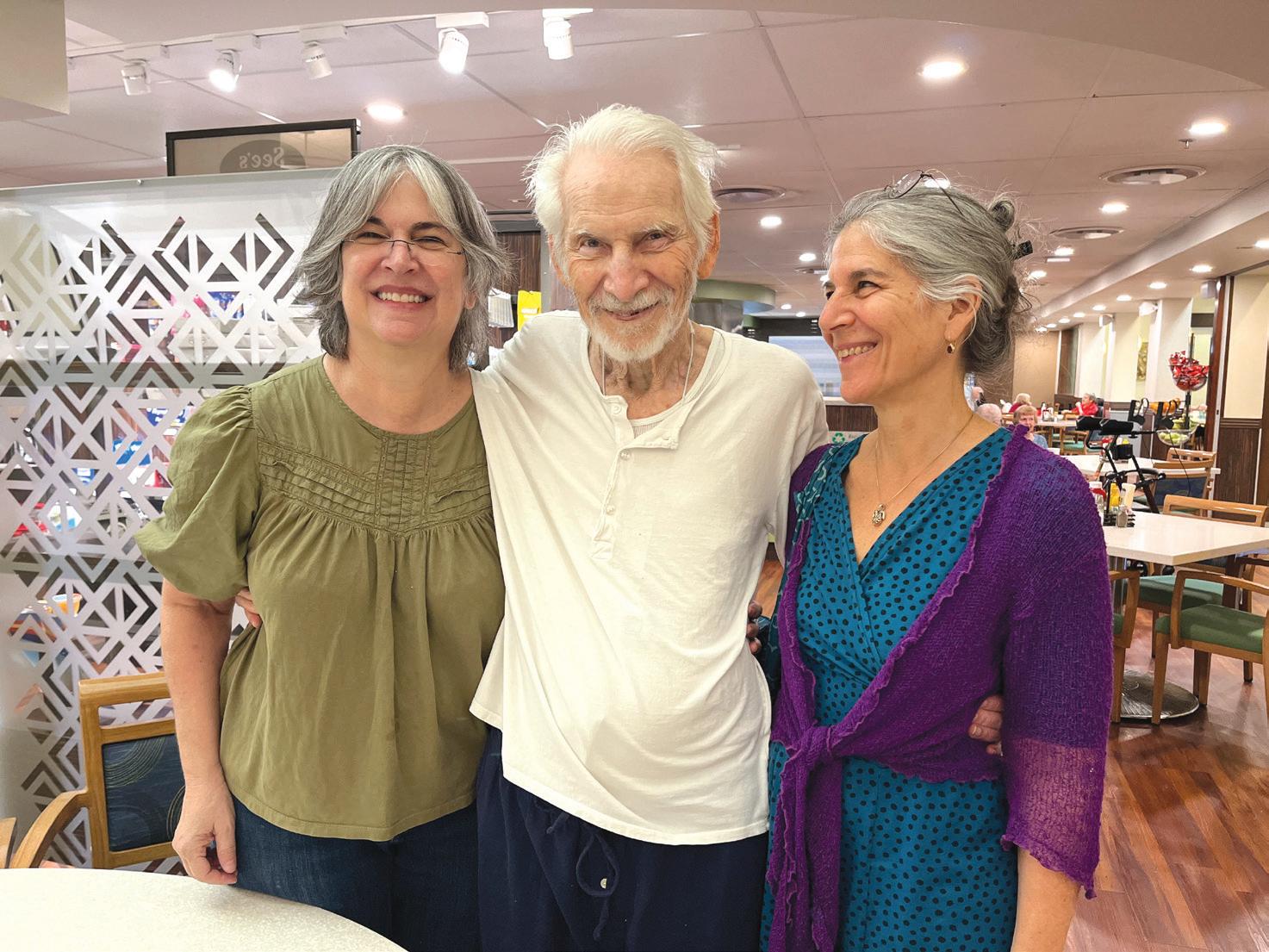
Henry Jacobowitz, a lawyer, volunteer, military veteran and Holocaust survivor, passed away on June 7 at 97 years old, survived by his daughter, Susan, and three granddaughters.
Henry was born in Subcarpathian Ruthenia, a border area that was part of Czechoslovakia before World War II, given by Hitler to Hungary in 1939, and now it’s part of Ukraine.
Since Hungarian Jews were among the last to be transported to concentration camps during the Holocaust, Henry’s family first dealt with the Hungarian occupation, with men being taken for forced labor, then in 1944, they were among approximately 100,000 Carpathian Jews to be deported directly to Auschwitz, where 90% of them perished.
Henry lost his mother and four younger brothers and sisters at Auschwitz.
“My dad was extraordinary,” said Susan Jacobowitz. “He was a very modest man. He never talked about the war or about his past or felt that he was special in any way. He had a real sense of justice and compassion, and he didn’t want people to suffer.”
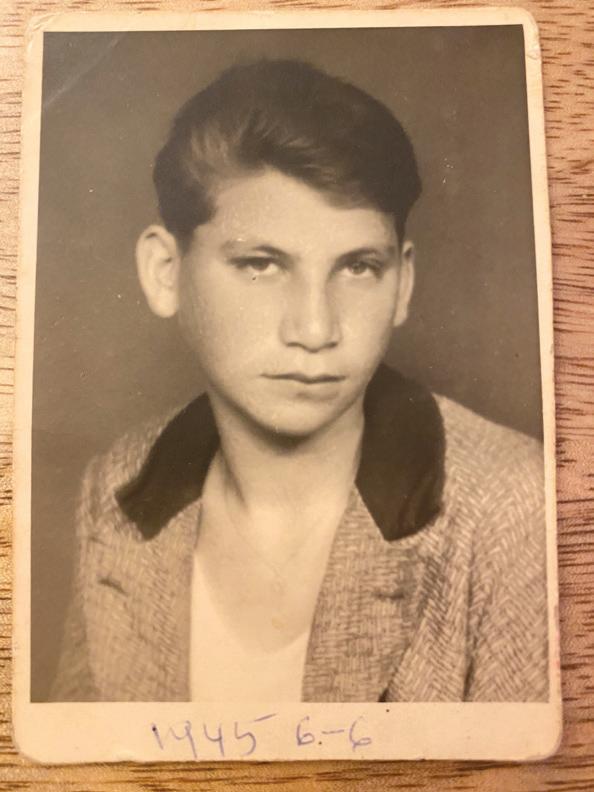
After liberation, Henry spent two years in Displaced Person (DP) camps in Austria. One month before his 18th birthday, he was brought to the United States on a corporate affidavit sponsored by the United States Committee for the Care of European Children (USCOM), made possible by the 1945 Truman Directive.
“He had a lot of belief in the United States,” Susan said. “He felt like he was so lucky to come here.”
When he got to the United States, he didn’t speak English, and his education had been paused since he was 11 years old, so he enrolled in a high school in the Bronx. Two years later, he earned his Regents diploma.
“I think he was really remarkable, but he would certainly never have said that about himself,” Susan said. “He always told me that there was nothing special about him and that many people strive to make it, but it’s more about luck than anything else.”
After failing an exam to study at City College of New York (CCNY) for free, he studied part-time in the evenings while working during the day as a shipping and receiving clerk.
Henry was drafted to the U.S. military in 1950, serving mostly in the Finance Corps in New Jersey during the Korean War. When he got out of the military, he finished degrees at CCNY in business administration and accounting.
Henry then attended the University of Arizona Law School from 1954 to 1957. During law school, he was featured in a local newspaper for winning a mock trial competition on April 29, 1955, exactly 10 years after the day he was liberated.
After graduating, he started his law practice, co-founding Duecy, Moore & Jacobowitz with two partners. Henry was the subject of an article, “New Yank Is New Lawyer,” in the Jewish News of Greater Phoenix, published in October 1957.
His future wife recognized him from the Jewish News article at a party, and they were married for 25 years.
Henry practiced business law, civil litigation and bankruptcy law for over 50 years, then worked for free at a legal aid clinic for seniors. He also taught business law at Phoenix College.
Henry loved Arizona so much that he refused to leave.
“He really loved Arizona — the sunshine and the fresh air, and it was where he was able to create himself as an American,” Susan said.
He rarely spoke of his life before arriving in the United States. When people asked, he would simply tell them he was from New Jersey rather than explaining his birthplace.
“It’s a poor area. They don’t really have any natural resources. It’s kind of undeveloped,” Susan said. “He was from this place that was just hard to describe to American kids who grew up in Phoenix, Arizona, so my dad thought it was better for us to be American.”
“He didn’t have much of an accent,” Susan said. “A lot of people didn’t know he was a survivor or even that he was from Europe. He didn’t have a tattoo, and he really didn’t talk about it.”
Despite removing himself from much of his past, Henry was involved with the Phoenix Holocaust Survivors Association.
Susan remembered the first time she met other survivors, when Henry brought her, her husband and her sister to a dinner when she was an undergraduate student studying history at Arizona State University (ASU).
“He just felt like that had been one part of his life that he had lost, so then after that, whatever would come after would be up to him to make it what it was going to be,” Susan said.
Henry even refused compensation from the Claims Conference.
“He said he didn’t want to be reminded of the past, and he didn’t think there was a price that you could put on that kind of suffering, on losing your mother or your brothers and sisters,” Susan said.
Susan went on to complete a graduate degree in history at ASU and wrote her master’s thesis on Etty Hillesum, a Dutch woman who died in the Holocaust whose diaries had recently been recovered.
She didn’t learn about her own father’s story until he took her with him to the 40th wedding anniversary of his first cousin who had been married while in a DP camp in Bad Gastein, Austria.
“On that trip, he ended up telling me his story, and he said, ‘I don’t want to talk about it again. I don’t want to ever read anything that you write,’” she said.
Throughout her studies, Susan researched works written by other children of Holocaust survivors. She is currently working on a book about her father’s life, titled “Far From Childhood: A Holocaust Memoir.”
“Part of what motivated me in my academic work, my scholarship and my creative writing is a feeling that people should know what ordinary people go through in war and what it means to be a survivor of genocide,” Susan said.
Born into a Spinka community, an ultra-Orthodox sect of Hasidism, Henry had a complicated relationship with his Judaism.
“He had a very religious upbringing, but he just never really believed,” Susan said. “And then because of the war, he felt like it didn’t offer anything positive.”
His wife was Jewish, and he raised his children as Jews, but the family did not actively practice.
“I was very interested in the experience of having a parent who was a survivor, who had been so traumatized, and

the connection to Judaism, which was sometimes fractured or complicated by the fact that the parents associated so much trauma with being Jewish,” Susan said.
Both of Susan’s sisters predeceased their father, but “there was nothing he wanted more than to be a good father and a good grandfather,” Susan said. “He took the best care of us that he could.”
Before he passed, Henry requested that donations be made to CCNY, University of Arizona’s James E. Rogers College of Law and the Hebrew Immigrant Aid Society (HIAS), which he believed to have helped him immigrate to the U.S.
“One time my dad said to me, ‘I used to wonder if I would live to see 16.’ The fact that he got to be 97 is pretty remarkable,” Susan said. “I said to him, ‘Maybe you’re immortal.’ And he said, ‘I’m pretty sure it’s just death deferred.’ The fact that death got deferred for him meant he got to raise a family, have a law practice and do so many things that you can only dream of doing when you’re worried that you’re never going to get a chance to have a future.” JN






Maravilla Scottsdale, a retirement resort community nestled between the Champions Golf Course at TPC Scottsdale and the world-renowned Fairmont Scottsdale Princess, is expanding to offer even more high-end services and amenities.
SRG Senior Living has announced the final phase of Maravilla Scottsdale, this phase includes brand new casitas and new lodge homes, all currently available for move-in. Each residence has been thoughtfully designed to provide elegance and comfort within a dynamic and engaging community. Maravilla Scottsdale presents the only opportunity in Scottsdale for brand new residences within an exclusive senior living experience.
Maravilla Scottsdale is more than just a place to live — it’s a lifestyle. The community features an impressive array of amenities that make every day feel like a getaway. Residents enjoy the grand clubhouse, a central hub of activity and relaxation, complete with an indoor pool and resort-style locker rooms. Maravilla Scottsdale offers exceptional dining at the elegant Ironwood Grill and the casual Café del Sol. A new restaurant called Fore with expansive views of the TPC golf course will debut Summer 2026. The expansion also includes a brand-new outdoor pool, juice bar, and golf simulator. Residents of Maravilla Scottsdale indulge in pampering at the full-service Sage & Citrus Spa or stay active with a variety of fitness classes and putting greens.
In addition to its remarkable offerings, Maravilla Scottsdale fosters a warm and engaging atmosphere where neighbors become friends through thoughtfully curated social events, lifelong learning opportunities, and cultural experiences tailored to residents’ interests. Whether discovering new passions in creative arts studios, participating in volunteer initiatives, or simply enjoying tranquil walks amid beautifully landscaped grounds, residents find countless ways to enrich their days and embrace a vibrant, fulfilling lifestyle at the heart of this extraordinary community.
Step into the world of Maravilla Scottsdale — where luxury, comfort and community come together. Private Tours are available. To learn more, visit MoreMaravillaScottsdale.com or call 480-269-1952.




JOSH BOOTZIN | STAFF WRITER
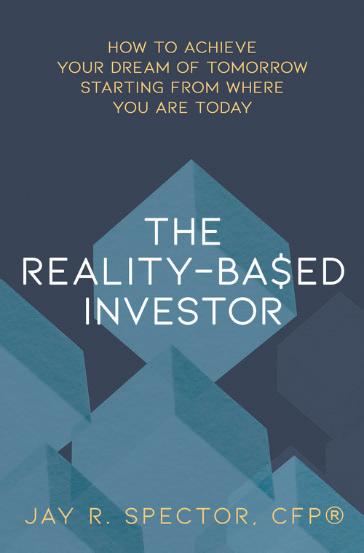
When Jay Spector, founding partner of EverVest Financial, published “The Reality-Based Investor: How to achieve your dream of tomorrow starting from where you are today,” he never expected it to reach No. 1 in Canada and No. 3 in the United States in Amazon’s bestselling wealth management books in just a few short weeks.
“It’s been wild,” Spector said of the book’s rapid success. “I never thought in a million years I would be an author. It’s certainly not an easy process, but it was a labor of love. It was a lot of fun, and it’s nice to see the fruits of that labor come together.”
EverVest Financial provides full-service wealth management and financial services out of offices in Scottsdale, Peoria and Prescott, with services following the model of “reality-based investing” — Spector’s personal philosophy for financial advice.
Spector explained that most financial planners like to use probability to guide their investing, which is often profitable, but the client may not always understand what’s happening to their money.
“I like to give clients more than just a projection. I like to give them reality — something that’s easy, simple to understand and something that they can adapt to their lifestyle,” Spector said. “I wanted to put this book together for real people in a real world with real expenses, real goals and real income.”
Spector grew up in the Valley and currently belongs to Congregation Or Tzion in Scottsdale. A “self-described workaholic,” he spent a year and a half gathering his thoughts, writing, editing and getting the book published.
“I can’t sit still, so when I go home at night, and I’m digesting the day, trying to decompress and thinking about meetings and conversations I’ve had, I think about what’s the best way I can get my message out to the broader community, not just Arizona, but across the nation and across the world,” he said.
His inspiration came from many years of conversations with prospective clients, clients, friends and family. Spector has
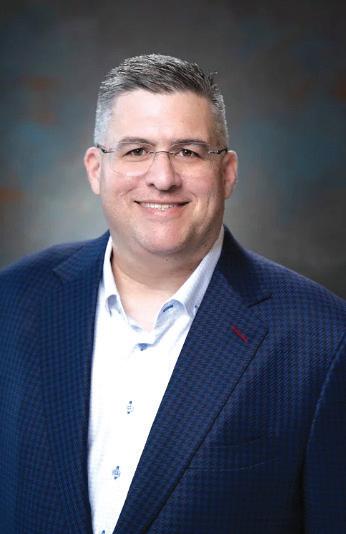
Jay Spector, above, with the cover of his bestseller, “The Reality-Based Investor."

fielded countless questions about how to retire and transition from earning a paycheck to generating passive income.
“All of those conversations culminated in my desire to put pen to paper to really explain to folks how you create your own paycheck,” he said.
Spector didn’t feel he had enough knowledge of social media to create a podcast or spread his vision online, but he was much more capable of sitting down and writing something tangible to get his message across.
He can now also provide the book to prospective clients who are deciding whether to trust him as their financial advisor. “It helps them understand where my mindset is, how I operate and how we work to ultimately help them and their family,” Spector said.
“I WANTED TO PUT THIS BOOK TOGETHER FOR REAL PEOPLE IN A REAL WORLD WITH REAL EXPENSES, REAL GOALS AND REAL INCOME.”
A few of the most common problems Spector tries to correct in his clients’ portfolios are overconcentrating their money in one or two stocks and portfolios that don’t match the person’s financial goals.
“We then have to go into repair mode to help them help themselves, so we put a plan together for them that really reflects the reality of the situation, reflects their goals, their stage of life and where they want to go,” Spector said.
Market volatility and conflicting advice are two of many factors that have made investing feel overwhelming for the average person.
“Just like someone goes to a doctor to get medical advice, a lawyer for legal advice or an accountant for tax advice, a financial advisor serves as a partner and guide to help people make the right investment decisions, to put the right plan together, to help them get from point A to point B,” Spector said. “This book gives them some of those tools.”
Spector said his attention to detail and customization for each individual client sets him apart from other financial advisors who often implement a one-size-fits-all strategy.
“Our client portfolios are built with the client’s goals in mind, and that is if they’re looking to retire, to generate income, whatever it might be, we’re building portfolios for them; we’re helping them
create something that’ll be a long-term strategy, something that can survive good markets and bad markets with their ultimate goal in mind,” he said.
Readers stand to gain a clearer understanding of how to securely invest their money, including practical strategies, a long-term perspective grounded in realworld experience and insight into avoiding common mistakes.
The book also covers how to choose the right financial advisor. Readers learn everything from what to expect of financial advisors to the many questions they should ask.
The target audience includes individuals planning for retirement, families seeking long-term financial stability and professionals seeking clear investment guidance.
“The feedback that I’ve received so far on the book has been that it’s a nice, easy read, meaning it’s not overly complex, it’s easy to follow, easy to digest and it speaks in plain English and not in jargon like so many people in our industry speak,” Spector said. “It really helps people understand the nuances of financial planning and how we operate as financial advisors to work on their behalf.”
In addition to his work as a financial planner, Spector previously served as an assistant to former U.S. Secretary of the Interior Bruce Babbitt, and he has served

on various Arizona-based boards and commissions, including the Arizona Water Infrastructure Finance Authority (WIFA), City of Scottsdale Environmental Quality Advisory Board, The Foster Alliance board, Ronald McDonald House of Central and Northern Arizona and Jewish Free Loan board.
“I’m very fortunate,” Spector said. “I have a good practice, a very supportive family and what my wife, Bethany, and I have always wanted to instill in our kids is the sense of giving back to our community. Tikkun olam is incredibly
important to our family.”
“The Reality-Based Investor” is available on Kindle, hardcover, paperback and an audio version is coming out soon.
“Once you read the book, hop on my website, make an appointment, come in, let’s talk about your situation,” Spector said. “If it’s something that we can help you with, we’ll tell you. If it’s something we can’t help you with, we’ll tell you. The goal is to give you an education on where, and how, to invest to help achieve your goal.” JN
For more information, visit therealitybasedinvestor.com.









PENNY SCHWARTZ | JTA
M
ost people spend their later years looking back. Harold Grinspoon has spent his reinventing himself.
The businessman became a philanthropist. The philanthropist discovered Jewish children’s books and created PJ Library. In his late 80s, he became a sculptor after a cherry tree fell in his yard.
Now, as he turns 97, Grinspoon is reflecting on the unexpected pivots that have defined both his life and his approach to Jewish giving.
Known for innovative programs like PJ Library — which engages young Jewish families with monthly deliveries of ageappropriate children’s books and music — Grinspoon and his eponymous foundation have focused on programs that, in the spirit of the real estate business that made his fortune, build Jewish habits, institutions
and relationships that he hopes will outlast him.
“I was 10 years old in 1939 when the Holocaust began and the horrific news of what was occurring to the Jews in Europe over the ensuing years made a deep impression on me,” he recalled in a recent email interview. “I have spent my life reflecting on the inhumanity of the Holocaust and what small part I could play in helping to rebuild the Jewish community.”
That help is also coming from JCamp 180, a program that now supports over 175 Jewish day and overnight camps by providing strategic and organizational development, and Life and Legacy, which provides training and incentives for institutions to plan for their futures.
To date, with Life and Legacy’s
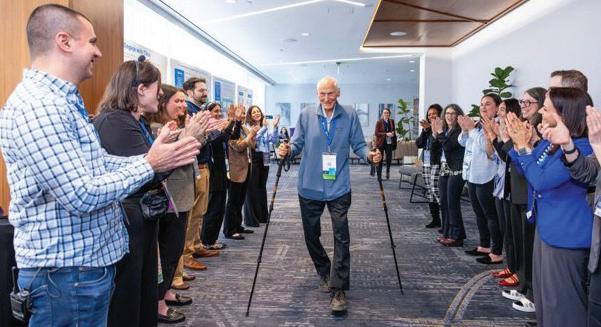
assistance, $350 million has been placed into organizational endowments, and over $2.2 billion has been committed for the future of Jewish communities.
Visitors to the foundation headquarters in Western Massachusetts find a philanthropy that often runs like a think tank, looking for answers to out-of-the-box questions within the Jewish world and the local community. How can art be used to promote Jewish values? What’s the best way to help local farmers? What do the intimate, lay-led congregations known as havurot need to survive and thrive?
Many of these questions are posed by Grinspoon himself.
Massachusetts, near where the couple live.
In his mid-70s, Grinspoon, a cancer survivor and grandfather, was introduced to the world of Jewish children’s books by his daughter-in-law, Winnie Sandler Grinspoon. Like other Jewish philanthropists of his era, he was concerned by research showing that young Jewish families were increasingly opting out of synagogues and other legacy Jewish institutions.

“That’s always struck me as the essence of who Harold is: curious, fearless, and determined to understand the things he supports from the inside out. He shows up, asks questions, listens, and follows through,” Jamie Simon, CEO of the Foundation for Jewish Camp, wrote in an email.
Simon first met Grinspoon when she headed up Camp Towanga, the Jewish overnight camp near Yosemite National Park. She remembers how on a visit, he laced up his hiking boots for the steep hike down to the river, eager for an up-close look.



Curiosity and high energy drive Grinspoon, agrees Adrian Dion, COO of the Harold Grinspoon Foundation.
Dion said Grinspoon likes to take his early morning work meetings during his daily 4-mile walk. Once, they encountered a flooded road.
“We took off our socks and shoes and walked through, then jumped in the back of a pickup to get back. That’s Harold. Roll with the punches but keep the work going,” she wrote about the avid outdoorsman.
In his wide-ranging email interview with JTA, Grinspoon reflected on his turning points, philanthropy, his love of Yiddishkeit, world travels and discovering a new life as an artist.
“I always knew that if I made money, that I would give it back to the Jewish people,” Grinspoon wrote.
“If” became “when” in 1991, when he and his wife, Diane Troderman, founded HGF. He had made his money as founder of Aspen Square Management, a property development company in Agawam,
Grinspoon had no idea that there were such beautifully illustrated, high quality Jewish-themed books that his grandkids were eager to read. The challenge — and opportunity — was getting them into the hands of Jewish parents, and creating Jewish moments for unaffiliated and interfaith families with little or no connection to Jewish institutions.
He launched PJ Library in 2005. He was inspired by Dolly Parton’s Imagination Library, a national literacy program he supported in his area.
Today, the HGF’s signature program is a global, multi-lingual organization with more than 670,000 subscribers, in 40 countries, across five continents. A sister program in Israel, Sifriyat Pijama, reaches 350,000 children, while Maktabat-alFanoos provides books in Arabic to Arabspeaking school children.
Looking back, Grinspoon marvels about the endurance of PJ Library, whose name is a nod to family bedtime reading.
Among his favorite books are “Bagels From Benny,” by Aubrey Davis and “Joseph Had a Little Overcoat,” by Simms Taback, a classic that PJ sends to every new subscriber. PJ Library has not only helped connect families with Jewish values and stories, according to Naomi Firestone-Teeter, CEO of the Jewish Book Council, but its impact on publishing Jewish children’s books has been remarkable.
“PJ Library has helped create a strong, reliable audience for Jewish children’s books,” she wrote. “We’ve seen that influence reflected in the revival of outof-print titles and the introduction of new voices and books that speak to the diversity and richness of Jewish life.”
The year before PJ Library began, HGF established JCamp 180. The foundation committed up to $10 million to a matching
BOB ROTH | COLUMNIST
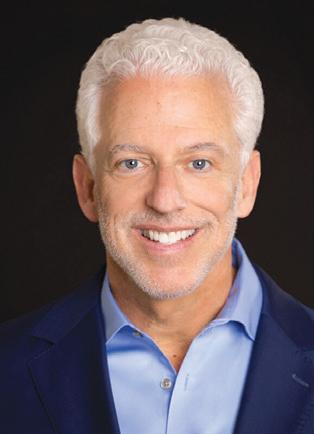
Iuse artificial intelligence nearly every day. It helps me research complex topics, organize my thoughts, challenge my assumptions and even become a better writer. Like millions of others, I am amazed by what it can accomplish in just a matter of seconds.
But the more I use AI, the more convinced I become of one thing: technology will never replace trust. Artificial intelligence can provide information. It can summarize medical conditions, compare providers, generate checklists and help families better understand treatment options. Those are extraordinary advancements, and we should embrace them.
What AI cannot do is tell you who will show up when your family is in crisis, who will treat your loved one with dignity and compassion or who will keep their word when no one is watching. That distinction has never been more important. We increasingly rely on technology to make decisions. We order groceries without speaking to another person, schedule appointments online and trust algorithms to recommend everything from restaurants
fund to help the overnight camps weather the pandemic crisis, when they had to cancel an entire summer session.
The foundation, with assets reported at just over $1 billion as of 2025, along with its philanthropic partners, has invested more than $700 million in Jewish programming and communities in Israel, the US, and around the world.
In 2012, the foundation launched Life and Legacy, a partnership program aimed at strengthening management at Jewish institutions across the country.
Sandler Grinspoon is the current president of the Harold Grinspoon Foundation but will soon retire from the role and remain as a board chair, according to a spokesperson. Through a second foundation, the Harold Grinspoon Charitable Foundation, her father-in-law also supports numerous non-Jewish civic causes, including awards programs for local farmers and educators. Grinspoon’s wealth and optimism belie his early years.
Born in 1929, Grinspoon was raised in a poor family in Newton, a suburb of Boston. One of five kids, he attended elementary school in Auburndale, one of the city’s neighborhoods with few Jewish residents. Dyslexic and bullied because he was
to healthcare providers. Convenience has become one of our greatest expectations. But when the decision involves someone you love, convenience should never replace discernment.
For more than three decades, I have had the privilege of working alongside older adults and their families. I have watched sons and daughters suddenly become caregivers after a fall, a stroke or a dementia diagnosis. I have sat with families overwhelmed by hospital discharges, uncertain where to turn or who to trust.
In those moments, people are not simply looking for a service. They are searching for someone who will care for their loved one with compassion, dignity and integrity. Artificial intelligence cannot tell you whether a caregiver genuinely loves serving older adults. It cannot tell you whether an organization lives its values when no one is watching. It cannot tell you whether a care manager will answer the phone at 10 p.m. because a frightened family member simply needs reassurance. It cannot determine whether someone will treat your mother or father the way they would treat their own.
Only people can demonstrate that. The aging services profession has always been, at its core, a relationship business. Whether it is home care, hospice, assisted living, skilled nursing, rehabilitation or
Jewish, Grinspoon attended Newton’s vocational high school, where he was one of the few Jewish students.
To earn money when he attended Marlboro College in Vermont, Grinspoon sold ice cream in the summer, so successfully that he left school to manage a fleet of ice cream trucks.
After serving in the U.S. Navy, Grinspoon bought a two-family home in West Springfield, Massachusetts. He renovated homes in need of repair and rented them as affordable housing. Over the decades, his real estate enterprise expanded across the country.
A decade after launching PJ Library, the ever-ebullient Grinspoon, then approaching 90, had another “aha” moment that once again transformed his life.
When a large cherry tree fell in the yard of his home, Grinspoon didn’t feel right having it carted away. Instead, he set to work creating a large sculpture from the distressed wood.
A creative spark was kindled -— leading him in a left-turn journey into the life of a sculptor. Working with an artistic partner for the past seven years, he’s created more than 140 large-scale, modern, abstract sculptures, many on display in the Berkshire
geriatric care management, the work is not simply about delivering services. It is about earning confidence during one of the most vulnerable chapters in a family’s life.
Trust is not built by technology. It is built one conversation, one promise and one act of compassion at a time.
As artificial intelligence continues to reshape healthcare and aging services, I believe consumers have an even greater responsibility to do their homework, ask thoughtful questions and seek recommendations from people they trust.
Talk to physicians, discharge planners, neighbors, clergy, friends and others who have walked this path before you. One trusted recommendation from someone whose judgment you respect is often worth far more than a hundred anonymous online reviews.
If you are choosing an organization to care for an aging parent, do not just evaluate the company. Evaluate the leadership. Ask about employee retention. Ask how caregivers are trained and supported. Ask what happens when something goes wrong, not just when everything goes right.
The answers to those questions reveal far more than a polished website ever could. I have often said that technology makes things possible, but people make things
Mountains of Western Massachusetts, where he supports a number of Jewish and local institutions.
“Somewhere inside me, I discovered a bend towards art. When I stepped back from my active role in my business and the foundation, I found the time to play with some concepts,” he wrote.
He works with distressed wood and recently, with modern media, including found objects. Among his works is “Cosmic Dreidel” and “Floating,” a newer work, a towering piece of 550 12-inch glass and stainless steel balls.
“Make sure to show a picture of that one,” he wrote.
Grinspoon and Troderman follow the news, Grinspoon said, acknowledging the distressing rise in antisemitism.
“My mind flashes back to when I was a young kid and antisemitism was rampant. This is the second time it has happened in my lifetime,” he wrote.
Post Oct. 7, 2023, his foundation continues its investment in programs that connect Jews around the world with Israel, Dion told JTA. Support for PJ Library is stronger than ever, she said.
“This is a moment in time to double down on our flagship programs — PJ
happen. I believe that more today than ever before.
The future of aging services will absolutely include artificial intelligence. It will help us identify health risks earlier, reduce administrative burdens, improve communication and personalize care in ways we once thought impossible. Those innovations will improve lives, and we should celebrate them.
But we must never confuse intelligence with wisdom. Or efficiency with empathy. Or information with trust. Artificial intelligence should help us ask better questions. It should never replace the conversations that build confidence.
So, embrace this remarkable technology. Learn from it. Let it make you a more informed consumer and a better advocate. But when the decision involves someone you love, do what no machine can ever do. Look someone in the eye. Shake their hand. Listen carefully. Ask the hard questions. Build relationships. Because in a world where intelligence is becoming increasingly artificial, trust remains beautifully, profoundly and unmistakably human. JN
Bob Roth is the managing partner of Cypress HomeCare Solutions.
Library, Life and Legacy and JCamp 180,” she wrote. “We will continue to grow and evolve as we have for the last 30 years,” and continue to look for new partners.
For Grinspoon, that’s the only way he knows how to respond to a challenge.
“I believe in helping others. Being generous. Being grateful. We try to be good citizens,” he wrote. In celebration of his 95th birthday, Springfield Mayor Domenic J. Sarno presented Grinspoon with the key to the city, the largest in Western Massachusetts.
Nearly a century after growing up amid American antisemitism, living through the Holocaust, watching Israel’s triumphs and challenges, and witnessing the American Jewish community’s prosperity and vulnerability, Grinspoon says one of his greatest sources of optimism is Maktabat al-Fanoos, the Arabic-language children’s literacy program his foundation supports in Israel.
Like many of the programs he funds, it builds on family connections in service of creating civic and communal connections.
“It gives me hope,” he wrote. “I hope all Israeli citizens can be great neighbors.” JN









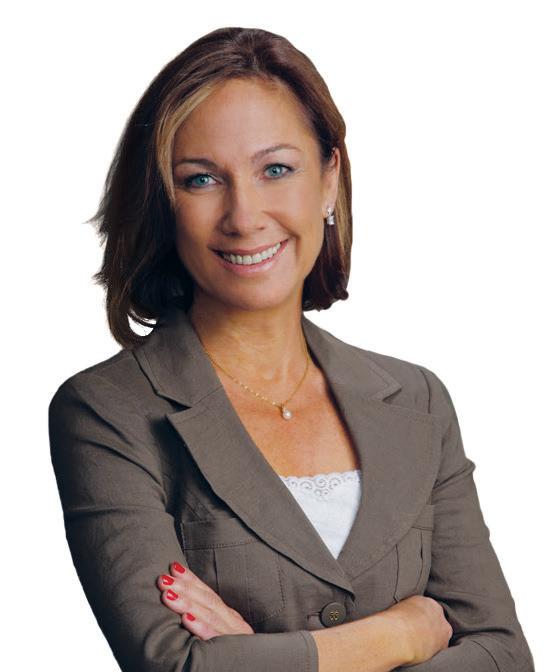


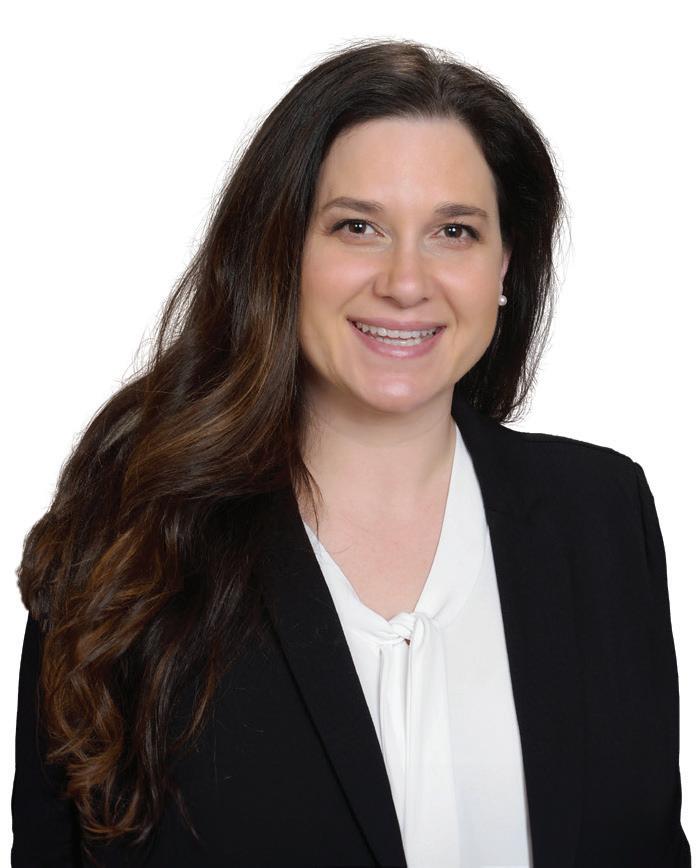
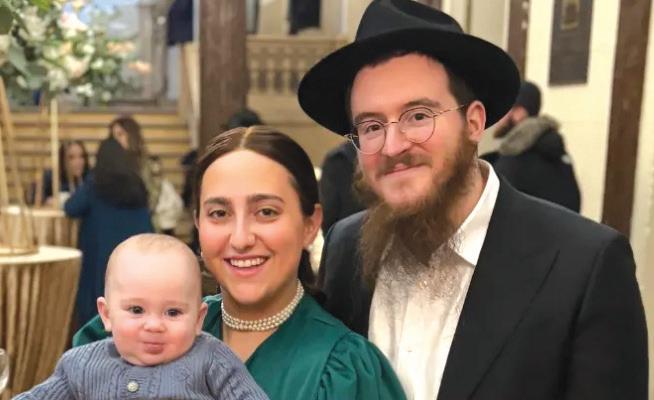
Chabad of Arizona recently announced that it is expanding to incorporate a new Chabad center, bringing Jewish learning and connection to the North Valley communities of Carefree and Cave Creek.
When Rabbi Zalman and Tzippy Levertov moved to Phoenix in 1976 to establish Chabad in Arizona, they began as a two-person team at a single location.
In the 50 years since, Chabad has grown to more than 25 locations across Arizona, led by more than 55 rabbis and it’s marking its half-century anniversary with the opening of a brand-new Carefree center, as well as a center in Maricopa.
Jewish Americans are known to embrace varying levels of religious observance, but Chabad strives to transcend those affiliations to help individuals and communities develop a sense of belonging and enhance their Jewish learning.
Chabad welcomes Jews from all Jewish denominations, as well as non-Jews looking for connection and a means for personal growth.
The Carefree Chabad will offer expanded opportunities for Jewish community engagement for North Valley families of all religious denominations.
Programming is expected to include adult education, lectures, discussions, holiday gatherings, community meetups and other social events, all aimed at cultivating connection, growth and inspiration.
“Carefree and Cave Creek have a growing Jewish presence and a real desire for connection and meaningful Jewish life,” said Rabbi Zalman Levertov.
The idea to expand to Carefree came from Rabbi Mendy Levertov, director of Chabad of North Phoenix in Desert
Ridge, who runs the Friendship Circle with his wife, Leah.
Founded in 2005, Friendship Circle connects children, teens and young adults with special needs with volunteers and community members through various events and programs, creating meaningful experiences and relationships.
Mendy and Leah’s daughter, Mussie, and her husband, Rabbi Mendel Heller, relocated this summer to establish and pilot the Carefree Chabad center. “We’re excited to create a space where people can come together, learn something meaningful and build real connections,” said Heller. “Our goal is to offer experiences that are both enriching and accessible and to help foster a genuine sense of community.”
The Carefree Chabad center, similar to many other Chabad locations across Arizona, is part of the global ChabadLubavitch movement.
“Rabbi Mendel and Mussie bring warmth, dedication and a deep care for every individual,” said Zalman. “They are uniquely suited to build a community where people feel welcome, engaged and inspired.”
Local residents are encouraged to get involved and help shape the new center from its roots. A campaign to raise $150,000 for the new center is underway, having already raised more than $51,000 (34% of the goal) from 215 individual donors.
“With your generous support, we will be setting out on this journey this summer and laying the foundation for a lasting impact,” concluded the campaign information written by the Hellers at charidy.com/carefree.
For more information, visit chabadcarefree.com.
Brad’s Kitchen is catering made easy with service you can trust. Our food is delicious with unmatched quality. Taste the difference for yourself. Kosher catering for all occasions.
Bradley Levy | Chef/Owner 602-540-9909 bkitchenaz@gmail.com www.bradskitchenazco.com












Every gift to the Emergency Loan Safety Net Fund will be matched dollar-for-dollar up to $25,000 through August 31, 2026.


Give today by scanning the QR Code, visiting https://bit.ly/JFLlemonade or calling 602-230-7983.



Our members are sponsoring a limited number of High Holiday Tickets as a way of introducing our warm and friendly active adult congregation to the community.
Please call
602.956.0805
To register for guest tickets, times, and location. We look forward to observing the High Holidays with you this year!
For security purposes, your name as a registered ticket holder must be confirmed at the door.


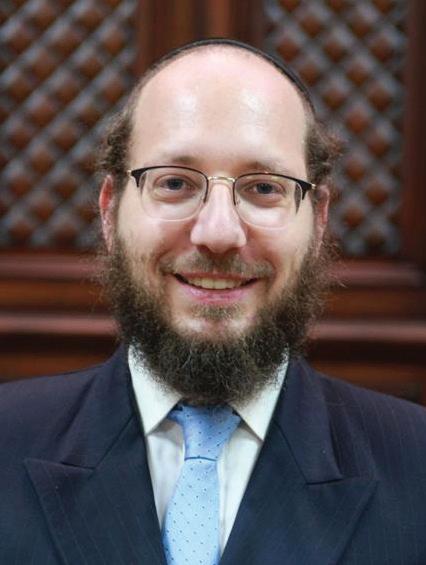
As the summ er winds to a close (weather notwithstanding) and summer break transitions to school for the kids, my mind turns to the upcoming Days of Awe with its themes of commitment and judgment. After all, this Shabbat we usher in the Jewish month of Elul, the month spent in preparation for the upcoming holidays.
In the Shema prayer we recite twice daily, we read of G-d’s promise that if the Jewish nation heeds the Torah, fulfilling its commandments and refraining from the prohibitions, He will provide an abundance of food by bringing rains of blessing allowing for bumper crops. In other places in the Torah, G-d promises health, fertility, and tranquility.
Maimonides is bothered with this. What bothers him is that this seemingly
contradicts an adage of the sages. The sages state unequivocally that there can be no reward for the fulfillment of mitzvot in this world.
The reward we expect to receive is inherently spiritual in nature. The only true goodness is G-d Himself. To the extent that we are able to shape our thoughts, actions and desires to align with His, we will be able to receive of Him in the next world. That is the ultimate reward which our souls will delight in. Such a reward can only be experienced in a world where our souls are dominant. In our current physical existence, we cannot fully experience or appreciate this, so reward for mitzvah observance can only be presented in the next world, not this one.
This being the case, how does the Torah then promise reward in this world? What do we make of the promises of flocks of sheep, of harvests of grain, wine and oil, of peace and tranquility? Aren’t all of these earthly rewards?
Maimonides answers that these promises are not, in fact, rewards for fulfilling the mitzvot. Instead, G-d promises us that if
He sees we are making efforts to do His will, He will arrange that we will have more opportunities to do so. When we don’t have to worry about poverty and war, we can turn our full attention to studying the Torah in more depth, in creating a better society and performing His mitzvot with more alacrity. This will in turn change us into human beings with a higher character, more capable of receiving His presence. The blessing is to be able to live a life of service to G-d. As the Mishnah states in Pirkei Avot (4:2) The reward of a mitzvah is a mitzvah.
If we look carefully at the opening of this week’s parshah, we may find an indication of this concept as well.
“See! I place before you today, blessing and curse. The blessing — that you will hearken to the commandments of G-d, your Lord, that I command you today. And the curse, if you do NOT hearken to the commandments of G-d, your Lord, and you veer from the path that I command you today …”
When it comes to the curse, the Torah writes a causative clause. If-then. If you
can’t
don’t obey the law, then there will be curse. When it comes to the blessing, however, the Torah does not use the word “if”, instead using the word “that.” That is to say, the true blessing does not come about as a result of performing the mitzvot, but rather, the blessing is the performance of the mitzvot themselves! Any physical bounty that G-d bestows upon us is to allow us further blessing of continued and better observance of His will. May we all rise to be the best version of ourselves and merit to bask in His radiance! JN
Rabbi Sholom Twerski is the assistant rabbi of Beth Joseph Congregation and the rabbinic administrator at the Greater Phoenix Vaad Hakashrus.
RABBI PAMELA BARMASH, RABBI EMILY BARTON | JTA
As Conservative/Masorti rabbis, we see firsthand the joy of couples building a life together in the Jewish community, and the pain of those who feel shut out because one of them is not Jewish.
We think of the community member, though not Jewish, who developed a profound love for davening (prayer) and Torah study, and has supported his children’s and grandchildren’s Jewish education and observance of mitzvot. We think of another community member who faithfully drove her four children to Hebrew school for years and, after her youngest child’s bat mitzvah, chose to convert to Judaism herself.
It is time for our halacha, or Jewish law, to address issues facing intermarried couples and families robustly.
The two of us had the honor of joining colleagues in co-authoring a teshuvah — a rabbinic response to questions of Jewish law — that does just that. The Rabbinical Assembly’s Committee on Jewish Law and Standards has approved a teshuvah that seeks
to honor these couples and families and their commitment to Jewish life.
Based on halacha and Jewish tradition, the teshuvah affirms the longstanding standard of Conservative/Masorti rabbis that clergy may officiate only at weddings where both partners are Jewish. It emphasizes that while a wedding is a significant moment that often singularly drives these conversations, there are many other important life-cycle moments that rabbis can offer as occasions for Jewish celebration and reaffirmations of commitment to mitzvot.
We welcome non-Jewish parents on the bimah during their children’s b’nai mitzvah and offer “mazel tov” and other gestures of inclusion to intermarried couples, both of which were once considered unacceptable.
We affirm that synagogues may not hire intermarried individuals as clergy but may hire intermarried individuals for other roles, and that rabbis may officiate at funerals for non-Jewish family members and support a Jewish mourning process when a non-Jewish
loved one dies.
It’s been about 40 years since the Committee on Jewish Law and Standards, which sets halachic policy for our movement internationally, broadly addressed questions around intermarried couples and families. We have learned over time that those intermarried couples who choose to embrace Jewish life are integral to the fabric of Conservative/Masorti communities.
We invite these couples to engage meaningfully in Jewish practice at home and in community, and, if they are having children, to raise them as Jews.
We do so because, as rabbis, we enjoy the privilege of being invited into people’s lives, and our role is both pastoral and educational. As couples turn toward each other and seek to integrate Judaism into their lives, we are here to help them chart a course and to bring Torah into the conversation and observance of mitzvot into their lives.
We aim to inspire the couple to grow in Jewish living, observing mitzvot, studying
Torah and searching for God in daily life. To do so, we must create gateways so everyone can find a place to learn and find inspiration in our traditions, within the boundaries of halachic standards and principles.
Many of the practices in the teshuvah are already in place in some communities. Some offer solutions that speak most directly to realities in North America, and we call on local rabbis to interpret them in light of the circumstances in their local communities.
In the days of the Mishnah and the Talmud, when faced with new and challenging circumstances, our rabbis found creative and often beautiful solutions to embody the Torah as they understood it. As we follow in their footsteps, we use the wisdom we have inherited to both uphold and transform those values and honor the halachic principles that are central to our rabbinates and communities. JN
The views and opinions expressed in this article are those of the author and do not necessarily reflect the views of JTA or its parent company, 70 Faces Media.
Letters must respond to content published by Jewish News and should be a maximum of 200 words. They may be edited for space and clarity. Unsigned letters will not be published. Letters and op-ed submissions should be sent to editor@jewishaz.com
SUNDAY, AUG. 16
Helping Your Child Respond to Antisemitism with Confidence: 4:30-6 p.m. Location provided upon registration. Join the Bureau of Jewish Education of Greater Phoenix for a presentation featuring Alison Hurwitz-Kelman, program associate for the Jewish education team at Facing History & Ourselves. This workshop is designed specifically for parents of students entering third through fifth grade and will provide practical, age-appropriate guidance for navigating challenging conversations with confidence. A workshop for middle school students and families will be held Aug. 23. Cost: $18 per family. For more information, visit bjephoenix.formstack.com/forms/parent_workshops.
Events
FRIDAY, AUG. 7
Tot Shabbat: 9:30-10:30 a.m. Bureau of Jewish Education of Greater Phoenix library, 12701 N. Scottsdale Road, Scottsdale. Join BJE and the Phoenix Jewish preschool community for a Shabbat morning followed by a program. For children ages 5 and under and their families. For more information, visit bjephoenix.org/ family-shabbat.
I Am Not What Happened to Me, I Am What I Choose to Be: 10 a.m. Online via Zoom. Join the Arizona Jewish Historical Society for a presentation by Holocaust survivor Sami Steigmann, who survived Mogilev-Podolskiy labor camp, moved to Romania after liberation and eventually settled in New York City. For more information, visit azjhs.org/ajhs-events-list.
Family Tot Shabbat: 5:30-6:25 p.m. Temple Emanuel of Tempe, 5801 S. Rural Road, Tempe. Join TEOT and PJ Library for a light nosh, stories, blessings, songs and more. For more information, visit emanueloftempe.org/event/ tot-shabbat26.
SUNDAY, AUG. 9
Jewish Community Day with the Diamondbacks: 11:30 a.m. gates open; 12:15 p.m. on-field activities begin. Chase Field, 401 E. Jefferson St., Phoenix. Join the Center for Jewish Philanthropy of Greater Phoenix and more than 30 local organizations for a community fair and activities for all ages. Tickets purchased in the Jewish CommUNITY sections include a hat with D-Backs in Hebrew. For more information, visit phoenixcjp. org/diamondbacks.
TUESDAY, AUG. 11
Order in the Court! Cross-Examining Fate, Forgiveness and Forever: 1-2 p.m. Online and in-person at Temple Chai, 6025 E. Bell Road, Scottsdale. Join Valley Beit Midrash and Temple Chai for a presentation by Rabbi Ian (Haim) Pear, founder of Shir Hadash, a Jerusalem-based synagogue, educational institute and community center, as well as a lecturer on Israeli and Jewish law, environmentalism in Israel and spiritual diplomacy. For more information, visit valleybeitmidrash.org.
THURSDAY, AUG. 13
LAS Happy Hour: 5:30-7:30 p.m. Location provided upon registration. Join NowGen for the first-ever LAS Participants & Alumni Happy Hour. Whether you’re a current participant or an alum of the program, this is a chance to reconnect, socialize and expand your network in a relaxed setting. For more information, visit phoenixcjp. regfox.com/lashappy.
FRIDAY, AUG. 14
Welcome Shabbat Happy Hour: 5:30 p.m. Temple Chai, 6025 E. Bell Road, Scottsdale. Join Temple Chai to see its new campus, enjoy happy hour and nosh and stay for Shabbat. For more information, visit templechai.com.
SUNDAY, AUG. 16
Beth El Open House: 9 a.m. Beth El Phoenix, 1118 W. Glendale Ave., Phoenix. Join Beth El for breakfast and an open house and learn about
its committees, programs and departments. For more information, visit bethelphoenix.com/ event/open-house.
Soup, Salad and a Skit: 12:30-3:30 p.m. Beth Emeth Congregation of the West Valley, 13702 W. Meeker Blvd., Sun City West. Join Beth Emeth for lunch, door prizes and entertainment. Cost: $15; reservations due by Aug. 12. For more information, contact 623-584-7210 or visit bethemethaz.org.
THURSDAY, AUG. 20
Beyond Either/Or: Jewish Nestedness Can Heal a Fractured World: 1-2 p.m. Online via Zoom. Join Valley Beit Midrash and Temple Emanuel of Tempe for a virtual event presentation by Rabbi Natan Margalit who has taught at Bard College, the Reconstructionist Rabbinical College and the Rabbinical School of Hebrew College. For more information, visit valleybeitmidrash.org.
SUNDAY, AUG. 23
PHA Young Leadership Committee Launch Party: 11 a.m. North Scottsdale location provided upon registration. Join the Phoenix Holocaust Association for the launch of their Youth Leadership Committee, a new group dedicated to keeping the lessons of the Holocaust alive for the next generation. For more information, visit phxha. com/events/young-leadership.
Celebrate, Create & Connect: Intergenerational Jewish Holiday Craft Series: 1-3 p.m. Beth El Phoenix, 1118 W. Glendale Ave., Phoenix. Join Jewish Family and Children’s Service Center for Senior Enrichment and Creative Aging in partnership with the Pomegranate Guild of Judaic Needlework to create Rosh Hashanah coasters for the holiday table. $15 per person, for ages 7 and up. For more information, visit jfcsaz.org/ our-services/older-adults-services/class-calendar.
Middle School Jewish Student & Family Town Hall: 1-2:30 p.m. Location provided upon registration. Join the Bureau of Jewish Education of Greater Phoenix for a presentation featuring Alison Hurwitz-Kelman, program associate for the Jewish education team at Facing History & Ourselves. Hear directly from students, ask questions, learn what schools and community

partners are doing and discover ways we can work together to ensure Jewish students feel supported and connected. Cost: $18 per family. For more information, visit bjephoenix.formstack. com/forms/parent_workshops.
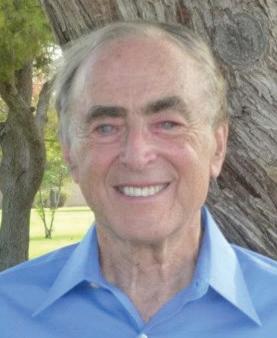
Resin & Renewal: 7:30 p.m. Chabad of Ahwatukee, 9830 S. 51st St. #B101, Phoenix. Join Chabad Jewish Women’s Circle for an evening of creativity and create a resin charity box. For more information, visit chabadahwatukee.com. JN
Robert “Bob” Berkovitz, 83, passed away peacefully on July 12, 2026, surrounded by his loving family. He was born Aug. 10, 1942, to Hymie and Anne Berkovitz in St. Paul, Minnesota. Throughout his life, Bob was passionate about weather. He served on the United States Army weather team and later graduated from the University of Washington, majoring in atmospheric science. He spent 37 years as a meteorologist with the National Weather Service until retiring in 2005. As a fire weather meteorologist, he was deployed to more than 25 major fires, providing critical weather information to firefighters.
He loved traveling, especially cruises, and enjoyed Sudoku puzzles, working out at the gym (taking Zumba and spin classes even after he turned 80) and spending time with family and friends. At weddings and other special events, he’d be one of the first people on the dance floor. Bob moved to Mesa in 1977 with his former wife, Norma Berkovitz, of blessed memory, and joined Temple Emanuel of Tempe. After retirement, Bob organized speakers for his NARFE group and volunteered at the Arizona Science Center. He also donated nearly 10 gallons of blood over his lifetime.
Bob was an incredible father and grandfather and was always there for family and extended family. He will be remembered for his kindness, humor, deep love for family and passion for nature and weather.
Bob is survived by his daughters, Leisah Woldoff (Ron) of Phoenix and Staci Berkovitz of Plano, Texas; his longtime partner, Meredith Singer of Sun City; his sister, Sheri of Los Angeles; his grandchildren AJ, Tanya, Olivia, Andrew, Zachary, Jadon and Adam; his great-grandchildren Grace, Harper and Amelia, and many extended family members and friends.
Graveside services were officiated by Rabbi Steven Folberg at Green Acres Cemetery on July 15, 2026. Donations are suggested to Temple Emanuel of Tempe or Hospice of the Valley.


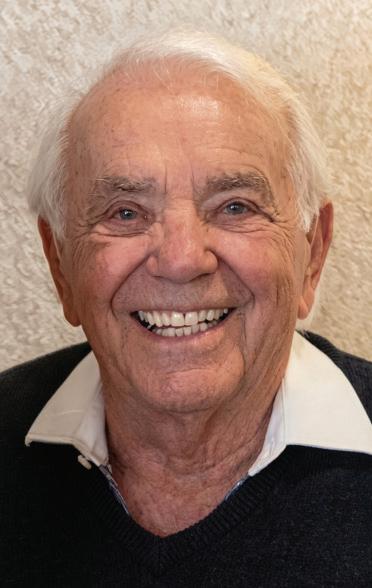
Leonard “Lennie” Grobstein passed away July 11, 2026, just two days prior to his 95th birthday. He is predeceased by his soulmate/wife, Elaine “Lennie” Grobstein, of nearly 72 years. Girl Lennie passed away just about six months ago. He is survived by his adoring family — children Howard (Ellen), Bruce (Patti), Jeff (Dianne) and Jan Horne (Mike); eight grandchildren Allison (Joe), Zachary, Cody, Michelle (Anthony), Nathan (Jenny), Mackenzie, Alec and Eli (Kristyna); and nearly eight great-grandchildren Brandon, Noah, Jessa, Kellen, Nolan, Emma and Maya; sister-inlaw Linda Silverman (David); and many loving nieces and nephews.
Lennie was a kind and gentle soul. Despite his age, he had a memory like an elephant and relished telling stories both old and new. He had an easy smile and sparkling blue eyes.
He was born and raised in Pittsburgh, Pennsylvania, the last of four sons. He served in the Navy as an aircraft engine mechanic/flight engineer for two and a half years during the Korean War. He spent most of his career as a jeweler and a part owner of L. Larson Jewelers in Old Town Scottsdale. He was a certified gemologist. He was beloved by his employees and customers — many of whom became very dear friends.
“The Lennies” were avid travelers, who saw much of the world. In later life, they enjoyed playing golf, canasta and Scrabble, and spending time with family and friends.
Donations may be made in his memory to Hospice of the Valley or a charity of your choice.
CODY ROSEN AND ZOE TSELOS
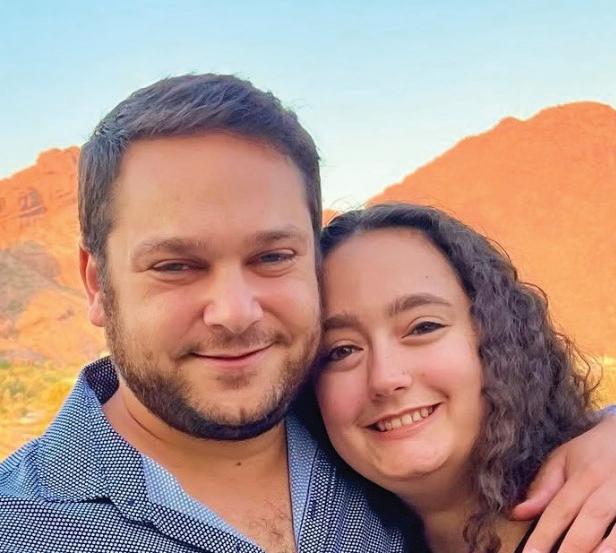
Cori and Vic Rosen of Paradise Valley announce the engagement of their son, Cody Rosen to Zoe Tselos, both of Phoenix.
Parents of the bride-to-be are Marni and Alex Tselos of St. Paul, Minnesota.
The couple met on JSwipe.
The wedding will take place on Nov. 20, 2027, in Paradise Valley. JN
LEAH KAPLAN AND MICHAEL MACKENZIE

Leah Kaplan and Michael Mackenzie were married at Stonebridge Manor in Mesa on June 20, 2026.
The bride’s parents are Andy and Mary Kaplan of Phoenix; and Ross Wilkoff and Pam Kaplan of Scottsdale. The groom’s parents are Mac and Meg Mackenzie of Arlington, Virginia.
Leah works for Exponent. She earned her doctorate in engineering from George Washington University after attending The University of Arizona, Chaparral High School and Pardes Jewish Day School. Michael works for Sonora Quest. He received his bachelor’s degree from The University of British Columbia after attending Washington-Lee High School in Arlington, Virginia.
The couple honeymooned in Japan and will reside in Phoenix. JN
OBITUARY
ALENA KLEINER CANTOR
Alena Kleiner Cantor of Phoenix died on July 1, 2026. She was 99. Alena was born in Prague, Czechoslovakia.
She was preceded in death by her husband, Judge Irwin Cantor; sisters Kitty Kleiner and Jitka Svechovsky; and son Garry P. Cantor. She is survived by daughter, Kim Cantor Mertens; son Michael L. Cantor; four grandchildren and three great-grandchildren. Services were held on July 5, 2026, at Sinai Mortuary and officiated by Cantor Sarah Bollt. Donations in her name may be made to Kenilworth Elementary School, 1210 N. Fifth Ave., Phoenix, Arizona 85003 or Southern Poverty Law Center, 400 Washington Ave., Montgomery, Alabama 36104. JN
May 19, 1938 – July 28, 2026
Madeline “Marsha” Joffe (née Koren), 88, passed away peacefully on July 28, 2026, following complications from a fall earlier this spring. After enduring weeks of rehabilitation, with remarkable strength and determination, she passed away in her sleep.
Born on May 19, 1938, in Milwaukee, Wisconsin, Marsha was the youngest child and only daughter of Fanny and Sol Koren. She was preceded in death by her beloved husband of 35 years, Ivan Joffe, whom she married on June 24, 1961. Together they raised their two children, Scott and Renee, and were active, longtime members of Temple Menorah in Milwaukee. After Ivan’s passing on July 4, 1996, Marsha often said she never dated again because she had already found the love of her life.
In 2001, Marsha moved to Phoenix to be closer to her daughter, Renee, with whom she shared an extraordinarily close bond. She quickly became a familiar face throughout the Jewish community, volunteering in a synagogue preschool, answering phones and supporting countless synagogue programs. Her warmth, kindness and welcoming spirit made everyone feel like family.
Known affectionately as “Mrs. J.,” Marsha was the “mom” to many of her children’s friends and an honorary grandmother to countless children throughout the years. She delighted in spending time with them, especially Samuel Melton, whom she lovingly referred to as her first grandchild after he entered her life as an infant nearly 32 years ago. More recently, she cherished the special relationships she built with Tom Hrlevich’s grandson, Konnor, and his daughter, Katie (Josh).
Marsha was known for her impeccable sense of style. Whether it was her beautifully manicured long nails, sparkling jewelry or perfectly coordinated outfit, she always took pride in looking her best. When she was able, she also enjoyed traveling and making memories with those she loved.
She is survived by her devoted children and their spouses, Scott Allison Joffe and Renee JoffeHrlevich and Tom Hrlevich; her cherished nieces and nephews, David, Lisa, Lori, Danny, Mindy and Steven and their families; and many friends, including her “buddy” Richard Hrlevich.
She was preceded in death by her parents, Fanny and Sol Koren; her brothers Irv Koren and Sam (Patsy) Koren; her beloved husband, Ivan Joffe; and her in-laws.
Marsha’s greatest gift was making everyone feel loved. She had an open heart, a generous spirit and an incredible ability to make people feel as though they belonged. Her kindness, laughter, friendship and unconditional love will be deeply missed by all who had the privilege of knowing her.
Funeral services were held on Tuesday, Aug. 4, at Second Home Cemetery in Milwaukee, Wisconsin. A memorial service will be held in Arizona at a later date.
In lieu of flowers, memorial contributions may be made to Congregation Kehillah in honor of Marsha’s lifelong commitment to her Jewish community.
Jerome C. Robinson, M.D., of Scottsdale, died June 25, 2026, at the age of 92. Born in Mobile, Alabama, on Feb. 23, 1934, to Emmanuel and Mamie Robinson, he graduated from high school early in Dallas, completed the University of Texas in two years and earned his medical degree at Washington University in St. Louis. He trained at Yale and Duke, completed a cardiology fellowship in Colorado and served two years as a commissioned officer in the United States Public Health Service. He settled in Phoenix in 1965 and met Phyllis, an intensive care nurse, at St. Luke’s Hospital. They married in 1969 and shared 57 years of marriage.
As a cardiologist, Dr. Robinson practiced for 46 years, beginning with 29 years in private practice in Phoenix, followed by Kaiser Permanente in Fort Worth and the University of Arizona’s Indian Health Service, caring for patients on Arizona’s reservations, before finishing his career in Prescott. Devoted to his patients, he did not retire until the age of 81.
He was preceded in death by his parents. He is survived by his wife, Phyllis; children Judy and David; grandson, Tanner; godson, Josh Saulson; cousins Beth and Saul Saulson; sisters-in-law and their husbands Linda and Jerry Burkeley, Lavonne and Cliff Johnson and Diane and Harlan Vander Griend; and brother-in-law Jerry Heikens. Graveside services were held June 28, 2026, at Mt. Sinai Cemetery. Memorial contributions may be made to Chabad of Scottsdale.
Alan Mitchell Ross of Las Vegas died on July 12, 2026. He was 61. Alan was born in Detroit, Michigan, and is affiliated with AZA Phoenix and AEPhi at the University of Arizona.
He was preceded in death by his father, Dr. Mervyn Ross; and is survived by his mother, Myrna Shapero Ross; sisters Aimee Holtzman (Dr. Lawrence) and Shelley Schonberger (Jeffrey); brother Kevin; and son Nathanial Jacob Ross.
Alan was a devoted and loving father to Nathaniel and was coach and manager of the many baseball teams Nathaniel played on, encouraging him in every endeavor. Involved for over 35 years in the gaming industry, he was beloved and admired by everyone he worked with and met.
Services were held on July 16, 2026, at Mt. Sinai Cemetery and officiated by Rabbi Arthur Lavinsky.
Donations in his name may be made to Boys Town Jerusalem Honey and Maurice Shapero Scholarship Fund.
Sandra “Sandy” L. Stein of Scottsdale, passed away peacefully Sunday evening, just after sunset, on the 13th day of the month of Av. Born and raised in Boston’s Old West End, Sandy lived for 55 years with her late husband, Pete, in the Arcadia area of Phoenix, before they “downsized” in 2012 to the Pueblo Norte Senior Living Community.
She had been active in Har Zion Congregation’s sisterhood; Parents of North American Israelis; Heard Museum Guild (40-year docent); ASU Lyric Opera Theater Guild; Temple Beth Emeth of Scottsdale; and many community choruses.
Pete predeceased her in 2016. She is survived by her children David (Carole) of Santa Monica, California, and Bracha (Baruch) Haskel of Jerusalem, Israel; siblings Sheila Tempelmann of St. Petersburg, Florida, and Arlene (Hugh) Mattison of Brookline, Massachusetts, and family; and seven grandchildren and 16 greatgrandchildren in Israel.
Donations in her memory may be made to Friends of Irgun Nechei Zahal (the-irgun.org), supporting the rehabilitation of disabled Israeli veterans, or to The Heard Museum (heard.org).
Lita Arlynn Schwartz, 94, of Glendale, passed away on July 22, 2026. She was a beloved wife, mother, grandmother, great-grandmother, sister and aunt. Lita was born February 13, 1932, in Minneapolis, Minnesota.
She is survived by sons Dr. Allan (wife Anita; David, Jarad, Colin), Dr. Joel (wife Jean; Ryan (wife Rachel; Logan, Elliana), Laura (husband Jared; Magdalena), Dr. Ronald (wife Anne; Wysteria, Holly, Daniel) and daughter Michelle Wilson (husband Jason; Amberlee, Jennalee).
In lieu of flowers the family is requesting donations be made to Children’s Home in Minnesota. The website is chlss.org, and the address is 1605 Eustis St., St. Paul, MN 55108-1219.