
THIS MONTH’S FEATURE: FROM WARBIRDS TO PILATUS WITH KERMIT WEEKS
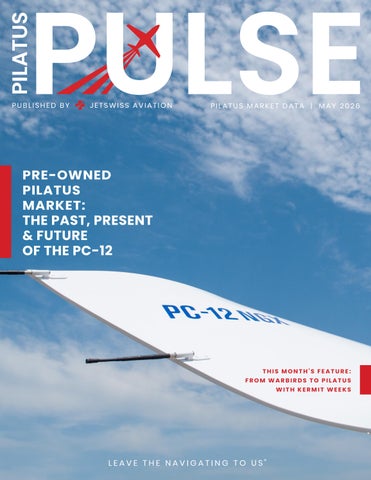
THIS MONTH’S FEATURE: FROM WARBIRDS TO PILATUS WITH KERMIT WEEKS
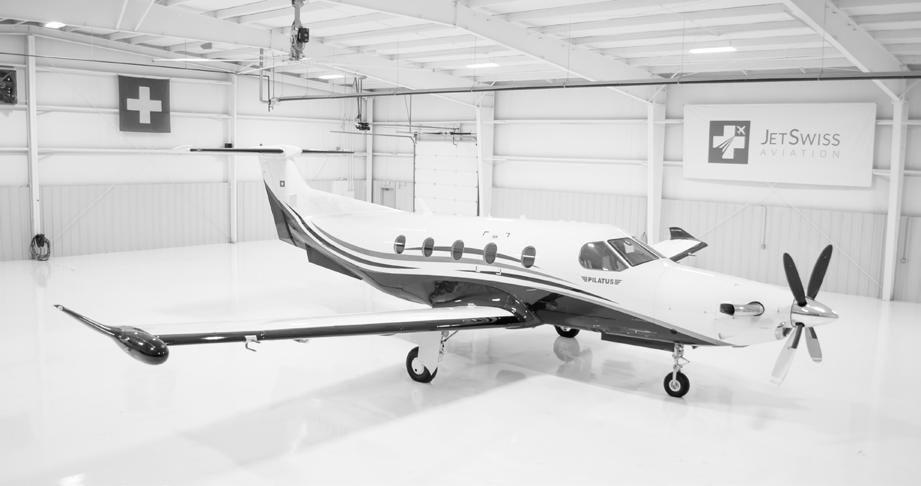
While much has changed since the PC-12 was first manufactured in 1995, a great deal has remained the same. We still have that beautiful Pratt & Whitney PT6A-67 powering this machine. We still have the same 5-foot by 4-foot, 10-inch crosssection. We still have the 30,000-foot ceiling. We still have the fully enclosed forward lavatory. We still have the proven and effective pneumatic de-ice boot system. And how about that everforgiving trailing-link landing gear?
While the aircraft has modernized over the years, its bones have remained unchanged. There’s an old saying, “Why fix it if it isn’t broken?” This certainly rings true with the PC-12.
When looking back at the history of the PC-12, it’s interesting to note how many aircraft were delivered each year:
• 1995 – 18 aircraft delivered in the first year.
• 2000 – By the turn of the century, Pilatus had ramped up to 62 aircraft.
• 2005 – In the final full year of the /45, Pilatus delivered 81 PC-12s.
• 2009 – 92 PC-12s were delivered in the first full year of NG production.
• 2016 – With the introduction of improved aerodynamic features, Pilatus delivered 87 aircraft.
• 2021 – In the first full year of NGX production, Pilatus delivered 90 aircraft.
• 2025 – Amid tariffs and a new model variant, Pilatus delivered 82 aircraft.
What I find particularly interesting is this: if you ask anyone in the industry, or anyone familiar with business aviation, the Pilatus PC-12 is more popular today than ever before. However, production levels have not increased accordingly. Why is that? It could be attributed to Swiss culture. It could be due to manufacturing limitations. It could reflect supplier capacity constraints. In reality, all of these factors likely play a role in determining how many aircraft are produced.
So, what effect does increased demand and popularity, combined with relatively stable production have on you, the PC-12 owner? Let’s
look at residual values. In this example, we’ll focus on the residual value of a 10-year-old aircraft:
• 2010 – A 10-year-old aircraft averaged 70% of its original price
• 2015 – A 10-year-old aircraft averaged 82%
• 2020 – A 10-year-old aircraft averaged 82%
• 2025 – A 10-year-old aircraft averaged 97%
Historically, as the number of aircraft produced by Pilatus began to plateau, residual values began to increase. I find this observation fascinating. While external variables always influence market values, the underlying principles of supply and demand remain constant. As popularity and demand have increased, supply has not kept pace. As a result, the value of pre-owned aircraft has risen to meet market demand.
It’s a compelling phenomenon, one that often requires a rearview perspective, or even a helicopter view, to fully appreciate.
Small-batch production, full order books, and strong demand in the pre-owned market have long been the backbone of Pilatus. Will this continue into the future? Will the new facilities in Florida and Colorado impact the Pilatus business model? It’s reasonable to assume that, with investment in these new facilities, production will increase to some extent to meet global demand. And that’s a good thing. Pilatus is unlikely to abandon its roots or the philosophies upon which this aircraft was built. That culture is deeply ingrained in both the product and the people behind it. What these investments will do, however, is help relieve pressure on new deliveries, stabilize pre-owned values, expand parts production, and further strengthen the service network supporting this exceptional aircraft.
It’s always rewarding to look back at where it all began, analyze the aircraft’s growth, and consider what lies ahead. At JetSwiss, we see nothing but blue skies ahead for the PC-12.
Fly safe, The JetSwiss Team


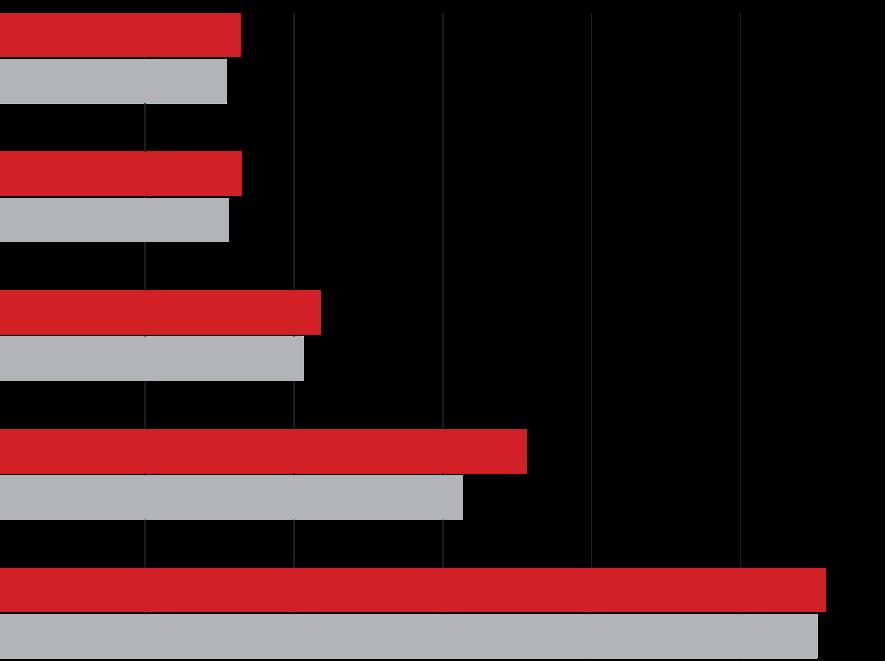
BREAKDOWN OF DAYS ON MARKET USA VS INTERNATIONAL
0-30 Days on Market
31-60 Days on Market
61-90 Days on Market
4-6 Months on Market
7-12 Months on Market
1-2 Years on Market

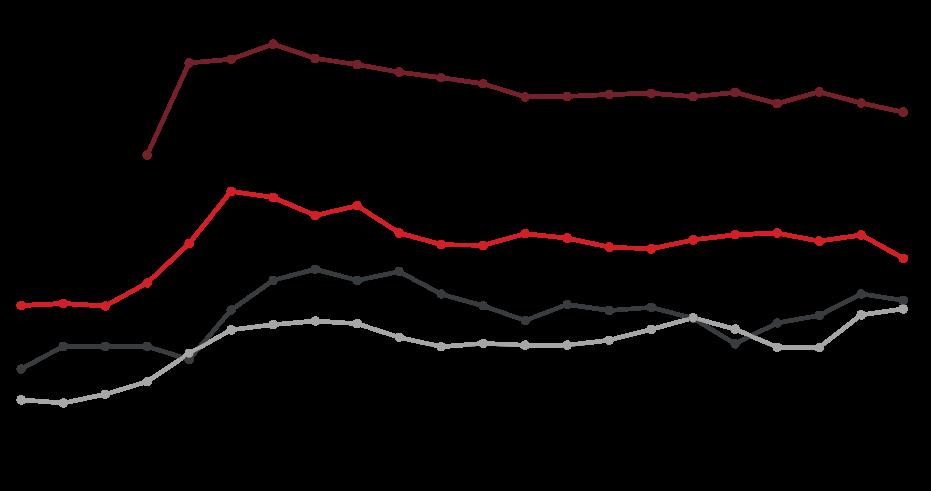
AIRCRAFT ASKING PRICE BY MODEL USA VS INTERNATIONAL


Jason has been in the aviation industry for over 20 years, though not all in one stretch. After high school, he served six years in the U.S. Army as a Blackhawk helicopter crew chief. Following his military service, he spent nine years in law enforcement with the City of Gardner and then as a State Trooper for the State of Kansas.
But, aviation has a way of pulling people back in! Since returning to the industry in 2013, Jason worked as a Pilatus mechanic at a Pilatus Service Center for over six years and
later transitioned into a role as an FAA Repair Station Manager and Operations Manager with an MRO company.
Jason brings a tremendous amount of knowledge, expertise, and support to both our team and clients. Working closely with our operations manager, pilots, and customers, he will oversee all maintenance aspects of our projects and managed aircraft. Jason will ensure that each aircraft within JetSwiss is operating to the highest standard.
Welcome aboard, Jason!
Other interesting facts about Jason:
• Holds an FAA A&P mechanics certificate, with IA authority
• Holds an FAA private pilot certificate with instrument privileges
• Regularly rock climbs with his two daughters
• Enjoys spending time on his motorcycle, the sport of curling, and smoking/ grilling meats year-round (regardless of Kansas’ weather)
• Has known our founder, Bub, for over 20 years
$8.0M
$7.0M
$6.0M
$5.0M
$4.0M
$3.0M
$2.0M
$1.0M
AIRCRAFT
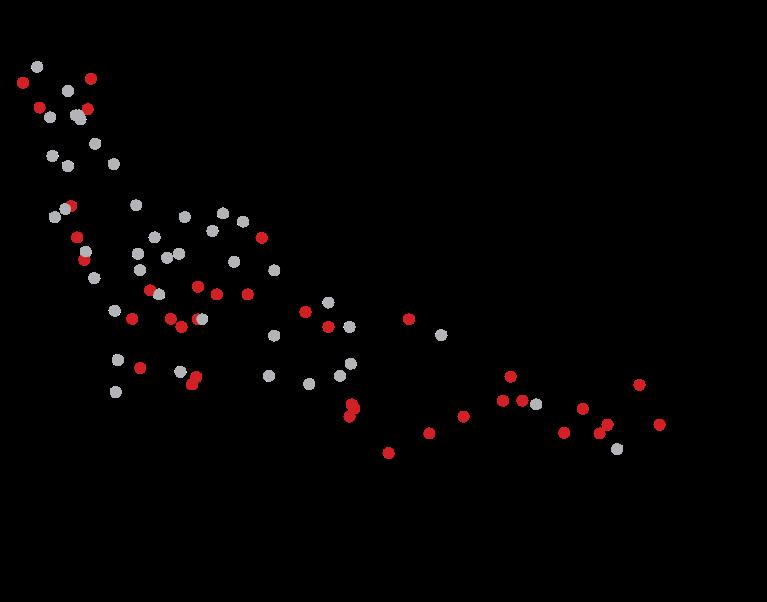
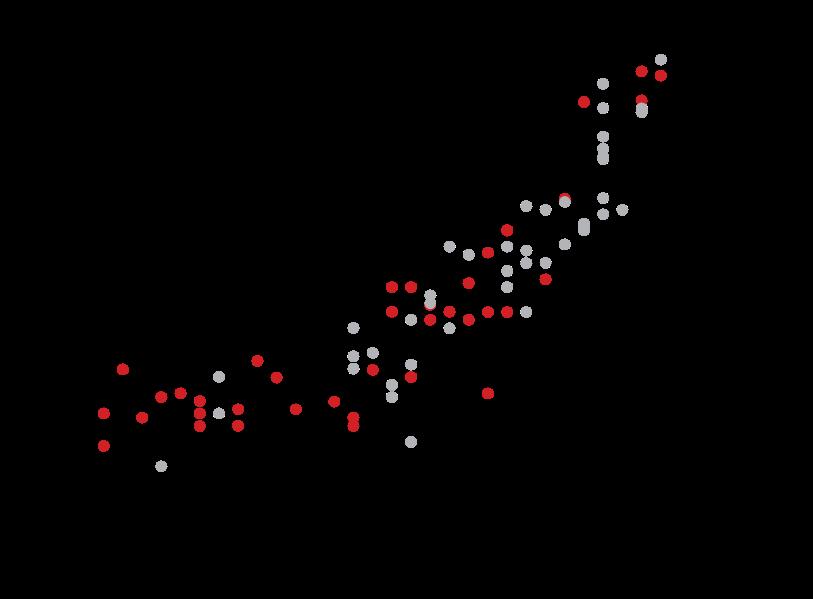
ASKING PRICE VS. MODEL YEAR
This chart reflects the current market for Pilatus PC-12 aircraft that are on the retail market. Want to know how much your Pilatus dollars will buy? This is a great place to start! As you can see, the aircraft model year plays a key factor in pricing of the aircraft–thus generates a commensurate trend curve. This data provides a baseline for our aircraft evaluations.
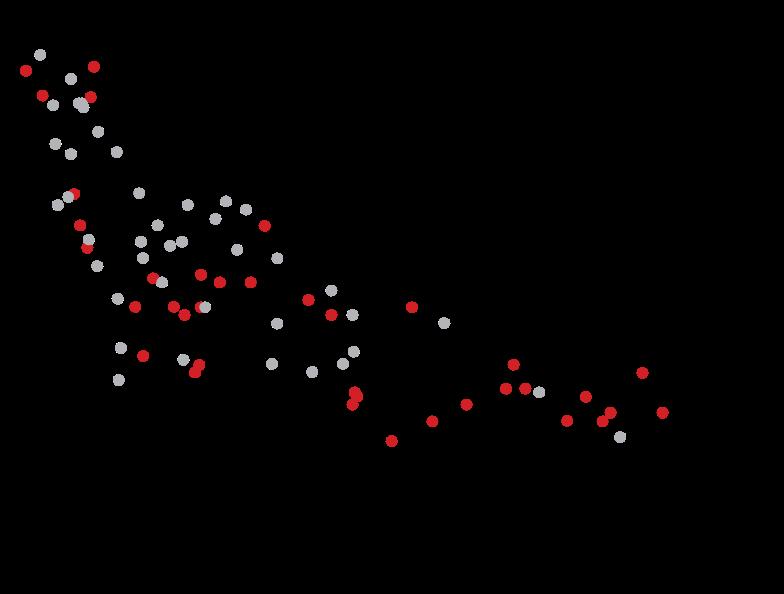
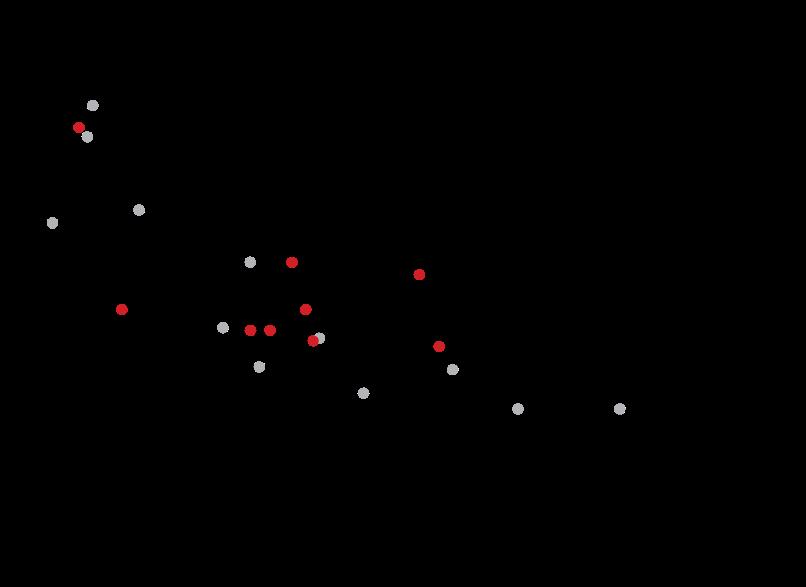
ASKING PRICE VS. TOTAL TIME
Similar to the Asking Price vs Model Year chart, this information helps our clients determine “the mileage on the car” for their specific budget. Want to own a low time aircraft? This chart will give you an indication on what you will spend. Note: aircraft under 1,000 hours total time historically yield much higher prices.
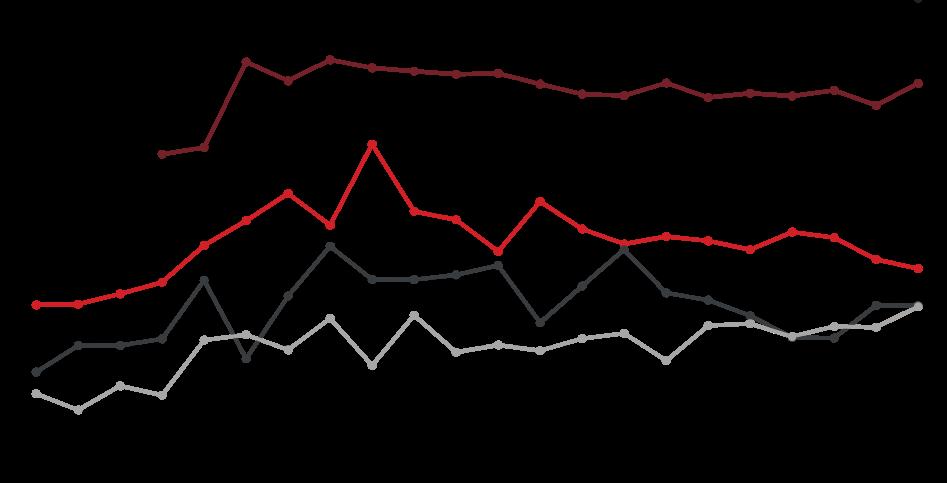
OWNERS UPGRADE FROM THE PC-12NG MORE THAN ANY OTHER AIRCRAFT
AIRCRAFT
This information helps our clients determine “the mileage on the car” for their specific budget. “Want to own a low time aircraft?” This chart will give you an indication on what you will spend. Note: aircraft under 1,000 hours total time historically yield much higher prices.
AVAILABLE FOR SALE
12 Located in the USA
14 Located Internationally
TOTAL AIRCRAFT MANUFACTURED TO DATE
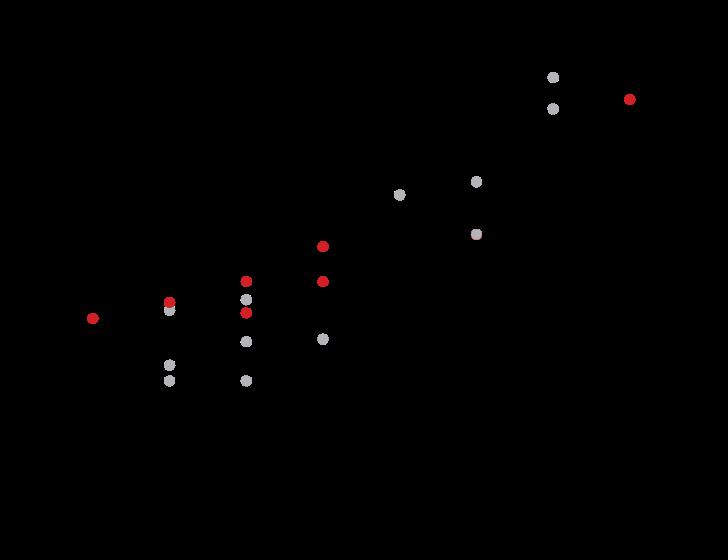
This chart reflects the current market for Pilatus PC-24 aircraft that are on the retail market. Want to know how much your Pilatus dollars will buy? This is a great place to start! As you can see, the aircraft model year plays a key factor in pricing of the aircraft–thus generates a commensurate trend curve. This data provides a baseline for our aircraft evaluations.
A Conversation with Kermit Weeks
There are aircraft owners, and there are aircraft collectors. For Kermit Weeks, aviation has never been about simply getting from point A to point B. It has been a lifelong pursuit of curiosity, connection, and craftsmanship.
From builder to collector, museum owner to flying historic aircraft, there isn’t much Kermit hasn’t seen in aviation. Yet even with owning the largest private, vintage aircraft collection in the world, there is still one box left unchecked...
Kermit was an aircraft builder before a collector. He began building his first aircraft during his final year of high school.
“They didn’t have kits back then, they just had plans. They were 40 bucks, and I had to mow eight lawns at five bucks a lawn to pay for them.”
After high school, he spent several years in college and set his airplane project aside. Eventually, he took a year off to finish and fly it.
Kermit then got serious about school, attended Purdue University to study Aeronautical Engineering, and retook his freshman year! Due to extenuating circumstances, he missed the first two weeks of his sophomore year and decided to drop out. He had another idea in mind.
With no formal training, Kermit designed and built two aerobatic airplanes: the Weeks Special and the Weeks Solution. In them, he became a two-time US National Aerobatic champ and won 20 medals at the world level with the US Aerobatic Team. From there, he purchased an AT6 to pursue his passion for vintage aircraft, followed by a P51. The rest is history!
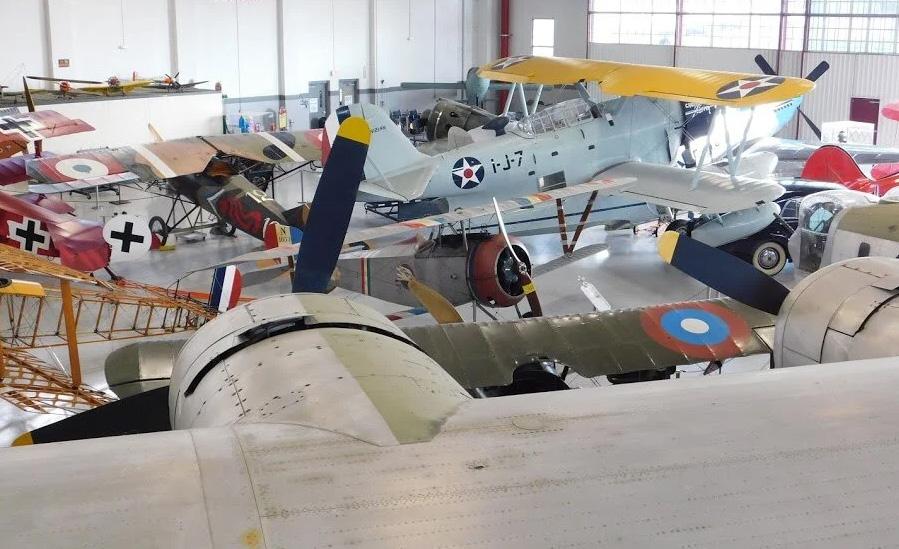
Today, Kermit has the world’s largest private collection of over 150 aircraft. His oldest original aircraft, called a MoraneBrock, dates back to 1913, although he has earlier reproductions. His vast collection also includes many aircraft from WWI, the Golden Age, and WWII, as well as helicopters and jets from the Korean War.
His favorite? “Whichever one I’m flying at the time.”
“When you look at the different airplanes, they’re like people. You know, they all have a different purpose and place in history.”
And his latest purpose is called “Pilatus.” When purchasing an aircraft, Kermit says, “each person has to look at it from what they want to get out of it.”
And for Kermit, this was midrange altitude.
The Pilatus not only gives Kermit more instrument time, but ample space and comfort in the cabin. Plus, the large cargo door makes it easy for him and his family to pack and possibly move airplane parts.
Additionally, Kermit has a grass runway. And we all know the PC-12 is great for that.
Kermit admits, “[It’s] going to be a change from flying open cockpit with a sectional…”
But at a certain point, practicality becomes part of the mission.
Before Kermit can take off from his grass strip, the aircraft is spending some time at a shop getting retrofitted–something Kermit doesn’t normally do with his antique warbirds.
But because Kermit’s Pilatus serves one and only mission (his own!), he is tailoring it to his needs. His legacy aircraft is receiving the latest engine, a 7-blade propeller, new interior, and new paint. Luckily, the Garmin cockpit had already been added prior to Kermit’s purchase.
“The journey has started, but I really haven’t. I can’t wait to get the airplane to start playing and learning with it.”
Alongside expanding his flight experience in the PC-12, Kermit is focusing on his future plans for Fantasy of Flight. Built around the theme of “Flight of the Human Spirit,” the park will blend aviation stories into the immersive space focused on self-discovery and self-transformation. He hopes to take what we all love about aviation and use it to touch the rest of the world!
“It’s about discovering yourself, but at the same time giving back in a way that touches other people,” says Kermit.
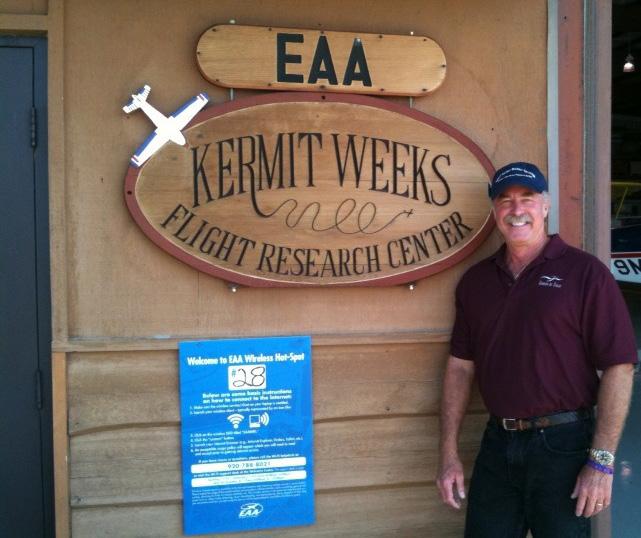
For more information on Kermit Weeks and Fantasy of Flight, click here.
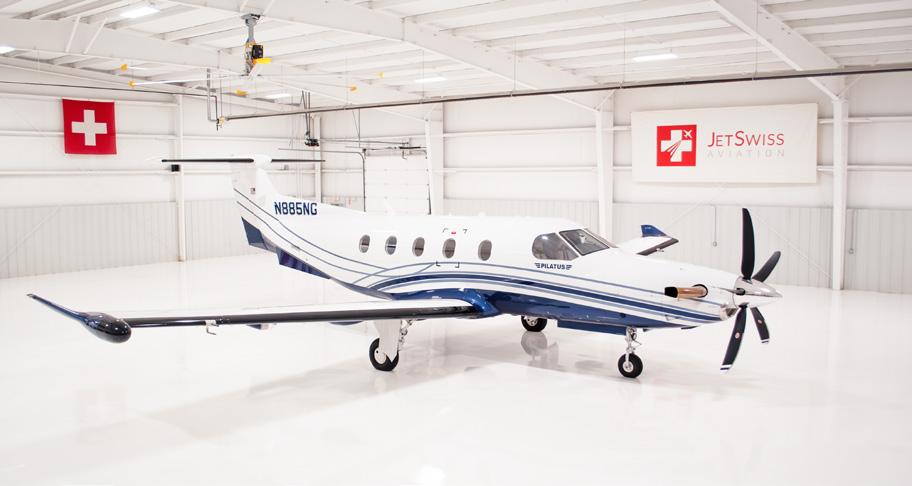
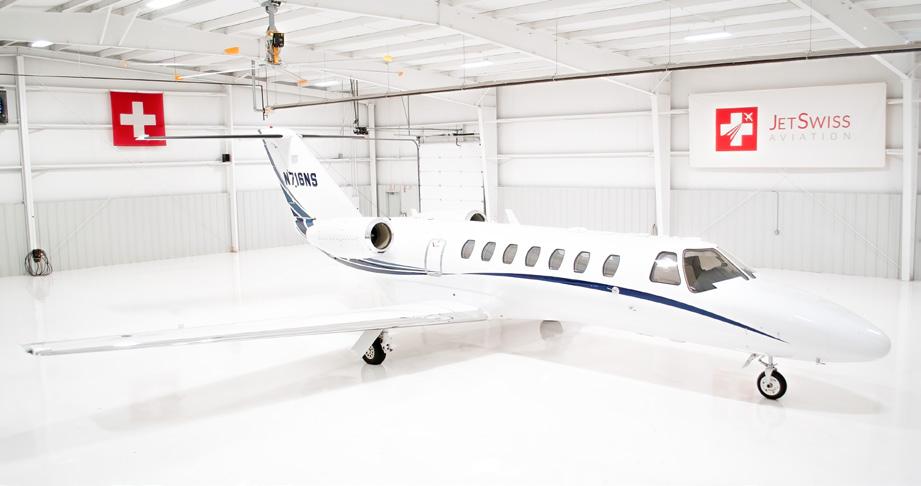
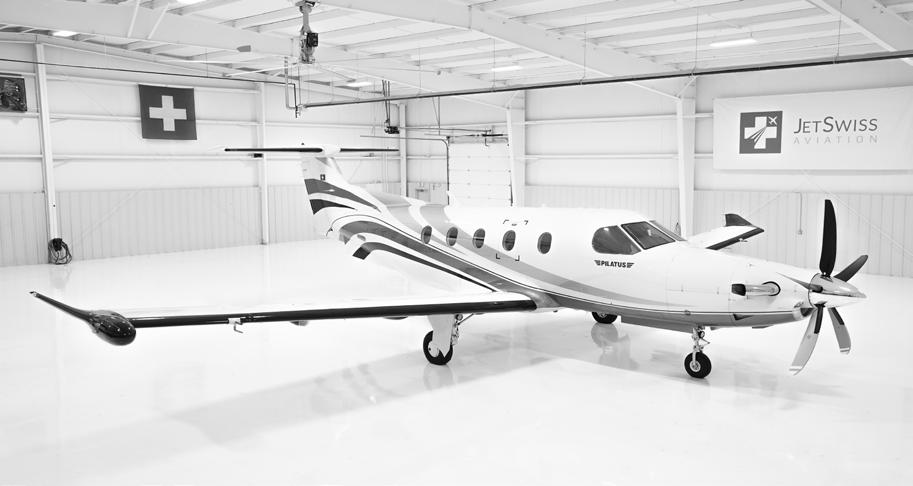
We have some tail for sale! These aircraft have completed our full diligence process and are ready for immediate delivery. Opportunities like this move quickly—don’t wait any longer!
Sign up to receive this publication to your inbox at jetswiss.com/pilatus-pulse.
We appreciate your feedback! Please send any feedback to Pilatus@jetswiss.com.