
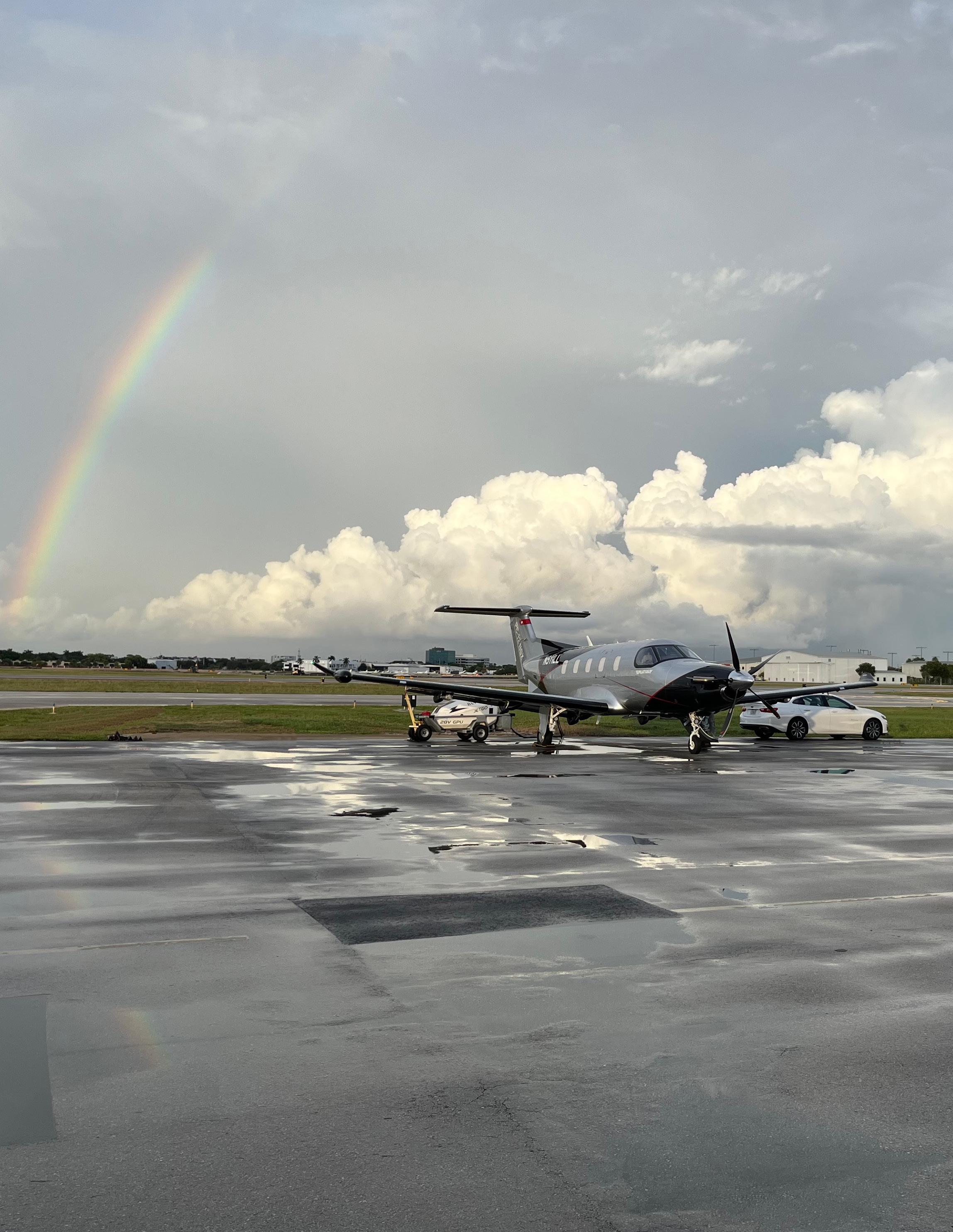
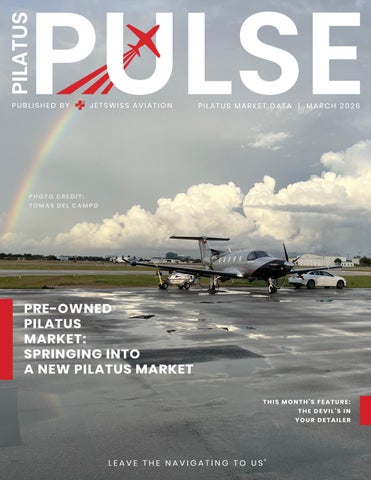
PHOTO CREDIT:
TOMAS DEL CAMPO
If you’re like me, you probably hate cleaning but love having a clean workplace, home, and airplane. There is nothing better than the feeling of being organized, tidy, and having everything shining.
Later in this issue, we focus our attention on the importance of keeping your aircraft clean and ways to stay tidy and organized in aviation life. It’s fitting, then, that the marketplace mirrors our spring-cleaning efforts. In this issue of the Pulse, we touch on how the marketplace cleans itself up in the spring, just like we do in our personal lives.
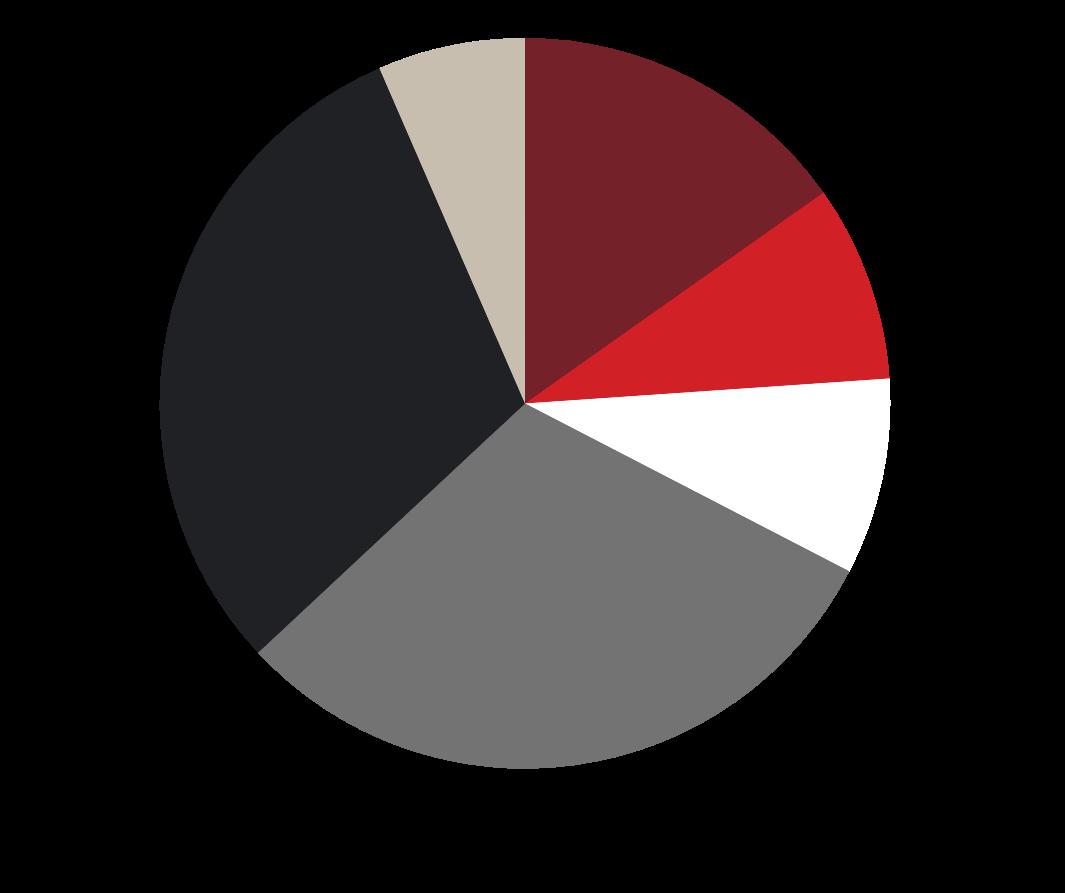
If you follow the Pulse or the marketplace in general, you likely have a basic understanding of how the market ebbs and flows. There were 52 PC-12s sold in the fourth quarter last year. Considering the marketplace averages 85–90 airplanes for sale at any given moment, selling 52 aircraft in a single quarter represents a rather large chunk of the available inventory. Most years tell a similar story, leading to a natural cleaning of the marketplace in Q1.
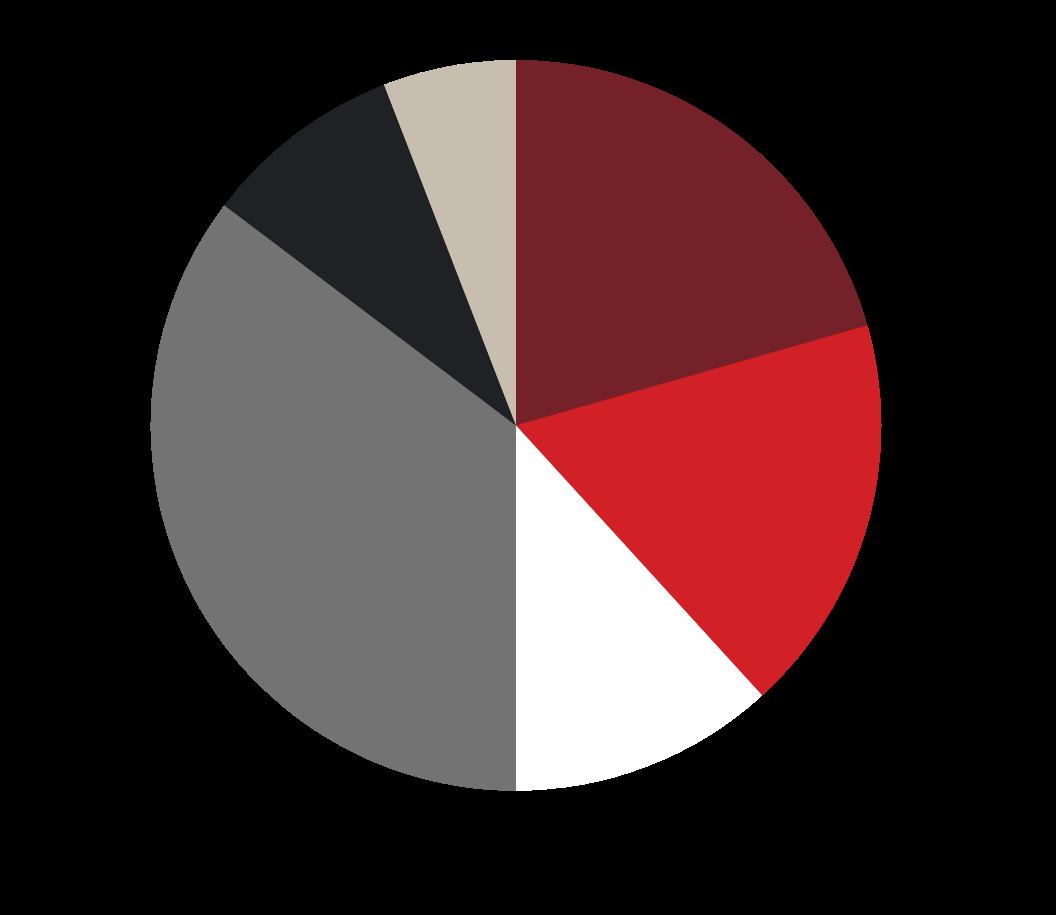
Currently, 20% of the aircraft on the market have been listed for less than 30 days, and 70% have been listed for less than 180 days. Compare this to the start of Q4 2025, when only 14% of the market had been listed for less than 30 days, and only 42% had been listed for less than six months. This data illustrates how the market replenishes itself early in the year and then sells off toward year-end.
We advise our clients that spring is an excellent time to begin the buying process. As the data above suggests, the market has refreshed itself with new inventory, and fewer buyers are actively seeking purchase opportunities, creating conditions that favor buyers. Now, this
does not mean a buyer will find a unicorn hiding under a rock for $200,000 below market value; that simply isn’t the Pilatus market. Perceived bargains don’t exist here. If they did, the value of your PC-12 wouldn’t be what it is today (shameless plug for the PAR–we’re happy to tell you what your aircraft is worth).
Pilatus buyers don’t purchase the PC-12 because they want a “deal.” You can find a deal down the road in Wichita. Just call your salesperson near the end of a quarter and see what discount they’ll offer. Stable values, boutique production, and manufacturerenforced pricing are the backbone of the Pilatus program. Those factors are exactly what have created one of the most consistent and resilient resale markets in aviation.
If you normally stop reading the Pulse after the introduction, I encourage you to continue reading.
Our team sat down with Mark Patey of Best Aviation Products. Mark is a true aviator and entrepreneur who built products that greatly benefit the Pilatus community. We also headed to the hangar to interview our very own Kevin Ratcliffe, the master of his detailing domain. Having recently assisted him on a detailing project, I can personally attest that no one in this industry is more in tune with what it takes to keep your aircraft in pristine cosmetic condition than Kevin.
Enjoy, and happy spring cleaning.
Fly Safe, Scott Glenn

0-30 Days on
31-60 Days on Market
61-90 Days on Market
4-6 Months on Market
7-12 Months on Market
1-2 Years on Market
$8M
$7M
$6M
$5M
$4M
$1M $3M
$0
With Mark Patey, Founder of Best Aviation Products
Engineer by trade. Aviator by heart.
Mark originally started Prodigy Engineering, specializing in designing hybrid solutions for OEM Manufacturers. After selling the engineering firm, he was able to pivot to his passion.
The idea for the Best Tug came after an expensive inspection revealed nose gear damage from excessive pushback force on his wife’s Piper Meridian aircraft.
“Here I did $48,000 damage to a brand-new airplane because I advanced the throttle a little too fast on a tug… and in my mind I’m like, why in the world are tugs still analog?”
What started as the Bravo 5 Tug, for his wife’s Cirrus, grew to 44 different tug models.
“I happened to be a passionate aviator. So, it was right where my heart sits with aviation and where my mind was trained in engineering,” Mark said.
Each tug’s software is built to operate according to the aircraft’s weight class category. The software even adjusts based on whether the aircraft is full of fuel or empty, sensing increased torque and ramping up without exceeding the pushback force.
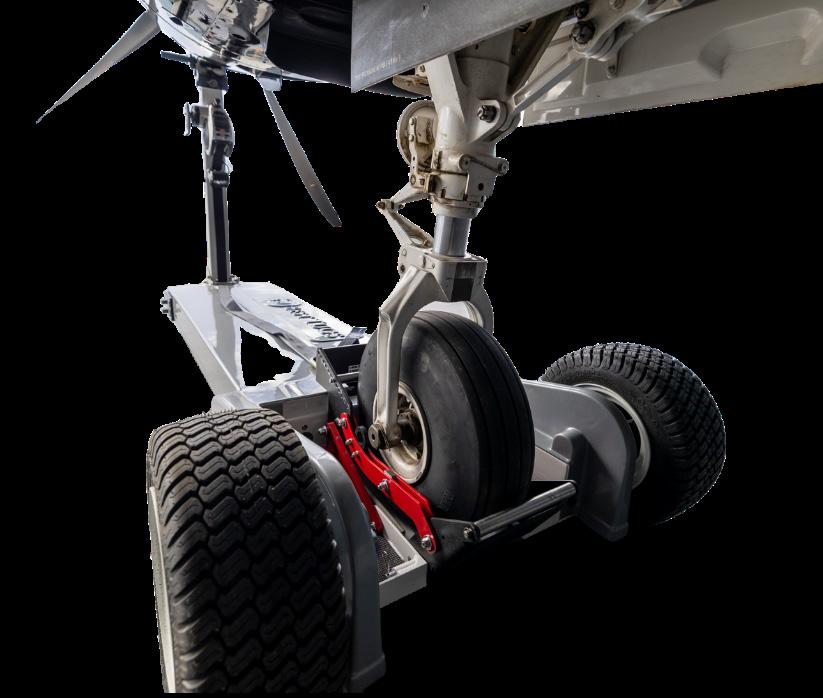
“You’re not directly controlling the motors. You’re telling a computer the speed and direction you want, and the tug decides how to get there safely.”
Best Aviation Products’ tugs react about a hundred times a second–faster than our minds can perceive–to prevent exceeding torque limits and overstressing the nose gear.
“Tug damage is a real … and you don’t know until all of a sudden you get a call during your annual inspection that you got a bunch of parts to replace. And those parts are more expensive than our most expensive tug to move the airplane.”
Bravo 12
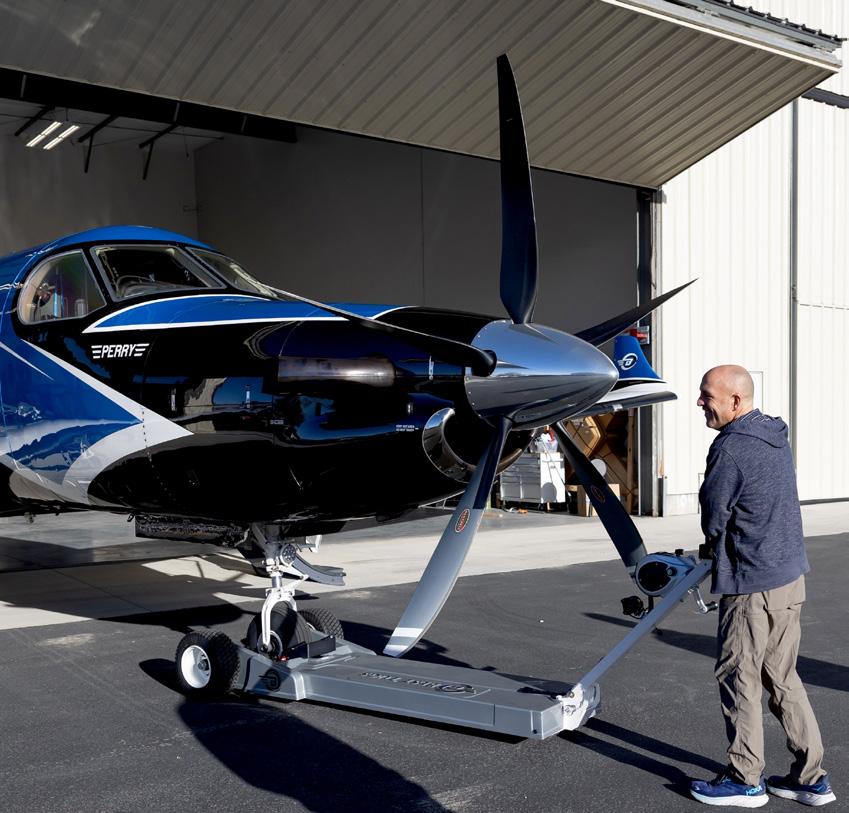
The Bravo 12’s low-profile design, extended length, and lay-flat batteries, motors, and transmissions, are all intentional.
“The Bravo 12 was engineered ground-up for the Pilatus,” Mark said. “You can swing the tug left and right and maneuver around and you can’t hit the prop.”
There’s even a kick-and-stow handle, designed for limited hangar space. With one click of a
button, the handle folds straight under the spinner.
Romeo 12
The Romeo 12 was designed for both the PC-12 and the PC-24. Other tugs made specifically for the PC-24 are the Romeo 18 and Bravo 18–depending on if you prefer walk-behind or remotecontrol.
$8.0M
$7.0M
$6.0M
$5.0M
$4.0M
$3.0M
$2.0M
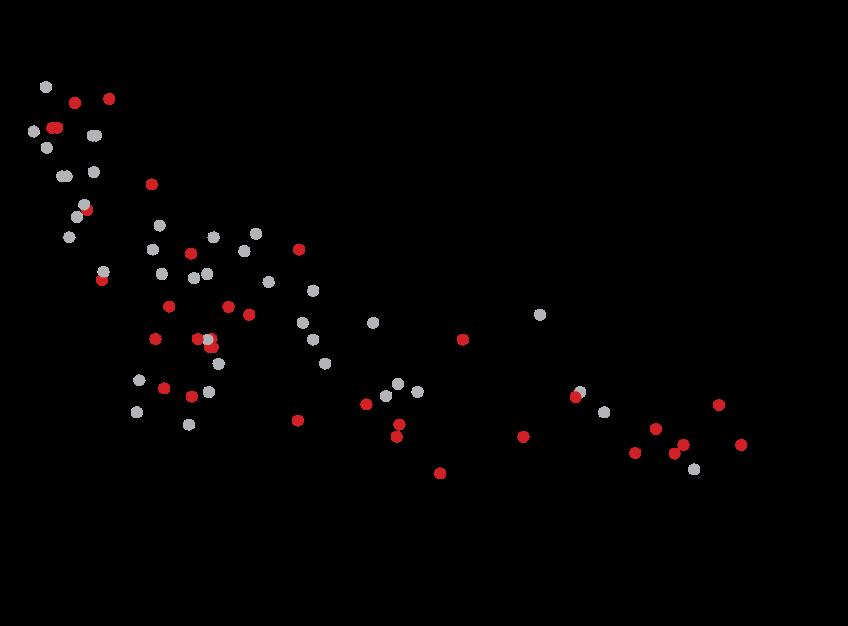
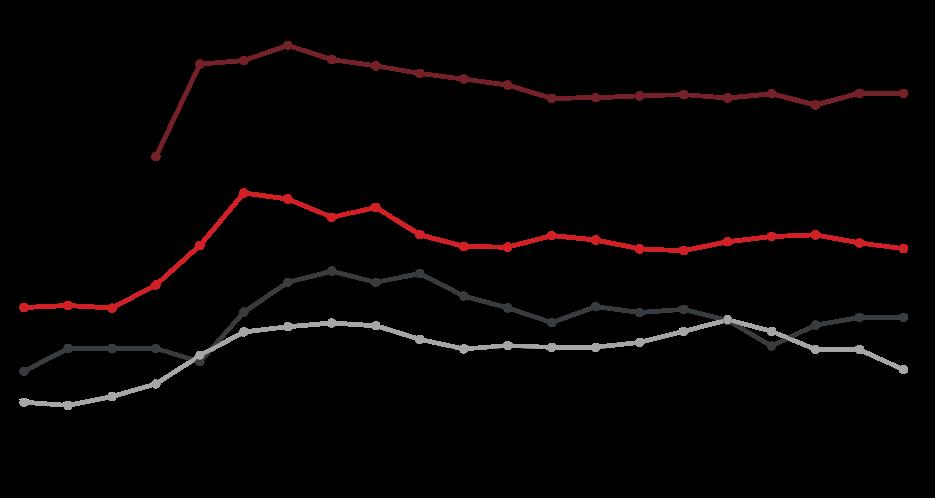
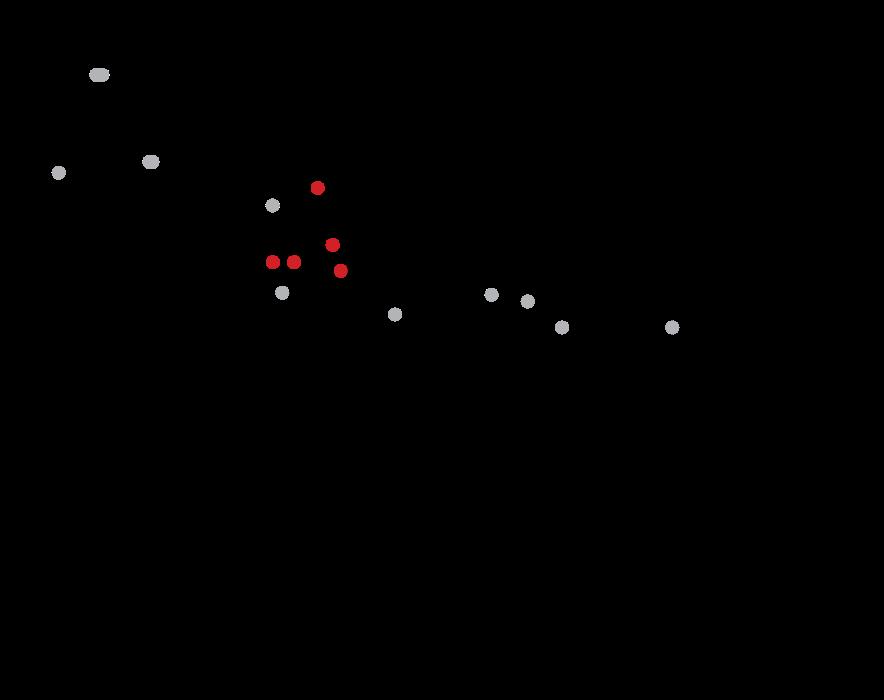
ASKING PRICE VS. TOTAL TIME
Similar to the Asking Price vs Model Year chart, this information helps our clients determine “the mileage on the car” for their specific budget. Want to own a low time aircraft? This chart will give you an indication on what you will spend. Note: aircraft under 1,000 hours total time historically yield much higher prices.
AIRCRAFT
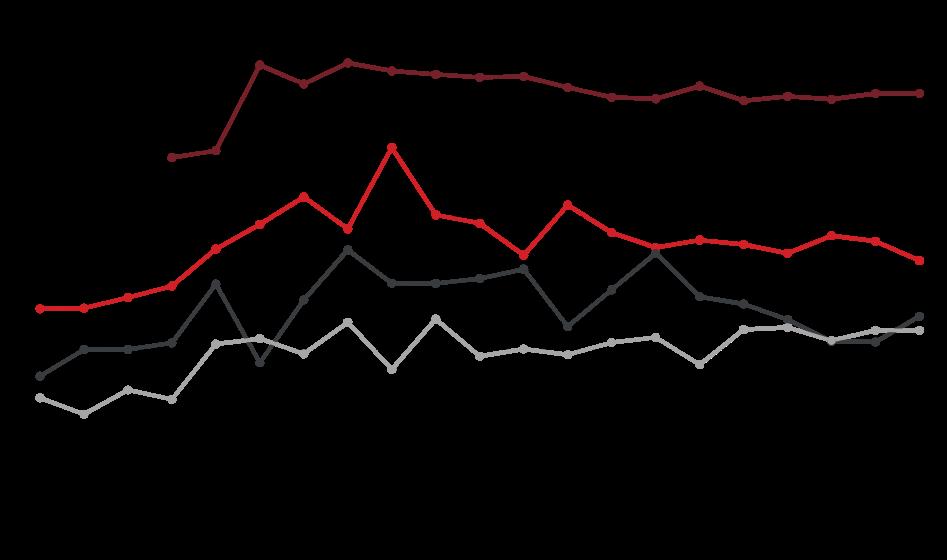
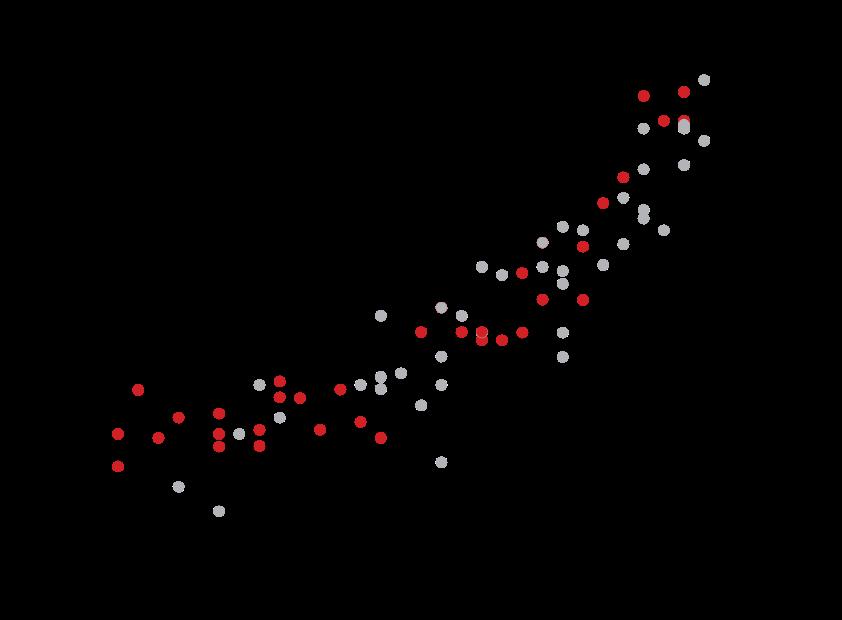
ASKING PRICE VS. MODEL YEAR
This chart reflects the current market for Pilatus PC-12 aircraft that are on the retail market. Want to know how much your Pilatus dollars will buy? This is a great place to start! As you can see, the aircraft model year plays a key factor in pricing of the aircraft–thus generates a commensurate trend curve. This data provides a baseline for our aircraft evaluations.
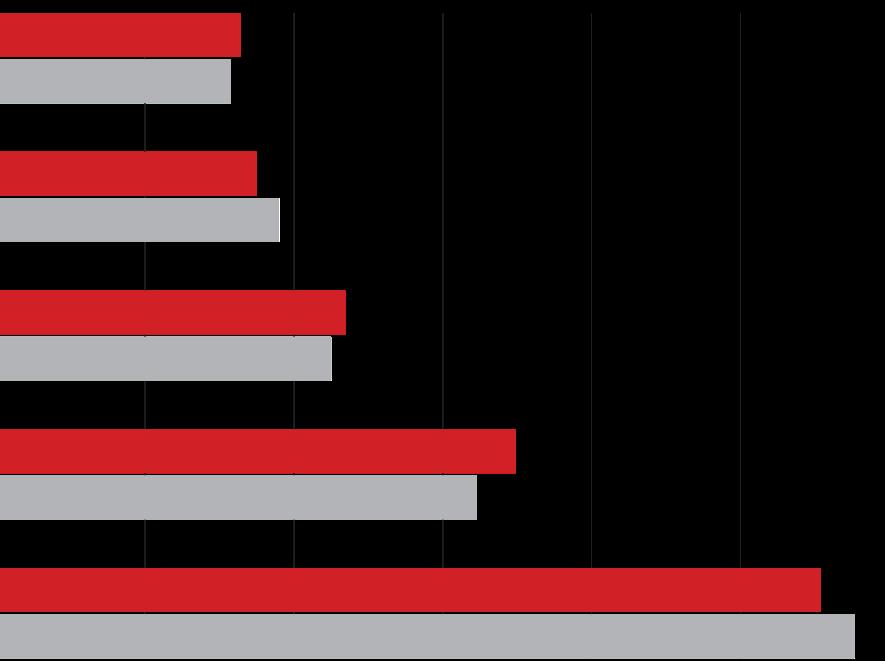
OWNERS UPGRADE FROM THE PC-12NG MORE THAN ANY OTHER AIRCRAFT
AIRCRAFT ASKING PRICE VS. TOTAL TIME
This information helps our clients determine “the mileage on the car” for their specific budget. “Want to own a low time aircraft?” This chart will give you an indication on what you will spend. Note: aircraft under 1,000 hours total time historically yield much higher prices.
FOR SALE
6 Located in the USA 15 Located Internationally
TOTAL AIRCRAFT MANUFACTURED TO DATE
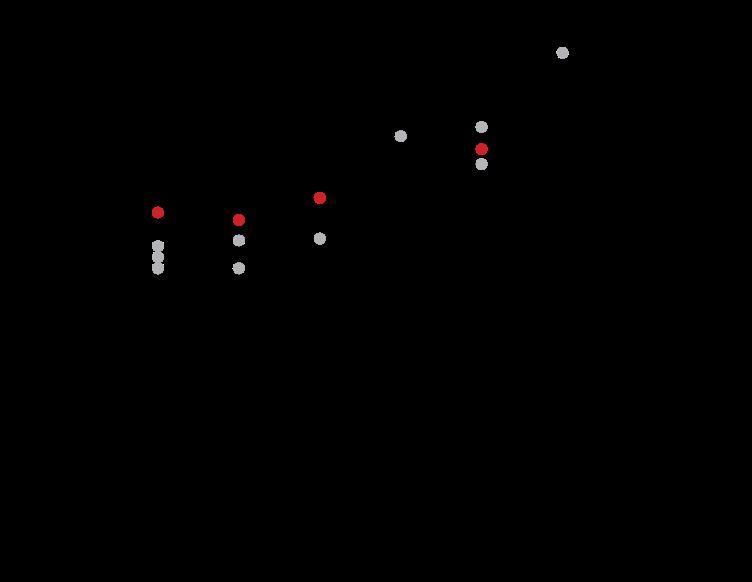
AIRCRAFT ASKING PRICE VS. MODEL YEAR
This chart reflects the current market for Pilatus PC-24 aircraft that are on the retail market. Want to know how much your Pilatus dollars will buy? This is a great place to start! As you can see, the aircraft model year plays a key factor in pricing of the aircraft–thus generates a commensurate trend curve. This data provides a baseline for our aircraft evaluations.
400 Photos Before the “Real” Work Begins
Before we touch a seam, polish a leading edge, or condition a seat, we document.
When an aircraft arrives, Kevin doesn’t immediately jump into rehab work. First, he studies the asset and documents it so thoroughly that nothing becomes subjective later.
“From the time a customer’s asset arrives… we immediately start the process of documentation.”
Here’s the rhythm:
• A fast first pass observation to check major components (control surfaces, damage, static wicks, obvious issues)
• ~400 photos organized by sections of the aircraft
• Video walkthroughs
This process takes place so that we as a team can reference any detail at any point of the project. It also helps us identify issues that may have otherwise gone unnoticed and to find solutions to remedy those issues quickly.
Kevin’s initial inspection and documentation process typically runs 3–4 hours, provided no interruptions (and in the world of aviation, there is always an interruption).
“Pretty much anything that comes in and out of our building… is in my purview.” THE DEVIL IS IN YOUR DETAILER
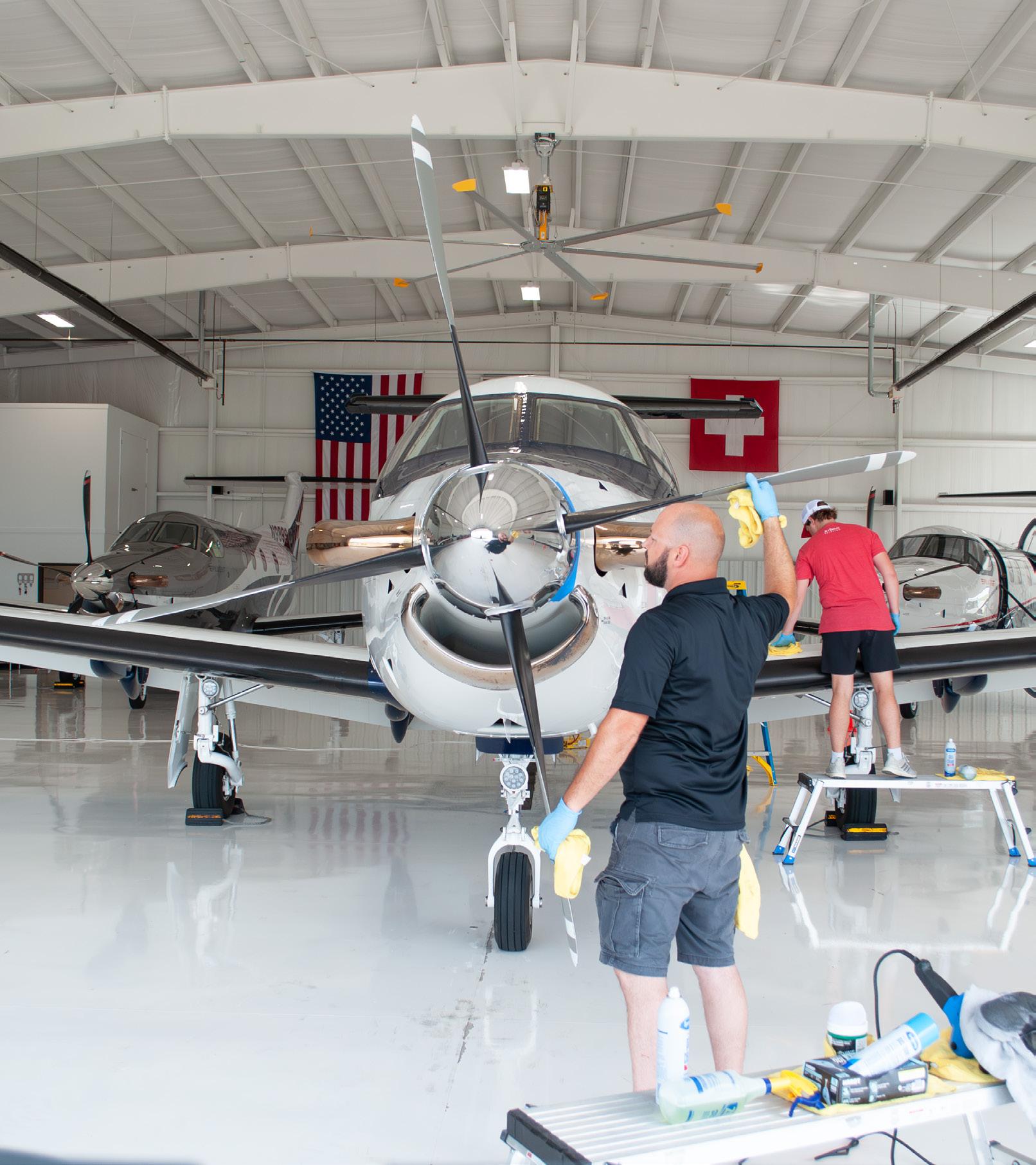
Kevin is JetSwiss’s in-house Aircraft Rehab Specialist, and if an airplane comes in or out of our hangar at New Century, it’s under his care–from the first look, to the last wipe, to the moment it rolls out as Red Bow Ready.
Kevin’s documentation is then added to a report called the Aircraft Condition Evaluation (ACE). His findings, along with the logbook review, test flights, borescope inspection, and maintenance analysis examination, are entered in this all-encompassing report.
And a full interior/exterior rehab?
On average: 80–90 man hours. With the help of his side kick, Mitch Weiland (AKA, Mitchy.)
At JetSwiss, we don’t quick clean anything.
“You can get a wash done anywhere… but a wash is not going to clean the seams.
A wash is not going to get the soot build-up around the rivets.”
A wash won’t remove:
• Grime trapped in seams
• Soot staining around rivet lines
• Buildup in hard-to-reach corners
• “Sloppy” residue on boots that has stained paint
• Neglected gear wells that tell a bigger story
Kevin uses clean, high-quality microfiber towels for washing.
Rehabilitation is different. It’s timeconsuming on purpose. It’s detailfirst. It’s process-driven.
“We’re going to do everything in our power to ensure that aircraft represents the best it can be, no matter what.”
Consistency and process are key. Kevin goes by the mantra, less is more, more often. If you maintain consistently, you rarely need a fullscale rehab.
Many Operators follow a 25-hour or monthly wash rule. Depending on how much you’re flying, sometimes that isn’t enough.
If you fly once and know that you won’t be flying for at least another 30 days, you should wash it. Contaminants in the air and condensation build-up can adhere to the surfaces of your paint.
“No different than the water coming out of your faucet at home that gets buildup on the nozzle.”
Discipline protects value. As far as aircraft waxing goes, Kevin suggests getting it done at least twice a year. If you are flying a ton, throw in another waxing and focus on the high-wear areas:
• Leading edges
• Bottom of flaps
• Nose and above windscreen
• “Impact zones”
Wax protects the ceramic coating, and it makes future cleaning easier while reducing the risk of scratching during washes.
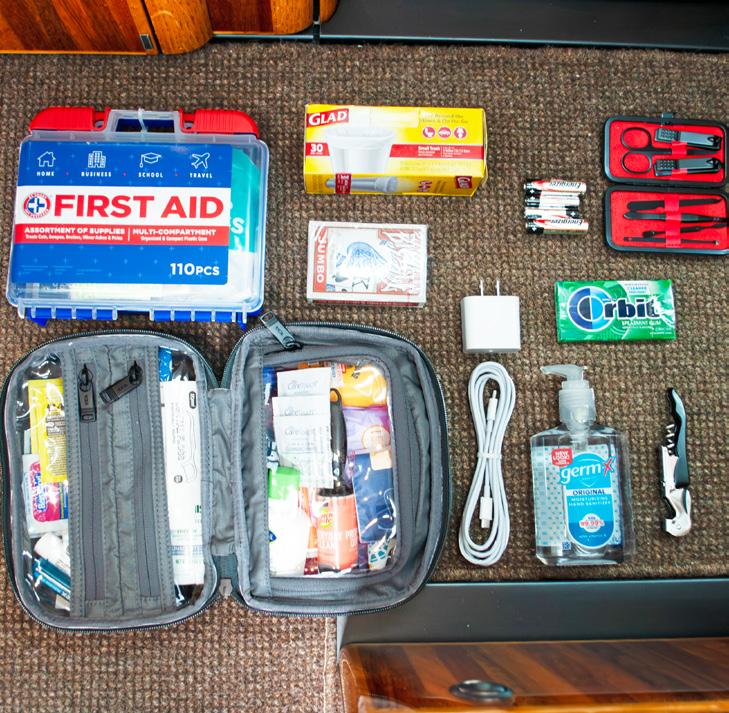
Every JetSwiss aircraft receives more than a cosmetic reset. It leaves our hangar facility mission ready!
Cockpit: Kahu (signature hula girl), flashlight, jet shades, pens, told cards, and flight logs
Cabin: Tumi “I forgot” kit, Yeti’s that fit in the cupholders, blanket, umbrella, under-seat emergency kits, and snacks and drinks (of course)
Morning bag: Oil, funnel, emergency exit pin, paper towels, and aircraft covers
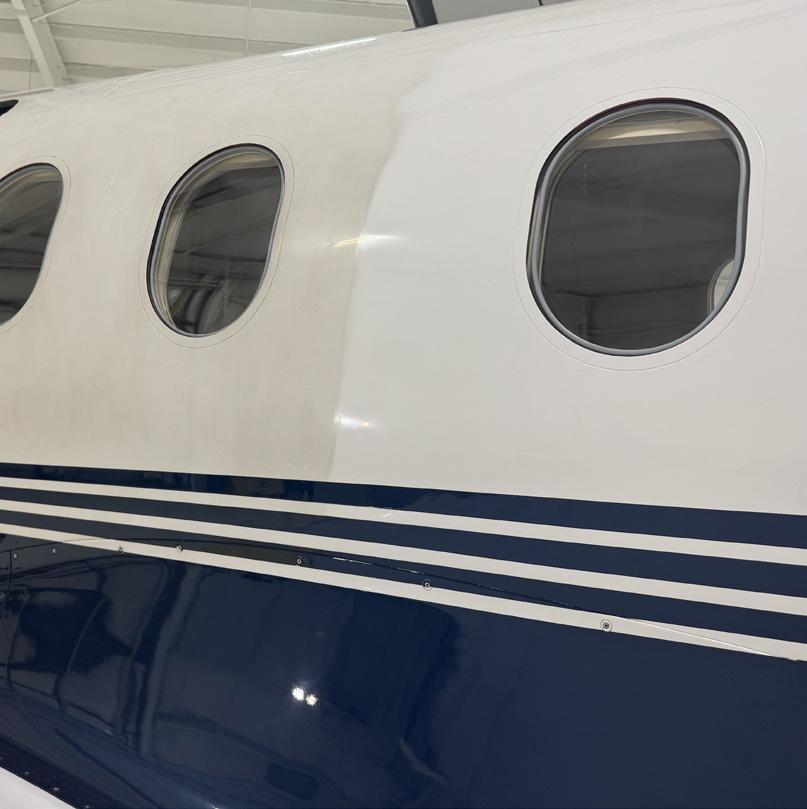
Spring cleaning is not about appearances, it’s about preservation. So, we created a simple checklist that you, your pilot, or your management company can reference this season.
Download the JetSwiss Spring Cleaning Checklist here.
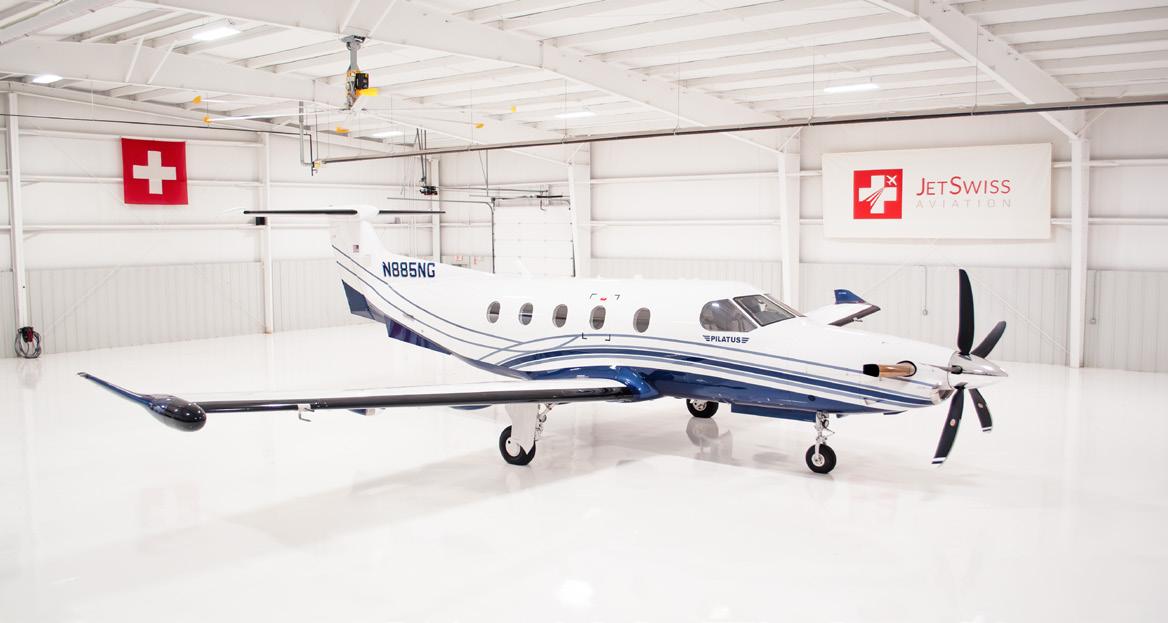
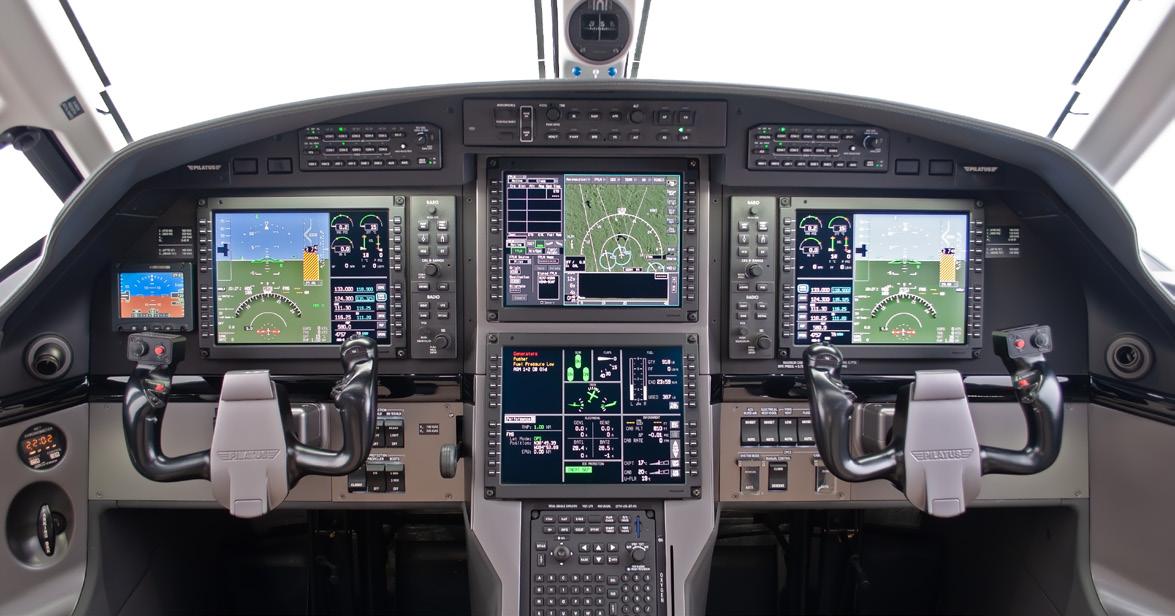
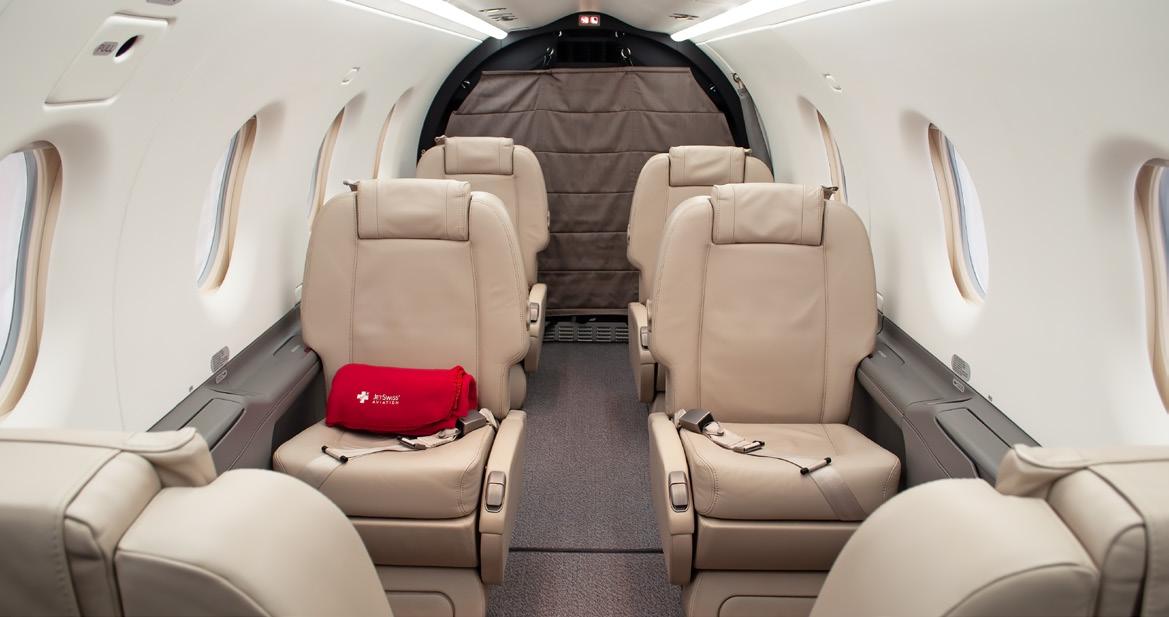

This aircraft has completed our full diligence process and is ready for immediate delivery.
N885NG | SN 1885
1,050 Hours Since New 0 Hours Since Propeller Overhaul Service Center Maintained Annual Inspection - October 2025 Cold Weather Ops Package Large Oxygen System Provisions for EASA & Canadian Certifications
VIEW AIRCRAFT
Sign up to receive this publication to your inbox at jetswiss.com/pilatus-pulse.
We appreciate your feedback! Please send any feedback to Pilatus@jetswiss.com.