
ECHO25 was never just a conference. It was a gathering of brave voices and bold questions— a space to reflect, to reckon, and to re-imagine what’s possible for zoos, aquariums, and the communities we serve. Together, we explored not only where we’ve been, but where we might go if we lead with purpose, humility, and care.
This magazine is an extension of that gathering. It was created to spark and sustain the kinds of transformative dialogue we know our field needs. Within these pages, you’ll find stories that challenge assumptions, surface new insights, and offer inspiration for the journey ahead. These are not polished answers—they’re living conversations, meant to be revisited and reinterpreted over time.
We hope you’ll use this publication as a tool for shared learning. Bring it into your team meetings, retreats, or professional development sessions. Read an excerpt aloud. Pose a question. Reflect together. The path forward isn’t something we define alone—it’s something we weave, conversation by conversation.
In partnership, The TESSERE Team



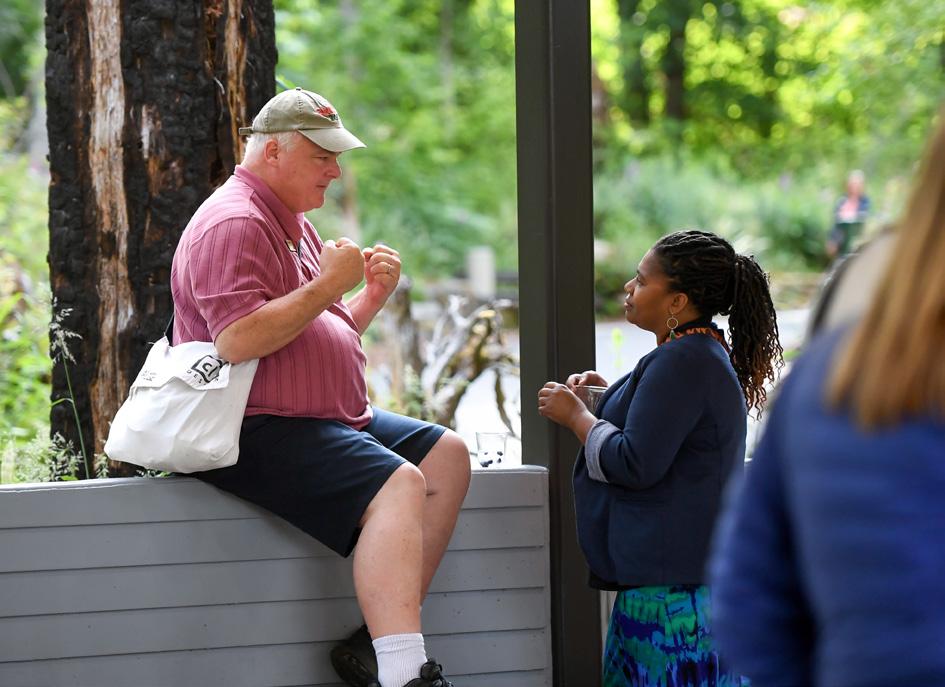
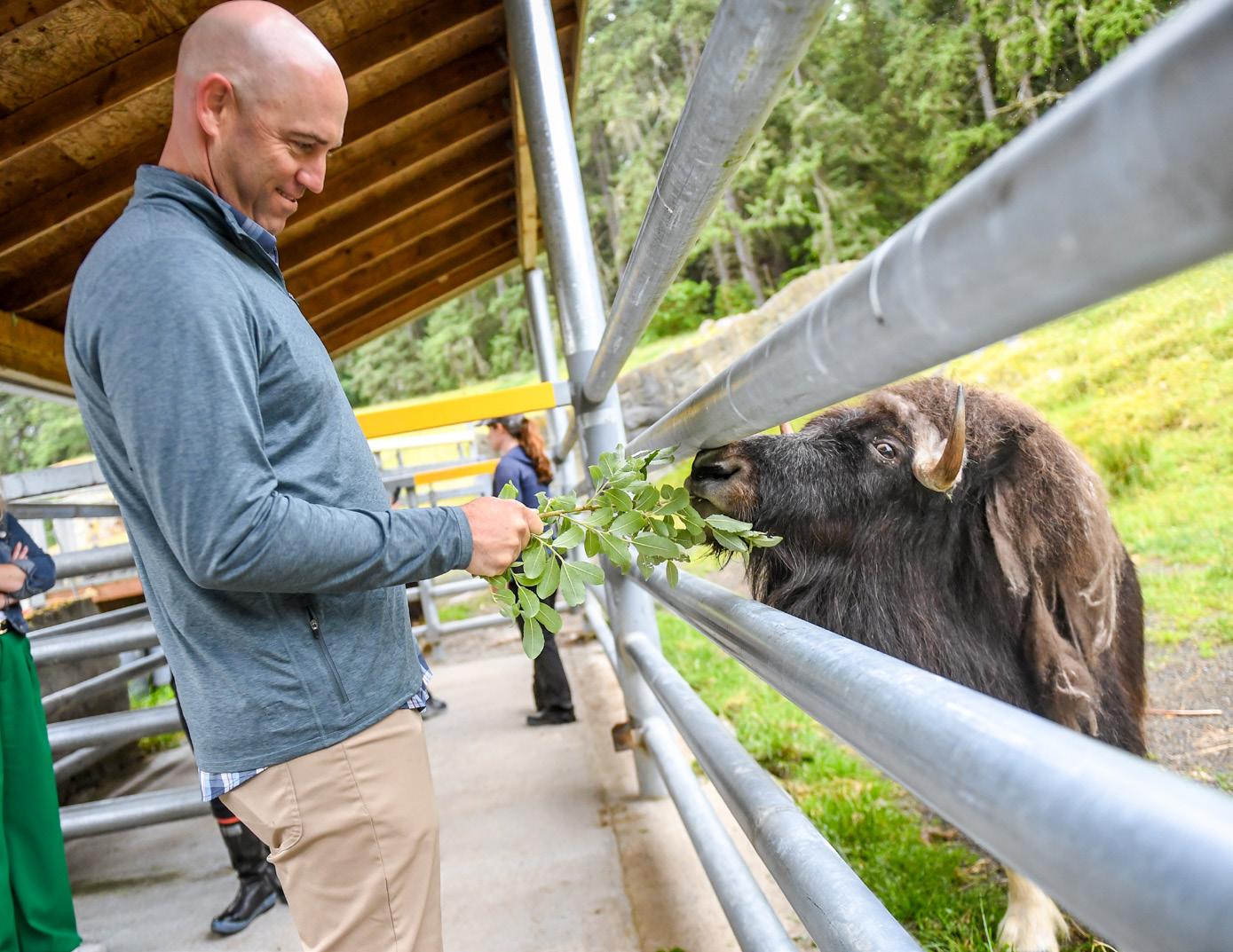

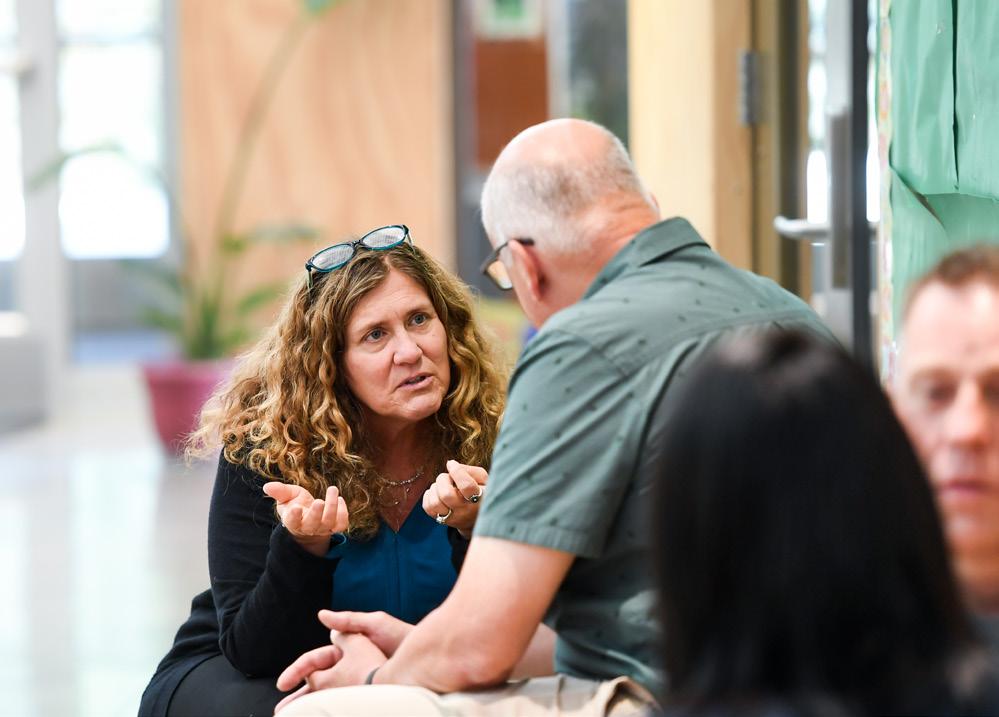

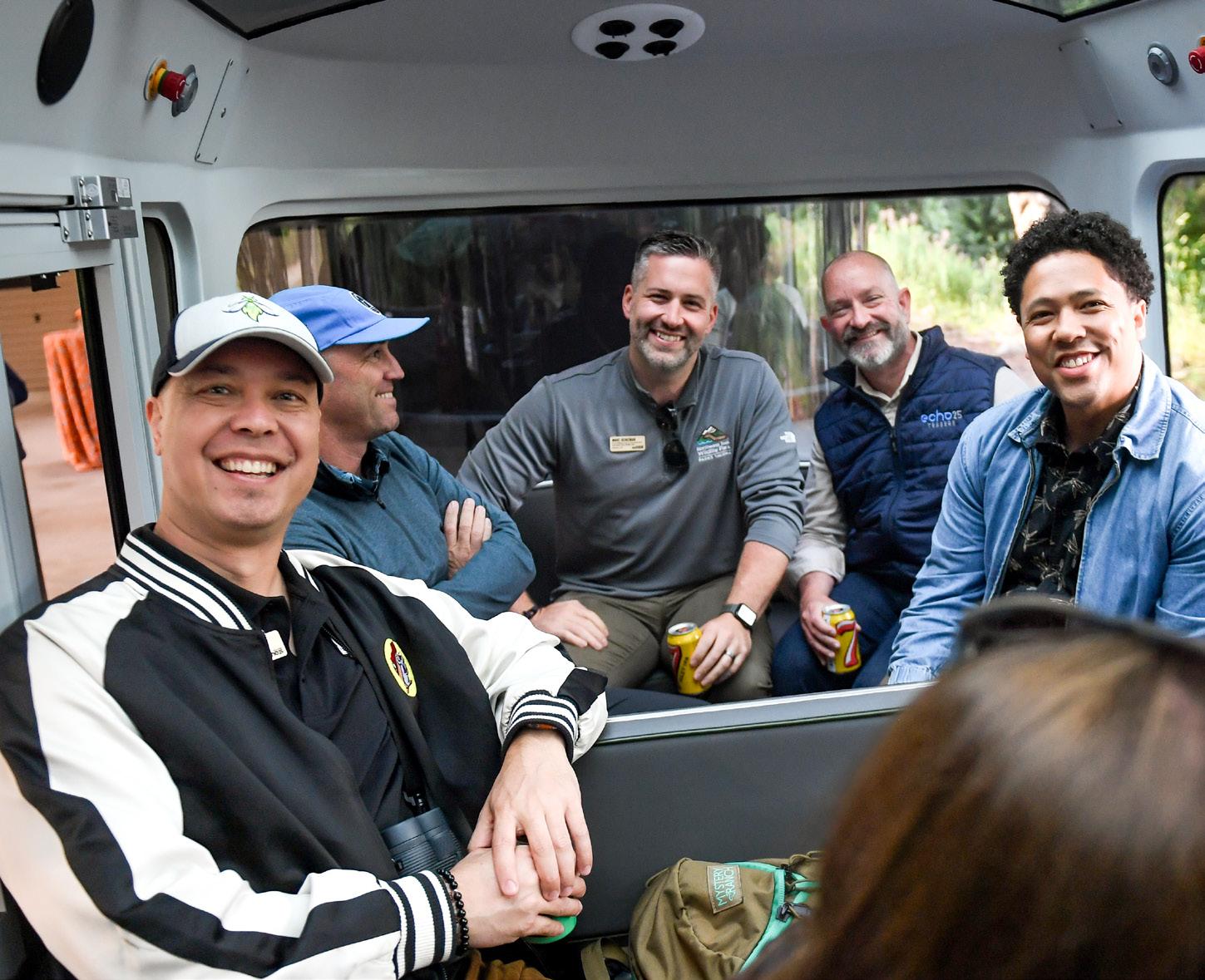
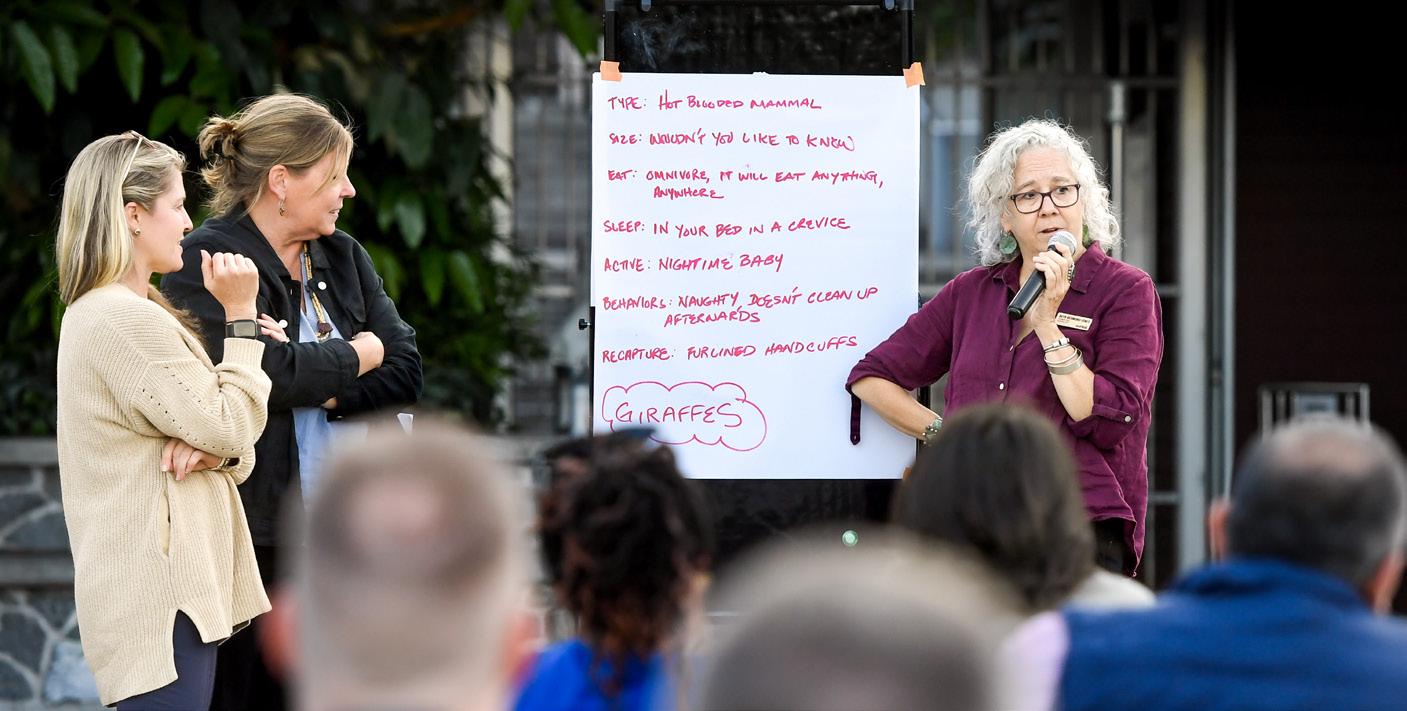
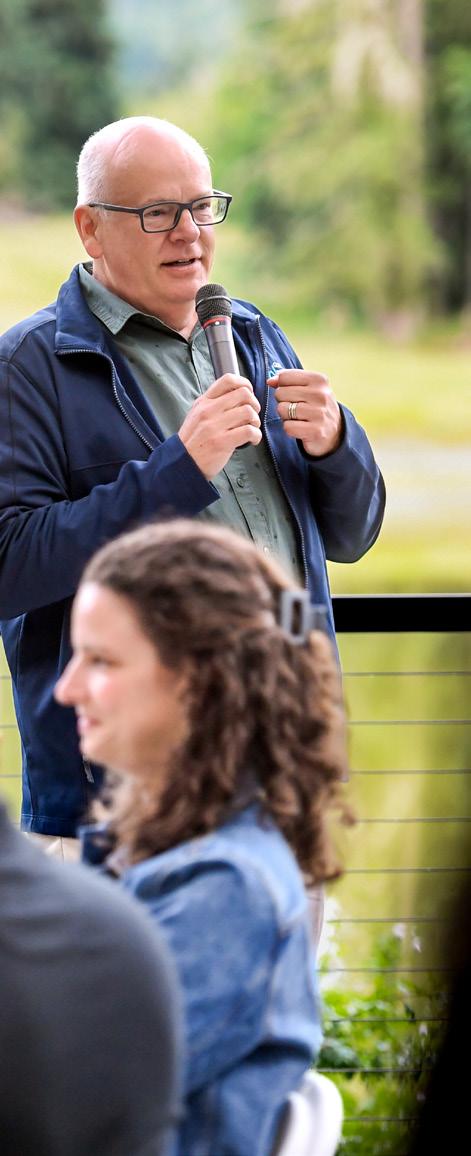
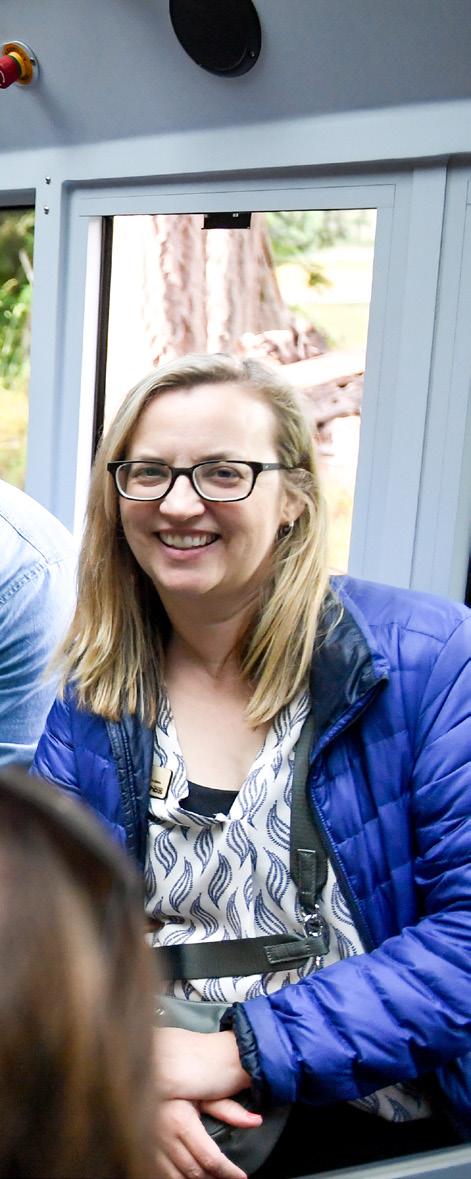
Zoos and aquariums have long grappled with a complex history, leaving legacies that are now deeply embedded in systems and practices. At ECHO25, we engaged with outside thought partners to challenge assumptions and confront these legacies in transformative dialogue that explored what it means to honor our past while evolving to better serve both people and the planet.
IDEAL. CURRENT. ACTION
Christian Paige, Founder, Fifth Stone Collective, Co.
WHO IS LESCHI
Cynthia Iyall, Center Administrator for Equine Therapeutic Services and Leschi Historian, Nisqually Indian Tribe
TRANSPARENCY AND TRANSFORMATION: BUILDING EQUITABLE ORGANIZATIONS
Cheryl Tam, Director, Social Equity, Living Future
WHY NOT? STORIES OF TRADITION, INNOVATION, AND EVOLUTION
Colleen Echohawk, President, Headwater People
THE POWER OF AND BUILDING MOVEMENTS FROM THE INSIDE OUT | CULTIVATING LOVE, LIBERATION, AND ABUNDANCE FOR LASTING SOCIAL IMPACT
Sean Goode, CEO, Movement Makers
GIVE AND TAKE, NOT COME AND TAKE
Christian Paige, Founder, Fifth Stone Collective Co.


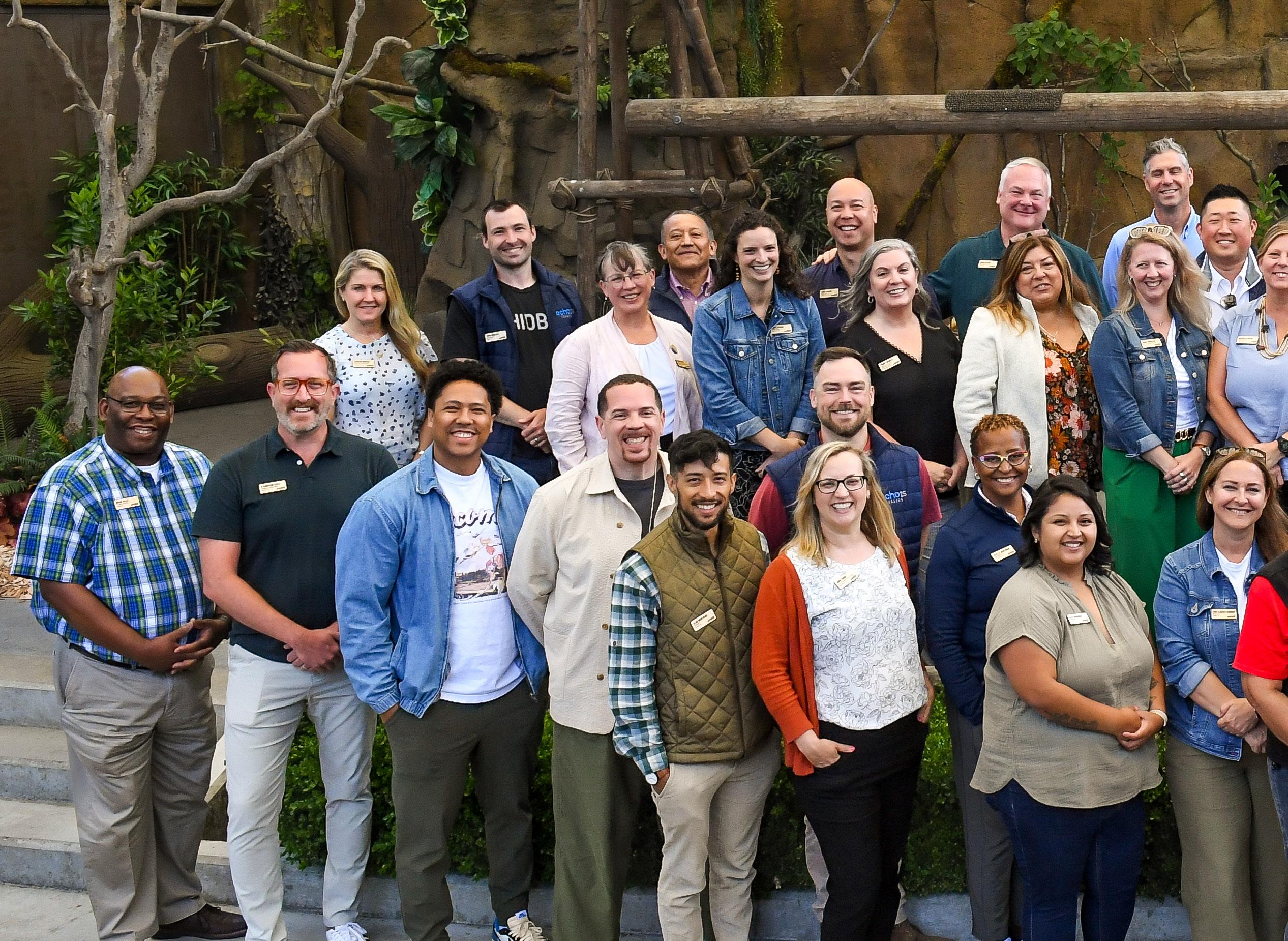










FOR YOUR DEDICATION TO THE FUTURE OF ZOOS + AQUARIUMS AND WILDLIFE CONSERVATION










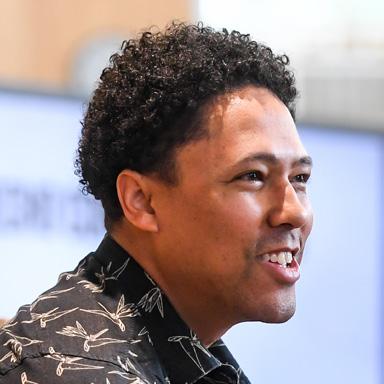
CHRISTIAN PAIGE FOUNDER
FIFTH STONE COLLECTIVE CO.
Christian Paige’s opening keynote challenged us to think deeply about leadership, accountability, and our responsibility to shape a more just and purposeful future. Drawing on the seventh generation thinking, he emphasized that our decisions must honor those who came before us while making space for those to come. This framework grounded us in a powerful call to action—urging us to move from symbolic gestures to deeply embedded cultural imperatives.
One of the most impactful moments was Paige’s exploration of the conscious competence learning model, which maps our growth from not knowing what we don’t know to confidently knowing what we do. He cautioned that the most dangerous place is thinking we know when we truly don’t. His example—“What if I told you I majored in pregnancy studies? Does that mean I understand what it is to be pregnant?”—was a potent reminder that knowledge isn’t the same as understanding. To grow as leaders, we must admit what we don’t know and stay curious enough to learn with empathy and intention.
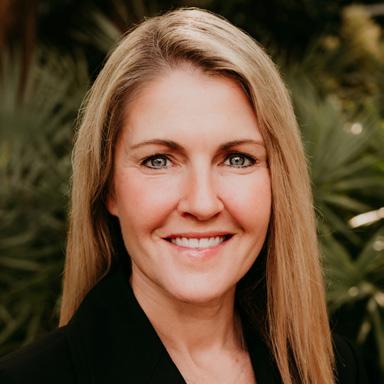
LOCHLAN WOOTEN
CHIEF OPERATING OFFICER
RIVERBANKS ZOO AND GARDEN
Paige challenged us to shift from initiative-based actions to imperative-based commitments. Initiatives are often short-lived and reactionary. For instance, hiring a more diverse team without cultural support rarely leads to lasting change. Retention fails when the culture isn’t ready to support new voices. An imperative, on the other hand, makes equity and justice non-negotiable, integrated values that guide every decision, not just during Black History Month or Pride Month, but every day.
This distinction led to a vital reflection on climate and culture. Paige defined climate as how a space feels in the moment, and culture as the deeper structure that shapes why it feels that way. Leaders are like thermostats, we don’t just report on the temperature; we set it. Culture, built on values, beliefs, standards, expectations, and behaviors drives real, sustainable change. And we must ask ourselves daily; What kind of culture are we modeling?
One of Paige’s most vivid metaphors was a reminder not to “play Go Get a Rock”—a game he plays with his young son, who asks for a rock and rejects each one: “Not smooth enough. Not shiny enough. Not that one.” The problem isn’t the rocks—it’s the lack of clarity. Paige used this to illustrate a powerful insight: we must not rush to dismantle systems without a shared understanding of what we are building in their place. “Be clear. Be specific. Know what you’re building before you start tearing things down.” Meaningful transformation requires intentionality and alignment.
Finally, Paige asked: “How will we know we’ve reached a just and purposeful future?” His answer; When chaos turns to calm. When we see consistency in actions, policies, and outcomes—that reflect our stated values. “Whatever you permit, you promote,” he reminded us. His keynote was a mirror, urging us to look inward and lead with intention. To model the culture we want to see: one rooted in equity, humility, courage, and care for both people and planet.
How do we move from initiative to imperative—from performative to transformational?


INITIATIVES END. IMPERATIVES GUIDE.
Are we treating equity, belonging, and justice as time-limited initiatives or as non-negotiable imperatives? How would our decisions shift if these values govern our policies, budgets, and behaviors year-round?
DEFINE THE IDEAL— THEN NAME THE GAP
Have we defined what a just and purposeful future looks like for our organization? What values, behaviors, and expectations would be visible if we got there? What’s the gap between that ideal and our current culture?
PAIR THE EXPERTS IN NEED WITH THE EXPERTS IN THE FIELD
Who is most impacted by the systems we’re trying to change? Are they meaningfully shaping the solutions—or just being consulted or informed?
WHATEVER YOU PERMIT, YOU PROMOTE
What behavior are we tolerating that contradicts the values we say we stand for? What are we modeling for new staff, emerging leaders, or our communities?
BE WHO YOU SAID YOU WANTED TO BE ON PAPER
Does our lived culture match the vision in our mission statements, DEI plans, and strategic priorities?
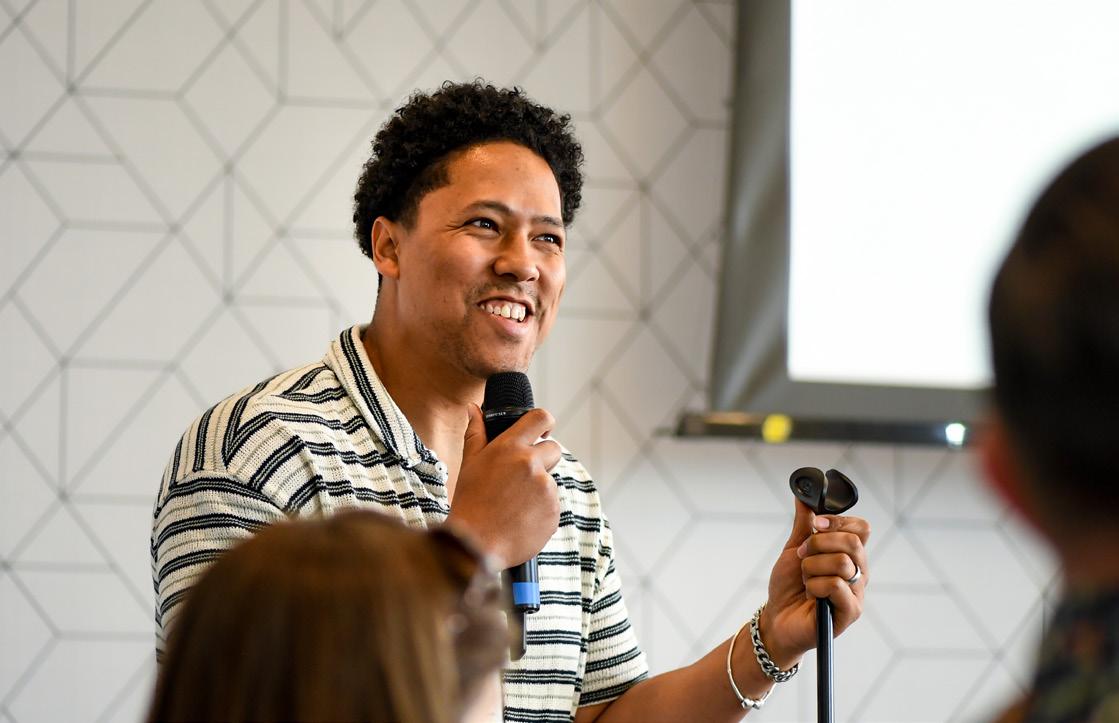

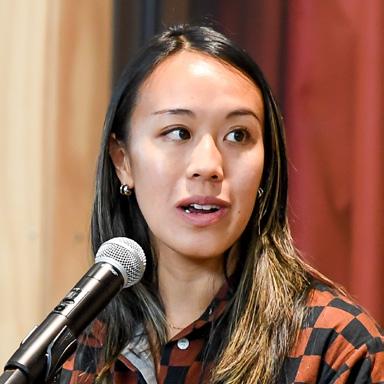
CHERYL TAM LIVING FUTURE
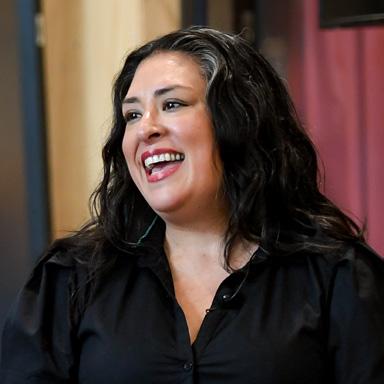
COLLEEN ECHOHAWK HEADWATER PEOPLE
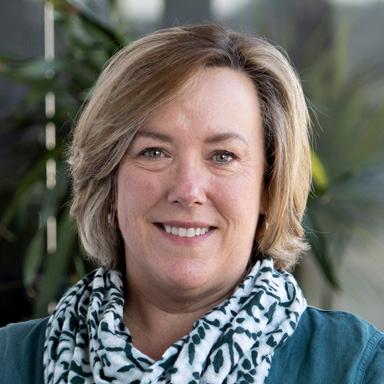
STEPHANIE STOWELL DIRECTOR OF ZOO + AQUARIUM PROJECTS TESSERE
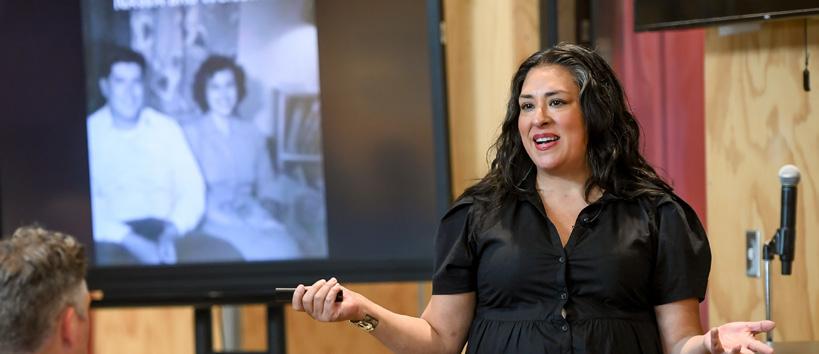
Three powerful voices—Cynthia Iyall, Cheryl Tam, and Colleen Echohawk— challenged us to confront the legacies we carry: the histories we inherit, the systems we uphold, and the futures we hope to shape. Each asked deeper questions: Who gets to lead? Who is remembered? Who feels safe, seen, and heard?
Their stories came from different vantage points—land, workplace, and community—but were rooted in shared values: truth-telling, accountability, cultural continuity, and healing.
Together, their messages offered more than reflection. They called us to action. Transformation isn’t just about changing policies—it’s about changing relationships. Belonging isn’t a feeling; it’s a practice. Repair isn’t a destination, but a responsibility. The path forward begins by listening to the voices we most need to hear.
Cynthia Iyall, Center Administrator for Equine Therapeutic Services and Leschi Historian, Nisqually Indian Tribe
Cynthia Iyall shared a powerful story of her ancestor Chief Leschi—part history, part lived experience, part call to action. Through vivid accounts of pre-colonial life and the beauty of Medicine Creek territory, she showed what was lost—land, lives, and lifeways—through broken treaties and displacement. Yet she also told a story of endurance. From Leschi’s wrongful execution to his exoneration more than 150 years later, she reminded us that truth-telling and repair are intergenerational.
Her message was grounding and galvanizing: to understand this land is to know its first people—and to honor their stories not just with acknowledgment, but with action.
Cheryl Tam, Director, Social Equity, Living Future
Cheryl Tam introduced the JUST program—a voluntary tool from the International Living Future Institute that helps organizations assess equity across six areas: diversity, inclusion, compensation, health, benefits, and stewardship. But her session wasn’t about checklists—it was about culture.
Through compelling data and real-world stories, Tam showed how equity is intersectional and interdependent: diversity shapes belonging; accessibility drives engagement; living wages affect well-being. The JUST label provides structure, but its power lies in helping organizations see themselves more clearly. Progress isn’t linear. People change. Cultures shift. Accountability isn’t perfection—it’s transparency, intention, and growth.
Tam called on leaders to move from intention to impact, and to embrace equity as a continuous, courageous practice.
WHY NOT? STORIES OF TRADITION, INNOVATION, AND EVOLUTION
Colleen Echohawk, President, Headwater People
Colleen Echohawk invited us to reimagine leadership as community care. Drawing from her work in housing justice and her identity as an Indigenous woman and civic visionary, she challenged power structures and asked; “What if leadership was rooted in belonging, not hierarchy?”
She offered Indigenous frameworks—reciprocity, love, protocol, and responsibility to future generations—as essential to building just institutions. Her vision was not of extraction, but restoration. Transformation takes courage, she reminded us. “How big is your brave?” she asked, naming the vulnerability and strength needed to lead with integrity. She spoke to the power of moonshot thinking—bold, uncertain leaps toward possibility. These leaps don’t happen alone. “Moonshots take relationships,” she said. They require trust, cultural understanding, and the willingness to fail forward— guided by vision, values, and community.
Justice, Echohawk affirmed, isn’t abstract. It’s local. It’s relational. And it starts with listening.
How do we move from acknowledgment to accountability?

Have we learned the full story, or just the version we were taught? What truths need to be named so we can imagine a future rooted in equity and justice?
Are we afraid of being honest about where we are, because we haven’t yet arrived?
Who feels seen, safe, and heard in our communities, and who does not? How are we designing our spaces, policies, and culture to cultivate true inclusion?
Do we have policies that reflect our values, or gaps that reveal our blind spots? What message are we sending when our practices rely on good intentions but lack formal commitment?
Are we building systems that reflect mutual care, or hierarchy and extraction? What would it take to center belonging, responsibility, and restoration in how we lead?
How big is our brave? What courageous step can we take today that moves us toward the just, equitable, and inclusive future we say we want?

BY
SEAN GOODE CEO MOVEMENT MAKERS
DOLF DEJONG CEO TORONTO ZOO
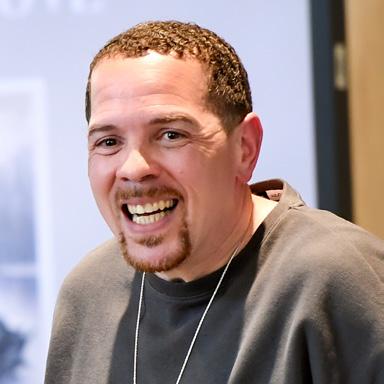
I had no idea what we were about to receive when Sean Goode stepped up at ECHO25 to share his story. Hearing about his journey and perspectives on pain, care, and community was not comfortable, and that made it essential for me to hear. Sean delivered medicine that hurt a little to take… but it was also exactly what I needed. I appreciate his vulnerability and the commitment in how he shared it.
His perspectives should cause us all to pause. Many rush through life, scaling ever-higher mountains and serving at the altar of busyness. Why? Are we living with savior complexes? Can we consider a world where we aren’t trying to fix others? Sean invites us to trade the “doing dilemma” for something better: a mindset of pragmatic, curious, exploratory service rooted in genuine care.
This mindset breaks from the norm of planning everything in advance and hoarding resources “just in case,” and instead leans into trust: I’ll have what I need when I need it. Rooted in Sean’s lived experience—“I’ve survived 100% of my worst days,” and “being special doesn’t mean being alone”—his message invites us to reimagine where we start and what success can look like.
His metaphor of the beauty of blooming cherry trees captured it perfectly. We celebrate the spring blossoms, but the rest of the year matters, too. In our lives, this means honoring who and where we are—even when no one’s cheering. The question is all in how we see it, and perhaps how we think others are seeing it, too. That tension leads to deeper questions: Are we where we want to be? Are we where we need to be? For ourselves and for others?
Many rush through life, scaling ever-higher mountains and serving at the altar of busyness. Why?
These lessons were rooted in story and the reminder that stories are data. If we want to create meaningful change, we must embrace the discomfort of listening. Complaining is feedback. Active listening positions us to be give-andtake partners, rather than come-and-take extractors. I personally know how easy it can be, without intention, to protect a status quo that harms.
Which brings me to the final idea, one that scared me in the best way. It’s time to rethink harm. Not to excuse it, but to acknowledge it as part of the journey and the beginning of healing. A relationship stage that requires courage and commitment. A shift that allows us to build from hurt, not end there.
Every once in a while, we hear the message we need.
Thank you, Sean, for reminding me: I am enough. I am complete. I am held. I can just be.
What if our greatest catalysts for transformation are already within us?
Are we blooming to be seen, or blooming because it’s who we are?
What might change if we saw our value as intrinsic, not something earned, defended, or proven?
Is scarcity shaping how we lead, give, and grow? What would it take to trust that we have what we need, when we need it?
Do we only come together when we’re scared of the same thing?
What kind of movement becomes possible when security is internal, and belonging is rooted in interdependence?
Are we critiquing from a distance or showing up with curiosity, right here, right now? What if being present was a leadership imperative?


CHRISTIAN PAIGE FOUNDER
FIFTH STONE COLLECTIVE CO
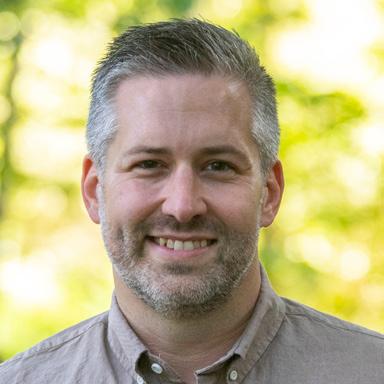
MARC HEINZMAN
CONSERVATION MANAGER
POINT DEFIANCE ZOO & AQUARIUM | NORTHWEST TREK
WILDLIFE PARK
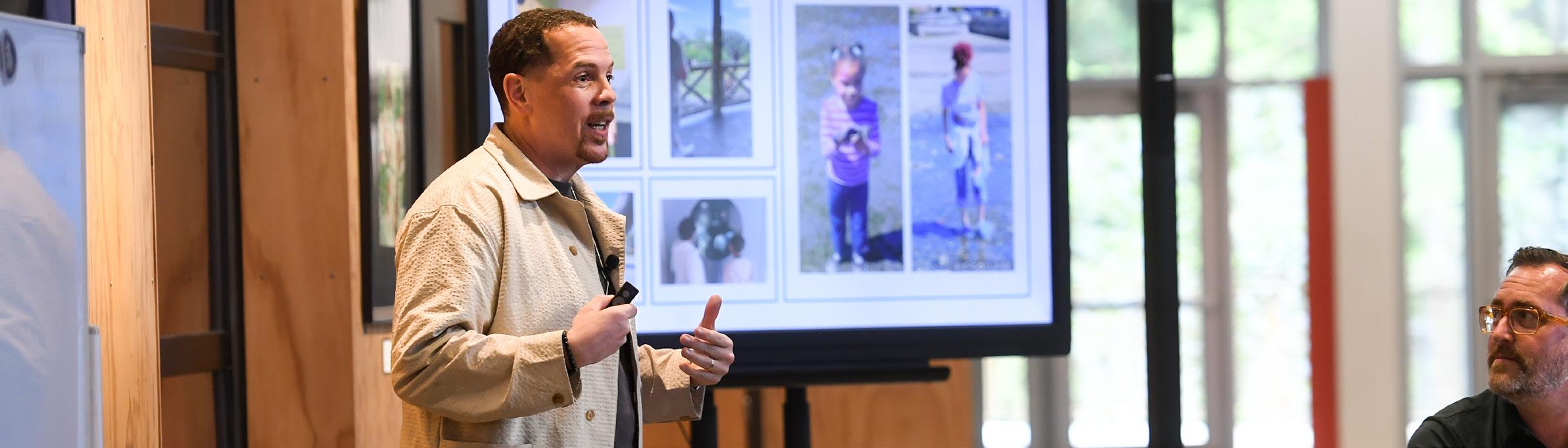
ECHO has a reputation for being inspiring, but this year’s keynote from poet laureate and educator Christian Paige left a particularly deep imprint on meboth professionally and personally. As a conservation manager in the Pacific Northwest, I spend much of my daily life focused on the welfare of wildlife and ecosystems. Paige’s words challenged me to rethink not just the work we do, but how we relate to each other, ourselves, and the extraordinary mission we are a part of.
“I almost missed the moment,” Paige confessed. He began with vulnerability and story—what he called his “Bluetooth moment”: driving his dream car, a drop-top Camaro, along Tacoma’s beautiful waterfront. Caught up in trying to connect his phone to play the perfect song, he realized he was missing the real experiencefulfilling a childhood dream, driving a dream car through his hometown, with the Pacific Northwest shining bright.
The analogy landed with humor and razor-sharp relevance. How often do we, as leaders and staff in zoos and aquariums, lose connection to the excitement and privilege of our work? Surrounded by rare animals and passionate people, we risk letting stress and routine blind us to the magic in our midst. Paige urged us to ask: what habits - or “Bluetooth distractions” – are pulling us away from presence and gratitude, even as we’re living someone else’s dream?
One of Paige’s most resonant messages was a call for institutions to stop working from a place of extraction—coming into communities to “get stories” or “check a box”—and instead build relationships rooted in reciprocity. It’s a shift from “come and take” to “give and take” with the communities we work in and among. As someone working in conservation, this resonated deeply. If marginalized communities are not engaging with our work, perhaps it’s not a lack of interest - but a lack of invitation.
Paige pushed us to consider what core beliefs must govern our decisions, policies, and practices to achieve the future we say we want. Where are our systems failing us? What patterns are tripping us up? As an outsider to the zoo and aquarium field, Paige did not try to pinpoint that issue for us. Instead, he invited us to recognize the mental models that need to shift. Changing these models, he said, is foundational to dismantling barriers and making space for new possibilities.
Throughout his talk, Paige kept returning to the theme of habit—those “six-second decisions” that shape our relationships, culture, and ultimately, our success or failure. He asked us to reflect on the stories we carry and how imposter syndrome, inherited beliefs, or invisible barriers might hold us back from bold leadership.
As the session closed, Paige invited us to consider the habits—those metaphorical “Bluetooth issues”—that distract us from the bigger picture. He challenged leaders to be vulnerable, to question what they think they know, and to center the voices most often overlooked. The future of zoos and aquarium conservation, I realized, might just hinge on our collective ability to stay in the moment, honor the stories around us, and make space for everyone in the proverbial Camaro.
How do we move from autopilot to awareness—from habit to intention?
Are we so focused on performance, perfection, or control that we’re missing the very work we once dreamed of doing? What habits are keeping us from being fully present with our teams, communities, and mission?
Are we “coming and taking” from communities, or co-creating with them? Do our partnerships build mutual trust, or do they reinforce power imbalances?
Are we focusing on how things feel instead of why they feel that way? What beliefs and behaviors are baked into our systems, and are they aligned with our stated values?
Are we dismissing lived experience in favor of spreadsheets? What might we learn if we treated stories not as anecdotes, but as evidence?
What default assumptions are driving our decisions, and do they still serve us? If we want different outcomes, what beliefs must we rewrite first?
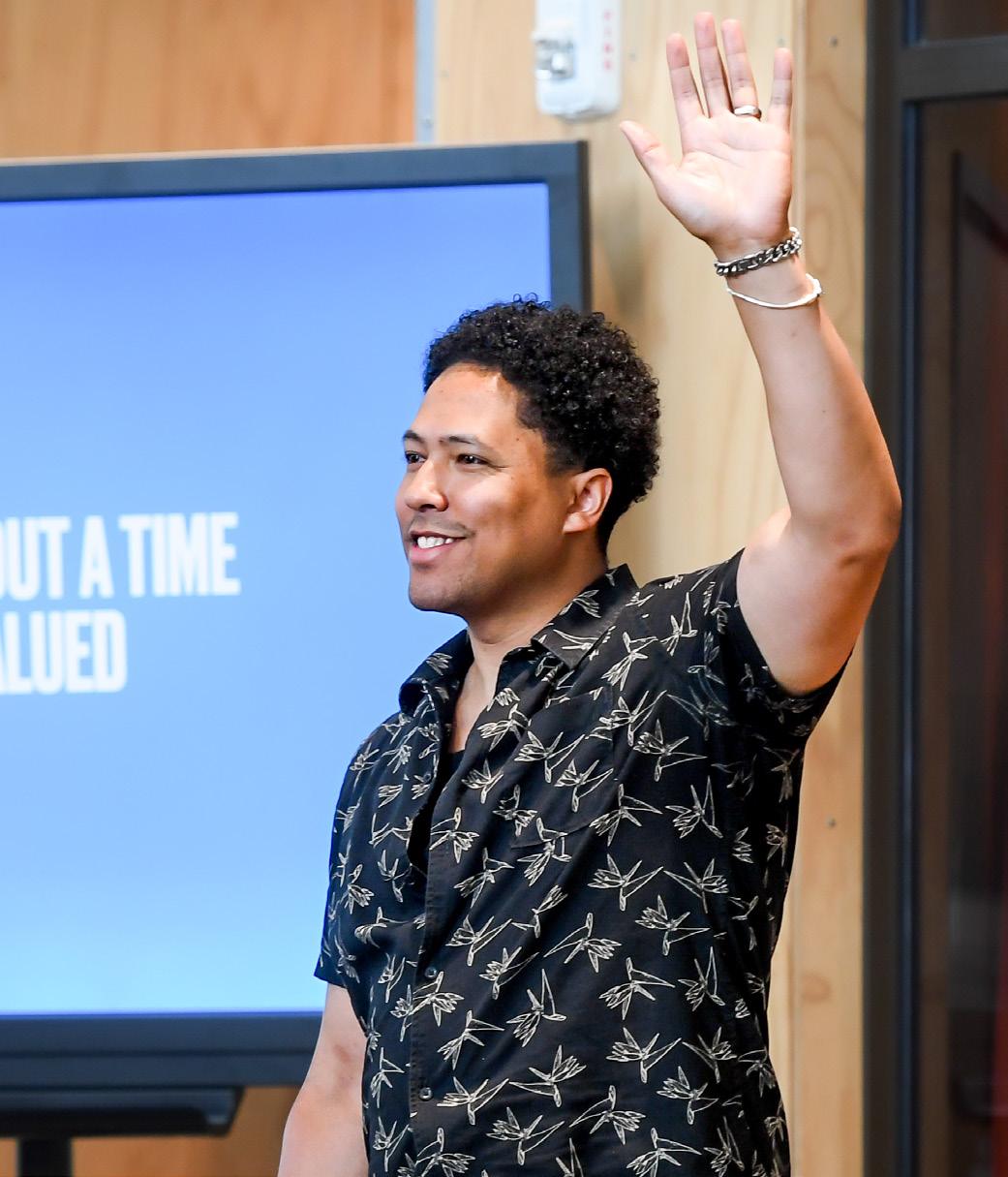
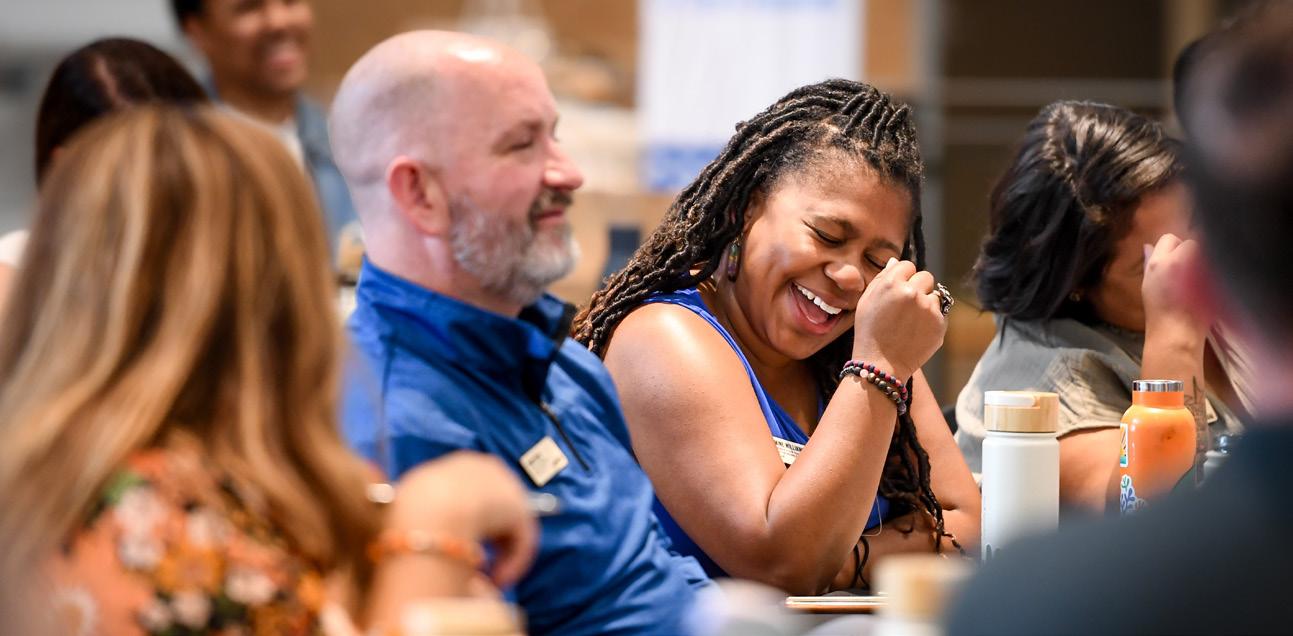

A celebration of the leaders challenging convention and inviting others to imagine what’s possible for people, wildlife, and the planet.
The Zoo + Aquarium Professional Troublemaker of the Year program, a partnership of TESSERE and SSA Group, honors those who ask “why” and “what if,” challenge assumptions, question norms, and lead with courage and care.
These leaders don’t disrupt for disruption’s sake—they do it to build what comes next. They know change is inevitable. But purposeful change, the kind that creates lasting impact, requires clarity, curiosity, and community.
PROFESSIONAL TROUBLEMAKERS FOR GOOD:
† Ask bold questions and listen deeply to the answers
† Hold space for discomfort, dialogue, and discovery
† Challenge systems while cultivating psychological safety
† Invite others into the work of change, not away from it
† Hold themselves and systems accountable
† Move beyond critique to co-creation
† Lead with curiosity, courageous risk-taking, and care
Each year, we recognize two individuals whose leadership reflects this ethos:
† Professional Troublemaker of the Year, honoring an established leader reshaping systems
† Emerging Professional Troublemaker of the Year, recognizing a rising voice pushing boundaries and building community
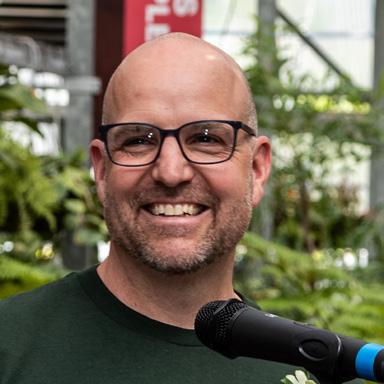
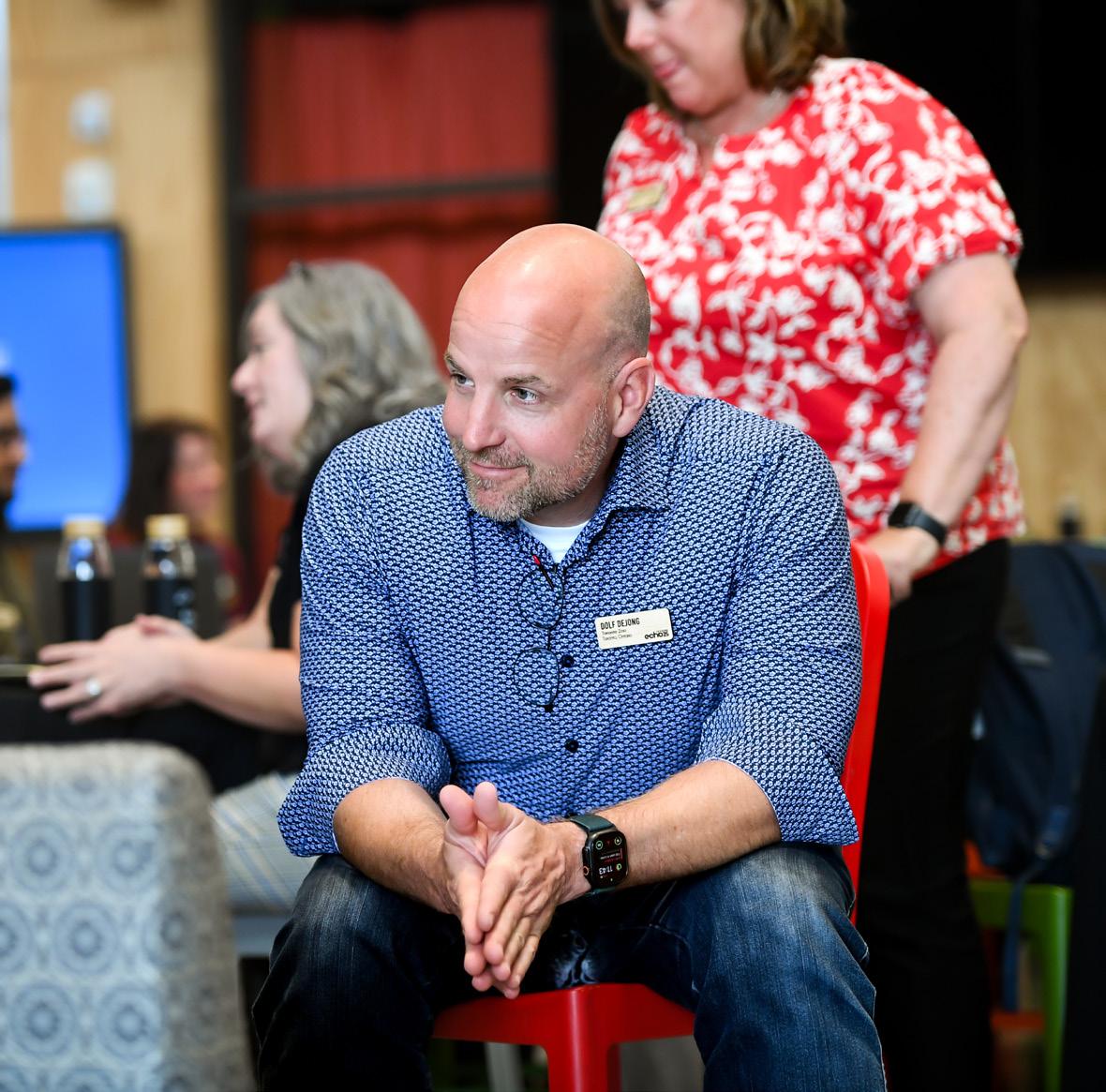
DOLF DEJONG CEO TORONTO
ZOO
2024 Zoo + Aquarium Professional Troublemaker of the Year
How Dolf is making good trouble:
† Builds systems and decisions around purpose, not precedent
† Invests in community, culture, and collective wellbeing
† Practices transparency and inclusion as leadership fundamentals
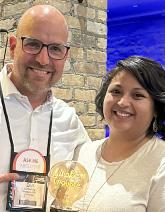
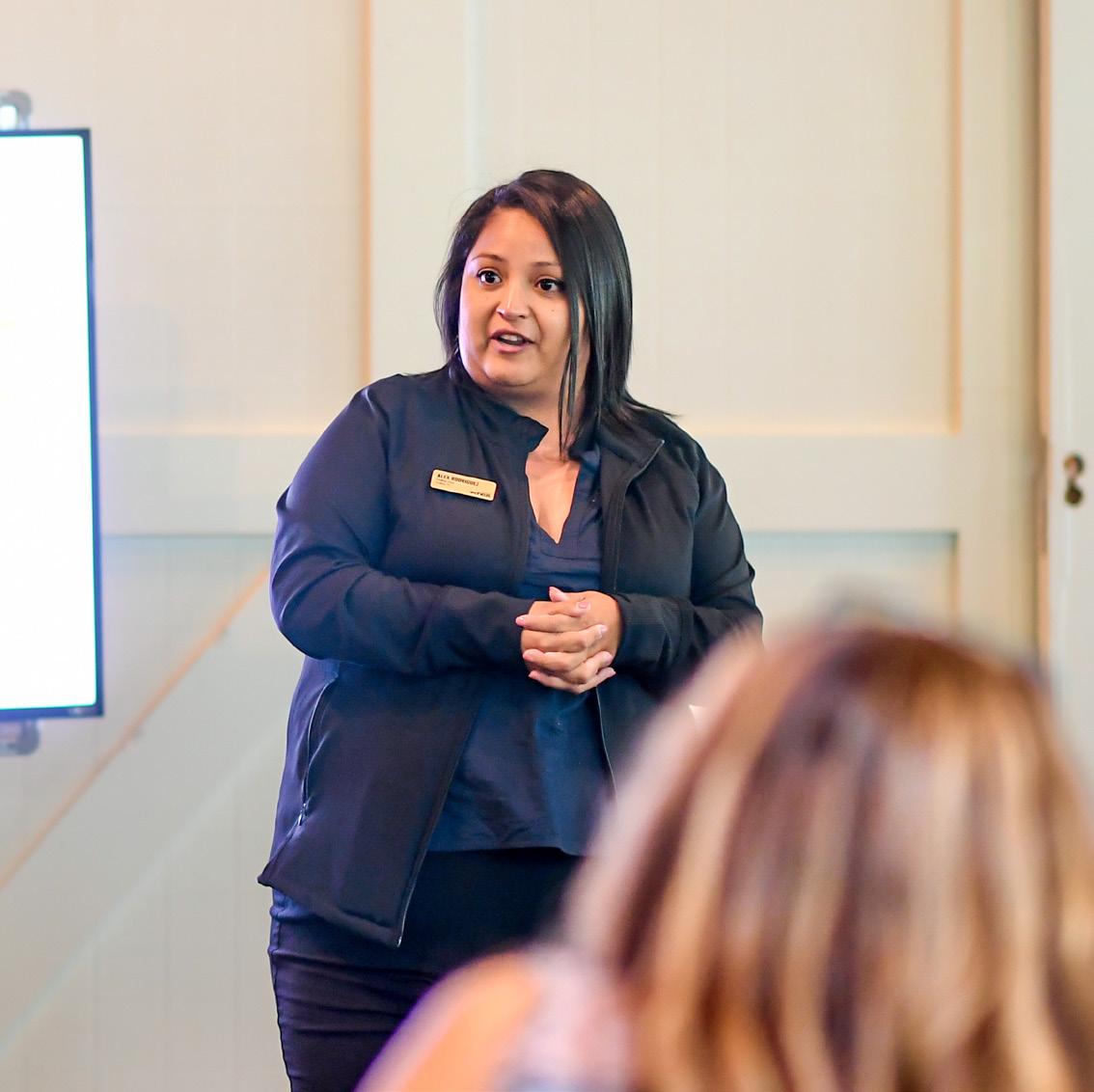
ALEXANDREA RODRIGUEZ
DIRECTOR,
PEOPLE & CULTURE, DALLAS ZOO
2024 Zoo + Aquarium Emerging Professional Troublemaker of the Year
How Alex is making good trouble:
† Centers equity as a daily imperative, not a project
† Builds bridges across differences to uplift collective growth
† Leads with conviction, care, and an invitation to co-create
You ask “Why?” and “What if?”— especially when it’s uncomfortable
You hold systems accountablenot just individuals –because lasting change starts deeper
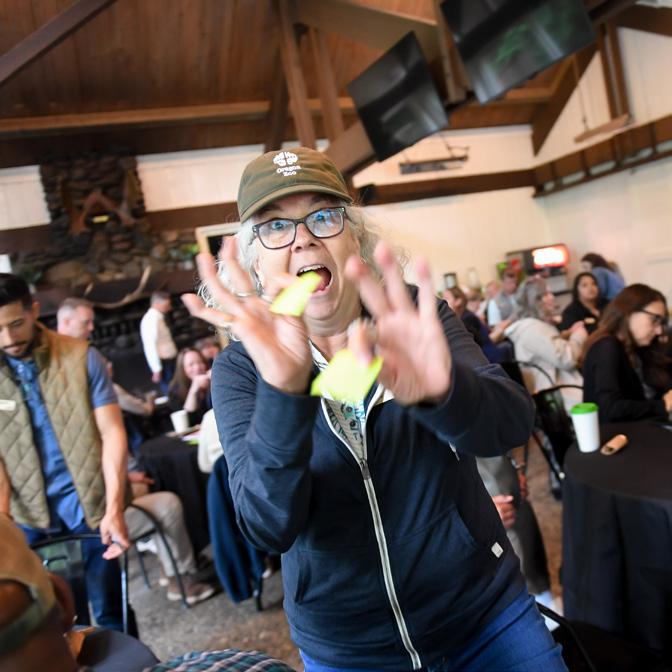
You name the gap between values and —with courage and care
You make space for others to speak, lead, and grow
You lead with trust and relationship – not ego or
You speak up— stir conflict, but to spark clarity, connection, and creativity
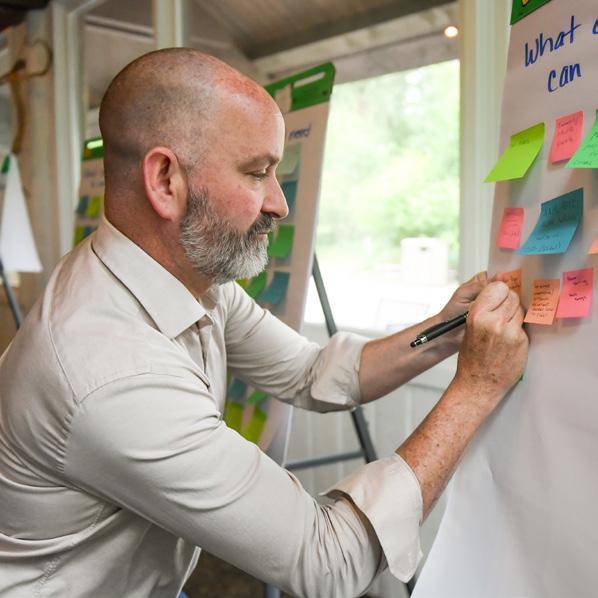
You reflect on what didn’t work – not to dwell, but to do better next time
Presented by TESSERE + SSA Group in recognition of those acting as catalysts for a better future for people, wildlife, and the planet.
This is your invitation to move – from insight to action, from questions to change. Grab a trusted colleague. Gather a small group. Open these pages. Then begin. Good trouble can start anywhere.
SCHEDULE TIME
Whether it’s a recurring lunch conversation or over a morning coffee, consistency builds momentum.
BEGIN WITH REFLECTION
At the next conversation, revisit your last commitment. What shifted?
END WITH ACTION
Each person commits to one next step or way of being.
BEGIN WITH SHARED UNDERSTANDING
Invite everyone to read through these pages and align on purpose.
CHOOSE ONE PROMPT PER CONVERSATION
Start with a question or assumption. Then let the conversation unfold.
Choose a word (we like “gopher”) that anyone can say to gently call out when the group is stuck in repetition.
Critique isn’t enough—turn your attention to what’s possible.
These conversations aren’t about fixing everything. They’re practice grounds for curiosity, surfacing new questions, finding opportunities, and building courage to take the next step. You’ve got this!
Use these to ignite dialogue. Don’t rush. Let discomfort surface. Make room for complexity.
● What’s the gap between the future we say we want and the structures we’re reinforcing?
● What systems are we trying to change, but haven’t clearly defined what we want to build instead?
● What beliefs might we be signaling or reinforcing through our our decisions?
● Are we budgeting for the future we believe in, or clinging to models built on scarcity?
● Who is not at the table when decisions are being made, and why?
● Are we asking people to create change without the resources and support they need?
● Are we modeling the culture we want, or tolerating what undermines it?
● How might we still be causing harm, and what would healing look like? And what conversations are we avoiding for fear of causing harm?
● What moments of wonder and meaning are we missing by being mired in the details?
● Where are we reacting from fear, scarcity, or ego instead of intention and purpose?
● What habits are pulling us out of alignment with our purpose?
● What happens when leadership values don’t match everyday actions?
● Where should we more intentionally connect our experts in the field with experts in the need?
● Whose stories do we need to learn?
● What does “reckoning with our past” actually look like, and how will we know when we’ve begun?
● If we were radically consistent with our values, what would change?
“In what ways are we gate-keeping knowledge that prevents true succession planning and mentoring?”
“Are we writing checks our culture can’t cash?”
“We say we’re putting people first— are we really?”
“More and more, I’m questioning how we fund and budget our organizations. The model feels unsustainable.”
“We think we’re asking our communities the right questions. But why are we still missing the mark?”
Our assumptions shape what we build, who we include, and how we lead.
If these assumptions aren’t true, what new futures become possible?
Starting an initiative is the same as making progress
Discomfort and harm should be avoided
Hiring for diversity is enough without culture change
Community engagement can happen without community power
Urgency excuses a lack of clarity
Scarcity is our reality—and abundance must be earned
Passion is its own reward and should be enough
Transparency is risky instead trust-buildingof
We’re taking care of our people as well as our animals
What else needs challenging?
Belonging will happen with good intentions, but without intentional design
Policies must wait for perfection instead of helping to shape it
Quantitative data is more valuable than personal stories
Nature and animals will thrive if people just get out of the way
We’re asking our communities the right questions
Feedback and critique are the same as curiosity
The past is behind us—and not still shaping today
Start solo or bring a colleague along.
Pick a recent decision big or small.
ASK:
† Who shaped it?
† Who was most impacted?
† What values were centered?
† Whose truths were included and whose were left out?
Now reimagine it; What would this decision look like if guided by relationships and reciprocity?
What small shift in your daily routine could reconnect you to your purpose?
EXAMPLES:
† Take a coffee break on a bench in your zoo or aquarium.
† Start your day by naming gratitude.
† For an hour a week, pull weeds, work the front desk, or greet visitors.
Write down your organization’s stated values or your personal ones. Now list 3–5 decisions or policies.
† Are they aligned?
† What needs to shift?
PAUSE TO LOCATE YOURSELF
When urgency, defensiveness, or disconnection arise, pause and ask:
† Am I in the past, future, or present?
† What’s driving my reaction—fear, scarcity, or ego?
† What might ground me?
What matters is starting. Even small shifts can lead to big change.
What’s emerging?
Inspired by Mt. Rainier sometimes hidden, always there, this is a call to live as if the full beauty and possibility of the world is visible.

Special thanks to Point Defiance Zoo & Aquarium and Northwest Trek Wildlife Park for their extraordinary hospitality and leadership. Their teams created an inspiring and welcoming environment, setting the stage for meaningful dialogue and courageous thinking.


Deep gratitude to the sponsors who made this experience possible and who continue to invest in the bold conversations shaping the future of zoos and aquariums.

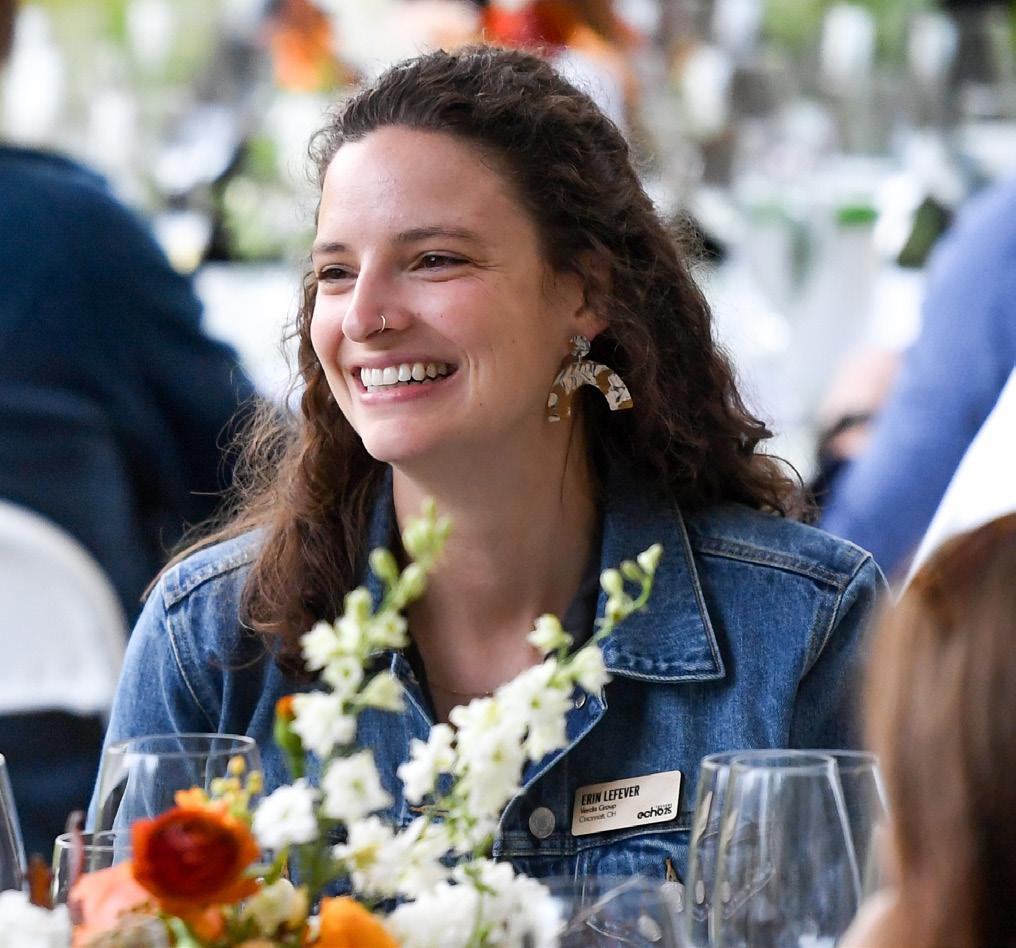

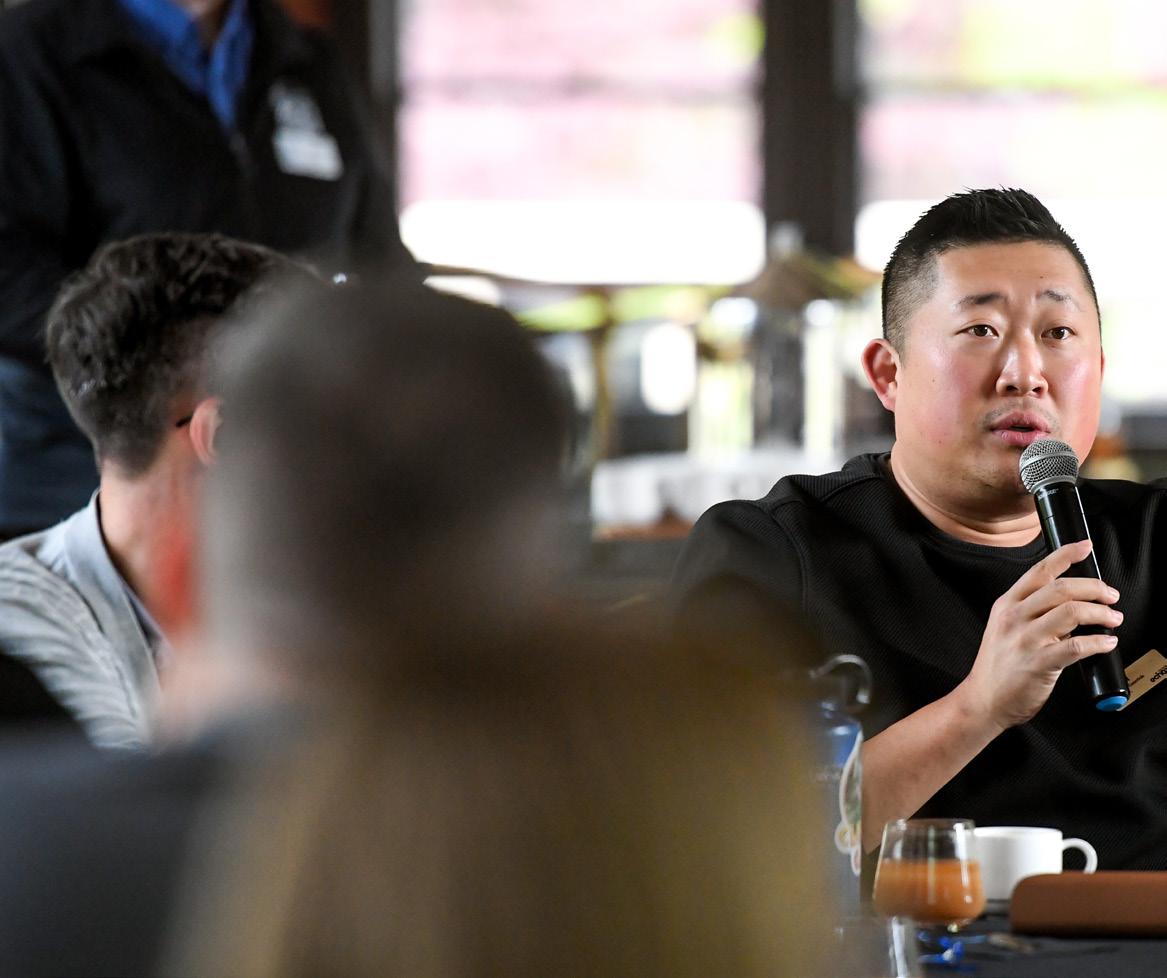

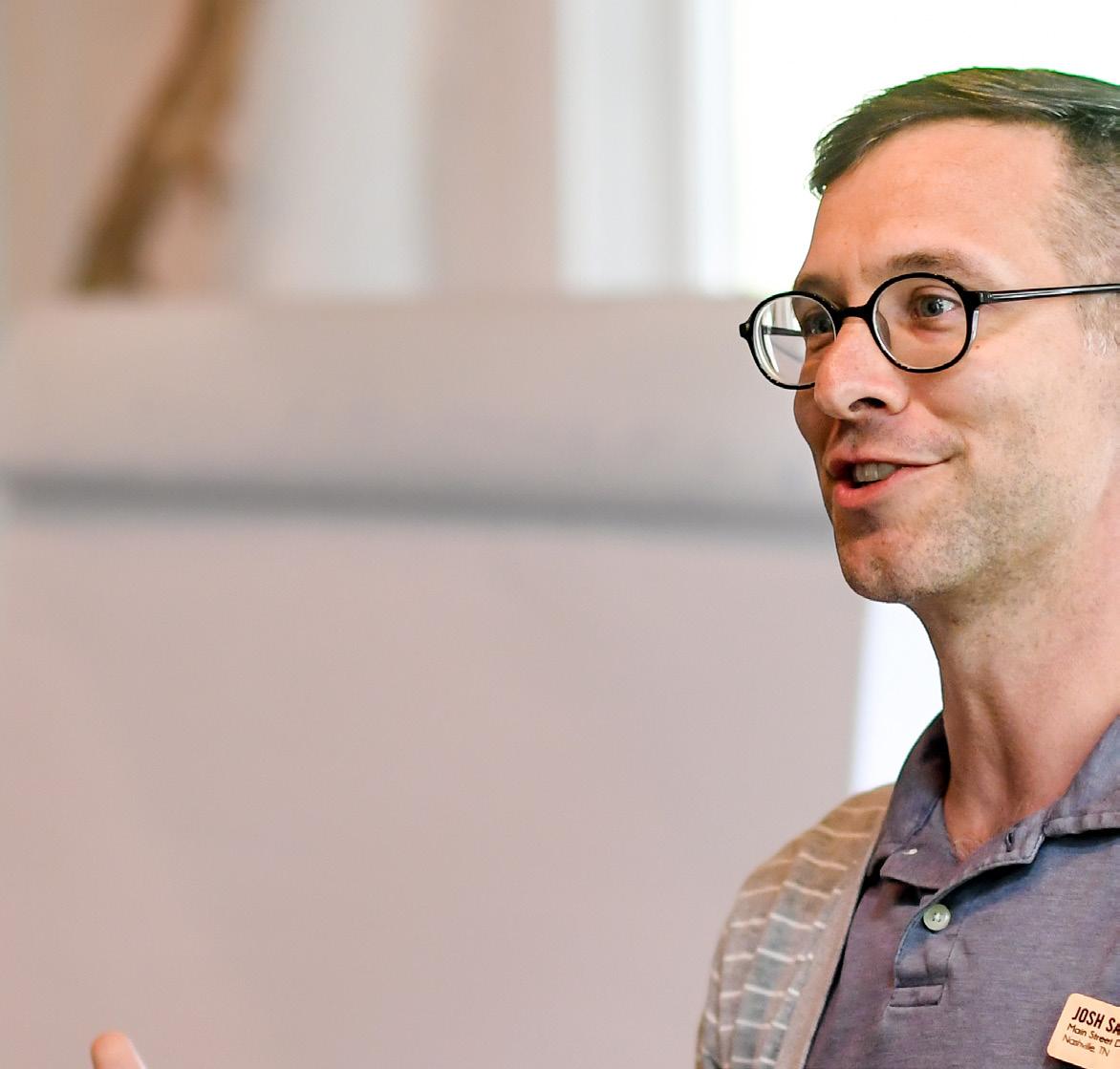

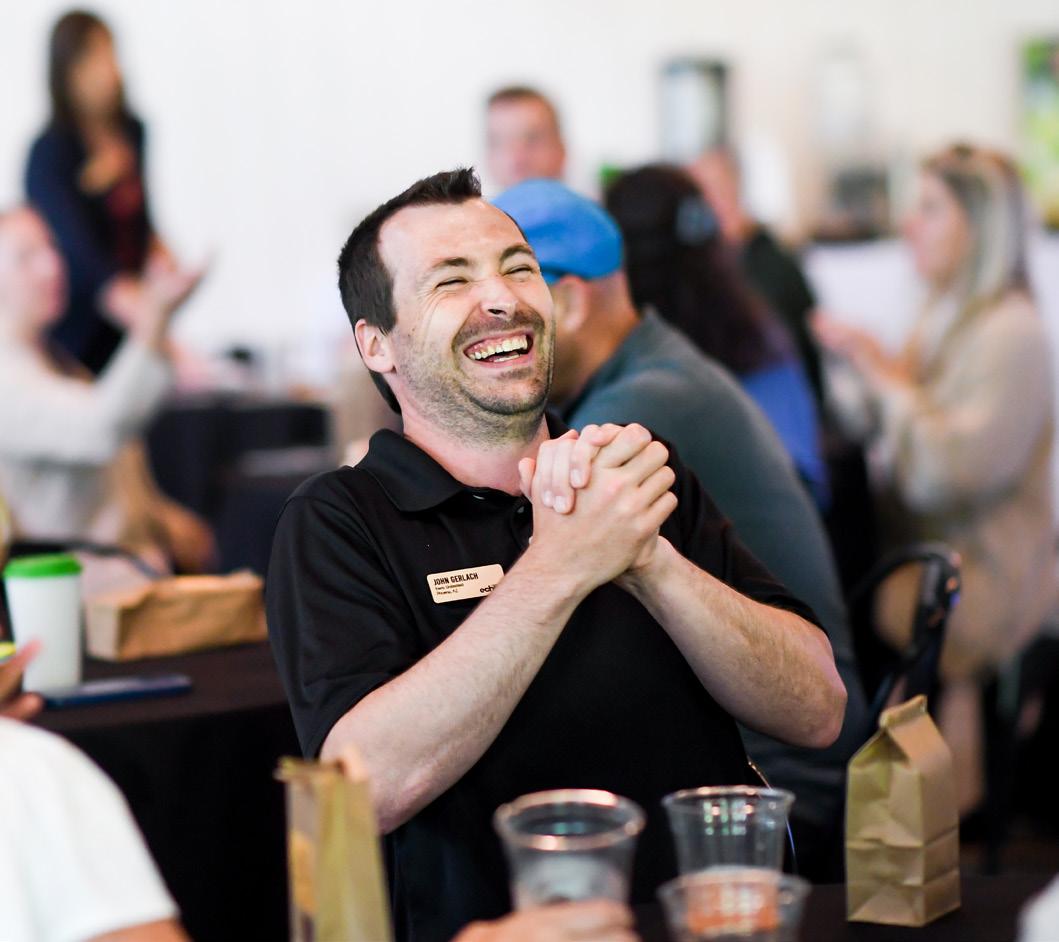


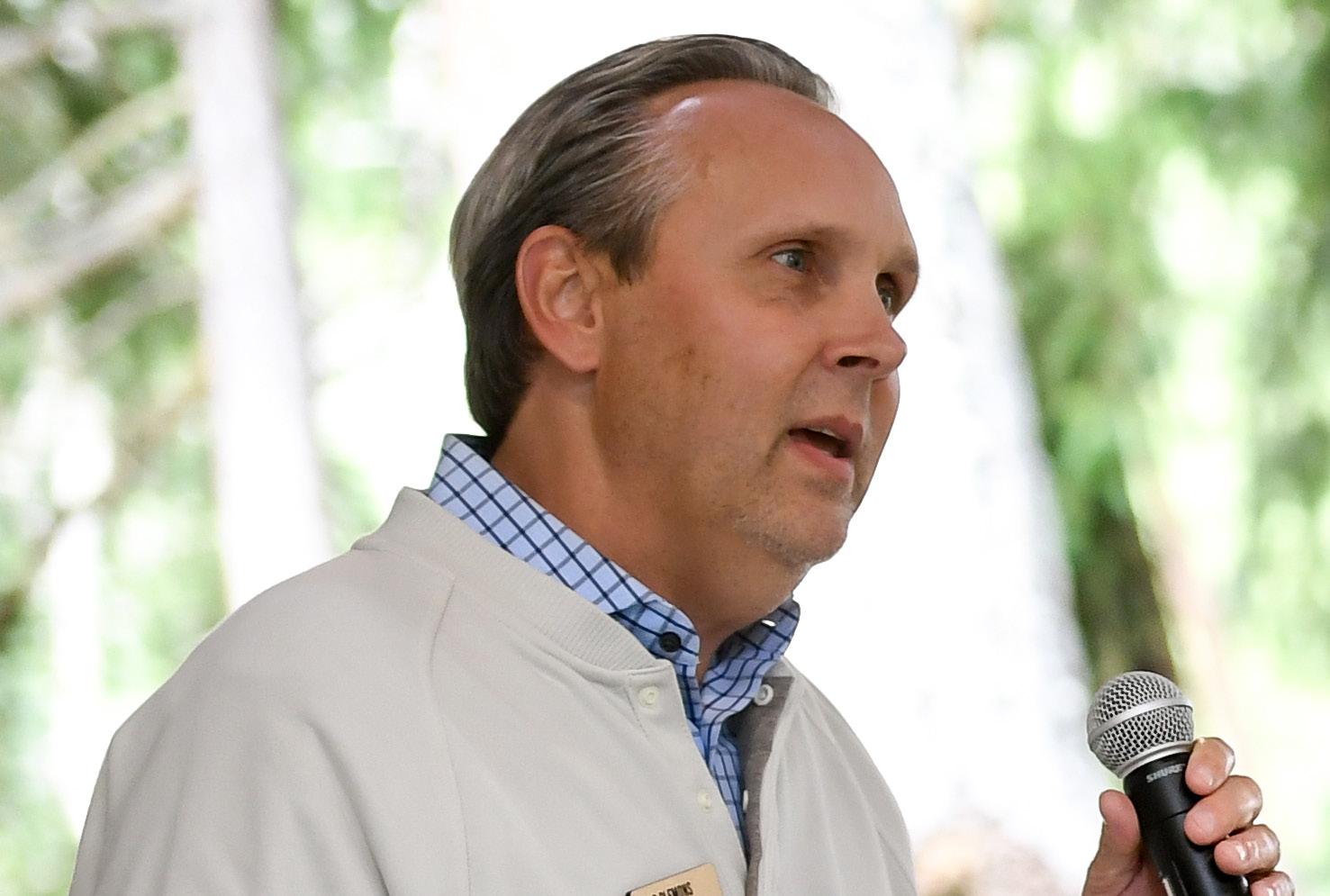


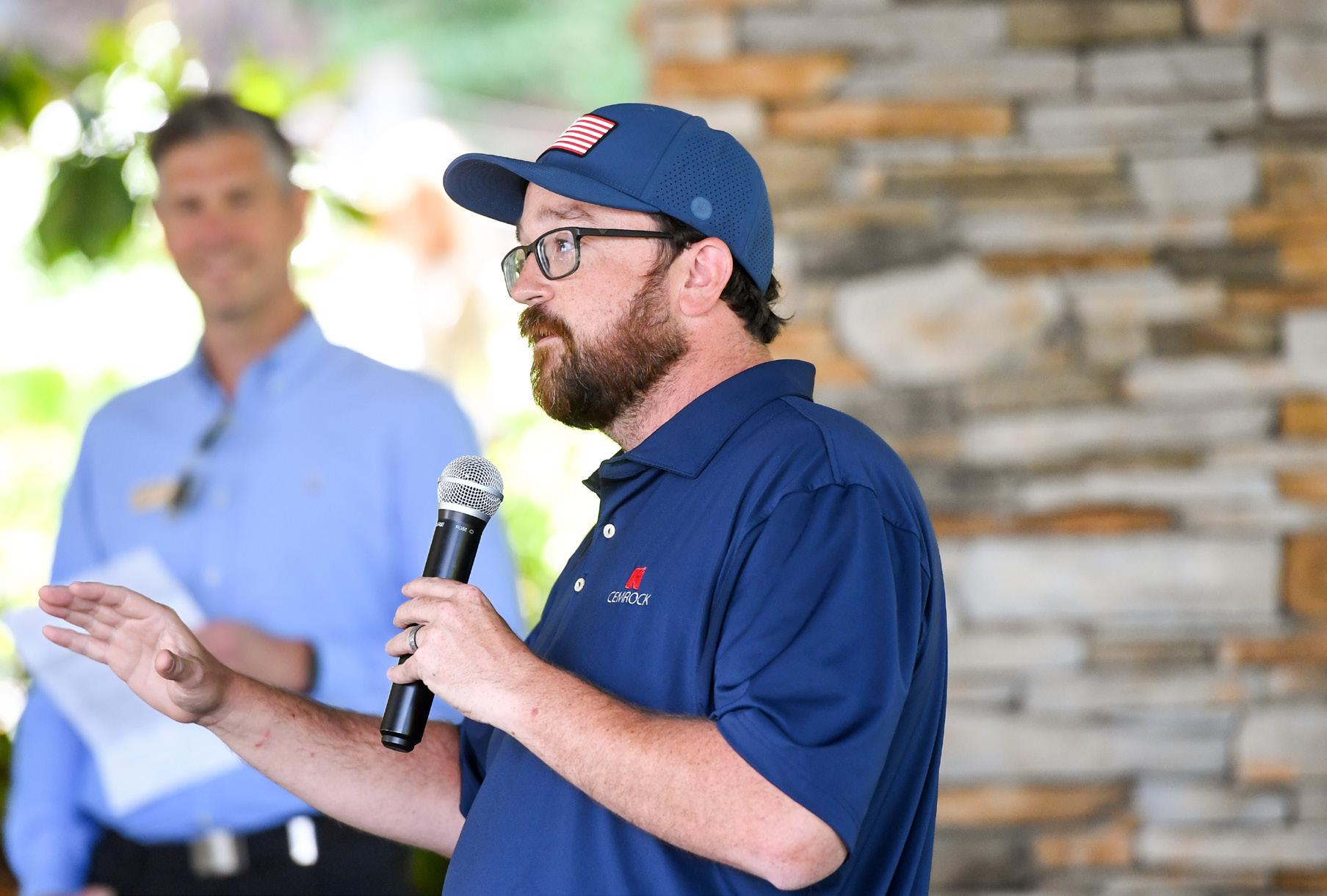
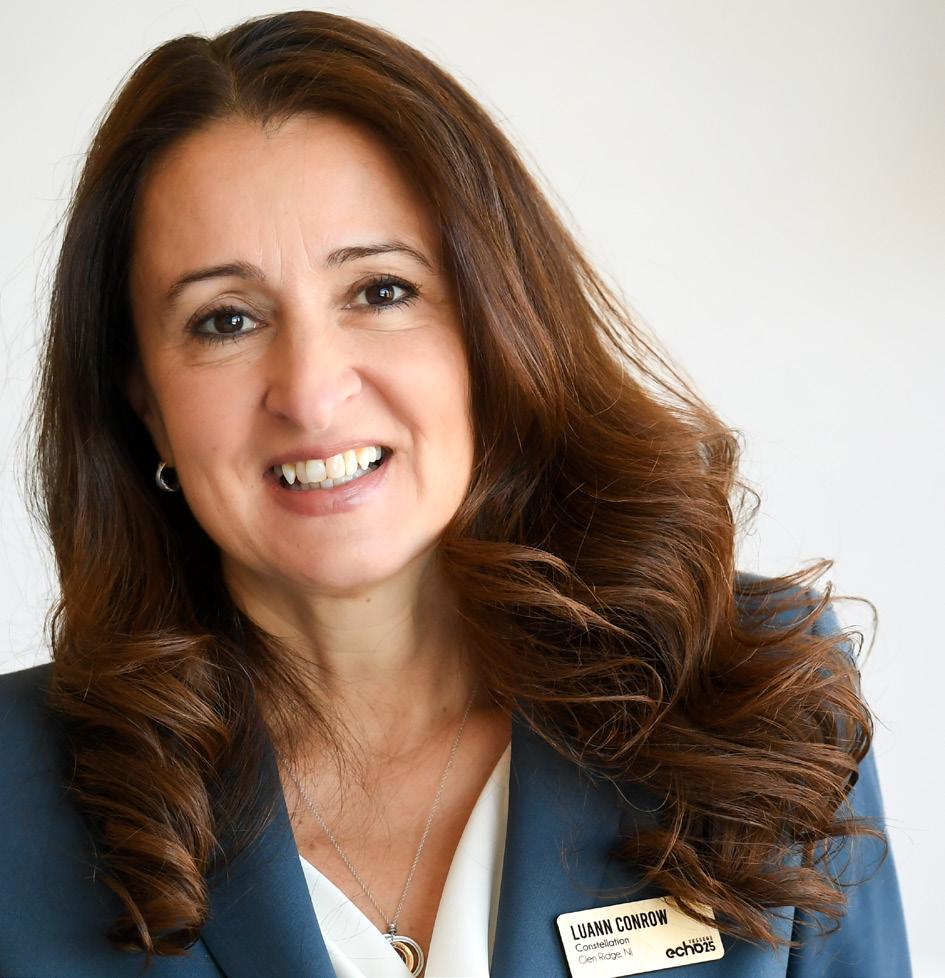
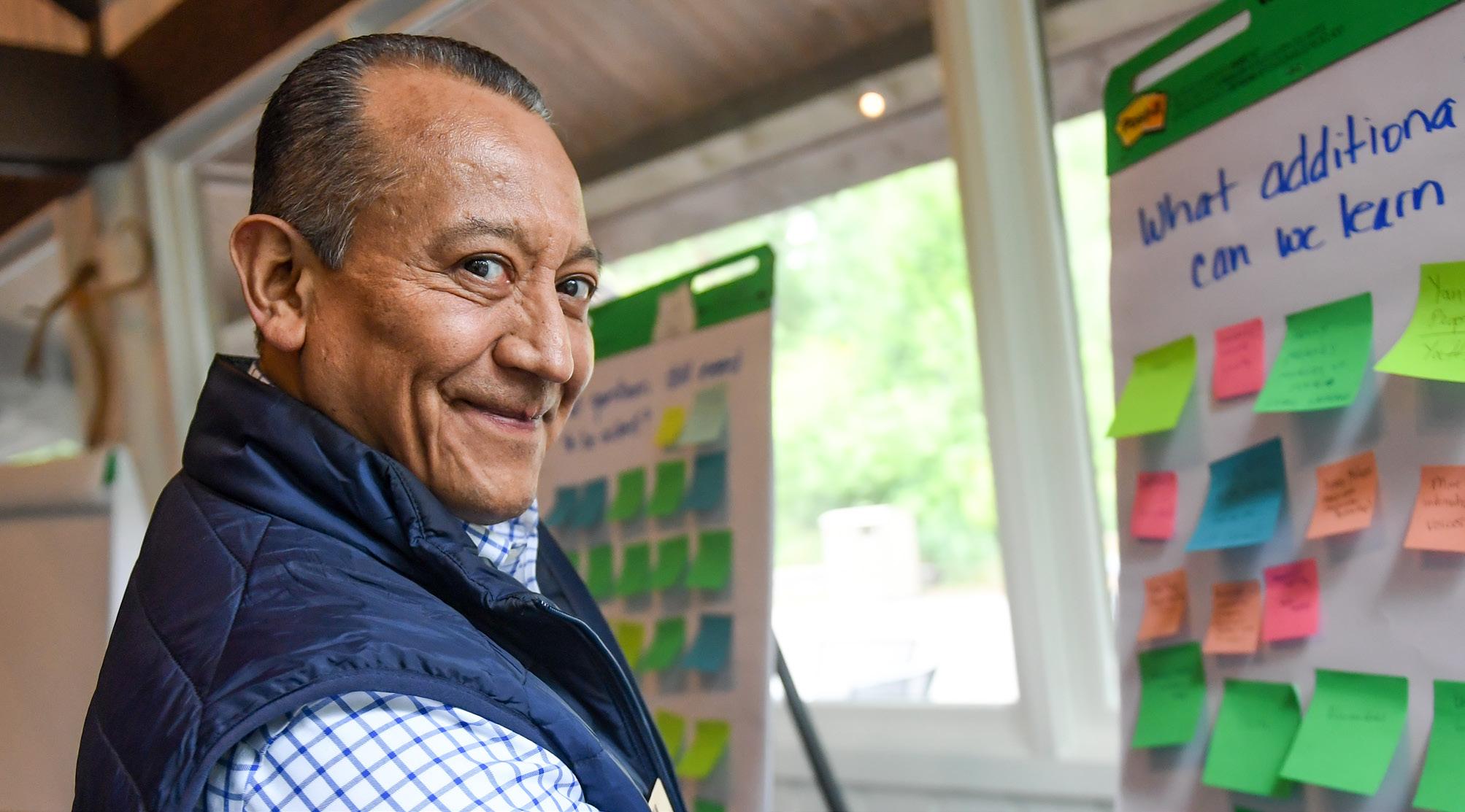
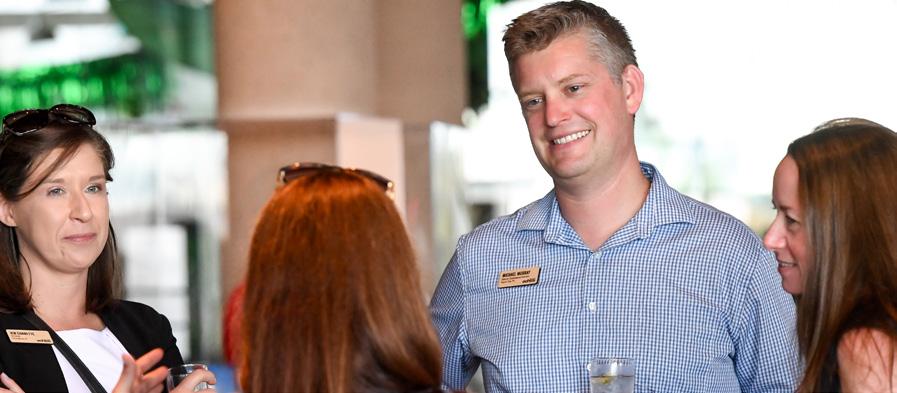
Behind every bold question and boundary-pushing conversation at ECHO25 was a team grounded in a quiet conviction: that real transformation begins when we pause long enough to ask why, imagine what if, and invite others into the work of reweaving what’s possible.
TESSERE—Italian for “to weave”—exists to help organizations do just that. We bring together purpose, people, and possibility to co-create a future that’s not only intentional, but inspiring. Our work spans strategic facilitation, architectural design, and master planning—but at its core, it’s about helping missiondriven organizations align their values with their environments, and their aspirations with meaningful action.
The tenets of ECHO— curiosity, courage, and co-creation—live at the heart of our practice. We go beyond what’s “nice to have,” asking instead: What problems are we here to solve? What futures do we want to shape? We encourage our clients and partners to look beyond planning for the world as it is and to begin imagining—and building for—the world that is becoming.
At the center of it all is a belief in stewardship—that the well-being of animals, people, and ecosystems are deeply interconnected, and that every plan and design we co-create is an opportunity to care more boldly for the communities we serve and the future we share.