


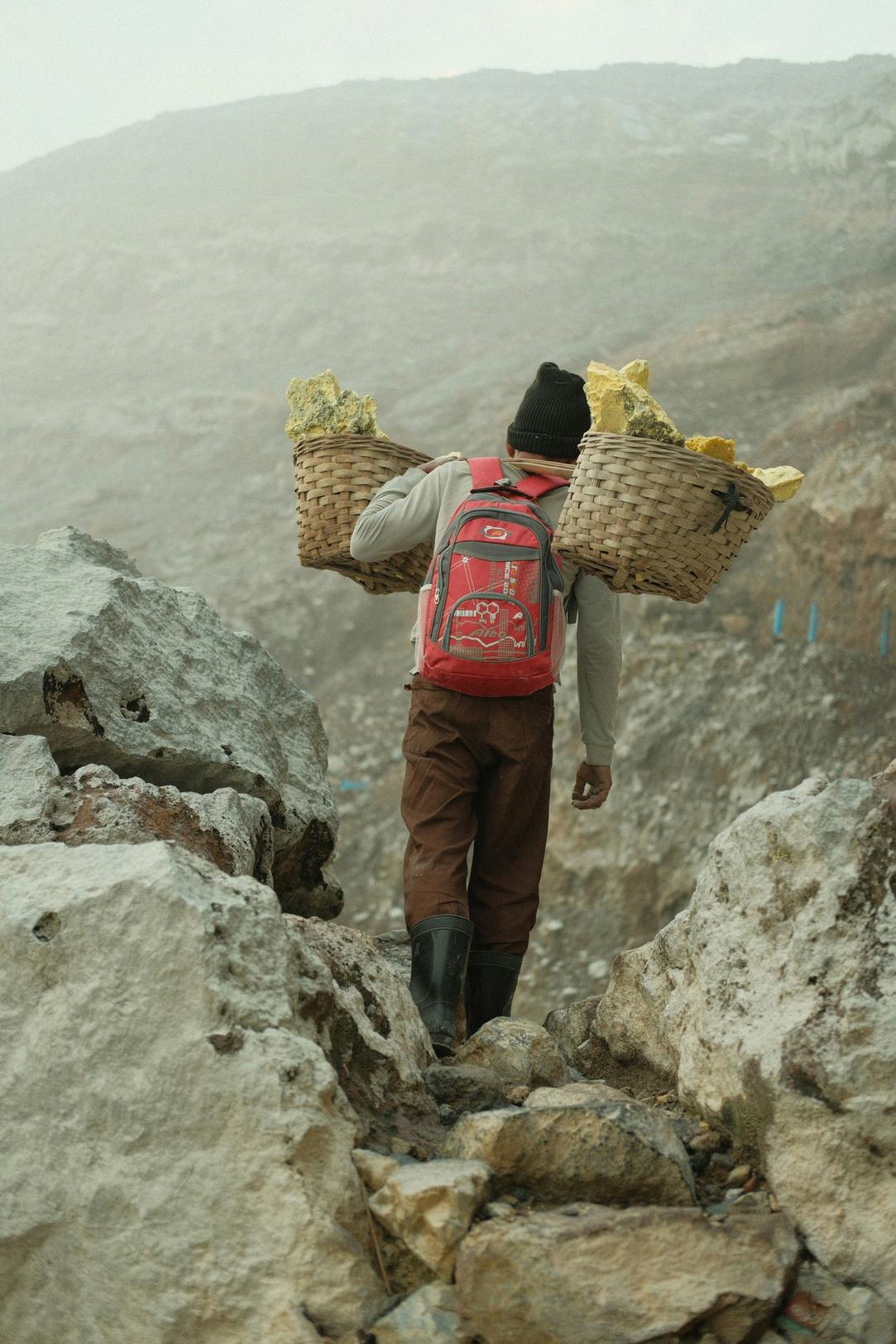

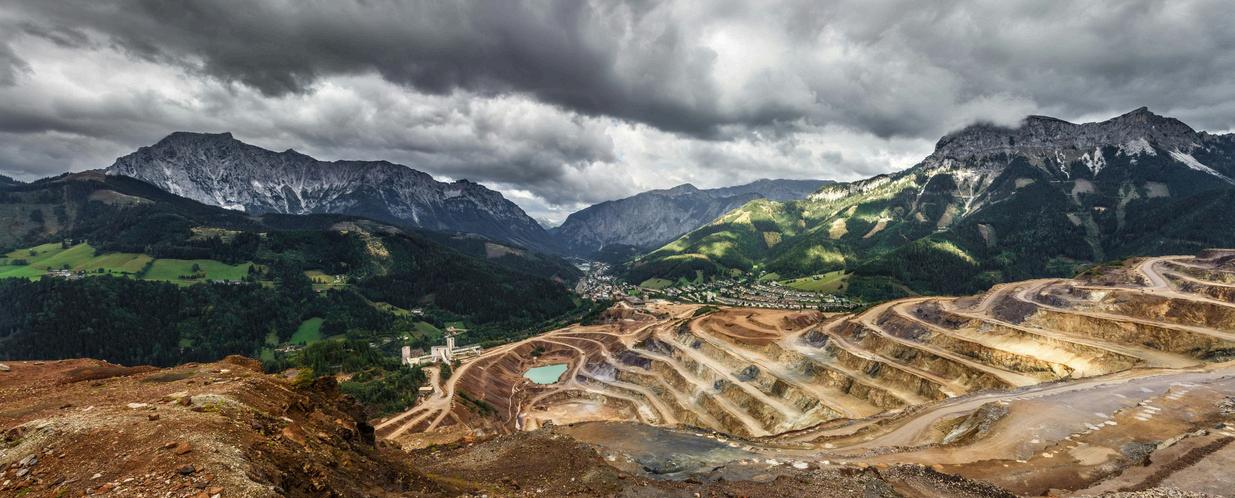

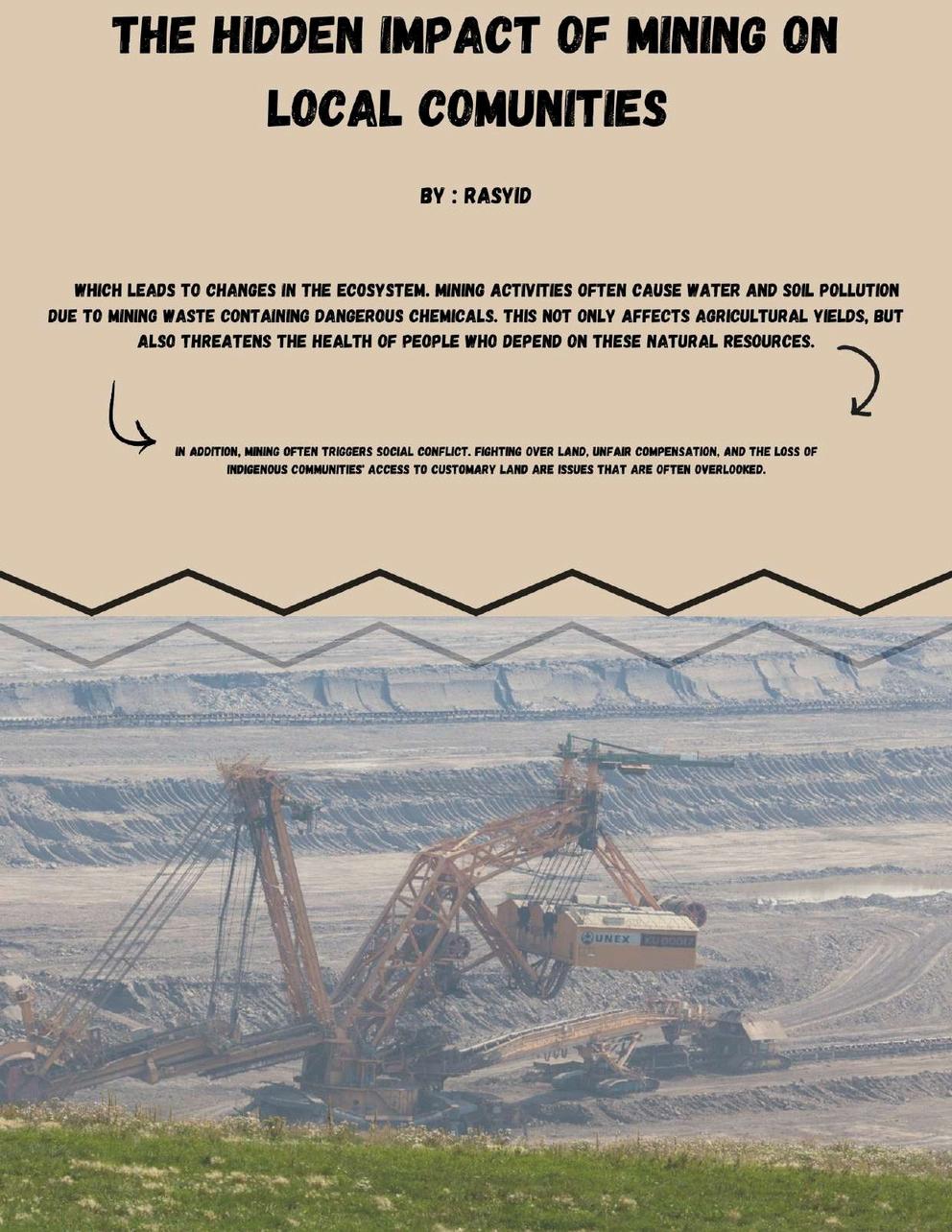
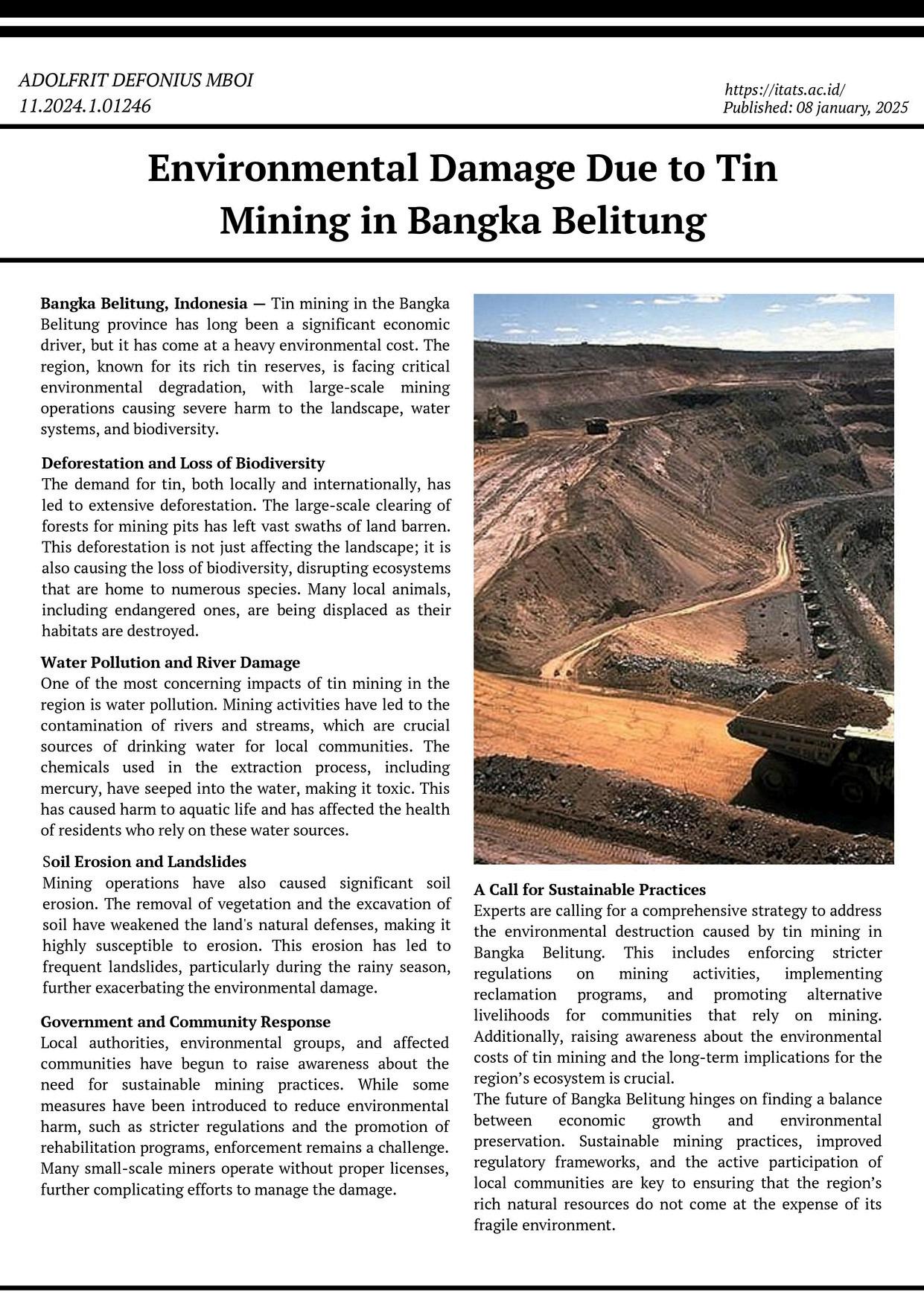
The increase in mining operations has led to significant environmental challenges Local rivers and streams are reportedly being polluted, affecting water sources for both agricultural and domestic use “The water was crystal clear a year ago Now, it’s murky and unsuitable for drinking,” said Mr Tarno, a farmer in the area
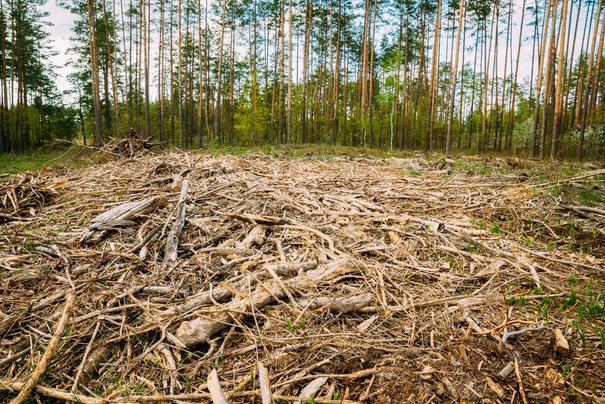
Forests near the mining sites have been cleared, disrupting ecosystems and displacing wildlife This deforestation has raised alarms among environmentalists who fear long-term ecological damage These changes not only threaten biodiversity but also impact the livelihoods of indigenous communities relying on the forest for sustenance
Although mining companies claim to adopt sustainable practices, many locals argue that their efforts are more cosmetic than impactful “They plant a few trees after destroying hectares of land How is that fair?” asked Mr Yani
Beyond environmental issues, the mining boom has disrupted community life Many locals have been displaced from their homes due to land acquisitions Those who remain face noise and air pollution daily “The dust from mining trucks is everywhere Our children often fall sick,” added Ms Putri
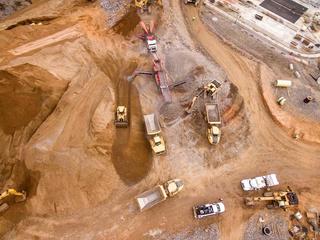
The rapid adoption of automated technologies has also led to job displacement Previously, mining provided steady employment to many local workers However, with machines taking over manual tasks, the unemployment rate in the region has risen sharply
Hero of the month: Baharuddin "Bahar" Kadir Advocating for Environmental Justice



“Mining profits must not come at the expense of our environment and communities.”
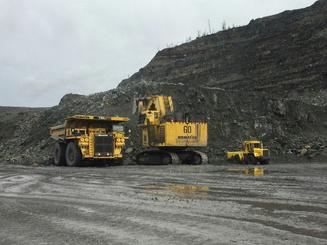
For those who still work in the industry, the conditions are far from ideal Long working hours and exposure to hazardous materials have made mining jobs not only scarce but also dangerous Activists are pushing for better worker protection and fair compensation
Baharuddin Kadir, or Bahar, is a dedicated advocate for environmental and social justice in Indonesia As a parliament member, he has consistently challenged mining projects that displace communities and harm the environment
Through his collaboration with activists and local leaders, Bahar amplifies the voices of marginalized groups and pushes for sustainable policies that prioritize people over profits His unwavering commitment has made him a symbol of hope in the fight for fairness and transparency in resource management
By Luisa M Fernanda
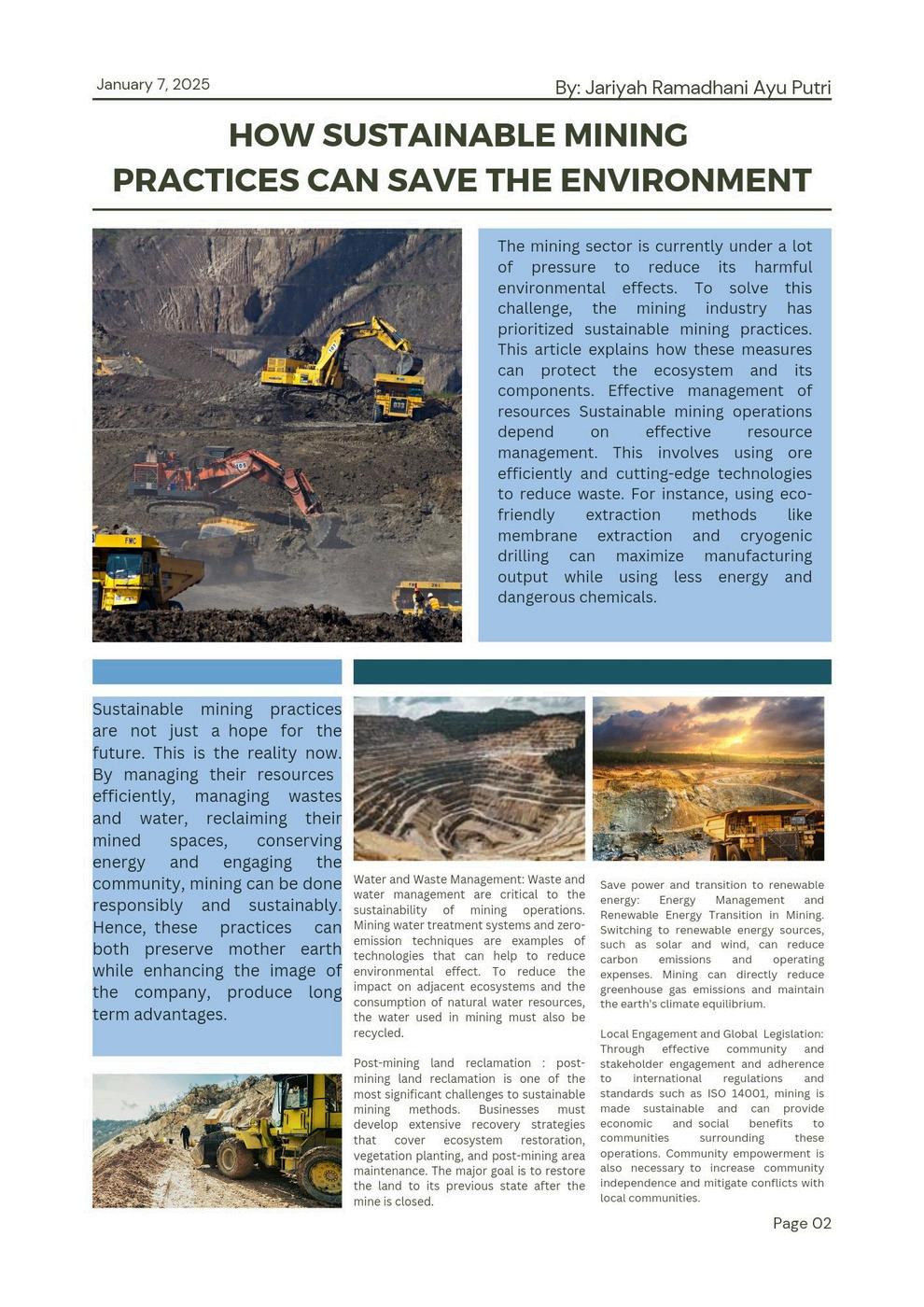
Industry, while a mining cornerstone of economies, is not without its environmental challenges. However, advancements in technology coupled with a growing awareness of sustainability have led to the development of innovative reclamation techniques serve as solutions to minimize the environmental damage caused by mining operations.
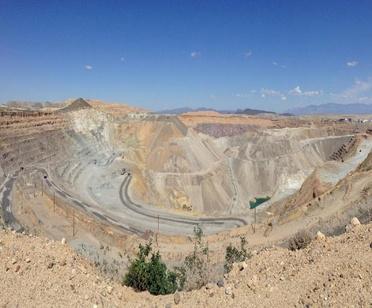
Several innovative approaches are currently being implemented, including:
Endemic Plant Revegetation: Utilizing native plants adapted to local conditions has proven to be more effective in restoring damaged ecosystems These plants not only prevent soil erosion but also enhance biodiversity. Bioremediation: This process involves cleaning contaminated soil and water using microorganisms like bacteria or fungi. These organisms can break down hazardous pollutants into harmless substances.
Real-time Monitoring Technology: The use of sensors and drones allows for continuous monitoring of post-mining environmental conditions Accurate data enables timely and precise corrective actions Innovative Wastewater Treatment: Advanced membrane technology and biological treatment systems can be employed to purify mining wastewater before its release into the environment
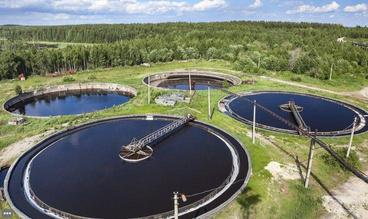
Landscape Engineering: Landscape designs integrated with the surrounding environment create aesthetically pleasing green spaces that benefit the community
Why
Why is Reclamation Important? Reclamation is not merely a duty but a long-term investment. By rehabilitating former mining sites, we not only safeguard the environment but also create new opportunities for communities. Abandoned mines can be transformed into green spaces, tourist destinations, or even productive agricultural land.
Challenges and Opportunities
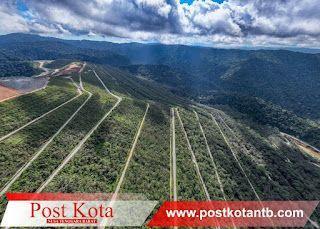
The implementation of innovative reclamation techniques faces challenges, such as high costs and limited human resources. However, with the support of governments, mining companies, and the community, these obstacles can be overcome. Strong collaboration is key to successful environmental conservation efforts.
Conclusion Innovative reclamation techniques offer a promising avenue for addressing the environmental impacts of mining. By continuously developing and applying new technologies, we can build a more sustainable future for generations to come.






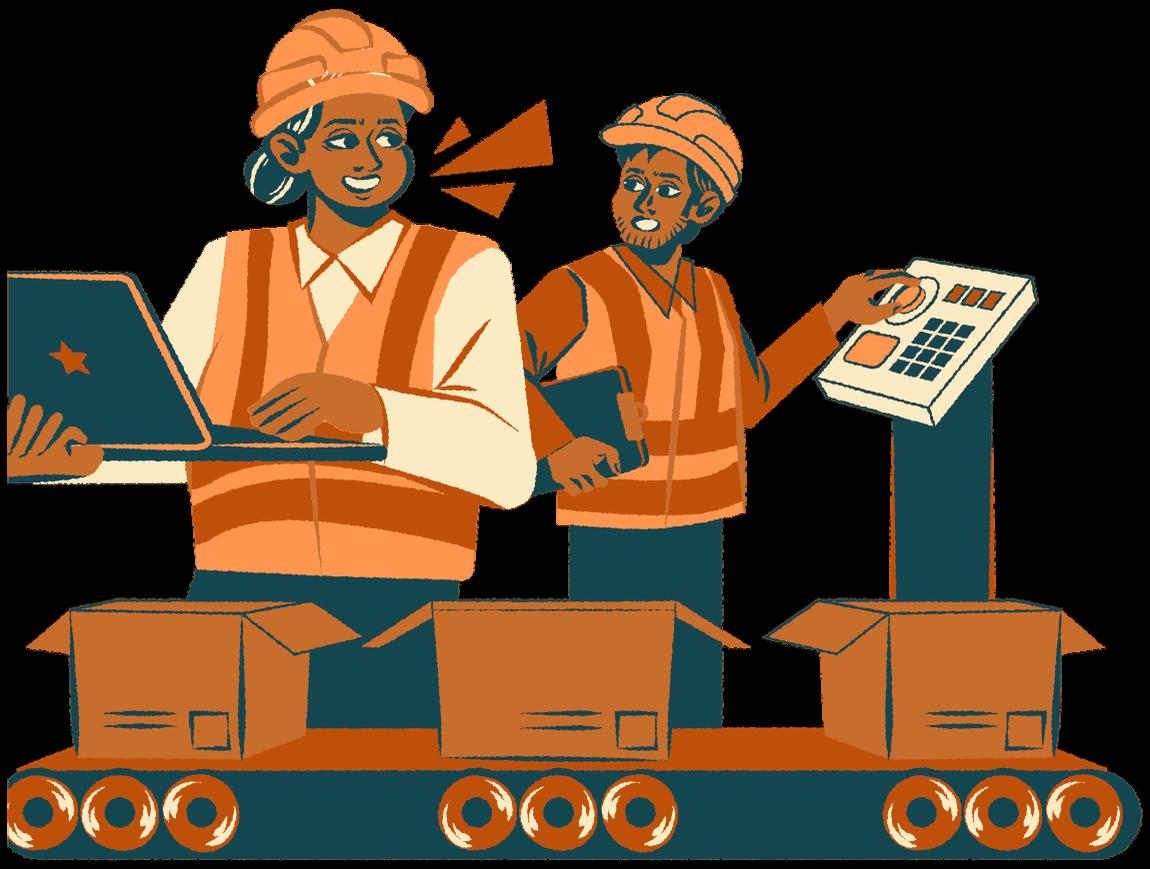
Digitalization brings significant changes to the skills and job needs in the mining sector. These changes have an impact on various aspects, from the types of Automation systems such as robotics, remote-controlled mining machines, and automated conveyors can replace time-consuming manual work. Example: Usingjobs required to the training autonomous trucks to transport mining materials without human operators. needed to keep up with technological developments. The impact is the reduction in Use of IoT (Internet of Things).types of jobs such as Manual IoT sensors can monitor machine performance, heavy equipment operators, Workers on site who perform measure mine conditions, androutine tasks, such as manual provide real-time data for decision making. The impact can minimize equipment downtime and increase inspections or data collection and finally many new jobs are created such as processing big data generated by digital productivity. Digitalization notdevices, managing sensors only automates processes, but also provides data and tools that help mining companies reduce operational costs, increase efficiency and ensure longterm sustainability of operations.
in mines, monitoring and controlling unmanned mining vehicles, monitoring and controlling unmanned mining vehicles.

A Specialist in IoT (Internet of Things) is a professional who designs, implements, manages, and optimizes systems and devices connected through the internet to exchange data and perform specific functions. In industries such as mining, manufacturing, agriculture, and smart cities, IoT specialists play a crucial role in integrating physical devices with digital systems to improve efficiency, safety, and decision-making processes.
By Rima Alexa Ganda



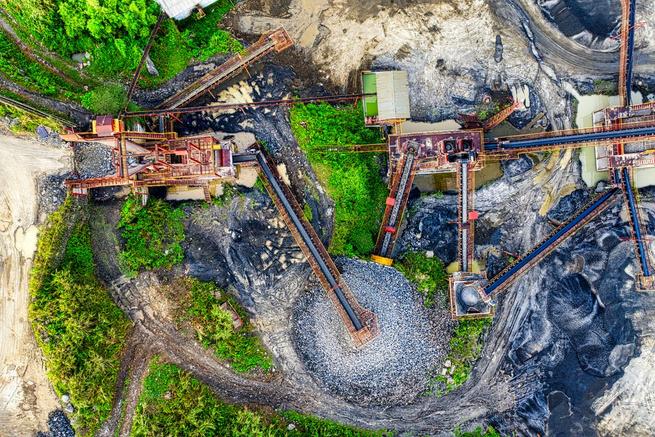
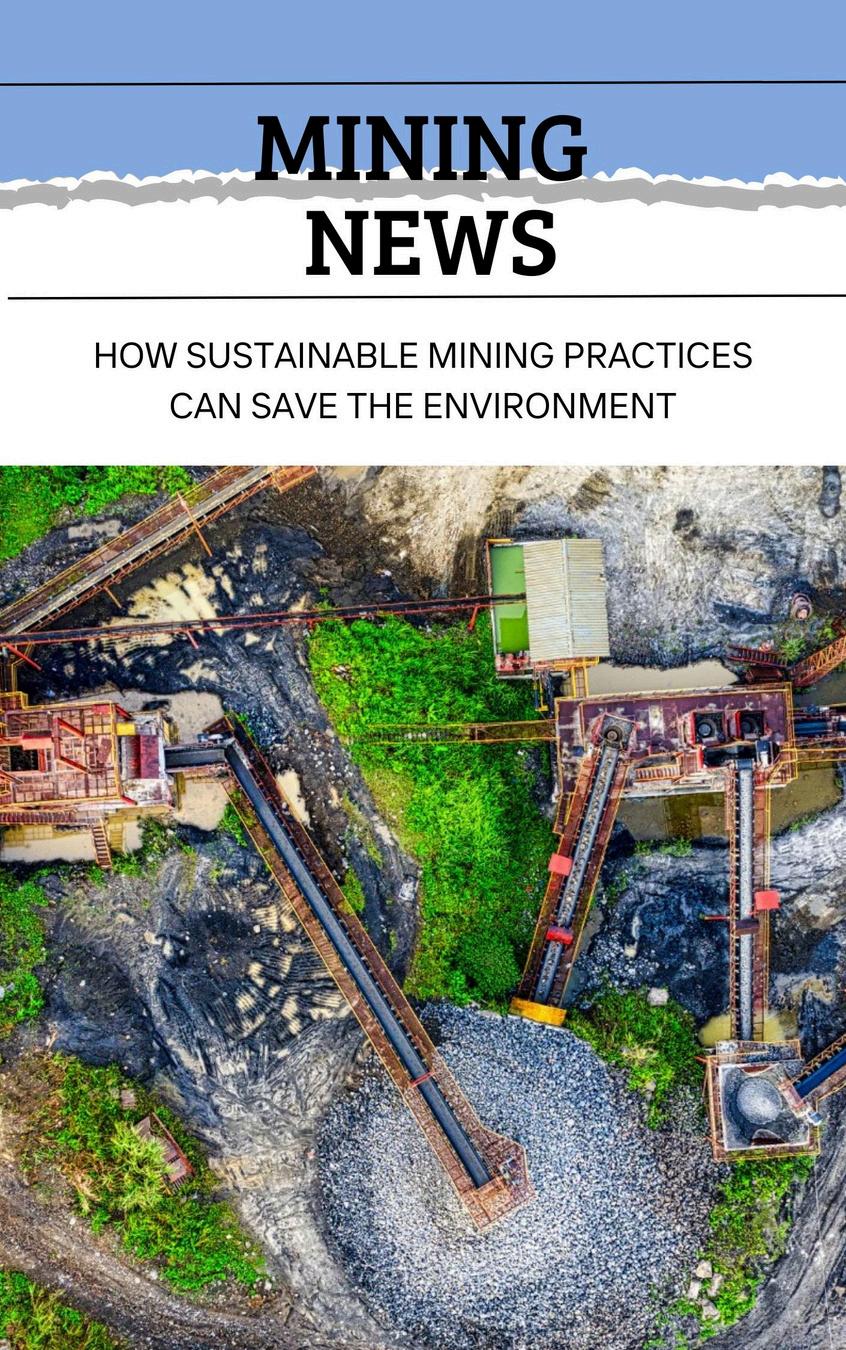
The rapid growth of technology, including automation, digitization, and electrification, is revolutionizing the mining sector. These innovations, such as self-driving vehicles, remote control centers, automated drilling, tunnel-boring systems, and machine learning, are changing the way mines operate. A key question is how these technologies can help make mining more environmentally friendly. This was the focus of the event New Technologies: The Future of Mining in the Americas, where Marina Ruete, IGF’s regional coordinator for Latin America and the Caribbean, shared her insights.

What is Green Technology? Green technology refers to tools and systems designed to reduce or reverse the environmental damage caused by human activity In mining, this involves using technology to cut carbon emissions and reduce the negative impact on the environment. It also includes using materials like metals and minerals that support renewable energy technologies, such as solar panels and wind turbines.
The Impact of Technology on Mining Operations Technological advancements have brought several benefits to the mining sector:
1 Improved Safety and Efficiency: Advanced communication tools, automation, and emergency systems make mining safer for workers
Productivity also improves with robots working non-stop, real-time monitoring of resources, and simulations to optimize mine designs
2 Environmental Benefits: Better waste management processes and the use of renewable energy sources, like solar power, contribute to sustainable mining
3 More Opportunities for Women: By automating dangerous tasks, technology enables remote work, making mining safer and more inclusive for women This could help reduce the gender gap in the industry
What Mining Companies Should Consider
When adopting new technologies, mining companies need to focus on sustainability, collaboration, and social impact:
Sustainability: Consumers now demand environmentally friendly practices throughout the supply chain, from mineral extraction to finished products
Collaboration: Partnering with universities, governments, and other organizations helps companies develop innovative solutions For instance, Chile’s cluster model brings together universities, companies, and government agencies to share expertise
Social Impact: Automation may replace low-skilled jobs often held by local workers, which can harm communities relying on mining for employment Companies need to balance technological advances with their social responsibilities
Programs like IGF’s New Tech, New Deal aim to address these issues
Using Technology for Sustainability in Developing Countries
Developing nations often attract foreign investments for large-scale mining projects These investments bring new technologies that improve productivity To ensure these benefits are balanced with environmental and social considerations, governments can: Offer tax incentives for green technologies
Provide training programs for the local workforce to use advanced tools

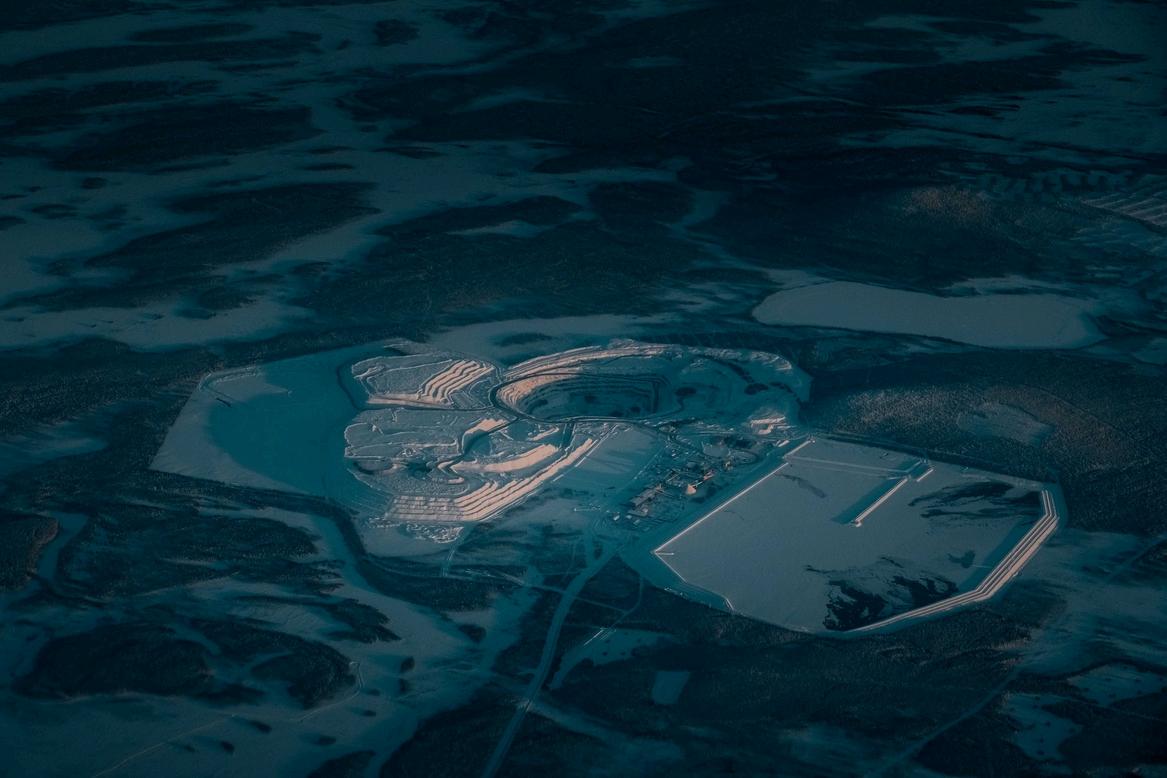

Theperformanceofjumbooperatorsisacriticalfactorinmining productivity,influencedbyenvironmental,geological,equipment, andoperationalvariablesOperatorperformancedirectlyaffects energyefficiency,productivity,andoverallprojectprofitability (Awuah-Offei,2016).Geologicalandgeotechnicalcharacteristics, equipmentconstraints,anddailyoperationalvariables significantlyimpactjumbooperatoroutcomes(Kahraman,2006)
Accuratelypredictingdrillingperformanceisessentialformine planningandcostestimationRegularperformanceevaluations helpidentifygapsandimplementcorrectiveactionstoalign operationswithproductivitytargets.Studiesshowthatoperators' skills,attitudes,andtrainingplayapivotalroleinachievinghigh performance(Li,2018;Lumley,2005;Awuah-Offei,2016;Dorey, 2015).Propertrainingandfavorableworkingconditionsleadto improvedproductivityandhigherprofitability(Mohammadi,2015)

Theminingindustryfacesincreasingchallengesasdeposits becomedeeper,moreremote,andcostliertoextract(Välivaara, 2016)Despiterisingdemandsforproductivity,efficiencylevelshave stagnated,affectingoperationalplans(Fourie,2016).Process optimization,especiallyinmechanizeddrilling,iscrucialfor improvingkeyperformanceindicators(KPIs)andachievingproject goals(Maradia,2017)
Traditionalperformancepredictionmethods,suchasmultiplelinear regression,oftenfailduetovariableinterrelationshipsArtificial NeuralNetworks(ANN)overcometheselimitationsbyefficiently handlingcomplexvariableinteractionsANNmodels,particularly feedforwardnetworksormultilayerperceptrons,haveshown successinpredictingminingequipmentperformanceand optimizingprocesses(Shalev-Shwartzetal.,2014;Rumelhartetal., 1986)
ANN applications in mining include predictingperformanceinvibratingtableconcentrators (Panda&Tripathy,2014),jigoperations(Pandaetal.,2012), fuelconsumptionintransporttrucks(Saimi-Irdemoosaet al,2015),andblastpatternoptimization(Monjezietal, 2011) These studies highlight ANN's effectiveness in improvingoperationalefficiencyandproductivity.
Thispaperaimstopredictjumbooperatorperformance in an underground gold mine in Colombia using historical data and an ANN model This approach provides mine planners with a valuable tool for improvingperformance,aligningoperationalgoals,and maximizingproductivity.

Measuringjumboactivitieswithinminingoperationsallowsonetodeterminethesourcesofdowntimes affectingminingdailyoperations,productivityandfinalprofits.Likewise,implementingacompleteand realdatabaseisnotonlyhelpfulforspecificresearchbutalsofordaily,monthlyandyearlyanalyzes withtheporpoiseofdeterminingproblemsandgivesolutions.Theproposedapproachallowsmine plannerstoshortenthegapbetweenplannedandoperationalperformancebyusinghistoricaldata. Moreover,bypredictingkeydrillingfactors,mineplannersaremoreinformedtopresentaccurate planswithareductionofthedeviationwithrespecttothereality,andconsequentlymorelikelytobe achievedPerformancepredictionscanbeappliedtoawiderangeofactivitieswithinthepreparation ofshort-termmineplansIncaseswherethemineplannersassumeacontinuousstateasisthecaseof thetypeofrockorthegeologyofthetunnel,theproposedmodelcanbeusefultodeterminewhatare therealperformancestobeachievedregardingthedifferenttypesofrocksorgeologiesthatcan befoundduringthedevelopmentofthetunnels



EnvironmentalDamageonWawonii IslandDuetoMiningCompanies
Currently,residentsarepursuinglegal actionthroughtheSupremeCourt(MA), ConstitutionalCourt(MK),and AdministrativeCourt(PTUN).





Miningactivitiesareincreasinglycarriedoutinvariousregions,including smallislandsinIndonesia,suchasWawoniiIslandinKonaweRegency, SoutheastSulawesi.
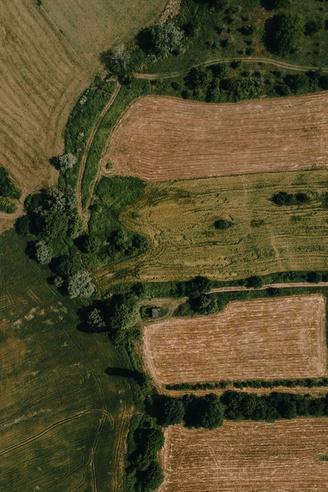
Wilman,aparticipantintheSocialJusticeLeaderFellowshipprogramby STHIndonesiaJentera,revealedthatminingcompaniesonWawoniihave damagedthreecleanwatersources,renderingthemunusable.The companieshavealsodestroyedcoralreefsvitalforoctopusfishersand coveredagriculturallandwithdustfromminingvehicles.
Localgovernmentsareinvolvedinissuingpermits.TheMinistryofEnergy andMineralResources(ESDM)grantedforestutilizationpermits(IPPKH) oncommunityfarmlandandestablishedregionalregulationstofacilitate miningactivities,"Wilmanstatedduringanonlinediscussion.
In2021,theKonaweIslandsRegencyGovernmentissuedRegional RegulationNo.1of2021ontheSpatialPlanfor2021-2041,whichincludes provisionsforminingzones.

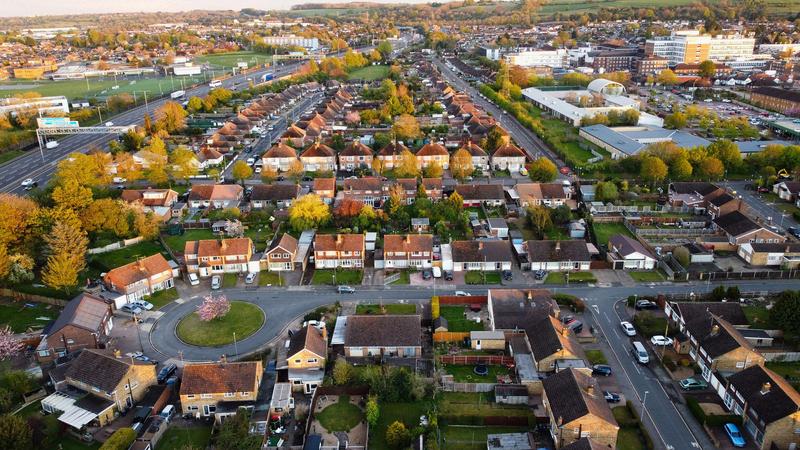




Residentsarecurrentlypursuinglegalactions,includingajudicial reviewoftheminingzoneprovisionsintheregulationattheSupreme Court(MA),areviewoftheCoastalandSmallIslandsManagementLaw attheConstitutionalCourt(MK),andlawsuitsattheAdministrative Court(PTUN)challengingminingpermits(IUP)andforestutilization permits(IPPKH).
MuhammadIsnur,ChairofYLBHIandlectureratSTHIndonesiaJentera, statedthatWawoniiIsland,asasmallisland,shouldnothavemining activitiesundertheIslandsLawduetoitslimitedenvironmentalcarrying capacity.Smallislandsshouldremainsafehabitatsforthepeople.

"Thepresenceofminingonthissmallislandviolatesmultiplelaws.From theoutset,regulationswerecreatedtolegalizemining,startingwith spatialplanningdraftstotheissuanceoflocalregulations,"


AccordingtoIsnur,theoncebeautifulislandsarenow damaged,withwatersources renderedundrinkable,and childrenfallingillduetothe poorenvironment.
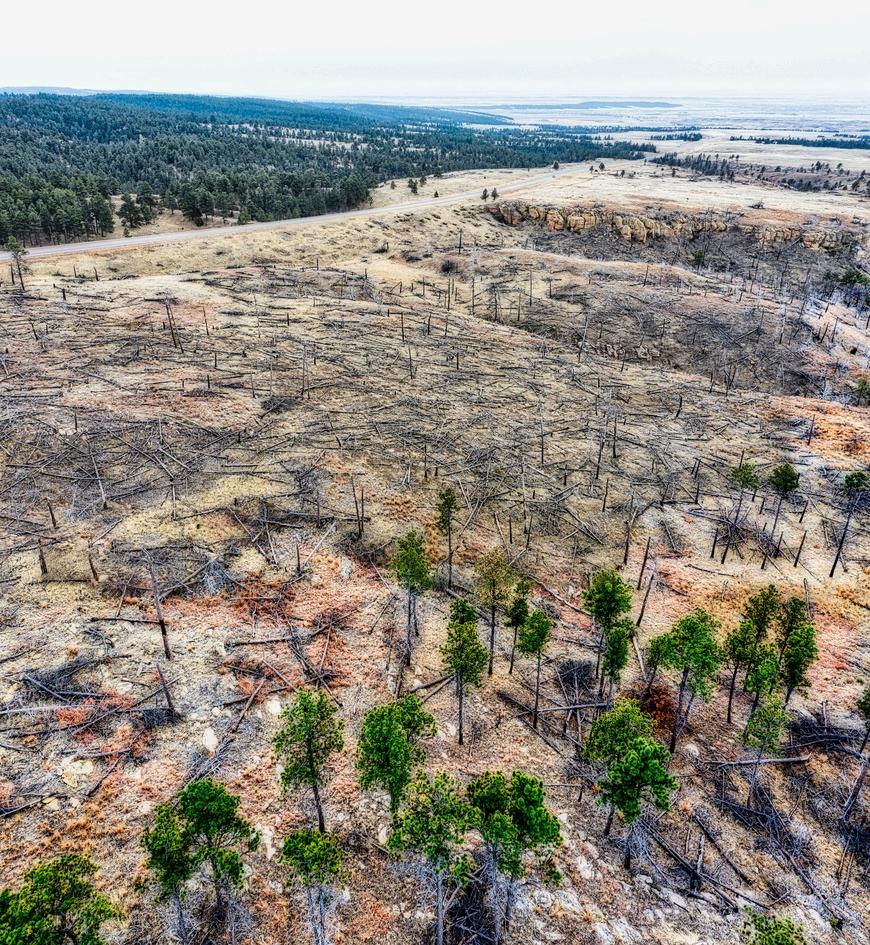
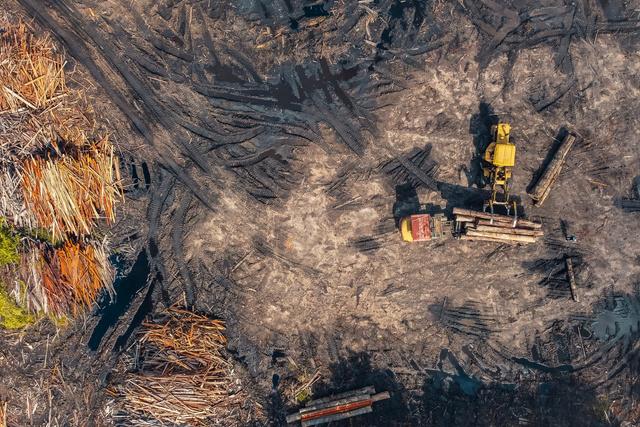




TheenvironmentaldamageonWawoniiIslandcausedbyminingactivitieshashada severeimpactonnaturalresources,ecosystems,andthelivelihoodsoflocal communities.Mininghasdestroyedcleanwatersources,coralreefs,andfarmland, whilealsocausinghealthproblems.Furthermore,governmentinvolvementinissuing permitsandtheintimidationofresidentsandhumanrightsdefendersreflect violationsoflawsandhumanrights.Thelegalactionstakenbyresidentsarea crucialstepinadvocatingforenvironmentaljusticeandthesustainabilityofthis smallisland.