PORTFOLIO

Jeronimo Lopera ARCHITECTURE
I. WATERFRONT RESILIENCY DESIGN
II. WALT WITMAN PUBLIC LIBRARY REDEISGN
III. ARCHIETCTURE, INFRASTRUCTURE, & THE CITY
IV. URBAN HOUSING
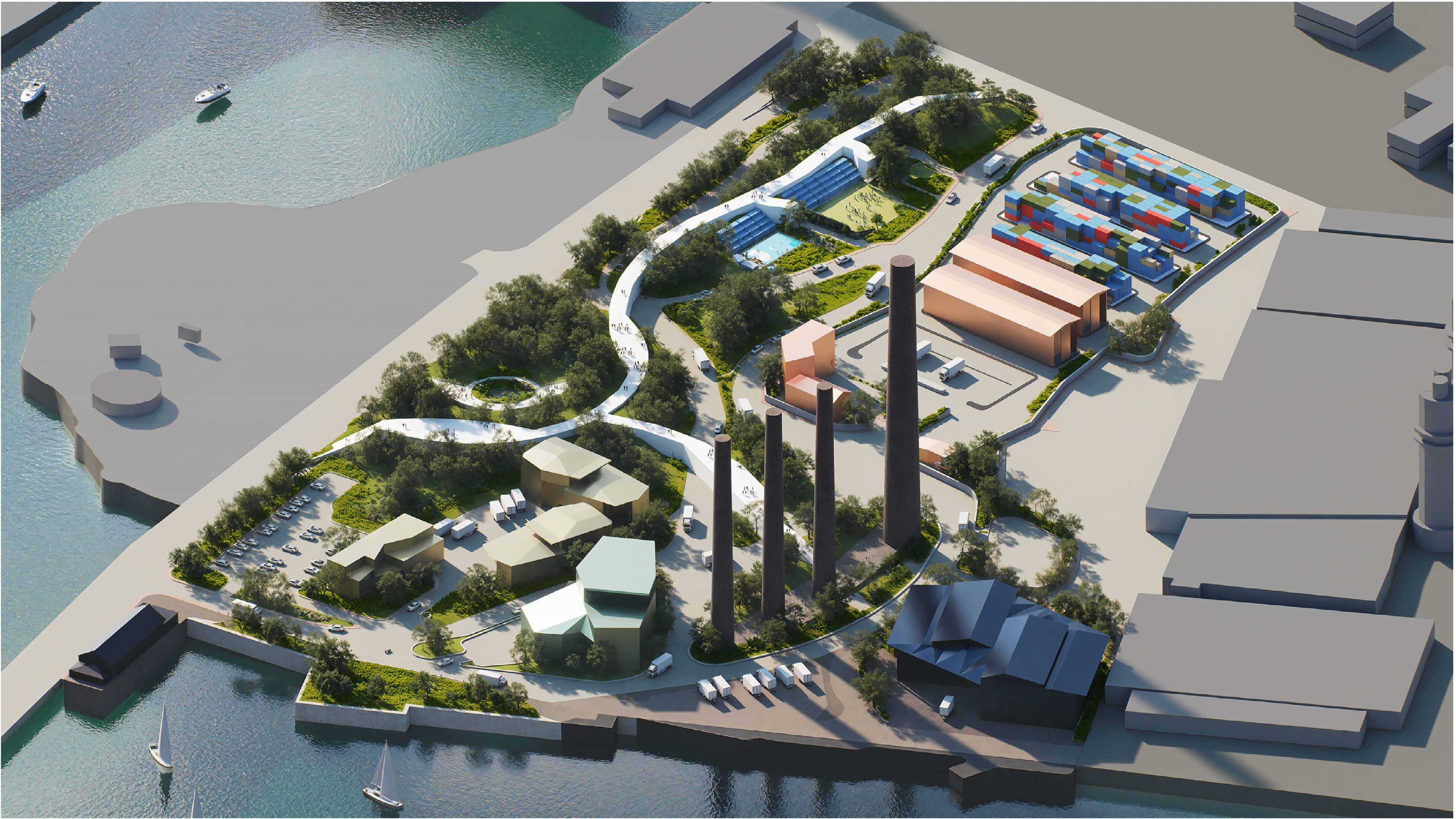
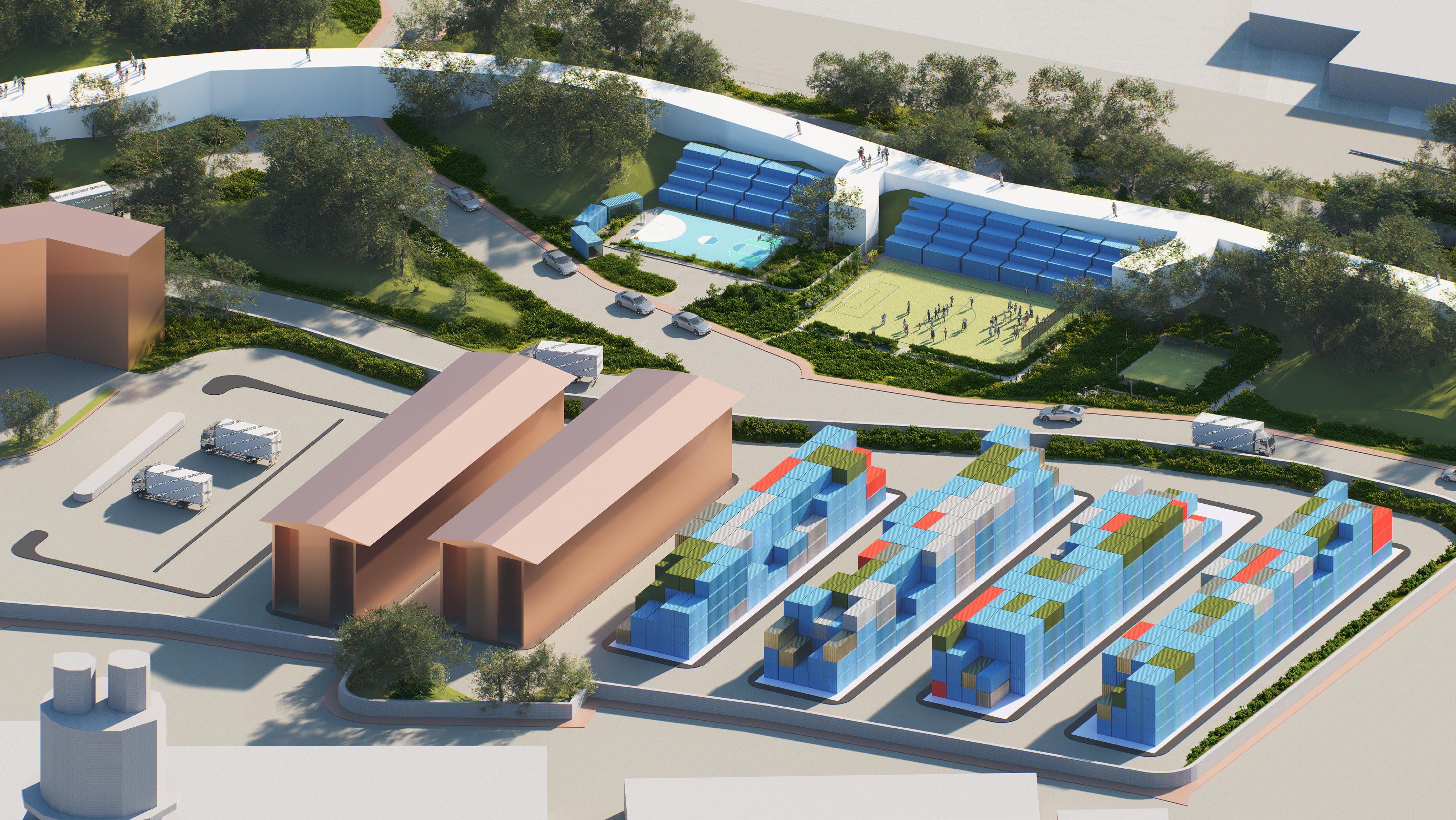
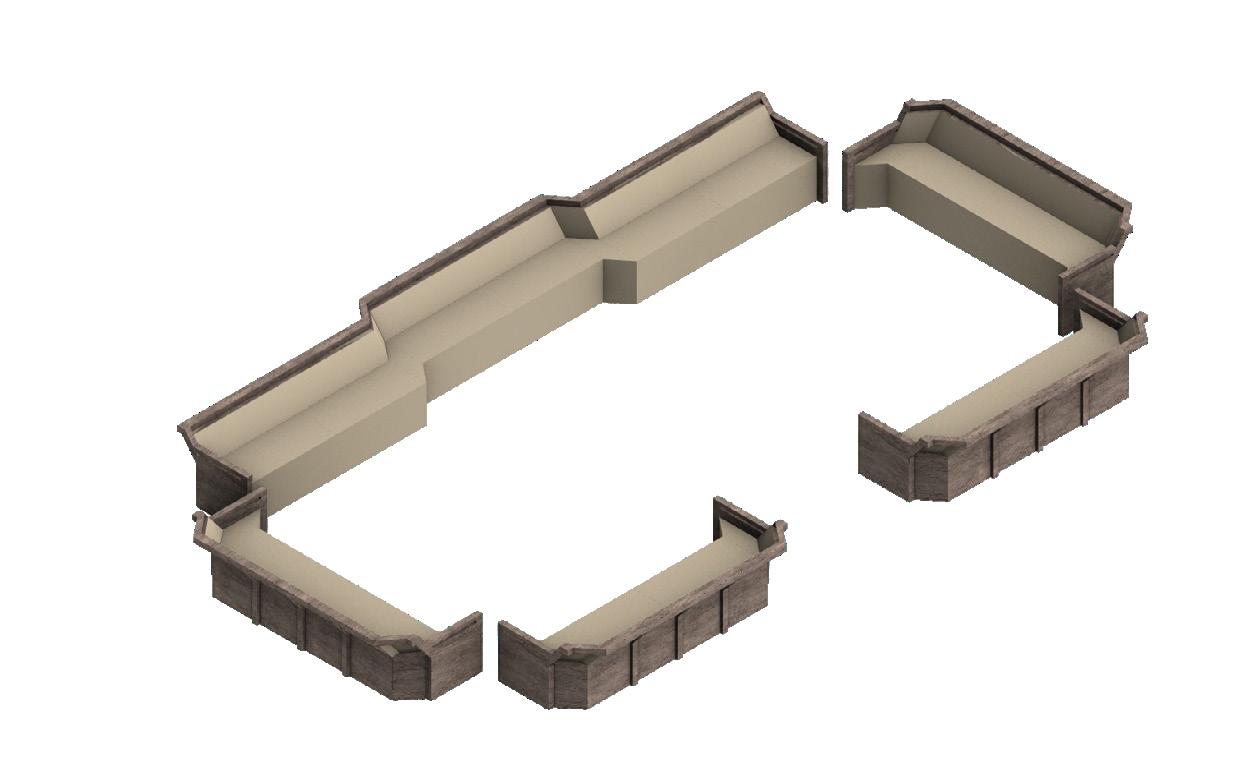
This project proposes the transformation of an underutilized industrial waterfront in Boston into a mixed-use innovation district that integrates public space, research facilities, and productive industry. The master plan reorganizes existing industrial operations into defined logistics and fabrication zones while introducing a network of pedestrian pathways, green corridors, and waterfront access points. Public amenities—including an elevated waterfront walk, amphitheater, recreational spaces, and landscaped gathering areas—are woven through the site to reconnect the city to its harbor edge. The design helps adpot a balance within the active industry with civic space, creating a resilient waterfront environment that supports innovation, recreation, and community engagement
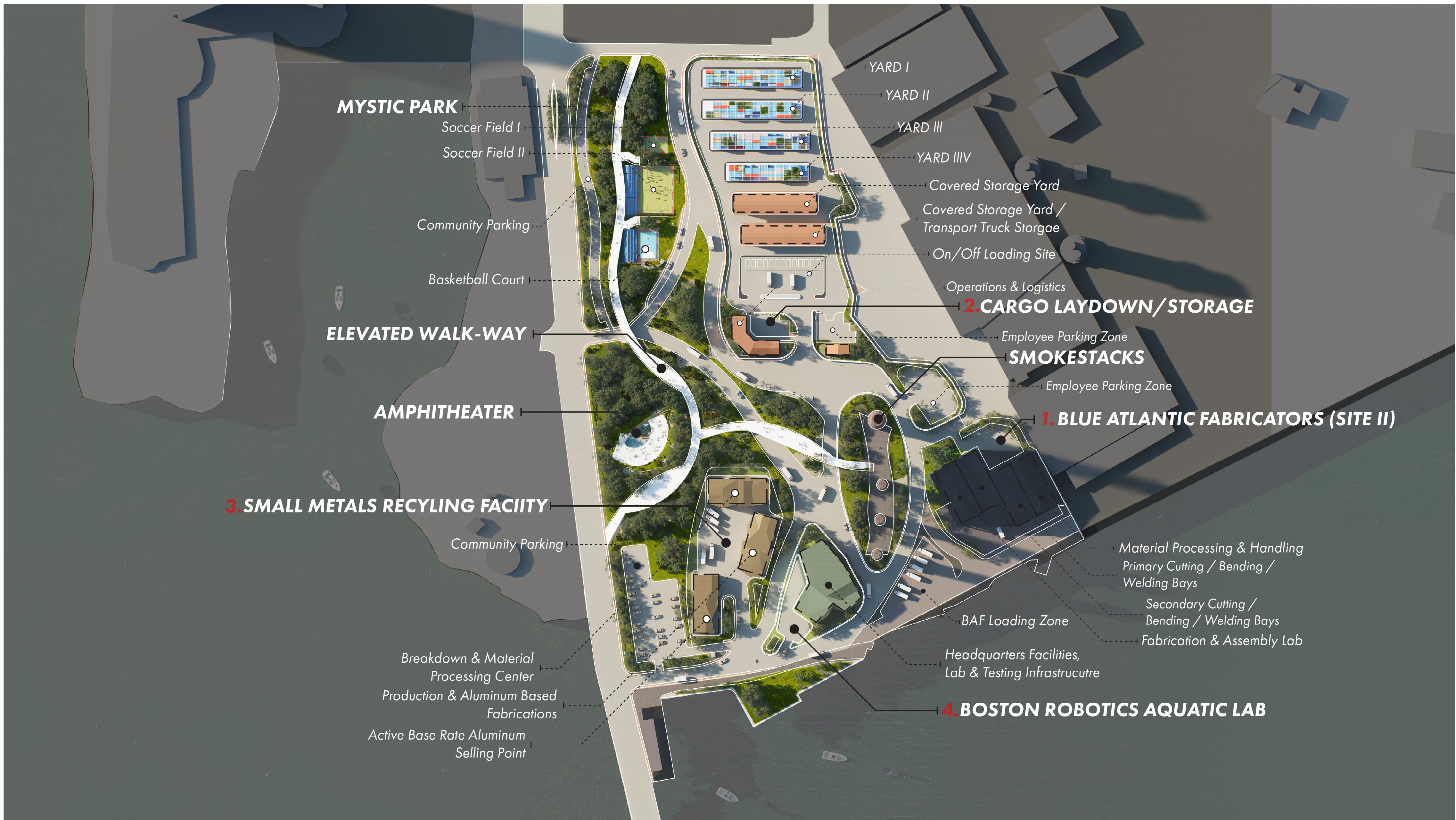
Program Diagram
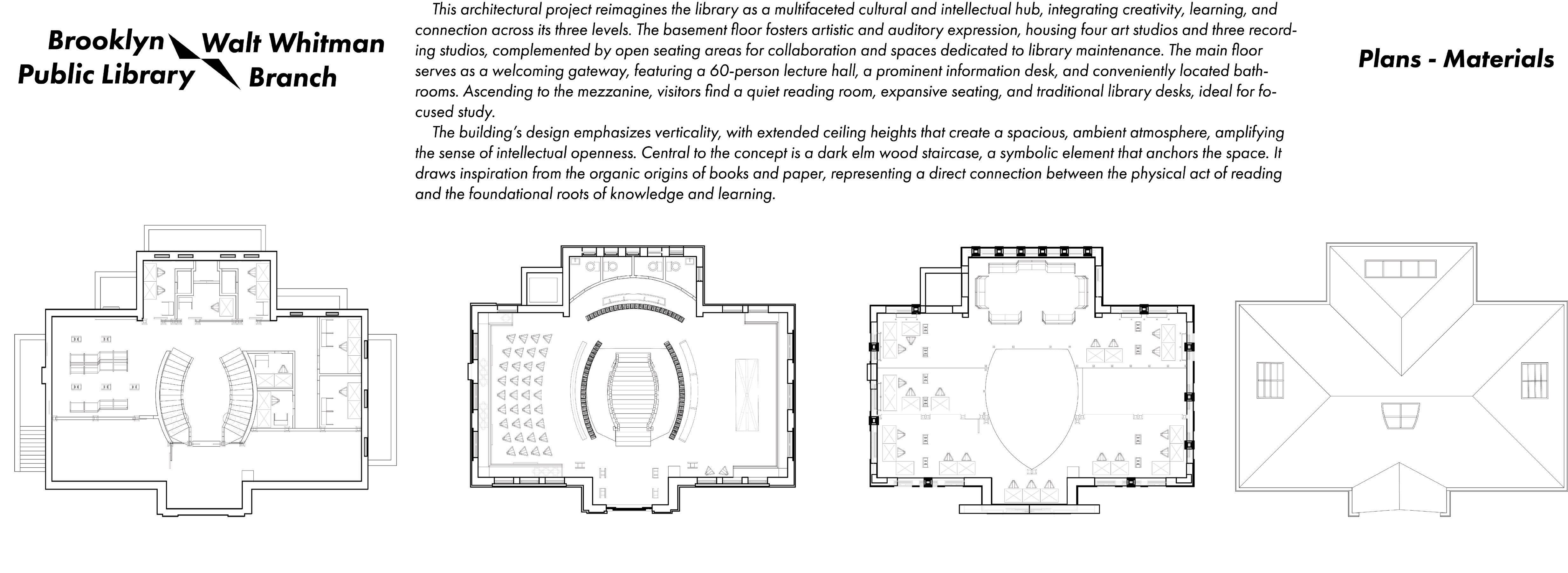
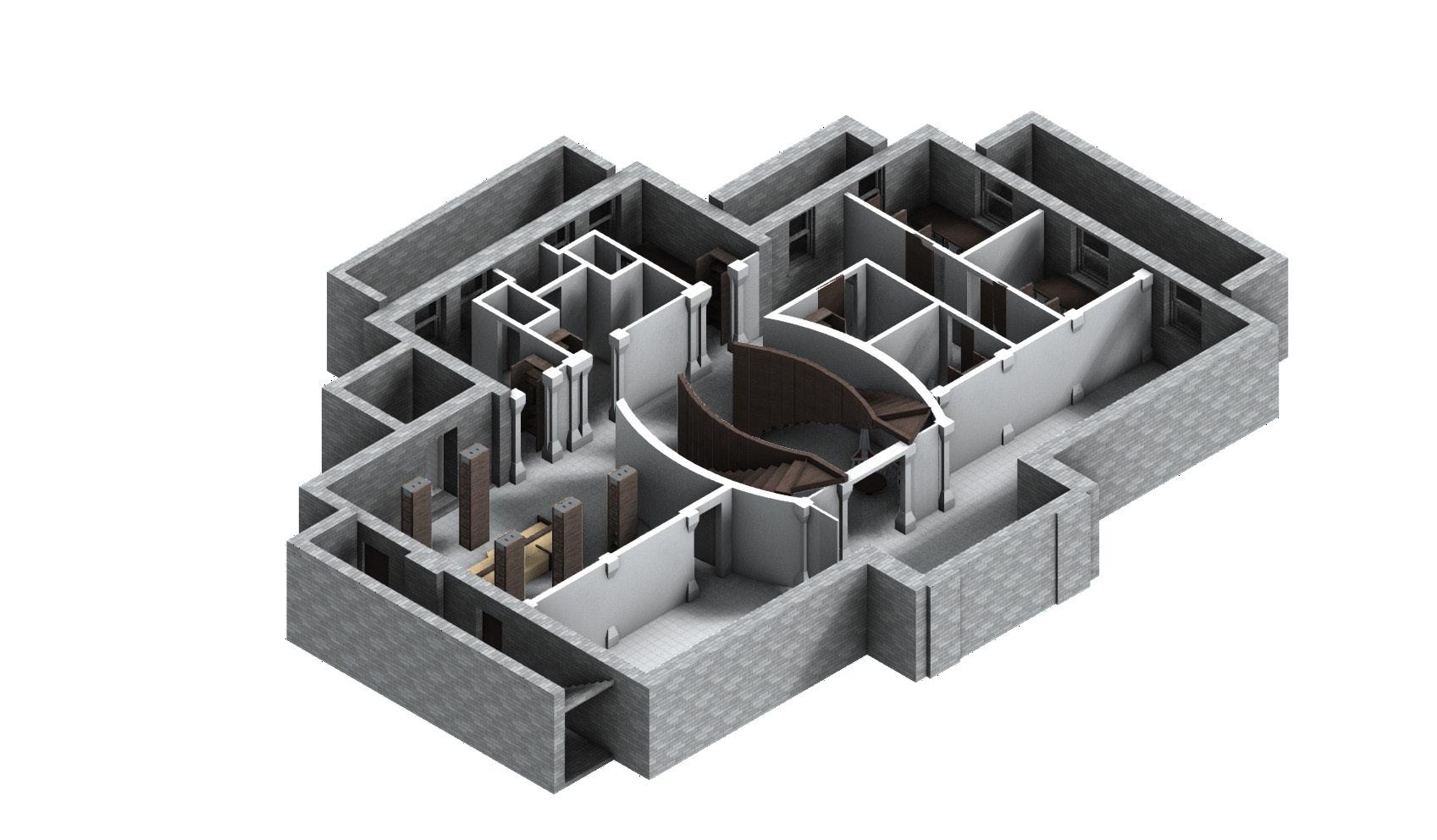
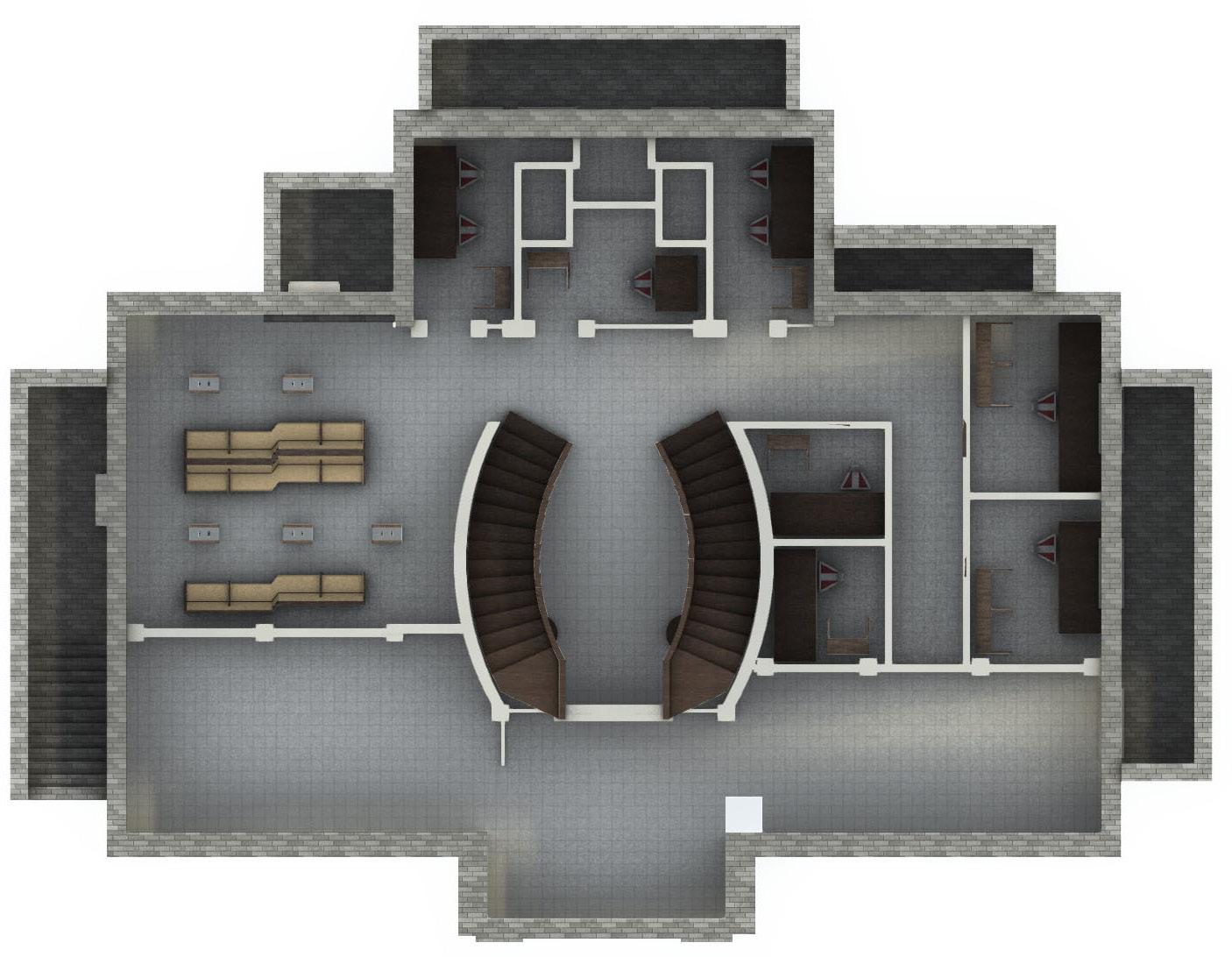
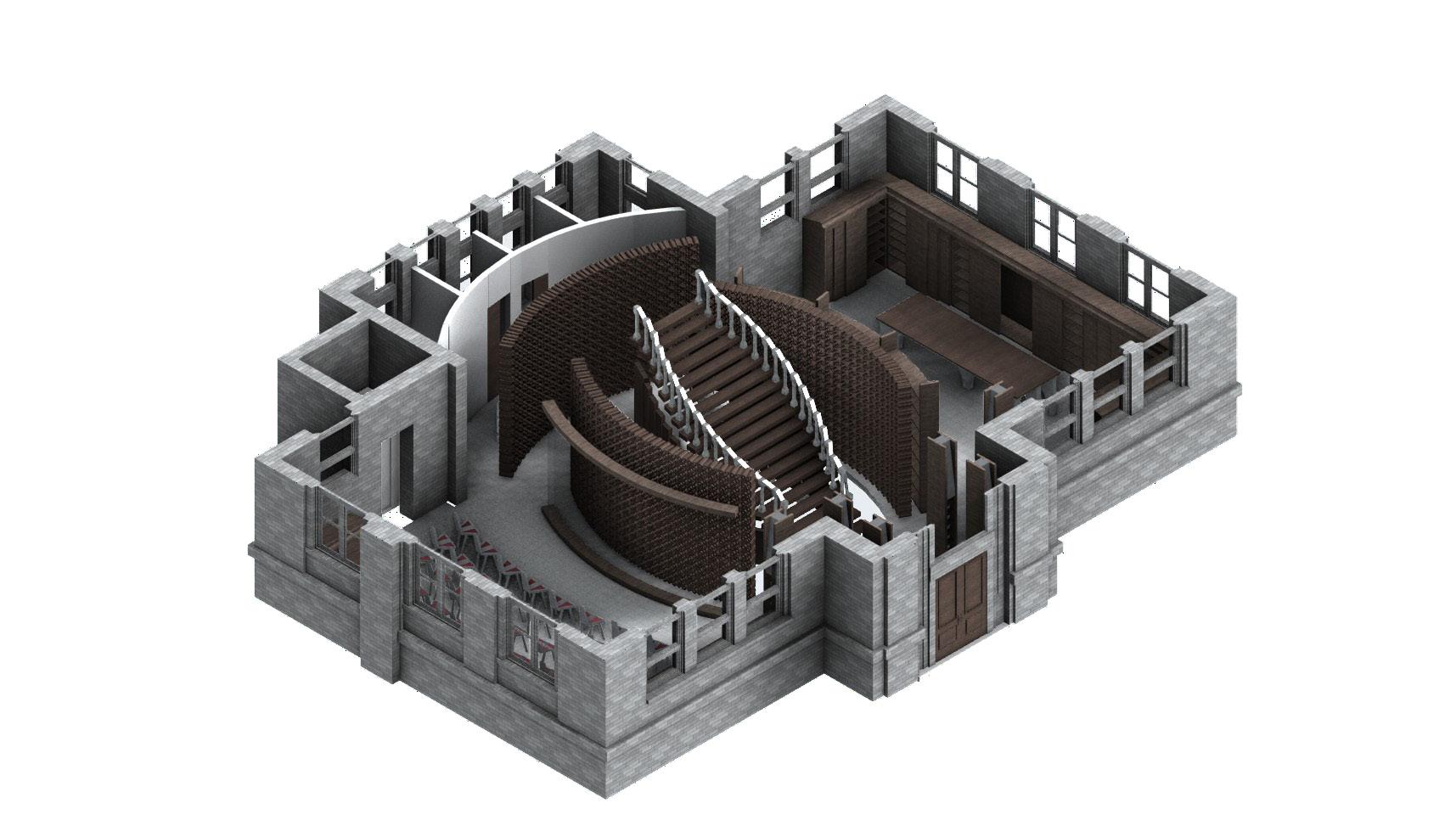
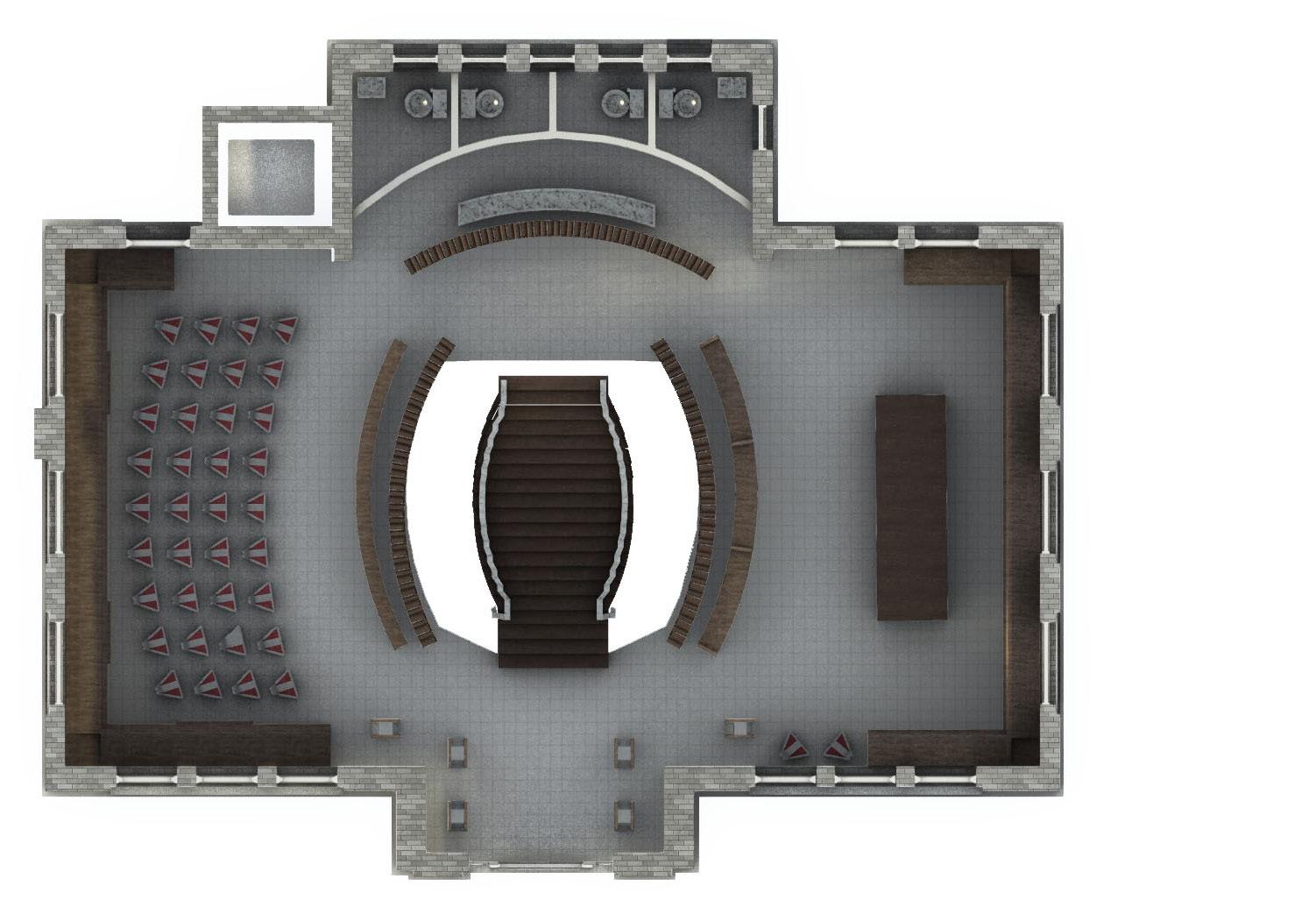
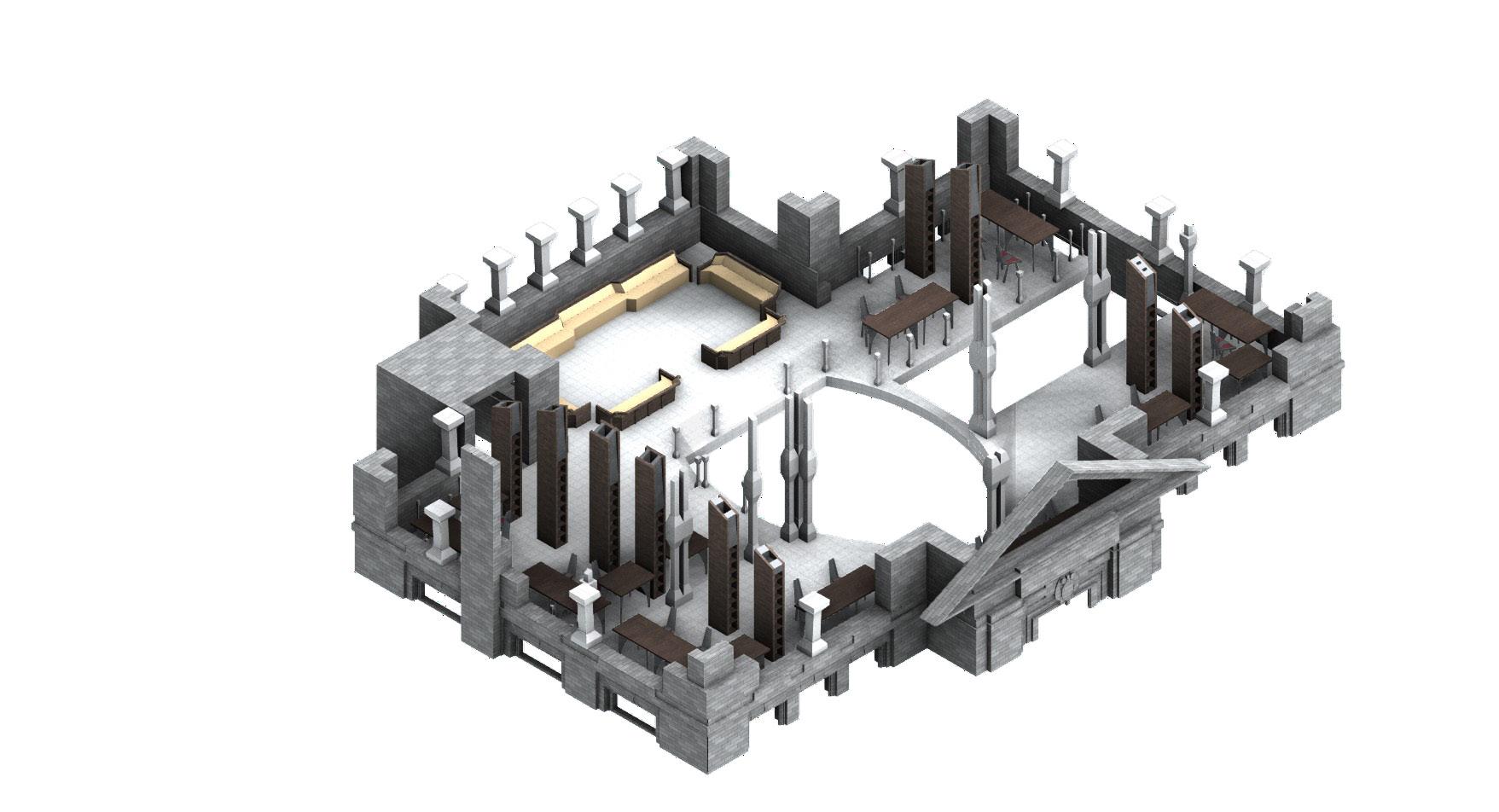
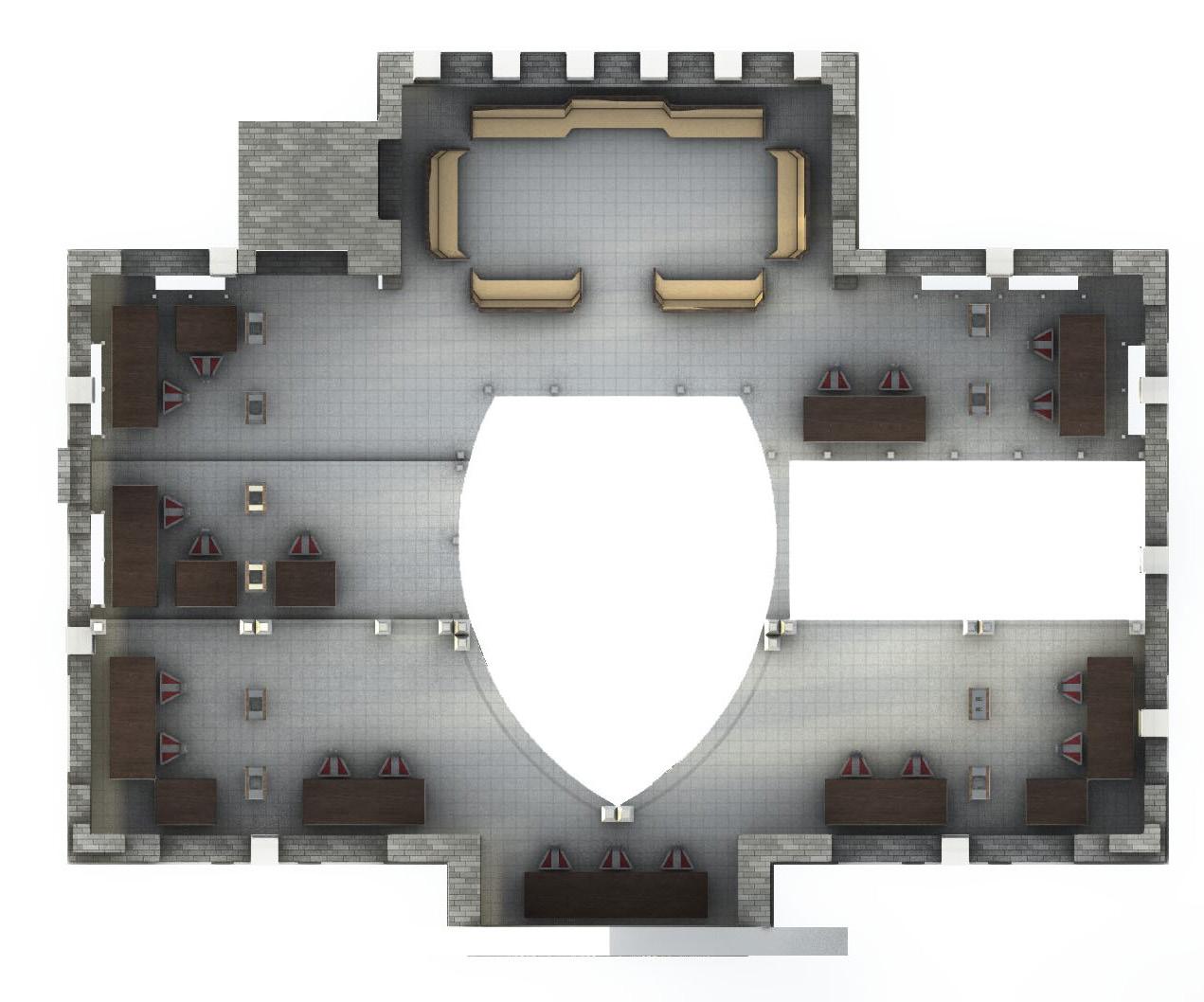
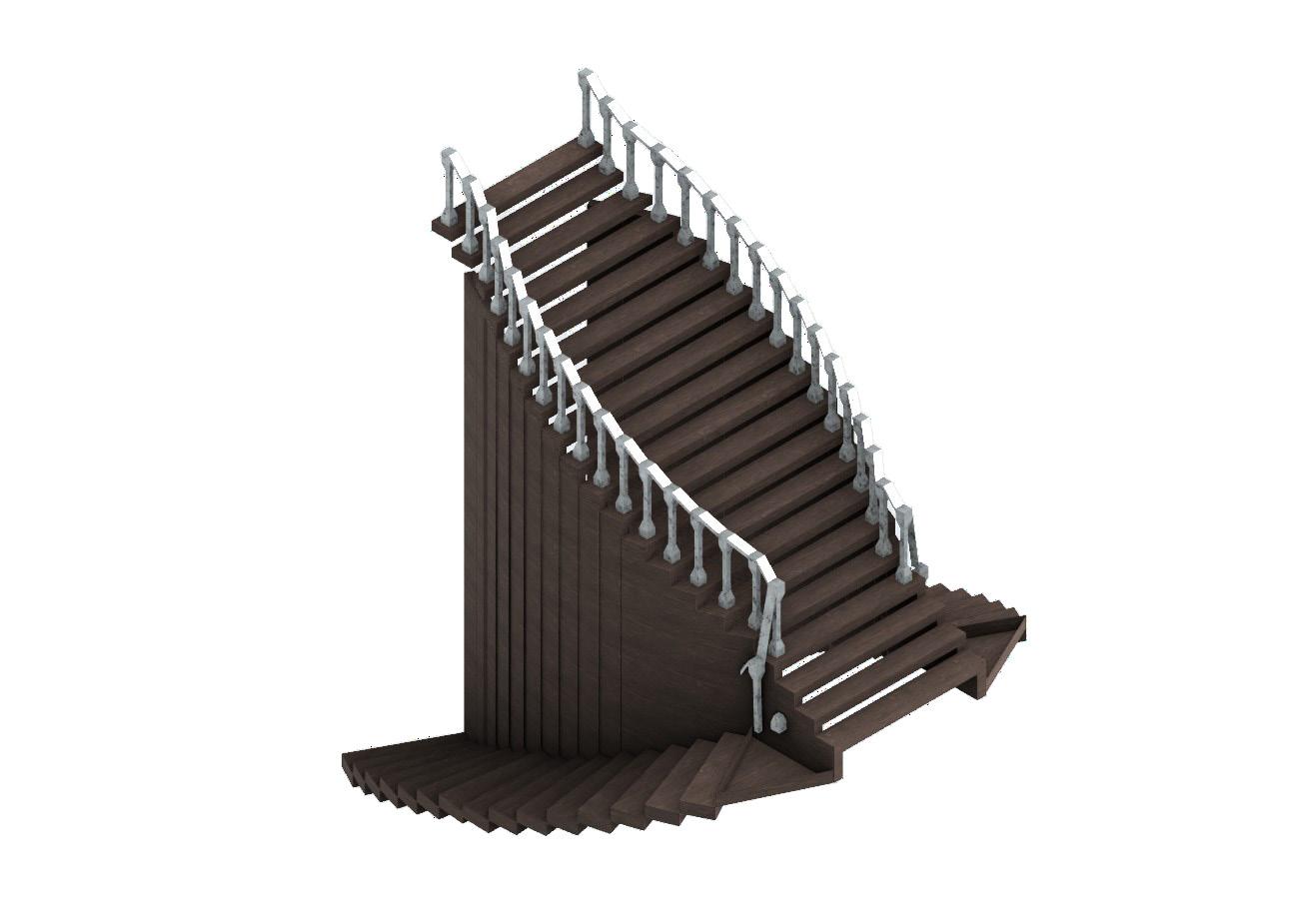
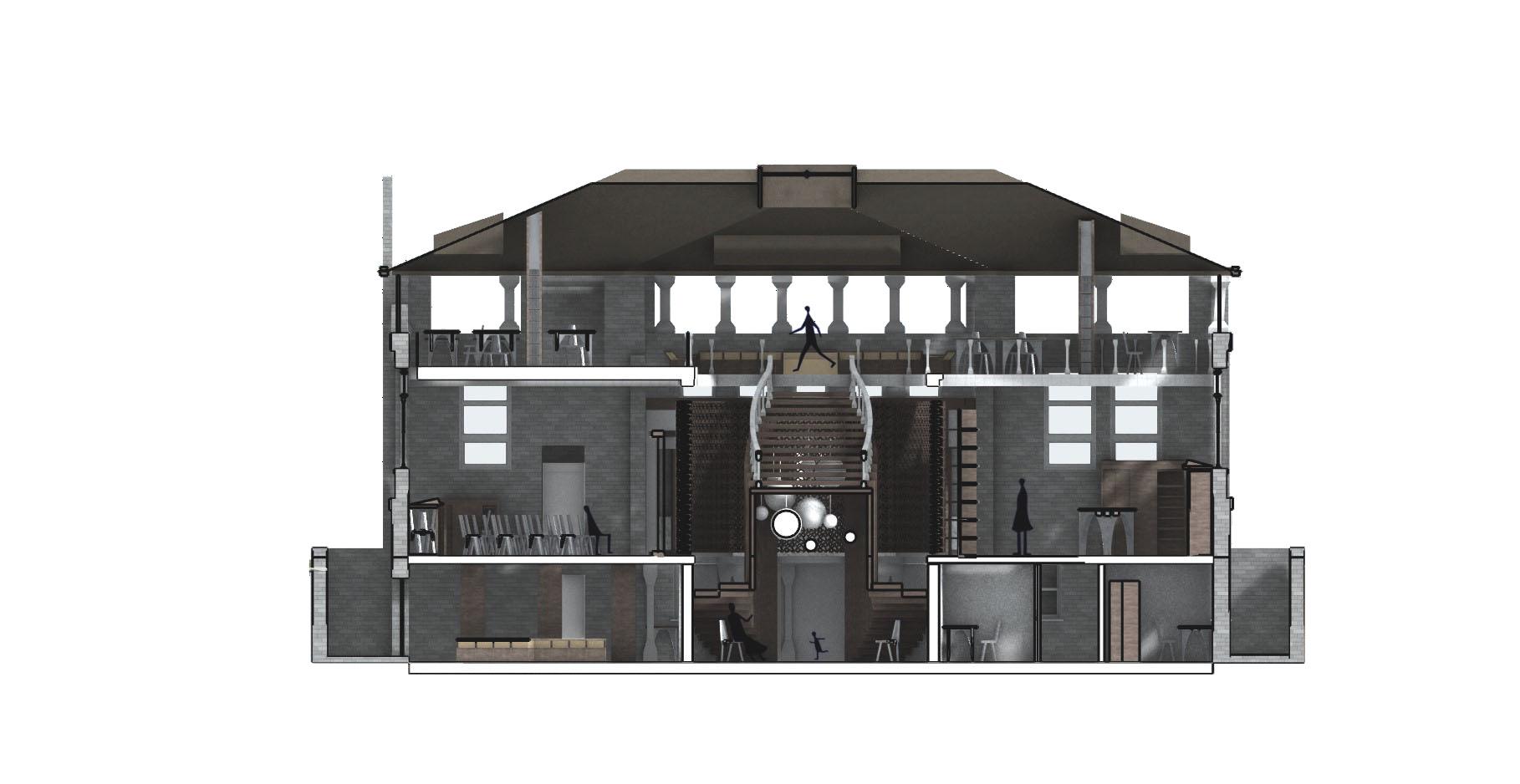
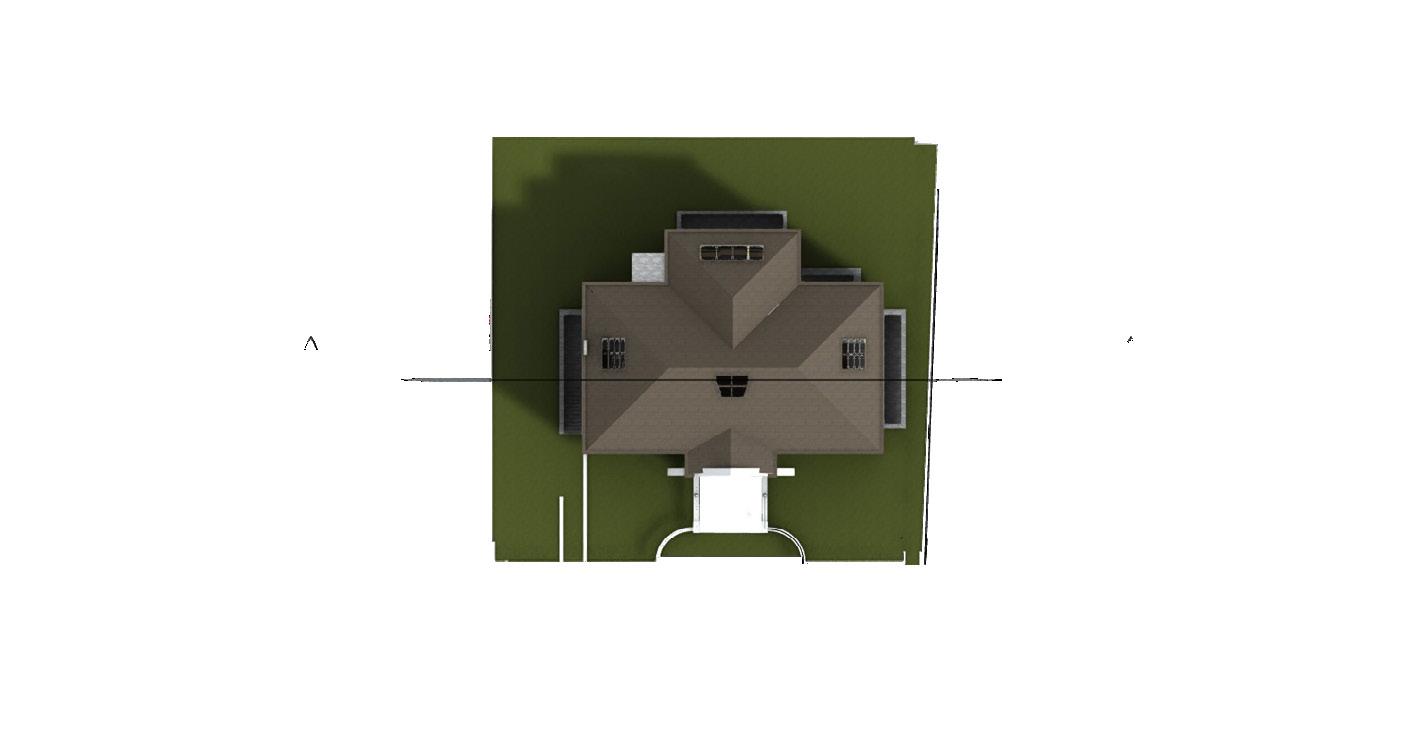
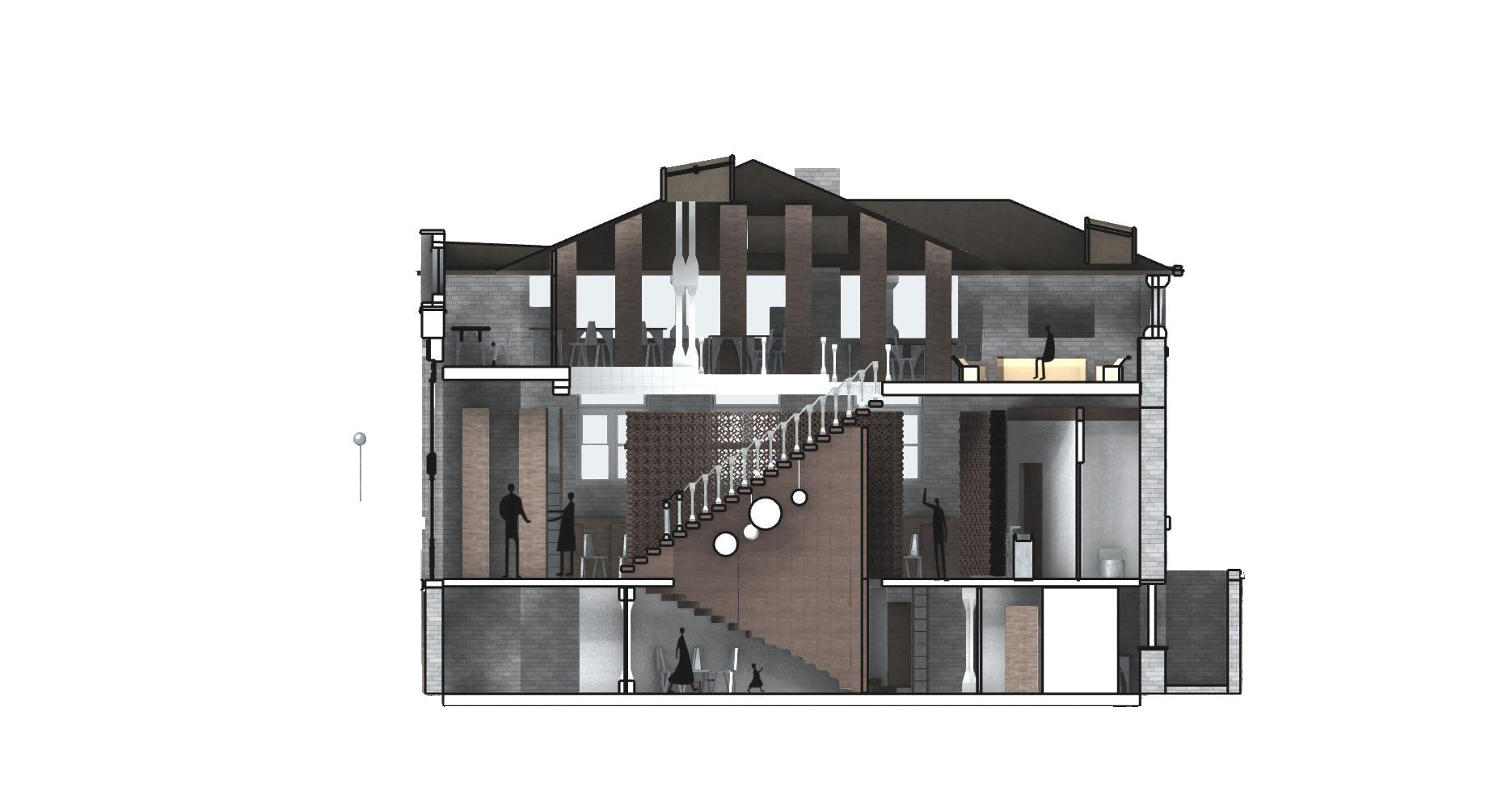
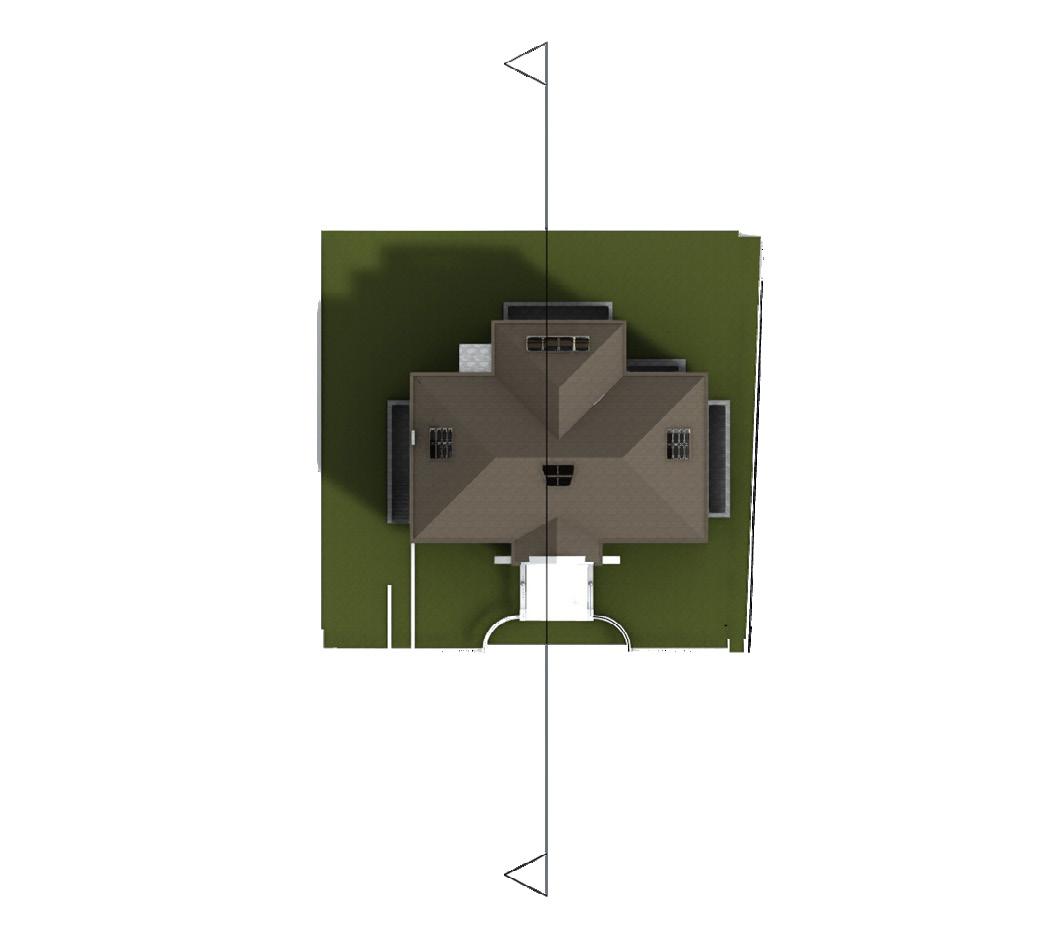
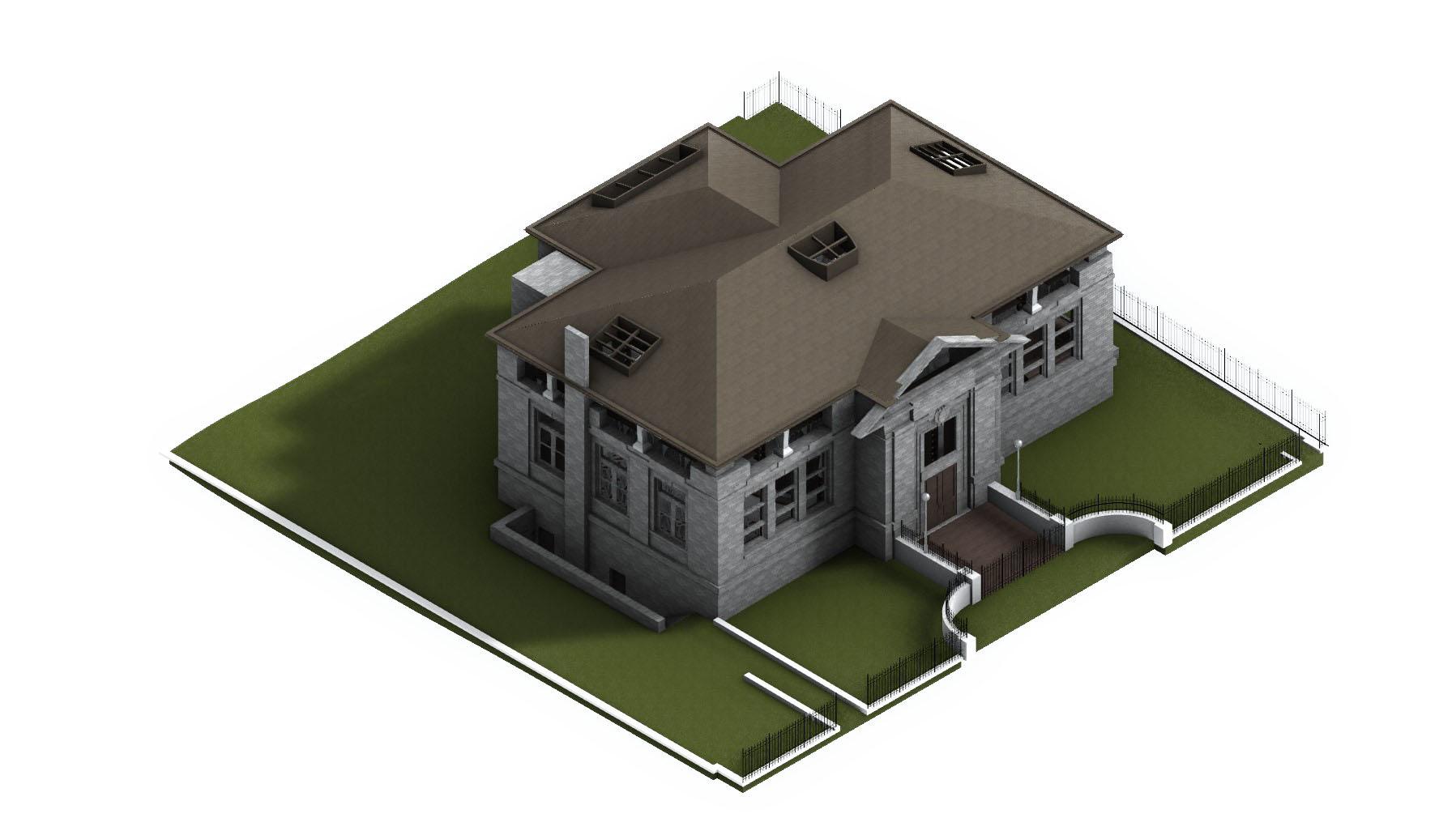
This project reimagines the Walt Whitman Library in Brooklyn as a contemporary learning environment centered around a symbolic architectural element. A sculptural central staircase forms the spatial and conceptual core of the building, designed to evoke the structure of a tree—representing the foundational roots of knowledge from which learning grows and branches outward. Organized across multiple levels, the redesign introduces lecture spaces, creative studios, quiet study rooms, and community lounges to support a range of educational and public activities. A five-foot clerestory window band is integrated along the exterior walls, bringing additional natural light into the interior and visually increasing the perceived height of the space. Together, these strategies create a more open, dynamic library environment that emphasizes discovery, connection, and the growth of learning
Circulation Diagram
ALL THROUGHOUT
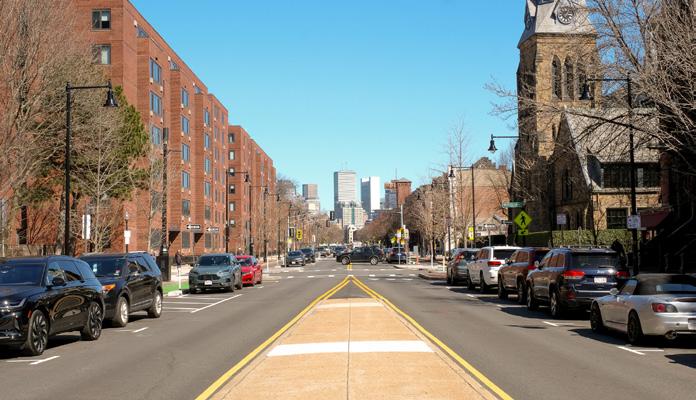
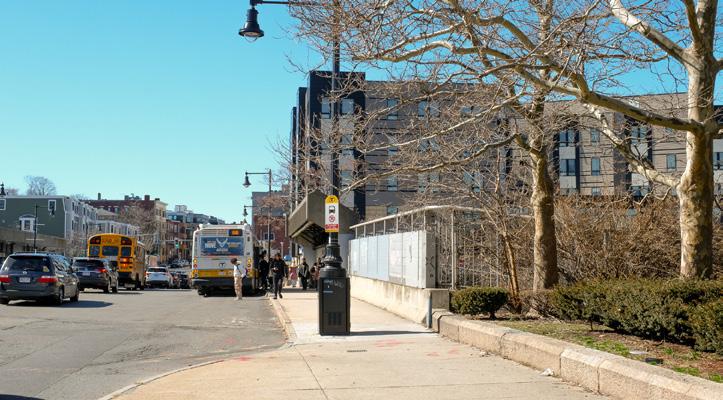
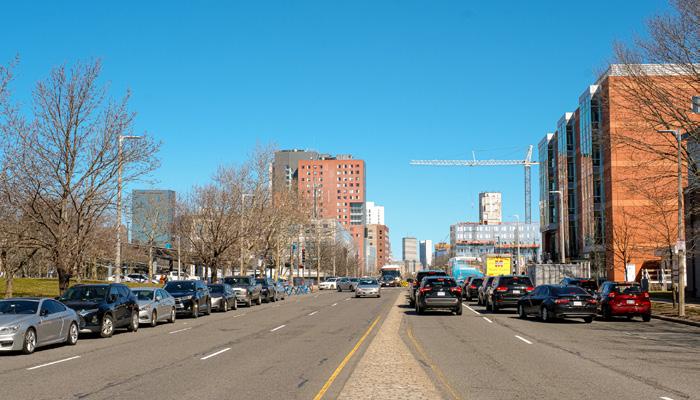
Throughout phases of our project, My partner And I have developed an urban framework for Mission Hill and Roxbury, envisioning future changes in these neighborhoods. This framework has helped us develop building volumes, program types, and the distribution of circulation and open space networks.

Residential & Lecture Hall Area
90,000sq ft, (48) 1,200 sq ft Units
Afforadble Student
Housing 32,000 sq ft, (40) 700sq ft Units
Learning Center
4,000sq ft
Supermarket, 18,000 sq ft
Residential & Mixed Use
90,000sq ft, (58) 1,400sq ft Units
Recreation Center, Parking & Residence
190,000 sq ft, (P) 500 Spots, (84) 1,400 sq ft Units
Library, Dining Services & Dorms
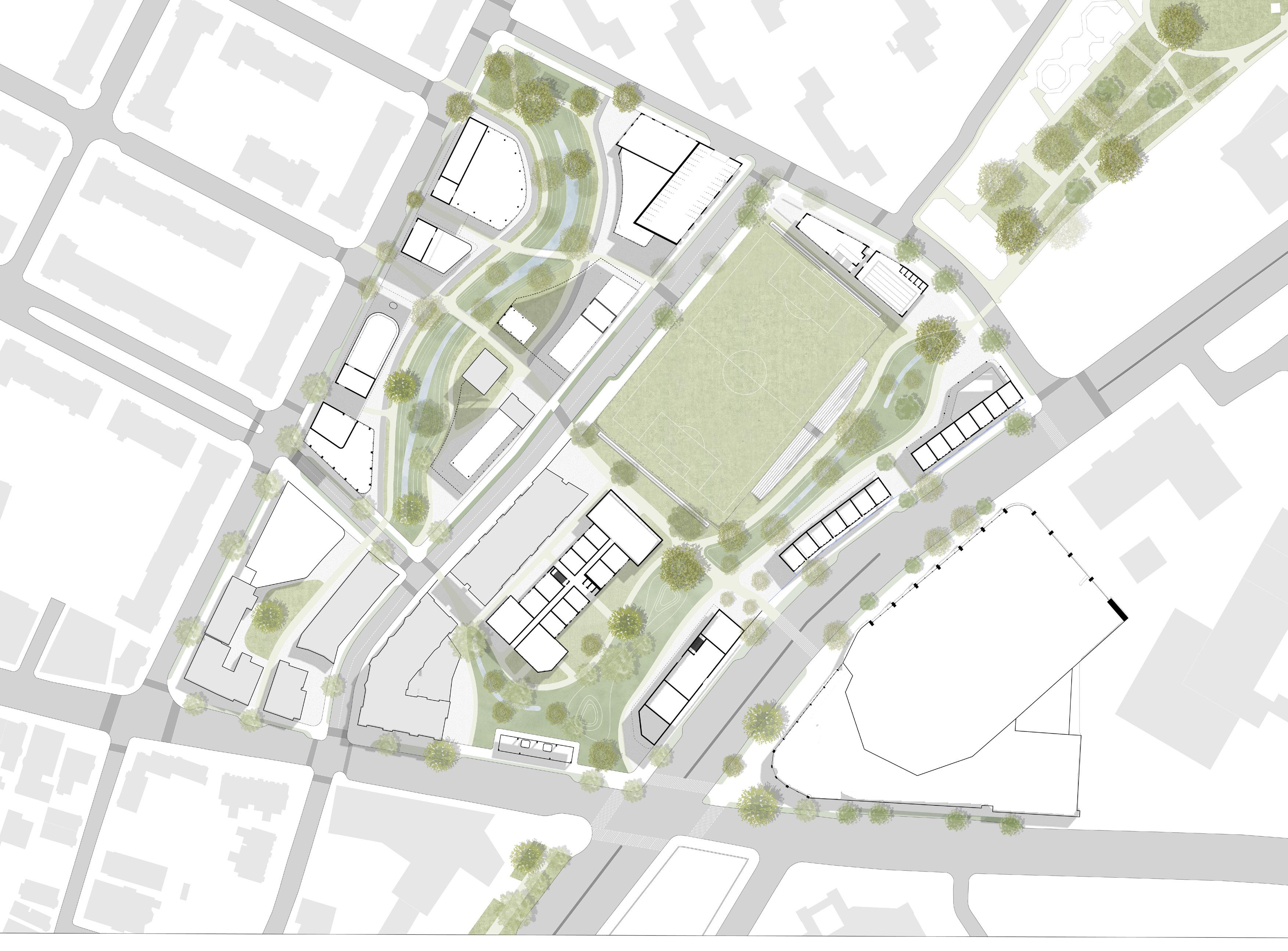
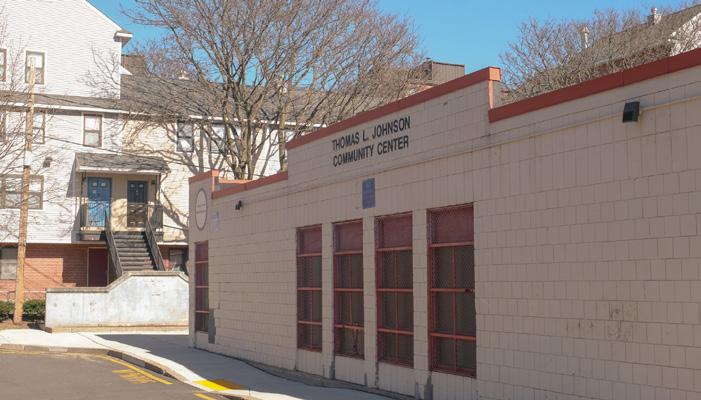
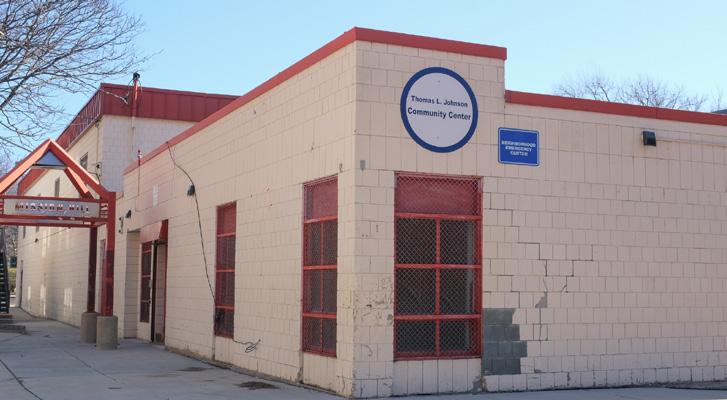
Thomas L. Johnson Community & Aquatic Center 10,000 sq ft
Tremont Street Apartments
ft, (42) 850 sq ft Units
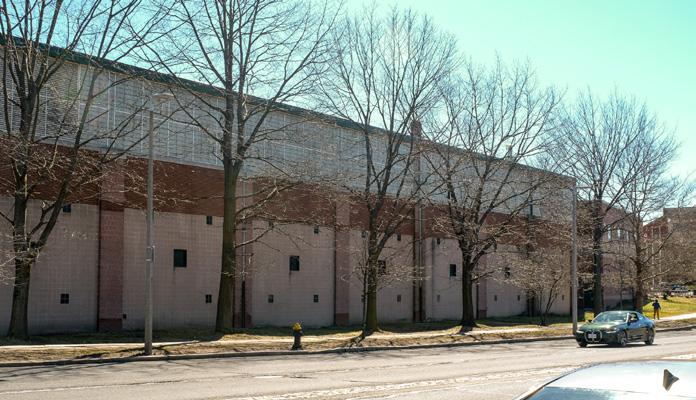
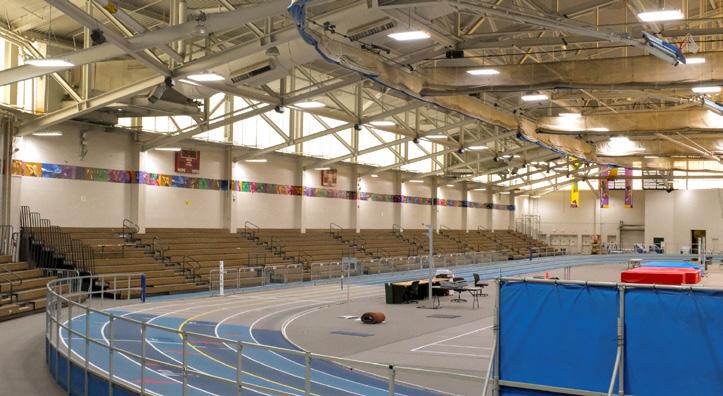
Reggie Lewis track & Athletic Center 130,000sq ft
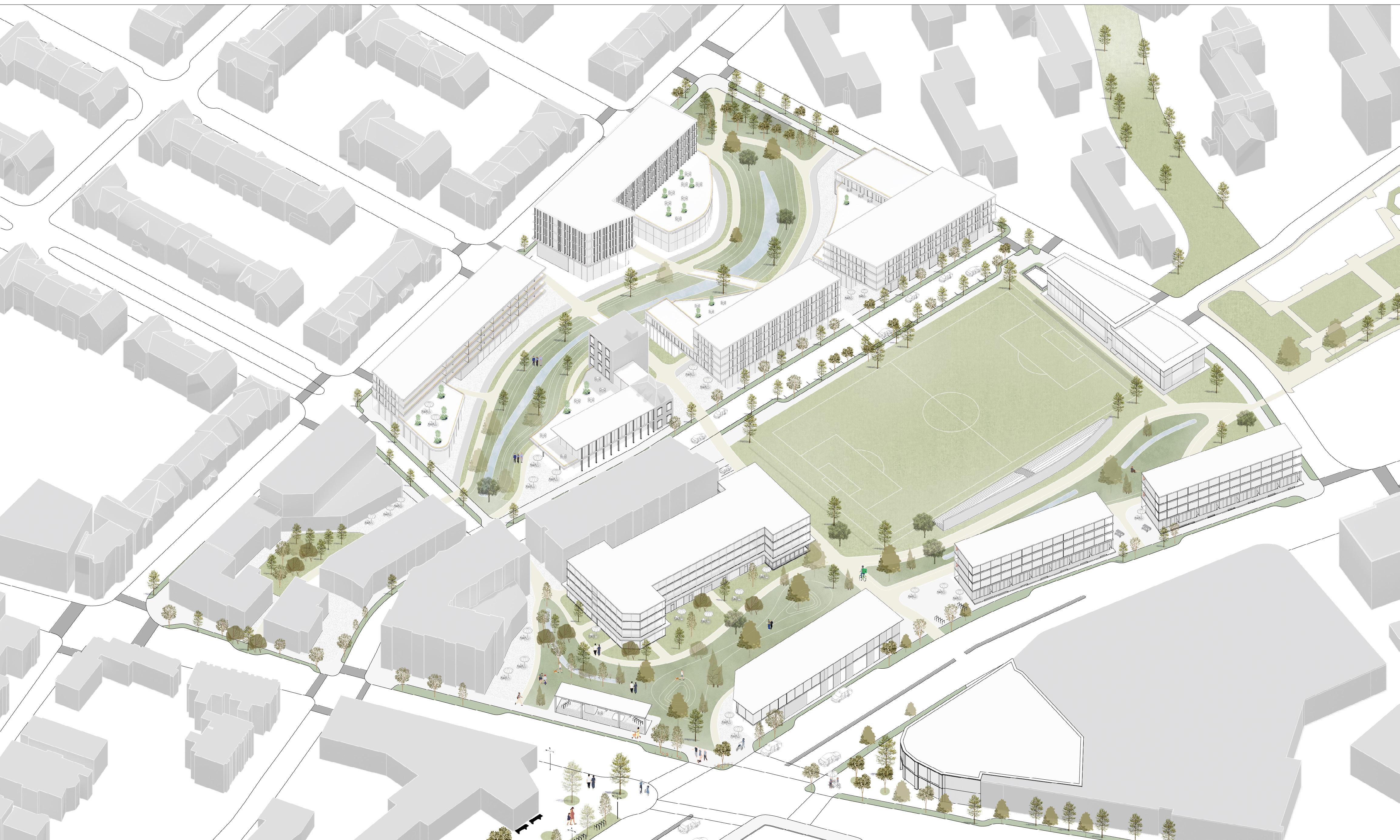
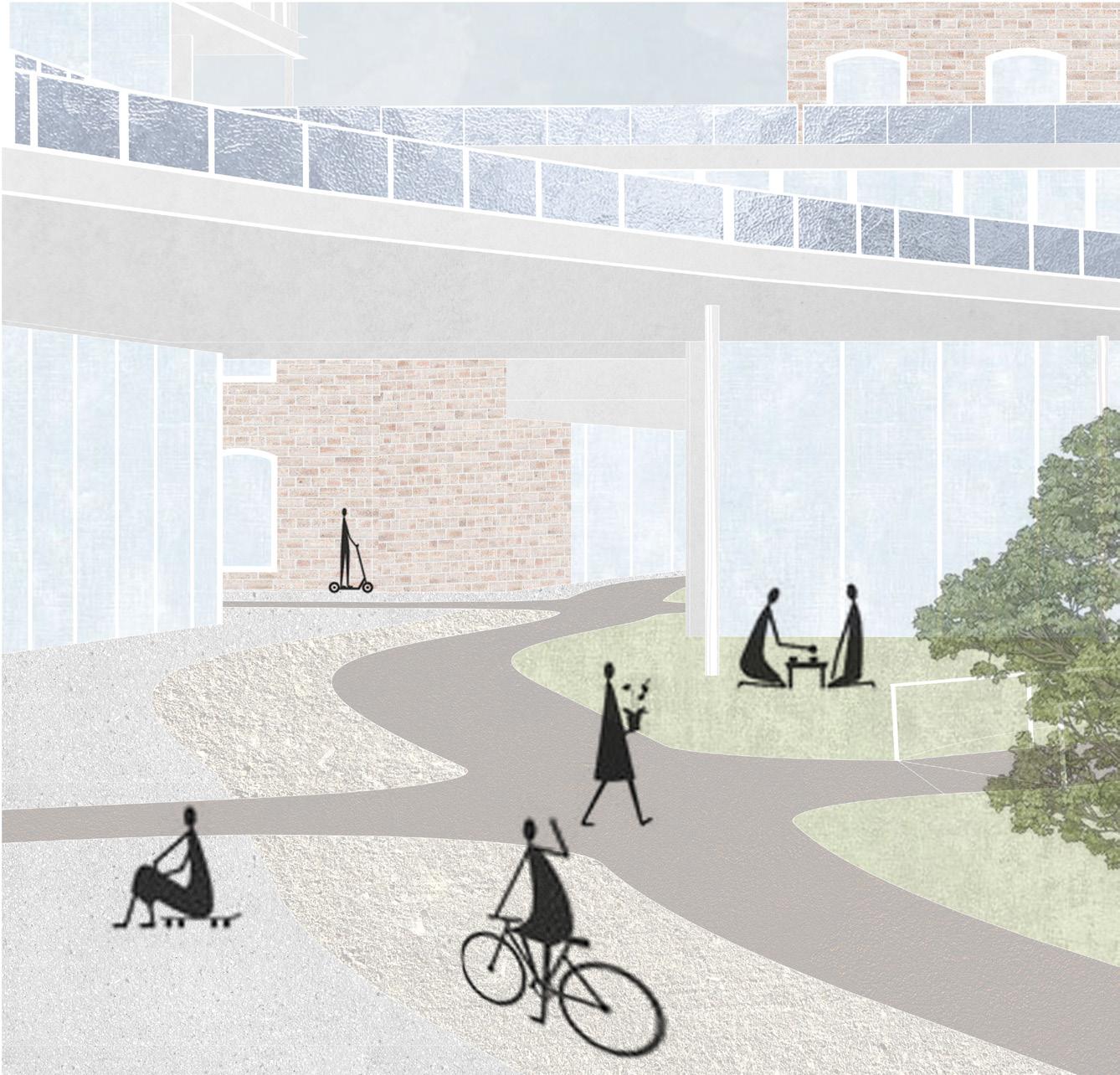
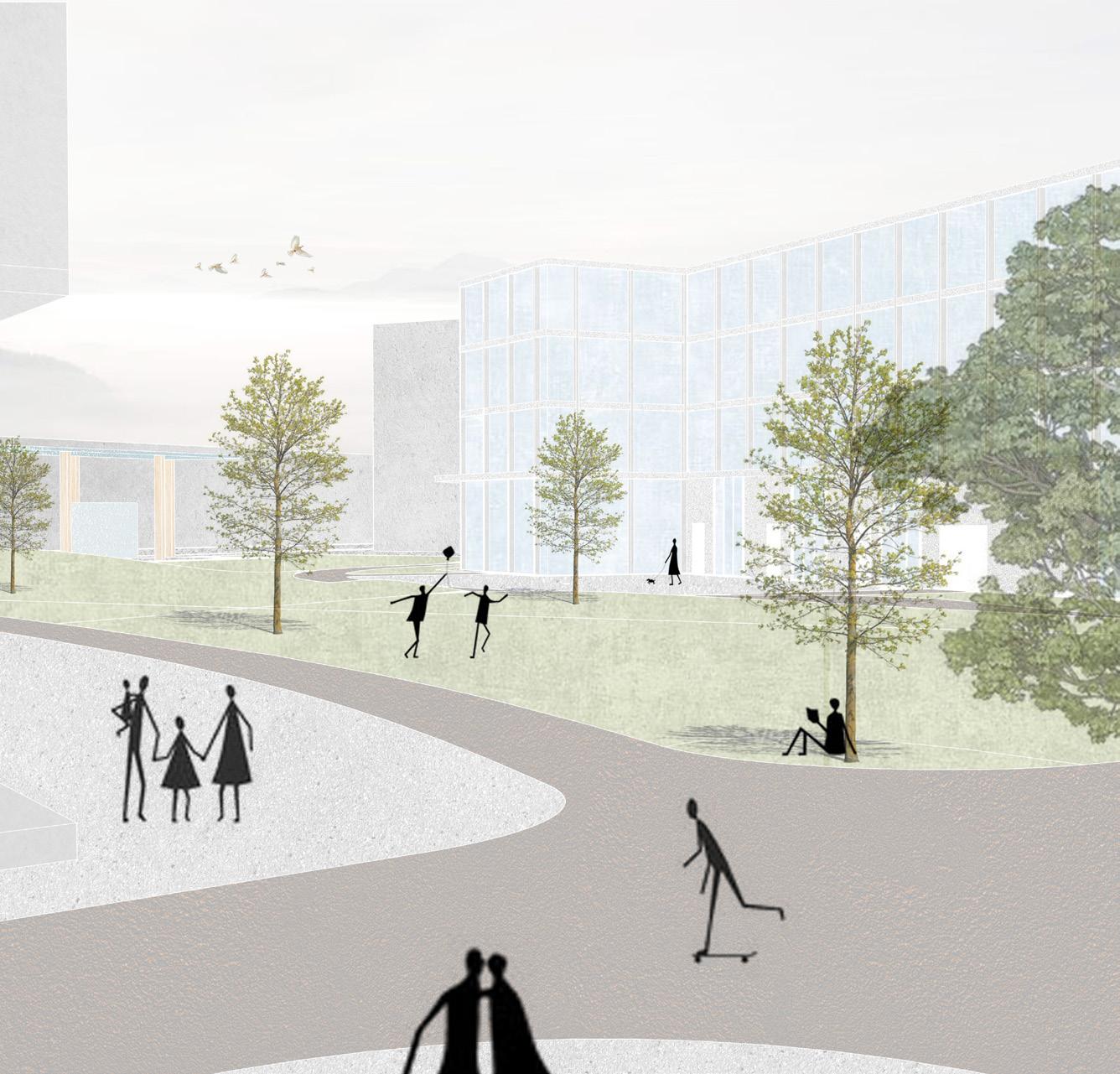
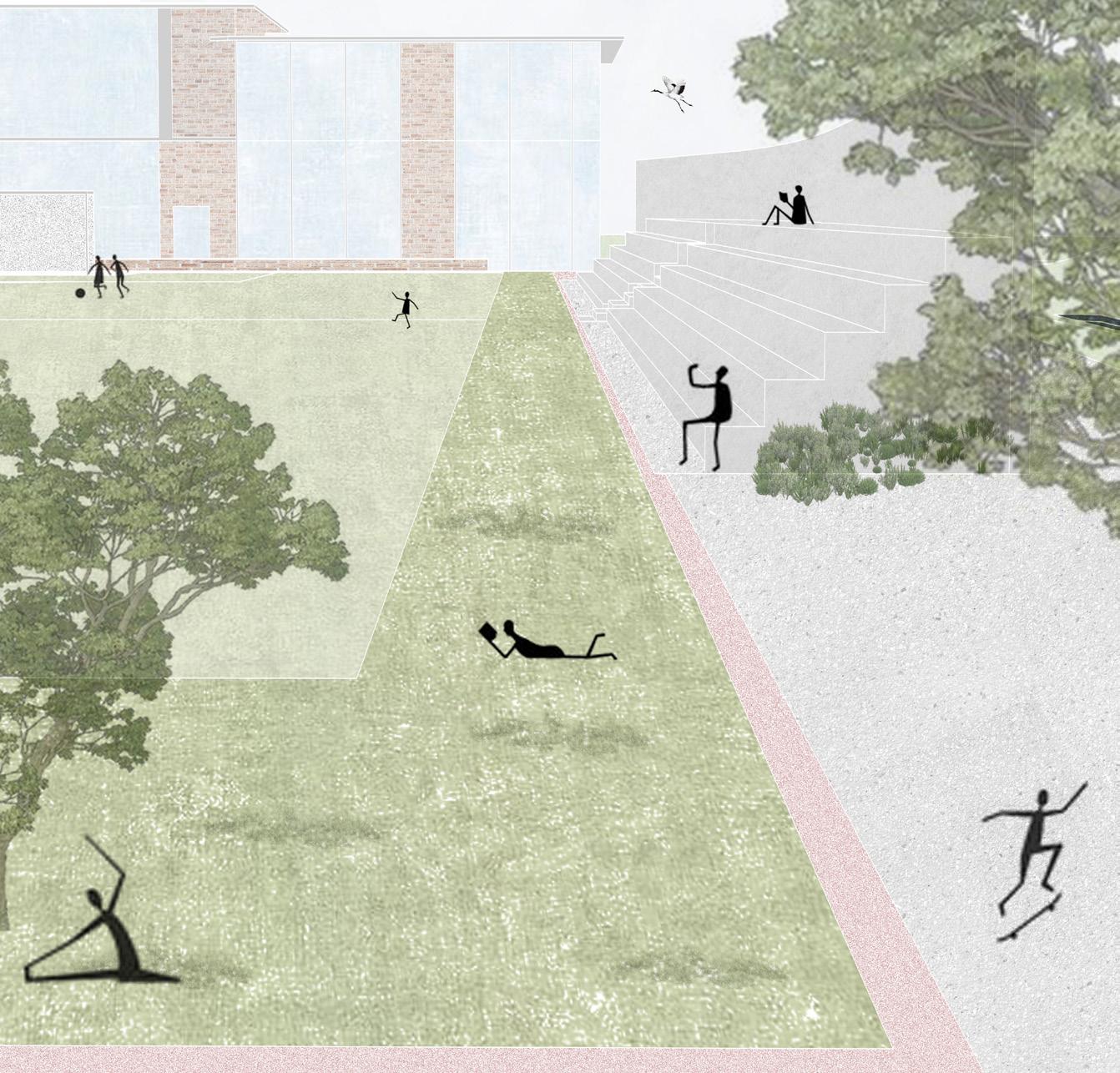
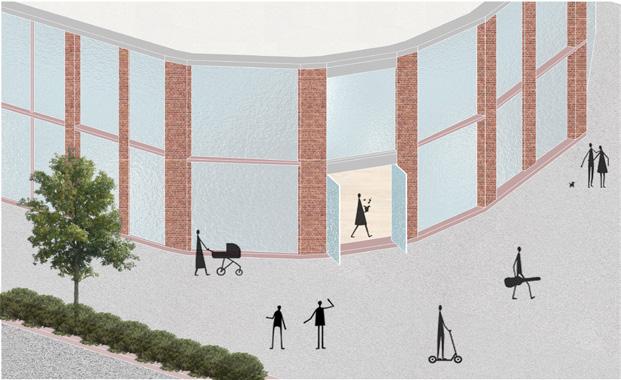
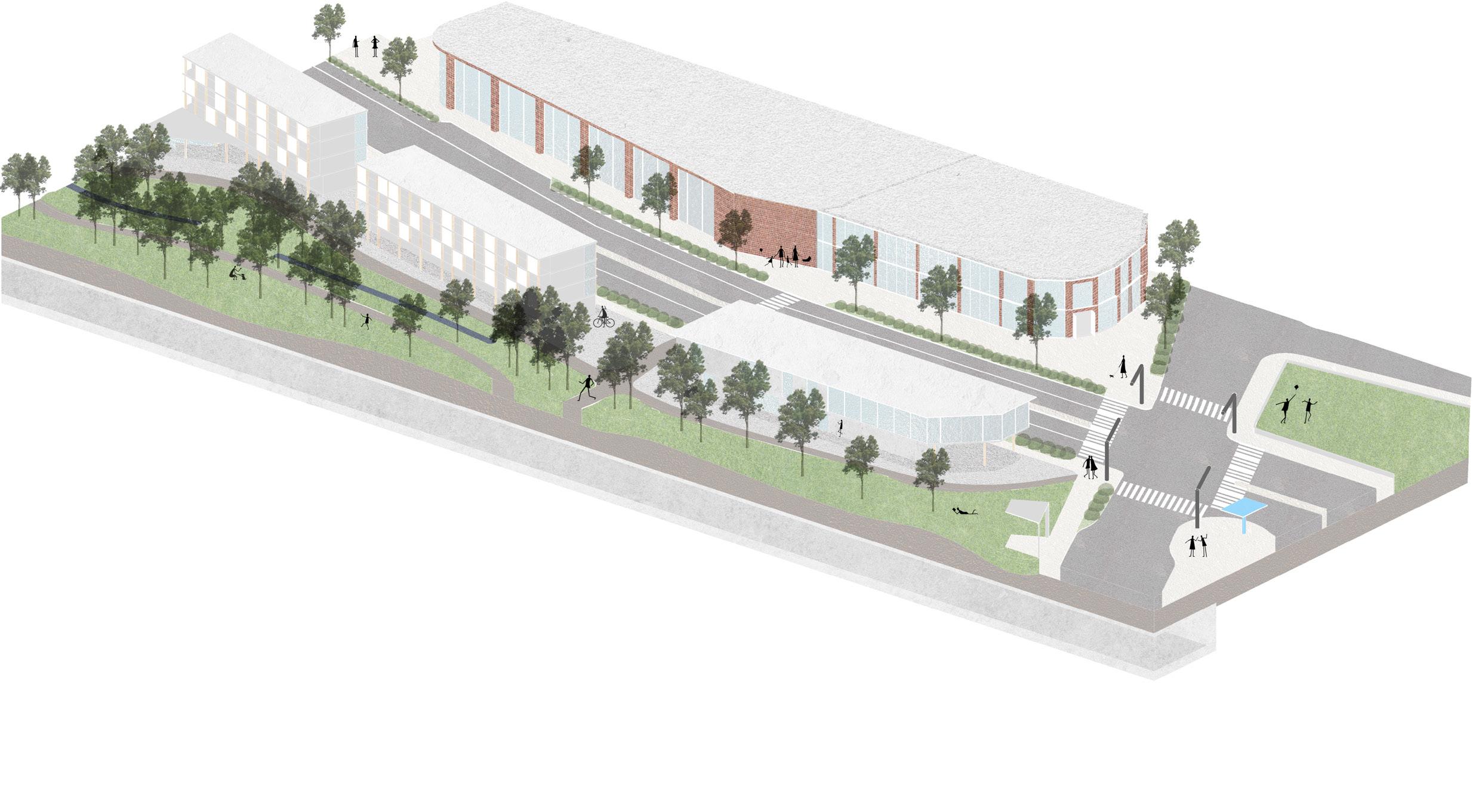
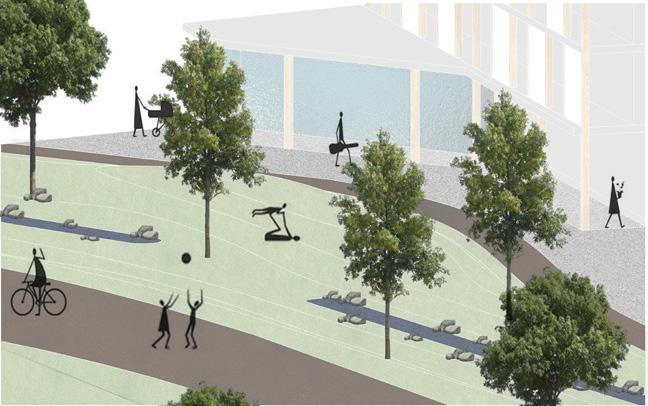
With the park extension, there are many different ways to enjoy the new green spaces.
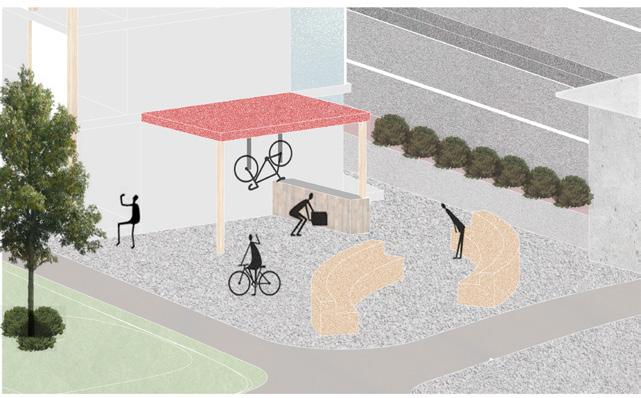
Along the Southwest Corridor, there will now be a bike stop to help meet anyone’s needs.
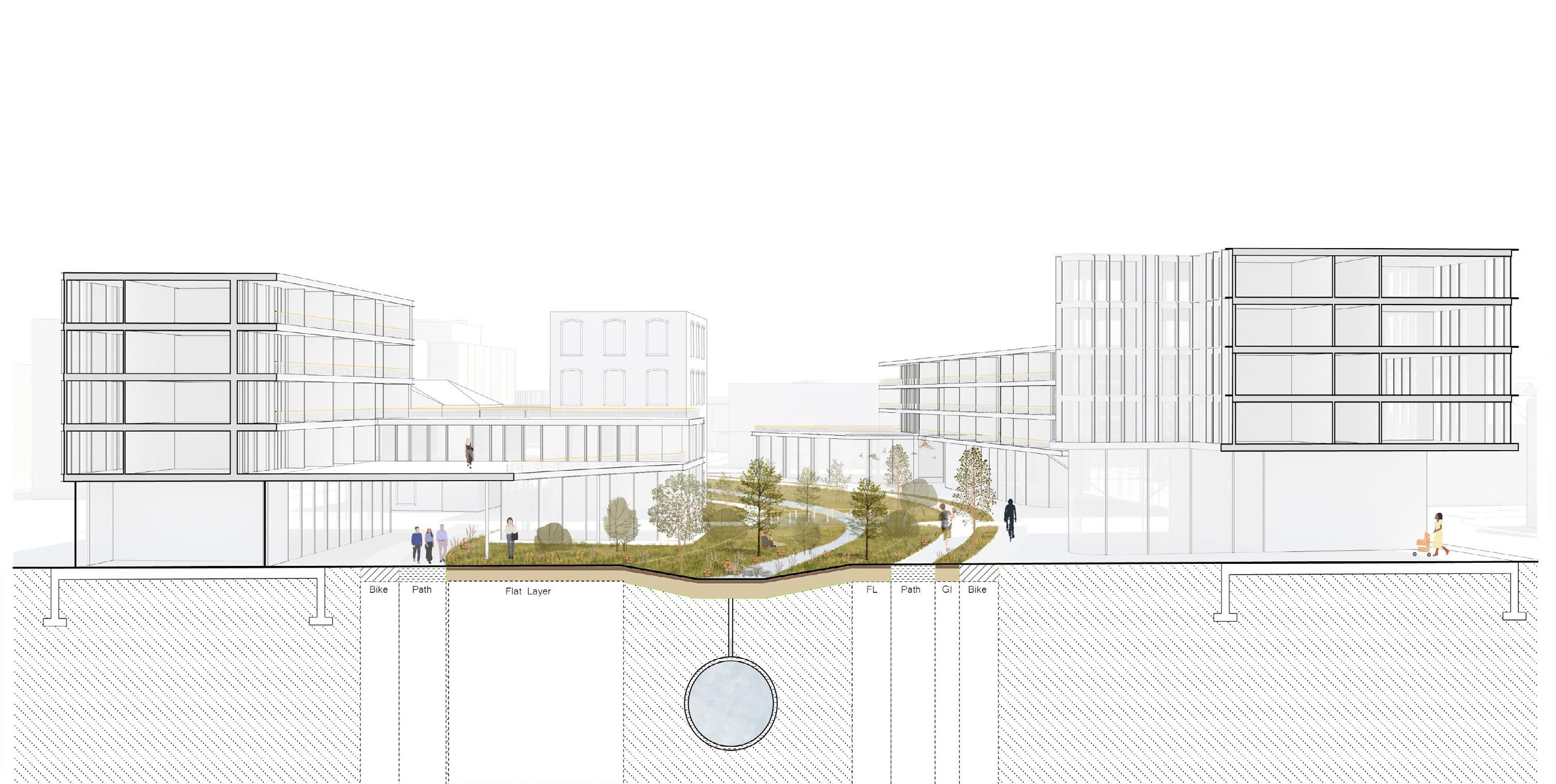
BikePath5’ PedestrianPath8’Meadowland32’
StonyBrookDrainageCollectionFlatland6’PedestrianPath8’TreeScreen4’BikePath5’
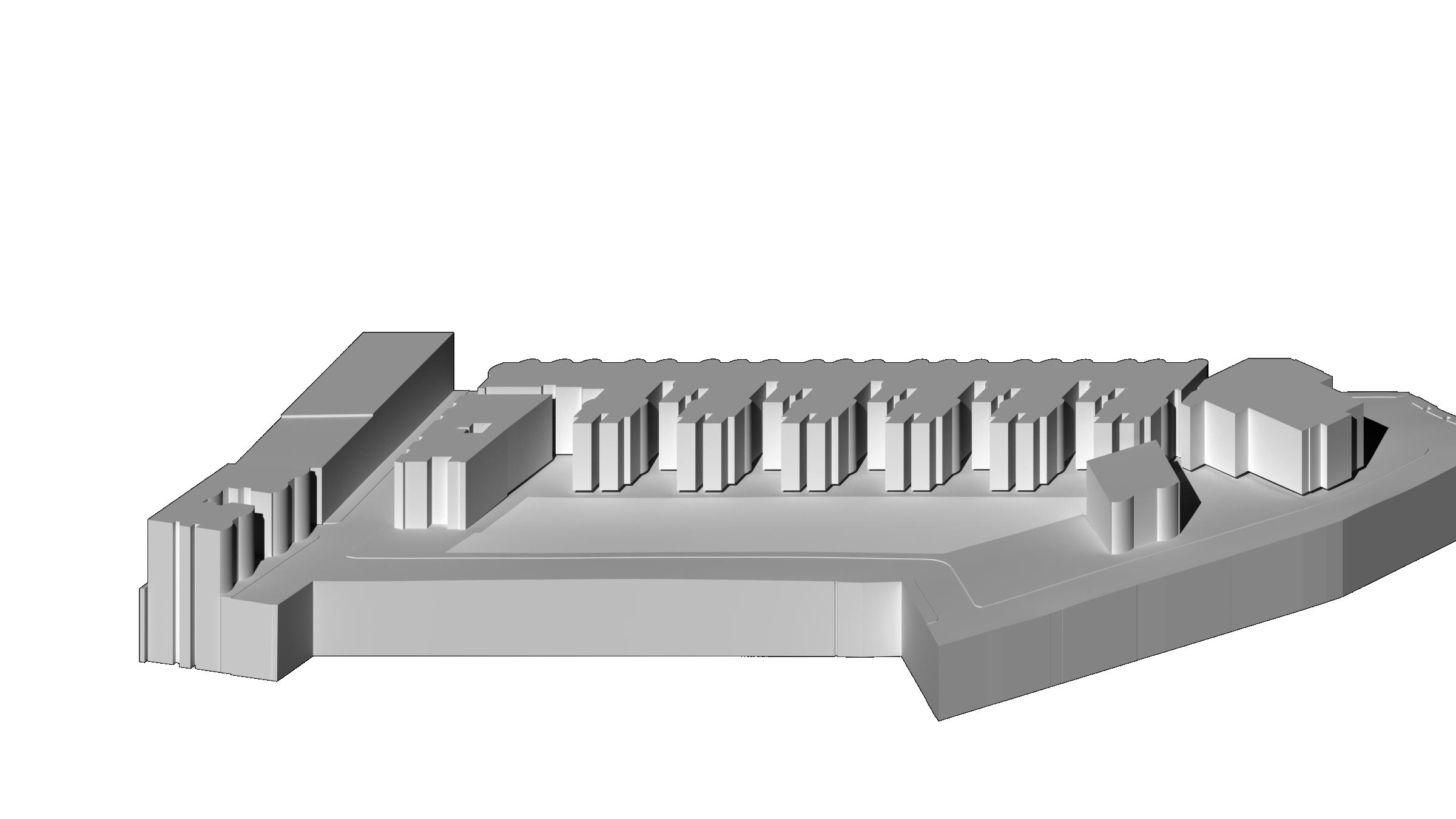
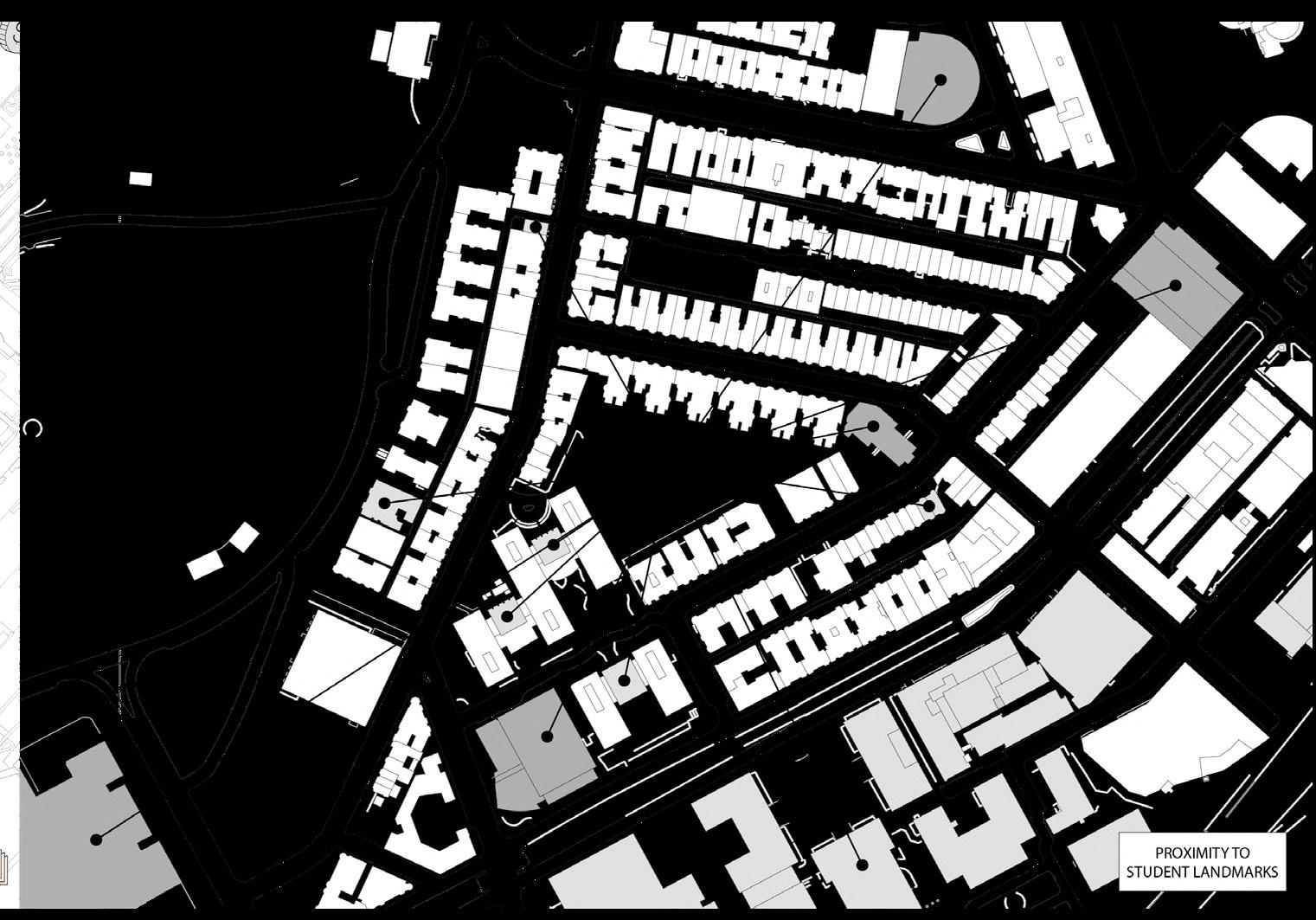
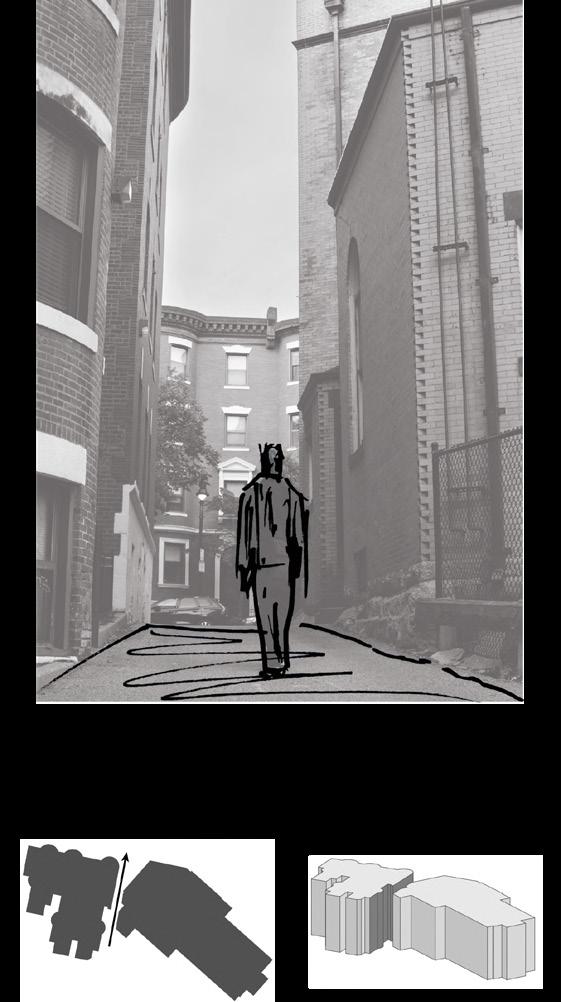
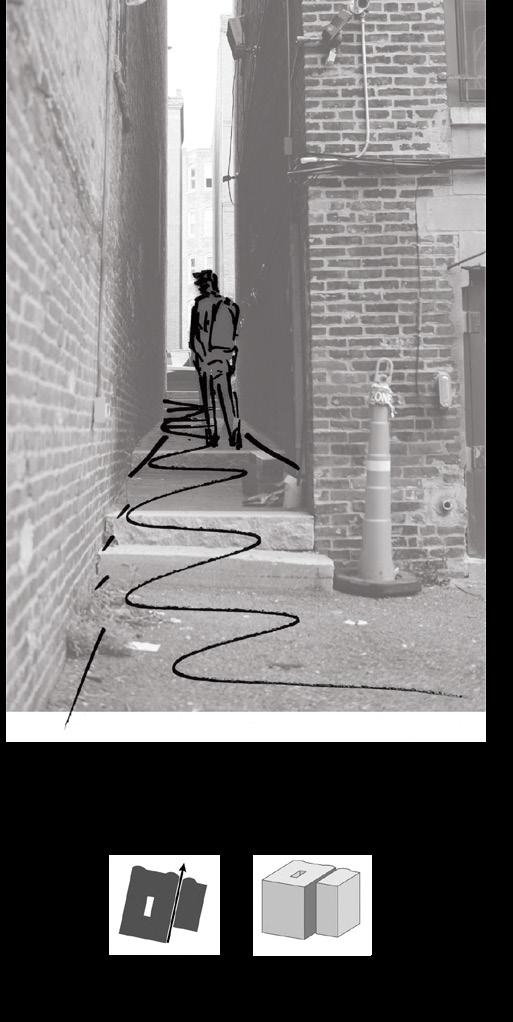
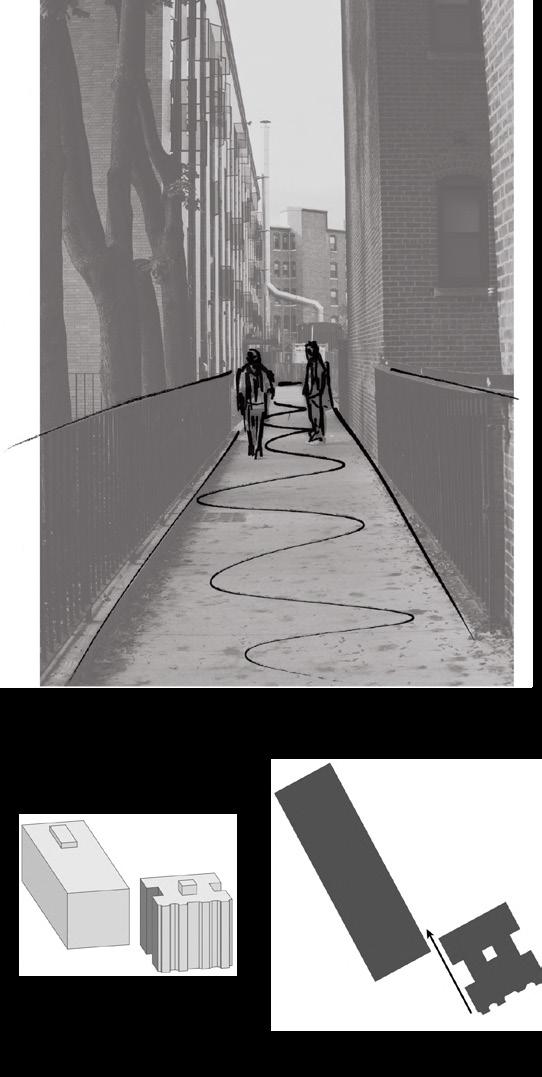
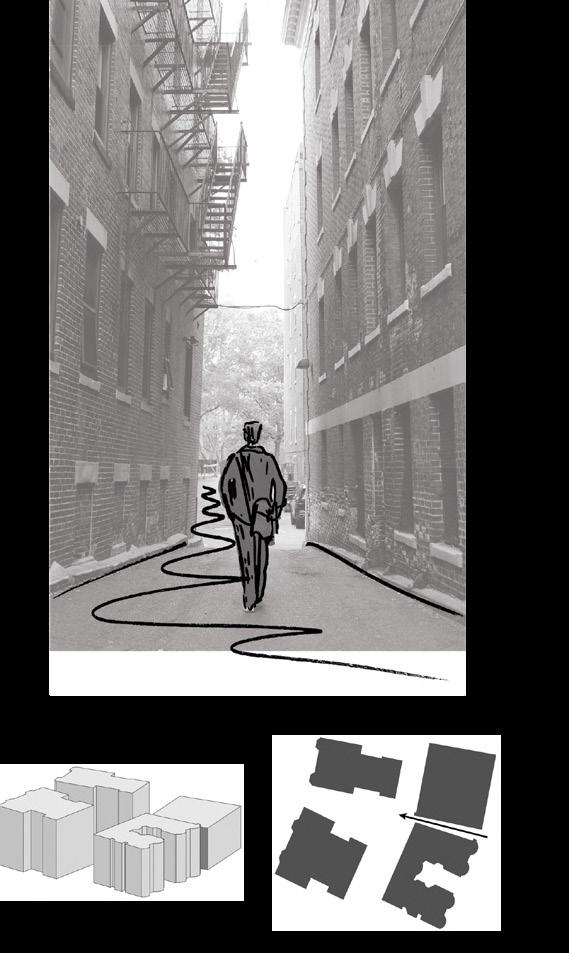
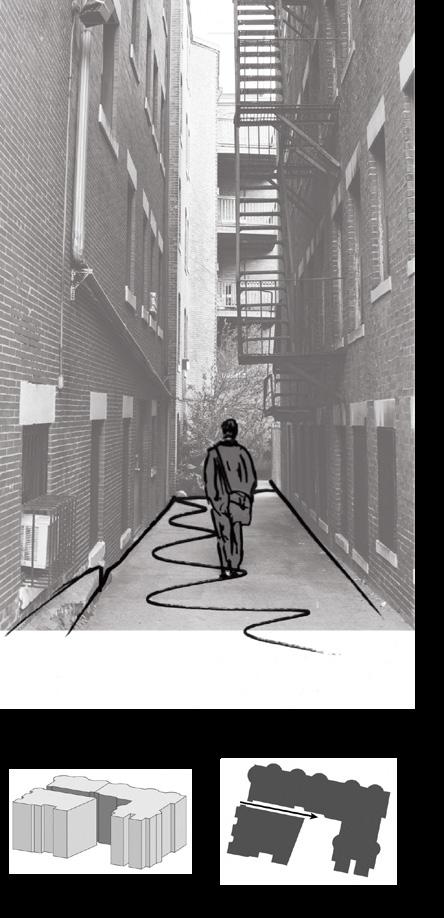
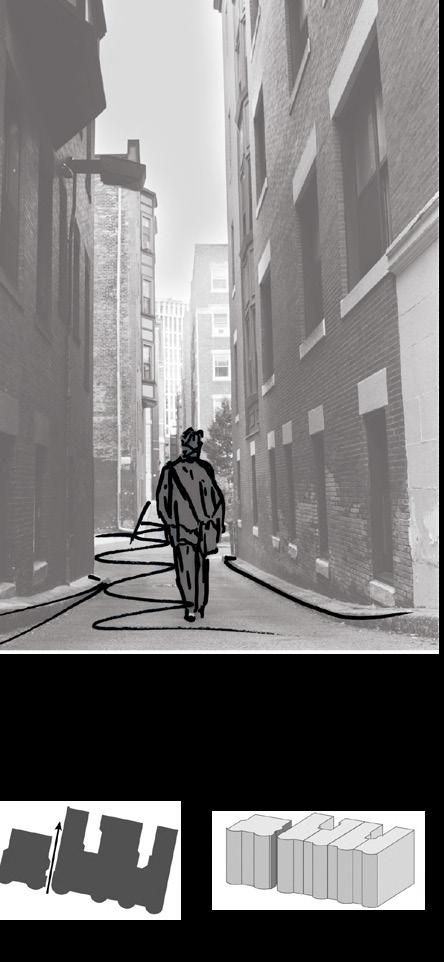
Throughout phases of our project, my partners and I have developed an urban housing development for the Fenway and Northeastern University neighborhoods. Initially, we analyzed urban typologies in the area, which informed us about surrounding stakeholders. Through analysis of various pinch point locations around the site, we are able to determine unique site entrances into our project. Throughout these spaces, we analyzed vegetation and walkable entrance paths, allowing us to create point-specific entrance additions.
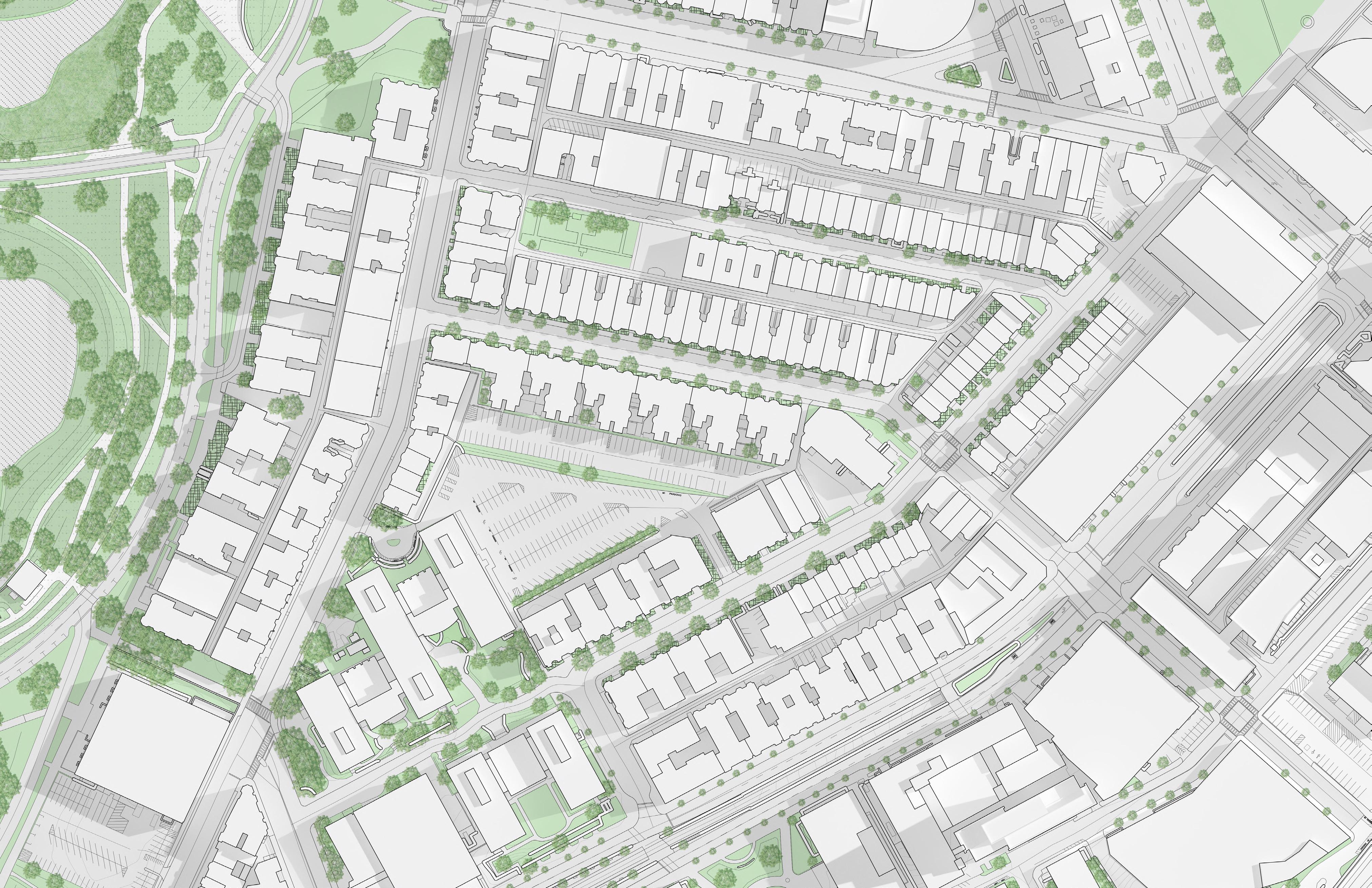
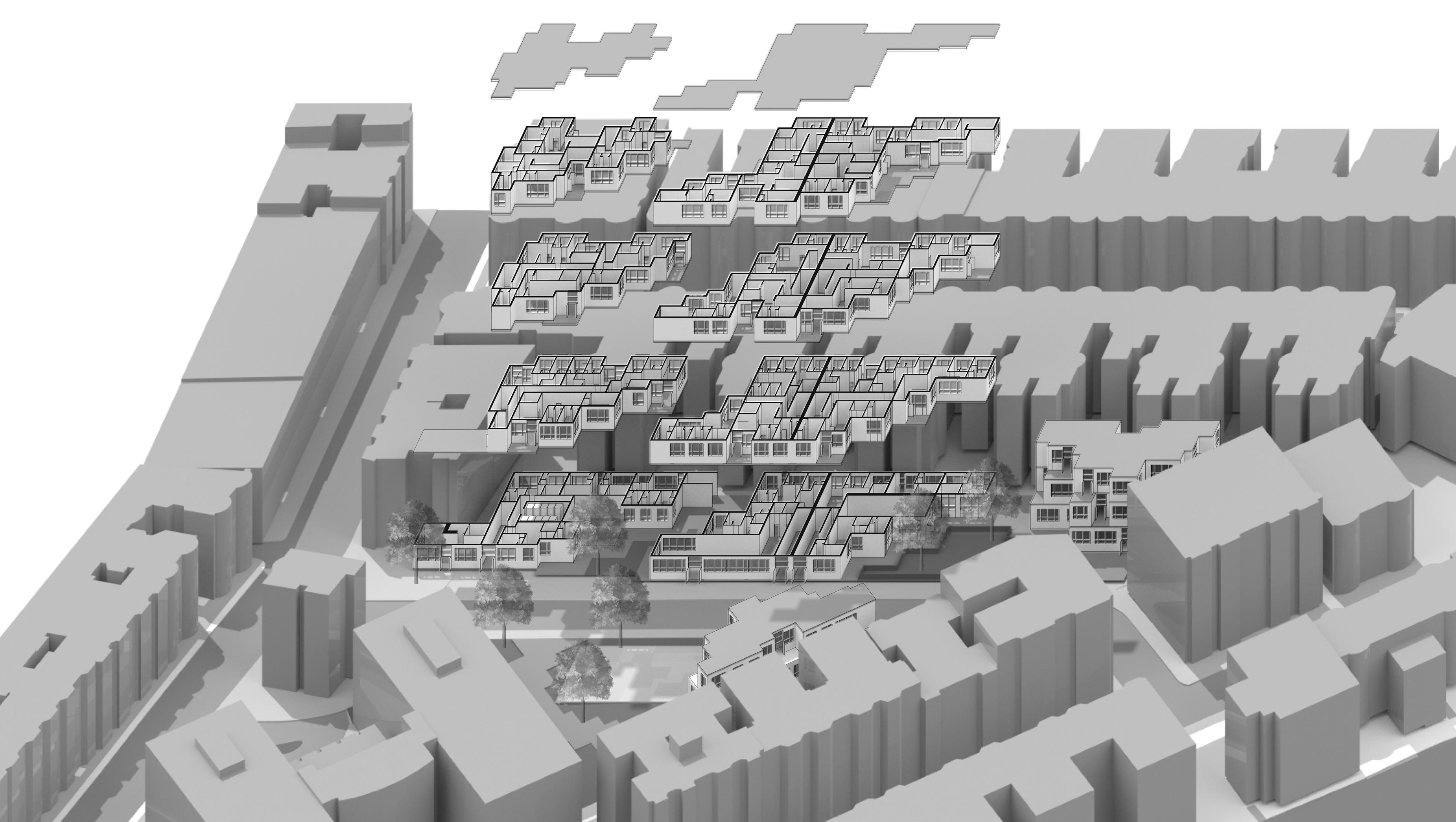
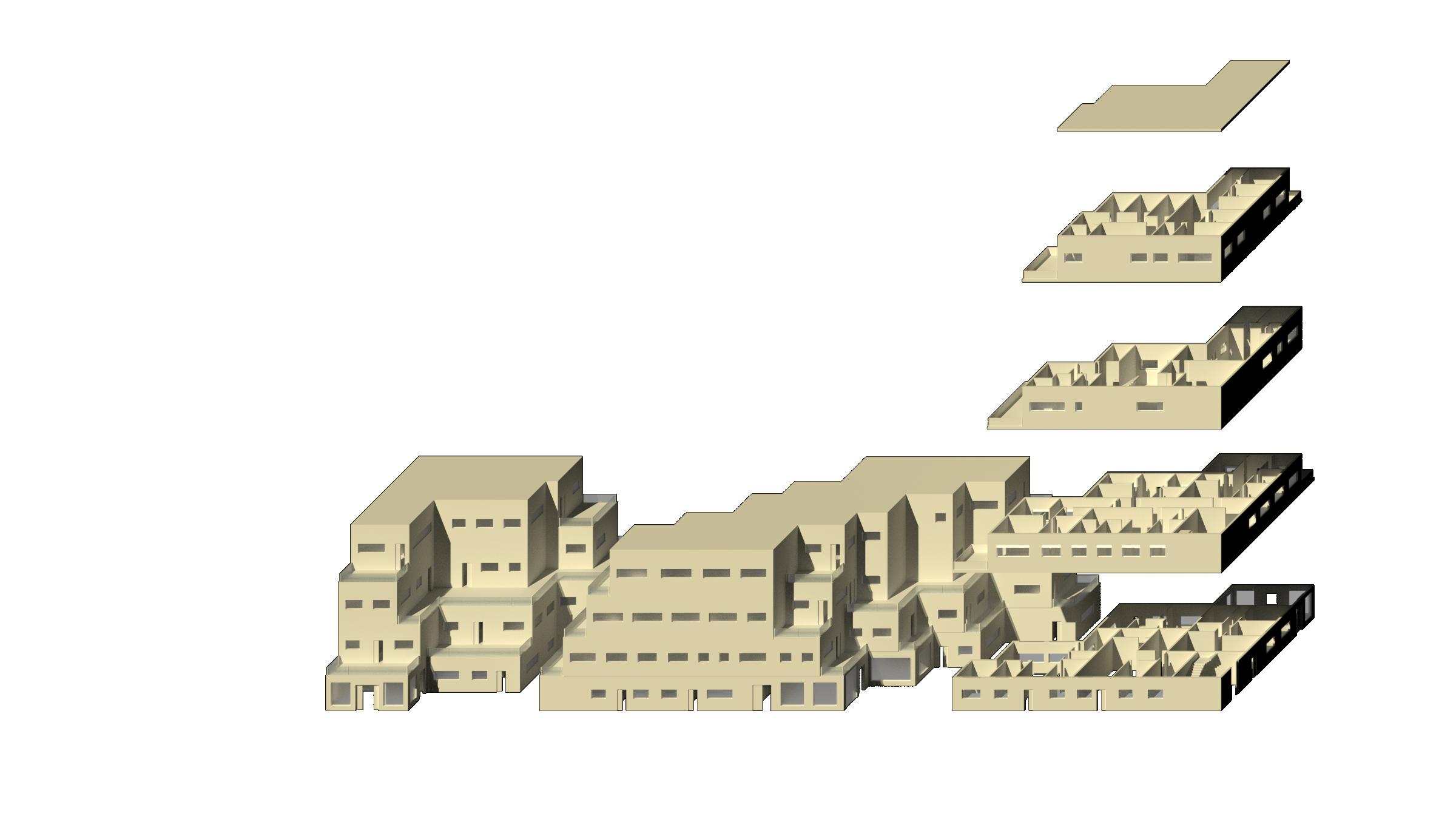
Throughout a comprehensive neighborhood analysis, it was concluded that there was a high demand for affordable student housing in the area. Recognizing this need, it became crucial to include student housing through the fourth housing module on the site. Illustrated with the roof on, the Module Four building style allows for the creation of 72 new housing spaces on Northeastern campus, through the distribution of nine four-bedroom units per building