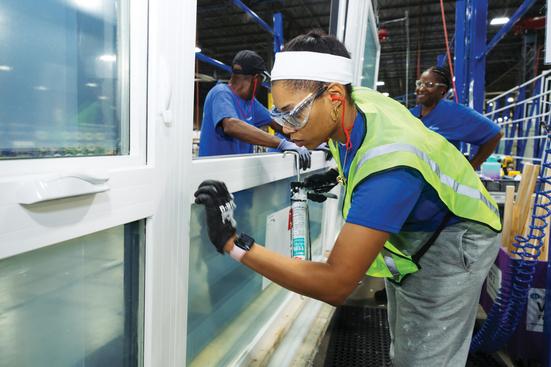
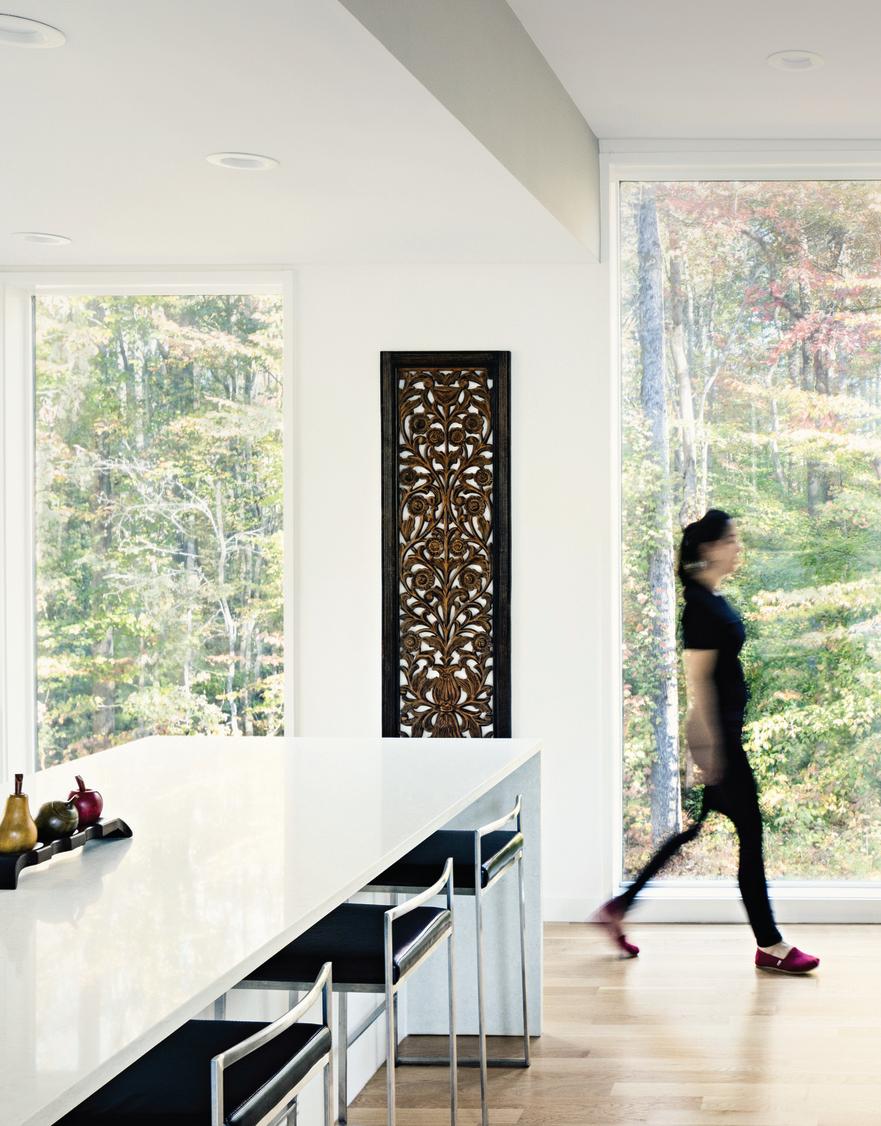
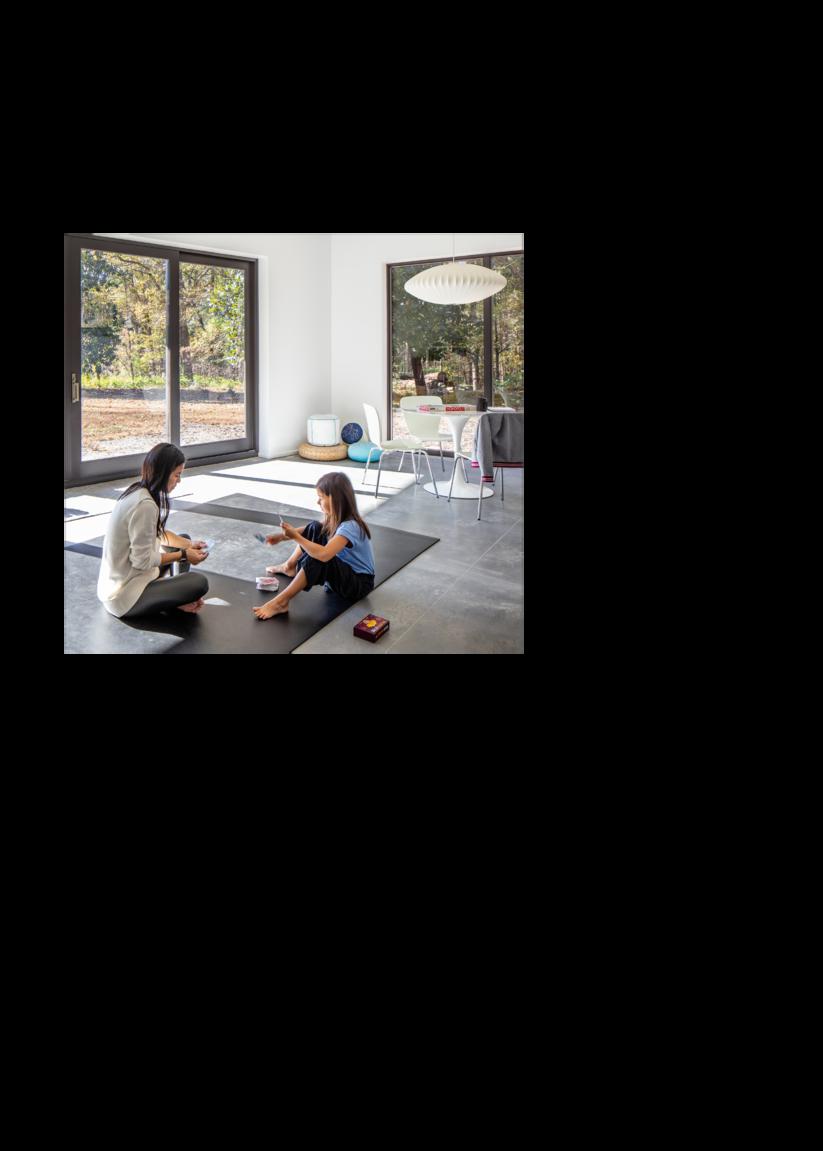
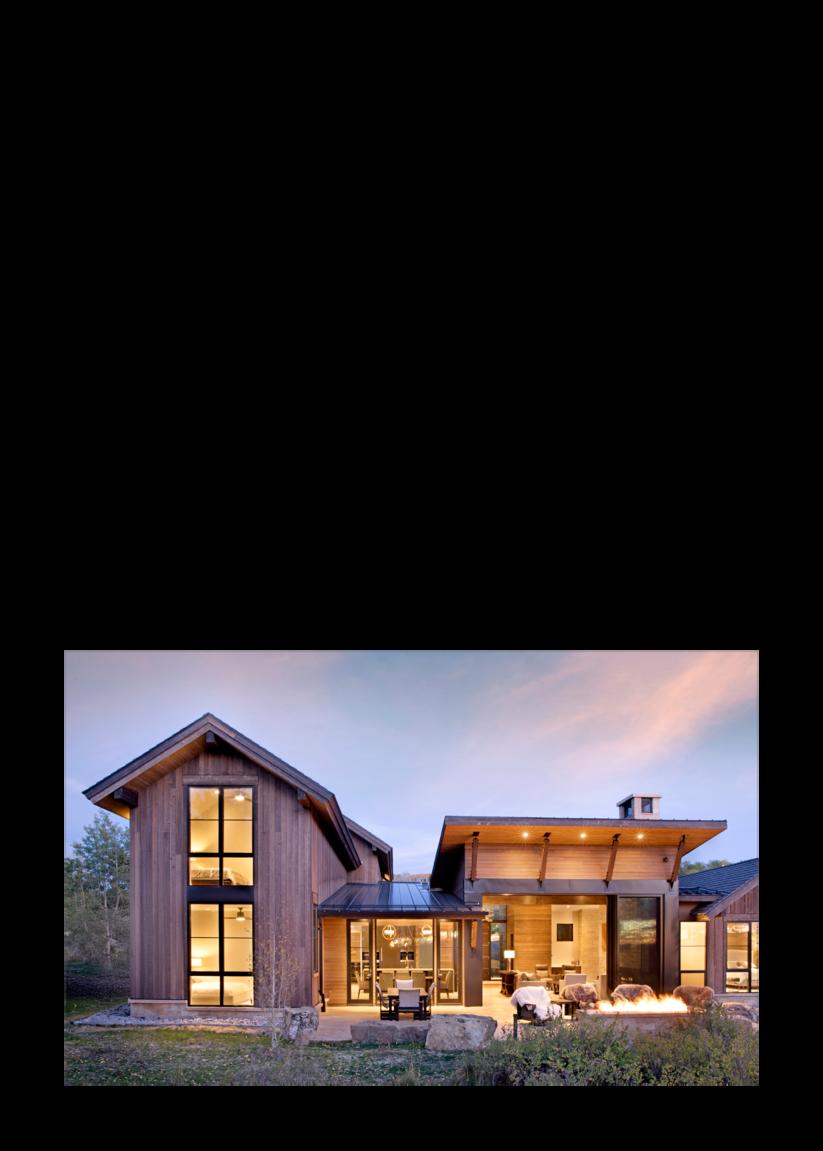
Sustainability is central to how JELD-WEN operates and underpins our responsibility to our teams, our customers and the communities we operate in.
Sustainability at JELD-WEN is integral to operational excellence; it is reinforced through safety, quality, accountability and continuous improvement. This progress strengthens trust with customers, supports our teams and creates long-term value.
à Read more: CEO Letter, page 4
From Our Chief Executive Officer
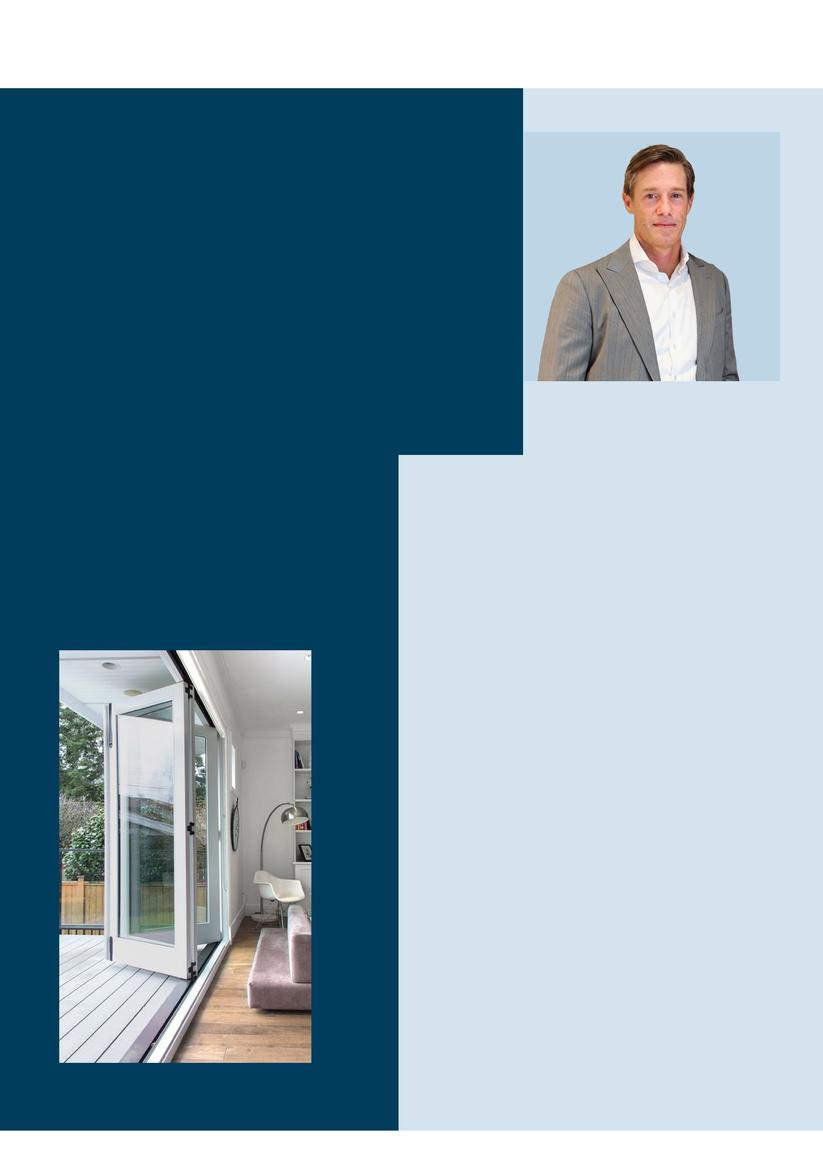
Sustainability is central to how JELD-WEN operates and underpins our responsibility to our people, our customers and the communities we operate in. In 2025, we remained focused on strengthening safety, advancing environmental stewardship, and reinforcing practices that support consistent performance and accountability.
Our teams are foundational to this work. We continue to invest in training, leadership engagement and clear standards that reinforce responsible operations. In 2025, we made meaningful progress improving our total recordable incident rate (TRIR) and advancing toward our goal of achieving a TRIR below 1.0 by 2030.
Environmental stewardship remains a critical responsibility. Our sustainability efforts are designed to reduce our operational environmental footprint while supporting customers with durable, energy-efficient products
William J. Christensen Chief Executive Officer
Holding, Inc.
We continue to reduce emissions and waste, prioritize the use of renewable and alternative energy, and improve efficiency These actions support our long-term commitments to achieve net zero Scope 1 and Scope 2 greenhouse gas emissions and zero manufacturing waste to landfill by 2050, and to source 100 percent of wood used in production responsibly by 20301
Sustainability at JELD-WEN is integral to operational excellence; it is reinforced through safety, quality, accountability and continuous improvement. This progress strengthens trust with customers, supports our teams and creates long-term value.
Strong governance and transparency underpin this approach Through rigorous oversight, data-driven decisions, and stakeholder engagement, we align sustainability priorities with business execution and risk management. This report is an important part of that commitment, providing a clear view of our progress and the work that remains.
Looking ahead, JELD-WEN will continue to lean into its legacy through reliability, quality and performance. I am proud of the commitment our teams demonstrate. Their efforts to operate responsibly, improve performance and deliver on our commitments are recognized both internally as well as outside the organization. While sustainability is a long-term journey, our focus is clear and our resolve is strong.
William J. Christensen Chief Executive Officer JELD-WEN Holding, Inc.
JELD-WEN
ENVIRONMENTAL
reduction in absolute greenhouse gas (GHG) emissions in 2025 compared to 2024
reduction in metric tons of waste sent to landfills in 2025 compared to 2021
8
sites certified to ISO 50001 energy management standard
of waste sent for recycling in 2025
Environmental Product Declarations (EPDs) available for product lines in Europe and North America2
of recycled or renewable content in steel doors manufactured by BOS GmbH
SOCIAL GOVERNANCE
reduction in total recordable incident rate (TRIR) in 2025 compared to 2024 of executives are female of suppliers in compliance with our Global Wood Sourcing Policy4 of eligible products meeting volatile organic compound (VOC) emissions and content standards in North America5
reduction in serious injuries in 2025 compared to 2024 of employees understand how their work contributes to company goals3
2025 Awards & Recognition
Environmental
ENERGY STAR® Canada
JELD-WEN of Canada received the 2025 ENERGY STAR® Canada special recognition award for outstanding environmental stewardship
America's Climate Leaders
JELD-WEN recognized on USA TODAY's 2025 list of America's Climate Leaders
Company Products
Best of Houzz
LaCantina® Doors awarded Best of Houzz 2025 Award in the design category
Residential Excellence in Design Awards
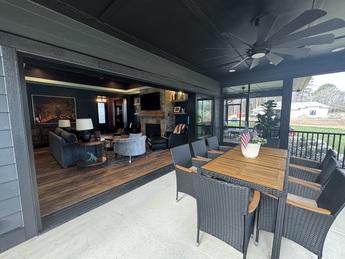
The LaCantina® V2 Swing Door won a 2025 Luxe RED Award celebrating its ultra-thin stiles, hidden hardware and expansive glass panels
Sustainable Product of the Year
JELD-WEN's Second Nature™ Environmentally Conscious Door Collection named a Sustainable Product of the Year by Green Builder
EcoVadis Gold Medal
JELD-WEN France achieved an EcoVadis Gold Medal for a second consecutive year in 2025
Most Trustworthy Companies in America
For the fourth consecutive year,
JELD-WEN was recognized as one the Most Trustworthy Companies in America by Newsweek
Cradle to Cradle®
JELD-WEN Europe achieved Cradle to Cradle® certification at the Bronze level in 2025 across several product lines
Who We Are
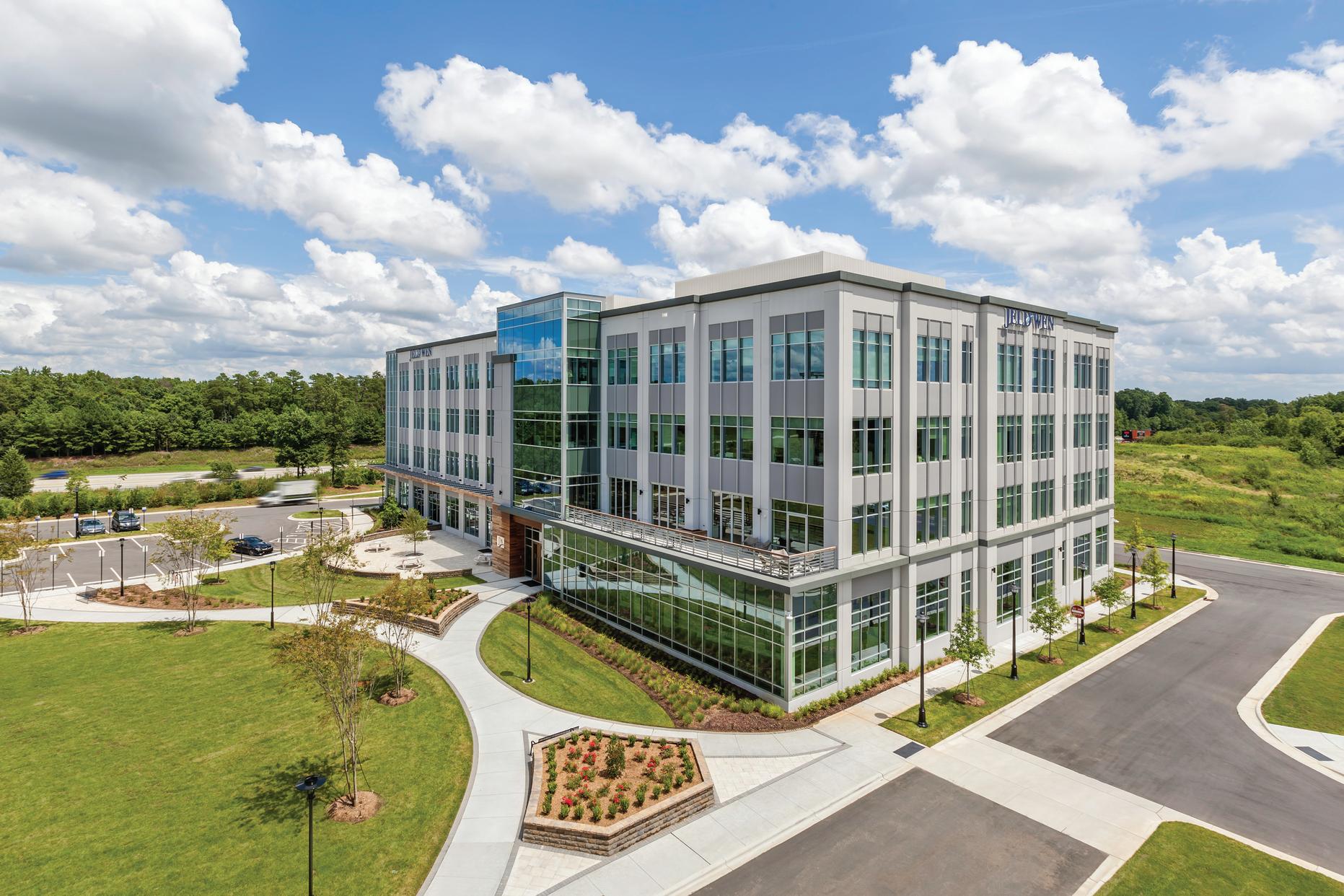
JELD-WEN Holding, Inc. (‘JELD-WEN’ or the ‘company’) is a publicly traded company headquartered in Charlotte, North Carolina, United States. We are a leading global designer, manufacturer and distributor of high-performance interior and exterior doors, windows and related building products, serving the new construction and repair and remodeling sectors.
As of December 31, 2025, we operate 76 manufacturing or distribution facilities in 14 countries located in North America and Europe.
2025 Key Facts
Our customers include wholesale distributors and retailers, as well as individual contractors and consumers. The JELD-WEN family of brands includes JELD-WEN® worldwide, LaCantina® and VPI™ in North America, and Swedoor®, Kellpax® and DANA® in Europe.
For more details on our financial performance, view our 2025 Annual Report and other filings with the U.S. Securities and Exchange Commission.
$3.2 billion in net revenue ~
13,900 employees worldwide
Our Purpose
We bring beauty and security to the spaces that touch our lives.
Our Values
We build businesses ethically and safely, invest in people, inspire customers through innovation, deliver on our promises, and improve every day.
Our Approach to Sustainability
At JELD-WEN, sustainability is rooted in our legacy and shapes our future as we work to protect our planet, conserve its resources and do our part to improve the world around us.
Accountability for sustainability permeates our organization from our Board of Directors to our associates, as described in our Sustainability Governance Structure. Our corporate governance structure and practices reflect our commitment to the highest standards of ethics, integrity and transparency.
We are guided by a data-driven double materiality assessment, which allows us to better manage potential impacts, make informed decisions and align sustainability efforts with business strategy. A description of our methodology and key impacts, risks and opportunities are available in our 2024 Sustainability Report Stakeholder engagement throughout the year helps drive our priorities.
We mapped our 2030 and 2050 sustainability goals and key initiatives to The United Nations’ Sustainable Development Goals (SDGs), which provide a shared blueprint to achieve a more sustainable future.
Our Goals & Progress
Our Goals6
2025: 149,619 (20% improvement)
Manufacturing Waste to Landfill by 2050
Waste to Landfill (metric tons)
Recordable Incident Rate (TRIR) Less Than 1.0 by 2030 Rate of recordable incidents across the organization
Net zero means achieving balance between the amount of GHG we produce and the amount that we remove from the atmosphere. Scope 1 emissions are direct emissions from our owned or controlled sources, such as forklifts, trucks and natural gas boilers. Scope 2 emissions are indirect emissions from sources such as purchased electricity.
How do we define the goal?
Sending zero manufacturing waste to landfills means diverting all byproducts of our manufacturing processes and packaging away from landfills, with an emphasis on reuse or recycling.
How do we define the goal?
Following U.S. Occupational Safety and Health Administration (OSHA) guidance, the total recordable incident rate corresponds to: Number of OSHA recordable injuries and illnesses x 200,000/Employee total hours worked.
How do we define the goal?
100% of our wood used in production is certified by a recognized third party or not from a region of risk by 2030.
OUR PRODUCTS
We are dedicated to creating highperformance, high-value products that deliver brilliant design, beauty and efficiency to our customers while seeking ways to reduce our impact on the environment.
Certifications
Across the regions where we operate, our products meet a wide range of internationally recognized standards. These certifications reflect our commitment to delivering products that not only meet customer expectations but also support healthier homes and a more sustainable future worldwide.
Our customers turn to us for products that are both high performance and good for the environment. We are proud our products contribute to homes and buildings certified for environmental performance and sustainable construction such as the U.S. Green Building Council’s LEED® certification, BREEAM®, and DGNB (German Sustainable Building Council).
We have been an ENERGY STAR® Partner in the U.S. since 1998, and in 2025, JELD-WEN Canada received its twelfth ENERGY STAR® Canada award. ENERGY STAR® certified JELD-WEN windows and doors exceed the minimum energy efficiency criteria for the relevant climate region. We are rated Bronze-level version 4.0 Cradle to Cradle Certified® in the U.K. and Nordics.
Global Certifications
Select products in our portfolio meet the following recognized environmental standards:
ENERGY STAR®: Certified products in the U.S. and Canada7
GREENGUARD® Gold: Products certified for releasing fewer pollutants and creating healthier indoor environments
EcoVadis Sustainability Rating: Gold level for JELD-WEN France
Sentinel Haus Institute: Indoor Air Quality Certificate
Sustainable Products
Our Approach
Our windows and doors are built to improve energy efficiency, lower emissions, and help consumers save on heating and cooling costs — all while promoting circular economy principles. By using healthier materials and thoughtful design, we create products that support cleaner, safer homes, and provide reliable protection against extreme weather and storms.
Actions and Outcomes
Product Highlights
As we design and manufacture durable, sustainable windows and doors, we remain focused on delivering products that are better equipped to perform in a changing climate while reducing our environmental footprint and supporting the communities we serve.
Energy efficiency: The JWC7500 Series Hybrid window represents one our most energy-efficient offering to date. Available in Canada, this advanced product combines state-of-the-art materials with innovative design to deliver exceptional thermal performance. The JWC7500 Series Hybrid window achieves a U-factor of .14, which is 22 percent more efficient than our traditional casement window, as verified by testing standards NFRC 100 and NFRC 200. Highperformance windows like the JWC7500 play a critical role in lowering greenhouse gas emissions, reducing energy costs and advancing progress toward the Sustainable Development Goals (SDGs)8
Circular economy: In 2025, JELD-WEN expanded its version 4.0 Cradle to Cradle Certified® portfolio across five European countries, adding Bronze-level interior and exterior door products. These certifications ensure our doors are designed for safe reuse and support a more circular economy through responsible materials and lifecycle-focused manufacturing9 For more information, see Innovation & Circular Economy
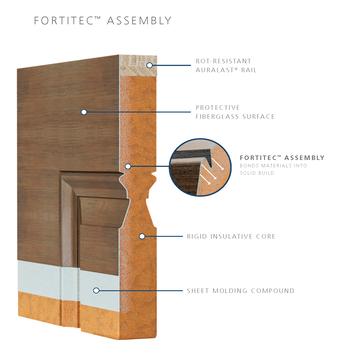
Innovation and green design: The Curator™ Collection reframes what a fiberglass door can be by reinventing how it is made. At the heart of the platform is JELD-WEN’s proprietary FortiTec™ assembly, a single-step press operation that permanently bonds advanced fiberglass skins, a rigid fireproof core cut to size to eliminate voids, LSL stiles and AuraLast® pine rails into one monolithic slab. This approach replaces the industry’s conventional multi-step manufacturing process, which typically relies on injected foam that must cure over time and can result in air pockets or unfilled voids. By consolidating construction into one integrated step, Curator addresses the root causes of warping and delamination and delivers a consistently solid door system with enhanced structural integrity. The process yields the look of ultra-realistic wood grain produced using a metal dye, cast directly from an authentic wood door, along with protection you can count on through impact and 20-minute fire ratings that are standard across the collection.
Just as importantly, the one-step FortiTec™ assembly is designed to improve manufacturing efficiency and reduce energy use. This single-step process reduces electricity consumption by over 40% per door compared to our existing multi-step process10. Eliminating steps reduces time spent in energy-intensive heating and dwell stages. Additionally, fewer handoffs help minimize inventory, scrap and additional production passes. By engineering the door as a complete system from the start, rather than layering performance features through separate manufacturing stages, more energy is directed toward first-pass quality The result is innovation with a focus on consumer and sustainability benefits: products built with quality in mind; produced through a streamlined manufacturing approach intentionally designed to reduce energy consumption.
ENVIRONMENTAL
Environmental stewardship is a key part of who we are at JELD-WEN. We are committed to carrying on this legacy for the next generation by conserving resources, promoting sustainability and building healthier environments.
JELD-WEN’s environmental program is designed to manage environmental risks and opportunities across our value chain while supporting customers with durable, energy-saving building products.
In 2025, we saw progress against our net zero GHG emission goal and have reduced our emissions by 20 percent since 2021. Similarly, we have reduced our waste to landfill by 45 percent since 2021 We believe this progress reflects our commitment to embed environmental sustainability into all aspects of our business, increased efficiencies in our network, and site and regional initiatives. Our approach and key actions toward our goals are discussed on subsequent pages.
Compliance with environmental regulations is an important aspect of our approach to environmental sustainability. The geographic breadth of our facilities and the nature of our operations subject us to extensive environmental, health and safety laws and regulations in jurisdictions throughout the world. At the center of our environmental management efforts is our Environmental, Health & Safety (EH&S) Excellence Program. See more in Health & Safety
UN Sustainable Development Goals
Our goals, commitments and key initiatives related to the Environment support:
Climate & Energy
Our Goals and Commitments
To reach our goal of net zero GHG emissions by 2050, we aim to reduce direct (Scope 1) and indirect (Scope 2) GHG emissions through efficiency projects, electrification and procuring renewable energy.
Our Approach
Managing Climate Change & Energy
Our commitment to addressing climate change starts at the highest level of our organization, guided by our Board of Directors. For more on our governance approach, see our Sustainability Governance Structure
Energy management plays a central role in our path toward achieving net-zero operational emissions by 2050. We continuously review our energy use and look for new opportunities to reduce consumption and improve efficiency.
| 2025: 149,619 (20% improvement)
Eight JELD-WEN sites are certified to ISO 50001 Energy Management specifications. This voluntary, international standard provides requirements for establishing, managing, and improving energy consumption and efficiency.
Our energy-efficient products7 help make homes and buildings more efficient, reducing the emissions associated with heating and cooling homes. We also work to lower the embodied carbon of our products by minimizing the energy required to manufacture them. For more details, see Sustainable Products and Innovation & Circular Economy
Energy Efficiency:
We continue to implement energy efficiency improvements across our facilities such as installing energyefficient lighting, enhancing building insulation and utilizing energy-efficient equipment.
Renewable Energy:
Our investment in renewable energy sources and biomass boilers is helping reduce our reliance on fossil fuels.
Electrification:
We evaluate equipment, processes, and powered industrial trucks (PITs) and vehicles for alternative energy sources that reduce emissions.
Understanding Climate-Related Risks
As climate change introduces new challenges for global operations, risk assessment and monitoring have become increasingly essential. For more details about our approach to climate risk management and physical and transition climate change risks, see TCFD Index In addition, ESG risks, including physical and transition climate risks, are considered in our Enterprise Risk Management (ERM) assessment.
Transitioning for Climate Mitigation
We continue to advance our climate mitigation efforts by measuring and reducing our GHG emissions, implementing renewable energy solutions and pursuing efficiency projects across our operations. These are the core elements of our net zero roadmap.
Climate & Energy
Actions and Outcomes
In 2025, we continued to advance energy efficiency across our global operations by applying proven approaches that reduce energy demand, lower emissions and improve operational performance. These efforts include facility-wide efficiency upgrades, optimization of manufacturing equipment, and the use of monitoring and data analytics to identify and address energy-intensive processes Further, by consolidating our network, we are increasing manufacturing efficiencies.
Sixteen of our sites maintain biomass boilers. This alternative, renewable energy solution, compared to a conventional boiler, advances our commitment to achieving our net zero goal.
Designing for Energy Reduction
Our Curator™ Collection demonstrates how manufacturing innovation can reduce energy use and greenhouse gas emissions within our operations. By redesigning the fiberglass door manufacturing process to be more energy efficient, the project significantly lowers electricity demand per unit through reduced press heating requirements, shorter cycle times, and more efficient use of motors and auxiliary equipment. Compared to a traditional manufacturing line, the Curator Collection manufacturing process reduces electricity consumption per door by more than 40 percent10, which directly translates into a comparable reduction in Scope 2 GHG emissions during manufacturing. These improvements not only decrease the operational carbon intensity in the manufacturing facility, but also enhance process efficiency and resilience, reinforcing our commitment to decarbonizing manufacturing while supporting scalable production growth.
Our partnership with the University of Florida’s Rinker School of Construction Management on new fenestration testing sites is helping us better understand how windows and doors perform in real-world climate conditions, supporting smarter energy-efficient product design.
Learn more in our full JELD-WEN Newsroom story.
sites with energy monitoring systems
Measuring Emissions
We currently measure Scope 1 and Scope 2 emissions. We began quantifying Scope 3 emissions in 2023, prioritizing categories with available data. We are currently working to quantify and report Scope 3 categories 1, 4, 9 and 12. By investing in renewable energy sources, we can reduce our reliance on fossil fuels. Five facilities in Europe purchased 100 percent of their energy from renewable sources in 2025 and two facilities generated on-site renewable energy.
Greenhouse Gas Emissions (Metric Tons CO2-e — Absolute)
46.6
At JELD-WEN, maximizing the efficiency of our manufacturing operations is a top priority. We are committed to developing and implementing innovative environmental solutions that enable our transition to a zero-carbon future.”
50,277 39,460 110,160 177,240 149,619 126,963 2,322,868 2,291,162 1,973,483 g 2023 g 2024 g 2025
Innovation & Circular Economy (Including Waste)
Our Goals and Commitments
JELD-WEN is committed to reducing waste and minimizing the use of hazardous materials in its operations. Our long-term goal is zero manufacturing waste to landfills by 2050, with all of our manufacturing waste and waste byproducts reused or recycled where possible.
| 2025: 29,046 (45% improvement)
“As we expand our EPD portfolio, we’re not only increasing transparency for our customers but also strengthening our own ability to measure, manage and improve the environmental performance of our products over time.”
Jason Kantola, Sustainability & Certifications Leader, North America
Our Approach
Innovation and circularity play an important role in how JELD-WEN designs, sources and manufactures building products. We strive to keep materials in use for as long as possible by prioritizing responsible sourcing, efficient material use and waste reduction across our operations. We work to avoid virgin raw materials where feasible and to recycle byproducts and manufacturing waste streams, helping reduce our environmental footprint while strengthening supply chain resilience. For more information on resource inflows and our commitment to sustainable wood sourcing, see Sustainable Procurement
Circular design principles guide our innovation process from the earliest stages of product development. We pursue manufacturing processes that minimize waste, maximize material utilization and conserve natural resources, including the use of recycled and reused inputs where possible.
We remain committed to advancing circular solutions while navigating evolving market and infrastructure realities. We continue to report recycled content for specific product lines and prioritize materials with the greatest environmental impact, including plastics and packaging.
Engagement with suppliers and investment in new technologies support ongoing progress in this area. At the same time, product durability remains a cornerstone of our circular economy strategy, with long-lasting designs and warranties up to lifetime coverage for certain products — helping extend useful life, reduce replacement demand and deliver lasting value for customers.
Actions and Outcomes
Environmental Product Declarations for Product Transparency Publishing Environmental Product Declarations (EPDs), allows for visibility into our products and enables our customers to make more informed, sustainable business decisions Eighty-six product-specific EPDs for our product groups in Europe were thirdparty verified and published as of June 10, 2026. In addition, we have been collaborating with other market stakeholders to contribute to national market EPDs and Life Cycle Analysis (LCA) data for construction products.
In North America, EPDs are available for 15 product lines, including interior doors, vinyl windows and wood windows Learn more about JELD-WEN’s EPDs on our website
Recycled Materials
Incorporating recycled content into products helps reduce overall environmental impacts while strengthening business resilience by diversifying material inputs. Wood is a primary raw material for JELD-WEN and is inherently renewable; when sourced as post-industrial recycled or recovered wood fiber, it can be reintroduced into manufacturing processes or downstream secondary material streams. We continue to report recycled content for specific product lines and groupings.
We have quantified recycled content for various product lines including hollow core, fire doors and steel doors in Europe and interior molded doors in the United States. We will continue to expand our portfolio of recycled content declarations.
Sustainable Packaging
At our Mittweida, Germany, site, we redesigned how door frames are protected during production and shipping to reduce environmental impact while maintaining product quality. By replacing legacy expanded polystyrene (EPS) materials with a fiber-based solution, we improved recyclability and simplified operations. The new approach uses responsibly sourced, certified materials that arrive preassembled and ready for use, supporting efficient, fast-paced production
Cradle to Cradle Certification Driving Europe ESG Activities
Cradle to Cradle Certified® continues to be a key part of JELD-WEN’s strategy to advance toward our 2050 net-zero goal. The globally recognized certification evaluates products across five areas — material health, product circularity, clean air and climate protection, water and soil stewardship, and social fairness — to ensure they are designed and manufactured responsibly. After earning our first Bronze-level version 4.0 certifications in early 2025 for facilities in the U.K. and Denmark, we expanded the program to additional plants later in the year.
In 2025, we further broadened our certified product portfolio with new Bronze-level doors and frames manufactured across Latvia, Estonia, Denmark, Sweden and the U.K. These certifications strengthen our responsible sourcing practices, support future regulatory compliance, and reinforce our commitment to designing products that are safe, circular and aligned with our global ESG goals.
For more details about Cradle to Cradle, see Sustainable Products
Innovation & Circular Economy
(Including Waste)
Continued
Waste & Hazardous Materials
Our approach to waste and hazardous materials is based on five pillars: waste reduction, hazardous materials management, product stewardship, compliance and continuous improvement. Our waste management standard, which is posted on our company intranet, guides our activities.
Strict guidelines for the handling and disposal of hazardous materials help ensure the safety of our employees, customers and the environment. Site-level training in waste and hazardous material handling includes employee safety training and legal compliance with regulations governing the handling, storage and disposal of waste and hazardous materials, and risk mitigation programs to identify and address potential risks.
We follow the U.S. Environmental Protection Agency’s (EPA) waste hierarchy13 to manage our non-hazardous waste streams.
Recycling to Reduce Waste Recycling is a key strategy to help us achieve our waste reduction goals. In 2025, we diverted14 56 percent of our nonhazardous waste, which corresponds to 92,292 metric tons.
Several of our sites are zero waste to landfill, including our Spokane, Washington, and Penrith, U.K., facilities. By sharing best practices and finding innovative ways to reuse waste, we are working toward our 2050 goal.
“The Penrith team found that plastic banding was difficult to separate from other waste, so by sorting waste into designated bins, plastic pieces were able to be removed and recycled or reused. A similar assessment found that ash from biomass boilers, a byproduct of the manufacturing process, could be diverted from landfill and recycled as a component of tarmac and used for paving roads.”
Hamish White Operations Director, JELD-WEN Europe
Air Quality, Water Resources, Biodiversity & Ecosystems
We take an integrated approach to environmental stewardship grounded in strong environmental management practices that guide how we operate across our facilities. By considering our interactions with air, water and surrounding ecosystems together, we work to minimize impacts, strengthen resilience and support healthier natural systems. This holistic perspective ensures our actions align with regulatory expectations and our long-term commitment to safeguarding the environments and communities connected to our operations. At the center of our environmental management efforts is our Environmental, Health & Safety (EH&S) Excellence Program. Its four pillars — People, Prevention, Process and Culture — are key to sustainable operations.
Reducing Air Emissions
Common sources of air emissions in our facilities include paint, adhesives and glues. Our sites maintain permits to comply with air pollutant and hazardous air pollutant thresholds. Industry best practices and local regulatory laws guide our emission control technology. Our Kuopio, Finland, facility decreased VOC emissions by installing UV and water-based paint lines in 2025 that reduced solvent-based paint consumption by more than 30 percent.
For additional information on VOC emission reductions, see Product Quality and Safety
Water Resources
Reducing water consumption is important, especially in areas of high baseline water stress. For additional information on water risks, see TCFD Index Each of our Cradle to Cradle® facilities has a site-specific strategy to reduce water consumption through 2026. The strategies were developed after we assessed water quality and quantity issues at our production facilities and in our supply chain as well as identified key opportunities for water stewardship.
Biodiversity & Ecosystems
We continue to assess our biodiversity impacts using screening tools such as the Integrated Biodiversity Assessment Tool (IBAT). See more about commitment to maintaining biodiversity in our Global Wood Sourcing Policy Statement and the JELD-WEN Supplier Code of Conduct.
SOCIAL
Our commitment to investing in people centers on building the skills, leadership and inclusive culture that enable our associates to succeed and grow. Rooted in our values and shaped by our double materiality assessment, this approach reflects a legacy that extends from our family-owned origins to our global operations today, with a focus on safety, development and belonging.
In 2025, we achieved a 21 percent improvement in our total recordable incident rate (TRIR) compared to 2024, driven by strong leadership engagement, a continued emphasis on safety culture across our operations, and targeted actions such as global serious injuries and fatalities (SIF) risk assessments, equipment upgrades, pre-start safety reviews, and ongoing training and standards enhancements. Progress in leading indicators — including a 47 percent reduction in potential SIFs from 2024 to 2025 and a 33 percent increase in safety observations reported in 2025 compared to 2024 — further demonstrates our continued focus on embedding safety as a core value throughout JELD-WEN
UN Sustainable Development Goals
Our goals, commitments and key initiatives related to Social support:
Health & Safety
Our Goals and Commitments
Prioritizing health and safety is not just a regulatory requirement, it’s a core JELD-WEN value. Recognizing its importance, we set a goal in 2024 to achieve a total recordable incident rate (TRIR) of less than 1.0 by 2030.
“
Safety is how we demonstrate respect for our people, through our actions, our decisions, and our leadership. It is not owned by a department; it is owned by every one of us.”
Simon Greenfield, VP Global EH&S
Our Approach
JELD-WEN’s primary focus is on the prevention of Serious Injuries and Fatalities (SIFs) through the development and implementation of our 12 Living Injury Free Everyday (L.I.F.E.) critical rules standards as well as our injury reduction strategy.
In addition to preventing SIFs, we also have a dual focus on reducing ergonomic injuries, such as strains and sprains caused by manual handling and repetitive tasks. We monitor our performance as we drive toward continuous improvement by implementing and evaluating leading and lagging indicators, performance metrics, and injury trends.
Policies and Environmental, Health & Safety Management System (EHSMS)
Our EHSMS provides a framework and structured approach to managing EH&S risks and opportunities for continuous improvement.
Further, we maintain a robust suite of global EH&S standards including hazardous communication, personal protective equipment (PPE), control of hazardous energy, etc.
| 2025: 2.46 (21% improvement)
(see definition below)
Global Safety Performance Metrics
We proactively implement our management systems consistent with ISO 14001 and ISO 45001 requirements to minimize EH&S risks and to create a strong safety culture and improve performance.
Our EHSMS provides a foundation to help maintain legal compliance and mitigate serious injuries and fatalities and environmental risks. Our EH&S Excellence Model and our EHSMS provide the framework to enable our vision of zero injuries and illnesses, zero spills and releases, and zero fines or penalties.
We communicate our health and safety policies and messages to our associates through multiple channels including our internal network, via posters and banners, and through communication with function leaders. We use the hierarchy of controls to reduce risk and eliminate work-related hazards15
Health & Safety
Continued
Governance Structure
Our EH&S Governance process includes our Global EH&S Leadership Council, which is comprised of senior functional leaders and the directors of EH&S from across our business who meet regularly to review our EH&S performance, plans and goals. Our EH&S practices are periodically reviewed by the Global EH&S Leadership Council, as well our management and Board of Directors, to address ongoing effectiveness and compliance.
Through our global EH&S audit program, our internal auditors assess site implementation of our EHSMS and compliance with regulatory requirements and our Global EH&S policies and standards. In 2025, we continued to conduct EH&S audits at our sites in North America and Europe
Actions and Outcomes
We monitor leading metrics to help assess the effectiveness of our safety initiatives. We saw a 47 percent reduction in potential SIFs from 2024 to 2025 and a 33 percent increase in the number of safety observations reported in 2025 compared to 2024. Reporting and tracking of near misses helps us improve safety programs and practices to prevent SIFs and other work-related injuries.
Training and Awareness
Together, safety awareness, training and communication help us improve safety. In 2025, more than 200 associates completed Health and Safety 101. Participants leave with a strong foundation in hazard identification, prevention strategies, and a deep understanding of our L.I.F.E. Critical Safety Rules and EH&S Excellence Model.
In 2025, JELD-WEN continued to advance a strong, people-first safety culture through our annual Global Safety Week, themed Safer Together. Employees across our global operations participated in activities focused on hazard awareness, ergonomic practices, PPE, cybersecurity and SIF prevention. These efforts reflect our ongoing commitment to reducing workplace risks, supporting employee well-being and ensuring that every person goes home safe each day.
Risk Assessments and Equipment Reviews
Pre-start safety reviews and a strengthened SIF risk assessment program are core elements of JELD-WEN’s proactive approach to protecting our people. These initiatives are designed to systematically identify and address high-risk activities before work begins, ensuring that hazards are understood, controls are in place, and responsibilities are clearly defined. Machinery and equipment pre-start safety reviews provide a structured evaluation of new or modified equipment prior to operation, incorporating functional safety and risk management planning. In parallel, our global SIF risk assessment program focuses on eliminating or mitigating life-critical risks through consistent risk identification, review, and approval processes embedded within our EHSMS
21% reduction in total recordable incident rate (TRIR) in 2025 compared to 2024 64% reduction in SIFs in 2025 compared to 2024
Ergonomic Risk
We assess ergonomic risk with the goal of reducing the risk of injuries associated with manual handling. After prioritizing sites and tasks that have caused, or may cause, sprains/strains injuries, we deploy Human Tech software, which uses AI technology to video operational tasks and identify ergonomic risk factors and risk rank tasks. We then develop and implement plans to reduce the manual handling risk of injury. In 2025, we completed 323 assessments
Associate Well-being
Our human resources leadership and benefits team work to enhance JELD-WEN’s culture of well-being across all areas of our business.
In addition to regular awareness and engagement activities, we offer training, support and regular content published on our company intranet, addressing topics such as mindfulness, stress reduction, heart health and financial well-being.
Our Employee Assistance Program offers voluntary, free and confidential counseling, legal and financial consultation, work-life assistance and crisis intervention services to all associates and their household family members. Resources to help associates boost their emotional, physical and mental wellbeing include panel discussions, webinars, online articles and newsletters.
In January 2026, JELD-WEN launched an Employee Emergency Relief Fund (EERF), a resource to support team members facing unexpected financial challenges due to natural and man-made disasters. A model of our value ‘Invest in People,’ the EERF is another way we lean in when the life of an employee takes an unexpected turn.
Talent Attraction, Development & Retention
Our Approach
A world-class company starts with a worldclass team. We aim to attract, retain and continually develop great talent. We prepare employees for future, often advanced, roles that align with their career goals. Training is available for employees at all levels to upskill and grow their careers, whether they are senior leaders, mid-level managers or frontline leaders. This training incorporates global learning platforms, content libraries, and additional formal and informal training opportunities.
Actions and Outcomes
Recruitment
Our hiring process is designed to ensure we reflect the diversity of local talent pools and our customer base as we strive to create an environment where every individual can reach their full potential.
Employee Benefits
JELD-WEN provides a comprehensive benefits package designed to support the health and welfare of our employees and their families. Our benefits generally include medical and dental insurance, comprehensive leave policies, and access to an Employee Assistance Program. Additionally, employees have the opportunity to participate in company benefit plans for savings, tuition reimbursement and discounts.
Change Agent Network
Transforming our company and culture is a complex, multi-year journey. Key to this change are approximately 200 JELD-WEN employees dedicated to enhancing culture, performance and business value. As part of JELD-WEN’s transformation journey, the Change Agent Network is peer-led and focuses on accelerating innovation through
best practice sharing while promoting values awareness and adoption at both the production and professional levels.
Employee Development
Our commitment to employee development encompasses diverse training initiatives focused on leadership, change management and technical skills Beyond traditional classroom settings, we use on-the-job mentorship to enhance learning experiences Additionally, our global Learning Management System (LMS) platform offers online learning opportunities in multiple local languages to employees with computer access. The platform includes thousands of courses covering areas such as functional health and safety, skill development, and softer competencies like inclusive leadership.
Our excel@leadership program, which launched in 2021, has become a core development platform for middle managers across Europe. Supported by a train-thetrainer model, the program’s 12-week format continues to strengthen leadership effectiveness, enhance safety leadership behaviors, and equip leaders to manage performance and change.
Our Leader Alignment training, which launched in 2024, continues to make strides in standardizing leadership skills globally, reinforcing JELD-WEN’s values and establishing a clear pathway for capability building.
Our efforts to support the development of production employees continue, including through training and learning initiatives that enable plant managers to integrate valuesbased messaging with practical skill development.
Internal Mobility
JELD-WEN focuses on developing our employees to prepare them for future roles within the company. In 2025, 23 percent of executive, professional, and management positions16 were filled by internal candidates.
“ A strong company is built by investing in its people. We are committed to creating an environment where individuals can build skills, explore new opportunities, and grow in ways that are meaningful to them.”
Wendy Livingston, EVP & Chief Human Resources Officer
Internships and Apprenticeships
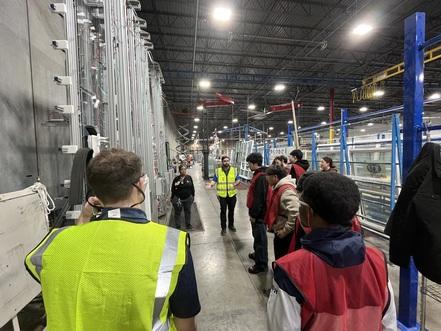
JELD-WEN focuses on developing young professionals who will continue to strengthen the manufacturing industry. Our U.S. internship program offers a 10-week experience across corporate functions as well as operations. In Europe, apprenticeships last up to five years, tailored to each country’s training needs, preparing professionals for success.
Measuring Employee Performance
Employees receive an annual performance review, with processes tailored according to the specific region of each local facility. Performance tracking is conducted through our HR system for those in executive, management, professional and support career tracks.
These employees engage in JELD-WEN’s Performance Management Program, a collaborative initiative aimed at enhancing employee performance throughout the year and pinpointing growth and development opportunities. The program encompasses three primary phases: performance evaluation, goal setting, and development planning. Employees within the support, manager, professional and executive categories16 participated in the 2025 performance management process. Additionally, production associates have a distinct, customized review process designed to foster their development and growth. The performance review process for the company’s executive officers is described in our 2026 Proxy Statement
Measuring Engagement
For several years, JELD-WEN used an Organizational Health Index (OHI) survey to support our transformation journey. In 2026, we launched a new Employee Engagement Survey. An important advancement in how we listen and understand our employees’ experiences, the engagement survey is strengthening ownership and accountability through online action planning tools that support team collaboration.
With approximately 8,500 responses, both full and part-time employees provided insights into our values-based culture. Based on survey results, approximately 85% of employees understand how their work contributes to company goals — well above industry benchmarks — and have a clear understanding of their work expectations
average hours of training per employee in 202517
~85% of employees understand how their work contributes to company goals
Diversity, Equity & Inclusion
Our Approach
Diversity, Equity & Inclusion (DE&I) is key to our global culture and driven by five values: build businesses ethically and safely, invest in people, inspire customers through innovation, deliver on our promises, and improve every day. At the highest level, we are committed to:
– Demonstrating leadership commitment and accountability that fosters an inclusive culture, allowing associates to feel connected to JELD-WEN’s purpose and values while enabling them to reach their full potential
– Building and maintaining a qualified, diverse talent pipeline that creates a highperforming workforce representative of the markets where JELD-WEN operates
– Promoting a diverse supplier ecosystem that drives competitiveness and innovation
JELD-WEN values an engaged workforce for a competitive edge. We encourage diverse contributions, authentic discussions and challenging the status quo. Our leaders promote these aims and support mentoring programs, Employee Resource Groups (ERGs), and an open-door policy for sharing ideas and concerns about company culture and strategy.
We define Diversity, Equity & Inclusion as follows:
Diversity
Our diverse associates, suppliers and customers bring unique perspectives and ideas. We aim to help our leaders and associates appreciate these differences as our organization grows.
Equity
Proportional representation focuses on fairness. Equity acknowledges that everyone starts from different points in life, society, education or career. At JELD-WEN, we aim to understand the necessary access or accommodations to ensure equity across teams and individuals.
Inclusion
Creating an environment that is respectful, collaborative and supportive encourages the participation and belonging of all employees. Developing an inclusive environment requires conscious effort and consideration from everyone involved. It is important to ensure all voices are heard, ideas are shared and associates are valued.
Actions and Outcomes
We commit to an inclusive culture from recruitment through our associates’ career journeys.
Employee Resource Groups
Our six ERGs represent our diverse workforce and are vital to our transformation journey. They promote inclusion and awareness, ensuring all employees are heard, celebrated and supported. ERGs foster communication and sharing, helping us value the benefits of diversity.
Recruiting Diverse Talent
At JELD-WEN, we believe diversity — in backgrounds, experiences, perspectives and problem-solving approaches — is essential to our long-term success. As an equalopportunity employer, we are committed to attracting, hiring and developing qualified candidates who bring a broad range of viewpoints to our organization. Our recruitment strategy emphasizes cognitive diversity and inclusive hiring practices across all levels, from early-career roles to senior leadership.
We recruit from a broad network of colleges, universities and professional organizations to strengthen our talent pipeline and welcome individuals with varied academic disciplines, lived experiences and career paths. We are dedicated to creating an environment where every employee feels valued, respected, and empowered to contribute, reinforcing our commitment to an inclusive culture and a resilient, innovative workforce.
In Europe, we have a focus on trade schools and work-study programs. Encouraging women to pursue manufacturing careers is
also a priority. We recruit from regional women’s colleges and collaborate with universities in Germany and Denmark on apprenticeship programs to support female students in exploring manufacturing careers.
Pay Equity
Equitable practices are essential for an inclusive environment. We aim to provide equal pay for equal work, based on skills and accountability, not gender or race.
JELD-WEN evaluates internal pay equity annually to help ensure workplace equity and fair compensation. Market salary range reviews are designed to maintain competitiveness, while internal pay reviews are designed to ensure equitable compensation across different jobs.
DE&I Training
Employees have access to more than 400 DE&I courses in more than 17 languages on the LMS platform. Unconscious bias training is provided, and in Europe, the talent acquisition team trains hiring managers in diverse recruitment principles.
Demographics
As an organization, we believe reflecting our markets and customers in our workforce is important to delivering the right services and products. We consider gender on a global scale and focus our ethnicity metrics on U.S. data only, which shows that in the U.S., 35 percent of our workforce is ethnically diverse
2025 Gender Diversity Metrics
All employees Board of Directors Executives
Community Engagement
Our Approach
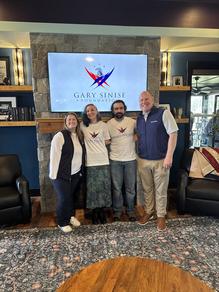
“ It’s humbling to see the impact these homes have on the lives of our nation’s heroes. We’re proud to play a small role in creating spaces where they can thrive, and we’re grateful to the Gary Sinise Foundation for making this possible.”
Joe Miranda, Director of Product Management, JELD-WEN; Chair, JELD-WEN’s Veterans’ Network ERG
We aim to make a lasting impact in every community we touch. Supporting our communities is central to who we are, and we encourage associates to contribute in ways that reflect their passions, whether on their own or alongside their JELD-WEN colleagues.
In 2025, we launched our Charitable Giving Policy to strengthen governance around how we support the communities where we live and work. It ensures charitable contributions comply with our Code of Business Conduct and Ethics, align with JELD-WEN’s purpose and values, and follow a consistent, transparent approval process. These
standards help us direct our resources responsibly and maximize the positive impact of our contributions.
We prioritize initiatives that foster a sustainable workforce, expand sustainable housing, and support a sustainable industry19. JELD-WEN provides financial and in-kind support to organizations that enhance community well-being, increase access to safe and affordable housing, and prepare the next generation of manufacturing talent.
In 2025, we supported a variety of organizations including the following through product donations, volunteer hours, or monetary contributions and commitments: The Gary Sinise Foundation R.I.S.E. Program, Purple Heart Homes, Construction Industry Education Foundations (CIEF), Builders Bridge, Lowe’s Foundation, and Home Depot Foundation®
Actions and Outcomes
The following initiatives exemplify our dedication to community engagement.
Crafting Comfort for Our Heros In 2025, JELD-WEN expanded its national partnership with Gary Sinise Foundation’s R.I.S.E. program, which builds specially adapted smart homes for severely wounded veterans and first responders.
Following our first donated-home project in 2024 for U.S. Army Staff Sergeant Dennet Oregon, JELD-WEN has now provided stateof-the-art windows and LaCantina® patio doors for several new homes across the U.S.
Our growing role in the R.I.S.E. program reflects JELD-WEN’s continued commitment to serve veterans and their families, making a lasting impact. Read the full story and see how we’re serving our veterans on the JELDWEN Newsroom.
Opening Doors to Skilled Trades In 2025, JELD-WEN partnered with Builders Bridge to help open doors for the next generation of skilled trades professionals
Through this partnership, we supported the four-week Navigator Program, which equips young adults with hands-on training, career guidance and the tools they need to begin meaningful careers in the home building industry.
This collaboration helps strengthen the skilled trades pipeline and supports the development of future industry professionals.
Building Futures for the Next Generation of Construction Leaders JELD-WEN and VPI™ Quality Windows partnered with the Construction Industry Education Foundation (CIEF) to inspire the next generation of construction leaders through the annual Design Build Competitions in California and Oregon.
By donating VPI™ windows and supporting hands-on learning, we helped students gain real-world building experience, explore future careers, and bring their creativity to life.
The completed student-built structures were later donated to local families and community organizations. Learn more on the JELD-WEN Newsroom.
GOVERNANCE
JELD-WEN’s governance framework is grounded in ethical conduct, transparency and accountability, strengthening the foundation of our business and supporting long-term value creation.
With robust corporate governance, we are delivering on our promises while prioritizing data protection and cybersecurity through a globally managed program aligned with recognized frameworks, supported by ongoing training, monitoring, and independent assessments to safeguard employee, customer, and company information. Our approach enables the proactive identification and management of key risks as we work to unlock JELD-WEN’s full potential for all stakeholders and achieve our sustainability goals.
Progress toward our commitment to source 100 percent of wood used in production responsibly by 2030 improved by 11 percent compared to 2024, driven by increased supplier engagement and updates to our Supplier Code of Conduct that reinforce accountability and responsible sourcing across our supply chain.
> Read more: Our ESG Governance, Cybersecurity, TCFD Index
UN Sustainable Development Goals
Our goals, commitments and key initiatives related to Governance support:
Sustainable Procurement, Workers In The Supply Chain
Our Goals and Commitments
By 2030, we plan to source 100 percent of wood for manufacturing that is certified by a recognized third party or not from a region of risk.
of Wood Used in Production is Responsibly Sourced by 2030 % of suppliers in compliance with our Global Wood Sourcing Policy
| 2025: 70% (11% improvement)
Our Approach
We source raw materials responsibly, managing sustainable practices in our supply chain to minimize our carbon footprint. Because many of our products are wood based and sourced from a renewable resource, we seek to work with landowners who apply sustainable practices and prioritize certified sustainable wood.
Policies
We are guided by a suite of policies related to sustainable procurement including our Global Wood Sourcing Policy Statement, Supplier Code of Conduct, JELD-WEN Code of Business Conduct, and Conflict Minerals Policy Statement.
In 2025, we updated our Supplier Code of Conduct to add explicit requirements for wood sourcing and supply chain traceability, strengthen data security, broaden human rights protections, and introduce a more comprehensive set of corporate compliance expectations, including the responsible use of artificial intelligence.
Further, our European Procurement Policy builds on our Supplier Code of Conduct to address European-specific sourcing requirements.
Human Rights
We are committed to protecting individuals’ rights and their basic human dignity along our supply chain. We hold our suppliers and business partners to the same high standards outlined in our Code of Business Conduct and Ethics. We do not do business with any entity that engages in human rights abuses. We aim to source materials responsibly and to ensure our business partners don’t manufacture or use conflict minerals, which may contribute to unrest in some countries. We actively engage with our stakeholders and direct suppliers to address sustainability, as well as the risk of human rights abuses, including forced labor and human trafficking, deep in our supply chain.
JELD-WEN requires all of its suppliers to comply with the applicable laws and regulations of the United States, and those of the respective country of manufacture or exportation.
See more here about our efforts to deliver nextgeneration supply chain transparency ahead of EUDR implementation.
Sustainable Procurement, Workers In The Supply Chain
Continued
Actions and Outcomes
Supplier Review and Assessment
Prior to engaging in business with a supplier, and throughout the term of the relationship, JELD-WEN assesses the supplier’s compliance with our ethical standards.
We employ a third-party risk and compliance assessment tool to assess and rate new suppliers and vendors based on adverse media, sanctions, watch lists and politically exposed persons. If a supplier is identified as non-compliant, we take decisive action by either terminating our business relationship or working closely with the vendor to achieve compliance, based on the nature of the compliance issue.
We evaluate our supply chain and identify high-risk exposures on parameters including known risks and country location. When issues are identified, we work with the relevant suppliers to help them improve.
Sustainable Wood Sourcing and Certification
As a leading member of the global fenestration industry, JELD-WEN purchases significant amounts of wood and wood fiber. Securing a long-term, sustainable supply of wood and wood fiber is crucial for our enduring success. In 2025, 70 percent of our suppliers were in compliance with our Global Wood Sourcing Policy. Suppliers are required to provide third-party certified wood products from regions of risk or evidence from other regions of the supplier’s compliance with the Policy at the request of JELD-WEN.
Our Responsible Wood Sourcing Committee meets regularly to review survey results and prioritize suppliers for confirmatory audits and assessments. To assess vendor responses for accuracy, we conduct testing of wood species and complete audits of select suppliers. In 2025, we surveyed 99 percent of wood suppliers in North America and reviewed supporting documentation in Europe to assess compliance with the new policy.
In Europe, 100 percent of our sourced wood was certified or controlled by third-party forest management standards. A total of 30 percent of wood sourced was FSC™ certified, 54 percent of wood sourced was PEFC certified, and 16 percent was controlled under FWSC CW or PEFC DDS
Supplier Visits
Our team conducts on-site visits with suppliers as necessary. These visits usually involve a tour of the plant, conversations with production workers, and a review of progress in the areas of safety, quality and cost. Discussions of sustainability efforts and audit findings also take place if necessary.
Employees who are responsible for supply chain-related decisions at JELD-WEN receive training on identifying and addressing unethical behavior in our supply chain.
“
Setting clear expectations for ourselves and those we work with helps us uphold ethical standards and strengthen a culture of safety, quality and accountability.”
Jas Hayes, EVP, General Counsel and Corporate Secretary
Product Quality & Safety
of JELD-WEN’s sites in Europe are certified according to the standard ISO 9001
Our Approach
“
By working together, we drive efficient, productive operations, better serve our customers, and look out for one another and the environment.”
Katren Sellik, Sustainability & Compliance Manager, JELD-WEN Europe
Our focus on quality and safety reflects our dedication to protecting our associates, our consumers and the environment. Safety and reliability are a priority as we design and manufacture our products. We rigorously test our products to ensure they are compliant with all applicable safety standards. Globally, we actively monitor regulations at the national and state level and engage with the appropriate offices to help ensure we comply with new regulations or determine a path to compliance. As we continue to pursue Cradle to Cradle certification in Europe, we consider material health, defined by Cradle to Cradle as “ensuring materials are safe for humans and the environment.”
To protect our associates and consumers from exposure to harmful chemicals, we maintain a sharp focus on chemicals within our raw materials. Our local teams, who are experts in jurisdictional regulations, assess any new products and reassess products after product changes.
Our products contain paints, glues and adhesives, sealants and other ancillary chemicals used during manufacturing and cleaning. Although such chemicals in our products tend to be present at lower concentrations compared to other industries, we continue to seek safer alternatives.
To support product quality and protect the health and safety of consumers and end users, we design and manufacture products to limit hazardous emissions during their use phase. Our approach integrates applicable regulatory requirements alongside recognized voluntary certifications and standards, such as ENERGY STAR®, Indoor Air Quality certifications, chemical management standards, and life cycle assessments, to inform safer material selection and product design.
Product Quality & Safety
Continued
Actions and Outcomes
Reimagining Energy Efficiency
Through research, testing and academic partnership, JELD-WEN is advancing the next generation of energy-efficient windows and doors. In collaboration with the University of Florida’s Rinker School of Construction Management, we helped launch a new fenestration research facility that evaluates real-world energy and thermal performance using modular, instrumented test structures that measure diverse climate and weather conditions throughout the year. Combined with data from our long-standing research site in Klamath Falls, Oregon, these biregional environments enable our teams to assess a range of design improvements and energy-saving advancements for homeowners. This work advances smarter product development, supports evolving building standards, and provides hands-on learning opportunities for the future generation of building science professionals. Read the full story in our JELD-WEN Newsroom.
Reducing VOC Emissions
Reducing VOC (volatile organic compounds) emissions from our products and factories is a priority. We adhere to testing standards in the regions in which we operate.
In North America, we test our products for VOCs to UL 2821 and assess any new product or potential supplier to the same test standard; 99 percent of our manufactured eligible products met VOC emission standards. We adhere to various testing standards in Europe based on the operating country.
In Sweden and Norway20 , 89 percent of our manufactured eligible products met emission standards criteria on VOC testing results.
We use VOC testing to assess compliance with global product stewardship laws including California’s
Proposition 65, which requires businesses to provide warnings to Californians about significant exposures to chemicals that cause cancer, birth defects or other reproductive harm.
The majority of paints in North America and Europe are water-based. Our goal is to improve safety, ease chemical requirements and further reduce our impact on the environment.
Implementing water-based and UVbased chemical systems help reduce both VOC and carbon emissions. For example, by replacing paints and adhesives at four European sites, we have reduced VOC emissions. We continue to investigate the use of LED curing solutions to add energy savings to our 100 percent UV systems. For more details on VOC emissions, see Air Quality
Introducing New Chemicals
We take steps to ensure chemicals within our raw materials comply with applicable regulations meant to protect consumer health.
Before introducing a new chemical, our sites in Northern Europe and the U.K. are required to apply for approval of the new chemical in our Chemsoft risk assessment module. Less harmful alternatives must be considered before a chemical can be approved. In other regions, our procurement teams work closely with suppliers to monitor chemical compliance.
JELD-WEN complies with regulatory standards on hazardous chemicals and materials across the regions in which it operates.
We use the SDS module in My EHS to maintain a repository of all safety data sheets for chemicals in our manufacturing sites. The module also includes a chemical approval process that will ensure the appropriate people in the organization are reviewing new chemicals, furthering our goal of additional transparency.
Corporate Governance & Ethics
Our Approach
We believe strong corporate governance supports long-term stockholder value. Our Board and executive team uphold high standards of ethics, transparency and integrity, and we routinely evaluate our governance practices in line with U.S. Securities and Exchange Commission and New York Stock Exchange requirements and stockholder input. Our Corporate Governance Guidelines and Code of Conduct outline how we operate, make decisions and support culture grounded in responsible, ethical behavior.
We strengthen our ethics and compliance program through four focus areas: clear policies, effective training, ongoing monitoring and timely corrective action when issues arise.
Actions and Outcomes
Board of Directors
Our Board reflects diverse perspectives, including expertise in sustainability, human capital, IT and cybersecurity, and regulatory affairs. In 2025, women comprised 40 percent of our Board. Directors receive regular access to continuing education to stay informed on key topics. More details can be found in Our Sustainability Governance Structure and our 2026 Proxy Statement
Corporate Ethics & Policies
Ethics and integrity are built into how we work. Our Code of Conduct, interactive, values-driven and accessible to all employees, helps guide decision-making and reinforces our commitment to lawful, ethical business practices. Additional policies support this foundation, including AntiCorruption, Antitrust, Anti-Harassment, Equal Employment Opportunity and Conflicts of Interest.
Our Whistleblower and Non-Retaliation Policy ensures employees and partners can report concerns related to compliance, ethics, accounting practices or human rights issues without fear of retaliation.
We respect the rights of our associates to engage in the political process. However, any gifts or payments to government officials, including politicians, with the hope of a business-related favor in return, may be considered a bribe and therefore are prohibited.
Our Human Rights Policy Statement reaffirms our commitments to freedom of association, collective bargaining, legal wages and benefits, responsible working hours, access to water and sanitation, living-wage aspirations, supply chain due diligence, and effective grievance mechanisms. We encourage reporting of any human rights concerns, and we work to address them promptly.
All associates, including manufacturing teams, have access to our company policies through our global Policy Portal and must attest to the Code of Conduct annually.
Training & Communication
We provide regular training on ethics, compliance, cybersecurity, anti-harassment (U.S.), and required global topics such as anti-bribery, anti-corruption, antitrust, data privacy, and our Code of Conduct. We reinforce ethical expectations through town halls, management meetings, and facility posters highlighting our 24/7 Ethics Helpline. Our membership in BELA supports continuous learning and best-practice sharing.
Empowered to Speak Up
We encourage associates to raise concerns and ask questions without fear of retaliation. JELD-WEN’s Ethics Helpline is available 24/7 to report issues or seek guidance anonymously (where permitted by law). We take every report seriously and ensure appropriate follow-up.
“ Having values is important, but putting them into practice is what matters most. Our Code of Business Conduct and Ethics helps guide how we bring those values to life every day.”
Edana Lewis, Vice President, Associate General Counsel and Chief Compliance Officer
DATA & DISCLOSURE
We continue to pursue high standards for transparency and reporting, grounded in validated and robust external sources. A unified framework for data collection helps ensure JELD-WEN’s accountability toward our sustainability goals and transparency in strategy, plans and roadmaps.
About This Report
JELD-WEN’s Sustainability Report is published annually, and is designed to align with ESG best practice reporting frameworks and standards such as the SASB for our industry ‘Building Products & Furnishings’, the Revised GRI Standards (2021) and the TCFD. The information reported covers the period January 1, 2025 to December 31, 2025, unless otherwise stated, and includes data about JELD-WEN Holding, Inc. and its consolidated subsidiaries, capturing the same entities and reporting period as our financial reports.
As we improve our sustainability reporting, we note that it may be necessary to restate our data. Reasons for restatements could include changes in reporting boundaries, metric definitions or calculation methodologies. We will highlight the restated items and reasons for restatement if we believe it would be meaningful information.
Certain energy, waste, and emissions data presented in this report have been restated to reflect updates in calculation methodologies and data refinement processes. Further, we have restated emission, energy and waste data due to a divestiture. Throughout this report, rounding may influence totals.
This report includes trademarks, such as JELD-WEN®, which are protected under applicable intellectual property laws and are the property of JELD-WEN or its subsidiaries. This report also contains trademarks, service marks, copyrights and trade names of other companies, which are the property of their respective owners. Solely for convenience, JELD-WEN’s trademarks and trade names referred to in this report may appear without the ® or ™ symbols. Such references are not intended to indicate, in any way, that we will not assert, to the fullest extent under applicable law, our rights or the right of the applicable licensor to these trademarks and trade names.
The publication date of this report is July 28, 2026
A review of relevant processes and select data elements have been conducted by our Financial reporting team, internal subject matters experts and external consultants to support accuracy and consistency. The information reported related to Scope 1, Scope 2 (location-based) and Scope 2 (market-based) GHG emissions has been externally assured. Our Independent Assurance Statement can be found in the Independent Assurance Statement section.
Association Memberships
Our participation in organizations, including the ones listed below, gives us the opportunity to influence policy, share best practices and highlight JELD-WEN’s achievements.
– British Woodworking Federation
– Business Ethics Leadership Alliance (BELA)
– Charlotte Regional Business Alliance
– Circular Action Alliance
– Fenestration & Glazing Industry Alliance
– Home Builders Association of Central Arizona
– Klamath County Chamber of Commerce
– Knox County Chamber of Commerce
– Manufacturers Alliance
– National Association of Home Builders
– National Fenestration Rating Council
– National Safety Council
– Rantoul Area Chamber of Commerce
– Western Wood Products Association
– Window & Door Manufacturers Association
– World Millwork Alliance
Forward-Looking Statements
This report contains forward-looking statements within the meaning of the Private Securities Litigation Reform Act of 1995. These forward-looking statements are generally identified by the use of forwardlooking terminology, including the terms ‘anticipate,’ ‘believe,’ ‘continue,’ ‘could,’ ‘estimate,’ ‘expect,’ ‘intend,’ ‘likely,’ ‘may,’ ‘plan,’ ‘possible,’ ‘potential,’ ‘predict,’ ‘project,’ ‘should,’ ‘target,’ ‘will,’ ‘would’ and, in each case, their negative or other various or comparable terminology. All statements other than statements of historical facts are forward-looking statements, including statements regarding our business strategies and related business and stakeholder impacts and our ability to execute on our plans, initiatives, projections, goals and commitments, all of which involve risks and uncertainties that could cause actual results to differ materially.
For a discussion of these risks and uncertainties, please refer to our Annual Report on Form 10-K for the year ended December 31, 2025, and our other filings with the U.S. Securities and Exchange Commission. Do not unduly rely on forwardlooking statements as actual results could differ materially from expectations. Forwardlooking statements speak only as of the date made, and we do not undertake to update or revise them to reflect changes, new information, or events that occur after that date, except as required by law.
This report does not cover all information about our business. References in this report to information should not be construed as a characterization regarding the materiality of such information to our financial results. While certain matters discussed in this report may be significant, any significance should not be read as necessarily rising to the level of materiality used for the purposes of complying with U.S. federal securities laws.
Material Topic Definitions
Environmental
Material Topic Definition
Air Quality
– Reduction and management of harmful pollutants emitted by JELD-WEN along the value chain that affect air quality including; NOx, SOx, PM10, dioxins/furans, VOCs, PAHs, heavy metals.
Biodiversity & Ecosystems – Protecting natural ecosystems and habitats from JELD-WEN activities along the value chain and conservation and restoration activities to minimize and reduce biodiversity loss or habitat degradation.
Climate & Energy
Innovation & Circular Economy
– Adaptation and mitigation of the impacts of climate change through JELD-WEN activities aimed at reducing emissions across its operations, along the supply chain and beyond (Scopes 1, 2 and 3), including transitioning to alternate or renewable energy sources, embedding efficiencies in manufacturing and providing energy-efficient products.
– Innovation of materials and use of circular principles to design products and promote manufacturing processes that are supportive of the circular economy, including management of waste through activities that minimize and divert waste from landfill and promote recycling where possible.
Water Resources – Responsible consumption and management of water resources, promoting minimization of water use, efficient use of water as well as the responsible treatment and disposal of water waste and effluents by JELD-WEN.
Social
Material Topic Definition
Community Engagement
– Community engagement, corporate philanthropy and fundraising driven by JELD-WEN and its employees to benefit the communities in which JELD-WEN operates.
Diversity, Equity & Inclusion – Fostering a diverse, equitable and inclusive workforce and culture through the equal treatment and equal access to opportunities for all employees.
Employee Working Conditions, Health & Safety – Ensuring the physical and mental well-being of JELD-WEN employees with best-in-class safety management systems, standards and training requirements preventing workplace injuries, fatalities and illnesses whilst promoting healthy working hours and a positive work-life balance and upholding human rights, labor and compensation standards.
Talent Attraction, Retention & Development – Delivery of robust and effective talent attraction and retention through the provision of competitive benefits and compensation packages and ensuring training and development opportunities to boost personal and professional growth of current and future talent.
Workers in the Supply Chain – Fair and compliant standards linked to human rights, health and safety of workers throughout JELD-WEN’s supply chain. This includes ensuring that workers in the supply chain do not face discrimination in any capacity and that there are robust anti-corruption guards in place.
Governance
Material Topic Definition
Corporate Governance & Ethics
– Ensuring transparent, ethical and accountable business conduct and corporate governance practices are in place to avoid instances of corruption, bribery, competitive behavior, conflicts of interest and unethical business and that these are adhered to.
Data Protection and Cybersecurity – Protecting and securing employee and customer data, as well as company data and IP with appropriate measures to reduce data and cyber risks, and ensuring the responsible and ethical use and management of AI.
Product Quality & Safety – The development of products that are of high quality and deliver a high standard of performance that supports the safety and security of consumers and end users, enhances the home environment and poses no health and safety risks of any kind.
Sustainable Procurement – Sourcing and procurement of raw materials using sustainable practices and techniques, or in alignment with sustainable certifications (e.g. FSC™ or Cradle to Cradle®).
Sustainability Data
Our Progress
Sustainability Data Continued
Waste (Metric Tons)
Sustainability Data Continued
Sustainability Data Continued
Executives = members of the Senior Leadership Team (SLT). Management = individuals
Sustainability Data Continued
Employees terminated prior to April 1, 2026 are excluded from the total.
Governance
/ Germany Central Region / Percentage of
Eligible
Topic training frequency is guided by our strategic plan that evaluates business priority. Ethics training excludes production associates, contingent workers, and associates hired in 2025 but terminated prior to January 10, 2026. The total does not account for those re-enrolled in training in 2026.
GRI Content Index
JELD-WEN has reported the information cited in this GRI content index for the period January 1, 2025 to December 31, 2025 with reference to the GRI Standards and in line with GRI 1: Foundation 2021.
General Disclosures
The Organization and its Reporting Practices
2-1 Organizational details
2-2 Entities included in the organization’s sustainability reporting
2-3 Reporting period, frequency and contact point
2-4 Restatements of information
2-5 External assurance
Activities and Workers
2-6 Activities, value chain, and other business relationships
2-7 Employees
Governance
2-9 Governance structure and composition
2-10 Nomination and selection of the highest governance body
2-11 Chair of the highest governance body
2-12 Role of the highest governance body in overseeing the management of impacts
2-13 Delegation of responsibility for managing impacts
2-14 Role of the highest governance body in sustainability reporting
Sustainability Report 2025:
– Introduction, Who We Are, page 7
Annual Report 2025, pages 9-16
Sustainability Report 2025:
– Data & Disclosure, About this report, page 39
Sustainability Report 2025: – Data & Disclosure, About this report, page 39
– Back cover, page 61
Sustainability Report 2025: – Data & Disclosure, About this report, page 39
The table below references the SASB Standard for the Building Products & Furnishings industry, as defined by SASB’s Sustainable Industry Classification System.
Topic SASB Code Requested Metric 2025 Response
Energy Management in Manufacturing
Management of Chemicals in Products
CG-BF-130a.1 (1) Total energy consumed
CG-BF-130a.1 (2) Percentage grid electricity
CG-BF-130a.1 (3) Percentage renewable
CG-BF-250A.1
CG-BF-250A.2
Product Life Cycle Environmental Impacts
CG-BF-410a.1
Discussion of processes to assess and manage risks and/or hazards associated with chemicals in products
Percentage of eligible products meeting volatile organic compound (VOC) emissions and content standards
Description of efforts to manage product life cycle impacts and meet demand for sustainable products
CG-BF-410a.2
Weight of end-of-life material recovered (metric tons)
Sustainability Report 2025: – Introduction, Who We Are, page 7
TCFD Index
This Report aligns with the recommendations from the TCFD, our voluntary disclosure on climate-related risks and opportunities. The Index below includes our responses to each of the 11 recommendations of TCFD.
Core Elements 2025 Response
Governance
Disclose the organization’s governance around climate-related risks and opportunities.
a) Describe the Board’s oversight of climate-related risks and opportunities. The Board of Directors, through its committees, has oversight responsibility for sustainability matters, including climate-related issues, and is committed to the company’s sustainability vision, which benefits JELD-WEN’s stakeholders. The Board is responsible for overseeing the Company’s business strategy, strategic planning and enterprise risk management program. At least annually, the Board reviews with management the strategic risks and opportunities facing the Company. The Governance and Nominating Committee (GNC) has primary oversight of sustainability matters at the Board level, with other committees focused on specific components of our sustainability initiatives. The GNC, along with the Audit and Compensation Committees, meet quarterly.
Sustainability is a scheduled agenda item in every Board meeting (standing agenda item). The GNC review material includes progress against our sustainability goals. Further, as applicable, the GNC will oversee the setting of corporate targets; the assessment for dependencies, impacts, risks and opportunities; and the climate transition plan.
b) Describe management’s role in assessing and managing climate-related risks and opportunities. Executive leadership is responsible for implementing the JELD-WEN sustainability vision with business leaders across our global footprint driving the company’s sustainability efforts. General Counsel is ultimately responsible for sustainability at the executive leadership level. The sustainability Steering Committee supports our ongoing commitment to sustainability matters and goals and ensures alignment with the company’s business strategy. This Committee is comprised of senior leaders across the company’s business and functions including Sustainability, Procurement, Environmental Health & Safety, Product R&D, and Talent Development. The sustainability team reports quarterly to the GNC on sustainability matters.
Strategy
Disclose the actual and potential impacts of climate-related risks and opportunities on the organization’s businesses, strategy and financial planning where such information is material.
a) Describe the climate-related risks and opportunities the organization has identified over the short, medium, and long term.
In the short- (zero to five years) and medium- (five to 10 years) term, our sites could be exposed to risk due to extreme temperatures, water stress, and flooding and drought. The majority of our asset value falls into the low risk category (less than 1 percent of asset value impacted by the climate hazard) with the exception of temperature extremes, which was identified as moderate (less than 5 percent of asset value impacted by the climate hazard) in the 2030s.
Medium- and longer-term physical risks include extreme heat, water stress, and drought and flooding that could increase strain on electricity and water at our production facilities, potentially resulting in increased utility costs, inspections, fines or work stoppages due to extreme heat conditions. Temperature extremes has the largest potential financial risk in the longer-term relative to other climate hazards. The overall risk from all climate hazards is low from the 2020s to the 2090s with the exception of temperature extremes (moderate) in 2080 and 2090. Results of our most recent climate physical risk assessment indicate that in the 2030s, .27 percent of our asset value is at risk from water stress under SSP1_2.6 (low carbon scenario) and .23 percent is at risk from water stress under SSP3_7.0 (high-medium carbon scenario). A total of .5% of our asset value is at risk from temperature extremes in the 2030s under both scenarios.
Our manufacturing and design processes are directly impacted by current climate-related regulations. Given the global reach of our facilities and the complexity of our operations, we are subject to a wide range of EH&S laws and regulations across multiple jurisdictions. Additionally, our products fall under various legal frameworks, including building codes, product safety standards, and energy efficiency mandates. We see climate-related opportunities as the economy shifts to lower consumption of fossil fuels. Consumer preferences are likely to move to more efficient options for homes and buildings constructed in line with global ambitions to reduce emissions. Consequently, we expect the demand for energy-efficient products to continue to increase. For more information, see page 10
b-c) Describe the impact of climate-related risks and opportunities on the organization’s businesses, strategy, and financial planning; Describe the resilience of the organization’s strategy, taking into consideration different climate-related scenarios, including a 2°C or lower scenario. We take a tailored approach to risk response, with a heightened focus on risks and opportunities with the highest magnitude of impact.
For example, to stay ahead of evolving regulations, our legal and compliance department diligently monitors emerging requirements. We believe we are well-positioned to respond to shifting consumer demand and emerging regulatory requirements with certified sustainable products, including Cradle to Cradle certified products in Europe and ENERGY STAR® in North America. For more details on product certification, see page 11
We believe we can enhance our resilience and navigate climate change’s complex challenges by taking a holistic and proactive approach that considers multiple scenarios, assesses risks and plans for adaptation and mitigation, while fostering collaboration and monitoring progress. It’s essential that we take climate change into account as we develop our strategies. Our commitment to sustainability extends benefits not only to our company and communities, but also to future generations.
Risk Management
Disclose how the organization identifies, assesses and manages climate-related risks.
a-c) Describe the organization’s processes for identifying and assessing climate-related risks; Describe the organization’s processes for managing climate-related risks; Describe how processes for identifying, assessing and managing climate-related risks are integrated into the organization’s overall risk management.
Risk assessment and monitoring is of increased importance as climate change poses a growing challenge to business operations. In 2023, we started redefining our ERM process to formalize our governance structure, risk identification and prioritization, and risk mitigation plans. The redefining of our ERM process worked in parallel with our double materiality assessment to make sure sustainability risks, including climate, were considered in our organizational ERM strategy.
To further assess JELD-WEN’s climate-related risks and opportunities, we conducted a climate scenario assessment in line with the TCFD in 2024. Our physical risk assessment was broadened to included all JELD-WEN facilities and was refreshed in 2025.
Our scenario analyses included two physical and two transition risk scenarios. Under each risk scenario, two scenarios were further chosen in order to consider the potential financial impact of both a ‘low carbon’ and a ‘high carbon’ scenario. In the most recent physical risk assessment, SSP1_2.6 (low-carbon scenario) and SSP3_7.0 (high-medium carbon scenario) were assessed to capture the two potential pathways of increased climate warming. Climate indicator data was collected for both of these scenarios for JELD-WEN facilities included in the 2025 statement of values for insurance renewals across nine physical climate hazards: pluvial flooding, riverine flooding, coastal flooding, tropical cyclone, wildfires, water stress, drought, landslides, and temperature extremes (extreme heat).
For transition risks, the low carbon scenario that was chosen was the Announced Policy Scenario (APS), which is linked to potentially higher carbon pricing in the countries where we operate, as well as increased demand for some of our key products. The high carbon scenario is the Stated Policies Scenario (STEPS), which yielded relatively low impact from carbon taxes or other transition risks. In 2024, we completed work with a consultant to formalize our ERM procedures and move to a fully ‘managed’ capability level with respect to ERM framework activities. A formal ERM charter, framework and policy are now in place. We have also formalized our risk identification and prioritization process to institutionalize risk prioritization and scoring, as well as developing mechanisms to identify new and emerging risks. Lastly, we have formalized risk mitigation plans and identified risk owners. With an enhanced ERM framework incorporated into our strategy, we have developed ERM education and training to raise awareness internally. Risk mitigation plans have been formed and are reported on regularly to the Audit Committee.
Metrics and Targets
Disclose the metrics and targets used to assess and manage relevant climate-related risks and opportunities where such information is material.
a) Disclose the metrics used by the organization to assess climate-related risks and opportunities in line with its strategy and risk management process.
Sustainability Report 2025:
– Environmental, Climate Change, Measuring our Emissions, Measuring our Energy Consumption and Renewable Energy, pages 15-17
Data & Disclosure, Sustainability Data, GHG emissions, page 42
b) Disclose Scope 1, Scope 2, and, if appropriate, Scope 3 GHG emissions, and the related risks.
Sustainability Report 2025:
– Environmental, Climate and Energy, Measuring Emissions, page 15-17
– Data & Disclosure, Sustainability Data, GHG emissions, page 42
c) Describe the targets used by the organization to manage climate-related risks and opportunities and performance against targets.
Sustainability Report 2025:
– Introduction, Our Goals and Progress, page 9
Type Identified Risks Description
Transition Risks
Current regulation
Current climate-related regulations can be relevant to our manufacturing and design processes. The geographic breadth of our facilities, the nature of our operations and many of our products are also subject to various climate-related laws and regulations.
Emerging regulation Emerging regulations are monitored by our legal and compliance department along with the ERM department and applicable regional teams, and we engaged a third-party consultant to review our upcoming European climate-related regulations and provide feedback on our implementation roadmaps.
Technology
Legal
Market
Physical Risks
Reputation
Acute physical
Changes in supply and demand due to technology change are monitored across the regions. In Europe, products with lower embodied carbon are favored by some consumers. By making our operations as efficient as possible through upgrading inefficient equipment like air compressors, we reduce the carbon required to make a product.
As a public company with global operations, we are subject to the laws and regulations of the United States and multiple foreign jurisdictions.
We monitor market risks including changing customer behavior, uncertainty in market signals and supply chain pressure in our ERM processes. We recognize different regional preferences for certain materials and products. For example, our energy-efficient windows are a strong preference in the United States. In Europe, some consumers have a heightened focus on embodied carbon.
Reputational risks such as shifts in consumer preferences and increased stakeholder concern or negative stakeholder feedback could impact JELD-WEN. Reputational risks are monitored in the ERM process.
Our climate-related risk assessment identified the increased intensity and/or frequency of extreme natural occurrences (hurricanes, floods, wildfires, etc.) as acute physical risks. These could lead to the closure of our facilities and other direct damages. We can take steps to minimize losses by reviewing insurance for adequate coverage and applying for additional coverage, as appropriate.
Chronic physical
The consequences of climate change might lead to a higher risk of drought and reduced supplies of water. Some of our facilities rely on water to produce steam to form door skins, and ensuring access to water and using water responsibly is our priority. To address these pressures, we are monitoring our current water use and exploring water reuse opportunities to reduce our water usage.
Independent Assurance Statement
Verification Opinion Statement Greenhouse Gas Emissions
Geosyntec Consultants, Inc (Geosyntec) was engaged by JELD-WEN, Holding Inc. (JELD-WEN) to conduct an independent verification of the greenhouse gas (GHG) emissions reported by JELD-WEN for the period of January 1 through December 31, 2025. This Verification Statement applies to the related information included within the scope of work described below.
The determination of the GHG emissions is the sole responsibility of JELD-WEN. JELD-WEN is responsible for the preparation and fair presentation of the GHG statement in accordance with the criteria. Geosyntec’s sole responsibility was to provide independent verification of the GHG emissions reported, and on the underlying systems and processes used to collect, analyze and review the information. Geosyntec is responsible for expressing an opinion on the GHG statement based on the verification. Verification activities applied in a limited level of assurance verification are less extensive in nature, timing and extent than in a reasonable level of assurance verification. The reliability of the assured data is subject to inherent uncertainties, given the available methods for determining, calculating, or estimating the underlying information.
Boundaries of the reporting company GHG emissions covered by the verification:
– Organizational: Operational Control
– Geographic: Worldwide, 136 Facilities1
– Exclusions from the boundary of JELD-WEN’s GHG emissions assertion include emissions from JELD-WEN’s joint ventures, partnerships, or other business arrangements where JELD-WEN does not hold a majority ownership interest or majority voting control
Types of GHGs: CO2, CH4, N2O
GHG Emissions Statement:
– Scope 1: 39,460 metric tons of CO2 equivalent
– Scope 2 (Market-Based): 110,160 metric tons of CO2 equivalent
– Scope 2 (Location-Based): 90,154 metric tons of CO2 equivalent
– Scope 3: Not Included
–
GHG Offsets Purchased: 0 metric tons of CO2 equivalent
Data and information supporting the Scope 1 and Scope 2 GHG emissions statement were primarily historical in nature.
Period covered by GHG emissions verification:
– January 1, 2025 to December 31, 2025
Criteria against which verification conducted:
The ‘GHG Protocol’ is used in this document to refer collectively to the Greenhouse Gas Protocol: A Corporate Accounting and Reporting Standard, Revised Edition and the GHG Protocol Scope 2 Guidance: An amendment to the GHG Protocol Corporate Standard.
– Scope 1. The World Resources Institute/World Business Council for Sustainable Development (WRI/WBCSD) Greenhouse Gas Protocol: A Corporate Accounting and Reporting Standard, Revised Edition. Scope 1 represents direct GHG emissions that occur from sources that are owned or controlled by the Corporation.
– Scope 2. The WRI/WBCSD Greenhouse Gas Protocol Scope 2 Guidance: An amendment to the GHG Protocol Corporate Standard. Scope 2 accounts for GHG emissions from the generation of purchased electricity consumed by the Corporation
1 This includes manufacturing, distribution, showroom, warehouse, and office locations as of December 31, 2025. Divestiture of the Towanda site in January 2025.
Independent Assurance Statement
Reference Verification Standard:
–
ISO 14064-3: Greenhouse gases -- Part 3: Specification with guidance for the validation and verification of greenhouse gas statements
Level of Assurance and Materiality Threshold:
– Limited 1,2,4
– This verification used a materiality threshold of ±5% for aggregate errors
2 Scope 2 emission factors for the non-U.S. facilities were verified using international grid factors that are publicly available.
3 Scope 2 domestic emission factors were referenced fromUSEPA 2023 eGRID emission factors (published January 2025). Geosyntec conducted its limited assurance audit using the2023 eGRID factors updated in June 2025 and has recommended that JELD-WEN use the most recently available eGRID factors for future GHG inventories.
4 Scope 1 mobile source emission factors in Benchmark were not differentiated between on-road and non-road vehicles, and emissions were based on fuel usage data. Geosyntec used stationary combustion emission factors from Table 1, "Stationary Combustion," in the USEPA Emission Factor Hub (2025) to estimate CH4 and N2O emissions for mobile sources. Benchmark emission factors for CH4 and N2O from mobile sources are closely to those in Table 5, "Mobile Combustion CH4 and N2O for Non-Road Vehicles," in the USEPA Emission Factor Hub (2025). This contributes to minor discrepancies in reported mobile source emissions between Benchmark and the Auditor's analysis.
GHG Verification Methodology:
A risk-based approach was used throughout the verification. Evidence-gathering procedures included but were not limited to:
– Interviews with relevant personnel of JELD-WEN;
– Review of documentary evidence produced by JELD-WEN;
– Review of JELD-WEN data and information systems and methodology for collection, aggregation, analysis and review of information used to determine GHG emissions; and
– Audit of sample of data used by JELD-WEN to determine GHG emissions.
Verification Opinion:
Based on the process and procedures conducted, there is no evidence that the GHG emissions statement shown above:
– is not materially correct and is not a fair representation of the GHG emissions data and information; and – has not been prepared in accordance with the GHG Protocol.
It is our opinion that JELD-WEN has established appropriate systems for the collection, aggregation and analysis of quantitative data for determination of these GHG emissions for the stated period and boundaries.
Statement of Independence, Impartiality and Competence:
Geosyntec conducted this verification independently and to our knowledge there has been no conflict of interest. Geosyntec has implemented a Code of Ethics across the business to maintain high ethical standards among staff in their day-to-day business activities.
The verification team has extensive experience in conducting assurance over environmental, social, ethical and health and safety information, systems and processes, has over 25 years combined experience in this field and an excellent understanding of Geosyntec’s standard methodology for the verification of greenhouse gas emissions data.
Tingting Jiang, E.I.T, Lead Verifier
Senior
Professional
Geosyntec
Consultants,
Inc Long Beach, CA 1 PA
Issued June 16, 2026
Lynn McGuire, P.E.1, Technical Reviewer Senior Principal Geosyntec Consultants, Inc Oakland, California 1 ChE, CA
This limited verification statement, including the opinion expressed herein, is provided to JELD-WEN and is solely for the benefit of JELD-WEN in accordance with the scope of work and the terms of our agreement. We consent to the release of this statement by JELD-WEN to CDP in order to satisfy the terms of CDP disclosure requirements but such is done at your sole risk and without Geosyntec accepting or assuming any responsibility or liability on our part to CDP or to any other party who may have access to this statement.
End Notes
1 Annual progress on our goals is available on page 9. We commit to net zero Scope 1 and 2 GHG emissions by 2050, supported by our pathway to net zero emissions outlined on page 15. Additional initiatives and pathways to reach our goals are available on pages 18-20, 23-25, and 33-34.
2 Based on publicly available EPDs as of June 2026.
3 Based on approximately 8,500 responses to the Employee Engagement Survey deployed in early 2026.
4 Consists of vendors that responded to our wood survey or we maintain region of harvest and responsible wood sourcing chain of custody information.
5 Eligible products consist of products manufactured by JELD-WEN and where VOC emission/content standards are applicable.
6 Total recordable incident rate and percent of suppliers in compliance with our Wood Sourcing Policy were added as goals in 2024.
7 ENERGY STAR® qualification for windows and doors is based on meeting specific performance thresholds for U-Factor (heat transfer/ insulation), Solar Heat Gain Coefficient, and air leakage rates, which vary by climate zone. Products must be tested and certified by the National Fenestration Rating Council (NFRC) to verify they meet these energy efficiency standards. Eligible products in the US can be searched at https://www.energystar.gov/productfinder, and eligible products in Canada can be searched at https://naturalresources.canada.ca/energy-efficiency/energy-star/products/list-certified-products.
8 Windows meeting ENERGY STAR® standards can reduce building operational emissions by approximately 12-13% on heating and cooling energy use. ENERGY STAR® products rated to meet Canada's best U-Factor code requirements (0.14 W/m²·K or better) qualify for the ENERGY STAR Most Efficient designation, requiring a U-factor of 1.05 W/m²·K (0.18 Btu/h·ft²·°F) or lower, or an Energy Rating (ER) of 40 or higher. Source: energystar.gov/products/res_windows_doors_skylights and natural-resources.canada.ca/ energy-efficiency/energy-star.
9 Information related to Cradle to Cradle bronze certification requirements related to material circularity can be accessed at https:// c2ccertified.org/resources.
10 Calculated by summing estimated kilowatt-hour consumed by energy consuming equipment on or for the process line based on run time per door at our North Wilkesboro, NC, US facility and Curator manufacturing process.
11 Energy from all external and self-generated sources including purchased electricity, heating, steam and direct fuel usage.
12 Recycled and renewable content is based on averages and can vary based on product size or supplier. Renewable materials are defined as certified, sustainable renewable sources.
16 Management positions include individuals who have a direct report; "associates" excludes production associates and contingent workers.
17 Employees terminated prior to April 1, 2026 are excluded from the total.
18 Ethnically diverse = self-reported race, all non-white categories.
19 Per JELD-WEN's Charitable Giving policy; 1) sustainable community is defined as organizations focused on bettering community where JELD-WEN associates live and work; 2) sustainable housing is defined as organizations focused on providing affordable and safe housing in communities where JELD-WEN operates; and 3) sustainable industry is defined as organizations focused on developing the future workforce through general education and/or skilled trade development.
20 Approximately 13% of 2025 revenue in JELD-WEN Europe.
21 Ethics training excludes production associates, contingent workers, and associates hired in 2025 but terminated prior to January 10, 2026. The total does not account for those re-enrolled in training in 2026.
22 The work-related hazards that pose a risk of serious injuries and fatalities (SIFs) in our facilities are the movement of materials using powered industrial trucks (PITs) near employees, work on electrical systems, working at heights greater than four feet, maintenance and troubleshooting of manufacturing machines and equipment requiring lockout or tagout, and operation of fleet vehicles and motor vehicles. The main types of work-related ill health are strained body part and ergonomic activities.
23 Management positions include individuals who have a direct report; "associates" excludes production associates and contingent workers.
24 Based on approximately 8,500 responses to the Employee Engagement Survey deployed in early 2026.