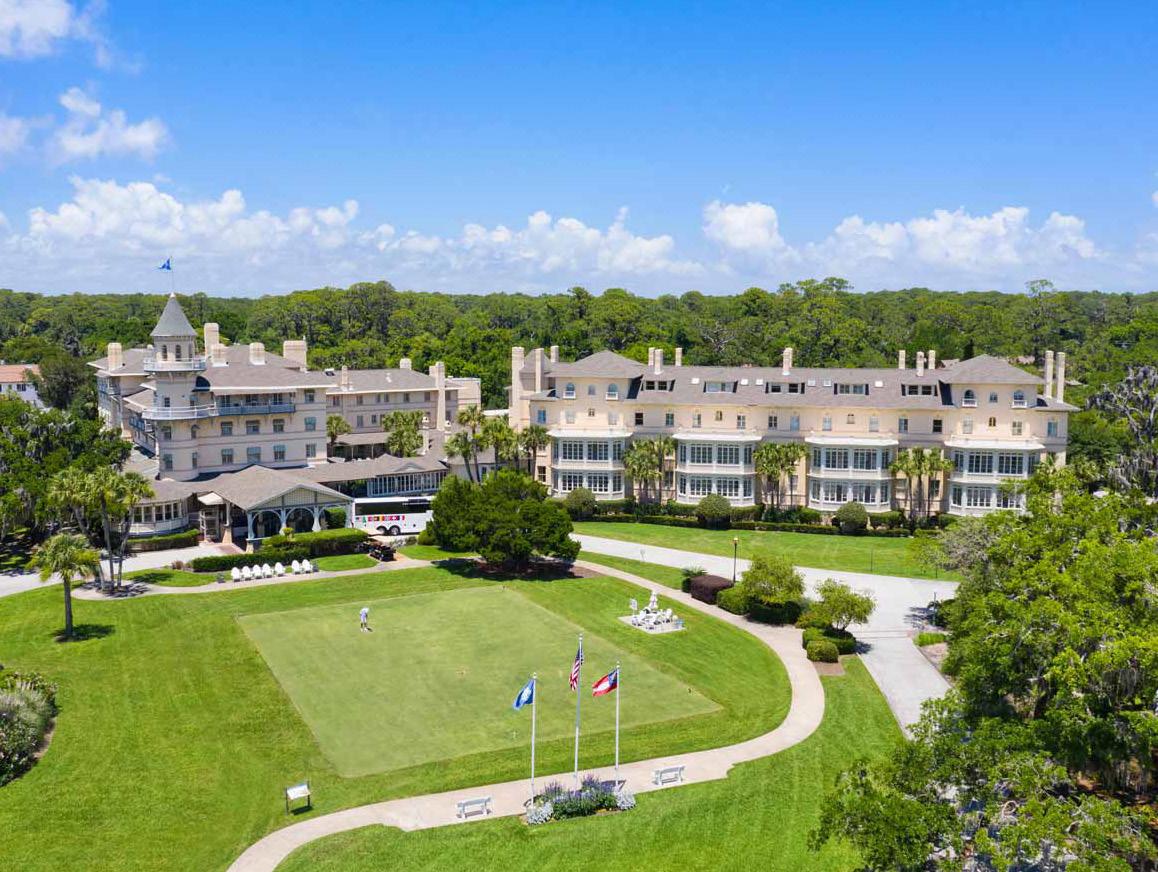
The newly renovated Jekyll Island Club Resort stands as the quintessential emblem of the Golden Isles in Georgia, presenting an enduring allure of timeless elegance. With its blend of waterfront lifestyle, captivating grounds, exquisite dining options, inviting pools, oceanfront access and an opportunity to escape the hustle and bustle, the resort promises to envelop guests in a tapestry of rich history and charm.
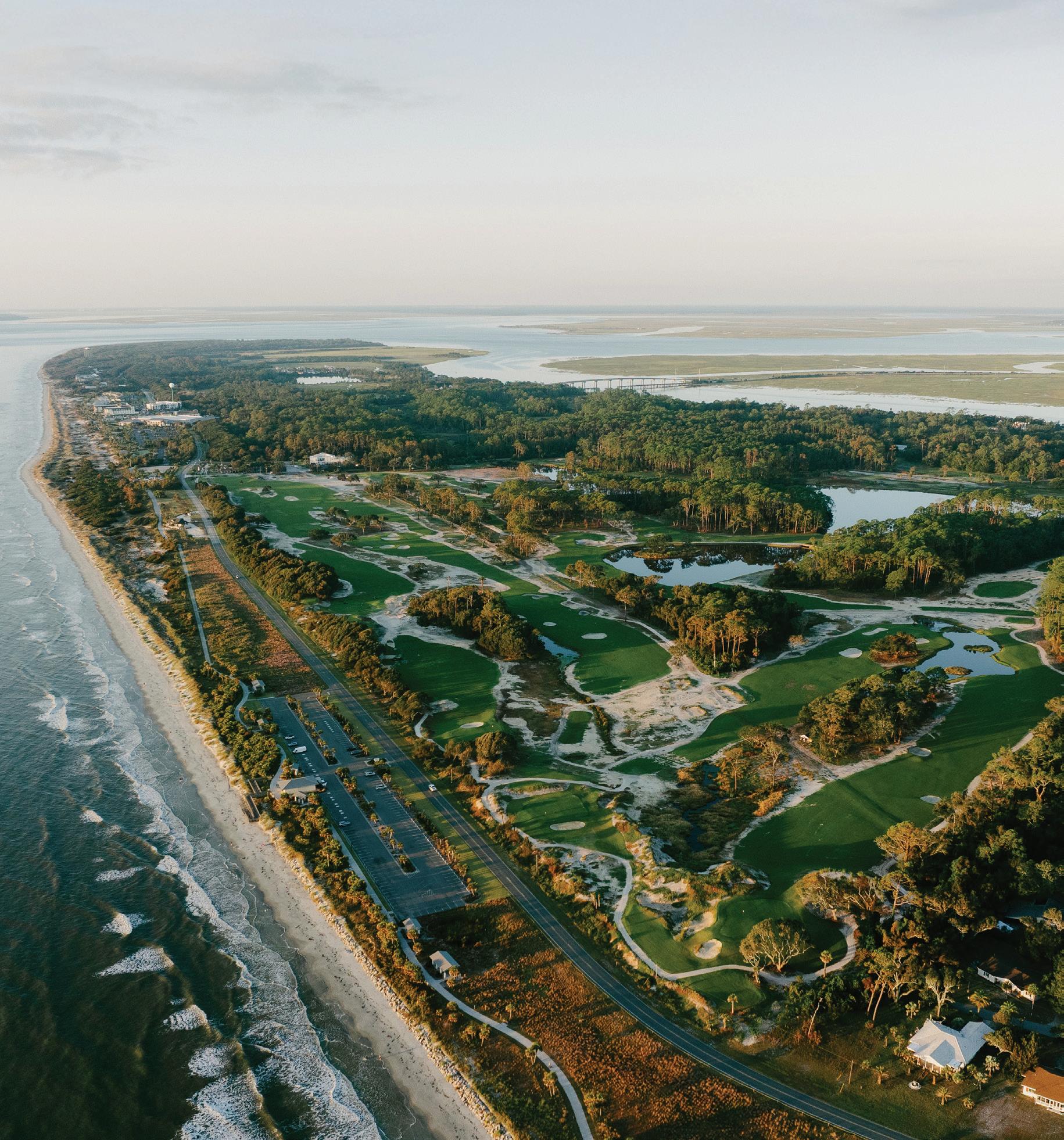

Players journey through wind-swept dunes, along oceanfront vistas, and through pristine maritime forest all thoughtfully preserved to honor the natural beauty of the landscape. Experience a timeless course, elevated for today’s game.
Newly restored. Book your tee time:





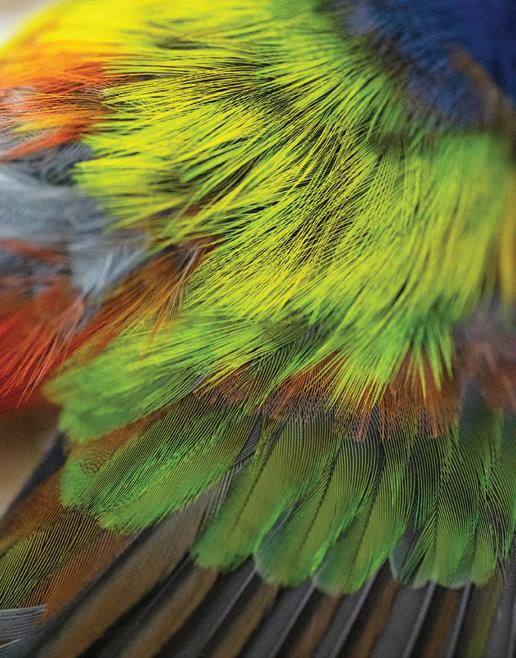


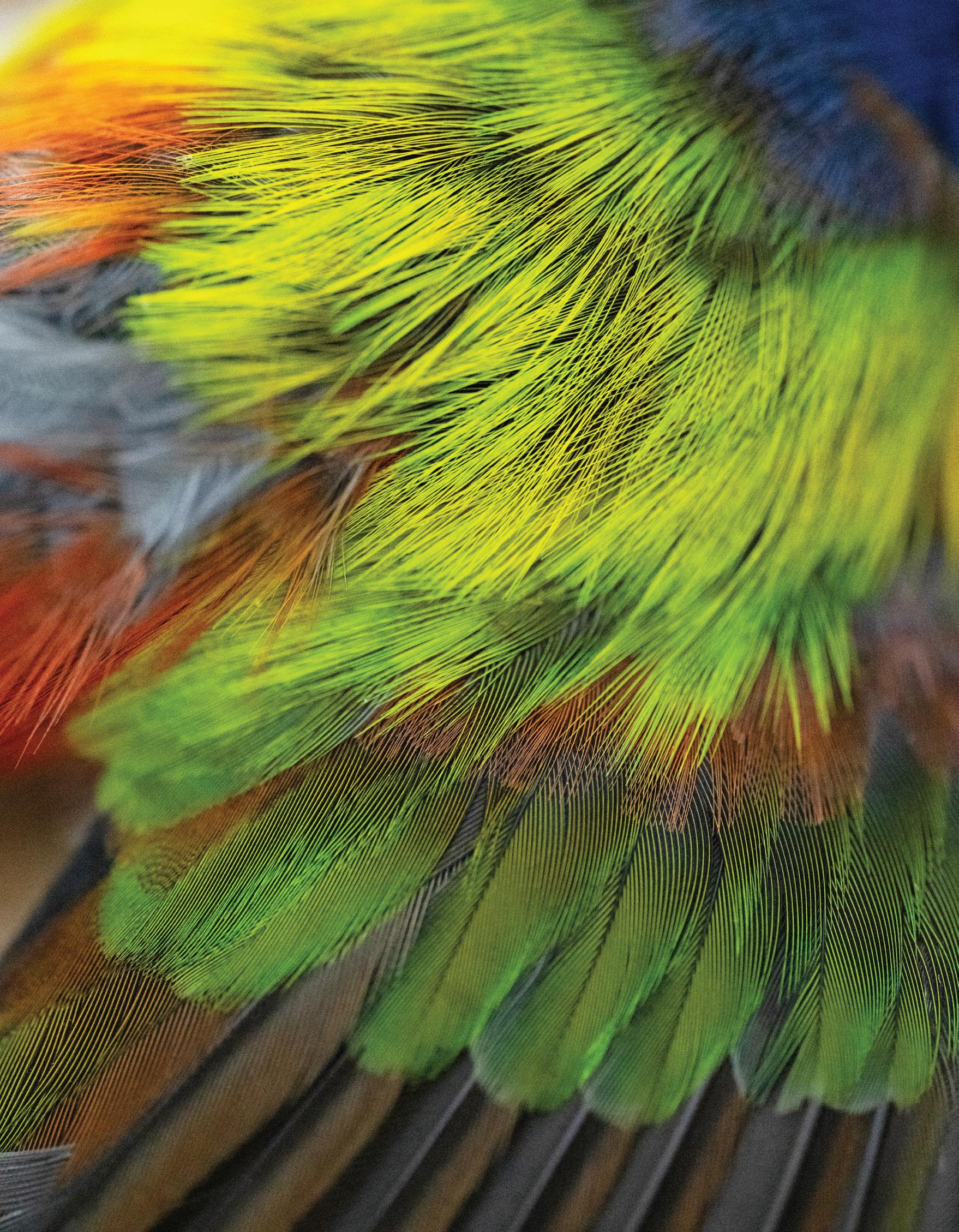
The painted bunting is one of North America's most vibrant birds. Each spring, these tiny songbirds stop along Georgia’s coast, bringing a burst of color to Jekyll Island.
photograph by allison leotis
Find us on social media:

@jekyll_island

@JekyllIsland
about 31 · 81
Published twice a year, 31·81 pairs stunning photography with thoughtful articles to tell the stories of Georgia’s most unique barrier island.
Jekyll Island lies at 31 degrees north latitude and 81 degrees west longitude.
subscribe
To subscribe at no charge, sign up at jekyllisland.com/magazine.
To update your subscription information, email magazine@jekyllisland.com.
100 James Road • Jekyll Island, GA 31527 jekyllisland.com
executive director
Mark Williams
director of marketing & communications
Alexa Hawkins
marketing communications manager
Lauren Buie
creative director
Claire Davis
senior graphic designer
George Alread
Photography courtesy of Jekyll Island Authority unless otherwise noted. This magazine was published by the Jekyll Island Authority in cooperation with Atlanta Magazine Custom Media. All contents ©2026. All rights reserved.
publisher Sean McGinnis
editorial director
Kevin Benefield
editor
Lauren Finney Harden
art director
Tara McCarthy
associate publisher Jon Brasher
production director
Whitney Tomasino





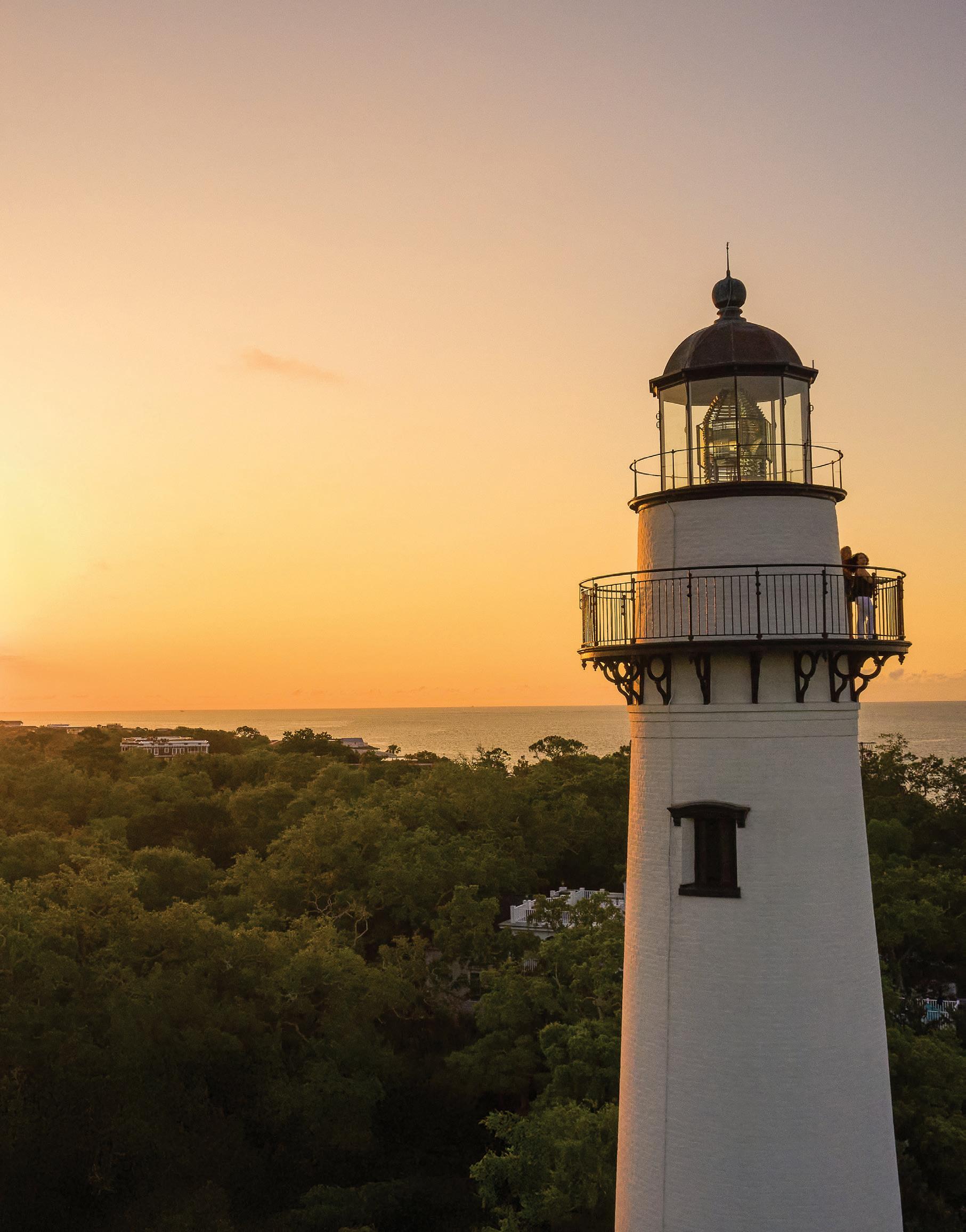
Surrounded by shimmering marshes, maritime forests, and wide sandy beaches, the Golden Isles is a coastal treasure. Spend your time in the sunshine with scenic bike rides, guided tours, and discoveries rooted in coastal history.
Five Coastal Experiences. One Southern Getaway, Uniquely Golden.



It’s a good feeling to know this island is still doing what it was always meant to: bring people together."
This past year was a season of new beginnings on Jekyll Island. We welcomed visitors from around the country, unveiled long-awaited projects, and watched new chapters of our storied history take shape across the island. Years of planning and steady work came to life. Now, as we head into spring and summer, we’re seeing these new and renewed spaces filled with laughter, music, and the everyday moments that make all of the effort worthwhile.
A new event series, District After Dusk, brought families together, neighbors dancing to live music, and sidewalks busy well past sunset. Not long after, Riverside Live filled the lawn at the historic Gould Casino with the familiar sound of Southern rock, just as it did nearly 60 years ago.
And at Great Dunes Golf Course, we’ve seen another exciting chapter unfold. The course restoration and reopening has been widely featured and celebrated, and that recognition has meant so much to everyone who worked to revive it. What’s been especially rewarding, though, is watching it come back to life with eager new golfers and repeat visitors. And there’s still nothing quite like that first glimpse of the ocean as you reach the fourth hole.
Of course, the excitement carries far beyond the fairways, and this is the season to get outside and enjoy it all. Since its earliest days as a Gilded Age retreat, Jekyll has always been a place for gathering—on the course, along the trails, and around the dinner table. Seeing that tradition continue, in both new spaces and familiar ones, is a reminder that some purposes stand the test of time. It’s a good feeling to know this island is still doing what it was always meant to: bring people together.
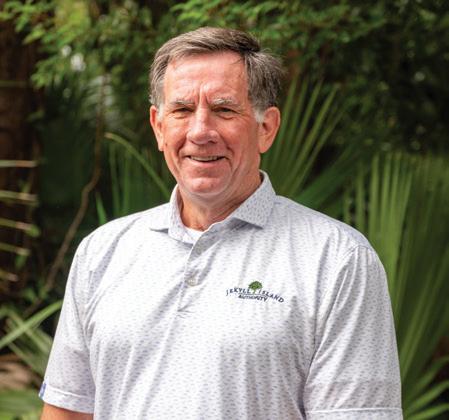
Executive Director, Jekyll Island Authority
Glen Willard chairman Richmond Hill, GA
Walter Rabon commissioner, dnr Monticello, GA
Joy Burch-Meeks Screven, GA
Dr. L.C. “Buster” Evans vicechair Bolingbroke, GA
Ruel Joyner Savannah, GA
Robert “Bob” W. Krueger Hawkinsville, GA
William “Bill” H. Gross secretary/treasurer Kingsland, GA
Dale Atkins Baxley, GA
Joseph B. Wilkinson St. Simons Island, GA
Jekyll awakens something in me, especially during spring, the most hopeful season.
” "
I think a lot about the word “buzz.” It’s overused, sure, but there’s a hint of whimsy and vibrating energy that the word captures that is really hard to replicate. It hints at beginnings, at something gently coming to life. In other words, it’s the perfect word for describing Jekyll Island in the springtime.
My perfect spring day on Jekyll would involve hitting all the senses: the taste of freshly brewed coffee from Wake Up Coffee Company, now on Pier Road; the smell of the salt from the ocean breeze; the sound of birds chirping near Horton Pond. I’d also add the sight of visitors on the Landmark Trolley tour, stopping at Hollybourne and other historic cottages, and the feel of the wind in my hair as I bike towards St. Andrews Beach. Jekyll awakens something in me, especially during spring, the most hopeful season. Our spring issue dives into fresh perspectives. Our feature about The District Shops (56) examines how Jekyll has brought new life to a historic corridor, and a delightfully creative Club Era personality quiz (66) provides a unique twist on historical figures.
We also cover the natural world for which the island is so well-known. Muriel Vega elevates my favorite food, the lowly shrimp (16), and explores the beauty of powderpuff mimosa flowers (14). Tony Rehagen gives an in-depth look at how pollinators move around the island and beyond (30), and Jennifer Bradley Franklin offers a guide to foraging with historical context (46).
As Jekyll springs to life, I hope you can enjoy its vibrations as much as I do.
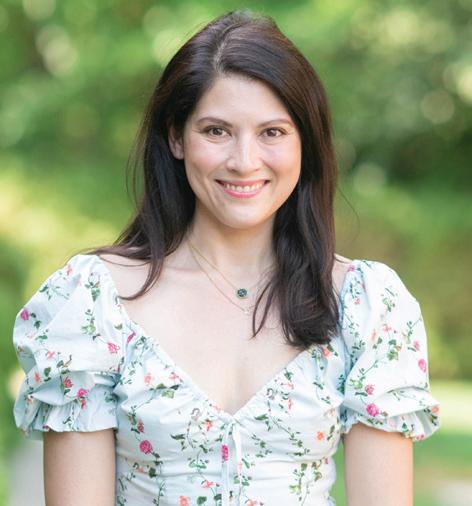
Lauren Finney Harden Editor
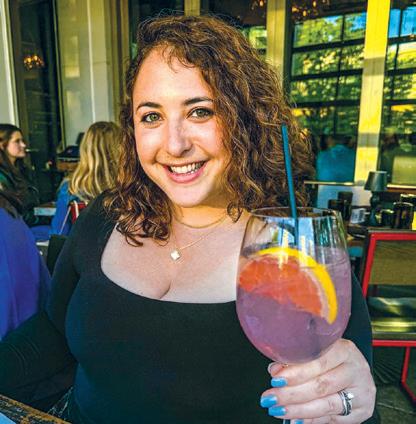
Sarah Bisacca is an Atlanta-based journalist specializing in high-end hotels, culinary travel, and the hospitality industry with bylines in Forbes Travel Guide, Eater, DiningOut, and Southern Living, among others. Her beat spans all things food, spirits, wellness, and destination travel — though she still makes room for theme park adventures.
Katie Kelly Bell has been sleuthing out the best in wine, food, and travel for over 20 years. You’ll find her work in Robb Report, Food & Wine, and Forbes. She is also the co-author of The Everything Guide to Ireland and a Magnolia Award–winning writer and editor. Based in Atlanta, she holds a WSET Intermediate Certificate.

Tony Rehagen is a freelance writer based in St. Louis, who, like the migratory animals he writes about in this issue, is an annual visitor to Jekyll, and has been for more than a decade. His work has also appeared in Atlanta, Garden & Gun, Bloomberg, and the Washington Post.
Tours depart daily from Mosaic, jekyll island museum. RESERVE your spot:

Crane Road Trail is a journey through the island’s prosperous past BY
WTESS MALONE
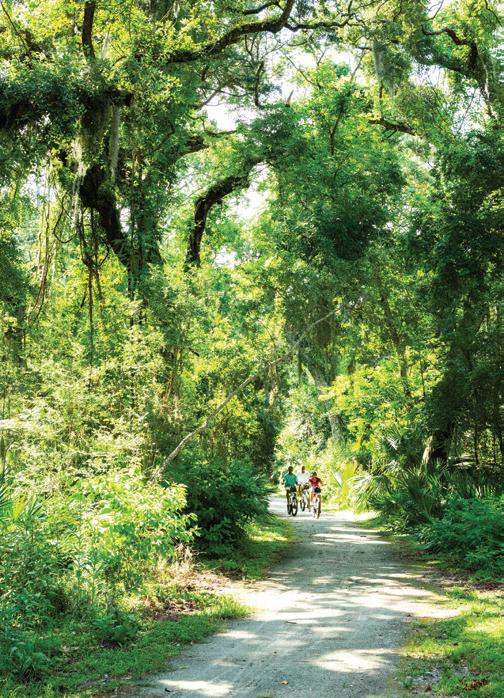
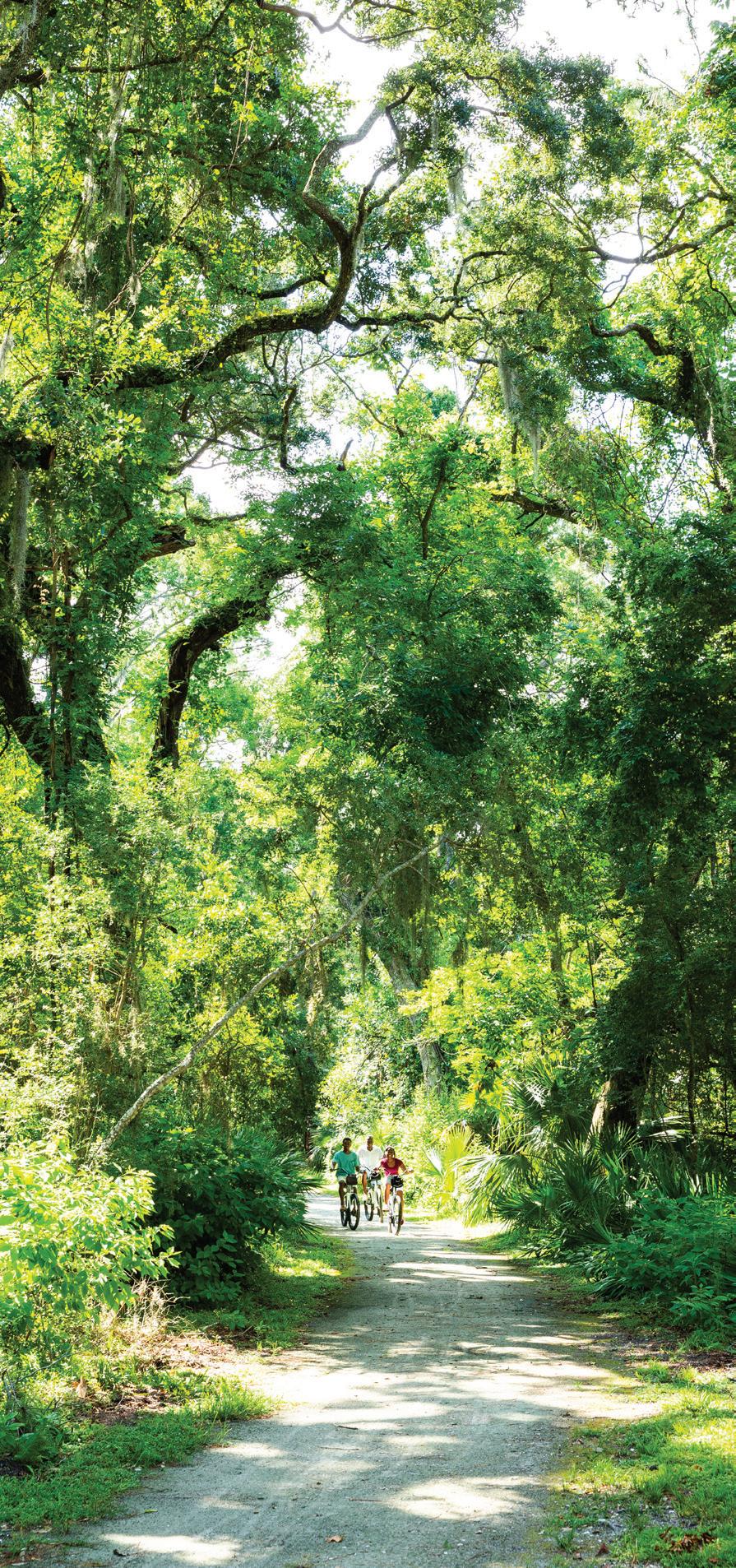
hen visitors bicycle across Jekyll Island’s 24 miles of trails, they are riding over a piece of history. One of the island’s oldest routes makes up less than two miles, but its history is decades long. The Crane Bike Path, now known as Crane Road Trail, was first found on maps in the 1920s as part of the famed Jekyll Island Club, but it is now open to everyone.
The bike path honors an iconic resident. Richard Teller Crane Jr. was the second wealthiest man in Chicago in the early 1900s. His fortune came from the Crane Company, a plumbing supply outfit whose hardware was so fancy it created the concept of luxury bathrooms. Crane also had a reputation for his “genial manner and charming personality,” says Andrea Marroquin, curator at the Jekyll Island Museum.
Crane was a natural fit for the exclusive Club’s moneyed and good-humored clientele, and joined in 1911 at the invitation of businessman Cyrus Hall McCormick Jr. Crane was “delighted” with the island, exclaiming in a 1912 letter to McCormick, "It is just the kind of place that suits me, and I hope we can get here every spring." His
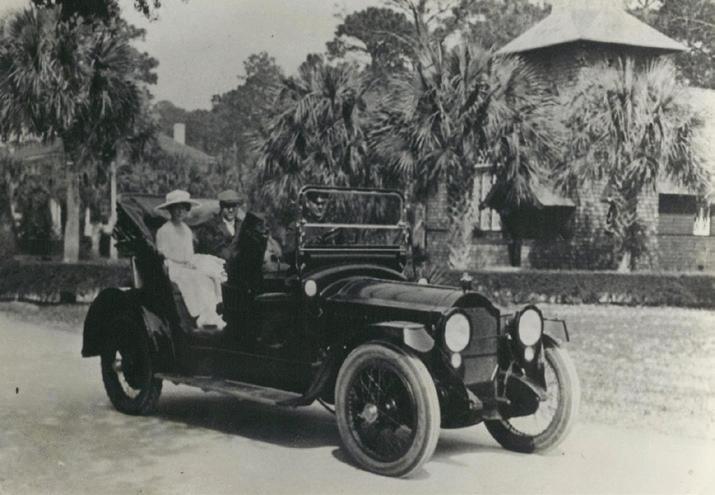
wife, Florence Higinbotham Crane, agreed and eventually became a member of the Club herself.
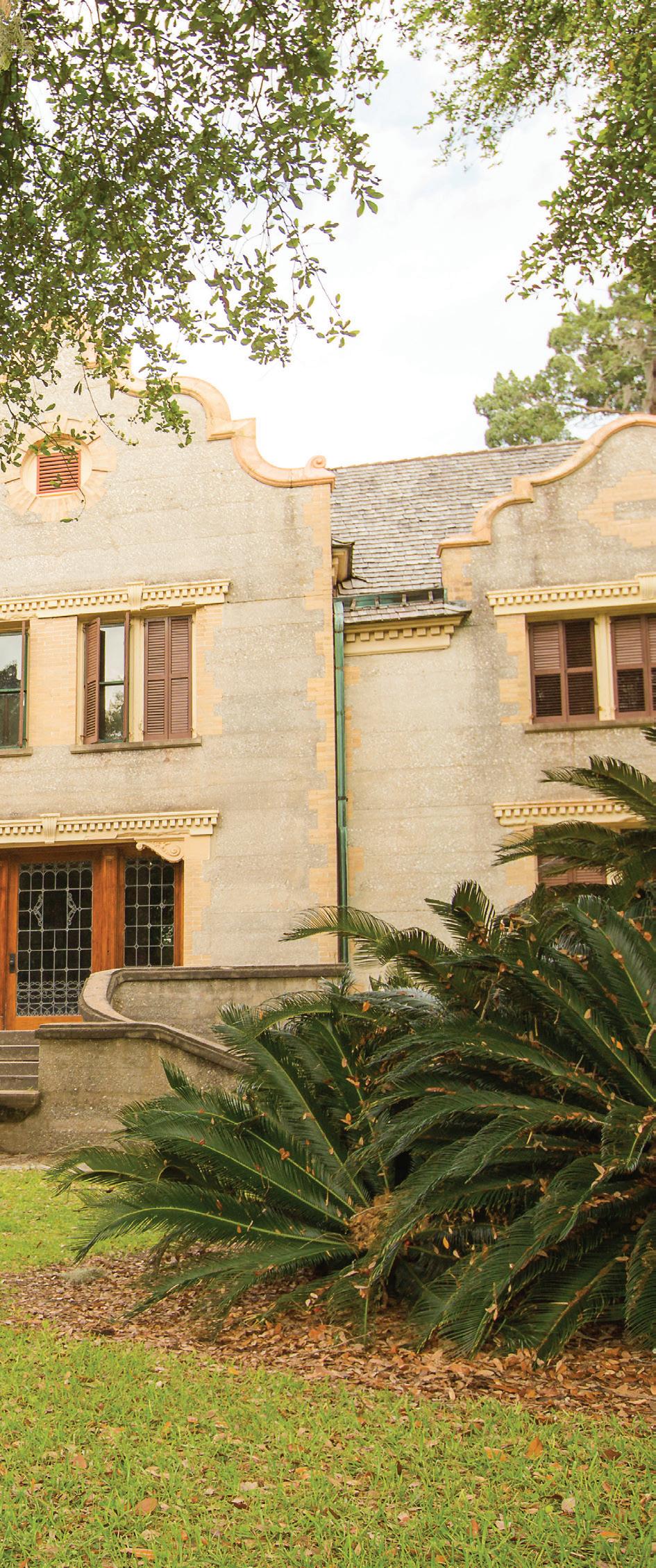
By 1917, the couple built a vacation retreat dubbed the Crane Cottage, though it was a cottage mostly in name only. The magnificent manse had 20 rooms and 17 bathrooms—the largest and most expensive dwelling on the island at the time. While many island inhabitants found it too flashy, the cottage still stands today as part of the Jekyll Island Club Resort, bookable for weddings and large events. Although the house might have been considered gargantuan and gaudy for the time, the Crane family was well-liked across the island for their leadership and donations to the Club. From helping to fund the Great Dunes Golf Course to sponsoring annual tennis tournaments, the Cranes were a crucial part of creating the culture and recreation of the island during its peak Club years from 1886 to 1947.
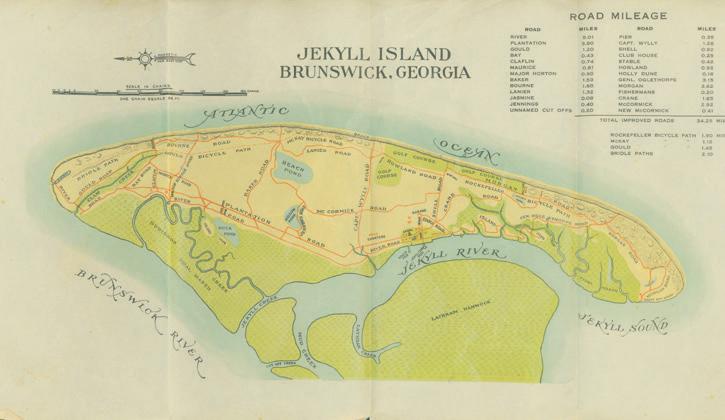
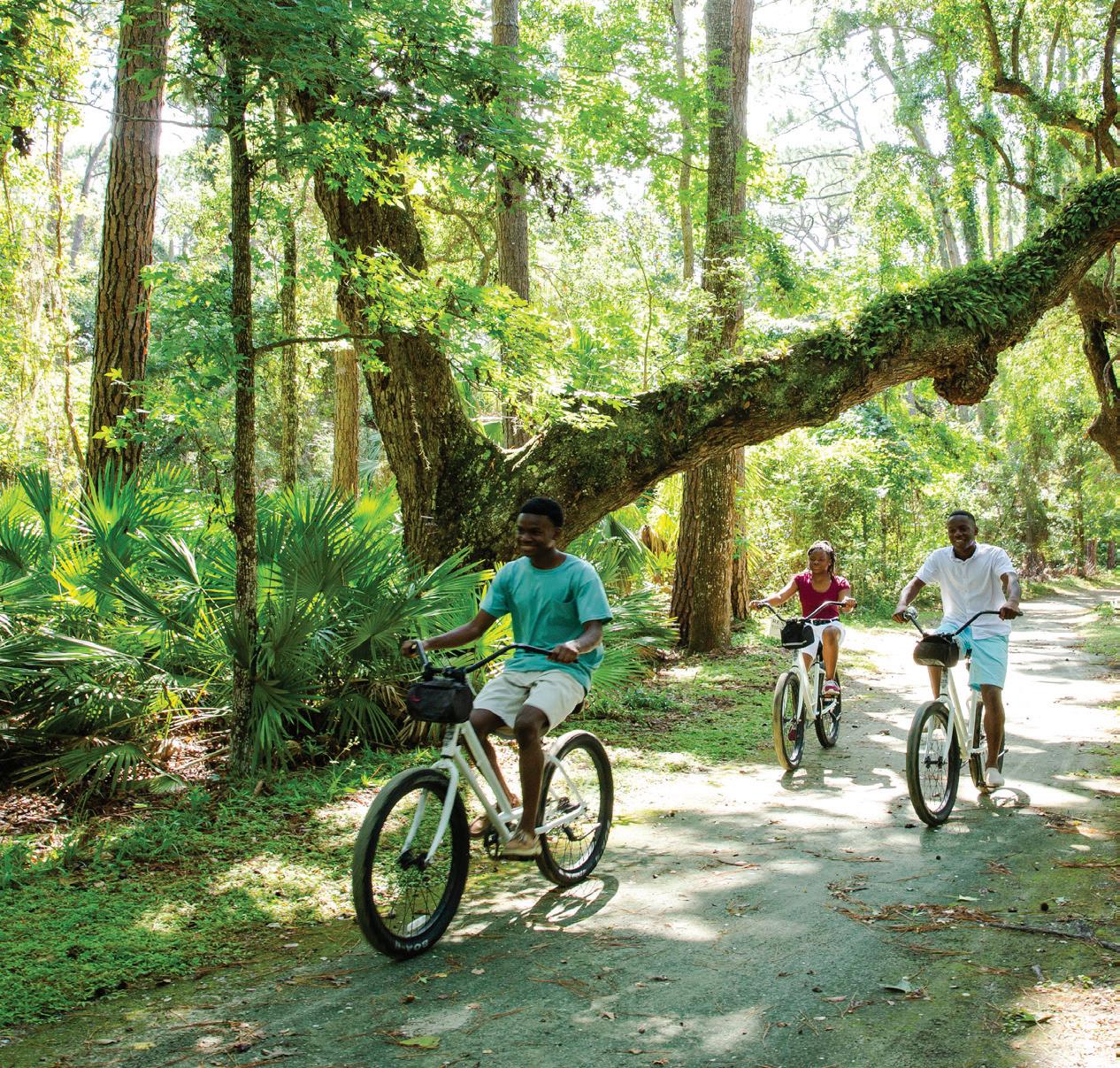
One of their most enduring legacies is the Crane Bike Path. The 1.65-mile trail runs from the intersection of Stable and Shell Roads to where the Courtyard & Residence Inn is currently located. While now used as a
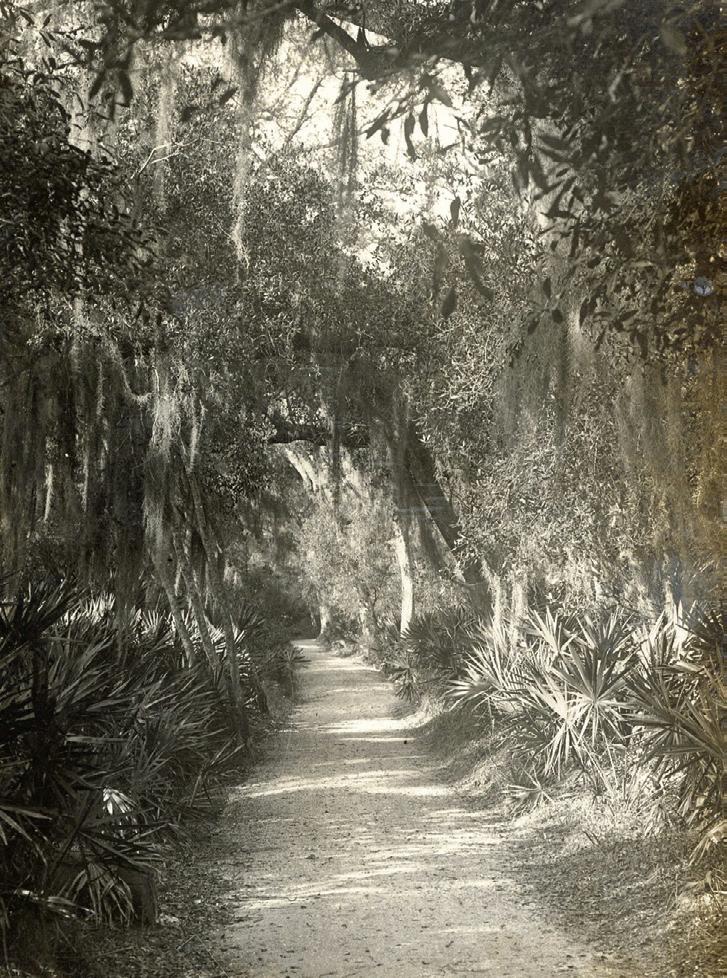
cycling path, a century ago, horses, carriages, and red bugs (open-air buggies) traveled down the trail. “Today, just as it was in the Gilded Age, Crane Road Trail is a scenic journey of discovery into the island's ecosystems,” says Marroquin. “Whether on bike or on foot, the trail is a pleasant excursion for exploring the island's diverse habitats.”
To experience everything the path has to offer, go on a Ranger Walk from December through March with Jekyll Island Authority's conservation department. “This section of bike path is home to some of the most diverse plant and wildlife populations on the island,” says Ray Emerson, the lead park ranger. “It's an ‘experience’ using all of your senses, including smell and taste.” Expect to see bald eagle nests, but every walk is unique and tailored to guests’ interests. It’s in these walks that the Cranes’ legacy of recreation and exploration lives on.
BY MURIEL VEGA
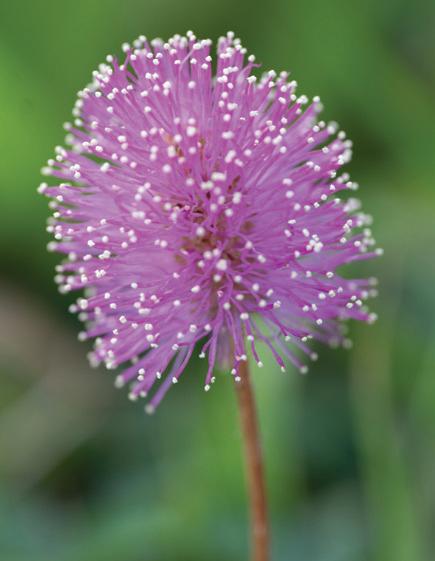
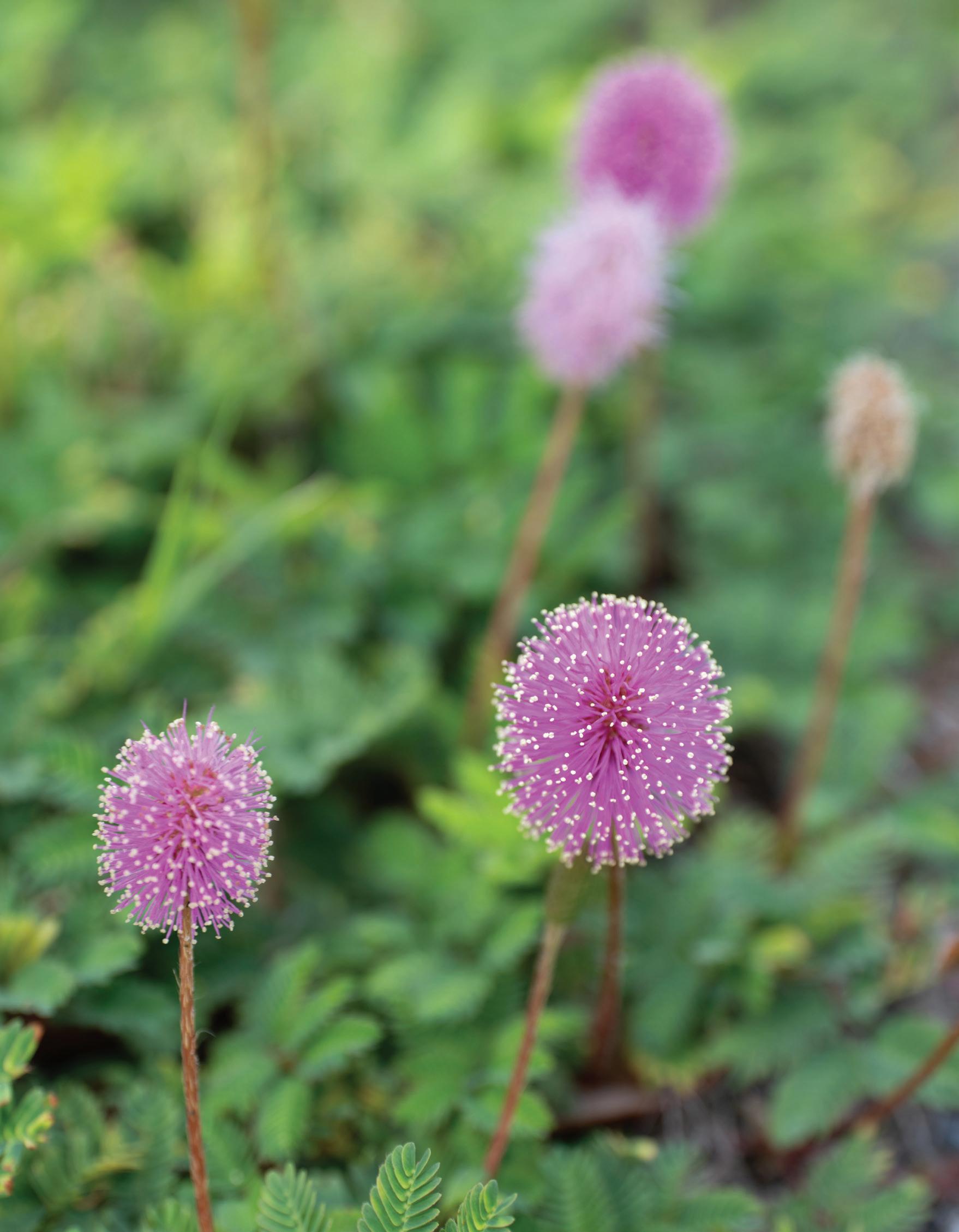
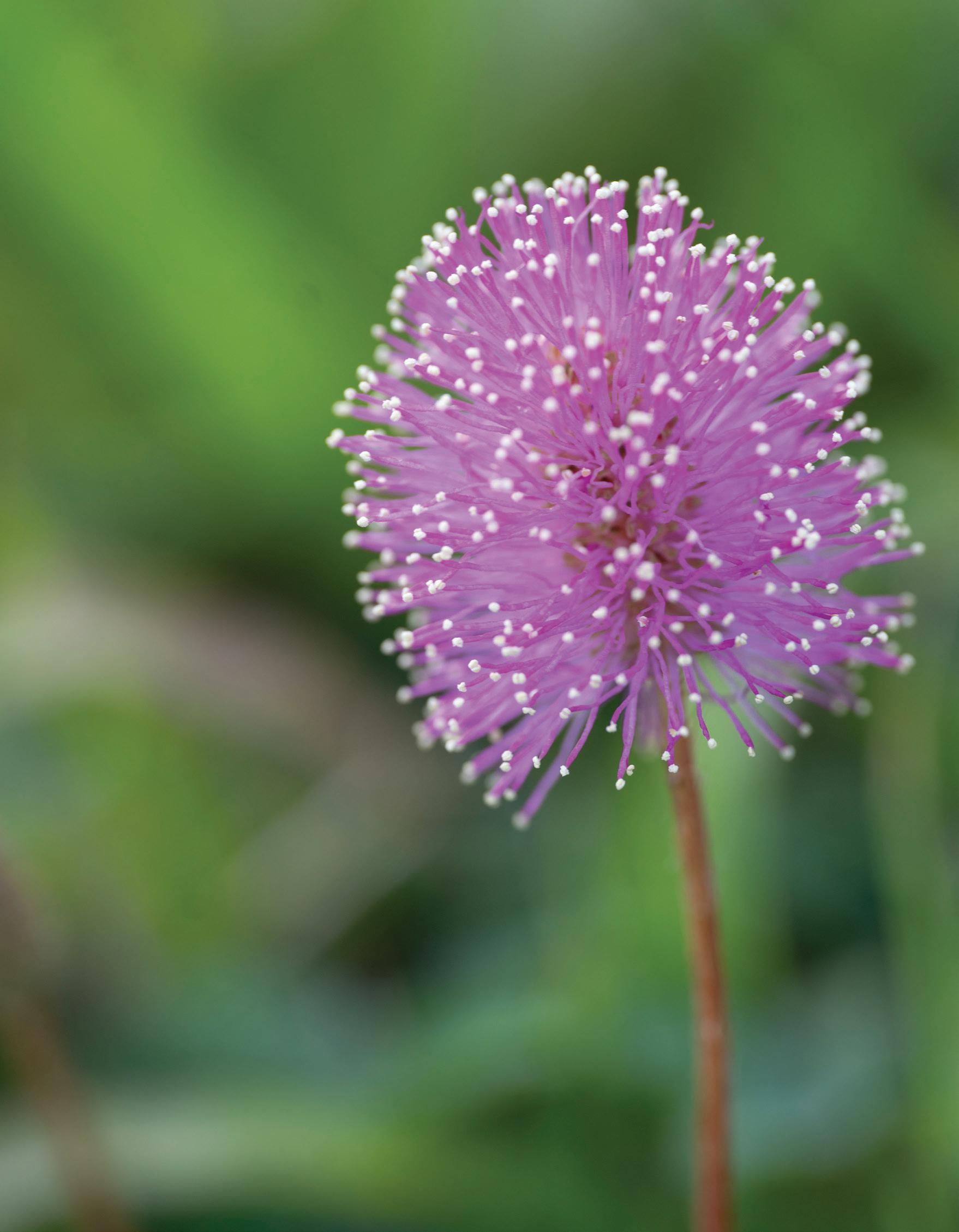
Despite its small size, the low-growing powderpuff mimosa (Mimosa strigillosa) offers many benefits to the Jekyll Island ecosystem beyond just pollination and erosion control. As a member of the legume family, this plant acts as a nitrogen fixer, enriching the soil with nitrogen and helping neighboring plants to absorb more nutrients.
Powderpuff mimosas are a state priority species. This means people are discouraged from touching, collecting, or harming them to help conserve them, although the flower does have a built-in protection mechanism: It will close its leaves if touched.
While they only grow in a few spots on Jekyll Island, you can plant them in your own garden to enjoy. Jekyll Island Authority’s director of conservation, Yank Moore, says, "Their dense root system provides erosion control and can actually suppress weeds once established due to their ability to spread as groundcover. They can handle being mowed, and have the ability to withstand foot traffic."
FOOD • COLD DRINKS • HISTORIC CHARM
NOW OPEN IN THE DISTRICT SHOPS ON HISTORIC PIER ROAD
This lowly crustacean is a symbol of coastal Georgia
BY MURIEL VEGA
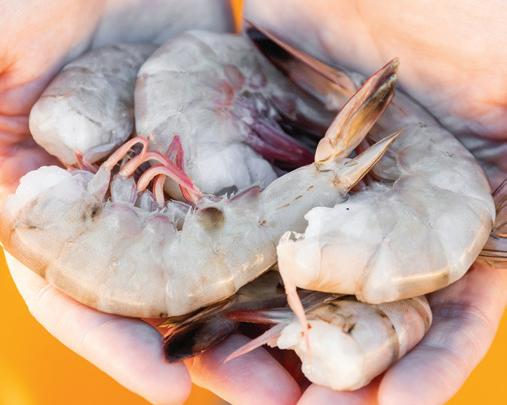
Shrimp have long been associated with coastal Georgia and the Golden Isles and can be found in abundance in the state’s nutrient-rich and protected salt marshes near Jekyll Island. The two most common species that thrive in Georgia brackish waters are white and brown shrimp, according to Yank Moore, the director of conservation for the Jekyll Island Authority. "White shrimp are more common and are highly valued for their texture and flavor. However, brown shrimp also play a role in the commercial shrimp industry,” he says. Rock
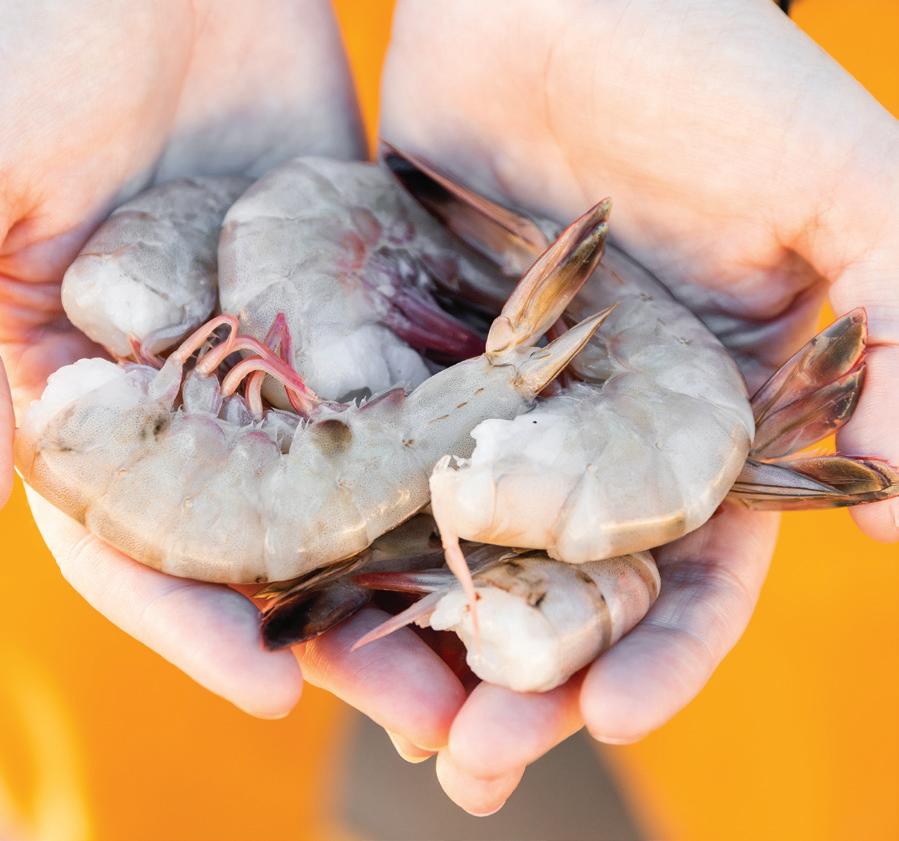
shrimp and pink shrimp also live among brown and white shrimp, but are less common.
Besides dinner table delicacies, shrimp are essential to the coastal ecosystem's food chain. After female shrimp hatch thousands of eggs in the open Atlantic Ocean, the tiny larvae float away with the current until they reach the cordgrass marsh waters near the coast, their nursery. These brackish waters are less salty, shallower, and
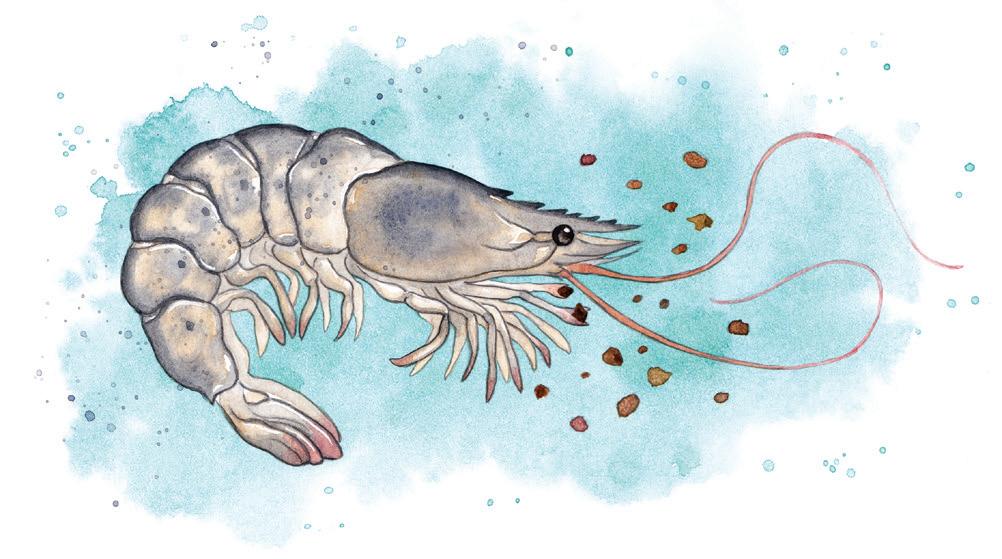
They are opportunistic omnivores who consume decaying plant matter, algae, and plankton.
provide ample hiding spots from predators, allowing the juvenile shrimp to grow and accumulate nutrients. During this period, they also help maintain water quality by managing the water’s organic load. Once they mature, the adult shrimp migrate to the open ocean, and the cycle begins again.
They are opportunistic omnivores who consume decaying plant matter, algae, and plankton, and serve as a food source for animals such as bottlenose dolphins. Additionally, they help break down and recycle organic matter by feeding on decomposing cordgrass from the abundant salt marshes.
Shrimp is a large part of the culture of the South, and is particularly dear to Jekyll Island. This year will mark the 19th anniversary of the Jekyll Island Shrimp and Grits Festival, a free two-day event held each fall, complete with an artists market, live music, and variations on shrimp and grits by local restaurants.
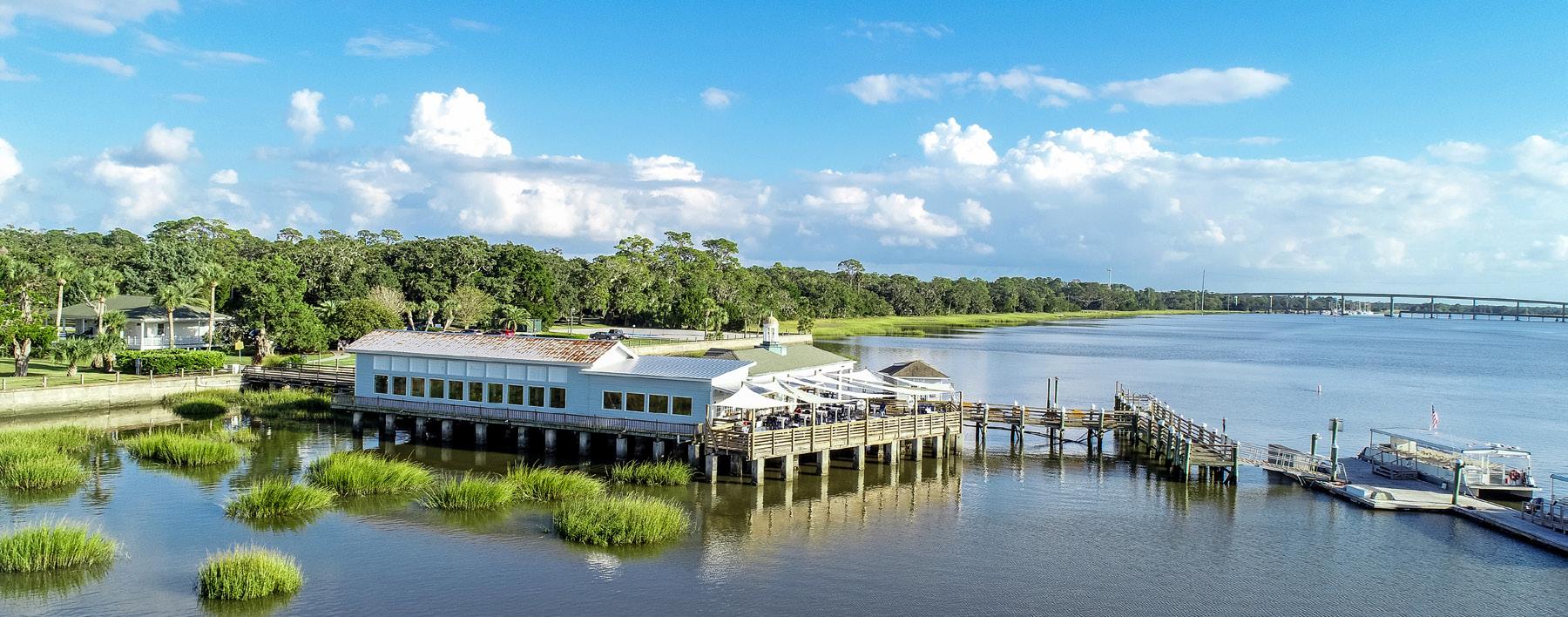
The Wharf, set on Jekyll Island’s riverfront, is the place to kick back with friends and soak up the island vibe. Feast on Southern favorites, fresh local seafood, and chef-crafted specials, with your choice of indoor or open-air deck seating. On weekends, you’ll find live music to go with the sunset and your favorite cocktail, local brew, or wine.
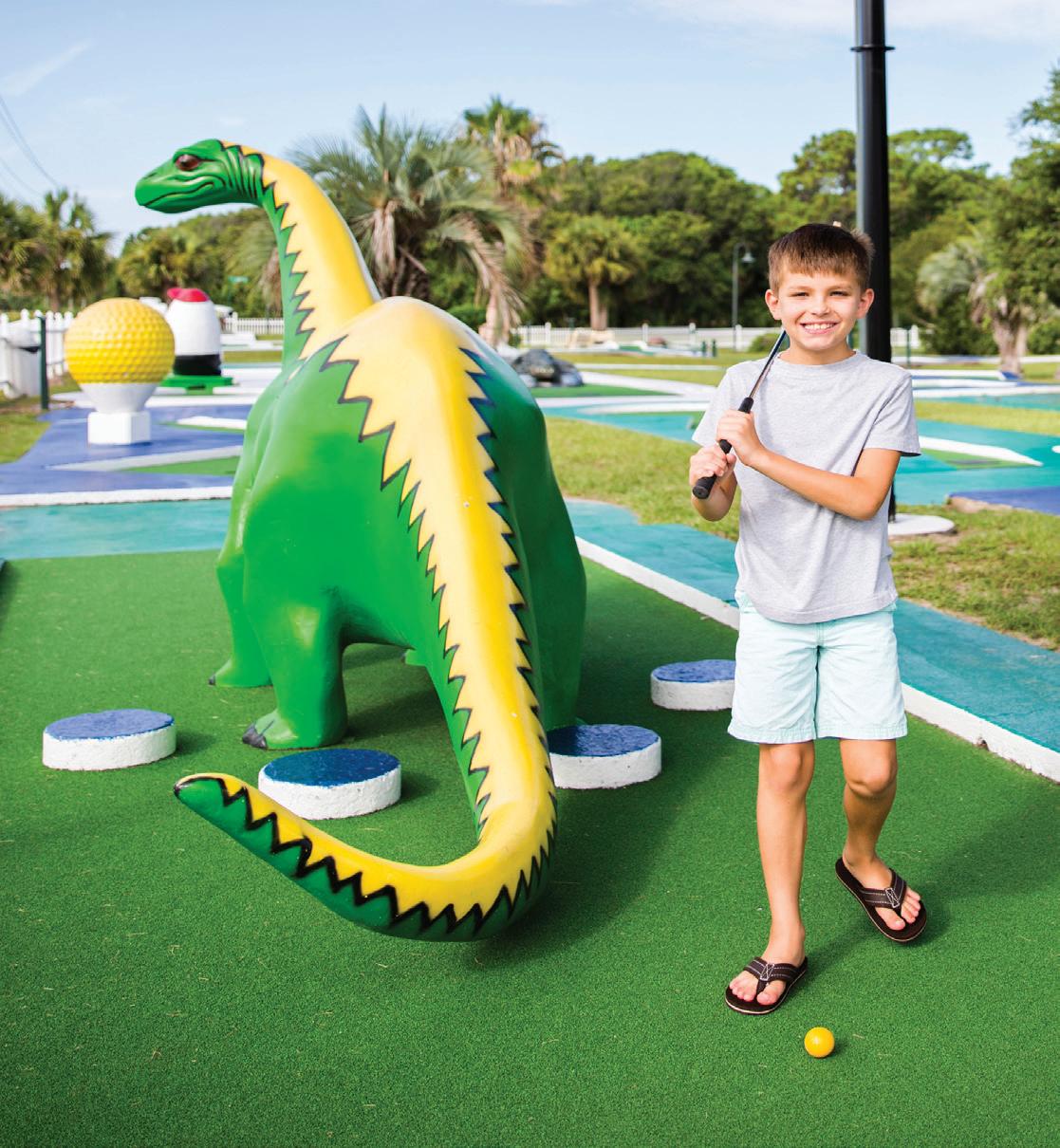
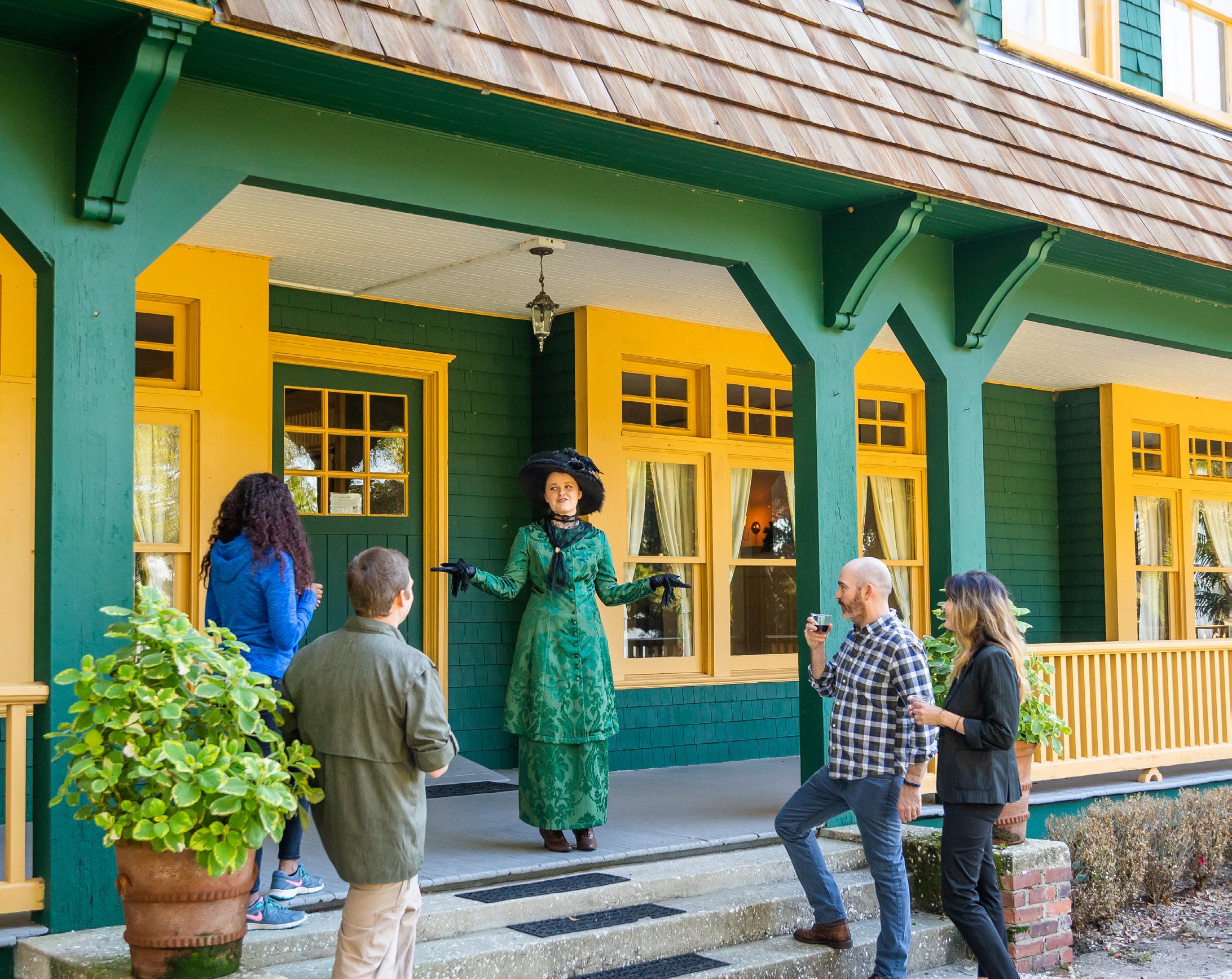

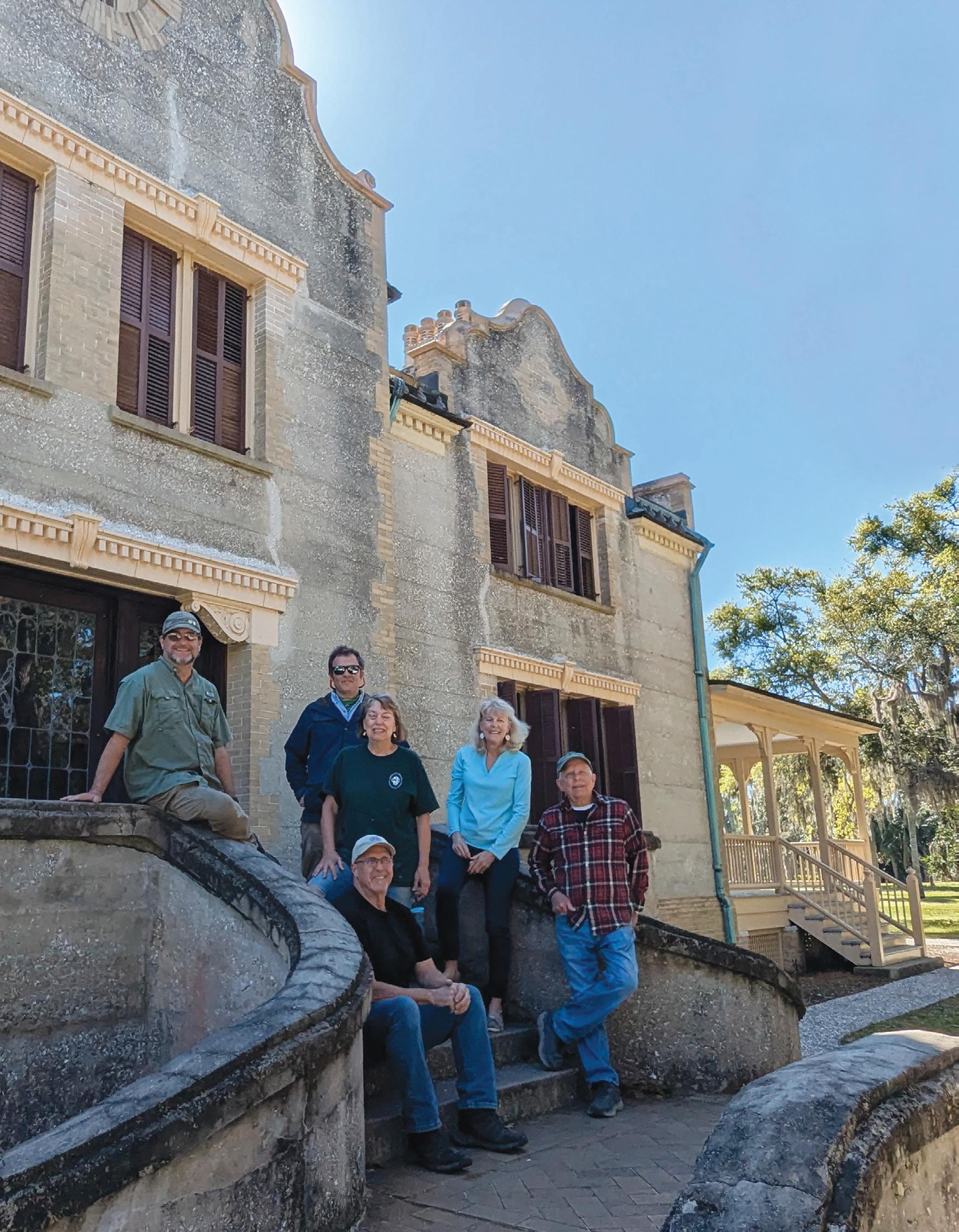
How volunteers quietly care for Jekyll Island’s natural and historic resources
BY HILLARY HARDWICK
The work often begins quietly, before the island stirs and visitors arrive. A volunteer walks the shoreline, eyes on the sand, logging marine debris. Another unlocks the doors of the 1890 Hollybourne cottage, preparing to welcome guests into Jekyll Island’s past. Still another settles into the archives of the island, digitizing photographs and documents that preserve decades of memory. These moments may seem small, but repeated day after day, season after season, they form the foundation of stewardship on Jekyll Island.
At the heart of this work is the island’s network of volunteers, a coordinated effort supporting conservation, historic preservation, education, and visitor engagement across the island. While volunteer in-
volvement became more formalized with the opening of the Georgia Sea Turtle Center in 2007, a culture of service existed long before. People showed up simply because they cared about the beaches, wildlife, history, and the island’s sense of place.
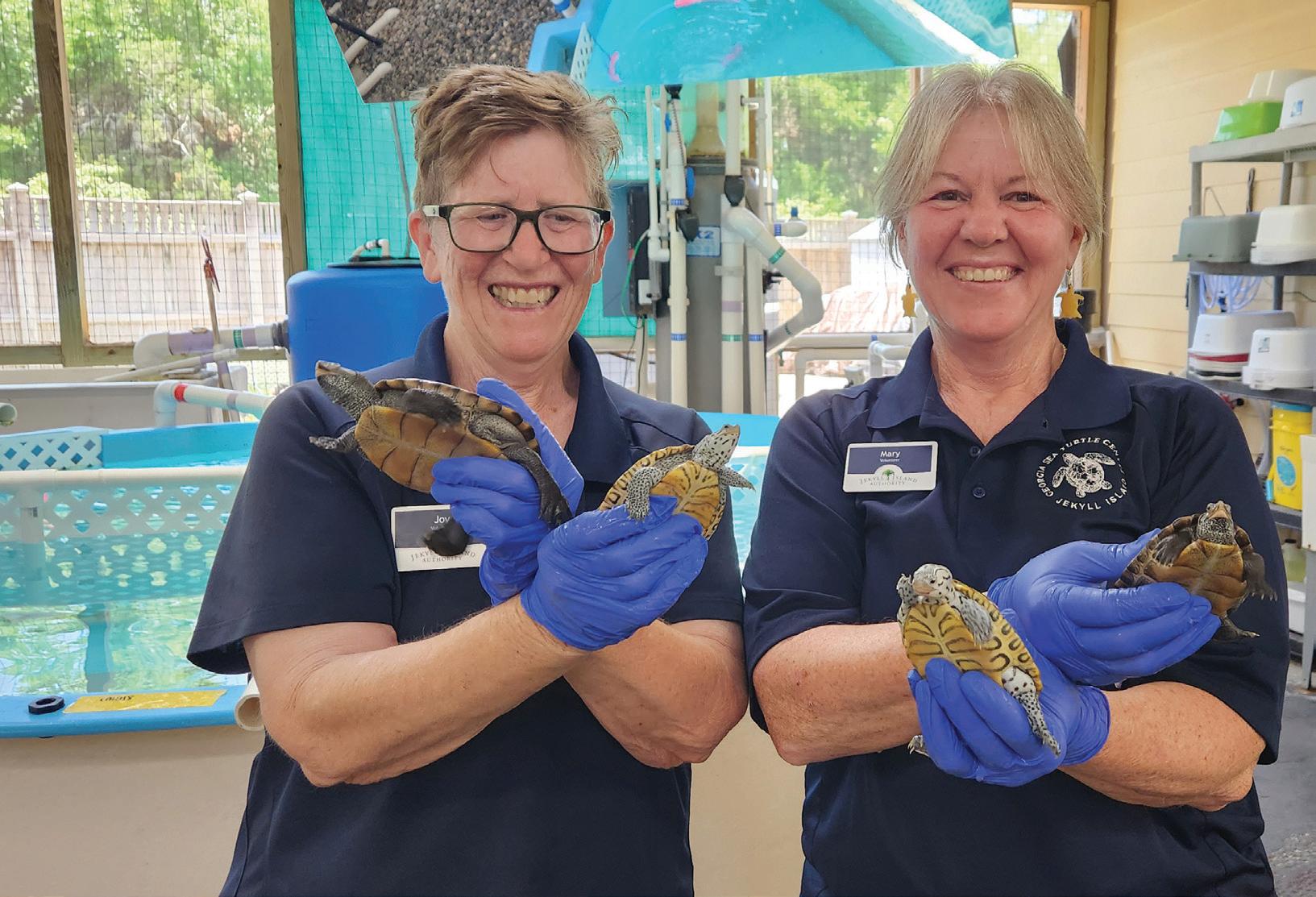
Today, volunteers serve in many roles across the Jekyll Island Campground, the Jekyll Island Museum, the Georgia Sea Turtle Center, and the conservation department. Some educate guests or assist with wildlife rehabilitation and releases. In the Historic District and museum, volunteers restore cottages, interpret exhibits, and safeguard archival materials.
“Training and support are central to the volunteer experience,” says Jessica Aldridge, Jekyll Island
Authority’s volunteer program manager. “Because this is a long-term program, we invest significant time in orientation, education, and monthly enrichment opportunities. Our volunteers are lifelong learners—retired educators, professionals, students, and seasonal residents—who form a community grounded in shared purpose.”
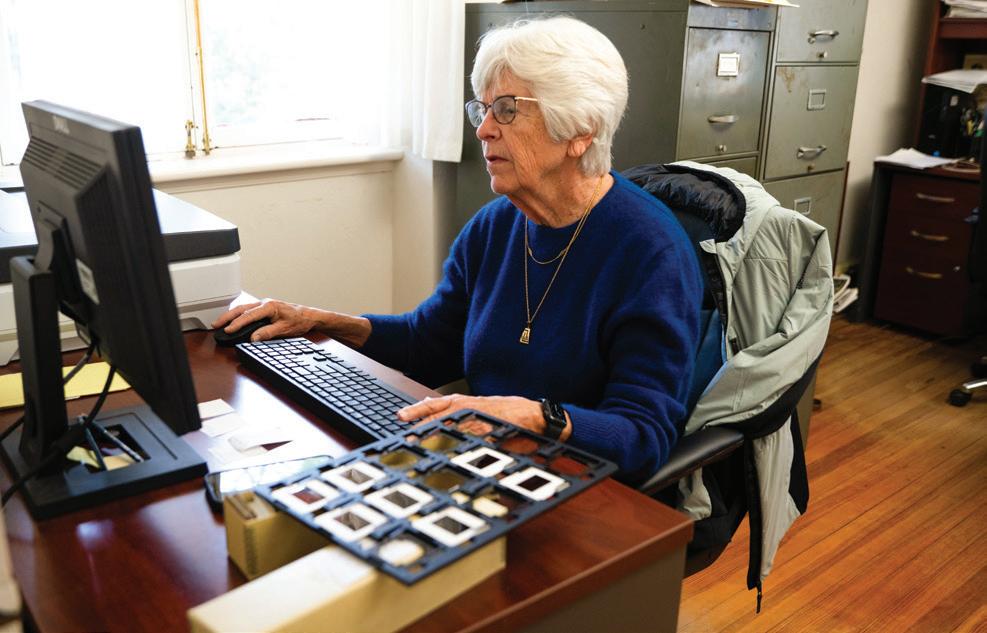
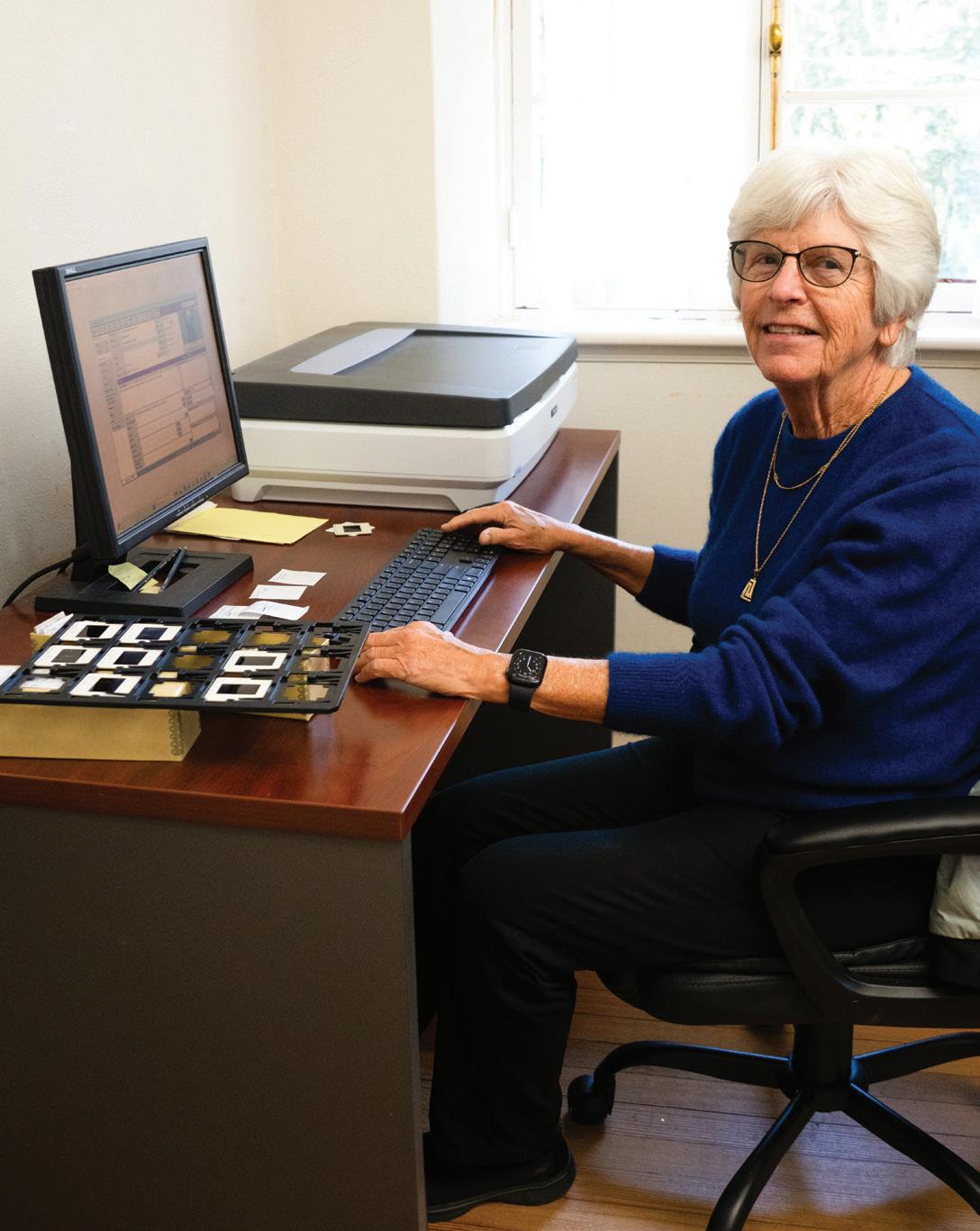
Few embody that spirit more fully than Dell Palazzolo, a longtime volunteer who has contributed more than 20 years of service. With a background in history and a lifetime of global experience, Palazzolo found her niche in the archives shortly after retiring and settling with her husband on Jekyll Island.
Working behind the scenes, she has spent countless hours organizing, scanning, and digitizing photographs, slides, textiles, and artifacts—some dating back to the island’s earliest eras. Her work has transformed fragile, often overlooked materials into accessible digital records, ensuring Jekyll Island’s history is preserved and shared widely.
There are moments when the impact of volunteers’ work becomes unmistakably clear: a rehabilitated sea turtle released back into the ocean, or a historic cottage reopening after years of preservation. These moments remind us why stewardship matters.
“I’ve gotten far more out of this than I’ve given,” Palazzolo says. Through her volunteer work, she has deepened her understanding of the island’s history, learned new technical skills, and built lasting relationships. For her, the reward is not recognition, but knowing the island she loves is in good hands.
In the end, Jekyll Island is safeguarded not only by policies or programs, but by people who give their time so others can experience the island’s beauty, history, and sense of calm. That is the quiet power of volunteers.
How the first bobcat on Jekyll was tagged
BY TESS MALONE
Many visitors love Jekyll Island for a chance to retreat from society. Bobcats share that instinct for solitude, moving quietly through the island’s landscapes and rarely revealing themselves to humans.
“They are very cryptic animals and keep to themselves,” says Yank Moore, Jekyll Island Authority’s director of conservation.
Although bobcats have been in the Southeast for millions of years, confirming their existence on Jekyll was difficult. Until just a few years ago, the only evidence that bobcats once lived on the island came from photographs of pelts from the Jekyll Island Club era (1880s-1940s). The wildcat’s signature bobbed tail was first spotted on a trail camera in September 2014, and two years later, a kitten made its on-cam-
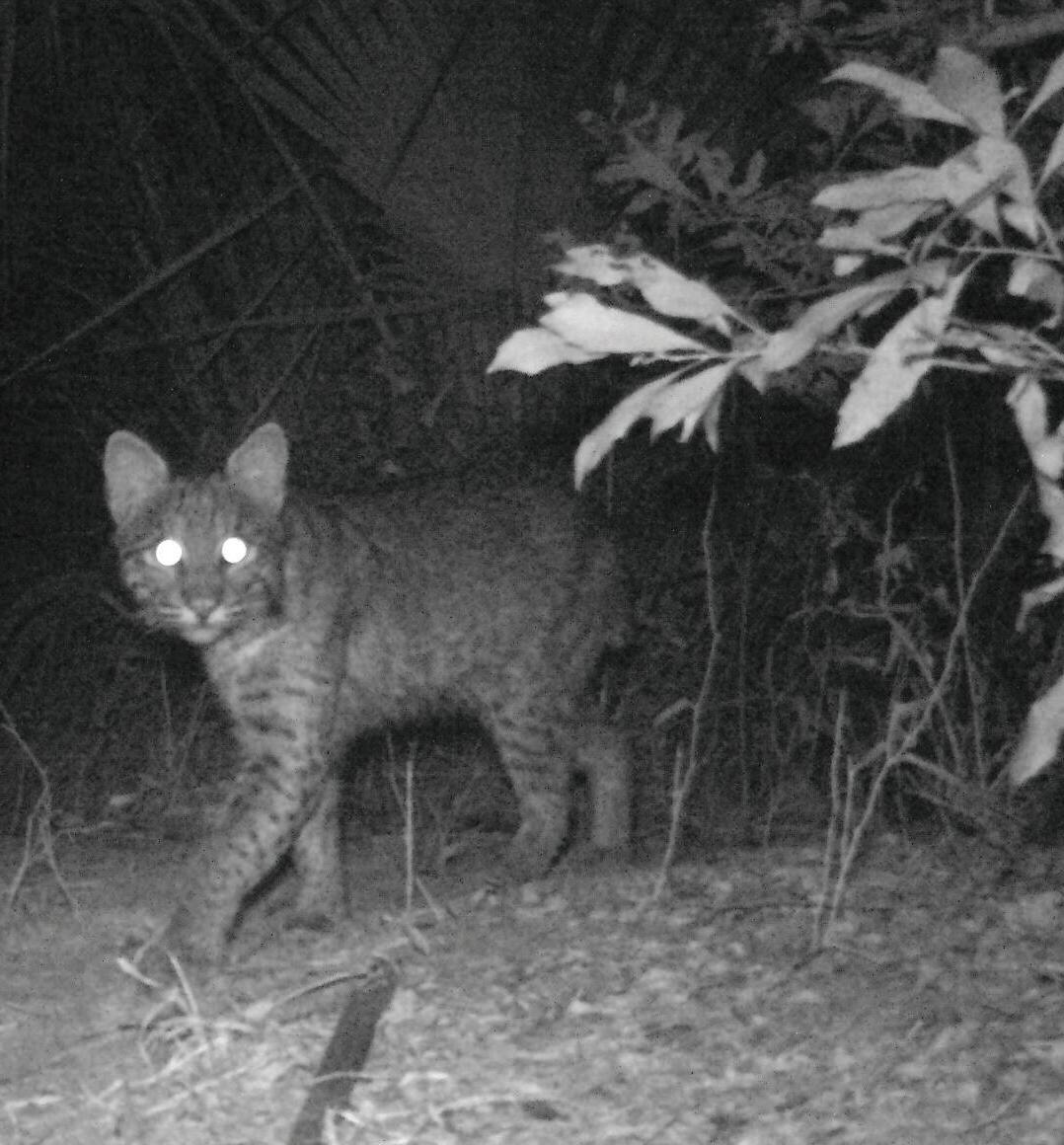
era debut. Still, JIA staff wouldn’t come face-to-face with a bobcat until September 2017.
That male bobcat wasn’t looking for company. Ill and unable to move, the JIA team transported him to the Jacksonville Zoo for rehabilitation. He was fitted with a tracking collar and released back on the island—collar and all— later that year. But he didn’t stay long. In May 2018, he was spotted leaving Jekyll on the causeway.
The species (Lynx rufus) is still on the island. The JIA tagged a female bobcat in later years to better understand its reproductive habits and movement patterns, learning that bobcats will traipse across the entire island, from
marshes to maritime forests, based on food availability. Bobcats eat small mammals like mice and even deer, and they have very few predators on the island. Even so, bobcats need room to roam, which naturally keeps their numbers in check.
The JIA estimates just a dozen or so are roaming Jekyll’s limited landmass. Male cats, like the one seen leaving the island, often disperse to establish their own territory elsewhere.
For now, the JIA keeps track of the mysterious mammals on trail cameras. Everyone deserves their privacy—even bobcats.
A bobcat caught on trail camera.

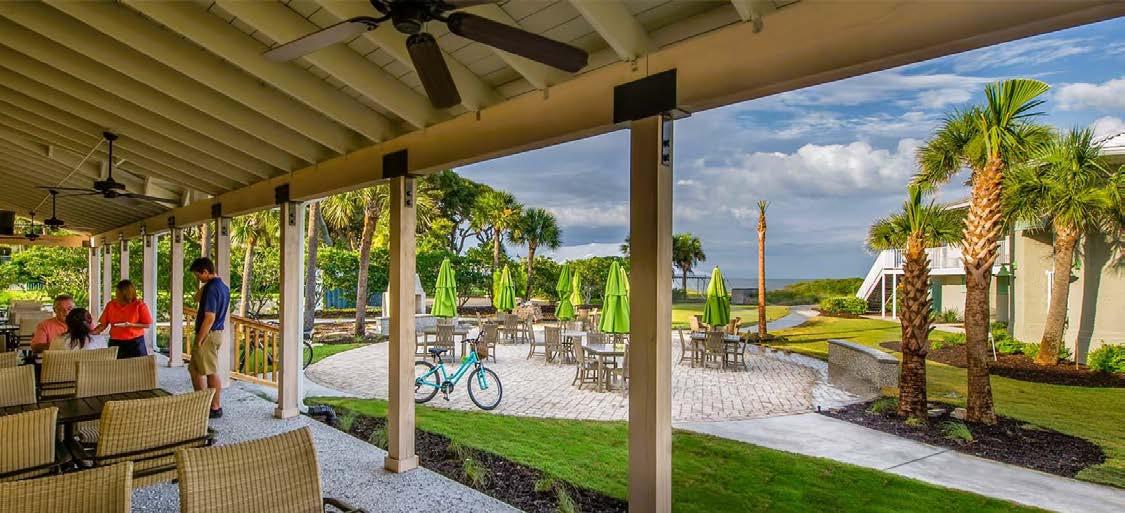
Experience coastal charm at the Beach House Restaurant & Taproom. Sit on the wrap around porch and sip on a craft brew. Savor fresh seafood and gaze out across the Atlantic. Indulge in the perfect blend of relaxation and flavor! We can’t wait for you to dive into our new seafood forward menu!
To learn more scan our QR codes!
Our menu, a variety of delectable meals and drinks.







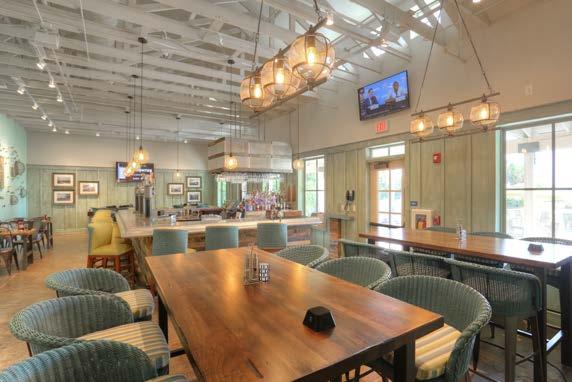
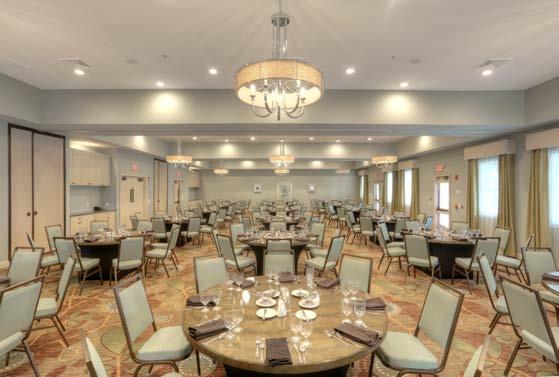
Host your special events and meetings with us.

Discover a collection of new experiences in the heart of Jekyll Island’s National Historic Landmark District.
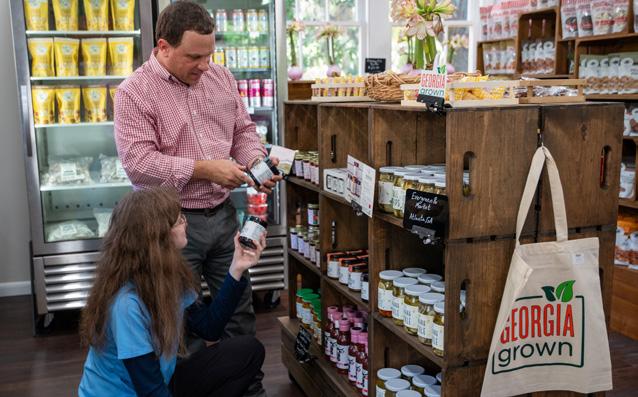
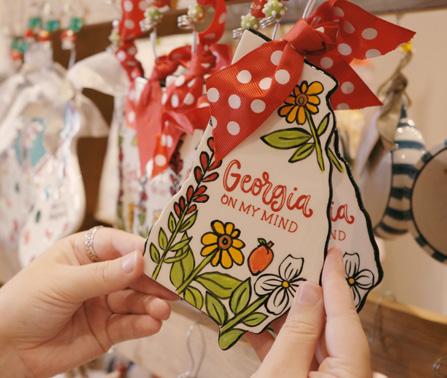
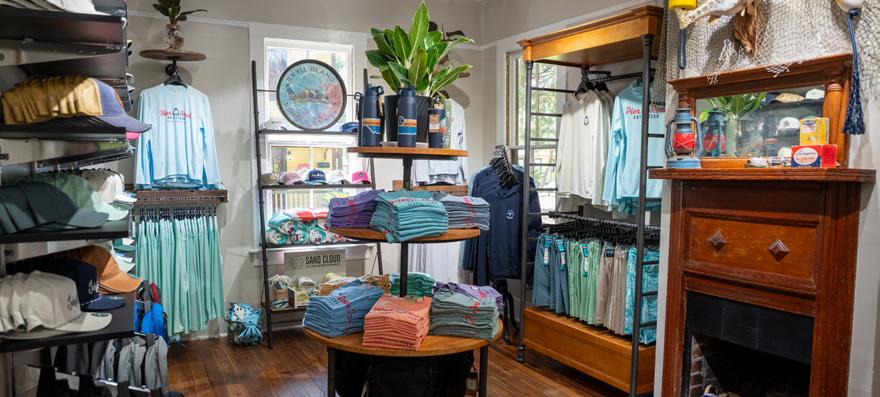
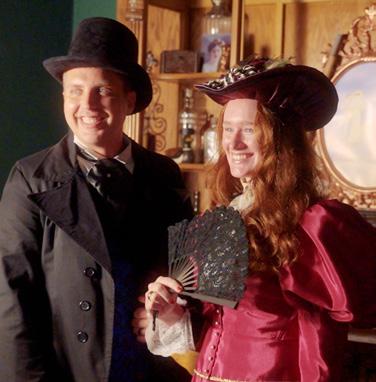
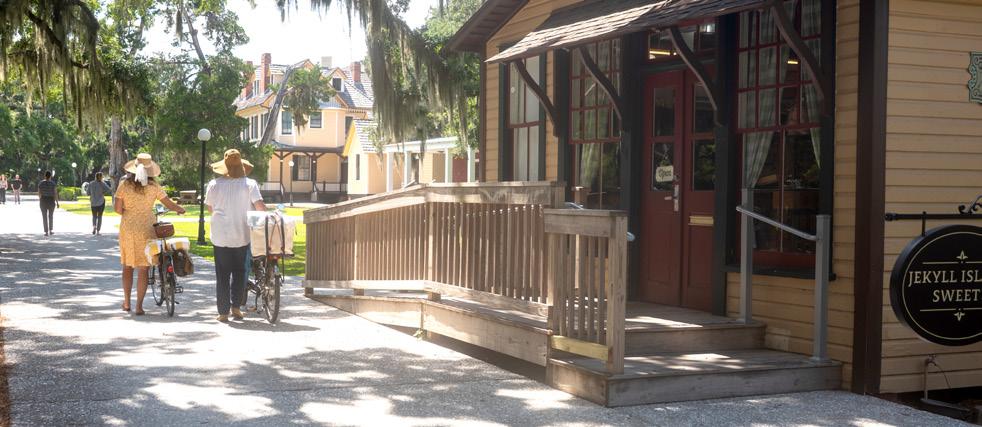
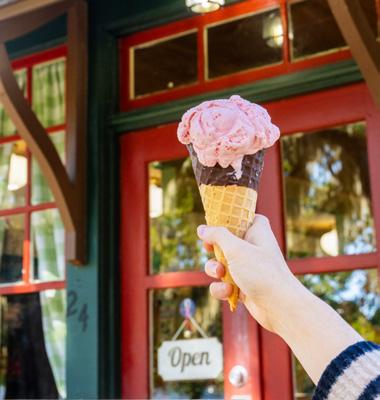
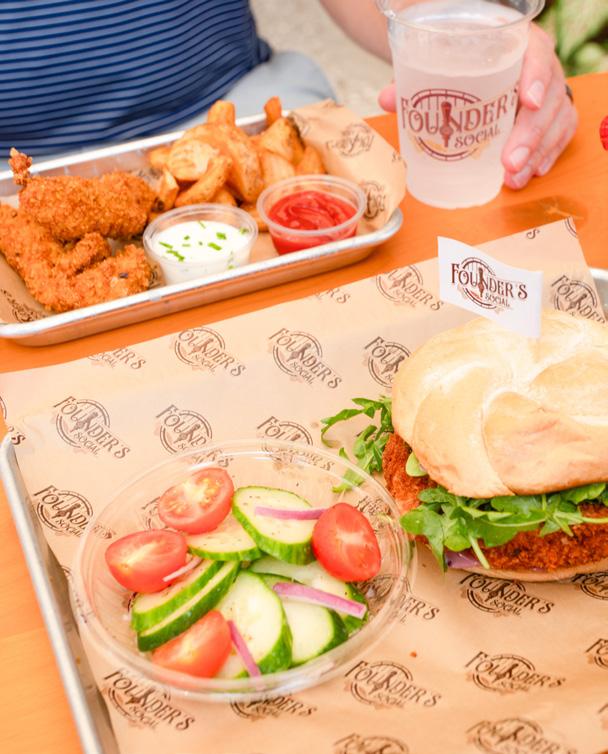
Browse local, farm-raised goods at the Georgia Grown Signature Shoppe, sample treats at Jekyll Island Sweets, or gear up for adventure at Pier Road
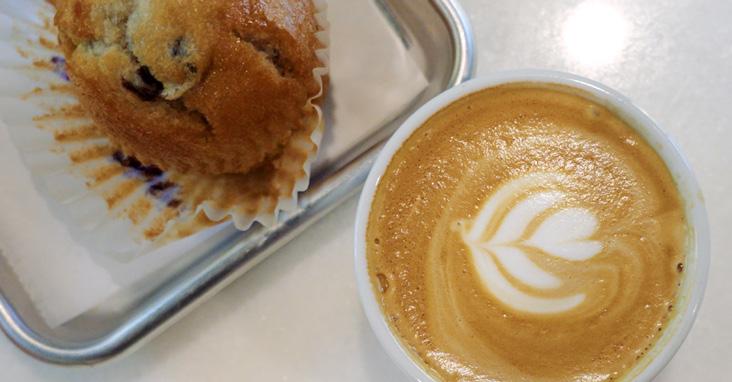
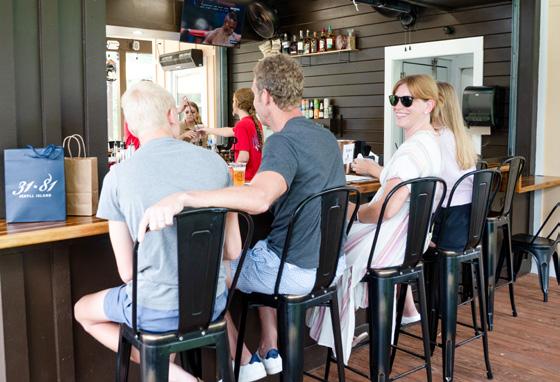
Outfitters. Discover island-inspired lifestyle gifts at 31•81, capture a Gilded Age keepsake at J.P. & Co., and unwind and dine at Founder’s Social. From year-round Christmas cheer at North Pole South to morning favorites at Wake Up Coffee, The District Shops make for a day of discovery where every path leads to something new.
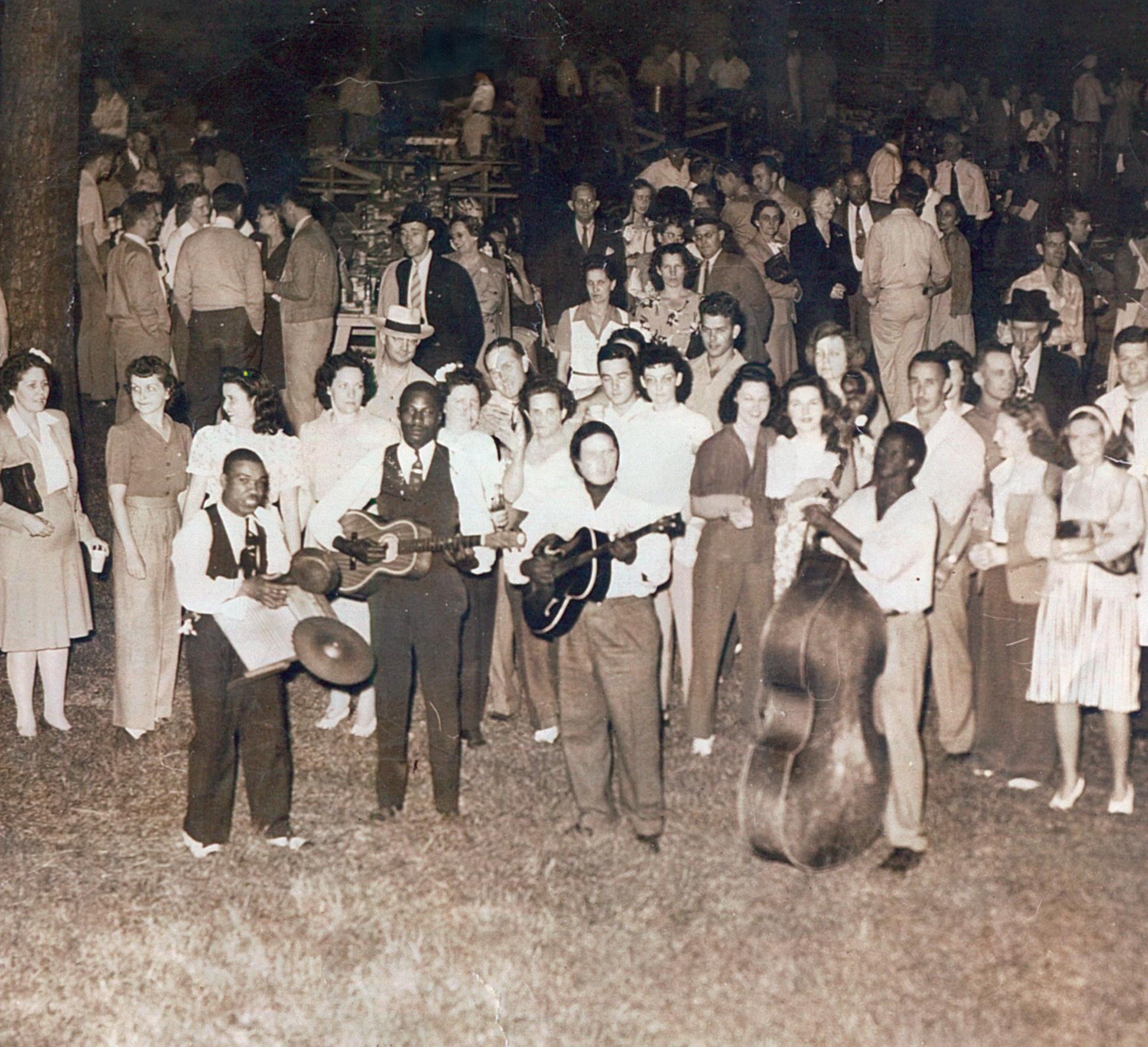
From washboards to ukuleles, the Original Washboard Band carried the sounds of Georgia’s coast into the grand Clubhouse on Jekyll Island, leaving a legacy that transcended the island’s social and racial lines. BY
If you wandered the piers and promenades of Jekyll Island in the 1930s and ’40s, you might have stumbled upon a sound that felt both familiar and delightfully offbeat: the percussive clang of washboards, the thrum of an upright bass, and the bright pluck of a ukulele, all stitched together by voices swinging from a gravelly croon to a smooth baritone. This was The Original Washboard Band, a local phenomenon that brought the rhythms of Georgia’s coast into the drawing rooms of America’s elite.
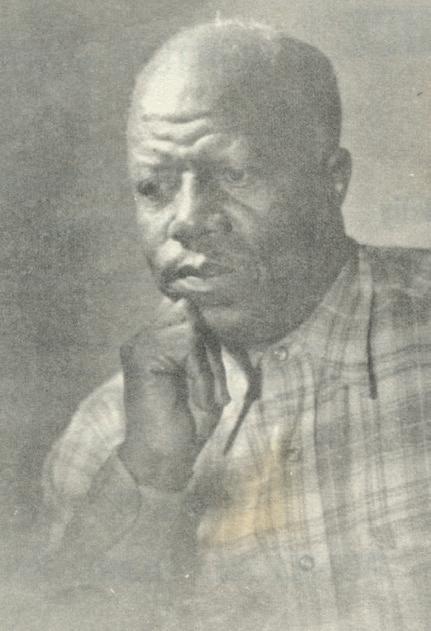
The story begins with Robert “Washboard” Ivory, whose nickname came from a distinctively furrowed forehead rather than his instrument of choice. After a
five-year stint as a musician in New York, Ivory returned home to Brunswick in the late 1920s, armed with his ukulele and a suitcase full of ambition. Earl Hill, a longtime island resident and former golf caddy at the Jekyll Island Club, landed him a dishwasher job. However, Ivory’s real talent shone when an impromptu serenade outside J.P. Morgan’s window caught the tycoon’s ear. Morgan encouraged Ivory to form a band, and around 1930, The Original Washboard Band was born.
The four-person ensemble reflected the easy ingenuity of coastal musicians who made music from whatever was at hand. Nathan Jones lent a gravelly, Armstrong-esque voice while rat-
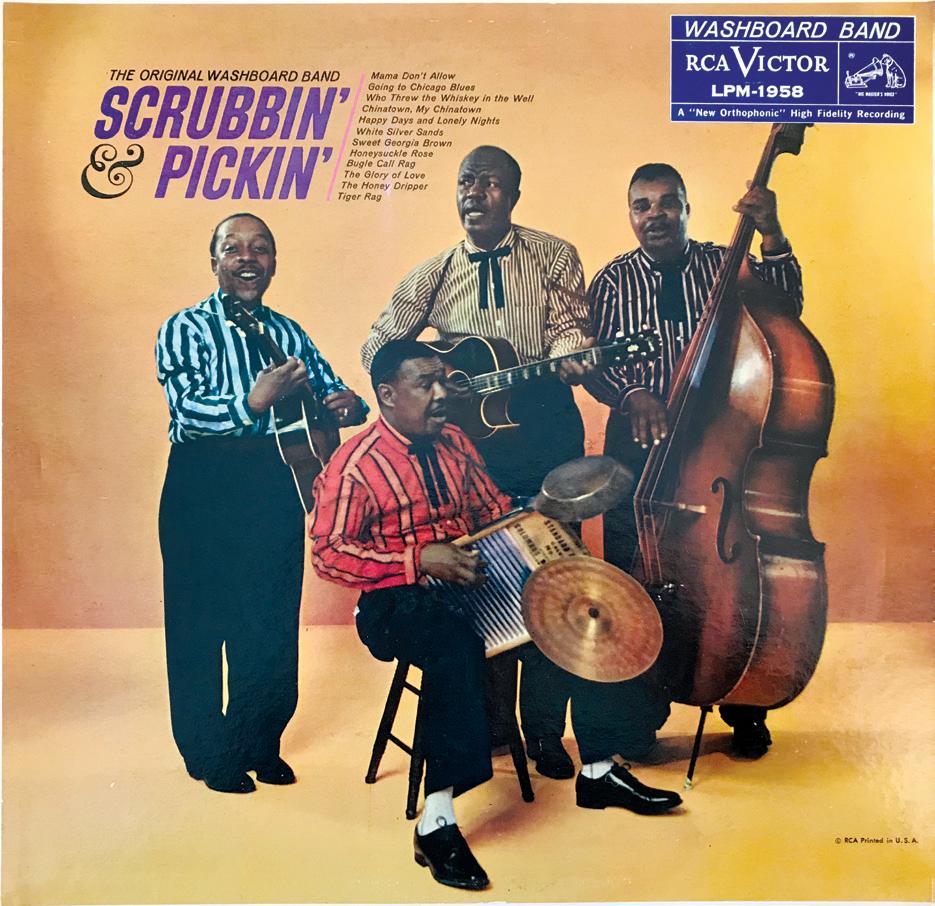
tling the washboard, thimbles, and even a frying pan. Ivory handled ukulele, kazoo, baritone vocals, and musical arrangements, while Norman “Shorty” Feimster, one of the few left-handed guitarists of his time, added tenor harmonies. Charles Jones, Nathan’s son, anchored the group with upright bass. Together, they shaped the lively and improvisational GullahGeechee folk sounds of Brunswick into performances that found a receptive audience among the island’s wealthy winter residents. The band’s appeal was as much cultural as it was musical. They played for the Morgans, Rockefellers, Vanderbilts, and Goulds, offering a slice of African American coastal music that was more upbeat and joyful (and even sometimes comedic) than the traditionally buttoned-up symphonies of New York’s Metropolitan Opera. Ragtime, folk, and early jazz rhythms filled the grand halls of Jekyll’s resort, exposing high society to the rich, vibrant culture of the South. In doing so, they bridged communities, creating a rare space where the sounds of local life could meet the tastes of the upper crust. Their presence on Jekyll was more than just a passing fad. Decades later, they performed for the opening of the Sidney Lanier Bridge in 1956, recorded the album Scrubbin’ and Pickin’ in 1958, and even made an appearance on The Garry Moore Show. Rumors of
a Kentucky Derby appearance in the late '50s remain tantalizingly unverified, providing a reminder of the band’s mystique and widespread appeal. Yet, it’s the everyday moments—the clatter of washboards and the pluck of a ukulele echoing through Jekyll’s pines—that cemented their legacy.
Today, The Original Washboard Band remains woven into the island’s story, a reminder of how music boldly integrated Jekyll society, easily transcending carefully drawn social and
racial lines. They were musicians first and foremost, carrying the rhythms of their community into places where those sounds had rarely been heard. Listening to their recordings on YouTube now, you can almost hear the coastal breeze, the laughter of summer guests, and the enduring heartbeat of Jekyll Island itself.
Page 25: The Washboard Band performing on Jekyll Island during the early State Era. Opposite: Record album cover, Scrubbin' & Pickin', by The Original Washboard Band; Left: Robert "Washboard" Ivory
my jekyll
“Meeting and falling in love on Jekyll was unexpected.”
— JOE ROTHWELL
“I would say that internship, that summer on Jekyll, and still to this day, was the best summer of my life. Not only did I have a lot of fun, but I also met my life partner, and it was such a magical time.”
— TRACI ROTHWELL
As told to TYRA DOUYON
Photograph by CHRIS MONCUS
traci and joe rothwell’s story began as two unsuspecting college students participating in a summer internship in 2005. drawn to jekyll island for its reputation as a leader in historic preservation, neither arrived expecting that an eight-week program would shape their careers and the rest of their lives.
august of that summer marked the beginning of longer career paths for the couple. traci received her master’s degree in historic preservation from the university of georgia, which led her to become the senior director of communications with the georgia trust for historic preservation. after graduating from savannah college of art and design, joe worked on restoration projects across the country before joining the georgia mountains regional commission as a regional planner.
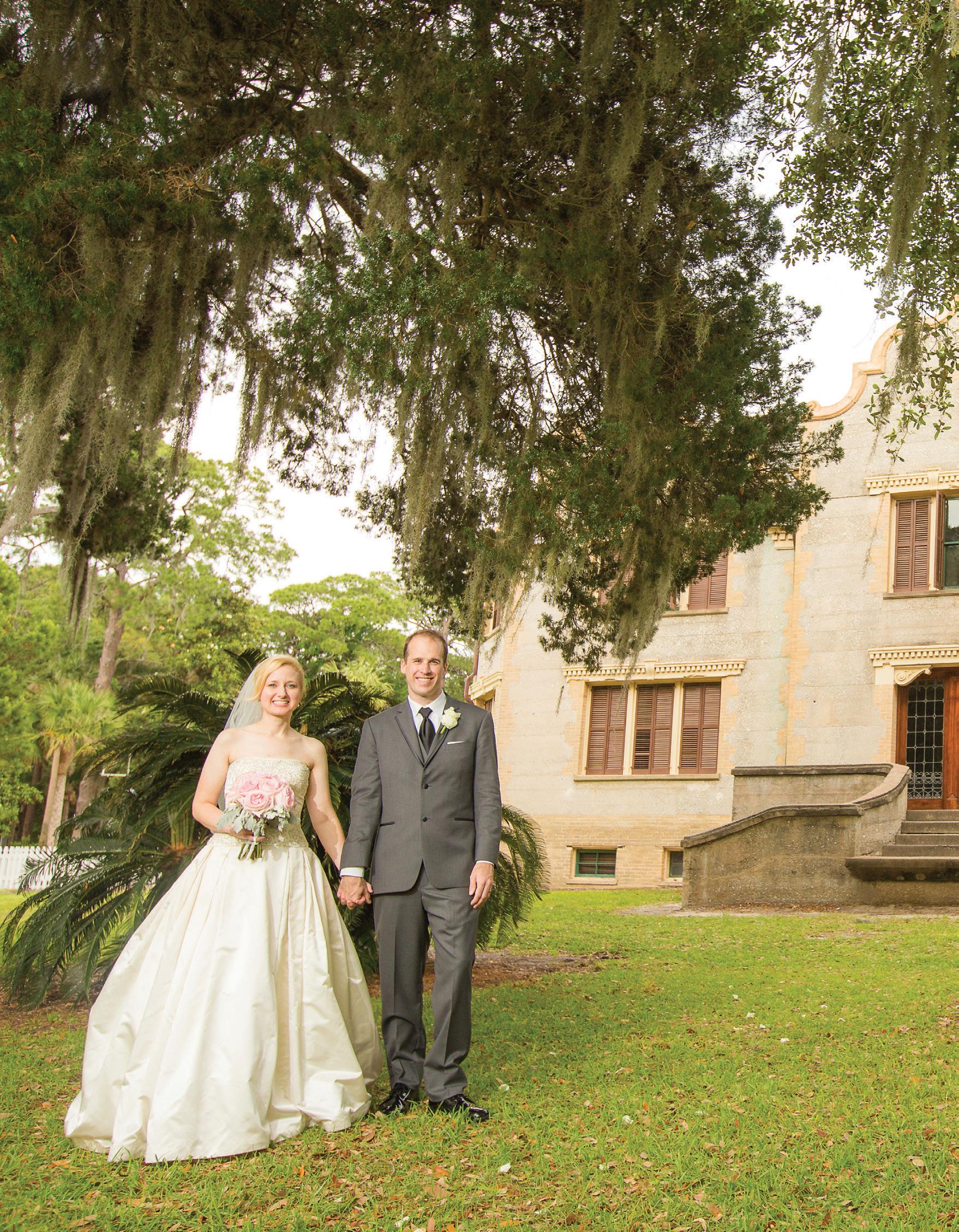
wherever their careers took them, the rothwells never lost their connection to jekyll island. they returned in 2013 to marry at hollybourne cottage—the same place where they first met and fell in love.
The pollinators, large and small (and really small), that keep our natural world going
BY TONY REHAGEN ILLUSTRATIONS BY MARGAUX SAMSON-ABADIE
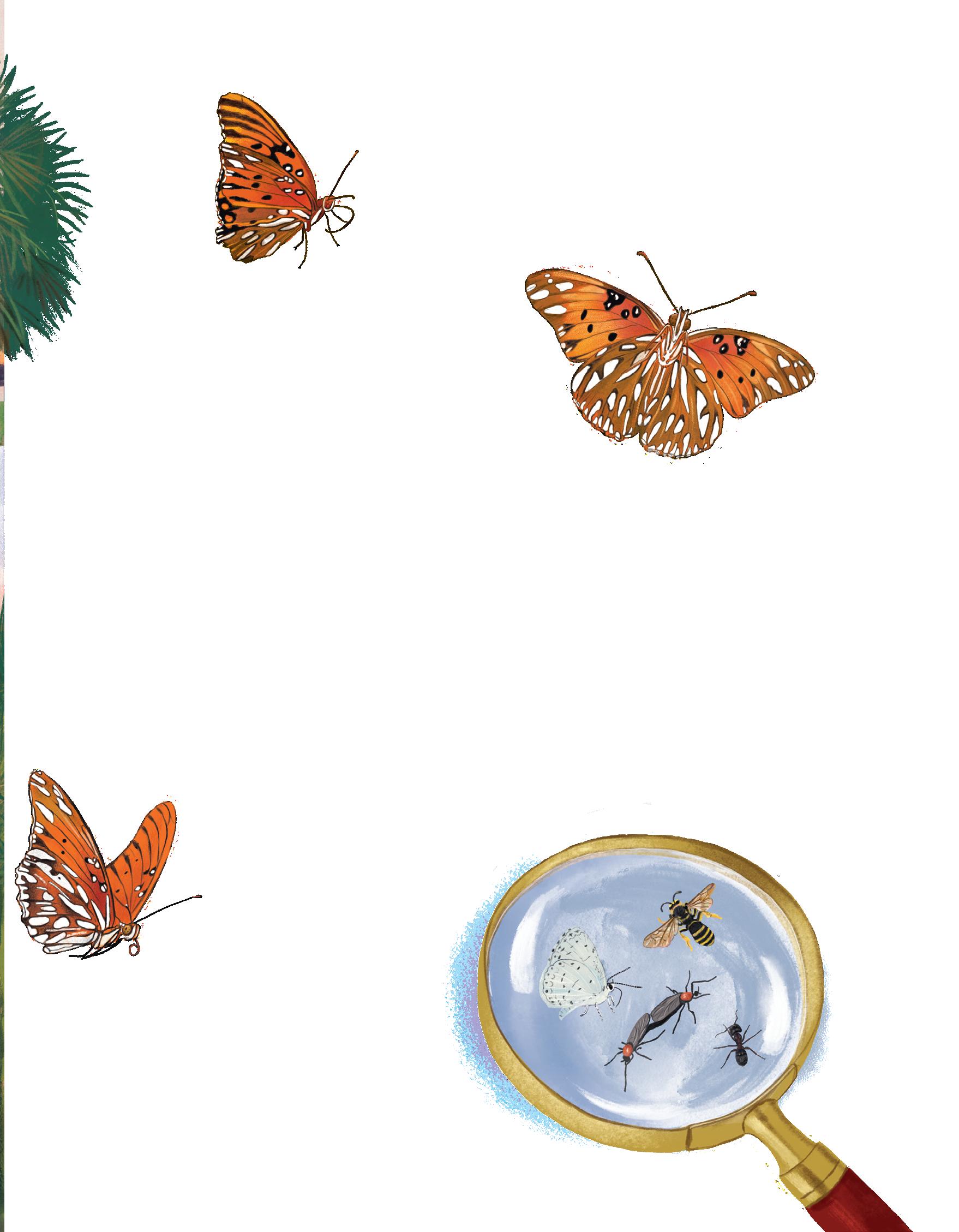
It’s no secret that pollinators are vital to a place like Jekyll Island. Bees, butterflies, moths, dragonflies, beetles, hummingbirds, and other pollen bearers are essential for helping the land’s vast garden of native flora thrive and reproduce. These plants provide more than just lush scenery. They serve as habitat and food for wildlife, shield the dunes and shorelines from erosion, and keep the island’s varied ecosystems safe from disease, invasive species, and climate change. The greenery and spectrum of flowers— along with some of the pollen carriers themselves, particularly the butterflies—also help draw tourists, the economic lifeblood of the island. In many ways, pollinators keep Jekyll alive.
But what many of those visitors and residents may not realize is that, as essential as pollinators are to the island, the relationship is mutually
beneficial. “Pollinators are important for Jekyll; they fertilize the plants and help them produce fruit, seeds, and new plants,” says Joseph Colbert, wildlife biologist for the Jekyll Island Authority. “But Jekyll is also important for the pollinators.”
Colbert is not just referring to the protective homes, such as maritime forests, dunes, salt marshes, and freshwater wetlands, that Jekyll hosts for native pollinators. Nor is he referring to the mild coastal climate and extended flowering season that provides a continuous food source. He is also pointing out that, with its position along the migratory “Atlantic Flyway” for butterflies and birds, the island is a critical pit stop. “Our marshes, dunes, and forests have a lot of attractive plants
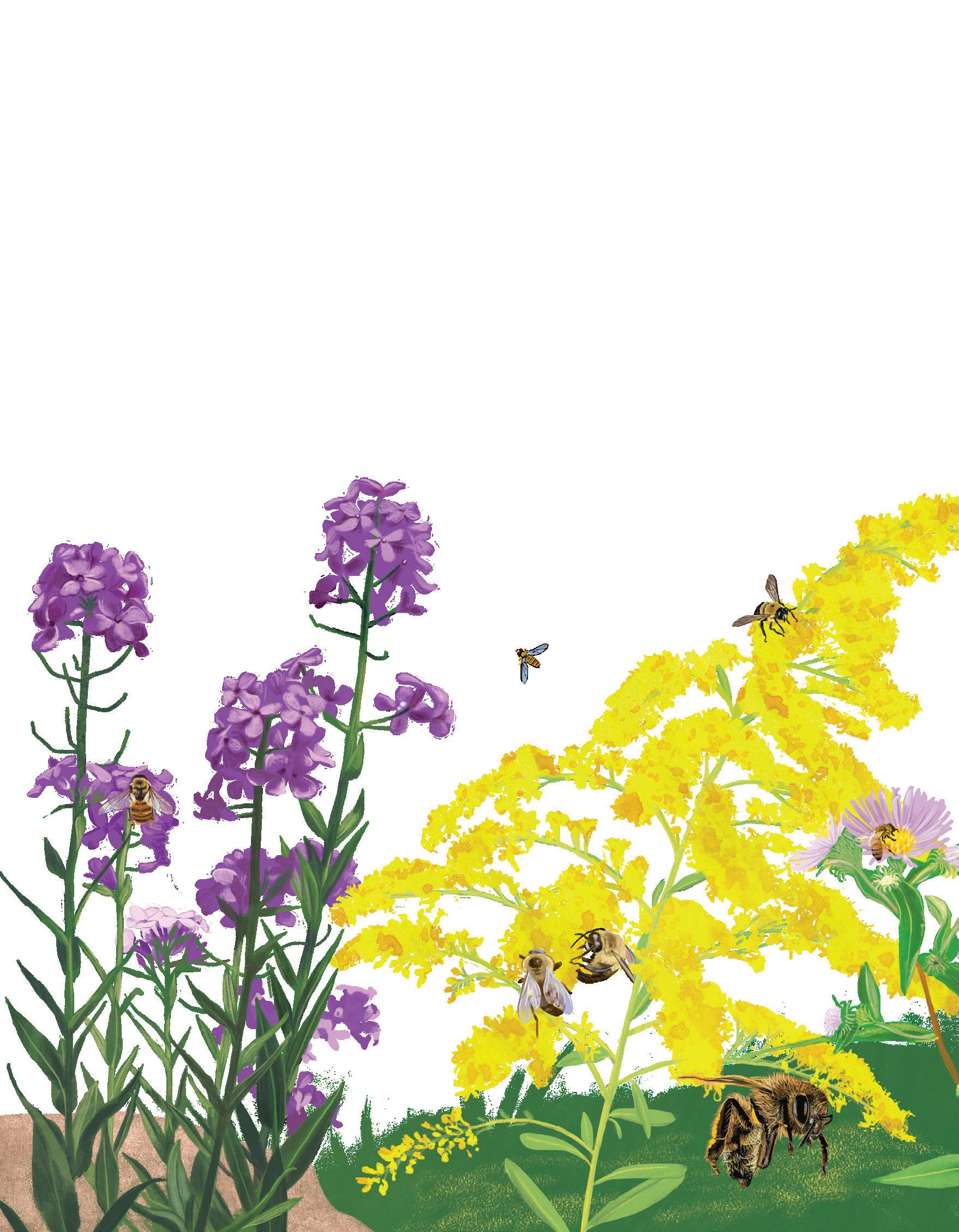
for pollinators on their way up the coast and into the mainland,” says Colbert. “They stop here, rest, and recharge on these plants before moving on.”
In a sense, Jekyll Island plays a key role in the ecological well-being of the entire region.
While some plants self-pollinate to procreate, the rest require a way to transfer pollen, or reproductive microspores, from the male stamen of one plant to the female pistil of another of the same species. There are two main ways to accomplish this. One is abiotically (non-living), or by spreading the pollen via water or wind, both of which require the release of massive amounts of pollen to ensure
“Our wildlife relies on these plants for food and habitat, and if those host plants don’t exist, the species that count on them will dwindle.”
some reach their destination (the lament of any Southerner who dusts off their car or sweeps their front porch in spring).
The other is biotically, or through living creatures, which is a more targeted way. About 130 million years ago, the first flowering plants appeared on Earth. Their eye-catching colors, alluring odors, and promise of food via sweet nectar draw in insects, birds, mammals, and even some reptiles that come
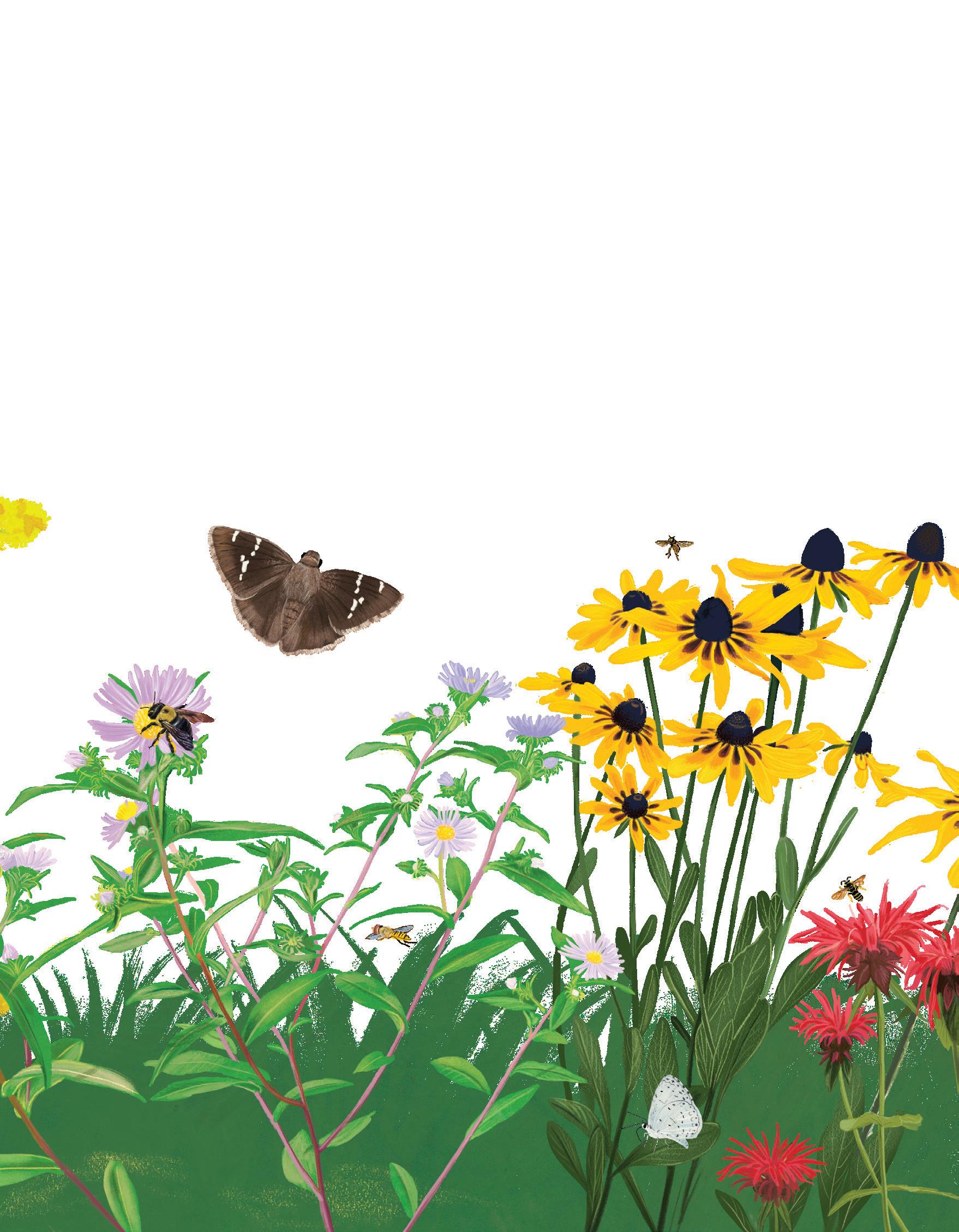
into contact with the plant and get dusted with pollen. The animals then move on, unwittingly carrying the microspores to the next plant. “Bees and other insects collect parts of the plant for food or lay their eggs there, and they get pollen attached to their feet,” says Yank Moore, director of conservation for the Jekyll Island Authority. “Then predators like spiders, birds, and bats come looking for those insects as prey.”
The advent of biotic pollination, or enlisting other animals to carry pollen, greatly increased the range of plant reproduction, and as a result, biodiversification exploded. Much of that green diversity is evident even within the roughly seven square miles of Jekyll Island—and so is the wide variety of pollinators that have evolved to do the dirty work.
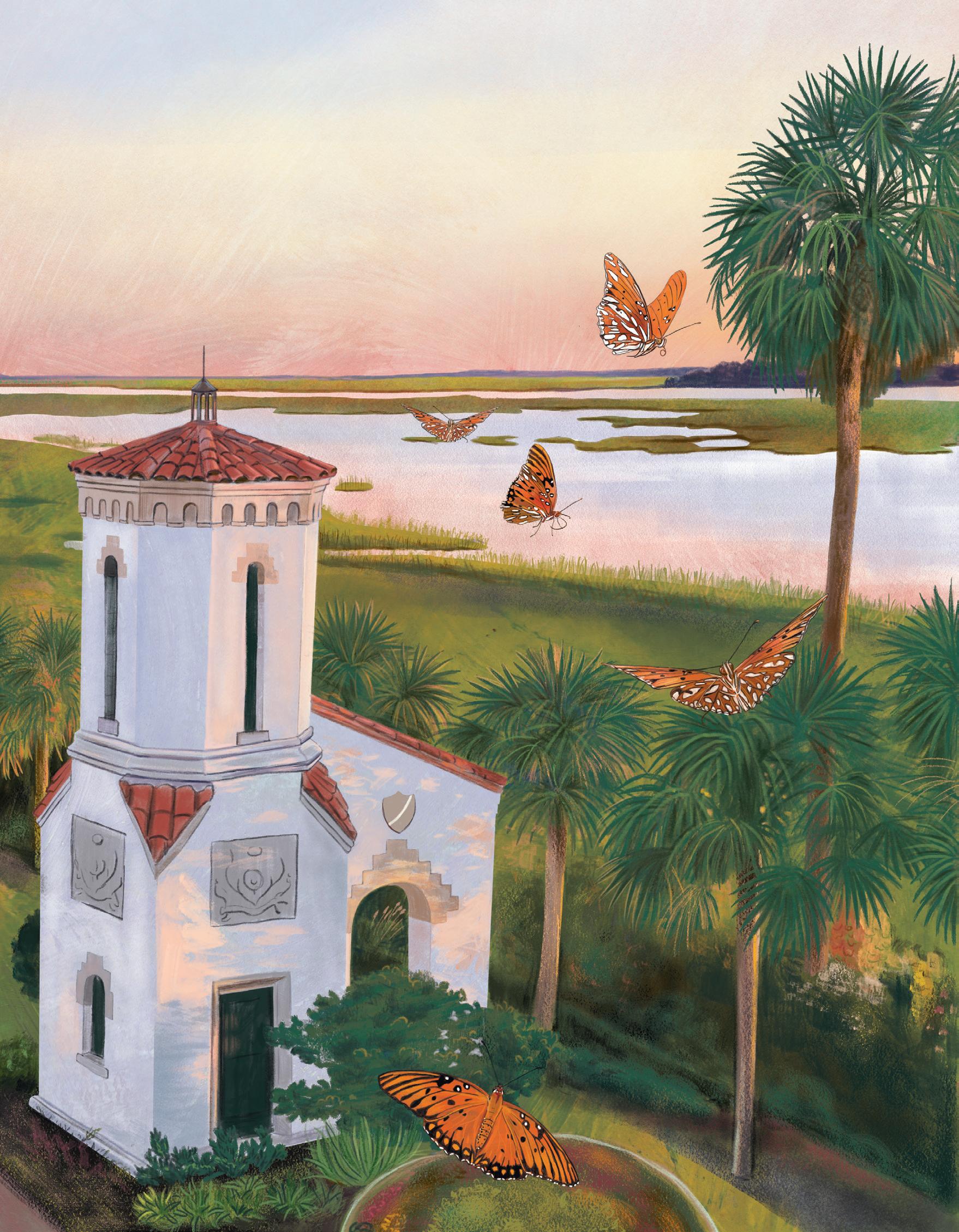
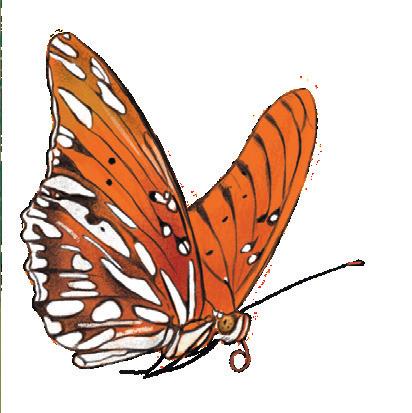
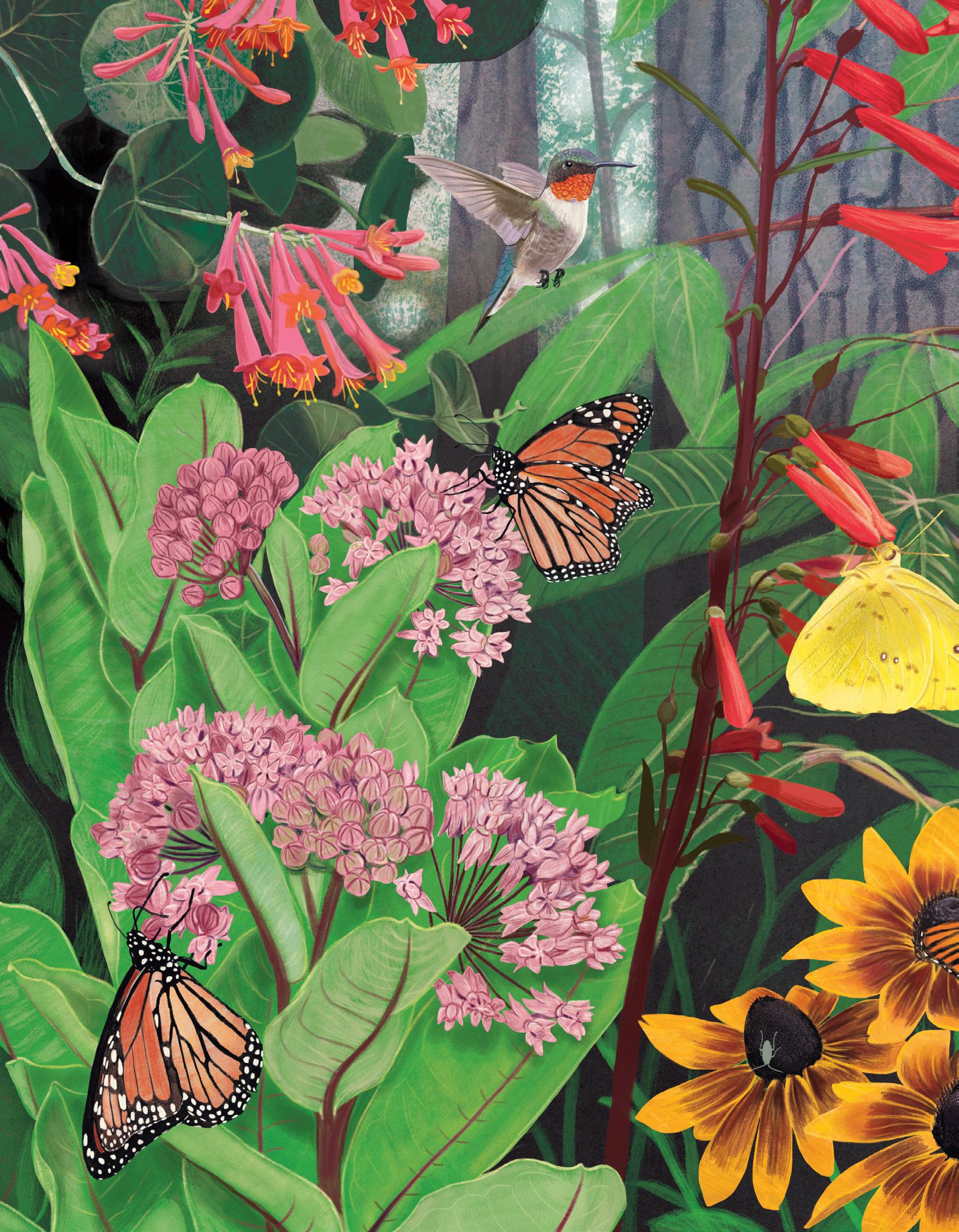
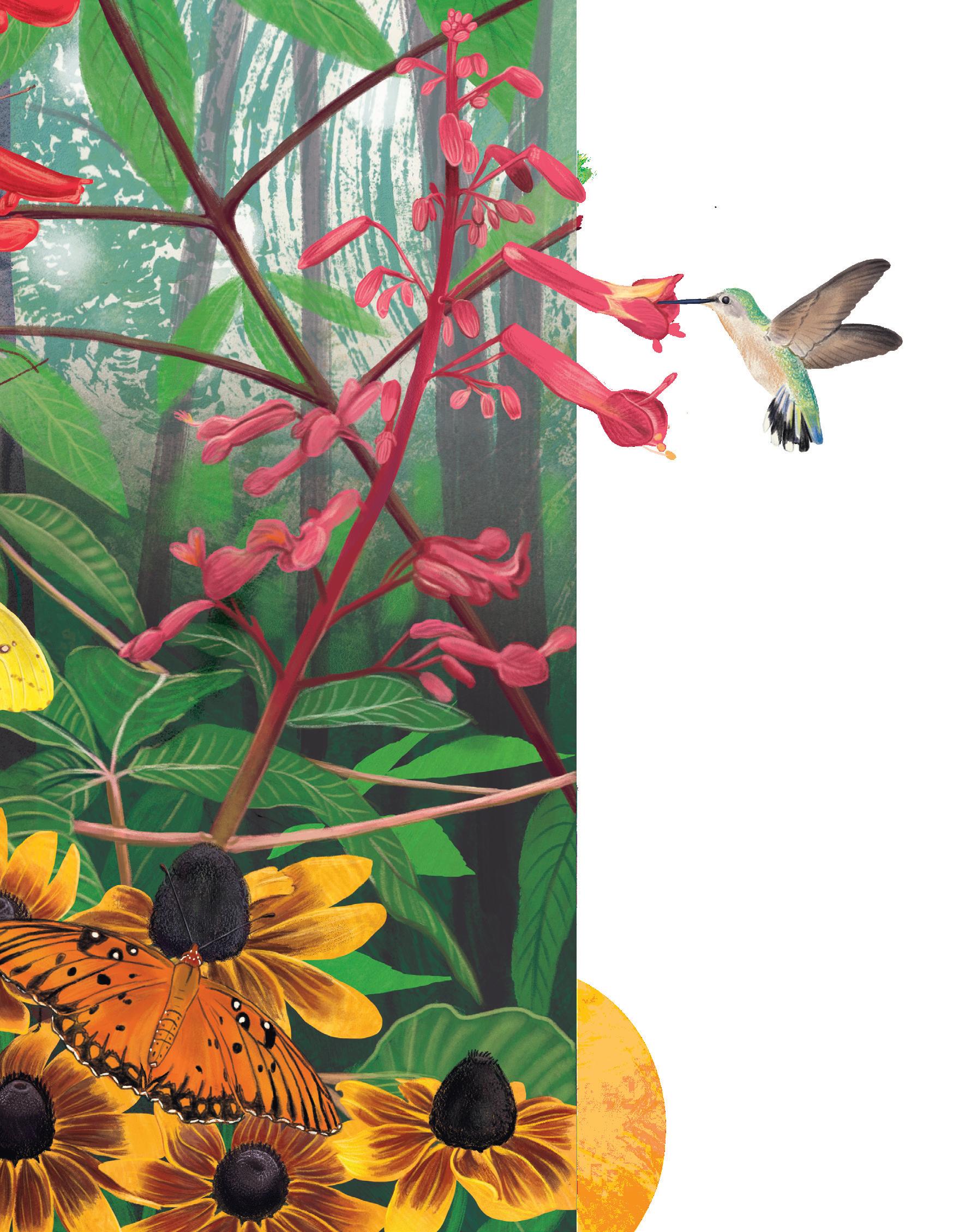
The island is home to the world’s most famous type of pollinator: the bee. Bumblebees, carpenter bees, sweat bees, and honeybees have plenty of blossoms to keep them busy. Migratory butterflies like the cloudless sulphur, gulf fritillaries, and the iconic monarch feed on the same phlox, blanket flower, clover, brown-eyed Susans, goldenrod, bee balm, aromatic aster, milkweed, and penstemon as their buzzing cousins. Bright, tubular flowers like the native coral honeysuckle, red buckeye, and Turk’s cap are ideal for the long, slender beaks of hummingbirds.
But these popular “charismatic pollinators,” as Moore calls them, are just the tip of the stamen. “When you think pollinator, you think honeybee,” says Moore. “But the web goes deeper and broader. Every plant that has a flower or pollen has a pollinator tied to it. Some are singular with just one pollinator; others attract a variety. And a lot of them are hard to see unless you pay attention.”
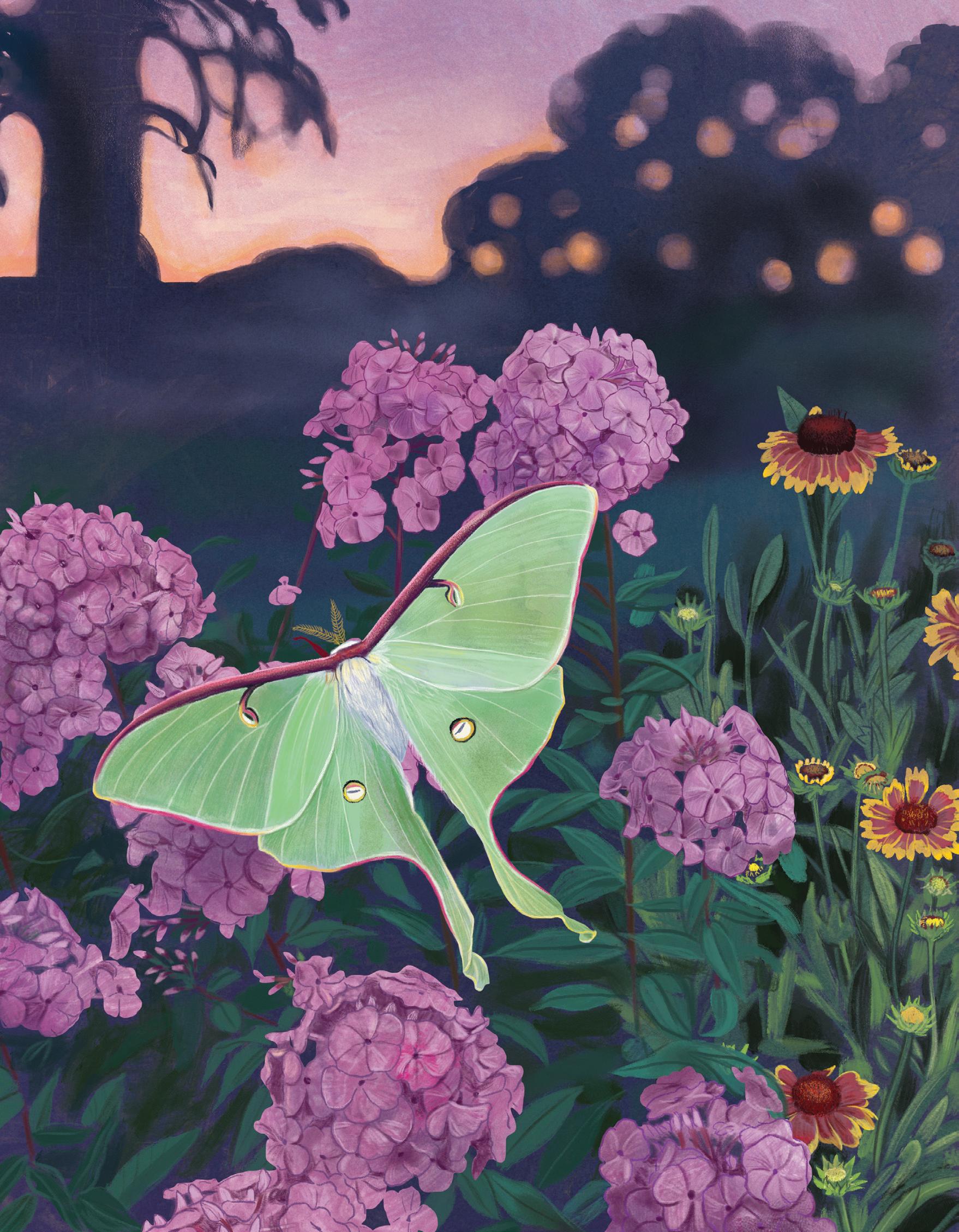
Some of these are hard to spot because they’re nocturnal, like sphinx and luna moths, which take the night shift from bees and butterflies on phlox and blanket flower; some blossoms are too delicate to open in the sun, like the purple passionflower and evening-primrose. Bats, like the big brown, Brazilian free-tailed, and eastern red, wait in the shadows to make a late-night snack from these flower-born bugs. Other yeomen pollinators don’t grab attention, like beetles and wasps, and flies. Still smaller pollen bearers—such as ants, tiny sweat bees, and summer azure, skipper, and cloudwing butterflies—are hard to see unless you’re looking for them. And some pollinators are so unassuming that local biologists don’t even know about them, yet.
“There are more than 1,000 pollinators on the island that we’ve been able to document,” says Moore. “But we can also say with certainty that there are a lot more we still need to document.”
Of course, Colbert, Moore, and their team at Jekyll Island Authority do more than just catalog the island’s pollinators; they actively work to protect them as well. Populations of pollen bearers all over the globe are thinning and disappearing.
Some of this is due to climate change, but it’s mostly due to human intervention through widespread use of pesticides, invasive species, and, perhaps most impactfully, the destruction of habitat. And while, thanks to the efforts of the JIA, Jekyll does better than most places in maintaining a balance between nature and residential and commercial development, there is always work to be done.
“We’re trying to restore habitat,” says Moore. “Our wildlife relies on these plants for food and habitat, and if those host plants don’t exist, the species that count on them will dwindle.”
In addition to planting carefully selected species of flowering plants, the JIA team is also using controlled fire to burn off areas where humans have interfered through planting one dominant species (a monoculture). This allows nature to reclaim the land for the plants—and ensuing pollinators—that would have evolved there on their own.
“The happier the plants are, the happier the animals are,” says Colbert. “And the pollinators feed all of that.”
You can support pollinators in your backyard through a garden filled with native plants. Companion planting, or planting plants close together, can enrich the soil and provide a diverse and healthy ecosystem for them. Common native plants in Georgia include butterfly weed, native goldenrods, purple passionflower, browneyed Susans, blazing stars, and spotted bee balm, but be sure to research natives in your area before planting.
BY KATIE KELLY BELL
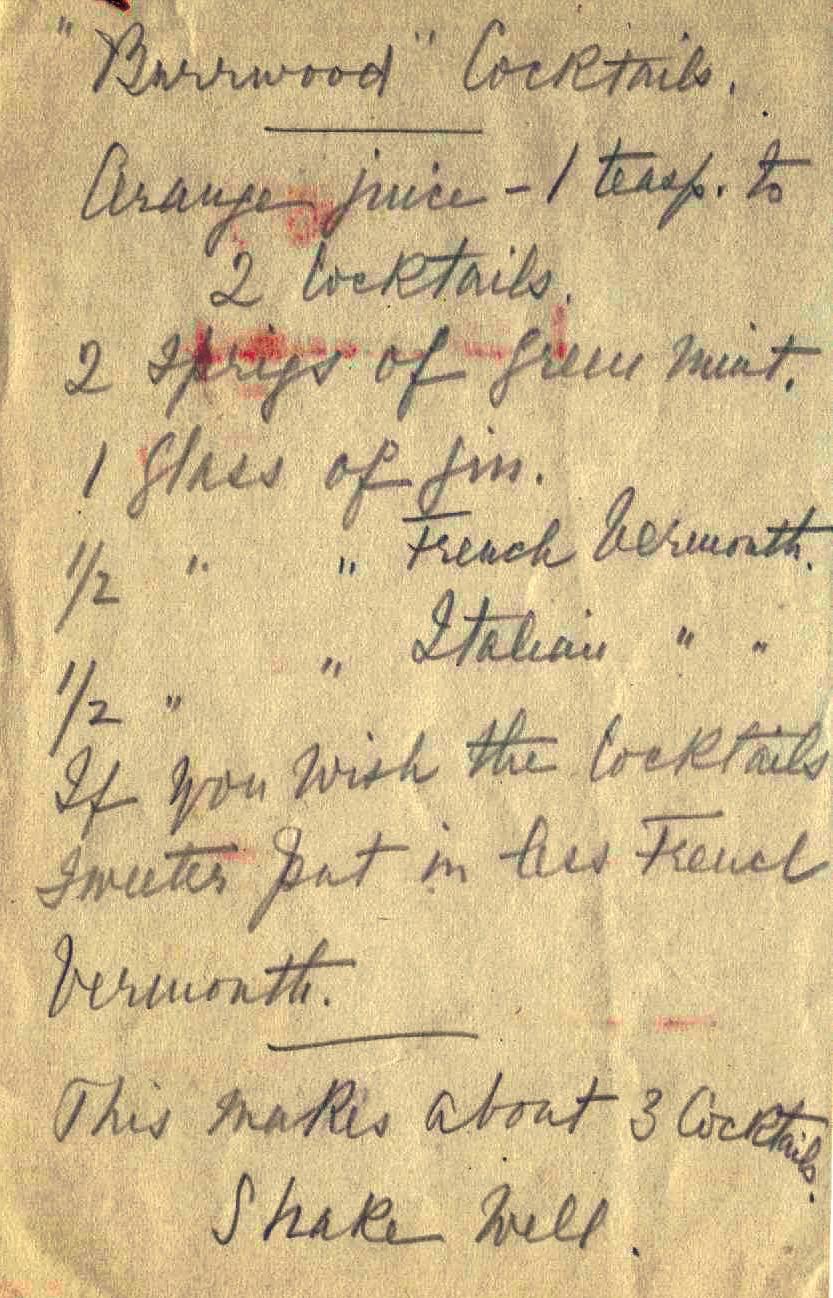
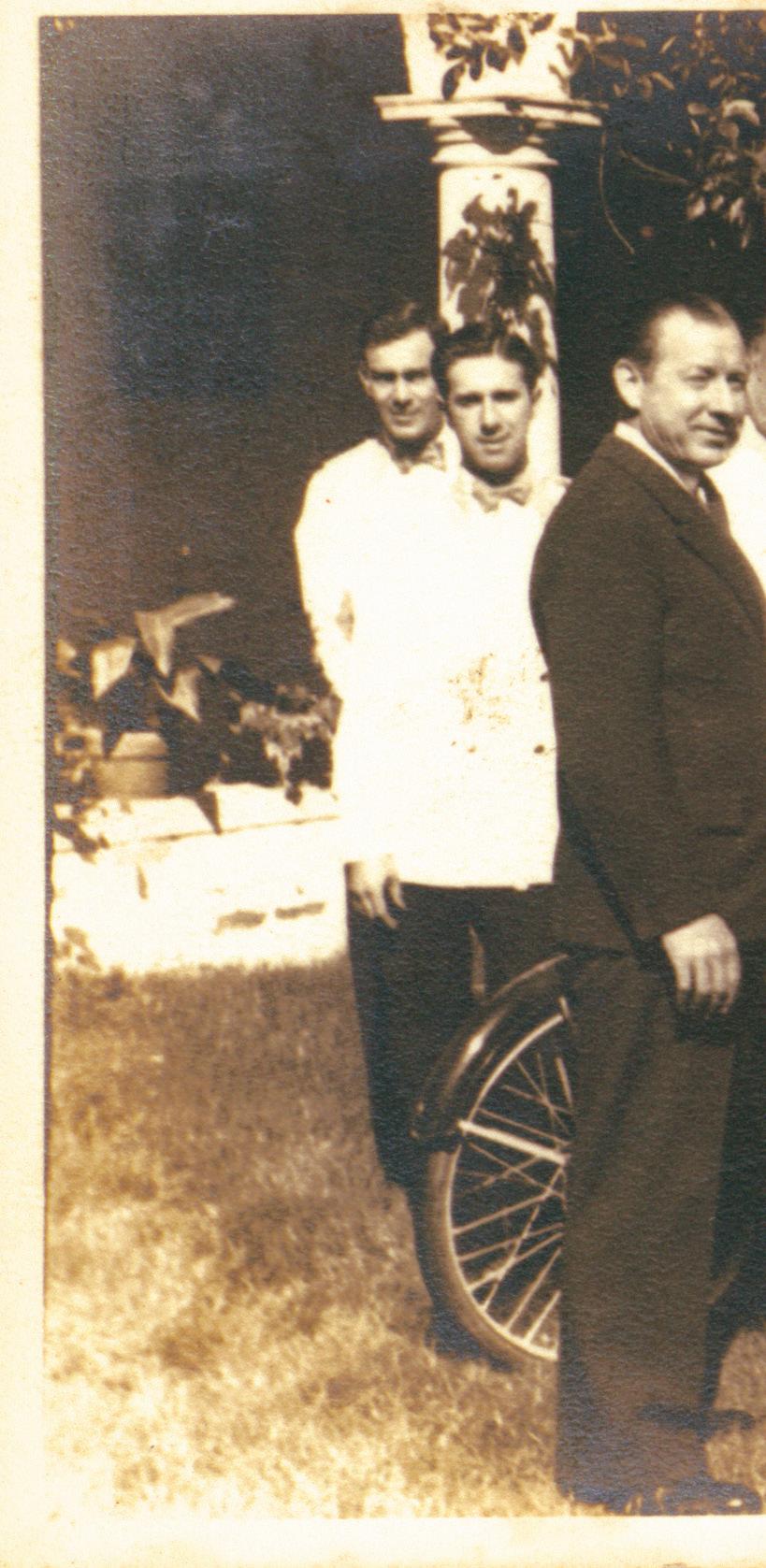
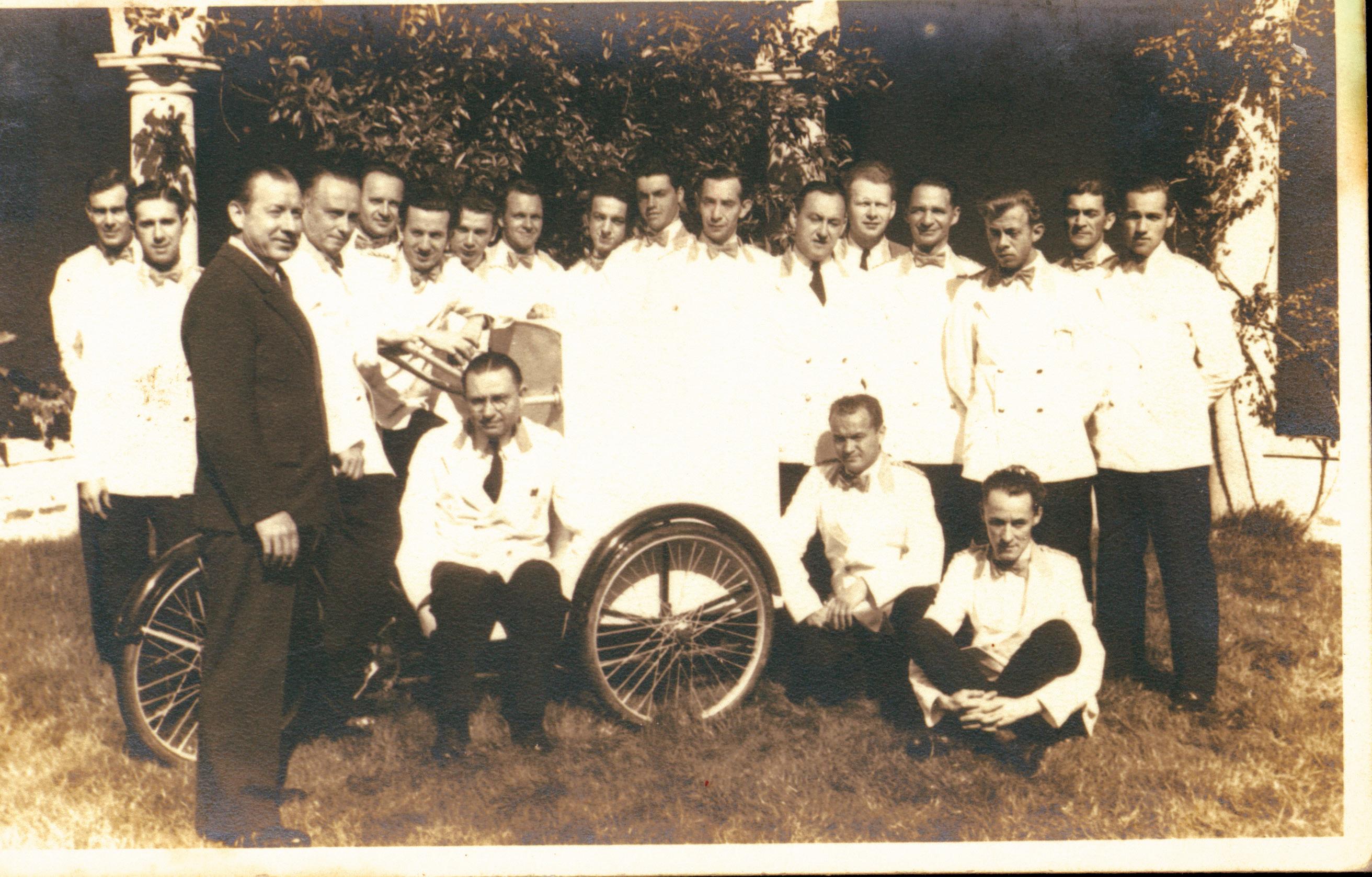
GRecipe from the collection of Jean Brown Jennings. Opposite: Club waiters at Crane Cottage, circa 1930.
eorgia’s enthusiasm for temperance at the turn of the 20th century kept with the views of the colony’s founder, General James Oglethorpe, who made banning alcohol one of his four foundational principles (in addition to no lawyers, Catholics, or slaves).
In 1907, Georgia became the first state in the South to ban the sale, production, and transportation of alcohol, a full 13 years before the federal ban and the 18th Amendment took effect. While the state pursued temperance with gusto, the experience on Jekyll Island was a bit different.
Prohibition took place during the island’s Club Era, and opinions about alcohol among Club members represented a microcosm of the divided national mood. Prominent members such as Andrew Carnegie supported the temperance movement, while others like Richard Teller Crane Jr., a manufacturing tycoon, defended an individual’s right to choose to drink.

temperance with gusto, the experience on Jekyll Island was a bit different.
Disagreements aside, alcohol was available to those who wanted it on Jekyll Island during Prohibition. According to Andrea Marroquin, curator of the Jekyll Island Museum, “The national law did not restrict their abilities to obtain alcohol; certainly they had the wealth and the resources to make sure they could have whatever they wanted.”
Jekyll’s geography was an advantage to its thirsty residents, as archival records show that most of the illegal booze was supplied by Canada, and it always arrived covertly by boat down the Eastern Seaboard. Says Marroquin, “On smuggling runs, alcohol bottles were held overboard by ropes, making them easy to dispose of if the revenuers [federal agents] came along.”
The Club’s head waiter, a native of Denmark named Robert F. Thuris, oversaw alcohol production, making various forms of spirits for the Club. Using the alcohol that members provided, Thuris flavored it accordingly, says Marroquin. “He made a bathtub gin, vodka, and beer,” says Marroquin, using things like fruit juice to flavor his bootleg bourbon. However, she notes that, “according to Club members, he was never able to make a good Scotch.” Based on Club lore, it was par for the course for Thuris. “Overall, he was a fairly enterprising young man. He had a yellow Chrysler roadster that he rented out to the Club for $50 a day as well,” she says, which was the equivalent of a month’s wages for many employees on the island.
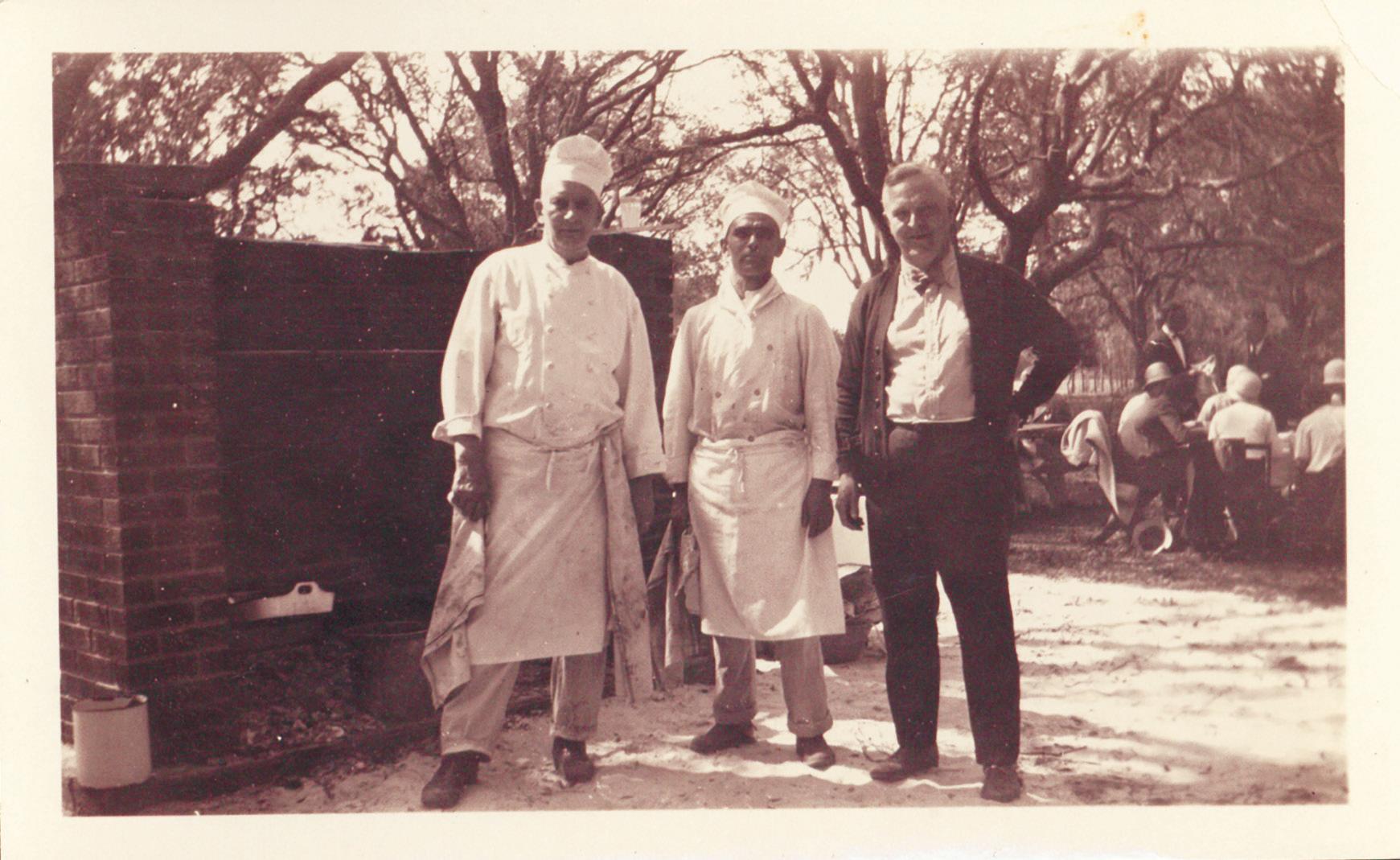
from a barbecue held by member Richard Teller Crane Jr. shows a member walking by the camera and overtly flashing a beer.
Remoteness has its advantages, but wealth has its privileges, and drinking life on Jekyll was well-insulated from Prohibition's reality, albeit with far less superior alcohol. Most Club members did not hide it. For example, Marroquin cites archival film footage from a barbecue held by member Richard Teller Crane Jr. that shows a member walking by the camera and overtly flashing a beer. “They were casual about it. And of course, being a remote island, it was unlikely they would be investigated without any warning,” she says.
Club members were on both sides of the issue, but opposing viewpoints were respectfully tolerated. There is no evidence of any serious discord among members. Marroquin references a diary entry from Club member Charlotte Maurice, who took detailed notes on her entertaining, documenting who attended and what she served.
“Charlotte Maurice invited the Rockefellers to dinner,” says Marroquin. “William Rockefeller
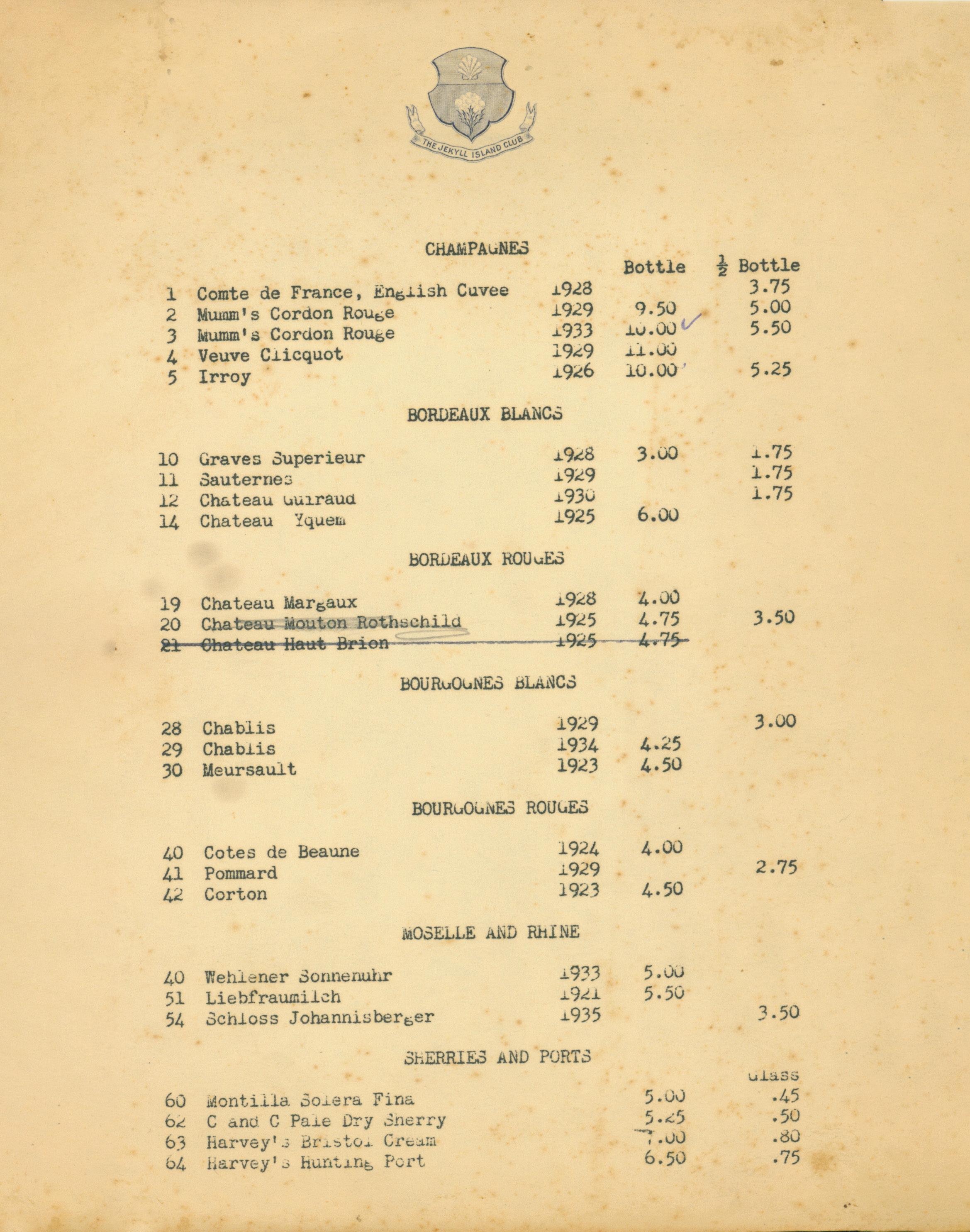
and his wife, Almira, were members of the Club, and they frequently hosted guests on the island, including his brother, John D. Rockefeller, and his wife, Laura Spellman Rockefeller, who was a founding member of the Women’s Christian Temperance Union (WCTU). Charlotte noted in her diary that she served the Rockefellers Poland water, while other guests enjoyed Chablis.”
Says Marroquin, “The WCTU would go into the poor parts of the city, enter saloons, and lay hands to pray over the sinners who were in the bar. Laura Rockefeller would take part in that, and sometimes her husband would come along. They themselves abstained from alcohol use, and they raised their children to abstain from alcohol use.” The John D. Rockefeller children even signed a pledge that they would not participate in alcohol consumption. However, towards the end of Prohibition, John D. Rockefeller Jr. changed his mind and wrote a letter backing the anti-Prohibition cause.
Members funded both sides of the issue with donations. The teetotalers, like John D. Rockefeller and Laura Spellman Rockefeller, donated to organizations such as the WCTU and the Anti-Saloon League, while those who opposed prohibition sided with the Association Against the Prohibition Amendment.
Those who opposed Prohibition included George David Stewart, a prominent surgeon and the head of the Department of Surgery at New York University and Bellevue Hospital. According to Marroquin, Stewart was legendary for his after-dinner speeches. During one such speech about Prohibition, he is quoted as saying, “Russia went dry in 1915 and then went crazy in 1917,” an oblique reference to the madness of the Bolshevik Revolution.

“Stewart was offended because the Supreme Court took away a physician’s ability to prescribe alcohol to their patients,” says Marroquin. “He did not think that the Supreme Court should be coming between a doctor and his patient, that a doctor should be able to prescribe alcohol as a useful drug.”
Decades later, the role and legality of alcohol
on Jekyll Island and across Georgia appear to be settled. The state still has eight dry counties, and during Jekyll Island’s early years as a State Park in the 1950s and 1960s, state laws prohibited the sale of alcohol on Jekyll Island. Visitors today thankfully don’t have to make any hardand-fast decisions on whether or not to imbibe— there are plenty of options for all occasions.
There are many ways to quench your thirst on Jekyll. Try Prohibition-era mixology at Founder’s social with its Founder’s 75, a riff on the French 75, a drink that creatively used lemon and sugar to mask the rough-tasting spirits. Make your choice in the moment at the Alexander Bar & Boar’s Head Lounge at the Jekyll Island Club Resort. There are eight Prohibition-era drinks on the menu, such as the Hemingway Daiquiri, made with Bacardi, grapefruit, lime, and Luxardo maraschino liqueur, and the Negroni, made from gin, sweet vermouth, and Campari.
Wonders abound—if you know where to look—on Jekyll Island
BY JENNIFER BRADLEY FRANKLIN
PHOTOGRAPHY BY ALLISON LEOTIS
“Adopt the pace of nature: her secret is patience,”
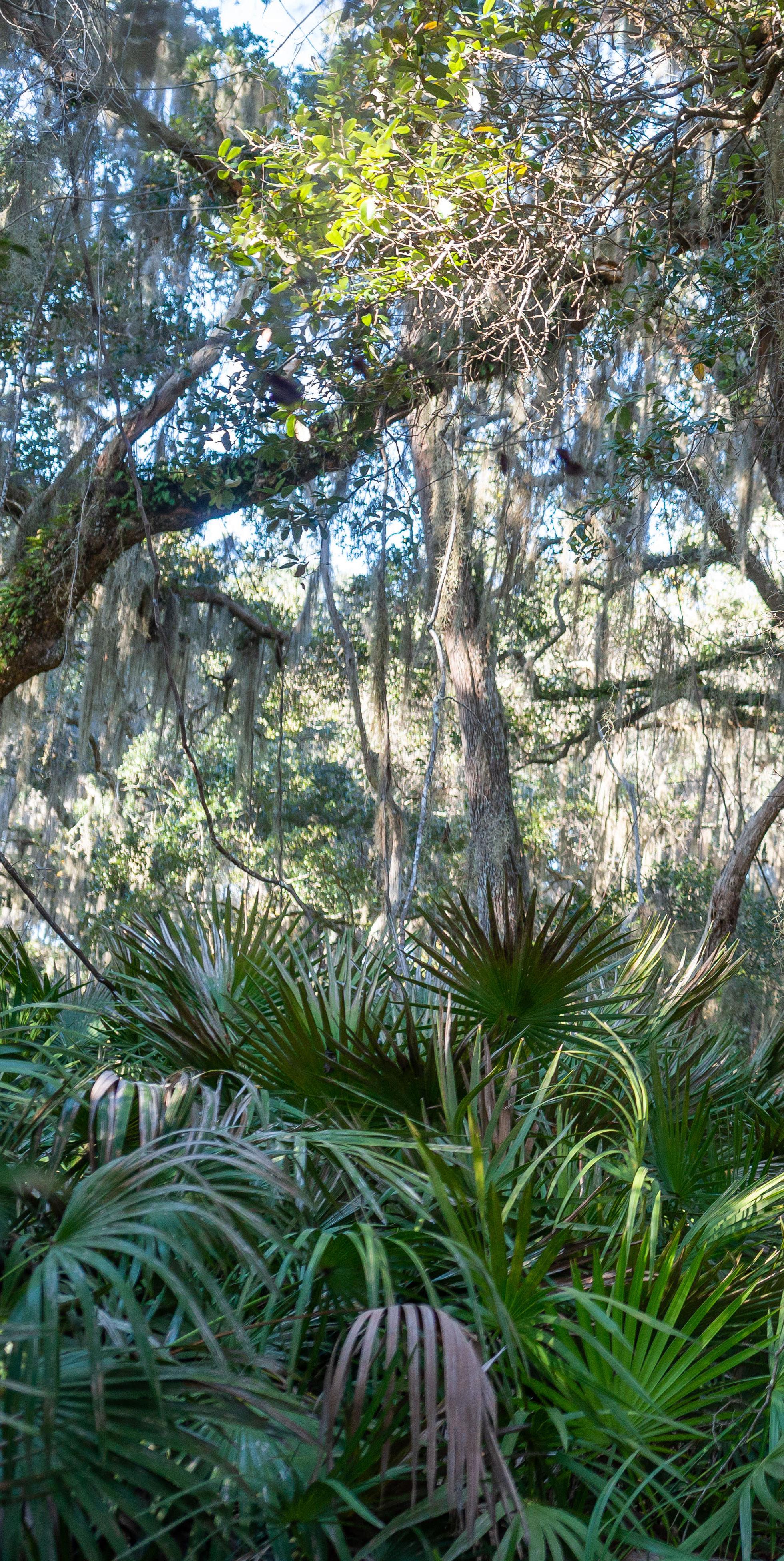
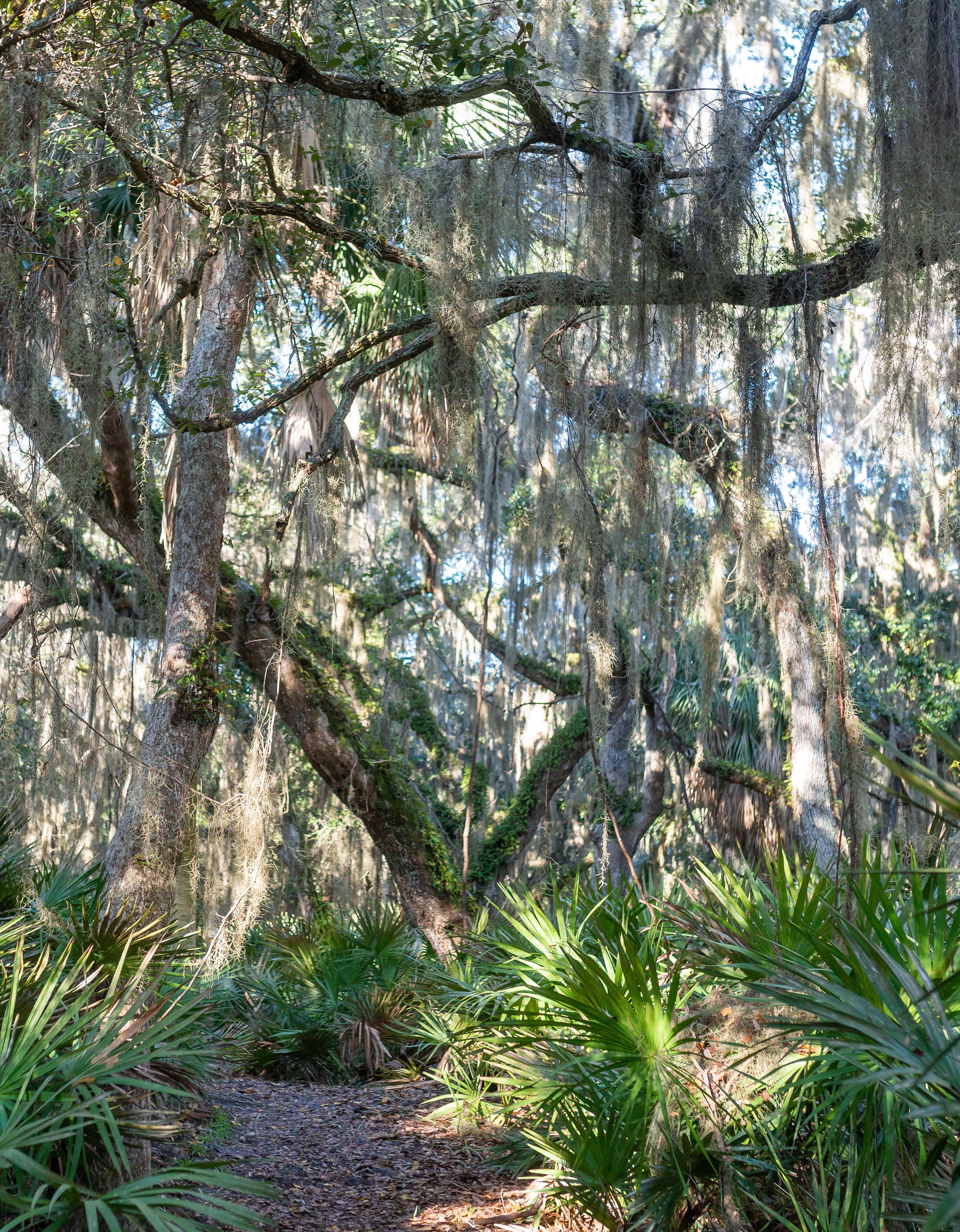
poet Ralph Waldo Emerson once wrote. It’s an apt ethos to embrace while exploring Jekyll Island with foraging in mind. For those who approach their outdoor explorations with curiosity, the verdant island is a wonderland to discover. In fact, the tradition of foraging goes back to the island’s native residents, when the Timucua used the abundant Spanish moss as clothing and for medicinal purposes, such as respiratory treatments. “There are all kinds of cool things you can do with the plants around here,” says Ayron Moleen, the interpretive naturalist for Jekyll Island Authority's conservation department.
Rather than going out specifically to pick or taste a particular plant, Joseph Colbert, a wildlife biologist for the JIA, recommends that visitors treat a Jekyll Island excursion like a scavenger hunt. “Our trails take you through some cool plant communities. The more space you cover, the more likely you are to see some of these,” he says, adding that Jekyll is considered one of America’s most bikeable communities, allowing visitors to cover even more ground per visit. Here is some of what you might find.
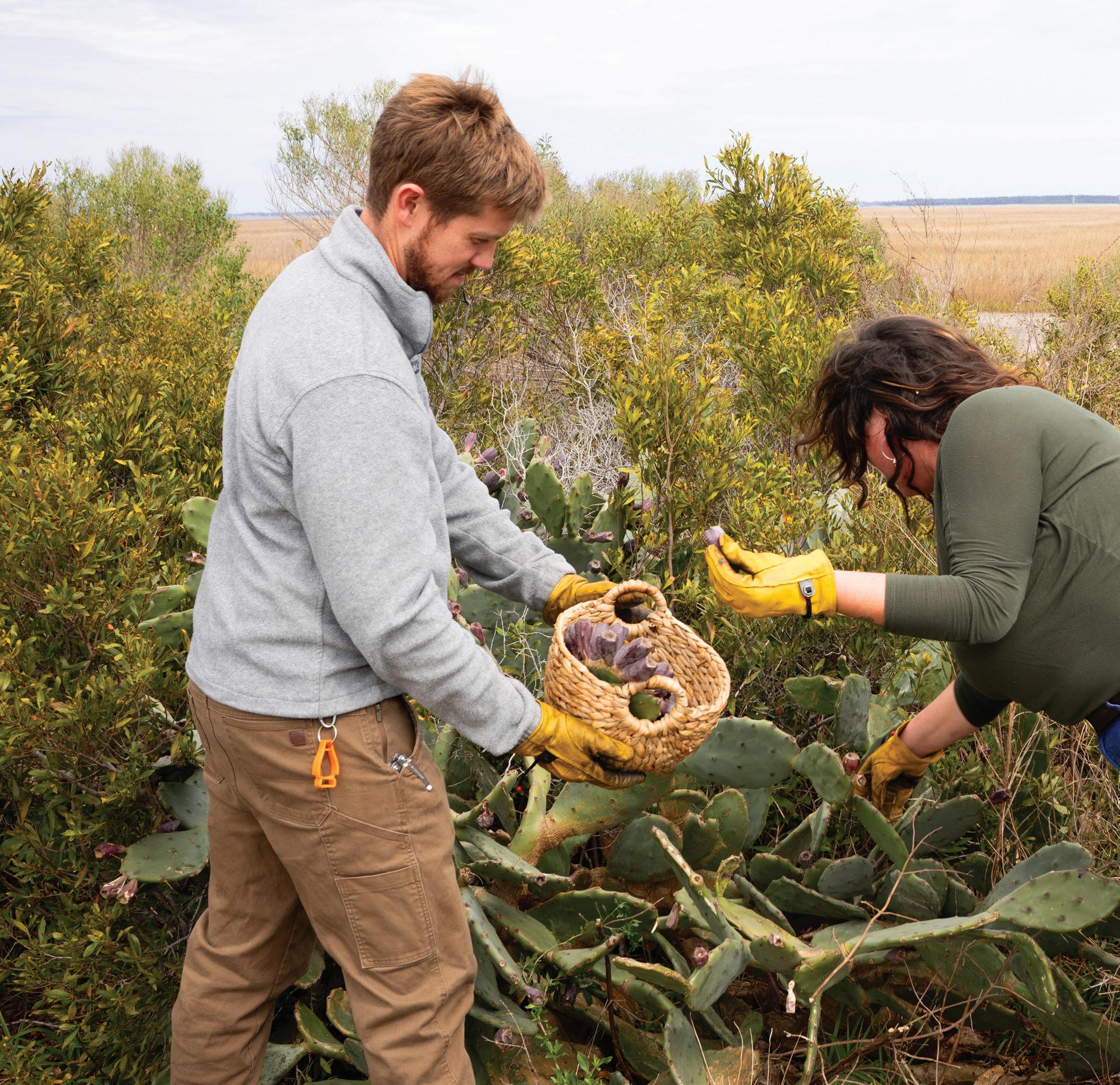
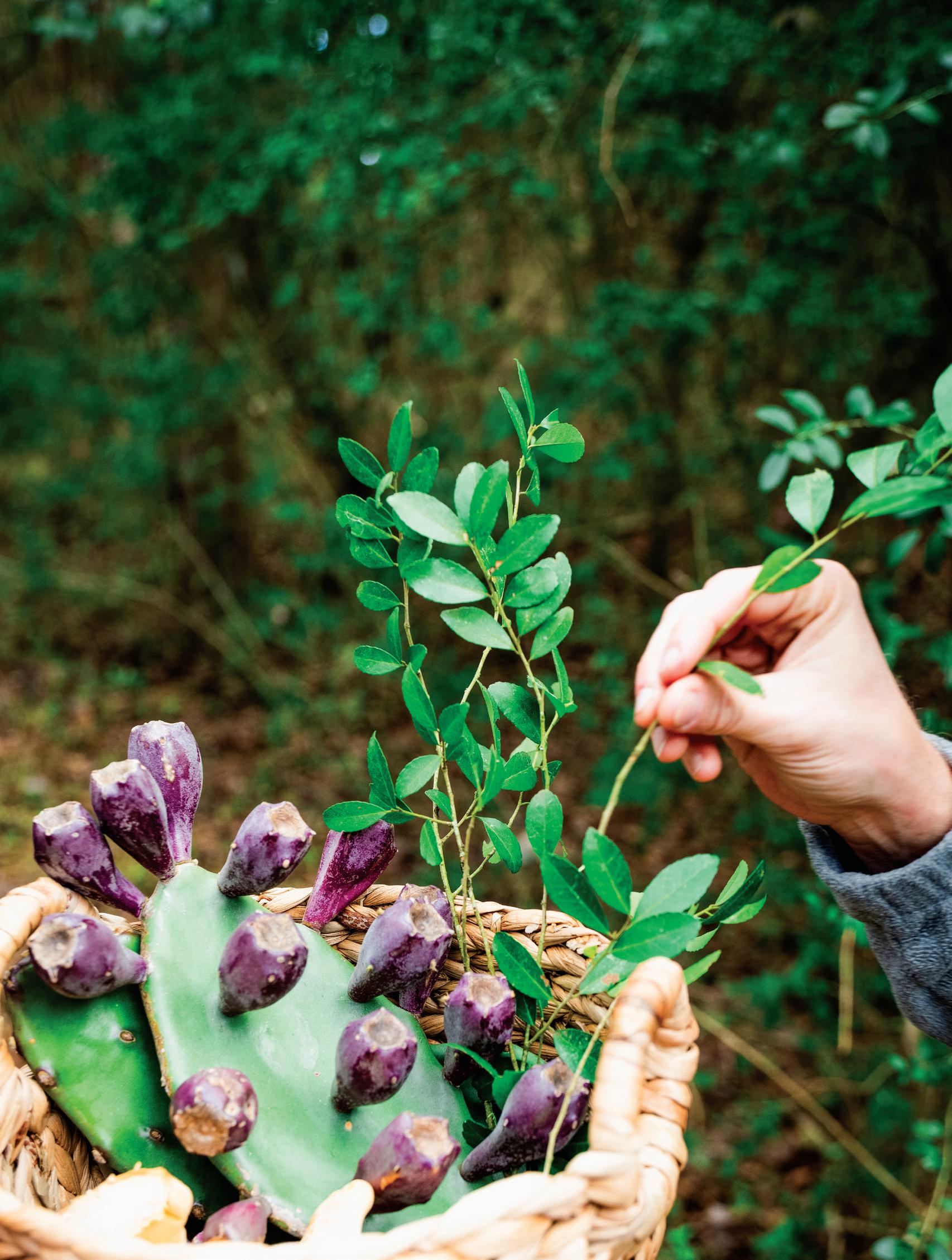
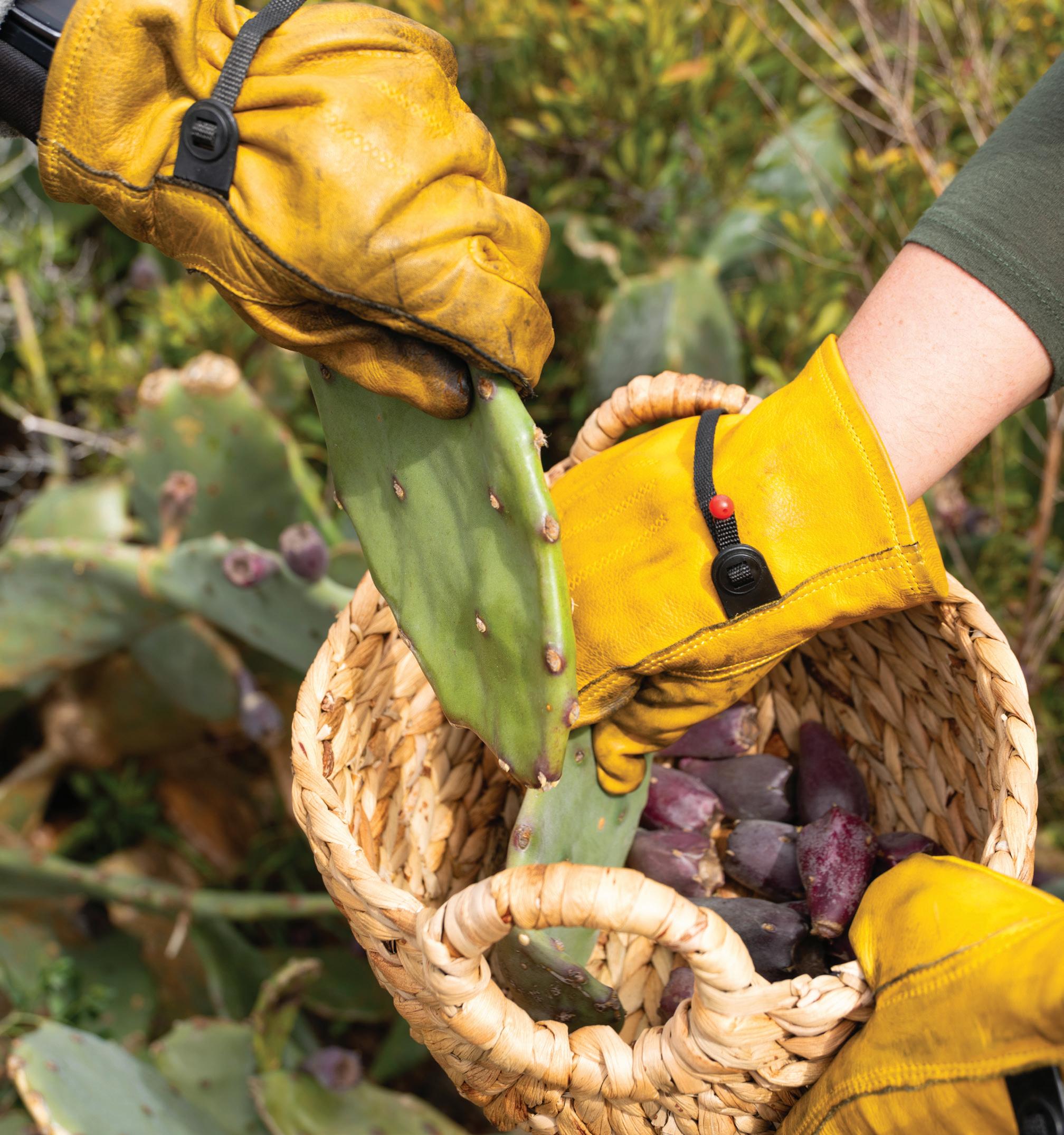
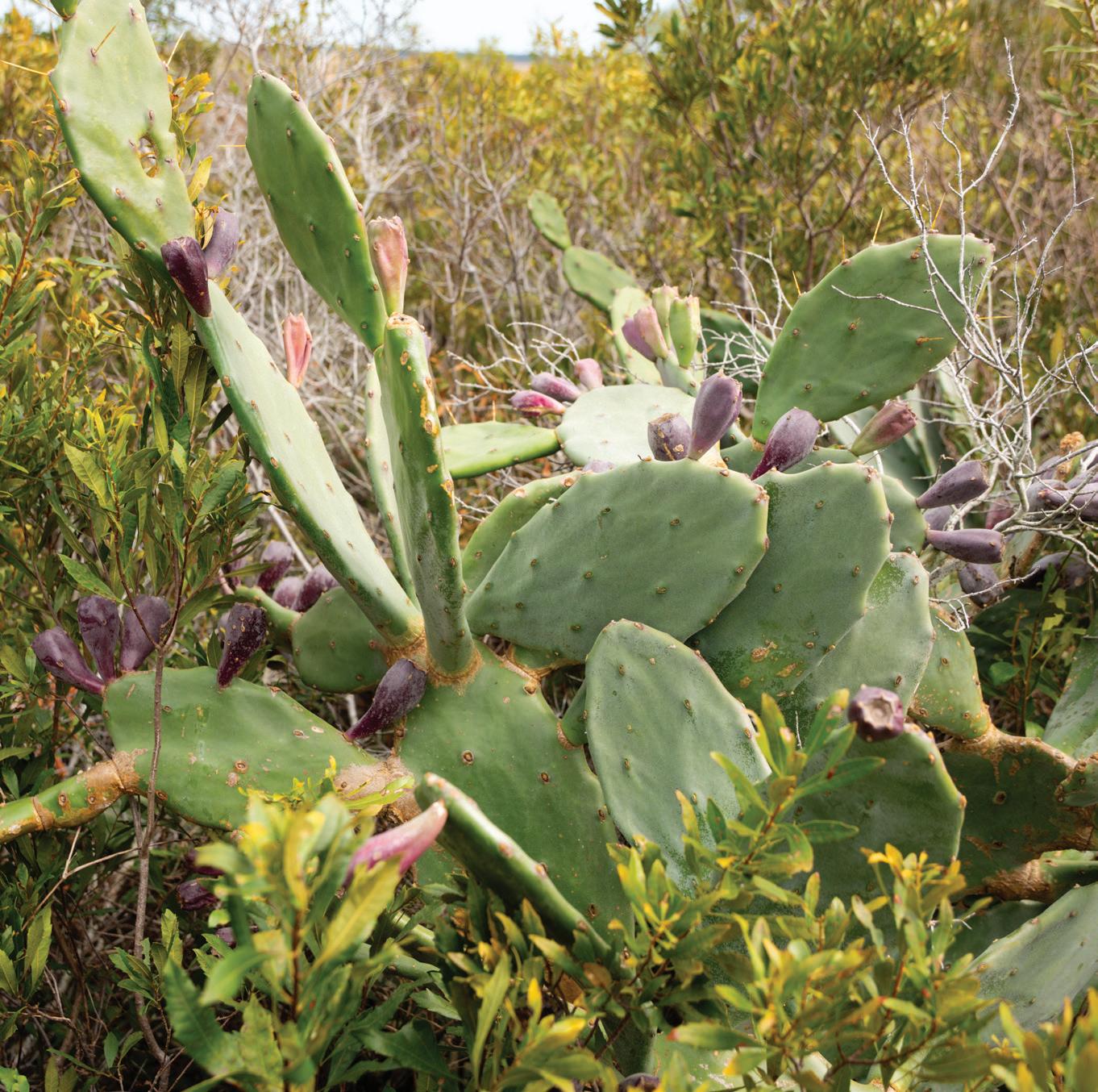
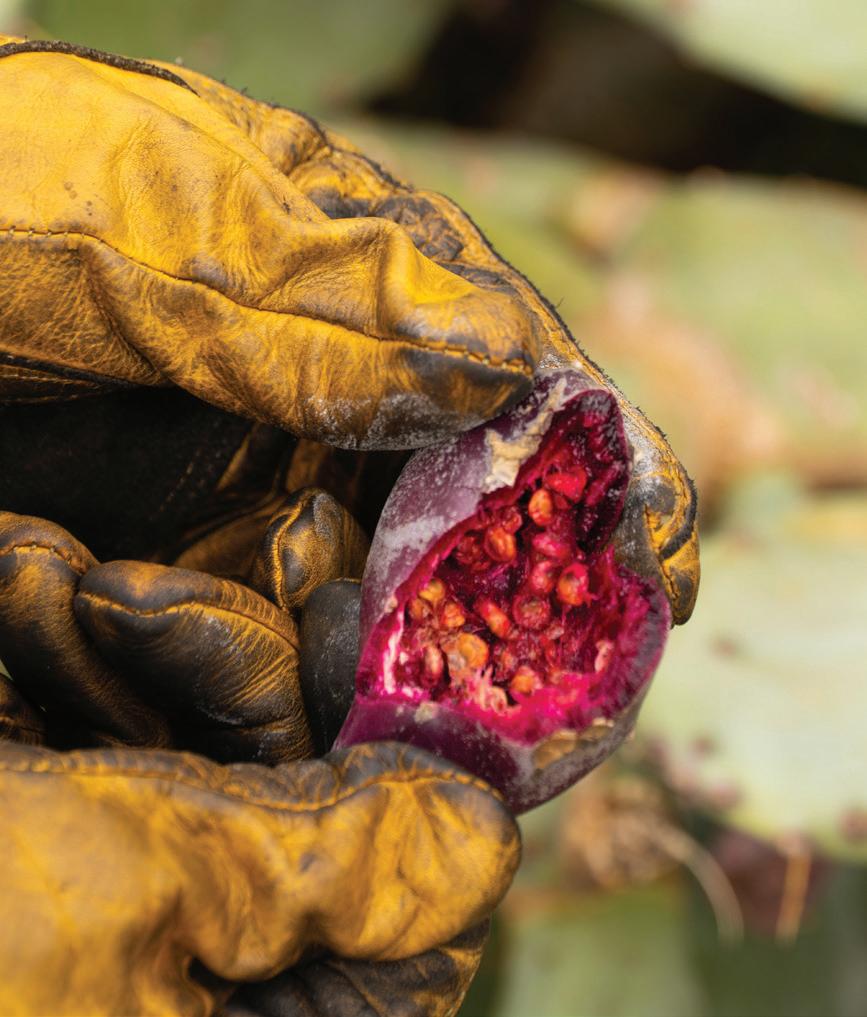
These flavorful, diminutive cacti are abundant in Georgia’s Golden Isles, thanks to the sandy soil. You’ll know them by their flat, paddle-like pads and reddish-purple fruits that grow along the causeway in the summer and fall. “Be careful when you're picking the fruit, because they are covered in the tiniest little spines,” says Moleen, who offers that gloves and tongs are the easiest way to handle them so as not to get the difficult-toremove spines embedded into the skin. The prickly fruit has myriad purposes. “You can boil them for all kinds of things. I've seen people make them into prickly pear simple syrup for margaritas,” she says.
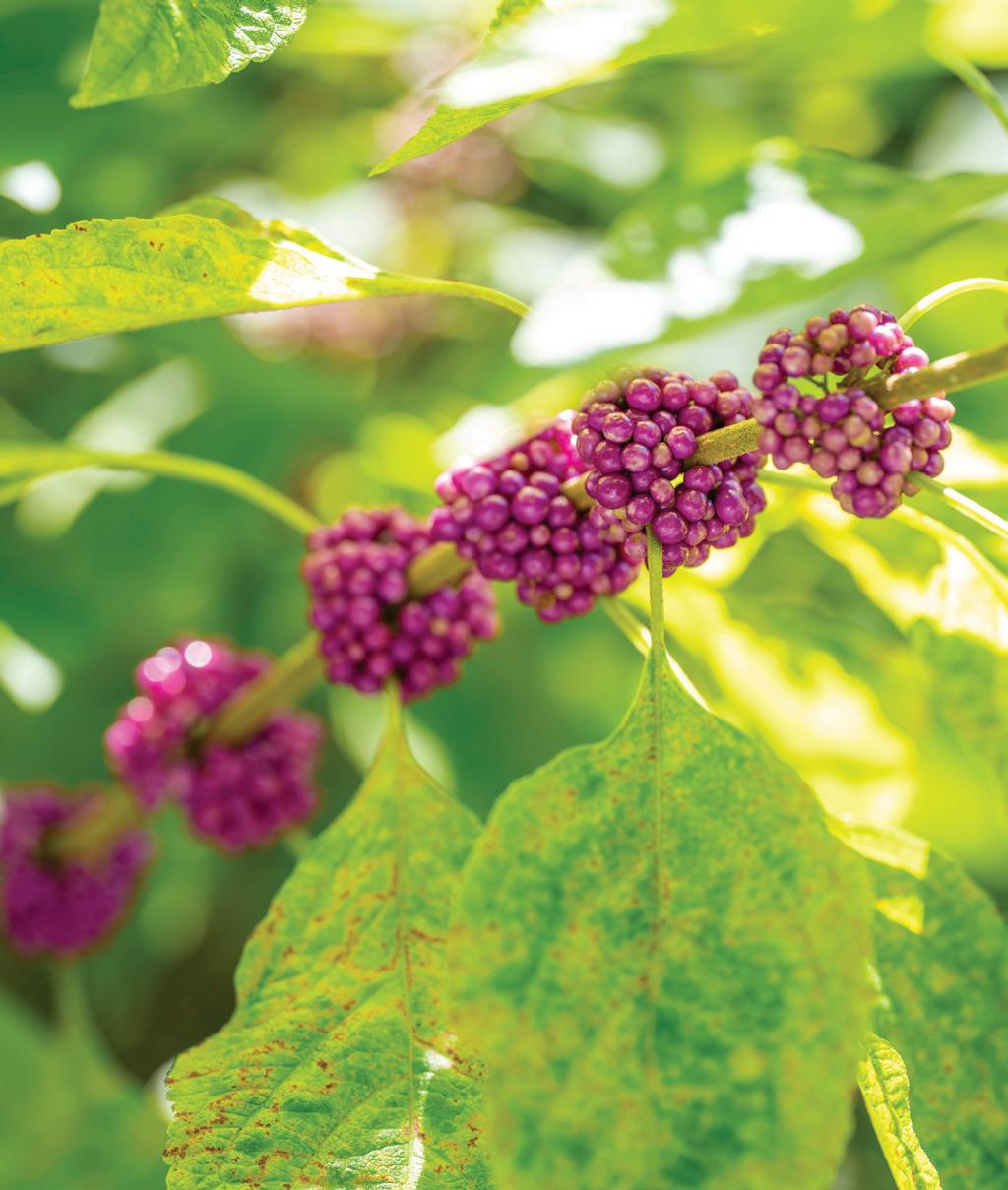
It’s easy to be charmed by the vibrant magenta-hued American beautyberries that grow wild on dense shrubs, fruiting in late summer and early fall. “They make wonderful jams or jellies,” says Colbert. However, you might have some competition for these mildly sweet, somewhat astringent berries. “They’re also a food source for millions of birds that come here for migration,” says Moleen. They, along with muscadines, yaupon holly, chicken of the woods mushrooms, and winged sumac, can be found dotted throughout Crane Road Trail and Tupelo Trail at Horton Pond.
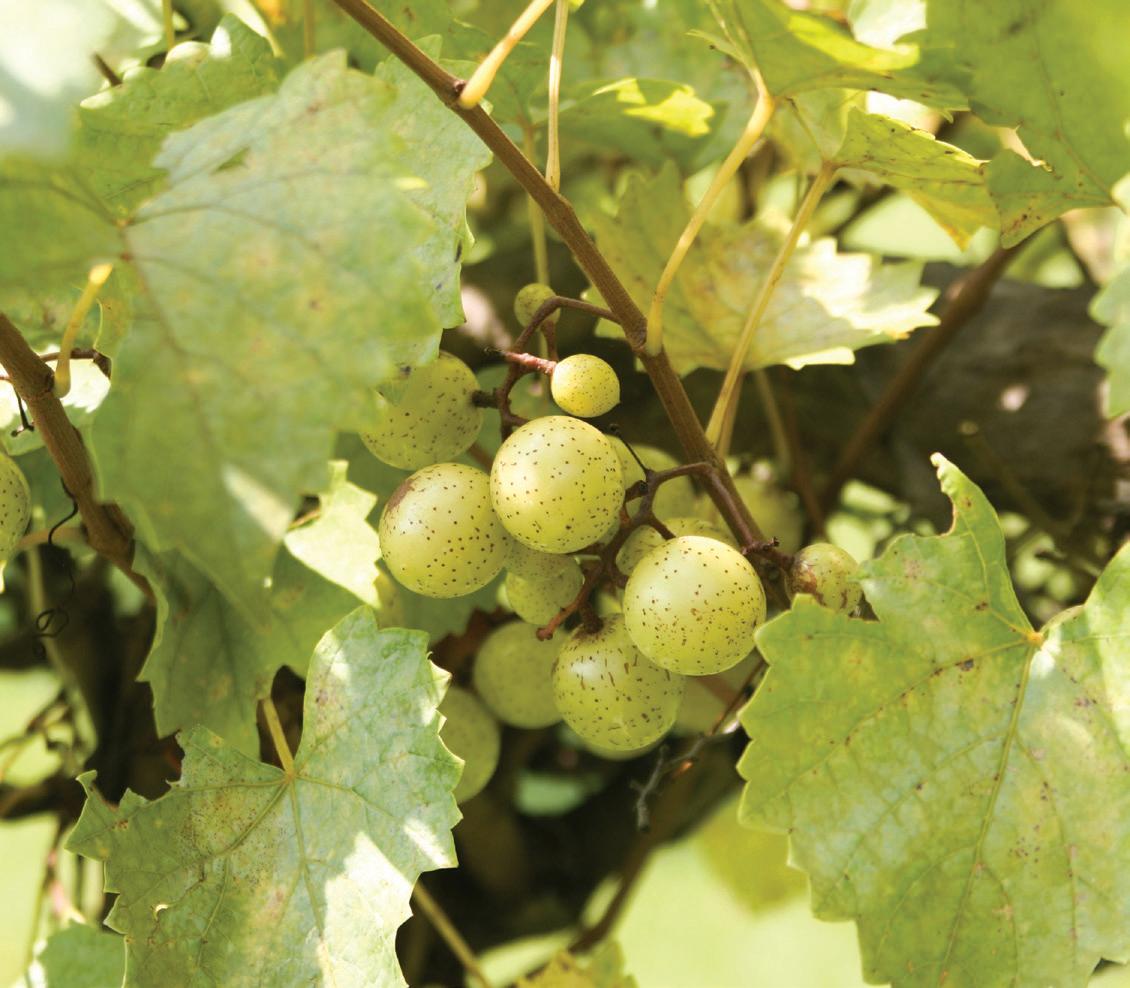
These intensely sweet grapes grow wild on vines around the island and have leaves that turn bright red. The small, tough-skinned grapes appear in midsummer and are a popular ingredient for wine, jam, and jelly. Keep an eye out for some particularly large clusters of vines—some with individual diameters of up to 10 inches—that are estimated to be more than 100 years old.

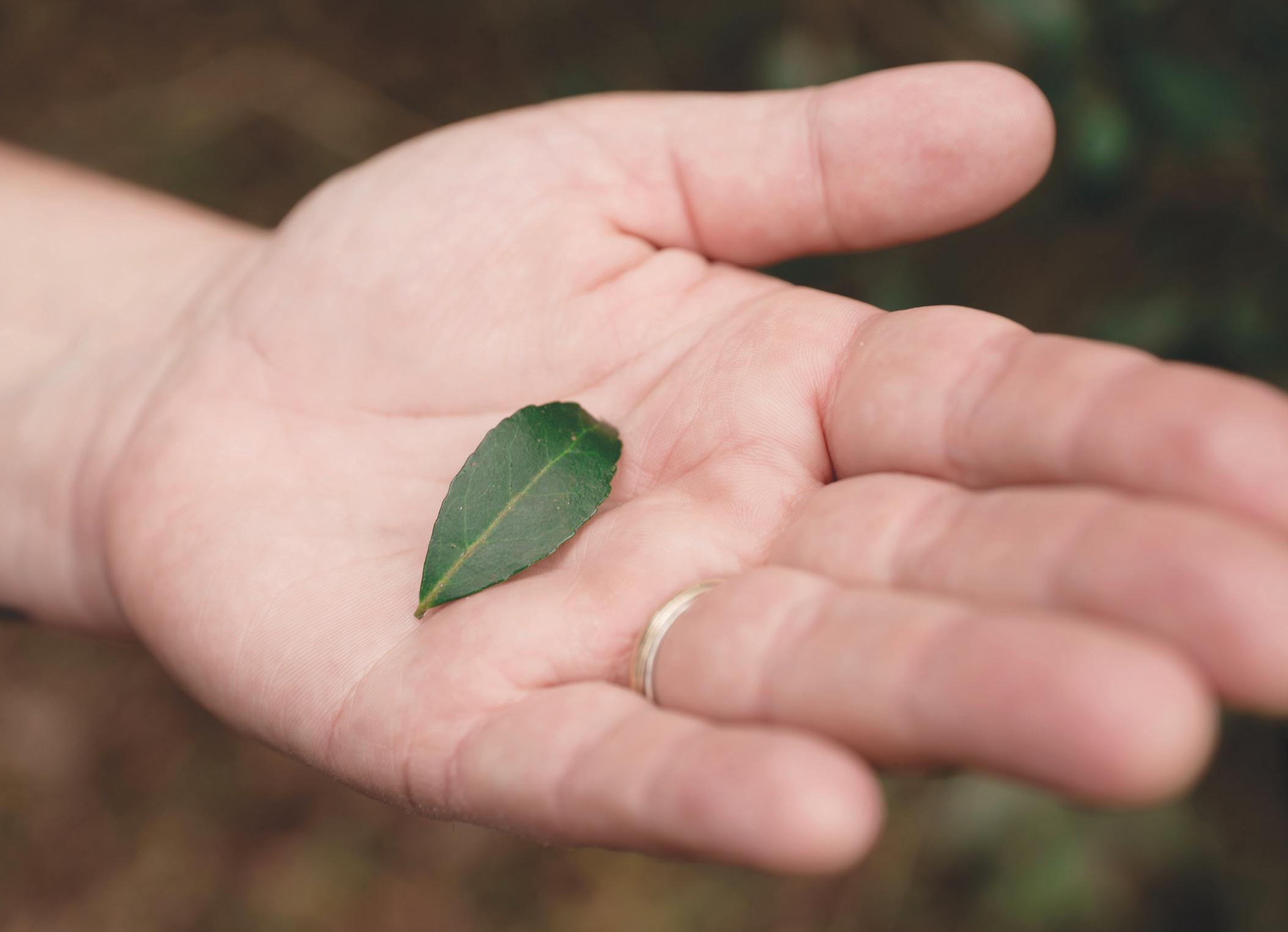
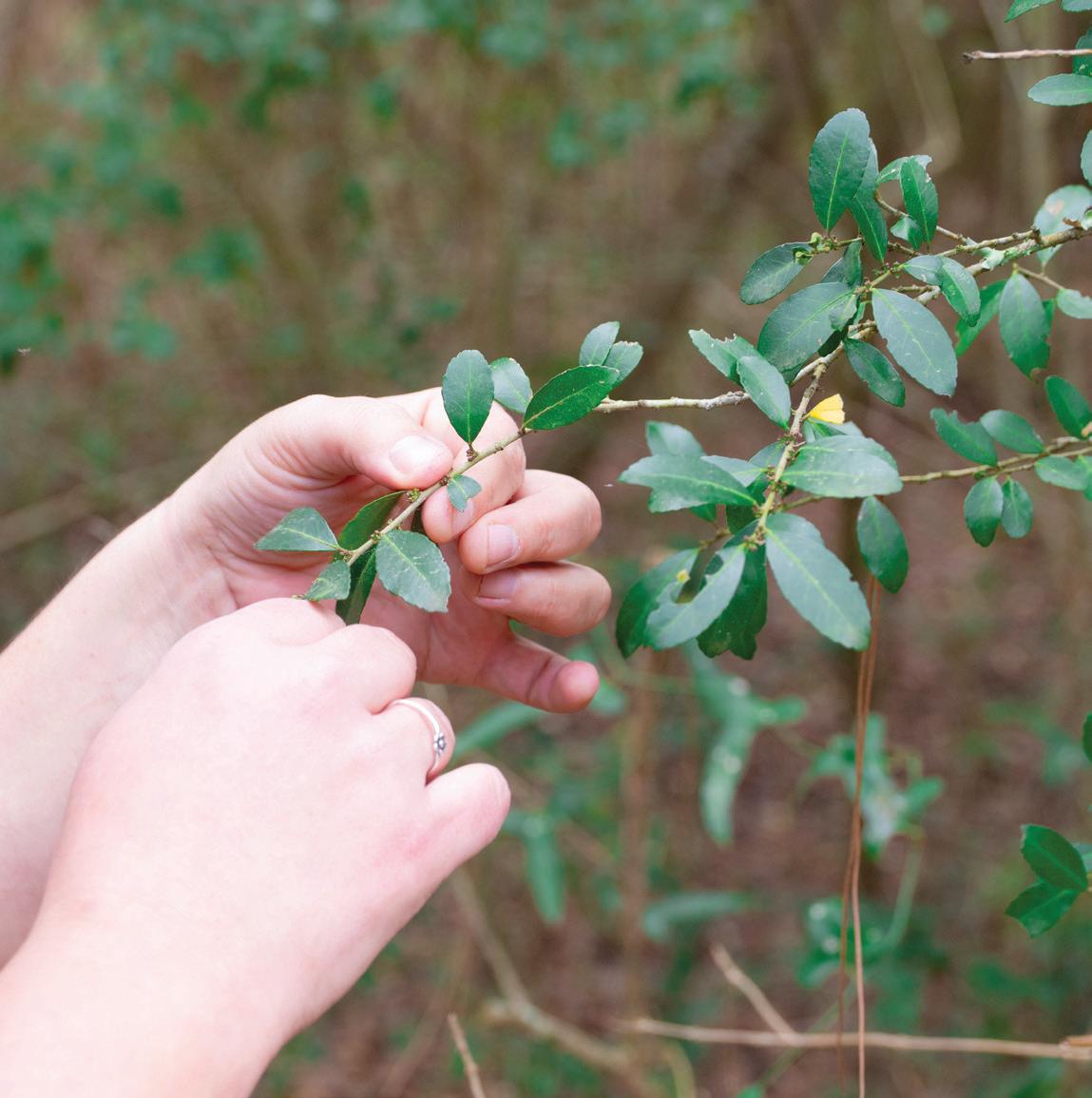
Need a pick-me-up? Yaupon holly, a native shrub, is “one of the only plants native to North America that produces caffeine,” says Moleen. While the leaves can be dried and turned into tea—they contain about as much caffeine as green tea—don’t be tempted by the berries. They’re toxic and should not be consumed. Fun fact: The British, in part hoping to dissuade the American colonies from joining the tea trade, gave the shrub the rather unappealing official name of Ilex vomitortia
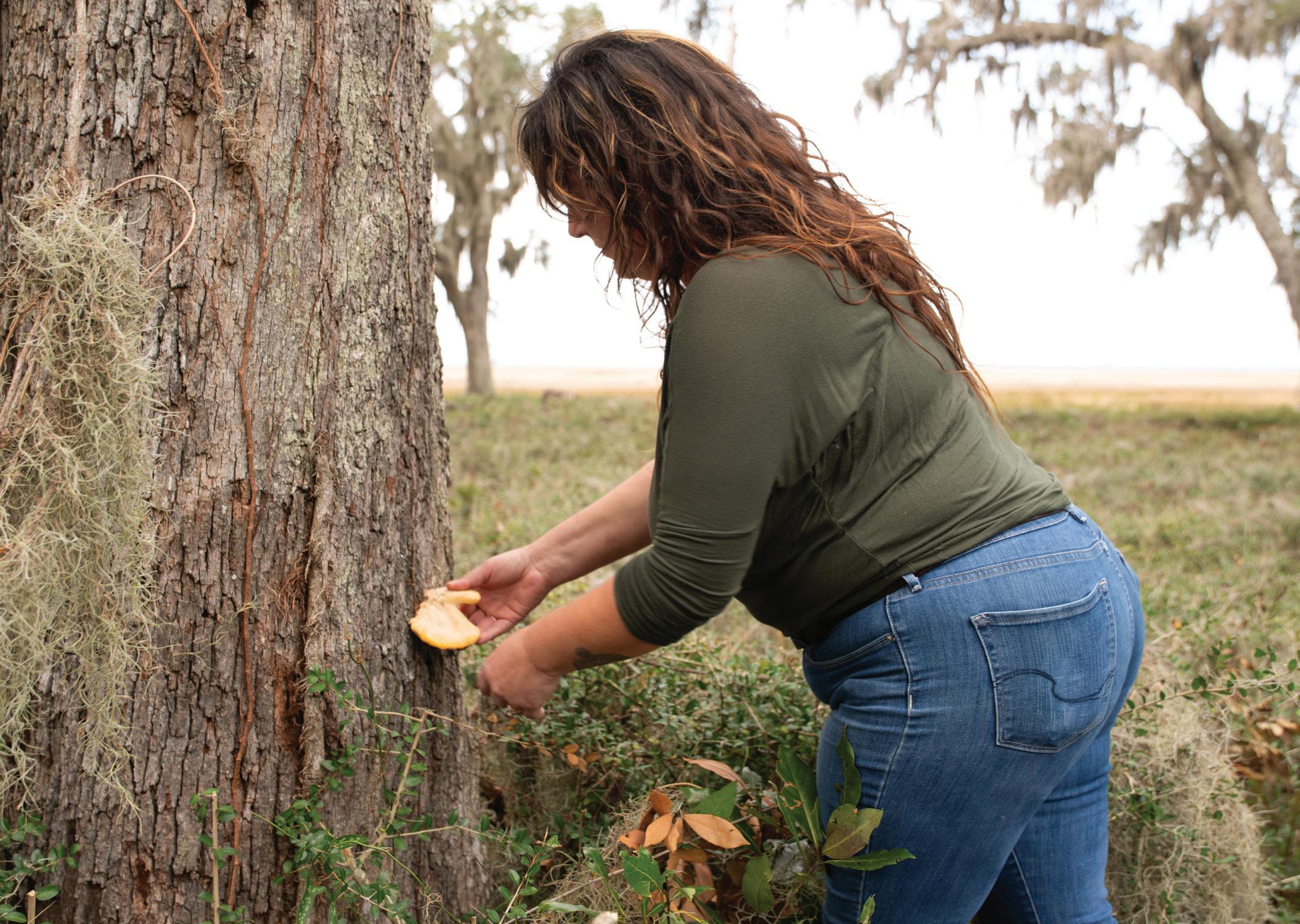
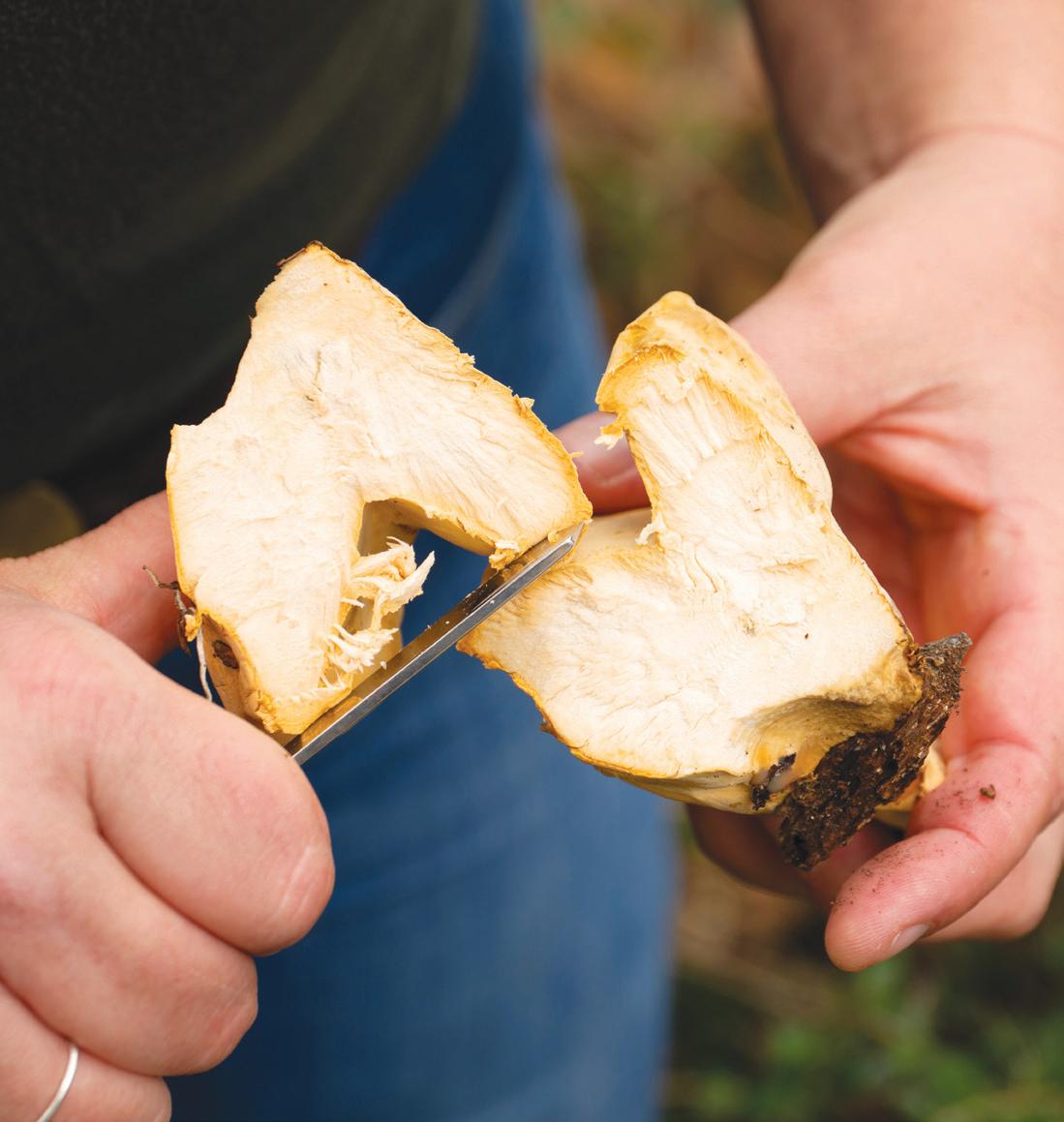
These bright yellow-orange edible mushrooms have a shelf-like shape that grows on the trunks of live oaks and other hardwoods in the maritime forests that dot the island. They grow in the late summer to early fall, and the alternative protein choice mimics the taste of chicken. “They’re delicious,” says Moleen, who shares an important caveat to searching for fungi: “I would not recommend foraging for mushrooms without doing your research. When in doubt, don’t eat!”
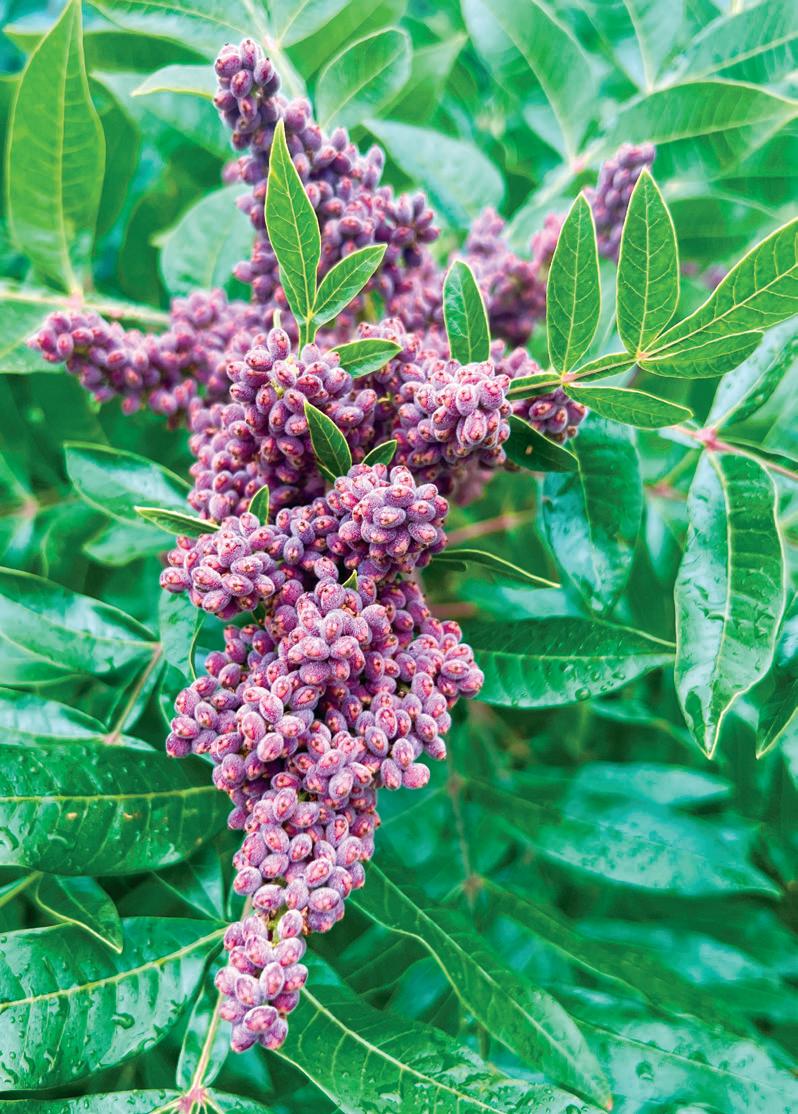
Winged sumac is identifiable thanks to its distinctive winged leaf stems with glossy green leaves that morph into a bright red shade in the fall. The bushes, which often grow on the edges of marshland, produce clusters of sour red or pink berries that typically ripen in August. “This is where pink lemonade comes from,” says Colbert. “It's absolutely delicious with a very lemony flavor and pink color. It’s an old Southern thing.” To make the lemonade, simply steep the berries in water and sweeten to taste.
How to forage on Jekyll Island, while treating the land with respect.
PICK RESPONSIBLY. “We want people to be ethical about what they forage and only harvest very small amounts for personal use,” says Colbert. “It’s okay to take a bite, but leave the rest for the wildlife.” And when picking, never pluck up a plant by the roots.
SEARCHING FOR BIVALVES? If you’re interested in looking for clams or oysters, know that those are regulated by the Department of Natural Resources. Do your research to learn more about what’s permitted.
STAY ON THE TRAILS. While Jekyll is a publicly accessible state park, keep in mind that individuals lease and live in homes around the island. It’s important to stay off leased property. “We like to think of the areas outside of the trails as safe spaces for wildlife,” says Colbert, who notes that pests, such as ticks and mosquitoes, can be more problematic in those off-trail zones.
NO SHOTS TAKEN. Hunting is illegal on Jekyll Island. If you’re hoping to point and shoot, do it only with a camera lens to capture memories of your trip.
WHEN IN DOUBT, LEAVE IT OUT. Even experienced foragers can be tripped up by lookalike plants and species. If you’re not completely confident in what you’ve found, don’t eat it. When it comes to foraging, caution is part of respecting both your own safety and the island’s ecosystems.
PRESERVATION MEETS PROGRESS AT THE DISTRICT SHOPS ON JEKYLL ISLAND’S HISTORIC PIER ROAD
BY TYRA DOUYON
PHOTOGRAPHY BY ALLISON LEOTIS AND BRIAN
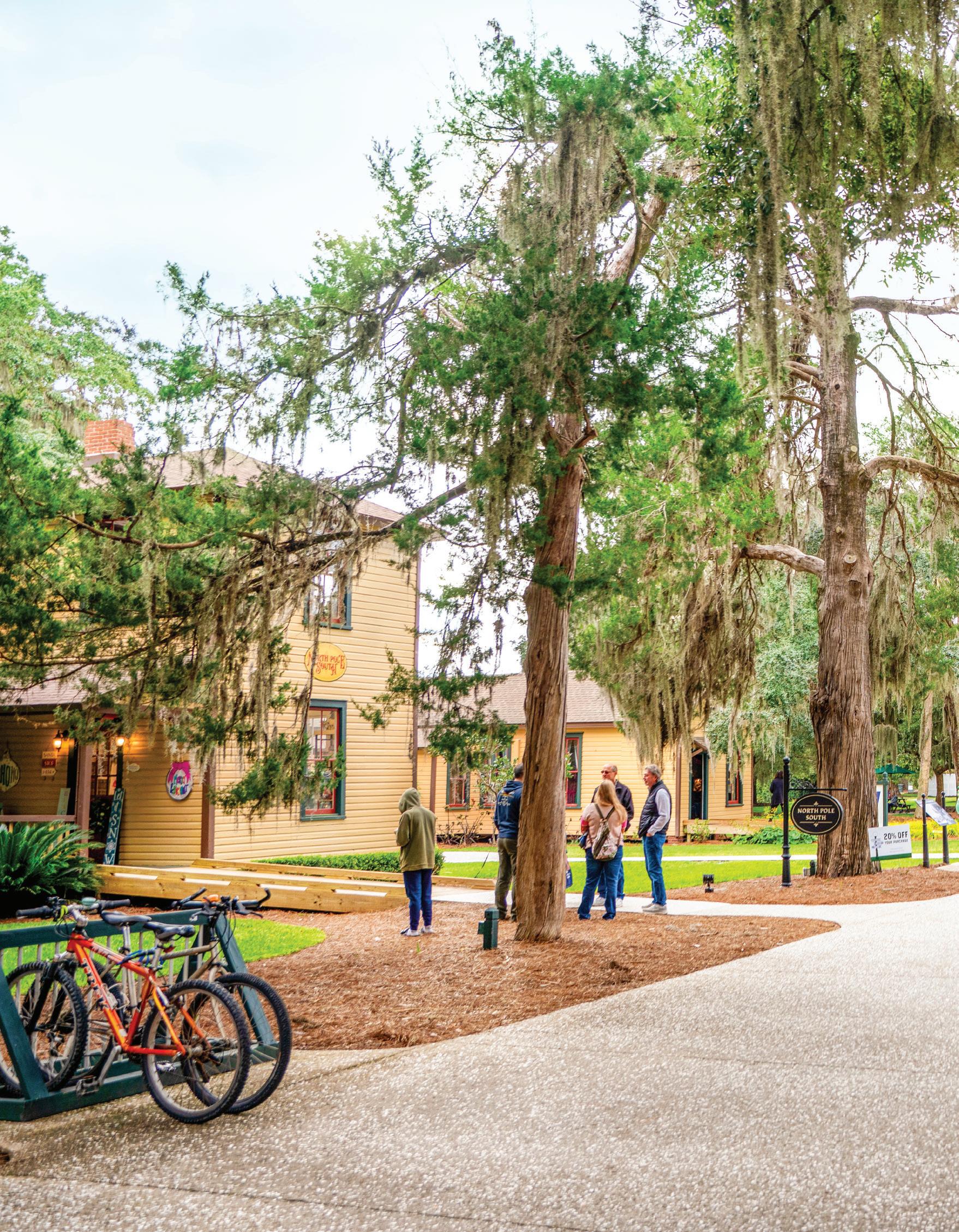
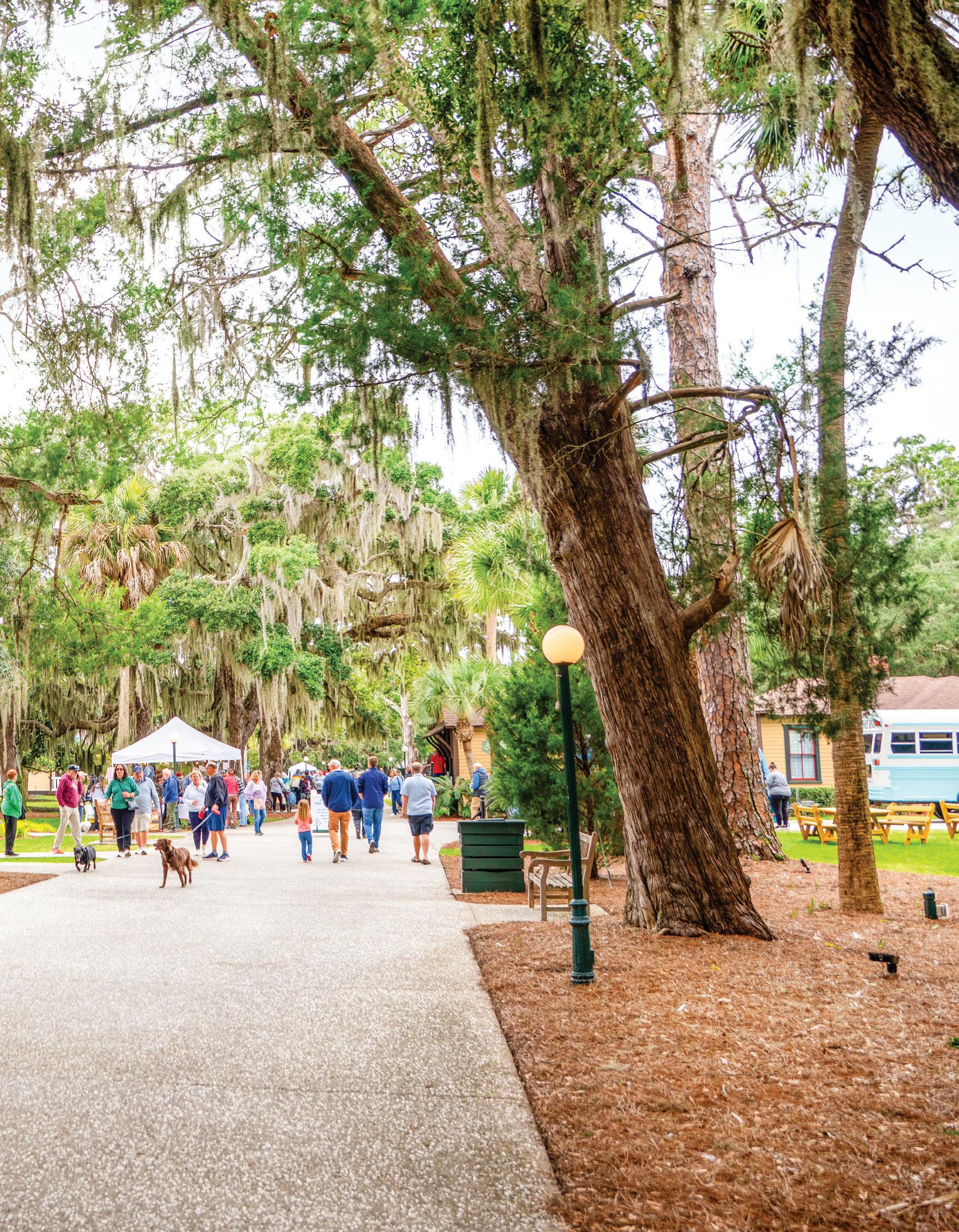
the small cluster of buildings on Pier Road in Jekyll Island’s Historic District once served practical purposes during the island’s Gilded Age, housing everything from a taxidermist shop to a commissary for Club employees servicing nearby cottages. Today, that same stretch of road has become a destination in its own right, a carefully revitalized space with eight new retail and dining experiences that was completed in summer 2025. Called The District Shops, it now allows visitors to experience a fuller version of the island beyond its beaches.
Led by the Jekyll Island Authority, the restoration project emphasizes modern architecture while honoring the area’s historic past. Alexa Hawkins, director of marketing and communications for the JIA, says the transformation of Pier
Road reflects how Jekyll Island is growing its tourism industry, while honoring what came before. “The District Shops is a part of the larger National Historic Landmark District, so it was important for us to maintain that history and those buildings,” Hawkins says.
The historic preservation requirements state that buildings must maintain their historic character, which limits what structural changes can be made and the types of businesses they can support. Over time, those limitations became more pronounced as Jekyll’s visitor preferences shifted. Unable to compete with the flexibility and draw of the island’s Beach Village shopping district, Pier Road struggled, and what was once a lively street full of thriving local businesses became low on visitor priority lists.
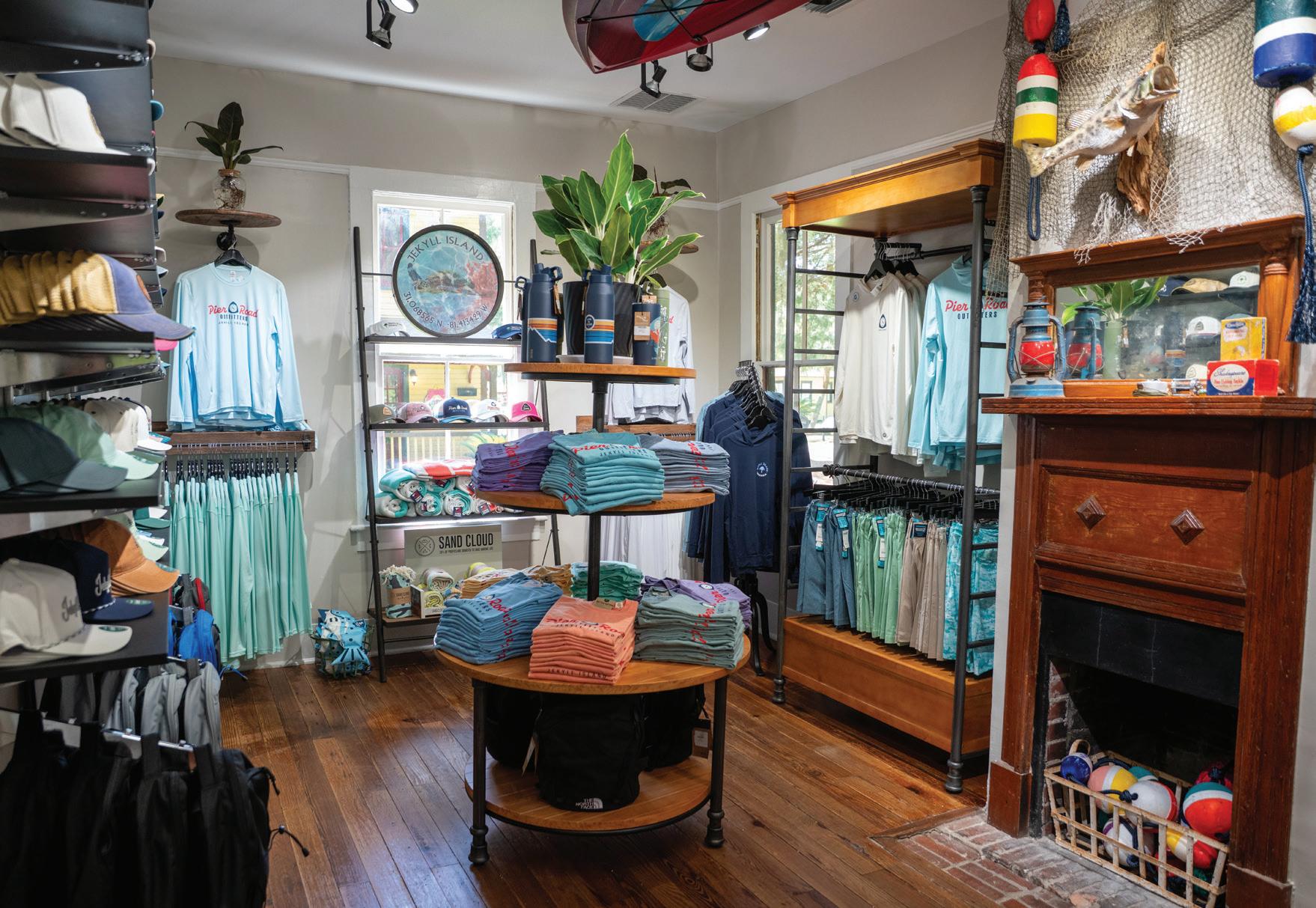
Before reimagining Pier Road, the JIA turned to data. In partnership with the Golden Isles Convention and Visitors Bureau, it conducted a visitor sentiment study, collecting feedback from roughly 40,000 respondents over three months. Clear themes soon emerged. “Visitors appreciated the lack of development, the open space, the wildlife, and the conservation,” Hawkins says. “But they also felt like it was very hard to find ample dining and activities to do after five o’clock.”
That visitor feedback became the blueprint for Pier Road’s revitalization. Rather than replicat-
pier road was once the location of clubera service buildings and shops.
ing what already existed in Beach Village, the JIA focused on creating a complementary experience that encouraged flexibility and one that specifically offered late-night dining options. The new District Shops now include a mix of food, retail, and experiential spaces.
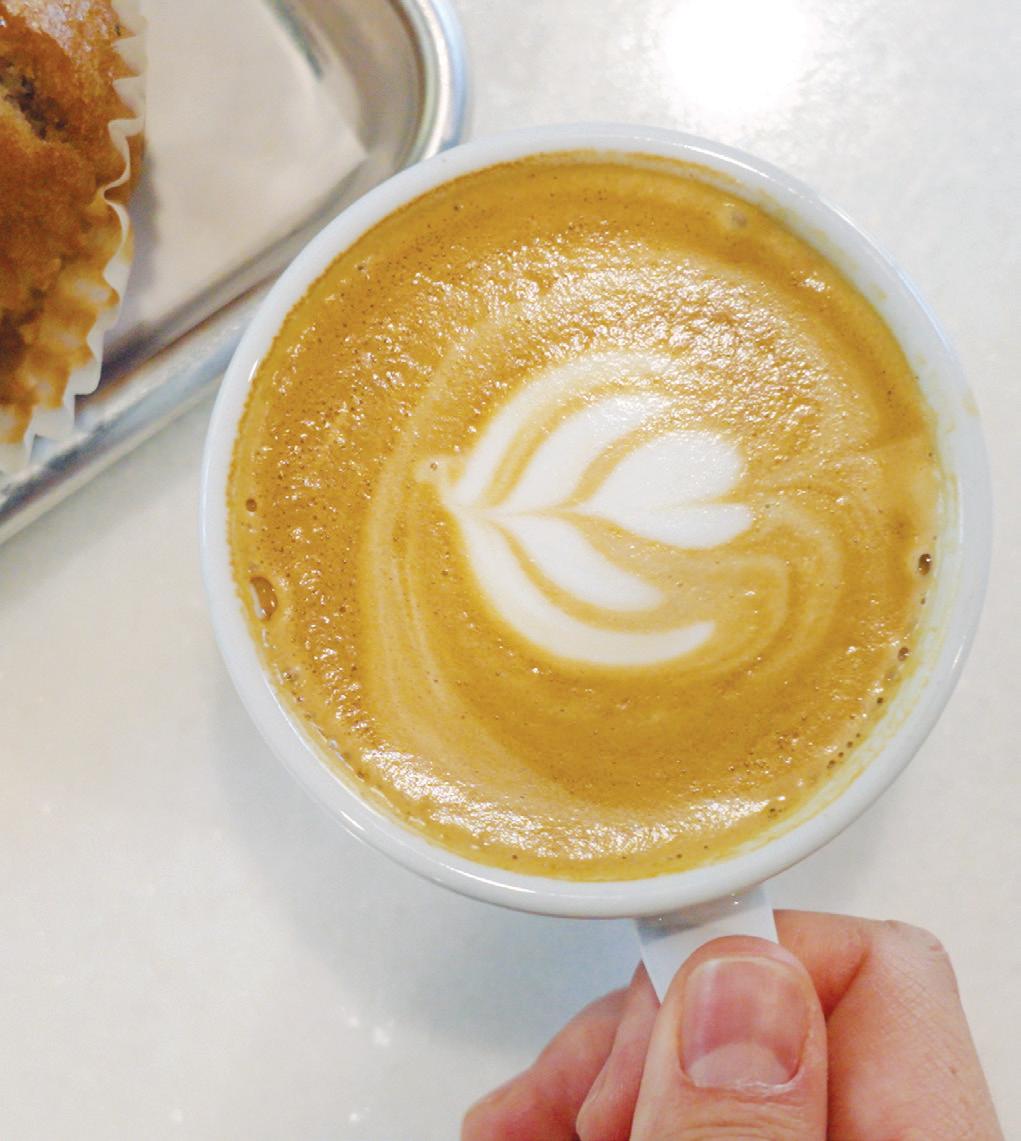
Wake Up Coffee Company, which has several locations throughout the Golden Isles, is an anchor of the district, the first business visitors see when driving down Stable Road. “We’re so thankful to be on Jekyll,” says owner Bo Mann. “The local feedback has been tremendous. So many people have been coming to Jekyll for many years, sometimes since they were kids. It’s been cool to hear about their stories and be a part of it now. They’ve watched the evolution of The District Shops and the island itself, so it’s been great to see how positively they feel about all the changes.”
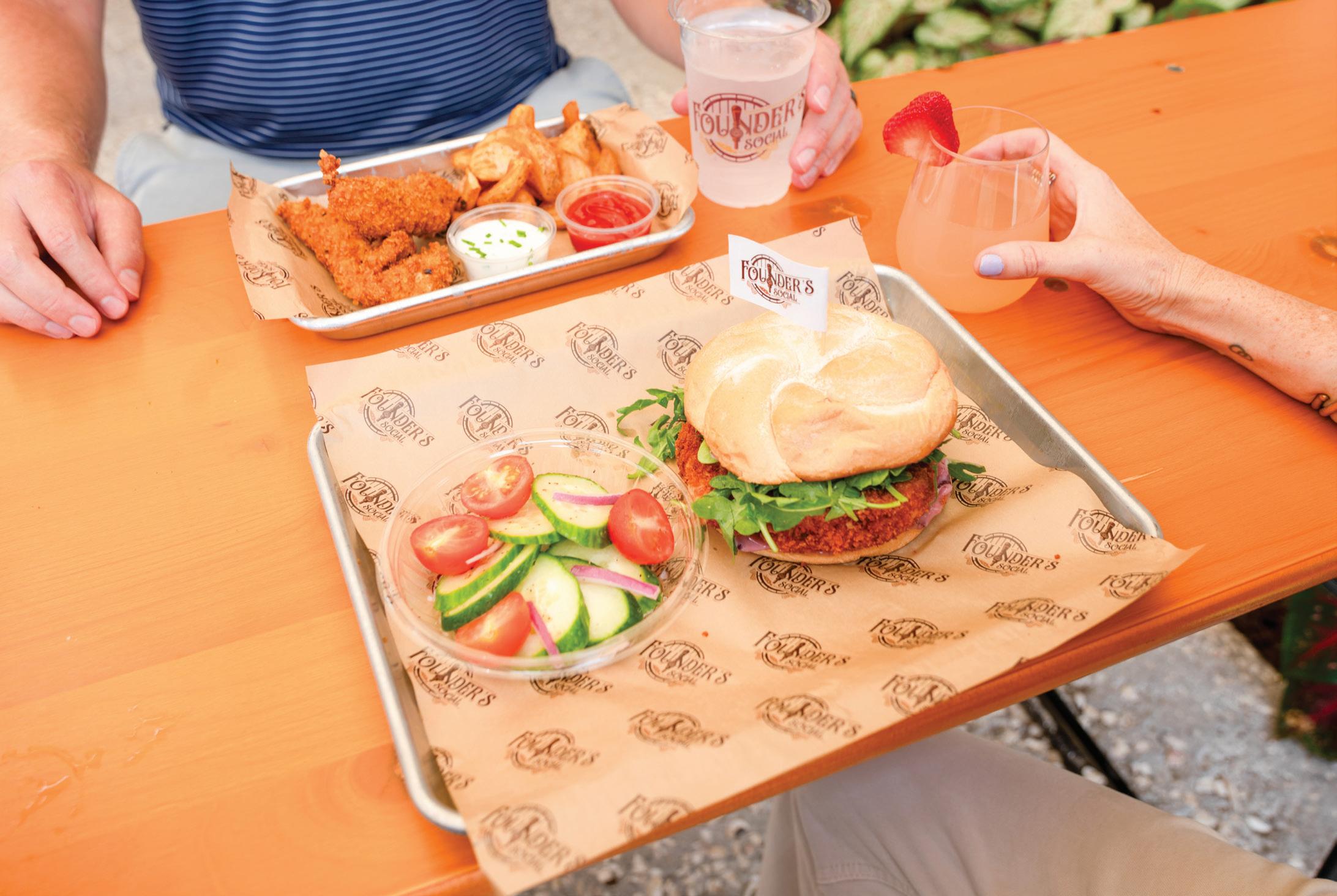
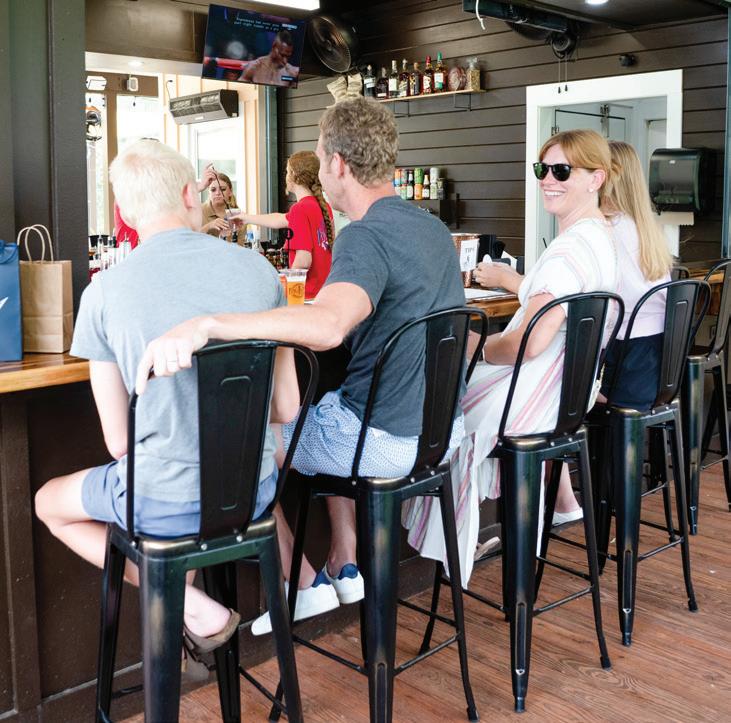
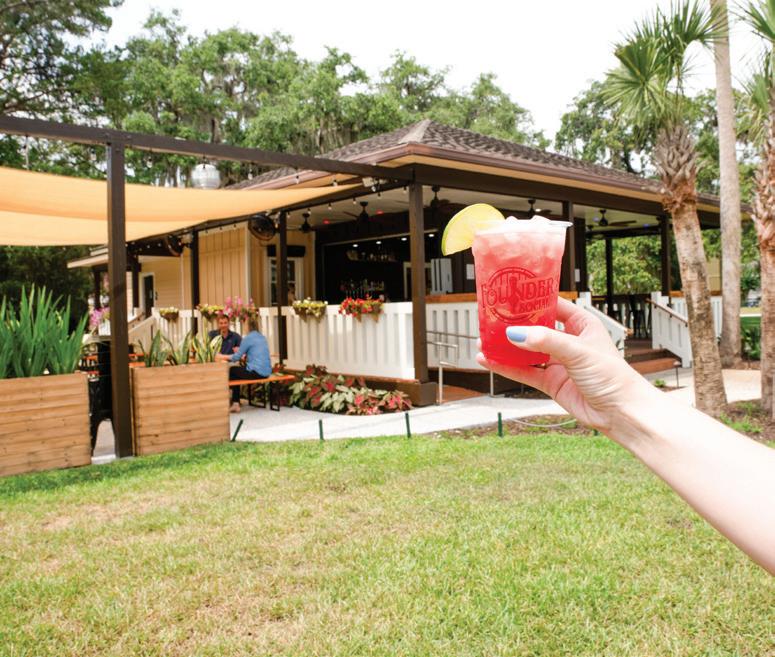
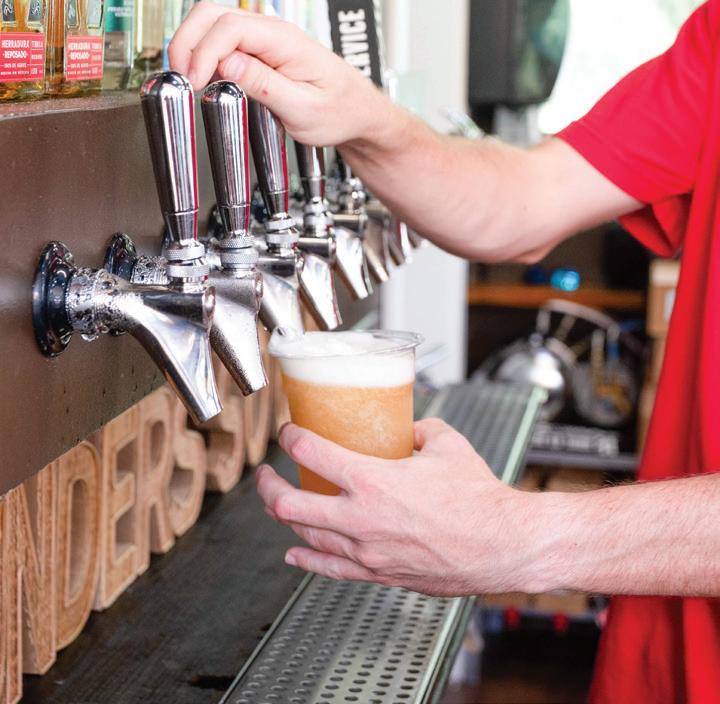
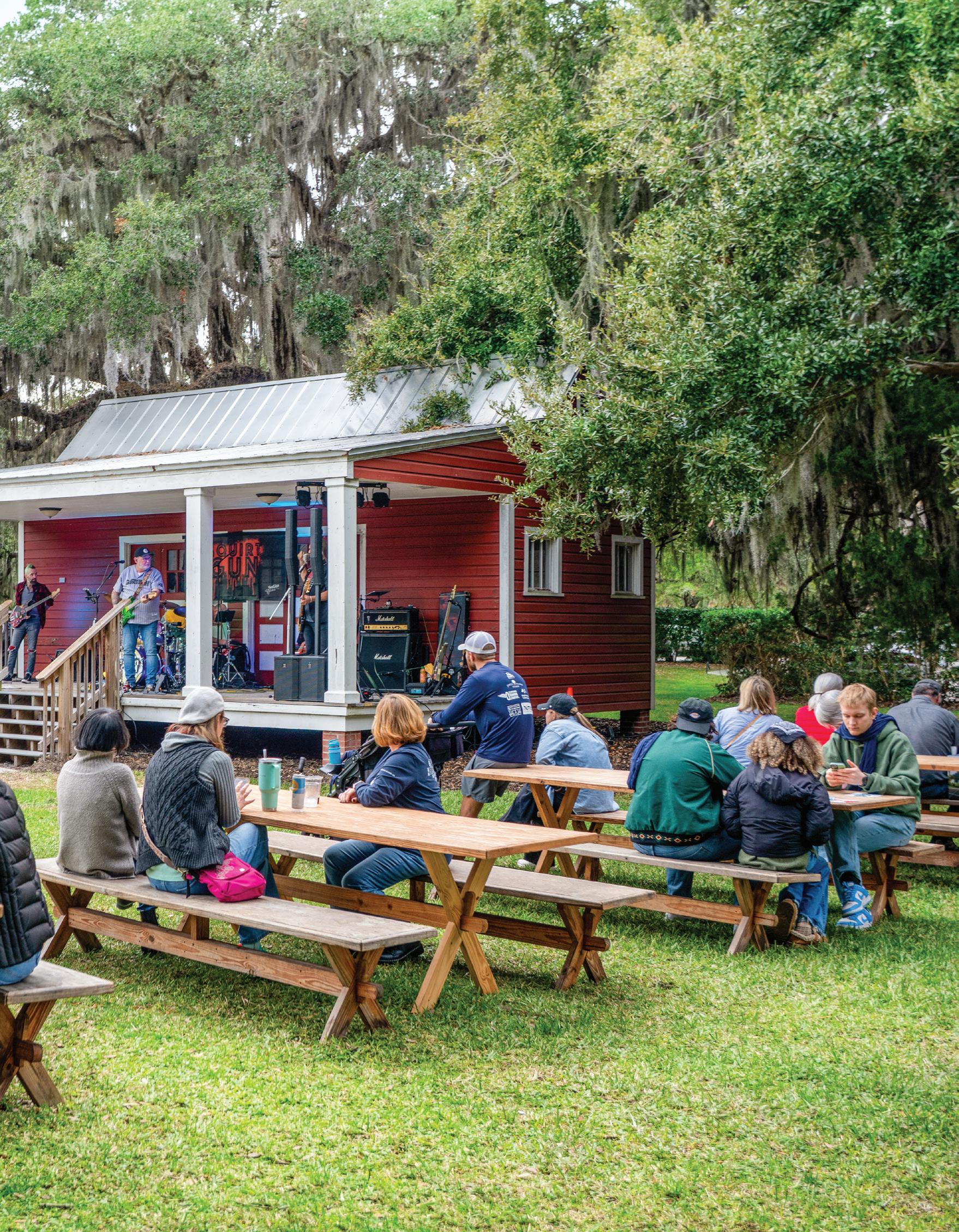
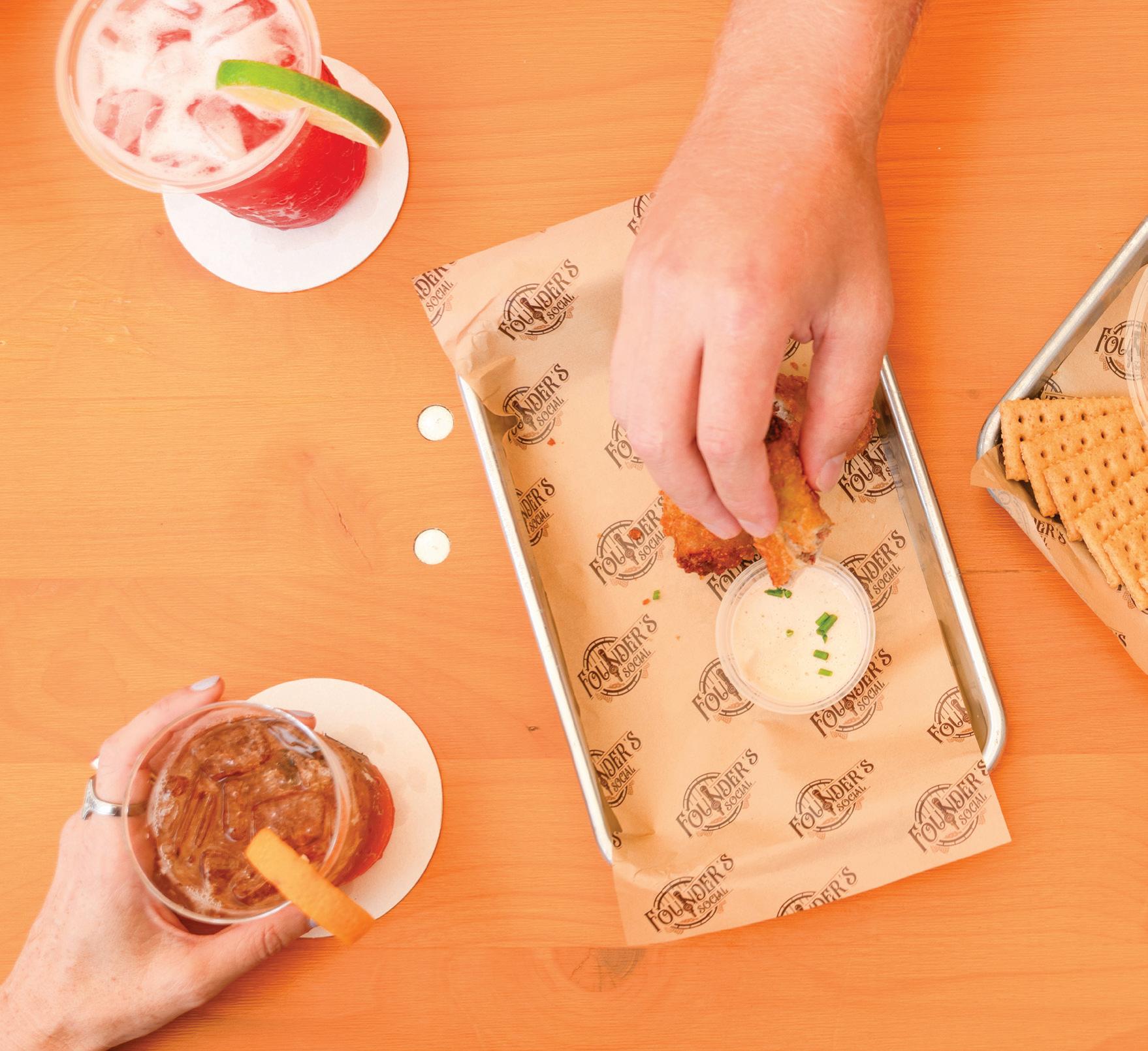
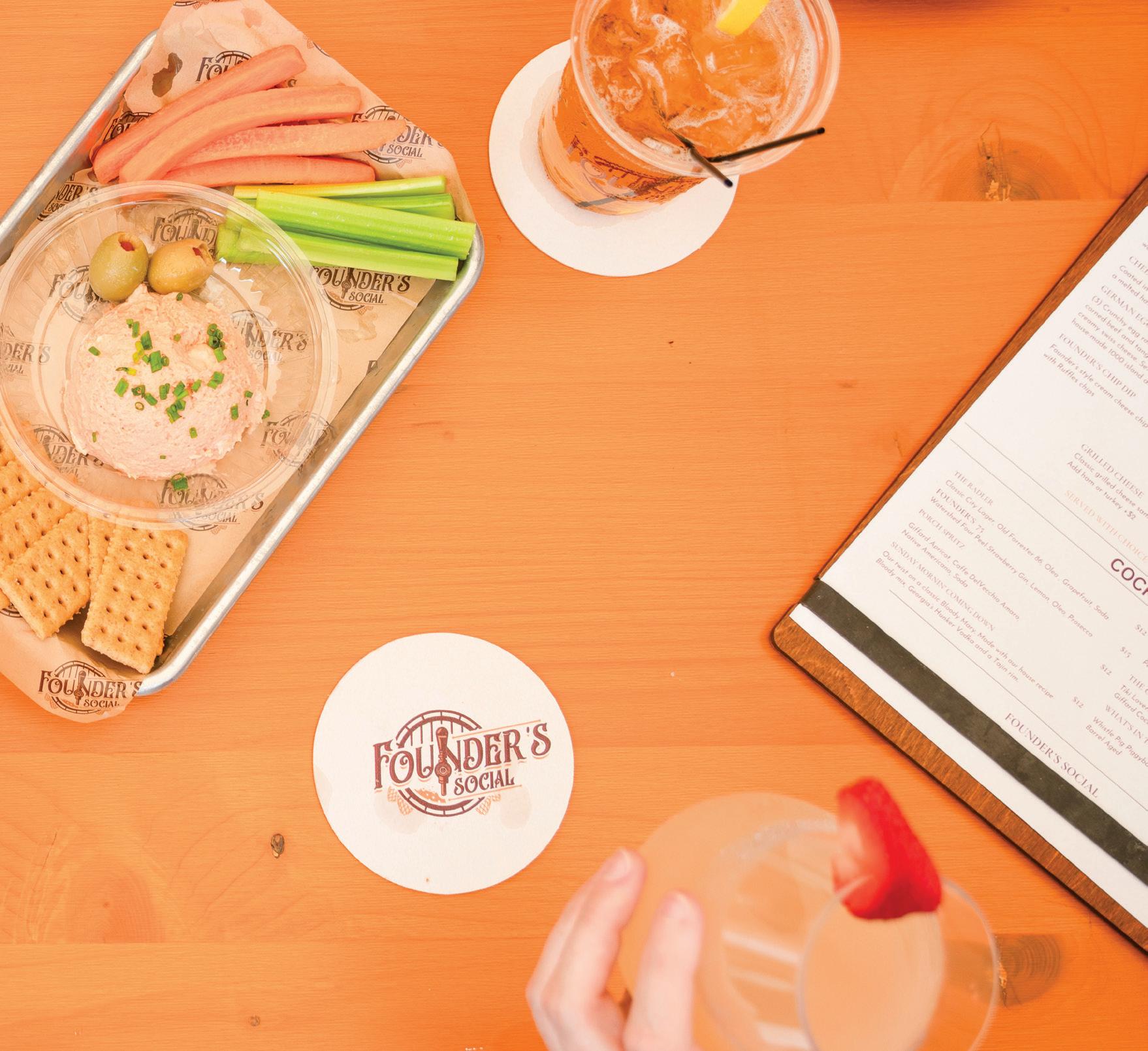
The new beer garden at Founder’s Social has also become a big draw, especially for those seeking a spot that stays open later. The menu features distinctive specialty items like German egg rolls
and chicken schnitzel alongside familiar favorites, complemented by a well-curated selection of cocktails and mocktails.
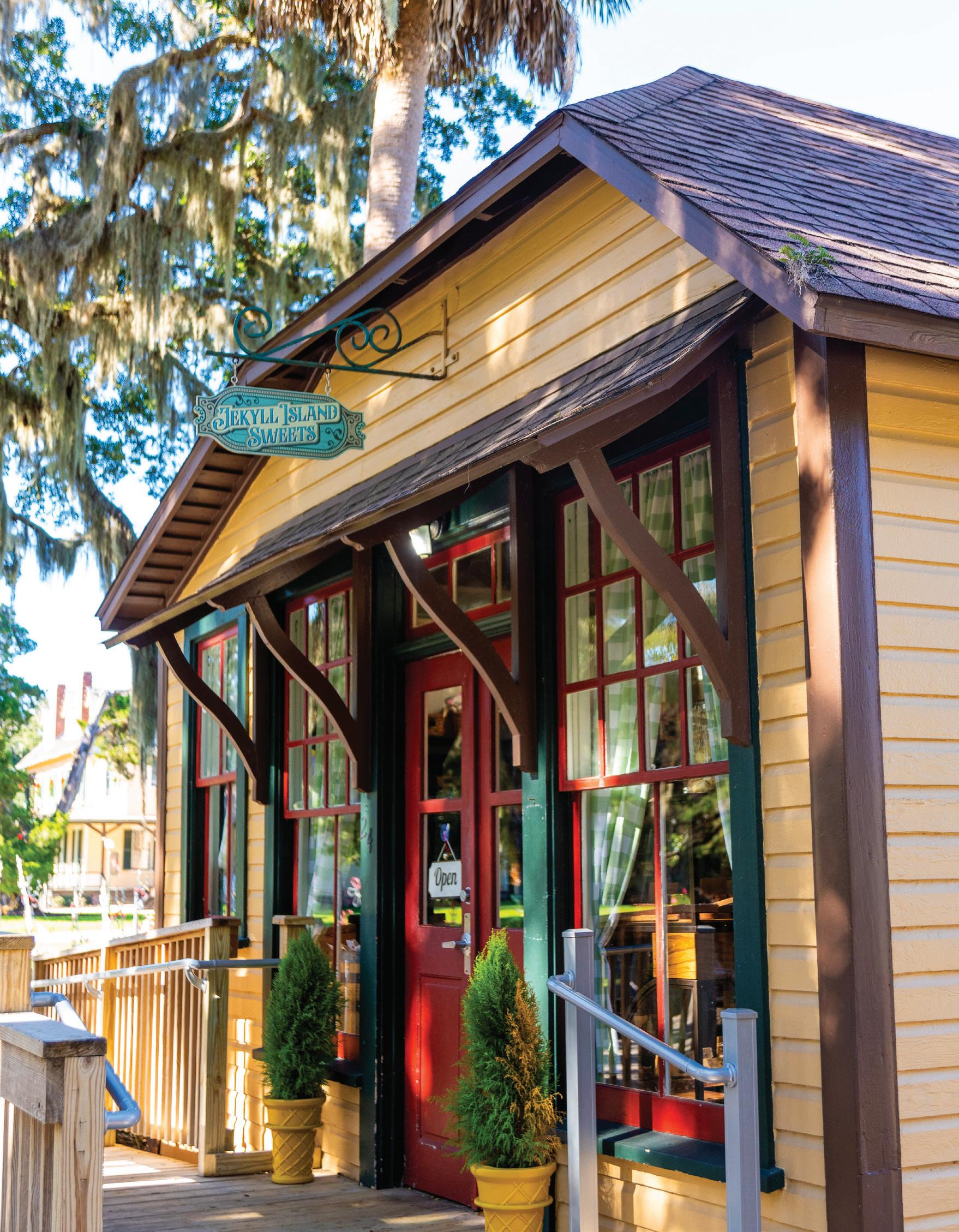
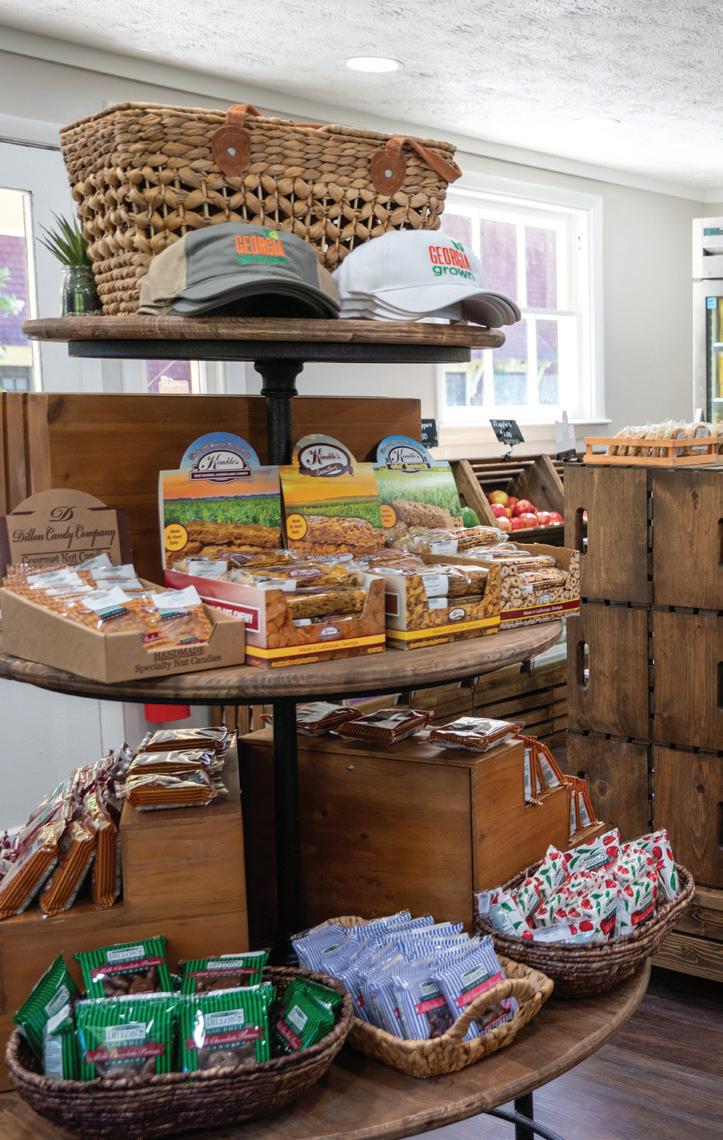
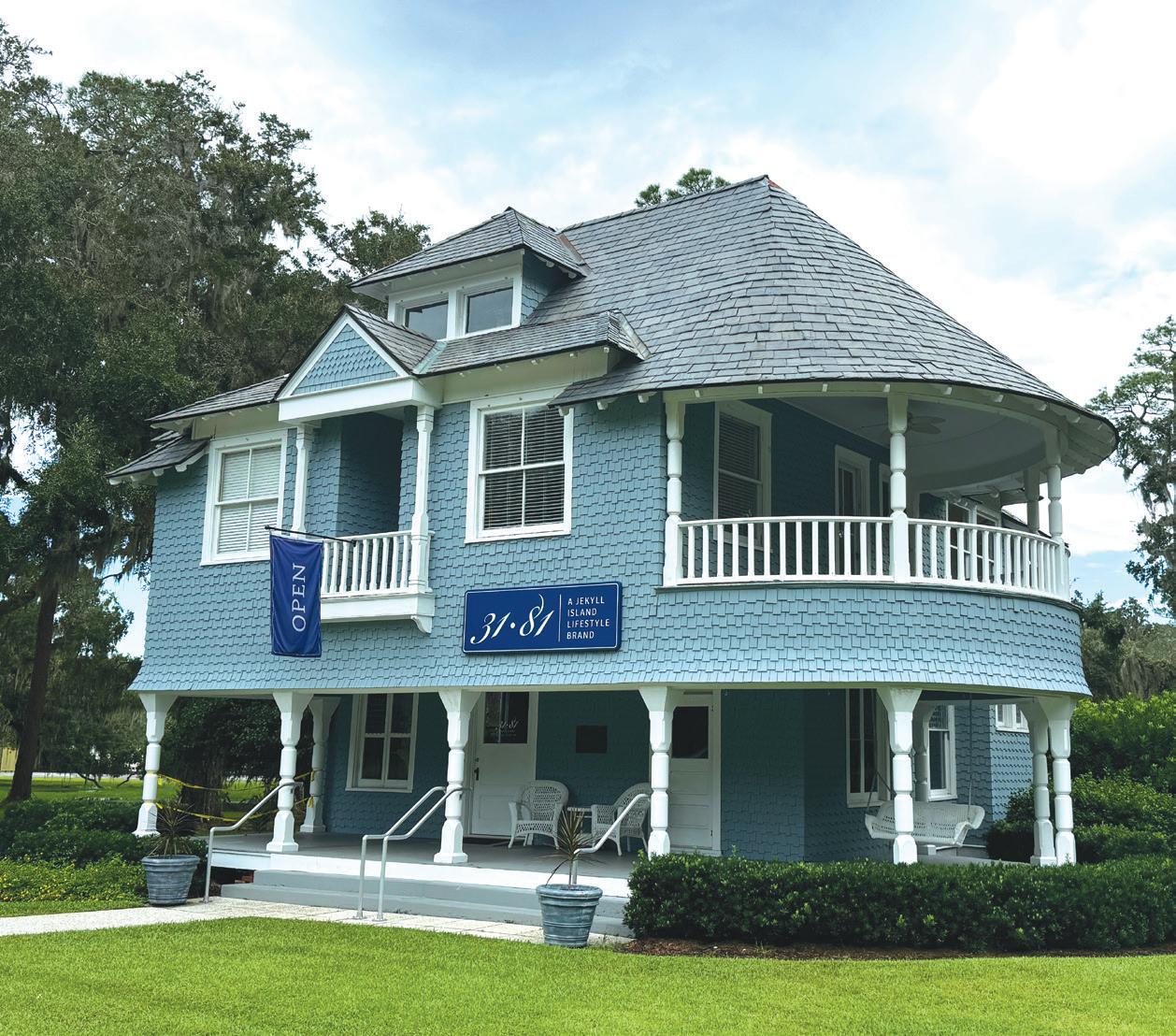
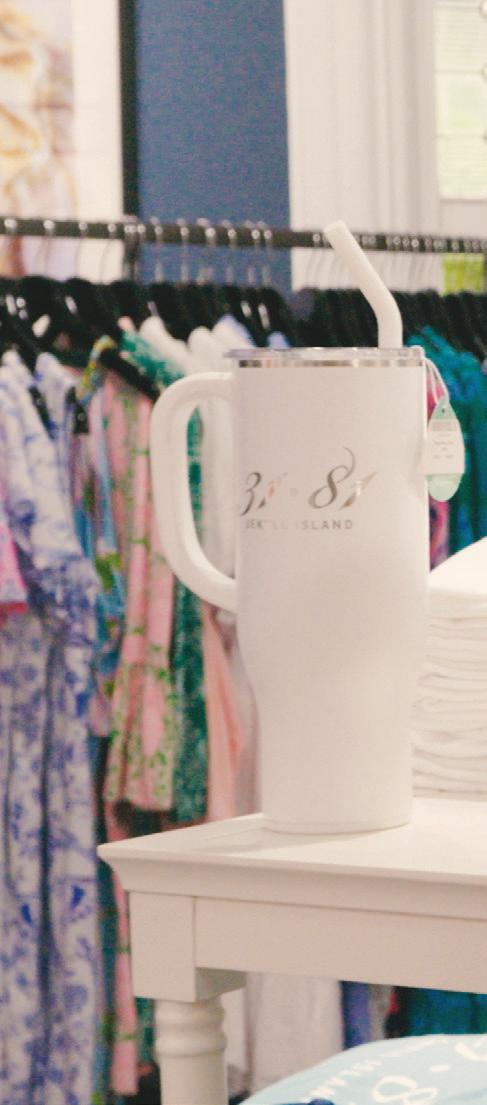
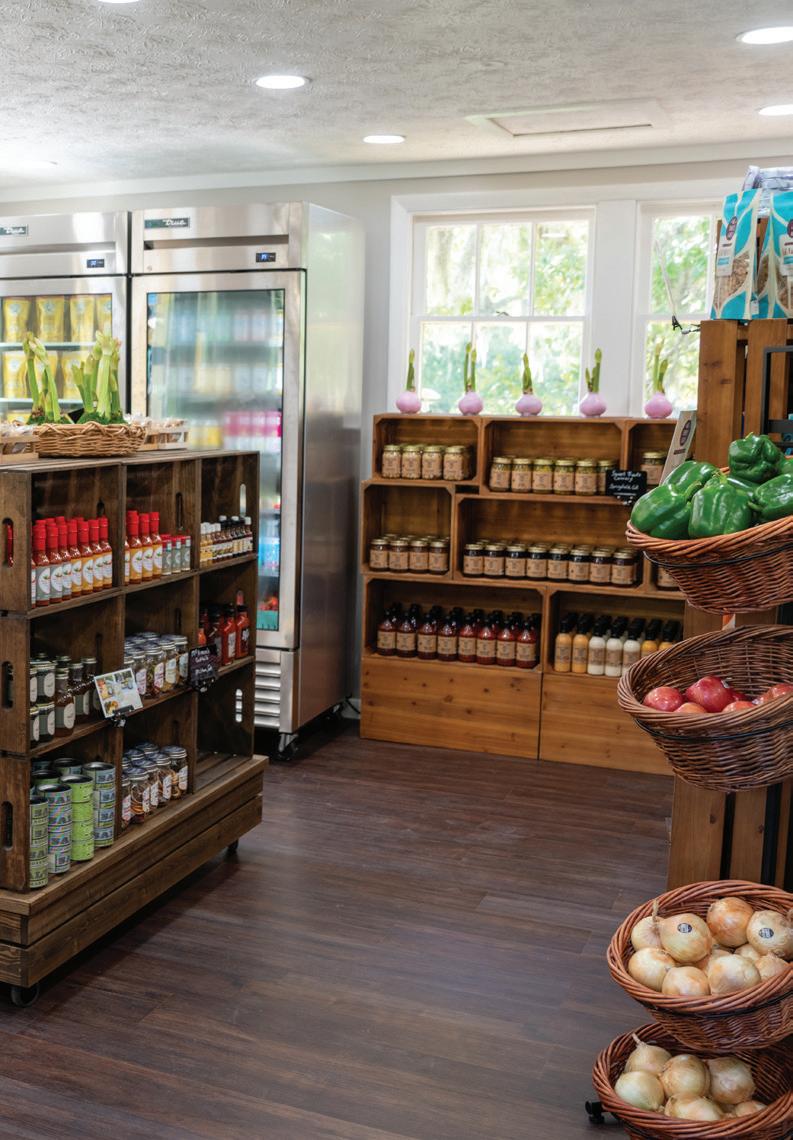
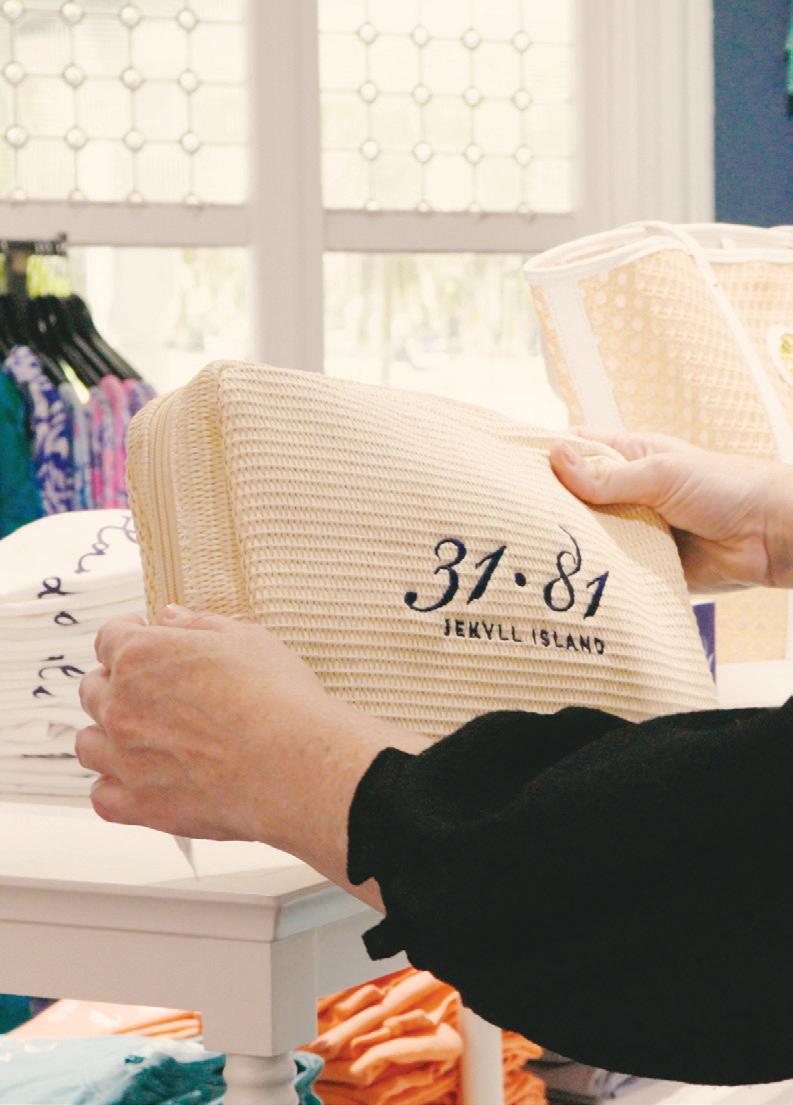
New retail offerings were equally intentional. The 31○81 lifestyle shop celebrates the island’s coastal identity and sells a bevy of thoughtfully-branded merchandise like custom candles and sweatshirts, as well as designer items from brands such as Lilly Pulitzer and Smathers & Branson. Pier Road Outfitters highlights conservation and outdoor exploration, offering fishing poles, nets, hammocks, and reef-safe sunscreen to support your day on the water (or the trails). Georgia Grown Signature Shoppe , developed in partnership with the Georgia Department of Agriculture, has food and drinks that are locally grown in the state. Other storefronts like J.P. & Co., a Gilded Age portrait studio, and North Pole South, a year-round Christmas shop, draw directly from Jekyll’s history and traditions.
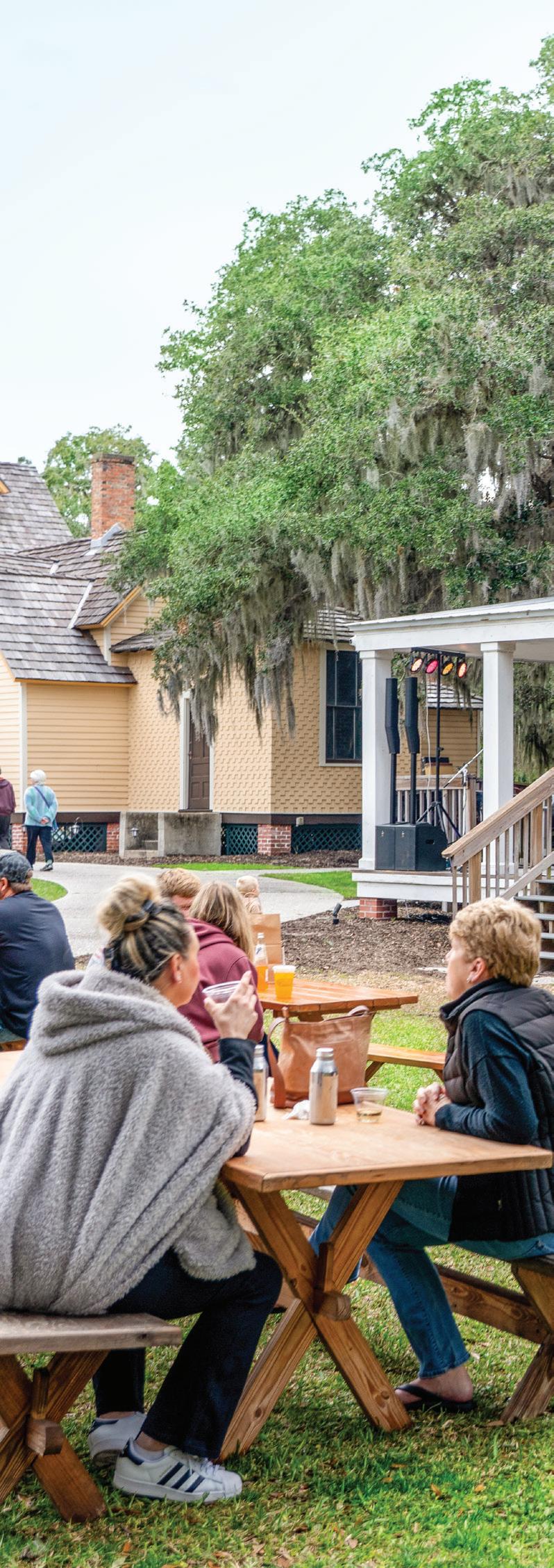
Besides offering new dining options, the JIA is doubling down on improving nightlife along Pier Road. A new District After Dusk winter entertainment series invites visitors to stroll the Historic District from 3-8 p.m. on select Saturdays to enjoy
the district shops are home to eight reimagined retail and dining businesses.
family-friendly activities, such as live music, food trucks, and dining and shopping specials.
“I would say at least half of our visitors on our trolley rides now will get off at The District Shops to stop and stroll,” Hawkins says. “They don't stay on the trolley and take it all the way back to the museum anymore. We achieved our goal, which was to get people to stay in the district longer and to see more of the island. The beach is the natural draw, but there's so much more to Jekyll Island than just our beaches.”
As with any revitalization project, change can come with mixed reactions. Some visitors and locals expressed concern about modernization within such a historic and revered part of the island. Hawkins acknowledges that tension, noting that much of the responsibility for hearing the concerns of a few locals fell to JIA Executive Director Mark Williams, who stepped into his role amid the project’s rollout, but that he handled it with aplomb.
“He continued to push forward and recognized that this truly was a valuable investment for the island,” says Hawkins.
Despite early apprehensions, now that the project is complete, many of those same locals now approve of the upgrades. Jay Duggan, Jekyll business owner and founding CEO of Launch Legacy Consulting, is a supporter. “I love The District Shops and have visited several times already with my wife, Cherie. We’ve been to Pier Road Outfitters, bought
chocolates from Jekyll Island Sweets , and have eaten at Founder’s Social [several] times. It’s a great addition and gives visitors more to do on Jekyll,” he says.
Looking ahead, Hawkins is hopeful that The District Shops will expand in line with the needs of Jekyll's visitors and residents. “I can't say with certainty that The District Shops will look exactly as they do today in 10, 20, or 30 years,” she says. “However, I think that the purpose and goals for it will
remain the same, which is always about meeting the needs of our visitors and residents and making sure that their interests are taken into account.”
It’s a delicate balance: respecting the past while staying relevant for the future. By balancing preservation with how visitors actually move through and experience the area, The District Shops offer a thoughtful approach to revitalization that is rooted in the island’s commitment to protecting history that matters—and still feels alive.


The Jekyll Island Club’s heyday from 1886 to 1947 was full of interesting, insightful, and innovative characters who came to the island to get away from the pressures of public life. Take the quiz to find out which one resonates most with you.
by lauren finney harden

1. You’re spending the day on Jekyll Island. You’re likely:
A Happily stomping through the woods.
B Up and at ‘em early, exploring new ground on foot.
C Admiring the architecture and artisan-made elements around the Club.
D Hosting a lively outdoor tea party.
2 . Your ideal creative outlet is:
A Writing about outdoor life.
B Taking up a new hobby, especially a daring one.
C Tinkering with things and trying to figure out how they are engineered.
D Entertaining—the thought of a tablescape gets you giddy.
3. When it comes to using your influence, you:
A Don’t ask for permission. You use your resourcefulness to your advantage.
B Push the boundaries of perceived limitations for the greater good.
C Erect monuments that will stand the test of time.
D Rely on your connections to make the most impact.
4. What do you value most in life?
A Independence
B Self-reliance
C Innovation
D Social connections
5. You love your time on Jekyll Island because:
A It’s a place of retreat.
B It serves as a convenient launching pad for exploration.
C It’s an architectural achievement.
D It’s a lively social hub.
6. When writing home about Jekyll Island, you emphasize:
A All the opportunities for sporting life.
B The way it brings out your sense of adventure.
C The thoughtful visual details across the island.
D The people who came to gather, and every detail of your social life.
7. When you leave Jekyll Island at the end of the season, you feel:
A Proud of how you learned a new skill.
B Satisfied with how you pushed your personal limitations.
C Invigorated by the inspiration the island offers.
D Elated by all the new connections and strengthened relationships.
Tally your score to see which letter you selected the most, then turn the page for your results!
You love being immersed in nature and living your best life outdoors.
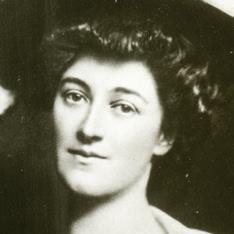
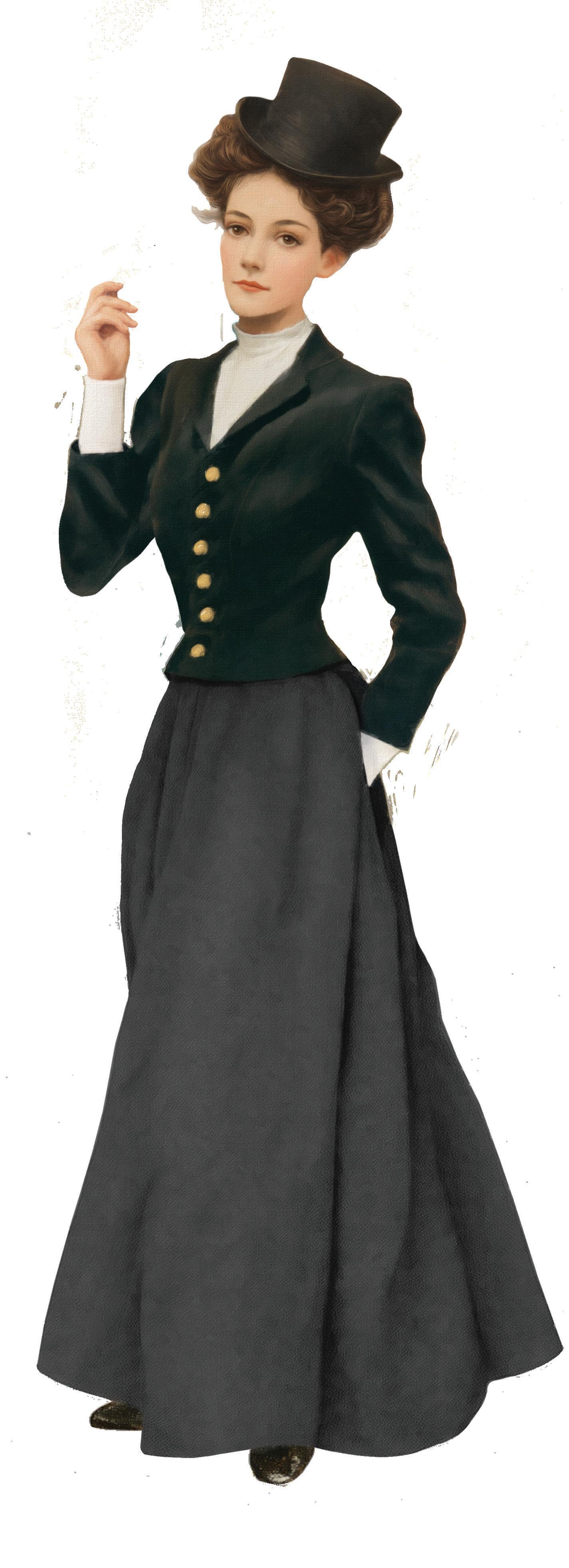
Jean Struthers Sears, wife of physician Henry Sears, was a well-liked Club member who was known for her sporty pursuits.
Much to the chagrin of J.P. Morgan, she also won the Club’s mixed- gender clay pigeon match one year. Her triumph saw Morgan complain to the Club president

○ She was the daughter of William and Savannah Struthers of Philadelphia. Her father was a marble magnate.
○ According to her great-great-grandson, an alligator approached during Sunday school. Sears shot it with a pistol.
○ Her beloved pony was named Folly, and she was often seen horseback riding around Jekyll.

She won the Club’s yard bicyclespoon - egg race for ladies, a test of balance and focus.
Full of gumption and resourcefulness, Sears was an athlete of the highest order. The sharpshooter was often mentioned in hunting party records, where she was noted as once bagging nine raccoons and two minks.
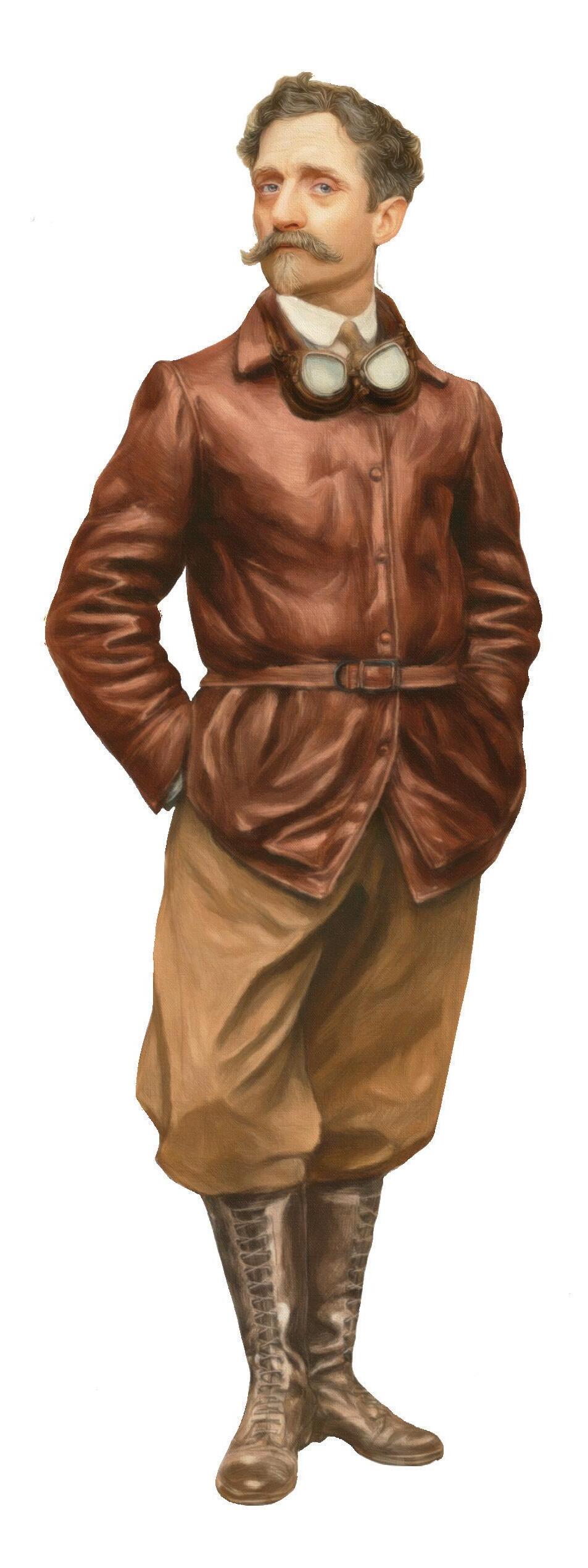
He was a recognized aerial photographer, taking photos of Paris and other cities from a hot air balloon. In 1900, he took his first balloon ride at the World Fair and became hooked.

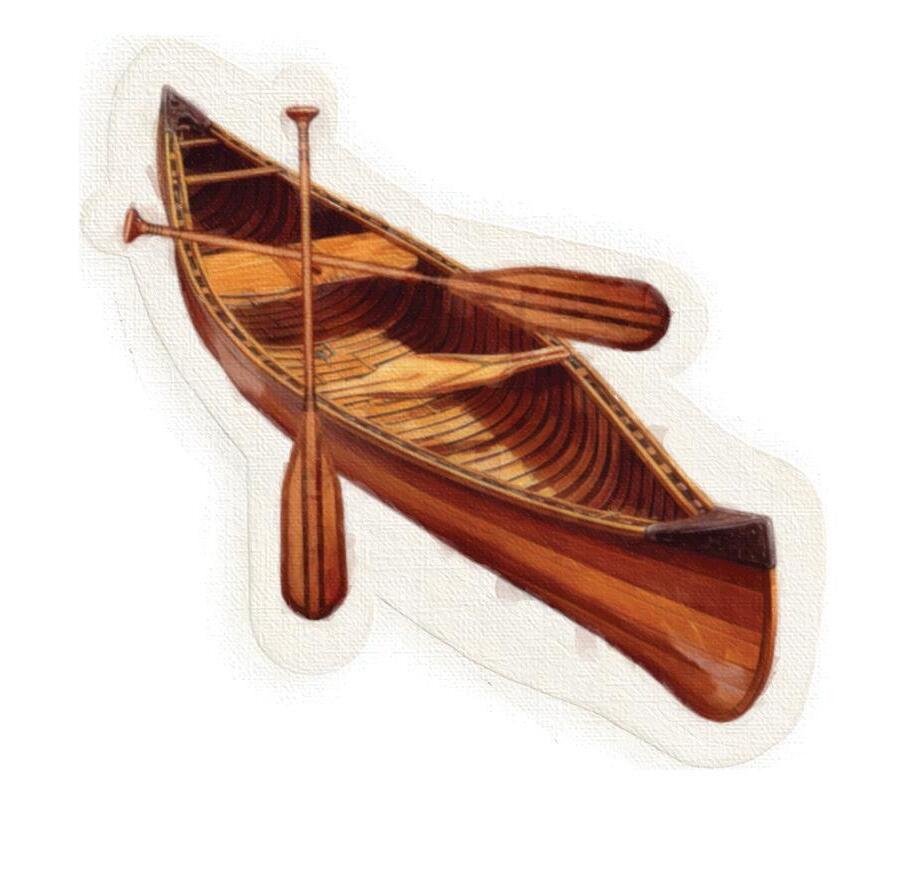
He once traveled through the Everglades in a canoe. He and his guide became the first Caucasians to cross from the Gulf of Mexico to the Atlantic Ocean, and he wrote a book about it. His water samples are still referenced today.
MOSTLY B’s
You’re an independent thinker who is always in motion.
Hugh L. Willoughby was the consummate explorer, always willing to talk about new frontiers. He adored mechanical devices, including bicycles, automobiles, hot air balloons, motorboats, submarines, and airplanes. He held 14 aviation patents.
He was an early adopter of bicycles and helped found The League of American Wheelmen in 1880.
He arrived for his first Club visit from his home in Newport, Rhode Island, in style in 1889, on his yacht, the Wampanoag .
He was an avid aviator and completed his first aircraft model in 1894. He earned the moniker “America’s Oldest Licensed Pilot” after getting it at age 53. He assisted Orville Wright on one of his first flights in 1908.
You’re a visionary with an eye for design, ready to talk about culture, architecture, and innovation.
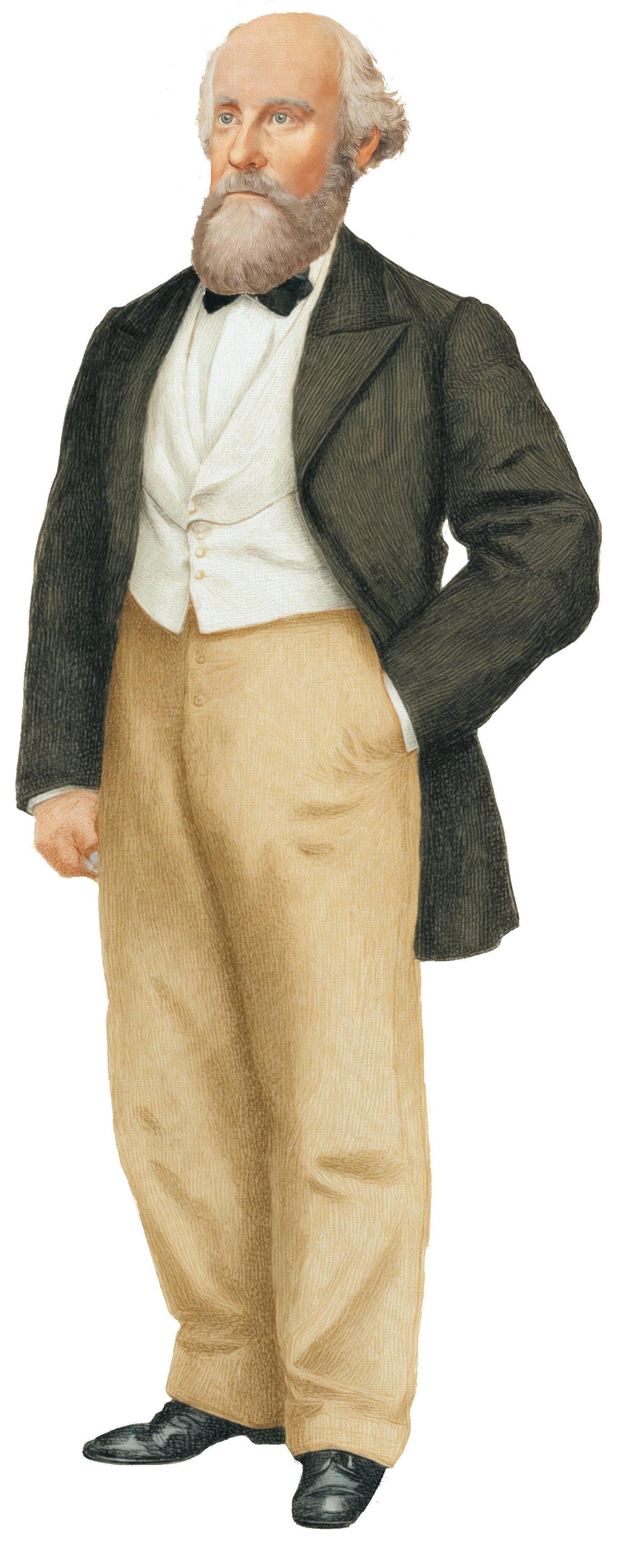
James Renwick Jr. was internationally renowned for his architectural marvels, despite having no formal training.
He designed buildings such as the Smithsonian Castle in Washington, D.C. and St. Patrick’s Cathedral in New York City. He also created the bell tower of the Cathedral Basilica in St. Augustine, Florida. It was commissioned by Gilded Age giant Henry M. Flagler of Standard Oil.
○ He attended Columbia University at the age of 12 and studied engineering. He followed in his father’s footsteps; James Renwick Sr. was an engineer and professor of natural philosophy at the school. His mother was from a wealthy and socially engaged family.
○ While he didn’t own a cottage, he was a wellliked Club member who enjoyed the peace of Jekyll away from the public eye.
DEBUT DESIGN
He was granted the commission for the design of New York City’s Grace 25 years old. That design made
He owned an extensive art collection and two steam

She was a trained artist and was a founder of the Shinnecock Hills Summer School of Art on Long Island, one of the first openair painting schools.
You thrive in social situations and act as an anchor of your community.
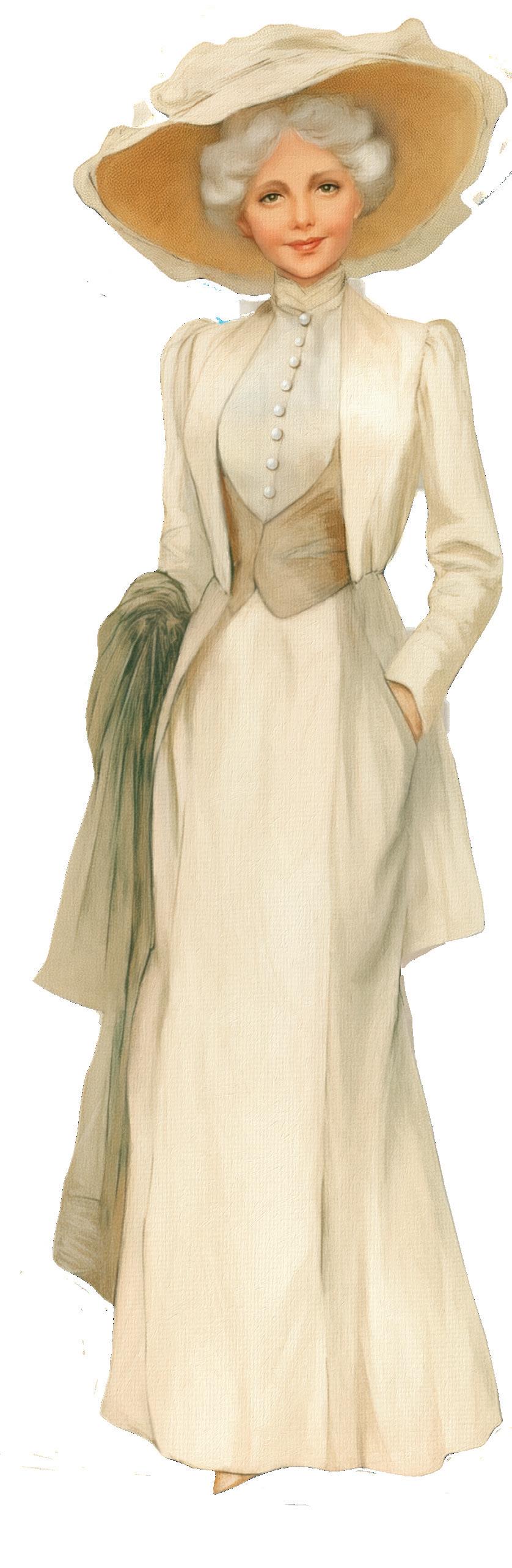
Annie DeCamp Hegeman Porter was the wife of Pittsburgh-based train entrepreneur and Pennsylvania Congressman Henry Kirke Porter and was known for her social prowess.
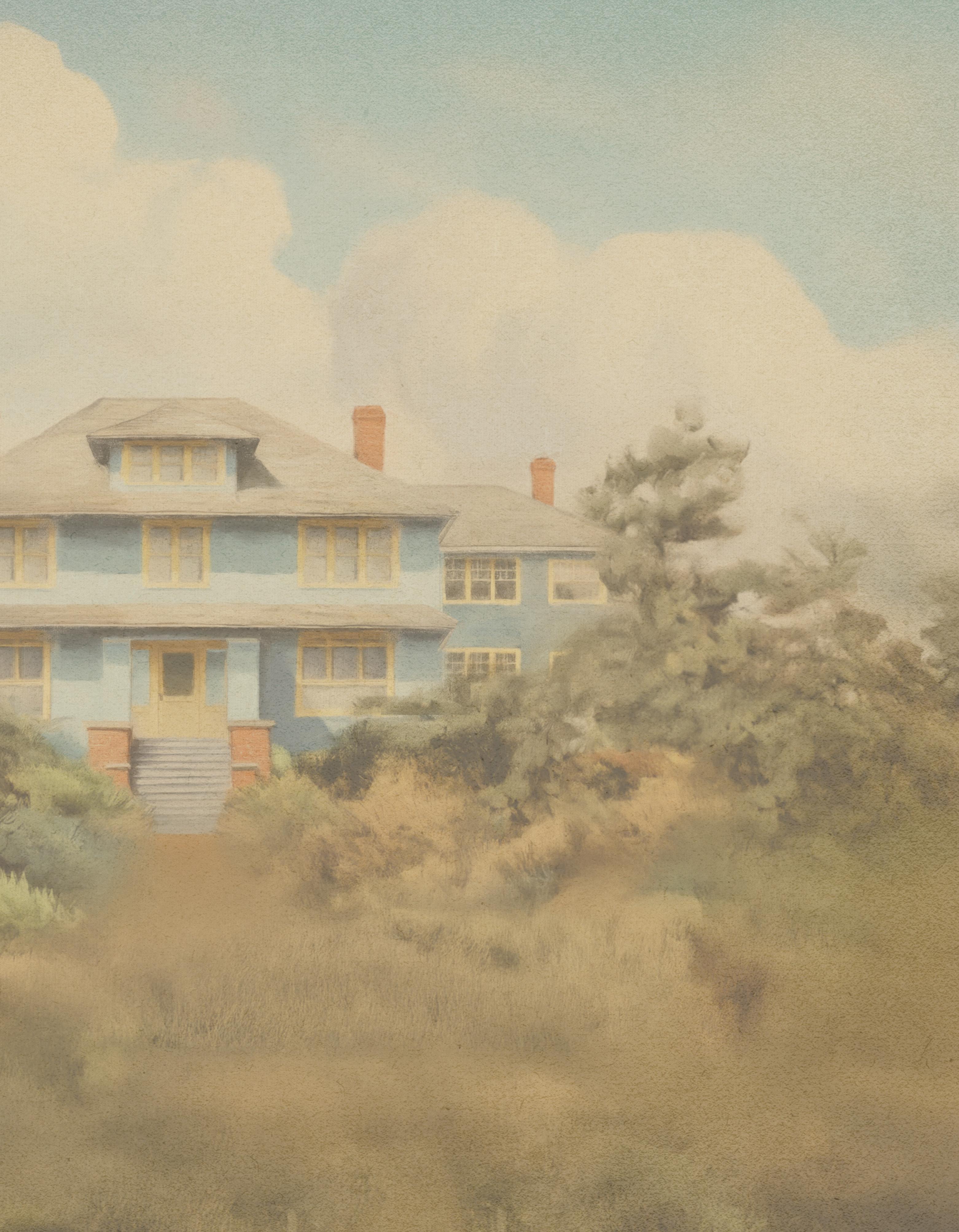
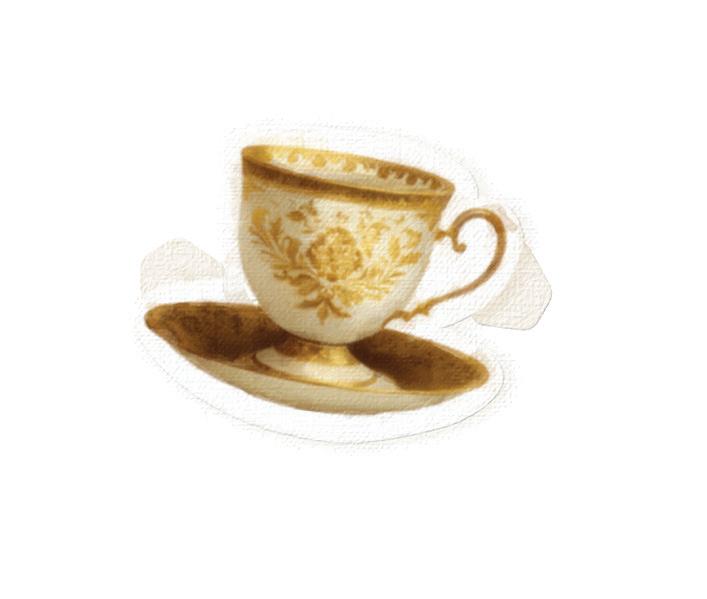
Her social gatherings were highlights of the season, and she was known for her tea parties. They would take place on the lawn at Mistletoe Cottage, which she and her husband built in 1902 .
○ Supporters of the school included the Astors, Carnegies, Vanderbilts, and Whitneys.
○ She was well-known in New York, Pennsylvania, and on Jekyll.
○ She was known as a talented and delightful hostess, dazzling everyone from titans of industry to artists to discerning socialites.
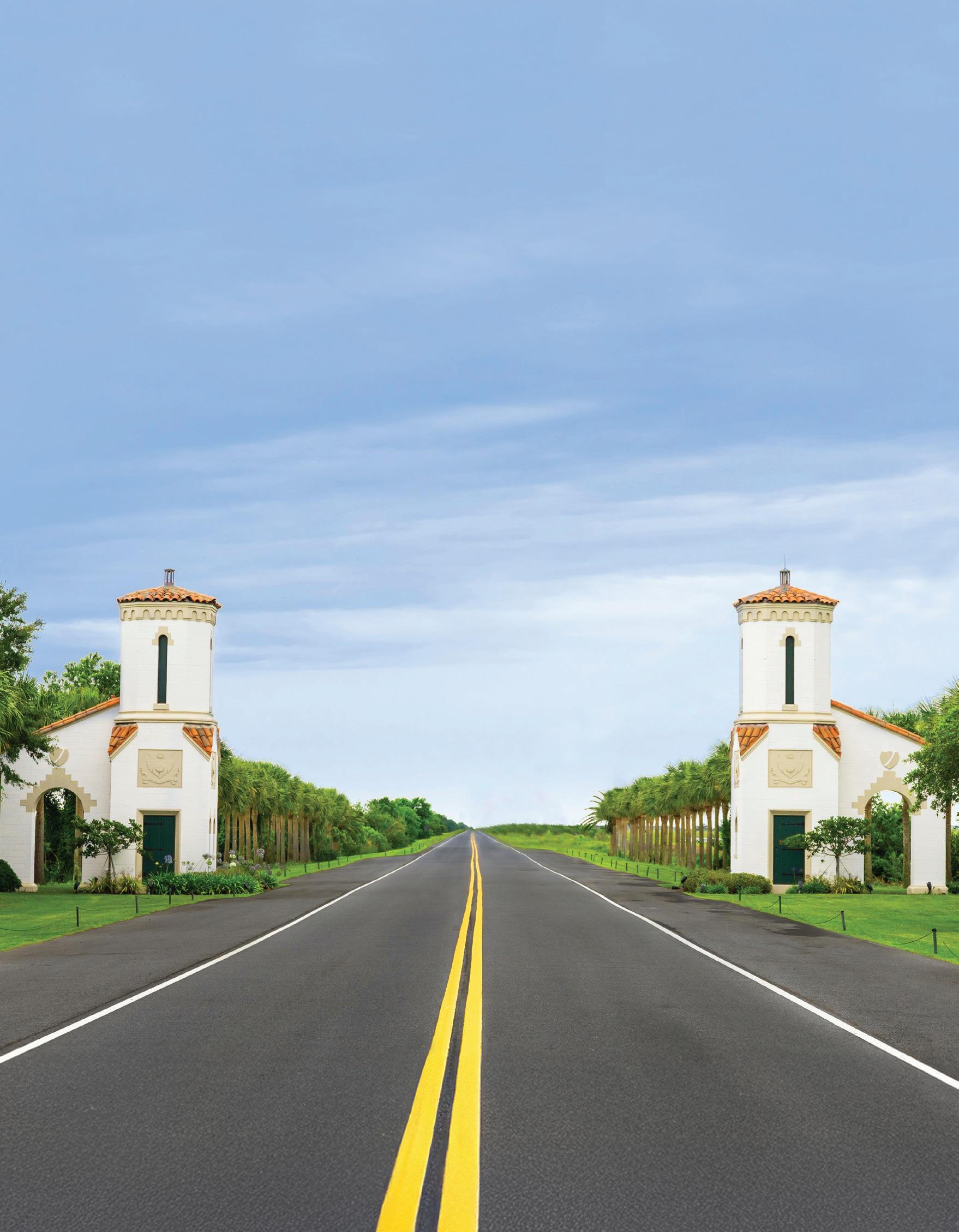
Turn the car off U.S. 17 and onto GA-520, the Jekyll Island Causeway. Sentinel palms line up on either side of the road to greet you, swaying in the salty breeze, waving you through the Spanish-style gates. A tunnel of trees opens into the vast, flat marshland. The pavement rises slightly, offering glimpses of osprey and spoonbills bathing and hunting in the tidal creeks, while marsh hares dart in and out of the tall spartina grasses. An infinity of green stretching to a flat horizon. For most of its existence, Jekyll has been a land apart, only accessible by sea and later by air, either at great effort or expense. The causeway now connects more people with that island paradise. These 6 miles of road, nearly as long as the isle itself, are a natural wonder of their own: a tranquil, liminal space between Jekyll and the outside world.
— tony rehagen
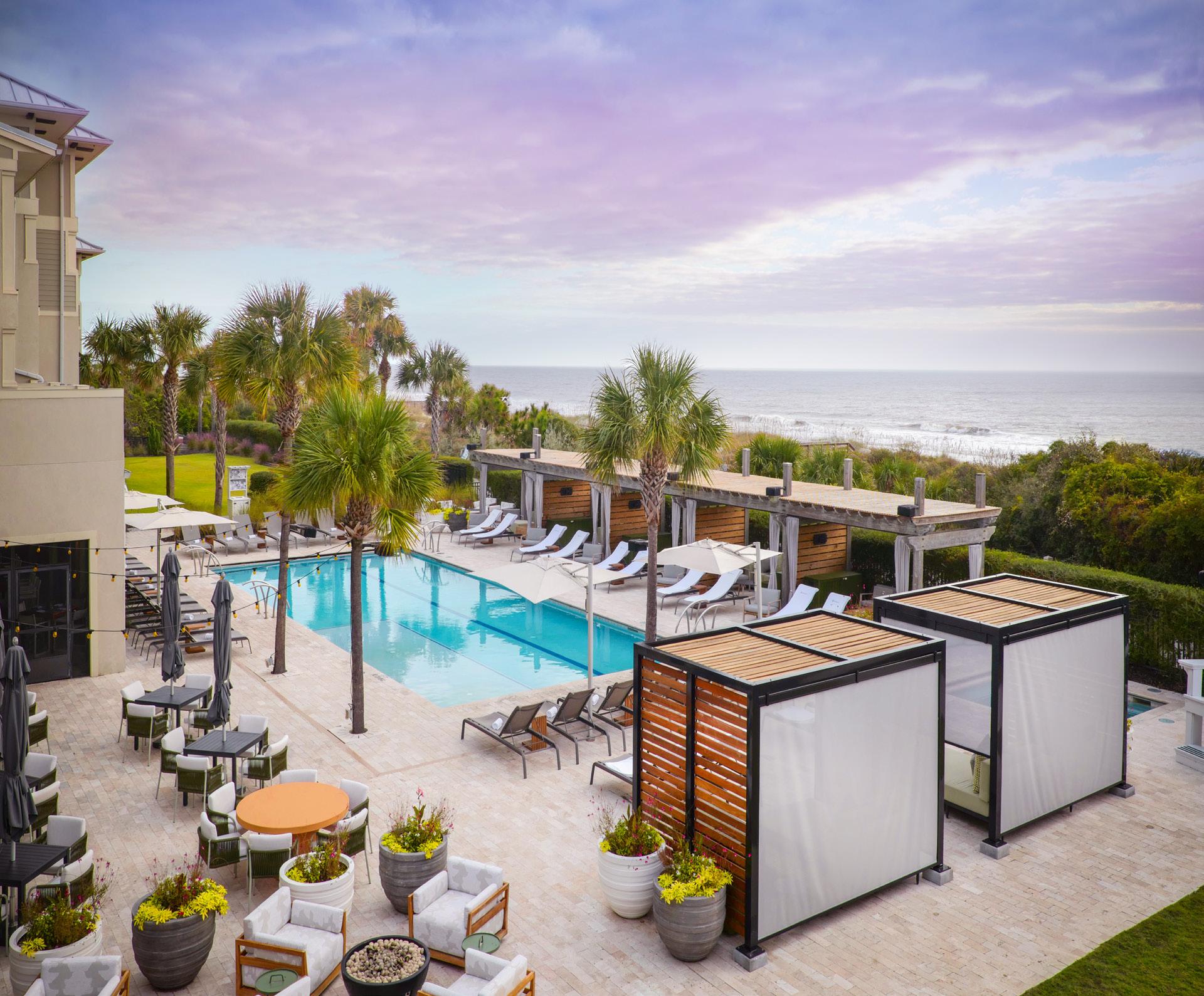
RECHARGE AND REJUVEN ATE WIT H OCEAN AIR AND ELE VAT ED COMFORTS.
Embark on your island getaway at our intimate oceanfront boutique hotel with 40 luxurious suites. Just moments from the beach, each suite offers timeless comforts: a generous living area, private balcony, and porch. Indulge in culinary delights at Eighty Ocean Kitchen and Bar, serving breakfast, lunch, and dinner favorites. Come, stay a while in paradise.
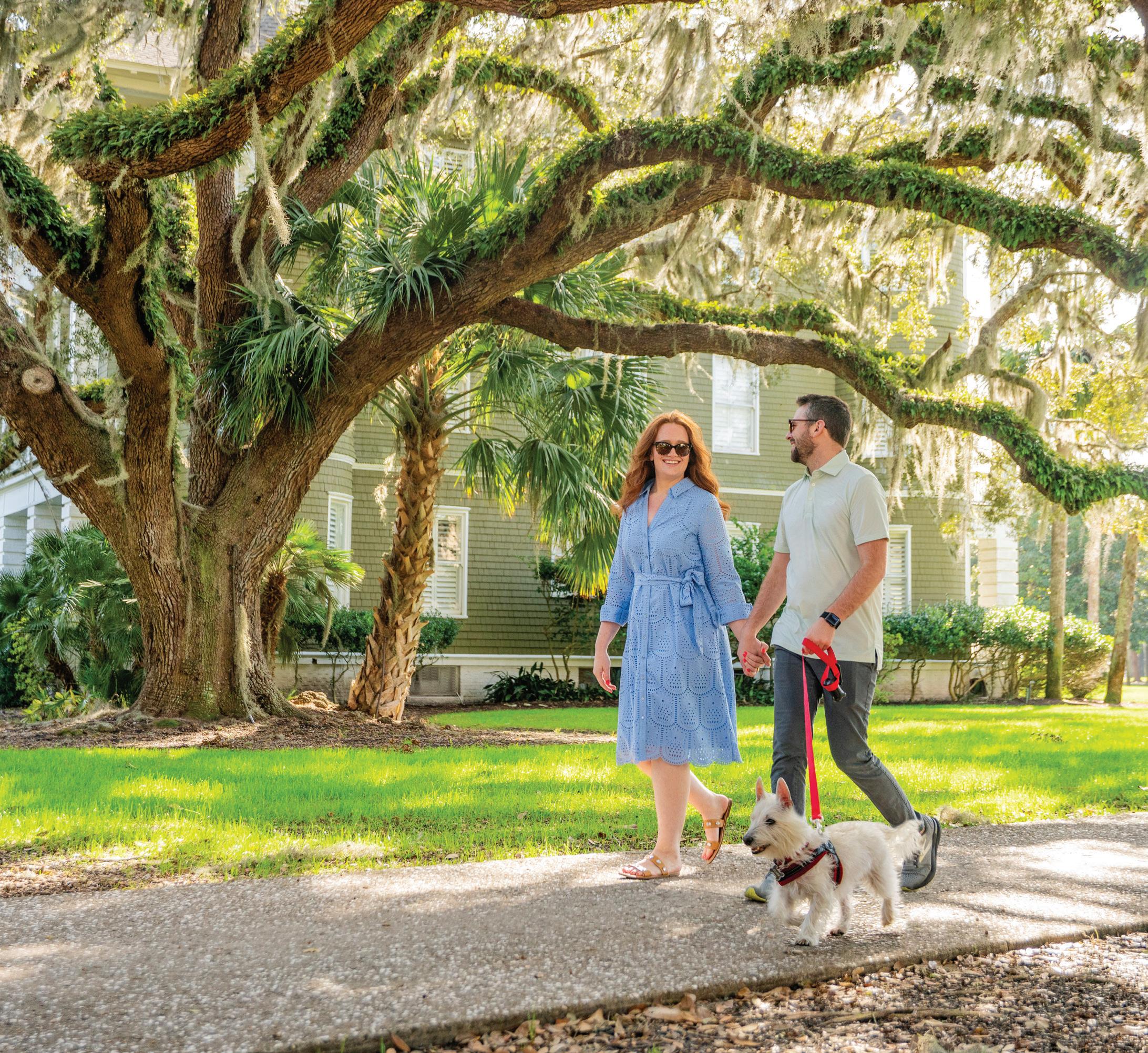
Inspired by Georgia’s most intriguing barrier island, this refined, coastal collection celebrates the moments and memories only found here. Featuring brands like Southern Tide®, Comfort Colors™, Lilly Pulitzer®, and more, 31•81 captures the essence of laid-back elegance.