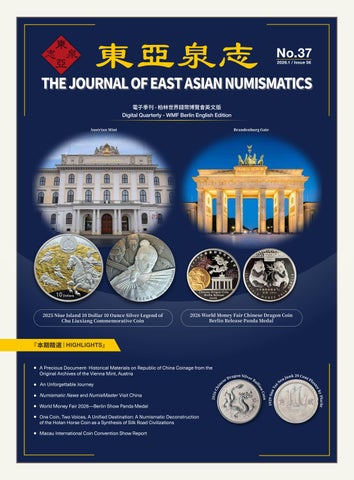
THE JOURNAL OF EAST ASIAN NUMISMATICS
電子季刊 - 柏林世界錢幣博覽會英文版
Digital Quarterly - WMF Berlin English Edition
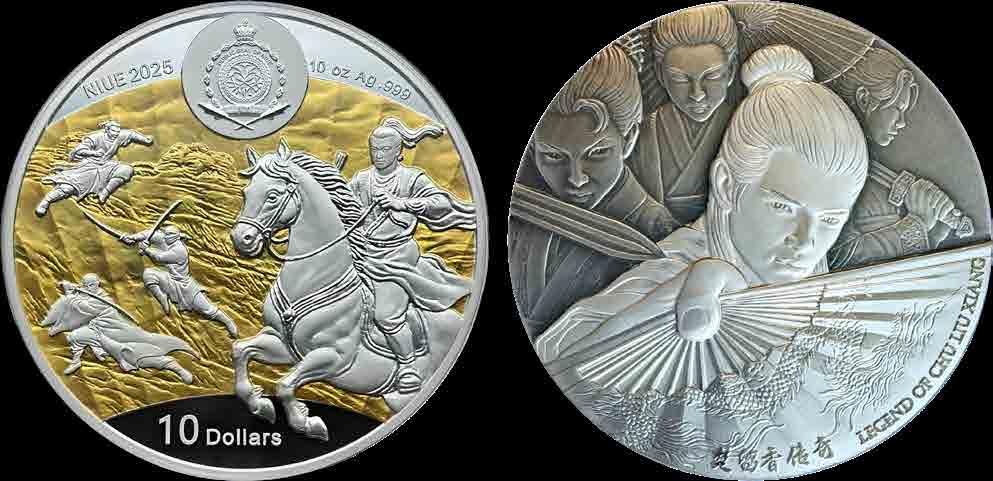
2025 Niue Island 10 Dollar 10 Ounce Silver Legend of Chu Liuxiang Commemorative Coin
『 本期精選 | HIGHLIGHTS』
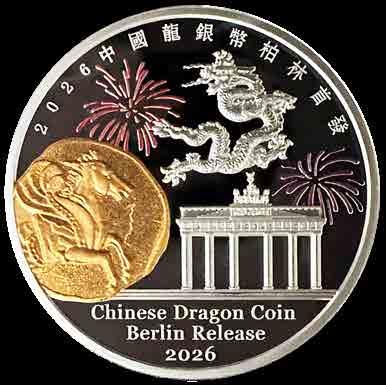
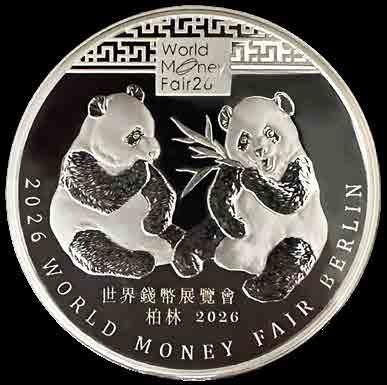
2026 World Money Fair Chinese Dragon Coin Berlin Release Panda Medal
A Precious Document- Historical Materials on Republic of China Coinage from the Original Archives of the Vienna Mint, Austria
World Money Fair 2026—Berlin Show Panda Medal
One Coin, Two Voices, A Unified Destination: A Numismatic Deconstruction of the Hotan Horse Coin as a Synthesis of Silk Road Civilizations
An Unforgettable Journey Numismatic News and NumisMaster Visit China Macau International Coin Convention Show Report
Austrian Mint
Brandenburg Gate
1.29-31
2026 Champions Auction Event
World Money Fair Berlin Table Premium Booth 3
Address : Estrel Congress Center
2.26-28
ANA National Money Show Table 724
Address: Savannah Convention Center
3.20-22
Singapore International Coin Fair
Address : Convention Centre,Marina Bay Sands
4.7-9
Hong Kong International Coin Convention & Watch Fair Table W33 & 34
Address : BP International Hotel, Hong Kong
4.10-12
Hong Kong Coin Show Table E6B
Address: The Mira Hotel, Hong Kong
5.1-3
Tokyo International Coin Convention
Address : Tokyo Royal Park Hotel
6.19-21
Hong Kong International Numismatic Fair Table B18
Address: Holiday Inn Golden Mile , Hong Kong
7.9-11
Summer FUN Show 2026 - Orlando
Address : Orlando National Convention Center
8.19-21
Hong Kong International Coin Convention & Watch Fair Table W33 & 34
Address : BP International Hotel, Hong Kong
8.23-29
ANA World's Fair of Money Pittsburgh
Address : David Lawrence Convention Center
9.11-13
Tokyo Collection Fair
Address : Tokyo Kotsu Kaikan
10.9-11
Hong Kong International Numismatic Fair Table B18
Address: The Mira Hotel, Hong Kong
10.30-11.1
Beijing International Coin Exposition
Address : China National Convention Center, Beijing
11.20-25
PHILATAIPEI
Address: Taipei World Trade Center Exhibition Hall 1
11.27-28
Macau International Coin Convention
Address : Sofitel Macau at Ponte 16
12.8-10
Hong Kong Coin Show Table E6B
Address: Holiday Inn Golden Mile , Hong Kong

AV. DR. Rodrigo Rodrigues. 600E-P105 First International Com. Center, Macau
Tel: 853-68666901
Email: championghka@gmail.com
Email: yvan799@outlook.com
Readers are welcome to contribute articles
歡迎投稿!
Chinese /中文/ jeanzg1994@163.com
English /英文/ championghka@gmail.com
Advisors
顧問
Che-lu Tseng
曾澤祿
Technical Advisor
技術顧問
Gu Jun
顧軍
Senior Editor
高級編輯
Bruce W. Smith
史博祿
Honorary Senior Editor
資深名譽主編
Yuan Shuiqing
袁水清
Advertising & Circulation Manager
廣告與發行經理
Esther Zhao
趙婷婷
Hans-Henning Goehrum
漢斯 -亨寧 · 格魯姆
Marketing Advisor
市場顧問
Mark Sutton 馬克·修頓
Jia Lizhi
賈理智 Chinese Editor 中文編輯
Publisher & Editor in-Chief
出版人&總編輯
Michael H. Chou
周邁可
US Correspondent
美國通訊員
J. Matthew Brotherton
馬修 · 布拉澤頓
Design Director
美術設計
Tan Wanmei
譚婉梅
European Correspondent 歐洲通訊員
Oliver Strahl 奧利弗·斯特拉爾
Zheng Huiqun
鄭會群
Steve Feller
史蒂夫·費勒
New Media Coordinator
新媒體协调员
Constance Hao
郝嘉薇
「 中英雙語 · 電子季刊 | Bilingual (English - Chinese) Digital Quarterly」
Yvan Gao
高晞玟
澳門辦公室 Macau Office
澳門羅理基博士大馬路600E第一國際商業中心1樓P105室
電話:853-68666901
郵箱:jeanzg1994@163.com
臺北店鋪 Taipei Store
大同區南京西路163號1樓50室 手機:886-903937338
郵箱:championghka@gmail.com
香港店鋪 Hong Kong Store
九龍旺角砵蘭街169-173號好旺角商場219室 手機 :852-61650618
郵箱 :championghka@gmail.com
FOREWORD
Welcome to the Berlin Special Edition of the Journal of East Asian Numismatics. Making its debut at the World Money Fair Berlin 2026, this issue brings together a diverse collection of articles, reviews, and reports that showcase the latest developments and ongoing scholarly discussions in the field of East Asian numismatics.
In the Vintage Coins section of this issue, we feature a study by our editor Zhou Bian, featuring valuable archival materials from the Vienna Mint, Austria. These documents were made accessible through the scholarly support of Professor Hubert Emmerig of the University of Vienna. The collaboration is detailed in Michael Chou’s accompanying article. This section is further complemented by two reprinted works by Thomas Uhlmann: The Value of Chinese Cash Coins: From the Expedition Diaries of Ferdinand von Richthofen between 1869 and 1872 and Li Hung Chang’s Trip around the World-DestinationGermany.
The Ancient Coins segment features Tseng Che-lu’s numismatic analysis of the Hotan Horse Coin as a symbol of cultural exchange along the Silk Road. We
also republishes Thomas Uhlmann’s study Chinese Silver Treasurefromthe10thCentury
In the Modern Coins section, Oliver Strahl offers a preview of the Berlin Show Panda Medal for the 2026 World Money Fair, and J. Matthew Brotherton provides a report on the 2025 ANA World’s Fair of Money. King Chan discusses the newly released Chinese Silver Dragon Coin mentioned earlier. This issue also revisits Jeff Spiegel’s account of his journey with Show Panda medals, as well as Oliver Strahl’s report on the 2019 first strike ceremony at the B.H. Mayer Mint and its polymer Panda coin created for the Berlin World Money Fair.
In the News & Events section, we open with two insightful book reviews—one on Selected Coins from Chengxuan Auctions and another examining the MK & Elonga Mint Commemorative Coin Catalog. We also feature a review of recent publications on chopmarks by Coin Guilberg. Additionally, this section covers events such as the successful Champion 2025 Macau Auction and the launch of the fourth edition of TopChineseCoins in Hong Kong.
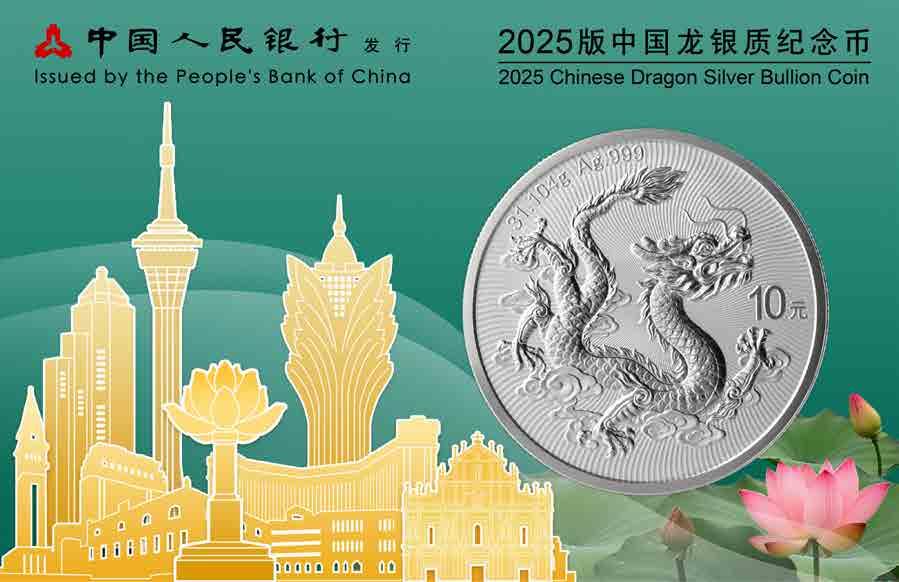
A central topic this year has been the release of the
FOREWORD
Chinese Dragon Silver Coin. We are pleased to share an on-the-ground report from new Coin of the Year (COTY) coordinators Jeff Starck and Sophia Mattimiro, who visited the Shenzhen Guobao Mint ahead of the Beijing International Coin Expo (BICE) to learn about the coin's background. Their experiences at BICE are also documented here. Additionally, we cover the issuance of the Chinese Dragon Coin Macau City Card during the first Macau International Coin Convention (MICC), with a show review contributed by our U.S. correspondent Matthew Brotherton.
The MICC also featured the release of the 2025 Niue Island 10 Dollar 10 Ounce Silver Legend of Chu Liuxiang Commemorative Coin. In this issue, we explore the story behind this distinctive issue. Prior to the Macau event, its designer, the renowned Austrian artist Helmut Andexlinger, visited the Shenzhen Guobao Mint to gain deeper insight into the Chinese minting industry and discuss of the Coin of the Year topic with the COTY judges. He then attended the launch ceremony in Macau and later toured the Shanghai Mint and Shanghai New Century Minting Co., Ltd. Reflecting on this journey, he has generously contributed a thoughtful essay to this edition.
We also pay tribute to two notable members of the numismatic community who passed away in 2025: Donald Young and Gordon Bowker. Their obituaries are included in this issue in recognition of their contributions.
We hope every reader finds an article of interest in this issue, and we welcome you to visit us at Premium Booth 3 at the World Money Fair Berlin to connect and converse.
Michael Chou Publisher & Editor-in-Chief
01 News · Events
Chronicling the Evolution of China's Coin Market & Curating Numismatic Treasures - Brilliance Through the Ages: SelectedCoinsfromChengxuanAuctions
Review on MK&ElongaMintCommemorativeCoinCatalog
Recent Chopmark Books
TopChineseCoins - 4th Edition (Silver Coin Edition) Launches in Hong Kong
An Unforgettable Journey
Zhou Bian〔Shanghai〕 Coincommander〔Beijing〕
Colin Gullberg〔Taipei〕
Champion〔Shanghai〕 Helmut Andexlinger〔Austria〕
A Wuxia Universe in a Coin: The Release of Niue Island Legend of Chu Liuxiang Silver Coin and Documentary Champion 2025 Macau Auction Achieves Strong Results, Two Generations of Chang Family Collections in the Spotlight
Macau International Coin Convention Show Report
2025 Chinese Dragon Silver Coin Macau City Card Launch Sparks Enthusiasm
New Coordinators of the Coin of the Year Awards Visit China, Strengthening Sino-Foreign Numismatic Ties
Numismatic News and NumisMaster Visit China
In Memory of Donald Young: A Guide to Parks, Coins, and Life
Obituary: Gordon Bowker, Starbucks Co-Founder and Keeper of a Family Legacy, Dies at 82
02 Vintage Coins
Champion〔Shanghai〕
Champion〔Shanghai〕 J. Matthew Brotherton〔USA〕
Champion〔Shanghai〕
Champion〔Shanghai〕
Sophia Mattimiro〔USA〕
Michael Chou〔Taipei〕
Champion〔Shanghai〕
Tracing the Republic of China Coins Made by the Vienna Mint, Austria: A Transnational Journey of Discovery
A Precious Document - Historical Materials on Republic of China Coinage from the Original Archives of the Vienna Mint, Austria
Michael Chou〔Taipei〕
Zhou Bian〔Shanghai〕
The Value of Chinese Cash Coins: From the Expedition Diaries of Ferdinand Von Richthofen between 1869 and 1872
Li Hung Chang’s Trip around
Thomas Uhlmann〔Germany〕
Thomas Uhlmann〔Germany〕
03 Ancient Coins
Chinese Silver Treasure from the 10th Century
One Coin, Two Voices, A Unified Destination: A Numismatic Deconstruction of the Hotan Horse Coin as a Synthesis of Silk Road Civilizations
04 Modern Coins
World Money Fair 2026—Berlin Show Panda Medal
Summer 2025 ANA World’s Fair of Money in Oklahoma City Show Report
Chinese Silver Dragon Debuts: China's First Ounce-Based Investment Silver Coin Marks the Dawn of the Chinese Cultural Finance Era
A Show Panda Journey
First Strike Ceremony at the B.H. Mayer Mint on June 28, 2019
B.H. Mayer Mint GmbH & WMF Berlin 2019 Polymer Panda Coin

Chronicling the Evolution of China's Coin Market & Curating Numismatic Treasures
BrillianceThroughtheAges:SelectedCoinsfrom ChengxuanAuctions
◎ Zhou Bian〔Shanghai〕
Brilliance Through the Ages: Selected Coins from Chengxuan Auctions
Edited by Zuo Jinghua and Niu Guoyu
First edition, July 2025
Published by Shanghai Century Publishing (Group) Co., Ltd. and Shanghai Scientific & Technological Publishers
Format: 889 × 1270 mm, 1/16, 500,000 Chinese characters, 25 printed sheets
Price: RMB 368
ISBN: 978-7-5478-7249-9
Since its founding in November 2004, Chengxuan Auction has successfully conducted a wide array of sales spanning multiple collecting fields—bronze ware, jade, calligraphy and painting, classical furniture, and porcelain, among others. In the realm of numismatics, Chengxuan has built an outstanding reputation for integrity and authenticity, earning consistent acclaim from the numismatic community and repeatedly setting industry benchmarks. Notably, the coin section of Chengxuan’s 2022 Spring Auction achieved a remarkable total of 330 million RMB, a high-water mark that stands unbroken to this day. Over the years, the top-tier coins presented by Chengxuan have significantly elevated the standard of coin collecting in China, helping establish mainland China as the world’s foremost hub for collecting and trading Chinese coins.
Published to mark Chengxuan’s 20th anniversary, Brilliance Through the Ages: Selected Coins from Chengxuan Auctions curated under the guidance of the auction house’s leadership— offers a visual celebration of the rare coins sold by Chengxuan over the past two decades. This volume also serves as a
documented witness to the growth of China’s coin auction market.
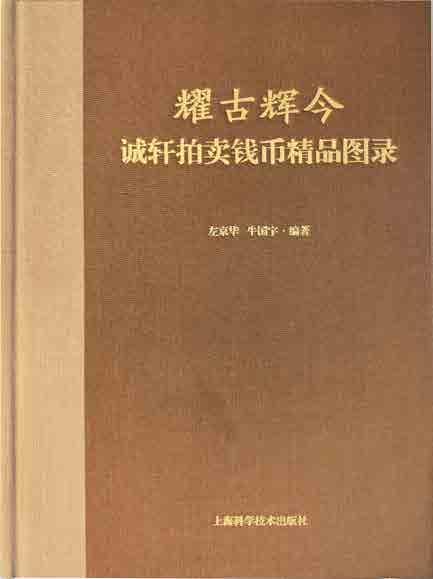
Organized into seven clear sections—Ancient Coins, Gold and Silver Ingots, Gold Coins, Silver Coins, Copper Coins, Modern Coins, and Banknotes— the catalog showcases 1,076 lots, each accompanied by its realized auction price. The classification is logical and systematic, backed by profound professional knowledge. The catalog meticulously records key details such as well-documented provenance, repatriation history, or inclusion in renowned collections, complete with detailed annotations and transaction prices from various auction periods for reference. Combining concise commentary with sharp, high-quality photography, this publication strikes a balance between scholarly rigor and accessible presentation. It is an indispensable resource for collectors, enthusiasts, and professionals alike—a reference work that merges historical data, market intelligence, and the artistry of numismatics into a single comprehensive volume, making it a truly rare catalog in the world of Chinese coins.
Amid the dual forces of digital transformation and shifting market dynamics, the coin sector is poised for both fresh opportunities and new challenges. Sustaining the vitality and prosperity of the coin auction market will require continued efforts to standardize practices, nurture expertise, enhance service quality, and innovate in business models.
Review on MK&ElongaMintCommemorative CoinCatalog2024/2025
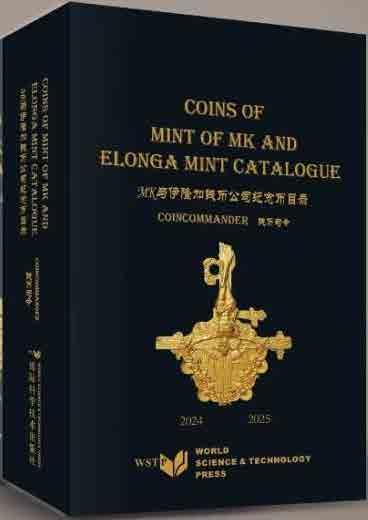
Cameroon 2025 MK&ElongaMintCommemorativeCoinCatalog2024/2025 Book-Style Coin
Face Value: 1 Central African CFA Franc
Material: Art paper (approx. 1.65 kg / standard 32mo 140 x 210 mm)
Mintage: 500
Description: The world's first "book coin" (neither a coin nor a banknote), it is a commemorative coin in the style of book, as a legal tender issued by Cameroon, achieving for the first time a perfect integration of reading and collecting.
MK & Elonga Mint Commemorative Coin Catalog 2024/2025 features a selection of coin issues from the MK and Elonga Mint, as well as original designs from eDonnaDesign, with a primary focus on legal tender precious metal commemorative coins issued in collaboration with the Republic of Cameroon. More sub-brands and coin series will be added in future editions.
The catalogue also serves as a reference and guide for collectors of African commemorative coins, especially those issued by Cameroon. It offers insights into the background, meaning, and purpose of various coin issuances—and even provides exclusive
data on the maximum relief height of each coin!
The publication of the MK & Elonga Mint Commemorative Coin Catalog 2024/2025 aims to affirm the brand’s position and philosophy—because even the finest wine needs to be discovered. This catalog organizes, categorizes, and introduces the coins issued in partnership with sovereign nations under legal tender agreements, while also including a number of commemorative medal projects. It further explores minting technologies, the rationale behind coin issuance, and prospects for the future.
Recent Chopmark Books
◎ Colin Gullberg〔Taipei〕
Most collectors of Chinese coins are aware of chopmarks, the stamps placed on mainly silver coins in the Qing dynasty. However, you may not be aware there have been five books published on the subject. Three of these books have only come out in the past two years and are collaborations between W. Taylor Leverage [writer] and Dan Huntsinger [photographer]. They are completely devoted to chopmarked coins and are well worth owning for any collector whose collection is focused on or is in large part made up of chopmarked coins. The three books are available on the US Amazon site if you have access.
For many years there was only one book devoted solely to the numismatic area of chopmarks, Frank M. Rose’s Chopmarks First published in 1987 and reprinted in 2001, it was the ‘Bible’ for chopmark coin collectors. At a slim 54 pages Chopmarks gives the theories and observations of Frank Rose, the godfather of chopmark collectors, in a breezy tone. The book includes extensive photos of Mr. Rose’s collection making the coins in the book highly sought-after by collectors.
Chopmarks was the first and for a long time the only book on the subject, and although the book demands praise for doing something no one else had attempted, it does suffer from several drawbacks. The photos are generally of a low quality, sometimes only showing a part of the coin or just one side. The text, having being written in the mid-1980s in the pre-Deng Xiaoping period when China was still firmly closed to Westerners, lacks newer information. Despite these flaws, Chopmarks remains a musthave for collectors.
For many years, the only other source of chopmark information was The Chopmark News. Readers know that it is the newsletter of the Chopmark Collectors Club (CCC), which was founded in 1990, two years before Mr. Rose’s passing. The goal was to have a place for collectors to share information. This included recent sales, collector’s comments, previously published research and analysis on the chops. The newsletter was born in July 1990 with Mr. Everett Jones serving as club founder, newsletter editor and
chief writer. The Chopmark News, which started with a modest 4-page issue, has grown into a publication which has published over 2,000 pages of information. Jones has since passed away, but his work, often underappreciated, was done in the pre-internet era on a simple typewriter, a fact that still amazes me.
When I became interested in chopmarked coins I had the fortune to come into contact with Mr. Michael Chou, purchaser of the Rose estate. Michael sold me some coins and we have become close friends. My first Rose coin purchased from Michael Chou was in October 2008 and a few years later Michael Chou encouraged me to take over as editor of the newsletter. He funded me $500 and I took over for then-editor Rich Licato.
Michael Chou also encouraged me to write an updated ‘Rose’ book. Mr. Chou took the total costs of the book upon himself spending over $10,000 on the photography alone. A sum, along with printing, typesetting, etc. that would never be recouped. The book was published in 2014, being only the second to focus on chopmarked coins.
Our idea was to update Rose, particularly the pictures, as well as the newest information known at the time. My idea was not just to do Chopmarks with better pictures, I decided a new approach was needed to make the book different from Rose’s. Rose organized the book in geographical areas describing the coins in his collection. I decided to organize it chronological, listing the oldest known chopmarked coins - which were cobs, to the newest – Chinese Republican dollars. For many years only these two books dealt with the subject.
Suddenly, ten years later, three more books have been released one the subject. Two are devoted to specific collections and one is a more serious research work. Let’s look at all three.
The two collection-focused books deal with two important chopmarked collections, the J.D. Bowman collection, and the Ed Murphy collection.
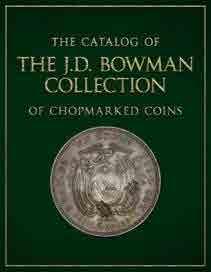
J.D. Bowman was a collector and frequent contributor to the early issues of the Chopmark News. Little is known of him except he had amassed a substantial and quality chopmarked coin collection. The book, The Catalog of The J.D. Bowman Collection of Chopmarked Coins was released in October 2024 and was written and researched by Taylor Leverage and mostly photographed by Dan Huntsinger [in addition to archive photos from major auction houses like Stack’s Bowers]. Taylor has carefully dug up all of Mr. Bowman’s previous writings, compiled an inventory of his collection (70 pages!), and located some of the Bowman 2X2 flips with his distinctive style of writing. Dan Huntsinger has provided over 30 pages of high quality photos of some of Mr. Bowman’s best coins. It’s an excellent book that would have made J.D. Bowman very proud.
The second ‘collection’ book is The Catalog of The Ed Murphy Collection of Chopmarked Coins. This was released in September 2023, one year before the release of the Bowman book. Mr. Murphy (better known as ‘Ed’) probably has the finest collection of chopmarked coins existent. Ed build the collection while living in the Philippines in the 1990s-2000s. He was also a big buyer of many of J.D. Bowman’s better coins. The text is minimal [3 pages in total] and was written by Taylor Leverage. It’s mainly an introduction to Ed’s life and a summary of chopmarks. However, what makes this book a mustown is the photography. Done by Dan Huntsinger, Ed shipped
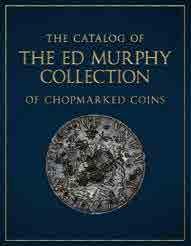
his collection, box by box, across the United States for Dan to photograph. The best of his collection appears in large high resolution photos. The collection, which covers 260 pages with 2 coins per page (520 coins in total), is certainly among the best ever assembled.
The final of the three books put together by the team of Taylor Leverage and Dan Huntsinger is the finely researched ByWeight, Not By Coyne – An Introduction to Chopmarked Coins. Taylor has written a 270-page masterpiece covering the history of silver in China followed by a list of crown-sized chopmarked coins alphabetically listed by country of the host coin. Each country’s history of the period is described as well as the assorted coins that made it to China. Many of the finest examples are shown as well as the pedigree. There is also a section on minor coinage, counterfeits [contemporary and modern], chop types, non-chops, as well as market information, a reading list and an extensive bibliography. It’s an absolutely superb book and if you are going to buy just one of the three this is the one you should buy.
I am looking forward to additional books and upgrades of existing books in the coming years. The amount of information on chopmarks is growing daily.
All three are available on Amazon in the print-by-demand form.
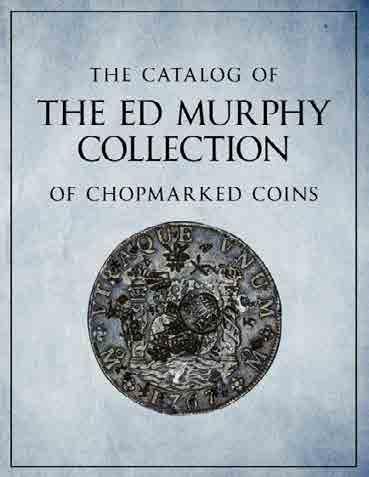
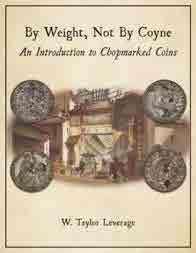
Fig. 1 TheCatalogoftheJ.D.BowmanCollectionofChopmarkedCoins, W. T. Leverage [author], D. Huntsinger [photographer], Oct 2024.
Fig. 2 TheCatalogoftheEdMurphyCollectionofChopmarkedCoins, W. T. Leverage [author], D. Huntsinger [photographer], Sept 2023.
Fig. 3 ByWeight,NotbyCoyne:AnIntroductiontoChopmarkedCoins, W. T. Leverage [author], D. Huntsinger [photographer], 2023.
For a free sample of TheChopmarkNews please email at: chopmarknews@gmail.com. The author is a Canadian teacher who lives in Taipei.
Fig. 1
Fig. 2
Fig. 3
TopChineseCoins-4thEdition(SilverCoinEdition) Launches in Hong Kong
◎ Champion〔Shanghai〕
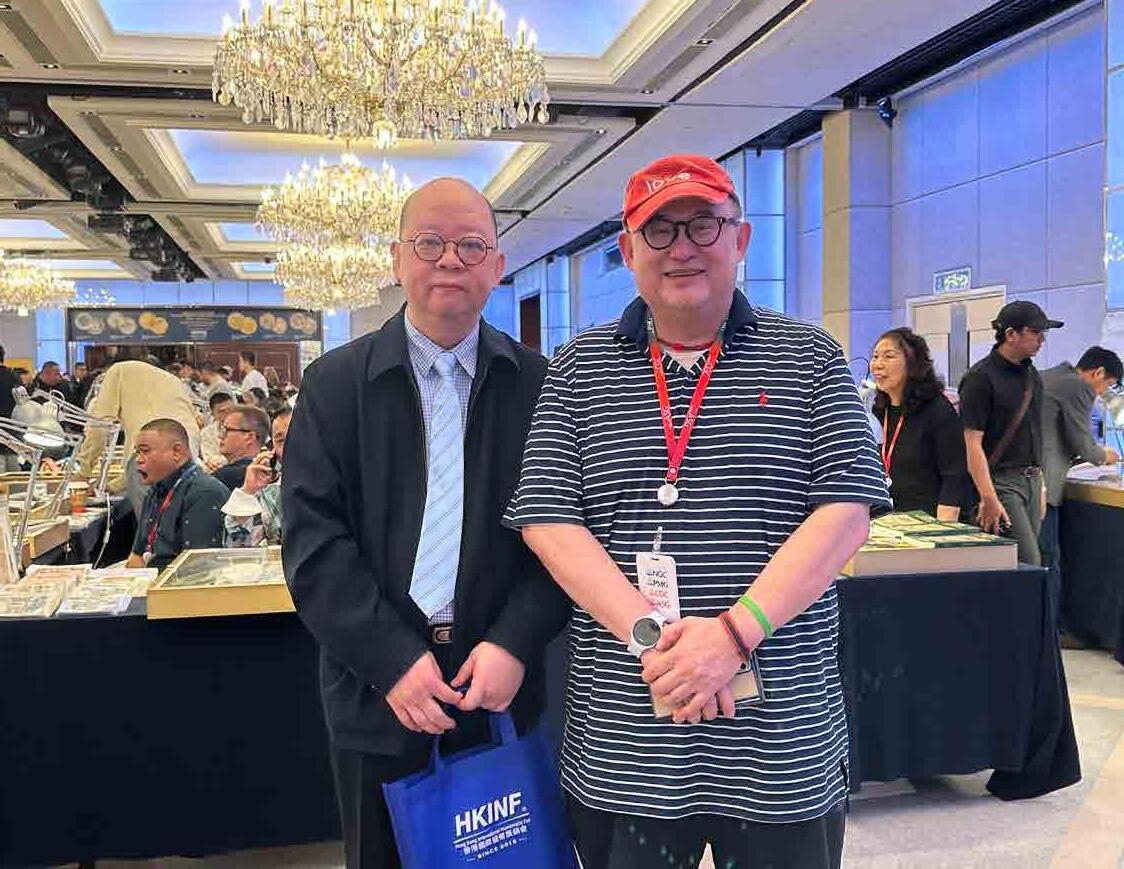
On April 7, 2025, the fourth edition of Top Chinese Coins (Silver Coin Edition) was officially launched in Hong Kong. The launch ceremony was attended by the book's chief editor, Michael Chou; Duan Honggang, General Manager of Beijing Gongbo Coin Authentication Co., Ltd.; and David Chio, Chairman of the Macau Numismatic Society. The event was hosted by King Chan, a senior collector from Hong Kong and Senior Advisor to NGC.
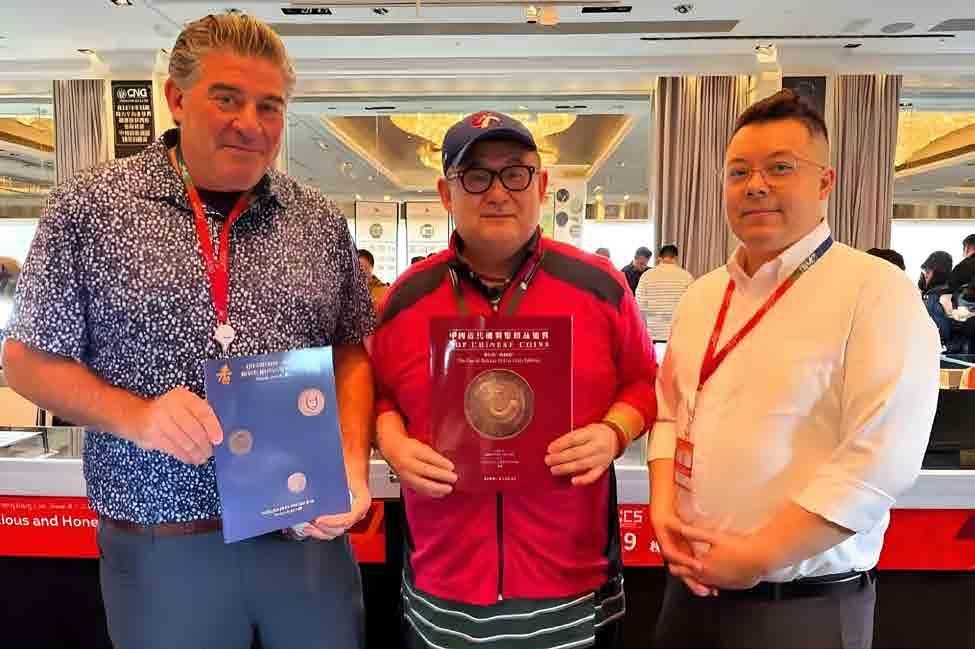
Several notable guests received complimentary copies of the book, including CCG Group CEO Steven R. Eichenbaum; CCG Group Asia Business Development Manager Doug Chin-
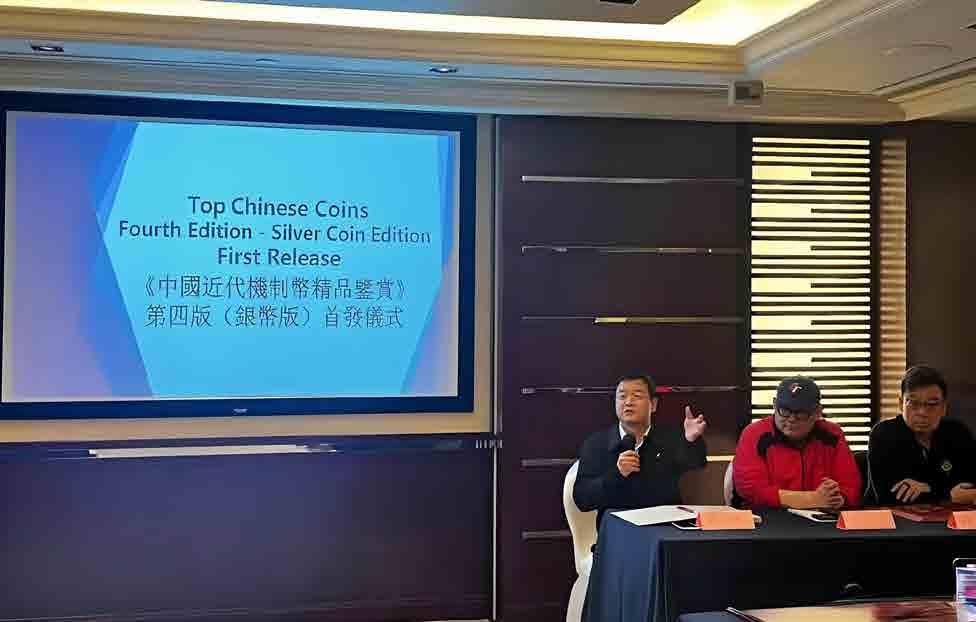
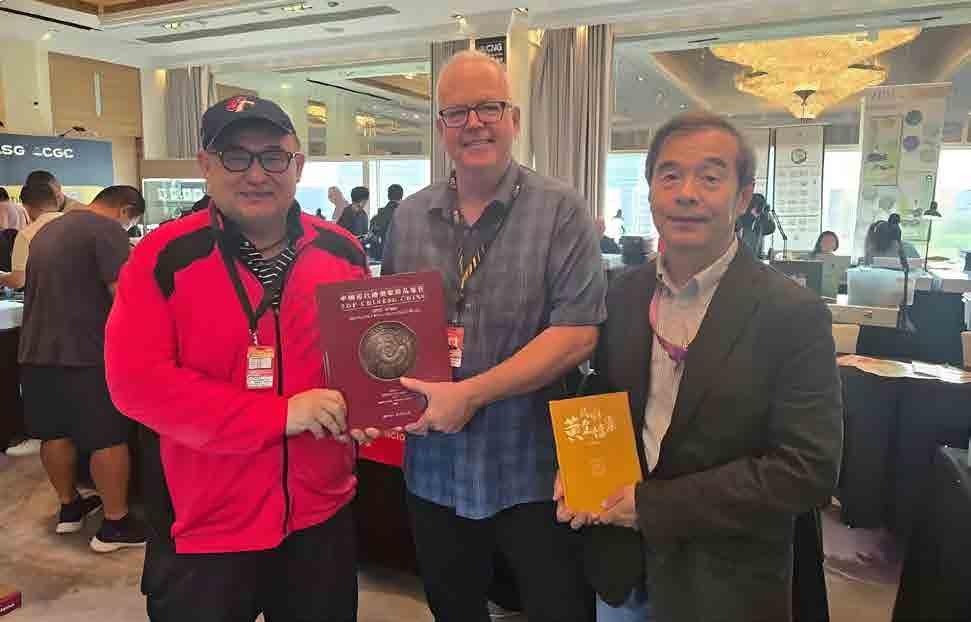
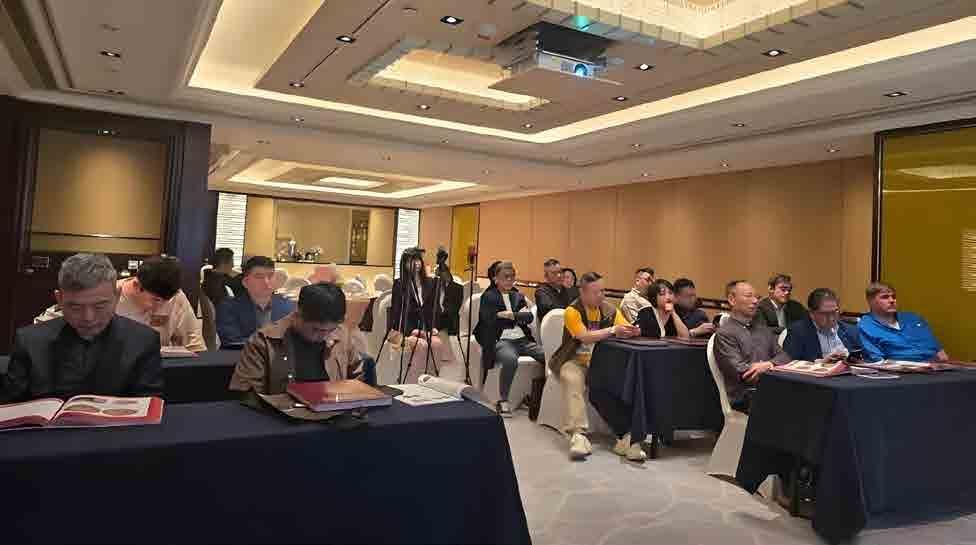
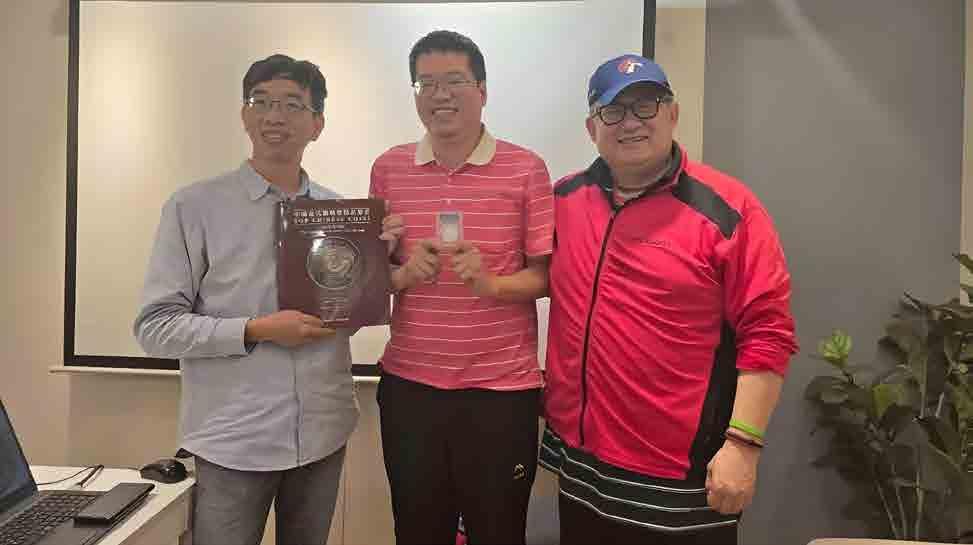
Duan Honggang delivering a speech at the launch ceremony From left: Duan Honggang, Michael Chou, David Chio
CCG Group CEO Steven (left) and CCG Group Asia Business Development Manager Doug Chin-Lee (right)
PCGS Grading Finalizer Michael Sargent (center) and sycee expert Stephen Tai (right)
Senior Taiwanese collector Jim Wang (left) and President of the Taipei Numismatic Society Simon Kuo (center)
Audience attending the launch ceremony
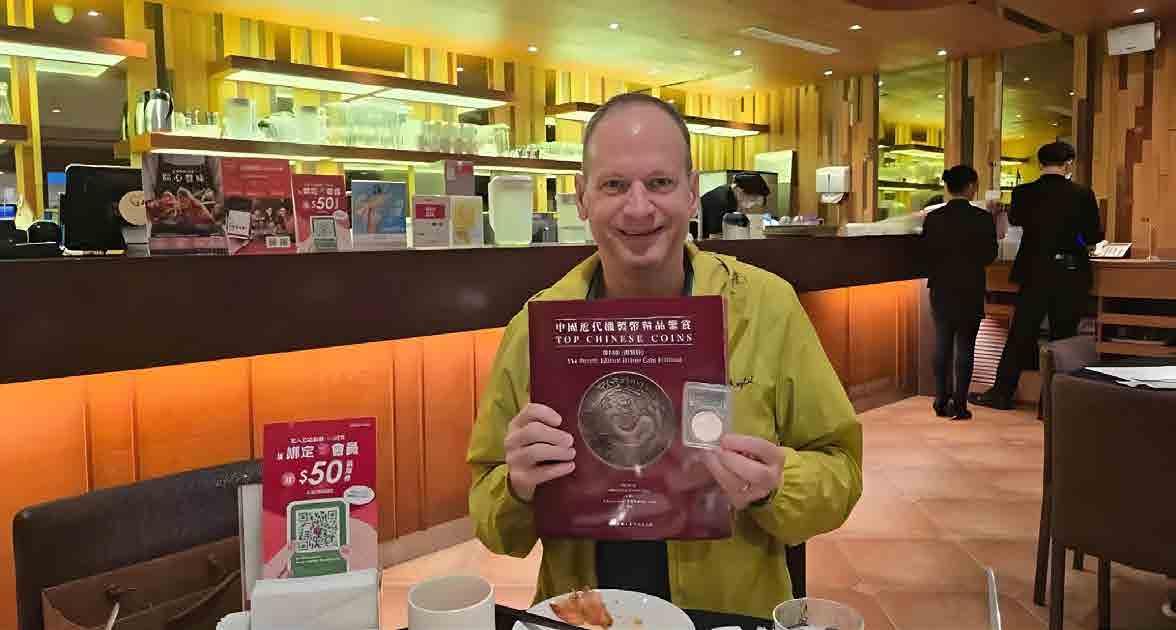
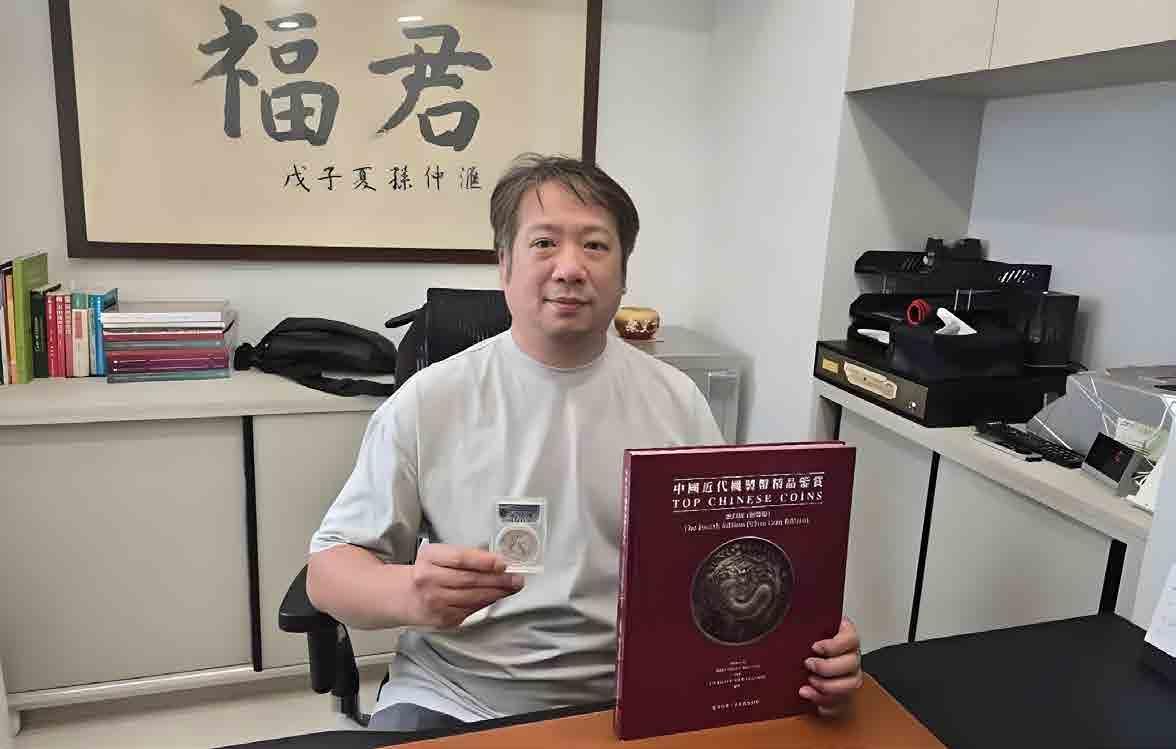
Lee; PCGS Grading Finalizer Michael Sargent; sycee expert Stephen Tai; senior Taiwanese collector Jim Wang; President of the Taipei Numismatic Society Simon Kuo; chopmark coin expert Colin Gullberg; and Fuchin International Online Auction Director Stanley Chou.
When the third edition of Top Chinese Coins was released in 2021, it contributed to an 18-month period of growth in the coin collecting market. With the launch of this fourth edition, it is expected to once again stimulate a new wave of market activity.
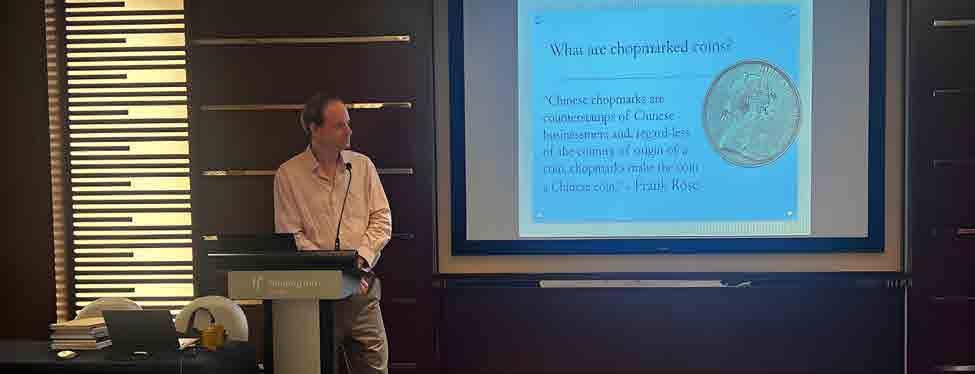
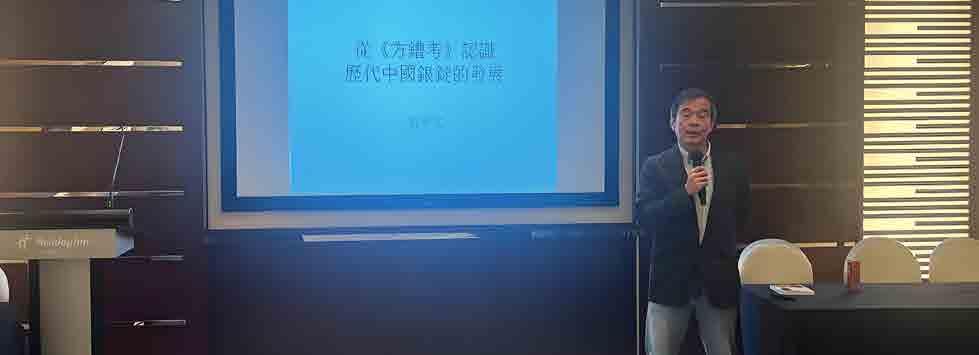
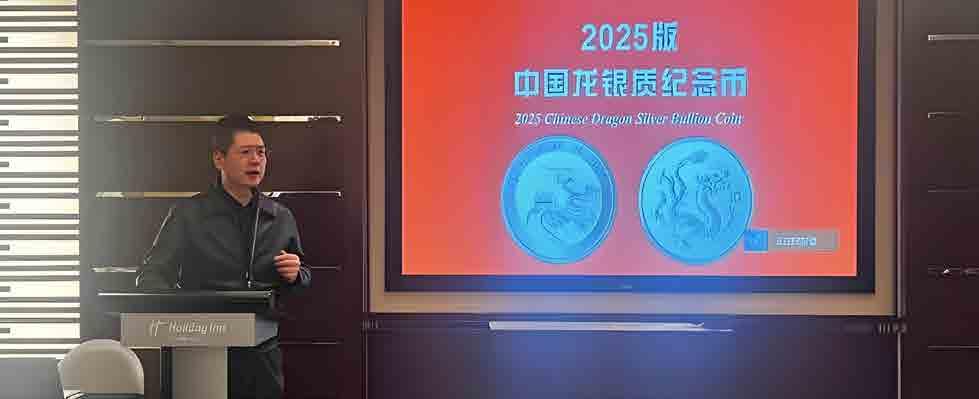
A seminar on trends in the Chinese coin market was also held on the same day. Chopmark coin expert Colin Gullberg introduced the recently published chopmark books; sycee expert Stephen Tai presented new findings in Chinese sycee research; and senior collector King Chan offered insights into the popular 2025 Chinese Dragon silver coin.
Fuchin International Online Auction Director Stanley Chou
Chopmark coin expert Colin Gullberg
An Unforgettable Journey
◎ Helmut Andexlinger〔Austria〕
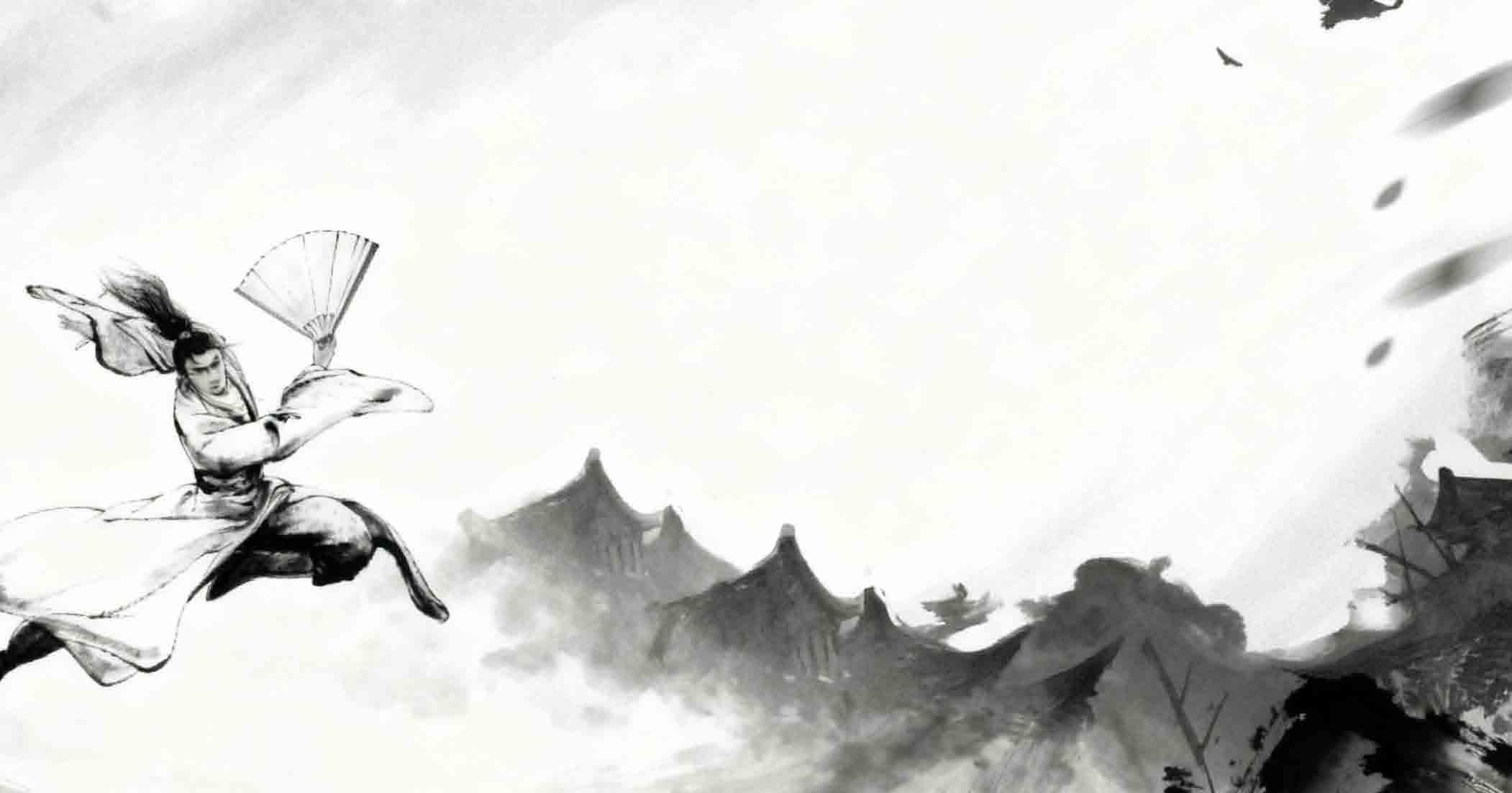
Artistic Exchange Between Two Cultures in the World of Coins
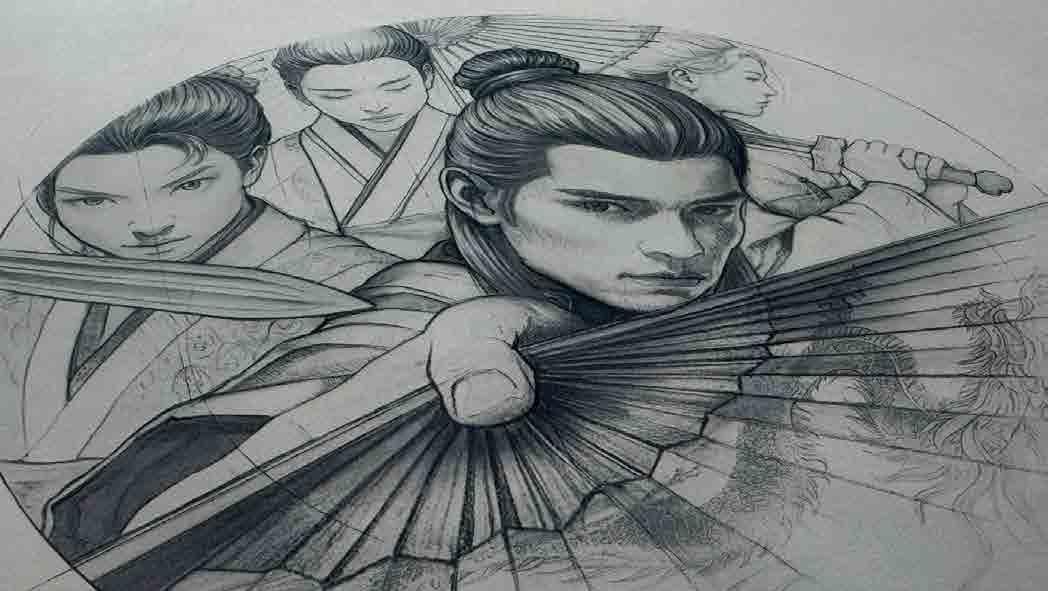
The occasion for this journey was an extraordinary collaborative project: the design of a ten ounce silver coin entitled Legend of Chu. This project was initiated, financed, and organized by Michael Chou, who succeeded in bringing together outstanding artists and experts from the international numismatic community. Among those involved were the widely known comic artist Lee Chi Ching and the highly respected designer Yu Min, who has gained international recognition in particular through his iconic panda coin designs.
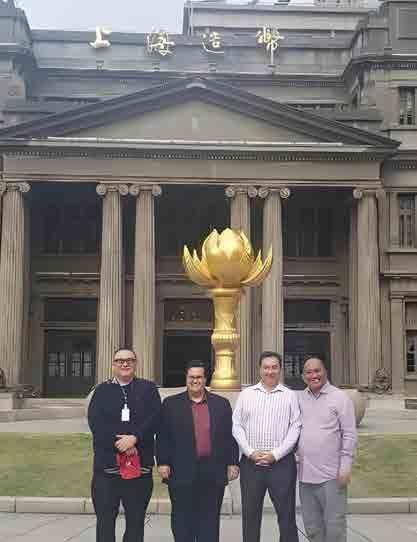
To be allowed to be part of this team was a great honor for me, all the more so because the journey was not limited to project work alone. Thanks to the initiative of Michael Chou, visits and professional discussions took place with the state minting facilities in Shenzhen and Shanghai, as well as with the private Shanghai New Century Mint. As a result, this journey developed into an intensive exchange of expertise and at the same time into a contribution to strengthening relations between the minting institutions in China and the Austrian Mint.
Arrival in China: Professional Dialogue and Cultural Insights
After arriving in Hong Kong, I was welcomed by Michael Chou and his friend and renowned numismatic expert King Chan, who accompanied me for almost the entire journey as an interpreter. This support not only enabled in depth professional exchange, but also opened valuable insights into Chinese culture and history, aspects that are often only partially accessible to us in the West. For an artist in particular, this cultural understanding is essential, since visual language, symbolism, and narration always emerge within a historical context.
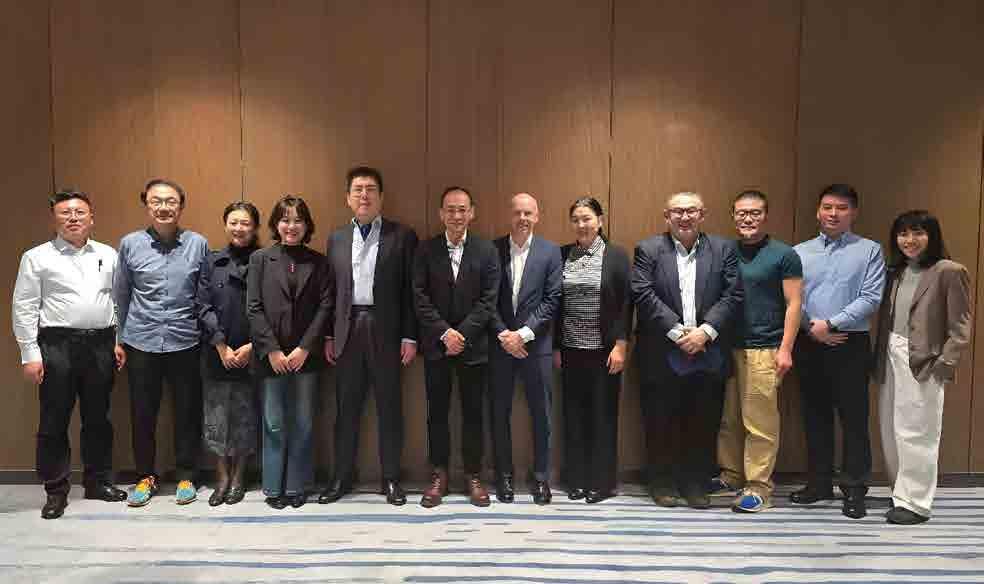
From Left: Zhang Jigang, Gu Jun (Former Secretary of the Party Committee of Shanghai Mint Co., Ltd.), Yu Quan (General Manager of Shenzhen Guobao Mint), Huang Qin, King Chan, Wang An (Former Director of China Gold Coin Inc.), Helmut Andexlinger, Wang Xueyang (Director of Administration Office, China Numismatic Museum), Michael Chou, Kang Jianfei, Yin Shi, Chen Pengpeng
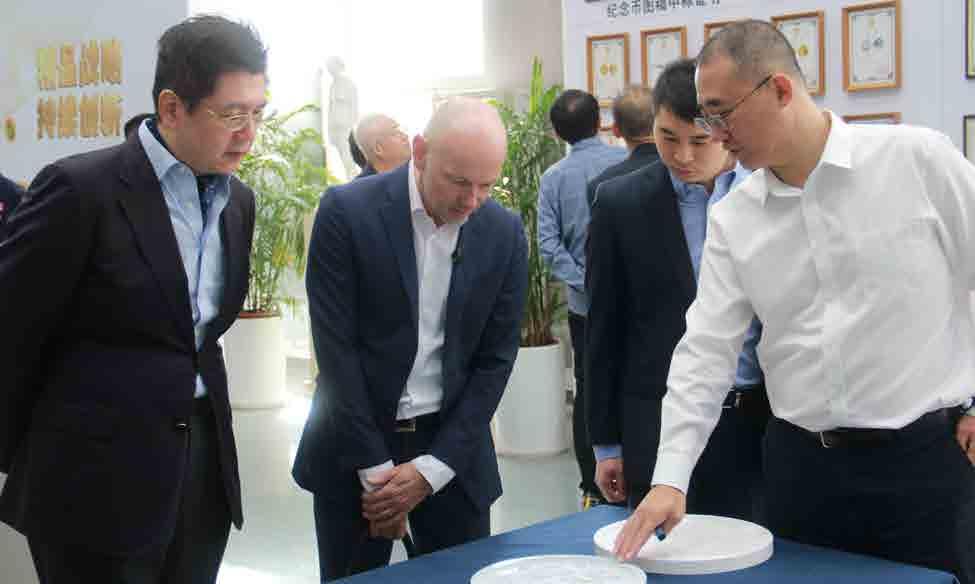
and Fu
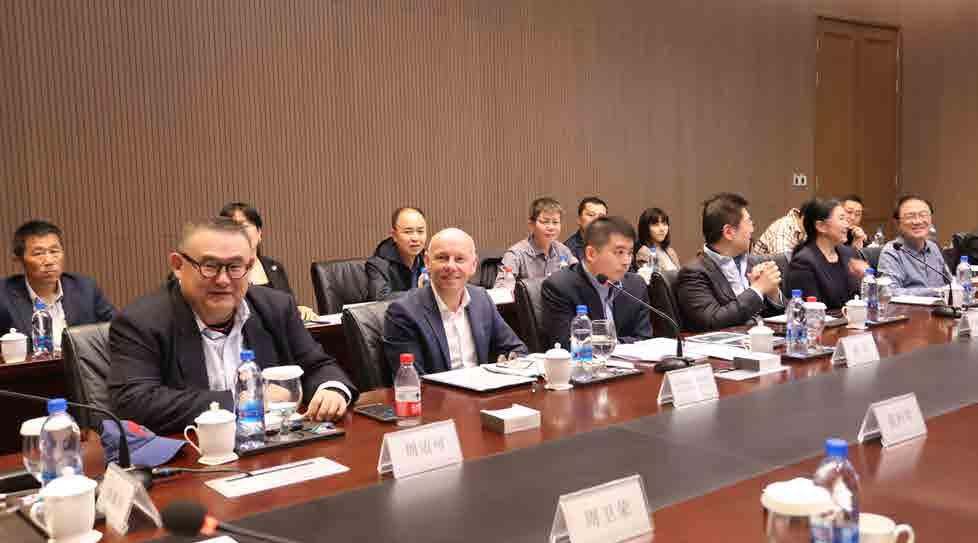
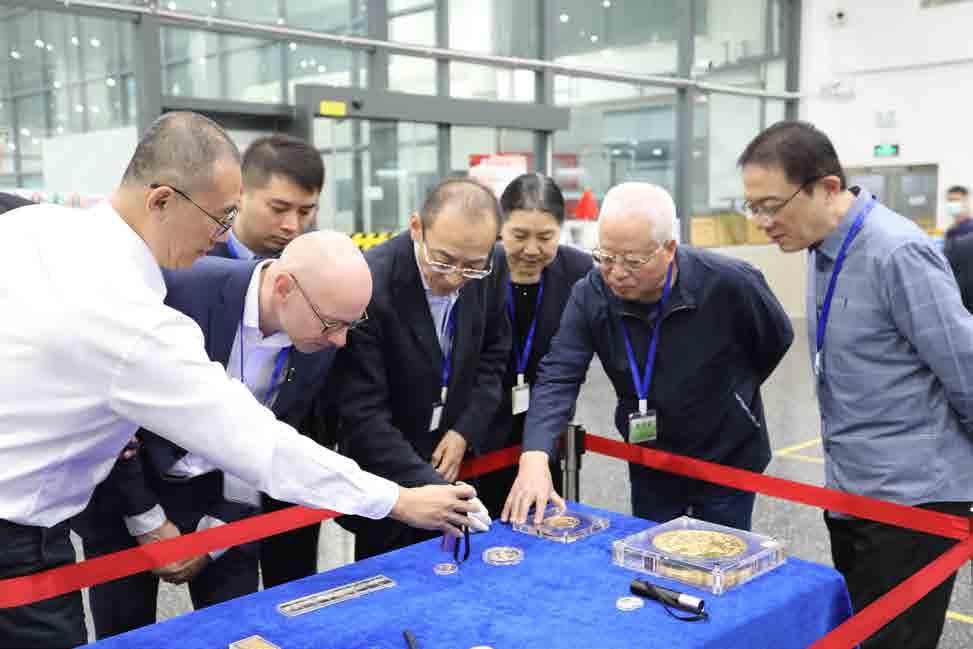
Together we continued on to Shenzhen, where we first visited the ultramodern Shenzhen Guobao Mint. The reception by Fu Xing, Chairman of Shenzhen Guobao Mint Co., Ltd., was exceptionally warm. Together with numerous high ranking representatives of the Chinese minting sector, I was given a comprehensive tour of the facility, an impression that will remain with me for a long time.
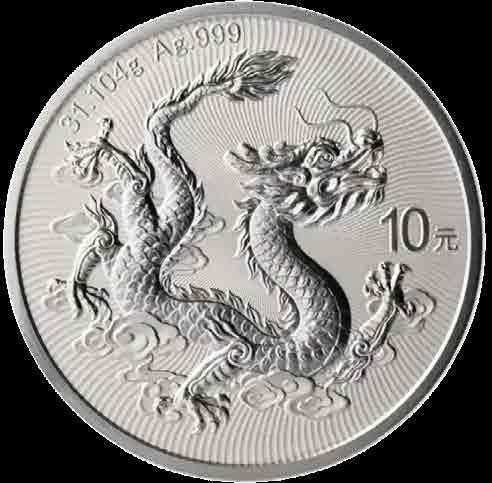
Particularly impressive was the presentation of the new Chinese Dragon Coin. Around one hundred trial strikes were required before the final design was approved, an impressive example of the high standards of quality and the consistency with which artistic and technical aspects are developed down to the smallest detail.
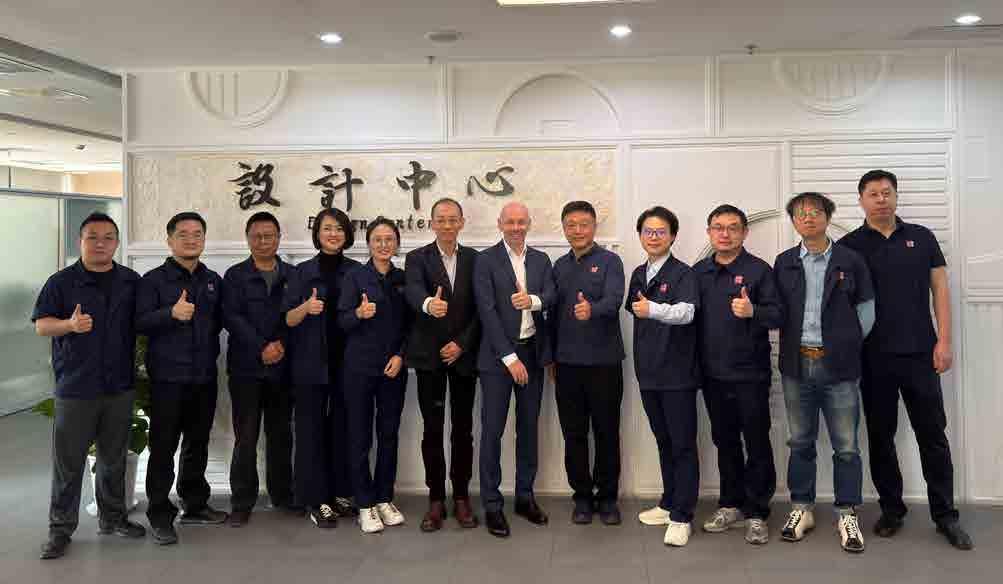
with Wang An (6th from left), Song Fei (5th from right), He Chun (4th from right), Zhang Lei, Li Zhenkai, Zhong Chenxin, Tian Xiaobin, Helmut Andexlinger, Jiang Qianqian, Jin Jian, Liu Ronglu, Yu Tianxiang at the Designing Center
Artistic Work as the Foundation of Coin Design
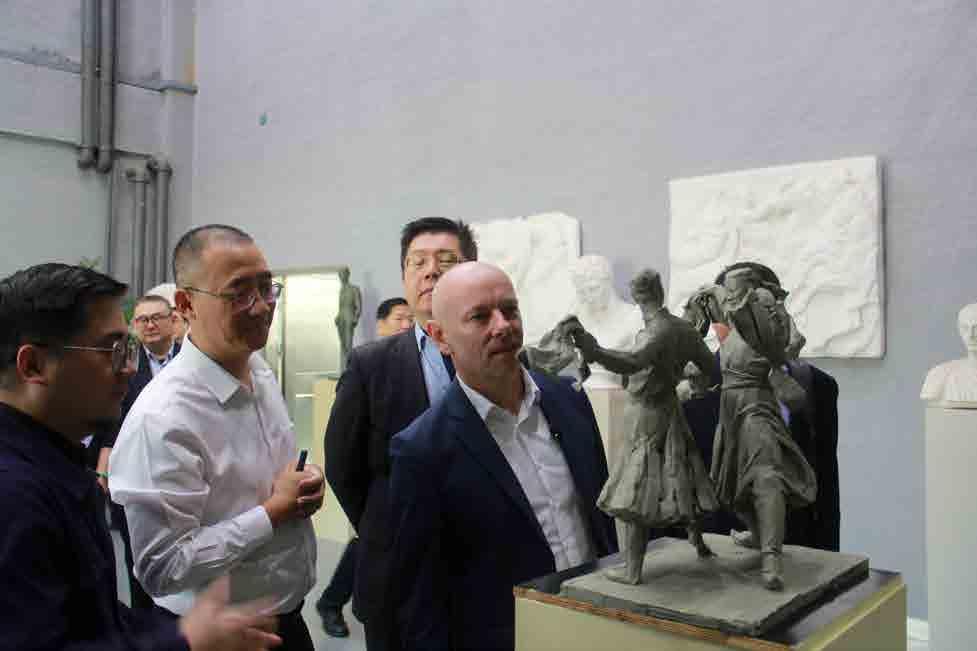
A special highlight was the visit to the artistic department. The working methods and the environment strongly reminded me of European mints. It is worth emphasizing that, alongside classical design work, training in sculptural modeling, sculpture in clay and plaster, is deliberately promoted. This artisanal foundation is an indispensable prerequisite for high quality coin design, as it sharpens the understanding of volume, transitions, and relief heights, regardless of whether the final design is realized in an analog or digital form.
The direct exchange with fellow artists on site most notably with Song Fei Director of the Designing Center and Senior Designer of Shenzhen Guobao Mint Co., Ltd. showed impressively how universal many design related questions are. How much depth can a relief accommodate? Where is the boundary between richness of detail and overload? These discussions were professionally enriching and confirmed the shared artistic foundations of coin design worldwide.
Conference, COTY Awards, and International Perspectives
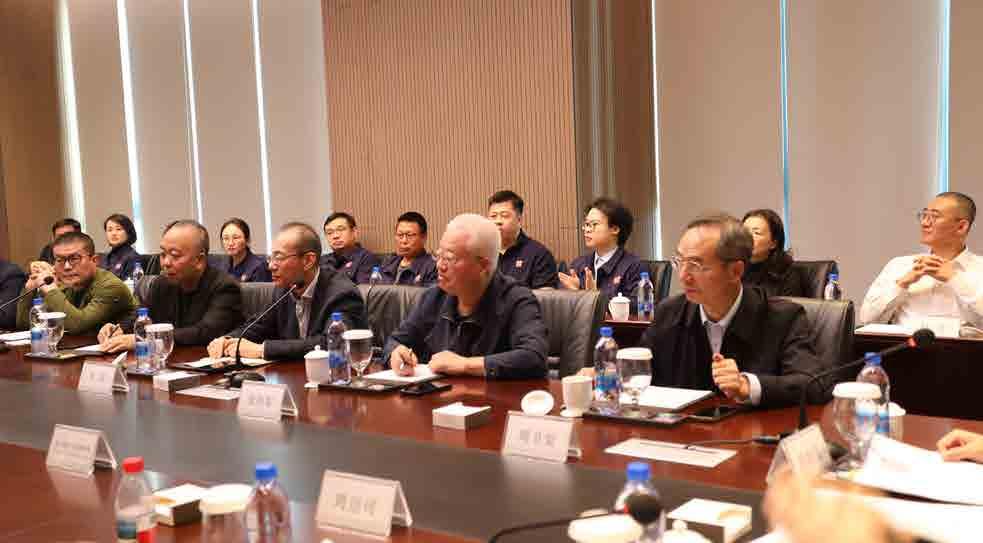
This was followed by a conference on the COTY Awards. The intensity and seriousness with which this international award was discussed were impressive. Quality does not arise by chance. It is the result of passion, critical discourse, and the will
King Chan, Helmut Andexlinger
Xing
Andexlinger
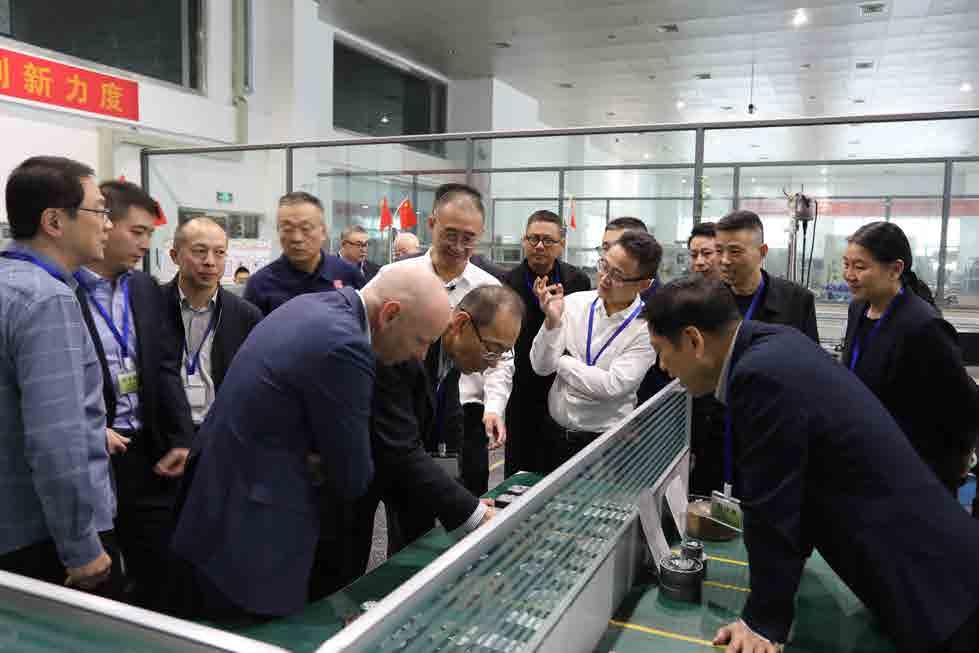
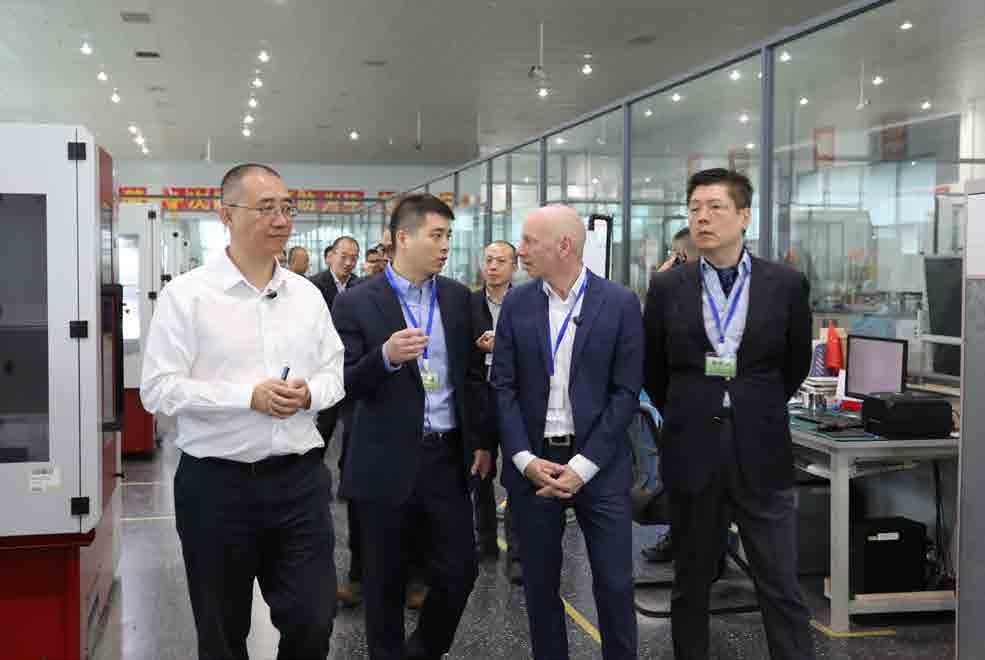
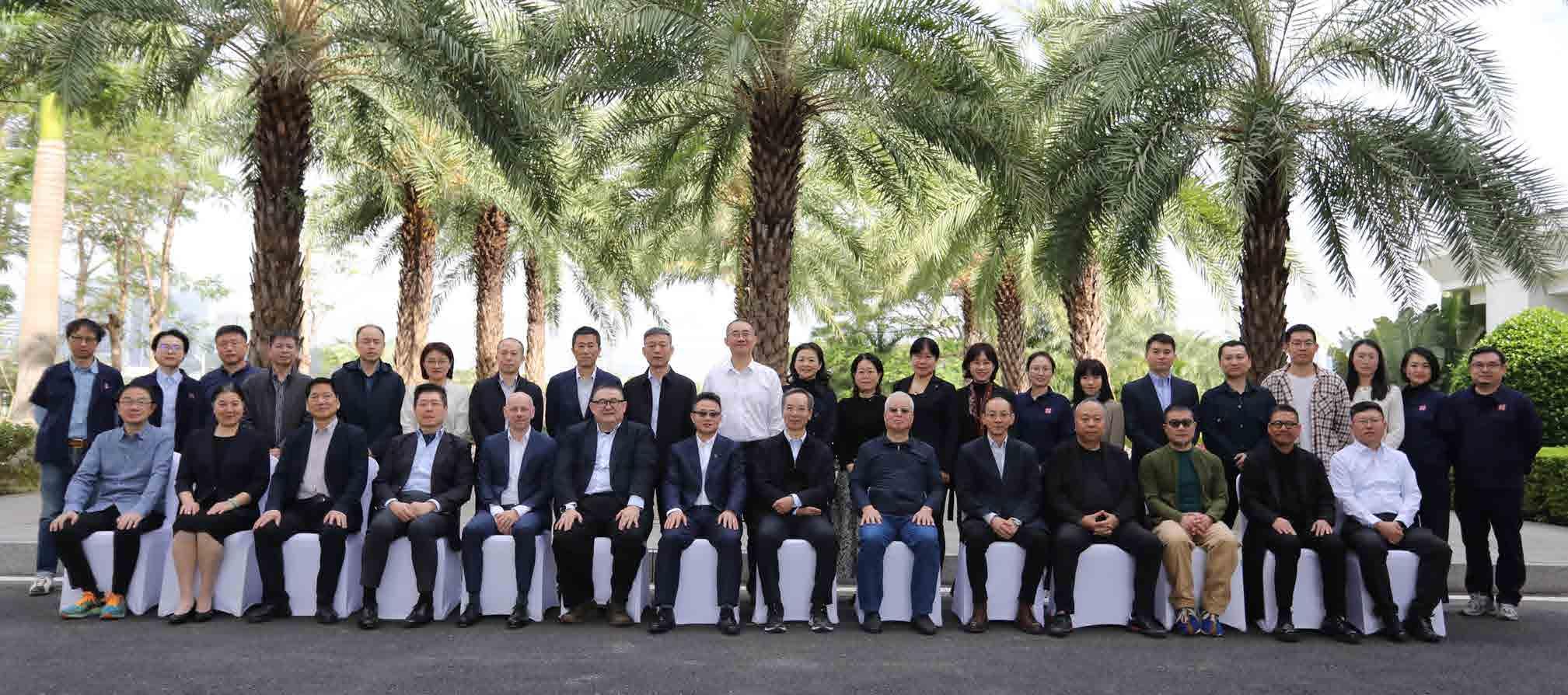
At Shenzhen Guobao Mint and Grand Sky Light Hotel Shenzhen
for continuous improvement.
In this context, I presented my COTY coin Supernova and, illustrated by a current coin design, provided insights into the design process. The focus was not only on the finished motif, but also on conceptual considerations, artistic decisions, and technical limitations. The presentation was complemented by the young artist He Chun, who presented his work on the Chinese Dragon Coin 2025. The subsequent dialogue clearly showed how similar the fundamental artistic questions are, regardless of cultural background or personal style.
With these professional discussions as a foundation, the journey entered its next phase. What had begun as an exchange within institutional and conference settings now shifted into a broader international context.
Macau: Dialogue on an International Level
The following day we traveled on together with Michael Chou and King Chan to Macau. The transfer offered the opportunity for intensive conversations about history, the passion for collecting, and philosophical perspectives on art and design, an exchange that remains memorable and goes far beyond purely professional matters.
In Macau, the Macau International Coin Convention took place, at which the collaborative project, the ten-ounce coin Legend of Chu, was presented to an international audience for the first time. Here I had the opportunity to meet the two outstanding artists Yu Min and his long time assistant designer Vincent Wang in person. Despite language barriers, an intensive professional dialogue developed, supported when necessary by gestures, sketches, or technical aids.
Yu Min is one of the most influential coin designers in modern Chinese numismatics. He designed the award-winning 1983 China First Silver Panda and created or engraved more than 100 Panda coins. Among his major works are the China 1 Yuan Peony Circulating Coin (1991–1999), commonly known as the Peony Dollar, and the 2008 Beijing Olympic Medal. In addition to his work for state mints, he continues to be actively involved in selected projects with private minting institutions. In recognition of his lifetime achievements, he received the 2017 Coin of the Year Lifetime Achievement Award at the World Money Fair and is the only coin designer honored as “Nation’s Master Craftsman”.
In these professional exchanges, questions of relief, motif selection, and the narrative realization of a theme were central. Particularly exciting was the discussion of how strongly cultural
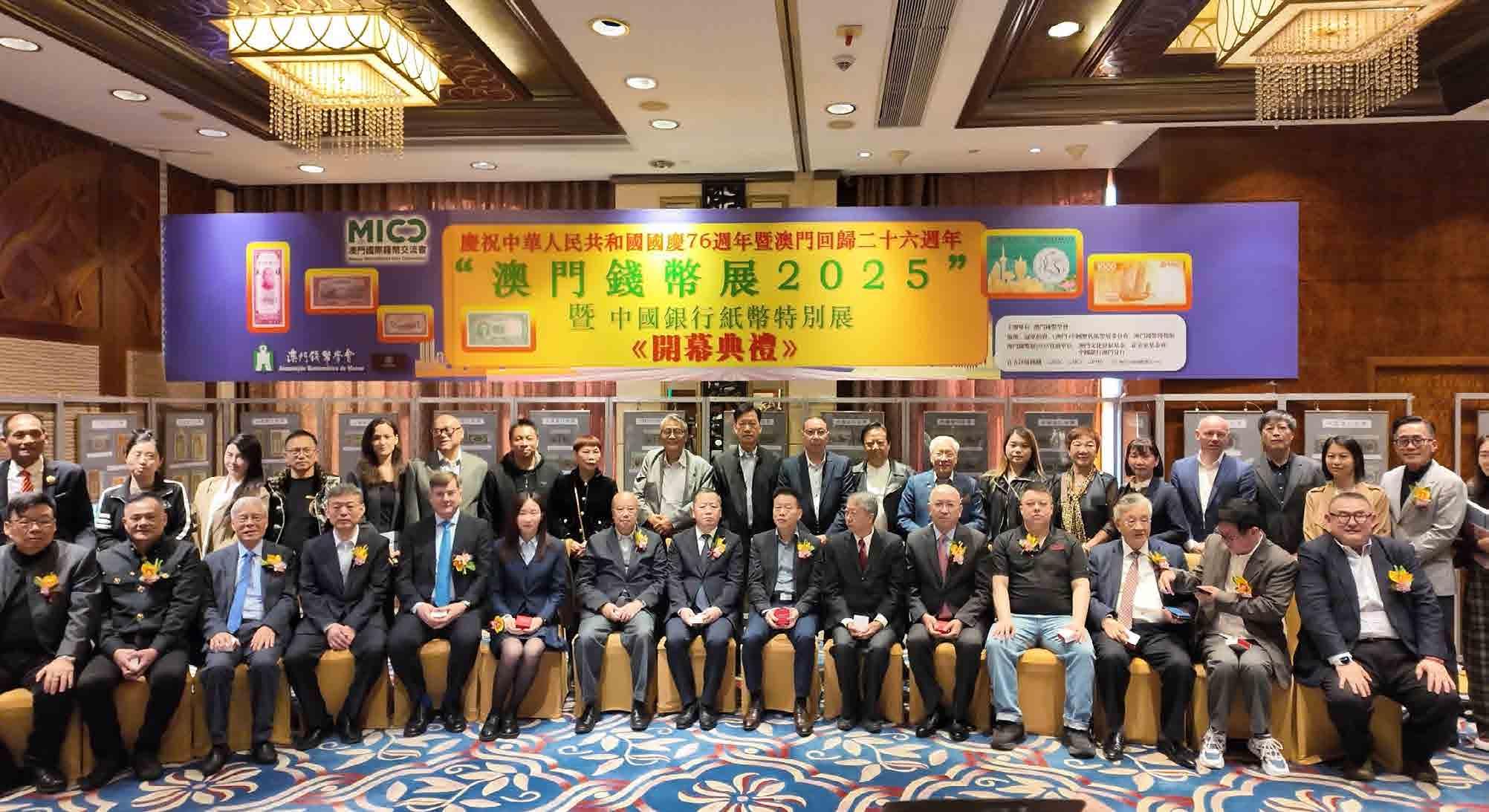
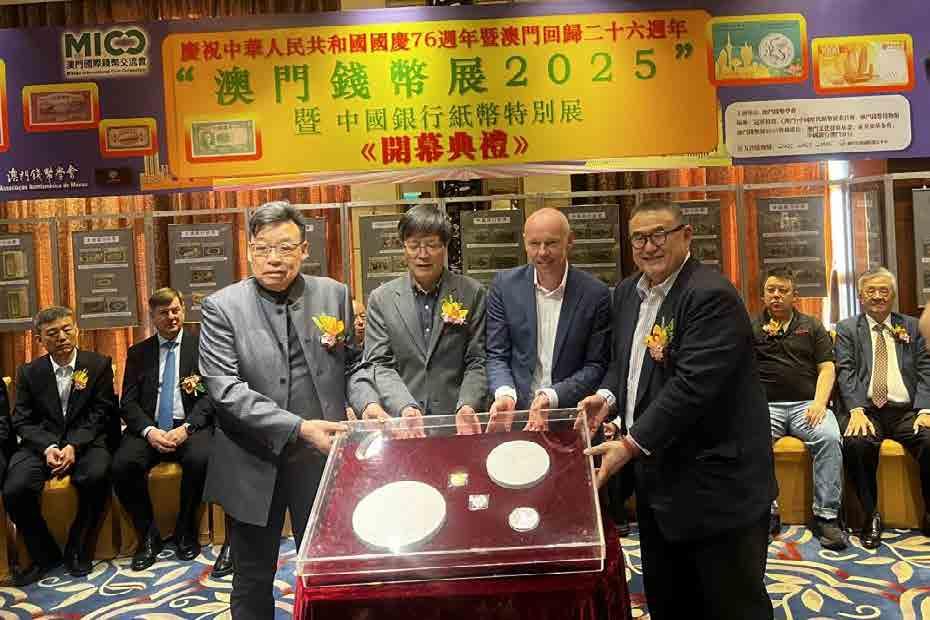
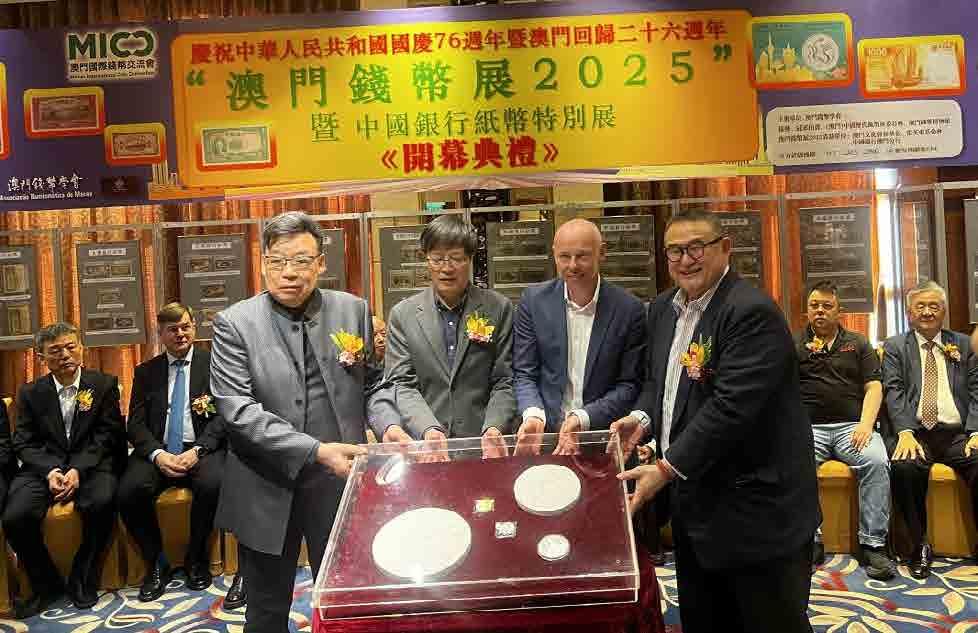
MICC Opening Ceremony
background influences visual language. Remarkable, however, was the realization that the design approaches hardly differ at their core. Differences appear primarily in the symbolism and in the visual vocabulary that grows out of the respective culture and its history.
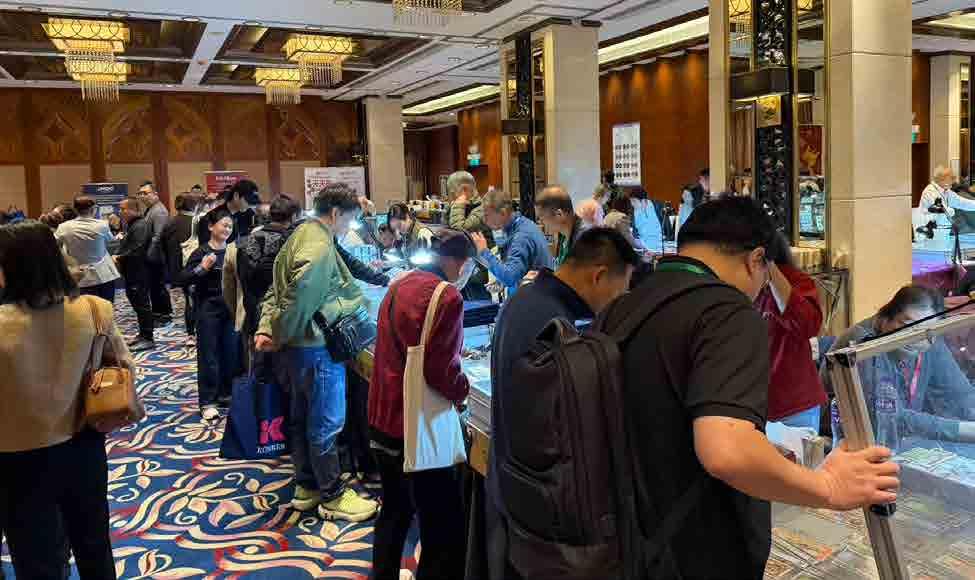
In addition to the coin show, the accompanying program offered numerous opportunities for exchange with collectors, dealers, and coin enthusiasts. A particular highlight was the afternoon presentation on November 27, dedicated to the 2025 Niue Legend of Chu 10 Dollars coin. The two-hour session was moderated and translated by King Chan, who also served as master of ceremonies. Participating in the discussion were Yu Min, Vincent Wang, Michael Chou, King Chan and me.
The presentation focused on a coin based on one of the most famous characters in Chinese martial arts literature, Chu Liuxiang, created by the renowned Taiwanese author Gu Long.
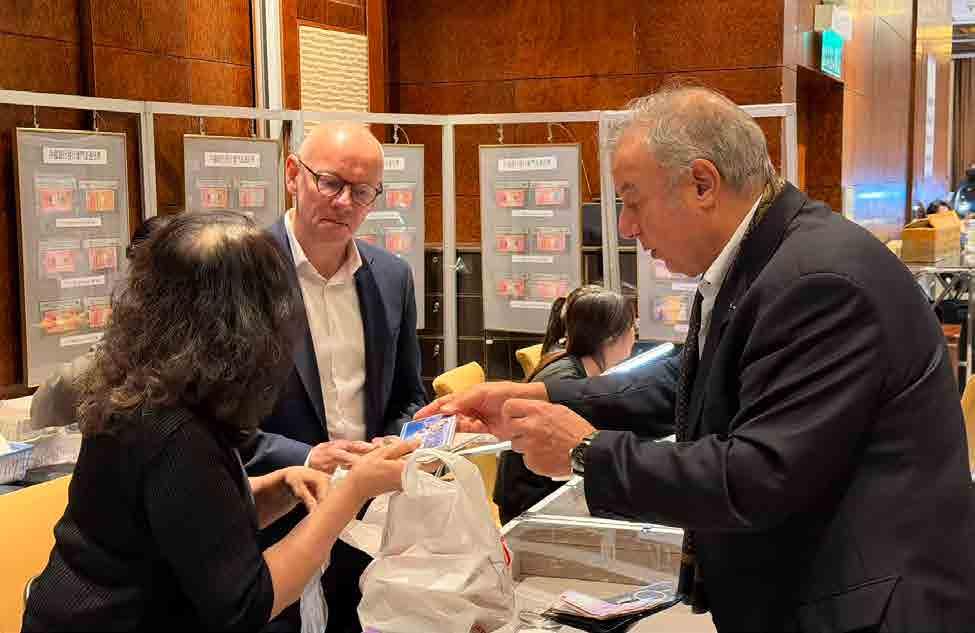
Central to the discussion were the contrasting Eastern and Western design perspectives, which ultimately give the coin its distinctive appeal. Yu Min and I each presented the underlying ideas behind our respective designs and shared sketches from the creative development process, offering rare insight into how narrative, culture, and personal interpretation are translated into
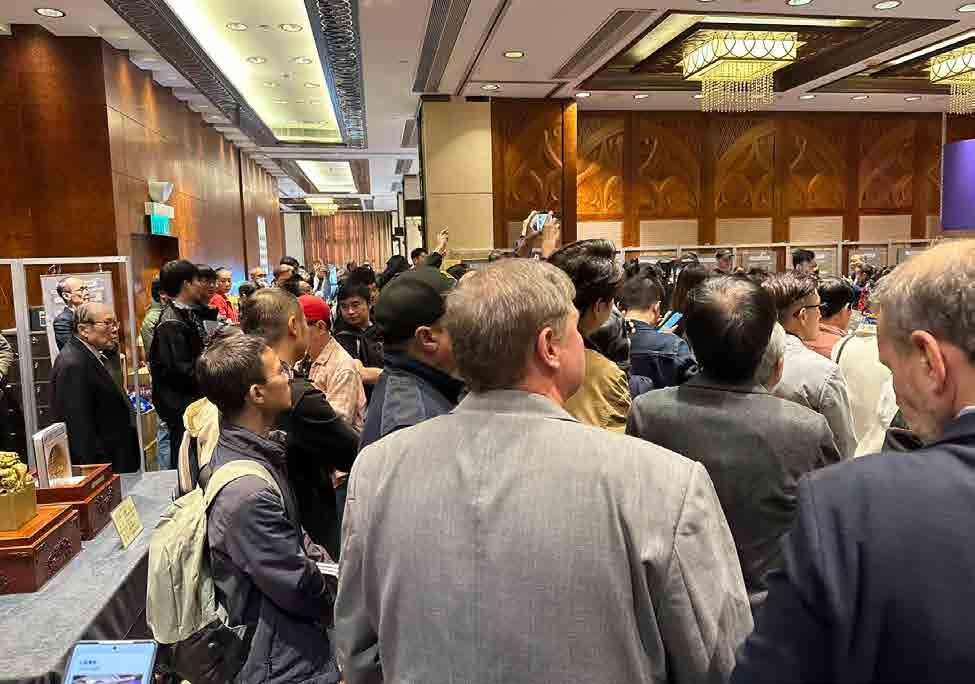
Audience at the Opening Ceremony
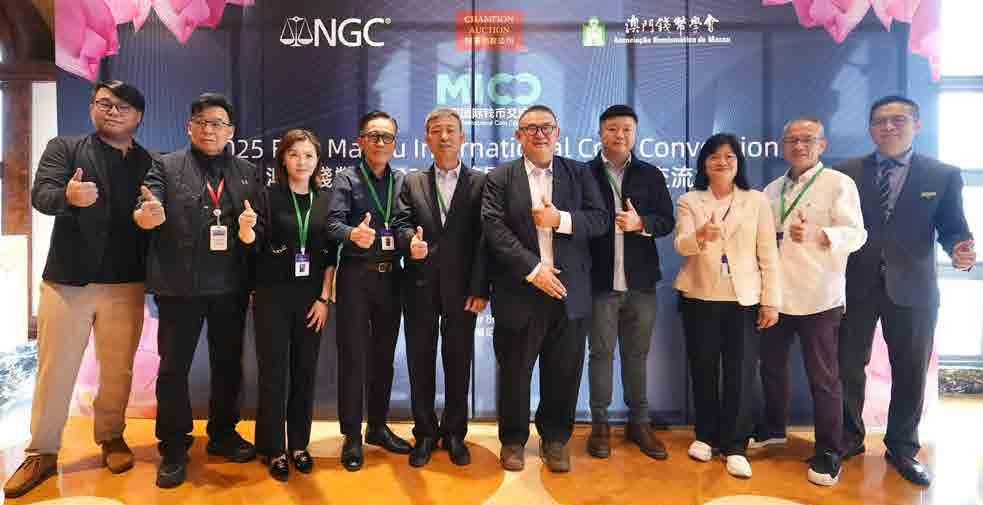
From Left: Macau Numismatic Society Chairman David Chio, Designer Yu Min, Helmut Andexlinger, Michael Chou
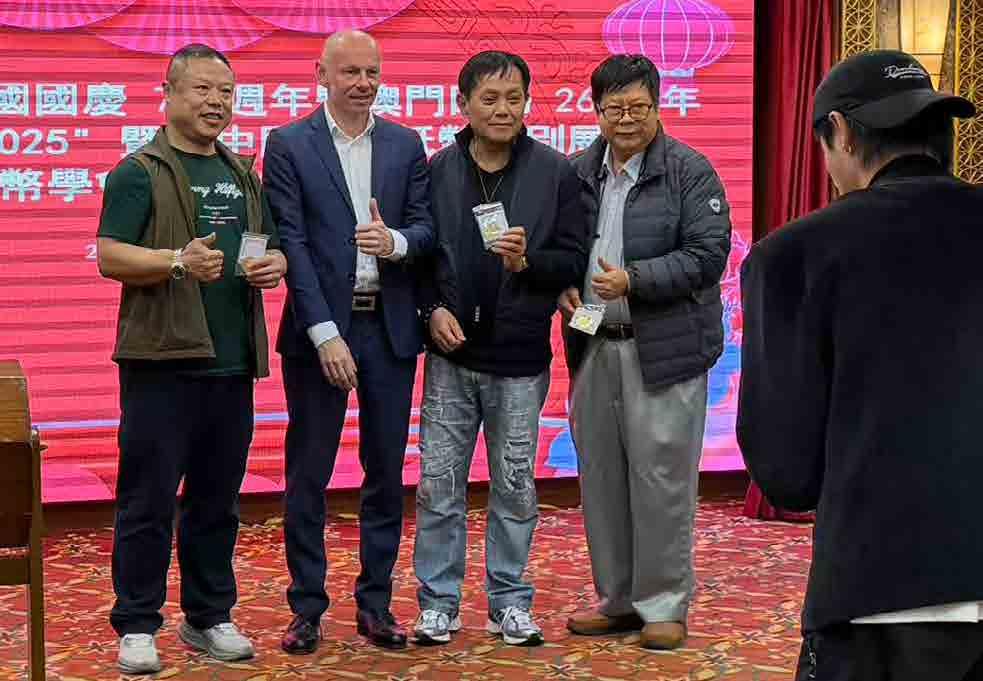
Lottery at the Reception Dinner
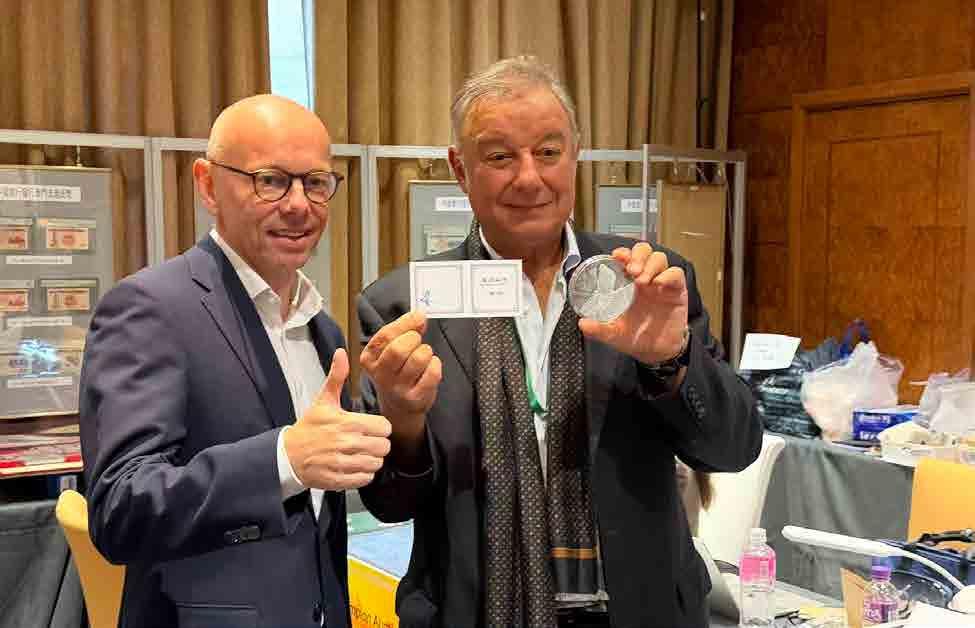
Helmut Andexlinger with collector Marc Simmons
Communicating with Collectors
numismatic form. The dialogue between these different cultural and artistic viewpoints proved to be highly fruitful and resulted in a visually rich coin that stands out clearly within the modern numismatic landscape.
Shanghai: Minting Technology, History, and Shared Values
After the intensive and very dense days in Macau, the journey first led back once more to Hong Kong. This brief stopover provided space for pause and reflection. The impressions of the coin convention, the many conversations, and the discussions about motifs, relief, and cultural visual language were able to resonate once again. Hong Kong once more proved to be a connecting element between East and West, an ideal place to mentally organize the journey so far before the final major
stage began.
From there we continued on to Shanghai. Here, on the initiative of Michael Chou and Deng Weibin, General Manager Asia of the World Platinum Investment Council, a deepening artistic exchange took place with Lou Yong Hui, one of the most renowned contemporary coin artists in China. In intensive conversations, from the first idea through the model to the final strike, he provided insights into his broad artistic spectrum.
Together we analyzed sketches, models, and finished strikes and discussed how emotion, movement, and symbolism can be effectively conveyed despite the limited surface of a coin.
The many parallels in our working methods were striking: the high importance of manual modeling, the conscious work with heights and depths in relief, and the claim that every line
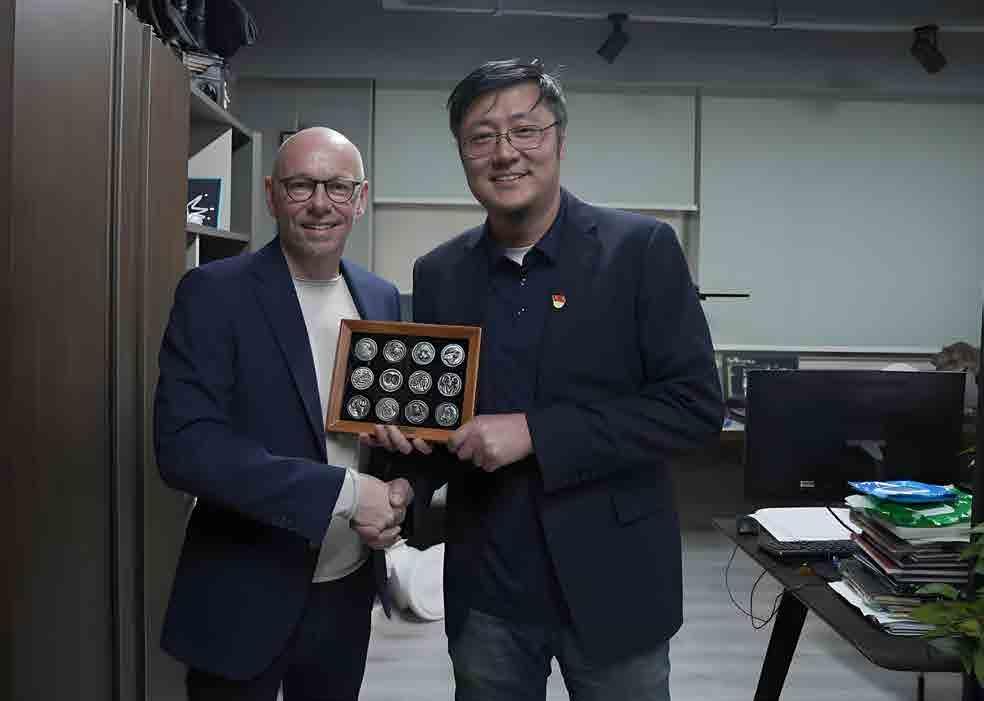
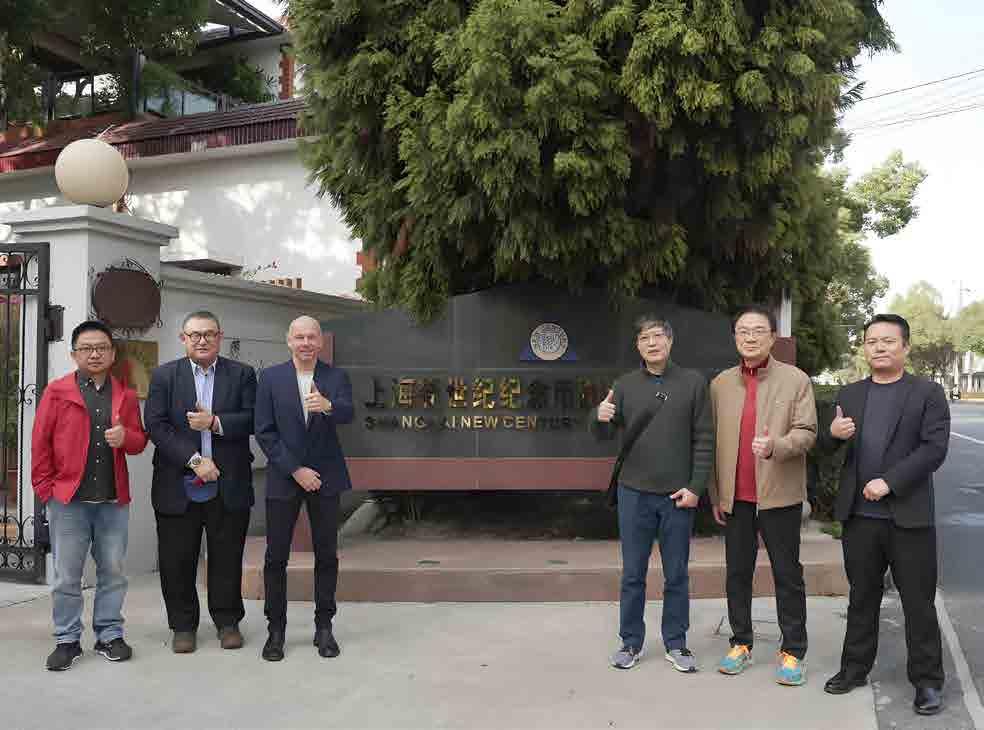
From Left: Hu Zhiliang (founder of Mxiqi online auction platform), Michael Chou, Helmut Andexlinger, Yu Min, Gu Jun, Li Zhenhua at the Shanghai New Century Mint Co., Ltd.
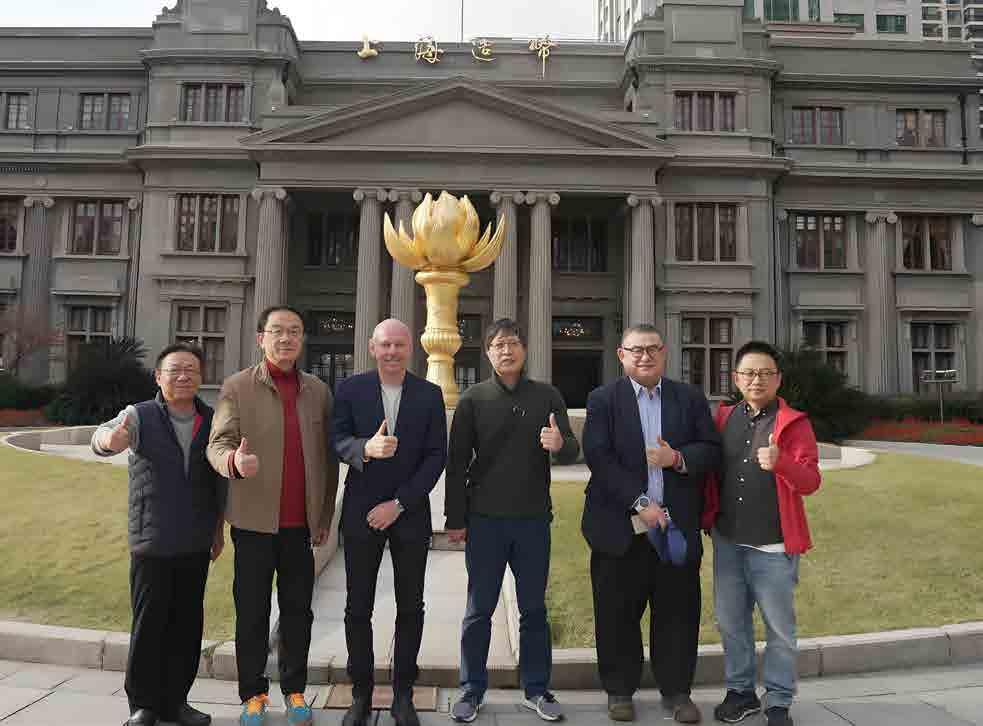
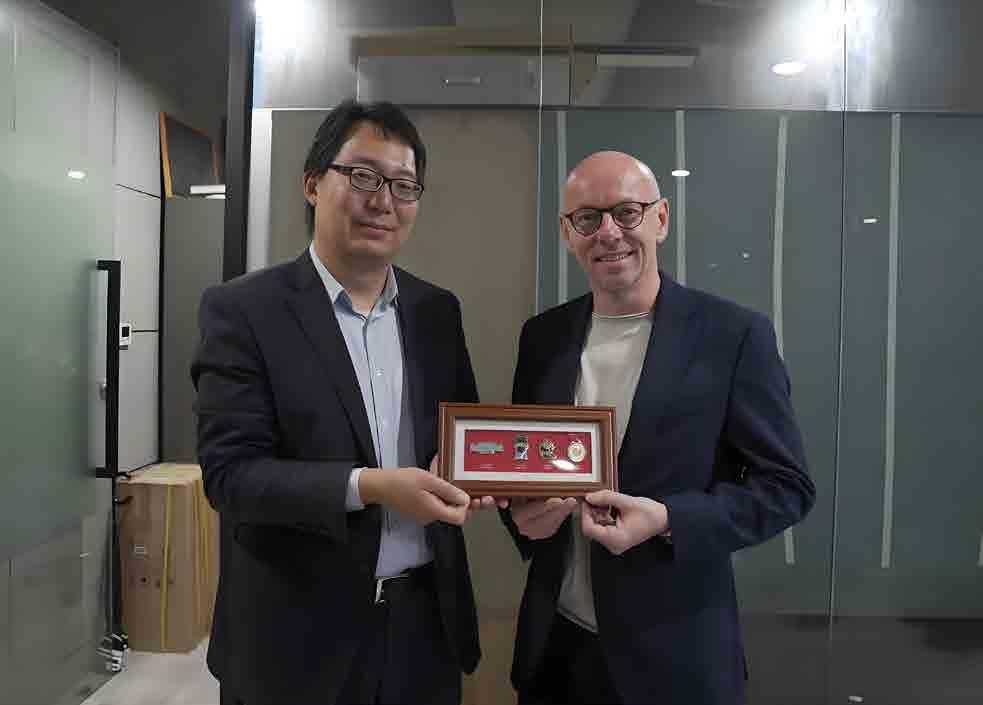
From Left: Zhang Bin of the Shanghai Mint, Gu Jun, Helmut Andexlinger, Yu Min, Michael Chou, Hu Zhiliang at the Shanghai Mint
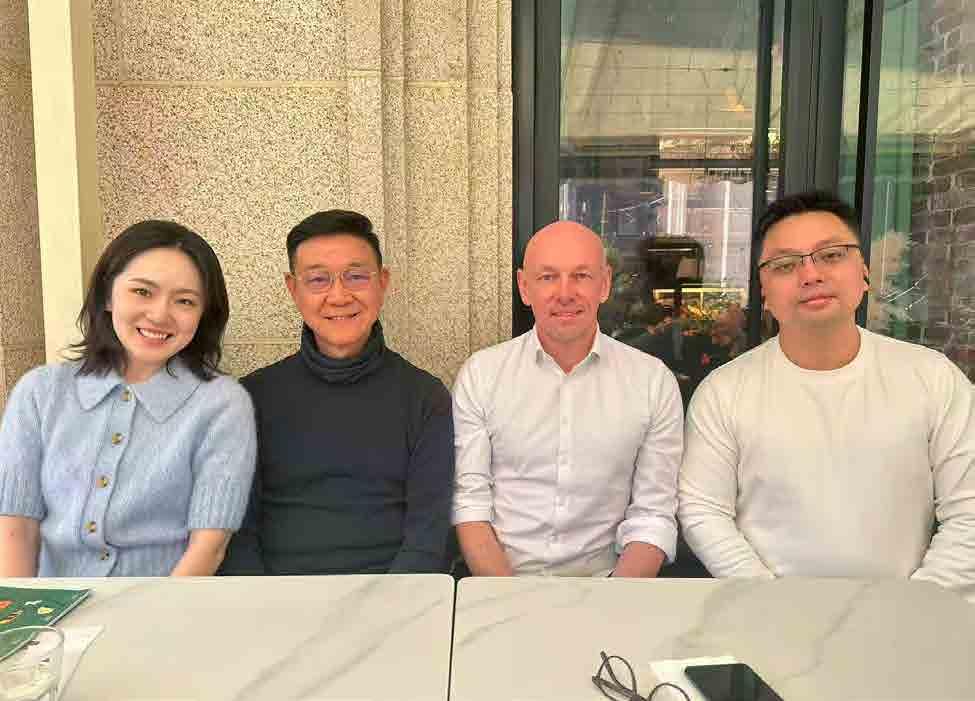
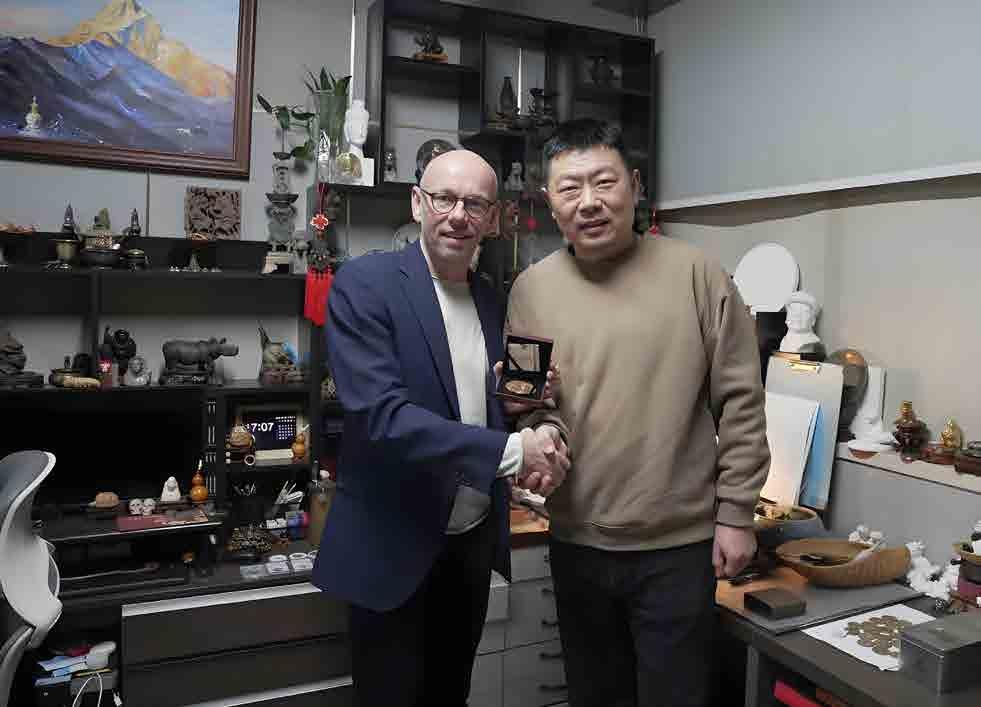
Yvonne, Luo Yonghui, Helmut Andexlinger, Deng Weibin
Helmut Andexlinger with Zhu Xihua
must fulfill a clear conceptual function. This open and collegial exchange was professionally and personally enriching and underscored the universality of artistic questions in coin design.
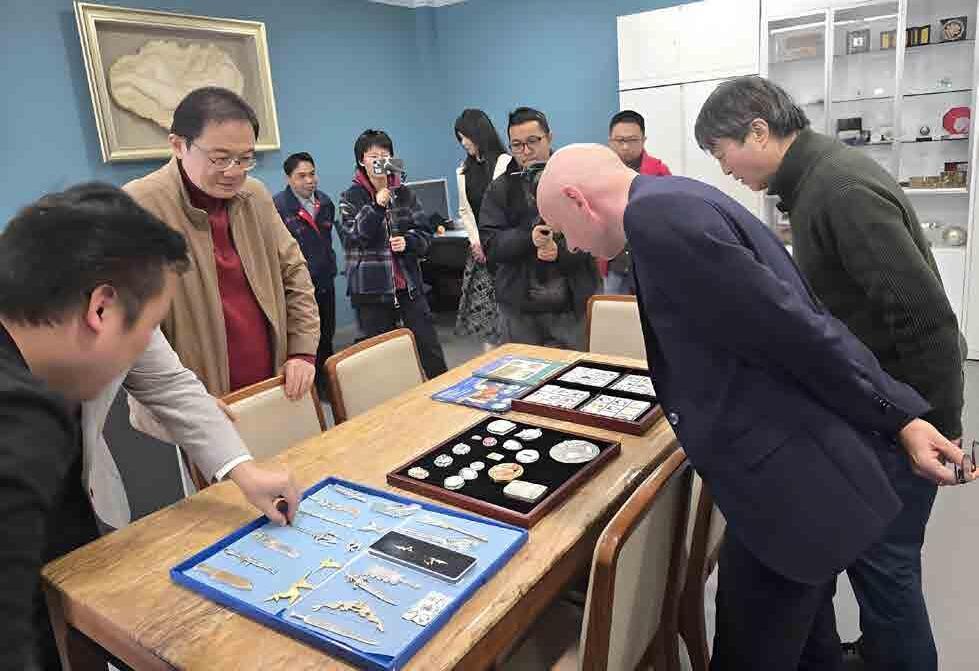
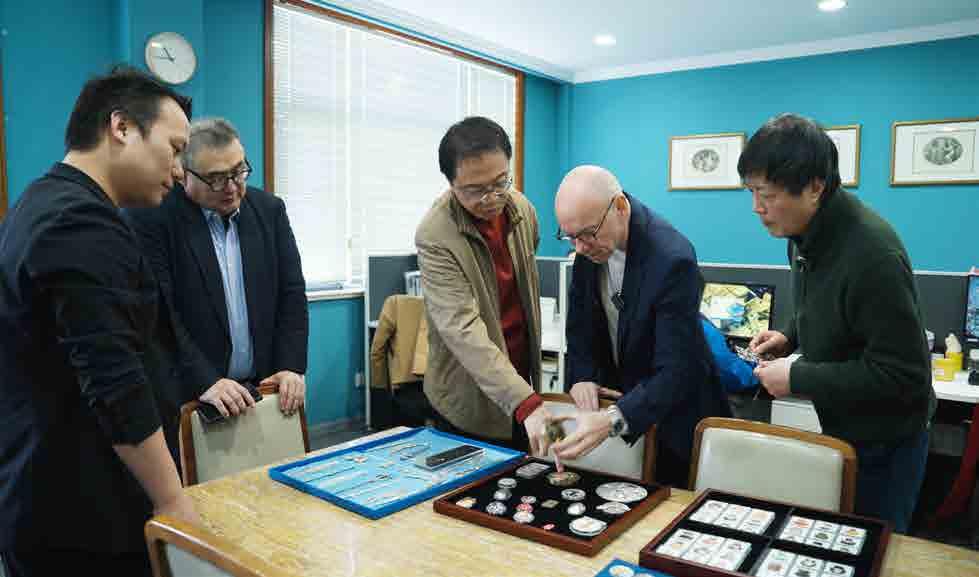
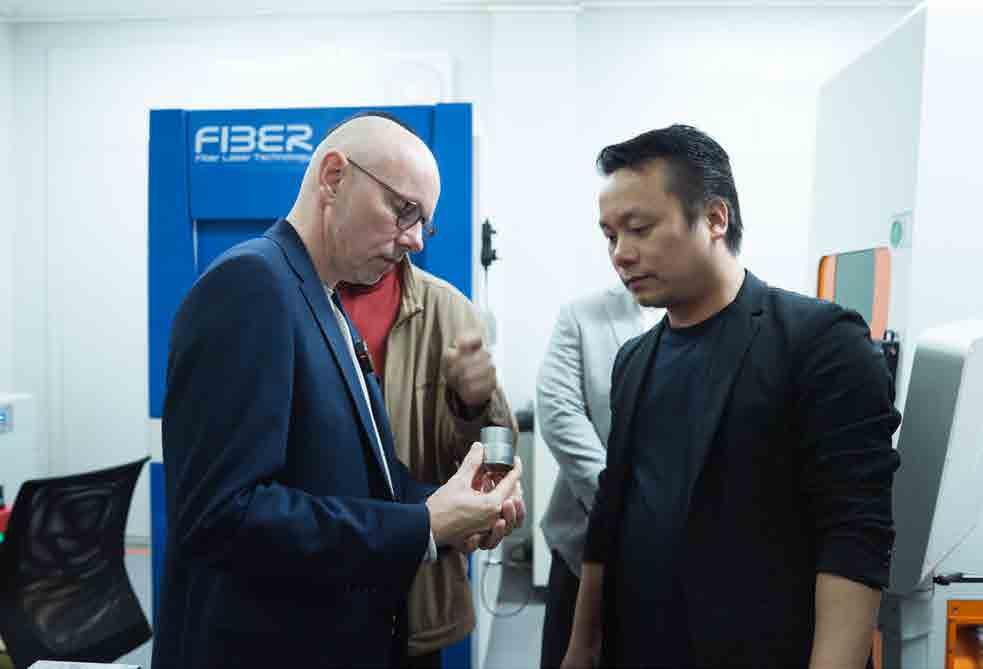
The final joint day of the journey was spent together with Michael Chou, Gu Jun, former Secretary of the Party Committee of Shanghai Mint Co., Ltd., and Yu Min. In the morning we visited the Shanghai New Century Mint. There we were warmly welcomed by Li Zhenhua, Engineer of Shanghai New Century Mint Co., Ltd., who guided us through the production facilities.
The breadth and diversity of technical and artistic minting possibilities, ranging from complex medallic techniques to highly refined coin production, left nothing to be desired. Such a comprehensive combination of innovation, craftsmanship, and flexibility is rarely encountered. Like several other visits during the final days of the journey, this experience counted among the highlights and offered valuable insights into the wide spectrum of contemporary minting capabilities. Here, too, it was clearly perceptible that the constant pursuit of the best possible realization guides both artistic and technical decisions.
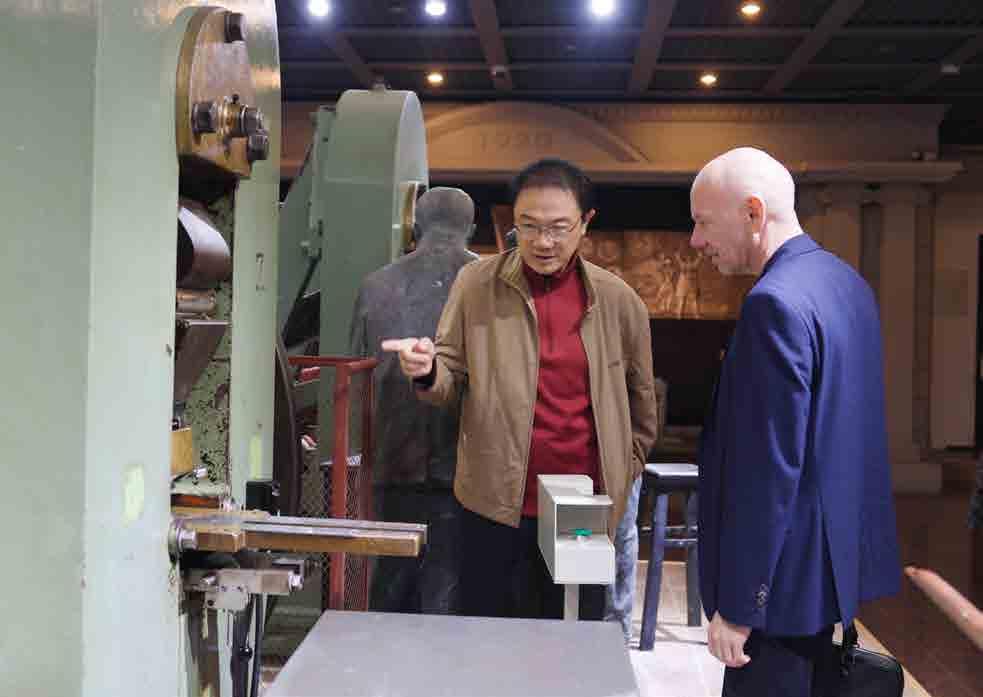
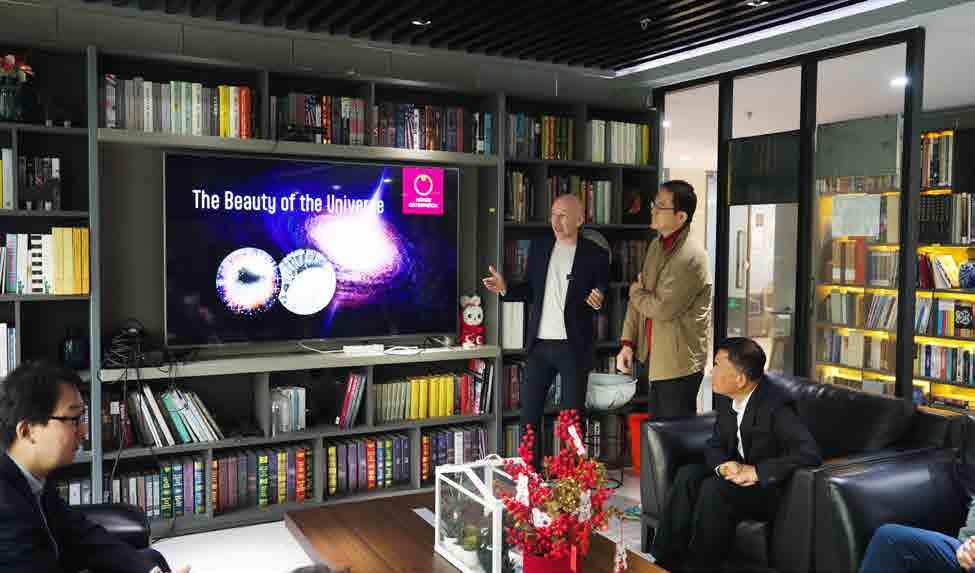
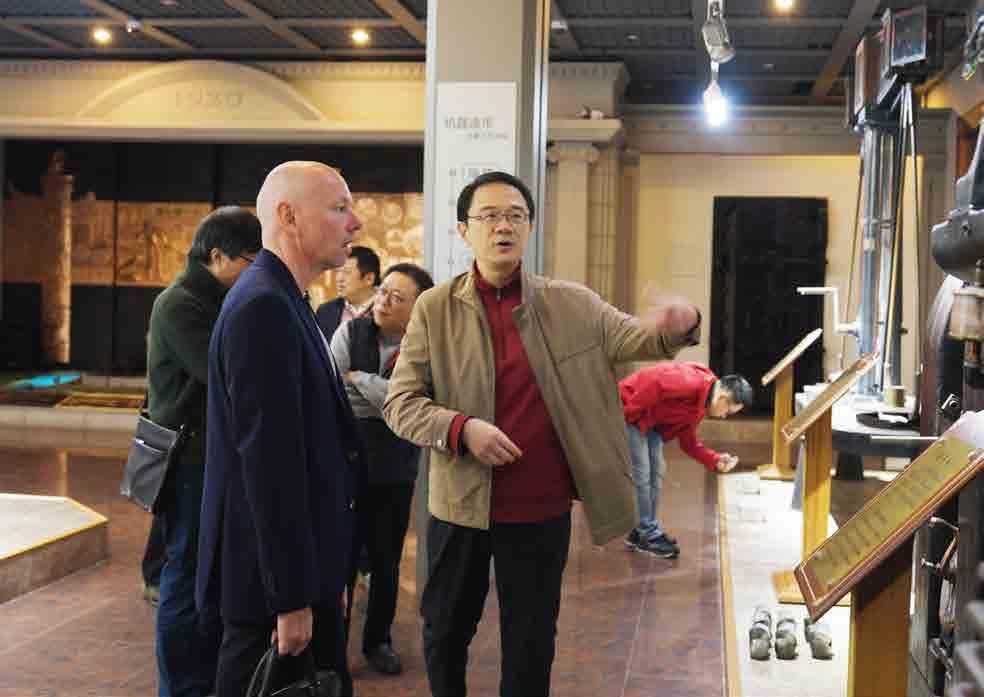
The visit to the Shanghai New Century Mint was followed by a tour of the Shanghai Mint. Particularly impressive was the museum of the Shanghai Mint, initiated by Gu Jun, which not only presents historical and contemporary coinage but also vividly documents the development of coin production, including historical machines that were once actively in use. The careful design of the museum testifies to the high value placed here on numismatic history and craftsmanship.
The concluding professional exchange with the artistic department and the management of the Shanghai Mint was of special significance. In conversations with Qin Xiaoxiang, General Manager of the Shanghai Mint, Ma Yishun, Market Development Director, Zhu Xihua, Vice Director of the Designing Center, Liao Bo, and other designers, it became clear at what consistently high artistic and technical level work is carried out here.
The dialogue revolved around design processes, quality standards, market requirements, and responsibility toward collectors. The parallels to Austrian Mint were unmistakable. Collectors are entitled to the highest quality, and this can only be achieved when artists, production, and distribution work together in close alignment. This intensive exchange confirmed not only mutual respect, but also a shared understanding of coin art as a synthesis of craftsmanship, technology, and cultural responsibility.
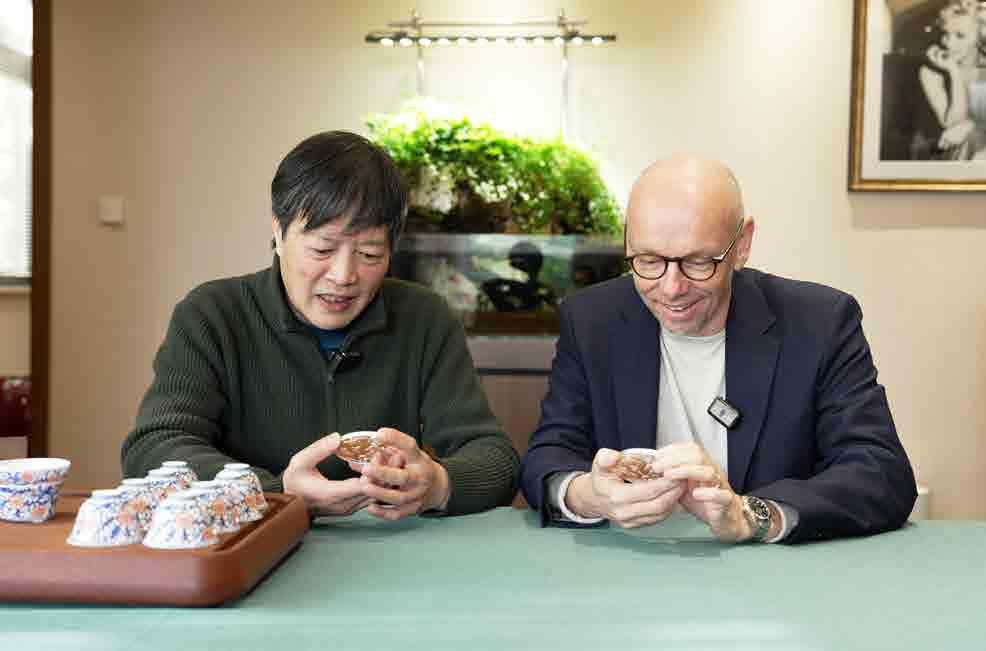
Helmut Andexlinger with Liao Bo
Helmut Andexlinger with Yu Min
Helmut Andexlinger with Ma Yishun
Conclusion
This journey was far more than a business trip. It was an intensive cultural and professional exchange, carried by mutual respect and a shared passion for coin art. The impressions and experiences gained during this time have expanded my artistic horizon and reaffirmed the very purpose of exchange: continuous learning, reflection, and growth. Such encounters are an essential part of artistic development, ensuring that one does not remain
static but continues to evolve creatively.
My special thanks go to Michael Chou, who made this unforgettable week possible. The impressions, encounters, and conversations will remain vividly in memory, as will the realization that coins, as cultural ambassadors, can build bridges between worlds.
At Shanghai New Century Mint and Shanghai Mint
A Wuxia Universe in a Coin: The Release of Niue Island Legend of Chu Liuxiang Silver Coin and Documentary
◎ Champion〔Shanghai〕
In the world of commemorative coins, a unique wuxia universe is coming to life. The 2025 Niue Island 10 Dollar 10 Ounce Silver Legend of Chu Liuxiang Commemorative Coin made its grand debut on November 26, 2025, during the opening ceremony of the first Macau International Coin Convention (MICC). Crafted in collaboration by leading designers from East and West, this coin not only continues the success of the previous three series, but also brings its creation story to the screen through a documentary.
Launch Highlights: Designers from East and West Unite for the Reveal
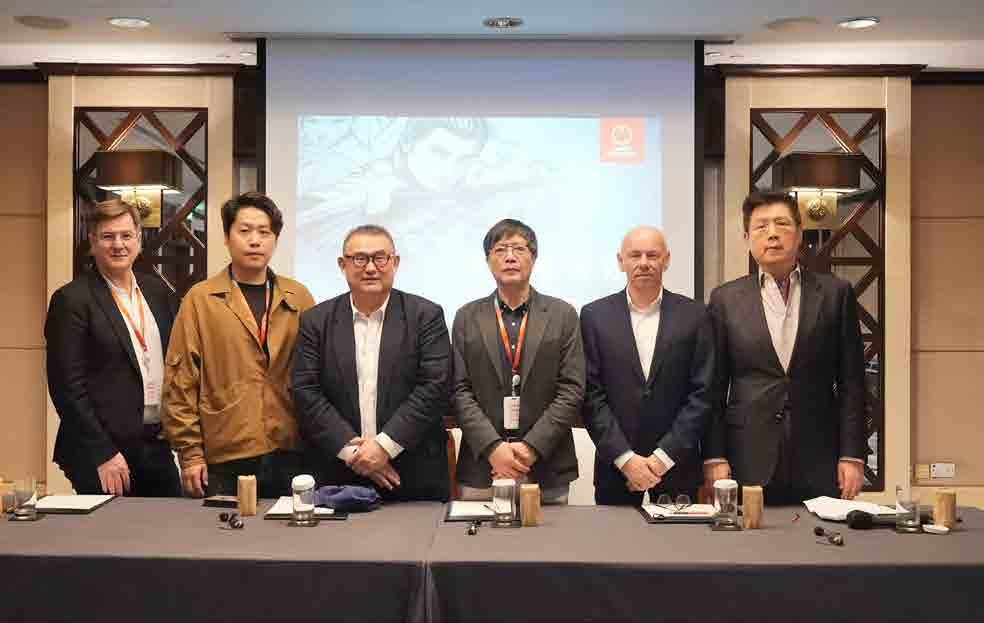
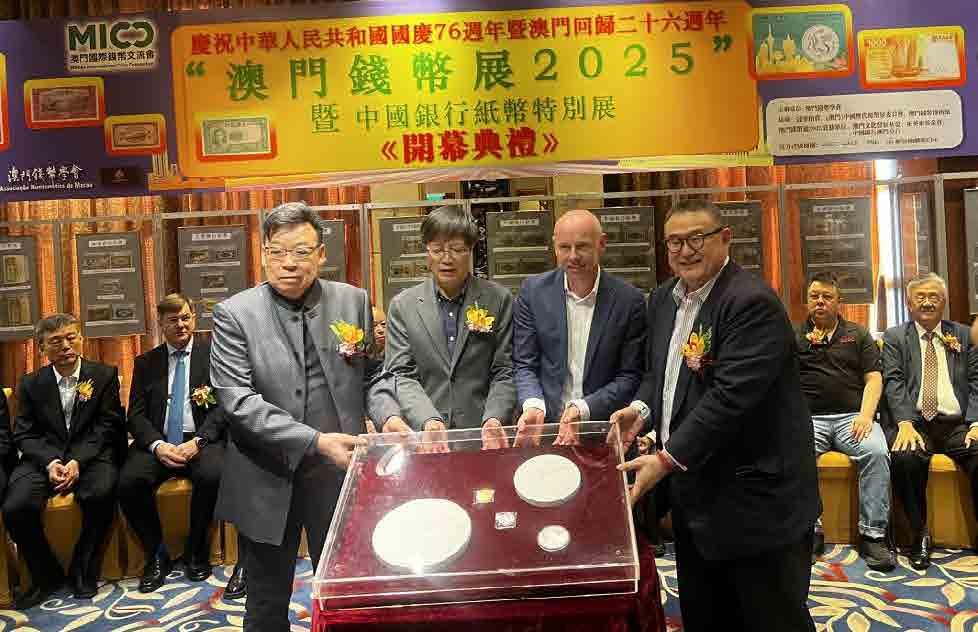
At the MICC opening ceremony on November 26, the highly anticipated 10-ounce coin was officially unveiled by Helmut Andexlinger, Chief Designer of the Austrian Mint; Yu Min, the acclaimed Chinese coin designer; David Chio, Chairman of the Macau Numismatic Society; and Michael Chou, President of Champion Auctions. Together, they launched this wuxiainspired coin, which harmoniously blends Eastern and Western design artistry.
On the following afternoon, November 27, a special forum delved into the making of the coin. Designers Yu Min and Helmut Andexlinger shared their creative vision and design journey, while Michael Chou explained the origins and importance of the project. Senior collector King Chan offered his perspective on collecting this distinctive wuxia coin series, and engraver Vincent Wang reflected on his role in shaping the first three series.
Design and Craftsmanship: A Wuxia World in Silver
This commemorative silver coin weighs 10 ounce, measures
From Left: Macau Numismatic Society Chairman David Chio, Designer Yu Min, Helmut Andexlinger, Michael Chou
2025 Niue Island 10 Dollar 10 Ounce Silver Legendof ChuLiuxiang Commemorative Coin Forum
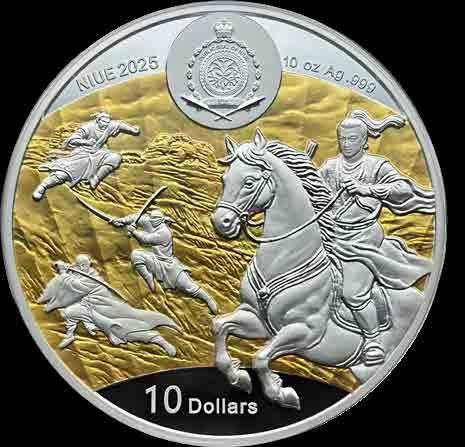
2025 Niue Island 10 Dollar 10 Ounce Silver Legendof ChuLiuxiang Commemorative Coin
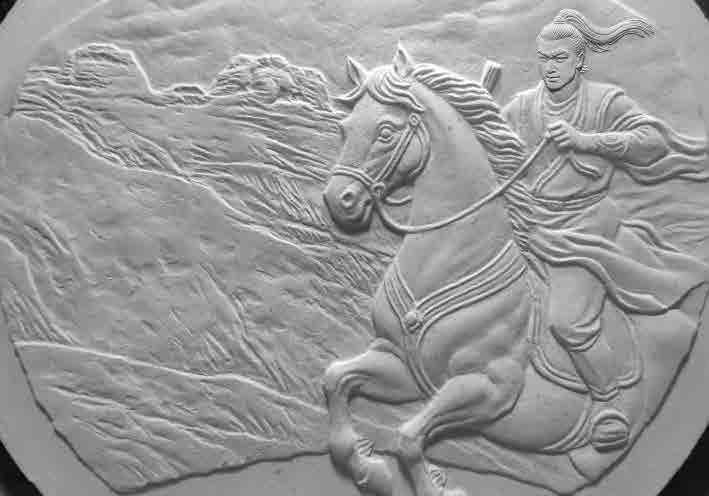
The plaster for the obverse of the LegendofChuLiuxiang coin made by Yu Min
80 mm in diameter, and is made of 99.9% fine silver. Produced by Shanghai New Century Minting Co., Ltd., it has a limited mintage of 100 pieces.
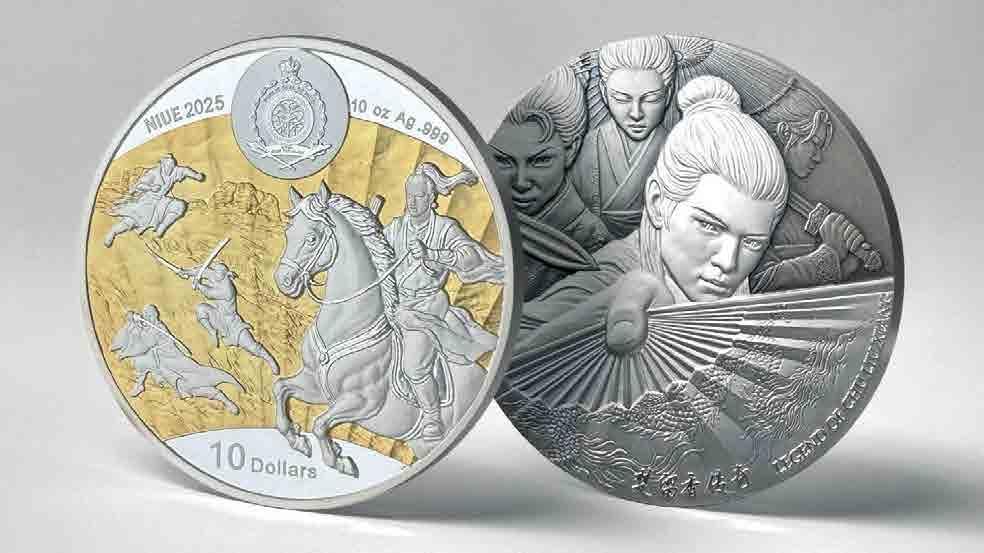
The obverse, designed by Coin of the Year Lifetime Achievement Award winner Yu Min, depicts Chu Liuxiang on horseback, holding a fan. Set against a desert scene shaped like a folding fan—complete with three wuxia figures in battle—the silver figures stand out against the gold gilt backdrop.
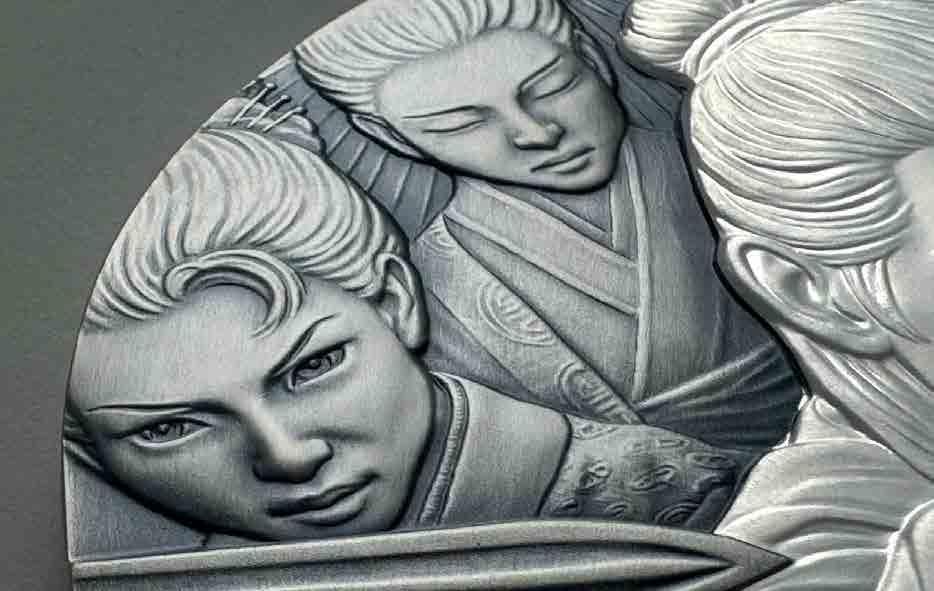
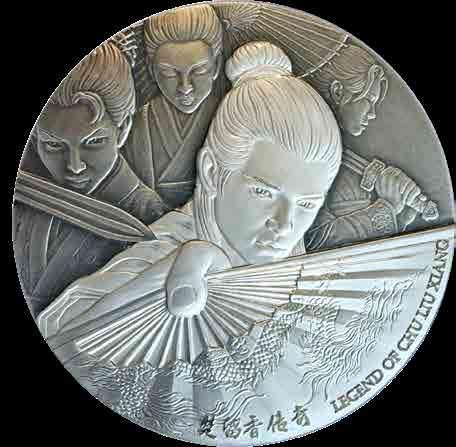
The reverse, created by Austrian Mint Chief Designer Helmut Andexlinger, presents a group portrait of Chu Liuxiang and the three leading heroines: Chu Liuxiang poised with an open fan and a sharp gaze; Li Hong Xiu pointing her sword forward with determination; Su Rong Rong holding an oil-paper umbrella gracefully; and Song Tian Er gripping a short blade. Together, their dynamic poses and expressions bring the world of Legend ofChuLiuxiang to life.
Full Record: A Documentary Journey
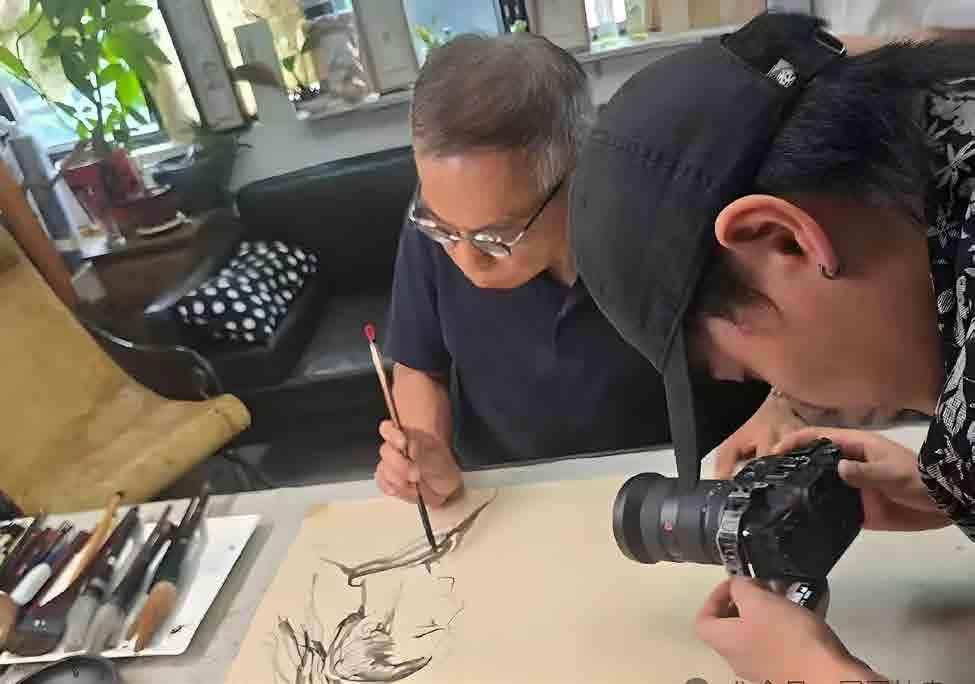
On June 18, 2025, the Champion team visited the studio of celebrated Hong Kong comic artist Lee Chi Ching to film a documentary for the commemorative coin. As the artist behind the original drawing for the Chinese design, Lee Chi Ching shared how he adapted the classic wuxia figure of Chu Liuxiang for the coin.
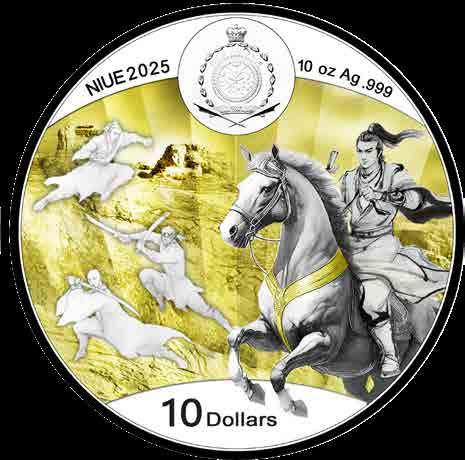
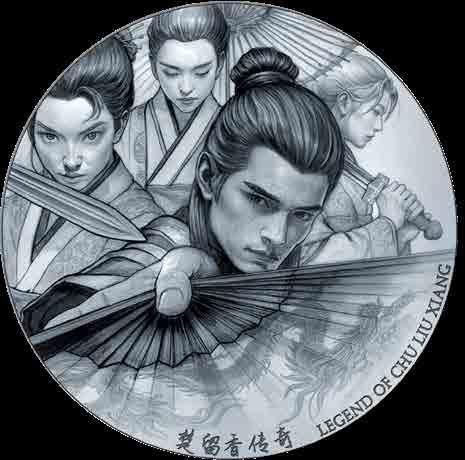
The obverse side is designed by Chinese designer Yu Min and the reverse by Austria Helmut Andexlinger
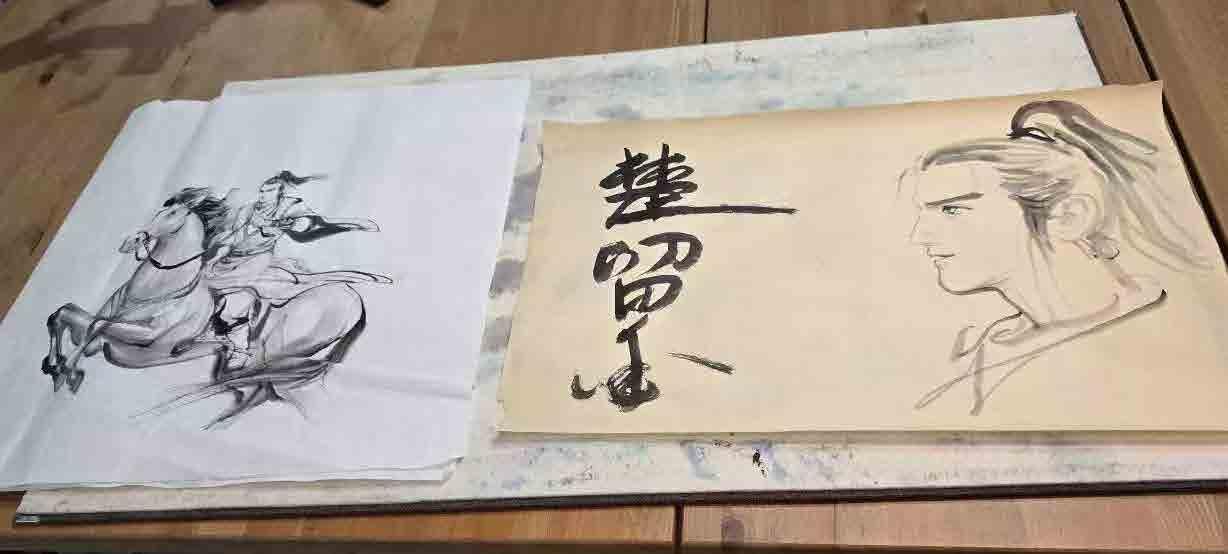
Hong Kong Artist Lee Chi Ching Workshop
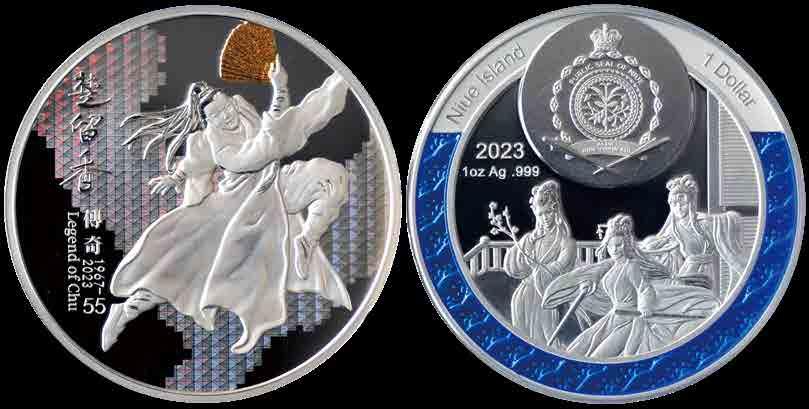
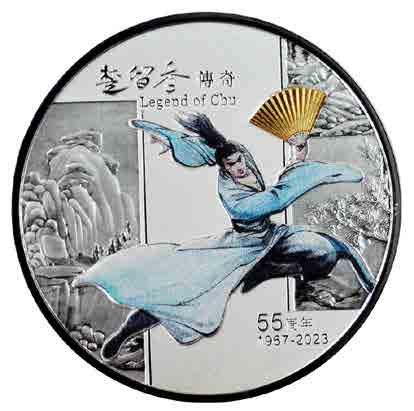
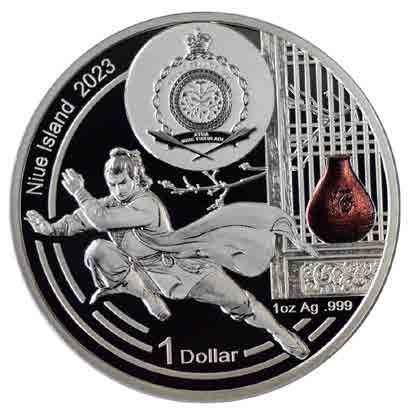
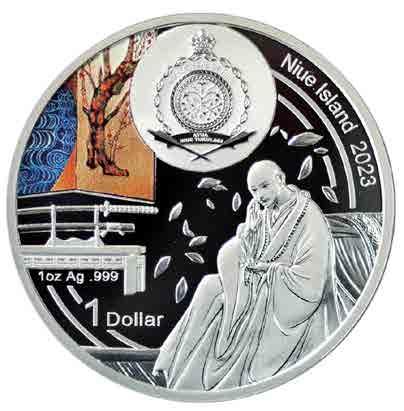
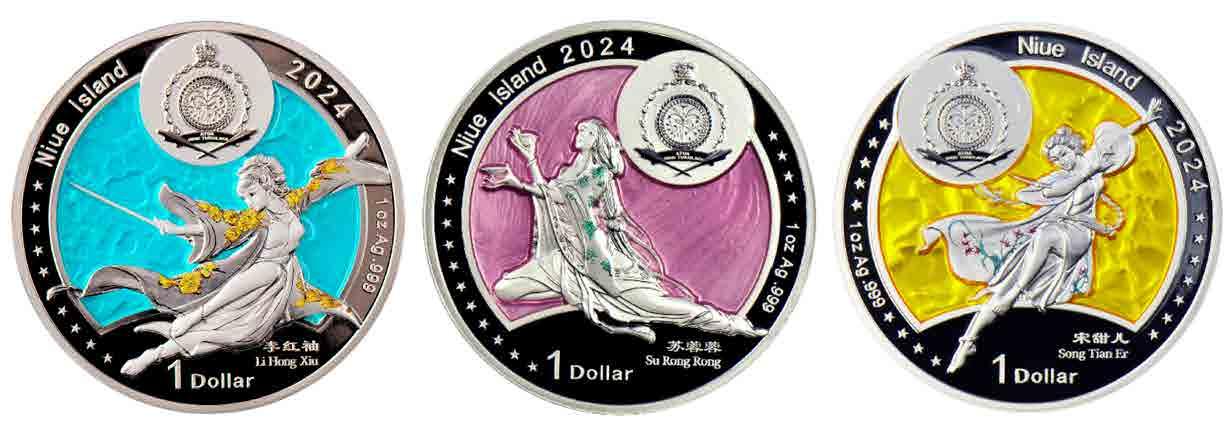
Commemorative coins of the legend
Lee Chi Ching is a respected name in Hong Kong comics, known for his distinctive Eastern aesthetic. With more than 30 years in comics and deep training in traditional Chinese painting, he has won the admiration of martial arts fiction masters Louis Cha and Gu Long. In 2007, his work The Art of War earned the first Japanese International Manga Awards.
The Wuxia Coin Series: From Start to Success
This coin continues an acclaimed series that began in 2023 with the first officially licensed wuxia coin, issued to mark the 55th anniversary of Legend of Chu Liuxiang. Series Two and Three followed, each focusing on different characters, with every entry earning nominations in the Coin of the Year Award categories— a sign of growing international recognition. The collaborative medal released for Series Three in Beijing by Andexlinger and Yu Min foreshadowed this deep cooperation.
Where Art Meets Craft
Producing this large coin involved multiple sampling and careful refinement, achieving a true East-West fusion from concept to completion. Before approval, four different trial versions were compared to ensure the final piece met the highest standards of craftsmanship—worthy of the wuxia spirit it embodies.
Witness a Legend Come to Life
The accompanying documentary takes viewers behind the scenes, from Lee Chi Ching’s early sketches in Hong Kong to the cross-continental collaboration between Yu Min and Helmut Andexlinger, through the minting in Shanghai, and all the way to its grand unveiling in Macau. More than just a tribute to the Legend of Chu Liuxiang, this project tells a numismatic story that crosses cultures, time, and borders.
Watch the documentary here: https://youtu.be/DuIyNmo5XoY
ofChuLiuxiang series
Champion 2025 Macau Auction Achieves Strong Results, Two Generations of Chang Family Collections in the Spotlight
◎ Champion〔Shanghai〕
On November 29, 2025, Champion Auction successfully held its sale at the Sofitel Macau at Ponte 16, with excellent results across the board. This success once again confirms the strong appeal and market interest in top-quality collections.
The highlight of this auction was undoubtedly the group of Chinese vintage coin rarities from the collection of Nelson Chang, together with ancient coins formerly owned by his father — China’s renowned “King of Ancient Coins,” Zhang Shuxun (also known as Nai-chi Chang). The auction presented a collecting feast for collectors worldwide. Bidding was active both in the room and through mail and phone bids, with many lots selling well above their estimates. This shows strong demand among collectors for rare coins with excellent quality and a clear pedigree.
Nelson Chang Vintage Coin Collection with a Unique Pattern and Many Rarities
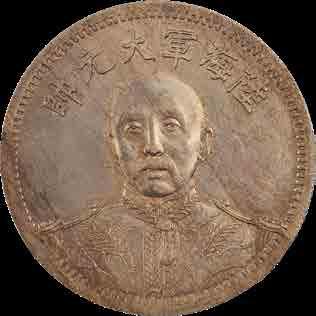
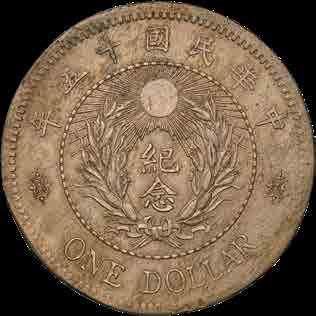
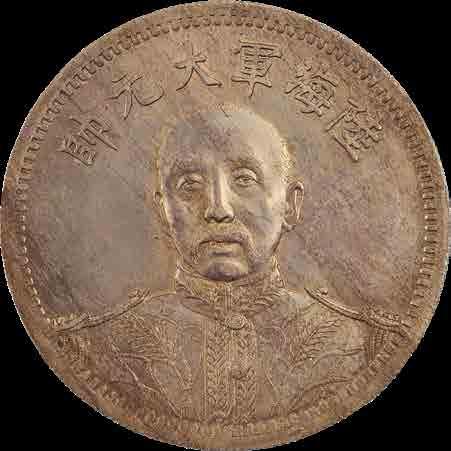
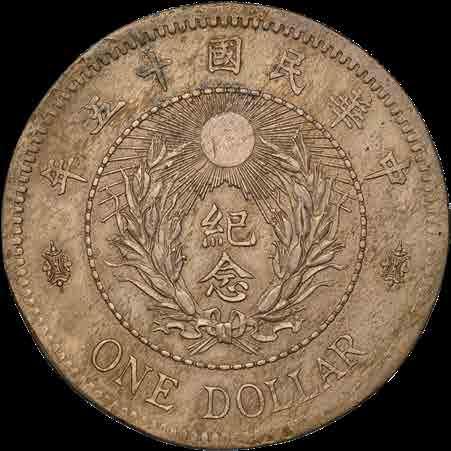
The star lot of the auction was the unique LOT 140 – 1926 Chang Tso-lin Copper-Nickel Pattern Dollar (NGC MS62). After competitive bidding, it sold for US$672,000 to a successful mail bidder. This coin is believed to be a trial piece used to test the press capacity. It stands out for its unusual material and interesting background. This was its first appearance at public auction.
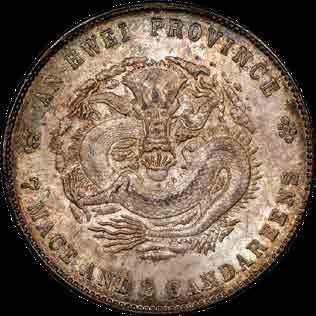
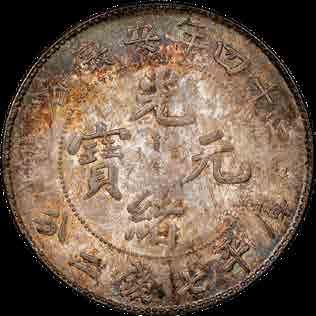
Another notable item from the NC Collection, originally from the collection of his father-in-law, Turpin Hsi, was LOT 120 –1898 Anhui One Dollar Silver (Flat Four Small Rosette, NGC MS66★ ). It sold for US$222,000 and is considered the finest known example of this type.
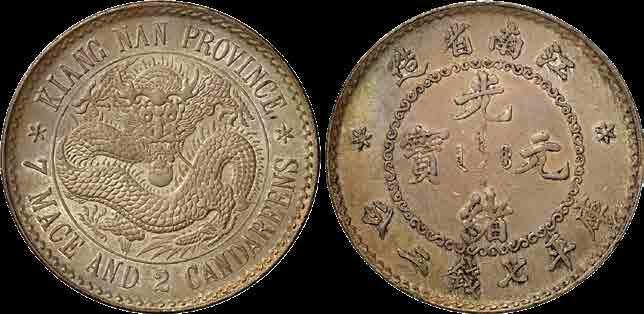
Also attracting strong interest was LOT 130 – 1897 Old
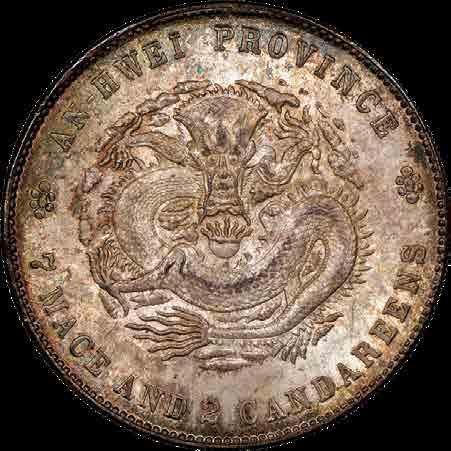
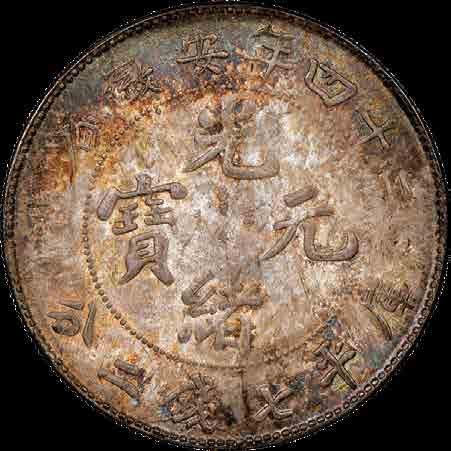
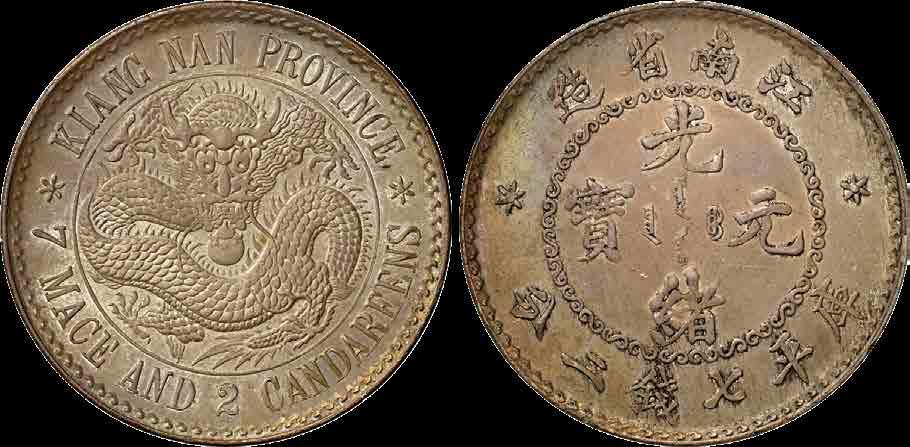
Kiangnan One Dollar Silver (Ornamented Edge, NGC MS63), which sold for US$228,000 to a mail bidder.
In addition, some other fine coins from the NC Collection performed very well, including:
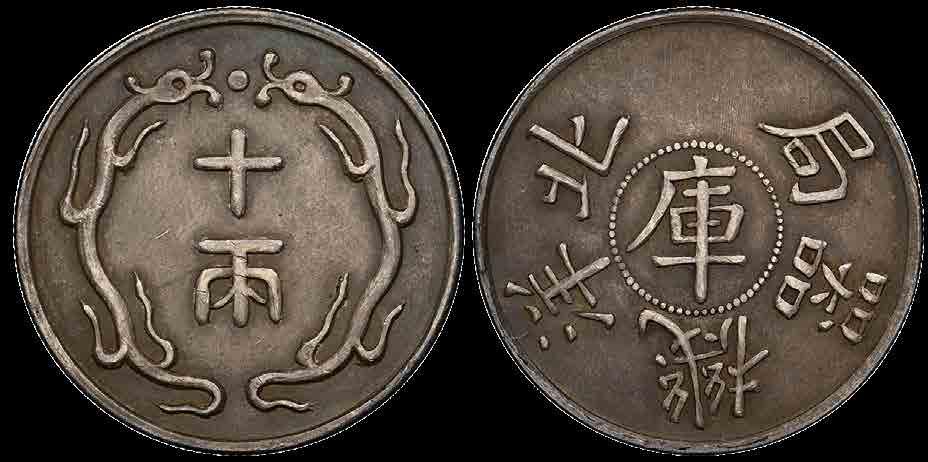
LOT 122 – 1900 Peiyang "Ku" Ten Tael Copper-Silver Plated Pattern (NGC AU55), sold for US$15,000;
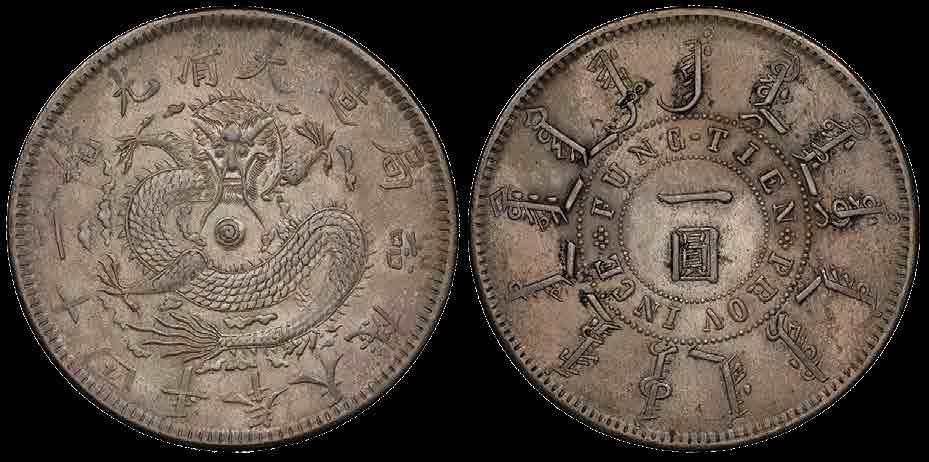
LOT 123 – 1898 Fengtien One Dollar Silver, Narrow Mouth Dragon (NGC AU58), sold for US$26,400;
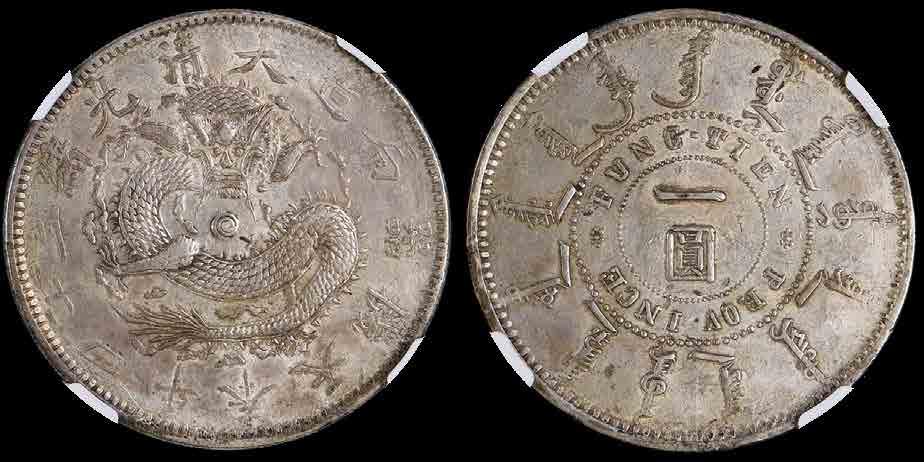
LOT 124 – 1898 Fengtien One Dollar Silver, Wide Mouth Dragon (NGC AU55), sold for US$13,200;
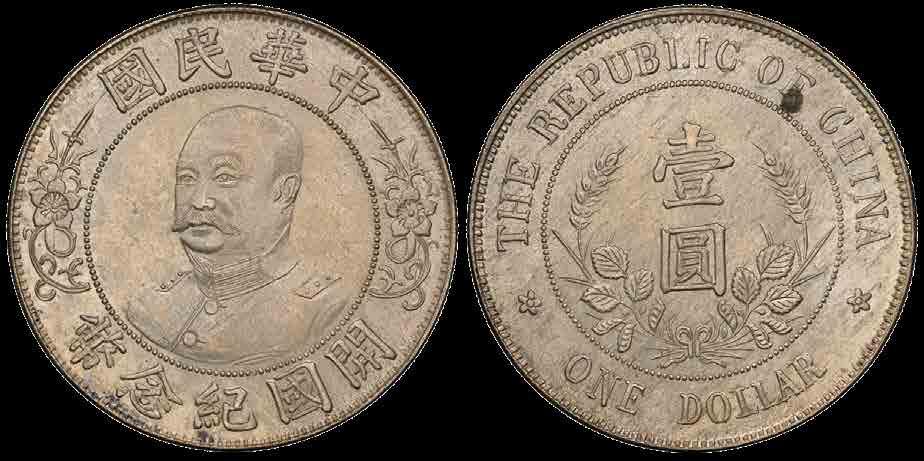
LOT 139 – 1912 Li Yuan-hung "Bare Head" One Dollar Silver (NGC MS64), sold for US$24,000
Zhang Shuxun Ancient Coin Collection with Clear Pedigree Continuing a Legacy
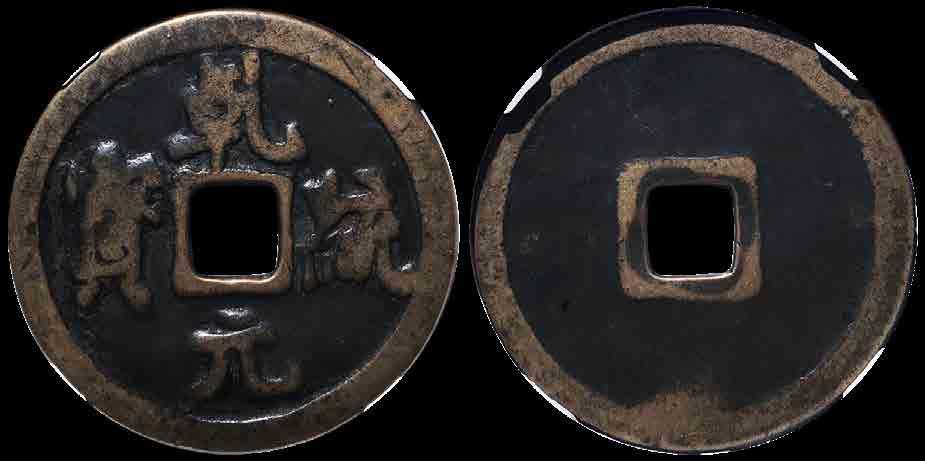
This auction also featured select ancient coin rarities from the former collection of Zhang Shuxun. Among them, LOT 043 –1101 Liao Dynasty Qiantong Yuanbao Cash Coin achieved a final price of US$22,800, thanks to its clear pedigree and rarity. This result highlights the lasting value of ancient rarities with a clear pedigree.
Looking Ahead: 2026 Auction Events Are Coming Soon
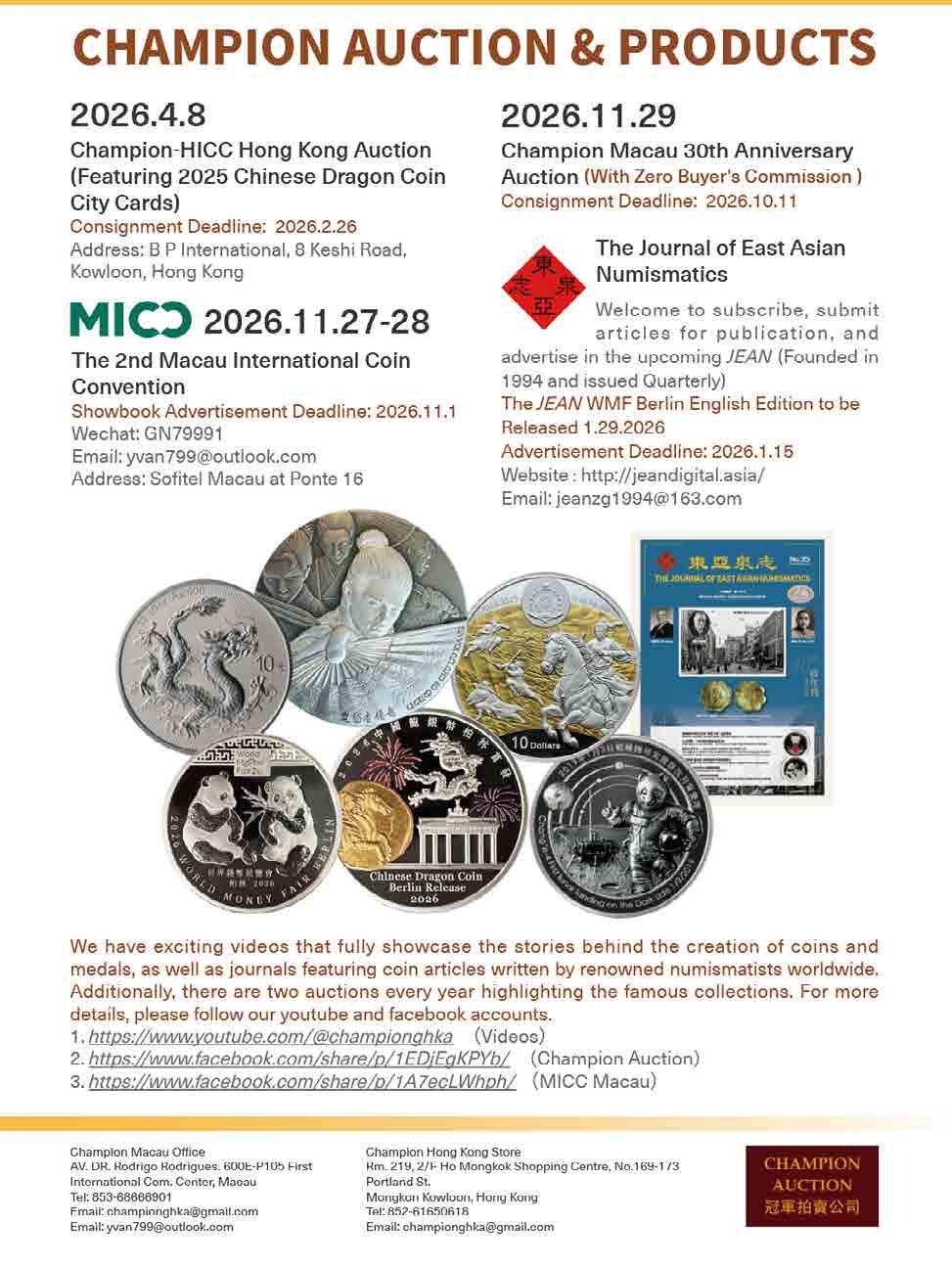
We are pleased to announce two major auctions planned for 2026 and warmly invite you to take part.
LOT 122
LOT 123
LOT 124
LOT 139
LOT 043
April 8, 2026 · Hong Kong
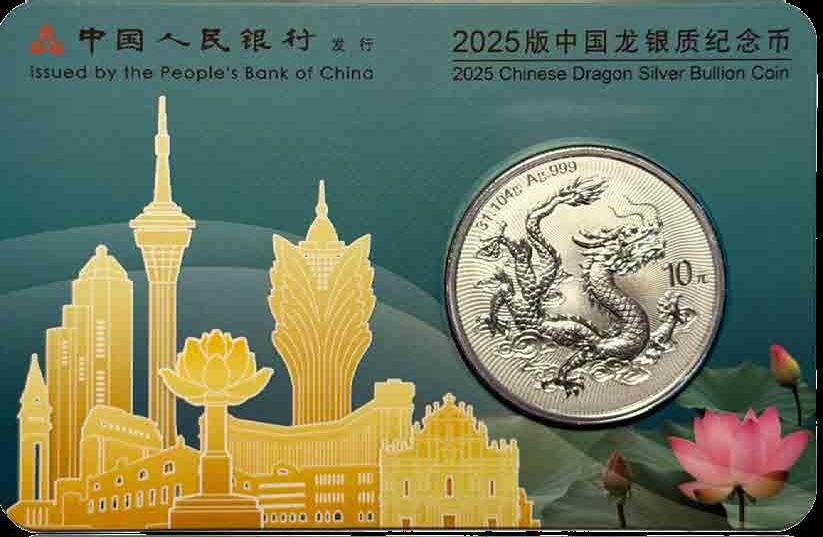
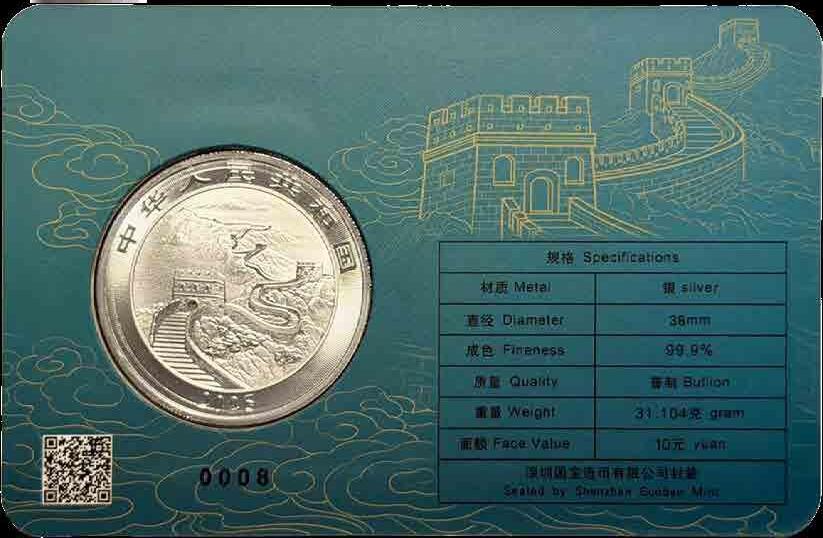
Champion Auction, together with the Hong Kong International Coin Convention & Antique Watch Fair, will hold a joint charity auction at the Hong Kong B.P. International Hotel. A special City Card Charity Auction will take place, featuring 12 sets of 2025 Chinese Dragon Silver Coin Kuala Lumpur and Macau City Cards with special serial numbers (0008, 0088, etc.), as well as Macau City Cards that were drawn in Hong Kong but not claimed. All proceeds from this session will go to a charitable organization. A regular auction will be held at the same time, and we are now accepting consignments of a wide range of collectibles.
Consignment Deadline: February 26, 2026
November 29, 2026 · Macau
To celebrate Champion Auction’s 30th Anniversary, we will host the 30th Anniversary Celebration & 12th Macau Auction in Macau. As a thank-you for the long-term support from our collector community, this special event will be conducted with No Buyer’s Commission. Key consignments include Hong Kong and Singapore specimen notes from the Chinese Family Collections, Malan coins from the NC Collection, Soviet coins from the J.C. Lee collection, Chinese Dragon Silver Coin City Cards, and other important themes.
Consignment Deadline: September 15, 2026
Contact us
If you would like to make a consignment or know more information about our auctions, please feel free to get in touch:
Tel: 19514623548 (Mainland), 853-68666901(Macau), 852-61650618 (HK), 886-903937338 (Taiwan) Email: jeanzg1994@163.com, championghka@gmail.com
We sincerely thank all collectors, consignors, and friends for your continued support. Champion Auction looks forward to seeing you in Hong Kong and Macau in 2026 and sharing the excitement of collecting together!
2025 China Dragon 10 Yuan Coin City Card Partners, Hong Kong China Great Wall Investment, Panda Singapore and Panda America, Hong Kong International Coin Convention & Antique Watch Fair, Malaysia Trigometric, Champion Macau
Macau International Coin Convention Show Report
◎ J. Matthew Brotherton〔USA〕
I hope this article finds all our readers doing well and ready to wrap up a successful 2025 as we head into 2026 and a new year. At the end of November, I was fortunate to attend the Macau International Coin Convention, traditionally one of China’s premier numismatic shows. This year the show was held at the Sofitel Macau at Ponte 16 from November 27-28, 2025 and featured dozens of exhibitors. I have been attending the Macau show for about 10 years now, and the Macau Numismatic Society (“MNS”) and its chairman, Mr. David Cho, always do a phenomenal job in hosting the Macau show. I recommend to our readers if they ever get a chance to visit an opening ceremony of the Macau show. During the opening ceremony, the MNS put on exhibits displaying numerous Chinese coin, paper money and other numismatic rarities throughout the showroom to be viewed by the public. The highlight of the opening ceremony is the launch of the MNS panda medal, and the ceremony is
concluded by the ribbon cutting and official opening of the Macau coin show. On the evening of the opening ceremony, the MNS hosts a banquet at a top restaurant in Macau in which a feast with numerous courses is served to the MNS members and guests. The opening night banquet is nothing short of remarkable in terms of a feast (this year my personal favorite, a roasted suckling pig was served to every table), and a multitude of numismatic door prizes are given thoughout the night to those in attendance. It is truly a highlight of my year to attend the MNS banquet and feast with friends, new and old, while networking and discussing the happenings in the numismatic industry throughout the world.
The first day of the Macau coin show as usual drew collectors and dealers from around the world, and was a success as record high prices in both gold and silver continued to dominate the numismatic market. It was especially great seeing many of
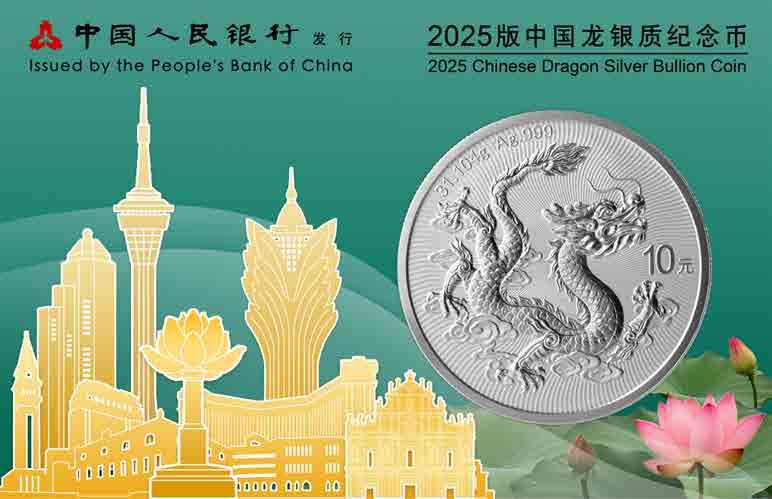
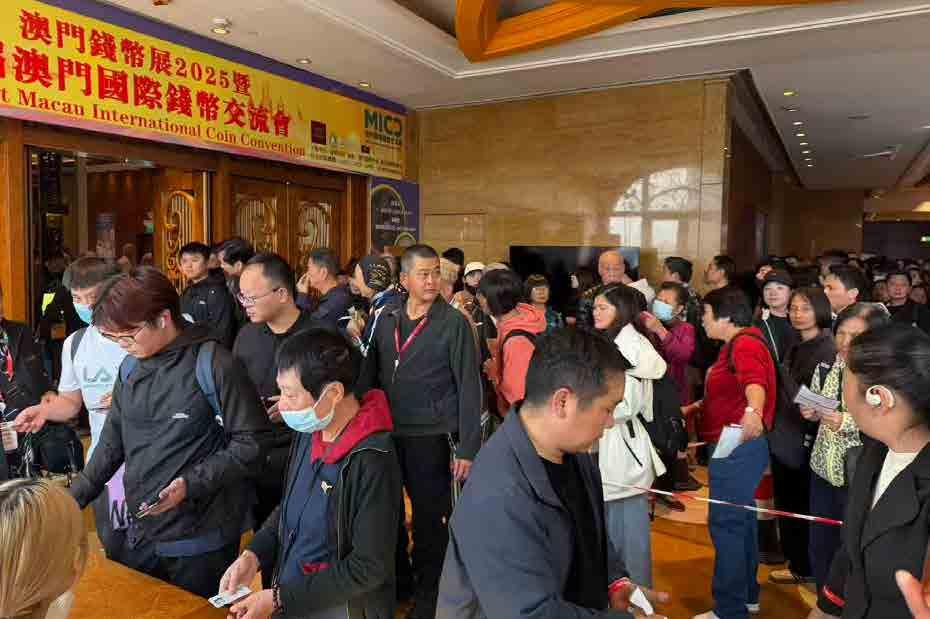
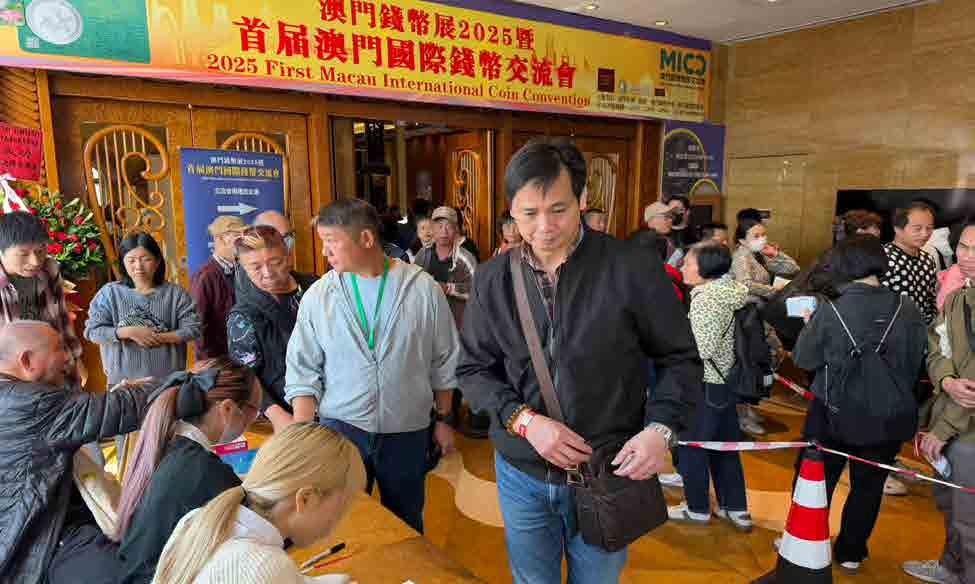
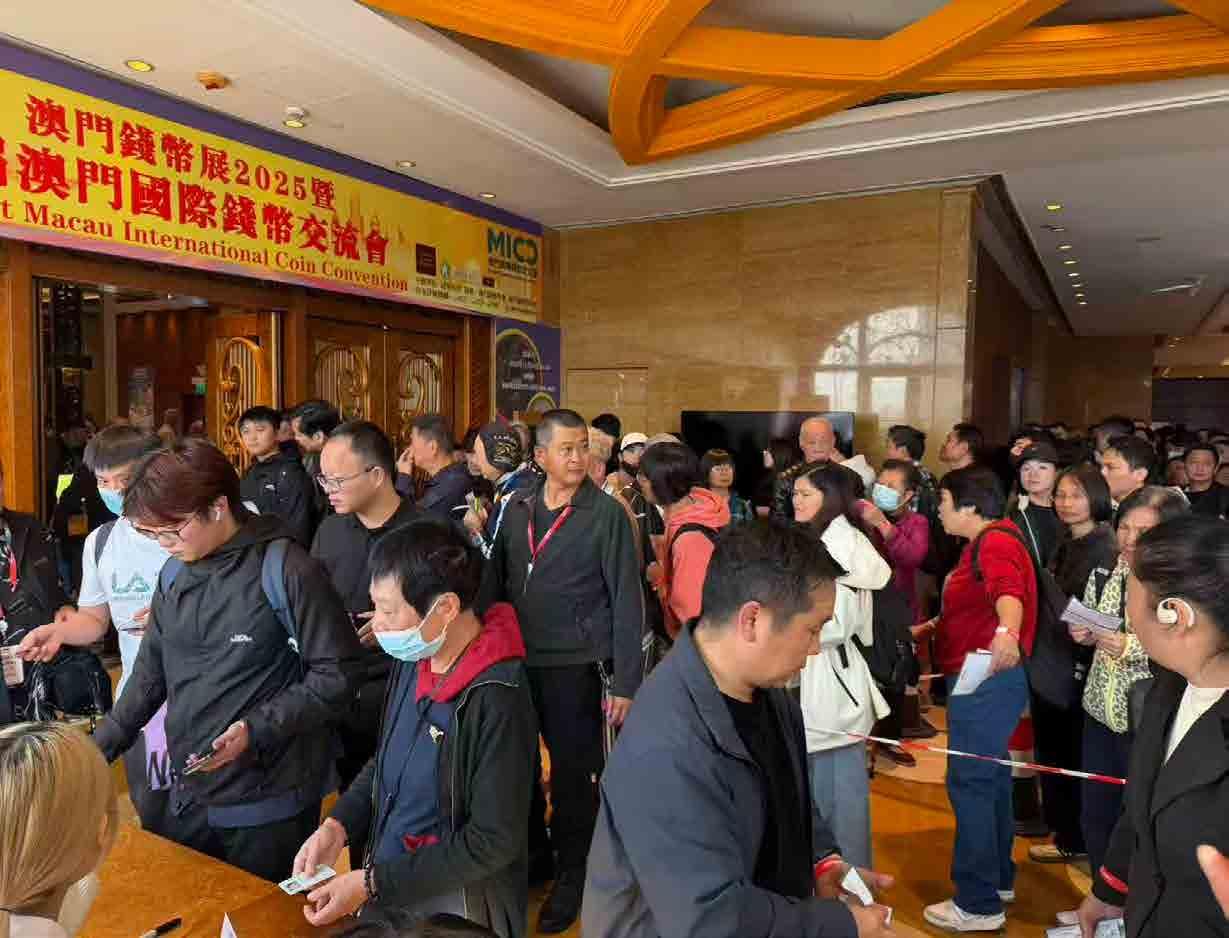
Queue to Buy 2025 Chinese Dragon Silver Bullion Coin Exhibition Site
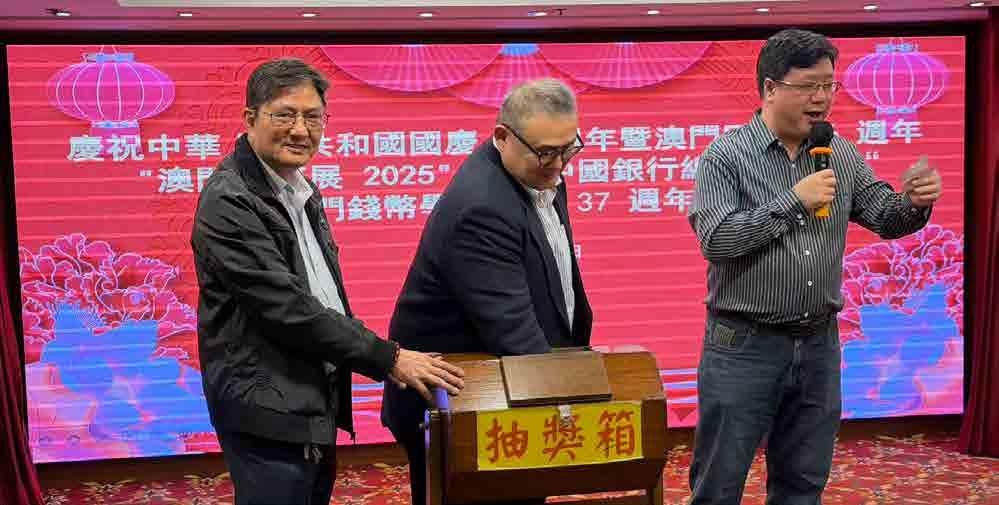
2025 Macau Numismatic Society Reception Dinner Lottery Venue
my dealer and numismatic industry friends at the Macau show such as Dr. Frank Laiacona (East-West Collectibles in Manila, Philippines), Adriel Fo (House of Collectibles in Singapore), Patrick Sun (CCG Shanghai office), Michael Chou (Champion Auction) and Denny Huhn (House of Coins in Quickborn, Germany) to name a few. Most all of the dealers I talked to had a great first day of the show and all the makings were there for it to be the most successful Macau coin show ever, then the unexpected happen. Like in previous major coin shows throughout the year, the 2025 Chinese Silver Dragon Dollar CitCards were to be distributed in a special limited-edition Macau ICC holder to the public on a first come-first served basis during the first two days of the Macau show. The extreme high demand for these coins due to their value on the market and limited availability has created an unprecedented excitement among numismatic collectors and investors alike. At this year’s ANA World’s Fair of Money in Oklahoma City, Hong Kong Coin Show, and Singapore International Coin Fair, these 2025 Chinese Silver Dragon Dollar CitiCards were released in their respective unique carded versions, and in each case the high demand for these coins resulted in a sell-out and huge aftermarket premiums for the coins. The anticipation for the Macua version of the 2025 Chinese Silver Dragon Macau CitiCard coins was at a fever pitch, and this caused a huge turnout by thousands of the public to get one of these coins during their release on the first day of the Macau show. CCG Hong Kong was even on-site for individuals to submit these coins to be graded and placed in a special Macau ICC label and holder. Many of the public arrived early and stood in long lines to receive one of these coveted Macau CitiCard silver dragon coins. Unfortunately, not everyone could receive a coin due to their limited nature and a mob showed up to the Macau show hours before the show opened up on the second day. This mob filled the entrance to the Macau show, would not move, and thus resulted in the Macau show being closed by the local Macau police and hotel staff. This was truly unfortunate as the Macua show could not continue, and this disappointed the many dealers, MNS staff, and collectors in attendance. Many numismatic professionals that have been in the industry for many years, including myself, all commented that they had never seen anything quite like what they experienced at this year’s Macau show. Although the Macau Coin show came to an early end, the Champion Auction was able to take place on November 29, 2025 and was a huge success. Highlights of this year’s Champion
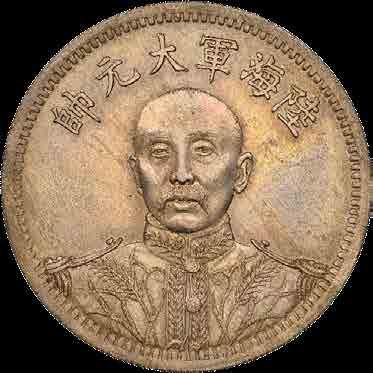
1926 REPUBLIC Chang
Tso Lin Commemorative
One Dollar Copper-Nickel Pattern, NGC MS62
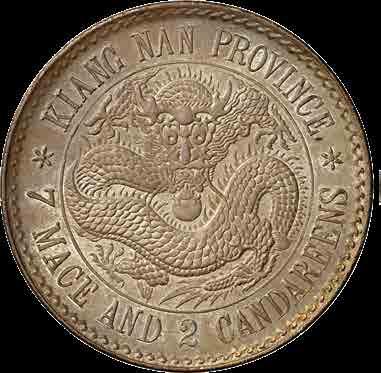
1897 KIANGNAN
PROVINCE
7 Mace and 2 Candareens Silver, Ornamental Edge, NGC MS63
Macau auction included and incredibly rare 1926 Chang Tso Lin in Military Uniform Silver Dollar Copper-Nickel Pattern (L&M 868 NGC MS 62) that brought $560,000 USD plus the hammer. Chang Tso Lin was a warlord who gained control of Beijing in 1926 but was forced to flee two years later and subsequently assassinated making this pattern a true Chinese numismatic rarity. Also in the auction was a 1911 Chinese Silver Dollar with raised veins on leaves (NGC AU 58) an extremely rare variety, a 1898 China-ANHWEI Silver Dollar (Flat Four with Small Rosette variety, NGC MS 66) which is the finest known and from the Hsi/NC collection, and a 1897 China-KIANGNAN Silver Dollar (Herringbone edge variety, NGC MS 63) commonly known as “Old Kiangnan” from the NC collection, all of which each brought hundreds of thousands of dollars. From these auction results, it appears the vintage Chinese coin market is as strong as ever, especially with rarer patterns and vintage silver dollars in scarcer varieties.
The Opening Ceremony, MNS Banquet, and first day of the Macau coin were amazing as always and it was great seeing many of my dealer and collector friends in Macau. Although unfortunate the show had to come to an abrupt early end, it is exciting to see the public energized by a numismatic product like the 2025 Chinese Silver Dragon CitiCards. It is a great time to be in numismatics as we are currently experiencing alltime highs in both gold and silver! I want to wish all our readers overseas an upcoming Happy Year of the Horse (my year as I was born in 1978 although I have been told that it is not until the following year after your year that one receives good luck), and I look forward to setting up at the upcoming Winter FUN show in Orlando, Florida on January 8-11, 2026 with my good friends Michael Chou, President of Champion Auction, and Philip Kapaan, a world coin dealer at Kapaan and Mades GbR located in Bochum, Germany. Until next time, I wish you all the best in your numismatic pursuits and have a prosperous 2026
2025 Chinese Dragon Silver Coin Macau City Card Launch Sparks Enthusiasm
◎ Champion〔Shanghai〕
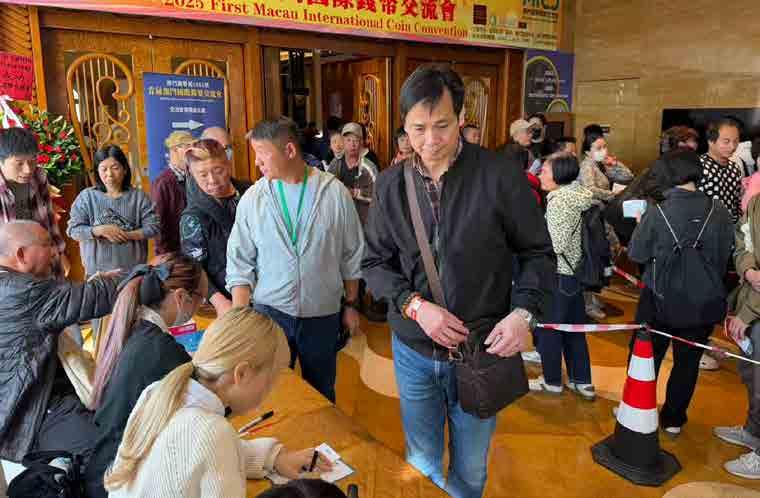
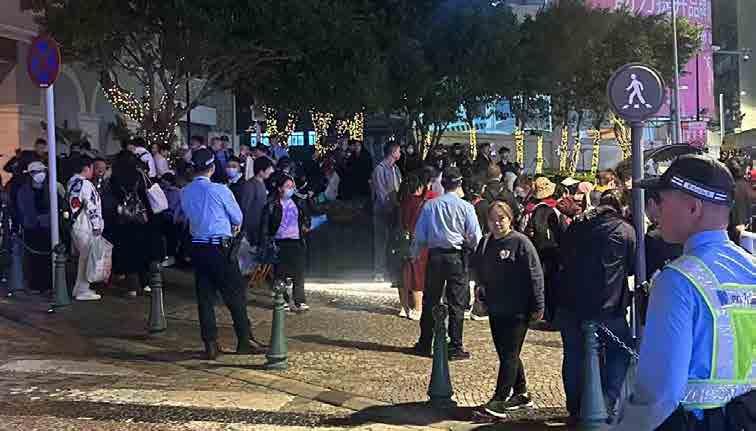
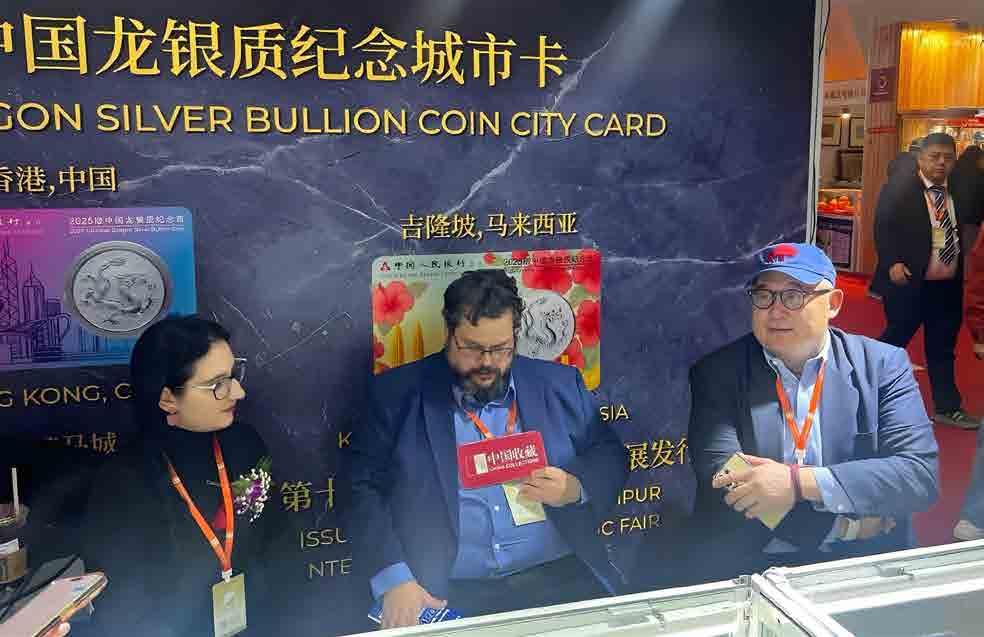
The inaugural Macau International Coin Conference (MICC) 2025 kicked off on November 26 at the Sofitel Macau at Ponte 16. The main highlight of the event—the release of the 2025 Chinese Dragon Silver Coin Macau City Card—generated significant excitement among collectors. The overwhelming turnout far exceeded expectations, leading to a major adjustment in the original distribution plan on the second day and making it a widely discussed topic in the collector community.
The event officially began on November 26. That afternoon, the launch ceremony for the Chinese Dragon Silver Coin Macau City Card was held alongside the conference opening in the Sofitel Hotel’s Baccarat Hall, marking the official introduction of this much-anticipated collectible. Also released at the same time were other premium items, including the MICC Panda Medal, the Macau Platinum Panda Medal, and the 2025 Niue
Island Legend of Chu Liuxiang Commemorative Coin. These attracted many local and international collectors, dealers, and media representatives, creating an energetic atmosphere throughout the venue.
Originally, the city card was set to go on sale to the public on November 27. Shortly after the morning sales ceremony began, a long line formed early in the day as people waited to take a number for their chance to purchase. The sales counters stayed very busy, with far more attendees than anticipated, which soon drew public attention due to the size of the crowd.
Before sales started on the second day, and out of concern for the safety of everyone present, an on-site assessment by the Macau police resulted in the decision to suspend in-person sales to ensure public safety. In response, the organizer switched
Queue to Buy 2025 Chinese Dragon Silver Macau City Cards
completely from the original sales method to a fairer and more manageable online real-name lottery system. This change was announced through official channels to ensure transparency and fairness throughout the process.
To make it easier for winners from different areas to collect their items, the organizer set up the following pickup arrangements: winners could claim their city cards at designated locations in Macau between December 18 and 19, 2025, or in Hong Kong between December 22 and 23, 2025, by showing valid ID and their winning confirmation. Pickup at both locations was smooth and orderly, with clear steps in place to ensure all items were handed over safely to their new owners.
However, some winners were unable to pickup their Macau city cards as planned. To address this, the organizer has announced
that all unclaimed 2025 Chinese Dragon Silver Coin Macau City Cards will be included in the Chinese Dragon Coin City Card Charity Auction, scheduled for April 8, 2026 in Hong Kong. These pieces will be re-released through a public auction, giving those who missed out initially another chance to obtain one, while also supporting charitable causes—a meaningful close to the release campaign.
The organizer thanks all partners for their strong support, and extends appreciation to the collector community for their understanding and cooperation. The way the situation was handled—from the unexpected changes to a satisfactory outcome—reflects the organizer’s effective crisis management, customer-focused approach, and ongoing commitment to fostering a positive and orderly development of numismatic culture.
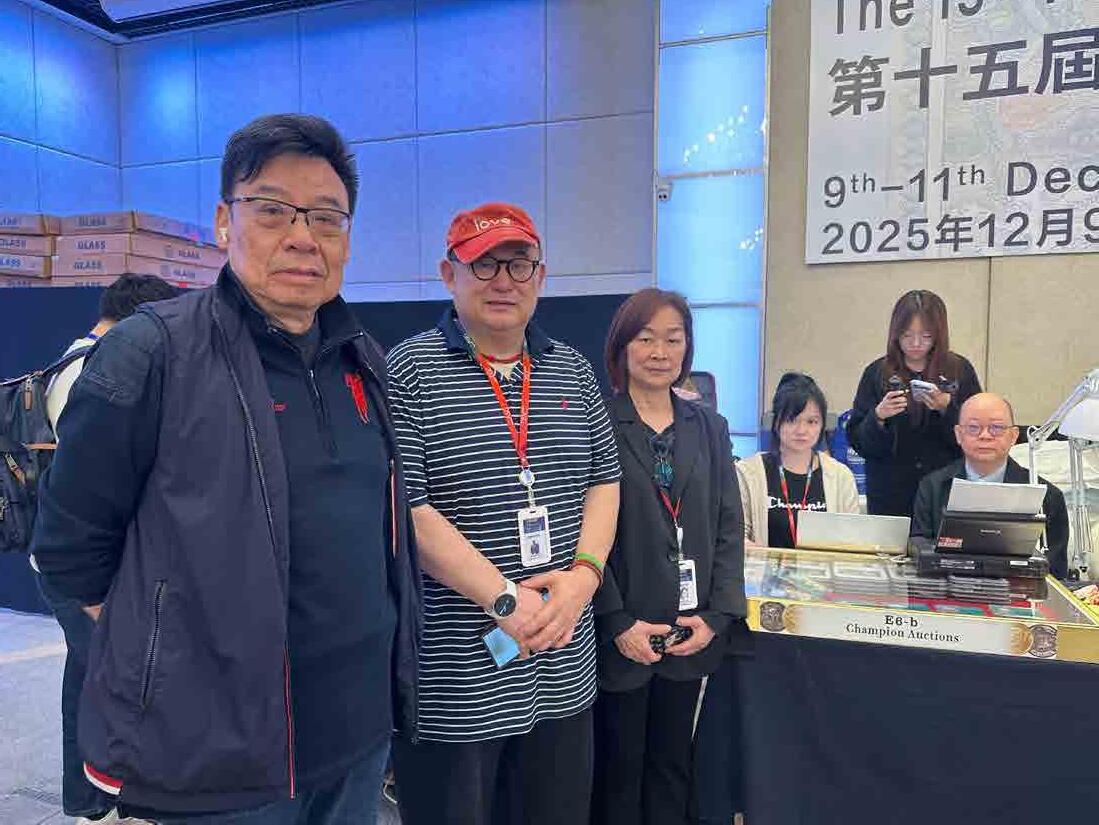
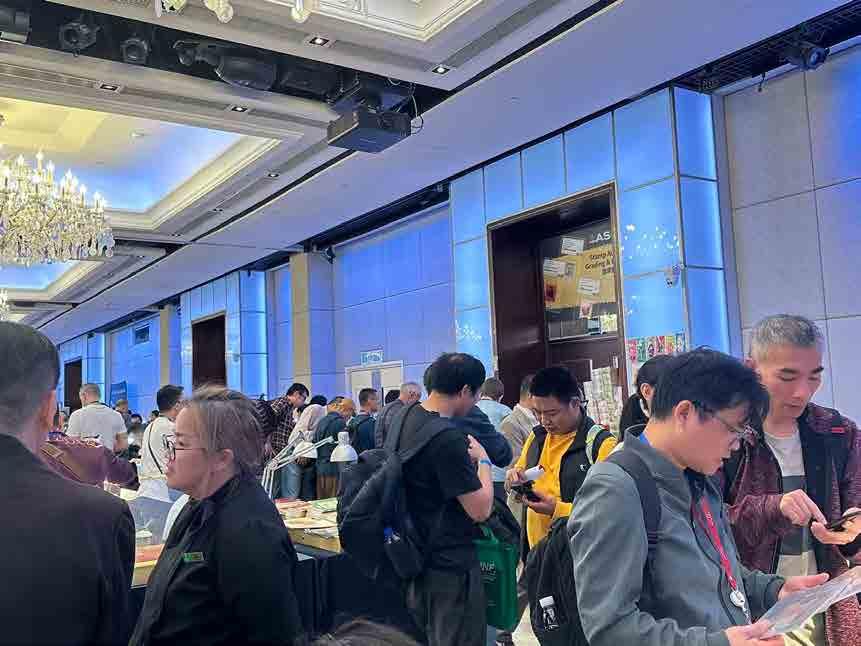
The lot drawing supervised by the Hong Kong licensed accountant
New Coordinators of the Coin of the Year Awards Visit China, Strengthening Sino-Foreign Numismatic Ties
◎ Champion〔Shanghai〕
In late October 2025, a delegation from the Coin of the Year (COTY) Awards committee visited China at the invitation of China Gold Coin Group Corporation Limited (CGCI). With sponsorship from the Journal of East Asian Numismatics under Champion Auction, the trip marked a step forward in exchange and cooperation between Chinese and global numismatic circles. Led by new committee coordinators Jeff Starck and Sophia Mattimiro, the group travelled to Shenzhen and Beijing. Through tours, meetings, and public events, they experienced the energy and deep heritage of China’s coin industry.
Official Invitation: How the Visit Came About
The visit followed a formal invitation from CGCI Chairman Jiao Jinpu to the COTY Committee during the American Numismatic Association (ANA) World’s Fair of Money in August 2025. Later, CGCI General Manager Jing Jun added Shenzhen to the schedule. This allowed the delegation to explore the center of China’s modern minting sector, making their visit more thorough and meaningful.
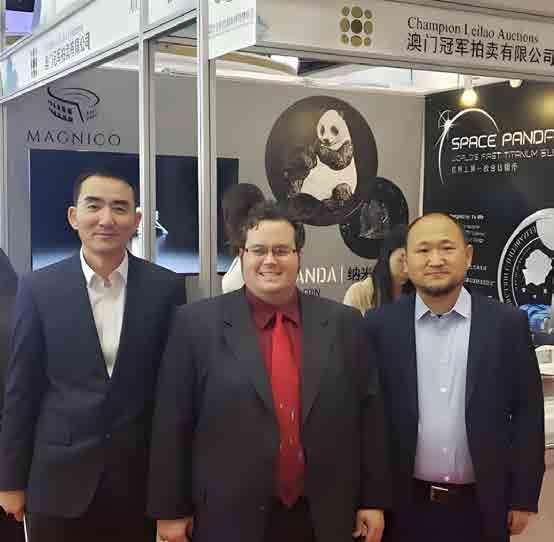
Starck during his first visit to Beijing in 2019
The Coordinators' Impressions of China
For the two new coordinators, the trip carried different but equally strong meanings. Jeff Starck, who had attended the Beijing International Coin Expos in 2017 and 2019 as Senior Editor of Coin World, returned in a new role-bringing a fresh outlook. For Sophia Mattimiro, it was her first time in China, full of new and memorable experiences.
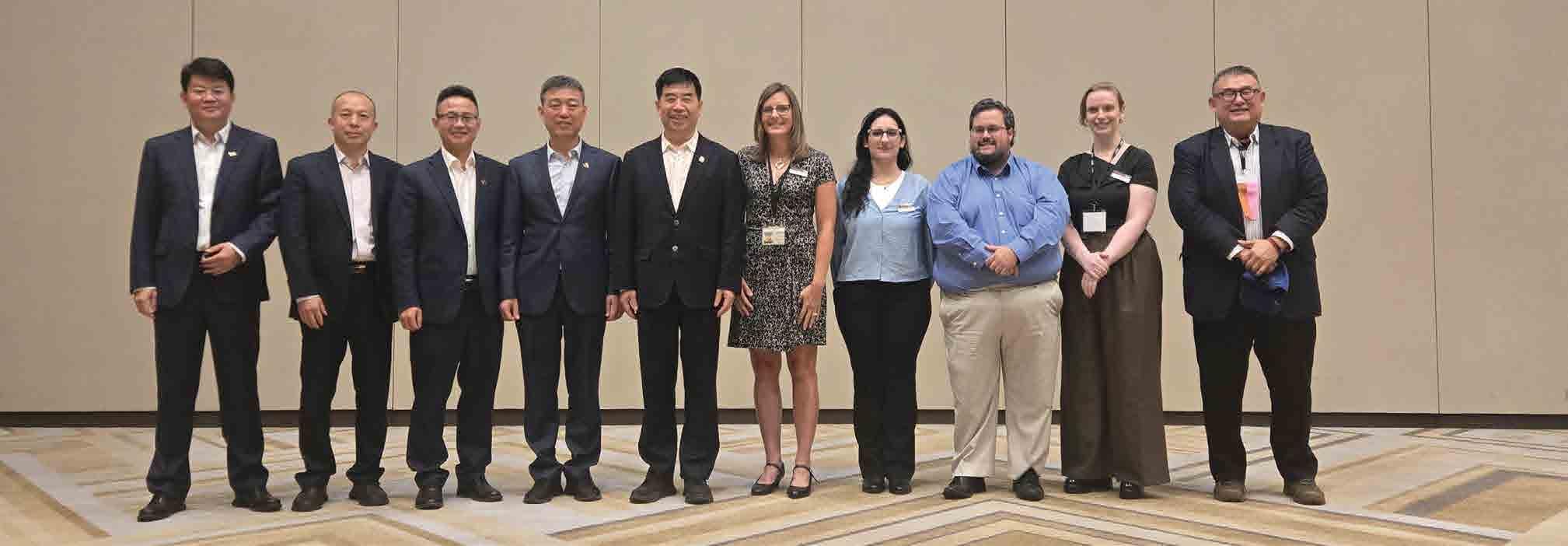
From left: Yan Xing, Party Secretary and Chairman of Beijing Gold Coin News Limited; Li Yaogang, Secretary-General of the CGCI Special Committee Secretariat; Yin Xianmin, Party Committee Member and Deputy General Manager of CGCI; Chen Jinglin, Deputy General Manager of China Great Wall Coin Investment Co. Ltd.; Jiao Jinpu, Party Secretary and Chairman of CGCI; Corinne Zielke, Vice President and General Manager of the Collectibles Division, AIM Group; Sophia Mattimiro, new COTY coordinator; Jeff Starck, new COTY coordinator; Sierra Holt, Editor of World Coin News; Michael Chou, COTY Nominator.
Jeff
Delving into the Minting Hub: Impressed by China's Scale and Creativity
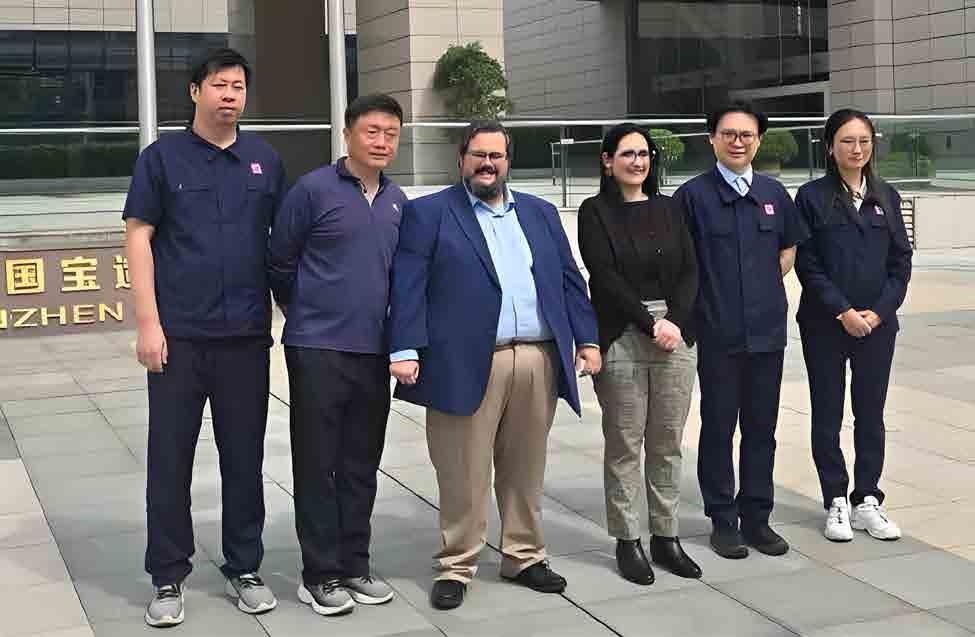
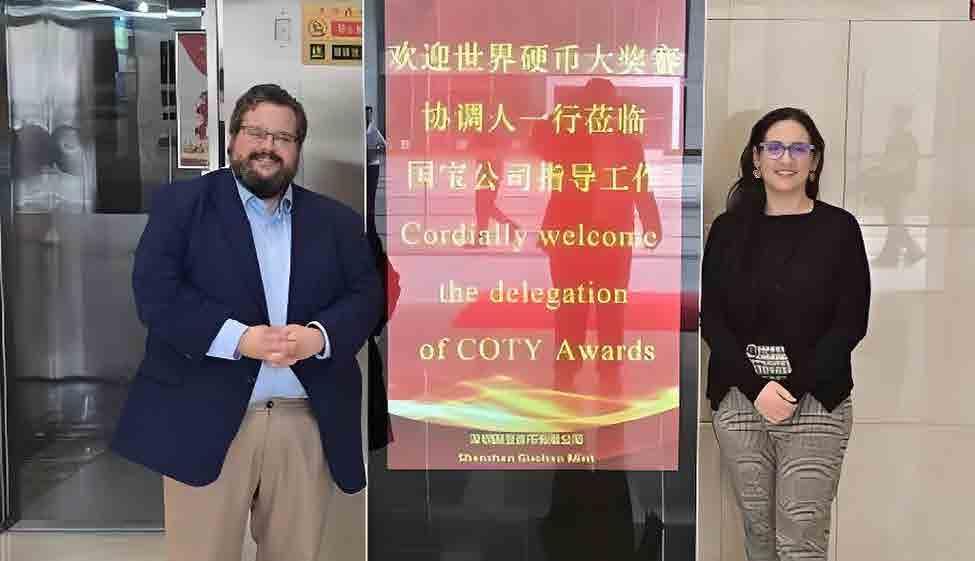
The first stop was Shenzhen Guobao Mint. As a key base for China’s modern coin production, it left a strong impression on the two well-traveled coordinators. Even after visiting top mints like The Royal Mint (UK) and the Royal Canadian Mint, they were struck by Guobao’s large scale and its efficient integration of design, engraving, and production.
What surprised them even more was seeing dozens of samples for the 2025 Chinese Dragon Silver Coin. Jeff and Sophia said
they had never seen so many samples made for a single coin program elsewhere-a clear sign of China’s attention to design detail and artistic exploration.
A Visit to the CGCI Exhibition Hall: Seeing History and Honors
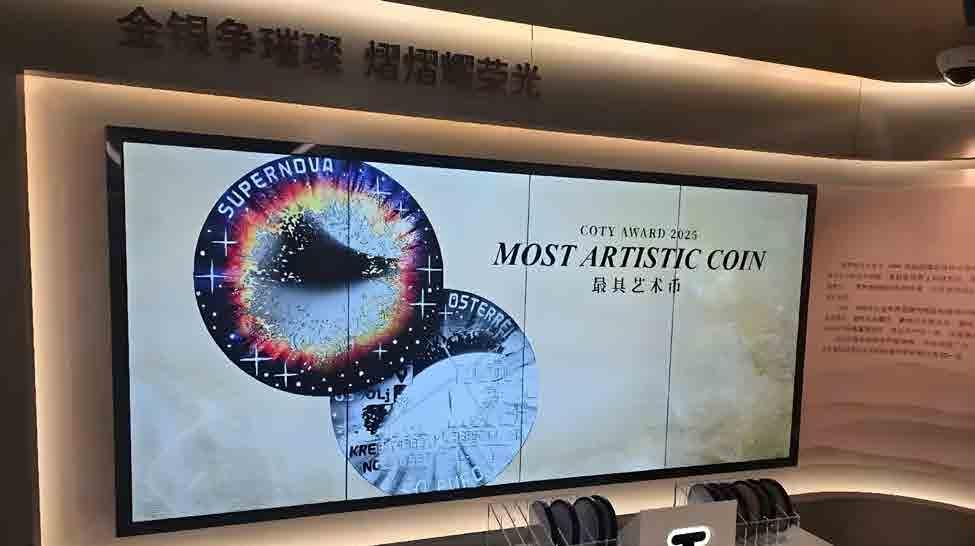
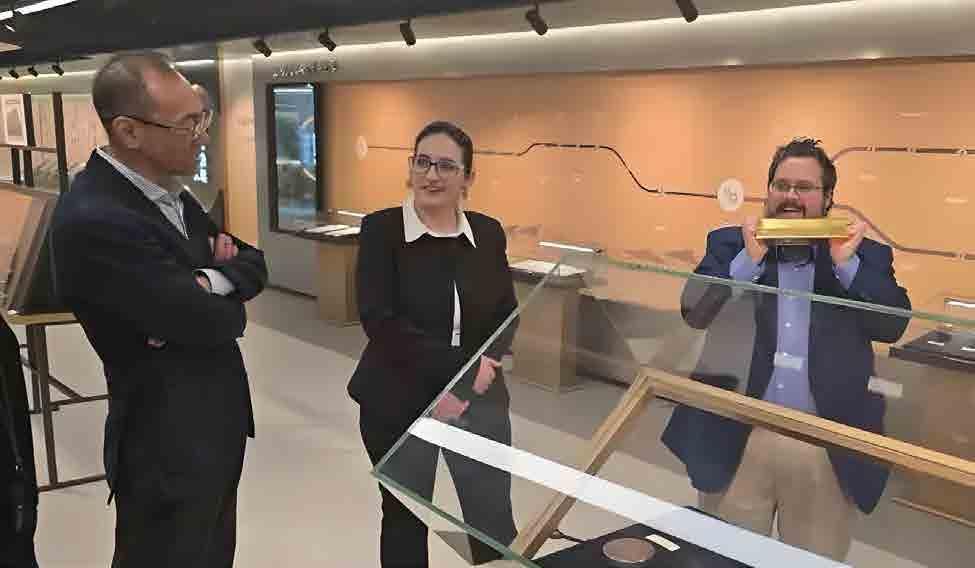
In Beijing on October 29, the delegation toured the CGCI Exhibition Hall. There, they learned about the history of Chinese coinage and visited a special section dedicated to the COTY Awards. Displayed there were this year’s winner-the Austrian Supernova Coin—along with China’s past award-winning coins. This special display shows the influence of the COTY Awards in China and highlights the international recognition Chinese coins have gained.
Jeff Starck visiting Beijing and Shanghai in 2019
At the Shenzhen Guobao Mint
CGCI Museum Exhibition Hall
Diverse Interactions: From Online Talks to Award Events
On the evening of October 30, Michael Chou, President of Champion Auction, joined the two coordinators for a broadcast on Kuaishou. They shared their experiences from Shenzhen and Beijing and interacted with Chinese collectors.
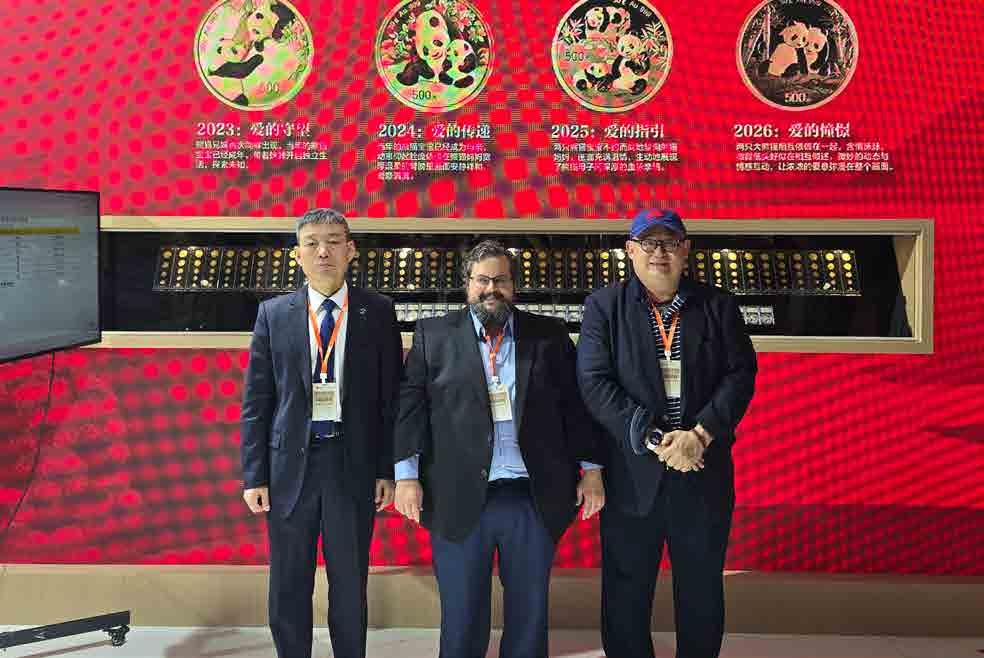
The next day, October 31, the Beijing International Coin Exhibition (BICE) opened, with Sophia Mattimiro joining other guests to kick off the event.
Later, at the Champion Auction booth, the two coordinators were interviewed and participated in a broadcast with China Collections magazine, helping more people learn about the COTY Awards.
The visit also included cultural experiences. They joined Michael Chou at Lao She Teahouse for a dinner hosted by CGCI for international guests, enjoying a genuine Beijing atmosphere.
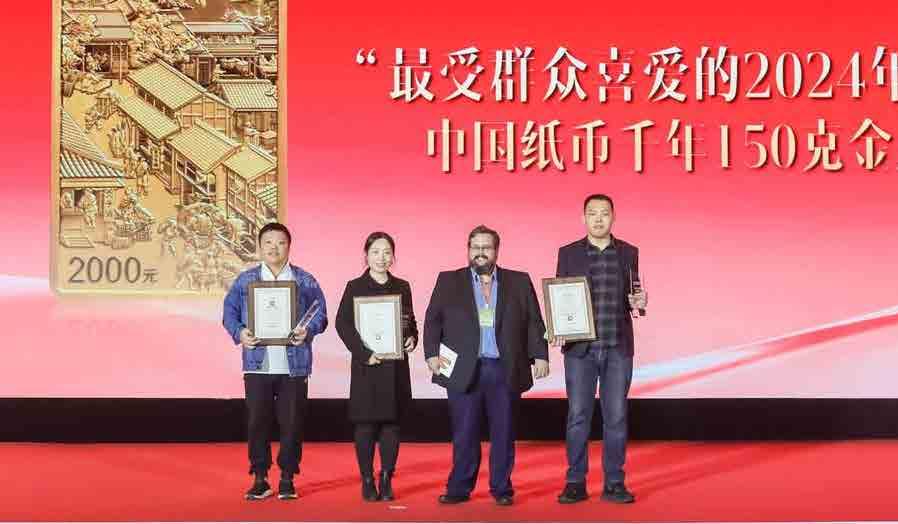
On November 1, Jeff Starck took part in the awards ceremony for “The Most Popular Precious Metal Commemorative Coin of 2024.” He presented the “Most Popular 2024 Chinese Gold Coin” award, handing the trophy and certificate to the project team. This helped strengthen the emotional connection between international awards and the Chinese market and collectors.
Looking Forward: More Exchange Ahead
Though the visit has ended, the conversation continues. Sophia Mattimiro has written a reflective article about her time in Beijing.
The trip by Jeff Starck and Sophia Mattimiro was not only a successful professional visit but also a meaningful cultural exchange—laying a good foundation for closer cooperation between Chinese and global numismatic communities in the future.
BICE Exhibition Floor
Jeff Starck and Sophia Mattimiro interviewed by China Collections
Reprinted with permission from World Coin News, Coin of the Year Visits China by Sophia Mattimiro, originally published in the January 2026 issue
NumismaticNews and NumisMaster Visit China
◎ Sophia Mattimiro〔USA〕
Numismatic News staff joined a Coin of the Year sponsor in China to explore minting innovation, meet designers, and attend the Beijing International Coin Expo.
Sophia Mattimiro
Updated Dec 16, 2025 8:43 AM PST
At the end of October, Numismatic News Senior Editor and Coin of the Year Coordinator Sophia Mattimiro, along with NumisMaster Market Analyst Jeff Starck, left the United States for a trip to China.
The journey was the result of months of planning and coordinating with the Coin of the Year (COTY) sponsor, Journal of East Asian Numismatics (JEAN), and China Gold Coin Group Co., LTD. The goal of the trip was to learn more about China Gold Coin’s 2025 Chinese Dragon silver bullion coin, which was released earlier in the year, as well as visit the Beijing International Coin Expo.
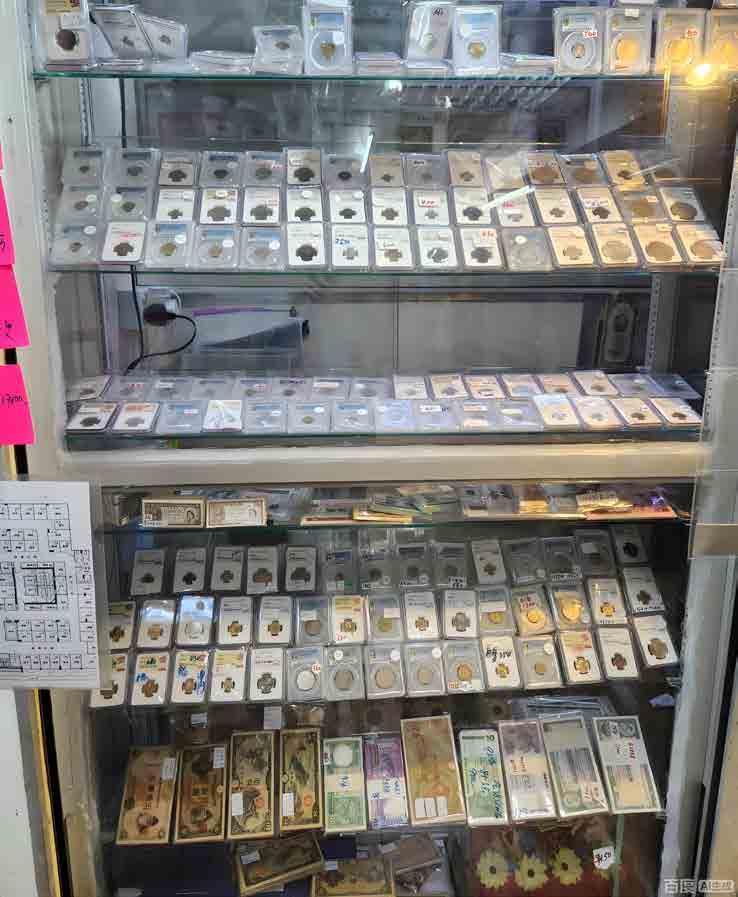
Starting the trip in Hong Kong, Mattimiro and Starck made a stop at a permanent coin market. The small three-story building housed numerous small shops specializing in coins, bank notes, stamps, and antiques. The selection included offerings from every corner of the world.
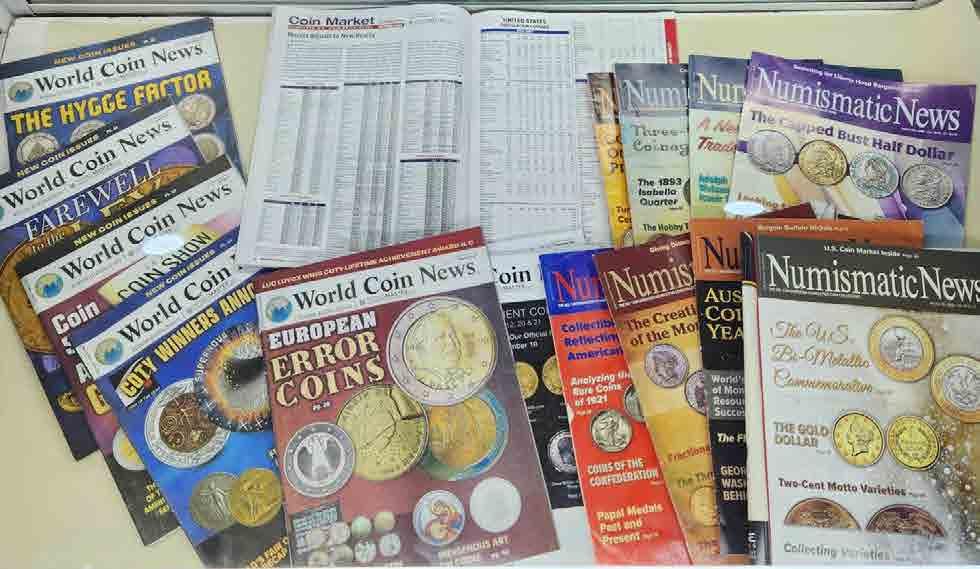
After the market, it was a hunt for a mobile coin exchange truck. Read more about the coin cart in Starck’s column “Starck Reality” in the December 2025 issue of World Coin News.
The next day, accompanied by JEAN’s founder and editor, Michael Chou, as well as two representatives from China Great Wall Coins Investments Ltd., the group drove to Shenzhen in mainland China. There, they were treated to an exclusive tour of the Shenzhen Guobao Mint, which produces the silver Dragon coins. The Mint also produces the gold and silver Panda coins that many world coin collectors are familiar with.
The group was impressed to see each of those dragon coins come off the press and get hand-inspected by an employee for quality. A mintage of two million coins isn’t small, especially when each coin is inspected.
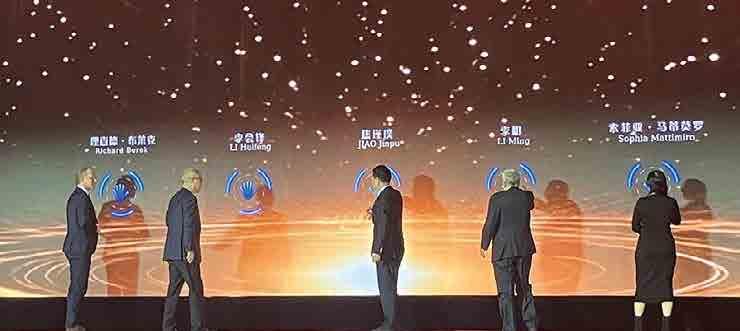
Mattimiro (right) participated in the Beijing International Coin Expo ’ s opening ceremony (Image courtesy of Jeff Starck)
A coin display at the coin market in Hong Kong (Image courtesy Sophia Mattimiro)
Mattimiro and Starck listen to a presentation on the 2025 Silver Dragon coin, presented by the coin’s designer (Image courtesy China Gold Coin Group)
After the tour, the group sat down with the executive and design teams behind the Dragon coin. The coin’s designer shared a presentation on the artistic process and the various elements that make up the final image. Over 60 different pattern coins were created before the ultimate design was chosen.
The following day, Mattimiro, Starck, and Chou headed to Beijing, where a packed schedule awaited for the rest of the trip.
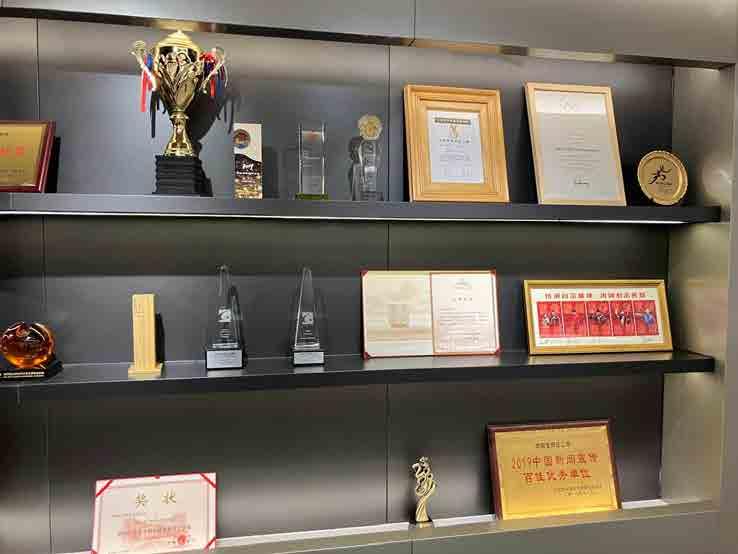
Meeting with members of China Gold Coin Group at their offices was first on the agenda. The office building also houses a museum that tells the story of China Gold Coin and the coins and medals it has produced. The group was excited to see a small display of awards the Mint has received, which included COTY trophies. After the tour, everyone sat down to discuss the coins that China Gold Coin produces and the COTY program.
It isn’t uncommon for the COTY staff to get asked by mints something along he lines of “why not our coin?” As one can imagine, it is an incredibly difficult question to answer. The program has an international panel of judges, totaling well over 100 members with expertise in all aspects of numismatics. The answer often ends up being to look at the winning coins and who produces them, and go from there. Of course, this can only get a COTY hopeful so far.
In the afternoon, Starck had the opportunity to visit the Forbidden City, leaving Mattimiro to meet with China Banknote Printing and Minting. In 2025, this mint produced a coin that won COTY’s Best Circulating category. A similar discussion ensued, speaking with mints that want to improve reaffirms COTY’s mission to encourage coin design and innovation.
It was an honor for the team to be asked to speak with both China Gold Coin Group and China Banknote Printing and Minting in their respective efforts to improve their coins.
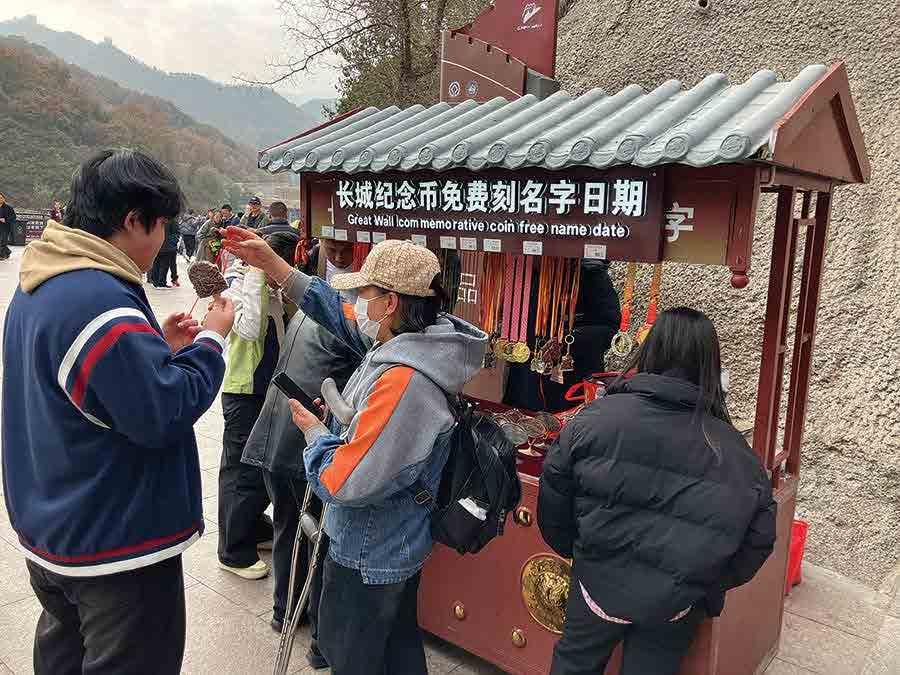
The next day was a small break from official business with a visit to the Great Wall. The team still got their fix of coins when they arrived, as a small stand selling commemorative coins that engrave your name and the date was near the attraction.
The last day was spent at the Beijing International Coin Exposition. As the coordinator of the COTY program, Mattimiro was asked to participate in the opening ceremony.
Walking around the bourse, the booths were all quite impressive, each designed as its own structure and featuring large, vibrant displays. Being the first day of the show, the turnout was good, with visitors filling the paths between the
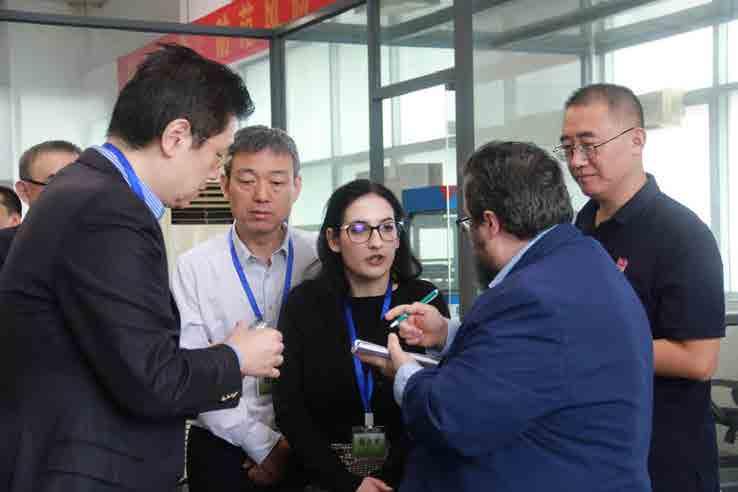
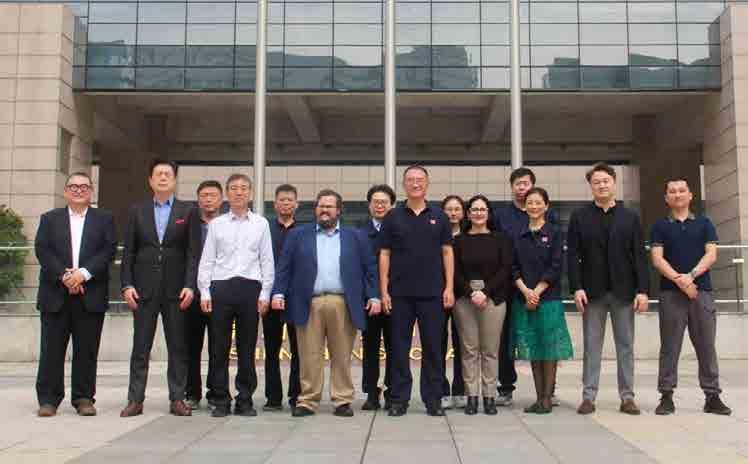
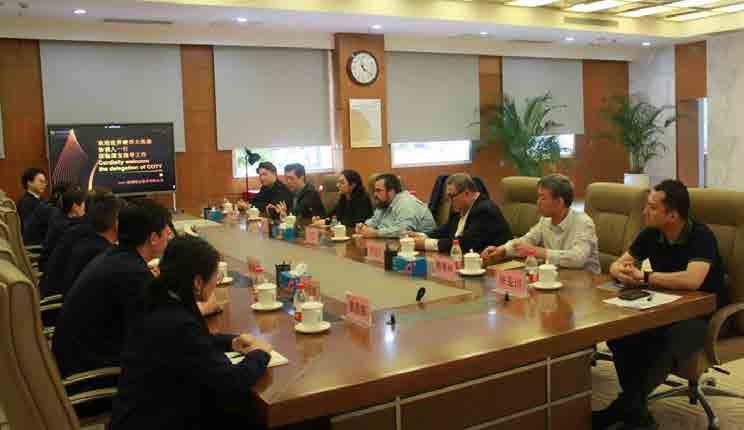
Mattimiro and Starck stand in front of the Shenzhen Guobao Mint alongside the design and executive teams behind the new 2025 Silver Dragon coin (Image courtesy China Gold Coin Group)
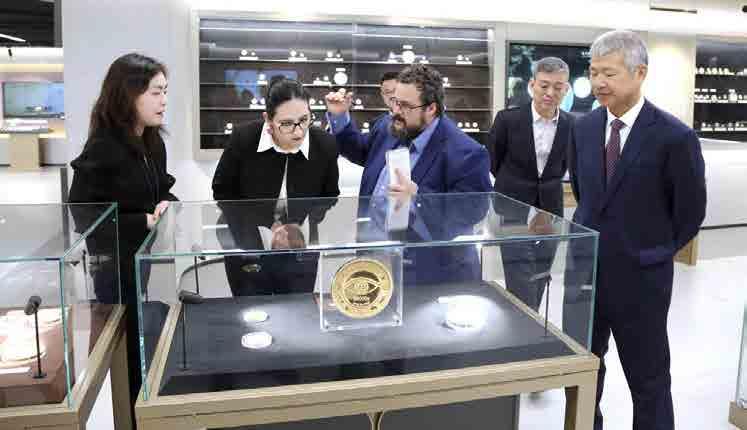
Mattimiro and Starck receive a tour of the China Gold Coin Group ’ s museum. (Image courtesy China Gold Coin Group)
Two Coin of the Year trophies on display in China Gold Coin Group ’ s museum (Image courtesy Jeff Starck)
Mattimiro and Starck tour the Shenzhen Guobao Mint (Image courtesy China Gold Coin Group)
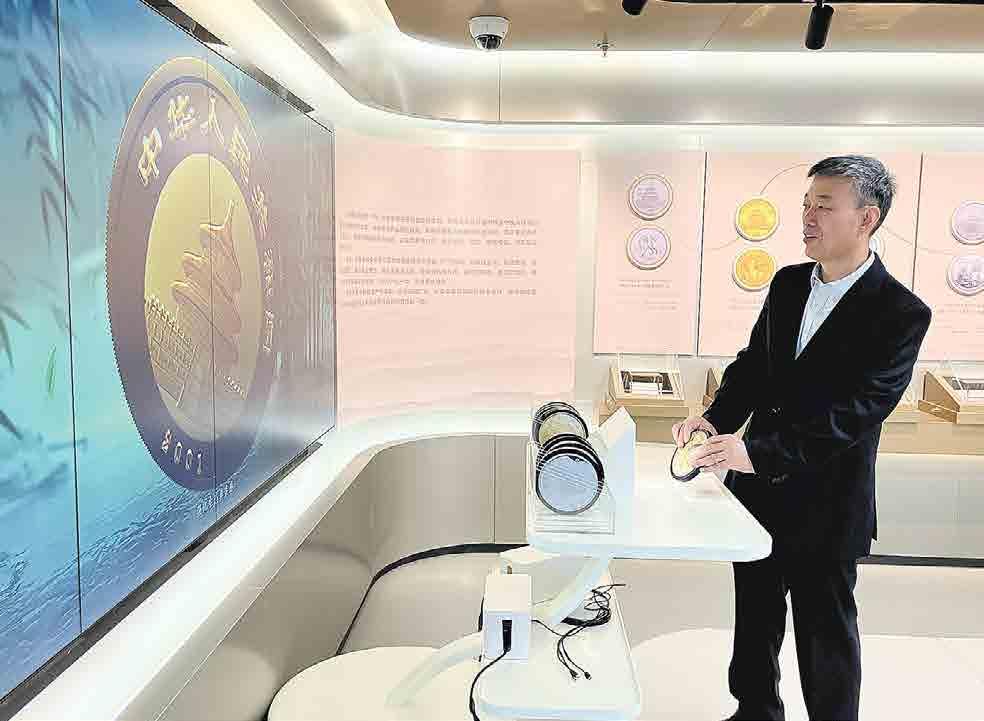
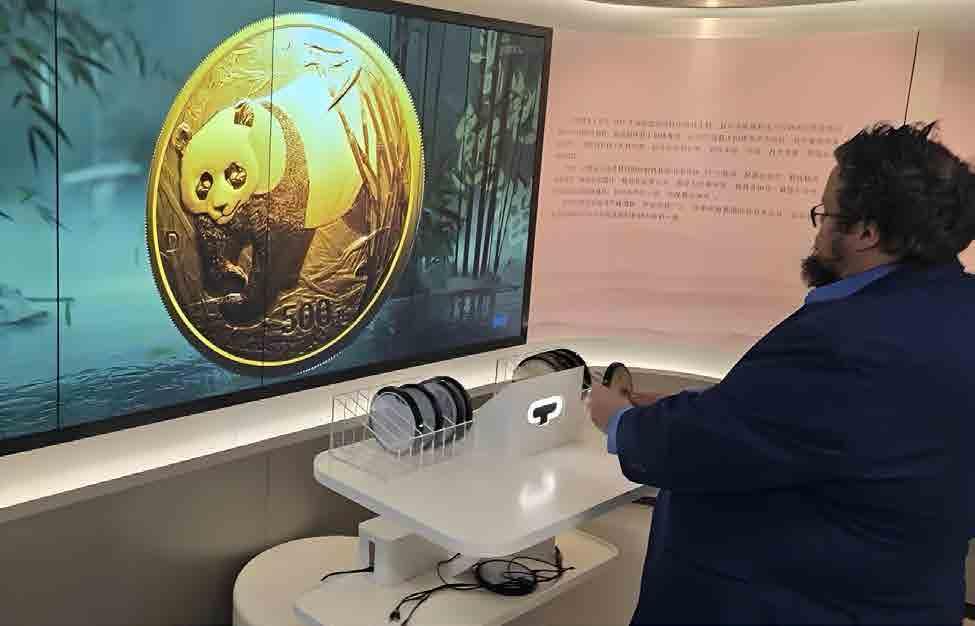
The museum includes an interactive display allowing visitors to view coins enlarged on a screen. China Great Wall Coins Investments Deputy General Manager Chen Jinglin tries it out (Image courtesy Jeff Starck)
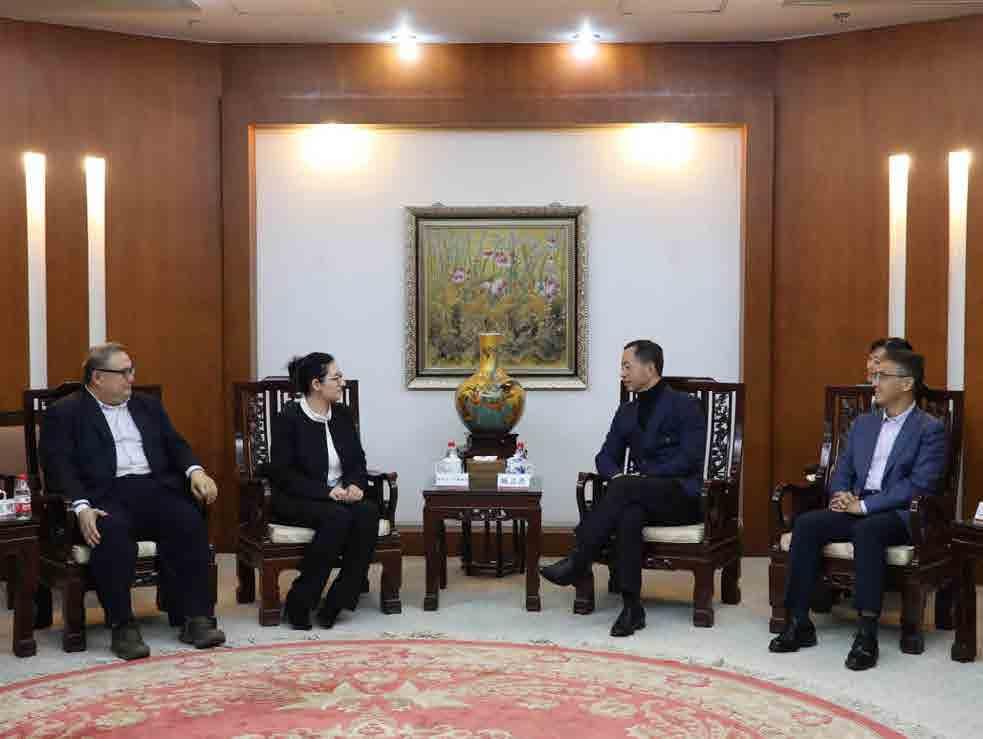
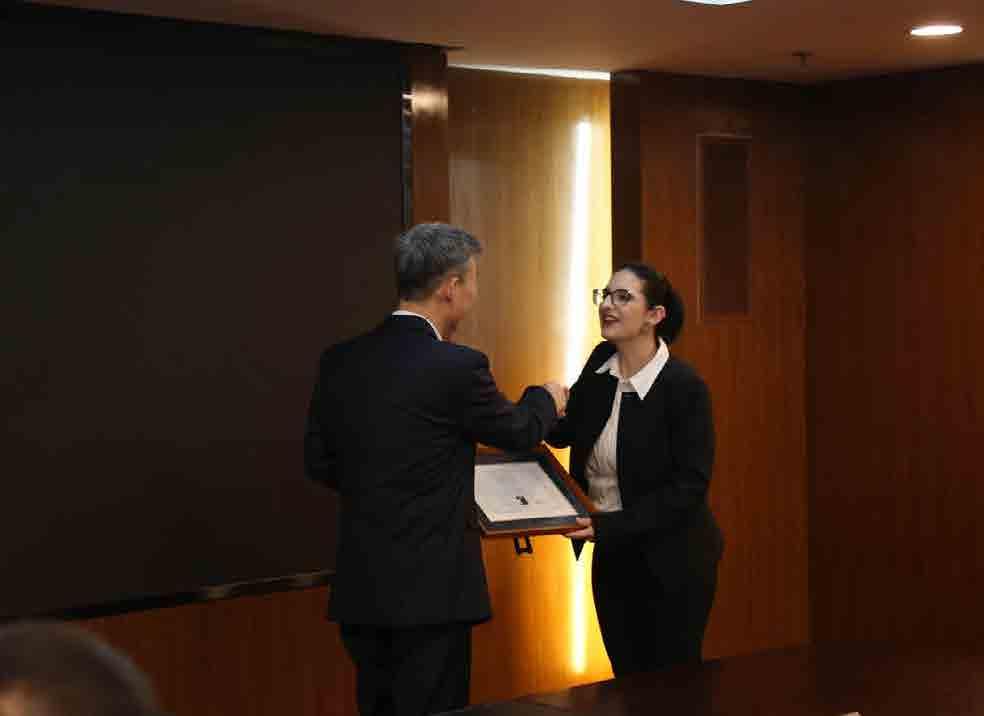
Mr. Chen Jinglin of China Great Wall Investments has joined the Coin of the Year Nominating Committee, replacing a retiring Mr. Wang An (Image courtesy China Gold Coin Group)
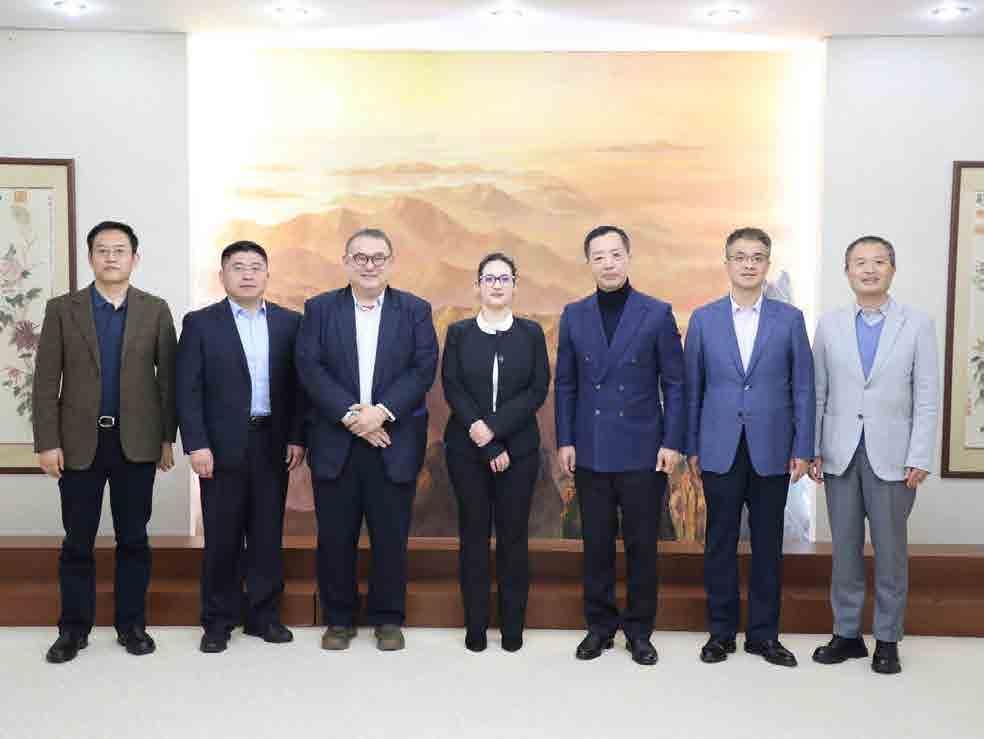
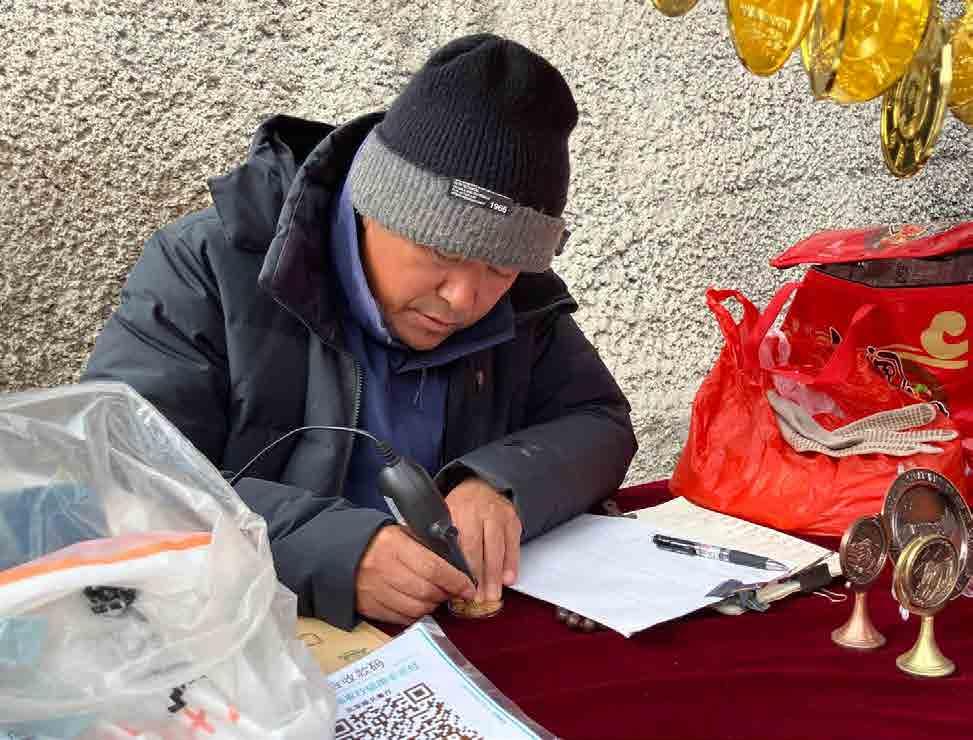
Sophia Mattimiro and Michael Chou meet with China Banknote Printing and Minting (Image courtesy China Banknote Printing and Minting)
A commemorative coin stand at the bottom of the Great Wall of China (Images courtesy Jeff Starck)

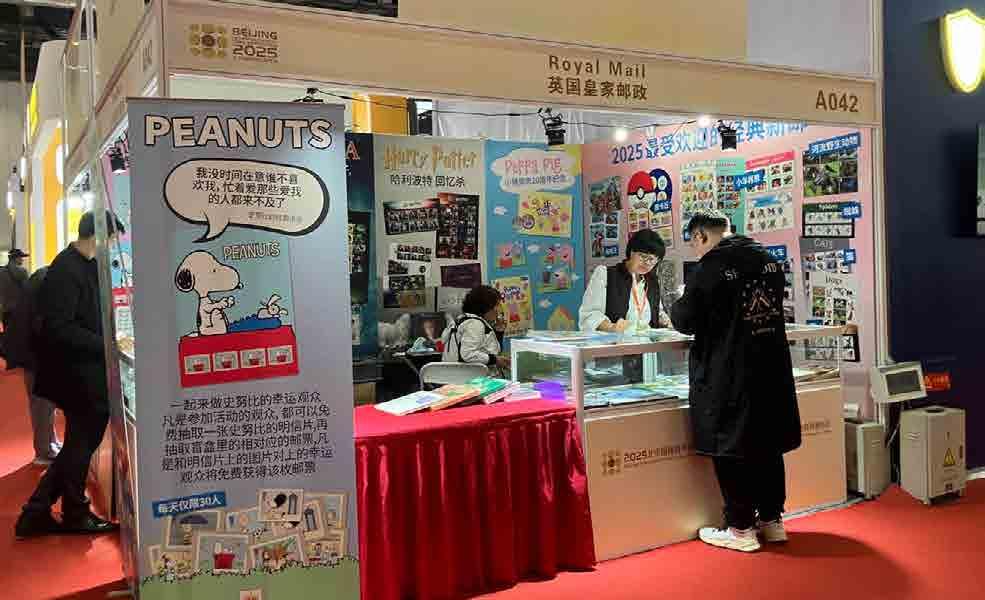
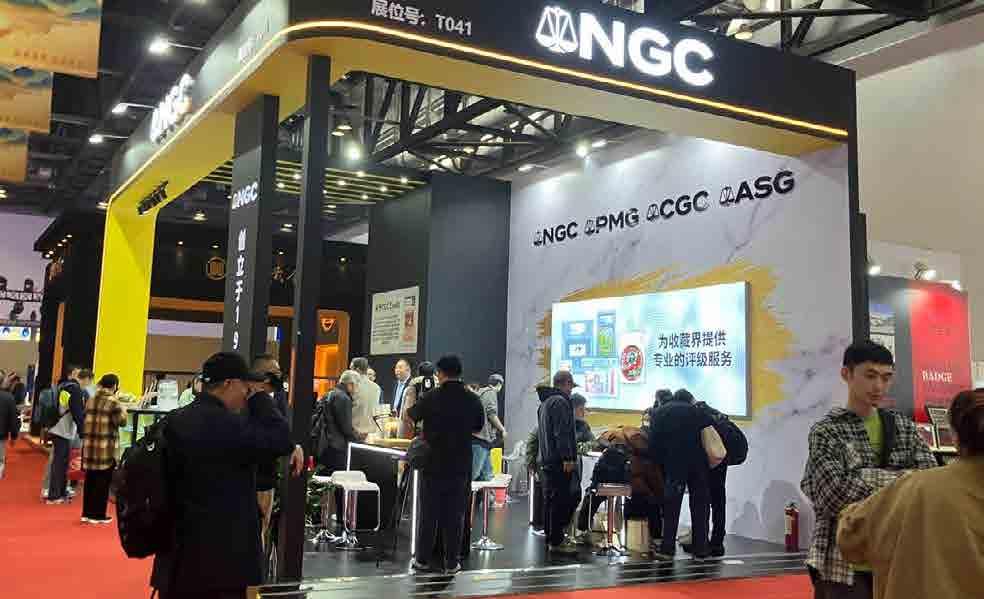
booths and plenty more looking at the offerings. Many visitors were livestreaming the event, showing distant viewers the hustle and bustle. Livestreaming isn’t something often seen at U.S. shows due to security concerns, but there seemed to be no issues at this event.
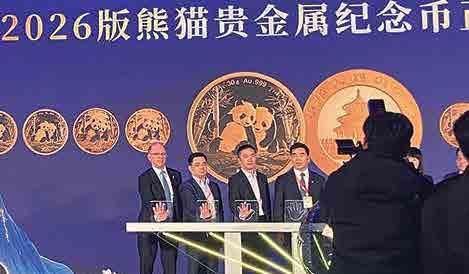
In the afternoon, the team attended the launch ceremony for
the next edition in the Panda series. The event showcased the designer and engraver of the coin, as well as other individuals involved in its production.
The trip was a successful opportunity to learn more about the numismatic offerings of East Asia and to further the reach of the COTY program.
COTY Coordinator Sophia Mattimiro sits for the Beijing International Coin Exposition ’ s opening ceremony (Image courtesy China Gold Coin Group)
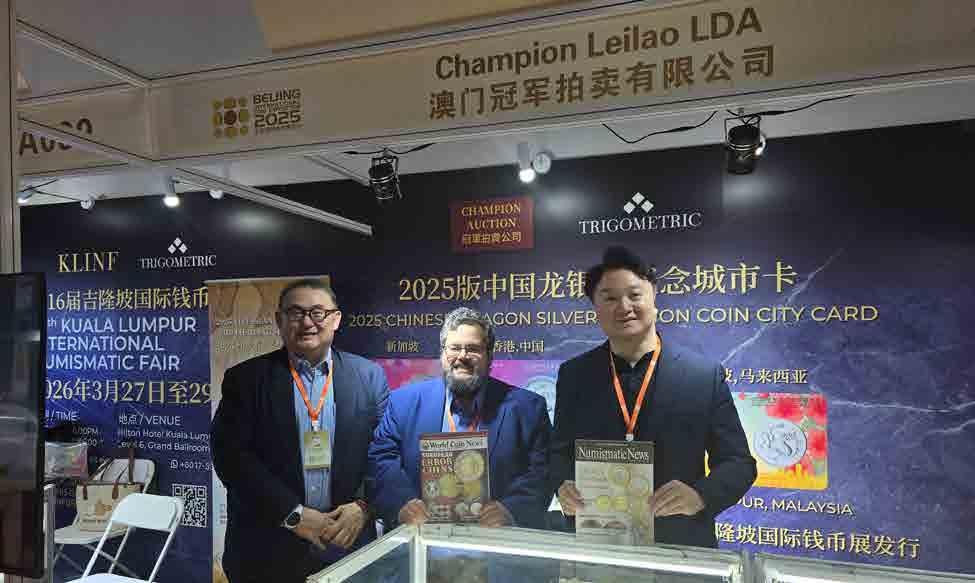
Numismatic News and World Coin News get represented at the Champion Auction booth at the Beijing International Coin Exposition. (Image courtesy Sophia Mattimiro).
The booths at the BICE were quite impressive (Images courtesy Jeff Starck)
The launch ceremony for the next edition of the Chinese Panda Precious Metal Commemorative program (Images courtesy Jeff Starck)
Jeff Starck presents an award at the Most Popular Chinese Precious Metal Coins Award Ceremony on the second day of the show (Image courtesy China Gold Coin Group)
In Memory of Donald Young: A Guide to Parks, Coins, and Life
◎ Michael Chou〔Taipei〕
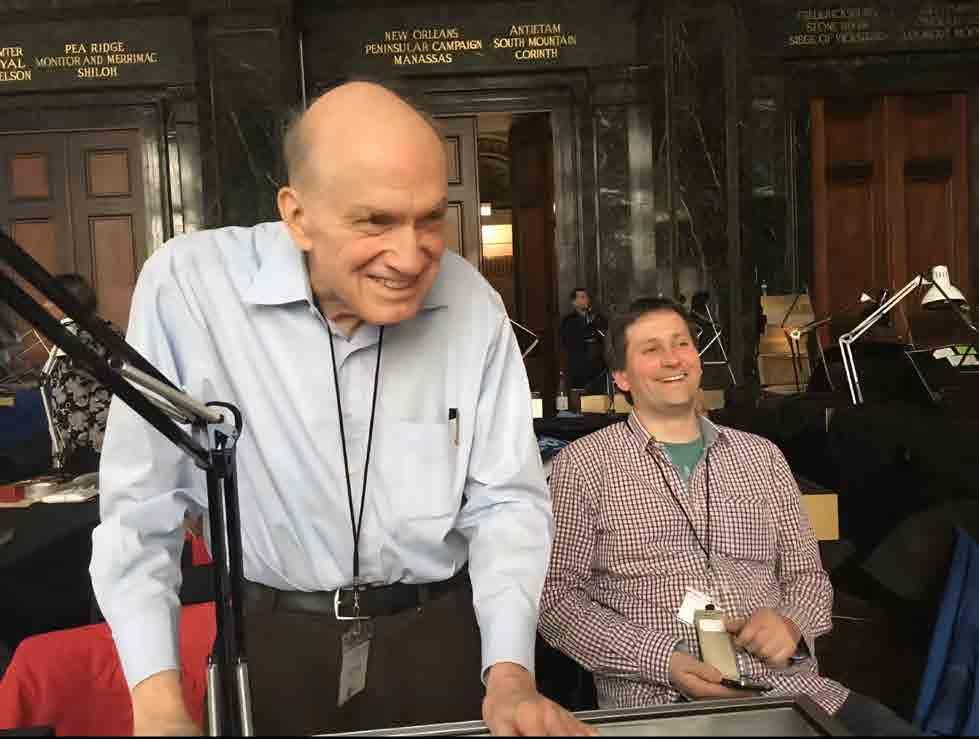
I first met Donald Young in the 1980s, when I was still in high school. It was at the Westchester Coin Show in White Plains, New York. At the time, I could hardly have imagined that the gentle, scholarly man before me would one day become such an important mentor and dear friend in my life.
Donald passed away last September in New York. When the news reached me, nearly forty years of memories began to unfold with a quiet clarity.
To the world, he was the author of more than twenty books on national parks, a senior member of the Sierra Club-once a candidate for its Board of Directors in 1993-and a dedicated advocate for conservation. He also served for years as senior editor of the Encyclopedia Americana. These accomplishments live on in his published works: The Great American Desert, The Sierra Club Book of Our National Parks, National Parks of America, among others.
Yet to me, he was always "Don"-the keen and enthusiastic
connoisseur of the numismatic world.
In 1989, before I left to study in Tokyo, I often visited his apartment at 166 East 61st Street in New York, selling him portions of my coin collection. When I returned from Japan in 1992, with somewhat greater means, Donald kindly allowed me to buy back many of those same pieces.
Our friendship deepened over the years under the lights of coin shows. From 1993 until 2018, we shared a table at the annual American Numismatic Association World’s Fair of Money-first with Glenn Schinke, and later joined by our dear friend from Germany, Philip Kapaan. Donald still setup at the annual New York International Numismatic Convention, where Champion was fellow shareholders, right up through 2023. That year, while transporting his inventory to a show, he injured his ankle. Not long after, he sold his remaining numismatic stock and retired fully by that summer. I still recall the full-page ads he used to place in World Coin News, each one brimming with fascinating world medals and coins-a testament to his expertise and passion.
His travels extended far beyond the U.S. He made many trips to coin shows in Europe, like Munich and Berlin, with Phillip Kaapan. Beyond business, they went on hikes together.
Donald was a gentleman whose breadth of knowledge commanded deep respect. I feel profoundly honored to have known him-not only as a mentor and friend, but as a man of exquisite taste in his numismatic inventory of interesting background and eye appeal.
We will miss him dearly. We will miss his gentle conversation, the thoughtful spark of curiosity in his eyes, and his everreadiness to share-whether in his apartment on 61st Street, or amid the bustle of a convention hall.
Donald Young (left) and Philip Kapaan (right)
Obituary: Gordon Bowker, Starbucks Co-Founder and Keeper of a Family Legacy, Dies at 82
◎ Champion〔Shanghai〕

It is with profound sorrow that we share the news of the passing of Gordon Bowker. Grandson of the renowned numismatist Howard Bowker, co-founder of Starbucks, and a celebrated Seattle entrepreneur, Mr. Bowker died on August 21, 2025, in Seattle, USA. He was 82.
His passing, which occurred during the world's premier ANA World’s Fair of Money, cast a shadow over the numismatic community. As a visionary entrepreneur and cultural custodian, Gordon Bowker’s life left an indelible mark on modern consumer culture and on the fields of numismatics and cultural heritage.
Business Maverick and Cultural Custodian
Deeply rooted in Seattle, Gordon Bowker made a lasting impact on the city’s business landscape and diverse industries. He was not only a co-founder of Starbucks but also of Redhook Brewery, and he founded the influential advertising agency Heckler Associates.
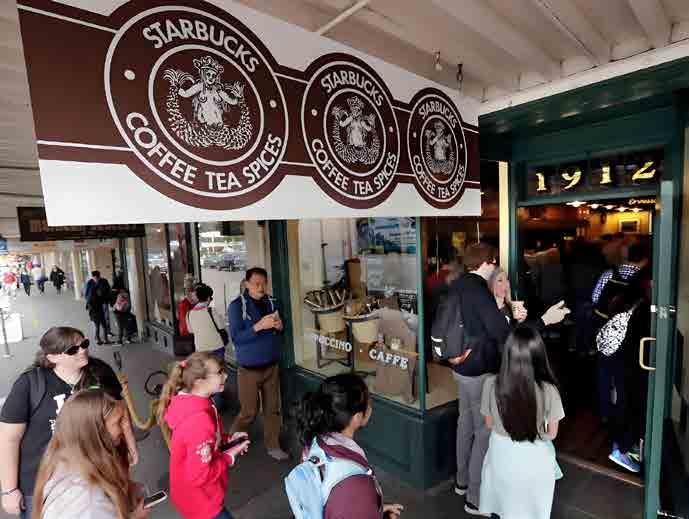
The agency he co-founded with designer Terry Heckler created iconic ads for Rainier Beer, including the famous croaking frogs advertisement and the halfman, half-beer-bottle imagery. They also designed Starbucks’ original mermaid logo, which debuted in 1971 at the first Starbucks store near Pike Place Market. Additionally, Bowker helped launch the Seattle Weekly, penned restaurant reviews, and co-founded a real estate development firm.
Gordon Bowker's partner, Jerry Baldwin, said of him: "He really was able to feel the pulse, or maybe the pre-pulse, of the zeitgeist of the moment. … He could see what was coming, and it was just part of his wiring. He wasn’t looking for it; it was just there."
Continuing His Grandfather's Legacy: Promoting Numismatic Donations and Cultural Heritage
Beyond his business achievements, Gordon Bowker devoted himself to advancing the collecting passion and scholarly mission of his grandfather, the distinguished numismatist Howard Bowker. Representing his family, he worked
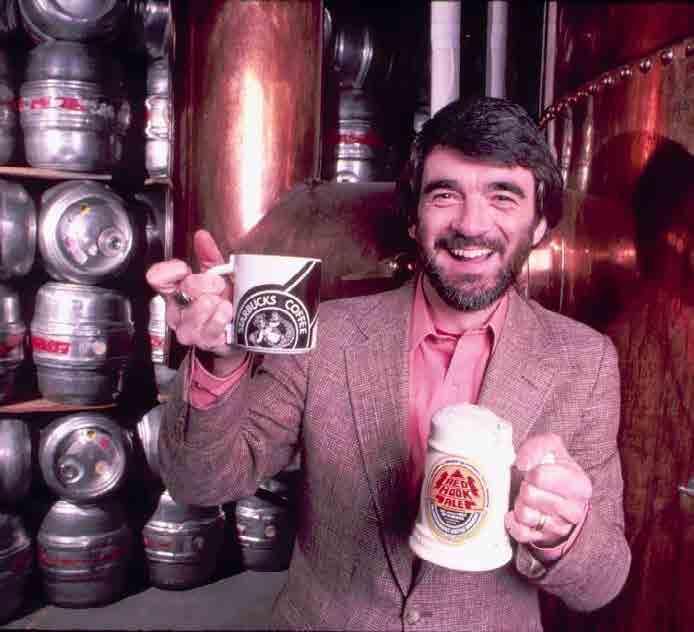
A 1987 Photograph Shows Gordon Bowker Holding Redhook Brewery and Starbucks Mugs. Both Brands were Winners of the Best of Seattle Award that Year
Gordon Bowker
The First Starbucks Store at Pike Place Market in Seattle
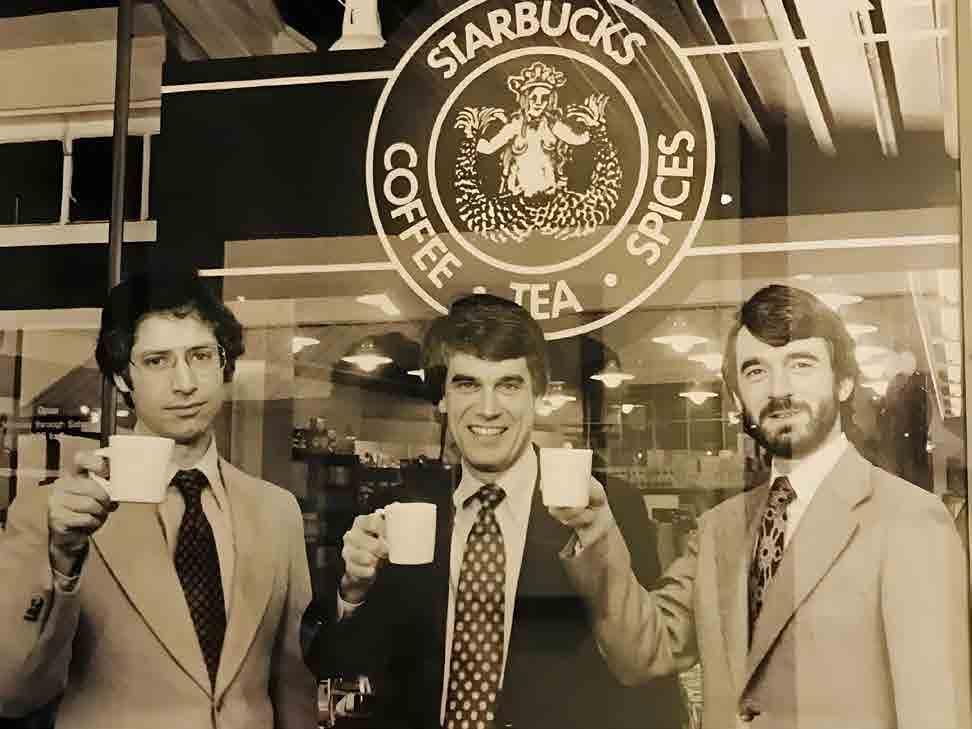
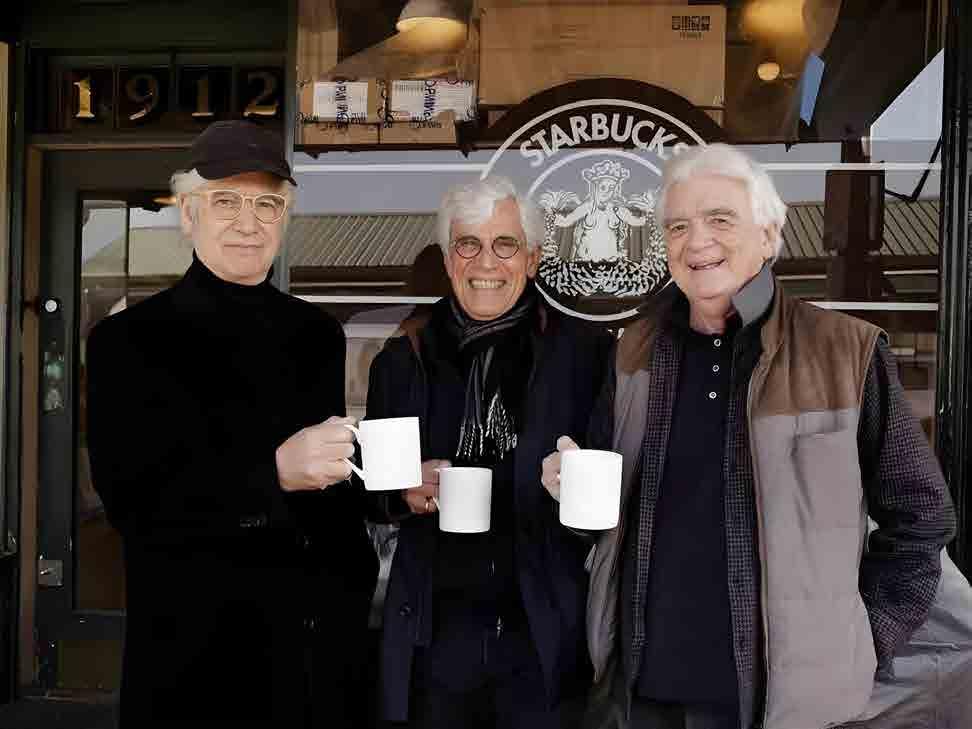
The Three Co-Founders
with Michael Chou, President of Champion Auction, to facilitate multiple donations from the Bowker Collection to museums and cultural institutions worldwide. Recipients include the Shanghai Mint Museum, Shenyang Mint Museum, China Banknote Printing and Minting Museum in Beijing, the Smithsonian’s National Numismatic Collection (NNC), and Germany’s Kunstmuseum Moritzburg.
Howard Bowker was among the most influential collectors and scholars of Chinese coinage in the mid-20th century. In his later years, he willed that his life’s work be donated for the public good, to further numismatic culture and research.
Key donation processes involving Gordon Bowker include:
·April 2010, March 2015, June 2016: The Bowker family donated precious coins and coin dies to the Shanghai Mint Museum, including Chinese numismatic rarities such as the Customs Tael (NGC AU50), Old Kiangnan Dollar (NGC
of Starbucks. From left: Zev Siegel, Jerry Baldwin, Gordon Bowker
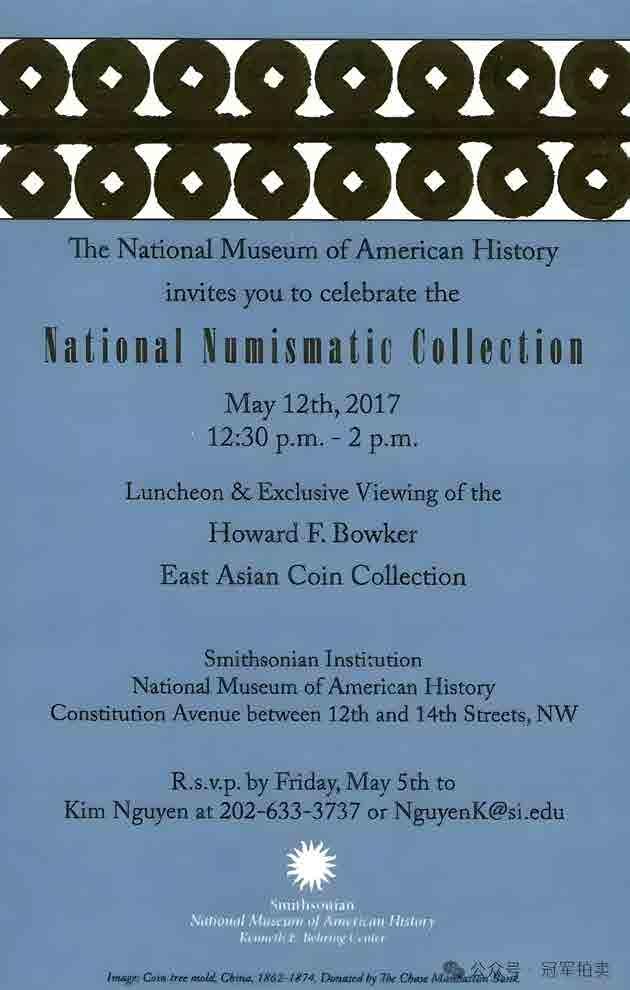
Invitation Letter from the NNC to the Bowker Family
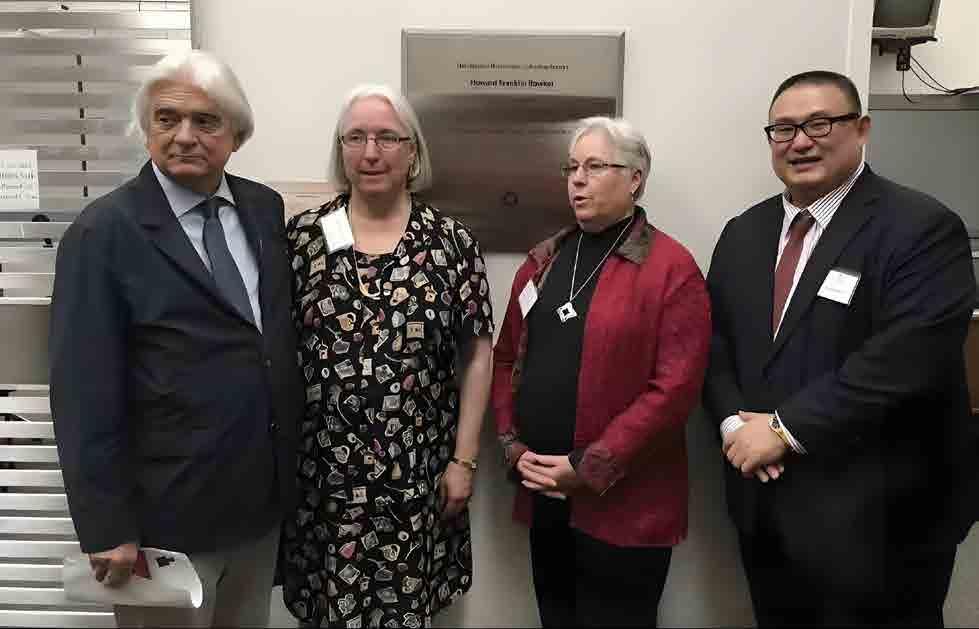
The Bowker Family before the Plaque for the Howard F. Bowker Research Room at the NNC
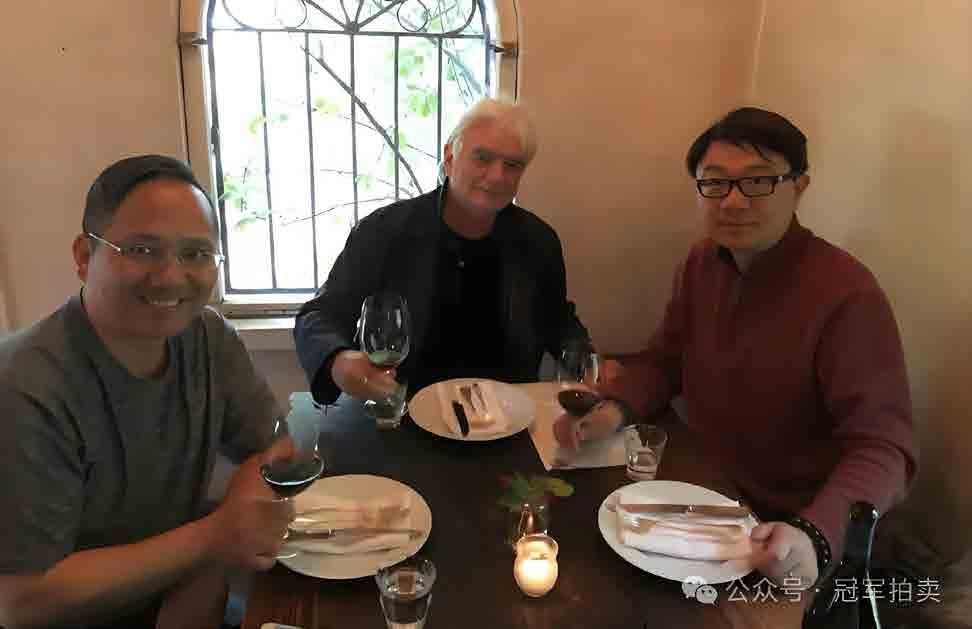
Mr. Sun Rongkui (left) and Mr. Gu Jun (right) with Mr. Gordon Bowker in 2018
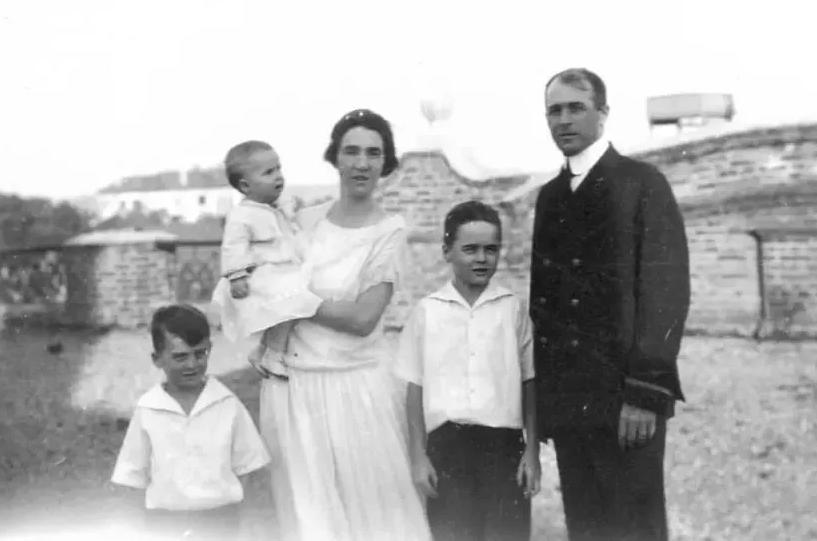
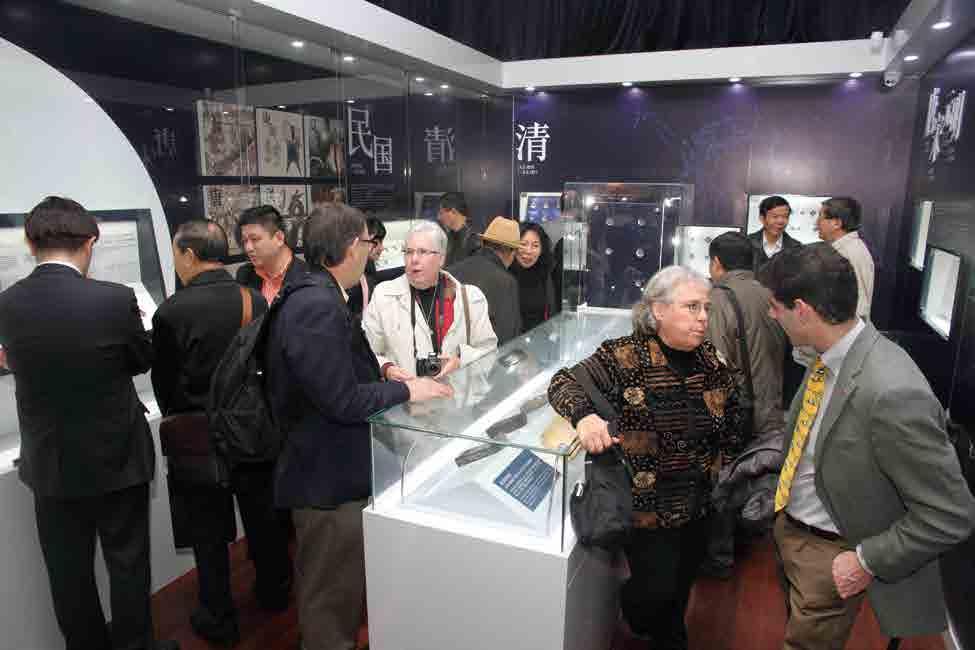
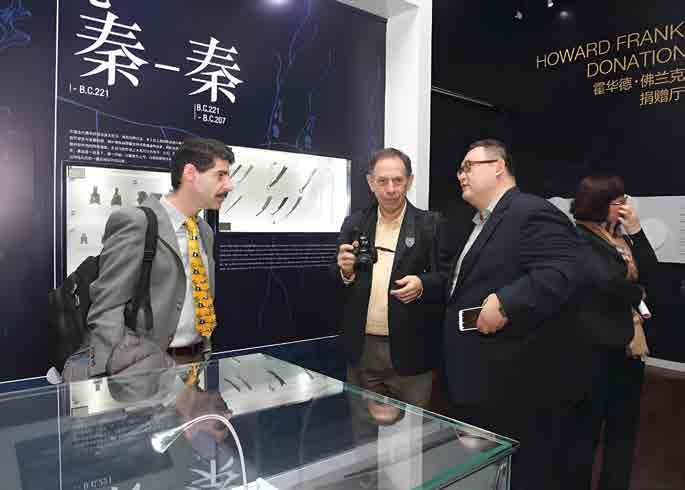
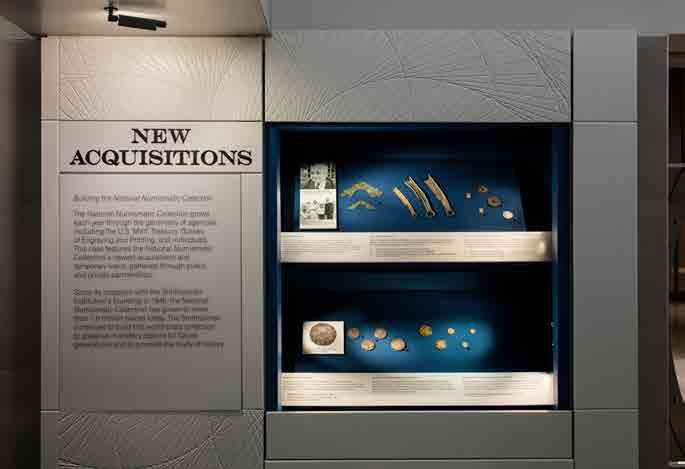
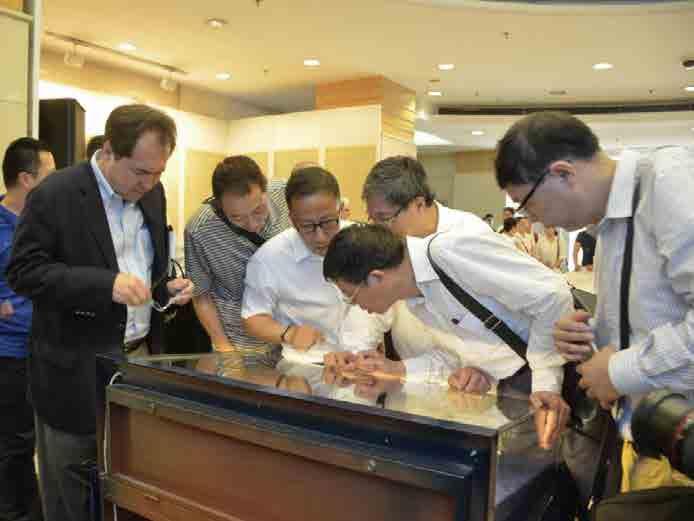
MS63), Kiangnan Circlet-Scale Dragon Dollar (NGC MS65), 1898-1899 Chekiang Dollar (NGC MS61), Tian Guo Sheng Bao Cash Coin (NGC AU DETAILS), and Sun Yat-sen Mausoleum Dollar (NGC MS62).
·September 2010: Donation of 212 rare Chinese banknotes to the China Banknote Printing and Minting Museum, including Qing dynasty notes and the First Series of Renminbi. Among them, the 1904 Henan Provincial Bank 1000cash note is the only known example (PMG XF40).
·May 2011: Donation of 84 rare coins to the Shenyang Mint, including scarce vintage coins like the Kirin Arsenal 3-Mace and 5-Mace coins, and Sinkiang 1-Mace coin.
·May 2016: Donation of over 6,000 Chinese coins to the Kunstmuseum Moritzburg in Germany, becoming the largest donation of Chinese coins in Germany. Prior to this donation, these coins were exhibited in a grand exhibition in Macau.
·2017: Gordon, representing the family, donated a batch of significant coins to the NNC. These included rarities like the Henan Double Flag 500 Cash copper pattern, a complete set of Szechuan brass gilt patterns from the Ferracute Machine Company, Kwangtung 7.3 Candareens Reversed Pattern, and the Hung Hsien (Yuan Shih-kai) Flying Dragon 10-Dollar Gold struck in brass. This donation also facilitated the establishment of the Howard F. Bowker Research Room.
The Bowker Numismatic Research Fund: Funding Over Ten Million RMB Over a Decade
Following the 2016 sale of part of the Bowker Collection by Champion Auction,
The Bowker Family Photographed in Hankou
The Bowker Collection Gallery at the Shanghai Mint Museum
The Bowker Collection Gallery
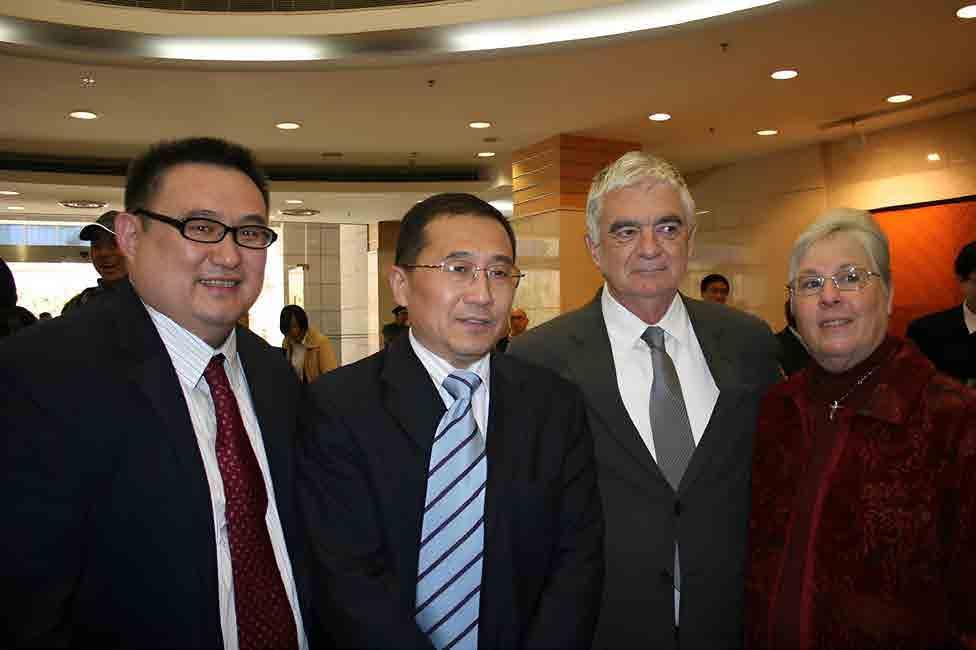
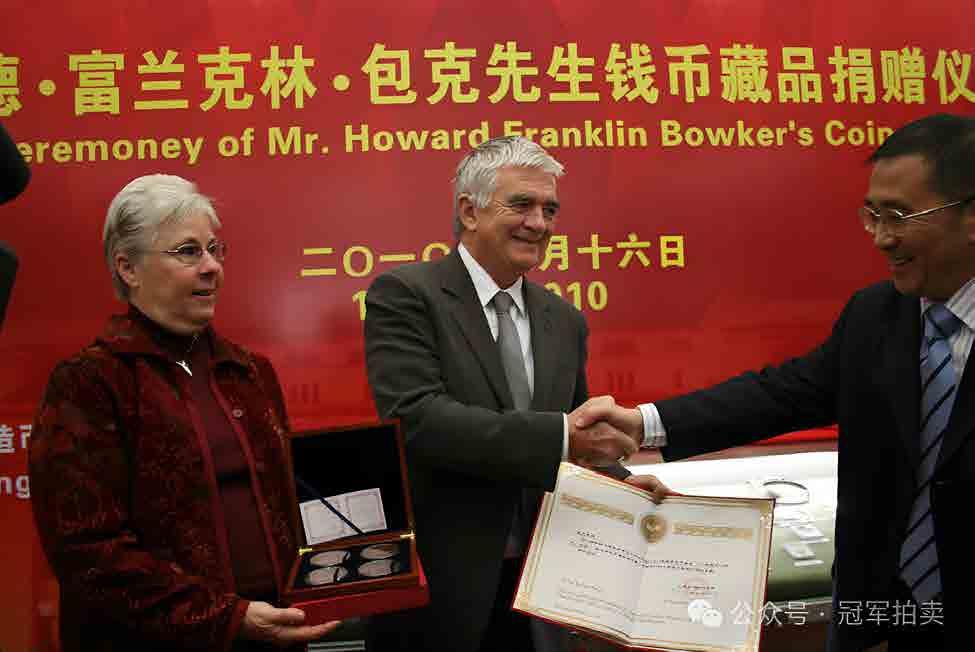
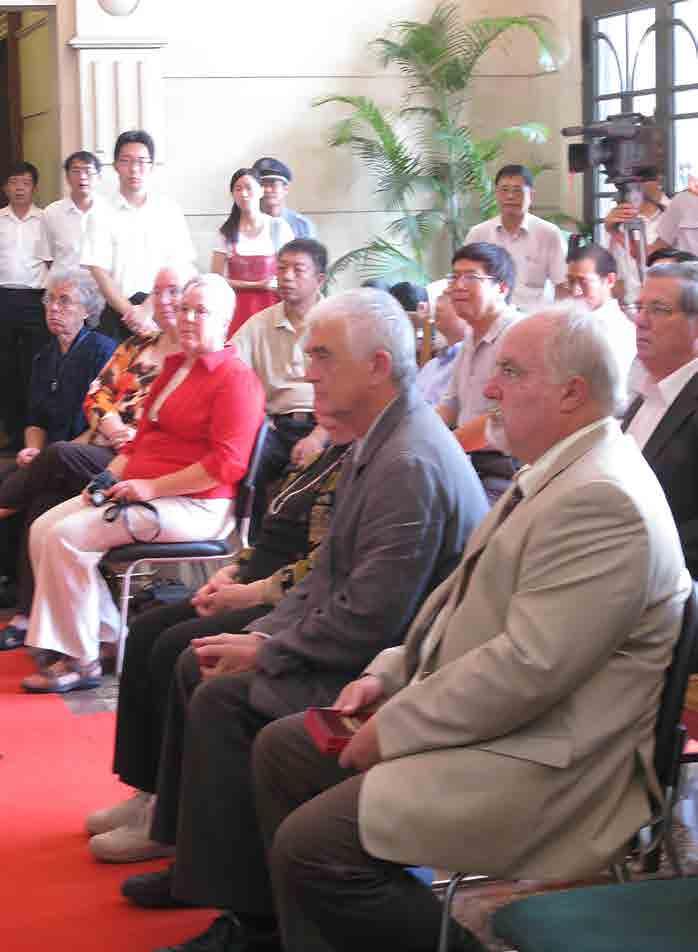
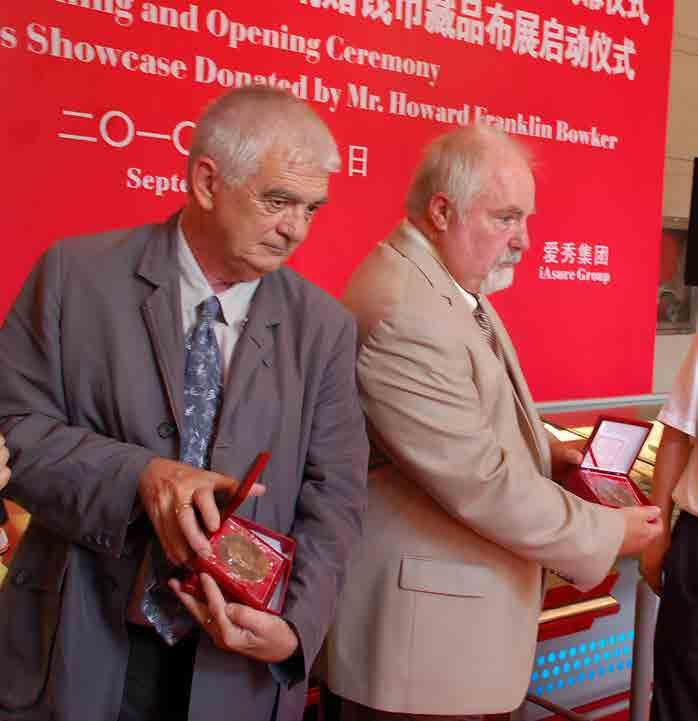
the NNC established the Bowker Numismatic Research Fund with support from the Bowker family and Michael Chou. The fund sustains a wide range of projects, such as:
·Coin Digitization and Wax Removal Project;
·Cataloging and Digitization of the Chinese Paper Money Collection;
·Translation and Research of U.S. Mint Reports;
·Exhibitions "Really Big Money" and "The Value of Money";
·Restoration and Preservation of Precious Books.
To date, the fund has allocated over ten million RMB to major initiatives. The total value of the Bowker family’s donations to museums worldwide is estimated to exceed one hundred million RMB.
The Bowker Cultural Scholarship: Investing in Future Generations
The Bowker family's contributions extend beyond numismatic donations into the field of education. Using proceeds from the sale of stamps, envelopes, and other items from the Bowker Collection through Champion Auction, the Bowker Cultural Scholarship was established in Macau to promote cultural and educational development. The initial scholarship period is five years.
In addition to the Bowker Cultural Scholarship, related funds are used to support stamp and coin clubs in five Macau schools, nurturing intellectual curiosity, cultural awareness, and civic responsibility among youth.
Gordon Bowker at Donation Ceremonies
Gordon Bowker at Donation Ceremonies
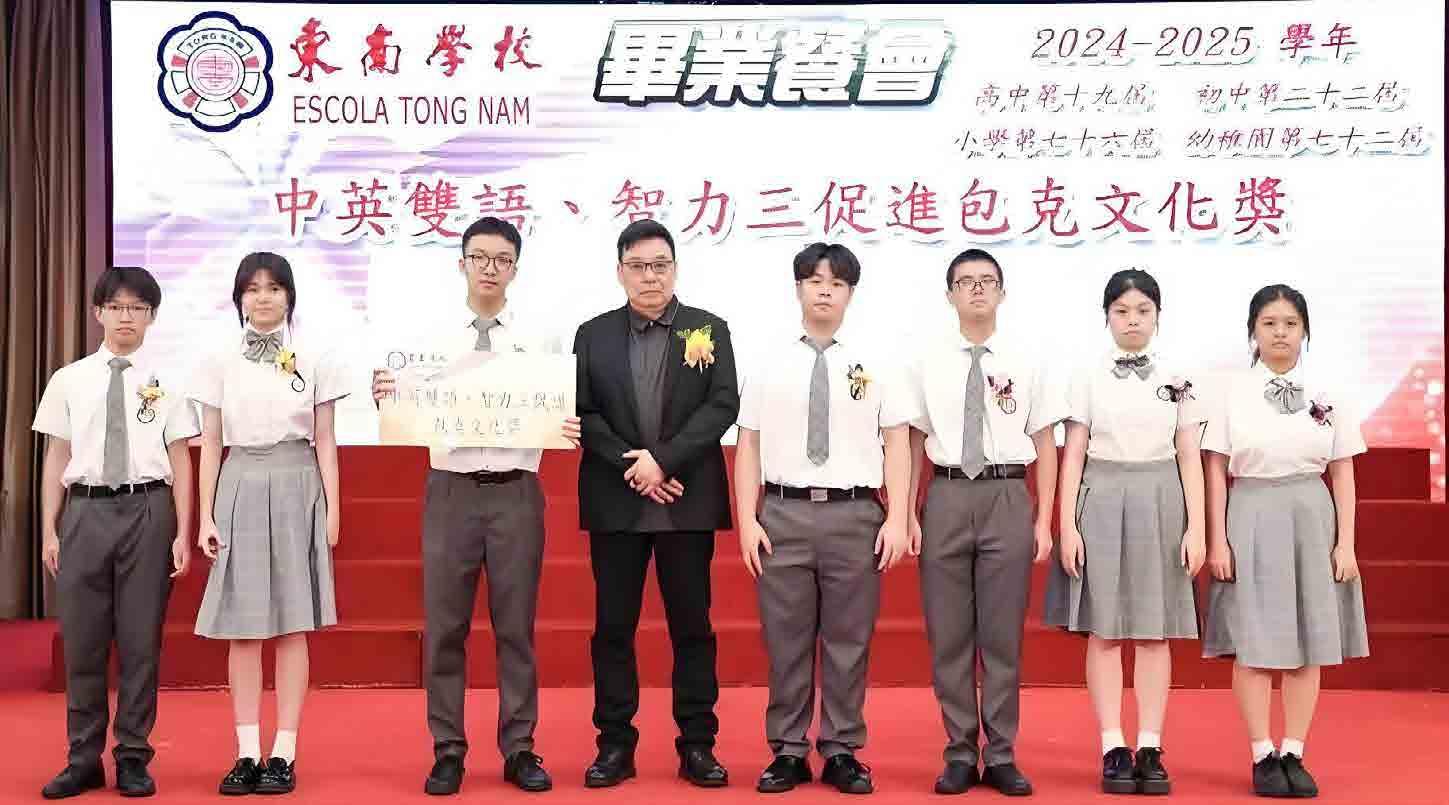
Tribute to Gordon Bowker: The Humble Inheritor
Gordon Bowker often said that his grandfather was a humble and kind man who taught his descendants to respect culture and learning. True to that spirit, Gordon worked quietly yet determinedly to fulfill his grandfather’s vision-repatriating coins to their origins and sharing them with the world.
His passing is a significant loss to the numismatic community. Yet the cultural bridges he built and the scholarly legacy he helped cement will continue to guide and inspire generations to come.
We honor the memory of Gordon Bowker. May his spirit, like the collections he cherished, endure and illuminate the path ahead.
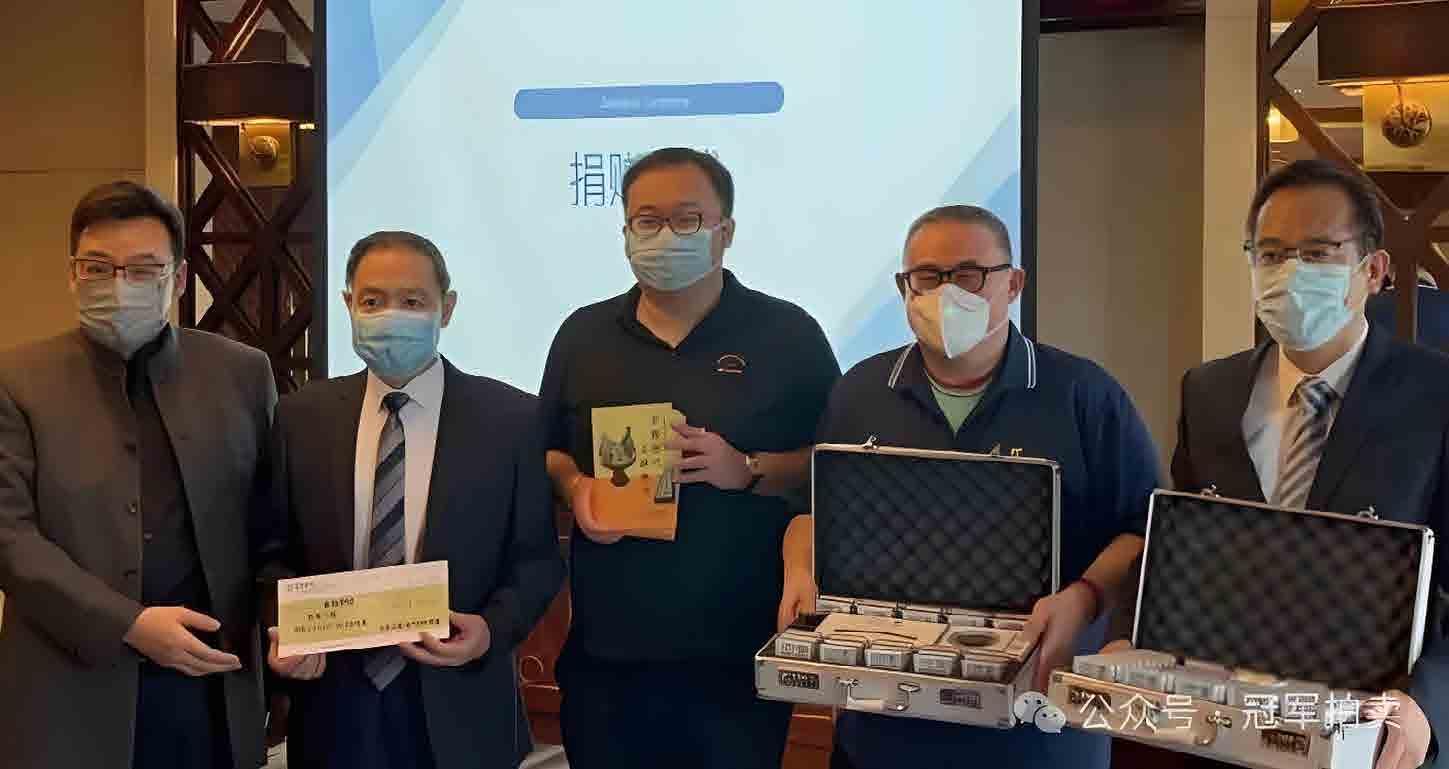
Bowker Cultural Scholarship Ceremony
Sponsoring Activities For Tong Nam School
Tracing the Republic of China Coins Made by the Vienna Mint, Austria: A Transnational Journey of Discovery
◎ Michael Chou〔Taipei〕
In June 2024, I met again with Professor Hubert Emmerig of Vienna University's Institute for Numismatics and Monetary History. Out first encounter was much ealier in January 2018 at the Medieval Coins Conference held at Martin Luther University in Halle, Germany, where I also met Ulf Dräger, curator of the numismatic cabinet at the Halle Moritzburg Museum. We shared a dinner during which Dräger pointed out that the restaurant was near the historic Halle Giebichenstein Castle. He recounted the legend of Louis the Springer, who in the 1100s famously leaped from the castle tower into the River Saale to escape execution for the murder of the ruling Count Palatine Frederick III. This initial meeting with Professor Emmerig laid the foundation for a fruitful collaboration.
This time, I visited Professor Emmerig at his institute in Vienna to conduct research on Chinese coins produced by the Austrian Mint. Professor Emmerig found several publications on Austrian mint artists, including the engraver Richard Placht of the Austrian Mint. I had just visited the mint but found limited access to its archives. He recalled that an archive at the mint did exist, as he had visited it years earlier during a Numismatic Society meeting. Its existence had become less known within the mint itself. Professor Emmerig kindly promised to look into this for me at the mint. He also said he would inquire about Chinese coin holdings in the cabinet at the Kunsthistorisches Museum Wien. Furthermore, he gave me a fascinating tour of the university's own numismatic collection.
Several months after my visit, Professor Emmerig delivered on his promise. He sent crucial information: the Austrian Mint's archive room held all records post-1911, while pre-1911 materials were stored at a state depository about an hour outside Vienna. Most importantly, he had found records of coins the mint made for China beginning in the 1920s. He generously offered to personally accompany me to the archive on my next
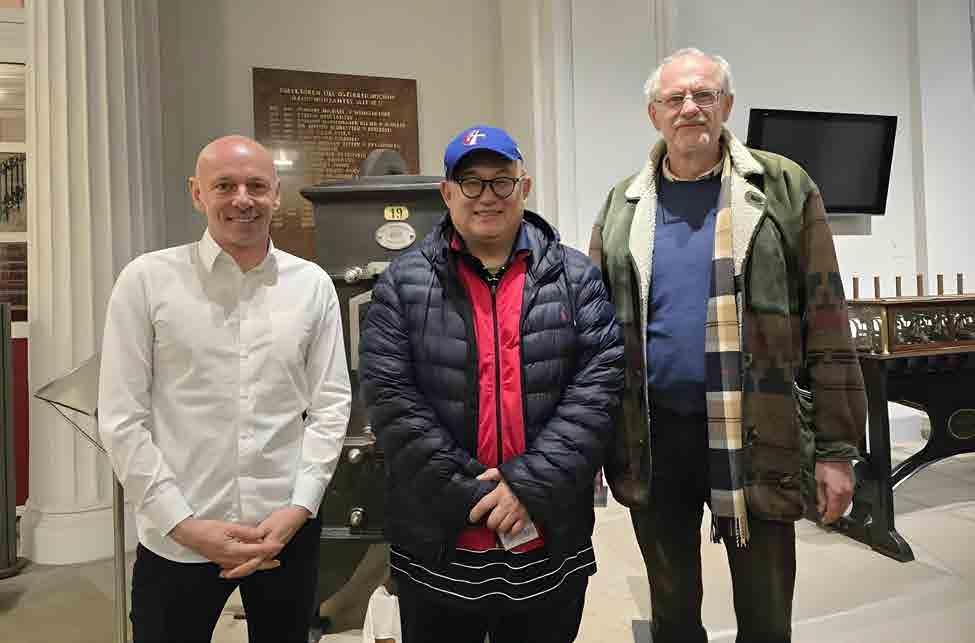
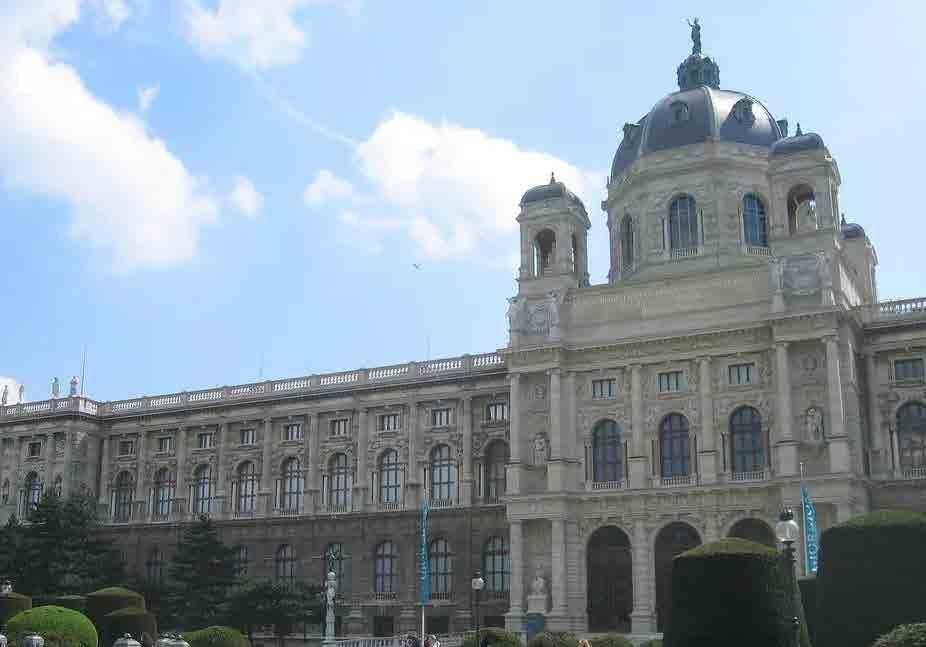
visit to Vienna.
In September 2024, my friend and Chinese numismatist Charles Coker, visiting Vienna on an opera tour, also met with Professor Emmerig to discuss these findings.
In January 2025, I finally accessed the Austrian Mint's archive with Professor Emmerig, assisted by Helmut Andexlinger, Head of the Design Department.
From Left: Helmut Andexlinger , Michael Chou, Hubert Emmerig
Kunsthistorisches Museum Wien
Vintage Coins
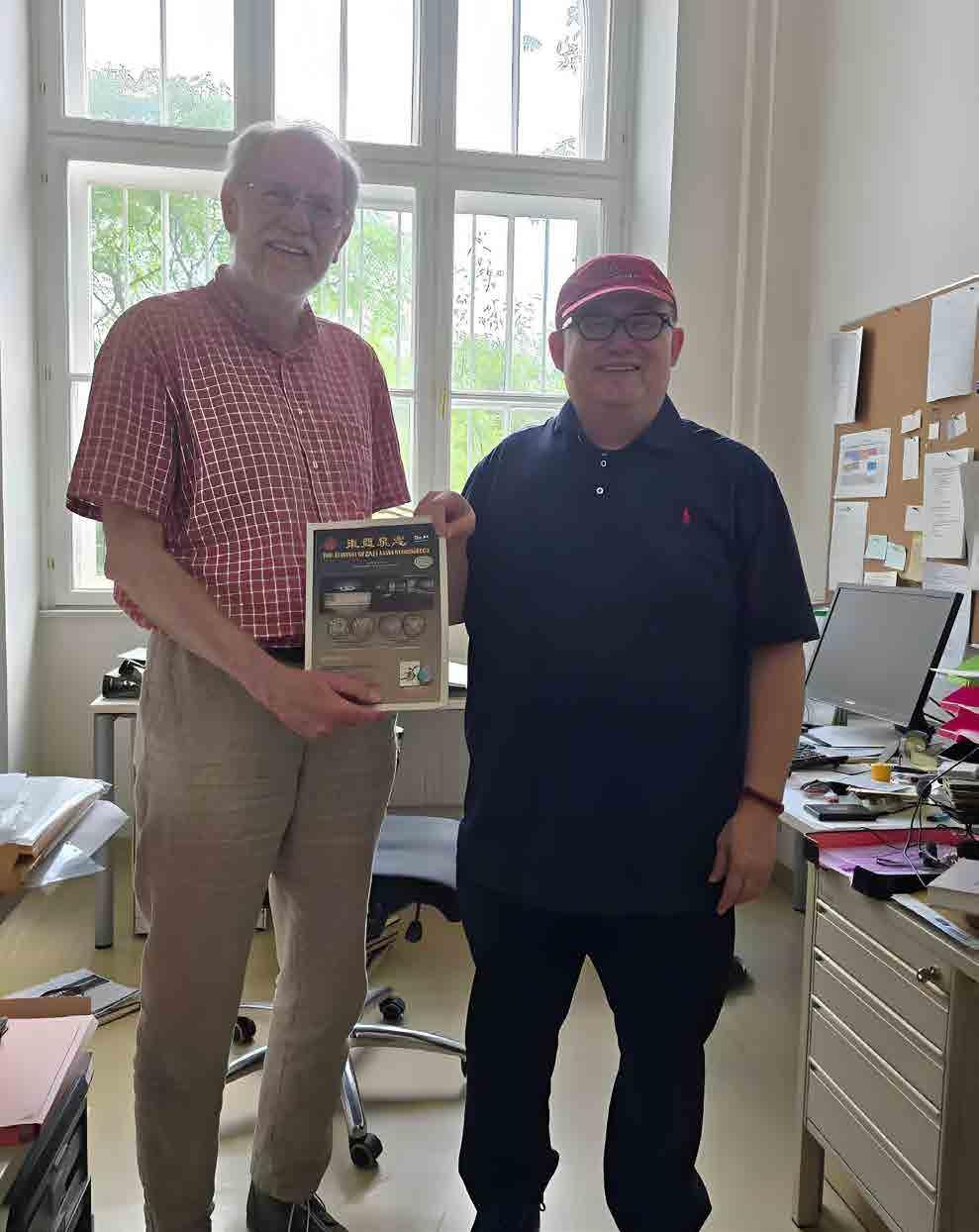
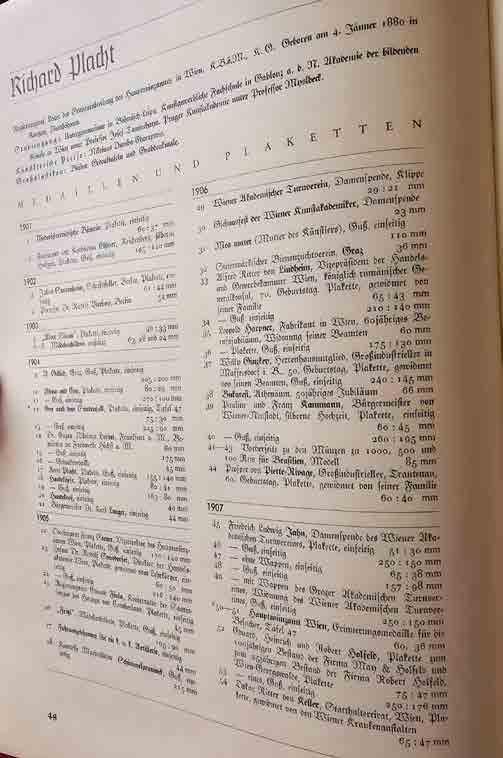
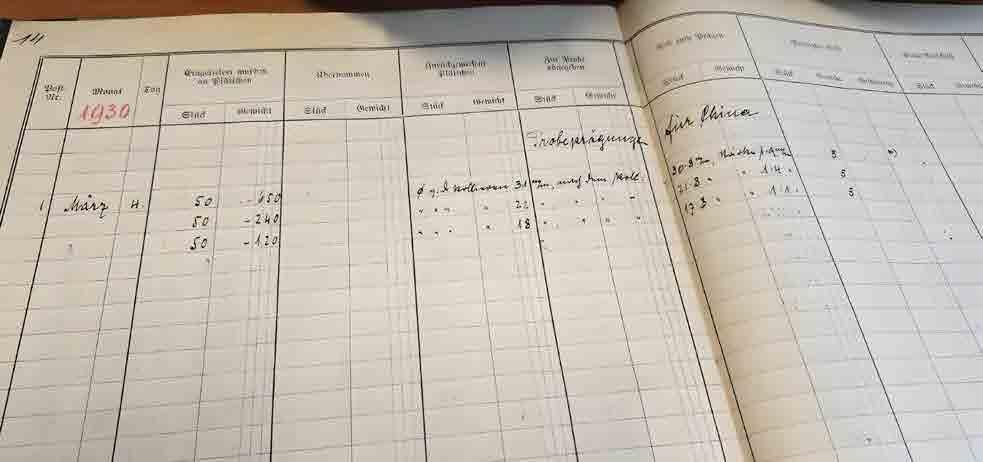
We examined the mint's production archive books and notes, which detailed Chinese coinage projects starting with the Richard Placht-designed and engraved 1927 Sun Yat-sen Mausoleum dollar. This was followed by records of the 1929 Junk patterns and the series of Chinese spade nickel coins from the 1930s bearing the Austria Mint's 'A' mint mark. During the visit, Helmut mentioned that he was in charge of the plaster models passed down from the previous department head, including many by Richard Placht. We arranged to return the next day to view them.
The following day's examination of the plaster models by Placht was a revelation. The artistry of the master designer and engraver was stunning, particularly the exceptional sharpness and detail of the sail on the Junk pattern model. Helmut noted that the quality of the plaster material used in that era was far superior to what is available today. We also discovered plaster models for minor 1929 Junk pattern coins (10, 20, and 50 cents), originally intended as copper coins, with the values and dates inscribed on the obverse and reverse of the models. This was a fantastic discovery that added to the understanding of the
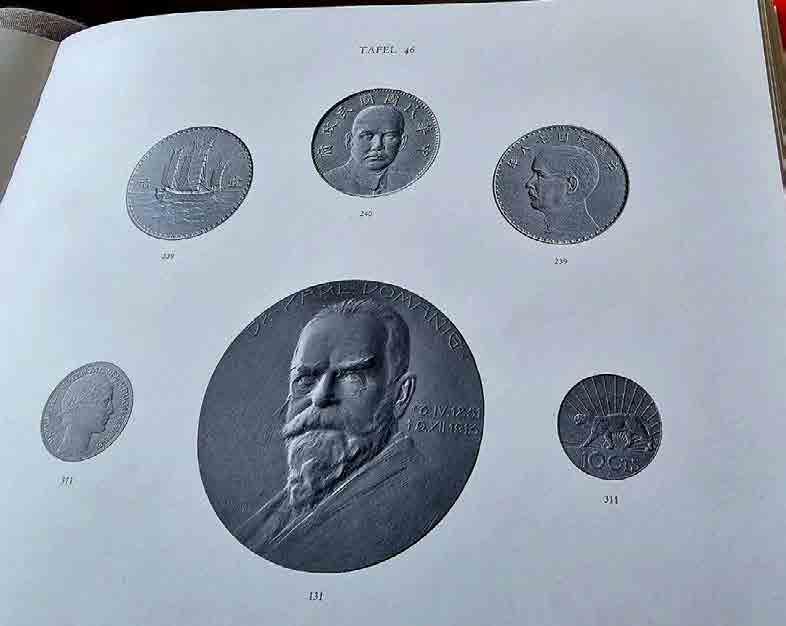
Chinese coins produced at the Austria mint. It was also in line with the historical practice of striking five pattern coins for each type: one reserved for the mint, one for the die-producing company (Böhler Brothers & Co. Vienna.), one for the Historical Museum, and two given to the designer. Richard Placht later sold his personal set of pattern coins to Eduard Kann in the 1950s, which were subsequently documented in Kann's Illustrated CatalogofChineseCoins in 1954.
Michael Chou with Hubert
Archives
IllustratedCatalogofChineseCoin by Eduard Kann
Armed with this information from Professor Emmerig, we asked our friend and journal editor, Zhou Bian, to author an article on the Chinese coins produced by the Vienna Mint, Austria. This marks the beginning of our reporting, as we anticipate further research into the pre-1911 Chinese coin records at the state depository, potential holdings at the Vienna Museum, and the possible existence of original dies and other pattern coins.
This exciting numismatic journey to Austria has proven immensely fruitful, and we extend our sincere gratitude to all who assisted in this collaborative process of discovery.
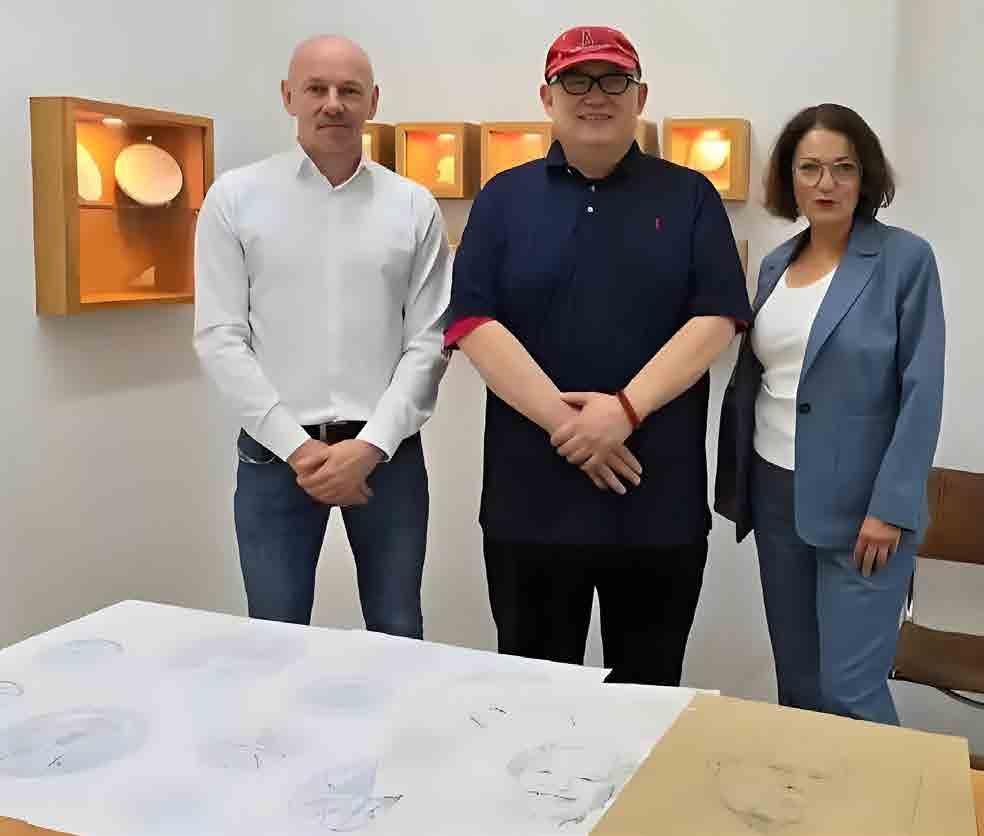
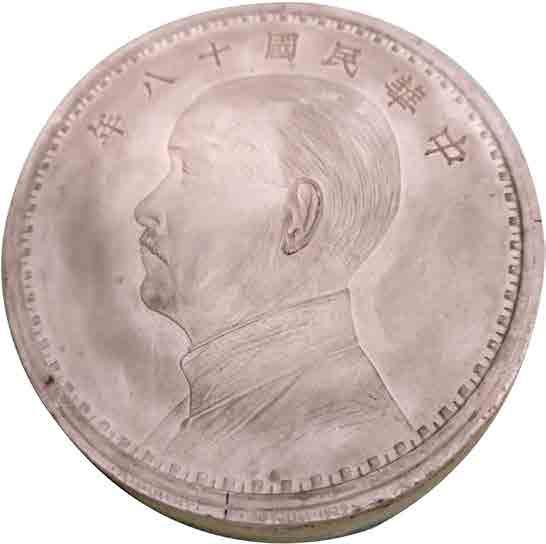
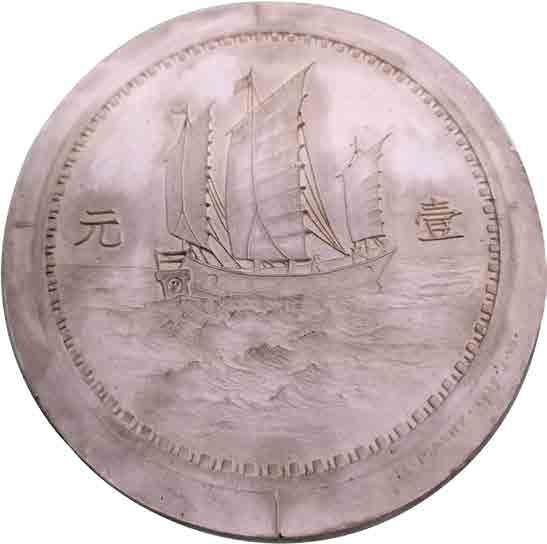
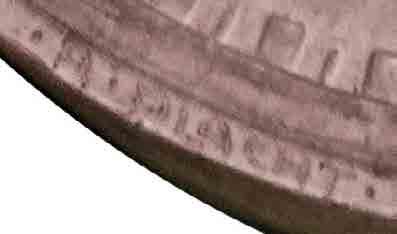
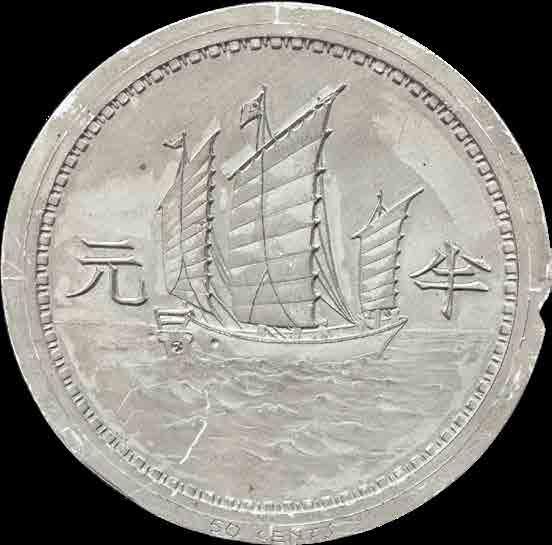
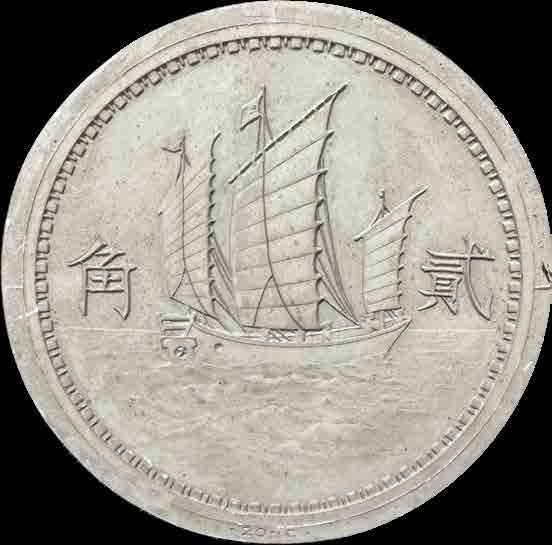
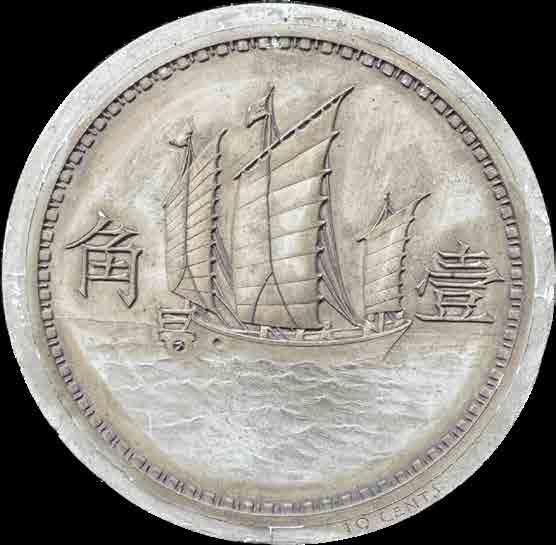
From Left: Helmut Andexlinger, Michael Chou, Andrea Lang
1929 Sun Yat-Sen Junk 10 Cent Plaster, Junk Side, engraved by Richard Placht
1929 Sun Yat-Sen Junk 20 Cent Plaster, Junk Side, engraved by Richard Placht
1929 Sun Yat-Sen Junk 50 Cent Plaster, Junk Side, engraved by Richard Placht
1929 REPUBLIC Sun Yat Sen Junk Dollar Plaster, made in Austria, engraved by Richard Placht
R. PLACHT
A Precious Document
Historical Materials on Republic of China Coinage from the Original Archives of the Vienna Mint, Austria
◎ Zhou Bian〔Shanghai〕
Michael Chou, Editor-in-Chief and Publisher of the Journal of East Asian Numismatics, sent me an email containing business minutes and photographs of original documents from the Vienna Mint, Austria, dating from the early 20th century. Among them are records related to the engraving of master dies for Chinese coins, silver patterns, and orders for minting tools—particularly concerning the 1929 (18th Year of the Republic of China) Sun Yat-sen silver dollar, which greatly caught my interest. After translating the German texts, cross-referencing the records, and consulting historical sources, I have compiled excerpts from the documents along with some observations below.
After the victory of the Northern Expedition in 1927, when the Government of the Republic of China achieved nominal unification, China's currency market was in a state of considerable chaos. First, there was a wide variety of coin types. In addition to the Yuan Shikai and Sun Yat-sen silver dollars commemorating the birth of the Republic of China, minted by the central mint, various provinces still circulated their own silver coins, and silver dollars from the Qing dynasty remained in use, resulting in over 20 major types of silver coins. Second, weight standards differed across the country: the Kuping tael (Treasury Standard) was used in the north, the Caoping tael (Tribute Standard) in the south, and accounts in Shanghai were kept in Guiyuan (the Shanghai Tael). This inconsistency raised transaction costs. Moreover, foreign banks such as the Hongkong and Shanghai Banking Corporation Limited and the National City Bank of New York (currently Citibank) issued “silver dollar notes” that accounted for half of the currency in circulation. To regain monetary sovereignty, the government urgently needed to unify the currency. Thus, the policy of “Abolish the Tael, Adopt the Dollar” was proposed in order to end the silver tael system and make the silver dollar the sole legal tender. This was the background that led to the creation of the 1929 Sun Yat-sen
dollar with a three-sail junk design. Breaking from the tradition of local minting, the government commissioned five foreign mints—in the United States, Great Britain, Italy, Japan, and Austria—to design and engrave dies and produce pattern coins. These were:
• the Philadelphia Mint (U.S.), known for high-relief work and experience in designing national currencies;
• the British Royal Mint (U.K.), one of the world’s oldest mints, famous for mirror surfaces and fine detail;
• the Rome Mint (Italy), celebrated for realistic portrait engraving;
• the Osaka Mint (Japan); and
• the Vienna Mint (Austria).
The best design among the five was to be selected for mass production, sparking an international coinage competition.
Some earlier Vienna Mint documents (pre-1928) also contain references to Chinese coinage, but as they are not directly relevant to the topic of this article, they will not be detailed here. The focus of this article lies in the mint’s business minutes for 1928–1938, which include the following seven entries concerning the 1929 Sun Yat-sen silver dollar:
1. 25 April 1928 – Franz Winkler, Austro-Hungarian Consul in Hong Kong and Shanghai, requests a cost estimate for Chinese one-dollar silver coins bearing the portrait of Dr. Sun Yatsen. Remark: quotation provided (handwritten amount details expenses).
2. 3 May 1928 – Franz Winkler, Austrian Consul in Hong Kong and Shanghai (via Gebr. Böhler & Co., Vienna), orders minting tools for the same coins. Advance payment (Ref. 1111/28); 13
pages of documents sent (including cost details).
3. 1 October 1928 – Austrian Consul Franz Winkler (Shanghai): (1) orders one Schubert commemorative medal; (2) orders punches and master dies for Chinese one-dollar silver coins; ; and (3) notifies that the coin dies will be remade. Advance payment (Ref. 1111/28); quotation (Ref. 1176/28); 2 pages sent (including cost details).
4. 16 August 1929 – Gebr. Böhler & Co. (Vienna) confirms that management has received the Chinese coin dies and that the three ordered original hubs have been delivered. Ref. 1111/28, etc.; includes cost details.
5. 27 August 1929 – Gebrüder Böhler & Co. (Vienna), 13 August 1929, regarding continuation of work on original dies for the Chinese Sun Yat-sen silver dollar (handwritten note: “Letter to the hotel”).
6. 3 October 1929 (dated 7 October) – The Chinese Legation in Vienna, through Commercial Attaché Dekien Toung, requests two additional patterns of the Sun Yat-sen dollar. (On 7 October 1929, the Legation, via the Chargéhd’Affaires ad interim, asked for one additional pattern coin of each of two Sun Yat-sen dollar types.)
7. 3 December 1929 – Order for China: one pair of dies for the Central Bank; two pairs of coinage dies; two pairs of punches for each of 10-cent, 20-cent and 50-cent copper coins (illustrations attached); and a request for quotation. VZ.2733/29.
The discovered Vienna Mint archives consist of two kinds of records: printed business minutes and handwritten purchase, processing , and handling notes. The handwritten documents also contain records of the Republic of China buying minting equipment and commissioning work, but those are not excerpted here.
The Vienna Mint was noted for its thick planchets and intricate edge designs, which offered advanced anti-counterfeiting protection. Its 1929 Sun Yat-sen dollar shows a side portrait of Dr. Sun on the obverse. The portrait features hair combed back, fairly distinct lips, a vertical inner-ear contour, a prominent square collar, and an emphasized neck. The upper rim is
inscribed with “ 中華民國十八年 ” (18th Year of the Republic of China). The reverse depicts a three-sail junk. The hull has a raised circular porthole at the bow and stern; the sea waves are relatively gentle. The denomination “ 壹元 ” (One Dollar) appears on either side of the junk. The dies were carefully engraved by the mint’s chief engraver, Richard Placht. Today, the silver and copper pattern coins from all five countries are extremely rare. Variations in the wave pattern below the junk are a key feature for telling the different national versions apart. Austria was the only mint among the five that produced both the standard (dollar) coin and subsidiary denominations for the Year 18 issue, with 10-cent, 20-cent, and half-dollar patterns known. Thanks to its fine portrait detail, the Austrian design is often regarded as the most beautiful of the five. After the dies reached China, the Hangzhou Mint struck a small number of trial pieces. In the end, for various reasons, none of the pattern coins from the five countries were put into production for official issuance.
The Vienna Mint also designed and trial-struck a Sun Yat-sen frontal-portrait silver dollar. The obverse shows a facing portrait of Dr. Sun; the reverse has a three-sail junk on waves, with “ 壹 元 ” on each side. Another view holds that this frontal-portrait dollar is a composite: the obverse uses dies designed or engraved by the Vienna Mint, while the reverse uses dies from the Philadelphia Mint. The portrait is finely engraved, with smooth lines and careful detail in the hair, beard and clothing patterns, demonstrating excellent craftsmanship. Records state that the Nanjing Mint later conducted trial strikes, producing only 480 pieces. Some also believe that the Sun Yat-sen portrait on the 1927 (Year 16) Sun Yat-sen Mausoleum commemorative coin, struck by the Nanjing Mint, was likewise struck from master dies supplied by Vienna.
From the documents, it appears that the Nationalist Government’s business with the Vienna Mint designing and producing dies and patterns, and purchasing minting equipment—was handled in 1928 through the Austrian Consul in Shanghai, and in 1929 through Gebr. Böhler & Co. in Vienna. That firm was founded in Vienna in 1870 and opened offices in Tokyo, Shanghai, and the United States between 1886 and 1890. In 1870, it negotiated the exclusive agency for the Royal privileged steelworks in Kapfenberg; the name Böhler has since been synonymous worldwide with high-quality specialty steel. Arranging contacts between the Vienna Mint and foreign mints
Vintage Coins
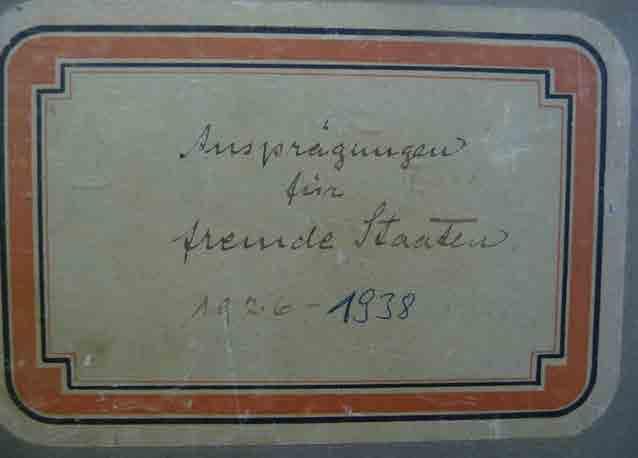
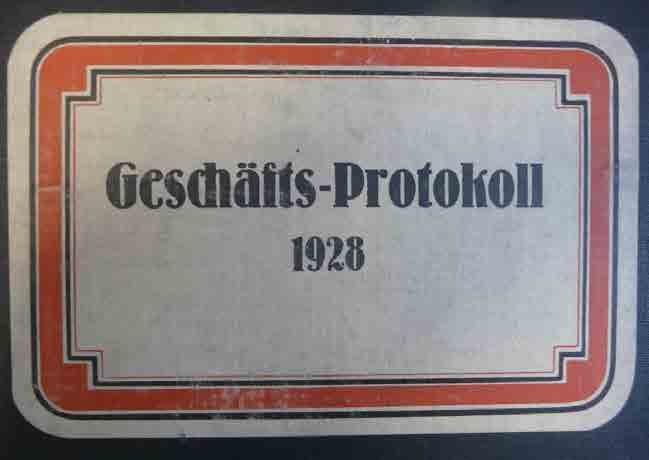
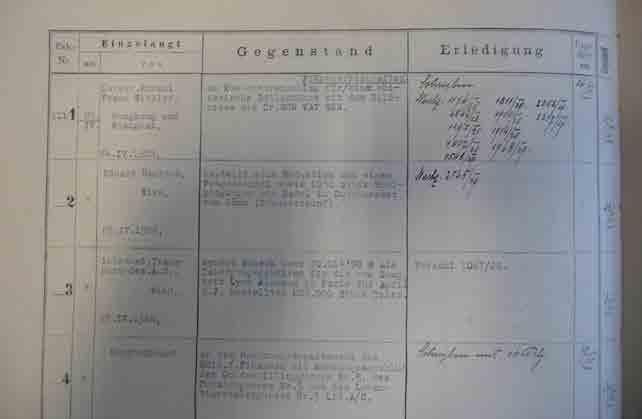
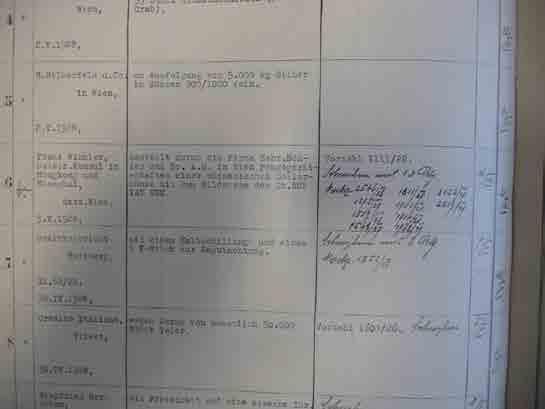
appear to have been part of the company’s business.
The mint’s 1930 business minutes contain the following Chinarelated entries:
1. 17 January 1930 (Ref. V.A.I.0a.10408/79) – Gebr. Böhler & Co. (Vienna) forwards a copy of an official letter from the Currency Department of the Chinese Ministry of Finance to a Vice-Director of the Central Bank, concerning original dies supplied for a new Sun Yat-sen silver dollar (references include VZ.1900/27).
(The letter states that the Ministry and the Central Bank were preparing to issue a new Sun Yat-sen silver dollar.)
2. 4 February 1930 (Ref. Msy.10a 10408/79) – Gebr. Böhler & Co. (Vienna) places a supplementary order for dies for Chinese silver and nickel subsidiary coins. Letter reply. VZ.2733/29.
(Same entry notes dispatch of specialty steel blanks and a credit note for 4091.20 Austrian Schillings for returned steel.)
3. 8 March 1930 (dated 17 March, Ref. 21.10.408/79) – Gebr. Böhler & Co. (Vienna) confirms receipt of the coin dies made for Shanghai. VZ.2733/29.
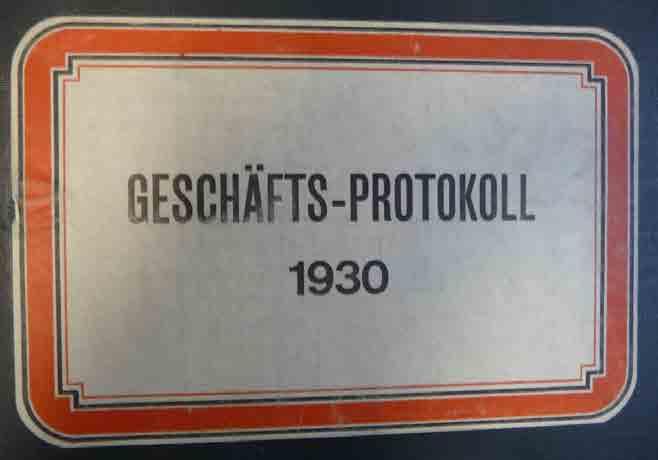
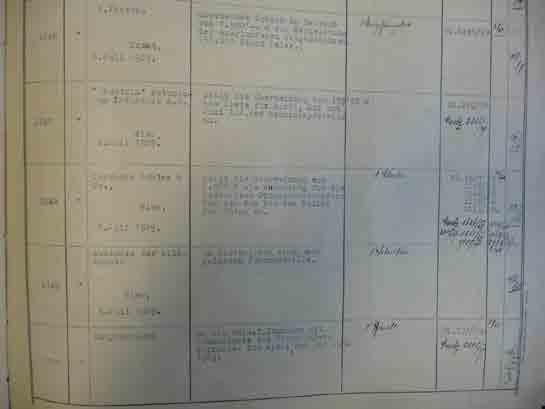
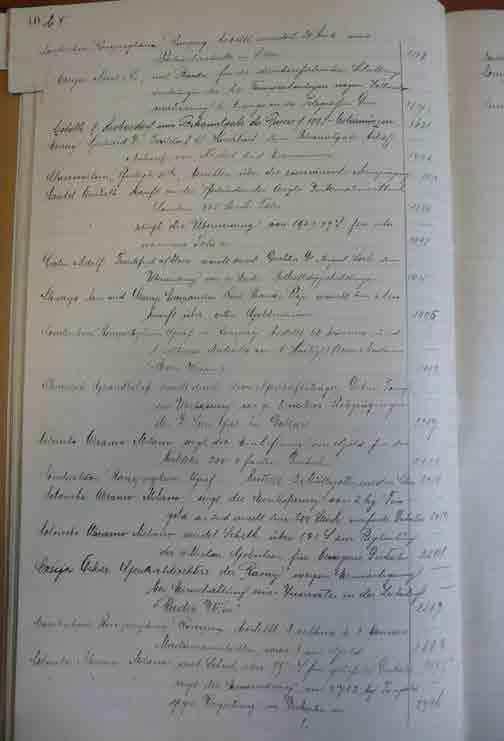
4. 18 March 1930 – Gebr. Böhler & Co. (Vienna) notifies that 4650 Schillings have been transferred for the delivered Chinese coin dies. Letter reply (1 enclosure), VZ.2733/29.
Regarding the new Sun Yatsen silver dollar mentioned in the January 1930 minutes, no images are shown. The dies for the 1932 (Year 21) Sun Yat-sen gold-standard dollar (with junk, sun, and three birds) were engraved by the Philadelphia Mint, and the 1933 Sun Yat-sen junk dollar was a modification of that design. Neither has any connection with the Vienna Mint. Therefore, the 1930 reference most likely still pertains to the earlier three-sail junk dollar. The other entries relate to minting materials.
Austria’s coinage history stretches back eight centuries. Though the mint has moved locations several times, the Vienna Mint stands as one of Europe’s oldest minting institutions and still possesses world-class engraving skill. The Qing government once invited the Vienna Mint to assist in designing and making
1930 Business Minutes
1928 Business Minutes Foreign Currency Coinage Records
A page from the archive
A page from the archive
A page from the archive
dies for the 1910 Empire Dollar. For the 1910 Empire Half Dollar, there are both patterns struck by the Austria Mint and versions from the Tientsin Mint of the Ministry of Revenue. After its involvement with the Sun Yat-sen dollar, records show that in 1938 the Vienna Mint produced 5-cent, 10-cent, and 20cent nickel coins for the Republic of China.
The Year 18 Sun Yat-sen three-sail junk silver dollar was born of the Nationalist Government’s drive to end monetary fragmentation and chaos, and to unify the currency. It served as a test case for the “Abolish the Tael, Adopt the Dollar” policy. In 1929, the government invited five mints—American, British, Italian, Japanese, and Austrian—to design and trial strike the coin. For various reasons, none of the patterns were adopted. Yet, each version carriesits own distinct appeal and historical significance. Coupled with their innovative designs and superb workmanship, they are exceptionally precious today and are among the top ten rarities of Chinese machine-struck coinage. The discovery of the original records concerning this coin in the Austrian Mint archives adds a vivid and invaluable brushstroke to this chapter of numismatic history.
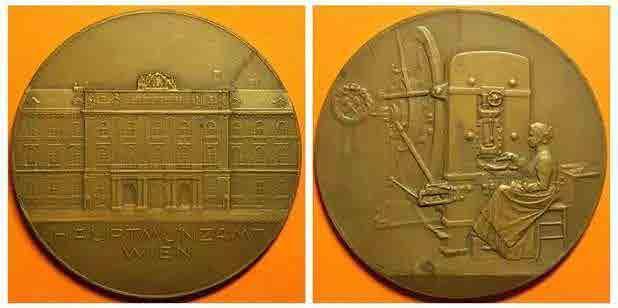
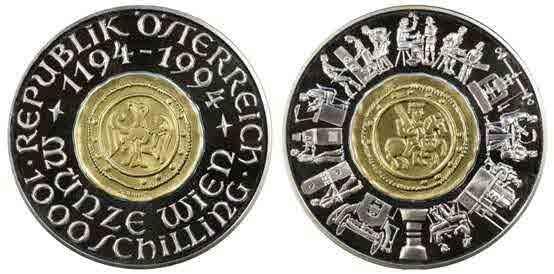
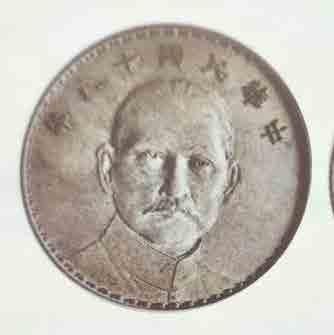
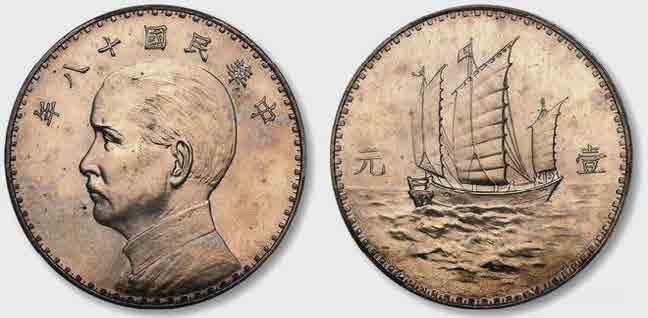
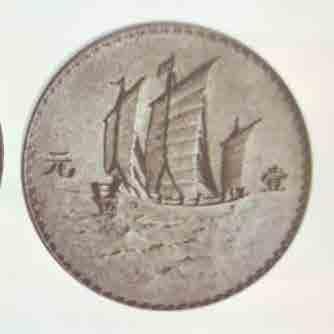
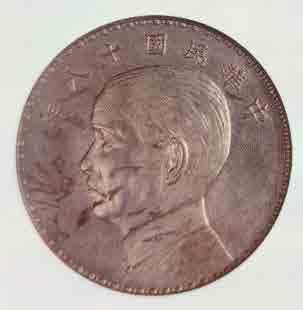
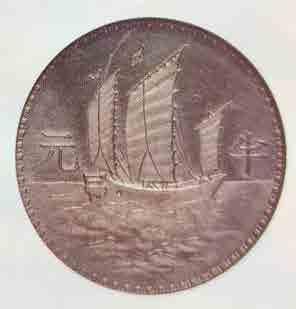
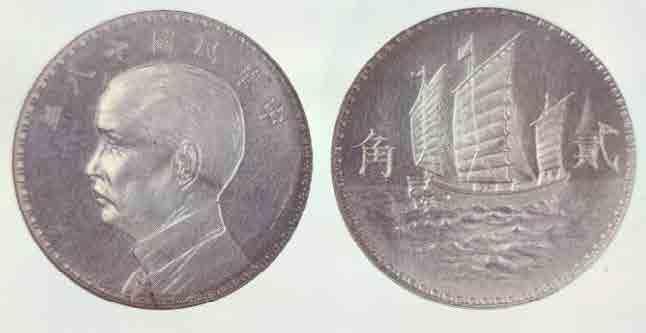
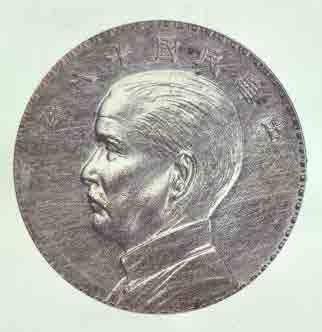
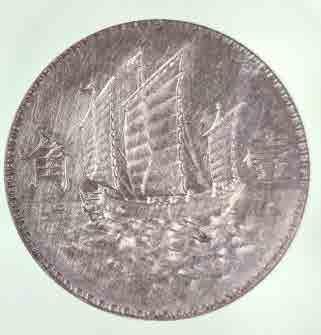
Austrian 1000-Schilling bi-metallic coin commemorating the 800th anniversary of the Vienna Mint
Obverse of a Vienna Mint commemorative medal showing the mint’s main building, which remains the headquarters of Münze Österreich (Austria Mint) today
Year 18 Sun Yat-sen Three-Sail Junk Dollar Silver
Year 18 Sun Yat-sen Three-Sail Junk Dollar Silver
Year 18 Sun Yat-sen Three-Sail Junk Half Dollar Silver
The Value of Chinese Cash Coins From the Expedition Diaries of Ferdinand Von
Richthofen between 1869 and 1872
◎ Thomas Uhlmann〔Germany〕
In the 19th century, the cash coins known since pre-Christian times were still circulating in China as general currency. There is not much known about the purchasing power of the coins at that time.
Money changer on a market in China. On the table you can see several stacked boards with several rows of coins. To be protected from general access a cage was put over the board. It is not possible to tell whether the coins are cash coins or possibly already minted 10 cash coins. The storage of the counted coins on boards served the faster exchange of silver coins into small change.
The travelogue of the geographer Ferdinand von Richthofen about his trip to China gave us some information.1 In his published diaries, he not only deals with everyday situations, but also describes in many places the wages and prices that he learned about on his expedition.
Ferdinand von Richthofen was born on May,5, 1833 in Carlsruhe in Upper Silesia. He studied geology in Breslau and Berlin and received his doctorate with a thesis on metaphyr, a volcanic rock. After successful completion of his studies, he worked for the Royal Imperial Geological Institute in Vienna from 1856. In 1860, he accompanied the Prussian envoy Count Friedrich Albrecht zu Eulenburg to East Asia. 2 The official Prussian legation had the task of concluding a treaty of friendship and trade with the nations of the far east. Richthofen left the legation, but stayed in the area. Later he travelled to the USA in 1862-1868, where he became well known in precious metal prospecting, particularly in California. In 1868, he received an offer from the Bank of California to explore
Source: Postcard - around 1900, private collection, photo Andreas Uhlmann
and examine China's coal deposits. The Shanghai Chamber of Commerce became a further partner in the financing of the trip. In addition to the trip, from 1869-1872, the Chamber of Commerce also promoted the scientific and regional geographical surveys until 1875. On his expedition he visited 13 of the 18 provinces and was the first European to enter some areas. 3 After his expedition, Richthofen worked as professor of geography in Bonn from 1875, in Leipzig from 1883 and in Berlin from 1886, where he finally died in 1905.4 Due to his expeditions, he was regarded as "the German Empire's expert" for China, who ultimately also laid the foundation for the selection of the later colonial area of Qingdao.5
1 Tiessen, E. (Hrsg.), Ferdinand von Rochthofen's Tagebücher aus China, Band 1 und 2, Berlin, 1907.
2 Zögner, Lothar, Ferdinand von Richthofen – Neue Sicht auf ein altes Land in Tsingtau – Ein Kapitel deutscher Kolonialgeschichte in China 1897-1914, München, 1998, S. 72/73.
3 Zögner, Lothar, a.a.O. S. 74.
4 Wardenga, Dr. Ute, www.archiv.uni-leipzig.de/geschichte/beruehmter-forschungsreisender-in-china-ferdinand-von-Richthofen/
5 Gründer, Horst, Tsingtau – eine deutsche Musterkolonie in China?, in Die Deutschen und ihre Kolonien, Berlin, 2018, S. 125.
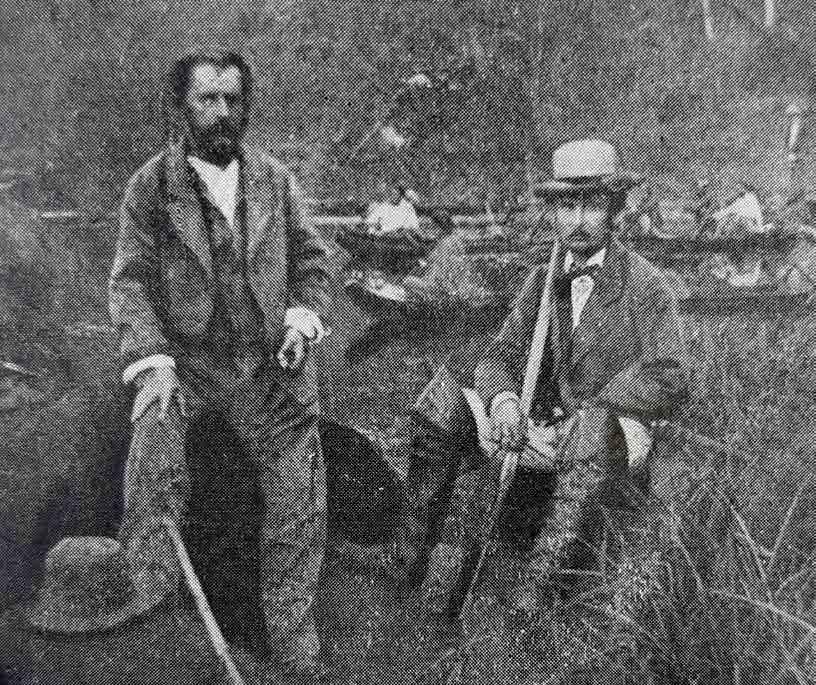
Fritz Junghuhn and Ferdinand von Richthofen at Lake Telaga Patengan in Indonesia around 1861/1862
Figure 22 from "Gedenkboek Franz Junghuhn 1809-1909", Gravenhagen Nijhoff, 1910. Photo Thomas Uhlmann
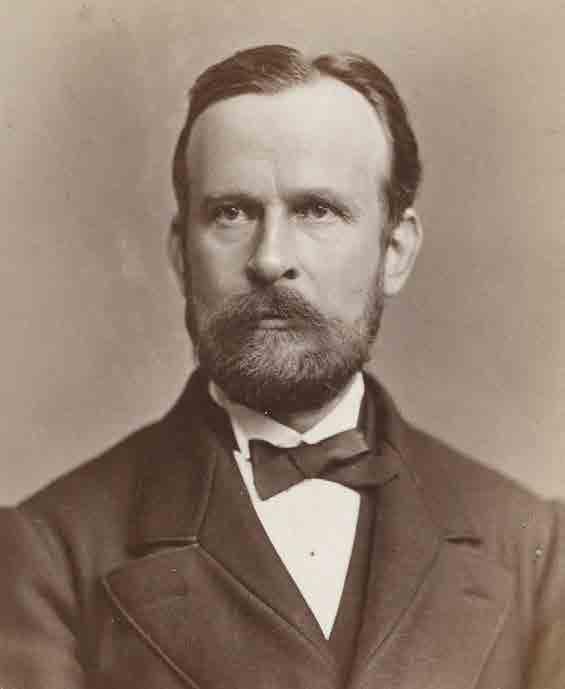
Ferdinand von Richthofen around 1880;
Source: wikipedia.de after a photo by Herrmann Joop
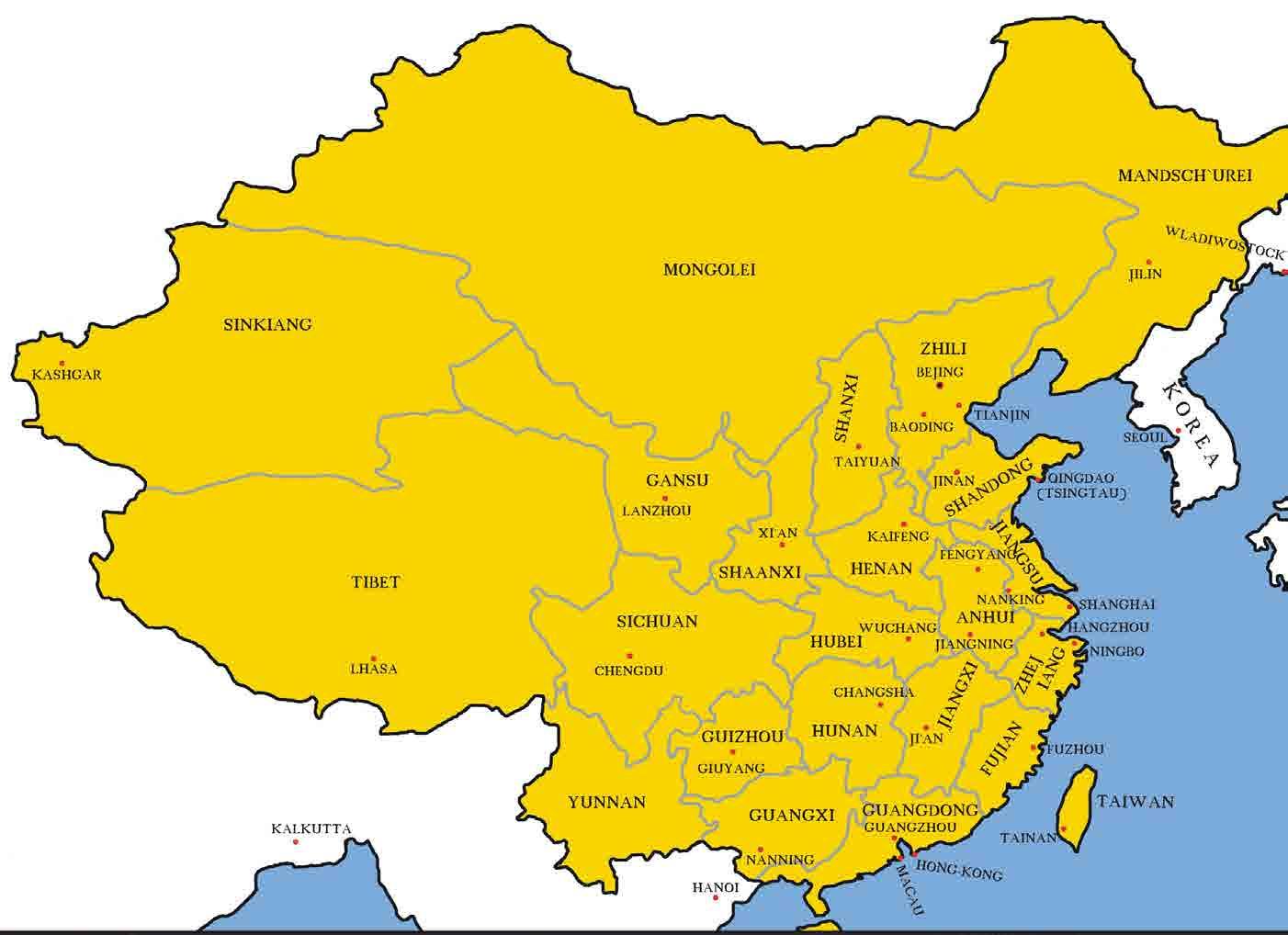
Sketch of a map of China around 1912 - at the end of the empire. You can see the different provinces.
According to a map by J.G. Bartholomew published by National Geographic Magazine in 1912, digitized by the Harward College Library
The two-volume work of the diaries of China was published in 1907 and is based on the actual notes of Ferdinand von Richthofen. They were compiled by his wife, companions and former students.
The descriptions of the use of [the] coins also illustrate the problem of value relations between wages and prices, the consequences of failed harvests, differences in supply and
demand between regions and the problem of the constantly changing regional interpretations of weight units of the same name.
An excellent example of the problems of trade in that time is the description of cotton prices. For example, one pound in the harvest area cost 380 cash. At the market 360 li away (160-180 kilometers) the pound cost 300 cash although the transport cost
Vintage Coins
an additional [cost] of 20 cash per pound.
The solution is simple to this seemingly strange situation was the pound in the producing region weighed 22 ounces and the pound in the market was 6 ounces lighter at 16 ounces. So the price per ounce of cotton actually rose from 17.3 cash to 18.75 cash.6
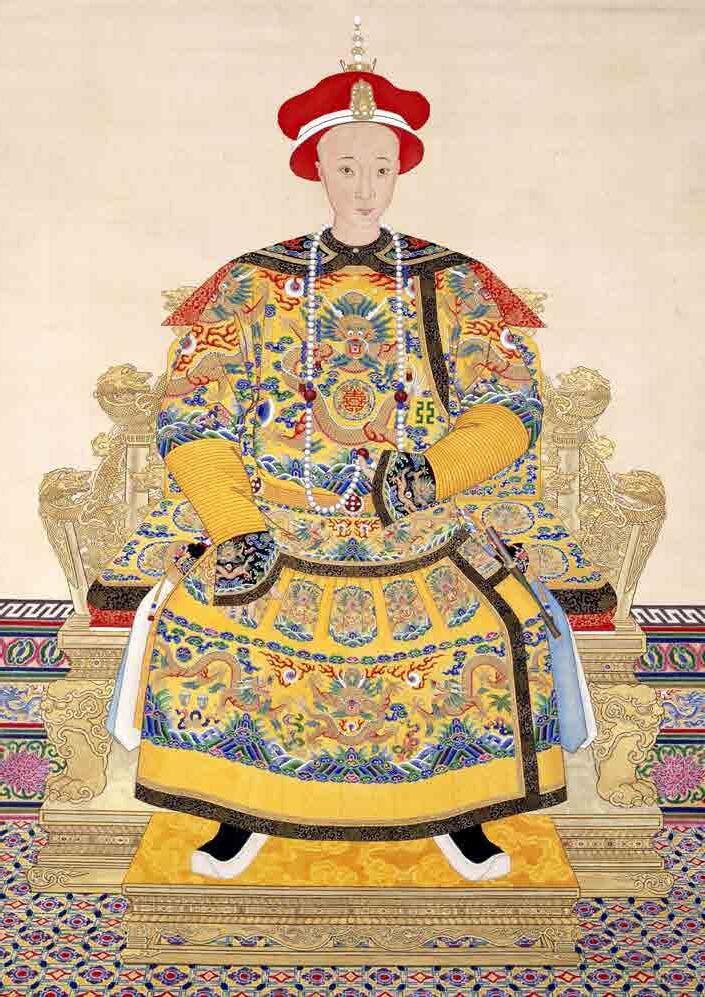
Picture of Emperor Tongzhi (27.04.1856-12.01.1875) Emperor since 11.11.1861 under guardianship of mother Cixi.
Source Palace Museum, Beijing - from Wikipedia.de
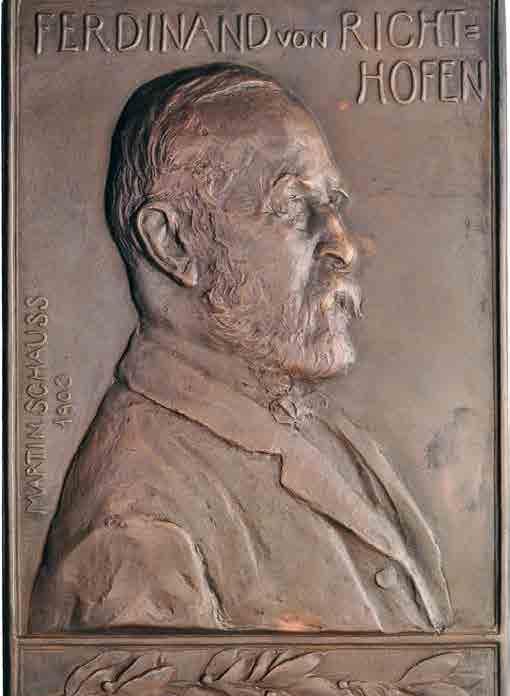
Portrait Plaque on the occasion of the 70th birthday of Ferdinand v. Richthofen.
Lower Saxony State Museum Hannover Inventory number: 2014:000:0415, photo Ursula Bohnhorst from www.kenom.de, 136 mm x 91.5 mm
6 Tiessen, a.a.O., Band 2, S. 168.
7 Tiessen, a.a.O., Band 2, S. 168.
8 Tiessen, a.a.O., Band 1, S. 390.
Payments with cash coins were described as follows:
Smaller payments up to 100 cash were made in exact amounts, i.e. the number of coins was actually counted and handed over. Larger payments were settled with strings, where each string was 100 cash. However, the value of the strung coins varied depending on the area and money changer. Richthofen found that mostly there where between 70 and 90 coins on a string. For example, on June 12, 1871, during a stop in the province of Shanxi he received a string of 100 cash, which consisted of 83 coins.7
From the description one can conclude that the coins were not simply 1,000 pieces on a string but 10 times 100 pieces or as already described 70 to 90 pieces each. This can also be found pictured on the early banknotes of China. Here, for example, on a note with a value of one Kuan (equivalent to 1,000 cash) 10 coin strings were shown to illustrate the value of the banknote. So one string should correspond to 100 cash coins. It also becomes clear in the description of Richthofen that during a money exchange from silver to cash, a government official came along with a "[...] load of copper cash over his shoulder [...]". 8Here it becomes clear that there could not only be 100 cash each. This one would only have a length of 10-15
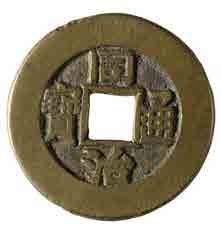
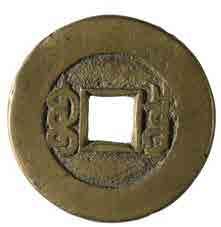
Kulturstiftung Sachsen-Anhalt, Kunstmuseum Moritzburg Halle (Saale), inventory number MOMK82467, collection Howard Franklin Bowker, 22 mm, Photo Falk Wenzel
1 Cash, Avers: 同治通寶 - "Tong Zhi tong bao" - "valid money of the epoch Tongzhi", Lapel: Mint " ᠪᠣᠣ ᠴᡳᠣᠸᠠᠨ" - "Boo chiowan" - "Ministry of Finance Beijing".
cm, which would have made it impossible to carry it over the shoulder. Conversely, a 1,000 cash line would have a length of 1-1.5 meters, which is very easy to shoulder.
Travelers, like von Richthofen, usually carried silver in the form of small bars or mostly Mexican 8 Reale pieces, which were checked and chopped by money changers. If necessary, these were exchanged at banks, money changers or local businessmen for cash coins to cover their daily expenses. Banknotes were
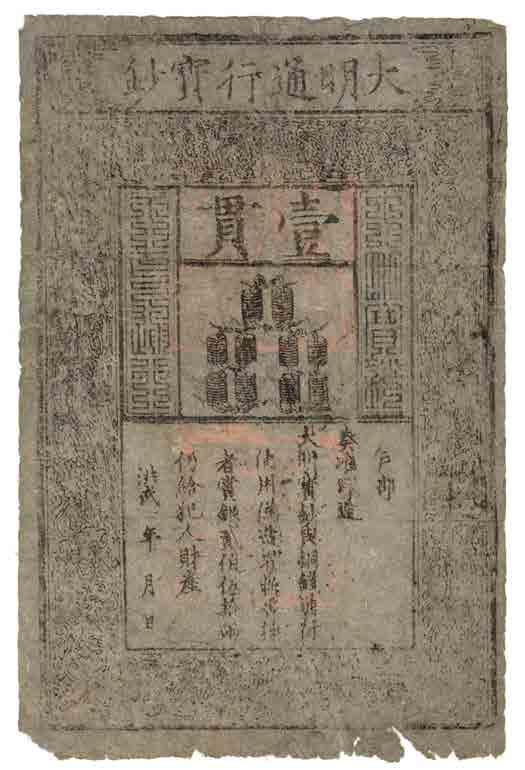
Museum August Kestner, Hanover from the Richard Schlösser Collection Inventory number 2011.101, photo Christian Tepper, 31×45 cm
1000 Cash banknote from the Ming Dynasty between 13681399. For a better understanding of the banknote, 10 strings of 100 Cash each were printed on the note.
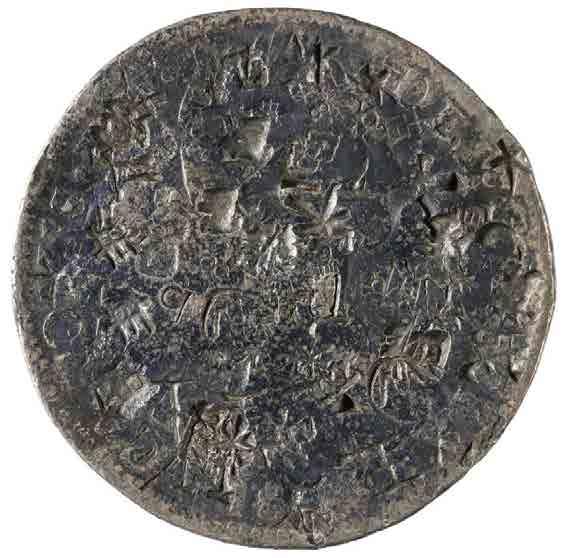
not a common means of payment in China in the 19th century and were rarely used, even though the country is considered the cradle of paper money.
From a travel report of the Austrian frigate Novara from the years 1857-1859 , almost 20 years before Richthofen, another interesting piece of information emerges.9 In a marginal note it is described that around 1850 for one Mexican dollar you got 3,600 bad cash or 1,300 selected cash. Despite the ban on sorting individual coins, coins of equal [face] value were valued differently. Around 1863 one received 1,050 - 1,100 cash for one silver dollar. Here one can assume that the population did not fully comply with the requirement that all coins, regardless of their weight, were of equal value.
The price fluctuations of flour also show how relevant environmental influences were at that time. The price of 10 liters of flour is quoted as 1,500 cash in 1870 in Shaanxi province because of the drought that caused the harvest to be so small. In 1871, the same quantity cost only 350 cash.
The following table is intended to give an overview of the relationship between wages and prices and to show the value of the cash coins at the time of their creation. At the same time it is clear that no generally valid information can be given about the value of a coin in its time. The often asked question: "What could one buy for a cash at that time" depends on too many different influences, which are usually not all visible in the sources.
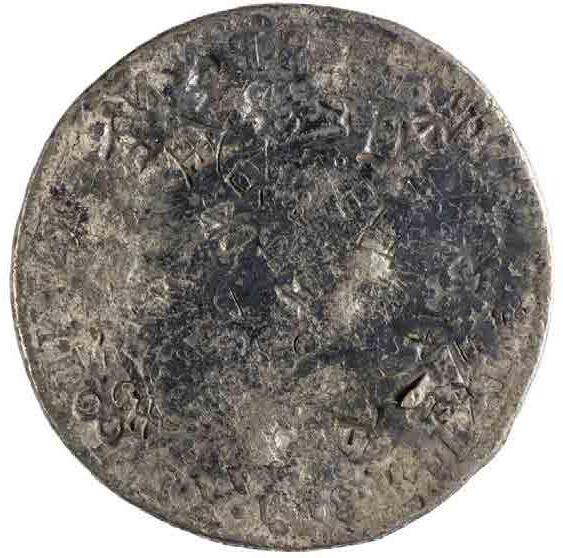
Source: Cultural Foundation Saxony-Anhalt, Moritzburg Art Museum, Halle (Saale), inventory number MOMK35700, 40 mm Photo Falk Wenzel
8 Reales, minted in Mexico City, Spain, Charles IV 1798-1808 - due to circulation in China several times counterstamped (chopped). Each stamp represents the authenticity check of the silver in a Chinese money changer.
1 Scherzer, Karl von, Reise der österreichischen Fregatte Novara um die Erde, 2. Band, Wien, 1865.
Vintage Coins
1 Mu (area) = 667 square meters
1 Li (length) = ca. 500 meters
1 Catty (or Kin) = ca. 500 grams
1 ounce (Liang) = ca. 38 g (varies according to region)
1 Mu farmland north Jiangsu Province
1 Mu farmland before the Taiping Rebellion Zhejiang Province
1 Mu farmland after theTaiping Rebellion Zhejiang Province
1 Mu farmland Anhui Province
1 Mu farmland Mongolia
Cash to 2 Dollar
Tael silver
1 Mu farmland southwest region of the Shanxi Province 18,000 Cash
1 Mu building land southwest region of the Shanxi Province
1 pound of baked oysters between Yantai and Bejing
2 solid bamboo baskets region around Jingdezhen, Jiangxi Province
1 Kin of tea - dealer purchase Jiangxi Province
1 catty of salt Hunan Province
1 catty of salt Guangzhou (Canton)
1 catty of dried tea Hunan Province
1 catty of green tea Hunan Province
1 pound of coal Hubei Province
1 ounce of cotton Henan Province
1 Catty of rhabarber
1 Catty of crude iron
kin. pound of coal (75 kg)
chin. pound of coal
100 pears Shaanxi Province
1 paper of 18 inches
1 Antelope
1 Kin of butter
1 Pikul of potatoes
Anhui Province
Zhangjiakou, Hebei Province
Zhangjiakou, Hebei Province
Zhangjiakou, Hebei Province
1 Catty of salt region of Taiyuan, Shanxi Province 18 Cash meat (quantity unknown)
south west region of Shanxi Province
meat (quantity unknown) Mongolia
1 egg south west region of Shanxi Province
1 pound of grapes at the harvest south west region of Shanxi Province
1 Kin of fish Shanxi Province
1 Kin of salt south west region of Shanxi Province
1 Kin of salt at the manufacturing site unknown
3 kaki or persimmon Shaanxi Province
5 kaki at harvest Shaanxi Province
10 Liter of flour 1870
10 Liter of flour 1871
1 imported drinking glass
few pieces of stearin candles
Shaanxi Province
Shaanxi Province
Chengdu, Sichuan Province
Chengdu, Sichuan Province
1 bottle of wine Chengdu, Sichuan Province
1 big oranges Sichuan Province
2-3 small oranges Sichuan Province
1 iron boiler
Shaanxi Province
daily wages of a glass/ stone grinder Jiangxi Province
daily wages of a cart rider at 30 to 40 Li per day
daily wage of a worker in a coal mine above ground
Shandong Province
Shandong Province
daily wage of a worker in a coal mine north of Jiangxi Province
wage of a carrier north of Jiangxi Province
wage of a farmer Hubei Province
wage of a farmer Henan Province
daily wage of a farmer
monthly wage of a kitchen assistant (who spent 600 cash on opium a month)
Hupe Province
Shanxi Province
wage of a veterinarian for healing a mule south west region of Shanxi Province
daily fee of a student at the university
Hunan-Province
1/2
of pork
Vintage Coins
2 carts for an 11-day trip
additional rest day
detours from the main road per day
daily rent of a cart
daily rent of a cart
Overnight stay in a bad hostel
a meal in a bad hostel
a very good hostel including a meal
Shandong Province
from Qingjiangpu (Jiangsu) to Jinan (Shandong)
30 Taels silver
1,200 Cash
region of Jinan (capital of Shandong) 2,000 Cash
region of Jinan (capital of Shandong)
between Yantai and Bejing
between Yantai and Bejing
between Yantai and Bejing
between Yantai and Bejing
960 Cash
1,600 - 2,400 Cash
250 Cash
150 Cash
250 Cash
daily rent of a boat region of Jiujiang, Jianxi Province 1,400 Cash boat trip from Tunki ? to Hangzhou for Chinese people
Jiujiang, Jiangxi Province 1,200 Cash boat trip of Richthofen and 2 other passengers
10 Li boat trip
daily rent of a boat
daily rent of a horse
other things
Jiangxi Zhejiang Province
Zhejiang Provinceho
5 Dollars = 5,000-6,000 Cash
800 Cash
Yangtze at the Anhui Province 1,000 Cash
south west of the Shanxi Province
350 Cash
Special tax in Ping-Yang and Hungtun on opium fields mountain area of Hunan Province
Special tax for horses imported from Mongolia to China
License for the sale of salt
When a soldier smoked opium twice, he was decapitated.
The soldier who carried out the sentence received 500 cash. travel expenses
region of Ping Yang, Shanxi Province
400 Cash per Mu
600 Cash
3,000-4,000 Tael Silver
1,200 Cash - 1 Dollar (silver)
30 Cash - 15 Prussian pennies / 2 Cash - 1 penny
19 Tael Silber - 43 German Taler // 1 silver-Tael – 2.26 Taler
50 Cash - 1 Prussian silver groat
20 Cash - 9 Prussian pennies // 2.22 Cash - 1 penny
10 Cash - 4 Prussian pennies // 2.5 Cash - 1 penny
1,800-2,040 Cash - 1 Tael (silver)
1,600 Cash - 1 Tael (silver)
Li Hung Chang's Trip around the World - Destination Germany
◎ Thomas Uhlmann〔Germany〕
In 1896, the Chinese Viceroy set out on a journey around the world. In Germany, several medals were dedicated to this unique event at that time, which are the subject of this contribution.
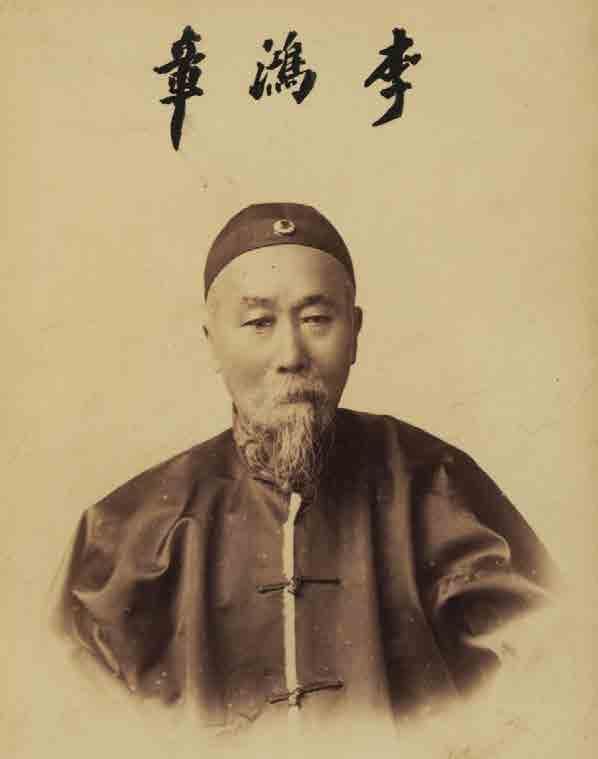
Who was Li Hung Chang?
Li Hung Chang was born on 15 February 1823 in the village of Qunzhi in the province of Anhui. He came from a family of senior officials and completed the examination for the highestranking official position at the Chinese Court. As a general, he won several important victories during the Taiping Rebellion in 1862, which led to him being appointed governor of the provinces of Jiangsu, Jiangxi and Anhui.
In 1870, he was appointed governor and viceroy of the province of Zhili, the region around the capital city of Beijing. Other highranking government offices gave him a great degree of influence on Chinese politics and the Empire, which he tried to reform
and update. Among other things, he was Trade Minister of the Empire (1870 to 1895 and 1900 to 1901), and Superintendent of the Northern Ports of the Chinese Empire. In his day, he was already considered the most important reformer of China and one of the most important statesmans in Asia - hence Sir Pope Hennessy's (then British Governor of Hong Kong) characterisation of Li Hung Chang as the "Chinese Bismarck". Important points of his reform efforts were, among other things, opening China to the West, which was important for foreign policy, and updating the military to what was the current stateof-the-art at that time. The aim was to improve China's trading position and with, a powerful military, to have better defences against internal uprisings and external enemies. In particular, the expansion of Japan in the East Asian region was not to be allowed to spread to China. He was deposed from his offices and cast out of the Court several times, but was vindicated time and time again as a competent civil servant and appointed to new offices. Having lived to a ripe old age and yet still entrusted with government assignments, he died during the negotiations on the Boxer Rebellion on 7 November 1901 in Beijing.
Background to the trip
Li Hung Chang was considered to be one of the most influential and powerful men in China. He had his official seat in Tianjin, thus controlling the local port1. From here, foreign envoys came to the imperial court in the capital from the middle of the 19th century, who of course also paid him a visit.
Li Hung Chang not only had a good knowledge of foreign visitors to China and their business, he also had extensive knowledge of conditions in Germany. In 1882, German Paul Georg von Möllendorff became his personal secretary. After Möllendorff had briefly been posted to Korea 2 he returned to Chinese
1 Cord Eberspächter, Die Weltreise Li Hongzhangs 1896 und ihre Hintergründe (Li Hongzhang's world trip 1896 and its backgrounds), in: Li Hongzhang – ein Bismarck des Fernen Ostens? (Li Hongzhang – A Bismarck of the Far East), Friedrichsruh, 2016, p. 38.
2 Thomas Uhlmann, Initial Coin Miniting in Korea 1886-1888, Journal of East Asian Numismatics, 2017 No. 11, p. 46–54.
Fig. 1 Portrait photograph of Li Hung Chang - Gift to Otto von Bismarck © Archive of the Otto von Bismarck Foundation, Friedrichsruh
Vintage Coins
government service in 1886.
Imperial China clung rigidly to the incumbent and outdated bureaucracy and political system until the end of the 19th century. This was due, among other things, to the experiences of the First and Second Opium Wars against the British Empire and because of increasing attempts by Britain, France, Russia, the United States and, last but not least, Germany to assert their own interests in China. Meanwhile, Li Hung Chang recognised the need for the country to be modernised.3 Updating the navy under Li Hung Chang’s sphere of influence provoked Japan and resulted in a war between the two countries in 1894. Japan ultimately won and forced its opponent into a shameful peace treaty. Even here, Li Hung Chang used his diplomatic skills. He got Germany, France and Russia to protest against the planned annexation of the Liadong Peninsula by Japan, causing Japan to cancel this plan. The trip around the world in 1896 was rooted in this obligation toward the Europeans. Russia marked the starting point, as it was insisted that Li Hung Chang be sent by the Chinese Emperor Guangxu to attend the coronation of Tsar Nicholas II.4
Destination – Germany
This special guest was a sensation in June 1896. Nearly any newspaper came out without a daily report on the events surrounding the Chinese Special Envoy. So the Berliner Tageblatt reported at least once a day and sometimes in both the morning and evening editions.5 This allows Li Hung Chang’s route to be reconstructed particularly well.
The 73-year-old guest arrived in Berlin on 13/06/1896 by special train and was welcomed by an enthusiastic crowd. The next day, emperor Wilhelm II granted Li Hung Chang an audience in the presence of his whole family and invited him to a less formal meeting for breakfast the next day in his castle in Potsdam.
Here he received the Grand Cross of the Order of the Red Eagle in diamonds from the German Emperor on 15/06/1896.6
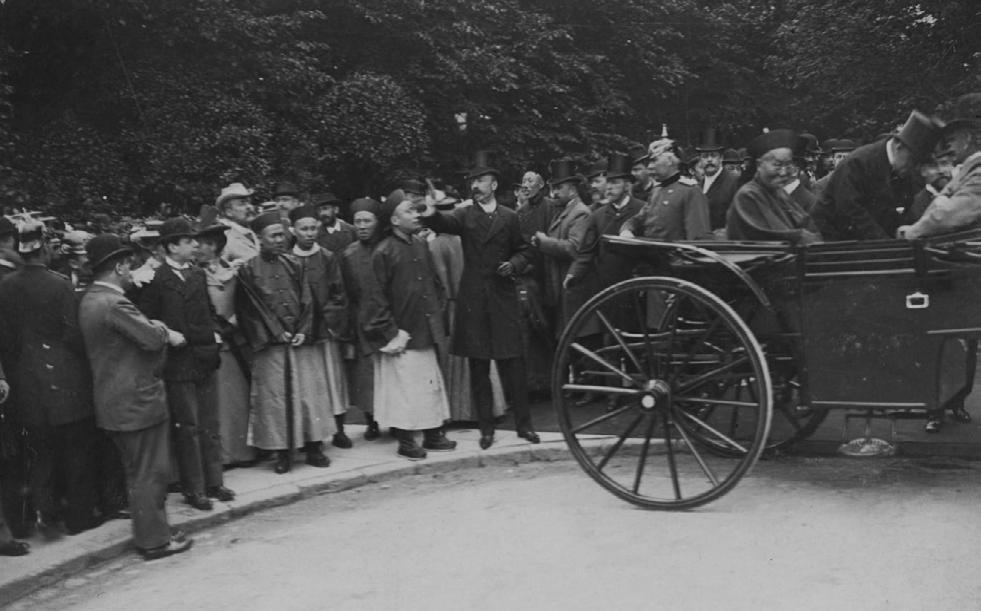
Fig. 2 Taken during the visit to Hamburg © Archive of the Otto von Bismarck Foundation, Friedrichsruh
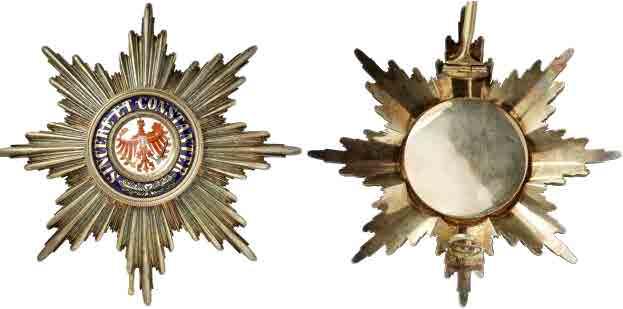
Fig. 3 Breast star of the Red Eagle Order. 4. Model (with brick red eagle - 1854-1918), grand cross breast star (with blue enamelled inscribed surface), diameter 88.9 mm, 76 g, silver plated, gold-plated silver, medallion-inscription band gold, enamelled ; 253rd auction, Fritz Rudolf Künker GmbH & Co.KG., Osnabrück No. 300
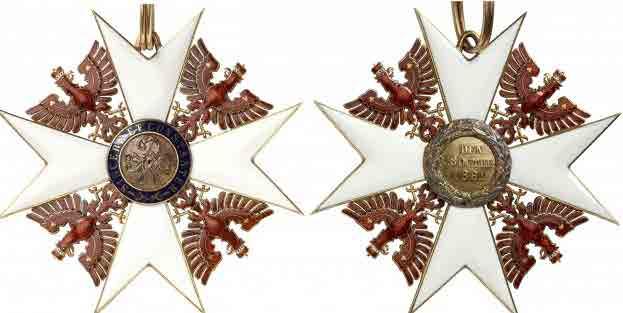
Fig. 4 Order of the Red Eagle 4. Model (with brick red eagle – 1854-1918) jewel on grand cross, 81.8 x 82.2 mm, gold, 55.9 g (with ring), 253rd auction, Fritz Rudolf Künker GmbH & Co.KG., Osnabrück No. 299
3 Cord Eberspächter, Die Weltreise Li Hongzhangs 1896 und ihre Hintergründe (Li Hongzhang's world trip 1896 and its backgrounds), in: Li Hongzhang – ein Bismarck des Fernen Ostens? (Li Hongzhang – A Bismarck of the Far East), Friedrichsruh, 2016, p. 37.
4 Cord Eberspächter, Die Weltreise Li Hongzhangs 1896 und ihre Hintergründe (Li Hongzhang's world trip 1896 and its backgrounds), in: Li Hongzhang – ein Bismarck des Fernen Ostens? (Li Hongzhang – A Bismarck of the Far East), Friedrichsruh, 2016, p. 38-39.
5 To be found in digitised form at http://zefys.staatsbibliothek-berlin.de/list/title/zdb/27646518/-/1896.
6 Christian Zweng, Der Rote Adler Orden - Großkreuz und 1. Klasse (The Order of the Red Eagle - Great Cross and First Class). Osnabrück 2015, p. 53.
In order to illustrate the importance of this order, other recipients included Emperor Franz Joseph of Austria, Emperor Maximilian I of Mexico and King Leopold II of Belgium.
In addition to the conferences with the German government and the Foreign Office, the three weeks that followed were filled with visits to Szczecin, Kiel and Hamburg. As part of his journey on to Brussels, he also visited Magdeburg and Cologne.
German industry also tried to impress the man they saw as the most important man in Asia, hoping to be able to conclude lucrative contracts with China.
The Chinese delegation was particularly interested in viewing shipyards and arms companies. The Association of Electrical Engineers also organised their own private gala evening. For the visit, the Berlin Trade Show formed a special festival committee, which was responsible solely for organising the Viceroy’s reception at the exhibition. The list of well-known entrepreneurs who courted the Special Envoy was long and also contained companies that are still well-known to this day such as Krupp and Siemens. Li Hung Chang also visited the Technical University of Berlin and had an image taken of his skull with the then newly discovered x-ray.
However, the Chinese travel delegation also brought honours for the respective hosts. Thus, a new Imperial medal of honour was established for special services (also called the "London Legation Medal" or the "Li Hung Chang Personal Merit
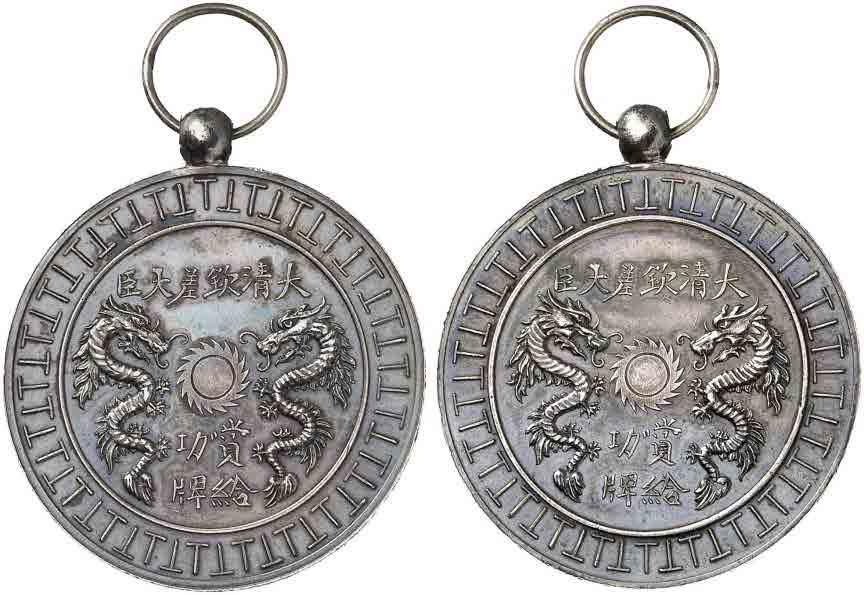
Fig. 5 London Legation Medal; Two dragons around the pearl of wisdom, 大清钦差大臣 , 赏给功牌 , (Imperial Commissioner of the Qing Dynasty, awarded for meritorious support), silver 43.1 mm, 284th auction, Fritz Rudolf Künker GmbH & Co.KG., Osnabrück No. 7322
Medal"). The Birmingham mint was commissioned to produce it in three classes (silver, silver plate and bronze).7 However, there was no official Prussian authorisation to wear this award, which is why the order is not to be seen in any official pictures of the visit to Germany.8
A higher award was given to the Chancellor of the German Empire, Chlodwig zu Hohenlohe - Schillingsfürst. He was awarded the Order of the Precious Star of the Double Dragon. This award for exceptional services to the throne of the Qing court was initially intended only for foreigners and was therefore first designed in 1881 by the Foundation for a Chinese award in the Western style. Later, the order was also awarded to Chinese citizens.
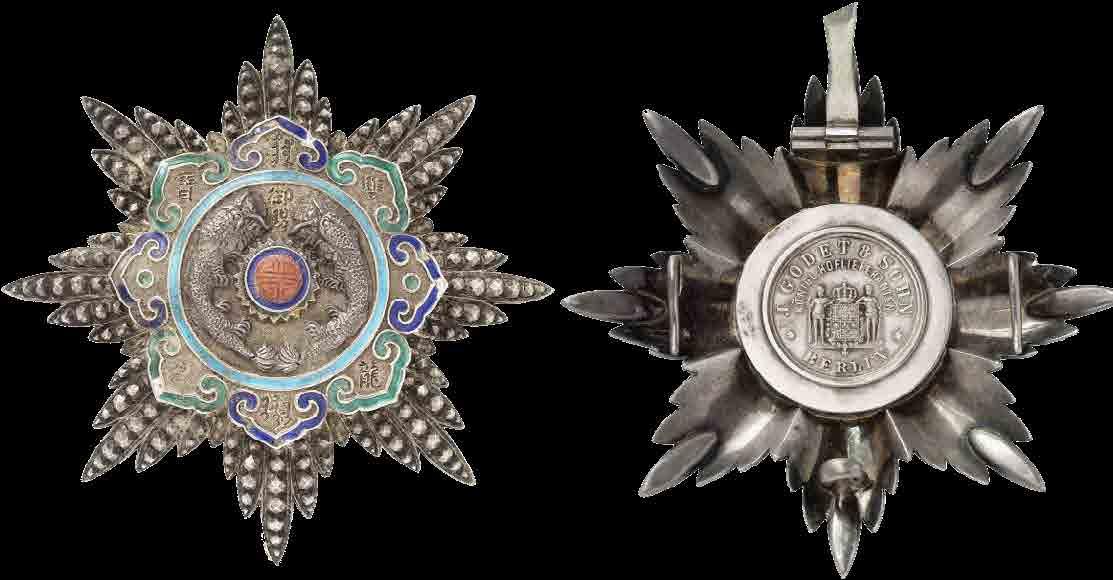
Fig. 6 Imperial Order of the Precious Star of Double Dragons [ 禦賜雙龍寶星 ]; Breast star for class [ 第二等 ], second grade [ 第二品 ], made by J. Godet & Sohn in Berlin, diameter 93.1 mm, silver brilliant, partly chased edition, partially gilded and enamelled, coral cabochon in the centre, 284th auction, Fritz Rudolf Künker GmbH & Co.KG., Osnabrück No. 7318
7 Spink Numismatic Circular Volumes 93-94, The Legation Medal, London, 1985, p. 81-82.
8 Li, Gongqing: China Qing Dynasty Medals. Toronto 2011. p. 33.
Vintage Coins
This award exists in a large number of variants, as the recipient in the three lower classes usually had to bear the cost of producing the award himself. This can probably be ruled out in the case of the award to the Reich Chancellor, as this was primarily intended to serve as a diplomatic symbol. In connection with the trip, various European medal manufacturers (e.g. Halley, Krétly and Lemaître in Paris, Wolfers in Brussels, Treiden in Moscow and Godet in Berlin) received orders to produce Chinese order insignia, probably using medallion
editions supplied from China for the breast star.9
The visit to the former Chancellor of the Empire Otto von Bismarck on 25/06/1986 was a special day for Li Hung Chang. The two had been in written contact at least since the Prussian East Asia Expedition from 1859-186210 . Li Hung Chang admired Bismarck, which also made his explicit request to visit Bismarck’s country estate significant, even if the former Chancellor no longer played an active role in politics by then.
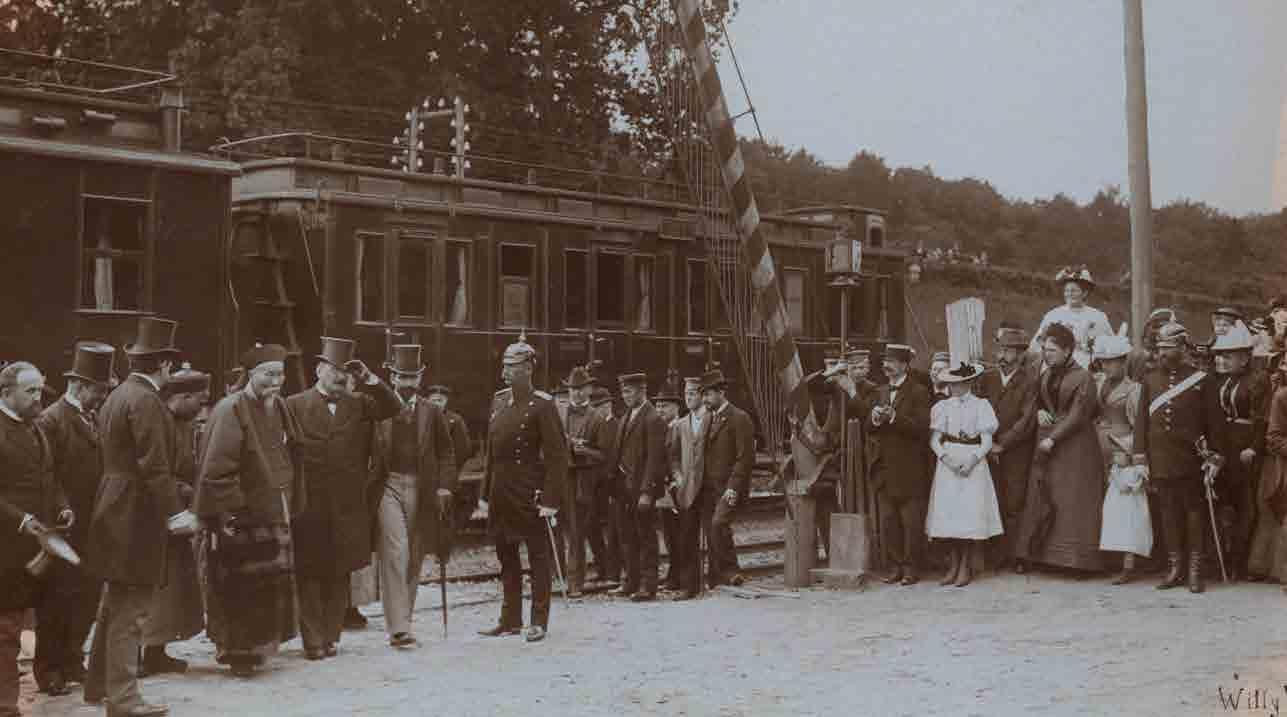
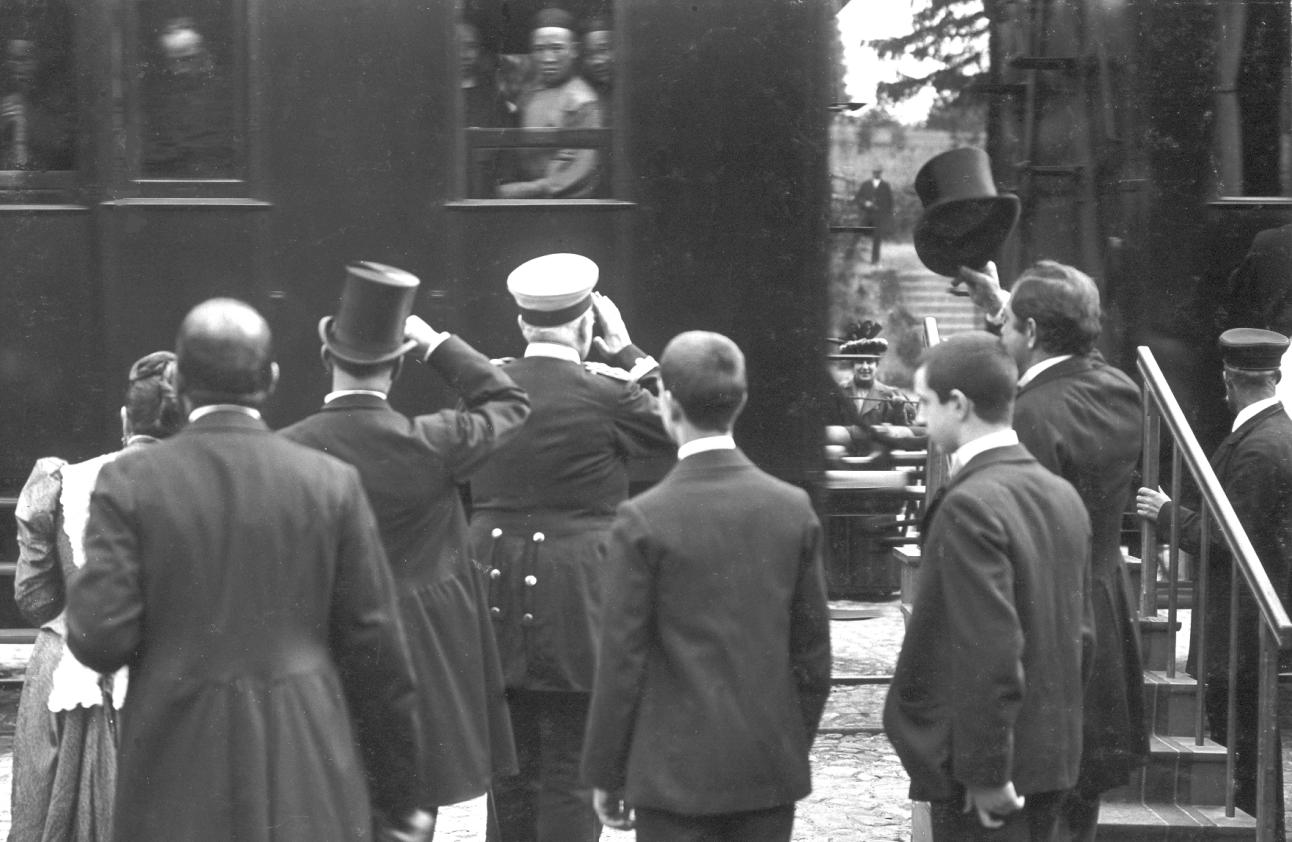
9 Tammann and Autengruber: Order of the Double Dragon. In: Autengruber, Michael, and Tammann, G. Andreas: Catalogue for Auction 80 of UBS Gold and Numismatics on 4 and 5 November 2008: World Orders - Collection Tammann. Basel 2008 p. 151 et seqq. 10 Berg, Albert, Die preußische Expedition nach Ostasien nach amtlichen Quellen, 1864-1873, Vol. 1-4
Fig. 7 Li Hung Chang's arrival in the special train before Castle Friedrichsruh to Otto von Bismarck © Archive of the Otto von Bismarck Foundation, Friedrichsruh
Fig. 8 Otto von Bismarck bids Li Hung Chang farewell in Friedrichsruh © Archive of the Otto von Bismarck Foundation, Friedrichsruh
He left the following entry in Bismarck’s guestbook:
"For more than thirty years, when I heard the name of the prince steeped in glory being mentioned, it seemed to me like an echo in an empty valley; but now, where I look at the bearer himself, he is like the shine of a pearl with the power of a sword, and I dare not turn my eyes to him."11
Otto von Bismarck was delighted with the important visit. Based on national and international reporting (e.g. the New York Times of 12/07/1896), the former Chancellor once again became the centre of attention.12 There were some parallels between the two men in their political careers; they were both reformers who aimed to strengthen and modernise their respective countries. The British Governor of Hong Kong also referred to Li as the "Chinese Bismarck', which over time became a common synonym for Li Hung Chang.13
The Medals
On the occasion of Li Hung Chang’s stay, several medals were issued.
A number of medals from the hand of Oskar Bergmann (18371901) show Otto von Bismarck on one side and Li Hung Chang on the other. Bergmann worked in Hamburg from 1875 to 1877 and later in Berlin. Thus, it is very likely that these medals were produced in Berlin.14 This basic type has been demonstrated in six variants. The image of Li Hung Chang always remains the same. It shows a portrait of the Special Envoy wearing a hat. The inscription reads: BESUCH D. VICEKÖNIGS LI HUNG TSCHANG B. FÜRSTEN 25.6.96 ” (Visit of the Viceroy Li Hung Tschang to the Prince 25/06/96). The other image shows a portrait of Bismarck either facing right in uniform or facing to the left with orders around his neck and a breast star. The inscription reads: “FÜRST OTTO V.BISMARCK” (Prince Otto von Bismarck).
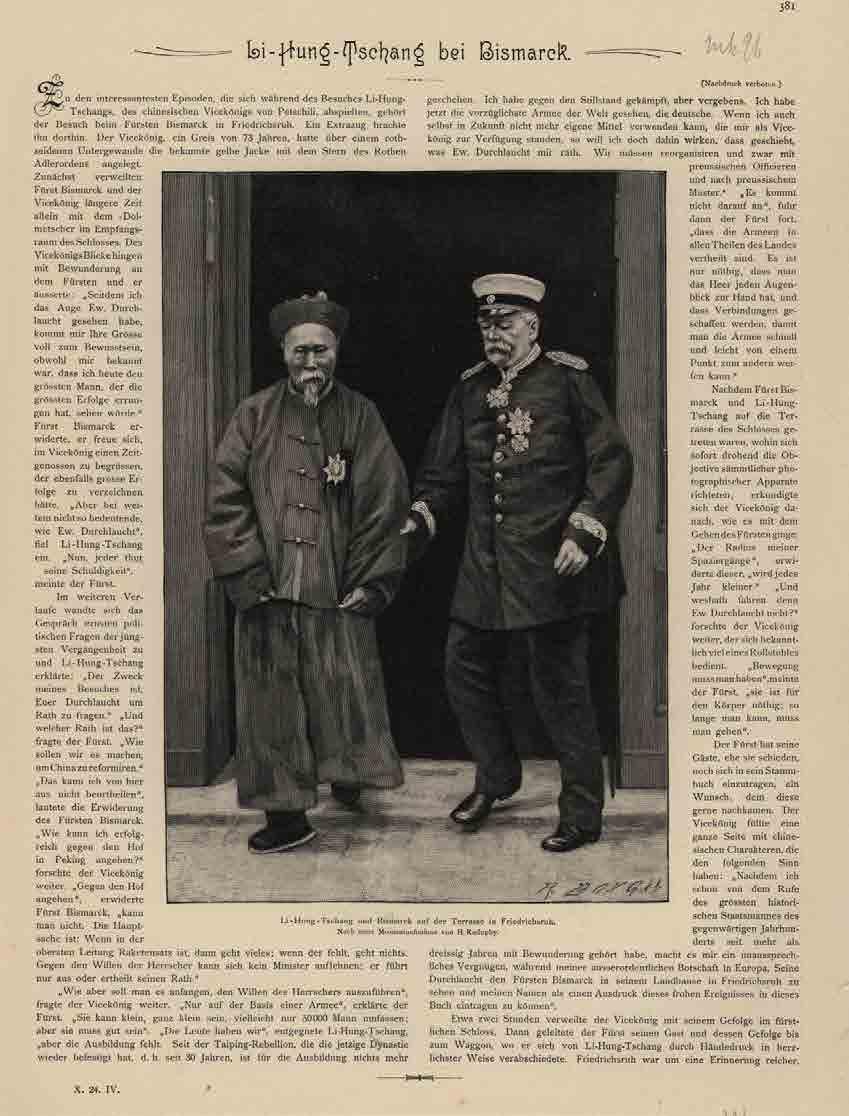
9 Excerpt from a report on Li Hung Chang's visit to Bismarck © Archive of the Otto von Bismarck Foundation, Friedrichsruh
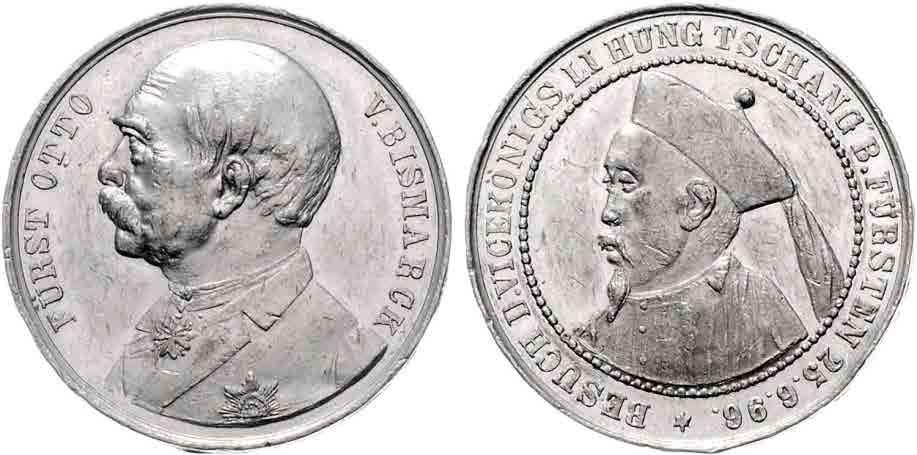
Fig. 10 Medal on Li Hung Chang's visit to Otto von Bismarck, aluminium, 72nd auction, Münzhandlung Harald Möller GmbH, Espenau No. 1358;
(2) Portrait of Bismarck facing left, copper-nickel, 35mm, 17.6 g15
11 Ulrich Lappenküper, Otto von Bismarck and Li Hongzhang in: Li Hongzhang – ein Bimarck des Fernen Ostens (Li Hongzhang – A Bismarck of the Far East), Friedrichsruh, 2016, p. 42.
12 Ulrich Lappenküper, Otto von Bismarck and Li Hongzhang in: Li Hongzhang – ein Bimarck des Fernen Ostens (Li Hongzhang – A Bismarck of the Far East), Friedrichsruh, 2016, p. 46.
13 Ulrich Lappenküper, Otto von Bismarck and Li Hongzhang in: Li Hongzhang – ein Bimarck des Fernen Ostens (Li Hongzhang – A Bismarck of the Far East), Friedrichsruh, 2016, p. 42.
14 http://www.numismatische-gesellschaft-berlin.de/files/Knstlerbiografien.pdf - Brief biography of the artist medal makers and private mints.
15 See Stack's Bowers Hong Kong Auction April 2017 Lot 72283.
Fig.
(1) Portrait of Bismarck facing left; aluminium, 35mm, 12g
Vintage Coins
(3) Portrait of Bismarck facing left, tin, 35 mm, 12.3 g
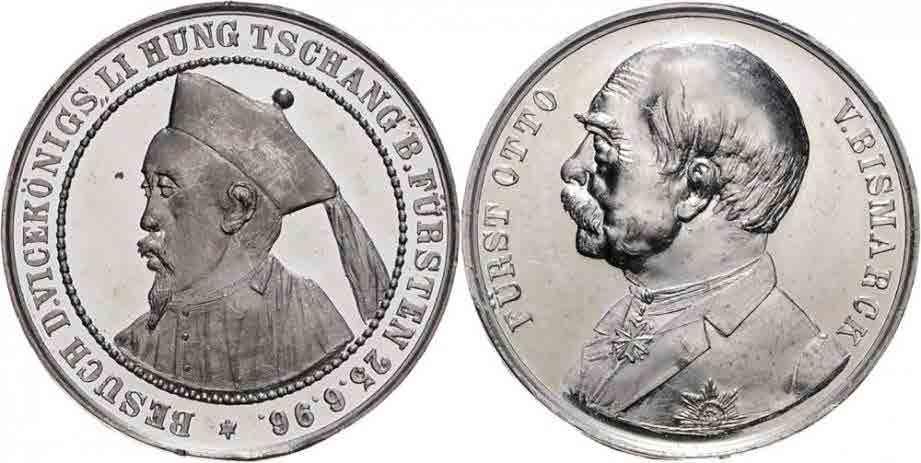
Fig. 11 Medal on Li Hung Chang's visit to Otto von Bismarck, tin, Münzhandlung Harald Möller GmbH, Espenau, 60th auction, No. 458, 35 mm, 12.3 g
(4) Portrait of Bismarck facing left, bronze, 35 mm, weight unknown16
(5) Portrait of Bismarck facing right, silver, 35mm, 14.2g
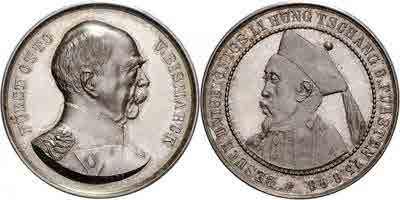
Fig. 12 Medal on Li Hung Chang's visit to Otto von Bismarck, Silver, 60th auction, Münzhandlung Harald Möller GmbH, Espenau No. 456, 35mm, 14.1g
(6) Portrait of Bismarck facing right; tin, 35mm, 16.5g
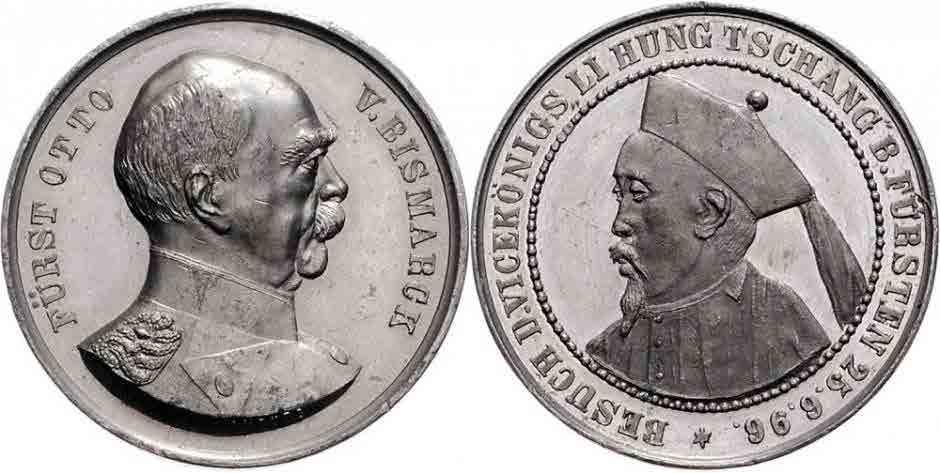
Fig. 13 Medal on Li Hung Chang's visit to Otto von Bismarck, tin, Münzhandlung Harald Möller GmbH, 60th auction, Espenau No. 457, 35 mm, 16.5 g
In addition, two medals relating to Li Hung Chang's visit to Hamburg can be mentioned, which in turn were also issued in different materials. As the estate of Hermann Held (1836-1914) contained a patrix die for the portrait of Li Hung Chang and the die for the revers arms of Hamburg,17 he must have been the medal maker. In the absence of other markings, however, it is not clear whether the medal was made at H. Held’s garage in Magdeburg or he merely supplied the embossing dies to Hamburg Mint. The back of the second type probably refers to Li Hung Chang’s visit to Hamburg Mint on 24/06/1896, which suggests a Hamburg issue. However, this visit still remains unverified by contemporary sources. It might also possibly that there was an edition of this medal when he visited the Hamburg Chamber of Commerce.18 H. Held had already made the first embossing dies of the Kingdom of Korea19 in 1886 and was thus familiar with Asian writing systems.
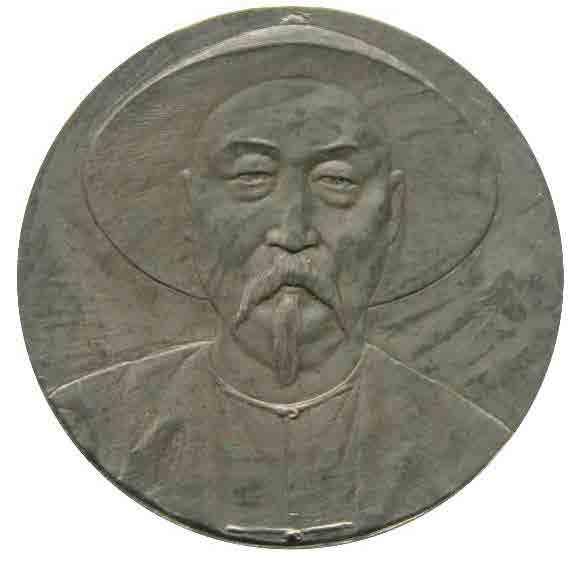
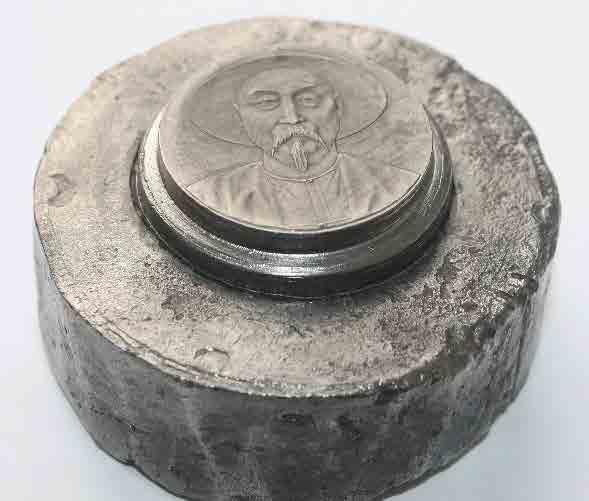
Fig. 14 Patrices for the portraits for making the die from the estate of Hermann Held at Schlossmuseum Moritzburg Zeitz, steel, inventory number V/G-104
16 See https://auktion.catawiki.de/kavels/11418223-german-empire-bronze-medal-1896-commemorating-to-the-chinese-viceroy-li-hung-chang-s-visit-to-ottovon-bismarck-in-hamburg-at-25-06-1896.
17 Schloss Moritzburg Zeitz, Inv. VIG 104.
18 Gongqing Li, China Qing Dynasty Medals, Toronto, 2011, p. 34.
19 Thomas Uhlmann, Initial Coin Miniting in Korea 1886-1888, Journal of East Asian Numismatics, 2017 No. 11, p. 46–54.
Fig. 14a Patrices for the Hamburg arms for making the die from the estate of Hermann Held at Schlossmuseum Moritzburg Zeitz, steel, inventory number V/ G-116
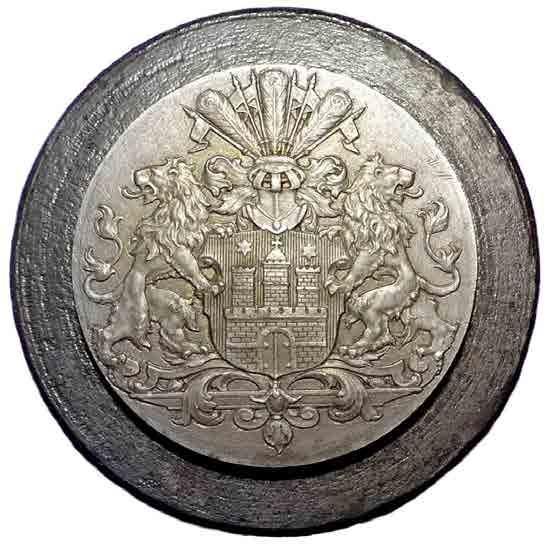
Magdeburg businessman and exporter Heinrich Knape can be assumed to have been a potential customer, even if this cannot be proven beyond a doubt today. Several English auction houses mention Heinrich Knape in connection with this medal as a client or as the manufacturer.20 Unfortunately, the source of this information could not be provided. However, it can be proven that the Viceroy also visited Magdeburg on his journey from Berlin to Cologne. After Li Hung Chang's visit, in 1897/1898 (Herman Held had given up his company by 01/01/1897) Esslinger engraver Otto Beh had been given the order by Heinrich Knape to produce more than 200 dies for the Chinese Empire. 21 As Otto Beh also stayed in Magdeburg during his migratory years.22
In addition to showing the frontal portrait of Li Hung Chang wearing a broad hat, the obverse bears the following inscription 堂駕遊漢伯克鐫刻敬獻 / 一十八百九六年 (ZHONG TANG
JIA YOU HAN BO KE JUAN KE JING XIAN / NIAN SHI
BA BAI JIU SHI LIU) (Minted on the occasion of the visit of the Special Envoy to Hamburg in 1896).
The template for the portrait could have been the photograph of Li Hung Chang with Ulysses Grant in Tientsin in 1879. The coin image shows a very corpulent and robust Li Hung Chang - in contrast to this, he appears to be a lot thinner and older in the photographs dating from 1896. Here, the template used by Oscar Bergmann would appear to have been closer to the original of the time.
The back of the first type shows Hamburg’s coat of arms with the crest and two lions as a shield bearer. The inscription reads:“ ★ LI HUNG CHANG ★ BESUCH HAMBURGS IM JUNI 1896” (VISIT TO HAMBURG IN JUNE 1896). The back of the second type bears the inscription: “DIE DEUTSCHE MÜNZTECHNIK ★ 24. JUNI 1896 ★ ” (GERMAN MINTING TECHNOLOGY 24 JUNE 1896★ ) and in the centre instead of the coat of arms, the following inscription in four lines: “ZUR ERINNERUNG AN DEN BESUCH LI HUNG CHANG’S IN DEUTSCHLAND 1896.” (TO COMMEMORATE LI HUNG CHANG’S VISIT TO GERMANY 1896)
(1) Li Hung Chang / Coat of Arms
a. Bronze, 40.2 mm, weight unknown
b. Bronze, 40.2 mm, 35 g
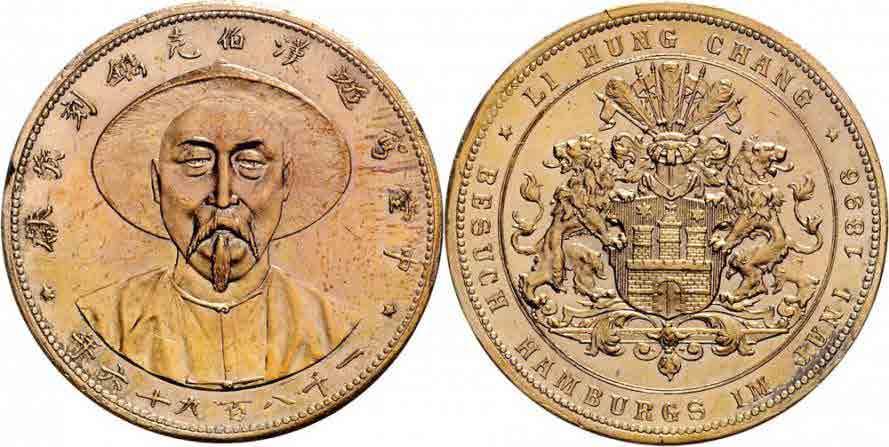
Fig. 15 Medal on Li Hung Chang's visit to Hamburg, bronzeTeutoburger Münzauktion GmH Borgholzhausen, 102th auction, No. 1093
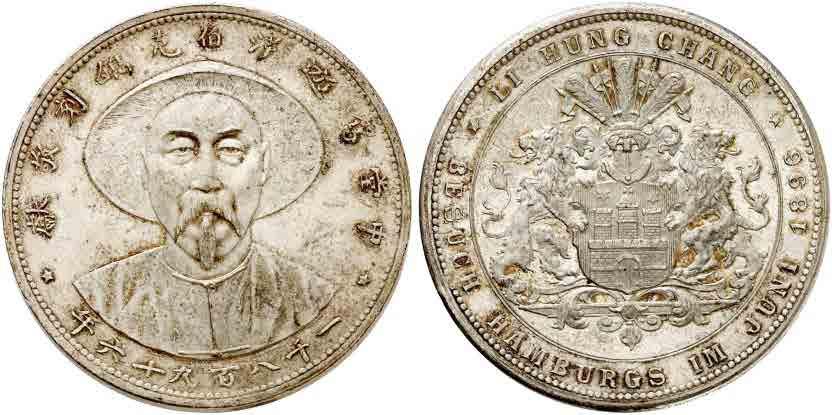
Fig. 16 Medal on Li Hung Chang's visit to Hamburg, silverplated bronze – 292nd auction, Fritz Rudolf Künker GmbH & Co.KG., Osnabrück, No. 5902
20 Examples: Spink Numismatic Circular Band 94 p. 81, 1985 or Baldwins 49th Hong Kong Auction, 08/26/2010 Lot 857
21 Ulf Dräger, The embossing stamp of the Otto Behaus company, Esslingen in“Chinas Geld ”(China's Money), in: Neue Münzen für China (New coins for China), Halle/Saale, 2016, p. 85.
22 Ulf Dräger, The embossing stamp of the Otto Behaus company, Esslingen in“Chinas Geld ”(China's Money), in: Neue Münzen für China (New coins for China), Halle/Saale, 2016, p. 86.
(2) Li Hung Chang / Visit to German minting technology
a. Bronze, 40.2 mm, 33.2 g
b. Bronze, 40.2 mm, 33.9 g
c. Bronze, 40.2 mm, 34 g
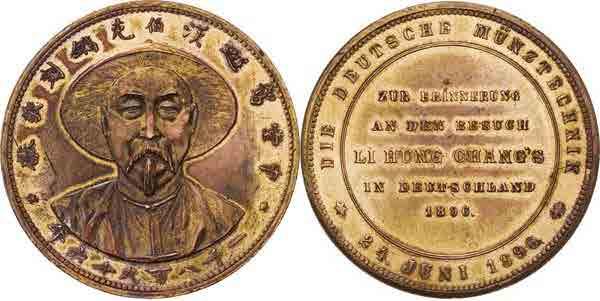
Fig. 17 Li Hung Chang medal at the minting technology, bronze, Leipziger Münzhandlung und Auktion Höhn e.K., 71st auction, No. 559
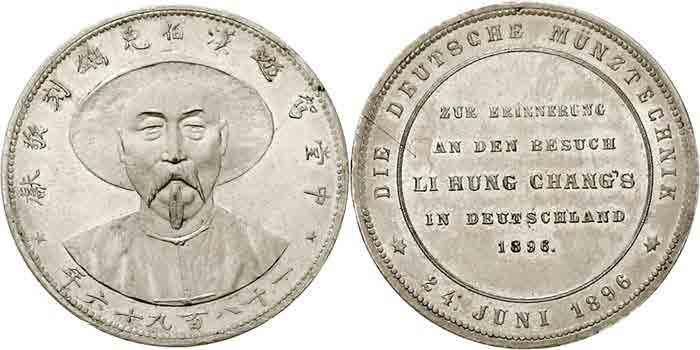
Fig. 18 Li Hung Chang medal at the minting technology, silver-plated bronze, Teutoburger Münzauktion GmbH Borgholzhausen, 63rd auction, No. 285
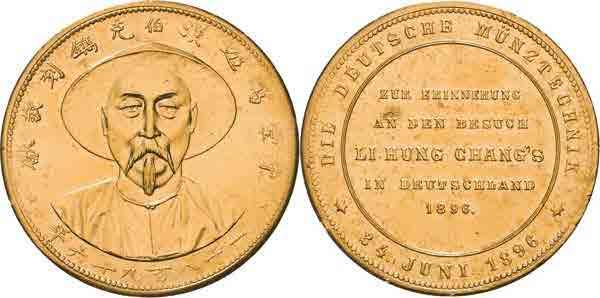
Fig. 19 Li Hung Chang medal at the minting technology, goldplated bronze, Leipziger Münzhandlung und Auktion Höhn e.K., 75th auction, No. 1064
Like the other branches of industry (arms, shipping, electrical engineering, etc.), the representatives of minting industrial tried to use Li Hung Chang’s visit to develop or deepen possible future trade relationships. Because it was already known that the previous coin system in China, where the cast cash coins
at embossed nominals was to change, offered great market potential.
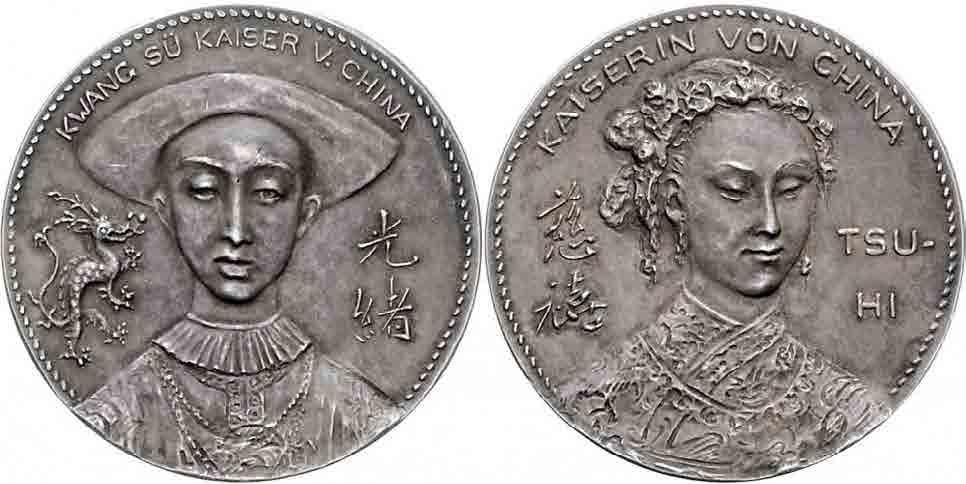
Fig. 20 Silver medal 1895/1896 showing the Emperor Kwang Su and the Empress Tsu-Hi. May have been made in connection with Li Hung Chang’ s visit to Germany in 1896. 34 mm; 17.39 g, Teutoburger Münzauktion GmbH, Borgholzhausen 102nd auction, No. 1090
Outcome of Li Hung Chang's Visit to Germany
The visit by the Chinese Viceroy brought a bit of glamour and multi-cultural interest to what was at the time the German Empire. Politically and economically, none of the hopes on either side were really fulfilled. There were no additional economic contracts for German industry and the existing relationships were not deepened to any significant extent. From the Chinese perspective, complete acceptance of the Middle Kingdom by the German Empire on an equal footing could not be achieved, as was demonstrated at the latest by the occupation of the Bay of Qingdao (Tsingtau or Kiatschou) by German troops in 1898.
I would like to thank F.R.Künker GmbH & Co.KG, Münzhandlung Harald Möller GmbH, Teutoburger Münzauktion GmbH and Leipziger Münzhandlung und Auktion Höhn e.K., who provided the image material. Furthermore, I would like to thank Mr Michael Autengruber for the advice on the orders and honorary medals of the time, as well as Professor Sven Günther and Mrs Zhang Honxia of the Institute for the History of Ancient Civilizations, Changchun for their advice on interpreting the inscription. Special thanks to Dr Maik Ohnezeit from the Otto von Bismarck Foundation, Friedrichsruh, who provided a lot of pictures, which have supported this contribution so wonderfully, and the literature that made certain facets of Li Hung Chang’s visit to Germany clear to me.
Chinese Silver Treasure from the 10th Century
◎ Thomas Uhlmann〔Germany〕
From the 18th of September this year the collection of Prof. Dr. Joachim Krüger will be viewable by the public for the first time in the Kunstmuseum Moritzburg Halle (Saale) with the title "China's Money". Prof. Krüger donated his collection of 2,300 Chinese and East Asian coins to the State Coin Cabinet of Sachsen-Anhalt in 2014, giving interested parties a new opportunity to explore East Asian numismatics.
A highlight of the exhibition is a silver bar from the 10th century (Pic. 1), which came from a shipwreck found in November 1997. The wreck was found about 150 km north of the coast of Jakarta (Indonesia). Because it was located in the Intan oilfield, it is commonly referred to as the "Intan wreck". In the spring of 1996, the companies Seabed Exploration and the Jade Peilschiff GmbH received the order for the search and salvage of the wreck. For many years fishermen had repeatedly discovered nets shards and bronze objects. In 1998 over 11,000 finds were counted. The wreck turned out to be the oldest one that was discovered in the South China Sea ever.
The recovered cargo consisted of gold jewelery, several bronze mirrors from China and Java, ceramics, glass, copper and lead, as well as 145 lead coins of the emperor Lie Zu (917-942) of the southern Han kingdom and 97 silver bars. The style of the goods and the Chinese coins of the Qian Heng government (917-924) helped to date the wreck to the 10th century. Whether it actually sank during this period could not be fully clarified, since the Emperor ruled an additional 20 years and the coins (Pic. 2) were valid beyond the year 924. Prof. Krüger received the rare bar in 1999 as a thanks for his expertise and assessment of the hoard.
The silver bars can be dated to the early Tang dynasty which later became famous for silver bars. They were used as cash for major trades, international or intergovernmental transactions and large tax payments. According to the inscription which is still readable in part, the silver of the bars probably came from the sale of salt or from the taxation of salt trade, which had been administered as a state monopoly since the Tang dynasty.
The material of the bars has a very high purity of 93%-96% (single pieces up to 98%). The weight varied according to the type of barrages and always represented a multiple of a liang (a Chinese weight unit of about 37g). In addition to the large pieces
of 50 liang (1.85 kg), smaller bars of 40, 32, 24 or 23 liang, as well as fragments have been found. Due to the long period on the seabed, many specimens have eroded and no longer have their original weight. The mass varies in a range of 7901720 grams. However the determination of the initial weights is possible for some pieces from the inscription. The origin of the silver cannot be fully determined but it probably originates from the area around Guiyang, Guizhou Province. However, the material investigation allows for the conclusion that the silver of the treasure comes from the same mine or the same refinery.
The illustrated cast bar has a weight of 897 grams. The upper half of the piece is badly corroded; therefore, the inscription at the bottom cannot be completely deciphered. Considering the remaining characters and taking into account the eroded material, one could conclude that it was a 32 liang bar. There are remnants of the warning for counterfeiters on the left side and the guarantee of the inspector on the quantity of the silver on the right side. The liang symbol is easily readable at the lower right.
The Chinese money system was not based on the value of precious metal, but on cast bronze coins. However, larger payments were made with "sycee" (ingots), with privately produced silver and very rare gold bars weighing up to 50 taels (about 1.85 kg). The word sycee (pronounced "sait-si") is a western rendering of the Chinese hsi szu ("fine silk") or hsi yin ("fine silver"). Precious metal bars in a wide variety of forms were common means of payment for large sums in China until 1933. In medieval Germany there were also used for high value transactions, as the great treasure trove of 14 silver bars in Erfurt has proved.
This bar from the Intan wreck is an outstanding time document with special provenance, which is probably unique in European collections. Even in China such bars are considered extremely rare. They should not be seen as pieces of supposedly under-developed money.
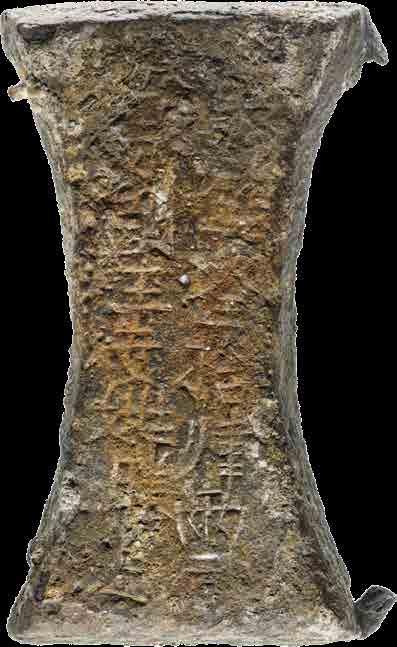
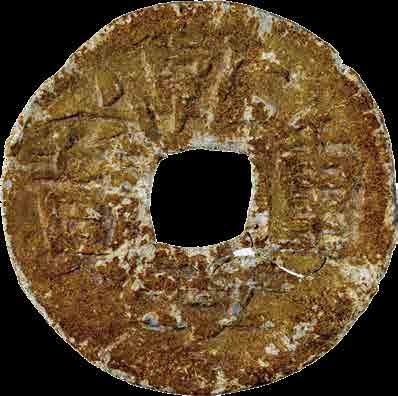
MOMK60214
Pic. 1 Intan bar, Kunstmuseum Moritzburg, Landesmünzkabinett, MOMK62229
Pic. 2 Coins Hartill 15.108Kunstmuseum Moritzburg, Landesmünzkabinett,
One Coin, Two Voices, A Unified Destination A Numismatic Deconstruction of the Hotan Horse Coin as a Synthesis of Silk Road Civilizations
◎ Tseng Che-lu〔USA〕
The Sino-Kharosthi coin, also known as the "Hotan Horse Coin," was not merely a circulating currency minted by the ancient Kingdom of Khotan; it is a unique historical archive. It encapsulates the complex interactions along the Silk Road and stands as a key piece of material evidence for understanding the region's political, economic, and cultural identity. This report aims to conduct a comprehensive analysis of the Sino-Kharosthi coin from the multi-disciplinary perspectives of numismatics, history, philology, and iconography.
The core thesis of this paper is that the Sino-Kharosthi coin was not simply a product created to meet the demands of trade. Instead, it was a deliberate and sophisticated synthesis engineered by the rulers of Khotan. It was designed to cleverly establish and proclaim their own sovereign status between the two great civilizational spheres of the Han Dynasty and the Kushan Empire. Its design represents a meticulous fusion of monetary standards, languages, scripts, and cultural symbols.
Part 1: The Kingdom of Khotan: A Crossroads of Civilizations
This chapter aims to establish the grand historical and cultural context in which the Sino-Kharosthi coin emerged. It argues that Khotan was not a passive recipient of cultural flows but an active shaper and integrator.
1.1 The Oasis Kingdom: Strategic Geography and Economic Foundation
Khotan (modern-day Hotan) is situated on the southern edge of the Tarim Basin, between the Taklamakan Desert and the Kunlun Mountains, its lifeblood sustained by the Yurungkash (White Jade) and Karakash (Black Jade) rivers. This unique geographical position made it a crucial oasis hub on the southern route of the Silk Road, connecting Dunhuang in the east with
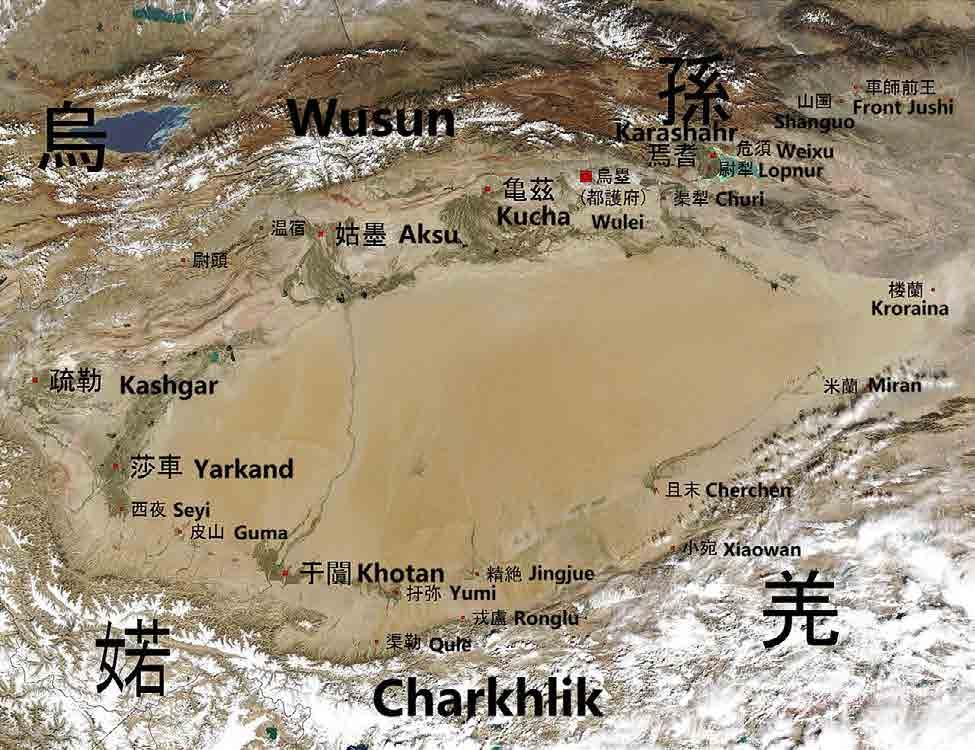
Fig. 1 Ancient Khotan
the Pamir Plateau in the west. It was an essential waypoint for ancient caravans traversing the vast desert (see Figure 1).
Khotan's economic strength was intrinsically linked to its strategic position, primarily built upon the production of highvalue, low-weight goods suitable for long-distance transport. The most famous of these was Khotan jade, whose trade history can be traced back to the Shang and Zhou dynasties, making it a vital source of jade for ancient China. Furthermore, after a Khotanese princess legendarily hid silkworm eggs in her headdress and brought them into the kingdom, a prosperous silk and carpet manufacturing industry also developed. This ability to control key trade routes and produce high-value commodities laid a solid economic foundation for the Khotanese kingdom's political autonomy and cultural confidence, equipping it with the capacity to issue its own distinctive currency.
1.2 A Cultural Melting Pot: The Confluence of Saka, Indic, and Sinic Civilizations
Khotan was not a state founded by a single ethnic group but a multicultural community. Its founding legend is itself a
composite narrative, pointing to a son of the Indian King Ashoka who was exiled and an exiled Chinese prince who jointly established the kingdom's foundations. This explains Khotan's ancient division into eastern and western cities and its mixed population structure.
Ethnically, its primary inhabitants were the Saka people, who spoke an Eastern Iranian language. Culturally and linguistically, however, Khotan was deeply influenced by surrounding powers. The Kharosthi script and Gāndhārī language used on the coins clearly indicate a profound cultural imprint from northwestern India and the Kushan Empire. Simultaneously, the Chinese character inscriptions on the coins and Khotan's historical status as a vassal state to the Han and Tang dynasties on multiple occasions demonstrate the long-term political and cultural influence of the Central Plains dynasties.
Therefore, Khotanese society was itself a hybrid woven from Iranian, Indic, and Sinic civilizational elements. The coexistence of two scripts on the Sino-Kharosthi coin is the most direct manifestation of this deep-rooted composite character of its social fabric; it was a currency designed for a populace of diverse cultural backgrounds.
1.3 The Rise of a Buddhist Sanctuary
Buddhism was the core and soul of Khotanese civilization. It is said that Buddhism was introduced to Khotan in 84 BCE, making it one of the earliest Buddhist kingdoms in the world. Thereafter, Khotan developed into a major center for Mahayana Buddhism, with close ties to the Buddhist communities of Gandhara and Kashmir. It was not only home to numerous
monasteries and a large monastic population, as recorded by the eminent Chinese monks Faxian and Xuanzang, but it also played a crucial role as a bridge for the eastward transmission of Buddhism to the Central Plains. The Sanskrit originals of several important sutras that profoundly influenced Chinese Buddhism, such as the Pancavimsatisahasrika Prajnaparamita Sutra and the Avatamsaka Sutra, were first obtained from Khotan before being translated into Chinese.
Khotan's founding myth even linked the kingdom directly to the Buddha, claiming that the Buddha himself had visited the land and prophesied that it would become a place where the Dharma would flourish. This profound religious atmosphere meant that Buddhism was not just a faith but constituted Khotan's national identity and cultural "soft power." In such a context, incorporating Buddhist symbols onto a coin—the most authoritative symbol of the state—was likely not merely decorative but a political act expressing faith and the divine legitimacy of the rulers.
Part 2: A Numismatic Deconstruction of the Hotan Horse Coin
This chapter will analyze the features of the Sino-Kharosthi coin from a numismatic perspective, revealing how each design element served the overall goal of cultural integration.
2.1 Form and Technology: Western Technique, Eastern Object
In their form, the Sino-Kharosthi coins completely abandoned the traditions of Central Plains coinage. They are round but
Table 1: Comparison of Main Denominational Features of Sino-Kharosthi Coins
Feature
Reference Weight
Reference Diameter
Large Coin (24 zhu)
Approx. 13-18 g
Approx. 26-29 mm
Small Coin (6 zhu)
Approx. 2-5 g
Approx. 12-18 mm
Obverse (Kharosthi side) Motif Horse or camel within a central circle Horse or camel
Obverse Inscription Kharosthi royal title encomium encircling the motif
Kharosthi royal title encomium encircling the motif
Reverse (Chinese side) Motif Tamgha (emblem) in the center Chinese characters "六" (six) above and "铢钱" (zhu qian) below
Reverse Inscription
Central Tamgha
Chinese "重廿四銖銅錢" (Bronze coin, weight twenty-four zhu) encircling the Tamgha
Chinese "六铢钱" (six zhu coin)
Present, with multiple interpretations Usually absent, or with special marks
Ancient Coins
lack the central square hole, a stark departure from the "round sky, square earth" design philosophy that had characterized Chinese coins from the Qin Ban Liang to the Han Wuzhu. More importantly, their manufacturing technique was striking, a method originating from the Greco-Roman and Kushan worlds, rather than the casting method traditional to China.
This technological choice was in itself a strong cultural statement. By adopting Western minting technology, Khotan aligned its coin production with the prestigious Hellenistic and Kushan traditions, thereby visually and tactilely distinguishing its currency from the Sinic monetary system of the East. This choice was not merely technical but carried clear geopolitical implications. The coins were primarily issued in two denominations: a large unit of 24 zhu and a small unit of 6 zhu.
2.2 Bilingual Inscriptions: A Linguistic Bridge
2.2.1 The Kharosthi Legend: The Voice of the West One side of the coin bears a Kharosthi inscription.
Kharosthi was an alphabet widely used in the ancient Gandhara and Kushan Empires, originating from northwestern India. The inscription contains the royal title, typically read as "Maharajasa rajatirajasa..." (meaning "Great King, King of Kings..."), followed by the ruler's name, such as "Gurgamoya." This "King of Kings" title was very common on coins in Central Asia, being the standard formula used by empires like the Kushan and Parthian to declare supreme authority. By adopting this title and script, the rulers of Khotan ensured their currency could be understood and accepted in westward and southward trade by merchants and polities of that cultural sphere, directly linking their own ruling legitimacy to the power structure of the Hellenistic-Kushan world.
2.2.2 The Chinese Inscription: The Voice of the East
The other side of the coin is inscribed with Chinese seal script. The inscription on the large coin reads " 重廿四銖銅錢 " (Bronze coin, weight twenty-four zhu), while the small coin reads " 六 銖錢 " (six zhu coin). Here, the "zhu" is a unit of weight and currency originating from Han China. Since Emperor Wu of Han issued the Wuzhu coin, it had become the cornerstone of the Central Plains' monetary system. By clearly marking the value
in "zhu" on its coins, Khotan was making a clear nod to the great eastern power—the Han Empire. This made the coin's value clearly identifiable and easy to circulate and exchange within the Han cultural-economic sphere. Even while adopting a Western coin form, Khotan still acknowledged the authority of the Han dynasty in its metrological standard.
2.3 Imagery and Symbols: Local Identity and Universal Concepts
2.3.1
The Central Asian Steed: A Symbol of Power and Wealth
The most striking image on the coin is a fine horse (sometimes a camel), which is the origin of its common name, the "Hotan Horse Coin." The horse was an indispensable element in Central Asian steppe culture and the Silk Road trade, serving as a vital strategic resource and a symbol of wealth, speed, and status. Historical records note that Khotan was famous for producing fine horses and camels. Therefore, the image of the horse carries multiple meanings: it represents the caravan trade upon which Khotan depended for survival, and it also symbolizes the kingdom's military strength and its cultural identity rooted in Central Asia. In a country deeply influenced by Buddhism, the horse was also often regarded as a sacred animal, playing the role of a medium connecting the mortal and spiritual worlds, which adds a deeper religious dimension to the imagery.
2.3.2 The Mysterious Tamgha: Royal Seal or Symbol of Faith?
In the center of the reverse of the 24-zhu large coin, there is usually a unique symbol, known academically as a "Tamgha" (clan emblem). Interpretations of this symbol vary. Some believe it is a variant of the Chinese character " 贝 " (bèi), symbolizing wealth; others see it as the exclusive emblem of the Khotanese royal family. However, a very compelling explanation is that this symbol is the Buddhist "endless knot" or Śrīvatsa. The Śrīvatsa is an ancient auspicious symbol widely used in the three major Indian religions—Buddhism, Hinduism, and Jainism—often depicted on the chest of deities (like Vishnu) or as one of the Eight Auspicious Symbols. In Buddhist art, it can be represented as a triangular swirl or an endless knot.
Considering Khotan's background as a devout Buddhist nation, placing a sacred symbol like the Śrīvatsa in the center of the
coin would undoubtedly imbue the currency with sanctity. It would symbolize that the kingdom's economic prosperity was blessed by the Buddhas, thereby greatly consolidating the divine legitimacy of the rulers.
Other symbols, such as "cowrie-shell" or "laurel wreath" patterns, may respectively symbolize wealth, victory, or power. Their final interpretation awaits corroboration from excavated texts.
2.4 Metrological Standard: An Ingenious Fusion of Eastern and Western Systems
The most ingenious design of the Sino-Kharosthi coin lies in its metrological system. It adopted the Chinese "zhu" as its unit of weight, setting the denominations at 24 zhu and 6 zhu. These two denominations form a precise 4:1 exchange ratio. This 4:1 relationship is uncommon in traditional Chinese monetary
Table 2: Comparison of Major Ancient Monetary Systems
systems but was a core feature of the Hellenistic monetary system, namely the relationship between the tetradrachm and the drachm. The monetary system of the neighboring Kushan Empire was a direct successor to this Hellenistic tradition.
This design was nothing short of genius. The rulers of Khotan adopted an Eastern unit of account (zhu) but placed it within a Western denominational structure (4:1). The result was a coin that could be seamlessly understood and accepted by two major economic systems. A Han merchant from Chang'an could calculate its weight and value based on the "zhu," while a Kushan or Sogdian merchant could immediately recognize the 4:1 exchange relationship and equate it to their familiar tetradrachm/drachm system. This design dramatically reduced transaction costs in cross-cultural trade and demonstrated the Khotanese court's sophisticated understanding of international finance and commerce.
Feature Han System (Wuzhu) Greco-Kushan System (Drachm)
Khotanese System (SinoKharosthi)
Main Unit Zhu Drachm Zhu Common Denominations Five zhu
Key Visuals Chinese inscription, central square hole Ruler's portrait, deity, Greek script Horse/Camel, coexisting Chinese and Kharosthi scripts
Part 3: Chronological Verification and Periodization
This chapter will evaluate the issuing period of the SinoKharosthi coins, synthesize the authoritative conclusions from the numismatic community, and analyze an innovative dating method from the perspective of the evolution of Chinese calligraphy.
3.1 Numismatic Consensus: Cribb's Chronological Framework
Modern authoritative research on Sino-Kharosthi coinage is founded on a series of papers published by the British
numismatist Joe Cribb in the Numismatic Chronicle in 1984 and 1985. Through typological analysis, coin hoard evidence, and comparison with Kushan coinage, Cribb established a chronological framework for this coin series. Recent discoveries have largely confirmed his conclusion that the Sino-Kharosthi coins were primarily issued from the 1st century to the early 2nd century CE. Research indicates these coins are closely associated with the reigns of the first four rulers of the Kushan Dynasty. In fact, Sino-Kharosthi coinage is considered the only reliable physical evidence for the history of Khotan during this specific period, as related Chinese and Tibetan historical records were all written several centuries later. Therefore, the generally accepted chronological framework in the numismatic community provides us with a solid chronological anchor.
Ancient Coins
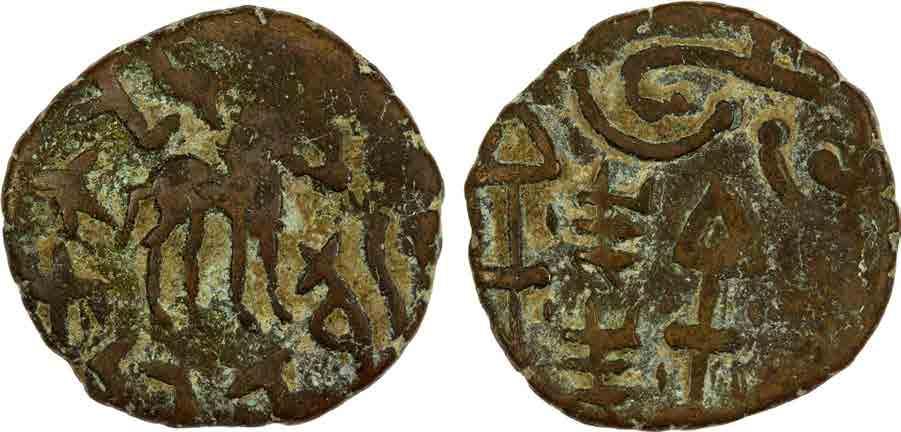
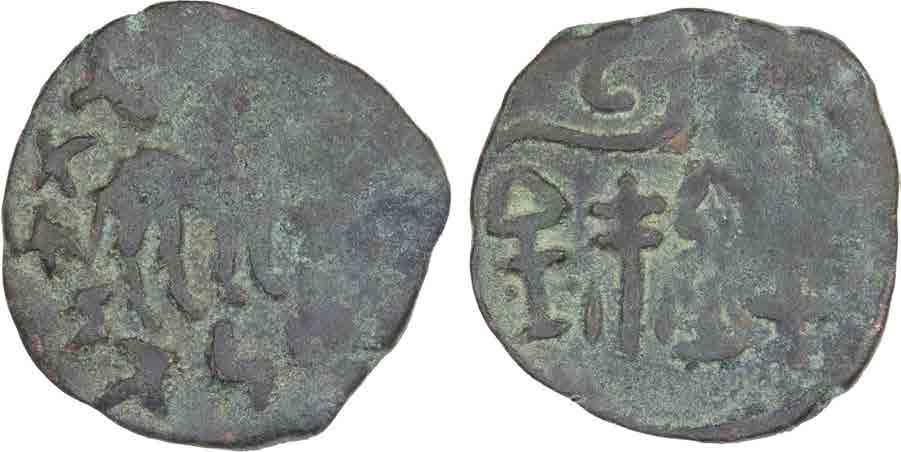
5. Large-hole Six, 2.2g, variant (Qian Zhu) characters. Tail of the " 六 " points down, " 銖 " (Zhu) and " 錢 " (Qian) are swapped left to right
3.2 A Calligraphic Inquiry: The Revelation from the Evolution of the Character " 六 " (Six)
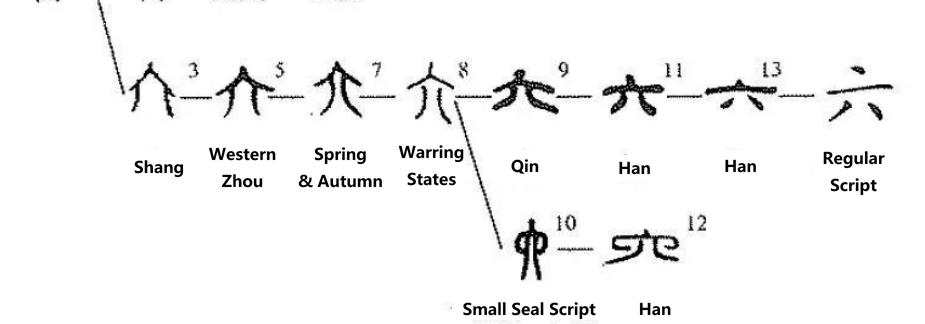
Figure 2: The evolution of the seal script character for "six" ( 六 )
Evolution of script style and inference of minting period (Seal → Clerical → Regular), can serve as a supplementary basis for coin dating: 1. Small Seal Script Period (late Western Han): The character " 六 " on the coin is cursive and slender (+/– 25 CE).
2. Clerical Script Period (mid-Eastern Han): Strokes are straight,
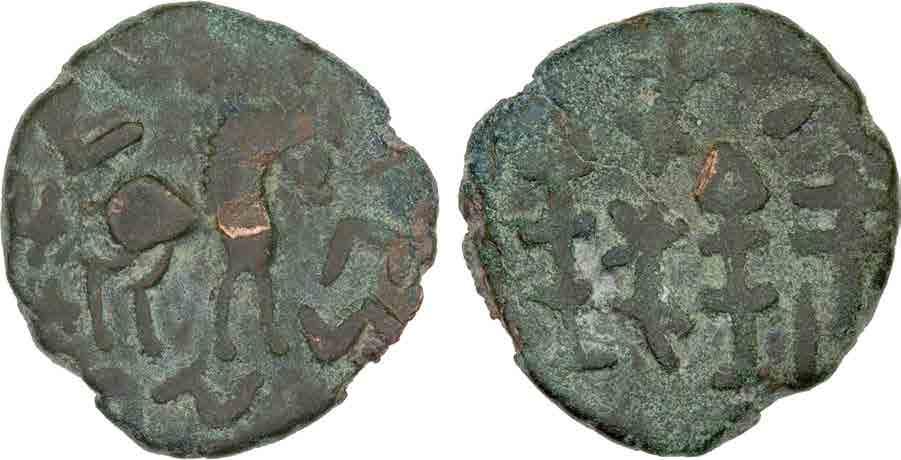
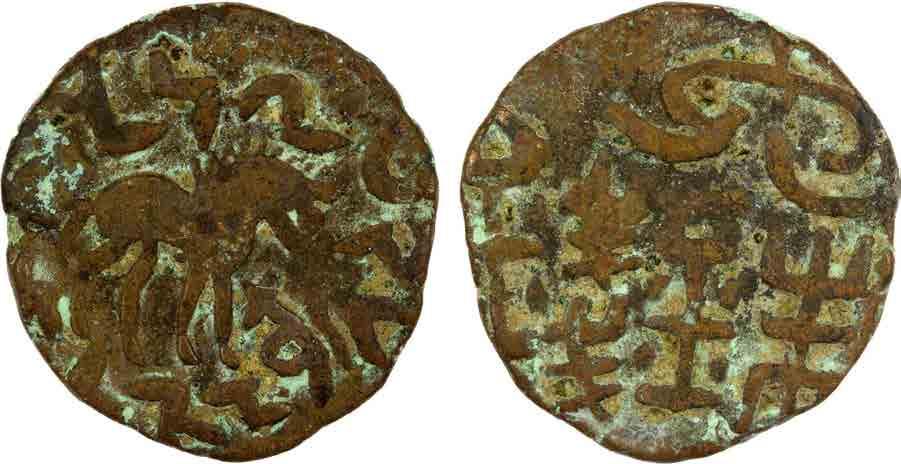
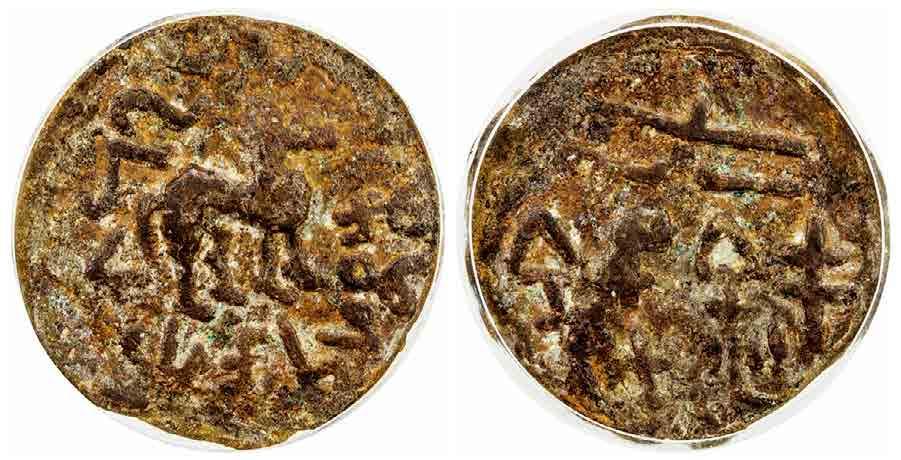
showing clear features of clerical transformation (25–220 CE).
3. Incipient Regular Script (Wei-Jin & Northern/Southern Dynasties): Character form is square, brushwork is lively, dating pushed to the late Jin dynasty. Verification Method: Comparison with excavated stele inscriptions and bronze inscriptions (see "Collection of Chinese Epigraphy").
Another innovative dating perspective comes from examining the evolution of the calligraphic style of the Chinese character " 六 " (six) on the small coins to infer their relative chronology. The core of this method is to compare the script on the coins with that on excavated artifacts with clear dates (such as steles and bronze vessels) (see Figures 3, 4, 5). The evolutionary sequence of Chinese characters is roughly Seal Script, Clerical Script, and then Regular Script.
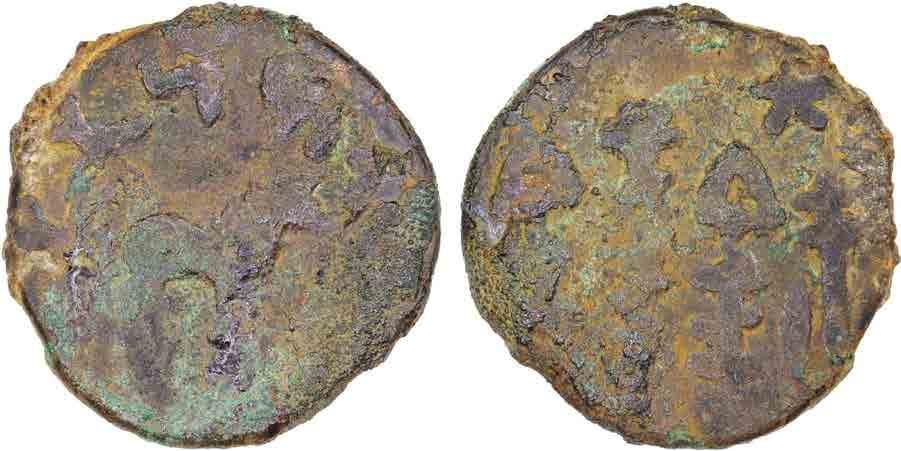
Figure 3. Large-hole Six, 4.01g. Six Zhu Coin
Figure 4. Large-hole Six, 3.87g. Six Zhu Coin
Figure 6. Wt. 4.3g, 2.4mm. Character " 六 " is flattened.
Figure 8. Wt. (4.66g)
Figure 7. Wt. (3.99g)
Figure
Observing the actual coins (see Figures 3, 4, 5), one can find different styles of the character " 六 ". Some have rounded, turning strokes and elongated structures, retaining the characteristics of Small Seal Script. Others have strokes that tend to be straight and structures that are square, exhibiting features of Clerical Script. By comparing these styles with the character " 六 " on specimens such as the Han Xiaocheng Ding (Western Han), the Han Yanguang Remnant Stele (122-125 CE), the Wu Changuo Shan Stele (276 CE), and the Jin Yuankang Bricks (291299 CE), a relative stylistic sequence can be established. For instance, the script on the Yanguang Remnant Stele is described as "miùzhuàn"—"neither clerical nor seal"—a transitional form
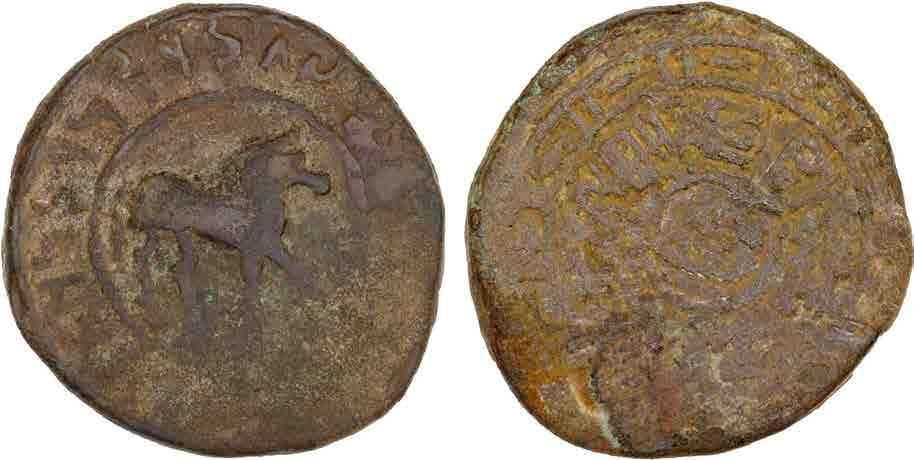
reading:
between the two, which provides a chronological reference for judging coins with similar script styles.
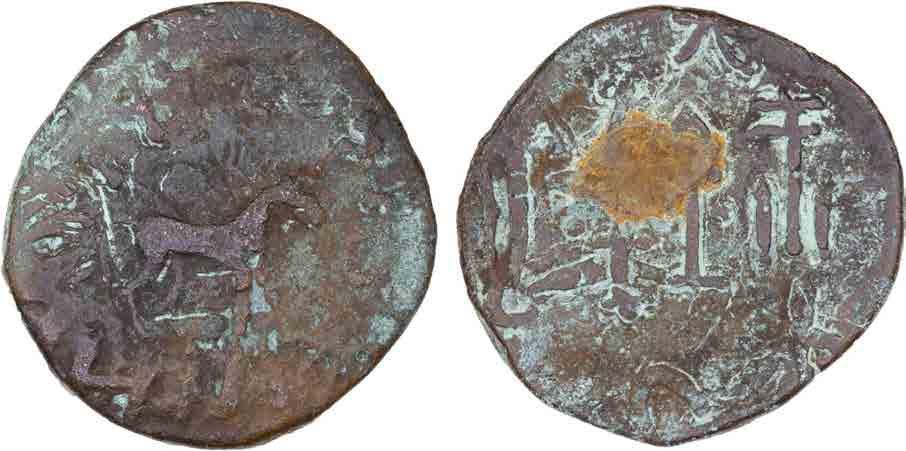
9. Wt. (5.39g)
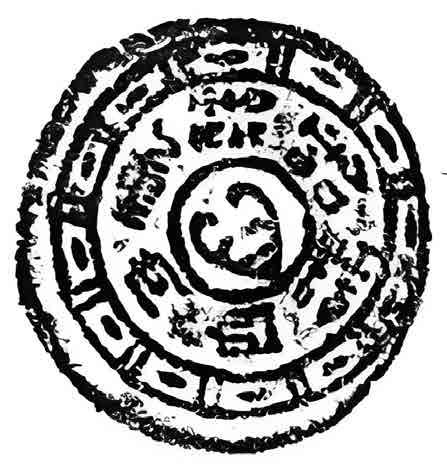
11. Counter-clockwise reading: " 重廿四铢铜钱 " (Bronze coin, weight twenty-four zhu)
Table 3: Calligraphic Style Analysis of the Character "六" in Han-Jin Period Epigraphy
Sample
Image)
Fig. 5, No. 9-10
Qin Dynasty, Shuowen Small Seal Qin to early Western Han Small Seal Script
Fig. 5, No. 1112 Han Dynasty Clerical Script
Han Yanguang Remnant Stele
Wu Changuo Shan Stele
Jin Yuankang Bricks
Eastern Han Clerical Script
Eastern Han (125 CE)
Three Kingdoms, Wu (276 CE)
Miuzhuan (between seal & clerical)
Regular/Seal Script
Western Jin (291-299 CE)
Regular/ Clerical Script
Curves are rounded, structure is symmetrical and slender, highly decorative.
Strokes are straight, "silkworm head and swallow tail," character form tends toward a flat square.
Winding and archaic, possessing both the roundness of seal script and the momentum of clerical script.
Comparison with Coin's "六"
Some early SinoKharosthi coins retain this style for "六", with curved lines.
The "六" on some SinoKharosthi coins shows clerical transformation, with strokes tending to be angular.
Provides a chronological benchmark for the sealclerical hybrid style "六" on the coins.
Structure is square, strokes are clear. -
Character form tends to be regular, showing incipient regular script.
Some square-form " 六" characters may correspond to the late Eastern Han to Wei-Jin period.
Figure 10. Clockwise
" 重廿四铢铜钱 " (Bronze coin, weight twenty-four zhu). Wt: 18.16g
Figure
Figure
Ancient Coins
3.3 Integrated Chronology: Reconciling the Evidence
Although calligraphic analysis offers an insightful method for internal sequencing, its application to coin dating has limitations. First, there is the possibility of stylistic lag, meaning that official script used in a peripheral region (like Khotan) might have been more conservative than in the Central Plains heartland, continuing to use older script forms. Second, the differences in medium and craftsman—the work of a die engraver on a tiny metal flan—may not perfectly correspond to the formal style of a calligrapher on a large stone stele. Finally, seal script and clerical script had a long period of coexistence during the Han dynasty.
Therefore, the most prudent conclusion is to use calligraphic analysis as a supplementary tool to refine the macrochronological framework established by numismatists. That is, within the broad range of the 1st to 3rd centuries CE, coins with the character " 六 " in a more archaic Small Seal style likely belong to earlier issues (c. 1st century CE), while those showing clear clerical script features probably belong to later issues (c. 2nd-3rd centuries CE). This approach, while respecting the primacy of archaeological and numismatic evidence, effectively incorporates the value of philological analysis. It allows us to move from the macro-judgment that "these coins were issued in the 1st-3rd centuries" to a more refined view that "within this period, Type A (seal script style) may be earlier than Type B (clerical script style)." As for the inference that some coins date as late as the Jin dynasty, this is less likely, because by the late 3rd century, the Kharosthi script had largely fallen out of use, and later Khotanese coins adopted the Brahmi script instead.
Part 4: The Context of the Coinage: Economic, Political, and Cultural Roles
This chapter will synthesize all the preceding analyses to explore the multiple roles played by the Sino-Kharosthi coin in its historical context.
4.1 A Currency Born for a Cross-Cultural Market
The trade of the Silk Road was essentially a multi-nodal, multicurrency relay trade. Although the Sasanian silver drachm and the Byzantine gold solidus were the international hard currencies of the time, a large number of local currencies also circulated
along the route. Archaeological findings show that SinoKharosthi coins circulated mainly locally in Khotan and are rarely found in the heartlands of the Central Plains or the Kushan Empire, proving that they were a local currency.
However, it served a highly internationalized market. Its bilingual, dual-metrological standard design made it an ideal medium of exchange among local Khotanese merchants and visiting Sogdian, Persian, Indian, and Han Chinese traders. It effectively bridged the gap between the Han and Kushan monetary systems, reduced transaction costs, and solidified Khotan's position as an indispensable commercial center on the Silk Road.
4.2 The Proclamation of Sovereignty and the Art of Diplomacy
In antiquity, issuing coinage was a powerful political act of asserting sovereignty. Throughout its history, Khotan often navigated between powerful entities like the Xiongnu, the Han Dynasty, the Kushan Empire, and the Tibetan Empire, sometimes independent, sometimes a vassal. The Sino-Kharosthi coin is a masterpiece of geopolitics. By using the Kushan-style "King of Kings" title, the Khotanese ruler nominally placed himself on equal footing with his western neighbors. By using Chinese characters and the "zhu" unit, he expressed cultural affinity and political respect towards the Han Dynasty in the east. Most crucially, by casting his own name (in Kharosthi) and unique local symbols (the horse) upon it, he clearly proclaimed his own sovereignty. This small bronze coin was both a tribute to the surrounding great powers and a declaration of its own independent status—a brilliant act of diplomatic balancing accomplished on bronze.
Political Origins :After Zhang Qian's mission to the Western Regions in the Western Han, Khotan came under the Han sphere of influence with the establishment of the Protectorate of the Western Regions (Book of Han, "Account of the Western Regions").
During the Eastern Han, Wei, and Jin periods, it was subordinate to the Han and Kushan Empires, retaining its local kingship while revering the culture of the Central Plains.
Cultural Fusion : Buddhism was introduced to Khotan from the 1st century BCE, making it an early center for Sino-Indian Buddhist exchange. Eminent monks like Kumārajīva and Faxian passed through here (see A Comprehensive History of the Buddhas and Patriarchs).
Gandharan art and Hellenistic culture influenced Khotan via the Silk Road, leading to a diverse fusion in the coin's design and craftsmanship.
4.3 The Embodiment of Faith: A Buddhist Talisman in the Marketplace
The significance of the Sino-Kharosthi coin transcends purely economic functions; it was also a carrier of cultural and religious values. Khotan was a devoutly Buddhist kingdom. The horse motif on the coin could itself carry Buddhist connotations, and the tamgha on the reverse of the large coin is highly likely the Buddhist Śrīvatsa (endless knot). If this interpretation holds, then this symbol infused the coin with the quality of a talisman, bringing auspiciousness and blessings to commercial activities. Furthermore, the character " 六 " (six) on the small coin also carries auspicious connotations of "smoothness and success" (liù liù dà shùn) in Chinese culture, possibly adding another layer of cultural meaning.
This design cast the king as a Buddhist monarch emulating a Cakravartin (wheel-turning sage king), who not only guaranteed the material wealth of the kingdom but also cared for its spiritual well-being. Every transaction became a small but constant affirmation of the state's pious faith and the ruler's legitimacy
Conclusion
The Sino-Kharosthi coin is a microcosm of an early stage of globalization in the ancient world. It was not the product of a passive collision of two cultures, but the fruit of the Khotanese kingdom's wisdom in proactively making cultural choices and technological innovations to survive and thrive in a complex geopolitical landscape.
From a numismatic perspective, its every design feature—the Western striking technique, the coexisting bilingual inscriptions, the integrated metrological system, and the imagery with both
local and universal significance—served a common goal: to create a "super-currency" that could circulate seamlessly between the two major civilizational spheres of the Silk Road. This not only reflects Khotan's profound insight into the rules of international trade but was also a successful economic innovation.
From a historical and political perspective, this coin is a declaration of Khotanese sovereignty. It skillfully balanced respect for the two great powers, Han and Kushan, with its own assertion of independence—a form of diplomatic rhetoric engraved on metal.
From a cultural perspective, it integrated secular royal power, commercial value, and sacred Buddhist faith, turning currency into a mobile medium for disseminating national identity and religious legitimacy.
In summary, the Sino-Kharosthi coin is far more than just the "Hotan Horse Coin." It is a miniature monument, testifying to how the Kingdom of Khotan, by virtue of its geographical advantages, cultural wisdom, and commercial acumen, forged its own unique civilizational identity at the crossroads of the ancient world. Its in-depth study will continue to reveal the depth and complexity of cultural exchange along the Silk Road.
Documentary and Archaeological Records
Book of Han, "Account of the Western Regions": "Khotan belongs to the Thirty-Six Kingdoms of the Western Regions." In Book of Han, juan 96, section on the various kingdoms of the Western Regions.
Records of the Grand Historian, "Account of Dayuan": Records Emperor Wu of Han's conquest of Dayuan and campaigns in the Western Regions, which first opened up contact between the Central Plains and the Western Regions.
Cribb, Joe, "The Sino-Kharosthi Coinage of Khotan," Numismatic Chronicle 1984, Vol. 144.
Cribb, Joe, "Some Further Observations on the SinoKharosthi Coinage of Khotan," Numismatic Chronicle 1985, Vol. 145.
Archaeological Finds: Over 350 pieces have been unearthed to date, held in collections such as the British Museum (UK), the National Museum of India, the Hermitage Museum (Russia), and the National Museum of China.
World Money Fair 2026— Berlin Show Panda Medal
◎ Oliver Strahl〔Germany〕
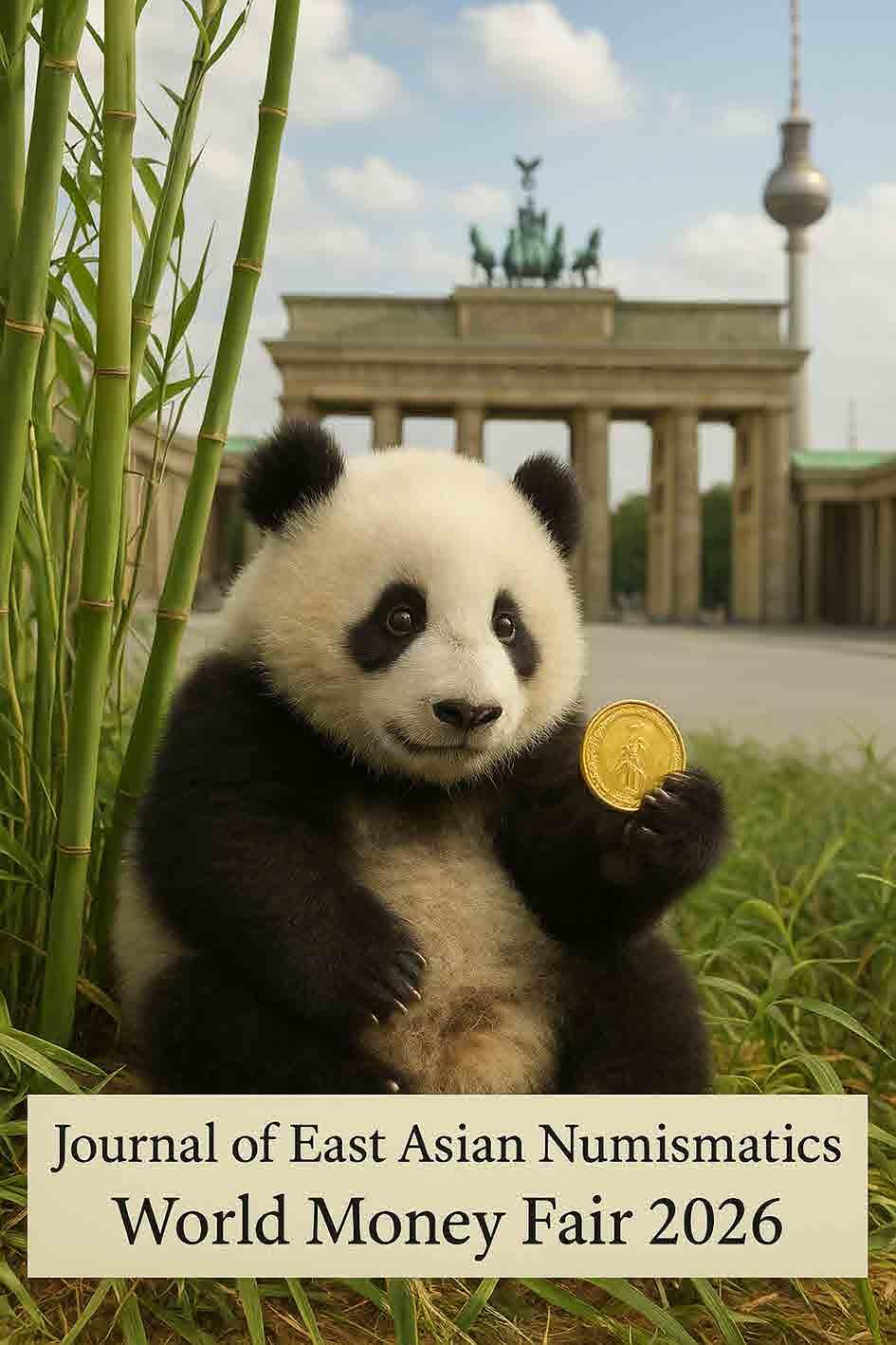
The year 2025 is drawing to a close, and snow is blanketing the landscape in a brilliant white.
Christmas lights are twinkling and the nights are getting longer. The new numismatic year 2026 will begin very soon! Traditionally, collectors are already preparing for the next World Money Fair 2026 in Berlin. The World Money Fair is the world's largest and leading coin fair.
It offers an exceptionally wide variety of coins on an exhibition area of 9,000 square meters. To date, 233 exhibitors from over 50 countries are listed for the upcoming fair. The event offers
something that many collectors love: not only coin offerings from dealers, but also presentations of new releases from the issuing countries. Once again, there will be numerous coins specially minted for the fair, various competitions will be held, there will be presentations to marvel at, and collectors can get involved in the activities on offer - they can even mint their own exclusive and valuable medals. Overall, it is and remains a numismatic event of superlatives.
The World Money Fair will take place from January 29 to 31 in Germany's capital, Berlin. Visitors can attend the fair daily from 10:00 a.m. to 6:00 p.m. This event is happening at the Estrel Congress Center. Estrel is Germany's largest hotel with 1,125 rooms. At the end of 2026, the Estrel Tower will also open, which at 176 meters will be the tallest building in Berlin. Outside the exhibition area, the Estrel has several restaurants and bars that invite you to chat with friends and colleagues about numismatics. One night in a 27 square meter standard room during the fair costs €200. In addition, there is a city tax of €15 per day, which was increased to 7.5% in 2025. The 7% VAT of €1.05 is again payable on the accommodation tax. There is plenty of parking available at the hotel. The parking fee for 24 hours is €22.
Since last year, the World Money Fair has been under the new
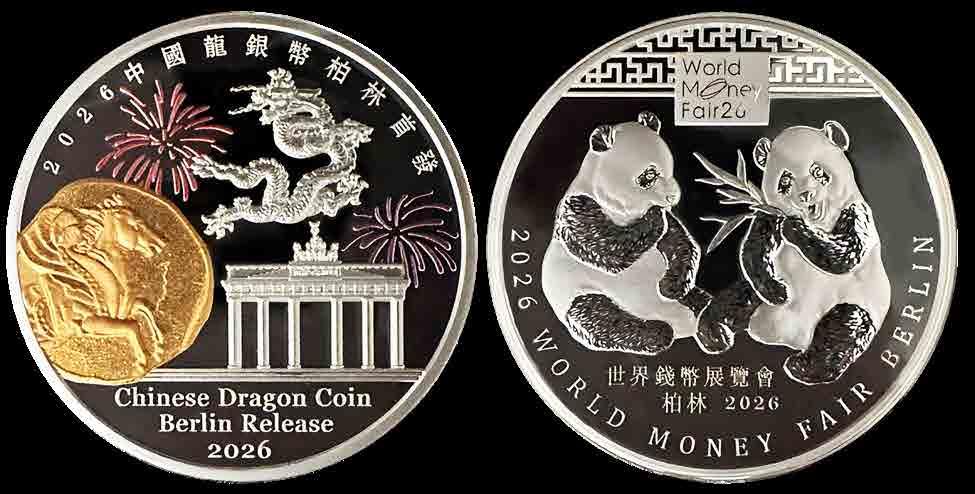
management of Mr. Jungmichel. A lot has happened since then. It's become way more modern, and the official website got a major update. The organizer reaches a wider and younger audience via social media. Members of the World Money Fair Club enjoy special benefits, including discounted admission prices, monthly news via a newsletter, and even free drinks and gifts during the fair. The Minting Experience Center is particularly impressive. Visitors can watch medals being minted live in a 100-square-meter space and keep them as souvenirs.
is presenting its brand-new coin range, and anyone wishing to admire all the precious metal Pandas that have been released can find them at the Yong Yin Coin booth. Special commemorative coin sets for the fair will certainly be available again from the Japan Mint, Swissmint, Royal Dutch Mint, and Royal Mint Belgium. Germany's Mint also always has the latest 2 euro CoinCard on offer. A silver kookaburra specially designed for the fair is available from the Perth Mint. What many people overlooked at the last fair was the promotional giveaway from Valaurum. This was a 24-karat fine gold banknote weighing 0.05 grams.
On January 28, the 22nd Technical Forum gets started. New technologies and current trends in coin production will be presented and discussed here. The hall plan and list of exhibitors for the upcoming fair are already available on the official website. Day tickets can be pre-ordered online via TicketPay for €18. Trade visitors can purchase tickets for €145, which grant admission from 8:00 a.m. Digital tickets can be converted into printed versions on site. The official opening ceremony will begin at 10:00 a.m. on January 29, and the expected 15,000 visitors can then begin their numismatic adventure. A coin passport can be purchased for a fee. This can be used to collect various circulation coins from the issuing countries and official ink stamps. Tower Mint London will be the guest of honor at the World Money Fair in 2026 and can be found at booth C12. It is London's last remaining mint and is celebrating its 50th anniversary at the fair.
There will once again be many interesting exhibitors in the Chinese coins section. As a dealer, Mr. Yu Ying offers a wide range of coins and medals. China Gold Coin Group Co., Ltd.
The both grading service providers NGC and PCGS will be present again. Submissions can be made during the fair. Grading has now become fully integrated in Europe, and coins with a high grade fetch top prices. Graded coins are also easier to sell worldwide because they have a standardized and independent rating. NGC will offer a limited workshop for grading during the event. Participants usually receive a special NGC sample as a souvenir.
Starting next year, a major grading service company for collectibles will be expanding into Europe, specifically to Frankfurt am Main, Germany. With over 100 employees on site, PSA will open a new office in the summer. PSA is known for grading trading cards, comics, and video games.
Precious metals are currently attracting a great deal of attention. The rally has been going strong for over 20 years. Price developments are driven by crises and wars and have been rediscovered as a hedge against inflation. As a result, gold is now part of every portfolio. Central banks continue to stockpile their reserves, with Poland in particular recently making record
purchases and thus, at least officially, leading the way in terms of acquisitions. A gigantic gold vein has been discovered in China, but the precious metal extracted from it will most certainly remain in the country. Silver, on the other hand, is increasingly in demand in industry, for example in the manufacture of photovoltaic systems, but investors are also continuing to withdraw the precious metal from the market. Many dealers are currently experiencing delivery problems again.
Gold is currently trading at $4,200 and silver at $58 an ounce. The price of physical precious metals is even higher. A fine ounce of gold in minted form is currently available for $4,218, and silver must be paid for at a minimum of $71.50. It remains to be seen where prices will go. At the beginning of the year, I predicted the current price almost exactly. Until the Swiss Vreneli, which was issued to mark its 100th anniversary, was sold, I had expected the price of gold to be €3,500 per fine ounce. A few years ago, 1/10 oz of gold cost around €100, which many considered to be very overpriced at the time. Now the same size is already close to €400, and I am sure that investors can and are willing to afford a 1/10 oz for €500 or even more. With a growing global population, greater wealth, and strong purchases by central banks, the precious metal gold is and will remain sought-after and expensive. The result will be that fewer large units of physical precious metal will be minted for investment purposes, with 1/20 oz or 1/10 oz coins coming to the fore in the future. Its use in jewelry will also decline. Physical precious metals retain their value over generations - unlike stocks or cryptocurrencies. Although Bitcoin offers greater potential in its role as digital gold, its price fluctuates too wildly. In the case of a possible quick sale, this risk must be taken into account.
You can find me at booth F6 at the World Money Fair. The Show-Panda-Medals issued since 2016 will be presented here at Champion Auction and House of Coins. In addition, after a hiatus in publication, the new printed Journal of East Asian Numismatics in English will be available at the booth. The latest World Money Fair Berlin Show-Panda-Medal 2026 will be available at the Kuenker booth.
The 1 oz silver medal has a mintage of 200 pieces and will cost €135. The 8-gram silver version, with the same mintage, is available for €50. Both medals can be purchased individually or together and are restricted to 50 pieces per fair day.
The sharp rise in the price of silver and increased import costs are affecting the retail price of the Show-Panda-Medal. Due to the very limited small circulation and higher production costs, the price was calculated very tightly. As usual, the Show-PandaMedals will be available on eBay for €200 or more on the first day of the fair.
The performance of Chinese coins is particularly interesting. Prices have skyrocketed for the first 20 years of Panda issues. The first release in 1982, containing one ounce of gold, fetches a price of €12,000. A 1995 ¼ oz gold panda is worth €6,000. The silver pandas are catching up, and rare variants stand out. The 1 oz Panda 1990 Small P, when graded PFUC69 by NGC, is worth an impressive $2,000.

Most Chinese coins are migrating to China, where they are in demand by an increasing number of wealthy collectors. Some years and sizes of the gold pandas have a maximum mintage of 2,000 pieces. With coins returning to China and disappearing into master sets, the market is becoming increasingly scarce, triggering a steady rise in prices.
Panda coins are popular in China, and silver dollar coins are favored in the United States. If a comparable mintage is used here, a US dollar coin is worth between $50,000 and $250,000 on average. From this perspective, there is still plenty of room left to grow.
Chinese 1-yuan commemorative coins are following this trend. Some old Chinese dollar coins and commemorative coin sets from the 1980s, which had previously been on a strong upward trend, are currently undergoing a correction.
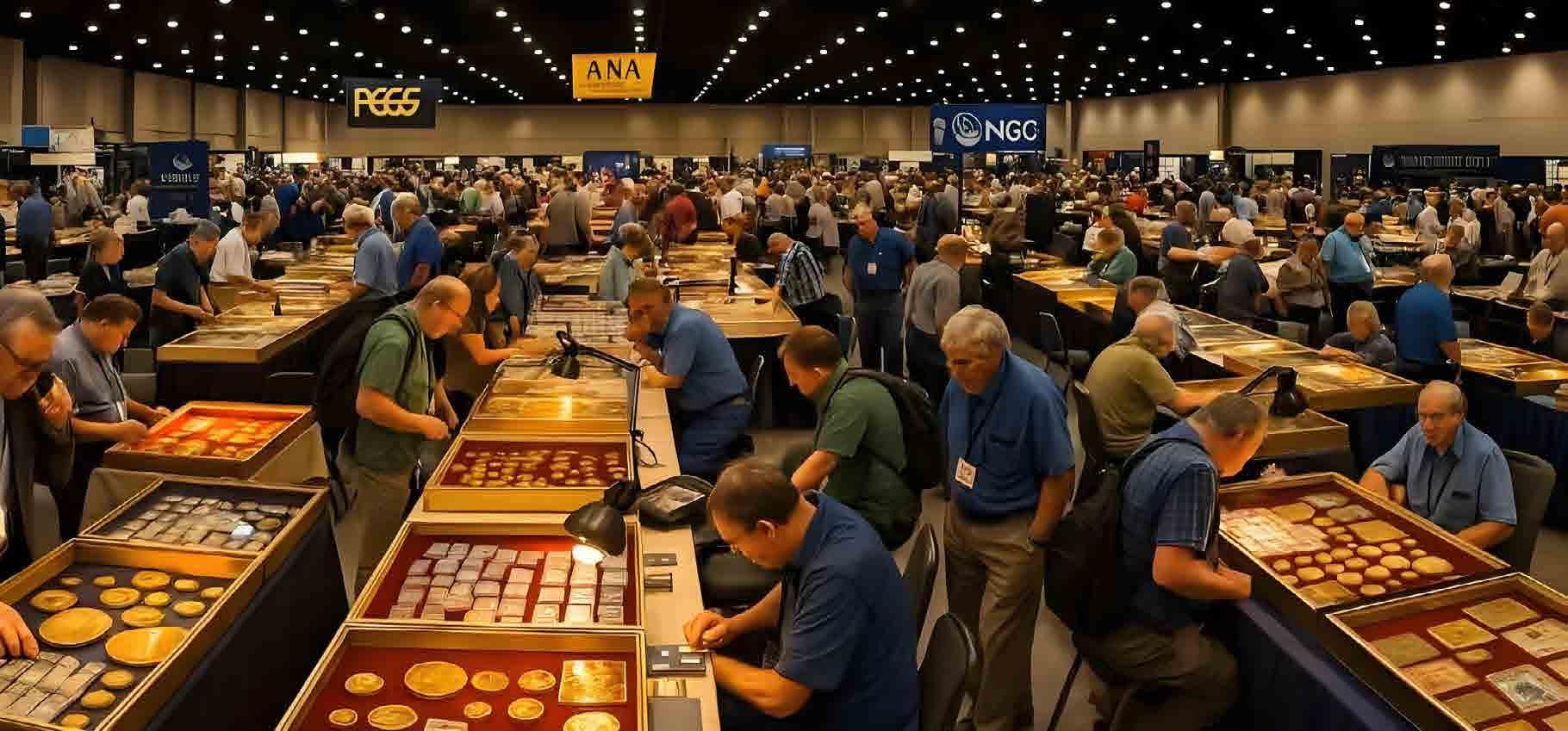
Summer 2025 ANA World’s Fair of Money in Oklahoma City Show Report
◎ J. Matthew Brotherton〔USA〕
For the first time ever the Summer 2025 American Numismatic Association’s (“ANA”) World’s Fair of Money show was held in Oklahoma City, Oklahoma from August 19th-23rd. For those readers unfamiliar with Oklahoma City, it has a population of a little over 700,000 and is located alongside the infamous Route 66 in the southern part of America’s Midwestern region. Oklahoma City is home to the reigning NBA world basketball champions, the Oklahoma City Thunder, and for food the region is best known for its delicious barbeque. Because the ANA had never been held in Oklahoma City before and due its smaller population market than most traditional ANA host cities, many dealers were curious to see how this show would turn out. I am pleased to report that the Oklahoma City Summer ANA show exceeded everyone’s expectations and many regular dealers told me that this was their “best show” ever (including for yours truly). This speaks highly of how strong the coin and numismatic market is right now. With pending U.S. tariffs and continued international political uncertainty, we continue to see a surge for precious metals with gold at record highs and silver at near-record highs around the world. This “perfect storm” for precious metals continues to drive our numismatic industry to new heights and the success of the 2025 Oklahoma City
Summer ANA show is a testament to that as we head into the Fall of 2025.
The Oklahoma City ANA show drew an attendance that exceeded over 8,000 collectors, around 500 dealers, and numerous mints from around the globe. Once again, I set up for the Summer ANA show with Rick Stelzer, my business partners at Vintage Collectibles Group out of Sarasota, Florida, Michael Chou, President of Champion Auction Macau, and Philip Kapaan, a world coin dealer at Kapaan and Mades GbR located in Bochum, Germany. Along with precious metals, sales of vintage and key date U.S. type coins continue to do well. As for U.S. currency and foreign currency, many notes under $200 (U.S. dollars) were bought up as inventory by other dealers doing online auctions, again reflecting strong market sales in the overall numismatic industry. For international coins, vintage Chinese gold, silver and bronze coins continue to do well as do vintage silver and gold coins from Central and South America. I have also seen an increase in demand for more modern foreign gold and silver coins (particularly Chinese Panda coins) due in part to the uncertainty of the pending U.S. tariffs imposed by the Trump Administration.
Modern Coins
In addition to all of the buying and selling of coins, currency and other numismatic items, the Oklahoma City Summer ANA Show offered grading service appraisals, educational seminars, auctions, collectors meetings, events for young numismatists, and much more. For younger collectors, Ernie’s Treasure Treehouse made its return. This very popular event is where children in grades K-12 can have fun playing arcade-style games and win fantastic numismatic prizes. A hot exclusive item at this year’s Summer ANA was the Oklahoma City edition of the 2025 Chinese Dragon Silver Bullion coin. This coin was limited to 3,000 pieces, encased in an exclusive Oklahoma City / Route 66 card, and was limited to one for a household, so a big congratulations if you received one. GreatCollections was this year’s ANA Official Auctioneer, and had on display the unique pair of New Orleans Mint 1844 $5 and $10 dollar proof gold coins. This is reportedly the first time the two coins have appeared publicly together, and it is widely believed these coins were struck to commemorate the visiting of a dignitary to the New Orleans mint in 1844. Like all ANA shows, there were numerous informative and educational opportunities available for the public in Oklahoma City. The “Money Talks” presentations were excellent as always and included “Making Small Change in the 18th Century: Coins, William Wood, and the King’s Mistress” presented by Franklin Noel discussing how the Hibernia and Rosa Americana coins came about over 300 hundred years ago as a result of the small change shortage in Ireland and the American colonies This discussion outlined how the Wood’s family owned iron and copper mines were put to use to produce the coins while navigating the politics of England’s first Hanoverian king, George I. Ron Burkard presented “Bolivia’s 19th Century Proclamation Coinage” outlining how during the many Bolivian government changes during this period (both new leaders and new constitutions) were announced to the public through these silver proclamation coins. Kirk Van Brunt gave a presentation on “Road Trip! Collecting the
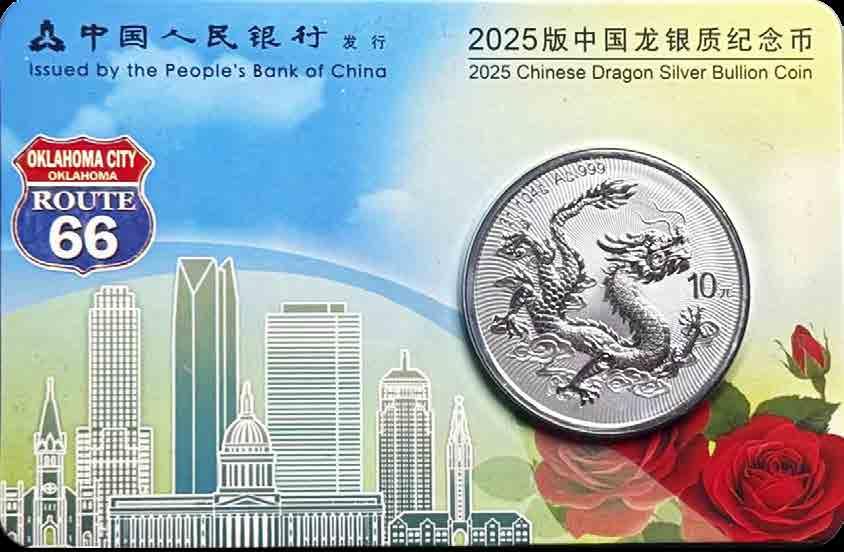
Travelling Coins of Hadrian” who ruled the Roman Empire at its apex and issued many coins that memorialized his vast journeys throughout the Roman Empire during his reign.
This year’s ANA Museum Showcase featured stunning pieces from the ANA’s Edward C. Rochette Money Museum. On display were two of the world’s most valuable rare coins, the McDermott-Bebee 1913 U.S. Liberty Head Nickel and the Idler-Bebee Type III 1804 U.S. Bust Silver Dollar. The 1913 Liberty Head Nickel is one of five known and the 1804 Bust Silver Dollar is often referred to as the “King of U.S. Coins” with only fifteen known examples. An interesting numismatic fact is that no dollars dated 1804 were actually struck at the U.S. Mint in 1804. In 1804, the U.S. Mint actually struck 1803 dollars, and then ceased regular production of silver dollars until 1840. Three amazing international collections were on display at this year’s Summer ANA show. First, the “Medals of the Renaissance” exhibited a fine selection of 14th to 17th century medals from the revival period in Europe. Next, the “Electrum Coins of Asia Minor” displayed a collection of electrum (an alloy of gold and silver) coins outlining the evolution of electrum coins from simple mid 7th century B.C. designs to modern day masterpieces. Finally, the “First Coins of Mexico” exhibited early Mexican coins struck from 1536 through 1572 at the New World’s first mint in Mexico City. These artistic coins were issued under King Charles I of Spain and his mother, Juana to support colonial trade and reduce reliance of coin production by the Spanish mints.
Oklahoma City proved to be a great host city as the Summer ANA was a huge success. It appears that the numismatic industry will stay on fire for the rest of 2025 as gold and silver pace the way with record highs. Later this November, I look forward to seeing my good friend, Michael Chou, and others at the Macau Numismatic Society (“MNS”) Coin Show. November 26, 2025 will be the opening ceremony for the MNS coin show at the Ponte 16 Hotel in Macau and Enter here details of the Macua Coin Show, details about special Chinese silver dragon coin for the Macua show, details of the Champion Auction with description of highlighted items from the auction…
Until next time, I wish you all the best in your numismatic pursuits, and I hope to see everyone in Macau towards the end of November!
Chinese Silver Dragon Debuts
China's First Ounce-Based Investment Silver Coin Marks the Dawn of the Chinese Cultural Finance Era
◎ King Chan〔HK〕
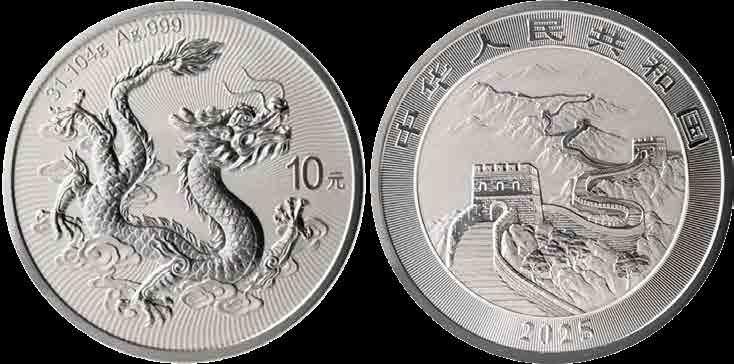
On March 18, 2025, the People's Bank of China officially issued legal tender – the 2025 Chinese Dragon Silver Bullion Coin. The grand launch ceremony, held at the Shenzhen Guobao Mint, attracted a distinguished gathering of industry elites. The event underscored the authorities' profound emphasis on the issuance of this coin.
The dragon is a totem of Chinese culture. To promote the outstanding heritage and introduce bullion investment coins that align with global standards, the People's Bank of China has decided to issue dragon commemorative coins annually from 2025 onward. The design is provisionally set to remain unchanged each year, with a specification of 31.101 grams, equivalent to one troy ounce of pure silver.
The Dragon Coin aims to showcase Chinese cultural symbolism, reflect China’s flourishing strength, and demonstrate its commitment to integrating into the global numismatic community. Its issuance celebrates the work of a new generation of minters, who have meticulously reinterpreted traditional dragon motifs through artistic innovation and precision minting techniques.
After discussions by experts, the authorities ultimately decided to base the design of the Dragon Coin on the dragon pattern from the Nine-Dragon Wall in Beijing. The dragon on the NineDragon Wall served as an imperial totem during the Ming
and Qing dynasties, symbolizing royal authority, nobility, auspiciousness, prosperity, and national spirit. The nine dragons depicted on the wall, particularly the central yellow dragon, represent supreme imperial power and the majesty of the emperor. At the same time, the dragon in traditional Chinese culture embodies meanings such as good fortune, auspiciousness, and protection from harm and misfortune. Furthermore, the nine dragons collectively symbolize the spirit of the Chinese nation, encapsulating the strength of pioneering progress, unity, and upward striving.
The design also echoes the nation’s ascending trajectory. The young designer, Mr. He Jie, skillfully adapted Nine-Dragon Wall patterns through artistic reinterpretation, incorporating radiant lines and refined composition to meet minting requirements. The resulting design received immediate industry acclaim upon its unveiling. Guided by the vision of creating an investment silver coin that embodies Chinese symbolism while meeting international standards, the Dragon Coin is minted using a bullion production process. The coin is minted using a bullion production process, featuring blanks without mirror finishing, unpolished patterns, and simple tube packaging to reduce manufacturing costs. The premium of the Dragon Coin is largely in line with international benchmarks, enhancing its competitive edge in the market.
The Dragon Coin stands as a precious metal investment coin on par with the American Gold Eagle, Canadian Gold Maple Leaf, Austrian Gold Philharmonic, and Australian Gold Kangaroo coins. As the inaugural issue in 2025, this flagship issue features exquisite design and craftsmanship, with a limited mintage of 2,000,000 pieces. Despite its investment focus, it has garnered remarkable popularity in both the collectible and investment markets. On its first day of release, the coin's price was driven to several times its issue price—a phenomenon unparalleled among investment coins worldwide. The rapid appreciation has
Modern Coins
attracted substantial domestic capital into the market, boosting attention across sectors toward the precious metal coin industry and gradually revitalizing a market that had remained subdued for years. Other dragon-themed commemorative coins have also risen in value, while new precious metal coins issued by the People’s Bank of China have consistently traded above issue prices, breaking the long-standing trend of new coins dipping below face value upon release. These developments indicate a promising shift toward a bullish trend in the market.
As an important vehicle for international promotion and cultural exchange, the Dragon Coin aims to elevate the global profile of China’s precious metal commemorative coins, promote Chinese culture worldwide, and complement the Panda Silver Coin series to cater to diverse collecting and investment needs. It also serves as a testing ground for overseas market expansion. Following successful retail launches in Hong Kong and Macau, along with promotions through international distributors and participation in six annual numismatic shows in Hong Kong, the coin is being disseminated to every corner of the globe by coin dealers worldwide.
The Dragon Coin and Panda Coin form a complementary pair, highlighting their respective strengths. While Panda Gold and Silver Coins were originally designed for global precious metal investors, their refined craftsmanship—now near proof quality— and individual plastic case have raised packaging costs and premiums, reducing their competitiveness as pure investment vehicles. Moreover, their 30-gram weight, based on the Chinese metric system, limits alignment with the international troyounce standard. The Dragon Coin’s 31.101-gram (1 troy ounce) specification effectively addresses this gap.
As the exclusive global distributor, China Great Wall Coin Investment Corporation Limited—a Hong Kong-based subsidiary of the People’s Bank of China—has also introduced innovative commemorative card-packed coins for numismatic shows. These “city cards” embed the Dragon Coin in a creditcard-sized format, featuring local landmarks alongside the bank’s name and logo. These limited souvenirs are sold exclusively at shows, including the Singapore International Coin Fair, Hong Kong International Coin Convention (HICC), Tokyo International Coin Convention (TICC), ANA Oklahoma International Coin Show, Kuala Lumpur International
Numismatic Fair, and Macau International Coin Convention in 2025. The HICC city card, with its exquisite design and limited production run of 3,000 copies, attracted collectors who queued overnight to secure their purchases. Its price surged from the initial issue price of HKD 400 to a peak of HKD 20,000—a testament to the extraordinary fervor it has generated.
On August 31, HICC hosted a pioneering charity auction featuring four city card sets with auspicious serial numbers (No. 8, 88, and 888) from Singapore, Hong Kong, Tokyo, and Oklahoma City. Proceeds were donated to educational institutions promoting the National Security Law among youth. Co-organized by Panda SG Pte. Ltd. (Singapore), HICC, Taisei Coin Co., Ltd. (Japan), and Panda American Company, this event marked Hong Kong’s first numismatic charity auction of its kind—a significant philanthropic milestone.
The launch of the Dragon Coin as a legal tender stands out as one of the few recent issues to achieve broad market recognition and popularity. Looking ahead, we anticipate the introduction of Dragon Coins in varied specifications—such as half-, quarter-, one-tenth, and one-twentieth ounce sizes—and in other materials, including gold and platinum, further enriching the offerings for collectors and investors worldwide.
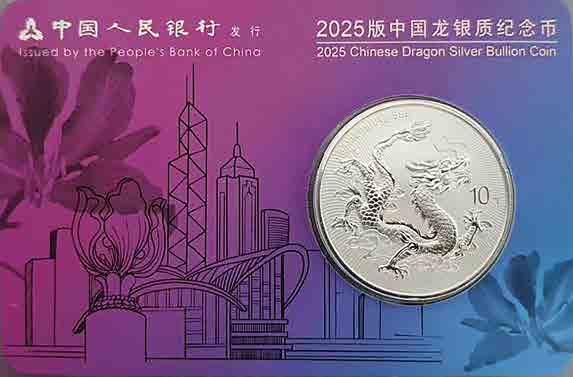
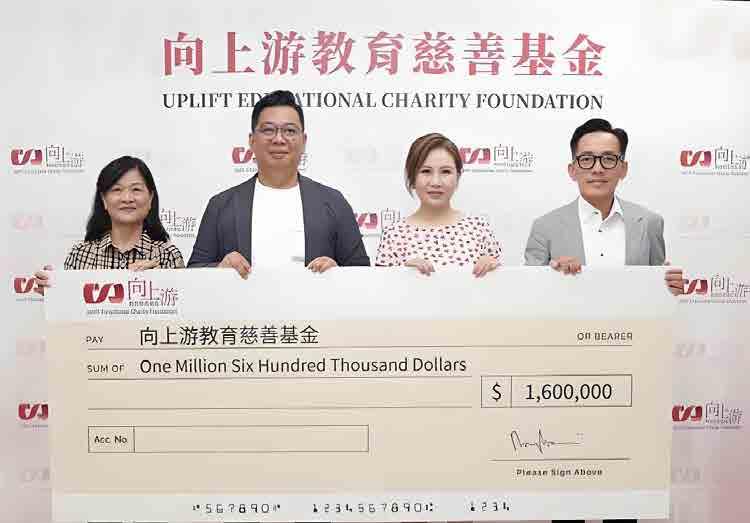
The charity auction donation event hosted by HICC
2025 Chinese Dradon Silver Bullion Coin-HK
A Show Panda Journey
◎ Jeff Spiegel〔USA〕
I bought my first coins back in 2017; purely as an investment. When I received them, I was impressed with their detail and attractiveness. One of them, a gold Libertad, was even reverse proof. When I attended my first coin show a short time later, my focus shifted entirely from a bullion investor to a numismatist and collector of beautiful coins from all over the world.
I was so excited the first time I saw a Chinese Show Panda Medal. It was a 2018 San Francisco Coin Expo Santa Clara Gold Show Panda, featuring a smiling panda laying on his back chewing on some bamboo, with the Golden Gate Bridge in the background. The other side of the medal depicts Chinatown in San Francisco with a dragon in the foreground. The design of the medal was exquisite, as beautiful and detailed as any I had ever seen. Unfortunately, I did not have the funds to purchase the medal at that time.
Imagine my surprise and good luck when I happened upon the same medal just a few months later at the Long Beach Expo! This time I was able to buy it. Since the early 1980s, China has minted Show Pandas to commemorate major numismatic shows and coin expos worldwide. Many of these medals boast stunning designs, and most have very limited mintages. These two factors combine
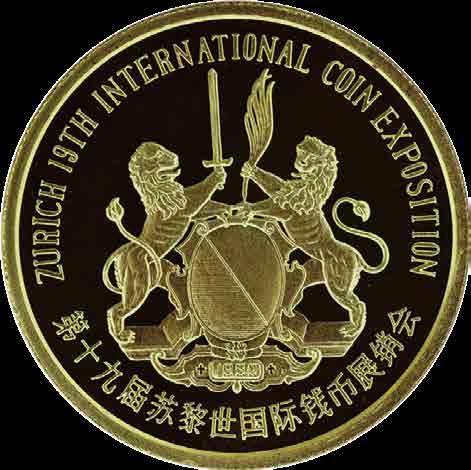
to make the medals very collectable. At the time I bought this medal, I still had no idea what I had just purchased.
As I began searching for more Show Pandas, I made a great discovery; The Chinese Show Panda Catalogue! All the research had already been done for me! This incredible book lists all the Show Pandas from the major shows from 1984 through 2019, along with photos of every medal, planned mintages of each medal, and pricing based on condition (grade), weight, and scarcity. The book also gives insight, in great detail, into the story behind many of the medals. For example, design elements, where the minting took place, the show or expo for which the medals were designed, as well as those responsible for bringing the medals to each of these worldwide events are just a few of the items included. The book also contains many colorful photographs. Armed with all the information I gathered from this book, I was able to focus on exactly which Show Panda Medals I wanted to find.
Over the years I have been fortunate enough to come across and obtain a variety of Show Panda Medals from many different coin shows. Here are a few more of my favorites:
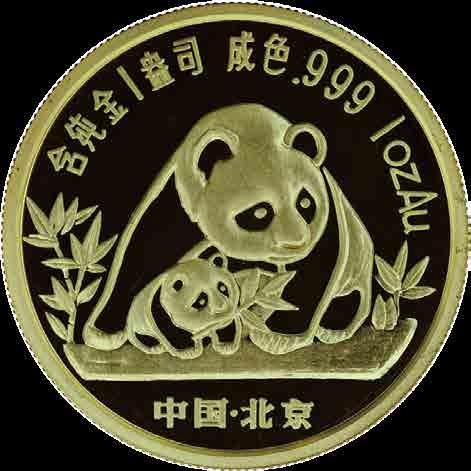
The19th Zurich International Coin Expo 1990 Gold Show Panda
This medal differs from the look of most Show Pandas because of its European appearance. Zurich’s city emblem is featured on the medal.
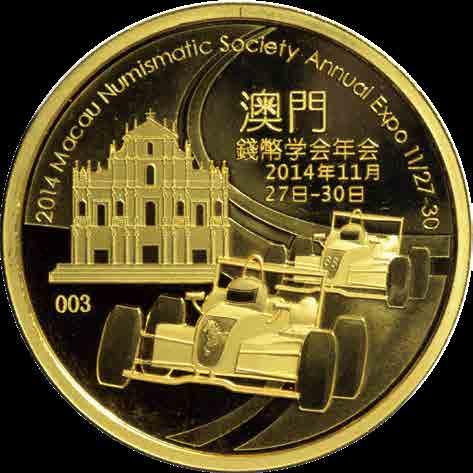
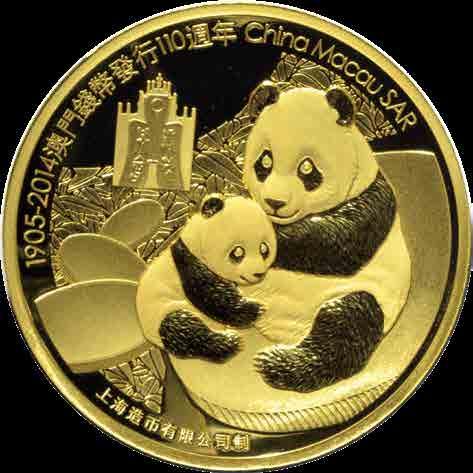
2014 Macau Numismatic Society Annual Expo Gold Show Panda
I love the design of the mother panda and her cub sitting on a coin. The race cars on the obverse of the medal zoom past the ruins of St. Paul’s Cathedral. This was the first bowl-shaped 2 oz gold Show Panda medal. Only 10 of these gold medals were minted!
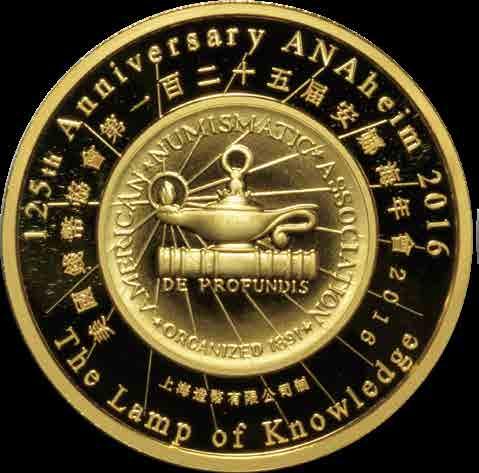
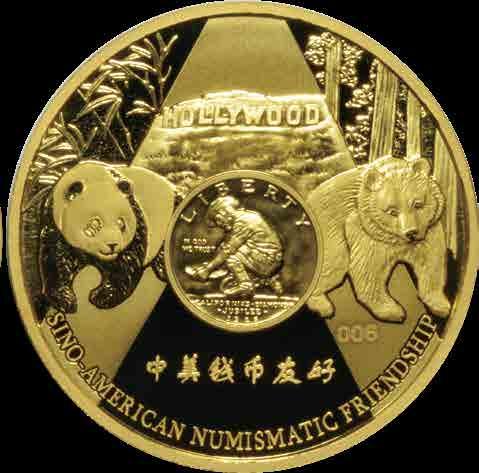
The125th ANA Convention 2016 Anaheim Show Panda
An absolutely gorgeous design, featuring a panda and a California grizzly bear with the famous Hollywood sign atop the hills in the background. Mintages were very low for these Pandas; only 125 of the gold 50g, gold 1 oz, and silver 12 oz.
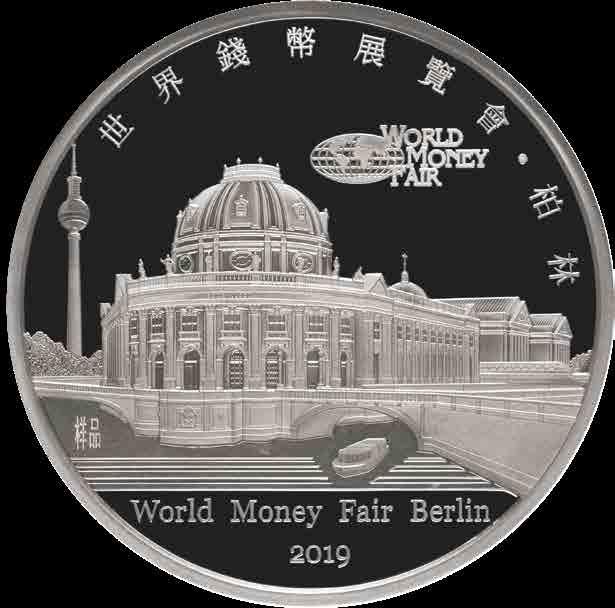
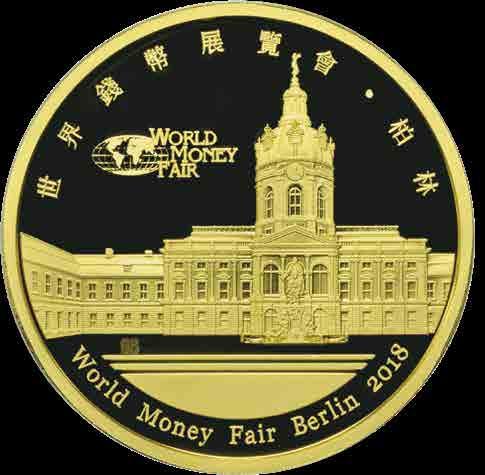
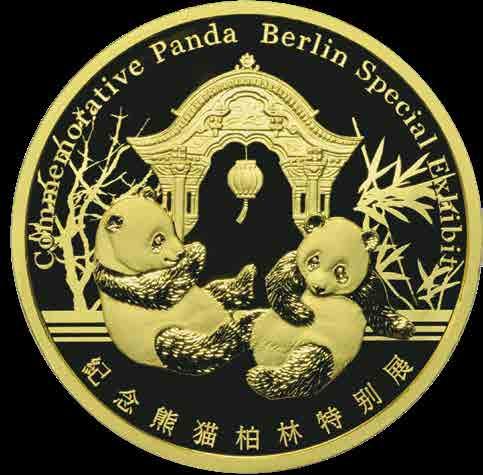
The 2018 Berlin World Money Fair Gold Show Panda
Two pandas appear to be exchanging laughs as they sit in front of the famous Elephant Gate at Zoo Berlin. A beautiful rendering of the Charlottenburg Palace adorns the obverse. A total of just 20 gold medals were minted.
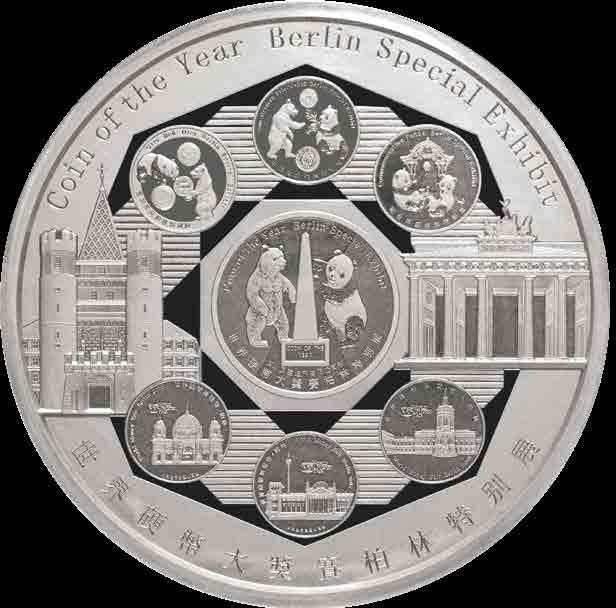
2019 Berlin World Money Fair 1 Kilo Silver Show Panda
With its large surface, the 1 kilo medal depicts both the obverse and reverse of three past Berlin Show Pandas, as well as examples of famous Berlin architecture, surrounding the design of the 2019 medal. There is a lot to look at! The weight of the kilo of silver also feels good.
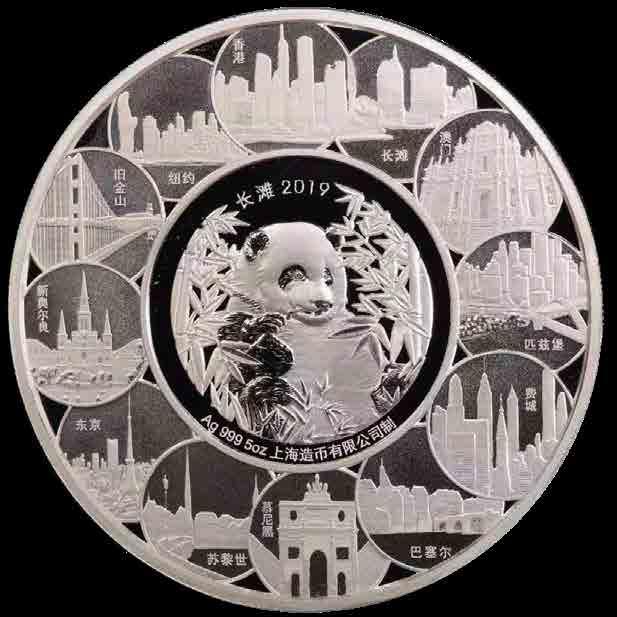
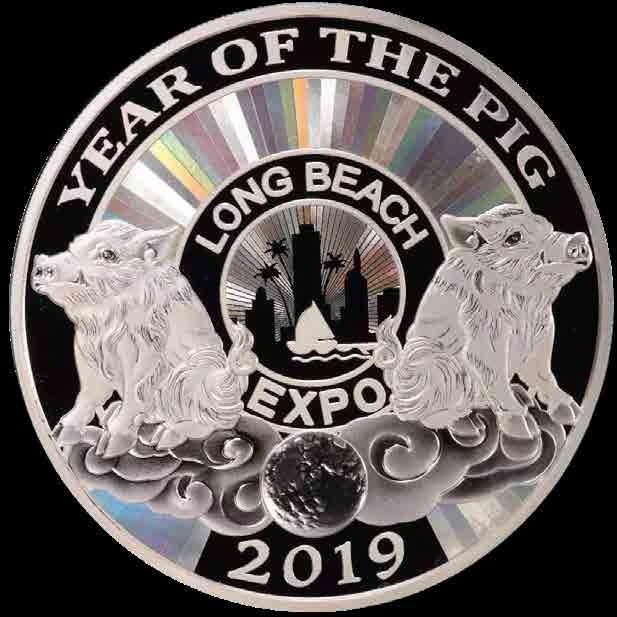
2019—2024 Long Beach Expo 5 oz Silver Show Pandas
2019 marked the beginning of the Long Beach Expo Lunar Panda Series. These medals were released each year in a variety of weights, sizes and metals, but the 5 oz silver has been consistent throughout. Starting with 2019’s Year of the Pig, the series has run so far through 2024, including designs featuring the rat, ox, tiger, rabbit, and dragon, for each corresponding lunar year. The reverse of each medal portrays 2 of that year’s lunar animals surrounding the Long Beach Expo logo and features a colorful hologram effect. Mintages have also been consistently limited to 100 pieces.
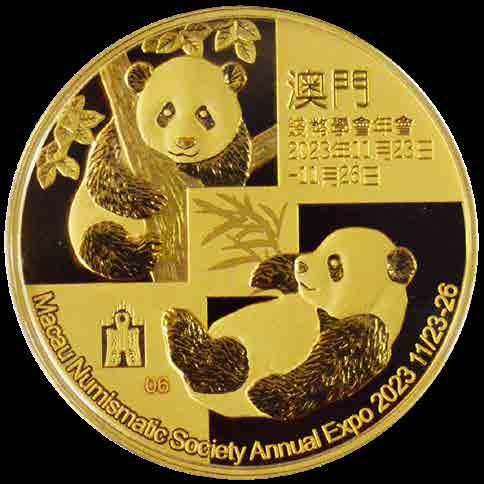
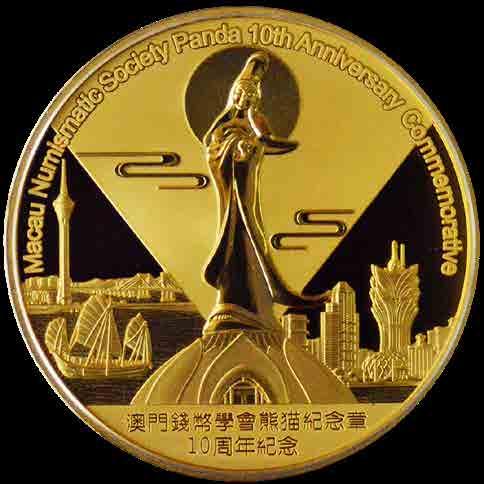
2023 Macau Numismatic Society Annual Expo Gold Panda
The clean design of this medal is quite radiant in its simplicity. The larger surface area of the 2 oz medal affords for much greater detail in the pandas, and the Macau Numismatic Society emblem is also featured. The obverse of the medal is also very alluring, showcasing several of Macau’s beautiful landmarks.
Featuring some of the coin world’s most beautiful designs, Show Panda Medals continue to impress and captivate attendees at coin shows worldwide. Their limited mintages make them hard
to find, but fun to hunt for. Their elegance and scarcity make them especially rewarding to me.
First Strike Ceremony at the B.H. Mayer Mint on June 28, 2019
◎ Oliver Strahl〔Germany〕
★ Polymer Panda – Light of Happiness (the first bi-material coin with an polymeric interior)
★ Space Panda on Moon (commemorate for the first lunar landing on the dark side of the moon)
In May the good news reached us that we were to receive a personal invitation to the first strike ceremony at the B.H. Mayer Mint in Karlsfeld, near Munich. The ceremony took place on June 28th, 2019 at 11:00 am. With great anticipation we gladly accepted the invitation. Until the day of the first striking, the design were still top secret and we could only speculate on what to expect. In the Journal of East Asian Numismatics (JEAN) I read about the concept of a Tri-material coin with an inner polymer core and which is what I thought the design might be, so I was very close with my guess.
On a very sunny and cloudless Friday we arrived at the mint. The month of June had record temperatures, even up to 40 degrees. According to the weather records it was the hottest June in Germany of all time.
B.H. Mayer Mint
When we arrived at the B.H. Mayer Mint, we were heartily welcomed. The extremely modern and spacious factory site is in a rather quiet location and always leaves us with an imposing impression.
The Bernhard Heinrich Mayer Mint GmbH has a long and successful history. It was founded in 1871, in Pforzheim. In 1999, the mint moved to Karlsfeld and has continued to grow ever since. Only recently, a very modern warehouse was erected on an external site. The minting machines are state of the art. More than a dozen new engraving machines with laser
technology for the production of coin dies are in use. Many mints worldwide can only dream of this number of advanced machines for coin processing and production. In addition there is another important aspect, which only confirms the full order books. The minted coins are of very high quality and achieve in an evaluation by the grading service provider NGC predominantly the highest rating of level 70. So it is not surprising that issuing countries such as Ireland or New Zealand prefer the quality "Made in Germany" for their products. To date, in addition to medals, the B.H. Mayer Mint has minted over 500 different coins with a nominal value, which serve as legal tender. Of course this also includes Euro commemorative coins, which can be exchanged or used for a payment in the European Union.
At first we waited in the foyer after our arrival at the B.H. Mayer Mint. There are several mint dies and coins on display which tell a story about the mint. Next to the large staircase to
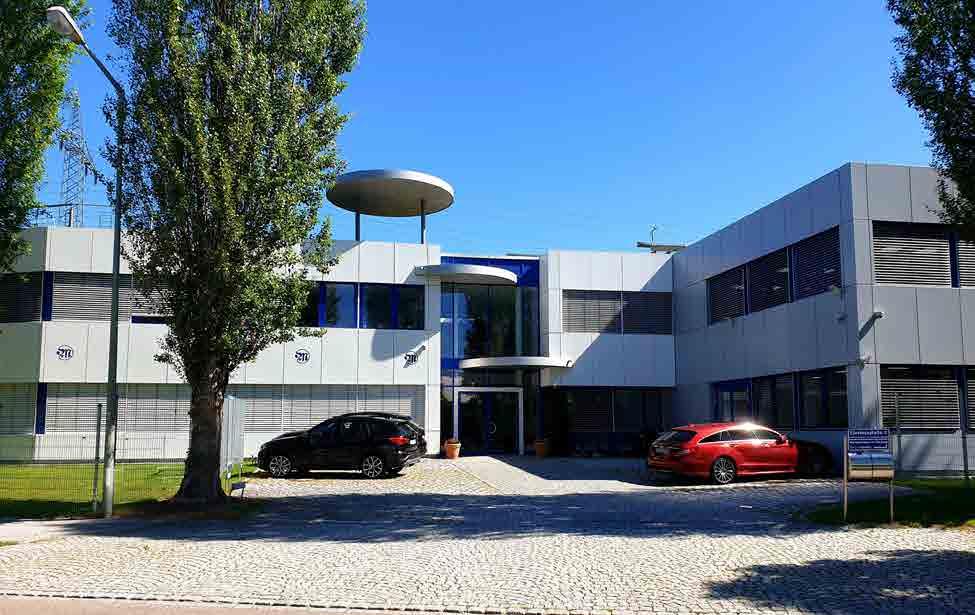
1
Karlsfeld
Figure
B.H. Mayer Mint at
the conference rooms there was even a very old spindle press, which probably dates back to the beginnings of industrial coin production.
Before the First Strike Ceremony
A moment later we met Mr. Alex Wegner (President of B.H. Mayer Mint), Mr. Michael Chou (President of Champion Auction, Publisher & Editor in-Chief of JEAN), Mr. Mark Sutton (President of Middle Earth Mint New Zealand) and Mr. Richard Stein (Director of NGC International Europe).
During a short conversation some interesting news was exchanged. Mr. Chou, the Publisher & Editor-in-Chief of JEAN had some printed magazines of the 14th issue in his bag. The number of subscribers to the free journal in English and Chinese has recently increased to 10,000. A special edition will be published to mark the 25th anniversary of JEAN. A new standard book for show pandas is also planned for the end of the year. In the new full-color publication many photos, current circulation figures and market prices will be shown. There are also some background stories about the different show pandas. In this book edition official and rare show pandas are listed for the first time.
For the 2019 Tanzania World Money Fair Polymer commemorative silver panda coin, a pattern coin without nominal value appeared, with specially made coin dies, including the logo of B.H. Mayer Mint. There are only 100 pieces of the never before offered pattern coin and can be graded by NGC. The edition of the book, especially in China, could give the show pandas' market a significant boost. Recently there have been several new issues of panda medals, which were inexpensive to buy. Almost all the medals are private issues with a rather basic design. Since these expenditures serve only for profit taking and hold limited collection value, they will not be included in the new book. Such low-budget medals cost less than 10 euros per piece to produce. Official show pandas, which have the label "Official Mint Medal" at NGC, are minted at a government mint. The design is done by a master designer who works for a state owned mint. A master designer’s salary is much higher than a normal designer. The production of the coin dies with the many tiny details and the minting costs also amount to a five-digit figure for official show
pandas. The precious metal and distribution costs are added in each case.
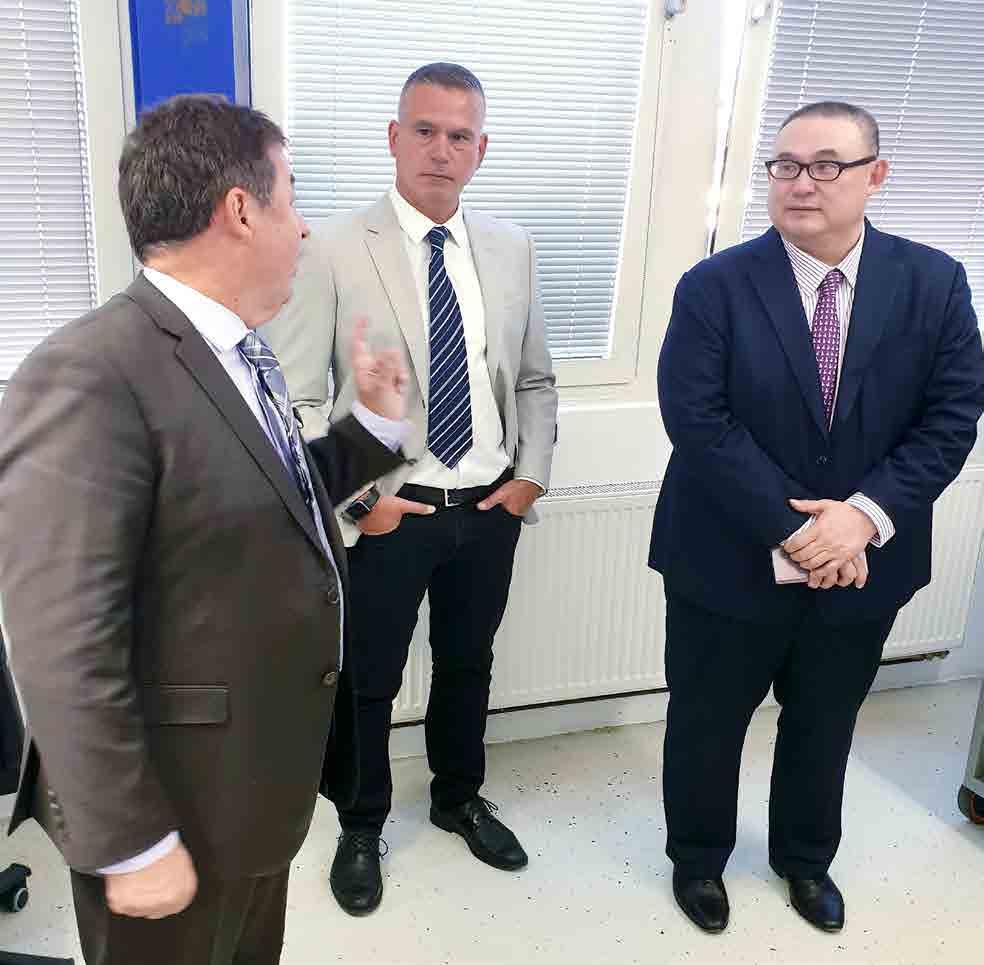
The Opening of the First Strike Ceremony
After the informative discussion, we went straight on to the minting press area where the first strike will take place.
All the coin blanks, coin dies, order sheets, plaster molds and display packaging were on the tables. We were a little astonished to see materials for three different coins, they were prepared only for one first strike. More details about these other coins will feature in future articles.
Mr. Wegner opened the First Strike Ceremony and welcomed all present guests.
Afterwards Mr. Chou gave a speech and gave us a longawaited insight into the program of the coins minted today. The presentation of these coins and their first minting was led by Mr. Sutton. He explained to us many technical details of the panda coins and the specially made accessories. The quality control of the freshly minted coins was carried out by Mr. Schreiber (Mint Master at B.H.Mayer Mint) and Mr. Sutton together. Mr. Stein supervised the first strike and took the first
Figure 2 Mark Sutton, Richard Stein and Michael Chou at the first strike ceremony
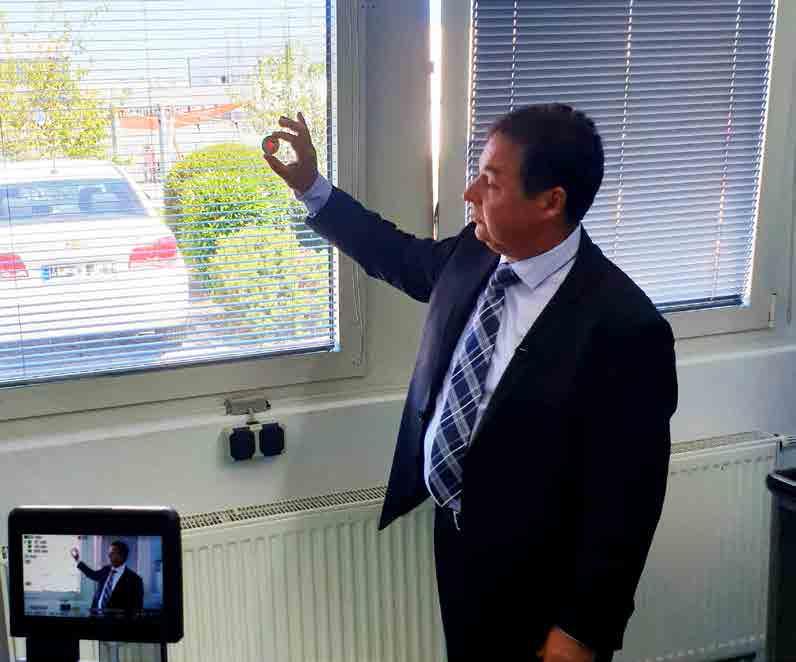
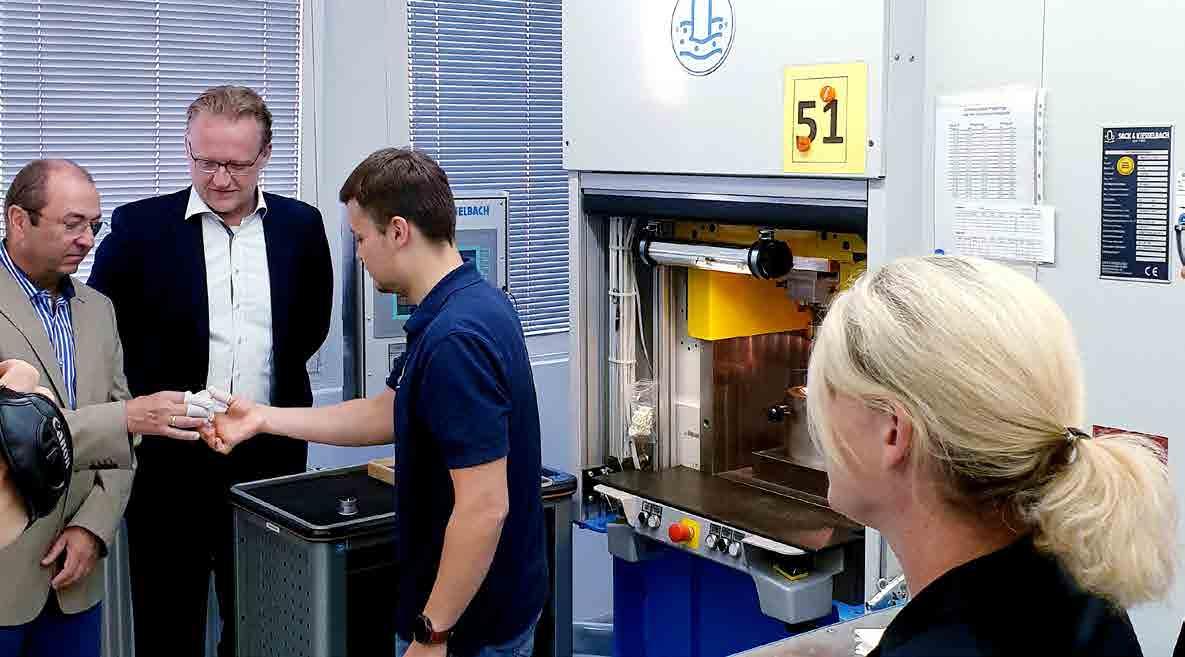
coin intended for NGC's labeling "First Strike Ceremony" directly to the his office in Munich.
Space Panda on Moon - to Commemorate the First Lunar Landing of Chang’e-4 on the Dark Side of the Moon
It all started with the coin called Space Panda. On the coin you will find a cute panda in a space suit who has just landed on the dark side of the moon with its lunar landing craft. Its gesture symbolizes the first arrival on the dark side of the moon
meaning “I will be back”.
Fifty years ago the first manned moon landing happened. On January 3,2019 at 3.26 a.m. CET the next chapter in moon exploration was started, the Chinese probe "Chang'e-4" was the first lunar probe to land near the South Pole at Aitken Crater on the dark side of the moon. Chang'e-4 will be used to explore unknown terrain and will carry out scientific experiments. Some tasks are the exploration of minerals and to research the possibility of the cultivation of potatoes and other plants. The probe was launched from the Xichang Space Center in China’s
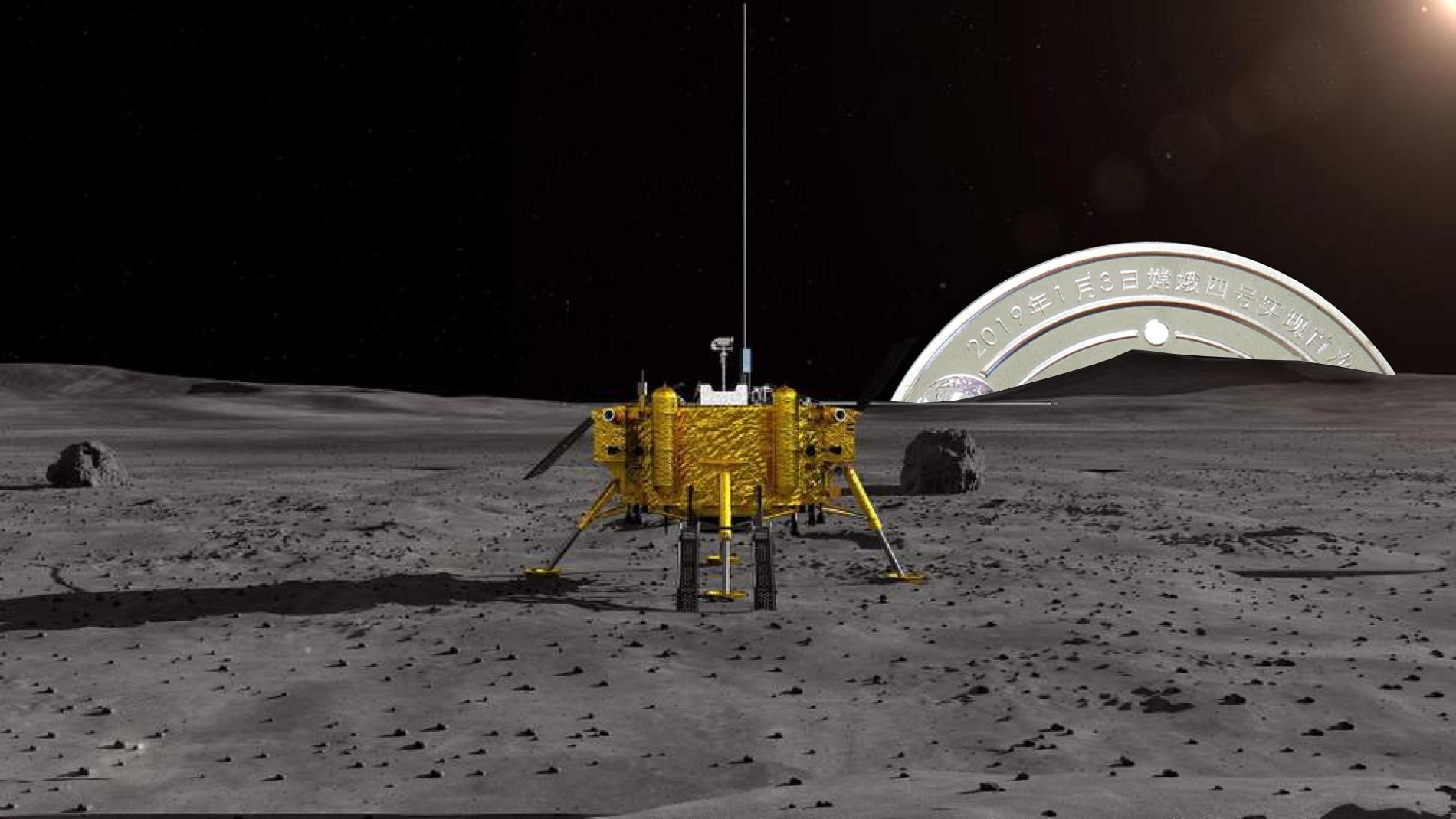

Figure 3 Quality control - polymer core
Figure 4 Quality control by the B.H. Mayer Mint President Alex Wegner
Sichuan Province on December 8, 2018.
A landing on the reverse side of the moon is considered very complicated because this unexplored area is much hillier than the side of the moon facing us. In order to enable a stable communication with the back, the satellite Queqiao was sent into the moon's orbit in May. This mission is another important milestone for a future moon base. It remains to be said that the dark side of the moon does not really exist, this is an old misbelief, yet it has a great fascination with mankind.
To honor the event, the Space Panda was minted. This coin will be delivered in a display case, which was based on the lunar landing of the Chang'e-4 probe. This space ship is carrying a panda for the People's Republic of China. The panda stands for happiness in China, has a calming effect and attracts complete attention. Another special feature is the alloy, 90% silver was used in combination with 10% titanium. The shiny white metal titanium is used in space travel because of its excellent properties such as low density (4.506 g/cm³), ductility and very high strength, as well as its corrosion and temperature resistance factors. For the correct alloy and coloration of the coin many tests were carried out.
The Space Panda was minted with an ultra-high relief, so the coin is thicker than usual. Due to this coining method, the motif has a clearly raised relief, which spectacularly accentuates the design. After minting, the coin is given an antique finish surface. In a direct comparison with and without the antique finish, many more details can be seen on the darkened coin after the processing procedure. I think the antique finish is a very authentic reproduction of the fine and grey moon dust, the so-called regolith. In contrast, the obverse of the coin has the nominal value, the earth visible from space was depicted in strong colors, just as many satellite images show our blue planet. The obverse also shows the recently started launcher of Chang'e-4, which is on its way to the moon.
The coin has a face value of 5 dollars, on the same side there is also the year of issue 2019, the fineness, the issuing country of the Cook Islands and the image of Her Majesty Queen Elizabeth II.
The coin is being distributed by the Middle Earth Mint, which
is located in New Zealand. The Cook Islands have a very close political relationship with New Zealand. This is reflected in the fact that the population is New Zealand nationals and the Cook Islands dollar is coupled to the New Zealand dollar.
Coin Specification
Theme Space Panda on Moon
Quality Proof, Antique finish, High Relief, Colored
Issuing country Cook Islands
Face value 5 Dollars
Material 900 Silver / 100 Titanium
Diameter 40 mm
Weight 50 gram
Edge Reeded
Mintage 2 000 pieces
Year of Issue 2019
Date of First Strike 28th June 2019
Polymer Panda Light of Happiness
Shortly afterwards, the first minting of the next coin was prepared and carried out at the same time.
This was the second issue of the Polymer Panda series. The first edition of the series was released in January in celebration of the World Money Fair 2019 in Berlin - the Polymer Panda with the red "Ring of Light".
For the first time, polymer technology was further developed and instead of the ring as a tri-material coin, the second issue appears as a bi-material coin with a "circular ball" in the middle of the coin. A potentially exciting further development in the future will be individual and possibly multi-colored polymer figures in the coin. Perhaps one day it will be possible to insert an inlay into the polymer like a small coin or a braid of gold. The polymer minting in a high quality way is known to us from
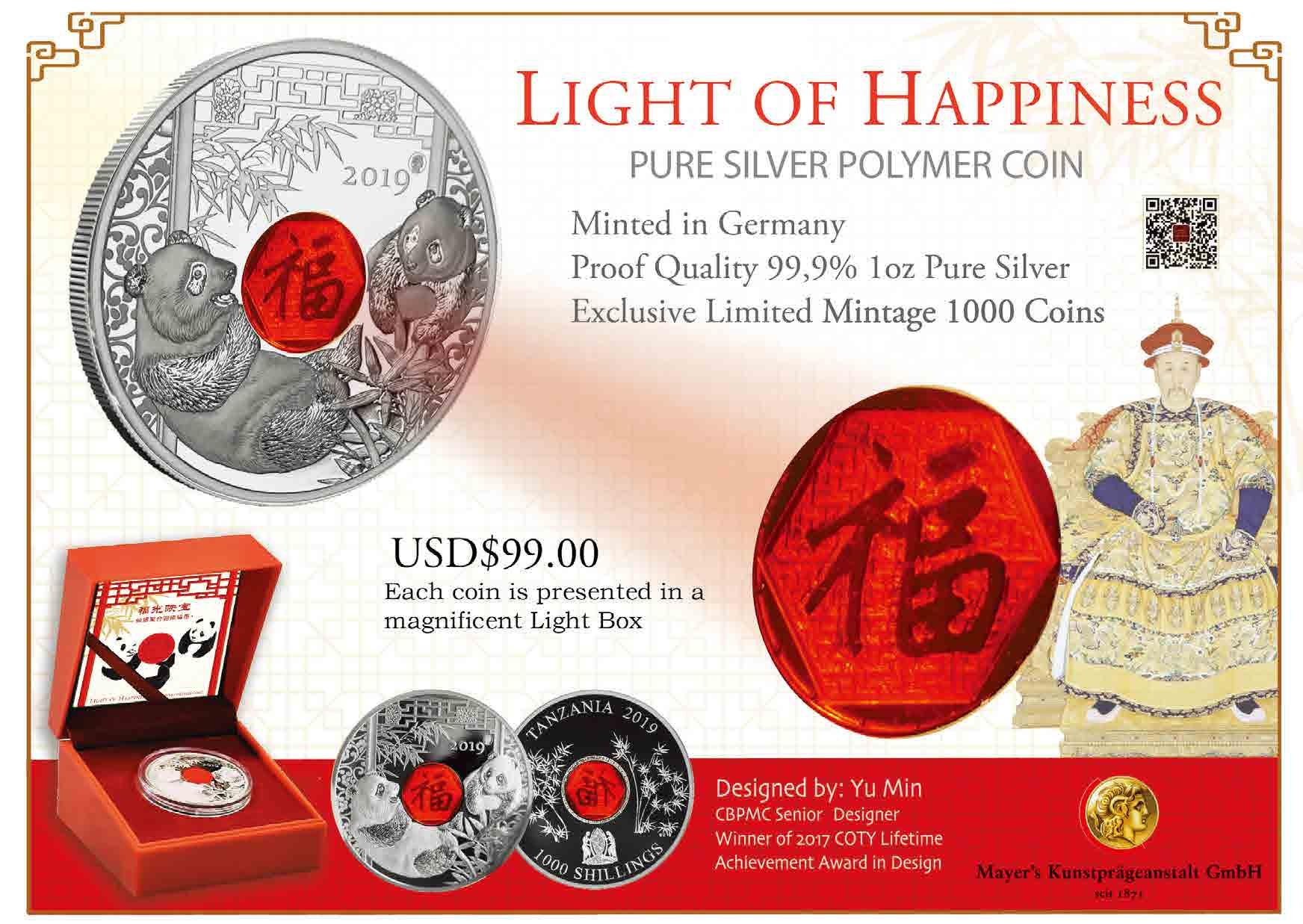
the German 5-euro and 10-euro coins, which were developed in cooperation with a German company. The polymer is inserted into the coin blank before being minted. Even very fine detailed images can be minted on the polymer. There are many other coins and medallions minted by other mints that use an inferior method, by only gluing a simple plastic ring on the surface of the coin or medal. Using this method no light can shine through. Which loses the most important dramatic effect the polymer insert brings to the coin.
The renowned and award-winning designer Yu Min, who created the first silver panda design, the 10 yuan issue of 1983, conjured up another magnificent design on this new polymer coin.
The obverse of this coin features the national shield of Tanzania and a face value 1000 shillings, with “Tanzania 2019” in English. Depicted on the reverse are two playful adorable panda bears which are playing in front of an elaborately carved Chinese wooden gate. The curious pandas have discovered the red polymer part for themselves and use it playfully as a ball - they look really happy! The B.H.Mayer Mint mark which is a portrait of Alexander the Great was lasered on the die, as technology allows the mint to use a very
small mint mark which can be seen in more detail under an magnifying glass. This same image of Alexander the Great which is used in the official logo of B.H.Mayer Mint can be found in large format on the extremely rare reverse sides of the Polymer Panda pattern coins.
The People's Republic of China has been the most important trading partner for Tanzania for many decades. China has supported Tanzania in many areas such as infrastructure development, agriculture, education and medicine. For many Chinese, Tanzania is a popular holiday destination with its great variety of wildlife, green palm trees, endless white sandy beaches and turquoise blue sea.
The Chinese symbol for ‘happiness’ is depicted on the polymer inner part, the Chinese character “Fu” [ 福 ] was written by the Qing dynasty emperor Qianlong. In creation of the dies and during the minting of this coin very special attention was needed by the minting operator, to insure it would reflect the characteristics of the emperor's calligraphy. When the panda coin is held up to the light or placed in the customer made magnificent LED light box, the character “Fu” is illuminated. This light box really allows you to enjoy the full effect of this very special and beautiful coin.
In a calendar year, a maximum of two polymer editions of the new panda series are released. The good news for collectors and enthusiasts is the constant stable circulation of only 1,000 pieces.
The red color of the polymer used is considered the color of life in China. It is said to have many positive properties such as joy, fame, warmness, and an expression of strength. In addition, the red color stands for happiness, which is further enhanced by the minted and translucent symbol of happiness shown on the polymer ball.
A special box was produced for the series which, after opening, floods the polymer with a bright LED light for two minutes. In addition, there is a colorfully styled outer packaging.
Coin specification
Theme Polymer Panda - Light of Happiness
Quality Proof, Red Polymer
Issuing country Tanzania
Face value 1 000 Shillings
Material 999 Silver
Diameter 40 mm
Weight 31.1 grams (1 ounce)
Edge Reeded
Mintage 1 000 pieces
Year of Issue 2019
Date of First Strike 28th June 2019
Both Panda polymer coins have been designed by the renowned coin designer Yu Min and are based on culture, history, science and perhaps even legend. I've learned a lot of new things for myself and that's probably the most important factor for a numismatist why coins are collected in the first place.
The exciting day was over and we said goodbye comfortably with a cool beer in the garden.
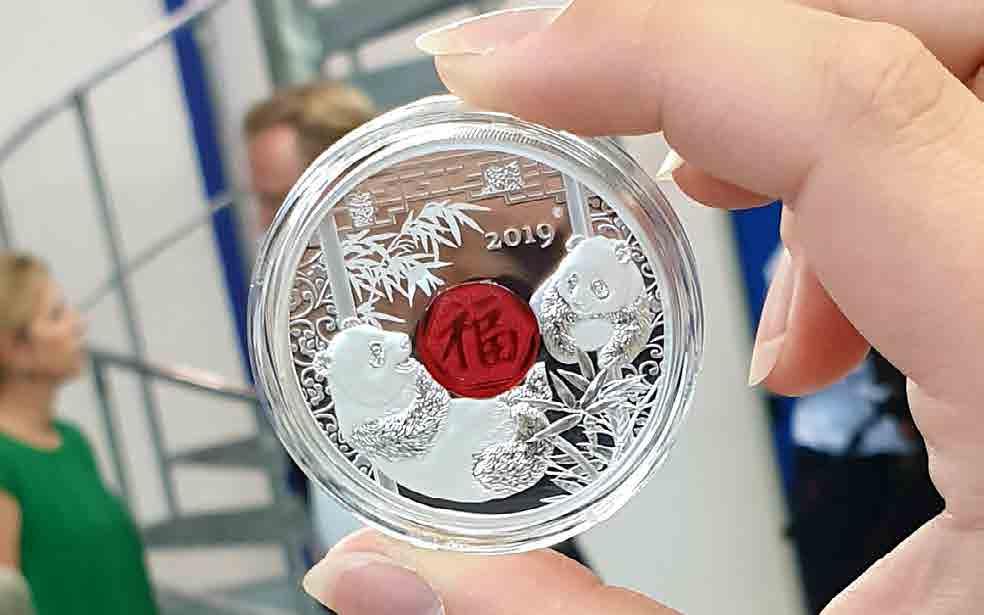
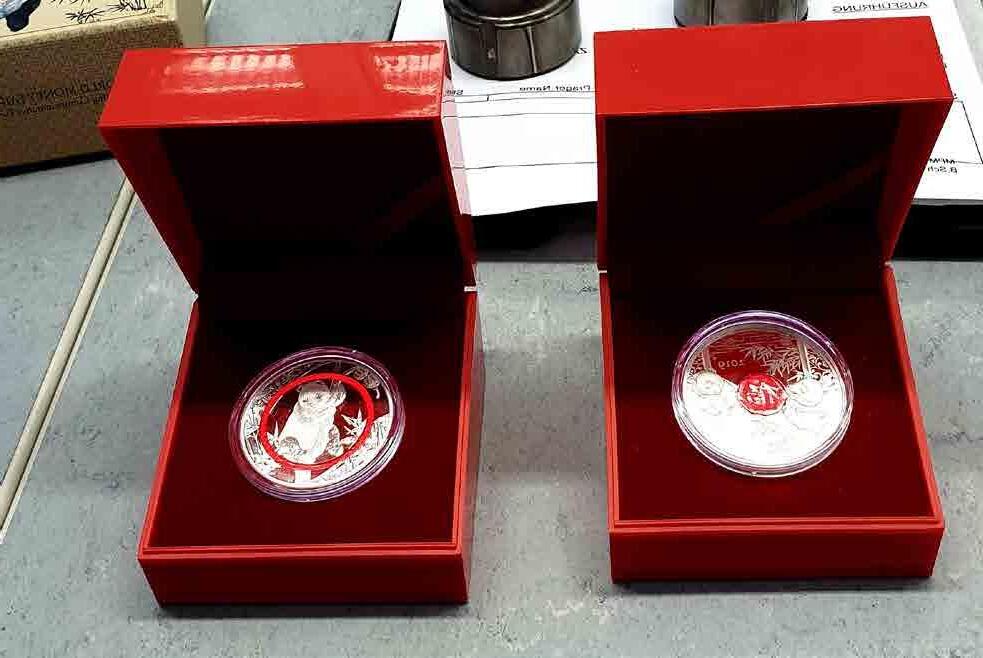
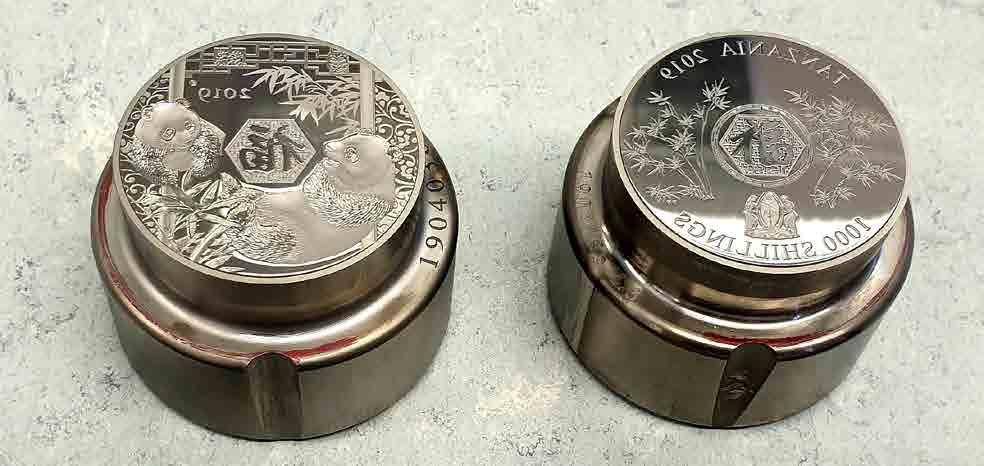
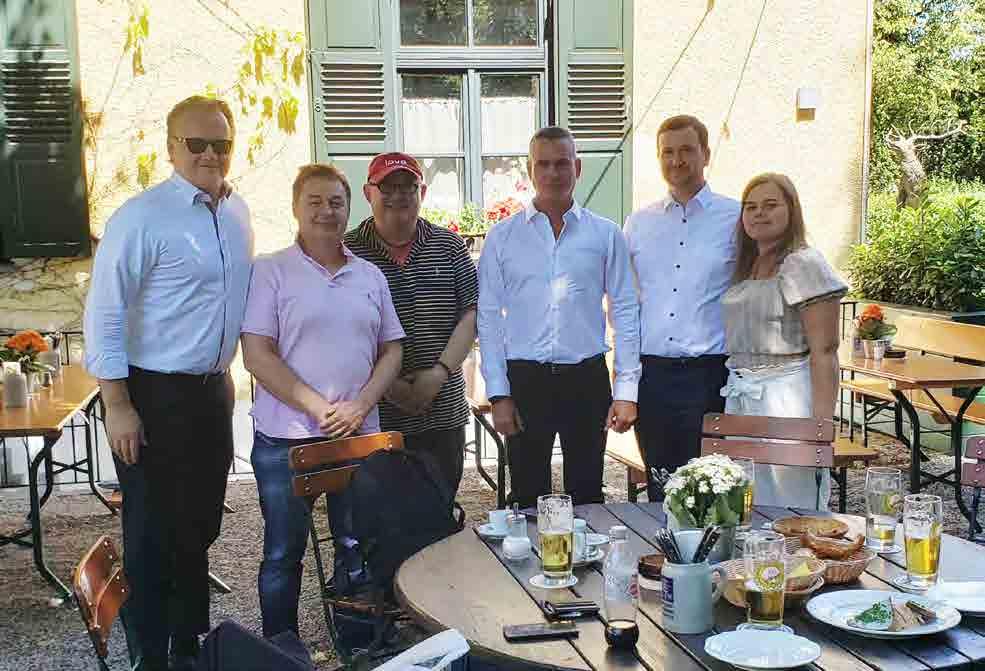
Figure 5 Polymer Panda - Light of Happiness
Figure 7 Polymer Panda coin dies
Figure 8 After dinner party in the Munich garden
Figure 6 LED box for polymer
B.H. Mayer Mint GmbH & WMF Berlin 2019 Polymer Panda Coin
◎ Oliver Strahl〔Germany〕
In January this year we had the honor to receive a personal invitation on the occasion of the ceremony for the first strike of the new polymer pandas for the world money fair 2019.
This new coin was minted by the B.H. Mayer Mint in Karlsfeld near Munich. I would like to give you an insight behind the scenes, since I found this day very interesting as a numismatist.
First of All, I Want to Introduce You to the B.H. Mayer Mint.
The B.H. Mayer Mint is located very close to Bavarian’s capital city Munich. So the ride was a stone's throw from us. Until the invitation, I didn't know anything about the Bavarian Mint and left it with a great admiration.
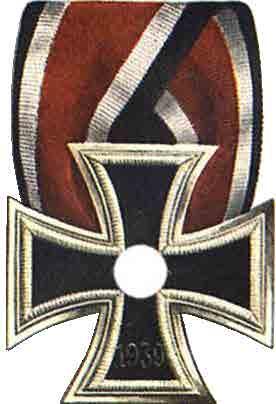
The Mint has a long tradition and was founded in 1871 by Bernhard Heinrich Mayer in Pforzheim. Medals, coins, badges, and jewelry were made here. A well-known example is the WWII - Iron Cross medal (Fig. 1).
In 1993, the B.H. Mayer Mint was divided into two areas with a subsidiary. The newly founded B.H. Mayer's IdentifySign continues to produce badges, pins and name tags in Pforzheim. Kunstprägeanstalt KG continues to be responsible for coin and medal production.
In 1999, the Kunstprägeanstalt KG was taken over from the firm Münz-Prägstätt GmbH. The new name was now "B.H. Mayer Mint GmbH" and the production has been moved to Karlsfeld.
Today B.H. Mayer Mint GmbH is one of the largest leading private minting companies in Europe. If you think private mints only produce medals, let me tell you this is not the case.
The products minted correspond to the highest standards and since 1991, official legal tender has also been produced.
I would like to Show You a Few Samples of the Coins Minted at B.H. Mayer Mint:
★ Official Euro issue of Ireland (10 Euro Silver, 20 Euro Gold);
★ New Zealand issues including gold & silver Kiwi dollars (Fig. 2);
★ 1916/1918 WWI tokens (Fig.3);
★ Rwanda 50 Francs Wild Animal Series;
★ Belarus Ruble issues;
★ Mongolian coins;
★ Somalia elephant coin;
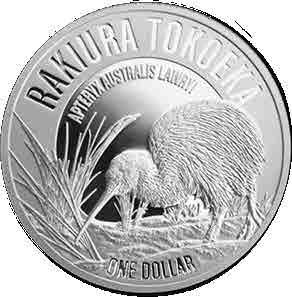
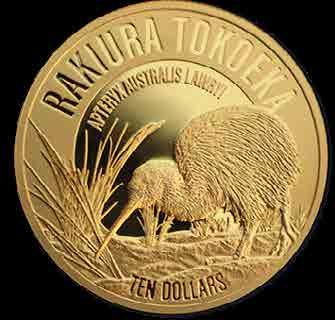
★ Coins form the Cook Islands, Maldives, Congo, Togo, Gambia, Nauru, Bhutan, Benin, Samoa, Seychelles, Andorra and many more.
This is already impressive and it can be assumed that almost every collector of modern precious metal coins has already held a special coin from the German Company B.H. Mayer Mint GmbH.
In my research, I discovered almost 500 different coins that have been produced by the mint.
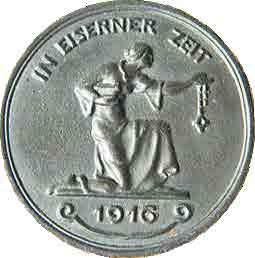
We enjoyed an invitation to the first strike ceremony of the polymer panda coin (Fig. 4) and traveled to the mint on a grey winter day. The sidewalk to the mint was covered with snow; a few rays of sunshine were looking for a way through the clouds. When we arrived at the entrance and pressed the bell, we were invited in for coffee and pastries in the conference room. Here we waited for a short time and
Fig.1 the "WWIIIron Cross" badge
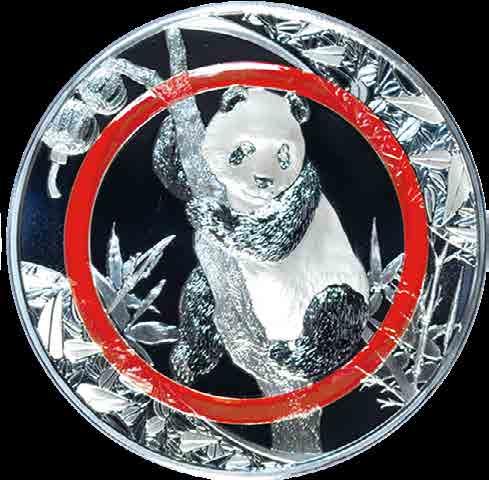
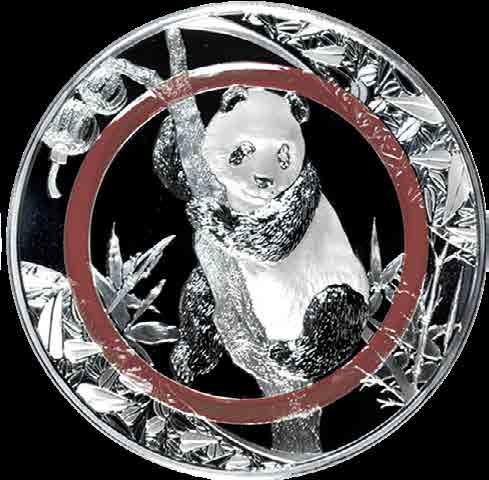
talked a little with Mr. Richard Stein, the director of NGC European operations. The striking was still kept secret up until the moment it happened. A few moments later, Mr. Michael Chou came into the room and asked us to follow him. In front of the minting hall, the president of the B.H. Mayer Mint Mr. Wegner was waiting and opened the door for us. Also present was staff from the auction house Kuenker, which took over the sales of the new coin and other attendees. In addition, Mark Sutton from the Middle Earth Mint had arrived.
At the minting hall, Mr. Wegner started the ceremony at 11:00 am. In addition, there was a statement by Michael Chou (Fig. 5).
After the Chinese numismatic designer Yu Min finished his design draft for the new polymer panda, he submitted it to the mint. Here the dies for the coinage were made. This happened with corrections and consultation with the designer, as the panda on the coin should look cute and natural at the same time. Such a design was created by the best panda coin designer in China.
The silver panda medal minted at the Berlin Mint in Germany is often unnatural looking. The animal pictured usually looks like a poor mixture of a panda and a brown bear.
After the address, a ceremony was carried out (Fig.6). A moment later, the first official polymer panda was born. This one, with the red polymer ring, was thoroughly inspected.
The panda coin is made of tri blanks. This was shown to us individually in the proof condition. The red translucent polymer
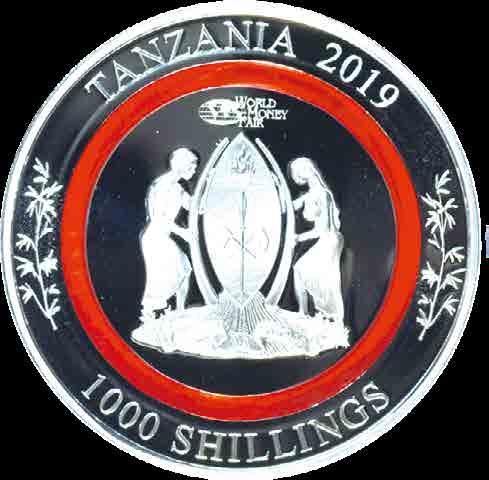
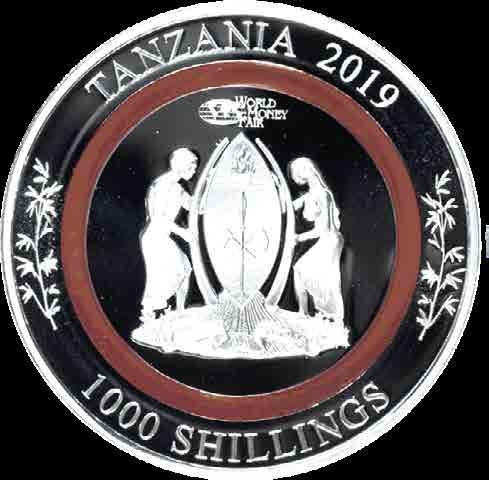
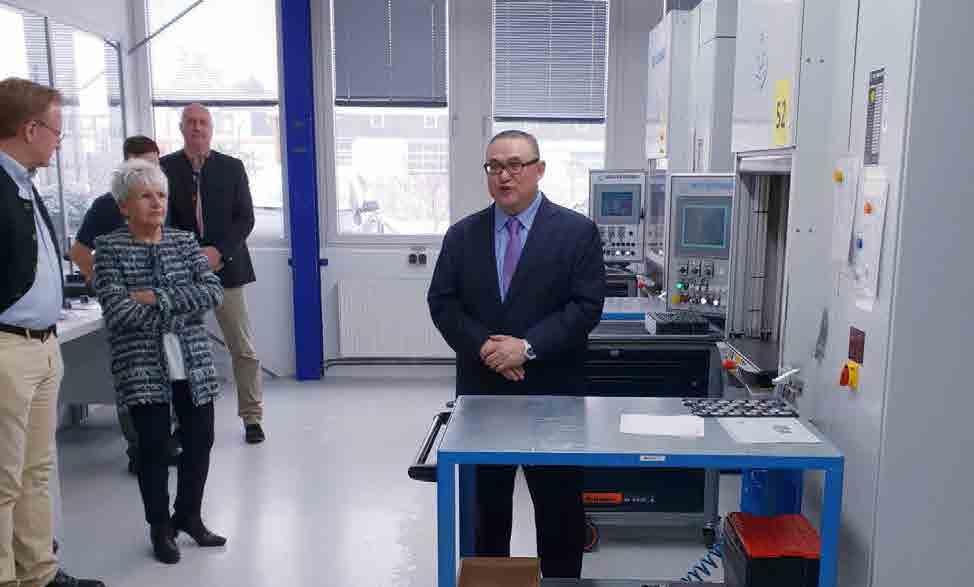
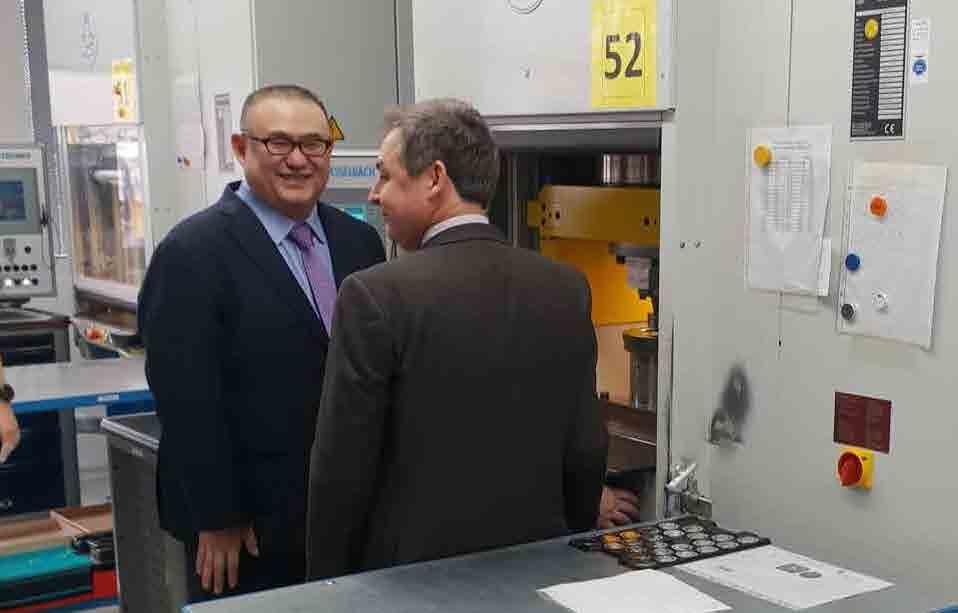
ring, which is struck with the two silver cores, can also be found. The outer ring and the inner core are made of 999 fine silver and together weigh 1 oz.
Finally, we had the opportunity to examine a few test specimens. Here you can see different relief treatment processes of the coin’s image.
Fig. 5 Michael Chou giving a short speech
Fig. 6 Michael Chou and Mark Sutton striking the first coin
Fig. 4 World Money Fair Berlin 2019 polymer silver panda coin
Modern Coins
Metal and Purity: 1
Diameter: 40 mm
oz. silver. 999 with red polymer ring
Issue Country: Tanzania
Nominal Value: 1000 shillings
Issuing Year: 2019
Reverse: national shield of Tanzania and official World Money Fair logo
Time of First Strike: 25th January 2019
Issue for: the World Money Fair in Berlin 2019
Mintage: 1000 pieces
Why was the Country of Tanzania Selected?
The coin designed in China by Yu Min. I suspect that the Chinese mints have not yet designed a polymer coin like they have in Germany. A nominal value of yuan would certainly have been interesting, but in this quantity and for the issue of the World Money Fair Berlin only medals are produced here. However, these medal products are often state-approved in China, subject to strict rules and are worth the collection value. A very famous example is the 1982 panda without a nominal value in gold.
China has started to build diplomatic relations with Tanzania very early, in 1962, as one of the first countries with relations with the PRC. Western countries rejected the construction of a railway line in Tanzania due to inefficiency. China started in 1965 with the planning and construction of the 1,160 mile long Tasara Railway Line from the Tanzania’s Port at Dar es Salaam across the country to Zambia. The project, completed in 1975, is the cornerstone of the cooperation between both countries. During construction, more than 50,000 Chinese were on site to build the 450 million dollar project. During these years there was also a construction of a large textile factory. China is committed to humanitarian aid and hundreds of Chinese doctors have done service in newly built hospitals for the people of Tanzania.
At the end of the 1970s, relationships were also extended to other economic areas. For Tanzania, China is unchallenged as the most important trading partner, especially in the construction sector. China has built two Confucius institutes in Tanzania for knowledge sharing. Here you can get the most professional training courses from experts. There are also places available directly in China for study.
Through this close cooperation, China is viewed as a role model, China has contributed more and more investment and support in this country in the last few years, so a new building project was built. China also supports this country in the further development of its agricultural sector.
Due to this extensive and close partnership, the reason for issuing this polymer coin under the authority of the United Republic of Tanzania can be easily understood.
Some collectors also prefer a coin with nominal value compared to a medal and so this issue is used to serve the interest of both sides.
At the moment, there are many fantasy polymer coins, where the ring is only glued and that carry a fantasy nominal value like “10 xeros”. Thus, this issue is the first officially issued polymer coin, according to the German 5 and 10 euro polymer coins. At the same time, it is the first polymer edition that has been minted with a nominal value in precious metal.
The reverse of the polymer coin carries the emblem of Tanzania, which is similar in design to the official COTY Award given in Berlin. In addition, the WMF Berlin logo is located above the national shield of Tanzania.
This panda is the first issue and is part of a series. The issue number of the coin should be increased from the next issue.
What performance this first coin could have, I'm not going to say here. The market is often extremely unpredictable. For me, this successful panda motif is being used as a celebration of the World Money Fair 2019 and in connection with this article and the knowledge of what Tanzania has to do with China. In addition, my little son will probably be very happy about a cute bear with bright red ring.
澳門十六浦索菲特大酒店6樓Sofitel Macau at Ponte 16, 6F 2026.11.27-11.28
澳門錢幣展2026暨第二屆澳門國際錢幣交流會
2026 2nd MACAU INTERNATIONAL COIN CONVENTION
參展申請表
Exhibition Application Form
參展商資料 Exhibitor Information
公司名稱/Company Name:
國家/Country:
電郵/E-mail:
联系地址/Address:
代表姓名/Representative:
電話 /Tel:
*為配合大會宣傳,請將參展品牌之標誌和公司簡介以及參展工作人員照片電郵给我们。 For promotional purposes, please email company logo and information & photos of the exhibitors.
參展工作證資料 Exhibitors Badge Information
展位选择 Bourse Selection
展位/Table
詳情/Details
Premium Table with 2 badges 1個展桌(80cmⅩ90cm),1個展箱,1張椅子,1盞臺燈 1 Table (80cmⅩ90cm), 1 Showcase, 1 Chair, 1 Lamp
Standard Table with 1 badge
*標紅的價格為2026年8月31日前預定並付款的價格。
Payment and reservation before 8.31.2026.
廣告贊助 Advertising Sponsorship
詳情/Details
廣告套餐 Advertising Package
價格/Price (HKD) 数量/ Number
6,000 (USD 750)
5,500 (USD700)
5,500 (USD 700)
5,000 (USD 650)
650
價格/Price (USD) 选择/ Select 2026《東亞泉志》秋季刊整頁廣告(尺寸:210mmⅩ285mm) Full Page AD in JEAN 2026 Fall Edition (Size: 210mmⅩ285mm)
展會手冊整頁廣告(尺寸:210mmⅩ285mm) Full Page AD in Showbook (Size: 210mmⅩ285mm)
展會手冊半頁廣告(尺寸:210mmⅩ142.5mm) 1/2 Page AD in Showbook (Size: 210mmⅩ142.5mm)
展會手冊封三廣告(尺寸:210mmⅩ285mm) Inside Back Cover AD in Showbook (Size: 210mmⅩ285mm)
*《東亞泉志》廣告截止日期2026年10月1日;展會手冊廣告截止日期2026年11月1日。
JEAN Advertisement Deadline: 2026.10.1, Showbook Advertisement Deadline:2026.11.1.
請聯繫我們 Please contact us: Yvan Gao
GnYvan
300
200
600
澳門十六浦索菲特大酒店6樓Sofitel Macau at Ponte 16 6F
澳門錢幣展2026暨第二屆澳門國際錢幣交流會
2026 2nd MACAU INTERNATIONAL COIN CONVENTION
收款方賬戶資訊Seller Account Information
開戶行:中國銀行澳門分行 賬號:10-88-10-045407 (美元) 10-11-10-093406(港元) 賬戶名:CHAMPION拍賣有限公司 銀行代碼:BKCH MOMX XXX 銀行地址:澳門沙梨頭海邊街42號地下
參展注意事項 Payment Policies
1.參展商在提交本參展申請表時,須要一次性支付全部參展費。
Bank: Bank of China Macau Branch Account No.: 10-88-10-045407 (USD) 10-11-10-093406 (HKD)
Account: CHAMPION LEILAO LDA.
Bank Code: BKCH MOMX XXX
Address: No. 42 Rua da Ribeirado Patane
2.參展商如果未能在申請提交后的一周內完成付款,所提交的申請將會被視為無效。
3.參展展位的價格以港元和美元結算,如您的付款方式以其他貨幣結算,請與我們聯繫。
4.以上付款及費用涉及銀行匯費部份,將由申請參展商承擔。
5.大會組委會竭力為大家提供錢幣交流平臺,但對展會中交易的錢幣爭議、糾紛不承擔任何經濟與法律的責任。任何買家 對购得錢幣有任何疑问,需自行與賣家協商。
6.為嚴格規範 MICC 澳門錢幣展品質,大會組委會嚴禁任何參展單位或個人出售偽品錢幣。如有舉報或發現出售偽品錢幣, 且經共組人員勸阻無效,大會將取消參展單位或個人的參展資格,并扣除相應參展費。首日發現扣除 50%參展費用,次日 發現扣除 80%參展費用,最後一日發現扣除全部參展費用。
7.大會組委會在展會期間實行嚴格的安保措施,但由參展人數眾多,參展商需自行保管好自身錢物。有任何物品遺失,大 會將積極協助,但亦不承擔經濟與法律的責任。
1. Exhibitors need to make full payment when submitting the application.
2. The application will be cancelled if table fees are failed to pay by a week after submitting the application.
3. The final payment should be paid in USD or HKD. If exhibitors need to pay in other currency or other payment method, please contact with us.
4. Exhibitors assume any remittance cost of bank caused by the above terms.
5. MICC will not take responsibility or be involved in any commercial and legal disputes arising between sellers and buyers.
6. MICC strictly forbids the selling of counterfeit material in the shows. Confirmed cases of such cases may lead to the exhibitor barred from our shows immediately and permanently. The exhibitors who are selling the fake items will be expelled and recieve part or none of exhibition fee. If it is found on the first day, 50% exhibition fee will be returned to the exhibitor. If it is found on the second day, 20% exhibition fee will be returned. If it is found on the last day, none of exhibition fee will be returned.
7. The organizing committee will implement strict security measures during the exhibition. However, due to the large number of attendees, exhibitors are responsible for safeguarding their own money and belongings. In the event of any loss, the committee will provide active assistance but will not assume financial or legal liability.
公司印章及負責人簽署 Company Stamp & Authorized Signature
日期 Date
* 特此聲明,本人已經詳細閱讀并了解本申請表中的全部條例與政策,組委會擁有本次活動的最終解釋權。
I hereby declare that I have read and understood all the terms and policies on this application form. The organisers will have the final say in any disputes.
Please contact us: Yvan 微信WeChat: GnYvan 郵箱Email: yvan799@outlook.com
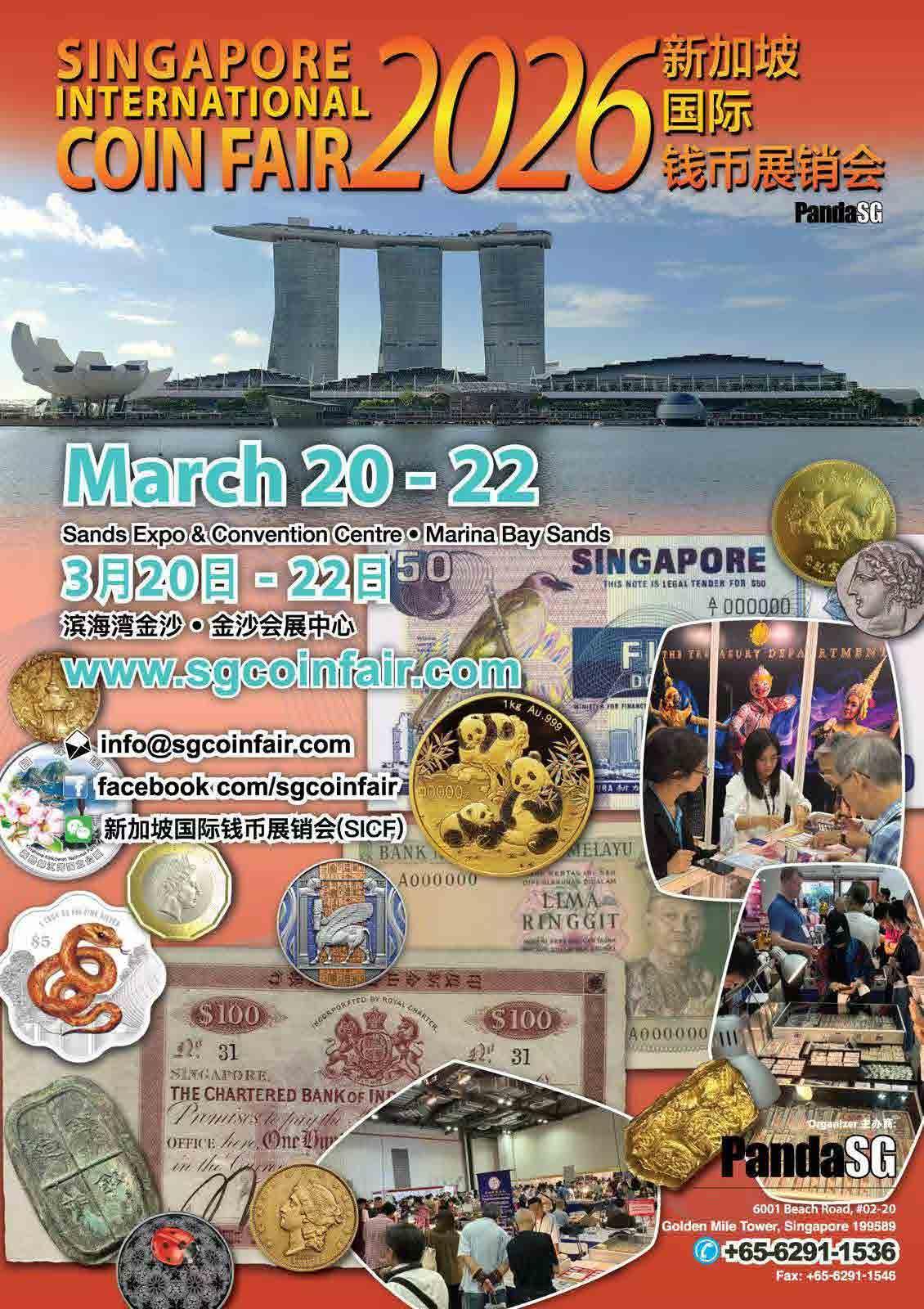

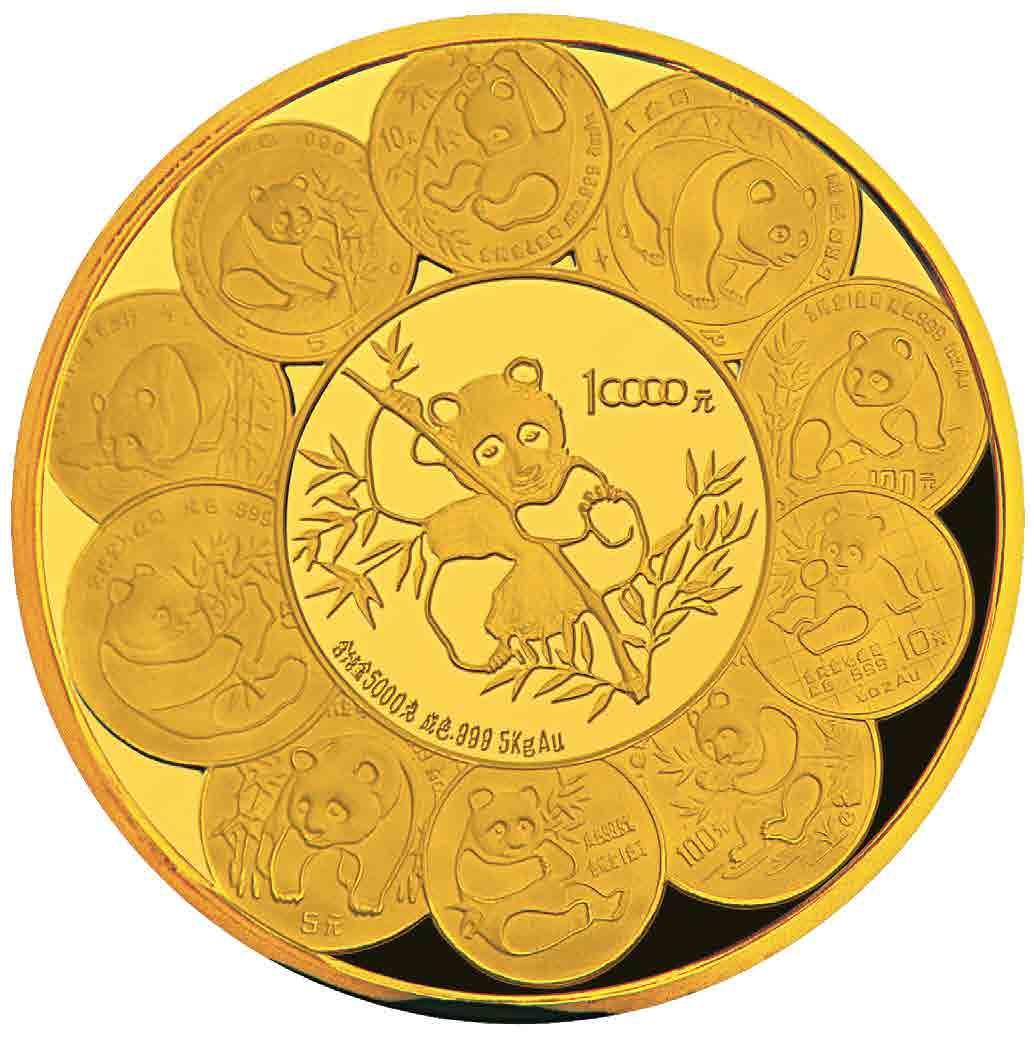
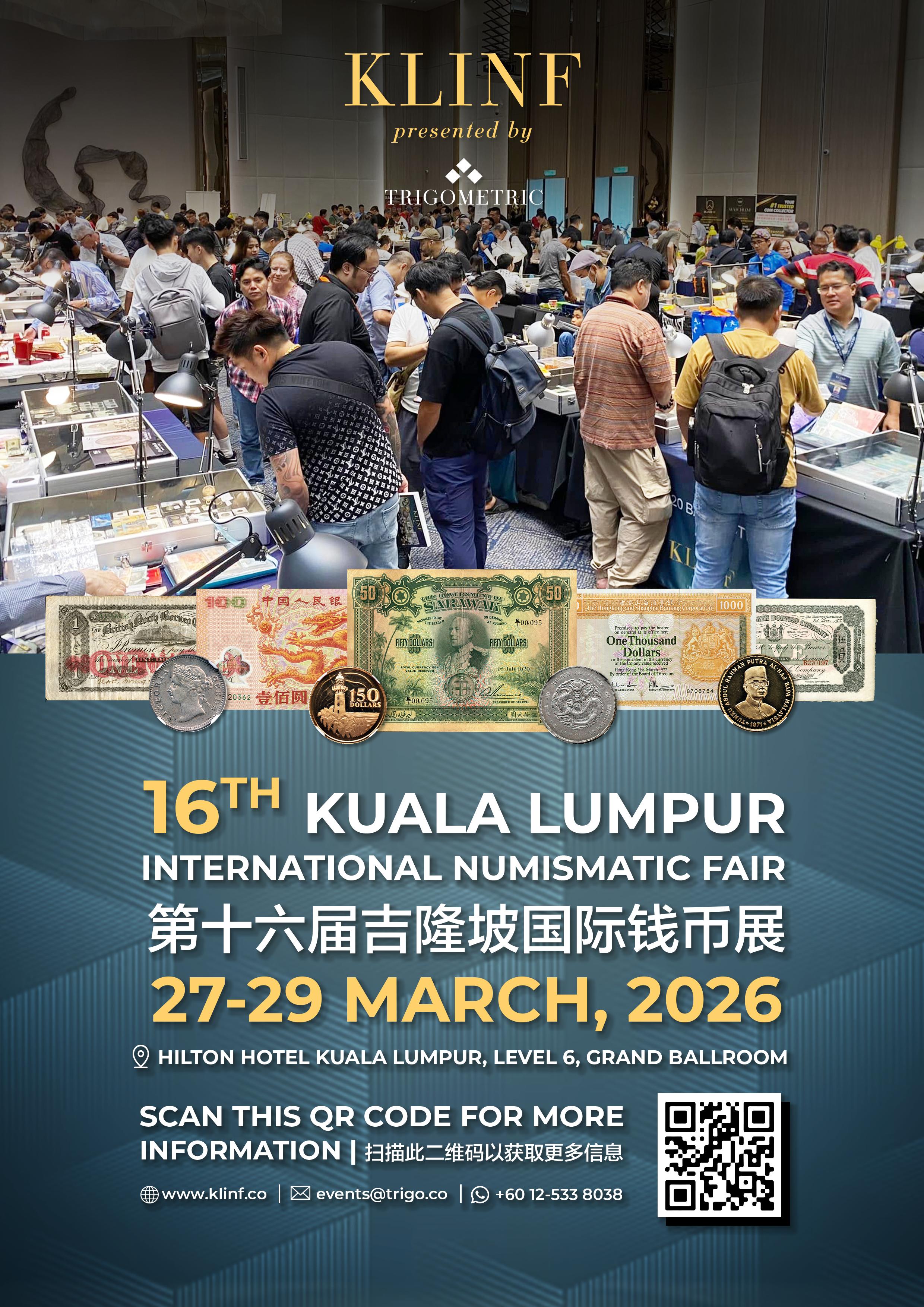
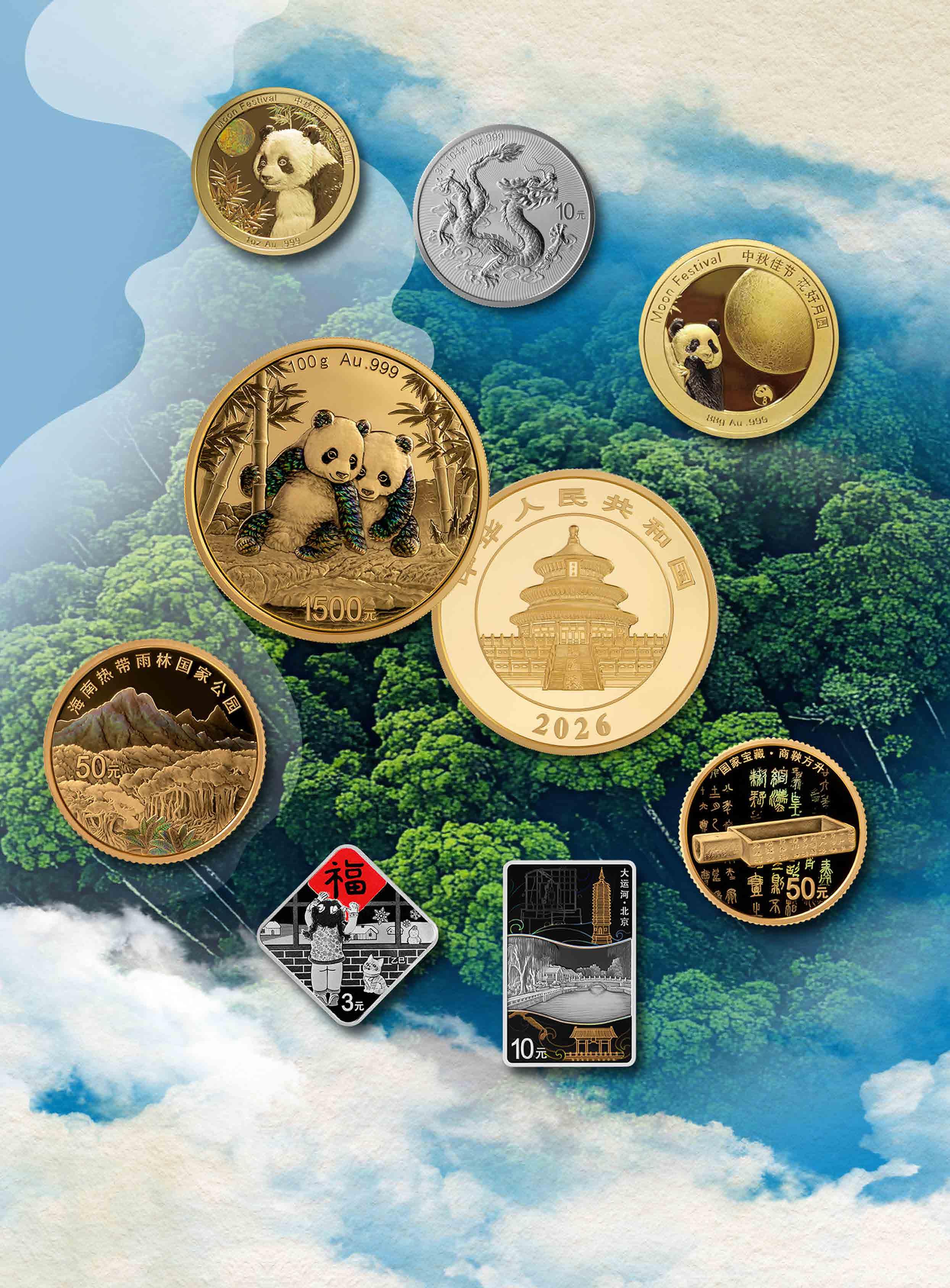
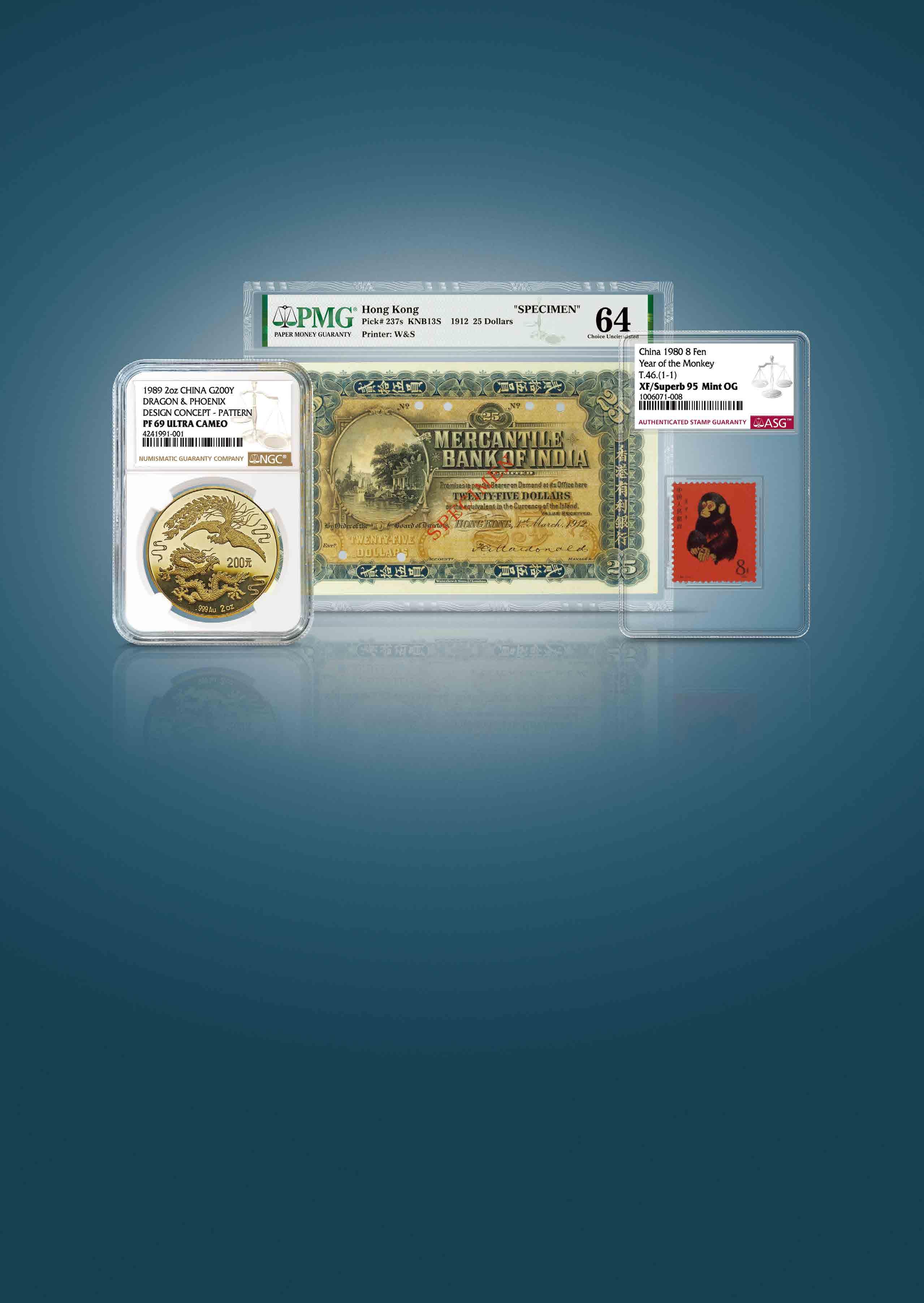
Th, 29 – Sa, 31 Jan 2026
Estrel Congress Center, Berlin, Germany
2026: Celebrating 20 years in Berlin
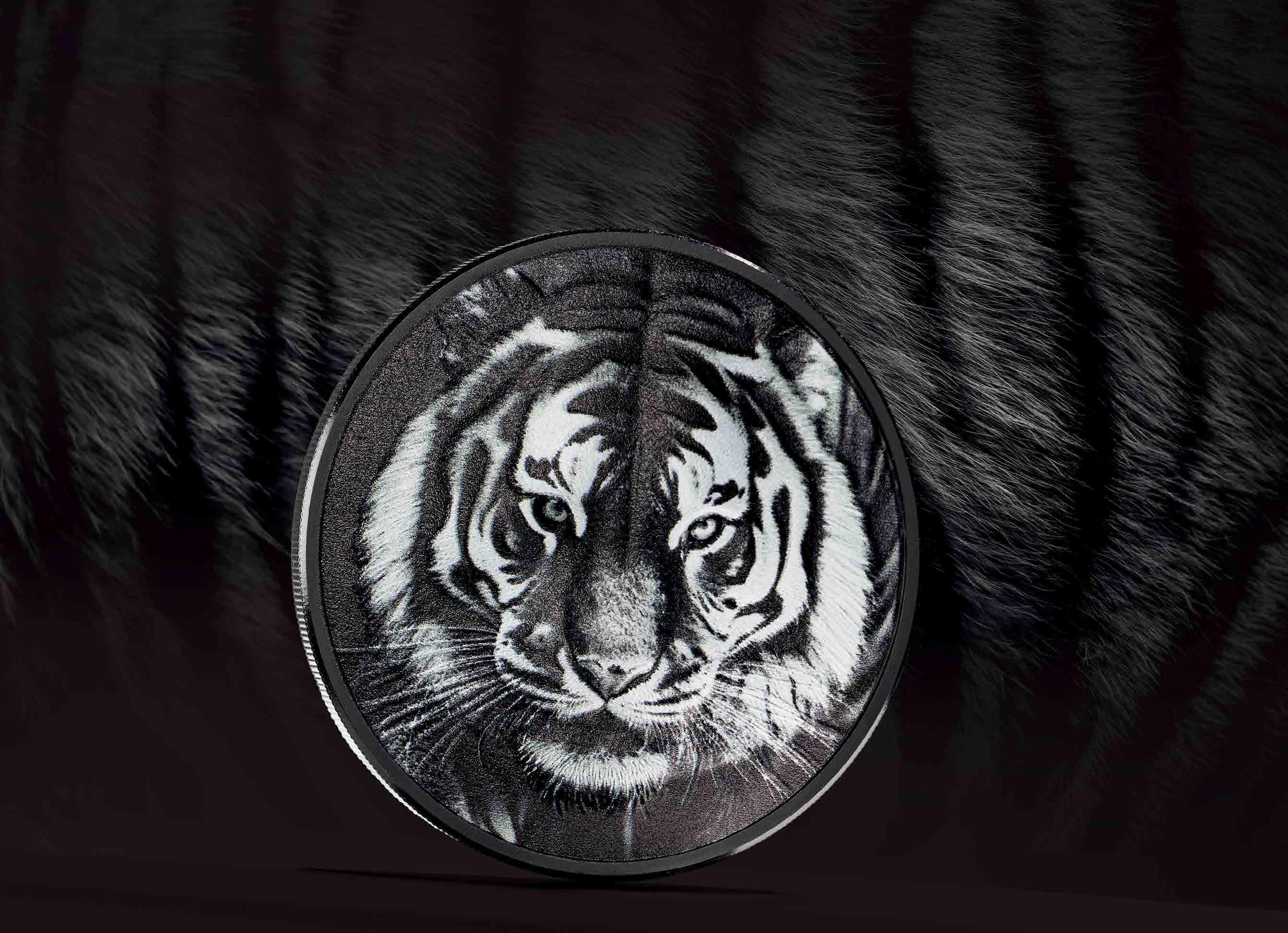
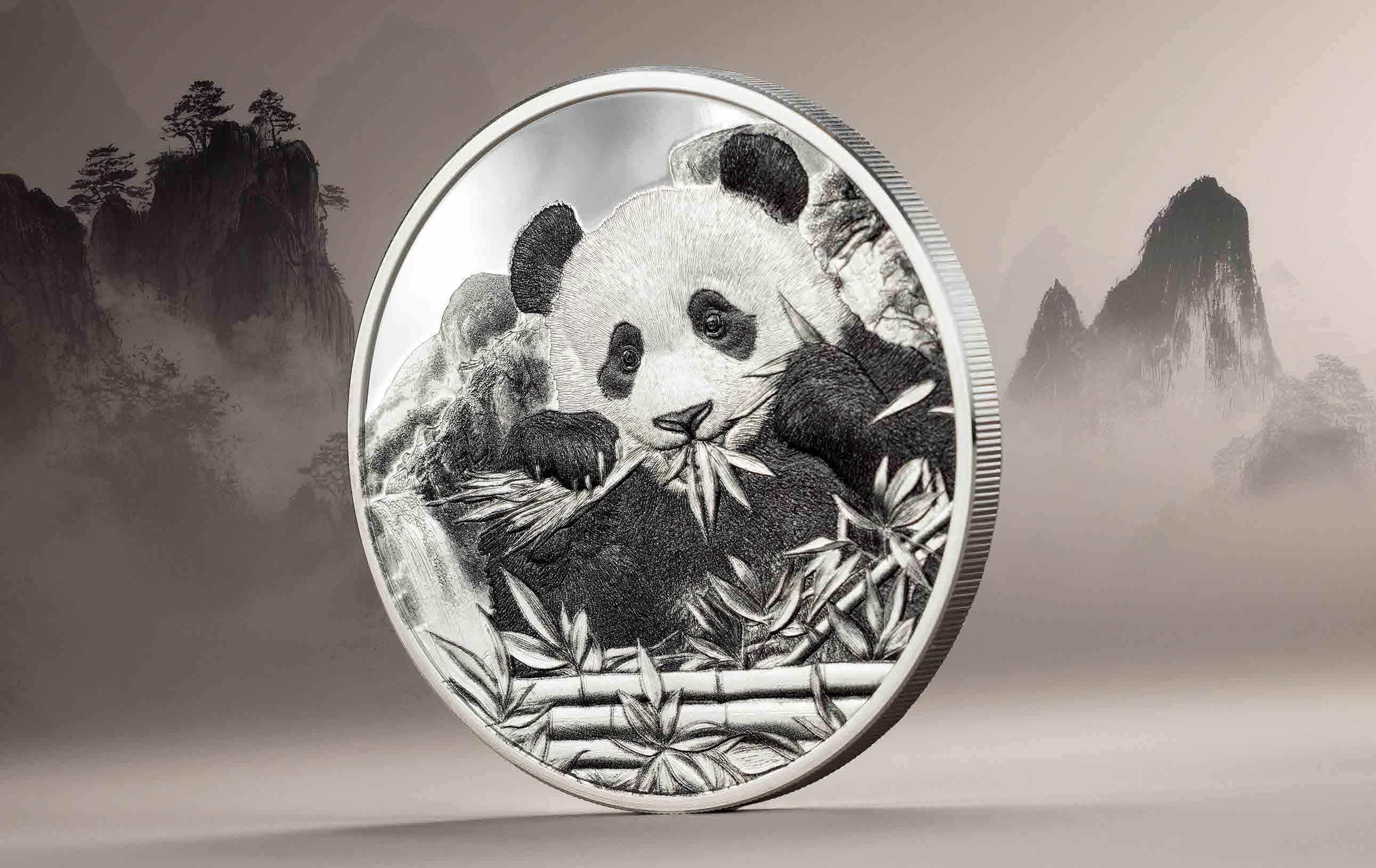
由中國領先的貴金屬鑄幣公司
——上海新世紀紀念幣製造有限公司生倾情打造
Produced by Shanghai New Century Minting Co., China's leading mint for precious metals
上海新世紀紀念幣製造有限公司成立於1995年12月15日,前身為上海新世紀紀念章有限 公司,是一家從事金屬工藝品製造的有限責任公司。
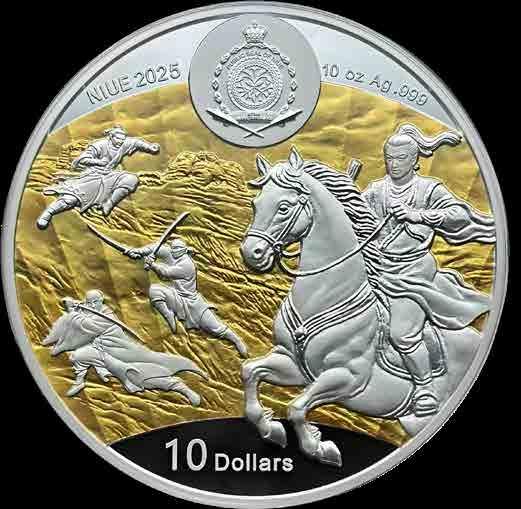
2025年紐埃群島《楚 留香傳奇》10紐埃元 10盎司紀念銀幣
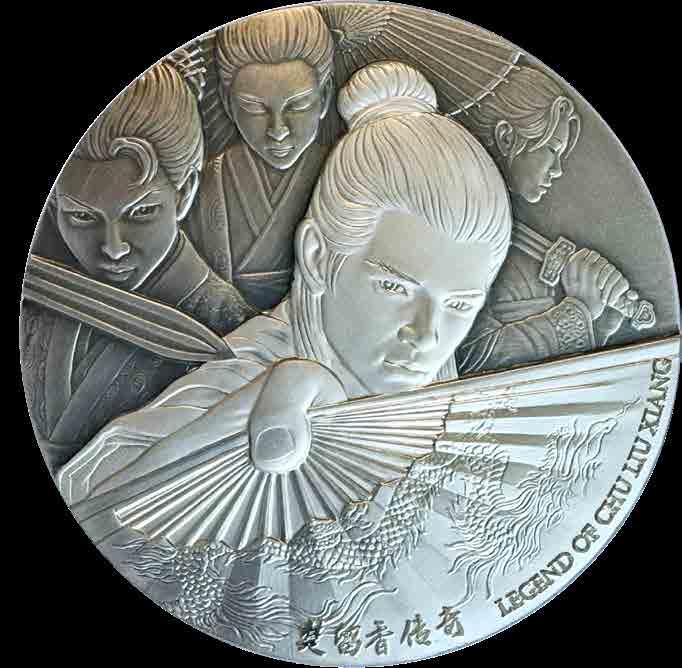
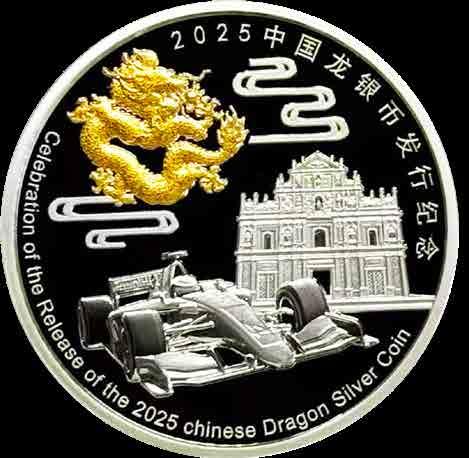
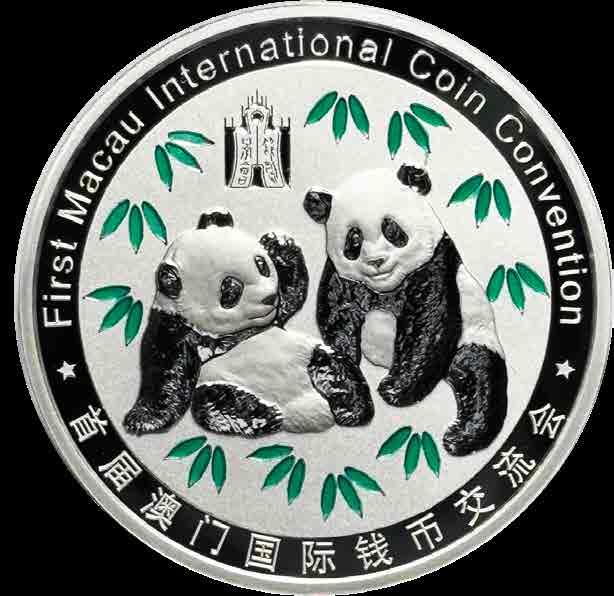
2025年首屆澳門國際錢幣 交流會熊貓紀念章
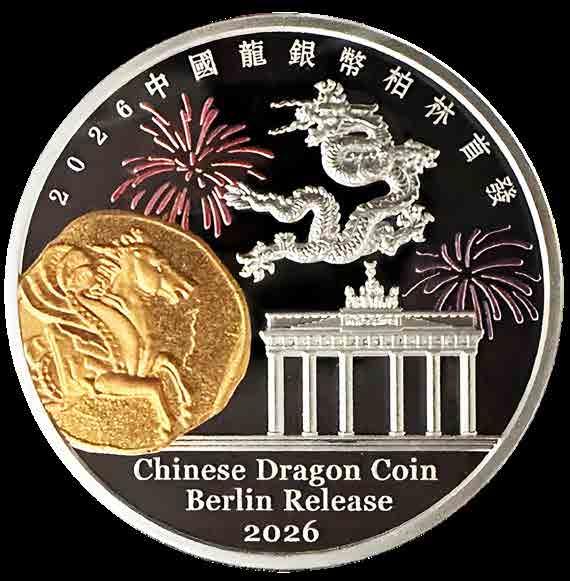
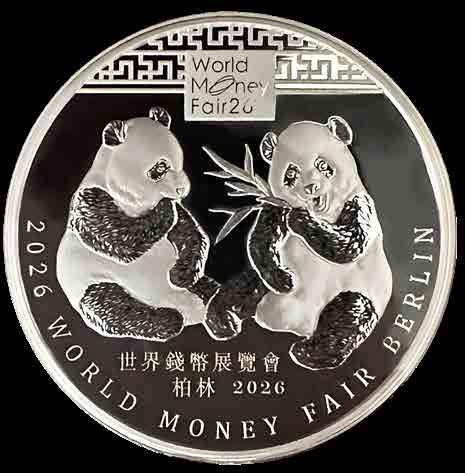

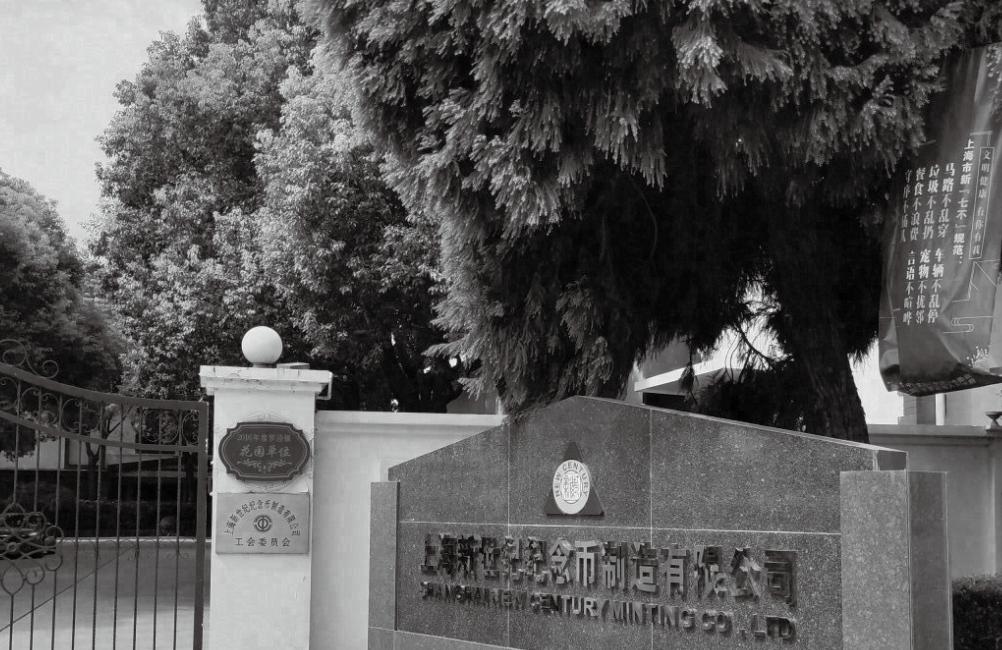
2026 柏林世界錢幣展 覽會中國龍銀紀念幣
更多相關金銀幣生產加工業務請諮詢我們!
JEAN


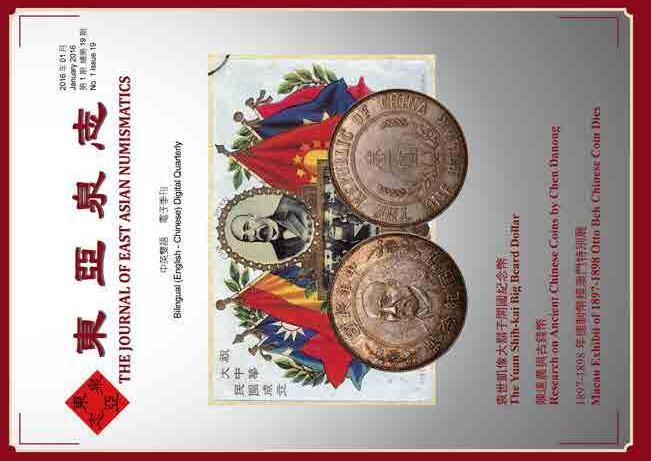
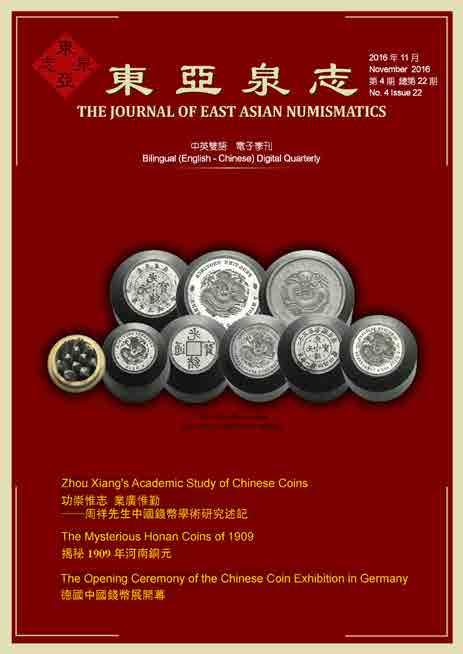
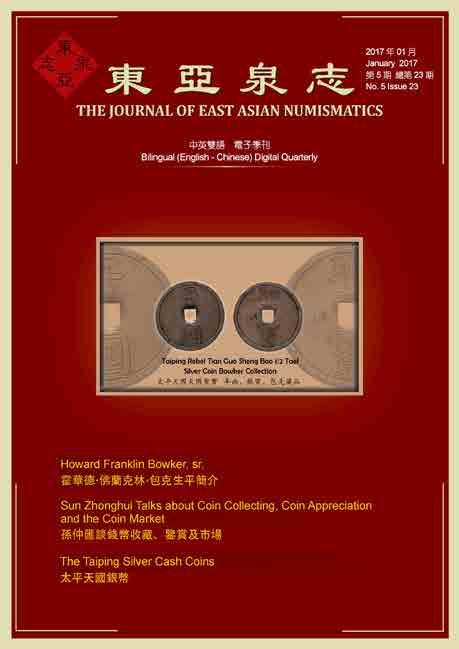
《東亞泉志》為冠軍拍賣公司總裁周邁可先生和著名錢幣學 專家史博祿先生于1994年創辦,是一本學術性錢幣研究專業 雜誌。旨在讓廣大錢幣收藏家、研究學者更深入地瞭解錢幣 知識,讓世界各地的讀者更好地瞭解中國深厚的錢幣文化。
《東亞泉志》于1994年7月份問世,1999年停刊,發行了18 期。2015年5月,周邁可先生決定于2016年1月復刊《東亞 泉志》,聘請著名錢幣研究學者袁水清先生擔任主編。
以披露最新錢幣收藏研究成果、推介泉界成 功人士的事蹟為主。主要欄目有學術研究、 人物專訪、鑒賞爭鳴、拍賣回顧、重要信息等。
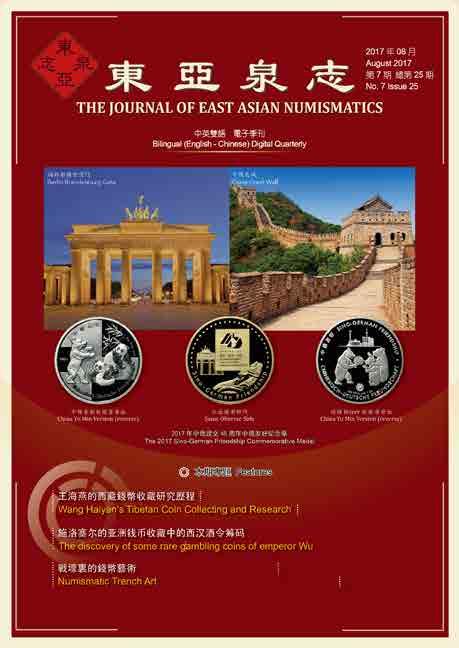

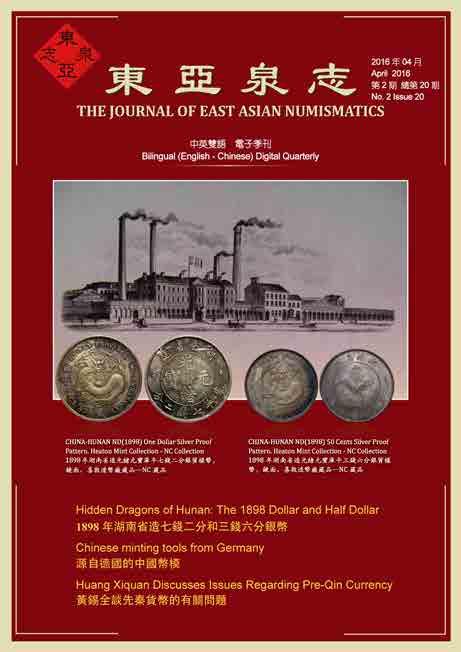
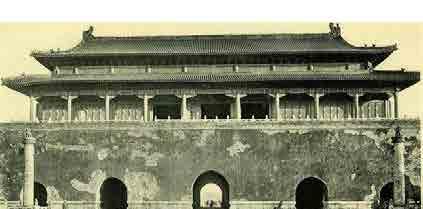


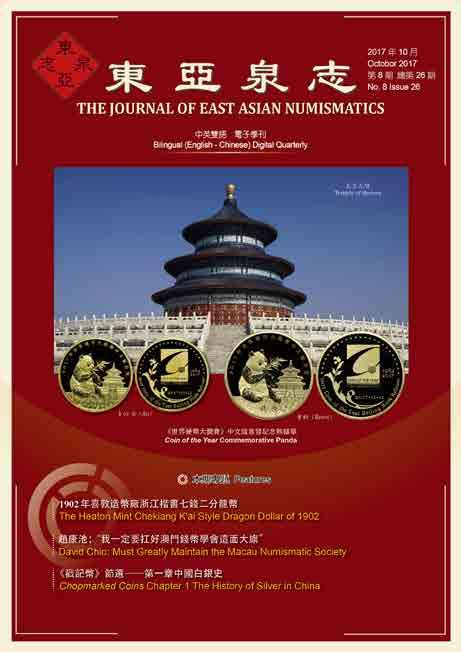

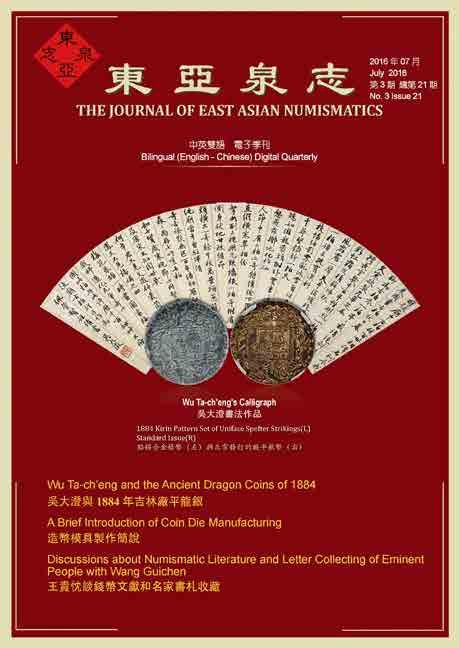

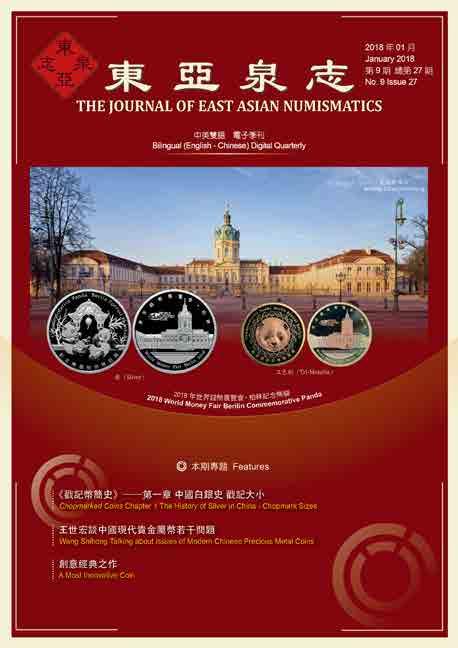




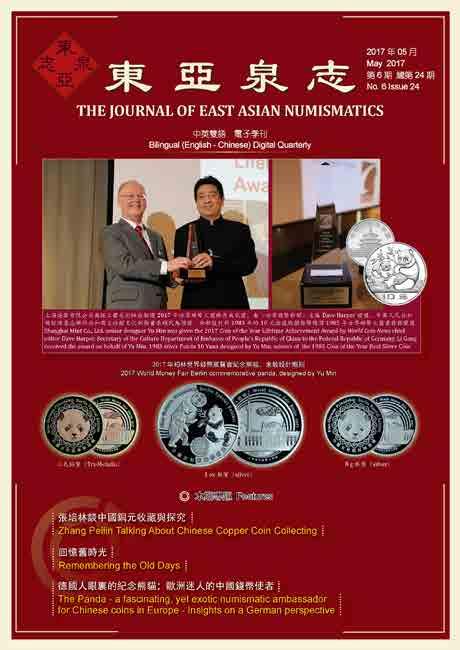


THE JOURNAL OF EAST ASIAN
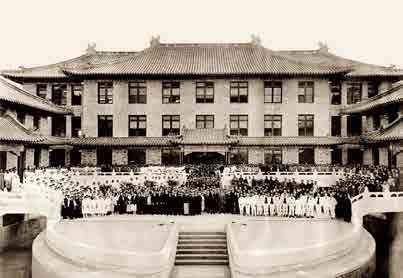
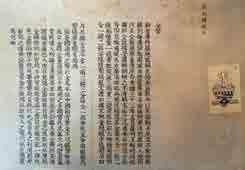
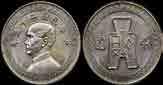


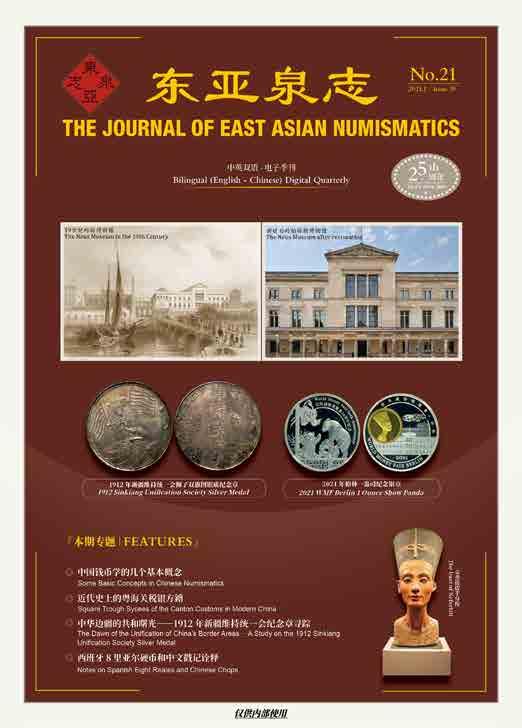



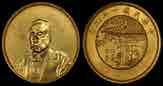
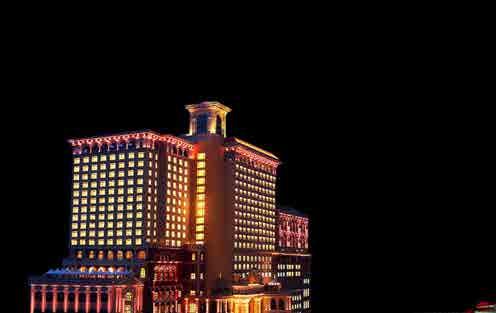


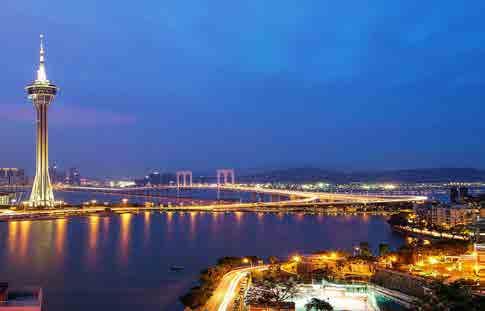





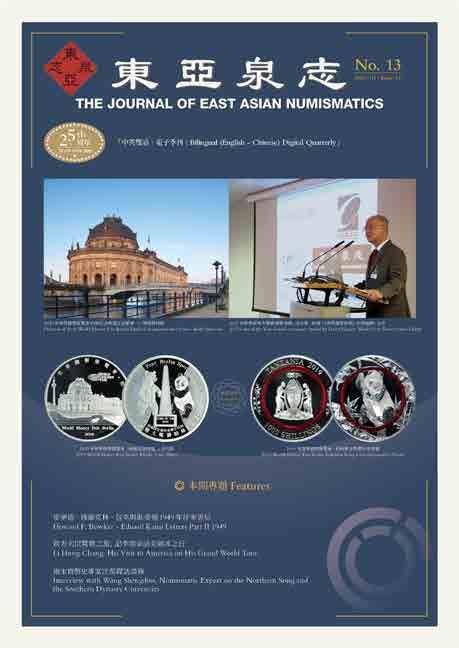
上海烚赤金條在臺灣 ShanghaiXiaChiGoldBarinTaiwan
纽埃《楚留香传奇》发行55周年纪念币及其北京、香港首发纪实 ofTheCommemorativeCoinCelebratingthe55thAnniversaryoftheIssue TheLegendofChuLiuXiangandItsLaunchinBeijingandHongKongTheHistoryofMintinginChina(PartI) 中国造币史(上篇)April2024HongKongCoinAuctionReturnstotheHolidayInnGoldenMile 中德和约之中的抵偿债券香港钱币拍卖会将于2024年4月回归金域假日酒店 ofOffsettingBondsintheAgreementRegardingtheRestorationoftheState PeacebetweenGermanyandChina
Oil,Gold,andtheDollar SaudiArabia'sThree-in-oneCurrencySystemwithGoldCoinsastheNationalCurrency 石油、黃金、美元——解讀沙特阿拉伯國家通貨金幣三合一貨幣體制
1985年精製版壹圓熊貓紀念銅幣探源 CopperAnExplorationofthe1985One-YuanProofPandaCommemorative Coin 27HowardF.Bowker–EduardKannCorrespondence(1950.1-4) YearsinAsianNumismatics 亞洲錢幣界的27年霍华德·包克與耿愛德的通信(1950年1月-4月)

NeverDreameditWouldComeTrue 做夢都想不到的竟然成真 救國公債與新馬經驗 TheExperienceofNationalSalvationBondsfromSingaporeandMalaysia
中國造幣史(下) HowardTheHistoryofMintinginChina F.Bowker–EduardKannCorrespondence(1950.5-6)霍華德·包克與耿愛德的通信(1950年5月-6月)
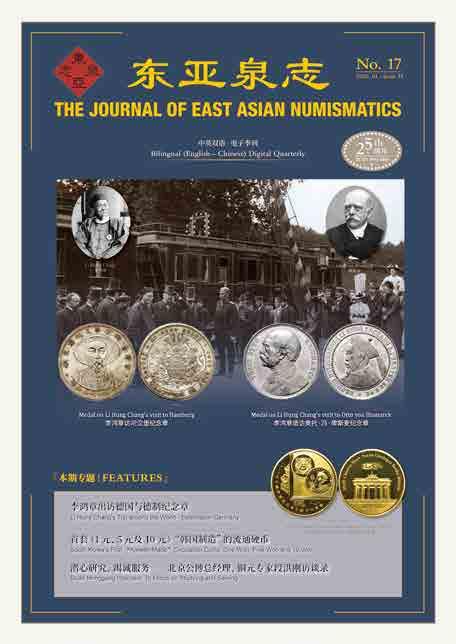
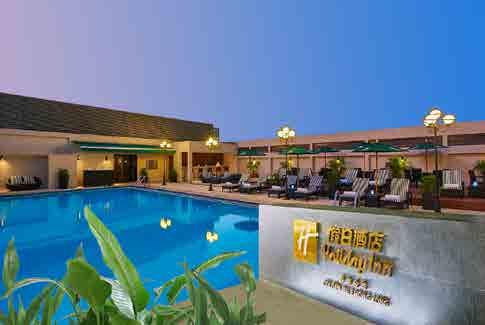
theatHonggangChou、DuanFung、MichaelNCAlex JapanofBanktheofMuseumCurrency

THEJOURNALOF ANNUBilingual(English-Chinese)DigitalQuarterly PaperTheAppearanceandDestinationoftheQiansicangStoryPicture MoneyBackPlate(Ⅰ) 千斯倉故事圖背鈔版的出現與流向(上)
霍華德·包克與耿愛德的通信(1951年7月-12月) HowardF.Bowker–EduardKann Correspondence(1951.7-12) 新發現:NGC認證不為人知的張南琛舊藏張作霖像銅鎳壹圓紀念幣 NewDiscovery:NGCCertifiesPreviouslyUnknownChangTsoLinDollarinCopper-NickelfromFamedNCCollection精品薈萃——《東亞泉志》30周年特別拍賣擷萃展現濃郁的地域風貌——2021年賀歲金銀紀念幣設計手記 上海錢幣:"遠東之都"歷史上的未譜篇章(III) CommemorativeShowingaStrongRegionalFlavor:TheHandbookfortheDesignofthe2021LunarNewYearGoldandSilver Coins HighlightsoftheSpecialAuctionorthe30thAnniversaryoftheJournalofEastAsian Numismatics TheCoinsofShanghai:AnUnwrittenChapterintheHistoryofthe"CapitaloftheFarEast"(PartIII) 南宋會子千斯倉故事圖背印鈔版(上篇) TheQianSiCangStoryPicturePaperMoneyBackPlatefortheHui oftheSouthernSongDynasty(I) 『本期精選|HIGHLIGHTS』
Bilingual(English-Chinese)DigitalQuarterly
2023/11/26——冠軍澳門拍賣 CHAMPIONMACAUAUCTION No.33

愛國僑領司徒美堂與“勳勞卓著”金質勳章 PatrioticOverseasChineseLeaderSituMei-Tangandthe"OutstandingService"GoldMedal “勳勞卓著”金質勳章/"OutstandingService"PureGoldMedal
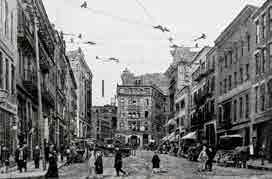

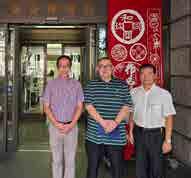

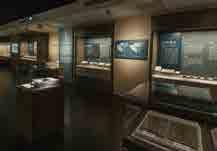

HIGHLIGHTS選 周年刊 (1994-2024) AReflectionontheFoundingofPMGandtheEarlyDaysofPaperMoneyGrading PMG創立及早期紙幣評級回顧雜談一個跨世紀的中國錢幣收藏 ACross-CenturyChineseCoinCollection臺灣金業傳奇——高天成及其《金銀細工實用圖畫大全》 ATheLegendofTaiwan'sGoldJewelryIndustry——GaoTian-ChengandHisBook CompleteWorksofDrawingsofWorkmanshipinGoldandSilverFineJewelry 九天四國——海外資料搜集成果分享 NineDaysinFourCountries-TheProcessofSearchingInformationOverseas絲路風雲·倭馬亞王朝貨幣改革與唐幣開元 Abdal-Malik'sCurrencyReformandtheKaiyuanTongbaooftheTangDynasty


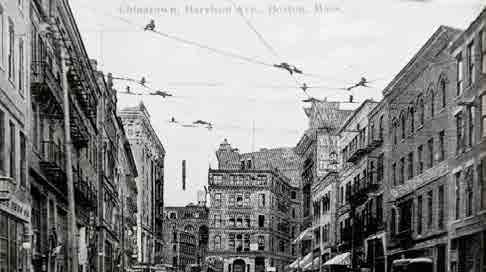

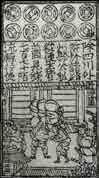

MACAU
如您想要購買或出售中國頂級機製錢幣,可聯繫冠軍 Champion is your leading source for buying and selling premium Chinese coins!
往年冠軍亮点 Champion Highlights
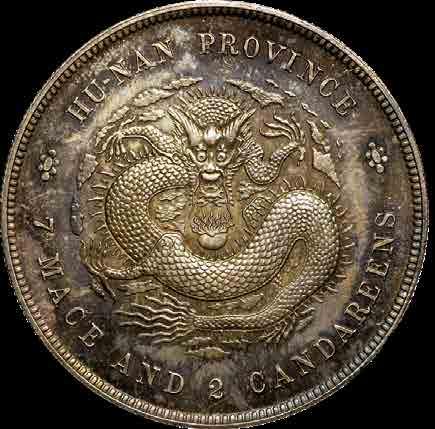
1898年喜敦版湖南省造光緒元寶庫平七錢二分銀質樣幣,鏡面, NGC SP67,張南琛收藏,已知品相最好的一枚,第一枚價格超 過一萬美元的中國機製幣
1898 HEATON HUNAN PROVINCE 7 Mace and 2 Candareens
Silver Proof Pattern. NGC SP67, NC Collection,Finest Known, First Chinese Vintage Coin Sold for over US $10,000
成交記錄:
2014年成交價超過1 000 000美元,私人交易
Auction Results:
2014 More than US $1,000,000,Private Treaty
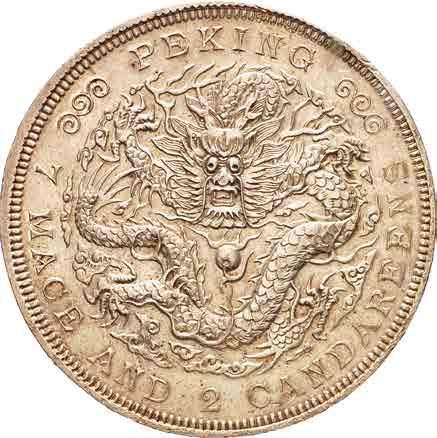
1900年京局製造庚子光緒元寶庫平七錢二分銀質樣幣一套,再 版,K233,NGC MS62,耿愛德/史威尼/美國華人收藏 1900 PEKING Silver Pattern Set, Restrike, K233, NGC MS62, Kann-Sweeny-Chinese American Collection 成交記錄: 2014年冠軍拍賣,成交價414 000美元 Auction Results: 2014 Champion Auction,Realized US $414,000
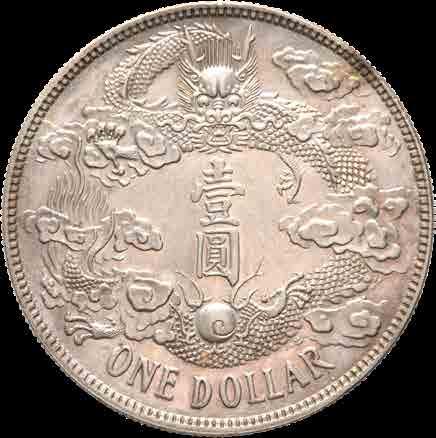
1911年(宣統三年)大清銀幣壹圓大尾龍銀質樣幣,K226, NGC PF62,W&B Capitals/WL收藏 1911 TA CHING Large-Tail Dragon Dollar Silver Pattern, K226, NGC PF62, W&B Capital-WL Collection 成交記錄: 2012年W&B-冠軍拍賣,私人交易
Auction Results:
2012 W&B-Champion Auction,Private Treaty
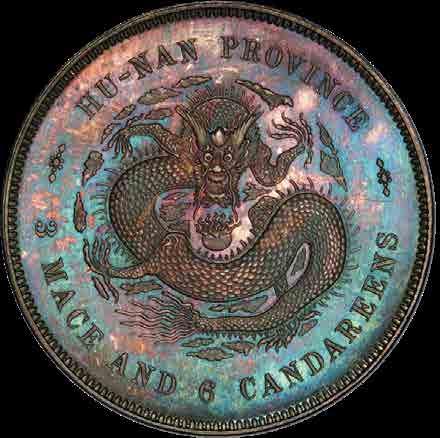
1898年喜敦版湖南省造光緒元寶庫平三錢六分銀質樣幣,鏡面, Kann中無記錄,PCGS SP66+,古德曼/華人家族收藏,已知品 相最好的一枚
1898 HEATON HUNAN PROVINCE 3 Mace and 6 Candareens Silver Proof Pattern, Kann Unlisted, PCGS SP66+, Goodman-Chinese Family Collection, Finest Known 成交記錄:
2020年11月冠軍拍賣,成交價540 000美元
Auction Results: 11/2020 Champion Auction Realized US $540,000
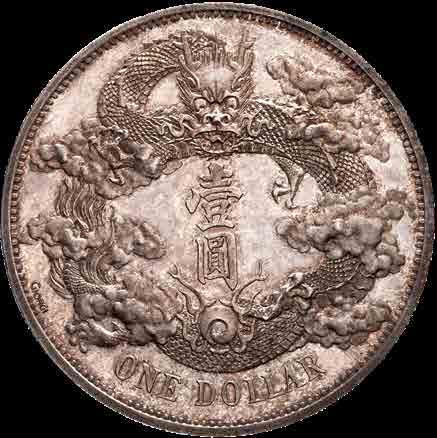
1911年(宣統三年)大清銀幣壹圓銀質樣幣,L.Giorgi簽字版, Kann中無記錄,PCGS SP63,昆克拍賣/冠軍拍賣/WL收藏, 已知品相最好的一枚
1911 TA CHING One Dollar Silver Pattern, L. Giorgi Signature, Kann Unlisted, PCGS SP63, Kunker-Champion-WL Collection, Finest Known 成交記錄: 2014年昆克拍賣,成交價530 000歐元
Auction Results: 2014 Kunker Auction, Realized EUR 530,000
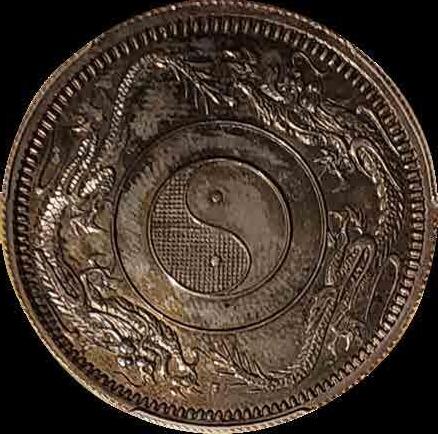
1868年中外通寶五錢銀質樣幣,K926,PCGS SP65,1991年古 德曼舊藏拍賣/華人家族收藏/冠軍拍賣 1868 MARITIME CUSTOMS 50 Cent Silver Pattern, K926, PCGS SP65,1991 Goodman Collection Auction/Chinese Family Collection/Champion Auction 成交記錄: 2023年華人家族收藏-冠軍拍賣,私人交易 Auction Results: 2023 Chinese Family Collection-Champion Auction, Private Treaty
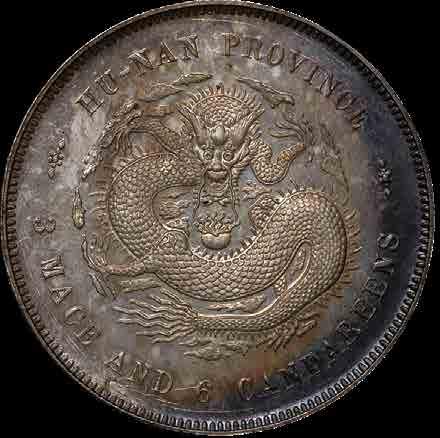
1898年喜敦版湖南省造光緒元寶庫平三錢六分銀質樣幣,鏡面, NGC SP66,張南琛收藏
1898 HEATON HUNAN PROVINCE 3 Mace and 6 Candareens Silver Proof Pattern, NGC SP66, NC Collection 成交記錄: 2013年冠軍拍賣,私人交易
Auction Results: 2013 Champion Auction Private Treaty
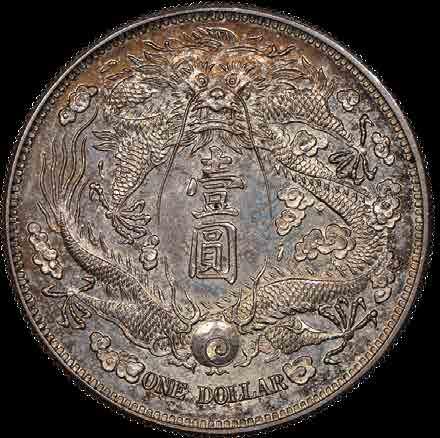
1911年(宣統三年)大清銀幣壹圓長鬚龍銀質樣幣,K223, NGC MS64,張南琛/WL收藏
1911 TA CHING Long-Whisker Dollar Silver Pattern, K223, NGC MS64, NC-WL Collection, Finest Known 成交記錄: 2021年5月冠軍拍賣,成交價1 344 000美元
Auction Results: 5/2021 Champion Auction,Realized US $1,344,000
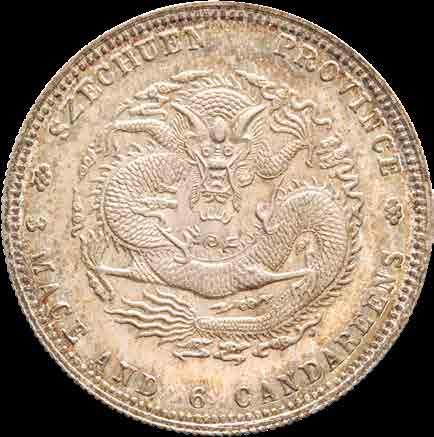
1896年四川省造楷書(缶寶)光緒元寶庫平三錢六分銀幣, NGC PF66,冠軍拍賣/W&B Capital收藏,已知品相最好的一枚 1896 SZECHUAN PROVINCE 3 Mace and 6 Candareens Silver (缶寶) K141, NGC PF66, Champion Auction-W&B Capital Collection, Finest Known 成交記錄: 1996年11月冠軍拍賣,成交價55 200美元; 2019年冠軍拍賣,私人交易 Auction Results: 11/1996 Champion Auction,Realized US $55,200 2019 Champion Auction,Private Treaty

澳門辦公室 澳門羅理基博士大馬路600E第一國際商業中心1樓P105室 電話:853-68666901
Champion Macau Office AV. DR. Rodrigo Rodrigues. 600E-P105 First International Com. Center
郵箱:yvan799@outlook.com
香港店鋪 九龍旺角砵蘭街169-173號好旺角商場219室 電話:852-61650618
郵箱:championghka@gmail.com
臺北店鋪
臺北市大同區南京西路163號1樓之51 電話:02-2555-17611
郵箱:championghka@gmail.com
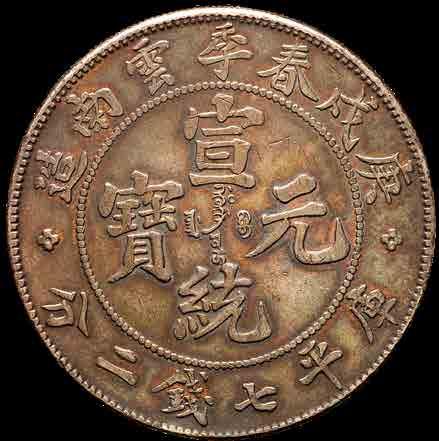
1910年庚戌春季雲南造宣統元寶庫平七錢二分銀質樣幣,K177, NGC AU55,Ultima收藏/冠軍拍賣,第一枚價格超過一百萬美 元的中國機製幣
1910 YUNNAN PROVINCE "SPRING" 7 Mace and 2 Candareens
Silver Pattern, K177, NGC AU55, Ultima Collection-Champion Auction,First Chinese Vintage Coin Sold for over US $1 Million 成交記錄:
2010年8月Ultima收藏,成交價1 035 000美元,
Auction Results:
8/2010 Ultima Auction,Realized US $1,035,000
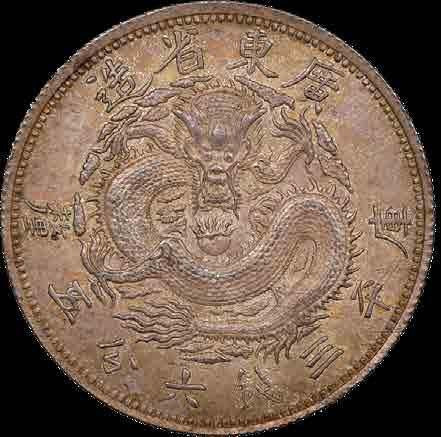
1890年廣東省造光緒元寶庫平三錢六分五厘反版銀幣,Y197, L&M124,K17,NGC MS64,1972年Jess Peters 銷售目錄, 張南琛收藏,已知品相最好的一枚
1890 KWANGTUNG PROVINCE 3 Mace and 6.5 Candareens Silver Pattern, 7.3 Reversed Pattern, Y197, L&M124, K17, NGC MS64, 1972 Jess Peters Price list, NC Collection, Finest Known 成交記錄:
2021年5月冠軍拍賣,成交價240 000美元
Auction Results: 5/2021 Champion Auction,Realized US $240,000
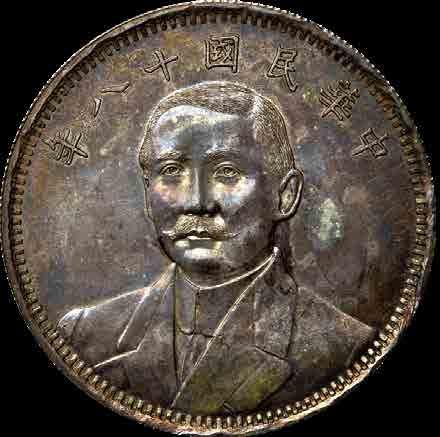
1929年民國十八年孫中山像背地球壹圓銀質樣幣,NGC MS65, 張南琛收藏,已知品相最好的一枚
1929 REPUBLIC Sun Yat Sen One Dollar Silver Pattern, Globe with 2 Crossed Flags, NGC MS65, NC Collection, Finest Known 成交記錄:
2016年8月冠軍拍賣,成交價472 000美元
Auction Results: 8/2016 Champion Auction,Realized US $472,000
Tel: 853-68666901
Email: yvan799@outlook.com
Champion Hong Kong Store Rm. 219, 2/F Ho Mongkok Shopping Centre, No.169-173 Portland St. Mongkon Kowloon Tel: 852-61650618
Email: championghka@gmail.com
Taipei Store First Floor Room 51, 163 Nanking West Road,Taipei
TEL: 02-2555-17611
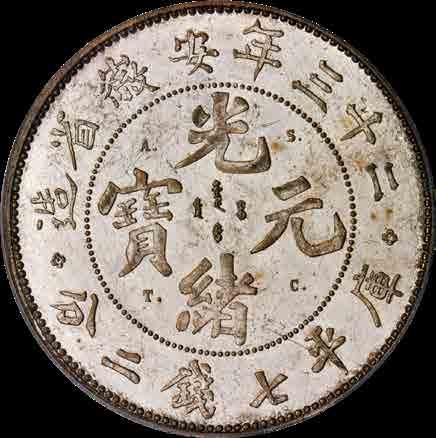
1897年(光緒)二十三年安徽省造七錢二分銅鍍銀樣幣,PCGS MS63+,奧托·拜赫檔案室收藏,已知品相最好的一枚 1897 (Year 23) ANHWEI PROVINCE 7 Mace 2 Candareens Brass Silver Plated Pattern, PCGS MS63+,Otto Beh Archive, Finest Known 成交記錄: 2016年8月冠軍拍賣,成交價200 700美元
Auction Results: 8/2016 Champion Auction,Realized US $200,700
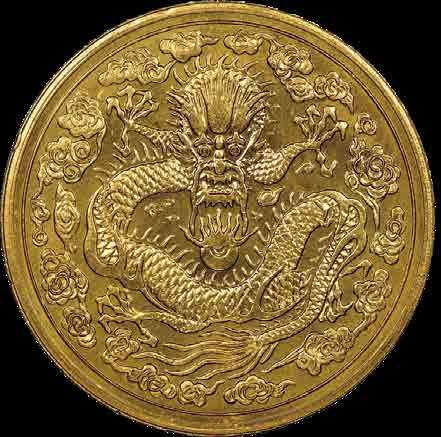
1906 年光緒丙午年造大清金幣庫平一兩,光邊大雲版, L&M1023,K1540,NGC MS64,張南琛收藏,已知品相最好的 一枚
1906 TA CHING One Tael Gold, Large Cloud, Plain Edge, L&M1023, K1540, NGC MS64, NC Collection, Finest Known 成交記錄: 2021年5月冠軍拍賣,成交價462 000美元
Auction Results: 5/2021 Champion Auction,Realized US $462,000
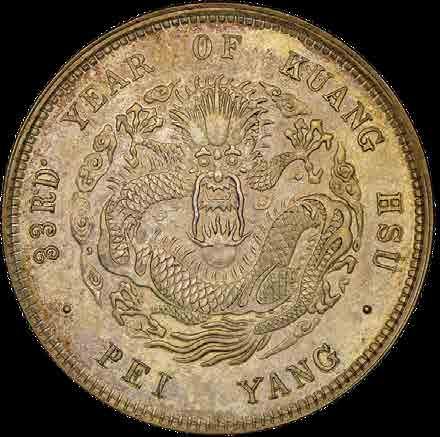
1907年北洋造光緒元寶庫平一兩銀質樣幣,L&M438,K938a, NGC MS63,張南琛收藏,已知品相最好的一枚 1907 CHIHLI One Tael Silver Pattern,L&M438, K938a, NGC MS63, NC Collection, Finest Known 成交記錄: 2021年5月冠軍拍賣,成交價1 140 000美元
Auction Results: 5/2021 Champion Auction,Realized US $1,140,000
Email: championghka@gmail.com
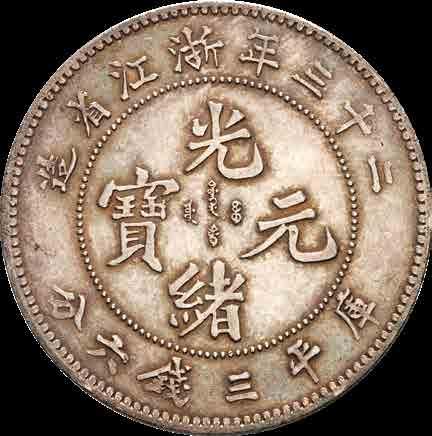
1897年(光緒)二十三年浙江省造光緒元寶庫平三錢六分銀質 樣幣,Kann中無記錄,NGC MS63,古德曼/華人家族收藏,已 知品相最好的一枚 1897 (Year 23) CHEKIANG PROVINCE 3 Mace and 6 Candareens Silver Pattern, Kann Unlisted, NGC MS63,Goodman-Chinese Family Collection, Finest Knwon 成交記錄: 2014年冠軍拍賣,私人交易 Auction Results: 2014 Champion Auction,Private Treaty
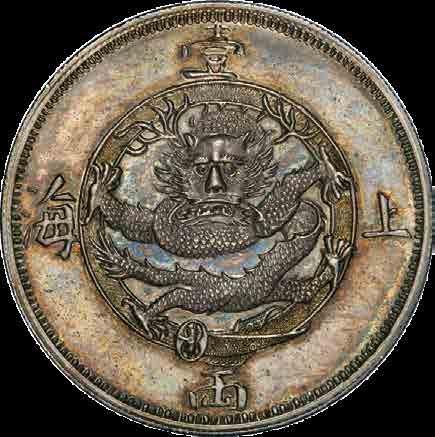
1867年上海壹兩銀質樣幣無射線版,鏡面,K911,PCGS SP 65,華人家族收藏-冠軍拍賣,已知品相最好的一枚 1867 SHANGHAI One Tael Silver Pattern, without Rays, Proof, K911, PCGS SP 65, Chinese Family CollectionChampion Auction, Finest Known 成交記錄:
2008年6月冠軍拍賣,成交價195 000美元
Auction Results: 6/2008 Champion Auction,Realized US $195,000
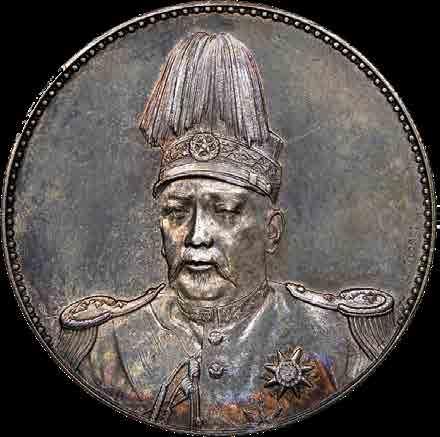
1916年中華帝國洪憲紀元袁世凱戎裝像飛龍銀幣,L. GIORGI 簽字版,L&M943,K663a,NGC MS64,耿愛德/張南琛收藏,已 知品相最好的一枚 1916 REPUBLIC YUAN SHI KAI HUNG HSIEN One Dollar Silver, Flying Dragon, with L. GIORGI, L&M943, K663a, NGC MS64, Kann-NC Collection, Finest Known 成交記錄: 2021年5月冠軍拍賣,成交價642 000美元 Auction Results: 5/2021 Champion Auction,Realized US $642,000
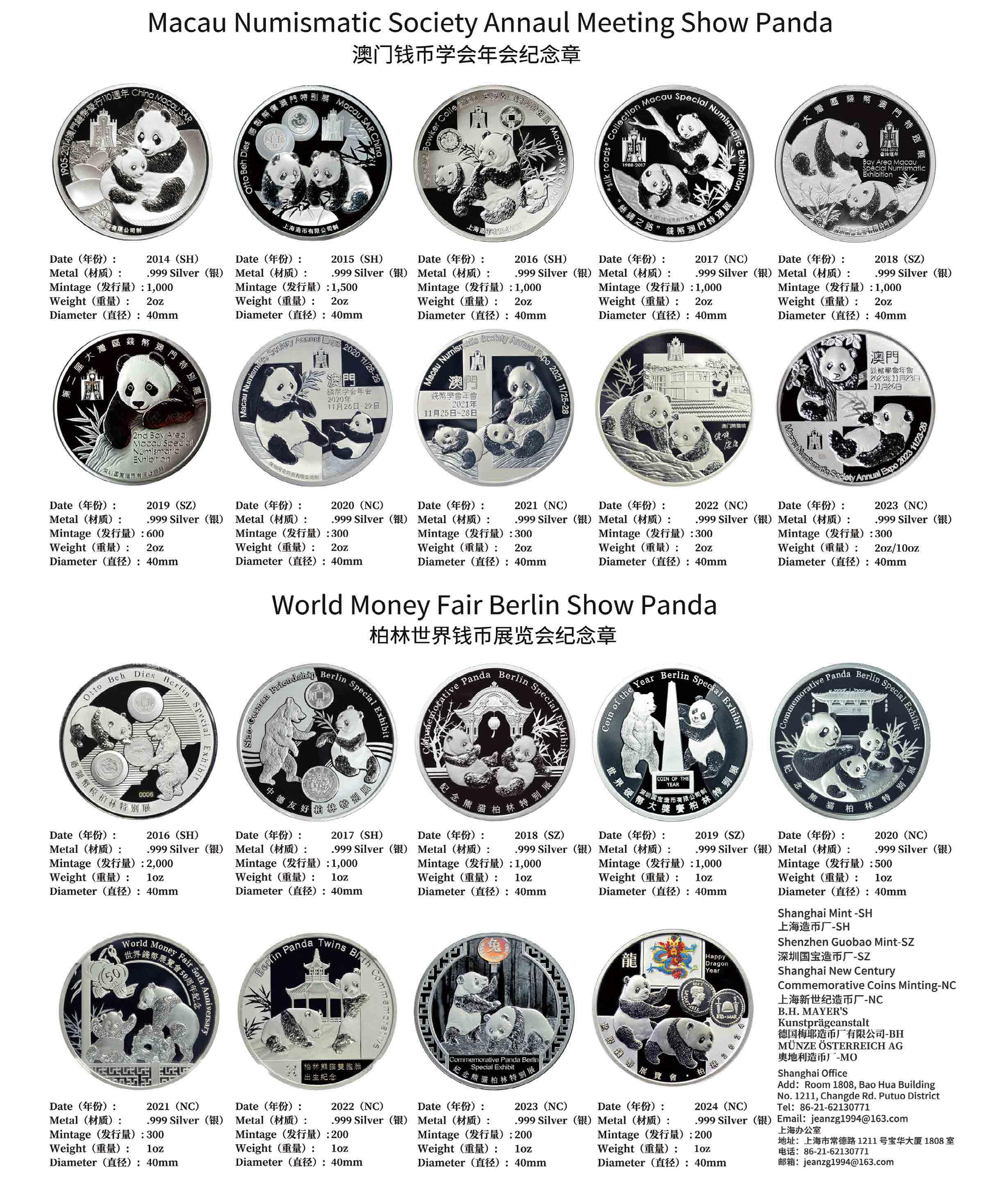
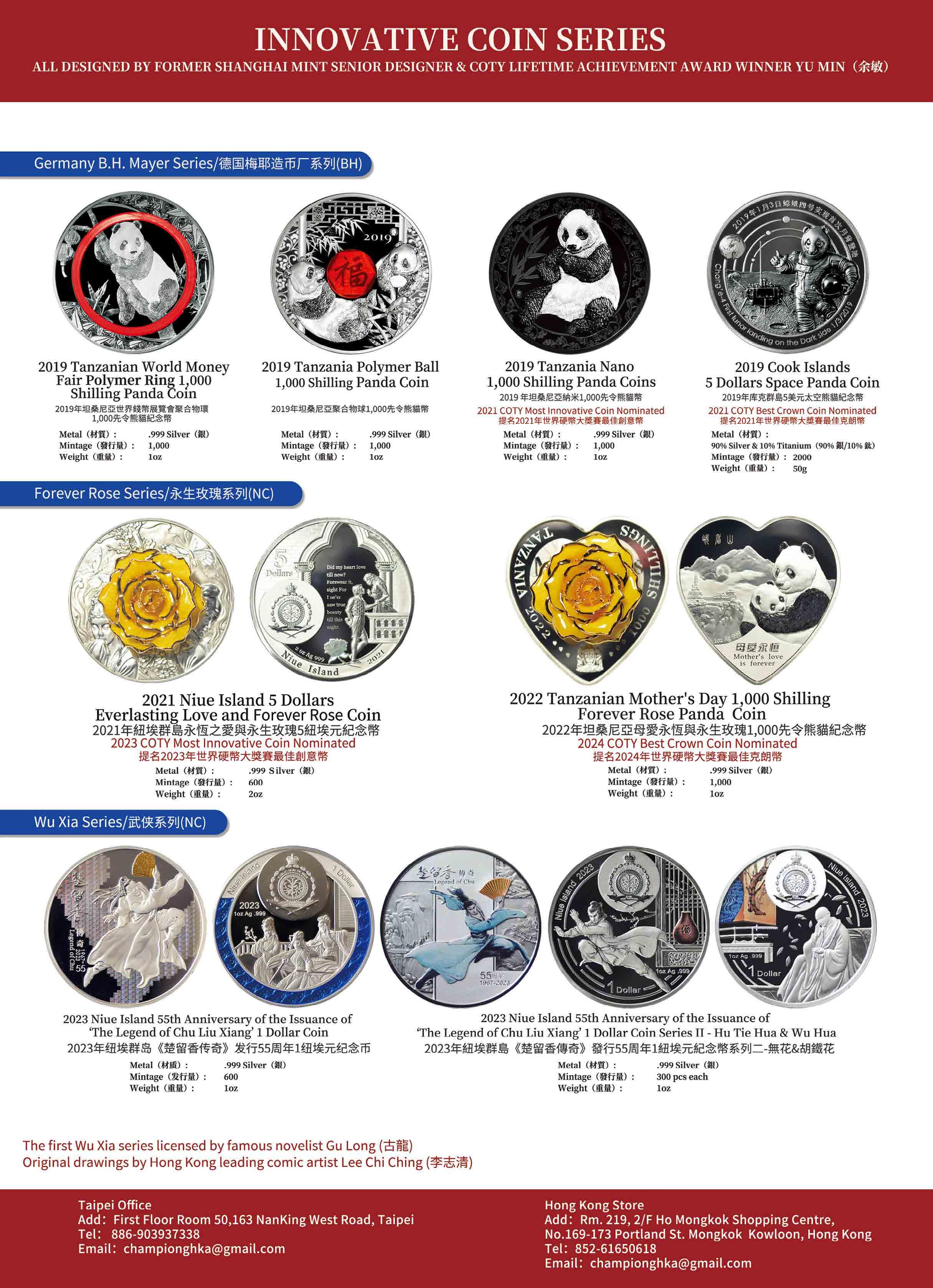
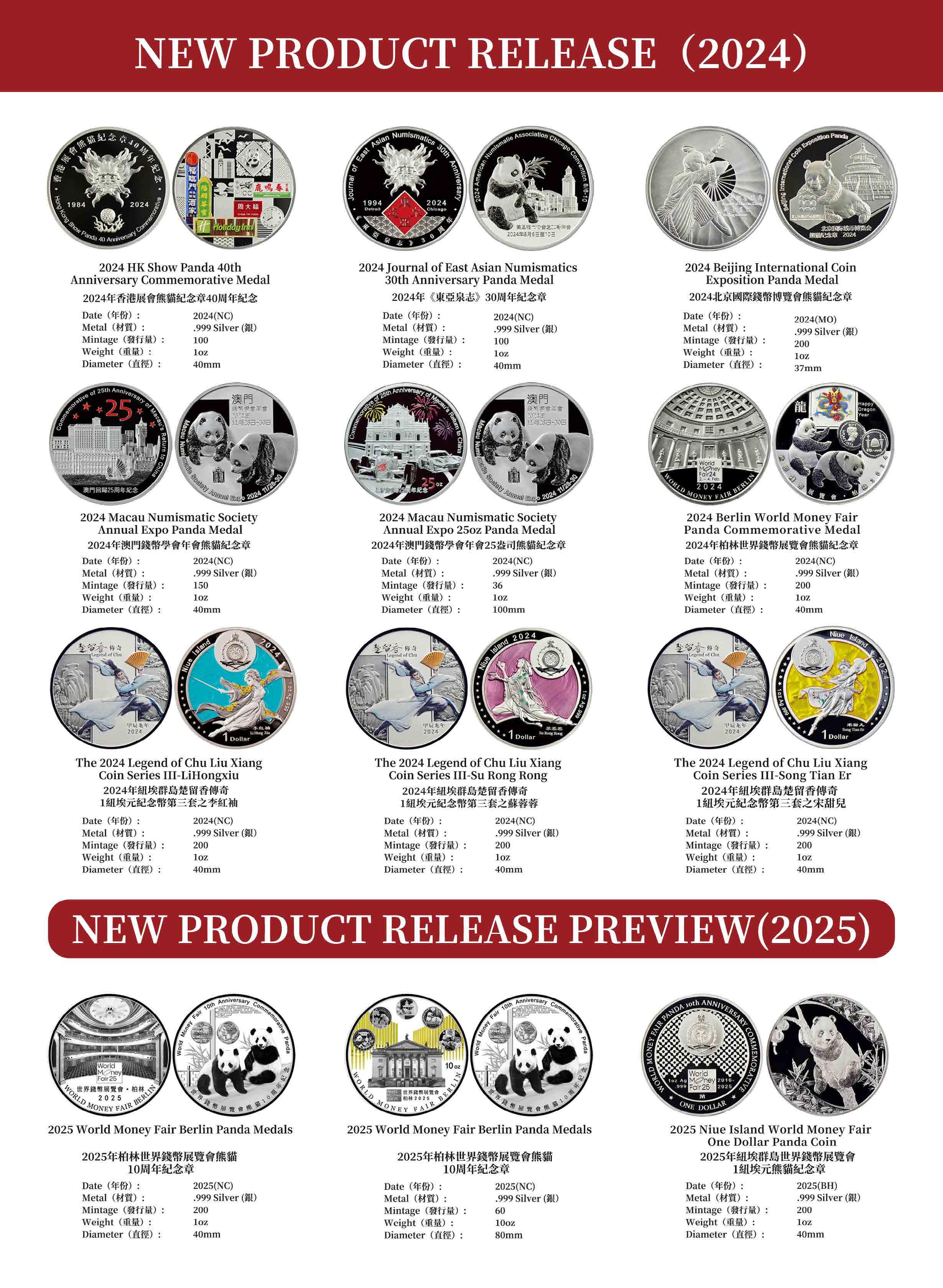
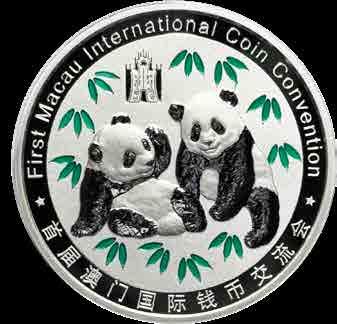
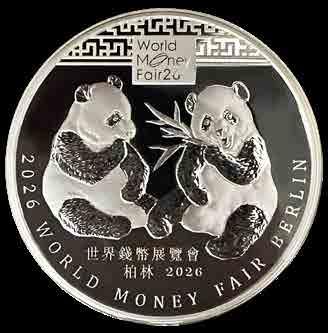
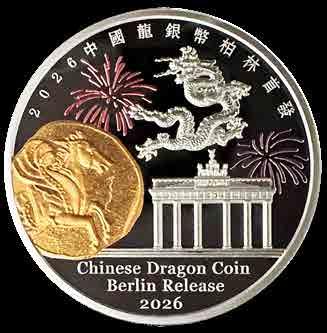
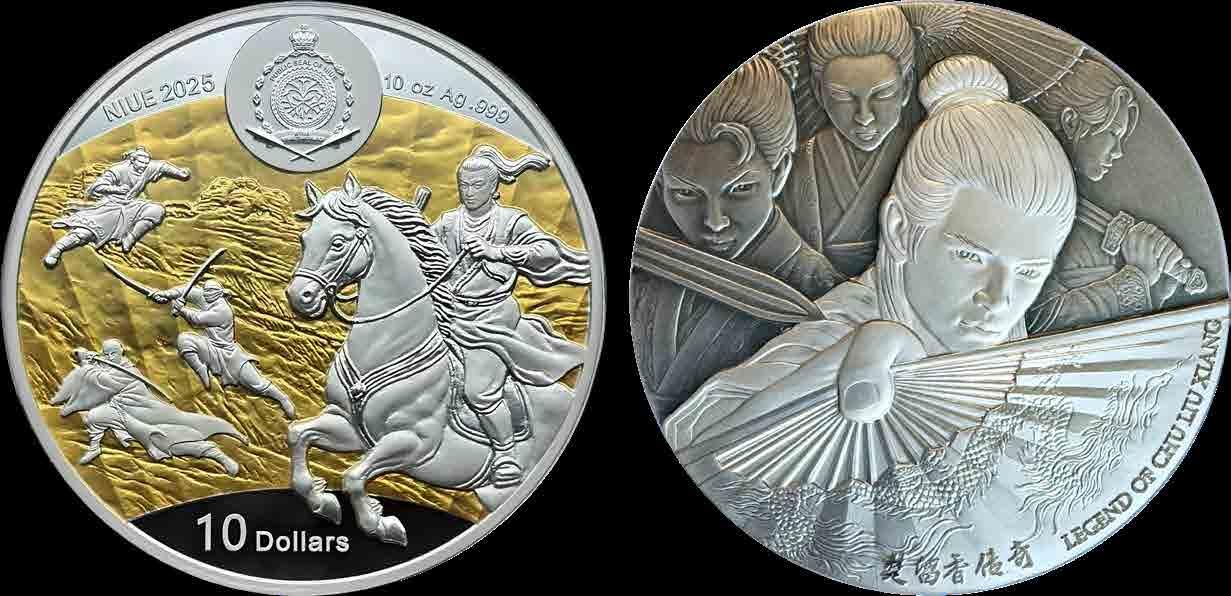



Helmut Andexlinger:
Chief Designer at the Austrian Mint. Winner of 3 Coin of the Year (COTY) Overall Awards. Winner of over 20 COTY Category Awards. His Supernova Coin Won the 2025 COTY Overall Award
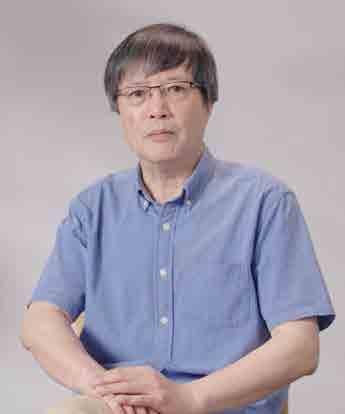
Yu Min:
Chu Liuxiang is one of the most famous Chinese Kung fu characters by Gu Long. The 2025 Niue Island 10 Dollar 10 Ounce Silver Legend of Chu Liuxiang Commemorative Coin is a masterpiece jointly designed by renowned Chinese designer Yu Min and acclaimed Western designer Helmut Andexlinger, and minted by China's leading Shanghai New Century Minting Co., Ltd.
The obverse, designed by Yu Min, is based on an original drawing by Hong Kong comic artist Lee Chi Ching. The gold gilt background artfully incorporates a desert scene shaped like a folding fan.
The reverse by Helmut Andexlinger employs ultrahigh relief, combined with antique finishes and mirror and sandblasting effects.
Together, this coin represents a perfect fusion of Eastern artistic narrative and Western innovation, resulting in a true numismatic treasure.
Date:2025(NC) Metal:.999 Silver Mintage:100
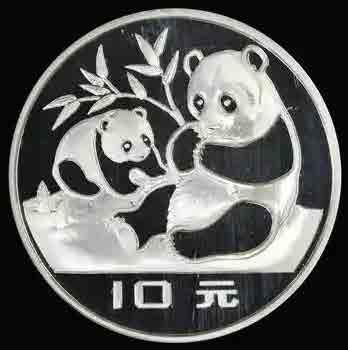
Top Chinese Designer
Winner of the 2017 COTY Lifetime Achievement Award for Design His 1983 Panda Silver Coin won the COTY Best Silver Coin
Weight:10 oz
Diameter:80mm
Denomination:10 Dollar
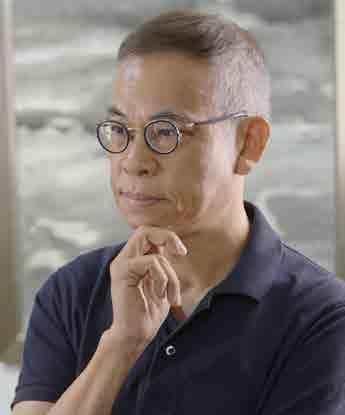
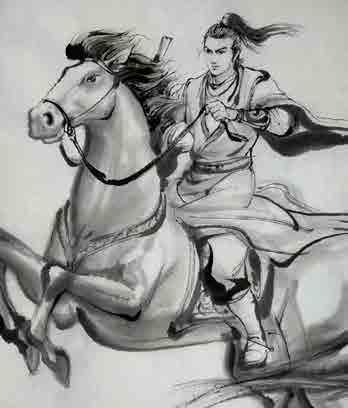
Lee Chi Ching:
Hong Kong famous comic artist.
The designated illustrator for works by literary giants Louis Cha (Jin Yong) and Gu Long. Winner of the First Japan International Manga Award in 2007
Macau Launch at Macau International Coin Convention (MICC) on 11/26/2025
South Korea Launch by Poosang Hwadong in 1/2026 https://www.poongsan.co.kr/en/company/partner/domestic
Germany Launch at World Money Fair Berlin on 1/29/2026
USD 1299 / EURO 1150 / RMB 8888 (Each Limited To One)
Hong Kong Launch at Hong Kong International Coin Convention on 4/7/2026
Videos Contact us
1. https://youtu.be/DuIyNmo5XoY
2. https://www.facebook.com/share/p/1A7ecLWhph/
Tel: 853-68666901/ 852-61650618
Email: championghka@gmail.com
JAPANESE BASEBALL Medals SERIES (2025)
First Release Date首發日期:2026.5
The 1925-2025 Hanshin Tigers Baseball Team 90th Anniversary Commemorative Silver Commemorative Medal
1925-2025阪神棒球團創設90周年銀紀念章
Date (年份):
Metal (材質):
Weight (重量): Diameter(直徑):
2025(NC) .999 Silver(銀) 4 oz 88.9mm
First Release Date首發日期:2026.8
Mr. Giants Shigeo Nagashima(1936—2025)
One of the most influential players in the history of Japanese professional baseball, having won multiple personal honors throughout his career, including 6 batting championships and 2 home run championships
Date (年份): Metal (材質): Weight (重量): Diameter(直徑):
2025(NC) .999 Silver(銀) 4 oz 88.9mm
The 1925-2025 Hanshin Tigers Baseball Team 90th Anniversary Commemorative Silver Commemorative Medal
1925-2025阪神棒球團創設90周年銀紀念章
Date (年份): Metal (材質):
Weight (重量): Diameter(直徑):
2025(NC) .999 Silver(銀) 2 oz 50mm
The Mr. Giants Shigeo Nagashima 1 oz Gold Commemorative Medal 長島茂雄1盎司金紀念章
Date (年份):
Metal (材質): Weight (重量): Diameter(直徑):
2025(NC) .999 Gold(金) 1 oz 40mm
The Mr. Giants Shigeo Nagashima 4
The Mr. Giants Shigeo Nagashima 2
Date (年份): Metal (材質): Weight (重量): Diameter(直徑):
2025(NC) .999 Silver(銀) 2 oz 50mm
The Mr. Giants Shigeo Nagashima 1 oz Gold Commemorative Medal
長島茂雄1盎司金紀念章
Date (年份):
Metal (材質):
Weight (重量): Diameter(直徑):
2025(NC) .999 Gold(金) 1 oz 40mm
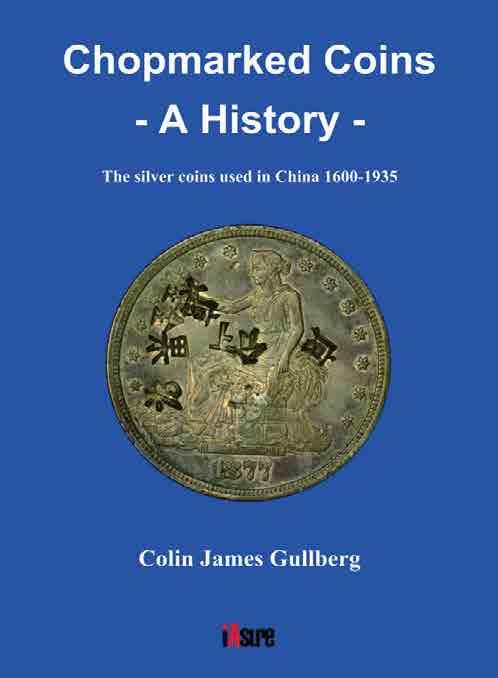
2014年6月《戳記幣簡史》 6/2014 ChopmarkedCoins-A History
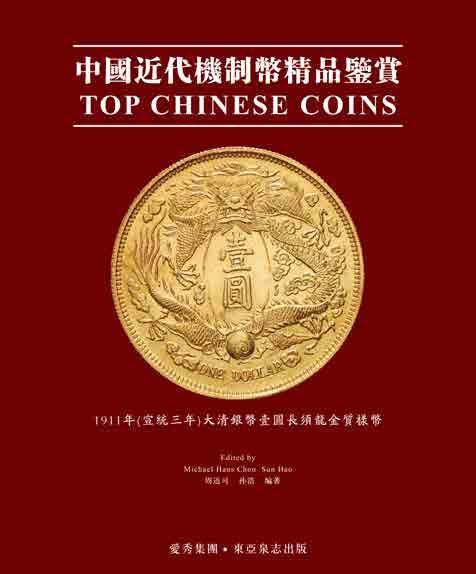
2010年6月《中國近代機製幣精品鑒 賞》第一版金幣版 6/2010 TopChineseCoins (1st Edition-Gold Edition )
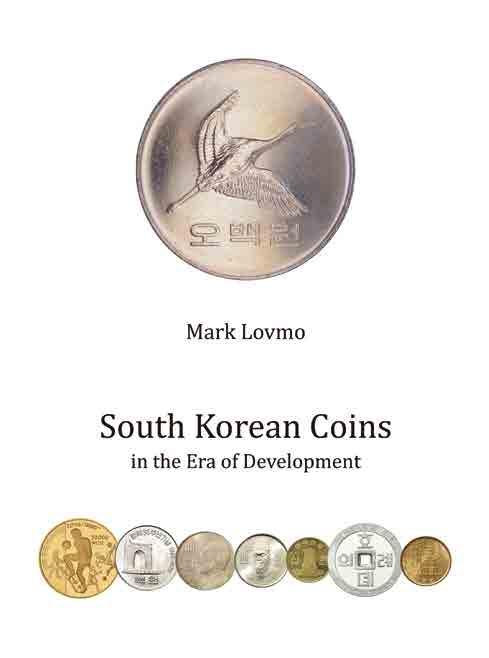
2020年10月《發展時代的韓國錢幣》 10/2020 SouthKoreanCoinsinthe EraofDevelopment
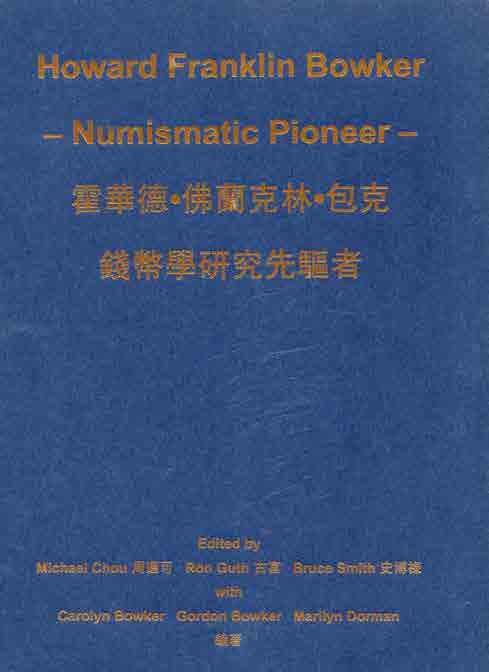
2014年10月《霍華德·佛蘭克林·包克錢幣學研究先驅者》 10/2014 HowardFranklinBowkerNumismaticPioneer
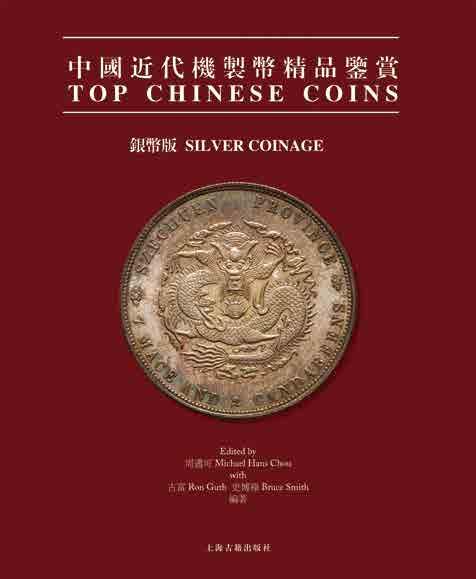
2011年10月《中國近代機製幣精品鑒 賞》第二版銀幣版 10/2011 TopChineseCoins (2nd Edition-Silver Edition )
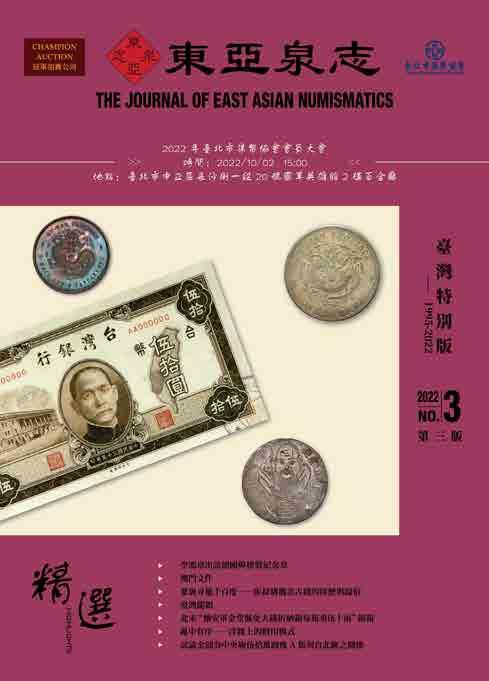
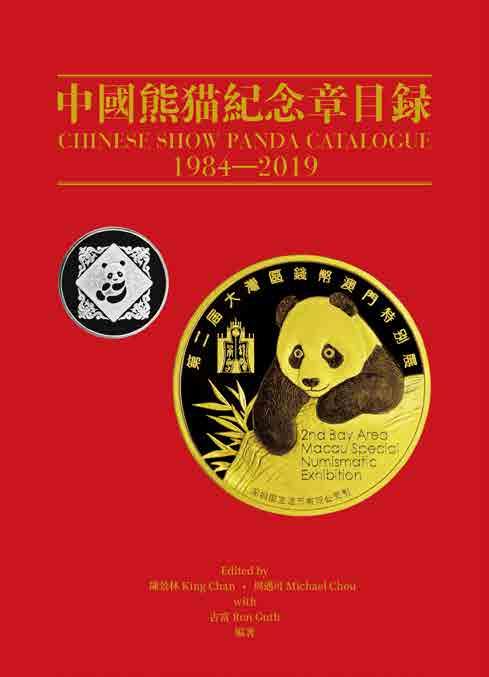
2019年11月《中國熊貓紀念章目錄 (1984-2019)》 11/2019 ChinsesShowPanda Catalogue(1984-2019)
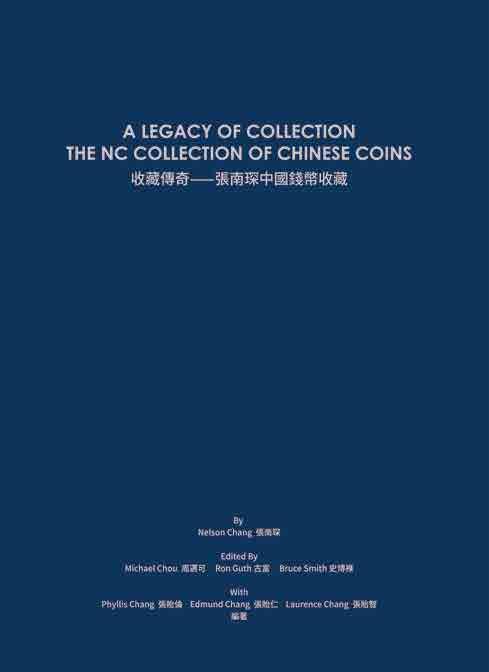
2021年5月《收藏傳奇——張南琛 中國錢幣收藏》5/2021ALegacy ofCollection-TheNCCollectionof ChineseCoins
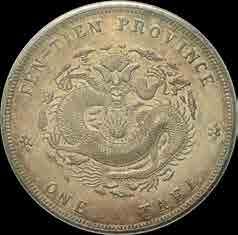
0
2021年10月《中國近代機製幣精品鑒 賞》第三版銀幣版 10/2021 TopChineseCoins ( 3rd Edition-Silver Edition )
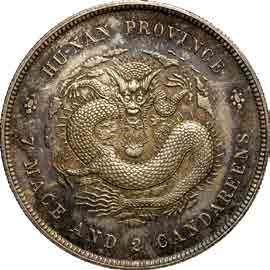
2025年4月《中國近代機製幣精品鑒 賞》第四版銀幣版 4/2025 TopChineseCoins (4th Edition-Silver Edition ) USD 120 plus postage


THE JOURNAL OF EAST ASIAN NUMISMAT CS
時間:2023/04/11-2023/04/13 地點:香港九龍彌敦道118號美麗華酒店18樓 2023年新加坡國際錢幣展銷會
2020年10月《東亞泉誌》臺灣特別刊 第三版 10/2020 3rd issue of JEAN Taiwan Special Edition
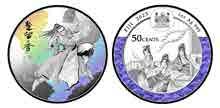
楚留香紀念幣 奇珍軼事:傳世稀罕的 ���� 年“上海貳錢”試鑄銀幣 香港上海匯豐銀行紙幣分類研究(����-����) 大清銀行李鴻章兌換券加蓋中國銀行兌換券 珍妮特號極地遠征記⸺華人唐先榮獲美國國會獎章 張南琛先生與收藏之家 獨一無二的整套擬發行中國幣設計師手稿
2023年3月《東亞泉誌》香港&新加坡 特別刊 3/2023 JEAN Hong Kong & Singapore Special Edition
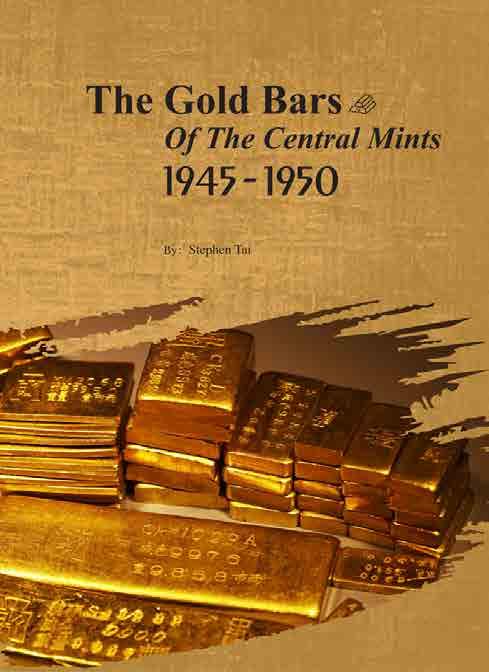
2024年11月《廠條,1945-1950》 11/2024 TheGoldBarsoftheCentral Mints,1945-1950 USD 50 plus postage
For ordering, please contact: jeanzg1994@163.com
Introduction
The Journal of East Asian Numismatics
Bilingual (English-Chinese) Digital
In 1994, The JournalofEastAsianNumismatics(JEAN) was founded by Michael Chou, the CEO of Champion Auction and Bruce Smith, a noted numismatist. It is a professional numismatic academic journal whose mission is to educate collectors and researchers on the subjects of Chinese numismatics, culture and history.
Bruce Smith, the chief editor of JEAN, was born in 1951 in St. Louis, MO. He received his BA in history from the University of Missouri St. Louis; and his MA in China studies from Harvard University. In 1974-1977, he worked for Krause Publications as Editorial Assistant on World Coin News and as cataloger for Standard Catalog of World Coins and Standard Catalog of World Paper Money. He was a full time coin dealer 1977-1987. In 1988-1989, he studied in China as a student of China Studies in Chengchow (Zhengzhou) University, Henan province. In 1991-1993, Mr. Smith was a graduate student at Harvard University. In 1994-1998, he was the editor of The Journal of East Asian Numismatics (JEAN). Bruce Smith has been a collector and researcher of Chinese coins for over 30 years. His published research in JEAN has added immensely to the body of knowledge for Chinese coins.
The first issue of JEAN was released in July 1994, and the last issue (18th issue) in 1998. Most articles were written in English, the remainder in Chinese. The journal was distributed in over 20 countries, and remained a mainstay on many important library shelves, including the Smithsonian Institution, the British Museum, the Harvard Yenching Library, Harvard University, Yale University, Columbia University, Stanford University, Cornell University, the ANS (American Numismatic Society), and the ANA (American Numismatic Association). The journal enjoyed great popularity and many important articles were published in JEAN, including “Peking Coins of 1900” by James Sweeny, “More on the Hsu Shih-Chang Pavillion Medals with engraved names” and “The true story of China’s 1936 and 1937 Silver Dollars” by Bruce Smith, “The Apparent
Relationship between 1897 Chekiang 5 Cents Pattern and 1899 Anhwei 5-Cents Circulation Strike” by Tom Keener, and “A Forgery of Taiwan’s Old Man Dollar” by Dr. Che-lu Tseng.
In May 2015, Michael Chou decided to start issuing the journal again starting in January 2016. The famous numismatic researcher Mr. Yuan Shuiqing will be chinese chief editor. He is a member of China Numismatic Society, serving as executive director of the Shenxi Numismatic Society and executive vice president of the Xi’an Collectors Association. As a numismatic researcher, he was chief editor of Collections and China Numismatics. He has published over 100 numismatic research articles and the masterpiece The Elite of Monetary History of China. Other distinguished contributors from home and abroad are numismatists, collectors and coin dealers, including Bruce Smith (author of Howard Franklin BowkerNumismatic Pioneer), Colin Gullberg (Canada, author of Chopmarked Coins-A History), Chinese American senior numismatist Dr. Chelu Tseng, Steve Feller former international banknote society editor, senior numismatic scholar of China modern gold and silver commemorative coins King L. Chan (Hong Kong), senior numismatist Chien Fu Chou (Taiwan) and CEO of Beijing Coins website Richard Guo.
It will be a quarterly, bilingual e-journal, covering the latest numismatic research, interviews with famous collectors, auction reviews, and general news. The Journal's distribution is now over 1,000, including over 3,000 in Greater China region.
Starting in 2017, Journal of East Asian Numismatics is a co-sponsor of Krause's Coin of the Year Award Ceremony in the USA with the ANA World's Fair of Money.
You are welcome to subscribe, submit articles for publication, and advertise in the upcoming JEAN. The 2026 subscription is free of charge. Please send your email to jeanzg1994@163.com.
issuu.com/jean388/docs/the_first_issue_of_jean
issuu.com/jeandigitala1/docs/jean_34 issuu.com/jeandigitala1/docs/jean_35?fr=xKAE9_zU1NQ issuu.com/jeandigitala1/docs/jean_36

Stack’s Bowers & Ponterio Presents Selections from
Cheng
Robin C S Cheng (鄭鎮新) Collection
Auction: April 13-20, 2026
Auction: April 13-20, 2026
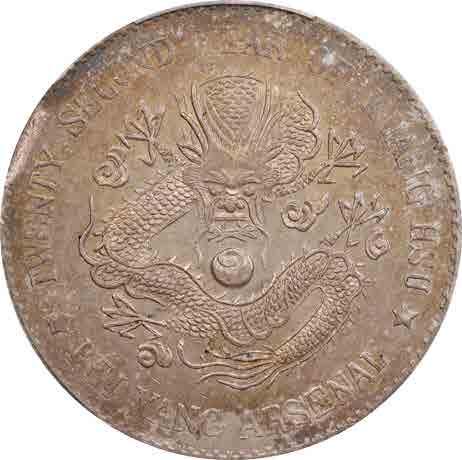
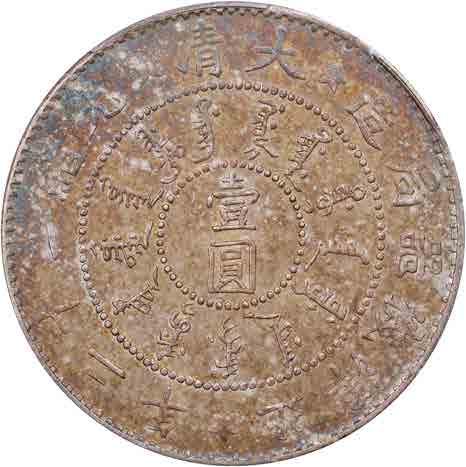
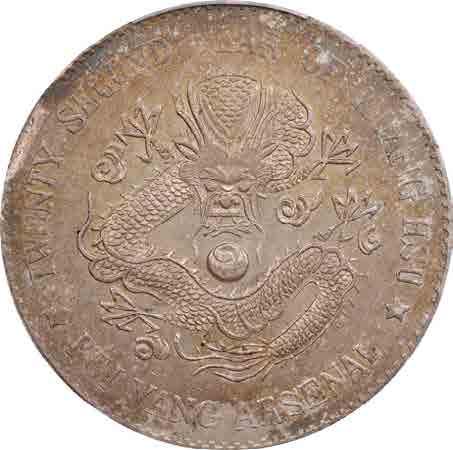
CHINA. Chihli (Pei Yang Arsenal). Dollar, Year 22 (1896). PCGS MS-61.
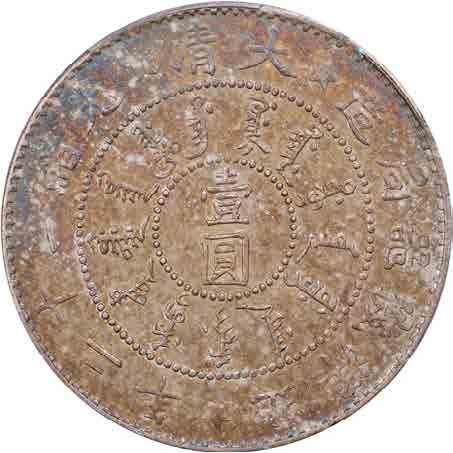
CHINA. Chihli (Pei Yang Arsenal). Dollar, Year 22 (1896). PCGS MS-61.
CHINA. Chihli (Pei Yang Arsenal). Dollar, Year 22 (1896). PCGS MS-61.
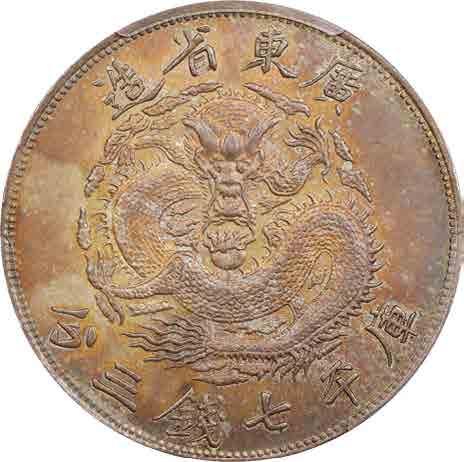
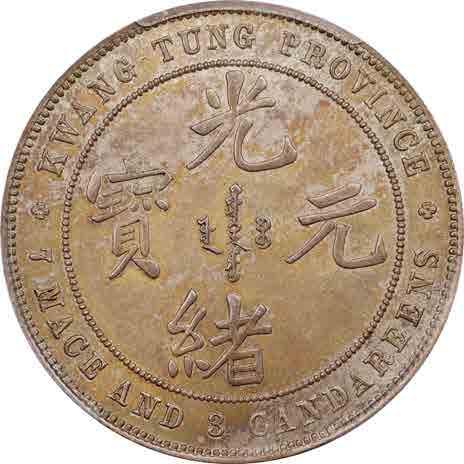
CHINA. Kwangtung. 7 Mace 3 Candereens (Dollar), ND (1889). Kwangtung Mint (struck from Heaton Mint dies). Kuang-hsu (Guangxu). PCGS MS-64.
CHINA. Kwangtung. 7 Mace 3 Candereens (Dollar), ND (1889). Kwangtung Mint (struck from Heaton Mint dies). Kuang-hsu (Guangxu). PCGS MS-64.
CHINA. Kwangtung. 7 Mace 3 Candereens (Dollar), ND (1889). Kwangtung Mint (struck from Heaton Mint dies). Kuang-hsu (Guangxu). PCGS MS-64.
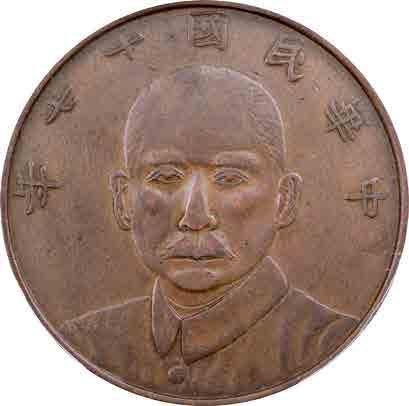
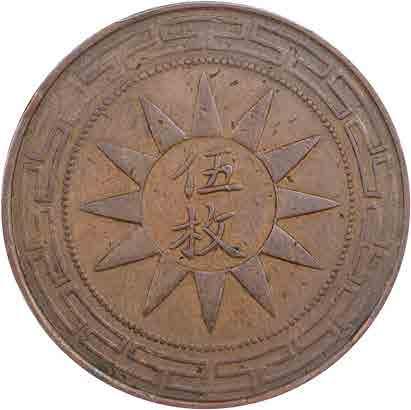
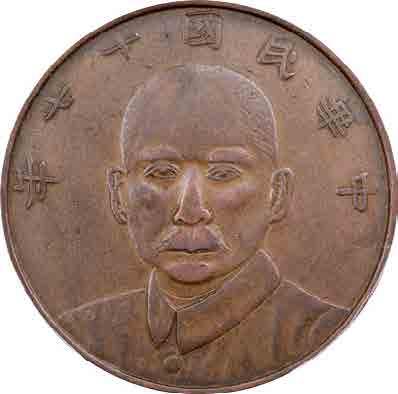
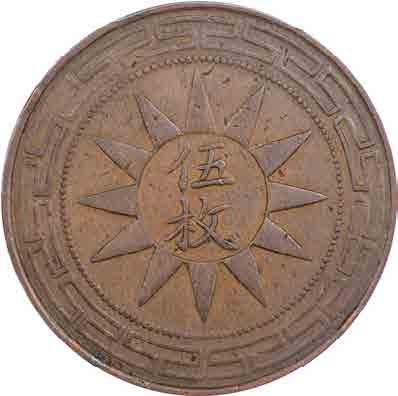
CHINA. Kansu. Copper 50 Cash Pattern, Year 17 (1928). PCGS EF-45.
CHINA. Kansu. Copper 50 Cash Pattern, Year 17 (1928). PCGS EF-45.
CHINA. Kansu. Copper 50 Cash Pattern, Year 17 (1928). PCGS EF-45.
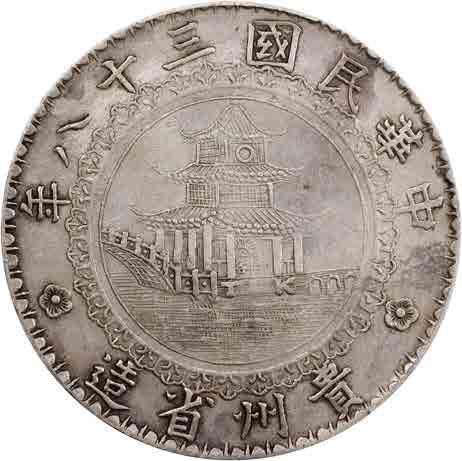
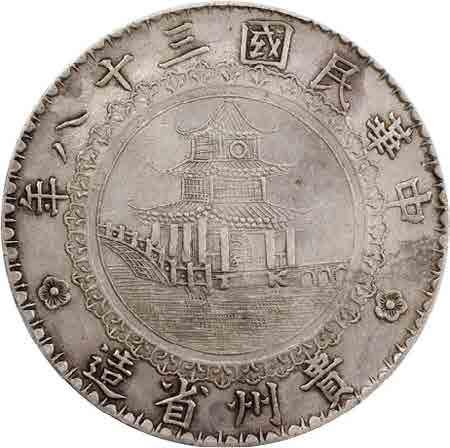
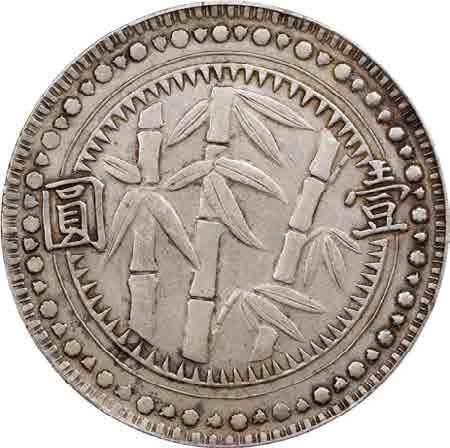
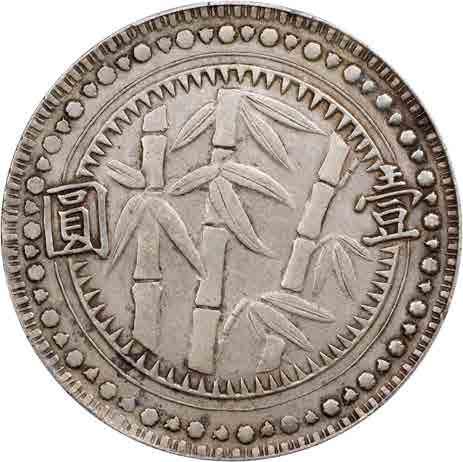
CHINA. Kweichow. “Bamboo” Dollar, Year 38 (1949). Uncertain Mint, possibly Kweiyang. PCGS EF Details.
CHINA. Kweichow. “Bamboo” Dollar, Year 38 (1949). Uncertain Mint, possibly Kweiyang. PCGS EF Details.
CHINA. Kweichow. “Bamboo” Dollar, Year 38 (1949). Uncertain Mint, possibly Kweiyang. PCGS EF Details.
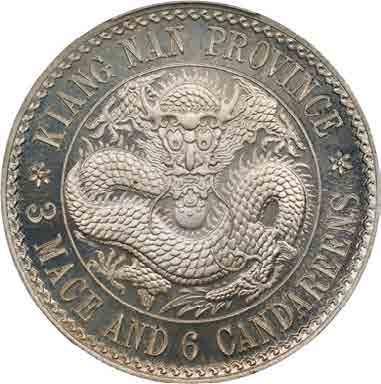
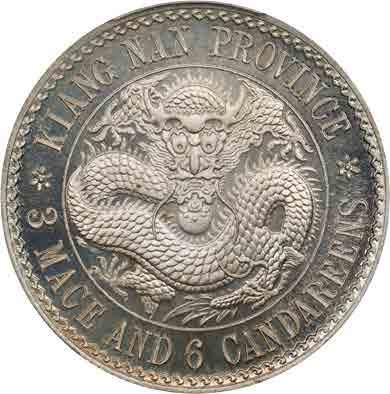
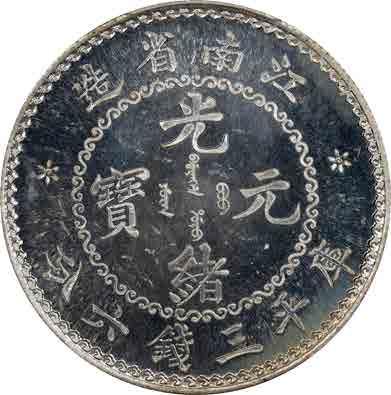
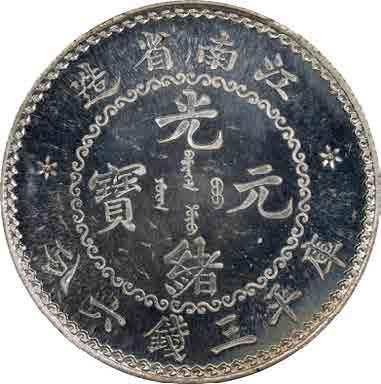
CHINA. Kiangnan. 3 Mace 6 Candareens (50 Cents), ND (1897). Birmingham (Heaton) Mint. Kuang-hsu (Guangxu). PCGS SPECIMEN-67.
CHINA. Kiangnan. 3 Mace 6 Candareens (50 Cents), ND (1897). Birmingham (Heaton) Mint. Kuang-hsu (Guangxu). PCGS SPECIMEN-67.
CHINA. Kiangnan. 3 Mace 6 Candareens (50 Cents), ND (1897). Birmingham (Heaton) Mint. Kuang-hsu (Guangxu). PCGS SPECIMEN-67.
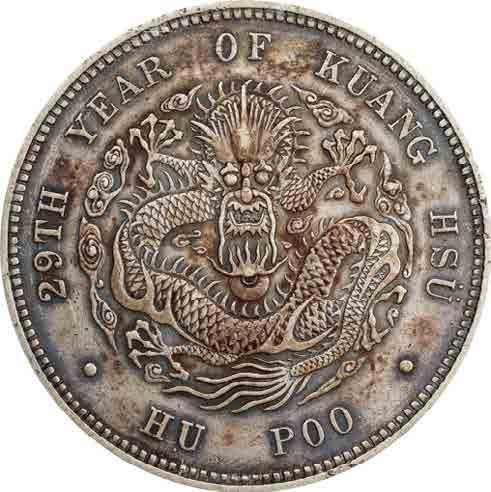
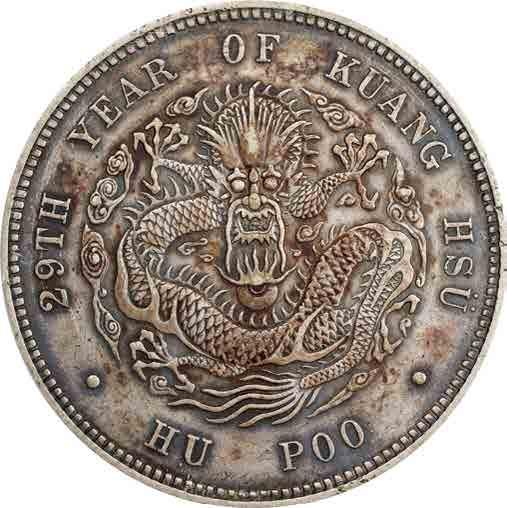
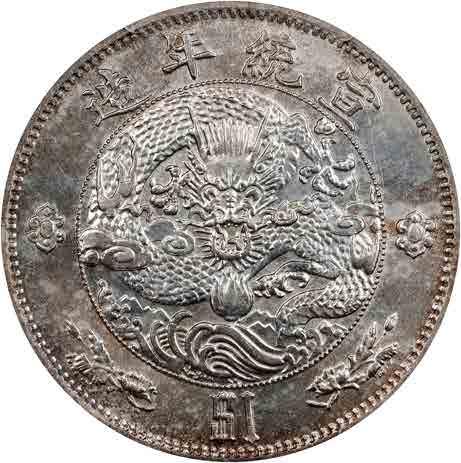
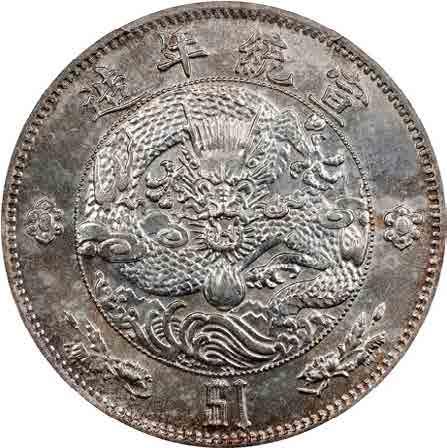
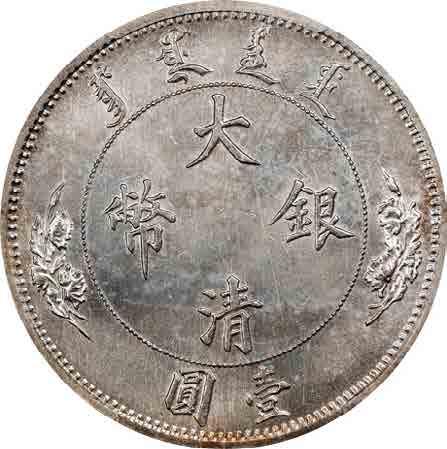
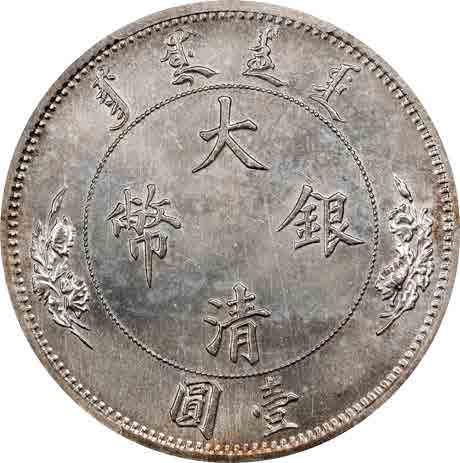
CHINA. Silver Dollar Pattern, ND (1910). Tientsin Mint. Hsuan-t’ung (Xuantong [Puyi]). PCGS MS-64.
CHINA. Silver Dollar Pattern, ND (1910). Tientsin Mint. Hsuan-t’ung (Xuantong [Puyi]). PCGS MS-64.
CHINA. Silver Dollar Pattern, ND (1910). Tientsin Mint. Hsuan-t’ung (Xuantong [Puyi]). PCGS MS-64.

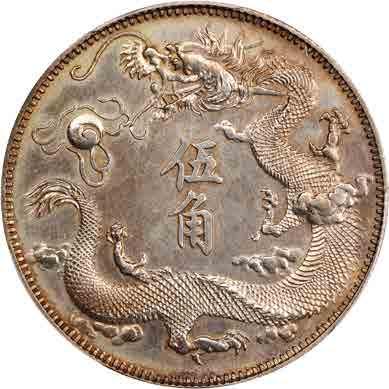
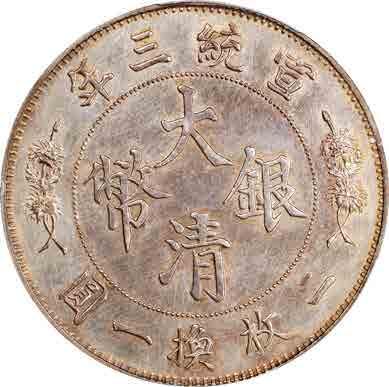
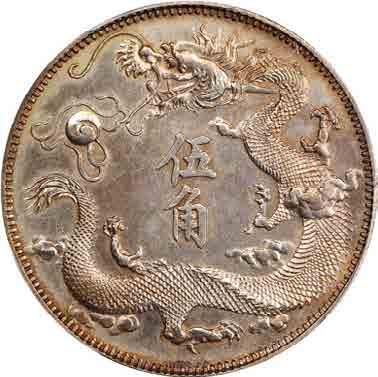
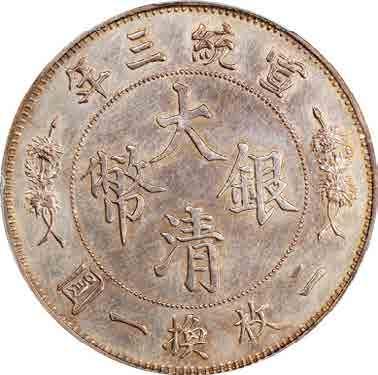
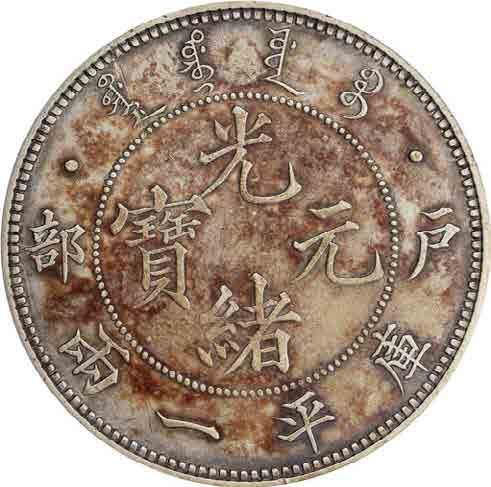
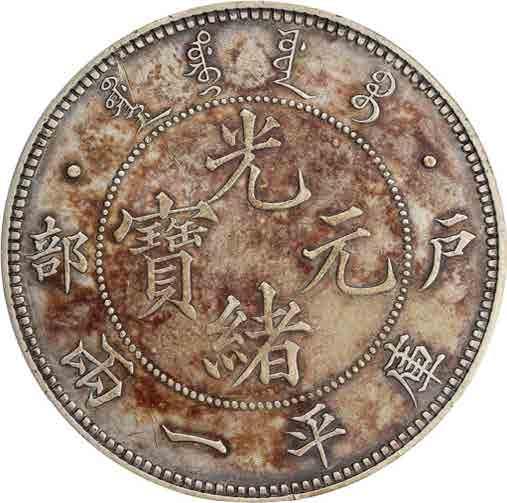
CHINA. Silver Tael Pattern, Year 29 (1903). Tientsin Mint. PCGS SPECIMEN EF Details.
CHINA. Silver Tael Pattern, Year 29 (1903). Tientsin Mint. PCGS SPECIMEN EF Details.
CHINA. Silver Tael Pattern, Year 29 (1903). Tientsin Mint. PCGS SPECIMEN EF Details.
CHINA. Silver 50 Cents Pattern, Year 3 (1911). Tientsin Mint. Hsuan-t’ung (Xuantong [Puyi]). PCGS SPECIMEN UNC Details.
CHINA. Silver 50 Cents Pattern, Year 3 (1911). Tientsin Mint. Hsuan-t’ung (Xuantong [Puyi]). PCGS SPECIMEN UNC Details.
CHINA. Silver 50 Cents Pattern, Year 3 (1911). Tientsin Mint. Hsuan-t’ung (Xuantong [Puyi]). PCGS SPECIMEN UNC Details.
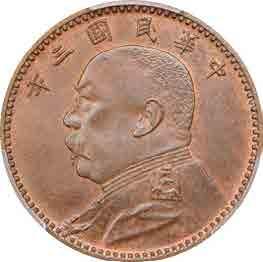
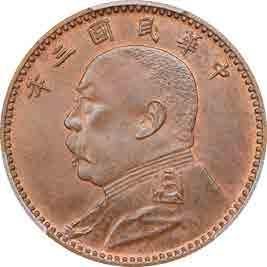
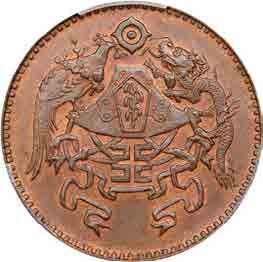
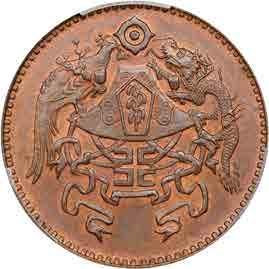
CHINA. Copper 20 Cents, ND (1926). PCGS MS-64 Brown.
CHINA. Copper 20 Cents, ND (1926). PCGS MS-64 Brown.
CHINA. Copper 20 Cents, ND (1926). PCGS MS-64 Brown.
Email: InfoHK@StacksBowers.com
Email: InfoHK@StacksBowers.com
1550 Scenic Ave., Ste. 150, Costa Mesa, CA 92626 949.253.0916 • Info@StacksBowers.com Unit 2202-03, 22/F, Mira Place Tower A, No. 132 Nathan Road, Tsim Sha Tsui, Kowloon, HK SAR • InfoHK@StacksBowers.com Visit Us Online at StacksBowers.com For More Information Hong Kong: +852.2117.1191 California: +1.949.253.0916 New York:
1550 Scenic Ave., Ste. 150, Costa Mesa, CA 92626 949.253.0916 • Info@StacksBowers.com Unit 2202-03, 22/F, Mira Place Tower A, No. 132 Nathan Road, Tsim Sha Tsui, Kowloon, HK SAR • InfoHK@StacksBowers.com Visit Us Online at StacksBowers.com


Soviet