Charlottesville, VA juliadrooff@gmail.com www.linkedin.com/in/juliadrooff
As an architectural designer grounded in curiosity, discipline, and a commitment to thoughtful craft, I bring a broad range of project experience shaped by work across the country—from San Francisco to Seattle and Washington, D.C. As I complete my Master of Architecture at the University of Virginia, my work is guided by a deep commitment to sustainable design, informed by hands-on experience with adaptive reuse, decarbonization strategies, and environmentally responsive detailing. Exposure to diverse project types, office cultures, and design challenges has strengthened my visualization abilities, technical rigor, and adaptability. I approach each project as an opportunity to learn from others, contribute meaningfully, and advance design solutions that balance environmental responsibility with clarity and craft. I am seeking a role where I can continue to grow—both as a designer and a teammate—while bringing dedication, ecological awareness, and a steady design sensibility to the work.
Aspern Works
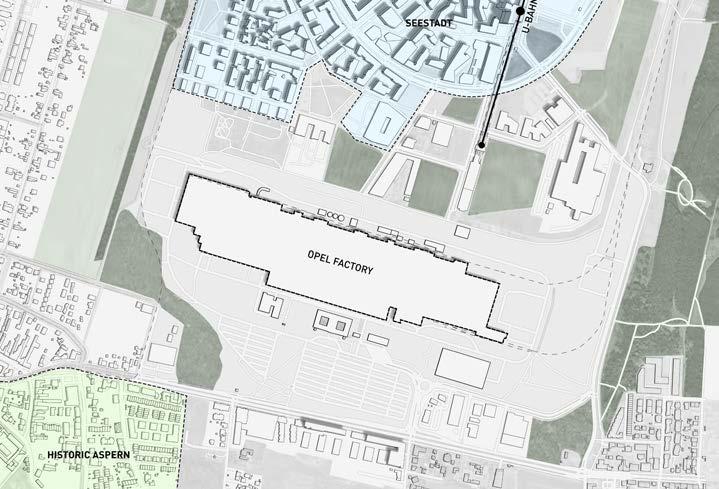
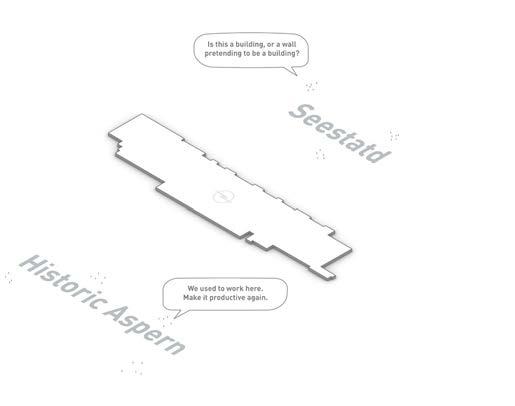
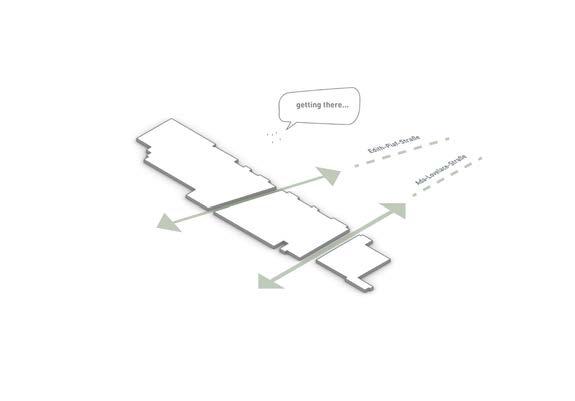
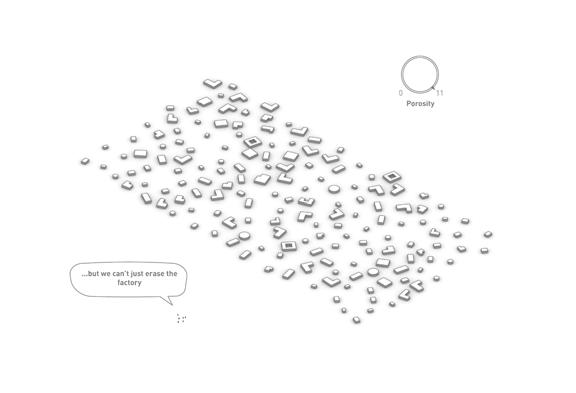
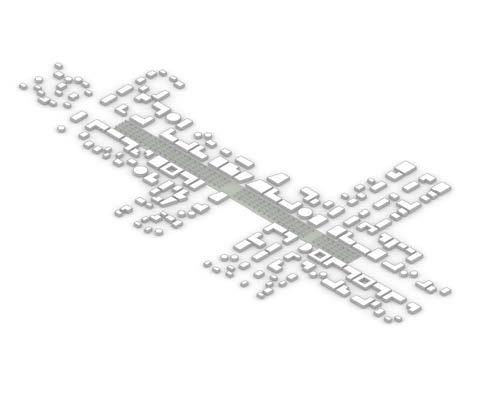
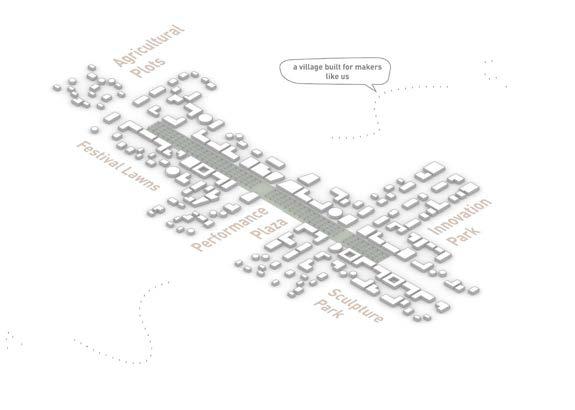
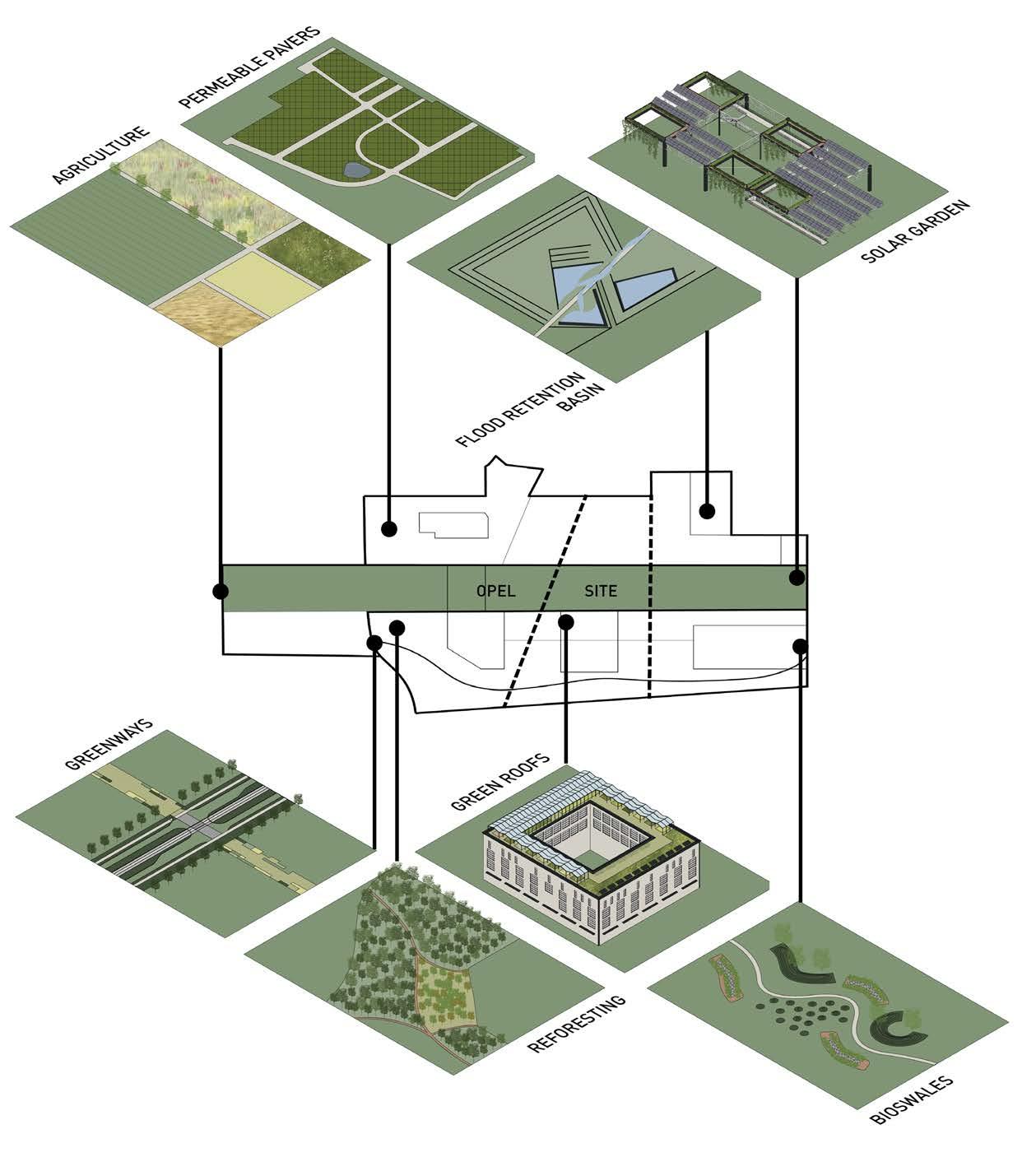
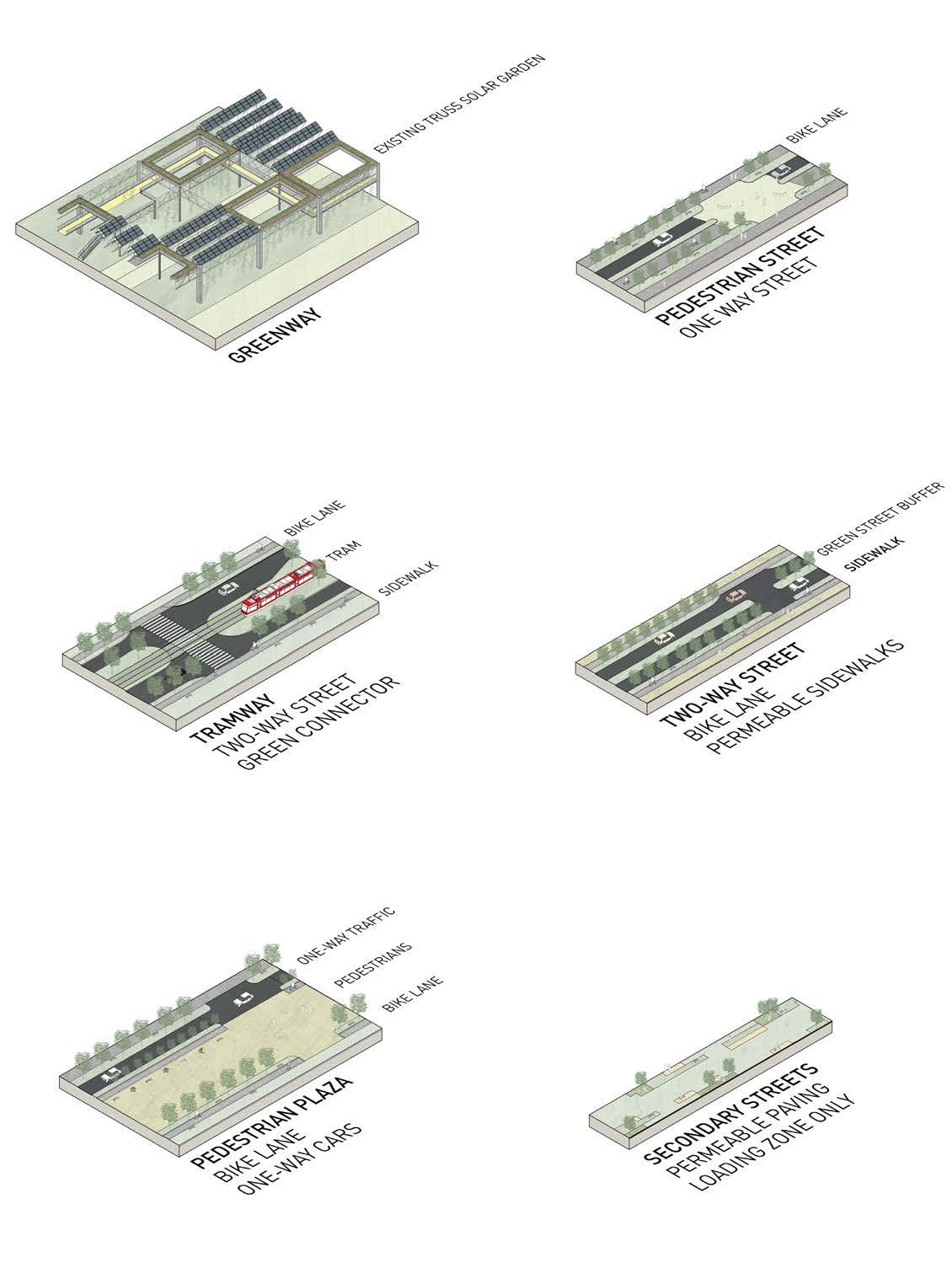
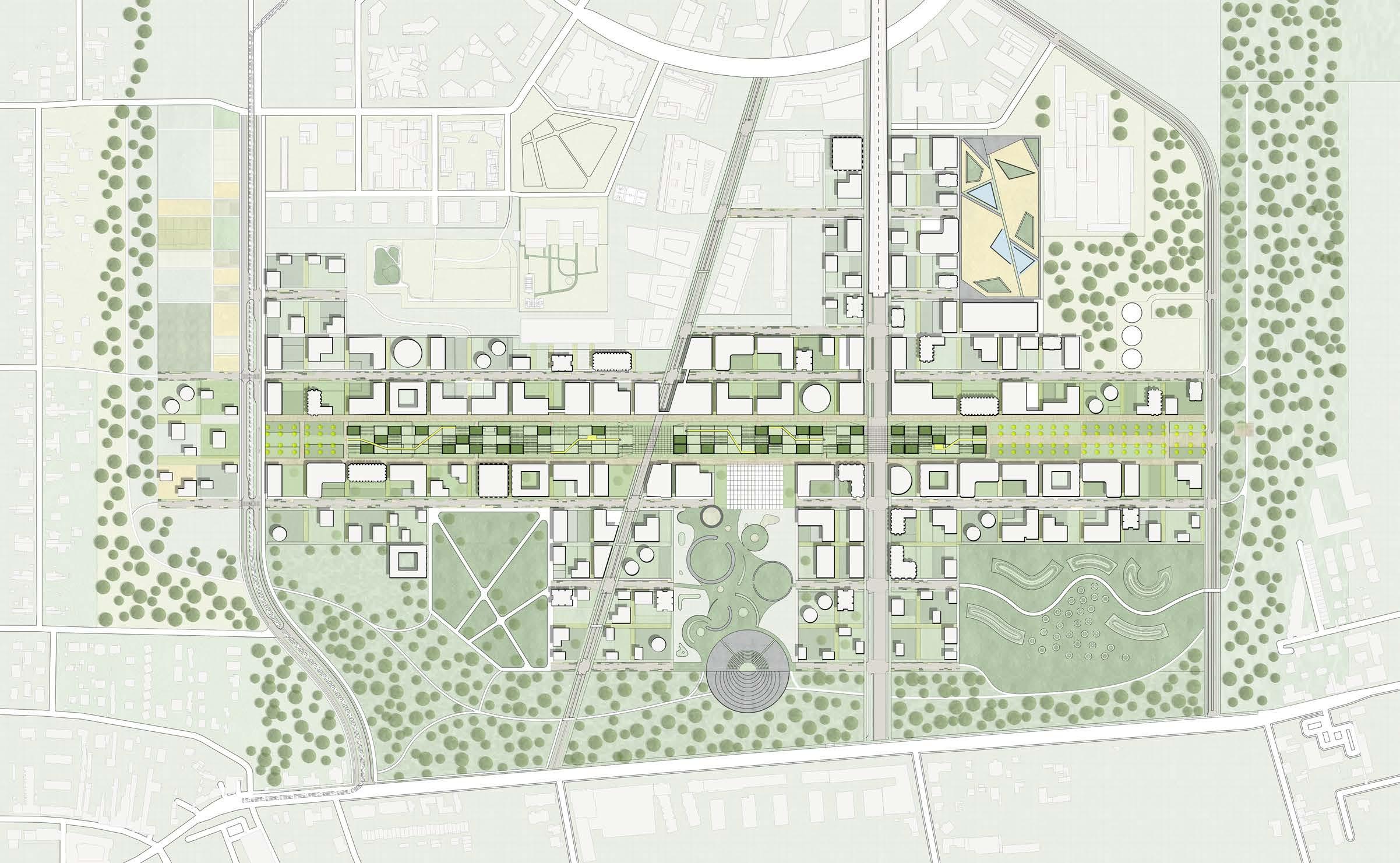
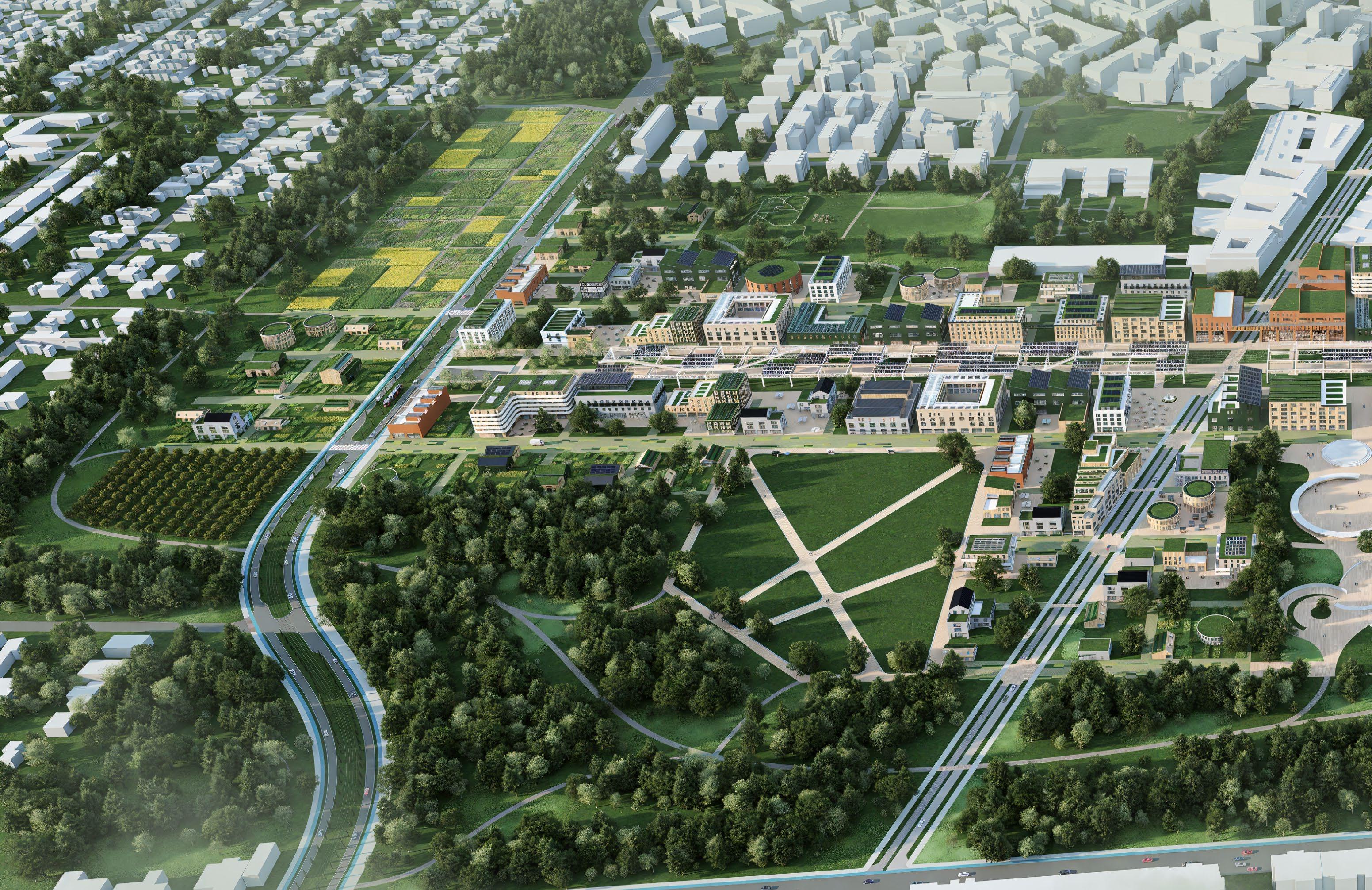
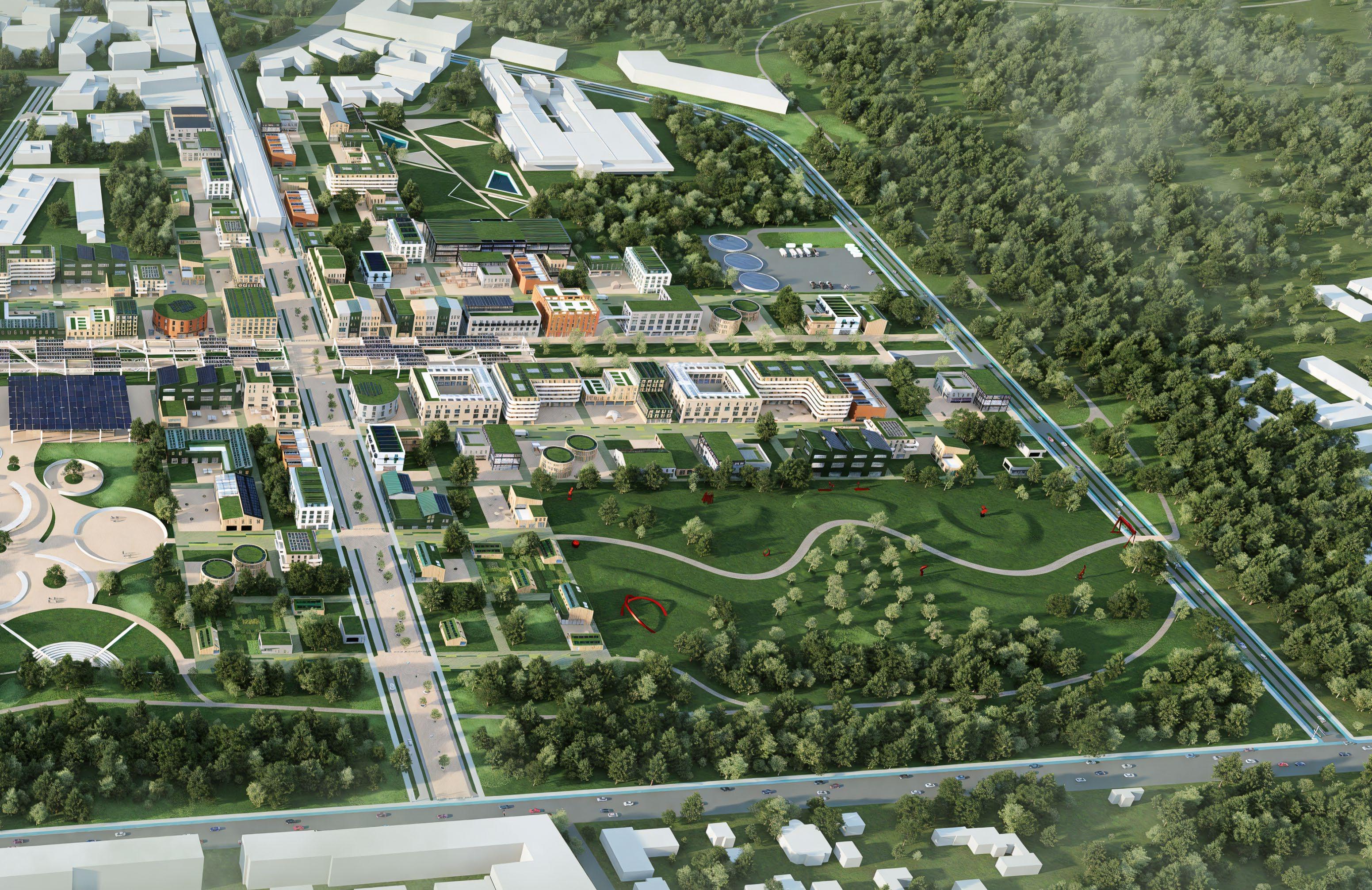
Developed in collaboration with my design partner Treston Yetso, this project repositions the former Opel Car Factory as a critical urban connector on the eastern edge of Vienna, Austria. Situated between the emerging Seestadt Aspern development and the historic residential fabric of Aspern—on land once associated with the former Aspern Airfield—the proposal responds to a site shaped by openness, movement, and later industrial enclosure. By reintroducing porosity through landscape, circulation, and program, the factory is transformed into a publicly oriented campus that reconnects these adjacent districts.
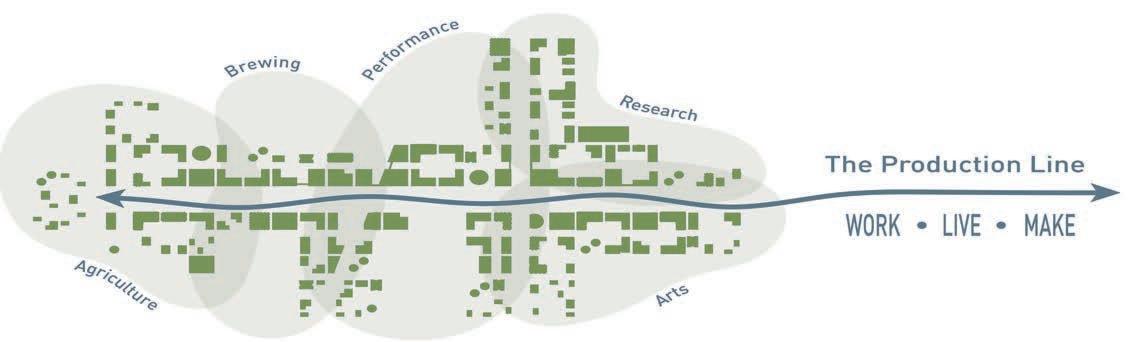
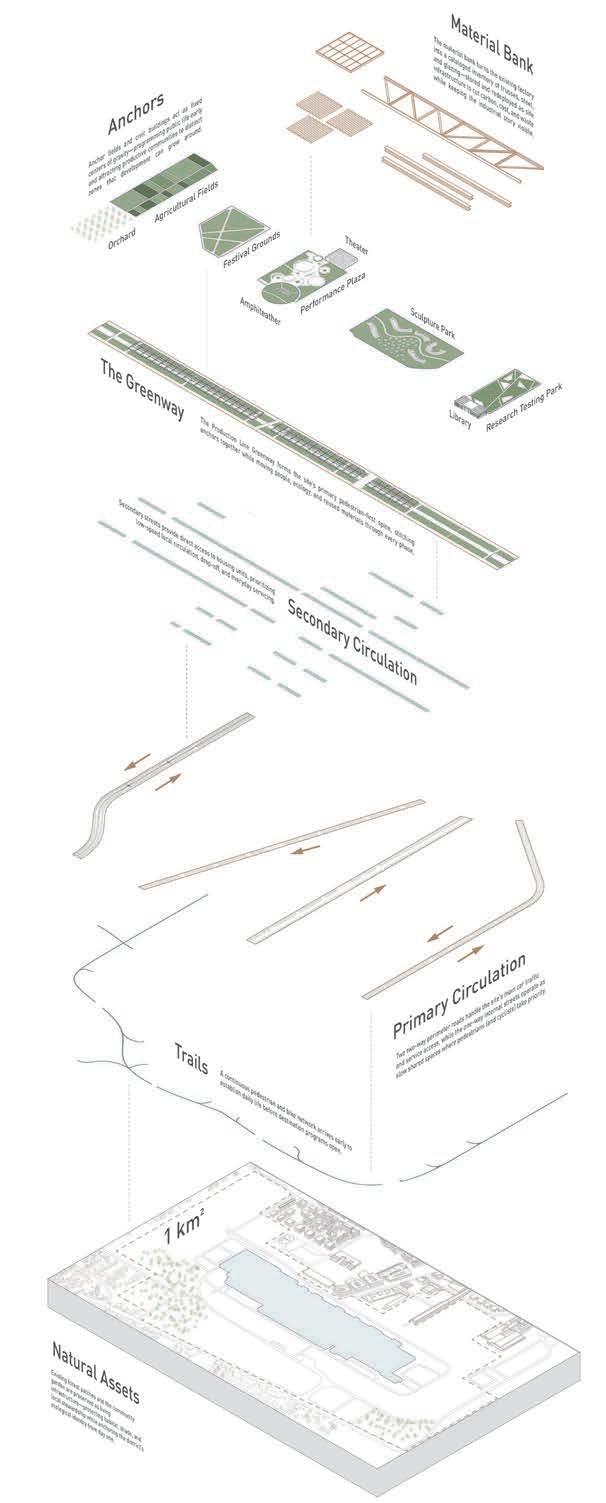
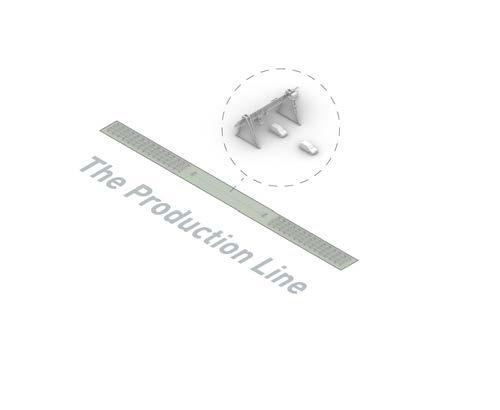
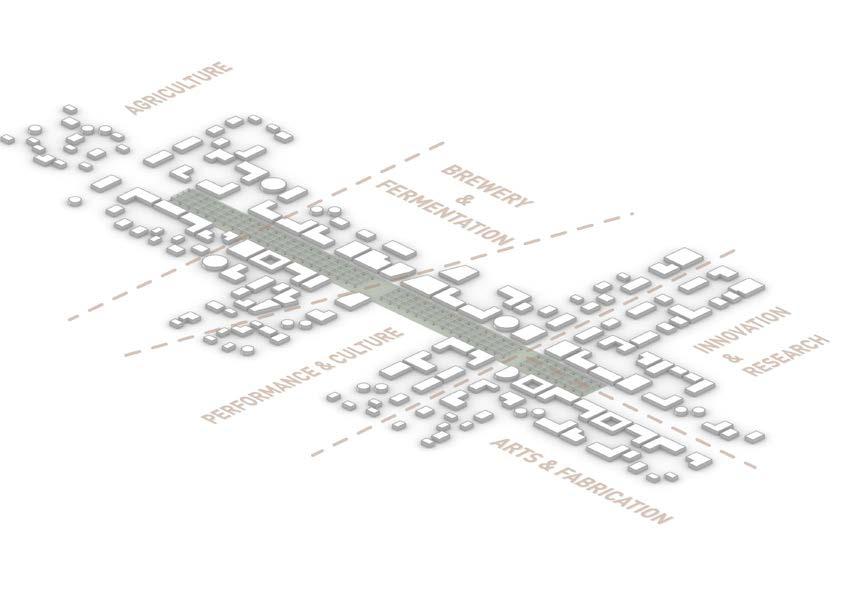
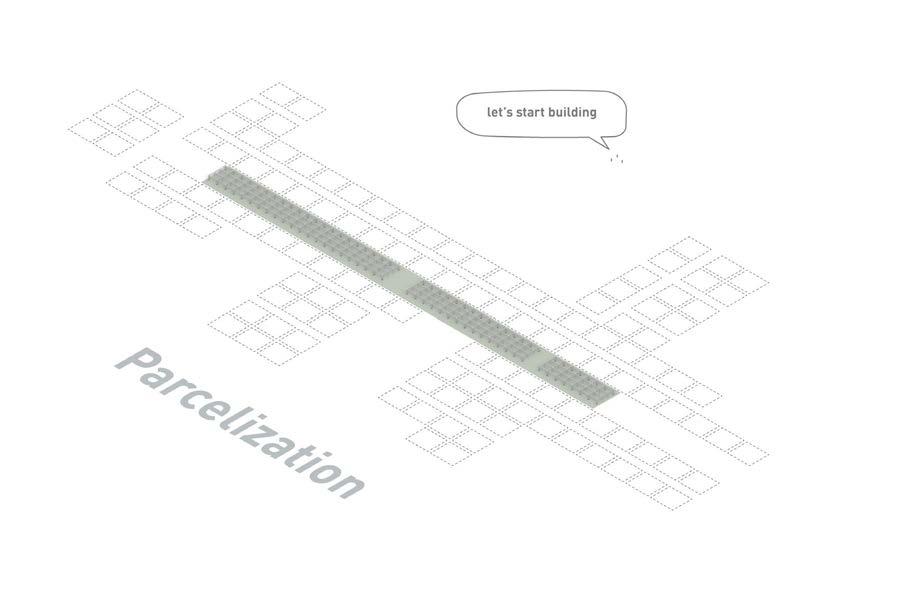
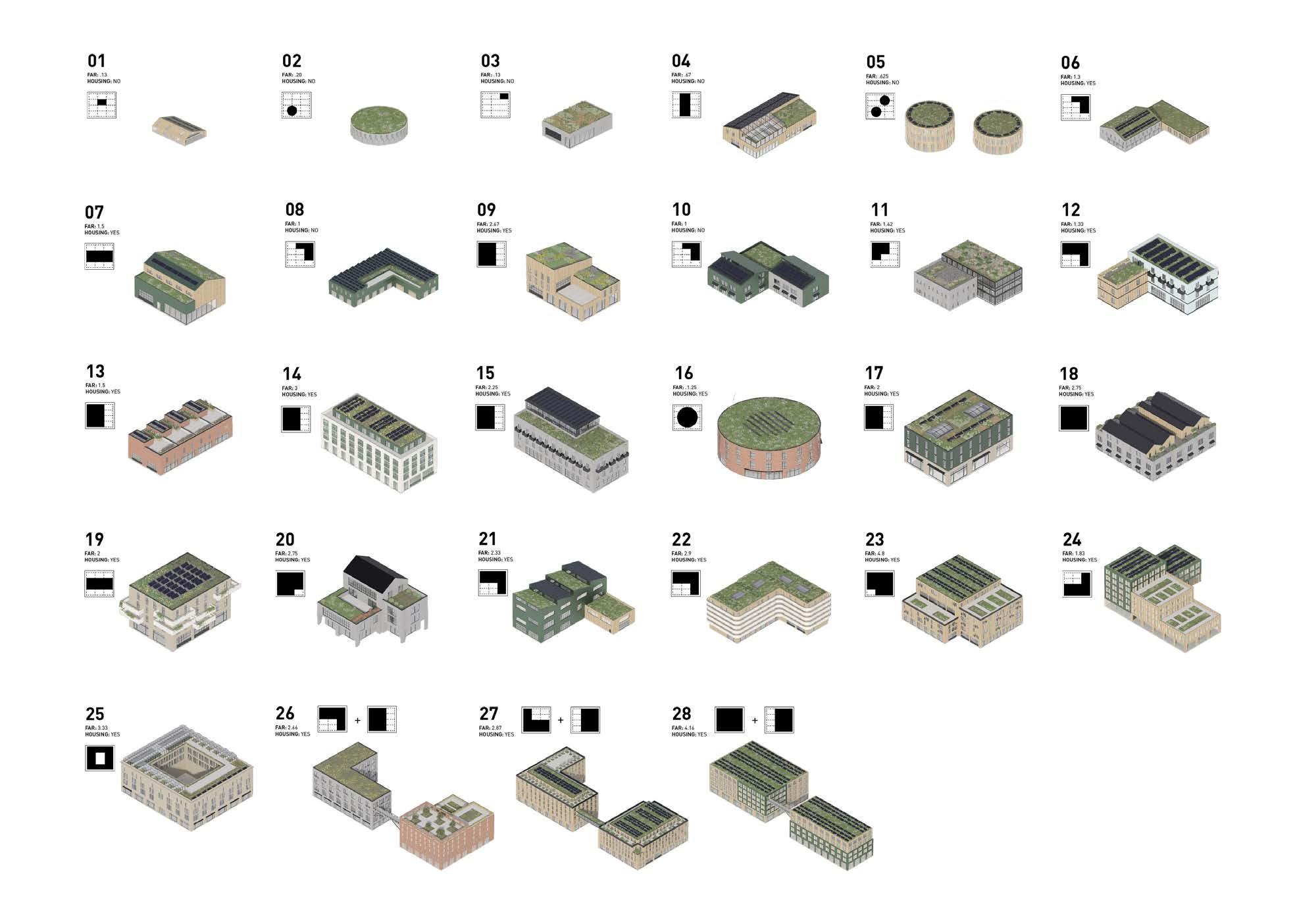
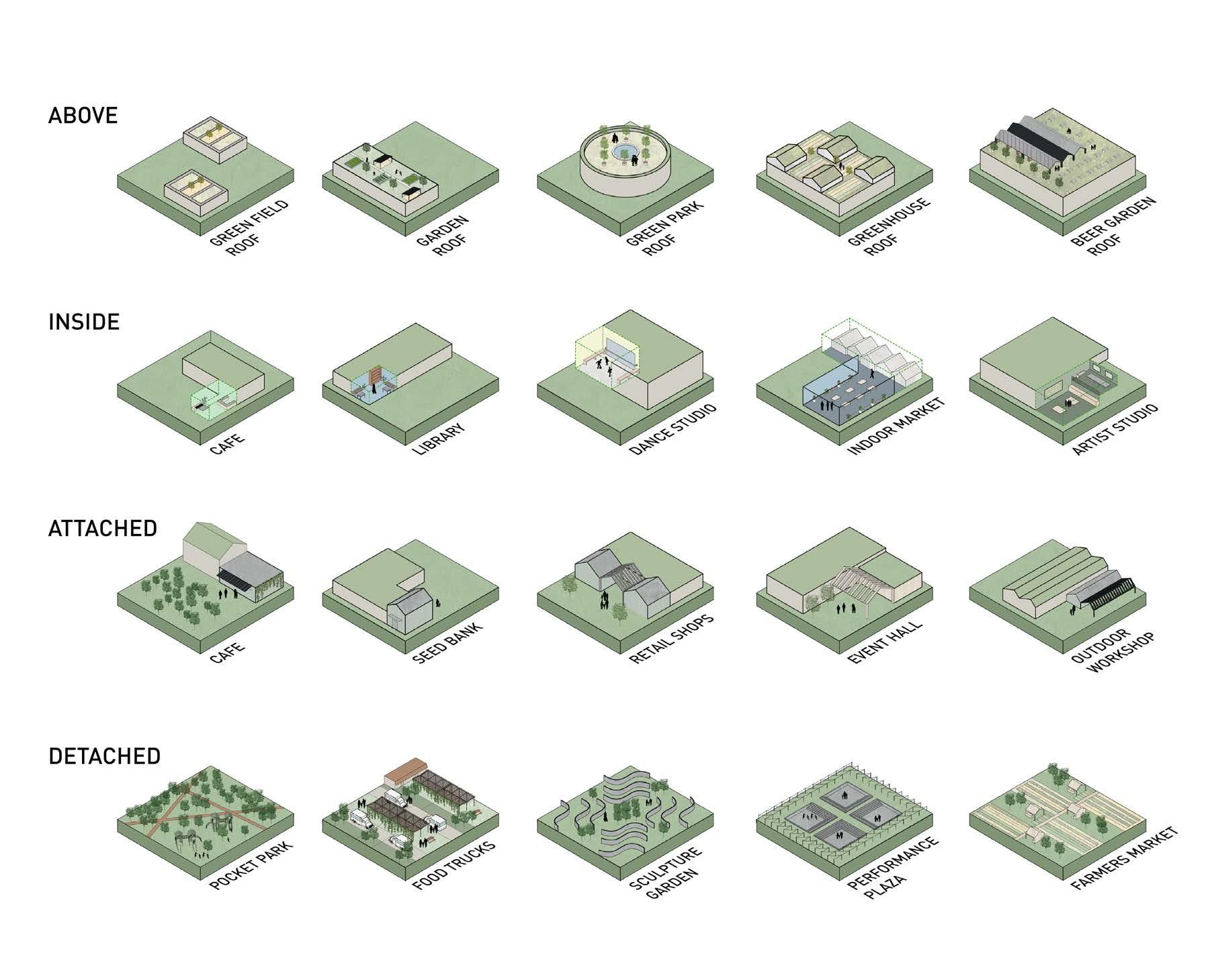
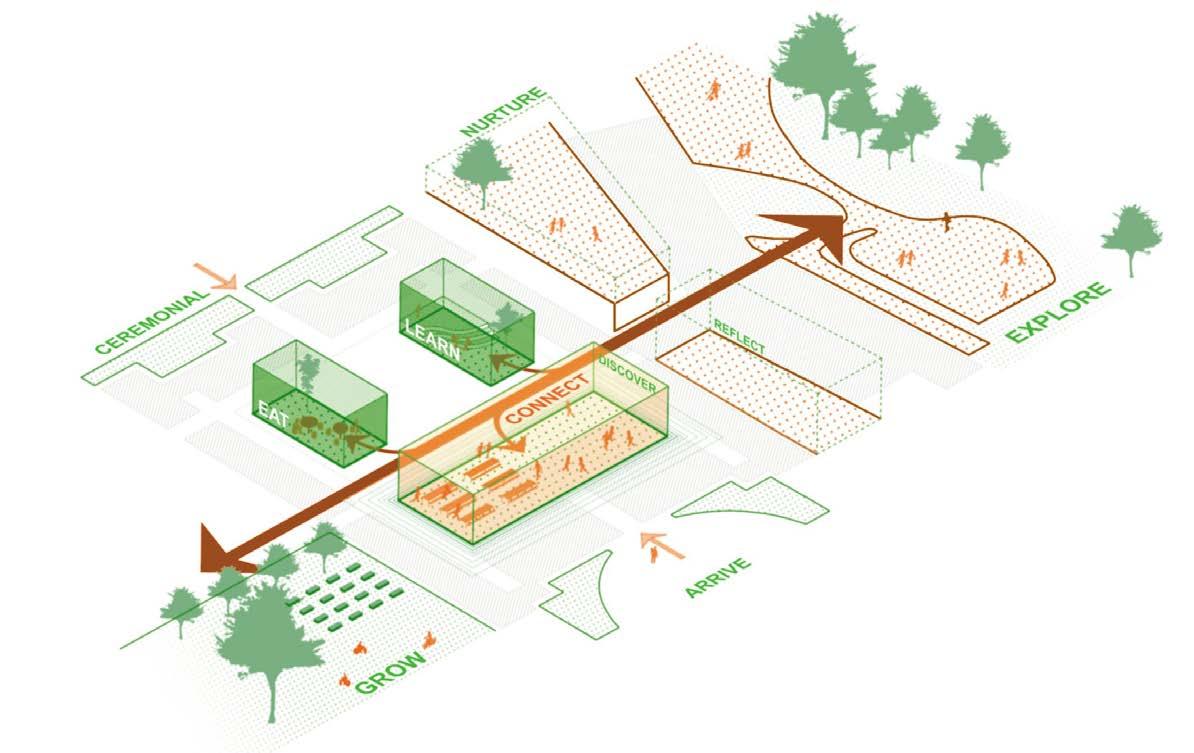
The rigid industrial grid is reimagined as a flexible framework integrating productive, civic, and residential uses. A phased developer-choice process organizes diverse production spaces across five programmatic zones.
Role: Co-Designer | Urban Design Studio Year 3
Instructors: Ila Berman, Mona El Khafif
Location: Vienna, Austria
Site Area: 5,381,955 SF
STEP 02: CHOOSE A PUBLIC SPACE THAT ALIGNS WITH PRODUCTION ZONE
Federal Modernization
02
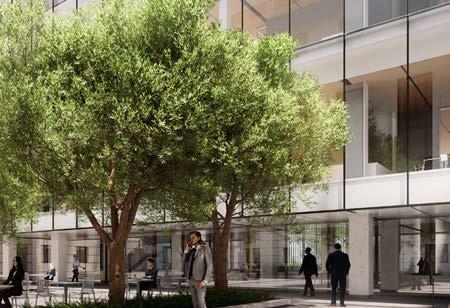
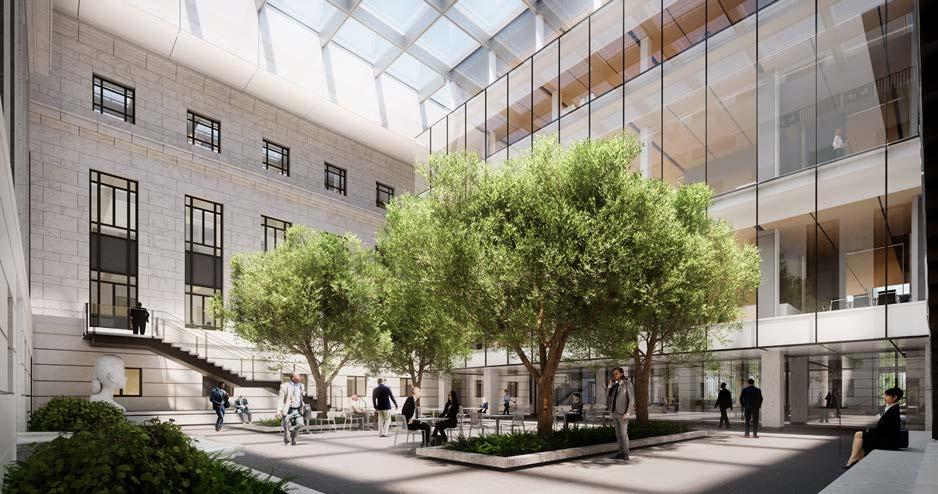
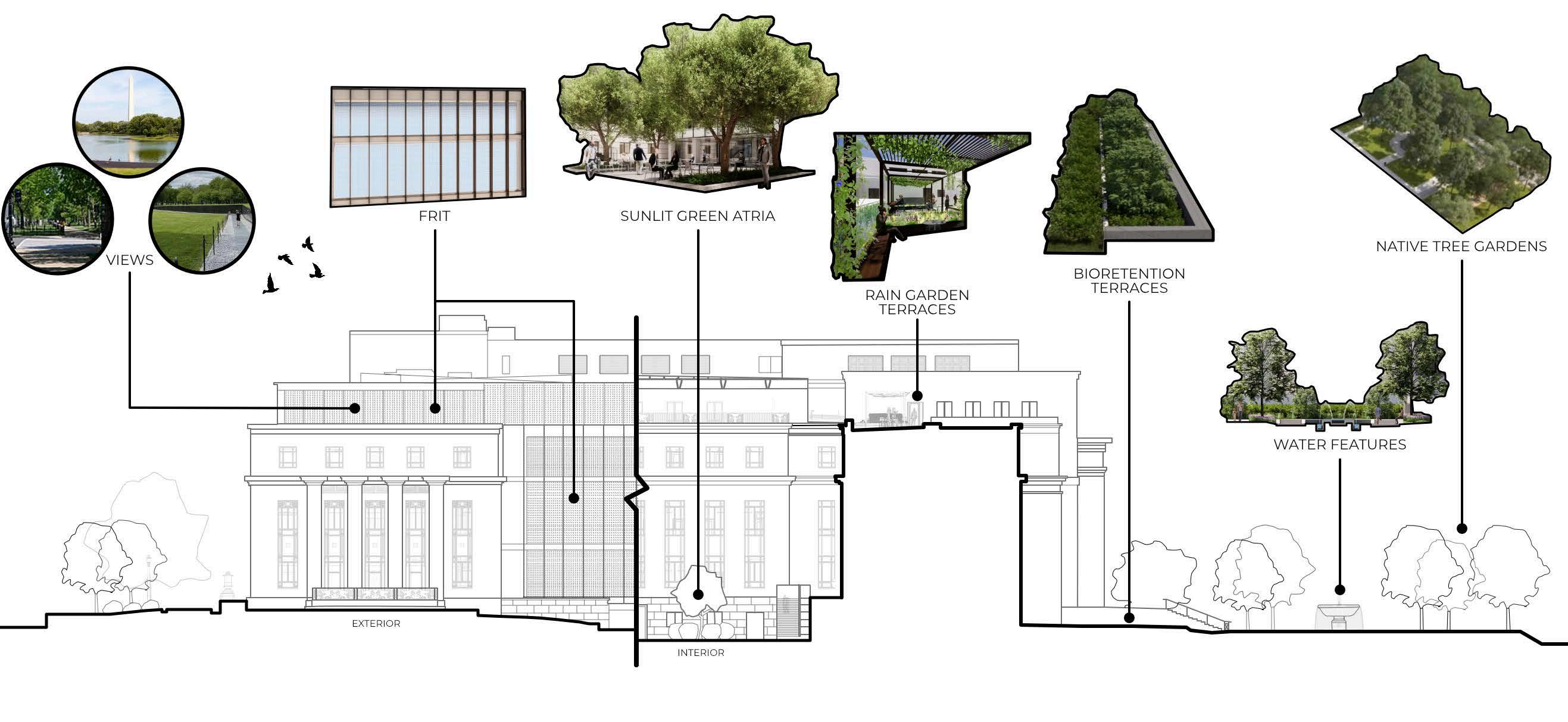
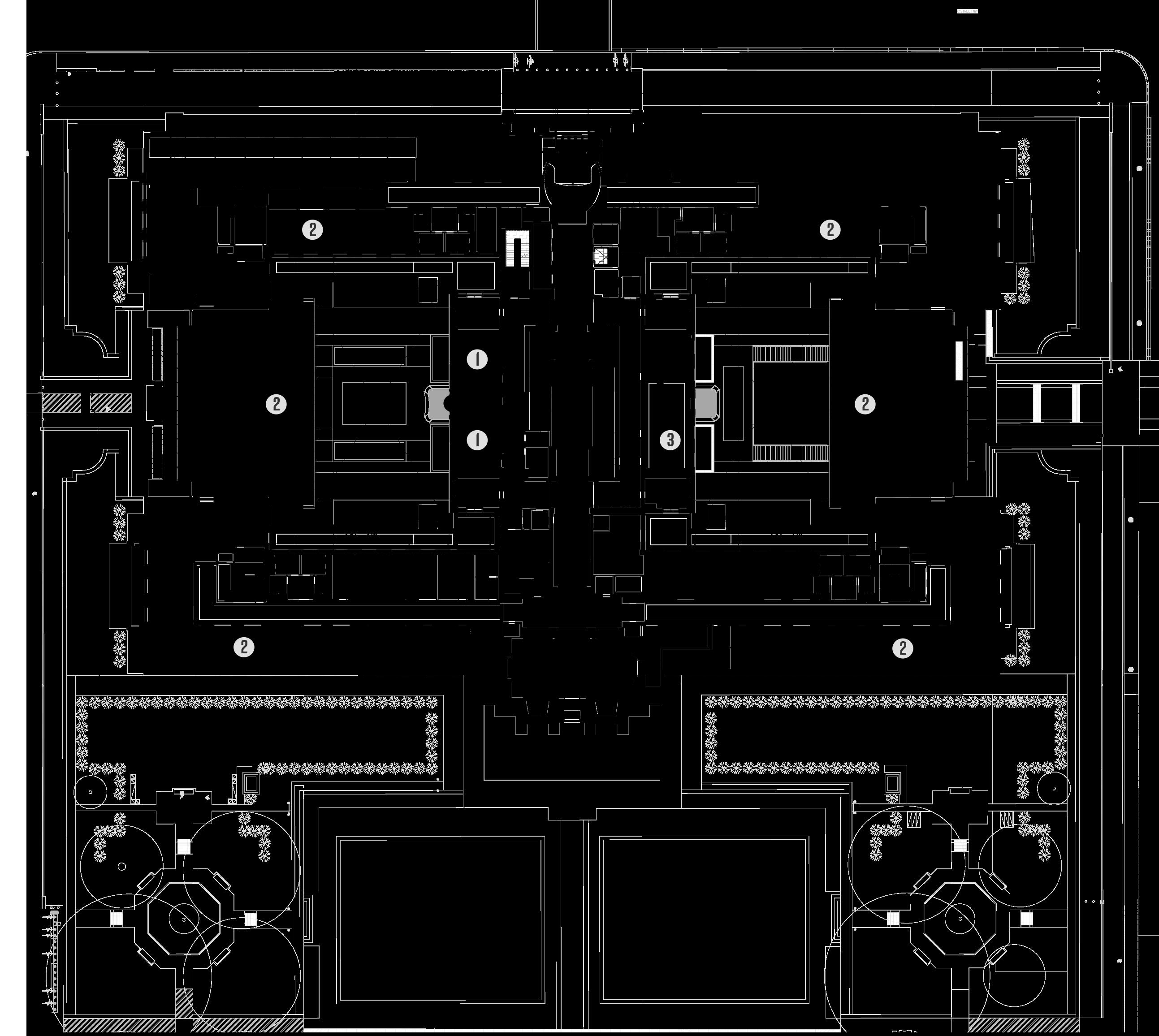
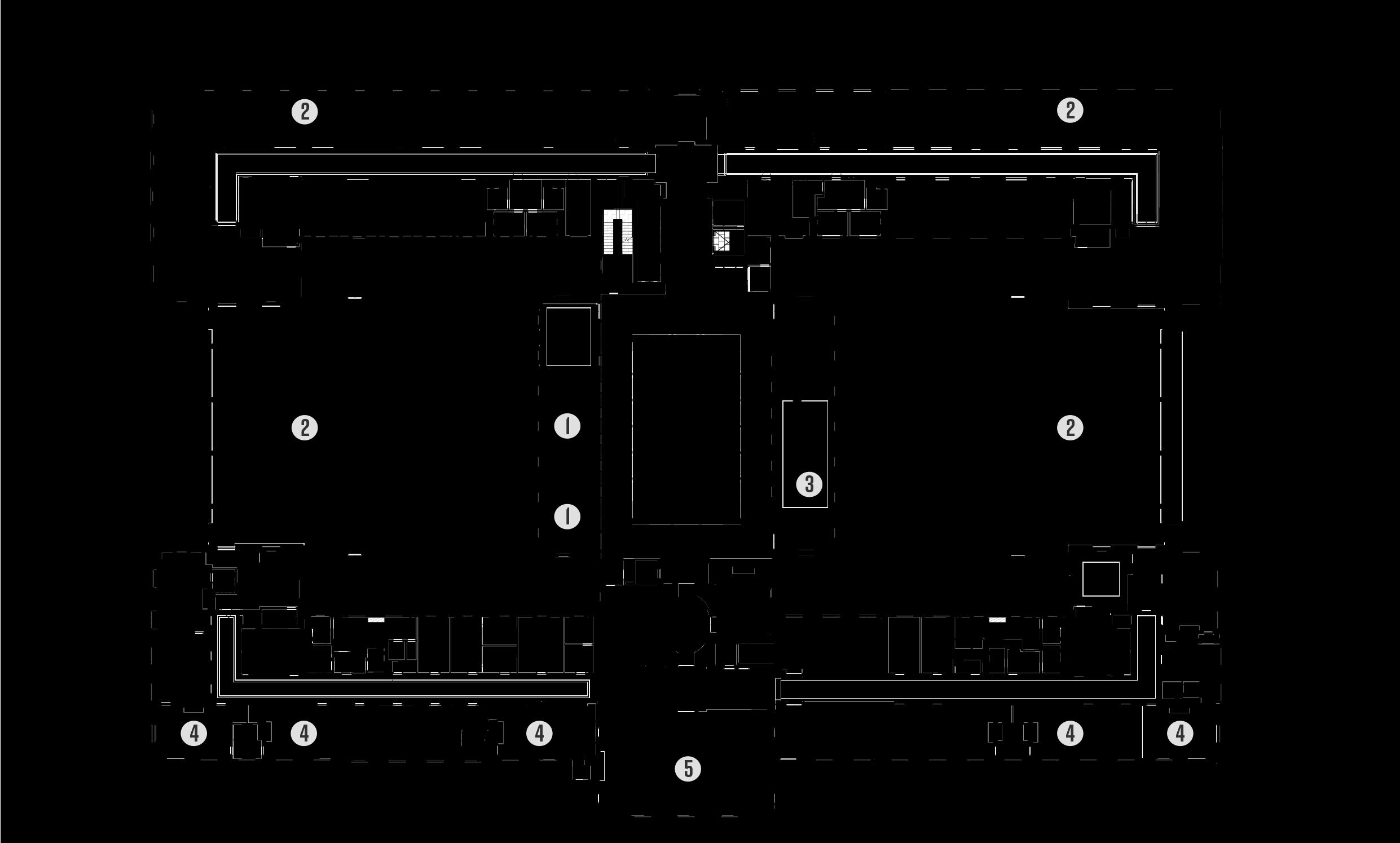
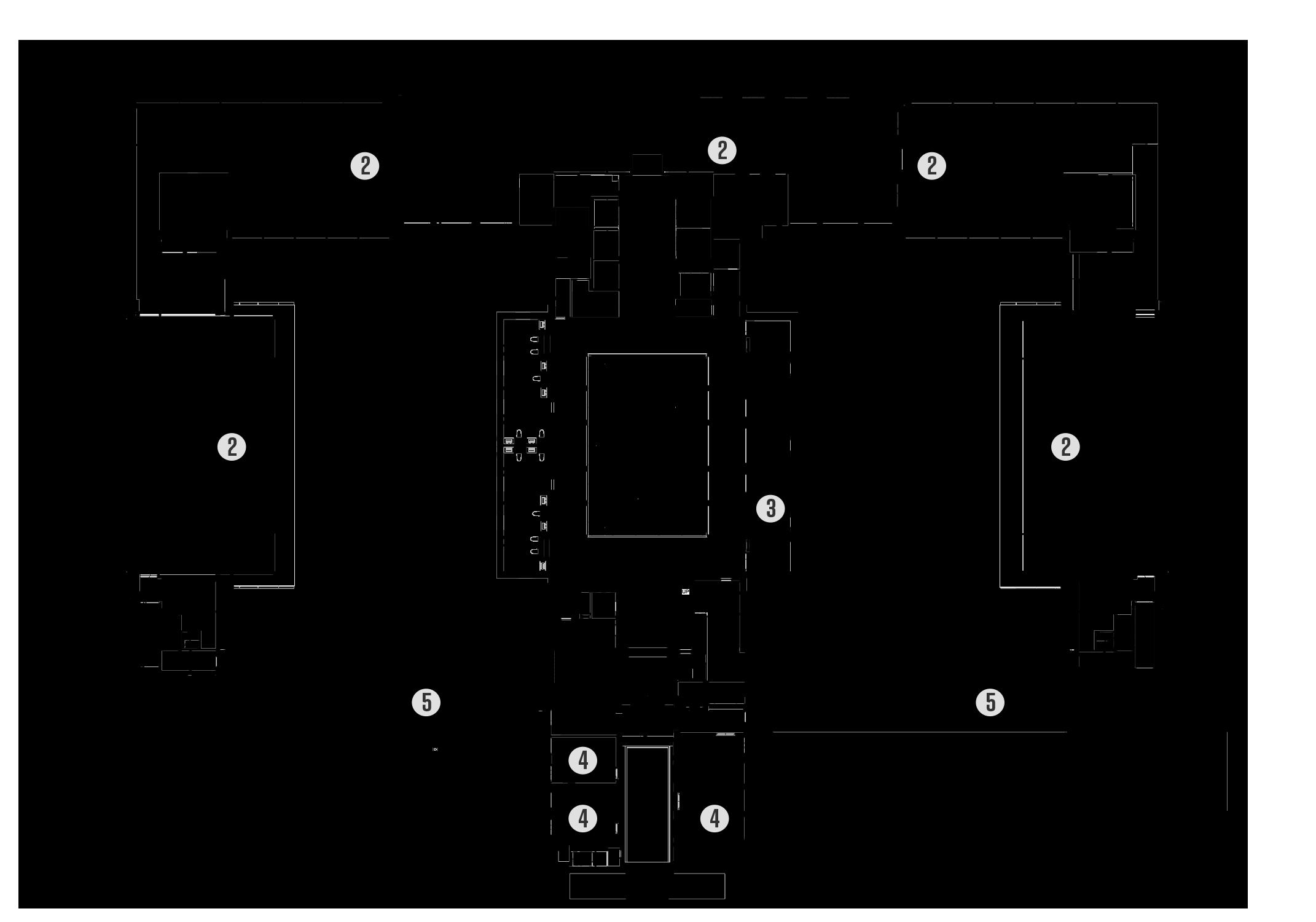
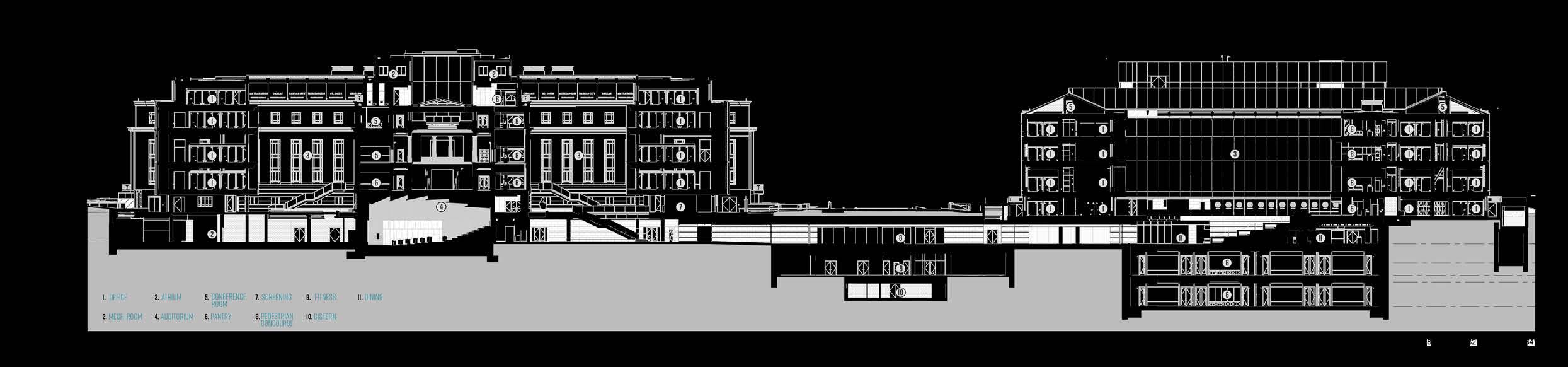
My work for this project, which included construction documentation, diagrams, and renderings, illustrates the key design strategies implemented by Quinn Evans in the renovation and restoration of a historic federal building on the National Mall. The project integrates architectural, landscape, and systems upgrades that strengthen the building’s cultural and ecological performance. Each feature shown establishes a deliberate connection to the region’s native marsh ecosystem—reinterpreting local hydrology, vegetation, and material rhythms to inform a more resilient and environmentally attuned design approach. The result is a restoration that honors the building’s historic character while embedding a deeper relationship to the natural systems of Washington, DC.
Role: Intern|16 person team |Graphics, Diagrams, Construction details, Field Reports
Location: Washington D.C.
Site Area: 200,000 SF
CENTRAL ATRIUM
Quinn Evans
EAST-WEST BUILDING SECTION
1. OFFICE
2. MECH. ROOM
CONFERENCE ROOM
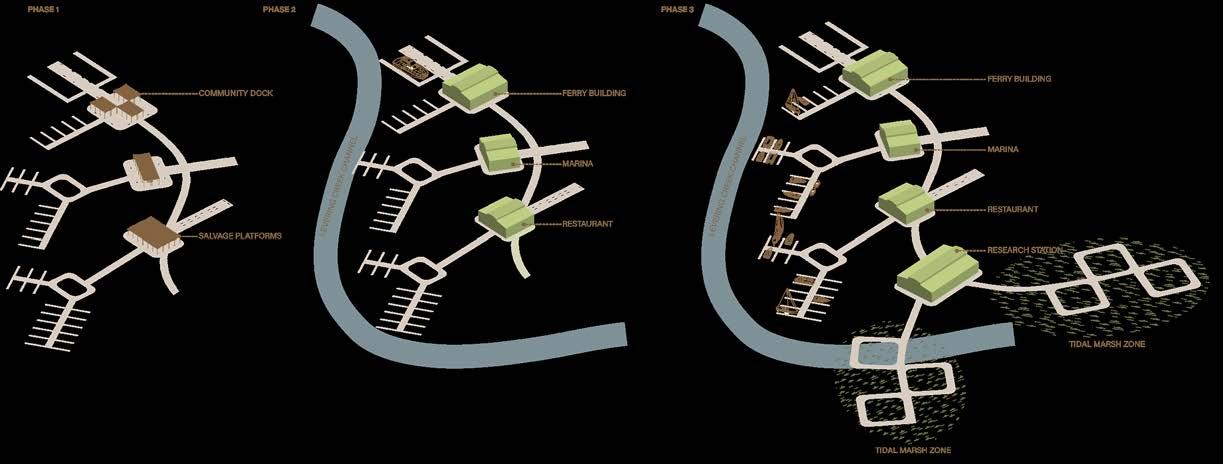
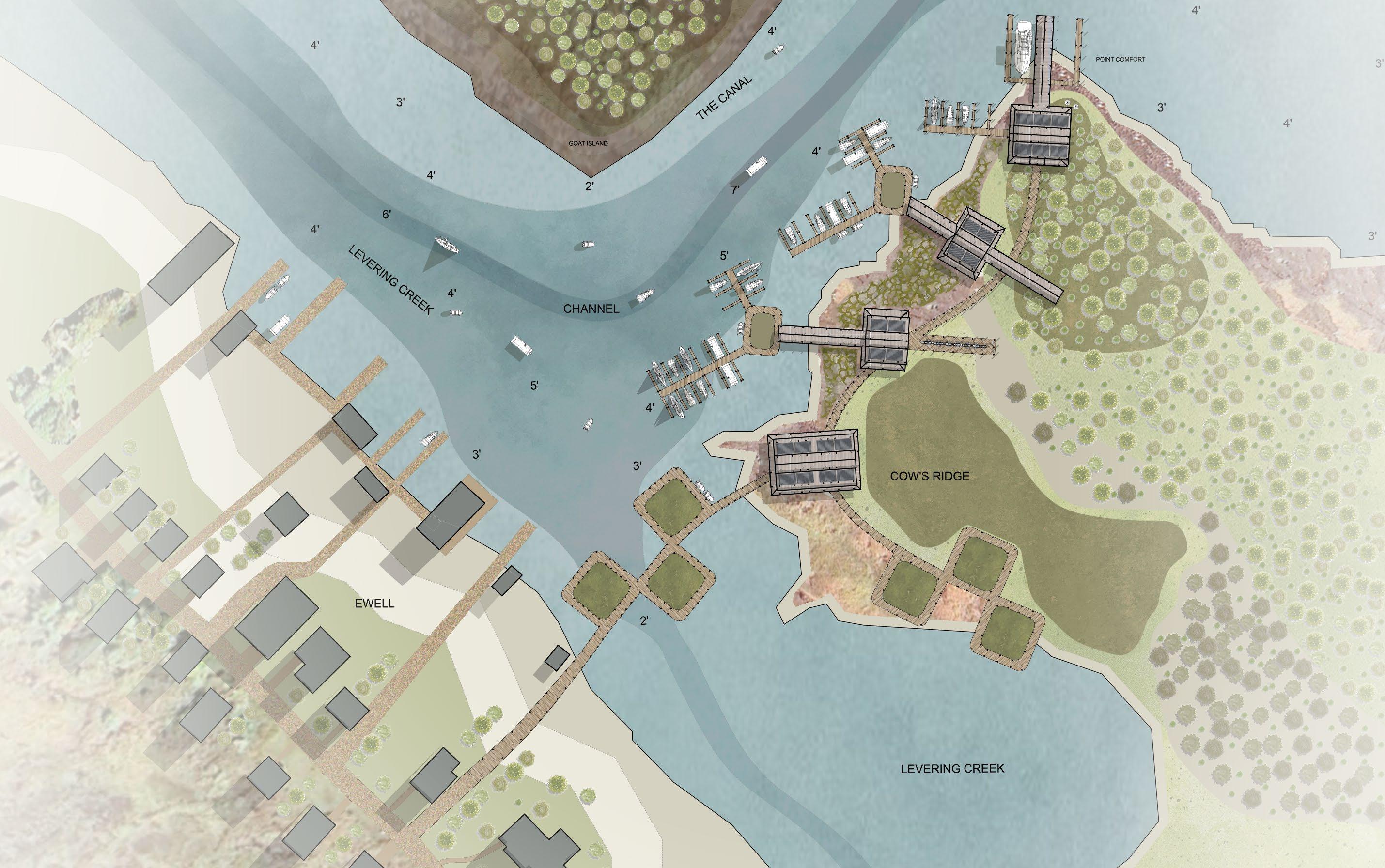
Smith Island Ferry Landing
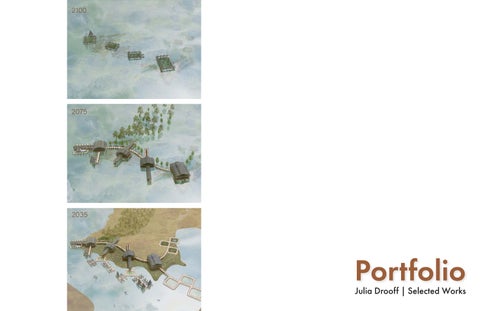
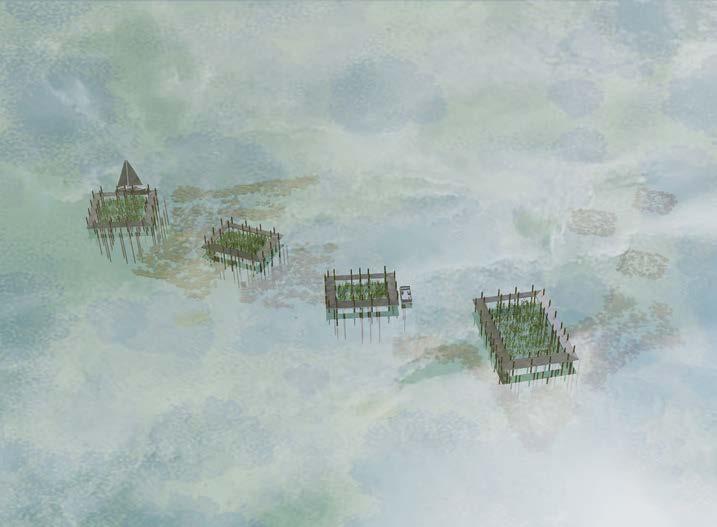
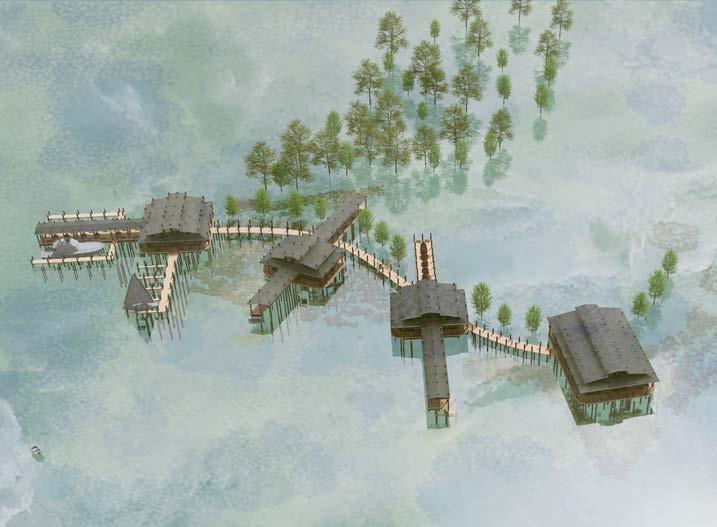
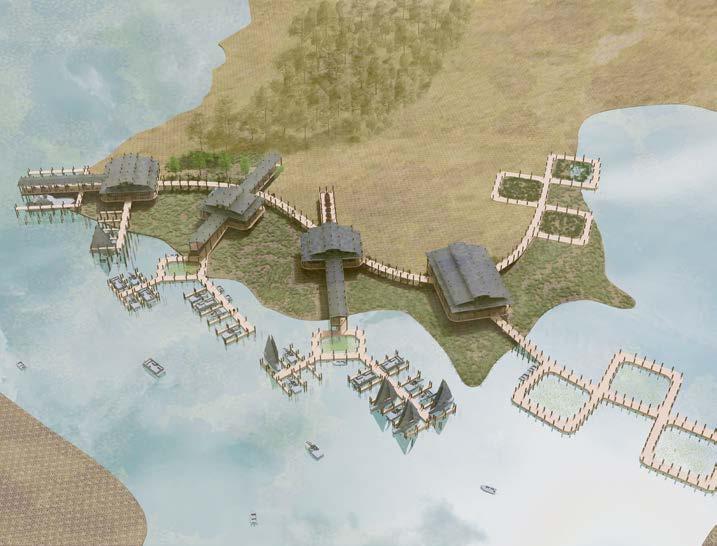
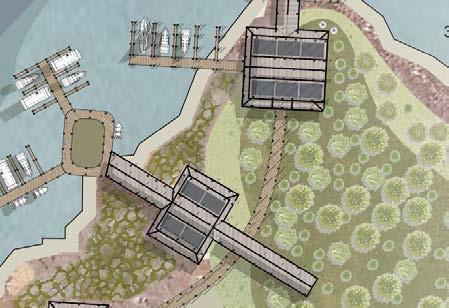
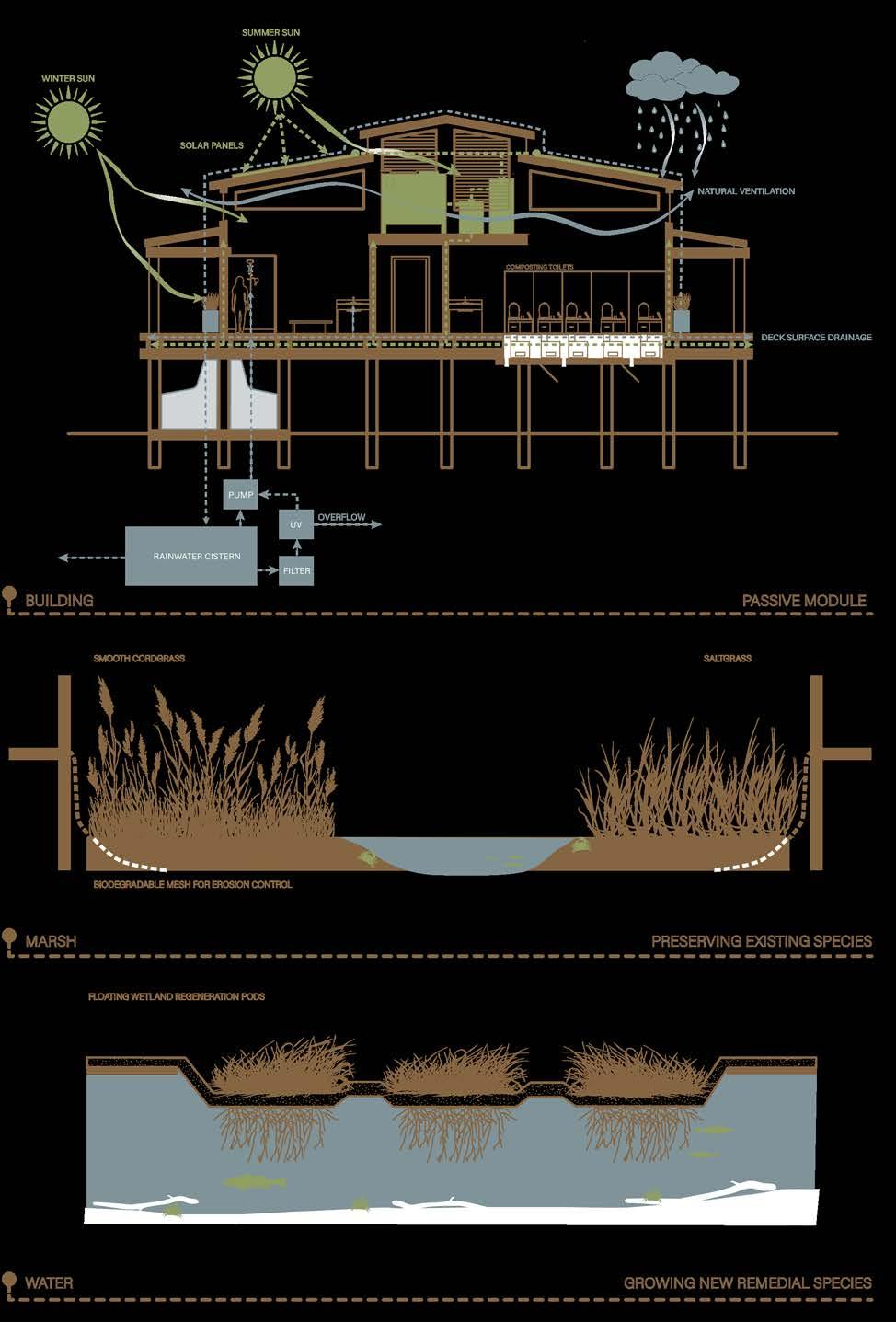
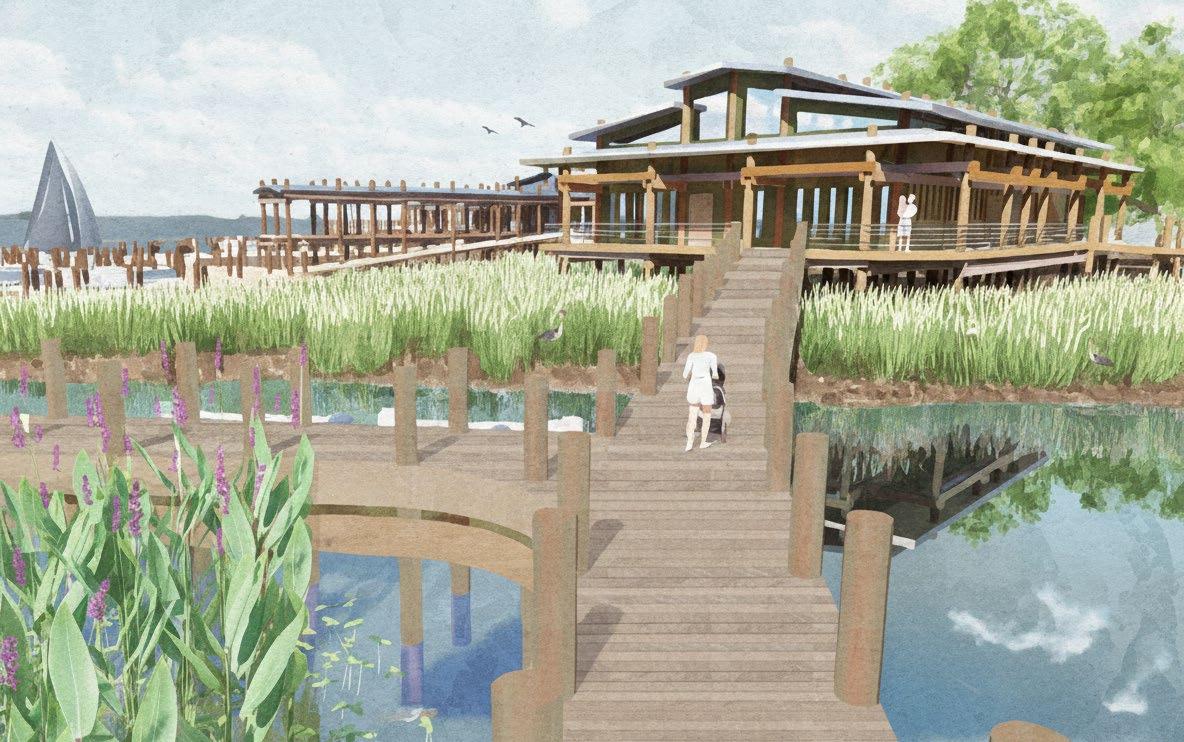
This project is a proposal for a flexible architectural system that responds to the challenges of sea level rise and land subsidence on Smith Island, Maryland. Anticipating significant environmental change over the next decade, including the possibility of community relocation to mainland areas like Princess Anne, Maryland, the project explores how architecture can respond to both continuity and adaptation.
Using a mid-atlantic coastal vernacular wood framing system combined with prefabricated elements, the design creates modular structures on raised deck platforms. These forms can be relocated and reprogrammed to serve evolving community needs over time, both on and off the island.
Role: Co-Designer | Climate Change Studio Year 2
Instructor: Ines Martin Robles
Location: Smith Island, Maryland
Site Area: 137, 760 SF
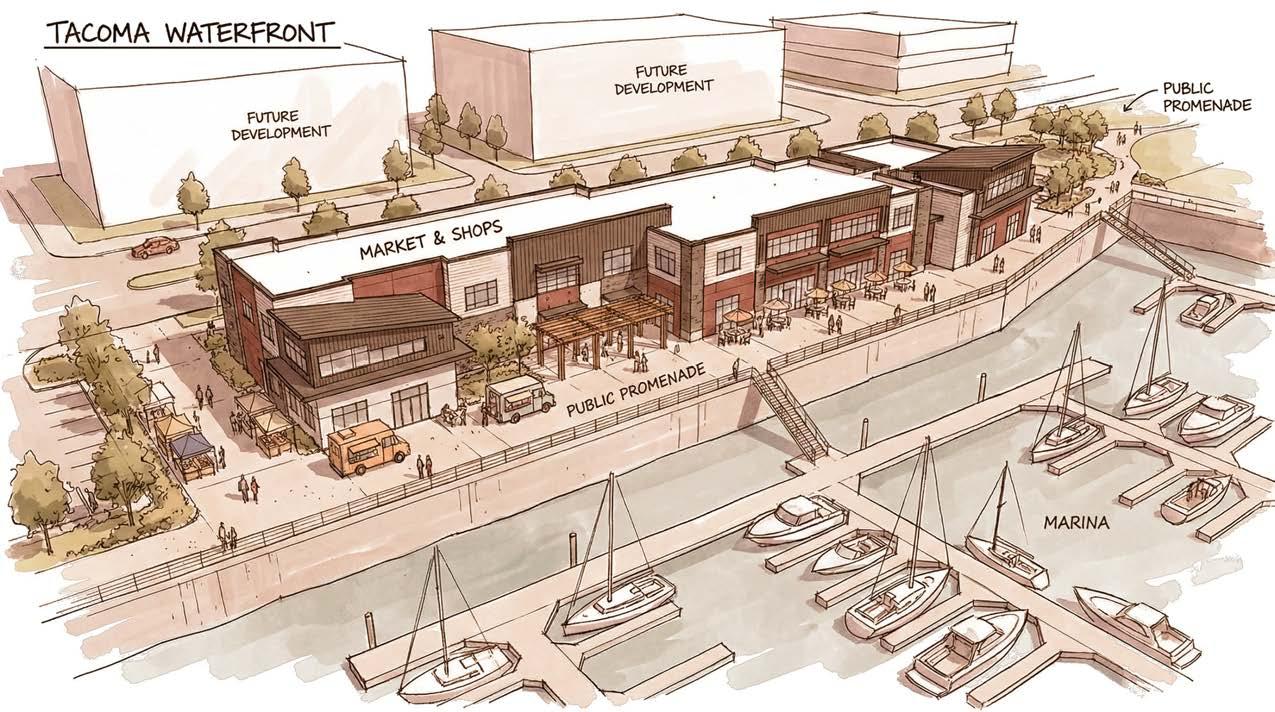
Tacoma Waterfront
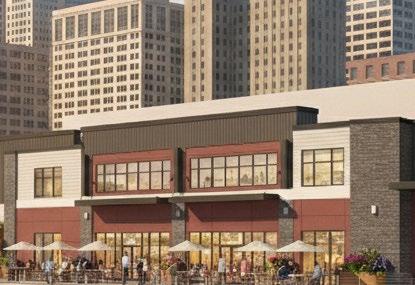
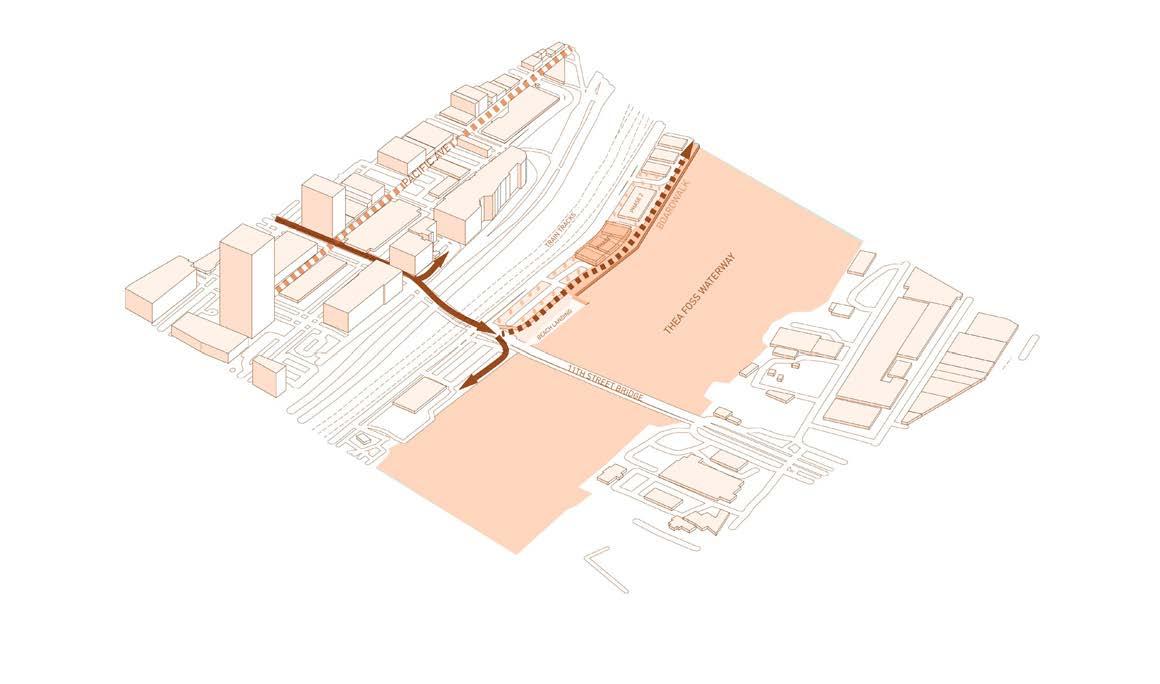
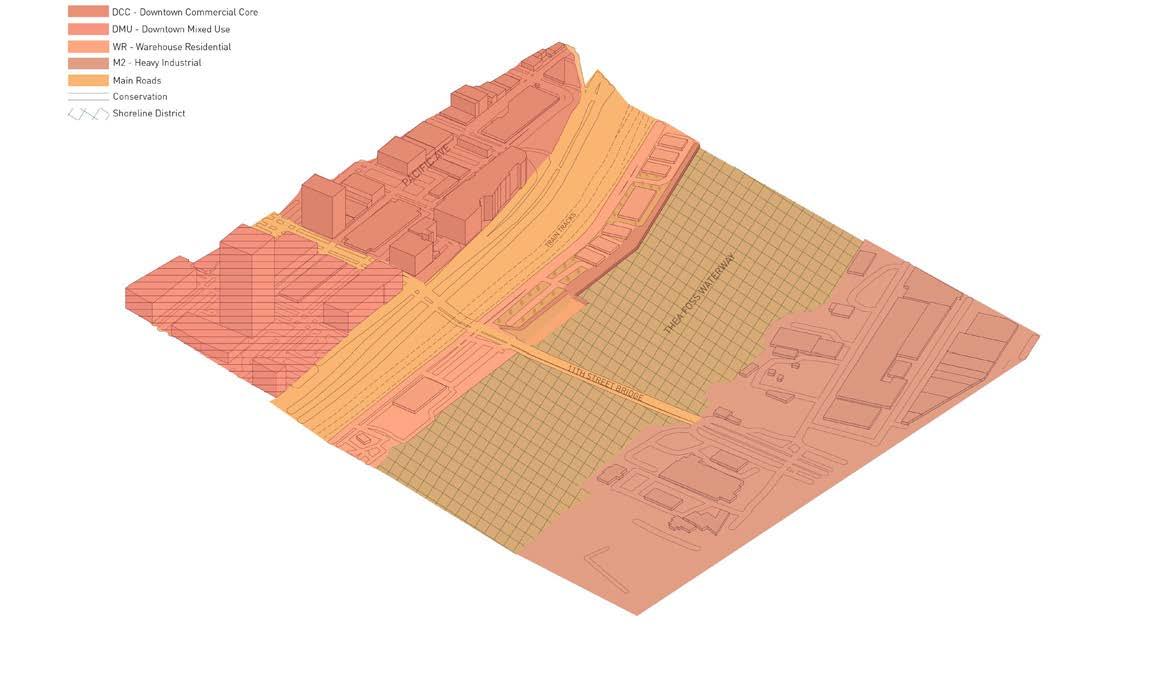
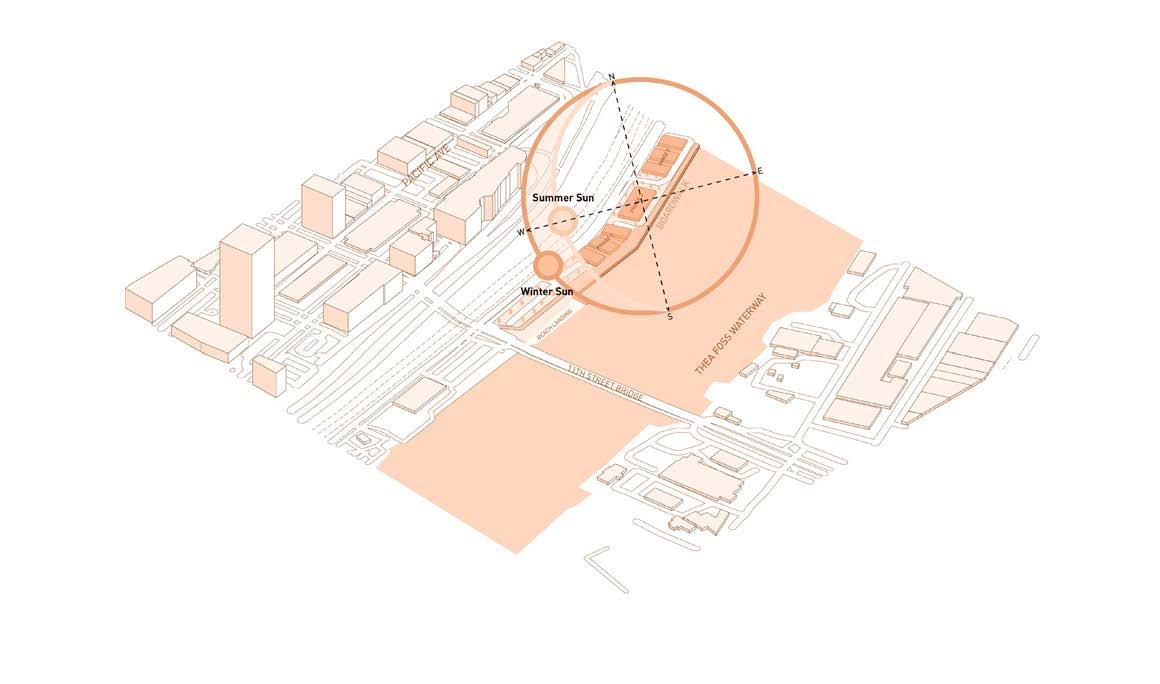
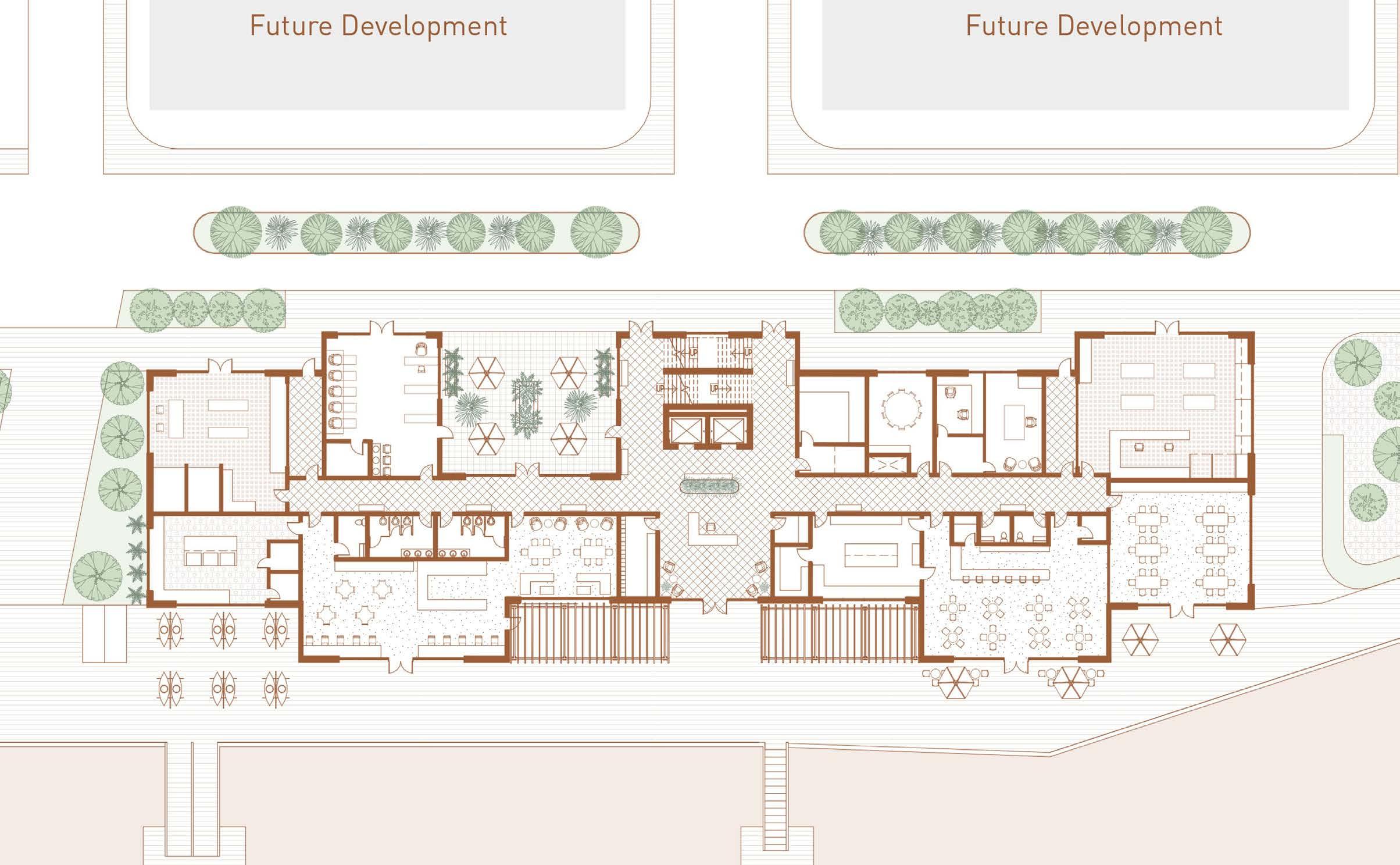
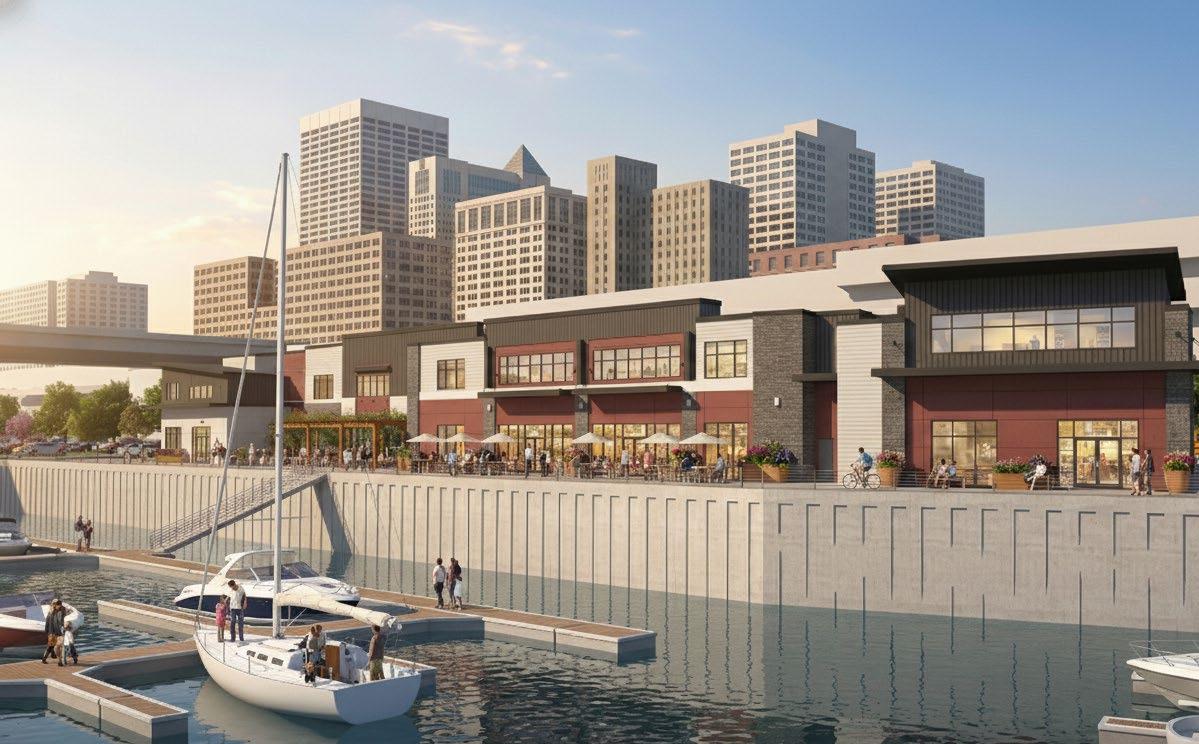
This mixed-use development, located along Tacoma’s transforming industrial waterfront, was conceived to celebrate the area’s restored ecology while catalyzing new community activity. Designed with a team of four architectural designers at Graves+Associates, the project combines a pedestrian promenade, an active marina, and a budget-conscious mixed-use building inspired by Tacoma’s industrial heritage. As the waterfront transitions from a formerly toxic site to a rejuvenated natural corridor, the design aims to create welcoming public spaces that foster connection to the shoreline and support the emerging network of shops and community uses taking root in the district. I contributed from conceptual design through construction documents, helping shape a project that both honors the site’s history and supports its environmental and social revitalization.
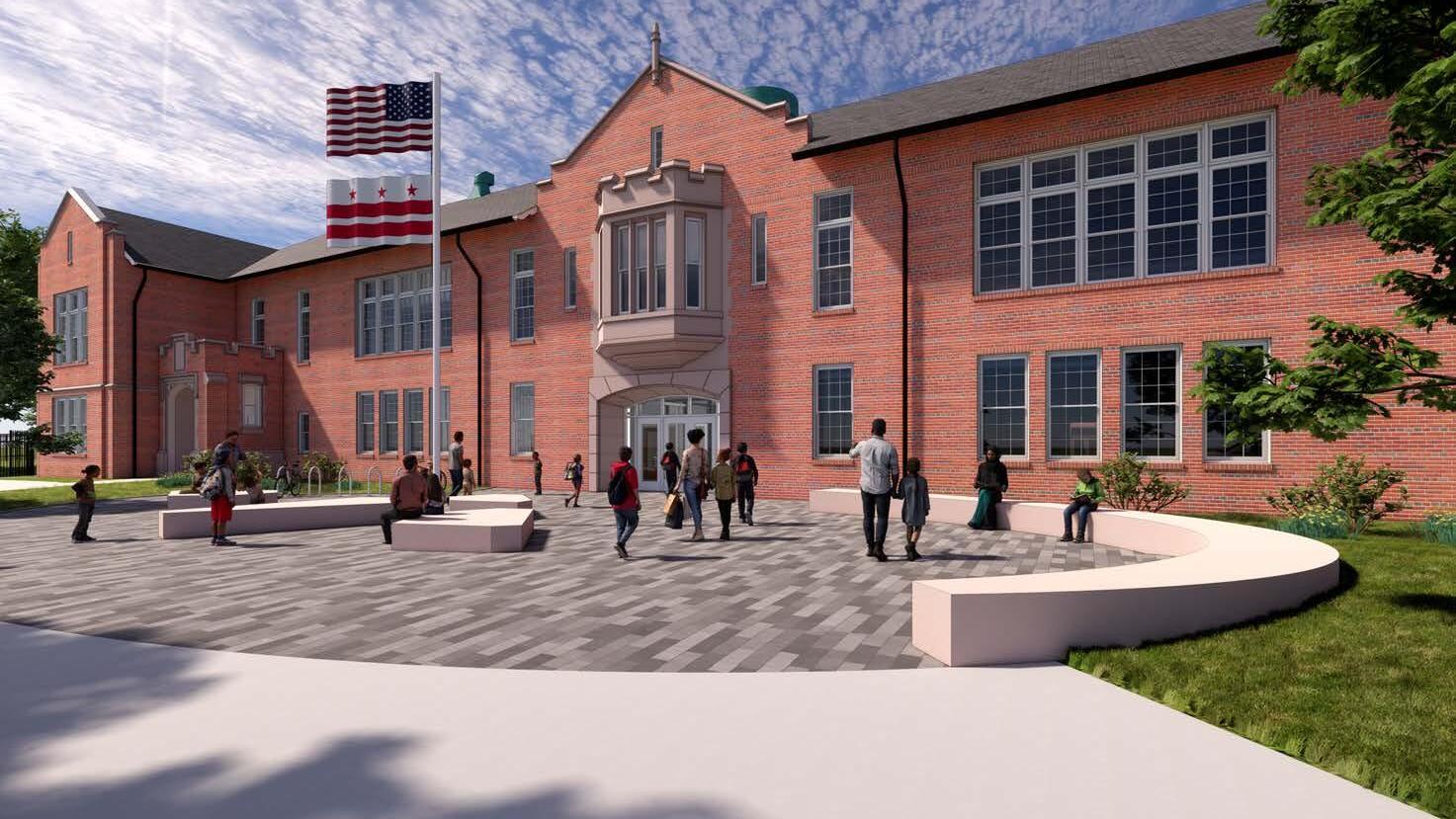
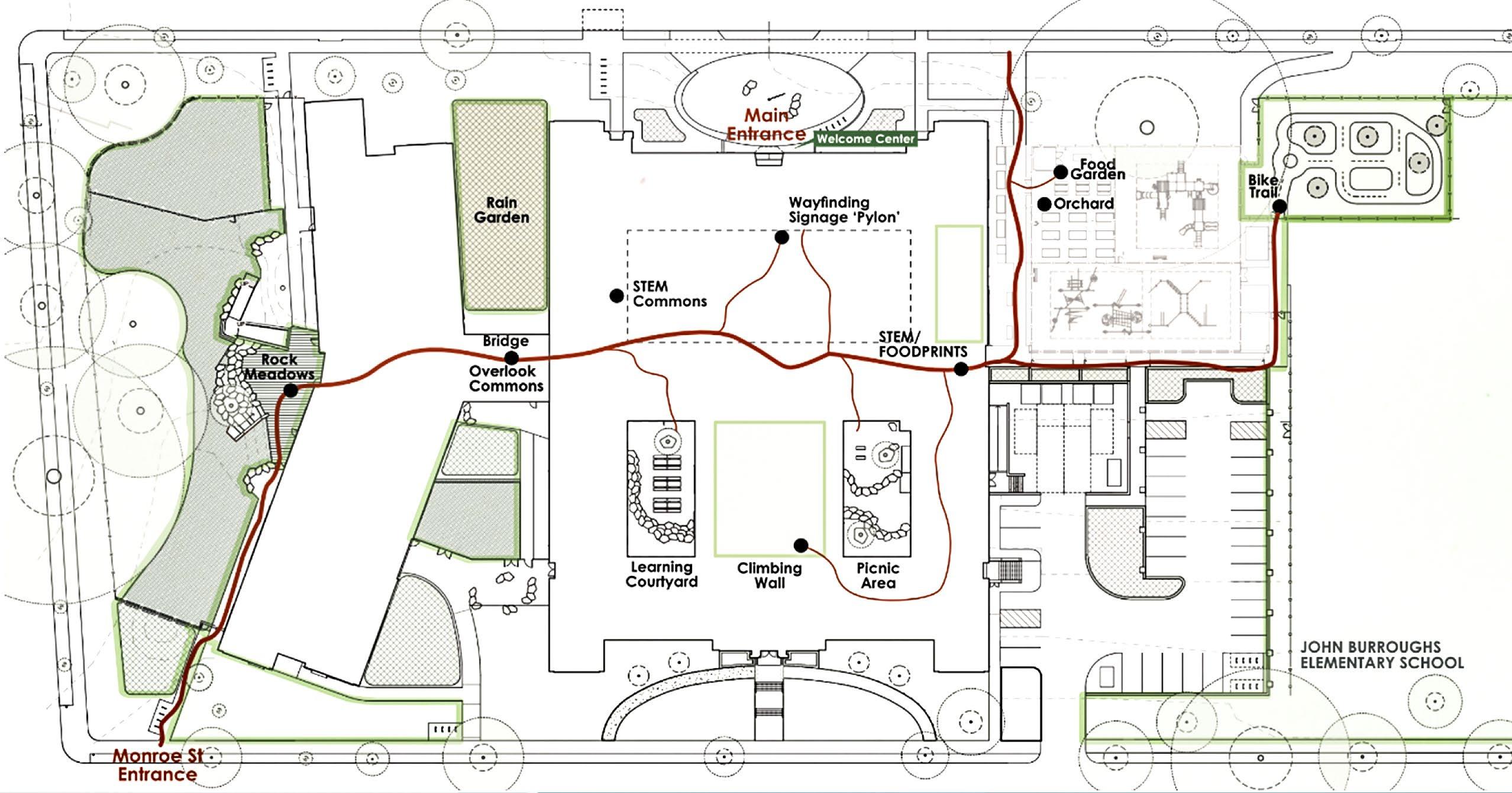
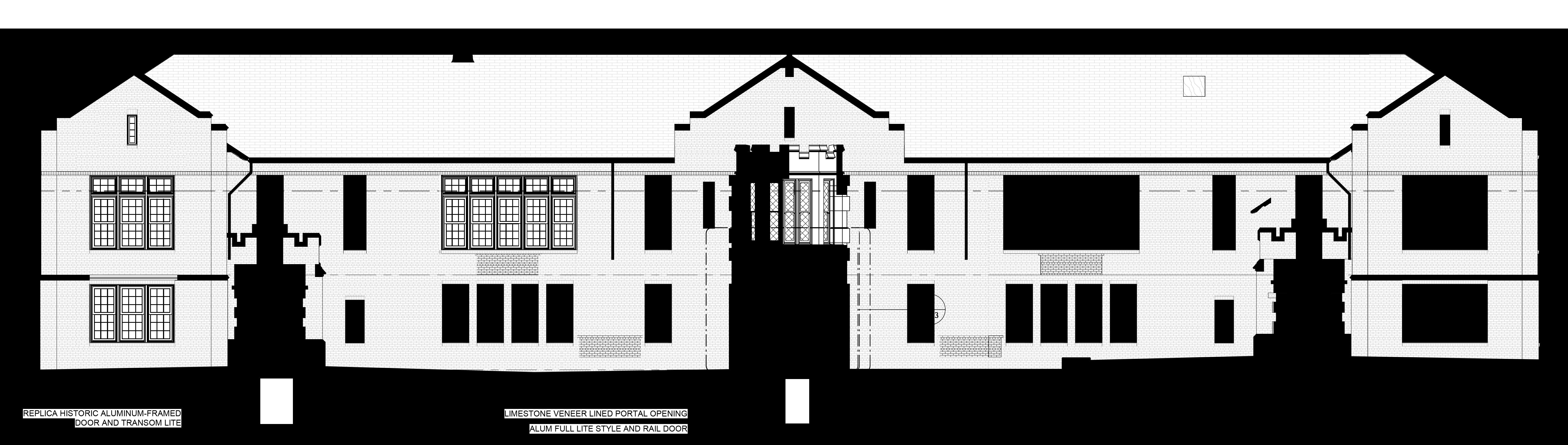
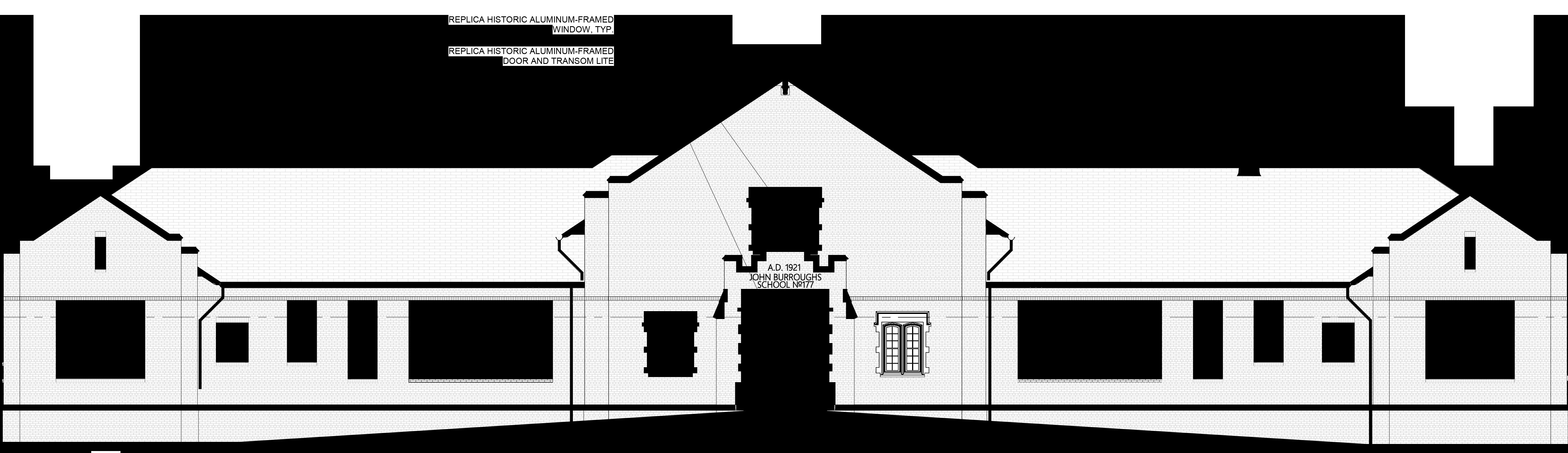
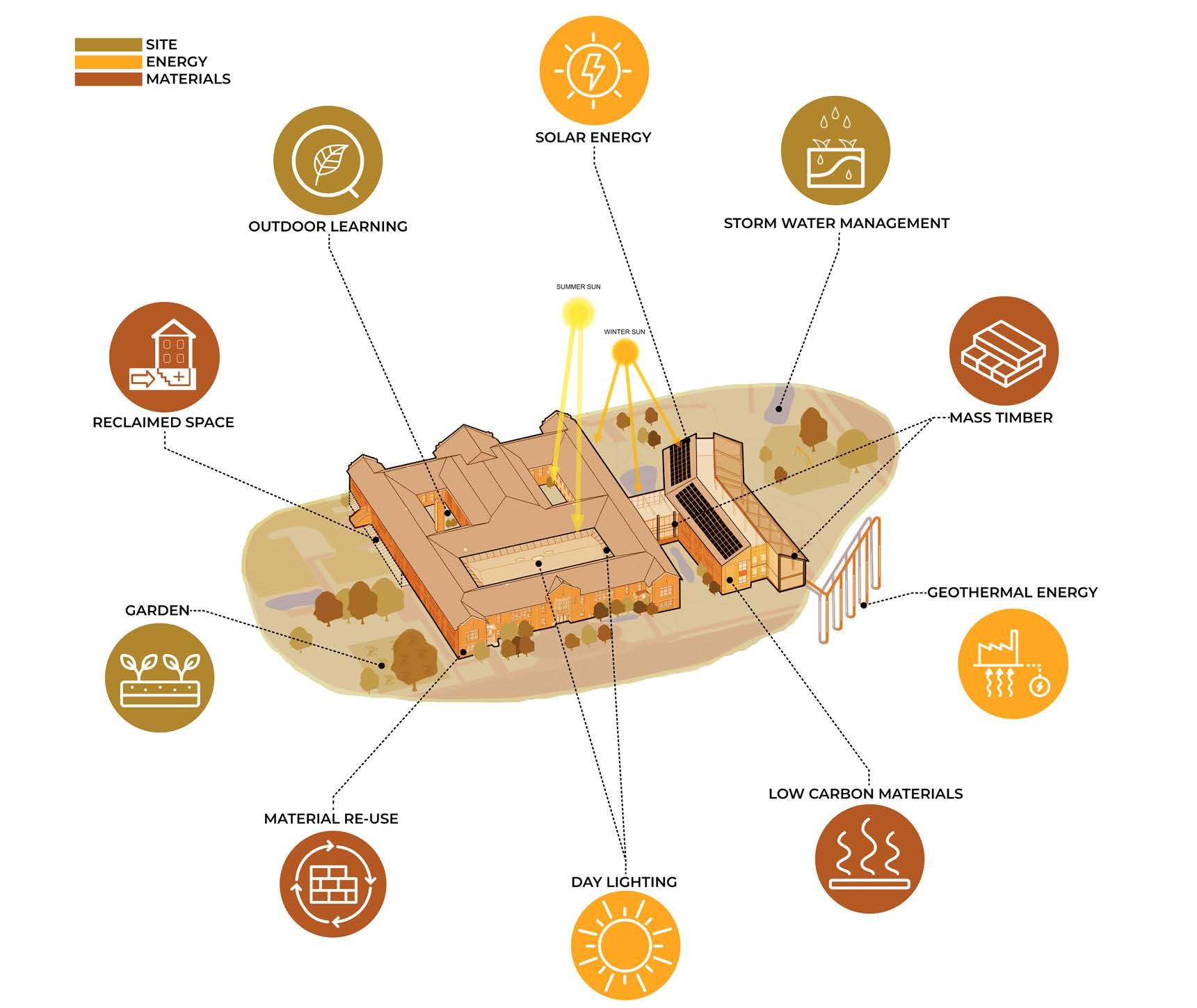
As part of the design team at Quinn Evans for the modernization and addition to a historic elementary school in Washington, DC, I supported design development, construction documentation, and finish selection while working closely with archival materials to ensure the thoughtful restoration of the original classrooms. A key component of my contribution was the creation of an educational diagram that clearly explains the school’s new sustainable systems for young students and their teachers—designed as a classroom resource that makes the building itself part of the learning experience. I also produced a rendering that communicates how the new mass timber addition and restored historic spaces come together to create a vibrant, environmentally responsive learning environment.
Role: Intern|8 person team |Graphics, Acoustics, Casework, Partitions, Elevations
Location: Washington D.C.
Site Area: 100,000 SF
CONCEPT PARTI
Quinn Evans
BUILDING SOUTH ELEVATION
BUILDING NORTH ELEVATION
Belltown on First Multifamily
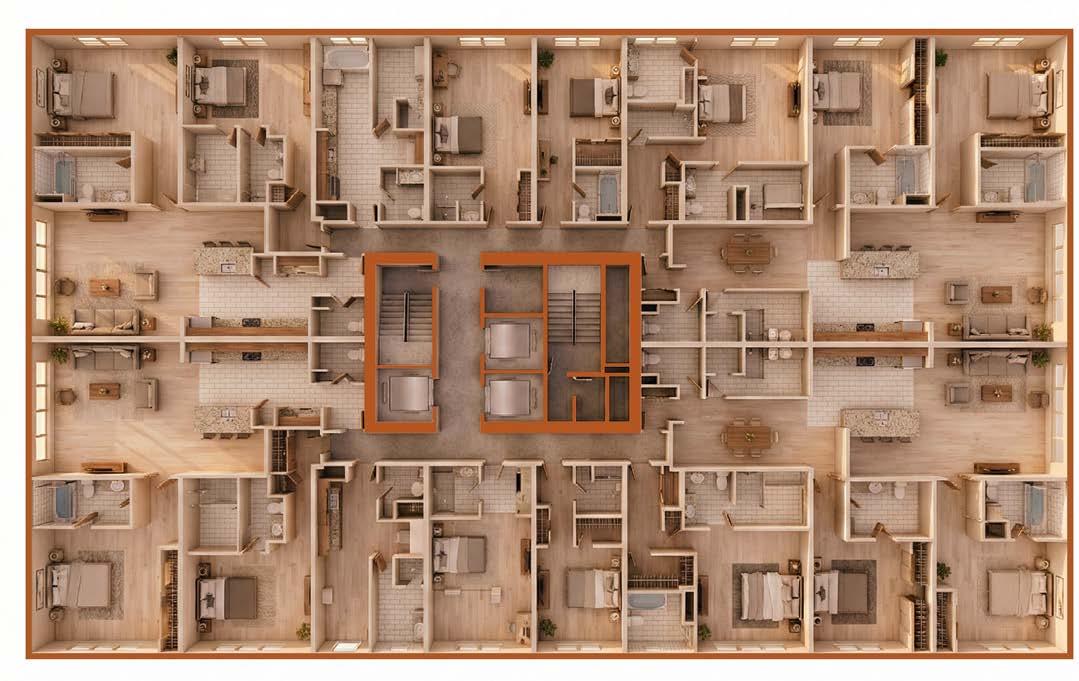
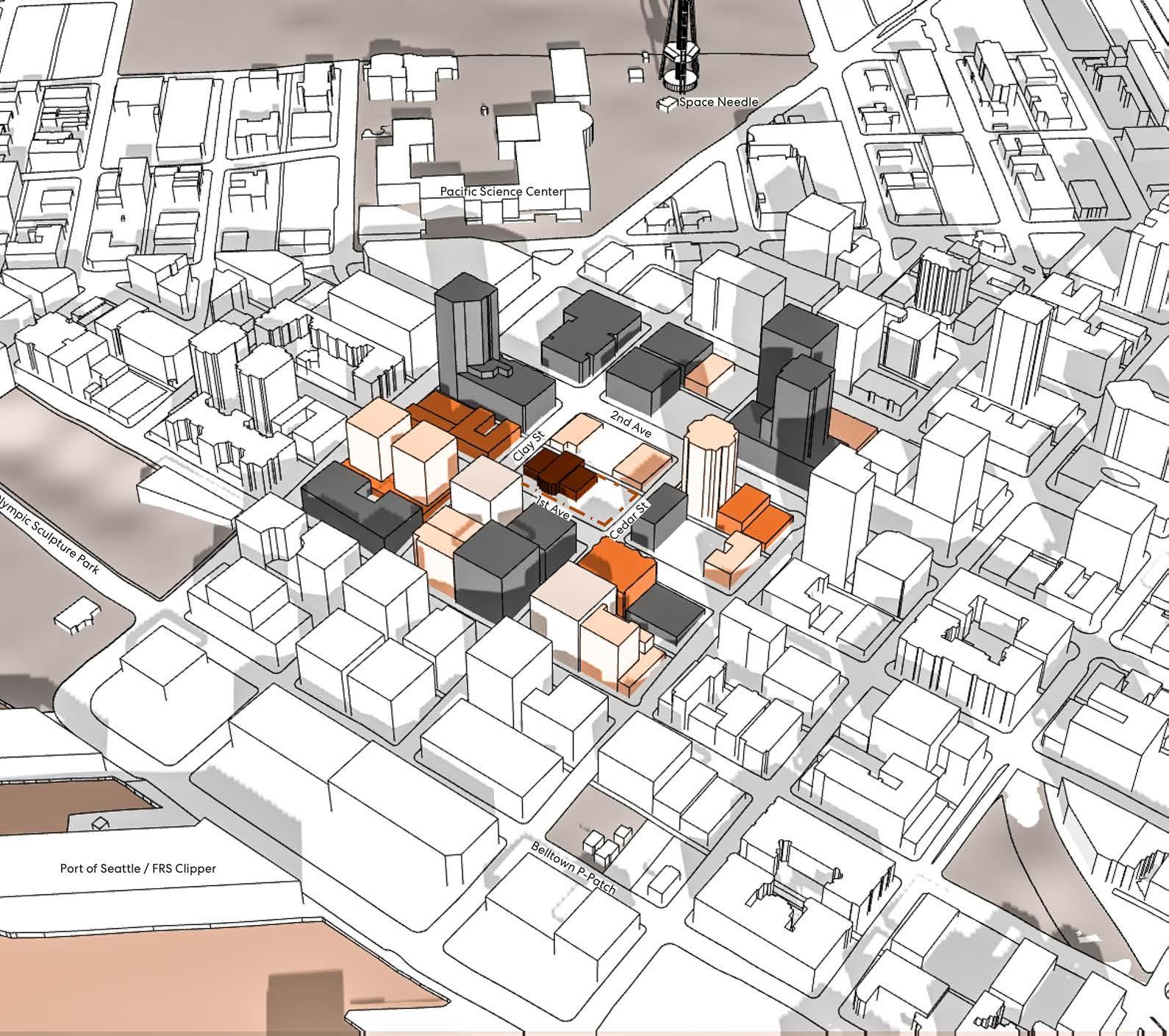
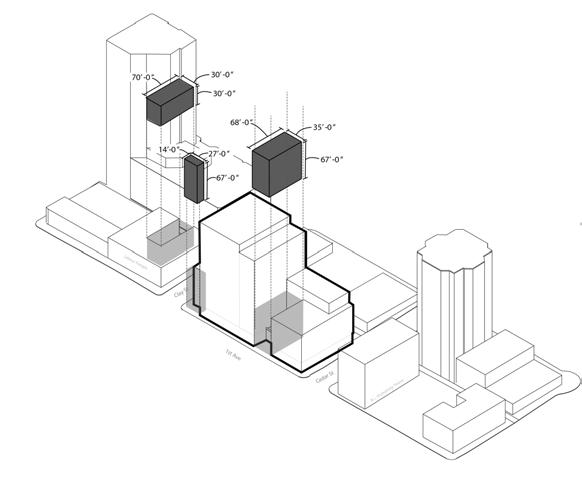
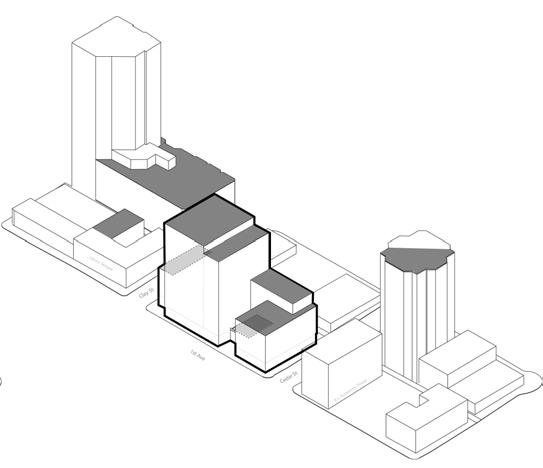
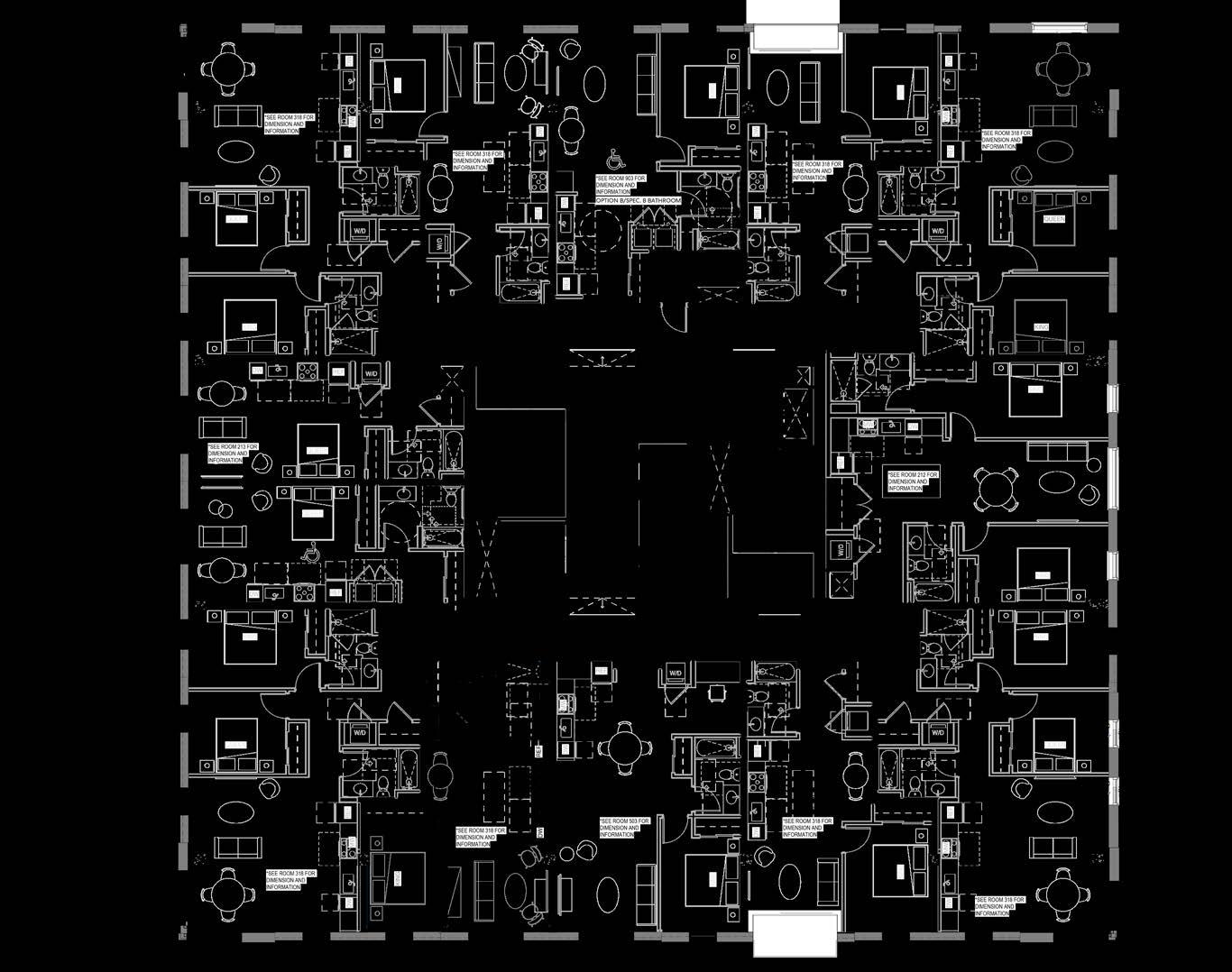
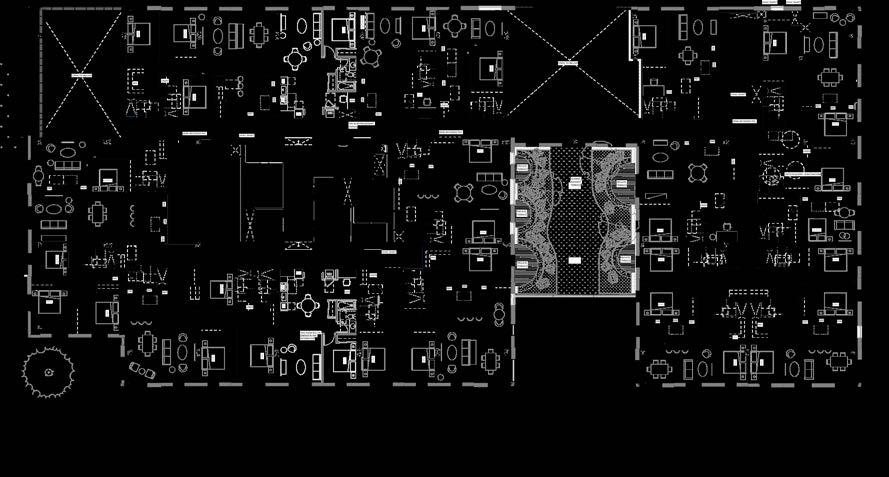
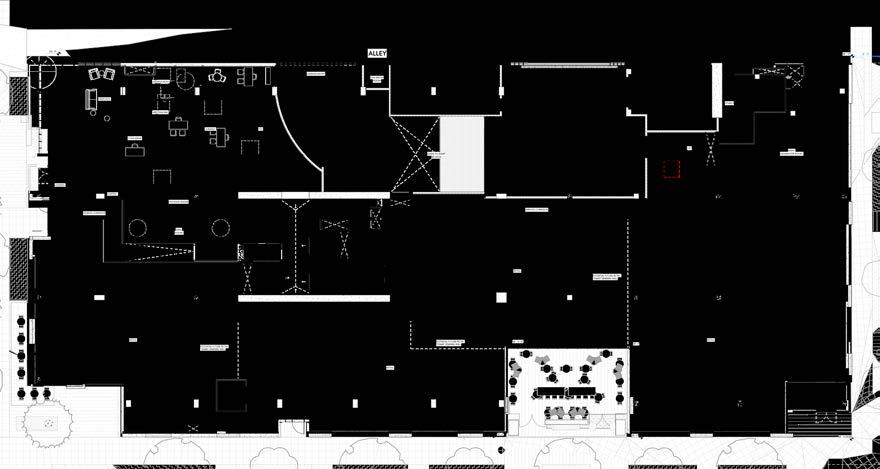
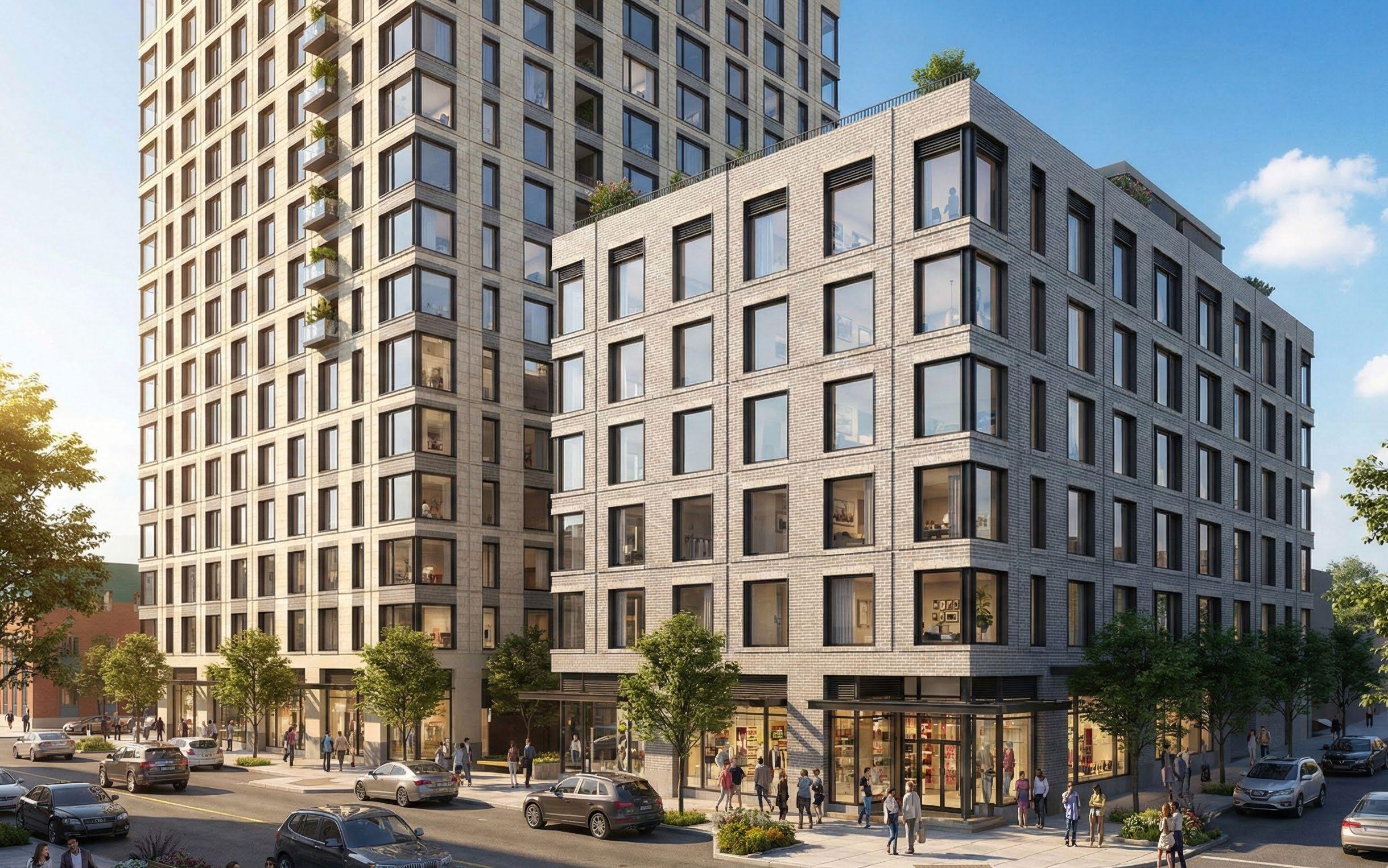
This 350,000 SF mid-rise development sits within the historic fabric of Belltown and brings together 246 residential units with 16,000 SF of active commercial frontage to strengthen the neighborhood’s mixed-use core. My work focused on the full design of all residential unit layouts, ensuring a range of efficient, livable configurations that responded to both market needs and site constraints. The full 3D rendering and visualization package was developed in close collaboration with a team of five architectural designers, resulting in a cohesive representation of the project’s architectural and urban ambitions.
Role: Project Coordinator |12 person team| Unit Plans, Graphics, Renders, Structural Coordination, Field Surveys