As I sit in my air-conditioned study drafting this report, I am aware that this long weekend is not ideal for taking the Jaguar out—the heat is so intense that even the popular Multivalve Australia Day BBQ had to be postponed due to the forecast temperature.
After extensive discussion, the Executive has decided to continue holding General Meetings at The Junction, as there are no imminent redevelopment plans, and we have been assured of ample notice if relocation does become necessary.
We will be providing tea and coffee again after the General meetings, to encourage the social interaction amongst members. Special thanks to Tricia Clarke for her efforts in researching alternative venues.
While The Marryatville Hotel provided a pleasant atmosphere, its L-shaped room was not workable for larger groups that we can get at some Club meetings, especially as was the case for the AGM and Christmas dinner last year. However, The Marryatville remains a great option to keep in mind for smaller functions or as a starting point for Register Runs.
Throughout January, Executive members have been working on plans for continuous improvement in how the Club operates and especially looking towards the future.
We have recognised that the Registers have become the focus of much of the Club events calendar and for social and technical exchange.
The Register Secretaries gathered in January to coordinate their 2026 event schedules, exchange ideas for new activities, and review which past events had proved successful or otherwise.
Another subgroup has been working on the survey feedback for more technical related activities, so watch for developments on this theme.
Also stemming from the member survey, email invitations have been sent to members interested in volunteering as Traffic Marshals for Club events. We hope more people will consider undertaking the brief training session required, allowing those who have been volunteering for years to take a break. Often the same volunteers end up handling multiple tasks, and without new helpers, we may in future need to scale back our events.
Similarly, preparations are nearly complete for a focus group where younger, workingage members can share their ideas about events and activities that align with their work and family commitments. If anyone is interested in joining this discussion you are welcome to get in touch with me at president@jdcsa.tidymail.com or on 0407 727 459.
Warm regards Moira Lugg President
Please Note: We are changing to a new email system and as such we will be closing our existing email address. Our new email addresses are as follows: -
◊ info@classicsportscar.com.au
◊ spares@classicsportscar.com.au
◊ geoff@classicsportscar.com.au
Kind regards
Geoff Mockford
Classic & Sportscar Boutique 126 Sydenham Rd, Norwood SA Ph +618 8332 3366. Mobile 0438 768 770 www.classicsportscar.com.au
In late February, Club members are going to Melbourne to take over a number of bumper bars to a chrome plating business. If you have a bumper/s that needs rechroming and you would like them taken over and back, please contact Nigel Stevens 0439 082 966.
As this business can only do bumper bars at the moment, Nigel is investing a second business that can do smaller parts like door handles and the like. Again please contact Nigel.
All parts need to finalised by mid February. Nigel Stevens


https://www.facebook.com/ groups/453009102006257
TUESDAY 3rd FEBRUARY 2026
TUESDAY 10th FEBRUARY 2026
WEDNESDAY 11th FEBRUARY 2026
THURSDAY 19th FEBRUARY 2026
SUNDAY 22nd FEBRUARY 2026
TUESDAY 24th FEBRUARY 2026
SATURDAY 28th FEB - 1st MARCH
SUNDAY 1st MARCH 2026
JDCSA General Meeting at the ‘The Junction”, 470 Anzac Highway. 6:00pm-9.30pm Meals available from 6:00pm and the meeting will commence at 7:30pm. Coffee and tea is available after the meeting for further socialising. Please register via TidyHq as registration will help with staffing and seating arrangements. February General Meeting
Compact Register Meeting: 6.00pm - 9.00pm Meeting at the Maid of Auckland Hotel, 926 South Road, Edwardstown for a meal followed by an informal meeting. Please register via TidyHq Compact Register February Meeting
XJ, MkX, 420G Register Meeting : 6.00pm - 8.30pm Come and join our first monthly meeting for 2026. Meet at the Bartley Hotel. Please register via TidyHq XJ, MkX, 420G Register February Meeting
E, F & GT Register Meeting/Dinner at The Kensington Hotel: 6.30pm - 9.30pm Our first register meeting for 2026. Update on what the executive committee have been doing and discuss what events we could consider for this year. Please register via TidyHq E, F & GT Register February Meeting
42nd All British Day At Echunga. Registrations are now CLOSED https://www.allbritishday.com/
Deadline For All Articles For March Classic Marque (Inc. Classified Adverts). Thank you. Please contact Editor: Graham Franklin M: 0490074671 or editor@jdcsa.tidymail.co
2026 Adelaide Motorsport Festival: Victoria Park (Feb 28th - March 1st)..
Car clubs are invited to a club park and view trackside space on Wakefield Road. For more on the event visit: https://www.adelaidemotorsportfestival.com.au/tickets
A Day at THE BEND: From 8.00am
Joining a standard Bend Event, this means other cars will be on track with us. You will need to go to THE BEND web page to formally register and pay for the event. https://thebend.rezdy. com/368383/speed-off-the-street. Plan is to go to a hotel or restaurant in Murray Bridge for lunch on our way home. Register here: Details via TidyHq Day at The Bend
TUESDAY 3rd MARCH 2026
WEDNESDAY 11th MARCH 2026
SUNDAY 15th MARCH 2026
THURSDAY 19th MARCH 2026
FRIDAY 20th MARCH 2026
THURSDAY 26th MARCH 2026
TUESDAY 7th APRIL 2026
WEDNESDAY 8th APRIL 2026
SUNDAY 12th APRIL 2026
JDCSA General Meeting at the ‘The Junction”, 470 Anzac Highway. 6:00pm The meeting starts at 7.30pm with meals available from 6:00pm. More details will be provided closer to the event. Please add the date to your calendar.
XJ, MkX, 420G Register Meeting at the Bartley Hotel: 6.00pm - 8.30pm
Come and join our monthly meeting. If you would like to have a meal, come along early, then join in our meeting, which is always a lot of fun and informative.
More details via email and TidyHQ closer to event. Please mark the date in your diary.
Classics in the Park : 10.00am - 3.00pm
Thorndon Park Reserve in Paradise, SA. This annual car show features around 200 quality cars and is supported by the Rotary Club of Campbelltown, with proceeds benefiting the local CFS. Registration for the event costs $10 per car, and public entry is by Gold Coin donation https://www.trybooking.com/events/landing/1442825
Jaguar Ladies Register: Lunch at the Torrens Arms Hotel from 12.30 pm
The pub was built in 1857 and has the original facade. Step inside and you will see a very modern pub serving a delicious menu, catering for special dietary requirements and a Seniors menu. Registration to be provided closer to the event via Email & TidyHQ.
XK 7 8 & 9 Register Lunch Run: 12.00pm - 3.00pm
We will meet in Strathalbyn for lunch at a local hotel, with a Register meeting then held in the area. More details will be provided closer to the event via Email & TidyHQ.
Multivalve Register Meeting/Dinner : 6.00pm - 9.00pm
All members are invited to attend our first Register meeting of 2026 at The Kensington Hotel, 6:00pm for dinner, followed by the meeting at 7:30pm. More details closer to the event.
JDCSA General Meeting at the ‘The Junction”, 470 Anzac Highway. 6:00pm
The meeting starts at 7.30pm with meals available from 6:00pm.
More details will be provided closer to the event. Please add the date to your calendar.
XJ, MkX, 420G Register Meeting at the Bartley Hotel: 6.00pm - 8.30pm
Come and join our monthly meeting. If you would like to have a meal, come along early, then join in our meeting, which is always a lot of fun and informative.
More details via email and TidyHQ closer to event. Please mark the date in your diary.
McLaren Vale Vintage and Classic Street Parade : 11.00am Entry fee is $45 per Vehicle. For more information goto: McLaren Vale Vintage & Classic.
My thanks to new member Matthew Beard, and to members Henry Elliott and Stephen Perkins for contributing their stories to this month’s edition. Feedback makes it clear that readers genuinely appreciate the stories shared each month by their fellow members. Please keep them coming!
This month we have covered the XJ, Mk 10 and 420G Christmas Dinner & Show and the January New Year events, namely, the Annual Breakfast and the Jaguar Ladies Register Luncheon. In February, the Ladies Register will have been together for 4 Years. Congratulations!
This time of the year there are large auctions held in the USA. Two such events were "Kissimmee" in Florida and "Scottsdale" in Arizona. Both are regarded as a barometer for the collector car industry. Unfortunately, the barometer doesn't look good with auction prices down. With E-Type Series III roadsters selling for around 20-30,000 Australian dollars, importing E-Types again, looks attractive.
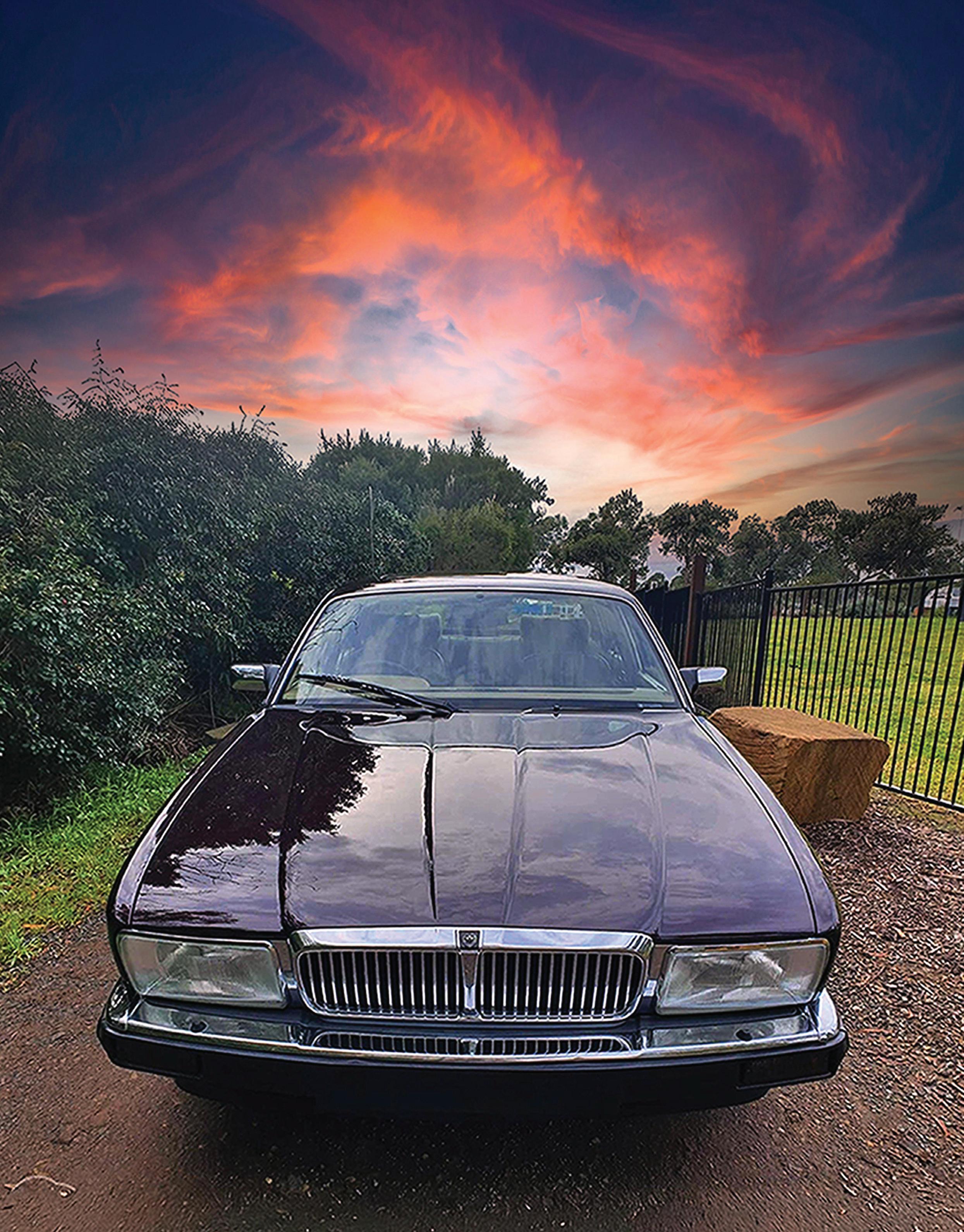
The feature this month is the XJ40 that is celebrating 40 years (1986-2026). Today, the mildly scruffy XJ40s all seem to have disappeared, leaving cherished
examples that have survived thanks to their owners’ love and enthusiasm for what is a superb cruiser that offers all the traditional XJ values.
This months technical feature is dedicated to the XJ40.
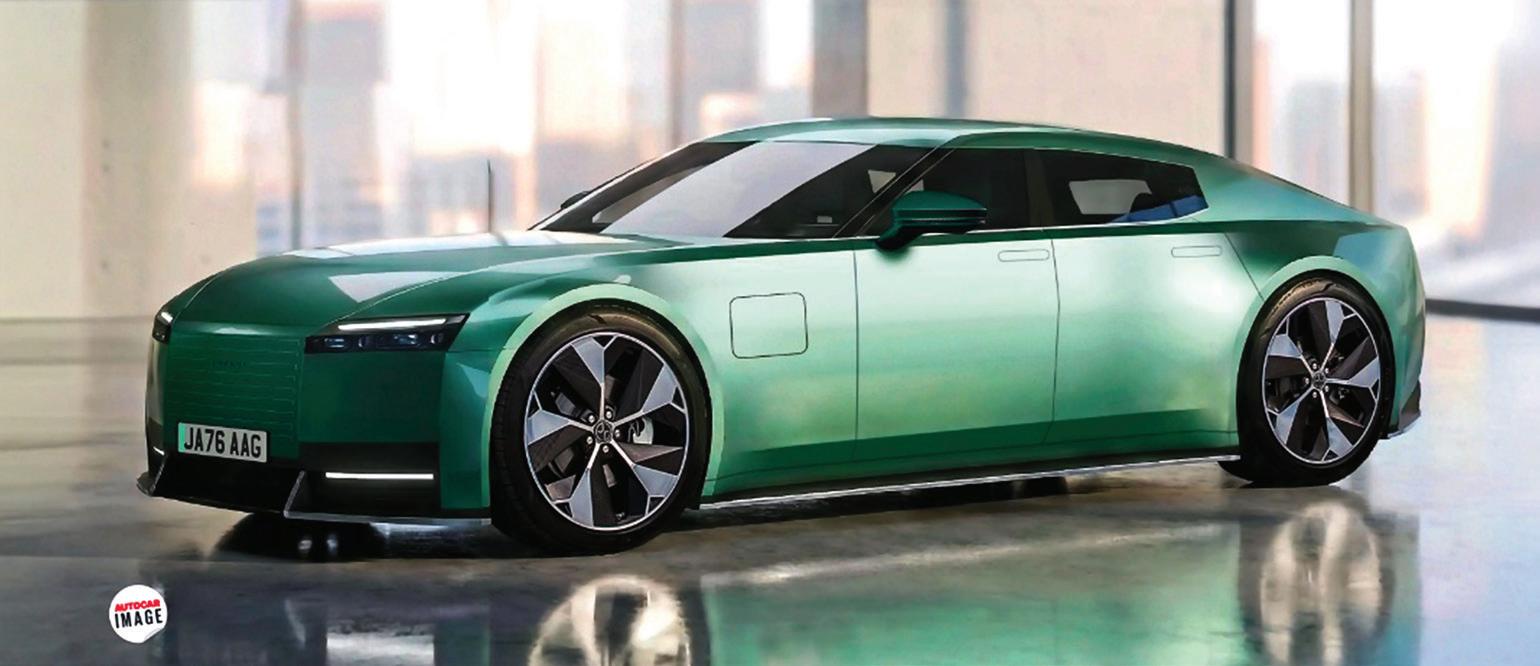
The 8th of February 2026 marks the anniversary of the passing of Sir William Lyons. I wonder what he would think of the new EV GT zero zero? We will never know, but hopefully he would have given it a thumbs up.
Calendar for 2026
◊ 15th March: M.S.C.A. Super Sprint Series Round 1 at Mallala.
◊ 3rd May: Peter Hall Memorial 6 Hour Regularity Relay at Mallala.
◊ 21st June: M.S.C.A. Super Sprint Series Round 2 at Mallala.
◊ 2nd August: M.S.C.A. Super Sprint Series Round 3 at Mallala.
◊ 20th September: M.S.C.A. Super Sprint Series Round 4 at Mallala.
◊ 15th November: AROCA Advanced Driver Training Day at Mallala.
◊ 8th November: M.S.C.A. Super Sprint Series Round 5 at Mallala.
Barry Kitts Esquire
The following application for membership has been lodged with the Membership Secretary and are listed in accordance with clause 5.4 (b) of the Constitution. If there are no objections, membership will be ratified one month from this February, 2026 Classic Marque magazine:
◊ Gregory & Marcus Nettheim:
▪ 2001 Jaguar S-Type SE 3L Sedan
◊ Cindy & Trevor Purcell: 2010 Jaguar XF V6 3L Sedan
◊ Ian & Tanya Young: 1955 Jaguar XK140 FHC
The Marque Sports Car Association of South Australia (MSCASA) was formed in the early 70’s to give Car Clubs of SA the opportunity to compete in Motorsport, Circuit Racing, Motorkhana’s and Hill Climbs.
With only a low number of members competing from each club, the individual members joined the MSCA, allowing those drivers to compete in their cars. MSCA is an association of 16 Clubs (including JDCSA) with the CAMS affiliation fee paid by the The Marque Sports Car Association (MSCA).
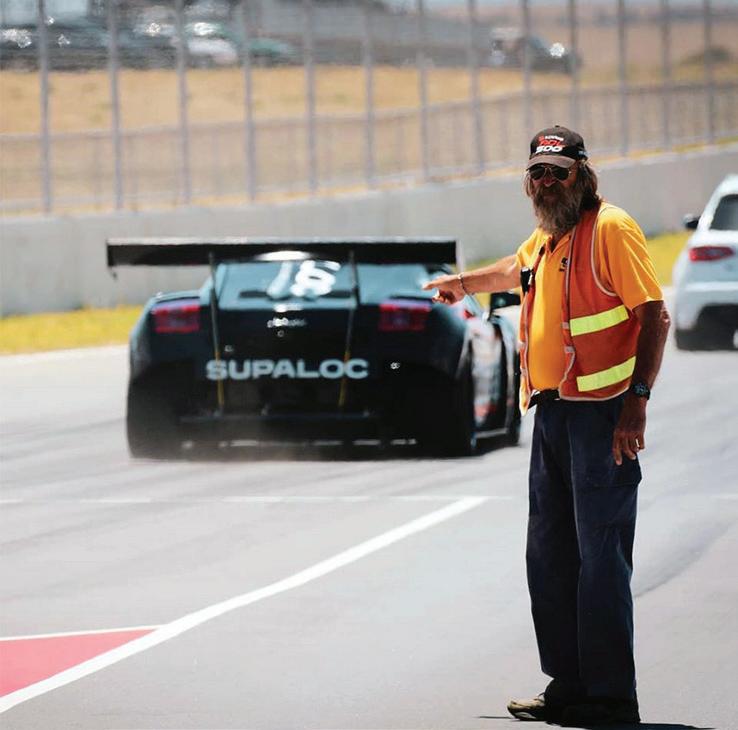
These events are run by Volunteers and all Clubs including JDCSA are allocated duties during the year.
Our duty days are Rounds 2 & 5. Barry needs at least 6 volunteers. Please let him know.
The following applications listed in the January, 2026 Classic Marque magazine have been accepted:
◊ Ashley Lane & Deb Simmons:
▪ 1985 Jaguar XJ6 (S3) 350cc V8 Sedan.
We hope you will take advantage of the benefits available, and that you will contribute in your own way to make this a better club for everyone. I particularly ask that Register Secretaries and current members make these new members welcome at meetings and functions.
Daphne Charman Membership Secretary
Returning to the fold.
It’s nice to be back to a club where membership first began in the 1980’s. Interest in classics was sparked by my father who had several XJ6’s. The first was a series 1 in signal red, delivered by Bryson’s from their elegant Currie Street showroom. Sliding into low seats surrounded by timber and toggle switches provided an indelible memory.
Later I was fortunate to own a couple of lovely rides, namely a 1967 240 and 1976 Daimler Sovereign. Despite a period of very enjoyable ownership priorities changed and family cars became the default!
Describing the passion of owning a classic car to the uninitiated, is like trying to explain the theory of relativity, blues music or reverse swing, you either get it or you don’t.
If car ownership is based solely on technical, economic or engineering decisions these vehicles would be consigned to the history books.
Fortunately, that’s not the case and the many who own, restore, service these automotive icons provide intriguing back stories.
I have always enjoyed the rich racing history that underpins the marques heritage. Most arguments in the 70’s with school mates, seem to default to the perennial Holden vs Ford battles. Then came John Goss’ stunning win at Bathurst in ‘85, a rallying call for passionate big cat supporters. The later Le Mans success proved it wasn’t a fluke. Despite all the TWR glory, I always thought the remarkable efforts of Bob Tullius and Group 44 racing never seemed adequately acknowledged.
There is no doubt that both humour and patience need to be the characteristics of any Jag custodian, but my most amusing story relates to a period when I was commuting on my pushbike through the CBD. Waiting patiently at traffic lights and probably looking like a courier, I was surprised to find my old
Mark II with chrome wire wheels appear at my right hip. I was about to tap on the side window and congratulate the new owner, but who would believe that a chap on pushbike could have been a past owner.
The journey back to classic car ownership has taken several years, searching for the right vehicle that would not send me broke. I was fortunate to discover a Series 3 XJ 6 Sovereign in Victoria that had been lovingly recommissioned by a local club member.
I do hope I can keep the legend on the road and look forward to future Jaguar club events and meeting the members.
“Leather seats, walnut dash and smooth ride…. it’s good to be back”.
Matthew Beard (January 2026)
Editor: Thank you, Matthew. Great read, terrific story and welcome back to the fold.
JLR sources has told “The Times” that the all-EV reboot could quietly gain a rangeextending engine with a small petrol generator potentially boosting EV range from 650km to over 1,000km.
The secret initiative is part of efforts to soothe drivers concerns about range anxiety amid a slowdown in EV demand across several major markets, which has already triggered a number of manufacturers to delay their own plans to go all in on battery-powered cars. While conventional hybrid cars use a petrol or diesel engine, electric motors and battery to power the wheels, a range extender electric vehicle (REEV) typically has a smaller combustion engine that solely acts as a generator to
recharge the battery when it runs low. At no point does the petrol engine send power directly to the driven wheels
There are an estimated 1.2 million REEVs on the road in China, with the latest models from brands like “Leapmotor” offering ranges in excess of 1,000km. REEVs are also expected to gain ground in the US as a stepping stone to fully electric cars.
If Jaguar is to reconsider its plans to become an EV only brand, it wouldn't be alone. Fellow British marque Bentley announced in November 2024 that it will delay going fully electric by five years to 2035, blaming decelerating EV demand and a lack of a suitable public charging infrastructure.
Volvo also backtracked on its promise to sell only fully electric cars by 2030 due to poor battery vehicle sales.
Renault-Geely have already converted EVs into hybrids, and Porsche is ICEconverting its electric 718 sports cars mid-development. So, it could be done if Jaguar spends enough time and money at the problem. But the potential payoff is big.
If Jaguar did proceed down this line, it is expected that the REEVs would be offered alongside the pure electric models. .
Editor: Information for this story sourced from "The Times", “This is Money” and “CarScoops”.
Jordan Katsianis from "Auto Express" thinks the criticism of Jaguar’s bold new approach is misplaced.
He stated that there has been a lot of chatter about whether Jaguar’s gone ‘woke’ with its new EV or whether anyone will actually buy a £135,000 (Au$270,500) EV from a brand that hasn’t revealed a new car in nearly a decade. But these people are wrong, because for the vast majority of them a new Jaguar isn’t on their shopping list, and never was on their shopping list. Going all-out on a cutting-edge, polarising new ‘type’ of car is what has to be done, otherwise we may as well have written Jaguars obituary already. Has the roll-out of Jag’s new era been flawless? No. Should Jaguar have actually done something with the I-Pace? Absolutely.
But now is the time to be bold, different and progressive. Let’s stop looking back for context and start wondering what Jaguar ‘could’ build, rather than what history suggests it should.
And let’s not, for one second, think that the ousting of JLR’s controversial
design director foreshadows a change of direction, this is just something that should have happened a long time ago. So full steam ahead, Jaguar. It’s time to wow us! .
Editor: Information for this story sourced from Auto Express.
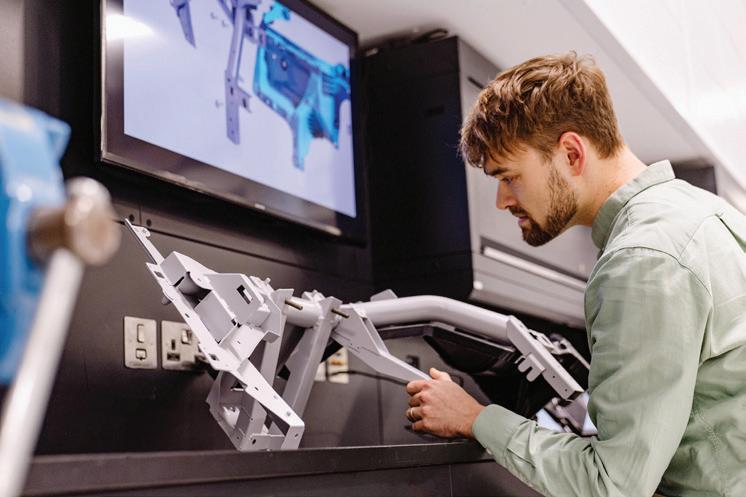
JLR has redesigned one of the most structurally critical yet carbon-intensive components in its upcoming vehiclesthe instrument panel cross-car beam. The cross-car beam runs behind the dashboard across the width of the vehicle and serves as a vital structural support, contributing to passenger safety and providing mounting points for airbags.
This advance from JLR is expected to cut over 50,000 tonnes of CO₂ annually. This reduction comes from eliminating
magnesium from the cross-car beam, which is highly carbon intensive to produce, in favour of a much lower carbon solution using composite material comprising of fibre-reinforced plastic and steel.
JLR said: “Redesigning a structural component like this isn’t just a straight materials swap - it’s a complex engineering challenge, and when paired with steel, helps maintain the instrument panel’s structural integrity." .


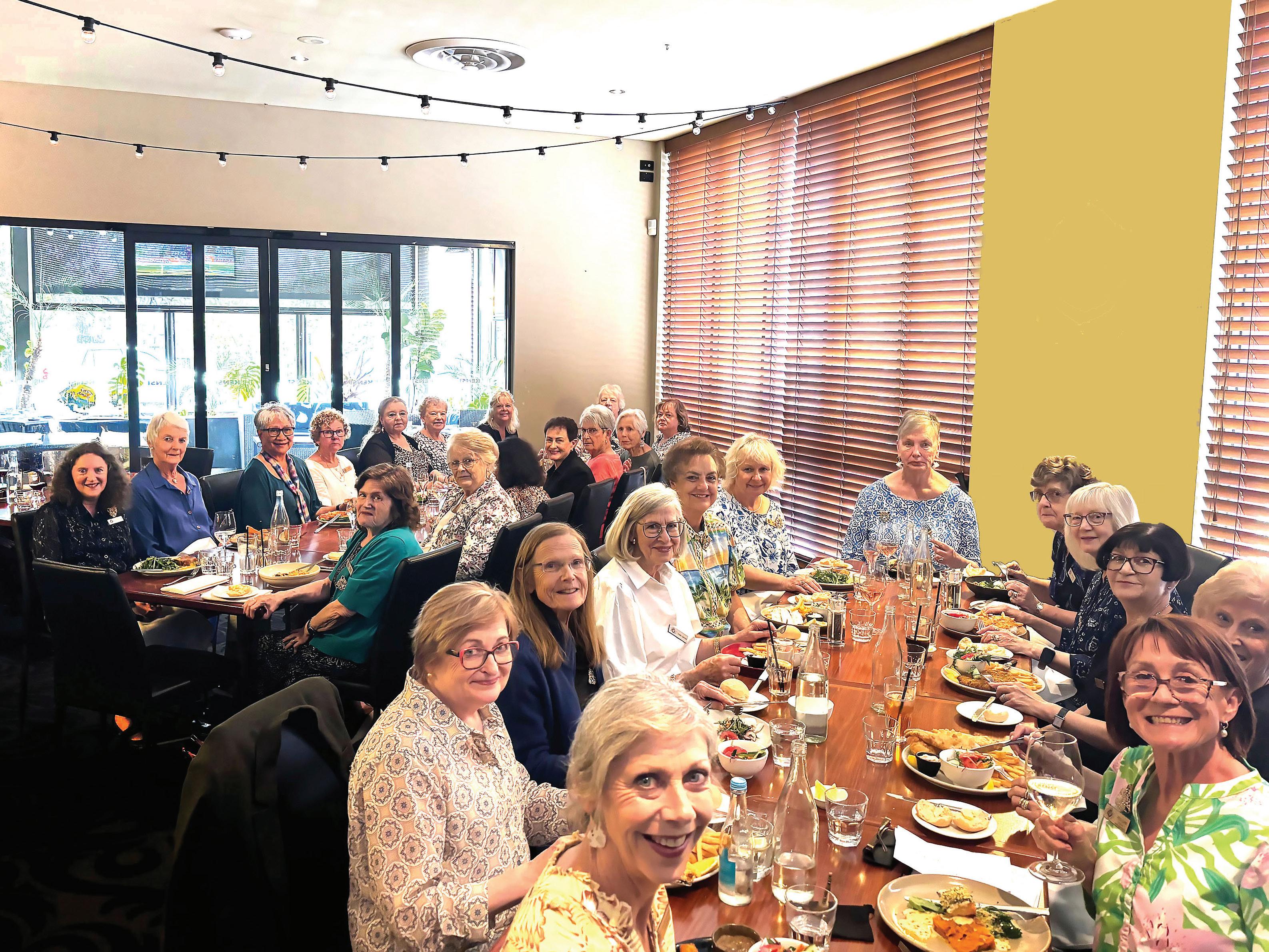
On Thursday 15th January, twenty-seven ladies gathered in the Regent Room at the Kensington Hotel for a very enjoyable lunch. Remarkably, I also received seven apologies for the event — six of them from people who had already booked — bringing the total number of participants to thirty-four.
The Ladies Register continues to go from strength to strength, and the 14th of February marks our fourth anniversary since its inception. It is wonderful to see how much everyone enjoys coming together, rekindling long-standing friendships and forming new ones along the way.
During our lunch, we raised a glass to Colleen Spencer, one of our dear members who recently passed away. Colleen loved being part of the Register and rarely missed an event. She was a kind and gentle soul who will be deeply missed by all who knew her. Our thoughts are with Phil, her devoted husband, as he begins to navigate life without his soulmate.
Our next event will be Thursday 19th March at the Torrens Arms Hotel, Kingswood.
This will be published on Tidyhq mid-February.
Future Events include; Topiary Restaurant at Newman’s Nursery, Cummins House, an historical home in Novar Gardens and a couple of other different hotels.
I look forward to our fun year ahead. If anyone has any suggestions, please give me a call.
Regards
Tricia Clarke, Register Secretary 0422 128 066

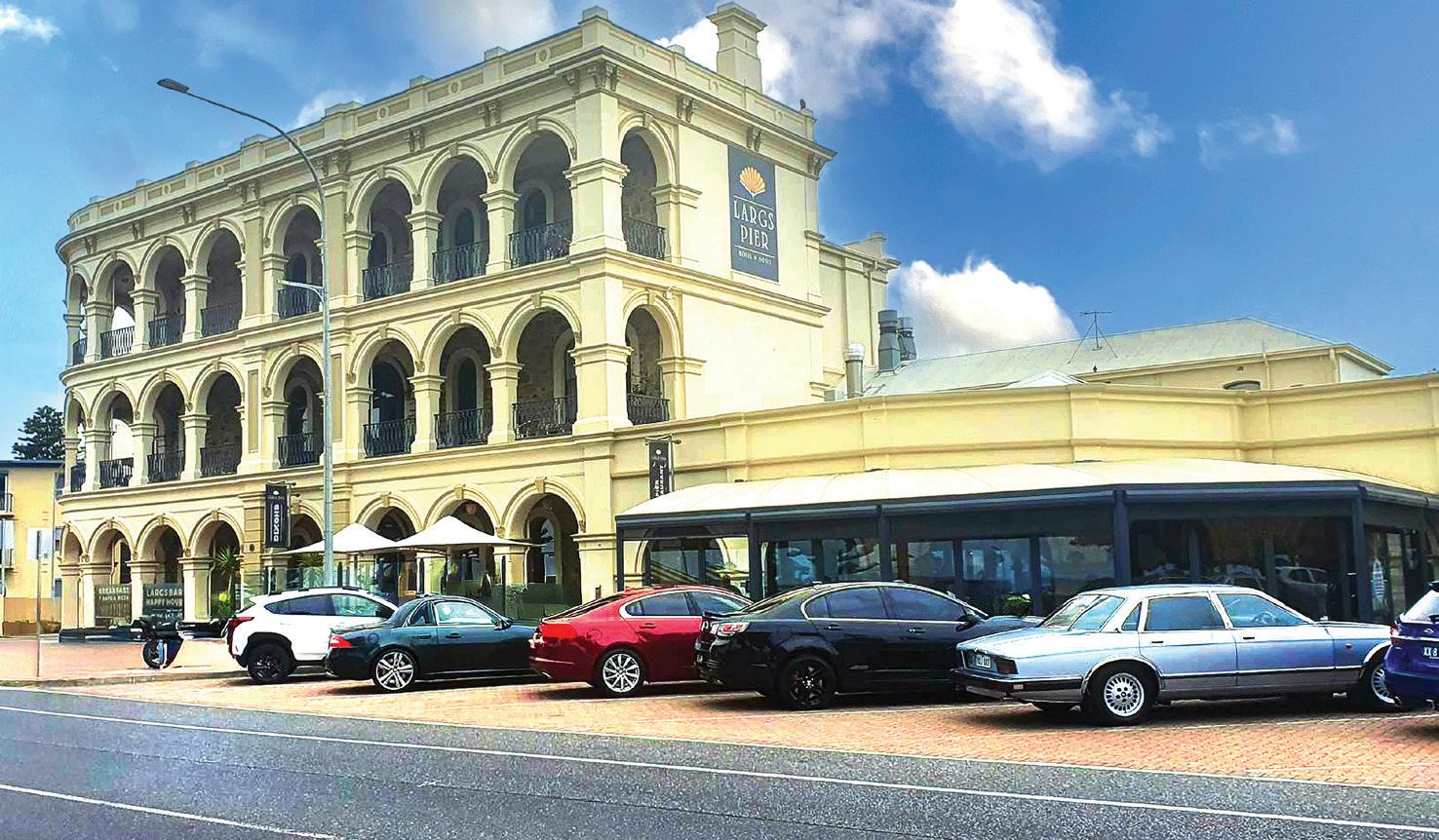
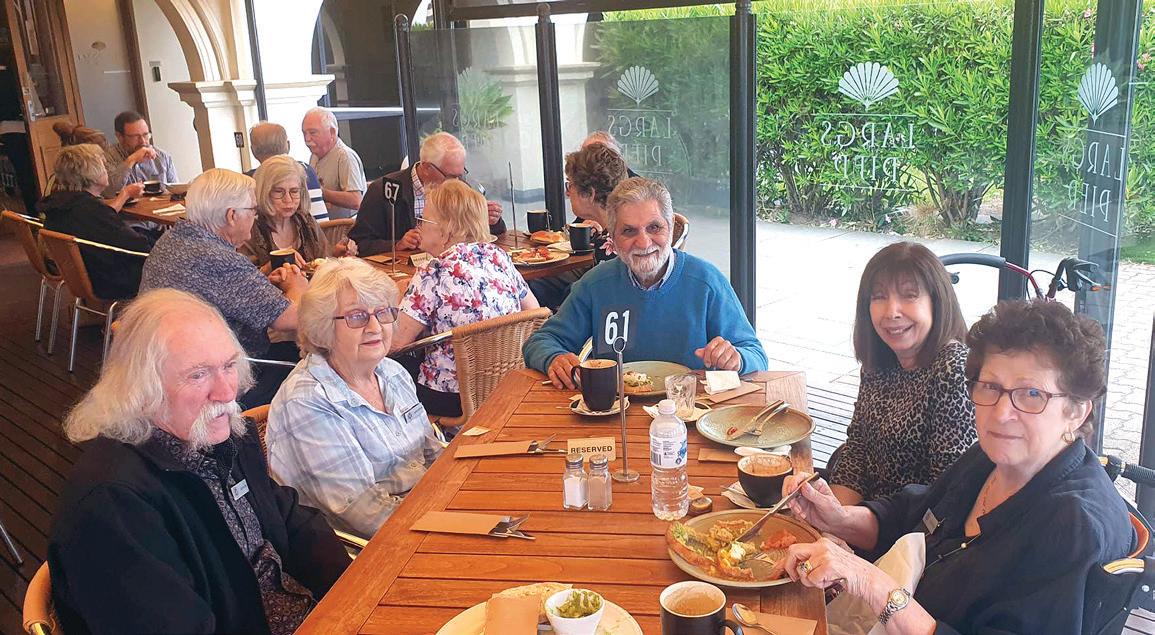
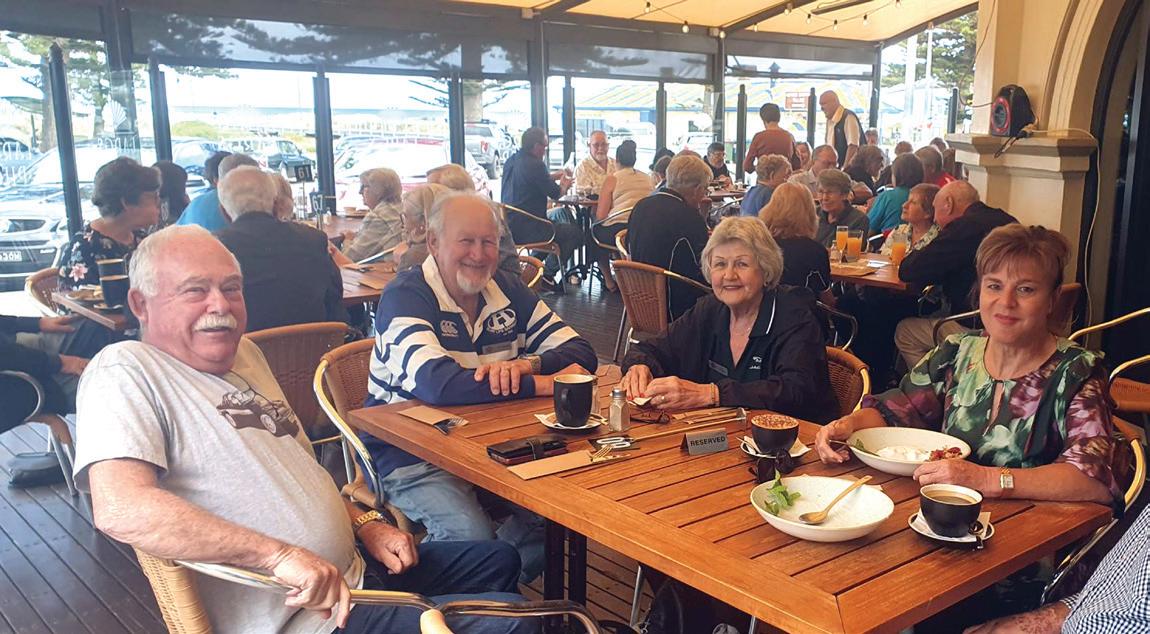
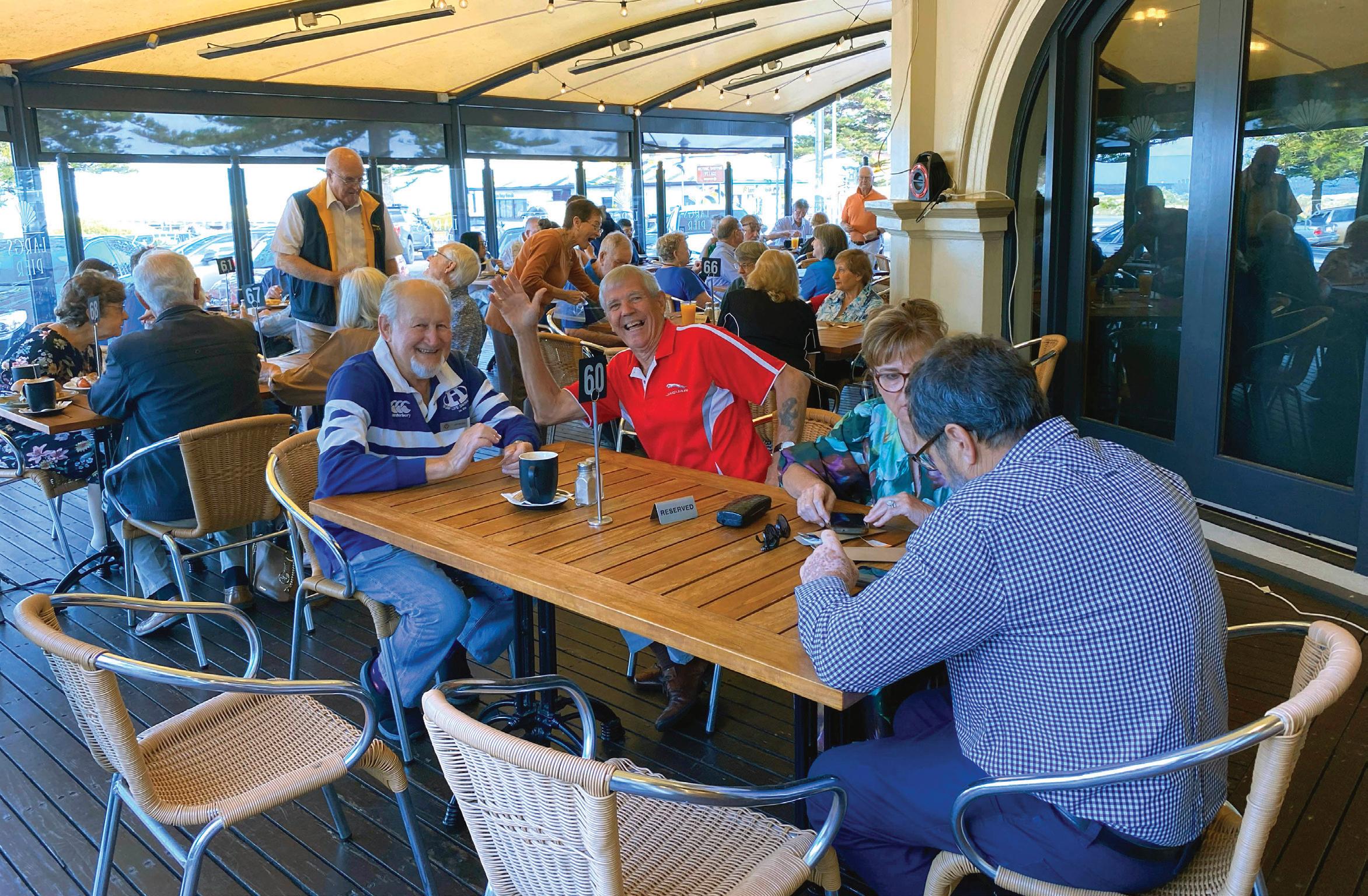
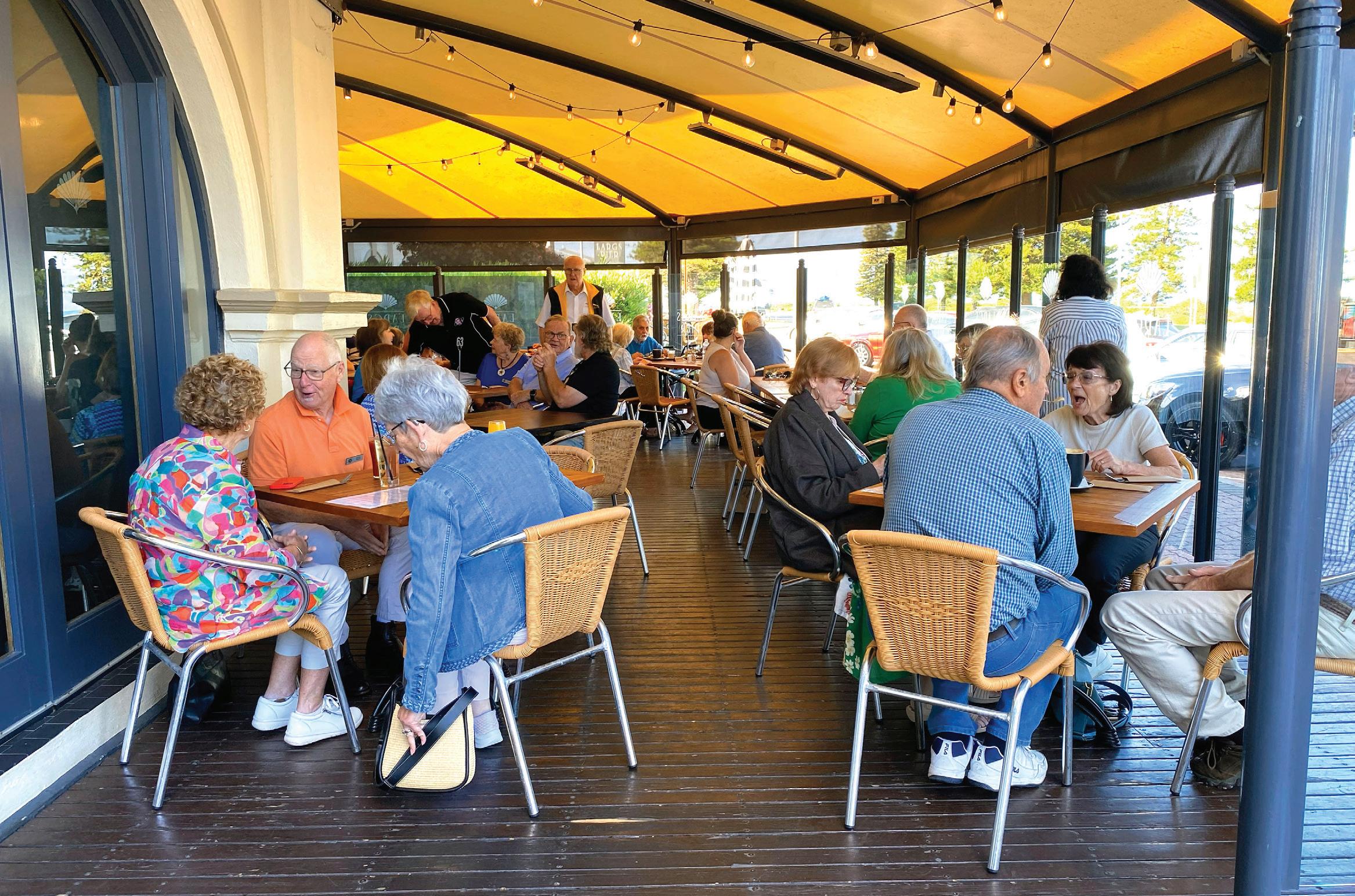
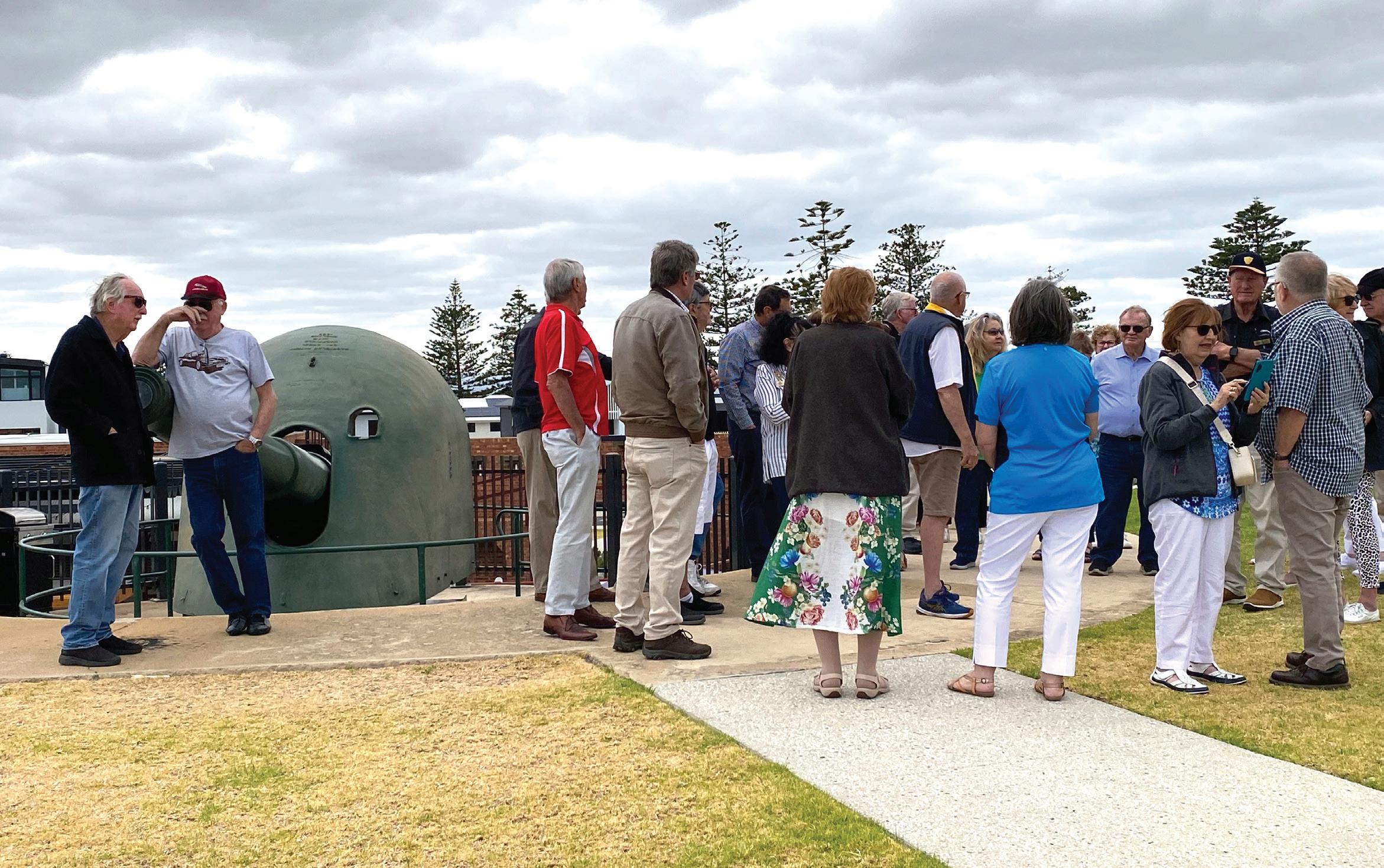
This year we had a change of venue as the Birkenhead Tavern no longer do breakfasts. We decided to go to the Largs Pier Hotel on the water front overlooking the Largs jetty and beach. We had 56 members attend and the food was excellent.
After breakfast some of us drove just down the road to Fort Largs where we were given a wonderful tour of the Fort itself, covering the cannons, the guns, the tunnels and the administration block.
It just topped off a lovely morning and we look forward to doing the same again next year.
Bob Charman XJ, MkX,420G Register Secretary
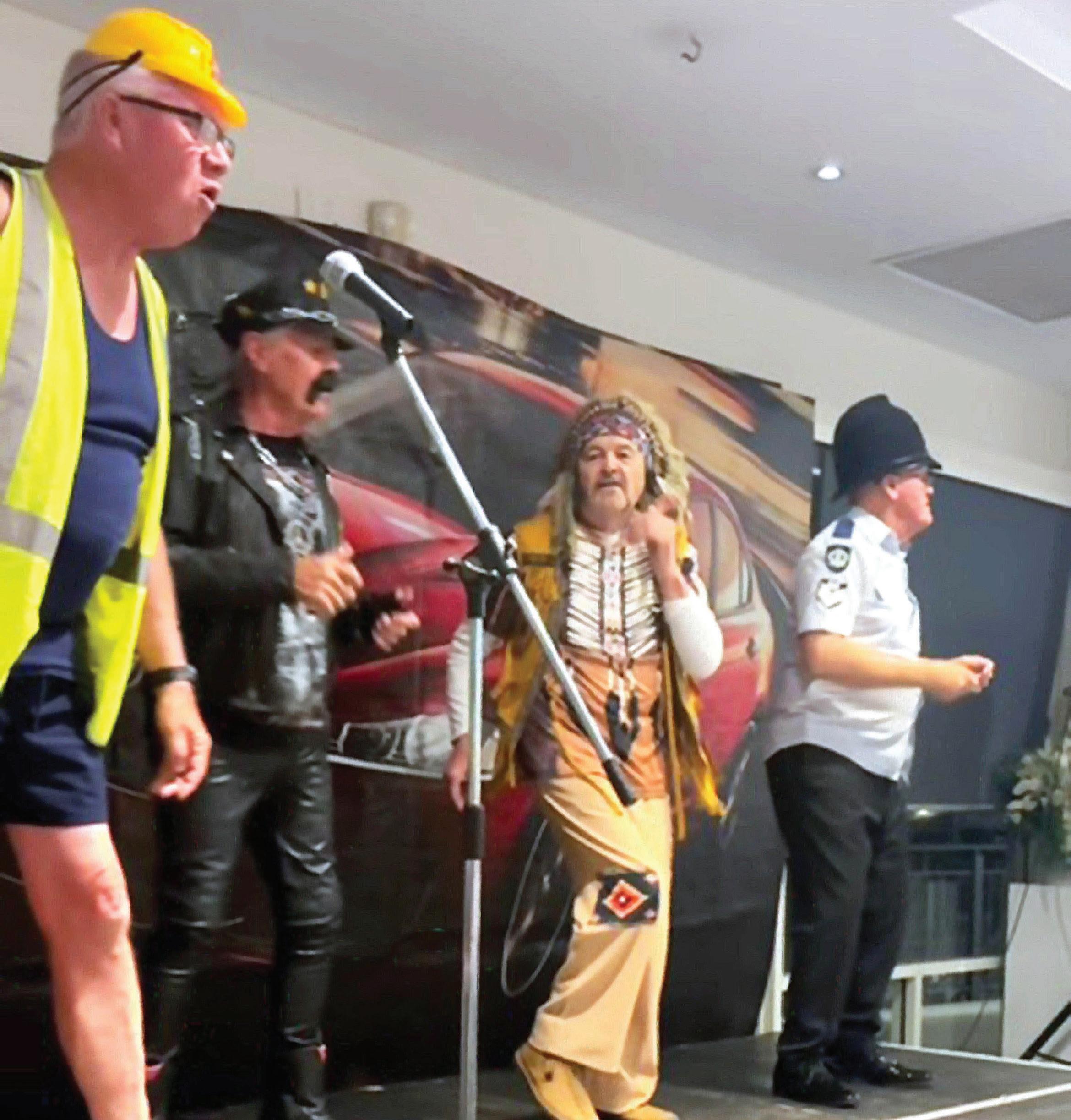
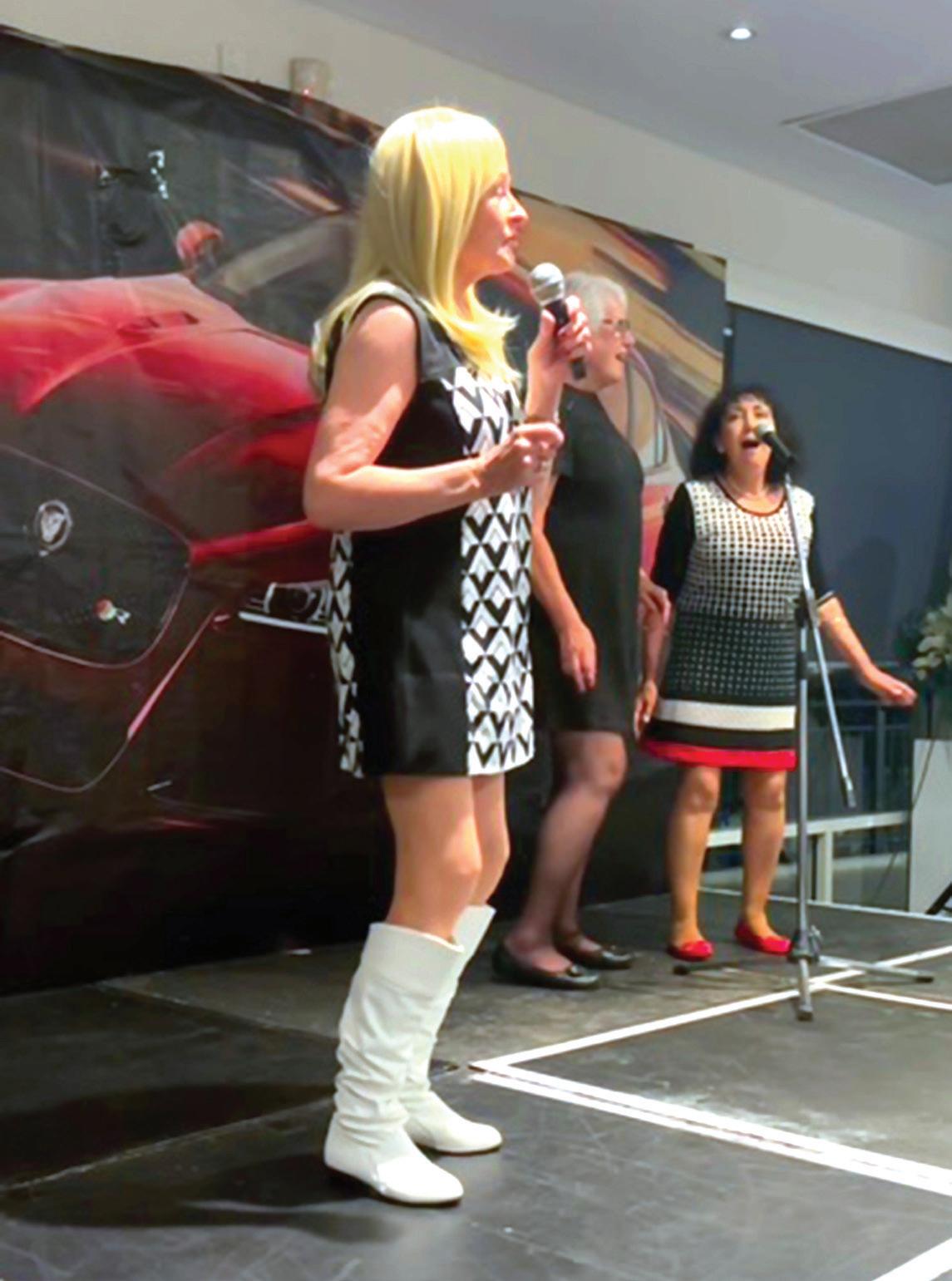
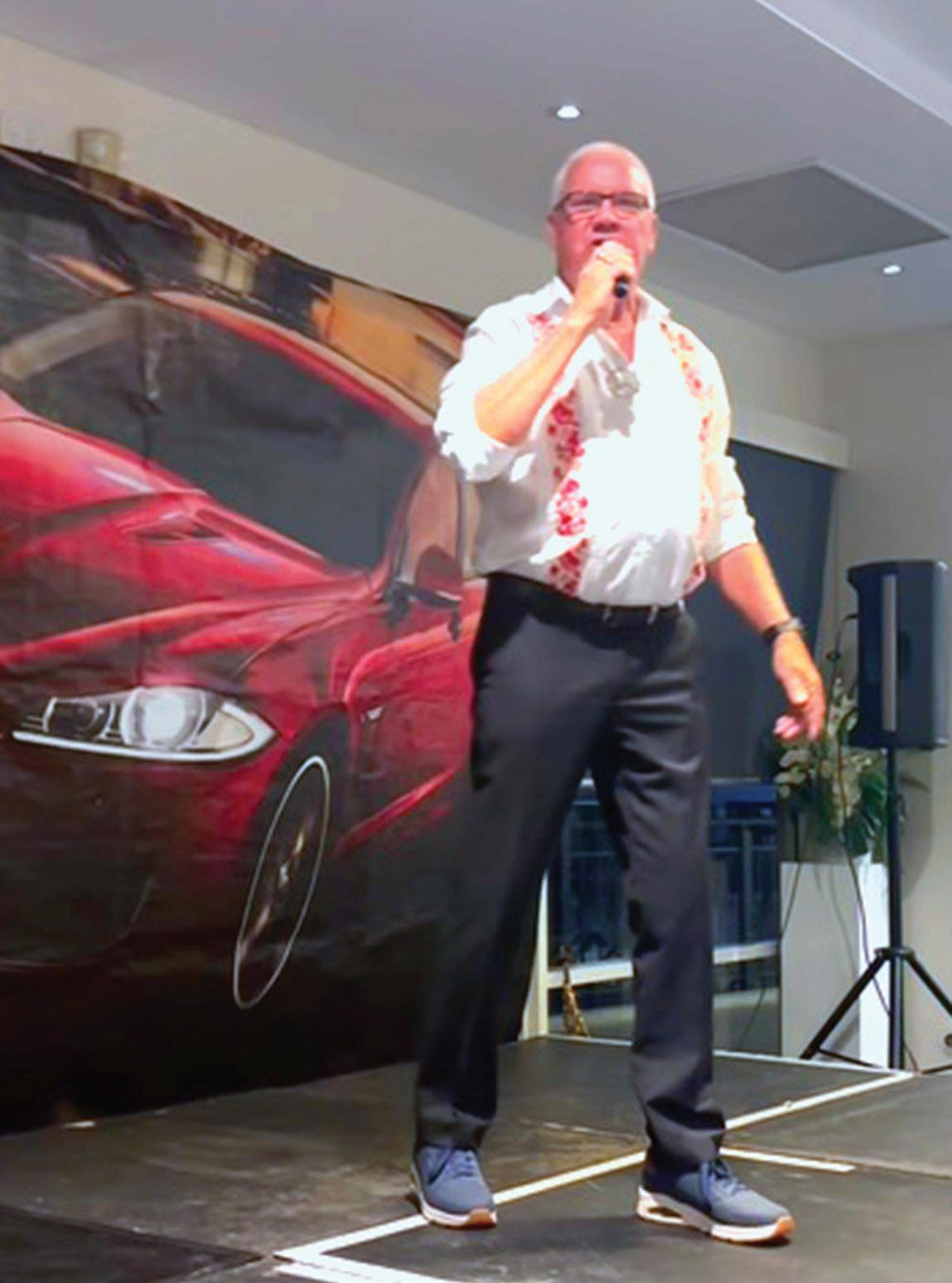
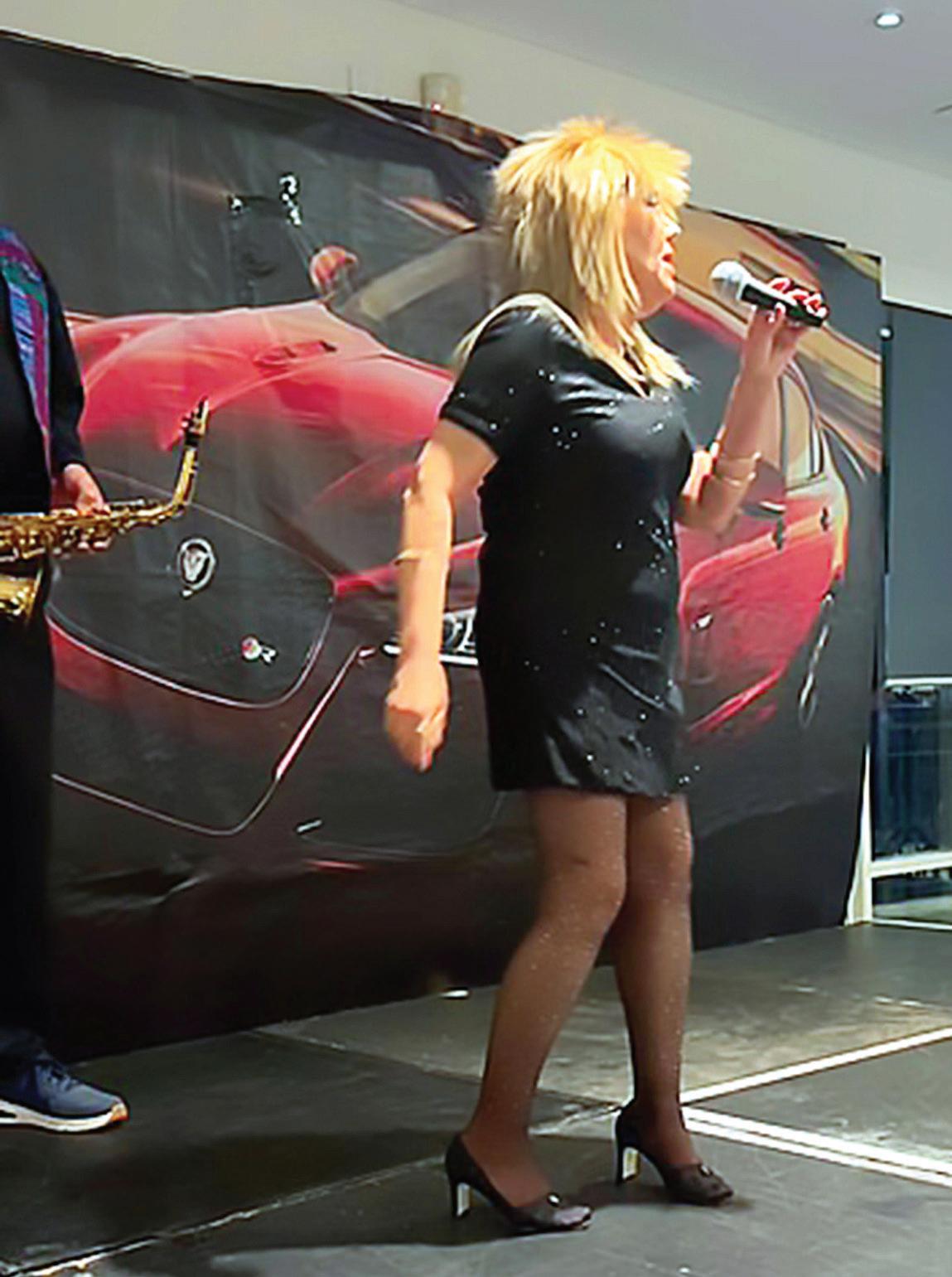
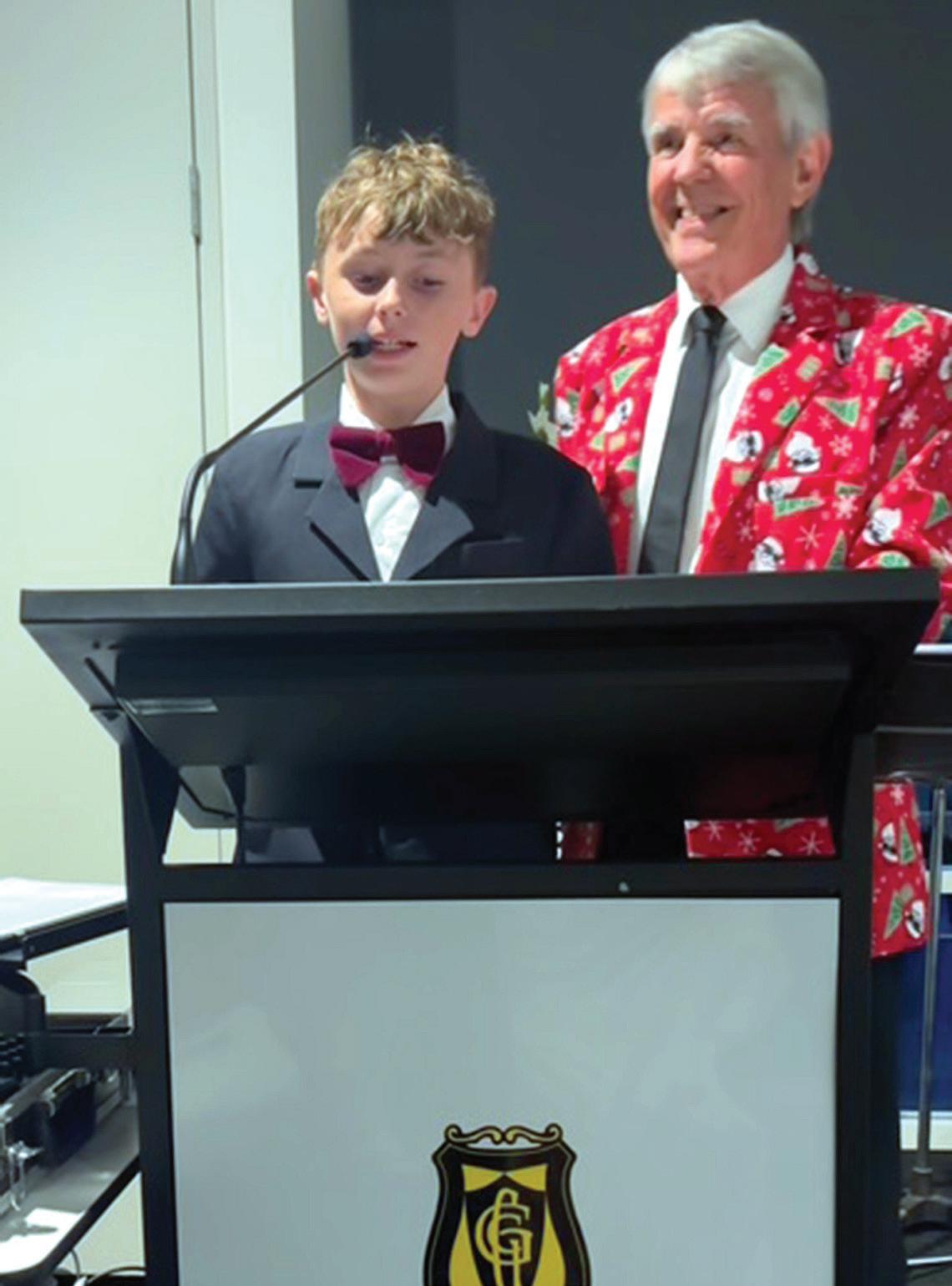
The 2025 Christmas Dinner and show has been described by many as the best yet. Not bad, as it was the 15th year we have been doing it.
The Glenelg Golf Course was, as usual, in perfect condition which makes the drive up to the club house an experience in itself. The food was perfect and for the price we pay – unbelievable.
The on-stage performers were at their best and are to be congratulated for the amount of time and effort they all put in.
This year we had 91 guests and we changed the format to tables of 8 instead of 10, and it was a great success.
On stage the show started with the introduction of the first act done by Wade Charman (grandson of Bob) which added a nice touch to the proceedings. At one stage it looked like this was going to be our last show, but now we’re going again. This year we have changed the day for the dinner as the golf course have an anniversary dinner on the Saturday
night. So, we have chosen the Sunday night. It will be held on Sunday the 13th of December 2026. It will be put on Tidyhq very shortly so look out for that and put your names down quickly. Thanks again to all those who have supported us every year and we look forward to seeing you all again this year.
Bob Charman
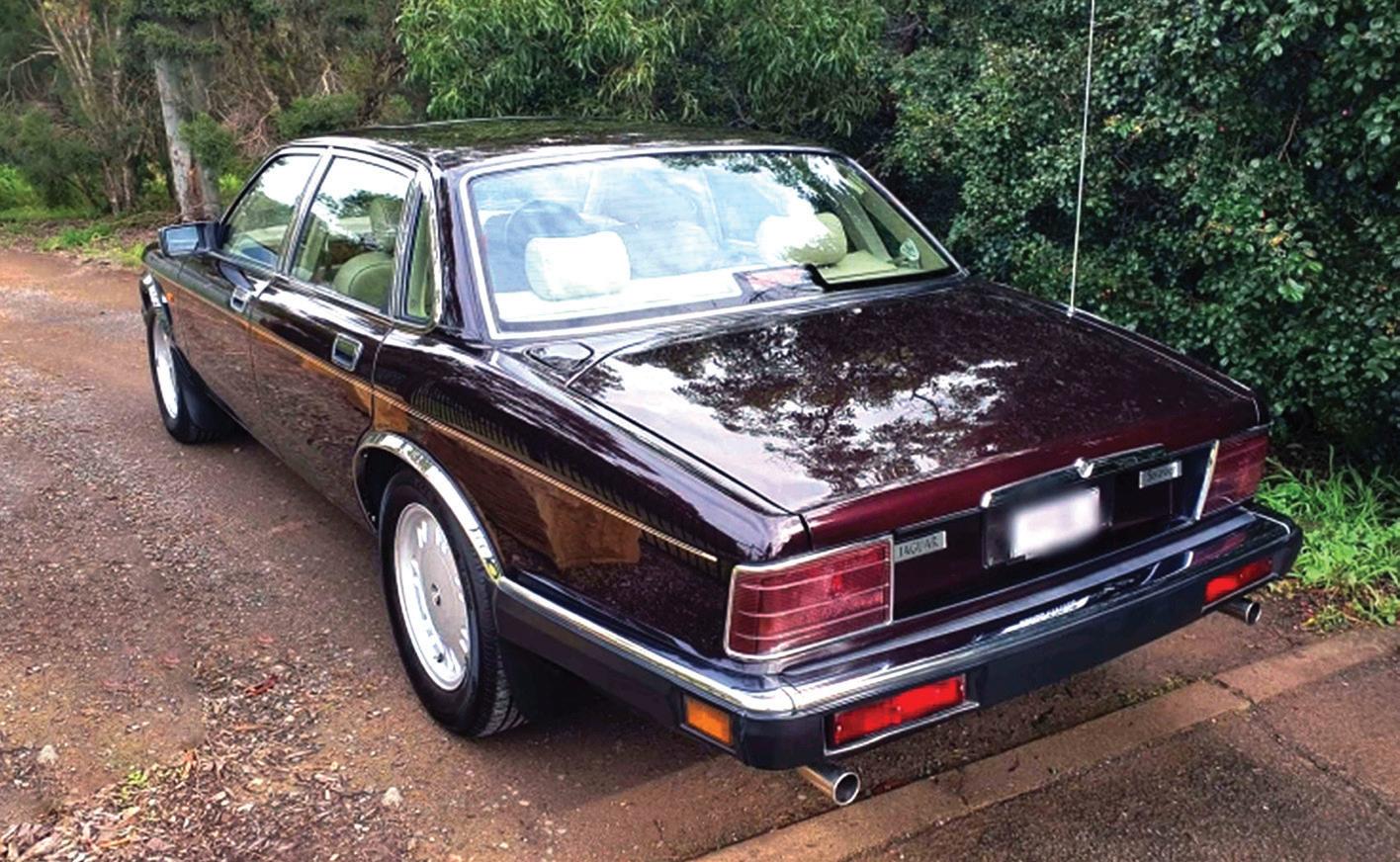
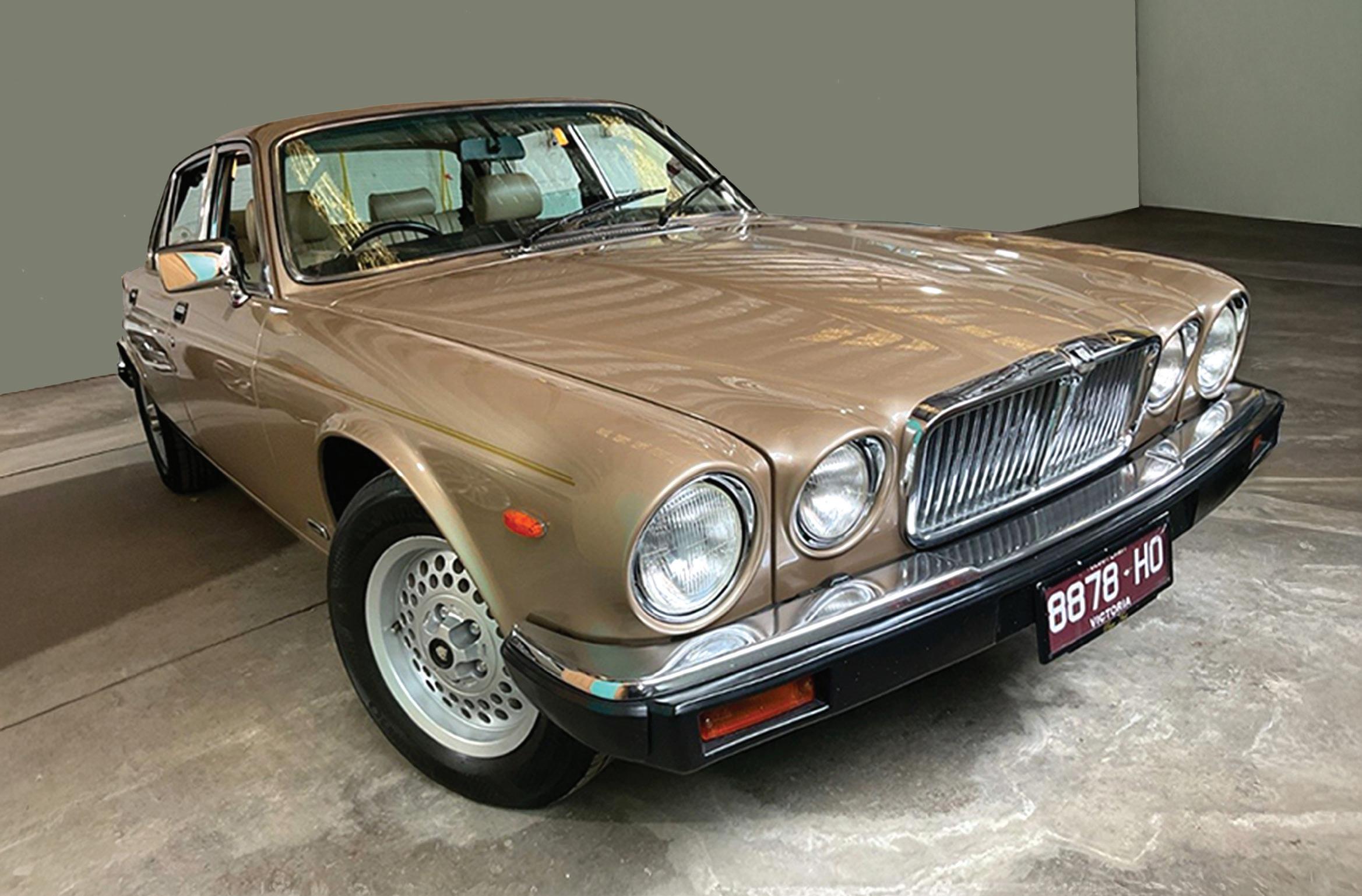
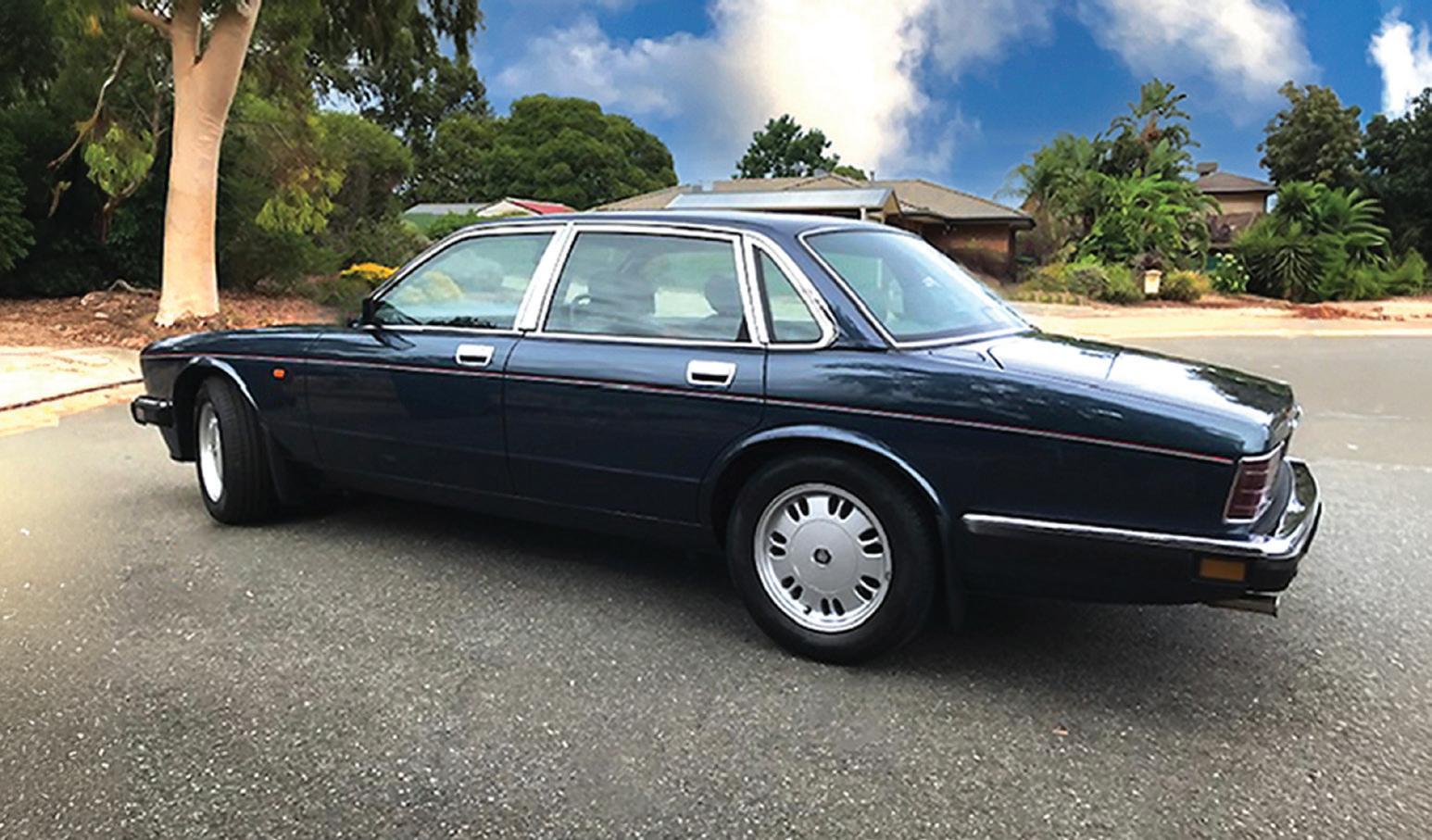
I am afraid I am not much of an essay writer but here goes. About 6 or 7 years ago, I managed to acquire a XJ6 Series 3 rebuilt Caulfield Jag from Sydney, nearly immaculate. However, with life’s ups and downs had to pass it on a few years later to Lou Guthry.
I have a couple of collectables and I had been looking for a good XJ40 for some time and inspected a few, but to no avail.
Then one came up in Sydney, a 1993 Sovereign with 88,850 kms, so the wait was worth it.
I think the pics tell it all.
Cheers Steve
Editor: Thank you, Steve for the story and photos. Greatly appreciated.
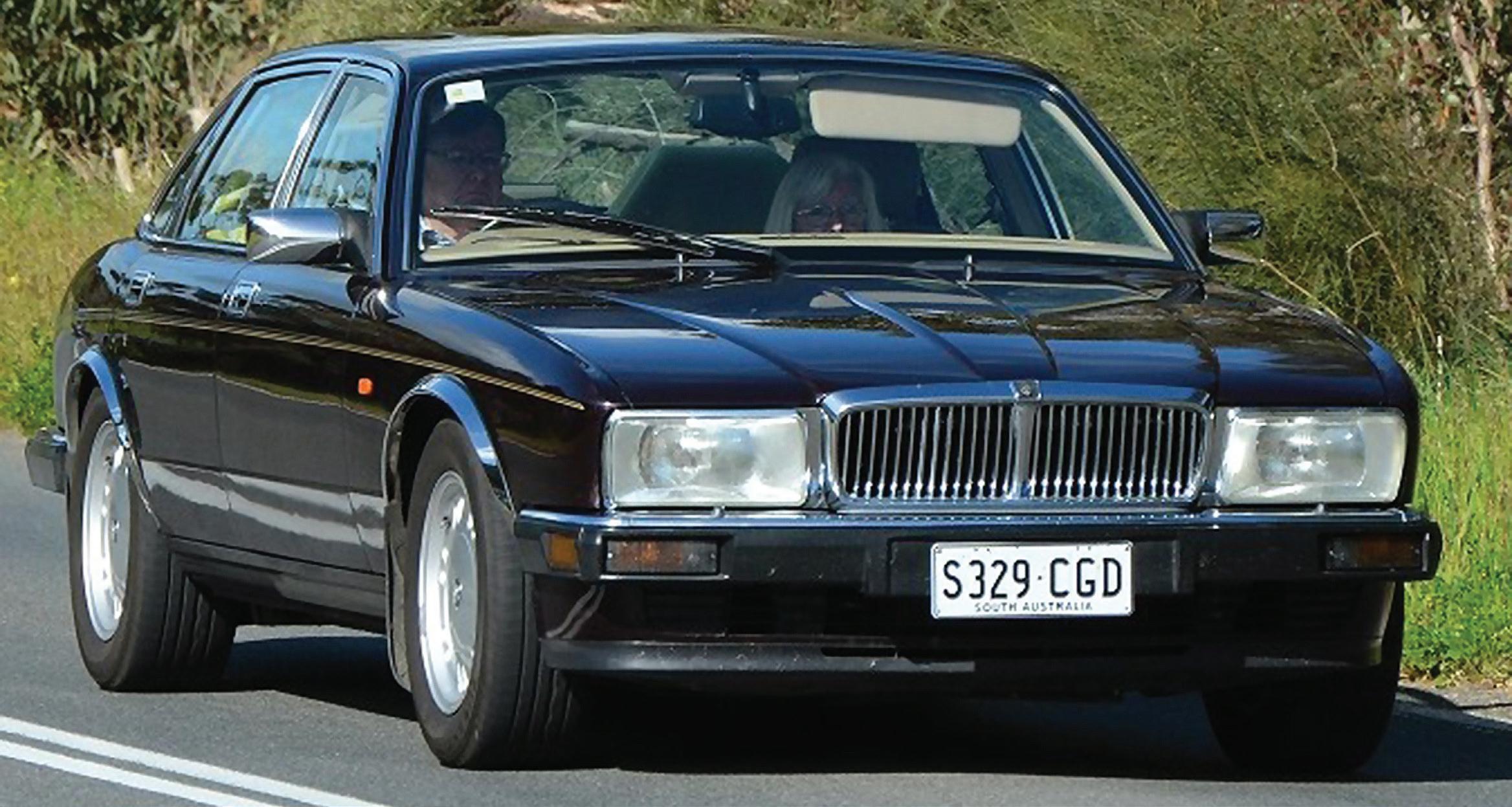
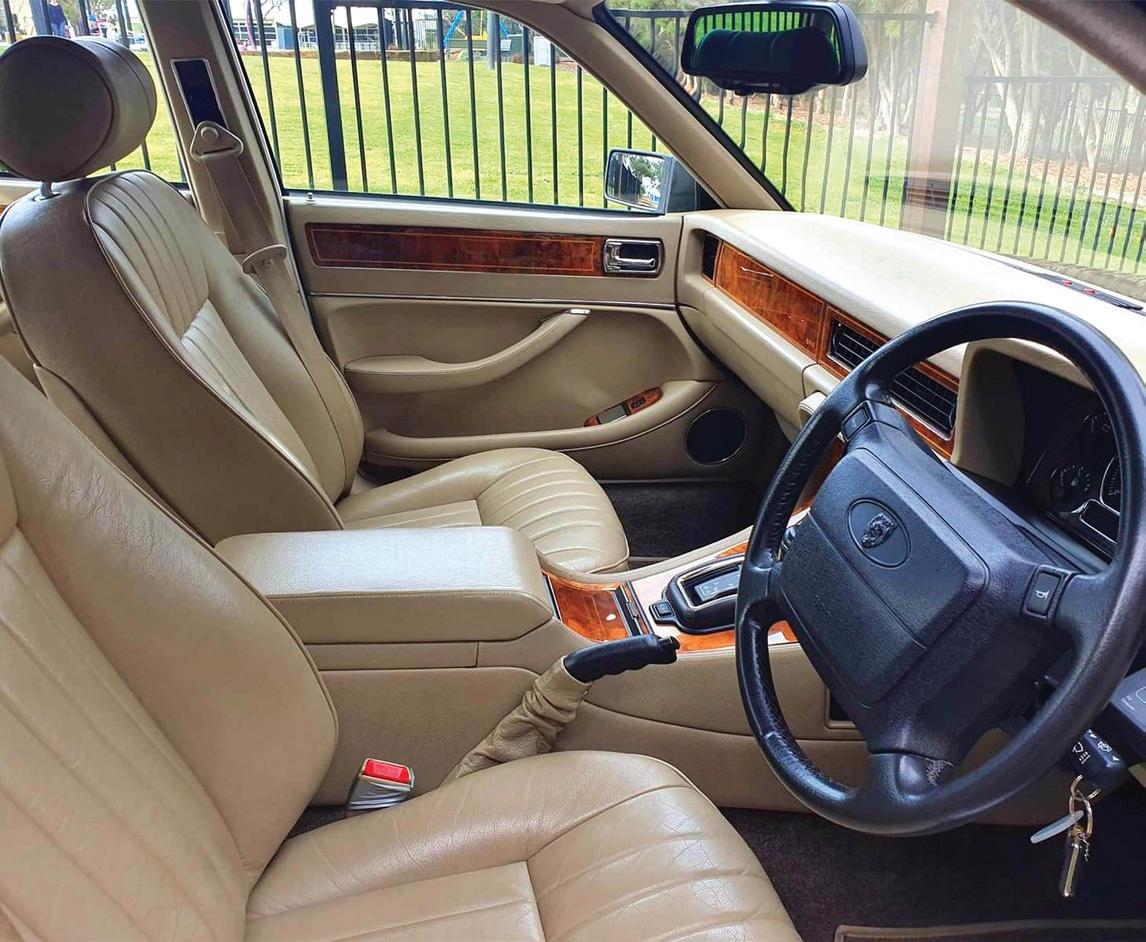
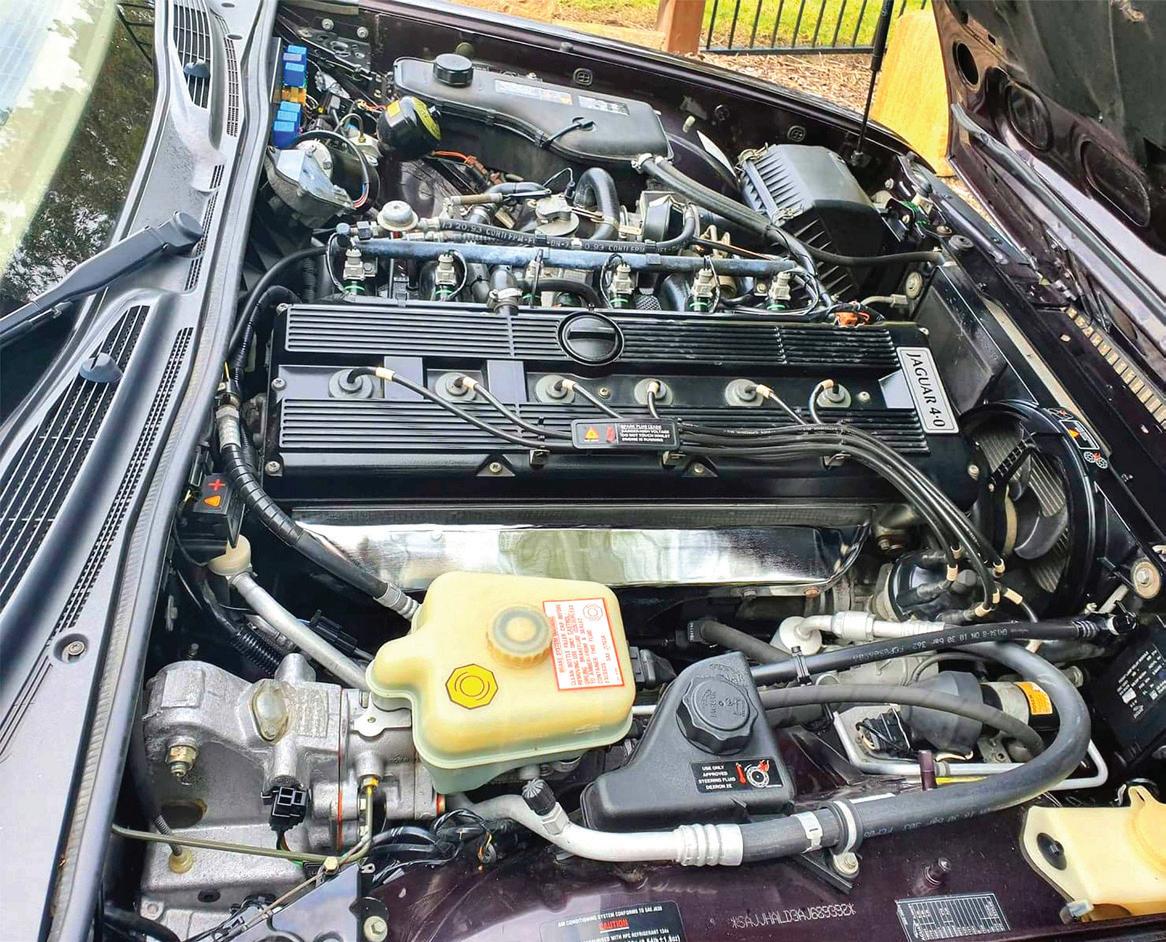
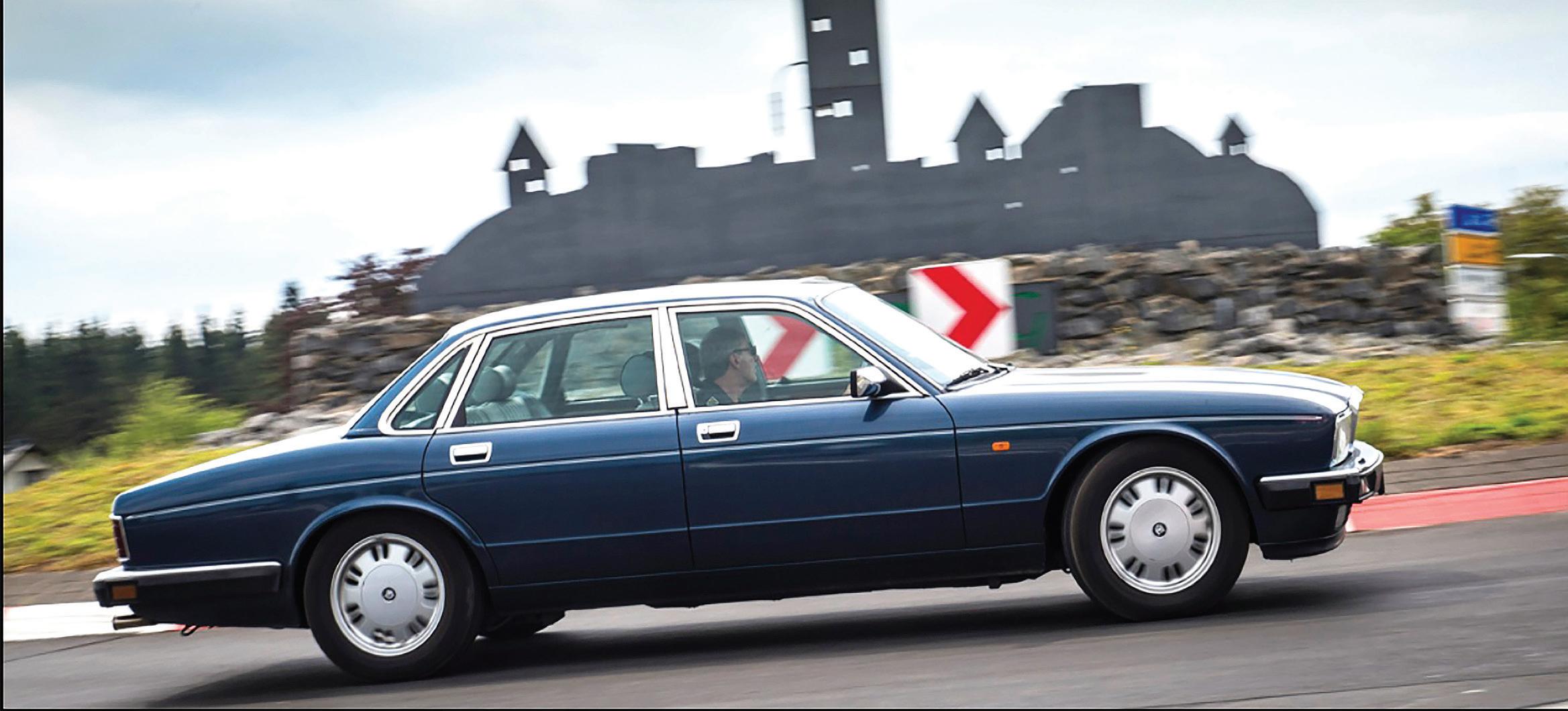
I have always been an admirer of the XJ40 ever since it debuted in the mid 1980's.
Unlike many others I am a fan of the angular lines and even the rectangular headlights.
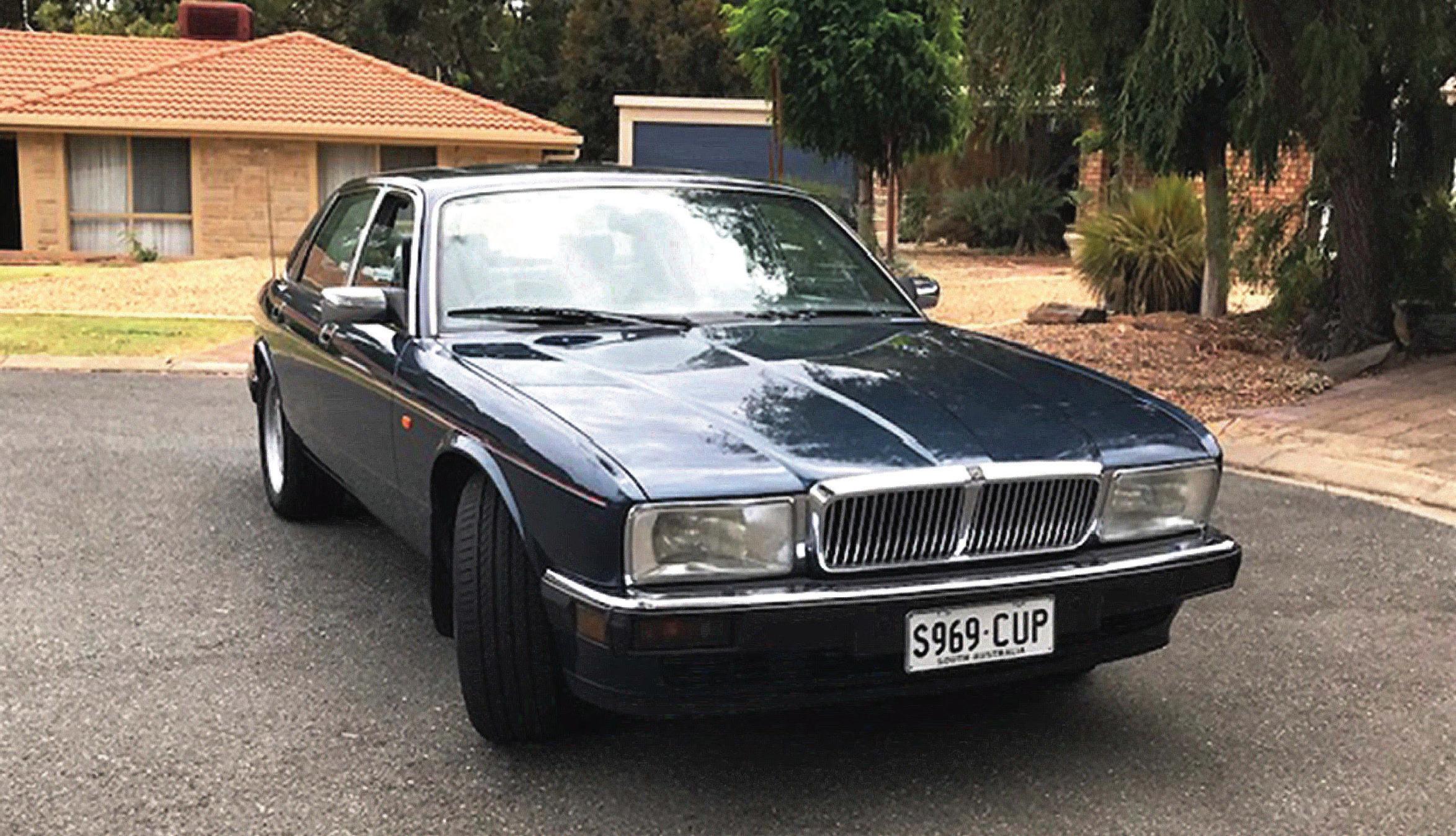
So, when a 1993 4 litre Sovereign came up for sale just over a year ago, I had to have a look. It had 187,000 kms on the clock but was in excellent condition and had a comprehensive history going back six years, being the period of ownership of the seller.
The colour was Solent blue with grey leather interior. I was particularly taken with the colour notwithstanding that my memory of the Solent is that more often than not it was grey rather than blue when I lived near Southampton. Needless to say, money changed hands and I became the new custodian.
The previous owner had maintained the car meticulously and had used it as a daily driver until about 2023. These days it gets an outing about once a week, often at weekends where, conveniently, it seems to navigate itself to one or other of the McLaren Vale wineries.
It has been as far as Tumby Bay though, where the adjacent villa to our holiday
accommodation turned out to be occupied by Ray Finch, founder of Finch Restorations in Mount Barker. Some interesting conversations ensued over a beer or three.
I have to say it is an excellent driving car, quiet, smooth, with plenty of power. It has been trouble free other than having to have the battery replaced. I learnt the hard way that only one size of battery will fit due to the restricted space for it in the boot.
The XJ40 seems to be much maligned even amongst Jaguar aficionados and
despite a very lengthy development period the early ones did reputedly have some gremlins. By the early 90's however Jaguar, under Ford's ownership had the model well sorted and my 1993 example bears that out.
I can't recommend the model highly enough.
Regards Henry Elliott
Editor: Also thank you Henry for the story and photos. Greatly appreciated.
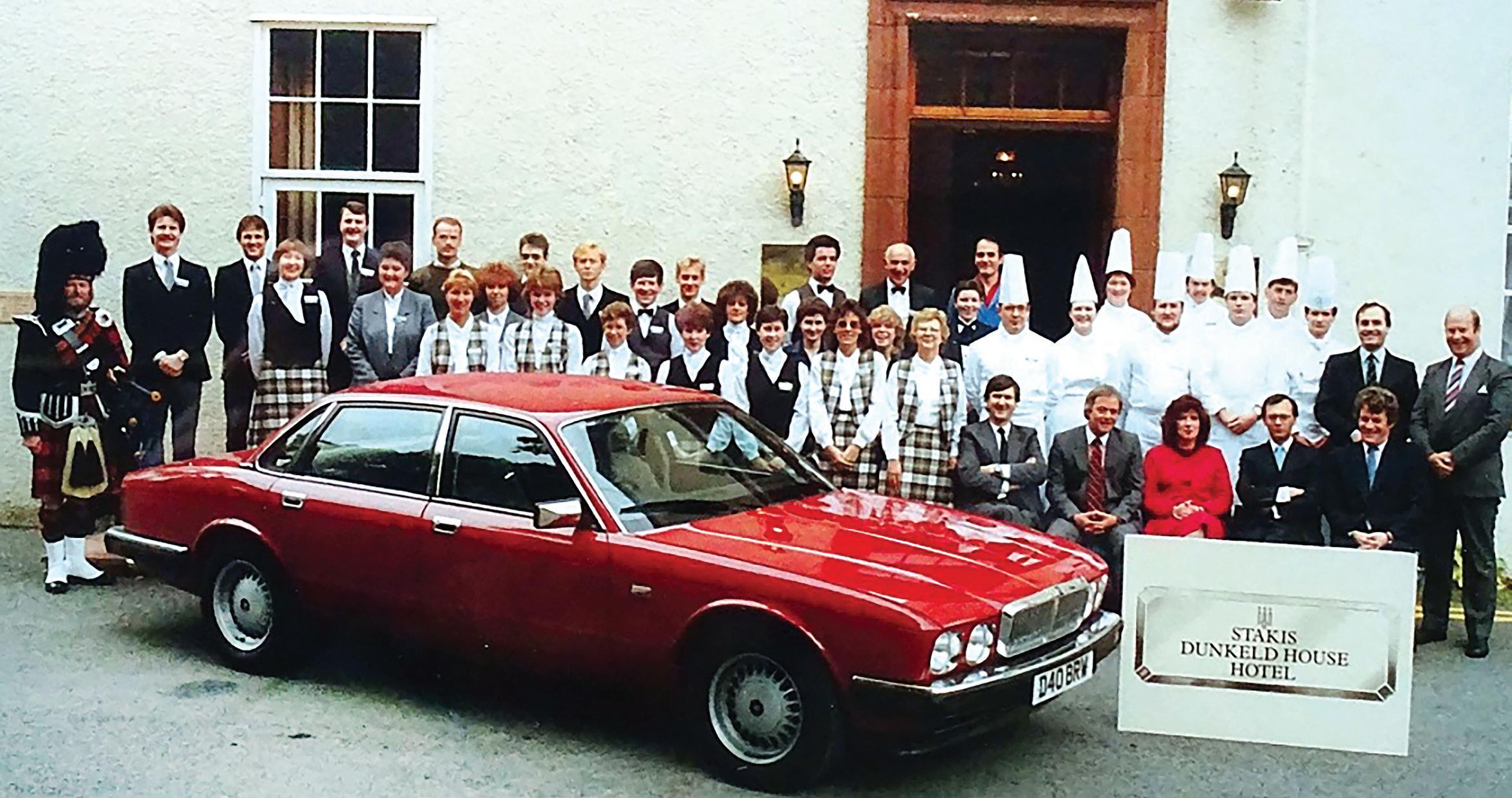
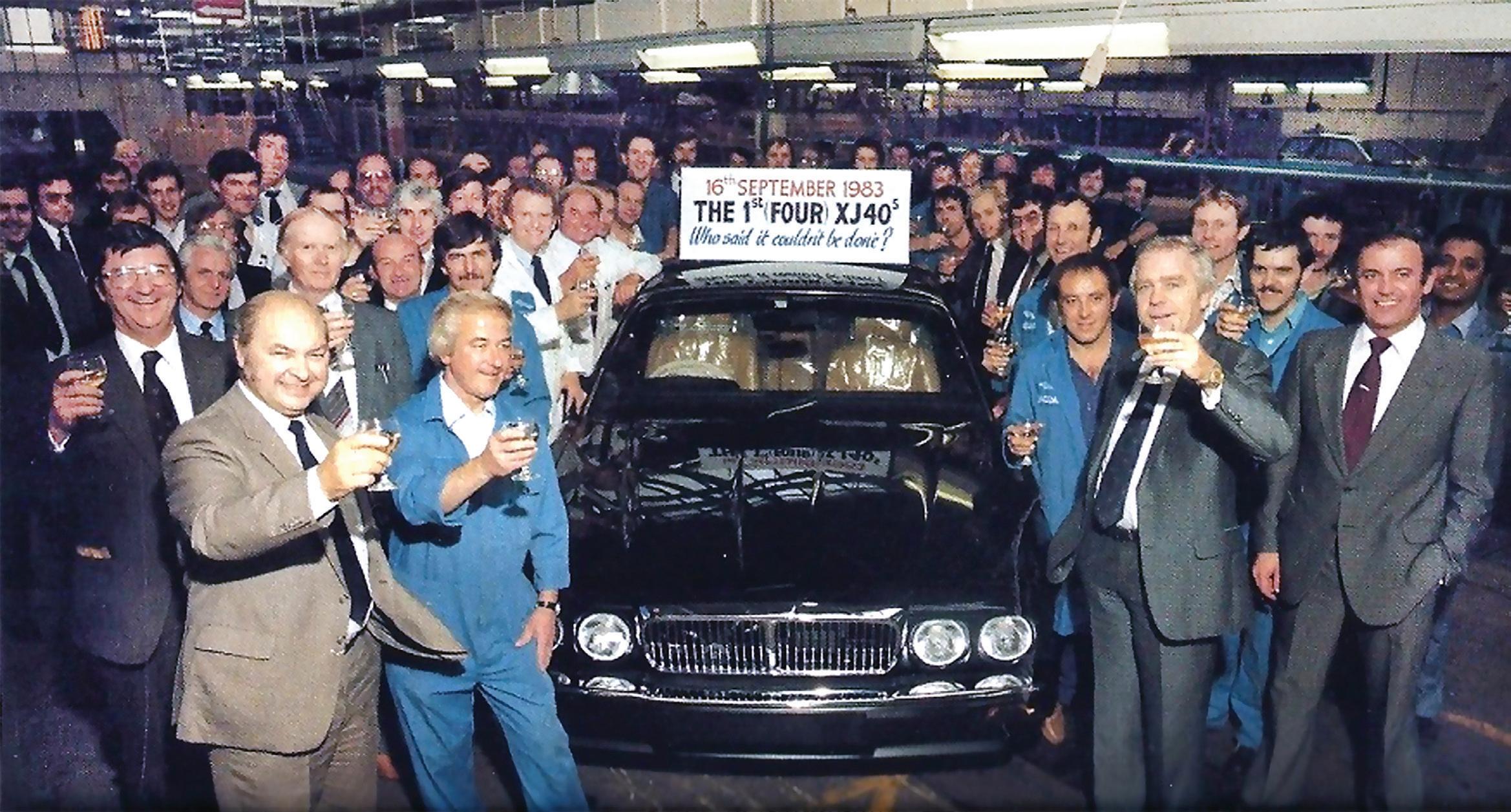
There have been several books devoted to the design and development of the XJ40 that started in 1972, 14 years before its release. The XJ40’s 22-year career from conception to retirement encapsulates probably the most tumultuous period in Jaguars history.
Development
To a casual observer the XJ40 doesn’t look a lot different than the Series III XJ that it replaced, but in reality, it was a completely new car with no carry-over of either body or mechanical components.
At the time the XJ40 was the most complex Jaguar ever to be built.
The architects of the XJ40 were Bob Knight (Chief Vehicle Engineer) and Jim Randle (Jaguar Technical Director), two brilliant and tenacious individuals that Jaguar itself owes its very existence to. Their work pioneered significant improvements as to how future Jaguar cars were designed, built, and assembled.
The design brief for the XJ40 car was as follows: -
◊ The model had to reduce manufacturing complexities to improve productivity and quality.
◊ Fuel economy had to be improved by reduced weight, improved aerodynamics to reduce drag with improved engine and engine management systems.
◊ Reliability had to be improved.
◊ The cars had to achieve better performance and maintain the cars position in the luxury sector by at least equalling its predecessor in style and refinement.
Compared with Series III, the XJ40 had 136 fewer pressings - a 25% reduction in the number of bodywork panels required per car. An example of this was the inner door panel which was made from one instead of three pressings. Overall, this resulting in not only a more efficient assembly process, but also a weight saving and a stiffer structure.
Randle was attempting something genuinely new – creating a lightweight Jaguar. However, with weight comes strength, but once you remove it, problems inevitably occur. One such problem saw Jim working over Christmas to redesign the XJ40’s front crush tubes, which had performed poorly in early crash testing.
Noise, Vibration & Harshness (NVH) Bob Knight and his team designed a completely new suspension system for the XJ40. The Independent Rear Suspension (IRS) was all new and the front suspension was heavily revised.
In the arena of chassis development, Bob Knight was considered unsurpassed. Knight’s almost pathological obsession
with noise, vibration, and harshness (NVH) ensured successive Jaguars were world leaders in noise suppression and ride comfort.
Having devised systems that gave good handling, Bob Knight took the principle of sub-frames and rubber mountings much further in pursuit of refinement. Let nobody imagine that any old bits of rubber were used - this was scientific. New standards were set for the way in which the occupants were insulated from the road, power-train, and other sources of noise and vibration.
Bob Knight was well aware of ways in which the rear IRS could be refined further, but following his retirement in 1980 it was left to his successor, Jim Randle to add these and other improvements.
They included anti-squat/dive geometry and the necessary adjustments to avoid unwanted steer effects, plus some very subtle ways of achieving positive location whilst isolating noise and vibration.
A more obvious change, one that Bob Knight always wanted to introduce, was to couple the dampers to the bodyshell rather than the suspension structure, as had always been the case at the front of the car, thereby damping the entire system rather than just part of it.
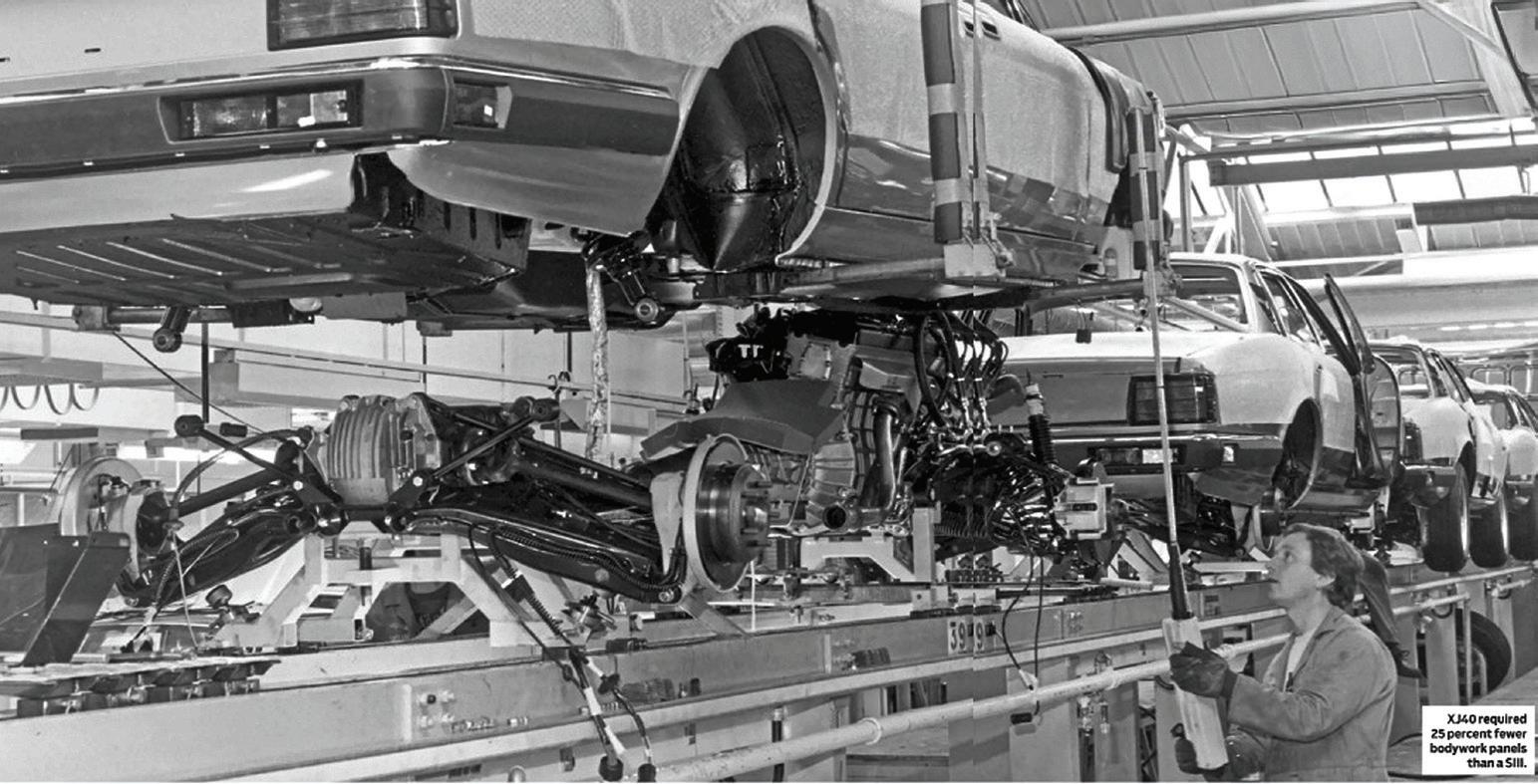
Another was to use outboard brakes. Many derided this as a backward step fearful that the increased unsprung weight would adversely affect tyre adhesion, but the advantage was that the wheel bounce frequency was lower and less likely to excite resonances in the body structure. An extra benefit was the removal of the threat of heat to the shaft seals of the differential. A drum arrangement to provide a more efficient handbrake system was also incorporated.
The same outboard brakes later appeared for the final few years of the XJ-S. Then in due course the X300 adopted still
heavier ventilated outboard rear discs to meet the demands of traction control.
Considerable development also went into the front suspension subframe including making it very strong. It carried anti-dive suspension similar in principle to that of the first XJ6 but included a cross-brace between the wishbone front pivots.
The front dampers were mounted directly to the body. By doing this the dampers also controlled the shake movement of the front suspension beam as well fulfilling their conventional role.
The braking system was changed substantially from the Series III. In some ways, the brake system was simplified and in others it became more complicated. The simplification was that the inboard rear brakes were replaced with an outboard rear brake design. The complications were introduced by a new Hydroboost System which used hydraulic pressure to provide boost, rather than using a conventional Vacuum Servo as used on the earlier XJ6. In this system, an engine driven hydraulic pump was used to pressurize mineral oil. This pressurized mineral oil was used in conjunction with a hydraulic boost cylinder to provide power assist to the brakes (as well as to provide fluid pressure to operate the self-levelling rear shock absorbers used on many of the XJ40 models).
There are several other components to this fairly complex system such as a pressure accumulator vessel and several pressure switches.
In 1990, Jaguar changed the brake boost system again. The engine-driven pump was eliminated and the TEVES Anti-lock Braking System (ABS) was installed. This system uses an electric motor-driven pump on the firewall
to provide the mineral oil pressure to boost the brakes. This TEVES system also differs in that it does not use a traditional master cylinder but rather has an “actuation assembly.” The ABS function was also incorporated as an integral part of the brake system. These systems were found to be difficult to diagnose when problems occurred. For the XJ X300 introduced in 1995, Jaguar reverted to vacuum-boosted brakes.
All components on the new range were designed from the onset to be more easily repaired or replaced. For example, the time needed to replace a fuel tank on an XJ40 was quoted as taking almost half the time needed on a Series III. Perhaps the greatest reduction in man hours was the replacement all four brake discs, which was estimated to take a little over two hours, compared with nine hours on the Series III.
The AJ6 in-line aluminium six engine was a key component of XJ40, designed to be lighter and more efficient. Designed by Harry Mundy, the AJ6 has proved overtime to be very reliable.
Initially, only two engines were offered across the XJ40 models: a 2.9 and a 3.6 litre version of the AJ6 inline-six.
The 3.6L (3,590 cc) engine was similar to that first used in 1983 on the XJ-S. It had DOHC 4-valve heads with a 91 mm × 92 mm bore and stroke.
The 2.9L (2,919 cc) used a SOHC head from the Jaguar V12 engine. The block was the same as the 3.6L, with a shorter-stroke to 74.8 mm. It was used for the entry-level XJ40 in Britain and Europe. The SOHC 2.9L was generally considered somewhat underpowered for such a large car. The 2.9L engine was, as in earlier years with the 2.8L XK engine, sized to match road-tax regulations in some European Countries like Italy and France. In France, cars with more than 3.0 litres of engine size had to pay a luxury tax.
In 1990 the 3.6L was replaced by a similar but longer-stroke (102 mm) 4.0L engine, and in 1991 the 2.9L was replaced with a DOHC 3.2L engine, essentially identical to the DOHC 4.0L, but with a shorterstroke crankshaft (83 mm).
The automatic gearbox used in the 3.6L six-cylinder cars was the four-speed ZF 4HP22. On the later 4.0 litre, the fourspeed ZF 4HP24 was used. The stronger four-speed GM 4L80-E automatic was required for the V12 equipped cars.
The manual gearbox fitted to early cars was the five-speed Getrag 265, while later cars received the Getrag 290.
The automatic transmission selector was redesigned to allow the manual selection of forward gears without accidentally selecting neutral or reverse. This new feature was dubbed the “J-Gate” and remained a staple of all Jaguar models up until the 2008.
The curvaceous lines of the outgoing Series XJ were replaced by the more angular, geometric shape of the XJ40.
In keeping with Jaguar owner’s appetite for nostalgia, the new Jaguar was itself something of a cover version – certainly as far as exterior style was concerned. Overall, the shape was classy and feline. The frontal aspect was assertive and for a Jaguar, bold, especially when fitted with the striking integrated headlamp units.
Much effort was made to ensure XJ40 closely resembled its predecessor but the result was a sometimes-uncomfortable blend of old and new. So, where the treatment of the side window trim and bumpers harked back to Series III, a more contemporary execution might have been preferable. By contrast, the single wiper, flush wheel trims, and Lucas high-contrast tail-lamp units jarred with the more traditional appearance elsewhere in the high-end marketplace.
For the first production run, all headlamps fitted were a set of two round lamps inside a chrome housing with painted bezels or a set of form-fitting composite rectangular headlamps with power-wash sprayers.
Window frames were either chromed or black, depending on model. Rain gutters, door mirrors, and door handles were also finished in chrome. All XJ40s have a chrome surround for the windshield and a single wide-sweeping wiper.
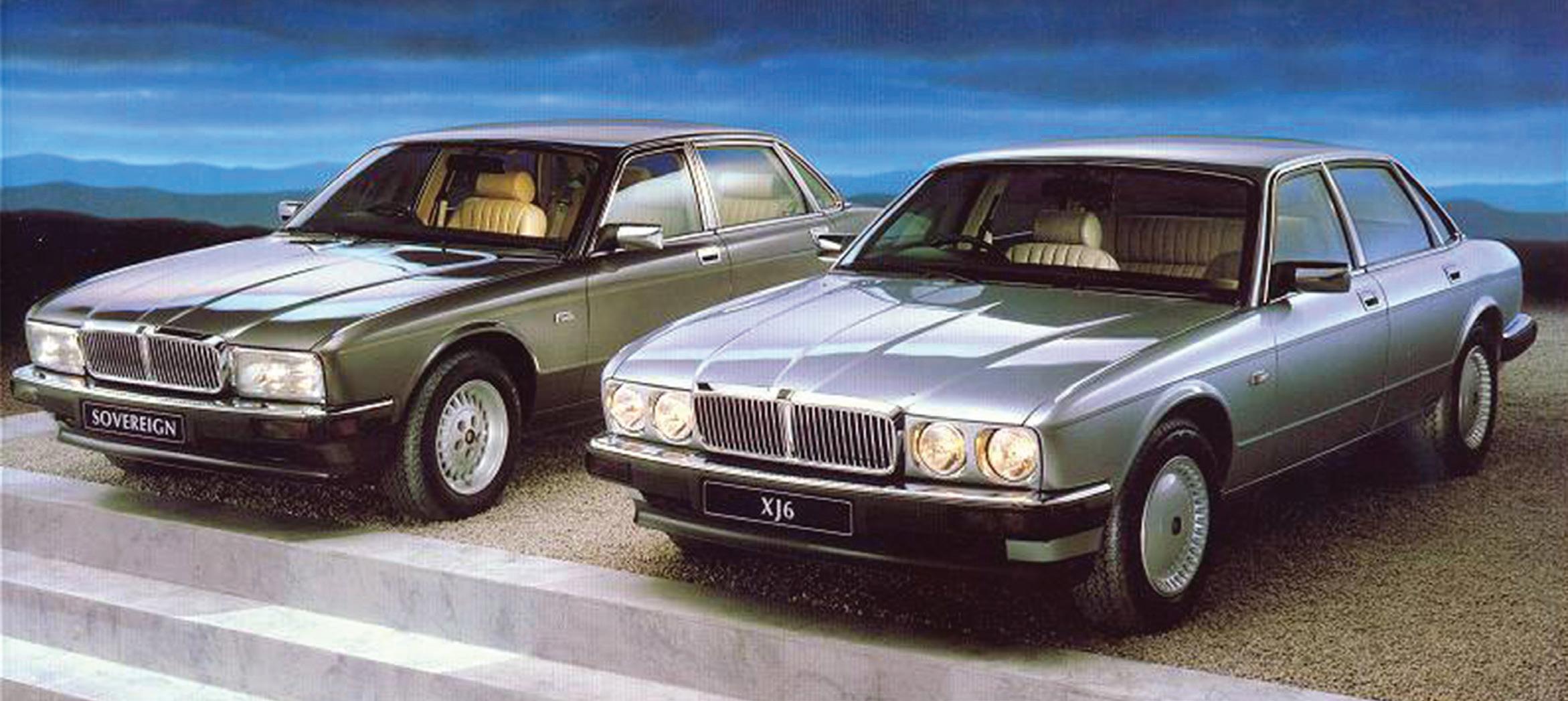
A side window was featured behind the rear doors - the first time for a four door Jaguar.
The interior of the XJ40 was trimmed with either walnut or rosewood, and either cloth or leather upholstery (depending on the model). The cars were initially fitted with an instrument binnacle that used digital readouts for the ancillary gauges. Instrumentation included a vacuum fluorescent display named the “Vehicle Condition Monitor” which contained a 32x32 dot-matrix screen capable of 34 functions. The VCM was able to alert the driver of bulb failure, brake pad wear, unlatched doors/ boot, and low coolant level.
However, the US market didn’t like the electric dash panel (they said they can buy that from the Japanese), and from 1990 on, the binnacle was redesigned to use analogue gauges and traditional dials.
Early cars used a two-spoke steering wheel that was later changed for a fourspoke airbag-equipped wheel.
The glovebox was removed on later cars because of the space occupied when the passenger-side airbag was introduced.
The base XJ40 was modestly equipped. Extra-cost options included alloy wheels, anti-lock brakes, air conditioning, leather upholstery, and an automatic transmission. The exterior featured two pairs of circular headlamps and black powder-coated window frames.
The Sovereign model came equipped with significantly more features than the base XJ40. Included was air conditioning, headlamp washers, a six-speaker sound system, rear self-levelling suspension (SLS), anti-lock braking system, and inlaid burl walnut wood trim (pre-MY 1991). The headlamps fitted were the rectangular single units. The window frames were made from stainless steel.
A mild facelift was enacted in autumn 1989 to coincide with the newly enlarged 4.0-litre AJ6 engines.
The additional torque of the larger unit was much appreciated. A twin-cam 3.2-litre unit would follow, proving a notable improvement on the underperforming 2.9, even if it would now sit above the tax threshold in many European markets.
The revised model’s restyled analogue instruments, trim enhancements and host of subtle changes successfully addressed a good number of XJ40’s early faults, as did improved build.
The Daimler-branded cars represented the highest trim level, and were sold as their Vanden Plas model in the United States. Like the Sovereign, it was fitted with the single rectangular headlamps.
Cosmetically, it differed from other models with its fluted radiator grille surround, boot-lid plinth and a chrome body side moulding featured. Mechanically the car was identical to the Sovereign.
Amongst its unique features not available on other cars in the range were
individually shaped 2-passenger rear seats (instead of the ‘flat’, 3-passenger seats on the Jaguar), leather trimmed door casings and centre console, burr walnut veneer with deep wood facia, passenger footwell rugs, and burr walnut fold-out picnic tables for the rear passengers.
XJ12 and Daimler Double Six (XJ81)
The AJ6/V12 engine nearly didn’t happen. In 2016, in an interview to mark the 30th anniversary of XJ40’s launch, the late Jim Randel had the following conversation with Eóin Doyle, editor of ‘Driven To Write’ (DTW).
Eóin Doyle: There were a number of myths I’ was keen to address. One I put to Randle was that the crush tubes were said to be purposely designed to entail the exclusive use of Jaguar’s in-line AJ6 engine, was this true?
Jim Randle: “It wasn’t crush tubes. Our friends at British Leyland wanted us to drop the AJ6 engine and put the Buick [Rover V8] engine in. So, I developed a story which said: ‘look, we’ve done a lot of crush work’ – it was the structure going back into the bulkhead, which I’d got a very nice, square-ish box – I said: ‘We’re going to have to do it all again, because if that key stress carrier is changed, that’s going to be a big job; we’ve got to rethink the structure.’ Which is bullshit of course, but they swallowed it.” Once B.L. were out of the way, the road was open for the V12. But there were still lengthy delays involving in re-engineering the front structure of the car.
As a consequence, the Series III XJ was kept in production in V12 form to cater for this market need until 1992.
The XJ40-based XJ12 and Daimler Double Six were introduced at the Amsterdam Auto Show in February 1993 and powered by a 6.0 litre version of Jaguar’s V12 engine.
Eóin Doyle: The V12 installation was completed after your departure.
Jim: “I really don’t know why they did that, it seemed illogical to me. If you wanted that power out of an AJ6 engine, you’d only have to turbocharge it, and you’d go way past what the V12 would produce.”
The comment was valid given that fitting the V12 was an awful lot of work for a car that was only produced for just over 12 months.
3.2S and 4.0S Sport model (1993-94) Jaguar was keen to rid itself of an ‘old mans’ car and so launched a Sport model
in 1993-1994. It was only available with the six-cylinder engine, and featured rosewood interior trim (as opposed to the walnut trim of other models.)
Both door mirrors and radiator grill vanes were colour-keyed to the body, which was decorated with twin coachlines. Wider-profile tyres were fitted, mounted on five-spoke alloy wheels.
Insignia
In 1992, when Jaguar closed the Daimler DS420 Limo shop, all the craftsmen were left standing idle. Jaguar devised “Insignia”: a bespoke service for the XJ40/XJ81 and XJS, where prospective owners could specify special paint, trim, wood and wheels at additional cost in any given combination.
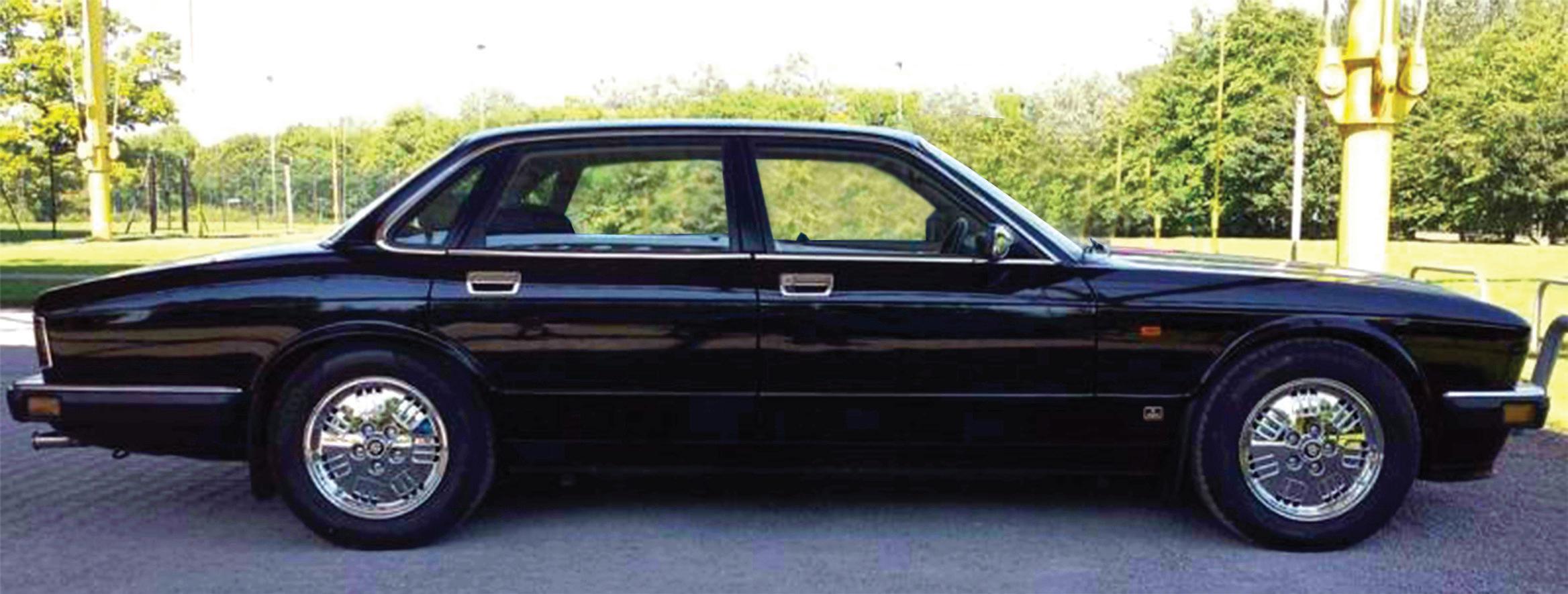
A total of 318 XJ40 Insignias were produced. All of the interior trim was done in leather (two-tone colouring being an option), opposed to the leathervinyl combinations used on regularspec cars. Special paint colours were also introduced.
Gold Model (1994)
Aimed at the ‘limited edition’ market the Jaguar gold model offered higher specs than the standard XJ40. The cars had better quality leather and woodwork and were fitted with “Kiwi” style wheels and painted in a limited range with twin coachlines.
The Gold model can be identified by a gold-plated badge on the boot and gold growler badge at the top of the radiator grille
The model was introduced in 1994 and were the last XJ40’s produced. Many features of its successor, the X300, were carried over from the XJ40 Gold.
XJR TWR (1988-1994)
The XJR was a high-performance model that was finished by JaguarSport which was a dual venture by Jaguar and race team TWR.
Based upon a Sovereign model, it was fitted with uprated suspension with unique Bilstein dampers, a revised power steering valve to increase the steering weight by 40% and special exterior paint and exterior styling touches.
Early examples were fitted with a 3.6 L AJ6 engine in standard tune but later models had a TWR tuned version of the 4.0 AJ6, with new inlet manifolds, uprated cams and a tweaked ECU.
Some examples are also fitted with a larger bore JaguarSport stainless steel exhaust system and 5 speed gearbox.
The XJR differed cosmetically from other XJ40 models with its body coloured bodykit, consisting of new front and rear valances and side skirts, all from fiberglass, a black grill with a JaguarSport badge in it and unique Speedline alloy wheels with wider tyres.
Only a few hundred of each variation were produced, making the cars rare today.
• Sept 1986 - First pre-production XJ40
• Sept 1988 - First 3.6 litre XJR
• Sept 1989 XJ40 – last 3.6 litre engine
• Sept 1989 XJ40 – first 4.0 litre engine
• Sept 1989 - First 4.0 litre XJR
• Jan 1990 XJ40 – first 3.2 litre engine
• Sept 1990 XJ40 – last 2.9 litre engine
• Dec 1992 XJ81 – 6.0L V12 introduced.
• May 1993 XJ40 – XJ6 3.2 S introduced
• Aug 1993 XJ40 – XJ6 4.0 S introduced
• Oct 1994 XJ40 – Last XJ40 produced
• June 1994 X300 – 1995 model year. Launched Oct 1994 (Paris Motor Show)
The 1993 XJ6 earned the title of “Safest Car in Britain” following a Government survey conducted in 1993.
Overview
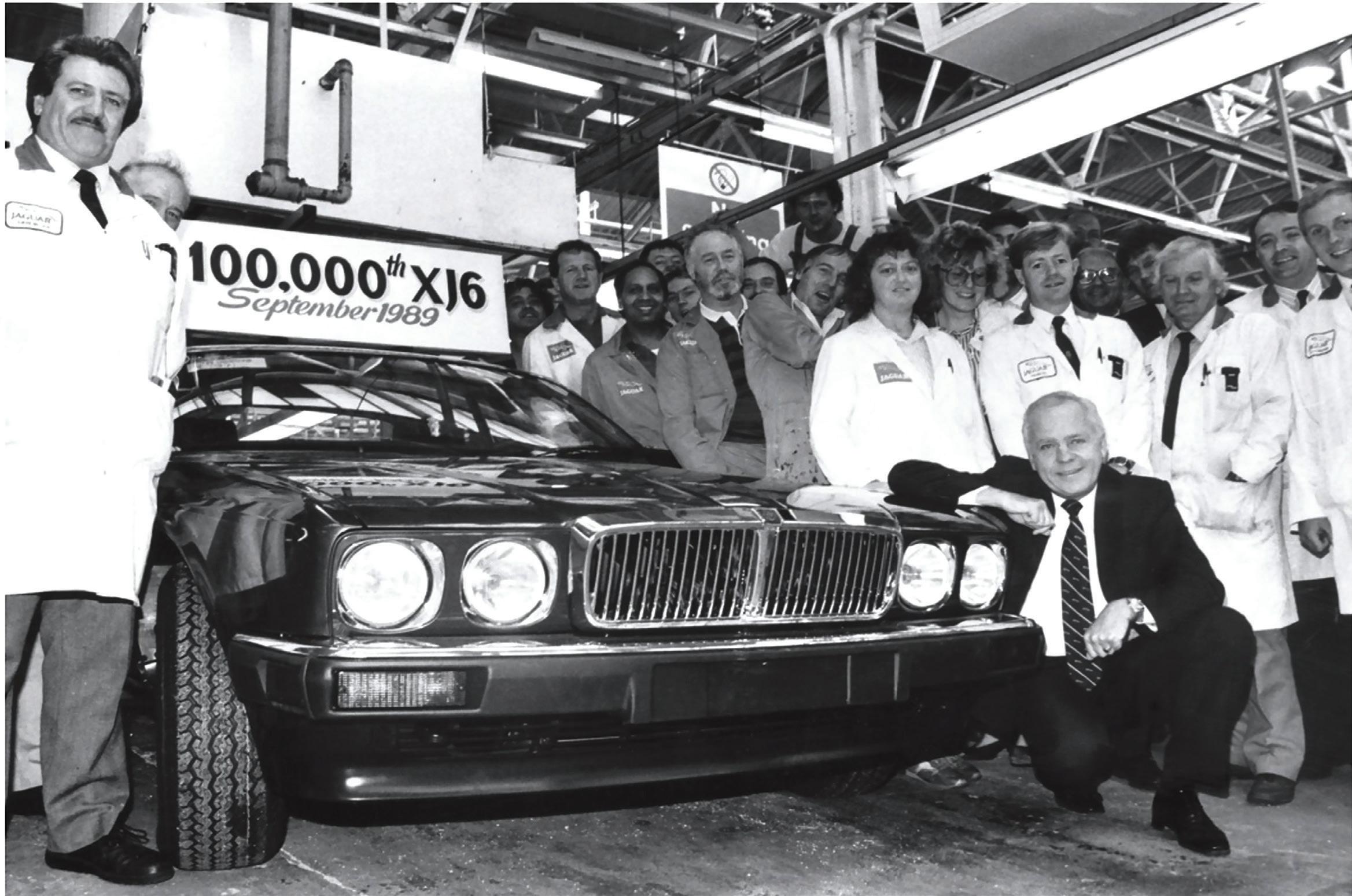
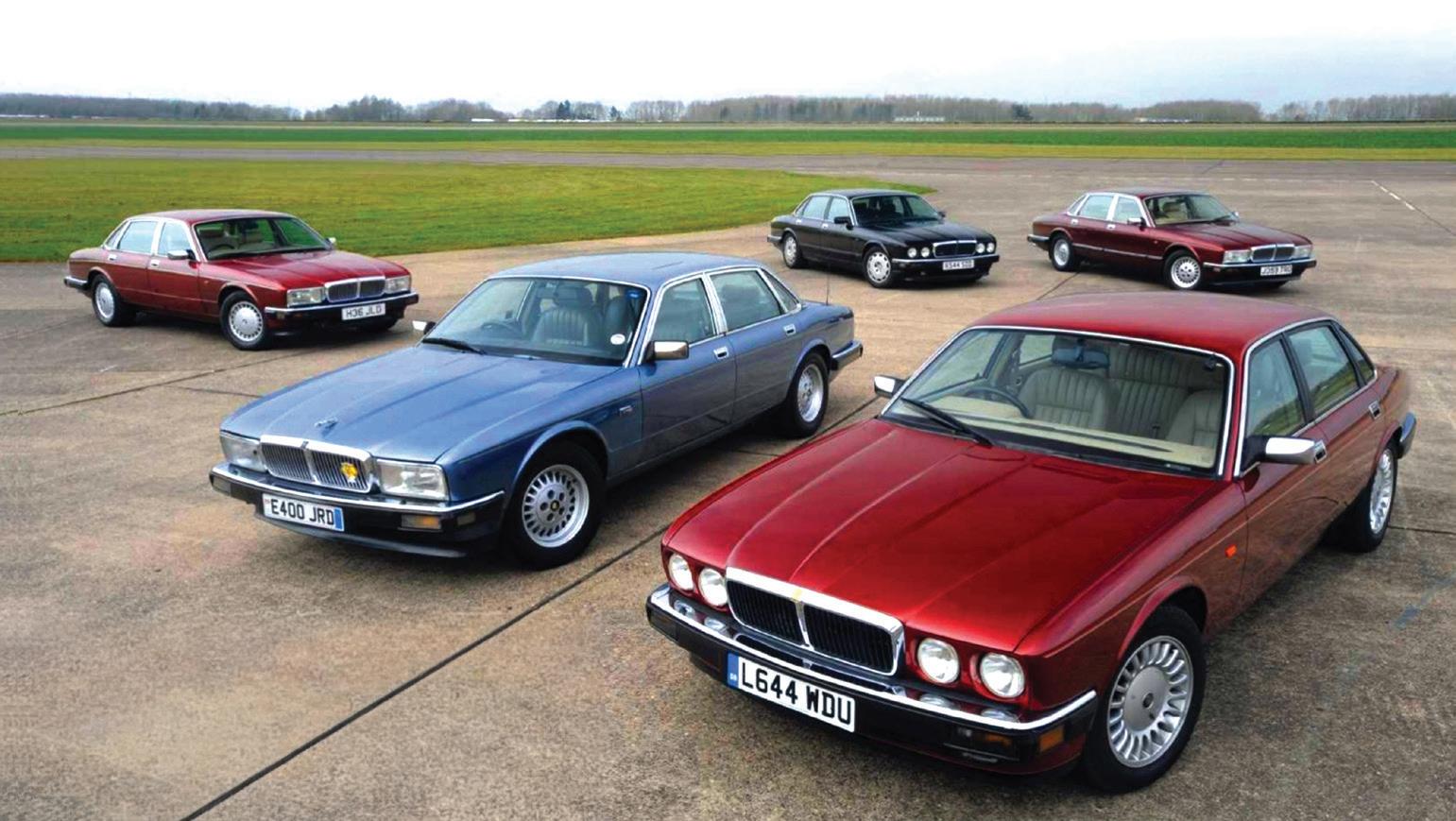
Despite being the best-selling XJ series of all (208,733), the XJ40 today remains something of an outcast within the official Jaguar narrative, only latterly being appreciated for its finer qualities and for its status as arguably the most ambitious and technically pure Jaguar of all.
Today, the mildly scruffy XJ40s all seem to have disappeared, leaving the market split between the few absolute disasters still clinging onto their registration and those cherished examples that have survived thanks to their owners’ enthusiasm for what is a superb cruiser offering all the traditional XJ values. Find one of these latter examples and you are on a winner. .
Editor: If you own an XJ40 and you have 20 minutes, I recommend watching the following video which contains some great Historic Jaguar racing footage and road testing of the XJ40 in outback Australia. (Note: you may need to sign into you tube first).
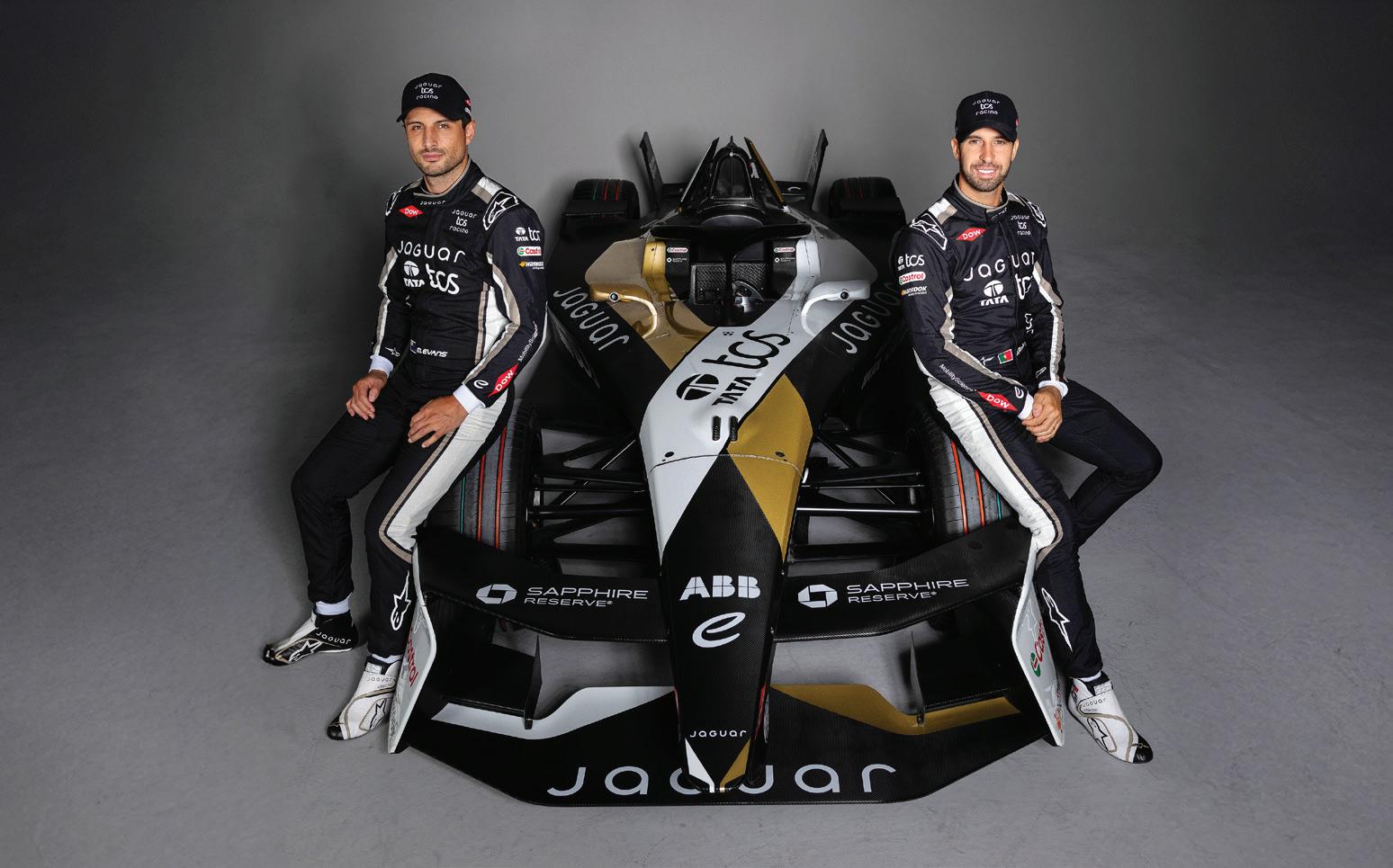
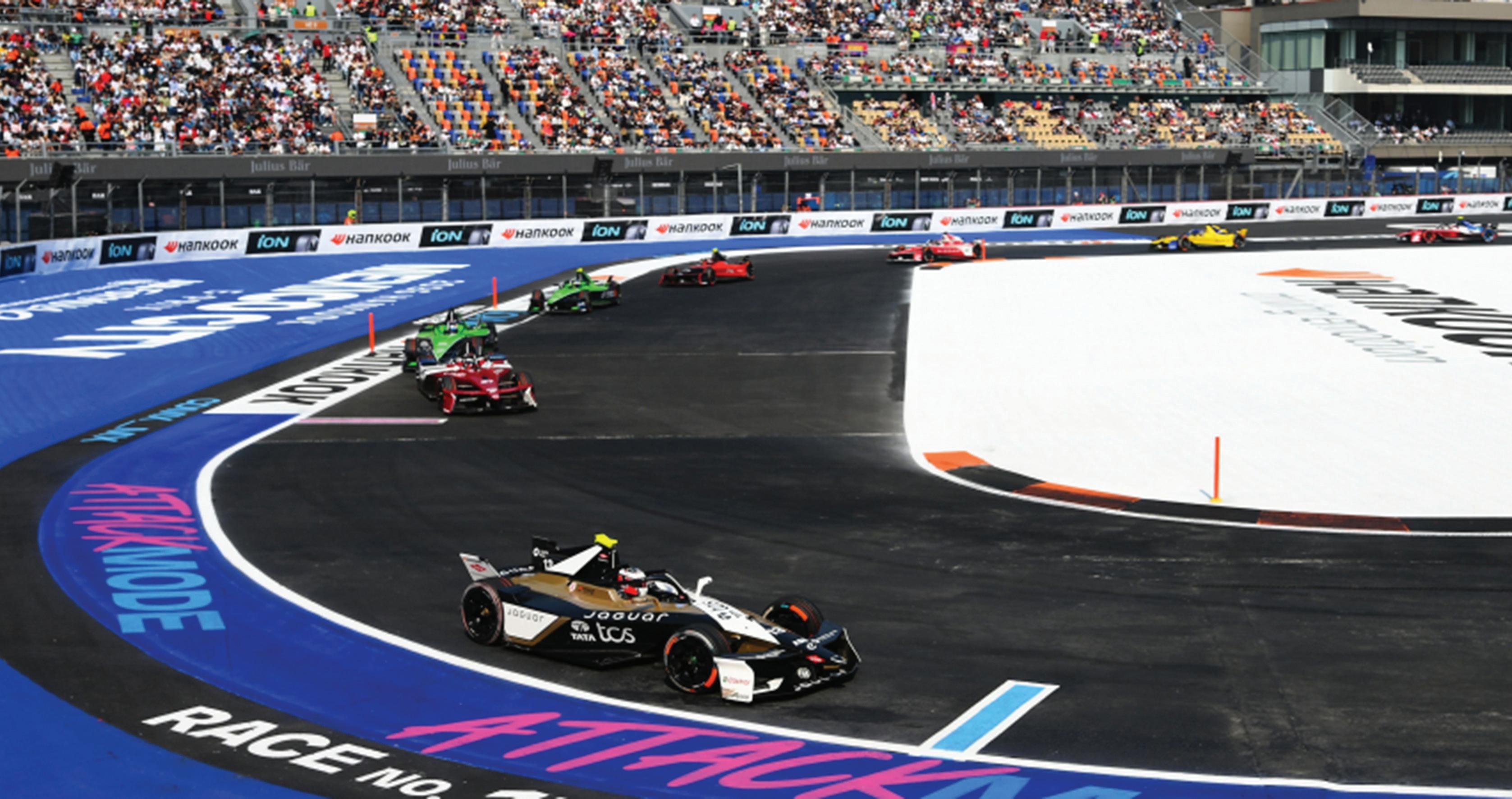
Jaguar TCS Racing showed promise and pace in Mexico City but were unable to convert performance into points after a turbulent race for both drivers.
Mitch Evans started Round 2 of the ABB FIA Formula E World Championship in fourth position after qualifying strongly. Evans slipped into the midfield after early attack mode deployments from elsewhere on the grid, defending hard in the opening phases.
Mitch took an impressive first attack mode later into the race, gaining five places to briefly take the lead.
However, after Mitch missed his second attack mode activation the team adjusted their strategy and held off on another attempt for the optimal moment, but he was unable to make the places back.
With the continued midfield traffic and contact resulting in a puncture meant that he ultimately finished in P11.
António Félix da Costa started from tenth position and after taking an early attack mode was able to shuffle up the order, climbing to P4. However light contact with Mahindra Racing’s Mortara dropped him back.
A Full Course Yellow and subsequent Safety Car followed, disrupting the race rhythm, with da Costa suffering steering issues after being forced off-line into the grass. Further contact later forced him to pit and retire.
Ian James, Jaguar TCS Racing Team Principal. "While there were definitely positives to take from this weekend, it’s no denying that Mexico was a challenging race and not the result we were aiming for. We had the pace at moments, and both Mitch and António fought hard, but too many things went against us to turn it into a result.
Mitch showed what the car could do when he got to the front in attack mode, but we couldn’t hold onto it as the race unfolded. António was making great progress before the contact that ended his race early.
We’ll take a clear look at what went wrong, tidy up the areas we can control, and reset for Miami. The speed is therewe just need a cleaner race to turn it into points".
The team are now focussed on Round three which takes place in Miami on 31 January 2026. .
Editor: Information for this story sourced from Formula E Website and Jaguar Racing.
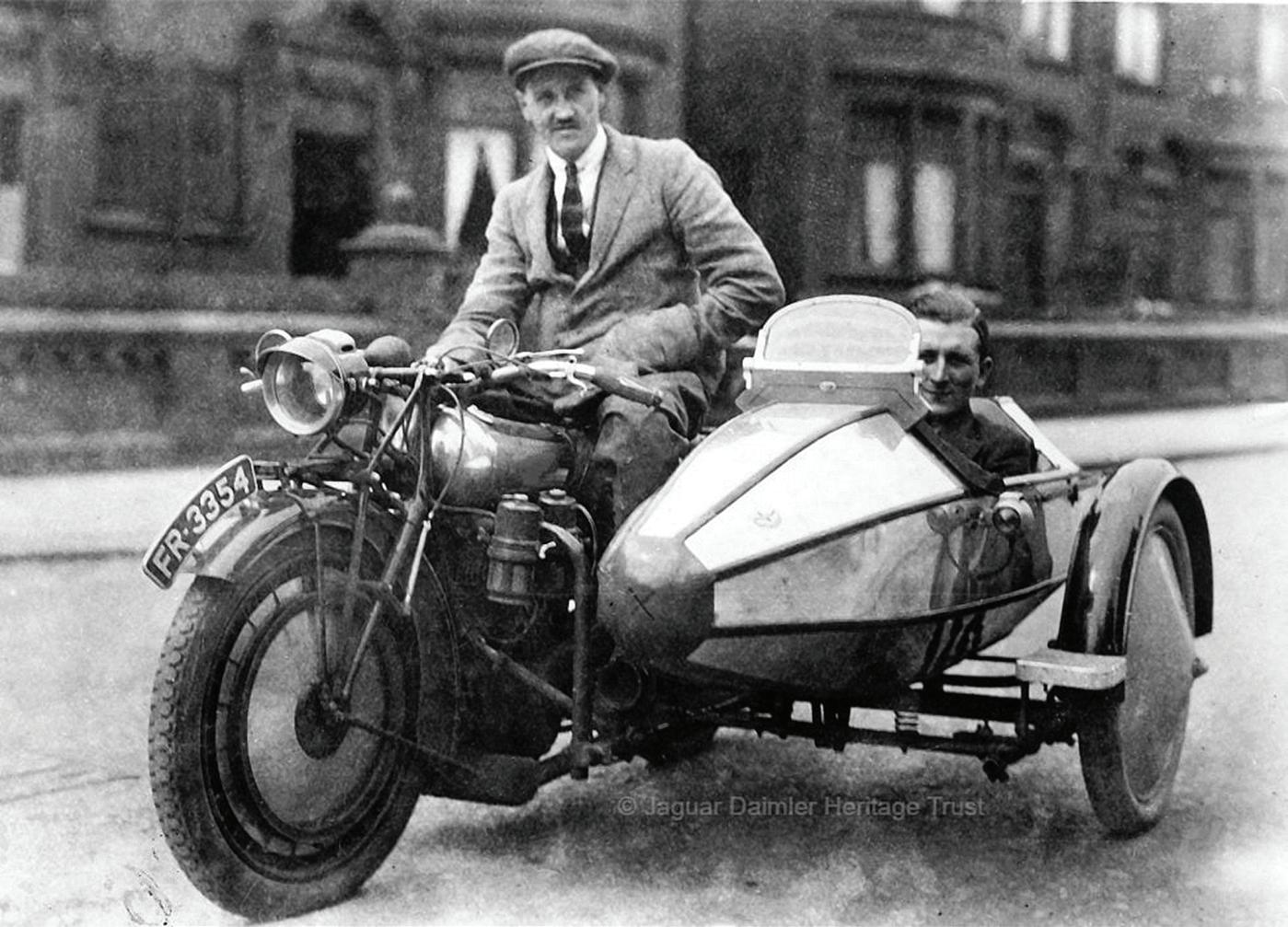
On 2 February 1923 two Brough Superior SS80 motorbikes were delivered to Swallow so they could attach Sidecars for the 1923 Motor Cycle Show in London.
The Model 4 Super Sports sidecar was the most popular of all the sidecars produced by the company during the Blackpool years. The pointed tail was unique to the Model 4 but like the earlier Model 2, was made from aluminium panels on an ash frame. Weight was kept down to about 80 lbs, which William Lyons thought was important, as many of their competitor’s sidecars were too heavy for the motorbikes of the day.
Both Walmsley and Lyons were keen motorcyclists in their youth and owned a variety of machines, but the Brough Superior was their favourite. A Brough, originally owned by Lyons, is reported to be still in existence. These bikes, often known as ‘the Rolls-Royce of motorcycles’, were the products of George Brough of Nottingham. .
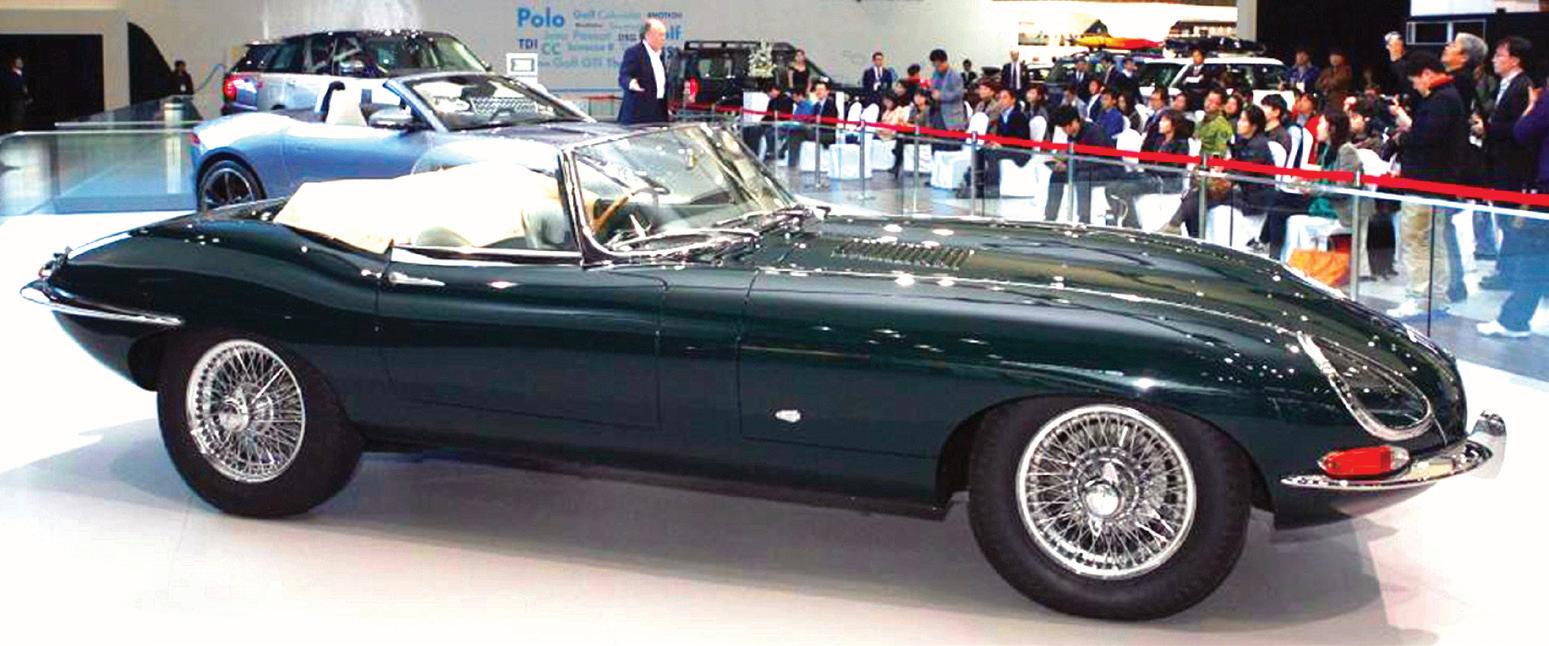
At the launch of the E-type at the Geneva Motor Show in March 1961, two cars served as press demonstrators. One of them was this car, 77 RW, built in February 1961 as the first production open two-seater.
It was famously driven out to Geneva in a dramatic 17 hour overnight run by Norman Dewis, then Jaguar’s Test and Development Engineer. 77 RW was later used by 'The Motor' for their road test, published 22 March 1961, and it is now the oldest surviving open E-type.
Originally the E-type was available either as an open two-seater, or as a fastback fixed head coupé. Both cars shared the same basic structure, a monocoque with a front subframe, and were powered by a 3.8 litre version of the proven Jaguar XK engine, developing 265 bhp.
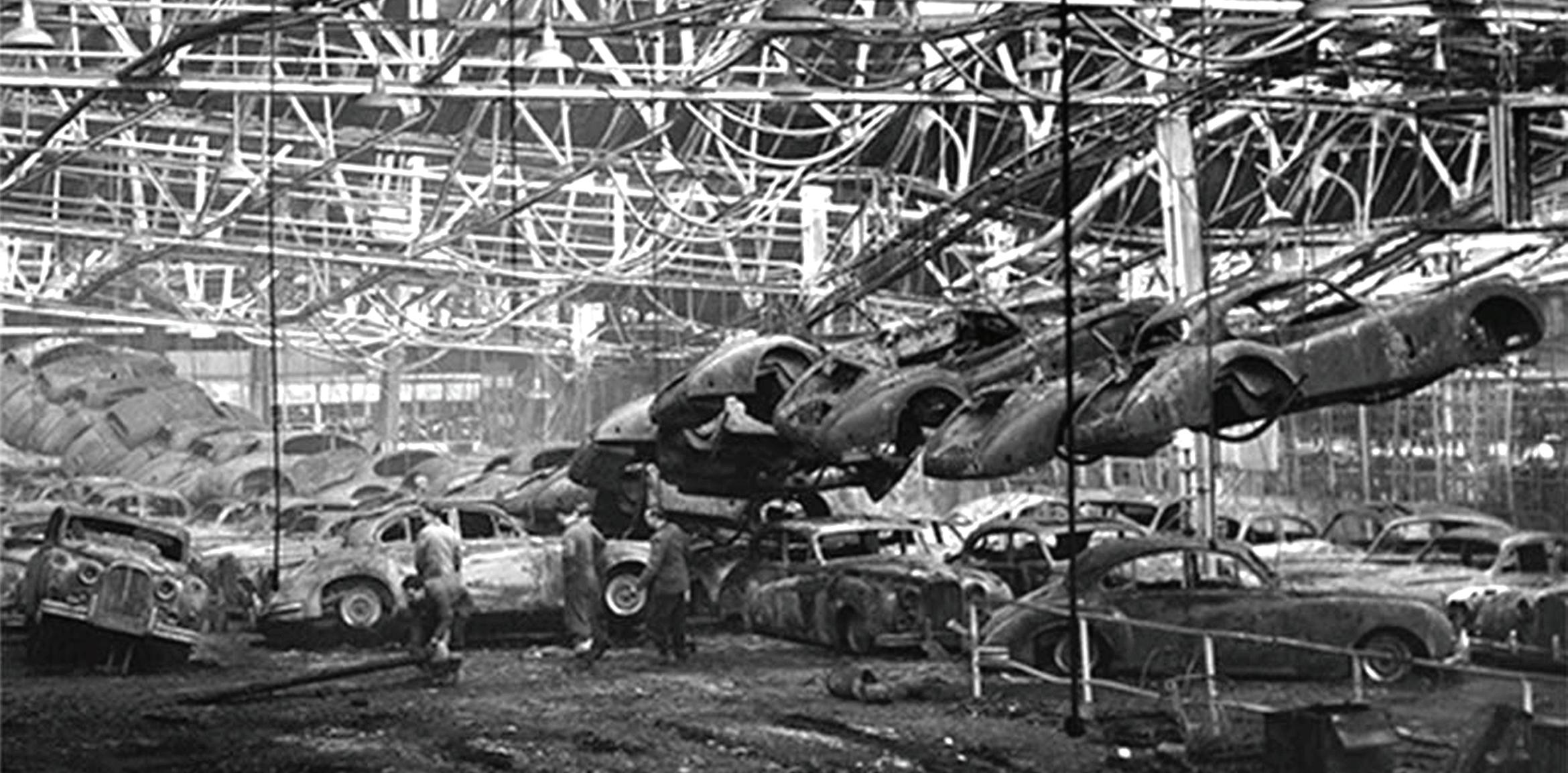
On the evening of 12 February 1957, a ferocious fire broke out at Browns Lane Jaguar Plant destroying hundreds of cars. The majority of cars destroyed included XK140’s, Mark VIII’s, Mark 1’s and nine of the twenty-five XKSS that had already been completed or were semi-completed. (Most of the surviving 16 XKSS’s were exported and sold in the US).
Almost 3.5 million pounds worth of damage occurred and nearly half the main factory destroyed. Fortunately,
The E-type’s looks were sensational, and it quickly became a symbol of the 1960s. Thanks to its unbeatable combination of price and performance, offering a top speed of close to 150 mph (241 km/h) at little more than £2,000, it became an instant success, particularly in the vital American market.
In 2000, Mr Michael Kilgannon, the long-term owner of this historic car, kindly put 77 RW on permanent loan to the Jaguar Daimler Heritage Trust. The car was then completely restored with the generous assistance of the Martin Robey Group (manufacture of parts for Classic and Modern Jaguars). .
On 24 February 1961 the first production
no heavy plant had been lost as the fire had mainly affected the service, trim and final test areas. Had the fire reached machinery, it may have taken months or even years to replace.
Jaguar were inundated with offers of help from suppliers, building contractors, and fellow manufacturers including loans of plant and equipment. Employees rallied to the cause with shovels and anything they could lay their hands on to clean up the mess.
The task of rebuilding started within 48 hours of the fire and tarpaulins were erected to provide temporary protection for employees. Within 9 days production on a limited scale had recommenced, and within six-weeks the lines were humming again as the firm struggled to meet demand. The fire did however delay the release of the XK150.
All vehicles and components damaged in the fire were totally destroyed to prevent any items being sold to the public. .
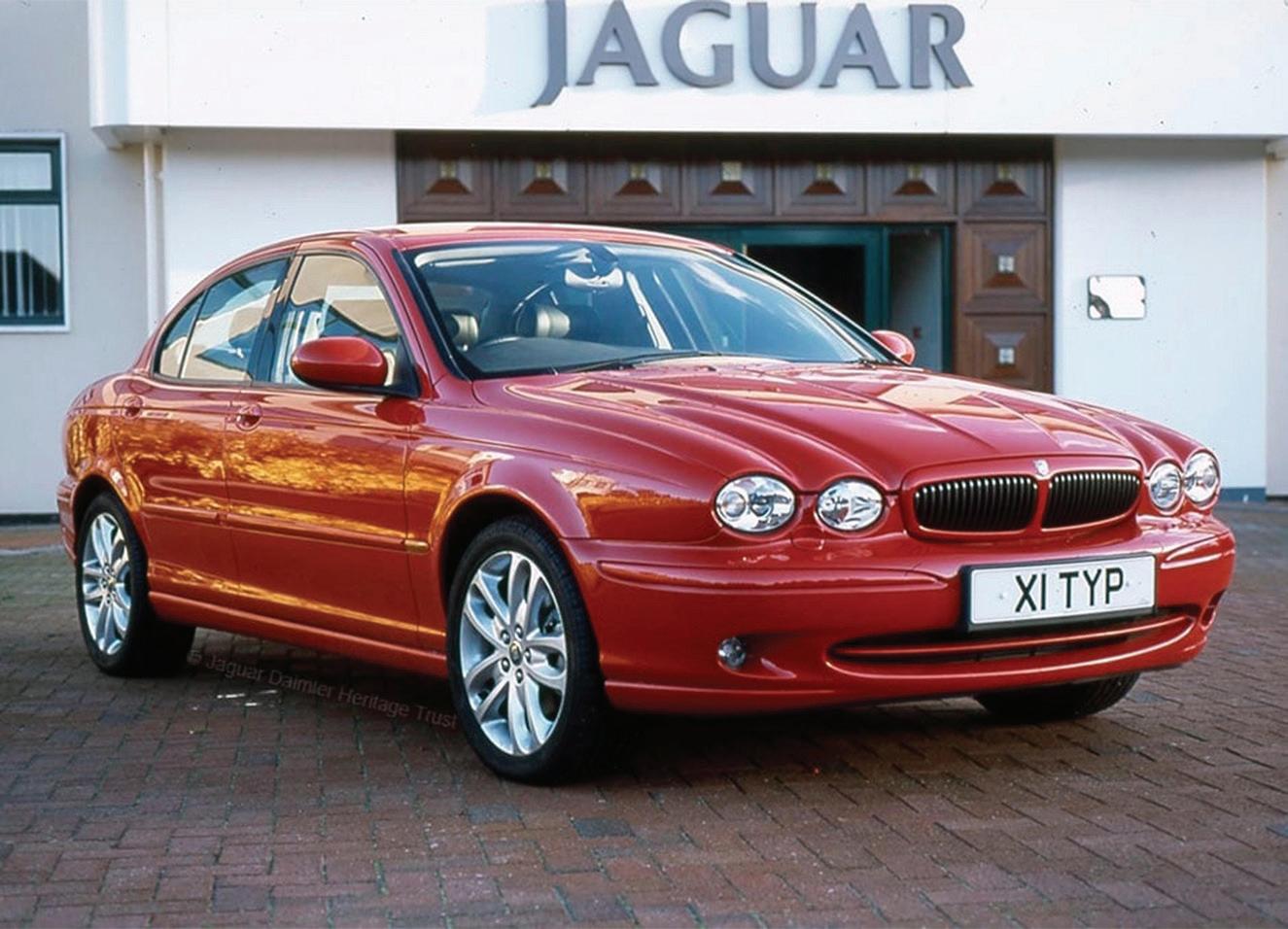
On 15 February 2001 the first production X-TYPE was built (XI TYP). The car was delivered to the Jaguar Daimler Heritage Trust (JDHT) for preservation.
The X-TYPE was the youngest member of the expanding Jaguar family. The X-TYPE was the smallest-engined Jaguar for thirty years, since the classic 2.4 litre and Mark 2 models of the 1950s and 1960s.
The X-TYPE featured an innovative technical specification. There were five different versions available including the all-wheel drive model which offered agile handling and sure-footed road holding. The car was built in Jaguar’s totally refurbished Halewood plant, located on Merseyside in the northwest of England, the result of an investment of £300 million.
With the X-TYPE, Jaguar connected with a new and different type of customer. .
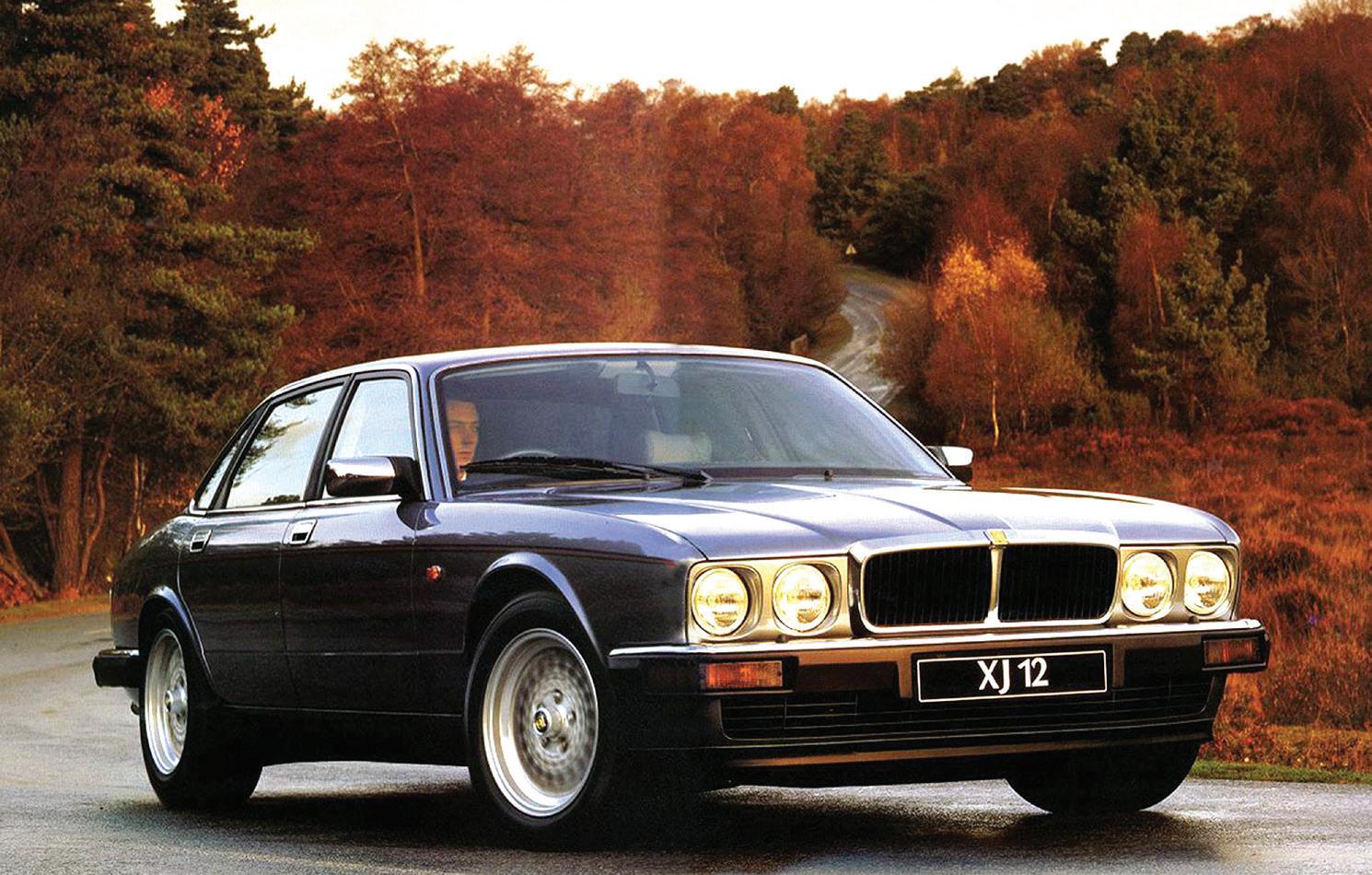
Given the model code XJ81, the XJ40based XJ12 and Daimler Double Six were introduced at the Amsterdam Auto Show on 22 February 1993.
The XJ81 was powered by a 6.0-litre version of Jaguar’s V12 engine. This was mated to a GM 4L80E 4-speed automatic gearbox.
It could be identified by the XJ12 or Double Six badge on the rear and a V12 emblem on the glovebox.
The XJ12 used the two twin-headlamp pairs, black radiator grille vanes, and a gold “growler” badge on the radiator grille top, while the Daimler received the rectangular headlamps.
Early cars used stainless steel window frames and on later cars they were changed to black. .
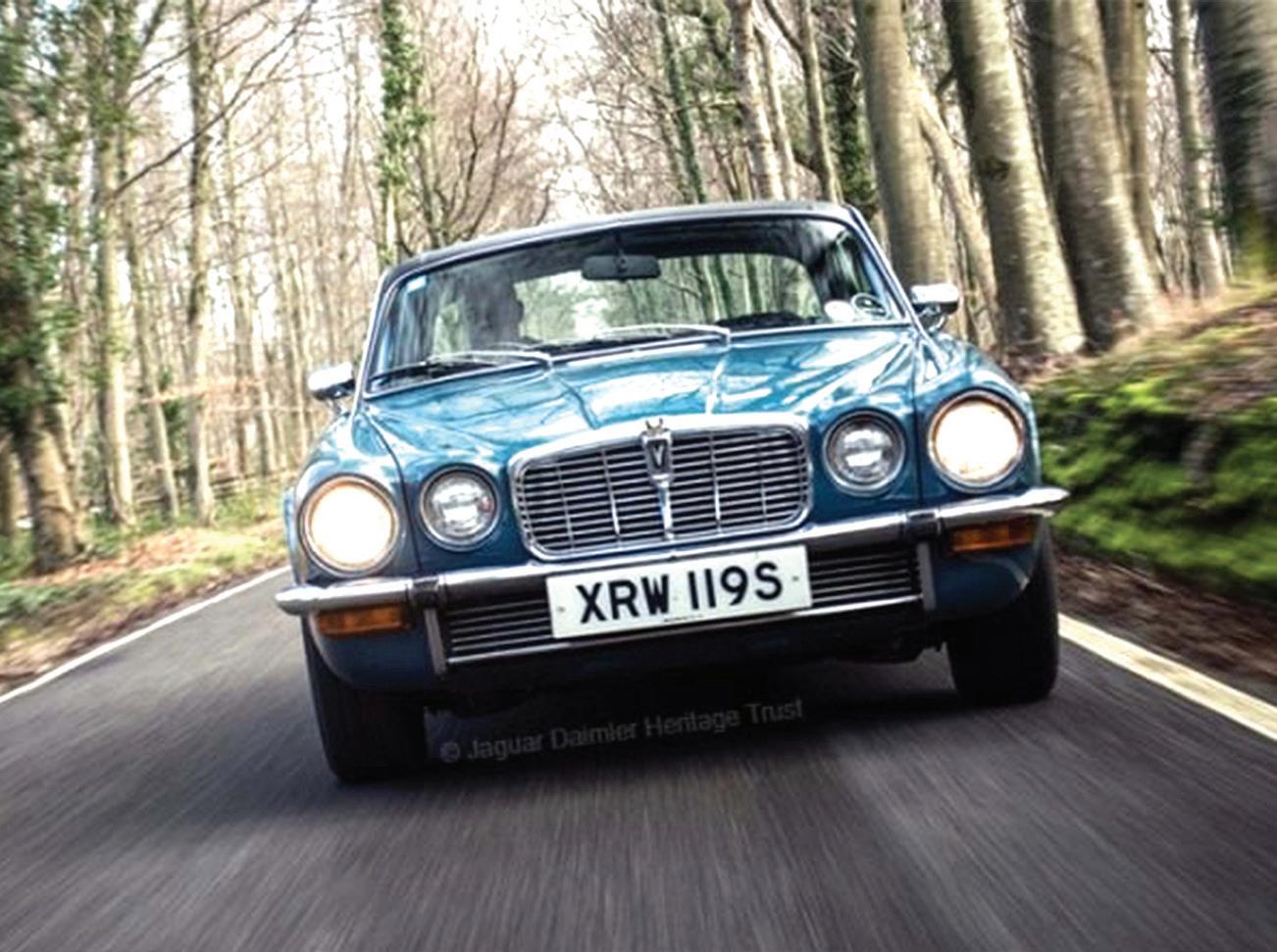
On 15 February 1978 this Squadron Blue car was the very last XJ12 2-door XJ Coupé to be built. This car is now part of the JDHT.
The idea of making a two-door pillarless version of the XJ saloon had surfaced very early in the car’s development as Jaguar became aware of the growing American market for hardtop cars in the 1960s. Indeed, early XJ6 styling models were all two-door cars. Built on the short wheelbase floorpan from the original Series 1 saloon, the distinguishing feature of the twodoor coupé was the pillarless window style with no door frame or B-post. The doors were four inches longer than the standard saloon front doors. Further changes included folding front seats to allow access to the rear. All production coupés featured a black vinyl roof covering, and the XJC badging on the boot lid.
At that time the Jaguar XJ 5.3C cost £11,755, with an extra £321 for the Kent light alloy wheels. .
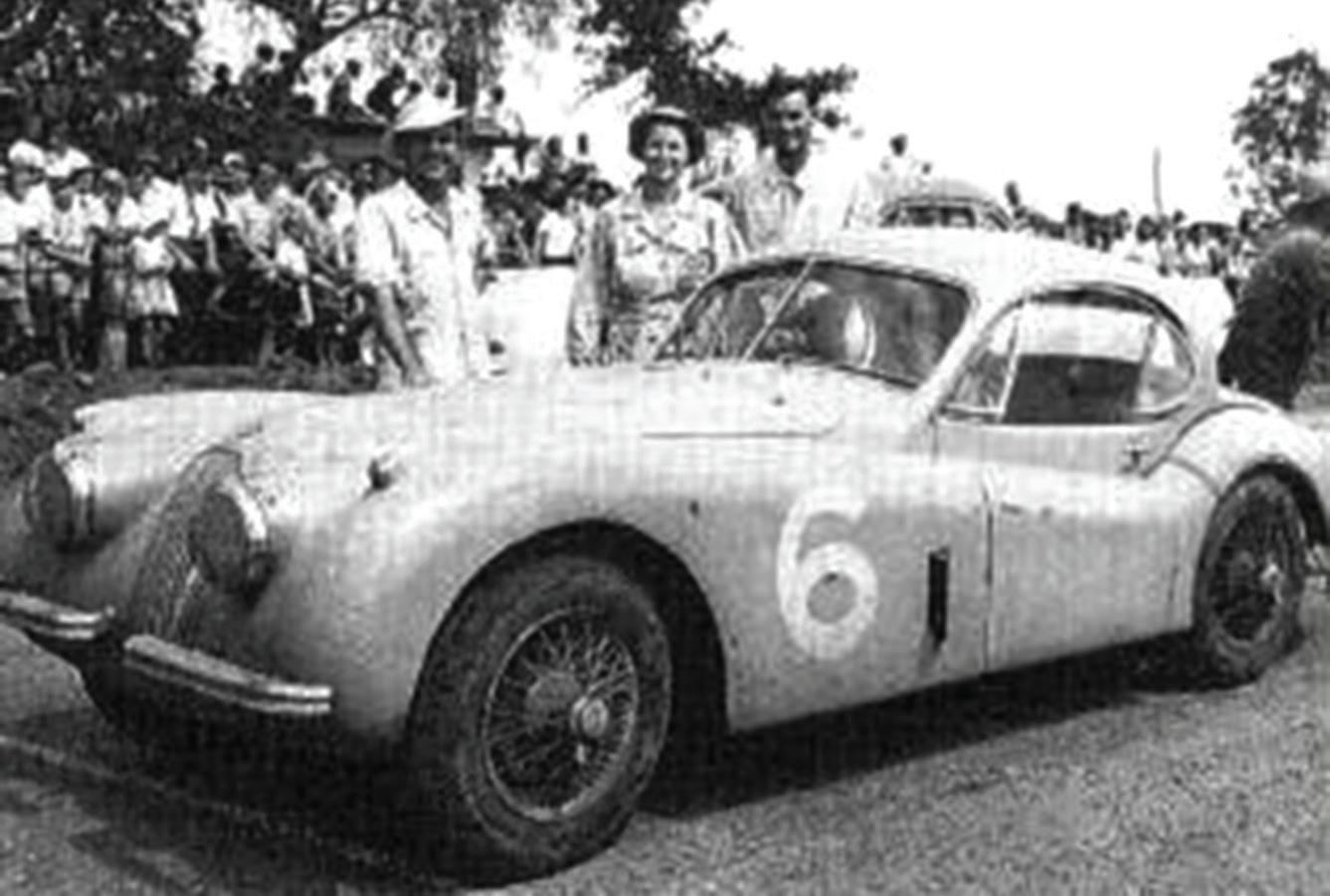
On 1 February 1954, a Jaguar XK120 Coupe driven by Geordie Anderson, Chas Swinburne and Bill Pitt won Australia’s first 24 hours motor race staged at the Mount Druitt circuit in New South Wales. They finished four laps ahead of the next placed car.
The race was organized by the Australian Racing Drivers' Club. Cars were required to be stock models, competing as purchased with no modifications permitted other than the removal of the silencer.
The track deteriorated badly during the race resulting in many mechanical problems. Peter Whitehead easily led the field in his C-Type until midnight when potholes smashed part of the car’s rear suspension but Whitehead still managed to win the Open Cars 3001cc and over.
It was the first attempt at a 24hr car race in Australia and there wouldn’t be another for many decades. Facilities were basic and crowd control was virtually non-existent. .
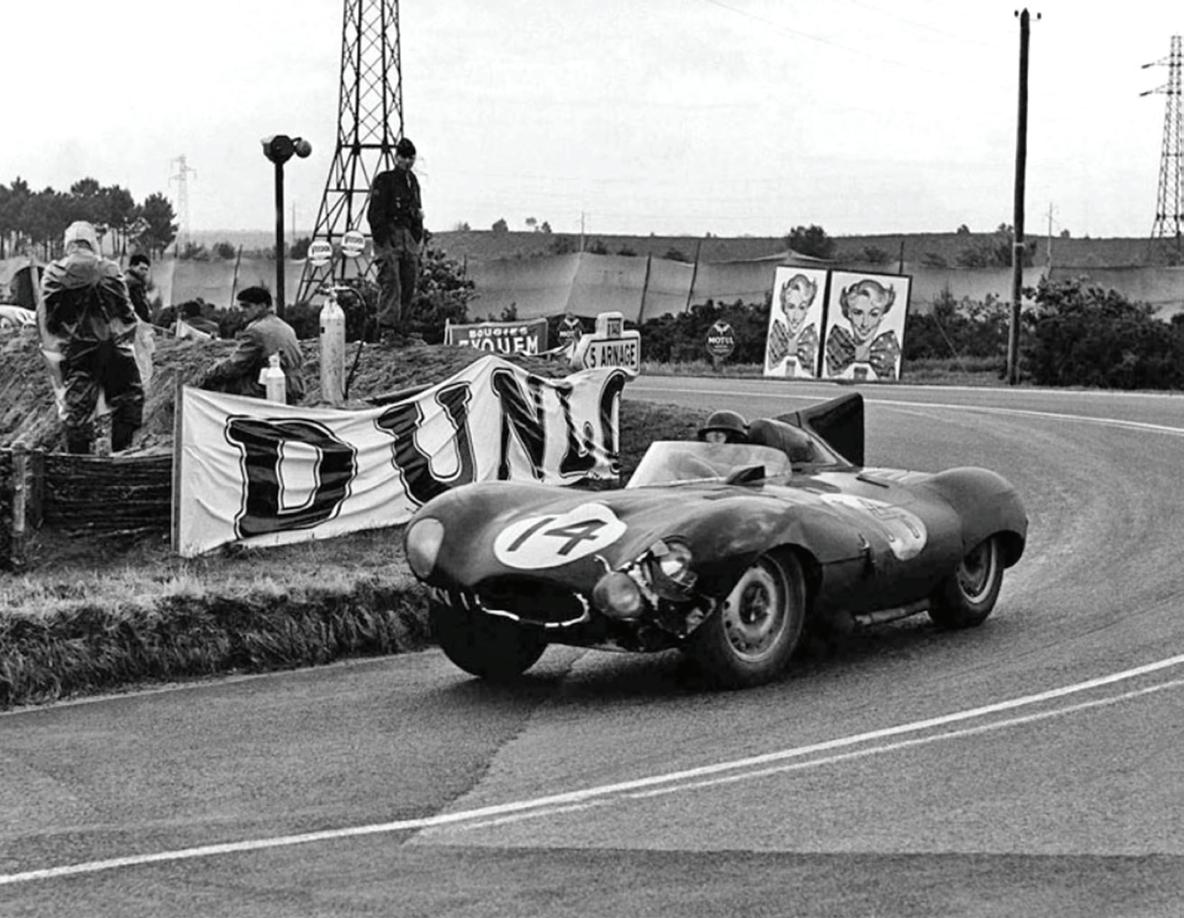
Belgium racing driver and journalist PAUL FRÈRE died on 23rd February 2008. He participated in eleven World Championship Formula One Grands Prix and won the 1960 24 Hours of Le Mans, driving for Ferrari.
In Jaguar terms, however, he will be remembered for the 1957 Le Mans 24hr race. He joined the Belgian national team to drive a 3.4 litre Jaguar D-Type alongside Freddy Rouselle. They managed to get up to second place when the car came to a halt for nearly an hour with ignition trouble. They rejoined in sixth place and put in rapid times to haul back the leaders and finished 4th completing the triumph of Jaguar which monopolised the first four places in the general classification.
He died aged 91, his death hasted when only weeks before his 90th birthday he was badly injured in an accident at the Nürburgring in his Porsche.
Turn 15 at the Circuit de Spa-Francorchamps, was renamed in his honour. .
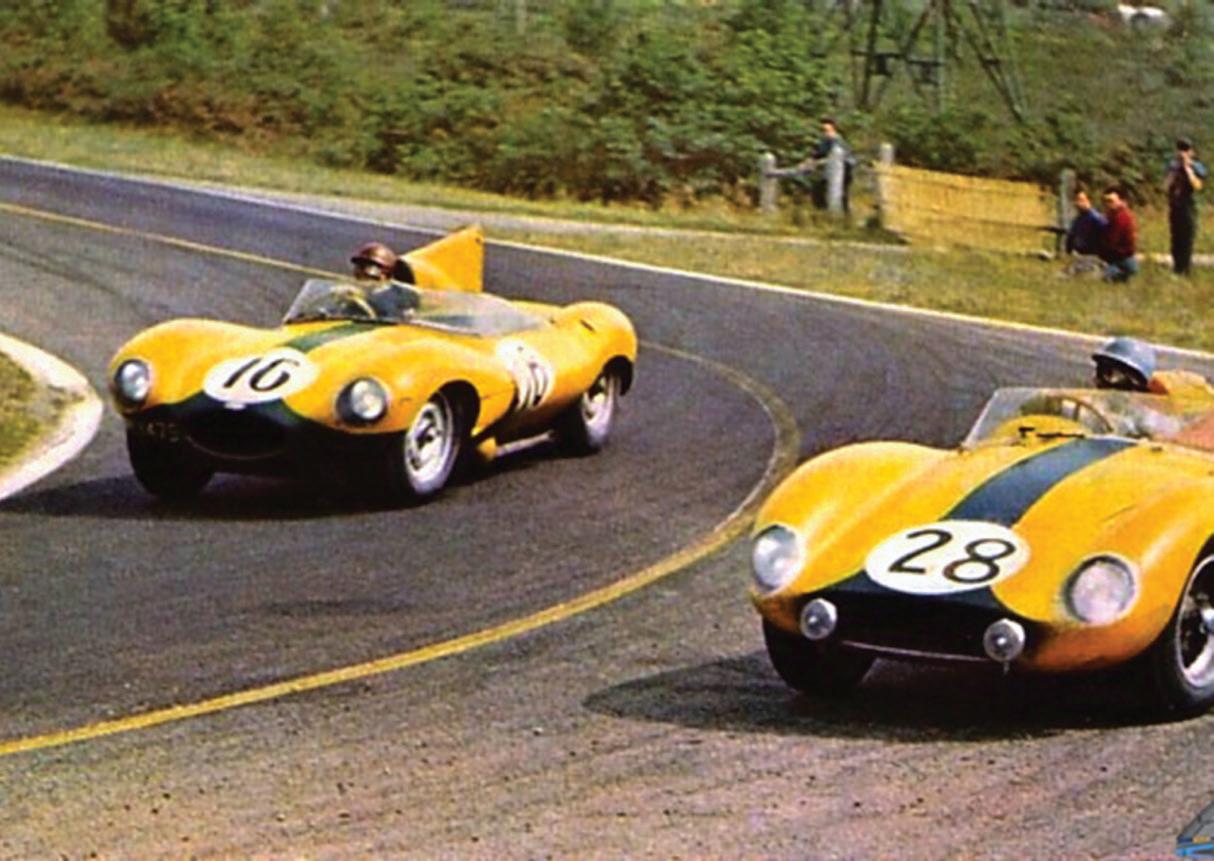
Former Jaguar works driver TONY ROLT died on the 6th February 2008 aged 89. Major Anthony Rolt was a gentleman driver whose skill at the wheel nearly matched that of Moss — whom he once famously beat at Goodwood when both were driving C-Types. In Jaguar terms, however, he is chiefly remembered for his winning of the 1953 Le Mans 24 Hour race with Duncan Hamilton, taking the works lightweight C-Type no. 18 to an emphatic victory against the best teams Europe could muster.
After the 1953 Le Mans win, he competed in the D-type, coming second in 1954, partnered again by Duncan Hamilton. His last race for Jaguar was in 1955, when he retired while in fifth place in the long-nose D-Type he was sharing with Duncan at that tragic Le Mans.
Tony Rolt was a modest and very private individual; he showed no inclination to trade on his racing credentials later in life, did not become involved in the historic movement and only rarely appeared at motoring events. But his reputation as a skilled driver and engineer is well remembered. .
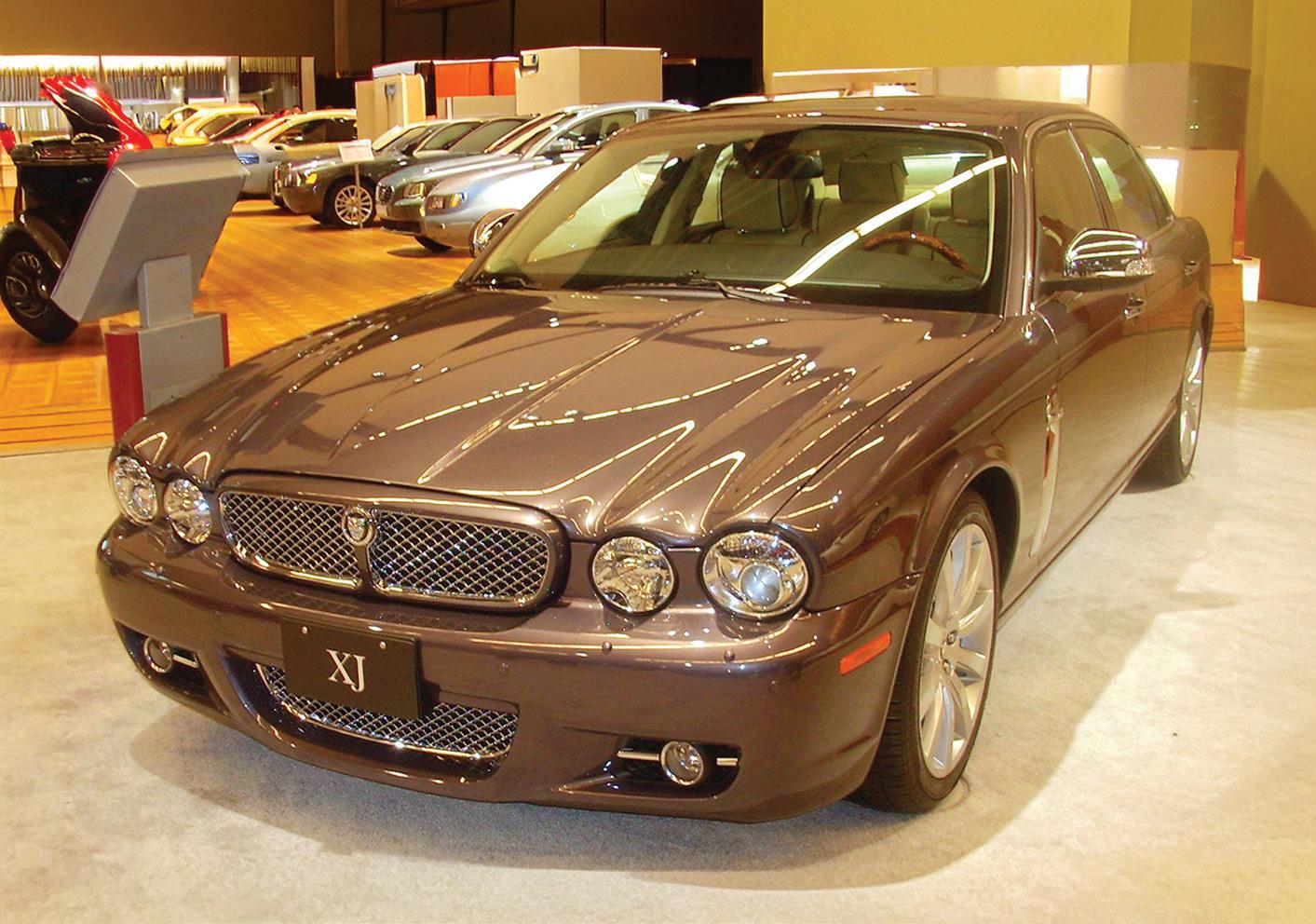
In February 2007, a facelift model, known as the XJ X358, was shown to the press before being introduced at the Geneva Motor Show. It was a light-touch re-design that was intended to ease out some of the retro in its styling, with a revised front grille and smoother-looking front bumper. Other changes included revised headlights and door mirrors incorporated side repeaters, as well as newly-added side vents in the front wings.
Production of the X350/X358 ended in March 2009 after seven years, with a total production of 83,566.
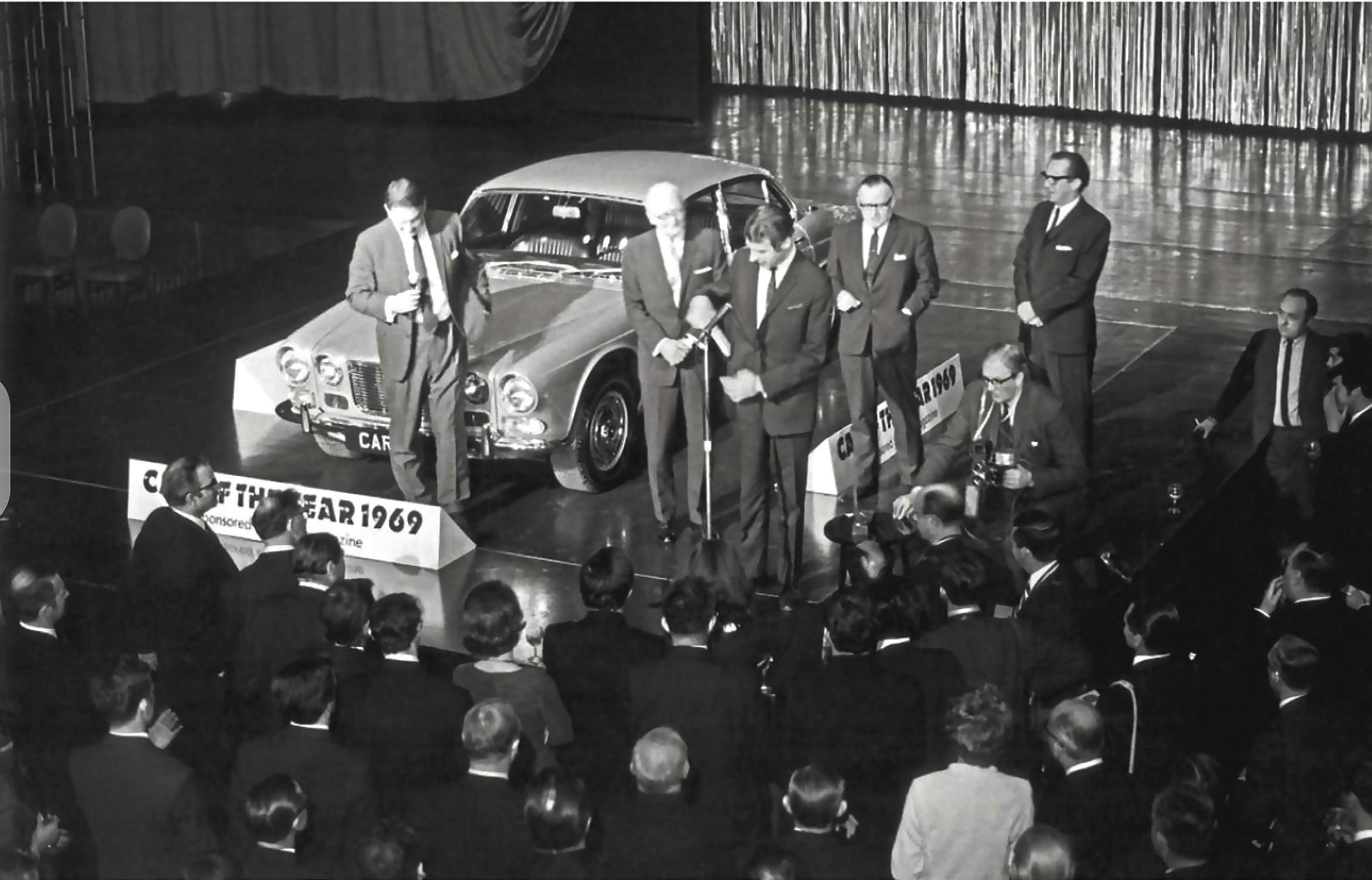
Due to deprecation, the X350 remains sought after as a used car classic. Classic Motoring concluded: "The X350 and the 358 facelift carries on the XJ's tradition by offering not only astonishing value but also a driving experience that few others can match let alone surpass." . On 27 February 1969, “Car Magazine” hosted a lavish awards ceremony to present the elegant “Car of The Year Trophy” to the XJ6 Series 1. Signalling how important they considered the accolade, both Jaguar's chairman, Sir William Lyons, and the company's engineering chief, Bill Heynes, were present to accept it. The XJ has won many awards during its eight generations, yet none have been as complimentary as the first. Authoritative car journalist LJK Setright wrote, "To my mind, the Jaguar is not merely remarkable for what it is, but also because it makes redundant all cars that cost more". “Car Magazine” in a five-page test of the XJ6, said "It is probably the best this nation can offer and certainly among the best that any nation has known in 75 years". What was true then remains just as true today.
On 27 February 1953, Jaguar announced that a Borg Warner two-speed automatic transmission would be fitted to all the Mark VII saloons destined for America.
From the outset the Mk VII was very popular and sold well, especially in the USA where it earned valuable foreign currency for England.
It was reputably the American buyers who let Jaguar know, that while they loved the car, they would appreciate an automatic gear box, and Jaguar responded by making a Borg Warner automatic option available.
It wasn’t until 1954 that the Mk VII with fully automatic transmission and twopedal control became freely available in Australia. .
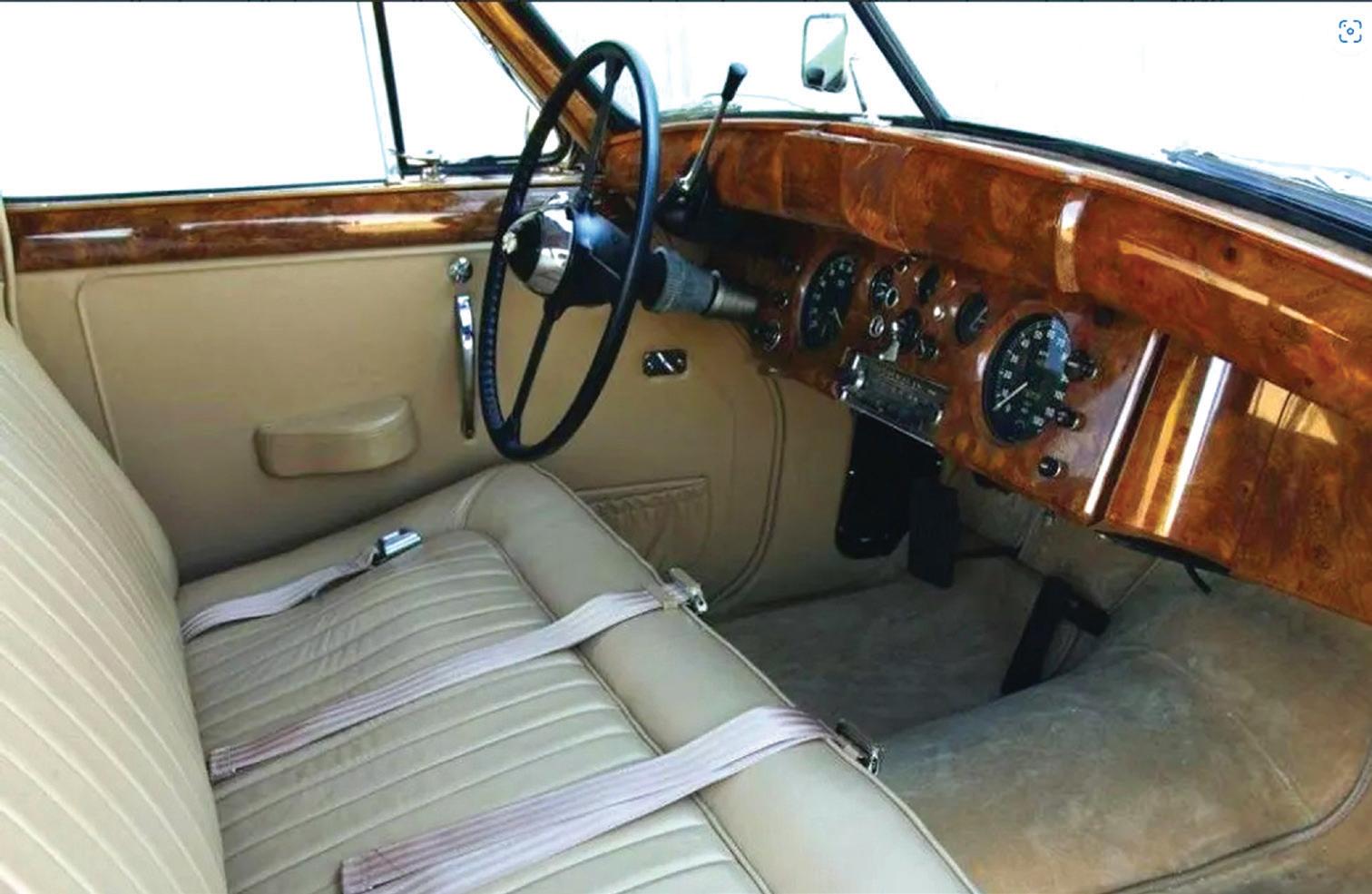
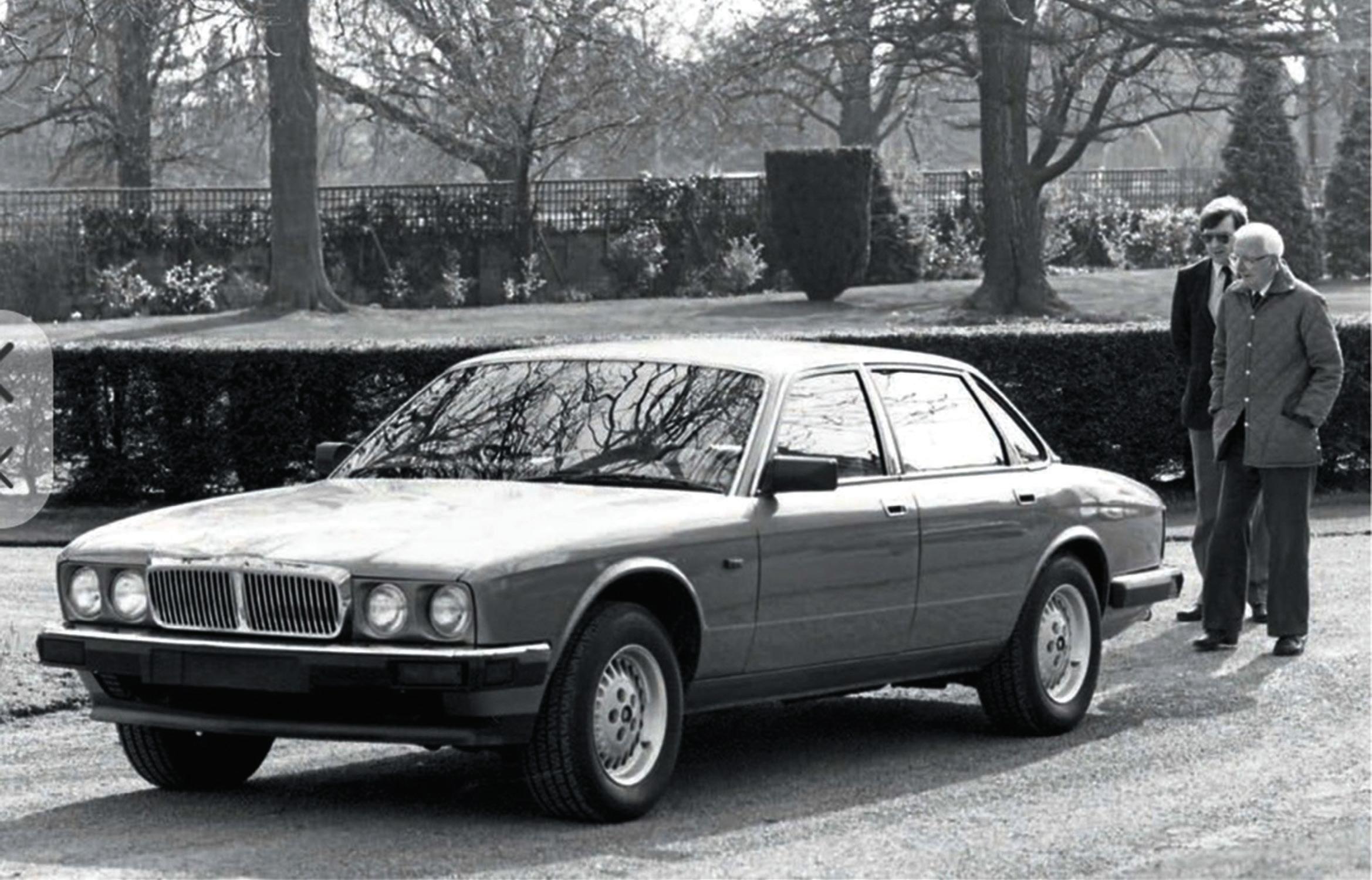
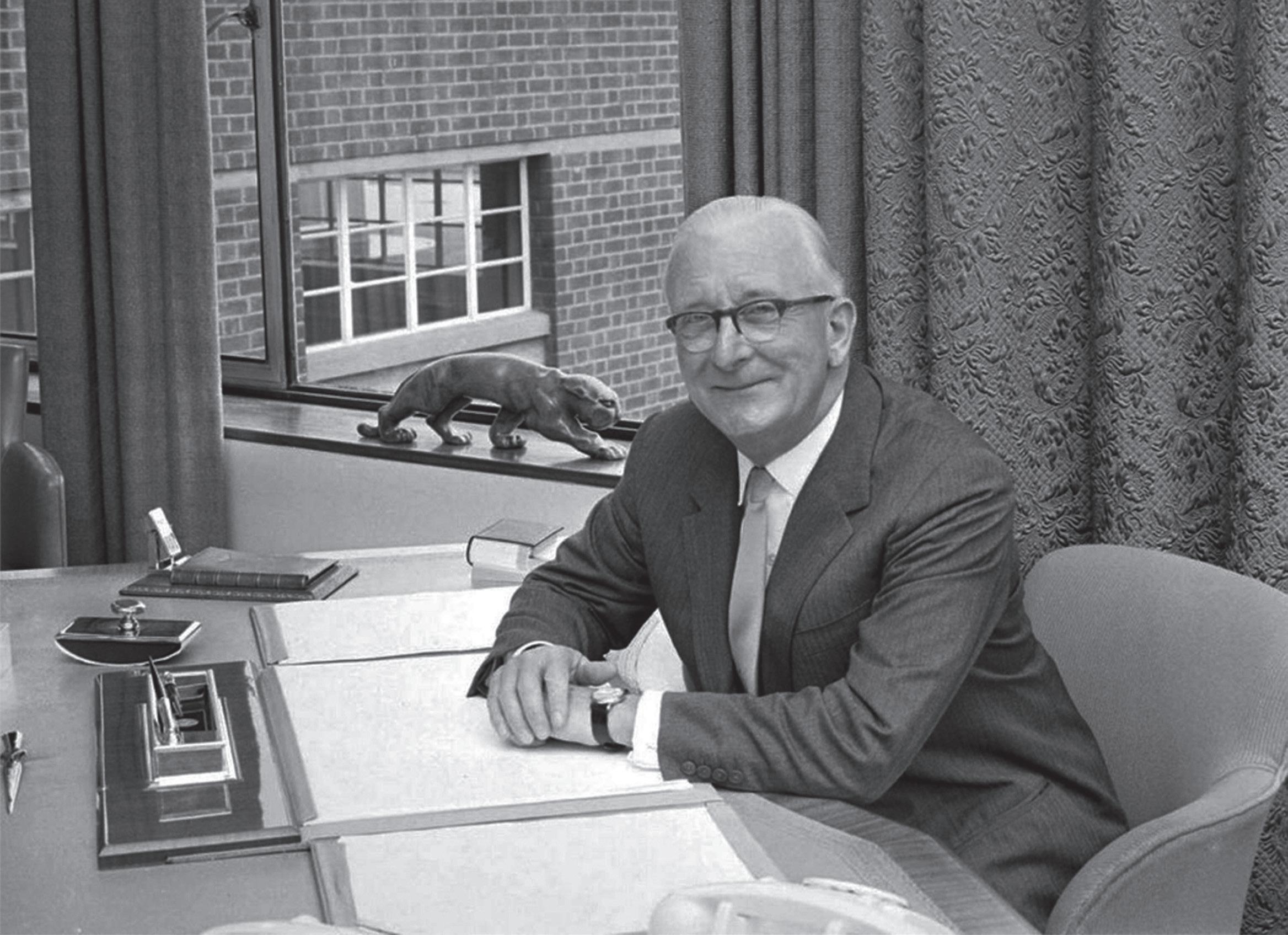
Although Sir William Lyons retired in 1972, he never lost his interest in the company he'd created and the cars it produced. This image from February 1983 shows George Thompson from Jaguar's design studio accompanying Sir William at his home of Wappenbury Hall as he inspects an XJ40 prototype in the morning sunlight. Lyons apparently made one or two suggestions about its detailing, but was otherwise pleased with the design. Sadly, Sir William wouldn't see the car enter production, as he passed away on 8 February 1985, 18 months before the XJ40's launch. Yet his influence on Jaguar's design lived on; when the XJ40 was given a major facelift in 1994, the subsequent model, the X300 was a fine homage to Lyons' original XJ6.
The XJ40 body shell was a major step forward in terms of rust proofing and production simplicity. Gone were the days of lead loading and moisture trapping double skins, replaced instead with fewer and simpler panels together with the odd cover trim (notably the rear pillar) where a join could not be hidden.
Despite all this, these cars can still rust if not kept scrupulously clean underneath. Common problem areas being the rear wheel arches, front inner valance, screen surrounds, the boot lid lip and the front corners of the bonnet.
Perhaps the area that’s potentially the most significant risk for corrosion, though, is the forward bulkhead (firewall) which can rust right through should the plenum drain become blocked, and require a full strip out of the dashboard to repair effectively.
The most notoriously unreliable aspect of the body is the door handle design on pre-1989 cars which used a sliding lever mechanism. These soon ran out of lubrication, placing excessive load on the (weak) pivot bracket and invariably snapping it off. The later 4.0-litre type handle is much better but cannot be retro-fitted, so on early cars the only option is to first pay for a new assembly, and then remember to keep it well lubricated.
Water leaks into the boot are quite common, and in most cases can be fixed by sealing the ledge (black plastic covering) with windscreen sealant below where the trunk lid meets the car when the lid is closed. Also check the radio antenna grommet and fuel filler liner.
The fully mechanical 4HP 22 transmission fitted to 2.9, 3.2 and 3.6-litre cars is just about bullet proof, and with regular servicing should last the life of the car.
The 4HP 24 E9 dual mode gearbox fitted to 4-litre cars is still very good, but can suffer from the odd electrical glitch and these are best left to a specialist to sort out.
The GM 4L 80E gearbox fitted to the VI 2s is basically an updated Turbo 400 with an overdrive fourth gear. They are generally reliable but can develop a whine in first and reverse gears, which although slightly annoying is not generally a warning of imminent failure.
Manual cars were fitted with, in turn, GETRAG 265 (separate bellhousing) and 290 (integral bell-housing) type five-speed transmissions, which, although very long lasting, have virtually no parts backup so it is a good idea to note which is fitted and keep a spare 'box' handy.
The hydraulic clutch should ideally be flushed with fresh fluid every two years and rebuilt every six.
Early cars (pre-89) used a hydraulically boosted Girling system, incorporating a ram behind the conventional master cylinder sharing its fluid supply with the self-levelling rear suspension (when fitted). The accumulator sphere will eventually leak away its nitrogen leading to a low-pressure warning after one or two pumps of the pedal, while the two pressure switches — one to regulate pressure, the other to operate the warning light, will almost certainly start to leak long before they fail electrically.
Replacement of all three is straightforward once the pedal has been pumped at least twenty times to depressurise the system fully.
The early system is also prone to seized caliper sliding pins and so at every pad change the rubber boots should be pulled back and new copper grease applied as required.
The pad wear indicator system operates by sensing an open circuit or short to earth so, when tracing a false warning, bridge out at the main loom connection to systematically eliminate each wheel as there can be damage to the link lead.
Later cars are fitted with an ATE braking system which pressurises the fluid itself, the pedal then acting in a similar way to a valve controlling the level of force. The system is extremely reliable, though as with the Girling arrangement, the accumulator sphere will require periodic replacement.
With the exception of a few 2.9-litre cars, ABS is pretty well standard and as with the rest of the system, it is on the early cars that most problems occur. Corrosion of the rear hub carriers can crush and short out the rear sensors (coat replacements with copper grease), while dry joint failure in the circuit board of the over-voltage relay can cut power to the system completely — the white relay (with integral fuse) is located in the boot adjacent to the fuel filler recess and, with care, can be taken apart and then re-soldered.
The XJ40 is weak in the differential which will wear and become noisy, often within 100,000 miles. A new set of bearings is usually all that is needed, but if a leaking pinion seal is ignored for too long or the bearing is incorrectly tightened during seal replacement, the entire assembly can be severely damaged. Also check the rear prop-shaft coupling regularly as they are made from rubber and will crack eventually. The universal joints forward of the coupling are more likely to become notchy, while a missing balance weight can produce a vibration similar to an out of balance wheel.
Pre-1989 cars used Series-3/XJ-S type upper wishbone bushes, which can wear significantly over time and alter the suspension alignment. Later cars are fitted with a much more durable bonded rubber type.
Lower bushes will move off-centre in relation to the shaft as they age. The shafts also commonly seize in the subframe and require heat to loosen.
Often ignored, but crucial to handling precision on all cars, are the subframe mounts, particularly the forward V mount which can separate completely and let go unnoticed when the car is raised for servicing as spring tension clamps the two halves together. Look for swollen rubber or the tell-tale shiny patch where they rub.
Wheel bearings seem to fail quite regularly, so to prevent expensive hub and stub axle damage it is worth checking them every time the car is serviced, and we'd advise replacing them every 30,000 miles to avoid any unnecessary dramas.
Dampers usually last around 80-100,000 miles, but in that period will consume at least two sets of upper mounting bushes made from a dense foam that hardens and crumbles over time.
Never loosen the damper mounts without the full weight of the car supported on the spring as the damper is the lower bump stop and remains under tension when the wheels hang free.
The (semi) stainless steel exhaust system fitted as standard does last well, but will eventually corrode through at the rear silencers and bends.
Mild steel replacements are available but offer false economy as they will usually rust through. Whereas a good stainless system and it will be there for life.
Most audible leaks, however, will usually be due to failed manifold-to-head gaskets, as there are insufficient studs to clamp adequately. There is no real fix, other than to replace the gaskets as soon as a leak is detected to prevent erosion of the head face.
Catalysts, where fitted, can often last the life of the car, but the lambda sensors will degrade after about five years, increasing emissions and reducing fuel economy — treat them as a consumable item.
Last but not least, at every service check the exhaust clamps carefully as they are prone to both corrosion of the bolt and splitting off the stainless steel band.
Virtually all XJ40 electrical failures are caused by dry joint failure, that is a poorly soldered joint on a printed circuit which, with continual heating/expansion and cooling/contraction eventually separates — intermittently at first, but leading to permanent failure.
Once located, bad connections can often be re-soldered. The tricky part is finding them in the first place. From 1989, improved quality control, together with a change to analogue instruments improved things in this area considerably.
The most common problem areas seem to be: -
◊ The lighting relay units, misleadingly known as bulb fail modules,
◊ The circuit boards behind the instrument cluster and,
◊ The over-voltage relay for the ABS, previously mentioned.
Should the wipers fail without reason, look for a blown inline fuse behind the glovebox. It was put there at the last minute to protect the motor should the wiper arm freeze to the screen.
When fitting a tow bar, the correct interface unit must be used for the trailer/caravan plug, otherwise permanent and expensive damage may occur.
The square headlamps found on Sovereign and Daimler cars are both expensive to replace and can be limited in output, but it is possible to fit the quad round headlight arrangement (utilising standard five-inch lamps) from a standard XJ6, as long as the twin output control units are also fitted. Being body colour the surrounding trim may have to be painted to match the car.
The ZF steering rack generally lasts well, but can become soggy in the mounting bushes with age.
Problems are more likely either with the pump, integral with the engine and prone to breaking its coupling, or the high-pressure pipe which has two flexible sections and can rub through one of them on the engine mount. If choosing to repair rather than replace this pipe, do not use steel braided hose as engine vibrations will then be fed through the car.
The wheel alignment on these cars can be knocked out of adjustment even with slight kerbing, often resulting in a tendency to tramline especially if the lower bushes are worn. For this reason, an alignment check once a year is a very good idea.
3.6 litre engines can suffer from head gasket failure, either between the back two cylinders causing coolant loss and misfire on start-up, or at the oil return gallery resulting in a major oil leak.
In most cases a new head gasket is all that will be needed, but check the head for distortion and, if practical, de-coke the valves.
The original upper timing chain tensioners (with machined casing and removable plug) often suffer distortion and subsequent failure of the ratchet mechanism, causing chattering on start-up and in some cases allowing the chain to jump a tooth on the cam sprocket(s). The revised unit with a bare cast housing is much more reliable.
3.6, 3.2 and 4.0-litre cam cover seals will harden over time, normally leaking first into the plug recesses. Replacement is simple but be sure to replace the halfmoon rubber plugs at the back of the head at the same time.
2.9-litre engines use a V12 head and have a mesh breather filter that must be cleaned regularly.
Any cars still running self-levelling suspension should be converted back to standard springs and dampers at the first sign of trouble as repair of the original system is just not financially viable.
To disable the hydraulics when converting a car back to standard, first depressurise the system by pumping the brake pedal until it goes hard, then disconnect the hydraulic pipe at the valve block under the bonnet, plugging the opening one of the now redundant bleed nipples found near the top of each rear damper. The pipes can then be removed to tidy up if desired.
A squeaking noise from the rear of the car can usually be traced to the foam insulators above the springs. These should always be coated with copper based grease during damper replacement.
The round A-frame mounts which anchor the suspension assembly to the body just forward of each rear wheel take virtually all of the acceleration and braking force with natural wear compounded by the tendency of the cast alloy bush centre to corrode and separate from the rubber. A press and special dies are needed to replace the bushes.
The other bushes in the rear suspension will most likely last the lifetime of the car.
The type of interior trim will depend largely on the spec level.
Base cars having cloth seats with moulded vinyl door trims and console, while the more expensive vehicles have leather and stitched vinyl (much easier to repair). Driver's seats in particular suffer from wear on the side bolster where the seat belt rubs. This is easily fixed by a skilled trimmer and overall the seating is much more comfortable and hard-wearing than on later cars.
The real secret to a lovely interior is to keep it away from heat and damp, that means shade in summer and keeping the air conditioning side of the system fully operational, as it will remove moisture even when heating the car in the depths of winter.
The dashboard and door trim veneer is bonded onto plywood and although it might fade, total failure is unlikely.
The console and ashtray veneer on the other hand is bonded directly to a steel support and will delaminate very quickly with exposure to heat.
Bonding methods have improved greatly since the mid1980s and so a new re-veneered panel should be much more durable.
The headlining sandwiches a layer of foam between the glass-fibre shell and the actual material. Overtime, heat causes the foam to break down, allowing the material to drop. While technically possible to do at home, to ensure a good job, leave it to a professional trimmer.
In 6.0 litre form, the V12 engine is extremely reliable and, with reduced tolerances, even more refined, but it does depend on regular servicing and will almost certainly bite if neglected or overheated.
Allow plenty of time not just for engine repairs, but anything else in close proximity.
Replacing the lower wishbone bushes for example requires removal of the downpipe catalysts, which in turn often leads to snapped mounting studs and subsequent removal of the exhaust manifolds.
The biggest maintenance issue with V12 cars however is not the engine itself, but the additional stress it places on the chassis.
Everything from the suspension bushes to the dampers and brakes just seems to wear out a lot more quickly than on a six-cylinder car, resulting in much higher maintenance costs.
The 390mm TD metric wheels used in many markets incorporate an ingenious rim design to hold the tyre in place when deflated, unfortunately the concept never gained widespread support and was abandoned in 1992 when Jaguar switched back to a conventional 15 inch rim.
TD tyres are still available but remain relatively expensive. 15 inch tyres should never be forced on to a 390mm wheel and it is usually more cost effective to buy a set of imperial wheels and new tyres than replace the metric ones.
The XJ40 (and subsequent X300 and V8 models) adopted a different wheel offset compared with the previous XJ and XJ-S cars, with the rim positioned further in. This means that earlier Jaguar wheels cannot be fitted as the tyre will tend to rub on the wheel arch. Be careful when buying replacement wheels, as several designs were made in two different offsets depending on whether they were for an XJ40 or XJ-S.
The early 1990s also saw the company's first steps towards larger rim diameters after three decades at 15 inch with some later models such as the XJ 12 moving up to 16 inch, a size that was to become standard on the X300. Today there is a much wider range of tyres in 16 inch than 15 inch, so the fitting of later wheels would not just be of visual benefit.
The Delanair Mk 4 climate control system took a huge step forward in terms of electronic sophistication with a microprocessor and servo motors replacing the mass of valves and vacuum hoses used previously. Ironically the most common problem is failure of the 20-cent micro switch behind the fan control cutting power to the entire system, but replacement is not difficult.
Unlike earlier Jaguar systems most of the components are easily accessible. The ECU and flap motors (which can stick) are screwed to the outside of the casing and the heater matrix incorporate detachable pipes for the first time, cutting the replacement time from 16 hours to one.
The exception is the evaporator, replacement of which requires the whole casing to be removed from the car. Most cars were originally charged with the now banned R12 refrigerant. The later gas can be retro-fitted, but this is best done with a new compressor and receiver drier. Do bear in mind that the new gas will not be as effective as R12 and a pinhole leak, commonly from either a corroded condenser or porous hoses, will quickly drop pressure sufficiently to stop the system working completely.
These cars do not as a rule run hot, so any overheating should be investigated immediately.
Check regularly for blockages and corrosion in the lower third of the radiator but look also for corrosive build up around the alloy-rubber connections, particularly at the thermostat housing and the back of the water pump where an oft ignored hose feeds coolant back to a distribution rail on the side of the block.
Replacement water pumps are usually supplied just as a front housing, so check the back housing for corrosion in case a new one is needed as well.
The viscous fan coupling is temperature controlled, but should also load up for a few seconds when the car is started from cold as the fluid circulates. If it doesn't, fit a new one.
The vacuum operated heater valve is mounted at the left rear corner of the cylinder head via a short hose on pre- 1993 cars, but was screwed directly in from then on and is extremely difficult to remove without a cut down spanner. These valves rarely seize, but will leak eventually leaving a tell-tale stain on the chassis leg.
A non-start will often be due to a failed crank angle sensor at the front of the engine or a faulty ignition amplifier, located under the coil. The distributor cap can also crack around the internal pins causing a misfire.
An early car that cranks for a long period before starting will usually require a new one-way valve at the fuel pump mounted on the rear suspension subframe.
On later cars, the pump is mounted in the tank, and can suffer overheating of the wiring at the flange connection, leading to fuel gauge and pump problems.
The hotwire type airflow meter is extremely reliable, but the throttle position switch mounted under the butterfly can be prone to oil ingress and wear in the lower range, often causing a flat spot.
Engine idle speed is electronically controlled and carbon buildup can cause the valve to stick. They can sometimes be cleaned out but this isn't a guaranteed fix.
If the car tends to stall at the same point during warmup on a regular basis or floods the engine with fuel, fit a new coolant temperature transmitter.
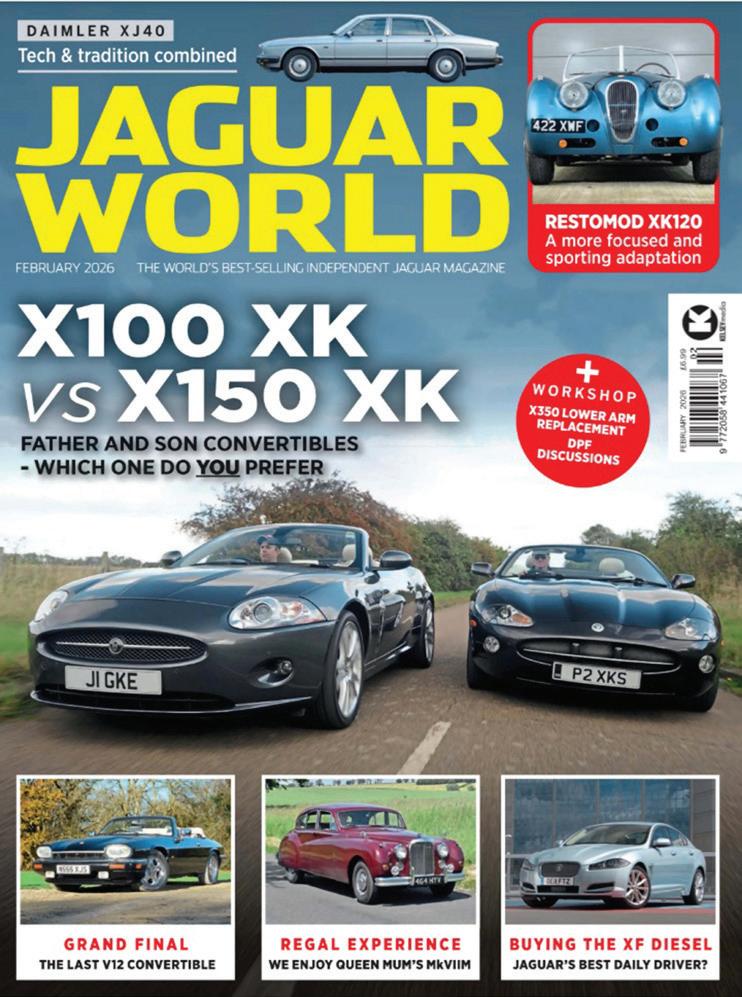
The February 2026 edition of Jaguar World includes the following feature stories:
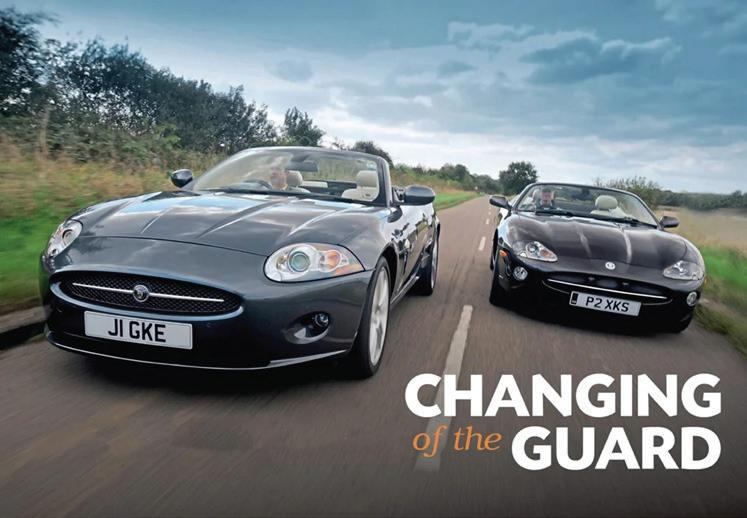
◊ X100 Vs X150: The X150-generation of XK wasn’t just a new car but a new direction for Jaguar. To explain why, they compare an early example with a late example of its predecessor. Did the later car lose its XK character?
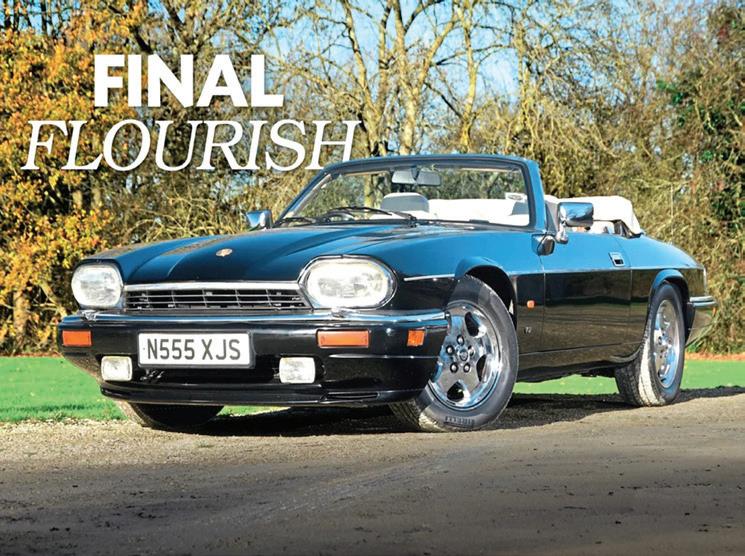
◊ XJS Convertible: The very last RHD V12 Convertible driven. Produced in early 1996, this black XJS is the final V12 convertible in right-hand drive and the second-to-last produced. Recently resurfacing after years of inactivity, they look at the background of this historically important Jaguar.
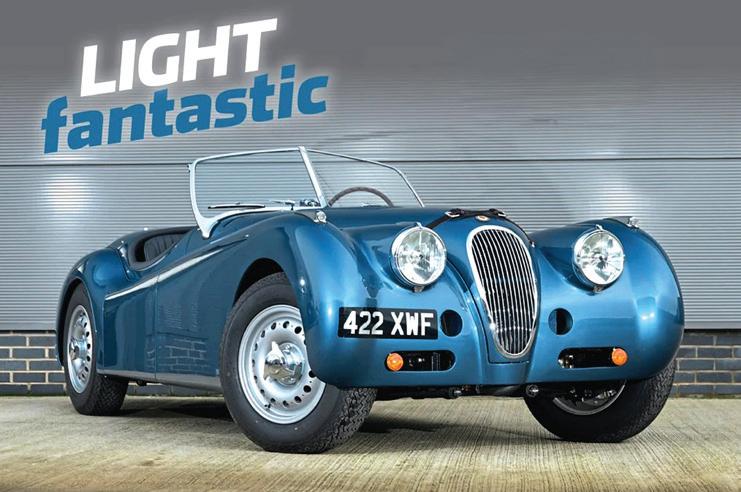
◊ Modified XK120: With its replacement lightweight alloy body, rack-and-pinion steering and five-speed transmission, this 1953 XK120 has been transformed into a more usable and focused sports car. Modernised and improved - but not too much.
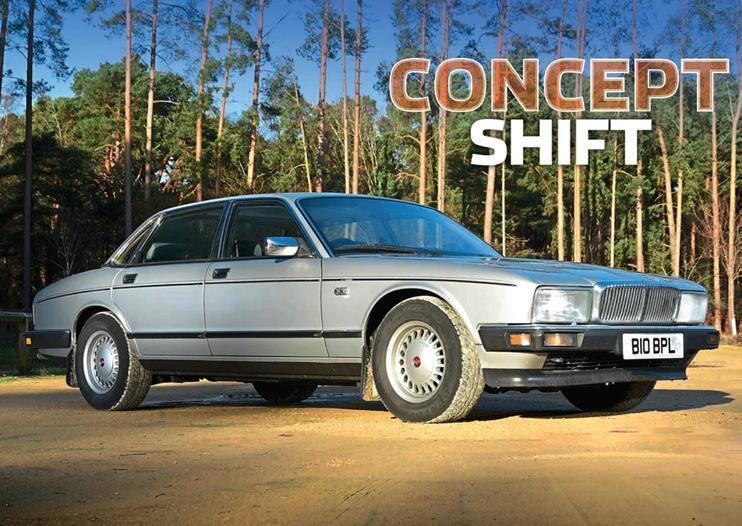
◊ Daimler 3.6: How the tech-laden XJ40 was adapted to the traditional Daimler buyer. On paper the traditional Daimler marque sits alongside the technologically advanced XJ40 model. In practice, is it actually the best car Browns Lane built in the 1980s?
◊ Queen Mother's: Mk VllM: Adapted over time, and fit for a queen. When is a Mark IX not a Mark IX? When it’s a Mark VIIM owned by the late Queen Mother and updated in real time by the factory. They take it for a drive.
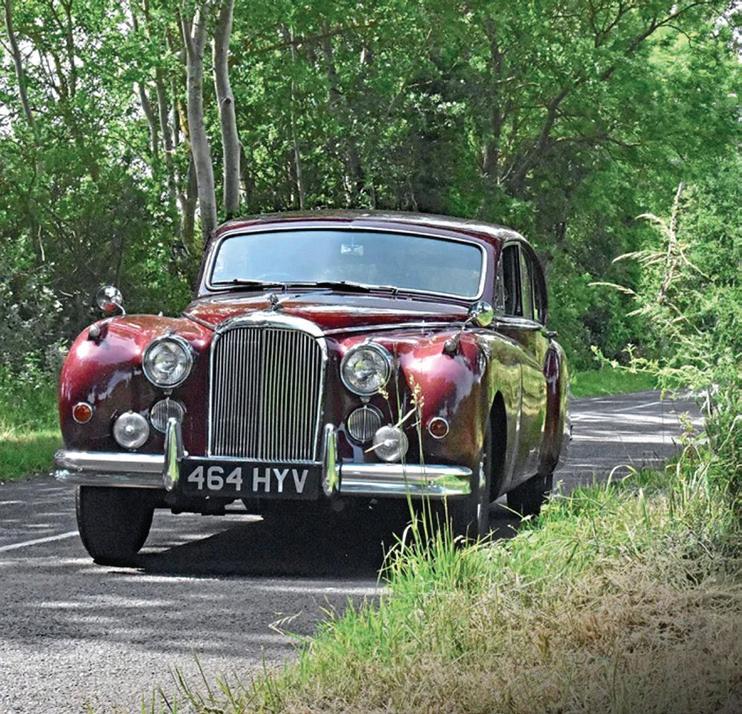
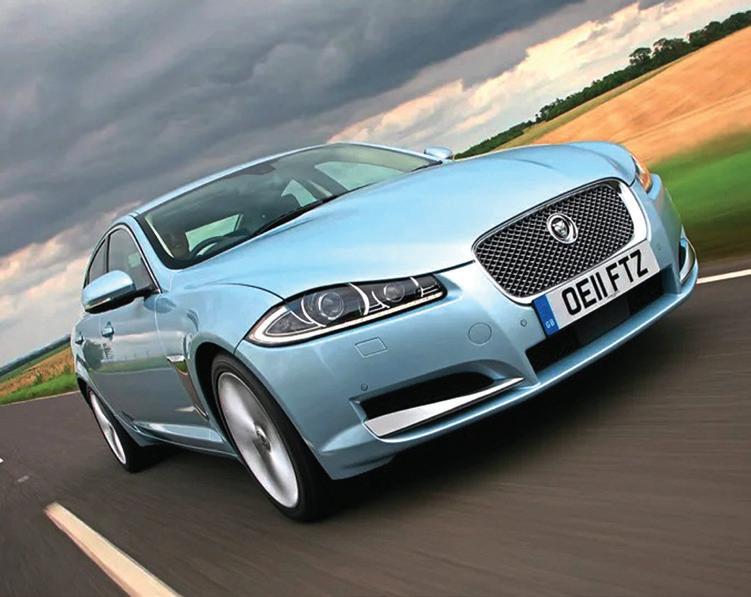
◊ Buying the XF Diesel: Is this Jaguar's best value daily? While earlier models had drip-fed us diesel economy with Jaguar style, the XF was the first to be conceived this way. Here’s how to buy the best oil-burner you can.
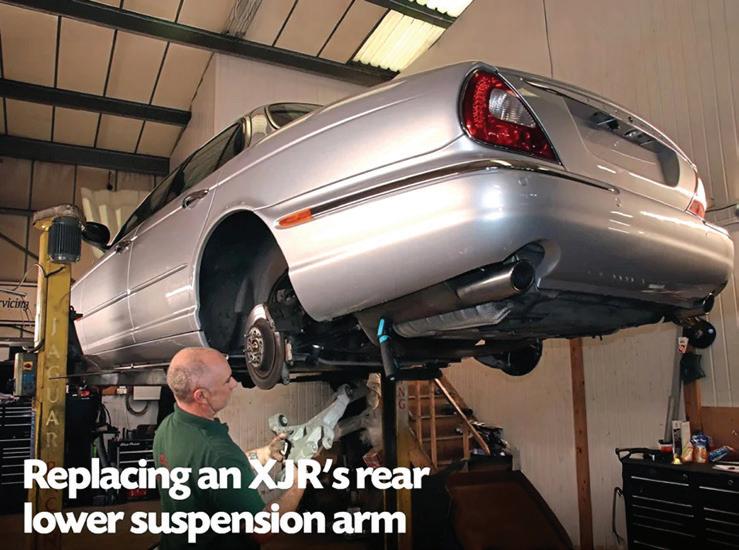
◊ Workshop: A Jaguar specialist shows how to replace the lower arms on an XJ X350. The triangular-shaped aluminium lower suspension arm is a common sight on several generations of the XJ saloon, the XF and also the XK (X150). The lower control arms are crucial for maintaining the vehicle's alignment and handling. Over time, the bushings and ball joints can wear out, leading to symptoms such as clunking noises, vehicle pulling in one direction, and uneven tire wear.
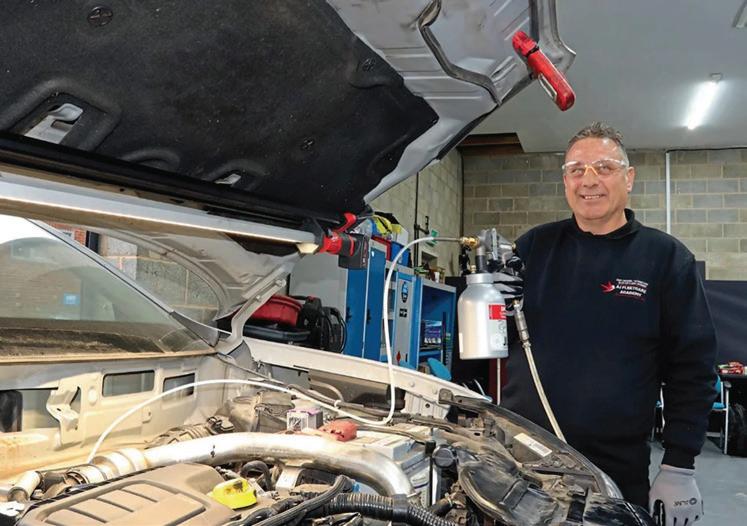
◊ Q+A: Learning about DPFs. Is the diesel particulate filter (DPF) a hindrance or a help? They ask a specialist for the answers and find out how to best look after a Jaguar with one fitted. .
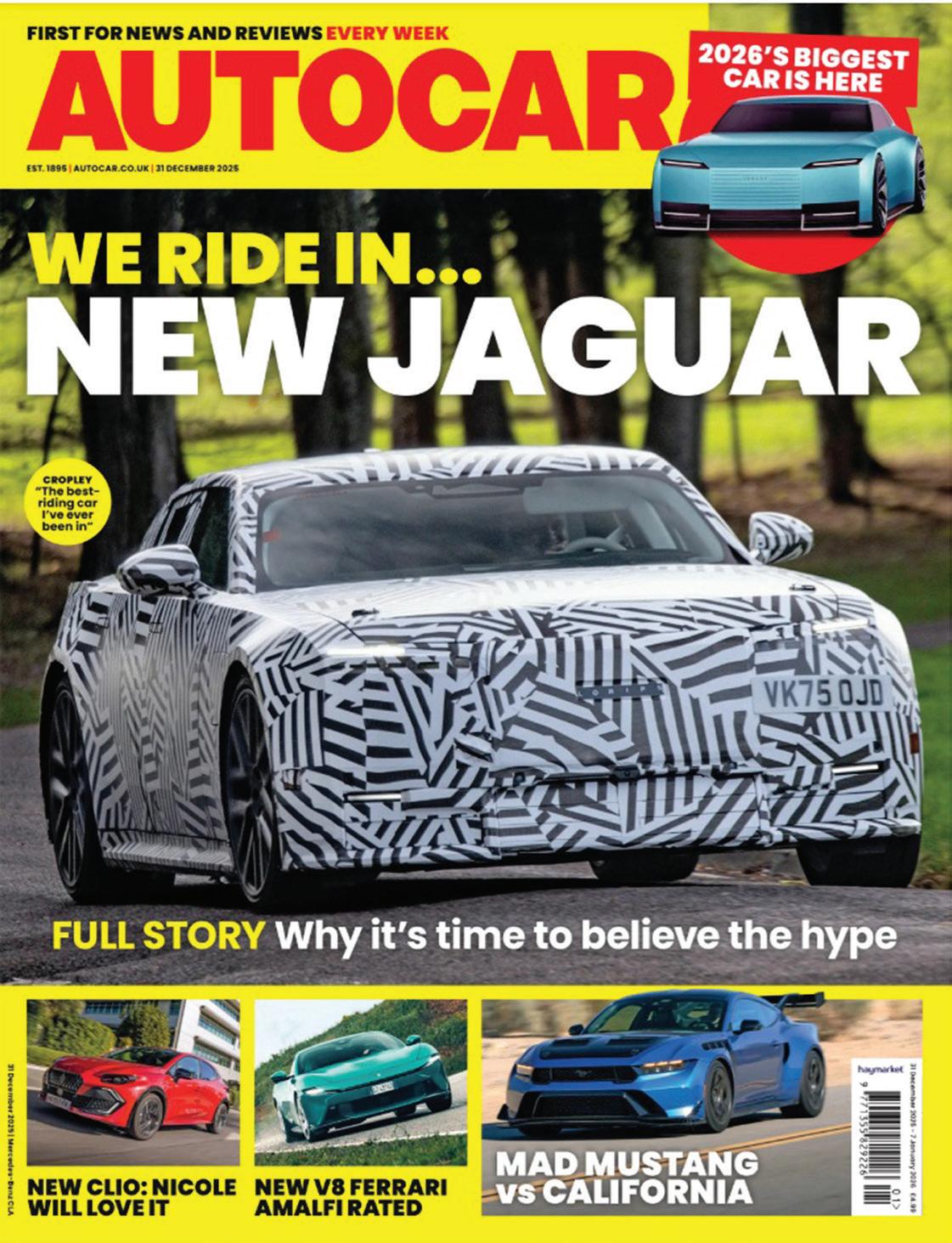
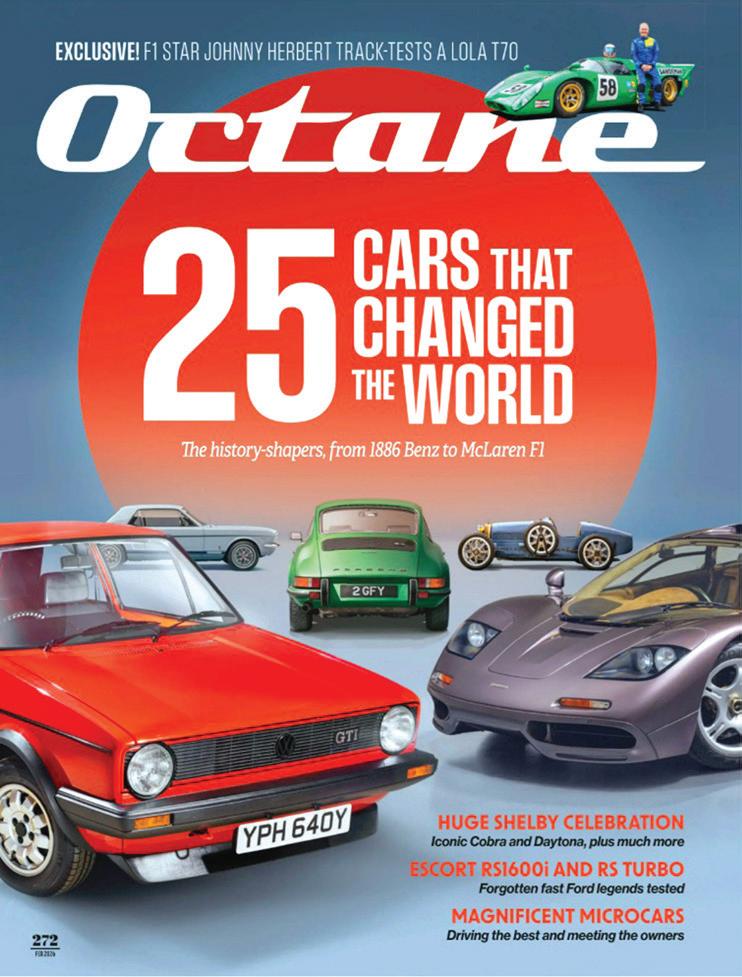
This could be a happy new year for Jaguar
What a couple of weeks it's been for JLR. First, there was the explosive news that board member and design chief Gerry McGovern had departed the business abruptly after 21 years at the firm. Then came an opportunity for us to ride in probably the most hotly anticipated car of the century so far. The new Jaguar GT, based on the Type 00 (and created under McGovern's direction).
That the second followed the first so quickly is what some might call a swift PR pivot, but that doesn't make the importance of the car itself and our chance to assess it any less impactful. Steve Cropley, who rode in the car and describes it as "something very special." He was as enthused as I've ever heard him about how brilliant it was.
Such promising first impressions of the car will help to steer Jaguar back on the right track after a rocky time. The furore around the concept's launch late last year and the subsequent silence from JLR — we were originally told we'd see a finished car by now — have done little to quell the scepticism surrounding the future direction of this lauded brand.
Despite the delays and controversy, though, our experience of the prototype provides early proof that the people in charge of Jaguar have a clear strategy and plenty of reason for us to be excited about what lies ahead for the reinvented marque.
Rachel Burgess, Magazine Editor
13. 1959 Mini
14. 1961 Jaguar E-Type
15. 1964 Porche 911
16. 1964 Ford Mustang
17. 1966 Lamborghini Miura
18. 1968 Toyota Hilux
19. 1976 VW Golf GTI
20. 1980 Audio Quattro
21. 1987 Ferrari F40
22. 1992 McLaren F1
23. 1997 Toyota Prius
24. 2005 Bugatti Veyron 16.4
25. 2012 Tesla Model S
Celebrating Innovation
2026 marks the 140th anniversary of the motor car. It was in January 1886 that Karl Benz patented his Motorwagen, widely accepted to be the first practical motor car.
In 140 years the evolution and development of the motor car, both in its speed and intensity, has been absolutely astonishing. And the best thing is that you can clearly see in the car's timeline most of the big step-changes in its sophistication, even though the tech is often blurred across several years and manufacturers.
Huge fuel-injected W-format engines, ceramic disc brakes and monocoque's couldn't have been dreamed of in 1886, but then neither could a roof and windscreen wipers, or seat-belts and airbags.
You would have thought we had pretty much achieved peak car by now, but the beauty of them is that we never quite reach the summit. Even allowing for the EV revolution, petrol and diesel cars still canter into new territory
Progress is as relentless as it is captivating.
James Elliott, Editor in Chief
Adverts are free for a three month period (and then removed if not sold before hand).
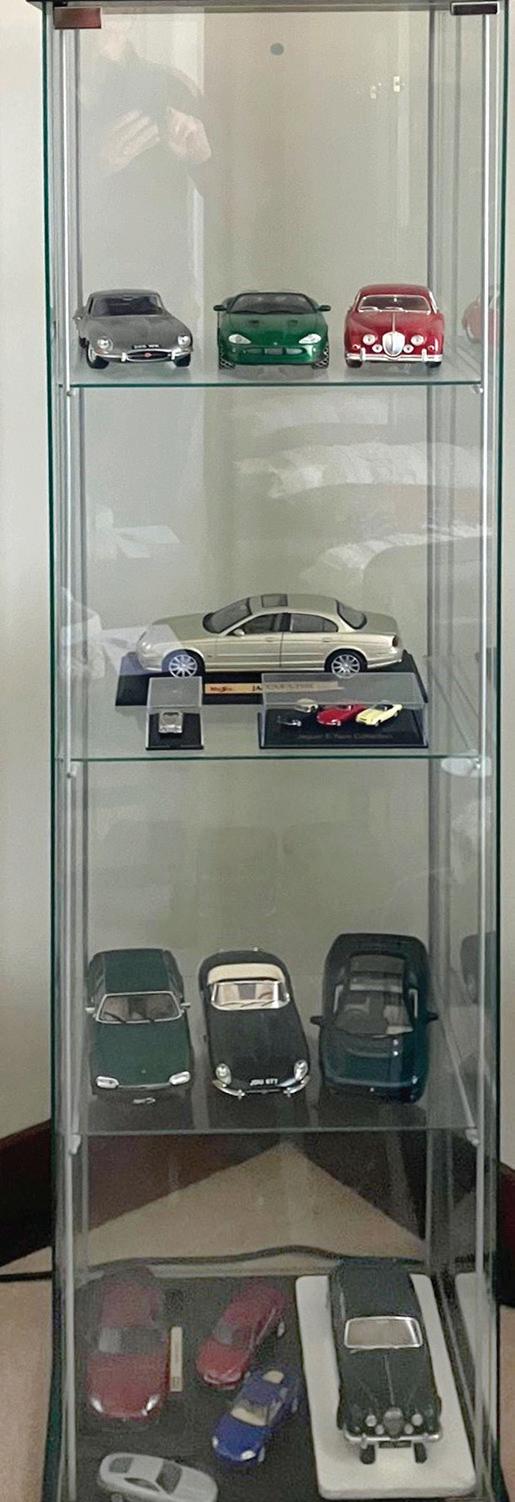
1. The offering is one lot – consisting of all the models and the display case.
2. The models are a variety of brands.
3. The larger models are 1:18.
4. All reasonable offers considered.
5. Buyer to pick up (Hove)after payment.
For More Info Ring
Mel Tickle 0477 711 598
FOR SALE: 1958 Jaguar Mk1- Unfinished Project
◊ 2.4 Litre manual with overdrive
◊ Complete vehicle. (Will Not Part Out)
◊ Mostly disassembled, all parts available. Has some rust.
◊ Ideal for a dedicated restorer looking for a total blank canvas project.
◊ Location: Athelstone. (Pickup only).
PRICE: $4,500 (ONO)
Please Contact Brian at 0414 373 441
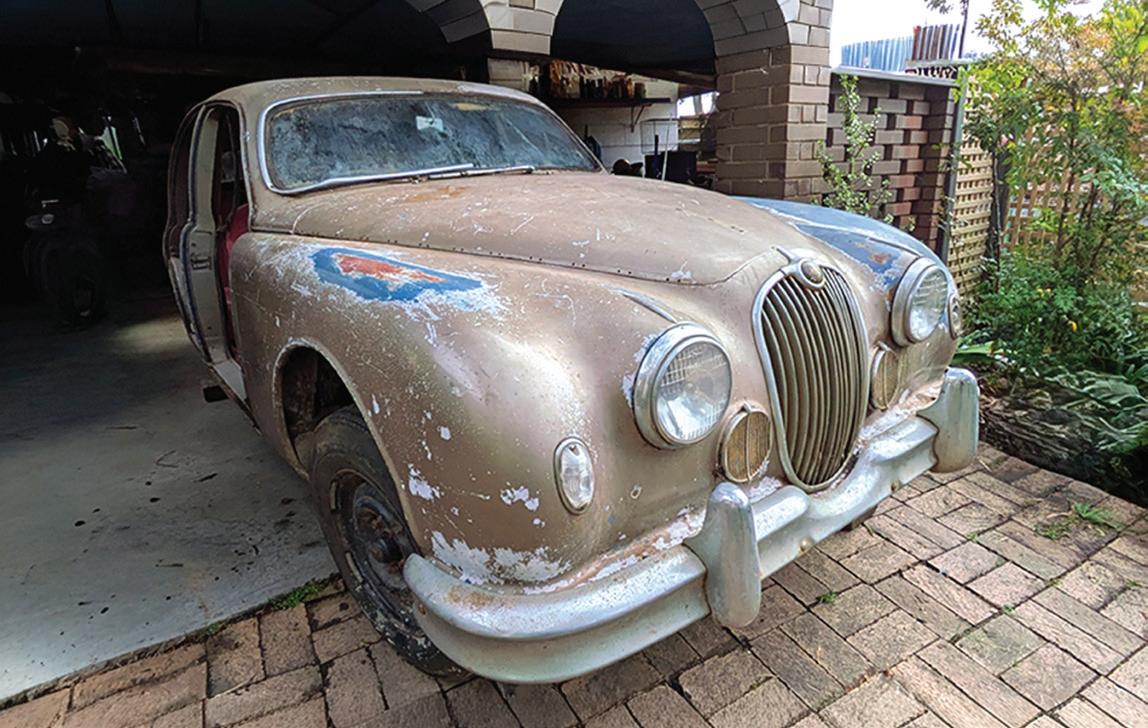
FOR SALE: 1950 3.5 Litre MARK V SALOON
Regency Red with Silver side panels
PRICE: $34,600
Please Contact - Doug MacLean 0433484859
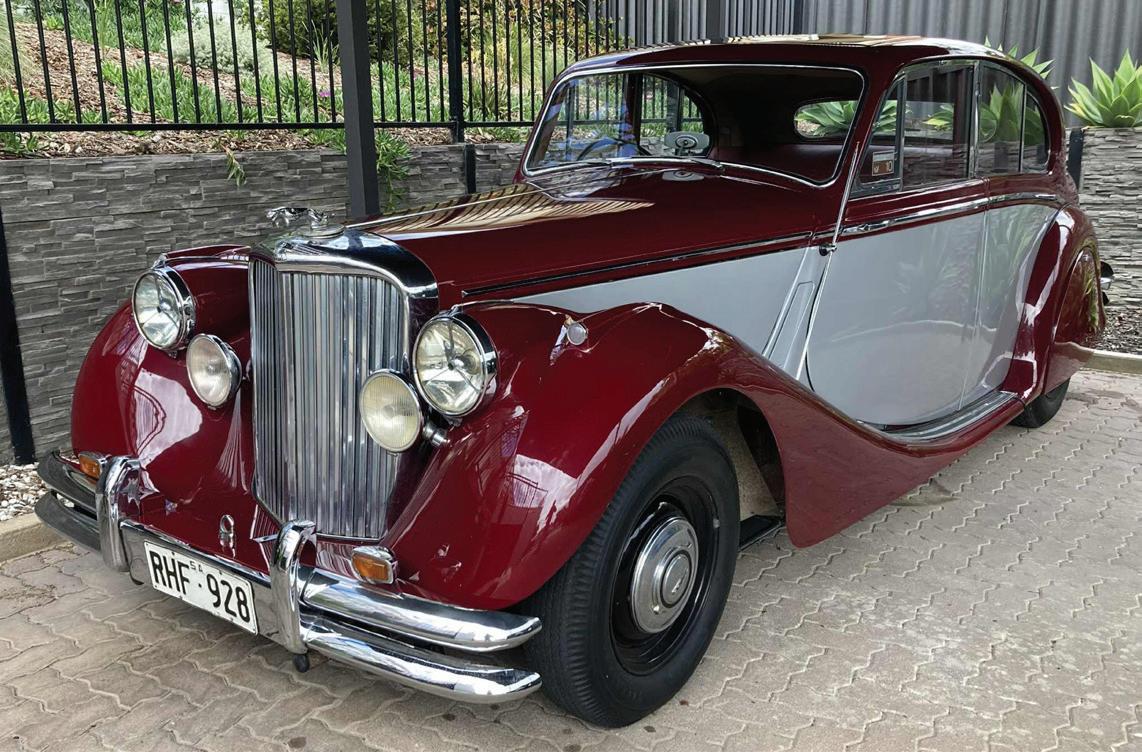
FOR SALE: 1985 XJ6 Series 3 Sovereign
◊ Owned for 10 years, third owner.
◊ Low milage - exterior, interior, woodwork excellent.
◊ Maintained undercover. Fitted with sunroof and tow bar.
◊ Mechanically very good. Automatic, air-conditioning, cruise control etc all works well.
◊ Lovely car but selling because, although engine runs, it has a broken head bolt that needs repair or possible rebuild.
◊ Has original tool kit and books.
◊ Car located in Loxton.
PRICE: Accept Reasonable Offers
Please Contact Anthony Chilton 0417 572 196 or 08 8584 1243
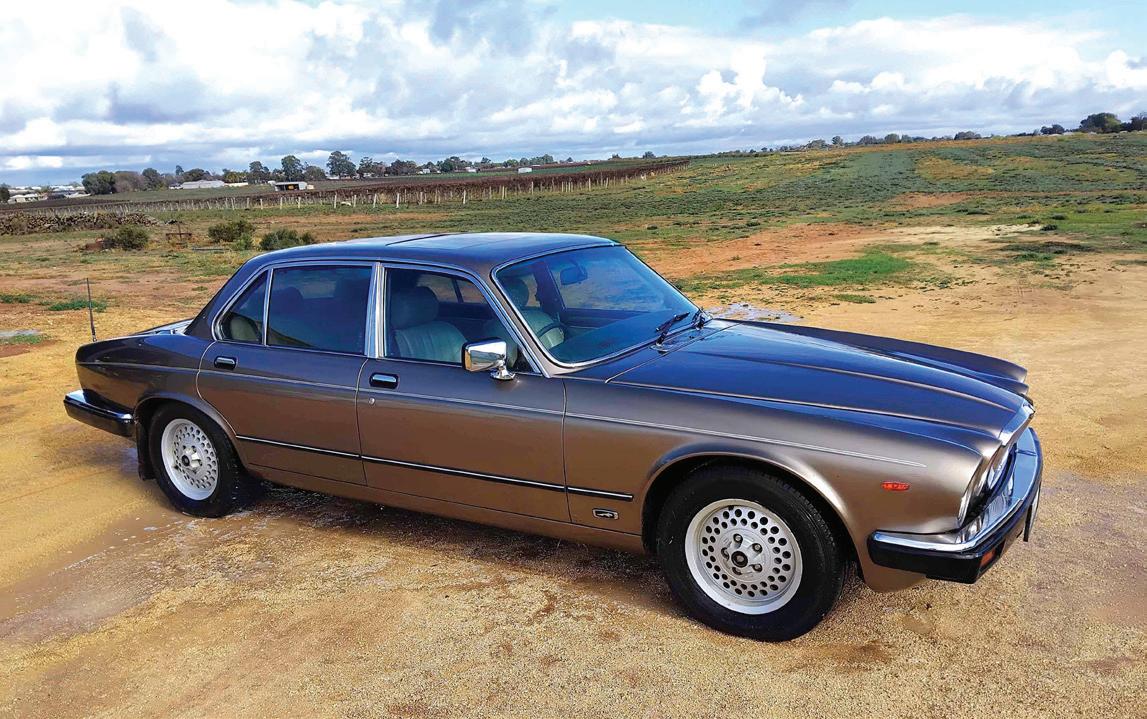
WANTED TO BUY
S-TYPE ( 2000- 2008)
I am looking for an excellent example of a late model car. I would appreciate details/photos of cars that members might consider selling.
Contact Barry: 0438 848 052 or Email: bmpears@icloud.com
FOR SALE: 2008 XF Saloon
4.2 Litre V8 XF Auto
52,200 Kms. 4 new tyres Rare Black on Black. On road performance is excellent.
PRICE: $20,000
Please Contact Peter Panagaris: 0403 328 910
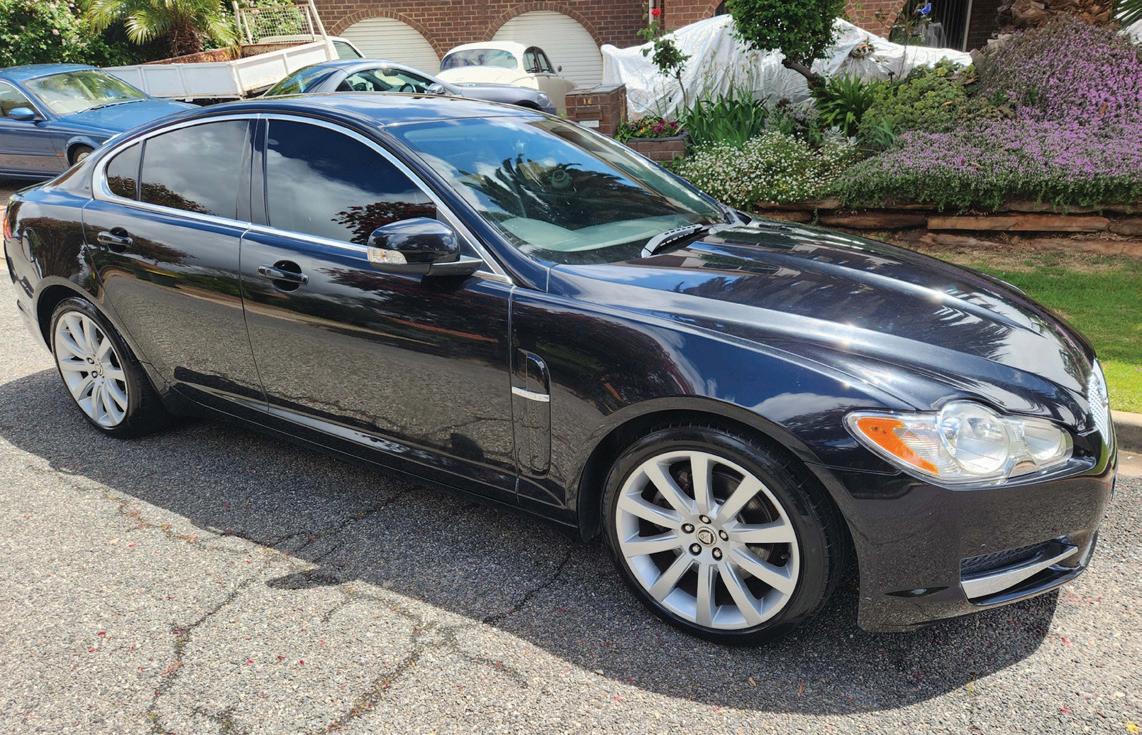
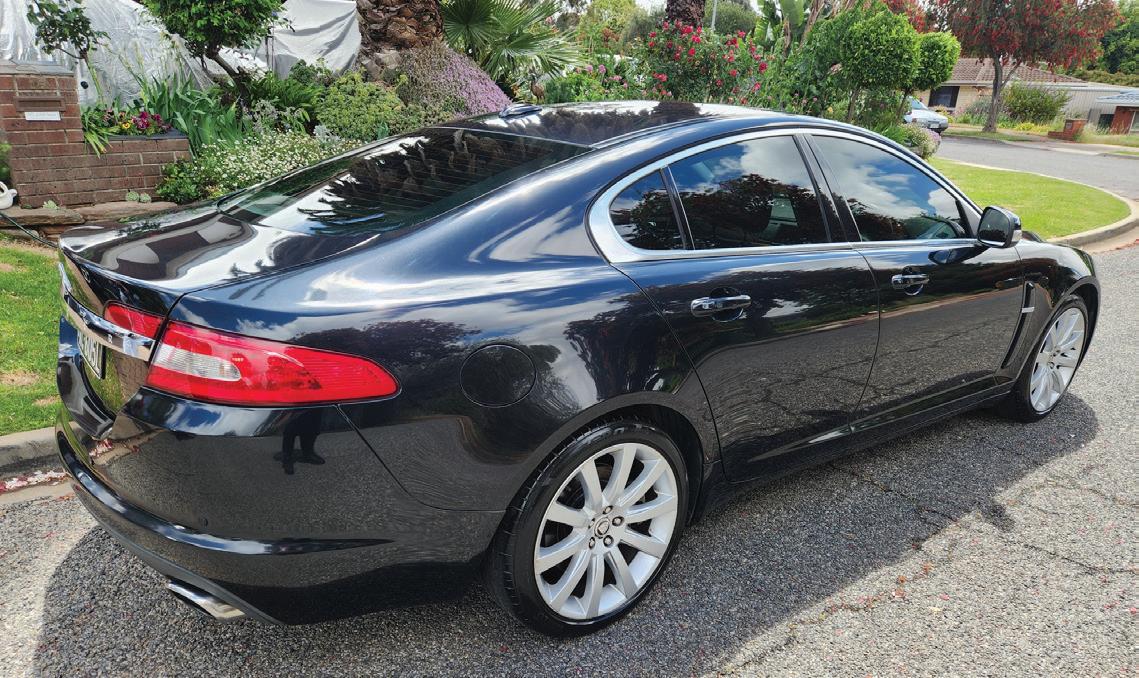
Please Contact Charles Munro 0499 974 662 BOOK FOR SALE: "The Jaguar XK in Australia" by
John Elmgreen and Terry McGrath
Number 949 of 1000. The book is in very good condition.
Asking $1,000
Contact Terry Rayner 0412396087
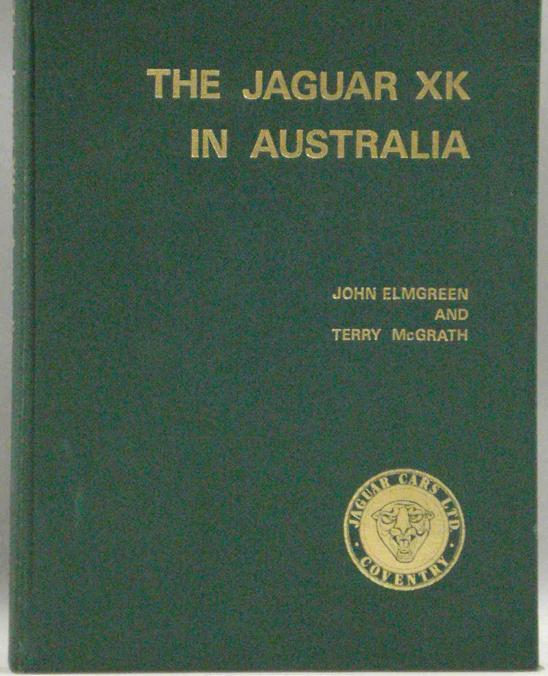
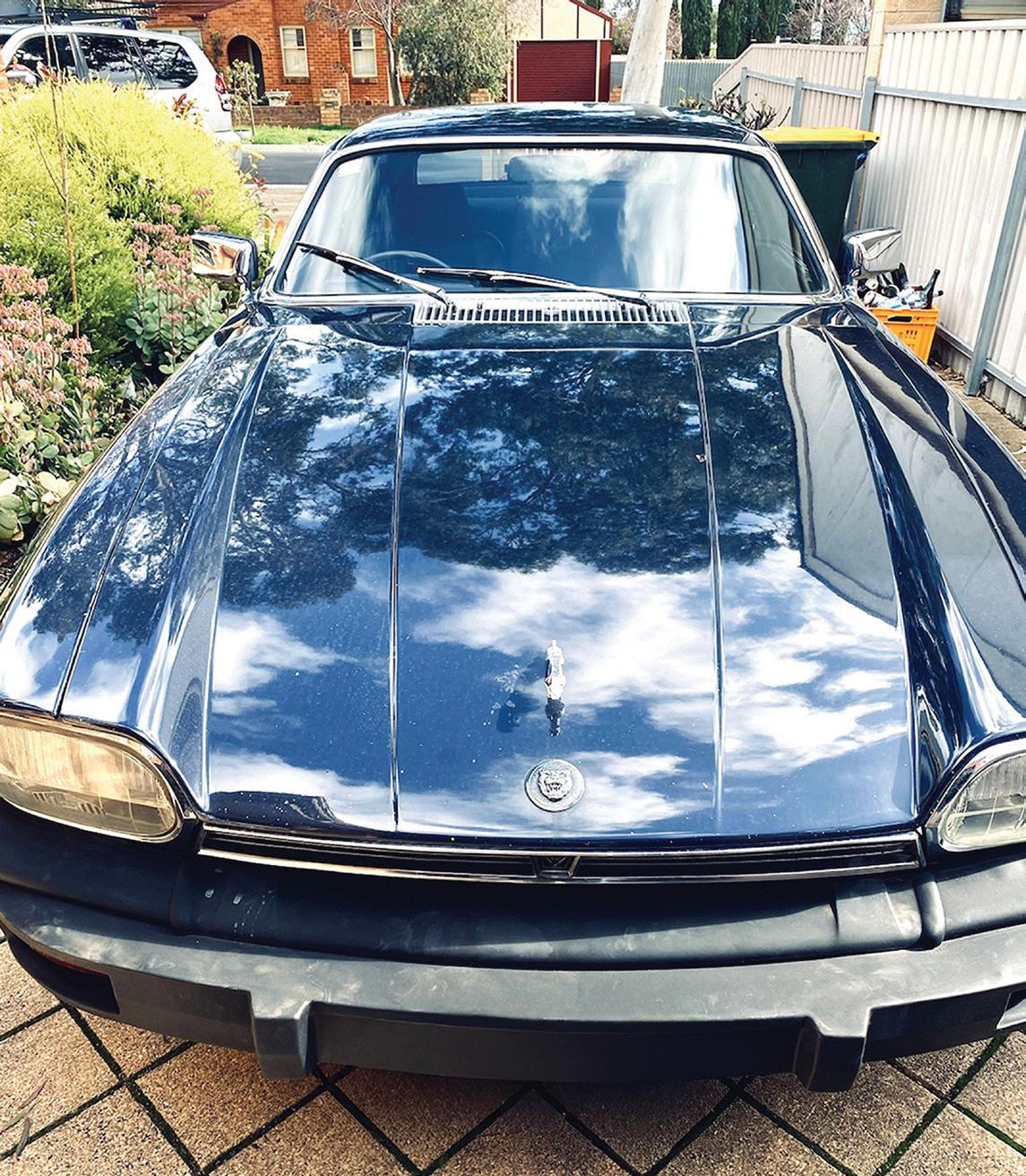
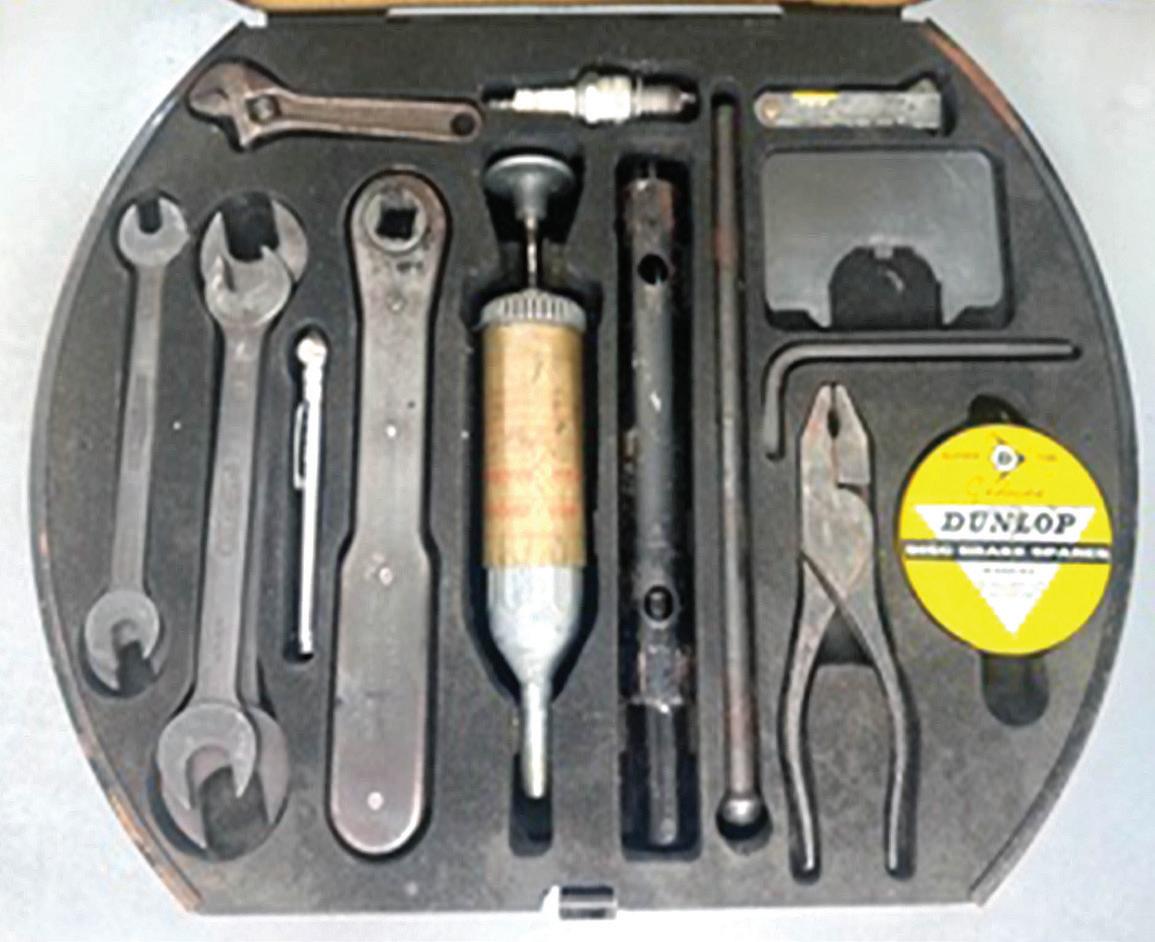
FOR SALE: 1966 Daimler 2.5L V8
This is not a Mk 2. It is a Daimler.
The Ribbed Grill, 'D' bonnet emblem and ‘D’ hubcaps included.
◊ Original (matching numbers) with factory power steering and under-dash custom fitted air-conditioning.
◊ Original leather and carpet interior.
◊ 46,500 miles with only 9,500 miles since the engine was rebuilt in June 2009 by Mike Roddy Motors (Vic).
◊ Original Borg-Warner T35 Auto rebuilt in Oct 2010.
◊ Cooling system overhauled in 2023 (new radiator core/ hoses)
◊ Stainless steel twin exhaust and electronic ignition.
◊ Electric antenna/digital radio/audio player (with remote).
◊ Original tool kit, wheel brace, jack.
PRICE: $56,900 (Negotiable)
Please Contact: Sergio Cavaiuolo 0414 250 139
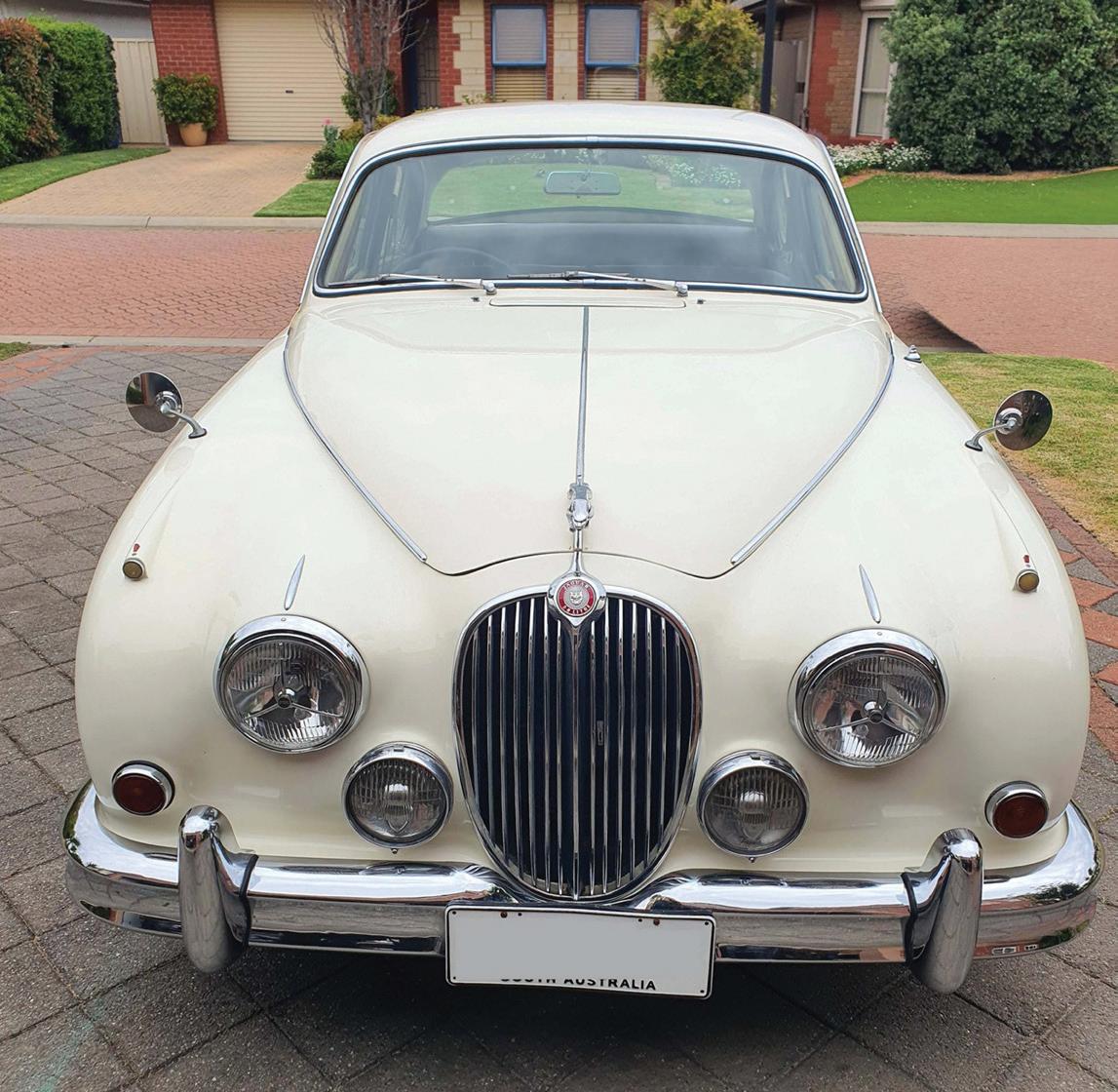
FOR SALE: 1965 3.8 Litre S-Type Auto Sedan
◊ Finished in ‘Golden Sand’ with only 9,434 miles (15,200kms) showing since engine rebuild.
◊ The car is in very good condition. Service receipts since 2016 from Classic & Sportscar Boutique (plus previous owner).
◊ Fully re-polished dash, new headlining, new windscreen.
◊ 5 chrome wire wheels ( original steel wheels included)
◊ Two sets of keys, original radio and original number plates included in sale.
PRICE: $21,000 (ONO)
Please contact Peter Leipus: 0403 457 577
FOR SALE: 1963 2.4 Mk II 14,525 Miles. Auto. Fitted with twin SU’s for better performance. White with rich Red Leather trim.
PRICE: $25,999
Please Contact Peter Panagaris 0403 328 910
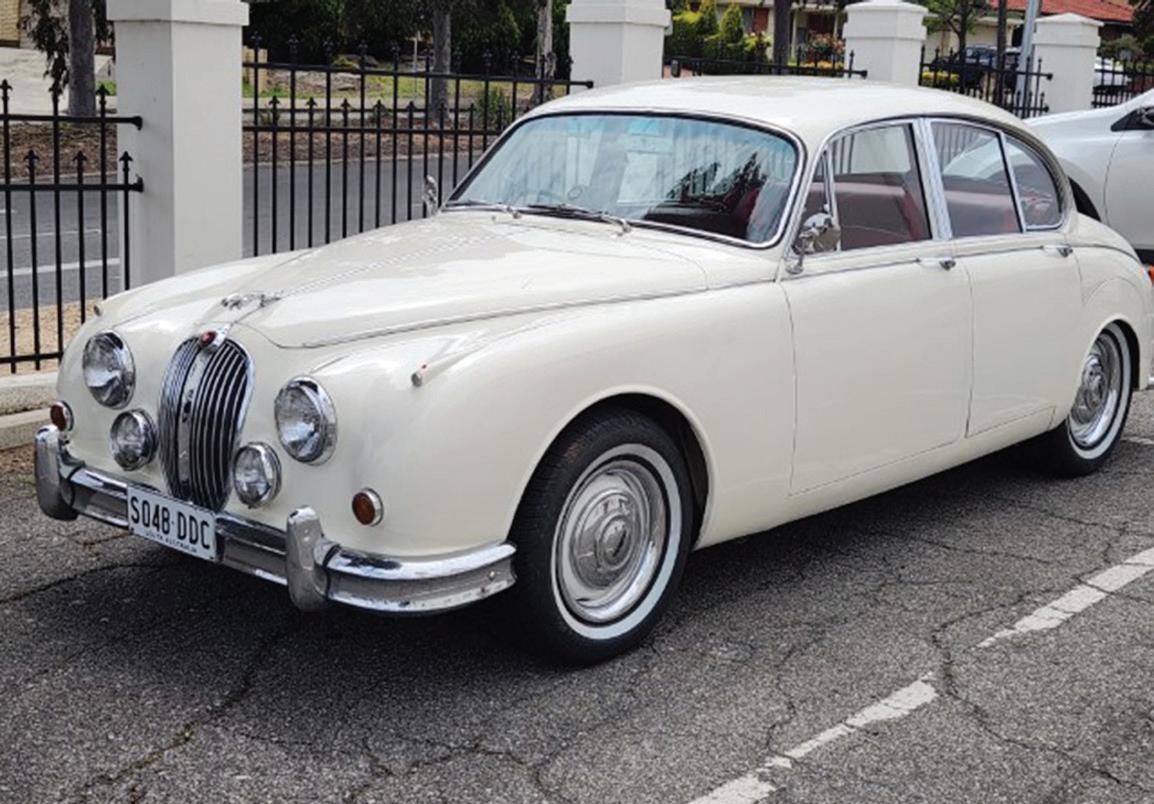
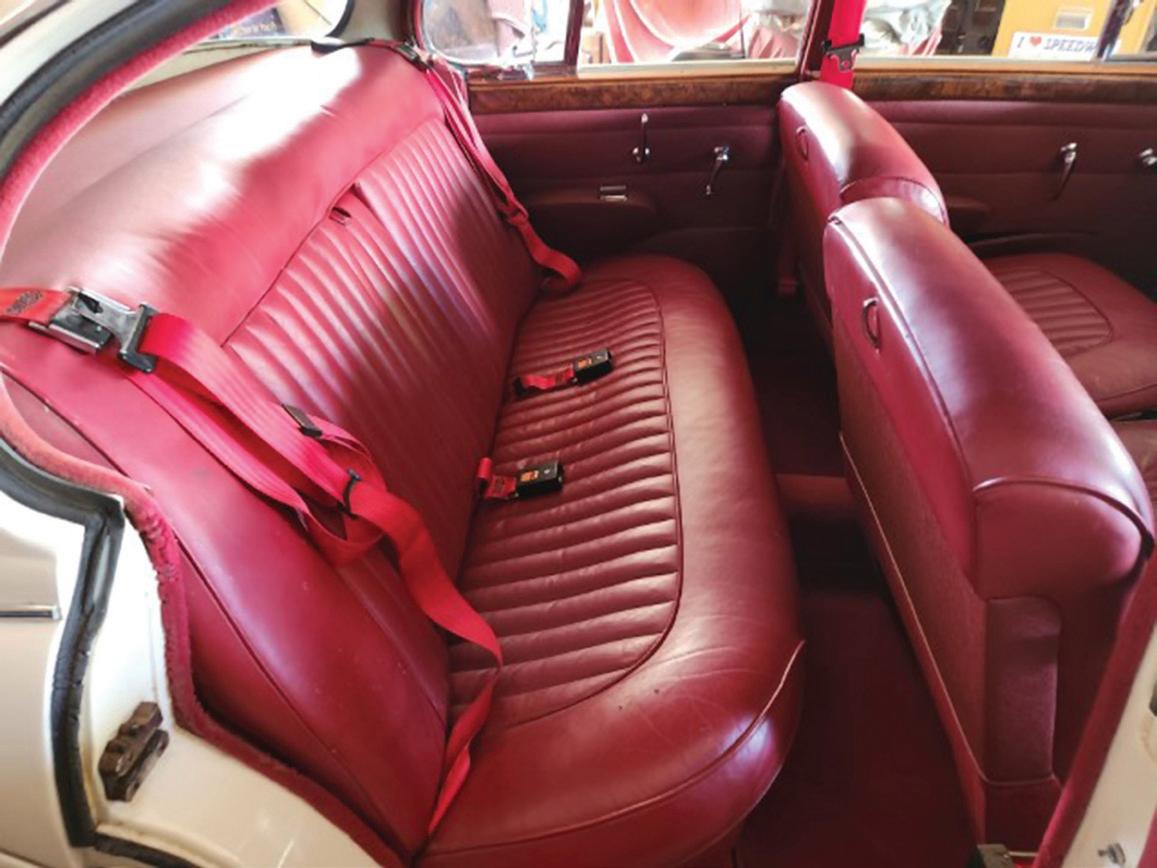
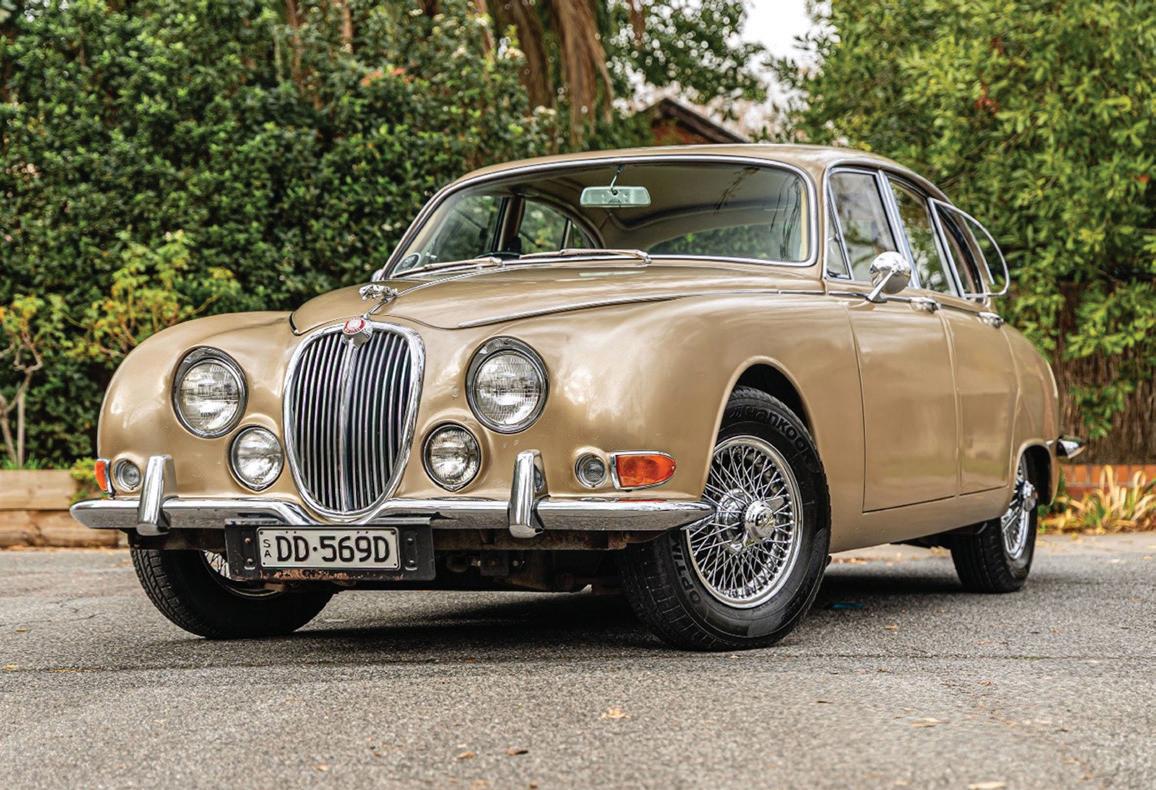
This 1967 Daimler DS420 limousine was custom-built for the legendary and enigmatic industrialist, aviator and filmmaker Howard Hughes.
The Hughes build specifications include a centrally mounted rear bucket seat specifically requested to reduce motion sickness during his long, private drives.
It also features a factory-installed air filtration system that was an advanced system for its time, designed to eliminate airborne contaminants, reflecting Hughes's famous health concerns.
A built-in toilet was discreetly integrated into the coachwork, allowing for uninterrupted travel and complete privacy.
The Daimler was powered by a XJ 4.2 litre engine, through a smooth BorgWarner 12 automatic transmission. All instruments, clocks and lights are operational, as is the soundproof electric privacy glass dividing the driver and passenger.
The car has been preserved in a private collection and remains in exceptional mechanical and cosmetic condition. It has received a recent service, fluid
change and new brake pads. Verified as one of only two left-hand drive, U.S.-spec DS420s ever built, this vehicle was uniquely modified to Hughes's exacting and personal demands. 49,000km (32,000 miles).
The vehicle was auctioned by Barrett & Jackson at Scottsdale Arizona, 23 January 2026, and sold for Au$53,500.
Editor: Information for this story sourced from “Barrett & Jackson".
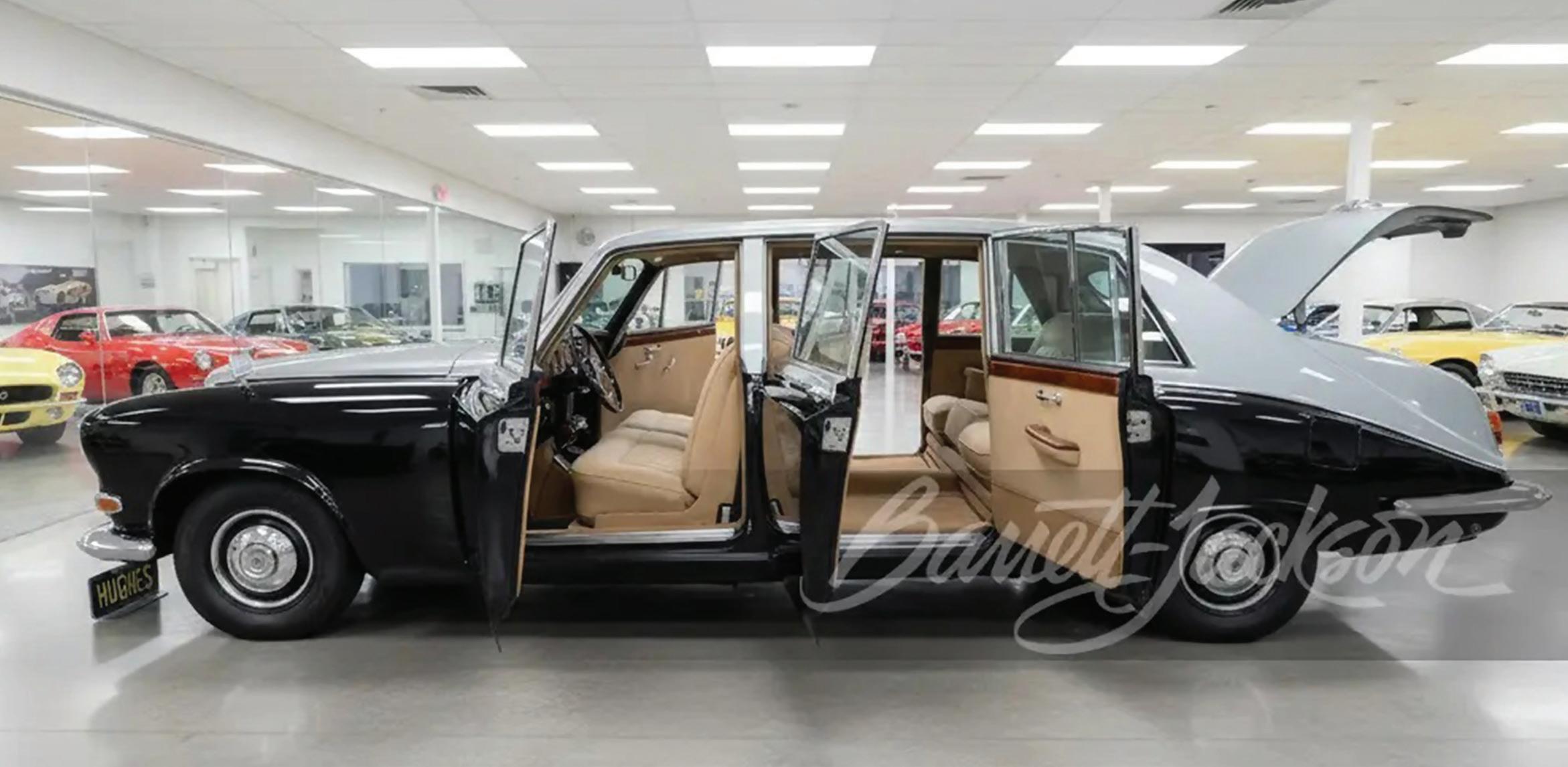
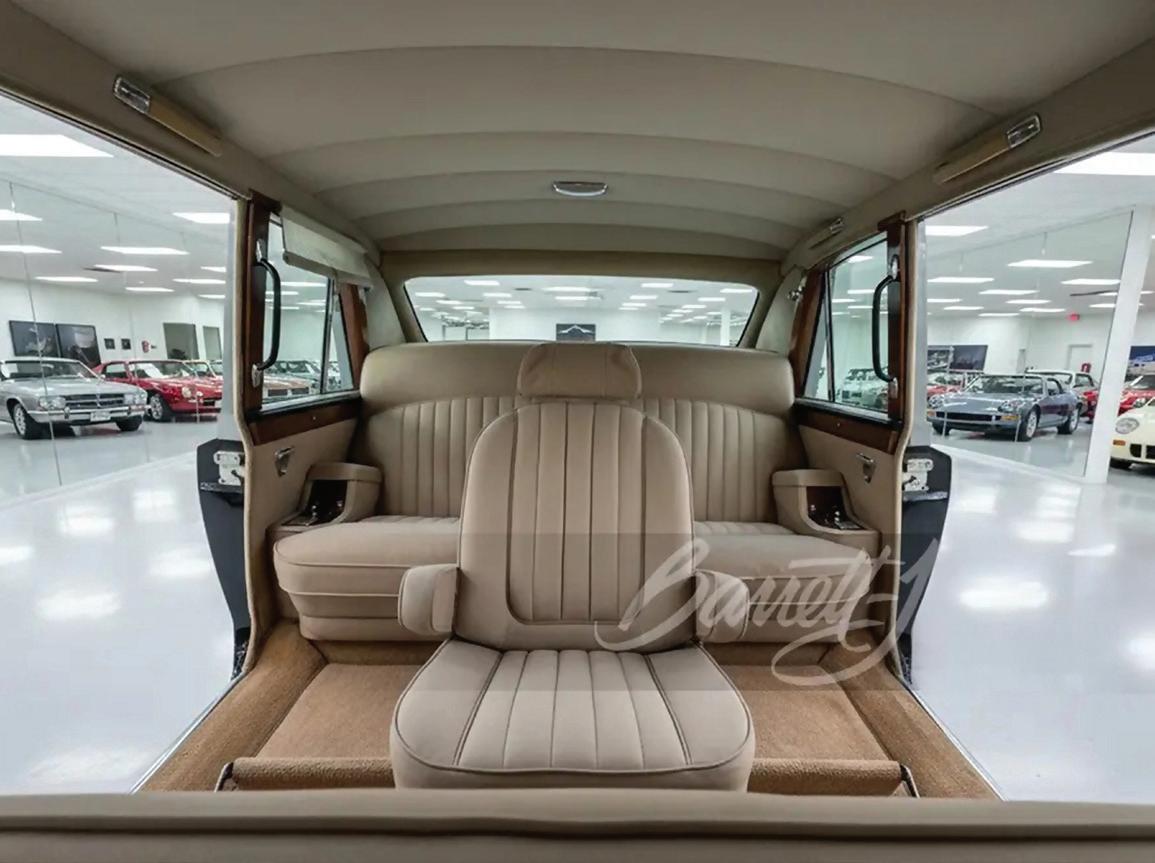
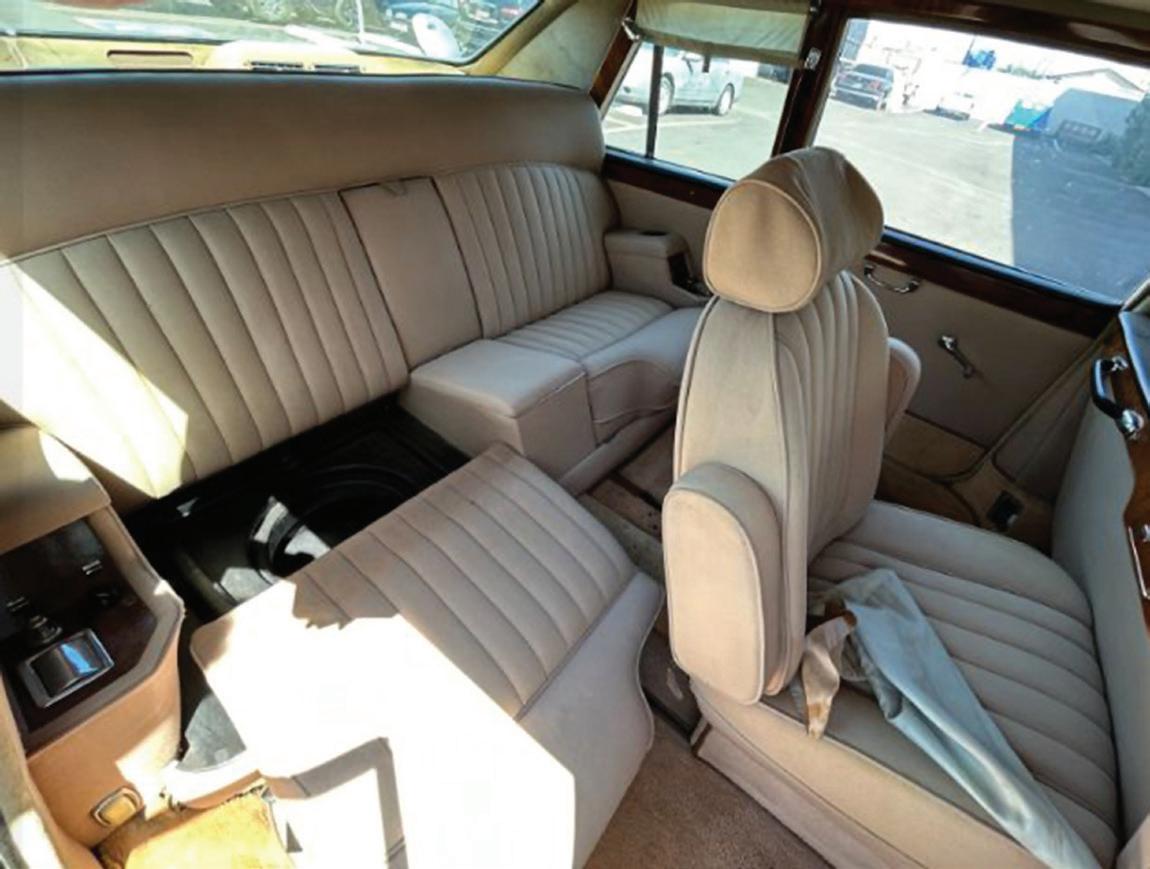
Scottsdale auction is a world-class automotive event. Regarded as a barometer of the collector car industry. (Jan 17-25).
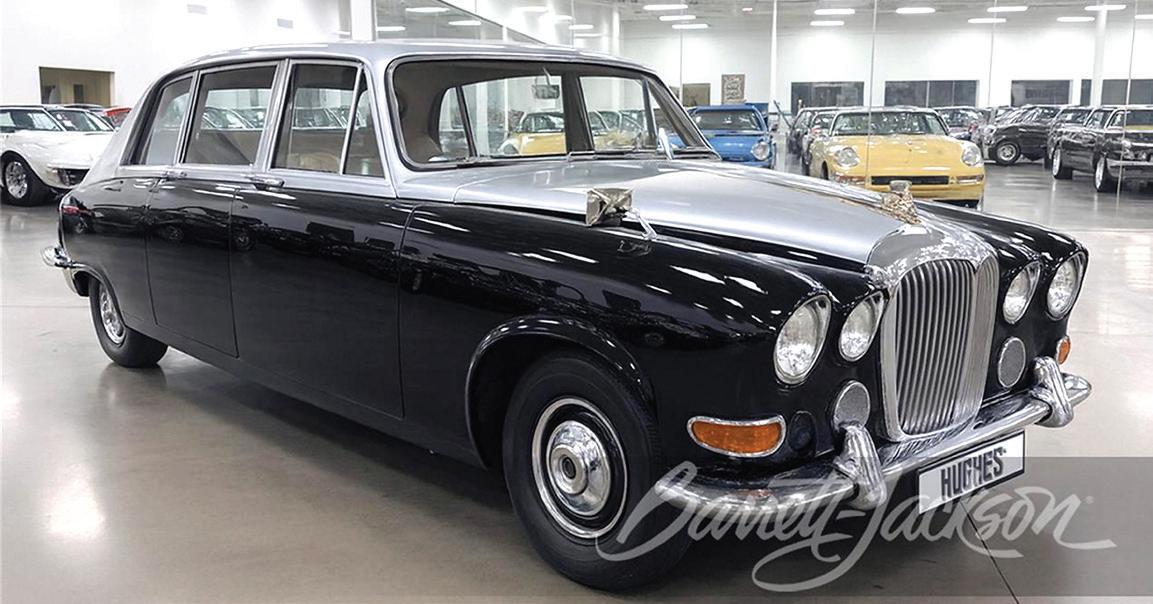
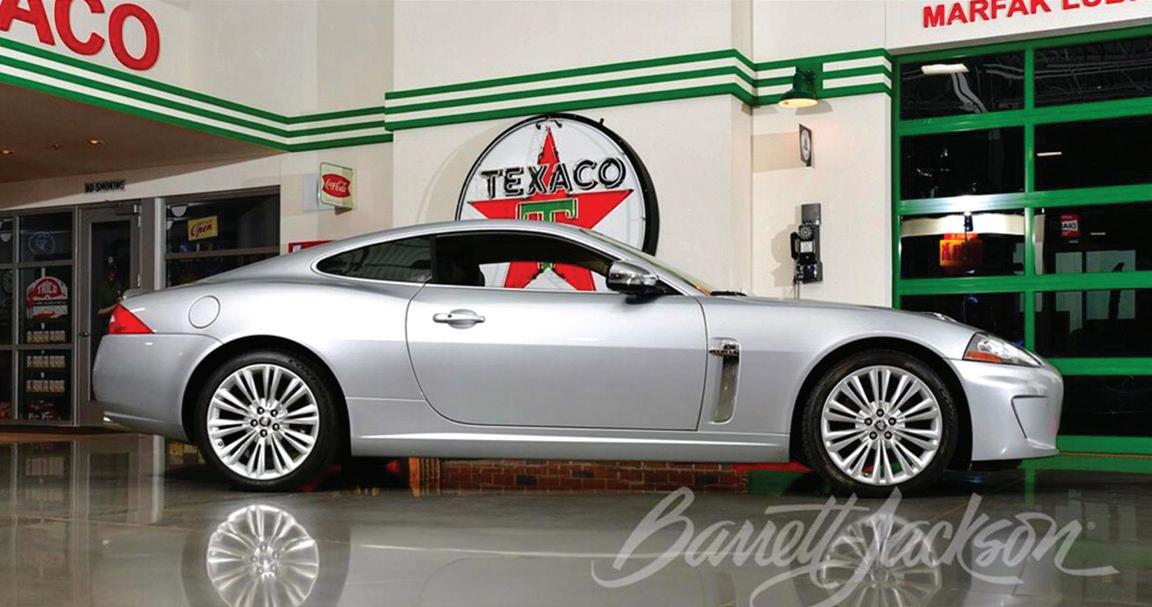
1967 Daimler DS420 limousine custom built for Howard Hughes. Includes central rear bucket seat. Sold US$37,400 (Au$54,000)
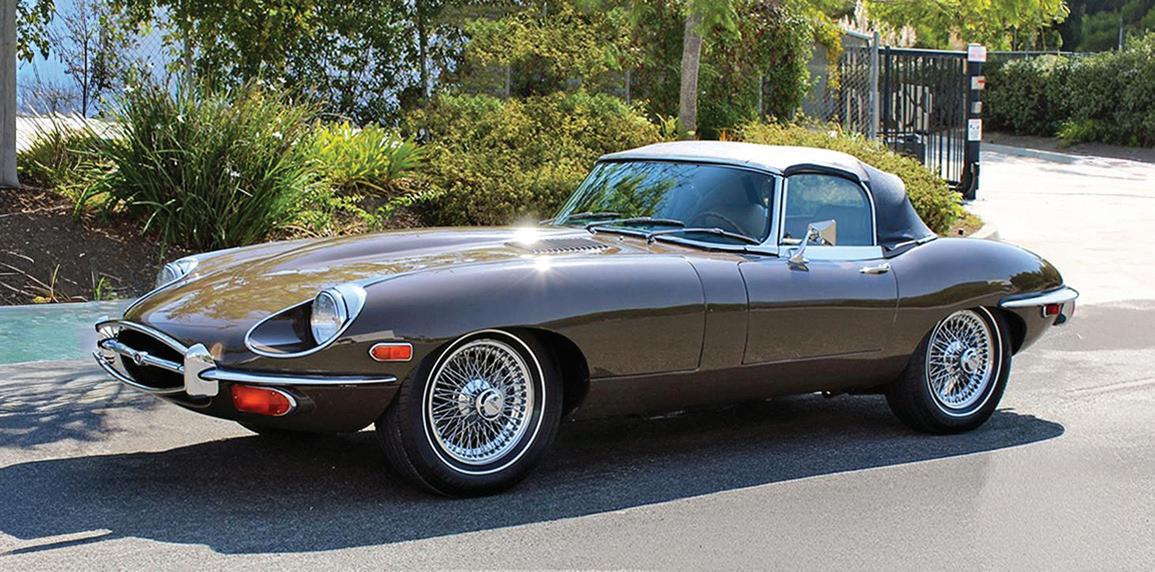
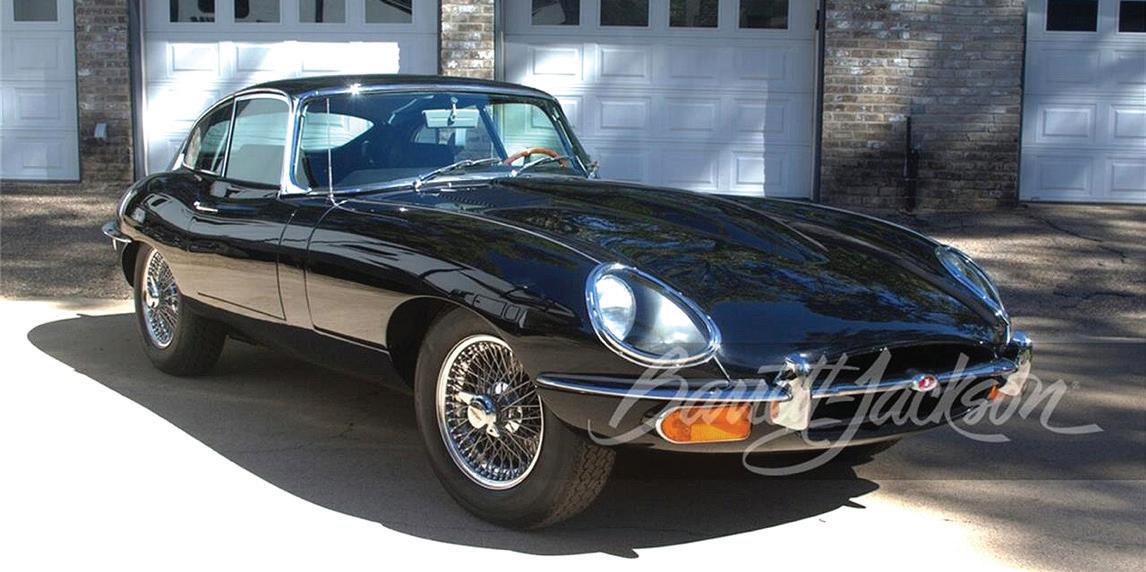
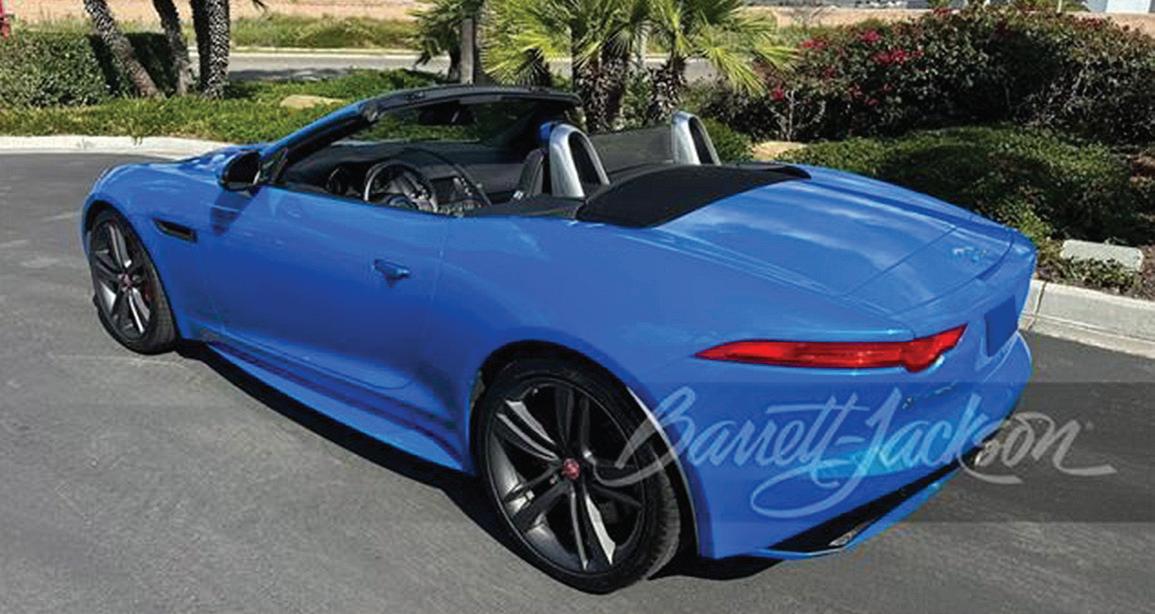
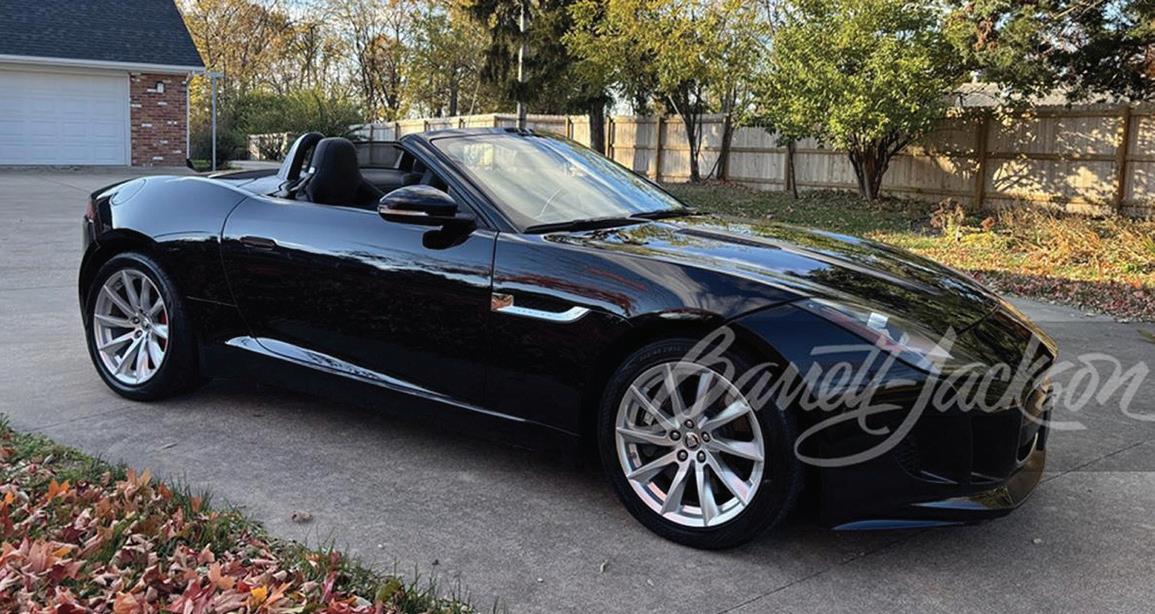
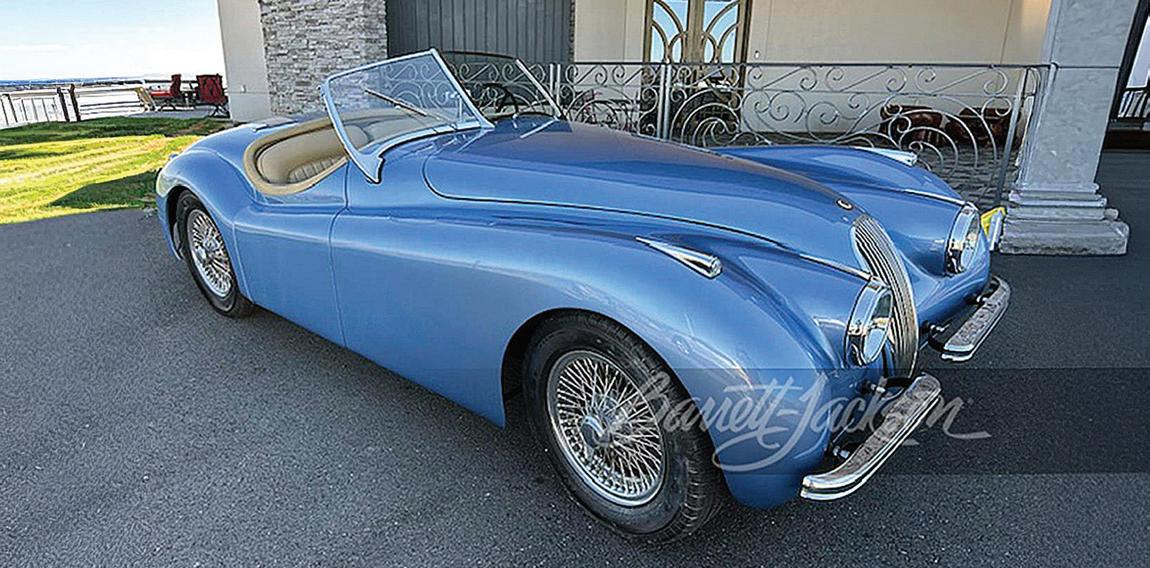
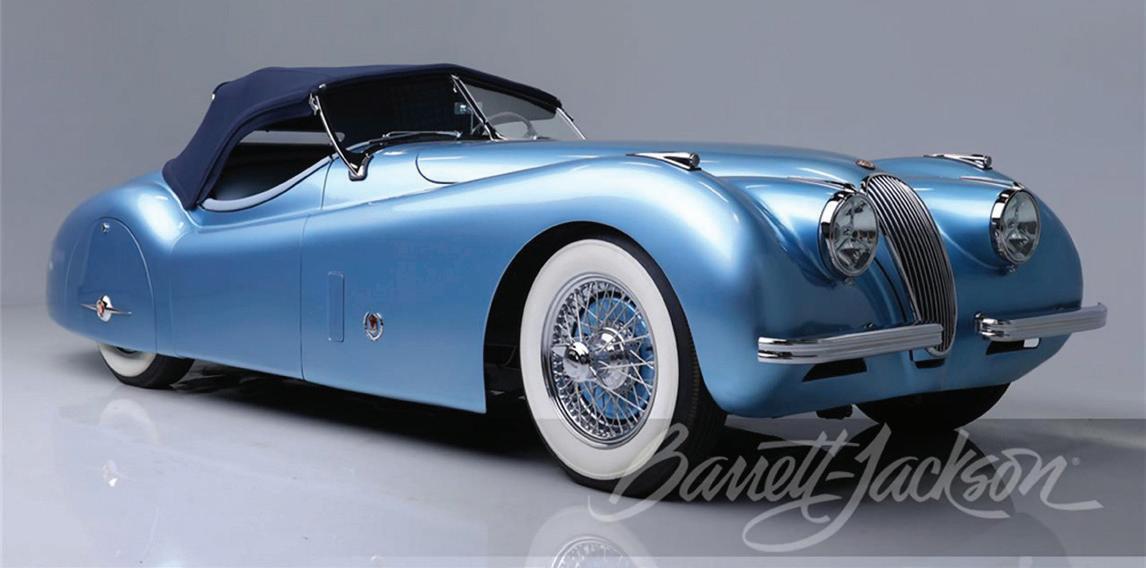
Scottsdale auction is a world-class automotive event. Regarded as a barometer of the collector car industry. (Jan 17-25).

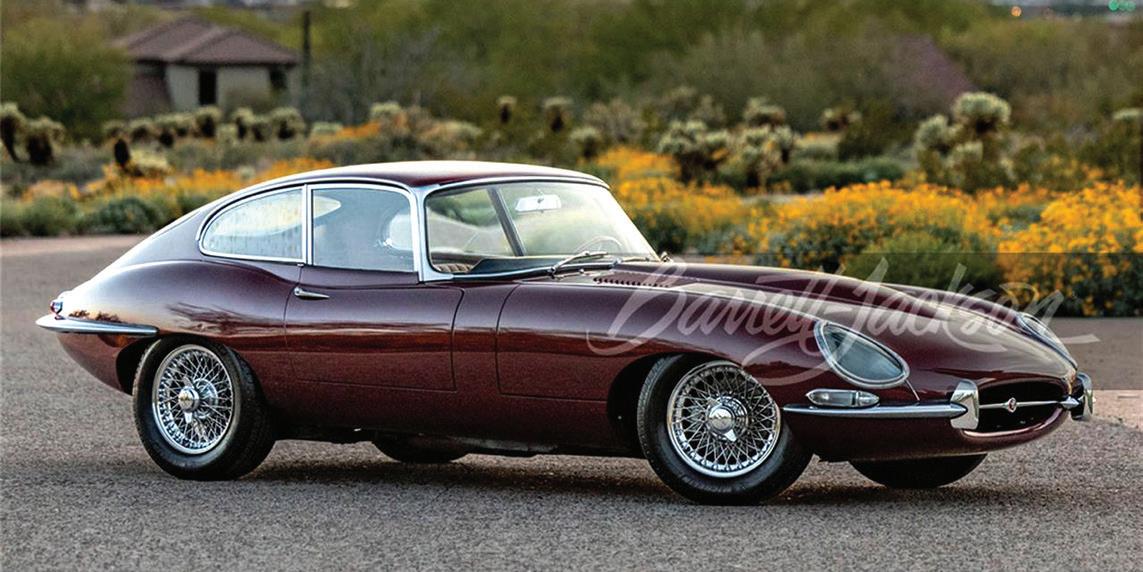
(Au$193,650)
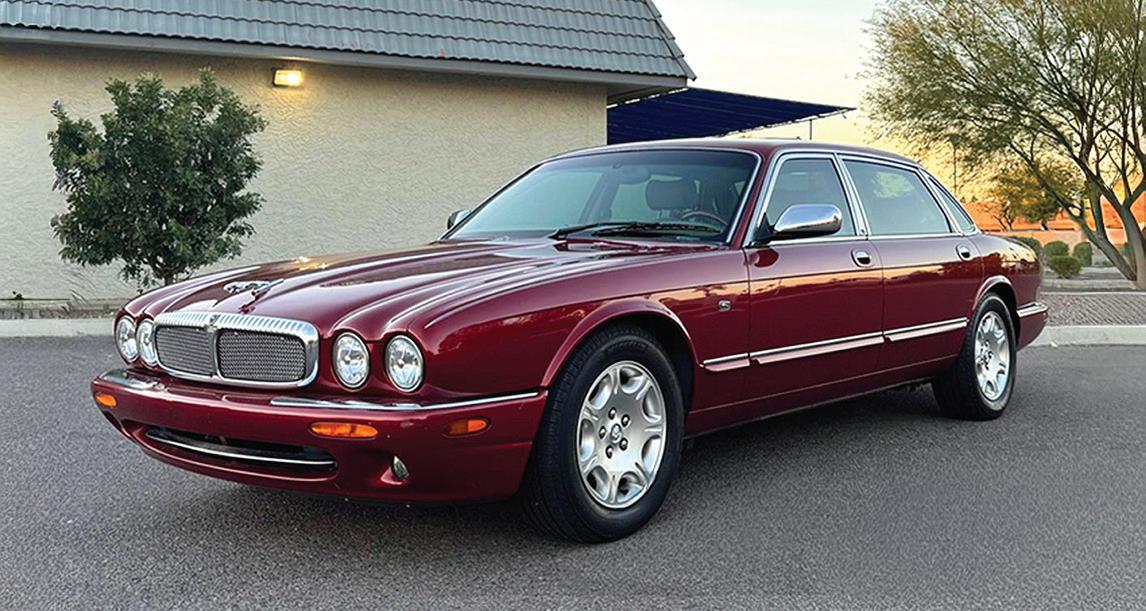
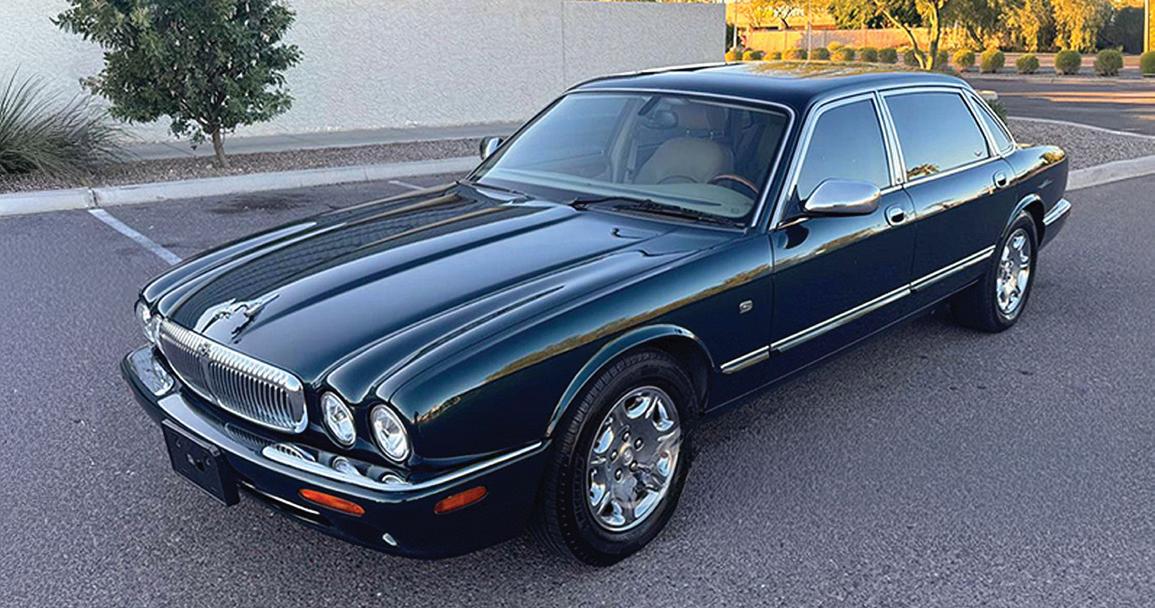
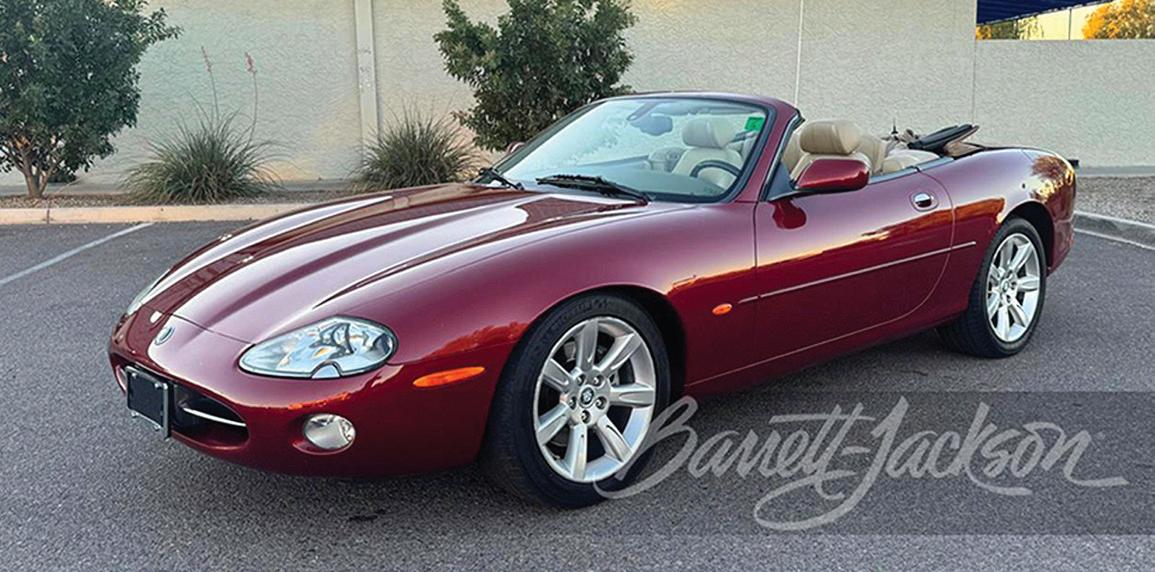
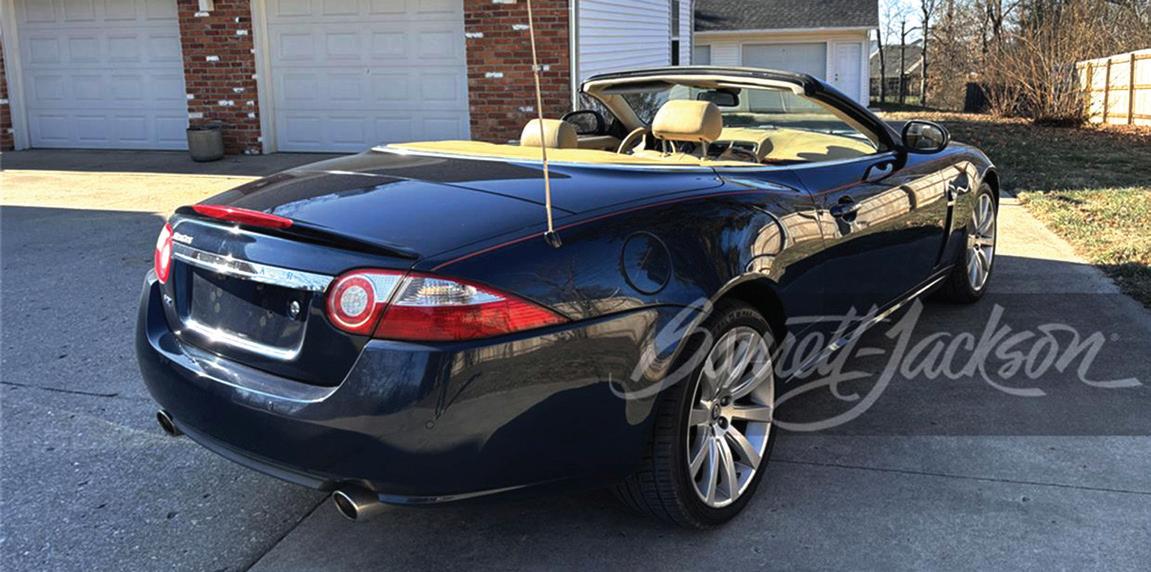
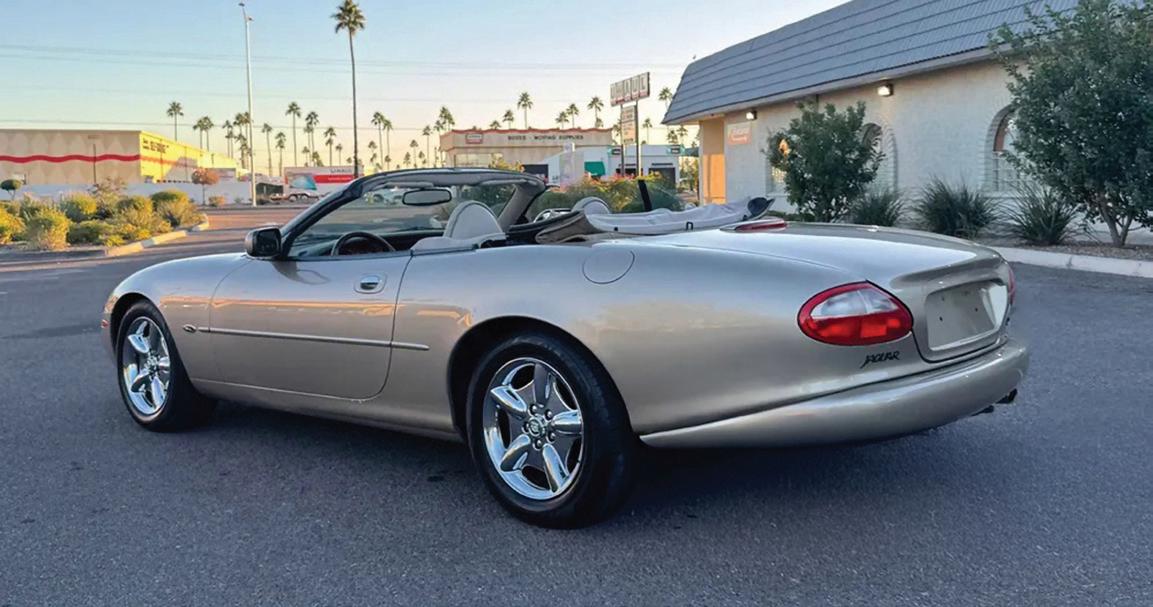
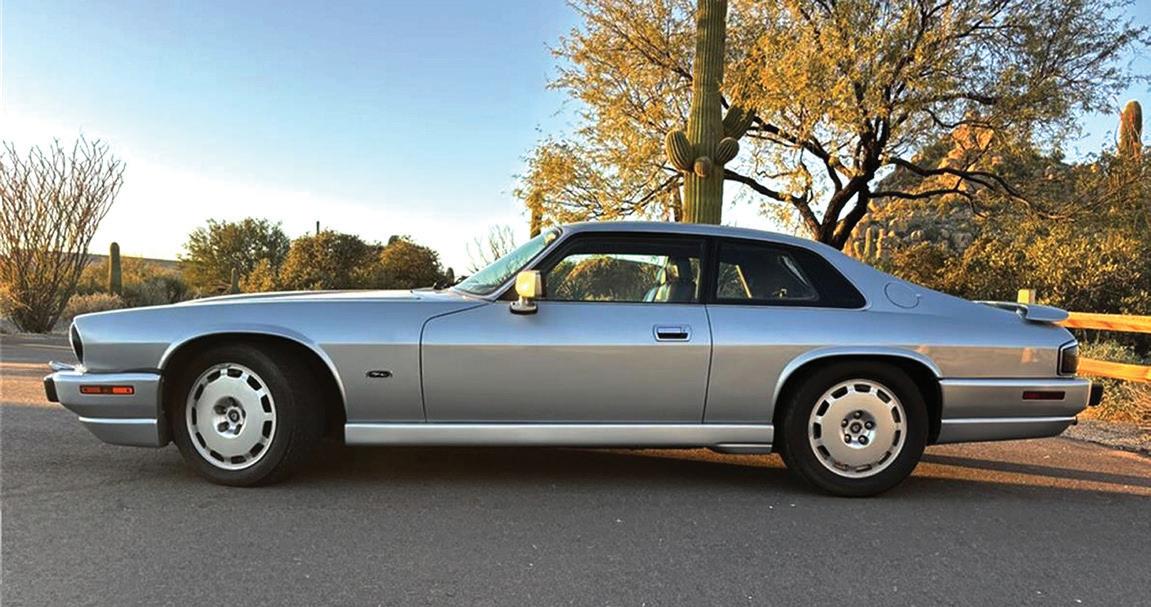
Scottsdale auction is a world-class automotive event. Regarded as a barometer of the collector car industry. (Jan 17-25).
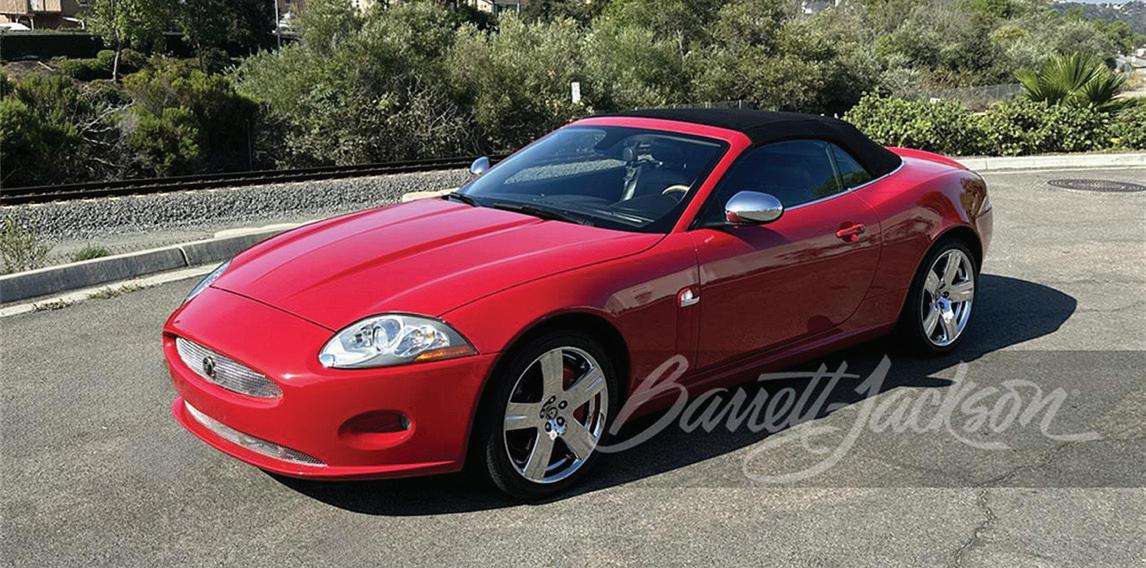
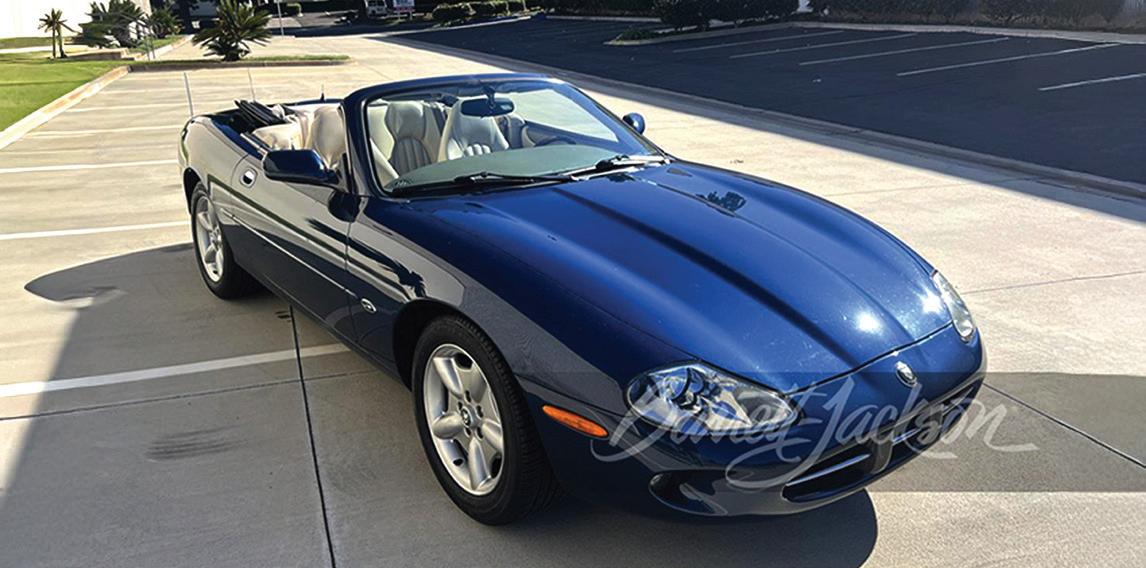
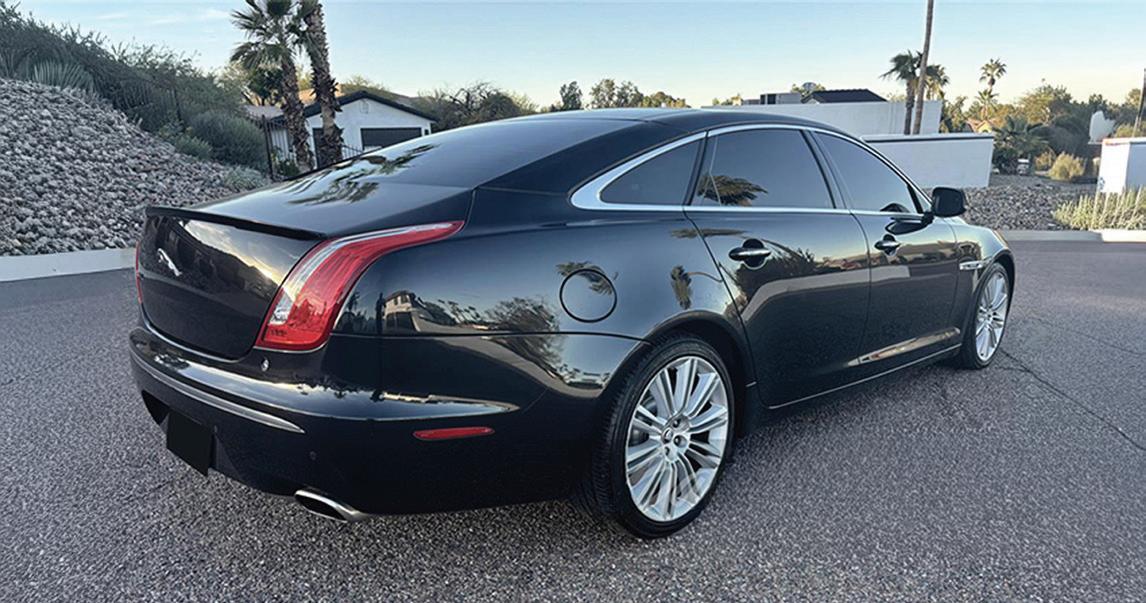
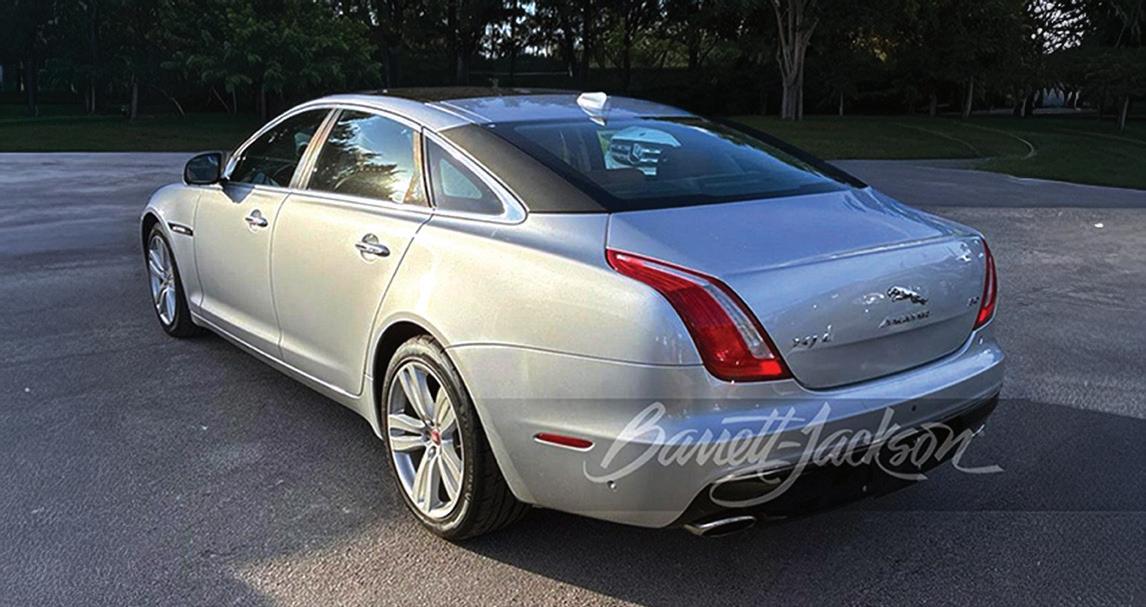
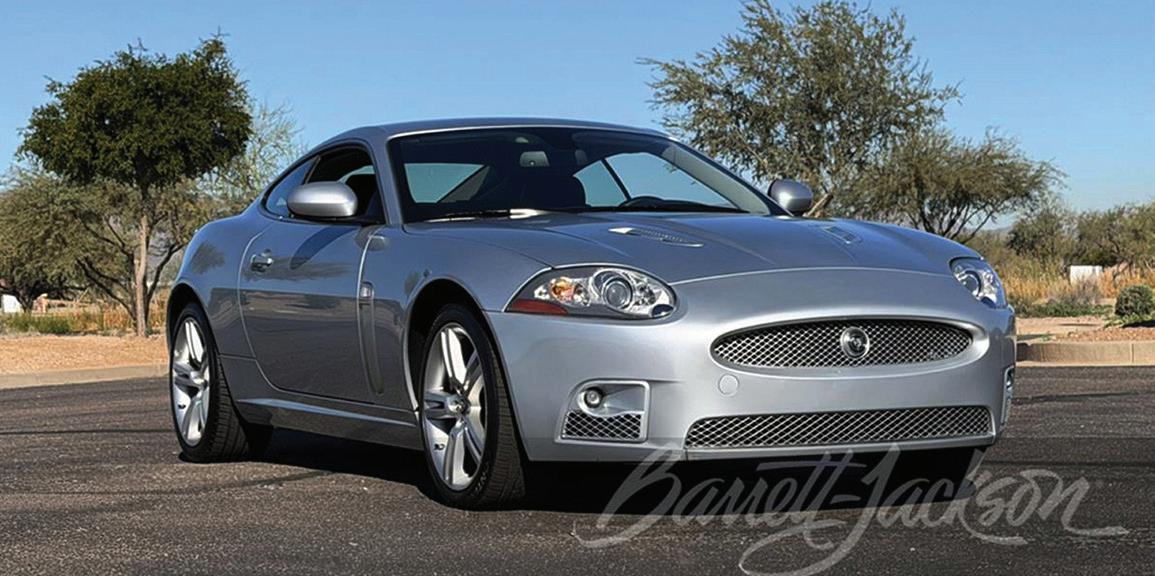
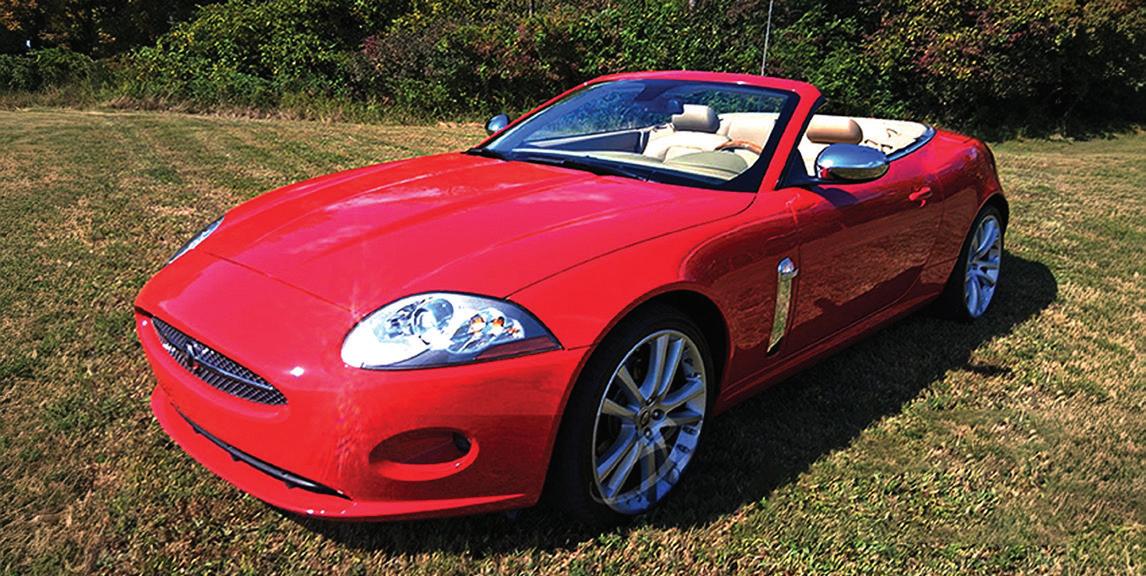
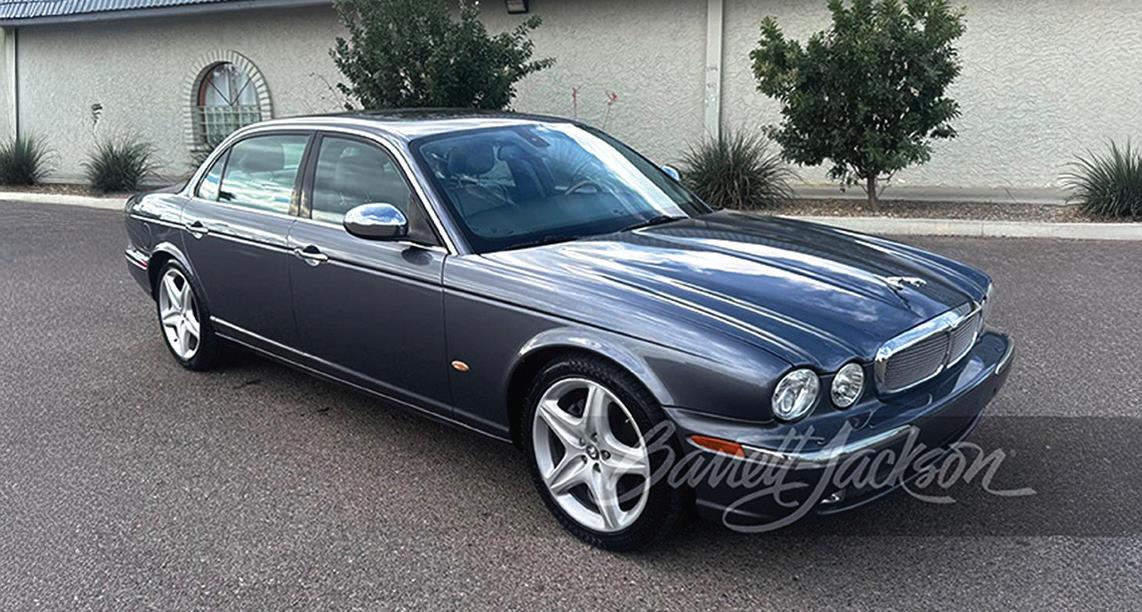
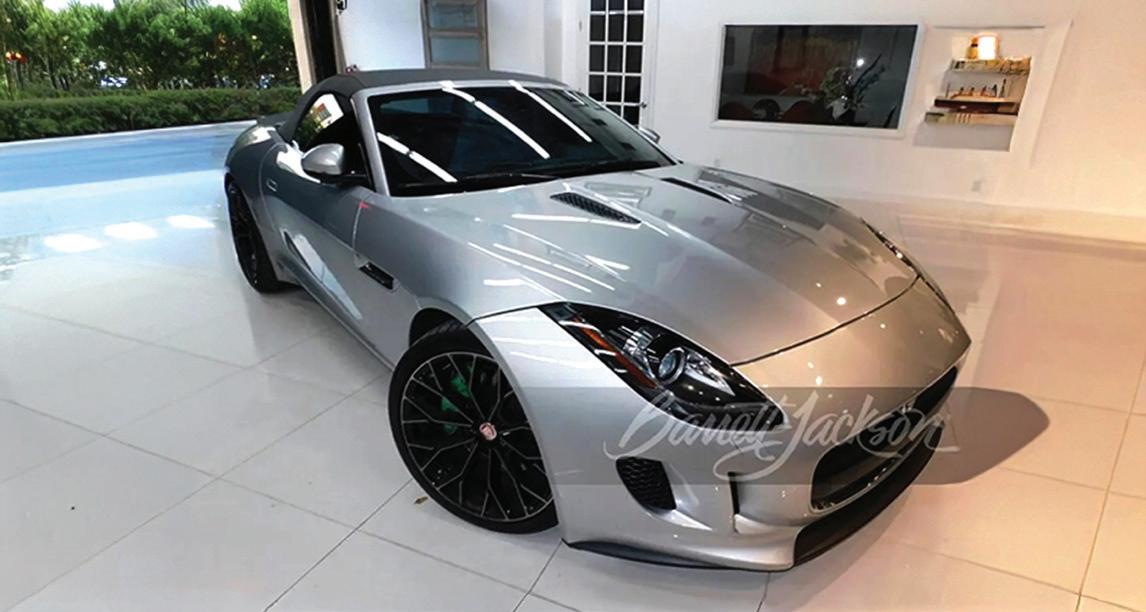
Kissimmee is the world’s largest collector car auction. 2026 showcased a collection of 4,500 vehicles. January 6-18.
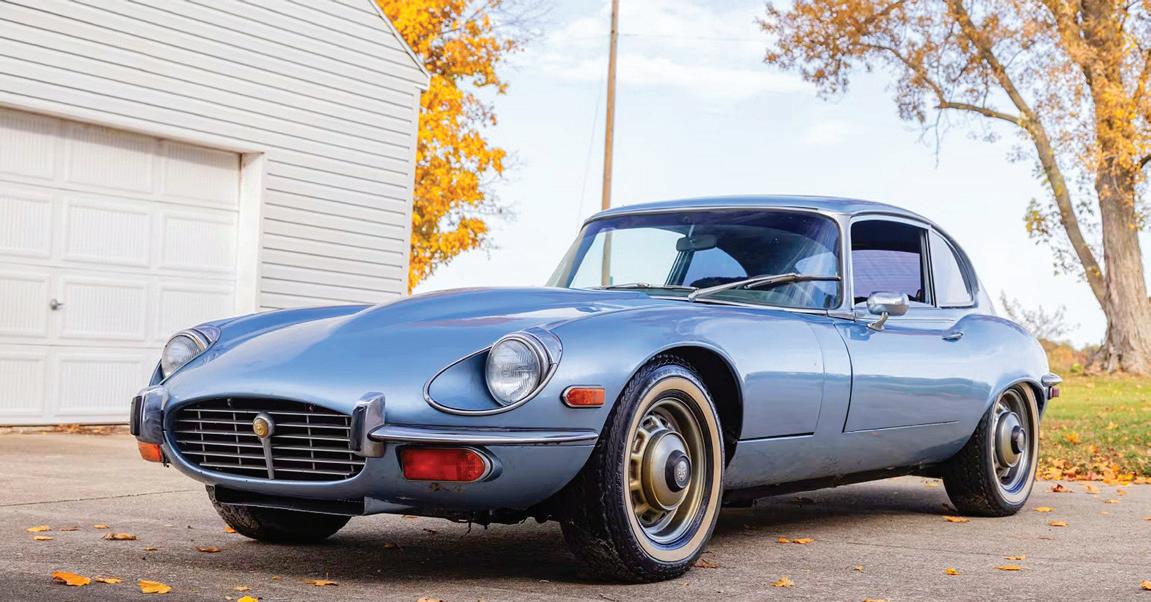
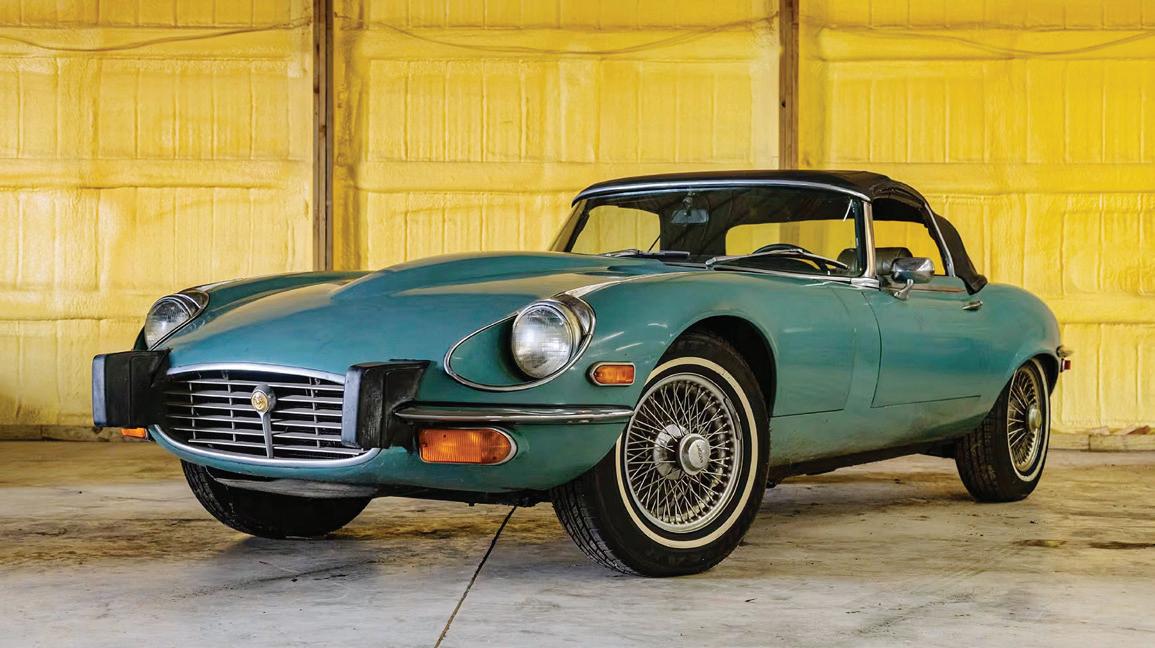
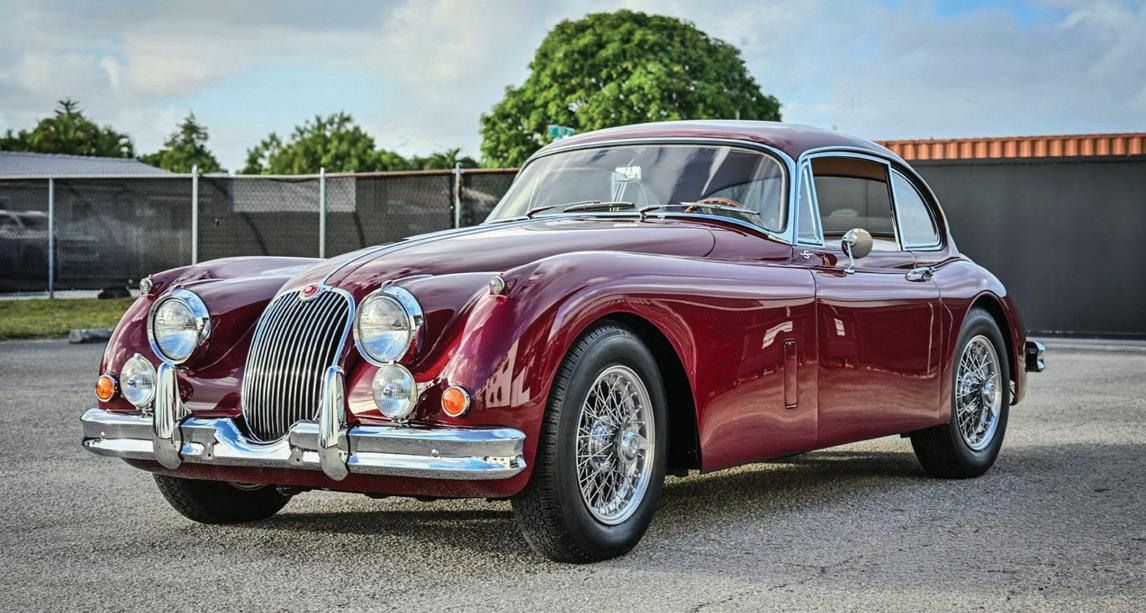
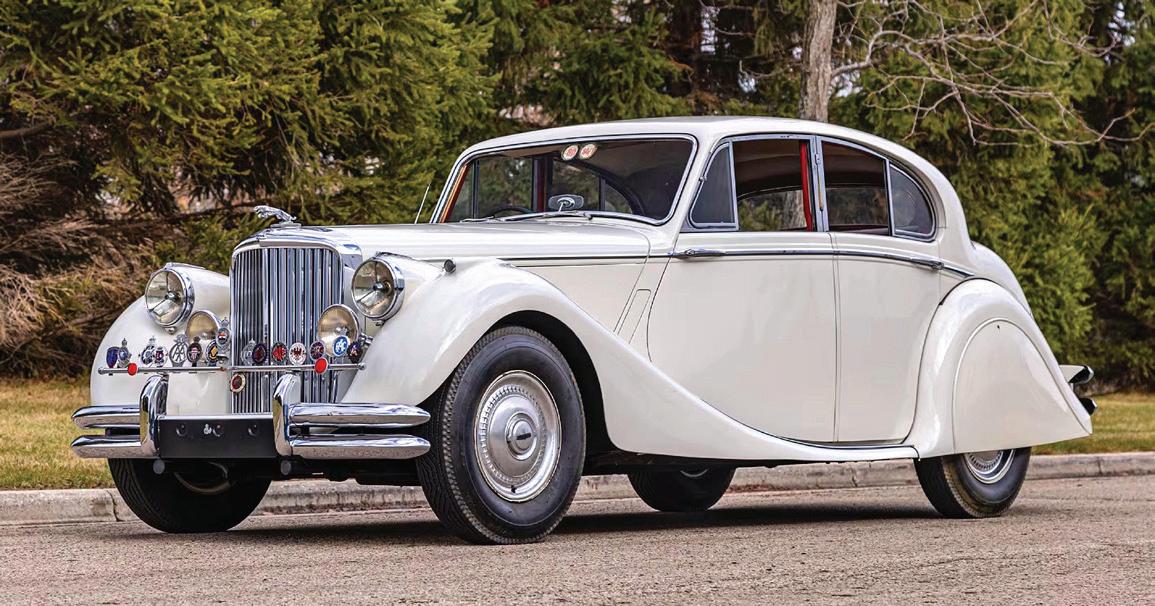
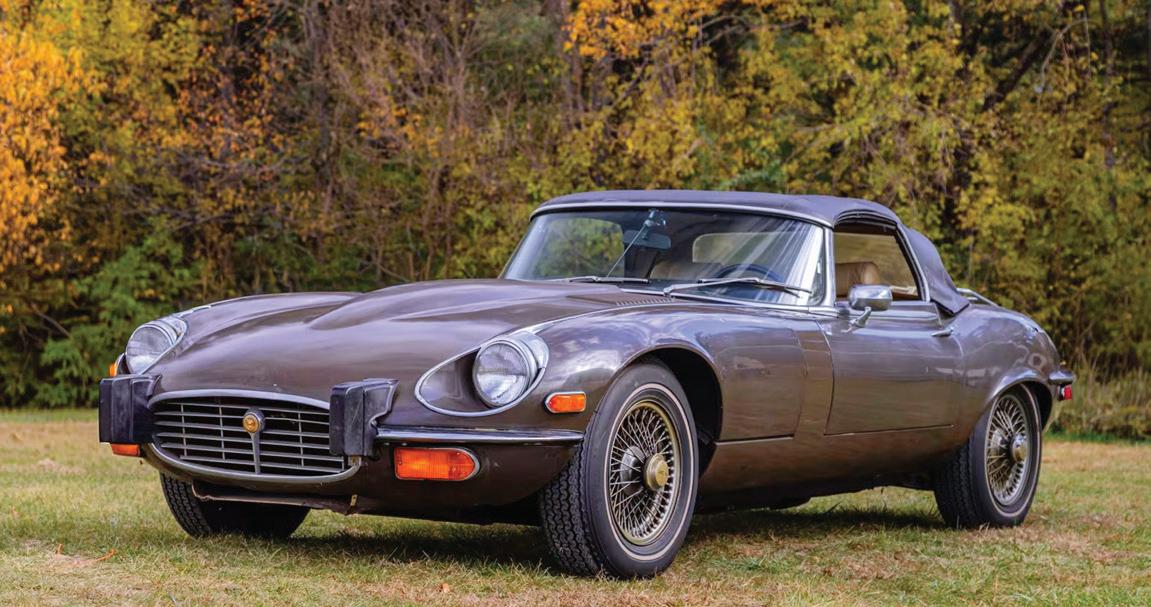
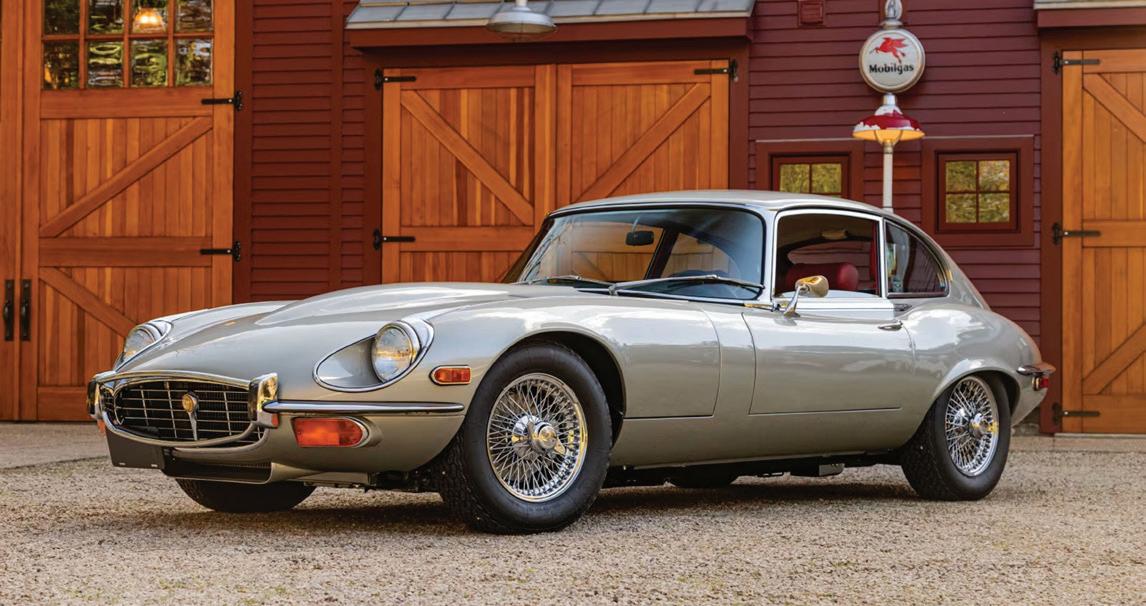
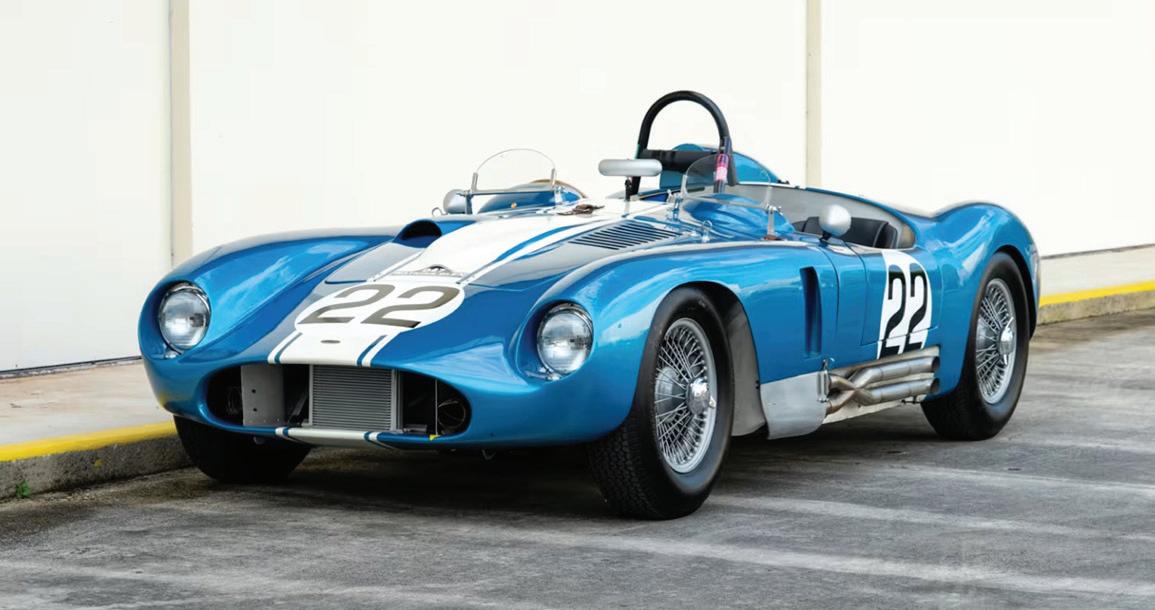
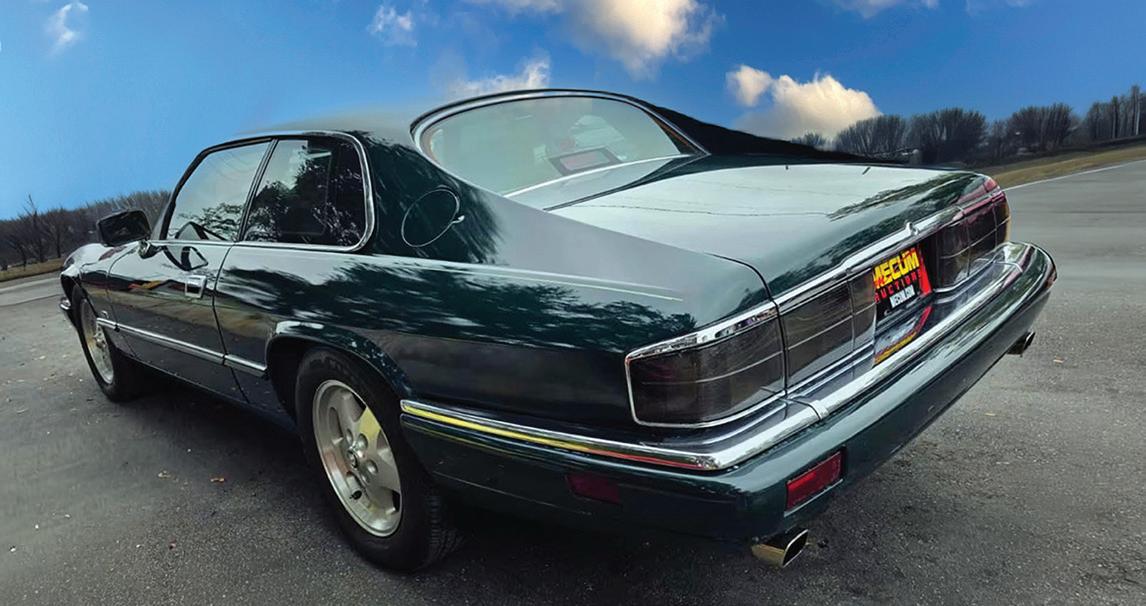
Kissimmee is the world’s largest collector car auction. 2026 showcased a collection of 4,500 vehicles. January 6-18.
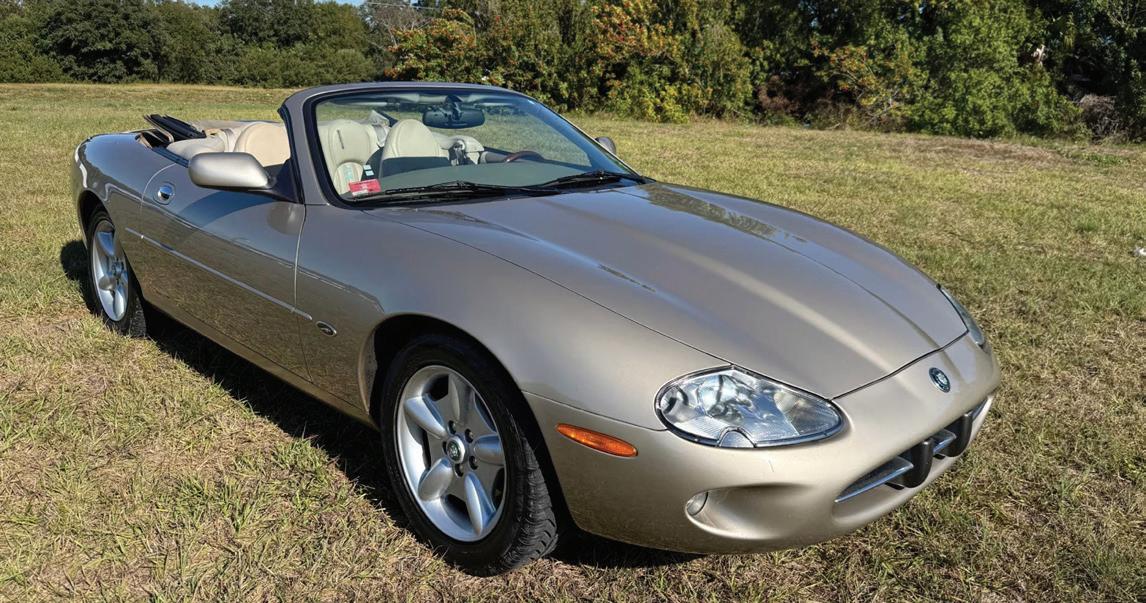
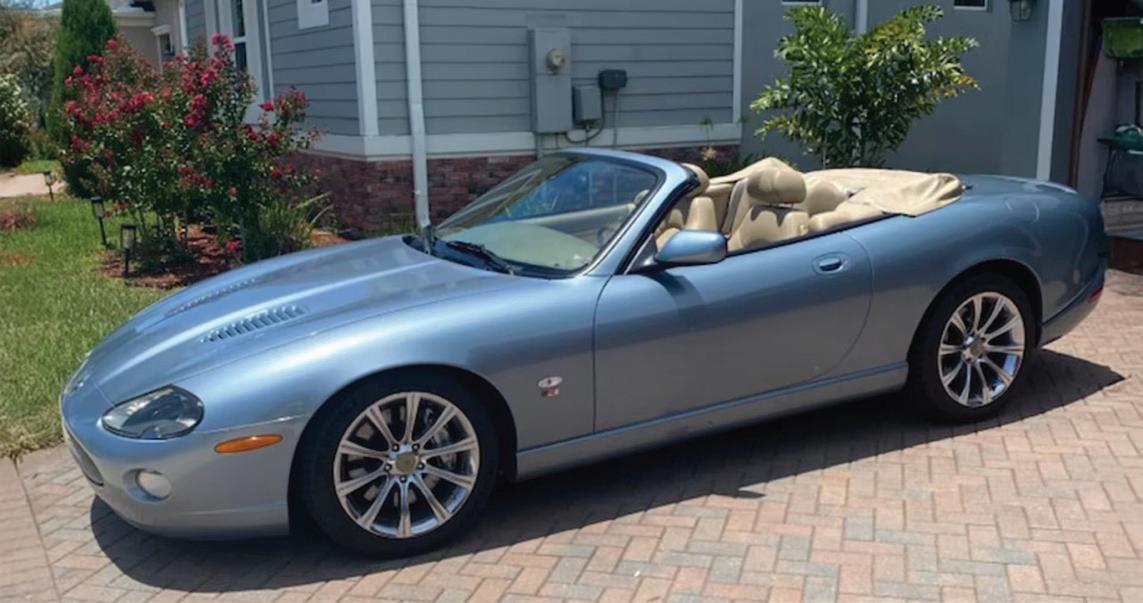
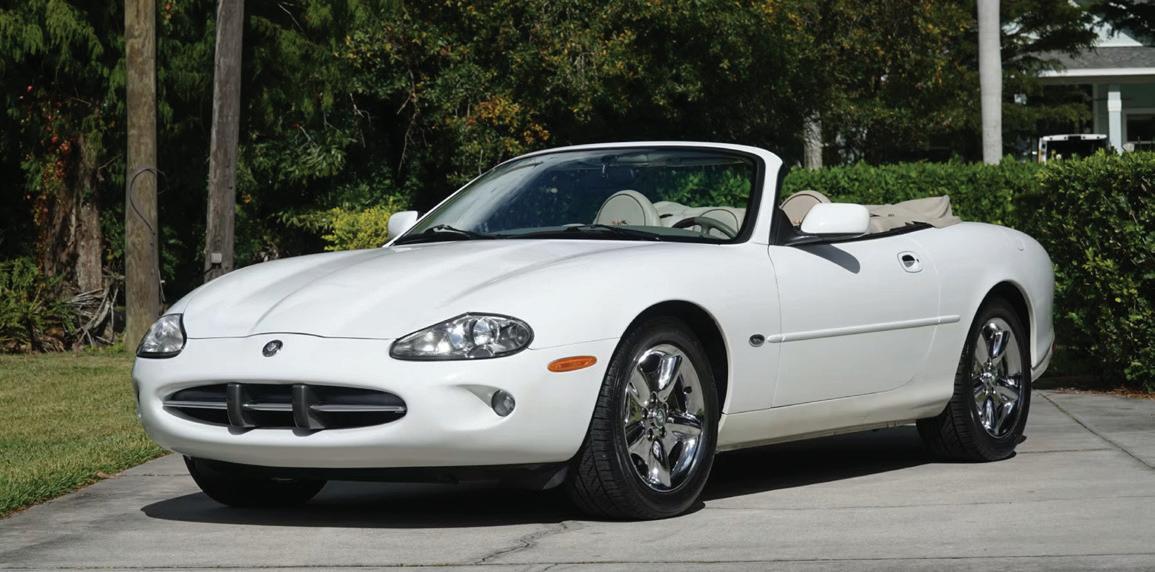
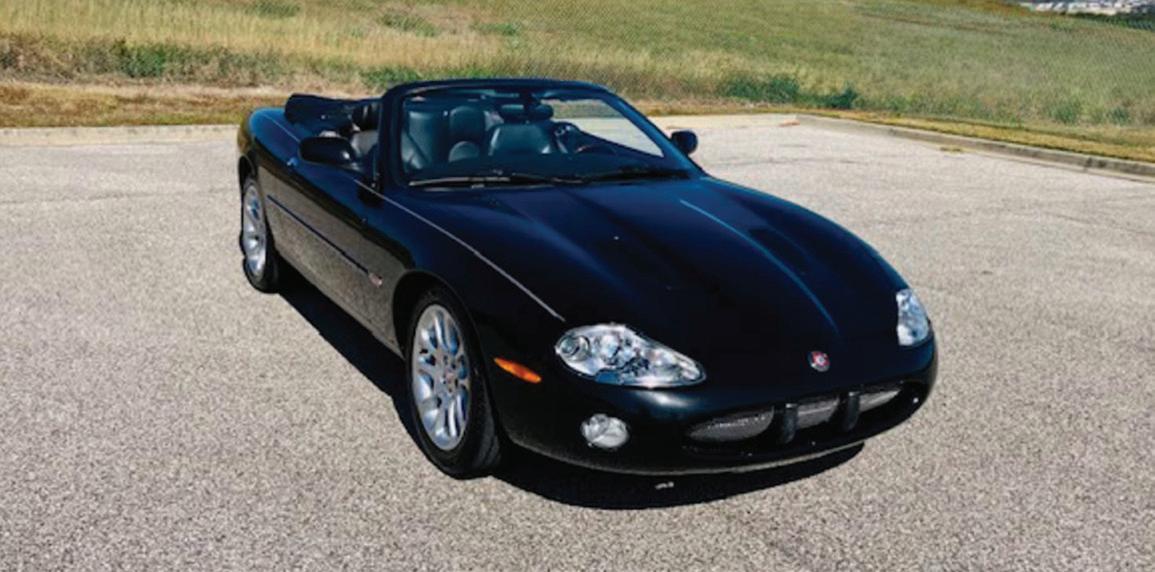
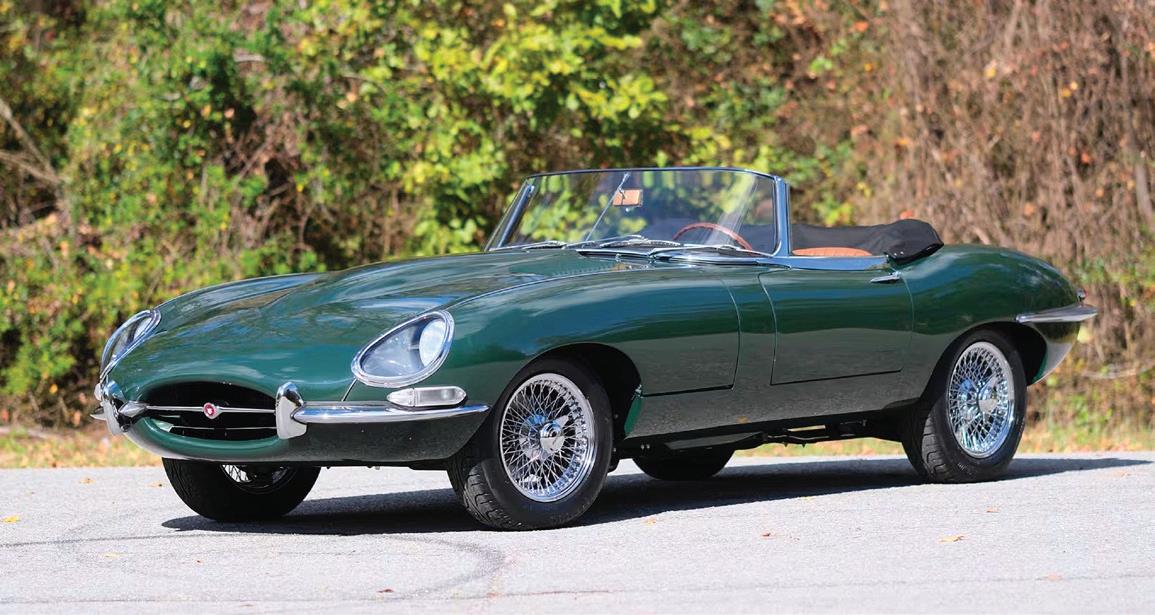
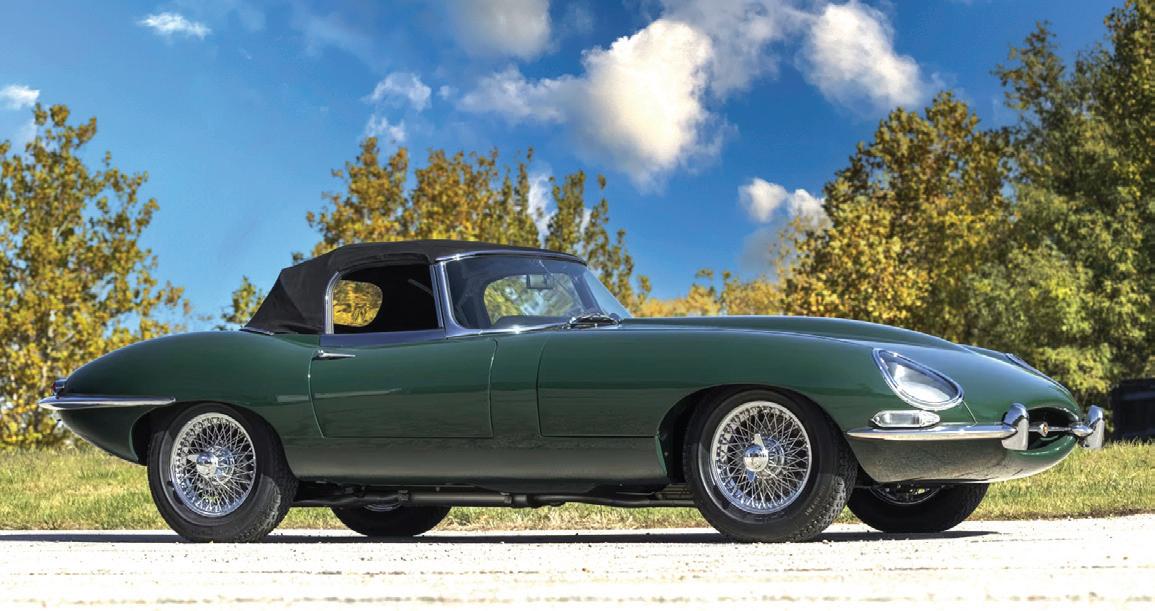
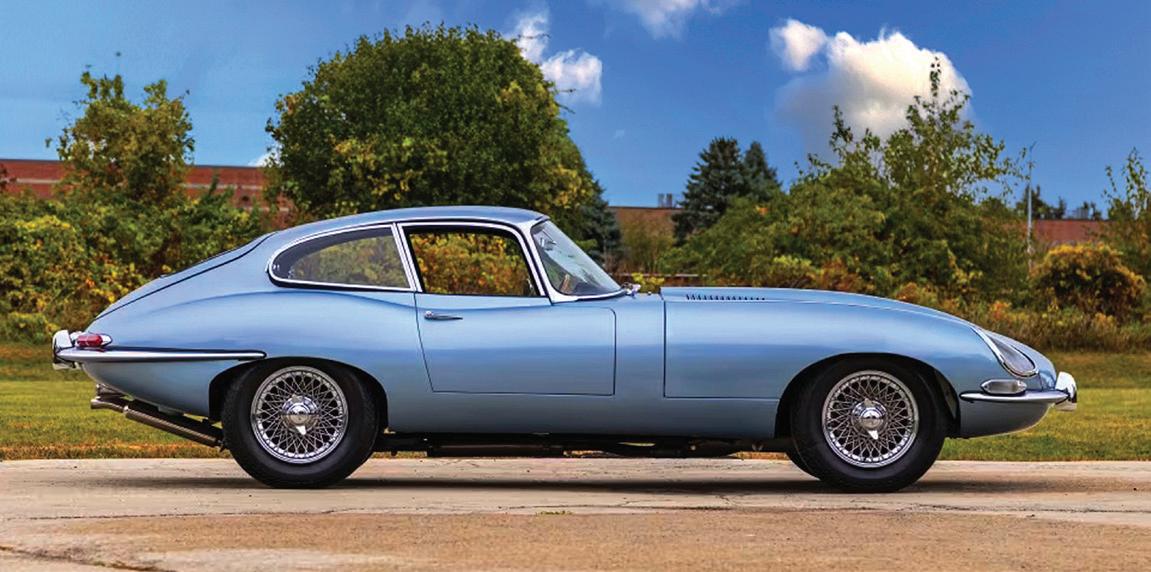
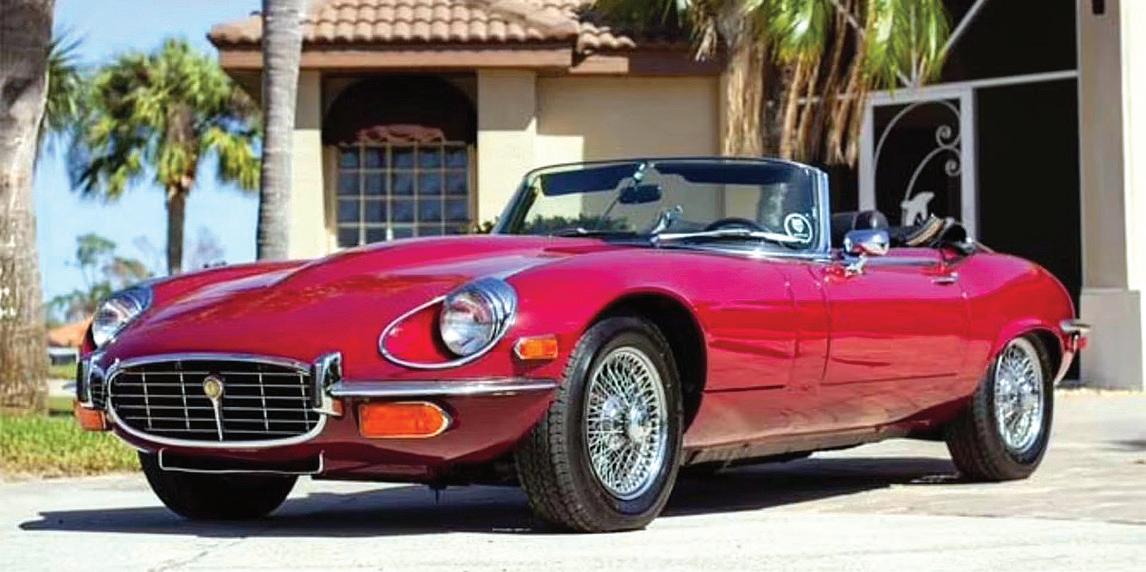
Kissimmee is the world’s largest collector car auction. 2026 showcased a collection of 4,500 vehicles. January 6-18.
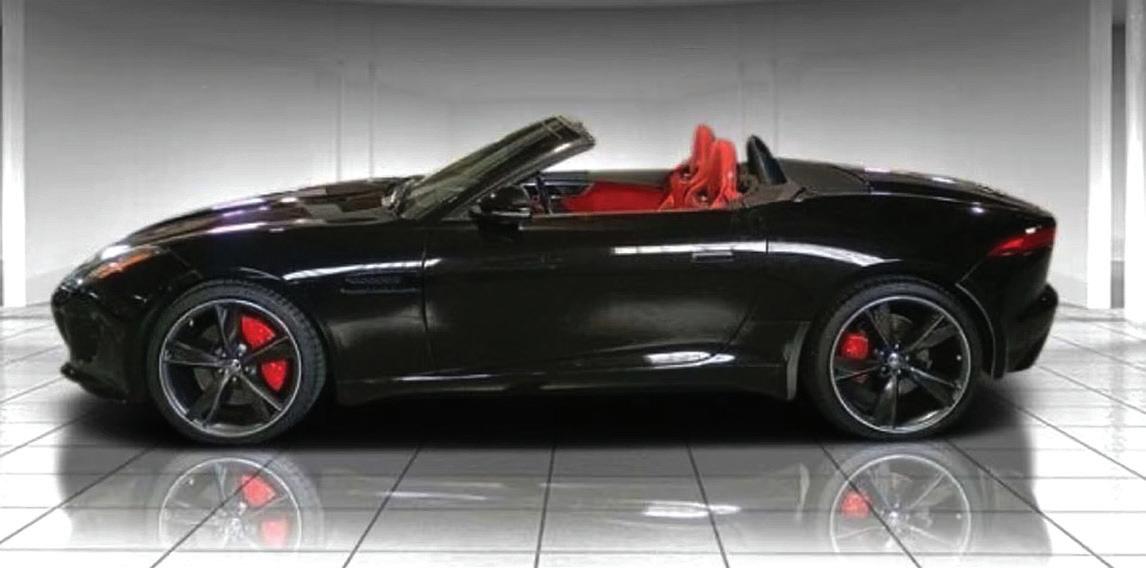
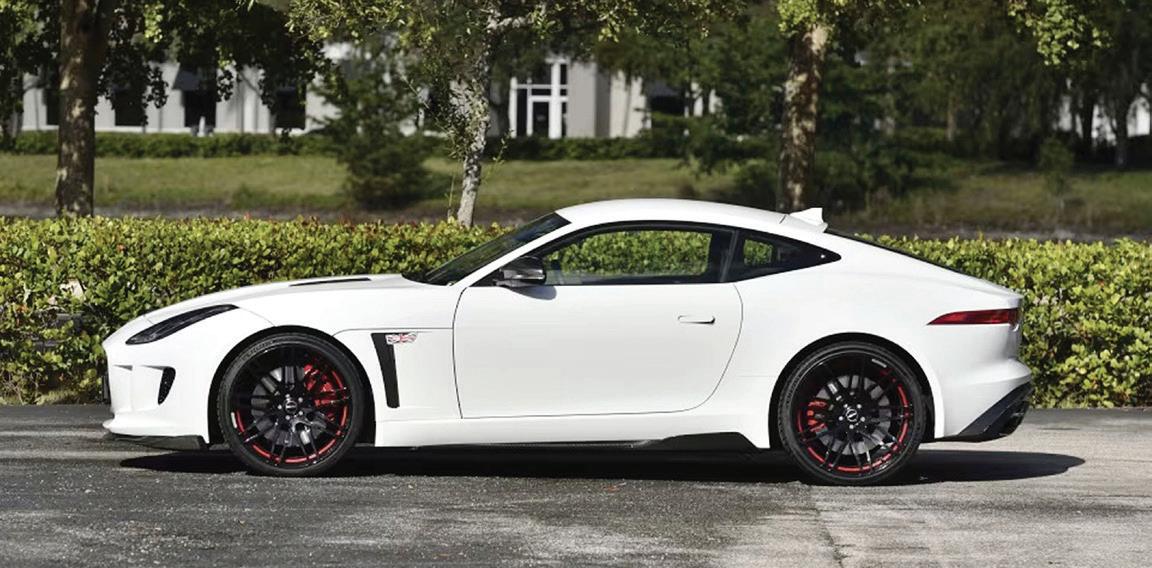
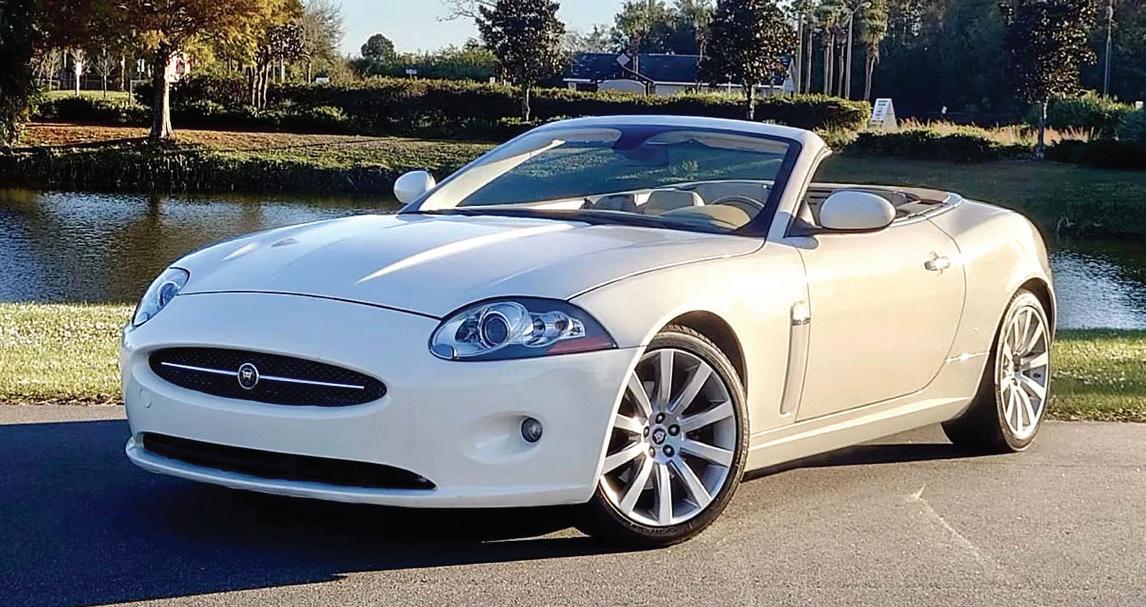
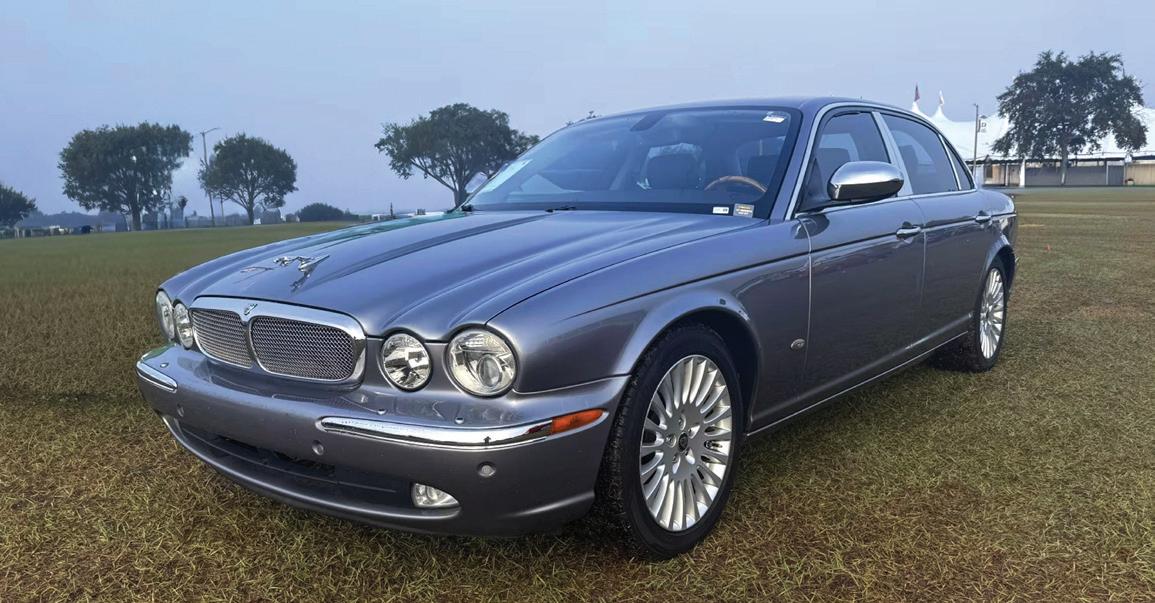
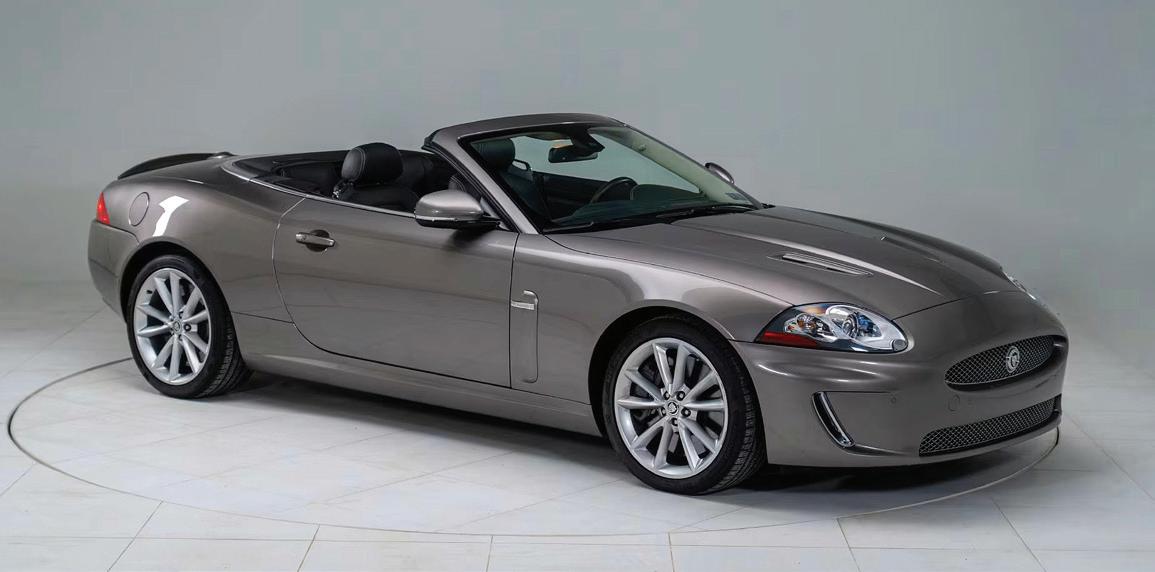
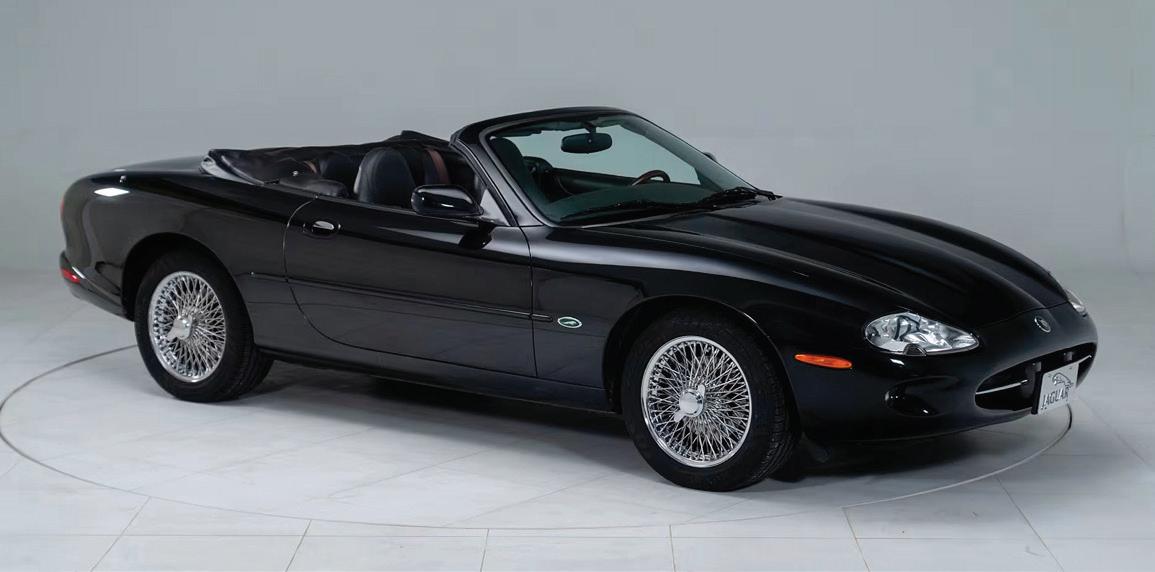
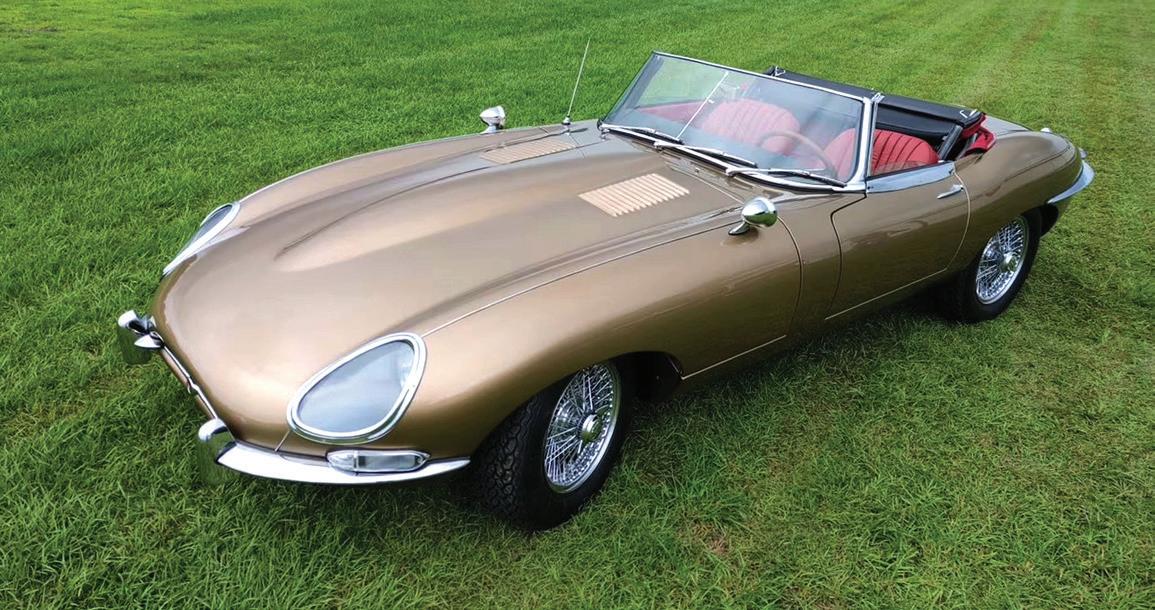
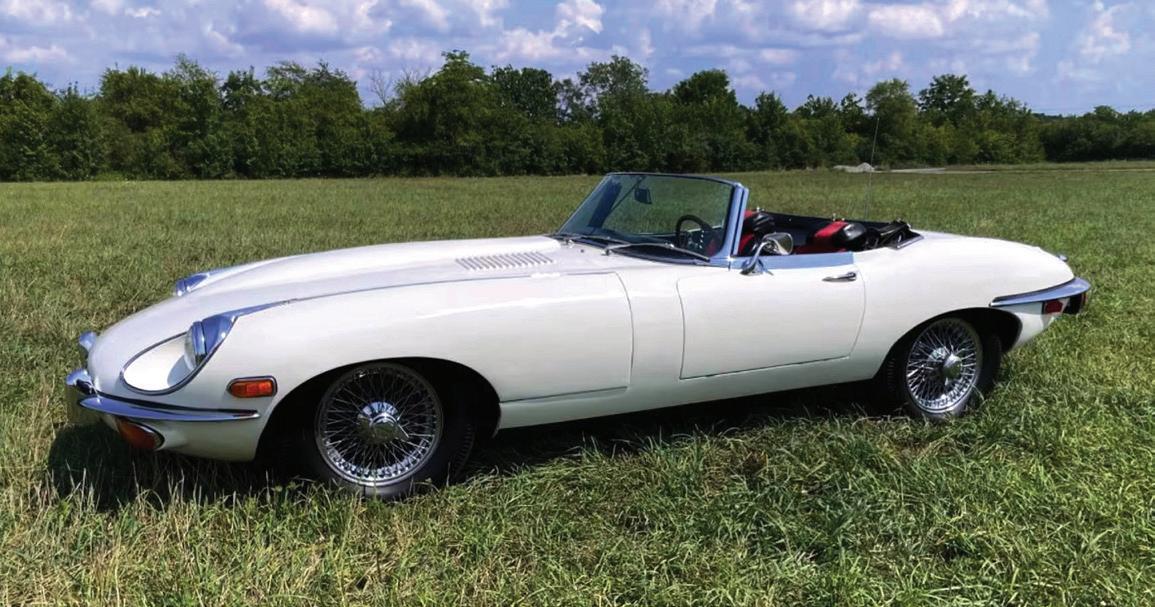
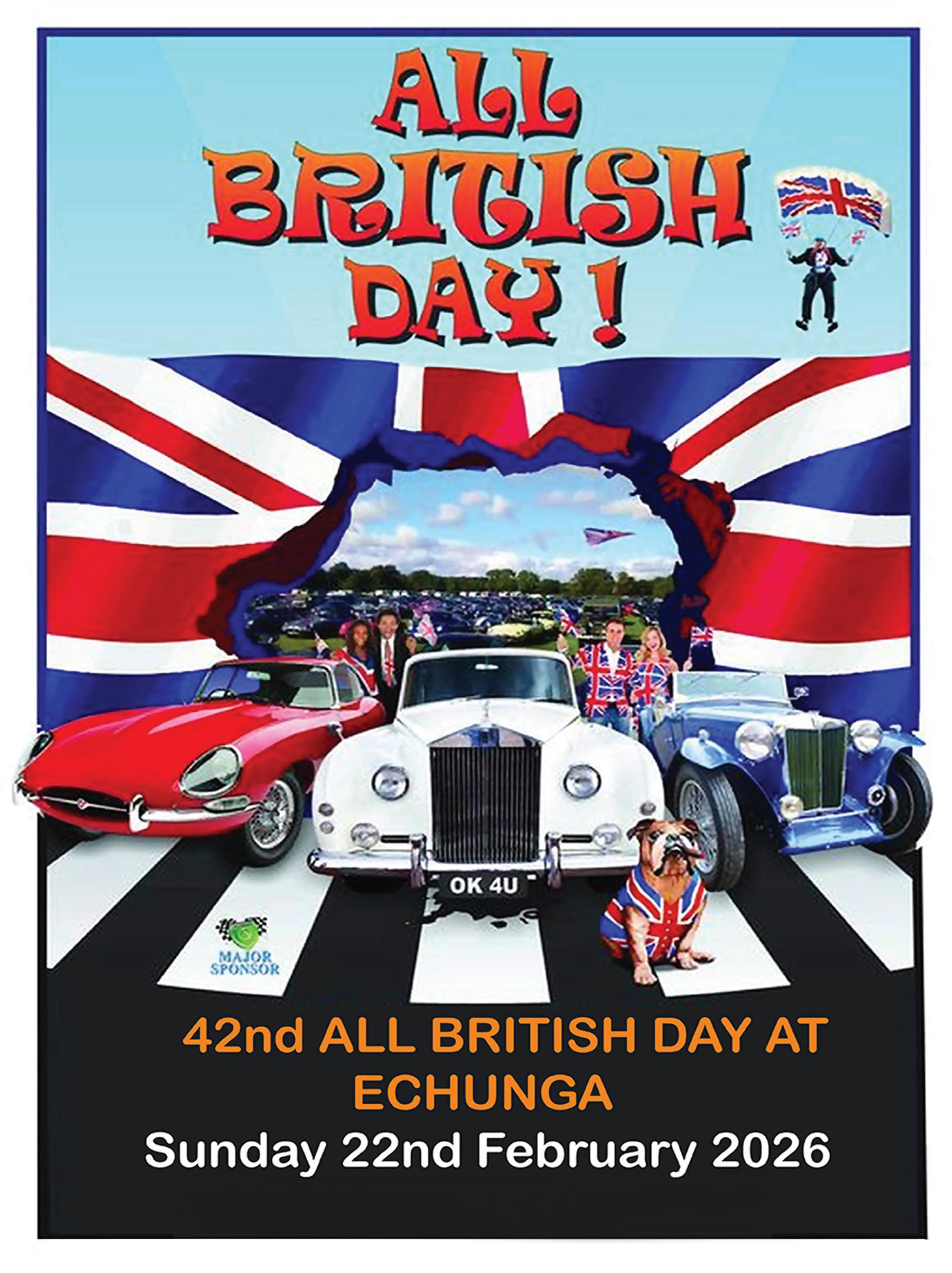
ALL BRITISH DAY 2026 OVAL 1
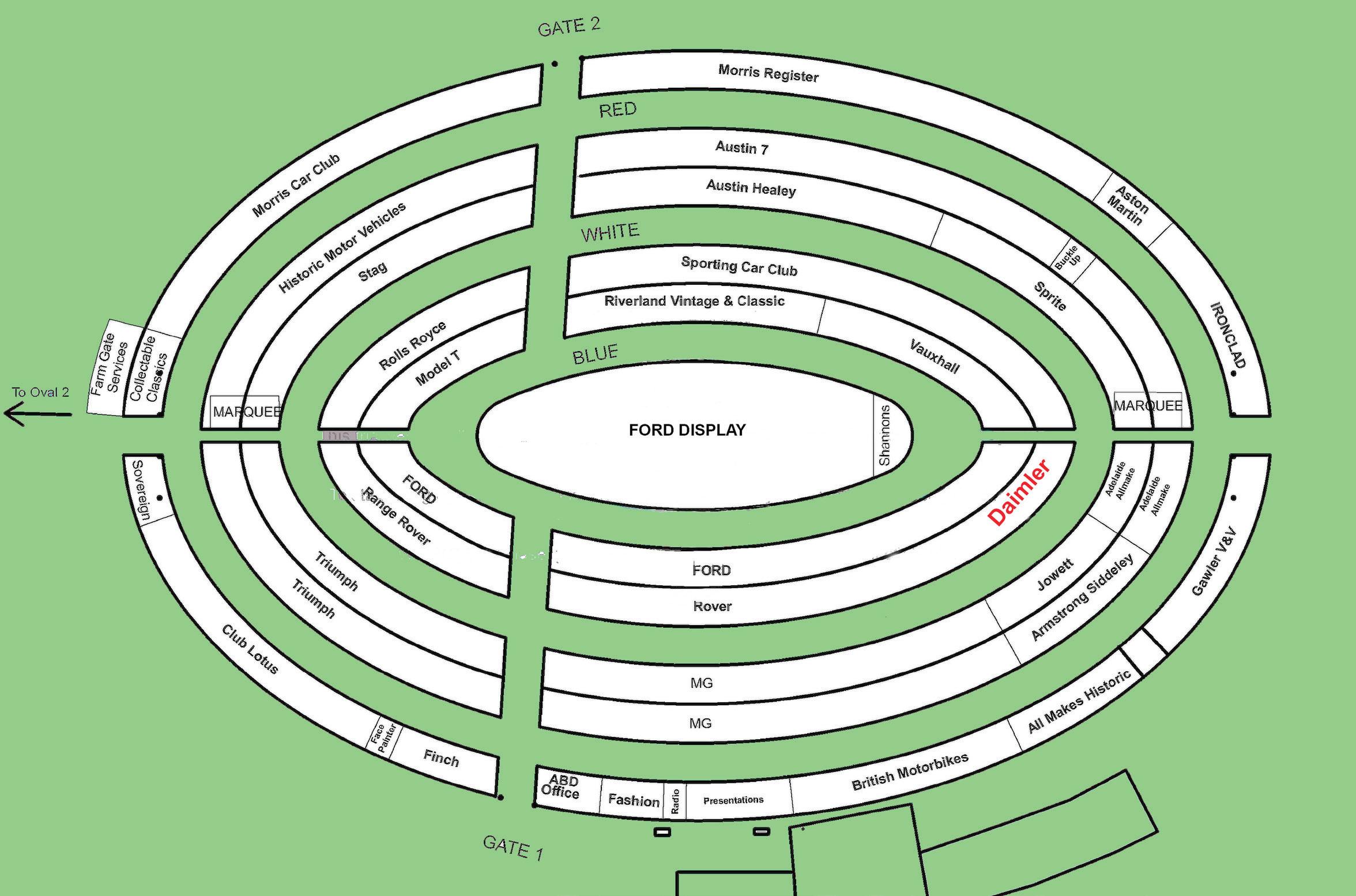
ALL BRITISH DAY 2026 OVAL 2
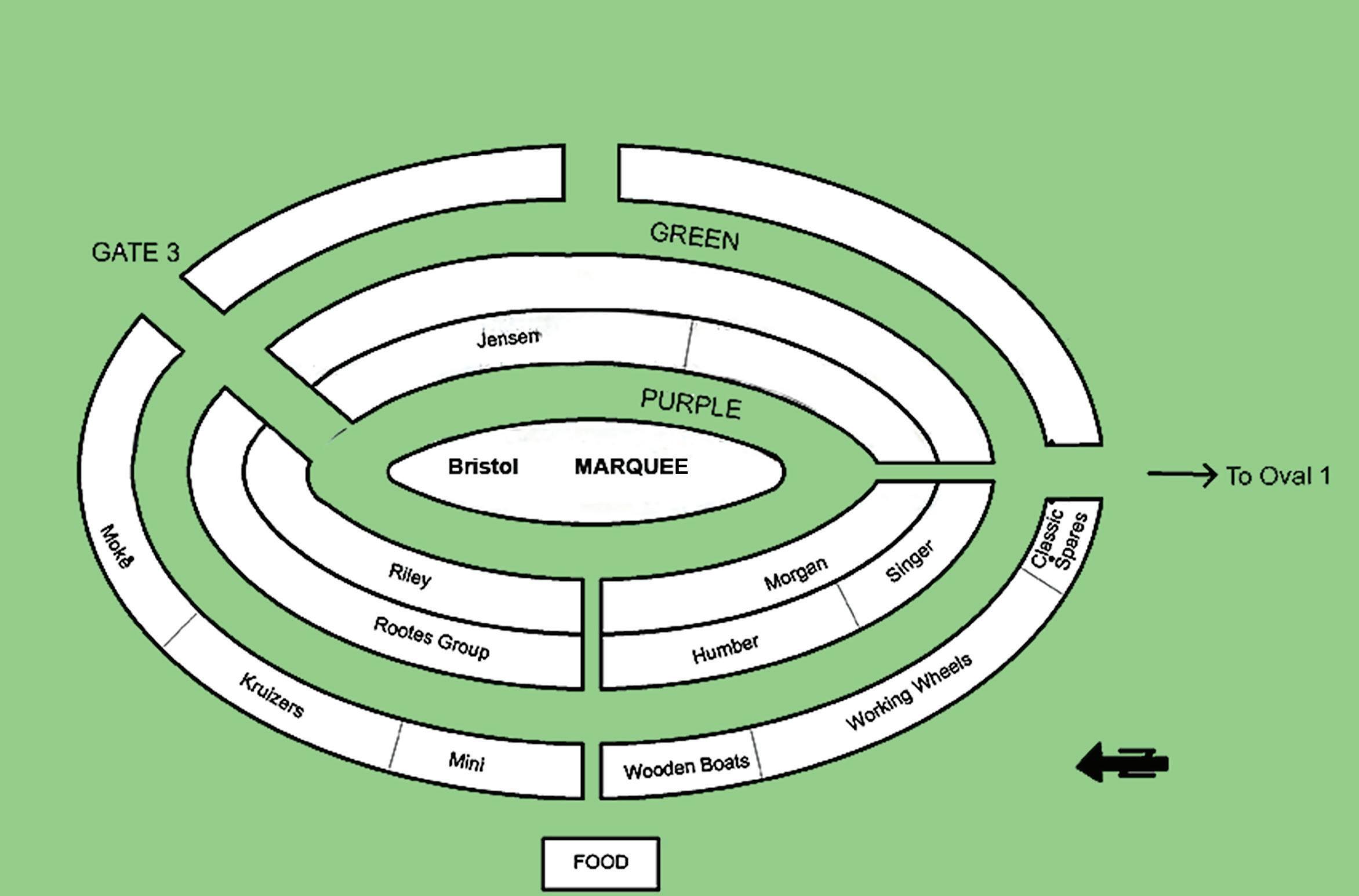
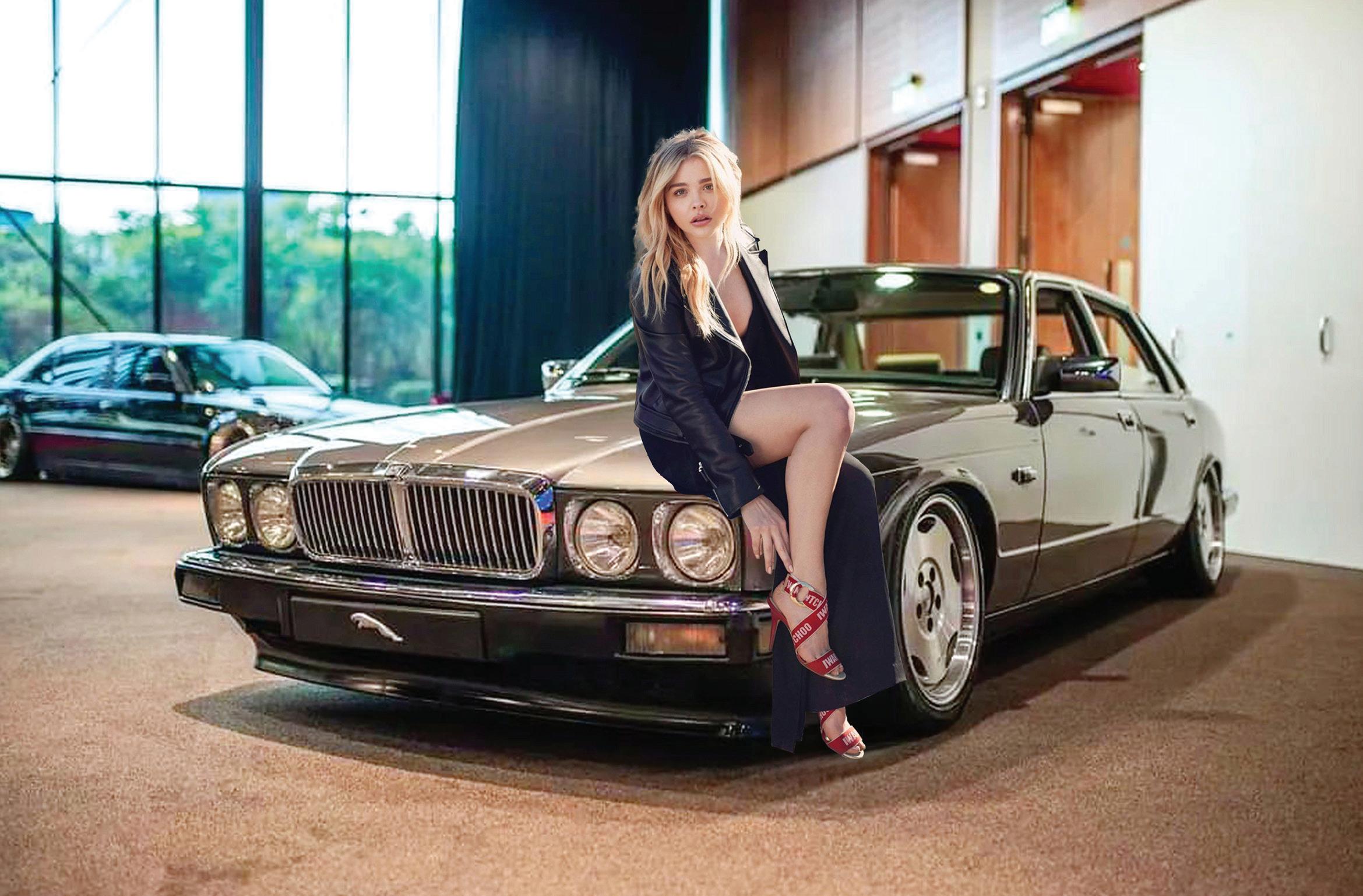
Despite being the best-selling XJ series of all (208,733), the XJ40 today remains only latterly being appreciated for its finer qualities and for its status as arguably the most ambitious and technically pure Jaguar of all.


"I
don't know how I feel about the Class hamster getting more Valentines than I did."


Classic Marque is the official magazine of the Jaguar Drivers Club of South Australia (JDCSA). The opinions and views expressed in published articles are wholly those of the respective authors, and are not necessarily those of Jaguar, the Editor, the Club, or its members.
Advertisers and sponsors who place advertisements in the magazine do so because they value their association with the JDCSA. Placement of these advertisements should not necessarily be taken to mean the Club endorses the services offered.
Minutes of the JDCSA General Meeting held on Tuesday, 28th October 2025 at The Marryatville Hotel, Kensington Rd, Marryatville.
Meeting opened at 7:45pm.
A welcome to the new venue was provided together with an apology for late start.
Apologies:
Phil & Sue Prior, Bruce Davis, Tom & Marj Brindle, Daff & Bob Charman, Graham & Jan Franklin, Andrew & Millie Costi, Robyn and Robert Welch, Geoff & Valerie Clayton, Wayne & Bev Buttery, Sam Finlay, Heather Buck.
New Members:
Mark Dunlop – was a past member of JDCSA and has rejoined.
Welfare:
◊ Rayeena Petrucco has been transferred to a nursing home.
◊ Paul Harrland’s daughter, Karen was killed in a rafting accident in Tasmania.
◊ A potted red rose ‘Karen’ will be sent to Paul on his return from the funeral in Tasmania over the weekend.
◊ Ed McCaul is terminally ill. A gift is being organised to send.
◊ Colleen Spencer is in hospital with respiratory condition. Peter Buck to follow up.
Previous Minutes:
Accepted. Moved: Tim White Seconded: Peter Holland.
Business Arising:
SA Jag Day 2025: Suzanne Jarvis reported a brief summary of SA Jag Day 2025. A full report will be presented to the Executive in due course.
Executive Officer Reports:
President:
▪ SA Jag Day and the XK Border Run were both successes. The XK parked in Burra caught the attention of early Club member Jon Phillips; and at Jag Day former member, 95 y.o. Eric Krumins caught up with old mates. We received donations for the library of a 420G service manual and XJ6 service manual.
▪ The recent Jag Club President’s Zoom forum decided to reinstate the Paul Skilleter award for best magazine
article.Presidents reported similar concerns of aging membership and how to encourage the next generation group.
▪ Reg Bennett invited JDCSA to enter vehicles for Classics on the Park, Rotary Campbelltown next March 15th.
Vice President/Logbooks Report:
▪ Log books seeing 3-4 new cars per month. Still looking for member from northern suburbs willing to issue MR334 forms. Noted new member won award at Jag Day.
▪ Regalia is under consideration with Jan & Graham Franklin.
▪ Changes to database have been suspended for log book members.
▪ Lodged tax return 24/25 for nil balance. Grants received will affect 25/26 return.
Secretary: Nil.
Treasurer:
All accounts have been reconciled. Jag Day was $68:00 over budget. Sales were cash $345:00; books $120:00; regalia (card) $60:00 and new members $105:00 for a total of $630:00.
Membership Secretary:
Successful Jag Day with four new memberships and three more applications given out on the day. Last two months have seen a record number of applications with two being quite young new members.
Editor/Events: Nil
MSCA Report: State championship hill climb at Collingrove this Saturday/ Sunday. Super sprint at Mallala 19th November. Numbers dropping everywhere, especially in motor sports.
Library Report: Nil
Register Reports:
SS/Pushrods Register: Last event for 2025 is Register meeting 8th November at the home of Bruce & Anne Fletcher.
XK, 7,8 & 9 Register: Steve reported the upcoming combined lunch with Compact Register is booked out.
Compact Register: Nil
XJ, MK10, 420G Register:
▪ Daff submitted a report that 45 members have registered for the run to Riverton on Sunday 2nd November. Daff will send out a reminder email about meeting place, etc.
▪ XJ Register Dinner and Show coming soon. Please book.
▪ XJ Register auction will be held on Wednesday 12th November at the Bartley Tavern. All invited to attend for a fun night.
Multivalve Register: Peter reported Christmas lunch, Thursday 27 November is limited to 50 members. A new venue.
E, F & GT Register: Moira reported on behalf of Bruce. There will be an event organised in November and a Christmas lunch.
Ladies Register: Tricia reported the final event for 2025 is Thursday 20th November and it is booked out. January 2026 is a lunch at Kensington Hotel.
General/New Business:
▪ Steve asked if Calendars are ready. Moira responded all are ready for collection by Register Secretaries for distribution.
▪ Questionnaire on venues to be completed.
▪ Question asked regarding hire of venues. Marryatville Hotel will charge a monthly fee for hire of rooms. The Junction will charge a fee if the Club wishes to pursue supper after meetings, to cover cost of security and clean up staff. Cost to be decided.
Guest Speaker:
Member, Peter Clarke presented a very interesting talk on use of a defibrillator, followed by a short video tutorial.
Next General Meeting: Christmas dinner, Tuesday, 2nd December at The Junction Hotel. Meeting Closed: 8:35 pm.
Club Postal Address: PO Box 6020, Halifax Street, Adelaide SA 5000
Club Web Site / Email Web: www.jdcsa.com.au
Email: hello@jdcsa.tidymail.co
President: Moira Lugg Mobile: 0407 727 459 president@jdcsa.tidymail.co
Vice President: Tim White Mobile: 0419 809 021 vicepresident@jdcsa.tidymail.co
Treasurer: Peter Thomas Mobile: 0438 861 922 treasurer@jdcsa.tidymail.co
Monthly Meetings: 1st Tuesday of the month (Feb - Dec) 7.30pm at “The Junction”, 470 Anzac Highway, Camden Park. (Near the Morphettville Racecourse). Members can choose to have a meal from 6.00pm prior to the meeting.
Secretary Suzanne Jarvis Mobile: 0478 717 775 secretary@jdcsa.tidymail.co
Committee Member: Peter Holland Phone: 0408 810 884 pholland@senet.com.au
Membership Secretary: Daphne Charman Phone: (08) 8248 4111 Mobile: 0404 999 200 membership@jdcsa.tidymail.co
SS, Mk IV, & Mk V - Meet TBA
Graham Franklin: (0490 074 671
E: ssregister@jdcsa.tidymail.co
XK & MK 7, 8, 9 - Meet TBA
Steve Weeks: 0414 952 416 E: xk789register@jdcsa.tidymail.co
Mk 1, 2, S Type, 420 (Compact)Meet TBA
Phil Prior: 0402 670 654. E: compactregister@jdcsa.tidymail.co
XJ, 420G, & MK X
Meet 2nd Wednesday of each month. Bob Charman: 0421 482 007
E: xjregister@jdcsa.tidymail.co
E, F & GT
Meet 3rd Thursday every 2nd month. Bruce Davis: 0400 872 438 E: efgtregister@jdcsa.tidymail.co
Multi-Valve - Meet 4th Thursday of the odd Calendar month. Peter Buck: 0421 061 883 E: multivalveregister@jdcsa.tidymail.co
Jaguar Ladies Register:
Meet 3rd Thursday every 2nd month. Tricia Clarke: 0422 128 066 jaguarladiesregister@jdcsa.tidymail.co
Editor/Events Coordinator: Graham Franklin Mobile: 0490 074 671 Email: editor@jdcsa.tidymail.co
Librarian: Tom Brindle. Phone (08) 8387 0051. E: librarian@ jdcsa.tidymail.co
Marque Sports Car Association (MSCA): Club Representative: Barry Kitts: 0412 114 109
All British Day: -
Club Representative: Fred Butcher: 0428 272 863
Federation of Historic Motoring Clubs (FHMCSA): Club Representative: David Burton Mobile: 0417 566 225
Technical Officer: Geoff Mockford Phone: (08) 8332 3366. M: 0438 768 770 info@classicsportscar.com.au spares@classicsportscar.com.au
Public Officer: Steve Weeks Mobile: 0414 952 416. E: publicofficer.@jdcsa.tidymail.co
Archives: Peter Holland, Dave Burton, Graham Franklin Email: hello@jdcsa.tidymail.co
TidyHQ Administrator: Tim White. Mobile: 0419 809 021. E: thqadmin@ jdcsa.tidymail.co
Web Master: Phil Prior/Tim White Phil Prior. Mobile: 0402 670 654. Tim White. Mobile: 0419 809 021. webmanager@jdcsa.tidymail.co
Logbook Compliance Officer:
• Tim White - Phone: 0419 809 021. E: logbookofficer@jdcsa.tidymail.co
To obtain MR334 Application Forms
• Geoff Mockford: 0438 768 770
• Evan Spartalis: 0408 827 919
• Roger Adamson: 0421 052 518
• Tim White: 0419 809 021
To Renew or Obtain a Logbook
• Tim White: 0419 809 021
• David Burton: 0417 566 225
• Philip Prior: 0402 670 654
• Peter Holland: 0408 810 884
• Peter Buck: 0421 061 883
• Steve Weeks: 0414 952 416
• Roger Adamson: 0421 052518
• Graham Franklin: 0490 074 671
• Bruce Davis: 0400 872 438